window.__IS_SSR__=true
window.__INITIAL_STATE__={
"attachmentsReducer": {
"audio_0": {
"type": "attachments",
"id": "audio_0",
"imgSizes": {
"kqedFullSize": {
"file": "https://ww2.kqed.org/news/wp-content/themes/KQED-unified/img/audio_bgs/background0.jpg"
}
}
},
"audio_1": {
"type": "attachments",
"id": "audio_1",
"imgSizes": {
"kqedFullSize": {
"file": "https://ww2.kqed.org/news/wp-content/themes/KQED-unified/img/audio_bgs/background1.jpg"
}
}
},
"audio_2": {
"type": "attachments",
"id": "audio_2",
"imgSizes": {
"kqedFullSize": {
"file": "https://ww2.kqed.org/news/wp-content/themes/KQED-unified/img/audio_bgs/background2.jpg"
}
}
},
"audio_3": {
"type": "attachments",
"id": "audio_3",
"imgSizes": {
"kqedFullSize": {
"file": "https://ww2.kqed.org/news/wp-content/themes/KQED-unified/img/audio_bgs/background3.jpg"
}
}
},
"audio_4": {
"type": "attachments",
"id": "audio_4",
"imgSizes": {
"kqedFullSize": {
"file": "https://ww2.kqed.org/news/wp-content/themes/KQED-unified/img/audio_bgs/background4.jpg"
}
}
},
"placeholder": {
"type": "attachments",
"id": "placeholder",
"imgSizes": {
"thumbnail": {
"file": "https://cdn.kqed.org/wp-content/uploads/2024/12/KQED-Default-Image-816638274-2000x1333-1-160x107.jpg",
"width": 160,
"height": 107,
"mimeType": "image/jpeg"
},
"medium": {
"file": "https://cdn.kqed.org/wp-content/uploads/2024/12/KQED-Default-Image-816638274-2000x1333-1-800x533.jpg",
"width": 800,
"height": 533,
"mimeType": "image/jpeg"
},
"medium_large": {
"file": "https://cdn.kqed.org/wp-content/uploads/2024/12/KQED-Default-Image-816638274-2000x1333-1-768x512.jpg",
"width": 768,
"height": 512,
"mimeType": "image/jpeg"
},
"large": {
"file": "https://cdn.kqed.org/wp-content/uploads/2024/12/KQED-Default-Image-816638274-2000x1333-1-1020x680.jpg",
"width": 1020,
"height": 680,
"mimeType": "image/jpeg"
},
"1536x1536": {
"file": "https://cdn.kqed.org/wp-content/uploads/2024/12/KQED-Default-Image-816638274-2000x1333-1-1536x1024.jpg",
"width": 1536,
"height": 1024,
"mimeType": "image/jpeg"
},
"fd-lrg": {
"file": "https://cdn.kqed.org/wp-content/uploads/2024/12/KQED-Default-Image-816638274-2000x1333-1-1536x1024.jpg",
"width": 1536,
"height": 1024,
"mimeType": "image/jpeg"
},
"fd-med": {
"file": "https://cdn.kqed.org/wp-content/uploads/2024/12/KQED-Default-Image-816638274-2000x1333-1-1020x680.jpg",
"width": 1020,
"height": 680,
"mimeType": "image/jpeg"
},
"fd-sm": {
"file": "https://cdn.kqed.org/wp-content/uploads/2024/12/KQED-Default-Image-816638274-2000x1333-1-800x533.jpg",
"width": 800,
"height": 533,
"mimeType": "image/jpeg"
},
"post-thumbnail": {
"file": "https://cdn.kqed.org/wp-content/uploads/2024/12/KQED-Default-Image-816638274-2000x1333-1-672x372.jpg",
"width": 672,
"height": 372,
"mimeType": "image/jpeg"
},
"twentyfourteen-full-width": {
"file": "https://cdn.kqed.org/wp-content/uploads/2024/12/KQED-Default-Image-816638274-2000x1333-1-1038x576.jpg",
"width": 1038,
"height": 576,
"mimeType": "image/jpeg"
},
"xxsmall": {
"file": "https://cdn.kqed.org/wp-content/uploads/2024/12/KQED-Default-Image-816638274-2000x1333-1-160x107.jpg",
"width": 160,
"height": 107,
"mimeType": "image/jpeg"
},
"xsmall": {
"file": "https://cdn.kqed.org/wp-content/uploads/2024/12/KQED-Default-Image-816638274-2000x1333-1-672x372.jpg",
"width": 672,
"height": 372,
"mimeType": "image/jpeg"
},
"small": {
"file": "https://cdn.kqed.org/wp-content/uploads/2024/12/KQED-Default-Image-816638274-2000x1333-1-672x372.jpg",
"width": 672,
"height": 372,
"mimeType": "image/jpeg"
},
"xlarge": {
"file": "https://cdn.kqed.org/wp-content/uploads/2024/12/KQED-Default-Image-816638274-2000x1333-1-1020x680.jpg",
"width": 1020,
"height": 680,
"mimeType": "image/jpeg"
},
"full-width": {
"file": "https://cdn.kqed.org/wp-content/uploads/2024/12/KQED-Default-Image-816638274-2000x1333-1-1920x1280.jpg",
"width": 1920,
"height": 1280,
"mimeType": "image/jpeg"
},
"guest-author-32": {
"file": "https://cdn.kqed.org/wp-content/uploads/2025/01/KQED-Default-Image-816638274-1333x1333-1-160x160.jpg",
"width": 32,
"height": 32,
"mimeType": "image/jpeg"
},
"guest-author-50": {
"file": "https://cdn.kqed.org/wp-content/uploads/2025/01/KQED-Default-Image-816638274-1333x1333-1-160x160.jpg",
"width": 50,
"height": 50,
"mimeType": "image/jpeg"
},
"guest-author-64": {
"file": "https://cdn.kqed.org/wp-content/uploads/2025/01/KQED-Default-Image-816638274-1333x1333-1-160x160.jpg",
"width": 64,
"height": 64,
"mimeType": "image/jpeg"
},
"guest-author-96": {
"file": "https://cdn.kqed.org/wp-content/uploads/2025/01/KQED-Default-Image-816638274-1333x1333-1-160x160.jpg",
"width": 96,
"height": 96,
"mimeType": "image/jpeg"
},
"guest-author-128": {
"file": "https://cdn.kqed.org/wp-content/uploads/2025/01/KQED-Default-Image-816638274-1333x1333-1-160x160.jpg",
"width": 128,
"height": 128,
"mimeType": "image/jpeg"
},
"detail": {
"file": "https://cdn.kqed.org/wp-content/uploads/2025/01/KQED-Default-Image-816638274-1333x1333-1-160x160.jpg",
"width": 160,
"height": 160,
"mimeType": "image/jpeg"
},
"kqedFullSize": {
"file": "https://cdn.kqed.org/wp-content/uploads/2024/12/KQED-Default-Image-816638274-2000x1333-1.jpg",
"width": 2000,
"height": 1333
}
}
},
"bayareabites_116682": {
"type": "attachments",
"id": "bayareabites_116682",
"meta": {
"index": "attachments_1716263798",
"site": "bayareabites",
"id": "116682",
"found": true
},
"parent": 116681,
"imgSizes": {
"small": {
"file": "https://ww2.kqed.org/app/uploads/sites/24/2017/04/gettyimages-175749928_custom-c465df719c024eeac10be4a6c9b6ada7e085f13a-520x353.jpg",
"width": 520,
"mimeType": "image/jpeg",
"height": 353
},
"twentyfourteen-full-width": {
"file": "https://ww2.kqed.org/app/uploads/sites/24/2017/04/gettyimages-175749928_custom-c465df719c024eeac10be4a6c9b6ada7e085f13a-1038x576.jpg",
"width": 1038,
"mimeType": "image/jpeg",
"height": 576
},
"thumbnail": {
"file": "https://ww2.kqed.org/app/uploads/sites/24/2017/04/gettyimages-175749928_custom-c465df719c024eeac10be4a6c9b6ada7e085f13a-160x109.jpg",
"width": 160,
"mimeType": "image/jpeg",
"height": 109
},
"fd-sm": {
"file": "https://ww2.kqed.org/app/uploads/sites/24/2017/04/gettyimages-175749928_custom-c465df719c024eeac10be4a6c9b6ada7e085f13a-960x651.jpg",
"width": 960,
"mimeType": "image/jpeg",
"height": 651
},
"post-thumbnail": {
"file": "https://ww2.kqed.org/app/uploads/sites/24/2017/04/gettyimages-175749928_custom-c465df719c024eeac10be4a6c9b6ada7e085f13a-672x372.jpg",
"width": 672,
"mimeType": "image/jpeg",
"height": 372
},
"xsmall": {
"file": "https://ww2.kqed.org/app/uploads/sites/24/2017/04/gettyimages-175749928_custom-c465df719c024eeac10be4a6c9b6ada7e085f13a-375x254.jpg",
"width": 375,
"mimeType": "image/jpeg",
"height": 254
},
"kqedFullSize": {
"file": "https://ww2.kqed.org/app/uploads/sites/24/2017/04/gettyimages-175749928_custom-c465df719c024eeac10be4a6c9b6ada7e085f13a.jpg",
"width": 1846,
"height": 1252
},
"large": {
"file": "https://ww2.kqed.org/app/uploads/sites/24/2017/04/gettyimages-175749928_custom-c465df719c024eeac10be4a6c9b6ada7e085f13a-1020x692.jpg",
"width": 1020,
"mimeType": "image/jpeg",
"height": 692
},
"xlarge": {
"file": "https://ww2.kqed.org/app/uploads/sites/24/2017/04/gettyimages-175749928_custom-c465df719c024eeac10be4a6c9b6ada7e085f13a-1180x800.jpg",
"width": 1180,
"mimeType": "image/jpeg",
"height": 800
},
"guest-author-50": {
"file": "https://ww2.kqed.org/app/uploads/sites/24/2017/04/gettyimages-175749928_custom-c465df719c024eeac10be4a6c9b6ada7e085f13a-50x50.jpg",
"width": 50,
"mimeType": "image/jpeg",
"height": 50
},
"guest-author-96": {
"file": "https://ww2.kqed.org/app/uploads/sites/24/2017/04/gettyimages-175749928_custom-c465df719c024eeac10be4a6c9b6ada7e085f13a-96x96.jpg",
"width": 96,
"mimeType": "image/jpeg",
"height": 96
},
"medium": {
"file": "https://ww2.kqed.org/app/uploads/sites/24/2017/04/gettyimages-175749928_custom-c465df719c024eeac10be4a6c9b6ada7e085f13a-800x543.jpg",
"width": 800,
"mimeType": "image/jpeg",
"height": 543
},
"guest-author-64": {
"file": "https://ww2.kqed.org/app/uploads/sites/24/2017/04/gettyimages-175749928_custom-c465df719c024eeac10be4a6c9b6ada7e085f13a-64x64.jpg",
"width": 64,
"mimeType": "image/jpeg",
"height": 64
},
"guest-author-32": {
"file": "https://ww2.kqed.org/app/uploads/sites/24/2017/04/gettyimages-175749928_custom-c465df719c024eeac10be4a6c9b6ada7e085f13a-32x32.jpg",
"width": 32,
"mimeType": "image/jpeg",
"height": 32
},
"fd-med": {
"file": "https://ww2.kqed.org/app/uploads/sites/24/2017/04/gettyimages-175749928_custom-c465df719c024eeac10be4a6c9b6ada7e085f13a-1180x800.jpg",
"width": 1180,
"mimeType": "image/jpeg",
"height": 800
},
"detail": {
"file": "https://ww2.kqed.org/app/uploads/sites/24/2017/04/gettyimages-175749928_custom-c465df719c024eeac10be4a6c9b6ada7e085f13a-150x150.jpg",
"width": 150,
"mimeType": "image/jpeg",
"height": 150
},
"medium_large": {
"file": "https://ww2.kqed.org/app/uploads/sites/24/2017/04/gettyimages-175749928_custom-c465df719c024eeac10be4a6c9b6ada7e085f13a-768x521.jpg",
"width": 768,
"mimeType": "image/jpeg",
"height": 521
},
"guest-author-128": {
"file": "https://ww2.kqed.org/app/uploads/sites/24/2017/04/gettyimages-175749928_custom-c465df719c024eeac10be4a6c9b6ada7e085f13a-128x128.jpg",
"width": 128,
"mimeType": "image/jpeg",
"height": 128
},
"xxsmall": {
"file": "https://ww2.kqed.org/app/uploads/sites/24/2017/04/gettyimages-175749928_custom-c465df719c024eeac10be4a6c9b6ada7e085f13a-240x163.jpg",
"width": 240,
"mimeType": "image/jpeg",
"height": 163
}
},
"publishDate": 1491845473,
"modified": 1491845604,
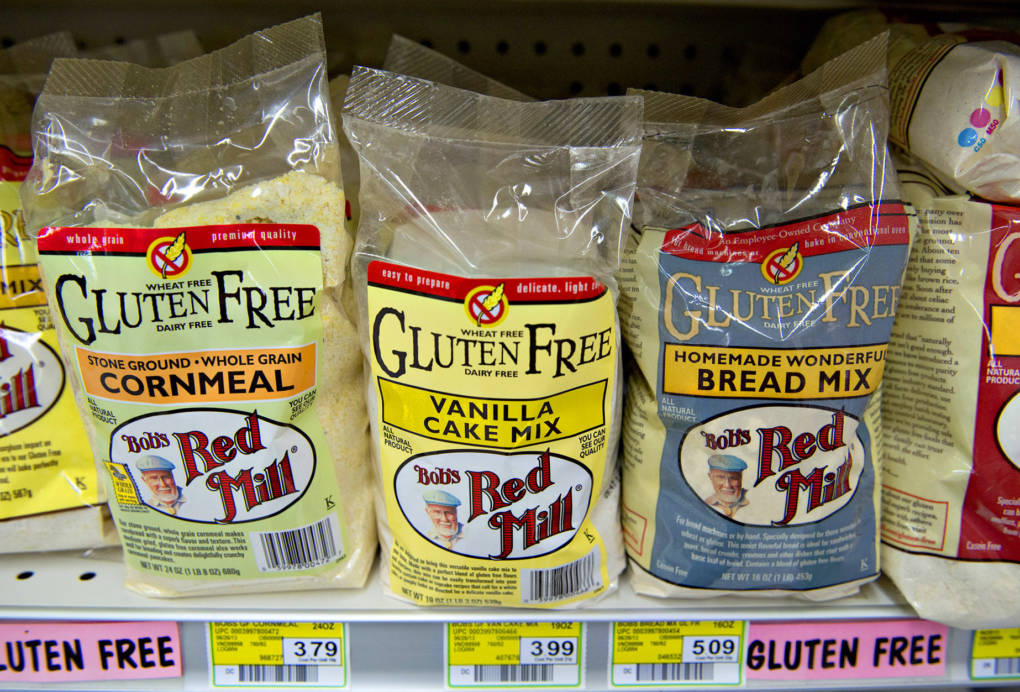
"caption": "For people with celiac disease gluten-free food is a must. A new study suggests that a common virus may trigger the onset of the disease.",
"description": "For people with celiac disease gluten-free food is a must. A new study suggests that a common virus may trigger the onset of the disease.",
"title": "For people with celiac disease gluten-free food is a must. A new study suggests that a common virus may trigger the onset of the disease.",
"credit": "Daniel Acker/Bloomberg/Getty Images",
"status": "inherit",
"isLoading": false,
"fetchFailed": false
},
"bayareabites_116647": {
"type": "attachments",
"id": "bayareabites_116647",
"meta": {
"index": "attachments_1716263798",
"site": "bayareabites",
"id": "116647",
"found": true
},
"parent": 116645,
"imgSizes": {
"small": {
"file": "https://ww2.kqed.org/app/uploads/sites/24/2017/04/postpartum-food-1020-3_custom-d6f520059100c2acf371689cea4a7bf82bd696fc-520x356.jpg",
"width": 520,
"mimeType": "image/jpeg",
"height": 356
},
"twentyfourteen-full-width": {
"file": "https://ww2.kqed.org/app/uploads/sites/24/2017/04/postpartum-food-1020-3_custom-d6f520059100c2acf371689cea4a7bf82bd696fc-1038x576.jpg",
"width": 1038,
"mimeType": "image/jpeg",
"height": 576
},
"thumbnail": {
"file": "https://ww2.kqed.org/app/uploads/sites/24/2017/04/postpartum-food-1020-3_custom-d6f520059100c2acf371689cea4a7bf82bd696fc-160x110.jpg",
"width": 160,
"mimeType": "image/jpeg",
"height": 110
},
"fd-sm": {
"file": "https://ww2.kqed.org/app/uploads/sites/24/2017/04/postpartum-food-1020-3_custom-d6f520059100c2acf371689cea4a7bf82bd696fc-960x657.jpg",
"width": 960,
"mimeType": "image/jpeg",
"height": 657
},
"post-thumbnail": {
"file": "https://ww2.kqed.org/app/uploads/sites/24/2017/04/postpartum-food-1020-3_custom-d6f520059100c2acf371689cea4a7bf82bd696fc-672x372.jpg",
"width": 672,
"mimeType": "image/jpeg",
"height": 372
},
"xsmall": {
"file": "https://ww2.kqed.org/app/uploads/sites/24/2017/04/postpartum-food-1020-3_custom-d6f520059100c2acf371689cea4a7bf82bd696fc-375x257.jpg",
"width": 375,
"mimeType": "image/jpeg",
"height": 257
},
"kqedFullSize": {
"file": "https://ww2.kqed.org/app/uploads/sites/24/2017/04/postpartum-food-1020-3_custom-d6f520059100c2acf371689cea4a7bf82bd696fc.jpg",
"width": 1930,
"height": 1321
},
"large": {
"file": "https://ww2.kqed.org/app/uploads/sites/24/2017/04/postpartum-food-1020-3_custom-d6f520059100c2acf371689cea4a7bf82bd696fc-1020x698.jpg",
"width": 1020,
"mimeType": "image/jpeg",
"height": 698
},
"xlarge": {
"file": "https://ww2.kqed.org/app/uploads/sites/24/2017/04/postpartum-food-1020-3_custom-d6f520059100c2acf371689cea4a7bf82bd696fc-1180x808.jpg",
"width": 1180,
"mimeType": "image/jpeg",
"height": 808
},
"guest-author-50": {
"file": "https://ww2.kqed.org/app/uploads/sites/24/2017/04/postpartum-food-1020-3_custom-d6f520059100c2acf371689cea4a7bf82bd696fc-50x50.jpg",
"width": 50,
"mimeType": "image/jpeg",
"height": 50
},
"guest-author-96": {
"file": "https://ww2.kqed.org/app/uploads/sites/24/2017/04/postpartum-food-1020-3_custom-d6f520059100c2acf371689cea4a7bf82bd696fc-96x96.jpg",
"width": 96,
"mimeType": "image/jpeg",
"height": 96
},
"medium": {
"file": "https://ww2.kqed.org/app/uploads/sites/24/2017/04/postpartum-food-1020-3_custom-d6f520059100c2acf371689cea4a7bf82bd696fc-800x548.jpg",
"width": 800,
"mimeType": "image/jpeg",
"height": 548
},
"guest-author-64": {
"file": "https://ww2.kqed.org/app/uploads/sites/24/2017/04/postpartum-food-1020-3_custom-d6f520059100c2acf371689cea4a7bf82bd696fc-64x64.jpg",
"width": 64,
"mimeType": "image/jpeg",
"height": 64
},
"guest-author-32": {
"file": "https://ww2.kqed.org/app/uploads/sites/24/2017/04/postpartum-food-1020-3_custom-d6f520059100c2acf371689cea4a7bf82bd696fc-32x32.jpg",
"width": 32,
"mimeType": "image/jpeg",
"height": 32
},
"fd-lrg": {
"file": "https://ww2.kqed.org/app/uploads/sites/24/2017/04/postpartum-food-1020-3_custom-d6f520059100c2acf371689cea4a7bf82bd696fc-1920x1314.jpg",
"width": 1920,
"mimeType": "image/jpeg",
"height": 1314
},
"fd-med": {
"file": "https://ww2.kqed.org/app/uploads/sites/24/2017/04/postpartum-food-1020-3_custom-d6f520059100c2acf371689cea4a7bf82bd696fc-1180x808.jpg",
"width": 1180,
"mimeType": "image/jpeg",
"height": 808
},
"full-width": {
"file": "https://ww2.kqed.org/app/uploads/sites/24/2017/04/postpartum-food-1020-3_custom-d6f520059100c2acf371689cea4a7bf82bd696fc-1920x1314.jpg",
"width": 1920,
"mimeType": "image/jpeg",
"height": 1314
},
"detail": {
"file": "https://ww2.kqed.org/app/uploads/sites/24/2017/04/postpartum-food-1020-3_custom-d6f520059100c2acf371689cea4a7bf82bd696fc-150x150.jpg",
"width": 150,
"mimeType": "image/jpeg",
"height": 150
},
"medium_large": {
"file": "https://ww2.kqed.org/app/uploads/sites/24/2017/04/postpartum-food-1020-3_custom-d6f520059100c2acf371689cea4a7bf82bd696fc-768x526.jpg",
"width": 768,
"mimeType": "image/jpeg",
"height": 526
},
"guest-author-128": {
"file": "https://ww2.kqed.org/app/uploads/sites/24/2017/04/postpartum-food-1020-3_custom-d6f520059100c2acf371689cea4a7bf82bd696fc-128x128.jpg",
"width": 128,
"mimeType": "image/jpeg",
"height": 128
},
"xxsmall": {
"file": "https://ww2.kqed.org/app/uploads/sites/24/2017/04/postpartum-food-1020-3_custom-d6f520059100c2acf371689cea4a7bf82bd696fc-240x164.jpg",
"width": 240,
"mimeType": "image/jpeg",
"height": 164
}
},
"publishDate": 1491511624,
"modified": 1491511914,
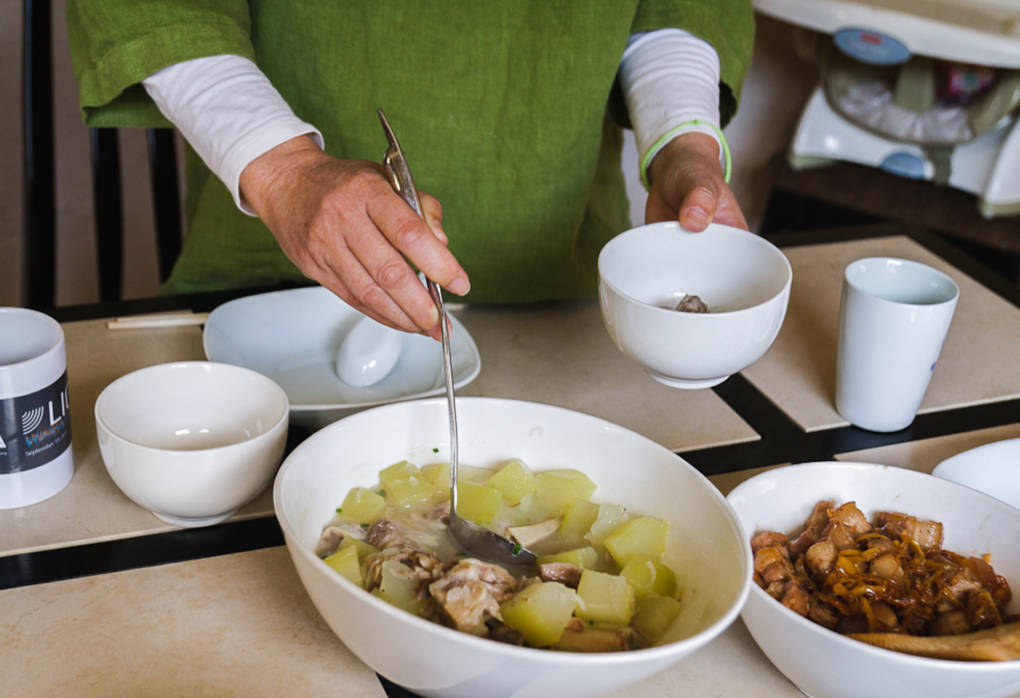
"caption": "Dr. Marilyn Wong serves green papaya and pigs' feet soup, a Vietnamese dish believed to fortify new mothers.",
"description": "Dr. Marilyn Wong serves green papaya and pigs' feet soup, a Vietnamese dish believed to fortify new mothers.",
"title": "Dr. Marilyn Wong serves green papaya and pigs' feet soup, a Vietnamese dish believed to fortify new mothers.",
"credit": " Grace Hwang Lynch for NPR",
"status": "inherit",
"isLoading": false,
"fetchFailed": false
},
"bayareabites_116310": {
"type": "attachments",
"id": "bayareabites_116310",
"meta": {
"index": "attachments_1716263798",
"site": "bayareabites",
"id": "116310",
"found": true
},
"parent": 116309,
"imgSizes": {
"small": {
"file": "https://ww2.kqed.org/app/uploads/sites/24/2017/03/moodychickens_custom-8131822ea8918259664ad2691bc1243beef5a05a-520x371.jpg",
"width": 520,
"mimeType": "image/jpeg",
"height": 371
},
"twentyfourteen-full-width": {
"file": "https://ww2.kqed.org/app/uploads/sites/24/2017/03/moodychickens_custom-8131822ea8918259664ad2691bc1243beef5a05a-1038x576.jpg",
"width": 1038,
"mimeType": "image/jpeg",
"height": 576
},
"thumbnail": {
"file": "https://ww2.kqed.org/app/uploads/sites/24/2017/03/moodychickens_custom-8131822ea8918259664ad2691bc1243beef5a05a-160x114.jpg",
"width": 160,
"mimeType": "image/jpeg",
"height": 114
},
"fd-sm": {
"file": "https://ww2.kqed.org/app/uploads/sites/24/2017/03/moodychickens_custom-8131822ea8918259664ad2691bc1243beef5a05a-960x684.jpg",
"width": 960,
"mimeType": "image/jpeg",
"height": 684
},
"post-thumbnail": {
"file": "https://ww2.kqed.org/app/uploads/sites/24/2017/03/moodychickens_custom-8131822ea8918259664ad2691bc1243beef5a05a-672x372.jpg",
"width": 672,
"mimeType": "image/jpeg",
"height": 372
},
"xsmall": {
"file": "https://ww2.kqed.org/app/uploads/sites/24/2017/03/moodychickens_custom-8131822ea8918259664ad2691bc1243beef5a05a-375x267.jpg",
"width": 375,
"mimeType": "image/jpeg",
"height": 267
},
"kqedFullSize": {
"file": "https://ww2.kqed.org/app/uploads/sites/24/2017/03/moodychickens_custom-8131822ea8918259664ad2691bc1243beef5a05a-e1490395380675.jpg",
"width": 1852,
"height": 1320
},
"large": {
"file": "https://ww2.kqed.org/app/uploads/sites/24/2017/03/moodychickens_custom-8131822ea8918259664ad2691bc1243beef5a05a-1020x727.jpg",
"width": 1020,
"mimeType": "image/jpeg",
"height": 727
},
"xlarge": {
"file": "https://ww2.kqed.org/app/uploads/sites/24/2017/03/moodychickens_custom-8131822ea8918259664ad2691bc1243beef5a05a-1180x841.jpg",
"width": 1180,
"mimeType": "image/jpeg",
"height": 841
},
"guest-author-50": {
"file": "https://ww2.kqed.org/app/uploads/sites/24/2017/03/moodychickens_custom-8131822ea8918259664ad2691bc1243beef5a05a-50x50.jpg",
"width": 50,
"mimeType": "image/jpeg",
"height": 50
},
"guest-author-96": {
"file": "https://ww2.kqed.org/app/uploads/sites/24/2017/03/moodychickens_custom-8131822ea8918259664ad2691bc1243beef5a05a-96x96.jpg",
"width": 96,
"mimeType": "image/jpeg",
"height": 96
},
"medium": {
"file": "https://ww2.kqed.org/app/uploads/sites/24/2017/03/moodychickens_custom-8131822ea8918259664ad2691bc1243beef5a05a-800x570.jpg",
"width": 800,
"mimeType": "image/jpeg",
"height": 570
},
"guest-author-64": {
"file": "https://ww2.kqed.org/app/uploads/sites/24/2017/03/moodychickens_custom-8131822ea8918259664ad2691bc1243beef5a05a-64x64.jpg",
"width": 64,
"mimeType": "image/jpeg",
"height": 64
},
"guest-author-32": {
"file": "https://ww2.kqed.org/app/uploads/sites/24/2017/03/moodychickens_custom-8131822ea8918259664ad2691bc1243beef5a05a-32x32.jpg",
"width": 32,
"mimeType": "image/jpeg",
"height": 32
},
"fd-med": {
"file": "https://ww2.kqed.org/app/uploads/sites/24/2017/03/moodychickens_custom-8131822ea8918259664ad2691bc1243beef5a05a-1180x841.jpg",
"width": 1180,
"mimeType": "image/jpeg",
"height": 841
},
"detail": {
"file": "https://ww2.kqed.org/app/uploads/sites/24/2017/03/moodychickens_custom-8131822ea8918259664ad2691bc1243beef5a05a-150x150.jpg",
"width": 150,
"mimeType": "image/jpeg",
"height": 150
},
"medium_large": {
"file": "https://ww2.kqed.org/app/uploads/sites/24/2017/03/moodychickens_custom-8131822ea8918259664ad2691bc1243beef5a05a-768x548.jpg",
"width": 768,
"mimeType": "image/jpeg",
"height": 548
},
"guest-author-128": {
"file": "https://ww2.kqed.org/app/uploads/sites/24/2017/03/moodychickens_custom-8131822ea8918259664ad2691bc1243beef5a05a-128x128.jpg",
"width": 128,
"mimeType": "image/jpeg",
"height": 128
},
"xxsmall": {
"file": "https://ww2.kqed.org/app/uploads/sites/24/2017/03/moodychickens_custom-8131822ea8918259664ad2691bc1243beef5a05a-240x171.jpg",
"width": 240,
"mimeType": "image/jpeg",
"height": 171
}
},
"publishDate": 1490387553,
"modified": 1490388011,
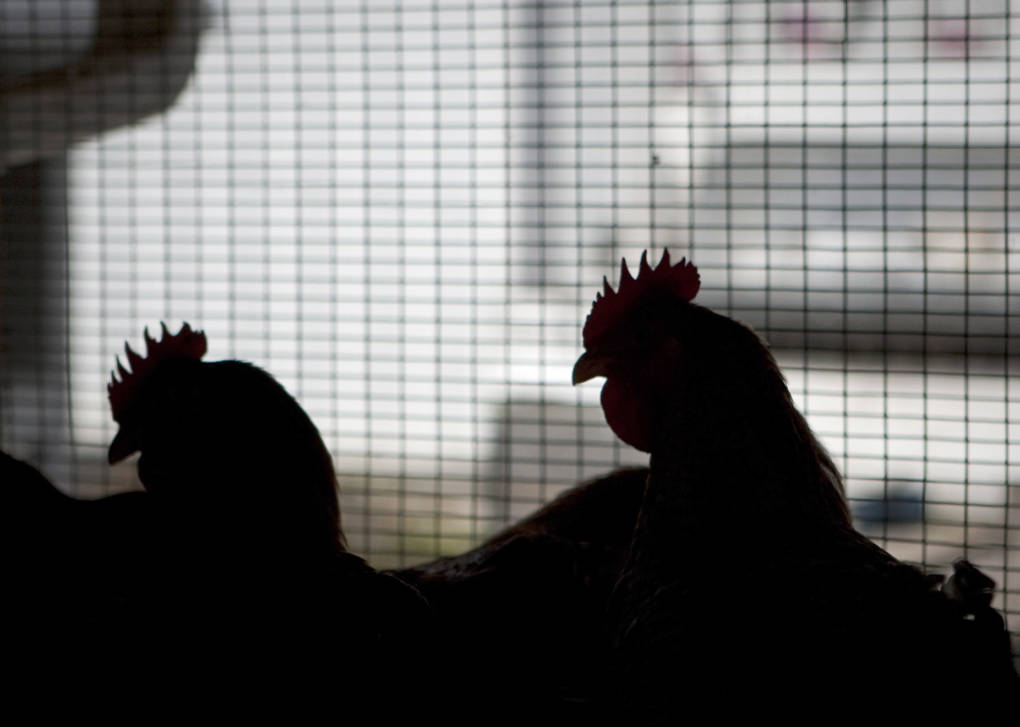
"caption": "New FDA rules limit how farmers can give antibiotics to animals raised for meat. But a Government Accountability Office report says the FDA doesn't collect the data to know if that policy is working.",
"description": "New FDA rules limit how farmers can give antibiotics to animals raised for meat. But a Government Accountability Office report says the FDA doesn't collect the data to know if that policy is working.",
"title": "New FDA rules limit how farmers can give antibiotics to animals raised for meat. But a Government Accountability Office report says the FDA doesn't collect the data to know if that policy is working.",
"credit": "Scott Eells/Bloomberg/Getty Images",
"status": "inherit",
"isLoading": false,
"fetchFailed": false
},
"bayareabites_115853": {
"type": "attachments",
"id": "bayareabites_115853",
"meta": {
"index": "attachments_1716263798",
"site": "bayareabites",
"id": "115853",
"found": true
},
"parent": 115852,
"imgSizes": {
"small": {
"file": "https://ww2.kqed.org/app/uploads/sites/24/2017/03/10foods_custom-ddbe984b5ba43e2da1a9d83b0f7c532ba995c57c-520x292.jpg",
"width": 520,
"mimeType": "image/jpeg",
"height": 292
},
"twentyfourteen-full-width": {
"file": "https://ww2.kqed.org/app/uploads/sites/24/2017/03/10foods_custom-ddbe984b5ba43e2da1a9d83b0f7c532ba995c57c-1038x576.jpg",
"width": 1038,
"mimeType": "image/jpeg",
"height": 576
},
"thumbnail": {
"file": "https://ww2.kqed.org/app/uploads/sites/24/2017/03/10foods_custom-ddbe984b5ba43e2da1a9d83b0f7c532ba995c57c-160x90.jpg",
"width": 160,
"mimeType": "image/jpeg",
"height": 90
},
"fd-sm": {
"file": "https://ww2.kqed.org/app/uploads/sites/24/2017/03/10foods_custom-ddbe984b5ba43e2da1a9d83b0f7c532ba995c57c-960x539.jpg",
"width": 960,
"mimeType": "image/jpeg",
"height": 539
},
"post-thumbnail": {
"file": "https://ww2.kqed.org/app/uploads/sites/24/2017/03/10foods_custom-ddbe984b5ba43e2da1a9d83b0f7c532ba995c57c-672x372.jpg",
"width": 672,
"mimeType": "image/jpeg",
"height": 372
},
"xsmall": {
"file": "https://ww2.kqed.org/app/uploads/sites/24/2017/03/10foods_custom-ddbe984b5ba43e2da1a9d83b0f7c532ba995c57c-375x211.jpg",
"width": 375,
"mimeType": "image/jpeg",
"height": 211
},
"kqedFullSize": {
"file": "https://ww2.kqed.org/app/uploads/sites/24/2017/03/10foods_custom-ddbe984b5ba43e2da1a9d83b0f7c532ba995c57c.jpg",
"width": 2000,
"height": 1123
},
"large": {
"file": "https://ww2.kqed.org/app/uploads/sites/24/2017/03/10foods_custom-ddbe984b5ba43e2da1a9d83b0f7c532ba995c57c-1020x573.jpg",
"width": 1020,
"mimeType": "image/jpeg",
"height": 573
},
"xlarge": {
"file": "https://ww2.kqed.org/app/uploads/sites/24/2017/03/10foods_custom-ddbe984b5ba43e2da1a9d83b0f7c532ba995c57c-1180x663.jpg",
"width": 1180,
"mimeType": "image/jpeg",
"height": 663
},
"guest-author-50": {
"file": "https://ww2.kqed.org/app/uploads/sites/24/2017/03/10foods_custom-ddbe984b5ba43e2da1a9d83b0f7c532ba995c57c-50x50.jpg",
"width": 50,
"mimeType": "image/jpeg",
"height": 50
},
"guest-author-96": {
"file": "https://ww2.kqed.org/app/uploads/sites/24/2017/03/10foods_custom-ddbe984b5ba43e2da1a9d83b0f7c532ba995c57c-96x96.jpg",
"width": 96,
"mimeType": "image/jpeg",
"height": 96
},
"medium": {
"file": "https://ww2.kqed.org/app/uploads/sites/24/2017/03/10foods_custom-ddbe984b5ba43e2da1a9d83b0f7c532ba995c57c-800x449.jpg",
"width": 800,
"mimeType": "image/jpeg",
"height": 449
},
"guest-author-64": {
"file": "https://ww2.kqed.org/app/uploads/sites/24/2017/03/10foods_custom-ddbe984b5ba43e2da1a9d83b0f7c532ba995c57c-64x64.jpg",
"width": 64,
"mimeType": "image/jpeg",
"height": 64
},
"guest-author-32": {
"file": "https://ww2.kqed.org/app/uploads/sites/24/2017/03/10foods_custom-ddbe984b5ba43e2da1a9d83b0f7c532ba995c57c-32x32.jpg",
"width": 32,
"mimeType": "image/jpeg",
"height": 32
},
"fd-lrg": {
"file": "https://ww2.kqed.org/app/uploads/sites/24/2017/03/10foods_custom-ddbe984b5ba43e2da1a9d83b0f7c532ba995c57c-1920x1078.jpg",
"width": 1920,
"mimeType": "image/jpeg",
"height": 1078
},
"fd-med": {
"file": "https://ww2.kqed.org/app/uploads/sites/24/2017/03/10foods_custom-ddbe984b5ba43e2da1a9d83b0f7c532ba995c57c-1180x663.jpg",
"width": 1180,
"mimeType": "image/jpeg",
"height": 663
},
"full-width": {
"file": "https://ww2.kqed.org/app/uploads/sites/24/2017/03/10foods_custom-ddbe984b5ba43e2da1a9d83b0f7c532ba995c57c-1920x1078.jpg",
"width": 1920,
"mimeType": "image/jpeg",
"height": 1078
},
"detail": {
"file": "https://ww2.kqed.org/app/uploads/sites/24/2017/03/10foods_custom-ddbe984b5ba43e2da1a9d83b0f7c532ba995c57c-150x150.jpg",
"width": 150,
"mimeType": "image/jpeg",
"height": 150
},
"medium_large": {
"file": "https://ww2.kqed.org/app/uploads/sites/24/2017/03/10foods_custom-ddbe984b5ba43e2da1a9d83b0f7c532ba995c57c-768x431.jpg",
"width": 768,
"mimeType": "image/jpeg",
"height": 431
},
"guest-author-128": {
"file": "https://ww2.kqed.org/app/uploads/sites/24/2017/03/10foods_custom-ddbe984b5ba43e2da1a9d83b0f7c532ba995c57c-128x128.jpg",
"width": 128,
"mimeType": "image/jpeg",
"height": 128
},
"xxsmall": {
"file": "https://ww2.kqed.org/app/uploads/sites/24/2017/03/10foods_custom-ddbe984b5ba43e2da1a9d83b0f7c532ba995c57c-240x135.jpg",
"width": 240,
"mimeType": "image/jpeg",
"height": 135
}
},
"publishDate": 1489426087,
"modified": 1489426200,
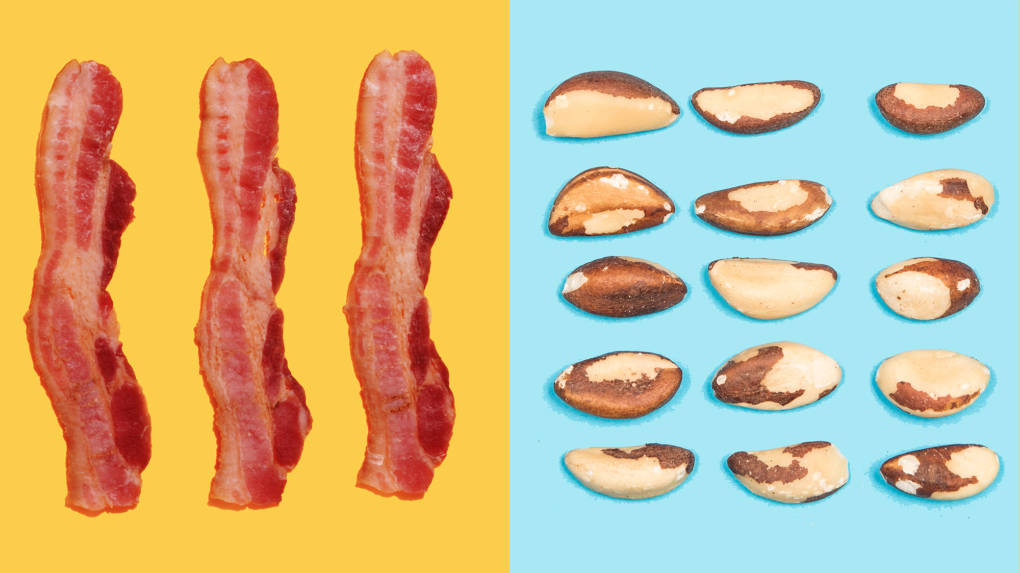
"caption": "Eating too much bacon, or too few whole grains, nuts and seeds, can influence your risk of death from heart disease. Nearly half of all deaths from heart disease and Type 2 diabetes are linked to diet.",
"description": "Eating too much bacon, or too few whole grains, nuts and seeds, can influence your risk of death from heart disease. Nearly half of all deaths from heart disease and Type 2 diabetes are linked to diet.",
"title": "Eating too much bacon, or too few whole grains, nuts and seeds, can influence your risk of death from heart disease. Nearly half of all deaths from heart disease and Type 2 diabetes are linked to diet.",
"credit": "Paul Taylor/John Lawson/Belhaven/Getty Images",
"status": "inherit",
"isLoading": false,
"fetchFailed": false
},
"bayareabites_115817": {
"type": "attachments",
"id": "bayareabites_115817",
"meta": {
"index": "attachments_1716263798",
"site": "bayareabites",
"id": "115817",
"found": true
},
"parent": 115816,
"imgSizes": {
"small": {
"file": "https://ww2.kqed.org/app/uploads/sites/24/2017/03/screen-shot-2017-03-09-at-12.13.19-pm-50-c8efe3b163a97e1f1653deebfe26934d8ec7cb1c-520x390.jpg",
"width": 520,
"mimeType": "image/jpeg",
"height": 390
},
"twentyfourteen-full-width": {
"file": "https://ww2.kqed.org/app/uploads/sites/24/2017/03/screen-shot-2017-03-09-at-12.13.19-pm-50-c8efe3b163a97e1f1653deebfe26934d8ec7cb1c-1038x576.jpg",
"width": 1038,
"mimeType": "image/jpeg",
"height": 576
},
"thumbnail": {
"file": "https://ww2.kqed.org/app/uploads/sites/24/2017/03/screen-shot-2017-03-09-at-12.13.19-pm-50-c8efe3b163a97e1f1653deebfe26934d8ec7cb1c-160x120.jpg",
"width": 160,
"mimeType": "image/jpeg",
"height": 120
},
"fd-sm": {
"file": "https://ww2.kqed.org/app/uploads/sites/24/2017/03/screen-shot-2017-03-09-at-12.13.19-pm-50-c8efe3b163a97e1f1653deebfe26934d8ec7cb1c-960x720.jpg",
"width": 960,
"mimeType": "image/jpeg",
"height": 720
},
"post-thumbnail": {
"file": "https://ww2.kqed.org/app/uploads/sites/24/2017/03/screen-shot-2017-03-09-at-12.13.19-pm-50-c8efe3b163a97e1f1653deebfe26934d8ec7cb1c-672x372.jpg",
"width": 672,
"mimeType": "image/jpeg",
"height": 372
},
"xsmall": {
"file": "https://ww2.kqed.org/app/uploads/sites/24/2017/03/screen-shot-2017-03-09-at-12.13.19-pm-50-c8efe3b163a97e1f1653deebfe26934d8ec7cb1c-375x281.jpg",
"width": 375,
"mimeType": "image/jpeg",
"height": 281
},
"kqedFullSize": {
"file": "https://ww2.kqed.org/app/uploads/sites/24/2017/03/screen-shot-2017-03-09-at-12.13.19-pm-50-c8efe3b163a97e1f1653deebfe26934d8ec7cb1c.jpg",
"width": 1451,
"height": 1088
},
"large": {
"file": "https://ww2.kqed.org/app/uploads/sites/24/2017/03/screen-shot-2017-03-09-at-12.13.19-pm-50-c8efe3b163a97e1f1653deebfe26934d8ec7cb1c-1020x765.jpg",
"width": 1020,
"mimeType": "image/jpeg",
"height": 765
},
"xlarge": {
"file": "https://ww2.kqed.org/app/uploads/sites/24/2017/03/screen-shot-2017-03-09-at-12.13.19-pm-50-c8efe3b163a97e1f1653deebfe26934d8ec7cb1c-1180x885.jpg",
"width": 1180,
"mimeType": "image/jpeg",
"height": 885
},
"guest-author-50": {
"file": "https://ww2.kqed.org/app/uploads/sites/24/2017/03/screen-shot-2017-03-09-at-12.13.19-pm-50-c8efe3b163a97e1f1653deebfe26934d8ec7cb1c-50x50.jpg",
"width": 50,
"mimeType": "image/jpeg",
"height": 50
},
"guest-author-96": {
"file": "https://ww2.kqed.org/app/uploads/sites/24/2017/03/screen-shot-2017-03-09-at-12.13.19-pm-50-c8efe3b163a97e1f1653deebfe26934d8ec7cb1c-96x96.jpg",
"width": 96,
"mimeType": "image/jpeg",
"height": 96
},
"medium": {
"file": "https://ww2.kqed.org/app/uploads/sites/24/2017/03/screen-shot-2017-03-09-at-12.13.19-pm-50-c8efe3b163a97e1f1653deebfe26934d8ec7cb1c-800x600.jpg",
"width": 800,
"mimeType": "image/jpeg",
"height": 600
},
"guest-author-64": {
"file": "https://ww2.kqed.org/app/uploads/sites/24/2017/03/screen-shot-2017-03-09-at-12.13.19-pm-50-c8efe3b163a97e1f1653deebfe26934d8ec7cb1c-64x64.jpg",
"width": 64,
"mimeType": "image/jpeg",
"height": 64
},
"guest-author-32": {
"file": "https://ww2.kqed.org/app/uploads/sites/24/2017/03/screen-shot-2017-03-09-at-12.13.19-pm-50-c8efe3b163a97e1f1653deebfe26934d8ec7cb1c-32x32.jpg",
"width": 32,
"mimeType": "image/jpeg",
"height": 32
},
"fd-med": {
"file": "https://ww2.kqed.org/app/uploads/sites/24/2017/03/screen-shot-2017-03-09-at-12.13.19-pm-50-c8efe3b163a97e1f1653deebfe26934d8ec7cb1c-1180x885.jpg",
"width": 1180,
"mimeType": "image/jpeg",
"height": 885
},
"detail": {
"file": "https://ww2.kqed.org/app/uploads/sites/24/2017/03/screen-shot-2017-03-09-at-12.13.19-pm-50-c8efe3b163a97e1f1653deebfe26934d8ec7cb1c-150x150.jpg",
"width": 150,
"mimeType": "image/jpeg",
"height": 150
},
"medium_large": {
"file": "https://ww2.kqed.org/app/uploads/sites/24/2017/03/screen-shot-2017-03-09-at-12.13.19-pm-50-c8efe3b163a97e1f1653deebfe26934d8ec7cb1c-768x576.jpg",
"width": 768,
"mimeType": "image/jpeg",
"height": 576
},
"guest-author-128": {
"file": "https://ww2.kqed.org/app/uploads/sites/24/2017/03/screen-shot-2017-03-09-at-12.13.19-pm-50-c8efe3b163a97e1f1653deebfe26934d8ec7cb1c-128x128.jpg",
"width": 128,
"mimeType": "image/jpeg",
"height": 128
},
"xxsmall": {
"file": "https://ww2.kqed.org/app/uploads/sites/24/2017/03/screen-shot-2017-03-09-at-12.13.19-pm-50-c8efe3b163a97e1f1653deebfe26934d8ec7cb1c-240x180.jpg",
"width": 240,
"mimeType": "image/jpeg",
"height": 180
}
},
"publishDate": 1489088001,
"modified": 1489090580,
"caption": "The Dalai Lama has a conversation with John Oliver — and fermented horse milk comes up.",
"description": "The Dalai Lama has a conversation with John Oliver — and fermented horse milk comes u",
"title": "The Dalai Lama has a conversation with John Oliver — and fermented horse milk comes up.",
"credit": null,
"status": "inherit",
"isLoading": false,
"fetchFailed": false
},
"bayareabites_115737": {
"type": "attachments",
"id": "bayareabites_115737",
"meta": {
"index": "attachments_1716263798",
"site": "bayareabites",
"id": "115737",
"found": true
},
"parent": 115736,
"imgSizes": {
"small": {
"file": "https://ww2.kqed.org/app/uploads/sites/24/2017/03/egg3_custom-95bdff97656274e121ebce861b545517a6474bfe-520x397.jpg",
"width": 520,
"mimeType": "image/jpeg",
"height": 397
},
"twentyfourteen-full-width": {
"file": "https://ww2.kqed.org/app/uploads/sites/24/2017/03/egg3_custom-95bdff97656274e121ebce861b545517a6474bfe-1038x576.jpg",
"width": 1038,
"mimeType": "image/jpeg",
"height": 576
},
"thumbnail": {
"file": "https://ww2.kqed.org/app/uploads/sites/24/2017/03/egg3_custom-95bdff97656274e121ebce861b545517a6474bfe-160x122.jpg",
"width": 160,
"mimeType": "image/jpeg",
"height": 122
},
"fd-sm": {
"file": "https://ww2.kqed.org/app/uploads/sites/24/2017/03/egg3_custom-95bdff97656274e121ebce861b545517a6474bfe-960x732.jpg",
"width": 960,
"mimeType": "image/jpeg",
"height": 732
},
"post-thumbnail": {
"file": "https://ww2.kqed.org/app/uploads/sites/24/2017/03/egg3_custom-95bdff97656274e121ebce861b545517a6474bfe-672x372.jpg",
"width": 672,
"mimeType": "image/jpeg",
"height": 372
},
"xsmall": {
"file": "https://ww2.kqed.org/app/uploads/sites/24/2017/03/egg3_custom-95bdff97656274e121ebce861b545517a6474bfe-375x286.jpg",
"width": 375,
"mimeType": "image/jpeg",
"height": 286
},
"kqedFullSize": {
"file": "https://ww2.kqed.org/app/uploads/sites/24/2017/03/egg3_custom-95bdff97656274e121ebce861b545517a6474bfe-e1488826658876.jpg",
"width": 1920,
"height": 1465
},
"large": {
"file": "https://ww2.kqed.org/app/uploads/sites/24/2017/03/egg3_custom-95bdff97656274e121ebce861b545517a6474bfe-1020x778.jpg",
"width": 1020,
"mimeType": "image/jpeg",
"height": 778
},
"xlarge": {
"file": "https://ww2.kqed.org/app/uploads/sites/24/2017/03/egg3_custom-95bdff97656274e121ebce861b545517a6474bfe-1180x900.jpg",
"width": 1180,
"mimeType": "image/jpeg",
"height": 900
},
"guest-author-50": {
"file": "https://ww2.kqed.org/app/uploads/sites/24/2017/03/egg3_custom-95bdff97656274e121ebce861b545517a6474bfe-50x50.jpg",
"width": 50,
"mimeType": "image/jpeg",
"height": 50
},
"guest-author-96": {
"file": "https://ww2.kqed.org/app/uploads/sites/24/2017/03/egg3_custom-95bdff97656274e121ebce861b545517a6474bfe-96x96.jpg",
"width": 96,
"mimeType": "image/jpeg",
"height": 96
},
"medium": {
"file": "https://ww2.kqed.org/app/uploads/sites/24/2017/03/egg3_custom-95bdff97656274e121ebce861b545517a6474bfe-800x610.jpg",
"width": 800,
"mimeType": "image/jpeg",
"height": 610
},
"guest-author-64": {
"file": "https://ww2.kqed.org/app/uploads/sites/24/2017/03/egg3_custom-95bdff97656274e121ebce861b545517a6474bfe-64x64.jpg",
"width": 64,
"mimeType": "image/jpeg",
"height": 64
},
"guest-author-32": {
"file": "https://ww2.kqed.org/app/uploads/sites/24/2017/03/egg3_custom-95bdff97656274e121ebce861b545517a6474bfe-32x32.jpg",
"width": 32,
"mimeType": "image/jpeg",
"height": 32
},
"fd-lrg": {
"file": "https://ww2.kqed.org/app/uploads/sites/24/2017/03/egg3_custom-95bdff97656274e121ebce861b545517a6474bfe-1920x1465.jpg",
"width": 1920,
"mimeType": "image/jpeg",
"height": 1465
},
"fd-med": {
"file": "https://ww2.kqed.org/app/uploads/sites/24/2017/03/egg3_custom-95bdff97656274e121ebce861b545517a6474bfe-1180x900.jpg",
"width": 1180,
"mimeType": "image/jpeg",
"height": 900
},
"full-width": {
"file": "https://ww2.kqed.org/app/uploads/sites/24/2017/03/egg3_custom-95bdff97656274e121ebce861b545517a6474bfe-1920x1465.jpg",
"width": 1920,
"mimeType": "image/jpeg",
"height": 1465
},
"detail": {
"file": "https://ww2.kqed.org/app/uploads/sites/24/2017/03/egg3_custom-95bdff97656274e121ebce861b545517a6474bfe-150x150.jpg",
"width": 150,
"mimeType": "image/jpeg",
"height": 150
},
"medium_large": {
"file": "https://ww2.kqed.org/app/uploads/sites/24/2017/03/egg3_custom-95bdff97656274e121ebce861b545517a6474bfe-768x586.jpg",
"width": 768,
"mimeType": "image/jpeg",
"height": 586
},
"guest-author-128": {
"file": "https://ww2.kqed.org/app/uploads/sites/24/2017/03/egg3_custom-95bdff97656274e121ebce861b545517a6474bfe-128x128.jpg",
"width": 128,
"mimeType": "image/jpeg",
"height": 128
},
"xxsmall": {
"file": "https://ww2.kqed.org/app/uploads/sites/24/2017/03/egg3_custom-95bdff97656274e121ebce861b545517a6474bfe-240x183.jpg",
"width": 240,
"mimeType": "image/jpeg",
"height": 183
}
},
"publishDate": 1488822846,
"modified": 1488823083,
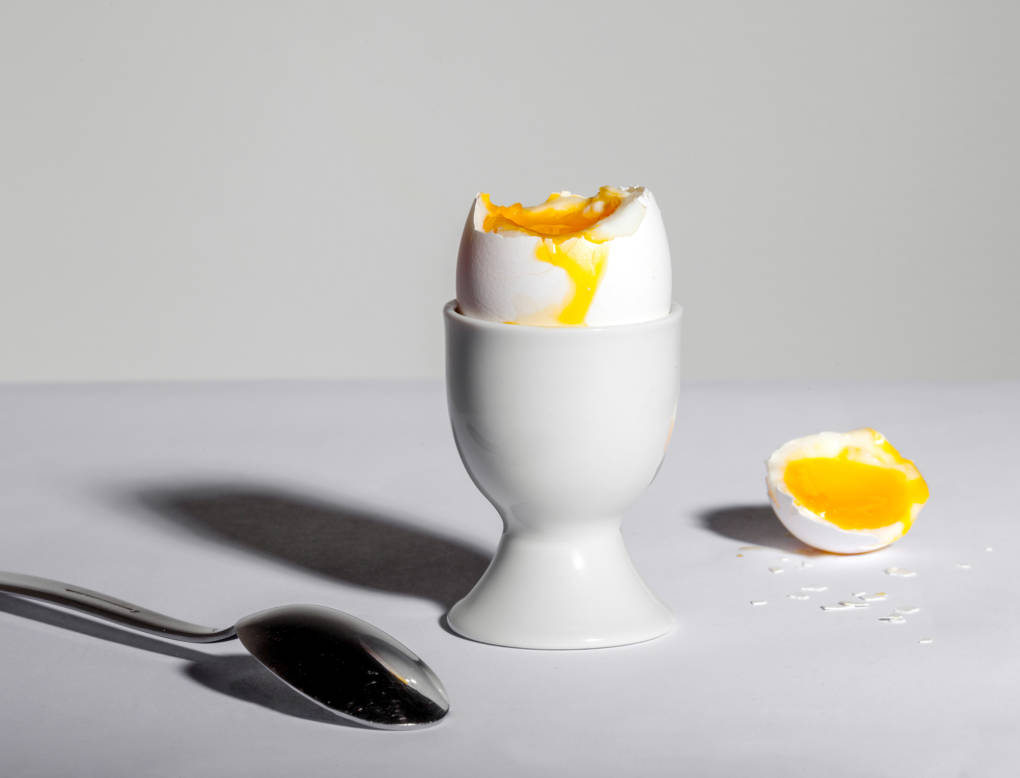
"caption": "As more research suggests some degree of dietary cholesterol is harmless, if not healthy, the egg's reputation is slowly returning. Yet some experts worry the science is being misinterpreted and spun.",
"description": "As more research suggests some degree of dietary cholesterol is harmless, if not healthy, the egg's reputation is slowly returning. Yet some experts worry the science is being misinterpreted and spun.",
"title": "As more research suggests some degree of dietary cholesterol is harmless, if not healthy, the egg's reputation is slowly returning. Yet some experts worry the science is being misinterpreted and spun.",
"credit": "Kelly Jo Smart/NPR",
"status": "inherit",
"isLoading": false,
"fetchFailed": false
},
"bayareabites_115549": {
"type": "attachments",
"id": "bayareabites_115549",
"meta": {
"index": "attachments_1716263798",
"site": "bayareabites",
"id": "115549",
"found": true
},
"parent": 115548,
"imgSizes": {
"small": {
"file": "https://ww2.kqed.org/app/uploads/sites/24/2017/02/gettyimages-566573603-4645c33dce100ba8bd78221f58b5adab1b3b3e35-520x390.jpg",
"width": 520,
"mimeType": "image/jpeg",
"height": 390
},
"twentyfourteen-full-width": {
"file": "https://ww2.kqed.org/app/uploads/sites/24/2017/02/gettyimages-566573603-4645c33dce100ba8bd78221f58b5adab1b3b3e35-1038x576.jpg",
"width": 1038,
"mimeType": "image/jpeg",
"height": 576
},
"thumbnail": {
"file": "https://ww2.kqed.org/app/uploads/sites/24/2017/02/gettyimages-566573603-4645c33dce100ba8bd78221f58b5adab1b3b3e35-160x120.jpg",
"width": 160,
"mimeType": "image/jpeg",
"height": 120
},
"fd-sm": {
"file": "https://ww2.kqed.org/app/uploads/sites/24/2017/02/gettyimages-566573603-4645c33dce100ba8bd78221f58b5adab1b3b3e35-960x720.jpg",
"width": 960,
"mimeType": "image/jpeg",
"height": 720
},
"post-thumbnail": {
"file": "https://ww2.kqed.org/app/uploads/sites/24/2017/02/gettyimages-566573603-4645c33dce100ba8bd78221f58b5adab1b3b3e35-672x372.jpg",
"width": 672,
"mimeType": "image/jpeg",
"height": 372
},
"xsmall": {
"file": "https://ww2.kqed.org/app/uploads/sites/24/2017/02/gettyimages-566573603-4645c33dce100ba8bd78221f58b5adab1b3b3e35-375x281.jpg",
"width": 375,
"mimeType": "image/jpeg",
"height": 281
},
"kqedFullSize": {
"file": "https://ww2.kqed.org/app/uploads/sites/24/2017/02/gettyimages-566573603-4645c33dce100ba8bd78221f58b5adab1b3b3e35.jpg",
"width": 1878,
"height": 1409
},
"large": {
"file": "https://ww2.kqed.org/app/uploads/sites/24/2017/02/gettyimages-566573603-4645c33dce100ba8bd78221f58b5adab1b3b3e35-1020x765.jpg",
"width": 1020,
"mimeType": "image/jpeg",
"height": 765
},
"xlarge": {
"file": "https://ww2.kqed.org/app/uploads/sites/24/2017/02/gettyimages-566573603-4645c33dce100ba8bd78221f58b5adab1b3b3e35-1180x885.jpg",
"width": 1180,
"mimeType": "image/jpeg",
"height": 885
},
"guest-author-50": {
"file": "https://ww2.kqed.org/app/uploads/sites/24/2017/02/gettyimages-566573603-4645c33dce100ba8bd78221f58b5adab1b3b3e35-50x50.jpg",
"width": 50,
"mimeType": "image/jpeg",
"height": 50
},
"guest-author-96": {
"file": "https://ww2.kqed.org/app/uploads/sites/24/2017/02/gettyimages-566573603-4645c33dce100ba8bd78221f58b5adab1b3b3e35-96x96.jpg",
"width": 96,
"mimeType": "image/jpeg",
"height": 96
},
"medium": {
"file": "https://ww2.kqed.org/app/uploads/sites/24/2017/02/gettyimages-566573603-4645c33dce100ba8bd78221f58b5adab1b3b3e35-800x600.jpg",
"width": 800,
"mimeType": "image/jpeg",
"height": 600
},
"guest-author-64": {
"file": "https://ww2.kqed.org/app/uploads/sites/24/2017/02/gettyimages-566573603-4645c33dce100ba8bd78221f58b5adab1b3b3e35-64x64.jpg",
"width": 64,
"mimeType": "image/jpeg",
"height": 64
},
"guest-author-32": {
"file": "https://ww2.kqed.org/app/uploads/sites/24/2017/02/gettyimages-566573603-4645c33dce100ba8bd78221f58b5adab1b3b3e35-32x32.jpg",
"width": 32,
"mimeType": "image/jpeg",
"height": 32
},
"fd-med": {
"file": "https://ww2.kqed.org/app/uploads/sites/24/2017/02/gettyimages-566573603-4645c33dce100ba8bd78221f58b5adab1b3b3e35-1180x885.jpg",
"width": 1180,
"mimeType": "image/jpeg",
"height": 885
},
"detail": {
"file": "https://ww2.kqed.org/app/uploads/sites/24/2017/02/gettyimages-566573603-4645c33dce100ba8bd78221f58b5adab1b3b3e35-150x150.jpg",
"width": 150,
"mimeType": "image/jpeg",
"height": 150
},
"medium_large": {
"file": "https://ww2.kqed.org/app/uploads/sites/24/2017/02/gettyimages-566573603-4645c33dce100ba8bd78221f58b5adab1b3b3e35-768x576.jpg",
"width": 768,
"mimeType": "image/jpeg",
"height": 576
},
"guest-author-128": {
"file": "https://ww2.kqed.org/app/uploads/sites/24/2017/02/gettyimages-566573603-4645c33dce100ba8bd78221f58b5adab1b3b3e35-128x128.jpg",
"width": 128,
"mimeType": "image/jpeg",
"height": 128
},
"xxsmall": {
"file": "https://ww2.kqed.org/app/uploads/sites/24/2017/02/gettyimages-566573603-4645c33dce100ba8bd78221f58b5adab1b3b3e35-240x180.jpg",
"width": 240,
"mimeType": "image/jpeg",
"height": 180
}
},
"publishDate": 1487869250,
"modified": 1487869357,
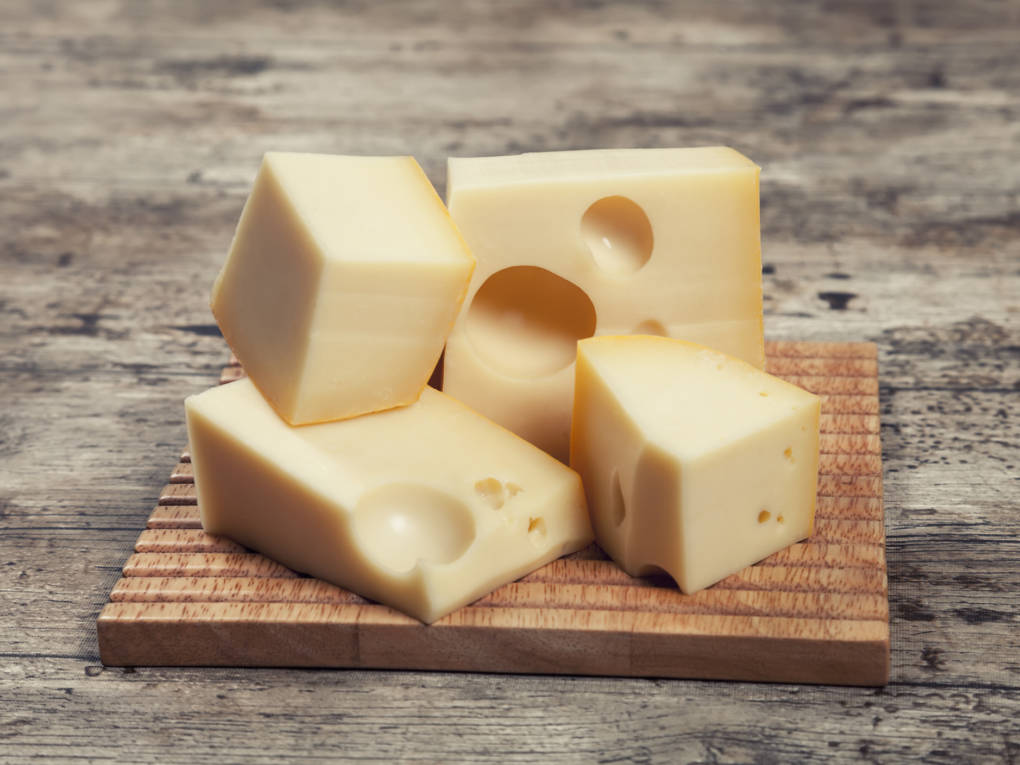
"caption": "In a new book, Neal Barnard presents the case that cheese is unhealthy and addictive.",
"description": "In a new book, Neal Barnard presents the case that cheese is unhealthy and addictive.",
"title": "In a new book, Neal Barnard presents the case that cheese is unhealthy and addictive.",
"credit": "Getty Images",
"status": "inherit",
"isLoading": false,
"fetchFailed": false
},
"bayareabites_115138": {
"type": "attachments",
"id": "bayareabites_115138",
"meta": {
"index": "attachments_1716263798",
"site": "bayareabites",
"id": "115138",
"found": true
},
"parent": 114942,
"imgSizes": {
"small": {
"file": "https://ww2.kqed.org/app/uploads/sites/24/2017/02/green-curry-final2-520x347.jpg",
"width": 520,
"mimeType": "image/jpeg",
"height": 347
},
"twentyfourteen-full-width": {
"file": "https://ww2.kqed.org/app/uploads/sites/24/2017/02/green-curry-final2-1038x576.jpg",
"width": 1038,
"mimeType": "image/jpeg",
"height": 576
},
"thumbnail": {
"file": "https://ww2.kqed.org/app/uploads/sites/24/2017/02/green-curry-final2-160x107.jpg",
"width": 160,
"mimeType": "image/jpeg",
"height": 107
},
"fd-sm": {
"file": "https://ww2.kqed.org/app/uploads/sites/24/2017/02/green-curry-final2-960x640.jpg",
"width": 960,
"mimeType": "image/jpeg",
"height": 640
},
"post-thumbnail": {
"file": "https://ww2.kqed.org/app/uploads/sites/24/2017/02/green-curry-final2-672x372.jpg",
"width": 672,
"mimeType": "image/jpeg",
"height": 372
},
"xsmall": {
"file": "https://ww2.kqed.org/app/uploads/sites/24/2017/02/green-curry-final2-375x250.jpg",
"width": 375,
"mimeType": "image/jpeg",
"height": 250
},
"kqedFullSize": {
"file": "https://ww2.kqed.org/app/uploads/sites/24/2017/02/green-curry-final2.jpg",
"width": 2000,
"height": 1333
},
"large": {
"file": "https://ww2.kqed.org/app/uploads/sites/24/2017/02/green-curry-final2-1020x680.jpg",
"width": 1020,
"mimeType": "image/jpeg",
"height": 680
},
"xlarge": {
"file": "https://ww2.kqed.org/app/uploads/sites/24/2017/02/green-curry-final2-1180x786.jpg",
"width": 1180,
"mimeType": "image/jpeg",
"height": 786
},
"guest-author-50": {
"file": "https://ww2.kqed.org/app/uploads/sites/24/2017/02/green-curry-final2-50x50.jpg",
"width": 50,
"mimeType": "image/jpeg",
"height": 50
},
"guest-author-96": {
"file": "https://ww2.kqed.org/app/uploads/sites/24/2017/02/green-curry-final2-96x96.jpg",
"width": 96,
"mimeType": "image/jpeg",
"height": 96
},
"medium": {
"file": "https://ww2.kqed.org/app/uploads/sites/24/2017/02/green-curry-final2-800x533.jpg",
"width": 800,
"mimeType": "image/jpeg",
"height": 533
},
"guest-author-64": {
"file": "https://ww2.kqed.org/app/uploads/sites/24/2017/02/green-curry-final2-64x64.jpg",
"width": 64,
"mimeType": "image/jpeg",
"height": 64
},
"guest-author-32": {
"file": "https://ww2.kqed.org/app/uploads/sites/24/2017/02/green-curry-final2-32x32.jpg",
"width": 32,
"mimeType": "image/jpeg",
"height": 32
},
"fd-lrg": {
"file": "https://ww2.kqed.org/app/uploads/sites/24/2017/02/green-curry-final2-1920x1280.jpg",
"width": 1920,
"mimeType": "image/jpeg",
"height": 1280
},
"fd-med": {
"file": "https://ww2.kqed.org/app/uploads/sites/24/2017/02/green-curry-final2-1180x786.jpg",
"width": 1180,
"mimeType": "image/jpeg",
"height": 786
},
"full-width": {
"file": "https://ww2.kqed.org/app/uploads/sites/24/2017/02/green-curry-final2-1920x1280.jpg",
"width": 1920,
"mimeType": "image/jpeg",
"height": 1280
},
"detail": {
"file": "https://ww2.kqed.org/app/uploads/sites/24/2017/02/green-curry-final2-150x150.jpg",
"width": 150,
"mimeType": "image/jpeg",
"height": 150
},
"medium_large": {
"file": "https://ww2.kqed.org/app/uploads/sites/24/2017/02/green-curry-final2-768x512.jpg",
"width": 768,
"mimeType": "image/jpeg",
"height": 512
},
"guest-author-128": {
"file": "https://ww2.kqed.org/app/uploads/sites/24/2017/02/green-curry-final2-128x128.jpg",
"width": 128,
"mimeType": "image/jpeg",
"height": 128
},
"xxsmall": {
"file": "https://ww2.kqed.org/app/uploads/sites/24/2017/02/green-curry-final2-240x160.jpg",
"width": 240,
"mimeType": "image/jpeg",
"height": 160
}
},
"publishDate": 1486594710,
"modified": 1486594735,
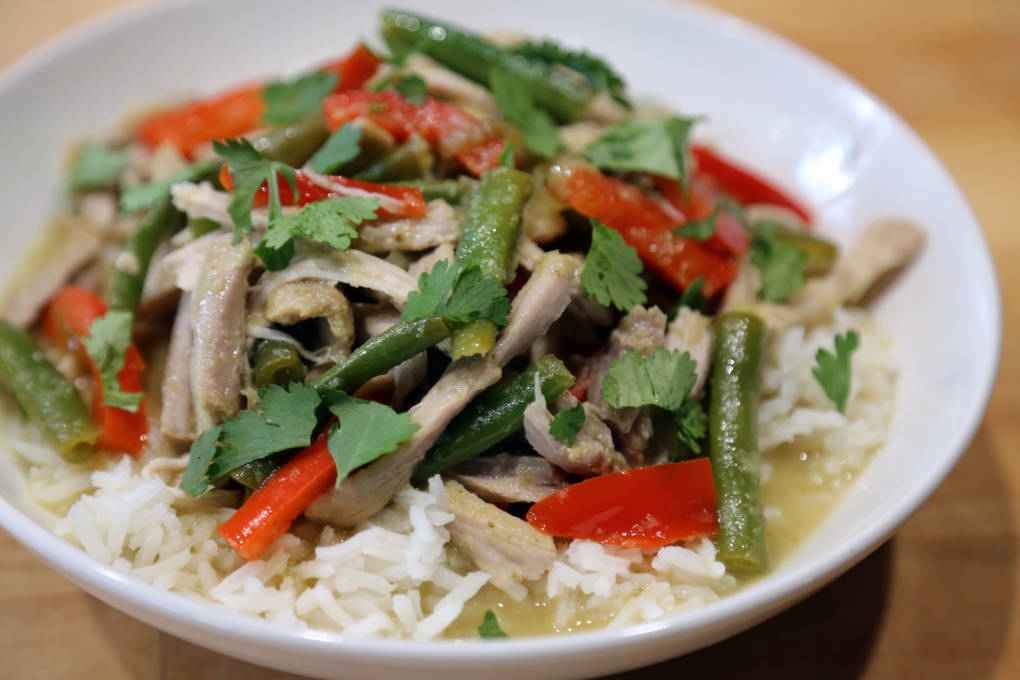
"caption": "Green Chicken Curry",
"description": null,
"title": "green-curry-final2",
"credit": "Wendy Goodfriend",
"status": "inherit",
"isLoading": false,
"fetchFailed": false
},
"bayareabites_115237": {
"type": "attachments",
"id": "bayareabites_115237",
"meta": {
"index": "attachments_1716263798",
"site": "bayareabites",
"id": "115237",
"found": true
},
"parent": 115236,
"imgSizes": {
"small": {
"file": "https://ww2.kqed.org/app/uploads/sites/24/2017/02/img_3488_1-8397daa5f5a65bb13ae2ba32fb6927b7eacf395e-520x390.jpg",
"width": 520,
"mimeType": "image/jpeg",
"height": 390
},
"twentyfourteen-full-width": {
"file": "https://ww2.kqed.org/app/uploads/sites/24/2017/02/img_3488_1-8397daa5f5a65bb13ae2ba32fb6927b7eacf395e-1038x576.jpg",
"width": 1038,
"mimeType": "image/jpeg",
"height": 576
},
"thumbnail": {
"file": "https://ww2.kqed.org/app/uploads/sites/24/2017/02/img_3488_1-8397daa5f5a65bb13ae2ba32fb6927b7eacf395e-160x120.jpg",
"width": 160,
"mimeType": "image/jpeg",
"height": 120
},
"fd-sm": {
"file": "https://ww2.kqed.org/app/uploads/sites/24/2017/02/img_3488_1-8397daa5f5a65bb13ae2ba32fb6927b7eacf395e-960x720.jpg",
"width": 960,
"mimeType": "image/jpeg",
"height": 720
},
"post-thumbnail": {
"file": "https://ww2.kqed.org/app/uploads/sites/24/2017/02/img_3488_1-8397daa5f5a65bb13ae2ba32fb6927b7eacf395e-672x372.jpg",
"width": 672,
"mimeType": "image/jpeg",
"height": 372
},
"xsmall": {
"file": "https://ww2.kqed.org/app/uploads/sites/24/2017/02/img_3488_1-8397daa5f5a65bb13ae2ba32fb6927b7eacf395e-375x281.jpg",
"width": 375,
"mimeType": "image/jpeg",
"height": 281
},
"kqedFullSize": {
"file": "https://ww2.kqed.org/app/uploads/sites/24/2017/02/img_3488_1-8397daa5f5a65bb13ae2ba32fb6927b7eacf395e.jpg",
"width": 2000,
"height": 1500
},
"large": {
"file": "https://ww2.kqed.org/app/uploads/sites/24/2017/02/img_3488_1-8397daa5f5a65bb13ae2ba32fb6927b7eacf395e-1020x765.jpg",
"width": 1020,
"mimeType": "image/jpeg",
"height": 765
},
"xlarge": {
"file": "https://ww2.kqed.org/app/uploads/sites/24/2017/02/img_3488_1-8397daa5f5a65bb13ae2ba32fb6927b7eacf395e-1180x885.jpg",
"width": 1180,
"mimeType": "image/jpeg",
"height": 885
},
"guest-author-50": {
"file": "https://ww2.kqed.org/app/uploads/sites/24/2017/02/img_3488_1-8397daa5f5a65bb13ae2ba32fb6927b7eacf395e-50x50.jpg",
"width": 50,
"mimeType": "image/jpeg",
"height": 50
},
"guest-author-96": {
"file": "https://ww2.kqed.org/app/uploads/sites/24/2017/02/img_3488_1-8397daa5f5a65bb13ae2ba32fb6927b7eacf395e-96x96.jpg",
"width": 96,
"mimeType": "image/jpeg",
"height": 96
},
"medium": {
"file": "https://ww2.kqed.org/app/uploads/sites/24/2017/02/img_3488_1-8397daa5f5a65bb13ae2ba32fb6927b7eacf395e-800x600.jpg",
"width": 800,
"mimeType": "image/jpeg",
"height": 600
},
"guest-author-64": {
"file": "https://ww2.kqed.org/app/uploads/sites/24/2017/02/img_3488_1-8397daa5f5a65bb13ae2ba32fb6927b7eacf395e-64x64.jpg",
"width": 64,
"mimeType": "image/jpeg",
"height": 64
},
"guest-author-32": {
"file": "https://ww2.kqed.org/app/uploads/sites/24/2017/02/img_3488_1-8397daa5f5a65bb13ae2ba32fb6927b7eacf395e-32x32.jpg",
"width": 32,
"mimeType": "image/jpeg",
"height": 32
},
"fd-lrg": {
"file": "https://ww2.kqed.org/app/uploads/sites/24/2017/02/img_3488_1-8397daa5f5a65bb13ae2ba32fb6927b7eacf395e-1920x1440.jpg",
"width": 1920,
"mimeType": "image/jpeg",
"height": 1440
},
"fd-med": {
"file": "https://ww2.kqed.org/app/uploads/sites/24/2017/02/img_3488_1-8397daa5f5a65bb13ae2ba32fb6927b7eacf395e-1180x885.jpg",
"width": 1180,
"mimeType": "image/jpeg",
"height": 885
},
"full-width": {
"file": "https://ww2.kqed.org/app/uploads/sites/24/2017/02/img_3488_1-8397daa5f5a65bb13ae2ba32fb6927b7eacf395e-1920x1440.jpg",
"width": 1920,
"mimeType": "image/jpeg",
"height": 1440
},
"detail": {
"file": "https://ww2.kqed.org/app/uploads/sites/24/2017/02/img_3488_1-8397daa5f5a65bb13ae2ba32fb6927b7eacf395e-150x150.jpg",
"width": 150,
"mimeType": "image/jpeg",
"height": 150
},
"medium_large": {
"file": "https://ww2.kqed.org/app/uploads/sites/24/2017/02/img_3488_1-8397daa5f5a65bb13ae2ba32fb6927b7eacf395e-768x576.jpg",
"width": 768,
"mimeType": "image/jpeg",
"height": 576
},
"guest-author-128": {
"file": "https://ww2.kqed.org/app/uploads/sites/24/2017/02/img_3488_1-8397daa5f5a65bb13ae2ba32fb6927b7eacf395e-128x128.jpg",
"width": 128,
"mimeType": "image/jpeg",
"height": 128
},
"xxsmall": {
"file": "https://ww2.kqed.org/app/uploads/sites/24/2017/02/img_3488_1-8397daa5f5a65bb13ae2ba32fb6927b7eacf395e-240x180.jpg",
"width": 240,
"mimeType": "image/jpeg",
"height": 180
}
},
"publishDate": 1486886598,
"modified": 1486887038,
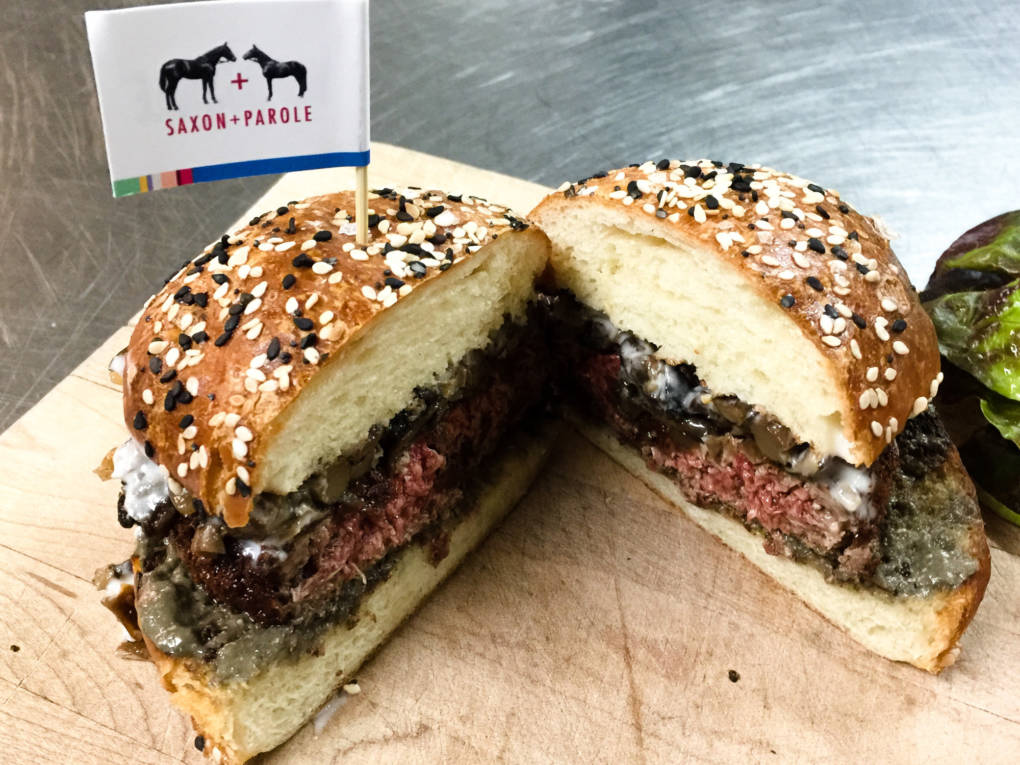
"caption": "At Saxon + Parole, a New York City restaurant, chef Brad Farmerie serves up the Impossible Burger, a plant-based burger that sizzles, smells and even bleeds like the real thing.",
"description": "At Saxon Parole, a New York City restaurant, chef Brad Farmerie serves up the Impossible Burger, a plant-based burger that sizzles, smells and even bleeds like the real thing",
"title": "At Saxon + Parole, a New York City restaurant, chef Brad Farmerie serves up the Impossible Burger, a plant-based burger that sizzles, smells and even bleeds like the real thing.",
"credit": "Allison Aubrey/NPR",
"status": "inherit",
"isLoading": false,
"fetchFailed": false
},
"bayareabites_115089": {
"type": "attachments",
"id": "bayareabites_115089",
"meta": {
"index": "attachments_1716263798",
"site": "bayareabites",
"id": "115089",
"found": true
},
"parent": 115082,
"imgSizes": {
"small": {
"file": "https://ww2.kqed.org/app/uploads/sites/24/2017/02/DetoxCaliBowl-520x390.jpg",
"width": 520,
"mimeType": "image/jpeg",
"height": 390
},
"twentyfourteen-full-width": {
"file": "https://ww2.kqed.org/app/uploads/sites/24/2017/02/DetoxCaliBowl-1038x576.jpg",
"width": 1038,
"mimeType": "image/jpeg",
"height": 576
},
"thumbnail": {
"file": "https://ww2.kqed.org/app/uploads/sites/24/2017/02/DetoxCaliBowl-160x120.jpg",
"width": 160,
"mimeType": "image/jpeg",
"height": 120
},
"fd-sm": {
"file": "https://ww2.kqed.org/app/uploads/sites/24/2017/02/DetoxCaliBowl-960x720.jpg",
"width": 960,
"mimeType": "image/jpeg",
"height": 720
},
"post-thumbnail": {
"file": "https://ww2.kqed.org/app/uploads/sites/24/2017/02/DetoxCaliBowl-672x372.jpg",
"width": 672,
"mimeType": "image/jpeg",
"height": 372
},
"xsmall": {
"file": "https://ww2.kqed.org/app/uploads/sites/24/2017/02/DetoxCaliBowl-375x281.jpg",
"width": 375,
"mimeType": "image/jpeg",
"height": 281
},
"kqedFullSize": {
"file": "https://ww2.kqed.org/app/uploads/sites/24/2017/02/DetoxCaliBowl.jpg",
"width": 1920,
"height": 1440
},
"large": {
"file": "https://ww2.kqed.org/app/uploads/sites/24/2017/02/DetoxCaliBowl-1020x765.jpg",
"width": 1020,
"mimeType": "image/jpeg",
"height": 765
},
"xlarge": {
"file": "https://ww2.kqed.org/app/uploads/sites/24/2017/02/DetoxCaliBowl-1180x885.jpg",
"width": 1180,
"mimeType": "image/jpeg",
"height": 885
},
"guest-author-50": {
"file": "https://ww2.kqed.org/app/uploads/sites/24/2017/02/DetoxCaliBowl-50x50.jpg",
"width": 50,
"mimeType": "image/jpeg",
"height": 50
},
"guest-author-96": {
"file": "https://ww2.kqed.org/app/uploads/sites/24/2017/02/DetoxCaliBowl-96x96.jpg",
"width": 96,
"mimeType": "image/jpeg",
"height": 96
},
"medium": {
"file": "https://ww2.kqed.org/app/uploads/sites/24/2017/02/DetoxCaliBowl-800x600.jpg",
"width": 800,
"mimeType": "image/jpeg",
"height": 600
},
"guest-author-64": {
"file": "https://ww2.kqed.org/app/uploads/sites/24/2017/02/DetoxCaliBowl-64x64.jpg",
"width": 64,
"mimeType": "image/jpeg",
"height": 64
},
"guest-author-32": {
"file": "https://ww2.kqed.org/app/uploads/sites/24/2017/02/DetoxCaliBowl-32x32.jpg",
"width": 32,
"mimeType": "image/jpeg",
"height": 32
},
"fd-lrg": {
"file": "https://ww2.kqed.org/app/uploads/sites/24/2017/02/DetoxCaliBowl-1920x1440.jpg",
"width": 1920,
"mimeType": "image/jpeg",
"height": 1440
},
"fd-med": {
"file": "https://ww2.kqed.org/app/uploads/sites/24/2017/02/DetoxCaliBowl-1180x885.jpg",
"width": 1180,
"mimeType": "image/jpeg",
"height": 885
},
"full-width": {
"file": "https://ww2.kqed.org/app/uploads/sites/24/2017/02/DetoxCaliBowl-1920x1440.jpg",
"width": 1920,
"mimeType": "image/jpeg",
"height": 1440
},
"detail": {
"file": "https://ww2.kqed.org/app/uploads/sites/24/2017/02/DetoxCaliBowl-150x150.jpg",
"width": 150,
"mimeType": "image/jpeg",
"height": 150
},
"medium_large": {
"file": "https://ww2.kqed.org/app/uploads/sites/24/2017/02/DetoxCaliBowl-768x576.jpg",
"width": 768,
"mimeType": "image/jpeg",
"height": 576
},
"guest-author-128": {
"file": "https://ww2.kqed.org/app/uploads/sites/24/2017/02/DetoxCaliBowl-128x128.jpg",
"width": 128,
"mimeType": "image/jpeg",
"height": 128
},
"xxsmall": {
"file": "https://ww2.kqed.org/app/uploads/sites/24/2017/02/DetoxCaliBowl-240x180.jpg",
"width": 240,
"mimeType": "image/jpeg",
"height": 180
}
},
"publishDate": 1486429540,
"modified": 1486430177,
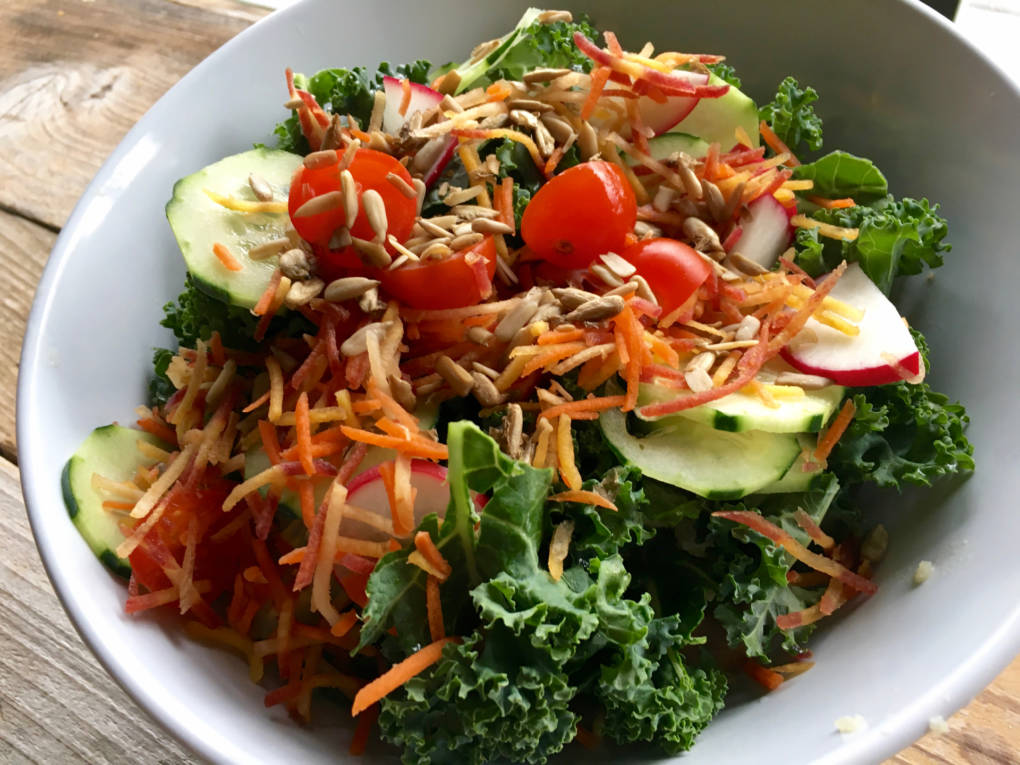
"caption": "The Cali bowl at Detox Kitchen. ",
"description": "The Cali bowl at Detox Kitchen. ",
"title": "DetoxCaliBowl",
"credit": "Jeff Cianci",
"status": "inherit",
"isLoading": false,
"fetchFailed": false
},
"bayareabites_114980": {
"type": "attachments",
"id": "bayareabites_114980",
"meta": {
"index": "attachments_1716263798",
"site": "bayareabites",
"id": "114980",
"found": true
},
"parent": 114979,
"imgSizes": {
"small": {
"file": "https://ww2.kqed.org/app/uploads/sites/24/2017/02/012617_apple_arctic_wide-210d0c1ba97cf3acc0a9802830aff860b6ccca37-520x292.jpg",
"width": 520,
"mimeType": "image/jpeg",
"height": 292
},
"thumbnail": {
"file": "https://ww2.kqed.org/app/uploads/sites/24/2017/02/012617_apple_arctic_wide-210d0c1ba97cf3acc0a9802830aff860b6ccca37-160x90.jpg",
"width": 160,
"mimeType": "image/jpeg",
"height": 90
},
"fd-sm": {
"file": "https://ww2.kqed.org/app/uploads/sites/24/2017/02/012617_apple_arctic_wide-210d0c1ba97cf3acc0a9802830aff860b6ccca37-960x539.jpg",
"width": 960,
"mimeType": "image/jpeg",
"height": 539
},
"post-thumbnail": {
"file": "https://ww2.kqed.org/app/uploads/sites/24/2017/02/012617_apple_arctic_wide-210d0c1ba97cf3acc0a9802830aff860b6ccca37-672x372.jpg",
"width": 672,
"mimeType": "image/jpeg",
"height": 372
},
"xsmall": {
"file": "https://ww2.kqed.org/app/uploads/sites/24/2017/02/012617_apple_arctic_wide-210d0c1ba97cf3acc0a9802830aff860b6ccca37-375x211.jpg",
"width": 375,
"mimeType": "image/jpeg",
"height": 211
},
"kqedFullSize": {
"file": "https://ww2.kqed.org/app/uploads/sites/24/2017/02/012617_apple_arctic_wide-210d0c1ba97cf3acc0a9802830aff860b6ccca37.jpg",
"width": 1004,
"height": 564
},
"guest-author-50": {
"file": "https://ww2.kqed.org/app/uploads/sites/24/2017/02/012617_apple_arctic_wide-210d0c1ba97cf3acc0a9802830aff860b6ccca37-50x50.jpg",
"width": 50,
"mimeType": "image/jpeg",
"height": 50
},
"guest-author-96": {
"file": "https://ww2.kqed.org/app/uploads/sites/24/2017/02/012617_apple_arctic_wide-210d0c1ba97cf3acc0a9802830aff860b6ccca37-96x96.jpg",
"width": 96,
"mimeType": "image/jpeg",
"height": 96
},
"medium": {
"file": "https://ww2.kqed.org/app/uploads/sites/24/2017/02/012617_apple_arctic_wide-210d0c1ba97cf3acc0a9802830aff860b6ccca37-800x449.jpg",
"width": 800,
"mimeType": "image/jpeg",
"height": 449
},
"guest-author-64": {
"file": "https://ww2.kqed.org/app/uploads/sites/24/2017/02/012617_apple_arctic_wide-210d0c1ba97cf3acc0a9802830aff860b6ccca37-64x64.jpg",
"width": 64,
"mimeType": "image/jpeg",
"height": 64
},
"guest-author-32": {
"file": "https://ww2.kqed.org/app/uploads/sites/24/2017/02/012617_apple_arctic_wide-210d0c1ba97cf3acc0a9802830aff860b6ccca37-32x32.jpg",
"width": 32,
"mimeType": "image/jpeg",
"height": 32
},
"detail": {
"file": "https://ww2.kqed.org/app/uploads/sites/24/2017/02/012617_apple_arctic_wide-210d0c1ba97cf3acc0a9802830aff860b6ccca37-150x150.jpg",
"width": 150,
"mimeType": "image/jpeg",
"height": 150
},
"medium_large": {
"file": "https://ww2.kqed.org/app/uploads/sites/24/2017/02/012617_apple_arctic_wide-210d0c1ba97cf3acc0a9802830aff860b6ccca37-768x431.jpg",
"width": 768,
"mimeType": "image/jpeg",
"height": 431
},
"guest-author-128": {
"file": "https://ww2.kqed.org/app/uploads/sites/24/2017/02/012617_apple_arctic_wide-210d0c1ba97cf3acc0a9802830aff860b6ccca37-128x128.jpg",
"width": 128,
"mimeType": "image/jpeg",
"height": 128
},
"xxsmall": {
"file": "https://ww2.kqed.org/app/uploads/sites/24/2017/02/012617_apple_arctic_wide-210d0c1ba97cf3acc0a9802830aff860b6ccca37-240x135.jpg",
"width": 240,
"mimeType": "image/jpeg",
"height": 135
}
},
"publishDate": 1485986626,
"modified": 1485986835,
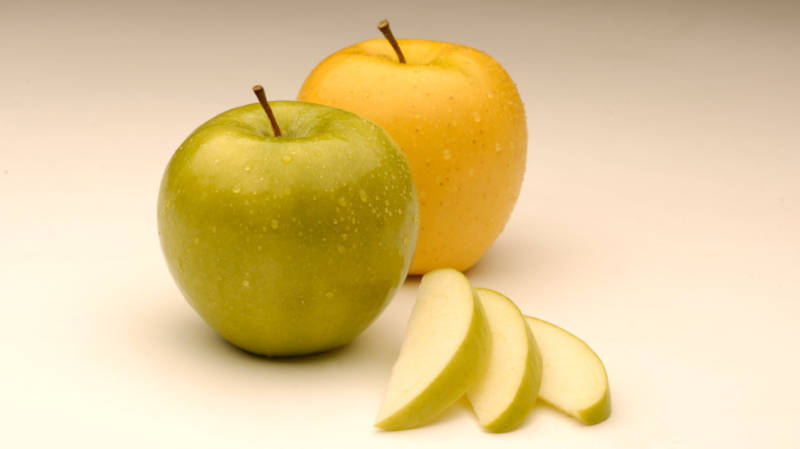
"caption": "Arctic Apples are genetically engineered to produce less of the enzyme that turns sliced apples brown.",
"description": "Arctic Apples are genetically engineered to produce less of the enzyme that turns sliced apples brown.",
"title": "Arctic Apples are genetically engineered to produce less of the enzyme that turns sliced apples brown.",
"credit": "Courtesy Okanagan Specialty Fruits",
"status": "inherit",
"isLoading": false,
"fetchFailed": false
},
"bayareabites_114762": {
"type": "attachments",
"id": "bayareabites_114762",
"meta": {
"index": "attachments_1716263798",
"site": "bayareabites",
"id": "114762",
"found": true
},
"parent": 114761,
"imgSizes": {
"small": {
"file": "https://ww2.kqed.org/app/uploads/sites/24/2017/01/eating-fish_enl-9dde30074bbca2f78a7af4a49c9e0908b058a5f6-520x348.jpg",
"width": 520,
"mimeType": "image/jpeg",
"height": 348
},
"twentyfourteen-full-width": {
"file": "https://ww2.kqed.org/app/uploads/sites/24/2017/01/eating-fish_enl-9dde30074bbca2f78a7af4a49c9e0908b058a5f6-1038x576.jpg",
"width": 1038,
"mimeType": "image/jpeg",
"height": 576
},
"thumbnail": {
"file": "https://ww2.kqed.org/app/uploads/sites/24/2017/01/eating-fish_enl-9dde30074bbca2f78a7af4a49c9e0908b058a5f6-160x107.jpg",
"width": 160,
"mimeType": "image/jpeg",
"height": 107
},
"fd-sm": {
"file": "https://ww2.kqed.org/app/uploads/sites/24/2017/01/eating-fish_enl-9dde30074bbca2f78a7af4a49c9e0908b058a5f6-960x643.jpg",
"width": 960,
"mimeType": "image/jpeg",
"height": 643
},
"post-thumbnail": {
"file": "https://ww2.kqed.org/app/uploads/sites/24/2017/01/eating-fish_enl-9dde30074bbca2f78a7af4a49c9e0908b058a5f6-672x372.jpg",
"width": 672,
"mimeType": "image/jpeg",
"height": 372
},
"xsmall": {
"file": "https://ww2.kqed.org/app/uploads/sites/24/2017/01/eating-fish_enl-9dde30074bbca2f78a7af4a49c9e0908b058a5f6-375x251.jpg",
"width": 375,
"mimeType": "image/jpeg",
"height": 251
},
"kqedFullSize": {
"file": "https://ww2.kqed.org/app/uploads/sites/24/2017/01/eating-fish_enl-9dde30074bbca2f78a7af4a49c9e0908b058a5f6.jpg",
"width": 1990,
"height": 1332
},
"large": {
"file": "https://ww2.kqed.org/app/uploads/sites/24/2017/01/eating-fish_enl-9dde30074bbca2f78a7af4a49c9e0908b058a5f6-1020x683.jpg",
"width": 1020,
"mimeType": "image/jpeg",
"height": 683
},
"xlarge": {
"file": "https://ww2.kqed.org/app/uploads/sites/24/2017/01/eating-fish_enl-9dde30074bbca2f78a7af4a49c9e0908b058a5f6-1180x790.jpg",
"width": 1180,
"mimeType": "image/jpeg",
"height": 790
},
"guest-author-50": {
"file": "https://ww2.kqed.org/app/uploads/sites/24/2017/01/eating-fish_enl-9dde30074bbca2f78a7af4a49c9e0908b058a5f6-50x50.jpg",
"width": 50,
"mimeType": "image/jpeg",
"height": 50
},
"guest-author-96": {
"file": "https://ww2.kqed.org/app/uploads/sites/24/2017/01/eating-fish_enl-9dde30074bbca2f78a7af4a49c9e0908b058a5f6-96x96.jpg",
"width": 96,
"mimeType": "image/jpeg",
"height": 96
},
"medium": {
"file": "https://ww2.kqed.org/app/uploads/sites/24/2017/01/eating-fish_enl-9dde30074bbca2f78a7af4a49c9e0908b058a5f6-800x535.jpg",
"width": 800,
"mimeType": "image/jpeg",
"height": 535
},
"guest-author-64": {
"file": "https://ww2.kqed.org/app/uploads/sites/24/2017/01/eating-fish_enl-9dde30074bbca2f78a7af4a49c9e0908b058a5f6-64x64.jpg",
"width": 64,
"mimeType": "image/jpeg",
"height": 64
},
"guest-author-32": {
"file": "https://ww2.kqed.org/app/uploads/sites/24/2017/01/eating-fish_enl-9dde30074bbca2f78a7af4a49c9e0908b058a5f6-32x32.jpg",
"width": 32,
"mimeType": "image/jpeg",
"height": 32
},
"fd-lrg": {
"file": "https://ww2.kqed.org/app/uploads/sites/24/2017/01/eating-fish_enl-9dde30074bbca2f78a7af4a49c9e0908b058a5f6-1920x1285.jpg",
"width": 1920,
"mimeType": "image/jpeg",
"height": 1285
},
"fd-med": {
"file": "https://ww2.kqed.org/app/uploads/sites/24/2017/01/eating-fish_enl-9dde30074bbca2f78a7af4a49c9e0908b058a5f6-1180x790.jpg",
"width": 1180,
"mimeType": "image/jpeg",
"height": 790
},
"full-width": {
"file": "https://ww2.kqed.org/app/uploads/sites/24/2017/01/eating-fish_enl-9dde30074bbca2f78a7af4a49c9e0908b058a5f6-1920x1285.jpg",
"width": 1920,
"mimeType": "image/jpeg",
"height": 1285
},
"detail": {
"file": "https://ww2.kqed.org/app/uploads/sites/24/2017/01/eating-fish_enl-9dde30074bbca2f78a7af4a49c9e0908b058a5f6-150x150.jpg",
"width": 150,
"mimeType": "image/jpeg",
"height": 150
},
"medium_large": {
"file": "https://ww2.kqed.org/app/uploads/sites/24/2017/01/eating-fish_enl-9dde30074bbca2f78a7af4a49c9e0908b058a5f6-768x514.jpg",
"width": 768,
"mimeType": "image/jpeg",
"height": 514
},
"guest-author-128": {
"file": "https://ww2.kqed.org/app/uploads/sites/24/2017/01/eating-fish_enl-9dde30074bbca2f78a7af4a49c9e0908b058a5f6-128x128.jpg",
"width": 128,
"mimeType": "image/jpeg",
"height": 128
},
"xxsmall": {
"file": "https://ww2.kqed.org/app/uploads/sites/24/2017/01/eating-fish_enl-9dde30074bbca2f78a7af4a49c9e0908b058a5f6-240x161.jpg",
"width": 240,
"mimeType": "image/jpeg",
"height": 161
}
},
"publishDate": 1484937389,
"modified": 1484937609,
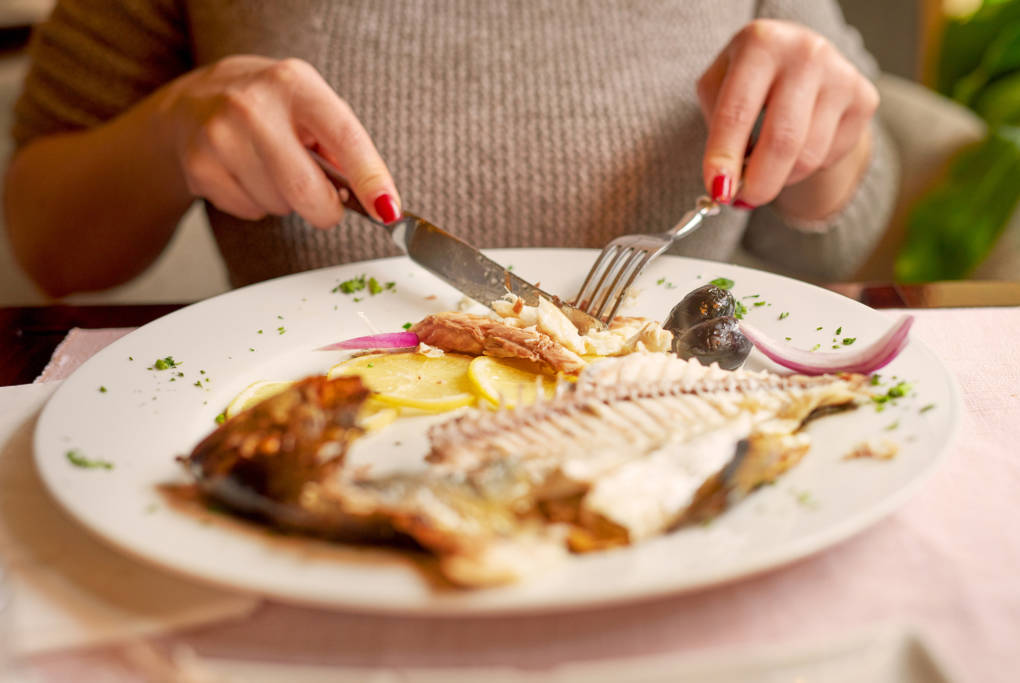
"caption": "Concerns about mercury contamination have led many pregnant women to under-consume seafood. So the FDA issued a new chart explaining what to eat and what to avoid. But critics say it muddles matters.",
"description": "Concerns about mercury contamination have led many pregnant women to under-consume seafood. So the FDA issued a new chart explaining what to eat and what to avoid. But critics say it muddles matter",
"title": "Concerns about mercury contamination have led many pregnant women to under-consume seafood. So the FDA issued a new chart explaining what to eat and what to avoid. But critics say it muddles matters.",
"credit": "stock_colors/Getty Images",
"status": "inherit",
"isLoading": false,
"fetchFailed": false
}
},
"audioPlayerReducer": {
"postId": "stream_live",
"isPaused": true,
"isPlaying": false,
"pfsActive": false,
"pledgeModalIsOpen": true,
"playerDrawerIsOpen": false,
"liveAudioPlayStartedAt": 0,
"liveAudioPlayContext": ""
},
"authorsReducer": {
"byline_bayareabites_116681": {
"type": "authors",
"id": "byline_bayareabites_116681",
"meta": {
"override": true
},
"slug": "byline_bayareabites_116681",
"name": "Allison Aubrey, NPR Food",
"isLoading": false
},
"byline_bayareabites_116645": {
"type": "authors",
"id": "byline_bayareabites_116645",
"meta": {
"override": true
},
"slug": "byline_bayareabites_116645",
"name": "Grace Hwang Lynch, \u003ca href=\"https://ww2.kqed.org/bayareabites/author/nprfood/\">NPR Food\u003c/a>",
"isLoading": false
},
"byline_bayareabites_116309": {
"type": "authors",
"id": "byline_bayareabites_116309",
"meta": {
"override": true
},
"slug": "byline_bayareabites_116309",
"name": "Maryn McKenna, \u003ca href=\"https://ww2.kqed.org/bayareabites/author/nprfood/\">NPR Food\u003c/a>",
"isLoading": false
},
"byline_bayareabites_115852": {
"type": "authors",
"id": "byline_bayareabites_115852",
"meta": {
"override": true
},
"slug": "byline_bayareabites_115852",
"name": "Allison Aubrey, NPR Food",
"isLoading": false
},
"byline_bayareabites_115816": {
"type": "authors",
"id": "byline_bayareabites_115816",
"meta": {
"override": true
},
"slug": "byline_bayareabites_115816",
"name": "Angus Chen, \u003ca href=\"https://ww2.kqed.org/bayareabites/author/nprfood/\">NPR Goats and Soda\u003c/a>",
"isLoading": false
},
"byline_bayareabites_115736": {
"type": "authors",
"id": "byline_bayareabites_115736",
"meta": {
"override": true
},
"slug": "byline_bayareabites_115736",
"name": "Bret Stetka, \u003ca href=\"https://ww2.kqed.org/bayareabites/author/nprfood/\">NPR Food\u003c/a>",
"isLoading": false
},
"byline_bayareabites_115548": {
"type": "authors",
"id": "byline_bayareabites_115548",
"meta": {
"override": true
},
"slug": "byline_bayareabites_115548",
"name": "Barbara J. King, NPR ",
"isLoading": false
},
"byline_bayareabites_115236": {
"type": "authors",
"id": "byline_bayareabites_115236",
"meta": {
"override": true
},
"slug": "byline_bayareabites_115236",
"name": "Allison Aubrey, NPR Food",
"isLoading": false
},
"byline_bayareabites_114979": {
"type": "authors",
"id": "byline_bayareabites_114979",
"meta": {
"override": true
},
"slug": "byline_bayareabites_114979",
"name": "Grant Gerlock, \u003ca href=\"http://www.harvestpublicmedia.org/\">Harvest Public Media\u003c/a> at NPR Food",
"isLoading": false
},
"byline_bayareabites_114761": {
"type": "authors",
"id": "byline_bayareabites_114761",
"meta": {
"override": true
},
"slug": "byline_bayareabites_114761",
"name": "Clare Leschin-Hoar, \u003ca href=\"https://ww2.kqed.org/bayareabites/author/nprfood/\">NPR Food\u003c/a>",
"isLoading": false
},
"wendy-goodfriend": {
"type": "authors",
"id": "5014",
"meta": {
"index": "authors_1716337520",
"id": "5014",
"found": true
},
"name": "Wendy Goodfriend",
"firstName": "Wendy",
"lastName": "Goodfriend",
"slug": "wendy-goodfriend",
"email": "wendy@wendygoodfriend.com",
"display_author_email": false,
"staff_mastheads": [],
"title": "KQED Contributor",
"bio": "I was the Senior Digital Producer for KQED Food up until July, 2018. Since 2001, I designed, produced, managed and contributed to mostly food-related websites and blogs for KQED including: KQED.org; KQED Food; Bay Area Bites; Check, Please! Bay Area; Taste This; Celebrity Chefs; seven of Jacques Pepin's TV series websites; and Joanne Weir's Cooking in the City. I initiated the majority of KQED Food's social media feeds and maintained them up until 2017. As far as content creation, photography is my passion and I also shoot video and write stories. My photos have been used in articles for KQED Food, News, Arts, and Science as well as for promotional purposes in print and online. Professional education and training includes: clinical psychology, photography, commercial cooking, web design, information architecture and UX.",
"avatar": "https://secure.gravatar.com/avatar/dfba64372339cc34cf17e446e6f18fa8?s=600&d=blank&r=g",
"twitter": null,
"facebook": "bayareabites",
"instagram": null,
"linkedin": "wendygoodfriend",
"sites": [
{
"site": "jpepinheart",
"roles": []
},
{
"site": "about",
"roles": [
"editor"
]
},
{
"site": "bayareabites",
"roles": [
"subscriber"
]
},
{
"site": "science",
"roles": [
"administrator"
]
},
{
"site": "checkplease",
"roles": [
"subscriber"
]
},
{
"site": "food",
"roles": [
"author"
]
},
{
"site": "essentialpepin",
"roles": [
"administrator"
]
}
],
"headData": {
"title": "Wendy Goodfriend | KQED",
"description": "KQED Contributor",
"ogImgSrc": "https://secure.gravatar.com/avatar/dfba64372339cc34cf17e446e6f18fa8?s=600&d=blank&r=g",
"twImgSrc": "https://secure.gravatar.com/avatar/dfba64372339cc34cf17e446e6f18fa8?s=600&d=blank&r=g"
},
"isLoading": false,
"link": "/author/wendy-goodfriend"
},
"kim-laidlaw": {
"type": "authors",
"id": "5015",
"meta": {
"index": "authors_1716337520",
"id": "5015",
"found": true
},
"name": "Kim Laidlaw",
"firstName": "Kim",
"lastName": "Laidlaw",
"slug": "kim-laidlaw",
"email": "kim_laidlaw@yahoo.com",
"display_author_email": false,
"staff_mastheads": [],
"title": null,
"bio": "Kim Laidlaw is a cookbook author, editor, food writer, producer, project manager, and baker who has been in the kitchen covered in flour since she was big enough to stir the biscuit dough. She has over 16 years of experience in book and online publishing, and a lifetime of experience in the kitchen. \r\n\r\nHer first cookbook, Home Baked Comfort, was published in 2011; her second cookbook, Baby & Toddler On the Go, was published in April 2013; and her third cookbook, Williams-Sonoma Dessert of the Day, was published in October 2013. \r\n\r\nShe was the first blogger on KQED’s Bay Area Bites blog, which launched in 2005, and previously worked as a professional baker at La Farine French Bakery in Oakland, CA. She lives in Petaluma with her husband and their child, whom she cooks for everyday. Find out more at \u003ca href=\"http://www.kimlaidlaw.com\">http://www.kimlaidlaw.com\u003c/a>.",
"avatar": "https://secure.gravatar.com/avatar/284503bc296b6f7822eb38b816292376?s=600&d=blank&r=g",
"twitter": null,
"facebook": "kimilaw",
"instagram": null,
"linkedin": "kimlaidlaw",
"sites": [
{
"site": "bayareabites",
"roles": [
"contributor"
]
},
{
"site": "food",
"roles": [
"contributor"
]
}
],
"headData": {
"title": "Kim Laidlaw | KQED",
"description": null,
"ogImgSrc": "https://secure.gravatar.com/avatar/284503bc296b6f7822eb38b816292376?s=600&d=blank&r=g",
"twImgSrc": "https://secure.gravatar.com/avatar/284503bc296b6f7822eb38b816292376?s=600&d=blank&r=g"
},
"isLoading": false,
"link": "/author/kim-laidlaw"
},
"jeffcianci": {
"type": "authors",
"id": "5580",
"meta": {
"index": "authors_1716337520",
"id": "5580",
"found": true
},
"name": "Jeff Cianci",
"firstName": "Jeff",
"lastName": "Cianci",
"slug": "jeffcianci",
"email": "jcianci610@gmail.com",
"display_author_email": false,
"staff_mastheads": [],
"title": null,
"bio": "Jeff Cianci is a freelance food writer based in San Jose. While studying journalism in college, Jeff’s curiosity landed him at a busy California bistro where he experienced a crash course in culinary training over two summer breaks, learning on the job with a very patient chef as his mentor. Around the same time, Jeff married his journalism degree to his appreciation for the restaurant world and determined food writing would be his career path. In his work Jeff most enjoys profiling chefs and learning their background, finding a new favorite restaurant and sharing his experiences with others through his reviews and social media. In addition to KQED's Bay Area Bites, Jeff writes restaurant reviews for Metro Silicon Valley and new restaurant guides for Eater National. Follow Jeff on Twitter \u003ca href=\"https://twitter.com/Cheffreycianci\" target=_blank\">@Cheffreycianci\u003c/a>.",
"avatar": "https://secure.gravatar.com/avatar/153d8e37568b0912b46a21bfecf27feb?s=600&d=blank&r=g",
"twitter": null,
"facebook": null,
"instagram": null,
"linkedin": "jeffcianci",
"sites": [
{
"site": "bayareabites",
"roles": [
"contributor"
]
},
{
"site": "food",
"roles": [
"contributor"
]
}
],
"headData": {
"title": "Jeff Cianci | KQED",
"description": null,
"ogImgSrc": "https://secure.gravatar.com/avatar/153d8e37568b0912b46a21bfecf27feb?s=600&d=blank&r=g",
"twImgSrc": "https://secure.gravatar.com/avatar/153d8e37568b0912b46a21bfecf27feb?s=600&d=blank&r=g"
},
"isLoading": false,
"link": "/author/jeffcianci"
}
},
"pagesReducer": {
"bayareabites_category_health-and-nutrition": {
"type": "terms",
"id": "bayareabites_1245",
"meta": {
"index": "terms_1716263798",
"site": "bayareabites",
"id": "1245",
"score": 14.407673
},
"featImg": null,
"name": "health and nutrition",
"description": null,
"taxonomy": "category",
"headData": {
"twImgId": null,
"twTitle": null,
"ogTitle": null,
"ogImgId": null,
"twDescription": null,
"description": null,
"title": "health and nutrition Archives | KQED Bay Area Bites",
"ogDescription": null
},
"ttid": 1078,
"slug": "health-and-nutrition",
"isLoading": false,
"title": "health and nutrition",
"pageMeta": {
"site": "bayareabites",
"WpPageTemplate": "page-topic-editorial",
"currentPage": 13
},
"blocks": [
{
"blockName": "kqed/post-list",
"attrs": {
"layout": "cardArticle2",
"query": "posts/bayareabites?category=health-and-nutrition",
"seeMore": false,
"paginated": true,
"page": 13
}
},
{
"blockName": "kqed/ad"
}
]
}
},
"pfsSessionReducer": {},
"postsReducer": {
"stream_live": {
"type": "live",
"id": "stream_live",
"audioUrl": "https://streams.kqed.org/kqedradio",
"title": "Live Stream",
"excerpt": "Live Stream information currently unavailable.",
"link": "/radio",
"featImg": "",
"label": {
"name": "KQED Live",
"link": "/"
}
},
"stream_kqedNewscast": {
"type": "posts",
"id": "stream_kqedNewscast",
"audioUrl": "https://www.kqed.org/.stream/anon/radio/RDnews/newscast.mp3?_=1",
"title": "KQED Newscast",
"featImg": "",
"label": {
"name": "88.5 FM",
"link": "/"
}
},
"bayareabites_116681": {
"type": "posts",
"id": "bayareabites_116681",
"meta": {
"index": "posts_1716263798",
"site": "bayareabites",
"id": "116681",
"score": null,
"sort": [
1491845814000
]
},
"parent": 0,
"labelTerm": {},
"blocks": [],
"publishDate": 1491845814,
"format": "standard",
"disqusTitle": "When Gluten Is The Villain, Could A Common Virus Be The Trigger?",
"title": "When Gluten Is The Villain, Could A Common Virus Be The Trigger?",
"headTitle": "Bay Area Bites | KQED Food",
"content": "\u003cp>A new study raises a novel idea about what might trigger celiac disease, a condition that makes patients unable to tolerate foods containing gluten.\u003cstrong>\u003cbr>\u003c/strong>\u003c/p>\n\u003cp>The study suggests that a common virus may be to blame.\u003c/p>\n\u003cp>For people with celiac disease, gluten can wreak havoc on their digestive systems. Their immune systems mistake gluten as a dangerous substance.\u003c/p>\n\u003cp>Scientists have known for a while that genetics predisposes some people to celiac. About 30 percent of Americans carry the genes that make them more susceptible to the disease. And yet, only about \u003ca href=\"https://www.beyondceliac.org/celiac-disease/facts-and-figures/\">one percent of Americans have celiac.\u003c/a>\u003c/p>\n\u003cp>Researchers wondered why not everyone with the risk genes gets the disease.\u003c/p>\n\u003cp>[ad fullwidth]\u003c/p>\n\u003cp>The answer is likely complicated, but one theory has emerged. Perhaps a \"viral infection can serve as a trigger to celiac,\" explains Dr. \u003ca href=\"http://www.mmg.pitt.edu/person/terence-s-dermody\">Terence Dermody,\u003c/a> who chairs the Department of Pediatrics at the University of Pittsburgh, and is an author of \u003ca href=\"http://science.sciencemag.org/content/356/6333/44\">the new study\u003c/a> published in \u003cem>Science\u003c/em>.\u003c/p>\n\u003cp>He and a team of collaborators, led by Bana Jabri of the University of Chicago, decided to test this in experimental mice. They had been studying reovirus – a common virus that infects most Americans beginning in childhood, yet isn't considered dangerous. The researchers genetically engineered the mice to be more susceptible to celiac disease. Then they exposed \u003cstrong>\u003c/strong>mice to reovirus. \u003cstrong> \u003c/strong>At the same time they also fed gluten to the mice.\u003c/p>\n\u003cp>It turns out their hunch had been right. The mice developed \"an immunological response against gluten that mimics the features of humans with celiac disease,\" Dermody says. The symptoms of celiac disease include diarrhea and other signs of gastrointestinal distress.\u003c/p>\n\u003cp>\"It's all about the timing,\" Dermody says. The idea is that when the virus and gluten are introduced at the same time, the immune system mistakes the gluten-containing food as dangerous.\u003c/p>\n\u003cp>\u003cimg src=\"https://ww2.kqed.org/bayareabites/wp-content/uploads/sites/24/2017/04/scisource_jf4603-8df205712197d898a1e42d6699071878e849c996.jpg\" alt=\"Transmission electron micrograph of a cell infected with reovirus (red). The virus is very common and not considered dangerous. Scientists now think it may have a role to play in triggering celiac disease.\" width=\"1998\" height=\"1498\" class=\"aligncenter size-full wp-image-116683\" srcset=\"https://ww2.kqed.org/app/uploads/sites/24/2017/04/scisource_jf4603-8df205712197d898a1e42d6699071878e849c996.jpg 1998w, https://ww2.kqed.org/app/uploads/sites/24/2017/04/scisource_jf4603-8df205712197d898a1e42d6699071878e849c996-160x120.jpg 160w, https://ww2.kqed.org/app/uploads/sites/24/2017/04/scisource_jf4603-8df205712197d898a1e42d6699071878e849c996-800x600.jpg 800w, https://ww2.kqed.org/app/uploads/sites/24/2017/04/scisource_jf4603-8df205712197d898a1e42d6699071878e849c996-768x576.jpg 768w, https://ww2.kqed.org/app/uploads/sites/24/2017/04/scisource_jf4603-8df205712197d898a1e42d6699071878e849c996-1020x765.jpg 1020w, https://ww2.kqed.org/app/uploads/sites/24/2017/04/scisource_jf4603-8df205712197d898a1e42d6699071878e849c996-1180x885.jpg 1180w, https://ww2.kqed.org/app/uploads/sites/24/2017/04/scisource_jf4603-8df205712197d898a1e42d6699071878e849c996-960x720.jpg 960w, https://ww2.kqed.org/app/uploads/sites/24/2017/04/scisource_jf4603-8df205712197d898a1e42d6699071878e849c996-240x180.jpg 240w, https://ww2.kqed.org/app/uploads/sites/24/2017/04/scisource_jf4603-8df205712197d898a1e42d6699071878e849c996-375x281.jpg 375w, https://ww2.kqed.org/app/uploads/sites/24/2017/04/scisource_jf4603-8df205712197d898a1e42d6699071878e849c996-520x390.jpg 520w\" sizes=\"(max-width: 1998px) 100vw, 1998px\">\u003c/p>\n\u003cp>\u003cstrong>\u003c/strong>But could this be true in humans too?\u003c/p>\n\u003cp>The second phase of the new study suggests an answer\u003cstrong>\u003c/strong>. Dermody and his collaborators analyzed the antibody levels to various viruses in a group of people. They found people who have celiac disease have two- to five-fold higher levels of reovirus-specific antibodies.\u003c/p>\n\u003cp>\"It's a clue that people who have celiac may have been exposed to reovirus before the development of their disease,\" Dermody says. But, he stresses that \"it's just a clue.\"\u003c/p>\n\u003cp>It will take a long time to figure out if there's a causal link between reovirus infections and the onset of celiac disease. Dermody envisions a study involving thousands of children who would be followed for several years. For now, he and his collaborators have some grant funds from the National Institutes of Health to continue their research.\u003c/p>\n\u003cp>The upside of understanding this possible connection is significant, explains Dr. Bana Jabri, of the University of Chicago, who is a co-author of the new study.\u003c/p>\n\u003cp>If it's true that the virus can trigger celiac disease, then young children who carry the risk genes for celiac could be vaccinated against Reovirus. \"It may be useful to start thinking about vaccinating people who are at a high risk of celiac disease against [these] types of viruses,\" she says.\u003c/p>\n\u003cp>Links between viral infection and the development of auto-immune disorders such as celiac disease have been proposed before, \"but this is the first tractable experimental model to tackle this question,\" says \u003ca href=\"http://profiles.utsouthwestern.edu/profile/80210/julie-pfeiffer.html\">Julie Pfeiffer\u003c/a>, an Associate Professor of Microbiology at University of Texas Southwestern, who has followed the research, but is not involved in the new study. Given the interest and the findings, \"more studies in humans are warranted,\" she says.\u003c/p>\n\u003cp>As awareness of celiac disease has grown, so too has the number of people experimenting with gluten-free diets due to concerns about gluten sensitivities. This is evident from the growth in gluten-free food sales and most recently, the introduction\u003ca href=\"https://www.nytimes.com/2017/04/07/education/edlife/gluten-free-dining-halls-at-cornell-and-kent-state.html?_r=0\"> of gluten-free dining halls\u003c/a> on two college campuses.\u003c/p>\n\u003cp>\u003c/p>\n\u003cp>\u003cem>Copyright 2017 \u003ca href=\"http://www.npr.org/\" target=\"_blank\">NPR\u003c/a>.\u003c/em> \u003c/p>\n\n",
"disqusIdentifier": "116681 https://ww2.kqed.org/bayareabites/?p=116681",
"disqusUrl": "https://ww2.kqed.org/bayareabites/2017/04/10/when-gluten-is-the-villain-could-a-common-virus-be-the-trigger/",
"stats": {
"hasVideo": false,
"hasChartOrMap": false,
"hasAudio": false,
"hasPolis": false,
"wordCount": 649,
"hasGoogleForm": false,
"hasGallery": false,
"hasHearkenModule": false,
"iframeSrcs": [],
"paragraphCount": 21
},
"modified": 1491845814,
"excerpt": "About 30 percent of Americans are predisposed to celiac disease, but only 1 percent get the disease. A new study finds that a common virus may play a role in determining who gets the disease.",
"headData": {
"twImgId": "",
"twTitle": "",
"ogTitle": "",
"ogImgId": "",
"twDescription": "",
"description": "About 30 percent of Americans are predisposed to celiac disease, but only 1 percent get the disease. A new study finds that a common virus may play a role in determining who gets the disease.",
"title": "When Gluten Is The Villain, Could A Common Virus Be The Trigger? | KQED",
"ogDescription": "",
"schema": {
"@context": "https://schema.org",
"@type": "Article",
"headline": "When Gluten Is The Villain, Could A Common Virus Be The Trigger?",
"datePublished": "2017-04-10T10:36:54-07:00",
"dateModified": "2017-04-10T10:36:54-07:00",
"image": "https://cdn.kqed.org/wp-content/uploads/2020/02/KQED-OG-Image@1x.png"
}
},
"guestAuthors": [],
"slug": "when-gluten-is-the-villain-could-a-common-virus-be-the-trigger",
"status": "publish",
"sourceUrl": "https://ww2.kqed.org/bayareabites/category/health-and-nutrition/",
"nprApiLink": "http://api.npr.org/query?id=523002516&apiKey=MDAxOTAwOTE4MDEyMTkxMDAzNjczZDljZA004",
"nprByline": "Allison Aubrey, NPR Food",
"nprStoryDate": "Sat, 08 Apr 2017 07:00:00 -0400",
"nprLastModifiedDate": "Sat, 08 Apr 2017 11:26:32 -0400",
"nprHtmlLink": "http://www.npr.org/sections/thesalt/2017/04/08/523002516/when-gluten-is-the-villain-could-a-common-virus-be-the-trigger?ft=nprml&f=523002516",
"nprImageAgency": "Daniel Acker/Bloomberg/Getty Images",
"source": "Health and Nutrition",
"nprStoryId": "523002516",
"nprRetrievedStory": "1",
"nprPubDate": "Sat, 08 Apr 2017 07:28:00 -0400",
"path": "/bayareabites/116681/when-gluten-is-the-villain-could-a-common-virus-be-the-trigger",
"audioTrackLength": null,
"parsedContent": [
{
"type": "contentString",
"content": "\u003cdiv class=\"post-body\">\u003cp>\u003cp>A new study raises a novel idea about what might trigger celiac disease, a condition that makes patients unable to tolerate foods containing gluten.\u003cstrong>\u003cbr>\u003c/strong>\u003c/p>\n\u003cp>The study suggests that a common virus may be to blame.\u003c/p>\n\u003cp>For people with celiac disease, gluten can wreak havoc on their digestive systems. Their immune systems mistake gluten as a dangerous substance.\u003c/p>\n\u003cp>Scientists have known for a while that genetics predisposes some people to celiac. About 30 percent of Americans carry the genes that make them more susceptible to the disease. And yet, only about \u003ca href=\"https://www.beyondceliac.org/celiac-disease/facts-and-figures/\">one percent of Americans have celiac.\u003c/a>\u003c/p>\n\u003cp>Researchers wondered why not everyone with the risk genes gets the disease.\u003c/p>\n\u003cp>\u003c/p>\u003c/div>",
"attributes": {
"named": {},
"numeric": []
}
},
{
"type": "component",
"content": "",
"name": "ad",
"attributes": {
"named": {
"label": "fullwidth"
},
"numeric": [
"fullwidth"
]
}
},
{
"type": "contentString",
"content": "\u003cdiv class=\"post-body\">\u003cp>\u003c/p>\n\u003cp>The answer is likely complicated, but one theory has emerged. Perhaps a \"viral infection can serve as a trigger to celiac,\" explains Dr. \u003ca href=\"http://www.mmg.pitt.edu/person/terence-s-dermody\">Terence Dermody,\u003c/a> who chairs the Department of Pediatrics at the University of Pittsburgh, and is an author of \u003ca href=\"http://science.sciencemag.org/content/356/6333/44\">the new study\u003c/a> published in \u003cem>Science\u003c/em>.\u003c/p>\n\u003cp>He and a team of collaborators, led by Bana Jabri of the University of Chicago, decided to test this in experimental mice. They had been studying reovirus – a common virus that infects most Americans beginning in childhood, yet isn't considered dangerous. The researchers genetically engineered the mice to be more susceptible to celiac disease. Then they exposed \u003cstrong>\u003c/strong>mice to reovirus. \u003cstrong> \u003c/strong>At the same time they also fed gluten to the mice.\u003c/p>\n\u003cp>It turns out their hunch had been right. The mice developed \"an immunological response against gluten that mimics the features of humans with celiac disease,\" Dermody says. The symptoms of celiac disease include diarrhea and other signs of gastrointestinal distress.\u003c/p>\n\u003cp>\"It's all about the timing,\" Dermody says. The idea is that when the virus and gluten are introduced at the same time, the immune system mistakes the gluten-containing food as dangerous.\u003c/p>\n\u003cp>\u003cimg src=\"https://ww2.kqed.org/bayareabites/wp-content/uploads/sites/24/2017/04/scisource_jf4603-8df205712197d898a1e42d6699071878e849c996.jpg\" alt=\"Transmission electron micrograph of a cell infected with reovirus (red). The virus is very common and not considered dangerous. Scientists now think it may have a role to play in triggering celiac disease.\" width=\"1998\" height=\"1498\" class=\"aligncenter size-full wp-image-116683\" srcset=\"https://ww2.kqed.org/app/uploads/sites/24/2017/04/scisource_jf4603-8df205712197d898a1e42d6699071878e849c996.jpg 1998w, https://ww2.kqed.org/app/uploads/sites/24/2017/04/scisource_jf4603-8df205712197d898a1e42d6699071878e849c996-160x120.jpg 160w, https://ww2.kqed.org/app/uploads/sites/24/2017/04/scisource_jf4603-8df205712197d898a1e42d6699071878e849c996-800x600.jpg 800w, https://ww2.kqed.org/app/uploads/sites/24/2017/04/scisource_jf4603-8df205712197d898a1e42d6699071878e849c996-768x576.jpg 768w, https://ww2.kqed.org/app/uploads/sites/24/2017/04/scisource_jf4603-8df205712197d898a1e42d6699071878e849c996-1020x765.jpg 1020w, https://ww2.kqed.org/app/uploads/sites/24/2017/04/scisource_jf4603-8df205712197d898a1e42d6699071878e849c996-1180x885.jpg 1180w, https://ww2.kqed.org/app/uploads/sites/24/2017/04/scisource_jf4603-8df205712197d898a1e42d6699071878e849c996-960x720.jpg 960w, https://ww2.kqed.org/app/uploads/sites/24/2017/04/scisource_jf4603-8df205712197d898a1e42d6699071878e849c996-240x180.jpg 240w, https://ww2.kqed.org/app/uploads/sites/24/2017/04/scisource_jf4603-8df205712197d898a1e42d6699071878e849c996-375x281.jpg 375w, https://ww2.kqed.org/app/uploads/sites/24/2017/04/scisource_jf4603-8df205712197d898a1e42d6699071878e849c996-520x390.jpg 520w\" sizes=\"(max-width: 1998px) 100vw, 1998px\">\u003c/p>\n\u003cp>\u003cstrong>\u003c/strong>But could this be true in humans too?\u003c/p>\n\u003cp>The second phase of the new study suggests an answer\u003cstrong>\u003c/strong>. Dermody and his collaborators analyzed the antibody levels to various viruses in a group of people. They found people who have celiac disease have two- to five-fold higher levels of reovirus-specific antibodies.\u003c/p>\n\u003cp>\"It's a clue that people who have celiac may have been exposed to reovirus before the development of their disease,\" Dermody says. But, he stresses that \"it's just a clue.\"\u003c/p>\n\u003cp>It will take a long time to figure out if there's a causal link between reovirus infections and the onset of celiac disease. Dermody envisions a study involving thousands of children who would be followed for several years. For now, he and his collaborators have some grant funds from the National Institutes of Health to continue their research.\u003c/p>\n\u003cp>The upside of understanding this possible connection is significant, explains Dr. Bana Jabri, of the University of Chicago, who is a co-author of the new study.\u003c/p>\n\u003cp>If it's true that the virus can trigger celiac disease, then young children who carry the risk genes for celiac could be vaccinated against Reovirus. \"It may be useful to start thinking about vaccinating people who are at a high risk of celiac disease against [these] types of viruses,\" she says.\u003c/p>\n\u003cp>Links between viral infection and the development of auto-immune disorders such as celiac disease have been proposed before, \"but this is the first tractable experimental model to tackle this question,\" says \u003ca href=\"http://profiles.utsouthwestern.edu/profile/80210/julie-pfeiffer.html\">Julie Pfeiffer\u003c/a>, an Associate Professor of Microbiology at University of Texas Southwestern, who has followed the research, but is not involved in the new study. Given the interest and the findings, \"more studies in humans are warranted,\" she says.\u003c/p>\n\u003cp>As awareness of celiac disease has grown, so too has the number of people experimenting with gluten-free diets due to concerns about gluten sensitivities. This is evident from the growth in gluten-free food sales and most recently, the introduction\u003ca href=\"https://www.nytimes.com/2017/04/07/education/edlife/gluten-free-dining-halls-at-cornell-and-kent-state.html?_r=0\"> of gluten-free dining halls\u003c/a> on two college campuses.\u003c/p>\n\u003cp>\u003c/p>\n\u003cp>\u003cem>Copyright 2017 \u003ca href=\"http://www.npr.org/\" target=\"_blank\">NPR\u003c/a>.\u003c/em> \u003c/p>\n\n\u003c/div>\u003c/p>",
"attributes": {
"named": {},
"numeric": []
}
}
],
"link": "/bayareabites/116681/when-gluten-is-the-villain-could-a-common-virus-be-the-trigger",
"authors": [
"byline_bayareabites_116681"
],
"categories": [
"bayareabites_10028",
"bayareabites_1245",
"bayareabites_358"
],
"tags": [
"bayareabites_10343",
"bayareabites_138",
"bayareabites_13325"
],
"featImg": "bayareabites_116682",
"label": "source_bayareabites_116681"
},
"bayareabites_116645": {
"type": "posts",
"id": "bayareabites_116645",
"meta": {
"index": "posts_1716263798",
"site": "bayareabites",
"id": "116645",
"score": null,
"sort": [
1491512276000
]
},
"parent": 0,
"labelTerm": {
"site": "bayareabites"
},
"blocks": [],
"publishDate": 1491512276,
"format": "standard",
"disqusTitle": "For Centuries, These Asian Recipes Have Helped New Moms Recover From Childbirth",
"title": "For Centuries, These Asian Recipes Have Helped New Moms Recover From Childbirth",
"headTitle": "Bay Area Bites | KQED Food",
"content": "\u003cp>Khanh-Hoa Nguyen stirs a pot of green papaya and pigs' feet soup. The clear broth and pale green chunks of unripe melon are redolent with fish sauce, the way her own mother prepared the soup after Nguyen's sister gave birth.\u003c/p>\n\u003cp>After her second year at the University of California at Berkeley, Nguyen was spending the summer at her parents' home in Los Angeles, watching her mother prepare big pots of Vietnamese postpartum foods for her sister.\u003c/p>\n\u003cfigure id=\"attachment_116648\" class=\"wp-caption alignleft\" style=\"max-width: 200px\">\u003ca href=\"https://ww2.kqed.org/bayareabites/wp-content/uploads/sites/24/2017/04/cover-from-mothers-to-mothers_custom-6cd6a28b3d1b7c69332b188a90b0b770bde1a1a5.jpg\">\u003cimg src=\"https://ww2.kqed.org/bayareabites/wp-content/uploads/sites/24/2017/04/cover-from-mothers-to-mothers_custom-6cd6a28b3d1b7c69332b188a90b0b770bde1a1a5.jpg\" alt=\"From Mothers to Mothers: A Collection of Traditional Asian Postpartum Recipes will be released in April by Eastwind Books of Berkeley.\" width=\"200\" height=\"300\" class=\"size-full wp-image-116648\" srcset=\"https://ww2.kqed.org/app/uploads/sites/24/2017/04/cover-from-mothers-to-mothers_custom-6cd6a28b3d1b7c69332b188a90b0b770bde1a1a5.jpg 200w, https://ww2.kqed.org/app/uploads/sites/24/2017/04/cover-from-mothers-to-mothers_custom-6cd6a28b3d1b7c69332b188a90b0b770bde1a1a5-160x240.jpg 160w\" sizes=\"(max-width: 200px) 100vw, 200px\">\u003c/a>\u003cfigcaption class=\"wp-caption-text\">From Mothers to Mothers: A Collection of Traditional Asian Postpartum Recipes will be released in April by Eastwind Books of Berkeley. \u003ccite>(Khanh-Hoa Nguyen)\u003c/cite>\u003c/figcaption>\u003c/figure>\n\u003cp>\"I don't think I would have known if I didn't go home that summer,\" says Nguyen, who is now co-editing one of the most comprehensive English language cookbooks featuring traditional Asian foods for new mothers.\u003c/p>\n\u003cp>For generations, new Vietnamese mothers have eaten this stew, just as Korean mothers have downed bowls of seaweed soup and Chinese women have simmered pigs' feet with ginger and vinegar. The food traditions stretch back for centuries, part of the practice of resting for the first 30 days after giving birth that is common throughout Asia.\u003c/p>\n\u003cp>In Chinese, it's called \u003cem>zuo yuezi\u003c/em>, or \"sitting the month.\" Vietnamese refer to it as \u003cem>nằm ổ\u003c/em>, literally \"lying in a nest.\" The recipes for these foods are unlikely to be found in any cookbook. These postpartum tonics have traditionally been prepared by grandmothers and aunts; the ingredients and techniques passed down orally.\u003c/p>\n\u003cp>[ad fullwidth]\u003c/p>\n\u003cp>When Nguyen returned to Berkeley that fall, she took a course in Asian American and Pacific Islander community health. In that class, Dr. Marilyn Wong put out a call for students who were interested in documenting Asian postpartum traditions. Nguyen not only volunteered to do research, but led a group of 13 undergraduate students who spent the past two years interviewing relatives and collecting recipes spanning six Asian ethnicities: Vietnamese, Chinese, Korean, Hmong, Cambodian and Filipino. Together with Wong, Nguyen edited the cookbook \u003cem>From Mothers to Mother: A Collection of Traditional Asian Postpartum Recipes\u003c/em>, which will be released this month.\u003c/p>\n\u003cfigure id=\"attachment_116646\" class=\"wp-caption aligncenter\" style=\"max-width: 1916px\">\u003ca href=\"https://ww2.kqed.org/bayareabites/wp-content/uploads/sites/24/2017/04/postpartum-food-1020-2_custom-ff135053f5666d04bff63d1115e375f33e9db288.jpg\">\u003cimg src=\"https://ww2.kqed.org/bayareabites/wp-content/uploads/sites/24/2017/04/postpartum-food-1020-2_custom-ff135053f5666d04bff63d1115e375f33e9db288.jpg\" alt=\"Khanh-Hoa Nguyen cooks caramelized pork belly with ginger, a Cambodian dish served to women who have just given birth.\" width=\"1916\" height=\"1332\" class=\"size-full wp-image-116646\" srcset=\"https://ww2.kqed.org/app/uploads/sites/24/2017/04/postpartum-food-1020-2_custom-ff135053f5666d04bff63d1115e375f33e9db288.jpg 1916w, https://ww2.kqed.org/app/uploads/sites/24/2017/04/postpartum-food-1020-2_custom-ff135053f5666d04bff63d1115e375f33e9db288-160x111.jpg 160w, https://ww2.kqed.org/app/uploads/sites/24/2017/04/postpartum-food-1020-2_custom-ff135053f5666d04bff63d1115e375f33e9db288-800x556.jpg 800w, https://ww2.kqed.org/app/uploads/sites/24/2017/04/postpartum-food-1020-2_custom-ff135053f5666d04bff63d1115e375f33e9db288-768x534.jpg 768w, https://ww2.kqed.org/app/uploads/sites/24/2017/04/postpartum-food-1020-2_custom-ff135053f5666d04bff63d1115e375f33e9db288-1020x709.jpg 1020w, https://ww2.kqed.org/app/uploads/sites/24/2017/04/postpartum-food-1020-2_custom-ff135053f5666d04bff63d1115e375f33e9db288-1180x820.jpg 1180w, https://ww2.kqed.org/app/uploads/sites/24/2017/04/postpartum-food-1020-2_custom-ff135053f5666d04bff63d1115e375f33e9db288-960x667.jpg 960w, https://ww2.kqed.org/app/uploads/sites/24/2017/04/postpartum-food-1020-2_custom-ff135053f5666d04bff63d1115e375f33e9db288-240x167.jpg 240w, https://ww2.kqed.org/app/uploads/sites/24/2017/04/postpartum-food-1020-2_custom-ff135053f5666d04bff63d1115e375f33e9db288-375x261.jpg 375w, https://ww2.kqed.org/app/uploads/sites/24/2017/04/postpartum-food-1020-2_custom-ff135053f5666d04bff63d1115e375f33e9db288-520x362.jpg 520w\" sizes=\"(max-width: 1916px) 100vw, 1916px\">\u003c/a>\u003cfigcaption class=\"wp-caption-text\">Khanh-Hoa Nguyen cooks caramelized pork belly with ginger, a Cambodian dish served to women who have just given birth. \u003ccite>(Grace Hwang Lynch for NPR)\u003c/cite>\u003c/figcaption>\u003c/figure>\n\u003cp>Wong, a retired physician, says that in her 30 years of working in public health clinics in San Francisco and Oakland, Calif., she saw a lack of nutritional guidance for low-income immigrants and refugees, who may be living far from their grandmothers and aunts and their native foods. Doctors would simply tell a breastfeeding woman to drink plenty fluids and eat more calories, Wong says. Even with her degrees in medicine and public health, Wong doesn't dismiss the value of Asian folk remedies.\u003c/p>\n\u003cp>\"In Western medicine, we don't pay enough attention to tradition. We just dismiss all that and start from scratch, because now we know what minerals and vitamins and molecules are,\" muses Wong.\u003c/p>\n\u003cp>She points out that the Chinese technique of braising pigs' feet with ginger and vinegar makes them especially nutritious. \"The vinegar probably leeches out the calcium from the bones. That's what you need, the calcium. Women will have loss of bone mass from breastfeeding. In the old times, they could not verbalize it that way, but they knew that women who did this did better than women who didn't.\"\u003c/p>\n\u003cp>These traditional soups can be hard for younger or more assimilated women to swallow. Even though she spent her childhood in Vietnam, Nguyen's sister initially dismissed these stews. But worried that she might not produce enough milk, she gave them a try. \"And it really helped my sister with breastfeeding,\" says Nguyen.\u003c/p>\n\u003cp>Soups play a big role in all six cultures represented in \u003cem>From Mothers to Mothers\u003c/em>, although the recipes also include dishes such as Cambodian caramelized pork belly and Tulia clams with tomatoes and ginger. Nguyen and the other students interviewed family members to learn the cooking methods, and then practiced making them at Wong's home in the Berkeley Hills and at their own apartments.\u003c/p>\n\u003cp>\"Sometimes we'd have to call mom,\" Nguyen laughs.\u003c/p>\n\u003cp>\"When you say a 'pinch,' what is that?\" Wong interjects.\u003c/p>\n\u003cp>Across the range of cultures and geography, some trends emerged. \"Papaya is also used in Chinese postpartum recipes and Cambodian postpartum recipes,\" notes Nguyen. \"Pork belly is also used in Vietnamese, Cambodian and Chinese cultures. Ginger is a very common postpartum ingredient.\"\u003c/p>\n\u003cp>And perhaps there is another ingredient in these stews which helps new mothers to recuperate: community. \"The whole village would be there and people would be cooking and taking care of your baby,\" says Wong of the postpartum practices in pre-industrial China. \"The mothers were really pampered.\"\u003c/p>\n\u003cp>After three semesters of research, the students recorded 30 recipes, each of them printed in English and in its native language. Students have also \u003ca href=\"https://crowdfund.berkeley.edu/project/4805\">crowdfunded more than $7,300\u003c/a> to donate nearly 500 copies of the book to Bay Area clinics and nonprofit groups serving low-income Asian Americans.\u003c/p>\n\u003cp>\u003cem>From Mothers to Mothers\u003c/em> will be sold at \u003ca href=\"http://www.asiabookcenter.com/store/c1/Featured_Products.html\">Eastwind Books\u003c/a> in Berkeley and \u003ca href=\"http://www.asiabookcenter.com/store/p1385/FROM_MOTHERS_TO_MOTHERS%3A_A_Collection_of_Traditional_Asian_Postpartum_Recipes_.html\">online\u003c/a>. Wong hopes there will be a second phase to this project, perhaps to study postpartum food traditions of South Asia or the Middle East.\u003c/p>\n\u003chr>\n\u003cp>\u003cem>Grace Hwang Lynch is a multimedia journalist based in the San Francisco Bay Area. She is currently working on a memoir about food, identity and caretaking. Follow her blog \u003ca href=\"http://hapamama.com/\">HapaMama.com\u003c/a> or on Twitter at @GraceHwangLynch. \u003c/em> \u003c/p>\n\u003cp>\u003c/p>\n\u003cp> \u003cem>Copyright 2017 \u003ca href=\"http://www.npr.org/\" target=\"_blank\">NPR\u003c/a>.\u003c/em> \u003c/p>\n\n",
"disqusIdentifier": "116645 https://ww2.kqed.org/bayareabites/?p=116645",
"disqusUrl": "https://ww2.kqed.org/bayareabites/2017/04/06/for-centuries-these-asian-recipes-have-helped-new-moms-recover-from-childbirth/",
"stats": {
"hasVideo": false,
"hasChartOrMap": false,
"hasAudio": false,
"hasPolis": false,
"wordCount": 921,
"hasGoogleForm": false,
"hasGallery": false,
"hasHearkenModule": false,
"iframeSrcs": [],
"paragraphCount": 21
},
"modified": 1491512276,
"excerpt": "Postpartum soups and stews have traditionally been prepared for new moms by Asian grandmothers and aunts, the recipes passed down orally. A new cookbook seeks to preserve them before they're lost.",
"headData": {
"twImgId": "",
"twTitle": "",
"ogTitle": "",
"ogImgId": "",
"twDescription": "",
"description": "Postpartum soups and stews have traditionally been prepared for new moms by Asian grandmothers and aunts, the recipes passed down orally. A new cookbook seeks to preserve them before they're lost.",
"title": "For Centuries, These Asian Recipes Have Helped New Moms Recover From Childbirth | KQED",
"ogDescription": "",
"schema": {
"@context": "https://schema.org",
"@type": "Article",
"headline": "For Centuries, These Asian Recipes Have Helped New Moms Recover From Childbirth",
"datePublished": "2017-04-06T13:57:56-07:00",
"dateModified": "2017-04-06T13:57:56-07:00",
"image": "https://cdn.kqed.org/wp-content/uploads/2020/02/KQED-OG-Image@1x.png"
}
},
"guestAuthors": [],
"slug": "for-centuries-these-asian-recipes-have-helped-new-moms-recover-from-childbirth",
"status": "publish",
"nprApiLink": "http://api.npr.org/query?id=520535846&apiKey=MDAxOTAwOTE4MDEyMTkxMDAzNjczZDljZA004",
"nprByline": "Grace Hwang Lynch, \u003ca href=\"https://ww2.kqed.org/bayareabites/author/nprfood/\">NPR Food\u003c/a>",
"nprStoryDate": "Sun, 02 Apr 2017 07:00:10 -0400",
"nprLastModifiedDate": "Sun, 02 Apr 2017 07:00:10 -0400",
"nprHtmlLink": "http://www.npr.org/sections/thesalt/2017/04/02/520535846/for-centuries-these-asian-recipes-have-helped-new-moms-recover-from-childbirth?ft=nprml&f=520535846",
"nprImageAgency": "Grace Hwang Lynch for NPR",
"nprStoryId": "520535846",
"nprRetrievedStory": "1",
"nprPubDate": "Sun, 02 Apr 2017 07:00:00 -0400",
"path": "/bayareabites/116645/for-centuries-these-asian-recipes-have-helped-new-moms-recover-from-childbirth",
"audioTrackLength": null,
"parsedContent": [
{
"type": "contentString",
"content": "\u003cdiv class=\"post-body\">\u003cp>\u003cp>Khanh-Hoa Nguyen stirs a pot of green papaya and pigs' feet soup. The clear broth and pale green chunks of unripe melon are redolent with fish sauce, the way her own mother prepared the soup after Nguyen's sister gave birth.\u003c/p>\n\u003cp>After her second year at the University of California at Berkeley, Nguyen was spending the summer at her parents' home in Los Angeles, watching her mother prepare big pots of Vietnamese postpartum foods for her sister.\u003c/p>\n\u003cfigure id=\"attachment_116648\" class=\"wp-caption alignleft\" style=\"max-width: 200px\">\u003ca href=\"https://ww2.kqed.org/bayareabites/wp-content/uploads/sites/24/2017/04/cover-from-mothers-to-mothers_custom-6cd6a28b3d1b7c69332b188a90b0b770bde1a1a5.jpg\">\u003cimg src=\"https://ww2.kqed.org/bayareabites/wp-content/uploads/sites/24/2017/04/cover-from-mothers-to-mothers_custom-6cd6a28b3d1b7c69332b188a90b0b770bde1a1a5.jpg\" alt=\"From Mothers to Mothers: A Collection of Traditional Asian Postpartum Recipes will be released in April by Eastwind Books of Berkeley.\" width=\"200\" height=\"300\" class=\"size-full wp-image-116648\" srcset=\"https://ww2.kqed.org/app/uploads/sites/24/2017/04/cover-from-mothers-to-mothers_custom-6cd6a28b3d1b7c69332b188a90b0b770bde1a1a5.jpg 200w, https://ww2.kqed.org/app/uploads/sites/24/2017/04/cover-from-mothers-to-mothers_custom-6cd6a28b3d1b7c69332b188a90b0b770bde1a1a5-160x240.jpg 160w\" sizes=\"(max-width: 200px) 100vw, 200px\">\u003c/a>\u003cfigcaption class=\"wp-caption-text\">From Mothers to Mothers: A Collection of Traditional Asian Postpartum Recipes will be released in April by Eastwind Books of Berkeley. \u003ccite>(Khanh-Hoa Nguyen)\u003c/cite>\u003c/figcaption>\u003c/figure>\n\u003cp>\"I don't think I would have known if I didn't go home that summer,\" says Nguyen, who is now co-editing one of the most comprehensive English language cookbooks featuring traditional Asian foods for new mothers.\u003c/p>\n\u003cp>For generations, new Vietnamese mothers have eaten this stew, just as Korean mothers have downed bowls of seaweed soup and Chinese women have simmered pigs' feet with ginger and vinegar. The food traditions stretch back for centuries, part of the practice of resting for the first 30 days after giving birth that is common throughout Asia.\u003c/p>\n\u003cp>In Chinese, it's called \u003cem>zuo yuezi\u003c/em>, or \"sitting the month.\" Vietnamese refer to it as \u003cem>nằm ổ\u003c/em>, literally \"lying in a nest.\" The recipes for these foods are unlikely to be found in any cookbook. These postpartum tonics have traditionally been prepared by grandmothers and aunts; the ingredients and techniques passed down orally.\u003c/p>\n\u003cp>\u003c/p>\u003c/div>",
"attributes": {
"named": {},
"numeric": []
}
},
{
"type": "component",
"content": "",
"name": "ad",
"attributes": {
"named": {
"label": "fullwidth"
},
"numeric": [
"fullwidth"
]
}
},
{
"type": "contentString",
"content": "\u003cdiv class=\"post-body\">\u003cp>\u003c/p>\n\u003cp>When Nguyen returned to Berkeley that fall, she took a course in Asian American and Pacific Islander community health. In that class, Dr. Marilyn Wong put out a call for students who were interested in documenting Asian postpartum traditions. Nguyen not only volunteered to do research, but led a group of 13 undergraduate students who spent the past two years interviewing relatives and collecting recipes spanning six Asian ethnicities: Vietnamese, Chinese, Korean, Hmong, Cambodian and Filipino. Together with Wong, Nguyen edited the cookbook \u003cem>From Mothers to Mother: A Collection of Traditional Asian Postpartum Recipes\u003c/em>, which will be released this month.\u003c/p>\n\u003cfigure id=\"attachment_116646\" class=\"wp-caption aligncenter\" style=\"max-width: 1916px\">\u003ca href=\"https://ww2.kqed.org/bayareabites/wp-content/uploads/sites/24/2017/04/postpartum-food-1020-2_custom-ff135053f5666d04bff63d1115e375f33e9db288.jpg\">\u003cimg src=\"https://ww2.kqed.org/bayareabites/wp-content/uploads/sites/24/2017/04/postpartum-food-1020-2_custom-ff135053f5666d04bff63d1115e375f33e9db288.jpg\" alt=\"Khanh-Hoa Nguyen cooks caramelized pork belly with ginger, a Cambodian dish served to women who have just given birth.\" width=\"1916\" height=\"1332\" class=\"size-full wp-image-116646\" srcset=\"https://ww2.kqed.org/app/uploads/sites/24/2017/04/postpartum-food-1020-2_custom-ff135053f5666d04bff63d1115e375f33e9db288.jpg 1916w, https://ww2.kqed.org/app/uploads/sites/24/2017/04/postpartum-food-1020-2_custom-ff135053f5666d04bff63d1115e375f33e9db288-160x111.jpg 160w, https://ww2.kqed.org/app/uploads/sites/24/2017/04/postpartum-food-1020-2_custom-ff135053f5666d04bff63d1115e375f33e9db288-800x556.jpg 800w, https://ww2.kqed.org/app/uploads/sites/24/2017/04/postpartum-food-1020-2_custom-ff135053f5666d04bff63d1115e375f33e9db288-768x534.jpg 768w, https://ww2.kqed.org/app/uploads/sites/24/2017/04/postpartum-food-1020-2_custom-ff135053f5666d04bff63d1115e375f33e9db288-1020x709.jpg 1020w, https://ww2.kqed.org/app/uploads/sites/24/2017/04/postpartum-food-1020-2_custom-ff135053f5666d04bff63d1115e375f33e9db288-1180x820.jpg 1180w, https://ww2.kqed.org/app/uploads/sites/24/2017/04/postpartum-food-1020-2_custom-ff135053f5666d04bff63d1115e375f33e9db288-960x667.jpg 960w, https://ww2.kqed.org/app/uploads/sites/24/2017/04/postpartum-food-1020-2_custom-ff135053f5666d04bff63d1115e375f33e9db288-240x167.jpg 240w, https://ww2.kqed.org/app/uploads/sites/24/2017/04/postpartum-food-1020-2_custom-ff135053f5666d04bff63d1115e375f33e9db288-375x261.jpg 375w, https://ww2.kqed.org/app/uploads/sites/24/2017/04/postpartum-food-1020-2_custom-ff135053f5666d04bff63d1115e375f33e9db288-520x362.jpg 520w\" sizes=\"(max-width: 1916px) 100vw, 1916px\">\u003c/a>\u003cfigcaption class=\"wp-caption-text\">Khanh-Hoa Nguyen cooks caramelized pork belly with ginger, a Cambodian dish served to women who have just given birth. \u003ccite>(Grace Hwang Lynch for NPR)\u003c/cite>\u003c/figcaption>\u003c/figure>\n\u003cp>Wong, a retired physician, says that in her 30 years of working in public health clinics in San Francisco and Oakland, Calif., she saw a lack of nutritional guidance for low-income immigrants and refugees, who may be living far from their grandmothers and aunts and their native foods. Doctors would simply tell a breastfeeding woman to drink plenty fluids and eat more calories, Wong says. Even with her degrees in medicine and public health, Wong doesn't dismiss the value of Asian folk remedies.\u003c/p>\n\u003cp>\"In Western medicine, we don't pay enough attention to tradition. We just dismiss all that and start from scratch, because now we know what minerals and vitamins and molecules are,\" muses Wong.\u003c/p>\n\u003cp>She points out that the Chinese technique of braising pigs' feet with ginger and vinegar makes them especially nutritious. \"The vinegar probably leeches out the calcium from the bones. That's what you need, the calcium. Women will have loss of bone mass from breastfeeding. In the old times, they could not verbalize it that way, but they knew that women who did this did better than women who didn't.\"\u003c/p>\n\u003cp>These traditional soups can be hard for younger or more assimilated women to swallow. Even though she spent her childhood in Vietnam, Nguyen's sister initially dismissed these stews. But worried that she might not produce enough milk, she gave them a try. \"And it really helped my sister with breastfeeding,\" says Nguyen.\u003c/p>\n\u003cp>Soups play a big role in all six cultures represented in \u003cem>From Mothers to Mothers\u003c/em>, although the recipes also include dishes such as Cambodian caramelized pork belly and Tulia clams with tomatoes and ginger. Nguyen and the other students interviewed family members to learn the cooking methods, and then practiced making them at Wong's home in the Berkeley Hills and at their own apartments.\u003c/p>\n\u003cp>\"Sometimes we'd have to call mom,\" Nguyen laughs.\u003c/p>\n\u003cp>\"When you say a 'pinch,' what is that?\" Wong interjects.\u003c/p>\n\u003cp>Across the range of cultures and geography, some trends emerged. \"Papaya is also used in Chinese postpartum recipes and Cambodian postpartum recipes,\" notes Nguyen. \"Pork belly is also used in Vietnamese, Cambodian and Chinese cultures. Ginger is a very common postpartum ingredient.\"\u003c/p>\n\u003cp>And perhaps there is another ingredient in these stews which helps new mothers to recuperate: community. \"The whole village would be there and people would be cooking and taking care of your baby,\" says Wong of the postpartum practices in pre-industrial China. \"The mothers were really pampered.\"\u003c/p>\n\u003cp>After three semesters of research, the students recorded 30 recipes, each of them printed in English and in its native language. Students have also \u003ca href=\"https://crowdfund.berkeley.edu/project/4805\">crowdfunded more than $7,300\u003c/a> to donate nearly 500 copies of the book to Bay Area clinics and nonprofit groups serving low-income Asian Americans.\u003c/p>\n\u003cp>\u003cem>From Mothers to Mothers\u003c/em> will be sold at \u003ca href=\"http://www.asiabookcenter.com/store/c1/Featured_Products.html\">Eastwind Books\u003c/a> in Berkeley and \u003ca href=\"http://www.asiabookcenter.com/store/p1385/FROM_MOTHERS_TO_MOTHERS%3A_A_Collection_of_Traditional_Asian_Postpartum_Recipes_.html\">online\u003c/a>. Wong hopes there will be a second phase to this project, perhaps to study postpartum food traditions of South Asia or the Middle East.\u003c/p>\n\u003chr>\n\u003cp>\u003cem>Grace Hwang Lynch is a multimedia journalist based in the San Francisco Bay Area. She is currently working on a memoir about food, identity and caretaking. Follow her blog \u003ca href=\"http://hapamama.com/\">HapaMama.com\u003c/a> or on Twitter at @GraceHwangLynch. \u003c/em> \u003c/p>\n\u003cp>\u003c/p>\n\u003cp> \u003cem>Copyright 2017 \u003ca href=\"http://www.npr.org/\" target=\"_blank\">NPR\u003c/a>.\u003c/em> \u003c/p>\n\n\u003c/div>\u003c/p>",
"attributes": {
"named": {},
"numeric": []
}
}
],
"link": "/bayareabites/116645/for-centuries-these-asian-recipes-have-helped-new-moms-recover-from-childbirth",
"authors": [
"byline_bayareabites_116645"
],
"categories": [
"bayareabites_2998",
"bayareabites_11028",
"bayareabites_1245"
],
"tags": [
"bayareabites_13720",
"bayareabites_15813"
],
"featImg": "bayareabites_116647",
"label": "bayareabites"
},
"bayareabites_116309": {
"type": "posts",
"id": "bayareabites_116309",
"meta": {
"index": "posts_1716263798",
"site": "bayareabites",
"id": "116309",
"score": null,
"sort": [
1490394489000
]
},
"parent": 0,
"labelTerm": {},
"blocks": [],
"publishDate": 1490394489,
"format": "standard",
"disqusTitle": "The U.S. Can't Really Know If Farmers Are Cutting Back On Antibiotics, GAO Says",
"title": "The U.S. Can't Really Know If Farmers Are Cutting Back On Antibiotics, GAO Says",
"headTitle": "Bay Area Bites | KQED Food",
"content": "\u003cp>When the Food and Drug Administration created controls in January on how farmers can give antibiotics to livestock, scientists concerned about antibiotic resistance and advocates for animal welfare called it a historic shift in how meat animals are raised.\u003c/p>\n\u003cp>But a \u003ca href=\"http://www.gao.gov/assets/690/683130.pdf\">new federal report\u003c/a>, released last week, says the long-awaited FDA initiative — first attempted back in 1977 — falls short in so many areas that it may not create the change that backers hoped for.\u003c/p>\n\u003cp>The FDA initiative, which was created by several documents called Guidances and is usually called its \u003ca href=\"https://www.fda.gov/AnimalVeterinary/SafetyHealth/AntimicrobialResistance/JudiciousUseofAntimicrobials/\">\"judicious use\" program\u003c/a>, made it impossible for livestock producers to use routine micro-doses of antibiotics known as growth promoters. Those doses speed up the time it takes to get chickens, swine and cattle to slaughtering weight, without preventing or treating illness.\u003c/p>\n\u003cp>Multiple lines of research have shown that growth promoters allow bacteria in animals' systems to develop resistance to antibiotics. Those bacteria move off farms in wind or water or with animals going to slaughter, increasing the likelihood of drug-resistant infections, which according to the Centers for Disease Control and Prevention kill \u003ca href=\"https://www.cdc.gov/drugresistance/threat-report-2013/\">23,000 Americans per year\u003c/a>.\u003c/p>\n\u003cp>However, the report by the Government Accountability Office says the FDA is not collecting usage data that will allow it to know if its effort has been successful.\u003c/p>\n\u003cp>[ad fullwidth]\u003c/p>\n\u003cp>In addition, despite urging by the GAO that goes back to 2004, the FDA and USDA have not negotiated access to farms that would allow them to see the types and manner of antibiotics being given — not even when outbreaks of drug-resistant foodborne illness need to be investigated. The FDA's usage data relies on sales information given by manufacturers, which contains no details about how the drugs actually are used.\u003c/p>\n\u003cp>Further, the GAO says the FDA has not anticipated the effect of livestock producers switching to \"preventive\" use of antibiotics — which is still allowed and can also stimulate antibiotic resistance, and may undermine the effectiveness of the growth-promoter ban.\u003c/p>\n\u003cp>The GAO says the departments already should be gathering all that data, because it is called for in \u003ca href=\"https://obamawhitehouse.archives.gov/the-press-office/2015/03/27/fact-sheet-obama-administration-releases-national-action-plan-combat-ant\">executive orders\u003c/a> issued by the Obama administration, which created a national policy on antibiotic resistance. It adds that getting the data is achievable, because other countries that control farm antibiotics, such as Denmark and the Netherlands, collect it routinely and use it to set national usage goals.\u003c/p>\n\u003cp>In 2015, according to \u003ca href=\"https://www.fda.gov/downloads/ForIndustry/UserFees/AnimalDrugUserFeeActADUFA/UCM534243.pdf\">FDA data\u003c/a>, sales of antibiotics for agricultural use in the United States totaled 34.3 million pounds. The agency does not publish comparisons with sales for human use, but the Pew Charitable Trusts estimates that U.S. farms use three times what U.S. patients do.\u003c/p>\n\u003cp>Staff at nonprofits concerned about antibiotic resistance, which have been monitoring the FDA's new policies, said they were dismayed by the GAO's assessment.\u003c/p>\n\u003cp>At the Pew Trusts, Dr. Karin Hoelzer said the lack of attention to preventive use is troubling, because it creates a loophole via which farmers could use antibiotics just as routinely as they did before. \"Our analysis has shown that more than one in three labels does not specify a duration of use,\" she said. \"This is falling short of judicious use standards.\"\u003c/p>\n\u003cp>The sense that there is no plan for next steps in antibiotic control is also a problem, said Dr. David Wallinga, a senior health officer at the Natural Resources Defense Council. \"The agencies haven't put in place a plan for what they are going to do, and they can't provide one when asked,\" he said. \"They have no target for where they want to go, and they have no metrics for how they will measure progress toward a goal they haven't even articulated.\"\u003c/p>\n\u003cp>Wallinga said Denmark and the Netherlands, mentioned in the GAO report, are useful comparisons to the United States because each country has combined national data on human and animal antibiotic use, and on resistant bacteria found in humans and in animals, into a single annual report. \"Each piece of data is important by itself, but it's only when you marry them together that you get insight into what your next steps should be,\" he said. \"That is something that could be done immediately here.\"\u003c/p>\n\u003cp>The GAO report was requested by members of Congress who have been pressing for more reform of farm antibiotic use: Sens. Kirsten Gillibrand (D-NY), Dianne Feinstein (D-CA) and Elizabeth Warren (D-MA), and Reps. Rosa DeLauro (D-CT) and Louise Slaughter (D-NY). (DeLauro has pressed for changes in food safety regulation and Slaughter is the chief sponsor of the Preservation of Antibiotics for Medical Treatment Act, which would further restrict farm use.) The same day the GAO released its report, the group fired off a stinging \u003ca href=\"https://www.gillibrand.senate.gov/newsroom/press/release/following-new-gao-report-gillibrand-feinstein-warren-delauro-and-slaughter-call-on-us-departments-of-agriculture_health-and-human-services-to-end-overuse-of-human-antibiotics-in-farm-animals\">letter\u003c/a> to the USDA and the Department of Health and Human Services, parent of the FDA.\u003c/p>\n\u003cp>\"The rise of antibiotic resistance is one of the greatest threats to global health, and the misuse and overuse of antibiotics has been linked to the emergence and spread of antibiotic resistant bacteria,\" they wrote. The members asked the agencies to set deadlines for getting on farms to gather antibiotic data and to investigate foodborne outbreaks, and to show how they will assure preventive antibiotics are not used in inappropriate ways.\u003c/p>\n\u003chr>\n\u003cp>\u003cem>Maryn McKenna is a journalist and author who specializes in global health, public health and food policy.\u003c/em> \u003c/p>\n\u003cp>\u003c/p>\n\u003cp>\u003cem>Copyright 2017 \u003ca href=\"http://www.npr.org/\" target=\"_blank\">NPR\u003c/a>.\u003c/em> \u003c/p>\n\n",
"disqusIdentifier": "116309 https://ww2.kqed.org/bayareabites/?p=116309",
"disqusUrl": "https://ww2.kqed.org/bayareabites/2017/03/24/the-u-s-cant-really-know-if-farmers-are-cutting-back-on-antibiotics-gao-says/",
"stats": {
"hasVideo": false,
"hasChartOrMap": false,
"hasAudio": false,
"hasPolis": false,
"wordCount": 906,
"hasGoogleForm": false,
"hasGallery": false,
"hasHearkenModule": false,
"iframeSrcs": [],
"paragraphCount": 19
},
"modified": 1490394489,
"excerpt": "New FDA rules limit how farmers can give antibiotics to animals raised for meat. But a Government Accountability Office report says the FDA doesn't collect the data to know if that policy is working.",
"headData": {
"twImgId": "",
"twTitle": "",
"ogTitle": "",
"ogImgId": "",
"twDescription": "",
"description": "New FDA rules limit how farmers can give antibiotics to animals raised for meat. But a Government Accountability Office report says the FDA doesn't collect the data to know if that policy is working.",
"title": "The U.S. Can't Really Know If Farmers Are Cutting Back On Antibiotics, GAO Says | KQED",
"ogDescription": "",
"schema": {
"@context": "https://schema.org",
"@type": "Article",
"headline": "The U.S. Can't Really Know If Farmers Are Cutting Back On Antibiotics, GAO Says",
"datePublished": "2017-03-24T15:28:09-07:00",
"dateModified": "2017-03-24T15:28:09-07:00",
"image": "https://cdn.kqed.org/wp-content/uploads/2020/02/KQED-OG-Image@1x.png"
}
},
"guestAuthors": [],
"slug": "the-u-s-cant-really-know-if-farmers-are-cutting-back-on-antibiotics-gao-says",
"status": "publish",
"sourceUrl": "https://ww2.kqed.org/bayareabites/category/politics-activism-food-safety/",
"nprApiLink": "http://api.npr.org/query?id=521281145&apiKey=MDAxOTAwOTE4MDEyMTkxMDAzNjczZDljZA004",
"nprByline": "Maryn McKenna, \u003ca href=\"https://ww2.kqed.org/bayareabites/author/nprfood/\">NPR Food\u003c/a>",
"nprStoryDate": "Fri, 24 Mar 2017 05:20:00 -0400",
"nprLastModifiedDate": "Fri, 24 Mar 2017 08:09:08 -0400",
"nprHtmlLink": "http://www.npr.org/sections/thesalt/2017/03/24/521281145/the-u-s-can-t-really-know-if-farmers-are-cutting-back-on-antibiotics-gao-says?ft=nprml&f=521281145",
"nprImageAgency": "Scott Eells/Bloomberg/Getty Images",
"source": "Politics, Activism, Food Safety",
"nprStoryId": "521281145",
"nprRetrievedStory": "1",
"nprPubDate": "Fri, 24 Mar 2017 08:09:00 -0400",
"path": "/bayareabites/116309/the-u-s-cant-really-know-if-farmers-are-cutting-back-on-antibiotics-gao-says",
"audioTrackLength": null,
"parsedContent": [
{
"type": "contentString",
"content": "\u003cdiv class=\"post-body\">\u003cp>\u003cp>When the Food and Drug Administration created controls in January on how farmers can give antibiotics to livestock, scientists concerned about antibiotic resistance and advocates for animal welfare called it a historic shift in how meat animals are raised.\u003c/p>\n\u003cp>But a \u003ca href=\"http://www.gao.gov/assets/690/683130.pdf\">new federal report\u003c/a>, released last week, says the long-awaited FDA initiative — first attempted back in 1977 — falls short in so many areas that it may not create the change that backers hoped for.\u003c/p>\n\u003cp>The FDA initiative, which was created by several documents called Guidances and is usually called its \u003ca href=\"https://www.fda.gov/AnimalVeterinary/SafetyHealth/AntimicrobialResistance/JudiciousUseofAntimicrobials/\">\"judicious use\" program\u003c/a>, made it impossible for livestock producers to use routine micro-doses of antibiotics known as growth promoters. Those doses speed up the time it takes to get chickens, swine and cattle to slaughtering weight, without preventing or treating illness.\u003c/p>\n\u003cp>Multiple lines of research have shown that growth promoters allow bacteria in animals' systems to develop resistance to antibiotics. Those bacteria move off farms in wind or water or with animals going to slaughter, increasing the likelihood of drug-resistant infections, which according to the Centers for Disease Control and Prevention kill \u003ca href=\"https://www.cdc.gov/drugresistance/threat-report-2013/\">23,000 Americans per year\u003c/a>.\u003c/p>\n\u003cp>However, the report by the Government Accountability Office says the FDA is not collecting usage data that will allow it to know if its effort has been successful.\u003c/p>\n\u003cp>\u003c/p>\u003c/div>",
"attributes": {
"named": {},
"numeric": []
}
},
{
"type": "component",
"content": "",
"name": "ad",
"attributes": {
"named": {
"label": "fullwidth"
},
"numeric": [
"fullwidth"
]
}
},
{
"type": "contentString",
"content": "\u003cdiv class=\"post-body\">\u003cp>\u003c/p>\n\u003cp>In addition, despite urging by the GAO that goes back to 2004, the FDA and USDA have not negotiated access to farms that would allow them to see the types and manner of antibiotics being given — not even when outbreaks of drug-resistant foodborne illness need to be investigated. The FDA's usage data relies on sales information given by manufacturers, which contains no details about how the drugs actually are used.\u003c/p>\n\u003cp>Further, the GAO says the FDA has not anticipated the effect of livestock producers switching to \"preventive\" use of antibiotics — which is still allowed and can also stimulate antibiotic resistance, and may undermine the effectiveness of the growth-promoter ban.\u003c/p>\n\u003cp>The GAO says the departments already should be gathering all that data, because it is called for in \u003ca href=\"https://obamawhitehouse.archives.gov/the-press-office/2015/03/27/fact-sheet-obama-administration-releases-national-action-plan-combat-ant\">executive orders\u003c/a> issued by the Obama administration, which created a national policy on antibiotic resistance. It adds that getting the data is achievable, because other countries that control farm antibiotics, such as Denmark and the Netherlands, collect it routinely and use it to set national usage goals.\u003c/p>\n\u003cp>In 2015, according to \u003ca href=\"https://www.fda.gov/downloads/ForIndustry/UserFees/AnimalDrugUserFeeActADUFA/UCM534243.pdf\">FDA data\u003c/a>, sales of antibiotics for agricultural use in the United States totaled 34.3 million pounds. The agency does not publish comparisons with sales for human use, but the Pew Charitable Trusts estimates that U.S. farms use three times what U.S. patients do.\u003c/p>\n\u003cp>Staff at nonprofits concerned about antibiotic resistance, which have been monitoring the FDA's new policies, said they were dismayed by the GAO's assessment.\u003c/p>\n\u003cp>At the Pew Trusts, Dr. Karin Hoelzer said the lack of attention to preventive use is troubling, because it creates a loophole via which farmers could use antibiotics just as routinely as they did before. \"Our analysis has shown that more than one in three labels does not specify a duration of use,\" she said. \"This is falling short of judicious use standards.\"\u003c/p>\n\u003cp>The sense that there is no plan for next steps in antibiotic control is also a problem, said Dr. David Wallinga, a senior health officer at the Natural Resources Defense Council. \"The agencies haven't put in place a plan for what they are going to do, and they can't provide one when asked,\" he said. \"They have no target for where they want to go, and they have no metrics for how they will measure progress toward a goal they haven't even articulated.\"\u003c/p>\n\u003cp>Wallinga said Denmark and the Netherlands, mentioned in the GAO report, are useful comparisons to the United States because each country has combined national data on human and animal antibiotic use, and on resistant bacteria found in humans and in animals, into a single annual report. \"Each piece of data is important by itself, but it's only when you marry them together that you get insight into what your next steps should be,\" he said. \"That is something that could be done immediately here.\"\u003c/p>\n\u003cp>The GAO report was requested by members of Congress who have been pressing for more reform of farm antibiotic use: Sens. Kirsten Gillibrand (D-NY), Dianne Feinstein (D-CA) and Elizabeth Warren (D-MA), and Reps. Rosa DeLauro (D-CT) and Louise Slaughter (D-NY). (DeLauro has pressed for changes in food safety regulation and Slaughter is the chief sponsor of the Preservation of Antibiotics for Medical Treatment Act, which would further restrict farm use.) The same day the GAO released its report, the group fired off a stinging \u003ca href=\"https://www.gillibrand.senate.gov/newsroom/press/release/following-new-gao-report-gillibrand-feinstein-warren-delauro-and-slaughter-call-on-us-departments-of-agriculture_health-and-human-services-to-end-overuse-of-human-antibiotics-in-farm-animals\">letter\u003c/a> to the USDA and the Department of Health and Human Services, parent of the FDA.\u003c/p>\n\u003cp>\"The rise of antibiotic resistance is one of the greatest threats to global health, and the misuse and overuse of antibiotics has been linked to the emergence and spread of antibiotic resistant bacteria,\" they wrote. The members asked the agencies to set deadlines for getting on farms to gather antibiotic data and to investigate foodborne outbreaks, and to show how they will assure preventive antibiotics are not used in inappropriate ways.\u003c/p>\n\u003chr>\n\u003cp>\u003cem>Maryn McKenna is a journalist and author who specializes in global health, public health and food policy.\u003c/em> \u003c/p>\n\u003cp>\u003c/p>\n\u003cp>\u003cem>Copyright 2017 \u003ca href=\"http://www.npr.org/\" target=\"_blank\">NPR\u003c/a>.\u003c/em> \u003c/p>\n\n\u003c/div>\u003c/p>",
"attributes": {
"named": {},
"numeric": []
}
}
],
"link": "/bayareabites/116309/the-u-s-cant-really-know-if-farmers-are-cutting-back-on-antibiotics-gao-says",
"authors": [
"byline_bayareabites_116309"
],
"categories": [
"bayareabites_10028",
"bayareabites_1245",
"bayareabites_2035",
"bayareabites_358"
],
"tags": [
"bayareabites_11521",
"bayareabites_2608",
"bayareabites_15793"
],
"featImg": "bayareabites_116310",
"label": "source_bayareabites_116309"
},
"bayareabites_115852": {
"type": "posts",
"id": "bayareabites_115852",
"meta": {
"index": "posts_1716263798",
"site": "bayareabites",
"id": "115852",
"score": null,
"sort": [
1489428905000
]
},
"parent": 0,
"labelTerm": {},
"blocks": [],
"publishDate": 1489428905,
"format": "aside",
"disqusTitle": "Eating More — Or Less — Of 10 Foods May Cut Risk Of Early Death",
"title": "Eating More — Or Less — Of 10 Foods May Cut Risk Of Early Death",
"headTitle": "Bay Area Bites | KQED Food",
"content": "\u003cfigure id=\"attachment_115854\" class=\"wp-caption aligncenter\" style=\"max-width: 2000px\">\u003cimg src=\"https://ww2.kqed.org/bayareabites/wp-content/uploads/sites/24/2017/03/bacon1_custom-867257bd89cf2ad8849abbe694e9e05895478412.jpg\" alt=\"Consuming a diet that contains high amounts of red and processed meat such as bacon was linked to 8 percent of cardiometabolic deaths in the U.S.\" width=\"2000\" height=\"1332\" class=\"size-full wp-image-115854\" srcset=\"https://ww2.kqed.org/app/uploads/sites/24/2017/03/bacon1_custom-867257bd89cf2ad8849abbe694e9e05895478412.jpg 2000w, https://ww2.kqed.org/app/uploads/sites/24/2017/03/bacon1_custom-867257bd89cf2ad8849abbe694e9e05895478412-160x107.jpg 160w, https://ww2.kqed.org/app/uploads/sites/24/2017/03/bacon1_custom-867257bd89cf2ad8849abbe694e9e05895478412-800x533.jpg 800w, https://ww2.kqed.org/app/uploads/sites/24/2017/03/bacon1_custom-867257bd89cf2ad8849abbe694e9e05895478412-768x511.jpg 768w, https://ww2.kqed.org/app/uploads/sites/24/2017/03/bacon1_custom-867257bd89cf2ad8849abbe694e9e05895478412-1020x679.jpg 1020w, https://ww2.kqed.org/app/uploads/sites/24/2017/03/bacon1_custom-867257bd89cf2ad8849abbe694e9e05895478412-1180x786.jpg 1180w, https://ww2.kqed.org/app/uploads/sites/24/2017/03/bacon1_custom-867257bd89cf2ad8849abbe694e9e05895478412-960x639.jpg 960w, https://ww2.kqed.org/app/uploads/sites/24/2017/03/bacon1_custom-867257bd89cf2ad8849abbe694e9e05895478412-240x160.jpg 240w, https://ww2.kqed.org/app/uploads/sites/24/2017/03/bacon1_custom-867257bd89cf2ad8849abbe694e9e05895478412-375x250.jpg 375w, https://ww2.kqed.org/app/uploads/sites/24/2017/03/bacon1_custom-867257bd89cf2ad8849abbe694e9e05895478412-520x346.jpg 520w\" sizes=\"(max-width: 2000px) 100vw, 2000px\">\u003cfigcaption class=\"wp-caption-text\">Consuming a diet that contains high amounts of red and processed meat such as bacon was linked to 8 percent of cardiometabolic deaths in the U.S. \u003ccite>(Paul Taylor/Getty Images)\u003c/cite>\u003c/figcaption>\u003c/figure>\n\u003cp>About half of all U.S. deaths from heart disease, stroke and Type 2 diabetes are linked to poor diets, \u003ca href=\"http://jamanetwork.com/journals/jama/fullarticle/2608221\">according to a new study\u003c/a> published in the Journal of the American Medical Association.\u003c/p>\n\u003cp>And eating more — or less — of just 10 types of food can help raise or lower the risk of death from these causes.\u003c/p>\n\u003cp>Scientists at Tufts University identified the foods that seem to contribute the most to the risk. At the top of the list? Salt. Consuming too much salt was associated with 9.5 percent of the deaths.\u003c/p>\n\u003cp>Next — and I sympathize with all of you who love to eat these — high intake of red meat and processed meats such as bacon was linked to 8 percent of the deaths. And sugary drinks were a factor in 7.4 percent of the deaths.\u003c/p>\n\u003cp>We know, it may be tough to cut back on foods you love. Bacon is so alluring to many that it has even been called the '\u003ca href=\"http://www.npr.org/sections/health-shots/2011/02/02/133304206/why-bacon-is-a-gateway-to-meat-for-vegetarians\">gateway' to meat \u003c/a>for vegetarians!\u003c/p>\n\u003cp>[ad fullwidth]\u003c/p>\n\u003cp>But, here's the flip side: The researchers also found there's a significant risk in eating too little of certain healthy foods. So, think of it this way: You can start consuming more of the foods that are protective.\u003c/p>\n\u003cp>For instance, the study found that low consumption of nuts and seeds was linked to about 9 percent of deaths.\u003c/p>\n\u003cp>In addition, diets low in seafood, whole grains and fruits and vegetables were found to contribute to about 6-8 percent of the deaths.\u003c/p>\n\u003cfigure id=\"attachment_115855\" class=\"wp-caption aligncenter\" style=\"max-width: 2000px\">\u003cimg src=\"https://ww2.kqed.org/bayareabites/wp-content/uploads/sites/24/2017/03/nuts1_custom-2c2df4db5264f538b9909ed81edad561d0248011.jpg\" alt=\"On the flip side, the study found that diets containing low amounts of nuts and seeds were linked to about 9 percent of deaths from heart disease and Type 2 diabetes.\" width=\"2000\" height=\"1335\" class=\"size-full wp-image-115855\" srcset=\"https://ww2.kqed.org/app/uploads/sites/24/2017/03/nuts1_custom-2c2df4db5264f538b9909ed81edad561d0248011.jpg 2000w, https://ww2.kqed.org/app/uploads/sites/24/2017/03/nuts1_custom-2c2df4db5264f538b9909ed81edad561d0248011-160x107.jpg 160w, https://ww2.kqed.org/app/uploads/sites/24/2017/03/nuts1_custom-2c2df4db5264f538b9909ed81edad561d0248011-800x534.jpg 800w, https://ww2.kqed.org/app/uploads/sites/24/2017/03/nuts1_custom-2c2df4db5264f538b9909ed81edad561d0248011-768x513.jpg 768w, https://ww2.kqed.org/app/uploads/sites/24/2017/03/nuts1_custom-2c2df4db5264f538b9909ed81edad561d0248011-1020x681.jpg 1020w, https://ww2.kqed.org/app/uploads/sites/24/2017/03/nuts1_custom-2c2df4db5264f538b9909ed81edad561d0248011-1180x788.jpg 1180w, https://ww2.kqed.org/app/uploads/sites/24/2017/03/nuts1_custom-2c2df4db5264f538b9909ed81edad561d0248011-960x641.jpg 960w, https://ww2.kqed.org/app/uploads/sites/24/2017/03/nuts1_custom-2c2df4db5264f538b9909ed81edad561d0248011-240x160.jpg 240w, https://ww2.kqed.org/app/uploads/sites/24/2017/03/nuts1_custom-2c2df4db5264f538b9909ed81edad561d0248011-375x250.jpg 375w, https://ww2.kqed.org/app/uploads/sites/24/2017/03/nuts1_custom-2c2df4db5264f538b9909ed81edad561d0248011-520x347.jpg 520w\" sizes=\"(max-width: 2000px) 100vw, 2000px\">\u003cfigcaption class=\"wp-caption-text\">On the flip side, the study found that diets containing low amounts of nuts and seeds were linked to about 9 percent of deaths from heart disease and Type 2 diabetes. \u003ccite>(John Lawson/Belhaven/Getty Images)\u003c/cite>\u003c/figcaption>\u003c/figure>\n\u003cp>\"The good news is that we now understand which foods we need to target to prevent Americans from dying prematurely from cardiometabolic diseases,\" says lead study author \u003ca href=\"https://nutrition.tufts.edu/profile/faculty/renata-micha\">Renata Micha\u003c/a>, a public health nutritionist and epidemiologist at the Friedman School at Tufts University.\u003c/p>\n\u003cp>In 2012, about 700,000 Americans died from these diseases. Diet was linked to nearly 319,000 of these deaths. \"This is a remarkable burden, nearly 1,000 deaths each day\" linked to dietary habits, says senior study author \u003ca href=\"http://nutrition.tufts.edu/profile/faculty/dariush-mozaffarian\">Dariush Mozaffarian\u003c/a>, dean of the Friedman School at Tufts.\u003c/p>\n\u003cp>So, changing Americans dietary habits could have a significant impact, the authors argue. \"Our research suggests that nearly half of the risk can be reduced [by] eating a healthy diet,\" Mozaffarian says.\u003c/p>\n\u003cp>The new analysis is based on data from the federal survey known as NHANES, the National Health and Nutrition Examination Survey. Researchers asked some 8,500 participants about their eating habits. In addition, Mozaffarian and his colleagues estimated associations of diet and disease from prior studies and clinical trials.\u003c/p>\n\u003cp>Now, the task of estimating death or disease linked to diet is tricky. Scientists use statistical methods to try to tease apart the impact of diet as part of people's overall lifestyle.\u003c/p>\n\u003cp>One challenge: People who have healthy diets often have other healthy habits, too — such as getting regular exercise. Dietary habits also track with socio-economic status. So, people with lower incomes are more likely to have poorer diets compared with wealthier people.\u003c/p>\n\u003cp>The Tufts researchers used studies that had controlled for these lifestyle factors, but it's not a perfect science.\u003c/p>\n\u003cp>\"Relying on evidence from observational studies...carries the potential limitation of confounding bias,\" states an editorial that was \u003ca href=\"http://jamanetwork.com/journals/jama/fullarticle/2608201\">published\u003c/a> alongside the study. The editorial raises the possibility that the effect of confounding factors such as socioeconomic status and physical activity could be substantial. \"For instance, it's possible that processed meat consumption merely reflects a Westernized dietary pattern.\"\u003c/p>\n\u003cp>Mozaffarian acknowledges the limitations. \"At the end of the day, our findings might modestly over - or under-estimate the health burdens, he told us.\u003c/p>\n\u003cp>He says the bigger point is this: \"Whether poor diet is causing 1,000 cardiovascular and diabetes deaths per day, or 500, it remains among the leading causes of preventable suffering.\"\u003c/p>\n\u003cp>Poor diets are also linked to billions of dollars in healthcare spending. For instance, diabetes \u003ca href=\"https://www.cdc.gov/diabetes/pubs/statsreport14/national-diabetes-report-web.pdf\">costs\u003c/a> the U.S. $245 billion a year. In the U.S., a women with diabetes\u003ca href=\"https://www.ncbi.nlm.nih.gov/pubmed/14675789.\"> incurs\u003c/a>, on average, about $283,000 in lifetime health care costs. (Many cost studies don't separate Type 1 and Type 2 diabetes.)\u003c/p>\n\u003cp>If you love foods that are associated with cardiovascular risks, you don't have to give them up entirely. As most nutrition studies show, it's excessive consumption that drives up the risk.\u003c/p>\n\u003cp>For instance, dietary guidelines recommend limiting sugar consumption to no more than 10 percent of daily calories. This means that a single 200-calorie sugary drink may be OK for a person who typically consumes a 2,000 calorie-per-day diet.\u003c/p>\n\u003cp>The problem: Most Americans \u003ca href=\"http://www.npr.org/sections/thesalt/2014/02/03/271130613/sweet-tooth-gone-bad-why-22-teaspoons-of-sugar-per-day-is-deadly\">consume much more.\u003c/a> \u003c/p>\n\u003cp>\u003c/p>\n\u003cp>\u003cem>Copyright 2017 \u003ca href=\"http://www.npr.org/\" target=\"_blank\">NPR\u003c/a>.\u003c/em>\u003c/p>\n\n",
"disqusIdentifier": "115852 https://ww2.kqed.org/bayareabites/?p=115852",
"disqusUrl": "https://ww2.kqed.org/bayareabites/2017/03/13/eating-more-or-less-of-10-foods-may-cut-risk-of-early-death/",
"stats": {
"hasVideo": false,
"hasChartOrMap": false,
"hasAudio": false,
"hasPolis": false,
"wordCount": 844,
"hasGoogleForm": false,
"hasGallery": false,
"hasHearkenModule": false,
"iframeSrcs": [],
"paragraphCount": 25
},
"modified": 1489429065,
"excerpt": "Too much bacon, or too few nuts, can influence the risk of death from heart disease and Type 2 diabetes, a study finds. Nearly half of U.S. deaths from these causes were linked to diet.",
"headData": {
"twImgId": "",
"twTitle": "",
"ogTitle": "",
"ogImgId": "",
"twDescription": "",
"description": "Too much bacon, or too few nuts, can influence the risk of death from heart disease and Type 2 diabetes, a study finds. Nearly half of U.S. deaths from these causes were linked to diet.",
"title": "Eating More — Or Less — Of 10 Foods May Cut Risk Of Early Death | KQED",
"ogDescription": "",
"schema": {
"@context": "https://schema.org",
"@type": "Article",
"headline": "Eating More — Or Less — Of 10 Foods May Cut Risk Of Early Death",
"datePublished": "2017-03-13T11:15:05-07:00",
"dateModified": "2017-03-13T11:17:45-07:00",
"image": "https://cdn.kqed.org/wp-content/uploads/2020/02/KQED-OG-Image@1x.png"
}
},
"guestAuthors": [],
"slug": "eating-more-or-less-of-10-foods-may-cut-risk-of-early-death",
"status": "publish",
"sourceUrl": "https://ww2.kqed.org/bayareabites/category/health-and-nutrition/",
"nprApiLink": "http://api.npr.org/query?id=519443324&apiKey=MDAxOTAwOTE4MDEyMTkxMDAzNjczZDljZA004",
"nprByline": "Allison Aubrey, NPR Food",
"nprStoryDate": "Sat, 11 Mar 2017 07:00:00 -0500",
"nprLastModifiedDate": "Sat, 11 Mar 2017 08:10:50 -0500",
"nprHtmlLink": "http://www.npr.org/sections/thesalt/2017/03/11/519443324/eating-more-or-less-of-10-foods-may-cut-risk-of-death-from-heart-disease?ft=nprml&f=519443324",
"nprImageAgency": "Paul Taylor/Getty Images, John Lawson/Belhaven/Getty Images",
"source": "Health and Nutrition",
"nprStoryId": "519443324",
"nprRetrievedStory": "1",
"nprPubDate": "Sat, 11 Mar 2017 08:10:00 -0500",
"path": "/bayareabites/115852/eating-more-or-less-of-10-foods-may-cut-risk-of-early-death",
"audioTrackLength": null,
"parsedContent": [
{
"type": "contentString",
"content": "\u003cdiv class=\"post-body\">\u003cp>\u003cfigure id=\"attachment_115854\" class=\"wp-caption aligncenter\" style=\"max-width: 2000px\">\u003cimg src=\"https://ww2.kqed.org/bayareabites/wp-content/uploads/sites/24/2017/03/bacon1_custom-867257bd89cf2ad8849abbe694e9e05895478412.jpg\" alt=\"Consuming a diet that contains high amounts of red and processed meat such as bacon was linked to 8 percent of cardiometabolic deaths in the U.S.\" width=\"2000\" height=\"1332\" class=\"size-full wp-image-115854\" srcset=\"https://ww2.kqed.org/app/uploads/sites/24/2017/03/bacon1_custom-867257bd89cf2ad8849abbe694e9e05895478412.jpg 2000w, https://ww2.kqed.org/app/uploads/sites/24/2017/03/bacon1_custom-867257bd89cf2ad8849abbe694e9e05895478412-160x107.jpg 160w, https://ww2.kqed.org/app/uploads/sites/24/2017/03/bacon1_custom-867257bd89cf2ad8849abbe694e9e05895478412-800x533.jpg 800w, https://ww2.kqed.org/app/uploads/sites/24/2017/03/bacon1_custom-867257bd89cf2ad8849abbe694e9e05895478412-768x511.jpg 768w, https://ww2.kqed.org/app/uploads/sites/24/2017/03/bacon1_custom-867257bd89cf2ad8849abbe694e9e05895478412-1020x679.jpg 1020w, https://ww2.kqed.org/app/uploads/sites/24/2017/03/bacon1_custom-867257bd89cf2ad8849abbe694e9e05895478412-1180x786.jpg 1180w, https://ww2.kqed.org/app/uploads/sites/24/2017/03/bacon1_custom-867257bd89cf2ad8849abbe694e9e05895478412-960x639.jpg 960w, https://ww2.kqed.org/app/uploads/sites/24/2017/03/bacon1_custom-867257bd89cf2ad8849abbe694e9e05895478412-240x160.jpg 240w, https://ww2.kqed.org/app/uploads/sites/24/2017/03/bacon1_custom-867257bd89cf2ad8849abbe694e9e05895478412-375x250.jpg 375w, https://ww2.kqed.org/app/uploads/sites/24/2017/03/bacon1_custom-867257bd89cf2ad8849abbe694e9e05895478412-520x346.jpg 520w\" sizes=\"(max-width: 2000px) 100vw, 2000px\">\u003cfigcaption class=\"wp-caption-text\">Consuming a diet that contains high amounts of red and processed meat such as bacon was linked to 8 percent of cardiometabolic deaths in the U.S. \u003ccite>(Paul Taylor/Getty Images)\u003c/cite>\u003c/figcaption>\u003c/figure>\n\u003cp>About half of all U.S. deaths from heart disease, stroke and Type 2 diabetes are linked to poor diets, \u003ca href=\"http://jamanetwork.com/journals/jama/fullarticle/2608221\">according to a new study\u003c/a> published in the Journal of the American Medical Association.\u003c/p>\n\u003cp>And eating more — or less — of just 10 types of food can help raise or lower the risk of death from these causes.\u003c/p>\n\u003cp>Scientists at Tufts University identified the foods that seem to contribute the most to the risk. At the top of the list? Salt. Consuming too much salt was associated with 9.5 percent of the deaths.\u003c/p>\n\u003cp>Next — and I sympathize with all of you who love to eat these — high intake of red meat and processed meats such as bacon was linked to 8 percent of the deaths. And sugary drinks were a factor in 7.4 percent of the deaths.\u003c/p>\n\u003cp>We know, it may be tough to cut back on foods you love. Bacon is so alluring to many that it has even been called the '\u003ca href=\"http://www.npr.org/sections/health-shots/2011/02/02/133304206/why-bacon-is-a-gateway-to-meat-for-vegetarians\">gateway' to meat \u003c/a>for vegetarians!\u003c/p>\n\u003cp>\u003c/p>\u003c/div>",
"attributes": {
"named": {},
"numeric": []
}
},
{
"type": "component",
"content": "",
"name": "ad",
"attributes": {
"named": {
"label": "fullwidth"
},
"numeric": [
"fullwidth"
]
}
},
{
"type": "contentString",
"content": "\u003cdiv class=\"post-body\">\u003cp>\u003c/p>\n\u003cp>But, here's the flip side: The researchers also found there's a significant risk in eating too little of certain healthy foods. So, think of it this way: You can start consuming more of the foods that are protective.\u003c/p>\n\u003cp>For instance, the study found that low consumption of nuts and seeds was linked to about 9 percent of deaths.\u003c/p>\n\u003cp>In addition, diets low in seafood, whole grains and fruits and vegetables were found to contribute to about 6-8 percent of the deaths.\u003c/p>\n\u003cfigure id=\"attachment_115855\" class=\"wp-caption aligncenter\" style=\"max-width: 2000px\">\u003cimg src=\"https://ww2.kqed.org/bayareabites/wp-content/uploads/sites/24/2017/03/nuts1_custom-2c2df4db5264f538b9909ed81edad561d0248011.jpg\" alt=\"On the flip side, the study found that diets containing low amounts of nuts and seeds were linked to about 9 percent of deaths from heart disease and Type 2 diabetes.\" width=\"2000\" height=\"1335\" class=\"size-full wp-image-115855\" srcset=\"https://ww2.kqed.org/app/uploads/sites/24/2017/03/nuts1_custom-2c2df4db5264f538b9909ed81edad561d0248011.jpg 2000w, https://ww2.kqed.org/app/uploads/sites/24/2017/03/nuts1_custom-2c2df4db5264f538b9909ed81edad561d0248011-160x107.jpg 160w, https://ww2.kqed.org/app/uploads/sites/24/2017/03/nuts1_custom-2c2df4db5264f538b9909ed81edad561d0248011-800x534.jpg 800w, https://ww2.kqed.org/app/uploads/sites/24/2017/03/nuts1_custom-2c2df4db5264f538b9909ed81edad561d0248011-768x513.jpg 768w, https://ww2.kqed.org/app/uploads/sites/24/2017/03/nuts1_custom-2c2df4db5264f538b9909ed81edad561d0248011-1020x681.jpg 1020w, https://ww2.kqed.org/app/uploads/sites/24/2017/03/nuts1_custom-2c2df4db5264f538b9909ed81edad561d0248011-1180x788.jpg 1180w, https://ww2.kqed.org/app/uploads/sites/24/2017/03/nuts1_custom-2c2df4db5264f538b9909ed81edad561d0248011-960x641.jpg 960w, https://ww2.kqed.org/app/uploads/sites/24/2017/03/nuts1_custom-2c2df4db5264f538b9909ed81edad561d0248011-240x160.jpg 240w, https://ww2.kqed.org/app/uploads/sites/24/2017/03/nuts1_custom-2c2df4db5264f538b9909ed81edad561d0248011-375x250.jpg 375w, https://ww2.kqed.org/app/uploads/sites/24/2017/03/nuts1_custom-2c2df4db5264f538b9909ed81edad561d0248011-520x347.jpg 520w\" sizes=\"(max-width: 2000px) 100vw, 2000px\">\u003cfigcaption class=\"wp-caption-text\">On the flip side, the study found that diets containing low amounts of nuts and seeds were linked to about 9 percent of deaths from heart disease and Type 2 diabetes. \u003ccite>(John Lawson/Belhaven/Getty Images)\u003c/cite>\u003c/figcaption>\u003c/figure>\n\u003cp>\"The good news is that we now understand which foods we need to target to prevent Americans from dying prematurely from cardiometabolic diseases,\" says lead study author \u003ca href=\"https://nutrition.tufts.edu/profile/faculty/renata-micha\">Renata Micha\u003c/a>, a public health nutritionist and epidemiologist at the Friedman School at Tufts University.\u003c/p>\n\u003cp>In 2012, about 700,000 Americans died from these diseases. Diet was linked to nearly 319,000 of these deaths. \"This is a remarkable burden, nearly 1,000 deaths each day\" linked to dietary habits, says senior study author \u003ca href=\"http://nutrition.tufts.edu/profile/faculty/dariush-mozaffarian\">Dariush Mozaffarian\u003c/a>, dean of the Friedman School at Tufts.\u003c/p>\n\u003cp>So, changing Americans dietary habits could have a significant impact, the authors argue. \"Our research suggests that nearly half of the risk can be reduced [by] eating a healthy diet,\" Mozaffarian says.\u003c/p>\n\u003cp>The new analysis is based on data from the federal survey known as NHANES, the National Health and Nutrition Examination Survey. Researchers asked some 8,500 participants about their eating habits. In addition, Mozaffarian and his colleagues estimated associations of diet and disease from prior studies and clinical trials.\u003c/p>\n\u003cp>Now, the task of estimating death or disease linked to diet is tricky. Scientists use statistical methods to try to tease apart the impact of diet as part of people's overall lifestyle.\u003c/p>\n\u003cp>One challenge: People who have healthy diets often have other healthy habits, too — such as getting regular exercise. Dietary habits also track with socio-economic status. So, people with lower incomes are more likely to have poorer diets compared with wealthier people.\u003c/p>\n\u003cp>The Tufts researchers used studies that had controlled for these lifestyle factors, but it's not a perfect science.\u003c/p>\n\u003cp>\"Relying on evidence from observational studies...carries the potential limitation of confounding bias,\" states an editorial that was \u003ca href=\"http://jamanetwork.com/journals/jama/fullarticle/2608201\">published\u003c/a> alongside the study. The editorial raises the possibility that the effect of confounding factors such as socioeconomic status and physical activity could be substantial. \"For instance, it's possible that processed meat consumption merely reflects a Westernized dietary pattern.\"\u003c/p>\n\u003cp>Mozaffarian acknowledges the limitations. \"At the end of the day, our findings might modestly over - or under-estimate the health burdens, he told us.\u003c/p>\n\u003cp>He says the bigger point is this: \"Whether poor diet is causing 1,000 cardiovascular and diabetes deaths per day, or 500, it remains among the leading causes of preventable suffering.\"\u003c/p>\n\u003cp>Poor diets are also linked to billions of dollars in healthcare spending. For instance, diabetes \u003ca href=\"https://www.cdc.gov/diabetes/pubs/statsreport14/national-diabetes-report-web.pdf\">costs\u003c/a> the U.S. $245 billion a year. In the U.S., a women with diabetes\u003ca href=\"https://www.ncbi.nlm.nih.gov/pubmed/14675789.\"> incurs\u003c/a>, on average, about $283,000 in lifetime health care costs. (Many cost studies don't separate Type 1 and Type 2 diabetes.)\u003c/p>\n\u003cp>If you love foods that are associated with cardiovascular risks, you don't have to give them up entirely. As most nutrition studies show, it's excessive consumption that drives up the risk.\u003c/p>\n\u003cp>For instance, dietary guidelines recommend limiting sugar consumption to no more than 10 percent of daily calories. This means that a single 200-calorie sugary drink may be OK for a person who typically consumes a 2,000 calorie-per-day diet.\u003c/p>\n\u003cp>The problem: Most Americans \u003ca href=\"http://www.npr.org/sections/thesalt/2014/02/03/271130613/sweet-tooth-gone-bad-why-22-teaspoons-of-sugar-per-day-is-deadly\">consume much more.\u003c/a> \u003c/p>\n\u003cp>\u003c/p>\n\u003cp>\u003cem>Copyright 2017 \u003ca href=\"http://www.npr.org/\" target=\"_blank\">NPR\u003c/a>.\u003c/em>\u003c/p>\n\n\u003c/div>\u003c/p>",
"attributes": {
"named": {},
"numeric": []
}
}
],
"link": "/bayareabites/115852/eating-more-or-less-of-10-foods-may-cut-risk-of-early-death",
"authors": [
"byline_bayareabites_115852"
],
"categories": [
"bayareabites_10028",
"bayareabites_1245",
"bayareabites_358"
],
"tags": [
"bayareabites_278",
"bayareabites_11215",
"bayareabites_1828"
],
"featImg": "bayareabites_115853",
"label": "source_bayareabites_115852"
},
"bayareabites_115816": {
"type": "posts",
"id": "bayareabites_115816",
"meta": {
"index": "posts_1716263798",
"site": "bayareabites",
"id": "115816",
"score": null,
"sort": [
1489090713000
]
},
"parent": 0,
"labelTerm": {
"site": "bayareabites"
},
"blocks": [],
"publishDate": 1489090713,
"format": "video",
"disqusTitle": "Looking Into The Horse Milk Story That The Dalai Lama Told John Oliver",
"title": "Looking Into The Horse Milk Story That The Dalai Lama Told John Oliver",
"headTitle": "Bay Area Bites | KQED Food",
"content": "\u003cp>Like so many countries from the former Soviet bloc, Mongolia faced a terrible economic upheaval at the end of the Soviet Union. In the first few years, inflation went up over 250 percent; employment went down.\u003c/p>\n\u003cp>And people started drinking much more heavily. \"Alcoholism was devastating during the economic hardships of the '90s,\" writes Jargalsaikhan Mendee, a political scientist and former Mongolian defense attaché to the United States, in an email to Goats and Soda.\u003c/p>\n\u003cfigure id=\"attachment_115817\" class=\"wp-caption alignright\" style=\"max-width: 640px\">\u003cimg src=\"https://ww2.kqed.org/bayareabites/wp-content/uploads/sites/24/2017/03/screen-shot-2017-03-09-at-12.13.19-pm-50-c8efe3b163a97e1f1653deebfe26934d8ec7cb1c-1020x765.jpg\" alt=\"The Dalai Lama has a conversation with John Oliver — and fermented horse milk comes up.\" width=\"640\" height=\"480\" class=\"size-large wp-image-115817\" srcset=\"https://ww2.kqed.org/app/uploads/sites/24/2017/03/screen-shot-2017-03-09-at-12.13.19-pm-50-c8efe3b163a97e1f1653deebfe26934d8ec7cb1c-1020x765.jpg 1020w, https://ww2.kqed.org/app/uploads/sites/24/2017/03/screen-shot-2017-03-09-at-12.13.19-pm-50-c8efe3b163a97e1f1653deebfe26934d8ec7cb1c-160x120.jpg 160w, https://ww2.kqed.org/app/uploads/sites/24/2017/03/screen-shot-2017-03-09-at-12.13.19-pm-50-c8efe3b163a97e1f1653deebfe26934d8ec7cb1c-800x600.jpg 800w, https://ww2.kqed.org/app/uploads/sites/24/2017/03/screen-shot-2017-03-09-at-12.13.19-pm-50-c8efe3b163a97e1f1653deebfe26934d8ec7cb1c-768x576.jpg 768w, https://ww2.kqed.org/app/uploads/sites/24/2017/03/screen-shot-2017-03-09-at-12.13.19-pm-50-c8efe3b163a97e1f1653deebfe26934d8ec7cb1c-1180x885.jpg 1180w, https://ww2.kqed.org/app/uploads/sites/24/2017/03/screen-shot-2017-03-09-at-12.13.19-pm-50-c8efe3b163a97e1f1653deebfe26934d8ec7cb1c-960x720.jpg 960w, https://ww2.kqed.org/app/uploads/sites/24/2017/03/screen-shot-2017-03-09-at-12.13.19-pm-50-c8efe3b163a97e1f1653deebfe26934d8ec7cb1c-240x180.jpg 240w, https://ww2.kqed.org/app/uploads/sites/24/2017/03/screen-shot-2017-03-09-at-12.13.19-pm-50-c8efe3b163a97e1f1653deebfe26934d8ec7cb1c-375x281.jpg 375w, https://ww2.kqed.org/app/uploads/sites/24/2017/03/screen-shot-2017-03-09-at-12.13.19-pm-50-c8efe3b163a97e1f1653deebfe26934d8ec7cb1c-520x390.jpg 520w, https://ww2.kqed.org/app/uploads/sites/24/2017/03/screen-shot-2017-03-09-at-12.13.19-pm-50-c8efe3b163a97e1f1653deebfe26934d8ec7cb1c.jpg 1451w\" sizes=\"(max-width: 640px) 100vw, 640px\">\u003cfigcaption class=\"wp-caption-text\">The Dalai Lama has a conversation with John Oliver — and fermented horse milk comes up.\u003c/figcaption>\u003c/figure>\n\u003cp>The Dalai Lama says he made a difference. In an interview last Sunday with news comedian John Oliver, the Tibetan spiritual leader said, \"I suggested [to the Mongolians] drink much less vodka. Instead of that, drink horse milk.\"\u003c/p>\n\u003cp>\"You tried to wean them off vodka by giving them horse milk?\" Oliver replied, incredulously.\u003c/p>\n\u003cp>\"Oh yes. Then they follow,\" the Dalai Lama said. \"Since then I think majority of Mongolians no longer any drink.\"\u003c/p>\n\u003cp>[ad fullwidth]\u003c/p>\n\u003cp>The Dalai Lama was actually encouraging people to drink more airag, a fermented brew made from mare's milk, Mendee says. It's a popular traditional beverage that has roots in Central Asian nomadic horse culture going back thousands of years and has an alcohol content similar to hard cider. The idea is that by consuming something less intoxicating than vodka, which is commonly drunk, people might be better off. Vodka often contains 30 or 40 percent alcohol whereas airag is around 5 to 10 percent alcohol by volume.\u003c/p>\n\u003cfigure id=\"attachment_115818\" class=\"wp-caption aligncenter\" style=\"max-width: 2000px\">\u003cimg src=\"https://ww2.kqed.org/bayareabites/wp-content/uploads/sites/24/2017/03/gettyimages-548822191-50_custom-a336395170e94cf6c219fae27854373d02d0936a.jpg\" alt=\"Milking a mare in Mongolia.\" width=\"2000\" height=\"1349\" class=\"size-full wp-image-115818\" srcset=\"https://ww2.kqed.org/app/uploads/sites/24/2017/03/gettyimages-548822191-50_custom-a336395170e94cf6c219fae27854373d02d0936a.jpg 2000w, https://ww2.kqed.org/app/uploads/sites/24/2017/03/gettyimages-548822191-50_custom-a336395170e94cf6c219fae27854373d02d0936a-160x108.jpg 160w, https://ww2.kqed.org/app/uploads/sites/24/2017/03/gettyimages-548822191-50_custom-a336395170e94cf6c219fae27854373d02d0936a-800x540.jpg 800w, https://ww2.kqed.org/app/uploads/sites/24/2017/03/gettyimages-548822191-50_custom-a336395170e94cf6c219fae27854373d02d0936a-768x518.jpg 768w, https://ww2.kqed.org/app/uploads/sites/24/2017/03/gettyimages-548822191-50_custom-a336395170e94cf6c219fae27854373d02d0936a-1020x688.jpg 1020w, https://ww2.kqed.org/app/uploads/sites/24/2017/03/gettyimages-548822191-50_custom-a336395170e94cf6c219fae27854373d02d0936a-1180x796.jpg 1180w, https://ww2.kqed.org/app/uploads/sites/24/2017/03/gettyimages-548822191-50_custom-a336395170e94cf6c219fae27854373d02d0936a-960x648.jpg 960w, https://ww2.kqed.org/app/uploads/sites/24/2017/03/gettyimages-548822191-50_custom-a336395170e94cf6c219fae27854373d02d0936a-240x162.jpg 240w, https://ww2.kqed.org/app/uploads/sites/24/2017/03/gettyimages-548822191-50_custom-a336395170e94cf6c219fae27854373d02d0936a-375x253.jpg 375w, https://ww2.kqed.org/app/uploads/sites/24/2017/03/gettyimages-548822191-50_custom-a336395170e94cf6c219fae27854373d02d0936a-520x351.jpg 520w\" sizes=\"(max-width: 2000px) 100vw, 2000px\">\u003cfigcaption class=\"wp-caption-text\">Milking a mare in Mongolia. \u003ccite>(H. Christoph/ullstein bild via Getty Images)\u003c/cite>\u003c/figcaption>\u003c/figure>\n\u003cp>It's not clear when the Dalai Lama first encouraged Mongolians to lay off hard spirits. Some sources suggest it was in 2011, while others believe it was during his fourth visit to the country in 1995.\u003c/p>\n\u003cp>He hasn't been the only person promoting this message. The current president, Tsakhiagiin Elbegdorj, began making a similar request of his countrymen in 2011, sometime after the Dalai Lama's fourth visit to Mongolia. Ever since then the president has been urging people to toast with milk — the non-alcoholic variety pulled from goats, cows or sheep– and asking officials not to serve alcohol at government events. The president's office did not respond to a request for comment.\u003c/p>\n\u003cp>\"Those were really good public health initiatives. When the Dalai Lama came up with that slogan for us, 'Drink less vodka. Drink more mare's milk,' that hit people a lot!\" says Dr. Tsogtbataar Byambaa, the director of the National Center for Public Health in Mongolia. \"A significant percentage of Mongolians are Buddhists. So many people here worship Dalai Lama.\" And Elbegdorj even received an \u003ca href=\"http://www.wpro.who.int/mongolia/mediacentre/rd_recognition/en/\">award from the World Health Organization in 2012\u003c/a> for his efforts to reduce alcoholism.\u003c/p>\n\u003cfigure id=\"attachment_115823\" class=\"wp-caption aligncenter\" style=\"max-width: 1400px\">\u003cimg src=\"https://ww2.kqed.org/bayareabites/wp-content/uploads/sites/24/2017/03/gettyimages-526987692-50_custom-dbafa55a694cf0a06e12a397020c65f8aff1759b-s1400-c85.jpg\" alt=\"American Supreme Court justice William O. Douglas drinks fermented horse milk with herders in a yurt during his visit to Mongolia in 1961.\" width=\"1400\" height=\"953\" class=\"size-full wp-image-115823\" srcset=\"https://ww2.kqed.org/app/uploads/sites/24/2017/03/gettyimages-526987692-50_custom-dbafa55a694cf0a06e12a397020c65f8aff1759b-s1400-c85.jpg 1400w, https://ww2.kqed.org/app/uploads/sites/24/2017/03/gettyimages-526987692-50_custom-dbafa55a694cf0a06e12a397020c65f8aff1759b-s1400-c85-160x109.jpg 160w, https://ww2.kqed.org/app/uploads/sites/24/2017/03/gettyimages-526987692-50_custom-dbafa55a694cf0a06e12a397020c65f8aff1759b-s1400-c85-800x545.jpg 800w, https://ww2.kqed.org/app/uploads/sites/24/2017/03/gettyimages-526987692-50_custom-dbafa55a694cf0a06e12a397020c65f8aff1759b-s1400-c85-768x523.jpg 768w, https://ww2.kqed.org/app/uploads/sites/24/2017/03/gettyimages-526987692-50_custom-dbafa55a694cf0a06e12a397020c65f8aff1759b-s1400-c85-1020x694.jpg 1020w, https://ww2.kqed.org/app/uploads/sites/24/2017/03/gettyimages-526987692-50_custom-dbafa55a694cf0a06e12a397020c65f8aff1759b-s1400-c85-1180x803.jpg 1180w, https://ww2.kqed.org/app/uploads/sites/24/2017/03/gettyimages-526987692-50_custom-dbafa55a694cf0a06e12a397020c65f8aff1759b-s1400-c85-960x653.jpg 960w, https://ww2.kqed.org/app/uploads/sites/24/2017/03/gettyimages-526987692-50_custom-dbafa55a694cf0a06e12a397020c65f8aff1759b-s1400-c85-240x163.jpg 240w, https://ww2.kqed.org/app/uploads/sites/24/2017/03/gettyimages-526987692-50_custom-dbafa55a694cf0a06e12a397020c65f8aff1759b-s1400-c85-375x255.jpg 375w, https://ww2.kqed.org/app/uploads/sites/24/2017/03/gettyimages-526987692-50_custom-dbafa55a694cf0a06e12a397020c65f8aff1759b-s1400-c85-520x354.jpg 520w\" sizes=\"(max-width: 1400px) 100vw, 1400px\">\u003cfigcaption class=\"wp-caption-text\">American Supreme Court justice William O. Douglas drinks fermented horse milk with herders in a yurt during his visit to Mongolia in 1961. \u003ccite>(Dean Conger/Corbis via Getty Images)\u003c/cite>\u003c/figcaption>\u003c/figure>\n\u003cp>As the Dalai Lama claimed on \u003cem>Last Week Tonight\u003c/em>, it does seem to be the case that most Mongolians don't drink regularly. Only about 36 percent of Mongolians have had an alcoholic drink in the last month based on a WHO survey from 2013, Byambaa says.\u003c/p>\n\u003cp>It was basically the same in 2009, though. Even before Elbegdorj asked people to consider taking it a little easy on the bottle, only \u003ca href=\"http://www.who.int/chp/steps/mongolia/en/\">38 percent of Mongolians\u003c/a> reported drinking in the past month. That's low compared to the U.S., where 56 percent of people drink on a monthly basis (and about 27 percent report binge drinking in the past month).\u003c/p>\n\u003cp>There is some indication that things changed in Mongolia between 2005 and 2009, however. The oldest WHO alcohol data on Mongolia is from a 2005 report, which put the percentage of drinkers at about 60 percent of the population. So the WHO data indicates that there really are fewer Mongolians who drink today than over a decade ago.\u003c/p>\n\u003cp>But \u003ca href=\"http://www.npr.org/templates/story/story.php?storyId=112485545\">alcohol misuse\u003c/a> is still a significant \u003ca href=\"http://www.who.int/substance_abuse/publications/global_alcohol_report/profiles/mng.pdf\">public health hurdle\u003c/a> for the country, Byambaa says. \"There's a mean number of standard drinks consumed per drinking occasion, he says. \"That's 9 for us. Think about that number for a second.\"\u003c/p>\n\u003cp>The WHO surveys suggest that many Mongolians who do drink are binging on a staggering amount of booze, Byambaa says. That volume hasn't changed much since 2009 either. \"[The mean number of drinks per occasion] was 8.8 drinks in 2009. That one went up a little bit,\" Byambaa says. \"It's very alarming.\"\u003c/p>\n\u003cp>Did the Dalai Lama and Elbegdorj's call to \"drink milk, not vodka\" have any effect on Mongolian drinking habits? Byambaa demurs to the question. \"I can't quantify the effect of that,\" he says. \"Anecdotally? Well, I can't say anecdotally.\"\u003c/p>\n\u003cp>He added with a chuckle: \"Well, who am I to judge Dalai Lama?\"\u003c/p>\n\u003cp>Mendee is a little more forthright on the issue. \"I don't think that Dalai Lama and Elbegdorj changed it,\" he says. After the country's hard transition from communism to a market economy, Mongolia has enjoyed steady economic growth since the mid-1990s. Mendee thinks that economic improvement may have done more for alcohol misuse than public health campaigns from dignitaries. Beer and wine are getting more popular nowadays, Mendee adds.\u003c/p>\n\u003cp>As to whether or not people have begun drinking more fermented mare's milk since His Holiness endorsed it, Byambaa says that airag has always been popular. \"Yeah, I don't know. It looks like milk. It's sour,\" he says. \"I like it. It's my favorite.\"\u003c/p>\n\u003chr>\n\u003cp>\u003c/p>\n\u003cp>\u003cem>Copyright 2017 \u003ca href=\"http://www.npr.org/\" target=\"_blank\">NPR\u003c/a>.\u003c/em>\u003c/p>\n\n",
"disqusIdentifier": "115816 https://ww2.kqed.org/bayareabites/?p=115816",
"disqusUrl": "https://ww2.kqed.org/bayareabites/2017/03/09/looking-into-the-horse-milk-story-that-the-dalai-lama-told-john-oliver/",
"stats": {
"hasVideo": false,
"hasChartOrMap": false,
"hasAudio": false,
"hasPolis": false,
"wordCount": 937,
"hasGoogleForm": false,
"hasGallery": false,
"hasHearkenModule": false,
"iframeSrcs": [],
"paragraphCount": 21
},
"modified": 1489090713,
"excerpt": "The spiritual leader says he brought down Mongolia's rate of alcoholism by encouraging a switch from vodka to horse milk.",
"headData": {
"twImgId": "",
"twTitle": "",
"ogTitle": "",
"ogImgId": "",
"twDescription": "",
"description": "The spiritual leader says he brought down Mongolia's rate of alcoholism by encouraging a switch from vodka to horse milk.",
"title": "Looking Into The Horse Milk Story That The Dalai Lama Told John Oliver | KQED",
"ogDescription": "",
"schema": {
"@context": "https://schema.org",
"@type": "Article",
"headline": "Looking Into The Horse Milk Story That The Dalai Lama Told John Oliver",
"datePublished": "2017-03-09T12:18:33-08:00",
"dateModified": "2017-03-09T12:18:33-08:00",
"image": "https://cdn.kqed.org/wp-content/uploads/2020/02/KQED-OG-Image@1x.png"
}
},
"guestAuthors": [],
"slug": "looking-into-the-horse-milk-story-that-the-dalai-lama-told-john-oliver",
"status": "publish",
"nprApiLink": "http://api.npr.org/query?id=519226175&apiKey=MDAxOTAwOTE4MDEyMTkxMDAzNjczZDljZA004",
"videoEmbed": "https://youtu.be/bLY45o6rHm0",
"nprByline": "Angus Chen, \u003ca href=\"https://ww2.kqed.org/bayareabites/author/nprfood/\">NPR Goats and Soda\u003c/a>",
"nprStoryDate": "Thu, 09 Mar 2017 12:34:00 -0500",
"nprLastModifiedDate": "Thu, 09 Mar 2017 13:01:39 -0500",
"nprHtmlLink": "http://www.npr.org/sections/goatsandsoda/2017/03/09/519226175/looking-into-the-horse-milk-story-that-the-dalai-lama-told-john-oliver?ft=nprml&f=519226175",
"nprImageAgency": "Screenshot by NPR/HBO",
"nprStoryId": "519226175",
"nprRetrievedStory": "1",
"nprPubDate": "Thu, 09 Mar 2017 13:01:00 -0500",
"path": "/bayareabites/115816/looking-into-the-horse-milk-story-that-the-dalai-lama-told-john-oliver",
"audioTrackLength": null,
"parsedContent": [
{
"type": "contentString",
"content": "\u003cdiv class=\"post-body\">\u003cp>\u003cp>Like so many countries from the former Soviet bloc, Mongolia faced a terrible economic upheaval at the end of the Soviet Union. In the first few years, inflation went up over 250 percent; employment went down.\u003c/p>\n\u003cp>And people started drinking much more heavily. \"Alcoholism was devastating during the economic hardships of the '90s,\" writes Jargalsaikhan Mendee, a political scientist and former Mongolian defense attaché to the United States, in an email to Goats and Soda.\u003c/p>\n\u003cfigure id=\"attachment_115817\" class=\"wp-caption alignright\" style=\"max-width: 640px\">\u003cimg src=\"https://ww2.kqed.org/bayareabites/wp-content/uploads/sites/24/2017/03/screen-shot-2017-03-09-at-12.13.19-pm-50-c8efe3b163a97e1f1653deebfe26934d8ec7cb1c-1020x765.jpg\" alt=\"The Dalai Lama has a conversation with John Oliver — and fermented horse milk comes up.\" width=\"640\" height=\"480\" class=\"size-large wp-image-115817\" srcset=\"https://ww2.kqed.org/app/uploads/sites/24/2017/03/screen-shot-2017-03-09-at-12.13.19-pm-50-c8efe3b163a97e1f1653deebfe26934d8ec7cb1c-1020x765.jpg 1020w, https://ww2.kqed.org/app/uploads/sites/24/2017/03/screen-shot-2017-03-09-at-12.13.19-pm-50-c8efe3b163a97e1f1653deebfe26934d8ec7cb1c-160x120.jpg 160w, https://ww2.kqed.org/app/uploads/sites/24/2017/03/screen-shot-2017-03-09-at-12.13.19-pm-50-c8efe3b163a97e1f1653deebfe26934d8ec7cb1c-800x600.jpg 800w, https://ww2.kqed.org/app/uploads/sites/24/2017/03/screen-shot-2017-03-09-at-12.13.19-pm-50-c8efe3b163a97e1f1653deebfe26934d8ec7cb1c-768x576.jpg 768w, https://ww2.kqed.org/app/uploads/sites/24/2017/03/screen-shot-2017-03-09-at-12.13.19-pm-50-c8efe3b163a97e1f1653deebfe26934d8ec7cb1c-1180x885.jpg 1180w, https://ww2.kqed.org/app/uploads/sites/24/2017/03/screen-shot-2017-03-09-at-12.13.19-pm-50-c8efe3b163a97e1f1653deebfe26934d8ec7cb1c-960x720.jpg 960w, https://ww2.kqed.org/app/uploads/sites/24/2017/03/screen-shot-2017-03-09-at-12.13.19-pm-50-c8efe3b163a97e1f1653deebfe26934d8ec7cb1c-240x180.jpg 240w, https://ww2.kqed.org/app/uploads/sites/24/2017/03/screen-shot-2017-03-09-at-12.13.19-pm-50-c8efe3b163a97e1f1653deebfe26934d8ec7cb1c-375x281.jpg 375w, https://ww2.kqed.org/app/uploads/sites/24/2017/03/screen-shot-2017-03-09-at-12.13.19-pm-50-c8efe3b163a97e1f1653deebfe26934d8ec7cb1c-520x390.jpg 520w, https://ww2.kqed.org/app/uploads/sites/24/2017/03/screen-shot-2017-03-09-at-12.13.19-pm-50-c8efe3b163a97e1f1653deebfe26934d8ec7cb1c.jpg 1451w\" sizes=\"(max-width: 640px) 100vw, 640px\">\u003cfigcaption class=\"wp-caption-text\">The Dalai Lama has a conversation with John Oliver — and fermented horse milk comes up.\u003c/figcaption>\u003c/figure>\n\u003cp>The Dalai Lama says he made a difference. In an interview last Sunday with news comedian John Oliver, the Tibetan spiritual leader said, \"I suggested [to the Mongolians] drink much less vodka. Instead of that, drink horse milk.\"\u003c/p>\n\u003cp>\"You tried to wean them off vodka by giving them horse milk?\" Oliver replied, incredulously.\u003c/p>\n\u003cp>\"Oh yes. Then they follow,\" the Dalai Lama said. \"Since then I think majority of Mongolians no longer any drink.\"\u003c/p>\n\u003cp>\u003c/p>\u003c/div>",
"attributes": {
"named": {},
"numeric": []
}
},
{
"type": "component",
"content": "",
"name": "ad",
"attributes": {
"named": {
"label": "fullwidth"
},
"numeric": [
"fullwidth"
]
}
},
{
"type": "contentString",
"content": "\u003cdiv class=\"post-body\">\u003cp>\u003c/p>\n\u003cp>The Dalai Lama was actually encouraging people to drink more airag, a fermented brew made from mare's milk, Mendee says. It's a popular traditional beverage that has roots in Central Asian nomadic horse culture going back thousands of years and has an alcohol content similar to hard cider. The idea is that by consuming something less intoxicating than vodka, which is commonly drunk, people might be better off. Vodka often contains 30 or 40 percent alcohol whereas airag is around 5 to 10 percent alcohol by volume.\u003c/p>\n\u003cfigure id=\"attachment_115818\" class=\"wp-caption aligncenter\" style=\"max-width: 2000px\">\u003cimg src=\"https://ww2.kqed.org/bayareabites/wp-content/uploads/sites/24/2017/03/gettyimages-548822191-50_custom-a336395170e94cf6c219fae27854373d02d0936a.jpg\" alt=\"Milking a mare in Mongolia.\" width=\"2000\" height=\"1349\" class=\"size-full wp-image-115818\" srcset=\"https://ww2.kqed.org/app/uploads/sites/24/2017/03/gettyimages-548822191-50_custom-a336395170e94cf6c219fae27854373d02d0936a.jpg 2000w, https://ww2.kqed.org/app/uploads/sites/24/2017/03/gettyimages-548822191-50_custom-a336395170e94cf6c219fae27854373d02d0936a-160x108.jpg 160w, https://ww2.kqed.org/app/uploads/sites/24/2017/03/gettyimages-548822191-50_custom-a336395170e94cf6c219fae27854373d02d0936a-800x540.jpg 800w, https://ww2.kqed.org/app/uploads/sites/24/2017/03/gettyimages-548822191-50_custom-a336395170e94cf6c219fae27854373d02d0936a-768x518.jpg 768w, https://ww2.kqed.org/app/uploads/sites/24/2017/03/gettyimages-548822191-50_custom-a336395170e94cf6c219fae27854373d02d0936a-1020x688.jpg 1020w, https://ww2.kqed.org/app/uploads/sites/24/2017/03/gettyimages-548822191-50_custom-a336395170e94cf6c219fae27854373d02d0936a-1180x796.jpg 1180w, https://ww2.kqed.org/app/uploads/sites/24/2017/03/gettyimages-548822191-50_custom-a336395170e94cf6c219fae27854373d02d0936a-960x648.jpg 960w, https://ww2.kqed.org/app/uploads/sites/24/2017/03/gettyimages-548822191-50_custom-a336395170e94cf6c219fae27854373d02d0936a-240x162.jpg 240w, https://ww2.kqed.org/app/uploads/sites/24/2017/03/gettyimages-548822191-50_custom-a336395170e94cf6c219fae27854373d02d0936a-375x253.jpg 375w, https://ww2.kqed.org/app/uploads/sites/24/2017/03/gettyimages-548822191-50_custom-a336395170e94cf6c219fae27854373d02d0936a-520x351.jpg 520w\" sizes=\"(max-width: 2000px) 100vw, 2000px\">\u003cfigcaption class=\"wp-caption-text\">Milking a mare in Mongolia. \u003ccite>(H. Christoph/ullstein bild via Getty Images)\u003c/cite>\u003c/figcaption>\u003c/figure>\n\u003cp>It's not clear when the Dalai Lama first encouraged Mongolians to lay off hard spirits. Some sources suggest it was in 2011, while others believe it was during his fourth visit to the country in 1995.\u003c/p>\n\u003cp>He hasn't been the only person promoting this message. The current president, Tsakhiagiin Elbegdorj, began making a similar request of his countrymen in 2011, sometime after the Dalai Lama's fourth visit to Mongolia. Ever since then the president has been urging people to toast with milk — the non-alcoholic variety pulled from goats, cows or sheep– and asking officials not to serve alcohol at government events. The president's office did not respond to a request for comment.\u003c/p>\n\u003cp>\"Those were really good public health initiatives. When the Dalai Lama came up with that slogan for us, 'Drink less vodka. Drink more mare's milk,' that hit people a lot!\" says Dr. Tsogtbataar Byambaa, the director of the National Center for Public Health in Mongolia. \"A significant percentage of Mongolians are Buddhists. So many people here worship Dalai Lama.\" And Elbegdorj even received an \u003ca href=\"http://www.wpro.who.int/mongolia/mediacentre/rd_recognition/en/\">award from the World Health Organization in 2012\u003c/a> for his efforts to reduce alcoholism.\u003c/p>\n\u003cfigure id=\"attachment_115823\" class=\"wp-caption aligncenter\" style=\"max-width: 1400px\">\u003cimg src=\"https://ww2.kqed.org/bayareabites/wp-content/uploads/sites/24/2017/03/gettyimages-526987692-50_custom-dbafa55a694cf0a06e12a397020c65f8aff1759b-s1400-c85.jpg\" alt=\"American Supreme Court justice William O. Douglas drinks fermented horse milk with herders in a yurt during his visit to Mongolia in 1961.\" width=\"1400\" height=\"953\" class=\"size-full wp-image-115823\" srcset=\"https://ww2.kqed.org/app/uploads/sites/24/2017/03/gettyimages-526987692-50_custom-dbafa55a694cf0a06e12a397020c65f8aff1759b-s1400-c85.jpg 1400w, https://ww2.kqed.org/app/uploads/sites/24/2017/03/gettyimages-526987692-50_custom-dbafa55a694cf0a06e12a397020c65f8aff1759b-s1400-c85-160x109.jpg 160w, https://ww2.kqed.org/app/uploads/sites/24/2017/03/gettyimages-526987692-50_custom-dbafa55a694cf0a06e12a397020c65f8aff1759b-s1400-c85-800x545.jpg 800w, https://ww2.kqed.org/app/uploads/sites/24/2017/03/gettyimages-526987692-50_custom-dbafa55a694cf0a06e12a397020c65f8aff1759b-s1400-c85-768x523.jpg 768w, https://ww2.kqed.org/app/uploads/sites/24/2017/03/gettyimages-526987692-50_custom-dbafa55a694cf0a06e12a397020c65f8aff1759b-s1400-c85-1020x694.jpg 1020w, https://ww2.kqed.org/app/uploads/sites/24/2017/03/gettyimages-526987692-50_custom-dbafa55a694cf0a06e12a397020c65f8aff1759b-s1400-c85-1180x803.jpg 1180w, https://ww2.kqed.org/app/uploads/sites/24/2017/03/gettyimages-526987692-50_custom-dbafa55a694cf0a06e12a397020c65f8aff1759b-s1400-c85-960x653.jpg 960w, https://ww2.kqed.org/app/uploads/sites/24/2017/03/gettyimages-526987692-50_custom-dbafa55a694cf0a06e12a397020c65f8aff1759b-s1400-c85-240x163.jpg 240w, https://ww2.kqed.org/app/uploads/sites/24/2017/03/gettyimages-526987692-50_custom-dbafa55a694cf0a06e12a397020c65f8aff1759b-s1400-c85-375x255.jpg 375w, https://ww2.kqed.org/app/uploads/sites/24/2017/03/gettyimages-526987692-50_custom-dbafa55a694cf0a06e12a397020c65f8aff1759b-s1400-c85-520x354.jpg 520w\" sizes=\"(max-width: 1400px) 100vw, 1400px\">\u003cfigcaption class=\"wp-caption-text\">American Supreme Court justice William O. Douglas drinks fermented horse milk with herders in a yurt during his visit to Mongolia in 1961. \u003ccite>(Dean Conger/Corbis via Getty Images)\u003c/cite>\u003c/figcaption>\u003c/figure>\n\u003cp>As the Dalai Lama claimed on \u003cem>Last Week Tonight\u003c/em>, it does seem to be the case that most Mongolians don't drink regularly. Only about 36 percent of Mongolians have had an alcoholic drink in the last month based on a WHO survey from 2013, Byambaa says.\u003c/p>\n\u003cp>It was basically the same in 2009, though. Even before Elbegdorj asked people to consider taking it a little easy on the bottle, only \u003ca href=\"http://www.who.int/chp/steps/mongolia/en/\">38 percent of Mongolians\u003c/a> reported drinking in the past month. That's low compared to the U.S., where 56 percent of people drink on a monthly basis (and about 27 percent report binge drinking in the past month).\u003c/p>\n\u003cp>There is some indication that things changed in Mongolia between 2005 and 2009, however. The oldest WHO alcohol data on Mongolia is from a 2005 report, which put the percentage of drinkers at about 60 percent of the population. So the WHO data indicates that there really are fewer Mongolians who drink today than over a decade ago.\u003c/p>\n\u003cp>But \u003ca href=\"http://www.npr.org/templates/story/story.php?storyId=112485545\">alcohol misuse\u003c/a> is still a significant \u003ca href=\"http://www.who.int/substance_abuse/publications/global_alcohol_report/profiles/mng.pdf\">public health hurdle\u003c/a> for the country, Byambaa says. \"There's a mean number of standard drinks consumed per drinking occasion, he says. \"That's 9 for us. Think about that number for a second.\"\u003c/p>\n\u003cp>The WHO surveys suggest that many Mongolians who do drink are binging on a staggering amount of booze, Byambaa says. That volume hasn't changed much since 2009 either. \"[The mean number of drinks per occasion] was 8.8 drinks in 2009. That one went up a little bit,\" Byambaa says. \"It's very alarming.\"\u003c/p>\n\u003cp>Did the Dalai Lama and Elbegdorj's call to \"drink milk, not vodka\" have any effect on Mongolian drinking habits? Byambaa demurs to the question. \"I can't quantify the effect of that,\" he says. \"Anecdotally? Well, I can't say anecdotally.\"\u003c/p>\n\u003cp>He added with a chuckle: \"Well, who am I to judge Dalai Lama?\"\u003c/p>\n\u003cp>Mendee is a little more forthright on the issue. \"I don't think that Dalai Lama and Elbegdorj changed it,\" he says. After the country's hard transition from communism to a market economy, Mongolia has enjoyed steady economic growth since the mid-1990s. Mendee thinks that economic improvement may have done more for alcohol misuse than public health campaigns from dignitaries. Beer and wine are getting more popular nowadays, Mendee adds.\u003c/p>\n\u003cp>As to whether or not people have begun drinking more fermented mare's milk since His Holiness endorsed it, Byambaa says that airag has always been popular. \"Yeah, I don't know. It looks like milk. It's sour,\" he says. \"I like it. It's my favorite.\"\u003c/p>\n\u003chr>\n\u003cp>\u003c/p>\n\u003cp>\u003cem>Copyright 2017 \u003ca href=\"http://www.npr.org/\" target=\"_blank\">NPR\u003c/a>.\u003c/em>\u003c/p>\n\n\u003c/div>\u003c/p>",
"attributes": {
"named": {},
"numeric": []
}
}
],
"link": "/bayareabites/115816/looking-into-the-horse-milk-story-that-the-dalai-lama-told-john-oliver",
"authors": [
"byline_bayareabites_115816"
],
"categories": [
"bayareabites_11028",
"bayareabites_2090",
"bayareabites_10028",
"bayareabites_1245"
],
"tags": [
"bayareabites_8359",
"bayareabites_11015",
"bayareabites_15777",
"bayareabites_15778"
],
"featImg": "bayareabites_115817",
"label": "bayareabites"
},
"bayareabites_115736": {
"type": "posts",
"id": "bayareabites_115736",
"meta": {
"index": "posts_1716263798",
"site": "bayareabites",
"id": "115736",
"score": null,
"sort": [
1488823208000
]
},
"parent": 0,
"labelTerm": {
"site": "bayareabites"
},
"blocks": [],
"publishDate": 1488823208,
"format": "standard",
"disqusTitle": "Unscrambling The Nutrition Science On Eggs",
"title": "Unscrambling The Nutrition Science On Eggs",
"headTitle": "Bay Area Bites | KQED Food",
"content": "\u003cp>Historically, when humans have sought a reliable source of calories – particularly one that can be readily nabbed from an unsuspecting animal with minimal exertion and zero horticulture skills – we have often turned to eggs.\u003c/p>\n\u003cp>We've pilfered the ova of countless creatures since Neolithic times. But it is the nutritive and symbolic capacities of the humble bird egg, primarily that of the chicken, that we have most consistently championed: reliable nourishment, a hangover cure, an emblem of rebirth — when necessary, a supreme projectile.\u003c/p>\n\u003cp>As P.G. Wodehouse asked in his 1906 novel, \u003cem>Love Among The Chickens,\u003c/em> \"Have you ever seen a man, woman, or child who wasn't eating an egg or just going to eat an egg or just coming away from eating an egg? I tell you, the good old egg is the foundation of daily life.\"\u003c/p>\n\u003cp>Yet in the late 1970s, our egg appreciation soured. Doctors realized that excess cholesterol in our blood predicts a higher risk of heart disease. Cholesterol is a fatty substance necessary for digestion, cellular function and the production of hormones. When too much of it shuttles through our blood supply, it can accumulate on artery walls and up our risk for heart attack and stroke. By extension, many physicians of the day assumed that eating high-cholesterol foods like butter, red meat and eggs was probably disastrous for our health and should be avoided. Fat phobia ensued.\u003c/p>\n\u003cp>We now know it's more complicated than this.\u003c/p>\n\u003cp>[ad fullwidth]\u003c/p>\n\u003cp>Cholesterol no doubt contributes to heart disease by literally blocking our blood vessels. And eating cholesterol can raise levels of it in the blood, but, as a growing body of research has shown, not by that much. Consuming \u003ca href=\"https://www.ncbi.nlm.nih.gov/pubmed/24808490?dopt=Abstract\">sugar\u003c/a>, \u003ca href=\"http://www.mayoclinic.org/diseases-conditions/high-blood-cholesterol/in-depth/trans-fat/art-20046114\">trans-fats\u003c/a>, or excessive \u003ca href=\"http://www.nejm.org/doi/full/10.1056/NEJM199711203372102#t=articleMethods\">saturated fat\u003c/a> can be more harmful to cholesterol levels than dietary\u003cstrong> \u003c/strong>cholesterol itself. Most of the cholesterol in our bodies we make ourselves in the liver, and total body levels are heavily \u003ca href=\"https://www.cdc.gov/cholesterol/family_history.htm\">influenced\u003c/a> by genetics, gender and age.\u003c/p>\n\u003cp>As more and more research suggests that some degree of cholesterol consumption is harmless, if not healthy, the egg's reputation is gradually returning. Yet some experts worry that the science is being misinterpreted and spun by the media, the egg industry and even opportunistic doctors. Diet science tends to be presented and perceived as black or white. Take butter: bad for us one day, not so bad the next. It's an eternal cycle of self-help revenue. Unfortunately, health and science are rarely this simple. And neither is the egg.\u003c/p>\n\u003cp>Our collective fear of cholesterol and other fats in part traces back to results from the famous Framingham Heart Study. Launched in 1948 and still going today, the study began by tracking the lifestyles of 5,209 people from Framingham, Mass. The results, which began to appear in journals in the early 1960s, led to our current understanding of heart health, and how it's affected by factors like exercise, smoking and diet.\u003c/p>\n\u003cp>Dr. Walter Willett, chair of the Harvard T.H. Chan School of Public Health's Nutrition Department, was one of the first physicians to realize that while the Framingham findings showed that cholesterol in the blood is associated with a higher risk of heart disease, no studies at that point had shown that cholesterol \u003cem>consumption\u003c/em> actually increased blood levels.\u003c/p>\n\u003cp>Willett and his colleagues have \u003ca href=\"https://www.ncbi.nlm.nih.gov/pubmed/10217054\">since\u003c/a> \u003ca href=\"https://www.ncbi.nlm.nih.gov/pmc/articles/PMC4981798/\">studied\u003c/a> thousands of patients for years and have found no evidence that moderate dietary cholesterol or egg consumption increases the risk for heart disease and stroke, except in people with a strong genetic risk for high cholesterol and possibly people with diabetes.\u003c/p>\n\u003cp>His findings echo those from a \u003ca href=\"http://www.bmj.com/content/346/bmj.e8539\">2013 study\u003c/a> published in \u003cem>BMJ\u003c/em> reporting that eating one egg per day is not associated with impaired heart health.\u003c/p>\n\u003cp>\"There is now general consensus that dietary cholesterol, primarily consumed in eggs, and to a lesser extent in certain seafoods like shrimp, has a relatively small effect in raising blood cholesterol,\" explains Dr. Bruce Griffin, who studies the links between nutrition and cardiovascular disease at the University of Surrey in England. Griffin's \u003ca href=\"http://www.surrey.ac.uk/mediacentre/press/2009/2840_twoegg_diet_cracks_cholesterol_issue.htm\">own study\u003c/a> from 2009 found that overweight people prescribed a low-calorie diet that included two eggs a day actually saw a drop in cholesterol levels.\u003c/p>\n\u003cp>The renaissance around cholesterol is not lost on guideline committees, many of which are softening their stance.\u003c/p>\n\u003cp>In 2013 the American College of Cardiology and American Heart Association rattled the medical community by releasing \u003ca href=\"http://www.npr.org/sections/health-shots/2013/11/12/244815077/a-shift-in-cholesterol-advice-could-double-statin-use\">new cholesterol guidelines\u003c/a> that abandoned the long-standing goal of keeping our \"bad cholesterol\" — our LDLs – under 100. The guideline authors based their decision on the lack of randomized-controlled trials supporting a specific target. Too many LDLs tumbling through our bloodstream are no doubt bad, they acknowledge, but dangerous levels in one person might be tolerable in someone else. Also, chasing a specific target through over-treatment could subject patients to drug side effects, which need to be considered.\u003c/p>\n\u003cp>The 2015 Dietary Guidelines for Americans – co-developed by the U.S. Department of Agriculture and U.S. Department of Health and Human Services – also \u003ca href=\"http://www.npr.org/sections/thesalt/2016/01/07/462160303/new-dietary-guidelines-crack-down-on-sugar-but-red-meat-gets-a-pass\">broke with tradition\u003c/a>. General clinical dogma had previously held that total cholesterol should be capped at 300 milligrams per day in healthy people, roughly the amount found in one-and-a-half average-sized chicken eggs. Yet the new guidelines don't include a specific numerical goal. As the authors wrote, \"available evidence shows no appreciable relationship between consumption of dietary cholesterol and [blood] cholesterol ... Cholesterol is not a nutrient of concern for overconsumption.\"\u003c/p>\n\u003cp>But some nutrition scientists worry that this softened official line on cholesterol sends the wrong message.\u003c/p>\n\u003cp>\"The lack of dietary cholesterol recommendations in recently released ... guidelines is controversial,\" says Dr. Wahida Karmally, director of nutrition at the Irving Institute for Clinical and Translational Research at Columbia University. \"This should not be interpreted as an affirmation to ignore dietary cholesterol, since there is clear evidence that it does increase LDL-cholesterol,\" she says.\u003c/p>\n\u003cp>And it does. But by some estimates, only by around 10 percent.\u003c/p>\n\u003cp>Karmally also points out the danger in generalizing study results to the entire population. She notes that a significant portion of population – up to 30 percent, some estimate — are thought to be \"hyper-responders,\" meaning they experience abnormally high spikes in blood cholesterol as a result of consuming cholesterol. Most experts agree that hyper-responders need to be especially diligent about limiting cholesterol consumption.\u003c/p>\n\u003cp>Dr. J. David Spence, a professor of neurology and clinical pharmacology at Western University in London, Ontario, a known egg detractor, is livid at how the 2015 guidelines were interpreted.\u003c/p>\n\u003cp>\"The egg industry and the media seized on the first paragraph of the media release of the new guideline, which said there is not strong data on which to base a specific numerical limit to a dietary cholesterol intake,\" he points out. \"But if we read on, the guidelines recommend that cholesterol intake should be as low as possible and part of a generally healthy diet.\"\u003c/p>\n\u003cp>The report also cautions that foods high in cholesterol are often also high in saturated fat, which itself increases blood cholesterol and the risk of heart disease.\u003c/p>\n\u003cp>Spence likens Big Egg to Big Tobacco in its loose interpretation of scientific data in the interest of profit.\u003c/p>\n\u003cp>In December 2016, a \u003ca href=\"https://www.ncbi.nlm.nih.gov/labs/articles/27710205/\">meta-analysis\u003c/a> published in the \u003cem>Journal of the American College of Nutrition \u003c/em>reported that people who eat an average of one egg a day have a 12 percent lower risk for stroke compared with those who eat fewer eggs. The study also found no link – whether positive or negative – between egg consumption and coronary heart disease\u003cstrong>. \u003c/strong>\u003c/p>\n\u003cp>Yet note the fine print: the study was partially funded by something called the Egg Nutrition Center, a self-described \"nutrition education division of the American Egg Board (AEB), a national checkoff program on all egg farms with more than 75,000 hens.\"\u003c/p>\n\u003cp>\"I am not trying to put egg farmers out of business,\" says Spence. \"[But] the propaganda of the egg industry rests on a half-truth.\"\u003c/p>\n\u003cp>He is referring to the fact that many past studies funded by the egg industry that support egg consumption measured fasting cholesterol levels rather than levels after a meal. Most of us spend a good portion of our day in a post-meal state, when our cholesterol climbs to higher levels – and when it presumably does more damage to our arteries. What's more, by not measuring cholesterol after meals, researchers are unable to identify the hyper-responders, for whom consuming cholesterol poses added health risks.\u003c/p>\n\u003cp>Spence's true gripe lies not with the egg itself, but with the yolk. One jumbo egg yolk contains around 240 milligrams of cholesterol, nearly as much as an entree I was frightened to Google: the \"2/3 lb. Hardee's Monster Thickburger.\" In an email, Spence recommended I try his omelet and frittata recipes while writing this article. Both are made with egg whites, which he cedes is a healthy source of protein.\u003c/p>\n\u003cp>Cholesterol aside, Willet points to other possible health benefits of eggs. They contain some unsaturated fats, associated with a lower risk of heart disease; also iron and a number of vitamins and minerals. And a new \u003ca href=\"http://ajcn.nutrition.org/content/early/2017/01/04/ajcn.116.146753.abstract?sid=1b23d44a-dc47-4e19-b375-dd08e5e4f903&abspop=1&related-urls=yes&legid=ajcn;ajcn.116.146753v1\">Finnish study\u003c/a> – one not affiliated with the egg industry — even suggests that eating one egg a day could improve long-term cognitive function.\u003c/p>\n\u003cp>\"Overall it is hard to say that eggs are good or bad,\" says Willett. \"They're almost certainly no worse than sugary breakfast cereal or a bagel with cream cheese — probably better. In terms of health, they seem to be in the middle somewhere.\"\u003c/p>\n\u003cp>However, in the interest of a healthy breakfast, before cracking into an egg, Willett says to consider fruit, nuts and whole grains, all thought to lower blood cholesterol and the risk of heart disease.\u003c/p>\n\u003cp>\"A bowl of steel cut oats topped with nuts and berries will almost certainly reduce risk of heart disease compared to a breakfast centered on eggs,\" he says. \"That's what I have most mornings, sometimes adding a bit of yogurt. But eggs are clearly not a poison pill.\"\u003c/p>\n\u003chr>\n\u003cp>\u003cem>Bret Stetka is a writer based in New York and an editorial director at \u003ca href=\"http://www.medscape.com/public/bios/bio-bretstetka\" target=\"_blank\">Medscape\u003c/a>. His work has appeared in \u003c/em>Wired\u003cem> and \u003c/em>Scientific American,\u003cem> and on The Atlantic.com. He graduated from the University of Virginia School of Medicine in 2005. He's also on Twitter: \u003ca href=\"https://twitter.com/BretStetka\" target=\"_blank\">@BretStetka\u003c/a>\u003c/em> \u003c/p>\n\u003cp>[ad floatright]\u003c/p>\n\u003cp>\u003cem>Copyright 2017 \u003ca href=\"http://www.npr.org/\" target=\"_blank\">NPR\u003c/a>.\u003c/em> \u003c/p>\n\n",
"disqusIdentifier": "115736 https://ww2.kqed.org/bayareabites/?p=115736",
"disqusUrl": "https://ww2.kqed.org/bayareabites/2017/03/06/unscrambling-the-nutrition-science-on-eggs/",
"stats": {
"hasVideo": false,
"hasChartOrMap": false,
"hasAudio": false,
"hasPolis": false,
"wordCount": 1748,
"hasGoogleForm": false,
"hasGallery": false,
"hasHearkenModule": false,
"iframeSrcs": [],
"paragraphCount": 36
},
"modified": 1488823208,
"excerpt": "As more research suggests some degree of dietary cholesterol is harmless, if not healthy, the egg's reputation is slowly returning. Yet some experts worry the science is being misinterpreted and spun.",
"headData": {
"twImgId": "",
"twTitle": "",
"ogTitle": "",
"ogImgId": "",
"twDescription": "",
"description": "As more research suggests some degree of dietary cholesterol is harmless, if not healthy, the egg's reputation is slowly returning. Yet some experts worry the science is being misinterpreted and spun.",
"title": "Unscrambling The Nutrition Science On Eggs | KQED",
"ogDescription": "",
"schema": {
"@context": "https://schema.org",
"@type": "Article",
"headline": "Unscrambling The Nutrition Science On Eggs",
"datePublished": "2017-03-06T10:00:08-08:00",
"dateModified": "2017-03-06T10:00:08-08:00",
"image": "https://cdn.kqed.org/wp-content/uploads/2020/02/KQED-OG-Image@1x.png"
}
},
"guestAuthors": [],
"slug": "unscrambling-the-nutrition-science-on-eggs",
"status": "publish",
"nprApiLink": "http://api.npr.org/query?id=518152471&apiKey=MDAxOTAwOTE4MDEyMTkxMDAzNjczZDljZA004",
"nprByline": "Bret Stetka, \u003ca href=\"https://ww2.kqed.org/bayareabites/author/nprfood/\">NPR Food\u003c/a>",
"nprStoryDate": "Mon, 06 Mar 2017 10:58:00 -0500",
"nprLastModifiedDate": "Mon, 06 Mar 2017 11:42:43 -0500",
"nprHtmlLink": "http://www.npr.org/sections/thesalt/2017/03/06/518152471/unscrambling-the-nutrition-science-on-eggs?ft=nprml&f=518152471",
"nprImageAgency": "Kelly Jo Smart/NPR",
"nprStoryId": "518152471",
"nprRetrievedStory": "1",
"nprPubDate": "Mon, 06 Mar 2017 11:42:00 -0500",
"path": "/bayareabites/115736/unscrambling-the-nutrition-science-on-eggs",
"audioTrackLength": null,
"parsedContent": [
{
"type": "contentString",
"content": "\u003cdiv class=\"post-body\">\u003cp>\u003cp>Historically, when humans have sought a reliable source of calories – particularly one that can be readily nabbed from an unsuspecting animal with minimal exertion and zero horticulture skills – we have often turned to eggs.\u003c/p>\n\u003cp>We've pilfered the ova of countless creatures since Neolithic times. But it is the nutritive and symbolic capacities of the humble bird egg, primarily that of the chicken, that we have most consistently championed: reliable nourishment, a hangover cure, an emblem of rebirth — when necessary, a supreme projectile.\u003c/p>\n\u003cp>As P.G. Wodehouse asked in his 1906 novel, \u003cem>Love Among The Chickens,\u003c/em> \"Have you ever seen a man, woman, or child who wasn't eating an egg or just going to eat an egg or just coming away from eating an egg? I tell you, the good old egg is the foundation of daily life.\"\u003c/p>\n\u003cp>Yet in the late 1970s, our egg appreciation soured. Doctors realized that excess cholesterol in our blood predicts a higher risk of heart disease. Cholesterol is a fatty substance necessary for digestion, cellular function and the production of hormones. When too much of it shuttles through our blood supply, it can accumulate on artery walls and up our risk for heart attack and stroke. By extension, many physicians of the day assumed that eating high-cholesterol foods like butter, red meat and eggs was probably disastrous for our health and should be avoided. Fat phobia ensued.\u003c/p>\n\u003cp>We now know it's more complicated than this.\u003c/p>\n\u003cp>\u003c/p>\u003c/div>",
"attributes": {
"named": {},
"numeric": []
}
},
{
"type": "component",
"content": "",
"name": "ad",
"attributes": {
"named": {
"label": "fullwidth"
},
"numeric": [
"fullwidth"
]
}
},
{
"type": "contentString",
"content": "\u003cdiv class=\"post-body\">\u003cp>\u003c/p>\n\u003cp>Cholesterol no doubt contributes to heart disease by literally blocking our blood vessels. And eating cholesterol can raise levels of it in the blood, but, as a growing body of research has shown, not by that much. Consuming \u003ca href=\"https://www.ncbi.nlm.nih.gov/pubmed/24808490?dopt=Abstract\">sugar\u003c/a>, \u003ca href=\"http://www.mayoclinic.org/diseases-conditions/high-blood-cholesterol/in-depth/trans-fat/art-20046114\">trans-fats\u003c/a>, or excessive \u003ca href=\"http://www.nejm.org/doi/full/10.1056/NEJM199711203372102#t=articleMethods\">saturated fat\u003c/a> can be more harmful to cholesterol levels than dietary\u003cstrong> \u003c/strong>cholesterol itself. Most of the cholesterol in our bodies we make ourselves in the liver, and total body levels are heavily \u003ca href=\"https://www.cdc.gov/cholesterol/family_history.htm\">influenced\u003c/a> by genetics, gender and age.\u003c/p>\n\u003cp>As more and more research suggests that some degree of cholesterol consumption is harmless, if not healthy, the egg's reputation is gradually returning. Yet some experts worry that the science is being misinterpreted and spun by the media, the egg industry and even opportunistic doctors. Diet science tends to be presented and perceived as black or white. Take butter: bad for us one day, not so bad the next. It's an eternal cycle of self-help revenue. Unfortunately, health and science are rarely this simple. And neither is the egg.\u003c/p>\n\u003cp>Our collective fear of cholesterol and other fats in part traces back to results from the famous Framingham Heart Study. Launched in 1948 and still going today, the study began by tracking the lifestyles of 5,209 people from Framingham, Mass. The results, which began to appear in journals in the early 1960s, led to our current understanding of heart health, and how it's affected by factors like exercise, smoking and diet.\u003c/p>\n\u003cp>Dr. Walter Willett, chair of the Harvard T.H. Chan School of Public Health's Nutrition Department, was one of the first physicians to realize that while the Framingham findings showed that cholesterol in the blood is associated with a higher risk of heart disease, no studies at that point had shown that cholesterol \u003cem>consumption\u003c/em> actually increased blood levels.\u003c/p>\n\u003cp>Willett and his colleagues have \u003ca href=\"https://www.ncbi.nlm.nih.gov/pubmed/10217054\">since\u003c/a> \u003ca href=\"https://www.ncbi.nlm.nih.gov/pmc/articles/PMC4981798/\">studied\u003c/a> thousands of patients for years and have found no evidence that moderate dietary cholesterol or egg consumption increases the risk for heart disease and stroke, except in people with a strong genetic risk for high cholesterol and possibly people with diabetes.\u003c/p>\n\u003cp>His findings echo those from a \u003ca href=\"http://www.bmj.com/content/346/bmj.e8539\">2013 study\u003c/a> published in \u003cem>BMJ\u003c/em> reporting that eating one egg per day is not associated with impaired heart health.\u003c/p>\n\u003cp>\"There is now general consensus that dietary cholesterol, primarily consumed in eggs, and to a lesser extent in certain seafoods like shrimp, has a relatively small effect in raising blood cholesterol,\" explains Dr. Bruce Griffin, who studies the links between nutrition and cardiovascular disease at the University of Surrey in England. Griffin's \u003ca href=\"http://www.surrey.ac.uk/mediacentre/press/2009/2840_twoegg_diet_cracks_cholesterol_issue.htm\">own study\u003c/a> from 2009 found that overweight people prescribed a low-calorie diet that included two eggs a day actually saw a drop in cholesterol levels.\u003c/p>\n\u003cp>The renaissance around cholesterol is not lost on guideline committees, many of which are softening their stance.\u003c/p>\n\u003cp>In 2013 the American College of Cardiology and American Heart Association rattled the medical community by releasing \u003ca href=\"http://www.npr.org/sections/health-shots/2013/11/12/244815077/a-shift-in-cholesterol-advice-could-double-statin-use\">new cholesterol guidelines\u003c/a> that abandoned the long-standing goal of keeping our \"bad cholesterol\" — our LDLs – under 100. The guideline authors based their decision on the lack of randomized-controlled trials supporting a specific target. Too many LDLs tumbling through our bloodstream are no doubt bad, they acknowledge, but dangerous levels in one person might be tolerable in someone else. Also, chasing a specific target through over-treatment could subject patients to drug side effects, which need to be considered.\u003c/p>\n\u003cp>The 2015 Dietary Guidelines for Americans – co-developed by the U.S. Department of Agriculture and U.S. Department of Health and Human Services – also \u003ca href=\"http://www.npr.org/sections/thesalt/2016/01/07/462160303/new-dietary-guidelines-crack-down-on-sugar-but-red-meat-gets-a-pass\">broke with tradition\u003c/a>. General clinical dogma had previously held that total cholesterol should be capped at 300 milligrams per day in healthy people, roughly the amount found in one-and-a-half average-sized chicken eggs. Yet the new guidelines don't include a specific numerical goal. As the authors wrote, \"available evidence shows no appreciable relationship between consumption of dietary cholesterol and [blood] cholesterol ... Cholesterol is not a nutrient of concern for overconsumption.\"\u003c/p>\n\u003cp>But some nutrition scientists worry that this softened official line on cholesterol sends the wrong message.\u003c/p>\n\u003cp>\"The lack of dietary cholesterol recommendations in recently released ... guidelines is controversial,\" says Dr. Wahida Karmally, director of nutrition at the Irving Institute for Clinical and Translational Research at Columbia University. \"This should not be interpreted as an affirmation to ignore dietary cholesterol, since there is clear evidence that it does increase LDL-cholesterol,\" she says.\u003c/p>\n\u003cp>And it does. But by some estimates, only by around 10 percent.\u003c/p>\n\u003cp>Karmally also points out the danger in generalizing study results to the entire population. She notes that a significant portion of population – up to 30 percent, some estimate — are thought to be \"hyper-responders,\" meaning they experience abnormally high spikes in blood cholesterol as a result of consuming cholesterol. Most experts agree that hyper-responders need to be especially diligent about limiting cholesterol consumption.\u003c/p>\n\u003cp>Dr. J. David Spence, a professor of neurology and clinical pharmacology at Western University in London, Ontario, a known egg detractor, is livid at how the 2015 guidelines were interpreted.\u003c/p>\n\u003cp>\"The egg industry and the media seized on the first paragraph of the media release of the new guideline, which said there is not strong data on which to base a specific numerical limit to a dietary cholesterol intake,\" he points out. \"But if we read on, the guidelines recommend that cholesterol intake should be as low as possible and part of a generally healthy diet.\"\u003c/p>\n\u003cp>The report also cautions that foods high in cholesterol are often also high in saturated fat, which itself increases blood cholesterol and the risk of heart disease.\u003c/p>\n\u003cp>Spence likens Big Egg to Big Tobacco in its loose interpretation of scientific data in the interest of profit.\u003c/p>\n\u003cp>In December 2016, a \u003ca href=\"https://www.ncbi.nlm.nih.gov/labs/articles/27710205/\">meta-analysis\u003c/a> published in the \u003cem>Journal of the American College of Nutrition \u003c/em>reported that people who eat an average of one egg a day have a 12 percent lower risk for stroke compared with those who eat fewer eggs. The study also found no link – whether positive or negative – between egg consumption and coronary heart disease\u003cstrong>. \u003c/strong>\u003c/p>\n\u003cp>Yet note the fine print: the study was partially funded by something called the Egg Nutrition Center, a self-described \"nutrition education division of the American Egg Board (AEB), a national checkoff program on all egg farms with more than 75,000 hens.\"\u003c/p>\n\u003cp>\"I am not trying to put egg farmers out of business,\" says Spence. \"[But] the propaganda of the egg industry rests on a half-truth.\"\u003c/p>\n\u003cp>He is referring to the fact that many past studies funded by the egg industry that support egg consumption measured fasting cholesterol levels rather than levels after a meal. Most of us spend a good portion of our day in a post-meal state, when our cholesterol climbs to higher levels – and when it presumably does more damage to our arteries. What's more, by not measuring cholesterol after meals, researchers are unable to identify the hyper-responders, for whom consuming cholesterol poses added health risks.\u003c/p>\n\u003cp>Spence's true gripe lies not with the egg itself, but with the yolk. One jumbo egg yolk contains around 240 milligrams of cholesterol, nearly as much as an entree I was frightened to Google: the \"2/3 lb. Hardee's Monster Thickburger.\" In an email, Spence recommended I try his omelet and frittata recipes while writing this article. Both are made with egg whites, which he cedes is a healthy source of protein.\u003c/p>\n\u003cp>Cholesterol aside, Willet points to other possible health benefits of eggs. They contain some unsaturated fats, associated with a lower risk of heart disease; also iron and a number of vitamins and minerals. And a new \u003ca href=\"http://ajcn.nutrition.org/content/early/2017/01/04/ajcn.116.146753.abstract?sid=1b23d44a-dc47-4e19-b375-dd08e5e4f903&abspop=1&related-urls=yes&legid=ajcn;ajcn.116.146753v1\">Finnish study\u003c/a> – one not affiliated with the egg industry — even suggests that eating one egg a day could improve long-term cognitive function.\u003c/p>\n\u003cp>\"Overall it is hard to say that eggs are good or bad,\" says Willett. \"They're almost certainly no worse than sugary breakfast cereal or a bagel with cream cheese — probably better. In terms of health, they seem to be in the middle somewhere.\"\u003c/p>\n\u003cp>However, in the interest of a healthy breakfast, before cracking into an egg, Willett says to consider fruit, nuts and whole grains, all thought to lower blood cholesterol and the risk of heart disease.\u003c/p>\n\u003cp>\"A bowl of steel cut oats topped with nuts and berries will almost certainly reduce risk of heart disease compared to a breakfast centered on eggs,\" he says. \"That's what I have most mornings, sometimes adding a bit of yogurt. But eggs are clearly not a poison pill.\"\u003c/p>\n\u003chr>\n\u003cp>\u003cem>Bret Stetka is a writer based in New York and an editorial director at \u003ca href=\"http://www.medscape.com/public/bios/bio-bretstetka\" target=\"_blank\">Medscape\u003c/a>. His work has appeared in \u003c/em>Wired\u003cem> and \u003c/em>Scientific American,\u003cem> and on The Atlantic.com. He graduated from the University of Virginia School of Medicine in 2005. He's also on Twitter: \u003ca href=\"https://twitter.com/BretStetka\" target=\"_blank\">@BretStetka\u003c/a>\u003c/em> \u003c/p>\n\u003cp>\u003c/p>\u003c/div>",
"attributes": {
"named": {},
"numeric": []
}
},
{
"type": "component",
"content": "",
"name": "ad",
"attributes": {
"named": {
"label": "floatright"
},
"numeric": [
"floatright"
]
}
},
{
"type": "contentString",
"content": "\u003cdiv class=\"post-body\">\u003cp>\u003c/p>\n\u003cp>\u003cem>Copyright 2017 \u003ca href=\"http://www.npr.org/\" target=\"_blank\">NPR\u003c/a>.\u003c/em> \u003c/p>\n\n\u003c/div>\u003c/p>",
"attributes": {
"named": {},
"numeric": []
}
}
],
"link": "/bayareabites/115736/unscrambling-the-nutrition-science-on-eggs",
"authors": [
"byline_bayareabites_115736"
],
"categories": [
"bayareabites_10028",
"bayareabites_1245",
"bayareabites_358"
],
"tags": [
"bayareabites_12081",
"bayareabites_33"
],
"featImg": "bayareabites_115737",
"label": "bayareabites"
},
"bayareabites_115548": {
"type": "posts",
"id": "bayareabites_115548",
"meta": {
"index": "posts_1716263798",
"site": "bayareabites",
"id": "115548",
"score": null,
"sort": [
1487869716000
]
},
"parent": 0,
"labelTerm": {
"site": "bayareabites"
},
"blocks": [],
"publishDate": 1487869716,
"format": "standard",
"disqusTitle": "Doctor's Book Presents The Case Against 'Dairy Crack'",
"title": "Doctor's Book Presents The Case Against 'Dairy Crack'",
"headTitle": "Bay Area Bites | KQED Food",
"content": "\u003cp>The average American eats more than 33 pounds of cheese a year.\u003c/p>\n\u003cp>This is according to \u003ca href=\"http://www.pcrm.org/media/experts/neal-barnard\">Neal Barnard\u003c/a>, physician and president of the Physicians Committee for Responsible Medicine. And that's a problem, he says, because it's helping to make us overweight and sick.\u003c/p>\n\u003cp>\u003ca href=\"https://www.hachettebookgroup.com/titles/neal-d-barnard-md-facc/the-cheese-trap/9781455594689/\">Barnard's new book\u003c/a>,\u003cem> The Cheese Trap: How Breaking a Surprising Addiction Will Help You Lose Weight, Gain Energy, and Get Healthy\u003c/em>\u003cem>, \u003c/em>is set to hit shelves Tuesday.\u003cem> \u003c/em>In it, Barnard writes about cheese in strong terms:\u003c/p>\n\u003cblockquote>\n\u003cp>\"Loaded with calories, high in sodium, packing more cholesterol than steak, and sprinkled with hormones — if cheese were any worse, it would be Vaseline ...\u003c/p>\n\u003cp>Some foods are fattening. Others are addictive. Cheese is both — fattening \u003cem>and \u003c/em>addictive.\"\u003c/p>\n\u003c/blockquote>\n\u003cp>I'd never before thought in terms of dairy products being addictive (with the personal exception of milk chocolate, I admit). Barnard explains that dairy protein — specifically a protein called casein — has opiate molecules built in. When babies nurse, he notes, they're getting dosed with a mild drug: \"Milk contains opiates that reward the baby for nursing.\"\u003c/p>\n\u003cp>It's no different with the cow's milk — or other mammalian milk — from which cheese is made. In fact, Barnard says, the process of cheese-making \u003cem>concentrates \u003c/em>the casein:\u003c/p>\n\u003cblockquote>\n\u003cp>\"A cup of milk contains about 7.7 grams of protein, 80 percent of which is casein, more or less. Turning it into Cheddar cheese multiplies the protein count seven-fold, to 56 grams. It is the most concentrated form of casein in any food in the grocery store.\u003c/p>\n\u003cp>Call it dairy crack.\"\u003c/p>\n\u003c/blockquote>\n\u003cp>\u003ca href=\"http://www.npr.org/books/titles/516780678/the-cheese-trap-how-breaking-a-surprising-addiction-will-help-you-lose-weight-ga\">\u003cimg src=\"https://ww2.kqed.org/bayareabites/wp-content/uploads/sites/24/2017/02/9781455594689_custom-80fe5912d3033a82e452f54c62edaa89e0777474-s700-c85.jpg\" alt=\"The Cheese Trap\" width=\"398\" height=\"600\" class=\"alignright size-full wp-image-115551\" srcset=\"https://ww2.kqed.org/app/uploads/sites/24/2017/02/9781455594689_custom-80fe5912d3033a82e452f54c62edaa89e0777474-s700-c85.jpg 398w, https://ww2.kqed.org/app/uploads/sites/24/2017/02/9781455594689_custom-80fe5912d3033a82e452f54c62edaa89e0777474-s700-c85-160x241.jpg 160w, https://ww2.kqed.org/app/uploads/sites/24/2017/02/9781455594689_custom-80fe5912d3033a82e452f54c62edaa89e0777474-s700-c85-240x362.jpg 240w, https://ww2.kqed.org/app/uploads/sites/24/2017/02/9781455594689_custom-80fe5912d3033a82e452f54c62edaa89e0777474-s700-c85-375x565.jpg 375w\" sizes=\"(max-width: 398px) 100vw, 398px\">\u003c/a>\u003c/p>\n\u003cp>[ad fullwidth]\u003c/p>\n\u003cp>The U.S. produces more cheese than any other country in the world, according to Barnard.\u003c/p>\n\u003cp>The big issue, he says, is that cheese lovers aren't just addicted to a delicious food, they're addicted to one that may seriously contribute to health problems. He cites studies in the book that tie eating cheese to weight gain and risks of numerous diseases.\u003c/p>\n\u003cp>Barnard suggests that giving up cheese is associated, for example, with relief of asthma symptoms. In an email, Barnard summarized the case for this association this way:\u003c/p>\n\u003cblockquote>\n\u003cp>\"Dairy proteins appear to trigger inflammation, apparently by triggering the release of antibodies, which leads to the constriction of the tiny muscles in the airways. By avoiding dairy proteins, the trigger for the attacks is gone.\"\u003c/p>\n\u003c/blockquote>\n\u003cp>In the book, Barnard notes that vitamin D may play an important role in protecting us against some types of cancers. Citing prostate-cancer data, he suggests that because dairy products are high in calcium and calcium intake can slow down activation of vitamin D, cancer risks may increase with cheese-eating.\u003c/p>\n\u003cp>He also tells the story of Ruth Heidrich, who opted for a vegan diet and exercise instead of chemotherapy and radiation to fight breast cancer that had spread to her bones, liver and one lung. It is fabulous that this approach \u003ca href=\"https://www.forksoverknives.com/how-i-went-from-cancer-patient-to-ironman-triathlete/\">succeeded for Heidrich in quite remarkable fashion\u003c/a>, but cancer affects each person differently — and I do worry that anecdotes like this one may influence some cancer patients to turn away from treatments they need. (Yes, I know chemotherapy and radiation can be highly toxic. \u003ca href=\"http://www.npr.org/sections/13.7/2013/11/28/247220289/a-messy-sort-of-gratitude-giving-thanks-for-radiation\">I've been there\u003c/a>. But they can also save lives.)\u003c/p>\n\u003cp>The \u003ca href=\"https://www.nationaldairycouncil.org/\">National Dairy Council\u003c/a> does not endorse Barnard's descriptions of cheese. On Tuesday, \u003ca href=\"https://www.nationaldairycouncil.org/content/contributors/greg-miller\">Greg Miller\u003c/a>, the council's chief science officer, responded to my request for comment about some of Barnard's claims by offering a perspective firmly centered on cheese-eating as part of a healthy diet. Among the points Miller made were these:\u003c/p>\n\u003cblockquote>\n\u003cp>\"On average, Americans eat about 1 serving (i.e., 1.5 ounces is a My Plate serving) of cheese per day. There are lots of options to select from — Swiss for low-sodium, reduced-fat or regular. Plus, cheese contains nutrients like protein, calcium, phosphorus and B vitamins (i.e., B12, pantothenic acid and niacin).\u003c/p>\n\u003cp>Cheese in moderation can be part of a healthy eating plan meeting total fat, saturated fat, and sodium recommendations.\"\u003c/p>\n\u003c/blockquote>\n\u003cp>And as far as that \"dairy crack\" crack of Barnard's?\u003c/p>\n\u003cp>\"The idea that any food, including cheese, can be addictive in the same way as any drug is misleading and will only add to consumer confusion about healthy eating,\" Miller said.\u003c/p>\n\u003cp>Additionally, Miller points to \u003ca href=\"https://www.ncbi.nlm.nih.gov/pubmed/21696306\">research from Harvard School of Public Health\u003c/a> that shows no association between cheese and long-term weight gain.\u003c/p>\n\u003cp>For his part, Barnard includes a chapter in \u003cem>The Cheese Trap \u003c/em>called \"The Industry Behind the Addiction\" that describes \"the relentless lobbying of the powerful dairy industry\" to promote cheese despite its risks.\u003c/p>\n\u003cp>Barnard's central message about the costs of cheese-eating includes something I find to be quite important: costs to other animals, like dairy cows. He summed up those costs in his email:\u003c/p>\n\u003cblockquote>\n\u003cp>\"All of us are concerned about our personal health and that of our families. But we are not alone on this planet, and our food choices have enormous effects on animals and the environment.\u003c/p>\n\u003cp>Dairy cows are artificially inseminated annually, then separated from their offspring so that we can take their milk, then killed by around age 4 so that their higher-production offspring can take their place. A visit to a dairy farm will soon convince any thinking person that this is not civilization's proudest achievement.\"\u003c/p>\n\u003c/blockquote>\n\u003cp>What about a person who is convinced by Barnard's human-health-and-animal-welfare argument to the extent that she decides to reduce her cheese intake, rather than giving up cheese altogether?\u003c/p>\n\u003cp>\"People are free to make their own choices, of course,\" Barnard wrote. He continued:\u003c/p>\n\u003cblockquote>\n\u003cp>\"However, if one's goal is to lose weight, there is something to be said for not teasing yourself with occasional doses of the very food that caused the problem in the first place. Better to end that bad love affair. If a person is concerned about asthma, migraine, rheumatoid arthritis, or other sensitivities, one soon loses all desire for the food product that caused the problem.\u003c/p>\n\u003cp>Also, if you have children, it would be best to never introduce them to unhealthful foods at all. The taste for cheese is a great introduction to childhood obesity.\"\u003c/p>\n\u003c/blockquote>\n\u003cp>\u003cem>The Cheese Trap \u003c/em>concludes with more than 60 pages of recipes, ranging from oats-and-cashew-based \"cheesecake\" to whole-grain pizza. No surprise: Cheese is not included among the ingredients.\u003c/p>\n\u003chr>\n\u003cp>\u003cem>Barbara J. King is an anthropology professor emerita at the College of William and Mary. She often writes about the cognition, emotion and welfare of animals, and about biological anthropology, human evolution and gender issues. Barbara's most recent book on animals is titled \u003c/em>\u003ca href=\"http://www.npr.org/books/titles/176686699/how-animals-grieve\">How Animals Grieve\u003c/a>, \u003cem>and her forthcoming book, \u003c/em>\u003ca href=\"https://www.amazon.com/Personalities-Plate-Lives-Minds-Animals/dp/022619518X/ref=sr_1_1?ie=UTF8&qid=1481142594&sr=8-1&keywords=personalities+on+the+plate\">Personalities on the Plate: The Lives and Minds of Animals We Eat\u003c/a>, will be published in March.\u003cem> You can keep up with what she is thinking on Twitter: \u003c/em>\u003ca href=\"https://twitter.com/bjkingape\">@bjkingape\u003c/a> \u003c/p>\n\u003cp>[ad floatright]\u003c/p>\n\u003cp> \u003cem>Copyright 2017 \u003ca href=\"http://www.npr.org/\" target=\"_blank\">NPR\u003c/a>.\u003c/em>\u003c/p>\n\n",
"disqusIdentifier": "115548 https://ww2.kqed.org/bayareabites/?p=115548",
"disqusUrl": "https://ww2.kqed.org/bayareabites/2017/02/23/doctors-book-presents-the-case-against-dairy-crack/",
"stats": {
"hasVideo": false,
"hasChartOrMap": false,
"hasAudio": false,
"hasPolis": false,
"wordCount": 1150,
"hasGoogleForm": false,
"hasGallery": false,
"hasHearkenModule": false,
"iframeSrcs": [],
"paragraphCount": 35
},
"modified": 1487869716,
"excerpt": "Physician Neal Barnard argues that cheese is unhealthy and addictive. Anthropologist Barbara J. King takes a look at Barnard's provocative new book.",
"headData": {
"twImgId": "",
"twTitle": "",
"ogTitle": "",
"ogImgId": "",
"twDescription": "",
"description": "Physician Neal Barnard argues that cheese is unhealthy and addictive. Anthropologist Barbara J. King takes a look at Barnard's provocative new book.",
"title": "Doctor's Book Presents The Case Against 'Dairy Crack' | KQED",
"ogDescription": "",
"schema": {
"@context": "https://schema.org",
"@type": "Article",
"headline": "Doctor's Book Presents The Case Against 'Dairy Crack'",
"datePublished": "2017-02-23T09:08:36-08:00",
"dateModified": "2017-02-23T09:08:36-08:00",
"image": "https://cdn.kqed.org/wp-content/uploads/2020/02/KQED-OG-Image@1x.png"
}
},
"guestAuthors": [],
"slug": "doctors-book-presents-the-case-against-dairy-crack",
"status": "publish",
"nprApiLink": "http://api.npr.org/query?id=516779481&apiKey=MDAxOTAwOTE4MDEyMTkxMDAzNjczZDljZA004",
"nprByline": "Barbara J. King, NPR ",
"nprStoryDate": "Thu, 23 Feb 2017 03:18:00 -0500",
"nprLastModifiedDate": "Thu, 23 Feb 2017 11:05:58 -0500",
"nprHtmlLink": "http://www.npr.org/sections/13.7/2017/02/23/516779481/doctors-book-presents-the-case-against-dairy-crack?ft=nprml&f=516779481",
"nprImageAgency": "Getty Images",
"nprStoryId": "516779481",
"nprRetrievedStory": "1",
"nprPubDate": "Thu, 23 Feb 2017 11:05:00 -0500",
"path": "/bayareabites/115548/doctors-book-presents-the-case-against-dairy-crack",
"audioTrackLength": null,
"parsedContent": [
{
"type": "contentString",
"content": "\u003cdiv class=\"post-body\">\u003cp>\u003cp>The average American eats more than 33 pounds of cheese a year.\u003c/p>\n\u003cp>This is according to \u003ca href=\"http://www.pcrm.org/media/experts/neal-barnard\">Neal Barnard\u003c/a>, physician and president of the Physicians Committee for Responsible Medicine. And that's a problem, he says, because it's helping to make us overweight and sick.\u003c/p>\n\u003cp>\u003ca href=\"https://www.hachettebookgroup.com/titles/neal-d-barnard-md-facc/the-cheese-trap/9781455594689/\">Barnard's new book\u003c/a>,\u003cem> The Cheese Trap: How Breaking a Surprising Addiction Will Help You Lose Weight, Gain Energy, and Get Healthy\u003c/em>\u003cem>, \u003c/em>is set to hit shelves Tuesday.\u003cem> \u003c/em>In it, Barnard writes about cheese in strong terms:\u003c/p>\n\u003cblockquote>\n\u003cp>\"Loaded with calories, high in sodium, packing more cholesterol than steak, and sprinkled with hormones — if cheese were any worse, it would be Vaseline ...\u003c/p>\n\u003cp>Some foods are fattening. Others are addictive. Cheese is both — fattening \u003cem>and \u003c/em>addictive.\"\u003c/p>\n\u003c/blockquote>\n\u003cp>I'd never before thought in terms of dairy products being addictive (with the personal exception of milk chocolate, I admit). Barnard explains that dairy protein — specifically a protein called casein — has opiate molecules built in. When babies nurse, he notes, they're getting dosed with a mild drug: \"Milk contains opiates that reward the baby for nursing.\"\u003c/p>\n\u003cp>It's no different with the cow's milk — or other mammalian milk — from which cheese is made. In fact, Barnard says, the process of cheese-making \u003cem>concentrates \u003c/em>the casein:\u003c/p>\n\u003cblockquote>\n\u003cp>\"A cup of milk contains about 7.7 grams of protein, 80 percent of which is casein, more or less. Turning it into Cheddar cheese multiplies the protein count seven-fold, to 56 grams. It is the most concentrated form of casein in any food in the grocery store.\u003c/p>\n\u003cp>Call it dairy crack.\"\u003c/p>\n\u003c/blockquote>\n\u003cp>\u003ca href=\"http://www.npr.org/books/titles/516780678/the-cheese-trap-how-breaking-a-surprising-addiction-will-help-you-lose-weight-ga\">\u003cimg src=\"https://ww2.kqed.org/bayareabites/wp-content/uploads/sites/24/2017/02/9781455594689_custom-80fe5912d3033a82e452f54c62edaa89e0777474-s700-c85.jpg\" alt=\"The Cheese Trap\" width=\"398\" height=\"600\" class=\"alignright size-full wp-image-115551\" srcset=\"https://ww2.kqed.org/app/uploads/sites/24/2017/02/9781455594689_custom-80fe5912d3033a82e452f54c62edaa89e0777474-s700-c85.jpg 398w, https://ww2.kqed.org/app/uploads/sites/24/2017/02/9781455594689_custom-80fe5912d3033a82e452f54c62edaa89e0777474-s700-c85-160x241.jpg 160w, https://ww2.kqed.org/app/uploads/sites/24/2017/02/9781455594689_custom-80fe5912d3033a82e452f54c62edaa89e0777474-s700-c85-240x362.jpg 240w, https://ww2.kqed.org/app/uploads/sites/24/2017/02/9781455594689_custom-80fe5912d3033a82e452f54c62edaa89e0777474-s700-c85-375x565.jpg 375w\" sizes=\"(max-width: 398px) 100vw, 398px\">\u003c/a>\u003c/p>\n\u003cp>\u003c/p>\u003c/div>",
"attributes": {
"named": {},
"numeric": []
}
},
{
"type": "component",
"content": "",
"name": "ad",
"attributes": {
"named": {
"label": "fullwidth"
},
"numeric": [
"fullwidth"
]
}
},
{
"type": "contentString",
"content": "\u003cdiv class=\"post-body\">\u003cp>\u003c/p>\n\u003cp>The U.S. produces more cheese than any other country in the world, according to Barnard.\u003c/p>\n\u003cp>The big issue, he says, is that cheese lovers aren't just addicted to a delicious food, they're addicted to one that may seriously contribute to health problems. He cites studies in the book that tie eating cheese to weight gain and risks of numerous diseases.\u003c/p>\n\u003cp>Barnard suggests that giving up cheese is associated, for example, with relief of asthma symptoms. In an email, Barnard summarized the case for this association this way:\u003c/p>\n\u003cblockquote>\n\u003cp>\"Dairy proteins appear to trigger inflammation, apparently by triggering the release of antibodies, which leads to the constriction of the tiny muscles in the airways. By avoiding dairy proteins, the trigger for the attacks is gone.\"\u003c/p>\n\u003c/blockquote>\n\u003cp>In the book, Barnard notes that vitamin D may play an important role in protecting us against some types of cancers. Citing prostate-cancer data, he suggests that because dairy products are high in calcium and calcium intake can slow down activation of vitamin D, cancer risks may increase with cheese-eating.\u003c/p>\n\u003cp>He also tells the story of Ruth Heidrich, who opted for a vegan diet and exercise instead of chemotherapy and radiation to fight breast cancer that had spread to her bones, liver and one lung. It is fabulous that this approach \u003ca href=\"https://www.forksoverknives.com/how-i-went-from-cancer-patient-to-ironman-triathlete/\">succeeded for Heidrich in quite remarkable fashion\u003c/a>, but cancer affects each person differently — and I do worry that anecdotes like this one may influence some cancer patients to turn away from treatments they need. (Yes, I know chemotherapy and radiation can be highly toxic. \u003ca href=\"http://www.npr.org/sections/13.7/2013/11/28/247220289/a-messy-sort-of-gratitude-giving-thanks-for-radiation\">I've been there\u003c/a>. But they can also save lives.)\u003c/p>\n\u003cp>The \u003ca href=\"https://www.nationaldairycouncil.org/\">National Dairy Council\u003c/a> does not endorse Barnard's descriptions of cheese. On Tuesday, \u003ca href=\"https://www.nationaldairycouncil.org/content/contributors/greg-miller\">Greg Miller\u003c/a>, the council's chief science officer, responded to my request for comment about some of Barnard's claims by offering a perspective firmly centered on cheese-eating as part of a healthy diet. Among the points Miller made were these:\u003c/p>\n\u003cblockquote>\n\u003cp>\"On average, Americans eat about 1 serving (i.e., 1.5 ounces is a My Plate serving) of cheese per day. There are lots of options to select from — Swiss for low-sodium, reduced-fat or regular. Plus, cheese contains nutrients like protein, calcium, phosphorus and B vitamins (i.e., B12, pantothenic acid and niacin).\u003c/p>\n\u003cp>Cheese in moderation can be part of a healthy eating plan meeting total fat, saturated fat, and sodium recommendations.\"\u003c/p>\n\u003c/blockquote>\n\u003cp>And as far as that \"dairy crack\" crack of Barnard's?\u003c/p>\n\u003cp>\"The idea that any food, including cheese, can be addictive in the same way as any drug is misleading and will only add to consumer confusion about healthy eating,\" Miller said.\u003c/p>\n\u003cp>Additionally, Miller points to \u003ca href=\"https://www.ncbi.nlm.nih.gov/pubmed/21696306\">research from Harvard School of Public Health\u003c/a> that shows no association between cheese and long-term weight gain.\u003c/p>\n\u003cp>For his part, Barnard includes a chapter in \u003cem>The Cheese Trap \u003c/em>called \"The Industry Behind the Addiction\" that describes \"the relentless lobbying of the powerful dairy industry\" to promote cheese despite its risks.\u003c/p>\n\u003cp>Barnard's central message about the costs of cheese-eating includes something I find to be quite important: costs to other animals, like dairy cows. He summed up those costs in his email:\u003c/p>\n\u003cblockquote>\n\u003cp>\"All of us are concerned about our personal health and that of our families. But we are not alone on this planet, and our food choices have enormous effects on animals and the environment.\u003c/p>\n\u003cp>Dairy cows are artificially inseminated annually, then separated from their offspring so that we can take their milk, then killed by around age 4 so that their higher-production offspring can take their place. A visit to a dairy farm will soon convince any thinking person that this is not civilization's proudest achievement.\"\u003c/p>\n\u003c/blockquote>\n\u003cp>What about a person who is convinced by Barnard's human-health-and-animal-welfare argument to the extent that she decides to reduce her cheese intake, rather than giving up cheese altogether?\u003c/p>\n\u003cp>\"People are free to make their own choices, of course,\" Barnard wrote. He continued:\u003c/p>\n\u003cblockquote>\n\u003cp>\"However, if one's goal is to lose weight, there is something to be said for not teasing yourself with occasional doses of the very food that caused the problem in the first place. Better to end that bad love affair. If a person is concerned about asthma, migraine, rheumatoid arthritis, or other sensitivities, one soon loses all desire for the food product that caused the problem.\u003c/p>\n\u003cp>Also, if you have children, it would be best to never introduce them to unhealthful foods at all. The taste for cheese is a great introduction to childhood obesity.\"\u003c/p>\n\u003c/blockquote>\n\u003cp>\u003cem>The Cheese Trap \u003c/em>concludes with more than 60 pages of recipes, ranging from oats-and-cashew-based \"cheesecake\" to whole-grain pizza. No surprise: Cheese is not included among the ingredients.\u003c/p>\n\u003chr>\n\u003cp>\u003cem>Barbara J. King is an anthropology professor emerita at the College of William and Mary. She often writes about the cognition, emotion and welfare of animals, and about biological anthropology, human evolution and gender issues. Barbara's most recent book on animals is titled \u003c/em>\u003ca href=\"http://www.npr.org/books/titles/176686699/how-animals-grieve\">How Animals Grieve\u003c/a>, \u003cem>and her forthcoming book, \u003c/em>\u003ca href=\"https://www.amazon.com/Personalities-Plate-Lives-Minds-Animals/dp/022619518X/ref=sr_1_1?ie=UTF8&qid=1481142594&sr=8-1&keywords=personalities+on+the+plate\">Personalities on the Plate: The Lives and Minds of Animals We Eat\u003c/a>, will be published in March.\u003cem> You can keep up with what she is thinking on Twitter: \u003c/em>\u003ca href=\"https://twitter.com/bjkingape\">@bjkingape\u003c/a> \u003c/p>\n\u003cp>\u003c/p>\u003c/div>",
"attributes": {
"named": {},
"numeric": []
}
},
{
"type": "component",
"content": "",
"name": "ad",
"attributes": {
"named": {
"label": "floatright"
},
"numeric": [
"floatright"
]
}
},
{
"type": "contentString",
"content": "\u003cdiv class=\"post-body\">\u003cp>\u003c/p>\n\u003cp> \u003cem>Copyright 2017 \u003ca href=\"http://www.npr.org/\" target=\"_blank\">NPR\u003c/a>.\u003c/em>\u003c/p>\n\n\u003c/div>\u003c/p>",
"attributes": {
"named": {},
"numeric": []
}
}
],
"link": "/bayareabites/115548/doctors-book-presents-the-case-against-dairy-crack",
"authors": [
"byline_bayareabites_115548"
],
"categories": [
"bayareabites_2254",
"bayareabites_188",
"bayareabites_11028",
"bayareabites_1245",
"bayareabites_358"
],
"tags": [
"bayareabites_11905",
"bayareabites_10480",
"bayareabites_663",
"bayareabites_11836"
],
"featImg": "bayareabites_115549",
"label": "bayareabites"
},
"bayareabites_114942": {
"type": "posts",
"id": "bayareabites_114942",
"meta": {
"index": "posts_1716263798",
"site": "bayareabites",
"id": "114942",
"score": null,
"sort": [
1487433497000
]
},
"parent": 0,
"labelTerm": {
"site": "bayareabites"
},
"blocks": [],
"publishDate": 1487433497,
"format": "standard",
"disqusTitle": "Let’s Get Healthy: Green Chicken and Veggie Curry",
"title": "Let’s Get Healthy: Green Chicken and Veggie Curry",
"headTitle": "Bay Area Bites | KQED Food",
"content": "\u003cp>I’m making a real effort to eat healthier in 2017: more salads, more veggies, more fruit, and less sugar and overly-processed foods. Stir-fry, lightened up curries, and roasted just-about-anything have made their way into my kitchen in a big way. Anything I can do to get more vegetables and lean proteins on the table is pretty alright with me.\u003c/p>\n\u003cp>This Thai-inspired curry is a huge family favorite and it is packed with both flavor and plenty of good stuff. In fact, it’s one of my 5-year-old daughter’s most-requested meals. It’s honestly not hard to make, and I’ve kept it low on the spice-o-meter so that she can better enjoy it (although she does like a bit of spice if I don’t mention it before serving it). If you want to amp it up, just throw a few Thai chilies or a jalapeño into the blender with everything else.\u003c/p>\n\u003cp>I usually make this with red bell pepper and green beans, but sugar snap peas, fresh peas, broccoli florets, and julienned zucchini would all work well. Just adjust the cooking time until they are tender. You can also easily swap out chicken breast for the thighs, just use skinless bone-in breasts, and simmer them gently and only until they are cooked through to avoid dry chicken meat. For a veggie version, just leave out the chicken and swap 2 tablespoons of low-sodium soy sauce for the fish sauce; add cubes of tofu with the veggies and you won’t need to simmer it nearly as long.\u003c/p>\n\u003cp>There are numerous Thai curry pastes out there. \u003ca href=\"https://ww2.kqed.org/bayareabites/2014/11/01/homemade-thai-curry-pastes-are-easy-to-personalize/\" target=\"_blank\">You can make your own\u003c/a>, but as a working parent I honestly just don’t have time to do that. My two favorite brands are Mae Ploy and Maesri, so if you can seek those out, by all means do. Serve this over steamed brown rice (or white rice if you want to keep it a bit more classic) or just on its own. \u003c/p>\n\u003cfigure id=\"attachment_115157\" class=\"wp-caption aligncenter\" style=\"max-width: 2000px\">\u003cimg src=\"https://ww2.kqed.org/bayareabites/wp-content/uploads/sites/24/2017/02/green-curry-final-overhead.jpg\" alt=\"Green Chicken Curry\" width=\"2000\" height=\"1333\" class=\"size-full wp-image-115157\" srcset=\"https://ww2.kqed.org/app/uploads/sites/24/2017/02/green-curry-final-overhead.jpg 2000w, https://ww2.kqed.org/app/uploads/sites/24/2017/02/green-curry-final-overhead-160x107.jpg 160w, https://ww2.kqed.org/app/uploads/sites/24/2017/02/green-curry-final-overhead-800x533.jpg 800w, https://ww2.kqed.org/app/uploads/sites/24/2017/02/green-curry-final-overhead-768x512.jpg 768w, https://ww2.kqed.org/app/uploads/sites/24/2017/02/green-curry-final-overhead-1020x680.jpg 1020w, https://ww2.kqed.org/app/uploads/sites/24/2017/02/green-curry-final-overhead-1180x786.jpg 1180w, https://ww2.kqed.org/app/uploads/sites/24/2017/02/green-curry-final-overhead-960x640.jpg 960w, https://ww2.kqed.org/app/uploads/sites/24/2017/02/green-curry-final-overhead-240x160.jpg 240w, https://ww2.kqed.org/app/uploads/sites/24/2017/02/green-curry-final-overhead-375x250.jpg 375w, https://ww2.kqed.org/app/uploads/sites/24/2017/02/green-curry-final-overhead-520x347.jpg 520w\" sizes=\"(max-width: 2000px) 100vw, 2000px\">\u003cfigcaption class=\"wp-caption-text\">Green Chicken Curry \u003ccite>(Wendy Goodfriend)\u003c/cite>\u003c/figcaption>\u003c/figure>\n\u003ch2>Recipe: Green Chicken and Veggie Curry\u003c/h2>\n\u003cp>\u003cem>Makes 6 servings\u003c/em>\u003c/p>\n\u003cul>\n\u003cstrong>Ingredients:\u003c/strong>\n\u003cli>1 small yellow onion, coarsely chopped\u003c/li>\n\u003cli>2 medium garlic cloves, minced\u003c/li>\n\u003cli>1 cup low-sodium chicken broth\u003c/li>\n\u003cli>3 tablespoons Asian fish sauce\u003c/li>\n\u003cli>1/2 cup cilantro leaves, chopped, plus more for garnishing\u003c/li>\n\u003cli>2 tablespoons firmly packed light brown sugar (optional)\u003c/li>\n\u003cli>2 tablespoons green curry paste\u003c/li>\n\u003cli>Finely grated zest of 1 lime\u003c/li>\n\u003cli>Juice of 2 limes\u003c/li>\n\u003cli>Kosher salt\u003c/li>\n\u003cli>2 lbs skinless, boneless chicken thighs (about 6 or 7 thighs)\u003c/li>\n\u003cli>1 (13 1/2-ounce) can light or regular coconut milk, well shaken\u003c/li>\n\u003cli>1/2 pound green beans or sugar snap peas, trimmed and cut into 1-inch lengths\u003c/li>\n\u003cli>1 small red bell pepper, seeded and cut into thin 1-inch strips\u003c/li>\n\u003cli>4 green onions, trimmed and finely sliced\u003c/li>\n\u003cli>Steamed rice, for serving\u003c/li>\n\u003c/ul>\n\u003cfigure id=\"attachment_115149\" class=\"wp-caption aligncenter\" style=\"max-width: 2000px\">\u003cimg src=\"https://ww2.kqed.org/bayareabites/wp-content/uploads/sites/24/2017/02/green-curry-beans.jpg\" alt=\"Trim and cut green beans into 1-inch lengths.\" width=\"2000\" height=\"1333\" class=\"size-full wp-image-115149\" srcset=\"https://ww2.kqed.org/app/uploads/sites/24/2017/02/green-curry-beans.jpg 2000w, https://ww2.kqed.org/app/uploads/sites/24/2017/02/green-curry-beans-160x107.jpg 160w, https://ww2.kqed.org/app/uploads/sites/24/2017/02/green-curry-beans-800x533.jpg 800w, https://ww2.kqed.org/app/uploads/sites/24/2017/02/green-curry-beans-768x512.jpg 768w, https://ww2.kqed.org/app/uploads/sites/24/2017/02/green-curry-beans-1020x680.jpg 1020w, https://ww2.kqed.org/app/uploads/sites/24/2017/02/green-curry-beans-1180x786.jpg 1180w, https://ww2.kqed.org/app/uploads/sites/24/2017/02/green-curry-beans-960x640.jpg 960w, https://ww2.kqed.org/app/uploads/sites/24/2017/02/green-curry-beans-240x160.jpg 240w, https://ww2.kqed.org/app/uploads/sites/24/2017/02/green-curry-beans-375x250.jpg 375w, https://ww2.kqed.org/app/uploads/sites/24/2017/02/green-curry-beans-520x347.jpg 520w\" sizes=\"(max-width: 2000px) 100vw, 2000px\">\u003cfigcaption class=\"wp-caption-text\">Trim and cut green beans into 1-inch lengths. \u003ccite>(Wendy Goodfriend)\u003c/cite>\u003c/figcaption>\u003c/figure>\n\u003cfigure id=\"attachment_115162\" class=\"wp-caption aligncenter\" style=\"max-width: 2000px\">\u003cimg src=\"https://ww2.kqed.org/bayareabites/wp-content/uploads/sites/24/2017/02/green-curry-peppers.jpg\" alt=\"Seed and cut red bell pepper into thin 1-inch strips.\" width=\"2000\" height=\"1333\" class=\"size-full wp-image-115162\" srcset=\"https://ww2.kqed.org/app/uploads/sites/24/2017/02/green-curry-peppers.jpg 2000w, https://ww2.kqed.org/app/uploads/sites/24/2017/02/green-curry-peppers-160x107.jpg 160w, https://ww2.kqed.org/app/uploads/sites/24/2017/02/green-curry-peppers-800x533.jpg 800w, https://ww2.kqed.org/app/uploads/sites/24/2017/02/green-curry-peppers-768x512.jpg 768w, https://ww2.kqed.org/app/uploads/sites/24/2017/02/green-curry-peppers-1020x680.jpg 1020w, https://ww2.kqed.org/app/uploads/sites/24/2017/02/green-curry-peppers-1180x786.jpg 1180w, https://ww2.kqed.org/app/uploads/sites/24/2017/02/green-curry-peppers-960x640.jpg 960w, https://ww2.kqed.org/app/uploads/sites/24/2017/02/green-curry-peppers-240x160.jpg 240w, https://ww2.kqed.org/app/uploads/sites/24/2017/02/green-curry-peppers-375x250.jpg 375w, https://ww2.kqed.org/app/uploads/sites/24/2017/02/green-curry-peppers-520x347.jpg 520w\" sizes=\"(max-width: 2000px) 100vw, 2000px\">\u003cfigcaption class=\"wp-caption-text\">Seed and cut red bell pepper into thin 1-inch strips. \u003ccite>(Wendy Goodfriend)\u003c/cite>\u003c/figcaption>\u003c/figure>\n\u003col>\n\u003cstrong>Instructions:\u003c/strong> \n\u003cli>In a blender or in the bowl of a food processor, combine the yellow onion, garlic, chicken broth, fish sauce, ¼ cup of the cilantro, brown sugar, curry paste, lime zest and juice. Process until smooth.\u003c/li>\n\u003cfigure id=\"attachment_115165\" class=\"wp-caption aligncenter\" style=\"max-width: 2000px\">\u003cimg src=\"https://ww2.kqed.org/bayareabites/wp-content/uploads/sites/24/2017/02/green-curry-sauce-blend.jpg\" alt=\"In a blender or in the bowl of a food processor, combine the yellow onion, garlic, chicken broth, fish sauce, ¼ cup of the cilantro, brown sugar, curry paste, lime zest and juice. Process until smooth.\" width=\"2000\" height=\"1333\" class=\"size-full wp-image-115165\" srcset=\"https://ww2.kqed.org/app/uploads/sites/24/2017/02/green-curry-sauce-blend.jpg 2000w, https://ww2.kqed.org/app/uploads/sites/24/2017/02/green-curry-sauce-blend-160x107.jpg 160w, https://ww2.kqed.org/app/uploads/sites/24/2017/02/green-curry-sauce-blend-800x533.jpg 800w, https://ww2.kqed.org/app/uploads/sites/24/2017/02/green-curry-sauce-blend-768x512.jpg 768w, https://ww2.kqed.org/app/uploads/sites/24/2017/02/green-curry-sauce-blend-1020x680.jpg 1020w, https://ww2.kqed.org/app/uploads/sites/24/2017/02/green-curry-sauce-blend-1180x786.jpg 1180w, https://ww2.kqed.org/app/uploads/sites/24/2017/02/green-curry-sauce-blend-960x640.jpg 960w, https://ww2.kqed.org/app/uploads/sites/24/2017/02/green-curry-sauce-blend-240x160.jpg 240w, https://ww2.kqed.org/app/uploads/sites/24/2017/02/green-curry-sauce-blend-375x250.jpg 375w, https://ww2.kqed.org/app/uploads/sites/24/2017/02/green-curry-sauce-blend-520x347.jpg 520w\" sizes=\"(max-width: 2000px) 100vw, 2000px\">\u003cfigcaption class=\"wp-caption-text\">In a blender or in the bowl of a food processor, combine the yellow onion, garlic, chicken broth, fish sauce, ¼ cup of the cilantro, brown sugar, curry paste, lime zest and juice. Process until smooth. \u003ccite>(Wendy Goodfriend)\u003c/cite>\u003c/figcaption>\u003c/figure>\n\u003cli>Salt the chicken, then add to a large saucepan or Dutch oven. Pour the curry sauce over the top, submerging the chicken pieces. Bring to a low boil over medium heat, then reduce the heat to low, cover partially, and simmer until the chicken is very tender, about 20 minutes.\u003c/li>\n\u003cfigure id=\"attachment_115143\" class=\"wp-caption aligncenter\" style=\"max-width: 2000px\">\u003cimg src=\"https://ww2.kqed.org/bayareabites/wp-content/uploads/sites/24/2017/02/green-curry-add-sauce.jpg\" alt=\"Salt the chicken, then add to a large saucepan or Dutch oven. Pour the curry sauce over the top, submerging the chicken pieces. \" width=\"2000\" height=\"1333\" class=\"size-full wp-image-115143\" srcset=\"https://ww2.kqed.org/app/uploads/sites/24/2017/02/green-curry-add-sauce.jpg 2000w, https://ww2.kqed.org/app/uploads/sites/24/2017/02/green-curry-add-sauce-160x107.jpg 160w, https://ww2.kqed.org/app/uploads/sites/24/2017/02/green-curry-add-sauce-800x533.jpg 800w, https://ww2.kqed.org/app/uploads/sites/24/2017/02/green-curry-add-sauce-768x512.jpg 768w, https://ww2.kqed.org/app/uploads/sites/24/2017/02/green-curry-add-sauce-1020x680.jpg 1020w, https://ww2.kqed.org/app/uploads/sites/24/2017/02/green-curry-add-sauce-1180x786.jpg 1180w, https://ww2.kqed.org/app/uploads/sites/24/2017/02/green-curry-add-sauce-960x640.jpg 960w, https://ww2.kqed.org/app/uploads/sites/24/2017/02/green-curry-add-sauce-240x160.jpg 240w, https://ww2.kqed.org/app/uploads/sites/24/2017/02/green-curry-add-sauce-375x250.jpg 375w, https://ww2.kqed.org/app/uploads/sites/24/2017/02/green-curry-add-sauce-520x347.jpg 520w\" sizes=\"(max-width: 2000px) 100vw, 2000px\">\u003cfigcaption class=\"wp-caption-text\">Salt the chicken, then add to a large saucepan or Dutch oven. Pour the curry sauce over the top, submerging the chicken pieces. \u003ccite>(Wendy Goodfriend)\u003c/cite>\u003c/figcaption>\u003c/figure>\n\u003cfigure id=\"attachment_115154\" class=\"wp-caption aligncenter\" style=\"max-width: 2000px\">\u003cimg src=\"https://ww2.kqed.org/bayareabites/wp-content/uploads/sites/24/2017/02/green-curry-chix-pot.jpg\" alt=\"Bring to a low boil over medium heat, then reduce the heat to low.\" width=\"2000\" height=\"1333\" class=\"size-full wp-image-115154\" srcset=\"https://ww2.kqed.org/app/uploads/sites/24/2017/02/green-curry-chix-pot.jpg 2000w, https://ww2.kqed.org/app/uploads/sites/24/2017/02/green-curry-chix-pot-160x107.jpg 160w, https://ww2.kqed.org/app/uploads/sites/24/2017/02/green-curry-chix-pot-800x533.jpg 800w, https://ww2.kqed.org/app/uploads/sites/24/2017/02/green-curry-chix-pot-768x512.jpg 768w, https://ww2.kqed.org/app/uploads/sites/24/2017/02/green-curry-chix-pot-1020x680.jpg 1020w, https://ww2.kqed.org/app/uploads/sites/24/2017/02/green-curry-chix-pot-1180x786.jpg 1180w, https://ww2.kqed.org/app/uploads/sites/24/2017/02/green-curry-chix-pot-960x640.jpg 960w, https://ww2.kqed.org/app/uploads/sites/24/2017/02/green-curry-chix-pot-240x160.jpg 240w, https://ww2.kqed.org/app/uploads/sites/24/2017/02/green-curry-chix-pot-375x250.jpg 375w, https://ww2.kqed.org/app/uploads/sites/24/2017/02/green-curry-chix-pot-520x347.jpg 520w\" sizes=\"(max-width: 2000px) 100vw, 2000px\">\u003cfigcaption class=\"wp-caption-text\">Bring to a low boil over medium heat, then reduce the heat to low. \u003ccite>(Wendy Goodfriend)\u003c/cite>\u003c/figcaption>\u003c/figure>\n\u003cfigure id=\"attachment_115153\" class=\"wp-caption aligncenter\" style=\"max-width: 2000px\">\u003cimg src=\"https://ww2.kqed.org/bayareabites/wp-content/uploads/sites/24/2017/02/green-curry-chix-cooking.jpg\" alt=\"Cover partially and simmer until the chicken is very tender, about 20 minutes.\" width=\"2000\" height=\"1333\" class=\"size-full wp-image-115153\" srcset=\"https://ww2.kqed.org/app/uploads/sites/24/2017/02/green-curry-chix-cooking.jpg 2000w, https://ww2.kqed.org/app/uploads/sites/24/2017/02/green-curry-chix-cooking-160x107.jpg 160w, https://ww2.kqed.org/app/uploads/sites/24/2017/02/green-curry-chix-cooking-800x533.jpg 800w, https://ww2.kqed.org/app/uploads/sites/24/2017/02/green-curry-chix-cooking-768x512.jpg 768w, https://ww2.kqed.org/app/uploads/sites/24/2017/02/green-curry-chix-cooking-1020x680.jpg 1020w, https://ww2.kqed.org/app/uploads/sites/24/2017/02/green-curry-chix-cooking-1180x786.jpg 1180w, https://ww2.kqed.org/app/uploads/sites/24/2017/02/green-curry-chix-cooking-960x640.jpg 960w, https://ww2.kqed.org/app/uploads/sites/24/2017/02/green-curry-chix-cooking-240x160.jpg 240w, https://ww2.kqed.org/app/uploads/sites/24/2017/02/green-curry-chix-cooking-375x250.jpg 375w, https://ww2.kqed.org/app/uploads/sites/24/2017/02/green-curry-chix-cooking-520x347.jpg 520w\" sizes=\"(max-width: 2000px) 100vw, 2000px\">\u003cfigcaption class=\"wp-caption-text\">Cover partially and simmer until the chicken is very tender, about 20 minutes. \u003ccite>(Wendy Goodfriend)\u003c/cite>\u003c/figcaption>\u003c/figure>\n\u003cli>Using a slotted spoon, transfer the chicken to a plate or cutting board. Add the coconut milk, green beans, bell pepper, and green onions to the saucepan. Simmer until the vegetables are crisp-tender, about 10 minutes.\u003c/li>\n\u003cfigure id=\"attachment_115151\" class=\"wp-caption aligncenter\" style=\"max-width: 2000px\">\u003cimg src=\"https://ww2.kqed.org/bayareabites/wp-content/uploads/sites/24/2017/02/green-curry-chix-cooked-board.jpg\" alt=\"Using a slotted spoon, transfer the chicken to a cutting board or plate.\" width=\"2000\" height=\"1333\" class=\"size-full wp-image-115151\" srcset=\"https://ww2.kqed.org/app/uploads/sites/24/2017/02/green-curry-chix-cooked-board.jpg 2000w, https://ww2.kqed.org/app/uploads/sites/24/2017/02/green-curry-chix-cooked-board-160x107.jpg 160w, https://ww2.kqed.org/app/uploads/sites/24/2017/02/green-curry-chix-cooked-board-800x533.jpg 800w, https://ww2.kqed.org/app/uploads/sites/24/2017/02/green-curry-chix-cooked-board-768x512.jpg 768w, https://ww2.kqed.org/app/uploads/sites/24/2017/02/green-curry-chix-cooked-board-1020x680.jpg 1020w, https://ww2.kqed.org/app/uploads/sites/24/2017/02/green-curry-chix-cooked-board-1180x786.jpg 1180w, https://ww2.kqed.org/app/uploads/sites/24/2017/02/green-curry-chix-cooked-board-960x640.jpg 960w, https://ww2.kqed.org/app/uploads/sites/24/2017/02/green-curry-chix-cooked-board-240x160.jpg 240w, https://ww2.kqed.org/app/uploads/sites/24/2017/02/green-curry-chix-cooked-board-375x250.jpg 375w, https://ww2.kqed.org/app/uploads/sites/24/2017/02/green-curry-chix-cooked-board-520x347.jpg 520w\" sizes=\"(max-width: 2000px) 100vw, 2000px\">\u003cfigcaption class=\"wp-caption-text\">Using a slotted spoon, transfer the chicken to a cutting board or plate. \u003ccite>(Wendy Goodfriend)\u003c/cite>\u003c/figcaption>\u003c/figure>\n\u003cfigure id=\"attachment_115146\" class=\"wp-caption aligncenter\" style=\"max-width: 2000px\">\u003cimg src=\"https://ww2.kqed.org/bayareabites/wp-content/uploads/sites/24/2017/02/green-curry-add-veg1.jpg\" alt=\"Add the coconut milk, green beans, bell pepper, and green onions to the saucepan. \" width=\"2000\" height=\"1333\" class=\"size-full wp-image-115146\" srcset=\"https://ww2.kqed.org/app/uploads/sites/24/2017/02/green-curry-add-veg1.jpg 2000w, https://ww2.kqed.org/app/uploads/sites/24/2017/02/green-curry-add-veg1-160x107.jpg 160w, https://ww2.kqed.org/app/uploads/sites/24/2017/02/green-curry-add-veg1-800x533.jpg 800w, https://ww2.kqed.org/app/uploads/sites/24/2017/02/green-curry-add-veg1-768x512.jpg 768w, https://ww2.kqed.org/app/uploads/sites/24/2017/02/green-curry-add-veg1-1020x680.jpg 1020w, https://ww2.kqed.org/app/uploads/sites/24/2017/02/green-curry-add-veg1-1180x786.jpg 1180w, https://ww2.kqed.org/app/uploads/sites/24/2017/02/green-curry-add-veg1-960x640.jpg 960w, https://ww2.kqed.org/app/uploads/sites/24/2017/02/green-curry-add-veg1-240x160.jpg 240w, https://ww2.kqed.org/app/uploads/sites/24/2017/02/green-curry-add-veg1-375x250.jpg 375w, https://ww2.kqed.org/app/uploads/sites/24/2017/02/green-curry-add-veg1-520x347.jpg 520w\" sizes=\"(max-width: 2000px) 100vw, 2000px\">\u003cfigcaption class=\"wp-caption-text\">Add the coconut milk, green beans, bell pepper, and green onions to the saucepan. \u003ccite>(Wendy Goodfriend)\u003c/cite>\u003c/figcaption>\u003c/figure>\n\u003cfigure id=\"attachment_115144\" class=\"wp-caption aligncenter\" style=\"max-width: 2000px\">\u003cimg src=\"https://ww2.kqed.org/bayareabites/wp-content/uploads/sites/24/2017/02/green-curry-add-scallions.jpg\" alt=\"Simmer until the vegetables are crisp-tender, about 10 minutes.\" width=\"2000\" height=\"1333\" class=\"size-full wp-image-115144\" srcset=\"https://ww2.kqed.org/app/uploads/sites/24/2017/02/green-curry-add-scallions.jpg 2000w, https://ww2.kqed.org/app/uploads/sites/24/2017/02/green-curry-add-scallions-160x107.jpg 160w, https://ww2.kqed.org/app/uploads/sites/24/2017/02/green-curry-add-scallions-800x533.jpg 800w, https://ww2.kqed.org/app/uploads/sites/24/2017/02/green-curry-add-scallions-768x512.jpg 768w, https://ww2.kqed.org/app/uploads/sites/24/2017/02/green-curry-add-scallions-1020x680.jpg 1020w, https://ww2.kqed.org/app/uploads/sites/24/2017/02/green-curry-add-scallions-1180x786.jpg 1180w, https://ww2.kqed.org/app/uploads/sites/24/2017/02/green-curry-add-scallions-960x640.jpg 960w, https://ww2.kqed.org/app/uploads/sites/24/2017/02/green-curry-add-scallions-240x160.jpg 240w, https://ww2.kqed.org/app/uploads/sites/24/2017/02/green-curry-add-scallions-375x250.jpg 375w, https://ww2.kqed.org/app/uploads/sites/24/2017/02/green-curry-add-scallions-520x347.jpg 520w\" sizes=\"(max-width: 2000px) 100vw, 2000px\">\u003cfigcaption class=\"wp-caption-text\">Simmer until the vegetables are crisp-tender, about 10 minutes. \u003ccite>(Wendy Goodfriend)\u003c/cite>\u003c/figcaption>\u003c/figure>\n\u003cli>Meanwhile, shred the chicken, discarding any gristle or fat. When the vegetables are tender, return the chicken to the pot, simmering gently until it is warmed through.\u003c/li>\n\u003cfigure id=\"attachment_115163\" class=\"wp-caption aligncenter\" style=\"max-width: 2000px\">\u003cimg src=\"https://ww2.kqed.org/bayareabites/wp-content/uploads/sites/24/2017/02/green-curry-pick-chix.jpg\" alt=\"Meanwhile, shred the chicken, discarding any gristle or fat.\" width=\"2000\" height=\"1333\" class=\"size-full wp-image-115163\" srcset=\"https://ww2.kqed.org/app/uploads/sites/24/2017/02/green-curry-pick-chix.jpg 2000w, https://ww2.kqed.org/app/uploads/sites/24/2017/02/green-curry-pick-chix-160x107.jpg 160w, https://ww2.kqed.org/app/uploads/sites/24/2017/02/green-curry-pick-chix-800x533.jpg 800w, https://ww2.kqed.org/app/uploads/sites/24/2017/02/green-curry-pick-chix-768x512.jpg 768w, https://ww2.kqed.org/app/uploads/sites/24/2017/02/green-curry-pick-chix-1020x680.jpg 1020w, https://ww2.kqed.org/app/uploads/sites/24/2017/02/green-curry-pick-chix-1180x786.jpg 1180w, https://ww2.kqed.org/app/uploads/sites/24/2017/02/green-curry-pick-chix-960x640.jpg 960w, https://ww2.kqed.org/app/uploads/sites/24/2017/02/green-curry-pick-chix-240x160.jpg 240w, https://ww2.kqed.org/app/uploads/sites/24/2017/02/green-curry-pick-chix-375x250.jpg 375w, https://ww2.kqed.org/app/uploads/sites/24/2017/02/green-curry-pick-chix-520x347.jpg 520w\" sizes=\"(max-width: 2000px) 100vw, 2000px\">\u003cfigcaption class=\"wp-caption-text\">Meanwhile, shred the chicken, discarding any gristle or fat. \u003ccite>(Wendy Goodfriend)\u003c/cite>\u003c/figcaption>\u003c/figure>\n\u003cfigure id=\"attachment_115141\" class=\"wp-caption aligncenter\" style=\"max-width: 2000px\">\u003cimg src=\"https://ww2.kqed.org/bayareabites/wp-content/uploads/sites/24/2017/02/green-curry-add-chix.jpg\" alt=\"When the vegetables are tender, return the chicken to the pot.\" width=\"2000\" height=\"1333\" class=\"size-full wp-image-115141\" srcset=\"https://ww2.kqed.org/app/uploads/sites/24/2017/02/green-curry-add-chix.jpg 2000w, https://ww2.kqed.org/app/uploads/sites/24/2017/02/green-curry-add-chix-160x107.jpg 160w, https://ww2.kqed.org/app/uploads/sites/24/2017/02/green-curry-add-chix-800x533.jpg 800w, https://ww2.kqed.org/app/uploads/sites/24/2017/02/green-curry-add-chix-768x512.jpg 768w, https://ww2.kqed.org/app/uploads/sites/24/2017/02/green-curry-add-chix-1020x680.jpg 1020w, https://ww2.kqed.org/app/uploads/sites/24/2017/02/green-curry-add-chix-1180x786.jpg 1180w, https://ww2.kqed.org/app/uploads/sites/24/2017/02/green-curry-add-chix-960x640.jpg 960w, https://ww2.kqed.org/app/uploads/sites/24/2017/02/green-curry-add-chix-240x160.jpg 240w, https://ww2.kqed.org/app/uploads/sites/24/2017/02/green-curry-add-chix-375x250.jpg 375w, https://ww2.kqed.org/app/uploads/sites/24/2017/02/green-curry-add-chix-520x347.jpg 520w\" sizes=\"(max-width: 2000px) 100vw, 2000px\">\u003cfigcaption class=\"wp-caption-text\">When the vegetables are tender, return the chicken to the pot. \u003ccite>(Wendy Goodfriend)\u003c/cite>\u003c/figcaption>\u003c/figure>\n\u003cfigure id=\"attachment_115156\" class=\"wp-caption aligncenter\" style=\"max-width: 2000px\">\u003cimg src=\"https://ww2.kqed.org/bayareabites/wp-content/uploads/sites/24/2017/02/green-curry-cooked1.jpg\" alt=\"Simmer gently until the curry is warmed through.\" width=\"2000\" height=\"1333\" class=\"size-full wp-image-115156\" srcset=\"https://ww2.kqed.org/app/uploads/sites/24/2017/02/green-curry-cooked1.jpg 2000w, https://ww2.kqed.org/app/uploads/sites/24/2017/02/green-curry-cooked1-160x107.jpg 160w, https://ww2.kqed.org/app/uploads/sites/24/2017/02/green-curry-cooked1-800x533.jpg 800w, https://ww2.kqed.org/app/uploads/sites/24/2017/02/green-curry-cooked1-768x512.jpg 768w, https://ww2.kqed.org/app/uploads/sites/24/2017/02/green-curry-cooked1-1020x680.jpg 1020w, https://ww2.kqed.org/app/uploads/sites/24/2017/02/green-curry-cooked1-1180x786.jpg 1180w, https://ww2.kqed.org/app/uploads/sites/24/2017/02/green-curry-cooked1-960x640.jpg 960w, https://ww2.kqed.org/app/uploads/sites/24/2017/02/green-curry-cooked1-240x160.jpg 240w, https://ww2.kqed.org/app/uploads/sites/24/2017/02/green-curry-cooked1-375x250.jpg 375w, https://ww2.kqed.org/app/uploads/sites/24/2017/02/green-curry-cooked1-520x347.jpg 520w\" sizes=\"(max-width: 2000px) 100vw, 2000px\">\u003cfigcaption class=\"wp-caption-text\">Simmer gently until the curry is warmed through. \u003ccite>(Wendy Goodfriend)\u003c/cite>\u003c/figcaption>\u003c/figure>\n\u003cli>Serve over steamed rice, garnished with the remaining cilantro.\u003c/li>\n\u003cfigure id=\"attachment_115167\" class=\"wp-caption aligncenter\" style=\"max-width: 2000px\">\u003cimg src=\"https://ww2.kqed.org/bayareabites/wp-content/uploads/sites/24/2017/02/green-curry-serve-on-rice1.jpg\" alt=\"Serve over steamed rice.\" width=\"2000\" height=\"1333\" class=\"size-full wp-image-115167\" srcset=\"https://ww2.kqed.org/app/uploads/sites/24/2017/02/green-curry-serve-on-rice1.jpg 2000w, https://ww2.kqed.org/app/uploads/sites/24/2017/02/green-curry-serve-on-rice1-160x107.jpg 160w, https://ww2.kqed.org/app/uploads/sites/24/2017/02/green-curry-serve-on-rice1-800x533.jpg 800w, https://ww2.kqed.org/app/uploads/sites/24/2017/02/green-curry-serve-on-rice1-768x512.jpg 768w, https://ww2.kqed.org/app/uploads/sites/24/2017/02/green-curry-serve-on-rice1-1020x680.jpg 1020w, https://ww2.kqed.org/app/uploads/sites/24/2017/02/green-curry-serve-on-rice1-1180x786.jpg 1180w, https://ww2.kqed.org/app/uploads/sites/24/2017/02/green-curry-serve-on-rice1-960x640.jpg 960w, https://ww2.kqed.org/app/uploads/sites/24/2017/02/green-curry-serve-on-rice1-240x160.jpg 240w, https://ww2.kqed.org/app/uploads/sites/24/2017/02/green-curry-serve-on-rice1-375x250.jpg 375w, https://ww2.kqed.org/app/uploads/sites/24/2017/02/green-curry-serve-on-rice1-520x347.jpg 520w\" sizes=\"(max-width: 2000px) 100vw, 2000px\">\u003cfigcaption class=\"wp-caption-text\">Serve over steamed rice. \u003ccite>(Wendy Goodfriend)\u003c/cite>\u003c/figcaption>\u003c/figure>\n\u003cfigure id=\"attachment_115158\" class=\"wp-caption aligncenter\" style=\"max-width: 2000px\">\u003cimg src=\"https://ww2.kqed.org/bayareabites/wp-content/uploads/sites/24/2017/02/green-curry-final.jpg\" alt=\"Garnish with the remaining cilantro and serve.\" width=\"2000\" height=\"1333\" class=\"size-full wp-image-115158\" srcset=\"https://ww2.kqed.org/app/uploads/sites/24/2017/02/green-curry-final.jpg 2000w, https://ww2.kqed.org/app/uploads/sites/24/2017/02/green-curry-final-160x107.jpg 160w, https://ww2.kqed.org/app/uploads/sites/24/2017/02/green-curry-final-800x533.jpg 800w, https://ww2.kqed.org/app/uploads/sites/24/2017/02/green-curry-final-768x512.jpg 768w, https://ww2.kqed.org/app/uploads/sites/24/2017/02/green-curry-final-1020x680.jpg 1020w, https://ww2.kqed.org/app/uploads/sites/24/2017/02/green-curry-final-1180x786.jpg 1180w, https://ww2.kqed.org/app/uploads/sites/24/2017/02/green-curry-final-960x640.jpg 960w, https://ww2.kqed.org/app/uploads/sites/24/2017/02/green-curry-final-240x160.jpg 240w, https://ww2.kqed.org/app/uploads/sites/24/2017/02/green-curry-final-375x250.jpg 375w, https://ww2.kqed.org/app/uploads/sites/24/2017/02/green-curry-final-520x347.jpg 520w\" sizes=\"(max-width: 2000px) 100vw, 2000px\">\u003cfigcaption class=\"wp-caption-text\">Garnish with the remaining cilantro and serve. \u003ccite>(Wendy Goodfriend)\u003c/cite>\u003c/figcaption>\u003c/figure>\n\u003c/ol>\n\u003cp>[ad fullwidth]\u003c/p>\u003cp>\u003c/p>\n",
"disqusIdentifier": "114942 https://ww2.kqed.org/bayareabites/?p=114942",
"disqusUrl": "https://ww2.kqed.org/bayareabites/2017/02/18/lets-get-healthy-green-chicken-and-veggie-curry/",
"stats": {
"hasVideo": false,
"hasChartOrMap": false,
"hasAudio": false,
"hasPolis": false,
"wordCount": 862,
"hasGoogleForm": false,
"hasGallery": false,
"hasHearkenModule": false,
"iframeSrcs": [],
"paragraphCount": 7
},
"modified": 1487786852,
"excerpt": "A big bowl of steaming green curry will tantalize your tastebuds and warm you from the inside out, and the best part is that you can feel good about eating it!",
"headData": {
"twImgId": "",
"twTitle": "",
"ogTitle": "",
"ogImgId": "",
"twDescription": "",
"description": "A big bowl of steaming green curry will tantalize your tastebuds and warm you from the inside out, and the best part is that you can feel good about eating it!",
"title": "Let’s Get Healthy: Green Chicken and Veggie Curry | KQED",
"ogDescription": "",
"schema": {
"@context": "https://schema.org",
"@type": "Article",
"headline": "Let’s Get Healthy: Green Chicken and Veggie Curry",
"datePublished": "2017-02-18T07:58:17-08:00",
"dateModified": "2017-02-22T10:07:32-08:00",
"image": "https://cdn.kqed.org/wp-content/uploads/2020/02/KQED-OG-Image@1x.png"
}
},
"guestAuthors": [],
"slug": "lets-get-healthy-green-chicken-and-veggie-curry",
"status": "publish",
"path": "/bayareabites/114942/lets-get-healthy-green-chicken-and-veggie-curry",
"audioTrackLength": null,
"parsedContent": [
{
"type": "contentString",
"content": "\u003cdiv class=\"post-body\">\u003cp>\u003cp>I’m making a real effort to eat healthier in 2017: more salads, more veggies, more fruit, and less sugar and overly-processed foods. Stir-fry, lightened up curries, and roasted just-about-anything have made their way into my kitchen in a big way. Anything I can do to get more vegetables and lean proteins on the table is pretty alright with me.\u003c/p>\n\u003cp>This Thai-inspired curry is a huge family favorite and it is packed with both flavor and plenty of good stuff. In fact, it’s one of my 5-year-old daughter’s most-requested meals. It’s honestly not hard to make, and I’ve kept it low on the spice-o-meter so that she can better enjoy it (although she does like a bit of spice if I don’t mention it before serving it). If you want to amp it up, just throw a few Thai chilies or a jalapeño into the blender with everything else.\u003c/p>\n\u003cp>I usually make this with red bell pepper and green beans, but sugar snap peas, fresh peas, broccoli florets, and julienned zucchini would all work well. Just adjust the cooking time until they are tender. You can also easily swap out chicken breast for the thighs, just use skinless bone-in breasts, and simmer them gently and only until they are cooked through to avoid dry chicken meat. For a veggie version, just leave out the chicken and swap 2 tablespoons of low-sodium soy sauce for the fish sauce; add cubes of tofu with the veggies and you won’t need to simmer it nearly as long.\u003c/p>\n\u003cp>There are numerous Thai curry pastes out there. \u003ca href=\"https://ww2.kqed.org/bayareabites/2014/11/01/homemade-thai-curry-pastes-are-easy-to-personalize/\" target=\"_blank\">You can make your own\u003c/a>, but as a working parent I honestly just don’t have time to do that. My two favorite brands are Mae Ploy and Maesri, so if you can seek those out, by all means do. Serve this over steamed brown rice (or white rice if you want to keep it a bit more classic) or just on its own. \u003c/p>\n\u003cfigure id=\"attachment_115157\" class=\"wp-caption aligncenter\" style=\"max-width: 2000px\">\u003cimg src=\"https://ww2.kqed.org/bayareabites/wp-content/uploads/sites/24/2017/02/green-curry-final-overhead.jpg\" alt=\"Green Chicken Curry\" width=\"2000\" height=\"1333\" class=\"size-full wp-image-115157\" srcset=\"https://ww2.kqed.org/app/uploads/sites/24/2017/02/green-curry-final-overhead.jpg 2000w, https://ww2.kqed.org/app/uploads/sites/24/2017/02/green-curry-final-overhead-160x107.jpg 160w, https://ww2.kqed.org/app/uploads/sites/24/2017/02/green-curry-final-overhead-800x533.jpg 800w, https://ww2.kqed.org/app/uploads/sites/24/2017/02/green-curry-final-overhead-768x512.jpg 768w, https://ww2.kqed.org/app/uploads/sites/24/2017/02/green-curry-final-overhead-1020x680.jpg 1020w, https://ww2.kqed.org/app/uploads/sites/24/2017/02/green-curry-final-overhead-1180x786.jpg 1180w, https://ww2.kqed.org/app/uploads/sites/24/2017/02/green-curry-final-overhead-960x640.jpg 960w, https://ww2.kqed.org/app/uploads/sites/24/2017/02/green-curry-final-overhead-240x160.jpg 240w, https://ww2.kqed.org/app/uploads/sites/24/2017/02/green-curry-final-overhead-375x250.jpg 375w, https://ww2.kqed.org/app/uploads/sites/24/2017/02/green-curry-final-overhead-520x347.jpg 520w\" sizes=\"(max-width: 2000px) 100vw, 2000px\">\u003cfigcaption class=\"wp-caption-text\">Green Chicken Curry \u003ccite>(Wendy Goodfriend)\u003c/cite>\u003c/figcaption>\u003c/figure>\n\u003ch2>Recipe: Green Chicken and Veggie Curry\u003c/h2>\n\u003cp>\u003cem>Makes 6 servings\u003c/em>\u003c/p>\n\u003cul>\n\u003cstrong>Ingredients:\u003c/strong>\n\u003cli>1 small yellow onion, coarsely chopped\u003c/li>\n\u003cli>2 medium garlic cloves, minced\u003c/li>\n\u003cli>1 cup low-sodium chicken broth\u003c/li>\n\u003cli>3 tablespoons Asian fish sauce\u003c/li>\n\u003cli>1/2 cup cilantro leaves, chopped, plus more for garnishing\u003c/li>\n\u003cli>2 tablespoons firmly packed light brown sugar (optional)\u003c/li>\n\u003cli>2 tablespoons green curry paste\u003c/li>\n\u003cli>Finely grated zest of 1 lime\u003c/li>\n\u003cli>Juice of 2 limes\u003c/li>\n\u003cli>Kosher salt\u003c/li>\n\u003cli>2 lbs skinless, boneless chicken thighs (about 6 or 7 thighs)\u003c/li>\n\u003cli>1 (13 1/2-ounce) can light or regular coconut milk, well shaken\u003c/li>\n\u003cli>1/2 pound green beans or sugar snap peas, trimmed and cut into 1-inch lengths\u003c/li>\n\u003cli>1 small red bell pepper, seeded and cut into thin 1-inch strips\u003c/li>\n\u003cli>4 green onions, trimmed and finely sliced\u003c/li>\n\u003cli>Steamed rice, for serving\u003c/li>\n\u003c/ul>\n\u003cfigure id=\"attachment_115149\" class=\"wp-caption aligncenter\" style=\"max-width: 2000px\">\u003cimg src=\"https://ww2.kqed.org/bayareabites/wp-content/uploads/sites/24/2017/02/green-curry-beans.jpg\" alt=\"Trim and cut green beans into 1-inch lengths.\" width=\"2000\" height=\"1333\" class=\"size-full wp-image-115149\" srcset=\"https://ww2.kqed.org/app/uploads/sites/24/2017/02/green-curry-beans.jpg 2000w, https://ww2.kqed.org/app/uploads/sites/24/2017/02/green-curry-beans-160x107.jpg 160w, https://ww2.kqed.org/app/uploads/sites/24/2017/02/green-curry-beans-800x533.jpg 800w, https://ww2.kqed.org/app/uploads/sites/24/2017/02/green-curry-beans-768x512.jpg 768w, https://ww2.kqed.org/app/uploads/sites/24/2017/02/green-curry-beans-1020x680.jpg 1020w, https://ww2.kqed.org/app/uploads/sites/24/2017/02/green-curry-beans-1180x786.jpg 1180w, https://ww2.kqed.org/app/uploads/sites/24/2017/02/green-curry-beans-960x640.jpg 960w, https://ww2.kqed.org/app/uploads/sites/24/2017/02/green-curry-beans-240x160.jpg 240w, https://ww2.kqed.org/app/uploads/sites/24/2017/02/green-curry-beans-375x250.jpg 375w, https://ww2.kqed.org/app/uploads/sites/24/2017/02/green-curry-beans-520x347.jpg 520w\" sizes=\"(max-width: 2000px) 100vw, 2000px\">\u003cfigcaption class=\"wp-caption-text\">Trim and cut green beans into 1-inch lengths. \u003ccite>(Wendy Goodfriend)\u003c/cite>\u003c/figcaption>\u003c/figure>\n\u003cfigure id=\"attachment_115162\" class=\"wp-caption aligncenter\" style=\"max-width: 2000px\">\u003cimg src=\"https://ww2.kqed.org/bayareabites/wp-content/uploads/sites/24/2017/02/green-curry-peppers.jpg\" alt=\"Seed and cut red bell pepper into thin 1-inch strips.\" width=\"2000\" height=\"1333\" class=\"size-full wp-image-115162\" srcset=\"https://ww2.kqed.org/app/uploads/sites/24/2017/02/green-curry-peppers.jpg 2000w, https://ww2.kqed.org/app/uploads/sites/24/2017/02/green-curry-peppers-160x107.jpg 160w, https://ww2.kqed.org/app/uploads/sites/24/2017/02/green-curry-peppers-800x533.jpg 800w, https://ww2.kqed.org/app/uploads/sites/24/2017/02/green-curry-peppers-768x512.jpg 768w, https://ww2.kqed.org/app/uploads/sites/24/2017/02/green-curry-peppers-1020x680.jpg 1020w, https://ww2.kqed.org/app/uploads/sites/24/2017/02/green-curry-peppers-1180x786.jpg 1180w, https://ww2.kqed.org/app/uploads/sites/24/2017/02/green-curry-peppers-960x640.jpg 960w, https://ww2.kqed.org/app/uploads/sites/24/2017/02/green-curry-peppers-240x160.jpg 240w, https://ww2.kqed.org/app/uploads/sites/24/2017/02/green-curry-peppers-375x250.jpg 375w, https://ww2.kqed.org/app/uploads/sites/24/2017/02/green-curry-peppers-520x347.jpg 520w\" sizes=\"(max-width: 2000px) 100vw, 2000px\">\u003cfigcaption class=\"wp-caption-text\">Seed and cut red bell pepper into thin 1-inch strips. \u003ccite>(Wendy Goodfriend)\u003c/cite>\u003c/figcaption>\u003c/figure>\n\u003col>\n\u003cstrong>Instructions:\u003c/strong> \n\u003cli>In a blender or in the bowl of a food processor, combine the yellow onion, garlic, chicken broth, fish sauce, ¼ cup of the cilantro, brown sugar, curry paste, lime zest and juice. Process until smooth.\u003c/li>\n\u003cfigure id=\"attachment_115165\" class=\"wp-caption aligncenter\" style=\"max-width: 2000px\">\u003cimg src=\"https://ww2.kqed.org/bayareabites/wp-content/uploads/sites/24/2017/02/green-curry-sauce-blend.jpg\" alt=\"In a blender or in the bowl of a food processor, combine the yellow onion, garlic, chicken broth, fish sauce, ¼ cup of the cilantro, brown sugar, curry paste, lime zest and juice. Process until smooth.\" width=\"2000\" height=\"1333\" class=\"size-full wp-image-115165\" srcset=\"https://ww2.kqed.org/app/uploads/sites/24/2017/02/green-curry-sauce-blend.jpg 2000w, https://ww2.kqed.org/app/uploads/sites/24/2017/02/green-curry-sauce-blend-160x107.jpg 160w, https://ww2.kqed.org/app/uploads/sites/24/2017/02/green-curry-sauce-blend-800x533.jpg 800w, https://ww2.kqed.org/app/uploads/sites/24/2017/02/green-curry-sauce-blend-768x512.jpg 768w, https://ww2.kqed.org/app/uploads/sites/24/2017/02/green-curry-sauce-blend-1020x680.jpg 1020w, https://ww2.kqed.org/app/uploads/sites/24/2017/02/green-curry-sauce-blend-1180x786.jpg 1180w, https://ww2.kqed.org/app/uploads/sites/24/2017/02/green-curry-sauce-blend-960x640.jpg 960w, https://ww2.kqed.org/app/uploads/sites/24/2017/02/green-curry-sauce-blend-240x160.jpg 240w, https://ww2.kqed.org/app/uploads/sites/24/2017/02/green-curry-sauce-blend-375x250.jpg 375w, https://ww2.kqed.org/app/uploads/sites/24/2017/02/green-curry-sauce-blend-520x347.jpg 520w\" sizes=\"(max-width: 2000px) 100vw, 2000px\">\u003cfigcaption class=\"wp-caption-text\">In a blender or in the bowl of a food processor, combine the yellow onion, garlic, chicken broth, fish sauce, ¼ cup of the cilantro, brown sugar, curry paste, lime zest and juice. Process until smooth. \u003ccite>(Wendy Goodfriend)\u003c/cite>\u003c/figcaption>\u003c/figure>\n\u003cli>Salt the chicken, then add to a large saucepan or Dutch oven. Pour the curry sauce over the top, submerging the chicken pieces. Bring to a low boil over medium heat, then reduce the heat to low, cover partially, and simmer until the chicken is very tender, about 20 minutes.\u003c/li>\n\u003cfigure id=\"attachment_115143\" class=\"wp-caption aligncenter\" style=\"max-width: 2000px\">\u003cimg src=\"https://ww2.kqed.org/bayareabites/wp-content/uploads/sites/24/2017/02/green-curry-add-sauce.jpg\" alt=\"Salt the chicken, then add to a large saucepan or Dutch oven. Pour the curry sauce over the top, submerging the chicken pieces. \" width=\"2000\" height=\"1333\" class=\"size-full wp-image-115143\" srcset=\"https://ww2.kqed.org/app/uploads/sites/24/2017/02/green-curry-add-sauce.jpg 2000w, https://ww2.kqed.org/app/uploads/sites/24/2017/02/green-curry-add-sauce-160x107.jpg 160w, https://ww2.kqed.org/app/uploads/sites/24/2017/02/green-curry-add-sauce-800x533.jpg 800w, https://ww2.kqed.org/app/uploads/sites/24/2017/02/green-curry-add-sauce-768x512.jpg 768w, https://ww2.kqed.org/app/uploads/sites/24/2017/02/green-curry-add-sauce-1020x680.jpg 1020w, https://ww2.kqed.org/app/uploads/sites/24/2017/02/green-curry-add-sauce-1180x786.jpg 1180w, https://ww2.kqed.org/app/uploads/sites/24/2017/02/green-curry-add-sauce-960x640.jpg 960w, https://ww2.kqed.org/app/uploads/sites/24/2017/02/green-curry-add-sauce-240x160.jpg 240w, https://ww2.kqed.org/app/uploads/sites/24/2017/02/green-curry-add-sauce-375x250.jpg 375w, https://ww2.kqed.org/app/uploads/sites/24/2017/02/green-curry-add-sauce-520x347.jpg 520w\" sizes=\"(max-width: 2000px) 100vw, 2000px\">\u003cfigcaption class=\"wp-caption-text\">Salt the chicken, then add to a large saucepan or Dutch oven. Pour the curry sauce over the top, submerging the chicken pieces. \u003ccite>(Wendy Goodfriend)\u003c/cite>\u003c/figcaption>\u003c/figure>\n\u003cfigure id=\"attachment_115154\" class=\"wp-caption aligncenter\" style=\"max-width: 2000px\">\u003cimg src=\"https://ww2.kqed.org/bayareabites/wp-content/uploads/sites/24/2017/02/green-curry-chix-pot.jpg\" alt=\"Bring to a low boil over medium heat, then reduce the heat to low.\" width=\"2000\" height=\"1333\" class=\"size-full wp-image-115154\" srcset=\"https://ww2.kqed.org/app/uploads/sites/24/2017/02/green-curry-chix-pot.jpg 2000w, https://ww2.kqed.org/app/uploads/sites/24/2017/02/green-curry-chix-pot-160x107.jpg 160w, https://ww2.kqed.org/app/uploads/sites/24/2017/02/green-curry-chix-pot-800x533.jpg 800w, https://ww2.kqed.org/app/uploads/sites/24/2017/02/green-curry-chix-pot-768x512.jpg 768w, https://ww2.kqed.org/app/uploads/sites/24/2017/02/green-curry-chix-pot-1020x680.jpg 1020w, https://ww2.kqed.org/app/uploads/sites/24/2017/02/green-curry-chix-pot-1180x786.jpg 1180w, https://ww2.kqed.org/app/uploads/sites/24/2017/02/green-curry-chix-pot-960x640.jpg 960w, https://ww2.kqed.org/app/uploads/sites/24/2017/02/green-curry-chix-pot-240x160.jpg 240w, https://ww2.kqed.org/app/uploads/sites/24/2017/02/green-curry-chix-pot-375x250.jpg 375w, https://ww2.kqed.org/app/uploads/sites/24/2017/02/green-curry-chix-pot-520x347.jpg 520w\" sizes=\"(max-width: 2000px) 100vw, 2000px\">\u003cfigcaption class=\"wp-caption-text\">Bring to a low boil over medium heat, then reduce the heat to low. \u003ccite>(Wendy Goodfriend)\u003c/cite>\u003c/figcaption>\u003c/figure>\n\u003cfigure id=\"attachment_115153\" class=\"wp-caption aligncenter\" style=\"max-width: 2000px\">\u003cimg src=\"https://ww2.kqed.org/bayareabites/wp-content/uploads/sites/24/2017/02/green-curry-chix-cooking.jpg\" alt=\"Cover partially and simmer until the chicken is very tender, about 20 minutes.\" width=\"2000\" height=\"1333\" class=\"size-full wp-image-115153\" srcset=\"https://ww2.kqed.org/app/uploads/sites/24/2017/02/green-curry-chix-cooking.jpg 2000w, https://ww2.kqed.org/app/uploads/sites/24/2017/02/green-curry-chix-cooking-160x107.jpg 160w, https://ww2.kqed.org/app/uploads/sites/24/2017/02/green-curry-chix-cooking-800x533.jpg 800w, https://ww2.kqed.org/app/uploads/sites/24/2017/02/green-curry-chix-cooking-768x512.jpg 768w, https://ww2.kqed.org/app/uploads/sites/24/2017/02/green-curry-chix-cooking-1020x680.jpg 1020w, https://ww2.kqed.org/app/uploads/sites/24/2017/02/green-curry-chix-cooking-1180x786.jpg 1180w, https://ww2.kqed.org/app/uploads/sites/24/2017/02/green-curry-chix-cooking-960x640.jpg 960w, https://ww2.kqed.org/app/uploads/sites/24/2017/02/green-curry-chix-cooking-240x160.jpg 240w, https://ww2.kqed.org/app/uploads/sites/24/2017/02/green-curry-chix-cooking-375x250.jpg 375w, https://ww2.kqed.org/app/uploads/sites/24/2017/02/green-curry-chix-cooking-520x347.jpg 520w\" sizes=\"(max-width: 2000px) 100vw, 2000px\">\u003cfigcaption class=\"wp-caption-text\">Cover partially and simmer until the chicken is very tender, about 20 minutes. \u003ccite>(Wendy Goodfriend)\u003c/cite>\u003c/figcaption>\u003c/figure>\n\u003cli>Using a slotted spoon, transfer the chicken to a plate or cutting board. Add the coconut milk, green beans, bell pepper, and green onions to the saucepan. Simmer until the vegetables are crisp-tender, about 10 minutes.\u003c/li>\n\u003cfigure id=\"attachment_115151\" class=\"wp-caption aligncenter\" style=\"max-width: 2000px\">\u003cimg src=\"https://ww2.kqed.org/bayareabites/wp-content/uploads/sites/24/2017/02/green-curry-chix-cooked-board.jpg\" alt=\"Using a slotted spoon, transfer the chicken to a cutting board or plate.\" width=\"2000\" height=\"1333\" class=\"size-full wp-image-115151\" srcset=\"https://ww2.kqed.org/app/uploads/sites/24/2017/02/green-curry-chix-cooked-board.jpg 2000w, https://ww2.kqed.org/app/uploads/sites/24/2017/02/green-curry-chix-cooked-board-160x107.jpg 160w, https://ww2.kqed.org/app/uploads/sites/24/2017/02/green-curry-chix-cooked-board-800x533.jpg 800w, https://ww2.kqed.org/app/uploads/sites/24/2017/02/green-curry-chix-cooked-board-768x512.jpg 768w, https://ww2.kqed.org/app/uploads/sites/24/2017/02/green-curry-chix-cooked-board-1020x680.jpg 1020w, https://ww2.kqed.org/app/uploads/sites/24/2017/02/green-curry-chix-cooked-board-1180x786.jpg 1180w, https://ww2.kqed.org/app/uploads/sites/24/2017/02/green-curry-chix-cooked-board-960x640.jpg 960w, https://ww2.kqed.org/app/uploads/sites/24/2017/02/green-curry-chix-cooked-board-240x160.jpg 240w, https://ww2.kqed.org/app/uploads/sites/24/2017/02/green-curry-chix-cooked-board-375x250.jpg 375w, https://ww2.kqed.org/app/uploads/sites/24/2017/02/green-curry-chix-cooked-board-520x347.jpg 520w\" sizes=\"(max-width: 2000px) 100vw, 2000px\">\u003cfigcaption class=\"wp-caption-text\">Using a slotted spoon, transfer the chicken to a cutting board or plate. \u003ccite>(Wendy Goodfriend)\u003c/cite>\u003c/figcaption>\u003c/figure>\n\u003cfigure id=\"attachment_115146\" class=\"wp-caption aligncenter\" style=\"max-width: 2000px\">\u003cimg src=\"https://ww2.kqed.org/bayareabites/wp-content/uploads/sites/24/2017/02/green-curry-add-veg1.jpg\" alt=\"Add the coconut milk, green beans, bell pepper, and green onions to the saucepan. \" width=\"2000\" height=\"1333\" class=\"size-full wp-image-115146\" srcset=\"https://ww2.kqed.org/app/uploads/sites/24/2017/02/green-curry-add-veg1.jpg 2000w, https://ww2.kqed.org/app/uploads/sites/24/2017/02/green-curry-add-veg1-160x107.jpg 160w, https://ww2.kqed.org/app/uploads/sites/24/2017/02/green-curry-add-veg1-800x533.jpg 800w, https://ww2.kqed.org/app/uploads/sites/24/2017/02/green-curry-add-veg1-768x512.jpg 768w, https://ww2.kqed.org/app/uploads/sites/24/2017/02/green-curry-add-veg1-1020x680.jpg 1020w, https://ww2.kqed.org/app/uploads/sites/24/2017/02/green-curry-add-veg1-1180x786.jpg 1180w, https://ww2.kqed.org/app/uploads/sites/24/2017/02/green-curry-add-veg1-960x640.jpg 960w, https://ww2.kqed.org/app/uploads/sites/24/2017/02/green-curry-add-veg1-240x160.jpg 240w, https://ww2.kqed.org/app/uploads/sites/24/2017/02/green-curry-add-veg1-375x250.jpg 375w, https://ww2.kqed.org/app/uploads/sites/24/2017/02/green-curry-add-veg1-520x347.jpg 520w\" sizes=\"(max-width: 2000px) 100vw, 2000px\">\u003cfigcaption class=\"wp-caption-text\">Add the coconut milk, green beans, bell pepper, and green onions to the saucepan. \u003ccite>(Wendy Goodfriend)\u003c/cite>\u003c/figcaption>\u003c/figure>\n\u003cfigure id=\"attachment_115144\" class=\"wp-caption aligncenter\" style=\"max-width: 2000px\">\u003cimg src=\"https://ww2.kqed.org/bayareabites/wp-content/uploads/sites/24/2017/02/green-curry-add-scallions.jpg\" alt=\"Simmer until the vegetables are crisp-tender, about 10 minutes.\" width=\"2000\" height=\"1333\" class=\"size-full wp-image-115144\" srcset=\"https://ww2.kqed.org/app/uploads/sites/24/2017/02/green-curry-add-scallions.jpg 2000w, https://ww2.kqed.org/app/uploads/sites/24/2017/02/green-curry-add-scallions-160x107.jpg 160w, https://ww2.kqed.org/app/uploads/sites/24/2017/02/green-curry-add-scallions-800x533.jpg 800w, https://ww2.kqed.org/app/uploads/sites/24/2017/02/green-curry-add-scallions-768x512.jpg 768w, https://ww2.kqed.org/app/uploads/sites/24/2017/02/green-curry-add-scallions-1020x680.jpg 1020w, https://ww2.kqed.org/app/uploads/sites/24/2017/02/green-curry-add-scallions-1180x786.jpg 1180w, https://ww2.kqed.org/app/uploads/sites/24/2017/02/green-curry-add-scallions-960x640.jpg 960w, https://ww2.kqed.org/app/uploads/sites/24/2017/02/green-curry-add-scallions-240x160.jpg 240w, https://ww2.kqed.org/app/uploads/sites/24/2017/02/green-curry-add-scallions-375x250.jpg 375w, https://ww2.kqed.org/app/uploads/sites/24/2017/02/green-curry-add-scallions-520x347.jpg 520w\" sizes=\"(max-width: 2000px) 100vw, 2000px\">\u003cfigcaption class=\"wp-caption-text\">Simmer until the vegetables are crisp-tender, about 10 minutes. \u003ccite>(Wendy Goodfriend)\u003c/cite>\u003c/figcaption>\u003c/figure>\n\u003cli>Meanwhile, shred the chicken, discarding any gristle or fat. When the vegetables are tender, return the chicken to the pot, simmering gently until it is warmed through.\u003c/li>\n\u003cfigure id=\"attachment_115163\" class=\"wp-caption aligncenter\" style=\"max-width: 2000px\">\u003cimg src=\"https://ww2.kqed.org/bayareabites/wp-content/uploads/sites/24/2017/02/green-curry-pick-chix.jpg\" alt=\"Meanwhile, shred the chicken, discarding any gristle or fat.\" width=\"2000\" height=\"1333\" class=\"size-full wp-image-115163\" srcset=\"https://ww2.kqed.org/app/uploads/sites/24/2017/02/green-curry-pick-chix.jpg 2000w, https://ww2.kqed.org/app/uploads/sites/24/2017/02/green-curry-pick-chix-160x107.jpg 160w, https://ww2.kqed.org/app/uploads/sites/24/2017/02/green-curry-pick-chix-800x533.jpg 800w, https://ww2.kqed.org/app/uploads/sites/24/2017/02/green-curry-pick-chix-768x512.jpg 768w, https://ww2.kqed.org/app/uploads/sites/24/2017/02/green-curry-pick-chix-1020x680.jpg 1020w, https://ww2.kqed.org/app/uploads/sites/24/2017/02/green-curry-pick-chix-1180x786.jpg 1180w, https://ww2.kqed.org/app/uploads/sites/24/2017/02/green-curry-pick-chix-960x640.jpg 960w, https://ww2.kqed.org/app/uploads/sites/24/2017/02/green-curry-pick-chix-240x160.jpg 240w, https://ww2.kqed.org/app/uploads/sites/24/2017/02/green-curry-pick-chix-375x250.jpg 375w, https://ww2.kqed.org/app/uploads/sites/24/2017/02/green-curry-pick-chix-520x347.jpg 520w\" sizes=\"(max-width: 2000px) 100vw, 2000px\">\u003cfigcaption class=\"wp-caption-text\">Meanwhile, shred the chicken, discarding any gristle or fat. \u003ccite>(Wendy Goodfriend)\u003c/cite>\u003c/figcaption>\u003c/figure>\n\u003cfigure id=\"attachment_115141\" class=\"wp-caption aligncenter\" style=\"max-width: 2000px\">\u003cimg src=\"https://ww2.kqed.org/bayareabites/wp-content/uploads/sites/24/2017/02/green-curry-add-chix.jpg\" alt=\"When the vegetables are tender, return the chicken to the pot.\" width=\"2000\" height=\"1333\" class=\"size-full wp-image-115141\" srcset=\"https://ww2.kqed.org/app/uploads/sites/24/2017/02/green-curry-add-chix.jpg 2000w, https://ww2.kqed.org/app/uploads/sites/24/2017/02/green-curry-add-chix-160x107.jpg 160w, https://ww2.kqed.org/app/uploads/sites/24/2017/02/green-curry-add-chix-800x533.jpg 800w, https://ww2.kqed.org/app/uploads/sites/24/2017/02/green-curry-add-chix-768x512.jpg 768w, https://ww2.kqed.org/app/uploads/sites/24/2017/02/green-curry-add-chix-1020x680.jpg 1020w, https://ww2.kqed.org/app/uploads/sites/24/2017/02/green-curry-add-chix-1180x786.jpg 1180w, https://ww2.kqed.org/app/uploads/sites/24/2017/02/green-curry-add-chix-960x640.jpg 960w, https://ww2.kqed.org/app/uploads/sites/24/2017/02/green-curry-add-chix-240x160.jpg 240w, https://ww2.kqed.org/app/uploads/sites/24/2017/02/green-curry-add-chix-375x250.jpg 375w, https://ww2.kqed.org/app/uploads/sites/24/2017/02/green-curry-add-chix-520x347.jpg 520w\" sizes=\"(max-width: 2000px) 100vw, 2000px\">\u003cfigcaption class=\"wp-caption-text\">When the vegetables are tender, return the chicken to the pot. \u003ccite>(Wendy Goodfriend)\u003c/cite>\u003c/figcaption>\u003c/figure>\n\u003cfigure id=\"attachment_115156\" class=\"wp-caption aligncenter\" style=\"max-width: 2000px\">\u003cimg src=\"https://ww2.kqed.org/bayareabites/wp-content/uploads/sites/24/2017/02/green-curry-cooked1.jpg\" alt=\"Simmer gently until the curry is warmed through.\" width=\"2000\" height=\"1333\" class=\"size-full wp-image-115156\" srcset=\"https://ww2.kqed.org/app/uploads/sites/24/2017/02/green-curry-cooked1.jpg 2000w, https://ww2.kqed.org/app/uploads/sites/24/2017/02/green-curry-cooked1-160x107.jpg 160w, https://ww2.kqed.org/app/uploads/sites/24/2017/02/green-curry-cooked1-800x533.jpg 800w, https://ww2.kqed.org/app/uploads/sites/24/2017/02/green-curry-cooked1-768x512.jpg 768w, https://ww2.kqed.org/app/uploads/sites/24/2017/02/green-curry-cooked1-1020x680.jpg 1020w, https://ww2.kqed.org/app/uploads/sites/24/2017/02/green-curry-cooked1-1180x786.jpg 1180w, https://ww2.kqed.org/app/uploads/sites/24/2017/02/green-curry-cooked1-960x640.jpg 960w, https://ww2.kqed.org/app/uploads/sites/24/2017/02/green-curry-cooked1-240x160.jpg 240w, https://ww2.kqed.org/app/uploads/sites/24/2017/02/green-curry-cooked1-375x250.jpg 375w, https://ww2.kqed.org/app/uploads/sites/24/2017/02/green-curry-cooked1-520x347.jpg 520w\" sizes=\"(max-width: 2000px) 100vw, 2000px\">\u003cfigcaption class=\"wp-caption-text\">Simmer gently until the curry is warmed through. \u003ccite>(Wendy Goodfriend)\u003c/cite>\u003c/figcaption>\u003c/figure>\n\u003cli>Serve over steamed rice, garnished with the remaining cilantro.\u003c/li>\n\u003cfigure id=\"attachment_115167\" class=\"wp-caption aligncenter\" style=\"max-width: 2000px\">\u003cimg src=\"https://ww2.kqed.org/bayareabites/wp-content/uploads/sites/24/2017/02/green-curry-serve-on-rice1.jpg\" alt=\"Serve over steamed rice.\" width=\"2000\" height=\"1333\" class=\"size-full wp-image-115167\" srcset=\"https://ww2.kqed.org/app/uploads/sites/24/2017/02/green-curry-serve-on-rice1.jpg 2000w, https://ww2.kqed.org/app/uploads/sites/24/2017/02/green-curry-serve-on-rice1-160x107.jpg 160w, https://ww2.kqed.org/app/uploads/sites/24/2017/02/green-curry-serve-on-rice1-800x533.jpg 800w, https://ww2.kqed.org/app/uploads/sites/24/2017/02/green-curry-serve-on-rice1-768x512.jpg 768w, https://ww2.kqed.org/app/uploads/sites/24/2017/02/green-curry-serve-on-rice1-1020x680.jpg 1020w, https://ww2.kqed.org/app/uploads/sites/24/2017/02/green-curry-serve-on-rice1-1180x786.jpg 1180w, https://ww2.kqed.org/app/uploads/sites/24/2017/02/green-curry-serve-on-rice1-960x640.jpg 960w, https://ww2.kqed.org/app/uploads/sites/24/2017/02/green-curry-serve-on-rice1-240x160.jpg 240w, https://ww2.kqed.org/app/uploads/sites/24/2017/02/green-curry-serve-on-rice1-375x250.jpg 375w, https://ww2.kqed.org/app/uploads/sites/24/2017/02/green-curry-serve-on-rice1-520x347.jpg 520w\" sizes=\"(max-width: 2000px) 100vw, 2000px\">\u003cfigcaption class=\"wp-caption-text\">Serve over steamed rice. \u003ccite>(Wendy Goodfriend)\u003c/cite>\u003c/figcaption>\u003c/figure>\n\u003cfigure id=\"attachment_115158\" class=\"wp-caption aligncenter\" style=\"max-width: 2000px\">\u003cimg src=\"https://ww2.kqed.org/bayareabites/wp-content/uploads/sites/24/2017/02/green-curry-final.jpg\" alt=\"Garnish with the remaining cilantro and serve.\" width=\"2000\" height=\"1333\" class=\"size-full wp-image-115158\" srcset=\"https://ww2.kqed.org/app/uploads/sites/24/2017/02/green-curry-final.jpg 2000w, https://ww2.kqed.org/app/uploads/sites/24/2017/02/green-curry-final-160x107.jpg 160w, https://ww2.kqed.org/app/uploads/sites/24/2017/02/green-curry-final-800x533.jpg 800w, https://ww2.kqed.org/app/uploads/sites/24/2017/02/green-curry-final-768x512.jpg 768w, https://ww2.kqed.org/app/uploads/sites/24/2017/02/green-curry-final-1020x680.jpg 1020w, https://ww2.kqed.org/app/uploads/sites/24/2017/02/green-curry-final-1180x786.jpg 1180w, https://ww2.kqed.org/app/uploads/sites/24/2017/02/green-curry-final-960x640.jpg 960w, https://ww2.kqed.org/app/uploads/sites/24/2017/02/green-curry-final-240x160.jpg 240w, https://ww2.kqed.org/app/uploads/sites/24/2017/02/green-curry-final-375x250.jpg 375w, https://ww2.kqed.org/app/uploads/sites/24/2017/02/green-curry-final-520x347.jpg 520w\" sizes=\"(max-width: 2000px) 100vw, 2000px\">\u003cfigcaption class=\"wp-caption-text\">Garnish with the remaining cilantro and serve. \u003ccite>(Wendy Goodfriend)\u003c/cite>\u003c/figcaption>\u003c/figure>\n\u003c/ol>\n\u003cp>\u003c/p>\u003c/div>",
"attributes": {
"named": {},
"numeric": []
}
},
{
"type": "component",
"content": "",
"name": "ad",
"attributes": {
"named": {
"label": "fullwidth"
},
"numeric": [
"fullwidth"
]
}
},
{
"type": "contentString",
"content": "\u003cdiv class=\"post-body\">\u003cp>\u003c/p>\u003cp>\u003c/p>\n\u003c/div>\u003c/p>",
"attributes": {
"named": {},
"numeric": []
}
}
],
"link": "/bayareabites/114942/lets-get-healthy-green-chicken-and-veggie-curry",
"authors": [
"5015",
"5014"
],
"categories": [
"bayareabites_1245",
"bayareabites_12869",
"bayareabites_12",
"bayareabites_14362"
],
"tags": [
"bayareabites_621",
"bayareabites_15729",
"bayareabites_1573",
"bayareabites_15730",
"bayareabites_15742"
],
"featImg": "bayareabites_115138",
"label": "bayareabites"
},
"bayareabites_115236": {
"type": "posts",
"id": "bayareabites_115236",
"meta": {
"index": "posts_1716263798",
"site": "bayareabites",
"id": "115236",
"score": null,
"sort": [
1486887549000
]
},
"parent": 0,
"labelTerm": {
"site": "bayareabites"
},
"blocks": [],
"publishDate": 1486887549,
"format": "audio",
"disqusTitle": "Saving The Planet, One Burger At A Time: This Juicy Patty Is Meat-Free",
"title": "Saving The Planet, One Burger At A Time: This Juicy Patty Is Meat-Free",
"headTitle": "Bay Area Bites | KQED Food",
"content": "\u003cp>Listen to the story on \u003ca href=\"http://www.npr.org/programs/weekend-edition-saturday/2017/02/11/514650882/weekend-edition-saturday-for-february-11-2017\" target=\"_blank\">Weekend Edition Saturday\u003c/a>:\u003cbr>\nhttps://ondemand.npr.org/anon.npr-mp3/npr/wesat/2017/02/20170211_wesat_saving_the_planet_one_burger_at_a_time_this_juicy_patty_is_meat-free.mp3\u003c/p>\n\u003cp>A Michelin-starred restaurant in New York City debuted a new dish last week that's getting a lot of buzz. It's a burger made entirely from plants.\u003c/p>\n\u003cp>This isn't just another veggie knock off. The rap is that this burger looks, cooks and even bleeds like the real thing.\u003c/p>\n\u003cp>The Impossible Burger, as it's known, is the culmination of a dream for Pat Brown. For 25 years, Brown was a professor at Stanford University. He was one of the stars in his field, studying a range of biomedical topics.\u003c/p>\n\u003cp>\"Genetics and genomics ... cancer research — nothing to do with food,\" says Brown.\u003c/p>\n\u003cp>[ad fullwidth]\u003c/p>\n\u003cp>But about seven years ago, his work took a turn when, during a sabbatical, he decided to tackle what he saw as a really big problem for the planet: animal livestock farming.\u003c/p>\n\u003cp>\"The use of animals as a technology for food production is the most destructive technology on Earth,\" Brown says.\u003c/p>\n\u003cp>It's a strong position. But he says there's a lot of science to back him up.\u003c/p>\n\u003ch2>What It Takes To Make A Quarter-Pound Hamburger\u003c/h2>\n\u003cfigure id=\"attachment_115244\" class=\"wp-caption aligncenter\" style=\"max-width: 462px\">\u003cimg src=\"https://ww2.kqed.org/bayareabites/wp-content/uploads/sites/24/2017/02/gr-burgers-462.gif\" alt=\"Source: J.L. Capper, Journal of Animal Science, December, 2011.\" width=\"462\" height=\"479\" class=\"size-full wp-image-115244\">\u003cfigcaption class=\"wp-caption-text\">Source: J.L. Capper, Journal of Animal Science, December, 2011. \u003ccite>(Credit: Producers: Eliza Barclay, Jessica Stoller-Conrad; Designer: Kevin Uhrmacher/NPR)\u003c/cite>\u003c/figcaption>\u003c/figure>\n\u003cp>Think of all U.S. crop land. \u003ca href=\"http://www.environmentreports.com/change-your-diet-change-our-destiny/\">Two-thirds\u003c/a> of all the calories produced from the crops are used for animal feed to produce meat, dairy and other animal products. Livestock production also uses lots of water and is a major contributor to climate change. Animal farming produces \u003ca href=\"http://www.wri.org/blog/2016/04/sustainable-diets-what-you-need-know-12-charts\">about as many greenhouse gas emissions\u003c/a> as the entire Southern Hemisphere, for example.\u003c/p>\n\u003cp>The ecological footprint of meat production is not sustainable, Brown argues. But the obvious problem is this: Billions of people around the world love meat. We've been eating it for thousands of years.\u003c/p>\n\u003cp>\"You're not going to get people to change their diets. You know, stop eating meat, fish and dairy — ain't gonna happen,\" Brown says.\u003c/p>\n\u003cp>After all, veggie burgers have been around a long time and they certainly haven't replaced beef in people's diets.\u003c/p>\n\u003cp>Now, what Brown wanted was to literally re-create the taste of beef — without cows. So he started by deconstructing the composition of meat, down to the molecular level.\u003c/p>\n\u003cp>\"Why does meat taste like meat? We had to take on that question,\" he says.\u003c/p>\n\u003cp>There had to be something that gave beef its unmistakable flavor. Early on, he and his team honed in on one compound in the blood of cows. It's called heme. You and I have it, too — in the hemoglobin in our blood.\u003c/p>\n\u003cfigure id=\"attachment_115238\" class=\"wp-caption aligncenter\" style=\"max-width: 1998px\">\u003cimg src=\"https://ww2.kqed.org/bayareabites/wp-content/uploads/sites/24/2017/02/img_3483-a39e824de6a2c48ab03b02375ead7a41bc39d929.jpg\" alt=\"The Impossible Burger is made of textured wheat protein and potato protein. The fat comes from coconut oil. There's also soy protein and bits of konjac, which is a yam. But the key to its burger taste is the plant-based heme.\" width=\"1998\" height=\"1499\" class=\"size-full wp-image-115238\" srcset=\"https://ww2.kqed.org/app/uploads/sites/24/2017/02/img_3483-a39e824de6a2c48ab03b02375ead7a41bc39d929.jpg 1998w, https://ww2.kqed.org/app/uploads/sites/24/2017/02/img_3483-a39e824de6a2c48ab03b02375ead7a41bc39d929-160x120.jpg 160w, https://ww2.kqed.org/app/uploads/sites/24/2017/02/img_3483-a39e824de6a2c48ab03b02375ead7a41bc39d929-800x600.jpg 800w, https://ww2.kqed.org/app/uploads/sites/24/2017/02/img_3483-a39e824de6a2c48ab03b02375ead7a41bc39d929-768x576.jpg 768w, https://ww2.kqed.org/app/uploads/sites/24/2017/02/img_3483-a39e824de6a2c48ab03b02375ead7a41bc39d929-1020x765.jpg 1020w, https://ww2.kqed.org/app/uploads/sites/24/2017/02/img_3483-a39e824de6a2c48ab03b02375ead7a41bc39d929-1180x885.jpg 1180w, https://ww2.kqed.org/app/uploads/sites/24/2017/02/img_3483-a39e824de6a2c48ab03b02375ead7a41bc39d929-960x720.jpg 960w, https://ww2.kqed.org/app/uploads/sites/24/2017/02/img_3483-a39e824de6a2c48ab03b02375ead7a41bc39d929-240x180.jpg 240w, https://ww2.kqed.org/app/uploads/sites/24/2017/02/img_3483-a39e824de6a2c48ab03b02375ead7a41bc39d929-375x281.jpg 375w, https://ww2.kqed.org/app/uploads/sites/24/2017/02/img_3483-a39e824de6a2c48ab03b02375ead7a41bc39d929-520x390.jpg 520w\" sizes=\"(max-width: 1998px) 100vw, 1998px\">\u003cfigcaption class=\"wp-caption-text\">The Impossible Burger is made of textured wheat protein and potato protein. The fat comes from coconut oil. There's also soy protein and bits of konjac, which is a yam. But the key to its burger taste is the plant-based heme. \u003ccite>( Allison Aubrey/NPR)\u003c/cite>\u003c/figcaption>\u003c/figure>\n\u003cp>\"Heme is responsible for the bloody flavor of raw meat, and you generate this explosion of flavor and raw meat when you cook it,\" Brown explains.\u003c/p>\n\u003cp>He says discovering this was the key to his quest, because it turns out that plants have heme, too, but in very small amounts. For instance, soybeans have heme in their roots.\u003c/p>\n\u003cp>So to re-create the taste of beef, Brown had to figure out how to produce heme from plants in vast amounts. To do that, he and the scientists he works with isolated the gene that produces heme in soybeans and put it in yeast, which ferments in a big steel tank.\u003c/p>\n\u003cfigure id=\"attachment_115239\" class=\"wp-caption aligncenter\" style=\"max-width: 1998px\">\u003cimg src=\"https://ww2.kqed.org/bayareabites/wp-content/uploads/sites/24/2017/02/img_3487-7f378c7e8cea1a38b15c64645cc8701798f850af.jpg\" alt=\"Heme is found in lots of plants, including the roots of soybeans. Impossible Foods has harnessed yeast to grow vast amounts of heme, which is what makes its burger taste so much like real beef.\" width=\"1998\" height=\"1499\" class=\"size-full wp-image-115239\" srcset=\"https://ww2.kqed.org/app/uploads/sites/24/2017/02/img_3487-7f378c7e8cea1a38b15c64645cc8701798f850af.jpg 1998w, https://ww2.kqed.org/app/uploads/sites/24/2017/02/img_3487-7f378c7e8cea1a38b15c64645cc8701798f850af-160x120.jpg 160w, https://ww2.kqed.org/app/uploads/sites/24/2017/02/img_3487-7f378c7e8cea1a38b15c64645cc8701798f850af-800x600.jpg 800w, https://ww2.kqed.org/app/uploads/sites/24/2017/02/img_3487-7f378c7e8cea1a38b15c64645cc8701798f850af-768x576.jpg 768w, https://ww2.kqed.org/app/uploads/sites/24/2017/02/img_3487-7f378c7e8cea1a38b15c64645cc8701798f850af-1020x765.jpg 1020w, https://ww2.kqed.org/app/uploads/sites/24/2017/02/img_3487-7f378c7e8cea1a38b15c64645cc8701798f850af-1180x885.jpg 1180w, https://ww2.kqed.org/app/uploads/sites/24/2017/02/img_3487-7f378c7e8cea1a38b15c64645cc8701798f850af-960x720.jpg 960w, https://ww2.kqed.org/app/uploads/sites/24/2017/02/img_3487-7f378c7e8cea1a38b15c64645cc8701798f850af-240x180.jpg 240w, https://ww2.kqed.org/app/uploads/sites/24/2017/02/img_3487-7f378c7e8cea1a38b15c64645cc8701798f850af-375x281.jpg 375w, https://ww2.kqed.org/app/uploads/sites/24/2017/02/img_3487-7f378c7e8cea1a38b15c64645cc8701798f850af-520x390.jpg 520w\" sizes=\"(max-width: 1998px) 100vw, 1998px\">\u003cfigcaption class=\"wp-caption-text\">Heme is found in lots of plants, including the roots of soybeans. Impossible Foods has harnessed yeast to grow vast amounts of heme, which is what makes its burger taste so much like real beef. \u003ccite>(Allison Aubrey/NPR)\u003c/cite>\u003c/figcaption>\u003c/figure>\n\u003cp>\"It's just like making beer, basically,\" Brown says. \"You grow vast quantities of this. It's scalable and [has a] very low environmental footprint.\" The end result is a juicy burger made entirely from plants.\u003c/p>\n\u003cp>Brown has lots of people excited about his burger. Bill Gates has invested in his start-up, Impossible Foods, which is already supplying burgers to seven high-end restaurants, including the Michelin-starred Public in New York City. Just last week, chef Brad Farmerie put Brown's burger on the menu at Public and a second restaurant where he's executive chef, Saxon + Parole.\u003c/p>\n\u003cp>Farmerie prepares one for me to sample. In the skillet, the patty looks remarkably similar to ground chuck. As he puts one in a hot pan, he tells me that, in addition to all that heme, the patty also contains bits of wheat and potato protein to add bulk.\u003c/p>\n\u003cp>\"It looks, cooks and sizzles like beef,\" he says. \"And when I flip it over, you'll be amazed. It caramelizes like beef as well.\"\u003c/p>\n\u003cp>After a few minutes in the pan, Farmerie nestles the burger in a bun and tops it with a béchamel sauce and truffle paste, then hands it to me to taste. Of course, with the star-chef treatment, it's undeniably delicious and, I can vouch, it's juicy like a real burger. \"I like it a lot — I think it has that nuttiness you get from good beef. I think it has great moisture, great mouthfeel,\" Farmerie says.\u003c/p>\n\u003cp>Farmerie is known for his unusual and fancy meat offerings, like kangaroo and sweetbreads. So his customers weren't expecting a bleeding plant burger.\u003c/p>\n\u003cfigure id=\"attachment_115240\" class=\"wp-caption aligncenter\" style=\"max-width: 1998px\">\u003cimg src=\"https://ww2.kqed.org/bayareabites/wp-content/uploads/sites/24/2017/02/img_3485_1-96604e430ec1c44782758525e7119e7d6a0a5dec.jpg\" alt=\"Ashley Kleckner of Impossible Foods demonstrates to chef Brad Farmerie how the Impossible Burger is assembled.\" width=\"1998\" height=\"1499\" class=\"size-full wp-image-115240\" srcset=\"https://ww2.kqed.org/app/uploads/sites/24/2017/02/img_3485_1-96604e430ec1c44782758525e7119e7d6a0a5dec.jpg 1998w, https://ww2.kqed.org/app/uploads/sites/24/2017/02/img_3485_1-96604e430ec1c44782758525e7119e7d6a0a5dec-160x120.jpg 160w, https://ww2.kqed.org/app/uploads/sites/24/2017/02/img_3485_1-96604e430ec1c44782758525e7119e7d6a0a5dec-800x600.jpg 800w, https://ww2.kqed.org/app/uploads/sites/24/2017/02/img_3485_1-96604e430ec1c44782758525e7119e7d6a0a5dec-768x576.jpg 768w, https://ww2.kqed.org/app/uploads/sites/24/2017/02/img_3485_1-96604e430ec1c44782758525e7119e7d6a0a5dec-1020x765.jpg 1020w, https://ww2.kqed.org/app/uploads/sites/24/2017/02/img_3485_1-96604e430ec1c44782758525e7119e7d6a0a5dec-1180x885.jpg 1180w, https://ww2.kqed.org/app/uploads/sites/24/2017/02/img_3485_1-96604e430ec1c44782758525e7119e7d6a0a5dec-960x720.jpg 960w, https://ww2.kqed.org/app/uploads/sites/24/2017/02/img_3485_1-96604e430ec1c44782758525e7119e7d6a0a5dec-240x180.jpg 240w, https://ww2.kqed.org/app/uploads/sites/24/2017/02/img_3485_1-96604e430ec1c44782758525e7119e7d6a0a5dec-375x281.jpg 375w, https://ww2.kqed.org/app/uploads/sites/24/2017/02/img_3485_1-96604e430ec1c44782758525e7119e7d6a0a5dec-520x390.jpg 520w\" sizes=\"(max-width: 1998px) 100vw, 1998px\">\u003cfigcaption class=\"wp-caption-text\">Ashley Kleckner of Impossible Foods demonstrates to chef Brad Farmerie how the Impossible Burger is assembled. \u003ccite>(Allison Aubrey/NPR)\u003c/cite>\u003c/figcaption>\u003c/figure>\n\u003cp>\"This would be a surprising place to find it,\" says Phillip Duff, a customer sitting at the bar. At my request, he tries one. \"This is a tasty burger,\" he says, but he notices the texture is a little different. \"It kind of falls apart a bit.\"\u003c/p>\n\u003cp>The burger is on the Saxon + Parole menu for $17, which seems on par with other items on the menu. When I asked Duff how much he thought people would pay for it, he replied, \"I think this would sell about the same price as a regular burger.\"\u003c/p>\n\u003cp>To charge a premium, Duff says, the makers will have to work hard to tell the story that this burger is better for the Earth, because he doesn't think the taste alone will stand out for people.\u003c/p>\n\u003cp>If you never told people what's in the burger, Duff says, \"they quite literally would not know.\"\u003c/p>\n\u003cp>But that's exactly what Pat Brown wants — for his burger to be so tasty that it's indistinguishable from a regular beef burger. He knows he has to bring the price down. Eventually he wants to out-compete beef, even if it takes him years to get there.\u003c/p>\n\u003cp>Next month Impossible Foods plans to debut the Impossible Burger at a regional burger chain based on the East Coast. At first, it'll only be sold at one location, but the goal is to expand to more franchises. \u003c/p>\n\u003cp>[ad floatright]\u003c/p>\n\u003cp> \u003cem>Copyright 2017 \u003ca href=\"http://www.npr.org/\" target=\"_blank\">NPR\u003c/a>.\u003c/em> \u003c/p>\n\n",
"disqusIdentifier": "115236 https://ww2.kqed.org/bayareabites/?p=115236",
"disqusUrl": "https://ww2.kqed.org/bayareabites/2017/02/12/saving-the-planet-one-burger-at-a-time-this-juicy-patty-is-meat-free/",
"stats": {
"hasVideo": false,
"hasChartOrMap": false,
"hasAudio": false,
"hasPolis": false,
"wordCount": 1198,
"hasGoogleForm": false,
"hasGallery": false,
"hasHearkenModule": false,
"iframeSrcs": [],
"paragraphCount": 33
},
"modified": 1486887549,
"excerpt": "Pat Brown was a renowned biomedical researcher. But he left that to tackle what he saw as the biggest problem facing Earth: animal agriculture. His solution: a veggie burger so beef-like it bleeds.",
"headData": {
"twImgId": "",
"twTitle": "",
"ogTitle": "",
"ogImgId": "",
"twDescription": "",
"description": "Pat Brown was a renowned biomedical researcher. But he left that to tackle what he saw as the biggest problem facing Earth: animal agriculture. His solution: a veggie burger so beef-like it bleeds.",
"title": "Saving The Planet, One Burger At A Time: This Juicy Patty Is Meat-Free | KQED",
"ogDescription": "",
"schema": {
"@context": "https://schema.org",
"@type": "Article",
"headline": "Saving The Planet, One Burger At A Time: This Juicy Patty Is Meat-Free",
"datePublished": "2017-02-12T00:19:09-08:00",
"dateModified": "2017-02-12T00:19:09-08:00",
"image": "https://cdn.kqed.org/wp-content/uploads/2020/02/KQED-OG-Image@1x.png"
}
},
"guestAuthors": [],
"slug": "saving-the-planet-one-burger-at-a-time-this-juicy-patty-is-meat-free",
"status": "publish",
"nprApiLink": "http://api.npr.org/query?id=514544431&apiKey=MDAxOTAwOTE4MDEyMTkxMDAzNjczZDljZA004",
"nprByline": "Allison Aubrey, NPR Food",
"nprStoryDate": "Sat, 11 Feb 2017 06:21:00 -0500",
"nprLastModifiedDate": "Sat, 11 Feb 2017 06:21:10 -0500",
"nprHtmlLink": "http://www.npr.org/sections/thesalt/2017/02/11/514544431/saving-the-planet-one-burger-at-a-time-this-juicy-patty-is-meat-free?ft=nprml&f=514544431",
"nprAudio": "https://ondemand.npr.org/anon.npr-mp3/npr/wesat/2017/02/20170211_wesat_saving_the_planet_one_burger_at_a_time_this_juicy_patty_is_meat-free.mp3?orgId=1&topicId=1053&d=336&p=7&story=514544431&t=progseg&e=514650882&seg=6&ft=nprml&f=514544431",
"nprImageAgency": "NPR",
"nprImageCredit": "Allison Aubrey",
"nprAudioM3u": "http://api.npr.org/m3u/1514650972-ce6b1d.m3u?orgId=1&topicId=1053&d=336&p=7&story=514544431&t=progseg&e=514650882&seg=6&ft=nprml&f=514544431",
"nprStoryId": "514544431",
"nprRetrievedStory": "1",
"nprPubDate": "Sat, 11 Feb 2017 10:58:00 -0500",
"path": "/bayareabites/115236/saving-the-planet-one-burger-at-a-time-this-juicy-patty-is-meat-free",
"audioUrl": "https://ondemand.npr.org/anon.npr-mp3/npr/wesat/2017/02/20170211_wesat_saving_the_planet_one_burger_at_a_time_this_juicy_patty_is_meat-free.mp3?orgId=1&topicId=1053&d=336&p=7&story=514544431&t=progseg&e=514650882&seg=6&ft=nprml&f=514544431",
"audioTrackLength": null,
"parsedContent": [
{
"type": "contentString",
"content": "\u003cdiv class=\"post-body\">\u003cp>\u003cp>Listen to the story on \u003ca href=\"http://www.npr.org/programs/weekend-edition-saturday/2017/02/11/514650882/weekend-edition-saturday-for-february-11-2017\" target=\"_blank\">Weekend Edition Saturday\u003c/a>:\u003cbr>\n\u003c/p>\u003c/div>",
"attributes": {
"named": {},
"numeric": []
}
},
{
"type": "component",
"content": "",
"name": "nprOneAudioLink",
"attributes": {
"named": {
"src": "https://ondemand.npr.org/anon.npr-mp3/npr/wesat/2017/02/20170211_wesat_saving_the_planet_one_burger_at_a_time_this_juicy_patty_is_meat-free.mp3"
},
"numeric": []
}
},
{
"type": "contentString",
"content": "\u003cdiv class=\"post-body\">\u003cp>\u003c/p>\n\u003cp>A Michelin-starred restaurant in New York City debuted a new dish last week that's getting a lot of buzz. It's a burger made entirely from plants.\u003c/p>\n\u003cp>This isn't just another veggie knock off. The rap is that this burger looks, cooks and even bleeds like the real thing.\u003c/p>\n\u003cp>The Impossible Burger, as it's known, is the culmination of a dream for Pat Brown. For 25 years, Brown was a professor at Stanford University. He was one of the stars in his field, studying a range of biomedical topics.\u003c/p>\n\u003cp>\"Genetics and genomics ... cancer research — nothing to do with food,\" says Brown.\u003c/p>\n\u003cp>\u003c/p>\u003c/div>",
"attributes": {
"named": {},
"numeric": []
}
},
{
"type": "component",
"content": "",
"name": "ad",
"attributes": {
"named": {
"label": "fullwidth"
},
"numeric": [
"fullwidth"
]
}
},
{
"type": "contentString",
"content": "\u003cdiv class=\"post-body\">\u003cp>\u003c/p>\n\u003cp>But about seven years ago, his work took a turn when, during a sabbatical, he decided to tackle what he saw as a really big problem for the planet: animal livestock farming.\u003c/p>\n\u003cp>\"The use of animals as a technology for food production is the most destructive technology on Earth,\" Brown says.\u003c/p>\n\u003cp>It's a strong position. But he says there's a lot of science to back him up.\u003c/p>\n\u003ch2>What It Takes To Make A Quarter-Pound Hamburger\u003c/h2>\n\u003cfigure id=\"attachment_115244\" class=\"wp-caption aligncenter\" style=\"max-width: 462px\">\u003cimg src=\"https://ww2.kqed.org/bayareabites/wp-content/uploads/sites/24/2017/02/gr-burgers-462.gif\" alt=\"Source: J.L. Capper, Journal of Animal Science, December, 2011.\" width=\"462\" height=\"479\" class=\"size-full wp-image-115244\">\u003cfigcaption class=\"wp-caption-text\">Source: J.L. Capper, Journal of Animal Science, December, 2011. \u003ccite>(Credit: Producers: Eliza Barclay, Jessica Stoller-Conrad; Designer: Kevin Uhrmacher/NPR)\u003c/cite>\u003c/figcaption>\u003c/figure>\n\u003cp>Think of all U.S. crop land. \u003ca href=\"http://www.environmentreports.com/change-your-diet-change-our-destiny/\">Two-thirds\u003c/a> of all the calories produced from the crops are used for animal feed to produce meat, dairy and other animal products. Livestock production also uses lots of water and is a major contributor to climate change. Animal farming produces \u003ca href=\"http://www.wri.org/blog/2016/04/sustainable-diets-what-you-need-know-12-charts\">about as many greenhouse gas emissions\u003c/a> as the entire Southern Hemisphere, for example.\u003c/p>\n\u003cp>The ecological footprint of meat production is not sustainable, Brown argues. But the obvious problem is this: Billions of people around the world love meat. We've been eating it for thousands of years.\u003c/p>\n\u003cp>\"You're not going to get people to change their diets. You know, stop eating meat, fish and dairy — ain't gonna happen,\" Brown says.\u003c/p>\n\u003cp>After all, veggie burgers have been around a long time and they certainly haven't replaced beef in people's diets.\u003c/p>\n\u003cp>Now, what Brown wanted was to literally re-create the taste of beef — without cows. So he started by deconstructing the composition of meat, down to the molecular level.\u003c/p>\n\u003cp>\"Why does meat taste like meat? We had to take on that question,\" he says.\u003c/p>\n\u003cp>There had to be something that gave beef its unmistakable flavor. Early on, he and his team honed in on one compound in the blood of cows. It's called heme. You and I have it, too — in the hemoglobin in our blood.\u003c/p>\n\u003cfigure id=\"attachment_115238\" class=\"wp-caption aligncenter\" style=\"max-width: 1998px\">\u003cimg src=\"https://ww2.kqed.org/bayareabites/wp-content/uploads/sites/24/2017/02/img_3483-a39e824de6a2c48ab03b02375ead7a41bc39d929.jpg\" alt=\"The Impossible Burger is made of textured wheat protein and potato protein. The fat comes from coconut oil. There's also soy protein and bits of konjac, which is a yam. But the key to its burger taste is the plant-based heme.\" width=\"1998\" height=\"1499\" class=\"size-full wp-image-115238\" srcset=\"https://ww2.kqed.org/app/uploads/sites/24/2017/02/img_3483-a39e824de6a2c48ab03b02375ead7a41bc39d929.jpg 1998w, https://ww2.kqed.org/app/uploads/sites/24/2017/02/img_3483-a39e824de6a2c48ab03b02375ead7a41bc39d929-160x120.jpg 160w, https://ww2.kqed.org/app/uploads/sites/24/2017/02/img_3483-a39e824de6a2c48ab03b02375ead7a41bc39d929-800x600.jpg 800w, https://ww2.kqed.org/app/uploads/sites/24/2017/02/img_3483-a39e824de6a2c48ab03b02375ead7a41bc39d929-768x576.jpg 768w, https://ww2.kqed.org/app/uploads/sites/24/2017/02/img_3483-a39e824de6a2c48ab03b02375ead7a41bc39d929-1020x765.jpg 1020w, https://ww2.kqed.org/app/uploads/sites/24/2017/02/img_3483-a39e824de6a2c48ab03b02375ead7a41bc39d929-1180x885.jpg 1180w, https://ww2.kqed.org/app/uploads/sites/24/2017/02/img_3483-a39e824de6a2c48ab03b02375ead7a41bc39d929-960x720.jpg 960w, https://ww2.kqed.org/app/uploads/sites/24/2017/02/img_3483-a39e824de6a2c48ab03b02375ead7a41bc39d929-240x180.jpg 240w, https://ww2.kqed.org/app/uploads/sites/24/2017/02/img_3483-a39e824de6a2c48ab03b02375ead7a41bc39d929-375x281.jpg 375w, https://ww2.kqed.org/app/uploads/sites/24/2017/02/img_3483-a39e824de6a2c48ab03b02375ead7a41bc39d929-520x390.jpg 520w\" sizes=\"(max-width: 1998px) 100vw, 1998px\">\u003cfigcaption class=\"wp-caption-text\">The Impossible Burger is made of textured wheat protein and potato protein. The fat comes from coconut oil. There's also soy protein and bits of konjac, which is a yam. But the key to its burger taste is the plant-based heme. \u003ccite>( Allison Aubrey/NPR)\u003c/cite>\u003c/figcaption>\u003c/figure>\n\u003cp>\"Heme is responsible for the bloody flavor of raw meat, and you generate this explosion of flavor and raw meat when you cook it,\" Brown explains.\u003c/p>\n\u003cp>He says discovering this was the key to his quest, because it turns out that plants have heme, too, but in very small amounts. For instance, soybeans have heme in their roots.\u003c/p>\n\u003cp>So to re-create the taste of beef, Brown had to figure out how to produce heme from plants in vast amounts. To do that, he and the scientists he works with isolated the gene that produces heme in soybeans and put it in yeast, which ferments in a big steel tank.\u003c/p>\n\u003cfigure id=\"attachment_115239\" class=\"wp-caption aligncenter\" style=\"max-width: 1998px\">\u003cimg src=\"https://ww2.kqed.org/bayareabites/wp-content/uploads/sites/24/2017/02/img_3487-7f378c7e8cea1a38b15c64645cc8701798f850af.jpg\" alt=\"Heme is found in lots of plants, including the roots of soybeans. Impossible Foods has harnessed yeast to grow vast amounts of heme, which is what makes its burger taste so much like real beef.\" width=\"1998\" height=\"1499\" class=\"size-full wp-image-115239\" srcset=\"https://ww2.kqed.org/app/uploads/sites/24/2017/02/img_3487-7f378c7e8cea1a38b15c64645cc8701798f850af.jpg 1998w, https://ww2.kqed.org/app/uploads/sites/24/2017/02/img_3487-7f378c7e8cea1a38b15c64645cc8701798f850af-160x120.jpg 160w, https://ww2.kqed.org/app/uploads/sites/24/2017/02/img_3487-7f378c7e8cea1a38b15c64645cc8701798f850af-800x600.jpg 800w, https://ww2.kqed.org/app/uploads/sites/24/2017/02/img_3487-7f378c7e8cea1a38b15c64645cc8701798f850af-768x576.jpg 768w, https://ww2.kqed.org/app/uploads/sites/24/2017/02/img_3487-7f378c7e8cea1a38b15c64645cc8701798f850af-1020x765.jpg 1020w, https://ww2.kqed.org/app/uploads/sites/24/2017/02/img_3487-7f378c7e8cea1a38b15c64645cc8701798f850af-1180x885.jpg 1180w, https://ww2.kqed.org/app/uploads/sites/24/2017/02/img_3487-7f378c7e8cea1a38b15c64645cc8701798f850af-960x720.jpg 960w, https://ww2.kqed.org/app/uploads/sites/24/2017/02/img_3487-7f378c7e8cea1a38b15c64645cc8701798f850af-240x180.jpg 240w, https://ww2.kqed.org/app/uploads/sites/24/2017/02/img_3487-7f378c7e8cea1a38b15c64645cc8701798f850af-375x281.jpg 375w, https://ww2.kqed.org/app/uploads/sites/24/2017/02/img_3487-7f378c7e8cea1a38b15c64645cc8701798f850af-520x390.jpg 520w\" sizes=\"(max-width: 1998px) 100vw, 1998px\">\u003cfigcaption class=\"wp-caption-text\">Heme is found in lots of plants, including the roots of soybeans. Impossible Foods has harnessed yeast to grow vast amounts of heme, which is what makes its burger taste so much like real beef. \u003ccite>(Allison Aubrey/NPR)\u003c/cite>\u003c/figcaption>\u003c/figure>\n\u003cp>\"It's just like making beer, basically,\" Brown says. \"You grow vast quantities of this. It's scalable and [has a] very low environmental footprint.\" The end result is a juicy burger made entirely from plants.\u003c/p>\n\u003cp>Brown has lots of people excited about his burger. Bill Gates has invested in his start-up, Impossible Foods, which is already supplying burgers to seven high-end restaurants, including the Michelin-starred Public in New York City. Just last week, chef Brad Farmerie put Brown's burger on the menu at Public and a second restaurant where he's executive chef, Saxon + Parole.\u003c/p>\n\u003cp>Farmerie prepares one for me to sample. In the skillet, the patty looks remarkably similar to ground chuck. As he puts one in a hot pan, he tells me that, in addition to all that heme, the patty also contains bits of wheat and potato protein to add bulk.\u003c/p>\n\u003cp>\"It looks, cooks and sizzles like beef,\" he says. \"And when I flip it over, you'll be amazed. It caramelizes like beef as well.\"\u003c/p>\n\u003cp>After a few minutes in the pan, Farmerie nestles the burger in a bun and tops it with a béchamel sauce and truffle paste, then hands it to me to taste. Of course, with the star-chef treatment, it's undeniably delicious and, I can vouch, it's juicy like a real burger. \"I like it a lot — I think it has that nuttiness you get from good beef. I think it has great moisture, great mouthfeel,\" Farmerie says.\u003c/p>\n\u003cp>Farmerie is known for his unusual and fancy meat offerings, like kangaroo and sweetbreads. So his customers weren't expecting a bleeding plant burger.\u003c/p>\n\u003cfigure id=\"attachment_115240\" class=\"wp-caption aligncenter\" style=\"max-width: 1998px\">\u003cimg src=\"https://ww2.kqed.org/bayareabites/wp-content/uploads/sites/24/2017/02/img_3485_1-96604e430ec1c44782758525e7119e7d6a0a5dec.jpg\" alt=\"Ashley Kleckner of Impossible Foods demonstrates to chef Brad Farmerie how the Impossible Burger is assembled.\" width=\"1998\" height=\"1499\" class=\"size-full wp-image-115240\" srcset=\"https://ww2.kqed.org/app/uploads/sites/24/2017/02/img_3485_1-96604e430ec1c44782758525e7119e7d6a0a5dec.jpg 1998w, https://ww2.kqed.org/app/uploads/sites/24/2017/02/img_3485_1-96604e430ec1c44782758525e7119e7d6a0a5dec-160x120.jpg 160w, https://ww2.kqed.org/app/uploads/sites/24/2017/02/img_3485_1-96604e430ec1c44782758525e7119e7d6a0a5dec-800x600.jpg 800w, https://ww2.kqed.org/app/uploads/sites/24/2017/02/img_3485_1-96604e430ec1c44782758525e7119e7d6a0a5dec-768x576.jpg 768w, https://ww2.kqed.org/app/uploads/sites/24/2017/02/img_3485_1-96604e430ec1c44782758525e7119e7d6a0a5dec-1020x765.jpg 1020w, https://ww2.kqed.org/app/uploads/sites/24/2017/02/img_3485_1-96604e430ec1c44782758525e7119e7d6a0a5dec-1180x885.jpg 1180w, https://ww2.kqed.org/app/uploads/sites/24/2017/02/img_3485_1-96604e430ec1c44782758525e7119e7d6a0a5dec-960x720.jpg 960w, https://ww2.kqed.org/app/uploads/sites/24/2017/02/img_3485_1-96604e430ec1c44782758525e7119e7d6a0a5dec-240x180.jpg 240w, https://ww2.kqed.org/app/uploads/sites/24/2017/02/img_3485_1-96604e430ec1c44782758525e7119e7d6a0a5dec-375x281.jpg 375w, https://ww2.kqed.org/app/uploads/sites/24/2017/02/img_3485_1-96604e430ec1c44782758525e7119e7d6a0a5dec-520x390.jpg 520w\" sizes=\"(max-width: 1998px) 100vw, 1998px\">\u003cfigcaption class=\"wp-caption-text\">Ashley Kleckner of Impossible Foods demonstrates to chef Brad Farmerie how the Impossible Burger is assembled. \u003ccite>(Allison Aubrey/NPR)\u003c/cite>\u003c/figcaption>\u003c/figure>\n\u003cp>\"This would be a surprising place to find it,\" says Phillip Duff, a customer sitting at the bar. At my request, he tries one. \"This is a tasty burger,\" he says, but he notices the texture is a little different. \"It kind of falls apart a bit.\"\u003c/p>\n\u003cp>The burger is on the Saxon + Parole menu for $17, which seems on par with other items on the menu. When I asked Duff how much he thought people would pay for it, he replied, \"I think this would sell about the same price as a regular burger.\"\u003c/p>\n\u003cp>To charge a premium, Duff says, the makers will have to work hard to tell the story that this burger is better for the Earth, because he doesn't think the taste alone will stand out for people.\u003c/p>\n\u003cp>If you never told people what's in the burger, Duff says, \"they quite literally would not know.\"\u003c/p>\n\u003cp>But that's exactly what Pat Brown wants — for his burger to be so tasty that it's indistinguishable from a regular beef burger. He knows he has to bring the price down. Eventually he wants to out-compete beef, even if it takes him years to get there.\u003c/p>\n\u003cp>Next month Impossible Foods plans to debut the Impossible Burger at a regional burger chain based on the East Coast. At first, it'll only be sold at one location, but the goal is to expand to more franchises. \u003c/p>\n\u003cp>\u003c/p>\u003c/div>",
"attributes": {
"named": {},
"numeric": []
}
},
{
"type": "component",
"content": "",
"name": "ad",
"attributes": {
"named": {
"label": "floatright"
},
"numeric": [
"floatright"
]
}
},
{
"type": "contentString",
"content": "\u003cdiv class=\"post-body\">\u003cp>\u003c/p>\n\u003cp> \u003cem>Copyright 2017 \u003ca href=\"http://www.npr.org/\" target=\"_blank\">NPR\u003c/a>.\u003c/em> \u003c/p>\n\n\u003c/div>\u003c/p>",
"attributes": {
"named": {},
"numeric": []
}
}
],
"link": "/bayareabites/115236/saving-the-planet-one-burger-at-a-time-this-juicy-patty-is-meat-free",
"authors": [
"byline_bayareabites_115236"
],
"categories": [
"bayareabites_11028",
"bayareabites_10028",
"bayareabites_4084",
"bayareabites_1245",
"bayareabites_358",
"bayareabites_60",
"bayareabites_1873"
],
"tags": [
"bayareabites_15751",
"bayareabites_15750",
"bayareabites_9321"
],
"featImg": "bayareabites_115237",
"label": "bayareabites"
},
"bayareabites_115082": {
"type": "posts",
"id": "bayareabites_115082",
"meta": {
"index": "posts_1716263798",
"site": "bayareabites",
"id": "115082",
"score": null,
"sort": [
1486509031000
]
},
"parent": 0,
"labelTerm": {},
"blocks": [],
"publishDate": 1486509031,
"format": "image",
"disqusTitle": "Guide: 5 Popular Restaurants South of San Francisco Serving Health-Conscious Food",
"title": "Guide: 5 Popular Restaurants South of San Francisco Serving Health-Conscious Food",
"headTitle": "Bay Area Bites | KQED Food",
"content": "\u003cp>With the New Year, come New Year’s resolutions which more often than not are commitments to make healthier lifestyle choices. Unfortunately, going out to eat while trying to stick to your health-conscious resolutions can be a challenge. Thankfully, the Bay Area is home to numerous restaurants committed to serving a menu of health-conscious dishes prepared with satisfying and nutritious ingredients. Have no fear, food can both be healthy \u003cem>and\u003c/em> full of flavor! Here are five popular restaurants south of San Francisco, perfect for enjoying tasty dishes prepared from healthy ingredients you can feel good about eating. If we missed your favorite, please be sure to share it in the comments.\u003c/p>\n\u003cfigure id=\"attachment_115086\" class=\"wp-caption aligncenter\" style=\"max-width: 1920px\">\u003cimg src=\"https://ww2.kqed.org/bayareabites/wp-content/uploads/sites/24/2017/02/AsianBoxShrimp.jpg\" alt=\"Lime basil shrimp with peanut sauce at Asian Box.\" width=\"1920\" height=\"1440\" class=\"size-full wp-image-115086\" srcset=\"https://ww2.kqed.org/app/uploads/sites/24/2017/02/AsianBoxShrimp.jpg 1920w, https://ww2.kqed.org/app/uploads/sites/24/2017/02/AsianBoxShrimp-160x120.jpg 160w, https://ww2.kqed.org/app/uploads/sites/24/2017/02/AsianBoxShrimp-800x600.jpg 800w, https://ww2.kqed.org/app/uploads/sites/24/2017/02/AsianBoxShrimp-768x576.jpg 768w, https://ww2.kqed.org/app/uploads/sites/24/2017/02/AsianBoxShrimp-1020x765.jpg 1020w, https://ww2.kqed.org/app/uploads/sites/24/2017/02/AsianBoxShrimp-1180x885.jpg 1180w, https://ww2.kqed.org/app/uploads/sites/24/2017/02/AsianBoxShrimp-960x720.jpg 960w, https://ww2.kqed.org/app/uploads/sites/24/2017/02/AsianBoxShrimp-240x180.jpg 240w, https://ww2.kqed.org/app/uploads/sites/24/2017/02/AsianBoxShrimp-375x281.jpg 375w, https://ww2.kqed.org/app/uploads/sites/24/2017/02/AsianBoxShrimp-520x390.jpg 520w\" sizes=\"(max-width: 1920px) 100vw, 1920px\">\u003cfigcaption class=\"wp-caption-text\">Lime basil shrimp with peanut sauce at Asian Box. \u003ccite>(Jeff Cianci)\u003c/cite>\u003c/figcaption>\u003c/figure>\n\u003cp>With a fully customizable menu, \u003cstrong>Asian Box\u003c/strong> is a great option for healthy, made-to-order dishes that are inspired by Asian street food. Asian Box is committed to using all natural ingredients free of any additives, antibiotics, hormones, or pesticides. Additionally, all the sauces and marinades are prepared in-house from scratch. Customers can build a rice, salad or noodle bowl to their liking or pick from a selection of specialty boxes. If you’re a vegetarian or just looking for a meat-free option, the Garden Box is a delicious option with tofu and steamed vegetables over brown rice with a sweet and mild coconut curry sauce.\u003c/p>\n\u003cfigure id=\"attachment_115084\" class=\"wp-caption aligncenter\" style=\"max-width: 1920px\">\u003cimg src=\"https://ww2.kqed.org/bayareabites/wp-content/uploads/sites/24/2017/02/AsianBoxGarden.jpg\" alt=\"The Garden Box at Asian Box in Mountain View.\" width=\"1920\" height=\"1440\" class=\"size-full wp-image-115084\" srcset=\"https://ww2.kqed.org/app/uploads/sites/24/2017/02/AsianBoxGarden.jpg 1920w, https://ww2.kqed.org/app/uploads/sites/24/2017/02/AsianBoxGarden-160x120.jpg 160w, https://ww2.kqed.org/app/uploads/sites/24/2017/02/AsianBoxGarden-800x600.jpg 800w, https://ww2.kqed.org/app/uploads/sites/24/2017/02/AsianBoxGarden-768x576.jpg 768w, https://ww2.kqed.org/app/uploads/sites/24/2017/02/AsianBoxGarden-1020x765.jpg 1020w, https://ww2.kqed.org/app/uploads/sites/24/2017/02/AsianBoxGarden-1180x885.jpg 1180w, https://ww2.kqed.org/app/uploads/sites/24/2017/02/AsianBoxGarden-960x720.jpg 960w, https://ww2.kqed.org/app/uploads/sites/24/2017/02/AsianBoxGarden-240x180.jpg 240w, https://ww2.kqed.org/app/uploads/sites/24/2017/02/AsianBoxGarden-375x281.jpg 375w, https://ww2.kqed.org/app/uploads/sites/24/2017/02/AsianBoxGarden-520x390.jpg 520w\" sizes=\"(max-width: 1920px) 100vw, 1920px\">\u003cfigcaption class=\"wp-caption-text\">The Garden Box at Asian Box in Mountain View. \u003ccite>(Jeff Cianci)\u003c/cite>\u003c/figcaption>\u003c/figure>\n\u003cfigure id=\"attachment_115085\" class=\"wp-caption aligncenter\" style=\"max-width: 1920px\">\u003cimg src=\"https://ww2.kqed.org/bayareabites/wp-content/uploads/sites/24/2017/02/AsianBoxInside.jpg\" alt=\"Inside Asian Box in Mountain View.\" width=\"1920\" height=\"1440\" class=\"size-full wp-image-115085\" srcset=\"https://ww2.kqed.org/app/uploads/sites/24/2017/02/AsianBoxInside.jpg 1920w, https://ww2.kqed.org/app/uploads/sites/24/2017/02/AsianBoxInside-160x120.jpg 160w, https://ww2.kqed.org/app/uploads/sites/24/2017/02/AsianBoxInside-800x600.jpg 800w, https://ww2.kqed.org/app/uploads/sites/24/2017/02/AsianBoxInside-768x576.jpg 768w, https://ww2.kqed.org/app/uploads/sites/24/2017/02/AsianBoxInside-1020x765.jpg 1020w, https://ww2.kqed.org/app/uploads/sites/24/2017/02/AsianBoxInside-1180x885.jpg 1180w, https://ww2.kqed.org/app/uploads/sites/24/2017/02/AsianBoxInside-960x720.jpg 960w, https://ww2.kqed.org/app/uploads/sites/24/2017/02/AsianBoxInside-240x180.jpg 240w, https://ww2.kqed.org/app/uploads/sites/24/2017/02/AsianBoxInside-375x281.jpg 375w, https://ww2.kqed.org/app/uploads/sites/24/2017/02/AsianBoxInside-520x390.jpg 520w\" sizes=\"(max-width: 1920px) 100vw, 1920px\">\u003cfigcaption class=\"wp-caption-text\">Inside Asian Box in Mountain View. \u003ccite>(Jeff Cianci)\u003c/cite>\u003c/figcaption>\u003c/figure>\n\u003cp>\u003ca href=\"http://www.asianbox.com/\" target=\"_blank\">\u003cstrong>Asian Box\u003c/strong>\u003c/a>\u003cbr>\nMultiple locations [\u003ca href=\"https://goo.gl/hQP4bH\" target=\"_blank\">map\u003c/a>]\u003cbr>\n42 Castro St.\u003cbr>\nMountain View, CA 94041\u003cbr>\nPh: (650) 584-3947\u003cbr>\nHours: Mon-Sun 11am-9pm\u003cbr>\nFacebook: \u003ca href=\"https://www.facebook.com/AsianBoxEats/\" target=\"_blank\">Asian Box\u003c/a>\u003cbr>\nTwitter: \u003ca href=\"https://twitter.com/AsianBox\" target=\"_blank\">@AsianBox\u003c/a>\u003cbr>\nPrice Range: $$ Entrees ($11-$17)\u003c/p>\n\u003cfigure id=\"attachment_115087\" class=\"wp-caption aligncenter\" style=\"max-width: 1920px\">\u003cimg src=\"https://ww2.kqed.org/bayareabites/wp-content/uploads/sites/24/2017/02/CalafiaBurger.jpg\" alt=\"The Calafia vegetable burger.\" width=\"1920\" height=\"1440\" class=\"size-full wp-image-115087\" srcset=\"https://ww2.kqed.org/app/uploads/sites/24/2017/02/CalafiaBurger.jpg 1920w, https://ww2.kqed.org/app/uploads/sites/24/2017/02/CalafiaBurger-160x120.jpg 160w, https://ww2.kqed.org/app/uploads/sites/24/2017/02/CalafiaBurger-800x600.jpg 800w, https://ww2.kqed.org/app/uploads/sites/24/2017/02/CalafiaBurger-768x576.jpg 768w, https://ww2.kqed.org/app/uploads/sites/24/2017/02/CalafiaBurger-1020x765.jpg 1020w, https://ww2.kqed.org/app/uploads/sites/24/2017/02/CalafiaBurger-1180x885.jpg 1180w, https://ww2.kqed.org/app/uploads/sites/24/2017/02/CalafiaBurger-960x720.jpg 960w, https://ww2.kqed.org/app/uploads/sites/24/2017/02/CalafiaBurger-240x180.jpg 240w, https://ww2.kqed.org/app/uploads/sites/24/2017/02/CalafiaBurger-375x281.jpg 375w, https://ww2.kqed.org/app/uploads/sites/24/2017/02/CalafiaBurger-520x390.jpg 520w\" sizes=\"(max-width: 1920px) 100vw, 1920px\">\u003cfigcaption class=\"wp-caption-text\">The Calafia vegetable burger. \u003ccite>(Jeff Cianci)\u003c/cite>\u003c/figcaption>\u003c/figure>\n\u003cp>Opened by the former Executive Chef at Google, Charlie Ayers, \u003cstrong>Calafia Café\u003c/strong> has become a popular neighborhood eatery in Palo Alto. The restaurant has a large menu serving California cuisine and is committed to using organic, locally sourced ingredients. Calafia has an extensive vegetarian menu with entree salads and noodle bowls, as well as sandwiches and other vegetarian specialties. Equally tasty as a vegetarian dish or just a change of pace from the standard hamburger, Calafia’s vegetable burger is prepared with a hearty but wholesome blend of roasted beets, mushrooms, carrots, and lentils. Topped with melted cheddar, grilled onions, roasted mushrooms, and a chunky tomato jam, the hefty burger is filling and full of flavor.\u003c/p>\n\u003cfigure id=\"attachment_115088\" class=\"wp-caption aligncenter\" style=\"max-width: 1920px\">\u003cimg src=\"https://ww2.kqed.org/bayareabites/wp-content/uploads/sites/24/2017/02/CalafiaInside.jpg\" alt=\"Inside Calafia Café at Town & Country Shopping Center in Palo Alto.\" width=\"1920\" height=\"1440\" class=\"size-full wp-image-115088\" srcset=\"https://ww2.kqed.org/app/uploads/sites/24/2017/02/CalafiaInside.jpg 1920w, https://ww2.kqed.org/app/uploads/sites/24/2017/02/CalafiaInside-160x120.jpg 160w, https://ww2.kqed.org/app/uploads/sites/24/2017/02/CalafiaInside-800x600.jpg 800w, https://ww2.kqed.org/app/uploads/sites/24/2017/02/CalafiaInside-768x576.jpg 768w, https://ww2.kqed.org/app/uploads/sites/24/2017/02/CalafiaInside-1020x765.jpg 1020w, https://ww2.kqed.org/app/uploads/sites/24/2017/02/CalafiaInside-1180x885.jpg 1180w, https://ww2.kqed.org/app/uploads/sites/24/2017/02/CalafiaInside-960x720.jpg 960w, https://ww2.kqed.org/app/uploads/sites/24/2017/02/CalafiaInside-240x180.jpg 240w, https://ww2.kqed.org/app/uploads/sites/24/2017/02/CalafiaInside-375x281.jpg 375w, https://ww2.kqed.org/app/uploads/sites/24/2017/02/CalafiaInside-520x390.jpg 520w\" sizes=\"(max-width: 1920px) 100vw, 1920px\">\u003cfigcaption class=\"wp-caption-text\">Inside Calafia Café at Town & Country Shopping Center in Palo Alto. \u003ccite>(Jeff Cianci)\u003c/cite>\u003c/figcaption>\u003c/figure>\n\u003cp>\u003ca href=\"http://calafiapaloalto.com/\" target=\"_blank\">\u003cstrong>Calafia Cafe\u003c/strong>\u003c/a>\u003cbr>\n855 El Camino Real #130 [\u003ca href=\"https://goo.gl/CkKb4t\" target=\"_blank\">map\u003c/a>]\u003cbr>\nPalo Alto, CA 94301\u003cbr>\nPh: (650) 322-9200\u003cbr>\nHours: Mon-Fri 8:30-10:30am 11am-9pm; Sat-Sun 9am-2:45pm 4-9pm\u003cbr>\nFacebook: \u003ca href=\"https://www.facebook.com/CalafiaCafe/?fref=ts\" target=\"_blank\">Calafia\u003c/a>\u003cbr>\nTwitter: \u003ca href=\"https://twitter.com/calafiapaloalto\" target=\"_blank\">@calafiapaloalto\u003c/a>\u003cbr>\nPrice Range: $$ Entrees ($11-$17)\u003c/p>\n\u003cfigure id=\"attachment_115089\" class=\"wp-caption aligncenter\" style=\"max-width: 1920px\">\u003cimg src=\"https://ww2.kqed.org/bayareabites/wp-content/uploads/sites/24/2017/02/DetoxCaliBowl.jpg\" alt=\"The Cali bowl at Detox Kitchen.\" width=\"1920\" height=\"1440\" class=\"size-full wp-image-115089\" srcset=\"https://ww2.kqed.org/app/uploads/sites/24/2017/02/DetoxCaliBowl.jpg 1920w, https://ww2.kqed.org/app/uploads/sites/24/2017/02/DetoxCaliBowl-160x120.jpg 160w, https://ww2.kqed.org/app/uploads/sites/24/2017/02/DetoxCaliBowl-800x600.jpg 800w, https://ww2.kqed.org/app/uploads/sites/24/2017/02/DetoxCaliBowl-768x576.jpg 768w, https://ww2.kqed.org/app/uploads/sites/24/2017/02/DetoxCaliBowl-1020x765.jpg 1020w, https://ww2.kqed.org/app/uploads/sites/24/2017/02/DetoxCaliBowl-1180x885.jpg 1180w, https://ww2.kqed.org/app/uploads/sites/24/2017/02/DetoxCaliBowl-960x720.jpg 960w, https://ww2.kqed.org/app/uploads/sites/24/2017/02/DetoxCaliBowl-240x180.jpg 240w, https://ww2.kqed.org/app/uploads/sites/24/2017/02/DetoxCaliBowl-375x281.jpg 375w, https://ww2.kqed.org/app/uploads/sites/24/2017/02/DetoxCaliBowl-520x390.jpg 520w\" sizes=\"(max-width: 1920px) 100vw, 1920px\">\u003cfigcaption class=\"wp-caption-text\">The Cali bowl at Detox Kitchen. \u003ccite>(Jeff Cianci)\u003c/cite>\u003c/figcaption>\u003c/figure>\n\u003cp>The newly opened \u003cstrong>Detox Kitchen & Juice Bar\u003c/strong> in Belmont is a perfect destination for anyone committed to healthier eating. The trendy eatery serves a dishes of wholesome and filling bowls prepared with fresh, unprocessed ingredients. For those who are following special diets such as Paleo or Whole 30, which eliminate grains, added sugar and other restrictions, Detox Kitchen offers a number of dishes which cater to those diets. The Cali bowl which features riced cauliflower topped with kale, carrots, radishes, cucumbers, tomatoes, and crunchy sunflower seeds, is an impressively filling and guilt-free option.\u003c/p>\n\u003cfigure id=\"attachment_115091\" class=\"wp-caption aligncenter\" style=\"max-width: 1920px\">\u003cimg src=\"https://ww2.kqed.org/bayareabites/wp-content/uploads/sites/24/2017/02/DetoxSpaghettiSquash.jpg\" alt=\"The spaghetti squash bowl at Detox Kitchen.\" width=\"1920\" height=\"1440\" class=\"size-full wp-image-115091\" srcset=\"https://ww2.kqed.org/app/uploads/sites/24/2017/02/DetoxSpaghettiSquash.jpg 1920w, https://ww2.kqed.org/app/uploads/sites/24/2017/02/DetoxSpaghettiSquash-160x120.jpg 160w, https://ww2.kqed.org/app/uploads/sites/24/2017/02/DetoxSpaghettiSquash-800x600.jpg 800w, https://ww2.kqed.org/app/uploads/sites/24/2017/02/DetoxSpaghettiSquash-768x576.jpg 768w, https://ww2.kqed.org/app/uploads/sites/24/2017/02/DetoxSpaghettiSquash-1020x765.jpg 1020w, https://ww2.kqed.org/app/uploads/sites/24/2017/02/DetoxSpaghettiSquash-1180x885.jpg 1180w, https://ww2.kqed.org/app/uploads/sites/24/2017/02/DetoxSpaghettiSquash-960x720.jpg 960w, https://ww2.kqed.org/app/uploads/sites/24/2017/02/DetoxSpaghettiSquash-240x180.jpg 240w, https://ww2.kqed.org/app/uploads/sites/24/2017/02/DetoxSpaghettiSquash-375x281.jpg 375w, https://ww2.kqed.org/app/uploads/sites/24/2017/02/DetoxSpaghettiSquash-520x390.jpg 520w\" sizes=\"(max-width: 1920px) 100vw, 1920px\">\u003cfigcaption class=\"wp-caption-text\">The spaghetti squash bowl at Detox Kitchen. \u003ccite>(Jeff Cianci)\u003c/cite>\u003c/figcaption>\u003c/figure>\n\u003cfigure id=\"attachment_115090\" class=\"wp-caption aligncenter\" style=\"max-width: 1920px\">\u003cimg src=\"https://ww2.kqed.org/bayareabites/wp-content/uploads/sites/24/2017/02/DetoxKitchenInside.jpg\" alt=\"Inside Detox Kitchen in Belmont.\" width=\"1920\" height=\"1440\" class=\"size-full wp-image-115090\" srcset=\"https://ww2.kqed.org/app/uploads/sites/24/2017/02/DetoxKitchenInside.jpg 1920w, https://ww2.kqed.org/app/uploads/sites/24/2017/02/DetoxKitchenInside-160x120.jpg 160w, https://ww2.kqed.org/app/uploads/sites/24/2017/02/DetoxKitchenInside-800x600.jpg 800w, https://ww2.kqed.org/app/uploads/sites/24/2017/02/DetoxKitchenInside-768x576.jpg 768w, https://ww2.kqed.org/app/uploads/sites/24/2017/02/DetoxKitchenInside-1020x765.jpg 1020w, https://ww2.kqed.org/app/uploads/sites/24/2017/02/DetoxKitchenInside-1180x885.jpg 1180w, https://ww2.kqed.org/app/uploads/sites/24/2017/02/DetoxKitchenInside-960x720.jpg 960w, https://ww2.kqed.org/app/uploads/sites/24/2017/02/DetoxKitchenInside-240x180.jpg 240w, https://ww2.kqed.org/app/uploads/sites/24/2017/02/DetoxKitchenInside-375x281.jpg 375w, https://ww2.kqed.org/app/uploads/sites/24/2017/02/DetoxKitchenInside-520x390.jpg 520w\" sizes=\"(max-width: 1920px) 100vw, 1920px\">\u003cfigcaption class=\"wp-caption-text\">Inside Detox Kitchen in Belmont. \u003ccite>(Jeff Cianci)\u003c/cite>\u003c/figcaption>\u003c/figure>\n\u003cp>\u003ca href=\"https://www.yelp.com/biz/detox-kitchen-and-juice-bar-belmont\" target=\"_blank\">\u003cstrong>Detox Kitchen & Juice Bar\u003c/strong>\u003c/a>\u003cbr>\n1200 El Camino Real [\u003ca href=\"https://goo.gl/BTMqDb\" target=\"_blank\">map\u003c/a>]\u003cbr>\nBelmont, CA 94002\u003cbr>\nPh: (650) 264-8211\u003cbr>\nHours: Mon-Fri 7am-5pm; Sat-Sun 9am-2pm\u003cbr>\nFacebook: \u003ca href=\"https://www.facebook.com/detoxkitchen/\" target=\"_blank\">Detox Kitchen & Juice Bar\u003c/a>\u003cbr>\nPrice Range: $$ Entrees ($11-$17)\u003c/p>\n\u003cfigure id=\"attachment_115094\" class=\"wp-caption aligncenter\" style=\"max-width: 1920px\">\u003cimg src=\"https://ww2.kqed.org/bayareabites/wp-content/uploads/sites/24/2017/02/SproutDavy.jpg\" alt=\"The Davy salad at Sprout Café.\" width=\"1920\" height=\"1440\" class=\"size-full wp-image-115094\" srcset=\"https://ww2.kqed.org/app/uploads/sites/24/2017/02/SproutDavy.jpg 1920w, https://ww2.kqed.org/app/uploads/sites/24/2017/02/SproutDavy-160x120.jpg 160w, https://ww2.kqed.org/app/uploads/sites/24/2017/02/SproutDavy-800x600.jpg 800w, https://ww2.kqed.org/app/uploads/sites/24/2017/02/SproutDavy-768x576.jpg 768w, https://ww2.kqed.org/app/uploads/sites/24/2017/02/SproutDavy-1020x765.jpg 1020w, https://ww2.kqed.org/app/uploads/sites/24/2017/02/SproutDavy-1180x885.jpg 1180w, https://ww2.kqed.org/app/uploads/sites/24/2017/02/SproutDavy-960x720.jpg 960w, https://ww2.kqed.org/app/uploads/sites/24/2017/02/SproutDavy-240x180.jpg 240w, https://ww2.kqed.org/app/uploads/sites/24/2017/02/SproutDavy-375x281.jpg 375w, https://ww2.kqed.org/app/uploads/sites/24/2017/02/SproutDavy-520x390.jpg 520w\" sizes=\"(max-width: 1920px) 100vw, 1920px\">\u003cfigcaption class=\"wp-caption-text\">The Davy salad at Sprout Café. \u003ccite>(Jeff Cianci)\u003c/cite>\u003c/figcaption>\u003c/figure>\n\u003cp>A healthy menu of large salads, soups, and sandwiches makes \u003cstrong>Sprout Cafe\u003c/strong> a popular lunch option in downtown Palo Alto. Health-conscious customers can build their salad as they chose with a large selection of ingredients such as quinoa and farro, roasted vegetables, and wholesome proteins such as herb crusted salmon and grilled chicken. A large menu of signature salads is also available with plenty of healthy options such as The Davy which features orange and miso-glazed salmon over a bed of arugula with sweet corn, shaved fennel, avocado, red onions, candied walnuts and white cheddar with a sesame ginger dressing.\u003c/p>\n\u003cfigure id=\"attachment_115092\" class=\"wp-caption aligncenter\" style=\"max-width: 1920px\">\u003cimg src=\"https://ww2.kqed.org/bayareabites/wp-content/uploads/sites/24/2017/02/SproutAutumn.jpg\" alt=\"The autumn salad at Sprout Café.\" width=\"1920\" height=\"1440\" class=\"size-full wp-image-115092\" srcset=\"https://ww2.kqed.org/app/uploads/sites/24/2017/02/SproutAutumn.jpg 1920w, https://ww2.kqed.org/app/uploads/sites/24/2017/02/SproutAutumn-160x120.jpg 160w, https://ww2.kqed.org/app/uploads/sites/24/2017/02/SproutAutumn-800x600.jpg 800w, https://ww2.kqed.org/app/uploads/sites/24/2017/02/SproutAutumn-768x576.jpg 768w, https://ww2.kqed.org/app/uploads/sites/24/2017/02/SproutAutumn-1020x765.jpg 1020w, https://ww2.kqed.org/app/uploads/sites/24/2017/02/SproutAutumn-1180x885.jpg 1180w, https://ww2.kqed.org/app/uploads/sites/24/2017/02/SproutAutumn-960x720.jpg 960w, https://ww2.kqed.org/app/uploads/sites/24/2017/02/SproutAutumn-240x180.jpg 240w, https://ww2.kqed.org/app/uploads/sites/24/2017/02/SproutAutumn-375x281.jpg 375w, https://ww2.kqed.org/app/uploads/sites/24/2017/02/SproutAutumn-520x390.jpg 520w\" sizes=\"(max-width: 1920px) 100vw, 1920px\">\u003cfigcaption class=\"wp-caption-text\">The autumn salad at Sprout Café. \u003ccite>(Jeff Cianci)\u003c/cite>\u003c/figcaption>\u003c/figure>\n\u003cfigure id=\"attachment_115093\" class=\"wp-caption aligncenter\" style=\"max-width: 1920px\">\u003cimg src=\"https://ww2.kqed.org/bayareabites/wp-content/uploads/sites/24/2017/02/SproutCafeInside.jpg\" alt=\"Inside Sprout Café in Palo Alto.\" width=\"1920\" height=\"1440\" class=\"size-full wp-image-115093\" srcset=\"https://ww2.kqed.org/app/uploads/sites/24/2017/02/SproutCafeInside.jpg 1920w, https://ww2.kqed.org/app/uploads/sites/24/2017/02/SproutCafeInside-160x120.jpg 160w, https://ww2.kqed.org/app/uploads/sites/24/2017/02/SproutCafeInside-800x600.jpg 800w, https://ww2.kqed.org/app/uploads/sites/24/2017/02/SproutCafeInside-768x576.jpg 768w, https://ww2.kqed.org/app/uploads/sites/24/2017/02/SproutCafeInside-1020x765.jpg 1020w, https://ww2.kqed.org/app/uploads/sites/24/2017/02/SproutCafeInside-1180x885.jpg 1180w, https://ww2.kqed.org/app/uploads/sites/24/2017/02/SproutCafeInside-960x720.jpg 960w, https://ww2.kqed.org/app/uploads/sites/24/2017/02/SproutCafeInside-240x180.jpg 240w, https://ww2.kqed.org/app/uploads/sites/24/2017/02/SproutCafeInside-375x281.jpg 375w, https://ww2.kqed.org/app/uploads/sites/24/2017/02/SproutCafeInside-520x390.jpg 520w\" sizes=\"(max-width: 1920px) 100vw, 1920px\">\u003cfigcaption class=\"wp-caption-text\">Inside Sprout Café in Palo Alto. \u003ccite>(Jeff Cianci)\u003c/cite>\u003c/figcaption>\u003c/figure>\n\u003cp>\u003ca href=\"http://cafesprout.com/home\" target=\"_blank\">\u003cstrong>Sprout Cafe\u003c/strong>\u003c/a>\u003cbr>\n168 University Ave. [\u003ca href=\"https://goo.gl/PdVfH6\" target=\"_blank\">map\u003c/a>]\u003cbr>\nPalo Alto, CA 94301\u003cbr>\nPh: (650) 323-7688\u003cbr>\nHours: Mon-Sat 11am-9pm; Closed on Sundays\u003cbr>\nFacebook: \u003ca href=\"https://www.facebook.com/sproutcafe/?fref=ts\" target=\"_blank\">Sprout Café\u003c/a>\u003cbr>\nTwitter: \u003ca href=\"https://twitter.com/sprout_cafe\" target=\"_blank\">@SproutCafe\u003c/a>\u003cbr>\nPrice Range: $$ Entrees ($11-$17)\u003c/p>\n\u003cfigure id=\"attachment_115096\" class=\"wp-caption aligncenter\" style=\"max-width: 1920px\">\u003cimg src=\"https://ww2.kqed.org/bayareabites/wp-content/uploads/sites/24/2017/02/SunnyBowlChicken.jpg\" alt=\"A hot stone pot with chicken and vegetables at Sunny Bowl.\" width=\"1920\" height=\"1440\" class=\"size-full wp-image-115096\" srcset=\"https://ww2.kqed.org/app/uploads/sites/24/2017/02/SunnyBowlChicken.jpg 1920w, https://ww2.kqed.org/app/uploads/sites/24/2017/02/SunnyBowlChicken-160x120.jpg 160w, https://ww2.kqed.org/app/uploads/sites/24/2017/02/SunnyBowlChicken-800x600.jpg 800w, https://ww2.kqed.org/app/uploads/sites/24/2017/02/SunnyBowlChicken-768x576.jpg 768w, https://ww2.kqed.org/app/uploads/sites/24/2017/02/SunnyBowlChicken-1020x765.jpg 1020w, https://ww2.kqed.org/app/uploads/sites/24/2017/02/SunnyBowlChicken-1180x885.jpg 1180w, https://ww2.kqed.org/app/uploads/sites/24/2017/02/SunnyBowlChicken-960x720.jpg 960w, https://ww2.kqed.org/app/uploads/sites/24/2017/02/SunnyBowlChicken-240x180.jpg 240w, https://ww2.kqed.org/app/uploads/sites/24/2017/02/SunnyBowlChicken-375x281.jpg 375w, https://ww2.kqed.org/app/uploads/sites/24/2017/02/SunnyBowlChicken-520x390.jpg 520w\" sizes=\"(max-width: 1920px) 100vw, 1920px\">\u003cfigcaption class=\"wp-caption-text\">A hot stone pot with chicken and vegetables at Sunny Bowl. \u003ccite>(Jeff Cianci)\u003c/cite>\u003c/figcaption>\u003c/figure>\n\u003cp>\u003cstrong>Sunny Bowl\u003c/strong> serves a menu of Korean-style hot stone pots and colorful salads, making it a popular and healthy lunch option. The salads are wholesome and filling with a heaping mix of red and green cabbage, steamed rice, shredded carrots, cucumbers, grape tomatoes and kimchi. The salads can be topped with Korean-style rib eye or short ribs, chicken, shrimp, or Hawaiian poke. The signature dish at Sunny bowl is the sizzling hot stone rice bowls which are topped with spinach, carrots and bean sprouts. A fried egg and your choice of meat provide the protein sources.\u003c/p>\n\u003cfigure id=\"attachment_115097\" class=\"wp-caption aligncenter\" style=\"max-width: 1920px\">\u003cimg src=\"https://ww2.kqed.org/bayareabites/wp-content/uploads/sites/24/2017/02/SunnyBowlPoke.jpg\" alt=\"A salad bowl topped with Hawaiian poke at Sunny Bowl.\" width=\"1920\" height=\"1440\" class=\"size-full wp-image-115097\" srcset=\"https://ww2.kqed.org/app/uploads/sites/24/2017/02/SunnyBowlPoke.jpg 1920w, https://ww2.kqed.org/app/uploads/sites/24/2017/02/SunnyBowlPoke-160x120.jpg 160w, https://ww2.kqed.org/app/uploads/sites/24/2017/02/SunnyBowlPoke-800x600.jpg 800w, https://ww2.kqed.org/app/uploads/sites/24/2017/02/SunnyBowlPoke-768x576.jpg 768w, https://ww2.kqed.org/app/uploads/sites/24/2017/02/SunnyBowlPoke-1020x765.jpg 1020w, https://ww2.kqed.org/app/uploads/sites/24/2017/02/SunnyBowlPoke-1180x885.jpg 1180w, https://ww2.kqed.org/app/uploads/sites/24/2017/02/SunnyBowlPoke-960x720.jpg 960w, https://ww2.kqed.org/app/uploads/sites/24/2017/02/SunnyBowlPoke-240x180.jpg 240w, https://ww2.kqed.org/app/uploads/sites/24/2017/02/SunnyBowlPoke-375x281.jpg 375w, https://ww2.kqed.org/app/uploads/sites/24/2017/02/SunnyBowlPoke-520x390.jpg 520w\" sizes=\"(max-width: 1920px) 100vw, 1920px\">\u003cfigcaption class=\"wp-caption-text\">A salad bowl topped with Hawaiian poke at Sunny Bowl. \u003ccite>(Jeff Cianci)\u003c/cite>\u003c/figcaption>\u003c/figure>\n\u003cfigure id=\"attachment_115095\" class=\"wp-caption aligncenter\" style=\"max-width: 1920px\">\u003cimg src=\"https://ww2.kqed.org/bayareabites/wp-content/uploads/sites/24/2017/02/SunnBowlInside.jpg\" alt=\"Inside Sunny Bowl in Mountain View.\" width=\"1920\" height=\"1440\" class=\"size-full wp-image-115095\" srcset=\"https://ww2.kqed.org/app/uploads/sites/24/2017/02/SunnBowlInside.jpg 1920w, https://ww2.kqed.org/app/uploads/sites/24/2017/02/SunnBowlInside-160x120.jpg 160w, https://ww2.kqed.org/app/uploads/sites/24/2017/02/SunnBowlInside-800x600.jpg 800w, https://ww2.kqed.org/app/uploads/sites/24/2017/02/SunnBowlInside-768x576.jpg 768w, https://ww2.kqed.org/app/uploads/sites/24/2017/02/SunnBowlInside-1020x765.jpg 1020w, https://ww2.kqed.org/app/uploads/sites/24/2017/02/SunnBowlInside-1180x885.jpg 1180w, https://ww2.kqed.org/app/uploads/sites/24/2017/02/SunnBowlInside-960x720.jpg 960w, https://ww2.kqed.org/app/uploads/sites/24/2017/02/SunnBowlInside-240x180.jpg 240w, https://ww2.kqed.org/app/uploads/sites/24/2017/02/SunnBowlInside-375x281.jpg 375w, https://ww2.kqed.org/app/uploads/sites/24/2017/02/SunnBowlInside-520x390.jpg 520w\" sizes=\"(max-width: 1920px) 100vw, 1920px\">\u003cfigcaption class=\"wp-caption-text\">Inside Sunny Bowl in Mountain View. \u003ccite>(Jeff Cianci)\u003c/cite>\u003c/figcaption>\u003c/figure>\n\u003cp>\u003ca href=\"https://www.yelp.com/biz/sunny-bowl-mountain-view\" target=\"_blank\">\u003cstrong>Sunny Bowl\u003c/strong>\u003c/a>\u003cbr>\n1477 Plymouth St [\u003ca href=\"https://goo.gl/nsNb48\" target=\"_blank\">map\u003c/a>]\u003cbr>\nMountain View, CA 94043\u003cbr>\nPh: (650) 625-0361\u003cbr>\nHours: Mon-Fri 11am-9pm; Sat 12-9pm; Closed on Sundays\u003cbr>\nFacebook: \u003ca href=\"https://www.facebook.com/pages/Sunny-Bowl/105004329542666?fref=ts\" target=\"_blank\">Sunny Bowl\u003c/a>\u003cbr>\nPrice Range: $$ Entrees ($11-$17)\u003c/p>\n\u003cp>[ad fullwidth]\u003c/p>\u003cp>\u003c/p>\n",
"disqusIdentifier": "115082 https://ww2.kqed.org/bayareabites/?p=115082",
"disqusUrl": "https://ww2.kqed.org/bayareabites/2017/02/07/guide-5-popular-restaurants-south-of-san-francisco-serving-health-conscious-food/",
"stats": {
"hasVideo": false,
"hasChartOrMap": false,
"hasAudio": false,
"hasPolis": false,
"wordCount": 949,
"hasGoogleForm": false,
"hasGallery": false,
"hasHearkenModule": false,
"iframeSrcs": [],
"paragraphCount": 13
},
"modified": 1546456257,
"excerpt": "Here are five popular restaurants south of San Francisco, perfect for enjoying tasty dishes prepared from healthy ingredients you can feel good about eating.",
"headData": {
"twImgId": "",
"twTitle": "",
"ogTitle": "",
"ogImgId": "",
"twDescription": "",
"description": "Here are five popular restaurants south of San Francisco, perfect for enjoying tasty dishes prepared from healthy ingredients you can feel good about eating.",
"title": "Guide: 5 Popular Restaurants South of San Francisco Serving Health-Conscious Food | KQED",
"ogDescription": "",
"schema": {
"@context": "https://schema.org",
"@type": "Article",
"headline": "Guide: 5 Popular Restaurants South of San Francisco Serving Health-Conscious Food",
"datePublished": "2017-02-07T15:10:31-08:00",
"dateModified": "2019-01-02T11:10:57-08:00",
"image": "https://cdn.kqed.org/wp-content/uploads/2020/02/KQED-OG-Image@1x.png"
}
},
"guestAuthors": [],
"slug": "guide-5-popular-restaurants-south-of-san-francisco-serving-health-conscious-food",
"status": "publish",
"sourceUrl": "https://ww2.kqed.org/bayareabites/category/guides-2/",
"source": "Guides",
"path": "/bayareabites/115082/guide-5-popular-restaurants-south-of-san-francisco-serving-health-conscious-food",
"audioTrackLength": null,
"parsedContent": [
{
"type": "contentString",
"content": "\u003cdiv class=\"post-body\">\u003cp>\u003cp>With the New Year, come New Year’s resolutions which more often than not are commitments to make healthier lifestyle choices. Unfortunately, going out to eat while trying to stick to your health-conscious resolutions can be a challenge. Thankfully, the Bay Area is home to numerous restaurants committed to serving a menu of health-conscious dishes prepared with satisfying and nutritious ingredients. Have no fear, food can both be healthy \u003cem>and\u003c/em> full of flavor! Here are five popular restaurants south of San Francisco, perfect for enjoying tasty dishes prepared from healthy ingredients you can feel good about eating. If we missed your favorite, please be sure to share it in the comments.\u003c/p>\n\u003cfigure id=\"attachment_115086\" class=\"wp-caption aligncenter\" style=\"max-width: 1920px\">\u003cimg src=\"https://ww2.kqed.org/bayareabites/wp-content/uploads/sites/24/2017/02/AsianBoxShrimp.jpg\" alt=\"Lime basil shrimp with peanut sauce at Asian Box.\" width=\"1920\" height=\"1440\" class=\"size-full wp-image-115086\" srcset=\"https://ww2.kqed.org/app/uploads/sites/24/2017/02/AsianBoxShrimp.jpg 1920w, https://ww2.kqed.org/app/uploads/sites/24/2017/02/AsianBoxShrimp-160x120.jpg 160w, https://ww2.kqed.org/app/uploads/sites/24/2017/02/AsianBoxShrimp-800x600.jpg 800w, https://ww2.kqed.org/app/uploads/sites/24/2017/02/AsianBoxShrimp-768x576.jpg 768w, https://ww2.kqed.org/app/uploads/sites/24/2017/02/AsianBoxShrimp-1020x765.jpg 1020w, https://ww2.kqed.org/app/uploads/sites/24/2017/02/AsianBoxShrimp-1180x885.jpg 1180w, https://ww2.kqed.org/app/uploads/sites/24/2017/02/AsianBoxShrimp-960x720.jpg 960w, https://ww2.kqed.org/app/uploads/sites/24/2017/02/AsianBoxShrimp-240x180.jpg 240w, https://ww2.kqed.org/app/uploads/sites/24/2017/02/AsianBoxShrimp-375x281.jpg 375w, https://ww2.kqed.org/app/uploads/sites/24/2017/02/AsianBoxShrimp-520x390.jpg 520w\" sizes=\"(max-width: 1920px) 100vw, 1920px\">\u003cfigcaption class=\"wp-caption-text\">Lime basil shrimp with peanut sauce at Asian Box. \u003ccite>(Jeff Cianci)\u003c/cite>\u003c/figcaption>\u003c/figure>\n\u003cp>With a fully customizable menu, \u003cstrong>Asian Box\u003c/strong> is a great option for healthy, made-to-order dishes that are inspired by Asian street food. Asian Box is committed to using all natural ingredients free of any additives, antibiotics, hormones, or pesticides. Additionally, all the sauces and marinades are prepared in-house from scratch. Customers can build a rice, salad or noodle bowl to their liking or pick from a selection of specialty boxes. If you’re a vegetarian or just looking for a meat-free option, the Garden Box is a delicious option with tofu and steamed vegetables over brown rice with a sweet and mild coconut curry sauce.\u003c/p>\n\u003cfigure id=\"attachment_115084\" class=\"wp-caption aligncenter\" style=\"max-width: 1920px\">\u003cimg src=\"https://ww2.kqed.org/bayareabites/wp-content/uploads/sites/24/2017/02/AsianBoxGarden.jpg\" alt=\"The Garden Box at Asian Box in Mountain View.\" width=\"1920\" height=\"1440\" class=\"size-full wp-image-115084\" srcset=\"https://ww2.kqed.org/app/uploads/sites/24/2017/02/AsianBoxGarden.jpg 1920w, https://ww2.kqed.org/app/uploads/sites/24/2017/02/AsianBoxGarden-160x120.jpg 160w, https://ww2.kqed.org/app/uploads/sites/24/2017/02/AsianBoxGarden-800x600.jpg 800w, https://ww2.kqed.org/app/uploads/sites/24/2017/02/AsianBoxGarden-768x576.jpg 768w, https://ww2.kqed.org/app/uploads/sites/24/2017/02/AsianBoxGarden-1020x765.jpg 1020w, https://ww2.kqed.org/app/uploads/sites/24/2017/02/AsianBoxGarden-1180x885.jpg 1180w, https://ww2.kqed.org/app/uploads/sites/24/2017/02/AsianBoxGarden-960x720.jpg 960w, https://ww2.kqed.org/app/uploads/sites/24/2017/02/AsianBoxGarden-240x180.jpg 240w, https://ww2.kqed.org/app/uploads/sites/24/2017/02/AsianBoxGarden-375x281.jpg 375w, https://ww2.kqed.org/app/uploads/sites/24/2017/02/AsianBoxGarden-520x390.jpg 520w\" sizes=\"(max-width: 1920px) 100vw, 1920px\">\u003cfigcaption class=\"wp-caption-text\">The Garden Box at Asian Box in Mountain View. \u003ccite>(Jeff Cianci)\u003c/cite>\u003c/figcaption>\u003c/figure>\n\u003cfigure id=\"attachment_115085\" class=\"wp-caption aligncenter\" style=\"max-width: 1920px\">\u003cimg src=\"https://ww2.kqed.org/bayareabites/wp-content/uploads/sites/24/2017/02/AsianBoxInside.jpg\" alt=\"Inside Asian Box in Mountain View.\" width=\"1920\" height=\"1440\" class=\"size-full wp-image-115085\" srcset=\"https://ww2.kqed.org/app/uploads/sites/24/2017/02/AsianBoxInside.jpg 1920w, https://ww2.kqed.org/app/uploads/sites/24/2017/02/AsianBoxInside-160x120.jpg 160w, https://ww2.kqed.org/app/uploads/sites/24/2017/02/AsianBoxInside-800x600.jpg 800w, https://ww2.kqed.org/app/uploads/sites/24/2017/02/AsianBoxInside-768x576.jpg 768w, https://ww2.kqed.org/app/uploads/sites/24/2017/02/AsianBoxInside-1020x765.jpg 1020w, https://ww2.kqed.org/app/uploads/sites/24/2017/02/AsianBoxInside-1180x885.jpg 1180w, https://ww2.kqed.org/app/uploads/sites/24/2017/02/AsianBoxInside-960x720.jpg 960w, https://ww2.kqed.org/app/uploads/sites/24/2017/02/AsianBoxInside-240x180.jpg 240w, https://ww2.kqed.org/app/uploads/sites/24/2017/02/AsianBoxInside-375x281.jpg 375w, https://ww2.kqed.org/app/uploads/sites/24/2017/02/AsianBoxInside-520x390.jpg 520w\" sizes=\"(max-width: 1920px) 100vw, 1920px\">\u003cfigcaption class=\"wp-caption-text\">Inside Asian Box in Mountain View. \u003ccite>(Jeff Cianci)\u003c/cite>\u003c/figcaption>\u003c/figure>\n\u003cp>\u003ca href=\"http://www.asianbox.com/\" target=\"_blank\">\u003cstrong>Asian Box\u003c/strong>\u003c/a>\u003cbr>\nMultiple locations [\u003ca href=\"https://goo.gl/hQP4bH\" target=\"_blank\">map\u003c/a>]\u003cbr>\n42 Castro St.\u003cbr>\nMountain View, CA 94041\u003cbr>\nPh: (650) 584-3947\u003cbr>\nHours: Mon-Sun 11am-9pm\u003cbr>\nFacebook: \u003ca href=\"https://www.facebook.com/AsianBoxEats/\" target=\"_blank\">Asian Box\u003c/a>\u003cbr>\nTwitter: \u003ca href=\"https://twitter.com/AsianBox\" target=\"_blank\">@AsianBox\u003c/a>\u003cbr>\nPrice Range: $$ Entrees ($11-$17)\u003c/p>\n\u003cfigure id=\"attachment_115087\" class=\"wp-caption aligncenter\" style=\"max-width: 1920px\">\u003cimg src=\"https://ww2.kqed.org/bayareabites/wp-content/uploads/sites/24/2017/02/CalafiaBurger.jpg\" alt=\"The Calafia vegetable burger.\" width=\"1920\" height=\"1440\" class=\"size-full wp-image-115087\" srcset=\"https://ww2.kqed.org/app/uploads/sites/24/2017/02/CalafiaBurger.jpg 1920w, https://ww2.kqed.org/app/uploads/sites/24/2017/02/CalafiaBurger-160x120.jpg 160w, https://ww2.kqed.org/app/uploads/sites/24/2017/02/CalafiaBurger-800x600.jpg 800w, https://ww2.kqed.org/app/uploads/sites/24/2017/02/CalafiaBurger-768x576.jpg 768w, https://ww2.kqed.org/app/uploads/sites/24/2017/02/CalafiaBurger-1020x765.jpg 1020w, https://ww2.kqed.org/app/uploads/sites/24/2017/02/CalafiaBurger-1180x885.jpg 1180w, https://ww2.kqed.org/app/uploads/sites/24/2017/02/CalafiaBurger-960x720.jpg 960w, https://ww2.kqed.org/app/uploads/sites/24/2017/02/CalafiaBurger-240x180.jpg 240w, https://ww2.kqed.org/app/uploads/sites/24/2017/02/CalafiaBurger-375x281.jpg 375w, https://ww2.kqed.org/app/uploads/sites/24/2017/02/CalafiaBurger-520x390.jpg 520w\" sizes=\"(max-width: 1920px) 100vw, 1920px\">\u003cfigcaption class=\"wp-caption-text\">The Calafia vegetable burger. \u003ccite>(Jeff Cianci)\u003c/cite>\u003c/figcaption>\u003c/figure>\n\u003cp>Opened by the former Executive Chef at Google, Charlie Ayers, \u003cstrong>Calafia Café\u003c/strong> has become a popular neighborhood eatery in Palo Alto. The restaurant has a large menu serving California cuisine and is committed to using organic, locally sourced ingredients. Calafia has an extensive vegetarian menu with entree salads and noodle bowls, as well as sandwiches and other vegetarian specialties. Equally tasty as a vegetarian dish or just a change of pace from the standard hamburger, Calafia’s vegetable burger is prepared with a hearty but wholesome blend of roasted beets, mushrooms, carrots, and lentils. Topped with melted cheddar, grilled onions, roasted mushrooms, and a chunky tomato jam, the hefty burger is filling and full of flavor.\u003c/p>\n\u003cfigure id=\"attachment_115088\" class=\"wp-caption aligncenter\" style=\"max-width: 1920px\">\u003cimg src=\"https://ww2.kqed.org/bayareabites/wp-content/uploads/sites/24/2017/02/CalafiaInside.jpg\" alt=\"Inside Calafia Café at Town & Country Shopping Center in Palo Alto.\" width=\"1920\" height=\"1440\" class=\"size-full wp-image-115088\" srcset=\"https://ww2.kqed.org/app/uploads/sites/24/2017/02/CalafiaInside.jpg 1920w, https://ww2.kqed.org/app/uploads/sites/24/2017/02/CalafiaInside-160x120.jpg 160w, https://ww2.kqed.org/app/uploads/sites/24/2017/02/CalafiaInside-800x600.jpg 800w, https://ww2.kqed.org/app/uploads/sites/24/2017/02/CalafiaInside-768x576.jpg 768w, https://ww2.kqed.org/app/uploads/sites/24/2017/02/CalafiaInside-1020x765.jpg 1020w, https://ww2.kqed.org/app/uploads/sites/24/2017/02/CalafiaInside-1180x885.jpg 1180w, https://ww2.kqed.org/app/uploads/sites/24/2017/02/CalafiaInside-960x720.jpg 960w, https://ww2.kqed.org/app/uploads/sites/24/2017/02/CalafiaInside-240x180.jpg 240w, https://ww2.kqed.org/app/uploads/sites/24/2017/02/CalafiaInside-375x281.jpg 375w, https://ww2.kqed.org/app/uploads/sites/24/2017/02/CalafiaInside-520x390.jpg 520w\" sizes=\"(max-width: 1920px) 100vw, 1920px\">\u003cfigcaption class=\"wp-caption-text\">Inside Calafia Café at Town & Country Shopping Center in Palo Alto. \u003ccite>(Jeff Cianci)\u003c/cite>\u003c/figcaption>\u003c/figure>\n\u003cp>\u003ca href=\"http://calafiapaloalto.com/\" target=\"_blank\">\u003cstrong>Calafia Cafe\u003c/strong>\u003c/a>\u003cbr>\n855 El Camino Real #130 [\u003ca href=\"https://goo.gl/CkKb4t\" target=\"_blank\">map\u003c/a>]\u003cbr>\nPalo Alto, CA 94301\u003cbr>\nPh: (650) 322-9200\u003cbr>\nHours: Mon-Fri 8:30-10:30am 11am-9pm; Sat-Sun 9am-2:45pm 4-9pm\u003cbr>\nFacebook: \u003ca href=\"https://www.facebook.com/CalafiaCafe/?fref=ts\" target=\"_blank\">Calafia\u003c/a>\u003cbr>\nTwitter: \u003ca href=\"https://twitter.com/calafiapaloalto\" target=\"_blank\">@calafiapaloalto\u003c/a>\u003cbr>\nPrice Range: $$ Entrees ($11-$17)\u003c/p>\n\u003cfigure id=\"attachment_115089\" class=\"wp-caption aligncenter\" style=\"max-width: 1920px\">\u003cimg src=\"https://ww2.kqed.org/bayareabites/wp-content/uploads/sites/24/2017/02/DetoxCaliBowl.jpg\" alt=\"The Cali bowl at Detox Kitchen.\" width=\"1920\" height=\"1440\" class=\"size-full wp-image-115089\" srcset=\"https://ww2.kqed.org/app/uploads/sites/24/2017/02/DetoxCaliBowl.jpg 1920w, https://ww2.kqed.org/app/uploads/sites/24/2017/02/DetoxCaliBowl-160x120.jpg 160w, https://ww2.kqed.org/app/uploads/sites/24/2017/02/DetoxCaliBowl-800x600.jpg 800w, https://ww2.kqed.org/app/uploads/sites/24/2017/02/DetoxCaliBowl-768x576.jpg 768w, https://ww2.kqed.org/app/uploads/sites/24/2017/02/DetoxCaliBowl-1020x765.jpg 1020w, https://ww2.kqed.org/app/uploads/sites/24/2017/02/DetoxCaliBowl-1180x885.jpg 1180w, https://ww2.kqed.org/app/uploads/sites/24/2017/02/DetoxCaliBowl-960x720.jpg 960w, https://ww2.kqed.org/app/uploads/sites/24/2017/02/DetoxCaliBowl-240x180.jpg 240w, https://ww2.kqed.org/app/uploads/sites/24/2017/02/DetoxCaliBowl-375x281.jpg 375w, https://ww2.kqed.org/app/uploads/sites/24/2017/02/DetoxCaliBowl-520x390.jpg 520w\" sizes=\"(max-width: 1920px) 100vw, 1920px\">\u003cfigcaption class=\"wp-caption-text\">The Cali bowl at Detox Kitchen. \u003ccite>(Jeff Cianci)\u003c/cite>\u003c/figcaption>\u003c/figure>\n\u003cp>The newly opened \u003cstrong>Detox Kitchen & Juice Bar\u003c/strong> in Belmont is a perfect destination for anyone committed to healthier eating. The trendy eatery serves a dishes of wholesome and filling bowls prepared with fresh, unprocessed ingredients. For those who are following special diets such as Paleo or Whole 30, which eliminate grains, added sugar and other restrictions, Detox Kitchen offers a number of dishes which cater to those diets. The Cali bowl which features riced cauliflower topped with kale, carrots, radishes, cucumbers, tomatoes, and crunchy sunflower seeds, is an impressively filling and guilt-free option.\u003c/p>\n\u003cfigure id=\"attachment_115091\" class=\"wp-caption aligncenter\" style=\"max-width: 1920px\">\u003cimg src=\"https://ww2.kqed.org/bayareabites/wp-content/uploads/sites/24/2017/02/DetoxSpaghettiSquash.jpg\" alt=\"The spaghetti squash bowl at Detox Kitchen.\" width=\"1920\" height=\"1440\" class=\"size-full wp-image-115091\" srcset=\"https://ww2.kqed.org/app/uploads/sites/24/2017/02/DetoxSpaghettiSquash.jpg 1920w, https://ww2.kqed.org/app/uploads/sites/24/2017/02/DetoxSpaghettiSquash-160x120.jpg 160w, https://ww2.kqed.org/app/uploads/sites/24/2017/02/DetoxSpaghettiSquash-800x600.jpg 800w, https://ww2.kqed.org/app/uploads/sites/24/2017/02/DetoxSpaghettiSquash-768x576.jpg 768w, https://ww2.kqed.org/app/uploads/sites/24/2017/02/DetoxSpaghettiSquash-1020x765.jpg 1020w, https://ww2.kqed.org/app/uploads/sites/24/2017/02/DetoxSpaghettiSquash-1180x885.jpg 1180w, https://ww2.kqed.org/app/uploads/sites/24/2017/02/DetoxSpaghettiSquash-960x720.jpg 960w, https://ww2.kqed.org/app/uploads/sites/24/2017/02/DetoxSpaghettiSquash-240x180.jpg 240w, https://ww2.kqed.org/app/uploads/sites/24/2017/02/DetoxSpaghettiSquash-375x281.jpg 375w, https://ww2.kqed.org/app/uploads/sites/24/2017/02/DetoxSpaghettiSquash-520x390.jpg 520w\" sizes=\"(max-width: 1920px) 100vw, 1920px\">\u003cfigcaption class=\"wp-caption-text\">The spaghetti squash bowl at Detox Kitchen. \u003ccite>(Jeff Cianci)\u003c/cite>\u003c/figcaption>\u003c/figure>\n\u003cfigure id=\"attachment_115090\" class=\"wp-caption aligncenter\" style=\"max-width: 1920px\">\u003cimg src=\"https://ww2.kqed.org/bayareabites/wp-content/uploads/sites/24/2017/02/DetoxKitchenInside.jpg\" alt=\"Inside Detox Kitchen in Belmont.\" width=\"1920\" height=\"1440\" class=\"size-full wp-image-115090\" srcset=\"https://ww2.kqed.org/app/uploads/sites/24/2017/02/DetoxKitchenInside.jpg 1920w, https://ww2.kqed.org/app/uploads/sites/24/2017/02/DetoxKitchenInside-160x120.jpg 160w, https://ww2.kqed.org/app/uploads/sites/24/2017/02/DetoxKitchenInside-800x600.jpg 800w, https://ww2.kqed.org/app/uploads/sites/24/2017/02/DetoxKitchenInside-768x576.jpg 768w, https://ww2.kqed.org/app/uploads/sites/24/2017/02/DetoxKitchenInside-1020x765.jpg 1020w, https://ww2.kqed.org/app/uploads/sites/24/2017/02/DetoxKitchenInside-1180x885.jpg 1180w, https://ww2.kqed.org/app/uploads/sites/24/2017/02/DetoxKitchenInside-960x720.jpg 960w, https://ww2.kqed.org/app/uploads/sites/24/2017/02/DetoxKitchenInside-240x180.jpg 240w, https://ww2.kqed.org/app/uploads/sites/24/2017/02/DetoxKitchenInside-375x281.jpg 375w, https://ww2.kqed.org/app/uploads/sites/24/2017/02/DetoxKitchenInside-520x390.jpg 520w\" sizes=\"(max-width: 1920px) 100vw, 1920px\">\u003cfigcaption class=\"wp-caption-text\">Inside Detox Kitchen in Belmont. \u003ccite>(Jeff Cianci)\u003c/cite>\u003c/figcaption>\u003c/figure>\n\u003cp>\u003ca href=\"https://www.yelp.com/biz/detox-kitchen-and-juice-bar-belmont\" target=\"_blank\">\u003cstrong>Detox Kitchen & Juice Bar\u003c/strong>\u003c/a>\u003cbr>\n1200 El Camino Real [\u003ca href=\"https://goo.gl/BTMqDb\" target=\"_blank\">map\u003c/a>]\u003cbr>\nBelmont, CA 94002\u003cbr>\nPh: (650) 264-8211\u003cbr>\nHours: Mon-Fri 7am-5pm; Sat-Sun 9am-2pm\u003cbr>\nFacebook: \u003ca href=\"https://www.facebook.com/detoxkitchen/\" target=\"_blank\">Detox Kitchen & Juice Bar\u003c/a>\u003cbr>\nPrice Range: $$ Entrees ($11-$17)\u003c/p>\n\u003cfigure id=\"attachment_115094\" class=\"wp-caption aligncenter\" style=\"max-width: 1920px\">\u003cimg src=\"https://ww2.kqed.org/bayareabites/wp-content/uploads/sites/24/2017/02/SproutDavy.jpg\" alt=\"The Davy salad at Sprout Café.\" width=\"1920\" height=\"1440\" class=\"size-full wp-image-115094\" srcset=\"https://ww2.kqed.org/app/uploads/sites/24/2017/02/SproutDavy.jpg 1920w, https://ww2.kqed.org/app/uploads/sites/24/2017/02/SproutDavy-160x120.jpg 160w, https://ww2.kqed.org/app/uploads/sites/24/2017/02/SproutDavy-800x600.jpg 800w, https://ww2.kqed.org/app/uploads/sites/24/2017/02/SproutDavy-768x576.jpg 768w, https://ww2.kqed.org/app/uploads/sites/24/2017/02/SproutDavy-1020x765.jpg 1020w, https://ww2.kqed.org/app/uploads/sites/24/2017/02/SproutDavy-1180x885.jpg 1180w, https://ww2.kqed.org/app/uploads/sites/24/2017/02/SproutDavy-960x720.jpg 960w, https://ww2.kqed.org/app/uploads/sites/24/2017/02/SproutDavy-240x180.jpg 240w, https://ww2.kqed.org/app/uploads/sites/24/2017/02/SproutDavy-375x281.jpg 375w, https://ww2.kqed.org/app/uploads/sites/24/2017/02/SproutDavy-520x390.jpg 520w\" sizes=\"(max-width: 1920px) 100vw, 1920px\">\u003cfigcaption class=\"wp-caption-text\">The Davy salad at Sprout Café. \u003ccite>(Jeff Cianci)\u003c/cite>\u003c/figcaption>\u003c/figure>\n\u003cp>A healthy menu of large salads, soups, and sandwiches makes \u003cstrong>Sprout Cafe\u003c/strong> a popular lunch option in downtown Palo Alto. Health-conscious customers can build their salad as they chose with a large selection of ingredients such as quinoa and farro, roasted vegetables, and wholesome proteins such as herb crusted salmon and grilled chicken. A large menu of signature salads is also available with plenty of healthy options such as The Davy which features orange and miso-glazed salmon over a bed of arugula with sweet corn, shaved fennel, avocado, red onions, candied walnuts and white cheddar with a sesame ginger dressing.\u003c/p>\n\u003cfigure id=\"attachment_115092\" class=\"wp-caption aligncenter\" style=\"max-width: 1920px\">\u003cimg src=\"https://ww2.kqed.org/bayareabites/wp-content/uploads/sites/24/2017/02/SproutAutumn.jpg\" alt=\"The autumn salad at Sprout Café.\" width=\"1920\" height=\"1440\" class=\"size-full wp-image-115092\" srcset=\"https://ww2.kqed.org/app/uploads/sites/24/2017/02/SproutAutumn.jpg 1920w, https://ww2.kqed.org/app/uploads/sites/24/2017/02/SproutAutumn-160x120.jpg 160w, https://ww2.kqed.org/app/uploads/sites/24/2017/02/SproutAutumn-800x600.jpg 800w, https://ww2.kqed.org/app/uploads/sites/24/2017/02/SproutAutumn-768x576.jpg 768w, https://ww2.kqed.org/app/uploads/sites/24/2017/02/SproutAutumn-1020x765.jpg 1020w, https://ww2.kqed.org/app/uploads/sites/24/2017/02/SproutAutumn-1180x885.jpg 1180w, https://ww2.kqed.org/app/uploads/sites/24/2017/02/SproutAutumn-960x720.jpg 960w, https://ww2.kqed.org/app/uploads/sites/24/2017/02/SproutAutumn-240x180.jpg 240w, https://ww2.kqed.org/app/uploads/sites/24/2017/02/SproutAutumn-375x281.jpg 375w, https://ww2.kqed.org/app/uploads/sites/24/2017/02/SproutAutumn-520x390.jpg 520w\" sizes=\"(max-width: 1920px) 100vw, 1920px\">\u003cfigcaption class=\"wp-caption-text\">The autumn salad at Sprout Café. \u003ccite>(Jeff Cianci)\u003c/cite>\u003c/figcaption>\u003c/figure>\n\u003cfigure id=\"attachment_115093\" class=\"wp-caption aligncenter\" style=\"max-width: 1920px\">\u003cimg src=\"https://ww2.kqed.org/bayareabites/wp-content/uploads/sites/24/2017/02/SproutCafeInside.jpg\" alt=\"Inside Sprout Café in Palo Alto.\" width=\"1920\" height=\"1440\" class=\"size-full wp-image-115093\" srcset=\"https://ww2.kqed.org/app/uploads/sites/24/2017/02/SproutCafeInside.jpg 1920w, https://ww2.kqed.org/app/uploads/sites/24/2017/02/SproutCafeInside-160x120.jpg 160w, https://ww2.kqed.org/app/uploads/sites/24/2017/02/SproutCafeInside-800x600.jpg 800w, https://ww2.kqed.org/app/uploads/sites/24/2017/02/SproutCafeInside-768x576.jpg 768w, https://ww2.kqed.org/app/uploads/sites/24/2017/02/SproutCafeInside-1020x765.jpg 1020w, https://ww2.kqed.org/app/uploads/sites/24/2017/02/SproutCafeInside-1180x885.jpg 1180w, https://ww2.kqed.org/app/uploads/sites/24/2017/02/SproutCafeInside-960x720.jpg 960w, https://ww2.kqed.org/app/uploads/sites/24/2017/02/SproutCafeInside-240x180.jpg 240w, https://ww2.kqed.org/app/uploads/sites/24/2017/02/SproutCafeInside-375x281.jpg 375w, https://ww2.kqed.org/app/uploads/sites/24/2017/02/SproutCafeInside-520x390.jpg 520w\" sizes=\"(max-width: 1920px) 100vw, 1920px\">\u003cfigcaption class=\"wp-caption-text\">Inside Sprout Café in Palo Alto. \u003ccite>(Jeff Cianci)\u003c/cite>\u003c/figcaption>\u003c/figure>\n\u003cp>\u003ca href=\"http://cafesprout.com/home\" target=\"_blank\">\u003cstrong>Sprout Cafe\u003c/strong>\u003c/a>\u003cbr>\n168 University Ave. [\u003ca href=\"https://goo.gl/PdVfH6\" target=\"_blank\">map\u003c/a>]\u003cbr>\nPalo Alto, CA 94301\u003cbr>\nPh: (650) 323-7688\u003cbr>\nHours: Mon-Sat 11am-9pm; Closed on Sundays\u003cbr>\nFacebook: \u003ca href=\"https://www.facebook.com/sproutcafe/?fref=ts\" target=\"_blank\">Sprout Café\u003c/a>\u003cbr>\nTwitter: \u003ca href=\"https://twitter.com/sprout_cafe\" target=\"_blank\">@SproutCafe\u003c/a>\u003cbr>\nPrice Range: $$ Entrees ($11-$17)\u003c/p>\n\u003cfigure id=\"attachment_115096\" class=\"wp-caption aligncenter\" style=\"max-width: 1920px\">\u003cimg src=\"https://ww2.kqed.org/bayareabites/wp-content/uploads/sites/24/2017/02/SunnyBowlChicken.jpg\" alt=\"A hot stone pot with chicken and vegetables at Sunny Bowl.\" width=\"1920\" height=\"1440\" class=\"size-full wp-image-115096\" srcset=\"https://ww2.kqed.org/app/uploads/sites/24/2017/02/SunnyBowlChicken.jpg 1920w, https://ww2.kqed.org/app/uploads/sites/24/2017/02/SunnyBowlChicken-160x120.jpg 160w, https://ww2.kqed.org/app/uploads/sites/24/2017/02/SunnyBowlChicken-800x600.jpg 800w, https://ww2.kqed.org/app/uploads/sites/24/2017/02/SunnyBowlChicken-768x576.jpg 768w, https://ww2.kqed.org/app/uploads/sites/24/2017/02/SunnyBowlChicken-1020x765.jpg 1020w, https://ww2.kqed.org/app/uploads/sites/24/2017/02/SunnyBowlChicken-1180x885.jpg 1180w, https://ww2.kqed.org/app/uploads/sites/24/2017/02/SunnyBowlChicken-960x720.jpg 960w, https://ww2.kqed.org/app/uploads/sites/24/2017/02/SunnyBowlChicken-240x180.jpg 240w, https://ww2.kqed.org/app/uploads/sites/24/2017/02/SunnyBowlChicken-375x281.jpg 375w, https://ww2.kqed.org/app/uploads/sites/24/2017/02/SunnyBowlChicken-520x390.jpg 520w\" sizes=\"(max-width: 1920px) 100vw, 1920px\">\u003cfigcaption class=\"wp-caption-text\">A hot stone pot with chicken and vegetables at Sunny Bowl. \u003ccite>(Jeff Cianci)\u003c/cite>\u003c/figcaption>\u003c/figure>\n\u003cp>\u003cstrong>Sunny Bowl\u003c/strong> serves a menu of Korean-style hot stone pots and colorful salads, making it a popular and healthy lunch option. The salads are wholesome and filling with a heaping mix of red and green cabbage, steamed rice, shredded carrots, cucumbers, grape tomatoes and kimchi. The salads can be topped with Korean-style rib eye or short ribs, chicken, shrimp, or Hawaiian poke. The signature dish at Sunny bowl is the sizzling hot stone rice bowls which are topped with spinach, carrots and bean sprouts. A fried egg and your choice of meat provide the protein sources.\u003c/p>\n\u003cfigure id=\"attachment_115097\" class=\"wp-caption aligncenter\" style=\"max-width: 1920px\">\u003cimg src=\"https://ww2.kqed.org/bayareabites/wp-content/uploads/sites/24/2017/02/SunnyBowlPoke.jpg\" alt=\"A salad bowl topped with Hawaiian poke at Sunny Bowl.\" width=\"1920\" height=\"1440\" class=\"size-full wp-image-115097\" srcset=\"https://ww2.kqed.org/app/uploads/sites/24/2017/02/SunnyBowlPoke.jpg 1920w, https://ww2.kqed.org/app/uploads/sites/24/2017/02/SunnyBowlPoke-160x120.jpg 160w, https://ww2.kqed.org/app/uploads/sites/24/2017/02/SunnyBowlPoke-800x600.jpg 800w, https://ww2.kqed.org/app/uploads/sites/24/2017/02/SunnyBowlPoke-768x576.jpg 768w, https://ww2.kqed.org/app/uploads/sites/24/2017/02/SunnyBowlPoke-1020x765.jpg 1020w, https://ww2.kqed.org/app/uploads/sites/24/2017/02/SunnyBowlPoke-1180x885.jpg 1180w, https://ww2.kqed.org/app/uploads/sites/24/2017/02/SunnyBowlPoke-960x720.jpg 960w, https://ww2.kqed.org/app/uploads/sites/24/2017/02/SunnyBowlPoke-240x180.jpg 240w, https://ww2.kqed.org/app/uploads/sites/24/2017/02/SunnyBowlPoke-375x281.jpg 375w, https://ww2.kqed.org/app/uploads/sites/24/2017/02/SunnyBowlPoke-520x390.jpg 520w\" sizes=\"(max-width: 1920px) 100vw, 1920px\">\u003cfigcaption class=\"wp-caption-text\">A salad bowl topped with Hawaiian poke at Sunny Bowl. \u003ccite>(Jeff Cianci)\u003c/cite>\u003c/figcaption>\u003c/figure>\n\u003cfigure id=\"attachment_115095\" class=\"wp-caption aligncenter\" style=\"max-width: 1920px\">\u003cimg src=\"https://ww2.kqed.org/bayareabites/wp-content/uploads/sites/24/2017/02/SunnBowlInside.jpg\" alt=\"Inside Sunny Bowl in Mountain View.\" width=\"1920\" height=\"1440\" class=\"size-full wp-image-115095\" srcset=\"https://ww2.kqed.org/app/uploads/sites/24/2017/02/SunnBowlInside.jpg 1920w, https://ww2.kqed.org/app/uploads/sites/24/2017/02/SunnBowlInside-160x120.jpg 160w, https://ww2.kqed.org/app/uploads/sites/24/2017/02/SunnBowlInside-800x600.jpg 800w, https://ww2.kqed.org/app/uploads/sites/24/2017/02/SunnBowlInside-768x576.jpg 768w, https://ww2.kqed.org/app/uploads/sites/24/2017/02/SunnBowlInside-1020x765.jpg 1020w, https://ww2.kqed.org/app/uploads/sites/24/2017/02/SunnBowlInside-1180x885.jpg 1180w, https://ww2.kqed.org/app/uploads/sites/24/2017/02/SunnBowlInside-960x720.jpg 960w, https://ww2.kqed.org/app/uploads/sites/24/2017/02/SunnBowlInside-240x180.jpg 240w, https://ww2.kqed.org/app/uploads/sites/24/2017/02/SunnBowlInside-375x281.jpg 375w, https://ww2.kqed.org/app/uploads/sites/24/2017/02/SunnBowlInside-520x390.jpg 520w\" sizes=\"(max-width: 1920px) 100vw, 1920px\">\u003cfigcaption class=\"wp-caption-text\">Inside Sunny Bowl in Mountain View. \u003ccite>(Jeff Cianci)\u003c/cite>\u003c/figcaption>\u003c/figure>\n\u003cp>\u003ca href=\"https://www.yelp.com/biz/sunny-bowl-mountain-view\" target=\"_blank\">\u003cstrong>Sunny Bowl\u003c/strong>\u003c/a>\u003cbr>\n1477 Plymouth St [\u003ca href=\"https://goo.gl/nsNb48\" target=\"_blank\">map\u003c/a>]\u003cbr>\nMountain View, CA 94043\u003cbr>\nPh: (650) 625-0361\u003cbr>\nHours: Mon-Fri 11am-9pm; Sat 12-9pm; Closed on Sundays\u003cbr>\nFacebook: \u003ca href=\"https://www.facebook.com/pages/Sunny-Bowl/105004329542666?fref=ts\" target=\"_blank\">Sunny Bowl\u003c/a>\u003cbr>\nPrice Range: $$ Entrees ($11-$17)\u003c/p>\n\u003cp>\u003c/p>\u003c/div>",
"attributes": {
"named": {},
"numeric": []
}
},
{
"type": "component",
"content": "",
"name": "ad",
"attributes": {
"named": {
"label": "fullwidth"
},
"numeric": [
"fullwidth"
]
}
},
{
"type": "contentString",
"content": "\u003cdiv class=\"post-body\">\u003cp>\u003c/p>\u003cp>\u003c/p>\n\u003c/div>\u003c/p>",
"attributes": {
"named": {},
"numeric": []
}
}
],
"link": "/bayareabites/115082/guide-5-popular-restaurants-south-of-san-francisco-serving-health-conscious-food",
"authors": [
"5580"
],
"categories": [
"bayareabites_2998",
"bayareabites_109",
"bayareabites_13746",
"bayareabites_1245",
"bayareabites_1875",
"bayareabites_1807",
"bayareabites_10",
"bayareabites_91"
],
"tags": [
"bayareabites_310",
"bayareabites_494",
"bayareabites_8988"
],
"featImg": "bayareabites_115089",
"label": "source_bayareabites_115082"
},
"bayareabites_114979": {
"type": "posts",
"id": "bayareabites_114979",
"meta": {
"index": "posts_1716263798",
"site": "bayareabites",
"id": "114979",
"score": null,
"sort": [
1485986966000
]
},
"parent": 0,
"labelTerm": {},
"blocks": [],
"publishDate": 1485986966,
"format": "standard",
"disqusTitle": "Why The Arctic Apple Means You May Be Seeing More GMOs At The Store",
"title": "Why The Arctic Apple Means You May Be Seeing More GMOs At The Store",
"headTitle": "Bay Area Bites | KQED Food",
"content": "\u003cp>Genetically engineered crops are nothing new. But emerging technology that allows scientists to alter plants more precisely and cheaply is taking genetically engineered plants from the field to the kitchen.\u003c/p>\n\u003cp>The first version of the Arctic Apple, a genetically modified Golden Delicious, is headed for test markets in the Midwest in February, according to the company that produced it. It is the first genetically engineered apple, altered so that when it is cut, it doesn't turn brown from oxidation.\u003c/p>\n\u003cp>\u003ca href=\"http://www.okspecialtyfruits.com/\">Okanagan Specialty Fruits\u003c/a>, based in British Columbia, Canada, wouldn't say exactly where the apples will first be sold, but says the target consumers are those interested in convenience.\u003c/p>\n\u003cp>\"The rapid expansion of the fresh-cut industry – bagged carrots, ready-made salads – has led to explosive growth of fresh cut produce,\" says Neal Carter, president of the company. \"I can cut this up for my kid's lunch box ... and it doesn't go brown and they'll actually eat it.\"\u003c/p>\n\u003cp>The Arctic Apple is one of the first foods often termed a \"genetically modified organism\" (GMO) to be marketed to consumers, not at farmers. And it's a sign of how the science of genetic engineering is evolving.\u003c/p>\n\u003cp>[ad fullwidth]\u003c/p>\n\u003cp>The first genetically engineered crops were global commodities like corn, soybeans and cotton. They were \"transgenic,\" meaning they were resistant to pesticides or insects after scientists transferred new DNA into the plants.\u003c/p>\n\u003cp>\"We were taking DNA sequences from another, often non-plant species, and moving it into plants,\" says Sally Mackenzie, a plant geneticist at the University of Nebraska-Lincoln.\u003c/p>\n\u003cp>In contrast, new crops are \"cisgenic.\" They work within a plant species' own genome.\u003c/p>\n\u003cp>\"The next generation of technologies, those being implemented now — including the new apple – we're not introducing foreign DNA any longer,\" Mackenzie says.\u003c/p>\n\u003cp>The Arctic Apple uses a technology called \u003ca href=\"http://www.harvestpublicmedia.org/article/new-crops-could-kill-insects-targeting-their-genes\">RNA interference\u003c/a>, sometimes called gene silencing. The target is the gene in the apple that controls production of the enzyme that makes it turn brown. When scientists add an extra strand of RNA, that gene is effectively switched off, or silenced.\u003c/p>\n\u003cp>\"We're basically down-regulating a gene that's already within that apple,\" Mackenzie says. \"So I see that as entirely different. And I think it's important for the average consumer to recognize technologies have moved on.\"\u003c/p>\n\u003cp>Advances like gene silencing and other gene editing methods, like \u003ca href=\"http://www.npr.org/sections/health-shots/2014/06/26/325213397/a-crispr-way-to-fix-faulty-genes\">CRISPR\u003c/a> technology, make biotech plant-breeding cheaper and more precise than the first generation of genetically engineered crops. New technologies are also less expensive for companies when it comes to federal regulations, as the U.S. Department of Agriculture and the Food and Drug Administration require fewer costly tests.\u003c/p>\n\u003cp>Huge companies like \u003ca href=\"http://www.monsanto.com/\">Monsanto\u003c/a> have dominated the industry, Mackenzie says, in part because of the high cost of regulations. Old biotech crops were aimed at big commodities in large part because it was a sure way to recoup that investment.\u003c/p>\n\u003cp>Engineered plants that don't introduce new genes don't face the same \u003ca href=\"http://www.harvestpublicmedia.org/article/new-genetically-modified-crops-push-old-regulations\">regulatory hurdles\u003c/a>. Groups critical of GMO technology want to see stronger regulations in order to evaluate potential long-term impacts of biotech crops on health and the environment. Federal agencies are reviewing their rules around GMOs to catch up with the technology.\u003c/p>\n\u003cp>Under the current regulatory structure, however, it is more economically viable, Mackenzie says, for smaller biotech companies to market their own innovations.\u003c/p>\n\u003cp>\"You're going to see more and more traits coming out that are really consumer friendly, designed to respond to consumer demand,\" Mackenzie says.\u003c/p>\n\u003cp>Corn will still get plenty of attention from plant breeders, but more companies may shift their focus from field to fridge.\u003c/p>\n\u003cp>Most genetically engineered crops are processed into ingredients in foods, so when we eat them they are a few steps removed from the field – think soybean oil in salad dressing or corn syrup in soda. When the Arctic Apple hits the produce aisle, however, it will be one of the first GMOs to reach consumers directly, but it is not the only one.\u003c/p>\n\u003cp>A virus-resistant \u003ca href=\"http://www.foodsafetynews.com/2014/08/local-ordinance-might-still-kill-hawaiian-papaya-saved-by-genetic-engineering/#.WIlx1VMrLIU\">Rainbow papaya\u003c/a> is already on the shelf. So is \u003ca href=\"http://simplot.com/\">Simplot's\u003c/a> bruise-resistant russet, called the \u003ca href=\"http://www.thepacker.com/news/usda-deregulates-two-more-innate-varieties\">Innate potato\u003c/a>. The fruit company Del Monte has \u003ca href=\"http://www.thepacker.com/news/pink-fda-gives-all-clear-del-monte-pineapple\">approval for a pink pineapple\u003c/a> engineered to carry more lycopene, an antioxidant that supports the body's defense system.\u003c/p>\n\u003cp>The labels on packages of Arctic Apples won't say much about GMOs. They will have a tell-tale snowflake logo, and a QR code that can be scanned with a smartphone to reach a website with information about the science. That fits within the framework of a \u003ca href=\"http://www.harvestpublicmedia.org/content/5-big-questions-about-us-senate-gmo-label-bill#.WIlmOVMrLIU\">GMO labeling law\u003c/a> passed by Congress last year, but it makes genetic engineering in food less obvious than many consumer groups have called for.\u003c/p>\n\u003cp>The vast majority of consumers \u003ca href=\"http://www.centerforfoodsafety.org/issues/976/ge-food-labeling/us-polls-on-ge-food-labeling\">support clear labels\u003c/a> on foods that contain GMO ingredients, just as the vast majority of scientists \u003ca href=\"http://www.sciencemag.org/news/2016/05/us-panel-releases-consensus-genetically-engineered-crops\">agree that they are safe\u003c/a> to eat. For stores that may sell biotech fruits and vegetables, it pays to be up front with shoppers that these foods are genetically engineered.\u003c/p>\n\u003cp>\"Transparency is what everything is about,\" says Joan Driggs, editorial director of \u003ca href=\"http://www.progressivegrocer.com/\">Progressive Grocer\u003c/a> which covers the grocery business. \"Any retailer or manufacturer has to be transparent with their customer.\"\u003c/p>\n\u003cp>The big question for the biotech industry: Once consumers know how these apples are created, will they care?\u003c/p>\n\u003cp>The Arctic Apple's test run will last through March. Okanagan Specialty Fruits expects a wider commercial release this fall.\u003c/p>\n\u003cp>\u003cem>This\u003c/em>\u003cem> story comes to us from \u003ca href=\"http://www.harvestpublicmedia.org/\">Harvest Public Media\u003c/a>, a reporting collaboration focused on food and agriculture. \u003c/em> \u003c/p>\n\u003cp>\u003c/p>\n\u003cp> \u003cem>Copyright 2017 \u003ca href=\"http://netnebraska.org/basic-page/radio/radio\">Nebraska Public Radio Network\u003c/a>.\u003c/em>\u003c/p>\n\n",
"disqusIdentifier": "114979 https://ww2.kqed.org/bayareabites/?p=114979",
"disqusUrl": "https://ww2.kqed.org/bayareabites/2017/02/01/why-the-arctic-apple-means-you-may-be-seeing-more-gmos-at-the-store/",
"stats": {
"hasVideo": false,
"hasChartOrMap": false,
"hasAudio": false,
"hasPolis": false,
"wordCount": 933,
"hasGoogleForm": false,
"hasGallery": false,
"hasHearkenModule": false,
"iframeSrcs": [],
"paragraphCount": 28
},
"modified": 1485987042,
"excerpt": "The fruit is one of the first GMOs to be marketed directly to consumers, not at farmers. It's headed to test markets this month. And it's a sign of how the science of genetic engineering is evolving.",
"headData": {
"twImgId": "",
"twTitle": "",
"ogTitle": "",
"ogImgId": "",
"twDescription": "",
"description": "The fruit is one of the first GMOs to be marketed directly to consumers, not at farmers. It's headed to test markets this month. And it's a sign of how the science of genetic engineering is evolving.",
"title": "Why The Arctic Apple Means You May Be Seeing More GMOs At The Store | KQED",
"ogDescription": "",
"schema": {
"@context": "https://schema.org",
"@type": "Article",
"headline": "Why The Arctic Apple Means You May Be Seeing More GMOs At The Store",
"datePublished": "2017-02-01T14:09:26-08:00",
"dateModified": "2017-02-01T14:10:42-08:00",
"image": "https://cdn.kqed.org/wp-content/uploads/2020/02/KQED-OG-Image@1x.png"
}
},
"guestAuthors": [],
"slug": "why-the-arctic-apple-means-you-may-be-seeing-more-gmos-at-the-store",
"status": "publish",
"sourceUrl": "https://ww2.kqed.org/bayareabites/category/food-and-technology/",
"nprApiLink": "http://api.npr.org/query?id=512633781&apiKey=MDAxOTAwOTE4MDEyMTkxMDAzNjczZDljZA004",
"nprByline": "Grant Gerlock, \u003ca href=\"http://www.harvestpublicmedia.org/\">Harvest Public Media\u003c/a> at NPR Food",
"nprStoryDate": "Wed, 01 Feb 2017 15:10:50 -0500",
"nprLastModifiedDate": "Wed, 01 Feb 2017 15:10:50 -0500",
"nprHtmlLink": "http://www.npr.org/sections/thesalt/2017/02/01/512633781/why-the-arctic-apple-means-you-may-be-seeing-more-gmos-at-the-store?ft=nprml&f=512633781",
"nprImageAgency": "Courtesy Okanagan Specialty Fruits",
"source": "Food Trends and Technology",
"nprStoryId": "512633781",
"nprRetrievedStory": "1",
"nprPubDate": "Wed, 01 Feb 2017 15:10:00 -0500",
"path": "/bayareabites/114979/why-the-arctic-apple-means-you-may-be-seeing-more-gmos-at-the-store",
"audioTrackLength": null,
"parsedContent": [
{
"type": "contentString",
"content": "\u003cdiv class=\"post-body\">\u003cp>\u003cp>Genetically engineered crops are nothing new. But emerging technology that allows scientists to alter plants more precisely and cheaply is taking genetically engineered plants from the field to the kitchen.\u003c/p>\n\u003cp>The first version of the Arctic Apple, a genetically modified Golden Delicious, is headed for test markets in the Midwest in February, according to the company that produced it. It is the first genetically engineered apple, altered so that when it is cut, it doesn't turn brown from oxidation.\u003c/p>\n\u003cp>\u003ca href=\"http://www.okspecialtyfruits.com/\">Okanagan Specialty Fruits\u003c/a>, based in British Columbia, Canada, wouldn't say exactly where the apples will first be sold, but says the target consumers are those interested in convenience.\u003c/p>\n\u003cp>\"The rapid expansion of the fresh-cut industry – bagged carrots, ready-made salads – has led to explosive growth of fresh cut produce,\" says Neal Carter, president of the company. \"I can cut this up for my kid's lunch box ... and it doesn't go brown and they'll actually eat it.\"\u003c/p>\n\u003cp>The Arctic Apple is one of the first foods often termed a \"genetically modified organism\" (GMO) to be marketed to consumers, not at farmers. And it's a sign of how the science of genetic engineering is evolving.\u003c/p>\n\u003cp>\u003c/p>\u003c/div>",
"attributes": {
"named": {},
"numeric": []
}
},
{
"type": "component",
"content": "",
"name": "ad",
"attributes": {
"named": {
"label": "fullwidth"
},
"numeric": [
"fullwidth"
]
}
},
{
"type": "contentString",
"content": "\u003cdiv class=\"post-body\">\u003cp>\u003c/p>\n\u003cp>The first genetically engineered crops were global commodities like corn, soybeans and cotton. They were \"transgenic,\" meaning they were resistant to pesticides or insects after scientists transferred new DNA into the plants.\u003c/p>\n\u003cp>\"We were taking DNA sequences from another, often non-plant species, and moving it into plants,\" says Sally Mackenzie, a plant geneticist at the University of Nebraska-Lincoln.\u003c/p>\n\u003cp>In contrast, new crops are \"cisgenic.\" They work within a plant species' own genome.\u003c/p>\n\u003cp>\"The next generation of technologies, those being implemented now — including the new apple – we're not introducing foreign DNA any longer,\" Mackenzie says.\u003c/p>\n\u003cp>The Arctic Apple uses a technology called \u003ca href=\"http://www.harvestpublicmedia.org/article/new-crops-could-kill-insects-targeting-their-genes\">RNA interference\u003c/a>, sometimes called gene silencing. The target is the gene in the apple that controls production of the enzyme that makes it turn brown. When scientists add an extra strand of RNA, that gene is effectively switched off, or silenced.\u003c/p>\n\u003cp>\"We're basically down-regulating a gene that's already within that apple,\" Mackenzie says. \"So I see that as entirely different. And I think it's important for the average consumer to recognize technologies have moved on.\"\u003c/p>\n\u003cp>Advances like gene silencing and other gene editing methods, like \u003ca href=\"http://www.npr.org/sections/health-shots/2014/06/26/325213397/a-crispr-way-to-fix-faulty-genes\">CRISPR\u003c/a> technology, make biotech plant-breeding cheaper and more precise than the first generation of genetically engineered crops. New technologies are also less expensive for companies when it comes to federal regulations, as the U.S. Department of Agriculture and the Food and Drug Administration require fewer costly tests.\u003c/p>\n\u003cp>Huge companies like \u003ca href=\"http://www.monsanto.com/\">Monsanto\u003c/a> have dominated the industry, Mackenzie says, in part because of the high cost of regulations. Old biotech crops were aimed at big commodities in large part because it was a sure way to recoup that investment.\u003c/p>\n\u003cp>Engineered plants that don't introduce new genes don't face the same \u003ca href=\"http://www.harvestpublicmedia.org/article/new-genetically-modified-crops-push-old-regulations\">regulatory hurdles\u003c/a>. Groups critical of GMO technology want to see stronger regulations in order to evaluate potential long-term impacts of biotech crops on health and the environment. Federal agencies are reviewing their rules around GMOs to catch up with the technology.\u003c/p>\n\u003cp>Under the current regulatory structure, however, it is more economically viable, Mackenzie says, for smaller biotech companies to market their own innovations.\u003c/p>\n\u003cp>\"You're going to see more and more traits coming out that are really consumer friendly, designed to respond to consumer demand,\" Mackenzie says.\u003c/p>\n\u003cp>Corn will still get plenty of attention from plant breeders, but more companies may shift their focus from field to fridge.\u003c/p>\n\u003cp>Most genetically engineered crops are processed into ingredients in foods, so when we eat them they are a few steps removed from the field – think soybean oil in salad dressing or corn syrup in soda. When the Arctic Apple hits the produce aisle, however, it will be one of the first GMOs to reach consumers directly, but it is not the only one.\u003c/p>\n\u003cp>A virus-resistant \u003ca href=\"http://www.foodsafetynews.com/2014/08/local-ordinance-might-still-kill-hawaiian-papaya-saved-by-genetic-engineering/#.WIlx1VMrLIU\">Rainbow papaya\u003c/a> is already on the shelf. So is \u003ca href=\"http://simplot.com/\">Simplot's\u003c/a> bruise-resistant russet, called the \u003ca href=\"http://www.thepacker.com/news/usda-deregulates-two-more-innate-varieties\">Innate potato\u003c/a>. The fruit company Del Monte has \u003ca href=\"http://www.thepacker.com/news/pink-fda-gives-all-clear-del-monte-pineapple\">approval for a pink pineapple\u003c/a> engineered to carry more lycopene, an antioxidant that supports the body's defense system.\u003c/p>\n\u003cp>The labels on packages of Arctic Apples won't say much about GMOs. They will have a tell-tale snowflake logo, and a QR code that can be scanned with a smartphone to reach a website with information about the science. That fits within the framework of a \u003ca href=\"http://www.harvestpublicmedia.org/content/5-big-questions-about-us-senate-gmo-label-bill#.WIlmOVMrLIU\">GMO labeling law\u003c/a> passed by Congress last year, but it makes genetic engineering in food less obvious than many consumer groups have called for.\u003c/p>\n\u003cp>The vast majority of consumers \u003ca href=\"http://www.centerforfoodsafety.org/issues/976/ge-food-labeling/us-polls-on-ge-food-labeling\">support clear labels\u003c/a> on foods that contain GMO ingredients, just as the vast majority of scientists \u003ca href=\"http://www.sciencemag.org/news/2016/05/us-panel-releases-consensus-genetically-engineered-crops\">agree that they are safe\u003c/a> to eat. For stores that may sell biotech fruits and vegetables, it pays to be up front with shoppers that these foods are genetically engineered.\u003c/p>\n\u003cp>\"Transparency is what everything is about,\" says Joan Driggs, editorial director of \u003ca href=\"http://www.progressivegrocer.com/\">Progressive Grocer\u003c/a> which covers the grocery business. \"Any retailer or manufacturer has to be transparent with their customer.\"\u003c/p>\n\u003cp>The big question for the biotech industry: Once consumers know how these apples are created, will they care?\u003c/p>\n\u003cp>The Arctic Apple's test run will last through March. Okanagan Specialty Fruits expects a wider commercial release this fall.\u003c/p>\n\u003cp>\u003cem>This\u003c/em>\u003cem> story comes to us from \u003ca href=\"http://www.harvestpublicmedia.org/\">Harvest Public Media\u003c/a>, a reporting collaboration focused on food and agriculture. \u003c/em> \u003c/p>\n\u003cp>\u003c/p>\n\u003cp> \u003cem>Copyright 2017 \u003ca href=\"http://netnebraska.org/basic-page/radio/radio\">Nebraska Public Radio Network\u003c/a>.\u003c/em>\u003c/p>\n\n\u003c/div>\u003c/p>",
"attributes": {
"named": {},
"numeric": []
}
}
],
"link": "/bayareabites/114979/why-the-arctic-apple-means-you-may-be-seeing-more-gmos-at-the-store",
"authors": [
"byline_bayareabites_114979"
],
"categories": [
"bayareabites_10028",
"bayareabites_4084",
"bayareabites_1245",
"bayareabites_358"
],
"tags": [
"bayareabites_15732",
"bayareabites_10787",
"bayareabites_15733",
"bayareabites_15734"
],
"featImg": "bayareabites_114980",
"label": "source_bayareabites_114979"
},
"bayareabites_114761": {
"type": "posts",
"id": "bayareabites_114761",
"meta": {
"index": "posts_1716263798",
"site": "bayareabites",
"id": "114761",
"score": null,
"sort": [
1484937867000
]
},
"parent": 0,
"labelTerm": {},
"blocks": [],
"publishDate": 1484937867,
"format": "standard",
"disqusTitle": "FDA Issues New Seafood Advice For Moms-To-Be. Not Everyone Is Thrilled",
"title": "FDA Issues New Seafood Advice For Moms-To-Be. Not Everyone Is Thrilled",
"headTitle": "Bay Area Bites | KQED Food",
"content": "\u003cp>For many pregnant women, understanding what seafood is safe and healthy, and what should be avoided because of mercury concerns comes with a lot of hand-wringing. In part, that's because the federal government's advice on the matter, first issued in 2004, has long been criticized as unclear.\u003c/p>\n\u003cp>That guidance has included advice on how much seafood to eat, and which species pregnant and nursing women should avoid over concerns about mercury contamination.\u003c/p>\n\u003cp>But critics say the government advisory has done more harm than good, scaring many pregnant and nursing women (and let's be real — pretty much everyone else) away from eating seafood altogether.\u003c/p>\n\u003cp>The problem is real. According to a spokesman for the Food and Drug Administration, the agency analyzed fish consumption data from more than 1,000 pregnant women in the U.S. and found that 21 percent of them ate no fish whatsoever in the previous month. And those who did eat fish consumed far less than recommended by the Dietary Guidelines: Some 50 percent ate less than 2 ounces a week and 75 percent ate less than 4 ounces.\u003c/p>\n\u003cp>This week, in the waning days of the Obama administration, the FDA and Environmental Protection Agency issued an \u003ca href=\"http://www.fda.gov/Food/FoodborneIllnessContaminants/Metals/ucm393070.htm\">update to the advice\u003c/a>, listing more than 60 species in a chart that ranks fish as a \"best choice,\" \"good choice\" and \"choices to avoid.\" The goal is to make it easier for moms-to-be to feel confident about the type of seafood they include in their diets.\u003c/p>\n\u003cp>[ad fullwidth]\u003c/p>\n\u003cp>The new advice recommends consumers choose a variety of fish to eat. And it comes with an easy-to-understand illustration of what an appropriate portion size should be: 4 ounces for an adult, the full size of your palm; and 2 ounces for children aged 4-7 — which is more like the inside cup of your palm.\u003c/p>\n\u003cp>And while expectant mothers have long been warned to stay away from shark, King mackerel, swordfish and tilefish from the Gulf of Mexico, now there's three new species on the list of what to avoid: marlin, orange roughy, and bigeye tuna.\u003c/p>\n\u003cp>But, not everyone is thrilled with the new advice.\u003c/p>\n\u003cp>\"You can put this in with the Chelsea Manning pardon, it's that controversial,\" says Dr. Tom Brenna, a professor of human nutrition at Cornell University and a member of the government's 2015 Dietary Guideline Committee.\u003c/p>\n\u003cp>Brenna and other critics say the new advice doesn't always jibe with the agency's own scientific findings.\u003c/p>\n\u003cp>For instance, a \u003ca href=\"http://www.fda.gov/downloads/Food/FoodborneIllnessContaminants/Metals/UCM396785.pdf\">2014 report from the FDA\u003c/a> looked at the net effects of eating commercial fish during pregnancy on the neurodevelopment of growing babies. The report found it would be safe to eat 61 ounces of halibut a week. (That's about 15 four-ounce servings.) But the new advisory from the FDA suggests that halibut be limited to just once a week.\u003c/p>\n\u003cp>\"They're completely ignoring their own [2014] report,\" Brenna says. \"It's a terrible, awful message. They've ignored the nutrition science and at best, they're ranking the amount of mercury.\"\u003c/p>\n\u003cp>And Brenna argues that splitting tuna into three different categories muddles an already complex message even further. Bigeye tuna (often known as ahi) falls on the \"avoid\" list, while albacore and yellowfin are listed as \"good choices,\" and canned light tuna, which includes skipjack, is listed as a \"best choice.\"\u003c/p>\n\u003cp>\"People won't see there's a difference between the types of tuna, they'll only see that tuna is on the list,\" Brenna says.\u003c/p>\n\u003cp>Meanwhile, others worried the new advice might prompt pregnant women and small kids to eat too much tuna. \"If pregnant women or small kids followed the new advice from the government on mercury and tuna[,] they could easily consume more mercury than is safe for developing brains,\" Lisa Lefferts, a senior scientist with The Center for Science in the Public Interest, said in a statement.\u003c/p>\n\u003cp>In an email to NPR, FDA spokesperson Peter Cassell says it's important to note that this guidance is targeted to certain women and young children. \"We took a cautious and highly protective approach in determining which fish belonged in each category and are comfortable with the limits we are providing.\"\u003c/p>\n\u003cp>While mercury looms large when we're talking about pregnant women and seafood, it's not the only contaminant of concern.\u003c/p>\n\u003cp>The new EPA/FDA chart lists both wild striped bass and bluefish as \"good choices,\" meaning one serving a week is OK. But striped bass and bluefish on the East Coast have been known to have high levels of PCBs, which can build up in the fatty tissues of fish and bring health risks to humans, says Tim Fitzgerald of the Environmental Defense Fund.\u003c/p>\n\u003cp>That's why, to cite one example, depending the fish's size, Maryland's consumption advisory recommends women limit meals of striped bass to as little as\u003ca href=\"http://www.mde.state.md.us/programs/Marylander/CitizensInfoCenterHome/Documents/Fish%20Consumption%20Docs/Maryland_Fish_Advisories_2014_Web_bluecatedit.pdf\"> one serving a month\u003c/a> — far less than the new FDA/EPA advisory recommends.\u003c/p>\n\u003cp>The FDA maintains that its final consumption recommendations were based on rigorous scientific analysis. Agency spokesman Cassell says the FDA believes the recommendations will instill confidence, not uncertainty.\u003c/p>\n\u003cp>Brenna disagrees.\u003c/p>\n\u003cp>\"I think the advice they're giving is not based on the evidence in their own detailed report,\" he says, \"and that it confuses everyone.\"\u003c/p>\n\u003chr>\n\u003cp>\u003cem>\u003ca href=\"http://www.leschin-hoar.com/\">Clare Leschin-Hoar\u003c/a>\u003cem> is a journalist based in San Diego who covers food policy and sustainability issues.\u003c/em> \u003c/em>\u003c/p>\n\u003cp>\u003c/p>\n\u003cp> \u003cem>Copyright 2017\u003ca href=\"http://www.npr.org/\" target=\"_blank\"> NPR\u003c/a>.\u003c/em> \u003c/p>\n\n",
"disqusIdentifier": "114761 https://ww2.kqed.org/bayareabites/?p=114761",
"disqusUrl": "https://ww2.kqed.org/bayareabites/2017/01/20/fda-issues-new-seafood-advice-for-moms-to-be-not-everyone-is-thrilled/",
"stats": {
"hasVideo": false,
"hasChartOrMap": false,
"hasAudio": false,
"hasPolis": false,
"wordCount": 910,
"hasGoogleForm": false,
"hasGallery": false,
"hasHearkenModule": false,
"iframeSrcs": [],
"paragraphCount": 26
},
"modified": 1484937867,
"excerpt": "Concerns about mercury contamination have led many pregnant women to under-consume seafood. So the FDA issued a new chart explaining what to eat and what to avoid. But critics say it muddles matters.",
"headData": {
"twImgId": "",
"twTitle": "",
"ogTitle": "",
"ogImgId": "",
"twDescription": "",
"description": "Concerns about mercury contamination have led many pregnant women to under-consume seafood. So the FDA issued a new chart explaining what to eat and what to avoid. But critics say it muddles matters.",
"title": "FDA Issues New Seafood Advice For Moms-To-Be. Not Everyone Is Thrilled | KQED",
"ogDescription": "",
"schema": {
"@context": "https://schema.org",
"@type": "Article",
"headline": "FDA Issues New Seafood Advice For Moms-To-Be. Not Everyone Is Thrilled",
"datePublished": "2017-01-20T10:44:27-08:00",
"dateModified": "2017-01-20T10:44:27-08:00",
"image": "https://cdn.kqed.org/wp-content/uploads/2020/02/KQED-OG-Image@1x.png"
}
},
"guestAuthors": [],
"slug": "fda-issues-new-seafood-advice-for-moms-to-be-not-everyone-is-thrilled",
"status": "publish",
"sourceUrl": "https://ww2.kqed.org/bayareabites/category/politics-activism-food-safety/",
"nprApiLink": "http://api.npr.org/query?id=510659518&apiKey=MDAxOTAwOTE4MDEyMTkxMDAzNjczZDljZA004",
"nprByline": "Clare Leschin-Hoar, \u003ca href=\"https://ww2.kqed.org/bayareabites/author/nprfood/\">NPR Food\u003c/a>",
"nprStoryDate": "Thu, 19 Jan 2017 21:06:00 -0500",
"nprLastModifiedDate": "Fri, 20 Jan 2017 11:29:32 -0500",
"nprHtmlLink": "http://www.npr.org/sections/thesalt/2017/01/19/510659518/fda-issues-new-seafood-advice-for-moms-to-be-not-everyone-is-thrilled?ft=nprml&f=510659518",
"nprImageAgency": "Getty Images",
"nprImageCredit": "stock_colors",
"source": "Politics, Activism, Food Safety",
"nprStoryId": "510659518",
"nprRetrievedStory": "1",
"nprPubDate": "Fri, 20 Jan 2017 11:29:00 -0500",
"path": "/bayareabites/114761/fda-issues-new-seafood-advice-for-moms-to-be-not-everyone-is-thrilled",
"audioTrackLength": null,
"parsedContent": [
{
"type": "contentString",
"content": "\u003cdiv class=\"post-body\">\u003cp>\u003cp>For many pregnant women, understanding what seafood is safe and healthy, and what should be avoided because of mercury concerns comes with a lot of hand-wringing. In part, that's because the federal government's advice on the matter, first issued in 2004, has long been criticized as unclear.\u003c/p>\n\u003cp>That guidance has included advice on how much seafood to eat, and which species pregnant and nursing women should avoid over concerns about mercury contamination.\u003c/p>\n\u003cp>But critics say the government advisory has done more harm than good, scaring many pregnant and nursing women (and let's be real — pretty much everyone else) away from eating seafood altogether.\u003c/p>\n\u003cp>The problem is real. According to a spokesman for the Food and Drug Administration, the agency analyzed fish consumption data from more than 1,000 pregnant women in the U.S. and found that 21 percent of them ate no fish whatsoever in the previous month. And those who did eat fish consumed far less than recommended by the Dietary Guidelines: Some 50 percent ate less than 2 ounces a week and 75 percent ate less than 4 ounces.\u003c/p>\n\u003cp>This week, in the waning days of the Obama administration, the FDA and Environmental Protection Agency issued an \u003ca href=\"http://www.fda.gov/Food/FoodborneIllnessContaminants/Metals/ucm393070.htm\">update to the advice\u003c/a>, listing more than 60 species in a chart that ranks fish as a \"best choice,\" \"good choice\" and \"choices to avoid.\" The goal is to make it easier for moms-to-be to feel confident about the type of seafood they include in their diets.\u003c/p>\n\u003cp>\u003c/p>\u003c/div>",
"attributes": {
"named": {},
"numeric": []
}
},
{
"type": "component",
"content": "",
"name": "ad",
"attributes": {
"named": {
"label": "fullwidth"
},
"numeric": [
"fullwidth"
]
}
},
{
"type": "contentString",
"content": "\u003cdiv class=\"post-body\">\u003cp>\u003c/p>\n\u003cp>The new advice recommends consumers choose a variety of fish to eat. And it comes with an easy-to-understand illustration of what an appropriate portion size should be: 4 ounces for an adult, the full size of your palm; and 2 ounces for children aged 4-7 — which is more like the inside cup of your palm.\u003c/p>\n\u003cp>And while expectant mothers have long been warned to stay away from shark, King mackerel, swordfish and tilefish from the Gulf of Mexico, now there's three new species on the list of what to avoid: marlin, orange roughy, and bigeye tuna.\u003c/p>\n\u003cp>But, not everyone is thrilled with the new advice.\u003c/p>\n\u003cp>\"You can put this in with the Chelsea Manning pardon, it's that controversial,\" says Dr. Tom Brenna, a professor of human nutrition at Cornell University and a member of the government's 2015 Dietary Guideline Committee.\u003c/p>\n\u003cp>Brenna and other critics say the new advice doesn't always jibe with the agency's own scientific findings.\u003c/p>\n\u003cp>For instance, a \u003ca href=\"http://www.fda.gov/downloads/Food/FoodborneIllnessContaminants/Metals/UCM396785.pdf\">2014 report from the FDA\u003c/a> looked at the net effects of eating commercial fish during pregnancy on the neurodevelopment of growing babies. The report found it would be safe to eat 61 ounces of halibut a week. (That's about 15 four-ounce servings.) But the new advisory from the FDA suggests that halibut be limited to just once a week.\u003c/p>\n\u003cp>\"They're completely ignoring their own [2014] report,\" Brenna says. \"It's a terrible, awful message. They've ignored the nutrition science and at best, they're ranking the amount of mercury.\"\u003c/p>\n\u003cp>And Brenna argues that splitting tuna into three different categories muddles an already complex message even further. Bigeye tuna (often known as ahi) falls on the \"avoid\" list, while albacore and yellowfin are listed as \"good choices,\" and canned light tuna, which includes skipjack, is listed as a \"best choice.\"\u003c/p>\n\u003cp>\"People won't see there's a difference between the types of tuna, they'll only see that tuna is on the list,\" Brenna says.\u003c/p>\n\u003cp>Meanwhile, others worried the new advice might prompt pregnant women and small kids to eat too much tuna. \"If pregnant women or small kids followed the new advice from the government on mercury and tuna[,] they could easily consume more mercury than is safe for developing brains,\" Lisa Lefferts, a senior scientist with The Center for Science in the Public Interest, said in a statement.\u003c/p>\n\u003cp>In an email to NPR, FDA spokesperson Peter Cassell says it's important to note that this guidance is targeted to certain women and young children. \"We took a cautious and highly protective approach in determining which fish belonged in each category and are comfortable with the limits we are providing.\"\u003c/p>\n\u003cp>While mercury looms large when we're talking about pregnant women and seafood, it's not the only contaminant of concern.\u003c/p>\n\u003cp>The new EPA/FDA chart lists both wild striped bass and bluefish as \"good choices,\" meaning one serving a week is OK. But striped bass and bluefish on the East Coast have been known to have high levels of PCBs, which can build up in the fatty tissues of fish and bring health risks to humans, says Tim Fitzgerald of the Environmental Defense Fund.\u003c/p>\n\u003cp>That's why, to cite one example, depending the fish's size, Maryland's consumption advisory recommends women limit meals of striped bass to as little as\u003ca href=\"http://www.mde.state.md.us/programs/Marylander/CitizensInfoCenterHome/Documents/Fish%20Consumption%20Docs/Maryland_Fish_Advisories_2014_Web_bluecatedit.pdf\"> one serving a month\u003c/a> — far less than the new FDA/EPA advisory recommends.\u003c/p>\n\u003cp>The FDA maintains that its final consumption recommendations were based on rigorous scientific analysis. Agency spokesman Cassell says the FDA believes the recommendations will instill confidence, not uncertainty.\u003c/p>\n\u003cp>Brenna disagrees.\u003c/p>\n\u003cp>\"I think the advice they're giving is not based on the evidence in their own detailed report,\" he says, \"and that it confuses everyone.\"\u003c/p>\n\u003chr>\n\u003cp>\u003cem>\u003ca href=\"http://www.leschin-hoar.com/\">Clare Leschin-Hoar\u003c/a>\u003cem> is a journalist based in San Diego who covers food policy and sustainability issues.\u003c/em> \u003c/em>\u003c/p>\n\u003cp>\u003c/p>\n\u003cp> \u003cem>Copyright 2017\u003ca href=\"http://www.npr.org/\" target=\"_blank\"> NPR\u003c/a>.\u003c/em> \u003c/p>\n\n\u003c/div>\u003c/p>",
"attributes": {
"named": {},
"numeric": []
}
}
],
"link": "/bayareabites/114761/fda-issues-new-seafood-advice-for-moms-to-be-not-everyone-is-thrilled",
"authors": [
"byline_bayareabites_114761"
],
"categories": [
"bayareabites_10028",
"bayareabites_1245",
"bayareabites_1246",
"bayareabites_2035",
"bayareabites_358"
],
"tags": [
"bayareabites_2608",
"bayareabites_376",
"bayareabites_15722",
"bayareabites_2058",
"bayareabites_323"
],
"featImg": "bayareabites_114762",
"label": "source_bayareabites_114761"
}
},
"podcastsReducer": {
"isFetching": false,
"fetchFailed": false,
"hasFetched": false,
"podcasts": {}
},
"radioProgramsReducer": {
"isFetching": false,
"fetchFailed": false,
"hasFetched": false,
"radioPrograms": {}
},
"radioSearchSegmentsReducer": {},
"programsReducer": {
"all-things-considered": {
"id": "all-things-considered",
"title": "All Things Considered",
"info": "Every weekday, \u003cem>All Things Considered\u003c/em> hosts Robert Siegel, Audie Cornish, Ari Shapiro, and Kelly McEvers present the program's trademark mix of news, interviews, commentaries, reviews, and offbeat features. Michel Martin hosts on the weekends.",
"airtime": "MON-FRI 1pm-2pm, 4:30pm-6:30pm\u003cbr />SAT-SUN 5pm-6pm",
"imageSrc": "https://cdn.kqed.org/wp-content/uploads/2024/04/All-Things-Considered-Podcast-Tile-360x360-1.jpg",
"officialWebsiteLink": "https://www.npr.org/programs/all-things-considered/",
"meta": {
"site": "news",
"source": "npr"
},
"link": "/radio/program/all-things-considered"
},
"american-suburb-podcast": {
"id": "american-suburb-podcast",
"title": "American Suburb: The Podcast",
"tagline": "The flip side of gentrification, told through one town",
"info": "Gentrification is changing cities across America, forcing people from neighborhoods they have long called home. Call them the displaced. Now those priced out of the Bay Area are looking for a better life in an unlikely place. American Suburb follows this migration to one California town along the Delta, 45 miles from San Francisco. But is this once sleepy suburb ready for them?",
"imageSrc": "https://cdn.kqed.org/wp-content/uploads/2024/04/American-Suburb-Podcast-Tile-703x703-1.jpg",
"officialWebsiteLink": "/news/series/american-suburb-podcast",
"meta": {
"site": "news",
"source": "kqed",
"order": 19
},
"link": "/news/series/american-suburb-podcast/",
"subscribe": {
"npr": "https://rpb3r.app.goo.gl/RBrW",
"apple": "https://itunes.apple.com/WebObjects/MZStore.woa/wa/viewPodcast?mt=2&id=1287748328",
"tuneIn": "https://tunein.com/radio/American-Suburb-p1086805/",
"rss": "https://ww2.kqed.org/news/series/american-suburb-podcast/feed/podcast",
"google": "https://podcasts.google.com/feed/aHR0cHM6Ly9mZWVkcy5tZWdhcGhvbmUuZm0vS1FJTkMzMDExODgxNjA5"
}
},
"baycurious": {
"id": "baycurious",
"title": "Bay Curious",
"tagline": "Exploring the Bay Area, one question at a time",
"info": "KQED’s new podcast, Bay Curious, gets to the bottom of the mysteries — both profound and peculiar — that give the Bay Area its unique identity. And we’ll do it with your help! You ask the questions. You decide what Bay Curious investigates. And you join us on the journey to find the answers.",
"imageSrc": "https://cdn.kqed.org/wp-content/uploads/2024/04/Bay-Curious-Podcast-Tile-703x703-1.jpg",
"imageAlt": "KQED Bay Curious",
"officialWebsiteLink": "/news/series/baycurious",
"meta": {
"site": "news",
"source": "kqed",
"order": 3
},
"link": "/podcasts/baycurious",
"subscribe": {
"apple": "https://podcasts.apple.com/us/podcast/bay-curious/id1172473406",
"npr": "https://www.npr.org/podcasts/500557090/bay-curious",
"rss": "https://ww2.kqed.org/news/category/bay-curious-podcast/feed/podcast",
"amazon": "https://music.amazon.com/podcasts/9a90d476-aa04-455d-9a4c-0871ed6216d4/bay-curious",
"stitcher": "https://www.stitcher.com/podcast/kqed/bay-curious",
"spotify": "https://open.spotify.com/show/6O76IdmhixfijmhTZLIJ8k"
}
},
"bbc-world-service": {
"id": "bbc-world-service",
"title": "BBC World Service",
"info": "The day's top stories from BBC News compiled twice daily in the week, once at weekends.",
"airtime": "MON-FRI 9pm-10pm, TUE-FRI 1am-2am",
"imageSrc": "https://cdn.kqed.org/wp-content/uploads/2024/04/BBC-World-Service-Podcast-Tile-360x360-1.jpg",
"officialWebsiteLink": "https://www.bbc.co.uk/sounds/play/live:bbc_world_service",
"meta": {
"site": "news",
"source": "BBC World Service"
},
"link": "/radio/program/bbc-world-service",
"subscribe": {
"apple": "https://itunes.apple.com/us/podcast/global-news-podcast/id135067274?mt=2",
"tuneIn": "https://tunein.com/radio/BBC-World-Service-p455581/",
"rss": "https://podcasts.files.bbci.co.uk/p02nq0gn.rss"
}
},
"californiareport": {
"id": "californiareport",
"title": "The California Report",
"tagline": "California, day by day",
"info": "KQED’s statewide radio news program providing daily coverage of issues, trends and public policy decisions.",
"imageSrc": "https://cdn.kqed.org/wp-content/uploads/2024/04/The-California-Report-Podcast-Tile-703x703-1.jpg",
"imageAlt": "KQED The California Report",
"officialWebsiteLink": "/californiareport",
"meta": {
"site": "news",
"source": "kqed",
"order": 8
},
"link": "/californiareport",
"subscribe": {
"apple": "https://podcasts.apple.com/us/podcast/kqeds-the-california-report/id79681292",
"amazon": "https://music.amazon.com/podcasts/26099305-72af-4542-9dde-ac1807fe36d5/kqed-s-the-california-report",
"npr": "https://www.npr.org/podcasts/432285393/the-california-report",
"stitcher": "https://www.stitcher.com/podcast/kqedfm-kqeds-the-california-report-podcast-8838",
"rss": "https://ww2.kqed.org/news/tag/tcram/feed/podcast"
}
},
"californiareportmagazine": {
"id": "californiareportmagazine",
"title": "The California Report Magazine",
"tagline": "Your state, your stories",
"info": "Every week, The California Report Magazine takes you on a road trip for the ears: to visit the places and meet the people who make California unique. The in-depth storytelling podcast from the California Report.",
"airtime": "FRI 4:30pm-5pm, 6:30pm-7pm, 11pm-11:30pm",
"imageSrc": "https://cdn.kqed.org/wp-content/uploads/2024/04/The-California-Report-Magazine-Podcast-Tile-703x703-1.jpg",
"imageAlt": "KQED The California Report Magazine",
"officialWebsiteLink": "/californiareportmagazine",
"meta": {
"site": "news",
"source": "kqed",
"order": 10
},
"link": "/californiareportmagazine",
"subscribe": {
"apple": "https://podcasts.apple.com/us/podcast/the-california-report-magazine/id1314750545",
"google": "https://podcasts.google.com/feed/aHR0cHM6Ly9mZWVkcy5tZWdhcGhvbmUuZm0vS1FJTkM3NjkwNjk1OTAz",
"npr": "https://www.npr.org/podcasts/564733126/the-california-report-magazine",
"stitcher": "https://www.stitcher.com/podcast/kqed/the-california-report-magazine",
"rss": "https://ww2.kqed.org/news/tag/tcrmag/feed/podcast"
}
},
"city-arts": {
"id": "city-arts",
"title": "City Arts & Lectures",
"info": "A one-hour radio program to hear celebrated writers, artists and thinkers address contemporary ideas and values, often discussing the creative process. Please note: tapes or transcripts are not available",
"imageSrc": "https://ww2.kqed.org/radio/wp-content/uploads/sites/50/2018/05/cityartsandlecture-300x300.jpg",
"officialWebsiteLink": "https://www.cityarts.net/",
"airtime": "SUN 1pm-2pm, TUE 10pm, WED 1am",
"meta": {
"site": "news",
"source": "City Arts & Lectures"
},
"link": "https://www.cityarts.net",
"subscribe": {
"tuneIn": "https://tunein.com/radio/City-Arts-and-Lectures-p692/",
"rss": "https://www.cityarts.net/feed/"
}
},
"closealltabs": {
"id": "closealltabs",
"title": "Close All Tabs",
"tagline": "Your irreverent guide to the trends redefining our world",
"info": "Close All Tabs breaks down how digital culture shapes our world through thoughtful insights and irreverent humor.",
"imageSrc": "https://cdn.kqed.org/wp-content/uploads/2025/02/CAT_2_Tile-scaled.jpg",
"imageAlt": "KQED Close All Tabs",
"officialWebsiteLink": "/podcasts/closealltabs",
"meta": {
"site": "news",
"source": "kqed",
"order": 1
},
"link": "/podcasts/closealltabs",
"subscribe": {
"apple": "https://podcasts.apple.com/us/podcast/close-all-tabs/id214663465",
"rss": "https://feeds.megaphone.fm/KQINC6993880386",
"amazon": "https://music.amazon.com/podcasts/92d9d4ac-67a3-4eed-b10a-fb45d45b1ef2/close-all-tabs",
"spotify": "https://open.spotify.com/show/6LAJFHnGK1pYXYzv6SIol6?si=deb0cae19813417c"
}
},
"code-switch-life-kit": {
"id": "code-switch-life-kit",
"title": "Code Switch / Life Kit",
"info": "\u003cem>Code Switch\u003c/em>, which listeners will hear in the first part of the hour, has fearless and much-needed conversations about race. Hosted by journalists of color, the show tackles the subject of race head-on, exploring how it impacts every part of society — from politics and pop culture to history, sports and more.\u003cbr />\u003cbr />\u003cem>Life Kit\u003c/em>, which will be in the second part of the hour, guides you through spaces and feelings no one prepares you for — from finances to mental health, from workplace microaggressions to imposter syndrome, from relationships to parenting. The show features experts with real world experience and shares their knowledge. Because everyone needs a little help being human.\u003cbr />\u003cbr />\u003ca href=\"https://www.npr.org/podcasts/510312/codeswitch\">\u003cem>Code Switch\u003c/em> offical site and podcast\u003c/a>\u003cbr />\u003ca href=\"https://www.npr.org/lifekit\">\u003cem>Life Kit\u003c/em> offical site and podcast\u003c/a>\u003cbr />",
"airtime": "SUN 9pm-10pm",
"imageSrc": "https://cdn.kqed.org/wp-content/uploads/2024/04/Code-Switch-Life-Kit-Podcast-Tile-360x360-1.jpg",
"meta": {
"site": "radio",
"source": "npr"
},
"link": "/radio/program/code-switch-life-kit",
"subscribe": {
"apple": "https://podcasts.apple.com/podcast/1112190608?mt=2&at=11l79Y&ct=nprdirectory",
"google": "https://podcasts.google.com/feed/aHR0cHM6Ly93d3cubnByLm9yZy9yc3MvcG9kY2FzdC5waHA_aWQ9NTEwMzEy",
"spotify": "https://open.spotify.com/show/3bExJ9JQpkwNhoHvaIIuyV",
"rss": "https://feeds.npr.org/510312/podcast.xml"
}
},
"commonwealth-club": {
"id": "commonwealth-club",
"title": "Commonwealth Club of California Podcast",
"info": "The Commonwealth Club of California is the nation's oldest and largest public affairs forum. As a non-partisan forum, The Club brings to the public airwaves diverse viewpoints on important topics. The Club's weekly radio broadcast - the oldest in the U.S., dating back to 1924 - is carried across the nation on public radio stations and is now podcasting. Our website archive features audio of our recent programs, as well as selected speeches from our long and distinguished history. This podcast feed is usually updated twice a week and is always un-edited.",
"airtime": "THU 10pm, FRI 1am",
"imageSrc": "https://cdn.kqed.org/wp-content/uploads/2024/04/Commonwealth-Club-Podcast-Tile-360x360-1.jpg",
"officialWebsiteLink": "https://www.commonwealthclub.org/podcasts",
"meta": {
"site": "news",
"source": "Commonwealth Club of California"
},
"link": "/radio/program/commonwealth-club",
"subscribe": {
"apple": "https://itunes.apple.com/us/podcast/commonwealth-club-of-california-podcast/id976334034?mt=2",
"google": "https://podcasts.google.com/feed/aHR0cDovL3d3dy5jb21tb253ZWFsdGhjbHViLm9yZy9hdWRpby9wb2RjYXN0L3dlZWtseS54bWw",
"tuneIn": "https://tunein.com/radio/Commonwealth-Club-of-California-p1060/"
}
},
"forum": {
"id": "forum",
"title": "Forum",
"tagline": "The conversation starts here",
"info": "KQED’s live call-in program discussing local, state, national and international issues, as well as in-depth interviews.",
"airtime": "MON-FRI 9am-11am, 10pm-11pm",
"imageSrc": "https://cdn.kqed.org/wp-content/uploads/2024/04/Forum-Podcast-Tile-703x703-1.jpg",
"imageAlt": "KQED Forum with Mina Kim and Alexis Madrigal",
"officialWebsiteLink": "/forum",
"meta": {
"site": "news",
"source": "kqed",
"order": 9
},
"link": "/forum",
"subscribe": {
"apple": "https://podcasts.apple.com/us/podcast/kqeds-forum/id73329719",
"google": "https://podcasts.google.com/feed/aHR0cHM6Ly9mZWVkcy5tZWdhcGhvbmUuZm0vS1FJTkM5NTU3MzgxNjMz",
"npr": "https://www.npr.org/podcasts/432307980/forum",
"stitcher": "https://www.stitcher.com/podcast/kqedfm-kqeds-forum-podcast",
"rss": "https://feeds.megaphone.fm/KQINC9557381633"
}
},
"freakonomics-radio": {
"id": "freakonomics-radio",
"title": "Freakonomics Radio",
"info": "Freakonomics Radio is a one-hour award-winning podcast and public-radio project hosted by Stephen Dubner, with co-author Steve Levitt as a regular guest. It is produced in partnership with WNYC.",
"imageSrc": "https://ww2.kqed.org/news/wp-content/uploads/sites/10/2018/05/freakonomicsRadio.png",
"officialWebsiteLink": "http://freakonomics.com/",
"airtime": "SUN 1am-2am, SAT 3pm-4pm",
"meta": {
"site": "radio",
"source": "WNYC"
},
"link": "/radio/program/freakonomics-radio",
"subscribe": {
"npr": "https://rpb3r.app.goo.gl/4s8b",
"apple": "https://itunes.apple.com/us/podcast/freakonomics-radio/id354668519",
"tuneIn": "https://tunein.com/podcasts/WNYC-Podcasts/Freakonomics-Radio-p272293/",
"rss": "https://feeds.feedburner.com/freakonomicsradio"
}
},
"fresh-air": {
"id": "fresh-air",
"title": "Fresh Air",
"info": "Hosted by Terry Gross, \u003cem>Fresh Air from WHYY\u003c/em> is the Peabody Award-winning weekday magazine of contemporary arts and issues. One of public radio's most popular programs, Fresh Air features intimate conversations with today's biggest luminaries.",
"airtime": "MON-FRI 7pm-8pm",
"imageSrc": "https://cdn.kqed.org/wp-content/uploads/2024/04/Fresh-Air-Podcast-Tile-360x360-1.jpg",
"officialWebsiteLink": "https://www.npr.org/programs/fresh-air/",
"meta": {
"site": "radio",
"source": "npr"
},
"link": "/radio/program/fresh-air",
"subscribe": {
"npr": "https://rpb3r.app.goo.gl/4s8b",
"apple": "https://itunes.apple.com/WebObjects/MZStore.woa/wa/viewPodcast?s=143441&mt=2&id=214089682&at=11l79Y&ct=nprdirectory",
"tuneIn": "https://tunein.com/radio/Fresh-Air-p17/",
"rss": "https://feeds.npr.org/381444908/podcast.xml"
}
},
"here-and-now": {
"id": "here-and-now",
"title": "Here & Now",
"info": "A live production of NPR and WBUR Boston, in collaboration with stations across the country, Here & Now reflects the fluid world of news as it's happening in the middle of the day, with timely, in-depth news, interviews and conversation. Hosted by Robin Young, Jeremy Hobson and Tonya Mosley.",
"airtime": "MON-THU 11am-12pm",
"imageSrc": "https://cdn.kqed.org/wp-content/uploads/2024/04/Here-And-Now-Podcast-Tile-360x360-1.jpg",
"officialWebsiteLink": "http://www.wbur.org/hereandnow",
"meta": {
"site": "news",
"source": "npr"
},
"link": "/radio/program/here-and-now",
"subsdcribe": {
"apple": "https://itunes.apple.com/WebObjects/MZStore.woa/wa/viewPodcast?mt=2&id=426698661",
"tuneIn": "https://tunein.com/radio/Here--Now-p211/",
"rss": "https://feeds.npr.org/510051/podcast.xml"
}
},
"hidden-brain": {
"id": "hidden-brain",
"title": "Hidden Brain",
"info": "Shankar Vedantam uses science and storytelling to reveal the unconscious patterns that drive human behavior, shape our choices and direct our relationships.",
"imageSrc": "https://ww2.kqed.org/radio/wp-content/uploads/sites/50/2018/05/hiddenbrain.jpg",
"officialWebsiteLink": "https://www.npr.org/series/423302056/hidden-brain",
"airtime": "SUN 7pm-8pm",
"meta": {
"site": "news",
"source": "NPR"
},
"link": "/radio/program/hidden-brain",
"subscribe": {
"apple": "https://itunes.apple.com/us/podcast/hidden-brain/id1028908750?mt=2",
"tuneIn": "https://tunein.com/podcasts/Science-Podcasts/Hidden-Brain-p787503/",
"rss": "https://feeds.npr.org/510308/podcast.xml"
}
},
"how-i-built-this": {
"id": "how-i-built-this",
"title": "How I Built This with Guy Raz",
"info": "Guy Raz dives into the stories behind some of the world's best known companies. How I Built This weaves a narrative journey about innovators, entrepreneurs and idealists—and the movements they built.",
"imageSrc": "https://ww2.kqed.org/news/wp-content/uploads/sites/10/2018/05/howIBuiltThis.png",
"officialWebsiteLink": "https://www.npr.org/podcasts/510313/how-i-built-this",
"airtime": "SUN 7:30pm-8pm",
"meta": {
"site": "news",
"source": "npr"
},
"link": "/radio/program/how-i-built-this",
"subscribe": {
"npr": "https://rpb3r.app.goo.gl/3zxy",
"apple": "https://itunes.apple.com/us/podcast/how-i-built-this-with-guy-raz/id1150510297?mt=2",
"tuneIn": "https://tunein.com/podcasts/Arts--Culture-Podcasts/How-I-Built-This-p910896/",
"rss": "https://feeds.npr.org/510313/podcast.xml"
}
},
"hyphenacion": {
"id": "hyphenacion",
"title": "Hyphenación",
"tagline": "Where conversation and cultura meet",
"info": "What kind of no sabo word is Hyphenación? For us, it’s about living within a hyphenation. Like being a third-gen Mexican-American from the Texas border now living that Bay Area Chicano life. Like Xorje! Each week we bring together a couple of hyphenated Latinos to talk all about personal life choices: family, careers, relationships, belonging … everything is on the table. ",
"imageSrc": "https://cdn.kqed.org/wp-content/uploads/2025/03/Hyphenacion_FinalAssets_PodcastTile.png",
"imageAlt": "KQED Hyphenación",
"officialWebsiteLink": "/podcasts/hyphenacion",
"meta": {
"site": "news",
"source": "kqed",
"order": 15
},
"link": "/podcasts/hyphenacion",
"subscribe": {
"apple": "https://podcasts.apple.com/us/podcast/hyphenaci%C3%B3n/id1191591838",
"spotify": "https://open.spotify.com/show/2p3Fifq96nw9BPcmFdIq0o?si=39209f7b25774f38",
"youtube": "https://www.youtube.com/c/kqedarts",
"amazon": "https://music.amazon.com/podcasts/6c3dd23c-93fb-4aab-97ba-1725fa6315f1/hyphenaci%C3%B3n",
"rss": "https://feeds.megaphone.fm/KQINC2275451163"
}
},
"jerrybrown": {
"id": "jerrybrown",
"title": "The Political Mind of Jerry Brown",
"tagline": "Lessons from a lifetime in politics",
"info": "The Political Mind of Jerry Brown brings listeners the wisdom of the former Governor, Mayor, and presidential candidate. Scott Shafer interviewed Brown for more than 40 hours, covering the former governor's life and half-century in the political game – and Brown has some lessons he'd like to share. ",
"imageSrc": "https://cdn.kqed.org/wp-content/uploads/2024/04/The-Political-Mind-of-Jerry-Brown-Podcast-Tile-703x703-1.jpg",
"imageAlt": "KQED The Political Mind of Jerry Brown",
"officialWebsiteLink": "/podcasts/jerrybrown",
"meta": {
"site": "news",
"source": "kqed",
"order": 18
},
"link": "/podcasts/jerrybrown",
"subscribe": {
"npr": "https://www.npr.org/podcasts/790253322/the-political-mind-of-jerry-brown",
"apple": "https://itunes.apple.com/us/podcast/id1492194549",
"rss": "https://ww2.kqed.org/news/series/jerrybrown/feed/podcast/",
"tuneIn": "http://tun.in/pjGcK",
"stitcher": "https://www.stitcher.com/podcast/kqed/the-political-mind-of-jerry-brown",
"spotify": "https://open.spotify.com/show/54C1dmuyFyKMFttY6X2j6r?si=K8SgRCoISNK6ZbjpXrX5-w",
"amazon": "https://music.amazon.com/podcasts/44420f75-3b0e-4301-ab3b-16da6b09e543/the-political-mind-of-jerry-brown"
}
},
"latino-usa": {
"id": "latino-usa",
"title": "Latino USA",
"airtime": "MON 1am-2am, SUN 6pm-7pm",
"info": "Latino USA, the radio journal of news and culture, is the only national, English-language radio program produced from a Latino perspective.",
"imageSrc": "https://ww2.kqed.org/radio/wp-content/uploads/sites/50/2018/04/latinoUsa.jpg",
"officialWebsiteLink": "http://latinousa.org/",
"meta": {
"site": "news",
"source": "npr"
},
"link": "/radio/program/latino-usa",
"subscribe": {
"npr": "https://rpb3r.app.goo.gl/xtTd",
"apple": "https://itunes.apple.com/WebObjects/MZStore.woa/wa/viewPodcast?s=143441&mt=2&id=79681317&at=11l79Y&ct=nprdirectory",
"tuneIn": "https://tunein.com/radio/Latino-USA-p621/",
"rss": "https://feeds.npr.org/510016/podcast.xml"
}
},
"marketplace": {
"id": "marketplace",
"title": "Marketplace",
"info": "Our flagship program, helmed by Kai Ryssdal, examines what the day in money delivered, through stories, conversations, newsworthy numbers and more. Updated Monday through Friday at about 3:30 p.m. PT.",
"airtime": "MON-FRI 4pm-4:30pm, MON-WED 6:30pm-7pm",
"imageSrc": "https://cdn.kqed.org/wp-content/uploads/2024/04/Marketplace-Podcast-Tile-360x360-1.jpg",
"officialWebsiteLink": "https://www.marketplace.org/",
"meta": {
"site": "news",
"source": "American Public Media"
},
"link": "/radio/program/marketplace",
"subscribe": {
"apple": "https://itunes.apple.com/WebObjects/MZStore.woa/wa/viewPodcast?s=143441&mt=2&id=201853034&at=11l79Y&ct=nprdirectory",
"tuneIn": "https://tunein.com/radio/APM-Marketplace-p88/",
"rss": "https://feeds.publicradio.org/public_feeds/marketplace-pm/rss/rss"
}
},
"masters-of-scale": {
"id": "masters-of-scale",
"title": "Masters of Scale",
"info": "Masters of Scale is an original podcast in which LinkedIn co-founder and Greylock Partner Reid Hoffman sets out to describe and prove theories that explain how great entrepreneurs take their companies from zero to a gazillion in ingenious fashion.",
"airtime": "Every other Wednesday June 12 through October 16 at 8pm (repeats Thursdays at 2am)",
"imageSrc": "https://cdn.kqed.org/wp-content/uploads/2024/04/Masters-of-Scale-Podcast-Tile-360x360-1.jpg",
"officialWebsiteLink": "https://mastersofscale.com/",
"meta": {
"site": "radio",
"source": "WaitWhat"
},
"link": "/radio/program/masters-of-scale",
"subscribe": {
"apple": "http://mastersofscale.app.link/",
"rss": "https://rss.art19.com/masters-of-scale"
}
},
"mindshift": {
"id": "mindshift",
"title": "MindShift",
"tagline": "A podcast about the future of learning and how we raise our kids",
"info": "The MindShift podcast explores the innovations in education that are shaping how kids learn. Hosts Ki Sung and Katrina Schwartz introduce listeners to educators, researchers, parents and students who are developing effective ways to improve how kids learn. We cover topics like how fed-up administrators are developing surprising tactics to deal with classroom disruptions; how listening to podcasts are helping kids develop reading skills; the consequences of overparenting; and why interdisciplinary learning can engage students on all ends of the traditional achievement spectrum. This podcast is part of the MindShift education site, a division of KQED News. KQED is an NPR/PBS member station based in San Francisco. You can also visit the MindShift website for episodes and supplemental blog posts or tweet us \u003ca href=\"https://twitter.com/MindShiftKQED\">@MindShiftKQED\u003c/a> or visit us at \u003ca href=\"/mindshift\">MindShift.KQED.org\u003c/a>",
"imageSrc": "https://cdn.kqed.org/wp-content/uploads/2024/04/Mindshift-Podcast-Tile-703x703-1.jpg",
"imageAlt": "KQED MindShift: How We Will Learn",
"officialWebsiteLink": "/mindshift/",
"meta": {
"site": "news",
"source": "kqed",
"order": 12
},
"link": "/podcasts/mindshift",
"subscribe": {
"apple": "https://podcasts.apple.com/us/podcast/mindshift-podcast/id1078765985",
"google": "https://podcasts.google.com/feed/aHR0cHM6Ly9mZWVkcy5tZWdhcGhvbmUuZm0vS1FJTkM1NzY0NjAwNDI5",
"npr": "https://www.npr.org/podcasts/464615685/mind-shift-podcast",
"stitcher": "https://www.stitcher.com/podcast/kqed/stories-teachers-share",
"spotify": "https://open.spotify.com/show/0MxSpNYZKNprFLCl7eEtyx"
}
},
"morning-edition": {
"id": "morning-edition",
"title": "Morning Edition",
"info": "\u003cem>Morning Edition\u003c/em> takes listeners around the country and the world with multi-faceted stories and commentaries every weekday. Hosts Steve Inskeep, David Greene and Rachel Martin bring you the latest breaking news and features to prepare you for the day.",
"airtime": "MON-FRI 3am-9am",
"imageSrc": "https://cdn.kqed.org/wp-content/uploads/2024/04/Morning-Edition-Podcast-Tile-360x360-1.jpg",
"officialWebsiteLink": "https://www.npr.org/programs/morning-edition/",
"meta": {
"site": "news",
"source": "npr"
},
"link": "/radio/program/morning-edition"
},
"onourwatch": {
"id": "onourwatch",
"title": "On Our Watch",
"tagline": "Deeply-reported investigative journalism",
"info": "For decades, the process for how police police themselves has been inconsistent – if not opaque. In some states, like California, these proceedings were completely hidden. After a new police transparency law unsealed scores of internal affairs files, our reporters set out to examine these cases and the shadow world of police discipline. On Our Watch brings listeners into the rooms where officers are questioned and witnesses are interrogated to find out who this system is really protecting. Is it the officers, or the public they've sworn to serve?",
"imageSrc": "https://cdn.kqed.org/wp-content/uploads/2024/04/On-Our-Watch-Podcast-Tile-703x703-1.jpg",
"imageAlt": "On Our Watch from NPR and KQED",
"officialWebsiteLink": "/podcasts/onourwatch",
"meta": {
"site": "news",
"source": "kqed",
"order": 11
},
"link": "/podcasts/onourwatch",
"subscribe": {
"apple": "https://podcasts.apple.com/podcast/id1567098962",
"google": "https://podcasts.google.com/feed/aHR0cHM6Ly9mZWVkcy5ucHIub3JnLzUxMDM2MC9wb2RjYXN0LnhtbD9zYz1nb29nbGVwb2RjYXN0cw",
"npr": "https://rpb3r.app.goo.gl/onourwatch",
"spotify": "https://open.spotify.com/show/0OLWoyizopu6tY1XiuX70x",
"tuneIn": "https://tunein.com/radio/On-Our-Watch-p1436229/",
"stitcher": "https://www.stitcher.com/show/on-our-watch",
"rss": "https://feeds.npr.org/510360/podcast.xml"
}
},
"on-the-media": {
"id": "on-the-media",
"title": "On The Media",
"info": "Our weekly podcast explores how the media 'sausage' is made, casts an incisive eye on fluctuations in the marketplace of ideas, and examines threats to the freedom of information and expression in America and abroad. For one hour a week, the show tries to lift the veil from the process of \"making media,\" especially news media, because it's through that lens that we see the world and the world sees us",
"airtime": "SUN 2pm-3pm, MON 12am-1am",
"imageSrc": "https://ww2.kqed.org/radio/wp-content/uploads/sites/50/2018/04/onTheMedia.png",
"officialWebsiteLink": "https://www.wnycstudios.org/shows/otm",
"meta": {
"site": "news",
"source": "wnyc"
},
"link": "/radio/program/on-the-media",
"subscribe": {
"apple": "https://itunes.apple.com/us/podcast/on-the-media/id73330715?mt=2",
"tuneIn": "https://tunein.com/radio/On-the-Media-p69/",
"rss": "http://feeds.wnyc.org/onthemedia"
}
},
"pbs-newshour": {
"id": "pbs-newshour",
"title": "PBS NewsHour",
"info": "Analysis, background reports and updates from the PBS NewsHour putting today's news in context.",
"airtime": "MON-FRI 3pm-4pm",
"imageSrc": "https://cdn.kqed.org/wp-content/uploads/2024/04/PBS-News-Hour-Podcast-Tile-360x360-1.jpg",
"officialWebsiteLink": "https://www.pbs.org/newshour/",
"meta": {
"site": "news",
"source": "pbs"
},
"link": "/radio/program/pbs-newshour",
"subscribe": {
"apple": "https://itunes.apple.com/us/podcast/pbs-newshour-full-show/id394432287?mt=2",
"tuneIn": "https://tunein.com/radio/PBS-NewsHour---Full-Show-p425698/",
"rss": "https://www.pbs.org/newshour/feeds/rss/podcasts/show"
}
},
"perspectives": {
"id": "perspectives",
"title": "Perspectives",
"tagline": "KQED's series of daily listener commentaries since 1991",
"info": "KQED's series of daily listener commentaries since 1991.",
"imageSrc": "https://cdn.kqed.org/wp-content/uploads/2025/01/Perspectives_Tile_Final.jpg",
"imageAlt": "KQED Perspectives",
"officialWebsiteLink": "/perspectives/",
"meta": {
"site": "radio",
"source": "kqed",
"order": 14
},
"link": "/perspectives",
"subscribe": {
"apple": "https://podcasts.apple.com/us/podcast/id73801135",
"npr": "https://www.npr.org/podcasts/432309616/perspectives",
"rss": "https://ww2.kqed.org/perspectives/category/perspectives/feed/",
"google": "https://podcasts.google.com/feed/aHR0cHM6Ly93dzIua3FlZC5vcmcvcGVyc3BlY3RpdmVzL2NhdGVnb3J5L3BlcnNwZWN0aXZlcy9mZWVkLw"
}
},
"planet-money": {
"id": "planet-money",
"title": "Planet Money",
"info": "The economy explained. Imagine you could call up a friend and say, Meet me at the bar and tell me what's going on with the economy. Now imagine that's actually a fun evening.",
"airtime": "SUN 3pm-4pm",
"imageSrc": "https://ww2.kqed.org/radio/wp-content/uploads/sites/50/2018/04/planetmoney.jpg",
"officialWebsiteLink": "https://www.npr.org/sections/money/",
"meta": {
"site": "news",
"source": "npr"
},
"link": "/radio/program/planet-money",
"subscribe": {
"npr": "https://rpb3r.app.goo.gl/M4f5",
"apple": "https://itunes.apple.com/us/podcast/planet-money/id290783428?mt=2",
"tuneIn": "https://tunein.com/podcasts/Business--Economics-Podcasts/Planet-Money-p164680/",
"rss": "https://feeds.npr.org/510289/podcast.xml"
}
},
"politicalbreakdown": {
"id": "politicalbreakdown",
"title": "Political Breakdown",
"tagline": "Politics from a personal perspective",
"info": "Political Breakdown is a new series that explores the political intersection of California and the nation. Each week hosts Scott Shafer and Marisa Lagos are joined with a new special guest to unpack politics -- with personality — and offer an insider’s glimpse at how politics happens.",
"airtime": "THU 6:30pm-7pm",
"imageSrc": "https://cdn.kqed.org/wp-content/uploads/2024/04/Political-Breakdown-2024-Podcast-Tile-703x703-1.jpg",
"imageAlt": "KQED Political Breakdown",
"officialWebsiteLink": "/podcasts/politicalbreakdown",
"meta": {
"site": "radio",
"source": "kqed",
"order": 5
},
"link": "/podcasts/politicalbreakdown",
"subscribe": {
"apple": "https://podcasts.apple.com/us/podcast/political-breakdown/id1327641087",
"amazon": "https://music.amazon.com/podcasts/e0c2d153-ad36-4c8d-901d-f1da6a724824/political-breakdown",
"npr": "https://www.npr.org/podcasts/572155894/political-breakdown",
"stitcher": "https://www.stitcher.com/podcast/kqed/political-breakdown",
"spotify": "https://open.spotify.com/show/07RVyIjIdk2WDuVehvBMoN",
"rss": "https://ww2.kqed.org/news/tag/political-breakdown/feed/podcast"
}
},
"possible": {
"id": "possible",
"title": "Possible",
"info": "Possible is hosted by entrepreneur Reid Hoffman and writer Aria Finger. Together in Possible, Hoffman and Finger lead enlightening discussions about building a brighter collective future. The show features interviews with visionary guests like Trevor Noah, Sam Altman and Janette Sadik-Khan. Possible paints an optimistic portrait of the world we can create through science, policy, business, art and our shared humanity. It asks: What if everything goes right for once? How can we get there? Each episode also includes a short fiction story generated by advanced AI GPT-4, serving as a thought-provoking springboard to speculate how humanity could leverage technology for good.",
"airtime": "SUN 2pm",
"imageSrc": "https://cdn.kqed.org/wp-content/uploads/2024/04/Possible-Podcast-Tile-360x360-1.jpg",
"officialWebsiteLink": "https://www.possible.fm/",
"meta": {
"site": "news",
"source": "Possible"
},
"link": "/radio/program/possible",
"subscribe": {
"apple": "https://podcasts.apple.com/us/podcast/possible/id1677184070",
"spotify": "https://open.spotify.com/show/730YpdUSNlMyPQwNnyjp4k"
}
},
"pri-the-world": {
"id": "pri-the-world",
"title": "PRI's The World: Latest Edition",
"info": "Each weekday, host Marco Werman and his team of producers bring you the world's most interesting stories in an hour of radio that reminds us just how small our planet really is.",
"airtime": "MON-FRI 2pm-3pm",
"imageSrc": "https://cdn.kqed.org/wp-content/uploads/2024/04/The-World-Podcast-Tile-360x360-1.jpg",
"officialWebsiteLink": "https://www.pri.org/programs/the-world",
"meta": {
"site": "news",
"source": "PRI"
},
"link": "/radio/program/pri-the-world",
"subscribe": {
"apple": "https://itunes.apple.com/us/podcast/pris-the-world-latest-edition/id278196007?mt=2",
"tuneIn": "https://tunein.com/podcasts/News--Politics-Podcasts/PRIs-The-World-p24/",
"rss": "http://feeds.feedburner.com/pri/theworld"
}
},
"radiolab": {
"id": "radiolab",
"title": "Radiolab",
"info": "A two-time Peabody Award-winner, Radiolab is an investigation told through sounds and stories, and centered around one big idea. In the Radiolab world, information sounds like music and science and culture collide. Hosted by Jad Abumrad and Robert Krulwich, the show is designed for listeners who demand skepticism, but appreciate wonder. WNYC Studios is the producer of other leading podcasts including Freakonomics Radio, Death, Sex & Money, On the Media and many more.",
"airtime": "SUN 12am-1am, SAT 2pm-3pm",
"imageSrc": "https://ww2.kqed.org/radio/wp-content/uploads/sites/50/2018/04/radiolab1400.png",
"officialWebsiteLink": "https://www.wnycstudios.org/shows/radiolab/",
"meta": {
"site": "science",
"source": "WNYC"
},
"link": "/radio/program/radiolab",
"subscribe": {
"apple": "https://itunes.apple.com/us/podcast/radiolab/id152249110?mt=2",
"tuneIn": "https://tunein.com/radio/RadioLab-p68032/",
"rss": "https://feeds.wnyc.org/radiolab"
}
},
"reveal": {
"id": "reveal",
"title": "Reveal",
"info": "Created by The Center for Investigative Reporting and PRX, Reveal is public radios first one-hour weekly radio show and podcast dedicated to investigative reporting. Credible, fact based and without a partisan agenda, Reveal combines the power and artistry of driveway moment storytelling with data-rich reporting on critically important issues. The result is stories that inform and inspire, arming our listeners with information to right injustices, hold the powerful accountable and improve lives.Reveal is hosted by Al Letson and showcases the award-winning work of CIR and newsrooms large and small across the nation. In a radio and podcast market crowded with choices, Reveal focuses on important and often surprising stories that illuminate the world for our listeners.",
"airtime": "SAT 4pm-5pm",
"imageSrc": "https://ww2.kqed.org/radio/wp-content/uploads/sites/50/2018/04/reveal300px.png",
"officialWebsiteLink": "https://www.revealnews.org/episodes/",
"meta": {
"site": "news",
"source": "npr"
},
"link": "/radio/program/reveal",
"subscribe": {
"apple": "https://itunes.apple.com/us/podcast/reveal/id886009669",
"tuneIn": "https://tunein.com/radio/Reveal-p679597/",
"rss": "http://feeds.revealradio.org/revealpodcast"
}
},
"rightnowish": {
"id": "rightnowish",
"title": "Rightnowish",
"tagline": "Art is where you find it",
"info": "Rightnowish digs into life in the Bay Area right now… ish. Journalist Pendarvis Harshaw takes us to galleries painted on the sides of liquor stores in West Oakland. We'll dance in warehouses in the Bayview, make smoothies with kids in South Berkeley, and listen to classical music in a 1984 Cutlass Supreme in Richmond. Every week, Pen talks to movers and shakers about how the Bay Area shapes what they create, and how they shape the place we call home.",
"imageSrc": "https://cdn.kqed.org/wp-content/uploads/2024/04/Rightnowish-Podcast-Tile-500x500-1.jpg",
"imageAlt": "KQED Rightnowish with Pendarvis Harshaw",
"officialWebsiteLink": "/podcasts/rightnowish",
"meta": {
"site": "arts",
"source": "kqed",
"order": 16
},
"link": "/podcasts/rightnowish",
"subscribe": {
"npr": "https://www.npr.org/podcasts/721590300/rightnowish",
"rss": "https://ww2.kqed.org/arts/programs/rightnowish/feed/podcast",
"apple": "https://podcasts.apple.com/us/podcast/rightnowish/id1482187648",
"stitcher": "https://www.stitcher.com/podcast/kqed/rightnowish",
"google": "https://podcasts.google.com/feed/aHR0cHM6Ly9mZWVkcy5tZWdhcGhvbmUuZm0vS1FJTkMxMjU5MTY3NDc4",
"spotify": "https://open.spotify.com/show/7kEJuafTzTVan7B78ttz1I"
}
},
"science-friday": {
"id": "science-friday",
"title": "Science Friday",
"info": "Science Friday is a weekly science talk show, broadcast live over public radio stations nationwide. Each week, the show focuses on science topics that are in the news and tries to bring an educated, balanced discussion to bear on the scientific issues at hand. Panels of expert guests join host Ira Flatow, a veteran science journalist, to discuss science and to take questions from listeners during the call-in portion of the program.",
"airtime": "FRI 11am-1pm",
"imageSrc": "https://cdn.kqed.org/wp-content/uploads/2024/04/Science-Friday-Podcast-Tile-360x360-1.jpg",
"officialWebsiteLink": "https://www.wnycstudios.org/shows/science-friday",
"meta": {
"site": "news",
"source": "npr"
},
"link": "/radio/program/science-friday",
"subscribe": {
"apple": "https://itunes.apple.com/WebObjects/MZStore.woa/wa/viewPodcast?s=143441&mt=2&id=73329284&at=11l79Y&ct=nprdirectory",
"tuneIn": "https://tunein.com/radio/Science-Friday-p394/",
"rss": "http://feeds.wnyc.org/science-friday"
}
},
"snap-judgment": {
"id": "snap-judgment",
"title": "Snap Judgment",
"tagline": "Real stories with killer beats",
"info": "The Snap Judgment radio show and podcast mixes real stories with killer beats to produce cinematic, dramatic radio. Snap's musical brand of storytelling dares listeners to see the world through the eyes of another. This is storytelling... with a BEAT!! Snap first aired on public radio stations nationwide in July 2010. Today, Snap Judgment airs on over 450 public radio stations and is brought to the airwaves by KQED & PRX.",
"airtime": "SAT 1pm-2pm, 9pm-10pm",
"imageSrc": "https://cdn.kqed.org/wp-content/uploads/2024/05/Snap-Judgment-Podcast-Tile-703x703-1.jpg",
"imageAlt": "KQED Snap Judgment",
"officialWebsiteLink": "https://snapjudgment.org",
"meta": {
"site": "arts",
"source": "kqed",
"order": 4
},
"link": "https://snapjudgment.org",
"subscribe": {
"apple": "https://podcasts.apple.com/us/podcast/snap-judgment/id283657561",
"npr": "https://www.npr.org/podcasts/449018144/snap-judgment",
"stitcher": "https://www.pandora.com/podcast/snap-judgment/PC:241?source=stitcher-sunset",
"spotify": "https://open.spotify.com/show/3Cct7ZWmxHNAtLgBTqjC5v",
"rss": "https://snap.feed.snapjudgment.org/"
}
},
"soldout": {
"id": "soldout",
"title": "SOLD OUT: Rethinking Housing in America",
"tagline": "A new future for housing",
"info": "Sold Out: Rethinking Housing in America",
"imageSrc": "https://cdn.kqed.org/wp-content/uploads/2024/04/Sold-Out-Podcast-Tile-703x703-1.jpg",
"imageAlt": "KQED Sold Out: Rethinking Housing in America",
"officialWebsiteLink": "/podcasts/soldout",
"meta": {
"site": "news",
"source": "kqed",
"order": 13
},
"link": "/podcasts/soldout",
"subscribe": {
"npr": "https://www.npr.org/podcasts/911586047/s-o-l-d-o-u-t-a-new-future-for-housing",
"apple": "https://podcasts.apple.com/us/podcast/introducing-sold-out-rethinking-housing-in-america/id1531354937",
"rss": "https://feeds.megaphone.fm/soldout",
"spotify": "https://open.spotify.com/show/38dTBSk2ISFoPiyYNoKn1X",
"stitcher": "https://www.stitcher.com/podcast/kqed/sold-out-rethinking-housing-in-america",
"tunein": "https://tunein.com/radio/SOLD-OUT-Rethinking-Housing-in-America-p1365871/"
}
},
"spooked": {
"id": "spooked",
"title": "Spooked",
"tagline": "True-life supernatural stories",
"info": "",
"imageSrc": "https://cdn.kqed.org/wp-content/uploads/2024/10/Spooked-Podcast-Tile-703x703-1.jpg",
"imageAlt": "KQED Spooked",
"officialWebsiteLink": "https://spookedpodcast.org/",
"meta": {
"site": "news",
"source": "kqed",
"order": 7
},
"link": "https://spookedpodcast.org/",
"subscribe": {
"apple": "https://podcasts.apple.com/us/podcast/spooked/id1279361017",
"npr": "https://www.npr.org/podcasts/549547848/snap-judgment-presents-spooked",
"spotify": "https://open.spotify.com/show/76571Rfl3m7PLJQZKQIGCT",
"rss": "https://feeds.simplecast.com/TBotaapn"
}
},
"tech-nation": {
"id": "tech-nation",
"title": "Tech Nation Radio Podcast",
"info": "Tech Nation is a weekly public radio program, hosted by Dr. Moira Gunn. Founded in 1993, it has grown from a simple interview show to a multi-faceted production, featuring conversations with noted technology and science leaders, and a weekly science and technology-related commentary.",
"airtime": "FRI 10pm",
"imageSrc": "https://cdn.kqed.org/wp-content/uploads/2024/04/Tech-Nation-Radio-Podcast-Tile-360x360-1.jpg",
"officialWebsiteLink": "http://technation.podomatic.com/",
"meta": {
"site": "science",
"source": "Tech Nation Media"
},
"link": "/radio/program/tech-nation",
"subscribe": {
"rss": "https://technation.podomatic.com/rss2.xml"
}
},
"ted-radio-hour": {
"id": "ted-radio-hour",
"title": "TED Radio Hour",
"info": "The TED Radio Hour is a journey through fascinating ideas, astonishing inventions, fresh approaches to old problems, and new ways to think and create.",
"airtime": "SUN 3pm-4pm, SAT 10pm-11pm",
"imageSrc": "https://ww2.kqed.org/radio/wp-content/uploads/sites/50/2018/04/tedRadioHour.jpg",
"officialWebsiteLink": "https://www.npr.org/programs/ted-radio-hour/?showDate=2018-06-22",
"meta": {
"site": "news",
"source": "npr"
},
"link": "/radio/program/ted-radio-hour",
"subscribe": {
"npr": "https://rpb3r.app.goo.gl/8vsS",
"apple": "https://itunes.apple.com/WebObjects/MZStore.woa/wa/viewPodcast?s=143441&mt=2&id=523121474&at=11l79Y&ct=nprdirectory",
"tuneIn": "https://tunein.com/radio/TED-Radio-Hour-p418021/",
"rss": "https://feeds.npr.org/510298/podcast.xml"
}
},
"thebay": {
"id": "thebay",
"title": "The Bay",
"tagline": "Local news to keep you rooted",
"info": "Host Devin Katayama walks you through the biggest story of the day with reporters and newsmakers.",
"imageSrc": "https://cdn.kqed.org/wp-content/uploads/2024/04/The-Bay-Podcast-Tile-703x703-1.jpg",
"imageAlt": "KQED The Bay",
"officialWebsiteLink": "/podcasts/thebay",
"meta": {
"site": "radio",
"source": "kqed",
"order": 2
},
"link": "/podcasts/thebay",
"subscribe": {
"apple": "https://podcasts.apple.com/us/podcast/the-bay/id1350043452",
"amazon": "https://music.amazon.com/podcasts/d800ea4c-7a2c-42f2-b861-edaf78a5db0b/the-bay",
"npr": "https://www.npr.org/podcasts/586725995/the-bay",
"stitcher": "https://www.stitcher.com/podcast/kqed/the-bay",
"spotify": "https://open.spotify.com/show/4BIKBKIujizLHlIlBNaAqQ",
"rss": "https://feeds.megaphone.fm/KQINC8259786327"
}
},
"thelatest": {
"id": "thelatest",
"title": "The Latest",
"tagline": "Trusted local news in real time",
"info": "",
"imageSrc": "https://cdn.kqed.org/wp-content/uploads/2025/05/The-Latest-2025-Podcast-Tile-703x703-1.jpg",
"imageAlt": "KQED The Latest",
"officialWebsiteLink": "/thelatest",
"meta": {
"site": "news",
"source": "kqed",
"order": 6
},
"link": "/thelatest",
"subscribe": {
"apple": "https://podcasts.apple.com/us/podcast/the-latest-from-kqed/id1197721799",
"npr": "https://www.npr.org/podcasts/1257949365/the-latest-from-k-q-e-d",
"spotify": "https://open.spotify.com/show/5KIIXMgM9GTi5AepwOYvIZ?si=bd3053fec7244dba",
"rss": "https://feeds.megaphone.fm/KQINC9137121918"
}
},
"theleap": {
"id": "theleap",
"title": "The Leap",
"tagline": "What if you closed your eyes, and jumped?",
"info": "Stories about people making dramatic, risky changes, told by award-winning public radio reporter Judy Campbell.",
"imageSrc": "https://cdn.kqed.org/wp-content/uploads/2024/04/The-Leap-Podcast-Tile-703x703-1.jpg",
"imageAlt": "KQED The Leap",
"officialWebsiteLink": "/podcasts/theleap",
"meta": {
"site": "news",
"source": "kqed",
"order": 17
},
"link": "/podcasts/theleap",
"subscribe": {
"apple": "https://podcasts.apple.com/us/podcast/the-leap/id1046668171",
"npr": "https://www.npr.org/podcasts/447248267/the-leap",
"stitcher": "https://www.stitcher.com/podcast/kqed/the-leap",
"spotify": "https://open.spotify.com/show/3sSlVHHzU0ytLwuGs1SD1U",
"rss": "https://ww2.kqed.org/news/programs/the-leap/feed/podcast"
}
},
"the-moth-radio-hour": {
"id": "the-moth-radio-hour",
"title": "The Moth Radio Hour",
"info": "Since its launch in 1997, The Moth has presented thousands of true stories, told live and without notes, to standing-room-only crowds worldwide. Moth storytellers stand alone, under a spotlight, with only a microphone and a roomful of strangers. The storyteller and the audience embark on a high-wire act of shared experience which is both terrifying and exhilarating. Since 2008, The Moth podcast has featured many of our favorite stories told live on Moth stages around the country. For information on all of our programs and live events, visit themoth.org.",
"airtime": "SAT 8pm-9pm and SUN 11am-12pm",
"imageSrc": "https://ww2.kqed.org/radio/wp-content/uploads/sites/50/2018/04/theMoth.jpg",
"officialWebsiteLink": "https://themoth.org/",
"meta": {
"site": "arts",
"source": "prx"
},
"link": "/radio/program/the-moth-radio-hour",
"subscribe": {
"apple": "https://itunes.apple.com/us/podcast/the-moth-podcast/id275699983?mt=2",
"tuneIn": "https://tunein.com/radio/The-Moth-p273888/",
"rss": "http://feeds.themoth.org/themothpodcast"
}
},
"the-new-yorker-radio-hour": {
"id": "the-new-yorker-radio-hour",
"title": "The New Yorker Radio Hour",
"info": "The New Yorker Radio Hour is a weekly program presented by the magazine's editor, David Remnick, and produced by WNYC Studios and The New Yorker. Each episode features a diverse mix of interviews, profiles, storytelling, and an occasional burst of humor inspired by the magazine, and shaped by its writers, artists, and editors. This isn't a radio version of a magazine, but something all its own, reflecting the rich possibilities of audio storytelling and conversation. Theme music for the show was composed and performed by Merrill Garbus of tUnE-YArDs.",
"airtime": "SAT 10am-11am",
"imageSrc": "https://cdn.kqed.org/wp-content/uploads/2024/04/The-New-Yorker-Podcast-Tile-360x360-1.jpg",
"officialWebsiteLink": "https://www.wnycstudios.org/shows/tnyradiohour",
"meta": {
"site": "arts",
"source": "WNYC"
},
"link": "/radio/program/the-new-yorker-radio-hour",
"subscribe": {
"apple": "https://itunes.apple.com/us/podcast/id1050430296",
"tuneIn": "https://tunein.com/podcasts/WNYC-Podcasts/New-Yorker-Radio-Hour-p803804/",
"rss": "https://feeds.feedburner.com/newyorkerradiohour"
}
},
"the-sam-sanders-show": {
"id": "the-sam-sanders-show",
"title": "The Sam Sanders Show",
"info": "One of public radio's most dynamic voices, Sam Sanders helped launch The NPR Politics Podcast and hosted NPR's hit show It's Been A Minute. Now, the award-winning host returns with something brand new, The Sam Sanders Show. Every week, Sam Sanders and friends dig into the culture that shapes our lives: what's driving the biggest trends, how artists really think, and even the memes you can't stop scrolling past. Sam is beloved for his way of unpacking the world and bringing you up close to fresh currents and engaging conversations. The Sam Sanders Show is smart, funny and always a good time.",
"airtime": "FRI 12-1pm AND SAT 11am-12pm",
"imageSrc": "https://cdn.kqed.org/wp-content/uploads/2025/11/The-Sam-Sanders-Show-Podcast-Tile-400x400-1.jpg",
"officialWebsiteLink": "https://www.kcrw.com/shows/the-sam-sanders-show/latest",
"meta": {
"site": "arts",
"source": "KCRW"
},
"link": "https://www.kcrw.com/shows/the-sam-sanders-show/latest",
"subscribe": {
"rss": "https://feed.cdnstream1.com/zjb/feed/download/ac/28/59/ac28594c-e1d0-4231-8728-61865cdc80e8.xml"
}
},
"the-splendid-table": {
"id": "the-splendid-table",
"title": "The Splendid Table",
"info": "\u003cem>The Splendid Table\u003c/em> hosts our nation's conversations about cooking, sustainability and food culture.",
"imageSrc": "https://cdn.kqed.org/wp-content/uploads/2024/04/The-Splendid-Table-Podcast-Tile-360x360-1.jpg",
"officialWebsiteLink": "https://www.splendidtable.org/",
"airtime": "SUN 10-11 pm",
"meta": {
"site": "radio",
"source": "npr"
},
"link": "/radio/program/the-splendid-table"
},
"this-american-life": {
"id": "this-american-life",
"title": "This American Life",
"info": "This American Life is a weekly public radio show, heard by 2.2 million people on more than 500 stations. Another 2.5 million people download the weekly podcast. It is hosted by Ira Glass, produced in collaboration with Chicago Public Media, delivered to stations by PRX The Public Radio Exchange, and has won all of the major broadcasting awards.",
"airtime": "SAT 12pm-1pm, 7pm-8pm",
"imageSrc": "https://ww2.kqed.org/radio/wp-content/uploads/sites/50/2018/04/thisAmericanLife.png",
"officialWebsiteLink": "https://www.thisamericanlife.org/",
"meta": {
"site": "news",
"source": "wbez"
},
"link": "/radio/program/this-american-life",
"subscribe": {
"apple": "https://itunes.apple.com/WebObjects/MZStore.woa/wa/viewPodcast?s=143441&mt=2&id=201671138&at=11l79Y&ct=nprdirectory",
"rss": "https://www.thisamericanlife.org/podcast/rss.xml"
}
},
"tinydeskradio": {
"id": "tinydeskradio",
"title": "Tiny Desk Radio",
"info": "We're bringing the best of Tiny Desk to the airwaves, only on public radio.",
"airtime": "SUN 8pm and SAT 9pm",
"imageSrc": "https://cdn.kqed.org/wp-content/uploads/2025/04/300x300-For-Member-Station-Logo-Tiny-Desk-Radio-@2x.png",
"officialWebsiteLink": "https://www.npr.org/series/g-s1-52030/tiny-desk-radio",
"meta": {
"site": "news",
"source": "npr"
},
"link": "/radio/program/tinydeskradio",
"subscribe": {
"rss": "https://feeds.npr.org/g-s1-52030/rss.xml"
}
},
"wait-wait-dont-tell-me": {
"id": "wait-wait-dont-tell-me",
"title": "Wait Wait... Don't Tell Me!",
"info": "Peter Sagal and Bill Kurtis host the weekly NPR News quiz show alongside some of the best and brightest news and entertainment personalities.",
"airtime": "SUN 10am-11am, SAT 11am-12pm, SAT 6pm-7pm",
"imageSrc": "https://cdn.kqed.org/wp-content/uploads/2024/04/Wait-Wait-Podcast-Tile-300x300-1.jpg",
"officialWebsiteLink": "https://www.npr.org/programs/wait-wait-dont-tell-me/",
"meta": {
"site": "news",
"source": "npr"
},
"link": "/radio/program/wait-wait-dont-tell-me",
"subscribe": {
"npr": "https://rpb3r.app.goo.gl/Xogv",
"apple": "https://itunes.apple.com/WebObjects/MZStore.woa/wa/viewPodcast?s=143441&mt=2&id=121493804&at=11l79Y&ct=nprdirectory",
"tuneIn": "https://tunein.com/radio/Wait-Wait-Dont-Tell-Me-p46/",
"rss": "https://feeds.npr.org/344098539/podcast.xml"
}
},
"weekend-edition-saturday": {
"id": "weekend-edition-saturday",
"title": "Weekend Edition Saturday",
"info": "Weekend Edition Saturday wraps up the week's news and offers a mix of analysis and features on a wide range of topics, including arts, sports, entertainment, and human interest stories. The two-hour program is hosted by NPR's Peabody Award-winning Scott Simon.",
"airtime": "SAT 5am-10am",
"imageSrc": "https://cdn.kqed.org/wp-content/uploads/2024/04/Weekend-Edition-Podcast-Tile-360x360-1.jpg",
"officialWebsiteLink": "https://www.npr.org/programs/weekend-edition-saturday/",
"meta": {
"site": "news",
"source": "npr"
},
"link": "/radio/program/weekend-edition-saturday"
},
"weekend-edition-sunday": {
"id": "weekend-edition-sunday",
"title": "Weekend Edition Sunday",
"info": "Weekend Edition Sunday features interviews with newsmakers, artists, scientists, politicians, musicians, writers, theologians and historians. The program has covered news events from Nelson Mandela's 1990 release from a South African prison to the capture of Saddam Hussein.",
"airtime": "SUN 5am-10am",
"imageSrc": "https://cdn.kqed.org/wp-content/uploads/2024/04/Weekend-Edition-Podcast-Tile-360x360-1.jpg",
"officialWebsiteLink": "https://www.npr.org/programs/weekend-edition-sunday/",
"meta": {
"site": "news",
"source": "npr"
},
"link": "/radio/program/weekend-edition-sunday"
}
},
"racesReducer": {},
"racesGenElectionReducer": {},
"racesGenElection2026Reducer": {},
"racesGenElection2026PresidentialReducer": {},
"radioSchedulesReducer": {},
"listsReducer": {
"posts/bayareabites?category=health-and-nutrition": {
"isFetching": false,
"latestQuery": {
"from": 144,
"size": 12
},
"vitalsOnly": false,
"totalRequested": 12,
"isLoading": false,
"isLoadingMore": true,
"total": {
"value": 759,
"relation": "eq"
},
"items": [
"bayareabites_116681",
"bayareabites_116645",
"bayareabites_116309",
"bayareabites_115852",
"bayareabites_115816",
"bayareabites_115736",
"bayareabites_115548",
"bayareabites_114942",
"bayareabites_115236",
"bayareabites_115082",
"bayareabites_114979",
"bayareabites_114761"
],
"complete": true
}
},
"recallGuideReducer": {
"intros": {},
"policy": {},
"candidates": {}
},
"savedArticleReducer": {
"articles": [],
"status": {}
},
"newslettersReducer": {
"isFetching": false,
"fetchFailed": false,
"hasFetched": false,
"newsletters": {},
"isSubscribing": false,
"isUnsubscribing": false,
"subscribedNewsletters": {}
},
"termsReducer": {
"about": {
"name": "About",
"type": "terms",
"id": "about",
"slug": "about",
"link": "/about",
"taxonomy": "site"
},
"arts": {
"name": "Arts & Culture",
"grouping": [
"arts",
"pop",
"trulyca"
],
"description": "KQED Arts provides daily in-depth coverage of the Bay Area's music, art, film, performing arts, literature and arts news, as well as cultural commentary and criticism.",
"type": "terms",
"id": "arts",
"slug": "arts",
"link": "/arts",
"taxonomy": "site"
},
"artschool": {
"name": "Art School",
"parent": "arts",
"type": "terms",
"id": "artschool",
"slug": "artschool",
"link": "/artschool",
"taxonomy": "site"
},
"bayareabites": {
"name": "KQED food",
"grouping": [
"food",
"bayareabites",
"checkplease"
],
"parent": "food",
"type": "terms",
"id": "bayareabites",
"slug": "bayareabites",
"link": "/food",
"taxonomy": "site"
},
"bayareahiphop": {
"name": "Bay Area Hiphop",
"type": "terms",
"id": "bayareahiphop",
"slug": "bayareahiphop",
"link": "/bayareahiphop",
"taxonomy": "site"
},
"campaign21": {
"name": "Campaign 21",
"type": "terms",
"id": "campaign21",
"slug": "campaign21",
"link": "/campaign21",
"taxonomy": "site"
},
"careers": {
"name": "Careers",
"type": "terms",
"id": "careers",
"slug": "careers",
"link": "/careers",
"taxonomy": "site"
},
"checkplease": {
"name": "KQED food",
"grouping": [
"food",
"bayareabites",
"checkplease"
],
"parent": "food",
"type": "terms",
"id": "checkplease",
"slug": "checkplease",
"link": "/food",
"taxonomy": "site"
},
"education": {
"name": "Education",
"grouping": [
"education"
],
"type": "terms",
"id": "education",
"slug": "education",
"link": "/education",
"taxonomy": "site"
},
"elections": {
"name": "Elections",
"type": "terms",
"id": "elections",
"slug": "elections",
"link": "/elections",
"taxonomy": "site"
},
"events": {
"name": "Events",
"type": "terms",
"id": "events",
"slug": "events",
"link": "/events",
"taxonomy": "site"
},
"event": {
"name": "Event",
"alias": "events",
"type": "terms",
"id": "event",
"slug": "event",
"link": "/event",
"taxonomy": "site"
},
"filmschoolshorts": {
"name": "Film School Shorts",
"type": "terms",
"id": "filmschoolshorts",
"slug": "filmschoolshorts",
"link": "/filmschoolshorts",
"taxonomy": "site"
},
"food": {
"name": "KQED food",
"grouping": [
"food",
"bayareabites",
"checkplease"
],
"type": "terms",
"id": "food",
"slug": "food",
"link": "/food",
"taxonomy": "site"
},
"forum": {
"name": "Forum",
"relatedContentQuery": "posts/forum?",
"parent": "news",
"type": "terms",
"id": "forum",
"slug": "forum",
"link": "/forum",
"taxonomy": "site"
},
"futureofyou": {
"name": "Future of You",
"grouping": [
"science",
"futureofyou"
],
"parent": "science",
"type": "terms",
"id": "futureofyou",
"slug": "futureofyou",
"link": "/futureofyou",
"taxonomy": "site"
},
"jpepinheart": {
"name": "KQED food",
"relatedContentQuery": "posts/food,bayareabites,checkplease",
"parent": "food",
"type": "terms",
"id": "jpepinheart",
"slug": "jpepinheart",
"link": "/food",
"taxonomy": "site"
},
"liveblog": {
"name": "Live Blog",
"type": "terms",
"id": "liveblog",
"slug": "liveblog",
"link": "/liveblog",
"taxonomy": "site"
},
"livetv": {
"name": "Live TV",
"parent": "tv",
"type": "terms",
"id": "livetv",
"slug": "livetv",
"link": "/livetv",
"taxonomy": "site"
},
"lowdown": {
"name": "The Lowdown",
"relatedContentQuery": "posts/lowdown?",
"parent": "news",
"type": "terms",
"id": "lowdown",
"slug": "lowdown",
"link": "/lowdown",
"taxonomy": "site"
},
"mindshift": {
"name": "Mindshift",
"parent": "news",
"description": "MindShift explores the future of education by highlighting the innovative – and sometimes counterintuitive – ways educators and parents are helping all children succeed.",
"type": "terms",
"id": "mindshift",
"slug": "mindshift",
"link": "/mindshift",
"taxonomy": "site"
},
"news": {
"name": "News",
"grouping": [
"news",
"forum"
],
"type": "terms",
"id": "news",
"slug": "news",
"link": "/news",
"taxonomy": "site"
},
"newsletters": {
"name": "newsletters",
"type": "terms",
"id": "newsletters",
"slug": "newsletters",
"link": "/newsletters",
"taxonomy": "site"
},
"perspectives": {
"name": "Perspectives",
"parent": "radio",
"type": "terms",
"id": "perspectives",
"slug": "perspectives",
"link": "/perspectives",
"taxonomy": "site"
},
"podcasts": {
"name": "Podcasts",
"type": "terms",
"id": "podcasts",
"slug": "podcasts",
"link": "/podcasts",
"taxonomy": "site"
},
"pop": {
"name": "Pop",
"parent": "arts",
"type": "terms",
"id": "pop",
"slug": "pop",
"link": "/pop",
"taxonomy": "site"
},
"pressroom": {
"name": "Pressroom",
"type": "terms",
"id": "pressroom",
"slug": "pressroom",
"link": "/pressroom",
"taxonomy": "site"
},
"quest": {
"name": "Quest",
"parent": "science",
"type": "terms",
"id": "quest",
"slug": "quest",
"link": "/quest",
"taxonomy": "site"
},
"radio": {
"name": "Radio",
"grouping": [
"forum",
"perspectives"
],
"description": "Listen to KQED Public Radio – home of Forum and The California Report – on 88.5 FM in San Francisco, 89.3 FM in Sacramento, 88.3 FM in Santa Rosa and 88.1 FM in Martinez.",
"type": "terms",
"id": "radio",
"slug": "radio",
"link": "/radio",
"taxonomy": "site"
},
"root": {
"name": "KQED",
"image": "https://ww2.kqed.org/app/uploads/2020/02/KQED-OG-Image@1x.png",
"imageWidth": 1200,
"imageHeight": 630,
"headData": {
"title": "KQED | News, Radio, Podcasts, TV | Public Media for Northern California",
"description": "KQED provides public radio, television, and independent reporting on issues that matter to the Bay Area. We’re the NPR and PBS member station for Northern California."
},
"type": "terms",
"id": "root",
"slug": "root",
"link": "/root",
"taxonomy": "site"
},
"science": {
"name": "Science",
"grouping": [
"science",
"futureofyou"
],
"description": "KQED Science brings you award-winning science and environment coverage from the Bay Area and beyond.",
"type": "terms",
"id": "science",
"slug": "science",
"link": "/science",
"taxonomy": "site"
},
"stateofhealth": {
"name": "State of Health",
"parent": "science",
"type": "terms",
"id": "stateofhealth",
"slug": "stateofhealth",
"link": "/stateofhealth",
"taxonomy": "site"
},
"support": {
"name": "Support",
"type": "terms",
"id": "support",
"slug": "support",
"link": "/support",
"taxonomy": "site"
},
"thedolist": {
"name": "The Do List",
"parent": "arts",
"type": "terms",
"id": "thedolist",
"slug": "thedolist",
"link": "/thedolist",
"taxonomy": "site"
},
"trulyca": {
"name": "Truly CA",
"grouping": [
"arts",
"pop",
"trulyca"
],
"parent": "arts",
"type": "terms",
"id": "trulyca",
"slug": "trulyca",
"link": "/trulyca",
"taxonomy": "site"
},
"tv": {
"name": "TV",
"type": "terms",
"id": "tv",
"slug": "tv",
"link": "/tv",
"taxonomy": "site"
},
"voterguide": {
"name": "Voter Guide",
"parent": "elections",
"alias": "elections",
"type": "terms",
"id": "voterguide",
"slug": "voterguide",
"link": "/voterguide",
"taxonomy": "site"
},
"guiaelectoral": {
"name": "Guia Electoral",
"parent": "elections",
"alias": "elections",
"type": "terms",
"id": "guiaelectoral",
"slug": "guiaelectoral",
"link": "/guiaelectoral",
"taxonomy": "site"
},
"bayareabites_category_health-and-nutrition": {
"isLoading": true
},
"bayareabites_1245": {
"type": "terms",
"id": "bayareabites_1245",
"meta": {
"index": "terms_1716263798",
"site": "bayareabites",
"id": "1245",
"found": true
},
"relationships": {},
"featImg": null,
"name": "health and nutrition",
"description": null,
"taxonomy": "category",
"headData": {
"twImgId": null,
"twTitle": null,
"ogTitle": null,
"ogImgId": null,
"twDescription": null,
"description": null,
"title": "health and nutrition Archives | KQED Bay Area Bites",
"ogDescription": null
},
"ttid": 1078,
"slug": "health-and-nutrition",
"isLoading": false,
"link": "/bayareabites/category/health-and-nutrition"
},
"source_bayareabites_116681": {
"type": "terms",
"id": "source_bayareabites_116681",
"meta": {
"override": true
},
"name": "Health and Nutrition",
"link": "https://ww2.kqed.org/bayareabites/category/health-and-nutrition/",
"isLoading": false
},
"source_bayareabites_116309": {
"type": "terms",
"id": "source_bayareabites_116309",
"meta": {
"override": true
},
"name": "Politics, Activism, Food Safety",
"link": "https://ww2.kqed.org/bayareabites/category/politics-activism-food-safety/",
"isLoading": false
},
"source_bayareabites_115852": {
"type": "terms",
"id": "source_bayareabites_115852",
"meta": {
"override": true
},
"name": "Health and Nutrition",
"link": "https://ww2.kqed.org/bayareabites/category/health-and-nutrition/",
"isLoading": false
},
"source_bayareabites_115082": {
"type": "terms",
"id": "source_bayareabites_115082",
"meta": {
"override": true
},
"name": "Guides",
"link": "https://ww2.kqed.org/bayareabites/category/guides-2/",
"isLoading": false
},
"source_bayareabites_114979": {
"type": "terms",
"id": "source_bayareabites_114979",
"meta": {
"override": true
},
"name": "Food Trends and Technology",
"link": "https://ww2.kqed.org/bayareabites/category/food-and-technology/",
"isLoading": false
},
"source_bayareabites_114761": {
"type": "terms",
"id": "source_bayareabites_114761",
"meta": {
"override": true
},
"name": "Politics, Activism, Food Safety",
"link": "https://ww2.kqed.org/bayareabites/category/politics-activism-food-safety/",
"isLoading": false
},
"bayareabites_10028": {
"type": "terms",
"id": "bayareabites_10028",
"meta": {
"index": "terms_1716263798",
"site": "bayareabites",
"id": "10028",
"found": true
},
"relationships": {},
"featImg": null,
"name": "food news",
"description": null,
"taxonomy": "category",
"headData": {
"twImgId": null,
"twTitle": null,
"ogTitle": null,
"ogImgId": null,
"twDescription": null,
"description": null,
"title": "food news Archives | KQED Bay Area Bites",
"ogDescription": null
},
"ttid": 8301,
"slug": "food-news",
"isLoading": false,
"link": "/bayareabites/category/food-news"
},
"bayareabites_358": {
"type": "terms",
"id": "bayareabites_358",
"meta": {
"index": "terms_1716263798",
"site": "bayareabites",
"id": "358",
"found": true
},
"relationships": {},
"featImg": null,
"name": "science",
"description": null,
"taxonomy": "category",
"headData": {
"twImgId": null,
"twTitle": null,
"ogTitle": null,
"ogImgId": null,
"twDescription": null,
"description": null,
"title": "science Archives | KQED Bay Area Bites",
"ogDescription": null
},
"ttid": 7943,
"slug": "science",
"isLoading": false,
"link": "/bayareabites/category/science"
},
"bayareabites_10343": {
"type": "terms",
"id": "bayareabites_10343",
"meta": {
"index": "terms_1716263798",
"site": "bayareabites",
"id": "10343",
"found": true
},
"relationships": {},
"featImg": null,
"name": "celiac disease",
"description": null,
"taxonomy": "tag",
"headData": {
"twImgId": null,
"twTitle": null,
"ogTitle": null,
"ogImgId": null,
"twDescription": null,
"description": null,
"title": "celiac disease Archives | KQED Bay Area Bites",
"ogDescription": null
},
"ttid": 4797,
"slug": "celiac-disease",
"isLoading": false,
"link": "/bayareabites/tag/celiac-disease"
},
"bayareabites_138": {
"type": "terms",
"id": "bayareabites_138",
"meta": {
"index": "terms_1716263798",
"site": "bayareabites",
"id": "138",
"found": true
},
"relationships": {},
"featImg": null,
"name": "gluten-free",
"description": null,
"taxonomy": "tag",
"headData": {
"twImgId": null,
"twTitle": null,
"ogTitle": null,
"ogImgId": null,
"twDescription": null,
"description": null,
"title": "gluten-free Archives | KQED Bay Area Bites",
"ogDescription": null
},
"ttid": 103,
"slug": "gluten-free",
"isLoading": false,
"link": "/bayareabites/tag/gluten-free"
},
"bayareabites_13325": {
"type": "terms",
"id": "bayareabites_13325",
"meta": {
"index": "terms_1716263798",
"site": "bayareabites",
"id": "13325",
"found": true
},
"relationships": {},
"featImg": null,
"name": "Virus",
"description": null,
"taxonomy": "tag",
"headData": {
"twImgId": null,
"twTitle": null,
"ogTitle": null,
"ogImgId": null,
"twDescription": null,
"description": null,
"title": "Virus Archives | KQED Bay Area Bites",
"ogDescription": null
},
"ttid": 7793,
"slug": "virus",
"isLoading": false,
"link": "/bayareabites/tag/virus"
},
"bayareabites_2998": {
"type": "terms",
"id": "bayareabites_2998",
"meta": {
"index": "terms_1716263798",
"site": "bayareabites",
"id": "2998",
"found": true
},
"relationships": {},
"featImg": null,
"name": "asian food and drink",
"description": null,
"taxonomy": "category",
"headData": {
"twImgId": null,
"twTitle": null,
"ogTitle": null,
"ogImgId": null,
"twDescription": null,
"description": null,
"title": "asian food and drink Archives | KQED Bay Area Bites",
"ogDescription": null
},
"ttid": 58,
"slug": "asian-food-and-drink",
"isLoading": false,
"link": "/bayareabites/category/asian-food-and-drink"
},
"bayareabites_11028": {
"type": "terms",
"id": "bayareabites_11028",
"meta": {
"index": "terms_1716263798",
"site": "bayareabites",
"id": "11028",
"found": true
},
"relationships": {},
"featImg": null,
"name": "food art",
"description": null,
"taxonomy": "category",
"headData": {
"twImgId": null,
"twTitle": null,
"ogTitle": null,
"ogImgId": null,
"twDescription": null,
"description": null,
"title": "food art Archives | KQED Bay Area Bites",
"ogDescription": null
},
"ttid": 7736,
"slug": "food-art",
"isLoading": false,
"link": "/bayareabites/category/food-art"
},
"bayareabites_13720": {
"type": "terms",
"id": "bayareabites_13720",
"meta": {
"index": "terms_1716263798",
"site": "bayareabites",
"id": "13720",
"found": true
},
"relationships": {},
"featImg": null,
"name": "childbirth",
"description": null,
"taxonomy": "tag",
"headData": {
"twImgId": null,
"twTitle": null,
"ogTitle": null,
"ogImgId": null,
"twDescription": null,
"description": null,
"title": "childbirth Archives | KQED Bay Area Bites",
"ogDescription": null
},
"ttid": 8192,
"slug": "childbirth",
"isLoading": false,
"link": "/bayareabites/tag/childbirth"
},
"bayareabites_15813": {
"type": "terms",
"id": "bayareabites_15813",
"meta": {
"index": "terms_1716263798",
"site": "bayareabites",
"id": "15813",
"found": true
},
"relationships": {},
"featImg": null,
"name": "Postpartum",
"description": null,
"taxonomy": "tag",
"headData": {
"twImgId": null,
"twTitle": null,
"ogTitle": null,
"ogImgId": null,
"twDescription": null,
"description": null,
"title": "Postpartum Archives | KQED Bay Area Bites",
"ogDescription": null
},
"ttid": 100143,
"slug": "postpartum",
"isLoading": false,
"link": "/bayareabites/tag/postpartum"
},
"bayareabites_2035": {
"type": "terms",
"id": "bayareabites_2035",
"meta": {
"index": "terms_1716263798",
"site": "bayareabites",
"id": "2035",
"found": true
},
"relationships": {},
"featImg": null,
"name": "politics, activism, food safety",
"description": null,
"taxonomy": "category",
"headData": {
"twImgId": null,
"twTitle": null,
"ogTitle": null,
"ogImgId": null,
"twDescription": null,
"description": null,
"title": "politics, activism, food safety Archives | KQED Bay Area Bites",
"ogDescription": null
},
"ttid": 943,
"slug": "politics-activism-food-safety",
"isLoading": false,
"link": "/bayareabites/category/politics-activism-food-safety"
},
"bayareabites_11521": {
"type": "terms",
"id": "bayareabites_11521",
"meta": {
"index": "terms_1716263798",
"site": "bayareabites",
"id": "11521",
"found": true
},
"relationships": {},
"featImg": null,
"name": "antibiotics",
"description": null,
"taxonomy": "tag",
"headData": {
"twImgId": null,
"twTitle": null,
"ogTitle": null,
"ogImgId": null,
"twDescription": null,
"description": null,
"title": "antibiotics Archives | KQED Bay Area Bites",
"ogDescription": null
},
"ttid": 5982,
"slug": "antibiotics",
"isLoading": false,
"link": "/bayareabites/tag/antibiotics"
},
"bayareabites_2608": {
"type": "terms",
"id": "bayareabites_2608",
"meta": {
"index": "terms_1716263798",
"site": "bayareabites",
"id": "2608",
"found": true
},
"relationships": {},
"featImg": null,
"name": "FDA",
"description": null,
"taxonomy": "tag",
"headData": {
"twImgId": null,
"twTitle": null,
"ogTitle": null,
"ogImgId": null,
"twDescription": null,
"description": null,
"title": "FDA Archives | KQED Bay Area Bites",
"ogDescription": null
},
"ttid": 1862,
"slug": "fda",
"isLoading": false,
"link": "/bayareabites/tag/fda"
},
"bayareabites_15793": {
"type": "terms",
"id": "bayareabites_15793",
"meta": {
"index": "terms_1716263798",
"site": "bayareabites",
"id": "15793",
"found": true
},
"relationships": {},
"featImg": null,
"name": "GAO",
"description": null,
"taxonomy": "tag",
"headData": {
"twImgId": null,
"twTitle": null,
"ogTitle": null,
"ogImgId": null,
"twDescription": null,
"description": null,
"title": "GAO Archives | KQED Bay Area Bites",
"ogDescription": null
},
"ttid": 100123,
"slug": "gao",
"isLoading": false,
"link": "/bayareabites/tag/gao"
},
"bayareabites_278": {
"type": "terms",
"id": "bayareabites_278",
"meta": {
"index": "terms_1716263798",
"site": "bayareabites",
"id": "278",
"found": true
},
"relationships": {},
"featImg": null,
"name": "bacon",
"description": null,
"taxonomy": "tag",
"headData": {
"twImgId": null,
"twTitle": null,
"ogTitle": null,
"ogImgId": null,
"twDescription": null,
"description": null,
"title": "bacon Archives | KQED Bay Area Bites",
"ogDescription": null
},
"ttid": 243,
"slug": "bacon",
"isLoading": false,
"link": "/bayareabites/tag/bacon"
},
"bayareabites_11215": {
"type": "terms",
"id": "bayareabites_11215",
"meta": {
"index": "terms_1716263798",
"site": "bayareabites",
"id": "11215",
"found": true
},
"relationships": {},
"featImg": null,
"name": "diabetes",
"description": null,
"taxonomy": "tag",
"headData": {
"twImgId": null,
"twTitle": null,
"ogTitle": null,
"ogImgId": null,
"twDescription": null,
"description": null,
"title": "diabetes Archives | KQED Bay Area Bites",
"ogDescription": null
},
"ttid": 5674,
"slug": "diabetes",
"isLoading": false,
"link": "/bayareabites/tag/diabetes"
},
"bayareabites_1828": {
"type": "terms",
"id": "bayareabites_1828",
"meta": {
"index": "terms_1716263798",
"site": "bayareabites",
"id": "1828",
"found": true
},
"relationships": {},
"featImg": null,
"name": "nuts",
"description": null,
"taxonomy": "tag",
"headData": {
"twImgId": null,
"twTitle": null,
"ogTitle": null,
"ogImgId": null,
"twDescription": null,
"description": null,
"title": "nuts Archives | KQED Bay Area Bites",
"ogDescription": null
},
"ttid": 1429,
"slug": "nuts",
"isLoading": false,
"link": "/bayareabites/tag/nuts"
},
"bayareabites_2090": {
"type": "terms",
"id": "bayareabites_2090",
"meta": {
"index": "terms_1716263798",
"site": "bayareabites",
"id": "2090",
"found": true
},
"relationships": {},
"featImg": null,
"name": "food history and celebrities",
"description": null,
"taxonomy": "category",
"headData": {
"twImgId": null,
"twTitle": null,
"ogTitle": null,
"ogImgId": null,
"twDescription": null,
"description": null,
"title": "food history and celebrities Archives | KQED Bay Area Bites",
"ogDescription": null
},
"ttid": 1561,
"slug": "food-history-and-celebrities",
"isLoading": false,
"link": "/bayareabites/category/food-history-and-celebrities"
},
"bayareabites_8359": {
"type": "terms",
"id": "bayareabites_8359",
"meta": {
"index": "terms_1716263798",
"site": "bayareabites",
"id": "8359",
"found": true
},
"relationships": {},
"featImg": null,
"name": "alcohol",
"description": null,
"taxonomy": "tag",
"headData": {
"twImgId": null,
"twTitle": null,
"ogTitle": null,
"ogImgId": null,
"twDescription": null,
"description": null,
"title": "alcohol Archives | KQED Bay Area Bites",
"ogDescription": null
},
"ttid": 2812,
"slug": "alcohol",
"isLoading": false,
"link": "/bayareabites/tag/alcohol"
},
"bayareabites_11015": {
"type": "terms",
"id": "bayareabites_11015",
"meta": {
"index": "terms_1716263798",
"site": "bayareabites",
"id": "11015",
"found": true
},
"relationships": {},
"featImg": null,
"name": "alcoholism",
"description": null,
"taxonomy": "tag",
"headData": {
"twImgId": null,
"twTitle": null,
"ogTitle": null,
"ogImgId": null,
"twDescription": null,
"description": null,
"title": "alcoholism Archives | KQED Bay Area Bites",
"ogDescription": null
},
"ttid": 5474,
"slug": "alcoholism",
"isLoading": false,
"link": "/bayareabites/tag/alcoholism"
},
"bayareabites_15777": {
"type": "terms",
"id": "bayareabites_15777",
"meta": {
"index": "terms_1716263798",
"site": "bayareabites",
"id": "15777",
"found": true
},
"relationships": {},
"featImg": null,
"name": "Dalai Lama",
"description": null,
"taxonomy": "tag",
"headData": {
"twImgId": null,
"twTitle": null,
"ogTitle": null,
"ogImgId": null,
"twDescription": null,
"description": null,
"title": "Dalai Lama Archives | KQED Bay Area Bites",
"ogDescription": null
},
"ttid": 100107,
"slug": "dalai-lama",
"isLoading": false,
"link": "/bayareabites/tag/dalai-lama"
},
"bayareabites_15778": {
"type": "terms",
"id": "bayareabites_15778",
"meta": {
"index": "terms_1716263798",
"site": "bayareabites",
"id": "15778",
"found": true
},
"relationships": {},
"featImg": null,
"name": "horse milk",
"description": null,
"taxonomy": "tag",
"headData": {
"twImgId": null,
"twTitle": null,
"ogTitle": null,
"ogImgId": null,
"twDescription": null,
"description": null,
"title": "horse milk Archives | KQED Bay Area Bites",
"ogDescription": null
},
"ttid": 100108,
"slug": "horse-milk",
"isLoading": false,
"link": "/bayareabites/tag/horse-milk"
},
"bayareabites_12081": {
"type": "terms",
"id": "bayareabites_12081",
"meta": {
"index": "terms_1716263798",
"site": "bayareabites",
"id": "12081",
"found": true
},
"relationships": {},
"featImg": null,
"name": "cholesterol",
"description": null,
"taxonomy": "tag",
"headData": {
"twImgId": null,
"twTitle": null,
"ogTitle": null,
"ogImgId": null,
"twDescription": null,
"description": null,
"title": "cholesterol Archives | KQED Bay Area Bites",
"ogDescription": null
},
"ttid": 6543,
"slug": "cholesterol",
"isLoading": false,
"link": "/bayareabites/tag/cholesterol"
},
"bayareabites_33": {
"type": "terms",
"id": "bayareabites_33",
"meta": {
"index": "terms_1716263798",
"site": "bayareabites",
"id": "33",
"found": true
},
"relationships": {},
"featImg": null,
"name": "eggs",
"description": null,
"taxonomy": "tag",
"headData": {
"twImgId": null,
"twTitle": null,
"ogTitle": null,
"ogImgId": null,
"twDescription": null,
"description": null,
"title": "eggs Archives | KQED Bay Area Bites",
"ogDescription": null
},
"ttid": 1497,
"slug": "eggs",
"isLoading": false,
"link": "/bayareabites/tag/eggs"
},
"bayareabites_2254": {
"type": "terms",
"id": "bayareabites_2254",
"meta": {
"index": "terms_1716263798",
"site": "bayareabites",
"id": "2254",
"found": true
},
"relationships": {},
"featImg": null,
"name": "books, magazines, newspapers",
"description": null,
"taxonomy": "category",
"headData": {
"twImgId": null,
"twTitle": null,
"ogTitle": null,
"ogImgId": null,
"twDescription": null,
"description": null,
"title": "books, magazines, newspapers Archives | KQED Bay Area Bites",
"ogDescription": null
},
"ttid": 11,
"slug": "books-and-magazines",
"isLoading": false,
"link": "/bayareabites/category/books-and-magazines"
},
"bayareabites_188": {
"type": "terms",
"id": "bayareabites_188",
"meta": {
"index": "terms_1716263798",
"site": "bayareabites",
"id": "188",
"found": true
},
"relationships": {},
"featImg": null,
"name": "cheese",
"description": null,
"taxonomy": "category",
"headData": {
"twImgId": null,
"twTitle": null,
"ogTitle": null,
"ogImgId": null,
"twDescription": null,
"description": null,
"title": "cheese Archives | KQED Bay Area Bites",
"ogDescription": null
},
"ttid": 5989,
"slug": "cheese",
"isLoading": false,
"link": "/bayareabites/category/cheese"
},
"bayareabites_11905": {
"type": "terms",
"id": "bayareabites_11905",
"meta": {
"index": "terms_1716263798",
"site": "bayareabites",
"id": "11905",
"found": true
},
"relationships": {},
"featImg": null,
"name": "addiction",
"description": null,
"taxonomy": "tag",
"headData": {
"twImgId": null,
"twTitle": null,
"ogTitle": null,
"ogImgId": null,
"twDescription": null,
"description": null,
"title": "addiction Archives | KQED Bay Area Bites",
"ogDescription": null
},
"ttid": 6367,
"slug": "addiction",
"isLoading": false,
"link": "/bayareabites/tag/addiction"
},
"bayareabites_10480": {
"type": "terms",
"id": "bayareabites_10480",
"meta": {
"index": "terms_1716263798",
"site": "bayareabites",
"id": "10480",
"found": true
},
"relationships": {},
"featImg": null,
"name": "dairy",
"description": null,
"taxonomy": "tag",
"headData": {
"twImgId": null,
"twTitle": null,
"ogTitle": null,
"ogImgId": null,
"twDescription": null,
"description": null,
"title": "dairy Archives | KQED Bay Area Bites",
"ogDescription": null
},
"ttid": 4934,
"slug": "dairy",
"isLoading": false,
"link": "/bayareabites/tag/dairy"
},
"bayareabites_663": {
"type": "terms",
"id": "bayareabites_663",
"meta": {
"index": "terms_1716263798",
"site": "bayareabites",
"id": "663",
"found": true
},
"relationships": {},
"featImg": null,
"name": "diet",
"description": null,
"taxonomy": "tag",
"headData": {
"twImgId": null,
"twTitle": null,
"ogTitle": null,
"ogImgId": null,
"twDescription": null,
"description": null,
"title": "diet Archives | KQED Bay Area Bites",
"ogDescription": null
},
"ttid": 628,
"slug": "diet",
"isLoading": false,
"link": "/bayareabites/tag/diet"
},
"bayareabites_11836": {
"type": "terms",
"id": "bayareabites_11836",
"meta": {
"index": "terms_1716263798",
"site": "bayareabites",
"id": "11836",
"found": true
},
"relationships": {},
"featImg": null,
"name": "weight loss",
"description": null,
"taxonomy": "tag",
"headData": {
"twImgId": null,
"twTitle": null,
"ogTitle": null,
"ogImgId": null,
"twDescription": null,
"description": null,
"title": "weight loss Archives | KQED Bay Area Bites",
"ogDescription": null
},
"ttid": 6298,
"slug": "weight-loss",
"isLoading": false,
"link": "/bayareabites/tag/weight-loss"
},
"bayareabites_12869": {
"type": "terms",
"id": "bayareabites_12869",
"meta": {
"index": "terms_1716263798",
"site": "bayareabites",
"id": "12869",
"found": true
},
"relationships": {},
"featImg": null,
"name": "healthy recipes and guides",
"description": null,
"taxonomy": "category",
"headData": {
"twImgId": null,
"twTitle": null,
"ogTitle": null,
"ogImgId": null,
"twDescription": null,
"description": null,
"title": "healthy recipes and guides Archives | KQED Bay Area Bites",
"ogDescription": null
},
"ttid": 7332,
"slug": "healthy-recipes",
"isLoading": false,
"link": "/bayareabites/category/healthy-recipes"
},
"bayareabites_12": {
"type": "terms",
"id": "bayareabites_12",
"meta": {
"index": "terms_1716263798",
"site": "bayareabites",
"id": "12",
"found": true
},
"relationships": {},
"featImg": null,
"name": "recipes",
"description": null,
"taxonomy": "category",
"headData": {
"twImgId": null,
"twTitle": null,
"ogTitle": null,
"ogImgId": null,
"twDescription": null,
"description": null,
"title": "recipes Archives | KQED Bay Area Bites",
"ogDescription": null
},
"ttid": 10,
"slug": "recipes",
"isLoading": false,
"link": "/bayareabites/category/recipes"
},
"bayareabites_14362": {
"type": "terms",
"id": "bayareabites_14362",
"meta": {
"index": "terms_1716263798",
"site": "bayareabites",
"id": "14362",
"found": true
},
"relationships": {},
"featImg": null,
"name": "seasonal recipes",
"description": null,
"taxonomy": "category",
"headData": {
"twImgId": null,
"twTitle": null,
"ogTitle": null,
"ogImgId": null,
"twDescription": null,
"description": null,
"title": "seasonal recipes Archives | KQED Bay Area Bites",
"ogDescription": null
},
"ttid": 98738,
"slug": "seasonal-recipes",
"isLoading": false,
"link": "/bayareabites/category/seasonal-recipes"
},
"bayareabites_621": {
"type": "terms",
"id": "bayareabites_621",
"meta": {
"index": "terms_1716263798",
"site": "bayareabites",
"id": "621",
"found": true
},
"relationships": {},
"featImg": null,
"name": "chicken",
"description": null,
"taxonomy": "tag",
"headData": {
"twImgId": null,
"twTitle": null,
"ogTitle": null,
"ogImgId": null,
"twDescription": null,
"description": null,
"title": "chicken Archives | KQED Bay Area Bites",
"ogDescription": null
},
"ttid": 586,
"slug": "chicken",
"isLoading": false,
"link": "/bayareabites/tag/chicken"
},
"bayareabites_15729": {
"type": "terms",
"id": "bayareabites_15729",
"meta": {
"index": "terms_1716263798",
"site": "bayareabites",
"id": "15729",
"found": true
},
"relationships": {},
"featImg": null,
"name": "chicken curry",
"description": null,
"taxonomy": "tag",
"headData": {
"twImgId": null,
"twTitle": null,
"ogTitle": null,
"ogImgId": null,
"twDescription": null,
"description": null,
"title": "chicken curry Archives | KQED Bay Area Bites",
"ogDescription": null
},
"ttid": 100059,
"slug": "chicken-curry",
"isLoading": false,
"link": "/bayareabites/tag/chicken-curry"
},
"bayareabites_1573": {
"type": "terms",
"id": "bayareabites_1573",
"meta": {
"index": "terms_1716263798",
"site": "bayareabites",
"id": "1573",
"found": true
},
"relationships": {},
"featImg": null,
"name": "curry",
"description": null,
"taxonomy": "tag",
"headData": {
"twImgId": null,
"twTitle": null,
"ogTitle": null,
"ogImgId": null,
"twDescription": null,
"description": null,
"title": "curry Archives | KQED Bay Area Bites",
"ogDescription": null
},
"ttid": 1279,
"slug": "curry",
"isLoading": false,
"link": "/bayareabites/tag/curry"
},
"bayareabites_15730": {
"type": "terms",
"id": "bayareabites_15730",
"meta": {
"index": "terms_1716263798",
"site": "bayareabites",
"id": "15730",
"found": true
},
"relationships": {},
"featImg": null,
"name": "green chicken curry",
"description": null,
"taxonomy": "tag",
"headData": {
"twImgId": null,
"twTitle": null,
"ogTitle": null,
"ogImgId": null,
"twDescription": null,
"description": null,
"title": "green chicken curry Archives | KQED Bay Area Bites",
"ogDescription": null
},
"ttid": 100060,
"slug": "green-chicken-curry",
"isLoading": false,
"link": "/bayareabites/tag/green-chicken-curry"
},
"bayareabites_15742": {
"type": "terms",
"id": "bayareabites_15742",
"meta": {
"index": "terms_1716263798",
"site": "bayareabites",
"id": "15742",
"found": true
},
"relationships": {},
"featImg": null,
"name": "thai curry",
"description": null,
"taxonomy": "tag",
"headData": {
"twImgId": null,
"twTitle": null,
"ogTitle": null,
"ogImgId": null,
"twDescription": null,
"description": null,
"title": "thai curry Archives | KQED Bay Area Bites",
"ogDescription": null
},
"ttid": 100072,
"slug": "thai-curry",
"isLoading": false,
"link": "/bayareabites/tag/thai-curry"
},
"bayareabites_4084": {
"type": "terms",
"id": "bayareabites_4084",
"meta": {
"index": "terms_1716263798",
"site": "bayareabites",
"id": "4084",
"found": true
},
"relationships": {},
"featImg": null,
"name": "food trends and technology",
"description": null,
"taxonomy": "category",
"headData": {
"twImgId": null,
"twTitle": null,
"ogTitle": null,
"ogImgId": null,
"twDescription": null,
"description": null,
"title": "food trends and technology Archives | KQED Bay Area Bites",
"ogDescription": null
},
"ttid": 2573,
"slug": "food-and-technology",
"isLoading": false,
"link": "/bayareabites/category/food-and-technology"
},
"bayareabites_60": {
"type": "terms",
"id": "bayareabites_60",
"meta": {
"index": "terms_1716263798",
"site": "bayareabites",
"id": "60",
"found": true
},
"relationships": {},
"featImg": null,
"name": "sustainability, environment, climate change",
"description": null,
"taxonomy": "category",
"headData": {
"twImgId": null,
"twTitle": null,
"ogTitle": null,
"ogImgId": null,
"twDescription": null,
"description": null,
"title": "sustainability, environment, climate change Archives | KQED Bay Area Bites",
"ogDescription": null
},
"ttid": 23,
"slug": "sustainability",
"isLoading": false,
"link": "/bayareabites/category/sustainability"
},
"bayareabites_1873": {
"type": "terms",
"id": "bayareabites_1873",
"meta": {
"index": "terms_1716263798",
"site": "bayareabites",
"id": "1873",
"found": true
},
"relationships": {},
"featImg": null,
"name": "vegetarian and vegan",
"description": null,
"taxonomy": "category",
"headData": {
"twImgId": null,
"twTitle": null,
"ogTitle": null,
"ogImgId": null,
"twDescription": null,
"description": null,
"title": "vegetarian and vegan Archives | KQED Bay Area Bites",
"ogDescription": null
},
"ttid": 1451,
"slug": "vegetarian-and-vegan",
"isLoading": false,
"link": "/bayareabites/category/vegetarian-and-vegan"
},
"bayareabites_15751": {
"type": "terms",
"id": "bayareabites_15751",
"meta": {
"index": "terms_1716263798",
"site": "bayareabites",
"id": "15751",
"found": true
},
"relationships": {},
"featImg": null,
"name": "heme",
"description": null,
"taxonomy": "tag",
"headData": {
"twImgId": null,
"twTitle": null,
"ogTitle": null,
"ogImgId": null,
"twDescription": null,
"description": null,
"title": "heme Archives | KQED Bay Area Bites",
"ogDescription": null
},
"ttid": 100081,
"slug": "heme",
"isLoading": false,
"link": "/bayareabites/tag/heme"
},
"bayareabites_15750": {
"type": "terms",
"id": "bayareabites_15750",
"meta": {
"index": "terms_1716263798",
"site": "bayareabites",
"id": "15750",
"found": true
},
"relationships": {},
"featImg": null,
"name": "impossible burger",
"description": null,
"taxonomy": "tag",
"headData": {
"twImgId": null,
"twTitle": null,
"ogTitle": null,
"ogImgId": null,
"twDescription": null,
"description": null,
"title": "impossible burger Archives | KQED Bay Area Bites",
"ogDescription": null
},
"ttid": 100080,
"slug": "impossible-burger",
"isLoading": false,
"link": "/bayareabites/tag/impossible-burger"
},
"bayareabites_9321": {
"type": "terms",
"id": "bayareabites_9321",
"meta": {
"index": "terms_1716263798",
"site": "bayareabites",
"id": "9321",
"found": true
},
"relationships": {},
"featImg": null,
"name": "veggie burger",
"description": null,
"taxonomy": "tag",
"headData": {
"twImgId": null,
"twTitle": null,
"ogTitle": null,
"ogImgId": null,
"twDescription": null,
"description": null,
"title": "veggie burger Archives | KQED Bay Area Bites",
"ogDescription": null
},
"ttid": 3775,
"slug": "veggie-burger",
"isLoading": false,
"link": "/bayareabites/tag/veggie-burger"
},
"bayareabites_109": {
"type": "terms",
"id": "bayareabites_109",
"meta": {
"index": "terms_1716263798",
"site": "bayareabites",
"id": "109",
"found": true
},
"relationships": {},
"featImg": null,
"name": "bay area",
"description": null,
"taxonomy": "category",
"headData": {
"twImgId": null,
"twTitle": null,
"ogTitle": null,
"ogImgId": null,
"twDescription": null,
"description": null,
"title": "bay area Archives | KQED Bay Area Bites",
"ogDescription": null
},
"ttid": 73,
"slug": "bay-area",
"isLoading": false,
"link": "/bayareabites/category/bay-area"
},
"bayareabites_13746": {
"type": "terms",
"id": "bayareabites_13746",
"meta": {
"index": "terms_1716263798",
"site": "bayareabites",
"id": "13746",
"found": true
},
"relationships": {},
"featImg": null,
"name": "guides",
"description": null,
"taxonomy": "category",
"headData": {
"twImgId": null,
"twTitle": null,
"ogTitle": null,
"ogImgId": null,
"twDescription": null,
"description": null,
"title": "guides Archives | KQED Bay Area Bites",
"ogDescription": null
},
"ttid": 8219,
"slug": "guides-2",
"isLoading": false,
"link": "/bayareabites/category/guides-2"
},
"bayareabites_1875": {
"type": "terms",
"id": "bayareabites_1875",
"meta": {
"index": "terms_1716263798",
"site": "bayareabites",
"id": "1875",
"found": true
},
"relationships": {},
"featImg": null,
"name": "local food businesses",
"description": null,
"taxonomy": "category",
"headData": {
"twImgId": null,
"twTitle": null,
"ogTitle": null,
"ogImgId": null,
"twDescription": null,
"description": null,
"title": "local food businesses Archives | KQED Bay Area Bites",
"ogDescription": null
},
"ttid": 1453,
"slug": "local-food-businesses",
"isLoading": false,
"link": "/bayareabites/category/local-food-businesses"
},
"bayareabites_1807": {
"type": "terms",
"id": "bayareabites_1807",
"meta": {
"index": "terms_1716263798",
"site": "bayareabites",
"id": "1807",
"found": true
},
"relationships": {},
"featImg": null,
"name": "restaurants, bars, cafes, pop-ups",
"description": null,
"taxonomy": "category",
"headData": {
"twImgId": null,
"twTitle": null,
"ogTitle": null,
"ogImgId": null,
"twDescription": null,
"description": null,
"title": "restaurants, bars, cafes, pop-ups Archives | KQED Bay Area Bites",
"ogDescription": null
},
"ttid": 56,
"slug": "restaurants-and-bars",
"isLoading": false,
"link": "/bayareabites/category/restaurants-and-bars"
},
"bayareabites_10": {
"type": "terms",
"id": "bayareabites_10",
"meta": {
"index": "terms_1716263798",
"site": "bayareabites",
"id": "10",
"found": true
},
"relationships": {},
"featImg": null,
"name": "reviews",
"description": null,
"taxonomy": "category",
"headData": {
"twImgId": null,
"twTitle": null,
"ogTitle": null,
"ogImgId": null,
"twDescription": null,
"description": null,
"title": "reviews Archives | KQED Bay Area Bites",
"ogDescription": null
},
"ttid": 24,
"slug": "reviews",
"isLoading": false,
"link": "/bayareabites/category/reviews"
},
"bayareabites_91": {
"type": "terms",
"id": "bayareabites_91",
"meta": {
"index": "terms_1716263798",
"site": "bayareabites",
"id": "91",
"found": true
},
"relationships": {},
"featImg": null,
"name": "south bay",
"description": null,
"taxonomy": "category",
"headData": {
"twImgId": null,
"twTitle": null,
"ogTitle": null,
"ogImgId": null,
"twDescription": null,
"description": null,
"title": "south bay Archives | KQED Bay Area Bites",
"ogDescription": null
},
"ttid": 8157,
"slug": "south-bay",
"isLoading": false,
"link": "/bayareabites/category/south-bay"
},
"bayareabites_310": {
"type": "terms",
"id": "bayareabites_310",
"meta": {
"index": "terms_1716263798",
"site": "bayareabites",
"id": "310",
"found": true
},
"relationships": {},
"featImg": null,
"name": "healthy eating",
"description": null,
"taxonomy": "tag",
"headData": {
"twImgId": null,
"twTitle": null,
"ogTitle": null,
"ogImgId": null,
"twDescription": null,
"description": null,
"title": "healthy eating Archives | KQED Bay Area Bites",
"ogDescription": null
},
"ttid": 275,
"slug": "healthy-eating",
"isLoading": false,
"link": "/bayareabites/tag/healthy-eating"
},
"bayareabites_494": {
"type": "terms",
"id": "bayareabites_494",
"meta": {
"index": "terms_1716263798",
"site": "bayareabites",
"id": "494",
"found": true
},
"relationships": {},
"featImg": null,
"name": "korean",
"description": null,
"taxonomy": "tag",
"headData": {
"twImgId": null,
"twTitle": null,
"ogTitle": null,
"ogImgId": null,
"twDescription": null,
"description": null,
"title": "korean Archives | KQED Bay Area Bites",
"ogDescription": null
},
"ttid": 459,
"slug": "korean",
"isLoading": false,
"link": "/bayareabites/tag/korean"
},
"bayareabites_8988": {
"type": "terms",
"id": "bayareabites_8988",
"meta": {
"index": "terms_1716263798",
"site": "bayareabites",
"id": "8988",
"found": true
},
"relationships": {},
"featImg": null,
"name": "salads",
"description": null,
"taxonomy": "tag",
"headData": {
"twImgId": null,
"twTitle": null,
"ogTitle": null,
"ogImgId": null,
"twDescription": null,
"description": null,
"title": "salads Archives | KQED Bay Area Bites",
"ogDescription": null
},
"ttid": 3441,
"slug": "salads",
"isLoading": false,
"link": "/bayareabites/tag/salads"
},
"bayareabites_15732": {
"type": "terms",
"id": "bayareabites_15732",
"meta": {
"index": "terms_1716263798",
"site": "bayareabites",
"id": "15732",
"found": true
},
"relationships": {},
"featImg": null,
"name": "Arctic apple",
"description": null,
"taxonomy": "tag",
"headData": {
"twImgId": null,
"twTitle": null,
"ogTitle": null,
"ogImgId": null,
"twDescription": null,
"description": null,
"title": "Arctic apple Archives | KQED Bay Area Bites",
"ogDescription": null
},
"ttid": 100062,
"slug": "arctic-apple",
"isLoading": false,
"link": "/bayareabites/tag/arctic-apple"
},
"bayareabites_10787": {
"type": "terms",
"id": "bayareabites_10787",
"meta": {
"index": "terms_1716263798",
"site": "bayareabites",
"id": "10787",
"found": true
},
"relationships": {},
"featImg": null,
"name": "GMOs",
"description": null,
"taxonomy": "tag",
"headData": {
"twImgId": null,
"twTitle": null,
"ogTitle": null,
"ogImgId": null,
"twDescription": null,
"description": null,
"title": "GMOs Archives | KQED Bay Area Bites",
"ogDescription": null
},
"ttid": 5241,
"slug": "gmos",
"isLoading": false,
"link": "/bayareabites/tag/gmos"
},
"bayareabites_15733": {
"type": "terms",
"id": "bayareabites_15733",
"meta": {
"index": "terms_1716263798",
"site": "bayareabites",
"id": "15733",
"found": true
},
"relationships": {},
"featImg": null,
"name": "Golden Delicious apple",
"description": null,
"taxonomy": "tag",
"headData": {
"twImgId": null,
"twTitle": null,
"ogTitle": null,
"ogImgId": null,
"twDescription": null,
"description": null,
"title": "Golden Delicious apple Archives | KQED Bay Area Bites",
"ogDescription": null
},
"ttid": 100063,
"slug": "golden-delicious-apple",
"isLoading": false,
"link": "/bayareabites/tag/golden-delicious-apple"
},
"bayareabites_15734": {
"type": "terms",
"id": "bayareabites_15734",
"meta": {
"index": "terms_1716263798",
"site": "bayareabites",
"id": "15734",
"found": true
},
"relationships": {},
"featImg": null,
"name": "Okanagan Specialty Fruits",
"description": null,
"taxonomy": "tag",
"headData": {
"twImgId": null,
"twTitle": null,
"ogTitle": null,
"ogImgId": null,
"twDescription": null,
"description": null,
"title": "Okanagan Specialty Fruits Archives | KQED Bay Area Bites",
"ogDescription": null
},
"ttid": 100064,
"slug": "okanagan-specialty-fruits",
"isLoading": false,
"link": "/bayareabites/tag/okanagan-specialty-fruits"
},
"bayareabites_1246": {
"type": "terms",
"id": "bayareabites_1246",
"meta": {
"index": "terms_1716263798",
"site": "bayareabites",
"id": "1246",
"found": true
},
"relationships": {},
"featImg": null,
"name": "kids and family",
"description": null,
"taxonomy": "category",
"headData": {
"twImgId": null,
"twTitle": null,
"ogTitle": null,
"ogImgId": null,
"twDescription": null,
"description": null,
"title": "kids and family Archives | KQED Bay Area Bites",
"ogDescription": null
},
"ttid": 1085,
"slug": "kids-and-family",
"isLoading": false,
"link": "/bayareabites/category/kids-and-family"
},
"bayareabites_376": {
"type": "terms",
"id": "bayareabites_376",
"meta": {
"index": "terms_1716263798",
"site": "bayareabites",
"id": "376",
"found": true
},
"relationships": {},
"featImg": null,
"name": "fish",
"description": null,
"taxonomy": "tag",
"headData": {
"twImgId": null,
"twTitle": null,
"ogTitle": null,
"ogImgId": null,
"twDescription": null,
"description": null,
"title": "fish Archives | KQED Bay Area Bites",
"ogDescription": null
},
"ttid": 341,
"slug": "fish",
"isLoading": false,
"link": "/bayareabites/tag/fish"
},
"bayareabites_15722": {
"type": "terms",
"id": "bayareabites_15722",
"meta": {
"index": "terms_1716263798",
"site": "bayareabites",
"id": "15722",
"found": true
},
"relationships": {},
"featImg": null,
"name": "mecury",
"description": null,
"taxonomy": "tag",
"headData": {
"twImgId": null,
"twTitle": null,
"ogTitle": null,
"ogImgId": null,
"twDescription": null,
"description": null,
"title": "mecury Archives | KQED Bay Area Bites",
"ogDescription": null
},
"ttid": 100052,
"slug": "mecury",
"isLoading": false,
"link": "/bayareabites/tag/mecury"
},
"bayareabites_2058": {
"type": "terms",
"id": "bayareabites_2058",
"meta": {
"index": "terms_1716263798",
"site": "bayareabites",
"id": "2058",
"found": true
},
"relationships": {},
"featImg": null,
"name": "pregnancy",
"description": null,
"taxonomy": "tag",
"headData": {
"twImgId": null,
"twTitle": null,
"ogTitle": null,
"ogImgId": null,
"twDescription": null,
"description": null,
"title": "pregnancy Archives | KQED Bay Area Bites",
"ogDescription": null
},
"ttid": 1549,
"slug": "pregnancy",
"isLoading": false,
"link": "/bayareabites/tag/pregnancy"
},
"bayareabites_323": {
"type": "terms",
"id": "bayareabites_323",
"meta": {
"index": "terms_1716263798",
"site": "bayareabites",
"id": "323",
"found": true
},
"relationships": {},
"featImg": null,
"name": "seafood",
"description": null,
"taxonomy": "tag",
"headData": {
"twImgId": null,
"twTitle": null,
"ogTitle": null,
"ogImgId": null,
"twDescription": null,
"description": null,
"title": "seafood Archives | KQED Bay Area Bites",
"ogDescription": null
},
"ttid": 288,
"slug": "seafood",
"isLoading": false,
"link": "/bayareabites/tag/seafood"
}
},
"userPermissionsReducer": {
"wpLoggedIn": false
},
"eventsReducer": {},
"fssReducer": {},
"tvDailyScheduleReducer": {},
"tvWeeklyScheduleReducer": {},
"tvPrimetimeScheduleReducer": {},
"tvMonthlyScheduleReducer": {},
"userAccountReducer": {
"user": {
"email": null,
"emailStatus": "EMAIL_UNVALIDATED",
"loggedStatus": "LOGGED_OUT",
"loggingChecked": false,
"articles": [],
"firstName": null,
"lastName": null,
"phoneNumber": null,
"fetchingMembership": false,
"membershipError": false,
"memberships": [
{
"id": null,
"startDate": null,
"firstName": null,
"lastName": null,
"familyNumber": null,
"memberNumber": null,
"memberSince": null,
"expirationDate": null,
"pfsEligible": false,
"isSustaining": false,
"membershipLevel": "Prospect",
"membershipStatus": "Non Member",
"lastGiftDate": null,
"renewalDate": null,
"lastDonationAmount": null
}
]
},
"authModal": {
"isOpen": false,
"view": "LANDING_VIEW"
},
"error": null
},
"youthMediaReducer": {},
"checkPleaseReducer": {
"filterData": {
"region": {
"key": "Restaurant Region",
"filters": [
"Any Region"
]
},
"cuisine": {
"key": "Restaurant Cuisine",
"filters": [
"Any Cuisine"
]
}
},
"restaurantDataById": {},
"restaurantIdsSorted": [],
"error": null
},
"userAgentReducer": {
"userAgent": "Mozilla/5.0 AppleWebKit/537.36 (KHTML, like Gecko; compatible; ClaudeBot/1.0; +claudebot@anthropic.com)",
"isBot": true
},
"requestOutcomesReducer": {
"notFound": []
}
}