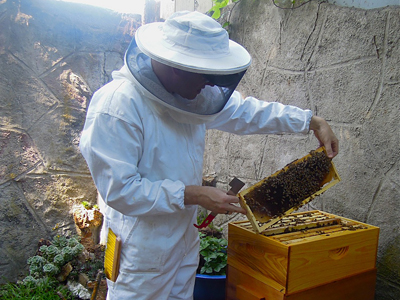
window.__IS_SSR__=true
window.__INITIAL_STATE__={
"attachmentsReducer": {
"audio_0": {
"type": "attachments",
"id": "audio_0",
"imgSizes": {
"kqedFullSize": {
"file": "https://ww2.kqed.org/news/wp-content/themes/KQED-unified/img/audio_bgs/background0.jpg"
}
}
},
"audio_1": {
"type": "attachments",
"id": "audio_1",
"imgSizes": {
"kqedFullSize": {
"file": "https://ww2.kqed.org/news/wp-content/themes/KQED-unified/img/audio_bgs/background1.jpg"
}
}
},
"audio_2": {
"type": "attachments",
"id": "audio_2",
"imgSizes": {
"kqedFullSize": {
"file": "https://ww2.kqed.org/news/wp-content/themes/KQED-unified/img/audio_bgs/background2.jpg"
}
}
},
"audio_3": {
"type": "attachments",
"id": "audio_3",
"imgSizes": {
"kqedFullSize": {
"file": "https://ww2.kqed.org/news/wp-content/themes/KQED-unified/img/audio_bgs/background3.jpg"
}
}
},
"audio_4": {
"type": "attachments",
"id": "audio_4",
"imgSizes": {
"kqedFullSize": {
"file": "https://ww2.kqed.org/news/wp-content/themes/KQED-unified/img/audio_bgs/background4.jpg"
}
}
},
"placeholder": {
"type": "attachments",
"id": "placeholder",
"imgSizes": {
"thumbnail": {
"file": "https://cdn.kqed.org/wp-content/uploads/2024/12/KQED-Default-Image-816638274-2000x1333-1-160x107.jpg",
"width": 160,
"height": 107,
"mimeType": "image/jpeg"
},
"medium": {
"file": "https://cdn.kqed.org/wp-content/uploads/2024/12/KQED-Default-Image-816638274-2000x1333-1-800x533.jpg",
"width": 800,
"height": 533,
"mimeType": "image/jpeg"
},
"medium_large": {
"file": "https://cdn.kqed.org/wp-content/uploads/2024/12/KQED-Default-Image-816638274-2000x1333-1-768x512.jpg",
"width": 768,
"height": 512,
"mimeType": "image/jpeg"
},
"large": {
"file": "https://cdn.kqed.org/wp-content/uploads/2024/12/KQED-Default-Image-816638274-2000x1333-1-1020x680.jpg",
"width": 1020,
"height": 680,
"mimeType": "image/jpeg"
},
"1536x1536": {
"file": "https://cdn.kqed.org/wp-content/uploads/2024/12/KQED-Default-Image-816638274-2000x1333-1-1536x1024.jpg",
"width": 1536,
"height": 1024,
"mimeType": "image/jpeg"
},
"fd-lrg": {
"file": "https://cdn.kqed.org/wp-content/uploads/2024/12/KQED-Default-Image-816638274-2000x1333-1-1536x1024.jpg",
"width": 1536,
"height": 1024,
"mimeType": "image/jpeg"
},
"fd-med": {
"file": "https://cdn.kqed.org/wp-content/uploads/2024/12/KQED-Default-Image-816638274-2000x1333-1-1020x680.jpg",
"width": 1020,
"height": 680,
"mimeType": "image/jpeg"
},
"fd-sm": {
"file": "https://cdn.kqed.org/wp-content/uploads/2024/12/KQED-Default-Image-816638274-2000x1333-1-800x533.jpg",
"width": 800,
"height": 533,
"mimeType": "image/jpeg"
},
"post-thumbnail": {
"file": "https://cdn.kqed.org/wp-content/uploads/2024/12/KQED-Default-Image-816638274-2000x1333-1-672x372.jpg",
"width": 672,
"height": 372,
"mimeType": "image/jpeg"
},
"twentyfourteen-full-width": {
"file": "https://cdn.kqed.org/wp-content/uploads/2024/12/KQED-Default-Image-816638274-2000x1333-1-1038x576.jpg",
"width": 1038,
"height": 576,
"mimeType": "image/jpeg"
},
"xxsmall": {
"file": "https://cdn.kqed.org/wp-content/uploads/2024/12/KQED-Default-Image-816638274-2000x1333-1-160x107.jpg",
"width": 160,
"height": 107,
"mimeType": "image/jpeg"
},
"xsmall": {
"file": "https://cdn.kqed.org/wp-content/uploads/2024/12/KQED-Default-Image-816638274-2000x1333-1-672x372.jpg",
"width": 672,
"height": 372,
"mimeType": "image/jpeg"
},
"small": {
"file": "https://cdn.kqed.org/wp-content/uploads/2024/12/KQED-Default-Image-816638274-2000x1333-1-672x372.jpg",
"width": 672,
"height": 372,
"mimeType": "image/jpeg"
},
"xlarge": {
"file": "https://cdn.kqed.org/wp-content/uploads/2024/12/KQED-Default-Image-816638274-2000x1333-1-1020x680.jpg",
"width": 1020,
"height": 680,
"mimeType": "image/jpeg"
},
"full-width": {
"file": "https://cdn.kqed.org/wp-content/uploads/2024/12/KQED-Default-Image-816638274-2000x1333-1-1920x1280.jpg",
"width": 1920,
"height": 1280,
"mimeType": "image/jpeg"
},
"guest-author-32": {
"file": "https://cdn.kqed.org/wp-content/uploads/2025/01/KQED-Default-Image-816638274-1333x1333-1-160x160.jpg",
"width": 32,
"height": 32,
"mimeType": "image/jpeg"
},
"guest-author-50": {
"file": "https://cdn.kqed.org/wp-content/uploads/2025/01/KQED-Default-Image-816638274-1333x1333-1-160x160.jpg",
"width": 50,
"height": 50,
"mimeType": "image/jpeg"
},
"guest-author-64": {
"file": "https://cdn.kqed.org/wp-content/uploads/2025/01/KQED-Default-Image-816638274-1333x1333-1-160x160.jpg",
"width": 64,
"height": 64,
"mimeType": "image/jpeg"
},
"guest-author-96": {
"file": "https://cdn.kqed.org/wp-content/uploads/2025/01/KQED-Default-Image-816638274-1333x1333-1-160x160.jpg",
"width": 96,
"height": 96,
"mimeType": "image/jpeg"
},
"guest-author-128": {
"file": "https://cdn.kqed.org/wp-content/uploads/2025/01/KQED-Default-Image-816638274-1333x1333-1-160x160.jpg",
"width": 128,
"height": 128,
"mimeType": "image/jpeg"
},
"detail": {
"file": "https://cdn.kqed.org/wp-content/uploads/2025/01/KQED-Default-Image-816638274-1333x1333-1-160x160.jpg",
"width": 160,
"height": 160,
"mimeType": "image/jpeg"
},
"kqedFullSize": {
"file": "https://cdn.kqed.org/wp-content/uploads/2024/12/KQED-Default-Image-816638274-2000x1333-1.jpg",
"width": 2000,
"height": 1333
}
}
},
"bayareabites_60184": {
"type": "attachments",
"id": "bayareabites_60184",
"meta": {
"index": "attachments_1716263798",
"site": "bayareabites",
"id": "60184",
"found": true
},
"parent": 60015,
"imgSizes": {
"kqedFullSize": {
"file": "https://ww2.kqed.org/app/uploads/sites/24/2013/04/Langstroth-frame400x300.jpg",
"width": 400,
"height": 300
}
},
"publishDate": 1366234413,
"modified": 1366234413,
"caption": null,
"description": null,
"title": "Langstroth-frame400x300",
"credit": null,
"status": "inherit",
"isLoading": false,
"fetchFailed": false
},
"bayareabites_58788": {
"type": "attachments",
"id": "bayareabites_58788",
"meta": {
"index": "attachments_1716263798",
"site": "bayareabites",
"id": "58788",
"found": true
},
"parent": 58787,
"imgSizes": {
"kqedFullSize": {
"file": "https://ww2.kqed.org/app/uploads/sites/24/2013/03/ap100322112986-9188eadeb3c1e910451ce408d08eaf0e6af3f943.jpg",
"width": 200,
"height": 149
}
},
"publishDate": 1364260929,
"modified": 1364260929,
"caption": null,
"description": "Workers clear honey from dead beehives at a bee farm east of Merced, Calif.",
"title": "Workers clear honey from dead beehives at a bee farm east of Merced, Calif.",
"credit": null,
"status": "inherit",
"isLoading": false,
"fetchFailed": false
},
"bayareabites_58731": {
"type": "attachments",
"id": "bayareabites_58731",
"meta": {
"index": "attachments_1716263798",
"site": "bayareabites",
"id": "58731",
"found": true
},
"parent": 58730,
"imgSizes": {
"kqedFullSize": {
"file": "https://ww2.kqed.org/app/uploads/sites/24/2013/03/istock_000008966528medium-41f30f2486a65f385a49e076826cd712e07c242d.jpg",
"width": 200,
"height": 149
}
},
"publishDate": 1364159821,
"modified": 1364159821,
"caption": null,
"description": "Backyard chickens can be a great hobby. They can also spread disease.",
"title": "Backyard chickens can be a great hobby. They can also spread disease.",
"credit": null,
"status": "inherit",
"isLoading": false,
"fetchFailed": false
},
"bayareabites_54238": {
"type": "attachments",
"id": "bayareabites_54238",
"meta": {
"index": "attachments_1716263798",
"site": "bayareabites",
"id": "54238",
"found": true
},
"parent": 54237,
"imgSizes": {
"kqedFullSize": {
"file": "https://ww2.kqed.org/app/uploads/sites/24/2013/01/rooftopfarm_wide-b96fb6cee1da51c7e25a8745fc887a1e5d86d2e5.jpg",
"width": 200,
"height": 112
}
},
"publishDate": 1357773660,
"modified": 1357773660,
"caption": null,
"description": "Uncommon Ground, a \u003ca href=\"http://www.uncommonground.com/pages/organic_roof_top_farm_home/200.php\">certified green\u003c/a> restaurant in Chicago, hosts an organic farm on its rooftop.",
"title": "Uncommon Ground, a certified green restaurant in Chicago, hosts an organic farm on its rooftop.",
"credit": null,
"status": "inherit",
"isLoading": false,
"fetchFailed": false
},
"bayareabites_51820": {
"type": "attachments",
"id": "bayareabites_51820",
"meta": {
"index": "attachments_1716263798",
"site": "bayareabites",
"id": "51820",
"found": true
},
"parent": 51782,
"imgSizes": {
"kqedFullSize": {
"file": "https://ww2.kqed.org/app/uploads/sites/24/2012/11/BAB_AlisonYin_RebeccaKaplan400x300.jpg",
"width": 400,
"height": 300
}
},
"publishDate": 1353567199,
"modified": 1353567199,
"caption": null,
"description": null,
"title": "BAB_AlisonYin_RebeccaKaplan400x300",
"credit": null,
"status": "inherit",
"isLoading": false,
"fetchFailed": false
},
"bayareabites_50396": {
"type": "attachments",
"id": "bayareabites_50396",
"meta": {
"index": "attachments_1716263798",
"site": "bayareabites",
"id": "50396",
"found": true
},
"parent": 50384,
"imgSizes": {
"kqedFullSize": {
"file": "https://ww2.kqed.org/app/uploads/sites/24/2012/10/pickled-pepper-9.jpg",
"width": 1000,
"height": 808
}
},
"publishDate": 1351231755,
"modified": 1351231755,
"caption": null,
"description": null,
"title": "pickled-pepper-9",
"credit": null,
"status": "inherit",
"isLoading": false,
"fetchFailed": false
},
"bayareabites_49615": {
"type": "attachments",
"id": "bayareabites_49615",
"meta": {
"index": "attachments_1716263798",
"site": "bayareabites",
"id": "49615",
"found": true
},
"parent": 49611,
"imgSizes": {
"kqedFullSize": {
"file": "https://ww2.kqed.org/app/uploads/sites/24/2012/10/1_heirlooms_Marla-Aufmuth.jpg",
"width": 1000,
"height": 667
}
},
"publishDate": 1349161020,
"modified": 1349161020,
"caption": null,
"description": null,
"title": "Heirlooms at Expo",
"credit": null,
"status": "inherit",
"isLoading": false,
"fetchFailed": false
},
"bayareabites_48834": {
"type": "attachments",
"id": "bayareabites_48834",
"meta": {
"index": "attachments_1716263798",
"site": "bayareabites",
"id": "48834",
"found": true
},
"parent": 48819,
"imgSizes": {
"kqedFullSize": {
"file": "https://ww2.kqed.org/app/uploads/sites/24/2012/09/aileen-suzara1.jpg",
"width": 400,
"height": 513
}
},
"publishDate": 1347588823,
"modified": 1347588823,
"caption": null,
"description": null,
"title": "aileen suzara",
"credit": null,
"status": "inherit",
"isLoading": false,
"fetchFailed": false
},
"bayareabites_45495": {
"type": "attachments",
"id": "bayareabites_45495",
"meta": {
"index": "attachments_1716263798",
"site": "bayareabites",
"id": "45495",
"found": true
},
"parent": 45422,
"imgSizes": {
"kqedFullSize": {
"file": "https://ww2.kqed.org/app/uploads/sites/24/2012/07/MedlockAmes_11.jpg",
"width": 525,
"height": 700
}
},
"publishDate": 1341337057,
"modified": 1341337057,
"caption": null,
"description": null,
"title": "Alexander Valley Bar Photo by Joe Fletcher",
"credit": null,
"status": "inherit",
"isLoading": false,
"fetchFailed": false
},
"bayareabites_44977": {
"type": "attachments",
"id": "bayareabites_44977",
"meta": {
"index": "attachments_1716263798",
"site": "bayareabites",
"id": "44977",
"found": true
},
"parent": 44839,
"imgSizes": {
"kqedFullSize": {
"file": "https://ww2.kqed.org/app/uploads/sites/24/2012/06/Yasmin_Eli_Africa-2.jpeg",
"width": 500,
"height": 375
}
},
"publishDate": 1340557207,
"modified": 1340557207,
"caption": null,
"description": null,
"title": "Yasmin ",
"credit": null,
"status": "inherit",
"isLoading": false,
"fetchFailed": false
},
"bayareabites_44478": {
"type": "attachments",
"id": "bayareabites_44478",
"meta": {
"index": "attachments_1716263798",
"site": "bayareabites",
"id": "44478",
"found": true
},
"parent": 44474,
"imgSizes": {
"kqedFullSize": {
"file": "https://ww2.kqed.org/app/uploads/sites/24/2012/06/IMG_2167.jpg",
"width": 800,
"height": 533
}
},
"publishDate": 1339699023,
"modified": 1339699023,
"caption": null,
"description": null,
"title": "Chilled Asparagus Soup",
"credit": null,
"status": "inherit",
"isLoading": false,
"fetchFailed": false
}
},
"audioPlayerReducer": {
"postId": "stream_live",
"isPaused": true,
"isPlaying": false,
"pfsActive": false,
"pledgeModalIsOpen": true,
"playerDrawerIsOpen": false,
"liveAudioPlayStartedAt": 0,
"liveAudioPlayContext": ""
},
"authorsReducer": {
"byline_bayareabites_58787": {
"type": "authors",
"id": "byline_bayareabites_58787",
"meta": {
"override": true
},
"slug": "byline_bayareabites_58787",
"name": "Dan Charles",
"isLoading": false
},
"byline_bayareabites_58730": {
"type": "authors",
"id": "byline_bayareabites_58730",
"meta": {
"override": true
},
"slug": "byline_bayareabites_58730",
"name": "Nancy Shute",
"isLoading": false
},
"byline_bayareabites_58570": {
"type": "authors",
"id": "byline_bayareabites_58570",
"meta": {
"override": true
},
"slug": "byline_bayareabites_58570",
"name": "Camila Domonoske",
"isLoading": false
},
"byline_bayareabites_54237": {
"type": "authors",
"id": "byline_bayareabites_54237",
"meta": {
"override": true
},
"slug": "byline_bayareabites_54237",
"name": "Sarah Zielinski",
"isLoading": false
},
"maryladd": {
"type": "authors",
"id": "5092",
"meta": {
"index": "authors_1716337520",
"id": "5092",
"found": true
},
"name": "Mary Ladd",
"firstName": "Mary",
"lastName": "Ladd",
"slug": "maryladd",
"email": "writereadeat@gmail.com",
"display_author_email": false,
"staff_mastheads": [],
"title": null,
"bio": "Mary Ladd is a freelance writer and event professional based in her hometown of San Francisco. Her writing has been featured in SF Weekly, Tasting Table, the San Francisco Chronicle and elsewhere. She has shuttled \u003ca href=\"http://sf.eater.com/archives/2009/03/26/eater_map_mr_bourdains_san_francisco_whereabouts.php\">Anthony Bourdain\u003c/a> around town and mastered the art of properly loading a catering van in a flash. Mary has eaten the world’s hottest burger and loves to cook and eat. Follow her at \u003ca href=\"https://twitter.com/mladdfood\">@mladdfood\u003c/a>",
"avatar": "https://secure.gravatar.com/avatar/dab53b49e4e893d0d1e6a7ec6ed29e27?s=600&d=blank&r=g",
"twitter": "mladdfood",
"facebook": null,
"instagram": null,
"linkedin": null,
"sites": [
{
"site": "bayareabites",
"roles": [
"contributor"
]
}
],
"headData": {
"title": "Mary Ladd | KQED",
"description": null,
"ogImgSrc": "https://secure.gravatar.com/avatar/dab53b49e4e893d0d1e6a7ec6ed29e27?s=600&d=blank&r=g",
"twImgSrc": "https://secure.gravatar.com/avatar/dab53b49e4e893d0d1e6a7ec6ed29e27?s=600&d=blank&r=g"
},
"isLoading": false,
"link": "/author/maryladd"
},
"annamindess": {
"type": "authors",
"id": "5283",
"meta": {
"index": "authors_1716337520",
"id": "5283",
"found": true
},
"name": "Anna Mindess",
"firstName": "Anna",
"lastName": "Mindess",
"slug": "annamindess",
"email": "amindess@aol.com",
"display_author_email": false,
"staff_mastheads": [],
"title": "KQED Contributor",
"bio": "My passion is exploring the connections between food, travel and culture. I am a regular contributor to AFAR, Edible East Bay Magazine, Oakland Magazine, Berkeleyside's NOSH and other publications. I usually take a route that's slightly off the beaten path, like \u003ca href=\"http://edibleeastbay.com/online-magazine/fall-harvest-2017/fun-with-food-insults/\">collecting food-related insults\u003c/a> around the world or \u003ca href=\"https://www.afar.com/magazine/what-i-learned-hawking-sweet-potatoes-with-a-street-vendor-in-taiwan?email=amindess%40aol.com&utm_source=Sailthru&utm_medium=email&utm_campaign=Doctors%20Without%20Borders&utm_term=Daily%20Wander%20Newsletter\">volunteering with a Sweet Potato Mama\u003c/a> (street food seller) in Tapei.\r\n\r\nCulture is the thread that ties together my several careers. I also work as a sign language interpreter, educator and author. My study of Deaf culture has taken me around the world, where I am always on a quest to find Deaf-owned restaurants. I love making connections between my different worlds, for example in this AFAR story where I share \u003ca href=\"https://www.afar.com/magazine/tips-from-a-sign-language-interpreter-for-overcoming-language-barriers\">tips for communicating across cultures\u003c/a> that I learned from the real experts, Deaf people. Or this \u003ca href=\"http://edibleeastbay.com/online-magazine/fall-harvest-2017/deaf-chefs-compete/\">profile of a Deaf chef and culinary arts instructor\u003c/a> at the California School for the Deaf.\r\n\r\nTo see my visual/edible take on the world, follow me on Instagram: \u003ca href=\"https://www.instagram.com/annamindess/\">annamindess. \u003c/a>\r\n\r\nFor more of my stories: visit Contently \u003ca href=\"http://annamindess.contently.com\">annamindess.contently.com\u003c/a>",
"avatar": "https://secure.gravatar.com/avatar/23c79f04bf3d58b2e727d35ca471d184e8945f6ed82e41a0c062eab5e7dc2bb5?s=600&d=blank&r=g",
"twitter": null,
"bluesky": null,
"facebook": null,
"instagram": null,
"linkedin": null,
"sites": [
{
"site": "arts",
"roles": [
"subscriber"
]
},
{
"site": "bayareabites",
"roles": [
"author"
]
},
{
"site": "food",
"roles": [
"contributor"
]
}
],
"headData": {
"title": "Anna Mindess | KQED",
"description": "KQED Contributor",
"ogImgSrc": "https://secure.gravatar.com/avatar/23c79f04bf3d58b2e727d35ca471d184e8945f6ed82e41a0c062eab5e7dc2bb5?s=600&d=blank&r=g",
"twImgSrc": "https://secure.gravatar.com/avatar/23c79f04bf3d58b2e727d35ca471d184e8945f6ed82e41a0c062eab5e7dc2bb5?s=600&d=blank&r=g"
},
"isLoading": false,
"link": "/author/annamindess"
},
"jerryjamesstone": {
"type": "authors",
"id": "5362",
"meta": {
"index": "authors_1716337520",
"id": "5362",
"found": true
},
"name": "Jerry James Stone",
"firstName": "Jerry James",
"lastName": "Stone",
"slug": "jerryjamesstone",
"email": "mail@jerryjamesstone.com",
"display_author_email": false,
"staff_mastheads": [],
"title": null,
"bio": "Car and technology writer for Discovery Channel and the producer and main recipe developer for TreeHugger's Green Wine Guide. I also contribute regularly to MAKE magazine. You can also find my work at The Atlantic, Digg.com and Fodor's Travel Guides.\r\nI studied Computer Engineering at Cal Poly in San Luis Obispo, CA. During my time there I was a DJ at the campus radio station KCPR and I also wrote for the campus paper, Mustang Daily.\r\nI am currently launching a social media startup called Trak.ly\r\n\r\nFollow me on Twitter \u003ca href=\"https://twitter.com/#!/jerryjamesstone\">@jerryjamesstone\u003c/a> and \u003ca href=\"http://www.facebook.com/jerryjamesstone\">Facebook\u003c/a>.",
"avatar": "https://secure.gravatar.com/avatar/9dcb39fc002d2308373954dd19c372df?s=600&d=blank&r=g",
"twitter": "jerryjamesstone",
"facebook": "jerryjamesstone",
"instagram": null,
"linkedin": null,
"sites": [
{
"site": "bayareabites",
"roles": [
"contributor"
]
},
{
"site": "food",
"roles": [
"contributor"
]
}
],
"headData": {
"title": "Jerry James Stone | KQED",
"description": null,
"ogImgSrc": "https://secure.gravatar.com/avatar/9dcb39fc002d2308373954dd19c372df?s=600&d=blank&r=g",
"twImgSrc": "https://secure.gravatar.com/avatar/9dcb39fc002d2308373954dd19c372df?s=600&d=blank&r=g"
},
"isLoading": false,
"link": "/author/jerryjamesstone"
},
"mariafinn": {
"type": "authors",
"id": "5371",
"meta": {
"index": "authors_1716337520",
"id": "5371",
"found": true
},
"name": "Maria Finn",
"firstName": "Maria",
"lastName": "Finn",
"slug": "mariafinn",
"email": "mariafinn@mac.com",
"display_author_email": false,
"staff_mastheads": [],
"title": null,
"bio": "Maria Finn lives on a floating houseboat in Sausalito, where she grows a rooftop container garden, despite the salty winds. She’s the author of the book, \u003ca href=\"http://www.bookpassage.com/book/9780789320278\">“A Little Piece of Earth, How to Grow Your Own Food in Small Spaces\u003c/a>” (Rizzoli, 2010), and the memoir, \u003ca href=\"http://www.bookpassage.com/book/9781565125179\">“Hold Me Tight and Tango Me Home”\u003c/a> (Algonquin Books, 2010) , which is in development for a television series with Fox Studios. Her novel-in-progress, “Sea Legs and Fish Nets,” loosely based on her experiences working on an all female fishing boat in Alaska, is a finalist for the Pen/Bellwether Prize, founded by Barbara Kingsolver for novels that address issues of social justice. She writes for Sunset Magazine, Afar Magazine, The Wall Street Journal, and many other publications. Visit her website at \u003ca href=\"http://www.mariafinn.com/\">mariafinn.com\u003c/a> and follow her on Twitter \u003ca href=\"https://twitter.com/#!/mariafinn\">@mariafinn\u003c/a>.",
"avatar": "https://secure.gravatar.com/avatar/7665bb99151400dc3a28510892795cd9?s=600&d=blank&r=g",
"twitter": null,
"facebook": null,
"instagram": null,
"linkedin": null,
"sites": [
{
"site": "bayareabites",
"roles": [
"contributor"
]
}
],
"headData": {
"title": "Maria Finn | KQED",
"description": null,
"ogImgSrc": "https://secure.gravatar.com/avatar/7665bb99151400dc3a28510892795cd9?s=600&d=blank&r=g",
"twImgSrc": "https://secure.gravatar.com/avatar/7665bb99151400dc3a28510892795cd9?s=600&d=blank&r=g"
},
"isLoading": false,
"link": "/author/mariafinn"
},
"tildeherrera": {
"type": "authors",
"id": "5392",
"meta": {
"index": "authors_1716337520",
"id": "5392",
"found": true
},
"name": "Tilde Herrera",
"firstName": "Tilde",
"lastName": "Herrera",
"slug": "tildeherrera",
"email": "tildeherrera@gmail.com",
"display_author_email": false,
"staff_mastheads": [],
"title": null,
"bio": "Tilde Herrera is a San Francisco-based journalist who spends an inordinate amount of time plotting her next meal. Over the course of her career, she has reviewed restaurants, covered the commercial fishing industry in Florida and tracked the greening of mainstream Fortune 500 companies. Her work, covering food, business and sustainability, has appeared at the San Francisco Chronicle, Grist and GreenBiz, among others.",
"avatar": "https://secure.gravatar.com/avatar/340b8d764ecd1b4acd8f9989b6523095?s=600&d=blank&r=g",
"twitter": null,
"facebook": null,
"instagram": null,
"linkedin": null,
"sites": [
{
"site": "bayareabites",
"roles": [
"contributor"
]
}
],
"headData": {
"title": "Tilde Herrera | KQED",
"description": null,
"ogImgSrc": "https://secure.gravatar.com/avatar/340b8d764ecd1b4acd8f9989b6523095?s=600&d=blank&r=g",
"twImgSrc": "https://secure.gravatar.com/avatar/340b8d764ecd1b4acd8f9989b6523095?s=600&d=blank&r=g"
},
"isLoading": false,
"link": "/author/tildeherrera"
}
},
"pagesReducer": {
"bayareabites_category_gardening-and-urban-farming": {
"type": "terms",
"id": "bayareabites_2554",
"meta": {
"index": "terms_1716263798",
"site": "bayareabites",
"id": "2554",
"score": 13.89634
},
"featImg": null,
"name": "gardening and urban farming",
"description": null,
"taxonomy": "category",
"headData": {
"twImgId": null,
"twTitle": null,
"ogTitle": null,
"ogImgId": null,
"twDescription": null,
"description": null,
"title": "gardening and urban farming Archives | KQED Bay Area Bites",
"ogDescription": null
},
"ttid": 1016,
"slug": "gardening-and-urban-farming",
"isLoading": false,
"title": "gardening and urban farming",
"pageMeta": {
"site": "bayareabites",
"WpPageTemplate": "page-topic-editorial",
"currentPage": 8
},
"blocks": [
{
"blockName": "kqed/post-list",
"attrs": {
"layout": "cardArticle2",
"query": "posts/bayareabites?category=gardening-and-urban-farming",
"seeMore": false,
"paginated": true,
"page": 8
}
},
{
"blockName": "kqed/ad"
}
]
}
},
"pfsSessionReducer": {},
"postsReducer": {
"stream_live": {
"type": "live",
"id": "stream_live",
"audioUrl": "https://streams.kqed.org/kqedradio",
"title": "Live Stream",
"excerpt": "Live Stream information currently unavailable.",
"link": "/radio",
"featImg": "",
"label": {
"name": "KQED Live",
"link": "/"
}
},
"stream_kqedNewscast": {
"type": "posts",
"id": "stream_kqedNewscast",
"audioUrl": "https://www.kqed.org/.stream/anon/radio/RDnews/newscast.mp3?_=1",
"title": "KQED Newscast",
"featImg": "",
"label": {
"name": "88.5 FM",
"link": "/"
}
},
"bayareabites_60015": {
"type": "posts",
"id": "bayareabites_60015",
"meta": {
"index": "posts_1716263798",
"site": "bayareabites",
"id": "60015",
"score": null,
"sort": [
1366236152000
]
},
"parent": 0,
"labelTerm": {
"site": "bayareabites"
},
"blocks": [],
"publishDate": 1366236152,
"format": "aside",
"disqusTitle": "Heard the Buzz on Backyard Beekeeping? ",
"title": "Heard the Buzz on Backyard Beekeeping? ",
"headTitle": "Bay Area Bites | KQED Food",
"content": "\u003cfigure id=\"attachment_60030\" class=\"wp-caption aligncenter\" style=\"max-width: 1000px\">\u003ca href=\"http://ww2.kqed.org/bayareabites/wp-content/uploads/sites/24/2013/04/bee-flower-feast.jpg\">\u003cimg src=\"http://ww2.kqed.org/bayareabites/wp-content/uploads/sites/24/2013/04/bee-flower-feast.jpg\" alt=\"honey bee\" width=\"1000\" height=\"972\" class=\"size-full wp-image-60030\">\u003c/a>\u003cfigcaption class=\"wp-caption-text\">honey bee\u003c/figcaption>\u003c/figure>\n\u003cp>Do you dream of harvesting your own super-local honey to drizzle on your breakfast bread? Wonder how hard it is to keep bees and how to start? \u003cstrong>Bay Area Bites\u003c/strong> interviewed some East Bay beekeepers and collected a swarm of resources listed at the end of this post. Considering the seasonal cycle of bees, spring is the perfect time to take off on this new adventure.\u003c/p>\n\u003cfigure id=\"attachment_60020\" class=\"wp-caption aligncenter\" style=\"max-width: 1000px\">\u003ca href=\"http://ww2.kqed.org/bayareabites/wp-content/uploads/sites/24/2013/04/Nina-Mark-and-hive.jpg\">\u003cimg src=\"http://ww2.kqed.org/bayareabites/wp-content/uploads/sites/24/2013/04/Nina-Mark-and-hive.jpg\" alt=\"Nina, Mark and Langstroth hive\" width=\"1000\" height=\"762\" class=\"size-full wp-image-60020\">\u003c/a>\u003cfigcaption class=\"wp-caption-text\">Nina, Mark and Langstroth hive\u003c/figcaption>\u003c/figure>\n\u003cp>Before they got their bees, Nina Carter’s and Mark Hogenson’s apple tree produced a measly five apples, the next year, after they set up a \u003ca href=\"http://en.wikipedia.org/wiki/Langstroth_hive\">Langstroth hive\u003c/a> in their Oakland garden, their tree showered them with hundreds of apples. (And their neighbor’s plum tree had so many plums they had to help her pick them and make jam).\u003cbr>\n(This brings up a good point in beekeeping etiquette: ask--or at least alert--your neighbors about the new brood that will be moving in.)\u003c/p>\n\u003cp>\u003cstrong>BAB: Did you have a learning curve?\u003c/strong>\u003c/p>\n\u003cp>\u003cstrong>Nina:\u003c/strong> Actually, our first hive failed because we weren’t controlling for Varroa mites. We were following a holistic approach and thought the bees would adapt. They were thriving for six months and then became sickly and after two weeks just disappeared. Bees have this altruistic behavior, when they get infected they fly away to protect the hive.\u003c/p>\n\u003cp>\u003cstrong>Mark:\u003c/strong> It was disappointing, but we got advice from experienced beekeepers on several options to deal with mites. One way is to cover the bees with powdered sugar. Since they are very hygienic, that makes them completely clean themselves and they get rid of the tiny mites they might not have realized were eating a hole in their sides. \u003c/p>\n\u003cp>[ad fullwidth]\u003c/p>\n\u003cp>“There’s a saying in the bee community,” Mark adds with a rueful smile, “If you want to know anything about beekeeping, ask a second year beekeeper.”\u003c/p>\n\u003cp>\u003cstrong>So where did you get your next round of bees?\u003c/strong>\u003c/p>\n\u003cp>\u003cstrong>Mark:\u003c/strong> We got one swarm and one “cut–out,” which means that the bees had invaded an interior wall belonging to--we were told--\u003ca href=\"http://www.spiritrock.org/\">Spirit Rock Meditation Center\u003c/a>. Actually, those bees weren’t too productive, perhaps due to the change in the environment between Marin and Oakland.\u003c/p>\n\u003cp>\u003cstrong>What is it like to keep bees?\u003c/strong>\u003c/p>\n\u003cp>\u003cstrong>Nina:\u003c/strong> Fascinating and therapeutic. We’re in love with them. It’s kind of like having a new baby. We work at home as computer consultants and can just watch the bees and appreciate the scents of honey and beeswax.\u003c/p>\n\u003cfigure id=\"attachment_60028\" class=\"wp-caption aligncenter\" style=\"max-width: 1000px\">\u003ca href=\"http://ww2.kqed.org/bayareabites/wp-content/uploads/sites/24/2013/04/Langstroth-frame1.jpg\">\u003cimg src=\"http://ww2.kqed.org/bayareabites/wp-content/uploads/sites/24/2013/04/Langstroth-frame1.jpg\" alt=\"Langstroth frame\" width=\"1000\" height=\"858\" class=\"size-full wp-image-60028\">\u003c/a>\u003cfigcaption class=\"wp-caption-text\">Langstroth frame\u003c/figcaption>\u003c/figure>\n\u003cp>\u003cstrong>How much honey do you get?\u003c/strong>\u003c/p>\n\u003cp>\u003cstrong>Mark:\u003c/strong> Last year, we got 150 pounds of honey from one hive and now we’re thinking about selling some. (We’re talking with local storeowners about carrying this super local product. We call it \u003ca href=\"https://www.facebook.com/RockridgeHoney?fref=ts\">Rockridge Honey\u003c/a>. We also make a salve and lip balm from the beeswax.)\u003c/p>\n\u003cp>\u003cstrong>Any advice for beginning beekeepers?\u003c/strong>\u003c/p>\n\u003cp>\u003cstrong>Nina:\u003c/strong> When you’re just starting, you hear a lot of rumors and contradictory stories about what you should do and it’s hard to know who to believe. We did research for a year before we got our hives and read a lot.\u003c/p>\n\u003cp>\u003cstrong>Mark:\u003c/strong> I would start with two hives so if any problems arise, you can compare them. \u003ca href=\"http://alamedabees.org/\">The Alameda County Beekeepers Association\u003c/a> has a lot of resources and taking a hands-on class helped; in it we also learned about the lifecycle and timing of beehive management. Every few weeks, you have to check and see if the bees have enough room, if not you need to get more boxes (called supers). You use a smoker so you can calm the bees before you approach. You want to get them out of the way before you lift a frame so that you don’t crush any of them.\u003c/p>\n\u003cp>\u003cstrong>Nina:\u003c/strong> If we can, we are always going to have hives. They help us to be more in harmony with the environment.\u003c/p>\n\u003cfigure id=\"attachment_60021\" class=\"wp-caption aligncenter\" style=\"max-width: 1000px\">\u003ca href=\"http://ww2.kqed.org/bayareabites/wp-content/uploads/sites/24/2013/04/Ruby-Blumes-stairs.jpg\">\u003cimg src=\"http://ww2.kqed.org/bayareabites/wp-content/uploads/sites/24/2013/04/Ruby-Blumes-stairs.jpg\" alt=\"Ruby Blume designed and made these stairs \" width=\"1000\" height=\"750\" class=\"size-full wp-image-60021\">\u003c/a>\u003cfigcaption class=\"wp-caption-text\">Ruby Blume designed and made these stairs\u003c/figcaption>\u003c/figure>\n\u003cp>Ruby Blume has kept bees since 1997. It wasn’t a conscious decision on her part; someone dropped off a Top Bar style beehive in her garden, showed her how to manage it and then just disappeared. Now Blume, whose license plate reads BEE GRRL, teaches beginning and advanced beekeeping classes at \u003ca href=\"http://www.iuhoakland.com/\">The Institute of Urban Homesteading\u003c/a>. The classes focus on “how to keep bees naturally” without the use of chemicals or sugar-water and promote \u003ca href=\"http://en.wikipedia.org/wiki/Top-bar_hive\">the Top Bar system\u003c/a> (an alternative to the Langstroth hive) for the small-scale backyard beekeeper. Even Blume’s allergy to bee stings has not prevented her from keeping bees.\u003c/p>\n\u003cfigure id=\"attachment_60022\" class=\"wp-caption aligncenter\" style=\"max-width: 1000px\">\u003ca href=\"http://ww2.kqed.org/bayareabites/wp-content/uploads/sites/24/2013/04/Ruby-Blume.jpg\">\u003cimg src=\"http://ww2.kqed.org/bayareabites/wp-content/uploads/sites/24/2013/04/Ruby-Blume.jpg\" alt=\"Ruby Blume and Top bar hive\" width=\"1000\" height=\"794\" class=\"size-full wp-image-60022\">\u003c/a>\u003cfigcaption class=\"wp-caption-text\">Ruby Blume and Top bar hive\u003c/figcaption>\u003c/figure>\n\u003cp>\u003cstrong>Why do you raise bees?\u003c/strong>\u003c/p>\n\u003cp>I love bees. I get an incredible sense of joy hanging out with them and feeling their exuberant energy. It’s a privilege to learn from them and through them I am more connected to nature’s cycles and seasons. Bees have such an elegant way of working together and being in concert with nature. They are amazing, highly evolved and, next to humans, the most studied species on earth. It’s easy to get started in beekeeping, yet after 16 years I am still learning!\u003c/p>\n\u003cp>\u003cstrong>How did you decide to use the Top Bar system?\u003c/strong>\u003c/p>\n\u003cp>Partly because it is what I learned on and what I am comfortable with. But also because it allows the bees to build their comb naturally, instead of on pre-imprinted frames, which manipulates the way they build. I trust that bees know what they are doing—after all they have been doing it for millions of years perfectly well without us.\u003c/p>\n\u003cp>\u003cstrong>What are some advantages of the Top Bar System?\u003c/strong>\u003c/p>\n\u003cp>If you let bees build natural combs, with smaller cells, it inhibits mites and then there is no need to treat them with pharmaceuticals. I also find the system to be much easier on my body as a beekeeper [full Langstroth boxes often weigh 50 pounds] and to require much less maintenance. Plus you can build a top bar hive yourself at a fraction of the cost of pre-fabricated boxes.\u003c/p>\n\u003cfigure id=\"attachment_60025\" class=\"wp-caption aligncenter\" style=\"max-width: 1000px\">\u003ca href=\"http://ww2.kqed.org/bayareabites/wp-content/uploads/sites/24/2013/04/top-bar-comb.jpg\">\u003cimg src=\"http://ww2.kqed.org/bayareabites/wp-content/uploads/sites/24/2013/04/top-bar-comb.jpg\" alt=\"top bar comb\" width=\"1000\" height=\"750\" class=\"size-full wp-image-60025\">\u003c/a>\u003cfigcaption class=\"wp-caption-text\">top bar comb\u003c/figcaption>\u003c/figure>\n\u003cp>\u003cstrong>What else do you do to keep bees naturally?\u003c/strong>\u003c/p>\n\u003cp>I don’t feed my bees sugar water in the winter. Instead I leave them enough of their own honey to survive. Honey is a much healthier food for the bees. It takes one bee her whole life to make 1/12 of a teaspoon of honey. Bees need one pound a day of honey to maintain themselves in the summer, plus in the Bay Area they need to put away about 30 pounds to last them through the winter. \u003c/p>\n\u003cp>A bee colony basically acts as a single organism. The inside of the hive is like a womb with its own flora and fauna—sugar, and chemical treatments like antibiotics upset this harmony. I know this might not be a popular perspective, but I believe that animals need to die off sometimes in order to build resistance in the entire colony. So if you treat for mites with pharmaceuticals, then the mites will become more resistant to them. You need to let those bees with weaker genetics cull themselves. Last winter was especially hard and I lost several colonies but with spring, there was a big boom in population. It was an uplifting spiritual feeling to see their resistance and the upwelling of life.\u003c/p>\n\u003cp>\u003cstrong>There has been a lot in the news about colony collapse disorder. Do beekeepers know what is causing that?\u003c/strong>\u003c/p>\n\u003cp>\u003ca href=\"http://science.time.com/2012/04/11/whats-the-buzz-study-links-pesticide-with-honeybee-collapse/\">Colony collapse\u003c/a> has been shown to be caused by specific pesticides that interrupt the bees’ ability to navigate. Bees use the sun and landmarks to navigate and then do a “bee dance” to tell other bees where flowers are. When exposed to these pesticides, they can’t find their way home. Of course there are many other factors within industrial apiculture that are impacting the health of our honeybees.\u003c/p>\n\u003cp>\u003cstrong>Are there any myths about bees that you would like to clear up?\u003c/strong>\u003c/p>\n\u003cp>Yes, a swarm of bees is never an “angry” swarm; it’s a reproductive behavior that happens in the spring when the bees sense it will be a good year with plenty of food. The queen leaves the hive with some of the bees to find a new home. The old colony stays and raises a new queen—in this way the bees “reproduce” and make more of themselves. And the male bees neither sting nor collect pollen, only females. Male bees’ main job is to mate with a virgin queen, a task he gives his life to, as he dies in the process of mating.\u003c/p>\n\u003cp>\u003cstrong>Anything else you’d like to share?\u003c/strong>\u003c/p>\n\u003cp>[ad floatright]\u003c/p>\n\u003cp>For urban beekeepers, two colonies are plenty for one yard; more than that and the bees will be competing for the limited supply of pollen and nectar. If we are to increase the number of urban beekeepers, we need more forage for the bees. If you want to be a friend to bees you don’t have to be a beekeeper, just plant more flowers! They especially like purple, white and yellow flowers; like lavender, poppies and sunflowers.\u003cbr>\nHere’s a \u003ca href=\"http://nature.berkeley.edu/urbanbeegardens/gbt.html\">list of bee friendly flowers\u003c/a>.\u003c/p>\n\u003col>\n\u003cstrong> Ruby’s advice for Becoming a Beginning Beekeeper\u003c/strong> \n\u003cli>Educate yourself by reading and taking classes and talking with other beekeepers.\u003c/li>\n\u003cli>Pick a system (Langstroth or Top Bar)\u003c/li>\n\u003cli>Procure bees (Pick one of the two options)\u003c/li>\n\u003c/ol>\u003cul>\n\u003cli>Buy a package with a one queen and few thousand worker bees (may be hard to find right now as most packaged bees are bought up in January)\u003c/li>\n\u003cli>Catch a swarm or take a split from an established beekeeper.\u003c/li>\n\u003c/ul>\n\u003cli>Get some protective gear so you feel comfortable and not afraid of getting stung: hat with veil, suit and gloves.\u003c/li>\n\u003cli>You’ll need a little equipment: a hive tool, a bee brush and a smoker.\u003cbr>\nThen plunge in!\u003c/li>\n\n\u003cul>\n\u003cstrong>Resources:\u003c/strong>\n\u003cli>\u003ca href=\"http://www.citybees.com/resources.htm\">City Bees\u003c/a>\u003c/li>\n\u003cli>\u003ca href=\"http://www.sfbee.org/\">San Francisco Beekeepers Association\u003c/a>\u003c/li>\n\u003cli>\u003ca href=\"http://www.sfbeecause.org/\">San Francisco Bee-Cause\u003c/a>\u003c/li>\n\u003cli>\u003ca href=\"http://alamedabees.org/\">Alameda County Beekeepers Association\u003c/a>\u003c/li>\n\u003cli>\u003ca href=\"http://www.iuhoakland.com/\">The Institute of Urban Homesteading\u003c/a> (Oakland)\u003c/li>\n\u003cli>\u003ca href=\"http://biofueloasis.com/workshops/\">BioFuel Oasis\u003c/a> (Berkeley)\u003c/li>\n\u003cli>\u003ca href=\"http://www.beekind.com/\">Bee Kind\u003c/a> (Sebastopol and San Francisco)\u003c/li>\n\u003cli>\u003ca href=\"http://www.sparkybeegirl.com/sbgframeset2.html\">Ruby Blume’s website\u003c/a> with many more resources\u003c/li>\n\u003c/ul>\n\n",
"disqusIdentifier": "60015 http://blogs.kqed.org/bayareabites/?p=60015",
"disqusUrl": "https://ww2.kqed.org/bayareabites/2013/04/17/heard-the-buzz-on-backyard-beekeeping/",
"stats": {
"hasVideo": false,
"hasChartOrMap": false,
"hasAudio": false,
"hasPolis": false,
"wordCount": 1728,
"hasGoogleForm": false,
"hasGallery": false,
"hasHearkenModule": false,
"iframeSrcs": [],
"paragraphCount": 34
},
"modified": 1366269454,
"excerpt": "Do you dream of harvesting your own super-local honey to drizzle on your breakfast bread? Wonder how hard it is to keep bees and how to start? Bay Area Bites interviewed some East Bay beekeepers and collected a swarm of resources.",
"headData": {
"twImgId": "",
"twTitle": "",
"ogTitle": "",
"ogImgId": "",
"twDescription": "",
"description": "Do you dream of harvesting your own super-local honey to drizzle on your breakfast bread? Wonder how hard it is to keep bees and how to start? Bay Area Bites interviewed some East Bay beekeepers and collected a swarm of resources.",
"title": "Heard the Buzz on Backyard Beekeeping? | KQED",
"ogDescription": "",
"schema": {
"@context": "https://schema.org",
"@type": "Article",
"headline": "Heard the Buzz on Backyard Beekeeping? ",
"datePublished": "2013-04-17T15:02:32-07:00",
"dateModified": "2013-04-18T00:17:34-07:00",
"image": "https://cdn.kqed.org/wp-content/uploads/2020/02/KQED-OG-Image@1x.png"
}
},
"guestAuthors": [],
"slug": "heard-the-buzz-on-backyard-beekeeping",
"status": "publish",
"path": "/bayareabites/60015/heard-the-buzz-on-backyard-beekeeping",
"audioTrackLength": null,
"parsedContent": [
{
"type": "contentString",
"content": "\u003cdiv class=\"post-body\">\u003cp>\u003cfigure id=\"attachment_60030\" class=\"wp-caption aligncenter\" style=\"max-width: 1000px\">\u003ca href=\"http://ww2.kqed.org/bayareabites/wp-content/uploads/sites/24/2013/04/bee-flower-feast.jpg\">\u003cimg src=\"http://ww2.kqed.org/bayareabites/wp-content/uploads/sites/24/2013/04/bee-flower-feast.jpg\" alt=\"honey bee\" width=\"1000\" height=\"972\" class=\"size-full wp-image-60030\">\u003c/a>\u003cfigcaption class=\"wp-caption-text\">honey bee\u003c/figcaption>\u003c/figure>\n\u003cp>Do you dream of harvesting your own super-local honey to drizzle on your breakfast bread? Wonder how hard it is to keep bees and how to start? \u003cstrong>Bay Area Bites\u003c/strong> interviewed some East Bay beekeepers and collected a swarm of resources listed at the end of this post. Considering the seasonal cycle of bees, spring is the perfect time to take off on this new adventure.\u003c/p>\n\u003cfigure id=\"attachment_60020\" class=\"wp-caption aligncenter\" style=\"max-width: 1000px\">\u003ca href=\"http://ww2.kqed.org/bayareabites/wp-content/uploads/sites/24/2013/04/Nina-Mark-and-hive.jpg\">\u003cimg src=\"http://ww2.kqed.org/bayareabites/wp-content/uploads/sites/24/2013/04/Nina-Mark-and-hive.jpg\" alt=\"Nina, Mark and Langstroth hive\" width=\"1000\" height=\"762\" class=\"size-full wp-image-60020\">\u003c/a>\u003cfigcaption class=\"wp-caption-text\">Nina, Mark and Langstroth hive\u003c/figcaption>\u003c/figure>\n\u003cp>Before they got their bees, Nina Carter’s and Mark Hogenson’s apple tree produced a measly five apples, the next year, after they set up a \u003ca href=\"http://en.wikipedia.org/wiki/Langstroth_hive\">Langstroth hive\u003c/a> in their Oakland garden, their tree showered them with hundreds of apples. (And their neighbor’s plum tree had so many plums they had to help her pick them and make jam).\u003cbr>\n(This brings up a good point in beekeeping etiquette: ask--or at least alert--your neighbors about the new brood that will be moving in.)\u003c/p>\n\u003cp>\u003cstrong>BAB: Did you have a learning curve?\u003c/strong>\u003c/p>\n\u003cp>\u003cstrong>Nina:\u003c/strong> Actually, our first hive failed because we weren’t controlling for Varroa mites. We were following a holistic approach and thought the bees would adapt. They were thriving for six months and then became sickly and after two weeks just disappeared. Bees have this altruistic behavior, when they get infected they fly away to protect the hive.\u003c/p>\n\u003cp>\u003cstrong>Mark:\u003c/strong> It was disappointing, but we got advice from experienced beekeepers on several options to deal with mites. One way is to cover the bees with powdered sugar. Since they are very hygienic, that makes them completely clean themselves and they get rid of the tiny mites they might not have realized were eating a hole in their sides. \u003c/p>\n\u003cp>\u003c/p>\u003c/div>",
"attributes": {
"named": {},
"numeric": []
}
},
{
"type": "component",
"content": "",
"name": "ad",
"attributes": {
"named": {
"label": "fullwidth"
},
"numeric": [
"fullwidth"
]
}
},
{
"type": "contentString",
"content": "\u003cdiv class=\"post-body\">\u003cp>\u003c/p>\n\u003cp>“There’s a saying in the bee community,” Mark adds with a rueful smile, “If you want to know anything about beekeeping, ask a second year beekeeper.”\u003c/p>\n\u003cp>\u003cstrong>So where did you get your next round of bees?\u003c/strong>\u003c/p>\n\u003cp>\u003cstrong>Mark:\u003c/strong> We got one swarm and one “cut–out,” which means that the bees had invaded an interior wall belonging to--we were told--\u003ca href=\"http://www.spiritrock.org/\">Spirit Rock Meditation Center\u003c/a>. Actually, those bees weren’t too productive, perhaps due to the change in the environment between Marin and Oakland.\u003c/p>\n\u003cp>\u003cstrong>What is it like to keep bees?\u003c/strong>\u003c/p>\n\u003cp>\u003cstrong>Nina:\u003c/strong> Fascinating and therapeutic. We’re in love with them. It’s kind of like having a new baby. We work at home as computer consultants and can just watch the bees and appreciate the scents of honey and beeswax.\u003c/p>\n\u003cfigure id=\"attachment_60028\" class=\"wp-caption aligncenter\" style=\"max-width: 1000px\">\u003ca href=\"http://ww2.kqed.org/bayareabites/wp-content/uploads/sites/24/2013/04/Langstroth-frame1.jpg\">\u003cimg src=\"http://ww2.kqed.org/bayareabites/wp-content/uploads/sites/24/2013/04/Langstroth-frame1.jpg\" alt=\"Langstroth frame\" width=\"1000\" height=\"858\" class=\"size-full wp-image-60028\">\u003c/a>\u003cfigcaption class=\"wp-caption-text\">Langstroth frame\u003c/figcaption>\u003c/figure>\n\u003cp>\u003cstrong>How much honey do you get?\u003c/strong>\u003c/p>\n\u003cp>\u003cstrong>Mark:\u003c/strong> Last year, we got 150 pounds of honey from one hive and now we’re thinking about selling some. (We’re talking with local storeowners about carrying this super local product. We call it \u003ca href=\"https://www.facebook.com/RockridgeHoney?fref=ts\">Rockridge Honey\u003c/a>. We also make a salve and lip balm from the beeswax.)\u003c/p>\n\u003cp>\u003cstrong>Any advice for beginning beekeepers?\u003c/strong>\u003c/p>\n\u003cp>\u003cstrong>Nina:\u003c/strong> When you’re just starting, you hear a lot of rumors and contradictory stories about what you should do and it’s hard to know who to believe. We did research for a year before we got our hives and read a lot.\u003c/p>\n\u003cp>\u003cstrong>Mark:\u003c/strong> I would start with two hives so if any problems arise, you can compare them. \u003ca href=\"http://alamedabees.org/\">The Alameda County Beekeepers Association\u003c/a> has a lot of resources and taking a hands-on class helped; in it we also learned about the lifecycle and timing of beehive management. Every few weeks, you have to check and see if the bees have enough room, if not you need to get more boxes (called supers). You use a smoker so you can calm the bees before you approach. You want to get them out of the way before you lift a frame so that you don’t crush any of them.\u003c/p>\n\u003cp>\u003cstrong>Nina:\u003c/strong> If we can, we are always going to have hives. They help us to be more in harmony with the environment.\u003c/p>\n\u003cfigure id=\"attachment_60021\" class=\"wp-caption aligncenter\" style=\"max-width: 1000px\">\u003ca href=\"http://ww2.kqed.org/bayareabites/wp-content/uploads/sites/24/2013/04/Ruby-Blumes-stairs.jpg\">\u003cimg src=\"http://ww2.kqed.org/bayareabites/wp-content/uploads/sites/24/2013/04/Ruby-Blumes-stairs.jpg\" alt=\"Ruby Blume designed and made these stairs \" width=\"1000\" height=\"750\" class=\"size-full wp-image-60021\">\u003c/a>\u003cfigcaption class=\"wp-caption-text\">Ruby Blume designed and made these stairs\u003c/figcaption>\u003c/figure>\n\u003cp>Ruby Blume has kept bees since 1997. It wasn’t a conscious decision on her part; someone dropped off a Top Bar style beehive in her garden, showed her how to manage it and then just disappeared. Now Blume, whose license plate reads BEE GRRL, teaches beginning and advanced beekeeping classes at \u003ca href=\"http://www.iuhoakland.com/\">The Institute of Urban Homesteading\u003c/a>. The classes focus on “how to keep bees naturally” without the use of chemicals or sugar-water and promote \u003ca href=\"http://en.wikipedia.org/wiki/Top-bar_hive\">the Top Bar system\u003c/a> (an alternative to the Langstroth hive) for the small-scale backyard beekeeper. Even Blume’s allergy to bee stings has not prevented her from keeping bees.\u003c/p>\n\u003cfigure id=\"attachment_60022\" class=\"wp-caption aligncenter\" style=\"max-width: 1000px\">\u003ca href=\"http://ww2.kqed.org/bayareabites/wp-content/uploads/sites/24/2013/04/Ruby-Blume.jpg\">\u003cimg src=\"http://ww2.kqed.org/bayareabites/wp-content/uploads/sites/24/2013/04/Ruby-Blume.jpg\" alt=\"Ruby Blume and Top bar hive\" width=\"1000\" height=\"794\" class=\"size-full wp-image-60022\">\u003c/a>\u003cfigcaption class=\"wp-caption-text\">Ruby Blume and Top bar hive\u003c/figcaption>\u003c/figure>\n\u003cp>\u003cstrong>Why do you raise bees?\u003c/strong>\u003c/p>\n\u003cp>I love bees. I get an incredible sense of joy hanging out with them and feeling their exuberant energy. It’s a privilege to learn from them and through them I am more connected to nature’s cycles and seasons. Bees have such an elegant way of working together and being in concert with nature. They are amazing, highly evolved and, next to humans, the most studied species on earth. It’s easy to get started in beekeeping, yet after 16 years I am still learning!\u003c/p>\n\u003cp>\u003cstrong>How did you decide to use the Top Bar system?\u003c/strong>\u003c/p>\n\u003cp>Partly because it is what I learned on and what I am comfortable with. But also because it allows the bees to build their comb naturally, instead of on pre-imprinted frames, which manipulates the way they build. I trust that bees know what they are doing—after all they have been doing it for millions of years perfectly well without us.\u003c/p>\n\u003cp>\u003cstrong>What are some advantages of the Top Bar System?\u003c/strong>\u003c/p>\n\u003cp>If you let bees build natural combs, with smaller cells, it inhibits mites and then there is no need to treat them with pharmaceuticals. I also find the system to be much easier on my body as a beekeeper [full Langstroth boxes often weigh 50 pounds] and to require much less maintenance. Plus you can build a top bar hive yourself at a fraction of the cost of pre-fabricated boxes.\u003c/p>\n\u003cfigure id=\"attachment_60025\" class=\"wp-caption aligncenter\" style=\"max-width: 1000px\">\u003ca href=\"http://ww2.kqed.org/bayareabites/wp-content/uploads/sites/24/2013/04/top-bar-comb.jpg\">\u003cimg src=\"http://ww2.kqed.org/bayareabites/wp-content/uploads/sites/24/2013/04/top-bar-comb.jpg\" alt=\"top bar comb\" width=\"1000\" height=\"750\" class=\"size-full wp-image-60025\">\u003c/a>\u003cfigcaption class=\"wp-caption-text\">top bar comb\u003c/figcaption>\u003c/figure>\n\u003cp>\u003cstrong>What else do you do to keep bees naturally?\u003c/strong>\u003c/p>\n\u003cp>I don’t feed my bees sugar water in the winter. Instead I leave them enough of their own honey to survive. Honey is a much healthier food for the bees. It takes one bee her whole life to make 1/12 of a teaspoon of honey. Bees need one pound a day of honey to maintain themselves in the summer, plus in the Bay Area they need to put away about 30 pounds to last them through the winter. \u003c/p>\n\u003cp>A bee colony basically acts as a single organism. The inside of the hive is like a womb with its own flora and fauna—sugar, and chemical treatments like antibiotics upset this harmony. I know this might not be a popular perspective, but I believe that animals need to die off sometimes in order to build resistance in the entire colony. So if you treat for mites with pharmaceuticals, then the mites will become more resistant to them. You need to let those bees with weaker genetics cull themselves. Last winter was especially hard and I lost several colonies but with spring, there was a big boom in population. It was an uplifting spiritual feeling to see their resistance and the upwelling of life.\u003c/p>\n\u003cp>\u003cstrong>There has been a lot in the news about colony collapse disorder. Do beekeepers know what is causing that?\u003c/strong>\u003c/p>\n\u003cp>\u003ca href=\"http://science.time.com/2012/04/11/whats-the-buzz-study-links-pesticide-with-honeybee-collapse/\">Colony collapse\u003c/a> has been shown to be caused by specific pesticides that interrupt the bees’ ability to navigate. Bees use the sun and landmarks to navigate and then do a “bee dance” to tell other bees where flowers are. When exposed to these pesticides, they can’t find their way home. Of course there are many other factors within industrial apiculture that are impacting the health of our honeybees.\u003c/p>\n\u003cp>\u003cstrong>Are there any myths about bees that you would like to clear up?\u003c/strong>\u003c/p>\n\u003cp>Yes, a swarm of bees is never an “angry” swarm; it’s a reproductive behavior that happens in the spring when the bees sense it will be a good year with plenty of food. The queen leaves the hive with some of the bees to find a new home. The old colony stays and raises a new queen—in this way the bees “reproduce” and make more of themselves. And the male bees neither sting nor collect pollen, only females. Male bees’ main job is to mate with a virgin queen, a task he gives his life to, as he dies in the process of mating.\u003c/p>\n\u003cp>\u003cstrong>Anything else you’d like to share?\u003c/strong>\u003c/p>\n\u003cp>\u003c/p>\u003c/div>",
"attributes": {
"named": {},
"numeric": []
}
},
{
"type": "component",
"content": "",
"name": "ad",
"attributes": {
"named": {
"label": "floatright"
},
"numeric": [
"floatright"
]
}
},
{
"type": "contentString",
"content": "\u003cdiv class=\"post-body\">\u003cp>\u003c/p>\n\u003cp>For urban beekeepers, two colonies are plenty for one yard; more than that and the bees will be competing for the limited supply of pollen and nectar. If we are to increase the number of urban beekeepers, we need more forage for the bees. If you want to be a friend to bees you don’t have to be a beekeeper, just plant more flowers! They especially like purple, white and yellow flowers; like lavender, poppies and sunflowers.\u003cbr>\nHere’s a \u003ca href=\"http://nature.berkeley.edu/urbanbeegardens/gbt.html\">list of bee friendly flowers\u003c/a>.\u003c/p>\n\u003col>\n\u003cstrong> Ruby’s advice for Becoming a Beginning Beekeeper\u003c/strong> \n\u003cli>Educate yourself by reading and taking classes and talking with other beekeepers.\u003c/li>\n\u003cli>Pick a system (Langstroth or Top Bar)\u003c/li>\n\u003cli>Procure bees (Pick one of the two options)\u003c/li>\n\u003c/ol>\u003cul>\n\u003cli>Buy a package with a one queen and few thousand worker bees (may be hard to find right now as most packaged bees are bought up in January)\u003c/li>\n\u003cli>Catch a swarm or take a split from an established beekeeper.\u003c/li>\n\u003c/ul>\n\u003cli>Get some protective gear so you feel comfortable and not afraid of getting stung: hat with veil, suit and gloves.\u003c/li>\n\u003cli>You’ll need a little equipment: a hive tool, a bee brush and a smoker.\u003cbr>\nThen plunge in!\u003c/li>\n\n\u003cul>\n\u003cstrong>Resources:\u003c/strong>\n\u003cli>\u003ca href=\"http://www.citybees.com/resources.htm\">City Bees\u003c/a>\u003c/li>\n\u003cli>\u003ca href=\"http://www.sfbee.org/\">San Francisco Beekeepers Association\u003c/a>\u003c/li>\n\u003cli>\u003ca href=\"http://www.sfbeecause.org/\">San Francisco Bee-Cause\u003c/a>\u003c/li>\n\u003cli>\u003ca href=\"http://alamedabees.org/\">Alameda County Beekeepers Association\u003c/a>\u003c/li>\n\u003cli>\u003ca href=\"http://www.iuhoakland.com/\">The Institute of Urban Homesteading\u003c/a> (Oakland)\u003c/li>\n\u003cli>\u003ca href=\"http://biofueloasis.com/workshops/\">BioFuel Oasis\u003c/a> (Berkeley)\u003c/li>\n\u003cli>\u003ca href=\"http://www.beekind.com/\">Bee Kind\u003c/a> (Sebastopol and San Francisco)\u003c/li>\n\u003cli>\u003ca href=\"http://www.sparkybeegirl.com/sbgframeset2.html\">Ruby Blume’s website\u003c/a> with many more resources\u003c/li>\n\u003c/ul>\n\n\u003c/div>\u003c/p>",
"attributes": {
"named": {},
"numeric": []
}
}
],
"link": "/bayareabites/60015/heard-the-buzz-on-backyard-beekeeping",
"authors": [
"5283"
],
"categories": [
"bayareabites_109",
"bayareabites_752",
"bayareabites_64",
"bayareabites_2638",
"bayareabites_4084",
"bayareabites_2554",
"bayareabites_1875",
"bayareabites_60"
],
"tags": [
"bayareabites_1876",
"bayareabites_875",
"bayareabites_877",
"bayareabites_10507",
"bayareabites_11555",
"bayareabites_11558",
"bayareabites_11557",
"bayareabites_11556"
],
"featImg": "bayareabites_60184",
"label": "bayareabites"
},
"bayareabites_58787": {
"type": "posts",
"id": "bayareabites_58787",
"meta": {
"index": "posts_1716263798",
"site": "bayareabites",
"id": "58787",
"score": null,
"sort": [
1364265054000
]
},
"parent": 0,
"labelTerm": {
"site": "bayareabites"
},
"blocks": [],
"publishDate": 1364265054,
"format": "aside",
"disqusTitle": "Are Agriculture's Most Popular Insecticides Killing Our Bees?",
"title": "Are Agriculture's Most Popular Insecticides Killing Our Bees?",
"headTitle": "Bay Area Bites | KQED Food",
"content": "\u003cfigure id=\"attachment_58793\" class=\"wp-caption aligncenter\" style=\"max-width: 1024px\">\u003ca href=\"http://ww2.kqed.org/bayareabites/wp-content/uploads/sites/24/2013/03/bees1.jpg\">\u003cimg src=\"http://ww2.kqed.org/bayareabites/wp-content/uploads/sites/24/2013/03/bees1-1024x767.jpg\" alt=\"Workers clear honey from dead beehives at a bee farm east of Merced, Calif. Photo: Marcio Jose Sanchez/AP\" width=\"1024\" height=\"767\" class=\"size-large wp-image-58793\">\u003c/a>\u003cfigcaption class=\"wp-caption-text\">Workers clear honey from dead beehives at a bee farm east of Merced, Calif. Photo: Marcio Jose Sanchez/AP\u003c/figcaption>\u003c/figure>\n\u003cp>\u003cstrong>Listen to the Story\u003c/strong> on \u003ca href=\"http://www.npr.org/blogs/thesalt/2013/03/25/175278607/are-agricultures-most-popular-insecticides-killing-our-bees\">All Things Considered\u003c/a>\u003cbr>\n [audio src=\"http://pd.npr.org/anon.npr-mp3/npr/atc/2013/03/20130325_atc_16.mp3\"] \u003c/p>\n\u003cp>Post by \u003ca href=\"http://www.npr.org/people/143160021/daniel-charles\">Dan Charles\u003c/a>, \u003ca href=\"http://www.npr.org/blogs/thesalt/2013/03/25/175278607/are-agricultures-most-popular-insecticides-killing-our-bees\">The Salt at NPR Food\u003c/a> (3/25/13)\u003c/p>\n\u003cp>Environmentalists and beekeepers are \u003ca href=\"http://www.panna.org/blog/bees-need-help-now-time-ante\">calling\u003c/a> on the government to ban some of the country's most widely used insect-killing chemicals.\u003c/p>\n\u003cp>The pesticides, called neonicotinoids, became popular among farmers during the 1990s. They're \u003ca href=\"http://www.epa.gov/opp00001/about/intheworks/clothianidin-registration-status.html\">used\u003c/a> to coat the seeds of many agricultural crops, including the biggest crop of all: corn. Neonics, as they're called, protect those crops from insect pests.\u003c/p>\n\u003cp>But they may also be killing bees.\u003c/p>\n\u003cp>[ad fullwidth]\u003c/p>\n\u003cp>\u003ca href=\"http://www3.ag.purdue.edu/entm/pages/ckrupke.aspx\">Christian Krupke\u003c/a>, a professor of entomology at Purdue University in Indiana, is among the scientists whose research has alarmed beekeepers. Last month, I caught up with Krupke at a DoubleTree Hotel in Bloomington, Ill., where he was giving a talk to several hundred farmers and the agricultural consultants who advise them about seeds, fertilizer and pesticides. The meeting was organized by \u003ca href=\"http://www.growmark.com/Pages/home.aspx\">GrowMark\u003c/a>, a farm supply company.\u003c/p>\n\u003cp>This was a skeptical audience, filled with people who make their livings using or selling pesticides. They listened quietly as Krupke laid out the reasons why neonicotinoids have fallen under suspicion.\u003c/p>\n\u003cp>These pesticides are typically applied to seeds — mainly of corn, but also other crops — as a sticky coating before planting. When a seed sprouts and grows, the chemicals spread through the whole plant. So insects, such as aphids, that try to eat the plant also get a dose of poison.\u003c/p>\n\u003cp>But could they be killing more than aphids? Krupke put up a picture of a beehive surrounded by a carpet of dead honeybees. In several places across the Midwest, there have been reports of bees dying in large numbers like this. And tests detected the presence of neonics on them.\u003c/p>\n\u003cp>It seemed like a mystery. How could bees come into contact with chemicals that are buried in soil with crop seeds?\u003c/p>\n\u003cp>Krupke put up another slide: a picture of a huge machine that's used for planting corn. This equipment is apparently part of the answer.\u003c/p>\n\u003cp>These machines use air pressure to move seeds from storage bin to soil. A slippery powder — talc or graphite — keeps everything flowing smoothly. The air, along with some of the powder, then blows out through a vent.\u003c/p>\n\u003cp>Krupke explained how he \u003ca href=\"http://www.plosone.org/article/info%3Adoi%2F10.1371%2Fjournal.pone.0029268\">tested\u003c/a> that planter exhaust and found amazing levels of neonic pesticides: 700,000 times more than what it takes to kill a honeybee.\u003c/p>\n\u003cp>That toxic dust lands on nearby flowers, such as dandelions. If bees feed on pollen from those flowers, that dust easily can kill them. A tell-tale clue: These bee die-offs all happened during corn-planting season.\u003c/p>\n\u003cp>The farmers clapped politely when Krupke's talk was over. There weren't many questions.\u003c/p>\n\u003cp>Krupke has given this talk to several farm groups. Most farmers just listen, he says, but some are moved to action.\u003c/p>\n\u003cp>Each time, \"it's probably at least two or three people who will say, 'I care enough about this problem that I will seek to not use these materials,' \" he says.\u003c/p>\n\u003cp>Some environmentalists believe that this shouldn't be left up to farmers to decide. They say the Environmental Protection Agency needs to step in.\u003c/p>\n\u003cp>Last week, a coalition of environmental groups and beekeepers \u003ca href=\"http://www.beyondpesticides.org/pollinators/documents/2013-03-21NeonicsBeesComplaint.pdf\">sued\u003c/a> the EPA, demanding that the courts force the agency to revoke its earlier approval of two of the most prominent neonicotinoids — clothianidin and thiamethoxam.\u003c/p>\n\u003cp>\"The EPA should immediately take these two neonicotinoid pesticides off the market,\" says \u003ca href=\"http://civileats.com/2012/04/18/faces-visions-of-the-food-movement-paul-towers/\">Paul Towers\u003c/a>, from the \u003ca href=\"http://www.panna.org/\">Pesticide Action Network\u003c/a>.\u003c/p>\n\u003cp>Towers says that the problem with these pesticides goes well beyond those cases where lots of bees died all at once — maybe because of toxic dust from corn planters.\u003c/p>\n\u003cp>Neonics also show up in the pollen of corn, canola and sunflowers that grow from treated seed. Bees feed on that pollen. The amount of pesticide they get is so small that it won't kill the bees outright. But Towers says it may have \u003ca href=\"http://www.sciencemag.org/content/335/6076/1555.summary\">other effects\u003c/a>: \"Disorientation; reduced ability to gather food; impaired memory and learning; and lack of ability to communicate with other bees.\"\u003c/p>\n\u003cp>Towers says this low-level exposure to neonics, from millions of acres of seed-treated crops, may be weakening honeybee hives, killing them slowly.\u003c/p>\n\u003cp>\u003ca href=\"http://www.bayercropscience.us/who-we-are/\">Bayer CropScience\u003c/a>, the biggest seller of these pesticides, insists that most studies show that neonics are quite safe.\u003c/p>\n\u003cp>David Fischer, the company's director of ecotoxicology, says that in the real world, one cannot observe these chemicals causing any widespread harm to bees. For instance, he says, \"in Canada, virtually all the canola is grown from neonicotinoid-treated seed. And the health of bees in that area of Canada, the prairie provinces, is as good as anywhere else in Canada.\"\u003c/p>\n\u003cp>Yet Bayer CropScience is \u003ca href=\"https://connect.bayercropscience.us/2013/02/27/bayer-bee-care-tour-launches-in-corn-belt-states/\">reacting\u003c/a> to reports of bee kills. The company is working on a new system for planting corn that replaces the powder in planting machinery with a waxy substitute. The company says just making that change can cut the amount of neonics released from corn planters by 50 percent.\u003c/p>\n\u003cp>For critics of these pesticides, though, cutting releases in half isn't good enough. \u003c/p>\n\u003cp>\u003c/p>\n\u003cp> \u003cem>Copyright 2013 \u003ca href=\"http://www.npr.org/\">NPR\u003c/a>.\u003c/em> \u003c/p>\n\n",
"disqusIdentifier": "58787 http://blogs.kqed.org/bayareabites/?p=58787",
"disqusUrl": "https://ww2.kqed.org/bayareabites/2013/03/25/are-agricultures-most-popular-insecticides-killing-our-bees/",
"stats": {
"hasVideo": false,
"hasChartOrMap": false,
"hasAudio": true,
"hasPolis": false,
"wordCount": 888,
"hasGoogleForm": false,
"hasGallery": false,
"hasHearkenModule": false,
"iframeSrcs": [],
"paragraphCount": 30
},
"modified": 1364265054,
"excerpt": "Neonicotinoids are pesticides widely used to coat the seeds of agricultural plants, especially corn. But some evidence suggests these chemicals may also be poisoning bees. A tell-tale clue: reports of massive bee die-offs that all took place during corn-planting season.",
"headData": {
"twImgId": "",
"twTitle": "",
"ogTitle": "",
"ogImgId": "",
"twDescription": "",
"description": "Neonicotinoids are pesticides widely used to coat the seeds of agricultural plants, especially corn. But some evidence suggests these chemicals may also be poisoning bees. A tell-tale clue: reports of massive bee die-offs that all took place during corn-planting season.",
"title": "Are Agriculture's Most Popular Insecticides Killing Our Bees? | KQED",
"ogDescription": "",
"schema": {
"@context": "https://schema.org",
"@type": "Article",
"headline": "Are Agriculture's Most Popular Insecticides Killing Our Bees?",
"datePublished": "2013-03-25T19:30:54-07:00",
"dateModified": "2013-03-25T19:30:54-07:00",
"image": "https://cdn.kqed.org/wp-content/uploads/2020/02/KQED-OG-Image@1x.png"
}
},
"guestAuthors": [],
"slug": "are-agricultures-most-popular-insecticides-killing-our-bees",
"status": "publish",
"nprApiLink": "http://api.npr.org/query?id=175278607&apiKey=MDAxOTAwOTE4MDEyMTkxMDAzNjczZDljZA004",
"nprByline": "Dan Charles",
"nprStoryDate": "Mon, 25 Mar 2013 15:00:00 -0400",
"nprLastModifiedDate": "Mon, 25 Mar 2013 18:39:49 -0400",
"nprHtmlLink": "http://www.npr.org/blogs/thesalt/2013/03/25/175278607/are-agricultures-most-popular-insecticides-killing-our-bees?ft=3&f=175278607",
"nprAudio": "http://pd.npr.org/anon.npr-mp3/npr/atc/2013/03/20130325_atc_16.mp3?orgId=1&topicId=1025&ft=3&f=175278607",
"nprAudioM3u": "http://api.npr.org/m3u/1175302819-fe0b2c.m3u?orgId=1&topicId=1025&ft=3&f=175278607",
"nprStoryId": "175278607",
"nprRetrievedStory": "1",
"nprPubDate": "Mon, 25 Mar 2013 18:39:00 -0400",
"path": "/bayareabites/58787/are-agricultures-most-popular-insecticides-killing-our-bees",
"audioUrl": "http://pd.npr.org/anon.npr-mp3/npr/atc/2013/03/20130325_atc_16.mp3?orgId=1&topicId=1025&ft=3&f=175278607",
"audioDuration": null,
"audioTrackLength": null,
"parsedContent": [
{
"type": "contentString",
"content": "\u003cdiv class=\"post-body\">\u003cp>\u003cfigure id=\"attachment_58793\" class=\"wp-caption aligncenter\" style=\"max-width: 1024px\">\u003ca href=\"http://ww2.kqed.org/bayareabites/wp-content/uploads/sites/24/2013/03/bees1.jpg\">\u003cimg src=\"http://ww2.kqed.org/bayareabites/wp-content/uploads/sites/24/2013/03/bees1-1024x767.jpg\" alt=\"Workers clear honey from dead beehives at a bee farm east of Merced, Calif. Photo: Marcio Jose Sanchez/AP\" width=\"1024\" height=\"767\" class=\"size-large wp-image-58793\">\u003c/a>\u003cfigcaption class=\"wp-caption-text\">Workers clear honey from dead beehives at a bee farm east of Merced, Calif. Photo: Marcio Jose Sanchez/AP\u003c/figcaption>\u003c/figure>\n\u003cp>\u003cstrong>Listen to the Story\u003c/strong> on \u003ca href=\"http://www.npr.org/blogs/thesalt/2013/03/25/175278607/are-agricultures-most-popular-insecticides-killing-our-bees\">All Things Considered\u003c/a>\u003cbr>\n \u003c/p>\u003c/div>",
"attributes": {
"named": {},
"numeric": []
}
},
{
"type": "component",
"content": "",
"name": "audio",
"attributes": {
"named": {
"src": "http://pd.npr.org/anon.npr-mp3/npr/atc/2013/03/20130325_atc_16.mp3",
"label": ""
},
"numeric": []
}
},
{
"type": "contentString",
"content": "\u003cdiv class=\"post-body\">\u003cp> \u003c/p>\n\u003cp>Post by \u003ca href=\"http://www.npr.org/people/143160021/daniel-charles\">Dan Charles\u003c/a>, \u003ca href=\"http://www.npr.org/blogs/thesalt/2013/03/25/175278607/are-agricultures-most-popular-insecticides-killing-our-bees\">The Salt at NPR Food\u003c/a> (3/25/13)\u003c/p>\n\u003cp>Environmentalists and beekeepers are \u003ca href=\"http://www.panna.org/blog/bees-need-help-now-time-ante\">calling\u003c/a> on the government to ban some of the country's most widely used insect-killing chemicals.\u003c/p>\n\u003cp>The pesticides, called neonicotinoids, became popular among farmers during the 1990s. They're \u003ca href=\"http://www.epa.gov/opp00001/about/intheworks/clothianidin-registration-status.html\">used\u003c/a> to coat the seeds of many agricultural crops, including the biggest crop of all: corn. Neonics, as they're called, protect those crops from insect pests.\u003c/p>\n\u003cp>But they may also be killing bees.\u003c/p>\n\u003cp>\u003c/p>\u003c/div>",
"attributes": {
"named": {},
"numeric": []
}
},
{
"type": "component",
"content": "",
"name": "ad",
"attributes": {
"named": {
"label": "fullwidth"
},
"numeric": [
"fullwidth"
]
}
},
{
"type": "contentString",
"content": "\u003cdiv class=\"post-body\">\u003cp>\u003c/p>\n\u003cp>\u003ca href=\"http://www3.ag.purdue.edu/entm/pages/ckrupke.aspx\">Christian Krupke\u003c/a>, a professor of entomology at Purdue University in Indiana, is among the scientists whose research has alarmed beekeepers. Last month, I caught up with Krupke at a DoubleTree Hotel in Bloomington, Ill., where he was giving a talk to several hundred farmers and the agricultural consultants who advise them about seeds, fertilizer and pesticides. The meeting was organized by \u003ca href=\"http://www.growmark.com/Pages/home.aspx\">GrowMark\u003c/a>, a farm supply company.\u003c/p>\n\u003cp>This was a skeptical audience, filled with people who make their livings using or selling pesticides. They listened quietly as Krupke laid out the reasons why neonicotinoids have fallen under suspicion.\u003c/p>\n\u003cp>These pesticides are typically applied to seeds — mainly of corn, but also other crops — as a sticky coating before planting. When a seed sprouts and grows, the chemicals spread through the whole plant. So insects, such as aphids, that try to eat the plant also get a dose of poison.\u003c/p>\n\u003cp>But could they be killing more than aphids? Krupke put up a picture of a beehive surrounded by a carpet of dead honeybees. In several places across the Midwest, there have been reports of bees dying in large numbers like this. And tests detected the presence of neonics on them.\u003c/p>\n\u003cp>It seemed like a mystery. How could bees come into contact with chemicals that are buried in soil with crop seeds?\u003c/p>\n\u003cp>Krupke put up another slide: a picture of a huge machine that's used for planting corn. This equipment is apparently part of the answer.\u003c/p>\n\u003cp>These machines use air pressure to move seeds from storage bin to soil. A slippery powder — talc or graphite — keeps everything flowing smoothly. The air, along with some of the powder, then blows out through a vent.\u003c/p>\n\u003cp>Krupke explained how he \u003ca href=\"http://www.plosone.org/article/info%3Adoi%2F10.1371%2Fjournal.pone.0029268\">tested\u003c/a> that planter exhaust and found amazing levels of neonic pesticides: 700,000 times more than what it takes to kill a honeybee.\u003c/p>\n\u003cp>That toxic dust lands on nearby flowers, such as dandelions. If bees feed on pollen from those flowers, that dust easily can kill them. A tell-tale clue: These bee die-offs all happened during corn-planting season.\u003c/p>\n\u003cp>The farmers clapped politely when Krupke's talk was over. There weren't many questions.\u003c/p>\n\u003cp>Krupke has given this talk to several farm groups. Most farmers just listen, he says, but some are moved to action.\u003c/p>\n\u003cp>Each time, \"it's probably at least two or three people who will say, 'I care enough about this problem that I will seek to not use these materials,' \" he says.\u003c/p>\n\u003cp>Some environmentalists believe that this shouldn't be left up to farmers to decide. They say the Environmental Protection Agency needs to step in.\u003c/p>\n\u003cp>Last week, a coalition of environmental groups and beekeepers \u003ca href=\"http://www.beyondpesticides.org/pollinators/documents/2013-03-21NeonicsBeesComplaint.pdf\">sued\u003c/a> the EPA, demanding that the courts force the agency to revoke its earlier approval of two of the most prominent neonicotinoids — clothianidin and thiamethoxam.\u003c/p>\n\u003cp>\"The EPA should immediately take these two neonicotinoid pesticides off the market,\" says \u003ca href=\"http://civileats.com/2012/04/18/faces-visions-of-the-food-movement-paul-towers/\">Paul Towers\u003c/a>, from the \u003ca href=\"http://www.panna.org/\">Pesticide Action Network\u003c/a>.\u003c/p>\n\u003cp>Towers says that the problem with these pesticides goes well beyond those cases where lots of bees died all at once — maybe because of toxic dust from corn planters.\u003c/p>\n\u003cp>Neonics also show up in the pollen of corn, canola and sunflowers that grow from treated seed. Bees feed on that pollen. The amount of pesticide they get is so small that it won't kill the bees outright. But Towers says it may have \u003ca href=\"http://www.sciencemag.org/content/335/6076/1555.summary\">other effects\u003c/a>: \"Disorientation; reduced ability to gather food; impaired memory and learning; and lack of ability to communicate with other bees.\"\u003c/p>\n\u003cp>Towers says this low-level exposure to neonics, from millions of acres of seed-treated crops, may be weakening honeybee hives, killing them slowly.\u003c/p>\n\u003cp>\u003ca href=\"http://www.bayercropscience.us/who-we-are/\">Bayer CropScience\u003c/a>, the biggest seller of these pesticides, insists that most studies show that neonics are quite safe.\u003c/p>\n\u003cp>David Fischer, the company's director of ecotoxicology, says that in the real world, one cannot observe these chemicals causing any widespread harm to bees. For instance, he says, \"in Canada, virtually all the canola is grown from neonicotinoid-treated seed. And the health of bees in that area of Canada, the prairie provinces, is as good as anywhere else in Canada.\"\u003c/p>\n\u003cp>Yet Bayer CropScience is \u003ca href=\"https://connect.bayercropscience.us/2013/02/27/bayer-bee-care-tour-launches-in-corn-belt-states/\">reacting\u003c/a> to reports of bee kills. The company is working on a new system for planting corn that replaces the powder in planting machinery with a waxy substitute. The company says just making that change can cut the amount of neonics released from corn planters by 50 percent.\u003c/p>\n\u003cp>For critics of these pesticides, though, cutting releases in half isn't good enough. \u003c/p>\n\u003cp>\u003c/p>\n\u003cp> \u003cem>Copyright 2013 \u003ca href=\"http://www.npr.org/\">NPR\u003c/a>.\u003c/em> \u003c/p>\n\n\u003c/div>\u003c/p>",
"attributes": {
"named": {},
"numeric": []
}
}
],
"link": "/bayareabites/58787/are-agricultures-most-popular-insecticides-killing-our-bees",
"authors": [
"byline_bayareabites_58787"
],
"categories": [
"bayareabites_1874",
"bayareabites_4084",
"bayareabites_2554",
"bayareabites_1245",
"bayareabites_10916",
"bayareabites_34",
"bayareabites_60"
],
"tags": [
"bayareabites_875",
"bayareabites_11446",
"bayareabites_11445",
"bayareabites_10921"
],
"featImg": "bayareabites_58788",
"label": "bayareabites"
},
"bayareabites_58730": {
"type": "posts",
"id": "bayareabites_58730",
"meta": {
"index": "posts_1716263798",
"site": "bayareabites",
"id": "58730",
"score": null,
"sort": [
1364160094000
]
},
"parent": 0,
"labelTerm": {
"site": "bayareabites"
},
"blocks": [],
"publishDate": 1364160094,
"format": "aside",
"disqusTitle": "Backyard Chickens: Cute, Trendy Spreaders Of Salmonella",
"title": "Backyard Chickens: Cute, Trendy Spreaders Of Salmonella",
"headTitle": "Bay Area Bites | KQED Food",
"content": "\u003cfigure id=\"attachment_58735\" class=\"wp-caption aligncenter\" style=\"max-width: 666px\">\u003ca href=\"http://ww2.kqed.org/bayareabites/wp-content/uploads/sites/24/2013/03/chix.jpg\">\u003cimg src=\"http://ww2.kqed.org/bayareabites/wp-content/uploads/sites/24/2013/03/chix.jpg\" alt=\"Backyard chickens can be a great hobby. They can also spread disease. Photo: iStockphoto.com\" width=\"666\" height=\"500\" class=\"size-full wp-image-58735\">\u003c/a>\u003cfigcaption class=\"wp-caption-text\">Backyard chickens can be a great hobby. They can also spread disease. Photo: iStockphoto.com\u003c/figcaption>\u003c/figure>\n\u003cp>Post by Nancy Shute, \u003ca href=\"http://www.npr.org/blogs/thesalt/2013/03/24/175057536/backyard-chickens-cute-trendy-spreaders-of-salmonella\">The Salt at NPR Food\u003c/a> (3/24/13)\u003c/p>\n\u003cp>Backyard chickens have become a coveted suburban accessory, one that packages cuteness, convenience and local food production in one fluffy feathered package.\u003c/p>\n\u003cp>But animal husbandry can be a nasty business, a fact that's often glossed over by poultry partisans like \u003ca href=\"http://www.marthastewart.com/264904/backyard-chickens-for-beginners\">Martha Stewart\u003c/a> and \u003cem>New Yorker\u003c/em> writer \u003ca href=\"http://www.newyorker.com/reporting/2009/09/28/090928fa_fact_orlean\">Susan Orlean\u003c/a>.\u003c/p>\n\u003cp>\u003cem>Morbidity and Mortality Weekly Report\u003c/em> doesn't do gloss. In its latest \u003ca href=\"http://www.cdc.gov/mmwr/preview/mmwrhtml/mm6211a5.htm?s_cid=mm6211a5_w\">edition\u003c/a>, this chronicle of all things contagious reports on a 2012 salmonella outbreak among 195 people in 27 states.\u003c/p>\n\u003cp>Most had had contact with live chickens, and many had purchased the birds from an Ohio mail-order hatchery for backyard flocks.\u003c/p>\n\u003cblockquote>\u003cp>\"This outbreak investigation identified the largest number of human illnesses ever linked to contact with live poultry during a single outbreak,\" the \u003cem>MMWR\u003c/em> report concludes, \"and it underscores the ongoing risk for human salmonellosis linked to backyard flocks.\"\u003c/p>\u003c/blockquote>\n\u003cp>The hatchery that was the source of the birds participated in a program to eliminate the spread of salmonella strains that cause illness in birds, but doesn't certify the poultry as free of strains that could infect people.\u003c/p>\n\u003cp>[ad fullwidth]\u003c/p>\n\u003cp>But it's no surprise to anybody in the zoonotic disease world that chickens can spread human disease. Remember those warnings not to buy baby chicks for Easter presents? One big reason is that they can \u003ca href=\"http://www.cdc.gov/healthypets/diseases/salmonellosis.htm\">spread salmonella\u003c/a>.\u003c/p>\n\u003cp>Humans can get salmonella from chickens by touching them or their manure, \u003ca href=\"http://www.cdc.gov/features/salmonellapoultry/\">according to the CDC\u003c/a>. The birds can spread the bacteria even when they look healthy. The agency says the best way to reduce risk is to wash hands after handling birds — and make sure that children wash their hands, too.\u003c/p>\n\u003cp>Public health officials are also worried about backyard flocks and bird flu. The USDA provides \u003ca href=\"http://www.aphis.usda.gov/animal_health/birdbiosecurity/\">tips\u003c/a> on how to keep domestic fowl from playing a role in a future global pandemic, with no less than backyard poultry expert \u003ca href=\"http://www.chickenwhisperer.net/\">Andy Schneider\u003c/a>, aka The Chicken Whisperer, as their spokesperson.\u003c/p>\n\u003cp>Buying eggs from the supermarket is a relatively recent invention, as Orlean has pointed out. So maybe the return of backyard chickens is a return to normal. And that's normal, germs included. \u003c/p>\n\u003cp>\u003c/p>\n\u003cp>\u003cem>Copyright 2013 \u003ca href=\"http://www.npr.org/\">NPR\u003c/a>.\u003c/em> \u003c/p>\n\n",
"disqusIdentifier": "58730 http://blogs.kqed.org/bayareabites/?p=58730",
"disqusUrl": "https://ww2.kqed.org/bayareabites/2013/03/24/backyard-chickens-cute-trendy-spreaders-of-salmonella/",
"stats": {
"hasVideo": false,
"hasChartOrMap": false,
"hasAudio": false,
"hasPolis": false,
"wordCount": 382,
"hasGoogleForm": false,
"hasGallery": false,
"hasHearkenModule": false,
"iframeSrcs": [],
"paragraphCount": 14
},
"modified": 1364160094,
"excerpt": "Backyard chickens have become a hot trend, loved as a source of healthy local food and fluffy wonderfulness. But backyard birds have also sparked outbreaks of salmonella, the CDC warns.",
"headData": {
"twImgId": "",
"twTitle": "",
"ogTitle": "",
"ogImgId": "",
"twDescription": "",
"description": "Backyard chickens have become a hot trend, loved as a source of healthy local food and fluffy wonderfulness. But backyard birds have also sparked outbreaks of salmonella, the CDC warns.",
"title": "Backyard Chickens: Cute, Trendy Spreaders Of Salmonella | KQED",
"ogDescription": "",
"schema": {
"@context": "https://schema.org",
"@type": "Article",
"headline": "Backyard Chickens: Cute, Trendy Spreaders Of Salmonella",
"datePublished": "2013-03-24T14:21:34-07:00",
"dateModified": "2013-03-24T14:21:34-07:00",
"image": "https://cdn.kqed.org/wp-content/uploads/2020/02/KQED-OG-Image@1x.png"
}
},
"guestAuthors": [],
"slug": "backyard-chickens-cute-trendy-spreaders-of-salmonella",
"status": "publish",
"nprApiLink": "http://api.npr.org/query?id=175057536&apiKey=MDAxOTAwOTE4MDEyMTkxMDAzNjczZDljZA004",
"nprByline": "Nancy Shute",
"nprStoryDate": "Sun, 24 Mar 2013 11:59:00 -0400",
"nprLastModifiedDate": "Sun, 24 Mar 2013 11:59:20 -0400",
"nprHtmlLink": "http://www.npr.org/blogs/thesalt/2013/03/24/175057536/backyard-chickens-cute-trendy-spreaders-of-salmonella?ft=3&f=175057536",
"nprStoryId": "175057536",
"nprRetrievedStory": "1",
"nprPubDate": "Sun, 24 Mar 2013 11:59:00 -0400",
"path": "/bayareabites/58730/backyard-chickens-cute-trendy-spreaders-of-salmonella",
"audioTrackLength": null,
"parsedContent": [
{
"type": "contentString",
"content": "\u003cdiv class=\"post-body\">\u003cp>\u003cfigure id=\"attachment_58735\" class=\"wp-caption aligncenter\" style=\"max-width: 666px\">\u003ca href=\"http://ww2.kqed.org/bayareabites/wp-content/uploads/sites/24/2013/03/chix.jpg\">\u003cimg src=\"http://ww2.kqed.org/bayareabites/wp-content/uploads/sites/24/2013/03/chix.jpg\" alt=\"Backyard chickens can be a great hobby. They can also spread disease. Photo: iStockphoto.com\" width=\"666\" height=\"500\" class=\"size-full wp-image-58735\">\u003c/a>\u003cfigcaption class=\"wp-caption-text\">Backyard chickens can be a great hobby. They can also spread disease. Photo: iStockphoto.com\u003c/figcaption>\u003c/figure>\n\u003cp>Post by Nancy Shute, \u003ca href=\"http://www.npr.org/blogs/thesalt/2013/03/24/175057536/backyard-chickens-cute-trendy-spreaders-of-salmonella\">The Salt at NPR Food\u003c/a> (3/24/13)\u003c/p>\n\u003cp>Backyard chickens have become a coveted suburban accessory, one that packages cuteness, convenience and local food production in one fluffy feathered package.\u003c/p>\n\u003cp>But animal husbandry can be a nasty business, a fact that's often glossed over by poultry partisans like \u003ca href=\"http://www.marthastewart.com/264904/backyard-chickens-for-beginners\">Martha Stewart\u003c/a> and \u003cem>New Yorker\u003c/em> writer \u003ca href=\"http://www.newyorker.com/reporting/2009/09/28/090928fa_fact_orlean\">Susan Orlean\u003c/a>.\u003c/p>\n\u003cp>\u003cem>Morbidity and Mortality Weekly Report\u003c/em> doesn't do gloss. In its latest \u003ca href=\"http://www.cdc.gov/mmwr/preview/mmwrhtml/mm6211a5.htm?s_cid=mm6211a5_w\">edition\u003c/a>, this chronicle of all things contagious reports on a 2012 salmonella outbreak among 195 people in 27 states.\u003c/p>\n\u003cp>Most had had contact with live chickens, and many had purchased the birds from an Ohio mail-order hatchery for backyard flocks.\u003c/p>\n\u003cblockquote>\u003cp>\"This outbreak investigation identified the largest number of human illnesses ever linked to contact with live poultry during a single outbreak,\" the \u003cem>MMWR\u003c/em> report concludes, \"and it underscores the ongoing risk for human salmonellosis linked to backyard flocks.\"\u003c/p>\u003c/blockquote>\n\u003cp>The hatchery that was the source of the birds participated in a program to eliminate the spread of salmonella strains that cause illness in birds, but doesn't certify the poultry as free of strains that could infect people.\u003c/p>\n\u003cp>\u003c/p>\u003c/div>",
"attributes": {
"named": {},
"numeric": []
}
},
{
"type": "component",
"content": "",
"name": "ad",
"attributes": {
"named": {
"label": "fullwidth"
},
"numeric": [
"fullwidth"
]
}
},
{
"type": "contentString",
"content": "\u003cdiv class=\"post-body\">\u003cp>\u003c/p>\n\u003cp>But it's no surprise to anybody in the zoonotic disease world that chickens can spread human disease. Remember those warnings not to buy baby chicks for Easter presents? One big reason is that they can \u003ca href=\"http://www.cdc.gov/healthypets/diseases/salmonellosis.htm\">spread salmonella\u003c/a>.\u003c/p>\n\u003cp>Humans can get salmonella from chickens by touching them or their manure, \u003ca href=\"http://www.cdc.gov/features/salmonellapoultry/\">according to the CDC\u003c/a>. The birds can spread the bacteria even when they look healthy. The agency says the best way to reduce risk is to wash hands after handling birds — and make sure that children wash their hands, too.\u003c/p>\n\u003cp>Public health officials are also worried about backyard flocks and bird flu. The USDA provides \u003ca href=\"http://www.aphis.usda.gov/animal_health/birdbiosecurity/\">tips\u003c/a> on how to keep domestic fowl from playing a role in a future global pandemic, with no less than backyard poultry expert \u003ca href=\"http://www.chickenwhisperer.net/\">Andy Schneider\u003c/a>, aka The Chicken Whisperer, as their spokesperson.\u003c/p>\n\u003cp>Buying eggs from the supermarket is a relatively recent invention, as Orlean has pointed out. So maybe the return of backyard chickens is a return to normal. And that's normal, germs included. \u003c/p>\n\u003cp>\u003c/p>\n\u003cp>\u003cem>Copyright 2013 \u003ca href=\"http://www.npr.org/\">NPR\u003c/a>.\u003c/em> \u003c/p>\n\n\u003c/div>\u003c/p>",
"attributes": {
"named": {},
"numeric": []
}
}
],
"link": "/bayareabites/58730/backyard-chickens-cute-trendy-spreaders-of-salmonella",
"authors": [
"byline_bayareabites_58730"
],
"categories": [
"bayareabites_2638",
"bayareabites_4084",
"bayareabites_2554",
"bayareabites_10916"
],
"tags": [
"bayareabites_4082",
"bayareabites_10566",
"bayareabites_8249",
"bayareabites_8914",
"bayareabites_10921",
"bayareabites_9162"
],
"featImg": "bayareabites_58731",
"label": "bayareabites"
},
"bayareabites_58570": {
"type": "posts",
"id": "bayareabites_58570",
"meta": {
"index": "posts_1716263798",
"site": "bayareabites",
"id": "58570",
"score": null,
"sort": [
1363734178000
]
},
"parent": 0,
"labelTerm": {
"site": "bayareabites"
},
"blocks": [],
"publishDate": 1363734178,
"format": "aside",
"disqusTitle": "'Drunken Botanist' Takes A Garden Tour Of The Liquor Cabinet",
"title": "'Drunken Botanist' Takes A Garden Tour Of The Liquor Cabinet",
"headTitle": "Bay Area Bites | KQED Food",
"content": "\u003cp>\u003cstrong>Listen to the Story\u003c/strong> on \u003ca href=\"http://www.npr.org/blogs/thesalt/2013/03/19/174642359/drunken-botanist-takes-a-garden-tour-of-the-liquor-cabinet\">Morning Edition\u003c/a>\u003cbr>\n [audio src=\"http://pd.npr.org/anon.npr-mp3/npr/me/2013/03/20130319_me_18.mp3\"] \u003c/p>\n\u003cp>Post by Camila Domonoske, \u003ca href=\"http://www.npr.org/blogs/thesalt/2013/03/19/174642359/drunken-botanist-takes-a-garden-tour-of-the-liquor-cabinet\">The Salt at NPR Food\u003c/a> (3/19/13)\u003c/p>\n\u003cfigure id=\"attachment_58586\" class=\"wp-caption aligncenter\" style=\"max-width: 1024px\">\u003ca href=\"http://ww2.kqed.org/bayareabites/wp-content/uploads/sites/24/2013/03/drunken-botanist.jpg\">\u003cimg src=\"http://ww2.kqed.org/bayareabites/wp-content/uploads/sites/24/2013/03/botanist-cherry_wide1-1024x573.jpg\" alt=\"Koehler's Medicinal Plants/Image courtesy Missouri Botanical Garden. http://www.botanicus.org\" width=\"1024\" height=\"573\" class=\"size-large wp-image-58586\">\u003c/a>\u003cfigcaption class=\"wp-caption-text\">The cherry, prunus cerasus — specifically, the variety marasca — is the only plant that appears in the Manhattan cocktail in an easily recognizable form. But as author Amy Stewart explains, the maraschino garnish is far from the only horticultural element of the cocktail. See below for the rest of the ingredients in a Manhattan. Koehler's Medicinal Plants/Image courtesy Missouri Botanical Garden. http://www.botanicus.org\u003c/figcaption>\u003c/figure>\n\u003cp>\u003ca href=\"http://www.npr.org/books/titles/174632411/the-drunken-botanist-the-plants-that-created-the-worlds-great-drinks\">\u003cimg src=\"http://ww2.kqed.org/bayareabites/wp-content/uploads/sites/24/2013/03/botanist-drunken-209x290.jpg\" alt=\"The Drunken Botanist: The Plants That Created the World's Great Drinks by Amy Stewart\" width=\"209\" height=\"290\" class=\"alignleft size-medium wp-image-58587\">\u003c/a>The next time you're sipping on a glass of something boozy, consider the plants behind your beverage. Some of them might spring immediately to mind: grapes in your wineglass, rye in your whiskey bottle, juniper in your gin and tonic. But what about sorghum and coriander? Cinchona and bitter orange?\u003c/p>\n\u003cp>An incredible diversity of grains, herbs and fruits goes into the world's alcoholic drinks, which means that for the botanically minded, a trip to the liquor store is a little different than it is for the rest of us. Amy Stewart explains what it's like in her new book, \u003cem>The Drunken Botanist.\u003c/em> She once stopped by a liquor store with some fellow gardeners and got a little distracted, she writes:\u003c/p>\n\u003cblockquote>\u003cp>\n\"There wasn't a bottle in the store that we couldn't assign a genus and species to. Bourbon? \u003cem>Zea mays,\u003c/em> an overgrown grass. Absinthe?\u003cem> \u003c/em>\u003cem>Artemisia absinthium,\u003c/em> a much-misunderstood Mediterranean herb. Polish vodka? \u003cem>Solanum tuberosum \u003c/em>... Suddenly we weren't in a liquor store anymore. We were in a fantastical greenhouse, the world's most exotic botanical garden, the sort of strange and overgrown conservatory we only encounter in our dreams.\"\n\u003c/p>\u003c/blockquote>\n\u003cp>As Stewart explains to NPR's Renee Montagne, that trip led straight to the writing of \u003cem>The Drunken Botanist.\u003c/em> \"I was talking about [how] we, as gardeners, should be more interested in this stuff. I mean, look at a bottle of gin. There's nothing in that bottle that isn't a plant. And the evening wears on, and I finally said, 'Somebody ought to write a book about this!' And all my friends said, 'Yeah, why don't you do it? You're the one who can't shut up about it!'\"\u003c/p>\n\u003cfigure id=\"attachment_58589\" class=\"wp-caption aligncenter\" style=\"max-width: 349px\">\u003ca href=\"http://ww2.kqed.org/bayareabites/wp-content/uploads/sites/24/2013/03/drunken-botanist1.jpg\">\u003cimg src=\"http://ww2.kqed.org/bayareabites/wp-content/uploads/sites/24/2013/03/drunken-botanist1.jpg\" alt=\"Koehler's Medicinal Plants/Image courtesy Missouri Botanical Garden. http://www.botanicus.org\" width=\"349\" height=\"500\" class=\"size-full wp-image-58589\">\u003c/a>\u003cfigcaption class=\"wp-caption-text\">Two parts whiskey ... American whiskeys are often aged in white oak barrels (Quercus alba). Koehler's Medicinal Plants/Image courtesy Missouri Botanical Garden. http://www.botanicus.org\u003c/figcaption>\u003c/figure>\n\u003cp>So she did, writing a book that makes familiar drinks seem new again. Stewart describes beer by way of the challenges of wheat fermentation, and her discussion of gin starts with how to pick juniper berries. Through this horticultural lens, a mixed drink becomes a cornucopia of plants: A Manhattan may contain just three ingredients and a garnish, but Stewart says that a single glass holds over 20 plants.\u003c/p>\n\u003cp>[ad fullwidth]\u003c/p>\n\u003cp>\"You can start with the whiskey, which would contain barley, rye and wheat or corn. And of course it's been soaked in an oak barrel, so let's not forget that that's another plant, the oak tree, that has a huge role in cocktails,\" she explains. \"And then you add sweet vermouth, which is a wine base — so there's your grapes — and then vermouth has a lot of spices and herbs. And then you splash on some Angostura bitters, and Angostura bitters have, oddly enough, not Angostura bark, but has a lot of other roots and seeds. And the final ingredient in a Manhattan is, of course, a cherry, and so there's one more plant.\"\u003c/p>\n\u003cfigure id=\"attachment_58590\" class=\"wp-caption aligncenter\" style=\"max-width: 359px\">\u003ca href=\"http://ww2.kqed.org/bayareabites/wp-content/uploads/sites/24/2013/03/drunken-botanist3.jpg\">\u003cimg src=\"http://ww2.kqed.org/bayareabites/wp-content/uploads/sites/24/2013/03/drunken-botanist3.jpg\" alt=\"Koehler's Medicinal Plants/Image courtesy Missouri Botanical Garden. http://www.botanicus.org\" width=\"359\" height=\"500\" class=\"size-full wp-image-58590\">\u003c/a>\u003cfigcaption class=\"wp-caption-text\">One part sweet vermouth ... As a fortified wine, vermouth started out as Vitis Vinifera. After fermentation, the wine met a host of other botanicals as well. Koehler's Medicinal Plants/Image courtesy Missouri Botanical Garden. http://www.botanicus.org\u003c/figcaption>\u003c/figure>\n\u003cp>\u003cem>The Drunken Botanist\u003c/em> is organized by ingredient, with entries for plants both common (barley is found in beer, vodka and whiskey) and unusual (violet liqueurs aren't exactly a liquor cabinet staple). But Stewart argues that some odd-sounding plants are actually surprisingly common — like sorghum, for example. It's not a familiar grain for most Americans, but elsewhere in the world it's an alcohol staple.\u003c/p>\n\u003cp>\"It's grown across Africa and used to make this homemade beer, this cloudy, opaque beer,\" Stewart says. \"It's also grown across Asia, and particularly in China, where it's used to make \u003cem>mao-tai\u003c/em>. ... I think that sorghum might actually be the plan that turns up in more alcohol around the world than any other, believe it or not.\"\u003c/p>\n\u003cfigure id=\"attachment_58591\" class=\"wp-caption aligncenter\" style=\"max-width: 350px\">\u003ca href=\"http://ww2.kqed.org/bayareabites/wp-content/uploads/sites/24/2013/03/drunken-botanist4gentia.jpg\">\u003cimg src=\"http://ww2.kqed.org/bayareabites/wp-content/uploads/sites/24/2013/03/drunken-botanist4gentia.jpg\" alt=\"Koehler's Medicinal Plants/ Image courtesy Missouri Botanical Garden. http://www.botanicus.org\" width=\"350\" height=\"500\" class=\"size-full wp-image-58591\">\u003c/a>\u003cfigcaption class=\"wp-caption-text\">One or two dashes of Angostura bitters ... Angostura bitters do not, in fact, use Angostura bark; rather, the tincture draws its flavor from a flowering plant, Gentiana lutea. Koehler's Medicinal Plants/ Image courtesy Missouri Botanical Garden. http://www.botanicus.org\u003c/figcaption>\u003c/figure>\n\u003cp>In addition to featuring cocktail recipes, Stewart includes growing information for many of the ingredients she describes. Some plants, like barley, are not for the faint of heart, but others are beginner-friendly: Stewart recommends that home mixologist-gardeners check out the Mexican sour gherkin cucumber.\u003c/p>\n\u003cp>\"It's not technically a cucumber, but it's very closely related,\" she explains. \"The fruits are the size of a grape and they're green with little white markings, so they actually look like miniature watermelons. And they taste great: They're sort of a little more tart than a regular cucumber, but they just look extraordinary.\"\u003c/p>\n\u003cp>And the best part, for those of us who lack Stewart's green thumb? \"The vines happen to be very prolific, so you do not have to be a very good gardener.\"\u003c/p>\n\u003cp>\u003c/p>\n\u003cp>As someone who has managed to underwater a cactus, I'll drink to that.\u003cbr>\n\u003cem>\u003cbr>\nCopyright 2013 \u003ca href=\"http://www.npr.org/\">NPR\u003c/a>.\u003c/em>\u003c/p>\n\n",
"disqusIdentifier": "58570 http://blogs.kqed.org/bayareabites/?p=58570",
"disqusUrl": "https://ww2.kqed.org/bayareabites/2013/03/19/drunken-botanist-takes-a-garden-tour-of-the-liquor-cabinet/",
"stats": {
"hasVideo": false,
"hasChartOrMap": false,
"hasAudio": true,
"hasPolis": false,
"wordCount": 970,
"hasGoogleForm": false,
"hasGallery": false,
"hasHearkenModule": false,
"iframeSrcs": [],
"paragraphCount": 16
},
"modified": 1363734178,
"excerpt": "An incredible diversity of grains, herbs and fruits goes into the world's alcoholic drinks, as writer Amy Stewart explains. Her new book describes the plants behind cocktails and other boozy beverages and features drink recipes and growing instructions.",
"headData": {
"twImgId": "",
"twTitle": "",
"ogTitle": "",
"ogImgId": "",
"twDescription": "",
"description": "An incredible diversity of grains, herbs and fruits goes into the world's alcoholic drinks, as writer Amy Stewart explains. Her new book describes the plants behind cocktails and other boozy beverages and features drink recipes and growing instructions.",
"title": "'Drunken Botanist' Takes A Garden Tour Of The Liquor Cabinet | KQED",
"ogDescription": "",
"schema": {
"@context": "https://schema.org",
"@type": "Article",
"headline": "'Drunken Botanist' Takes A Garden Tour Of The Liquor Cabinet",
"datePublished": "2013-03-19T16:02:58-07:00",
"dateModified": "2013-03-19T16:02:58-07:00",
"image": "https://cdn.kqed.org/wp-content/uploads/2020/02/KQED-OG-Image@1x.png"
}
},
"guestAuthors": [],
"slug": "drunken-botanist-takes-a-garden-tour-of-the-liquor-cabinet",
"status": "publish",
"nprApiLink": "http://api.npr.org/query?id=174642359&apiKey=MDAxOTAwOTE4MDEyMTkxMDAzNjczZDljZA004",
"nprByline": "Camila Domonoske",
"nprStoryDate": "Tue, 19 Mar 2013 04:00:00 -0400",
"nprLastModifiedDate": "Tue, 19 Mar 2013 11:13:49 -0400",
"nprHtmlLink": "http://www.npr.org/blogs/thesalt/2013/03/19/174642359/drunken-botanist-takes-a-garden-tour-of-the-liquor-cabinet?ft=3&f=174642359",
"nprAudio": "http://pd.npr.org/anon.npr-mp3/npr/me/2013/03/20130319_me_18.mp3?orgId=1&topicId=1053&ft=3&f=174642359",
"nprAudioM3u": "http://api.npr.org/m3u/1174708749-90d7e9.m3u?orgId=1&topicId=1053&ft=3&f=174642359",
"nprStoryId": "174642359",
"nprRetrievedStory": "1",
"nprPubDate": "Tue, 19 Mar 2013 11:13:00 -0400",
"path": "/bayareabites/58570/drunken-botanist-takes-a-garden-tour-of-the-liquor-cabinet",
"audioUrl": "http://pd.npr.org/anon.npr-mp3/npr/me/2013/03/20130319_me_18.mp3?orgId=1&topicId=1053&ft=3&f=174642359",
"audioDuration": null,
"audioTrackLength": null,
"parsedContent": [
{
"type": "contentString",
"content": "\u003cdiv class=\"post-body\">\u003cp>\u003cp>\u003cstrong>Listen to the Story\u003c/strong> on \u003ca href=\"http://www.npr.org/blogs/thesalt/2013/03/19/174642359/drunken-botanist-takes-a-garden-tour-of-the-liquor-cabinet\">Morning Edition\u003c/a>\u003cbr>\n \u003c/p>\u003c/div>",
"attributes": {
"named": {},
"numeric": []
}
},
{
"type": "component",
"content": "",
"name": "audio",
"attributes": {
"named": {
"src": "http://pd.npr.org/anon.npr-mp3/npr/me/2013/03/20130319_me_18.mp3",
"label": ""
},
"numeric": []
}
},
{
"type": "contentString",
"content": "\u003cdiv class=\"post-body\">\u003cp> \u003c/p>\n\u003cp>Post by Camila Domonoske, \u003ca href=\"http://www.npr.org/blogs/thesalt/2013/03/19/174642359/drunken-botanist-takes-a-garden-tour-of-the-liquor-cabinet\">The Salt at NPR Food\u003c/a> (3/19/13)\u003c/p>\n\u003cfigure id=\"attachment_58586\" class=\"wp-caption aligncenter\" style=\"max-width: 1024px\">\u003ca href=\"http://ww2.kqed.org/bayareabites/wp-content/uploads/sites/24/2013/03/drunken-botanist.jpg\">\u003cimg src=\"http://ww2.kqed.org/bayareabites/wp-content/uploads/sites/24/2013/03/botanist-cherry_wide1-1024x573.jpg\" alt=\"Koehler's Medicinal Plants/Image courtesy Missouri Botanical Garden. http://www.botanicus.org\" width=\"1024\" height=\"573\" class=\"size-large wp-image-58586\">\u003c/a>\u003cfigcaption class=\"wp-caption-text\">The cherry, prunus cerasus — specifically, the variety marasca — is the only plant that appears in the Manhattan cocktail in an easily recognizable form. But as author Amy Stewart explains, the maraschino garnish is far from the only horticultural element of the cocktail. See below for the rest of the ingredients in a Manhattan. Koehler's Medicinal Plants/Image courtesy Missouri Botanical Garden. http://www.botanicus.org\u003c/figcaption>\u003c/figure>\n\u003cp>\u003ca href=\"http://www.npr.org/books/titles/174632411/the-drunken-botanist-the-plants-that-created-the-worlds-great-drinks\">\u003cimg src=\"http://ww2.kqed.org/bayareabites/wp-content/uploads/sites/24/2013/03/botanist-drunken-209x290.jpg\" alt=\"The Drunken Botanist: The Plants That Created the World's Great Drinks by Amy Stewart\" width=\"209\" height=\"290\" class=\"alignleft size-medium wp-image-58587\">\u003c/a>The next time you're sipping on a glass of something boozy, consider the plants behind your beverage. Some of them might spring immediately to mind: grapes in your wineglass, rye in your whiskey bottle, juniper in your gin and tonic. But what about sorghum and coriander? Cinchona and bitter orange?\u003c/p>\n\u003cp>An incredible diversity of grains, herbs and fruits goes into the world's alcoholic drinks, which means that for the botanically minded, a trip to the liquor store is a little different than it is for the rest of us. Amy Stewart explains what it's like in her new book, \u003cem>The Drunken Botanist.\u003c/em> She once stopped by a liquor store with some fellow gardeners and got a little distracted, she writes:\u003c/p>\n\u003cblockquote>\u003cp>\n\"There wasn't a bottle in the store that we couldn't assign a genus and species to. Bourbon? \u003cem>Zea mays,\u003c/em> an overgrown grass. Absinthe?\u003cem> \u003c/em>\u003cem>Artemisia absinthium,\u003c/em> a much-misunderstood Mediterranean herb. Polish vodka? \u003cem>Solanum tuberosum \u003c/em>... Suddenly we weren't in a liquor store anymore. We were in a fantastical greenhouse, the world's most exotic botanical garden, the sort of strange and overgrown conservatory we only encounter in our dreams.\"\n\u003c/p>\u003c/blockquote>\n\u003cp>As Stewart explains to NPR's Renee Montagne, that trip led straight to the writing of \u003cem>The Drunken Botanist.\u003c/em> \"I was talking about [how] we, as gardeners, should be more interested in this stuff. I mean, look at a bottle of gin. There's nothing in that bottle that isn't a plant. And the evening wears on, and I finally said, 'Somebody ought to write a book about this!' And all my friends said, 'Yeah, why don't you do it? You're the one who can't shut up about it!'\"\u003c/p>\n\u003cfigure id=\"attachment_58589\" class=\"wp-caption aligncenter\" style=\"max-width: 349px\">\u003ca href=\"http://ww2.kqed.org/bayareabites/wp-content/uploads/sites/24/2013/03/drunken-botanist1.jpg\">\u003cimg src=\"http://ww2.kqed.org/bayareabites/wp-content/uploads/sites/24/2013/03/drunken-botanist1.jpg\" alt=\"Koehler's Medicinal Plants/Image courtesy Missouri Botanical Garden. http://www.botanicus.org\" width=\"349\" height=\"500\" class=\"size-full wp-image-58589\">\u003c/a>\u003cfigcaption class=\"wp-caption-text\">Two parts whiskey ... American whiskeys are often aged in white oak barrels (Quercus alba). Koehler's Medicinal Plants/Image courtesy Missouri Botanical Garden. http://www.botanicus.org\u003c/figcaption>\u003c/figure>\n\u003cp>So she did, writing a book that makes familiar drinks seem new again. Stewart describes beer by way of the challenges of wheat fermentation, and her discussion of gin starts with how to pick juniper berries. Through this horticultural lens, a mixed drink becomes a cornucopia of plants: A Manhattan may contain just three ingredients and a garnish, but Stewart says that a single glass holds over 20 plants.\u003c/p>\n\u003cp>\u003c/p>\u003c/div>",
"attributes": {
"named": {},
"numeric": []
}
},
{
"type": "component",
"content": "",
"name": "ad",
"attributes": {
"named": {
"label": "fullwidth"
},
"numeric": [
"fullwidth"
]
}
},
{
"type": "contentString",
"content": "\u003cdiv class=\"post-body\">\u003cp>\u003c/p>\n\u003cp>\"You can start with the whiskey, which would contain barley, rye and wheat or corn. And of course it's been soaked in an oak barrel, so let's not forget that that's another plant, the oak tree, that has a huge role in cocktails,\" she explains. \"And then you add sweet vermouth, which is a wine base — so there's your grapes — and then vermouth has a lot of spices and herbs. And then you splash on some Angostura bitters, and Angostura bitters have, oddly enough, not Angostura bark, but has a lot of other roots and seeds. And the final ingredient in a Manhattan is, of course, a cherry, and so there's one more plant.\"\u003c/p>\n\u003cfigure id=\"attachment_58590\" class=\"wp-caption aligncenter\" style=\"max-width: 359px\">\u003ca href=\"http://ww2.kqed.org/bayareabites/wp-content/uploads/sites/24/2013/03/drunken-botanist3.jpg\">\u003cimg src=\"http://ww2.kqed.org/bayareabites/wp-content/uploads/sites/24/2013/03/drunken-botanist3.jpg\" alt=\"Koehler's Medicinal Plants/Image courtesy Missouri Botanical Garden. http://www.botanicus.org\" width=\"359\" height=\"500\" class=\"size-full wp-image-58590\">\u003c/a>\u003cfigcaption class=\"wp-caption-text\">One part sweet vermouth ... As a fortified wine, vermouth started out as Vitis Vinifera. After fermentation, the wine met a host of other botanicals as well. Koehler's Medicinal Plants/Image courtesy Missouri Botanical Garden. http://www.botanicus.org\u003c/figcaption>\u003c/figure>\n\u003cp>\u003cem>The Drunken Botanist\u003c/em> is organized by ingredient, with entries for plants both common (barley is found in beer, vodka and whiskey) and unusual (violet liqueurs aren't exactly a liquor cabinet staple). But Stewart argues that some odd-sounding plants are actually surprisingly common — like sorghum, for example. It's not a familiar grain for most Americans, but elsewhere in the world it's an alcohol staple.\u003c/p>\n\u003cp>\"It's grown across Africa and used to make this homemade beer, this cloudy, opaque beer,\" Stewart says. \"It's also grown across Asia, and particularly in China, where it's used to make \u003cem>mao-tai\u003c/em>. ... I think that sorghum might actually be the plan that turns up in more alcohol around the world than any other, believe it or not.\"\u003c/p>\n\u003cfigure id=\"attachment_58591\" class=\"wp-caption aligncenter\" style=\"max-width: 350px\">\u003ca href=\"http://ww2.kqed.org/bayareabites/wp-content/uploads/sites/24/2013/03/drunken-botanist4gentia.jpg\">\u003cimg src=\"http://ww2.kqed.org/bayareabites/wp-content/uploads/sites/24/2013/03/drunken-botanist4gentia.jpg\" alt=\"Koehler's Medicinal Plants/ Image courtesy Missouri Botanical Garden. http://www.botanicus.org\" width=\"350\" height=\"500\" class=\"size-full wp-image-58591\">\u003c/a>\u003cfigcaption class=\"wp-caption-text\">One or two dashes of Angostura bitters ... Angostura bitters do not, in fact, use Angostura bark; rather, the tincture draws its flavor from a flowering plant, Gentiana lutea. Koehler's Medicinal Plants/ Image courtesy Missouri Botanical Garden. http://www.botanicus.org\u003c/figcaption>\u003c/figure>\n\u003cp>In addition to featuring cocktail recipes, Stewart includes growing information for many of the ingredients she describes. Some plants, like barley, are not for the faint of heart, but others are beginner-friendly: Stewart recommends that home mixologist-gardeners check out the Mexican sour gherkin cucumber.\u003c/p>\n\u003cp>\"It's not technically a cucumber, but it's very closely related,\" she explains. \"The fruits are the size of a grape and they're green with little white markings, so they actually look like miniature watermelons. And they taste great: They're sort of a little more tart than a regular cucumber, but they just look extraordinary.\"\u003c/p>\n\u003cp>And the best part, for those of us who lack Stewart's green thumb? \"The vines happen to be very prolific, so you do not have to be a very good gardener.\"\u003c/p>\n\u003cp>\u003c/p>\n\u003cp>As someone who has managed to underwater a cactus, I'll drink to that.\u003cbr>\n\u003cem>\u003cbr>\nCopyright 2013 \u003ca href=\"http://www.npr.org/\">NPR\u003c/a>.\u003c/em>\u003c/p>\n\n\u003c/div>\u003c/p>",
"attributes": {
"named": {},
"numeric": []
}
}
],
"link": "/bayareabites/58570/drunken-botanist-takes-a-garden-tour-of-the-liquor-cabinet",
"authors": [
"byline_bayareabites_58570"
],
"categories": [
"bayareabites_2638",
"bayareabites_4084",
"bayareabites_2554",
"bayareabites_1245",
"bayareabites_10916",
"bayareabites_34"
],
"tags": [
"bayareabites_11414",
"bayareabites_11412",
"bayareabites_11413",
"bayareabites_10957",
"bayareabites_10921"
],
"label": "bayareabites"
},
"bayareabites_54237": {
"type": "posts",
"id": "bayareabites_54237",
"meta": {
"index": "posts_1716263798",
"site": "bayareabites",
"id": "54237",
"score": null,
"sort": [
1357775267000
]
},
"parent": 0,
"labelTerm": {
"site": "bayareabites"
},
"blocks": [],
"publishDate": 1357775267,
"format": "aside",
"disqusTitle": "How Google Earth Revealed Chicago's Hidden Farms",
"title": "How Google Earth Revealed Chicago's Hidden Farms",
"headTitle": "Bay Area Bites | KQED Food",
"content": "\u003cp>\u003cstrong>Post by Sarah Zielinski, \u003ca href=\"http://www.npr.org/blogs/thesalt/2013/01/08/168895084/finding-chicago-s-hidden-farms\">The Salt, NPR Food\u003c/a> (1/9/13)\u003c/strong>\u003c/p>\n\u003cfigure id=\"attachment_54241\" class=\"wp-caption alignnone\" style=\"max-width: 560px\">\u003ca href=\"http://ww2.kqed.org/bayareabites/wp-content/uploads/sites/24/2013/01/rooftopfarm.jpg\">\u003cimg src=\"http://ww2.kqed.org/bayareabites/wp-content/uploads/sites/24/2013/01/rooftopfarm.jpg\" alt=\"Uncommon Ground, a certified green restaurant in Chicago, hosts an organic farm on its rooftop. Zoran Orlic of Zero Studio Photography/Uncommon Ground\" title=\"Uncommon Ground, a certified green restaurant in Chicago, hosts an organic farm on its rooftop. Zoran Orlic of Zero Studio Photography/Uncommon Ground\" width=\"560\" class=\"size-full wp-image-54241\">\u003c/a>\u003cfigcaption class=\"wp-caption-text\">Uncommon Ground, a certified green restaurant in Chicago, hosts an organic farm on its rooftop. Zoran Orlic of Zero Studio Photography/Uncommon Ground\u003c/figcaption>\u003c/figure>\n\u003cp>Cities have plenty of reasons to care about how much food is being produced within their limits — especially now that community and guerrilla gardeners are taking over vacant urban lots across the country. But most cities can only guess at where exactly crops are growing.\u003c/p>\n\u003cp>And in Chicago, researchers have found that looks — from ground level, anyway — can be very deceiving when it comes to food production.\u003c/p>\n\u003cp>For years, various local groups in Chicago made lists of \u003ca href=\"http://www.npr.org/blogs/thesalt/2012/03/20/148999066/at-the-community-garden-its-community-thats-the-hard-part\">community gardens\u003c/a>, where they assumed most of the food grown within city limits was coming from. But when researchers from crop scientist \u003ca href=\"http://cropsci.illinois.edu/directory/stlovell\">Sarah Taylor Lovell\u003c/a>'s lab at the University of Illinois at Urbana-Champaign started looking closely at those lists, they found they were surprisingly inaccurate.\u003c/p>\n\u003cp>\"We kept visiting these gardens and found that they either didn't exist or were primarily ornamental gardens,\" says graduate student John Taylor.\u003c/p>\n\u003cp>[ad fullwidth]\u003c/p>\n\u003cp>Taylor tried to verify a list of 1,200 community garden projects, compiled from various sources, and found that only 13 percent were sites that grew food. He then turned to Google Earth, spending 400 hours over a period of eight months poring over satellite imagery of the city from 2010. The results of his search were recently \u003ca href=\"http://www.sciencedirect.com/science/article/pii/S016920461200237X\">published\u003c/a> in the journal \u003cem>Landscape and Urban Planning\u003c/em>.\u003c/p>\n\u003cp>Taylor found 4,648 sites with signs of food production — like rows of plants — covering more than 65 acres in total. Visits to a selection of those sites confirmed that 86 percent were actual places of food production.\u003c/p>\n\u003cp>The majority of the sites, though, were backyard gardens and vacant lots — the type of gardens that aren't usually on any list.\u003c/p>\n\u003cp>\"Urban agriculture is sometimes thought of as something new and trendy, but of course people have been growing food in backyards and on vacant land for generations,\" Taylor says. \"From a planning and policy perspective, we have to consider food production at multiple scales.\"\u003c/p>\n\u003cp>Taylor's data is helping another effort aimed at documenting all of the city's agricultural sites: the \u003ca href=\"http://auachicago.org/projects/urban-agriculture-mappinginventory-project/\">Chicago Urban Agriculture Mapping Project\u003c/a>.\u003c/p>\n\u003cp>When the project started a couple of years ago, \"we were mostly talking about community gardens and a handful of urban farms,\" says \u003ca href=\"http://www.steans.depaul.edu/aboutus/bios.asp\">Howard Rosing\u003c/a>, a cultural anthropologist at DePaul University who's involved with the project. But now \"the conversation has expanded beyond that,\" he says.\u003c/p>\n\u003cp>Currently in the pilot phase, the CUAMP plans to begin its survey of gardens and farms within the next couple of weeks, guided in part by Taylor's map.\u003c/p>\n\u003cp>Whether it's stalks of corn in the backyard, tomatoes in a container on the front porch, or cucumbers in the community garden, \"it's all part of one big thing ... increasing local food production,\" says Billy Burdett of \u003ca href=\"http://auachicago.org/\">Advocates for Urban Agriculture\u003c/a>. Urban agriculture \"in a lot of cases is the best and even only option for folks to have access to healthy, locally grown food.\"\u003c/p>\n\u003cp>But more than just an advocacy tool, the map is \"going to be a great resource for people to find out what is going on in their communities,\" Burdett says, connecting farms with restaurants that want to serve locally grown food, and gardeners looking for space.\u003c/p>\n\u003cp>The CUAMP map will likely be more detailed than Taylor's — which just denotes location and type — and it may contain some types of gardens that Taylor's missed, such as container gardens and small backyard gardens. But CUAMP can't reach everyone who's growing food in the city, and it won't be able to quantify how much they're growing.\u003c/p>\n\u003cp>That's what Rosing is trying to determine, at the community garden level at least. His lab is using Taylor's map to identify sites to measure community garden harvest.\u003c/p>\n\u003cp>They're probably going to be busy. Taylor recently repeated his search for Chicago community gardens with Google Earth imagery from 2012 and found a 50 percent increase.\u003c/p>\n\u003cp>\u003c/p>\n\u003cp>\u003cem>Copyright 2013 \u003ca href=\"http://www.npr.org\">National Public Radio\u003c/a>.\u003c/em> \u003c/p>\n\n",
"disqusIdentifier": "54237 http://blogs.kqed.org/bayareabites/?p=54237",
"disqusUrl": "https://ww2.kqed.org/bayareabites/2013/01/09/how-google-earth-revealed-chicagos-hidden-farms/",
"stats": {
"hasVideo": false,
"hasChartOrMap": false,
"hasAudio": false,
"hasPolis": false,
"wordCount": 700,
"hasGoogleForm": false,
"hasGallery": false,
"hasHearkenModule": false,
"iframeSrcs": [],
"paragraphCount": 20
},
"modified": 1357775267,
"excerpt": "When scientists scoured lists of the city's community gardens, they discovered they didn't tell the whole story of where food was being grown. Satellite images instead show the city's food-producing gardens tucked away in backyards, on roofs and thriving in vacant lots.",
"headData": {
"twImgId": "",
"twTitle": "",
"ogTitle": "",
"ogImgId": "",
"twDescription": "",
"description": "When scientists scoured lists of the city's community gardens, they discovered they didn't tell the whole story of where food was being grown. Satellite images instead show the city's food-producing gardens tucked away in backyards, on roofs and thriving in vacant lots.",
"title": "How Google Earth Revealed Chicago's Hidden Farms | KQED",
"ogDescription": "",
"schema": {
"@context": "https://schema.org",
"@type": "Article",
"headline": "How Google Earth Revealed Chicago's Hidden Farms",
"datePublished": "2013-01-09T15:47:47-08:00",
"dateModified": "2013-01-09T15:47:47-08:00",
"image": "https://cdn.kqed.org/wp-content/uploads/2020/02/KQED-OG-Image@1x.png"
}
},
"guestAuthors": [],
"slug": "how-google-earth-revealed-chicagos-hidden-farms",
"status": "publish",
"nprApiLink": "http://api.npr.org/query?id=168895084&apiKey=MDAxOTAwOTE4MDEyMTkxMDAzNjczZDljZA004",
"nprByline": "Sarah Zielinski",
"nprStoryDate": "Wed, 09 Jan 2013 14:58:00 -0500",
"nprLastModifiedDate": "Wed, 09 Jan 2013 18:01:04 -0500",
"nprHtmlLink": "http://www.npr.org/blogs/thesalt/2013/01/08/168895084/finding-chicago-s-hidden-farms?ft=3&f=168895084",
"nprStoryId": "168895084",
"nprRetrievedStory": "1",
"nprPubDate": "Wed, 09 Jan 2013 18:01:00 -0500",
"path": "/bayareabites/54237/how-google-earth-revealed-chicagos-hidden-farms",
"audioTrackLength": null,
"parsedContent": [
{
"type": "contentString",
"content": "\u003cdiv class=\"post-body\">\u003cp>\u003cp>\u003cstrong>Post by Sarah Zielinski, \u003ca href=\"http://www.npr.org/blogs/thesalt/2013/01/08/168895084/finding-chicago-s-hidden-farms\">The Salt, NPR Food\u003c/a> (1/9/13)\u003c/strong>\u003c/p>\n\u003cfigure id=\"attachment_54241\" class=\"wp-caption alignnone\" style=\"max-width: 560px\">\u003ca href=\"http://ww2.kqed.org/bayareabites/wp-content/uploads/sites/24/2013/01/rooftopfarm.jpg\">\u003cimg src=\"http://ww2.kqed.org/bayareabites/wp-content/uploads/sites/24/2013/01/rooftopfarm.jpg\" alt=\"Uncommon Ground, a certified green restaurant in Chicago, hosts an organic farm on its rooftop. Zoran Orlic of Zero Studio Photography/Uncommon Ground\" title=\"Uncommon Ground, a certified green restaurant in Chicago, hosts an organic farm on its rooftop. Zoran Orlic of Zero Studio Photography/Uncommon Ground\" width=\"560\" class=\"size-full wp-image-54241\">\u003c/a>\u003cfigcaption class=\"wp-caption-text\">Uncommon Ground, a certified green restaurant in Chicago, hosts an organic farm on its rooftop. Zoran Orlic of Zero Studio Photography/Uncommon Ground\u003c/figcaption>\u003c/figure>\n\u003cp>Cities have plenty of reasons to care about how much food is being produced within their limits — especially now that community and guerrilla gardeners are taking over vacant urban lots across the country. But most cities can only guess at where exactly crops are growing.\u003c/p>\n\u003cp>And in Chicago, researchers have found that looks — from ground level, anyway — can be very deceiving when it comes to food production.\u003c/p>\n\u003cp>For years, various local groups in Chicago made lists of \u003ca href=\"http://www.npr.org/blogs/thesalt/2012/03/20/148999066/at-the-community-garden-its-community-thats-the-hard-part\">community gardens\u003c/a>, where they assumed most of the food grown within city limits was coming from. But when researchers from crop scientist \u003ca href=\"http://cropsci.illinois.edu/directory/stlovell\">Sarah Taylor Lovell\u003c/a>'s lab at the University of Illinois at Urbana-Champaign started looking closely at those lists, they found they were surprisingly inaccurate.\u003c/p>\n\u003cp>\"We kept visiting these gardens and found that they either didn't exist or were primarily ornamental gardens,\" says graduate student John Taylor.\u003c/p>\n\u003cp>\u003c/p>\u003c/div>",
"attributes": {
"named": {},
"numeric": []
}
},
{
"type": "component",
"content": "",
"name": "ad",
"attributes": {
"named": {
"label": "fullwidth"
},
"numeric": [
"fullwidth"
]
}
},
{
"type": "contentString",
"content": "\u003cdiv class=\"post-body\">\u003cp>\u003c/p>\n\u003cp>Taylor tried to verify a list of 1,200 community garden projects, compiled from various sources, and found that only 13 percent were sites that grew food. He then turned to Google Earth, spending 400 hours over a period of eight months poring over satellite imagery of the city from 2010. The results of his search were recently \u003ca href=\"http://www.sciencedirect.com/science/article/pii/S016920461200237X\">published\u003c/a> in the journal \u003cem>Landscape and Urban Planning\u003c/em>.\u003c/p>\n\u003cp>Taylor found 4,648 sites with signs of food production — like rows of plants — covering more than 65 acres in total. Visits to a selection of those sites confirmed that 86 percent were actual places of food production.\u003c/p>\n\u003cp>The majority of the sites, though, were backyard gardens and vacant lots — the type of gardens that aren't usually on any list.\u003c/p>\n\u003cp>\"Urban agriculture is sometimes thought of as something new and trendy, but of course people have been growing food in backyards and on vacant land for generations,\" Taylor says. \"From a planning and policy perspective, we have to consider food production at multiple scales.\"\u003c/p>\n\u003cp>Taylor's data is helping another effort aimed at documenting all of the city's agricultural sites: the \u003ca href=\"http://auachicago.org/projects/urban-agriculture-mappinginventory-project/\">Chicago Urban Agriculture Mapping Project\u003c/a>.\u003c/p>\n\u003cp>When the project started a couple of years ago, \"we were mostly talking about community gardens and a handful of urban farms,\" says \u003ca href=\"http://www.steans.depaul.edu/aboutus/bios.asp\">Howard Rosing\u003c/a>, a cultural anthropologist at DePaul University who's involved with the project. But now \"the conversation has expanded beyond that,\" he says.\u003c/p>\n\u003cp>Currently in the pilot phase, the CUAMP plans to begin its survey of gardens and farms within the next couple of weeks, guided in part by Taylor's map.\u003c/p>\n\u003cp>Whether it's stalks of corn in the backyard, tomatoes in a container on the front porch, or cucumbers in the community garden, \"it's all part of one big thing ... increasing local food production,\" says Billy Burdett of \u003ca href=\"http://auachicago.org/\">Advocates for Urban Agriculture\u003c/a>. Urban agriculture \"in a lot of cases is the best and even only option for folks to have access to healthy, locally grown food.\"\u003c/p>\n\u003cp>But more than just an advocacy tool, the map is \"going to be a great resource for people to find out what is going on in their communities,\" Burdett says, connecting farms with restaurants that want to serve locally grown food, and gardeners looking for space.\u003c/p>\n\u003cp>The CUAMP map will likely be more detailed than Taylor's — which just denotes location and type — and it may contain some types of gardens that Taylor's missed, such as container gardens and small backyard gardens. But CUAMP can't reach everyone who's growing food in the city, and it won't be able to quantify how much they're growing.\u003c/p>\n\u003cp>That's what Rosing is trying to determine, at the community garden level at least. His lab is using Taylor's map to identify sites to measure community garden harvest.\u003c/p>\n\u003cp>They're probably going to be busy. Taylor recently repeated his search for Chicago community gardens with Google Earth imagery from 2012 and found a 50 percent increase.\u003c/p>\n\u003cp>\u003c/p>\n\u003cp>\u003cem>Copyright 2013 \u003ca href=\"http://www.npr.org\">National Public Radio\u003c/a>.\u003c/em> \u003c/p>\n\n\u003c/div>\u003c/p>",
"attributes": {
"named": {},
"numeric": []
}
}
],
"link": "/bayareabites/54237/how-google-earth-revealed-chicagos-hidden-farms",
"authors": [
"byline_bayareabites_54237"
],
"categories": [
"bayareabites_2638",
"bayareabites_1874",
"bayareabites_4084",
"bayareabites_2554",
"bayareabites_10916",
"bayareabites_60"
],
"tags": [
"bayareabites_1702",
"bayareabites_11019",
"bayareabites_11022",
"bayareabites_11023",
"bayareabites_9351",
"bayareabites_11020",
"bayareabites_11021"
],
"featImg": "bayareabites_54238",
"label": "bayareabites"
},
"bayareabites_51782": {
"type": "posts",
"id": "bayareabites_51782",
"meta": {
"index": "posts_1716263798",
"site": "bayareabites",
"id": "51782",
"score": null,
"sort": [
1354291205000
]
},
"parent": 0,
"labelTerm": {
"site": "bayareabites"
},
"blocks": [],
"publishDate": 1354291205,
"format": "aside",
"disqusTitle": "Q&A with Rebecca Kaplan, Oakland's Councilmember At-Large",
"title": "Q&A with Rebecca Kaplan, Oakland's Councilmember At-Large",
"headTitle": "Bay Area Bites | KQED Food",
"content": "\u003cfigure id=\"attachment_51817\" class=\"wp-caption aligncenter\" style=\"max-width: 560px\">\u003ca href=\"http://ww2.kqed.org/bayareabites/wp-content/uploads/sites/24/2012/11/560_BAB_AlisonYin_RebeccaKaplanPrint.jpg\">\u003cimg src=\"http://ww2.kqed.org/bayareabites/wp-content/uploads/sites/24/2012/11/560_BAB_AlisonYin_RebeccaKaplanPrint.jpg\" alt=\"Rebecca Kaplan. Photo by Alison Yin\" title=\"Rebecca Kaplan. Photo by Alison Yin\" width=\"560\" height=\"374\" class=\"size-full wp-image-51817\">\u003c/a>\u003cfigcaption class=\"wp-caption-text\">Rebecca Kaplan. Photo by Alison Yin\u003c/figcaption>\u003c/figure>\n\u003cp>\u003ca href=\"http://kaplanforoakland.org/bio\">Rebecca Kaplan\u003c/a> has been an \u003ca href=\"http://www2.oaklandnet.com/Government/o/CityCouncil/o/AtLarge/a/Profile/index.htm\">Oakland City Councilmember\u003c/a> since 2008 and this month celebrated getting over 61 percent of the vote in an instant runoff election. Kaplan is openly gay and has spent her time in office championing equality, public safety, economic development -- with food playing an important role -- and other issues relevant to the port city. Kaplan talked with us recently about the election, what’s next, and why she \u003cem>really\u003c/em> wants a Jewish deli in Oakland. \u003c/p>\n\u003cp>Food production and dining are central to her plans to help Oakland grow economically. Kaplan helped introduce the \u003ca href=\"http://yum.sfstation.com/2012/06/20/pods-sprout-in-oakland/\">food pod events\u003c/a> that allow gourmet food trucks to operate legally. During our interview, she was enthusiastic about Oakland, and things like the expanded hours for the \u003ca href=\"http://www.meetdowntownoak.com/shuttle.php\">free Broadway shuttle\u003c/a>, which runs to popular restaurant-dense areas and is a “great way for people to explore the hot, hopping scene here.” Kaplan’s comments have been edited for length and grammar.\u003c/p>\n\u003cp>\u003cstrong>Bay Area Bites: How does it feel to have won the election?\u003c/strong>\u003cbr>\nKaplan: It feels great. I’m really happy of course for my own victory with 61 percent but also for the bigger picture. It's a great moment for Oakland. We have several folks coming on to the city council and the people who ran the most divisive campaign, lost. It’s a really healthy moment. The division and negativity did not prevail. I think we’ll have a more functional city council dynamic going forward. \u003c/p>\n\u003cp>\u003cstrong>Bay Area Bites: What are your goals for food policy, urban agriculture & animal husbandry? \u003c/strong>\u003cbr>\nKaplan: The food industry is one of the remarkable success stories in Oakland. We have restaurants and growing food manufacturers. \u003ca href=\"http://www.bluebottlecoffee.com/\">Blue Bottle\u003c/a>, \u003ca href=\"http://www.lindenbeer.com/\">Linden Street Brewery\u003c/a>, wineries, and \u003ca href=\"http://www.numitea.com/\">Numi tea\u003c/a>, \u003ca href=\"http://www.bttrventures.com/\">Back to the Roots\u003c/a> and \u003ca href=\"http://hodosoy.com/\">Hodo Soy\u003c/a> are all here. \u003c/p>\n\u003cp>Food is a great thing to have for community vibrancy. It’s a very strong element for Oakland’s second development and creates quite a lot of jobs. It's important that we support the food sector. There’s a lot more demand and we can really harness that here since we have the retail space. \u003c/p>\n\u003cp>[ad fullwidth]\u003c/p>\n\u003cp>For gardening and farming, that’s a great growth area that is creating new vibrancy in the Uptown area and contributing to our economic revitalization. Now we have the food pods with Bites on Broadway. The food truck cluster events were not allowed -- that was a law that I changed and now we have seen great growth. Another change is to allow home gardening of tomatoes or basil or other edibles as a business. It’s also better for the environment when we’re not transporting produce so far and it's also good for generating jobs.\u003c/p>\n\u003cp>Looking ahead, I see more of the micro industry and allowing people to develop that. We’re going to look at developing more licenses for shared commercial kitchens. If you’re going to make cupcakes, it has to be made in a commercial kitchen to be legal. So the small vendors can timeshare a license to produce a product for sale. That will include developing policies for animal products as well.\u003c/p>\n\u003cp>\u003cstrong>Bay Area Bites: It’s now legal to grow and sell fruits and vegetables at home, but big controversy remains around the idea of having residents raise and slaughter (process) animals for food consumption. The rules around slaughter are still being debated & appear to be a potential bellwether nationally. What are your thoughts on this?\u003c/strong>\u003cbr>\nKaplan: There may be a shared, smaller facility that micro producers and home producers can bring their animals to for processing. We just started discussions and will have details in probably a few months. I think that would be a great innovation to have here. \u003c/p>\n\u003cp>\u003cstrong>Bay Area Bites: What else is happening on the food front?\u003c/strong>\u003cbr>\nKaplan: We would also do more economic development for food manufacturing particularly as fuel prices go up and it costs more to transport things and more people are aware of the environmental impact. \u003c/p>\n\u003cp>Community gardens will be a part of the overall picture. People haven’t been talking about droughts until the droughts hit the farm belt this summer. The droughts are real. They aren’t going away. The notion that we’ll continue with monocropping and ship produce around the world will not be sustainable. We’re incredibly blessed here. We have the public, we have the climate, we have enough rainfall, and it’s not too hot or too cold. It’s not true everywhere in the country. We can easily grow everything from fruit trees to vegetables as well as raise livestock.\u003c/p>\n\u003cp>Another nice sign is we have the micro home beekeepers so we’ll have pollinators. The Midwest is suffering from bee colony collapse. We’ll have honey and pollinators.\u003c/p>\n\u003cp>One new project is the Oakland unified school district will develop a large commercial shared kitchen with a farm onsite. Instead of our kids being fed bad things, there will be a centrally located space operated by the school that will include culinary training. They will actually prepare food and grow vegetables and students will get training in culinary arts. \u003c/p>\n\u003cp>\u003cstrong>Bay Area Bites: You are out as a lesbian. You were successful in repealing Oakland's \u003ca href=\"http://clerkwebsvr1.oaklandnet.com/attachments/25013.pdf\">Immoral Dress Code 9.08.080\u003c/a> which was instituted in 1879 to ban cross-dressing and was still on the books. Have you ever experienced discrimination in your work life?\u003c/strong>\u003cbr>\nI have experienced discrimination but not so much in Oakland. I came out when I was 17 and went to college in Boston, where I dealt a lot with a variety of anti-gay challenges including drunk frat boys yelling and throwing bottles at me. At MIT I helped pass an anti-discrimination policy on campus. \u003c/p>\n\u003cp>There has certainly been less than that in Oakland. [Discrimination] may take a more subtle form, where people may not be included in positions of leadership. Are LGBT people being respected and included? It’s not just about not having rocks and bottles thrown.\u003c/p>\n\u003cp>I remember Rachel Maddow got her TV show in 2008 and that was the first time that anyone who looked like me was in such a prominent position. I get asked by LGBT constituents about whether LGBT people are being considered in police recruiting and positions on citizen commissions. \u003c/p>\n\u003cp>I also want to make sure I don’t talk about the negative half. Despite the work that we still have to do, I was voted in overwhelmingly. I think we’re in a very good place so far both in terms of what went on and where we’re at. Let’s look at the police and fire departments, the citizens’ commissions and make sure we expand those opportunities as well. We have significant homeless LGBT youth -- and we need to do something about that. Maybe people are thrown out of their home. That is something that has come up here. It was also a great election nationwide, with Tammy Baldwin winning, four states voting in same-sex marriage and we re-elected a President who supports equality for LGBT people. \u003c/p>\n\u003cp>\u003cstrong>Bay Area Bites: Where do you eat and shop?\u003c/strong>\u003cbr>\nKaplan: One of the things that’s special about Oakland is we have the waterfront. Take \u003ca href=\"http://bocanova.com/\">Bocanova\u003c/a>, where you can get drinks, snacks, or a whole meal, tapas style. It’s right over the water and they have outdoor seating -- it’s not on a street. The outdoor patio faces the boat slips on the water. Have good food and see something unique and beautiful. \u003c/p>\n\u003cp>I also like \u003ca href=\"http://www.muaoakland.com/\">Mua\u003c/a>, \u003ca href=\"http://www.picanrestaurant.com/\">Picán\u003c/a> and \u003ca href=\"http://www.plumoakland.com/\">Plum\u003c/a>. \u003c/p>\n\u003cp>\u003ca href=\"http://www.eandjbbq.com/\">Everett & Jones\u003c/a> has serious BBQ, which I highly recommend.\u003c/p>\n\u003cp>\u003ca href=\"http://piedmontgrocery.com/\">Piedmont Grocery\u003c/a>, is a really nice \"one shotter\" chain. People don’t realize but they carry just about everything, even though it doesn't look very big: organics and specialty and also more unusual things as well as regular grocery store stuff.\u003c/p>\n\u003cp>There’s an amazing \u003ca href=\"http://www.yelp.com/biz/natures-best-foods-oakland\">Nature’s Best Foods\u003c/a> on Jackson and 14th halfway between downtown and Lake Merritt -- they have bike racks, are very friendly and have kombucha. That’s always the test, “Do they have kombucha?” \u003c/p>\n\u003cp>Anyone who hasn’t been a part of Oakland's food fabulousity, come on down! We don’t have an old school Kosher deli. If anyone needs contacts, give me a call. Same for food manufacturing: we can help people find manufacturing zoned buildings and tax enterprise credits. If you’re making tofu, cheese, whatever. \u003c/p>\n\u003cp>\u003cstrong>Bay Area Bites: Are you Jewish? How and where do you celebrate the holidays?\u003c/strong>\u003cbr>\nKaplan: Yes. I celebrate them in a variety of different places. This year we did a prayer service in the woods. I grew up in an Orthodox community and I teach Torah kind of anywhere I go. Oakland has more congregations per capita than any other city west of Mississippi. That’s a really powerful thing -- our faith based communities. There’s a wonderful opportunity to share in that with other churches and community. \u003c/p>\n\u003cp>[ad floatright]\u003c/p>\n\u003cp>Both in East Oakland \u003ca href=\"http://www.actsfullgospel.org/\">Acts Full Gospel church\u003c/a> and \u003ca href=\"https://www.allen-temple.org/\">Allen Temple Baptist church\u003c/a> work with people coming out of prison to recover their lives, get counseling, get placed in food industry, in construction. That’s a really important part in how we’ll succeed going forward. Disparate imprisonment is one of the most stark expressions of racial injustice and it is destroying people’s lives and families. We need to not be sending people to prison in the first place when they’re not a threat and we also need to work with these programs to help them get jobs and rebuild their lives. \u003c/p>\n\n",
"disqusIdentifier": "51782 http://blogs.kqed.org/bayareabites/?p=51782",
"disqusUrl": "https://ww2.kqed.org/bayareabites/2012/11/30/qa-with-oaklands-councilmember-at-large-rebecca-kaplan/",
"stats": {
"hasVideo": false,
"hasChartOrMap": false,
"hasAudio": false,
"hasPolis": false,
"wordCount": 1663,
"hasGoogleForm": false,
"hasGallery": false,
"hasHearkenModule": false,
"iframeSrcs": [],
"paragraphCount": 26
},
"modified": 1360027723,
"excerpt": "Mary Ladd interviews Rebecca Kaplan, Oakland's Councilmember At-Large, who was recently re-elected and is a champion of food businesses as a way to grow and ultimately improve the city. ",
"headData": {
"twImgId": "",
"twTitle": "",
"ogTitle": "",
"ogImgId": "",
"twDescription": "",
"description": "Mary Ladd interviews Rebecca Kaplan, Oakland's Councilmember At-Large, who was recently re-elected and is a champion of food businesses as a way to grow and ultimately improve the city. ",
"title": "Q&A with Rebecca Kaplan, Oakland's Councilmember At-Large | KQED",
"ogDescription": "",
"schema": {
"@context": "https://schema.org",
"@type": "Article",
"headline": "Q&A with Rebecca Kaplan, Oakland's Councilmember At-Large",
"datePublished": "2012-11-30T08:00:05-08:00",
"dateModified": "2013-02-04T17:28:43-08:00",
"image": "https://cdn.kqed.org/wp-content/uploads/2020/02/KQED-OG-Image@1x.png"
}
},
"guestAuthors": [],
"slug": "qa-with-oaklands-councilmember-at-large-rebecca-kaplan",
"status": "publish",
"path": "/bayareabites/51782/qa-with-oaklands-councilmember-at-large-rebecca-kaplan",
"audioTrackLength": null,
"parsedContent": [
{
"type": "contentString",
"content": "\u003cdiv class=\"post-body\">\u003cp>\u003cfigure id=\"attachment_51817\" class=\"wp-caption aligncenter\" style=\"max-width: 560px\">\u003ca href=\"http://ww2.kqed.org/bayareabites/wp-content/uploads/sites/24/2012/11/560_BAB_AlisonYin_RebeccaKaplanPrint.jpg\">\u003cimg src=\"http://ww2.kqed.org/bayareabites/wp-content/uploads/sites/24/2012/11/560_BAB_AlisonYin_RebeccaKaplanPrint.jpg\" alt=\"Rebecca Kaplan. Photo by Alison Yin\" title=\"Rebecca Kaplan. Photo by Alison Yin\" width=\"560\" height=\"374\" class=\"size-full wp-image-51817\">\u003c/a>\u003cfigcaption class=\"wp-caption-text\">Rebecca Kaplan. Photo by Alison Yin\u003c/figcaption>\u003c/figure>\n\u003cp>\u003ca href=\"http://kaplanforoakland.org/bio\">Rebecca Kaplan\u003c/a> has been an \u003ca href=\"http://www2.oaklandnet.com/Government/o/CityCouncil/o/AtLarge/a/Profile/index.htm\">Oakland City Councilmember\u003c/a> since 2008 and this month celebrated getting over 61 percent of the vote in an instant runoff election. Kaplan is openly gay and has spent her time in office championing equality, public safety, economic development -- with food playing an important role -- and other issues relevant to the port city. Kaplan talked with us recently about the election, what’s next, and why she \u003cem>really\u003c/em> wants a Jewish deli in Oakland. \u003c/p>\n\u003cp>Food production and dining are central to her plans to help Oakland grow economically. Kaplan helped introduce the \u003ca href=\"http://yum.sfstation.com/2012/06/20/pods-sprout-in-oakland/\">food pod events\u003c/a> that allow gourmet food trucks to operate legally. During our interview, she was enthusiastic about Oakland, and things like the expanded hours for the \u003ca href=\"http://www.meetdowntownoak.com/shuttle.php\">free Broadway shuttle\u003c/a>, which runs to popular restaurant-dense areas and is a “great way for people to explore the hot, hopping scene here.” Kaplan’s comments have been edited for length and grammar.\u003c/p>\n\u003cp>\u003cstrong>Bay Area Bites: How does it feel to have won the election?\u003c/strong>\u003cbr>\nKaplan: It feels great. I’m really happy of course for my own victory with 61 percent but also for the bigger picture. It's a great moment for Oakland. We have several folks coming on to the city council and the people who ran the most divisive campaign, lost. It’s a really healthy moment. The division and negativity did not prevail. I think we’ll have a more functional city council dynamic going forward. \u003c/p>\n\u003cp>\u003cstrong>Bay Area Bites: What are your goals for food policy, urban agriculture & animal husbandry? \u003c/strong>\u003cbr>\nKaplan: The food industry is one of the remarkable success stories in Oakland. We have restaurants and growing food manufacturers. \u003ca href=\"http://www.bluebottlecoffee.com/\">Blue Bottle\u003c/a>, \u003ca href=\"http://www.lindenbeer.com/\">Linden Street Brewery\u003c/a>, wineries, and \u003ca href=\"http://www.numitea.com/\">Numi tea\u003c/a>, \u003ca href=\"http://www.bttrventures.com/\">Back to the Roots\u003c/a> and \u003ca href=\"http://hodosoy.com/\">Hodo Soy\u003c/a> are all here. \u003c/p>\n\u003cp>Food is a great thing to have for community vibrancy. It’s a very strong element for Oakland’s second development and creates quite a lot of jobs. It's important that we support the food sector. There’s a lot more demand and we can really harness that here since we have the retail space. \u003c/p>\n\u003cp>\u003c/p>\u003c/div>",
"attributes": {
"named": {},
"numeric": []
}
},
{
"type": "component",
"content": "",
"name": "ad",
"attributes": {
"named": {
"label": "fullwidth"
},
"numeric": [
"fullwidth"
]
}
},
{
"type": "contentString",
"content": "\u003cdiv class=\"post-body\">\u003cp>\u003c/p>\n\u003cp>For gardening and farming, that’s a great growth area that is creating new vibrancy in the Uptown area and contributing to our economic revitalization. Now we have the food pods with Bites on Broadway. The food truck cluster events were not allowed -- that was a law that I changed and now we have seen great growth. Another change is to allow home gardening of tomatoes or basil or other edibles as a business. It’s also better for the environment when we’re not transporting produce so far and it's also good for generating jobs.\u003c/p>\n\u003cp>Looking ahead, I see more of the micro industry and allowing people to develop that. We’re going to look at developing more licenses for shared commercial kitchens. If you’re going to make cupcakes, it has to be made in a commercial kitchen to be legal. So the small vendors can timeshare a license to produce a product for sale. That will include developing policies for animal products as well.\u003c/p>\n\u003cp>\u003cstrong>Bay Area Bites: It’s now legal to grow and sell fruits and vegetables at home, but big controversy remains around the idea of having residents raise and slaughter (process) animals for food consumption. The rules around slaughter are still being debated & appear to be a potential bellwether nationally. What are your thoughts on this?\u003c/strong>\u003cbr>\nKaplan: There may be a shared, smaller facility that micro producers and home producers can bring their animals to for processing. We just started discussions and will have details in probably a few months. I think that would be a great innovation to have here. \u003c/p>\n\u003cp>\u003cstrong>Bay Area Bites: What else is happening on the food front?\u003c/strong>\u003cbr>\nKaplan: We would also do more economic development for food manufacturing particularly as fuel prices go up and it costs more to transport things and more people are aware of the environmental impact. \u003c/p>\n\u003cp>Community gardens will be a part of the overall picture. People haven’t been talking about droughts until the droughts hit the farm belt this summer. The droughts are real. They aren’t going away. The notion that we’ll continue with monocropping and ship produce around the world will not be sustainable. We’re incredibly blessed here. We have the public, we have the climate, we have enough rainfall, and it’s not too hot or too cold. It’s not true everywhere in the country. We can easily grow everything from fruit trees to vegetables as well as raise livestock.\u003c/p>\n\u003cp>Another nice sign is we have the micro home beekeepers so we’ll have pollinators. The Midwest is suffering from bee colony collapse. We’ll have honey and pollinators.\u003c/p>\n\u003cp>One new project is the Oakland unified school district will develop a large commercial shared kitchen with a farm onsite. Instead of our kids being fed bad things, there will be a centrally located space operated by the school that will include culinary training. They will actually prepare food and grow vegetables and students will get training in culinary arts. \u003c/p>\n\u003cp>\u003cstrong>Bay Area Bites: You are out as a lesbian. You were successful in repealing Oakland's \u003ca href=\"http://clerkwebsvr1.oaklandnet.com/attachments/25013.pdf\">Immoral Dress Code 9.08.080\u003c/a> which was instituted in 1879 to ban cross-dressing and was still on the books. Have you ever experienced discrimination in your work life?\u003c/strong>\u003cbr>\nI have experienced discrimination but not so much in Oakland. I came out when I was 17 and went to college in Boston, where I dealt a lot with a variety of anti-gay challenges including drunk frat boys yelling and throwing bottles at me. At MIT I helped pass an anti-discrimination policy on campus. \u003c/p>\n\u003cp>There has certainly been less than that in Oakland. [Discrimination] may take a more subtle form, where people may not be included in positions of leadership. Are LGBT people being respected and included? It’s not just about not having rocks and bottles thrown.\u003c/p>\n\u003cp>I remember Rachel Maddow got her TV show in 2008 and that was the first time that anyone who looked like me was in such a prominent position. I get asked by LGBT constituents about whether LGBT people are being considered in police recruiting and positions on citizen commissions. \u003c/p>\n\u003cp>I also want to make sure I don’t talk about the negative half. Despite the work that we still have to do, I was voted in overwhelmingly. I think we’re in a very good place so far both in terms of what went on and where we’re at. Let’s look at the police and fire departments, the citizens’ commissions and make sure we expand those opportunities as well. We have significant homeless LGBT youth -- and we need to do something about that. Maybe people are thrown out of their home. That is something that has come up here. It was also a great election nationwide, with Tammy Baldwin winning, four states voting in same-sex marriage and we re-elected a President who supports equality for LGBT people. \u003c/p>\n\u003cp>\u003cstrong>Bay Area Bites: Where do you eat and shop?\u003c/strong>\u003cbr>\nKaplan: One of the things that’s special about Oakland is we have the waterfront. Take \u003ca href=\"http://bocanova.com/\">Bocanova\u003c/a>, where you can get drinks, snacks, or a whole meal, tapas style. It’s right over the water and they have outdoor seating -- it’s not on a street. The outdoor patio faces the boat slips on the water. Have good food and see something unique and beautiful. \u003c/p>\n\u003cp>I also like \u003ca href=\"http://www.muaoakland.com/\">Mua\u003c/a>, \u003ca href=\"http://www.picanrestaurant.com/\">Picán\u003c/a> and \u003ca href=\"http://www.plumoakland.com/\">Plum\u003c/a>. \u003c/p>\n\u003cp>\u003ca href=\"http://www.eandjbbq.com/\">Everett & Jones\u003c/a> has serious BBQ, which I highly recommend.\u003c/p>\n\u003cp>\u003ca href=\"http://piedmontgrocery.com/\">Piedmont Grocery\u003c/a>, is a really nice \"one shotter\" chain. People don’t realize but they carry just about everything, even though it doesn't look very big: organics and specialty and also more unusual things as well as regular grocery store stuff.\u003c/p>\n\u003cp>There’s an amazing \u003ca href=\"http://www.yelp.com/biz/natures-best-foods-oakland\">Nature’s Best Foods\u003c/a> on Jackson and 14th halfway between downtown and Lake Merritt -- they have bike racks, are very friendly and have kombucha. That’s always the test, “Do they have kombucha?” \u003c/p>\n\u003cp>Anyone who hasn’t been a part of Oakland's food fabulousity, come on down! We don’t have an old school Kosher deli. If anyone needs contacts, give me a call. Same for food manufacturing: we can help people find manufacturing zoned buildings and tax enterprise credits. If you’re making tofu, cheese, whatever. \u003c/p>\n\u003cp>\u003cstrong>Bay Area Bites: Are you Jewish? How and where do you celebrate the holidays?\u003c/strong>\u003cbr>\nKaplan: Yes. I celebrate them in a variety of different places. This year we did a prayer service in the woods. I grew up in an Orthodox community and I teach Torah kind of anywhere I go. Oakland has more congregations per capita than any other city west of Mississippi. That’s a really powerful thing -- our faith based communities. There’s a wonderful opportunity to share in that with other churches and community. \u003c/p>\n\u003cp>\u003c/p>\u003c/div>",
"attributes": {
"named": {},
"numeric": []
}
},
{
"type": "component",
"content": "",
"name": "ad",
"attributes": {
"named": {
"label": "floatright"
},
"numeric": [
"floatright"
]
}
},
{
"type": "contentString",
"content": "\u003cdiv class=\"post-body\">\u003cp>\u003c/p>\n\u003cp>Both in East Oakland \u003ca href=\"http://www.actsfullgospel.org/\">Acts Full Gospel church\u003c/a> and \u003ca href=\"https://www.allen-temple.org/\">Allen Temple Baptist church\u003c/a> work with people coming out of prison to recover their lives, get counseling, get placed in food industry, in construction. That’s a really important part in how we’ll succeed going forward. Disparate imprisonment is one of the most stark expressions of racial injustice and it is destroying people’s lives and families. We need to not be sending people to prison in the first place when they’re not a threat and we also need to work with these programs to help them get jobs and rebuild their lives. \u003c/p>\n\n\u003c/div>\u003c/p>",
"attributes": {
"named": {},
"numeric": []
}
}
],
"link": "/bayareabites/51782/qa-with-oaklands-councilmember-at-large-rebecca-kaplan",
"authors": [
"5092"
],
"categories": [
"bayareabites_109",
"bayareabites_752",
"bayareabites_2638",
"bayareabites_2554",
"bayareabites_1875",
"bayareabites_2035",
"bayareabites_1807"
],
"tags": [
"bayareabites_2891",
"bayareabites_2329",
"bayareabites_14757",
"bayareabites_2327",
"bayareabites_10887",
"bayareabites_10889"
],
"featImg": "bayareabites_51820",
"label": "bayareabites"
},
"bayareabites_50384": {
"type": "posts",
"id": "bayareabites_50384",
"meta": {
"index": "posts_1716263798",
"site": "bayareabites",
"id": "50384",
"score": null,
"sort": [
1351455942000
]
},
"parent": 0,
"labelTerm": {
"site": "bayareabites"
},
"blocks": [],
"publishDate": 1351455942,
"format": "aside",
"disqusTitle": "Local Experts Dish on the Art of Pickled Peppers",
"title": "Local Experts Dish on the Art of Pickled Peppers",
"headTitle": "Bay Area Bites | KQED Food",
"content": "\u003cp>\u003ca href=\"http://ww2.kqed.org/bayareabites/wp-content/uploads/sites/24/2012/10/pickled-pepper-9.jpg\">\u003cimg class=\"alignnone size-full wp-image-50396\" title=\"Jarred SF Brines version of the classic taqueria pickles. Photo: Joseph Wrye\" src=\"http://ww2.kqed.org/bayareabites/wp-content/uploads/sites/24/2012/10/pickled-pepper-9.jpg\" alt=\"Jarred SF Brines version of the classic taqueria pickles. Photo: Joseph Wrye\" width=\"560\">\u003c/a>\u003cbr>\n\u003cem>Jarred SF Brine’s version of the classic taquería pickles, made with red and green jalapeños, red onion and carrots.\u003c/em>\u003c/p>\n\u003cp>\u003cstrong>All Photos: Joseph Wrye\u003c/strong>\u003c/p>\n\u003cp>My boyfriend and his green thumb managed to coax nearly a dozen heirloom tomato plants into growing well over six feet tall in our often-chilly backyard in San Francisco.\u003c/p>\n\u003cp>We've eaten those tomatoes as fast as they ripened, but the 12 hot pepper plants growing alongside them required a bit more thought.\u003c/p>\n\u003cp>Hot sauce has become my go-to plan when I come across a nice batch of hot peppers. This year I was also pulled in another direction, intrigued by a new crop of local food entrepreneurs who've launched businesses focused on pickling and preserving.\u003c/p>\n\u003cp>[ad fullwidth]\u003c/p>\n\u003cp>I turned to the nice people behind \u003ca href=\"http://www.emmyspicklesandjams.com/\">Emmy's Pickles and Jams\u003c/a>, \u003ca href=\"http://jarredsf.com/\">Jarred SF Brine\u003c/a> and \u003ca href=\"http://www.pauliespickling.com/Paulies_Plickling/menu.html\">Paulie's Pickling\u003c/a> for advice and they served up loads of tips on preserving peppers so we can continue eating them long after the season ends. Each of them makes a version of pickled jalapeños, some inspired by the classic blend found at taquerías throughout the Mission District.\u003c/p>\n\u003cblockquote>\u003cp>\"Jalapeño-carrot was one of the first products we started with,\" says Emmy Moore, who co-founded Emmy's in 2010. \"We used to be based in the Mission and wanted to do something that spoke to that community.\"\u003c/p>\u003c/blockquote>\n\u003cp>She ran through six trials before settling on her final recipe, which includes whole jalapeños, carrots and black pepper. Emiliana Puyana of Jarred uses a base recipe of sliced red and green jalapeños, carrots and red onion, but admits she never stops trying to perfect her formula.\u003c/p>\n\u003cp>\u003cimg class=\"alignnone size-full wp-image-50397\" title=\"Red and green jalapenos. Photo: Joseph Wrye\" src=\"http://ww2.kqed.org/bayareabites/wp-content/uploads/sites/24/2012/10/pickled-pepper-1.jpg\" alt=\"Red and green jalapenos. Photo: Joseph Wrye\" width=\"560\">\u003cbr>\n\u003cem>Red and green jalapeños share the spotlight in Jarred SF Brine’s pickled pepper medley.\u003c/em>\u003c/p>\n\u003cp>\"They are super yummy and delicious, spicy and can go on pretty much anything -- a sandwich, taco, salad, you name it,\" says Puyana, who began selling pickled products in late 2011.\u003c/p>\n\u003cp>The process they each use is basically the same: They sanitize canning jars before stuffing them with cleaned vegetables. The vegetables are covered with a hot brine of vinegar, water, salt, aromatics and possibly sugar. The lids are sealed tightly and submerged in boiling water. Paul Ashby of Paulie's Pickling, however, skips the canning process and instead refrigerates the pickled peppers immediately after adding the brine, which he believes helps the vegetables to retain their texture.\u003c/p>\n\u003cp>The same process may be used with pickling sweet peppers and other vegetables, though the recipe would differ. Moore and Ashby only pickle hot peppers, but Puyana also sells a grilled corn and sweet pepper combo made with sweeter brine kicked up with chili flakes.\u003c/p>\n\u003cp>It's important to taste peppers beforehand because the heat level may vary, especially later in the season when they seem to get hotter.\u003c/p>\n\u003cblockquote>\u003cp>\"One may taste like a green pepper, one may set your mouth on fire,\" Ashby says. \"Find out what the flavor is like, and if there isn't enough heat, add dried peppers to get a consistent heat throughout the product. That's a good way to get it to the heat you want without effecting the flavor.\"\u003c/p>\u003c/blockquote>\n\u003cp>The vegetables should be processed when they are as ripe as possible. In other words, don't wait until the peppers are about to turn before breaking out the canning jars.\u003c/p>\n\u003cp>\"Use the freshest stuff possible,\" Moore says. \"You want it to be crisp, fresh.\"\u003c/p>\n\u003cp>Ashby recommends local farmers' markets as the top source for fresh vegetables. Keep an eye out right now for end-of-season peppers at farmers’ markets throughout the Bay Area.\u003c/p>\n\u003cp>\"That's always your best bet,\" he says. \"Things start to break down, become mushy, and as they deteriorate you get off flavors. One off flavor and that could ruin the whole batch.\"\u003c/p>\n\u003cp>Puyana recommends using medium, fleshy peppers for pickling that won't disintegrate over time, such as jalapeño, serrano, bell, gypsy, banana, cherry and piquillo peppers. Padrón and shishito peppers may be too delicate, she said, while hotter peppers, such as habanero and cayenne, may be used to enhance recipes but are often too hot for most people to eat on their own.\u003c/p>\n\u003cp>When it comes to pickling, cleanliness and sanitation are key, Ashby says.\u003c/p>\n\u003cp>\"You have to be super vigilant about how clean you are,\" Ashby says. \"There are a lot of rules you have to stick to.\"\u003c/p>\n\u003cp>Make sure the brine completely covers the vegetables but leave a little bit of \"head space\" so you can create a seal, Moore says. Or you can take Ashby's cue and simply store the vegetables and brine in a container in the fridge.\u003c/p>\n\u003cp>One last thing: don't throw out that pickling juice. It can be reused in several ways, such as adding some punch to salsa or a Bloody Mary.\u003c/p>\n\u003cp>\"Throw more peppers in it, wait a week or two and they will be pickled again,\" Moore says. \"The brine will become infused with pepper flavor. It's good for meat marinades and you don't have to worry about bacteria.\"\u003c/p>\n\u003cp>\u003cstrong>Recipe: Jarred SF Brine’s Pickled Jalapeños\u003c/strong>\u003cbr>\nYields: 2 16 oz. jars\u003c/p>\n\u003cp>\u003cstrong>Preparing the Jars:\u003c/strong>\u003c/p>\n\u003col>\n\u003cli>Fill a large pot with water and bring it to a boil, making sure that the pot is large enough to hold the filled jars. Do not overfill the pot because the water level will rise when the jars are submerged.\u003c/li>\n\u003cli>Place the empty jars in the boiling water for one minute.\u003ca href=\"http://ww2.kqed.org/bayareabites/wp-content/uploads/sites/24/2012/10/pickled-pepper-2.jpg\">\u003cimg class=\"alignnone size-full wp-image-50398\" title=\"Submerge the jars in boiling water. Photo: Joseph Wrye\" src=\"http://ww2.kqed.org/bayareabites/wp-content/uploads/sites/24/2012/10/pickled-pepper-2.jpg\" alt=\"Submerge the jars in boiling water. Photo: Joseph Wrye\" width=\"560\">\u003c/a>\u003cbr>\n\u003cem>Submerge the jars in boiling water\u003c/em>\u003c/li>\n\u003cli>Remove the jars with a pair of tongs.\u003ca href=\"http://ww2.kqed.org/bayareabites/wp-content/uploads/sites/24/2012/10/pickled-peppers-3-recropped.jpg\">\u003cimg class=\"alignnone size-full wp-image-50503\" title=\"Remove jars from pot with tongs. Photo: Joseph Wrye\" src=\"http://ww2.kqed.org/bayareabites/wp-content/uploads/sites/24/2012/10/pickled-peppers-3-recropped.jpg\" alt=\"Remove jars from pot with tongs. Photo: Joseph Wrye\" width=\"400\">\u003c/a>\u003cbr>\n\u003cem>Carefully remove canning jars from pot.\u003c/em>\u003c/li>\n\u003cli>Place upside down on a counter lined with parchment paper.\u003ca href=\"http://ww2.kqed.org/bayareabites/wp-content/uploads/sites/24/2012/10/pickled-pepper-4.jpg\">\u003cimg class=\"alignnone size-full wp-image-50399\" title=\"Set sanitized jars aside on parchment paper until ready to use. Photo: Joseph Wrye\" src=\"http://ww2.kqed.org/bayareabites/wp-content/uploads/sites/24/2012/10/pickled-pepper-4.jpg\" alt=\"Set sanitized jars aside on parchment paper until ready to use. Photo: Joseph Wrye\" width=\"560\">\u003c/a>\u003cbr>\n\u003cem>Set sanitized jars aside on parchment paper until ready to use.\u003c/em>\u003c/li>\n\u003cli>Repeat this step with the lids.\u003c/li>\n\u003c/ol>\n\u003cp>\u003cstrong>Vegetables\u003c/strong>\u003cbr>\n\u003cem>Ingredients:\u003c/em>\u003c/p>\n\u003cul>\n\u003cli>7 jalapeños, a mix of red and green, sliced into 1/4-inch coins (should yield about 2 cups)\u003c/li>\n\u003cli>1/2 cup thinly sliced carrot (approximately 1 medium carrot; use a mandoline if possible)\u003c/li>\n\u003cli>1/2 cup thinly sliced red onion rings (approximately 1/2 of a small red onion; use a mandoline if possible)\u003c/li>\n\u003c/ul>\n\u003cp>\u003cem>Instructions:\u003c/em>\u003c/p>\n\u003col>\n\u003cli style=\"list-style-type: none\">\n\u003col>\n\u003cli>Combine all ingredients in a bowl and mix, wearing gloves if mixing by hand. The yield should be roughly 3 cups of vegetables.\u003ca href=\"http://ww2.kqed.org/bayareabites/wp-content/uploads/sites/24/2012/10/pickled-pepper-6.jpg\">\u003cimg class=\"alignnone size-full wp-image-50401\" title=\"Red and green jalapenos, red onion and carrot are ready to be jarred and pickled. Photo: Joseph Wrye\" src=\"http://ww2.kqed.org/bayareabites/wp-content/uploads/sites/24/2012/10/pickled-pepper-6.jpg\" alt=\"Red and green jalapenos, red onion and carrot are ready to be jarred and pickled. Photo: Joseph Wrye\" width=\"560\">\u003c/a>\u003cbr>\n\u003cem>Red and green jalapeños, red onion and carrot are ready to be jarred and pickled.\u003c/em>\u003c/li>\n\u003c/ol>\n\u003c/li>\n\u003c/ol>\n\u003cp>\u003cstrong>For the Brine\u003c/strong>\u003cbr>\n\u003cem>Ingredients:\u003c/em>\u003cbr>\n1 1/4 cup white wine vinegar\u003cbr>\n1 1/4 cup water\u003cbr>\n2 tablespoons salt\u003cbr>\n2 tablespoons sugar\u003cbr>\n1 teaspoon fennel seed\u003cbr>\n1 teaspoon coriander seed\u003cbr>\n1/2 teaspoon black peppercorns\u003cbr>\n2 sprigs of fresh Mexican oregano\u003c/p>\n\u003cp>\u003cem>Instructions:\u003c/em>\u003c/p>\n\u003col>\n\u003cli style=\"list-style-type: none\">\n\u003col>\n\u003cli style=\"list-style-type: none\">\n\u003col>\n\u003cli>Combine all ingredients except the oregano in a stainless steel pot and bring to a boil.\u003cimg class=\"alignnone size-full wp-image-50402\" title=\"Hot brine includes white wine vinegar, salt, sugar and aromatics. Photo: Joseph Wrye\" src=\"http://ww2.kqed.org/bayareabites/wp-content/uploads/sites/24/2012/10/pickled-pepper-7.jpg\" alt=\"Hot brine includes white wine vinegar, salt, sugar and aromatics. Photo: Joseph Wrye\" width=\"560\">\u003cbr>\n\u003cem>This hot brine includes white wine vinegar, salt, sugar and aromatics.\u003c/em>\u003c/li>\n\u003cli>Place one spring of oregano in the bottom of each jar. Fill the jars with the prepared vegetables (each jar holds about 1 1/2 cups).\u003cimg class=\"alignnone size-full wp-image-50405\" title=\"Pack vegetables snugly into jars. Photo: Joseph Wrye\" src=\"http://ww2.kqed.org/bayareabites/wp-content/uploads/sites/24/2012/10/pickled-pepper-8.jpg\" alt=\"Pack vegetables snugly into jars. Photo: Joseph Wrye\" width=\"400\">\u003cbr>\n\u003cem>Pack vegetables snugly into jars, but leave enough room that will allow the brine to penetrate.\u003c/em>\u003c/li>\n\u003cli>Strain the brine into a measuring cup and pour over the vegetables. Make sure to leave a 1/4 of an inch of space and place the lid on securely. The jar is now ready to be processed.\u003c/li>\n\u003cli>Completely submerge the jar into the pot of boiling water for 3 minutes. Remove the jar from the water with tongs and let cool at room temperature.\u003ca href=\"http://ww2.kqed.org/bayareabites/wp-content/uploads/sites/24/2012/10/pickled-pepper-10.jpg\">\u003cimg class=\"alignnone size-full wp-image-50403\" title=\"Boiling the jars helps to create a tight seal and kill any lurking bacteria. Photo: Joseph Wrye\" src=\"http://ww2.kqed.org/bayareabites/wp-content/uploads/sites/24/2012/10/pickled-pepper-10.jpg\" alt=\"Boiling the jars helps to create a tight seal and kill any lurking bacteria. Photo: Joseph Wrye\" width=\"400\">\u003c/a>\u003cbr>\n\u003cem>Boiling the jars helps to create a tight seal and kill any lurking bacteria.\u003c/em>\u003c/li>\n\u003cli>The pickles will be ready to eat in 10 days.\u003c/li>\n\u003c/ol>\n\u003c/li>\n\u003c/ol>\n\u003c/li>\n\u003c/ol>\n\u003cp>[ad floatright]\u003c/p>\n\u003cp>\u003cstrong>Resources recommended by the pickling experts in this story:\u003c/strong>\u003c/p>\n\u003col>\n\u003cli style=\"list-style-type: none\">\n\u003cul>\n\u003cli>\u003ca href=\"http://www.amazon.com/Ball-Blue-Book-Guide-Preserving/dp/0972753702\">Ball Blue Book Guide to Preserving\u003c/a>\u003c/li>\n\u003cli>\u003ca href=\"http://www.amazon.com/Tart-Sweet-Canning-Pickling-Recipes/dp/1605293822\">Tart and Sweet: 101 Canning and Pickling Recipes for the Modern Kitchen\u003c/a>\u003c/li>\n\u003cli>\u003ca href=\"http://www.amazon.com/Preservation-Kitchen-Cooking-Preserves-Aigre-doux/dp/1607741008\">The Preservation Kitchen: The Craft of Making and Cooking with Pickles, Preserves, and Aigre-doux\u003c/a>\u003c/li>\n\u003cli>\u003ca href=\"http://www.amazon.com/Canning-New-Generation-Flavors-Modern/dp/1584798645\">Canning for the New Generation: Bold, Fresh Flavors for the Modern Pantry\u003c/a>\u003c/li>\n\u003c/ul>\n\u003c/li>\n\u003c/ol>\n\n",
"disqusIdentifier": "50384 http://blogs.kqed.org/bayareabites/?p=50384",
"disqusUrl": "https://ww2.kqed.org/bayareabites/2012/10/28/local-experts-dish-on-the-art-of-pickled-peppers/",
"stats": {
"hasVideo": false,
"hasChartOrMap": false,
"hasAudio": false,
"hasPolis": false,
"wordCount": 1340,
"hasGoogleForm": false,
"hasGallery": false,
"hasHearkenModule": false,
"iframeSrcs": [],
"paragraphCount": 33
},
"modified": 1550600370,
"excerpt": "Are you feeling sad that the local pepper season is drawing to a close? Don't be. The owners of Emmy's Pickles and Jams, Jarred SF Brine and Paulie's Pickling show how a little vinegar, salt and aromatics will let you enjoy those late-season jalapenos and serranos well into the winter.",
"headData": {
"twImgId": "",
"twTitle": "",
"ogTitle": "",
"ogImgId": "",
"twDescription": "",
"description": "Are you feeling sad that the local pepper season is drawing to a close? Don't be. The owners of Emmy's Pickles and Jams, Jarred SF Brine and Paulie's Pickling show how a little vinegar, salt and aromatics will let you enjoy those late-season jalapenos and serranos well into the winter.",
"title": "Local Experts Dish on the Art of Pickled Peppers | KQED",
"ogDescription": "",
"schema": {
"@context": "https://schema.org",
"@type": "Article",
"headline": "Local Experts Dish on the Art of Pickled Peppers",
"datePublished": "2012-10-28T13:25:42-07:00",
"dateModified": "2019-02-19T10:19:30-08:00",
"image": "https://cdn.kqed.org/wp-content/uploads/2020/02/KQED-OG-Image@1x.png"
}
},
"guestAuthors": [],
"slug": "local-experts-dish-on-the-art-of-pickled-peppers",
"status": "publish",
"path": "/bayareabites/50384/local-experts-dish-on-the-art-of-pickled-peppers",
"audioTrackLength": null,
"parsedContent": [
{
"type": "contentString",
"content": "\u003cdiv class=\"post-body\">\u003cp>\u003cp>\u003ca href=\"http://ww2.kqed.org/bayareabites/wp-content/uploads/sites/24/2012/10/pickled-pepper-9.jpg\">\u003cimg class=\"alignnone size-full wp-image-50396\" title=\"Jarred SF Brines version of the classic taqueria pickles. Photo: Joseph Wrye\" src=\"http://ww2.kqed.org/bayareabites/wp-content/uploads/sites/24/2012/10/pickled-pepper-9.jpg\" alt=\"Jarred SF Brines version of the classic taqueria pickles. Photo: Joseph Wrye\" width=\"560\">\u003c/a>\u003cbr>\n\u003cem>Jarred SF Brine’s version of the classic taquería pickles, made with red and green jalapeños, red onion and carrots.\u003c/em>\u003c/p>\n\u003cp>\u003cstrong>All Photos: Joseph Wrye\u003c/strong>\u003c/p>\n\u003cp>My boyfriend and his green thumb managed to coax nearly a dozen heirloom tomato plants into growing well over six feet tall in our often-chilly backyard in San Francisco.\u003c/p>\n\u003cp>We've eaten those tomatoes as fast as they ripened, but the 12 hot pepper plants growing alongside them required a bit more thought.\u003c/p>\n\u003cp>Hot sauce has become my go-to plan when I come across a nice batch of hot peppers. This year I was also pulled in another direction, intrigued by a new crop of local food entrepreneurs who've launched businesses focused on pickling and preserving.\u003c/p>\n\u003cp>\u003c/p>\u003c/div>",
"attributes": {
"named": {},
"numeric": []
}
},
{
"type": "component",
"content": "",
"name": "ad",
"attributes": {
"named": {
"label": "fullwidth"
},
"numeric": [
"fullwidth"
]
}
},
{
"type": "contentString",
"content": "\u003cdiv class=\"post-body\">\u003cp>\u003c/p>\n\u003cp>I turned to the nice people behind \u003ca href=\"http://www.emmyspicklesandjams.com/\">Emmy's Pickles and Jams\u003c/a>, \u003ca href=\"http://jarredsf.com/\">Jarred SF Brine\u003c/a> and \u003ca href=\"http://www.pauliespickling.com/Paulies_Plickling/menu.html\">Paulie's Pickling\u003c/a> for advice and they served up loads of tips on preserving peppers so we can continue eating them long after the season ends. Each of them makes a version of pickled jalapeños, some inspired by the classic blend found at taquerías throughout the Mission District.\u003c/p>\n\u003cblockquote>\u003cp>\"Jalapeño-carrot was one of the first products we started with,\" says Emmy Moore, who co-founded Emmy's in 2010. \"We used to be based in the Mission and wanted to do something that spoke to that community.\"\u003c/p>\u003c/blockquote>\n\u003cp>She ran through six trials before settling on her final recipe, which includes whole jalapeños, carrots and black pepper. Emiliana Puyana of Jarred uses a base recipe of sliced red and green jalapeños, carrots and red onion, but admits she never stops trying to perfect her formula.\u003c/p>\n\u003cp>\u003cimg class=\"alignnone size-full wp-image-50397\" title=\"Red and green jalapenos. Photo: Joseph Wrye\" src=\"http://ww2.kqed.org/bayareabites/wp-content/uploads/sites/24/2012/10/pickled-pepper-1.jpg\" alt=\"Red and green jalapenos. Photo: Joseph Wrye\" width=\"560\">\u003cbr>\n\u003cem>Red and green jalapeños share the spotlight in Jarred SF Brine’s pickled pepper medley.\u003c/em>\u003c/p>\n\u003cp>\"They are super yummy and delicious, spicy and can go on pretty much anything -- a sandwich, taco, salad, you name it,\" says Puyana, who began selling pickled products in late 2011.\u003c/p>\n\u003cp>The process they each use is basically the same: They sanitize canning jars before stuffing them with cleaned vegetables. The vegetables are covered with a hot brine of vinegar, water, salt, aromatics and possibly sugar. The lids are sealed tightly and submerged in boiling water. Paul Ashby of Paulie's Pickling, however, skips the canning process and instead refrigerates the pickled peppers immediately after adding the brine, which he believes helps the vegetables to retain their texture.\u003c/p>\n\u003cp>The same process may be used with pickling sweet peppers and other vegetables, though the recipe would differ. Moore and Ashby only pickle hot peppers, but Puyana also sells a grilled corn and sweet pepper combo made with sweeter brine kicked up with chili flakes.\u003c/p>\n\u003cp>It's important to taste peppers beforehand because the heat level may vary, especially later in the season when they seem to get hotter.\u003c/p>\n\u003cblockquote>\u003cp>\"One may taste like a green pepper, one may set your mouth on fire,\" Ashby says. \"Find out what the flavor is like, and if there isn't enough heat, add dried peppers to get a consistent heat throughout the product. That's a good way to get it to the heat you want without effecting the flavor.\"\u003c/p>\u003c/blockquote>\n\u003cp>The vegetables should be processed when they are as ripe as possible. In other words, don't wait until the peppers are about to turn before breaking out the canning jars.\u003c/p>\n\u003cp>\"Use the freshest stuff possible,\" Moore says. \"You want it to be crisp, fresh.\"\u003c/p>\n\u003cp>Ashby recommends local farmers' markets as the top source for fresh vegetables. Keep an eye out right now for end-of-season peppers at farmers’ markets throughout the Bay Area.\u003c/p>\n\u003cp>\"That's always your best bet,\" he says. \"Things start to break down, become mushy, and as they deteriorate you get off flavors. One off flavor and that could ruin the whole batch.\"\u003c/p>\n\u003cp>Puyana recommends using medium, fleshy peppers for pickling that won't disintegrate over time, such as jalapeño, serrano, bell, gypsy, banana, cherry and piquillo peppers. Padrón and shishito peppers may be too delicate, she said, while hotter peppers, such as habanero and cayenne, may be used to enhance recipes but are often too hot for most people to eat on their own.\u003c/p>\n\u003cp>When it comes to pickling, cleanliness and sanitation are key, Ashby says.\u003c/p>\n\u003cp>\"You have to be super vigilant about how clean you are,\" Ashby says. \"There are a lot of rules you have to stick to.\"\u003c/p>\n\u003cp>Make sure the brine completely covers the vegetables but leave a little bit of \"head space\" so you can create a seal, Moore says. Or you can take Ashby's cue and simply store the vegetables and brine in a container in the fridge.\u003c/p>\n\u003cp>One last thing: don't throw out that pickling juice. It can be reused in several ways, such as adding some punch to salsa or a Bloody Mary.\u003c/p>\n\u003cp>\"Throw more peppers in it, wait a week or two and they will be pickled again,\" Moore says. \"The brine will become infused with pepper flavor. It's good for meat marinades and you don't have to worry about bacteria.\"\u003c/p>\n\u003cp>\u003cstrong>Recipe: Jarred SF Brine’s Pickled Jalapeños\u003c/strong>\u003cbr>\nYields: 2 16 oz. jars\u003c/p>\n\u003cp>\u003cstrong>Preparing the Jars:\u003c/strong>\u003c/p>\n\u003col>\n\u003cli>Fill a large pot with water and bring it to a boil, making sure that the pot is large enough to hold the filled jars. Do not overfill the pot because the water level will rise when the jars are submerged.\u003c/li>\n\u003cli>Place the empty jars in the boiling water for one minute.\u003ca href=\"http://ww2.kqed.org/bayareabites/wp-content/uploads/sites/24/2012/10/pickled-pepper-2.jpg\">\u003cimg class=\"alignnone size-full wp-image-50398\" title=\"Submerge the jars in boiling water. Photo: Joseph Wrye\" src=\"http://ww2.kqed.org/bayareabites/wp-content/uploads/sites/24/2012/10/pickled-pepper-2.jpg\" alt=\"Submerge the jars in boiling water. Photo: Joseph Wrye\" width=\"560\">\u003c/a>\u003cbr>\n\u003cem>Submerge the jars in boiling water\u003c/em>\u003c/li>\n\u003cli>Remove the jars with a pair of tongs.\u003ca href=\"http://ww2.kqed.org/bayareabites/wp-content/uploads/sites/24/2012/10/pickled-peppers-3-recropped.jpg\">\u003cimg class=\"alignnone size-full wp-image-50503\" title=\"Remove jars from pot with tongs. Photo: Joseph Wrye\" src=\"http://ww2.kqed.org/bayareabites/wp-content/uploads/sites/24/2012/10/pickled-peppers-3-recropped.jpg\" alt=\"Remove jars from pot with tongs. Photo: Joseph Wrye\" width=\"400\">\u003c/a>\u003cbr>\n\u003cem>Carefully remove canning jars from pot.\u003c/em>\u003c/li>\n\u003cli>Place upside down on a counter lined with parchment paper.\u003ca href=\"http://ww2.kqed.org/bayareabites/wp-content/uploads/sites/24/2012/10/pickled-pepper-4.jpg\">\u003cimg class=\"alignnone size-full wp-image-50399\" title=\"Set sanitized jars aside on parchment paper until ready to use. Photo: Joseph Wrye\" src=\"http://ww2.kqed.org/bayareabites/wp-content/uploads/sites/24/2012/10/pickled-pepper-4.jpg\" alt=\"Set sanitized jars aside on parchment paper until ready to use. Photo: Joseph Wrye\" width=\"560\">\u003c/a>\u003cbr>\n\u003cem>Set sanitized jars aside on parchment paper until ready to use.\u003c/em>\u003c/li>\n\u003cli>Repeat this step with the lids.\u003c/li>\n\u003c/ol>\n\u003cp>\u003cstrong>Vegetables\u003c/strong>\u003cbr>\n\u003cem>Ingredients:\u003c/em>\u003c/p>\n\u003cul>\n\u003cli>7 jalapeños, a mix of red and green, sliced into 1/4-inch coins (should yield about 2 cups)\u003c/li>\n\u003cli>1/2 cup thinly sliced carrot (approximately 1 medium carrot; use a mandoline if possible)\u003c/li>\n\u003cli>1/2 cup thinly sliced red onion rings (approximately 1/2 of a small red onion; use a mandoline if possible)\u003c/li>\n\u003c/ul>\n\u003cp>\u003cem>Instructions:\u003c/em>\u003c/p>\n\u003col>\n\u003cli style=\"list-style-type: none\">\n\u003col>\n\u003cli>Combine all ingredients in a bowl and mix, wearing gloves if mixing by hand. The yield should be roughly 3 cups of vegetables.\u003ca href=\"http://ww2.kqed.org/bayareabites/wp-content/uploads/sites/24/2012/10/pickled-pepper-6.jpg\">\u003cimg class=\"alignnone size-full wp-image-50401\" title=\"Red and green jalapenos, red onion and carrot are ready to be jarred and pickled. Photo: Joseph Wrye\" src=\"http://ww2.kqed.org/bayareabites/wp-content/uploads/sites/24/2012/10/pickled-pepper-6.jpg\" alt=\"Red and green jalapenos, red onion and carrot are ready to be jarred and pickled. Photo: Joseph Wrye\" width=\"560\">\u003c/a>\u003cbr>\n\u003cem>Red and green jalapeños, red onion and carrot are ready to be jarred and pickled.\u003c/em>\u003c/li>\n\u003c/ol>\n\u003c/li>\n\u003c/ol>\n\u003cp>\u003cstrong>For the Brine\u003c/strong>\u003cbr>\n\u003cem>Ingredients:\u003c/em>\u003cbr>\n1 1/4 cup white wine vinegar\u003cbr>\n1 1/4 cup water\u003cbr>\n2 tablespoons salt\u003cbr>\n2 tablespoons sugar\u003cbr>\n1 teaspoon fennel seed\u003cbr>\n1 teaspoon coriander seed\u003cbr>\n1/2 teaspoon black peppercorns\u003cbr>\n2 sprigs of fresh Mexican oregano\u003c/p>\n\u003cp>\u003cem>Instructions:\u003c/em>\u003c/p>\n\u003col>\n\u003cli style=\"list-style-type: none\">\n\u003col>\n\u003cli style=\"list-style-type: none\">\n\u003col>\n\u003cli>Combine all ingredients except the oregano in a stainless steel pot and bring to a boil.\u003cimg class=\"alignnone size-full wp-image-50402\" title=\"Hot brine includes white wine vinegar, salt, sugar and aromatics. Photo: Joseph Wrye\" src=\"http://ww2.kqed.org/bayareabites/wp-content/uploads/sites/24/2012/10/pickled-pepper-7.jpg\" alt=\"Hot brine includes white wine vinegar, salt, sugar and aromatics. Photo: Joseph Wrye\" width=\"560\">\u003cbr>\n\u003cem>This hot brine includes white wine vinegar, salt, sugar and aromatics.\u003c/em>\u003c/li>\n\u003cli>Place one spring of oregano in the bottom of each jar. Fill the jars with the prepared vegetables (each jar holds about 1 1/2 cups).\u003cimg class=\"alignnone size-full wp-image-50405\" title=\"Pack vegetables snugly into jars. Photo: Joseph Wrye\" src=\"http://ww2.kqed.org/bayareabites/wp-content/uploads/sites/24/2012/10/pickled-pepper-8.jpg\" alt=\"Pack vegetables snugly into jars. Photo: Joseph Wrye\" width=\"400\">\u003cbr>\n\u003cem>Pack vegetables snugly into jars, but leave enough room that will allow the brine to penetrate.\u003c/em>\u003c/li>\n\u003cli>Strain the brine into a measuring cup and pour over the vegetables. Make sure to leave a 1/4 of an inch of space and place the lid on securely. The jar is now ready to be processed.\u003c/li>\n\u003cli>Completely submerge the jar into the pot of boiling water for 3 minutes. Remove the jar from the water with tongs and let cool at room temperature.\u003ca href=\"http://ww2.kqed.org/bayareabites/wp-content/uploads/sites/24/2012/10/pickled-pepper-10.jpg\">\u003cimg class=\"alignnone size-full wp-image-50403\" title=\"Boiling the jars helps to create a tight seal and kill any lurking bacteria. Photo: Joseph Wrye\" src=\"http://ww2.kqed.org/bayareabites/wp-content/uploads/sites/24/2012/10/pickled-pepper-10.jpg\" alt=\"Boiling the jars helps to create a tight seal and kill any lurking bacteria. Photo: Joseph Wrye\" width=\"400\">\u003c/a>\u003cbr>\n\u003cem>Boiling the jars helps to create a tight seal and kill any lurking bacteria.\u003c/em>\u003c/li>\n\u003cli>The pickles will be ready to eat in 10 days.\u003c/li>\n\u003c/ol>\n\u003c/li>\n\u003c/ol>\n\u003c/li>\n\u003c/ol>\n\u003cp>\u003c/p>\u003c/div>",
"attributes": {
"named": {},
"numeric": []
}
},
{
"type": "component",
"content": "",
"name": "ad",
"attributes": {
"named": {
"label": "floatright"
},
"numeric": [
"floatright"
]
}
},
{
"type": "contentString",
"content": "\u003cdiv class=\"post-body\">\u003cp>\u003c/p>\n\u003cp>\u003cstrong>Resources recommended by the pickling experts in this story:\u003c/strong>\u003c/p>\n\u003col>\n\u003cli style=\"list-style-type: none\">\n\u003cul>\n\u003cli>\u003ca href=\"http://www.amazon.com/Ball-Blue-Book-Guide-Preserving/dp/0972753702\">Ball Blue Book Guide to Preserving\u003c/a>\u003c/li>\n\u003cli>\u003ca href=\"http://www.amazon.com/Tart-Sweet-Canning-Pickling-Recipes/dp/1605293822\">Tart and Sweet: 101 Canning and Pickling Recipes for the Modern Kitchen\u003c/a>\u003c/li>\n\u003cli>\u003ca href=\"http://www.amazon.com/Preservation-Kitchen-Cooking-Preserves-Aigre-doux/dp/1607741008\">The Preservation Kitchen: The Craft of Making and Cooking with Pickles, Preserves, and Aigre-doux\u003c/a>\u003c/li>\n\u003cli>\u003ca href=\"http://www.amazon.com/Canning-New-Generation-Flavors-Modern/dp/1584798645\">Canning for the New Generation: Bold, Fresh Flavors for the Modern Pantry\u003c/a>\u003c/li>\n\u003c/ul>\n\u003c/li>\n\u003c/ol>\n\n\u003c/div>\u003c/p>",
"attributes": {
"named": {},
"numeric": []
}
}
],
"link": "/bayareabites/50384/local-experts-dish-on-the-art-of-pickled-peppers",
"authors": [
"5392"
],
"categories": [
"bayareabites_109",
"bayareabites_752",
"bayareabites_2638",
"bayareabites_95",
"bayareabites_2554",
"bayareabites_1875",
"bayareabites_12"
],
"tags": [
"bayareabites_14738",
"bayareabites_1149"
],
"featImg": "bayareabites_50396",
"label": "bayareabites"
},
"bayareabites_49611": {
"type": "posts",
"id": "bayareabites_49611",
"meta": {
"index": "posts_1716263798",
"site": "bayareabites",
"id": "49611",
"score": null,
"sort": [
1349452794000
]
},
"parent": 0,
"labelTerm": {
"site": "bayareabites"
},
"blocks": [],
"publishDate": 1349452794,
"format": "aside",
"disqusTitle": "Heirloom, Heritage, Hybrid and GMOs",
"title": "Heirloom, Heritage, Hybrid and GMOs",
"headTitle": "Bay Area Bites | KQED Food",
"content": "\u003cp>\u003ca href=\"http://ww2.kqed.org/bayareabites/wp-content/uploads/sites/24/2012/10/1_heirlooms_Marla-Aufmuth.jpg\">\u003cimg src=\"http://ww2.kqed.org/bayareabites/wp-content/uploads/sites/24/2012/10/1_heirlooms_Marla-Aufmuth.jpg\" alt=\"The 2nd annual National Heirloom Exposition\" title=\"The 2nd annual National Heirloom Exposition\" width=\"560\" class=\"alignnone size-full wp-image-49615\">\u003c/a>\u003cbr>\n\u003cem>The 2nd annual National Heirloom Exposition is centered around the pure food movement, heirloom vegetables and anti-GMO activism. Photo: Marla Aufmuth\u003c/em> \u003c/p>\n\u003cp>The second annual \u003ca href=\"http://www.theheirloomexpo.com/\">National Heirloom Exposition\u003c/a> took place in Santa Rosa on September 10-12. It was a celebration of the imperfect, the unexpected, and many people attending it learned that sometimes the most blemished fruit has the sweetest flavor. There were squash with warts, spiky cucumbers and “Cannibal” tomatoes. A display showed off Hopi Blue corn, Rainbow Inca corn, and Seneca Blue Bear Dance corn. Genetically modified corn, well, it was not welcome at the table. \u003c/p>\n\u003cp>\u003ca href=\"http://ww2.kqed.org/bayareabites/wp-content/uploads/sites/24/2012/10/2_heirlooms_marla-aufmuth.jpg\">\u003cimg src=\"http://ww2.kqed.org/bayareabites/wp-content/uploads/sites/24/2012/10/2_heirlooms_marla-aufmuth.jpg\" alt=\"The heirloom Cannibal Tomato is actually an eggplant. Photo: Marla Aufmuth\" title=\"he heirloom Cannibal Tomato is actually an eggplant. Photo: Marla Aufmuth\" width=\"560\" class=\"alignnone size-full wp-image-49616\">\u003c/a>\u003cbr>\n\u003cem>The heirloom “Cannibal Tomato” is actually an eggplant. Photo: Marla Aufmuth\u003c/em> \u003c/p>\n\u003cp>If fact, \u003ca href=\"http://en.wikipedia.org/wiki/Genetically_modified_organism\">GMOs\u003c/a> (Genetically Modified Organisms) were enemy #1 at the Heirloom Expo and \u003ca href=\"http://www.carighttoknow.org/\">Proposition 37\u003c/a>, which would require food manufacturers to label all foods with genetically modified ingredients on this November’s ballot, was a much talked about issue. An organizer of the festival and manager of \u003ca href=\"http://rareseeds.com/\">The Petaluma Seed Bank\u003c/a>, Paul Wallace told me: \u003c/p>\n\u003cblockquote>\u003cp>\"Heirlooms have been here since the beginning of time. Anyone can take one of these seeds, plant it, and grow food. But not with GMOs. These companies have patented nature and cut us off from growing our own food. Genetically modified foods have only been around a few decades. We still don’t know if it could cause health problems. If people want to eat GMO food, that should be an informed choice.\"\u003c/p>\u003c/blockquote>\n\u003cp>Heirlooms predate 1950, when hybrid plants first started to be used widely by industrial farms. Heirlooms are open-pollinated, which means that birds, bees, wind, and other forces of nature help with their breeding process. They can be traded at seed swaps, or saved and stored from year to year. They tend to be considered costlier for commercial farmers, as some may have smaller yields or can be too delicate for shipping. This is why they are often grown by boutique, organic farms, and cost more in the stores, but are a favorite among backyard gardeners.\u003c/p>\n\u003cp>[ad fullwidth]\u003c/p>\n\u003cp>\u003ca href=\"http://ww2.kqed.org/bayareabites/wp-content/uploads/sites/24/2012/10/6_blush074-1000.jpg\">\u003cimg src=\"http://ww2.kqed.org/bayareabites/wp-content/uploads/sites/24/2012/10/6_blush074-1000.jpg\" alt=\"Blush Tomato by Fred Hempel. Photo: Fred Hempel at Baia Nicchia.\" title=\"Blush Tomato by Fred Hempel. Photo: Fred Hempel at Baia Nicchia.\" width=\"560\" class=\"alignnone size-full wp-image-49618\">\u003c/a>\u003cbr>\n\u003cem>Blush Tomato by Fred Hempel. Photo: Fred Hempel at Baia Nicchia.\u003c/em> \u003c/p>\n\u003cp>By crossing two or more varieties of heirlooms, plant breeders, farmers and gardeners can search for their version of the perfect tomato. Fred Hempel, owner of \u003ca href=\"http://baianicchia.blogspot.com/\">Baia Nicchia\u003c/a>, is an organic farmer and plant breeder. He has been working with the company \u003ca href=\"http://www.seedsofchange.com/\">Seeds of Change\u003c/a> along with chefs around the San Francisco Bay area to develop varietals, like the \u003ca href=\"http://www.seedsofchange.com/garden_center/product_details.aspx?item_no=P137900\">Blush tomato\u003c/a>. He explained that these are not hybrids, but actually “heritage” tomatoes. “These have all of the traits one expects in an heirloom,“ said Fred Hempel said. “They are open pollinated, their offspring will be very similar to them, but they are not 50 years old.” \u003c/p>\n\u003cp>In fact, some tomatoes people commonly refer to as “heirloom” are also heritage, like the Green Zebra. This was developed by Tom Wagner of Everett Washington by crossing the genes of four different heirloom tomatoes. He introduced it in 1983, and so in spirit these might be heirlooms, but really, they are as he calls them, “Heritage.” The Indigo Rose, or blue tomato was recently bred by Jim Meyers and graduates students at Oregon State University. They crossed wild tomatoes with domestic ones and came up with blue-hued beauties that have the nutrients of regular tomatoes, along with \u003ca href=\"http://en.wikipedia.org/wiki/Anthocyanin\">anthocyanins\u003c/a>, which also produce the healthy pigments in red wine and blueberries. \u003c/p>\n\u003cp>\u003ca href=\"http://ww2.kqed.org/bayareabites/wp-content/uploads/sites/24/2012/10/4_squash_img_9364.jpg\">\u003cimg src=\"http://ww2.kqed.org/bayareabites/wp-content/uploads/sites/24/2012/10/4_squash_img_9364.jpg\" alt=\"Heirloom squash. Photo: Marla Aufmuth\" title=\"Heirloom squash. Photo: Marla Aufmuth\" width=\"560\" class=\"alignnone size-full wp-image-49620\">\u003c/a>\u003cbr>\n\u003cem>Heirloom squash. Photo: Marla Aufmuth\u003c/em>\u003c/p>\n\u003cp>Indigo Rose, Blush and Green Zebra were NOT genetically engineered; rather, they were created through classical plant breeding techniques, which often means crossing wild and domesticated plants for genetic diversity. This is important, as then this diversity allows for a greater range of adaptation, especially when climate change is an issue. This can take years of work, and lots of uncertainty, as growers are working with the perimeters of nature and can’t control which genes are precisely passed down to the offspring. So there may be a year of mishaps, feral cousins, and then honing in for generations on the perfect tomato. Currently, Blush, Indigo Rose and Green Zebra seeds are for sale, and can be grown by home gardeners. Over time, they may be introduced into the pantheon of heirlooms. \u003c/p>\n\u003cp>Many of the tomatoes seen in grocery stores are hybrids, which means that they are genetically 50 percent each parent plant, one generation old, and though it’s possible to save the seeds and plant them, the offspring probably won’t taste as good. Many of these have been bred to look like a “perfect” tomato and have a long shelf life, but often lose flavor. The parents are often trade secrets, so farmers have to keep coming back and buying seeds. Since many have been bred for cosmetic purposes, how they taste is far less important. In fact, \u003ca href=\"http://news.sciencemag.org/sciencenow/2012/06/how-tomatoes-lost-their-taste.html\">a recent study in Science Magazine\u003c/a> explains that by breeding the dark green spots out of tomatoes, they in fact have less sugar and flavor. \u003c/p>\n\u003cp>But don’t confuse hybrids with genetically modifying a plant. Genetically engineering, or modifying means that breeders select specific traits that they want in a tomato, and insert the genes that will code those traits into the plant. The gene does not have to be from the same species. The original goal of these was to reduce diseases in crops and create greater output. This seemed like a great idea. \u003c/p>\n\u003cp>\u003ca href=\"http://ww2.kqed.org/bayareabites/wp-content/uploads/sites/24/2012/10/5_heirlooms_Aufmuth.jpg\">\u003cimg src=\"http://ww2.kqed.org/bayareabites/wp-content/uploads/sites/24/2012/10/5_heirlooms_Aufmuth.jpg\" alt=\"Heirloom vegetables are prized for their uniqueness, rather than uniformity. Photo: Marla Aufmuth\" title=\"Heirloom vegetables are prized for their uniqueness, rather than uniformity. Photo: Marla Aufmuth\" width=\"560\" class=\"alignnone size-full wp-image-49617\">\u003c/a>\u003cbr>\n\u003cem>Heirloom vegetables are prized for their uniqueness, rather than uniformity. Photo: Marla Aufmuth\u003c/em> \u003c/p>\n\u003cp>However, many countries have come out against the use of GMOs in food production and agriculture because they felt there were unacceptable risks to the environment and human health. These countries also considered GMOs unfair to farmers and unsustainable. While genetically modified tomatoes did appear in 1994, they disappeared just four years later. Very few food items we might find in the produce department are genetically modified. The most common genetically modified crops are corn and soybeans and these are used in processed foods and fed to livestock on industrial farms.\u003c/p>\n\u003cp>\u003ca href=\"http://ww2.kqed.org/bayareabites/wp-content/uploads/sites/24/2012/10/6_heirlooms_Aumuth.jpg\">\u003cimg src=\"http://ww2.kqed.org/bayareabites/wp-content/uploads/sites/24/2012/10/6_heirlooms_Aumuth.jpg\" alt=\"Recent studies have shown that green parts on tomatoes increase their sweetness. These have been bred out of many pure red tomatoes found in grocery stores. Photo: Marla Aufmuth\" title=\"Recent studies have shown that green parts on tomatoes increase their sweetness. These have been bred out of many pure red tomatoes found in grocery stores. Photo: Marla Aufmuth\" width=\"560\" class=\"alignnone size-full wp-image-49619\">\u003c/a>\u003cbr>\n\u003cem>Recent studies have shown that green parts on tomatoes increase their sweetness. These have been bred out of many pure red tomatoes found in grocery stores. Photo: Marla Aufmuth\u003c/em> \u003c/p>\n\u003cp>Over time, the company \u003ca href=\"http://www.monsanto.com/Pages/default.aspx\">Monsanto\u003c/a> has become almost synonymous with GMO, and the plants they have genetically manipulated are their intellectual property. They are usually not available to home gardeners, and when grown by farmers, it is illegal for them to save seeds to plant again. In fact, if seeds from a neighboring farm or backyard garden cross-pollinate with your crop, Monsanto can charge you for patent infringement. One of the most famous cases brought against a farmer by Monsanto is the case of \u003ca href=\"http://www.percyschmeiser.com/conflict.htm\">Canadian farmer Percy Schmeiser who was sued by Monsanto. Listen to his story\u003c/a>. \u003c/p>\n\u003cp>\u003ca href=\"http://ww2.kqed.org/bayareabites/wp-content/uploads/sites/24/2012/10/7_Finn.jpg\">\u003cimg src=\"http://ww2.kqed.org/bayareabites/wp-content/uploads/sites/24/2012/10/7_Finn.jpg\" alt=\"These signs are often found at farmers markets and health food stores. The country will be watching what California decides. Photo: Maria Finn\" title=\"These signs are often found at farmers markets and health food stores. The country will be watching what California decides. Photo: Maria Finn\" width=\"500\" class=\"alignnone size-full wp-image-49614\">\u003c/a>\u003cbr>\n\u003cem>These signs are often found at farmers' markets and health food stores. The country will be watching what California decides. Photo: Maria Finn\u003c/em> \u003c/p>\n\u003cp>[ad floatright]\u003c/p>\n\u003cp>This November, the rest of the country will be watching California as we vote on \u003ca href=\"http://ballotpedia.org/wiki/index.php/California_Proposition_37,_Mandatory_Labeling_of_Genetically_Engineered_Food_%282012%29\">Proposition 37\u003c/a>, to decide if \u003ca href=\"http://newhope360.com/non-gmo/whats-difference-between-ge-and-gmo?page=1\">Genetically Engineered\u003c/a> (GE) food products should be labeled. Right now, the organic farmers are considered the Davids against the corporate \u003ca href=\"http://en.wikipedia.org/wiki/Goliath\">Goliaths\u003c/a>. But the mood at the Heirloom Expo was optimistic. \u003c/p>\n\n",
"disqusIdentifier": "49611 http://blogs.kqed.org/bayareabites/?p=49611",
"disqusUrl": "https://ww2.kqed.org/bayareabites/2012/10/05/heirloom-heritage-hybrid-and-gmos/",
"stats": {
"hasVideo": false,
"hasChartOrMap": false,
"hasAudio": false,
"hasPolis": false,
"wordCount": 1224,
"hasGoogleForm": false,
"hasGallery": false,
"hasHearkenModule": false,
"iframeSrcs": [],
"paragraphCount": 21
},
"modified": 1349453342,
"excerpt": "The second annual National Heirloom Exposition took place in Santa Rosa on September 10-12. It was a celebration of the imperfect, the unexpected, and many people attending it learned that sometimes the most blemished fruit has the sweetest flavor. There were squash with warts, spiky cucumbers and “Cannibal” tomatoes. A display showed off Hopi Blue corn, Rainbow Inca corn, and Seneca Blue Bear Dance corn. Genetically modified corn, well, it was not welcome at the table. ",
"headData": {
"twImgId": "",
"twTitle": "",
"ogTitle": "",
"ogImgId": "",
"twDescription": "",
"description": "The second annual National Heirloom Exposition took place in Santa Rosa on September 10-12. It was a celebration of the imperfect, the unexpected, and many people attending it learned that sometimes the most blemished fruit has the sweetest flavor. There were squash with warts, spiky cucumbers and “Cannibal” tomatoes. A display showed off Hopi Blue corn, Rainbow Inca corn, and Seneca Blue Bear Dance corn. Genetically modified corn, well, it was not welcome at the table. ",
"title": "Heirloom, Heritage, Hybrid and GMOs | KQED",
"ogDescription": "",
"schema": {
"@context": "https://schema.org",
"@type": "Article",
"headline": "Heirloom, Heritage, Hybrid and GMOs",
"datePublished": "2012-10-05T08:59:54-07:00",
"dateModified": "2012-10-05T09:09:02-07:00",
"image": "https://cdn.kqed.org/wp-content/uploads/2020/02/KQED-OG-Image@1x.png"
}
},
"guestAuthors": [],
"slug": "heirloom-heritage-hybrid-and-gmos",
"status": "publish",
"path": "/bayareabites/49611/heirloom-heritage-hybrid-and-gmos",
"audioTrackLength": null,
"parsedContent": [
{
"type": "contentString",
"content": "\u003cdiv class=\"post-body\">\u003cp>\u003cp>\u003ca href=\"http://ww2.kqed.org/bayareabites/wp-content/uploads/sites/24/2012/10/1_heirlooms_Marla-Aufmuth.jpg\">\u003cimg src=\"http://ww2.kqed.org/bayareabites/wp-content/uploads/sites/24/2012/10/1_heirlooms_Marla-Aufmuth.jpg\" alt=\"The 2nd annual National Heirloom Exposition\" title=\"The 2nd annual National Heirloom Exposition\" width=\"560\" class=\"alignnone size-full wp-image-49615\">\u003c/a>\u003cbr>\n\u003cem>The 2nd annual National Heirloom Exposition is centered around the pure food movement, heirloom vegetables and anti-GMO activism. Photo: Marla Aufmuth\u003c/em> \u003c/p>\n\u003cp>The second annual \u003ca href=\"http://www.theheirloomexpo.com/\">National Heirloom Exposition\u003c/a> took place in Santa Rosa on September 10-12. It was a celebration of the imperfect, the unexpected, and many people attending it learned that sometimes the most blemished fruit has the sweetest flavor. There were squash with warts, spiky cucumbers and “Cannibal” tomatoes. A display showed off Hopi Blue corn, Rainbow Inca corn, and Seneca Blue Bear Dance corn. Genetically modified corn, well, it was not welcome at the table. \u003c/p>\n\u003cp>\u003ca href=\"http://ww2.kqed.org/bayareabites/wp-content/uploads/sites/24/2012/10/2_heirlooms_marla-aufmuth.jpg\">\u003cimg src=\"http://ww2.kqed.org/bayareabites/wp-content/uploads/sites/24/2012/10/2_heirlooms_marla-aufmuth.jpg\" alt=\"The heirloom Cannibal Tomato is actually an eggplant. Photo: Marla Aufmuth\" title=\"he heirloom Cannibal Tomato is actually an eggplant. Photo: Marla Aufmuth\" width=\"560\" class=\"alignnone size-full wp-image-49616\">\u003c/a>\u003cbr>\n\u003cem>The heirloom “Cannibal Tomato” is actually an eggplant. Photo: Marla Aufmuth\u003c/em> \u003c/p>\n\u003cp>If fact, \u003ca href=\"http://en.wikipedia.org/wiki/Genetically_modified_organism\">GMOs\u003c/a> (Genetically Modified Organisms) were enemy #1 at the Heirloom Expo and \u003ca href=\"http://www.carighttoknow.org/\">Proposition 37\u003c/a>, which would require food manufacturers to label all foods with genetically modified ingredients on this November’s ballot, was a much talked about issue. An organizer of the festival and manager of \u003ca href=\"http://rareseeds.com/\">The Petaluma Seed Bank\u003c/a>, Paul Wallace told me: \u003c/p>\n\u003cblockquote>\u003cp>\"Heirlooms have been here since the beginning of time. Anyone can take one of these seeds, plant it, and grow food. But not with GMOs. These companies have patented nature and cut us off from growing our own food. Genetically modified foods have only been around a few decades. We still don’t know if it could cause health problems. If people want to eat GMO food, that should be an informed choice.\"\u003c/p>\u003c/blockquote>\n\u003cp>Heirlooms predate 1950, when hybrid plants first started to be used widely by industrial farms. Heirlooms are open-pollinated, which means that birds, bees, wind, and other forces of nature help with their breeding process. They can be traded at seed swaps, or saved and stored from year to year. They tend to be considered costlier for commercial farmers, as some may have smaller yields or can be too delicate for shipping. This is why they are often grown by boutique, organic farms, and cost more in the stores, but are a favorite among backyard gardeners.\u003c/p>\n\u003cp>\u003c/p>\u003c/div>",
"attributes": {
"named": {},
"numeric": []
}
},
{
"type": "component",
"content": "",
"name": "ad",
"attributes": {
"named": {
"label": "fullwidth"
},
"numeric": [
"fullwidth"
]
}
},
{
"type": "contentString",
"content": "\u003cdiv class=\"post-body\">\u003cp>\u003c/p>\n\u003cp>\u003ca href=\"http://ww2.kqed.org/bayareabites/wp-content/uploads/sites/24/2012/10/6_blush074-1000.jpg\">\u003cimg src=\"http://ww2.kqed.org/bayareabites/wp-content/uploads/sites/24/2012/10/6_blush074-1000.jpg\" alt=\"Blush Tomato by Fred Hempel. Photo: Fred Hempel at Baia Nicchia.\" title=\"Blush Tomato by Fred Hempel. Photo: Fred Hempel at Baia Nicchia.\" width=\"560\" class=\"alignnone size-full wp-image-49618\">\u003c/a>\u003cbr>\n\u003cem>Blush Tomato by Fred Hempel. Photo: Fred Hempel at Baia Nicchia.\u003c/em> \u003c/p>\n\u003cp>By crossing two or more varieties of heirlooms, plant breeders, farmers and gardeners can search for their version of the perfect tomato. Fred Hempel, owner of \u003ca href=\"http://baianicchia.blogspot.com/\">Baia Nicchia\u003c/a>, is an organic farmer and plant breeder. He has been working with the company \u003ca href=\"http://www.seedsofchange.com/\">Seeds of Change\u003c/a> along with chefs around the San Francisco Bay area to develop varietals, like the \u003ca href=\"http://www.seedsofchange.com/garden_center/product_details.aspx?item_no=P137900\">Blush tomato\u003c/a>. He explained that these are not hybrids, but actually “heritage” tomatoes. “These have all of the traits one expects in an heirloom,“ said Fred Hempel said. “They are open pollinated, their offspring will be very similar to them, but they are not 50 years old.” \u003c/p>\n\u003cp>In fact, some tomatoes people commonly refer to as “heirloom” are also heritage, like the Green Zebra. This was developed by Tom Wagner of Everett Washington by crossing the genes of four different heirloom tomatoes. He introduced it in 1983, and so in spirit these might be heirlooms, but really, they are as he calls them, “Heritage.” The Indigo Rose, or blue tomato was recently bred by Jim Meyers and graduates students at Oregon State University. They crossed wild tomatoes with domestic ones and came up with blue-hued beauties that have the nutrients of regular tomatoes, along with \u003ca href=\"http://en.wikipedia.org/wiki/Anthocyanin\">anthocyanins\u003c/a>, which also produce the healthy pigments in red wine and blueberries. \u003c/p>\n\u003cp>\u003ca href=\"http://ww2.kqed.org/bayareabites/wp-content/uploads/sites/24/2012/10/4_squash_img_9364.jpg\">\u003cimg src=\"http://ww2.kqed.org/bayareabites/wp-content/uploads/sites/24/2012/10/4_squash_img_9364.jpg\" alt=\"Heirloom squash. Photo: Marla Aufmuth\" title=\"Heirloom squash. Photo: Marla Aufmuth\" width=\"560\" class=\"alignnone size-full wp-image-49620\">\u003c/a>\u003cbr>\n\u003cem>Heirloom squash. Photo: Marla Aufmuth\u003c/em>\u003c/p>\n\u003cp>Indigo Rose, Blush and Green Zebra were NOT genetically engineered; rather, they were created through classical plant breeding techniques, which often means crossing wild and domesticated plants for genetic diversity. This is important, as then this diversity allows for a greater range of adaptation, especially when climate change is an issue. This can take years of work, and lots of uncertainty, as growers are working with the perimeters of nature and can’t control which genes are precisely passed down to the offspring. So there may be a year of mishaps, feral cousins, and then honing in for generations on the perfect tomato. Currently, Blush, Indigo Rose and Green Zebra seeds are for sale, and can be grown by home gardeners. Over time, they may be introduced into the pantheon of heirlooms. \u003c/p>\n\u003cp>Many of the tomatoes seen in grocery stores are hybrids, which means that they are genetically 50 percent each parent plant, one generation old, and though it’s possible to save the seeds and plant them, the offspring probably won’t taste as good. Many of these have been bred to look like a “perfect” tomato and have a long shelf life, but often lose flavor. The parents are often trade secrets, so farmers have to keep coming back and buying seeds. Since many have been bred for cosmetic purposes, how they taste is far less important. In fact, \u003ca href=\"http://news.sciencemag.org/sciencenow/2012/06/how-tomatoes-lost-their-taste.html\">a recent study in Science Magazine\u003c/a> explains that by breeding the dark green spots out of tomatoes, they in fact have less sugar and flavor. \u003c/p>\n\u003cp>But don’t confuse hybrids with genetically modifying a plant. Genetically engineering, or modifying means that breeders select specific traits that they want in a tomato, and insert the genes that will code those traits into the plant. The gene does not have to be from the same species. The original goal of these was to reduce diseases in crops and create greater output. This seemed like a great idea. \u003c/p>\n\u003cp>\u003ca href=\"http://ww2.kqed.org/bayareabites/wp-content/uploads/sites/24/2012/10/5_heirlooms_Aufmuth.jpg\">\u003cimg src=\"http://ww2.kqed.org/bayareabites/wp-content/uploads/sites/24/2012/10/5_heirlooms_Aufmuth.jpg\" alt=\"Heirloom vegetables are prized for their uniqueness, rather than uniformity. Photo: Marla Aufmuth\" title=\"Heirloom vegetables are prized for their uniqueness, rather than uniformity. Photo: Marla Aufmuth\" width=\"560\" class=\"alignnone size-full wp-image-49617\">\u003c/a>\u003cbr>\n\u003cem>Heirloom vegetables are prized for their uniqueness, rather than uniformity. Photo: Marla Aufmuth\u003c/em> \u003c/p>\n\u003cp>However, many countries have come out against the use of GMOs in food production and agriculture because they felt there were unacceptable risks to the environment and human health. These countries also considered GMOs unfair to farmers and unsustainable. While genetically modified tomatoes did appear in 1994, they disappeared just four years later. Very few food items we might find in the produce department are genetically modified. The most common genetically modified crops are corn and soybeans and these are used in processed foods and fed to livestock on industrial farms.\u003c/p>\n\u003cp>\u003ca href=\"http://ww2.kqed.org/bayareabites/wp-content/uploads/sites/24/2012/10/6_heirlooms_Aumuth.jpg\">\u003cimg src=\"http://ww2.kqed.org/bayareabites/wp-content/uploads/sites/24/2012/10/6_heirlooms_Aumuth.jpg\" alt=\"Recent studies have shown that green parts on tomatoes increase their sweetness. These have been bred out of many pure red tomatoes found in grocery stores. Photo: Marla Aufmuth\" title=\"Recent studies have shown that green parts on tomatoes increase their sweetness. These have been bred out of many pure red tomatoes found in grocery stores. Photo: Marla Aufmuth\" width=\"560\" class=\"alignnone size-full wp-image-49619\">\u003c/a>\u003cbr>\n\u003cem>Recent studies have shown that green parts on tomatoes increase their sweetness. These have been bred out of many pure red tomatoes found in grocery stores. Photo: Marla Aufmuth\u003c/em> \u003c/p>\n\u003cp>Over time, the company \u003ca href=\"http://www.monsanto.com/Pages/default.aspx\">Monsanto\u003c/a> has become almost synonymous with GMO, and the plants they have genetically manipulated are their intellectual property. They are usually not available to home gardeners, and when grown by farmers, it is illegal for them to save seeds to plant again. In fact, if seeds from a neighboring farm or backyard garden cross-pollinate with your crop, Monsanto can charge you for patent infringement. One of the most famous cases brought against a farmer by Monsanto is the case of \u003ca href=\"http://www.percyschmeiser.com/conflict.htm\">Canadian farmer Percy Schmeiser who was sued by Monsanto. Listen to his story\u003c/a>. \u003c/p>\n\u003cp>\u003ca href=\"http://ww2.kqed.org/bayareabites/wp-content/uploads/sites/24/2012/10/7_Finn.jpg\">\u003cimg src=\"http://ww2.kqed.org/bayareabites/wp-content/uploads/sites/24/2012/10/7_Finn.jpg\" alt=\"These signs are often found at farmers markets and health food stores. The country will be watching what California decides. Photo: Maria Finn\" title=\"These signs are often found at farmers markets and health food stores. The country will be watching what California decides. Photo: Maria Finn\" width=\"500\" class=\"alignnone size-full wp-image-49614\">\u003c/a>\u003cbr>\n\u003cem>These signs are often found at farmers' markets and health food stores. The country will be watching what California decides. Photo: Maria Finn\u003c/em> \u003c/p>\n\u003cp>\u003c/p>\u003c/div>",
"attributes": {
"named": {},
"numeric": []
}
},
{
"type": "component",
"content": "",
"name": "ad",
"attributes": {
"named": {
"label": "floatright"
},
"numeric": [
"floatright"
]
}
},
{
"type": "contentString",
"content": "\u003cdiv class=\"post-body\">\u003cp>\u003c/p>\n\u003cp>This November, the rest of the country will be watching California as we vote on \u003ca href=\"http://ballotpedia.org/wiki/index.php/California_Proposition_37,_Mandatory_Labeling_of_Genetically_Engineered_Food_%282012%29\">Proposition 37\u003c/a>, to decide if \u003ca href=\"http://newhope360.com/non-gmo/whats-difference-between-ge-and-gmo?page=1\">Genetically Engineered\u003c/a> (GE) food products should be labeled. Right now, the organic farmers are considered the Davids against the corporate \u003ca href=\"http://en.wikipedia.org/wiki/Goliath\">Goliaths\u003c/a>. But the mood at the Heirloom Expo was optimistic. \u003c/p>\n\n\u003c/div>\u003c/p>",
"attributes": {
"named": {},
"numeric": []
}
}
],
"link": "/bayareabites/49611/heirloom-heritage-hybrid-and-gmos",
"authors": [
"5371"
],
"categories": [
"bayareabites_752",
"bayareabites_50",
"bayareabites_1874",
"bayareabites_4084",
"bayareabites_2554",
"bayareabites_1245",
"bayareabites_2035"
],
"tags": [
"bayareabites_10772",
"bayareabites_10787",
"bayareabites_454",
"bayareabites_1281",
"bayareabites_10788"
],
"featImg": "bayareabites_49615",
"label": "bayareabites"
},
"bayareabites_48819": {
"type": "posts",
"id": "bayareabites_48819",
"meta": {
"index": "posts_1716263798",
"site": "bayareabites",
"id": "48819",
"score": null,
"sort": [
1348239551000
]
},
"parent": 0,
"labelTerm": {
"site": "bayareabites"
},
"blocks": [],
"publishDate": 1348239551,
"format": "aside",
"disqusTitle": "Aileen Suzara Cracks Open Filipino Cuisine in Coconut Cooking Class",
"title": "Aileen Suzara Cracks Open Filipino Cuisine in Coconut Cooking Class",
"headTitle": "Bay Area Bites | KQED Food",
"content": "\u003cp>\u003ca href=\"http://ww2.kqed.org/bayareabites/wp-content/uploads/sites/24/2012/09/aileen-suzara.jpg\">\u003cimg class=\"alignnone size-full wp-image-48820\" title=\"Aileen Suzara\" src=\"http://ww2.kqed.org/bayareabites/wp-content/uploads/sites/24/2012/09/aileen-suzara.jpg\" alt=\"Aileen Suzara\" width=\"400\" height=\"513\">\u003c/a>\u003c/p>\n\u003cp>Coconut is the new pomegranate. Touted for \u003ca href=\"http://www.huffingtonpost.com/dr-mercola/coconut-oil-benefits_b_821453.html\">its health benefits\u003c/a>, it’s popping up everywhere. Electrolyte-rich coconut water has replaced Gatorade as the new sports drink and claims abound that coconut oil boosts the immune system, thyroid and heart. But the reason I took the Cooking with Coconut class at \u003ca href=\"http://www.oacc.cc/\">Oakland’s Asian Cultural Cente\u003c/a>r (OACC) was less about health and more about taste. I’m cuckoo for coconuts (the unsweetened natural stuff). I also wanted to broaden my knowledge of Filipino cuisine, beyond adobo and lumpia.\u003c/p>\n\u003cp>I know it’s risky to spread the word on the insider \u003ca href=\"http://www.oacc.cc/programs/classes/culinaryworkshops.html\">cooking classes at OACC\u003c/a>, because they may all sell out before I get a ticket, but this is an amazing hidden pearl for DIY ethnic food fans: intimate hands-on workshops, most priced under $50 for a three-hour class that includes lunch. (A few months ago, I savored \u003ca href=\"http://ww2.kqed.org/bayareabites/2012/06/22/thy-tran%E2%80%99s-asian-themed-classes-empower-cooks-on-both-sides-of-bay/\">Thy Tran’s Steamed Asian Sweets class\u003c/a> at OACC.)\u003c/p>\n\u003cp>When I arrived in OACC’s kitchen on a recent Sunday and surveyed the ingredients for Cooking with Coconut arranged on tables around the room, I was puzzled by the absence of the familiar brown hairy globes. Turned out we were using young or immature coconuts, which take the form of squat white cylinders with pointed tops.\u003c/p>\n\u003cp>\u003ca href=\"http://ww2.kqed.org/bayareabites/wp-content/uploads/sites/24/2012/09/young-cocunuts-Collage.jpg\">\u003cimg class=\"alignnone size-full wp-image-48821\" title=\"young coconuts Collage\" src=\"http://ww2.kqed.org/bayareabites/wp-content/uploads/sites/24/2012/09/young-cocunuts-Collage.jpg\" alt=\"young coconuts Collage\" width=\"560\" height=\"434\">\u003c/a>\u003c/p>\n\u003cp>[ad fullwidth]\u003c/p>\n\u003cp>Aileen Suzara, a 2nd generation Filipina American, guided eight of us through three coconut-centric recipes from her culture:\u003c/p>\n\u003cp>\u003cem>Binakol\u003c/em>: a chicken soup, featuring fresh coconut water, shallot, garlic, ginger, mushrooms and young coconut slices.\u003c/p>\n\u003cp>\u003cem>Laing\u003c/em>: a green vegetable dish traditionally made with taro leaves, coconut milk and chilis. Suzara opted for fresh kale leaves instead of taro and upped the ante with coconut cream, plus plenty of garlic and ginger.\u003c/p>\n\u003cp>And for dessert, \u003cem>Palitaw\u003c/em>: simple rice flour dumplings rolled in sesame seeds and chopped coconut.\u003c/p>\n\u003cp>To round out the meal, she shared some precious heirloom black rice a friend had brought back from the Philippines.\u003c/p>\n\u003cp>Against a background of resounding drumbeats from OACC’s Lion Dance class next door, Suzara demonstrated the ease of cracking open the stocky, young coconuts. A few decisive whacks of a cleaver, and coconut water came gushing forth. Then she showed how easy it is to scoop out the soft, slimy white flesh with just a spoon. While some of us scraped out coconut meat, others chopped ginger, as directed by Suzara, “in pieces big enough to slap you in the face with a burst of ginger.”\u003c/p>\n\u003cp>\u003ca href=\"http://ww2.kqed.org/bayareabites/wp-content/uploads/sites/24/2012/09/busy-hands.jpg\">\u003cimg class=\"alignnone size-full wp-image-48830\" title=\"busy hands\" src=\"http://ww2.kqed.org/bayareabites/wp-content/uploads/sites/24/2012/09/busy-hands.jpg\" alt=\"busy hands\" width=\"560\" height=\"429\">\u003c/a>\u003c/p>\n\u003cp>As soon as Suzara spooned a dollop of coconut oil into the hot wok, followed by the chopped shallots, ginger and garlic, a symphony of aromas filled the room. Chicken thighs browned and then slowly simmered in the coconut water collected from the half-dozen young coconuts. Black peppercorns, and lemongrass were added to the soup and finally oyster mushrooms and the white coconut meat.\u003c/p>\n\u003cp>\u003ca href=\"http://ww2.kqed.org/bayareabites/wp-content/uploads/sites/24/2012/09/adding-coconut-Collage.jpg\">\u003cimg class=\"alignnone size-full wp-image-48822\" title=\"adding coconut Collage\" src=\"http://ww2.kqed.org/bayareabites/wp-content/uploads/sites/24/2012/09/adding-coconut-Collage.jpg\" alt=\"adding coconut Collage\" width=\"560\" height=\"353\">\u003c/a>\u003cbr>\n\u003cem>Adding coconut cream to the laing and young coconut meat to the binakol\u003c/em>\u003c/p>\n\u003cp>Suzara, who encouraged us to cook with our senses instead of relying exclusively on recipes, modeled how to cheerfully roll with the punches of a few kitchen mishaps. These “teaching moments” -- as she referred to the pop-up surprises -- included: a little cut here, a minor burnt wooden board there and a rice flour mixture that was too liquid, so she changed desserts mid-course.\u003c/p>\n\u003cp>\u003ca href=\"http://ww2.kqed.org/bayareabites/wp-content/uploads/sites/24/2012/09/serving-time.jpg\">\u003cimg class=\"alignnone size-full wp-image-48831\" title=\"serving time\" src=\"http://ww2.kqed.org/bayareabites/wp-content/uploads/sites/24/2012/09/serving-time.jpg\" alt=\"serving time\" width=\"560\" height=\"450\">\u003c/a>\u003cbr>\n\u003cem>Our lunch of binakol, laing and palitaw\u003c/em>\u003c/p>\n\u003cp>While we enjoyed our collectively created lunch, Suzara shared a little about herself. After studying environmental science, she worked with non-profits on environmental re-education, catered Filipino cooking and completed a program at UC Santa Cruz in \u003ca href=\"http://casfs.ucsc.edu/apprentice-training\">ecological horticulture\u003c/a>.\u003c/p>\n\u003cp>She is active in social justice and agricultural education and wants to help her community make wise food choices. She cites the impact that 400 years of Spanish and US colonization has had on the traditional Filipino diet, resulting in, for example, a switch to refined flour and convenience foods and fried dishes which were traditionally enjoyed for just for special celebrations (like lumpia) that have become defining dishes of the cuisine.\u003c/p>\n\u003cp>(This reminded me of a similar struggle in African American food culture portrayed in the film, \u003ca href=\"http://ww2.kqed.org/bayareabites/2012/06/25/film-soul-food-junkies-examines-african-american-cuisine-and-culture/\">Soul Food Junkies\u003c/a>.)\u003c/p>\n\u003cp>As we cleaned up the kitchen, I interviewed Suzara about how she learned to cook Filipino food, her involvement in agricultural education and her future plans.\u003c/p>\n\u003cp>\u003ca href=\"http://ww2.kqed.org/bayareabites/wp-content/uploads/sites/24/2012/09/aileen-Collage.jpg\">\u003cimg class=\"alignnone size-full wp-image-48826\" title=\"aileen Collage\" src=\"http://ww2.kqed.org/bayareabites/wp-content/uploads/sites/24/2012/09/aileen-Collage.jpg\" alt=\"aileen Collage\" width=\"560\" height=\"348\">\u003c/a>\u003c/p>\n\u003cp>\u003cstrong>Why did you pick coconut as the focus of this class?\u003c/strong>\u003c/p>\n\u003cp>Coconut is close to my heart. My father is from Bicol, a region of the Philippines famous for its coconut dishes, so cooking with coconut is in my blood. In the Philippines, coconut is called the “Tree of Life” because you can use every part of it. Its trunk and leaves provide building materials and home décor, its oil is used in beauty products and is very healthy for cooking, coconut sugar is better for diabetics and coconut milk is used all over South East Asia, the Philippines and the Pacific Islands.\u003c/p>\n\u003cp>I grew up in five different states but spent my adolescence on The Big Island Hawaii, so I ate the local coconuts there. When I was a freshman, they held a school “Olympics” with running and swimming events but somehow even though I was the scrawniest 14-year old, they put me in the coconut cracking and husking competition. Of course, I was slower and lost to a bunch of big boys, but I got the process down.\u003c/p>\n\u003cp>\u003cstrong>Did you learn to cook Filipino specialties from your parents?\u003c/strong>\u003c/p>\n\u003cp>Yes and no, I’m somewhat self-taught. My hardworking parents worked long hours as a nurse and doctor. When I was about eight, they gave me free reign in the kitchen and I started cooking for the family. At first I did scrambled eggs but later moved on to soups and stews. Then I found some old Filipino cookbooks, including one that my mom brought when she immigrated at 23. It was in English but there were all these words for ingredients that I had never seen before. I wanted to learn what it all meant.\u003c/p>\n\u003cp>Growing up, meals were flavored by my parents’ ‘post-WWII diet’ of American imports -- things like Spam, Vienna sausage, corned beef -- and of course, fish and rice. So that’s the kind of thing they cooked. But when I was eight, we took a trip back to the Philippines and I met my grandparents and extended family. They took me to these huge markets. I tasted everything and fell in love.\u003c/p>\n\u003cp>\u003cstrong>Didn’t you just come back from living and working on a farm?\u003c/strong>\u003c/p>\n\u003cp>Yes, first, I spent six months in an \u003ca href=\"http://casfs.ucsc.edu/apprentice-training\">apprenticeship program\u003c/a> at UC Santa Cruz in ecological horticulture. \u003cem>(Here’s a video from the Filipino channel interviewing Aileen about her experience working on the organic farm.)\u003c/em>\u003c/p>\n\u003cp>\u003ciframe src=\"http://player.vimeo.com/video/36876509\" frameborder=\"0\" width=\"500\" height=\"281\">\u003c/iframe>\u003c/p>\n\u003cp>\u003ca href=\"http://vimeo.com/36876509\">ADOBO NATION. Sustainable Farming.\u003c/a> from \u003ca href=\"http://vimeo.com/jeremiahysip\">Jeremiah Ysip\u003c/a>.\u003c/p>\n\u003cp>And I just returned from \u003ca href=\"http://www.pieranch.org/\">Pie Ranch\u003c/a>, an educational farm in Pescadero with a youth program that teaches young people to learn where their food comes from. I helped care for their 250 chickens, goats and 15+ acres of wheat, squash and other crops.\u003c/p>\n\u003cp>\u003cstrong>What are some of your future plans?\u003c/strong>\u003c/p>\n\u003cp>If there’s anything I learned from experiences in the food world, it’s that we need more culturally relevant models. I hope to be part of developing new programs to engage Asian-Pacific youth. Filipinos have a long history of leadership in the food movement that unfortunately, not enough people are aware of. In the early 1900s thousands came and worked on California farms. And while many people have heard of the \u003ca href=\"http://en.wikipedia.org/wiki/United_Farm_Workers\">United Farm Workers\u003c/a>, they may not know of Filipino organizers like \u003ca href=\"http://truth-out.org/opinion/item/8211-the-farm-workers-filipino-american-champion\">Larry Itliong\u003c/a>, who worked alongside Cesar Chavez and co-founded the movement.\u003c/p>\n\u003cp>I’d like to grow traditional ingredients used in Filipino cuisine and work with my community for more access to healthy fresh food and on health issues linked to food. It’s the immigrant paradox, as what we may now think of as a typical Filipino diet has steered away from plant-based foods, which have always been part of our traditions, one reason why heart disease, type 2 diabetes and hypertension have all become so common.\u003c/p>\n\u003cp>I just moved back to Oakland. This week, I start my new job as Garden Coordinator for a green school program at a San Francisco elementary school.\u003c/p>\n\u003cp>\u003cem>Watch for Aileen Suzara to teach more classes at OACC and share her cooking in a pop-up sponsored by Oakland’s People's Kitchen to celebrate Filipino American History Month in October. And on \u003ca href=\"http://http://pawablog.wordpress.com/2012/08/31/10132012-pawa-and-irmas-present-for-litcrawl-sf/\">October 13, catch her at a Litcrawl Reading\u003c/a> at Irma's (one of San Francisco's oldest Filipino restaurants), sponsored by PAWA (Philippine American Writers and Artists).\u003c/em>\u003c/p>\n\u003cp>[ad floatright]\u003c/p>\n\u003cp>Aileen Suzara's website: \u003ca href=\"http://www.kitchenkwento.com/\">Kitchen Kwento\u003c/a>\u003cbr>\nTwitter: \u003ca href=\"https://twitter.com/kitchenkwento\">@kitchenkwento\u003c/a>\u003c/p>\n\n",
"disqusIdentifier": "48819 http://blogs.kqed.org/bayareabites/?p=48819",
"disqusUrl": "https://ww2.kqed.org/bayareabites/2012/09/21/aileen-suzara-cracks-open-filipino-cuisine-in-coconut-cooking-class/",
"stats": {
"hasVideo": true,
"hasChartOrMap": true,
"hasAudio": false,
"hasPolis": false,
"wordCount": 1484,
"hasGoogleForm": false,
"hasGallery": false,
"hasHearkenModule": false,
"iframeSrcs": [
"http://player.vimeo.com/video/36876509"
],
"paragraphCount": 40
},
"modified": 1348631614,
"excerpt": "Coconut is the new pomegranate, prized not only for it's flavor and versatility, but its health benefits as well. Coconut is also plays an important role in traditional Filipino cuisine. Second generation Filipina American, Aileen Suzara recently taught Cooking with Coconut class at the Oakland Asian Cultural Center, featuring binakol, laing and palitaw.",
"headData": {
"twImgId": "",
"twTitle": "",
"ogTitle": "",
"ogImgId": "",
"twDescription": "",
"description": "Coconut is the new pomegranate, prized not only for it's flavor and versatility, but its health benefits as well. Coconut is also plays an important role in traditional Filipino cuisine. Second generation Filipina American, Aileen Suzara recently taught Cooking with Coconut class at the Oakland Asian Cultural Center, featuring binakol, laing and palitaw.",
"title": "Aileen Suzara Cracks Open Filipino Cuisine in Coconut Cooking Class | KQED",
"ogDescription": "",
"schema": {
"@context": "https://schema.org",
"@type": "Article",
"headline": "Aileen Suzara Cracks Open Filipino Cuisine in Coconut Cooking Class",
"datePublished": "2012-09-21T07:59:11-07:00",
"dateModified": "2012-09-25T20:53:34-07:00",
"image": "https://cdn.kqed.org/wp-content/uploads/2020/02/KQED-OG-Image@1x.png"
}
},
"guestAuthors": [],
"slug": "aileen-suzara-cracks-open-filipino-cuisine-in-coconut-cooking-class",
"status": "publish",
"path": "/bayareabites/48819/aileen-suzara-cracks-open-filipino-cuisine-in-coconut-cooking-class",
"audioTrackLength": null,
"parsedContent": [
{
"type": "contentString",
"content": "\u003cdiv class=\"post-body\">\u003cp>\u003cp>\u003ca href=\"http://ww2.kqed.org/bayareabites/wp-content/uploads/sites/24/2012/09/aileen-suzara.jpg\">\u003cimg class=\"alignnone size-full wp-image-48820\" title=\"Aileen Suzara\" src=\"http://ww2.kqed.org/bayareabites/wp-content/uploads/sites/24/2012/09/aileen-suzara.jpg\" alt=\"Aileen Suzara\" width=\"400\" height=\"513\">\u003c/a>\u003c/p>\n\u003cp>Coconut is the new pomegranate. Touted for \u003ca href=\"http://www.huffingtonpost.com/dr-mercola/coconut-oil-benefits_b_821453.html\">its health benefits\u003c/a>, it’s popping up everywhere. Electrolyte-rich coconut water has replaced Gatorade as the new sports drink and claims abound that coconut oil boosts the immune system, thyroid and heart. But the reason I took the Cooking with Coconut class at \u003ca href=\"http://www.oacc.cc/\">Oakland’s Asian Cultural Cente\u003c/a>r (OACC) was less about health and more about taste. I’m cuckoo for coconuts (the unsweetened natural stuff). I also wanted to broaden my knowledge of Filipino cuisine, beyond adobo and lumpia.\u003c/p>\n\u003cp>I know it’s risky to spread the word on the insider \u003ca href=\"http://www.oacc.cc/programs/classes/culinaryworkshops.html\">cooking classes at OACC\u003c/a>, because they may all sell out before I get a ticket, but this is an amazing hidden pearl for DIY ethnic food fans: intimate hands-on workshops, most priced under $50 for a three-hour class that includes lunch. (A few months ago, I savored \u003ca href=\"http://ww2.kqed.org/bayareabites/2012/06/22/thy-tran%E2%80%99s-asian-themed-classes-empower-cooks-on-both-sides-of-bay/\">Thy Tran’s Steamed Asian Sweets class\u003c/a> at OACC.)\u003c/p>\n\u003cp>When I arrived in OACC’s kitchen on a recent Sunday and surveyed the ingredients for Cooking with Coconut arranged on tables around the room, I was puzzled by the absence of the familiar brown hairy globes. Turned out we were using young or immature coconuts, which take the form of squat white cylinders with pointed tops.\u003c/p>\n\u003cp>\u003ca href=\"http://ww2.kqed.org/bayareabites/wp-content/uploads/sites/24/2012/09/young-cocunuts-Collage.jpg\">\u003cimg class=\"alignnone size-full wp-image-48821\" title=\"young coconuts Collage\" src=\"http://ww2.kqed.org/bayareabites/wp-content/uploads/sites/24/2012/09/young-cocunuts-Collage.jpg\" alt=\"young coconuts Collage\" width=\"560\" height=\"434\">\u003c/a>\u003c/p>\n\u003cp>\u003c/p>\u003c/div>",
"attributes": {
"named": {},
"numeric": []
}
},
{
"type": "component",
"content": "",
"name": "ad",
"attributes": {
"named": {
"label": "fullwidth"
},
"numeric": [
"fullwidth"
]
}
},
{
"type": "contentString",
"content": "\u003cdiv class=\"post-body\">\u003cp>\u003c/p>\n\u003cp>Aileen Suzara, a 2nd generation Filipina American, guided eight of us through three coconut-centric recipes from her culture:\u003c/p>\n\u003cp>\u003cem>Binakol\u003c/em>: a chicken soup, featuring fresh coconut water, shallot, garlic, ginger, mushrooms and young coconut slices.\u003c/p>\n\u003cp>\u003cem>Laing\u003c/em>: a green vegetable dish traditionally made with taro leaves, coconut milk and chilis. Suzara opted for fresh kale leaves instead of taro and upped the ante with coconut cream, plus plenty of garlic and ginger.\u003c/p>\n\u003cp>And for dessert, \u003cem>Palitaw\u003c/em>: simple rice flour dumplings rolled in sesame seeds and chopped coconut.\u003c/p>\n\u003cp>To round out the meal, she shared some precious heirloom black rice a friend had brought back from the Philippines.\u003c/p>\n\u003cp>Against a background of resounding drumbeats from OACC’s Lion Dance class next door, Suzara demonstrated the ease of cracking open the stocky, young coconuts. A few decisive whacks of a cleaver, and coconut water came gushing forth. Then she showed how easy it is to scoop out the soft, slimy white flesh with just a spoon. While some of us scraped out coconut meat, others chopped ginger, as directed by Suzara, “in pieces big enough to slap you in the face with a burst of ginger.”\u003c/p>\n\u003cp>\u003ca href=\"http://ww2.kqed.org/bayareabites/wp-content/uploads/sites/24/2012/09/busy-hands.jpg\">\u003cimg class=\"alignnone size-full wp-image-48830\" title=\"busy hands\" src=\"http://ww2.kqed.org/bayareabites/wp-content/uploads/sites/24/2012/09/busy-hands.jpg\" alt=\"busy hands\" width=\"560\" height=\"429\">\u003c/a>\u003c/p>\n\u003cp>As soon as Suzara spooned a dollop of coconut oil into the hot wok, followed by the chopped shallots, ginger and garlic, a symphony of aromas filled the room. Chicken thighs browned and then slowly simmered in the coconut water collected from the half-dozen young coconuts. Black peppercorns, and lemongrass were added to the soup and finally oyster mushrooms and the white coconut meat.\u003c/p>\n\u003cp>\u003ca href=\"http://ww2.kqed.org/bayareabites/wp-content/uploads/sites/24/2012/09/adding-coconut-Collage.jpg\">\u003cimg class=\"alignnone size-full wp-image-48822\" title=\"adding coconut Collage\" src=\"http://ww2.kqed.org/bayareabites/wp-content/uploads/sites/24/2012/09/adding-coconut-Collage.jpg\" alt=\"adding coconut Collage\" width=\"560\" height=\"353\">\u003c/a>\u003cbr>\n\u003cem>Adding coconut cream to the laing and young coconut meat to the binakol\u003c/em>\u003c/p>\n\u003cp>Suzara, who encouraged us to cook with our senses instead of relying exclusively on recipes, modeled how to cheerfully roll with the punches of a few kitchen mishaps. These “teaching moments” -- as she referred to the pop-up surprises -- included: a little cut here, a minor burnt wooden board there and a rice flour mixture that was too liquid, so she changed desserts mid-course.\u003c/p>\n\u003cp>\u003ca href=\"http://ww2.kqed.org/bayareabites/wp-content/uploads/sites/24/2012/09/serving-time.jpg\">\u003cimg class=\"alignnone size-full wp-image-48831\" title=\"serving time\" src=\"http://ww2.kqed.org/bayareabites/wp-content/uploads/sites/24/2012/09/serving-time.jpg\" alt=\"serving time\" width=\"560\" height=\"450\">\u003c/a>\u003cbr>\n\u003cem>Our lunch of binakol, laing and palitaw\u003c/em>\u003c/p>\n\u003cp>While we enjoyed our collectively created lunch, Suzara shared a little about herself. After studying environmental science, she worked with non-profits on environmental re-education, catered Filipino cooking and completed a program at UC Santa Cruz in \u003ca href=\"http://casfs.ucsc.edu/apprentice-training\">ecological horticulture\u003c/a>.\u003c/p>\n\u003cp>She is active in social justice and agricultural education and wants to help her community make wise food choices. She cites the impact that 400 years of Spanish and US colonization has had on the traditional Filipino diet, resulting in, for example, a switch to refined flour and convenience foods and fried dishes which were traditionally enjoyed for just for special celebrations (like lumpia) that have become defining dishes of the cuisine.\u003c/p>\n\u003cp>(This reminded me of a similar struggle in African American food culture portrayed in the film, \u003ca href=\"http://ww2.kqed.org/bayareabites/2012/06/25/film-soul-food-junkies-examines-african-american-cuisine-and-culture/\">Soul Food Junkies\u003c/a>.)\u003c/p>\n\u003cp>As we cleaned up the kitchen, I interviewed Suzara about how she learned to cook Filipino food, her involvement in agricultural education and her future plans.\u003c/p>\n\u003cp>\u003ca href=\"http://ww2.kqed.org/bayareabites/wp-content/uploads/sites/24/2012/09/aileen-Collage.jpg\">\u003cimg class=\"alignnone size-full wp-image-48826\" title=\"aileen Collage\" src=\"http://ww2.kqed.org/bayareabites/wp-content/uploads/sites/24/2012/09/aileen-Collage.jpg\" alt=\"aileen Collage\" width=\"560\" height=\"348\">\u003c/a>\u003c/p>\n\u003cp>\u003cstrong>Why did you pick coconut as the focus of this class?\u003c/strong>\u003c/p>\n\u003cp>Coconut is close to my heart. My father is from Bicol, a region of the Philippines famous for its coconut dishes, so cooking with coconut is in my blood. In the Philippines, coconut is called the “Tree of Life” because you can use every part of it. Its trunk and leaves provide building materials and home décor, its oil is used in beauty products and is very healthy for cooking, coconut sugar is better for diabetics and coconut milk is used all over South East Asia, the Philippines and the Pacific Islands.\u003c/p>\n\u003cp>I grew up in five different states but spent my adolescence on The Big Island Hawaii, so I ate the local coconuts there. When I was a freshman, they held a school “Olympics” with running and swimming events but somehow even though I was the scrawniest 14-year old, they put me in the coconut cracking and husking competition. Of course, I was slower and lost to a bunch of big boys, but I got the process down.\u003c/p>\n\u003cp>\u003cstrong>Did you learn to cook Filipino specialties from your parents?\u003c/strong>\u003c/p>\n\u003cp>Yes and no, I’m somewhat self-taught. My hardworking parents worked long hours as a nurse and doctor. When I was about eight, they gave me free reign in the kitchen and I started cooking for the family. At first I did scrambled eggs but later moved on to soups and stews. Then I found some old Filipino cookbooks, including one that my mom brought when she immigrated at 23. It was in English but there were all these words for ingredients that I had never seen before. I wanted to learn what it all meant.\u003c/p>\n\u003cp>Growing up, meals were flavored by my parents’ ‘post-WWII diet’ of American imports -- things like Spam, Vienna sausage, corned beef -- and of course, fish and rice. So that’s the kind of thing they cooked. But when I was eight, we took a trip back to the Philippines and I met my grandparents and extended family. They took me to these huge markets. I tasted everything and fell in love.\u003c/p>\n\u003cp>\u003cstrong>Didn’t you just come back from living and working on a farm?\u003c/strong>\u003c/p>\n\u003cp>Yes, first, I spent six months in an \u003ca href=\"http://casfs.ucsc.edu/apprentice-training\">apprenticeship program\u003c/a> at UC Santa Cruz in ecological horticulture. \u003cem>(Here’s a video from the Filipino channel interviewing Aileen about her experience working on the organic farm.)\u003c/em>\u003c/p>\n\u003cp>\u003ciframe src=\"http://player.vimeo.com/video/36876509\" frameborder=\"0\" width=\"500\" height=\"281\">\u003c/iframe>\u003c/p>\n\u003cp>\u003ca href=\"http://vimeo.com/36876509\">ADOBO NATION. Sustainable Farming.\u003c/a> from \u003ca href=\"http://vimeo.com/jeremiahysip\">Jeremiah Ysip\u003c/a>.\u003c/p>\n\u003cp>And I just returned from \u003ca href=\"http://www.pieranch.org/\">Pie Ranch\u003c/a>, an educational farm in Pescadero with a youth program that teaches young people to learn where their food comes from. I helped care for their 250 chickens, goats and 15+ acres of wheat, squash and other crops.\u003c/p>\n\u003cp>\u003cstrong>What are some of your future plans?\u003c/strong>\u003c/p>\n\u003cp>If there’s anything I learned from experiences in the food world, it’s that we need more culturally relevant models. I hope to be part of developing new programs to engage Asian-Pacific youth. Filipinos have a long history of leadership in the food movement that unfortunately, not enough people are aware of. In the early 1900s thousands came and worked on California farms. And while many people have heard of the \u003ca href=\"http://en.wikipedia.org/wiki/United_Farm_Workers\">United Farm Workers\u003c/a>, they may not know of Filipino organizers like \u003ca href=\"http://truth-out.org/opinion/item/8211-the-farm-workers-filipino-american-champion\">Larry Itliong\u003c/a>, who worked alongside Cesar Chavez and co-founded the movement.\u003c/p>\n\u003cp>I’d like to grow traditional ingredients used in Filipino cuisine and work with my community for more access to healthy fresh food and on health issues linked to food. It’s the immigrant paradox, as what we may now think of as a typical Filipino diet has steered away from plant-based foods, which have always been part of our traditions, one reason why heart disease, type 2 diabetes and hypertension have all become so common.\u003c/p>\n\u003cp>I just moved back to Oakland. This week, I start my new job as Garden Coordinator for a green school program at a San Francisco elementary school.\u003c/p>\n\u003cp>\u003cem>Watch for Aileen Suzara to teach more classes at OACC and share her cooking in a pop-up sponsored by Oakland’s People's Kitchen to celebrate Filipino American History Month in October. And on \u003ca href=\"http://http://pawablog.wordpress.com/2012/08/31/10132012-pawa-and-irmas-present-for-litcrawl-sf/\">October 13, catch her at a Litcrawl Reading\u003c/a> at Irma's (one of San Francisco's oldest Filipino restaurants), sponsored by PAWA (Philippine American Writers and Artists).\u003c/em>\u003c/p>\n\u003cp>\u003c/p>\u003c/div>",
"attributes": {
"named": {},
"numeric": []
}
},
{
"type": "component",
"content": "",
"name": "ad",
"attributes": {
"named": {
"label": "floatright"
},
"numeric": [
"floatright"
]
}
},
{
"type": "contentString",
"content": "\u003cdiv class=\"post-body\">\u003cp>\u003c/p>\n\u003cp>Aileen Suzara's website: \u003ca href=\"http://www.kitchenkwento.com/\">Kitchen Kwento\u003c/a>\u003cbr>\nTwitter: \u003ca href=\"https://twitter.com/kitchenkwento\">@kitchenkwento\u003c/a>\u003c/p>\n\n\u003c/div>\u003c/p>",
"attributes": {
"named": {},
"numeric": []
}
}
],
"link": "/bayareabites/48819/aileen-suzara-cracks-open-filipino-cuisine-in-coconut-cooking-class",
"authors": [
"5283"
],
"categories": [
"bayareabites_2998",
"bayareabites_109",
"bayareabites_752",
"bayareabites_63",
"bayareabites_2695",
"bayareabites_64",
"bayareabites_1874",
"bayareabites_2554",
"bayareabites_1245"
],
"tags": [
"bayareabites_10737",
"bayareabites_2700",
"bayareabites_9067",
"bayareabites_10208",
"bayareabites_10738",
"bayareabites_3435",
"bayareabites_10739",
"bayareabites_10543",
"bayareabites_10518"
],
"featImg": "bayareabites_48834",
"label": "bayareabites"
},
"bayareabites_45422": {
"type": "posts",
"id": "bayareabites_45422",
"meta": {
"index": "posts_1716263798",
"site": "bayareabites",
"id": "45422",
"score": null,
"sort": [
1341586707000
]
},
"parent": 0,
"labelTerm": {
"site": "bayareabites"
},
"blocks": [],
"publishDate": 1341586707,
"format": "aside",
"disqusTitle": "Medlock Ames: Century-Old Biker Bar Turns Eco-Friendly Tasting Room",
"title": "Medlock Ames: Century-Old Biker Bar Turns Eco-Friendly Tasting Room",
"headTitle": "Bay Area Bites | KQED Food",
"content": "\u003cp>\u003ca href=\"http://ww2.kqed.org/bayareabites/wp-content/uploads/sites/24/2012/07/9Deck-toward-vineyards-XL.jpg\">\u003cimg src=\"http://ww2.kqed.org/bayareabites/wp-content/uploads/sites/24/2012/07/9Deck-toward-vineyards-XL.jpg\" alt=\"Medlock Ames Tasting Room Photo by Joe Fletcher\" title=\"Medlock Ames Tasting Room Photo by Joe Fletcher\" width=\"500\" class=\"alignnone size-full wp-image-45435\">\u003c/a>\u003cbr>\n\u003cem>Medlock Ames Tasting Room Photo: Joe Fletcher\u003c/em>\u003c/p>\n\u003cp>In the heart of Sonoma County's Alexander Valley, nestled between grapevines and the area's rolling foothills, is the modern yet rustic \u003ca href=\"http://www.medlockames.com/\">Medlock Ames Tasting Room and Alexander Valley Bar\u003c/a>. This tasting room is the only place in town where you can enjoy all of the lovely wines made by Medlock Ames just up the road at their Bell Mountain vineyard. And just as they shout out the last call, the bar next door starts serving up fresh, garden-inspired cocktails using ingredients grown on location. It's all too convenient, well...convenient, tasty and so very much appreciated. \u003c/p>\n\u003cp>As I have said before, \u003ca href=\"http://ww2.kqed.org/bayareabites/2012/06/06/lavender-splash-cocktail-fresh-from-the-medlock-ames-garden/\">they make some of the best Californian wine\u003c/a> you'll ever drink. So where to start? Well, if you can get your hands on it, I suggest their first vintage--a 2001 Merlot. It's like blackberry cobbler. And it's ready for drinking now, so do not cellar this wine. Another favorite of mine is their Rosé, and I say that as a non-Rosé fan. It proves that Ames Morison (the winemaker) is a genius. The wine tastes like a freshly picked organic strawberry. \u003c/p>\n\u003cp>Now, admittedly, having your tasting room separate from the vineyard kinda goes against a very established wine country paradigm. And at first, I confess, I did find it a bit strange. But Ames explains in the video below the very reason for that decision.\u003c/p>\n\u003cp>\u003ciframe width=\"500\" height=\"281\" src=\"http://www.youtube.com/embed/3ds-XmXoxcg\" frameborder=\"0\">\u003c/iframe>\u003c/p>\n\u003cp>[ad fullwidth]\u003c/p>\n\u003cp>I visited the tasting room and bar a few months back while on a three week road trip in a borrowed Chevy Volt. Located at the intersection of Alexander Valley Road and Highway 128, the place has been a neighborhood fixture since the early 1900s when it was better known as the Alexander Valley Store and Bar. The bar part was added on during the '60s where it quickly became a favorite amongst the \u003ca href=\"http://www.youtube.com/watch?v=bvLpJod8nt0\">Easy Rider\u003c/a> crowd. And that history exists in more than just spirit at the new tasting location. \u003c/p>\n\u003cp>Reclaimed wood from the original structure has been reused throughout the property. The garden (which is organic but not certified) is a sea of citrus fruits, chili peppers, vegetables and herbs, such as pineapple sage and cilantro. No fancy imported olives or overpriced picnic-ware are found here. Just good wine and canned produce from the garden. And the place has been known to host a farmers market or two, as a bit of a throwback to the \"store\" it used to be. If anything, the seasonally inspired cocktails, like this \u003ca href=\"http://ww2.kqed.org/bayareabites/2012/06/06/lavender-splash-cocktail-fresh-from-the-medlock-ames-garden/\">Lavender Splash cocktail,\u003c/a> are a great reason to visit! \u003c/p>\n\u003cp>\u003ca href=\"http://ww2.kqed.org/bayareabites/wp-content/uploads/sites/24/2012/07/IMG_1452.jpg\">\u003cimg src=\"http://ww2.kqed.org/bayareabites/wp-content/uploads/sites/24/2012/07/IMG_1452.jpg\" alt=\"Lavender Splash Cocktail\" title=\"Lavender Splash Cocktail\" width=\"500\" class=\"alignnone size-full wp-image-45766\">\u003c/a>\u003c/p>\n\u003cp>With Medlock Ames, it's all about delivering a distinct sense of place. And I think that is why this annexed tasting room really works. The tasting room and bar follow many of the same tenets as the 400-acre vineyard located at Bell Mountain. The vineyard is certified organic, but the tasting room gardens are not. However, they are farmed in the exact same manner. The winery located at Bell Mountain is 100-percent solar powered and also happens to be a gravity flow system, which \u003ca href=\"http://ww2.kqed.org/bayareabites/2012/06/06/lavender-splash-cocktail-fresh-from-the-medlock-ames-garden/\">benefits both the wine and their electricity bill\u003c/a>. I am telling you, this place is top notch when it comes to sustainability. \u003c/p>\n\u003cp>\u003ca href=\"http://ww2.kqed.org/bayareabites/wp-content/uploads/sites/24/2012/07/MedlockAmes_11.jpg\">\u003cimg src=\"http://ww2.kqed.org/bayareabites/wp-content/uploads/sites/24/2012/07/MedlockAmes_11.jpg\" alt=\"Alexander Valley Bar Photo by Joe Fletcher\" title=\"Alexander Valley Bar Photo by Joe Fletcher\" width=\"500\" class=\"alignnone size-full wp-image-45495\">\u003c/a>\u003cbr>\n\u003cem>Alexander Valley Bar Photo: Joe Fletcher\u003c/em>\u003c/p>\n\u003cp>If you haven't been to Alexander Valley, I suggest you visit. This northern Sonoma region is what most of the area used to be like before those Napa-esque values started spilling over the county lines. It's extremely welcoming, homey and downright fun! \u003c/p>\n\u003cp>\u003c/p>\n\u003cp>The Alexander Valley Bar best captures this spirit. It's kinda like Cheers. And even if someone there doesn't know your name, it's just a matter of time. \u003c/p>\n\n",
"disqusIdentifier": "45422 http://blogs.kqed.org/bayareabites/?p=45422",
"disqusUrl": "https://ww2.kqed.org/bayareabites/2012/07/06/medlock-ames-century-old-biker-bar-turns-eco-friendly-tasting-room/",
"stats": {
"hasVideo": true,
"hasChartOrMap": true,
"hasAudio": false,
"hasPolis": false,
"wordCount": 627,
"hasGoogleForm": false,
"hasGallery": false,
"hasHearkenModule": false,
"iframeSrcs": [
"http://www.youtube.com/embed/3ds-XmXoxcg"
],
"paragraphCount": 14
},
"modified": 1341586707,
"excerpt": "In the heart of Sonoma County's Alexander Valley, nestled between grapevines and the area's rolling foothills, is the modern yet rustic Medlock Ames Tasting Room and Alexander Valley Bar. The tasting room is the only place in town where you can enjoy all of the lovely wines made by Medlock Ames just up the road at their Bell Mountain ranch. And just as it's making its last call, the bar next door starts serving up fresh, garden-inspired cocktails using ingredients grown at that very location.",
"headData": {
"twImgId": "",
"twTitle": "",
"ogTitle": "",
"ogImgId": "",
"twDescription": "",
"description": "In the heart of Sonoma County's Alexander Valley, nestled between grapevines and the area's rolling foothills, is the modern yet rustic Medlock Ames Tasting Room and Alexander Valley Bar. The tasting room is the only place in town where you can enjoy all of the lovely wines made by Medlock Ames just up the road at their Bell Mountain ranch. And just as it's making its last call, the bar next door starts serving up fresh, garden-inspired cocktails using ingredients grown at that very location.",
"title": "Medlock Ames: Century-Old Biker Bar Turns Eco-Friendly Tasting Room | KQED",
"ogDescription": "",
"schema": {
"@context": "https://schema.org",
"@type": "Article",
"headline": "Medlock Ames: Century-Old Biker Bar Turns Eco-Friendly Tasting Room",
"datePublished": "2012-07-06T07:58:27-07:00",
"dateModified": "2012-07-06T07:58:27-07:00",
"image": "https://cdn.kqed.org/wp-content/uploads/2020/02/KQED-OG-Image@1x.png"
}
},
"guestAuthors": [],
"slug": "medlock-ames-century-old-biker-bar-turns-eco-friendly-tasting-room",
"status": "publish",
"path": "/bayareabites/45422/medlock-ames-century-old-biker-bar-turns-eco-friendly-tasting-room",
"audioTrackLength": null,
"parsedContent": [
{
"type": "contentString",
"content": "\u003cdiv class=\"post-body\">\u003cp>\u003cp>\u003ca href=\"http://ww2.kqed.org/bayareabites/wp-content/uploads/sites/24/2012/07/9Deck-toward-vineyards-XL.jpg\">\u003cimg src=\"http://ww2.kqed.org/bayareabites/wp-content/uploads/sites/24/2012/07/9Deck-toward-vineyards-XL.jpg\" alt=\"Medlock Ames Tasting Room Photo by Joe Fletcher\" title=\"Medlock Ames Tasting Room Photo by Joe Fletcher\" width=\"500\" class=\"alignnone size-full wp-image-45435\">\u003c/a>\u003cbr>\n\u003cem>Medlock Ames Tasting Room Photo: Joe Fletcher\u003c/em>\u003c/p>\n\u003cp>In the heart of Sonoma County's Alexander Valley, nestled between grapevines and the area's rolling foothills, is the modern yet rustic \u003ca href=\"http://www.medlockames.com/\">Medlock Ames Tasting Room and Alexander Valley Bar\u003c/a>. This tasting room is the only place in town where you can enjoy all of the lovely wines made by Medlock Ames just up the road at their Bell Mountain vineyard. And just as they shout out the last call, the bar next door starts serving up fresh, garden-inspired cocktails using ingredients grown on location. It's all too convenient, well...convenient, tasty and so very much appreciated. \u003c/p>\n\u003cp>As I have said before, \u003ca href=\"http://ww2.kqed.org/bayareabites/2012/06/06/lavender-splash-cocktail-fresh-from-the-medlock-ames-garden/\">they make some of the best Californian wine\u003c/a> you'll ever drink. So where to start? Well, if you can get your hands on it, I suggest their first vintage--a 2001 Merlot. It's like blackberry cobbler. And it's ready for drinking now, so do not cellar this wine. Another favorite of mine is their Rosé, and I say that as a non-Rosé fan. It proves that Ames Morison (the winemaker) is a genius. The wine tastes like a freshly picked organic strawberry. \u003c/p>\n\u003cp>Now, admittedly, having your tasting room separate from the vineyard kinda goes against a very established wine country paradigm. And at first, I confess, I did find it a bit strange. But Ames explains in the video below the very reason for that decision.\u003c/p>\n\u003cp>\u003ciframe width=\"500\" height=\"281\" src=\"http://www.youtube.com/embed/3ds-XmXoxcg\" frameborder=\"0\">\u003c/iframe>\u003c/p>\n\u003cp>\u003c/p>\u003c/div>",
"attributes": {
"named": {},
"numeric": []
}
},
{
"type": "component",
"content": "",
"name": "ad",
"attributes": {
"named": {
"label": "fullwidth"
},
"numeric": [
"fullwidth"
]
}
},
{
"type": "contentString",
"content": "\u003cdiv class=\"post-body\">\u003cp>\u003c/p>\n\u003cp>I visited the tasting room and bar a few months back while on a three week road trip in a borrowed Chevy Volt. Located at the intersection of Alexander Valley Road and Highway 128, the place has been a neighborhood fixture since the early 1900s when it was better known as the Alexander Valley Store and Bar. The bar part was added on during the '60s where it quickly became a favorite amongst the \u003ca href=\"http://www.youtube.com/watch?v=bvLpJod8nt0\">Easy Rider\u003c/a> crowd. And that history exists in more than just spirit at the new tasting location. \u003c/p>\n\u003cp>Reclaimed wood from the original structure has been reused throughout the property. The garden (which is organic but not certified) is a sea of citrus fruits, chili peppers, vegetables and herbs, such as pineapple sage and cilantro. No fancy imported olives or overpriced picnic-ware are found here. Just good wine and canned produce from the garden. And the place has been known to host a farmers market or two, as a bit of a throwback to the \"store\" it used to be. If anything, the seasonally inspired cocktails, like this \u003ca href=\"http://ww2.kqed.org/bayareabites/2012/06/06/lavender-splash-cocktail-fresh-from-the-medlock-ames-garden/\">Lavender Splash cocktail,\u003c/a> are a great reason to visit! \u003c/p>\n\u003cp>\u003ca href=\"http://ww2.kqed.org/bayareabites/wp-content/uploads/sites/24/2012/07/IMG_1452.jpg\">\u003cimg src=\"http://ww2.kqed.org/bayareabites/wp-content/uploads/sites/24/2012/07/IMG_1452.jpg\" alt=\"Lavender Splash Cocktail\" title=\"Lavender Splash Cocktail\" width=\"500\" class=\"alignnone size-full wp-image-45766\">\u003c/a>\u003c/p>\n\u003cp>With Medlock Ames, it's all about delivering a distinct sense of place. And I think that is why this annexed tasting room really works. The tasting room and bar follow many of the same tenets as the 400-acre vineyard located at Bell Mountain. The vineyard is certified organic, but the tasting room gardens are not. However, they are farmed in the exact same manner. The winery located at Bell Mountain is 100-percent solar powered and also happens to be a gravity flow system, which \u003ca href=\"http://ww2.kqed.org/bayareabites/2012/06/06/lavender-splash-cocktail-fresh-from-the-medlock-ames-garden/\">benefits both the wine and their electricity bill\u003c/a>. I am telling you, this place is top notch when it comes to sustainability. \u003c/p>\n\u003cp>\u003ca href=\"http://ww2.kqed.org/bayareabites/wp-content/uploads/sites/24/2012/07/MedlockAmes_11.jpg\">\u003cimg src=\"http://ww2.kqed.org/bayareabites/wp-content/uploads/sites/24/2012/07/MedlockAmes_11.jpg\" alt=\"Alexander Valley Bar Photo by Joe Fletcher\" title=\"Alexander Valley Bar Photo by Joe Fletcher\" width=\"500\" class=\"alignnone size-full wp-image-45495\">\u003c/a>\u003cbr>\n\u003cem>Alexander Valley Bar Photo: Joe Fletcher\u003c/em>\u003c/p>\n\u003cp>If you haven't been to Alexander Valley, I suggest you visit. This northern Sonoma region is what most of the area used to be like before those Napa-esque values started spilling over the county lines. It's extremely welcoming, homey and downright fun! \u003c/p>\n\u003cp>\u003c/p>\n\u003cp>The Alexander Valley Bar best captures this spirit. It's kinda like Cheers. And even if someone there doesn't know your name, it's just a matter of time. \u003c/p>\n\n\u003c/div>\u003c/p>",
"attributes": {
"named": {},
"numeric": []
}
}
],
"link": "/bayareabites/45422/medlock-ames-century-old-biker-bar-turns-eco-friendly-tasting-room",
"authors": [
"5362"
],
"categories": [
"bayareabites_109",
"bayareabites_752",
"bayareabites_1244",
"bayareabites_2554",
"bayareabites_1807",
"bayareabites_90",
"bayareabites_60",
"bayareabites_61",
"bayareabites_1593",
"bayareabites_119"
],
"tags": [
"bayareabites_8658",
"bayareabites_89",
"bayareabites_3891",
"bayareabites_8258",
"bayareabites_10575",
"bayareabites_8872",
"bayareabites_356"
],
"featImg": "bayareabites_45495",
"label": "bayareabites"
},
"bayareabites_44839": {
"type": "posts",
"id": "bayareabites_44839",
"meta": {
"index": "posts_1716263798",
"site": "bayareabites",
"id": "44839",
"score": null,
"sort": [
1340559655000
]
},
"parent": 0,
"labelTerm": {
"site": "bayareabites"
},
"blocks": [],
"publishDate": 1340559655,
"format": "aside",
"disqusTitle": "LGBT Pride Profile: Culinary Artist Yasmin Golan",
"title": "LGBT Pride Profile: Culinary Artist Yasmin Golan",
"headTitle": "Bay Area Bites | KQED Food",
"content": "\u003cp>\u003ca href=\"http://ww2.kqed.org/bayareabites/wp-content/uploads/sites/24/2012/06/Yasmin_Eli_Africa-2.jpeg\">\u003cimg src=\"http://ww2.kqed.org/bayareabites/wp-content/uploads/sites/24/2012/06/Yasmin_Eli_Africa-2.jpeg\" alt=\"Yasmin Golan photo courtesy of Eli Africa\" title=\"Yasmin Golan photo courtesy of Eli Africa\" width=\"500\" height=\"375\" class=\"alignnone size-full wp-image-44977\">\u003c/a>\u003cbr>\n\u003cem>Yasmin Golan photo courtesy of Eli Africa\u003c/em>\u003c/p>\n\u003cp>Our gay-friendly town is full of visitors. June means that the Bay Area and more specifically, San Francisco, fills to the brim with folks from all over the world to observe and celebrate the events, marches and festivities that culminate in \u003ca href=\"http://www.sfpride.org/\">SF LGBT Pride\u003c/a>. Bay Area Bites is noting this 42nd annual come-as-you-are love fest by telling stories from the LBGT chefs, personalities and waiters who keep us sated 365 days of the year. We’ve talked with \u003ca href=\"http://ww2.kqed.org/bayareabites/2012/06/15/lgbt-pride-profile-palomino-chef-adam-jones/\">Adam Jones\u003c/a>, \u003ca href=\"http://ww2.kqed.org/bayareabites/2012/06/20/lgbt-pride-profile-top-chef-and-juhu-beach-club%E2%80%99s-preeti-mistry/\">Preeti Mistry\u003c/a> and \u003ca href=\"http://ww2.kqed.org/bayareabites/2012/06/21/lgbt-pride-profile-waiter-and-writer-michael-procopio/\">Michael Procopio\u003c/a> so far. Next up is a chef and culinary artist named Yasmin Golan, 33. She spends much of her time working for \u003ca href=\"http://calicopiekitchen.wordpress.com/about/\">Calico Pie\u003c/a> where she creates private food events and lessons. Golan is also one of the brains behind the gay pop-up \u003ca href=\"http://queerfoodforlove.blogspot.com/\">Queer Food For Love\u003c/a>. Chez Panisse, Incanto, Boulette’s Larder and Eccolo are among the restaurants where Golan trained and cooked before branching out to other artistic and food related projects. Bay Area Bites interviewed Golan via telephone and email recently.\u003c/p>\n\u003cp>\u003ca href=\"http://ww2.kqed.org/bayareabites/wp-content/uploads/sites/24/2012/06/500YasminFixingPrettyPlatterBAB.jpg\">\u003cimg src=\"http://ww2.kqed.org/bayareabites/wp-content/uploads/sites/24/2012/06/500YasminFixingPrettyPlatterBAB.jpg\" alt=\"Yasmin Fixing Pretty Platter\" title=\"Yasmin Fixing Pretty Platter\" width=\"500\" height=\"375\" class=\"alignnone size-full wp-image-44899\">\u003c/a>\u003cbr>\n\u003cem>Yasmin Golan working and creating with food. Photo courtesy of Yasmin Golan\u003c/em>\u003c/p>\n\u003cp>\u003cstrong>How is your work going? What’s new?\u003c/strong>\u003cbr>\nI am an interdisciplinary culinary artist who creates one of a kind dinners and pop-ups, usually around themes involving some kind of storytelling. Some of my past projects have included Queer Food For Love, a collaborative pop-up restaurant I co-organized in San Francisco for four years with queer cooks and artists; solo projects through my catering business, Calico Pie, exploring issues like food wastes and worm composting, the wars in Iraq and Afghanistan, and biographical dinners that tell personal stories of Diaspora and migration through food. My current project is starting a bike-up grocery in Oakland, called \u003ca href=\"https://www.facebook.com/HumblebeeGrocery\">Humblebee Grocery\u003c/a>, to provide week-round access to fresh produce and artisan foods east of Lake Merritt.\u003c/p>\n\u003cp>\u003cstrong>Where do you live? How did you and your partner meet?\u003c/strong>\u003cbr>\nI currently live with my partner Ami in Oakland. We fell in love over a picnic after I taught a cooking class in their shop. We raise animals, grow food together, worm compost, and keep bees in a multiracial, mixed-class neighborhood that we love. As a couple we are always thinking about how we can get our household more sustainable, by eliminating plastics from our lives or using reclaimed wood, or getting around by bicycle and biodiesel. Ultimately, we strive to create neighborhoods that are sustainable, too, serving local needs and creating jobs with dignity that treat people, plants, and animals with respect.\u003c/p>\n\u003cp>[ad fullwidth]\u003c/p>\n\u003cp>I was based out of San Francisco around the Mission for seven years and I feel like I’m just another casualty of gentrification of the city. I love Oakland but mourn the way the Mission is turning into a suburb of Silicon Valley. Hopefully people like me can bring the community spirit to organizing and queer arts stuff. I definitely feel passionate about Oakland, and I'm involved in and sad about what’s happening. It’s all interconnected. \u003c/p>\n\u003cp>As a queer, a majority of my stuff is in the city. Everyone’s scattering for survival. Queer Food for Love was an intersection between art and love and came out of time that people could whittle away from their day jobs. None of us got paid for that. We could find underground spaces and it required all of us to take time away from our jobs. People from that project had to scatter and look after themselves rather than the community. \u003c/p>\n\u003cp>Ami has lived in Oakland for a few years. I see tons of queer people. There are events here and there but there’s not that sense of running into people to get coffee like in the Mission. \u003c/p>\n\u003cp>\u003ca href=\"http://ww2.kqed.org/bayareabites/wp-content/uploads/sites/24/2012/06/500YasminServingBAB.jpg\">\u003cimg src=\"http://ww2.kqed.org/bayareabites/wp-content/uploads/sites/24/2012/06/500YasminServingBAB.jpg\" alt=\"Yasmin Serving\" title=\"Yasmin Serving\" width=\"500\" height=\"458\" class=\"alignnone size-full wp-image-44900\">\u003c/a>\u003cbr>\n\u003cem>Yasmin Golan (R) serving food. Photo courtesy of Yasmin Golan\u003c/em>\u003c/p>\n\u003cp>\u003cstrong>The culinary world has often been portrayed as quite sexist…what is your perspective and experience with regard to homophobia in the restaurant world?\u003c/strong>\u003cbr>\nVery little gratitude is paid to women and people of color who work in food establishments, including the farm workers, waitresses, cooks, and dishwashers. When more women become self-employed and support each other's businesses; when restaurant workers organize and form unions to resist exploitation; when workers form co-operatives -- I think more women, queer people, and folks of color will share the benefits and profits of growing, preparing, and serving food as a livelihood. Yes, the current food system operates within a framework of globalized racism, sexism, and class exploitation, but queer and feminist folks can help invent the future and create new systems for the production and distribution of food.\u003c/p>\n\u003cp>\u003cstrong>Is there a difference between the front of the house vs. the kitchen regarding this issue? A difference for men vs. women?\u003c/strong>\u003cbr>\nI feel like gender presentation does play a role in how people are treated in the workplace. As a femme I found it necessary to butch it up in kitchens to be taken seriously by straight men, and I'm sure a lot of straight women do, too. Does the gender role-playing in the kitchen make the food taste better? No. The more I work for myself, the less harassment I have to deal with, because I can focus on food and community-building instead of ignorance.\u003c/p>\n\u003cp>\u003ca href=\"http://ww2.kqed.org/bayareabites/wp-content/uploads/sites/24/2012/06/500YasminsPlatterJune2012BAB.jpg\">\u003cimg src=\"http://ww2.kqed.org/bayareabites/wp-content/uploads/sites/24/2012/06/500YasminsPlatterJune2012BAB.jpg\" alt=\"Yasmins Platter June 2012 \" title=\"Yasmins Platter June 2012 \" width=\"500\" height=\"375\" class=\"alignnone size-full wp-image-44901\">\u003c/a>\u003cbr>\n\u003cem>Where art and food intersect: Yasmin Golan's finished creation. Photo courtesy of Yasmin Golan.\u003c/em>\u003c/p>\n\u003cp>\u003cstrong>What is it like coming out as a food professional? Has being an LGBT person affected your career in any particular way?\u003c/strong>\u003cbr>\nAs a self-employed person I can say I am a queer, feminist chef -- and people who would like to see the world made safer for women and queer people can support what I do. Economic empowerment is very important to being able to say who I am and what I believe. Those who resonate with the message can then come out, too. If I say I am a queer person who is concerned about global warming and I want to start a business that reflects that, then I am making the world safer for others who want that, too. Coming out means standing up for what is more important to you than money.\u003c/p>\n\u003cp>\u003cstrong>Is there a gay subculture within the food world and in the Bay Area?\u003c/strong>\u003cbr>\nI see women being inspired by each other to start their own businesses, and trans people inspired by other trans people to work for themselves. Empowerment is how queer people are making the world safer for ourselves.\u003c/p>\n\u003cp>\u003cstrong>Since San Francisco is a gay mecca are there restaurants (as opposed to bars that serve food) that are known to cater to a mostly gay clientele? Are there places exclusively for LGBT women vs. men?\u003c/strong>\u003cbr>\nI think more dykes and trans artists in San Francisco probably wrote books and put on performances and organized events and made art on diets of burritos and beer than any other food the city has to offer.\u003c/p>\n\u003cp>But if you really want to go somewhere queer, I recommend you shop at \u003ca href=\"http://www.rainbow.coop/\">Rainbow Grocery\u003c/a>.\u003c/p>\n\u003cp>[ad floatright]\u003c/p>\n\u003cp>\u003cstrong>How do you celebrate Pride Month personally and professionally?\u003c/strong>\u003cbr>\nI like to spend Pride weekend picnicking in the park with friends or camping in nature to remember what is really important to me: community, food, nature, love, and chosen family.\u003c/p>\n\n",
"disqusIdentifier": "44839 http://blogs.kqed.org/bayareabites/?p=44839",
"disqusUrl": "https://ww2.kqed.org/bayareabites/2012/06/24/lgbt-pride-profile-culinary-artist-yasmin-golan/",
"stats": {
"hasVideo": false,
"hasChartOrMap": false,
"hasAudio": false,
"hasPolis": false,
"wordCount": 1236,
"hasGoogleForm": false,
"hasGallery": false,
"hasHearkenModule": false,
"iframeSrcs": [],
"paragraphCount": 19
},
"modified": 1340601472,
"excerpt": "In celebration of LGBT Pride month, Mary Ladd profiles culinary artist Yasmin Golan, who lives in Oakland and has worked locally in the pop-up scene and restaurant world. Golan’s ideas on cooking and living are based around community and sustainability.",
"headData": {
"twImgId": "",
"twTitle": "",
"ogTitle": "",
"ogImgId": "",
"twDescription": "",
"description": "In celebration of LGBT Pride month, Mary Ladd profiles culinary artist Yasmin Golan, who lives in Oakland and has worked locally in the pop-up scene and restaurant world. Golan’s ideas on cooking and living are based around community and sustainability.",
"title": "LGBT Pride Profile: Culinary Artist Yasmin Golan | KQED",
"ogDescription": "",
"schema": {
"@context": "https://schema.org",
"@type": "Article",
"headline": "LGBT Pride Profile: Culinary Artist Yasmin Golan",
"datePublished": "2012-06-24T10:40:55-07:00",
"dateModified": "2012-06-24T22:17:52-07:00",
"image": "https://cdn.kqed.org/wp-content/uploads/2020/02/KQED-OG-Image@1x.png"
}
},
"guestAuthors": [],
"slug": "lgbt-pride-profile-culinary-artist-yasmin-golan",
"status": "publish",
"path": "/bayareabites/44839/lgbt-pride-profile-culinary-artist-yasmin-golan",
"audioTrackLength": null,
"parsedContent": [
{
"type": "contentString",
"content": "\u003cdiv class=\"post-body\">\u003cp>\u003cp>\u003ca href=\"http://ww2.kqed.org/bayareabites/wp-content/uploads/sites/24/2012/06/Yasmin_Eli_Africa-2.jpeg\">\u003cimg src=\"http://ww2.kqed.org/bayareabites/wp-content/uploads/sites/24/2012/06/Yasmin_Eli_Africa-2.jpeg\" alt=\"Yasmin Golan photo courtesy of Eli Africa\" title=\"Yasmin Golan photo courtesy of Eli Africa\" width=\"500\" height=\"375\" class=\"alignnone size-full wp-image-44977\">\u003c/a>\u003cbr>\n\u003cem>Yasmin Golan photo courtesy of Eli Africa\u003c/em>\u003c/p>\n\u003cp>Our gay-friendly town is full of visitors. June means that the Bay Area and more specifically, San Francisco, fills to the brim with folks from all over the world to observe and celebrate the events, marches and festivities that culminate in \u003ca href=\"http://www.sfpride.org/\">SF LGBT Pride\u003c/a>. Bay Area Bites is noting this 42nd annual come-as-you-are love fest by telling stories from the LBGT chefs, personalities and waiters who keep us sated 365 days of the year. We’ve talked with \u003ca href=\"http://ww2.kqed.org/bayareabites/2012/06/15/lgbt-pride-profile-palomino-chef-adam-jones/\">Adam Jones\u003c/a>, \u003ca href=\"http://ww2.kqed.org/bayareabites/2012/06/20/lgbt-pride-profile-top-chef-and-juhu-beach-club%E2%80%99s-preeti-mistry/\">Preeti Mistry\u003c/a> and \u003ca href=\"http://ww2.kqed.org/bayareabites/2012/06/21/lgbt-pride-profile-waiter-and-writer-michael-procopio/\">Michael Procopio\u003c/a> so far. Next up is a chef and culinary artist named Yasmin Golan, 33. She spends much of her time working for \u003ca href=\"http://calicopiekitchen.wordpress.com/about/\">Calico Pie\u003c/a> where she creates private food events and lessons. Golan is also one of the brains behind the gay pop-up \u003ca href=\"http://queerfoodforlove.blogspot.com/\">Queer Food For Love\u003c/a>. Chez Panisse, Incanto, Boulette’s Larder and Eccolo are among the restaurants where Golan trained and cooked before branching out to other artistic and food related projects. Bay Area Bites interviewed Golan via telephone and email recently.\u003c/p>\n\u003cp>\u003ca href=\"http://ww2.kqed.org/bayareabites/wp-content/uploads/sites/24/2012/06/500YasminFixingPrettyPlatterBAB.jpg\">\u003cimg src=\"http://ww2.kqed.org/bayareabites/wp-content/uploads/sites/24/2012/06/500YasminFixingPrettyPlatterBAB.jpg\" alt=\"Yasmin Fixing Pretty Platter\" title=\"Yasmin Fixing Pretty Platter\" width=\"500\" height=\"375\" class=\"alignnone size-full wp-image-44899\">\u003c/a>\u003cbr>\n\u003cem>Yasmin Golan working and creating with food. Photo courtesy of Yasmin Golan\u003c/em>\u003c/p>\n\u003cp>\u003cstrong>How is your work going? What’s new?\u003c/strong>\u003cbr>\nI am an interdisciplinary culinary artist who creates one of a kind dinners and pop-ups, usually around themes involving some kind of storytelling. Some of my past projects have included Queer Food For Love, a collaborative pop-up restaurant I co-organized in San Francisco for four years with queer cooks and artists; solo projects through my catering business, Calico Pie, exploring issues like food wastes and worm composting, the wars in Iraq and Afghanistan, and biographical dinners that tell personal stories of Diaspora and migration through food. My current project is starting a bike-up grocery in Oakland, called \u003ca href=\"https://www.facebook.com/HumblebeeGrocery\">Humblebee Grocery\u003c/a>, to provide week-round access to fresh produce and artisan foods east of Lake Merritt.\u003c/p>\n\u003cp>\u003cstrong>Where do you live? How did you and your partner meet?\u003c/strong>\u003cbr>\nI currently live with my partner Ami in Oakland. We fell in love over a picnic after I taught a cooking class in their shop. We raise animals, grow food together, worm compost, and keep bees in a multiracial, mixed-class neighborhood that we love. As a couple we are always thinking about how we can get our household more sustainable, by eliminating plastics from our lives or using reclaimed wood, or getting around by bicycle and biodiesel. Ultimately, we strive to create neighborhoods that are sustainable, too, serving local needs and creating jobs with dignity that treat people, plants, and animals with respect.\u003c/p>\n\u003cp>\u003c/p>\u003c/div>",
"attributes": {
"named": {},
"numeric": []
}
},
{
"type": "component",
"content": "",
"name": "ad",
"attributes": {
"named": {
"label": "fullwidth"
},
"numeric": [
"fullwidth"
]
}
},
{
"type": "contentString",
"content": "\u003cdiv class=\"post-body\">\u003cp>\u003c/p>\n\u003cp>I was based out of San Francisco around the Mission for seven years and I feel like I’m just another casualty of gentrification of the city. I love Oakland but mourn the way the Mission is turning into a suburb of Silicon Valley. Hopefully people like me can bring the community spirit to organizing and queer arts stuff. I definitely feel passionate about Oakland, and I'm involved in and sad about what’s happening. It’s all interconnected. \u003c/p>\n\u003cp>As a queer, a majority of my stuff is in the city. Everyone’s scattering for survival. Queer Food for Love was an intersection between art and love and came out of time that people could whittle away from their day jobs. None of us got paid for that. We could find underground spaces and it required all of us to take time away from our jobs. People from that project had to scatter and look after themselves rather than the community. \u003c/p>\n\u003cp>Ami has lived in Oakland for a few years. I see tons of queer people. There are events here and there but there’s not that sense of running into people to get coffee like in the Mission. \u003c/p>\n\u003cp>\u003ca href=\"http://ww2.kqed.org/bayareabites/wp-content/uploads/sites/24/2012/06/500YasminServingBAB.jpg\">\u003cimg src=\"http://ww2.kqed.org/bayareabites/wp-content/uploads/sites/24/2012/06/500YasminServingBAB.jpg\" alt=\"Yasmin Serving\" title=\"Yasmin Serving\" width=\"500\" height=\"458\" class=\"alignnone size-full wp-image-44900\">\u003c/a>\u003cbr>\n\u003cem>Yasmin Golan (R) serving food. Photo courtesy of Yasmin Golan\u003c/em>\u003c/p>\n\u003cp>\u003cstrong>The culinary world has often been portrayed as quite sexist…what is your perspective and experience with regard to homophobia in the restaurant world?\u003c/strong>\u003cbr>\nVery little gratitude is paid to women and people of color who work in food establishments, including the farm workers, waitresses, cooks, and dishwashers. When more women become self-employed and support each other's businesses; when restaurant workers organize and form unions to resist exploitation; when workers form co-operatives -- I think more women, queer people, and folks of color will share the benefits and profits of growing, preparing, and serving food as a livelihood. Yes, the current food system operates within a framework of globalized racism, sexism, and class exploitation, but queer and feminist folks can help invent the future and create new systems for the production and distribution of food.\u003c/p>\n\u003cp>\u003cstrong>Is there a difference between the front of the house vs. the kitchen regarding this issue? A difference for men vs. women?\u003c/strong>\u003cbr>\nI feel like gender presentation does play a role in how people are treated in the workplace. As a femme I found it necessary to butch it up in kitchens to be taken seriously by straight men, and I'm sure a lot of straight women do, too. Does the gender role-playing in the kitchen make the food taste better? No. The more I work for myself, the less harassment I have to deal with, because I can focus on food and community-building instead of ignorance.\u003c/p>\n\u003cp>\u003ca href=\"http://ww2.kqed.org/bayareabites/wp-content/uploads/sites/24/2012/06/500YasminsPlatterJune2012BAB.jpg\">\u003cimg src=\"http://ww2.kqed.org/bayareabites/wp-content/uploads/sites/24/2012/06/500YasminsPlatterJune2012BAB.jpg\" alt=\"Yasmins Platter June 2012 \" title=\"Yasmins Platter June 2012 \" width=\"500\" height=\"375\" class=\"alignnone size-full wp-image-44901\">\u003c/a>\u003cbr>\n\u003cem>Where art and food intersect: Yasmin Golan's finished creation. Photo courtesy of Yasmin Golan.\u003c/em>\u003c/p>\n\u003cp>\u003cstrong>What is it like coming out as a food professional? Has being an LGBT person affected your career in any particular way?\u003c/strong>\u003cbr>\nAs a self-employed person I can say I am a queer, feminist chef -- and people who would like to see the world made safer for women and queer people can support what I do. Economic empowerment is very important to being able to say who I am and what I believe. Those who resonate with the message can then come out, too. If I say I am a queer person who is concerned about global warming and I want to start a business that reflects that, then I am making the world safer for others who want that, too. Coming out means standing up for what is more important to you than money.\u003c/p>\n\u003cp>\u003cstrong>Is there a gay subculture within the food world and in the Bay Area?\u003c/strong>\u003cbr>\nI see women being inspired by each other to start their own businesses, and trans people inspired by other trans people to work for themselves. Empowerment is how queer people are making the world safer for ourselves.\u003c/p>\n\u003cp>\u003cstrong>Since San Francisco is a gay mecca are there restaurants (as opposed to bars that serve food) that are known to cater to a mostly gay clientele? Are there places exclusively for LGBT women vs. men?\u003c/strong>\u003cbr>\nI think more dykes and trans artists in San Francisco probably wrote books and put on performances and organized events and made art on diets of burritos and beer than any other food the city has to offer.\u003c/p>\n\u003cp>But if you really want to go somewhere queer, I recommend you shop at \u003ca href=\"http://www.rainbow.coop/\">Rainbow Grocery\u003c/a>.\u003c/p>\n\u003cp>\u003c/p>\u003c/div>",
"attributes": {
"named": {},
"numeric": []
}
},
{
"type": "component",
"content": "",
"name": "ad",
"attributes": {
"named": {
"label": "floatright"
},
"numeric": [
"floatright"
]
}
},
{
"type": "contentString",
"content": "\u003cdiv class=\"post-body\">\u003cp>\u003c/p>\n\u003cp>\u003cstrong>How do you celebrate Pride Month personally and professionally?\u003c/strong>\u003cbr>\nI like to spend Pride weekend picnicking in the park with friends or camping in nature to remember what is really important to me: community, food, nature, love, and chosen family.\u003c/p>\n\n\u003c/div>\u003c/p>",
"attributes": {
"named": {},
"numeric": []
}
}
],
"link": "/bayareabites/44839/lgbt-pride-profile-culinary-artist-yasmin-golan",
"authors": [
"5092"
],
"categories": [
"bayareabites_109",
"bayareabites_752",
"bayareabites_63",
"bayareabites_2638",
"bayareabites_2407",
"bayareabites_4084",
"bayareabites_2554",
"bayareabites_1146",
"bayareabites_1875",
"bayareabites_2035",
"bayareabites_1807",
"bayareabites_90",
"bayareabites_60",
"bayareabites_1873"
],
"tags": [
"bayareabites_10539",
"bayareabites_2329",
"bayareabites_9448",
"bayareabites_2311",
"bayareabites_14757",
"bayareabites_10541",
"bayareabites_10540",
"bayareabites_10538"
],
"featImg": "bayareabites_44977",
"label": "bayareabites"
},
"bayareabites_44474": {
"type": "posts",
"id": "bayareabites_44474",
"meta": {
"index": "posts_1716263798",
"site": "bayareabites",
"id": "44474",
"score": null,
"sort": [
1340118830000
]
},
"parent": 0,
"labelTerm": {
"site": "bayareabites"
},
"blocks": [],
"publishDate": 1340118830,
"format": "aside",
"disqusTitle": "Madrona Manor's Organic Kitchen Garden",
"title": "Madrona Manor's Organic Kitchen Garden",
"headTitle": "Bay Area Bites | KQED Food",
"content": "\u003cp>\u003ca href=\"http://ww2.kqed.org/bayareabites/wp-content/uploads/sites/24/2012/06/madrona-manor.jpg\">\u003cimg src=\"http://ww2.kqed.org/bayareabites/wp-content/uploads/sites/24/2012/06/madrona-manor.jpg\" alt=\"Madrona Manor\" title=\"Madrona Manor\" width=\"560\" class=\"alignnone size-full wp-image-44781\">\u003c/a>\u003c/p>\n\u003cp>Tucked away along the hillside of Dry Creek Valley, in the sleepy little town of Healdsburg, is a century-old mansion called \u003ca href=\"http://www.madronamanor.com\">Madrona Manor\u003c/a>. Built in 1881, this nationally-registered Victorian estate was once just a weekend getaway for a very well-to-do banker. Today, it's an inn with a one star Michelin-rated restaurant. The grounds at Madrona Manor--as one would expect--are immaculate. It is a mansion after all. Tulips, roses, cherry and camellias, leave the eight-acre estate billowing with floral delights. But my favorite part is the property's organic kitchen garden. \u003c/p>\n\u003cp>Under the guidance of Executive Chef Jesse Mallgren, the kitchen garden provides culinary inspiration for the restaurant most of the year. Raspberries, heirloom tomatoes, fava beans, lettuces such as wasabi arugula, are just a few of plants you'll find on the property. Let me tell you, wasabi arugula is called that for a reason. I couldn't help but sample some of it. \u003c/p>\n\u003cp>But don't take my word for it, hear what Chef Jesse has to say about it:\u003c/p>\n\u003cp>\u003ciframe width=\"560\" height=\"315\" src=\"http://www.youtube.com/embed/3LMEDqWklJk\" frameborder=\"0\">\u003c/iframe>\u003c/p>\n\u003cp>[ad fullwidth]\u003c/p>\n\u003cp>I was at Madrona Manor last month while \u003ca href=\"http://ww2.kqed.org/bayareabites/2012/06/06/lavender-splash-cocktail-fresh-from-the-medlock-ames-garden/\">driving all around California in a Chevy Volt\u003c/a>. I had the luxury of not only staying there, but also dining there. Heck, they even let me charge my Volt there. \u003c/p>\n\u003cp>This chilled asparagus soup is just one of the amazing dishes I was treated to, featuring hazelnuts and rosemary blossoms. Look at how beautiful it is. After photographing it, I sat there in awe for a few minutes. I didn't want to ruin Chef Jesse's creation. But I got over that pretty quickly.\u003c/p>\n\u003cp>\u003ca href=\"http://ww2.kqed.org/bayareabites/wp-content/uploads/sites/24/2012/06/IMG_2167.jpg\">\u003cimg src=\"http://ww2.kqed.org/bayareabites/wp-content/uploads/sites/24/2012/06/IMG_2167.jpg\" alt=\"Chilled Asparagus Soup\" title=\"Chilled Asparagus Soup\" width=\"560\" class=\"alignnone size-full wp-image-44478\">\u003c/a>\u003c/p>\n\u003cp>What makes Chef Jesse a genius is not just his use of seasonal ingredients but also, his use of out-of-season items. For example, he even uses the asparagus plant when it's not producing. Who knew you could do that?! Ferns from the vegetable find their way into salads or just as a garnish. And they taste just as fresh as the vegetable themselves. Genius, I tell you. \u003c/p>\n\u003cp>Here he is showing off his beautiful fava bean plant and you can tell, he's quite proud of it. \u003c/p>\n\u003cp>\u003ca href=\"http://ww2.kqed.org/bayareabites/wp-content/uploads/sites/24/2012/06/IMG_2316.jpg\">\u003cimg src=\"http://ww2.kqed.org/bayareabites/wp-content/uploads/sites/24/2012/06/IMG_2316.jpg\" alt=\"Executive Chef Jesse Mallgren\" title=\"Executive Chef Jesse Mallgren\" width=\"560\" class=\"alignnone size-full wp-image-44482\">\u003c/a>\u003c/p>\n\u003cp>John Paxton purchased the land back in 1880 for just $10,500, a total of 240 acres in all. The home itself cost just $12,000 to build and was known as Madrona Knoll Rancho, one of the grandest homes in the 1880s. Not too surprising. When the house was completed it had 17 rooms, 3 1/2 baths and 7 fireplaces.\u003c/p>\n\u003cp>Being a century-old mansion, the Madrona Manor experience might seem a bit old and dusty. It's not. During my six-plus course meal, Chef Jesse and I were chit-chatting over Twitter, something I'm guessing Thomas Keller would never do. At least he didn't when I was at the French Laundry. \u003c/p>\n\u003cp>You can talk to Chef Jesse too, his Twitter handle is \u003ca href=\"https://twitter.com/#!/madronachef\">@MadronaChef\u003c/a>.\u003c/p>\n\u003cp>\u003ca href=\"http://ww2.kqed.org/bayareabites/wp-content/uploads/sites/24/2012/06/palm-terrace.jpg\">\u003cimg src=\"http://ww2.kqed.org/bayareabites/wp-content/uploads/sites/24/2012/06/palm-terrace.jpg\" alt=\"Palm Terrace\" title=\"Palm Terrace\" width=\"560\" class=\"alignnone size-full wp-image-44782\">\u003c/a>\u003c/p>\n\u003cp>But without further ado, let's get on to the eating, shall we? \u003c/p>\n\u003cp>\u003ca href=\"http://ww2.kqed.org/bayareabites/wp-content/uploads/sites/24/2012/06/IMG_2086.jpg\">\u003cimg src=\"http://ww2.kqed.org/bayareabites/wp-content/uploads/sites/24/2012/06/IMG_2086.jpg\" alt=\"Menu from Madrona Manor, May 16, 2002\" title=\"Menu from Madrona Manor, May 16, 2002\" width=\"560\" class=\"alignnone size-full wp-image-44476\">\u003c/a>\u003c/p>\n\u003cp>As I mentioned, the dinner was about six courses, most of the ingredients were hand-picked from the garden that day. As Chef Jesse mentions in the video above, the dining experience at Madrona swings full circle. They try to use every part of the plant. That ethos was ever-present during my meal. It started with an amuse-bouche consisting of a radish and a savory churro and it ended on a similar note, with a marzipan radish and a more traditional churro. \u003c/p>\n\u003cp>\u003ca href=\"http://ww2.kqed.org/bayareabites/wp-content/uploads/sites/24/2012/06/IMG_2076.jpg\">\u003cimg src=\"http://ww2.kqed.org/bayareabites/wp-content/uploads/sites/24/2012/06/IMG_2076.jpg\" alt=\"Radish and Churro\" title=\"Radish and Churro\" width=\"560\" class=\"alignnone size-full wp-image-44475\">\u003c/a>\u003c/p>\n\u003cp>This yukon gold gnocchi was one of my favorites. Not just for the flavor but as an avid gnocchi maker...it's always nice when someone else makes it. It's a very, very labor intensive process. And since Chef Jesse is always looking for a fun and tasty way to use the whole plant, this dish included estate pea leaves along with some fresh lemon and pecorino. \u003c/p>\n\u003cp>\u003ca href=\"http://ww2.kqed.org/bayareabites/wp-content/uploads/sites/24/2012/06/IMG_2188.jpg\">\u003cimg src=\"http://ww2.kqed.org/bayareabites/wp-content/uploads/sites/24/2012/06/IMG_2188.jpg\" alt=\"Yukon Gold Potato Gnocchi\" title=\"Yukon Gold Potato Gnocchi\" width=\"560\" class=\"alignnone size-full wp-image-44479\">\u003c/a>\u003c/p>\n\u003cp>In case you were worried, the peas themselves were also used. Appropriately coined \"Peas and Carrots\" on the menu, I guarantee you this dish has no resemblance to the frozen vegetable mix you find at the grocery store. \u003c/p>\n\u003cp>\u003ca href=\"http://ww2.kqed.org/bayareabites/wp-content/uploads/sites/24/2012/06/IMG_2203.jpg\">\u003cimg src=\"http://ww2.kqed.org/bayareabites/wp-content/uploads/sites/24/2012/06/IMG_2203.jpg\" alt=\"Peas and Carrots\" title=\"Peas and Carrots\" width=\"560\" class=\"alignnone size-full wp-image-44480\">\u003c/a>\u003c/p>\n\u003cp>And just when I thought I couldn't eat another bite, this was dessert one of two. And I ate both! The second was a Guinness ice cream which was hand churned tableside using minus 320 degree nitrogen. How could anyone turn that down? Sadly, my photos of that dessert did not turn out. \u003c/p>\n\u003cp>\u003ca href=\"http://ww2.kqed.org/bayareabites/wp-content/uploads/sites/24/2012/06/IMG_2300.jpg\">\u003cimg src=\"http://ww2.kqed.org/bayareabites/wp-content/uploads/sites/24/2012/06/IMG_2300.jpg\" alt=\"Creme Caramel\" title=\"Creme Caramel\" width=\"560\" class=\"alignnone size-full wp-image-44481\">\u003c/a>\u003c/p>\n\u003cp>\u003c/p>\n\u003cp>So if you have yet to make it as far north as Healdsburg, I suggest you book that Zipcar today! Besides being the home to Madrona Manor, the town of Healdsburg, is one of California's wine capitols, that is, three of the most important wine-producing regions (the Russian River, Dry Creek, and Alexander Valley) meet in Healdsburg.\u003c/p>\n\n",
"disqusIdentifier": "44474 http://blogs.kqed.org/bayareabites/?p=44474",
"disqusUrl": "https://ww2.kqed.org/bayareabites/2012/06/19/madrona-manors-organic-kitchen-garden/",
"stats": {
"hasVideo": true,
"hasChartOrMap": true,
"hasAudio": false,
"hasPolis": false,
"wordCount": 810,
"hasGoogleForm": false,
"hasGallery": false,
"hasHearkenModule": false,
"iframeSrcs": [
"http://www.youtube.com/embed/3LMEDqWklJk"
],
"paragraphCount": 28
},
"modified": 1340118950,
"excerpt": "Tucked away along the hillside of Dry Creek Valley, in the sleepy little town of Healdsburg, is a century-old mansion called Madrona Manor. Built in 1881, this nationally-registered Victorian estate was once just a weekend getaway for a very well-to-do banker. Today, it's an inn with a one star Michelin-rated restaurant. The grounds at Madrona Manor--as one would expect--are immaculate. It is a mansion after all. Tulips, roses, annuals and perennials, leave the eight-acre estate billowing with floral delights. But my favorite part is the property's organic kitchen garden. ",
"headData": {
"twImgId": "",
"twTitle": "",
"ogTitle": "",
"ogImgId": "",
"twDescription": "",
"description": "Tucked away along the hillside of Dry Creek Valley, in the sleepy little town of Healdsburg, is a century-old mansion called Madrona Manor. Built in 1881, this nationally-registered Victorian estate was once just a weekend getaway for a very well-to-do banker. Today, it's an inn with a one star Michelin-rated restaurant. The grounds at Madrona Manor--as one would expect--are immaculate. It is a mansion after all. Tulips, roses, annuals and perennials, leave the eight-acre estate billowing with floral delights. But my favorite part is the property's organic kitchen garden. ",
"title": "Madrona Manor's Organic Kitchen Garden | KQED",
"ogDescription": "",
"schema": {
"@context": "https://schema.org",
"@type": "Article",
"headline": "Madrona Manor's Organic Kitchen Garden",
"datePublished": "2012-06-19T08:13:50-07:00",
"dateModified": "2012-06-19T08:15:50-07:00",
"image": "https://cdn.kqed.org/wp-content/uploads/2020/02/KQED-OG-Image@1x.png"
}
},
"guestAuthors": [],
"slug": "madrona-manors-organic-kitchen-garden",
"status": "publish",
"path": "/bayareabites/44474/madrona-manors-organic-kitchen-garden",
"audioTrackLength": null,
"parsedContent": [
{
"type": "contentString",
"content": "\u003cdiv class=\"post-body\">\u003cp>\u003cp>\u003ca href=\"http://ww2.kqed.org/bayareabites/wp-content/uploads/sites/24/2012/06/madrona-manor.jpg\">\u003cimg src=\"http://ww2.kqed.org/bayareabites/wp-content/uploads/sites/24/2012/06/madrona-manor.jpg\" alt=\"Madrona Manor\" title=\"Madrona Manor\" width=\"560\" class=\"alignnone size-full wp-image-44781\">\u003c/a>\u003c/p>\n\u003cp>Tucked away along the hillside of Dry Creek Valley, in the sleepy little town of Healdsburg, is a century-old mansion called \u003ca href=\"http://www.madronamanor.com\">Madrona Manor\u003c/a>. Built in 1881, this nationally-registered Victorian estate was once just a weekend getaway for a very well-to-do banker. Today, it's an inn with a one star Michelin-rated restaurant. The grounds at Madrona Manor--as one would expect--are immaculate. It is a mansion after all. Tulips, roses, cherry and camellias, leave the eight-acre estate billowing with floral delights. But my favorite part is the property's organic kitchen garden. \u003c/p>\n\u003cp>Under the guidance of Executive Chef Jesse Mallgren, the kitchen garden provides culinary inspiration for the restaurant most of the year. Raspberries, heirloom tomatoes, fava beans, lettuces such as wasabi arugula, are just a few of plants you'll find on the property. Let me tell you, wasabi arugula is called that for a reason. I couldn't help but sample some of it. \u003c/p>\n\u003cp>But don't take my word for it, hear what Chef Jesse has to say about it:\u003c/p>\n\u003cp>\u003ciframe width=\"560\" height=\"315\" src=\"http://www.youtube.com/embed/3LMEDqWklJk\" frameborder=\"0\">\u003c/iframe>\u003c/p>\n\u003cp>\u003c/p>\u003c/div>",
"attributes": {
"named": {},
"numeric": []
}
},
{
"type": "component",
"content": "",
"name": "ad",
"attributes": {
"named": {
"label": "fullwidth"
},
"numeric": [
"fullwidth"
]
}
},
{
"type": "contentString",
"content": "\u003cdiv class=\"post-body\">\u003cp>\u003c/p>\n\u003cp>I was at Madrona Manor last month while \u003ca href=\"http://ww2.kqed.org/bayareabites/2012/06/06/lavender-splash-cocktail-fresh-from-the-medlock-ames-garden/\">driving all around California in a Chevy Volt\u003c/a>. I had the luxury of not only staying there, but also dining there. Heck, they even let me charge my Volt there. \u003c/p>\n\u003cp>This chilled asparagus soup is just one of the amazing dishes I was treated to, featuring hazelnuts and rosemary blossoms. Look at how beautiful it is. After photographing it, I sat there in awe for a few minutes. I didn't want to ruin Chef Jesse's creation. But I got over that pretty quickly.\u003c/p>\n\u003cp>\u003ca href=\"http://ww2.kqed.org/bayareabites/wp-content/uploads/sites/24/2012/06/IMG_2167.jpg\">\u003cimg src=\"http://ww2.kqed.org/bayareabites/wp-content/uploads/sites/24/2012/06/IMG_2167.jpg\" alt=\"Chilled Asparagus Soup\" title=\"Chilled Asparagus Soup\" width=\"560\" class=\"alignnone size-full wp-image-44478\">\u003c/a>\u003c/p>\n\u003cp>What makes Chef Jesse a genius is not just his use of seasonal ingredients but also, his use of out-of-season items. For example, he even uses the asparagus plant when it's not producing. Who knew you could do that?! Ferns from the vegetable find their way into salads or just as a garnish. And they taste just as fresh as the vegetable themselves. Genius, I tell you. \u003c/p>\n\u003cp>Here he is showing off his beautiful fava bean plant and you can tell, he's quite proud of it. \u003c/p>\n\u003cp>\u003ca href=\"http://ww2.kqed.org/bayareabites/wp-content/uploads/sites/24/2012/06/IMG_2316.jpg\">\u003cimg src=\"http://ww2.kqed.org/bayareabites/wp-content/uploads/sites/24/2012/06/IMG_2316.jpg\" alt=\"Executive Chef Jesse Mallgren\" title=\"Executive Chef Jesse Mallgren\" width=\"560\" class=\"alignnone size-full wp-image-44482\">\u003c/a>\u003c/p>\n\u003cp>John Paxton purchased the land back in 1880 for just $10,500, a total of 240 acres in all. The home itself cost just $12,000 to build and was known as Madrona Knoll Rancho, one of the grandest homes in the 1880s. Not too surprising. When the house was completed it had 17 rooms, 3 1/2 baths and 7 fireplaces.\u003c/p>\n\u003cp>Being a century-old mansion, the Madrona Manor experience might seem a bit old and dusty. It's not. During my six-plus course meal, Chef Jesse and I were chit-chatting over Twitter, something I'm guessing Thomas Keller would never do. At least he didn't when I was at the French Laundry. \u003c/p>\n\u003cp>You can talk to Chef Jesse too, his Twitter handle is \u003ca href=\"https://twitter.com/#!/madronachef\">@MadronaChef\u003c/a>.\u003c/p>\n\u003cp>\u003ca href=\"http://ww2.kqed.org/bayareabites/wp-content/uploads/sites/24/2012/06/palm-terrace.jpg\">\u003cimg src=\"http://ww2.kqed.org/bayareabites/wp-content/uploads/sites/24/2012/06/palm-terrace.jpg\" alt=\"Palm Terrace\" title=\"Palm Terrace\" width=\"560\" class=\"alignnone size-full wp-image-44782\">\u003c/a>\u003c/p>\n\u003cp>But without further ado, let's get on to the eating, shall we? \u003c/p>\n\u003cp>\u003ca href=\"http://ww2.kqed.org/bayareabites/wp-content/uploads/sites/24/2012/06/IMG_2086.jpg\">\u003cimg src=\"http://ww2.kqed.org/bayareabites/wp-content/uploads/sites/24/2012/06/IMG_2086.jpg\" alt=\"Menu from Madrona Manor, May 16, 2002\" title=\"Menu from Madrona Manor, May 16, 2002\" width=\"560\" class=\"alignnone size-full wp-image-44476\">\u003c/a>\u003c/p>\n\u003cp>As I mentioned, the dinner was about six courses, most of the ingredients were hand-picked from the garden that day. As Chef Jesse mentions in the video above, the dining experience at Madrona swings full circle. They try to use every part of the plant. That ethos was ever-present during my meal. It started with an amuse-bouche consisting of a radish and a savory churro and it ended on a similar note, with a marzipan radish and a more traditional churro. \u003c/p>\n\u003cp>\u003ca href=\"http://ww2.kqed.org/bayareabites/wp-content/uploads/sites/24/2012/06/IMG_2076.jpg\">\u003cimg src=\"http://ww2.kqed.org/bayareabites/wp-content/uploads/sites/24/2012/06/IMG_2076.jpg\" alt=\"Radish and Churro\" title=\"Radish and Churro\" width=\"560\" class=\"alignnone size-full wp-image-44475\">\u003c/a>\u003c/p>\n\u003cp>This yukon gold gnocchi was one of my favorites. Not just for the flavor but as an avid gnocchi maker...it's always nice when someone else makes it. It's a very, very labor intensive process. And since Chef Jesse is always looking for a fun and tasty way to use the whole plant, this dish included estate pea leaves along with some fresh lemon and pecorino. \u003c/p>\n\u003cp>\u003ca href=\"http://ww2.kqed.org/bayareabites/wp-content/uploads/sites/24/2012/06/IMG_2188.jpg\">\u003cimg src=\"http://ww2.kqed.org/bayareabites/wp-content/uploads/sites/24/2012/06/IMG_2188.jpg\" alt=\"Yukon Gold Potato Gnocchi\" title=\"Yukon Gold Potato Gnocchi\" width=\"560\" class=\"alignnone size-full wp-image-44479\">\u003c/a>\u003c/p>\n\u003cp>In case you were worried, the peas themselves were also used. Appropriately coined \"Peas and Carrots\" on the menu, I guarantee you this dish has no resemblance to the frozen vegetable mix you find at the grocery store. \u003c/p>\n\u003cp>\u003ca href=\"http://ww2.kqed.org/bayareabites/wp-content/uploads/sites/24/2012/06/IMG_2203.jpg\">\u003cimg src=\"http://ww2.kqed.org/bayareabites/wp-content/uploads/sites/24/2012/06/IMG_2203.jpg\" alt=\"Peas and Carrots\" title=\"Peas and Carrots\" width=\"560\" class=\"alignnone size-full wp-image-44480\">\u003c/a>\u003c/p>\n\u003cp>And just when I thought I couldn't eat another bite, this was dessert one of two. And I ate both! The second was a Guinness ice cream which was hand churned tableside using minus 320 degree nitrogen. How could anyone turn that down? Sadly, my photos of that dessert did not turn out. \u003c/p>\n\u003cp>\u003ca href=\"http://ww2.kqed.org/bayareabites/wp-content/uploads/sites/24/2012/06/IMG_2300.jpg\">\u003cimg src=\"http://ww2.kqed.org/bayareabites/wp-content/uploads/sites/24/2012/06/IMG_2300.jpg\" alt=\"Creme Caramel\" title=\"Creme Caramel\" width=\"560\" class=\"alignnone size-full wp-image-44481\">\u003c/a>\u003c/p>\n\u003cp>\u003c/p>\n\u003cp>So if you have yet to make it as far north as Healdsburg, I suggest you book that Zipcar today! Besides being the home to Madrona Manor, the town of Healdsburg, is one of California's wine capitols, that is, three of the most important wine-producing regions (the Russian River, Dry Creek, and Alexander Valley) meet in Healdsburg.\u003c/p>\n\n\u003c/div>\u003c/p>",
"attributes": {
"named": {},
"numeric": []
}
}
],
"link": "/bayareabites/44474/madrona-manors-organic-kitchen-garden",
"authors": [
"5362"
],
"categories": [
"bayareabites_109",
"bayareabites_63",
"bayareabites_2554",
"bayareabites_1807",
"bayareabites_61",
"bayareabites_1593"
],
"tags": [
"bayareabites_4000",
"bayareabites_10530",
"bayareabites_10146",
"bayareabites_10527",
"bayareabites_10529",
"bayareabites_3788"
],
"featImg": "bayareabites_44478",
"label": "bayareabites"
}
},
"podcastsReducer": {
"isFetching": false,
"fetchFailed": false,
"hasFetched": false,
"podcasts": {}
},
"radioProgramsReducer": {
"isFetching": false,
"fetchFailed": false,
"hasFetched": false,
"radioPrograms": {}
},
"radioSearchSegmentsReducer": {},
"programsReducer": {
"all-things-considered": {
"id": "all-things-considered",
"title": "All Things Considered",
"info": "Every weekday, \u003cem>All Things Considered\u003c/em> hosts Robert Siegel, Audie Cornish, Ari Shapiro, and Kelly McEvers present the program's trademark mix of news, interviews, commentaries, reviews, and offbeat features. Michel Martin hosts on the weekends.",
"airtime": "MON-FRI 1pm-2pm, 4:30pm-6:30pm\u003cbr />SAT-SUN 5pm-6pm",
"imageSrc": "https://cdn.kqed.org/wp-content/uploads/2024/04/All-Things-Considered-Podcast-Tile-360x360-1.jpg",
"officialWebsiteLink": "https://www.npr.org/programs/all-things-considered/",
"meta": {
"site": "news",
"source": "npr"
},
"link": "/radio/program/all-things-considered"
},
"american-suburb-podcast": {
"id": "american-suburb-podcast",
"title": "American Suburb: The Podcast",
"tagline": "The flip side of gentrification, told through one town",
"info": "Gentrification is changing cities across America, forcing people from neighborhoods they have long called home. Call them the displaced. Now those priced out of the Bay Area are looking for a better life in an unlikely place. American Suburb follows this migration to one California town along the Delta, 45 miles from San Francisco. But is this once sleepy suburb ready for them?",
"imageSrc": "https://cdn.kqed.org/wp-content/uploads/2024/04/American-Suburb-Podcast-Tile-703x703-1.jpg",
"officialWebsiteLink": "/news/series/american-suburb-podcast",
"meta": {
"site": "news",
"source": "kqed",
"order": 19
},
"link": "/news/series/american-suburb-podcast/",
"subscribe": {
"npr": "https://rpb3r.app.goo.gl/RBrW",
"apple": "https://itunes.apple.com/WebObjects/MZStore.woa/wa/viewPodcast?mt=2&id=1287748328",
"tuneIn": "https://tunein.com/radio/American-Suburb-p1086805/",
"rss": "https://ww2.kqed.org/news/series/american-suburb-podcast/feed/podcast",
"google": "https://podcasts.google.com/feed/aHR0cHM6Ly9mZWVkcy5tZWdhcGhvbmUuZm0vS1FJTkMzMDExODgxNjA5"
}
},
"baycurious": {
"id": "baycurious",
"title": "Bay Curious",
"tagline": "Exploring the Bay Area, one question at a time",
"info": "KQED’s new podcast, Bay Curious, gets to the bottom of the mysteries — both profound and peculiar — that give the Bay Area its unique identity. And we’ll do it with your help! You ask the questions. You decide what Bay Curious investigates. And you join us on the journey to find the answers.",
"imageSrc": "https://cdn.kqed.org/wp-content/uploads/2024/04/Bay-Curious-Podcast-Tile-703x703-1.jpg",
"imageAlt": "KQED Bay Curious",
"officialWebsiteLink": "/news/series/baycurious",
"meta": {
"site": "news",
"source": "kqed",
"order": 3
},
"link": "/podcasts/baycurious",
"subscribe": {
"apple": "https://podcasts.apple.com/us/podcast/bay-curious/id1172473406",
"npr": "https://www.npr.org/podcasts/500557090/bay-curious",
"rss": "https://ww2.kqed.org/news/category/bay-curious-podcast/feed/podcast",
"amazon": "https://music.amazon.com/podcasts/9a90d476-aa04-455d-9a4c-0871ed6216d4/bay-curious",
"stitcher": "https://www.stitcher.com/podcast/kqed/bay-curious",
"spotify": "https://open.spotify.com/show/6O76IdmhixfijmhTZLIJ8k"
}
},
"bbc-world-service": {
"id": "bbc-world-service",
"title": "BBC World Service",
"info": "The day's top stories from BBC News compiled twice daily in the week, once at weekends.",
"airtime": "MON-FRI 9pm-10pm, TUE-FRI 1am-2am",
"imageSrc": "https://cdn.kqed.org/wp-content/uploads/2024/04/BBC-World-Service-Podcast-Tile-360x360-1.jpg",
"officialWebsiteLink": "https://www.bbc.co.uk/sounds/play/live:bbc_world_service",
"meta": {
"site": "news",
"source": "BBC World Service"
},
"link": "/radio/program/bbc-world-service",
"subscribe": {
"apple": "https://itunes.apple.com/us/podcast/global-news-podcast/id135067274?mt=2",
"tuneIn": "https://tunein.com/radio/BBC-World-Service-p455581/",
"rss": "https://podcasts.files.bbci.co.uk/p02nq0gn.rss"
}
},
"californiareport": {
"id": "californiareport",
"title": "The California Report",
"tagline": "California, day by day",
"info": "KQED’s statewide radio news program providing daily coverage of issues, trends and public policy decisions.",
"imageSrc": "https://cdn.kqed.org/wp-content/uploads/2024/04/The-California-Report-Podcast-Tile-703x703-1.jpg",
"imageAlt": "KQED The California Report",
"officialWebsiteLink": "/californiareport",
"meta": {
"site": "news",
"source": "kqed",
"order": 8
},
"link": "/californiareport",
"subscribe": {
"apple": "https://podcasts.apple.com/us/podcast/kqeds-the-california-report/id79681292",
"amazon": "https://music.amazon.com/podcasts/26099305-72af-4542-9dde-ac1807fe36d5/kqed-s-the-california-report",
"npr": "https://www.npr.org/podcasts/432285393/the-california-report",
"stitcher": "https://www.stitcher.com/podcast/kqedfm-kqeds-the-california-report-podcast-8838",
"rss": "https://ww2.kqed.org/news/tag/tcram/feed/podcast"
}
},
"californiareportmagazine": {
"id": "californiareportmagazine",
"title": "The California Report Magazine",
"tagline": "Your state, your stories",
"info": "Every week, The California Report Magazine takes you on a road trip for the ears: to visit the places and meet the people who make California unique. The in-depth storytelling podcast from the California Report.",
"airtime": "FRI 4:30pm-5pm, 6:30pm-7pm, 11pm-11:30pm",
"imageSrc": "https://cdn.kqed.org/wp-content/uploads/2024/04/The-California-Report-Magazine-Podcast-Tile-703x703-1.jpg",
"imageAlt": "KQED The California Report Magazine",
"officialWebsiteLink": "/californiareportmagazine",
"meta": {
"site": "news",
"source": "kqed",
"order": 10
},
"link": "/californiareportmagazine",
"subscribe": {
"apple": "https://podcasts.apple.com/us/podcast/the-california-report-magazine/id1314750545",
"google": "https://podcasts.google.com/feed/aHR0cHM6Ly9mZWVkcy5tZWdhcGhvbmUuZm0vS1FJTkM3NjkwNjk1OTAz",
"npr": "https://www.npr.org/podcasts/564733126/the-california-report-magazine",
"stitcher": "https://www.stitcher.com/podcast/kqed/the-california-report-magazine",
"rss": "https://ww2.kqed.org/news/tag/tcrmag/feed/podcast"
}
},
"city-arts": {
"id": "city-arts",
"title": "City Arts & Lectures",
"info": "A one-hour radio program to hear celebrated writers, artists and thinkers address contemporary ideas and values, often discussing the creative process. Please note: tapes or transcripts are not available",
"imageSrc": "https://ww2.kqed.org/radio/wp-content/uploads/sites/50/2018/05/cityartsandlecture-300x300.jpg",
"officialWebsiteLink": "https://www.cityarts.net/",
"airtime": "SUN 1pm-2pm, TUE 10pm, WED 1am",
"meta": {
"site": "news",
"source": "City Arts & Lectures"
},
"link": "https://www.cityarts.net",
"subscribe": {
"tuneIn": "https://tunein.com/radio/City-Arts-and-Lectures-p692/",
"rss": "https://www.cityarts.net/feed/"
}
},
"closealltabs": {
"id": "closealltabs",
"title": "Close All Tabs",
"tagline": "Your irreverent guide to the trends redefining our world",
"info": "Close All Tabs breaks down how digital culture shapes our world through thoughtful insights and irreverent humor.",
"imageSrc": "https://cdn.kqed.org/wp-content/uploads/2025/02/CAT_2_Tile-scaled.jpg",
"imageAlt": "KQED Close All Tabs",
"officialWebsiteLink": "/podcasts/closealltabs",
"meta": {
"site": "news",
"source": "kqed",
"order": 1
},
"link": "/podcasts/closealltabs",
"subscribe": {
"apple": "https://podcasts.apple.com/us/podcast/close-all-tabs/id214663465",
"rss": "https://feeds.megaphone.fm/KQINC6993880386",
"amazon": "https://music.amazon.com/podcasts/92d9d4ac-67a3-4eed-b10a-fb45d45b1ef2/close-all-tabs",
"spotify": "https://open.spotify.com/show/6LAJFHnGK1pYXYzv6SIol6?si=deb0cae19813417c"
}
},
"code-switch-life-kit": {
"id": "code-switch-life-kit",
"title": "Code Switch / Life Kit",
"info": "\u003cem>Code Switch\u003c/em>, which listeners will hear in the first part of the hour, has fearless and much-needed conversations about race. Hosted by journalists of color, the show tackles the subject of race head-on, exploring how it impacts every part of society — from politics and pop culture to history, sports and more.\u003cbr />\u003cbr />\u003cem>Life Kit\u003c/em>, which will be in the second part of the hour, guides you through spaces and feelings no one prepares you for — from finances to mental health, from workplace microaggressions to imposter syndrome, from relationships to parenting. The show features experts with real world experience and shares their knowledge. Because everyone needs a little help being human.\u003cbr />\u003cbr />\u003ca href=\"https://www.npr.org/podcasts/510312/codeswitch\">\u003cem>Code Switch\u003c/em> offical site and podcast\u003c/a>\u003cbr />\u003ca href=\"https://www.npr.org/lifekit\">\u003cem>Life Kit\u003c/em> offical site and podcast\u003c/a>\u003cbr />",
"airtime": "SUN 9pm-10pm",
"imageSrc": "https://cdn.kqed.org/wp-content/uploads/2024/04/Code-Switch-Life-Kit-Podcast-Tile-360x360-1.jpg",
"meta": {
"site": "radio",
"source": "npr"
},
"link": "/radio/program/code-switch-life-kit",
"subscribe": {
"apple": "https://podcasts.apple.com/podcast/1112190608?mt=2&at=11l79Y&ct=nprdirectory",
"google": "https://podcasts.google.com/feed/aHR0cHM6Ly93d3cubnByLm9yZy9yc3MvcG9kY2FzdC5waHA_aWQ9NTEwMzEy",
"spotify": "https://open.spotify.com/show/3bExJ9JQpkwNhoHvaIIuyV",
"rss": "https://feeds.npr.org/510312/podcast.xml"
}
},
"commonwealth-club": {
"id": "commonwealth-club",
"title": "Commonwealth Club of California Podcast",
"info": "The Commonwealth Club of California is the nation's oldest and largest public affairs forum. As a non-partisan forum, The Club brings to the public airwaves diverse viewpoints on important topics. The Club's weekly radio broadcast - the oldest in the U.S., dating back to 1924 - is carried across the nation on public radio stations and is now podcasting. Our website archive features audio of our recent programs, as well as selected speeches from our long and distinguished history. This podcast feed is usually updated twice a week and is always un-edited.",
"airtime": "THU 10pm, FRI 1am",
"imageSrc": "https://cdn.kqed.org/wp-content/uploads/2024/04/Commonwealth-Club-Podcast-Tile-360x360-1.jpg",
"officialWebsiteLink": "https://www.commonwealthclub.org/podcasts",
"meta": {
"site": "news",
"source": "Commonwealth Club of California"
},
"link": "/radio/program/commonwealth-club",
"subscribe": {
"apple": "https://itunes.apple.com/us/podcast/commonwealth-club-of-california-podcast/id976334034?mt=2",
"google": "https://podcasts.google.com/feed/aHR0cDovL3d3dy5jb21tb253ZWFsdGhjbHViLm9yZy9hdWRpby9wb2RjYXN0L3dlZWtseS54bWw",
"tuneIn": "https://tunein.com/radio/Commonwealth-Club-of-California-p1060/"
}
},
"forum": {
"id": "forum",
"title": "Forum",
"tagline": "The conversation starts here",
"info": "KQED’s live call-in program discussing local, state, national and international issues, as well as in-depth interviews.",
"airtime": "MON-FRI 9am-11am, 10pm-11pm",
"imageSrc": "https://cdn.kqed.org/wp-content/uploads/2024/04/Forum-Podcast-Tile-703x703-1.jpg",
"imageAlt": "KQED Forum with Mina Kim and Alexis Madrigal",
"officialWebsiteLink": "/forum",
"meta": {
"site": "news",
"source": "kqed",
"order": 9
},
"link": "/forum",
"subscribe": {
"apple": "https://podcasts.apple.com/us/podcast/kqeds-forum/id73329719",
"google": "https://podcasts.google.com/feed/aHR0cHM6Ly9mZWVkcy5tZWdhcGhvbmUuZm0vS1FJTkM5NTU3MzgxNjMz",
"npr": "https://www.npr.org/podcasts/432307980/forum",
"stitcher": "https://www.stitcher.com/podcast/kqedfm-kqeds-forum-podcast",
"rss": "https://feeds.megaphone.fm/KQINC9557381633"
}
},
"freakonomics-radio": {
"id": "freakonomics-radio",
"title": "Freakonomics Radio",
"info": "Freakonomics Radio is a one-hour award-winning podcast and public-radio project hosted by Stephen Dubner, with co-author Steve Levitt as a regular guest. It is produced in partnership with WNYC.",
"imageSrc": "https://ww2.kqed.org/news/wp-content/uploads/sites/10/2018/05/freakonomicsRadio.png",
"officialWebsiteLink": "http://freakonomics.com/",
"airtime": "SUN 1am-2am, SAT 3pm-4pm",
"meta": {
"site": "radio",
"source": "WNYC"
},
"link": "/radio/program/freakonomics-radio",
"subscribe": {
"npr": "https://rpb3r.app.goo.gl/4s8b",
"apple": "https://itunes.apple.com/us/podcast/freakonomics-radio/id354668519",
"tuneIn": "https://tunein.com/podcasts/WNYC-Podcasts/Freakonomics-Radio-p272293/",
"rss": "https://feeds.feedburner.com/freakonomicsradio"
}
},
"fresh-air": {
"id": "fresh-air",
"title": "Fresh Air",
"info": "Hosted by Terry Gross, \u003cem>Fresh Air from WHYY\u003c/em> is the Peabody Award-winning weekday magazine of contemporary arts and issues. One of public radio's most popular programs, Fresh Air features intimate conversations with today's biggest luminaries.",
"airtime": "MON-FRI 7pm-8pm",
"imageSrc": "https://cdn.kqed.org/wp-content/uploads/2024/04/Fresh-Air-Podcast-Tile-360x360-1.jpg",
"officialWebsiteLink": "https://www.npr.org/programs/fresh-air/",
"meta": {
"site": "radio",
"source": "npr"
},
"link": "/radio/program/fresh-air",
"subscribe": {
"npr": "https://rpb3r.app.goo.gl/4s8b",
"apple": "https://itunes.apple.com/WebObjects/MZStore.woa/wa/viewPodcast?s=143441&mt=2&id=214089682&at=11l79Y&ct=nprdirectory",
"tuneIn": "https://tunein.com/radio/Fresh-Air-p17/",
"rss": "https://feeds.npr.org/381444908/podcast.xml"
}
},
"here-and-now": {
"id": "here-and-now",
"title": "Here & Now",
"info": "A live production of NPR and WBUR Boston, in collaboration with stations across the country, Here & Now reflects the fluid world of news as it's happening in the middle of the day, with timely, in-depth news, interviews and conversation. Hosted by Robin Young, Jeremy Hobson and Tonya Mosley.",
"airtime": "MON-THU 11am-12pm",
"imageSrc": "https://cdn.kqed.org/wp-content/uploads/2024/04/Here-And-Now-Podcast-Tile-360x360-1.jpg",
"officialWebsiteLink": "http://www.wbur.org/hereandnow",
"meta": {
"site": "news",
"source": "npr"
},
"link": "/radio/program/here-and-now",
"subsdcribe": {
"apple": "https://itunes.apple.com/WebObjects/MZStore.woa/wa/viewPodcast?mt=2&id=426698661",
"tuneIn": "https://tunein.com/radio/Here--Now-p211/",
"rss": "https://feeds.npr.org/510051/podcast.xml"
}
},
"hidden-brain": {
"id": "hidden-brain",
"title": "Hidden Brain",
"info": "Shankar Vedantam uses science and storytelling to reveal the unconscious patterns that drive human behavior, shape our choices and direct our relationships.",
"imageSrc": "https://ww2.kqed.org/radio/wp-content/uploads/sites/50/2018/05/hiddenbrain.jpg",
"officialWebsiteLink": "https://www.npr.org/series/423302056/hidden-brain",
"airtime": "SUN 7pm-8pm",
"meta": {
"site": "news",
"source": "NPR"
},
"link": "/radio/program/hidden-brain",
"subscribe": {
"apple": "https://itunes.apple.com/us/podcast/hidden-brain/id1028908750?mt=2",
"tuneIn": "https://tunein.com/podcasts/Science-Podcasts/Hidden-Brain-p787503/",
"rss": "https://feeds.npr.org/510308/podcast.xml"
}
},
"how-i-built-this": {
"id": "how-i-built-this",
"title": "How I Built This with Guy Raz",
"info": "Guy Raz dives into the stories behind some of the world's best known companies. How I Built This weaves a narrative journey about innovators, entrepreneurs and idealists—and the movements they built.",
"imageSrc": "https://ww2.kqed.org/news/wp-content/uploads/sites/10/2018/05/howIBuiltThis.png",
"officialWebsiteLink": "https://www.npr.org/podcasts/510313/how-i-built-this",
"airtime": "SUN 7:30pm-8pm",
"meta": {
"site": "news",
"source": "npr"
},
"link": "/radio/program/how-i-built-this",
"subscribe": {
"npr": "https://rpb3r.app.goo.gl/3zxy",
"apple": "https://itunes.apple.com/us/podcast/how-i-built-this-with-guy-raz/id1150510297?mt=2",
"tuneIn": "https://tunein.com/podcasts/Arts--Culture-Podcasts/How-I-Built-This-p910896/",
"rss": "https://feeds.npr.org/510313/podcast.xml"
}
},
"hyphenacion": {
"id": "hyphenacion",
"title": "Hyphenación",
"tagline": "Where conversation and cultura meet",
"info": "What kind of no sabo word is Hyphenación? For us, it’s about living within a hyphenation. Like being a third-gen Mexican-American from the Texas border now living that Bay Area Chicano life. Like Xorje! Each week we bring together a couple of hyphenated Latinos to talk all about personal life choices: family, careers, relationships, belonging … everything is on the table. ",
"imageSrc": "https://cdn.kqed.org/wp-content/uploads/2025/03/Hyphenacion_FinalAssets_PodcastTile.png",
"imageAlt": "KQED Hyphenación",
"officialWebsiteLink": "/podcasts/hyphenacion",
"meta": {
"site": "news",
"source": "kqed",
"order": 15
},
"link": "/podcasts/hyphenacion",
"subscribe": {
"apple": "https://podcasts.apple.com/us/podcast/hyphenaci%C3%B3n/id1191591838",
"spotify": "https://open.spotify.com/show/2p3Fifq96nw9BPcmFdIq0o?si=39209f7b25774f38",
"youtube": "https://www.youtube.com/c/kqedarts",
"amazon": "https://music.amazon.com/podcasts/6c3dd23c-93fb-4aab-97ba-1725fa6315f1/hyphenaci%C3%B3n",
"rss": "https://feeds.megaphone.fm/KQINC2275451163"
}
},
"jerrybrown": {
"id": "jerrybrown",
"title": "The Political Mind of Jerry Brown",
"tagline": "Lessons from a lifetime in politics",
"info": "The Political Mind of Jerry Brown brings listeners the wisdom of the former Governor, Mayor, and presidential candidate. Scott Shafer interviewed Brown for more than 40 hours, covering the former governor's life and half-century in the political game – and Brown has some lessons he'd like to share. ",
"imageSrc": "https://cdn.kqed.org/wp-content/uploads/2024/04/The-Political-Mind-of-Jerry-Brown-Podcast-Tile-703x703-1.jpg",
"imageAlt": "KQED The Political Mind of Jerry Brown",
"officialWebsiteLink": "/podcasts/jerrybrown",
"meta": {
"site": "news",
"source": "kqed",
"order": 18
},
"link": "/podcasts/jerrybrown",
"subscribe": {
"npr": "https://www.npr.org/podcasts/790253322/the-political-mind-of-jerry-brown",
"apple": "https://itunes.apple.com/us/podcast/id1492194549",
"rss": "https://ww2.kqed.org/news/series/jerrybrown/feed/podcast/",
"tuneIn": "http://tun.in/pjGcK",
"stitcher": "https://www.stitcher.com/podcast/kqed/the-political-mind-of-jerry-brown",
"spotify": "https://open.spotify.com/show/54C1dmuyFyKMFttY6X2j6r?si=K8SgRCoISNK6ZbjpXrX5-w",
"amazon": "https://music.amazon.com/podcasts/44420f75-3b0e-4301-ab3b-16da6b09e543/the-political-mind-of-jerry-brown"
}
},
"latino-usa": {
"id": "latino-usa",
"title": "Latino USA",
"airtime": "MON 1am-2am, SUN 6pm-7pm",
"info": "Latino USA, the radio journal of news and culture, is the only national, English-language radio program produced from a Latino perspective.",
"imageSrc": "https://ww2.kqed.org/radio/wp-content/uploads/sites/50/2018/04/latinoUsa.jpg",
"officialWebsiteLink": "http://latinousa.org/",
"meta": {
"site": "news",
"source": "npr"
},
"link": "/radio/program/latino-usa",
"subscribe": {
"npr": "https://rpb3r.app.goo.gl/xtTd",
"apple": "https://itunes.apple.com/WebObjects/MZStore.woa/wa/viewPodcast?s=143441&mt=2&id=79681317&at=11l79Y&ct=nprdirectory",
"tuneIn": "https://tunein.com/radio/Latino-USA-p621/",
"rss": "https://feeds.npr.org/510016/podcast.xml"
}
},
"marketplace": {
"id": "marketplace",
"title": "Marketplace",
"info": "Our flagship program, helmed by Kai Ryssdal, examines what the day in money delivered, through stories, conversations, newsworthy numbers and more. Updated Monday through Friday at about 3:30 p.m. PT.",
"airtime": "MON-FRI 4pm-4:30pm, MON-WED 6:30pm-7pm",
"imageSrc": "https://cdn.kqed.org/wp-content/uploads/2024/04/Marketplace-Podcast-Tile-360x360-1.jpg",
"officialWebsiteLink": "https://www.marketplace.org/",
"meta": {
"site": "news",
"source": "American Public Media"
},
"link": "/radio/program/marketplace",
"subscribe": {
"apple": "https://itunes.apple.com/WebObjects/MZStore.woa/wa/viewPodcast?s=143441&mt=2&id=201853034&at=11l79Y&ct=nprdirectory",
"tuneIn": "https://tunein.com/radio/APM-Marketplace-p88/",
"rss": "https://feeds.publicradio.org/public_feeds/marketplace-pm/rss/rss"
}
},
"masters-of-scale": {
"id": "masters-of-scale",
"title": "Masters of Scale",
"info": "Masters of Scale is an original podcast in which LinkedIn co-founder and Greylock Partner Reid Hoffman sets out to describe and prove theories that explain how great entrepreneurs take their companies from zero to a gazillion in ingenious fashion.",
"airtime": "Every other Wednesday June 12 through October 16 at 8pm (repeats Thursdays at 2am)",
"imageSrc": "https://cdn.kqed.org/wp-content/uploads/2024/04/Masters-of-Scale-Podcast-Tile-360x360-1.jpg",
"officialWebsiteLink": "https://mastersofscale.com/",
"meta": {
"site": "radio",
"source": "WaitWhat"
},
"link": "/radio/program/masters-of-scale",
"subscribe": {
"apple": "http://mastersofscale.app.link/",
"rss": "https://rss.art19.com/masters-of-scale"
}
},
"mindshift": {
"id": "mindshift",
"title": "MindShift",
"tagline": "A podcast about the future of learning and how we raise our kids",
"info": "The MindShift podcast explores the innovations in education that are shaping how kids learn. Hosts Ki Sung and Katrina Schwartz introduce listeners to educators, researchers, parents and students who are developing effective ways to improve how kids learn. We cover topics like how fed-up administrators are developing surprising tactics to deal with classroom disruptions; how listening to podcasts are helping kids develop reading skills; the consequences of overparenting; and why interdisciplinary learning can engage students on all ends of the traditional achievement spectrum. This podcast is part of the MindShift education site, a division of KQED News. KQED is an NPR/PBS member station based in San Francisco. You can also visit the MindShift website for episodes and supplemental blog posts or tweet us \u003ca href=\"https://twitter.com/MindShiftKQED\">@MindShiftKQED\u003c/a> or visit us at \u003ca href=\"/mindshift\">MindShift.KQED.org\u003c/a>",
"imageSrc": "https://cdn.kqed.org/wp-content/uploads/2024/04/Mindshift-Podcast-Tile-703x703-1.jpg",
"imageAlt": "KQED MindShift: How We Will Learn",
"officialWebsiteLink": "/mindshift/",
"meta": {
"site": "news",
"source": "kqed",
"order": 12
},
"link": "/podcasts/mindshift",
"subscribe": {
"apple": "https://podcasts.apple.com/us/podcast/mindshift-podcast/id1078765985",
"google": "https://podcasts.google.com/feed/aHR0cHM6Ly9mZWVkcy5tZWdhcGhvbmUuZm0vS1FJTkM1NzY0NjAwNDI5",
"npr": "https://www.npr.org/podcasts/464615685/mind-shift-podcast",
"stitcher": "https://www.stitcher.com/podcast/kqed/stories-teachers-share",
"spotify": "https://open.spotify.com/show/0MxSpNYZKNprFLCl7eEtyx"
}
},
"morning-edition": {
"id": "morning-edition",
"title": "Morning Edition",
"info": "\u003cem>Morning Edition\u003c/em> takes listeners around the country and the world with multi-faceted stories and commentaries every weekday. Hosts Steve Inskeep, David Greene and Rachel Martin bring you the latest breaking news and features to prepare you for the day.",
"airtime": "MON-FRI 3am-9am",
"imageSrc": "https://cdn.kqed.org/wp-content/uploads/2024/04/Morning-Edition-Podcast-Tile-360x360-1.jpg",
"officialWebsiteLink": "https://www.npr.org/programs/morning-edition/",
"meta": {
"site": "news",
"source": "npr"
},
"link": "/radio/program/morning-edition"
},
"onourwatch": {
"id": "onourwatch",
"title": "On Our Watch",
"tagline": "Deeply-reported investigative journalism",
"info": "For decades, the process for how police police themselves has been inconsistent – if not opaque. In some states, like California, these proceedings were completely hidden. After a new police transparency law unsealed scores of internal affairs files, our reporters set out to examine these cases and the shadow world of police discipline. On Our Watch brings listeners into the rooms where officers are questioned and witnesses are interrogated to find out who this system is really protecting. Is it the officers, or the public they've sworn to serve?",
"imageSrc": "https://cdn.kqed.org/wp-content/uploads/2024/04/On-Our-Watch-Podcast-Tile-703x703-1.jpg",
"imageAlt": "On Our Watch from NPR and KQED",
"officialWebsiteLink": "/podcasts/onourwatch",
"meta": {
"site": "news",
"source": "kqed",
"order": 11
},
"link": "/podcasts/onourwatch",
"subscribe": {
"apple": "https://podcasts.apple.com/podcast/id1567098962",
"google": "https://podcasts.google.com/feed/aHR0cHM6Ly9mZWVkcy5ucHIub3JnLzUxMDM2MC9wb2RjYXN0LnhtbD9zYz1nb29nbGVwb2RjYXN0cw",
"npr": "https://rpb3r.app.goo.gl/onourwatch",
"spotify": "https://open.spotify.com/show/0OLWoyizopu6tY1XiuX70x",
"tuneIn": "https://tunein.com/radio/On-Our-Watch-p1436229/",
"stitcher": "https://www.stitcher.com/show/on-our-watch",
"rss": "https://feeds.npr.org/510360/podcast.xml"
}
},
"on-the-media": {
"id": "on-the-media",
"title": "On The Media",
"info": "Our weekly podcast explores how the media 'sausage' is made, casts an incisive eye on fluctuations in the marketplace of ideas, and examines threats to the freedom of information and expression in America and abroad. For one hour a week, the show tries to lift the veil from the process of \"making media,\" especially news media, because it's through that lens that we see the world and the world sees us",
"airtime": "SUN 2pm-3pm, MON 12am-1am",
"imageSrc": "https://ww2.kqed.org/radio/wp-content/uploads/sites/50/2018/04/onTheMedia.png",
"officialWebsiteLink": "https://www.wnycstudios.org/shows/otm",
"meta": {
"site": "news",
"source": "wnyc"
},
"link": "/radio/program/on-the-media",
"subscribe": {
"apple": "https://itunes.apple.com/us/podcast/on-the-media/id73330715?mt=2",
"tuneIn": "https://tunein.com/radio/On-the-Media-p69/",
"rss": "http://feeds.wnyc.org/onthemedia"
}
},
"pbs-newshour": {
"id": "pbs-newshour",
"title": "PBS NewsHour",
"info": "Analysis, background reports and updates from the PBS NewsHour putting today's news in context.",
"airtime": "MON-FRI 3pm-4pm",
"imageSrc": "https://cdn.kqed.org/wp-content/uploads/2024/04/PBS-News-Hour-Podcast-Tile-360x360-1.jpg",
"officialWebsiteLink": "https://www.pbs.org/newshour/",
"meta": {
"site": "news",
"source": "pbs"
},
"link": "/radio/program/pbs-newshour",
"subscribe": {
"apple": "https://itunes.apple.com/us/podcast/pbs-newshour-full-show/id394432287?mt=2",
"tuneIn": "https://tunein.com/radio/PBS-NewsHour---Full-Show-p425698/",
"rss": "https://www.pbs.org/newshour/feeds/rss/podcasts/show"
}
},
"perspectives": {
"id": "perspectives",
"title": "Perspectives",
"tagline": "KQED's series of daily listener commentaries since 1991",
"info": "KQED's series of daily listener commentaries since 1991.",
"imageSrc": "https://cdn.kqed.org/wp-content/uploads/2025/01/Perspectives_Tile_Final.jpg",
"imageAlt": "KQED Perspectives",
"officialWebsiteLink": "/perspectives/",
"meta": {
"site": "radio",
"source": "kqed",
"order": 14
},
"link": "/perspectives",
"subscribe": {
"apple": "https://podcasts.apple.com/us/podcast/id73801135",
"npr": "https://www.npr.org/podcasts/432309616/perspectives",
"rss": "https://ww2.kqed.org/perspectives/category/perspectives/feed/",
"google": "https://podcasts.google.com/feed/aHR0cHM6Ly93dzIua3FlZC5vcmcvcGVyc3BlY3RpdmVzL2NhdGVnb3J5L3BlcnNwZWN0aXZlcy9mZWVkLw"
}
},
"planet-money": {
"id": "planet-money",
"title": "Planet Money",
"info": "The economy explained. Imagine you could call up a friend and say, Meet me at the bar and tell me what's going on with the economy. Now imagine that's actually a fun evening.",
"airtime": "SUN 3pm-4pm",
"imageSrc": "https://ww2.kqed.org/radio/wp-content/uploads/sites/50/2018/04/planetmoney.jpg",
"officialWebsiteLink": "https://www.npr.org/sections/money/",
"meta": {
"site": "news",
"source": "npr"
},
"link": "/radio/program/planet-money",
"subscribe": {
"npr": "https://rpb3r.app.goo.gl/M4f5",
"apple": "https://itunes.apple.com/us/podcast/planet-money/id290783428?mt=2",
"tuneIn": "https://tunein.com/podcasts/Business--Economics-Podcasts/Planet-Money-p164680/",
"rss": "https://feeds.npr.org/510289/podcast.xml"
}
},
"politicalbreakdown": {
"id": "politicalbreakdown",
"title": "Political Breakdown",
"tagline": "Politics from a personal perspective",
"info": "Political Breakdown is a new series that explores the political intersection of California and the nation. Each week hosts Scott Shafer and Marisa Lagos are joined with a new special guest to unpack politics -- with personality — and offer an insider’s glimpse at how politics happens.",
"airtime": "THU 6:30pm-7pm",
"imageSrc": "https://cdn.kqed.org/wp-content/uploads/2024/04/Political-Breakdown-2024-Podcast-Tile-703x703-1.jpg",
"imageAlt": "KQED Political Breakdown",
"officialWebsiteLink": "/podcasts/politicalbreakdown",
"meta": {
"site": "radio",
"source": "kqed",
"order": 5
},
"link": "/podcasts/politicalbreakdown",
"subscribe": {
"apple": "https://podcasts.apple.com/us/podcast/political-breakdown/id1327641087",
"amazon": "https://music.amazon.com/podcasts/e0c2d153-ad36-4c8d-901d-f1da6a724824/political-breakdown",
"npr": "https://www.npr.org/podcasts/572155894/political-breakdown",
"stitcher": "https://www.stitcher.com/podcast/kqed/political-breakdown",
"spotify": "https://open.spotify.com/show/07RVyIjIdk2WDuVehvBMoN",
"rss": "https://ww2.kqed.org/news/tag/political-breakdown/feed/podcast"
}
},
"possible": {
"id": "possible",
"title": "Possible",
"info": "Possible is hosted by entrepreneur Reid Hoffman and writer Aria Finger. Together in Possible, Hoffman and Finger lead enlightening discussions about building a brighter collective future. The show features interviews with visionary guests like Trevor Noah, Sam Altman and Janette Sadik-Khan. Possible paints an optimistic portrait of the world we can create through science, policy, business, art and our shared humanity. It asks: What if everything goes right for once? How can we get there? Each episode also includes a short fiction story generated by advanced AI GPT-4, serving as a thought-provoking springboard to speculate how humanity could leverage technology for good.",
"airtime": "SUN 2pm",
"imageSrc": "https://cdn.kqed.org/wp-content/uploads/2024/04/Possible-Podcast-Tile-360x360-1.jpg",
"officialWebsiteLink": "https://www.possible.fm/",
"meta": {
"site": "news",
"source": "Possible"
},
"link": "/radio/program/possible",
"subscribe": {
"apple": "https://podcasts.apple.com/us/podcast/possible/id1677184070",
"spotify": "https://open.spotify.com/show/730YpdUSNlMyPQwNnyjp4k"
}
},
"pri-the-world": {
"id": "pri-the-world",
"title": "PRI's The World: Latest Edition",
"info": "Each weekday, host Marco Werman and his team of producers bring you the world's most interesting stories in an hour of radio that reminds us just how small our planet really is.",
"airtime": "MON-FRI 2pm-3pm",
"imageSrc": "https://cdn.kqed.org/wp-content/uploads/2024/04/The-World-Podcast-Tile-360x360-1.jpg",
"officialWebsiteLink": "https://www.pri.org/programs/the-world",
"meta": {
"site": "news",
"source": "PRI"
},
"link": "/radio/program/pri-the-world",
"subscribe": {
"apple": "https://itunes.apple.com/us/podcast/pris-the-world-latest-edition/id278196007?mt=2",
"tuneIn": "https://tunein.com/podcasts/News--Politics-Podcasts/PRIs-The-World-p24/",
"rss": "http://feeds.feedburner.com/pri/theworld"
}
},
"radiolab": {
"id": "radiolab",
"title": "Radiolab",
"info": "A two-time Peabody Award-winner, Radiolab is an investigation told through sounds and stories, and centered around one big idea. In the Radiolab world, information sounds like music and science and culture collide. Hosted by Jad Abumrad and Robert Krulwich, the show is designed for listeners who demand skepticism, but appreciate wonder. WNYC Studios is the producer of other leading podcasts including Freakonomics Radio, Death, Sex & Money, On the Media and many more.",
"airtime": "SUN 12am-1am, SAT 2pm-3pm",
"imageSrc": "https://ww2.kqed.org/radio/wp-content/uploads/sites/50/2018/04/radiolab1400.png",
"officialWebsiteLink": "https://www.wnycstudios.org/shows/radiolab/",
"meta": {
"site": "science",
"source": "WNYC"
},
"link": "/radio/program/radiolab",
"subscribe": {
"apple": "https://itunes.apple.com/us/podcast/radiolab/id152249110?mt=2",
"tuneIn": "https://tunein.com/radio/RadioLab-p68032/",
"rss": "https://feeds.wnyc.org/radiolab"
}
},
"reveal": {
"id": "reveal",
"title": "Reveal",
"info": "Created by The Center for Investigative Reporting and PRX, Reveal is public radios first one-hour weekly radio show and podcast dedicated to investigative reporting. Credible, fact based and without a partisan agenda, Reveal combines the power and artistry of driveway moment storytelling with data-rich reporting on critically important issues. The result is stories that inform and inspire, arming our listeners with information to right injustices, hold the powerful accountable and improve lives.Reveal is hosted by Al Letson and showcases the award-winning work of CIR and newsrooms large and small across the nation. In a radio and podcast market crowded with choices, Reveal focuses on important and often surprising stories that illuminate the world for our listeners.",
"airtime": "SAT 4pm-5pm",
"imageSrc": "https://ww2.kqed.org/radio/wp-content/uploads/sites/50/2018/04/reveal300px.png",
"officialWebsiteLink": "https://www.revealnews.org/episodes/",
"meta": {
"site": "news",
"source": "npr"
},
"link": "/radio/program/reveal",
"subscribe": {
"apple": "https://itunes.apple.com/us/podcast/reveal/id886009669",
"tuneIn": "https://tunein.com/radio/Reveal-p679597/",
"rss": "http://feeds.revealradio.org/revealpodcast"
}
},
"rightnowish": {
"id": "rightnowish",
"title": "Rightnowish",
"tagline": "Art is where you find it",
"info": "Rightnowish digs into life in the Bay Area right now… ish. Journalist Pendarvis Harshaw takes us to galleries painted on the sides of liquor stores in West Oakland. We'll dance in warehouses in the Bayview, make smoothies with kids in South Berkeley, and listen to classical music in a 1984 Cutlass Supreme in Richmond. Every week, Pen talks to movers and shakers about how the Bay Area shapes what they create, and how they shape the place we call home.",
"imageSrc": "https://cdn.kqed.org/wp-content/uploads/2024/04/Rightnowish-Podcast-Tile-500x500-1.jpg",
"imageAlt": "KQED Rightnowish with Pendarvis Harshaw",
"officialWebsiteLink": "/podcasts/rightnowish",
"meta": {
"site": "arts",
"source": "kqed",
"order": 16
},
"link": "/podcasts/rightnowish",
"subscribe": {
"npr": "https://www.npr.org/podcasts/721590300/rightnowish",
"rss": "https://ww2.kqed.org/arts/programs/rightnowish/feed/podcast",
"apple": "https://podcasts.apple.com/us/podcast/rightnowish/id1482187648",
"stitcher": "https://www.stitcher.com/podcast/kqed/rightnowish",
"google": "https://podcasts.google.com/feed/aHR0cHM6Ly9mZWVkcy5tZWdhcGhvbmUuZm0vS1FJTkMxMjU5MTY3NDc4",
"spotify": "https://open.spotify.com/show/7kEJuafTzTVan7B78ttz1I"
}
},
"science-friday": {
"id": "science-friday",
"title": "Science Friday",
"info": "Science Friday is a weekly science talk show, broadcast live over public radio stations nationwide. Each week, the show focuses on science topics that are in the news and tries to bring an educated, balanced discussion to bear on the scientific issues at hand. Panels of expert guests join host Ira Flatow, a veteran science journalist, to discuss science and to take questions from listeners during the call-in portion of the program.",
"airtime": "FRI 11am-1pm",
"imageSrc": "https://cdn.kqed.org/wp-content/uploads/2024/04/Science-Friday-Podcast-Tile-360x360-1.jpg",
"officialWebsiteLink": "https://www.wnycstudios.org/shows/science-friday",
"meta": {
"site": "news",
"source": "npr"
},
"link": "/radio/program/science-friday",
"subscribe": {
"apple": "https://itunes.apple.com/WebObjects/MZStore.woa/wa/viewPodcast?s=143441&mt=2&id=73329284&at=11l79Y&ct=nprdirectory",
"tuneIn": "https://tunein.com/radio/Science-Friday-p394/",
"rss": "http://feeds.wnyc.org/science-friday"
}
},
"snap-judgment": {
"id": "snap-judgment",
"title": "Snap Judgment",
"tagline": "Real stories with killer beats",
"info": "The Snap Judgment radio show and podcast mixes real stories with killer beats to produce cinematic, dramatic radio. Snap's musical brand of storytelling dares listeners to see the world through the eyes of another. This is storytelling... with a BEAT!! Snap first aired on public radio stations nationwide in July 2010. Today, Snap Judgment airs on over 450 public radio stations and is brought to the airwaves by KQED & PRX.",
"airtime": "SAT 1pm-2pm, 9pm-10pm",
"imageSrc": "https://cdn.kqed.org/wp-content/uploads/2024/05/Snap-Judgment-Podcast-Tile-703x703-1.jpg",
"imageAlt": "KQED Snap Judgment",
"officialWebsiteLink": "https://snapjudgment.org",
"meta": {
"site": "arts",
"source": "kqed",
"order": 4
},
"link": "https://snapjudgment.org",
"subscribe": {
"apple": "https://podcasts.apple.com/us/podcast/snap-judgment/id283657561",
"npr": "https://www.npr.org/podcasts/449018144/snap-judgment",
"stitcher": "https://www.pandora.com/podcast/snap-judgment/PC:241?source=stitcher-sunset",
"spotify": "https://open.spotify.com/show/3Cct7ZWmxHNAtLgBTqjC5v",
"rss": "https://snap.feed.snapjudgment.org/"
}
},
"soldout": {
"id": "soldout",
"title": "SOLD OUT: Rethinking Housing in America",
"tagline": "A new future for housing",
"info": "Sold Out: Rethinking Housing in America",
"imageSrc": "https://cdn.kqed.org/wp-content/uploads/2024/04/Sold-Out-Podcast-Tile-703x703-1.jpg",
"imageAlt": "KQED Sold Out: Rethinking Housing in America",
"officialWebsiteLink": "/podcasts/soldout",
"meta": {
"site": "news",
"source": "kqed",
"order": 13
},
"link": "/podcasts/soldout",
"subscribe": {
"npr": "https://www.npr.org/podcasts/911586047/s-o-l-d-o-u-t-a-new-future-for-housing",
"apple": "https://podcasts.apple.com/us/podcast/introducing-sold-out-rethinking-housing-in-america/id1531354937",
"rss": "https://feeds.megaphone.fm/soldout",
"spotify": "https://open.spotify.com/show/38dTBSk2ISFoPiyYNoKn1X",
"stitcher": "https://www.stitcher.com/podcast/kqed/sold-out-rethinking-housing-in-america",
"tunein": "https://tunein.com/radio/SOLD-OUT-Rethinking-Housing-in-America-p1365871/"
}
},
"spooked": {
"id": "spooked",
"title": "Spooked",
"tagline": "True-life supernatural stories",
"info": "",
"imageSrc": "https://cdn.kqed.org/wp-content/uploads/2024/10/Spooked-Podcast-Tile-703x703-1.jpg",
"imageAlt": "KQED Spooked",
"officialWebsiteLink": "https://spookedpodcast.org/",
"meta": {
"site": "news",
"source": "kqed",
"order": 7
},
"link": "https://spookedpodcast.org/",
"subscribe": {
"apple": "https://podcasts.apple.com/us/podcast/spooked/id1279361017",
"npr": "https://www.npr.org/podcasts/549547848/snap-judgment-presents-spooked",
"spotify": "https://open.spotify.com/show/76571Rfl3m7PLJQZKQIGCT",
"rss": "https://feeds.simplecast.com/TBotaapn"
}
},
"tech-nation": {
"id": "tech-nation",
"title": "Tech Nation Radio Podcast",
"info": "Tech Nation is a weekly public radio program, hosted by Dr. Moira Gunn. Founded in 1993, it has grown from a simple interview show to a multi-faceted production, featuring conversations with noted technology and science leaders, and a weekly science and technology-related commentary.",
"airtime": "FRI 10pm",
"imageSrc": "https://cdn.kqed.org/wp-content/uploads/2024/04/Tech-Nation-Radio-Podcast-Tile-360x360-1.jpg",
"officialWebsiteLink": "http://technation.podomatic.com/",
"meta": {
"site": "science",
"source": "Tech Nation Media"
},
"link": "/radio/program/tech-nation",
"subscribe": {
"rss": "https://technation.podomatic.com/rss2.xml"
}
},
"ted-radio-hour": {
"id": "ted-radio-hour",
"title": "TED Radio Hour",
"info": "The TED Radio Hour is a journey through fascinating ideas, astonishing inventions, fresh approaches to old problems, and new ways to think and create.",
"airtime": "SUN 3pm-4pm, SAT 10pm-11pm",
"imageSrc": "https://ww2.kqed.org/radio/wp-content/uploads/sites/50/2018/04/tedRadioHour.jpg",
"officialWebsiteLink": "https://www.npr.org/programs/ted-radio-hour/?showDate=2018-06-22",
"meta": {
"site": "news",
"source": "npr"
},
"link": "/radio/program/ted-radio-hour",
"subscribe": {
"npr": "https://rpb3r.app.goo.gl/8vsS",
"apple": "https://itunes.apple.com/WebObjects/MZStore.woa/wa/viewPodcast?s=143441&mt=2&id=523121474&at=11l79Y&ct=nprdirectory",
"tuneIn": "https://tunein.com/radio/TED-Radio-Hour-p418021/",
"rss": "https://feeds.npr.org/510298/podcast.xml"
}
},
"thebay": {
"id": "thebay",
"title": "The Bay",
"tagline": "Local news to keep you rooted",
"info": "Host Devin Katayama walks you through the biggest story of the day with reporters and newsmakers.",
"imageSrc": "https://cdn.kqed.org/wp-content/uploads/2024/04/The-Bay-Podcast-Tile-703x703-1.jpg",
"imageAlt": "KQED The Bay",
"officialWebsiteLink": "/podcasts/thebay",
"meta": {
"site": "radio",
"source": "kqed",
"order": 2
},
"link": "/podcasts/thebay",
"subscribe": {
"apple": "https://podcasts.apple.com/us/podcast/the-bay/id1350043452",
"amazon": "https://music.amazon.com/podcasts/d800ea4c-7a2c-42f2-b861-edaf78a5db0b/the-bay",
"npr": "https://www.npr.org/podcasts/586725995/the-bay",
"stitcher": "https://www.stitcher.com/podcast/kqed/the-bay",
"spotify": "https://open.spotify.com/show/4BIKBKIujizLHlIlBNaAqQ",
"rss": "https://feeds.megaphone.fm/KQINC8259786327"
}
},
"thelatest": {
"id": "thelatest",
"title": "The Latest",
"tagline": "Trusted local news in real time",
"info": "",
"imageSrc": "https://cdn.kqed.org/wp-content/uploads/2025/05/The-Latest-2025-Podcast-Tile-703x703-1.jpg",
"imageAlt": "KQED The Latest",
"officialWebsiteLink": "/thelatest",
"meta": {
"site": "news",
"source": "kqed",
"order": 6
},
"link": "/thelatest",
"subscribe": {
"apple": "https://podcasts.apple.com/us/podcast/the-latest-from-kqed/id1197721799",
"npr": "https://www.npr.org/podcasts/1257949365/the-latest-from-k-q-e-d",
"spotify": "https://open.spotify.com/show/5KIIXMgM9GTi5AepwOYvIZ?si=bd3053fec7244dba",
"rss": "https://feeds.megaphone.fm/KQINC9137121918"
}
},
"theleap": {
"id": "theleap",
"title": "The Leap",
"tagline": "What if you closed your eyes, and jumped?",
"info": "Stories about people making dramatic, risky changes, told by award-winning public radio reporter Judy Campbell.",
"imageSrc": "https://cdn.kqed.org/wp-content/uploads/2024/04/The-Leap-Podcast-Tile-703x703-1.jpg",
"imageAlt": "KQED The Leap",
"officialWebsiteLink": "/podcasts/theleap",
"meta": {
"site": "news",
"source": "kqed",
"order": 17
},
"link": "/podcasts/theleap",
"subscribe": {
"apple": "https://podcasts.apple.com/us/podcast/the-leap/id1046668171",
"npr": "https://www.npr.org/podcasts/447248267/the-leap",
"stitcher": "https://www.stitcher.com/podcast/kqed/the-leap",
"spotify": "https://open.spotify.com/show/3sSlVHHzU0ytLwuGs1SD1U",
"rss": "https://ww2.kqed.org/news/programs/the-leap/feed/podcast"
}
},
"the-moth-radio-hour": {
"id": "the-moth-radio-hour",
"title": "The Moth Radio Hour",
"info": "Since its launch in 1997, The Moth has presented thousands of true stories, told live and without notes, to standing-room-only crowds worldwide. Moth storytellers stand alone, under a spotlight, with only a microphone and a roomful of strangers. The storyteller and the audience embark on a high-wire act of shared experience which is both terrifying and exhilarating. Since 2008, The Moth podcast has featured many of our favorite stories told live on Moth stages around the country. For information on all of our programs and live events, visit themoth.org.",
"airtime": "SAT 8pm-9pm and SUN 11am-12pm",
"imageSrc": "https://ww2.kqed.org/radio/wp-content/uploads/sites/50/2018/04/theMoth.jpg",
"officialWebsiteLink": "https://themoth.org/",
"meta": {
"site": "arts",
"source": "prx"
},
"link": "/radio/program/the-moth-radio-hour",
"subscribe": {
"apple": "https://itunes.apple.com/us/podcast/the-moth-podcast/id275699983?mt=2",
"tuneIn": "https://tunein.com/radio/The-Moth-p273888/",
"rss": "http://feeds.themoth.org/themothpodcast"
}
},
"the-new-yorker-radio-hour": {
"id": "the-new-yorker-radio-hour",
"title": "The New Yorker Radio Hour",
"info": "The New Yorker Radio Hour is a weekly program presented by the magazine's editor, David Remnick, and produced by WNYC Studios and The New Yorker. Each episode features a diverse mix of interviews, profiles, storytelling, and an occasional burst of humor inspired by the magazine, and shaped by its writers, artists, and editors. This isn't a radio version of a magazine, but something all its own, reflecting the rich possibilities of audio storytelling and conversation. Theme music for the show was composed and performed by Merrill Garbus of tUnE-YArDs.",
"airtime": "SAT 10am-11am",
"imageSrc": "https://cdn.kqed.org/wp-content/uploads/2024/04/The-New-Yorker-Podcast-Tile-360x360-1.jpg",
"officialWebsiteLink": "https://www.wnycstudios.org/shows/tnyradiohour",
"meta": {
"site": "arts",
"source": "WNYC"
},
"link": "/radio/program/the-new-yorker-radio-hour",
"subscribe": {
"apple": "https://itunes.apple.com/us/podcast/id1050430296",
"tuneIn": "https://tunein.com/podcasts/WNYC-Podcasts/New-Yorker-Radio-Hour-p803804/",
"rss": "https://feeds.feedburner.com/newyorkerradiohour"
}
},
"the-sam-sanders-show": {
"id": "the-sam-sanders-show",
"title": "The Sam Sanders Show",
"info": "One of public radio's most dynamic voices, Sam Sanders helped launch The NPR Politics Podcast and hosted NPR's hit show It's Been A Minute. Now, the award-winning host returns with something brand new, The Sam Sanders Show. Every week, Sam Sanders and friends dig into the culture that shapes our lives: what's driving the biggest trends, how artists really think, and even the memes you can't stop scrolling past. Sam is beloved for his way of unpacking the world and bringing you up close to fresh currents and engaging conversations. The Sam Sanders Show is smart, funny and always a good time.",
"airtime": "FRI 12-1pm AND SAT 11am-12pm",
"imageSrc": "https://cdn.kqed.org/wp-content/uploads/2025/11/The-Sam-Sanders-Show-Podcast-Tile-400x400-1.jpg",
"officialWebsiteLink": "https://www.kcrw.com/shows/the-sam-sanders-show/latest",
"meta": {
"site": "arts",
"source": "KCRW"
},
"link": "https://www.kcrw.com/shows/the-sam-sanders-show/latest",
"subscribe": {
"rss": "https://feed.cdnstream1.com/zjb/feed/download/ac/28/59/ac28594c-e1d0-4231-8728-61865cdc80e8.xml"
}
},
"the-splendid-table": {
"id": "the-splendid-table",
"title": "The Splendid Table",
"info": "\u003cem>The Splendid Table\u003c/em> hosts our nation's conversations about cooking, sustainability and food culture.",
"imageSrc": "https://cdn.kqed.org/wp-content/uploads/2024/04/The-Splendid-Table-Podcast-Tile-360x360-1.jpg",
"officialWebsiteLink": "https://www.splendidtable.org/",
"airtime": "SUN 10-11 pm",
"meta": {
"site": "radio",
"source": "npr"
},
"link": "/radio/program/the-splendid-table"
},
"this-american-life": {
"id": "this-american-life",
"title": "This American Life",
"info": "This American Life is a weekly public radio show, heard by 2.2 million people on more than 500 stations. Another 2.5 million people download the weekly podcast. It is hosted by Ira Glass, produced in collaboration with Chicago Public Media, delivered to stations by PRX The Public Radio Exchange, and has won all of the major broadcasting awards.",
"airtime": "SAT 12pm-1pm, 7pm-8pm",
"imageSrc": "https://ww2.kqed.org/radio/wp-content/uploads/sites/50/2018/04/thisAmericanLife.png",
"officialWebsiteLink": "https://www.thisamericanlife.org/",
"meta": {
"site": "news",
"source": "wbez"
},
"link": "/radio/program/this-american-life",
"subscribe": {
"apple": "https://itunes.apple.com/WebObjects/MZStore.woa/wa/viewPodcast?s=143441&mt=2&id=201671138&at=11l79Y&ct=nprdirectory",
"rss": "https://www.thisamericanlife.org/podcast/rss.xml"
}
},
"tinydeskradio": {
"id": "tinydeskradio",
"title": "Tiny Desk Radio",
"info": "We're bringing the best of Tiny Desk to the airwaves, only on public radio.",
"airtime": "SUN 8pm and SAT 9pm",
"imageSrc": "https://cdn.kqed.org/wp-content/uploads/2025/04/300x300-For-Member-Station-Logo-Tiny-Desk-Radio-@2x.png",
"officialWebsiteLink": "https://www.npr.org/series/g-s1-52030/tiny-desk-radio",
"meta": {
"site": "news",
"source": "npr"
},
"link": "/radio/program/tinydeskradio",
"subscribe": {
"rss": "https://feeds.npr.org/g-s1-52030/rss.xml"
}
},
"wait-wait-dont-tell-me": {
"id": "wait-wait-dont-tell-me",
"title": "Wait Wait... Don't Tell Me!",
"info": "Peter Sagal and Bill Kurtis host the weekly NPR News quiz show alongside some of the best and brightest news and entertainment personalities.",
"airtime": "SUN 10am-11am, SAT 11am-12pm, SAT 6pm-7pm",
"imageSrc": "https://cdn.kqed.org/wp-content/uploads/2024/04/Wait-Wait-Podcast-Tile-300x300-1.jpg",
"officialWebsiteLink": "https://www.npr.org/programs/wait-wait-dont-tell-me/",
"meta": {
"site": "news",
"source": "npr"
},
"link": "/radio/program/wait-wait-dont-tell-me",
"subscribe": {
"npr": "https://rpb3r.app.goo.gl/Xogv",
"apple": "https://itunes.apple.com/WebObjects/MZStore.woa/wa/viewPodcast?s=143441&mt=2&id=121493804&at=11l79Y&ct=nprdirectory",
"tuneIn": "https://tunein.com/radio/Wait-Wait-Dont-Tell-Me-p46/",
"rss": "https://feeds.npr.org/344098539/podcast.xml"
}
},
"weekend-edition-saturday": {
"id": "weekend-edition-saturday",
"title": "Weekend Edition Saturday",
"info": "Weekend Edition Saturday wraps up the week's news and offers a mix of analysis and features on a wide range of topics, including arts, sports, entertainment, and human interest stories. The two-hour program is hosted by NPR's Peabody Award-winning Scott Simon.",
"airtime": "SAT 5am-10am",
"imageSrc": "https://cdn.kqed.org/wp-content/uploads/2024/04/Weekend-Edition-Podcast-Tile-360x360-1.jpg",
"officialWebsiteLink": "https://www.npr.org/programs/weekend-edition-saturday/",
"meta": {
"site": "news",
"source": "npr"
},
"link": "/radio/program/weekend-edition-saturday"
},
"weekend-edition-sunday": {
"id": "weekend-edition-sunday",
"title": "Weekend Edition Sunday",
"info": "Weekend Edition Sunday features interviews with newsmakers, artists, scientists, politicians, musicians, writers, theologians and historians. The program has covered news events from Nelson Mandela's 1990 release from a South African prison to the capture of Saddam Hussein.",
"airtime": "SUN 5am-10am",
"imageSrc": "https://cdn.kqed.org/wp-content/uploads/2024/04/Weekend-Edition-Podcast-Tile-360x360-1.jpg",
"officialWebsiteLink": "https://www.npr.org/programs/weekend-edition-sunday/",
"meta": {
"site": "news",
"source": "npr"
},
"link": "/radio/program/weekend-edition-sunday"
}
},
"racesReducer": {},
"racesGenElectionReducer": {},
"racesGenElection2026Reducer": {},
"racesGenElection2026PresidentialReducer": {},
"radioSchedulesReducer": {},
"listsReducer": {
"posts/bayareabites?category=gardening-and-urban-farming": {
"isFetching": false,
"latestQuery": {
"from": 84,
"size": 12
},
"vitalsOnly": false,
"totalRequested": 12,
"isLoading": false,
"isLoadingMore": true,
"total": {
"value": 165,
"relation": "eq"
},
"items": [
"bayareabites_60015",
"bayareabites_58787",
"bayareabites_58730",
"bayareabites_58570",
"bayareabites_54237",
"bayareabites_51782",
"bayareabites_50384",
"bayareabites_49611",
"bayareabites_48819",
"bayareabites_45422",
"bayareabites_44839",
"bayareabites_44474"
],
"complete": true
}
},
"recallGuideReducer": {
"intros": {},
"policy": {},
"candidates": {}
},
"savedArticleReducer": {
"articles": [],
"status": {}
},
"newslettersReducer": {
"isFetching": false,
"fetchFailed": false,
"hasFetched": false,
"newsletters": {},
"isSubscribing": false,
"isUnsubscribing": false,
"subscribedNewsletters": {}
},
"termsReducer": {
"about": {
"name": "About",
"type": "terms",
"id": "about",
"slug": "about",
"link": "/about",
"taxonomy": "site"
},
"arts": {
"name": "Arts & Culture",
"grouping": [
"arts",
"pop",
"trulyca"
],
"description": "KQED Arts provides daily in-depth coverage of the Bay Area's music, art, film, performing arts, literature and arts news, as well as cultural commentary and criticism.",
"type": "terms",
"id": "arts",
"slug": "arts",
"link": "/arts",
"taxonomy": "site"
},
"artschool": {
"name": "Art School",
"parent": "arts",
"type": "terms",
"id": "artschool",
"slug": "artschool",
"link": "/artschool",
"taxonomy": "site"
},
"bayareabites": {
"name": "KQED food",
"grouping": [
"food",
"bayareabites",
"checkplease"
],
"parent": "food",
"type": "terms",
"id": "bayareabites",
"slug": "bayareabites",
"link": "/food",
"taxonomy": "site"
},
"bayareahiphop": {
"name": "Bay Area Hiphop",
"type": "terms",
"id": "bayareahiphop",
"slug": "bayareahiphop",
"link": "/bayareahiphop",
"taxonomy": "site"
},
"campaign21": {
"name": "Campaign 21",
"type": "terms",
"id": "campaign21",
"slug": "campaign21",
"link": "/campaign21",
"taxonomy": "site"
},
"careers": {
"name": "Careers",
"type": "terms",
"id": "careers",
"slug": "careers",
"link": "/careers",
"taxonomy": "site"
},
"checkplease": {
"name": "KQED food",
"grouping": [
"food",
"bayareabites",
"checkplease"
],
"parent": "food",
"type": "terms",
"id": "checkplease",
"slug": "checkplease",
"link": "/food",
"taxonomy": "site"
},
"education": {
"name": "Education",
"grouping": [
"education"
],
"type": "terms",
"id": "education",
"slug": "education",
"link": "/education",
"taxonomy": "site"
},
"elections": {
"name": "Elections",
"type": "terms",
"id": "elections",
"slug": "elections",
"link": "/elections",
"taxonomy": "site"
},
"events": {
"name": "Events",
"type": "terms",
"id": "events",
"slug": "events",
"link": "/events",
"taxonomy": "site"
},
"event": {
"name": "Event",
"alias": "events",
"type": "terms",
"id": "event",
"slug": "event",
"link": "/event",
"taxonomy": "site"
},
"filmschoolshorts": {
"name": "Film School Shorts",
"type": "terms",
"id": "filmschoolshorts",
"slug": "filmschoolshorts",
"link": "/filmschoolshorts",
"taxonomy": "site"
},
"food": {
"name": "KQED food",
"grouping": [
"food",
"bayareabites",
"checkplease"
],
"type": "terms",
"id": "food",
"slug": "food",
"link": "/food",
"taxonomy": "site"
},
"forum": {
"name": "Forum",
"relatedContentQuery": "posts/forum?",
"parent": "news",
"type": "terms",
"id": "forum",
"slug": "forum",
"link": "/forum",
"taxonomy": "site"
},
"futureofyou": {
"name": "Future of You",
"grouping": [
"science",
"futureofyou"
],
"parent": "science",
"type": "terms",
"id": "futureofyou",
"slug": "futureofyou",
"link": "/futureofyou",
"taxonomy": "site"
},
"jpepinheart": {
"name": "KQED food",
"relatedContentQuery": "posts/food,bayareabites,checkplease",
"parent": "food",
"type": "terms",
"id": "jpepinheart",
"slug": "jpepinheart",
"link": "/food",
"taxonomy": "site"
},
"liveblog": {
"name": "Live Blog",
"type": "terms",
"id": "liveblog",
"slug": "liveblog",
"link": "/liveblog",
"taxonomy": "site"
},
"livetv": {
"name": "Live TV",
"parent": "tv",
"type": "terms",
"id": "livetv",
"slug": "livetv",
"link": "/livetv",
"taxonomy": "site"
},
"lowdown": {
"name": "The Lowdown",
"relatedContentQuery": "posts/lowdown?",
"parent": "news",
"type": "terms",
"id": "lowdown",
"slug": "lowdown",
"link": "/lowdown",
"taxonomy": "site"
},
"mindshift": {
"name": "Mindshift",
"parent": "news",
"description": "MindShift explores the future of education by highlighting the innovative – and sometimes counterintuitive – ways educators and parents are helping all children succeed.",
"type": "terms",
"id": "mindshift",
"slug": "mindshift",
"link": "/mindshift",
"taxonomy": "site"
},
"news": {
"name": "News",
"grouping": [
"news",
"forum"
],
"type": "terms",
"id": "news",
"slug": "news",
"link": "/news",
"taxonomy": "site"
},
"newsletters": {
"name": "newsletters",
"type": "terms",
"id": "newsletters",
"slug": "newsletters",
"link": "/newsletters",
"taxonomy": "site"
},
"perspectives": {
"name": "Perspectives",
"parent": "radio",
"type": "terms",
"id": "perspectives",
"slug": "perspectives",
"link": "/perspectives",
"taxonomy": "site"
},
"podcasts": {
"name": "Podcasts",
"type": "terms",
"id": "podcasts",
"slug": "podcasts",
"link": "/podcasts",
"taxonomy": "site"
},
"pop": {
"name": "Pop",
"parent": "arts",
"type": "terms",
"id": "pop",
"slug": "pop",
"link": "/pop",
"taxonomy": "site"
},
"pressroom": {
"name": "Pressroom",
"type": "terms",
"id": "pressroom",
"slug": "pressroom",
"link": "/pressroom",
"taxonomy": "site"
},
"quest": {
"name": "Quest",
"parent": "science",
"type": "terms",
"id": "quest",
"slug": "quest",
"link": "/quest",
"taxonomy": "site"
},
"radio": {
"name": "Radio",
"grouping": [
"forum",
"perspectives"
],
"description": "Listen to KQED Public Radio – home of Forum and The California Report – on 88.5 FM in San Francisco, 89.3 FM in Sacramento, 88.3 FM in Santa Rosa and 88.1 FM in Martinez.",
"type": "terms",
"id": "radio",
"slug": "radio",
"link": "/radio",
"taxonomy": "site"
},
"root": {
"name": "KQED",
"image": "https://ww2.kqed.org/app/uploads/2020/02/KQED-OG-Image@1x.png",
"imageWidth": 1200,
"imageHeight": 630,
"headData": {
"title": "KQED | News, Radio, Podcasts, TV | Public Media for Northern California",
"description": "KQED provides public radio, television, and independent reporting on issues that matter to the Bay Area. We’re the NPR and PBS member station for Northern California."
},
"type": "terms",
"id": "root",
"slug": "root",
"link": "/root",
"taxonomy": "site"
},
"science": {
"name": "Science",
"grouping": [
"science",
"futureofyou"
],
"description": "KQED Science brings you award-winning science and environment coverage from the Bay Area and beyond.",
"type": "terms",
"id": "science",
"slug": "science",
"link": "/science",
"taxonomy": "site"
},
"stateofhealth": {
"name": "State of Health",
"parent": "science",
"type": "terms",
"id": "stateofhealth",
"slug": "stateofhealth",
"link": "/stateofhealth",
"taxonomy": "site"
},
"support": {
"name": "Support",
"type": "terms",
"id": "support",
"slug": "support",
"link": "/support",
"taxonomy": "site"
},
"thedolist": {
"name": "The Do List",
"parent": "arts",
"type": "terms",
"id": "thedolist",
"slug": "thedolist",
"link": "/thedolist",
"taxonomy": "site"
},
"trulyca": {
"name": "Truly CA",
"grouping": [
"arts",
"pop",
"trulyca"
],
"parent": "arts",
"type": "terms",
"id": "trulyca",
"slug": "trulyca",
"link": "/trulyca",
"taxonomy": "site"
},
"tv": {
"name": "TV",
"type": "terms",
"id": "tv",
"slug": "tv",
"link": "/tv",
"taxonomy": "site"
},
"voterguide": {
"name": "Voter Guide",
"parent": "elections",
"alias": "elections",
"type": "terms",
"id": "voterguide",
"slug": "voterguide",
"link": "/voterguide",
"taxonomy": "site"
},
"guiaelectoral": {
"name": "Guia Electoral",
"parent": "elections",
"alias": "elections",
"type": "terms",
"id": "guiaelectoral",
"slug": "guiaelectoral",
"link": "/guiaelectoral",
"taxonomy": "site"
},
"bayareabites_category_gardening-and-urban-farming": {
"isLoading": true
},
"bayareabites_2554": {
"type": "terms",
"id": "bayareabites_2554",
"meta": {
"index": "terms_1716263798",
"site": "bayareabites",
"id": "2554",
"found": true
},
"relationships": {},
"featImg": null,
"name": "gardening and urban farming",
"description": null,
"taxonomy": "category",
"headData": {
"twImgId": null,
"twTitle": null,
"ogTitle": null,
"ogImgId": null,
"twDescription": null,
"description": null,
"title": "gardening and urban farming Archives | KQED Bay Area Bites",
"ogDescription": null
},
"ttid": 1016,
"slug": "gardening-and-urban-farming",
"isLoading": false,
"link": "/bayareabites/category/gardening-and-urban-farming"
},
"bayareabites_109": {
"type": "terms",
"id": "bayareabites_109",
"meta": {
"index": "terms_1716263798",
"site": "bayareabites",
"id": "109",
"found": true
},
"relationships": {},
"featImg": null,
"name": "bay area",
"description": null,
"taxonomy": "category",
"headData": {
"twImgId": null,
"twTitle": null,
"ogTitle": null,
"ogImgId": null,
"twDescription": null,
"description": null,
"title": "bay area Archives | KQED Bay Area Bites",
"ogDescription": null
},
"ttid": 73,
"slug": "bay-area",
"isLoading": false,
"link": "/bayareabites/category/bay-area"
},
"bayareabites_752": {
"type": "terms",
"id": "bayareabites_752",
"meta": {
"index": "terms_1716263798",
"site": "bayareabites",
"id": "752",
"found": true
},
"relationships": {},
"featImg": null,
"name": "Bay Area Bites Food + Drink",
"description": null,
"taxonomy": "category",
"headData": {
"twImgId": null,
"twTitle": null,
"ogTitle": null,
"ogImgId": null,
"twDescription": null,
"description": null,
"title": "Bay Area Bites Food + Drink Archives | KQED Bay Area Bites",
"ogDescription": null
},
"ttid": 1,
"slug": "food-and-drink",
"isLoading": false,
"link": "/bayareabites/category/food-and-drink"
},
"bayareabites_64": {
"type": "terms",
"id": "bayareabites_64",
"meta": {
"index": "terms_1716263798",
"site": "bayareabites",
"id": "64",
"found": true
},
"relationships": {},
"featImg": null,
"name": "culinary education and classes",
"description": null,
"taxonomy": "category",
"headData": {
"twImgId": null,
"twTitle": null,
"ogTitle": null,
"ogImgId": null,
"twDescription": null,
"description": null,
"title": "culinary education and classes Archives | KQED Bay Area Bites",
"ogDescription": null
},
"ttid": 28,
"slug": "culinary-education",
"isLoading": false,
"link": "/bayareabites/category/culinary-education"
},
"bayareabites_2638": {
"type": "terms",
"id": "bayareabites_2638",
"meta": {
"index": "terms_1716263798",
"site": "bayareabites",
"id": "2638",
"found": true
},
"relationships": {},
"featImg": null,
"name": "DIY, foraging, urban homesteading",
"description": null,
"taxonomy": "category",
"headData": {
"twImgId": null,
"twTitle": null,
"ogTitle": null,
"ogImgId": null,
"twDescription": null,
"description": null,
"title": "DIY, foraging, urban homesteading Archives | KQED Bay Area Bites",
"ogDescription": null
},
"ttid": 1880,
"slug": "diy-and-urban-homesteading",
"isLoading": false,
"link": "/bayareabites/category/diy-and-urban-homesteading"
},
"bayareabites_4084": {
"type": "terms",
"id": "bayareabites_4084",
"meta": {
"index": "terms_1716263798",
"site": "bayareabites",
"id": "4084",
"found": true
},
"relationships": {},
"featImg": null,
"name": "food trends and technology",
"description": null,
"taxonomy": "category",
"headData": {
"twImgId": null,
"twTitle": null,
"ogTitle": null,
"ogImgId": null,
"twDescription": null,
"description": null,
"title": "food trends and technology Archives | KQED Bay Area Bites",
"ogDescription": null
},
"ttid": 2573,
"slug": "food-and-technology",
"isLoading": false,
"link": "/bayareabites/category/food-and-technology"
},
"bayareabites_1875": {
"type": "terms",
"id": "bayareabites_1875",
"meta": {
"index": "terms_1716263798",
"site": "bayareabites",
"id": "1875",
"found": true
},
"relationships": {},
"featImg": null,
"name": "local food businesses",
"description": null,
"taxonomy": "category",
"headData": {
"twImgId": null,
"twTitle": null,
"ogTitle": null,
"ogImgId": null,
"twDescription": null,
"description": null,
"title": "local food businesses Archives | KQED Bay Area Bites",
"ogDescription": null
},
"ttid": 1453,
"slug": "local-food-businesses",
"isLoading": false,
"link": "/bayareabites/category/local-food-businesses"
},
"bayareabites_60": {
"type": "terms",
"id": "bayareabites_60",
"meta": {
"index": "terms_1716263798",
"site": "bayareabites",
"id": "60",
"found": true
},
"relationships": {},
"featImg": null,
"name": "sustainability, environment, climate change",
"description": null,
"taxonomy": "category",
"headData": {
"twImgId": null,
"twTitle": null,
"ogTitle": null,
"ogImgId": null,
"twDescription": null,
"description": null,
"title": "sustainability, environment, climate change Archives | KQED Bay Area Bites",
"ogDescription": null
},
"ttid": 23,
"slug": "sustainability",
"isLoading": false,
"link": "/bayareabites/category/sustainability"
},
"bayareabites_1876": {
"type": "terms",
"id": "bayareabites_1876",
"meta": {
"index": "terms_1716263798",
"site": "bayareabites",
"id": "1876",
"found": true
},
"relationships": {},
"featImg": null,
"name": "beekeeping",
"description": null,
"taxonomy": "tag",
"headData": {
"twImgId": null,
"twTitle": null,
"ogTitle": null,
"ogImgId": null,
"twDescription": null,
"description": null,
"title": "beekeeping Archives | KQED Bay Area Bites",
"ogDescription": null
},
"ttid": 1454,
"slug": "beekeeping",
"isLoading": false,
"link": "/bayareabites/tag/beekeeping"
},
"bayareabites_875": {
"type": "terms",
"id": "bayareabites_875",
"meta": {
"index": "terms_1716263798",
"site": "bayareabites",
"id": "875",
"found": true
},
"relationships": {},
"featImg": null,
"name": "bees",
"description": null,
"taxonomy": "tag",
"headData": {
"twImgId": null,
"twTitle": null,
"ogTitle": null,
"ogImgId": null,
"twDescription": null,
"description": null,
"title": "bees Archives | KQED Bay Area Bites",
"ogDescription": null
},
"ttid": 852,
"slug": "bees",
"isLoading": false,
"link": "/bayareabites/tag/bees"
},
"bayareabites_877": {
"type": "terms",
"id": "bayareabites_877",
"meta": {
"index": "terms_1716263798",
"site": "bayareabites",
"id": "877",
"found": true
},
"relationships": {},
"featImg": null,
"name": "honeybees",
"description": null,
"taxonomy": "tag",
"headData": {
"twImgId": null,
"twTitle": null,
"ogTitle": null,
"ogImgId": null,
"twDescription": null,
"description": null,
"title": "honeybees Archives | KQED Bay Area Bites",
"ogDescription": null
},
"ttid": 854,
"slug": "honeybees",
"isLoading": false,
"link": "/bayareabites/tag/honeybees"
},
"bayareabites_10507": {
"type": "terms",
"id": "bayareabites_10507",
"meta": {
"index": "terms_1716263798",
"site": "bayareabites",
"id": "10507",
"found": true
},
"relationships": {},
"featImg": null,
"name": "K.Ruby Blume",
"description": null,
"taxonomy": "tag",
"headData": {
"twImgId": null,
"twTitle": null,
"ogTitle": null,
"ogImgId": null,
"twDescription": null,
"description": null,
"title": "K.Ruby Blume Archives | KQED Bay Area Bites",
"ogDescription": null
},
"ttid": 4961,
"slug": "k-ruby-blume",
"isLoading": false,
"link": "/bayareabites/tag/k-ruby-blume"
},
"bayareabites_11555": {
"type": "terms",
"id": "bayareabites_11555",
"meta": {
"index": "terms_1716263798",
"site": "bayareabites",
"id": "11555",
"found": true
},
"relationships": {},
"featImg": null,
"name": "Langstroth system",
"description": null,
"taxonomy": "tag",
"headData": {
"twImgId": null,
"twTitle": null,
"ogTitle": null,
"ogImgId": null,
"twDescription": null,
"description": null,
"title": "Langstroth system Archives | KQED Bay Area Bites",
"ogDescription": null
},
"ttid": 6017,
"slug": "langstroth-system",
"isLoading": false,
"link": "/bayareabites/tag/langstroth-system"
},
"bayareabites_11558": {
"type": "terms",
"id": "bayareabites_11558",
"meta": {
"index": "terms_1716263798",
"site": "bayareabites",
"id": "11558",
"found": true
},
"relationships": {},
"featImg": null,
"name": "Mark Hogenson",
"description": null,
"taxonomy": "tag",
"headData": {
"twImgId": null,
"twTitle": null,
"ogTitle": null,
"ogImgId": null,
"twDescription": null,
"description": null,
"title": "Mark Hogenson Archives | KQED Bay Area Bites",
"ogDescription": null
},
"ttid": 6020,
"slug": "mark-hogenson",
"isLoading": false,
"link": "/bayareabites/tag/mark-hogenson"
},
"bayareabites_11557": {
"type": "terms",
"id": "bayareabites_11557",
"meta": {
"index": "terms_1716263798",
"site": "bayareabites",
"id": "11557",
"found": true
},
"relationships": {},
"featImg": null,
"name": "Nina Carter",
"description": null,
"taxonomy": "tag",
"headData": {
"twImgId": null,
"twTitle": null,
"ogTitle": null,
"ogImgId": null,
"twDescription": null,
"description": null,
"title": "Nina Carter Archives | KQED Bay Area Bites",
"ogDescription": null
},
"ttid": 6019,
"slug": "nina-carter",
"isLoading": false,
"link": "/bayareabites/tag/nina-carter"
},
"bayareabites_11556": {
"type": "terms",
"id": "bayareabites_11556",
"meta": {
"index": "terms_1716263798",
"site": "bayareabites",
"id": "11556",
"found": true
},
"relationships": {},
"featImg": null,
"name": "Top Bar system",
"description": null,
"taxonomy": "tag",
"headData": {
"twImgId": null,
"twTitle": null,
"ogTitle": null,
"ogImgId": null,
"twDescription": null,
"description": null,
"title": "Top Bar system Archives | KQED Bay Area Bites",
"ogDescription": null
},
"ttid": 6018,
"slug": "top-bar-system",
"isLoading": false,
"link": "/bayareabites/tag/top-bar-system"
},
"bayareabites_1874": {
"type": "terms",
"id": "bayareabites_1874",
"meta": {
"index": "terms_1716263798",
"site": "bayareabites",
"id": "1874",
"found": true
},
"relationships": {},
"featImg": null,
"name": "farmers and farms",
"description": null,
"taxonomy": "category",
"headData": {
"twImgId": null,
"twTitle": null,
"ogTitle": null,
"ogImgId": null,
"twDescription": null,
"description": null,
"title": "farmers and farms Archives | KQED Bay Area Bites",
"ogDescription": null
},
"ttid": 1452,
"slug": "farmers-farmers-markets",
"isLoading": false,
"link": "/bayareabites/category/farmers-farmers-markets"
},
"bayareabites_1245": {
"type": "terms",
"id": "bayareabites_1245",
"meta": {
"index": "terms_1716263798",
"site": "bayareabites",
"id": "1245",
"found": true
},
"relationships": {},
"featImg": null,
"name": "health and nutrition",
"description": null,
"taxonomy": "category",
"headData": {
"twImgId": null,
"twTitle": null,
"ogTitle": null,
"ogImgId": null,
"twDescription": null,
"description": null,
"title": "health and nutrition Archives | KQED Bay Area Bites",
"ogDescription": null
},
"ttid": 1078,
"slug": "health-and-nutrition",
"isLoading": false,
"link": "/bayareabites/category/health-and-nutrition"
},
"bayareabites_10916": {
"type": "terms",
"id": "bayareabites_10916",
"meta": {
"index": "terms_1716263798",
"site": "bayareabites",
"id": "10916",
"found": true
},
"relationships": {},
"featImg": null,
"name": "NPR food",
"description": null,
"taxonomy": "category",
"headData": {
"twImgId": null,
"twTitle": null,
"ogTitle": null,
"ogImgId": null,
"twDescription": null,
"description": null,
"title": "NPR food Archives | KQED Bay Area Bites",
"ogDescription": null
},
"ttid": 5375,
"slug": "npr-food",
"isLoading": false,
"link": "/bayareabites/category/npr-food"
},
"bayareabites_34": {
"type": "terms",
"id": "bayareabites_34",
"meta": {
"index": "terms_1716263798",
"site": "bayareabites",
"id": "34",
"found": true
},
"relationships": {},
"featImg": null,
"name": "radio",
"description": null,
"taxonomy": "category",
"headData": {
"twImgId": null,
"twTitle": null,
"ogTitle": null,
"ogImgId": null,
"twDescription": null,
"description": null,
"title": "radio Archives | KQED Bay Area Bites",
"ogDescription": null
},
"ttid": 1158,
"slug": "radio",
"isLoading": false,
"link": "/bayareabites/category/radio"
},
"bayareabites_11446": {
"type": "terms",
"id": "bayareabites_11446",
"meta": {
"index": "terms_1716263798",
"site": "bayareabites",
"id": "11446",
"found": true
},
"relationships": {},
"featImg": null,
"name": "neonicotinoids",
"description": null,
"taxonomy": "tag",
"headData": {
"twImgId": null,
"twTitle": null,
"ogTitle": null,
"ogImgId": null,
"twDescription": null,
"description": null,
"title": "neonicotinoids Archives | KQED Bay Area Bites",
"ogDescription": null
},
"ttid": 5906,
"slug": "neonicotinoids",
"isLoading": false,
"link": "/bayareabites/tag/neonicotinoids"
},
"bayareabites_11445": {
"type": "terms",
"id": "bayareabites_11445",
"meta": {
"index": "terms_1716263798",
"site": "bayareabites",
"id": "11445",
"found": true
},
"relationships": {},
"featImg": null,
"name": "pesticides",
"description": null,
"taxonomy": "tag",
"headData": {
"twImgId": null,
"twTitle": null,
"ogTitle": null,
"ogImgId": null,
"twDescription": null,
"description": null,
"title": "pesticides Archives | KQED Bay Area Bites",
"ogDescription": null
},
"ttid": 5905,
"slug": "pesticides",
"isLoading": false,
"link": "/bayareabites/tag/pesticides"
},
"bayareabites_10921": {
"type": "terms",
"id": "bayareabites_10921",
"meta": {
"index": "terms_1716263798",
"site": "bayareabites",
"id": "10921",
"found": true
},
"relationships": {},
"featImg": null,
"name": "the salt",
"description": null,
"taxonomy": "tag",
"headData": {
"twImgId": null,
"twTitle": null,
"ogTitle": null,
"ogImgId": null,
"twDescription": null,
"description": null,
"title": "the salt Archives | KQED Bay Area Bites",
"ogDescription": null
},
"ttid": 5380,
"slug": "the-salt",
"isLoading": false,
"link": "/bayareabites/tag/the-salt"
},
"bayareabites_4082": {
"type": "terms",
"id": "bayareabites_4082",
"meta": {
"index": "terms_1716263798",
"site": "bayareabites",
"id": "4082",
"found": true
},
"relationships": {},
"featImg": null,
"name": "animal husbandry",
"description": null,
"taxonomy": "tag",
"headData": {
"twImgId": null,
"twTitle": null,
"ogTitle": null,
"ogImgId": null,
"twDescription": null,
"description": null,
"title": "animal husbandry Archives | KQED Bay Area Bites",
"ogDescription": null
},
"ttid": 2572,
"slug": "animal-husbandry",
"isLoading": false,
"link": "/bayareabites/tag/animal-husbandry"
},
"bayareabites_10566": {
"type": "terms",
"id": "bayareabites_10566",
"meta": {
"index": "terms_1716263798",
"site": "bayareabites",
"id": "10566",
"found": true
},
"relationships": {},
"featImg": null,
"name": "backyard chickens",
"description": null,
"taxonomy": "tag",
"headData": {
"twImgId": null,
"twTitle": null,
"ogTitle": null,
"ogImgId": null,
"twDescription": null,
"description": null,
"title": "backyard chickens Archives | KQED Bay Area Bites",
"ogDescription": null
},
"ttid": 5020,
"slug": "backyard-chickens",
"isLoading": false,
"link": "/bayareabites/tag/backyard-chickens"
},
"bayareabites_8249": {
"type": "terms",
"id": "bayareabites_8249",
"meta": {
"index": "terms_1716263798",
"site": "bayareabites",
"id": "8249",
"found": true
},
"relationships": {},
"featImg": null,
"name": "chickens",
"description": null,
"taxonomy": "tag",
"headData": {
"twImgId": null,
"twTitle": null,
"ogTitle": null,
"ogImgId": null,
"twDescription": null,
"description": null,
"title": "chickens Archives | KQED Bay Area Bites",
"ogDescription": null
},
"ttid": 2702,
"slug": "chickens",
"isLoading": false,
"link": "/bayareabites/tag/chickens"
},
"bayareabites_8914": {
"type": "terms",
"id": "bayareabites_8914",
"meta": {
"index": "terms_1716263798",
"site": "bayareabites",
"id": "8914",
"found": true
},
"relationships": {},
"featImg": null,
"name": "livestock",
"description": null,
"taxonomy": "tag",
"headData": {
"twImgId": null,
"twTitle": null,
"ogTitle": null,
"ogImgId": null,
"twDescription": null,
"description": null,
"title": "livestock Archives | KQED Bay Area Bites",
"ogDescription": null
},
"ttid": 3367,
"slug": "livestock",
"isLoading": false,
"link": "/bayareabites/tag/livestock"
},
"bayareabites_9162": {
"type": "terms",
"id": "bayareabites_9162",
"meta": {
"index": "terms_1716263798",
"site": "bayareabites",
"id": "9162",
"found": true
},
"relationships": {},
"featImg": null,
"name": "urban homesteading",
"description": null,
"taxonomy": "tag",
"headData": {
"twImgId": null,
"twTitle": null,
"ogTitle": null,
"ogImgId": null,
"twDescription": null,
"description": null,
"title": "urban homesteading Archives | KQED Bay Area Bites",
"ogDescription": null
},
"ttid": 3616,
"slug": "urban-homesteading",
"isLoading": false,
"link": "/bayareabites/tag/urban-homesteading"
},
"bayareabites_11414": {
"type": "terms",
"id": "bayareabites_11414",
"meta": {
"index": "terms_1716263798",
"site": "bayareabites",
"id": "11414",
"found": true
},
"relationships": {},
"featImg": null,
"name": "amy stewart",
"description": null,
"taxonomy": "tag",
"headData": {
"twImgId": null,
"twTitle": null,
"ogTitle": null,
"ogImgId": null,
"twDescription": null,
"description": null,
"title": "amy stewart Archives | KQED Bay Area Bites",
"ogDescription": null
},
"ttid": 5874,
"slug": "amy-stewart",
"isLoading": false,
"link": "/bayareabites/tag/amy-stewart"
},
"bayareabites_11412": {
"type": "terms",
"id": "bayareabites_11412",
"meta": {
"index": "terms_1716263798",
"site": "bayareabites",
"id": "11412",
"found": true
},
"relationships": {},
"featImg": null,
"name": "botanist",
"description": null,
"taxonomy": "tag",
"headData": {
"twImgId": null,
"twTitle": null,
"ogTitle": null,
"ogImgId": null,
"twDescription": null,
"description": null,
"title": "botanist Archives | KQED Bay Area Bites",
"ogDescription": null
},
"ttid": 5872,
"slug": "botanist",
"isLoading": false,
"link": "/bayareabites/tag/botanist"
},
"bayareabites_11413": {
"type": "terms",
"id": "bayareabites_11413",
"meta": {
"index": "terms_1716263798",
"site": "bayareabites",
"id": "11413",
"found": true
},
"relationships": {},
"featImg": null,
"name": "drunken botanist",
"description": null,
"taxonomy": "tag",
"headData": {
"twImgId": null,
"twTitle": null,
"ogTitle": null,
"ogImgId": null,
"twDescription": null,
"description": null,
"title": "drunken botanist Archives | KQED Bay Area Bites",
"ogDescription": null
},
"ttid": 5873,
"slug": "drunken-botanist",
"isLoading": false,
"link": "/bayareabites/tag/drunken-botanist"
},
"bayareabites_10957": {
"type": "terms",
"id": "bayareabites_10957",
"meta": {
"index": "terms_1716263798",
"site": "bayareabites",
"id": "10957",
"found": true
},
"relationships": {},
"featImg": null,
"name": "morning edition",
"description": null,
"taxonomy": "tag",
"headData": {
"twImgId": null,
"twTitle": null,
"ogTitle": null,
"ogImgId": null,
"twDescription": null,
"description": null,
"title": "morning edition Archives | KQED Bay Area Bites",
"ogDescription": null
},
"ttid": 5416,
"slug": "morning-edition",
"isLoading": false,
"link": "/bayareabites/tag/morning-edition"
},
"bayareabites_1702": {
"type": "terms",
"id": "bayareabites_1702",
"meta": {
"index": "terms_1716263798",
"site": "bayareabites",
"id": "1702",
"found": true
},
"relationships": {},
"featImg": null,
"name": "chicago",
"description": null,
"taxonomy": "tag",
"headData": {
"twImgId": null,
"twTitle": null,
"ogTitle": null,
"ogImgId": null,
"twDescription": null,
"description": null,
"title": "chicago Archives | KQED Bay Area Bites",
"ogDescription": null
},
"ttid": 1360,
"slug": "chicago",
"isLoading": false,
"link": "/bayareabites/tag/chicago"
},
"bayareabites_11019": {
"type": "terms",
"id": "bayareabites_11019",
"meta": {
"index": "terms_1716263798",
"site": "bayareabites",
"id": "11019",
"found": true
},
"relationships": {},
"featImg": null,
"name": "google earth",
"description": null,
"taxonomy": "tag",
"headData": {
"twImgId": null,
"twTitle": null,
"ogTitle": null,
"ogImgId": null,
"twDescription": null,
"description": null,
"title": "google earth Archives | KQED Bay Area Bites",
"ogDescription": null
},
"ttid": 5478,
"slug": "google-earth",
"isLoading": false,
"link": "/bayareabites/tag/google-earth"
},
"bayareabites_11022": {
"type": "terms",
"id": "bayareabites_11022",
"meta": {
"index": "terms_1716263798",
"site": "bayareabites",
"id": "11022",
"found": true
},
"relationships": {},
"featImg": null,
"name": "rooftop farms",
"description": null,
"taxonomy": "tag",
"headData": {
"twImgId": null,
"twTitle": null,
"ogTitle": null,
"ogImgId": null,
"twDescription": null,
"description": null,
"title": "rooftop farms Archives | KQED Bay Area Bites",
"ogDescription": null
},
"ttid": 5481,
"slug": "rooftop-farms",
"isLoading": false,
"link": "/bayareabites/tag/rooftop-farms"
},
"bayareabites_11023": {
"type": "terms",
"id": "bayareabites_11023",
"meta": {
"index": "terms_1716263798",
"site": "bayareabites",
"id": "11023",
"found": true
},
"relationships": {},
"featImg": null,
"name": "uncommon ground",
"description": null,
"taxonomy": "tag",
"headData": {
"twImgId": null,
"twTitle": null,
"ogTitle": null,
"ogImgId": null,
"twDescription": null,
"description": null,
"title": "uncommon ground Archives | KQED Bay Area Bites",
"ogDescription": null
},
"ttid": 5482,
"slug": "uncommon-ground",
"isLoading": false,
"link": "/bayareabites/tag/uncommon-ground"
},
"bayareabites_9351": {
"type": "terms",
"id": "bayareabites_9351",
"meta": {
"index": "terms_1716263798",
"site": "bayareabites",
"id": "9351",
"found": true
},
"relationships": {},
"featImg": null,
"name": "urban agriculture",
"description": null,
"taxonomy": "tag",
"headData": {
"twImgId": null,
"twTitle": null,
"ogTitle": null,
"ogImgId": null,
"twDescription": null,
"description": null,
"title": "urban agriculture Archives | KQED Bay Area Bites",
"ogDescription": null
},
"ttid": 3805,
"slug": "urban-agriculture",
"isLoading": false,
"link": "/bayareabites/tag/urban-agriculture"
},
"bayareabites_11020": {
"type": "terms",
"id": "bayareabites_11020",
"meta": {
"index": "terms_1716263798",
"site": "bayareabites",
"id": "11020",
"found": true
},
"relationships": {},
"featImg": null,
"name": "urban farms",
"description": null,
"taxonomy": "tag",
"headData": {
"twImgId": null,
"twTitle": null,
"ogTitle": null,
"ogImgId": null,
"twDescription": null,
"description": null,
"title": "urban farms Archives | KQED Bay Area Bites",
"ogDescription": null
},
"ttid": 5479,
"slug": "urban-farms",
"isLoading": false,
"link": "/bayareabites/tag/urban-farms"
},
"bayareabites_11021": {
"type": "terms",
"id": "bayareabites_11021",
"meta": {
"index": "terms_1716263798",
"site": "bayareabites",
"id": "11021",
"found": true
},
"relationships": {},
"featImg": null,
"name": "urban gardens",
"description": null,
"taxonomy": "tag",
"headData": {
"twImgId": null,
"twTitle": null,
"ogTitle": null,
"ogImgId": null,
"twDescription": null,
"description": null,
"title": "urban gardens Archives | KQED Bay Area Bites",
"ogDescription": null
},
"ttid": 5480,
"slug": "urban-gardens",
"isLoading": false,
"link": "/bayareabites/tag/urban-gardens"
},
"bayareabites_2035": {
"type": "terms",
"id": "bayareabites_2035",
"meta": {
"index": "terms_1716263798",
"site": "bayareabites",
"id": "2035",
"found": true
},
"relationships": {},
"featImg": null,
"name": "politics, activism, food safety",
"description": null,
"taxonomy": "category",
"headData": {
"twImgId": null,
"twTitle": null,
"ogTitle": null,
"ogImgId": null,
"twDescription": null,
"description": null,
"title": "politics, activism, food safety Archives | KQED Bay Area Bites",
"ogDescription": null
},
"ttid": 943,
"slug": "politics-activism-food-safety",
"isLoading": false,
"link": "/bayareabites/category/politics-activism-food-safety"
},
"bayareabites_1807": {
"type": "terms",
"id": "bayareabites_1807",
"meta": {
"index": "terms_1716263798",
"site": "bayareabites",
"id": "1807",
"found": true
},
"relationships": {},
"featImg": null,
"name": "restaurants, bars, cafes, pop-ups",
"description": null,
"taxonomy": "category",
"headData": {
"twImgId": null,
"twTitle": null,
"ogTitle": null,
"ogImgId": null,
"twDescription": null,
"description": null,
"title": "restaurants, bars, cafes, pop-ups Archives | KQED Bay Area Bites",
"ogDescription": null
},
"ttid": 56,
"slug": "restaurants-and-bars",
"isLoading": false,
"link": "/bayareabites/category/restaurants-and-bars"
},
"bayareabites_2891": {
"type": "terms",
"id": "bayareabites_2891",
"meta": {
"index": "terms_1716263798",
"site": "bayareabites",
"id": "2891",
"found": true
},
"relationships": {},
"featImg": null,
"name": "east oakland",
"description": null,
"taxonomy": "tag",
"headData": {
"twImgId": null,
"twTitle": null,
"ogTitle": null,
"ogImgId": null,
"twDescription": null,
"description": null,
"title": "east oakland Archives | KQED Bay Area Bites",
"ogDescription": null
},
"ttid": 2021,
"slug": "east-oakland",
"isLoading": false,
"link": "/bayareabites/tag/east-oakland"
},
"bayareabites_2329": {
"type": "terms",
"id": "bayareabites_2329",
"meta": {
"index": "terms_1716263798",
"site": "bayareabites",
"id": "2329",
"found": true
},
"relationships": {},
"featImg": null,
"name": "lgbt",
"description": null,
"taxonomy": "tag",
"headData": {
"twImgId": null,
"twTitle": null,
"ogTitle": null,
"ogImgId": null,
"twDescription": null,
"description": null,
"title": "lgbt Archives | KQED Bay Area Bites",
"ogDescription": null
},
"ttid": 1733,
"slug": "lgbt",
"isLoading": false,
"link": "/bayareabites/tag/lgbt"
},
"bayareabites_14757": {
"type": "terms",
"id": "bayareabites_14757",
"meta": {
"index": "terms_1716263798",
"site": "bayareabites",
"id": "14757",
"found": true
},
"relationships": {},
"featImg": null,
"name": "oakland",
"description": null,
"taxonomy": "tag",
"headData": {
"twImgId": null,
"twTitle": null,
"ogTitle": null,
"ogImgId": null,
"twDescription": null,
"description": null,
"title": "oakland Archives | KQED Bay Area Bites",
"ogDescription": null
},
"ttid": 331,
"slug": "oakland",
"isLoading": false,
"link": "/bayareabites/tag/oakland"
},
"bayareabites_2327": {
"type": "terms",
"id": "bayareabites_2327",
"meta": {
"index": "terms_1716263798",
"site": "bayareabites",
"id": "2327",
"found": true
},
"relationships": {},
"featImg": null,
"name": "pride",
"description": null,
"taxonomy": "tag",
"headData": {
"twImgId": null,
"twTitle": null,
"ogTitle": null,
"ogImgId": null,
"twDescription": null,
"description": null,
"title": "pride Archives | KQED Bay Area Bites",
"ogDescription": null
},
"ttid": 1731,
"slug": "pride",
"isLoading": false,
"link": "/bayareabites/tag/pride"
},
"bayareabites_10887": {
"type": "terms",
"id": "bayareabites_10887",
"meta": {
"index": "terms_1716263798",
"site": "bayareabites",
"id": "10887",
"found": true
},
"relationships": {},
"featImg": null,
"name": "rebecca kaplan",
"description": null,
"taxonomy": "tag",
"headData": {
"twImgId": null,
"twTitle": null,
"ogTitle": null,
"ogImgId": null,
"twDescription": null,
"description": null,
"title": "rebecca kaplan Archives | KQED Bay Area Bites",
"ogDescription": null
},
"ttid": 5345,
"slug": "rebecca-kaplan",
"isLoading": false,
"link": "/bayareabites/tag/rebecca-kaplan"
},
"bayareabites_10889": {
"type": "terms",
"id": "bayareabites_10889",
"meta": {
"index": "terms_1716263798",
"site": "bayareabites",
"id": "10889",
"found": true
},
"relationships": {},
"featImg": null,
"name": "urban gardening. featured",
"description": null,
"taxonomy": "tag",
"headData": {
"twImgId": null,
"twTitle": null,
"ogTitle": null,
"ogImgId": null,
"twDescription": null,
"description": null,
"title": "urban gardening. featured Archives | KQED Bay Area Bites",
"ogDescription": null
},
"ttid": 5347,
"slug": "urban-gardening-featured",
"isLoading": false,
"link": "/bayareabites/tag/urban-gardening-featured"
},
"bayareabites_95": {
"type": "terms",
"id": "bayareabites_95",
"meta": {
"index": "terms_1716263798",
"site": "bayareabites",
"id": "95",
"found": true
},
"relationships": {},
"featImg": null,
"name": "farmers markets",
"description": null,
"taxonomy": "category",
"headData": {
"twImgId": null,
"twTitle": null,
"ogTitle": null,
"ogImgId": null,
"twDescription": null,
"description": null,
"title": "farmers markets Archives | KQED Bay Area Bites",
"ogDescription": null
},
"ttid": 59,
"slug": "farmers-markets",
"isLoading": false,
"link": "/bayareabites/category/farmers-markets"
},
"bayareabites_12": {
"type": "terms",
"id": "bayareabites_12",
"meta": {
"index": "terms_1716263798",
"site": "bayareabites",
"id": "12",
"found": true
},
"relationships": {},
"featImg": null,
"name": "recipes",
"description": null,
"taxonomy": "category",
"headData": {
"twImgId": null,
"twTitle": null,
"ogTitle": null,
"ogImgId": null,
"twDescription": null,
"description": null,
"title": "recipes Archives | KQED Bay Area Bites",
"ogDescription": null
},
"ttid": 10,
"slug": "recipes",
"isLoading": false,
"link": "/bayareabites/category/recipes"
},
"bayareabites_14738": {
"type": "terms",
"id": "bayareabites_14738",
"meta": {
"index": "terms_1716263798",
"site": "bayareabites",
"id": "14738",
"found": true
},
"relationships": {},
"featImg": null,
"name": "recipes",
"description": null,
"taxonomy": "tag",
"headData": {
"twImgId": null,
"twTitle": null,
"ogTitle": null,
"ogImgId": null,
"twDescription": null,
"description": null,
"title": "recipes Archives | KQED Bay Area Bites",
"ogDescription": null
},
"ttid": 831,
"slug": "recipes",
"isLoading": false,
"link": "/bayareabites/tag/recipes"
},
"bayareabites_1149": {
"type": "terms",
"id": "bayareabites_1149",
"meta": {
"index": "terms_1716263798",
"site": "bayareabites",
"id": "1149",
"found": true
},
"relationships": {},
"featImg": null,
"name": "tips",
"description": null,
"taxonomy": "tag",
"headData": {
"twImgId": null,
"twTitle": null,
"ogTitle": null,
"ogImgId": null,
"twDescription": null,
"description": null,
"title": "tips Archives | KQED Bay Area Bites",
"ogDescription": null
},
"ttid": 1020,
"slug": "tips",
"isLoading": false,
"link": "/bayareabites/tag/tips"
},
"bayareabites_50": {
"type": "terms",
"id": "bayareabites_50",
"meta": {
"index": "terms_1716263798",
"site": "bayareabites",
"id": "50",
"found": true
},
"relationships": {},
"featImg": null,
"name": "events",
"description": null,
"taxonomy": "category",
"headData": {
"twImgId": null,
"twTitle": null,
"ogTitle": null,
"ogImgId": null,
"twDescription": null,
"description": null,
"title": "events Archives | KQED Bay Area Bites",
"ogDescription": null
},
"ttid": 750,
"slug": "events",
"isLoading": false,
"link": "/bayareabites/category/events"
},
"bayareabites_10772": {
"type": "terms",
"id": "bayareabites_10772",
"meta": {
"index": "terms_1716263798",
"site": "bayareabites",
"id": "10772",
"found": true
},
"relationships": {},
"featImg": null,
"name": "GE",
"description": null,
"taxonomy": "tag",
"headData": {
"twImgId": null,
"twTitle": null,
"ogTitle": null,
"ogImgId": null,
"twDescription": null,
"description": null,
"title": "GE Archives | KQED Bay Area Bites",
"ogDescription": null
},
"ttid": 5226,
"slug": "ge",
"isLoading": false,
"link": "/bayareabites/tag/ge"
},
"bayareabites_10787": {
"type": "terms",
"id": "bayareabites_10787",
"meta": {
"index": "terms_1716263798",
"site": "bayareabites",
"id": "10787",
"found": true
},
"relationships": {},
"featImg": null,
"name": "GMOs",
"description": null,
"taxonomy": "tag",
"headData": {
"twImgId": null,
"twTitle": null,
"ogTitle": null,
"ogImgId": null,
"twDescription": null,
"description": null,
"title": "GMOs Archives | KQED Bay Area Bites",
"ogDescription": null
},
"ttid": 5241,
"slug": "gmos",
"isLoading": false,
"link": "/bayareabites/tag/gmos"
},
"bayareabites_454": {
"type": "terms",
"id": "bayareabites_454",
"meta": {
"index": "terms_1716263798",
"site": "bayareabites",
"id": "454",
"found": true
},
"relationships": {},
"featImg": null,
"name": "heirloom",
"description": null,
"taxonomy": "tag",
"headData": {
"twImgId": null,
"twTitle": null,
"ogTitle": null,
"ogImgId": null,
"twDescription": null,
"description": null,
"title": "heirloom Archives | KQED Bay Area Bites",
"ogDescription": null
},
"ttid": 419,
"slug": "heirloom",
"isLoading": false,
"link": "/bayareabites/tag/heirloom"
},
"bayareabites_1281": {
"type": "terms",
"id": "bayareabites_1281",
"meta": {
"index": "terms_1716263798",
"site": "bayareabites",
"id": "1281",
"found": true
},
"relationships": {},
"featImg": null,
"name": "heirloom tomato",
"description": null,
"taxonomy": "tag",
"headData": {
"twImgId": null,
"twTitle": null,
"ogTitle": null,
"ogImgId": null,
"twDescription": null,
"description": null,
"title": "heirloom tomato Archives | KQED Bay Area Bites",
"ogDescription": null
},
"ttid": 1122,
"slug": "heirloom-tomato",
"isLoading": false,
"link": "/bayareabites/tag/heirloom-tomato"
},
"bayareabites_10788": {
"type": "terms",
"id": "bayareabites_10788",
"meta": {
"index": "terms_1716263798",
"site": "bayareabites",
"id": "10788",
"found": true
},
"relationships": {},
"featImg": null,
"name": "National Heirloom Exposition",
"description": null,
"taxonomy": "tag",
"headData": {
"twImgId": null,
"twTitle": null,
"ogTitle": null,
"ogImgId": null,
"twDescription": null,
"description": null,
"title": "National Heirloom Exposition Archives | KQED Bay Area Bites",
"ogDescription": null
},
"ttid": 5242,
"slug": "national-heirloom-exposition",
"isLoading": false,
"link": "/bayareabites/tag/national-heirloom-exposition"
},
"bayareabites_2998": {
"type": "terms",
"id": "bayareabites_2998",
"meta": {
"index": "terms_1716263798",
"site": "bayareabites",
"id": "2998",
"found": true
},
"relationships": {},
"featImg": null,
"name": "asian food and drink",
"description": null,
"taxonomy": "category",
"headData": {
"twImgId": null,
"twTitle": null,
"ogTitle": null,
"ogImgId": null,
"twDescription": null,
"description": null,
"title": "asian food and drink Archives | KQED Bay Area Bites",
"ogDescription": null
},
"ttid": 58,
"slug": "asian-food-and-drink",
"isLoading": false,
"link": "/bayareabites/category/asian-food-and-drink"
},
"bayareabites_63": {
"type": "terms",
"id": "bayareabites_63",
"meta": {
"index": "terms_1716263798",
"site": "bayareabites",
"id": "63",
"found": true
},
"relationships": {},
"featImg": null,
"name": "chefs",
"description": null,
"taxonomy": "category",
"headData": {
"twImgId": null,
"twTitle": null,
"ogTitle": null,
"ogImgId": null,
"twDescription": null,
"description": null,
"title": "chefs Archives | KQED Bay Area Bites",
"ogDescription": null
},
"ttid": 27,
"slug": "chefs",
"isLoading": false,
"link": "/bayareabites/category/chefs"
},
"bayareabites_2695": {
"type": "terms",
"id": "bayareabites_2695",
"meta": {
"index": "terms_1716263798",
"site": "bayareabites",
"id": "2695",
"found": true
},
"relationships": {},
"featImg": null,
"name": "cooking techniques and tips",
"description": null,
"taxonomy": "category",
"headData": {
"twImgId": null,
"twTitle": null,
"ogTitle": null,
"ogImgId": null,
"twDescription": null,
"description": null,
"title": "cooking techniques and tips Archives | KQED Bay Area Bites",
"ogDescription": null
},
"ttid": 1905,
"slug": "cooking-techniques-and-tips",
"isLoading": false,
"link": "/bayareabites/category/cooking-techniques-and-tips"
},
"bayareabites_10737": {
"type": "terms",
"id": "bayareabites_10737",
"meta": {
"index": "terms_1716263798",
"site": "bayareabites",
"id": "10737",
"found": true
},
"relationships": {},
"featImg": null,
"name": "Aileen Suzara",
"description": null,
"taxonomy": "tag",
"headData": {
"twImgId": null,
"twTitle": null,
"ogTitle": null,
"ogImgId": null,
"twDescription": null,
"description": null,
"title": "Aileen Suzara Archives | KQED Bay Area Bites",
"ogDescription": null
},
"ttid": 5191,
"slug": "aileen-suzara",
"isLoading": false,
"link": "/bayareabites/tag/aileen-suzara"
},
"bayareabites_2700": {
"type": "terms",
"id": "bayareabites_2700",
"meta": {
"index": "terms_1716263798",
"site": "bayareabites",
"id": "2700",
"found": true
},
"relationships": {},
"featImg": null,
"name": "coconut",
"description": null,
"taxonomy": "tag",
"headData": {
"twImgId": null,
"twTitle": null,
"ogTitle": null,
"ogImgId": null,
"twDescription": null,
"description": null,
"title": "coconut Archives | KQED Bay Area Bites",
"ogDescription": null
},
"ttid": 1911,
"slug": "coconut",
"isLoading": false,
"link": "/bayareabites/tag/coconut"
},
"bayareabites_9067": {
"type": "terms",
"id": "bayareabites_9067",
"meta": {
"index": "terms_1716263798",
"site": "bayareabites",
"id": "9067",
"found": true
},
"relationships": {},
"featImg": null,
"name": "coconut milk",
"description": null,
"taxonomy": "tag",
"headData": {
"twImgId": null,
"twTitle": null,
"ogTitle": null,
"ogImgId": null,
"twDescription": null,
"description": null,
"title": "coconut milk Archives | KQED Bay Area Bites",
"ogDescription": null
},
"ttid": 3521,
"slug": "coconut-milk",
"isLoading": false,
"link": "/bayareabites/tag/coconut-milk"
},
"bayareabites_10208": {
"type": "terms",
"id": "bayareabites_10208",
"meta": {
"index": "terms_1716263798",
"site": "bayareabites",
"id": "10208",
"found": true
},
"relationships": {},
"featImg": null,
"name": "coconut oil",
"description": null,
"taxonomy": "tag",
"headData": {
"twImgId": null,
"twTitle": null,
"ogTitle": null,
"ogImgId": null,
"twDescription": null,
"description": null,
"title": "coconut oil Archives | KQED Bay Area Bites",
"ogDescription": null
},
"ttid": 4662,
"slug": "coconut-oil",
"isLoading": false,
"link": "/bayareabites/tag/coconut-oil"
},
"bayareabites_10738": {
"type": "terms",
"id": "bayareabites_10738",
"meta": {
"index": "terms_1716263798",
"site": "bayareabites",
"id": "10738",
"found": true
},
"relationships": {},
"featImg": null,
"name": "coconut water",
"description": null,
"taxonomy": "tag",
"headData": {
"twImgId": null,
"twTitle": null,
"ogTitle": null,
"ogImgId": null,
"twDescription": null,
"description": null,
"title": "coconut water Archives | KQED Bay Area Bites",
"ogDescription": null
},
"ttid": 5192,
"slug": "coconut-water",
"isLoading": false,
"link": "/bayareabites/tag/coconut-water"
},
"bayareabites_3435": {
"type": "terms",
"id": "bayareabites_3435",
"meta": {
"index": "terms_1716263798",
"site": "bayareabites",
"id": "3435",
"found": true
},
"relationships": {},
"featImg": null,
"name": "cooking classes",
"description": null,
"taxonomy": "tag",
"headData": {
"twImgId": null,
"twTitle": null,
"ogTitle": null,
"ogImgId": null,
"twDescription": null,
"description": null,
"title": "cooking classes Archives | KQED Bay Area Bites",
"ogDescription": null
},
"ttid": 2303,
"slug": "cooking-classes",
"isLoading": false,
"link": "/bayareabites/tag/cooking-classes"
},
"bayareabites_10739": {
"type": "terms",
"id": "bayareabites_10739",
"meta": {
"index": "terms_1716263798",
"site": "bayareabites",
"id": "10739",
"found": true
},
"relationships": {},
"featImg": null,
"name": "Filipino cuisine",
"description": null,
"taxonomy": "tag",
"headData": {
"twImgId": null,
"twTitle": null,
"ogTitle": null,
"ogImgId": null,
"twDescription": null,
"description": null,
"title": "Filipino cuisine Archives | KQED Bay Area Bites",
"ogDescription": null
},
"ttid": 5193,
"slug": "filipino-cuisine",
"isLoading": false,
"link": "/bayareabites/tag/filipino-cuisine"
},
"bayareabites_10543": {
"type": "terms",
"id": "bayareabites_10543",
"meta": {
"index": "terms_1716263798",
"site": "bayareabites",
"id": "10543",
"found": true
},
"relationships": {},
"featImg": null,
"name": "OACC",
"description": null,
"taxonomy": "tag",
"headData": {
"twImgId": null,
"twTitle": null,
"ogTitle": null,
"ogImgId": null,
"twDescription": null,
"description": null,
"title": "OACC Archives | KQED Bay Area Bites",
"ogDescription": null
},
"ttid": 4997,
"slug": "oacc",
"isLoading": false,
"link": "/bayareabites/tag/oacc"
},
"bayareabites_10518": {
"type": "terms",
"id": "bayareabites_10518",
"meta": {
"index": "terms_1716263798",
"site": "bayareabites",
"id": "10518",
"found": true
},
"relationships": {},
"featImg": null,
"name": "Oakland Asian Cultural Center",
"description": null,
"taxonomy": "tag",
"headData": {
"twImgId": null,
"twTitle": null,
"ogTitle": null,
"ogImgId": null,
"twDescription": null,
"description": null,
"title": "Oakland Asian Cultural Center Archives | KQED Bay Area Bites",
"ogDescription": null
},
"ttid": 4972,
"slug": "oakland-asian-cultural-center",
"isLoading": false,
"link": "/bayareabites/tag/oakland-asian-cultural-center"
},
"bayareabites_1244": {
"type": "terms",
"id": "bayareabites_1244",
"meta": {
"index": "terms_1716263798",
"site": "bayareabites",
"id": "1244",
"found": true
},
"relationships": {},
"featImg": null,
"name": "cocktails and spirits",
"description": null,
"taxonomy": "category",
"headData": {
"twImgId": null,
"twTitle": null,
"ogTitle": null,
"ogImgId": null,
"twDescription": null,
"description": null,
"title": "cocktails and spirits Archives | KQED Bay Area Bites",
"ogDescription": null
},
"ttid": 53,
"slug": "cocktails-and-spirits",
"isLoading": false,
"link": "/bayareabites/category/cocktails-and-spirits"
},
"bayareabites_90": {
"type": "terms",
"id": "bayareabites_90",
"meta": {
"index": "terms_1716263798",
"site": "bayareabites",
"id": "90",
"found": true
},
"relationships": {},
"featImg": null,
"name": "san francisco",
"description": null,
"taxonomy": "category",
"headData": {
"twImgId": null,
"twTitle": null,
"ogTitle": null,
"ogImgId": null,
"twDescription": null,
"description": null,
"title": "san francisco Archives | KQED Bay Area Bites",
"ogDescription": null
},
"ttid": 54,
"slug": "san-francisco",
"isLoading": false,
"link": "/bayareabites/category/san-francisco"
},
"bayareabites_61": {
"type": "terms",
"id": "bayareabites_61",
"meta": {
"index": "terms_1716263798",
"site": "bayareabites",
"id": "61",
"found": true
},
"relationships": {},
"featImg": null,
"name": "travel",
"description": null,
"taxonomy": "category",
"headData": {
"twImgId": null,
"twTitle": null,
"ogTitle": null,
"ogImgId": null,
"twDescription": null,
"description": null,
"title": "travel Archives | KQED Bay Area Bites",
"ogDescription": null
},
"ttid": 1216,
"slug": "travel",
"isLoading": false,
"link": "/bayareabites/category/travel"
},
"bayareabites_1593": {
"type": "terms",
"id": "bayareabites_1593",
"meta": {
"index": "terms_1716263798",
"site": "bayareabites",
"id": "1593",
"found": true
},
"relationships": {},
"featImg": null,
"name": "tv, film, video, photography",
"description": null,
"taxonomy": "category",
"headData": {
"twImgId": null,
"twTitle": null,
"ogTitle": null,
"ogImgId": null,
"twDescription": null,
"description": null,
"title": "tv, film, video, photography Archives | KQED Bay Area Bites",
"ogDescription": null
},
"ttid": 9,
"slug": "tv-film-video",
"isLoading": false,
"link": "/bayareabites/category/tv-film-video"
},
"bayareabites_119": {
"type": "terms",
"id": "bayareabites_119",
"meta": {
"index": "terms_1716263798",
"site": "bayareabites",
"id": "119",
"found": true
},
"relationships": {},
"featImg": null,
"name": "wine",
"description": null,
"taxonomy": "category",
"headData": {
"twImgId": null,
"twTitle": null,
"ogTitle": null,
"ogImgId": null,
"twDescription": null,
"description": null,
"title": "wine Archives | KQED Bay Area Bites",
"ogDescription": null
},
"ttid": 83,
"slug": "wine",
"isLoading": false,
"link": "/bayareabites/category/wine"
},
"bayareabites_8658": {
"type": "terms",
"id": "bayareabites_8658",
"meta": {
"index": "terms_1716263798",
"site": "bayareabites",
"id": "8658",
"found": true
},
"relationships": {},
"featImg": null,
"name": "bay area wineries",
"description": null,
"taxonomy": "tag",
"headData": {
"twImgId": null,
"twTitle": null,
"ogTitle": null,
"ogImgId": null,
"twDescription": null,
"description": null,
"title": "bay area wineries Archives | KQED Bay Area Bites",
"ogDescription": null
},
"ttid": 3111,
"slug": "bay-area-wineries",
"isLoading": false,
"link": "/bayareabites/tag/bay-area-wineries"
},
"bayareabites_89": {
"type": "terms",
"id": "bayareabites_89",
"meta": {
"index": "terms_1716263798",
"site": "bayareabites",
"id": "89",
"found": true
},
"relationships": {},
"featImg": null,
"name": "Cocktails",
"description": null,
"taxonomy": "tag",
"headData": {
"twImgId": null,
"twTitle": null,
"ogTitle": null,
"ogImgId": null,
"twDescription": null,
"description": null,
"title": "Cocktails Archives | KQED Bay Area Bites",
"ogDescription": null
},
"ttid": 1514,
"slug": "cocktails",
"isLoading": false,
"link": "/bayareabites/tag/cocktails"
},
"bayareabites_3891": {
"type": "terms",
"id": "bayareabites_3891",
"meta": {
"index": "terms_1716263798",
"site": "bayareabites",
"id": "3891",
"found": true
},
"relationships": {},
"featImg": null,
"name": "edible garden",
"description": null,
"taxonomy": "tag",
"headData": {
"twImgId": null,
"twTitle": null,
"ogTitle": null,
"ogImgId": null,
"twDescription": null,
"description": null,
"title": "edible garden Archives | KQED Bay Area Bites",
"ogDescription": null
},
"ttid": 2482,
"slug": "edible-garden",
"isLoading": false,
"link": "/bayareabites/tag/edible-garden"
},
"bayareabites_8258": {
"type": "terms",
"id": "bayareabites_8258",
"meta": {
"index": "terms_1716263798",
"site": "bayareabites",
"id": "8258",
"found": true
},
"relationships": {},
"featImg": null,
"name": "lavender",
"description": null,
"taxonomy": "tag",
"headData": {
"twImgId": null,
"twTitle": null,
"ogTitle": null,
"ogImgId": null,
"twDescription": null,
"description": null,
"title": "lavender Archives | KQED Bay Area Bites",
"ogDescription": null
},
"ttid": 2711,
"slug": "lavender",
"isLoading": false,
"link": "/bayareabites/tag/lavender"
},
"bayareabites_10575": {
"type": "terms",
"id": "bayareabites_10575",
"meta": {
"index": "terms_1716263798",
"site": "bayareabites",
"id": "10575",
"found": true
},
"relationships": {},
"featImg": null,
"name": "Medlock Ames",
"description": null,
"taxonomy": "tag",
"headData": {
"twImgId": null,
"twTitle": null,
"ogTitle": null,
"ogImgId": null,
"twDescription": null,
"description": null,
"title": "Medlock Ames Archives | KQED Bay Area Bites",
"ogDescription": null
},
"ttid": 5029,
"slug": "medlock-ames",
"isLoading": false,
"link": "/bayareabites/tag/medlock-ames"
},
"bayareabites_8872": {
"type": "terms",
"id": "bayareabites_8872",
"meta": {
"index": "terms_1716263798",
"site": "bayareabites",
"id": "8872",
"found": true
},
"relationships": {},
"featImg": null,
"name": "organic farming",
"description": null,
"taxonomy": "tag",
"headData": {
"twImgId": null,
"twTitle": null,
"ogTitle": null,
"ogImgId": null,
"twDescription": null,
"description": null,
"title": "organic farming Archives | KQED Bay Area Bites",
"ogDescription": null
},
"ttid": 3325,
"slug": "organic-farming",
"isLoading": false,
"link": "/bayareabites/tag/organic-farming"
},
"bayareabites_356": {
"type": "terms",
"id": "bayareabites_356",
"meta": {
"index": "terms_1716263798",
"site": "bayareabites",
"id": "356",
"found": true
},
"relationships": {},
"featImg": null,
"name": "sonoma",
"description": null,
"taxonomy": "tag",
"headData": {
"twImgId": null,
"twTitle": null,
"ogTitle": null,
"ogImgId": null,
"twDescription": null,
"description": null,
"title": "sonoma Archives | KQED Bay Area Bites",
"ogDescription": null
},
"ttid": 321,
"slug": "sonoma",
"isLoading": false,
"link": "/bayareabites/tag/sonoma"
},
"bayareabites_2407": {
"type": "terms",
"id": "bayareabites_2407",
"meta": {
"index": "terms_1716263798",
"site": "bayareabites",
"id": "2407",
"found": true
},
"relationships": {},
"featImg": null,
"name": "food art, writing, music, dance",
"description": null,
"taxonomy": "category",
"headData": {
"twImgId": null,
"twTitle": null,
"ogTitle": null,
"ogImgId": null,
"twDescription": null,
"description": null,
"title": "food art, writing, music, dance Archives | KQED Bay Area Bites",
"ogDescription": null
},
"ttid": 941,
"slug": "food-art-writing-music",
"isLoading": false,
"link": "/bayareabites/category/food-art-writing-music"
},
"bayareabites_1146": {
"type": "terms",
"id": "bayareabites_1146",
"meta": {
"index": "terms_1716263798",
"site": "bayareabites",
"id": "1146",
"found": true
},
"relationships": {},
"featImg": null,
"name": "hospitality",
"description": null,
"taxonomy": "category",
"headData": {
"twImgId": null,
"twTitle": null,
"ogTitle": null,
"ogImgId": null,
"twDescription": null,
"description": null,
"title": "hospitality Archives | KQED Bay Area Bites",
"ogDescription": null
},
"ttid": 1460,
"slug": "hospitality",
"isLoading": false,
"link": "/bayareabites/category/hospitality"
},
"bayareabites_1873": {
"type": "terms",
"id": "bayareabites_1873",
"meta": {
"index": "terms_1716263798",
"site": "bayareabites",
"id": "1873",
"found": true
},
"relationships": {},
"featImg": null,
"name": "vegetarian and vegan",
"description": null,
"taxonomy": "category",
"headData": {
"twImgId": null,
"twTitle": null,
"ogTitle": null,
"ogImgId": null,
"twDescription": null,
"description": null,
"title": "vegetarian and vegan Archives | KQED Bay Area Bites",
"ogDescription": null
},
"ttid": 1451,
"slug": "vegetarian-and-vegan",
"isLoading": false,
"link": "/bayareabites/category/vegetarian-and-vegan"
},
"bayareabites_10539": {
"type": "terms",
"id": "bayareabites_10539",
"meta": {
"index": "terms_1716263798",
"site": "bayareabites",
"id": "10539",
"found": true
},
"relationships": {},
"featImg": null,
"name": "calico pie",
"description": null,
"taxonomy": "tag",
"headData": {
"twImgId": null,
"twTitle": null,
"ogTitle": null,
"ogImgId": null,
"twDescription": null,
"description": null,
"title": "calico pie Archives | KQED Bay Area Bites",
"ogDescription": null
},
"ttid": 4993,
"slug": "calico-pie",
"isLoading": false,
"link": "/bayareabites/tag/calico-pie"
},
"bayareabites_9448": {
"type": "terms",
"id": "bayareabites_9448",
"meta": {
"index": "terms_1716263798",
"site": "bayareabites",
"id": "9448",
"found": true
},
"relationships": {},
"featImg": null,
"name": "LGBT chefs",
"description": null,
"taxonomy": "tag",
"headData": {
"twImgId": null,
"twTitle": null,
"ogTitle": null,
"ogImgId": null,
"twDescription": null,
"description": null,
"title": "LGBT chefs Archives | KQED Bay Area Bites",
"ogDescription": null
},
"ttid": 3902,
"slug": "lgbt-chefs",
"isLoading": false,
"link": "/bayareabites/tag/lgbt-chefs"
},
"bayareabites_2311": {
"type": "terms",
"id": "bayareabites_2311",
"meta": {
"index": "terms_1716263798",
"site": "bayareabites",
"id": "2311",
"found": true
},
"relationships": {},
"featImg": null,
"name": "mission district",
"description": null,
"taxonomy": "tag",
"headData": {
"twImgId": null,
"twTitle": null,
"ogTitle": null,
"ogImgId": null,
"twDescription": null,
"description": null,
"title": "mission district Archives | KQED Bay Area Bites",
"ogDescription": null
},
"ttid": 1721,
"slug": "mission-district",
"isLoading": false,
"link": "/bayareabites/tag/mission-district"
},
"bayareabites_10541": {
"type": "terms",
"id": "bayareabites_10541",
"meta": {
"index": "terms_1716263798",
"site": "bayareabites",
"id": "10541",
"found": true
},
"relationships": {},
"featImg": null,
"name": "queer",
"description": null,
"taxonomy": "tag",
"headData": {
"twImgId": null,
"twTitle": null,
"ogTitle": null,
"ogImgId": null,
"twDescription": null,
"description": null,
"title": "queer Archives | KQED Bay Area Bites",
"ogDescription": null
},
"ttid": 4995,
"slug": "queer",
"isLoading": false,
"link": "/bayareabites/tag/queer"
},
"bayareabites_10540": {
"type": "terms",
"id": "bayareabites_10540",
"meta": {
"index": "terms_1716263798",
"site": "bayareabites",
"id": "10540",
"found": true
},
"relationships": {},
"featImg": null,
"name": "queer food for love",
"description": null,
"taxonomy": "tag",
"headData": {
"twImgId": null,
"twTitle": null,
"ogTitle": null,
"ogImgId": null,
"twDescription": null,
"description": null,
"title": "queer food for love Archives | KQED Bay Area Bites",
"ogDescription": null
},
"ttid": 4994,
"slug": "queer-food-for-love",
"isLoading": false,
"link": "/bayareabites/tag/queer-food-for-love"
},
"bayareabites_10538": {
"type": "terms",
"id": "bayareabites_10538",
"meta": {
"index": "terms_1716263798",
"site": "bayareabites",
"id": "10538",
"found": true
},
"relationships": {},
"featImg": null,
"name": "yasmin golan",
"description": null,
"taxonomy": "tag",
"headData": {
"twImgId": null,
"twTitle": null,
"ogTitle": null,
"ogImgId": null,
"twDescription": null,
"description": null,
"title": "yasmin golan Archives | KQED Bay Area Bites",
"ogDescription": null
},
"ttid": 4992,
"slug": "yasmin-golan",
"isLoading": false,
"link": "/bayareabites/tag/yasmin-golan"
},
"bayareabites_4000": {
"type": "terms",
"id": "bayareabites_4000",
"meta": {
"index": "terms_1716263798",
"site": "bayareabites",
"id": "4000",
"found": true
},
"relationships": {},
"featImg": null,
"name": "california cuisine",
"description": null,
"taxonomy": "tag",
"headData": {
"twImgId": null,
"twTitle": null,
"ogTitle": null,
"ogImgId": null,
"twDescription": null,
"description": null,
"title": "california cuisine Archives | KQED Bay Area Bites",
"ogDescription": null
},
"ttid": 2528,
"slug": "california-cuisine",
"isLoading": false,
"link": "/bayareabites/tag/california-cuisine"
},
"bayareabites_10530": {
"type": "terms",
"id": "bayareabites_10530",
"meta": {
"index": "terms_1716263798",
"site": "bayareabites",
"id": "10530",
"found": true
},
"relationships": {},
"featImg": null,
"name": "cooking stoned",
"description": null,
"taxonomy": "tag",
"headData": {
"twImgId": null,
"twTitle": null,
"ogTitle": null,
"ogImgId": null,
"twDescription": null,
"description": null,
"title": "cooking stoned Archives | KQED Bay Area Bites",
"ogDescription": null
},
"ttid": 4984,
"slug": "cooking-stoned",
"isLoading": false,
"link": "/bayareabites/tag/cooking-stoned"
},
"bayareabites_10146": {
"type": "terms",
"id": "bayareabites_10146",
"meta": {
"index": "terms_1716263798",
"site": "bayareabites",
"id": "10146",
"found": true
},
"relationships": {},
"featImg": null,
"name": "Healdsburg",
"description": null,
"taxonomy": "tag",
"headData": {
"twImgId": null,
"twTitle": null,
"ogTitle": null,
"ogImgId": null,
"twDescription": null,
"description": null,
"title": "Healdsburg Archives | KQED Bay Area Bites",
"ogDescription": null
},
"ttid": 4600,
"slug": "healdsburg",
"isLoading": false,
"link": "/bayareabites/tag/healdsburg"
},
"bayareabites_10527": {
"type": "terms",
"id": "bayareabites_10527",
"meta": {
"index": "terms_1716263798",
"site": "bayareabites",
"id": "10527",
"found": true
},
"relationships": {},
"featImg": null,
"name": "Madrona Manor",
"description": null,
"taxonomy": "tag",
"headData": {
"twImgId": null,
"twTitle": null,
"ogTitle": null,
"ogImgId": null,
"twDescription": null,
"description": null,
"title": "Madrona Manor Archives | KQED Bay Area Bites",
"ogDescription": null
},
"ttid": 4981,
"slug": "madrona-manor",
"isLoading": false,
"link": "/bayareabites/tag/madrona-manor"
},
"bayareabites_10529": {
"type": "terms",
"id": "bayareabites_10529",
"meta": {
"index": "terms_1716263798",
"site": "bayareabites",
"id": "10529",
"found": true
},
"relationships": {},
"featImg": null,
"name": "organic garden",
"description": null,
"taxonomy": "tag",
"headData": {
"twImgId": null,
"twTitle": null,
"ogTitle": null,
"ogImgId": null,
"twDescription": null,
"description": null,
"title": "organic garden Archives | KQED Bay Area Bites",
"ogDescription": null
},
"ttid": 4983,
"slug": "organic-garden",
"isLoading": false,
"link": "/bayareabites/tag/organic-garden"
},
"bayareabites_3788": {
"type": "terms",
"id": "bayareabites_3788",
"meta": {
"index": "terms_1716263798",
"site": "bayareabites",
"id": "3788",
"found": true
},
"relationships": {},
"featImg": null,
"name": "wine country",
"description": null,
"taxonomy": "tag",
"headData": {
"twImgId": null,
"twTitle": null,
"ogTitle": null,
"ogImgId": null,
"twDescription": null,
"description": null,
"title": "wine country Archives | KQED Bay Area Bites",
"ogDescription": null
},
"ttid": 2468,
"slug": "wine-country",
"isLoading": false,
"link": "/bayareabites/tag/wine-country"
}
},
"userPermissionsReducer": {
"wpLoggedIn": false
},
"eventsReducer": {},
"fssReducer": {},
"tvDailyScheduleReducer": {},
"tvWeeklyScheduleReducer": {},
"tvPrimetimeScheduleReducer": {},
"tvMonthlyScheduleReducer": {},
"userAccountReducer": {
"user": {
"email": null,
"emailStatus": "EMAIL_UNVALIDATED",
"loggedStatus": "LOGGED_OUT",
"loggingChecked": false,
"articles": [],
"firstName": null,
"lastName": null,
"phoneNumber": null,
"fetchingMembership": false,
"membershipError": false,
"memberships": [
{
"id": null,
"startDate": null,
"firstName": null,
"lastName": null,
"familyNumber": null,
"memberNumber": null,
"memberSince": null,
"expirationDate": null,
"pfsEligible": false,
"isSustaining": false,
"membershipLevel": "Prospect",
"membershipStatus": "Non Member",
"lastGiftDate": null,
"renewalDate": null,
"lastDonationAmount": null
}
]
},
"authModal": {
"isOpen": false,
"view": "LANDING_VIEW"
},
"error": null
},
"youthMediaReducer": {},
"checkPleaseReducer": {
"filterData": {
"region": {
"key": "Restaurant Region",
"filters": [
"Any Region"
]
},
"cuisine": {
"key": "Restaurant Cuisine",
"filters": [
"Any Cuisine"
]
}
},
"restaurantDataById": {},
"restaurantIdsSorted": [],
"error": null
},
"userAgentReducer": {
"userAgent": "Mozilla/5.0 AppleWebKit/537.36 (KHTML, like Gecko; compatible; ClaudeBot/1.0; +claudebot@anthropic.com)",
"isBot": true
},
"requestOutcomesReducer": {
"notFound": []
}
}