window.__IS_SSR__=true
window.__INITIAL_STATE__={
"attachmentsReducer": {
"audio_0": {
"type": "attachments",
"id": "audio_0",
"imgSizes": {
"kqedFullSize": {
"file": "https://ww2.kqed.org/news/wp-content/themes/KQED-unified/img/audio_bgs/background0.jpg"
}
}
},
"audio_1": {
"type": "attachments",
"id": "audio_1",
"imgSizes": {
"kqedFullSize": {
"file": "https://ww2.kqed.org/news/wp-content/themes/KQED-unified/img/audio_bgs/background1.jpg"
}
}
},
"audio_2": {
"type": "attachments",
"id": "audio_2",
"imgSizes": {
"kqedFullSize": {
"file": "https://ww2.kqed.org/news/wp-content/themes/KQED-unified/img/audio_bgs/background2.jpg"
}
}
},
"audio_3": {
"type": "attachments",
"id": "audio_3",
"imgSizes": {
"kqedFullSize": {
"file": "https://ww2.kqed.org/news/wp-content/themes/KQED-unified/img/audio_bgs/background3.jpg"
}
}
},
"audio_4": {
"type": "attachments",
"id": "audio_4",
"imgSizes": {
"kqedFullSize": {
"file": "https://ww2.kqed.org/news/wp-content/themes/KQED-unified/img/audio_bgs/background4.jpg"
}
}
},
"placeholder": {
"type": "attachments",
"id": "placeholder",
"imgSizes": {
"thumbnail": {
"file": "https://cdn.kqed.org/wp-content/uploads/2024/12/KQED-Default-Image-816638274-2000x1333-1-160x107.jpg",
"width": 160,
"height": 107,
"mimeType": "image/jpeg"
},
"medium": {
"file": "https://cdn.kqed.org/wp-content/uploads/2024/12/KQED-Default-Image-816638274-2000x1333-1-800x533.jpg",
"width": 800,
"height": 533,
"mimeType": "image/jpeg"
},
"medium_large": {
"file": "https://cdn.kqed.org/wp-content/uploads/2024/12/KQED-Default-Image-816638274-2000x1333-1-768x512.jpg",
"width": 768,
"height": 512,
"mimeType": "image/jpeg"
},
"large": {
"file": "https://cdn.kqed.org/wp-content/uploads/2024/12/KQED-Default-Image-816638274-2000x1333-1-1020x680.jpg",
"width": 1020,
"height": 680,
"mimeType": "image/jpeg"
},
"1536x1536": {
"file": "https://cdn.kqed.org/wp-content/uploads/2024/12/KQED-Default-Image-816638274-2000x1333-1-1536x1024.jpg",
"width": 1536,
"height": 1024,
"mimeType": "image/jpeg"
},
"fd-lrg": {
"file": "https://cdn.kqed.org/wp-content/uploads/2024/12/KQED-Default-Image-816638274-2000x1333-1-1536x1024.jpg",
"width": 1536,
"height": 1024,
"mimeType": "image/jpeg"
},
"fd-med": {
"file": "https://cdn.kqed.org/wp-content/uploads/2024/12/KQED-Default-Image-816638274-2000x1333-1-1020x680.jpg",
"width": 1020,
"height": 680,
"mimeType": "image/jpeg"
},
"fd-sm": {
"file": "https://cdn.kqed.org/wp-content/uploads/2024/12/KQED-Default-Image-816638274-2000x1333-1-800x533.jpg",
"width": 800,
"height": 533,
"mimeType": "image/jpeg"
},
"post-thumbnail": {
"file": "https://cdn.kqed.org/wp-content/uploads/2024/12/KQED-Default-Image-816638274-2000x1333-1-672x372.jpg",
"width": 672,
"height": 372,
"mimeType": "image/jpeg"
},
"twentyfourteen-full-width": {
"file": "https://cdn.kqed.org/wp-content/uploads/2024/12/KQED-Default-Image-816638274-2000x1333-1-1038x576.jpg",
"width": 1038,
"height": 576,
"mimeType": "image/jpeg"
},
"xxsmall": {
"file": "https://cdn.kqed.org/wp-content/uploads/2024/12/KQED-Default-Image-816638274-2000x1333-1-160x107.jpg",
"width": 160,
"height": 107,
"mimeType": "image/jpeg"
},
"xsmall": {
"file": "https://cdn.kqed.org/wp-content/uploads/2024/12/KQED-Default-Image-816638274-2000x1333-1-672x372.jpg",
"width": 672,
"height": 372,
"mimeType": "image/jpeg"
},
"small": {
"file": "https://cdn.kqed.org/wp-content/uploads/2024/12/KQED-Default-Image-816638274-2000x1333-1-672x372.jpg",
"width": 672,
"height": 372,
"mimeType": "image/jpeg"
},
"xlarge": {
"file": "https://cdn.kqed.org/wp-content/uploads/2024/12/KQED-Default-Image-816638274-2000x1333-1-1020x680.jpg",
"width": 1020,
"height": 680,
"mimeType": "image/jpeg"
},
"full-width": {
"file": "https://cdn.kqed.org/wp-content/uploads/2024/12/KQED-Default-Image-816638274-2000x1333-1-1920x1280.jpg",
"width": 1920,
"height": 1280,
"mimeType": "image/jpeg"
},
"guest-author-32": {
"file": "https://cdn.kqed.org/wp-content/uploads/2025/01/KQED-Default-Image-816638274-1333x1333-1-160x160.jpg",
"width": 32,
"height": 32,
"mimeType": "image/jpeg"
},
"guest-author-50": {
"file": "https://cdn.kqed.org/wp-content/uploads/2025/01/KQED-Default-Image-816638274-1333x1333-1-160x160.jpg",
"width": 50,
"height": 50,
"mimeType": "image/jpeg"
},
"guest-author-64": {
"file": "https://cdn.kqed.org/wp-content/uploads/2025/01/KQED-Default-Image-816638274-1333x1333-1-160x160.jpg",
"width": 64,
"height": 64,
"mimeType": "image/jpeg"
},
"guest-author-96": {
"file": "https://cdn.kqed.org/wp-content/uploads/2025/01/KQED-Default-Image-816638274-1333x1333-1-160x160.jpg",
"width": 96,
"height": 96,
"mimeType": "image/jpeg"
},
"guest-author-128": {
"file": "https://cdn.kqed.org/wp-content/uploads/2025/01/KQED-Default-Image-816638274-1333x1333-1-160x160.jpg",
"width": 128,
"height": 128,
"mimeType": "image/jpeg"
},
"detail": {
"file": "https://cdn.kqed.org/wp-content/uploads/2025/01/KQED-Default-Image-816638274-1333x1333-1-160x160.jpg",
"width": 160,
"height": 160,
"mimeType": "image/jpeg"
},
"kqedFullSize": {
"file": "https://cdn.kqed.org/wp-content/uploads/2024/12/KQED-Default-Image-816638274-2000x1333-1.jpg",
"width": 2000,
"height": 1333
}
}
},
"bayareabites_75376": {
"type": "attachments",
"id": "bayareabites_75376",
"meta": {
"index": "attachments_1716263798",
"site": "bayareabites",
"id": "75376",
"found": true
},
"parent": 75375,
"imgSizes": {
"kqedFullSize": {
"file": "https://ww2.kqed.org/app/uploads/sites/24/2013/12/hunger_gleaning_019_wide-b53b2523f4f1433b8abb470eef8627d114c478f1-e1387475813686.jpg",
"width": 640,
"height": 360
}
},
"publishDate": 1387475335,
"modified": 1387475335,
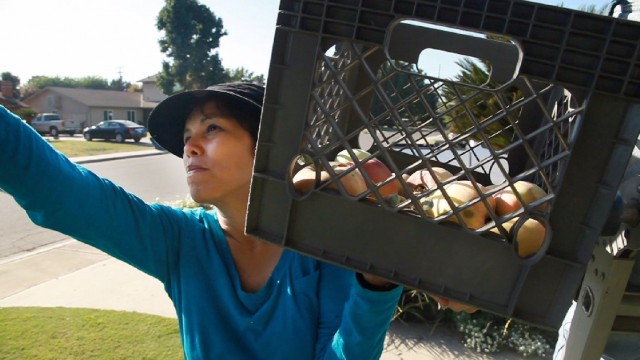
"caption": "Sarah Ramirez runs an organization that brings excess produce to the hungry. Here, she gleans apples from a front yard. Photo: Scott Anger/KQED",
"description": null,
"title": "Sarah Ramirez runs an organization that brings excess produce to the hungry. Here, she gleans apples from a front yard.",
"credit": null,
"status": "inherit",
"isLoading": false,
"fetchFailed": false
},
"bayareabites_73252": {
"type": "attachments",
"id": "bayareabites_73252",
"meta": {
"index": "attachments_1716263798",
"site": "bayareabites",
"id": "73252",
"found": true
},
"parent": 73224,
"imgSizes": {
"kqedFullSize": {
"file": "https://ww2.kqed.org/app/uploads/sites/24/2013/11/3893851377_efd2cb8b1a_z.jpg",
"width": 640,
"height": 427
}
},
"publishDate": 1383350857,
"modified": 1383350857,
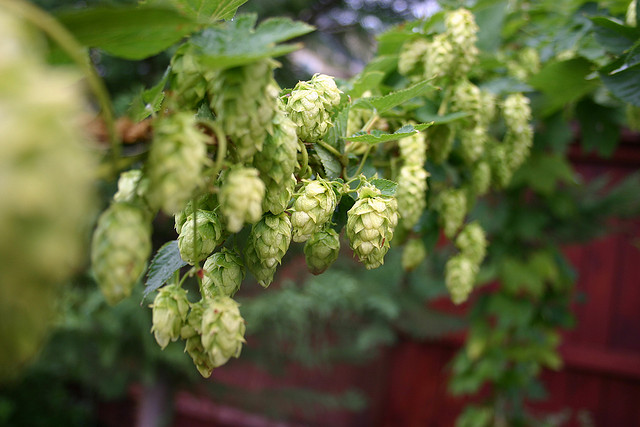
"caption": "Cascade hops before they're harvested. Photo: Matt & Nicole Cummings/Flickr",
"description": null,
"title": "3893851377_efd2cb8b1a_z",
"credit": null,
"status": "inherit",
"isLoading": false,
"fetchFailed": false
},
"bayareabites_72714": {
"type": "attachments",
"id": "bayareabites_72714",
"meta": {
"index": "attachments_1716263798",
"site": "bayareabites",
"id": "72714",
"found": true
},
"parent": 72703,
"imgSizes": {
"kqedFullSize": {
"file": "https://ww2.kqed.org/app/uploads/sites/24/2013/10/edibleplants-sm.jpg",
"width": 624,
"height": 351
}
},
"publishDate": 1382545808,
"modified": 1382545808,
"caption": null,
"description": null,
"title": "edibleplants-sm",
"credit": null,
"status": "inherit",
"isLoading": false,
"fetchFailed": false
},
"bayareabites_72297": {
"type": "attachments",
"id": "bayareabites_72297",
"meta": {
"index": "attachments_1716263798",
"site": "bayareabites",
"id": "72297",
"found": true
},
"parent": 72293,
"imgSizes": {
"kqedFullSize": {
"file": "https://ww2.kqed.org/app/uploads/sites/24/2013/10/whitehousegarden-sm.jpg",
"width": 624,
"height": 467
}
},
"publishDate": 1381890956,
"modified": 1381890956,
"caption": null,
"description": null,
"title": "whitehousegarden-sm",
"credit": null,
"status": "inherit",
"isLoading": false,
"fetchFailed": false
},
"bayareabites_71030": {
"type": "attachments",
"id": "bayareabites_71030",
"meta": {
"index": "attachments_1716263798",
"site": "bayareabites",
"id": "71030",
"found": true
},
"parent": 71019,
"imgSizes": {
"kqedFullSize": {
"file": "https://ww2.kqed.org/app/uploads/sites/24/2013/09/rooftop-garden-sm.jpg",
"width": 624,
"height": 351
}
},
"publishDate": 1380126476,
"modified": 1380126476,
"caption": null,
"description": null,
"title": "rooftop-garden-sm",
"credit": null,
"status": "inherit",
"isLoading": false,
"fetchFailed": false
},
"bayareabites_68747": {
"type": "attachments",
"id": "bayareabites_68747",
"meta": {
"index": "attachments_1716263798",
"site": "bayareabites",
"id": "68747",
"found": true
},
"parent": 68730,
"imgSizes": {
"kqedFullSize": {
"file": "https://ww2.kqed.org/app/uploads/sites/24/2013/08/dan-barber-corn-sm.jpg",
"width": 624,
"height": 468
}
},
"publishDate": 1377404765,
"modified": 1377404765,
"caption": null,
"description": "The heirloom corn variety has only eight rows of kernels and hence, its name: New England Eight Row Flint.",
"title": "undefined",
"credit": null,
"status": "inherit",
"isLoading": false,
"fetchFailed": false
},
"bayareabites_68287": {
"type": "attachments",
"id": "bayareabites_68287",
"meta": {
"index": "attachments_1716263798",
"site": "bayareabites",
"id": "68287",
"found": true
},
"parent": 68281,
"imgSizes": {
"kqedFullSize": {
"file": "https://ww2.kqed.org/app/uploads/sites/24/2013/08/tomatoes-640.jpg",
"width": 624,
"height": 467
}
},
"publishDate": 1376585501,
"modified": 1376585501,
"caption": "A Cherokee purple tomato grown in Alaska in 2011. Photo: Sherry Shiesl/Tatiana's TOMATObase",
"description": null,
"title": "tomatoes - 640",
"credit": null,
"status": "inherit",
"isLoading": false,
"fetchFailed": false
},
"bayareabites_68169": {
"type": "attachments",
"id": "bayareabites_68169",
"meta": {
"index": "attachments_1716263798",
"site": "bayareabites",
"id": "68169",
"found": true
},
"parent": 68164,
"imgSizes": {
"kqedFullSize": {
"file": "https://ww2.kqed.org/app/uploads/sites/24/2013/08/beekeeper-640.jpg",
"width": 640,
"height": 398
}
},
"publishDate": 1376406717,
"modified": 1376406717,
"caption": "Beekeeper and Chairman of The London Beekeepers Association John Chapple installs a new bee hive on an urban rooftop garden in 2009 in London, England. The UK has an estimated 274,000 bee colonies, with each one containing around 20,000 bees.Photo: Dan Kitwood/Getty Images",
"description": "LONDON, ENGLAND - JUNE 29: Beekeeper and Chairman of The London Beekeepers Association John Chapple installs a new bee hive on an urban rooftop garden in Hackney on June 29, 2009 in London, England. The UK has an estimated 274,000 bee colonies producing an average of 6000 tonnes of honey per year. An estimated 44,000 beekeepers manage these hives with each one containing around 20,000 bees. It is estimated that honeybee numbers in the UK have fallen between ten and 15 per cent in the last two years. (Photo by Dan Kitwood/Getty Images)",
"title": "Urban Beekeeping On East London Rooftops",
"credit": null,
"status": "inherit",
"isLoading": false,
"fetchFailed": false
},
"bayareabites_66624": {
"type": "attachments",
"id": "bayareabites_66624",
"meta": {
"index": "attachments_1716263798",
"site": "bayareabites",
"id": "66624",
"found": true
},
"parent": 66610,
"imgSizes": {
"kqedFullSize": {
"file": "https://ww2.kqed.org/app/uploads/sites/24/2013/07/urbanfarming-arizona1-sm.jpg",
"width": 624,
"height": 467
}
},
"publishDate": 1375077146,
"modified": 1375077146,
"caption": null,
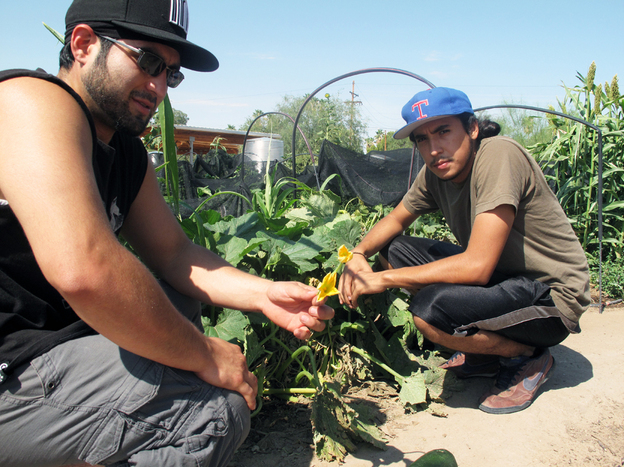
"description": "Efren Martinez (right), 22, and his friend Marcos Perez try to get neighborhood kids interested in gardening at Las Milpitas de Cottonwood farm, which is run by the local food bank in Tucson, Ariz.",
"title": "buffesttaz-051",
"credit": null,
"status": "inherit",
"isLoading": false,
"fetchFailed": false
},
"bayareabites_66283": {
"type": "attachments",
"id": "bayareabites_66283",
"meta": {
"index": "attachments_1716263798",
"site": "bayareabites",
"id": "66283",
"found": true
},
"parent": 66268,
"imgSizes": {
"kqedFullSize": {
"file": "https://ww2.kqed.org/app/uploads/sites/24/2013/07/chicken-istockphoto6401.jpg",
"width": 640,
"height": 529
}
},
"publishDate": 1374785618,
"modified": 1374785618,
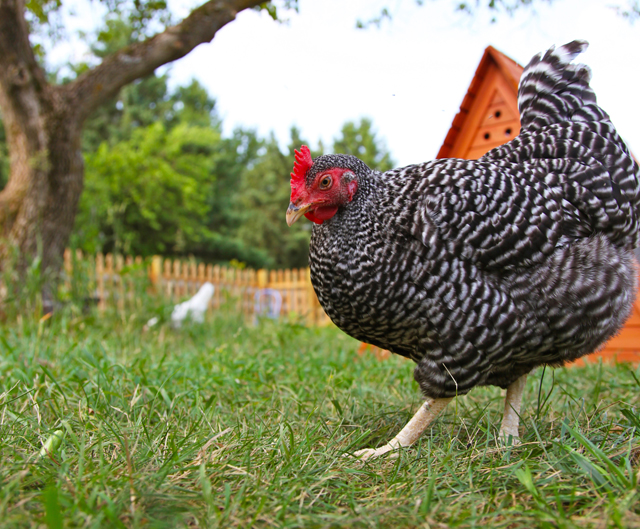
"caption": "Barred rock chicken in free range yard. Photo: iStock",
"description": null,
"title": "chicken-istockphoto640",
"credit": null,
"status": "inherit",
"isLoading": false,
"fetchFailed": false
},
"bayareabites_65783": {
"type": "attachments",
"id": "bayareabites_65783",
"meta": {
"index": "attachments_1716263798",
"site": "bayareabites",
"id": "65783",
"found": true
},
"parent": 65763,
"imgSizes": {
"kqedFullSize": {
"file": "https://ww2.kqed.org/app/uploads/sites/24/2013/07/scapes-sm.jpg",
"width": 624,
"height": 467
}
},
"publishDate": 1374101789,
"modified": 1374101789,
"caption": "T. Susan Chang for NPR",
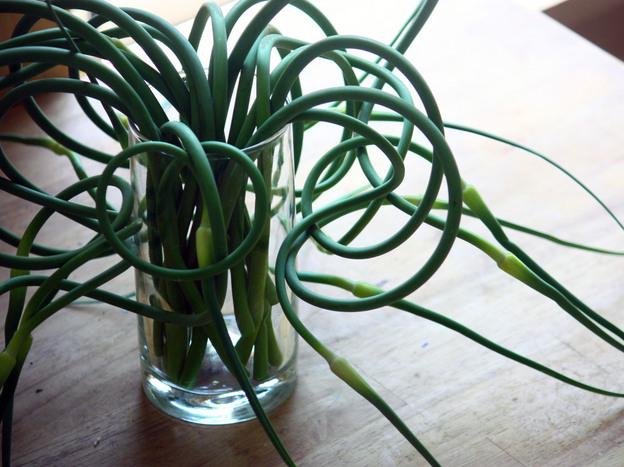
"description": "Garlic Scapes",
"title": "scapes-overall-2",
"credit": null,
"status": "inherit",
"isLoading": false,
"fetchFailed": false
},
"bayareabites_65133": {
"type": "attachments",
"id": "bayareabites_65133",
"meta": {
"index": "attachments_1716263798",
"site": "bayareabites",
"id": "65133",
"found": true
},
"parent": 65125,
"imgSizes": {
"kqedFullSize": {
"file": "https://ww2.kqed.org/app/uploads/sites/24/2013/07/chicken-small.jpg",
"width": 624,
"height": 468
}
},
"publishDate": 1373556547,
"modified": 1373556547,
"caption": null,
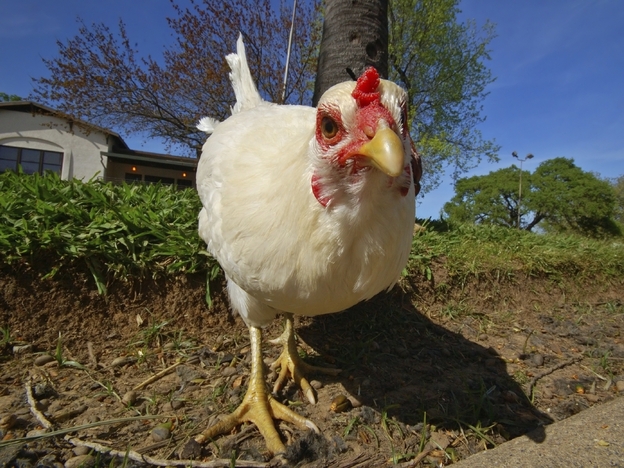
"description": "Don't leave me: Many cities allow hens but not roosters.",
"title": "dontleaveme",
"credit": null,
"status": "inherit",
"isLoading": false,
"fetchFailed": false
}
},
"audioPlayerReducer": {
"postId": "stream_live",
"isPaused": true,
"isPlaying": false,
"pfsActive": false,
"pledgeModalIsOpen": true,
"playerDrawerIsOpen": false,
"liveAudioPlayStartedAt": 0,
"liveAudioPlayContext": ""
},
"authorsReducer": {
"byline_bayareabites_72703": {
"type": "authors",
"id": "byline_bayareabites_72703",
"meta": {
"override": true
},
"slug": "byline_bayareabites_72703",
"name": "Rae Ellen Bichell",
"isLoading": false
},
"byline_bayareabites_72293": {
"type": "authors",
"id": "byline_bayareabites_72293",
"meta": {
"override": true
},
"slug": "byline_bayareabites_72293",
"name": "Eliza Barclay",
"isLoading": false
},
"byline_bayareabites_71019": {
"type": "authors",
"id": "byline_bayareabites_71019",
"meta": {
"override": true
},
"slug": "byline_bayareabites_71019",
"name": "Eliza Barclay",
"isLoading": false
},
"byline_bayareabites_68730": {
"type": "authors",
"id": "byline_bayareabites_68730",
"meta": {
"override": true
},
"slug": "byline_bayareabites_68730",
"name": "Allison Aubrey",
"isLoading": false
},
"byline_bayareabites_68281": {
"type": "authors",
"id": "byline_bayareabites_68281",
"meta": {
"override": true
},
"slug": "byline_bayareabites_68281",
"name": "Eliza Barclay",
"isLoading": false
},
"byline_bayareabites_68164": {
"type": "authors",
"id": "byline_bayareabites_68164",
"meta": {
"override": true
},
"slug": "byline_bayareabites_68164",
"name": "Dan Charles",
"isLoading": false
},
"byline_bayareabites_66610": {
"type": "authors",
"id": "byline_bayareabites_66610",
"meta": {
"override": true
},
"slug": "byline_bayareabites_66610",
"name": "Pam Fessler",
"isLoading": false
},
"byline_bayareabites_66268": {
"type": "authors",
"id": "byline_bayareabites_66268",
"meta": {
"override": true
},
"slug": "byline_bayareabites_66268",
"name": "Dan Charles",
"isLoading": false
},
"byline_bayareabites_65763": {
"type": "authors",
"id": "byline_bayareabites_65763",
"meta": {
"override": true
},
"slug": "byline_bayareabites_65763",
"name": "T. Susan Chang",
"isLoading": false
},
"byline_bayareabites_65125": {
"type": "authors",
"id": "byline_bayareabites_65125",
"meta": {
"override": true
},
"slug": "byline_bayareabites_65125",
"name": "Michaeleen Doucleff",
"isLoading": false
},
"kdomara": {
"type": "authors",
"id": "1459",
"meta": {
"index": "authors_1716337520",
"id": "1459",
"found": true
},
"name": "Kelly O'Mara",
"firstName": "Kelly",
"lastName": "O'Mara",
"slug": "kdomara",
"email": "komara@kqed.org",
"display_author_email": false,
"staff_mastheads": [
"news"
],
"title": "KQED Contributor",
"bio": "Kelly O'Mara is a writer and reporter in the San Francisco Bay Area. She writes about food, health, sports, travel, business and California news. Her work has appeared on KQED, online for Outside Magazine, epsnW, VICE and in Competitor Magazine, among others. Follow Kelly on Twitter \u003ca href=\"https://twitter.com/kellydomara\">@kellydomara\u003c/a>.",
"avatar": "https://secure.gravatar.com/avatar/768fec7412028b72f13bdd0f5f9d8186?s=600&d=blank&r=g",
"twitter": null,
"facebook": null,
"instagram": null,
"linkedin": null,
"sites": [
{
"site": "arts",
"roles": []
},
{
"site": "news",
"roles": []
},
{
"site": "bayareabites",
"roles": []
},
{
"site": "stateofhealth",
"roles": []
},
{
"site": "science",
"roles": []
},
{
"site": "checkplease",
"roles": [
"editor"
]
},
{
"site": "food",
"roles": []
},
{
"site": "forum",
"roles": [
"editor"
]
},
{
"site": "liveblog",
"roles": [
"editor"
]
}
],
"headData": {
"title": "Kelly O'Mara | KQED",
"description": "KQED Contributor",
"ogImgSrc": "https://secure.gravatar.com/avatar/768fec7412028b72f13bdd0f5f9d8186?s=600&d=blank&r=g",
"twImgSrc": "https://secure.gravatar.com/avatar/768fec7412028b72f13bdd0f5f9d8186?s=600&d=blank&r=g"
},
"isLoading": false,
"link": "/author/kdomara"
},
"nprfood": {
"type": "authors",
"id": "5403",
"meta": {
"index": "authors_1716337520",
"id": "5403",
"found": true
},
"name": "NPR Food",
"firstName": "NPR Food",
"lastName": null,
"slug": "nprfood",
"email": "nprfood@kqed.org",
"display_author_email": false,
"staff_mastheads": [],
"title": null,
"bio": "Food and Health-related stories from NPR including NPR Radio; NPR's food blog, \"The Salt\"; NPR's Health News blog, \"Shots\"; NPR's Breaking News blog \"The Two-Way\"; NPR's global stories blog \"Goats and Soda,\" NPR's economy explainer \"Planet Money\"; food-related technology news from NPR's \"All Tech Considered\"; and food series \"Kitchen Window.\"",
"avatar": "https://secure.gravatar.com/avatar/c4b735bb26404fa18ce2447d32e64291?s=600&d=blank&r=g",
"twitter": "nprfood",
"facebook": null,
"instagram": null,
"linkedin": null,
"sites": [
{
"site": "bayareabites",
"roles": [
"contributor"
]
},
{
"site": "food",
"roles": [
"contributor"
]
}
],
"headData": {
"title": "NPR Food | KQED",
"description": null,
"ogImgSrc": "https://secure.gravatar.com/avatar/c4b735bb26404fa18ce2447d32e64291?s=600&d=blank&r=g",
"twImgSrc": "https://secure.gravatar.com/avatar/c4b735bb26404fa18ce2447d32e64291?s=600&d=blank&r=g"
},
"isLoading": false,
"link": "/author/nprfood"
}
},
"pagesReducer": {
"bayareabites_category_gardening-and-urban-farming": {
"type": "terms",
"id": "bayareabites_2554",
"meta": {
"index": "terms_1716263798",
"site": "bayareabites",
"id": "2554",
"score": 13.896381
},
"featImg": null,
"name": "gardening and urban farming",
"description": null,
"taxonomy": "category",
"headData": {
"twImgId": null,
"twTitle": null,
"ogTitle": null,
"ogImgId": null,
"twDescription": null,
"description": null,
"title": "gardening and urban farming Archives | KQED Bay Area Bites",
"ogDescription": null
},
"ttid": 1016,
"slug": "gardening-and-urban-farming",
"isLoading": false,
"title": "gardening and urban farming",
"pageMeta": {
"site": "bayareabites",
"WpPageTemplate": "page-topic-editorial",
"currentPage": 6
},
"blocks": [
{
"blockName": "kqed/post-list",
"attrs": {
"layout": "cardArticle2",
"query": "posts/bayareabites?category=gardening-and-urban-farming",
"seeMore": false,
"paginated": true,
"page": 6
}
},
{
"blockName": "kqed/ad"
}
]
}
},
"pfsSessionReducer": {},
"postsReducer": {
"stream_live": {
"type": "live",
"id": "stream_live",
"audioUrl": "https://streams.kqed.org/kqedradio",
"title": "Live Stream",
"excerpt": "Live Stream information currently unavailable.",
"link": "/radio",
"featImg": "",
"label": {
"name": "KQED Live",
"link": "/"
}
},
"stream_kqedNewscast": {
"type": "posts",
"id": "stream_kqedNewscast",
"audioUrl": "https://www.kqed.org/.stream/anon/radio/RDnews/newscast.mp3?_=1",
"title": "KQED Newscast",
"featImg": "",
"label": {
"name": "88.5 FM",
"link": "/"
}
},
"bayareabites_75375": {
"type": "posts",
"id": "bayareabites_75375",
"meta": {
"index": "posts_1716263798",
"site": "bayareabites",
"id": "75375",
"score": null,
"sort": [
1387476389000
]
},
"parent": 0,
"labelTerm": {
"site": "bayareabites"
},
"blocks": [],
"publishDate": 1387476389,
"format": "aside",
"disqusTitle": "This Stanford Ph.D. Became A Fruit Picker To Feed California's Hungry",
"title": "This Stanford Ph.D. Became A Fruit Picker To Feed California's Hungry",
"headTitle": "Bay Area Bites | KQED Food",
"content": "\u003cfigure id=\"attachment_75376\" class=\"wp-caption aligncenter\" style=\"max-width: 640px\">\u003ca href=\"http://ww2.kqed.org/bayareabites/wp-content/uploads/sites/24/2013/12/hunger_gleaning_019_wide-b53b2523f4f1433b8abb470eef8627d114c478f1-e1387475813686.jpg\">\u003cimg src=\"http://ww2.kqed.org/bayareabites/wp-content/uploads/sites/24/2013/12/hunger_gleaning_019_wide-b53b2523f4f1433b8abb470eef8627d114c478f1-e1387475813686.jpg\" alt=\"Sarah Ramirez runs an organization that brings excess produce to the hungry. Here, she gleans apples from a front yard. Photo: Scott Anger/KQED\" width=\"640\" height=\"360\" class=\"size-full wp-image-75376\">\u003c/a>\u003cfigcaption class=\"wp-caption-text\">Sarah Ramirez runs an organization that brings excess produce to the hungry. Here, she gleans apples from a front yard. Photo: Scott Anger/KQED\u003c/figcaption>\u003c/figure>\n\u003cp>\u003cstrong>Listen to the Story\u003c/strong> on \u003ca href=\"http://www.npr.org/blogs/thesalt/2013/12/19/255252581/this-stanford-ph-d-became-a-fruit-picker-to-feed-californias-hungry\">Morning Edition\u003c/a> [audio src=\"http://pd.npr.org/anon.npr-mp3/npr/me/2013/12/20131219_me_farmworker_hunger_2.mp3\"] \u003c/p>\n\u003cp>Story by Sasha Khokha, \u003ca href=\"http://www.kqed.org/news/specialcoverage/hungerinthevalleyofplenty/index.jsp\">KQED News/CIR\u003c/a> at \u003ca href=\"http://www.npr.org/blogs/thesalt/2013/12/19/255252581/this-stanford-ph-d-became-a-fruit-picker-to-feed-californias-hungry\">The Salt at NPR Food\u003c/a> (12/19/13)\u003c/p>\n\u003cp>By some estimates, we Americans throw away about \u003ca href=\"http://www.nrdc.org/food/files/wasted-food-ip.pdf\" target=\"_blank\">40 percent of our food\u003c/a>, from the cabbage that's wilting in our refrigerators, to the fruit that's falling off the orange tree in our neighbor's backyard.\u003c/p>\n\u003cp>In California's Central Valley, one woman has started a grassroots effort to feed hungry people by rescuing some of that produce.\u003c/p>\n\u003cp>At first glance, Sarah Ramirez's decision to leave a bright future as an epidemiologist with a doctorate from Stanford University to become a fruit picker might seem downright crazy. To understand her motivations, you first need to know a little about the economics of California's Central Valley, where Ramirez grew up, the daughter of farmworkers.\u003c/p>\n\u003cp>[ad fullwidth]\u003c/p>\n\u003cp>Many farms in the Central Valley supply fruits and vegetables for major supermarket chains across the country. Farmer Peter Mesias says those stores demand perfect produce to meet consumer's expectations.\u003c/p>\n\u003cp>I visited \u003ca href=\"https://www.facebook.com/pages/Abe-El-Produce-Fruit-Stands/130420460324490\">Mesias' farm\u003c/a> this summer. He walked me through a squash field dense with prickly leaves, picked a zucchini and showed it to me.\u003c/p>\n\u003cp>\"Right off the bat, you can see there's a nick, there's a little bit of a crook,\" he said. \"That couldn't be packed in a box.\"\u003c/p>\n\u003cp>So that means supermarkets won't buy it. They prefer smaller, tender squash.\u003c/p>\n\u003cp>This year, Mesias ended up with acres of excess squash, and he hoped the local food bank would come take some of the imperfect fruit before he plowed it under.\u003c/p>\n\u003cp>[youtube //www.youtube.com/watch?v=5r_3J8MVkX0]\u003c/p>\n\u003cp>Food bank director Sandy Beals says it's not uncommon for food banks to hear from farmers like Mesias.\u003c/p>\n\u003cp>\"And if we can pick it, we can have it. I mean, how tempting is that?, \" Beals says.\u003c/p>\n\u003cp>But Beals says she can't easily send her staff to pick excess crops. The liability is too high.\u003c/p>\n\u003cp>\"Somebody falls off a ladder and gets hurt. One incident like that could very easily put us belly up,\" she says.\u003c/p>\n\u003cp>And that's too bad. The \u003ca href=\"http://www.foodlinktc.org/\">food bank\u003c/a> that Beals helps run in Tulare County, Calif., serves one out of four county residents, many of them farmworkers. She says she's desperate for donations — she sometimes has to beg for an extension on the food bank's electricity bill so that she can keep the freezers running.\u003c/p>\n\u003cp>And that's where Sarah Ramirez comes in.\u003c/p>\n\u003cp>Ramirez has made it her mission to rescue produce from commercial fields and people's backyards. And as an individual, she can sign a liability waiver saying she won't sue if she gets hurt picking crops.\u003c/p>\n\u003cp>Ramirez grew up in Pixley, Calif., a rural town that John Steinbeck described in \u003cem>The Grapes of Wrath\u003c/em>. She went on to earn a Ph.D. at Stanford and become Tulare County's epidemiologist, where she noticed some troubling trends: high rates of diabetes and obesity, paired with widespread food insecurity.\u003c/p>\n\u003cp>Ramirez says she noticed that a lot fruit in the region went unharvested. \"And yet, at the same time, we have hunger and food insecurity,\" she says. \"And it seems like we should be able to put a need with a surplus. Let's put the pieces together.\"\u003c/p>\n\u003cp>Ramirez recently moved back to Pixley to start a grassroots effort called \u003ca href=\"http://www.behealthytulare.com/\">Be Healthy Tulare\u003c/a>, a shoestring operation she and her husband fund themselves and operate out of their home in a trailer park.\u003c/p>\n\u003cp>\"If I think about the overwhelming nature of the problem, it's so much easier not to do anything. And there's a lot of people who say the problem is so big, nothing we can ever do will fix it,\" Ramirez says. \"Well, if we all took that position, nothing would ever get done.\"\u003c/p>\n\u003cp>Ramirez says she wanted to take action. So she decided to give up the prestige of a high-powered career to return to her roots, to the kind of work that her parents, who labored in the fields, tried to make sure she'd never have to do.\u003c/p>\n\u003cp>\"One of our team members says I should be wearing a t-shirt that says, 'I have a Ph.D. and I pick fruit,' \" Ramirez says.\u003c/p>\n\u003cp>Food bank director Sandy Beals says Ramirez's work is making a big difference.\u003c/p>\n\u003cp>\"There is extreme unemployment, very high poverty and not a lot of hope that things will get better,\" Beals says. \"And [Ramirez's] goal is to give people hope. And hope is the most important thing people can have.\"\u003c/p>\n\u003cp>This year, Ramirez and her tiny band of volunteers have gleaned 20,000 pounds of produce from farms and backyards.\u003c/p>\n\u003cp>And Be Healthy Tulare is doing more than just picking fruit. On weekends, Ramirez ties a colorful bandana on her head and gets out her sharp knives to hold \"food labs,\" nutrition classes to teach people how to incorporate more produce into their diets. They whip up delicacies like peach-cucumber gazpacho in the community kitchen of the Pixley trailer park.\u003c/p>\n\u003cp>They've also started a community garden to grow their own produce, and it's equipped with an outdoor propane stove.\u003c/p>\n\u003cp>That's where Maria Arevalo is sautéing some eggplant she's just harvested. She worked in the fields for some 40 years before recently retiring.\u003c/p>\n\u003cp>\"Vegetables used to look kind of tempting to me,\" she explains in Spanish, standing over an outdoor propane stove. \"But I didn't know how to cook them. My mother never cooked them. People here can't afford them. They're a luxury.\"\u003c/p>\n\u003cp>But now Arevalo is eating fruit and vegetables grown in the organic garden. And it's paying off. She says her blood pressure is now under control. And her community's getting healthier, too. \u003c/p>\n\u003cp>\u003c/p>\n\u003cp>\u003cstrong>More Information:\u003c/strong>\u003cbr>\n\u003ca href=\"http://www.kqed.org/news/specialcoverage/hungerinthevalleyofplenty/index.jsp\">\u003cstrong>Hunger in the Valley of Plenty\u003c/strong>\u003c/a> (Collaboration between KQED and \u003ca href=\"http://cironline.org/reports/video-hunger-valley-plenty-5364\">CIR\u003c/a>)\u003c/p>\n\n",
"disqusIdentifier": "75375 http://blogs.kqed.org/bayareabites/?p=75375",
"disqusUrl": "https://ww2.kqed.org/bayareabites/2013/12/19/this-stanford-ph-d-became-a-fruit-picker-to-feed-californias-hungry/",
"stats": {
"hasVideo": true,
"hasChartOrMap": false,
"hasAudio": true,
"hasPolis": false,
"wordCount": 1029,
"hasGoogleForm": false,
"hasGallery": false,
"hasHearkenModule": false,
"iframeSrcs": [],
"paragraphCount": 35
},
"modified": 1387476510,
"excerpt": "Sarah Ramirez left a high-prestige career to bring California's bounty of unsellable fruit to food banks in the state's Central Valley. Her grassroots organization is trying to address a regional conundrum: While many area farms end up with imperfect fruit that can't be sold to supermarkets, local farmworkers struggle to afford fresh produce.",
"headData": {
"twImgId": "",
"twTitle": "",
"ogTitle": "",
"ogImgId": "",
"twDescription": "",
"description": "Sarah Ramirez left a high-prestige career to bring California's bounty of unsellable fruit to food banks in the state's Central Valley. Her grassroots organization is trying to address a regional conundrum: While many area farms end up with imperfect fruit that can't be sold to supermarkets, local farmworkers struggle to afford fresh produce.",
"title": "This Stanford Ph.D. Became A Fruit Picker To Feed California's Hungry | KQED",
"ogDescription": "",
"schema": {
"@context": "https://schema.org",
"@type": "Article",
"headline": "This Stanford Ph.D. Became A Fruit Picker To Feed California's Hungry",
"datePublished": "2013-12-19T10:06:29-08:00",
"dateModified": "2013-12-19T10:08:30-08:00",
"image": "https://cdn.kqed.org/wp-content/uploads/2020/02/KQED-OG-Image@1x.png"
}
},
"guestAuthors": [],
"slug": "this-stanford-ph-d-became-a-fruit-picker-to-feed-californias-hungry",
"status": "publish",
"nprApiLink": "http://api.npr.org/query?id=255252581&apiKey=MDAxOTAwOTE4MDEyMTkxMDAzNjczZDljZA004",
"nprStoryDate": "Thu, 19 Dec 2013 05:00:00 -0500",
"nprLastModifiedDate": "Thu, 19 Dec 2013 07:20:26 -0500",
"nprHtmlLink": "http://www.npr.org/blogs/thesalt/2013/12/19/255252581/this-stanford-ph-d-became-a-fruit-picker-to-feed-californias-hungry?ft=3&f=255252581",
"nprAudio": "http://pd.npr.org/anon.npr-mp3/npr/me/2013/12/20131219_me_farmworker_hunger_2.mp3?orgId=150&topicId=1053&ft=3&f=255252581",
"nprAudioM3u": "http://api.npr.org/m3u/1255422122-a5d4c4.m3u?orgId=150&topicId=1053&ft=3&f=255252581",
"nprStoryId": "255252581",
"nprRetrievedStory": "1",
"nprPubDate": "Thu, 19 Dec 2013 12:08:00 -0500",
"path": "/bayareabites/75375/this-stanford-ph-d-became-a-fruit-picker-to-feed-californias-hungry",
"audioUrl": "http://pd.npr.org/anon.npr-mp3/npr/me/2013/12/20131219_me_farmworker_hunger_2.mp3?orgId=150&topicId=1053&ft=3&f=255252581",
"audioDuration": null,
"audioTrackLength": null,
"parsedContent": [
{
"type": "contentString",
"content": "\u003cdiv class=\"post-body\">\u003cp>\u003cfigure id=\"attachment_75376\" class=\"wp-caption aligncenter\" style=\"max-width: 640px\">\u003ca href=\"http://ww2.kqed.org/bayareabites/wp-content/uploads/sites/24/2013/12/hunger_gleaning_019_wide-b53b2523f4f1433b8abb470eef8627d114c478f1-e1387475813686.jpg\">\u003cimg src=\"http://ww2.kqed.org/bayareabites/wp-content/uploads/sites/24/2013/12/hunger_gleaning_019_wide-b53b2523f4f1433b8abb470eef8627d114c478f1-e1387475813686.jpg\" alt=\"Sarah Ramirez runs an organization that brings excess produce to the hungry. Here, she gleans apples from a front yard. Photo: Scott Anger/KQED\" width=\"640\" height=\"360\" class=\"size-full wp-image-75376\">\u003c/a>\u003cfigcaption class=\"wp-caption-text\">Sarah Ramirez runs an organization that brings excess produce to the hungry. Here, she gleans apples from a front yard. Photo: Scott Anger/KQED\u003c/figcaption>\u003c/figure>\n\u003cp>\u003cstrong>Listen to the Story\u003c/strong> on \u003ca href=\"http://www.npr.org/blogs/thesalt/2013/12/19/255252581/this-stanford-ph-d-became-a-fruit-picker-to-feed-californias-hungry\">Morning Edition\u003c/a> \u003c/p>\u003c/div>",
"attributes": {
"named": {},
"numeric": []
}
},
{
"type": "component",
"content": "",
"name": "audio",
"attributes": {
"named": {
"src": "http://pd.npr.org/anon.npr-mp3/npr/me/2013/12/20131219_me_farmworker_hunger_2.mp3",
"label": ""
},
"numeric": []
}
},
{
"type": "contentString",
"content": "\u003cdiv class=\"post-body\">\u003cp> \u003c/p>\n\u003cp>Story by Sasha Khokha, \u003ca href=\"http://www.kqed.org/news/specialcoverage/hungerinthevalleyofplenty/index.jsp\">KQED News/CIR\u003c/a> at \u003ca href=\"http://www.npr.org/blogs/thesalt/2013/12/19/255252581/this-stanford-ph-d-became-a-fruit-picker-to-feed-californias-hungry\">The Salt at NPR Food\u003c/a> (12/19/13)\u003c/p>\n\u003cp>By some estimates, we Americans throw away about \u003ca href=\"http://www.nrdc.org/food/files/wasted-food-ip.pdf\" target=\"_blank\">40 percent of our food\u003c/a>, from the cabbage that's wilting in our refrigerators, to the fruit that's falling off the orange tree in our neighbor's backyard.\u003c/p>\n\u003cp>In California's Central Valley, one woman has started a grassroots effort to feed hungry people by rescuing some of that produce.\u003c/p>\n\u003cp>At first glance, Sarah Ramirez's decision to leave a bright future as an epidemiologist with a doctorate from Stanford University to become a fruit picker might seem downright crazy. To understand her motivations, you first need to know a little about the economics of California's Central Valley, where Ramirez grew up, the daughter of farmworkers.\u003c/p>\n\u003cp>\u003c/p>\u003c/div>",
"attributes": {
"named": {},
"numeric": []
}
},
{
"type": "component",
"content": "",
"name": "ad",
"attributes": {
"named": {
"label": "fullwidth"
},
"numeric": [
"fullwidth"
]
}
},
{
"type": "contentString",
"content": "\u003cdiv class=\"post-body\">\u003cp>\u003c/p>\n\u003cp>Many farms in the Central Valley supply fruits and vegetables for major supermarket chains across the country. Farmer Peter Mesias says those stores demand perfect produce to meet consumer's expectations.\u003c/p>\n\u003cp>I visited \u003ca href=\"https://www.facebook.com/pages/Abe-El-Produce-Fruit-Stands/130420460324490\">Mesias' farm\u003c/a> this summer. He walked me through a squash field dense with prickly leaves, picked a zucchini and showed it to me.\u003c/p>\n\u003cp>\"Right off the bat, you can see there's a nick, there's a little bit of a crook,\" he said. \"That couldn't be packed in a box.\"\u003c/p>\n\u003cp>So that means supermarkets won't buy it. They prefer smaller, tender squash.\u003c/p>\n\u003cp>This year, Mesias ended up with acres of excess squash, and he hoped the local food bank would come take some of the imperfect fruit before he plowed it under.\u003c/p>\n\u003cp>\u003c/p>\u003cp>\u003cspan class='utils-parseShortcode-shortcodes-__youtubeShortcode__embedYoutube'>\n \u003cspan class='utils-parseShortcode-shortcodes-__youtubeShortcode__embedYoutubeInside'>\n \u003ciframe\n loading='lazy'\n class='utils-parseShortcode-shortcodes-__youtubeShortcode__youtubePlayer'\n type='text/html'\n src='//www.youtube.com/embed/5r_3J8MVkX0'\n title='//www.youtube.com/embed/5r_3J8MVkX0'\n allowfullscreen='true'\n style='border:0;'>\u003c/iframe>\n \u003c/span>\n \u003c/span>\u003c/p>\u003cp>\u003c/p>\n\u003cp>Food bank director Sandy Beals says it's not uncommon for food banks to hear from farmers like Mesias.\u003c/p>\n\u003cp>\"And if we can pick it, we can have it. I mean, how tempting is that?, \" Beals says.\u003c/p>\n\u003cp>But Beals says she can't easily send her staff to pick excess crops. The liability is too high.\u003c/p>\n\u003cp>\"Somebody falls off a ladder and gets hurt. One incident like that could very easily put us belly up,\" she says.\u003c/p>\n\u003cp>And that's too bad. The \u003ca href=\"http://www.foodlinktc.org/\">food bank\u003c/a> that Beals helps run in Tulare County, Calif., serves one out of four county residents, many of them farmworkers. She says she's desperate for donations — she sometimes has to beg for an extension on the food bank's electricity bill so that she can keep the freezers running.\u003c/p>\n\u003cp>And that's where Sarah Ramirez comes in.\u003c/p>\n\u003cp>Ramirez has made it her mission to rescue produce from commercial fields and people's backyards. And as an individual, she can sign a liability waiver saying she won't sue if she gets hurt picking crops.\u003c/p>\n\u003cp>Ramirez grew up in Pixley, Calif., a rural town that John Steinbeck described in \u003cem>The Grapes of Wrath\u003c/em>. She went on to earn a Ph.D. at Stanford and become Tulare County's epidemiologist, where she noticed some troubling trends: high rates of diabetes and obesity, paired with widespread food insecurity.\u003c/p>\n\u003cp>Ramirez says she noticed that a lot fruit in the region went unharvested. \"And yet, at the same time, we have hunger and food insecurity,\" she says. \"And it seems like we should be able to put a need with a surplus. Let's put the pieces together.\"\u003c/p>\n\u003cp>Ramirez recently moved back to Pixley to start a grassroots effort called \u003ca href=\"http://www.behealthytulare.com/\">Be Healthy Tulare\u003c/a>, a shoestring operation she and her husband fund themselves and operate out of their home in a trailer park.\u003c/p>\n\u003cp>\"If I think about the overwhelming nature of the problem, it's so much easier not to do anything. And there's a lot of people who say the problem is so big, nothing we can ever do will fix it,\" Ramirez says. \"Well, if we all took that position, nothing would ever get done.\"\u003c/p>\n\u003cp>Ramirez says she wanted to take action. So she decided to give up the prestige of a high-powered career to return to her roots, to the kind of work that her parents, who labored in the fields, tried to make sure she'd never have to do.\u003c/p>\n\u003cp>\"One of our team members says I should be wearing a t-shirt that says, 'I have a Ph.D. and I pick fruit,' \" Ramirez says.\u003c/p>\n\u003cp>Food bank director Sandy Beals says Ramirez's work is making a big difference.\u003c/p>\n\u003cp>\"There is extreme unemployment, very high poverty and not a lot of hope that things will get better,\" Beals says. \"And [Ramirez's] goal is to give people hope. And hope is the most important thing people can have.\"\u003c/p>\n\u003cp>This year, Ramirez and her tiny band of volunteers have gleaned 20,000 pounds of produce from farms and backyards.\u003c/p>\n\u003cp>And Be Healthy Tulare is doing more than just picking fruit. On weekends, Ramirez ties a colorful bandana on her head and gets out her sharp knives to hold \"food labs,\" nutrition classes to teach people how to incorporate more produce into their diets. They whip up delicacies like peach-cucumber gazpacho in the community kitchen of the Pixley trailer park.\u003c/p>\n\u003cp>They've also started a community garden to grow their own produce, and it's equipped with an outdoor propane stove.\u003c/p>\n\u003cp>That's where Maria Arevalo is sautéing some eggplant she's just harvested. She worked in the fields for some 40 years before recently retiring.\u003c/p>\n\u003cp>\"Vegetables used to look kind of tempting to me,\" she explains in Spanish, standing over an outdoor propane stove. \"But I didn't know how to cook them. My mother never cooked them. People here can't afford them. They're a luxury.\"\u003c/p>\n\u003cp>But now Arevalo is eating fruit and vegetables grown in the organic garden. And it's paying off. She says her blood pressure is now under control. And her community's getting healthier, too. \u003c/p>\n\u003cp>\u003c/p>\n\u003cp>\u003cstrong>More Information:\u003c/strong>\u003cbr>\n\u003ca href=\"http://www.kqed.org/news/specialcoverage/hungerinthevalleyofplenty/index.jsp\">\u003cstrong>Hunger in the Valley of Plenty\u003c/strong>\u003c/a> (Collaboration between KQED and \u003ca href=\"http://cironline.org/reports/video-hunger-valley-plenty-5364\">CIR\u003c/a>)\u003c/p>\n\n\u003c/div>\u003c/p>",
"attributes": {
"named": {},
"numeric": []
}
}
],
"link": "/bayareabites/75375/this-stanford-ph-d-became-a-fruit-picker-to-feed-californias-hungry",
"authors": [
"5403"
],
"categories": [
"bayareabites_1962",
"bayareabites_1874",
"bayareabites_3032",
"bayareabites_4084",
"bayareabites_2554",
"bayareabites_1245",
"bayareabites_45",
"bayareabites_10916",
"bayareabites_2035"
],
"tags": [
"bayareabites_12816",
"bayareabites_12819",
"bayareabites_249",
"bayareabites_12818",
"bayareabites_12815",
"bayareabites_8572",
"bayareabites_248",
"bayareabites_12820",
"bayareabites_12817"
],
"featImg": "bayareabites_75376",
"label": "bayareabites"
},
"bayareabites_73224": {
"type": "posts",
"id": "bayareabites_73224",
"meta": {
"index": "posts_1716263798",
"site": "bayareabites",
"id": "73224",
"score": null,
"sort": [
1383595314000
]
},
"parent": 0,
"labelTerm": {
"site": "bayareabites"
},
"blocks": [],
"publishDate": 1383595314,
"format": "aside",
"disqusTitle": "Bison Brewery Grows Hops in Oakland, Brews Up Local Beer",
"title": "Bison Brewery Grows Hops in Oakland, Brews Up Local Beer",
"headTitle": "Bay Area Bites | KQED Food",
"content": "\u003cfigure id=\"attachment_73252\" class=\"wp-caption aligncenter\" style=\"max-width: 640px\">\u003ca href=\"http://www.flickr.com/photos/87711682@N00/3893851377/in/photolist-6W61mz-6Wa3VE-6XjUPu-75ts6c-76TiRo-7hN36t-7oMp72-7oRfkb-7xpjYR-7S9QQp-8ee22y-8ee1gY-8eaH5K-8eaJ3k-ayaNio-9LkdS7-9JGRF2-fwpjbS-d3F1wS-fwa3tV-7ZS2fB-9bwt8h-8ojrLB-9LhquD-9LhqLk-7AYABJ-b2Y41D-cYjRKy-8xR8ZF-8xJd6H-bmffr2-7RZgmo-8tPnfQ-d9JzAZ-csfcPw-csfxBL-9NSxCk-bTUbED-bQFJPK-csfyiL-9N2Wcj-9MZcda-9MZegK-7Qk16Q-d4WQD9-8gRTup-8gVaju-8QcoVG-8Q9jsg-8Q9hLM-7ZVbVf\">\u003cimg class=\"size-full wp-image-73252\" src=\"http://ww2.kqed.org/bayareabites/wp-content/uploads/sites/24/2013/11/3893851377_efd2cb8b1a_z.jpg\" alt=\"Cascade hops before they're harvested. Photo: Matt & Nicole Cummings/Flickr\" width=\"640\" height=\"427\">\u003c/a>\u003cfigcaption class=\"wp-caption-text\">Cascade hops before they're harvested. Photo: Matt & Nicole Cummings/Flickr\u003c/figcaption>\u003c/figure>\n\u003cp>To make beer, you need hops. To get hops, most breweries buy from farmers. But, a few actually grow the hops themselves.\u003c/p>\n\u003cp>\u003ca href=\"http://bisonbrew.com/\" target=\"_blank\">Bison Brewery\u003c/a>, based in Berkeley, joined that club this year with some unique urban hops that were grown in community gardens and front yards around Oakland. The beer made from the local hops, called Oakland's Hop Harvest Ale, will be featured at a festival fundraiser this Saturday, Nov. 9, raising money for \u003ca href=\"http://www.victorygardenfoundation.org/\" target=\"_blank\">the Victory Garden Foundation\u003c/a>. The foundation provided one of the places the hops were grown at \u003ca href=\"http://www.peoplesvictorygarden.org/\" target=\"_blank\">the People's Victory Garden\u003c/a>, at 52nd and Telegraph Ave. It's also a nonprofit organization that educates people about gardening and grows food in community gardens to give to pantries and individuals in need.\u003c/p>\n\u003cp>Growing local hops seems to be an inevitable next step in the evolving local food and urban homesteading movement but brewery-grade hops-growing is not widespread yet.\u003c/p>\n\u003cp>\"It's not very common, but I think we're going to see more of it,\" said Mark Cabrera of locally-grown hops. Cabrera is Bison's Sales Manager and an Oakland resident. Most notably, both \u003ca href=\"http://www.sierranevada.com/\" target=\"_blank\">Sierra Nevada\u003c/a> and \u003ca href=\"https://avbc.com/\" target=\"_blank\">Anderson Valley Brewing Company\u003c/a> grow some of their own hops on site, which they make specialty beers from, while purchasing the rest of their hops from growers.\u003c/p>\n\u003cp>But, as far as Cabrera knows there aren't any other large breweries that have grown hops right in the middle of cities like Oakland.\u003c/p>\n\u003cp>[ad fullwidth]\u003c/p>\n\u003cp>\"Hops take up a lot of real estate,\" he said.\u003c/p>\n\u003cfigure id=\"attachment_73250\" class=\"wp-caption alignleft\" style=\"max-width: 250px\">\u003ca href=\"http://ww2.kqed.org/bayareabites/wp-content/uploads/sites/24/2013/11/photo-1.jpg\">\u003cimg src=\"http://ww2.kqed.org/bayareabites/wp-content/uploads/sites/24/2013/11/photo-1.jpg\" alt=\"The seedlings started off small when Cabrera planted them, smaller than a beer bottle. Photo: Mark Cabrera.\" width=\"250\" class=\"size-full wp-image-73250\">\u003c/a>\u003cfigcaption class=\"wp-caption-text\">The seedlings started off small when Cabrera planted them, smaller than a beer bottle. Photo: Mark Cabrera.\u003c/figcaption>\u003c/figure>\n\u003cp>The idea started when the manager of the community garden at Lake Merritt approached Cabrera last fall and asked if Bison Brewery was interested in growing in an open plot at Lake Merritt. The garden waived the fee for the brewery. Bison's head brewer did research on the best hops plant for Oakland. They settled on the Cascade Hops, a variety that does well in less warm weather, and Cabrera got to work planting earlier this spring.\u003c/p>\n\u003cp>First, him and his son planted in the Lake Merritt community garden, but they had rhizomes left over. Rhizomes, seedlings that look like sticks, come in one-size large boxes and \"we had about ten times as much as would fit,\" said Cabrera.\u003c/p>\n\u003cp>But, right next to his spot in the community garden was another empty spot. He asked about it and found out the spot had just been promised to The Victory Garden Foundation. He reached out to Victory Lee, the founder of the organization, and she offered up space not at Lake Merritt but at the People's Victory Garden, where the festival will take place. That used up some more of the seedlings, but not all.\u003c/p>\n\u003cp>\"We ended up planting all over,\" said Cabrera -- his own house, two home-brewing friends' houses, \u003ca href=\"http://beer-revolution.com/\" target=\"_blank\">Beer Revolution\u003c/a> and \u003ca href=\"http://www.oldedepot.com/\" target=\"_blank\">Olde Depot\u003c/a>.\u003c/p>\n\u003cp>The little seedlings grew, turning into vines over the summer. At Cabrera's house, they wrapped up the lattice-work and onto his 25-foot roof.\u003c/p>\n\u003cp>When it came time to harvest the flowers, though, Cabrera didn't expect much. \"Maybe one keg,\" he said. Growing your own hops can be a notoriously time-consuming process. It typically takes two to three years for the hops to really take root. After harvesting, you trim the vine down to a few feet, let it hibernate over the winter, and it blooms again in the spring bigger and better.\u003c/p>\n\u003cfigure id=\"attachment_73251\" class=\"wp-caption alignright\" style=\"max-width: 250px\">\u003ca href=\"http://ww2.kqed.org/bayareabites/wp-content/uploads/sites/24/2013/11/photo-e1383351015947.jpg\">\u003cimg src=\"http://ww2.kqed.org/bayareabites/wp-content/uploads/sites/24/2013/11/photo-e1383351015947-768x1024.jpg\" alt=\"Cabrera poses next to the vines that grew nearly 40-feet-high this summer. Photo: Mark Cabrera\" width=\"250\" class=\"size-large wp-image-73251\">\u003c/a>\u003cfigcaption class=\"wp-caption-text\">Cabrera poses next to the vines that grew nearly 40-feet-high this summer. Photo: Mark Cabrera\u003c/figcaption>\u003c/figure>\n\u003cp>Cabrera was pleasantly surprised, though, when they ended up with 30 pounds of hops, which turned into 40 kegs of Oakland Hops Harvest -- a West Coast-style pale ale.\u003c/p>\n\u003cp>That special beer is or will be in the coming weeks available at Olde Depot, \u003ca href=\"http://berkeley.saturncafe.com/\" target=\"_blank\">Saturn\u003c/a>, \u003ca href=\"http://www.jupiterbeer.com/\" target=\"_blank\">Jupiter\u003c/a>, \u003ca href=\"http://www.thenewparkway.com/\" target=\"_blank\">The New Parkway Theater\u003c/a>, \u003ca href=\"http://benandnicks.com/\" target=\"_blank\">Ben & Nick's\u003c/a>, \u003ca href=\"http://cmonoakland.com/\" target=\"_blank\">Commonwealth \u003c/a>and other bars in Oakland and Berkeley. Or, you can drink it for a good cause at the \u003ca href=\"http://www.victorygardenfoundation.org/hopsnharvesttheshow.htm\" target=\"_blank\">Hops n' Harvest Festival\u003c/a>.\u003c/p>\n\u003cp>\u003ca href=\"http://www.victorygardenfoundation.org/hopsnharvest.htm\" target=\"_blank\">The festival\u003c/a>, from 1 to 5 p.m. this Saturday at the People's Victory Garden at Telegraph Center, will have classes, workshops, dancing, music, food and, of course, beer.\u003c/p>\n\u003cp>Next year, Bison intends to harvest the hops again -- and, hopefully, get a bigger bounty. It'll also be looking to do similar urban hops growing in other regions like Santa Rosa and Sacramento. And, the brewery plans to reach out to homebrewers, many of whom wanted to participate or grown their own. In fact, the Hops n' Harvest festival will include a homebrewing demonstration with the Oakland hops.\u003c/p>\n\u003cp>\u003c/p>\n\u003cp>\"I had no idea it was going to be this much fun,\" said Cabrera.\u003c/p>\n\n",
"disqusIdentifier": "73224 http://blogs.kqed.org/bayareabites/?p=73224",
"disqusUrl": "https://ww2.kqed.org/bayareabites/2013/11/04/bison-brewery-oakland-hops/",
"stats": {
"hasVideo": false,
"hasChartOrMap": false,
"hasAudio": false,
"hasPolis": false,
"wordCount": 808,
"hasGoogleForm": false,
"hasGallery": false,
"hasHearkenModule": false,
"iframeSrcs": [],
"paragraphCount": 19
},
"modified": 1383620615,
"excerpt": "When Bison Brewery decided to grow hops in Oakland they didn't expect to end up with plants all over the city, 40 kegs of specially-brewer beer and a festival this weekend. But, that's what they harvested.",
"headData": {
"twImgId": "",
"twTitle": "",
"ogTitle": "",
"ogImgId": "",
"twDescription": "",
"description": "When Bison Brewery decided to grow hops in Oakland they didn't expect to end up with plants all over the city, 40 kegs of specially-brewer beer and a festival this weekend. But, that's what they harvested.",
"title": "Bison Brewery Grows Hops in Oakland, Brews Up Local Beer | KQED",
"ogDescription": "",
"schema": {
"@context": "https://schema.org",
"@type": "Article",
"headline": "Bison Brewery Grows Hops in Oakland, Brews Up Local Beer",
"datePublished": "2013-11-04T12:01:54-08:00",
"dateModified": "2013-11-04T19:03:35-08:00",
"image": "https://cdn.kqed.org/wp-content/uploads/2020/02/KQED-OG-Image@1x.png"
}
},
"guestAuthors": [],
"slug": "bison-brewery-oakland-hops",
"status": "publish",
"path": "/bayareabites/73224/bison-brewery-oakland-hops",
"audioTrackLength": null,
"parsedContent": [
{
"type": "contentString",
"content": "\u003cdiv class=\"post-body\">\u003cp>\u003cfigure id=\"attachment_73252\" class=\"wp-caption aligncenter\" style=\"max-width: 640px\">\u003ca href=\"http://www.flickr.com/photos/87711682@N00/3893851377/in/photolist-6W61mz-6Wa3VE-6XjUPu-75ts6c-76TiRo-7hN36t-7oMp72-7oRfkb-7xpjYR-7S9QQp-8ee22y-8ee1gY-8eaH5K-8eaJ3k-ayaNio-9LkdS7-9JGRF2-fwpjbS-d3F1wS-fwa3tV-7ZS2fB-9bwt8h-8ojrLB-9LhquD-9LhqLk-7AYABJ-b2Y41D-cYjRKy-8xR8ZF-8xJd6H-bmffr2-7RZgmo-8tPnfQ-d9JzAZ-csfcPw-csfxBL-9NSxCk-bTUbED-bQFJPK-csfyiL-9N2Wcj-9MZcda-9MZegK-7Qk16Q-d4WQD9-8gRTup-8gVaju-8QcoVG-8Q9jsg-8Q9hLM-7ZVbVf\">\u003cimg class=\"size-full wp-image-73252\" src=\"http://ww2.kqed.org/bayareabites/wp-content/uploads/sites/24/2013/11/3893851377_efd2cb8b1a_z.jpg\" alt=\"Cascade hops before they're harvested. Photo: Matt & Nicole Cummings/Flickr\" width=\"640\" height=\"427\">\u003c/a>\u003cfigcaption class=\"wp-caption-text\">Cascade hops before they're harvested. Photo: Matt & Nicole Cummings/Flickr\u003c/figcaption>\u003c/figure>\n\u003cp>To make beer, you need hops. To get hops, most breweries buy from farmers. But, a few actually grow the hops themselves.\u003c/p>\n\u003cp>\u003ca href=\"http://bisonbrew.com/\" target=\"_blank\">Bison Brewery\u003c/a>, based in Berkeley, joined that club this year with some unique urban hops that were grown in community gardens and front yards around Oakland. The beer made from the local hops, called Oakland's Hop Harvest Ale, will be featured at a festival fundraiser this Saturday, Nov. 9, raising money for \u003ca href=\"http://www.victorygardenfoundation.org/\" target=\"_blank\">the Victory Garden Foundation\u003c/a>. The foundation provided one of the places the hops were grown at \u003ca href=\"http://www.peoplesvictorygarden.org/\" target=\"_blank\">the People's Victory Garden\u003c/a>, at 52nd and Telegraph Ave. It's also a nonprofit organization that educates people about gardening and grows food in community gardens to give to pantries and individuals in need.\u003c/p>\n\u003cp>Growing local hops seems to be an inevitable next step in the evolving local food and urban homesteading movement but brewery-grade hops-growing is not widespread yet.\u003c/p>\n\u003cp>\"It's not very common, but I think we're going to see more of it,\" said Mark Cabrera of locally-grown hops. Cabrera is Bison's Sales Manager and an Oakland resident. Most notably, both \u003ca href=\"http://www.sierranevada.com/\" target=\"_blank\">Sierra Nevada\u003c/a> and \u003ca href=\"https://avbc.com/\" target=\"_blank\">Anderson Valley Brewing Company\u003c/a> grow some of their own hops on site, which they make specialty beers from, while purchasing the rest of their hops from growers.\u003c/p>\n\u003cp>But, as far as Cabrera knows there aren't any other large breweries that have grown hops right in the middle of cities like Oakland.\u003c/p>\n\u003cp>\u003c/p>\u003c/div>",
"attributes": {
"named": {},
"numeric": []
}
},
{
"type": "component",
"content": "",
"name": "ad",
"attributes": {
"named": {
"label": "fullwidth"
},
"numeric": [
"fullwidth"
]
}
},
{
"type": "contentString",
"content": "\u003cdiv class=\"post-body\">\u003cp>\u003c/p>\n\u003cp>\"Hops take up a lot of real estate,\" he said.\u003c/p>\n\u003cfigure id=\"attachment_73250\" class=\"wp-caption alignleft\" style=\"max-width: 250px\">\u003ca href=\"http://ww2.kqed.org/bayareabites/wp-content/uploads/sites/24/2013/11/photo-1.jpg\">\u003cimg src=\"http://ww2.kqed.org/bayareabites/wp-content/uploads/sites/24/2013/11/photo-1.jpg\" alt=\"The seedlings started off small when Cabrera planted them, smaller than a beer bottle. Photo: Mark Cabrera.\" width=\"250\" class=\"size-full wp-image-73250\">\u003c/a>\u003cfigcaption class=\"wp-caption-text\">The seedlings started off small when Cabrera planted them, smaller than a beer bottle. Photo: Mark Cabrera.\u003c/figcaption>\u003c/figure>\n\u003cp>The idea started when the manager of the community garden at Lake Merritt approached Cabrera last fall and asked if Bison Brewery was interested in growing in an open plot at Lake Merritt. The garden waived the fee for the brewery. Bison's head brewer did research on the best hops plant for Oakland. They settled on the Cascade Hops, a variety that does well in less warm weather, and Cabrera got to work planting earlier this spring.\u003c/p>\n\u003cp>First, him and his son planted in the Lake Merritt community garden, but they had rhizomes left over. Rhizomes, seedlings that look like sticks, come in one-size large boxes and \"we had about ten times as much as would fit,\" said Cabrera.\u003c/p>\n\u003cp>But, right next to his spot in the community garden was another empty spot. He asked about it and found out the spot had just been promised to The Victory Garden Foundation. He reached out to Victory Lee, the founder of the organization, and she offered up space not at Lake Merritt but at the People's Victory Garden, where the festival will take place. That used up some more of the seedlings, but not all.\u003c/p>\n\u003cp>\"We ended up planting all over,\" said Cabrera -- his own house, two home-brewing friends' houses, \u003ca href=\"http://beer-revolution.com/\" target=\"_blank\">Beer Revolution\u003c/a> and \u003ca href=\"http://www.oldedepot.com/\" target=\"_blank\">Olde Depot\u003c/a>.\u003c/p>\n\u003cp>The little seedlings grew, turning into vines over the summer. At Cabrera's house, they wrapped up the lattice-work and onto his 25-foot roof.\u003c/p>\n\u003cp>When it came time to harvest the flowers, though, Cabrera didn't expect much. \"Maybe one keg,\" he said. Growing your own hops can be a notoriously time-consuming process. It typically takes two to three years for the hops to really take root. After harvesting, you trim the vine down to a few feet, let it hibernate over the winter, and it blooms again in the spring bigger and better.\u003c/p>\n\u003cfigure id=\"attachment_73251\" class=\"wp-caption alignright\" style=\"max-width: 250px\">\u003ca href=\"http://ww2.kqed.org/bayareabites/wp-content/uploads/sites/24/2013/11/photo-e1383351015947.jpg\">\u003cimg src=\"http://ww2.kqed.org/bayareabites/wp-content/uploads/sites/24/2013/11/photo-e1383351015947-768x1024.jpg\" alt=\"Cabrera poses next to the vines that grew nearly 40-feet-high this summer. Photo: Mark Cabrera\" width=\"250\" class=\"size-large wp-image-73251\">\u003c/a>\u003cfigcaption class=\"wp-caption-text\">Cabrera poses next to the vines that grew nearly 40-feet-high this summer. Photo: Mark Cabrera\u003c/figcaption>\u003c/figure>\n\u003cp>Cabrera was pleasantly surprised, though, when they ended up with 30 pounds of hops, which turned into 40 kegs of Oakland Hops Harvest -- a West Coast-style pale ale.\u003c/p>\n\u003cp>That special beer is or will be in the coming weeks available at Olde Depot, \u003ca href=\"http://berkeley.saturncafe.com/\" target=\"_blank\">Saturn\u003c/a>, \u003ca href=\"http://www.jupiterbeer.com/\" target=\"_blank\">Jupiter\u003c/a>, \u003ca href=\"http://www.thenewparkway.com/\" target=\"_blank\">The New Parkway Theater\u003c/a>, \u003ca href=\"http://benandnicks.com/\" target=\"_blank\">Ben & Nick's\u003c/a>, \u003ca href=\"http://cmonoakland.com/\" target=\"_blank\">Commonwealth \u003c/a>and other bars in Oakland and Berkeley. Or, you can drink it for a good cause at the \u003ca href=\"http://www.victorygardenfoundation.org/hopsnharvesttheshow.htm\" target=\"_blank\">Hops n' Harvest Festival\u003c/a>.\u003c/p>\n\u003cp>\u003ca href=\"http://www.victorygardenfoundation.org/hopsnharvest.htm\" target=\"_blank\">The festival\u003c/a>, from 1 to 5 p.m. this Saturday at the People's Victory Garden at Telegraph Center, will have classes, workshops, dancing, music, food and, of course, beer.\u003c/p>\n\u003cp>Next year, Bison intends to harvest the hops again -- and, hopefully, get a bigger bounty. It'll also be looking to do similar urban hops growing in other regions like Santa Rosa and Sacramento. And, the brewery plans to reach out to homebrewers, many of whom wanted to participate or grown their own. In fact, the Hops n' Harvest festival will include a homebrewing demonstration with the Oakland hops.\u003c/p>\n\u003cp>\u003c/p>\n\u003cp>\"I had no idea it was going to be this much fun,\" said Cabrera.\u003c/p>\n\n\u003c/div>\u003c/p>",
"attributes": {
"named": {},
"numeric": []
}
}
],
"link": "/bayareabites/73224/bison-brewery-oakland-hops",
"authors": [
"1459"
],
"categories": [
"bayareabites_109",
"bayareabites_752",
"bayareabites_301",
"bayareabites_2638",
"bayareabites_50",
"bayareabites_3032",
"bayareabites_2554"
],
"tags": [
"bayareabites_14753",
"bayareabites_12648",
"bayareabites_2130",
"bayareabites_11563",
"bayareabites_10041",
"bayareabites_14757",
"bayareabites_12649"
],
"featImg": "bayareabites_73252",
"label": "bayareabites"
},
"bayareabites_72703": {
"type": "posts",
"id": "bayareabites_72703",
"meta": {
"index": "posts_1716263798",
"site": "bayareabites",
"id": "72703",
"score": null,
"sort": [
1382548330000
]
},
"parent": 0,
"labelTerm": {
"site": "bayareabites"
},
"blocks": [],
"publishDate": 1382548330,
"format": "aside",
"disqusTitle": "When Edible Plants Turn Their Defenses On Us",
"title": "When Edible Plants Turn Their Defenses On Us",
"headTitle": "Bay Area Bites | KQED Food",
"content": "\u003cfigure id=\"attachment_72720\" class=\"wp-caption aligncenter\" style=\"max-width: 1120px\">\u003ca href=\"http://ww2.kqed.org/bayareabites/wp-content/uploads/sites/24/2013/10/edibleplants.jpg\">\u003cimg src=\"http://ww2.kqed.org/bayareabites/wp-content/uploads/sites/24/2013/10/edibleplants.jpg\" alt=\"Rhubarb: delicious with strawberry pie, but steer clear of the leaves. Illustration: Rae Ellen Bichell/NPR\" width=\"1120\" height=\"630\" class=\"size-full wp-image-72720\">\u003c/a>\u003cfigcaption class=\"wp-caption-text\">Rhubarb: delicious with strawberry pie, but steer clear of the leaves. Illustration: Rae Ellen Bichell/NPR\u003c/figcaption>\u003c/figure>\n\u003cp>Post by Rae Ellen Bichell, \u003ca href=\"http://www.npr.org/blogs/thesalt/2013/10/01/228221063/when-edible-plants-turn-their-defenses-on-us\">The Salt at NPR Food\u003c/a> (10/23/13)\u003c/p>\n\u003cp>Fruits and vegetables are unquestionably essential to a healthful diet.\u003c/p>\n\u003cp>But there's another side to some of these plants that, thankfully, most people never see: the tiny amounts of toxins within them. The minute amounts of poison found in many seeds, leaves, and roots, are the result of the protracted arms race between plants and the animals that try to eat them. It's the reason why you've never \u003ca href=\"http://indianapublicmedia.org/amomentofscience/why-cashews-arent-sold-in-the-shell/\">shelled\u003c/a> a cashew (the shells might make you break out in a poison ivy-style rash) or eaten green potato fries (read on for details).\u003c/p>\n\u003cp>Most of the time, the human body manages to dispose of the toxins with minimal effort. But every now and then, an edible plant can be a problem.\u003c/p>\n\u003cp>The recently revisited case of Christopher McCandless, the subject of Jon Krakauer's bestseller \u003ca href=\"http://www.amazon.com/Into-Wild-Jon-Krakauer/dp/0385486804\">\u003cem>Into the Wild\u003c/em>\u003c/a>, reminded us of this plant duality. In 1992, McCandless was found dead in the Alaskan wilderness. Because he had so little fat left on his body, the coroner concluded that he'd died of starvation.\u003c/p>\n\u003cp>[ad fullwidth]\u003c/p>\n\u003cp>But the 24-year-old may have died from eating the seeds of the wild potato (\u003cem>Hedysarum alpinum\u003c/em>), an edible plant. As Krakauer \u003ca href=\"http://www.npr.org/templates/story/story.php?storyId=222172599\">explained\u003c/a> on \u003cem>All Things Considered\u003c/em> last month, the plant's seeds contain a neurotoxin that is harmless to healthy people but can cause paralysis in a nutrient-starved body like that of McCandless, who was already lean and weak from months of trying to live off the land. \u003c/p>\n\u003cp>Turns out, people eat plants like that all the time. Over the centuries, humans have come to recognize the dangerous side of these dinner options, and have often found safe preparation methods to get around them. Odds are, you've eaten them before without a second thought. Here's a look at just a few commonly eaten plants that can sometimes turn their defenses on us:\u003c/p>\n\u003cfigure id=\"attachment_72715\" class=\"wp-caption aligncenter\" style=\"max-width: 1120px\">\u003ca href=\"http://ww2.kqed.org/bayareabites/wp-content/uploads/sites/24/2013/10/edibleplants1.jpg\">\u003cimg src=\"http://ww2.kqed.org/bayareabites/wp-content/uploads/sites/24/2013/10/edibleplants1.jpg\" alt=\"The grass pea contains β-ODAP, a toxin that can cause partial paralysis when eaten too often. Illustration: Rae Ellen Bichell/NPR\" width=\"1120\" height=\"628\" class=\"size-full wp-image-72715\">\u003c/a>\u003cfigcaption class=\"wp-caption-text\">The grass pea contains β-ODAP, a toxin that can cause partial paralysis when eaten too often. Illustration: Rae Ellen Bichell/NPR\u003c/figcaption>\u003c/figure>\n\u003cp>\u003cstrong>Paralysis Pea:\u003c/strong> Because it's almost drought resistant, the hardy grass pea (\u003cem>Lathyrus sativus\u003c/em>) is \u003ca href=\"http://search.proquest.com/docview/1030085960/1414177D91D2DE969E7/1?accountid=47893\">grown regularly\u003c/a> as a safety crop by subsistence farmers in places like India and Ethiopia. But the protein-rich seed contains the same toxin, β-ODAP, found in the wild potato that McCandless ate.\u003c/p>\n\u003cp>It's harmless in small quantities, especially if it's been soaked in water for a long time. But a steady diet of grass pea seeds over a three-month period can cause a neurological disorder called lathyrism. That's what Jewish inmates of one Ukrainian concentration camp \u003ca href=\"http://sponsored.uwa.edu.au/clima/__data/page/968/Lambein.pdf\">experienced in 1942\u003c/a>. The camp's Nazi officers provided inmates with flour made from grass pea seeds. It was death by bread. Within months, many became paralyzed in the lower body. Like Chris McCandless, the inmates were malnourished and physically exhausted.\u003c/p>\n\u003cp>\u003cstrong>How much is too much?\u003c/strong> Generally, in order to \u003ca href=\"http://www.ncbi.nlm.nih.gov/pubmed/7244573\">develop\u003c/a> lathyrism, someone would have to eat grass peas for two or three months, and the plant would have to compose at least a third of the total dietary intake. But there is \u003ca href=\"http://www.ncbi.nlm.nih.gov/pubmed/20510335\">wide variation\u003c/a> in how much of the toxin one grass pea seed contains, and also in how people are \u003ca href=\"http://www.ncbi.nlm.nih.gov/pubmed/8684587\">affected\u003c/a>.\u003c/p>\n\u003cfigure id=\"attachment_72716\" class=\"wp-caption aligncenter\" style=\"max-width: 1120px\">\u003ca href=\"http://ww2.kqed.org/bayareabites/wp-content/uploads/sites/24/2013/10/edibleplants2.jpg\">\u003cimg src=\"http://ww2.kqed.org/bayareabites/wp-content/uploads/sites/24/2013/10/edibleplants2.jpg\" alt=\"The sprouts on a potato contain solanine. The rest of the potato can, too — especially if it's green. The exposure to light and heat that produce the color also help produce the toxin. Illustration: Rae Ellen Bichell/NPR\" width=\"1120\" height=\"629\" class=\"size-full wp-image-72716\">\u003c/a>\u003cfigcaption class=\"wp-caption-text\">The sprouts on a potato contain solanine. The rest of the potato can, too — especially if it's green. The exposure to light and heat that produce the color also help produce the toxin. Illustration: Rae Ellen Bichell/NPR\u003c/figcaption>\u003c/figure>\n\u003cp>\u003cstrong>The Mean Green Solanine Machine:\u003c/strong> There are good reasons why the FDA tells consumers not to \u003ca href=\"http://www.accessdata.fda.gov/scripts/plantox/detail.cfm?id=6537\">eat green potatoes\u003c/a>.\u003c/p>\n\u003cp>Potatoes are related to \u003ca href=\"http://www.chem.ox.ac.uk/mom/solanine/deadlynightshade.html\">deadly nightshade\u003c/a>. While a white, brown, or even Peruvian purple potato is fine to eat, the green patches and sprouting stems on a tater are not. The green color comes from chlorophyll, and indicates that the plant has been exposed to enough light and heat to get enzymes kicking that lead to the \u003ca href=\"http://wis-wander.weizmann.ac.il/the-pathway-to-potato-poisons#.UkI3V2RAQYc\">production\u003c/a> of two toxic chemicals, solanine and chaconine. Cooking doesn't get rid of them: Excessive heat will kill the enzyme that produces solanine, but not the toxins themselves.\u003c/p>\n\u003cp>In 1924, James B. Matheney of Vandalia, Ill., had gathered about 80 to 90 pounds of potatoes to feed his family, not realizing that many of them had turned green from being left out in the sun. A week later, his wife and daughter died. A 1925 issue of \u003cem>Science\u003c/em> magazine \u003ca href=\"http://www.sciencemag.org/content/61/1578/340.full.pdf\">reported on\u003c/a> the \"two fatal cases of potato poisoning.\"\u003c/p>\n\u003cp>\u003cstrong>How much is too much?\u003c/strong> An average person would probably \u003ca href=\"http://books.google.com/books?id=2mmFkI-pLs4C&lpg=PA83&dq=green%20potato%20poisoning%20solanine&pg=PA83#v=onepage&q=green%20potato%20poisoning%20solanine&f=false\">have to eat\u003c/a> about two pounds of fully green potato to get sick.\u003c/p>\n\u003cfigure id=\"attachment_72717\" class=\"wp-caption aligncenter\" style=\"max-width: 1120px\">\u003ca href=\"http://ww2.kqed.org/bayareabites/wp-content/uploads/sites/24/2013/10/edibleplants3.jpg\">\u003cimg src=\"http://ww2.kqed.org/bayareabites/wp-content/uploads/sites/24/2013/10/edibleplants3.jpg\" alt=\"Cassava roots contain linamarin, a compound that can produce cyanide in the gut. Illustration: Rae Ellen Bichell/NPR\" width=\"1120\" height=\"629\" class=\"size-full wp-image-72717\">\u003c/a>\u003cfigcaption class=\"wp-caption-text\">Cassava roots contain linamarin, a compound that can produce cyanide in the gut. Illustration: Rae Ellen Bichell/NPR\u003c/figcaption>\u003c/figure>\n\u003cp>\u003cstrong>Cook-Well-For-Survival Cassava:\u003c/strong> Cassava (\u003cem>Manihot esculenta\u003c/em>) is a major root crop for millions of subsistence farmers in sub-Saharan Africa. According to the FAO, after rice and maize, it's the \u003ca href=\"http://www.fao.org/ag/agp/agpc/gcds/\">third\u003c/a> most important source of calories for people living in the tropics. But wild species can contain \u003ca href=\"http://www.fao.org/docrep/t0207e/T0207E08.htm#Cassava%20toxicity\">lethal\u003c/a> levels of toxins.\u003c/p>\n\u003cp>Cassava leaves make a chemical called linamarin, which meanders down to the roots, where it produces toxic hydrocyanic acid, or cyanide, when the root cells rupture. In the human body, linamarin can come in one end and go out the other intact, but if it gets broken down during digestion and runs into the enzyme linamarase, it will produce cyanide in the gut.\u003c/p>\n\u003cp>Counterintuitively, the key to \u003ca href=\"http://www.cfs.gov.hk/english/multimedia/multimedia_pub/multimedia_pub_fsf_19_01.html\">cooking\u003c/a> cassava safely is to encourage the cyanide to form, often by grating it into little bits, and then soaking, fermenting, and evaporating the bad stuff out before cooking thoroughly.\u003c/p>\n\u003cp>Sweet cassava roots usually contain less cyanogen than bitter ones, so they require less preparation — just peeling and thorough cooking tends to be enough. For the more toxic breeds of cassava, \u003ca href=\"http://www.infonet-biovision.org/default/ct/114/crops\">preparation\u003c/a> can take days. If it's done wrong, things can go badly, as it did with three people \u003ca href=\"http://www.ncbi.nlm.nih.gov/pubmed/1354460\">who died\u003c/a> in Nigeria in 1992 after eating a cassava tapioca. More commonly, repeatedly eating poorly processed cassava can cause a neuron disorder called \u003ca href=\"http://www.ncbi.nlm.nih.gov/pubmed/23530166\">Konzo\u003c/a>.\u003c/p>\n\u003cp>\u003cstrong>How much is too much?\u003c/strong> Most cassava tubers \u003ca href=\"http://www.fao.org/docrep/007/j1255e/j1255e04.htm#bm04.3\">can produce\u003c/a> between 15 and 400 mg of hydrogen cyanide per kilogram. In the short term, the human body is good at\u003ca href=\"http://onlinelibrary.wiley.com/doi/10.1002/nt.2620030210/abstract\"> filtering out\u003c/a> cyanide. But \u003ca href=\"http://www.ncbi.nlm.nih.gov/pubmed/12243860\">research has shown\u003c/a> that chronic ingestion of cooked cassava can, over many years, cause cyanide accumulation in blood plasma. And it's best not to munch on the raw root.\u003c/p>\n\u003cfigure id=\"attachment_72718\" class=\"wp-caption aligncenter\" style=\"max-width: 1120px\">\u003ca href=\"http://ww2.kqed.org/bayareabites/wp-content/uploads/sites/24/2013/10/edibleplants4.jpg\">\u003cimg src=\"http://ww2.kqed.org/bayareabites/wp-content/uploads/sites/24/2013/10/edibleplants4.jpg\" alt=\"False morels contain monomethylhydrazine, a carcinogenic ingredient in rocket fuel. Illustration: Rae Ellen Bichell/NPR\" width=\"1120\" height=\"629\" class=\"size-full wp-image-72718\">\u003c/a>\u003cfigcaption class=\"wp-caption-text\">False morels contain monomethylhydrazine, a carcinogenic ingredient in rocket fuel. Illustration: Rae Ellen Bichell/NPR\u003c/figcaption>\u003c/figure>\n\u003cp>\u003cstrong>A Morel Quandary:\u003c/strong> False morels, also known as beefsteak mushrooms (\u003cem>Gyromitra esculenta\u003c/em>), grow in idyllic forest settings, often underneath big pine trees and surrounded by mosses. They're ugly things, reminiscent of goopy brains.\u003c/p>\n\u003cp>The toadstools have a chemical in them that produces a toxic compound called monomethylhydrazine, or MMH. If you're trying to launch a rocket into space, MMH is really useful — NASA likes to put it in its \u003ca href=\"http://www.nasa.gov/mission_pages/shuttle/launch/hypergolic-storage.html\">rocket fuel\u003c/a> because it ignites spontaneously when it runs into other propellant ingredients. In the body, the known carcinogen can \u003ca href=\"http://www.cdc.gov/niosh/docs/81-123/pdfs/0419.pdf\">interfere\u003c/a> with neurotransmitters, and can render the eater \u003ca href=\"http://eol.org/pages/188598/details\">comatose\u003c/a>.\u003c/p>\n\u003cp>Spain \u003ca href=\"http://eol.org/pages/188598/details\">prohibits\u003c/a> the sale of\u003cstrong> \u003c/strong>these\u003cstrong> \u003c/strong>mushrooms for this reason, but Nordic folk go wild over false morel \u003ca href=\"http://books.google.com/books?id=p68ajcj7YWMC&lpg=PA17&ots=kvI0WXPbjP&dq=false%20morel%20soup&pg=PA17#v=onepage&q=false%20morel%20soup&f=false\">soup\u003c/a>, which is also a delicacy in Eastern Europe and the Great Lakes region of North America. Chefs parboil the mushrooms repeatedly, pouring off the water each time to get rid of the poison.\u003c/p>\n\u003cp>\u003cstrong>How much is too much?\u003c/strong> MMH is a cumulative toxin — its levels build up in the body after repeated consumption — so it's hard to determine a lethal amount. There's a saying among mycologists: \"There are old mushroom hunters, and there are bold mushroom hunters, but there are no old, bold mushroom hunters.\"\u003c/p>\n\u003cfigure id=\"attachment_72719\" class=\"wp-caption aligncenter\" style=\"max-width: 1120px\">\u003ca href=\"http://ww2.kqed.org/bayareabites/wp-content/uploads/sites/24/2013/10/edibleplants5.jpg\">\u003cimg src=\"http://ww2.kqed.org/bayareabites/wp-content/uploads/sites/24/2013/10/edibleplants5.jpg\" alt=\"Rhubarb stalks are edible, but the leaves contain high levels of oxalic acid. Illustration: Rae Ellen Bichell/NPR\" width=\"1120\" height=\"629\" class=\"size-full wp-image-72719\">\u003c/a>\u003cfigcaption class=\"wp-caption-text\">Rhubarb stalks are edible, but the leaves contain high levels of oxalic acid. Illustration: Rae Ellen Bichell/NPR\u003c/figcaption>\u003c/figure>\n\u003cp>\u003cstrong>A Lethal Leaf:\u003c/strong> Oxalic acid is great for \u003ca href=\"http://www.epa.gov/oppsrrd1/REDs/factsheets/4070fact.pdf\">removing paint\u003c/a>, bleaching fabrics and sanitizing toilet bowls. The acid also lurks in the leaves of rhubarb (\u003cem>Rheum rhaponticum\u003c/em>), the stalks of which often get paired with strawberry for a delicious pie.\u003c/p>\n\u003cp>The stalks are all good, but steer clear of the \u003ca href=\"http://books.google.com/books?id=7P8iAQAAIAAJ&lpg=PA456&ots=e4Xaow7j67&dq=death%20of%20a%20minister%20rhubarb%20leaves%201917%20london&pg=PA457#v=onepage&q=death%20of%20a%20minister%20rhubarb%20leaves%201917%20london&f=false\">leaves\u003c/a>: The oxalic acid in them leaches calcium from the blood. As rumor goes, the Brits \u003ca href=\"http://www.britannica.com/blogs/2010/01/rhubarb-toxic-tuesdays-a-weekly-guide-to-poison-gardens/\">realized\u003c/a> this during World War I, when food shortages got people to be creative with recipes.\u003cstrong> \u003c/strong>Across the pond at about the same time, the \u003cem>Journal of the American Medical Association\u003c/em> reported a \u003ca href=\"http://jama.jamanetwork.com/article.aspx?articleid=221917&resultClick=3\">sad case\u003c/a> in 1919 of a \"Mrs. A\" in Montana, who ate a lot of fried rhubarb leaves and died the next day, after a horrible miscarriage and unstoppable nosebleeds and vomiting.\u003c/p>\n\u003cp>\u003cstrong>How much is too much?\u003c/strong> Oxalic acid content ranges wildly, and can \u003ca href=\"http://web.extension.illinois.edu/state/newsdetail.cfm?NewsID=13695\">depend\u003c/a> on factors like the air temperature outside. Your best bet: Just don't eat those leaves! To treat animals that have eaten them, veterinarians can \u003ca href=\"http://research.vet.upenn.edu/PoisonousPlantsofPA/Rheumrhaponticum/tabid/5474/Default.aspx\">use chalk\u003c/a> to neutralize the acid, a trick that's also suggested in a few rare \u003ca href=\"http://www.ehow.com/how_2123312_make-rhubarb-wine.html\">recipes\u003c/a> for human consumption.\u003c/p>\n\u003cp>\u003cem>Thanks to Amy Stewart, author of \"\u003c/em>\u003ca href=\"http://www.amystewart.com/books/wicked-plants/\">Wicked Plants\u003c/a>\u003cem>,\" \"Wildman\" Steve Brill, creator of the \"\u003ca href=\"https://itunes.apple.com/us/app/id541507798?mt=8\">Wild Edibles\u003c/a>\" app, and Dr. Ruth Lawrence of the University of Rochester Medical Center for their input and guidance in putting this list together.\u003c/em> \u003c/p>\n\u003cp>[ad floatright]\u003c/p>\n\u003cp>\u003cem>Copyright 2013 \u003ca href=\"http://www.npr.org/\">NPR\u003c/a>.\u003c/em> \u003c/p>\n\n",
"disqusIdentifier": "72703 http://blogs.kqed.org/bayareabites/?p=72703",
"disqusUrl": "https://ww2.kqed.org/bayareabites/2013/10/23/when-edible-plants-turn-their-defenses-on-us/",
"stats": {
"hasVideo": false,
"hasChartOrMap": false,
"hasAudio": false,
"hasPolis": false,
"wordCount": 1577,
"hasGoogleForm": false,
"hasGallery": false,
"hasHearkenModule": false,
"iframeSrcs": [],
"paragraphCount": 30
},
"modified": 1382548452,
"excerpt": "Fruits and vegetables are undeniably important to a healthful diet. But there's another side to some of these plants that, thankfully, most people never see: the tiny amounts of toxin within them. Lucky for us, healthy human bodies are remarkably good at filtering out toxins from everyday foods.",
"headData": {
"twImgId": "",
"twTitle": "",
"ogTitle": "",
"ogImgId": "",
"twDescription": "",
"description": "Fruits and vegetables are undeniably important to a healthful diet. But there's another side to some of these plants that, thankfully, most people never see: the tiny amounts of toxin within them. Lucky for us, healthy human bodies are remarkably good at filtering out toxins from everyday foods.",
"title": "When Edible Plants Turn Their Defenses On Us | KQED",
"ogDescription": "",
"schema": {
"@context": "https://schema.org",
"@type": "Article",
"headline": "When Edible Plants Turn Their Defenses On Us",
"datePublished": "2013-10-23T10:12:10-07:00",
"dateModified": "2013-10-23T10:14:12-07:00",
"image": "https://cdn.kqed.org/wp-content/uploads/2020/02/KQED-OG-Image@1x.png"
}
},
"guestAuthors": [],
"slug": "when-edible-plants-turn-their-defenses-on-us",
"status": "publish",
"nprApiLink": "http://api.npr.org/query?id=228221063&apiKey=MDAxOTAwOTE4MDEyMTkxMDAzNjczZDljZA004",
"nprByline": "Rae Ellen Bichell",
"nprStoryDate": "Wed, 23 Oct 2013 10:31:00 -0400",
"nprLastModifiedDate": "Wed, 23 Oct 2013 10:33:40 -0400",
"nprHtmlLink": "http://www.npr.org/blogs/thesalt/2013/10/01/228221063/when-edible-plants-turn-their-defenses-on-us?ft=3&f=228221063",
"nprStoryId": "228221063",
"nprRetrievedStory": "1",
"nprPubDate": "Wed, 23 Oct 2013 11:02:00 -0400",
"path": "/bayareabites/72703/when-edible-plants-turn-their-defenses-on-us",
"audioTrackLength": null,
"parsedContent": [
{
"type": "contentString",
"content": "\u003cdiv class=\"post-body\">\u003cp>\u003cfigure id=\"attachment_72720\" class=\"wp-caption aligncenter\" style=\"max-width: 1120px\">\u003ca href=\"http://ww2.kqed.org/bayareabites/wp-content/uploads/sites/24/2013/10/edibleplants.jpg\">\u003cimg src=\"http://ww2.kqed.org/bayareabites/wp-content/uploads/sites/24/2013/10/edibleplants.jpg\" alt=\"Rhubarb: delicious with strawberry pie, but steer clear of the leaves. Illustration: Rae Ellen Bichell/NPR\" width=\"1120\" height=\"630\" class=\"size-full wp-image-72720\">\u003c/a>\u003cfigcaption class=\"wp-caption-text\">Rhubarb: delicious with strawberry pie, but steer clear of the leaves. Illustration: Rae Ellen Bichell/NPR\u003c/figcaption>\u003c/figure>\n\u003cp>Post by Rae Ellen Bichell, \u003ca href=\"http://www.npr.org/blogs/thesalt/2013/10/01/228221063/when-edible-plants-turn-their-defenses-on-us\">The Salt at NPR Food\u003c/a> (10/23/13)\u003c/p>\n\u003cp>Fruits and vegetables are unquestionably essential to a healthful diet.\u003c/p>\n\u003cp>But there's another side to some of these plants that, thankfully, most people never see: the tiny amounts of toxins within them. The minute amounts of poison found in many seeds, leaves, and roots, are the result of the protracted arms race between plants and the animals that try to eat them. It's the reason why you've never \u003ca href=\"http://indianapublicmedia.org/amomentofscience/why-cashews-arent-sold-in-the-shell/\">shelled\u003c/a> a cashew (the shells might make you break out in a poison ivy-style rash) or eaten green potato fries (read on for details).\u003c/p>\n\u003cp>Most of the time, the human body manages to dispose of the toxins with minimal effort. But every now and then, an edible plant can be a problem.\u003c/p>\n\u003cp>The recently revisited case of Christopher McCandless, the subject of Jon Krakauer's bestseller \u003ca href=\"http://www.amazon.com/Into-Wild-Jon-Krakauer/dp/0385486804\">\u003cem>Into the Wild\u003c/em>\u003c/a>, reminded us of this plant duality. In 1992, McCandless was found dead in the Alaskan wilderness. Because he had so little fat left on his body, the coroner concluded that he'd died of starvation.\u003c/p>\n\u003cp>\u003c/p>\u003c/div>",
"attributes": {
"named": {},
"numeric": []
}
},
{
"type": "component",
"content": "",
"name": "ad",
"attributes": {
"named": {
"label": "fullwidth"
},
"numeric": [
"fullwidth"
]
}
},
{
"type": "contentString",
"content": "\u003cdiv class=\"post-body\">\u003cp>\u003c/p>\n\u003cp>But the 24-year-old may have died from eating the seeds of the wild potato (\u003cem>Hedysarum alpinum\u003c/em>), an edible plant. As Krakauer \u003ca href=\"http://www.npr.org/templates/story/story.php?storyId=222172599\">explained\u003c/a> on \u003cem>All Things Considered\u003c/em> last month, the plant's seeds contain a neurotoxin that is harmless to healthy people but can cause paralysis in a nutrient-starved body like that of McCandless, who was already lean and weak from months of trying to live off the land. \u003c/p>\n\u003cp>Turns out, people eat plants like that all the time. Over the centuries, humans have come to recognize the dangerous side of these dinner options, and have often found safe preparation methods to get around them. Odds are, you've eaten them before without a second thought. Here's a look at just a few commonly eaten plants that can sometimes turn their defenses on us:\u003c/p>\n\u003cfigure id=\"attachment_72715\" class=\"wp-caption aligncenter\" style=\"max-width: 1120px\">\u003ca href=\"http://ww2.kqed.org/bayareabites/wp-content/uploads/sites/24/2013/10/edibleplants1.jpg\">\u003cimg src=\"http://ww2.kqed.org/bayareabites/wp-content/uploads/sites/24/2013/10/edibleplants1.jpg\" alt=\"The grass pea contains β-ODAP, a toxin that can cause partial paralysis when eaten too often. Illustration: Rae Ellen Bichell/NPR\" width=\"1120\" height=\"628\" class=\"size-full wp-image-72715\">\u003c/a>\u003cfigcaption class=\"wp-caption-text\">The grass pea contains β-ODAP, a toxin that can cause partial paralysis when eaten too often. Illustration: Rae Ellen Bichell/NPR\u003c/figcaption>\u003c/figure>\n\u003cp>\u003cstrong>Paralysis Pea:\u003c/strong> Because it's almost drought resistant, the hardy grass pea (\u003cem>Lathyrus sativus\u003c/em>) is \u003ca href=\"http://search.proquest.com/docview/1030085960/1414177D91D2DE969E7/1?accountid=47893\">grown regularly\u003c/a> as a safety crop by subsistence farmers in places like India and Ethiopia. But the protein-rich seed contains the same toxin, β-ODAP, found in the wild potato that McCandless ate.\u003c/p>\n\u003cp>It's harmless in small quantities, especially if it's been soaked in water for a long time. But a steady diet of grass pea seeds over a three-month period can cause a neurological disorder called lathyrism. That's what Jewish inmates of one Ukrainian concentration camp \u003ca href=\"http://sponsored.uwa.edu.au/clima/__data/page/968/Lambein.pdf\">experienced in 1942\u003c/a>. The camp's Nazi officers provided inmates with flour made from grass pea seeds. It was death by bread. Within months, many became paralyzed in the lower body. Like Chris McCandless, the inmates were malnourished and physically exhausted.\u003c/p>\n\u003cp>\u003cstrong>How much is too much?\u003c/strong> Generally, in order to \u003ca href=\"http://www.ncbi.nlm.nih.gov/pubmed/7244573\">develop\u003c/a> lathyrism, someone would have to eat grass peas for two or three months, and the plant would have to compose at least a third of the total dietary intake. But there is \u003ca href=\"http://www.ncbi.nlm.nih.gov/pubmed/20510335\">wide variation\u003c/a> in how much of the toxin one grass pea seed contains, and also in how people are \u003ca href=\"http://www.ncbi.nlm.nih.gov/pubmed/8684587\">affected\u003c/a>.\u003c/p>\n\u003cfigure id=\"attachment_72716\" class=\"wp-caption aligncenter\" style=\"max-width: 1120px\">\u003ca href=\"http://ww2.kqed.org/bayareabites/wp-content/uploads/sites/24/2013/10/edibleplants2.jpg\">\u003cimg src=\"http://ww2.kqed.org/bayareabites/wp-content/uploads/sites/24/2013/10/edibleplants2.jpg\" alt=\"The sprouts on a potato contain solanine. The rest of the potato can, too — especially if it's green. The exposure to light and heat that produce the color also help produce the toxin. Illustration: Rae Ellen Bichell/NPR\" width=\"1120\" height=\"629\" class=\"size-full wp-image-72716\">\u003c/a>\u003cfigcaption class=\"wp-caption-text\">The sprouts on a potato contain solanine. The rest of the potato can, too — especially if it's green. The exposure to light and heat that produce the color also help produce the toxin. Illustration: Rae Ellen Bichell/NPR\u003c/figcaption>\u003c/figure>\n\u003cp>\u003cstrong>The Mean Green Solanine Machine:\u003c/strong> There are good reasons why the FDA tells consumers not to \u003ca href=\"http://www.accessdata.fda.gov/scripts/plantox/detail.cfm?id=6537\">eat green potatoes\u003c/a>.\u003c/p>\n\u003cp>Potatoes are related to \u003ca href=\"http://www.chem.ox.ac.uk/mom/solanine/deadlynightshade.html\">deadly nightshade\u003c/a>. While a white, brown, or even Peruvian purple potato is fine to eat, the green patches and sprouting stems on a tater are not. The green color comes from chlorophyll, and indicates that the plant has been exposed to enough light and heat to get enzymes kicking that lead to the \u003ca href=\"http://wis-wander.weizmann.ac.il/the-pathway-to-potato-poisons#.UkI3V2RAQYc\">production\u003c/a> of two toxic chemicals, solanine and chaconine. Cooking doesn't get rid of them: Excessive heat will kill the enzyme that produces solanine, but not the toxins themselves.\u003c/p>\n\u003cp>In 1924, James B. Matheney of Vandalia, Ill., had gathered about 80 to 90 pounds of potatoes to feed his family, not realizing that many of them had turned green from being left out in the sun. A week later, his wife and daughter died. A 1925 issue of \u003cem>Science\u003c/em> magazine \u003ca href=\"http://www.sciencemag.org/content/61/1578/340.full.pdf\">reported on\u003c/a> the \"two fatal cases of potato poisoning.\"\u003c/p>\n\u003cp>\u003cstrong>How much is too much?\u003c/strong> An average person would probably \u003ca href=\"http://books.google.com/books?id=2mmFkI-pLs4C&lpg=PA83&dq=green%20potato%20poisoning%20solanine&pg=PA83#v=onepage&q=green%20potato%20poisoning%20solanine&f=false\">have to eat\u003c/a> about two pounds of fully green potato to get sick.\u003c/p>\n\u003cfigure id=\"attachment_72717\" class=\"wp-caption aligncenter\" style=\"max-width: 1120px\">\u003ca href=\"http://ww2.kqed.org/bayareabites/wp-content/uploads/sites/24/2013/10/edibleplants3.jpg\">\u003cimg src=\"http://ww2.kqed.org/bayareabites/wp-content/uploads/sites/24/2013/10/edibleplants3.jpg\" alt=\"Cassava roots contain linamarin, a compound that can produce cyanide in the gut. Illustration: Rae Ellen Bichell/NPR\" width=\"1120\" height=\"629\" class=\"size-full wp-image-72717\">\u003c/a>\u003cfigcaption class=\"wp-caption-text\">Cassava roots contain linamarin, a compound that can produce cyanide in the gut. Illustration: Rae Ellen Bichell/NPR\u003c/figcaption>\u003c/figure>\n\u003cp>\u003cstrong>Cook-Well-For-Survival Cassava:\u003c/strong> Cassava (\u003cem>Manihot esculenta\u003c/em>) is a major root crop for millions of subsistence farmers in sub-Saharan Africa. According to the FAO, after rice and maize, it's the \u003ca href=\"http://www.fao.org/ag/agp/agpc/gcds/\">third\u003c/a> most important source of calories for people living in the tropics. But wild species can contain \u003ca href=\"http://www.fao.org/docrep/t0207e/T0207E08.htm#Cassava%20toxicity\">lethal\u003c/a> levels of toxins.\u003c/p>\n\u003cp>Cassava leaves make a chemical called linamarin, which meanders down to the roots, where it produces toxic hydrocyanic acid, or cyanide, when the root cells rupture. In the human body, linamarin can come in one end and go out the other intact, but if it gets broken down during digestion and runs into the enzyme linamarase, it will produce cyanide in the gut.\u003c/p>\n\u003cp>Counterintuitively, the key to \u003ca href=\"http://www.cfs.gov.hk/english/multimedia/multimedia_pub/multimedia_pub_fsf_19_01.html\">cooking\u003c/a> cassava safely is to encourage the cyanide to form, often by grating it into little bits, and then soaking, fermenting, and evaporating the bad stuff out before cooking thoroughly.\u003c/p>\n\u003cp>Sweet cassava roots usually contain less cyanogen than bitter ones, so they require less preparation — just peeling and thorough cooking tends to be enough. For the more toxic breeds of cassava, \u003ca href=\"http://www.infonet-biovision.org/default/ct/114/crops\">preparation\u003c/a> can take days. If it's done wrong, things can go badly, as it did with three people \u003ca href=\"http://www.ncbi.nlm.nih.gov/pubmed/1354460\">who died\u003c/a> in Nigeria in 1992 after eating a cassava tapioca. More commonly, repeatedly eating poorly processed cassava can cause a neuron disorder called \u003ca href=\"http://www.ncbi.nlm.nih.gov/pubmed/23530166\">Konzo\u003c/a>.\u003c/p>\n\u003cp>\u003cstrong>How much is too much?\u003c/strong> Most cassava tubers \u003ca href=\"http://www.fao.org/docrep/007/j1255e/j1255e04.htm#bm04.3\">can produce\u003c/a> between 15 and 400 mg of hydrogen cyanide per kilogram. In the short term, the human body is good at\u003ca href=\"http://onlinelibrary.wiley.com/doi/10.1002/nt.2620030210/abstract\"> filtering out\u003c/a> cyanide. But \u003ca href=\"http://www.ncbi.nlm.nih.gov/pubmed/12243860\">research has shown\u003c/a> that chronic ingestion of cooked cassava can, over many years, cause cyanide accumulation in blood plasma. And it's best not to munch on the raw root.\u003c/p>\n\u003cfigure id=\"attachment_72718\" class=\"wp-caption aligncenter\" style=\"max-width: 1120px\">\u003ca href=\"http://ww2.kqed.org/bayareabites/wp-content/uploads/sites/24/2013/10/edibleplants4.jpg\">\u003cimg src=\"http://ww2.kqed.org/bayareabites/wp-content/uploads/sites/24/2013/10/edibleplants4.jpg\" alt=\"False morels contain monomethylhydrazine, a carcinogenic ingredient in rocket fuel. Illustration: Rae Ellen Bichell/NPR\" width=\"1120\" height=\"629\" class=\"size-full wp-image-72718\">\u003c/a>\u003cfigcaption class=\"wp-caption-text\">False morels contain monomethylhydrazine, a carcinogenic ingredient in rocket fuel. Illustration: Rae Ellen Bichell/NPR\u003c/figcaption>\u003c/figure>\n\u003cp>\u003cstrong>A Morel Quandary:\u003c/strong> False morels, also known as beefsteak mushrooms (\u003cem>Gyromitra esculenta\u003c/em>), grow in idyllic forest settings, often underneath big pine trees and surrounded by mosses. They're ugly things, reminiscent of goopy brains.\u003c/p>\n\u003cp>The toadstools have a chemical in them that produces a toxic compound called monomethylhydrazine, or MMH. If you're trying to launch a rocket into space, MMH is really useful — NASA likes to put it in its \u003ca href=\"http://www.nasa.gov/mission_pages/shuttle/launch/hypergolic-storage.html\">rocket fuel\u003c/a> because it ignites spontaneously when it runs into other propellant ingredients. In the body, the known carcinogen can \u003ca href=\"http://www.cdc.gov/niosh/docs/81-123/pdfs/0419.pdf\">interfere\u003c/a> with neurotransmitters, and can render the eater \u003ca href=\"http://eol.org/pages/188598/details\">comatose\u003c/a>.\u003c/p>\n\u003cp>Spain \u003ca href=\"http://eol.org/pages/188598/details\">prohibits\u003c/a> the sale of\u003cstrong> \u003c/strong>these\u003cstrong> \u003c/strong>mushrooms for this reason, but Nordic folk go wild over false morel \u003ca href=\"http://books.google.com/books?id=p68ajcj7YWMC&lpg=PA17&ots=kvI0WXPbjP&dq=false%20morel%20soup&pg=PA17#v=onepage&q=false%20morel%20soup&f=false\">soup\u003c/a>, which is also a delicacy in Eastern Europe and the Great Lakes region of North America. Chefs parboil the mushrooms repeatedly, pouring off the water each time to get rid of the poison.\u003c/p>\n\u003cp>\u003cstrong>How much is too much?\u003c/strong> MMH is a cumulative toxin — its levels build up in the body after repeated consumption — so it's hard to determine a lethal amount. There's a saying among mycologists: \"There are old mushroom hunters, and there are bold mushroom hunters, but there are no old, bold mushroom hunters.\"\u003c/p>\n\u003cfigure id=\"attachment_72719\" class=\"wp-caption aligncenter\" style=\"max-width: 1120px\">\u003ca href=\"http://ww2.kqed.org/bayareabites/wp-content/uploads/sites/24/2013/10/edibleplants5.jpg\">\u003cimg src=\"http://ww2.kqed.org/bayareabites/wp-content/uploads/sites/24/2013/10/edibleplants5.jpg\" alt=\"Rhubarb stalks are edible, but the leaves contain high levels of oxalic acid. Illustration: Rae Ellen Bichell/NPR\" width=\"1120\" height=\"629\" class=\"size-full wp-image-72719\">\u003c/a>\u003cfigcaption class=\"wp-caption-text\">Rhubarb stalks are edible, but the leaves contain high levels of oxalic acid. Illustration: Rae Ellen Bichell/NPR\u003c/figcaption>\u003c/figure>\n\u003cp>\u003cstrong>A Lethal Leaf:\u003c/strong> Oxalic acid is great for \u003ca href=\"http://www.epa.gov/oppsrrd1/REDs/factsheets/4070fact.pdf\">removing paint\u003c/a>, bleaching fabrics and sanitizing toilet bowls. The acid also lurks in the leaves of rhubarb (\u003cem>Rheum rhaponticum\u003c/em>), the stalks of which often get paired with strawberry for a delicious pie.\u003c/p>\n\u003cp>The stalks are all good, but steer clear of the \u003ca href=\"http://books.google.com/books?id=7P8iAQAAIAAJ&lpg=PA456&ots=e4Xaow7j67&dq=death%20of%20a%20minister%20rhubarb%20leaves%201917%20london&pg=PA457#v=onepage&q=death%20of%20a%20minister%20rhubarb%20leaves%201917%20london&f=false\">leaves\u003c/a>: The oxalic acid in them leaches calcium from the blood. As rumor goes, the Brits \u003ca href=\"http://www.britannica.com/blogs/2010/01/rhubarb-toxic-tuesdays-a-weekly-guide-to-poison-gardens/\">realized\u003c/a> this during World War I, when food shortages got people to be creative with recipes.\u003cstrong> \u003c/strong>Across the pond at about the same time, the \u003cem>Journal of the American Medical Association\u003c/em> reported a \u003ca href=\"http://jama.jamanetwork.com/article.aspx?articleid=221917&resultClick=3\">sad case\u003c/a> in 1919 of a \"Mrs. A\" in Montana, who ate a lot of fried rhubarb leaves and died the next day, after a horrible miscarriage and unstoppable nosebleeds and vomiting.\u003c/p>\n\u003cp>\u003cstrong>How much is too much?\u003c/strong> Oxalic acid content ranges wildly, and can \u003ca href=\"http://web.extension.illinois.edu/state/newsdetail.cfm?NewsID=13695\">depend\u003c/a> on factors like the air temperature outside. Your best bet: Just don't eat those leaves! To treat animals that have eaten them, veterinarians can \u003ca href=\"http://research.vet.upenn.edu/PoisonousPlantsofPA/Rheumrhaponticum/tabid/5474/Default.aspx\">use chalk\u003c/a> to neutralize the acid, a trick that's also suggested in a few rare \u003ca href=\"http://www.ehow.com/how_2123312_make-rhubarb-wine.html\">recipes\u003c/a> for human consumption.\u003c/p>\n\u003cp>\u003cem>Thanks to Amy Stewart, author of \"\u003c/em>\u003ca href=\"http://www.amystewart.com/books/wicked-plants/\">Wicked Plants\u003c/a>\u003cem>,\" \"Wildman\" Steve Brill, creator of the \"\u003ca href=\"https://itunes.apple.com/us/app/id541507798?mt=8\">Wild Edibles\u003c/a>\" app, and Dr. Ruth Lawrence of the University of Rochester Medical Center for their input and guidance in putting this list together.\u003c/em> \u003c/p>\n\u003cp>\u003c/p>\u003c/div>",
"attributes": {
"named": {},
"numeric": []
}
},
{
"type": "component",
"content": "",
"name": "ad",
"attributes": {
"named": {
"label": "floatright"
},
"numeric": [
"floatright"
]
}
},
{
"type": "contentString",
"content": "\u003cdiv class=\"post-body\">\u003cp>\u003c/p>\n\u003cp>\u003cem>Copyright 2013 \u003ca href=\"http://www.npr.org/\">NPR\u003c/a>.\u003c/em> \u003c/p>\n\n\u003c/div>\u003c/p>",
"attributes": {
"named": {},
"numeric": []
}
}
],
"link": "/bayareabites/72703/when-edible-plants-turn-their-defenses-on-us",
"authors": [
"byline_bayareabites_72703"
],
"categories": [
"bayareabites_2638",
"bayareabites_2554",
"bayareabites_1245",
"bayareabites_10916"
],
"tags": [
"bayareabites_12597",
"bayareabites_3022",
"bayareabites_2139",
"bayareabites_10921",
"bayareabites_12598"
],
"featImg": "bayareabites_72714",
"label": "bayareabites"
},
"bayareabites_72293": {
"type": "posts",
"id": "bayareabites_72293",
"meta": {
"index": "posts_1716263798",
"site": "bayareabites",
"id": "72293",
"score": null,
"sort": [
1381891346000
]
},
"parent": 0,
"labelTerm": {
"site": "bayareabites"
},
"blocks": [],
"publishDate": 1381891346,
"format": "aside",
"disqusTitle": "Among The Shutdown Victims: The White House Kitchen Garden",
"title": "Among The Shutdown Victims: The White House Kitchen Garden",
"headTitle": "Bay Area Bites | KQED Food",
"content": "\u003cfigure id=\"attachment_72298\" class=\"wp-caption aligncenter\" style=\"max-width: 1120px\">\u003ca href=\"http://ww2.kqed.org/bayareabites/wp-content/uploads/sites/24/2013/10/whitehousegarden.jpg\">\u003cimg src=\"http://ww2.kqed.org/bayareabites/wp-content/uploads/sites/24/2013/10/whitehousegarden.jpg\" alt=\" Basil, tomatoes, peppers and lettuces grow in garden beds on the South Lawn of the White House. According to the site Obama Foodorama, the government shutdown has had a dramatic effect on the garden. Photo: Eddie Gehman Kohan/ObamaFoodorama\" width=\"1120\" height=\"839\" class=\"size-full wp-image-72298\">\u003c/a>\u003cfigcaption class=\"wp-caption-text\">Basil, tomatoes, peppers and lettuces grow in garden beds on the South Lawn of the White House. According to the site Obama Foodorama, the government shutdown has had a dramatic effect on the garden.\u003cbr>Photo: Eddie Gehman Kohan/\u003ca href=\"http://obamafoodorama.blogspot.com/2013/10/during-government-shutdown-michelle.html\">ObamaFoodorama\u003c/a>\u003c/figcaption>\u003c/figure>\n\u003cp>Post by Eliza Barclay, \u003ca href=\"http://www.npr.org/blogs/thesalt/2013/10/15/234747012/among-the-shutdown-victims-the-white-house-kitchen-garden\">The Salt at NPR Food\u003c/a> (10/15/13)\u003c/p>\n\u003cp>The government shutdown has forced a lot of hard-working people into idleness. That includes most of the staff that tends the famed White House \u003ca href=\"http://www.whitehouse.gov/about/tours_and_events/garden\">kitchen garden\u003c/a>, according to Obama Foodorama.\u003c/p>\n\u003cp>On Friday, the site \u003ca href=\"http://obamafoodorama.blogspot.com/2013/10/during-government-shutdown-michelle.html\">reported\u003c/a> that only a \u003ca href=\"http://obamafoodorama.blogspot.com/2013/10/at-white-house-skeletal-staff-during.html\">skeleton crew\u003c/a> of National Park Service gardeners remained on duty — permitted to water and remove trash, but not to weed and harvest the more than 30 kinds of vegetables growing there.\u003c/p>\n\u003cp>This loss of okra, tomatoes and sweet potatoes is more symbolic than anything else — the president and his family are not going to starve for lack of their fall harvest, of course.\u003c/p>\n\u003cp>But it's another, less obvious effect of the government shutdown on food production. And given all of the hard work that the first lady and her team have put into maintaining the garden, it's a tragedy to see tomatoes rotting on her vines.\u003c/p>\n\u003cp>[ad fullwidth]\u003c/p>\n\u003cp>More serious, of course, is the severe pressure the shutdown is putting on critical government food assistance programs like \u003ca href=\"http://ww2.kqed.org/bayareabites/2013/10/01/shutdown-leaves-program-feeding-women-and-infants-in-lurch/\">WIC\u003c/a>, which feeds pregnant women and mothers of young children, and food stamps and the people who rely on them for basic nutrition.\u003c/p>\n\u003cp>And as we enter Week 3 of the shutdown, other food producers are speaking up about how their livelihoods are being threatened by the absence of critical U.S. Department of Agriculture programs and services.\u003c/p>\n\u003cp>As \u003cem>Morning Edition's\u003c/em> David Green \u003ca href=\"http://www.npr.org/2013/10/15/234587014/government-shutdown-delays-start-of-crab-season\">reported\u003c/a> Tuesday, Alaskan crabbers and their boats are stuck at the port because they can't get the permits they need to fish. Federal workers who issue those permits are off the job because of the government shutdown.\u003c/p>\n\u003cp>And according to the American Farmland Trust, farmers are struggling to plan for the future without access to crucial information, such as crop reports from the National Agriculture Statistics Service and other federal resources. \"Farmers have to make important business decisions based on educated guesses rather than hard data,\" the group \u003ca href=\"http://www.farmbillfacts.org/farm-policy-roundup-10-11-2013\">notes\u003c/a>.\u003c/p>\n\u003cp>\u003c/p>\n\u003cp>The federal government also subsidizes growers of some crops, like corn, when yields are low. And that means another group in limbo are the farmers who aren't sure when they'll be getting their subsidy checks this year. Montana Farmers Union President Alan Merrill \u003ca href=\"http://www.publicnewsservice.org/2013-10-03/rural-farming/government-shutdown-affects-montana-farms-and-ranches/a34830-1?utm_source=twitterfeed&utm_medium=twitter\">told\u003c/a> a local news service that farm loans, disaster assistance and conservation program payments all have been put on hold.\u003cbr>\n\u003cem>\u003cbr>\nCopyright 2013 \u003ca href=\"http://www.npr.org/\">NPR\u003c/a>.\u003c/em> \u003c/p>\n\n",
"disqusIdentifier": "72293 http://blogs.kqed.org/bayareabites/?p=72293",
"disqusUrl": "https://ww2.kqed.org/bayareabites/2013/10/15/among-the-shutdown-victims-the-white-house-kitchen-garden/",
"stats": {
"hasVideo": false,
"hasChartOrMap": false,
"hasAudio": false,
"hasPolis": false,
"wordCount": 443,
"hasGoogleForm": false,
"hasGallery": false,
"hasHearkenModule": false,
"iframeSrcs": [],
"paragraphCount": 12
},
"modified": 1381891346,
"excerpt": "The unharvested food in the White House kitchen garden serves as a high-profile reminder of the shutdown's effects on food producers. And across the country, farmers are wondering when they'll receive the permits and government support they count on to stay afloat.",
"headData": {
"twImgId": "",
"twTitle": "",
"ogTitle": "",
"ogImgId": "",
"twDescription": "",
"description": "The unharvested food in the White House kitchen garden serves as a high-profile reminder of the shutdown's effects on food producers. And across the country, farmers are wondering when they'll receive the permits and government support they count on to stay afloat.",
"title": "Among The Shutdown Victims: The White House Kitchen Garden | KQED",
"ogDescription": "",
"schema": {
"@context": "https://schema.org",
"@type": "Article",
"headline": "Among The Shutdown Victims: The White House Kitchen Garden",
"datePublished": "2013-10-15T19:42:26-07:00",
"dateModified": "2013-10-15T19:42:26-07:00",
"image": "https://cdn.kqed.org/wp-content/uploads/2020/02/KQED-OG-Image@1x.png"
}
},
"guestAuthors": [],
"slug": "among-the-shutdown-victims-the-white-house-kitchen-garden",
"status": "publish",
"nprApiLink": "http://api.npr.org/query?id=234747012&apiKey=MDAxOTAwOTE4MDEyMTkxMDAzNjczZDljZA004",
"nprByline": "Eliza Barclay",
"nprStoryDate": "Tue, 15 Oct 2013 15:30:00 -0400",
"nprLastModifiedDate": "Tue, 15 Oct 2013 17:18:16 -0400",
"nprHtmlLink": "http://www.npr.org/blogs/thesalt/2013/10/15/234747012/among-the-shutdown-victims-the-white-house-kitchen-garden?ft=3&f=234747012",
"nprStoryId": "234747012",
"nprRetrievedStory": "1",
"nprPubDate": "Tue, 15 Oct 2013 17:18:00 -0400",
"path": "/bayareabites/72293/among-the-shutdown-victims-the-white-house-kitchen-garden",
"audioTrackLength": null,
"parsedContent": [
{
"type": "contentString",
"content": "\u003cdiv class=\"post-body\">\u003cp>\u003cfigure id=\"attachment_72298\" class=\"wp-caption aligncenter\" style=\"max-width: 1120px\">\u003ca href=\"http://ww2.kqed.org/bayareabites/wp-content/uploads/sites/24/2013/10/whitehousegarden.jpg\">\u003cimg src=\"http://ww2.kqed.org/bayareabites/wp-content/uploads/sites/24/2013/10/whitehousegarden.jpg\" alt=\" Basil, tomatoes, peppers and lettuces grow in garden beds on the South Lawn of the White House. According to the site Obama Foodorama, the government shutdown has had a dramatic effect on the garden. Photo: Eddie Gehman Kohan/ObamaFoodorama\" width=\"1120\" height=\"839\" class=\"size-full wp-image-72298\">\u003c/a>\u003cfigcaption class=\"wp-caption-text\">Basil, tomatoes, peppers and lettuces grow in garden beds on the South Lawn of the White House. According to the site Obama Foodorama, the government shutdown has had a dramatic effect on the garden.\u003cbr>Photo: Eddie Gehman Kohan/\u003ca href=\"http://obamafoodorama.blogspot.com/2013/10/during-government-shutdown-michelle.html\">ObamaFoodorama\u003c/a>\u003c/figcaption>\u003c/figure>\n\u003cp>Post by Eliza Barclay, \u003ca href=\"http://www.npr.org/blogs/thesalt/2013/10/15/234747012/among-the-shutdown-victims-the-white-house-kitchen-garden\">The Salt at NPR Food\u003c/a> (10/15/13)\u003c/p>\n\u003cp>The government shutdown has forced a lot of hard-working people into idleness. That includes most of the staff that tends the famed White House \u003ca href=\"http://www.whitehouse.gov/about/tours_and_events/garden\">kitchen garden\u003c/a>, according to Obama Foodorama.\u003c/p>\n\u003cp>On Friday, the site \u003ca href=\"http://obamafoodorama.blogspot.com/2013/10/during-government-shutdown-michelle.html\">reported\u003c/a> that only a \u003ca href=\"http://obamafoodorama.blogspot.com/2013/10/at-white-house-skeletal-staff-during.html\">skeleton crew\u003c/a> of National Park Service gardeners remained on duty — permitted to water and remove trash, but not to weed and harvest the more than 30 kinds of vegetables growing there.\u003c/p>\n\u003cp>This loss of okra, tomatoes and sweet potatoes is more symbolic than anything else — the president and his family are not going to starve for lack of their fall harvest, of course.\u003c/p>\n\u003cp>But it's another, less obvious effect of the government shutdown on food production. And given all of the hard work that the first lady and her team have put into maintaining the garden, it's a tragedy to see tomatoes rotting on her vines.\u003c/p>\n\u003cp>\u003c/p>\u003c/div>",
"attributes": {
"named": {},
"numeric": []
}
},
{
"type": "component",
"content": "",
"name": "ad",
"attributes": {
"named": {
"label": "fullwidth"
},
"numeric": [
"fullwidth"
]
}
},
{
"type": "contentString",
"content": "\u003cdiv class=\"post-body\">\u003cp>\u003c/p>\n\u003cp>More serious, of course, is the severe pressure the shutdown is putting on critical government food assistance programs like \u003ca href=\"http://ww2.kqed.org/bayareabites/2013/10/01/shutdown-leaves-program-feeding-women-and-infants-in-lurch/\">WIC\u003c/a>, which feeds pregnant women and mothers of young children, and food stamps and the people who rely on them for basic nutrition.\u003c/p>\n\u003cp>And as we enter Week 3 of the shutdown, other food producers are speaking up about how their livelihoods are being threatened by the absence of critical U.S. Department of Agriculture programs and services.\u003c/p>\n\u003cp>As \u003cem>Morning Edition's\u003c/em> David Green \u003ca href=\"http://www.npr.org/2013/10/15/234587014/government-shutdown-delays-start-of-crab-season\">reported\u003c/a> Tuesday, Alaskan crabbers and their boats are stuck at the port because they can't get the permits they need to fish. Federal workers who issue those permits are off the job because of the government shutdown.\u003c/p>\n\u003cp>And according to the American Farmland Trust, farmers are struggling to plan for the future without access to crucial information, such as crop reports from the National Agriculture Statistics Service and other federal resources. \"Farmers have to make important business decisions based on educated guesses rather than hard data,\" the group \u003ca href=\"http://www.farmbillfacts.org/farm-policy-roundup-10-11-2013\">notes\u003c/a>.\u003c/p>\n\u003cp>\u003c/p>\n\u003cp>The federal government also subsidizes growers of some crops, like corn, when yields are low. And that means another group in limbo are the farmers who aren't sure when they'll be getting their subsidy checks this year. Montana Farmers Union President Alan Merrill \u003ca href=\"http://www.publicnewsservice.org/2013-10-03/rural-farming/government-shutdown-affects-montana-farms-and-ranches/a34830-1?utm_source=twitterfeed&utm_medium=twitter\">told\u003c/a> a local news service that farm loans, disaster assistance and conservation program payments all have been put on hold.\u003cbr>\n\u003cem>\u003cbr>\nCopyright 2013 \u003ca href=\"http://www.npr.org/\">NPR\u003c/a>.\u003c/em> \u003c/p>\n\n\u003c/div>\u003c/p>",
"attributes": {
"named": {},
"numeric": []
}
}
],
"link": "/bayareabites/72293/among-the-shutdown-victims-the-white-house-kitchen-garden",
"authors": [
"byline_bayareabites_72293"
],
"categories": [
"bayareabites_4084",
"bayareabites_2554",
"bayareabites_10916",
"bayareabites_2035"
],
"tags": [
"bayareabites_9530",
"bayareabites_10921",
"bayareabites_1959",
"bayareabites_12558"
],
"featImg": "bayareabites_72297",
"label": "bayareabites"
},
"bayareabites_71019": {
"type": "posts",
"id": "bayareabites_71019",
"meta": {
"index": "posts_1716263798",
"site": "bayareabites",
"id": "71019",
"score": null,
"sort": [
1380126699000
]
},
"parent": 0,
"labelTerm": {
"site": "bayareabites"
},
"blocks": [],
"publishDate": 1380126699,
"format": "aside",
"disqusTitle": "Rooftop Farming Is Getting Off The Ground ",
"title": "Rooftop Farming Is Getting Off The Ground ",
"headTitle": "Bay Area Bites | KQED Food",
"content": "\u003cfigure id=\"attachment_71032\" class=\"wp-caption aligncenter\" style=\"max-width: 1120px\">\u003ca href=\"http://ww2.kqed.org/bayareabites/wp-content/uploads/sites/24/2013/09/rooftop-garden.jpg\">\u003cimg src=\"http://ww2.kqed.org/bayareabites/wp-content/uploads/sites/24/2013/09/rooftop-garden.jpg\" alt=\"Stacey Kimmons and Audra Lewicki harvest lettuce at the Chicago Botanic Garden's 20,000-square-foot vegetable garden atop McCormick Place West in Chicago. Photo: Courtesy of the Chicago Botanic Garden\" width=\"1120\" height=\"630\" class=\"size-full wp-image-71032\">\u003c/a>\u003cfigcaption class=\"wp-caption-text\">Stacey Kimmons and Audra Lewicki harvest lettuce at the Chicago Botanic Garden's 20,000-square-foot vegetable garden atop McCormick Place West in Chicago. Photo: Courtesy of the Chicago Botanic Garden\u003c/figcaption>\u003c/figure>\n\u003cp>Post by Eliza Barclay, \u003ca href=\"http://www.npr.org/blogs/thesalt/2013/09/24/225745012/why-aren-t-there-more-rooftop-farms\">The Salt at NPR Food\u003c/a> (9/25/13)\u003c/p>\n\u003cp>From vacant lots to \u003ca href=\"http://ww2.kqed.org/bayareabites/2013/05/21/vertical-pinkhouses-the-future-of-urban-farming/\">vertical \"pinkhouses\u003c/a>,\" urban farmers are scouring cities for spaces to grow food. But their options vary widely from place to place.\u003c/p>\n\u003cp>While farmers in post-industrial cities like Detroit and Cleveland are claiming unused land for cultivation, in New York and Chicago, land comes at a high premium. That's why farmers there are increasingly eyeing spaces that they might not have to wrestle from developers: rooftops that are already green.\u003c/p>\n\u003cp>The green-roof movement has slowly been gaining momentum in recent years, and some cities have made them central to their sustainability plans. The city of Chicago, for instance, \u003ca href=\"http://www.cityofchicago.org/city/en/depts/dcd/supp_info/chicago_green_roofs.html\">boasts\u003c/a> that 359 roofs are now partially or fully covered with vegetation, which provides all kinds of environmental benefits — from reducing the buildings' energy costs to cleaning the air to mitigating the \u003ca href=\"http://www.npr.org/2012/09/04/160393303/as-temps-rise-cities-combat-heat-island-effect\">urban heat island effect.\u003c/a>\u003c/p>\n\u003cp>Late this summer, Chicago turned a green roof into its first major rooftop farm. At 20,000 square feet, it's the largest soil-based rooftop farm in the Midwest, according to the Chicago Botanic Garden, which maintains the farm through its \u003ca href=\"http://www.chicagobotanic.org/windycityharvest/\">Windy City Harvest\u003c/a> program.\u003c/p>\n\u003cfigure id=\"attachment_71031\" class=\"wp-caption alignleft\" style=\"max-width: 290px\">\u003ca href=\"http://ww2.kqed.org/bayareabites/wp-content/uploads/sites/24/2013/09/rooftop-garden-1.jpg\">\u003cimg src=\"http://ww2.kqed.org/bayareabites/wp-content/uploads/sites/24/2013/09/rooftop-garden-1-290x216.jpg\" alt=\"Uncommon Ground, a certified green restaurant in Chicago, hosts an organic farm on its rooftop. Photo: Zoran Orlic of Zero Studio Photography/Uncommon Ground\" width=\"290\" height=\"216\" class=\"size-medium wp-image-71031\">\u003c/a>\u003cfigcaption class=\"wp-caption-text\">Uncommon Ground, a \u003ca href=\"http://www.uncommonground.com/pages/organic_roof_top_farm_home/200.php\">certified green\u003c/a> restaurant in Chicago, hosts an organic farm on its rooftop. Photo: Zoran Orlic of Zero Studio Photography/Uncommon Ground\u003c/figcaption>\u003c/figure>\n\u003cp>\"We took a space that was already a productive green roof, and we said, 'Why not take that one step further and grow vegetables on it?'\" says Angie Mason, director of the Chicago Botanic Garden's urban agriculture programs. That required adding lots of soil amendment, or nutrients, to the rocky medium already up there.\u003c/p>\n\u003cp>[ad fullwidth]\u003c/p>\n\u003cp>The farm sits atop \u003ca href=\"http://www.mccormickplace.com/\">McCormick Place\u003c/a>, the largest convention center in North America, and the goal is for it to supply the center's food service company, \u003ca href=\"http://www.savorchicagomcpl.com/\">SAVOR... Chicago\u003c/a>, with\u003cstrong> \u003c/strong>between 8,000 to 12,000 pounds of food a year — more than 10,000 servings. It sounds like a lot, but SAVOR serves about 3 million people a year at McCormick Place.\u003c/p>\n\u003cp>In the first season, Mason says the Windy City Harvest farmers, which include underemployed ex-offenders, will be growing kale, collards, carrots, radishes, peppers, beans, beets, cherry tomatoes and various herbs at the McCormick Place farm. The project's coordinators chose these crops because they're well-suited to a rooftop setting and they're fast-growing.\u003c/p>\n\u003cp>Over the next few years, Mason says, the plan is to expand the farm to other sections of the McCormick Center roof for a total of 3 acres of cultivation. That would make it the biggest rooftop farm in the U.S., bigger than \u003ca href=\"http://www.brooklyngrangefarm.com/aboutthegrange/\">Brooklyn Grange\u003c/a>, which operates a farm of 2.5 acres, or 108,000 square feet, on two roofs in New York City.\u003c/p>\n\u003cp>\u003ca href=\"http://www.ryerson.ca/foodsecurity/who/people/nasr/\">Joe Nasr\u003c/a>, with the \u003ca href=\"http://www.ryerson.ca/content/ryerson/foodsecurity/index.html\">Centre for Studies in Food Security\u003c/a> at Ryerson University in Toronto, says projects like these are part of a larger trend toward expanding food production in cities.\u003c/p>\n\u003cp>\"Rooftops will be part of the mix of urban spaces that will be increasingly used to 'scale up' urban agriculture,\" Nasr told The Salt in an email.\u003c/p>\n\u003cp>And roof farms in particular can offer a wide array of perks to the building owners.\u003c/p>\n\u003cp>\"When it is feasible to do so, you would be adding benefits to whatever the green roof [already] provides: food, space for community gathering and teaching in many cases, increased biodiversity (depending on the roof) and care for the roof — many green roofs fail because they are out of sight, out of mind, thus neglected,\" Nasr says.\u003c/p>\n\u003cp>So why don't we see more of these rooftop urban farms?\u003c/p>\n\u003cp>According to Mason, urban farmers are just beginning to figure out how to make them work. And they're learning that not every green roof is well-suited for farming.\u003c/p>\n\u003cp>\"You're looking at liability and insurance risk of having people on a rooftop, and then you've got to make sure it's structurally sound enough to withstand the extra soil weight for production,\" says Mason. \"And you've got to make sure that you're training people so that they aren't compromising the rooftop membrane\" and damaging it.\u003c/p>\n\u003cp>Nasr agrees that there are many obstacles to transforming more green roofs into farms: from permitting, to delivering soil and water to the roof, to dealing with growing conditions that are typical of roofs (sun, wind, snow).\u003c/p>\n\u003cp>But for urban farmers who can find a roof and building owners who will get on board, the potential benefits are worth pursuing, he says. And Mason says she sees plenty of opportunity in Chicago to convert more green roofs into farms — and plenty of building owners interested in burnishing their green credentials.\u003c/p>\n\u003cp>Of course, you don't have to go as big as a farm to take advantage of the space and sunlight on a roof to grow food. People have been container-gardening on roofs for a long time, and as we reported, this form of \u003ca href=\"http://ww2.kqed.org/bayareabites/2013/07/09/why-micro-gardening-could-go-big/\">micro-gardening is taking off.\u003c/a> \u003c/p>\n\u003cp>\u003c/p>\n\u003cp>\u003cem>Copyright 2013 \u003ca href=\"http://www.npr.org/\">NPR\u003c/a>.\u003c/em> \u003c/p>\n\n",
"disqusIdentifier": "71019 http://blogs.kqed.org/bayareabites/?p=71019",
"disqusUrl": "https://ww2.kqed.org/bayareabites/2013/09/25/rooftop-farming-is-getting-off-the-ground/",
"stats": {
"hasVideo": false,
"hasChartOrMap": false,
"hasAudio": false,
"hasPolis": false,
"wordCount": 878,
"hasGoogleForm": false,
"hasGallery": false,
"hasHearkenModule": false,
"iframeSrcs": [],
"paragraphCount": 22
},
"modified": 1380126699,
"excerpt": "Urban farmers are eyeing rooftops that are already green as potential sites to grow food. But there are big obstacles to rooftop farming — from permitting to transporting water and soil to the top of a building.",
"headData": {
"twImgId": "",
"twTitle": "",
"ogTitle": "",
"ogImgId": "",
"twDescription": "",
"description": "Urban farmers are eyeing rooftops that are already green as potential sites to grow food. But there are big obstacles to rooftop farming — from permitting to transporting water and soil to the top of a building.",
"title": "Rooftop Farming Is Getting Off The Ground | KQED",
"ogDescription": "",
"schema": {
"@context": "https://schema.org",
"@type": "Article",
"headline": "Rooftop Farming Is Getting Off The Ground ",
"datePublished": "2013-09-25T09:31:39-07:00",
"dateModified": "2013-09-25T09:31:39-07:00",
"image": "https://cdn.kqed.org/wp-content/uploads/2020/02/KQED-OG-Image@1x.png"
}
},
"guestAuthors": [],
"slug": "rooftop-farming-is-getting-off-the-ground",
"status": "publish",
"nprApiLink": "http://api.npr.org/query?id=225745012&apiKey=MDAxOTAwOTE4MDEyMTkxMDAzNjczZDljZA004",
"nprByline": "Eliza Barclay",
"nprStoryDate": "Wed, 25 Sep 2013 10:48:00 -0400",
"nprLastModifiedDate": "Wed, 25 Sep 2013 11:31:56 -0400",
"nprHtmlLink": "http://www.npr.org/blogs/thesalt/2013/09/24/225745012/why-aren-t-there-more-rooftop-farms?ft=3&f=225745012",
"nprStoryId": "225745012",
"nprRetrievedStory": "1",
"nprPubDate": "Wed, 25 Sep 2013 11:31:00 -0400",
"path": "/bayareabites/71019/rooftop-farming-is-getting-off-the-ground",
"audioTrackLength": null,
"parsedContent": [
{
"type": "contentString",
"content": "\u003cdiv class=\"post-body\">\u003cp>\u003cfigure id=\"attachment_71032\" class=\"wp-caption aligncenter\" style=\"max-width: 1120px\">\u003ca href=\"http://ww2.kqed.org/bayareabites/wp-content/uploads/sites/24/2013/09/rooftop-garden.jpg\">\u003cimg src=\"http://ww2.kqed.org/bayareabites/wp-content/uploads/sites/24/2013/09/rooftop-garden.jpg\" alt=\"Stacey Kimmons and Audra Lewicki harvest lettuce at the Chicago Botanic Garden's 20,000-square-foot vegetable garden atop McCormick Place West in Chicago. Photo: Courtesy of the Chicago Botanic Garden\" width=\"1120\" height=\"630\" class=\"size-full wp-image-71032\">\u003c/a>\u003cfigcaption class=\"wp-caption-text\">Stacey Kimmons and Audra Lewicki harvest lettuce at the Chicago Botanic Garden's 20,000-square-foot vegetable garden atop McCormick Place West in Chicago. Photo: Courtesy of the Chicago Botanic Garden\u003c/figcaption>\u003c/figure>\n\u003cp>Post by Eliza Barclay, \u003ca href=\"http://www.npr.org/blogs/thesalt/2013/09/24/225745012/why-aren-t-there-more-rooftop-farms\">The Salt at NPR Food\u003c/a> (9/25/13)\u003c/p>\n\u003cp>From vacant lots to \u003ca href=\"http://ww2.kqed.org/bayareabites/2013/05/21/vertical-pinkhouses-the-future-of-urban-farming/\">vertical \"pinkhouses\u003c/a>,\" urban farmers are scouring cities for spaces to grow food. But their options vary widely from place to place.\u003c/p>\n\u003cp>While farmers in post-industrial cities like Detroit and Cleveland are claiming unused land for cultivation, in New York and Chicago, land comes at a high premium. That's why farmers there are increasingly eyeing spaces that they might not have to wrestle from developers: rooftops that are already green.\u003c/p>\n\u003cp>The green-roof movement has slowly been gaining momentum in recent years, and some cities have made them central to their sustainability plans. The city of Chicago, for instance, \u003ca href=\"http://www.cityofchicago.org/city/en/depts/dcd/supp_info/chicago_green_roofs.html\">boasts\u003c/a> that 359 roofs are now partially or fully covered with vegetation, which provides all kinds of environmental benefits — from reducing the buildings' energy costs to cleaning the air to mitigating the \u003ca href=\"http://www.npr.org/2012/09/04/160393303/as-temps-rise-cities-combat-heat-island-effect\">urban heat island effect.\u003c/a>\u003c/p>\n\u003cp>Late this summer, Chicago turned a green roof into its first major rooftop farm. At 20,000 square feet, it's the largest soil-based rooftop farm in the Midwest, according to the Chicago Botanic Garden, which maintains the farm through its \u003ca href=\"http://www.chicagobotanic.org/windycityharvest/\">Windy City Harvest\u003c/a> program.\u003c/p>\n\u003cfigure id=\"attachment_71031\" class=\"wp-caption alignleft\" style=\"max-width: 290px\">\u003ca href=\"http://ww2.kqed.org/bayareabites/wp-content/uploads/sites/24/2013/09/rooftop-garden-1.jpg\">\u003cimg src=\"http://ww2.kqed.org/bayareabites/wp-content/uploads/sites/24/2013/09/rooftop-garden-1-290x216.jpg\" alt=\"Uncommon Ground, a certified green restaurant in Chicago, hosts an organic farm on its rooftop. Photo: Zoran Orlic of Zero Studio Photography/Uncommon Ground\" width=\"290\" height=\"216\" class=\"size-medium wp-image-71031\">\u003c/a>\u003cfigcaption class=\"wp-caption-text\">Uncommon Ground, a \u003ca href=\"http://www.uncommonground.com/pages/organic_roof_top_farm_home/200.php\">certified green\u003c/a> restaurant in Chicago, hosts an organic farm on its rooftop. Photo: Zoran Orlic of Zero Studio Photography/Uncommon Ground\u003c/figcaption>\u003c/figure>\n\u003cp>\"We took a space that was already a productive green roof, and we said, 'Why not take that one step further and grow vegetables on it?'\" says Angie Mason, director of the Chicago Botanic Garden's urban agriculture programs. That required adding lots of soil amendment, or nutrients, to the rocky medium already up there.\u003c/p>\n\u003cp>\u003c/p>\u003c/div>",
"attributes": {
"named": {},
"numeric": []
}
},
{
"type": "component",
"content": "",
"name": "ad",
"attributes": {
"named": {
"label": "fullwidth"
},
"numeric": [
"fullwidth"
]
}
},
{
"type": "contentString",
"content": "\u003cdiv class=\"post-body\">\u003cp>\u003c/p>\n\u003cp>The farm sits atop \u003ca href=\"http://www.mccormickplace.com/\">McCormick Place\u003c/a>, the largest convention center in North America, and the goal is for it to supply the center's food service company, \u003ca href=\"http://www.savorchicagomcpl.com/\">SAVOR... Chicago\u003c/a>, with\u003cstrong> \u003c/strong>between 8,000 to 12,000 pounds of food a year — more than 10,000 servings. It sounds like a lot, but SAVOR serves about 3 million people a year at McCormick Place.\u003c/p>\n\u003cp>In the first season, Mason says the Windy City Harvest farmers, which include underemployed ex-offenders, will be growing kale, collards, carrots, radishes, peppers, beans, beets, cherry tomatoes and various herbs at the McCormick Place farm. The project's coordinators chose these crops because they're well-suited to a rooftop setting and they're fast-growing.\u003c/p>\n\u003cp>Over the next few years, Mason says, the plan is to expand the farm to other sections of the McCormick Center roof for a total of 3 acres of cultivation. That would make it the biggest rooftop farm in the U.S., bigger than \u003ca href=\"http://www.brooklyngrangefarm.com/aboutthegrange/\">Brooklyn Grange\u003c/a>, which operates a farm of 2.5 acres, or 108,000 square feet, on two roofs in New York City.\u003c/p>\n\u003cp>\u003ca href=\"http://www.ryerson.ca/foodsecurity/who/people/nasr/\">Joe Nasr\u003c/a>, with the \u003ca href=\"http://www.ryerson.ca/content/ryerson/foodsecurity/index.html\">Centre for Studies in Food Security\u003c/a> at Ryerson University in Toronto, says projects like these are part of a larger trend toward expanding food production in cities.\u003c/p>\n\u003cp>\"Rooftops will be part of the mix of urban spaces that will be increasingly used to 'scale up' urban agriculture,\" Nasr told The Salt in an email.\u003c/p>\n\u003cp>And roof farms in particular can offer a wide array of perks to the building owners.\u003c/p>\n\u003cp>\"When it is feasible to do so, you would be adding benefits to whatever the green roof [already] provides: food, space for community gathering and teaching in many cases, increased biodiversity (depending on the roof) and care for the roof — many green roofs fail because they are out of sight, out of mind, thus neglected,\" Nasr says.\u003c/p>\n\u003cp>So why don't we see more of these rooftop urban farms?\u003c/p>\n\u003cp>According to Mason, urban farmers are just beginning to figure out how to make them work. And they're learning that not every green roof is well-suited for farming.\u003c/p>\n\u003cp>\"You're looking at liability and insurance risk of having people on a rooftop, and then you've got to make sure it's structurally sound enough to withstand the extra soil weight for production,\" says Mason. \"And you've got to make sure that you're training people so that they aren't compromising the rooftop membrane\" and damaging it.\u003c/p>\n\u003cp>Nasr agrees that there are many obstacles to transforming more green roofs into farms: from permitting, to delivering soil and water to the roof, to dealing with growing conditions that are typical of roofs (sun, wind, snow).\u003c/p>\n\u003cp>But for urban farmers who can find a roof and building owners who will get on board, the potential benefits are worth pursuing, he says. And Mason says she sees plenty of opportunity in Chicago to convert more green roofs into farms — and plenty of building owners interested in burnishing their green credentials.\u003c/p>\n\u003cp>Of course, you don't have to go as big as a farm to take advantage of the space and sunlight on a roof to grow food. People have been container-gardening on roofs for a long time, and as we reported, this form of \u003ca href=\"http://ww2.kqed.org/bayareabites/2013/07/09/why-micro-gardening-could-go-big/\">micro-gardening is taking off.\u003c/a> \u003c/p>\n\u003cp>\u003c/p>\n\u003cp>\u003cem>Copyright 2013 \u003ca href=\"http://www.npr.org/\">NPR\u003c/a>.\u003c/em> \u003c/p>\n\n\u003c/div>\u003c/p>",
"attributes": {
"named": {},
"numeric": []
}
}
],
"link": "/bayareabites/71019/rooftop-farming-is-getting-off-the-ground",
"authors": [
"byline_bayareabites_71019"
],
"categories": [
"bayareabites_2638",
"bayareabites_1962",
"bayareabites_1874",
"bayareabites_4084",
"bayareabites_2554",
"bayareabites_10916"
],
"tags": [
"bayareabites_12451",
"bayareabites_10921",
"bayareabites_10105",
"bayareabites_2721",
"bayareabites_11021"
],
"featImg": "bayareabites_71030",
"label": "bayareabites"
},
"bayareabites_68730": {
"type": "posts",
"id": "bayareabites_68730",
"meta": {
"index": "posts_1716263798",
"site": "bayareabites",
"id": "68730",
"score": null,
"sort": [
1377405027000
]
},
"parent": 0,
"labelTerm": {
"site": "bayareabites"
},
"blocks": [],
"publishDate": 1377405027,
"format": "aside",
"disqusTitle": "Reviving An Heirloom Corn That Packs More Flavor And Nutrition",
"title": "Reviving An Heirloom Corn That Packs More Flavor And Nutrition",
"headTitle": "Bay Area Bites | KQED Food",
"content": "\u003cfigure id=\"attachment_68745\" class=\"wp-caption aligncenter\" style=\"max-width: 1120px\">\u003ca href=\"http://ww2.kqed.org/bayareabites/wp-content/uploads/sites/24/2013/08/dan-barber.jpg\">\u003cimg src=\"http://ww2.kqed.org/bayareabites/wp-content/uploads/sites/24/2013/08/dan-barber.jpg\" alt=\"Chef Dan Barber prepares polenta with an heirloom corn variety at the Blue Hill restaurant in the Hudson River Valley. Photo: Courtesy of Stone Barns Center for Food & Agriculture\" width=\"1120\" height=\"629\" class=\"size-full wp-image-68745\">\u003c/a>\u003cfigcaption class=\"wp-caption-text\">Chef Dan Barber prepares polenta with an heirloom corn variety at the Blue Hill restaurant in the Hudson River Valley. Photo: Courtesy of Stone Barns Center for Food & Agriculture\u003c/figcaption>\u003c/figure>\n\u003cp>\u003cstrong>Listen to the Story\u003c/strong> on \u003ca href=\"http://www.npr.org/blogs/thesalt/2013/08/22/209844877/reviving-an-heirloom-corn-that-packs-more-flavor-and-nutrition\">All Things Considered\u003c/a> [audio src=\"http://pd.npr.org/anon.npr-mp3/npr/atc/2013/08/20130822_atc_08.mp3\"] \u003c/p>\n\u003cp>Post by Allison Aubrey, \u003ca href=\"http://www.npr.org/blogs/thesalt/2013/08/22/209844877/reviving-an-heirloom-corn-that-packs-more-flavor-and-nutrition\">The Salt at NPR Food\u003c/a> (8/22/13)\u003c/p>\n\u003cp>One day about eight years ago, chef \u003ca href=\"http://www.bluehillfarm.com/food/overview/team/dan-barber\">Dan Barber\u003c/a> of the famed \u003ca href=\"http://bluehillfarm.com/food/blue-hill-stone-barns\">Blue Hill\u003c/a> restaurant at \u003ca href=\"http://www.stonebarnscenter.org/\">Stone Barns\u003c/a> in the Hudson River Valley got a FedEx package from someone he didn't know.\u003c/p>\n\u003cp>Inside were two ears of corn. And a letter.\u003c/p>\n\u003cp>The handwritten note explained that the corn was an heirloom variety called New England Eight Row Flint (or \u003cem>Otto File\u003c/em>, by its Italian name), and that it was a taste that was nearly lost to history.\u003c/p>\n\u003cp>[ad fullwidth]\u003c/p>\n\u003cp>Native Americans cultivated this variety hundreds of years ago. The corn caught on with settlers in New England because it was hearty and nutritious.\u003c/p>\n\u003cfigure id=\"attachment_68746\" class=\"wp-caption alignleft\" style=\"max-width: 290px\">\u003ca href=\"http://ww2.kqed.org/bayareabites/wp-content/uploads/sites/24/2013/08/dan-barber-corn.jpg\">\u003cimg src=\"http://ww2.kqed.org/bayareabites/wp-content/uploads/sites/24/2013/08/dan-barber-corn-290x217.jpg\" alt=\"The heirloom corn variety has only eight rows of kernels and hence, its name: New England Eight Row Flint. Photo: Courtesy of Stone Barns Center for Food & Agriculture\" width=\"290\" height=\"217\" class=\"size-medium wp-image-68746\">\u003c/a>\u003cfigcaption class=\"wp-caption-text\">The heirloom corn variety has only eight rows of kernels and hence, its name: New England Eight Row Flint. Photo: Courtesy of Stone Barns Center for Food & Agriculture\u003c/figcaption>\u003c/figure>\n\u003cp>Then, in the 19th century, the grain was exported to Italy, where it was prized as a stunningly flavorful polenta corn.\u003c/p>\n\u003cp>Barber was curious. So he got in touch with the man who had sent the FedEx package, a grain enthusiast named \u003ca href=\"http://ansonmills.com/biographies\"> Glenn Roberts\u003c/a>. He had tracked down Eight Row Flint corn seed from a \u003ca href=\"http://www.ars.usda.gov/main/site_main.htm?modecode=36-25-12-00\">maize seed collection\u003c/a> and grown some.\u003c/p>\n\u003cp>\"It was phenomenally flavored,\" Roberts told me. \"The flavors were bounding out of the polenta.\" He was eager to revive the corn here in the U.S.\u003c/p>\n\u003cp>If you listen to my story, you'll hear how chef Barber made an arrangement to start growing the New England heirloom corn at the farm next to his restaurant. And for the past eight years, farmer \u003ca href=\"http://www.stonebarnscenter.org/about-us/staff/jack-algiere.html\">Jack Algiere\u003c/a> has overseen its cultivation.\u003c/p>\n\u003cp>During my visit, Algiere showed me one of the golden-hued cobs still growing on the stalk. \"It will turn a golden orange when it's dry,\" Algiere said.\u003c/p>\n\u003cp>The vibrancy of this yellowish-orange pigment is indicative of high concentrations of beneficial \u003ca href=\"http://www.ars.usda.gov/aboutus/docs.htm?docid=4142\">phytonutrients\u003c/a> called carotenoids, which make this corn appealing for its nutritional value. And it's also fairly high in protein.\u003c/p>\n\u003cp>So why did farmers stop growing this corn? For everything that New England Eight Row Flint corn has going for it in terms of flavor, its big downside is that it doesn't produce many cobs. It's a low-yield corn.\u003c/p>\n\u003cp>\"That's why farmers moved to higher-yield [varieties],\" explains Algiere. \"They can get more corn per acre at lower quality.\" Farmers produce for bulk because they're paid by the bushel, not by the color or the flavor.\u003c/p>\n\u003cp>So varieties such as New England Eight Row Flint corn may produce great taste, but they're not really commercially viable unless you convince more people to pay for taste over volume.\u003c/p>\n\u003cp>That's what chef Barber is doing at Blue Hill. He serves a polenta made from the Eight Row Flint corn grown at Stone Barns.\u003c/p>\n\u003cp>And when I tasted it, I was surprised. The polenta tasted as if he had added butter. It was creamy and flavorful. Diners who have been turned onto it say the flavor is stunningly complex. \"It's kinda crazy,\" he says.\u003c/p>\n\u003cp>The taste is coming directly from the corn.\u003c/p>\n\u003cp>Barber says this corn is just one example of what can happen when crops are bred to be flavorful and colorful, not just big.\u003c/p>\n\u003cp>The chef says he hopes this story becomes more than just a foodie fascination with heirlooms because he thinks there's more at stake here about the way our food is grown.\u003c/p>\n\u003cp>\"What I've come to learn from this experience is that if you are pursuing great flavor,\" he says, \"you are pursuing great nutrition. It's one and the same.\"\u003c/p>\n\u003cp>And what he'd like to see is for farmers and plant breeders to work together to combine the best of the old with modern breeding techniques that may help pack more nutrition into the foods we all eat.\u003c/p>\n\u003cp>So where can you get your hands on some of these heirloom varieties of dried corn? Well, in Italy a few \u003ca href=\"http://www.greatciao.com/the-best-little-polenta-mill-in-italy/\">boutique millers\u003c/a> grind \u003cem>Otto File\u003c/em> corn.\u003c/p>\n\u003cp>And there's a smattering of farms and seed suppliers in the U.S. selling other varieties of Flint corn, such as \u003ca href=\"http://www.seedsavers.org/onlinestore/corn/\">Seed Savers Exchange\u003c/a> and \u003ca href=\"http://www.highmowingseeds.com/organic-corn.html\">High Mowing Seeds\u003c/a>. \u003ca href=\"http://www.farmfresh.org/food/farm.php?farm=1873\">Harry Here Farm\u003c/a> in Exeter, R.I., grows a variety called Longfellow.\u003c/p>\n\u003cp>One high-protein variety, according to Slow Food USA, is called \u003ca href=\"http://www.slowfoodusa.org/index.php/programs/ark_product_detail/roys_calais_flint_corn\">Roy's Calais\u003c/a> flint. And there's also enthusiasm for a very colorful variety known as \u003ca href=\"http://www.motherearthnews.com/real-food/floriani-grain-corn-zm0z10zsto.aspx#axzz2cAcRBGlW\">Floriani Red\u003c/a>.\u003c/p>\n\u003cp>\u003c/p>\n\u003cp>\u003cem>Copyright 2013 \u003ca href=\"http://www.npr.org/\">NPR\u003c/a>.\u003c/em> \u003c/p>\n\n",
"disqusIdentifier": "68730 http://blogs.kqed.org/bayareabites/?p=68730",
"disqusUrl": "https://ww2.kqed.org/bayareabites/2013/08/24/reviving-an-heirloom-corn-that-packs-more-flavor-and-nutrition/",
"stats": {
"hasVideo": false,
"hasChartOrMap": false,
"hasAudio": true,
"hasPolis": false,
"wordCount": 804,
"hasGoogleForm": false,
"hasGallery": false,
"hasHearkenModule": false,
"iframeSrcs": [],
"paragraphCount": 28
},
"modified": 1377405027,
"excerpt": "Imagine corn on the cob that naturally tastes creamy and buttery — no added fat required. Native Americans bred such a variety, but its kernels were almost lost to history. Now one chef is bringing back the heirloom corn — and hoping it will serve as a lesson in what can happen when crops are bred to be flavorful and colorful, not just big.",
"headData": {
"twImgId": "",
"twTitle": "",
"ogTitle": "",
"ogImgId": "",
"twDescription": "",
"description": "Imagine corn on the cob that naturally tastes creamy and buttery — no added fat required. Native Americans bred such a variety, but its kernels were almost lost to history. Now one chef is bringing back the heirloom corn — and hoping it will serve as a lesson in what can happen when crops are bred to be flavorful and colorful, not just big.",
"title": "Reviving An Heirloom Corn That Packs More Flavor And Nutrition | KQED",
"ogDescription": "",
"schema": {
"@context": "https://schema.org",
"@type": "Article",
"headline": "Reviving An Heirloom Corn That Packs More Flavor And Nutrition",
"datePublished": "2013-08-24T21:30:27-07:00",
"dateModified": "2013-08-24T21:30:27-07:00",
"image": "https://cdn.kqed.org/wp-content/uploads/2020/02/KQED-OG-Image@1x.png"
}
},
"guestAuthors": [],
"slug": "reviving-an-heirloom-corn-that-packs-more-flavor-and-nutrition",
"status": "publish",
"nprApiLink": "http://api.npr.org/query?id=209844877&apiKey=MDAxOTAwOTE4MDEyMTkxMDAzNjczZDljZA004",
"nprByline": "Allison Aubrey",
"nprStoryDate": "Thu, 22 Aug 2013 15:00:00 -0400",
"nprLastModifiedDate": "Fri, 23 Aug 2013 13:43:40 -0400",
"nprHtmlLink": "http://www.npr.org/blogs/thesalt/2013/08/22/209844877/reviving-an-heirloom-corn-that-packs-more-flavor-and-nutrition?ft=3&f=209844877",
"nprAudio": "http://pd.npr.org/anon.npr-mp3/npr/atc/2013/08/20130822_atc_08.mp3?orgId=1&topicId=1053&ft=3&f=209844877",
"nprAudioM3u": "http://api.npr.org/m3u/1214574158-55ac81.m3u?orgId=1&topicId=1053&ft=3&f=209844877",
"nprStoryId": "209844877",
"nprRetrievedStory": "1",
"nprPubDate": "Fri, 23 Aug 2013 13:43:00 -0400",
"path": "/bayareabites/68730/reviving-an-heirloom-corn-that-packs-more-flavor-and-nutrition",
"audioUrl": "http://pd.npr.org/anon.npr-mp3/npr/atc/2013/08/20130822_atc_08.mp3?orgId=1&topicId=1053&ft=3&f=209844877",
"audioDuration": null,
"audioTrackLength": null,
"parsedContent": [
{
"type": "contentString",
"content": "\u003cdiv class=\"post-body\">\u003cp>\u003cfigure id=\"attachment_68745\" class=\"wp-caption aligncenter\" style=\"max-width: 1120px\">\u003ca href=\"http://ww2.kqed.org/bayareabites/wp-content/uploads/sites/24/2013/08/dan-barber.jpg\">\u003cimg src=\"http://ww2.kqed.org/bayareabites/wp-content/uploads/sites/24/2013/08/dan-barber.jpg\" alt=\"Chef Dan Barber prepares polenta with an heirloom corn variety at the Blue Hill restaurant in the Hudson River Valley. Photo: Courtesy of Stone Barns Center for Food & Agriculture\" width=\"1120\" height=\"629\" class=\"size-full wp-image-68745\">\u003c/a>\u003cfigcaption class=\"wp-caption-text\">Chef Dan Barber prepares polenta with an heirloom corn variety at the Blue Hill restaurant in the Hudson River Valley. Photo: Courtesy of Stone Barns Center for Food & Agriculture\u003c/figcaption>\u003c/figure>\n\u003cp>\u003cstrong>Listen to the Story\u003c/strong> on \u003ca href=\"http://www.npr.org/blogs/thesalt/2013/08/22/209844877/reviving-an-heirloom-corn-that-packs-more-flavor-and-nutrition\">All Things Considered\u003c/a> \u003c/p>\u003c/div>",
"attributes": {
"named": {},
"numeric": []
}
},
{
"type": "component",
"content": "",
"name": "audio",
"attributes": {
"named": {
"src": "http://pd.npr.org/anon.npr-mp3/npr/atc/2013/08/20130822_atc_08.mp3",
"label": ""
},
"numeric": []
}
},
{
"type": "contentString",
"content": "\u003cdiv class=\"post-body\">\u003cp> \u003c/p>\n\u003cp>Post by Allison Aubrey, \u003ca href=\"http://www.npr.org/blogs/thesalt/2013/08/22/209844877/reviving-an-heirloom-corn-that-packs-more-flavor-and-nutrition\">The Salt at NPR Food\u003c/a> (8/22/13)\u003c/p>\n\u003cp>One day about eight years ago, chef \u003ca href=\"http://www.bluehillfarm.com/food/overview/team/dan-barber\">Dan Barber\u003c/a> of the famed \u003ca href=\"http://bluehillfarm.com/food/blue-hill-stone-barns\">Blue Hill\u003c/a> restaurant at \u003ca href=\"http://www.stonebarnscenter.org/\">Stone Barns\u003c/a> in the Hudson River Valley got a FedEx package from someone he didn't know.\u003c/p>\n\u003cp>Inside were two ears of corn. And a letter.\u003c/p>\n\u003cp>The handwritten note explained that the corn was an heirloom variety called New England Eight Row Flint (or \u003cem>Otto File\u003c/em>, by its Italian name), and that it was a taste that was nearly lost to history.\u003c/p>\n\u003cp>\u003c/p>\u003c/div>",
"attributes": {
"named": {},
"numeric": []
}
},
{
"type": "component",
"content": "",
"name": "ad",
"attributes": {
"named": {
"label": "fullwidth"
},
"numeric": [
"fullwidth"
]
}
},
{
"type": "contentString",
"content": "\u003cdiv class=\"post-body\">\u003cp>\u003c/p>\n\u003cp>Native Americans cultivated this variety hundreds of years ago. The corn caught on with settlers in New England because it was hearty and nutritious.\u003c/p>\n\u003cfigure id=\"attachment_68746\" class=\"wp-caption alignleft\" style=\"max-width: 290px\">\u003ca href=\"http://ww2.kqed.org/bayareabites/wp-content/uploads/sites/24/2013/08/dan-barber-corn.jpg\">\u003cimg src=\"http://ww2.kqed.org/bayareabites/wp-content/uploads/sites/24/2013/08/dan-barber-corn-290x217.jpg\" alt=\"The heirloom corn variety has only eight rows of kernels and hence, its name: New England Eight Row Flint. Photo: Courtesy of Stone Barns Center for Food & Agriculture\" width=\"290\" height=\"217\" class=\"size-medium wp-image-68746\">\u003c/a>\u003cfigcaption class=\"wp-caption-text\">The heirloom corn variety has only eight rows of kernels and hence, its name: New England Eight Row Flint. Photo: Courtesy of Stone Barns Center for Food & Agriculture\u003c/figcaption>\u003c/figure>\n\u003cp>Then, in the 19th century, the grain was exported to Italy, where it was prized as a stunningly flavorful polenta corn.\u003c/p>\n\u003cp>Barber was curious. So he got in touch with the man who had sent the FedEx package, a grain enthusiast named \u003ca href=\"http://ansonmills.com/biographies\"> Glenn Roberts\u003c/a>. He had tracked down Eight Row Flint corn seed from a \u003ca href=\"http://www.ars.usda.gov/main/site_main.htm?modecode=36-25-12-00\">maize seed collection\u003c/a> and grown some.\u003c/p>\n\u003cp>\"It was phenomenally flavored,\" Roberts told me. \"The flavors were bounding out of the polenta.\" He was eager to revive the corn here in the U.S.\u003c/p>\n\u003cp>If you listen to my story, you'll hear how chef Barber made an arrangement to start growing the New England heirloom corn at the farm next to his restaurant. And for the past eight years, farmer \u003ca href=\"http://www.stonebarnscenter.org/about-us/staff/jack-algiere.html\">Jack Algiere\u003c/a> has overseen its cultivation.\u003c/p>\n\u003cp>During my visit, Algiere showed me one of the golden-hued cobs still growing on the stalk. \"It will turn a golden orange when it's dry,\" Algiere said.\u003c/p>\n\u003cp>The vibrancy of this yellowish-orange pigment is indicative of high concentrations of beneficial \u003ca href=\"http://www.ars.usda.gov/aboutus/docs.htm?docid=4142\">phytonutrients\u003c/a> called carotenoids, which make this corn appealing for its nutritional value. And it's also fairly high in protein.\u003c/p>\n\u003cp>So why did farmers stop growing this corn? For everything that New England Eight Row Flint corn has going for it in terms of flavor, its big downside is that it doesn't produce many cobs. It's a low-yield corn.\u003c/p>\n\u003cp>\"That's why farmers moved to higher-yield [varieties],\" explains Algiere. \"They can get more corn per acre at lower quality.\" Farmers produce for bulk because they're paid by the bushel, not by the color or the flavor.\u003c/p>\n\u003cp>So varieties such as New England Eight Row Flint corn may produce great taste, but they're not really commercially viable unless you convince more people to pay for taste over volume.\u003c/p>\n\u003cp>That's what chef Barber is doing at Blue Hill. He serves a polenta made from the Eight Row Flint corn grown at Stone Barns.\u003c/p>\n\u003cp>And when I tasted it, I was surprised. The polenta tasted as if he had added butter. It was creamy and flavorful. Diners who have been turned onto it say the flavor is stunningly complex. \"It's kinda crazy,\" he says.\u003c/p>\n\u003cp>The taste is coming directly from the corn.\u003c/p>\n\u003cp>Barber says this corn is just one example of what can happen when crops are bred to be flavorful and colorful, not just big.\u003c/p>\n\u003cp>The chef says he hopes this story becomes more than just a foodie fascination with heirlooms because he thinks there's more at stake here about the way our food is grown.\u003c/p>\n\u003cp>\"What I've come to learn from this experience is that if you are pursuing great flavor,\" he says, \"you are pursuing great nutrition. It's one and the same.\"\u003c/p>\n\u003cp>And what he'd like to see is for farmers and plant breeders to work together to combine the best of the old with modern breeding techniques that may help pack more nutrition into the foods we all eat.\u003c/p>\n\u003cp>So where can you get your hands on some of these heirloom varieties of dried corn? Well, in Italy a few \u003ca href=\"http://www.greatciao.com/the-best-little-polenta-mill-in-italy/\">boutique millers\u003c/a> grind \u003cem>Otto File\u003c/em> corn.\u003c/p>\n\u003cp>And there's a smattering of farms and seed suppliers in the U.S. selling other varieties of Flint corn, such as \u003ca href=\"http://www.seedsavers.org/onlinestore/corn/\">Seed Savers Exchange\u003c/a> and \u003ca href=\"http://www.highmowingseeds.com/organic-corn.html\">High Mowing Seeds\u003c/a>. \u003ca href=\"http://www.farmfresh.org/food/farm.php?farm=1873\">Harry Here Farm\u003c/a> in Exeter, R.I., grows a variety called Longfellow.\u003c/p>\n\u003cp>One high-protein variety, according to Slow Food USA, is called \u003ca href=\"http://www.slowfoodusa.org/index.php/programs/ark_product_detail/roys_calais_flint_corn\">Roy's Calais\u003c/a> flint. And there's also enthusiasm for a very colorful variety known as \u003ca href=\"http://www.motherearthnews.com/real-food/floriani-grain-corn-zm0z10zsto.aspx#axzz2cAcRBGlW\">Floriani Red\u003c/a>.\u003c/p>\n\u003cp>\u003c/p>\n\u003cp>\u003cem>Copyright 2013 \u003ca href=\"http://www.npr.org/\">NPR\u003c/a>.\u003c/em> \u003c/p>\n\n\u003c/div>\u003c/p>",
"attributes": {
"named": {},
"numeric": []
}
}
],
"link": "/bayareabites/68730/reviving-an-heirloom-corn-that-packs-more-flavor-and-nutrition",
"authors": [
"byline_bayareabites_68730"
],
"categories": [
"bayareabites_1874",
"bayareabites_4084",
"bayareabites_2554",
"bayareabites_10916",
"bayareabites_34"
],
"tags": [
"bayareabites_515",
"bayareabites_1787",
"bayareabites_12257",
"bayareabites_12224",
"bayareabites_10921"
],
"featImg": "bayareabites_68747",
"label": "bayareabites"
},
"bayareabites_68281": {
"type": "posts",
"id": "bayareabites_68281",
"meta": {
"index": "posts_1716263798",
"site": "bayareabites",
"id": "68281",
"score": null,
"sort": [
1376585822000
]
},
"parent": 0,
"labelTerm": {
"site": "bayareabites"
},
"blocks": [],
"publishDate": 1376585822,
"format": "aside",
"disqusTitle": "How a Seed Saver Discovered One of Our Favorite Tomatoes",
"title": "How a Seed Saver Discovered One of Our Favorite Tomatoes",
"headTitle": "Bay Area Bites | KQED Food",
"content": "\u003cfigure id=\"attachment_68288\" class=\"wp-caption aligncenter\" style=\"max-width: 1120px\">\u003ca href=\"http://ww2.kqed.org/bayareabites/wp-content/uploads/sites/24/2013/08/tomatoes-full.jpg\">\u003cimg src=\"http://ww2.kqed.org/bayareabites/wp-content/uploads/sites/24/2013/08/tomatoes-full.jpg\" alt=\"A Cherokee purple tomato grown in Alaska in 2011. Photo: Sherry Shiesl/Tatiana's TOMATObase\" width=\"1120\" height=\"839\" class=\"size-full wp-image-68288\">\u003c/a>\u003cfigcaption class=\"wp-caption-text\">A Cherokee purple tomato grown in Alaska in 2011. Photo: Sherry Shiesl/Tatiana's TOMATObase\u003c/figcaption>\u003c/figure>\n\u003cp>Post by Eliza Barclay, The Salt at NPR Food (8/14/2013)\u003c/p>\n\u003cp>Fortunately for those of us who are suckers for novelty, every year fruits and vegetables seem to come in more bewitching colors, shapes and flavors. Lately, we've been tickled by the \u003ca href=\"http://ww2.kqed.org/bayareabites/2013/08/06/the-cotton-candy-grape-a-sweet-spin-on-designer-fruit/\">cotton candy grape\u003c/a> and the vibrant orange \u003ca href=\"http://www.npr.org/blogs/thesalt/2012/07/12/156683097/an-eggplant-of-a-different-color-can-be-just-as-sweet\">Turkish eggplant\u003c/a>. (Egg yolks can be ghostly white, too, but that's \u003ca href=\"http://www.npr.org/blogs/thesalt/2013/07/12/201501977/help-my-egg-yolks-are-freakishly-white\">another story\u003c/a>.)\u003c/p>\n\u003cp>If you go to the farmers market this time of year, tomatoes are strutting their stuff in all sorts of glorious and quirky hues: green striped, white, pink, even purplish-brown. They boast intriguing names, like Mortgage Lifter, \u003ca href=\"http://bonnieplants.com/products/arkansas-traveler-heirloom-tomato\">Arkansas Traveler\u003c/a> and \u003ca href=\"http://www.rareseeds.com/pink-berkeley-tie-dye-tomato/\">Pink Berkeley Tie Dye\u003c/a>. Some are true heirlooms, passed down over decades or centuries. Others are brand new to the world, the progeny of the latest cross-breeding experiments.\u003c/p>\n\u003cp>We got to wondering just who, besides farmers, is to thank for this expanding panoply. And we learned that while there are many professional breeders tinkering with the desirable traits that show up in the new varieties, amateur breeders — passionate seed savers and collectors — also play a vital role in discovering fruit and vegetable varieties guarded and nurtured by families over generations. Every now and then, these amateurs convince seed companies that the rest of the world will want to enjoy something they've discovered.\u003c/p>\n\u003cp>\u003ca href=\"http://nctomatoman.weebly.com/\">Craig LeHoullier\u003c/a>, a retired chemist from Raleigh, N.C., can take credit for introducing us to the Cherokee Purple tomato, one of the most popular heirlooms grown and sold today. You'd be forgiven if your first impression of this fruit, with its ungainly bulges and tones of brown, \u003ca href=\"http://www.npr.org/blogs/thesalt/2012/06/28/155917345/how-the-taste-of-tomatoes-went-bad-and-kept-on-going\">green\u003c/a> and purple, was dismissive. But its flavor consistently knocks socks off, with its balance of sweet, acid and savory — even a hint of smoke.\u003c/p>\n\u003cp>[ad fullwidth]\u003c/p>\n\u003cp>LeHoullier is — it's fair to say — obsessed with tomatoes and their stories. With more than 3,000 varieties, he has one of the largest personal tomato collections in the country. In his small yard at his home in the Raleigh suburbs, he can grow only 200 plants, so each year he must pore over the collection to decide what makes the cut.\u003c/p>\n\u003cp>An avid gardener for much of his life, LeHoullier, 57, joined the Seed Savers Exchange in 1986 and began connecting with other gardeners and seed savers to trade tips and favorite varieties.\u003c/p>\n\u003cp>Soon, LeHoullier had built a reputation as a tomato connoisseur, joining a small group of other hard-core tomato seed savers committed to reviving heirlooms. (Heirlooms are much \u003ca href=\"http://blog.seedsavers.org/open-pollinated-heirloom-and-hybrid-seeds/\">friendlier to seed saving\u003c/a> than the ubiquitous red hybrid tomatoes that dominate the commercial market.)\u003c/p>\n\u003cp>One day in 1990, a packet of tomato seeds arrived in LeHoullier's mail with a \u003ca href=\"http://nctomatoman.topcities.com/Reference/CherokeePurple.jpg\">handwritten note\u003c/a>. The sender was John Green of Sevierville, Tenn., who wrote that the seeds came from very good tomatoes he'd gotten from a woman who received them from her neighbors. The neighbors said that the varietal had been in their family for 100 years, and that the seeds were originally received from Cherokee Indians.\u003c/p>\n\u003cp>\"It was a question of being in the right place at the right time,\" says LeHoullier, who's now working on a book on heirloom tomatoes. \"Green had the forethought to send them to me, hoping that I would love them.\"\u003c/p>\n\u003cp>His hunch was correct, and LeHoullier was so impressed with the tomatoes the color of a \"bad leg bruise\" that he named them Cherokee Purple and sent his friends at a few seed companies some seeds.\u003c/p>\n\u003cp>\"If Craig hadn't said, 'This tomato is really amazing,' I doubt we would have tried it,\" says Ira Wallace, who coordinates the variety selection for Southern Exposure Seed Exchange, a cooperative seed company that's helped to promote and disseminate many heirloom varieties. \"It was an ugly tomato, and before all these heirlooms came along, all we knew were red and yellow tomatoes.\"\u003c/p>\n\u003cp>\u003ca href=\"http://www.johnnyseeds.com/t-Message.aspx\">Rob Johnston\u003c/a> is the founder and CEO of Johnny's Selected Seeds, another company that got the Cherokee Purple from LeHoullier and now does good business from the seed. Johnston says it's rare that an amateur seed saver discovers a variety that becomes commercially popular, but it's more likely for tomatoes than, say, carrots.\u003c/p>\n\u003cp>\"Tomatoes are always a favorite of seed savers because they're easy to save,\" says Johnston. \"And tomato seeds have long viability, so they might sit in a glass jar in somebody's pantry for many years before someone discovers it and decides to keep growing it.\" But those purple carrots you might spy at the market? That's the work of professional breeders, says Johnston.\u003c/p>\n\u003cfigure id=\"attachment_68289\" class=\"wp-caption aligncenter\" style=\"max-width: 1120px\">\u003ca href=\"http://ww2.kqed.org/bayareabites/wp-content/uploads/sites/24/2013/08/tomatoes-2.jpg\">\u003cimg src=\"http://ww2.kqed.org/bayareabites/wp-content/uploads/sites/24/2013/08/tomatoes-2.jpg\" alt=\"Joe Brunetti, a horticulturalist with Smithsonian Gardens, prunes Cherokee Purple tomato vines at the American Museum of Natural History Victory Garden. Photo: Eliza Barclay/NPR\" width=\"1120\" height=\"839\" class=\"size-full wp-image-68289\">\u003c/a>\u003cfigcaption class=\"wp-caption-text\">Joe Brunetti, a horticulturalist with Smithsonian Gardens, prunes Cherokee Purple tomato vines at the American Museum of Natural History Victory Garden. Photo: Eliza Barclay/NPR\u003c/figcaption>\u003c/figure>\n\u003cp>As for the family lore that often accompanies heirloom seeds like the Cherokee Purple? Its accuracy is always hard to judge, says LeHoullier. \"It's one of the more fascinating and frustrating aspects of pursuing heirlooms. For the vast majority we have a tantalizing taste of history, but there are always more questions to ask,\" he says.\u003c/p>\n\u003cp>As for the Cherokee legend, Joe Brunetti, a horticulturalist with Smithsonian Gardens who manages the \u003ca href=\"http://gardens.si.edu/our-gardens/victory-garden.html\">Victory Garden\u003c/a> at the National Museum of American History, says it's quite conceivable that the Cherokees were growing tomatoes in Tennessee over 100 years ago.\u003c/p>\n\u003cp>\"We grow the Cherokee Purple in the Victory Garden because it tolerates the humidity and diseases here better than the other dark tomatoes,\" says Brunetti. \"That makes sense if it comes from the Tennessee River Valley originally, which is also humid.\"\u003c/p>\n\u003cp>And seed savers say discoveries like the Cherokee Purple help preserve not just \u003ca href=\"http://www.seedsavers.org/Preservation/Genetic-Resources-Preservation/\">genetic diversity\u003c/a> but also history.\u003c/p>\n\u003cp>\"The stories themselves offer a snapshot of a time and place and region — they're a real wealth of cultural history,\" says Sara Straate, who leads \u003ca href=\"http://www.seedsavers.org/Preservation/Collection-Origins-Research-Effort/\">a project\u003c/a> to document the stories behind the seeds in the collection of the Seed Savers Exchange. \u003c/p>\n\u003cp>\u003c/p>\n\u003cp>\u003cem>Copyright 2013 \u003ca href=\"http://www.npr.org\">NPR\u003c/a>. \u003c/em>\u003c/p>\n\n",
"disqusIdentifier": "68281 http://blogs.kqed.org/bayareabites/?p=68281",
"disqusUrl": "https://ww2.kqed.org/bayareabites/2013/08/15/how-a-seed-saver-discovered-one-of-our-favorite-tomatoes/",
"stats": {
"hasVideo": false,
"hasChartOrMap": false,
"hasAudio": false,
"hasPolis": false,
"wordCount": 1018,
"hasGoogleForm": false,
"hasGallery": false,
"hasHearkenModule": false,
"iframeSrcs": [],
"paragraphCount": 22
},
"modified": 1376585822,
"excerpt": "At the farmers market this time of year, tomatoes are strutting their stuff in all sorts of glorious and quirky colors: green striped, white, pink, purplish-brown. Consumers have seed savers and amateur breeders to thank for discovering and sharing some of these heirloom varieties, like the Cherokee Purple.",
"headData": {
"twImgId": "",
"twTitle": "",
"ogTitle": "",
"ogImgId": "",
"twDescription": "",
"description": "At the farmers market this time of year, tomatoes are strutting their stuff in all sorts of glorious and quirky colors: green striped, white, pink, purplish-brown. Consumers have seed savers and amateur breeders to thank for discovering and sharing some of these heirloom varieties, like the Cherokee Purple.",
"title": "How a Seed Saver Discovered One of Our Favorite Tomatoes | KQED",
"ogDescription": "",
"schema": {
"@context": "https://schema.org",
"@type": "Article",
"headline": "How a Seed Saver Discovered One of Our Favorite Tomatoes",
"datePublished": "2013-08-15T09:57:02-07:00",
"dateModified": "2013-08-15T09:57:02-07:00",
"image": "https://cdn.kqed.org/wp-content/uploads/2020/02/KQED-OG-Image@1x.png"
}
},
"guestAuthors": [],
"slug": "how-a-seed-saver-discovered-one-of-our-favorite-tomatoes",
"status": "publish",
"nprApiLink": "http://api.npr.org/query?id=211372152&apiKey=MDAxOTAwOTE4MDEyMTkxMDAzNjczZDljZA004",
"nprByline": "Eliza Barclay",
"nprStoryDate": "Wed, 14 Aug 2013 12:31:00 -0400",
"nprLastModifiedDate": "Wed, 14 Aug 2013 16:36:16 -0400",
"nprHtmlLink": "http://www.npr.org/blogs/thesalt/2013/08/12/211372152/how-a-seed-saver-discovered-one-of-our-favorite-tomatoes?ft=3&f=211372152",
"nprStoryId": "211372152",
"nprRetrievedStory": "1",
"nprPubDate": "Wed, 14 Aug 2013 16:36:00 -0400",
"path": "/bayareabites/68281/how-a-seed-saver-discovered-one-of-our-favorite-tomatoes",
"audioTrackLength": null,
"parsedContent": [
{
"type": "contentString",
"content": "\u003cdiv class=\"post-body\">\u003cp>\u003cfigure id=\"attachment_68288\" class=\"wp-caption aligncenter\" style=\"max-width: 1120px\">\u003ca href=\"http://ww2.kqed.org/bayareabites/wp-content/uploads/sites/24/2013/08/tomatoes-full.jpg\">\u003cimg src=\"http://ww2.kqed.org/bayareabites/wp-content/uploads/sites/24/2013/08/tomatoes-full.jpg\" alt=\"A Cherokee purple tomato grown in Alaska in 2011. Photo: Sherry Shiesl/Tatiana's TOMATObase\" width=\"1120\" height=\"839\" class=\"size-full wp-image-68288\">\u003c/a>\u003cfigcaption class=\"wp-caption-text\">A Cherokee purple tomato grown in Alaska in 2011. Photo: Sherry Shiesl/Tatiana's TOMATObase\u003c/figcaption>\u003c/figure>\n\u003cp>Post by Eliza Barclay, The Salt at NPR Food (8/14/2013)\u003c/p>\n\u003cp>Fortunately for those of us who are suckers for novelty, every year fruits and vegetables seem to come in more bewitching colors, shapes and flavors. Lately, we've been tickled by the \u003ca href=\"http://ww2.kqed.org/bayareabites/2013/08/06/the-cotton-candy-grape-a-sweet-spin-on-designer-fruit/\">cotton candy grape\u003c/a> and the vibrant orange \u003ca href=\"http://www.npr.org/blogs/thesalt/2012/07/12/156683097/an-eggplant-of-a-different-color-can-be-just-as-sweet\">Turkish eggplant\u003c/a>. (Egg yolks can be ghostly white, too, but that's \u003ca href=\"http://www.npr.org/blogs/thesalt/2013/07/12/201501977/help-my-egg-yolks-are-freakishly-white\">another story\u003c/a>.)\u003c/p>\n\u003cp>If you go to the farmers market this time of year, tomatoes are strutting their stuff in all sorts of glorious and quirky hues: green striped, white, pink, even purplish-brown. They boast intriguing names, like Mortgage Lifter, \u003ca href=\"http://bonnieplants.com/products/arkansas-traveler-heirloom-tomato\">Arkansas Traveler\u003c/a> and \u003ca href=\"http://www.rareseeds.com/pink-berkeley-tie-dye-tomato/\">Pink Berkeley Tie Dye\u003c/a>. Some are true heirlooms, passed down over decades or centuries. Others are brand new to the world, the progeny of the latest cross-breeding experiments.\u003c/p>\n\u003cp>We got to wondering just who, besides farmers, is to thank for this expanding panoply. And we learned that while there are many professional breeders tinkering with the desirable traits that show up in the new varieties, amateur breeders — passionate seed savers and collectors — also play a vital role in discovering fruit and vegetable varieties guarded and nurtured by families over generations. Every now and then, these amateurs convince seed companies that the rest of the world will want to enjoy something they've discovered.\u003c/p>\n\u003cp>\u003ca href=\"http://nctomatoman.weebly.com/\">Craig LeHoullier\u003c/a>, a retired chemist from Raleigh, N.C., can take credit for introducing us to the Cherokee Purple tomato, one of the most popular heirlooms grown and sold today. You'd be forgiven if your first impression of this fruit, with its ungainly bulges and tones of brown, \u003ca href=\"http://www.npr.org/blogs/thesalt/2012/06/28/155917345/how-the-taste-of-tomatoes-went-bad-and-kept-on-going\">green\u003c/a> and purple, was dismissive. But its flavor consistently knocks socks off, with its balance of sweet, acid and savory — even a hint of smoke.\u003c/p>\n\u003cp>\u003c/p>\u003c/div>",
"attributes": {
"named": {},
"numeric": []
}
},
{
"type": "component",
"content": "",
"name": "ad",
"attributes": {
"named": {
"label": "fullwidth"
},
"numeric": [
"fullwidth"
]
}
},
{
"type": "contentString",
"content": "\u003cdiv class=\"post-body\">\u003cp>\u003c/p>\n\u003cp>LeHoullier is — it's fair to say — obsessed with tomatoes and their stories. With more than 3,000 varieties, he has one of the largest personal tomato collections in the country. In his small yard at his home in the Raleigh suburbs, he can grow only 200 plants, so each year he must pore over the collection to decide what makes the cut.\u003c/p>\n\u003cp>An avid gardener for much of his life, LeHoullier, 57, joined the Seed Savers Exchange in 1986 and began connecting with other gardeners and seed savers to trade tips and favorite varieties.\u003c/p>\n\u003cp>Soon, LeHoullier had built a reputation as a tomato connoisseur, joining a small group of other hard-core tomato seed savers committed to reviving heirlooms. (Heirlooms are much \u003ca href=\"http://blog.seedsavers.org/open-pollinated-heirloom-and-hybrid-seeds/\">friendlier to seed saving\u003c/a> than the ubiquitous red hybrid tomatoes that dominate the commercial market.)\u003c/p>\n\u003cp>One day in 1990, a packet of tomato seeds arrived in LeHoullier's mail with a \u003ca href=\"http://nctomatoman.topcities.com/Reference/CherokeePurple.jpg\">handwritten note\u003c/a>. The sender was John Green of Sevierville, Tenn., who wrote that the seeds came from very good tomatoes he'd gotten from a woman who received them from her neighbors. The neighbors said that the varietal had been in their family for 100 years, and that the seeds were originally received from Cherokee Indians.\u003c/p>\n\u003cp>\"It was a question of being in the right place at the right time,\" says LeHoullier, who's now working on a book on heirloom tomatoes. \"Green had the forethought to send them to me, hoping that I would love them.\"\u003c/p>\n\u003cp>His hunch was correct, and LeHoullier was so impressed with the tomatoes the color of a \"bad leg bruise\" that he named them Cherokee Purple and sent his friends at a few seed companies some seeds.\u003c/p>\n\u003cp>\"If Craig hadn't said, 'This tomato is really amazing,' I doubt we would have tried it,\" says Ira Wallace, who coordinates the variety selection for Southern Exposure Seed Exchange, a cooperative seed company that's helped to promote and disseminate many heirloom varieties. \"It was an ugly tomato, and before all these heirlooms came along, all we knew were red and yellow tomatoes.\"\u003c/p>\n\u003cp>\u003ca href=\"http://www.johnnyseeds.com/t-Message.aspx\">Rob Johnston\u003c/a> is the founder and CEO of Johnny's Selected Seeds, another company that got the Cherokee Purple from LeHoullier and now does good business from the seed. Johnston says it's rare that an amateur seed saver discovers a variety that becomes commercially popular, but it's more likely for tomatoes than, say, carrots.\u003c/p>\n\u003cp>\"Tomatoes are always a favorite of seed savers because they're easy to save,\" says Johnston. \"And tomato seeds have long viability, so they might sit in a glass jar in somebody's pantry for many years before someone discovers it and decides to keep growing it.\" But those purple carrots you might spy at the market? That's the work of professional breeders, says Johnston.\u003c/p>\n\u003cfigure id=\"attachment_68289\" class=\"wp-caption aligncenter\" style=\"max-width: 1120px\">\u003ca href=\"http://ww2.kqed.org/bayareabites/wp-content/uploads/sites/24/2013/08/tomatoes-2.jpg\">\u003cimg src=\"http://ww2.kqed.org/bayareabites/wp-content/uploads/sites/24/2013/08/tomatoes-2.jpg\" alt=\"Joe Brunetti, a horticulturalist with Smithsonian Gardens, prunes Cherokee Purple tomato vines at the American Museum of Natural History Victory Garden. Photo: Eliza Barclay/NPR\" width=\"1120\" height=\"839\" class=\"size-full wp-image-68289\">\u003c/a>\u003cfigcaption class=\"wp-caption-text\">Joe Brunetti, a horticulturalist with Smithsonian Gardens, prunes Cherokee Purple tomato vines at the American Museum of Natural History Victory Garden. Photo: Eliza Barclay/NPR\u003c/figcaption>\u003c/figure>\n\u003cp>As for the family lore that often accompanies heirloom seeds like the Cherokee Purple? Its accuracy is always hard to judge, says LeHoullier. \"It's one of the more fascinating and frustrating aspects of pursuing heirlooms. For the vast majority we have a tantalizing taste of history, but there are always more questions to ask,\" he says.\u003c/p>\n\u003cp>As for the Cherokee legend, Joe Brunetti, a horticulturalist with Smithsonian Gardens who manages the \u003ca href=\"http://gardens.si.edu/our-gardens/victory-garden.html\">Victory Garden\u003c/a> at the National Museum of American History, says it's quite conceivable that the Cherokees were growing tomatoes in Tennessee over 100 years ago.\u003c/p>\n\u003cp>\"We grow the Cherokee Purple in the Victory Garden because it tolerates the humidity and diseases here better than the other dark tomatoes,\" says Brunetti. \"That makes sense if it comes from the Tennessee River Valley originally, which is also humid.\"\u003c/p>\n\u003cp>And seed savers say discoveries like the Cherokee Purple help preserve not just \u003ca href=\"http://www.seedsavers.org/Preservation/Genetic-Resources-Preservation/\">genetic diversity\u003c/a> but also history.\u003c/p>\n\u003cp>\"The stories themselves offer a snapshot of a time and place and region — they're a real wealth of cultural history,\" says Sara Straate, who leads \u003ca href=\"http://www.seedsavers.org/Preservation/Collection-Origins-Research-Effort/\">a project\u003c/a> to document the stories behind the seeds in the collection of the Seed Savers Exchange. \u003c/p>\n\u003cp>\u003c/p>\n\u003cp>\u003cem>Copyright 2013 \u003ca href=\"http://www.npr.org\">NPR\u003c/a>. \u003c/em>\u003c/p>\n\n\u003c/div>\u003c/p>",
"attributes": {
"named": {},
"numeric": []
}
}
],
"link": "/bayareabites/68281/how-a-seed-saver-discovered-one-of-our-favorite-tomatoes",
"authors": [
"byline_bayareabites_68281"
],
"categories": [
"bayareabites_1874",
"bayareabites_4084",
"bayareabites_2554",
"bayareabites_10916"
],
"tags": [
"bayareabites_12223",
"bayareabites_9711",
"bayareabites_12224",
"bayareabites_8523",
"bayareabites_453"
],
"featImg": "bayareabites_68287",
"label": "bayareabites"
},
"bayareabites_68164": {
"type": "posts",
"id": "bayareabites_68164",
"meta": {
"index": "posts_1716263798",
"site": "bayareabites",
"id": "68164",
"score": null,
"sort": [
1376406999000
]
},
"parent": 0,
"labelTerm": {
"site": "bayareabites"
},
"blocks": [],
"publishDate": 1376406999,
"format": "aside",
"disqusTitle": "Why Urban Beekeeping Can Be Bad for Bees",
"title": "Why Urban Beekeeping Can Be Bad for Bees",
"headTitle": "Bay Area Bites | KQED Food",
"content": "\u003cfigure id=\"attachment_68170\" class=\"wp-caption aligncenter\" style=\"max-width: 1000px\">\u003ca href=\"http://ww2.kqed.org/bayareabites/wp-content/uploads/sites/24/2013/08/beekeeper-full.jpg\">\u003cimg src=\"http://ww2.kqed.org/bayareabites/wp-content/uploads/sites/24/2013/08/beekeeper-full.jpg\" alt=\"Beekeeper and Chairman of The London Beekeepers Association John Chapple installs a new bee hive on an urban rooftop garden in 2009 in London, England. The UK has an estimated 274,000 bee colonies, with each one containing around 20,000 bees.Photo: Dan Kitwood/Getty Images\" width=\"1000\" height=\"622\" class=\"size-full wp-image-68170\">\u003c/a>\u003cfigcaption class=\"wp-caption-text\">Beekeeper and Chairman of The London Beekeepers Association John Chapple installs a new bee hive on an urban rooftop garden in 2009 in London, England. The UK has an estimated 274,000 bee colonies, with each one containing around 20,000 bees.Photo: Dan Kitwood/Getty Images\u003c/figcaption>\u003c/figure>\n\u003cp>Post by \u003ca href=\"http://www.npr.org/people/143160021/daniel-charles\">Dan Charles\u003c/a>, \u003ca href=\"http://www.npr.org/blogs/thesalt/2013/08/12/211413350/londons-urban-beekeepers-are-bad-for-bees-scientists-say\">The Salt at NPR Food\u003c/a> (8/13/2013)\u003c/p>\n\u003cp>Two British scientists are dumping cold water on campaigns to promote urban beekeeping. They say that trying to \"help the bees\" by setting out more hives is naive and misguided if the bees can't find enough flowers nearby to feed on. You'll just end up with sick and starving bees.\u003c/p>\n\u003cp>\u003ca href=\"http://www.sussex.ac.uk/profiles/128567\">Francis Ratnieks\u003c/a> and \u003ca href=\"http://www.sussex.ac.uk/profiles/109825\">Karin Alton\u003c/a>, from the \u003ca href=\"http://www.sussex.ac.uk/lasi/aboutus/people\">Laboratory of Apiculture and Social Insects\u003c/a> at the University of Sussex, say that this is already a real problem in London, where the number of hives has doubled over the past five years. There now are about 25 honeybee hives for each square mile of the city. Businesses have installed hives on rooftops as a way to demonstrate their environmental concern, or even to \"boost office morale.\" (Loyal NPR listeners, in fact, may have heard that we, too, have two hives on the \"green roof\" of our new headquarters in Washington.)\u003c/p>\n\u003cp>According to Ratnieks and Alton, there now are too many bees in London, chasing too few flowers. The scientists are urging well-meaning bee defenders to change their focus: \"To have bees you don't need a bee hive,\" they write in \u003ca href=\"https://thebiologist.societyofbiology.org/index.php/biologist\">The Biologist\u003c/a>. \"Just plant bee-friendly flowers such as marjoram ... and lavender in your garden.\"\u003c/p>\n\u003cp>\u003ca href=\"http://www.entomology.umn.edu/People/GradFaculty/Spivak/\">Marla Spivak\u003c/a>, a specialist on bees at the University of Minnesota, says she hasn't yet seen, in the United States, a situation similar to London's, but the danger is real.\u003c/p>\n\u003cp>[ad fullwidth]\u003c/p>\n\u003cp>\"I think the alarm was a good one,\" she says. \"If you're a beekeeper, you need to be concerned about what they're going to eat.\"\u003c/p>\n\u003cp>Fortunately, many American cities still do offer a reasonably good buffet for bees. Think of all the tree pollen that torments allergy sufferers. \"Bees love it,\" says Spivak. \u003c/p>\n\u003cp>\u003c/p>\n\u003cp>\u003cem>Copyright 2013 \u003ca href=\"http://www.npr.org\">NPR\u003c/a>.\u003cbr>\n\u003c/em>\u003c/p>\n\n",
"disqusIdentifier": "68164 http://blogs.kqed.org/bayareabites/?p=68164",
"disqusUrl": "https://ww2.kqed.org/bayareabites/2013/08/13/why-urban-beekeeping-can-be-bad-for-bees/",
"stats": {
"hasVideo": false,
"hasChartOrMap": false,
"hasAudio": false,
"hasPolis": false,
"wordCount": 358,
"hasGoogleForm": false,
"hasGallery": false,
"hasHearkenModule": false,
"iframeSrcs": [],
"paragraphCount": 10
},
"modified": 1376406999,
"excerpt": "The rise in urban beekeeping could end up resulting in too many bees with too few flowers to feed on, two U.K. scientists warn. That's already the case in London, where the number of urban hives has doubled over the past five years, they say.",
"headData": {
"twImgId": "",
"twTitle": "",
"ogTitle": "",
"ogImgId": "",
"twDescription": "",
"description": "The rise in urban beekeeping could end up resulting in too many bees with too few flowers to feed on, two U.K. scientists warn. That's already the case in London, where the number of urban hives has doubled over the past five years, they say.",
"title": "Why Urban Beekeeping Can Be Bad for Bees | KQED",
"ogDescription": "",
"schema": {
"@context": "https://schema.org",
"@type": "Article",
"headline": "Why Urban Beekeeping Can Be Bad for Bees",
"datePublished": "2013-08-13T08:16:39-07:00",
"dateModified": "2013-08-13T08:16:39-07:00",
"image": "https://cdn.kqed.org/wp-content/uploads/2020/02/KQED-OG-Image@1x.png"
}
},
"guestAuthors": [],
"slug": "why-urban-beekeeping-can-be-bad-for-bees",
"status": "publish",
"nprApiLink": "http://api.npr.org/query?id=211413350&apiKey=MDAxOTAwOTE4MDEyMTkxMDAzNjczZDljZA004",
"nprByline": "Dan Charles",
"nprStoryDate": "Tue, 13 Aug 2013 10:47:00 -0400",
"nprLastModifiedDate": "Tue, 13 Aug 2013 10:49:05 -0400",
"nprHtmlLink": "http://www.npr.org/blogs/thesalt/2013/08/12/211413350/londons-urban-beekeepers-are-bad-for-bees-scientists-say?ft=3&f=211413350",
"nprStoryId": "211413350",
"nprRetrievedStory": "1",
"nprPubDate": "Tue, 13 Aug 2013 10:49:00 -0400",
"path": "/bayareabites/68164/why-urban-beekeeping-can-be-bad-for-bees",
"audioTrackLength": null,
"parsedContent": [
{
"type": "contentString",
"content": "\u003cdiv class=\"post-body\">\u003cp>\u003cfigure id=\"attachment_68170\" class=\"wp-caption aligncenter\" style=\"max-width: 1000px\">\u003ca href=\"http://ww2.kqed.org/bayareabites/wp-content/uploads/sites/24/2013/08/beekeeper-full.jpg\">\u003cimg src=\"http://ww2.kqed.org/bayareabites/wp-content/uploads/sites/24/2013/08/beekeeper-full.jpg\" alt=\"Beekeeper and Chairman of The London Beekeepers Association John Chapple installs a new bee hive on an urban rooftop garden in 2009 in London, England. The UK has an estimated 274,000 bee colonies, with each one containing around 20,000 bees.Photo: Dan Kitwood/Getty Images\" width=\"1000\" height=\"622\" class=\"size-full wp-image-68170\">\u003c/a>\u003cfigcaption class=\"wp-caption-text\">Beekeeper and Chairman of The London Beekeepers Association John Chapple installs a new bee hive on an urban rooftop garden in 2009 in London, England. The UK has an estimated 274,000 bee colonies, with each one containing around 20,000 bees.Photo: Dan Kitwood/Getty Images\u003c/figcaption>\u003c/figure>\n\u003cp>Post by \u003ca href=\"http://www.npr.org/people/143160021/daniel-charles\">Dan Charles\u003c/a>, \u003ca href=\"http://www.npr.org/blogs/thesalt/2013/08/12/211413350/londons-urban-beekeepers-are-bad-for-bees-scientists-say\">The Salt at NPR Food\u003c/a> (8/13/2013)\u003c/p>\n\u003cp>Two British scientists are dumping cold water on campaigns to promote urban beekeeping. They say that trying to \"help the bees\" by setting out more hives is naive and misguided if the bees can't find enough flowers nearby to feed on. You'll just end up with sick and starving bees.\u003c/p>\n\u003cp>\u003ca href=\"http://www.sussex.ac.uk/profiles/128567\">Francis Ratnieks\u003c/a> and \u003ca href=\"http://www.sussex.ac.uk/profiles/109825\">Karin Alton\u003c/a>, from the \u003ca href=\"http://www.sussex.ac.uk/lasi/aboutus/people\">Laboratory of Apiculture and Social Insects\u003c/a> at the University of Sussex, say that this is already a real problem in London, where the number of hives has doubled over the past five years. There now are about 25 honeybee hives for each square mile of the city. Businesses have installed hives on rooftops as a way to demonstrate their environmental concern, or even to \"boost office morale.\" (Loyal NPR listeners, in fact, may have heard that we, too, have two hives on the \"green roof\" of our new headquarters in Washington.)\u003c/p>\n\u003cp>According to Ratnieks and Alton, there now are too many bees in London, chasing too few flowers. The scientists are urging well-meaning bee defenders to change their focus: \"To have bees you don't need a bee hive,\" they write in \u003ca href=\"https://thebiologist.societyofbiology.org/index.php/biologist\">The Biologist\u003c/a>. \"Just plant bee-friendly flowers such as marjoram ... and lavender in your garden.\"\u003c/p>\n\u003cp>\u003ca href=\"http://www.entomology.umn.edu/People/GradFaculty/Spivak/\">Marla Spivak\u003c/a>, a specialist on bees at the University of Minnesota, says she hasn't yet seen, in the United States, a situation similar to London's, but the danger is real.\u003c/p>\n\u003cp>\u003c/p>\u003c/div>",
"attributes": {
"named": {},
"numeric": []
}
},
{
"type": "component",
"content": "",
"name": "ad",
"attributes": {
"named": {
"label": "fullwidth"
},
"numeric": [
"fullwidth"
]
}
},
{
"type": "contentString",
"content": "\u003cdiv class=\"post-body\">\u003cp>\u003c/p>\n\u003cp>\"I think the alarm was a good one,\" she says. \"If you're a beekeeper, you need to be concerned about what they're going to eat.\"\u003c/p>\n\u003cp>Fortunately, many American cities still do offer a reasonably good buffet for bees. Think of all the tree pollen that torments allergy sufferers. \"Bees love it,\" says Spivak. \u003c/p>\n\u003cp>\u003c/p>\n\u003cp>\u003cem>Copyright 2013 \u003ca href=\"http://www.npr.org\">NPR\u003c/a>.\u003cbr>\n\u003c/em>\u003c/p>\n\n\u003c/div>\u003c/p>",
"attributes": {
"named": {},
"numeric": []
}
}
],
"link": "/bayareabites/68164/why-urban-beekeeping-can-be-bad-for-bees",
"authors": [
"byline_bayareabites_68164"
],
"categories": [
"bayareabites_2638",
"bayareabites_2554",
"bayareabites_10916",
"bayareabites_60"
],
"tags": [
"bayareabites_1876",
"bayareabites_875",
"bayareabites_9162"
],
"featImg": "bayareabites_68169",
"label": "bayareabites"
},
"bayareabites_66610": {
"type": "posts",
"id": "bayareabites_66610",
"meta": {
"index": "posts_1716263798",
"site": "bayareabites",
"id": "66610",
"score": null,
"sort": [
1375077404000
]
},
"parent": 0,
"labelTerm": {
"site": "bayareabites"
},
"blocks": [],
"publishDate": 1375077404,
"format": "aside",
"disqusTitle": "Tucson Food Bank Helps The Needy Grow Their Own Food",
"title": "Tucson Food Bank Helps The Needy Grow Their Own Food",
"headTitle": "Bay Area Bites | KQED Food",
"content": "\u003cfigure id=\"attachment_66622\" class=\"wp-caption aligncenter\" style=\"max-width: 1120px\">\u003ca href=\"http://ww2.kqed.org/bayareabites/wp-content/uploads/sites/24/2013/07/urbanfarming-arizona.jpg\">\u003cimg src=\"http://ww2.kqed.org/bayareabites/wp-content/uploads/sites/24/2013/07/urbanfarming-arizona.jpg\" alt=\"Efren Martinez (right), 22, and his friend Marcos Perez try to get neighborhood kids interested in gardening at Las Milpitas de Cottonwood farm, which is run by the local food bank in Tucson, Ariz. Photo: Pam Fessler/NPR\" width=\"1120\" height=\"838\" class=\"size-full wp-image-66622\">\u003c/a>\u003cfigcaption class=\"wp-caption-text\">Efren Martinez (right), 22, and his friend Marcos Perez try to get neighborhood kids interested in gardening at Las Milpitas de Cottonwood farm, which is run by the local food bank in Tucson, Ariz. Photo: Pam Fessler/NPR\u003c/figcaption>\u003c/figure>\n\u003cp>\u003cstrong>Listen to the Story\u003c/strong> on \u003ca href=\"http://www.npr.org/blogs/thesalt/2013/07/27/205240639/tucson-food-bank-helps-the-needy-grow-their-own-food\">Weekend Edition Saturday\u003c/a> [audio src=\"http://pd.npr.org/anon.npr-mp3/npr/wesat/2013/07/20130727_wesat_05.mp3\"] \u003c/p>\n\u003cp>Post by \u003ca href=\"http://www.npr.org/people/2100470/pam-fessler\">Pam Fessler\u003c/a>, \u003ca href=\"http://www.npr.org/blogs/thesalt/2013/07/27/205240639/tucson-food-bank-helps-the-needy-grow-their-own-food\">The Salt at NPR Food\u003c/a> (7/27/13)\u003c/p>\n\u003cp>Food banks around the country face growing demand, despite improvements in the economy. Many families are still underemployed and struggling. So some food banks are looking for more permanent ways to address hunger, beyond handing out food.\u003c/p>\n\u003cp>One of them is the \u003ca href=\"http://www.communityfoodbank.com\">Community Food Bank of Southern Arizona\u003c/a>, based in Tucson. Among the many programs it runs is Las Milpitas de Cottonwood, a community farm located in one of the city's lower-income neighborhoods.\u003c/p>\n\u003cp>More than 50 families have garden plots there. Most, like Jamie Senik, who lives in a nearby trailer park, are regular clients at the food bank.\u003c/p>\n\u003cfigure id=\"attachment_66623\" class=\"wp-caption alignleft\" style=\"max-width: 290px\">\u003ca href=\"http://ww2.kqed.org/bayareabites/wp-content/uploads/sites/24/2013/07/urbanfarming-arizona1.jpg\">\u003cimg src=\"http://ww2.kqed.org/bayareabites/wp-content/uploads/sites/24/2013/07/urbanfarming-arizona1-290x217.jpg\" alt=\"Food bank client Jamie Senik takes a break near her garden plot sponsored by the Community Food Bank of Southern Arizona. She grows food for herself and her diabetic mother. Photo: Pam Fessler/NPR\" width=\"290\" height=\"217\" class=\"size-medium wp-image-66623\">\u003c/a>\u003cfigcaption class=\"wp-caption-text\">Food bank client Jamie Senik takes a break near her garden plot sponsored by the Community Food Bank of Southern Arizona. She grows food for herself and her diabetic mother. Photo: Pam Fessler/NPR\u003c/figcaption>\u003c/figure>\n\u003cp>Working under the hot morning sun, Senik says the ground at the farm might look hard and dry, but it's good for growing. Her plot is surprisingly green.\u003c/p>\n\u003cp>[ad fullwidth]\u003c/p>\n\u003cp>\"I have tomatoes and basil, cucumbers and peppers and some beans,\" she says, walking around her plot. Senik says the food bank provides the land, the seeds and the water: \"All I have to do is plant it and tend it.\"\u003c/p>\n\u003cp>But then she gets to reap the benefits. Senik says the fresh produce is a big help for her and her mother, who has diabetes.\u003c/p>\n\u003cp>Robert Ojeda, who oversees the program, calls it \"part of a growing movement within food banking.\" Ojeda says as the number of people seeking emergency aid continues to grow, food banks have started thinking about what more they can do to help their clients become more self-sufficient.\u003c/p>\n\u003cp>He says it involves \"thinking about long-term solutions to the problem of hunger and really getting at the core issues.\"\u003c/p>\n\u003cp>Besides operating this farm, the Community Food Bank of Southern Arizona has helped about 1,000 people set up home gardens. It encourages those who grow more than they need to earn extra cash by selling the surplus at farmers' markets, which are also run by the food bank.\u003c/p>\n\u003cp>The food bank also trains people to raise chickens and bees. And president and CEO Bill Carnegie says it has programs to help local schoolchildren learn about nutrition and food.\u003c/p>\n\u003cfigure id=\"attachment_66625\" class=\"wp-caption alignleft\" style=\"max-width: 290px\">\u003ca href=\"http://ww2.kqed.org/bayareabites/wp-content/uploads/sites/24/2013/07/urbanfarming-arizona2.jpg\">\u003cimg src=\"http://ww2.kqed.org/bayareabites/wp-content/uploads/sites/24/2013/07/urbanfarming-arizona2-290x191.jpg\" alt=\"Community Food Bank of Southern Arizona President and CEO Bill Carnegie says the food bank uses this area to teach clients how to raise chickens. Photo: Pam Fessler/NPR\" width=\"290\" height=\"191\" class=\"size-medium wp-image-66625\">\u003c/a>\u003cfigcaption class=\"wp-caption-text\">Community Food Bank of Southern Arizona President and CEO Bill Carnegie says the food bank uses this area to teach clients how to raise chickens. Photo: Pam Fessler/NPR\u003c/figcaption>\u003c/figure>\n\u003cp>\"I was at a little session, probably a year ago, with I think it was fourth-graders, and they were asked where carrots come from. Not one child knew that carrots grew in the ground,\" he recalls.\u003c/p>\n\u003cp>Many U.S. food banks are doing similar work, as they warily eye the future. They're especially worried about efforts in Congress to cut federal food aid, including food stamps, which many of their clients use.\u003c/p>\n\u003cp>Carnegie says you have to take a holistic approach if you want people to thrive. He says many of his clients need jobs, but they also have to be healthy enough to do them.\u003c/p>\n\u003cp>\"We're one of the few food banks in the country that we only accept healthy foods being donated to us. We turn down truckloads of chips or truckloads of things that aren't really considered healthy for people to eat,\" he says.\u003c/p>\n\u003cp>Back at the community farm, 22-year-old Efren Martinez pulls two huge green zucchinis out from under a plant.\u003c/p>\n\u003cp>\"These are really good to make zucchini bread with,\" he says.\u003c/p>\n\u003cp>Martinez has been gardening since high school and says there's nothing like eating something you've grown. He and a few friends have taken over several plots here, so they can work with neighborhood kids to get them interested in gardening and the benefits that go with it.\u003c/p>\n\u003cp>\"A space for where they feel they belong at,\" says Martinez. \"And also to do it in a drop-in, drop-out sort of way, so they can bring their friends and kind of come and go as they please.\"\u003c/p>\n\u003cp>They've got only four takers so far, but Martinez hopes the idea will catch on.\u003c/p>\n\u003cp>That's another goal of the food bank — getting people here more involved in the well-being of their community. It hopes that also will eventually yield something good. \u003c/p>\n\u003cp>\u003c/p>\n\u003cp>\u003cem>Copyright 2013 \u003ca href=\"http://www.npr.org/\">NPR\u003c/a>.\u003c/em> \u003c/p>\n\n",
"disqusIdentifier": "66610 http://blogs.kqed.org/bayareabites/?p=66610",
"disqusUrl": "https://ww2.kqed.org/bayareabites/2013/07/28/tucson-food-bank-helps-the-needy-grow-their-own-food/",
"stats": {
"hasVideo": false,
"hasChartOrMap": false,
"hasAudio": true,
"hasPolis": false,
"wordCount": 802,
"hasGoogleForm": false,
"hasGallery": false,
"hasHearkenModule": false,
"iframeSrcs": [],
"paragraphCount": 25
},
"modified": 1375077404,
"excerpt": "As the number of people seeking emergency food aid continues to grow, food banks have started thinking about what more they can do to help their clients become more self-sufficient. Some, like the Community Food Bank of Southern Arizona, are teaching people to grow food at community farms and helping them set up home gardens.",
"headData": {
"twImgId": "",
"twTitle": "",
"ogTitle": "",
"ogImgId": "",
"twDescription": "",
"description": "As the number of people seeking emergency food aid continues to grow, food banks have started thinking about what more they can do to help their clients become more self-sufficient. Some, like the Community Food Bank of Southern Arizona, are teaching people to grow food at community farms and helping them set up home gardens.",
"title": "Tucson Food Bank Helps The Needy Grow Their Own Food | KQED",
"ogDescription": "",
"schema": {
"@context": "https://schema.org",
"@type": "Article",
"headline": "Tucson Food Bank Helps The Needy Grow Their Own Food",
"datePublished": "2013-07-28T22:56:44-07:00",
"dateModified": "2013-07-28T22:56:44-07:00",
"image": "https://cdn.kqed.org/wp-content/uploads/2020/02/KQED-OG-Image@1x.png"
}
},
"guestAuthors": [],
"slug": "tucson-food-bank-helps-the-needy-grow-their-own-food",
"status": "publish",
"nprApiLink": "http://api.npr.org/query?id=205240639&apiKey=MDAxOTAwOTE4MDEyMTkxMDAzNjczZDljZA004",
"nprByline": "Pam Fessler",
"nprStoryDate": "Sat, 27 Jul 2013 08:00:00 -0400",
"nprLastModifiedDate": "Sat, 27 Jul 2013 12:59:07 -0400",
"nprHtmlLink": "http://www.npr.org/blogs/thesalt/2013/07/27/205240639/tucson-food-bank-helps-the-needy-grow-their-own-food?ft=3&f=205240639",
"nprAudio": "http://pd.npr.org/anon.npr-mp3/npr/wesat/2013/07/20130727_wesat_05.mp3?orgId=1&topicId=1053&ft=3&f=205240639",
"nprAudioM3u": "http://api.npr.org/m3u/1206034786-510eee.m3u?orgId=1&topicId=1053&ft=3&f=205240639",
"nprStoryId": "205240639",
"nprRetrievedStory": "1",
"nprPubDate": "Sat, 27 Jul 2013 12:59:00 -0400",
"path": "/bayareabites/66610/tucson-food-bank-helps-the-needy-grow-their-own-food",
"audioUrl": "http://pd.npr.org/anon.npr-mp3/npr/wesat/2013/07/20130727_wesat_05.mp3?orgId=1&topicId=1053&ft=3&f=205240639",
"audioDuration": null,
"audioTrackLength": null,
"parsedContent": [
{
"type": "contentString",
"content": "\u003cdiv class=\"post-body\">\u003cp>\u003cfigure id=\"attachment_66622\" class=\"wp-caption aligncenter\" style=\"max-width: 1120px\">\u003ca href=\"http://ww2.kqed.org/bayareabites/wp-content/uploads/sites/24/2013/07/urbanfarming-arizona.jpg\">\u003cimg src=\"http://ww2.kqed.org/bayareabites/wp-content/uploads/sites/24/2013/07/urbanfarming-arizona.jpg\" alt=\"Efren Martinez (right), 22, and his friend Marcos Perez try to get neighborhood kids interested in gardening at Las Milpitas de Cottonwood farm, which is run by the local food bank in Tucson, Ariz. Photo: Pam Fessler/NPR\" width=\"1120\" height=\"838\" class=\"size-full wp-image-66622\">\u003c/a>\u003cfigcaption class=\"wp-caption-text\">Efren Martinez (right), 22, and his friend Marcos Perez try to get neighborhood kids interested in gardening at Las Milpitas de Cottonwood farm, which is run by the local food bank in Tucson, Ariz. Photo: Pam Fessler/NPR\u003c/figcaption>\u003c/figure>\n\u003cp>\u003cstrong>Listen to the Story\u003c/strong> on \u003ca href=\"http://www.npr.org/blogs/thesalt/2013/07/27/205240639/tucson-food-bank-helps-the-needy-grow-their-own-food\">Weekend Edition Saturday\u003c/a> \u003c/p>\u003c/div>",
"attributes": {
"named": {},
"numeric": []
}
},
{
"type": "component",
"content": "",
"name": "audio",
"attributes": {
"named": {
"src": "http://pd.npr.org/anon.npr-mp3/npr/wesat/2013/07/20130727_wesat_05.mp3",
"label": ""
},
"numeric": []
}
},
{
"type": "contentString",
"content": "\u003cdiv class=\"post-body\">\u003cp> \u003c/p>\n\u003cp>Post by \u003ca href=\"http://www.npr.org/people/2100470/pam-fessler\">Pam Fessler\u003c/a>, \u003ca href=\"http://www.npr.org/blogs/thesalt/2013/07/27/205240639/tucson-food-bank-helps-the-needy-grow-their-own-food\">The Salt at NPR Food\u003c/a> (7/27/13)\u003c/p>\n\u003cp>Food banks around the country face growing demand, despite improvements in the economy. Many families are still underemployed and struggling. So some food banks are looking for more permanent ways to address hunger, beyond handing out food.\u003c/p>\n\u003cp>One of them is the \u003ca href=\"http://www.communityfoodbank.com\">Community Food Bank of Southern Arizona\u003c/a>, based in Tucson. Among the many programs it runs is Las Milpitas de Cottonwood, a community farm located in one of the city's lower-income neighborhoods.\u003c/p>\n\u003cp>More than 50 families have garden plots there. Most, like Jamie Senik, who lives in a nearby trailer park, are regular clients at the food bank.\u003c/p>\n\u003cfigure id=\"attachment_66623\" class=\"wp-caption alignleft\" style=\"max-width: 290px\">\u003ca href=\"http://ww2.kqed.org/bayareabites/wp-content/uploads/sites/24/2013/07/urbanfarming-arizona1.jpg\">\u003cimg src=\"http://ww2.kqed.org/bayareabites/wp-content/uploads/sites/24/2013/07/urbanfarming-arizona1-290x217.jpg\" alt=\"Food bank client Jamie Senik takes a break near her garden plot sponsored by the Community Food Bank of Southern Arizona. She grows food for herself and her diabetic mother. Photo: Pam Fessler/NPR\" width=\"290\" height=\"217\" class=\"size-medium wp-image-66623\">\u003c/a>\u003cfigcaption class=\"wp-caption-text\">Food bank client Jamie Senik takes a break near her garden plot sponsored by the Community Food Bank of Southern Arizona. She grows food for herself and her diabetic mother. Photo: Pam Fessler/NPR\u003c/figcaption>\u003c/figure>\n\u003cp>Working under the hot morning sun, Senik says the ground at the farm might look hard and dry, but it's good for growing. Her plot is surprisingly green.\u003c/p>\n\u003cp>\u003c/p>\u003c/div>",
"attributes": {
"named": {},
"numeric": []
}
},
{
"type": "component",
"content": "",
"name": "ad",
"attributes": {
"named": {
"label": "fullwidth"
},
"numeric": [
"fullwidth"
]
}
},
{
"type": "contentString",
"content": "\u003cdiv class=\"post-body\">\u003cp>\u003c/p>\n\u003cp>\"I have tomatoes and basil, cucumbers and peppers and some beans,\" she says, walking around her plot. Senik says the food bank provides the land, the seeds and the water: \"All I have to do is plant it and tend it.\"\u003c/p>\n\u003cp>But then she gets to reap the benefits. Senik says the fresh produce is a big help for her and her mother, who has diabetes.\u003c/p>\n\u003cp>Robert Ojeda, who oversees the program, calls it \"part of a growing movement within food banking.\" Ojeda says as the number of people seeking emergency aid continues to grow, food banks have started thinking about what more they can do to help their clients become more self-sufficient.\u003c/p>\n\u003cp>He says it involves \"thinking about long-term solutions to the problem of hunger and really getting at the core issues.\"\u003c/p>\n\u003cp>Besides operating this farm, the Community Food Bank of Southern Arizona has helped about 1,000 people set up home gardens. It encourages those who grow more than they need to earn extra cash by selling the surplus at farmers' markets, which are also run by the food bank.\u003c/p>\n\u003cp>The food bank also trains people to raise chickens and bees. And president and CEO Bill Carnegie says it has programs to help local schoolchildren learn about nutrition and food.\u003c/p>\n\u003cfigure id=\"attachment_66625\" class=\"wp-caption alignleft\" style=\"max-width: 290px\">\u003ca href=\"http://ww2.kqed.org/bayareabites/wp-content/uploads/sites/24/2013/07/urbanfarming-arizona2.jpg\">\u003cimg src=\"http://ww2.kqed.org/bayareabites/wp-content/uploads/sites/24/2013/07/urbanfarming-arizona2-290x191.jpg\" alt=\"Community Food Bank of Southern Arizona President and CEO Bill Carnegie says the food bank uses this area to teach clients how to raise chickens. Photo: Pam Fessler/NPR\" width=\"290\" height=\"191\" class=\"size-medium wp-image-66625\">\u003c/a>\u003cfigcaption class=\"wp-caption-text\">Community Food Bank of Southern Arizona President and CEO Bill Carnegie says the food bank uses this area to teach clients how to raise chickens. Photo: Pam Fessler/NPR\u003c/figcaption>\u003c/figure>\n\u003cp>\"I was at a little session, probably a year ago, with I think it was fourth-graders, and they were asked where carrots come from. Not one child knew that carrots grew in the ground,\" he recalls.\u003c/p>\n\u003cp>Many U.S. food banks are doing similar work, as they warily eye the future. They're especially worried about efforts in Congress to cut federal food aid, including food stamps, which many of their clients use.\u003c/p>\n\u003cp>Carnegie says you have to take a holistic approach if you want people to thrive. He says many of his clients need jobs, but they also have to be healthy enough to do them.\u003c/p>\n\u003cp>\"We're one of the few food banks in the country that we only accept healthy foods being donated to us. We turn down truckloads of chips or truckloads of things that aren't really considered healthy for people to eat,\" he says.\u003c/p>\n\u003cp>Back at the community farm, 22-year-old Efren Martinez pulls two huge green zucchinis out from under a plant.\u003c/p>\n\u003cp>\"These are really good to make zucchini bread with,\" he says.\u003c/p>\n\u003cp>Martinez has been gardening since high school and says there's nothing like eating something you've grown. He and a few friends have taken over several plots here, so they can work with neighborhood kids to get them interested in gardening and the benefits that go with it.\u003c/p>\n\u003cp>\"A space for where they feel they belong at,\" says Martinez. \"And also to do it in a drop-in, drop-out sort of way, so they can bring their friends and kind of come and go as they please.\"\u003c/p>\n\u003cp>They've got only four takers so far, but Martinez hopes the idea will catch on.\u003c/p>\n\u003cp>That's another goal of the food bank — getting people here more involved in the well-being of their community. It hopes that also will eventually yield something good. \u003c/p>\n\u003cp>\u003c/p>\n\u003cp>\u003cem>Copyright 2013 \u003ca href=\"http://www.npr.org/\">NPR\u003c/a>.\u003c/em> \u003c/p>\n\n\u003c/div>\u003c/p>",
"attributes": {
"named": {},
"numeric": []
}
}
],
"link": "/bayareabites/66610/tucson-food-bank-helps-the-needy-grow-their-own-food",
"authors": [
"byline_bayareabites_66610"
],
"categories": [
"bayareabites_1874",
"bayareabites_3032",
"bayareabites_2554",
"bayareabites_10916",
"bayareabites_34"
],
"tags": [
"bayareabites_12099",
"bayareabites_249",
"bayareabites_10921"
],
"featImg": "bayareabites_66624",
"label": "bayareabites"
},
"bayareabites_66268": {
"type": "posts",
"id": "bayareabites_66268",
"meta": {
"index": "posts_1716263798",
"site": "bayareabites",
"id": "66268",
"score": null,
"sort": [
1374787345000
]
},
"parent": 0,
"labelTerm": {
"site": "bayareabites"
},
"blocks": [],
"publishDate": 1374787345,
"format": "aside",
"disqusTitle": "The FDA Doesn't Want Chickens To Explore The Great Outdoors",
"title": "The FDA Doesn't Want Chickens To Explore The Great Outdoors",
"headTitle": "Bay Area Bites | KQED Food",
"content": "\u003cfigure id=\"attachment_66278\" class=\"wp-caption aligncenter\" style=\"max-width: 1000px\">\u003ca href=\"http://ww2.kqed.org/bayareabites/wp-content/uploads/sites/24/2013/07/chicken-istockphoto1000.jpg\">\u003cimg src=\"http://ww2.kqed.org/bayareabites/wp-content/uploads/sites/24/2013/07/chicken-istockphoto1000.jpg\" alt=\"Barred rock chicken in free range yard. Photo: iStock\" width=\"1000\" height=\"826\" class=\"size-full wp-image-66278\">\u003c/a>\u003cfigcaption class=\"wp-caption-text\">Barred rock chicken in free range yard. Photo: iStock\u003c/figcaption>\u003c/figure>\n\u003cp>Post by \u003ca href=\"http://www.npr.org/people/143160021/daniel-charles\" target=\"_blank\">Dan Charles\u003c/a>, \u003ca href=\"http://www.npr.org/blogs/thesalt/2013/07/24/205230655/the-fda-doesnt-want-chickens-to-explore-the-great-outdoors\" target=\"_blank\">The Salt at NPR Food\u003c/a> (7/25/13)\u003c/p>\n\u003cp>Organic egg farmers are divided in their reaction to a new FDA \u003ca href=\"http://www.fda.gov/Food/GuidanceRegulation/GuidanceDocumentsRegulatoryInformation/Eggs/ucm360028.htm#Other\">proposal\u003c/a> that's intended to reduce the risk of salmonella infection among free-roaming chickens. They even disagree about what the document, called \"Guidance for Industry,\" actually requires.\u003c/p>\n\u003cp>On the face of it, the document seems to demand that egg producers keep their chickens strictly separate from any wildlife. That's because \u003ca href=\"http://www.jstor.org/discover/10.2307/1593118?uid=3739584&uid=2&uid=4&uid=3739256&sid=21102491944361\">studies\u003c/a> show that wildlife and their droppings often carry salmonella bacteria. For that reason, the FDA issued rules back in 2009 ordering farms to keep all mice, rats and wild birds out of chicken houses. The rules now apply to all farms with more than 3,000 laying hens.\u003c/p>\n\u003cp>That puts organic producers in a bind because the rules for organic production require egg-laying chickens to have \"access to the outdoors\" whenever the weather allows it. Inevitably, those chickens will encounter wild birds or mice.\u003c/p>\n\u003cp>So what's an organic producer supposed to do? The FDA guidance proposes a number of answers: Fences to exclude cats and other animals, traps or bait to control mice and voles, and roofing or netting to keep out wild birds. Egg producers also could confine their chickens inside during times when migratory birds insist on entering grazing areas.\u003c/p>\n\u003cp>[ad fullwidth]\u003c/p>\n\u003cp>How onerous is this requirement? The Cornucopia Institute, which has been campaigning to keep organic farming true to its alternative roots, \u003ca href=\"http://www.cornucopia.org/2013/07/fdausda-collude-to-eliminate-true-organic-egg-production/\">called\u003c/a> the draft regulations a plot by the FDA and the USDA to \"eliminate true organic production,\" with chickens grazing on pastures.\u003c/p>\n\u003cp>Cameron Molberg, general manager of egg production at Coyote Creek Farm in Elgin, Texas, says the rules could even destroy his business. At Molberg's operation, called \u003ca href=\"http://coyotecreekfarm.org/eggs/\">World's Best Eggs\u003c/a>, 10,000 egg-laying chickens graze on 60 acres of pasture, where they scratch in the dirt for worms and bugs.\u003c/p>\n\u003cp>Building a canopy over the pasture, Molberg says, isn't financially feasible. Even protecting a small part of it \"would cost 10 times more than our entire profit last year.\" Also, any structure that cuts off sun or rain would quickly turn a grass-covered pasture into dry dirt. \"It kind of defeats the purpose of pastured eggs, to be honest,\" he says.\u003c/p>\n\u003cp>Molberg is convinced that the new rules aren't necessary. He tests his farm's eggs for salmonella and has found none. \"A hen in a natural environment is less stressed, and she's less likely to get sick,\" he says.\u003c/p>\n\u003cp>On the other hand, David Bruce, who's in charge of egg production at Organic Valley, doesn't think that the FDA guidance will create any problems at all.\u003c/p>\n\u003cp>According to Bruce, the FDA's \"guidance\" document is simply a recommendation, but it does not have the legal force of an actual regulation. \"It's not something that they're going to enforce,\" he says. \"What they're trying to do is make sure that you aren't being sloppy. That you have a plan\" to manage the risks that wildlife can pose.\u003c/p>\n\u003cp>Some large-scale organic producers have their chickens go \"outdoors\" by moving to \"porches\" or \"runs\" that are next to chicken houses. These areas often are much smaller than the houses, and frequently are covered and enclosed by screens.\u003c/p>\n\u003cp>Bruce says that such hen houses make up only a small portion — less than 10 percent — of Organic Valley's egg production. The rest of the hens, he says, do graze outside. Bruce says the company has no plans to enclose them.\u003c/p>\n\u003cp>There's little solid evidence that eggs from chickens on pasture are more likely to carry salmonella. A \u003ca href=\"http://veterinaryrecord.bmj.com/content/166/19/579.abstract\">study\u003c/a> in Great Britain, in fact, found less salmonella contamination in eggs from non-caged chickens. (Many \u003ca href=\"http://www.npr.org/blogs/thesalt/2013/06/27/195639341/what-the-rise-of-cage-free-eggs-means-for-chickens\">cage-free chickens\u003c/a>, however, are kept indoors.)\u003c/p>\n\u003cp>As it happens, the release of the FDA guidance coincides with a related dispute that has divided organic egg producers.\u003c/p>\n\u003cp>The Organic Standards Board recently considered a proposal, backed by the Cornucopia Institute, that would have required organic egg producers to provide at least 5 square feet of outdoor space per hen. The institute has put together a \u003ca href=\"http://www.cornucopia.org/photo-gallery/?album=2&gallery=20\">rogue's gallery\u003c/a> of organic henhouses that offer chickens only limited access to the outdoors.\u003c/p>\n\u003cp>Large-scale organic producers, however, succeeded in defeating the proposal, arguing that it would have driven some of them out of the organic side of the egg business. \u003c/p>\n\u003cp>\u003c/p>\n\u003cp>Copyright 2013 \u003ca href=\"http://www.npr.org/\" target=\"_blank\">NPR\u003c/a>. \u003c/p>\n\n",
"disqusIdentifier": "66268 http://blogs.kqed.org/bayareabites/?p=66268",
"disqusUrl": "https://ww2.kqed.org/bayareabites/2013/07/25/the-fda-doesnt-want-chickens-to-explore-the-great-outdoors-2/",
"stats": {
"hasVideo": false,
"hasChartOrMap": false,
"hasAudio": false,
"hasPolis": false,
"wordCount": 753,
"hasGoogleForm": false,
"hasGallery": false,
"hasHearkenModule": false,
"iframeSrcs": [],
"paragraphCount": 20
},
"modified": 1374787345,
"excerpt": "The FDA's new proposal aims to reduce the risk that chickens will pick up salmonella from wildlife and lay contaminated eggs. But some farmers worry that the guidance could make it much harder for them to let their birds range freely on pastures.",
"headData": {
"twImgId": "",
"twTitle": "",
"ogTitle": "",
"ogImgId": "",
"twDescription": "",
"description": "The FDA's new proposal aims to reduce the risk that chickens will pick up salmonella from wildlife and lay contaminated eggs. But some farmers worry that the guidance could make it much harder for them to let their birds range freely on pastures.",
"title": "The FDA Doesn't Want Chickens To Explore The Great Outdoors | KQED",
"ogDescription": "",
"schema": {
"@context": "https://schema.org",
"@type": "Article",
"headline": "The FDA Doesn't Want Chickens To Explore The Great Outdoors",
"datePublished": "2013-07-25T14:22:25-07:00",
"dateModified": "2013-07-25T14:22:25-07:00",
"image": "https://cdn.kqed.org/wp-content/uploads/2020/02/KQED-OG-Image@1x.png"
}
},
"guestAuthors": [],
"slug": "the-fda-doesnt-want-chickens-to-explore-the-great-outdoors-2",
"status": "publish",
"nprApiLink": "http://api.npr.org/query?id=205230655&apiKey=MDAxOTAwOTE4MDEyMTkxMDAzNjczZDljZA004",
"nprByline": "Dan Charles",
"nprStoryDate": "Thu, 25 Jul 2013 11:59:00 -0400",
"nprLastModifiedDate": "Thu, 25 Jul 2013 15:54:01 -0400",
"nprHtmlLink": "http://www.npr.org/blogs/thesalt/2013/07/24/205230655/the-fda-doesnt-want-chickens-to-explore-the-great-outdoors?ft=3&f=205230655",
"nprStoryId": "205230655",
"nprRetrievedStory": "1",
"nprPubDate": "Thu, 25 Jul 2013 15:54:00 -0400",
"path": "/bayareabites/66268/the-fda-doesnt-want-chickens-to-explore-the-great-outdoors-2",
"audioTrackLength": null,
"parsedContent": [
{
"type": "contentString",
"content": "\u003cdiv class=\"post-body\">\u003cp>\u003cfigure id=\"attachment_66278\" class=\"wp-caption aligncenter\" style=\"max-width: 1000px\">\u003ca href=\"http://ww2.kqed.org/bayareabites/wp-content/uploads/sites/24/2013/07/chicken-istockphoto1000.jpg\">\u003cimg src=\"http://ww2.kqed.org/bayareabites/wp-content/uploads/sites/24/2013/07/chicken-istockphoto1000.jpg\" alt=\"Barred rock chicken in free range yard. Photo: iStock\" width=\"1000\" height=\"826\" class=\"size-full wp-image-66278\">\u003c/a>\u003cfigcaption class=\"wp-caption-text\">Barred rock chicken in free range yard. Photo: iStock\u003c/figcaption>\u003c/figure>\n\u003cp>Post by \u003ca href=\"http://www.npr.org/people/143160021/daniel-charles\" target=\"_blank\">Dan Charles\u003c/a>, \u003ca href=\"http://www.npr.org/blogs/thesalt/2013/07/24/205230655/the-fda-doesnt-want-chickens-to-explore-the-great-outdoors\" target=\"_blank\">The Salt at NPR Food\u003c/a> (7/25/13)\u003c/p>\n\u003cp>Organic egg farmers are divided in their reaction to a new FDA \u003ca href=\"http://www.fda.gov/Food/GuidanceRegulation/GuidanceDocumentsRegulatoryInformation/Eggs/ucm360028.htm#Other\">proposal\u003c/a> that's intended to reduce the risk of salmonella infection among free-roaming chickens. They even disagree about what the document, called \"Guidance for Industry,\" actually requires.\u003c/p>\n\u003cp>On the face of it, the document seems to demand that egg producers keep their chickens strictly separate from any wildlife. That's because \u003ca href=\"http://www.jstor.org/discover/10.2307/1593118?uid=3739584&uid=2&uid=4&uid=3739256&sid=21102491944361\">studies\u003c/a> show that wildlife and their droppings often carry salmonella bacteria. For that reason, the FDA issued rules back in 2009 ordering farms to keep all mice, rats and wild birds out of chicken houses. The rules now apply to all farms with more than 3,000 laying hens.\u003c/p>\n\u003cp>That puts organic producers in a bind because the rules for organic production require egg-laying chickens to have \"access to the outdoors\" whenever the weather allows it. Inevitably, those chickens will encounter wild birds or mice.\u003c/p>\n\u003cp>So what's an organic producer supposed to do? The FDA guidance proposes a number of answers: Fences to exclude cats and other animals, traps or bait to control mice and voles, and roofing or netting to keep out wild birds. Egg producers also could confine their chickens inside during times when migratory birds insist on entering grazing areas.\u003c/p>\n\u003cp>\u003c/p>\u003c/div>",
"attributes": {
"named": {},
"numeric": []
}
},
{
"type": "component",
"content": "",
"name": "ad",
"attributes": {
"named": {
"label": "fullwidth"
},
"numeric": [
"fullwidth"
]
}
},
{
"type": "contentString",
"content": "\u003cdiv class=\"post-body\">\u003cp>\u003c/p>\n\u003cp>How onerous is this requirement? The Cornucopia Institute, which has been campaigning to keep organic farming true to its alternative roots, \u003ca href=\"http://www.cornucopia.org/2013/07/fdausda-collude-to-eliminate-true-organic-egg-production/\">called\u003c/a> the draft regulations a plot by the FDA and the USDA to \"eliminate true organic production,\" with chickens grazing on pastures.\u003c/p>\n\u003cp>Cameron Molberg, general manager of egg production at Coyote Creek Farm in Elgin, Texas, says the rules could even destroy his business. At Molberg's operation, called \u003ca href=\"http://coyotecreekfarm.org/eggs/\">World's Best Eggs\u003c/a>, 10,000 egg-laying chickens graze on 60 acres of pasture, where they scratch in the dirt for worms and bugs.\u003c/p>\n\u003cp>Building a canopy over the pasture, Molberg says, isn't financially feasible. Even protecting a small part of it \"would cost 10 times more than our entire profit last year.\" Also, any structure that cuts off sun or rain would quickly turn a grass-covered pasture into dry dirt. \"It kind of defeats the purpose of pastured eggs, to be honest,\" he says.\u003c/p>\n\u003cp>Molberg is convinced that the new rules aren't necessary. He tests his farm's eggs for salmonella and has found none. \"A hen in a natural environment is less stressed, and she's less likely to get sick,\" he says.\u003c/p>\n\u003cp>On the other hand, David Bruce, who's in charge of egg production at Organic Valley, doesn't think that the FDA guidance will create any problems at all.\u003c/p>\n\u003cp>According to Bruce, the FDA's \"guidance\" document is simply a recommendation, but it does not have the legal force of an actual regulation. \"It's not something that they're going to enforce,\" he says. \"What they're trying to do is make sure that you aren't being sloppy. That you have a plan\" to manage the risks that wildlife can pose.\u003c/p>\n\u003cp>Some large-scale organic producers have their chickens go \"outdoors\" by moving to \"porches\" or \"runs\" that are next to chicken houses. These areas often are much smaller than the houses, and frequently are covered and enclosed by screens.\u003c/p>\n\u003cp>Bruce says that such hen houses make up only a small portion — less than 10 percent — of Organic Valley's egg production. The rest of the hens, he says, do graze outside. Bruce says the company has no plans to enclose them.\u003c/p>\n\u003cp>There's little solid evidence that eggs from chickens on pasture are more likely to carry salmonella. A \u003ca href=\"http://veterinaryrecord.bmj.com/content/166/19/579.abstract\">study\u003c/a> in Great Britain, in fact, found less salmonella contamination in eggs from non-caged chickens. (Many \u003ca href=\"http://www.npr.org/blogs/thesalt/2013/06/27/195639341/what-the-rise-of-cage-free-eggs-means-for-chickens\">cage-free chickens\u003c/a>, however, are kept indoors.)\u003c/p>\n\u003cp>As it happens, the release of the FDA guidance coincides with a related dispute that has divided organic egg producers.\u003c/p>\n\u003cp>The Organic Standards Board recently considered a proposal, backed by the Cornucopia Institute, that would have required organic egg producers to provide at least 5 square feet of outdoor space per hen. The institute has put together a \u003ca href=\"http://www.cornucopia.org/photo-gallery/?album=2&gallery=20\">rogue's gallery\u003c/a> of organic henhouses that offer chickens only limited access to the outdoors.\u003c/p>\n\u003cp>Large-scale organic producers, however, succeeded in defeating the proposal, arguing that it would have driven some of them out of the organic side of the egg business. \u003c/p>\n\u003cp>\u003c/p>\n\u003cp>Copyright 2013 \u003ca href=\"http://www.npr.org/\" target=\"_blank\">NPR\u003c/a>. \u003c/p>\n\n\u003c/div>\u003c/p>",
"attributes": {
"named": {},
"numeric": []
}
}
],
"link": "/bayareabites/66268/the-fda-doesnt-want-chickens-to-explore-the-great-outdoors-2",
"authors": [
"byline_bayareabites_66268"
],
"categories": [
"bayareabites_2638",
"bayareabites_1874",
"bayareabites_4084",
"bayareabites_2554",
"bayareabites_1245",
"bayareabites_10916",
"bayareabites_2035"
],
"tags": [
"bayareabites_11914",
"bayareabites_621",
"bayareabites_2608",
"bayareabites_65",
"bayareabites_2037",
"bayareabites_12079"
],
"featImg": "bayareabites_66283",
"label": "bayareabites"
},
"bayareabites_65763": {
"type": "posts",
"id": "bayareabites_65763",
"meta": {
"index": "posts_1716263798",
"site": "bayareabites",
"id": "65763",
"score": null,
"sort": [
1374102633000
]
},
"parent": 0,
"labelTerm": {
"site": "bayareabites"
},
"blocks": [],
"publishDate": 1374102633,
"format": "aside",
"disqusTitle": "Scape Velocity: Green Garlic Takes Flight",
"title": "Scape Velocity: Green Garlic Takes Flight",
"headTitle": "Bay Area Bites | KQED Food",
"content": "\u003cfigure id=\"attachment_65785\" class=\"wp-caption aligncenter\" style=\"max-width: 1120px\">\u003ca href=\"http://ww2.kqed.org/bayareabites/wp-content/uploads/sites/24/2013/07/scapes-0.jpg\">\u003cimg src=\"http://ww2.kqed.org/bayareabites/wp-content/uploads/sites/24/2013/07/scapes-0.jpg\" alt=\"Garlic Scapes. Photo: T. Susan Chang for NPR\" width=\"1120\" height=\"839\" class=\"size-full wp-image-65785\">\u003c/a>\u003cfigcaption class=\"wp-caption-text\">Garlic Scapes. Photo: T. Susan Chang for NPR\u003c/figcaption>\u003c/figure>\n\u003cp>Post by \u003ca href=\"http://www.npr.org/people/10593559/t-susan-chang\">T. Susan Chang\u003c/a>, \u003ca href=\"http://www.npr.org/2013/07/10/200147649/scape-velocity-green-garlic-takes-flight#pork\">Kitchen Window at NPR Food\u003c/a> (7/10/13)\u003c/p>\n\u003cp>Get recipes for: \u003ca href=\"#pork\">Pork And Garlic Scape Stir-Fry\u003c/a>, \u003ca href=\"#asparagus\">Sesame Ginger Scapes And Asparagus\u003c/a> and \u003ca href=\"#pesto\">Scape Pesto (Or \"Don't Have To\" Pesto)\u003c/a>\u003c/p>\n\u003cp>If you've never grown garlic, here's how you do it: On a bright cool fall afternoon, before the ground has frozen, you pry an ordinary, unpeeled clove of garlic off the bulb. You plant it in the ground, about 4 inches down and pointy side up. Maybe you cover the soil with some straw to protect it from extremes of heat, cold and drought.\u003c/p>\n\u003cp>Then comes the easy part — you forget about it. Thanksgiving comes, and a procession of seasonal holidays in which a lot of garlic is eaten, but none is given much thought. Thus ignored, the buried clove sleeps on while you sample chocolates in February and when the maple runs in March. And then, one day while venturing out into the winter-battered garden, still frost-edged and filled with flattened weeds, you see it — a small firm shoot poking up out of the ground like a miniature dorsal fin, glowing a brilliant emerald in an otherwise plantless wasteland.\u003c/p>\n\u003cp>The shoot grows slowly, then faster as the mercury rises. The rains of April multiply its leaves, while below the unseen clove fattens and divides. The rains also bring weeds, and for the first time since planting you actually have to take a few minutes to care for your garlic by keeping it free of new grass and lambs-quarters. Otherwise it pretty much takes care of itself.\u003c/p>\n\u003cp>[ad fullwidth]\u003c/p>\n\u003cp>By late spring the plant is a foot and a half high, with a half-dozen leaves (one for every layer of skin that covers the bulb). And then — just when you're hunting for the first ripe strawberries — something odd happens. The garlic sends up a central stalk, chartreuse and pointy at the end, and it starts growing \u003cem>fast\u003c/em>. It's called a scape. The scape shoots up and then goes serpentine — it begins to curl, forming one loop or maybe even two. There's a bump toward the end of the scape, and if you leave it alone it will develop into a \"bulbil\" (which is not a hobbit, but a miniature garlic you could plant if you wanted).\u003c/p>\n\u003cp>Don't let things get that far; instead, snap off the scape when it's done curlicuing. It's the gardener's dividend, and it is a rich one. The taste of that green garlic is haunting — biting, fresh, vegetal and verdant. It is to mature garlic what a string quartet is to an orchestra; what a sonnet is to a novel.\u003c/p>\n\u003cp>The scape's texture is a little like asparagus, and you can use it in the kind of stir-fry you normally start with crushed or pressed or minced or sliced garlic cloves. As far as I'm concerned, garlic scapes qualify as a vegetable, and you need to add little more than a handful of protein to make a fragrant and memorable one-pot meal. Some people like to pickle them and some like to puree them into soup. I like to throw them in my morning fried rice (always a random, opportunistic mixture of the leftover and the in-season).\u003c/p>\n\u003cp>But by far the easiest and most popular way to use garlic scapes is to turn them into scape pesto. I think of it as \"don't have to\" pesto. I \u003cem>don't have to \u003c/em>use garlic, because the scapes \u003cem>are\u003c/em> garlic. I could use basil, but I \u003cem>don't have to\u003c/em>. I could hunt down pine nuts instead of whatever's around, and I could toast them, but I \u003cem>don't have to\u003c/em>. I could use both Pecorino Romano and Parmigiano-Reggiano, but I \u003cem>don't have to\u003c/em>. And I not only \u003cem>don't have to \u003c/em>use a mortar and pestle, I \u003cem>can't.\u003c/em> So the scapes and the oil and whatever nuts or cheese all get thrown in the food processor, willy-nilly. Although the lack of care I've just described is probably criminal, it still tastes great every time.\u003c/p>\n\u003cp>For just these couple of weeks, the scapes yield bonus after bonus. And then, suddenly, that's it. The de-scaped garlic plant continues to grow and the bulb continues to ripen, until one day in July when you notice that two of its six or seven leaves have yellowed and withered. On a sunny, breezy afternoon — the kind that kites are made for — you uproot the fat bulbs, knock the dirt off of them and hang them somewhere cool and dry.\u003c/p>\n\u003cp>The very fattest you save for seed, for garlic grows better from year to year as it gets used to the conditions of your garden. While the kids sleep off their Halloween binge, you drop them in the ground, to be forgotten again. Until next spring — when that first bright emerald sighting once more jogs your memory, sending up a beacon of hope and dreams of scapes to come.\u003c/p>\n\u003chr>\n\u003ch3>\u003cstrong>\u003ca name=\"pork\">\u003c/a>Recipe: Pork And Garlic Scape Stir-Fry\u003c/strong>\u003c/h3>\n\u003cp>\u003cem>This recipe is very loosely adapted from Fuchsia Dunlop's \u003c/em>\u003ca href=\"http://www.npr.org/books/titles/176069849/every-grain-of-rice-simple-chinese-home-cooking\" target=\"_blank\">Every Grain of Rice\u003c/a>\u003cem> (Norton, 2013), a terrific collection of Chinese weekday stir-fry essentials, in case you're looking for one. I've reduced the amount of oil. You only need a little bit to start things off, since pork belly will oil itself nicely as soon as it heats up. You can find the chili bean paste and fermented black beans at Chinese groceries, or Asian grocery stories with a good selection of jarred Chinese condiments. You could stir-fry the whole thing at once rather than in two batches, but the textures and colors won't be as vivid.\u003c/em>\u003c/p>\n\u003cfigure id=\"attachment_65780\" class=\"wp-caption aligncenter\" style=\"max-width: 1120px\">\u003ca href=\"http://ww2.kqed.org/bayareabites/wp-content/uploads/sites/24/2013/07/scapepork-lg.jpg\">\u003cimg src=\"http://ww2.kqed.org/bayareabites/wp-content/uploads/sites/24/2013/07/scapepork-lg.jpg\" alt=\"Pork And Garlic Scape Stir-Fry. Photo: T. Susan Chang for NPR\" width=\"1120\" height=\"840\" class=\"size-full wp-image-65780\">\u003c/a>\u003cfigcaption class=\"wp-caption-text\">Pork And Garlic Scape Stir-Fry. Photo: T. Susan Chang for NPR\u003c/figcaption>\u003c/figure>\n\u003cp>\u003cem>Makes 4 servings, with rice\u003c/em>\u003c/p>\n\u003cp>1 pound pork belly, skin removed (you can ask your butcher to do this if you don't want to do it yourself)\u003c/p>\n\u003cp>2 dozen garlic scapes\u003c/p>\n\u003cp>2 teaspoons oil or lard\u003c/p>\n\u003cp>Pinch of salt\u003c/p>\n\u003cp>1/2 teaspoon sugar\u003c/p>\n\u003cp>2 tablespoons Sichuan chili bean paste (also called broad bean paste with chili or \u003cem>tou ban jiang\u003c/em>)\u003c/p>\n\u003cp>4 tablespoons fermented black beans, rinsed and drained\u003c/p>\n\u003cp>Cut the pork into slices about 1/8- to 1/4-inch thick, each with a good mixture of fat and lean. If you need to firm up the pork for slicing, just stick it in the freezer for 10 minutes. Cut the garlic stems into 1 3/4-inch sections, discarding any fibrous parts at their bases.\u003c/p>\n\u003cp>Heat a wok over a high flame. When hot, add 1 teaspoon of the oil. Add half the pork, reduce the heat to medium and stir-fry until the slices are just curved and tinged with gold and the oil is clear, adding a pinch of salt about halfway through the cooking time.\u003c/p>\n\u003cp>Use a wok scoop or slotted spoon to move the pork to one side of the wok. Add half the chili bean paste and half the black beans to the oil that pools in the space you have created. Stir-fry them briefly until the oil is red and fragrant. Then mix everything together, add 1/2 the sugar and then half the garlic scapes.\u003c/p>\n\u003cp>Increase the heat to high and stir-fry until the garlic scapes are cooked (they will appear slightly blistered and a brilliant dark green, and when you taste one, the pungency will have mellowed to a sweet garlickiness). Transfer to a serving bowl.\u003c/p>\n\u003cp>Repeat with the remaining half of the ingredients and serve.\u003c/p>\n\u003chr>\n\u003ch3>\u003ca name=\"asparagus\">\u003c/a>Recipe: Sesame Ginger Scapes And Asparagus\u003c/h3>\n\u003cp>\u003cem>If you can only get medium or thick asparagus, never fear. The asparagus from my garden comes in all different sizes at the same time, so I split the thicker stalks lengthwise down the middle (in half if you've got medium asparagus, in quarters if it's superthick) and proceed as directed. For this recipe, I prefer tamari to soy — it's a little less salty and drying — but I've used soy in a pinch.\u003c/em>\u003c/p>\n\u003cfigure id=\"attachment_65784\" class=\"wp-caption aligncenter\" style=\"max-width: 1120px\">\u003ca href=\"http://ww2.kqed.org/bayareabites/wp-content/uploads/sites/24/2013/07/scapesasparagus.jpg\">\u003cimg src=\"http://ww2.kqed.org/bayareabites/wp-content/uploads/sites/24/2013/07/scapesasparagus.jpg\" alt=\"Sesame Ginger Scapes And Asparagus. Photo: T. Susan Chang for NPR\" width=\"1120\" height=\"839\" class=\"size-full wp-image-65784\">\u003c/a>\u003cfigcaption class=\"wp-caption-text\">Sesame Ginger Scapes And Asparagus. Photo: T. Susan Chang for NPR\u003c/figcaption>\u003c/figure>\n\u003cp>\u003cem>Makes 4 servings as a side dish\u003c/em>\u003c/p>\n\u003cp>1 1/2 tablespoons vegetable oil\u003c/p>\n\u003cp>1 dozen garlic scapes chopped into 2-inch lengths\u003c/p>\n\u003cp>1 small bunch of pencil-thin asparagus, chopped into 2-inch lengths\u003c/p>\n\u003cp>1 1-inch knob of ginger, peeled and grated to yield about 1 teaspoon grated ginger\u003c/p>\n\u003cp>1 tablespoon tamari sauce\u003c/p>\n\u003cp>2 tablespoons mirin\u003c/p>\n\u003cp>1/2 teaspoon toasted sesame oil\u003c/p>\n\u003cp>About 1 tablespoon white sesame seeds, to garnish\u003c/p>\n\u003cp>Preheat a wok or large, heavy cast-iron skillet over a high flame until it's quite hot (a wisp of smoke may rise from the hot pan). Add the oil, followed immediately by the chopped scapes. Stir-fry for 2-3 minutes, until the scapes are aromatic and dark green, but not yet blistered.\u003c/p>\n\u003cp>Add the asparagus pieces and grated ginger together and continue stir-frying for a minute or two, until the asparagus has just softened and the ginger has released its fragrance. Don't overdo it — you'll have a chance to cook it further at the end if it's not quite done.\u003c/p>\n\u003cp>Push the greens to the side of the pan and add the mirin and tamari together. Reduce just a little, until the liquid bubbles and becomes a bit syrupy. Toss with the greens and shut off the heat. Add the sesame oil and toss a final time before garnishing with the sesame seeds and serving.\u003c/p>\n\u003chr>\n\u003ch3>\u003ca name=\"pesto\">\u003c/a>Recipe: Scape Pesto (Or 'Don't Have To' Pesto)\u003c/h3>\n\u003cp>\u003cem>A food processor is better than a blender for scape pesto, because you need the wider surface area to chop up the scapes. Warning: This is a pungent, supergarlicky pesto because the scapes are raw — I like it that way, but then again I'm not going on a first date tonight. If you'd like a mellower, tamer pesto, try blanching the scapes for 1 minute in boiling water before adding them to the food processor.\u003c/em>\u003c/p>\n\u003cfigure id=\"attachment_65779\" class=\"wp-caption aligncenter\" style=\"max-width: 1120px\">\u003ca href=\"http://ww2.kqed.org/bayareabites/wp-content/uploads/sites/24/2013/07/scape-pesto.jpg\">\u003cimg src=\"http://ww2.kqed.org/bayareabites/wp-content/uploads/sites/24/2013/07/scape-pesto.jpg\" alt=\"Scape Pesto. Photo: T. Susan Chang for NPR\" width=\"1120\" height=\"839\" class=\"size-full wp-image-65779\">\u003c/a>\u003cfigcaption class=\"wp-caption-text\">Scape Pesto. Photo: T. Susan Chang for NPR\u003c/figcaption>\u003c/figure>\n\u003cp>\u003cem>Makes 4 servings, enough to serve with 1 pound dry pasta\u003c/em>\u003c/p>\n\u003cp>2 dozen garlic scapes\u003c/p>\n\u003cp>Kosher salt, to taste\u003c/p>\n\u003cp>1/3 cup toasted pine nuts or other nuts\u003c/p>\n\u003cp>Handful of basil (optional)\u003c/p>\n\u003cp>1/2-3/4 cup olive oil\u003c/p>\n\u003cp>1/2 cup grated Parmigiano, Pecorino Romano or a combination\u003c/p>\n\u003cp>Chop the scapes very roughly, into about 4-inch lengths. Pulse the chopped scapes in a food processor, scraping down the sides a couple of times, until they've broken down into pungent, juicy bits, kind of like an eye-watering risotto. Salt to taste. Add the pine nuts and basil, if using, and pulse a few more times until distributed and flecked throughout.\u003c/p>\n\u003cp>Now run the processor continuously as you drizzle in the olive oil from above through the feeder tube. Stop once or twice to scrape down the sides. Stop when you achieve your preferred consistency — I like a rustic, rough scape pesto, but you can process it right down to a smooth puree if you don't mind adding quite a bit more oil.\u003c/p>\n\u003cp>Finally, add in the cheese and pulse just to combine. If you're not using the pesto right away, scrape it into a bowl and cover with plastic wrap, laying the wrap right against the surface to prevent discoloration. \u003c/p>\n\u003cp>\u003cstrong>About The Author\u003c/strong>\u003cbr>\n T. Susan Chang regularly reviews cookbooks for \u003cem>The Boston Globe,\u003c/em> \u003ca href=\"http://npr.org/\" target=\"_blank\">NPR.org\u003c/a> and the cookbook-indexing website \u003ca href=\"http://www.eatyourbooks.com/\">Eat Your Books\u003c/a>. She's the author of \u003ca href=\"http://www.amazon.com/Spoonful-Promises-Stories-Recipes-Well-Tempered/dp/0762772506/ref=sr_1_1?ie=UTF8&s=books&qid=1303827445&sr=8-1\">A Spoonful of Promises: Recipes and Stories From a Well-Tempered Table\u003c/a> and has just released the \u003ca href=\"http://itunes.apple.com/us/app/cookshelf-cookbook-rating/id638554845?mt=8\">CookShelf cookbook-rating app\u003c/a>, which is available on iPhone, iPad and Android devices. For more information, visit her blog, \u003ca href=\"http://tsusanchang.wordpress.com/\">Cookbooks for Dinner\u003c/a>.\u003c/p>\n\u003cp>[ad floatright]\u003c/p>\n\u003cp> \u003cem>Copyright 2013 \u003ca href=\"http://www.npr.org/\">NPR\u003c/a>.\u003c/em> \u003c/p>\n\n",
"disqusIdentifier": "65763 http://blogs.kqed.org/bayareabites/?p=65763",
"disqusUrl": "https://ww2.kqed.org/bayareabites/2013/07/17/scape-velocity-green-garlic-takes-flight-2/",
"stats": {
"hasVideo": false,
"hasChartOrMap": false,
"hasAudio": false,
"hasPolis": false,
"wordCount": 2008,
"hasGoogleForm": false,
"hasGallery": false,
"hasHearkenModule": false,
"iframeSrcs": [],
"paragraphCount": 53
},
"modified": 1374102633,
"excerpt": "Scapes are the gardener's dividend. The taste of that green garlic is haunting — biting, fresh, vegetal and verdant. It is to mature garlic what a string quartet is to an orchestra; what a sonnet is to a novel.",
"headData": {
"twImgId": "",
"twTitle": "",
"ogTitle": "",
"ogImgId": "",
"twDescription": "",
"description": "Scapes are the gardener's dividend. The taste of that green garlic is haunting — biting, fresh, vegetal and verdant. It is to mature garlic what a string quartet is to an orchestra; what a sonnet is to a novel.",
"title": "Scape Velocity: Green Garlic Takes Flight | KQED",
"ogDescription": "",
"schema": {
"@context": "https://schema.org",
"@type": "Article",
"headline": "Scape Velocity: Green Garlic Takes Flight",
"datePublished": "2013-07-17T16:10:33-07:00",
"dateModified": "2013-07-17T16:10:33-07:00",
"image": "https://cdn.kqed.org/wp-content/uploads/2020/02/KQED-OG-Image@1x.png"
}
},
"guestAuthors": [],
"slug": "scape-velocity-green-garlic-takes-flight-2",
"status": "publish",
"nprApiLink": "http://api.npr.org/query?id=200147649&apiKey=MDAxOTAwOTE4MDEyMTkxMDAzNjczZDljZA004",
"nprByline": "T. Susan Chang",
"nprStoryDate": "Wed, 10 Jul 2013 00:03:00 -0400",
"nprLastModifiedDate": "Tue, 09 Jul 2013 16:07:54 -0400",
"nprHtmlLink": "http://www.npr.org/2013/07/10/200147649/scape-velocity-green-garlic-takes-flight?ft=3&f=200147649",
"nprStoryId": "200147649",
"nprRetrievedStory": "1",
"nprPubDate": "Wed, 10 Jul 2013 00:03:00 -0400",
"path": "/bayareabites/65763/scape-velocity-green-garlic-takes-flight-2",
"audioTrackLength": null,
"parsedContent": [
{
"type": "contentString",
"content": "\u003cdiv class=\"post-body\">\u003cp>\u003cfigure id=\"attachment_65785\" class=\"wp-caption aligncenter\" style=\"max-width: 1120px\">\u003ca href=\"http://ww2.kqed.org/bayareabites/wp-content/uploads/sites/24/2013/07/scapes-0.jpg\">\u003cimg src=\"http://ww2.kqed.org/bayareabites/wp-content/uploads/sites/24/2013/07/scapes-0.jpg\" alt=\"Garlic Scapes. Photo: T. Susan Chang for NPR\" width=\"1120\" height=\"839\" class=\"size-full wp-image-65785\">\u003c/a>\u003cfigcaption class=\"wp-caption-text\">Garlic Scapes. Photo: T. Susan Chang for NPR\u003c/figcaption>\u003c/figure>\n\u003cp>Post by \u003ca href=\"http://www.npr.org/people/10593559/t-susan-chang\">T. Susan Chang\u003c/a>, \u003ca href=\"http://www.npr.org/2013/07/10/200147649/scape-velocity-green-garlic-takes-flight#pork\">Kitchen Window at NPR Food\u003c/a> (7/10/13)\u003c/p>\n\u003cp>Get recipes for: \u003ca href=\"#pork\">Pork And Garlic Scape Stir-Fry\u003c/a>, \u003ca href=\"#asparagus\">Sesame Ginger Scapes And Asparagus\u003c/a> and \u003ca href=\"#pesto\">Scape Pesto (Or \"Don't Have To\" Pesto)\u003c/a>\u003c/p>\n\u003cp>If you've never grown garlic, here's how you do it: On a bright cool fall afternoon, before the ground has frozen, you pry an ordinary, unpeeled clove of garlic off the bulb. You plant it in the ground, about 4 inches down and pointy side up. Maybe you cover the soil with some straw to protect it from extremes of heat, cold and drought.\u003c/p>\n\u003cp>Then comes the easy part — you forget about it. Thanksgiving comes, and a procession of seasonal holidays in which a lot of garlic is eaten, but none is given much thought. Thus ignored, the buried clove sleeps on while you sample chocolates in February and when the maple runs in March. And then, one day while venturing out into the winter-battered garden, still frost-edged and filled with flattened weeds, you see it — a small firm shoot poking up out of the ground like a miniature dorsal fin, glowing a brilliant emerald in an otherwise plantless wasteland.\u003c/p>\n\u003cp>The shoot grows slowly, then faster as the mercury rises. The rains of April multiply its leaves, while below the unseen clove fattens and divides. The rains also bring weeds, and for the first time since planting you actually have to take a few minutes to care for your garlic by keeping it free of new grass and lambs-quarters. Otherwise it pretty much takes care of itself.\u003c/p>\n\u003cp>\u003c/p>\u003c/div>",
"attributes": {
"named": {},
"numeric": []
}
},
{
"type": "component",
"content": "",
"name": "ad",
"attributes": {
"named": {
"label": "fullwidth"
},
"numeric": [
"fullwidth"
]
}
},
{
"type": "contentString",
"content": "\u003cdiv class=\"post-body\">\u003cp>\u003c/p>\n\u003cp>By late spring the plant is a foot and a half high, with a half-dozen leaves (one for every layer of skin that covers the bulb). And then — just when you're hunting for the first ripe strawberries — something odd happens. The garlic sends up a central stalk, chartreuse and pointy at the end, and it starts growing \u003cem>fast\u003c/em>. It's called a scape. The scape shoots up and then goes serpentine — it begins to curl, forming one loop or maybe even two. There's a bump toward the end of the scape, and if you leave it alone it will develop into a \"bulbil\" (which is not a hobbit, but a miniature garlic you could plant if you wanted).\u003c/p>\n\u003cp>Don't let things get that far; instead, snap off the scape when it's done curlicuing. It's the gardener's dividend, and it is a rich one. The taste of that green garlic is haunting — biting, fresh, vegetal and verdant. It is to mature garlic what a string quartet is to an orchestra; what a sonnet is to a novel.\u003c/p>\n\u003cp>The scape's texture is a little like asparagus, and you can use it in the kind of stir-fry you normally start with crushed or pressed or minced or sliced garlic cloves. As far as I'm concerned, garlic scapes qualify as a vegetable, and you need to add little more than a handful of protein to make a fragrant and memorable one-pot meal. Some people like to pickle them and some like to puree them into soup. I like to throw them in my morning fried rice (always a random, opportunistic mixture of the leftover and the in-season).\u003c/p>\n\u003cp>But by far the easiest and most popular way to use garlic scapes is to turn them into scape pesto. I think of it as \"don't have to\" pesto. I \u003cem>don't have to \u003c/em>use garlic, because the scapes \u003cem>are\u003c/em> garlic. I could use basil, but I \u003cem>don't have to\u003c/em>. I could hunt down pine nuts instead of whatever's around, and I could toast them, but I \u003cem>don't have to\u003c/em>. I could use both Pecorino Romano and Parmigiano-Reggiano, but I \u003cem>don't have to\u003c/em>. And I not only \u003cem>don't have to \u003c/em>use a mortar and pestle, I \u003cem>can't.\u003c/em> So the scapes and the oil and whatever nuts or cheese all get thrown in the food processor, willy-nilly. Although the lack of care I've just described is probably criminal, it still tastes great every time.\u003c/p>\n\u003cp>For just these couple of weeks, the scapes yield bonus after bonus. And then, suddenly, that's it. The de-scaped garlic plant continues to grow and the bulb continues to ripen, until one day in July when you notice that two of its six or seven leaves have yellowed and withered. On a sunny, breezy afternoon — the kind that kites are made for — you uproot the fat bulbs, knock the dirt off of them and hang them somewhere cool and dry.\u003c/p>\n\u003cp>The very fattest you save for seed, for garlic grows better from year to year as it gets used to the conditions of your garden. While the kids sleep off their Halloween binge, you drop them in the ground, to be forgotten again. Until next spring — when that first bright emerald sighting once more jogs your memory, sending up a beacon of hope and dreams of scapes to come.\u003c/p>\n\u003chr>\n\u003ch3>\u003cstrong>\u003ca name=\"pork\">\u003c/a>Recipe: Pork And Garlic Scape Stir-Fry\u003c/strong>\u003c/h3>\n\u003cp>\u003cem>This recipe is very loosely adapted from Fuchsia Dunlop's \u003c/em>\u003ca href=\"http://www.npr.org/books/titles/176069849/every-grain-of-rice-simple-chinese-home-cooking\" target=\"_blank\">Every Grain of Rice\u003c/a>\u003cem> (Norton, 2013), a terrific collection of Chinese weekday stir-fry essentials, in case you're looking for one. I've reduced the amount of oil. You only need a little bit to start things off, since pork belly will oil itself nicely as soon as it heats up. You can find the chili bean paste and fermented black beans at Chinese groceries, or Asian grocery stories with a good selection of jarred Chinese condiments. You could stir-fry the whole thing at once rather than in two batches, but the textures and colors won't be as vivid.\u003c/em>\u003c/p>\n\u003cfigure id=\"attachment_65780\" class=\"wp-caption aligncenter\" style=\"max-width: 1120px\">\u003ca href=\"http://ww2.kqed.org/bayareabites/wp-content/uploads/sites/24/2013/07/scapepork-lg.jpg\">\u003cimg src=\"http://ww2.kqed.org/bayareabites/wp-content/uploads/sites/24/2013/07/scapepork-lg.jpg\" alt=\"Pork And Garlic Scape Stir-Fry. Photo: T. Susan Chang for NPR\" width=\"1120\" height=\"840\" class=\"size-full wp-image-65780\">\u003c/a>\u003cfigcaption class=\"wp-caption-text\">Pork And Garlic Scape Stir-Fry. Photo: T. Susan Chang for NPR\u003c/figcaption>\u003c/figure>\n\u003cp>\u003cem>Makes 4 servings, with rice\u003c/em>\u003c/p>\n\u003cp>1 pound pork belly, skin removed (you can ask your butcher to do this if you don't want to do it yourself)\u003c/p>\n\u003cp>2 dozen garlic scapes\u003c/p>\n\u003cp>2 teaspoons oil or lard\u003c/p>\n\u003cp>Pinch of salt\u003c/p>\n\u003cp>1/2 teaspoon sugar\u003c/p>\n\u003cp>2 tablespoons Sichuan chili bean paste (also called broad bean paste with chili or \u003cem>tou ban jiang\u003c/em>)\u003c/p>\n\u003cp>4 tablespoons fermented black beans, rinsed and drained\u003c/p>\n\u003cp>Cut the pork into slices about 1/8- to 1/4-inch thick, each with a good mixture of fat and lean. If you need to firm up the pork for slicing, just stick it in the freezer for 10 minutes. Cut the garlic stems into 1 3/4-inch sections, discarding any fibrous parts at their bases.\u003c/p>\n\u003cp>Heat a wok over a high flame. When hot, add 1 teaspoon of the oil. Add half the pork, reduce the heat to medium and stir-fry until the slices are just curved and tinged with gold and the oil is clear, adding a pinch of salt about halfway through the cooking time.\u003c/p>\n\u003cp>Use a wok scoop or slotted spoon to move the pork to one side of the wok. Add half the chili bean paste and half the black beans to the oil that pools in the space you have created. Stir-fry them briefly until the oil is red and fragrant. Then mix everything together, add 1/2 the sugar and then half the garlic scapes.\u003c/p>\n\u003cp>Increase the heat to high and stir-fry until the garlic scapes are cooked (they will appear slightly blistered and a brilliant dark green, and when you taste one, the pungency will have mellowed to a sweet garlickiness). Transfer to a serving bowl.\u003c/p>\n\u003cp>Repeat with the remaining half of the ingredients and serve.\u003c/p>\n\u003chr>\n\u003ch3>\u003ca name=\"asparagus\">\u003c/a>Recipe: Sesame Ginger Scapes And Asparagus\u003c/h3>\n\u003cp>\u003cem>If you can only get medium or thick asparagus, never fear. The asparagus from my garden comes in all different sizes at the same time, so I split the thicker stalks lengthwise down the middle (in half if you've got medium asparagus, in quarters if it's superthick) and proceed as directed. For this recipe, I prefer tamari to soy — it's a little less salty and drying — but I've used soy in a pinch.\u003c/em>\u003c/p>\n\u003cfigure id=\"attachment_65784\" class=\"wp-caption aligncenter\" style=\"max-width: 1120px\">\u003ca href=\"http://ww2.kqed.org/bayareabites/wp-content/uploads/sites/24/2013/07/scapesasparagus.jpg\">\u003cimg src=\"http://ww2.kqed.org/bayareabites/wp-content/uploads/sites/24/2013/07/scapesasparagus.jpg\" alt=\"Sesame Ginger Scapes And Asparagus. Photo: T. Susan Chang for NPR\" width=\"1120\" height=\"839\" class=\"size-full wp-image-65784\">\u003c/a>\u003cfigcaption class=\"wp-caption-text\">Sesame Ginger Scapes And Asparagus. Photo: T. Susan Chang for NPR\u003c/figcaption>\u003c/figure>\n\u003cp>\u003cem>Makes 4 servings as a side dish\u003c/em>\u003c/p>\n\u003cp>1 1/2 tablespoons vegetable oil\u003c/p>\n\u003cp>1 dozen garlic scapes chopped into 2-inch lengths\u003c/p>\n\u003cp>1 small bunch of pencil-thin asparagus, chopped into 2-inch lengths\u003c/p>\n\u003cp>1 1-inch knob of ginger, peeled and grated to yield about 1 teaspoon grated ginger\u003c/p>\n\u003cp>1 tablespoon tamari sauce\u003c/p>\n\u003cp>2 tablespoons mirin\u003c/p>\n\u003cp>1/2 teaspoon toasted sesame oil\u003c/p>\n\u003cp>About 1 tablespoon white sesame seeds, to garnish\u003c/p>\n\u003cp>Preheat a wok or large, heavy cast-iron skillet over a high flame until it's quite hot (a wisp of smoke may rise from the hot pan). Add the oil, followed immediately by the chopped scapes. Stir-fry for 2-3 minutes, until the scapes are aromatic and dark green, but not yet blistered.\u003c/p>\n\u003cp>Add the asparagus pieces and grated ginger together and continue stir-frying for a minute or two, until the asparagus has just softened and the ginger has released its fragrance. Don't overdo it — you'll have a chance to cook it further at the end if it's not quite done.\u003c/p>\n\u003cp>Push the greens to the side of the pan and add the mirin and tamari together. Reduce just a little, until the liquid bubbles and becomes a bit syrupy. Toss with the greens and shut off the heat. Add the sesame oil and toss a final time before garnishing with the sesame seeds and serving.\u003c/p>\n\u003chr>\n\u003ch3>\u003ca name=\"pesto\">\u003c/a>Recipe: Scape Pesto (Or 'Don't Have To' Pesto)\u003c/h3>\n\u003cp>\u003cem>A food processor is better than a blender for scape pesto, because you need the wider surface area to chop up the scapes. Warning: This is a pungent, supergarlicky pesto because the scapes are raw — I like it that way, but then again I'm not going on a first date tonight. If you'd like a mellower, tamer pesto, try blanching the scapes for 1 minute in boiling water before adding them to the food processor.\u003c/em>\u003c/p>\n\u003cfigure id=\"attachment_65779\" class=\"wp-caption aligncenter\" style=\"max-width: 1120px\">\u003ca href=\"http://ww2.kqed.org/bayareabites/wp-content/uploads/sites/24/2013/07/scape-pesto.jpg\">\u003cimg src=\"http://ww2.kqed.org/bayareabites/wp-content/uploads/sites/24/2013/07/scape-pesto.jpg\" alt=\"Scape Pesto. Photo: T. Susan Chang for NPR\" width=\"1120\" height=\"839\" class=\"size-full wp-image-65779\">\u003c/a>\u003cfigcaption class=\"wp-caption-text\">Scape Pesto. Photo: T. Susan Chang for NPR\u003c/figcaption>\u003c/figure>\n\u003cp>\u003cem>Makes 4 servings, enough to serve with 1 pound dry pasta\u003c/em>\u003c/p>\n\u003cp>2 dozen garlic scapes\u003c/p>\n\u003cp>Kosher salt, to taste\u003c/p>\n\u003cp>1/3 cup toasted pine nuts or other nuts\u003c/p>\n\u003cp>Handful of basil (optional)\u003c/p>\n\u003cp>1/2-3/4 cup olive oil\u003c/p>\n\u003cp>1/2 cup grated Parmigiano, Pecorino Romano or a combination\u003c/p>\n\u003cp>Chop the scapes very roughly, into about 4-inch lengths. Pulse the chopped scapes in a food processor, scraping down the sides a couple of times, until they've broken down into pungent, juicy bits, kind of like an eye-watering risotto. Salt to taste. Add the pine nuts and basil, if using, and pulse a few more times until distributed and flecked throughout.\u003c/p>\n\u003cp>Now run the processor continuously as you drizzle in the olive oil from above through the feeder tube. Stop once or twice to scrape down the sides. Stop when you achieve your preferred consistency — I like a rustic, rough scape pesto, but you can process it right down to a smooth puree if you don't mind adding quite a bit more oil.\u003c/p>\n\u003cp>Finally, add in the cheese and pulse just to combine. If you're not using the pesto right away, scrape it into a bowl and cover with plastic wrap, laying the wrap right against the surface to prevent discoloration. \u003c/p>\n\u003cp>\u003cstrong>About The Author\u003c/strong>\u003cbr>\n T. Susan Chang regularly reviews cookbooks for \u003cem>The Boston Globe,\u003c/em> \u003ca href=\"http://npr.org/\" target=\"_blank\">NPR.org\u003c/a> and the cookbook-indexing website \u003ca href=\"http://www.eatyourbooks.com/\">Eat Your Books\u003c/a>. She's the author of \u003ca href=\"http://www.amazon.com/Spoonful-Promises-Stories-Recipes-Well-Tempered/dp/0762772506/ref=sr_1_1?ie=UTF8&s=books&qid=1303827445&sr=8-1\">A Spoonful of Promises: Recipes and Stories From a Well-Tempered Table\u003c/a> and has just released the \u003ca href=\"http://itunes.apple.com/us/app/cookshelf-cookbook-rating/id638554845?mt=8\">CookShelf cookbook-rating app\u003c/a>, which is available on iPhone, iPad and Android devices. For more information, visit her blog, \u003ca href=\"http://tsusanchang.wordpress.com/\">Cookbooks for Dinner\u003c/a>.\u003c/p>\n\u003cp>\u003c/p>\u003c/div>",
"attributes": {
"named": {},
"numeric": []
}
},
{
"type": "component",
"content": "",
"name": "ad",
"attributes": {
"named": {
"label": "floatright"
},
"numeric": [
"floatright"
]
}
},
{
"type": "contentString",
"content": "\u003cdiv class=\"post-body\">\u003cp>\u003c/p>\n\u003cp> \u003cem>Copyright 2013 \u003ca href=\"http://www.npr.org/\">NPR\u003c/a>.\u003c/em> \u003c/p>\n\n\u003c/div>\u003c/p>",
"attributes": {
"named": {},
"numeric": []
}
}
],
"link": "/bayareabites/65763/scape-velocity-green-garlic-takes-flight-2",
"authors": [
"byline_bayareabites_65763"
],
"categories": [
"bayareabites_2998",
"bayareabites_2554",
"bayareabites_10916",
"bayareabites_12"
],
"tags": [
"bayareabites_743",
"bayareabites_11086",
"bayareabites_8987",
"bayareabites_12052",
"bayareabites_11121"
],
"featImg": "bayareabites_65783",
"label": "bayareabites"
},
"bayareabites_65125": {
"type": "posts",
"id": "bayareabites_65125",
"meta": {
"index": "posts_1716263798",
"site": "bayareabites",
"id": "65125",
"score": null,
"sort": [
1373556757000
]
},
"parent": 0,
"labelTerm": {
"site": "bayareabites"
},
"blocks": [],
"publishDate": 1373556757,
"format": "aside",
"disqusTitle": "Hipsters Off The Hook: The Truth Behind Abandoned Backyard Chickens ",
"title": "Hipsters Off The Hook: The Truth Behind Abandoned Backyard Chickens ",
"headTitle": "Bay Area Bites | KQED Food",
"content": "\u003cfigure id=\"attachment_65132\" class=\"wp-caption aligncenter\" style=\"max-width: 1024px\">\u003ca href=\"http://ww2.kqed.org/bayareabites/wp-content/uploads/sites/24/2013/07/chicken.jpg\">\u003cimg src=\"http://ww2.kqed.org/bayareabites/wp-content/uploads/sites/24/2013/07/chicken-1024x768.jpg\" alt=\"Don't leave me: Many cities allow hens but not roosters. Photo: iStockphoto.com\" width=\"1024\" height=\"768\" class=\"size-large wp-image-65132\">\u003c/a>\u003cfigcaption class=\"wp-caption-text\">Don't leave me: Many cities allow hens but not roosters. Photo: iStockphoto.com\u003c/figcaption>\u003c/figure>\n\u003cp>Post by Michaeleen Doucleff, \u003ca href=\"http://www.npr.org/blogs/thesalt/2013/07/10/200699728/hipsters-off-the-hook-the-truth-behind-abandoned-backyard-chickens\">The Salt at NPR Food\u003c/a> (7/11/13)\u003c/p>\n\u003cp>From the headlines this week, I almost expected to see a hen clucking outside NPR's headquarters this morning.\u003c/p>\n\u003cp>\"Chickens Flood Shelters As Backyard Farmers Call It Quits,\" \u003cem>Time\u003c/em> \u003ca href=\"http://newsfeed.time.com/2013/07/09/chickens-flood-shelters-as-backyard-farmers-call-it-quits/\">exclaimed\u003c/a>. \"Hipster farmers abandoning urban chickens because they're too much work,\" Canada's \u003cem>National Post\u003c/em> \u003ca href=\"http://news.nationalpost.com/2013/07/09/hipster-farmers-abandoning-urban-chickens-because-theyre-too-much-work/\">wrote\u003c/a>. As the headlines would have it, hens are getting dumped once their egg-laying years are over.\u003c/p>\n\u003cp>But are hipsters really the fair-weather farmers they're being portrayed as? Not necessarily.\u003c/p>\n\u003cp>A closer look at at the backyard farming industry reveals another underlying cause for the spike in unwanted chickens. And it's not the hens that are the major problem but the roosters, says Susie Coston of \u003ca href=\"http://www.farmsanctuary.org/\">Farm Sanctuary\u003c/a> in New York.\u003c/p>\n\u003cp>[ad fullwidth]\u003c/p>\n\u003cp>\u003ca href=\"http://www.npr.org/blogs/thesalt/2013/03/24/175057536/backyard-chickens-cute-trendy-spreaders-of-salmonella\">Urban chicken farming\u003c/a> has exploded in popularity over the past few years. (Who doesn't want a pet that makes your breakfast?) In response, many cities have made it legal for residents to keep egg-laying hens, but they still prohibit roosters. The gentlemen are just too loud for urban living, Coston says.\u003c/p>\n\u003cp>Here's where the problem begins. When urban farmers order hens online, as is popular, suppliers can't tell 100 percent if they're sending a lady or a gentleman.\u003c/p>\n\u003cp>And that means many city dwellers end up getting roosters, when they really wanted hens. Once the poor fellows start crowing, their fate is sealed: It's either the frying pan or the local humane society.\u003c/p>\n\u003cp>\"Roosters are being treated very differently from hens,\" Coston says. \"We probably get 400 or 500 roosters each year at just one of our sanctuaries.\"\u003c/p>\n\u003cp>But for urban dwellers who want to raise backyard chickens, there's a way around this mystery-chicken-sex problem: Adopt an adult chicken — or better yet, adopt a hen from a factory farm, says John Reese of the \u003ca href=\"http://www.marinhumanesociety.org/site/c.aiIOI3NLKgKYF/b.7628477/k.3BFA/Marin_Humane_Society__Adopt_a_pet.htm\">Marin Humane Society\u003c/a>.\u003c/p>\n\u003cp>The animal adoption facility he runs in Novato, Calif., gets most of its chickens from factory farms. \"They're called spent hens,\" he says. The little ladies still have some egg-laying left in them, but they're just not as productive as younger birds.\u003c/p>\n\u003cp>\"The factories slaughter most of them for food,\" Reese says, \"but we save some of them from the soup and [let them] enjoy the leisure life in Marin County.\"\u003c/p>\n\u003cp>Reese also says he hasn't seen an uptick in abandoned birds. \"We literally have the extreme opposite situation here on the north side of San Francisco,\" he tells The Salt. \"Over the past few years, we've just had a steady rise in chicken adoptions.\" \u003c/p>\n\u003cp>\u003c/p>\n\u003cp>\u003cem>Copyright 2013 \u003ca href=\"http://www.npr.org/\">NPR\u003c/a>.\u003c/em> \u003c/p>\n\n",
"disqusIdentifier": "65125 http://blogs.kqed.org/bayareabites/?p=65125",
"disqusUrl": "https://ww2.kqed.org/bayareabites/2013/07/11/hipsters-off-the-hook-the-truth-behind-abandoned-backyard-chickens/",
"stats": {
"hasVideo": false,
"hasChartOrMap": false,
"hasAudio": false,
"hasPolis": false,
"wordCount": 458,
"hasGoogleForm": false,
"hasGallery": false,
"hasHearkenModule": false,
"iframeSrcs": [],
"paragraphCount": 16
},
"modified": 1373556757,
"excerpt": "Unwanted chicks are filling up some city shelters around the country, and some activists are blaming fair-weather hipster farmers. But a closer look reveals another root cause: When urban farmers order hens, they often end up instead with roosters — illegal in many cities.",
"headData": {
"twImgId": "",
"twTitle": "",
"ogTitle": "",
"ogImgId": "",
"twDescription": "",
"description": "Unwanted chicks are filling up some city shelters around the country, and some activists are blaming fair-weather hipster farmers. But a closer look reveals another root cause: When urban farmers order hens, they often end up instead with roosters — illegal in many cities.",
"title": "Hipsters Off The Hook: The Truth Behind Abandoned Backyard Chickens | KQED",
"ogDescription": "",
"schema": {
"@context": "https://schema.org",
"@type": "Article",
"headline": "Hipsters Off The Hook: The Truth Behind Abandoned Backyard Chickens ",
"datePublished": "2013-07-11T08:32:37-07:00",
"dateModified": "2013-07-11T08:32:37-07:00",
"image": "https://cdn.kqed.org/wp-content/uploads/2020/02/KQED-OG-Image@1x.png"
}
},
"guestAuthors": [],
"slug": "hipsters-off-the-hook-the-truth-behind-abandoned-backyard-chickens",
"status": "publish",
"nprApiLink": "http://api.npr.org/query?id=200699728&apiKey=MDAxOTAwOTE4MDEyMTkxMDAzNjczZDljZA004",
"nprByline": "Michaeleen Doucleff",
"nprStoryDate": "Thu, 11 Jul 2013 10:14:00 -0400",
"nprLastModifiedDate": "Thu, 11 Jul 2013 11:02:06 -0400",
"nprHtmlLink": "http://www.npr.org/blogs/thesalt/2013/07/10/200699728/hipsters-off-the-hook-the-truth-behind-abandoned-backyard-chickens?ft=3&f=200699728",
"nprStoryId": "200699728",
"nprRetrievedStory": "1",
"nprPubDate": "Thu, 11 Jul 2013 11:02:00 -0400",
"path": "/bayareabites/65125/hipsters-off-the-hook-the-truth-behind-abandoned-backyard-chickens",
"audioTrackLength": null,
"parsedContent": [
{
"type": "contentString",
"content": "\u003cdiv class=\"post-body\">\u003cp>\u003cfigure id=\"attachment_65132\" class=\"wp-caption aligncenter\" style=\"max-width: 1024px\">\u003ca href=\"http://ww2.kqed.org/bayareabites/wp-content/uploads/sites/24/2013/07/chicken.jpg\">\u003cimg src=\"http://ww2.kqed.org/bayareabites/wp-content/uploads/sites/24/2013/07/chicken-1024x768.jpg\" alt=\"Don't leave me: Many cities allow hens but not roosters. Photo: iStockphoto.com\" width=\"1024\" height=\"768\" class=\"size-large wp-image-65132\">\u003c/a>\u003cfigcaption class=\"wp-caption-text\">Don't leave me: Many cities allow hens but not roosters. Photo: iStockphoto.com\u003c/figcaption>\u003c/figure>\n\u003cp>Post by Michaeleen Doucleff, \u003ca href=\"http://www.npr.org/blogs/thesalt/2013/07/10/200699728/hipsters-off-the-hook-the-truth-behind-abandoned-backyard-chickens\">The Salt at NPR Food\u003c/a> (7/11/13)\u003c/p>\n\u003cp>From the headlines this week, I almost expected to see a hen clucking outside NPR's headquarters this morning.\u003c/p>\n\u003cp>\"Chickens Flood Shelters As Backyard Farmers Call It Quits,\" \u003cem>Time\u003c/em> \u003ca href=\"http://newsfeed.time.com/2013/07/09/chickens-flood-shelters-as-backyard-farmers-call-it-quits/\">exclaimed\u003c/a>. \"Hipster farmers abandoning urban chickens because they're too much work,\" Canada's \u003cem>National Post\u003c/em> \u003ca href=\"http://news.nationalpost.com/2013/07/09/hipster-farmers-abandoning-urban-chickens-because-theyre-too-much-work/\">wrote\u003c/a>. As the headlines would have it, hens are getting dumped once their egg-laying years are over.\u003c/p>\n\u003cp>But are hipsters really the fair-weather farmers they're being portrayed as? Not necessarily.\u003c/p>\n\u003cp>A closer look at at the backyard farming industry reveals another underlying cause for the spike in unwanted chickens. And it's not the hens that are the major problem but the roosters, says Susie Coston of \u003ca href=\"http://www.farmsanctuary.org/\">Farm Sanctuary\u003c/a> in New York.\u003c/p>\n\u003cp>\u003c/p>\u003c/div>",
"attributes": {
"named": {},
"numeric": []
}
},
{
"type": "component",
"content": "",
"name": "ad",
"attributes": {
"named": {
"label": "fullwidth"
},
"numeric": [
"fullwidth"
]
}
},
{
"type": "contentString",
"content": "\u003cdiv class=\"post-body\">\u003cp>\u003c/p>\n\u003cp>\u003ca href=\"http://www.npr.org/blogs/thesalt/2013/03/24/175057536/backyard-chickens-cute-trendy-spreaders-of-salmonella\">Urban chicken farming\u003c/a> has exploded in popularity over the past few years. (Who doesn't want a pet that makes your breakfast?) In response, many cities have made it legal for residents to keep egg-laying hens, but they still prohibit roosters. The gentlemen are just too loud for urban living, Coston says.\u003c/p>\n\u003cp>Here's where the problem begins. When urban farmers order hens online, as is popular, suppliers can't tell 100 percent if they're sending a lady or a gentleman.\u003c/p>\n\u003cp>And that means many city dwellers end up getting roosters, when they really wanted hens. Once the poor fellows start crowing, their fate is sealed: It's either the frying pan or the local humane society.\u003c/p>\n\u003cp>\"Roosters are being treated very differently from hens,\" Coston says. \"We probably get 400 or 500 roosters each year at just one of our sanctuaries.\"\u003c/p>\n\u003cp>But for urban dwellers who want to raise backyard chickens, there's a way around this mystery-chicken-sex problem: Adopt an adult chicken — or better yet, adopt a hen from a factory farm, says John Reese of the \u003ca href=\"http://www.marinhumanesociety.org/site/c.aiIOI3NLKgKYF/b.7628477/k.3BFA/Marin_Humane_Society__Adopt_a_pet.htm\">Marin Humane Society\u003c/a>.\u003c/p>\n\u003cp>The animal adoption facility he runs in Novato, Calif., gets most of its chickens from factory farms. \"They're called spent hens,\" he says. The little ladies still have some egg-laying left in them, but they're just not as productive as younger birds.\u003c/p>\n\u003cp>\"The factories slaughter most of them for food,\" Reese says, \"but we save some of them from the soup and [let them] enjoy the leisure life in Marin County.\"\u003c/p>\n\u003cp>Reese also says he hasn't seen an uptick in abandoned birds. \"We literally have the extreme opposite situation here on the north side of San Francisco,\" he tells The Salt. \"Over the past few years, we've just had a steady rise in chicken adoptions.\" \u003c/p>\n\u003cp>\u003c/p>\n\u003cp>\u003cem>Copyright 2013 \u003ca href=\"http://www.npr.org/\">NPR\u003c/a>.\u003c/em> \u003c/p>\n\n\u003c/div>\u003c/p>",
"attributes": {
"named": {},
"numeric": []
}
}
],
"link": "/bayareabites/65125/hipsters-off-the-hook-the-truth-behind-abandoned-backyard-chickens",
"authors": [
"byline_bayareabites_65125"
],
"categories": [
"bayareabites_2638",
"bayareabites_1874",
"bayareabites_4084",
"bayareabites_2554",
"bayareabites_10916"
],
"tags": [
"bayareabites_10566",
"bayareabites_8249",
"bayareabites_11985",
"bayareabites_10921",
"bayareabites_3702",
"bayareabites_9352"
],
"featImg": "bayareabites_65133",
"label": "bayareabites"
}
},
"podcastsReducer": {
"isFetching": false,
"fetchFailed": false,
"hasFetched": false,
"podcasts": {}
},
"radioProgramsReducer": {
"isFetching": false,
"fetchFailed": false,
"hasFetched": false,
"radioPrograms": {}
},
"radioSearchSegmentsReducer": {},
"programsReducer": {
"all-things-considered": {
"id": "all-things-considered",
"title": "All Things Considered",
"info": "Every weekday, \u003cem>All Things Considered\u003c/em> hosts Robert Siegel, Audie Cornish, Ari Shapiro, and Kelly McEvers present the program's trademark mix of news, interviews, commentaries, reviews, and offbeat features. Michel Martin hosts on the weekends.",
"airtime": "MON-FRI 1pm-2pm, 4:30pm-6:30pm\u003cbr />SAT-SUN 5pm-6pm",
"imageSrc": "https://cdn.kqed.org/wp-content/uploads/2024/04/All-Things-Considered-Podcast-Tile-360x360-1.jpg",
"officialWebsiteLink": "https://www.npr.org/programs/all-things-considered/",
"meta": {
"site": "news",
"source": "npr"
},
"link": "/radio/program/all-things-considered"
},
"american-suburb-podcast": {
"id": "american-suburb-podcast",
"title": "American Suburb: The Podcast",
"tagline": "The flip side of gentrification, told through one town",
"info": "Gentrification is changing cities across America, forcing people from neighborhoods they have long called home. Call them the displaced. Now those priced out of the Bay Area are looking for a better life in an unlikely place. American Suburb follows this migration to one California town along the Delta, 45 miles from San Francisco. But is this once sleepy suburb ready for them?",
"imageSrc": "https://cdn.kqed.org/wp-content/uploads/2024/04/American-Suburb-Podcast-Tile-703x703-1.jpg",
"officialWebsiteLink": "/news/series/american-suburb-podcast",
"meta": {
"site": "news",
"source": "kqed",
"order": 19
},
"link": "/news/series/american-suburb-podcast/",
"subscribe": {
"npr": "https://rpb3r.app.goo.gl/RBrW",
"apple": "https://itunes.apple.com/WebObjects/MZStore.woa/wa/viewPodcast?mt=2&id=1287748328",
"tuneIn": "https://tunein.com/radio/American-Suburb-p1086805/",
"rss": "https://ww2.kqed.org/news/series/american-suburb-podcast/feed/podcast",
"google": "https://podcasts.google.com/feed/aHR0cHM6Ly9mZWVkcy5tZWdhcGhvbmUuZm0vS1FJTkMzMDExODgxNjA5"
}
},
"baycurious": {
"id": "baycurious",
"title": "Bay Curious",
"tagline": "Exploring the Bay Area, one question at a time",
"info": "KQED’s new podcast, Bay Curious, gets to the bottom of the mysteries — both profound and peculiar — that give the Bay Area its unique identity. And we’ll do it with your help! You ask the questions. You decide what Bay Curious investigates. And you join us on the journey to find the answers.",
"imageSrc": "https://cdn.kqed.org/wp-content/uploads/2024/04/Bay-Curious-Podcast-Tile-703x703-1.jpg",
"imageAlt": "KQED Bay Curious",
"officialWebsiteLink": "/news/series/baycurious",
"meta": {
"site": "news",
"source": "kqed",
"order": 3
},
"link": "/podcasts/baycurious",
"subscribe": {
"apple": "https://podcasts.apple.com/us/podcast/bay-curious/id1172473406",
"npr": "https://www.npr.org/podcasts/500557090/bay-curious",
"rss": "https://ww2.kqed.org/news/category/bay-curious-podcast/feed/podcast",
"amazon": "https://music.amazon.com/podcasts/9a90d476-aa04-455d-9a4c-0871ed6216d4/bay-curious",
"stitcher": "https://www.stitcher.com/podcast/kqed/bay-curious",
"spotify": "https://open.spotify.com/show/6O76IdmhixfijmhTZLIJ8k"
}
},
"bbc-world-service": {
"id": "bbc-world-service",
"title": "BBC World Service",
"info": "The day's top stories from BBC News compiled twice daily in the week, once at weekends.",
"airtime": "MON-FRI 9pm-10pm, TUE-FRI 1am-2am",
"imageSrc": "https://cdn.kqed.org/wp-content/uploads/2024/04/BBC-World-Service-Podcast-Tile-360x360-1.jpg",
"officialWebsiteLink": "https://www.bbc.co.uk/sounds/play/live:bbc_world_service",
"meta": {
"site": "news",
"source": "BBC World Service"
},
"link": "/radio/program/bbc-world-service",
"subscribe": {
"apple": "https://itunes.apple.com/us/podcast/global-news-podcast/id135067274?mt=2",
"tuneIn": "https://tunein.com/radio/BBC-World-Service-p455581/",
"rss": "https://podcasts.files.bbci.co.uk/p02nq0gn.rss"
}
},
"californiareport": {
"id": "californiareport",
"title": "The California Report",
"tagline": "California, day by day",
"info": "KQED’s statewide radio news program providing daily coverage of issues, trends and public policy decisions.",
"imageSrc": "https://cdn.kqed.org/wp-content/uploads/2024/04/The-California-Report-Podcast-Tile-703x703-1.jpg",
"imageAlt": "KQED The California Report",
"officialWebsiteLink": "/californiareport",
"meta": {
"site": "news",
"source": "kqed",
"order": 8
},
"link": "/californiareport",
"subscribe": {
"apple": "https://podcasts.apple.com/us/podcast/kqeds-the-california-report/id79681292",
"amazon": "https://music.amazon.com/podcasts/26099305-72af-4542-9dde-ac1807fe36d5/kqed-s-the-california-report",
"npr": "https://www.npr.org/podcasts/432285393/the-california-report",
"stitcher": "https://www.stitcher.com/podcast/kqedfm-kqeds-the-california-report-podcast-8838",
"rss": "https://ww2.kqed.org/news/tag/tcram/feed/podcast"
}
},
"californiareportmagazine": {
"id": "californiareportmagazine",
"title": "The California Report Magazine",
"tagline": "Your state, your stories",
"info": "Every week, The California Report Magazine takes you on a road trip for the ears: to visit the places and meet the people who make California unique. The in-depth storytelling podcast from the California Report.",
"airtime": "FRI 4:30pm-5pm, 6:30pm-7pm, 11pm-11:30pm",
"imageSrc": "https://cdn.kqed.org/wp-content/uploads/2024/04/The-California-Report-Magazine-Podcast-Tile-703x703-1.jpg",
"imageAlt": "KQED The California Report Magazine",
"officialWebsiteLink": "/californiareportmagazine",
"meta": {
"site": "news",
"source": "kqed",
"order": 10
},
"link": "/californiareportmagazine",
"subscribe": {
"apple": "https://podcasts.apple.com/us/podcast/the-california-report-magazine/id1314750545",
"google": "https://podcasts.google.com/feed/aHR0cHM6Ly9mZWVkcy5tZWdhcGhvbmUuZm0vS1FJTkM3NjkwNjk1OTAz",
"npr": "https://www.npr.org/podcasts/564733126/the-california-report-magazine",
"stitcher": "https://www.stitcher.com/podcast/kqed/the-california-report-magazine",
"rss": "https://ww2.kqed.org/news/tag/tcrmag/feed/podcast"
}
},
"city-arts": {
"id": "city-arts",
"title": "City Arts & Lectures",
"info": "A one-hour radio program to hear celebrated writers, artists and thinkers address contemporary ideas and values, often discussing the creative process. Please note: tapes or transcripts are not available",
"imageSrc": "https://ww2.kqed.org/radio/wp-content/uploads/sites/50/2018/05/cityartsandlecture-300x300.jpg",
"officialWebsiteLink": "https://www.cityarts.net/",
"airtime": "SUN 1pm-2pm, TUE 10pm, WED 1am",
"meta": {
"site": "news",
"source": "City Arts & Lectures"
},
"link": "https://www.cityarts.net",
"subscribe": {
"tuneIn": "https://tunein.com/radio/City-Arts-and-Lectures-p692/",
"rss": "https://www.cityarts.net/feed/"
}
},
"closealltabs": {
"id": "closealltabs",
"title": "Close All Tabs",
"tagline": "Your irreverent guide to the trends redefining our world",
"info": "Close All Tabs breaks down how digital culture shapes our world through thoughtful insights and irreverent humor.",
"imageSrc": "https://cdn.kqed.org/wp-content/uploads/2025/02/CAT_2_Tile-scaled.jpg",
"imageAlt": "KQED Close All Tabs",
"officialWebsiteLink": "/podcasts/closealltabs",
"meta": {
"site": "news",
"source": "kqed",
"order": 1
},
"link": "/podcasts/closealltabs",
"subscribe": {
"apple": "https://podcasts.apple.com/us/podcast/close-all-tabs/id214663465",
"rss": "https://feeds.megaphone.fm/KQINC6993880386",
"amazon": "https://music.amazon.com/podcasts/92d9d4ac-67a3-4eed-b10a-fb45d45b1ef2/close-all-tabs",
"spotify": "https://open.spotify.com/show/6LAJFHnGK1pYXYzv6SIol6?si=deb0cae19813417c"
}
},
"code-switch-life-kit": {
"id": "code-switch-life-kit",
"title": "Code Switch / Life Kit",
"info": "\u003cem>Code Switch\u003c/em>, which listeners will hear in the first part of the hour, has fearless and much-needed conversations about race. Hosted by journalists of color, the show tackles the subject of race head-on, exploring how it impacts every part of society — from politics and pop culture to history, sports and more.\u003cbr />\u003cbr />\u003cem>Life Kit\u003c/em>, which will be in the second part of the hour, guides you through spaces and feelings no one prepares you for — from finances to mental health, from workplace microaggressions to imposter syndrome, from relationships to parenting. The show features experts with real world experience and shares their knowledge. Because everyone needs a little help being human.\u003cbr />\u003cbr />\u003ca href=\"https://www.npr.org/podcasts/510312/codeswitch\">\u003cem>Code Switch\u003c/em> offical site and podcast\u003c/a>\u003cbr />\u003ca href=\"https://www.npr.org/lifekit\">\u003cem>Life Kit\u003c/em> offical site and podcast\u003c/a>\u003cbr />",
"airtime": "SUN 9pm-10pm",
"imageSrc": "https://cdn.kqed.org/wp-content/uploads/2024/04/Code-Switch-Life-Kit-Podcast-Tile-360x360-1.jpg",
"meta": {
"site": "radio",
"source": "npr"
},
"link": "/radio/program/code-switch-life-kit",
"subscribe": {
"apple": "https://podcasts.apple.com/podcast/1112190608?mt=2&at=11l79Y&ct=nprdirectory",
"google": "https://podcasts.google.com/feed/aHR0cHM6Ly93d3cubnByLm9yZy9yc3MvcG9kY2FzdC5waHA_aWQ9NTEwMzEy",
"spotify": "https://open.spotify.com/show/3bExJ9JQpkwNhoHvaIIuyV",
"rss": "https://feeds.npr.org/510312/podcast.xml"
}
},
"commonwealth-club": {
"id": "commonwealth-club",
"title": "Commonwealth Club of California Podcast",
"info": "The Commonwealth Club of California is the nation's oldest and largest public affairs forum. As a non-partisan forum, The Club brings to the public airwaves diverse viewpoints on important topics. The Club's weekly radio broadcast - the oldest in the U.S., dating back to 1924 - is carried across the nation on public radio stations and is now podcasting. Our website archive features audio of our recent programs, as well as selected speeches from our long and distinguished history. This podcast feed is usually updated twice a week and is always un-edited.",
"airtime": "THU 10pm, FRI 1am",
"imageSrc": "https://cdn.kqed.org/wp-content/uploads/2024/04/Commonwealth-Club-Podcast-Tile-360x360-1.jpg",
"officialWebsiteLink": "https://www.commonwealthclub.org/podcasts",
"meta": {
"site": "news",
"source": "Commonwealth Club of California"
},
"link": "/radio/program/commonwealth-club",
"subscribe": {
"apple": "https://itunes.apple.com/us/podcast/commonwealth-club-of-california-podcast/id976334034?mt=2",
"google": "https://podcasts.google.com/feed/aHR0cDovL3d3dy5jb21tb253ZWFsdGhjbHViLm9yZy9hdWRpby9wb2RjYXN0L3dlZWtseS54bWw",
"tuneIn": "https://tunein.com/radio/Commonwealth-Club-of-California-p1060/"
}
},
"forum": {
"id": "forum",
"title": "Forum",
"tagline": "The conversation starts here",
"info": "KQED’s live call-in program discussing local, state, national and international issues, as well as in-depth interviews.",
"airtime": "MON-FRI 9am-11am, 10pm-11pm",
"imageSrc": "https://cdn.kqed.org/wp-content/uploads/2024/04/Forum-Podcast-Tile-703x703-1.jpg",
"imageAlt": "KQED Forum with Mina Kim and Alexis Madrigal",
"officialWebsiteLink": "/forum",
"meta": {
"site": "news",
"source": "kqed",
"order": 9
},
"link": "/forum",
"subscribe": {
"apple": "https://podcasts.apple.com/us/podcast/kqeds-forum/id73329719",
"google": "https://podcasts.google.com/feed/aHR0cHM6Ly9mZWVkcy5tZWdhcGhvbmUuZm0vS1FJTkM5NTU3MzgxNjMz",
"npr": "https://www.npr.org/podcasts/432307980/forum",
"stitcher": "https://www.stitcher.com/podcast/kqedfm-kqeds-forum-podcast",
"rss": "https://feeds.megaphone.fm/KQINC9557381633"
}
},
"freakonomics-radio": {
"id": "freakonomics-radio",
"title": "Freakonomics Radio",
"info": "Freakonomics Radio is a one-hour award-winning podcast and public-radio project hosted by Stephen Dubner, with co-author Steve Levitt as a regular guest. It is produced in partnership with WNYC.",
"imageSrc": "https://ww2.kqed.org/news/wp-content/uploads/sites/10/2018/05/freakonomicsRadio.png",
"officialWebsiteLink": "http://freakonomics.com/",
"airtime": "SUN 1am-2am, SAT 3pm-4pm",
"meta": {
"site": "radio",
"source": "WNYC"
},
"link": "/radio/program/freakonomics-radio",
"subscribe": {
"npr": "https://rpb3r.app.goo.gl/4s8b",
"apple": "https://itunes.apple.com/us/podcast/freakonomics-radio/id354668519",
"tuneIn": "https://tunein.com/podcasts/WNYC-Podcasts/Freakonomics-Radio-p272293/",
"rss": "https://feeds.feedburner.com/freakonomicsradio"
}
},
"fresh-air": {
"id": "fresh-air",
"title": "Fresh Air",
"info": "Hosted by Terry Gross, \u003cem>Fresh Air from WHYY\u003c/em> is the Peabody Award-winning weekday magazine of contemporary arts and issues. One of public radio's most popular programs, Fresh Air features intimate conversations with today's biggest luminaries.",
"airtime": "MON-FRI 7pm-8pm",
"imageSrc": "https://cdn.kqed.org/wp-content/uploads/2024/04/Fresh-Air-Podcast-Tile-360x360-1.jpg",
"officialWebsiteLink": "https://www.npr.org/programs/fresh-air/",
"meta": {
"site": "radio",
"source": "npr"
},
"link": "/radio/program/fresh-air",
"subscribe": {
"npr": "https://rpb3r.app.goo.gl/4s8b",
"apple": "https://itunes.apple.com/WebObjects/MZStore.woa/wa/viewPodcast?s=143441&mt=2&id=214089682&at=11l79Y&ct=nprdirectory",
"tuneIn": "https://tunein.com/radio/Fresh-Air-p17/",
"rss": "https://feeds.npr.org/381444908/podcast.xml"
}
},
"here-and-now": {
"id": "here-and-now",
"title": "Here & Now",
"info": "A live production of NPR and WBUR Boston, in collaboration with stations across the country, Here & Now reflects the fluid world of news as it's happening in the middle of the day, with timely, in-depth news, interviews and conversation. Hosted by Robin Young, Jeremy Hobson and Tonya Mosley.",
"airtime": "MON-THU 11am-12pm",
"imageSrc": "https://cdn.kqed.org/wp-content/uploads/2024/04/Here-And-Now-Podcast-Tile-360x360-1.jpg",
"officialWebsiteLink": "http://www.wbur.org/hereandnow",
"meta": {
"site": "news",
"source": "npr"
},
"link": "/radio/program/here-and-now",
"subsdcribe": {
"apple": "https://itunes.apple.com/WebObjects/MZStore.woa/wa/viewPodcast?mt=2&id=426698661",
"tuneIn": "https://tunein.com/radio/Here--Now-p211/",
"rss": "https://feeds.npr.org/510051/podcast.xml"
}
},
"hidden-brain": {
"id": "hidden-brain",
"title": "Hidden Brain",
"info": "Shankar Vedantam uses science and storytelling to reveal the unconscious patterns that drive human behavior, shape our choices and direct our relationships.",
"imageSrc": "https://ww2.kqed.org/radio/wp-content/uploads/sites/50/2018/05/hiddenbrain.jpg",
"officialWebsiteLink": "https://www.npr.org/series/423302056/hidden-brain",
"airtime": "SUN 7pm-8pm",
"meta": {
"site": "news",
"source": "NPR"
},
"link": "/radio/program/hidden-brain",
"subscribe": {
"apple": "https://itunes.apple.com/us/podcast/hidden-brain/id1028908750?mt=2",
"tuneIn": "https://tunein.com/podcasts/Science-Podcasts/Hidden-Brain-p787503/",
"rss": "https://feeds.npr.org/510308/podcast.xml"
}
},
"how-i-built-this": {
"id": "how-i-built-this",
"title": "How I Built This with Guy Raz",
"info": "Guy Raz dives into the stories behind some of the world's best known companies. How I Built This weaves a narrative journey about innovators, entrepreneurs and idealists—and the movements they built.",
"imageSrc": "https://ww2.kqed.org/news/wp-content/uploads/sites/10/2018/05/howIBuiltThis.png",
"officialWebsiteLink": "https://www.npr.org/podcasts/510313/how-i-built-this",
"airtime": "SUN 7:30pm-8pm",
"meta": {
"site": "news",
"source": "npr"
},
"link": "/radio/program/how-i-built-this",
"subscribe": {
"npr": "https://rpb3r.app.goo.gl/3zxy",
"apple": "https://itunes.apple.com/us/podcast/how-i-built-this-with-guy-raz/id1150510297?mt=2",
"tuneIn": "https://tunein.com/podcasts/Arts--Culture-Podcasts/How-I-Built-This-p910896/",
"rss": "https://feeds.npr.org/510313/podcast.xml"
}
},
"hyphenacion": {
"id": "hyphenacion",
"title": "Hyphenación",
"tagline": "Where conversation and cultura meet",
"info": "What kind of no sabo word is Hyphenación? For us, it’s about living within a hyphenation. Like being a third-gen Mexican-American from the Texas border now living that Bay Area Chicano life. Like Xorje! Each week we bring together a couple of hyphenated Latinos to talk all about personal life choices: family, careers, relationships, belonging … everything is on the table. ",
"imageSrc": "https://cdn.kqed.org/wp-content/uploads/2025/03/Hyphenacion_FinalAssets_PodcastTile.png",
"imageAlt": "KQED Hyphenación",
"officialWebsiteLink": "/podcasts/hyphenacion",
"meta": {
"site": "news",
"source": "kqed",
"order": 15
},
"link": "/podcasts/hyphenacion",
"subscribe": {
"apple": "https://podcasts.apple.com/us/podcast/hyphenaci%C3%B3n/id1191591838",
"spotify": "https://open.spotify.com/show/2p3Fifq96nw9BPcmFdIq0o?si=39209f7b25774f38",
"youtube": "https://www.youtube.com/c/kqedarts",
"amazon": "https://music.amazon.com/podcasts/6c3dd23c-93fb-4aab-97ba-1725fa6315f1/hyphenaci%C3%B3n",
"rss": "https://feeds.megaphone.fm/KQINC2275451163"
}
},
"jerrybrown": {
"id": "jerrybrown",
"title": "The Political Mind of Jerry Brown",
"tagline": "Lessons from a lifetime in politics",
"info": "The Political Mind of Jerry Brown brings listeners the wisdom of the former Governor, Mayor, and presidential candidate. Scott Shafer interviewed Brown for more than 40 hours, covering the former governor's life and half-century in the political game – and Brown has some lessons he'd like to share. ",
"imageSrc": "https://cdn.kqed.org/wp-content/uploads/2024/04/The-Political-Mind-of-Jerry-Brown-Podcast-Tile-703x703-1.jpg",
"imageAlt": "KQED The Political Mind of Jerry Brown",
"officialWebsiteLink": "/podcasts/jerrybrown",
"meta": {
"site": "news",
"source": "kqed",
"order": 18
},
"link": "/podcasts/jerrybrown",
"subscribe": {
"npr": "https://www.npr.org/podcasts/790253322/the-political-mind-of-jerry-brown",
"apple": "https://itunes.apple.com/us/podcast/id1492194549",
"rss": "https://ww2.kqed.org/news/series/jerrybrown/feed/podcast/",
"tuneIn": "http://tun.in/pjGcK",
"stitcher": "https://www.stitcher.com/podcast/kqed/the-political-mind-of-jerry-brown",
"spotify": "https://open.spotify.com/show/54C1dmuyFyKMFttY6X2j6r?si=K8SgRCoISNK6ZbjpXrX5-w",
"amazon": "https://music.amazon.com/podcasts/44420f75-3b0e-4301-ab3b-16da6b09e543/the-political-mind-of-jerry-brown"
}
},
"latino-usa": {
"id": "latino-usa",
"title": "Latino USA",
"airtime": "MON 1am-2am, SUN 6pm-7pm",
"info": "Latino USA, the radio journal of news and culture, is the only national, English-language radio program produced from a Latino perspective.",
"imageSrc": "https://ww2.kqed.org/radio/wp-content/uploads/sites/50/2018/04/latinoUsa.jpg",
"officialWebsiteLink": "http://latinousa.org/",
"meta": {
"site": "news",
"source": "npr"
},
"link": "/radio/program/latino-usa",
"subscribe": {
"npr": "https://rpb3r.app.goo.gl/xtTd",
"apple": "https://itunes.apple.com/WebObjects/MZStore.woa/wa/viewPodcast?s=143441&mt=2&id=79681317&at=11l79Y&ct=nprdirectory",
"tuneIn": "https://tunein.com/radio/Latino-USA-p621/",
"rss": "https://feeds.npr.org/510016/podcast.xml"
}
},
"marketplace": {
"id": "marketplace",
"title": "Marketplace",
"info": "Our flagship program, helmed by Kai Ryssdal, examines what the day in money delivered, through stories, conversations, newsworthy numbers and more. Updated Monday through Friday at about 3:30 p.m. PT.",
"airtime": "MON-FRI 4pm-4:30pm, MON-WED 6:30pm-7pm",
"imageSrc": "https://cdn.kqed.org/wp-content/uploads/2024/04/Marketplace-Podcast-Tile-360x360-1.jpg",
"officialWebsiteLink": "https://www.marketplace.org/",
"meta": {
"site": "news",
"source": "American Public Media"
},
"link": "/radio/program/marketplace",
"subscribe": {
"apple": "https://itunes.apple.com/WebObjects/MZStore.woa/wa/viewPodcast?s=143441&mt=2&id=201853034&at=11l79Y&ct=nprdirectory",
"tuneIn": "https://tunein.com/radio/APM-Marketplace-p88/",
"rss": "https://feeds.publicradio.org/public_feeds/marketplace-pm/rss/rss"
}
},
"masters-of-scale": {
"id": "masters-of-scale",
"title": "Masters of Scale",
"info": "Masters of Scale is an original podcast in which LinkedIn co-founder and Greylock Partner Reid Hoffman sets out to describe and prove theories that explain how great entrepreneurs take their companies from zero to a gazillion in ingenious fashion.",
"airtime": "Every other Wednesday June 12 through October 16 at 8pm (repeats Thursdays at 2am)",
"imageSrc": "https://cdn.kqed.org/wp-content/uploads/2024/04/Masters-of-Scale-Podcast-Tile-360x360-1.jpg",
"officialWebsiteLink": "https://mastersofscale.com/",
"meta": {
"site": "radio",
"source": "WaitWhat"
},
"link": "/radio/program/masters-of-scale",
"subscribe": {
"apple": "http://mastersofscale.app.link/",
"rss": "https://rss.art19.com/masters-of-scale"
}
},
"mindshift": {
"id": "mindshift",
"title": "MindShift",
"tagline": "A podcast about the future of learning and how we raise our kids",
"info": "The MindShift podcast explores the innovations in education that are shaping how kids learn. Hosts Ki Sung and Katrina Schwartz introduce listeners to educators, researchers, parents and students who are developing effective ways to improve how kids learn. We cover topics like how fed-up administrators are developing surprising tactics to deal with classroom disruptions; how listening to podcasts are helping kids develop reading skills; the consequences of overparenting; and why interdisciplinary learning can engage students on all ends of the traditional achievement spectrum. This podcast is part of the MindShift education site, a division of KQED News. KQED is an NPR/PBS member station based in San Francisco. You can also visit the MindShift website for episodes and supplemental blog posts or tweet us \u003ca href=\"https://twitter.com/MindShiftKQED\">@MindShiftKQED\u003c/a> or visit us at \u003ca href=\"/mindshift\">MindShift.KQED.org\u003c/a>",
"imageSrc": "https://cdn.kqed.org/wp-content/uploads/2024/04/Mindshift-Podcast-Tile-703x703-1.jpg",
"imageAlt": "KQED MindShift: How We Will Learn",
"officialWebsiteLink": "/mindshift/",
"meta": {
"site": "news",
"source": "kqed",
"order": 12
},
"link": "/podcasts/mindshift",
"subscribe": {
"apple": "https://podcasts.apple.com/us/podcast/mindshift-podcast/id1078765985",
"google": "https://podcasts.google.com/feed/aHR0cHM6Ly9mZWVkcy5tZWdhcGhvbmUuZm0vS1FJTkM1NzY0NjAwNDI5",
"npr": "https://www.npr.org/podcasts/464615685/mind-shift-podcast",
"stitcher": "https://www.stitcher.com/podcast/kqed/stories-teachers-share",
"spotify": "https://open.spotify.com/show/0MxSpNYZKNprFLCl7eEtyx"
}
},
"morning-edition": {
"id": "morning-edition",
"title": "Morning Edition",
"info": "\u003cem>Morning Edition\u003c/em> takes listeners around the country and the world with multi-faceted stories and commentaries every weekday. Hosts Steve Inskeep, David Greene and Rachel Martin bring you the latest breaking news and features to prepare you for the day.",
"airtime": "MON-FRI 3am-9am",
"imageSrc": "https://cdn.kqed.org/wp-content/uploads/2024/04/Morning-Edition-Podcast-Tile-360x360-1.jpg",
"officialWebsiteLink": "https://www.npr.org/programs/morning-edition/",
"meta": {
"site": "news",
"source": "npr"
},
"link": "/radio/program/morning-edition"
},
"onourwatch": {
"id": "onourwatch",
"title": "On Our Watch",
"tagline": "Deeply-reported investigative journalism",
"info": "For decades, the process for how police police themselves has been inconsistent – if not opaque. In some states, like California, these proceedings were completely hidden. After a new police transparency law unsealed scores of internal affairs files, our reporters set out to examine these cases and the shadow world of police discipline. On Our Watch brings listeners into the rooms where officers are questioned and witnesses are interrogated to find out who this system is really protecting. Is it the officers, or the public they've sworn to serve?",
"imageSrc": "https://cdn.kqed.org/wp-content/uploads/2024/04/On-Our-Watch-Podcast-Tile-703x703-1.jpg",
"imageAlt": "On Our Watch from NPR and KQED",
"officialWebsiteLink": "/podcasts/onourwatch",
"meta": {
"site": "news",
"source": "kqed",
"order": 11
},
"link": "/podcasts/onourwatch",
"subscribe": {
"apple": "https://podcasts.apple.com/podcast/id1567098962",
"google": "https://podcasts.google.com/feed/aHR0cHM6Ly9mZWVkcy5ucHIub3JnLzUxMDM2MC9wb2RjYXN0LnhtbD9zYz1nb29nbGVwb2RjYXN0cw",
"npr": "https://rpb3r.app.goo.gl/onourwatch",
"spotify": "https://open.spotify.com/show/0OLWoyizopu6tY1XiuX70x",
"tuneIn": "https://tunein.com/radio/On-Our-Watch-p1436229/",
"stitcher": "https://www.stitcher.com/show/on-our-watch",
"rss": "https://feeds.npr.org/510360/podcast.xml"
}
},
"on-the-media": {
"id": "on-the-media",
"title": "On The Media",
"info": "Our weekly podcast explores how the media 'sausage' is made, casts an incisive eye on fluctuations in the marketplace of ideas, and examines threats to the freedom of information and expression in America and abroad. For one hour a week, the show tries to lift the veil from the process of \"making media,\" especially news media, because it's through that lens that we see the world and the world sees us",
"airtime": "SUN 2pm-3pm, MON 12am-1am",
"imageSrc": "https://ww2.kqed.org/radio/wp-content/uploads/sites/50/2018/04/onTheMedia.png",
"officialWebsiteLink": "https://www.wnycstudios.org/shows/otm",
"meta": {
"site": "news",
"source": "wnyc"
},
"link": "/radio/program/on-the-media",
"subscribe": {
"apple": "https://itunes.apple.com/us/podcast/on-the-media/id73330715?mt=2",
"tuneIn": "https://tunein.com/radio/On-the-Media-p69/",
"rss": "http://feeds.wnyc.org/onthemedia"
}
},
"pbs-newshour": {
"id": "pbs-newshour",
"title": "PBS NewsHour",
"info": "Analysis, background reports and updates from the PBS NewsHour putting today's news in context.",
"airtime": "MON-FRI 3pm-4pm",
"imageSrc": "https://cdn.kqed.org/wp-content/uploads/2024/04/PBS-News-Hour-Podcast-Tile-360x360-1.jpg",
"officialWebsiteLink": "https://www.pbs.org/newshour/",
"meta": {
"site": "news",
"source": "pbs"
},
"link": "/radio/program/pbs-newshour",
"subscribe": {
"apple": "https://itunes.apple.com/us/podcast/pbs-newshour-full-show/id394432287?mt=2",
"tuneIn": "https://tunein.com/radio/PBS-NewsHour---Full-Show-p425698/",
"rss": "https://www.pbs.org/newshour/feeds/rss/podcasts/show"
}
},
"perspectives": {
"id": "perspectives",
"title": "Perspectives",
"tagline": "KQED's series of daily listener commentaries since 1991",
"info": "KQED's series of daily listener commentaries since 1991.",
"imageSrc": "https://cdn.kqed.org/wp-content/uploads/2025/01/Perspectives_Tile_Final.jpg",
"imageAlt": "KQED Perspectives",
"officialWebsiteLink": "/perspectives/",
"meta": {
"site": "radio",
"source": "kqed",
"order": 14
},
"link": "/perspectives",
"subscribe": {
"apple": "https://podcasts.apple.com/us/podcast/id73801135",
"npr": "https://www.npr.org/podcasts/432309616/perspectives",
"rss": "https://ww2.kqed.org/perspectives/category/perspectives/feed/",
"google": "https://podcasts.google.com/feed/aHR0cHM6Ly93dzIua3FlZC5vcmcvcGVyc3BlY3RpdmVzL2NhdGVnb3J5L3BlcnNwZWN0aXZlcy9mZWVkLw"
}
},
"planet-money": {
"id": "planet-money",
"title": "Planet Money",
"info": "The economy explained. Imagine you could call up a friend and say, Meet me at the bar and tell me what's going on with the economy. Now imagine that's actually a fun evening.",
"airtime": "SUN 3pm-4pm",
"imageSrc": "https://ww2.kqed.org/radio/wp-content/uploads/sites/50/2018/04/planetmoney.jpg",
"officialWebsiteLink": "https://www.npr.org/sections/money/",
"meta": {
"site": "news",
"source": "npr"
},
"link": "/radio/program/planet-money",
"subscribe": {
"npr": "https://rpb3r.app.goo.gl/M4f5",
"apple": "https://itunes.apple.com/us/podcast/planet-money/id290783428?mt=2",
"tuneIn": "https://tunein.com/podcasts/Business--Economics-Podcasts/Planet-Money-p164680/",
"rss": "https://feeds.npr.org/510289/podcast.xml"
}
},
"politicalbreakdown": {
"id": "politicalbreakdown",
"title": "Political Breakdown",
"tagline": "Politics from a personal perspective",
"info": "Political Breakdown is a new series that explores the political intersection of California and the nation. Each week hosts Scott Shafer and Marisa Lagos are joined with a new special guest to unpack politics -- with personality — and offer an insider’s glimpse at how politics happens.",
"airtime": "THU 6:30pm-7pm",
"imageSrc": "https://cdn.kqed.org/wp-content/uploads/2024/04/Political-Breakdown-2024-Podcast-Tile-703x703-1.jpg",
"imageAlt": "KQED Political Breakdown",
"officialWebsiteLink": "/podcasts/politicalbreakdown",
"meta": {
"site": "radio",
"source": "kqed",
"order": 5
},
"link": "/podcasts/politicalbreakdown",
"subscribe": {
"apple": "https://podcasts.apple.com/us/podcast/political-breakdown/id1327641087",
"amazon": "https://music.amazon.com/podcasts/e0c2d153-ad36-4c8d-901d-f1da6a724824/political-breakdown",
"npr": "https://www.npr.org/podcasts/572155894/political-breakdown",
"stitcher": "https://www.stitcher.com/podcast/kqed/political-breakdown",
"spotify": "https://open.spotify.com/show/07RVyIjIdk2WDuVehvBMoN",
"rss": "https://ww2.kqed.org/news/tag/political-breakdown/feed/podcast"
}
},
"possible": {
"id": "possible",
"title": "Possible",
"info": "Possible is hosted by entrepreneur Reid Hoffman and writer Aria Finger. Together in Possible, Hoffman and Finger lead enlightening discussions about building a brighter collective future. The show features interviews with visionary guests like Trevor Noah, Sam Altman and Janette Sadik-Khan. Possible paints an optimistic portrait of the world we can create through science, policy, business, art and our shared humanity. It asks: What if everything goes right for once? How can we get there? Each episode also includes a short fiction story generated by advanced AI GPT-4, serving as a thought-provoking springboard to speculate how humanity could leverage technology for good.",
"airtime": "SUN 2pm",
"imageSrc": "https://cdn.kqed.org/wp-content/uploads/2024/04/Possible-Podcast-Tile-360x360-1.jpg",
"officialWebsiteLink": "https://www.possible.fm/",
"meta": {
"site": "news",
"source": "Possible"
},
"link": "/radio/program/possible",
"subscribe": {
"apple": "https://podcasts.apple.com/us/podcast/possible/id1677184070",
"spotify": "https://open.spotify.com/show/730YpdUSNlMyPQwNnyjp4k"
}
},
"pri-the-world": {
"id": "pri-the-world",
"title": "PRI's The World: Latest Edition",
"info": "Each weekday, host Marco Werman and his team of producers bring you the world's most interesting stories in an hour of radio that reminds us just how small our planet really is.",
"airtime": "MON-FRI 2pm-3pm",
"imageSrc": "https://cdn.kqed.org/wp-content/uploads/2024/04/The-World-Podcast-Tile-360x360-1.jpg",
"officialWebsiteLink": "https://www.pri.org/programs/the-world",
"meta": {
"site": "news",
"source": "PRI"
},
"link": "/radio/program/pri-the-world",
"subscribe": {
"apple": "https://itunes.apple.com/us/podcast/pris-the-world-latest-edition/id278196007?mt=2",
"tuneIn": "https://tunein.com/podcasts/News--Politics-Podcasts/PRIs-The-World-p24/",
"rss": "http://feeds.feedburner.com/pri/theworld"
}
},
"radiolab": {
"id": "radiolab",
"title": "Radiolab",
"info": "A two-time Peabody Award-winner, Radiolab is an investigation told through sounds and stories, and centered around one big idea. In the Radiolab world, information sounds like music and science and culture collide. Hosted by Jad Abumrad and Robert Krulwich, the show is designed for listeners who demand skepticism, but appreciate wonder. WNYC Studios is the producer of other leading podcasts including Freakonomics Radio, Death, Sex & Money, On the Media and many more.",
"airtime": "SUN 12am-1am, SAT 2pm-3pm",
"imageSrc": "https://ww2.kqed.org/radio/wp-content/uploads/sites/50/2018/04/radiolab1400.png",
"officialWebsiteLink": "https://www.wnycstudios.org/shows/radiolab/",
"meta": {
"site": "science",
"source": "WNYC"
},
"link": "/radio/program/radiolab",
"subscribe": {
"apple": "https://itunes.apple.com/us/podcast/radiolab/id152249110?mt=2",
"tuneIn": "https://tunein.com/radio/RadioLab-p68032/",
"rss": "https://feeds.wnyc.org/radiolab"
}
},
"reveal": {
"id": "reveal",
"title": "Reveal",
"info": "Created by The Center for Investigative Reporting and PRX, Reveal is public radios first one-hour weekly radio show and podcast dedicated to investigative reporting. Credible, fact based and without a partisan agenda, Reveal combines the power and artistry of driveway moment storytelling with data-rich reporting on critically important issues. The result is stories that inform and inspire, arming our listeners with information to right injustices, hold the powerful accountable and improve lives.Reveal is hosted by Al Letson and showcases the award-winning work of CIR and newsrooms large and small across the nation. In a radio and podcast market crowded with choices, Reveal focuses on important and often surprising stories that illuminate the world for our listeners.",
"airtime": "SAT 4pm-5pm",
"imageSrc": "https://ww2.kqed.org/radio/wp-content/uploads/sites/50/2018/04/reveal300px.png",
"officialWebsiteLink": "https://www.revealnews.org/episodes/",
"meta": {
"site": "news",
"source": "npr"
},
"link": "/radio/program/reveal",
"subscribe": {
"apple": "https://itunes.apple.com/us/podcast/reveal/id886009669",
"tuneIn": "https://tunein.com/radio/Reveal-p679597/",
"rss": "http://feeds.revealradio.org/revealpodcast"
}
},
"rightnowish": {
"id": "rightnowish",
"title": "Rightnowish",
"tagline": "Art is where you find it",
"info": "Rightnowish digs into life in the Bay Area right now… ish. Journalist Pendarvis Harshaw takes us to galleries painted on the sides of liquor stores in West Oakland. We'll dance in warehouses in the Bayview, make smoothies with kids in South Berkeley, and listen to classical music in a 1984 Cutlass Supreme in Richmond. Every week, Pen talks to movers and shakers about how the Bay Area shapes what they create, and how they shape the place we call home.",
"imageSrc": "https://cdn.kqed.org/wp-content/uploads/2024/04/Rightnowish-Podcast-Tile-500x500-1.jpg",
"imageAlt": "KQED Rightnowish with Pendarvis Harshaw",
"officialWebsiteLink": "/podcasts/rightnowish",
"meta": {
"site": "arts",
"source": "kqed",
"order": 16
},
"link": "/podcasts/rightnowish",
"subscribe": {
"npr": "https://www.npr.org/podcasts/721590300/rightnowish",
"rss": "https://ww2.kqed.org/arts/programs/rightnowish/feed/podcast",
"apple": "https://podcasts.apple.com/us/podcast/rightnowish/id1482187648",
"stitcher": "https://www.stitcher.com/podcast/kqed/rightnowish",
"google": "https://podcasts.google.com/feed/aHR0cHM6Ly9mZWVkcy5tZWdhcGhvbmUuZm0vS1FJTkMxMjU5MTY3NDc4",
"spotify": "https://open.spotify.com/show/7kEJuafTzTVan7B78ttz1I"
}
},
"science-friday": {
"id": "science-friday",
"title": "Science Friday",
"info": "Science Friday is a weekly science talk show, broadcast live over public radio stations nationwide. Each week, the show focuses on science topics that are in the news and tries to bring an educated, balanced discussion to bear on the scientific issues at hand. Panels of expert guests join host Ira Flatow, a veteran science journalist, to discuss science and to take questions from listeners during the call-in portion of the program.",
"airtime": "FRI 11am-1pm",
"imageSrc": "https://cdn.kqed.org/wp-content/uploads/2024/04/Science-Friday-Podcast-Tile-360x360-1.jpg",
"officialWebsiteLink": "https://www.wnycstudios.org/shows/science-friday",
"meta": {
"site": "news",
"source": "npr"
},
"link": "/radio/program/science-friday",
"subscribe": {
"apple": "https://itunes.apple.com/WebObjects/MZStore.woa/wa/viewPodcast?s=143441&mt=2&id=73329284&at=11l79Y&ct=nprdirectory",
"tuneIn": "https://tunein.com/radio/Science-Friday-p394/",
"rss": "http://feeds.wnyc.org/science-friday"
}
},
"snap-judgment": {
"id": "snap-judgment",
"title": "Snap Judgment",
"tagline": "Real stories with killer beats",
"info": "The Snap Judgment radio show and podcast mixes real stories with killer beats to produce cinematic, dramatic radio. Snap's musical brand of storytelling dares listeners to see the world through the eyes of another. This is storytelling... with a BEAT!! Snap first aired on public radio stations nationwide in July 2010. Today, Snap Judgment airs on over 450 public radio stations and is brought to the airwaves by KQED & PRX.",
"airtime": "SAT 1pm-2pm, 9pm-10pm",
"imageSrc": "https://cdn.kqed.org/wp-content/uploads/2024/05/Snap-Judgment-Podcast-Tile-703x703-1.jpg",
"imageAlt": "KQED Snap Judgment",
"officialWebsiteLink": "https://snapjudgment.org",
"meta": {
"site": "arts",
"source": "kqed",
"order": 4
},
"link": "https://snapjudgment.org",
"subscribe": {
"apple": "https://podcasts.apple.com/us/podcast/snap-judgment/id283657561",
"npr": "https://www.npr.org/podcasts/449018144/snap-judgment",
"stitcher": "https://www.pandora.com/podcast/snap-judgment/PC:241?source=stitcher-sunset",
"spotify": "https://open.spotify.com/show/3Cct7ZWmxHNAtLgBTqjC5v",
"rss": "https://snap.feed.snapjudgment.org/"
}
},
"soldout": {
"id": "soldout",
"title": "SOLD OUT: Rethinking Housing in America",
"tagline": "A new future for housing",
"info": "Sold Out: Rethinking Housing in America",
"imageSrc": "https://cdn.kqed.org/wp-content/uploads/2024/04/Sold-Out-Podcast-Tile-703x703-1.jpg",
"imageAlt": "KQED Sold Out: Rethinking Housing in America",
"officialWebsiteLink": "/podcasts/soldout",
"meta": {
"site": "news",
"source": "kqed",
"order": 13
},
"link": "/podcasts/soldout",
"subscribe": {
"npr": "https://www.npr.org/podcasts/911586047/s-o-l-d-o-u-t-a-new-future-for-housing",
"apple": "https://podcasts.apple.com/us/podcast/introducing-sold-out-rethinking-housing-in-america/id1531354937",
"rss": "https://feeds.megaphone.fm/soldout",
"spotify": "https://open.spotify.com/show/38dTBSk2ISFoPiyYNoKn1X",
"stitcher": "https://www.stitcher.com/podcast/kqed/sold-out-rethinking-housing-in-america",
"tunein": "https://tunein.com/radio/SOLD-OUT-Rethinking-Housing-in-America-p1365871/"
}
},
"spooked": {
"id": "spooked",
"title": "Spooked",
"tagline": "True-life supernatural stories",
"info": "",
"imageSrc": "https://cdn.kqed.org/wp-content/uploads/2024/10/Spooked-Podcast-Tile-703x703-1.jpg",
"imageAlt": "KQED Spooked",
"officialWebsiteLink": "https://spookedpodcast.org/",
"meta": {
"site": "news",
"source": "kqed",
"order": 7
},
"link": "https://spookedpodcast.org/",
"subscribe": {
"apple": "https://podcasts.apple.com/us/podcast/spooked/id1279361017",
"npr": "https://www.npr.org/podcasts/549547848/snap-judgment-presents-spooked",
"spotify": "https://open.spotify.com/show/76571Rfl3m7PLJQZKQIGCT",
"rss": "https://feeds.simplecast.com/TBotaapn"
}
},
"tech-nation": {
"id": "tech-nation",
"title": "Tech Nation Radio Podcast",
"info": "Tech Nation is a weekly public radio program, hosted by Dr. Moira Gunn. Founded in 1993, it has grown from a simple interview show to a multi-faceted production, featuring conversations with noted technology and science leaders, and a weekly science and technology-related commentary.",
"airtime": "FRI 10pm",
"imageSrc": "https://cdn.kqed.org/wp-content/uploads/2024/04/Tech-Nation-Radio-Podcast-Tile-360x360-1.jpg",
"officialWebsiteLink": "http://technation.podomatic.com/",
"meta": {
"site": "science",
"source": "Tech Nation Media"
},
"link": "/radio/program/tech-nation",
"subscribe": {
"rss": "https://technation.podomatic.com/rss2.xml"
}
},
"ted-radio-hour": {
"id": "ted-radio-hour",
"title": "TED Radio Hour",
"info": "The TED Radio Hour is a journey through fascinating ideas, astonishing inventions, fresh approaches to old problems, and new ways to think and create.",
"airtime": "SUN 3pm-4pm, SAT 10pm-11pm",
"imageSrc": "https://ww2.kqed.org/radio/wp-content/uploads/sites/50/2018/04/tedRadioHour.jpg",
"officialWebsiteLink": "https://www.npr.org/programs/ted-radio-hour/?showDate=2018-06-22",
"meta": {
"site": "news",
"source": "npr"
},
"link": "/radio/program/ted-radio-hour",
"subscribe": {
"npr": "https://rpb3r.app.goo.gl/8vsS",
"apple": "https://itunes.apple.com/WebObjects/MZStore.woa/wa/viewPodcast?s=143441&mt=2&id=523121474&at=11l79Y&ct=nprdirectory",
"tuneIn": "https://tunein.com/radio/TED-Radio-Hour-p418021/",
"rss": "https://feeds.npr.org/510298/podcast.xml"
}
},
"thebay": {
"id": "thebay",
"title": "The Bay",
"tagline": "Local news to keep you rooted",
"info": "Host Devin Katayama walks you through the biggest story of the day with reporters and newsmakers.",
"imageSrc": "https://cdn.kqed.org/wp-content/uploads/2024/04/The-Bay-Podcast-Tile-703x703-1.jpg",
"imageAlt": "KQED The Bay",
"officialWebsiteLink": "/podcasts/thebay",
"meta": {
"site": "radio",
"source": "kqed",
"order": 2
},
"link": "/podcasts/thebay",
"subscribe": {
"apple": "https://podcasts.apple.com/us/podcast/the-bay/id1350043452",
"amazon": "https://music.amazon.com/podcasts/d800ea4c-7a2c-42f2-b861-edaf78a5db0b/the-bay",
"npr": "https://www.npr.org/podcasts/586725995/the-bay",
"stitcher": "https://www.stitcher.com/podcast/kqed/the-bay",
"spotify": "https://open.spotify.com/show/4BIKBKIujizLHlIlBNaAqQ",
"rss": "https://feeds.megaphone.fm/KQINC8259786327"
}
},
"thelatest": {
"id": "thelatest",
"title": "The Latest",
"tagline": "Trusted local news in real time",
"info": "",
"imageSrc": "https://cdn.kqed.org/wp-content/uploads/2025/05/The-Latest-2025-Podcast-Tile-703x703-1.jpg",
"imageAlt": "KQED The Latest",
"officialWebsiteLink": "/thelatest",
"meta": {
"site": "news",
"source": "kqed",
"order": 6
},
"link": "/thelatest",
"subscribe": {
"apple": "https://podcasts.apple.com/us/podcast/the-latest-from-kqed/id1197721799",
"npr": "https://www.npr.org/podcasts/1257949365/the-latest-from-k-q-e-d",
"spotify": "https://open.spotify.com/show/5KIIXMgM9GTi5AepwOYvIZ?si=bd3053fec7244dba",
"rss": "https://feeds.megaphone.fm/KQINC9137121918"
}
},
"theleap": {
"id": "theleap",
"title": "The Leap",
"tagline": "What if you closed your eyes, and jumped?",
"info": "Stories about people making dramatic, risky changes, told by award-winning public radio reporter Judy Campbell.",
"imageSrc": "https://cdn.kqed.org/wp-content/uploads/2024/04/The-Leap-Podcast-Tile-703x703-1.jpg",
"imageAlt": "KQED The Leap",
"officialWebsiteLink": "/podcasts/theleap",
"meta": {
"site": "news",
"source": "kqed",
"order": 17
},
"link": "/podcasts/theleap",
"subscribe": {
"apple": "https://podcasts.apple.com/us/podcast/the-leap/id1046668171",
"npr": "https://www.npr.org/podcasts/447248267/the-leap",
"stitcher": "https://www.stitcher.com/podcast/kqed/the-leap",
"spotify": "https://open.spotify.com/show/3sSlVHHzU0ytLwuGs1SD1U",
"rss": "https://ww2.kqed.org/news/programs/the-leap/feed/podcast"
}
},
"the-moth-radio-hour": {
"id": "the-moth-radio-hour",
"title": "The Moth Radio Hour",
"info": "Since its launch in 1997, The Moth has presented thousands of true stories, told live and without notes, to standing-room-only crowds worldwide. Moth storytellers stand alone, under a spotlight, with only a microphone and a roomful of strangers. The storyteller and the audience embark on a high-wire act of shared experience which is both terrifying and exhilarating. Since 2008, The Moth podcast has featured many of our favorite stories told live on Moth stages around the country. For information on all of our programs and live events, visit themoth.org.",
"airtime": "SAT 8pm-9pm and SUN 11am-12pm",
"imageSrc": "https://ww2.kqed.org/radio/wp-content/uploads/sites/50/2018/04/theMoth.jpg",
"officialWebsiteLink": "https://themoth.org/",
"meta": {
"site": "arts",
"source": "prx"
},
"link": "/radio/program/the-moth-radio-hour",
"subscribe": {
"apple": "https://itunes.apple.com/us/podcast/the-moth-podcast/id275699983?mt=2",
"tuneIn": "https://tunein.com/radio/The-Moth-p273888/",
"rss": "http://feeds.themoth.org/themothpodcast"
}
},
"the-new-yorker-radio-hour": {
"id": "the-new-yorker-radio-hour",
"title": "The New Yorker Radio Hour",
"info": "The New Yorker Radio Hour is a weekly program presented by the magazine's editor, David Remnick, and produced by WNYC Studios and The New Yorker. Each episode features a diverse mix of interviews, profiles, storytelling, and an occasional burst of humor inspired by the magazine, and shaped by its writers, artists, and editors. This isn't a radio version of a magazine, but something all its own, reflecting the rich possibilities of audio storytelling and conversation. Theme music for the show was composed and performed by Merrill Garbus of tUnE-YArDs.",
"airtime": "SAT 10am-11am",
"imageSrc": "https://cdn.kqed.org/wp-content/uploads/2024/04/The-New-Yorker-Podcast-Tile-360x360-1.jpg",
"officialWebsiteLink": "https://www.wnycstudios.org/shows/tnyradiohour",
"meta": {
"site": "arts",
"source": "WNYC"
},
"link": "/radio/program/the-new-yorker-radio-hour",
"subscribe": {
"apple": "https://itunes.apple.com/us/podcast/id1050430296",
"tuneIn": "https://tunein.com/podcasts/WNYC-Podcasts/New-Yorker-Radio-Hour-p803804/",
"rss": "https://feeds.feedburner.com/newyorkerradiohour"
}
},
"the-sam-sanders-show": {
"id": "the-sam-sanders-show",
"title": "The Sam Sanders Show",
"info": "One of public radio's most dynamic voices, Sam Sanders helped launch The NPR Politics Podcast and hosted NPR's hit show It's Been A Minute. Now, the award-winning host returns with something brand new, The Sam Sanders Show. Every week, Sam Sanders and friends dig into the culture that shapes our lives: what's driving the biggest trends, how artists really think, and even the memes you can't stop scrolling past. Sam is beloved for his way of unpacking the world and bringing you up close to fresh currents and engaging conversations. The Sam Sanders Show is smart, funny and always a good time.",
"airtime": "FRI 12-1pm AND SAT 11am-12pm",
"imageSrc": "https://cdn.kqed.org/wp-content/uploads/2025/11/The-Sam-Sanders-Show-Podcast-Tile-400x400-1.jpg",
"officialWebsiteLink": "https://www.kcrw.com/shows/the-sam-sanders-show/latest",
"meta": {
"site": "arts",
"source": "KCRW"
},
"link": "https://www.kcrw.com/shows/the-sam-sanders-show/latest",
"subscribe": {
"rss": "https://feed.cdnstream1.com/zjb/feed/download/ac/28/59/ac28594c-e1d0-4231-8728-61865cdc80e8.xml"
}
},
"the-splendid-table": {
"id": "the-splendid-table",
"title": "The Splendid Table",
"info": "\u003cem>The Splendid Table\u003c/em> hosts our nation's conversations about cooking, sustainability and food culture.",
"imageSrc": "https://cdn.kqed.org/wp-content/uploads/2024/04/The-Splendid-Table-Podcast-Tile-360x360-1.jpg",
"officialWebsiteLink": "https://www.splendidtable.org/",
"airtime": "SUN 10-11 pm",
"meta": {
"site": "radio",
"source": "npr"
},
"link": "/radio/program/the-splendid-table"
},
"this-american-life": {
"id": "this-american-life",
"title": "This American Life",
"info": "This American Life is a weekly public radio show, heard by 2.2 million people on more than 500 stations. Another 2.5 million people download the weekly podcast. It is hosted by Ira Glass, produced in collaboration with Chicago Public Media, delivered to stations by PRX The Public Radio Exchange, and has won all of the major broadcasting awards.",
"airtime": "SAT 12pm-1pm, 7pm-8pm",
"imageSrc": "https://ww2.kqed.org/radio/wp-content/uploads/sites/50/2018/04/thisAmericanLife.png",
"officialWebsiteLink": "https://www.thisamericanlife.org/",
"meta": {
"site": "news",
"source": "wbez"
},
"link": "/radio/program/this-american-life",
"subscribe": {
"apple": "https://itunes.apple.com/WebObjects/MZStore.woa/wa/viewPodcast?s=143441&mt=2&id=201671138&at=11l79Y&ct=nprdirectory",
"rss": "https://www.thisamericanlife.org/podcast/rss.xml"
}
},
"tinydeskradio": {
"id": "tinydeskradio",
"title": "Tiny Desk Radio",
"info": "We're bringing the best of Tiny Desk to the airwaves, only on public radio.",
"airtime": "SUN 8pm and SAT 9pm",
"imageSrc": "https://cdn.kqed.org/wp-content/uploads/2025/04/300x300-For-Member-Station-Logo-Tiny-Desk-Radio-@2x.png",
"officialWebsiteLink": "https://www.npr.org/series/g-s1-52030/tiny-desk-radio",
"meta": {
"site": "news",
"source": "npr"
},
"link": "/radio/program/tinydeskradio",
"subscribe": {
"rss": "https://feeds.npr.org/g-s1-52030/rss.xml"
}
},
"wait-wait-dont-tell-me": {
"id": "wait-wait-dont-tell-me",
"title": "Wait Wait... Don't Tell Me!",
"info": "Peter Sagal and Bill Kurtis host the weekly NPR News quiz show alongside some of the best and brightest news and entertainment personalities.",
"airtime": "SUN 10am-11am, SAT 11am-12pm, SAT 6pm-7pm",
"imageSrc": "https://cdn.kqed.org/wp-content/uploads/2024/04/Wait-Wait-Podcast-Tile-300x300-1.jpg",
"officialWebsiteLink": "https://www.npr.org/programs/wait-wait-dont-tell-me/",
"meta": {
"site": "news",
"source": "npr"
},
"link": "/radio/program/wait-wait-dont-tell-me",
"subscribe": {
"npr": "https://rpb3r.app.goo.gl/Xogv",
"apple": "https://itunes.apple.com/WebObjects/MZStore.woa/wa/viewPodcast?s=143441&mt=2&id=121493804&at=11l79Y&ct=nprdirectory",
"tuneIn": "https://tunein.com/radio/Wait-Wait-Dont-Tell-Me-p46/",
"rss": "https://feeds.npr.org/344098539/podcast.xml"
}
},
"weekend-edition-saturday": {
"id": "weekend-edition-saturday",
"title": "Weekend Edition Saturday",
"info": "Weekend Edition Saturday wraps up the week's news and offers a mix of analysis and features on a wide range of topics, including arts, sports, entertainment, and human interest stories. The two-hour program is hosted by NPR's Peabody Award-winning Scott Simon.",
"airtime": "SAT 5am-10am",
"imageSrc": "https://cdn.kqed.org/wp-content/uploads/2024/04/Weekend-Edition-Podcast-Tile-360x360-1.jpg",
"officialWebsiteLink": "https://www.npr.org/programs/weekend-edition-saturday/",
"meta": {
"site": "news",
"source": "npr"
},
"link": "/radio/program/weekend-edition-saturday"
},
"weekend-edition-sunday": {
"id": "weekend-edition-sunday",
"title": "Weekend Edition Sunday",
"info": "Weekend Edition Sunday features interviews with newsmakers, artists, scientists, politicians, musicians, writers, theologians and historians. The program has covered news events from Nelson Mandela's 1990 release from a South African prison to the capture of Saddam Hussein.",
"airtime": "SUN 5am-10am",
"imageSrc": "https://cdn.kqed.org/wp-content/uploads/2024/04/Weekend-Edition-Podcast-Tile-360x360-1.jpg",
"officialWebsiteLink": "https://www.npr.org/programs/weekend-edition-sunday/",
"meta": {
"site": "news",
"source": "npr"
},
"link": "/radio/program/weekend-edition-sunday"
}
},
"racesReducer": {},
"racesGenElectionReducer": {},
"racesGenElection2026Reducer": {},
"racesGenElection2026PresidentialReducer": {},
"radioSchedulesReducer": {},
"listsReducer": {
"posts/bayareabites?category=gardening-and-urban-farming": {
"isFetching": false,
"latestQuery": {
"from": 60,
"size": 12
},
"vitalsOnly": false,
"totalRequested": 12,
"isLoading": false,
"isLoadingMore": true,
"total": {
"value": 165,
"relation": "eq"
},
"items": [
"bayareabites_75375",
"bayareabites_73224",
"bayareabites_72703",
"bayareabites_72293",
"bayareabites_71019",
"bayareabites_68730",
"bayareabites_68281",
"bayareabites_68164",
"bayareabites_66610",
"bayareabites_66268",
"bayareabites_65763",
"bayareabites_65125"
],
"complete": true
}
},
"recallGuideReducer": {
"intros": {},
"policy": {},
"candidates": {}
},
"savedArticleReducer": {
"articles": [],
"status": {}
},
"newslettersReducer": {
"isFetching": false,
"fetchFailed": false,
"hasFetched": false,
"newsletters": {},
"isSubscribing": false,
"isUnsubscribing": false,
"subscribedNewsletters": {}
},
"termsReducer": {
"about": {
"name": "About",
"type": "terms",
"id": "about",
"slug": "about",
"link": "/about",
"taxonomy": "site"
},
"arts": {
"name": "Arts & Culture",
"grouping": [
"arts",
"pop",
"trulyca"
],
"description": "KQED Arts provides daily in-depth coverage of the Bay Area's music, art, film, performing arts, literature and arts news, as well as cultural commentary and criticism.",
"type": "terms",
"id": "arts",
"slug": "arts",
"link": "/arts",
"taxonomy": "site"
},
"artschool": {
"name": "Art School",
"parent": "arts",
"type": "terms",
"id": "artschool",
"slug": "artschool",
"link": "/artschool",
"taxonomy": "site"
},
"bayareabites": {
"name": "KQED food",
"grouping": [
"food",
"bayareabites",
"checkplease"
],
"parent": "food",
"type": "terms",
"id": "bayareabites",
"slug": "bayareabites",
"link": "/food",
"taxonomy": "site"
},
"bayareahiphop": {
"name": "Bay Area Hiphop",
"type": "terms",
"id": "bayareahiphop",
"slug": "bayareahiphop",
"link": "/bayareahiphop",
"taxonomy": "site"
},
"campaign21": {
"name": "Campaign 21",
"type": "terms",
"id": "campaign21",
"slug": "campaign21",
"link": "/campaign21",
"taxonomy": "site"
},
"careers": {
"name": "Careers",
"type": "terms",
"id": "careers",
"slug": "careers",
"link": "/careers",
"taxonomy": "site"
},
"checkplease": {
"name": "KQED food",
"grouping": [
"food",
"bayareabites",
"checkplease"
],
"parent": "food",
"type": "terms",
"id": "checkplease",
"slug": "checkplease",
"link": "/food",
"taxonomy": "site"
},
"education": {
"name": "Education",
"grouping": [
"education"
],
"type": "terms",
"id": "education",
"slug": "education",
"link": "/education",
"taxonomy": "site"
},
"elections": {
"name": "Elections",
"type": "terms",
"id": "elections",
"slug": "elections",
"link": "/elections",
"taxonomy": "site"
},
"events": {
"name": "Events",
"type": "terms",
"id": "events",
"slug": "events",
"link": "/events",
"taxonomy": "site"
},
"event": {
"name": "Event",
"alias": "events",
"type": "terms",
"id": "event",
"slug": "event",
"link": "/event",
"taxonomy": "site"
},
"filmschoolshorts": {
"name": "Film School Shorts",
"type": "terms",
"id": "filmschoolshorts",
"slug": "filmschoolshorts",
"link": "/filmschoolshorts",
"taxonomy": "site"
},
"food": {
"name": "KQED food",
"grouping": [
"food",
"bayareabites",
"checkplease"
],
"type": "terms",
"id": "food",
"slug": "food",
"link": "/food",
"taxonomy": "site"
},
"forum": {
"name": "Forum",
"relatedContentQuery": "posts/forum?",
"parent": "news",
"type": "terms",
"id": "forum",
"slug": "forum",
"link": "/forum",
"taxonomy": "site"
},
"futureofyou": {
"name": "Future of You",
"grouping": [
"science",
"futureofyou"
],
"parent": "science",
"type": "terms",
"id": "futureofyou",
"slug": "futureofyou",
"link": "/futureofyou",
"taxonomy": "site"
},
"jpepinheart": {
"name": "KQED food",
"relatedContentQuery": "posts/food,bayareabites,checkplease",
"parent": "food",
"type": "terms",
"id": "jpepinheart",
"slug": "jpepinheart",
"link": "/food",
"taxonomy": "site"
},
"liveblog": {
"name": "Live Blog",
"type": "terms",
"id": "liveblog",
"slug": "liveblog",
"link": "/liveblog",
"taxonomy": "site"
},
"livetv": {
"name": "Live TV",
"parent": "tv",
"type": "terms",
"id": "livetv",
"slug": "livetv",
"link": "/livetv",
"taxonomy": "site"
},
"lowdown": {
"name": "The Lowdown",
"relatedContentQuery": "posts/lowdown?",
"parent": "news",
"type": "terms",
"id": "lowdown",
"slug": "lowdown",
"link": "/lowdown",
"taxonomy": "site"
},
"mindshift": {
"name": "Mindshift",
"parent": "news",
"description": "MindShift explores the future of education by highlighting the innovative – and sometimes counterintuitive – ways educators and parents are helping all children succeed.",
"type": "terms",
"id": "mindshift",
"slug": "mindshift",
"link": "/mindshift",
"taxonomy": "site"
},
"news": {
"name": "News",
"grouping": [
"news",
"forum"
],
"type": "terms",
"id": "news",
"slug": "news",
"link": "/news",
"taxonomy": "site"
},
"newsletters": {
"name": "newsletters",
"type": "terms",
"id": "newsletters",
"slug": "newsletters",
"link": "/newsletters",
"taxonomy": "site"
},
"perspectives": {
"name": "Perspectives",
"parent": "radio",
"type": "terms",
"id": "perspectives",
"slug": "perspectives",
"link": "/perspectives",
"taxonomy": "site"
},
"podcasts": {
"name": "Podcasts",
"type": "terms",
"id": "podcasts",
"slug": "podcasts",
"link": "/podcasts",
"taxonomy": "site"
},
"pop": {
"name": "Pop",
"parent": "arts",
"type": "terms",
"id": "pop",
"slug": "pop",
"link": "/pop",
"taxonomy": "site"
},
"pressroom": {
"name": "Pressroom",
"type": "terms",
"id": "pressroom",
"slug": "pressroom",
"link": "/pressroom",
"taxonomy": "site"
},
"quest": {
"name": "Quest",
"parent": "science",
"type": "terms",
"id": "quest",
"slug": "quest",
"link": "/quest",
"taxonomy": "site"
},
"radio": {
"name": "Radio",
"grouping": [
"forum",
"perspectives"
],
"description": "Listen to KQED Public Radio – home of Forum and The California Report – on 88.5 FM in San Francisco, 89.3 FM in Sacramento, 88.3 FM in Santa Rosa and 88.1 FM in Martinez.",
"type": "terms",
"id": "radio",
"slug": "radio",
"link": "/radio",
"taxonomy": "site"
},
"root": {
"name": "KQED",
"image": "https://ww2.kqed.org/app/uploads/2020/02/KQED-OG-Image@1x.png",
"imageWidth": 1200,
"imageHeight": 630,
"headData": {
"title": "KQED | News, Radio, Podcasts, TV | Public Media for Northern California",
"description": "KQED provides public radio, television, and independent reporting on issues that matter to the Bay Area. We’re the NPR and PBS member station for Northern California."
},
"type": "terms",
"id": "root",
"slug": "root",
"link": "/root",
"taxonomy": "site"
},
"science": {
"name": "Science",
"grouping": [
"science",
"futureofyou"
],
"description": "KQED Science brings you award-winning science and environment coverage from the Bay Area and beyond.",
"type": "terms",
"id": "science",
"slug": "science",
"link": "/science",
"taxonomy": "site"
},
"stateofhealth": {
"name": "State of Health",
"parent": "science",
"type": "terms",
"id": "stateofhealth",
"slug": "stateofhealth",
"link": "/stateofhealth",
"taxonomy": "site"
},
"support": {
"name": "Support",
"type": "terms",
"id": "support",
"slug": "support",
"link": "/support",
"taxonomy": "site"
},
"thedolist": {
"name": "The Do List",
"parent": "arts",
"type": "terms",
"id": "thedolist",
"slug": "thedolist",
"link": "/thedolist",
"taxonomy": "site"
},
"trulyca": {
"name": "Truly CA",
"grouping": [
"arts",
"pop",
"trulyca"
],
"parent": "arts",
"type": "terms",
"id": "trulyca",
"slug": "trulyca",
"link": "/trulyca",
"taxonomy": "site"
},
"tv": {
"name": "TV",
"type": "terms",
"id": "tv",
"slug": "tv",
"link": "/tv",
"taxonomy": "site"
},
"voterguide": {
"name": "Voter Guide",
"parent": "elections",
"alias": "elections",
"type": "terms",
"id": "voterguide",
"slug": "voterguide",
"link": "/voterguide",
"taxonomy": "site"
},
"guiaelectoral": {
"name": "Guia Electoral",
"parent": "elections",
"alias": "elections",
"type": "terms",
"id": "guiaelectoral",
"slug": "guiaelectoral",
"link": "/guiaelectoral",
"taxonomy": "site"
},
"bayareabites_category_gardening-and-urban-farming": {
"isLoading": true
},
"bayareabites_2554": {
"type": "terms",
"id": "bayareabites_2554",
"meta": {
"index": "terms_1716263798",
"site": "bayareabites",
"id": "2554",
"found": true
},
"relationships": {},
"featImg": null,
"name": "gardening and urban farming",
"description": null,
"taxonomy": "category",
"headData": {
"twImgId": null,
"twTitle": null,
"ogTitle": null,
"ogImgId": null,
"twDescription": null,
"description": null,
"title": "gardening and urban farming Archives | KQED Bay Area Bites",
"ogDescription": null
},
"ttid": 1016,
"slug": "gardening-and-urban-farming",
"isLoading": false,
"link": "/bayareabites/category/gardening-and-urban-farming"
},
"bayareabites_1962": {
"type": "terms",
"id": "bayareabites_1962",
"meta": {
"index": "terms_1716263798",
"site": "bayareabites",
"id": "1962",
"found": true
},
"relationships": {},
"featImg": null,
"name": "economy and food costs",
"description": null,
"taxonomy": "category",
"headData": {
"twImgId": null,
"twTitle": null,
"ogTitle": null,
"ogImgId": null,
"twDescription": null,
"description": null,
"title": "economy and food costs Archives | KQED Bay Area Bites",
"ogDescription": null
},
"ttid": 1488,
"slug": "economy-and-food-costs",
"isLoading": false,
"link": "/bayareabites/category/economy-and-food-costs"
},
"bayareabites_1874": {
"type": "terms",
"id": "bayareabites_1874",
"meta": {
"index": "terms_1716263798",
"site": "bayareabites",
"id": "1874",
"found": true
},
"relationships": {},
"featImg": null,
"name": "farmers and farms",
"description": null,
"taxonomy": "category",
"headData": {
"twImgId": null,
"twTitle": null,
"ogTitle": null,
"ogImgId": null,
"twDescription": null,
"description": null,
"title": "farmers and farms Archives | KQED Bay Area Bites",
"ogDescription": null
},
"ttid": 1452,
"slug": "farmers-farmers-markets",
"isLoading": false,
"link": "/bayareabites/category/farmers-farmers-markets"
},
"bayareabites_3032": {
"type": "terms",
"id": "bayareabites_3032",
"meta": {
"index": "terms_1716263798",
"site": "bayareabites",
"id": "3032",
"found": true
},
"relationships": {},
"featImg": null,
"name": "food banks, hunger, volunteer",
"description": null,
"taxonomy": "category",
"headData": {
"twImgId": null,
"twTitle": null,
"ogTitle": null,
"ogImgId": null,
"twDescription": null,
"description": null,
"title": "food banks, hunger, volunteer Archives | KQED Bay Area Bites",
"ogDescription": null
},
"ttid": 2109,
"slug": "food-banks-hunger-volunteer",
"isLoading": false,
"link": "/bayareabites/category/food-banks-hunger-volunteer"
},
"bayareabites_4084": {
"type": "terms",
"id": "bayareabites_4084",
"meta": {
"index": "terms_1716263798",
"site": "bayareabites",
"id": "4084",
"found": true
},
"relationships": {},
"featImg": null,
"name": "food trends and technology",
"description": null,
"taxonomy": "category",
"headData": {
"twImgId": null,
"twTitle": null,
"ogTitle": null,
"ogImgId": null,
"twDescription": null,
"description": null,
"title": "food trends and technology Archives | KQED Bay Area Bites",
"ogDescription": null
},
"ttid": 2573,
"slug": "food-and-technology",
"isLoading": false,
"link": "/bayareabites/category/food-and-technology"
},
"bayareabites_1245": {
"type": "terms",
"id": "bayareabites_1245",
"meta": {
"index": "terms_1716263798",
"site": "bayareabites",
"id": "1245",
"found": true
},
"relationships": {},
"featImg": null,
"name": "health and nutrition",
"description": null,
"taxonomy": "category",
"headData": {
"twImgId": null,
"twTitle": null,
"ogTitle": null,
"ogImgId": null,
"twDescription": null,
"description": null,
"title": "health and nutrition Archives | KQED Bay Area Bites",
"ogDescription": null
},
"ttid": 1078,
"slug": "health-and-nutrition",
"isLoading": false,
"link": "/bayareabites/category/health-and-nutrition"
},
"bayareabites_45": {
"type": "terms",
"id": "bayareabites_45",
"meta": {
"index": "terms_1716263798",
"site": "bayareabites",
"id": "45",
"found": true
},
"relationships": {},
"featImg": null,
"name": "KQED",
"description": null,
"taxonomy": "category",
"headData": {
"twImgId": null,
"twTitle": null,
"ogTitle": null,
"ogImgId": null,
"twDescription": null,
"description": null,
"title": "KQED Archives | KQED Bay Area Bites",
"ogDescription": null
},
"ttid": 7,
"slug": "kqed",
"isLoading": false,
"link": "/bayareabites/category/kqed"
},
"bayareabites_10916": {
"type": "terms",
"id": "bayareabites_10916",
"meta": {
"index": "terms_1716263798",
"site": "bayareabites",
"id": "10916",
"found": true
},
"relationships": {},
"featImg": null,
"name": "NPR food",
"description": null,
"taxonomy": "category",
"headData": {
"twImgId": null,
"twTitle": null,
"ogTitle": null,
"ogImgId": null,
"twDescription": null,
"description": null,
"title": "NPR food Archives | KQED Bay Area Bites",
"ogDescription": null
},
"ttid": 5375,
"slug": "npr-food",
"isLoading": false,
"link": "/bayareabites/category/npr-food"
},
"bayareabites_2035": {
"type": "terms",
"id": "bayareabites_2035",
"meta": {
"index": "terms_1716263798",
"site": "bayareabites",
"id": "2035",
"found": true
},
"relationships": {},
"featImg": null,
"name": "politics, activism, food safety",
"description": null,
"taxonomy": "category",
"headData": {
"twImgId": null,
"twTitle": null,
"ogTitle": null,
"ogImgId": null,
"twDescription": null,
"description": null,
"title": "politics, activism, food safety Archives | KQED Bay Area Bites",
"ogDescription": null
},
"ttid": 943,
"slug": "politics-activism-food-safety",
"isLoading": false,
"link": "/bayareabites/category/politics-activism-food-safety"
},
"bayareabites_12816": {
"type": "terms",
"id": "bayareabites_12816",
"meta": {
"index": "terms_1716263798",
"site": "bayareabites",
"id": "12816",
"found": true
},
"relationships": {},
"featImg": null,
"name": "be healthy tulare",
"description": null,
"taxonomy": "tag",
"headData": {
"twImgId": null,
"twTitle": null,
"ogTitle": null,
"ogImgId": null,
"twDescription": null,
"description": null,
"title": "be healthy tulare Archives | KQED Bay Area Bites",
"ogDescription": null
},
"ttid": 7279,
"slug": "be-healthy-tulare",
"isLoading": false,
"link": "/bayareabites/tag/be-healthy-tulare"
},
"bayareabites_12819": {
"type": "terms",
"id": "bayareabites_12819",
"meta": {
"index": "terms_1716263798",
"site": "bayareabites",
"id": "12819",
"found": true
},
"relationships": {},
"featImg": null,
"name": "CIR",
"description": null,
"taxonomy": "tag",
"headData": {
"twImgId": null,
"twTitle": null,
"ogTitle": null,
"ogImgId": null,
"twDescription": null,
"description": null,
"title": "CIR Archives | KQED Bay Area Bites",
"ogDescription": null
},
"ttid": 7282,
"slug": "cir",
"isLoading": false,
"link": "/bayareabites/tag/cir"
},
"bayareabites_249": {
"type": "terms",
"id": "bayareabites_249",
"meta": {
"index": "terms_1716263798",
"site": "bayareabites",
"id": "249",
"found": true
},
"relationships": {},
"featImg": null,
"name": "food bank",
"description": null,
"taxonomy": "tag",
"headData": {
"twImgId": null,
"twTitle": null,
"ogTitle": null,
"ogImgId": null,
"twDescription": null,
"description": null,
"title": "food bank Archives | KQED Bay Area Bites",
"ogDescription": null
},
"ttid": 214,
"slug": "food-bank",
"isLoading": false,
"link": "/bayareabites/tag/food-bank"
},
"bayareabites_12818": {
"type": "terms",
"id": "bayareabites_12818",
"meta": {
"index": "terms_1716263798",
"site": "bayareabites",
"id": "12818",
"found": true
},
"relationships": {},
"featImg": null,
"name": "fresno",
"description": null,
"taxonomy": "tag",
"headData": {
"twImgId": null,
"twTitle": null,
"ogTitle": null,
"ogImgId": null,
"twDescription": null,
"description": null,
"title": "fresno Archives | KQED Bay Area Bites",
"ogDescription": null
},
"ttid": 7281,
"slug": "fresno",
"isLoading": false,
"link": "/bayareabites/tag/fresno"
},
"bayareabites_12815": {
"type": "terms",
"id": "bayareabites_12815",
"meta": {
"index": "terms_1716263798",
"site": "bayareabites",
"id": "12815",
"found": true
},
"relationships": {},
"featImg": null,
"name": "fruit picker",
"description": null,
"taxonomy": "tag",
"headData": {
"twImgId": null,
"twTitle": null,
"ogTitle": null,
"ogImgId": null,
"twDescription": null,
"description": null,
"title": "fruit picker Archives | KQED Bay Area Bites",
"ogDescription": null
},
"ttid": 7278,
"slug": "fruit-picker",
"isLoading": false,
"link": "/bayareabites/tag/fruit-picker"
},
"bayareabites_8572": {
"type": "terms",
"id": "bayareabites_8572",
"meta": {
"index": "terms_1716263798",
"site": "bayareabites",
"id": "8572",
"found": true
},
"relationships": {},
"featImg": null,
"name": "gleaning",
"description": null,
"taxonomy": "tag",
"headData": {
"twImgId": null,
"twTitle": null,
"ogTitle": null,
"ogImgId": null,
"twDescription": null,
"description": null,
"title": "gleaning Archives | KQED Bay Area Bites",
"ogDescription": null
},
"ttid": 3025,
"slug": "gleaning",
"isLoading": false,
"link": "/bayareabites/tag/gleaning"
},
"bayareabites_248": {
"type": "terms",
"id": "bayareabites_248",
"meta": {
"index": "terms_1716263798",
"site": "bayareabites",
"id": "248",
"found": true
},
"relationships": {},
"featImg": null,
"name": "hunger",
"description": null,
"taxonomy": "tag",
"headData": {
"twImgId": null,
"twTitle": null,
"ogTitle": null,
"ogImgId": null,
"twDescription": null,
"description": null,
"title": "hunger Archives | KQED Bay Area Bites",
"ogDescription": null
},
"ttid": 213,
"slug": "hunger",
"isLoading": false,
"link": "/bayareabites/tag/hunger"
},
"bayareabites_12820": {
"type": "terms",
"id": "bayareabites_12820",
"meta": {
"index": "terms_1716263798",
"site": "bayareabites",
"id": "12820",
"found": true
},
"relationships": {},
"featImg": null,
"name": "hunger in the valley of plenty",
"description": null,
"taxonomy": "tag",
"headData": {
"twImgId": null,
"twTitle": null,
"ogTitle": null,
"ogImgId": null,
"twDescription": null,
"description": null,
"title": "hunger in the valley of plenty Archives | KQED Bay Area Bites",
"ogDescription": null
},
"ttid": 7283,
"slug": "hunger-in-the-valley-of-plenty",
"isLoading": false,
"link": "/bayareabites/tag/hunger-in-the-valley-of-plenty"
},
"bayareabites_12817": {
"type": "terms",
"id": "bayareabites_12817",
"meta": {
"index": "terms_1716263798",
"site": "bayareabites",
"id": "12817",
"found": true
},
"relationships": {},
"featImg": null,
"name": "Sarah Ramirez",
"description": null,
"taxonomy": "tag",
"headData": {
"twImgId": null,
"twTitle": null,
"ogTitle": null,
"ogImgId": null,
"twDescription": null,
"description": null,
"title": "Sarah Ramirez Archives | KQED Bay Area Bites",
"ogDescription": null
},
"ttid": 7280,
"slug": "sarah-ramirez",
"isLoading": false,
"link": "/bayareabites/tag/sarah-ramirez"
},
"bayareabites_109": {
"type": "terms",
"id": "bayareabites_109",
"meta": {
"index": "terms_1716263798",
"site": "bayareabites",
"id": "109",
"found": true
},
"relationships": {},
"featImg": null,
"name": "bay area",
"description": null,
"taxonomy": "category",
"headData": {
"twImgId": null,
"twTitle": null,
"ogTitle": null,
"ogImgId": null,
"twDescription": null,
"description": null,
"title": "bay area Archives | KQED Bay Area Bites",
"ogDescription": null
},
"ttid": 73,
"slug": "bay-area",
"isLoading": false,
"link": "/bayareabites/category/bay-area"
},
"bayareabites_752": {
"type": "terms",
"id": "bayareabites_752",
"meta": {
"index": "terms_1716263798",
"site": "bayareabites",
"id": "752",
"found": true
},
"relationships": {},
"featImg": null,
"name": "Bay Area Bites Food + Drink",
"description": null,
"taxonomy": "category",
"headData": {
"twImgId": null,
"twTitle": null,
"ogTitle": null,
"ogImgId": null,
"twDescription": null,
"description": null,
"title": "Bay Area Bites Food + Drink Archives | KQED Bay Area Bites",
"ogDescription": null
},
"ttid": 1,
"slug": "food-and-drink",
"isLoading": false,
"link": "/bayareabites/category/food-and-drink"
},
"bayareabites_301": {
"type": "terms",
"id": "bayareabites_301",
"meta": {
"index": "terms_1716263798",
"site": "bayareabites",
"id": "301",
"found": true
},
"relationships": {},
"featImg": null,
"name": "beer",
"description": "Beer",
"taxonomy": "category",
"headData": {
"twImgId": null,
"twTitle": null,
"ogTitle": null,
"ogImgId": null,
"twDescription": null,
"description": "beer",
"title": "beer Archives | KQED Bay Area Bites",
"ogDescription": null
},
"ttid": 1071,
"slug": "beer",
"isLoading": false,
"link": "/bayareabites/category/beer"
},
"bayareabites_2638": {
"type": "terms",
"id": "bayareabites_2638",
"meta": {
"index": "terms_1716263798",
"site": "bayareabites",
"id": "2638",
"found": true
},
"relationships": {},
"featImg": null,
"name": "DIY, foraging, urban homesteading",
"description": null,
"taxonomy": "category",
"headData": {
"twImgId": null,
"twTitle": null,
"ogTitle": null,
"ogImgId": null,
"twDescription": null,
"description": null,
"title": "DIY, foraging, urban homesteading Archives | KQED Bay Area Bites",
"ogDescription": null
},
"ttid": 1880,
"slug": "diy-and-urban-homesteading",
"isLoading": false,
"link": "/bayareabites/category/diy-and-urban-homesteading"
},
"bayareabites_50": {
"type": "terms",
"id": "bayareabites_50",
"meta": {
"index": "terms_1716263798",
"site": "bayareabites",
"id": "50",
"found": true
},
"relationships": {},
"featImg": null,
"name": "events",
"description": null,
"taxonomy": "category",
"headData": {
"twImgId": null,
"twTitle": null,
"ogTitle": null,
"ogImgId": null,
"twDescription": null,
"description": null,
"title": "events Archives | KQED Bay Area Bites",
"ogDescription": null
},
"ttid": 750,
"slug": "events",
"isLoading": false,
"link": "/bayareabites/category/events"
},
"bayareabites_14753": {
"type": "terms",
"id": "bayareabites_14753",
"meta": {
"index": "terms_1716263798",
"site": "bayareabites",
"id": "14753",
"found": true
},
"relationships": {},
"featImg": null,
"name": "beer",
"description": null,
"taxonomy": "tag",
"headData": {
"twImgId": null,
"twTitle": null,
"ogTitle": null,
"ogImgId": null,
"twDescription": null,
"description": null,
"title": "beer Archives | KQED Bay Area Bites",
"ogDescription": null
},
"ttid": 266,
"slug": "beer",
"isLoading": false,
"link": "/bayareabites/tag/beer"
},
"bayareabites_12648": {
"type": "terms",
"id": "bayareabites_12648",
"meta": {
"index": "terms_1716263798",
"site": "bayareabites",
"id": "12648",
"found": true
},
"relationships": {},
"featImg": null,
"name": "Bison Brewery",
"description": null,
"taxonomy": "tag",
"headData": {
"twImgId": null,
"twTitle": null,
"ogTitle": null,
"ogImgId": null,
"twDescription": null,
"description": null,
"title": "Bison Brewery Archives | KQED Bay Area Bites",
"ogDescription": null
},
"ttid": 7111,
"slug": "bison-brewery",
"isLoading": false,
"link": "/bayareabites/tag/bison-brewery"
},
"bayareabites_2130": {
"type": "terms",
"id": "bayareabites_2130",
"meta": {
"index": "terms_1716263798",
"site": "bayareabites",
"id": "2130",
"found": true
},
"relationships": {},
"featImg": null,
"name": "community garden",
"description": null,
"taxonomy": "tag",
"headData": {
"twImgId": null,
"twTitle": null,
"ogTitle": null,
"ogImgId": null,
"twDescription": null,
"description": null,
"title": "community garden Archives | KQED Bay Area Bites",
"ogDescription": null
},
"ttid": 1589,
"slug": "community-garden",
"isLoading": false,
"link": "/bayareabites/tag/community-garden"
},
"bayareabites_11563": {
"type": "terms",
"id": "bayareabites_11563",
"meta": {
"index": "terms_1716263798",
"site": "bayareabites",
"id": "11563",
"found": true
},
"relationships": {},
"featImg": null,
"name": "hops",
"description": null,
"taxonomy": "tag",
"headData": {
"twImgId": null,
"twTitle": null,
"ogTitle": null,
"ogImgId": null,
"twDescription": null,
"description": null,
"title": "hops Archives | KQED Bay Area Bites",
"ogDescription": null
},
"ttid": 6025,
"slug": "hops",
"isLoading": false,
"link": "/bayareabites/tag/hops"
},
"bayareabites_10041": {
"type": "terms",
"id": "bayareabites_10041",
"meta": {
"index": "terms_1716263798",
"site": "bayareabites",
"id": "10041",
"found": true
},
"relationships": {},
"featImg": null,
"name": "lake merrit",
"description": null,
"taxonomy": "tag",
"headData": {
"twImgId": null,
"twTitle": null,
"ogTitle": null,
"ogImgId": null,
"twDescription": null,
"description": null,
"title": "lake merrit Archives | KQED Bay Area Bites",
"ogDescription": null
},
"ttid": 4495,
"slug": "lake-merrit",
"isLoading": false,
"link": "/bayareabites/tag/lake-merrit"
},
"bayareabites_14757": {
"type": "terms",
"id": "bayareabites_14757",
"meta": {
"index": "terms_1716263798",
"site": "bayareabites",
"id": "14757",
"found": true
},
"relationships": {},
"featImg": null,
"name": "oakland",
"description": null,
"taxonomy": "tag",
"headData": {
"twImgId": null,
"twTitle": null,
"ogTitle": null,
"ogImgId": null,
"twDescription": null,
"description": null,
"title": "oakland Archives | KQED Bay Area Bites",
"ogDescription": null
},
"ttid": 331,
"slug": "oakland",
"isLoading": false,
"link": "/bayareabites/tag/oakland"
},
"bayareabites_12649": {
"type": "terms",
"id": "bayareabites_12649",
"meta": {
"index": "terms_1716263798",
"site": "bayareabites",
"id": "12649",
"found": true
},
"relationships": {},
"featImg": null,
"name": "People's Victory Garden",
"description": null,
"taxonomy": "tag",
"headData": {
"twImgId": null,
"twTitle": null,
"ogTitle": null,
"ogImgId": null,
"twDescription": null,
"description": null,
"title": "People's Victory Garden Archives | KQED Bay Area Bites",
"ogDescription": null
},
"ttid": 7112,
"slug": "peoples-victory-garden",
"isLoading": false,
"link": "/bayareabites/tag/peoples-victory-garden"
},
"bayareabites_12597": {
"type": "terms",
"id": "bayareabites_12597",
"meta": {
"index": "terms_1716263798",
"site": "bayareabites",
"id": "12597",
"found": true
},
"relationships": {},
"featImg": null,
"name": "edible plants",
"description": null,
"taxonomy": "tag",
"headData": {
"twImgId": null,
"twTitle": null,
"ogTitle": null,
"ogImgId": null,
"twDescription": null,
"description": null,
"title": "edible plants Archives | KQED Bay Area Bites",
"ogDescription": null
},
"ttid": 7060,
"slug": "edible-plants",
"isLoading": false,
"link": "/bayareabites/tag/edible-plants"
},
"bayareabites_3022": {
"type": "terms",
"id": "bayareabites_3022",
"meta": {
"index": "terms_1716263798",
"site": "bayareabites",
"id": "3022",
"found": true
},
"relationships": {},
"featImg": null,
"name": "morels",
"description": null,
"taxonomy": "tag",
"headData": {
"twImgId": null,
"twTitle": null,
"ogTitle": null,
"ogImgId": null,
"twDescription": null,
"description": null,
"title": "morels Archives | KQED Bay Area Bites",
"ogDescription": null
},
"ttid": 2107,
"slug": "morels",
"isLoading": false,
"link": "/bayareabites/tag/morels"
},
"bayareabites_2139": {
"type": "terms",
"id": "bayareabites_2139",
"meta": {
"index": "terms_1716263798",
"site": "bayareabites",
"id": "2139",
"found": true
},
"relationships": {},
"featImg": null,
"name": "rhubarb",
"description": null,
"taxonomy": "tag",
"headData": {
"twImgId": null,
"twTitle": null,
"ogTitle": null,
"ogImgId": null,
"twDescription": null,
"description": null,
"title": "rhubarb Archives | KQED Bay Area Bites",
"ogDescription": null
},
"ttid": 1593,
"slug": "rhubarb",
"isLoading": false,
"link": "/bayareabites/tag/rhubarb"
},
"bayareabites_10921": {
"type": "terms",
"id": "bayareabites_10921",
"meta": {
"index": "terms_1716263798",
"site": "bayareabites",
"id": "10921",
"found": true
},
"relationships": {},
"featImg": null,
"name": "the salt",
"description": null,
"taxonomy": "tag",
"headData": {
"twImgId": null,
"twTitle": null,
"ogTitle": null,
"ogImgId": null,
"twDescription": null,
"description": null,
"title": "the salt Archives | KQED Bay Area Bites",
"ogDescription": null
},
"ttid": 5380,
"slug": "the-salt",
"isLoading": false,
"link": "/bayareabites/tag/the-salt"
},
"bayareabites_12598": {
"type": "terms",
"id": "bayareabites_12598",
"meta": {
"index": "terms_1716263798",
"site": "bayareabites",
"id": "12598",
"found": true
},
"relationships": {},
"featImg": null,
"name": "toxic plants",
"description": null,
"taxonomy": "tag",
"headData": {
"twImgId": null,
"twTitle": null,
"ogTitle": null,
"ogImgId": null,
"twDescription": null,
"description": null,
"title": "toxic plants Archives | KQED Bay Area Bites",
"ogDescription": null
},
"ttid": 7061,
"slug": "toxic-plants",
"isLoading": false,
"link": "/bayareabites/tag/toxic-plants"
},
"bayareabites_9530": {
"type": "terms",
"id": "bayareabites_9530",
"meta": {
"index": "terms_1716263798",
"site": "bayareabites",
"id": "9530",
"found": true
},
"relationships": {},
"featImg": null,
"name": "First Lady Michelle Obama",
"description": null,
"taxonomy": "tag",
"headData": {
"twImgId": null,
"twTitle": null,
"ogTitle": null,
"ogImgId": null,
"twDescription": null,
"description": null,
"title": "First Lady Michelle Obama Archives | KQED Bay Area Bites",
"ogDescription": null
},
"ttid": 3984,
"slug": "first-lady-michelle-obama",
"isLoading": false,
"link": "/bayareabites/tag/first-lady-michelle-obama"
},
"bayareabites_1959": {
"type": "terms",
"id": "bayareabites_1959",
"meta": {
"index": "terms_1716263798",
"site": "bayareabites",
"id": "1959",
"found": true
},
"relationships": {},
"featImg": null,
"name": "white house garden",
"description": null,
"taxonomy": "tag",
"headData": {
"twImgId": null,
"twTitle": null,
"ogTitle": null,
"ogImgId": null,
"twDescription": null,
"description": null,
"title": "white house garden Archives | KQED Bay Area Bites",
"ogDescription": null
},
"ttid": 1484,
"slug": "white-house-garden",
"isLoading": false,
"link": "/bayareabites/tag/white-house-garden"
},
"bayareabites_12558": {
"type": "terms",
"id": "bayareabites_12558",
"meta": {
"index": "terms_1716263798",
"site": "bayareabites",
"id": "12558",
"found": true
},
"relationships": {},
"featImg": null,
"name": "WIC",
"description": null,
"taxonomy": "tag",
"headData": {
"twImgId": null,
"twTitle": null,
"ogTitle": null,
"ogImgId": null,
"twDescription": null,
"description": null,
"title": "WIC Archives | KQED Bay Area Bites",
"ogDescription": null
},
"ttid": 7021,
"slug": "wic",
"isLoading": false,
"link": "/bayareabites/tag/wic"
},
"bayareabites_12451": {
"type": "terms",
"id": "bayareabites_12451",
"meta": {
"index": "terms_1716263798",
"site": "bayareabites",
"id": "12451",
"found": true
},
"relationships": {},
"featImg": null,
"name": "rooftop garden",
"description": null,
"taxonomy": "tag",
"headData": {
"twImgId": null,
"twTitle": null,
"ogTitle": null,
"ogImgId": null,
"twDescription": null,
"description": null,
"title": "rooftop garden Archives | KQED Bay Area Bites",
"ogDescription": null
},
"ttid": 6913,
"slug": "rooftop-garden",
"isLoading": false,
"link": "/bayareabites/tag/rooftop-garden"
},
"bayareabites_10105": {
"type": "terms",
"id": "bayareabites_10105",
"meta": {
"index": "terms_1716263798",
"site": "bayareabites",
"id": "10105",
"found": true
},
"relationships": {},
"featImg": null,
"name": "urban farmering",
"description": null,
"taxonomy": "tag",
"headData": {
"twImgId": null,
"twTitle": null,
"ogTitle": null,
"ogImgId": null,
"twDescription": null,
"description": null,
"title": "urban farmering Archives | KQED Bay Area Bites",
"ogDescription": null
},
"ttid": 4559,
"slug": "urban-farmering",
"isLoading": false,
"link": "/bayareabites/tag/urban-farmering"
},
"bayareabites_2721": {
"type": "terms",
"id": "bayareabites_2721",
"meta": {
"index": "terms_1716263798",
"site": "bayareabites",
"id": "2721",
"found": true
},
"relationships": {},
"featImg": null,
"name": "urban gardening",
"description": null,
"taxonomy": "tag",
"headData": {
"twImgId": null,
"twTitle": null,
"ogTitle": null,
"ogImgId": null,
"twDescription": null,
"description": null,
"title": "urban gardening Archives | KQED Bay Area Bites",
"ogDescription": null
},
"ttid": 1926,
"slug": "urban-gardening",
"isLoading": false,
"link": "/bayareabites/tag/urban-gardening"
},
"bayareabites_11021": {
"type": "terms",
"id": "bayareabites_11021",
"meta": {
"index": "terms_1716263798",
"site": "bayareabites",
"id": "11021",
"found": true
},
"relationships": {},
"featImg": null,
"name": "urban gardens",
"description": null,
"taxonomy": "tag",
"headData": {
"twImgId": null,
"twTitle": null,
"ogTitle": null,
"ogImgId": null,
"twDescription": null,
"description": null,
"title": "urban gardens Archives | KQED Bay Area Bites",
"ogDescription": null
},
"ttid": 5480,
"slug": "urban-gardens",
"isLoading": false,
"link": "/bayareabites/tag/urban-gardens"
},
"bayareabites_34": {
"type": "terms",
"id": "bayareabites_34",
"meta": {
"index": "terms_1716263798",
"site": "bayareabites",
"id": "34",
"found": true
},
"relationships": {},
"featImg": null,
"name": "radio",
"description": null,
"taxonomy": "category",
"headData": {
"twImgId": null,
"twTitle": null,
"ogTitle": null,
"ogImgId": null,
"twDescription": null,
"description": null,
"title": "radio Archives | KQED Bay Area Bites",
"ogDescription": null
},
"ttid": 1158,
"slug": "radio",
"isLoading": false,
"link": "/bayareabites/category/radio"
},
"bayareabites_515": {
"type": "terms",
"id": "bayareabites_515",
"meta": {
"index": "terms_1716263798",
"site": "bayareabites",
"id": "515",
"found": true
},
"relationships": {},
"featImg": null,
"name": "corn",
"description": null,
"taxonomy": "tag",
"headData": {
"twImgId": null,
"twTitle": null,
"ogTitle": null,
"ogImgId": null,
"twDescription": null,
"description": null,
"title": "corn Archives | KQED Bay Area Bites",
"ogDescription": null
},
"ttid": 480,
"slug": "corn",
"isLoading": false,
"link": "/bayareabites/tag/corn"
},
"bayareabites_1787": {
"type": "terms",
"id": "bayareabites_1787",
"meta": {
"index": "terms_1716263798",
"site": "bayareabites",
"id": "1787",
"found": true
},
"relationships": {},
"featImg": null,
"name": "Dan Barber",
"description": null,
"taxonomy": "tag",
"headData": {
"twImgId": null,
"twTitle": null,
"ogTitle": null,
"ogImgId": null,
"twDescription": null,
"description": null,
"title": "Dan Barber Archives | KQED Bay Area Bites",
"ogDescription": null
},
"ttid": 1402,
"slug": "dan-barber",
"isLoading": false,
"link": "/bayareabites/tag/dan-barber"
},
"bayareabites_12257": {
"type": "terms",
"id": "bayareabites_12257",
"meta": {
"index": "terms_1716263798",
"site": "bayareabites",
"id": "12257",
"found": true
},
"relationships": {},
"featImg": null,
"name": "heirloom corn",
"description": null,
"taxonomy": "tag",
"headData": {
"twImgId": null,
"twTitle": null,
"ogTitle": null,
"ogImgId": null,
"twDescription": null,
"description": null,
"title": "heirloom corn Archives | KQED Bay Area Bites",
"ogDescription": null
},
"ttid": 6719,
"slug": "heirloom-corn",
"isLoading": false,
"link": "/bayareabites/tag/heirloom-corn"
},
"bayareabites_12224": {
"type": "terms",
"id": "bayareabites_12224",
"meta": {
"index": "terms_1716263798",
"site": "bayareabites",
"id": "12224",
"found": true
},
"relationships": {},
"featImg": null,
"name": "Seed Savers Exchange",
"description": null,
"taxonomy": "tag",
"headData": {
"twImgId": null,
"twTitle": null,
"ogTitle": null,
"ogImgId": null,
"twDescription": null,
"description": null,
"title": "Seed Savers Exchange Archives | KQED Bay Area Bites",
"ogDescription": null
},
"ttid": 6686,
"slug": "seed-savers-exchange",
"isLoading": false,
"link": "/bayareabites/tag/seed-savers-exchange"
},
"bayareabites_12223": {
"type": "terms",
"id": "bayareabites_12223",
"meta": {
"index": "terms_1716263798",
"site": "bayareabites",
"id": "12223",
"found": true
},
"relationships": {},
"featImg": null,
"name": "Cherokee Purple tomato",
"description": null,
"taxonomy": "tag",
"headData": {
"twImgId": null,
"twTitle": null,
"ogTitle": null,
"ogImgId": null,
"twDescription": null,
"description": null,
"title": "Cherokee Purple tomato Archives | KQED Bay Area Bites",
"ogDescription": null
},
"ttid": 6685,
"slug": "cherokee-purple-tomato",
"isLoading": false,
"link": "/bayareabites/tag/cherokee-purple-tomato"
},
"bayareabites_9711": {
"type": "terms",
"id": "bayareabites_9711",
"meta": {
"index": "terms_1716263798",
"site": "bayareabites",
"id": "9711",
"found": true
},
"relationships": {},
"featImg": null,
"name": "heirloom tomatoes",
"description": null,
"taxonomy": "tag",
"headData": {
"twImgId": null,
"twTitle": null,
"ogTitle": null,
"ogImgId": null,
"twDescription": null,
"description": null,
"title": "heirloom tomatoes Archives | KQED Bay Area Bites",
"ogDescription": null
},
"ttid": 4165,
"slug": "heirloom-tomatoes",
"isLoading": false,
"link": "/bayareabites/tag/heirloom-tomatoes"
},
"bayareabites_8523": {
"type": "terms",
"id": "bayareabites_8523",
"meta": {
"index": "terms_1716263798",
"site": "bayareabites",
"id": "8523",
"found": true
},
"relationships": {},
"featImg": null,
"name": "seeds",
"description": null,
"taxonomy": "tag",
"headData": {
"twImgId": null,
"twTitle": null,
"ogTitle": null,
"ogImgId": null,
"twDescription": null,
"description": null,
"title": "seeds Archives | KQED Bay Area Bites",
"ogDescription": null
},
"ttid": 2976,
"slug": "seeds",
"isLoading": false,
"link": "/bayareabites/tag/seeds"
},
"bayareabites_453": {
"type": "terms",
"id": "bayareabites_453",
"meta": {
"index": "terms_1716263798",
"site": "bayareabites",
"id": "453",
"found": true
},
"relationships": {},
"featImg": null,
"name": "tomatoes",
"description": null,
"taxonomy": "tag",
"headData": {
"twImgId": null,
"twTitle": null,
"ogTitle": null,
"ogImgId": null,
"twDescription": null,
"description": null,
"title": "tomatoes Archives | KQED Bay Area Bites",
"ogDescription": null
},
"ttid": 418,
"slug": "tomatoes",
"isLoading": false,
"link": "/bayareabites/tag/tomatoes"
},
"bayareabites_60": {
"type": "terms",
"id": "bayareabites_60",
"meta": {
"index": "terms_1716263798",
"site": "bayareabites",
"id": "60",
"found": true
},
"relationships": {},
"featImg": null,
"name": "sustainability, environment, climate change",
"description": null,
"taxonomy": "category",
"headData": {
"twImgId": null,
"twTitle": null,
"ogTitle": null,
"ogImgId": null,
"twDescription": null,
"description": null,
"title": "sustainability, environment, climate change Archives | KQED Bay Area Bites",
"ogDescription": null
},
"ttid": 23,
"slug": "sustainability",
"isLoading": false,
"link": "/bayareabites/category/sustainability"
},
"bayareabites_1876": {
"type": "terms",
"id": "bayareabites_1876",
"meta": {
"index": "terms_1716263798",
"site": "bayareabites",
"id": "1876",
"found": true
},
"relationships": {},
"featImg": null,
"name": "beekeeping",
"description": null,
"taxonomy": "tag",
"headData": {
"twImgId": null,
"twTitle": null,
"ogTitle": null,
"ogImgId": null,
"twDescription": null,
"description": null,
"title": "beekeeping Archives | KQED Bay Area Bites",
"ogDescription": null
},
"ttid": 1454,
"slug": "beekeeping",
"isLoading": false,
"link": "/bayareabites/tag/beekeeping"
},
"bayareabites_875": {
"type": "terms",
"id": "bayareabites_875",
"meta": {
"index": "terms_1716263798",
"site": "bayareabites",
"id": "875",
"found": true
},
"relationships": {},
"featImg": null,
"name": "bees",
"description": null,
"taxonomy": "tag",
"headData": {
"twImgId": null,
"twTitle": null,
"ogTitle": null,
"ogImgId": null,
"twDescription": null,
"description": null,
"title": "bees Archives | KQED Bay Area Bites",
"ogDescription": null
},
"ttid": 852,
"slug": "bees",
"isLoading": false,
"link": "/bayareabites/tag/bees"
},
"bayareabites_9162": {
"type": "terms",
"id": "bayareabites_9162",
"meta": {
"index": "terms_1716263798",
"site": "bayareabites",
"id": "9162",
"found": true
},
"relationships": {},
"featImg": null,
"name": "urban homesteading",
"description": null,
"taxonomy": "tag",
"headData": {
"twImgId": null,
"twTitle": null,
"ogTitle": null,
"ogImgId": null,
"twDescription": null,
"description": null,
"title": "urban homesteading Archives | KQED Bay Area Bites",
"ogDescription": null
},
"ttid": 3616,
"slug": "urban-homesteading",
"isLoading": false,
"link": "/bayareabites/tag/urban-homesteading"
},
"bayareabites_12099": {
"type": "terms",
"id": "bayareabites_12099",
"meta": {
"index": "terms_1716263798",
"site": "bayareabites",
"id": "12099",
"found": true
},
"relationships": {},
"featImg": null,
"name": "Community Food Bank of Southern Arizona",
"description": null,
"taxonomy": "tag",
"headData": {
"twImgId": null,
"twTitle": null,
"ogTitle": null,
"ogImgId": null,
"twDescription": null,
"description": null,
"title": "Community Food Bank of Southern Arizona Archives | KQED Bay Area Bites",
"ogDescription": null
},
"ttid": 6561,
"slug": "community-food-bank-of-southern-arizona",
"isLoading": false,
"link": "/bayareabites/tag/community-food-bank-of-southern-arizona"
},
"bayareabites_11914": {
"type": "terms",
"id": "bayareabites_11914",
"meta": {
"index": "terms_1716263798",
"site": "bayareabites",
"id": "11914",
"found": true
},
"relationships": {},
"featImg": null,
"name": "cage-free eggs",
"description": null,
"taxonomy": "tag",
"headData": {
"twImgId": null,
"twTitle": null,
"ogTitle": null,
"ogImgId": null,
"twDescription": null,
"description": null,
"title": "cage-free eggs Archives | KQED Bay Area Bites",
"ogDescription": null
},
"ttid": 6376,
"slug": "cage-free-eggs",
"isLoading": false,
"link": "/bayareabites/tag/cage-free-eggs"
},
"bayareabites_621": {
"type": "terms",
"id": "bayareabites_621",
"meta": {
"index": "terms_1716263798",
"site": "bayareabites",
"id": "621",
"found": true
},
"relationships": {},
"featImg": null,
"name": "chicken",
"description": null,
"taxonomy": "tag",
"headData": {
"twImgId": null,
"twTitle": null,
"ogTitle": null,
"ogImgId": null,
"twDescription": null,
"description": null,
"title": "chicken Archives | KQED Bay Area Bites",
"ogDescription": null
},
"ttid": 586,
"slug": "chicken",
"isLoading": false,
"link": "/bayareabites/tag/chicken"
},
"bayareabites_2608": {
"type": "terms",
"id": "bayareabites_2608",
"meta": {
"index": "terms_1716263798",
"site": "bayareabites",
"id": "2608",
"found": true
},
"relationships": {},
"featImg": null,
"name": "FDA",
"description": null,
"taxonomy": "tag",
"headData": {
"twImgId": null,
"twTitle": null,
"ogTitle": null,
"ogImgId": null,
"twDescription": null,
"description": null,
"title": "FDA Archives | KQED Bay Area Bites",
"ogDescription": null
},
"ttid": 1862,
"slug": "fda",
"isLoading": false,
"link": "/bayareabites/tag/fda"
},
"bayareabites_65": {
"type": "terms",
"id": "bayareabites_65",
"meta": {
"index": "terms_1716263798",
"site": "bayareabites",
"id": "65",
"found": true
},
"relationships": {},
"featImg": null,
"name": "organic",
"description": null,
"taxonomy": "tag",
"headData": {
"twImgId": null,
"twTitle": null,
"ogTitle": null,
"ogImgId": null,
"twDescription": null,
"description": null,
"title": "organic Archives | KQED Bay Area Bites",
"ogDescription": null
},
"ttid": 29,
"slug": "organic",
"isLoading": false,
"link": "/bayareabites/tag/organic"
},
"bayareabites_2037": {
"type": "terms",
"id": "bayareabites_2037",
"meta": {
"index": "terms_1716263798",
"site": "bayareabites",
"id": "2037",
"found": true
},
"relationships": {},
"featImg": null,
"name": "salmonella",
"description": null,
"taxonomy": "tag",
"headData": {
"twImgId": null,
"twTitle": null,
"ogTitle": null,
"ogImgId": null,
"twDescription": null,
"description": null,
"title": "salmonella Archives | KQED Bay Area Bites",
"ogDescription": null
},
"ttid": 1536,
"slug": "salmonella",
"isLoading": false,
"link": "/bayareabites/tag/salmonella"
},
"bayareabites_12079": {
"type": "terms",
"id": "bayareabites_12079",
"meta": {
"index": "terms_1716263798",
"site": "bayareabites",
"id": "12079",
"found": true
},
"relationships": {},
"featImg": null,
"name": "The Cornucopia Institute",
"description": null,
"taxonomy": "tag",
"headData": {
"twImgId": null,
"twTitle": null,
"ogTitle": null,
"ogImgId": null,
"twDescription": null,
"description": null,
"title": "The Cornucopia Institute Archives | KQED Bay Area Bites",
"ogDescription": null
},
"ttid": 6541,
"slug": "the-cornucopia-institute",
"isLoading": false,
"link": "/bayareabites/tag/the-cornucopia-institute"
},
"bayareabites_2998": {
"type": "terms",
"id": "bayareabites_2998",
"meta": {
"index": "terms_1716263798",
"site": "bayareabites",
"id": "2998",
"found": true
},
"relationships": {},
"featImg": null,
"name": "asian food and drink",
"description": null,
"taxonomy": "category",
"headData": {
"twImgId": null,
"twTitle": null,
"ogTitle": null,
"ogImgId": null,
"twDescription": null,
"description": null,
"title": "asian food and drink Archives | KQED Bay Area Bites",
"ogDescription": null
},
"ttid": 58,
"slug": "asian-food-and-drink",
"isLoading": false,
"link": "/bayareabites/category/asian-food-and-drink"
},
"bayareabites_12": {
"type": "terms",
"id": "bayareabites_12",
"meta": {
"index": "terms_1716263798",
"site": "bayareabites",
"id": "12",
"found": true
},
"relationships": {},
"featImg": null,
"name": "recipes",
"description": null,
"taxonomy": "category",
"headData": {
"twImgId": null,
"twTitle": null,
"ogTitle": null,
"ogImgId": null,
"twDescription": null,
"description": null,
"title": "recipes Archives | KQED Bay Area Bites",
"ogDescription": null
},
"ttid": 10,
"slug": "recipes",
"isLoading": false,
"link": "/bayareabites/category/recipes"
},
"bayareabites_743": {
"type": "terms",
"id": "bayareabites_743",
"meta": {
"index": "terms_1716263798",
"site": "bayareabites",
"id": "743",
"found": true
},
"relationships": {},
"featImg": null,
"name": "green garlic",
"description": null,
"taxonomy": "tag",
"headData": {
"twImgId": null,
"twTitle": null,
"ogTitle": null,
"ogImgId": null,
"twDescription": null,
"description": null,
"title": "green garlic Archives | KQED Bay Area Bites",
"ogDescription": null
},
"ttid": 708,
"slug": "green-garlic",
"isLoading": false,
"link": "/bayareabites/tag/green-garlic"
},
"bayareabites_11086": {
"type": "terms",
"id": "bayareabites_11086",
"meta": {
"index": "terms_1716263798",
"site": "bayareabites",
"id": "11086",
"found": true
},
"relationships": {},
"featImg": null,
"name": "kitchen window",
"description": null,
"taxonomy": "tag",
"headData": {
"twImgId": null,
"twTitle": null,
"ogTitle": null,
"ogImgId": null,
"twDescription": null,
"description": null,
"title": "kitchen window Archives | KQED Bay Area Bites",
"ogDescription": null
},
"ttid": 5545,
"slug": "kitchen-window",
"isLoading": false,
"link": "/bayareabites/tag/kitchen-window"
},
"bayareabites_8987": {
"type": "terms",
"id": "bayareabites_8987",
"meta": {
"index": "terms_1716263798",
"site": "bayareabites",
"id": "8987",
"found": true
},
"relationships": {},
"featImg": null,
"name": "pesto",
"description": null,
"taxonomy": "tag",
"headData": {
"twImgId": null,
"twTitle": null,
"ogTitle": null,
"ogImgId": null,
"twDescription": null,
"description": null,
"title": "pesto Archives | KQED Bay Area Bites",
"ogDescription": null
},
"ttid": 3440,
"slug": "pesto",
"isLoading": false,
"link": "/bayareabites/tag/pesto"
},
"bayareabites_12052": {
"type": "terms",
"id": "bayareabites_12052",
"meta": {
"index": "terms_1716263798",
"site": "bayareabites",
"id": "12052",
"found": true
},
"relationships": {},
"featImg": null,
"name": "scapes",
"description": null,
"taxonomy": "tag",
"headData": {
"twImgId": null,
"twTitle": null,
"ogTitle": null,
"ogImgId": null,
"twDescription": null,
"description": null,
"title": "scapes Archives | KQED Bay Area Bites",
"ogDescription": null
},
"ttid": 6514,
"slug": "scapes",
"isLoading": false,
"link": "/bayareabites/tag/scapes"
},
"bayareabites_11121": {
"type": "terms",
"id": "bayareabites_11121",
"meta": {
"index": "terms_1716263798",
"site": "bayareabites",
"id": "11121",
"found": true
},
"relationships": {},
"featImg": null,
"name": "T. Susan Chang",
"description": null,
"taxonomy": "tag",
"headData": {
"twImgId": null,
"twTitle": null,
"ogTitle": null,
"ogImgId": null,
"twDescription": null,
"description": null,
"title": "T. Susan Chang Archives | KQED Bay Area Bites",
"ogDescription": null
},
"ttid": 5580,
"slug": "t-susan-chang",
"isLoading": false,
"link": "/bayareabites/tag/t-susan-chang"
},
"bayareabites_10566": {
"type": "terms",
"id": "bayareabites_10566",
"meta": {
"index": "terms_1716263798",
"site": "bayareabites",
"id": "10566",
"found": true
},
"relationships": {},
"featImg": null,
"name": "backyard chickens",
"description": null,
"taxonomy": "tag",
"headData": {
"twImgId": null,
"twTitle": null,
"ogTitle": null,
"ogImgId": null,
"twDescription": null,
"description": null,
"title": "backyard chickens Archives | KQED Bay Area Bites",
"ogDescription": null
},
"ttid": 5020,
"slug": "backyard-chickens",
"isLoading": false,
"link": "/bayareabites/tag/backyard-chickens"
},
"bayareabites_8249": {
"type": "terms",
"id": "bayareabites_8249",
"meta": {
"index": "terms_1716263798",
"site": "bayareabites",
"id": "8249",
"found": true
},
"relationships": {},
"featImg": null,
"name": "chickens",
"description": null,
"taxonomy": "tag",
"headData": {
"twImgId": null,
"twTitle": null,
"ogTitle": null,
"ogImgId": null,
"twDescription": null,
"description": null,
"title": "chickens Archives | KQED Bay Area Bites",
"ogDescription": null
},
"ttid": 2702,
"slug": "chickens",
"isLoading": false,
"link": "/bayareabites/tag/chickens"
},
"bayareabites_11985": {
"type": "terms",
"id": "bayareabites_11985",
"meta": {
"index": "terms_1716263798",
"site": "bayareabites",
"id": "11985",
"found": true
},
"relationships": {},
"featImg": null,
"name": "hipsters",
"description": null,
"taxonomy": "tag",
"headData": {
"twImgId": null,
"twTitle": null,
"ogTitle": null,
"ogImgId": null,
"twDescription": null,
"description": null,
"title": "hipsters Archives | KQED Bay Area Bites",
"ogDescription": null
},
"ttid": 6447,
"slug": "hipsters",
"isLoading": false,
"link": "/bayareabites/tag/hipsters"
},
"bayareabites_3702": {
"type": "terms",
"id": "bayareabites_3702",
"meta": {
"index": "terms_1716263798",
"site": "bayareabites",
"id": "3702",
"found": true
},
"relationships": {},
"featImg": null,
"name": "urban chickens",
"description": null,
"taxonomy": "tag",
"headData": {
"twImgId": null,
"twTitle": null,
"ogTitle": null,
"ogImgId": null,
"twDescription": null,
"description": null,
"title": "urban chickens Archives | KQED Bay Area Bites",
"ogDescription": null
},
"ttid": 2447,
"slug": "urban-chickens",
"isLoading": false,
"link": "/bayareabites/tag/urban-chickens"
},
"bayareabites_9352": {
"type": "terms",
"id": "bayareabites_9352",
"meta": {
"index": "terms_1716263798",
"site": "bayareabites",
"id": "9352",
"found": true
},
"relationships": {},
"featImg": null,
"name": "urban farmers",
"description": null,
"taxonomy": "tag",
"headData": {
"twImgId": null,
"twTitle": null,
"ogTitle": null,
"ogImgId": null,
"twDescription": null,
"description": null,
"title": "urban farmers Archives | KQED Bay Area Bites",
"ogDescription": null
},
"ttid": 3806,
"slug": "urban-farmers",
"isLoading": false,
"link": "/bayareabites/tag/urban-farmers"
}
},
"userPermissionsReducer": {
"wpLoggedIn": false
},
"eventsReducer": {},
"fssReducer": {},
"tvDailyScheduleReducer": {},
"tvWeeklyScheduleReducer": {},
"tvPrimetimeScheduleReducer": {},
"tvMonthlyScheduleReducer": {},
"userAccountReducer": {
"user": {
"email": null,
"emailStatus": "EMAIL_UNVALIDATED",
"loggedStatus": "LOGGED_OUT",
"loggingChecked": false,
"articles": [],
"firstName": null,
"lastName": null,
"phoneNumber": null,
"fetchingMembership": false,
"membershipError": false,
"memberships": [
{
"id": null,
"startDate": null,
"firstName": null,
"lastName": null,
"familyNumber": null,
"memberNumber": null,
"memberSince": null,
"expirationDate": null,
"pfsEligible": false,
"isSustaining": false,
"membershipLevel": "Prospect",
"membershipStatus": "Non Member",
"lastGiftDate": null,
"renewalDate": null,
"lastDonationAmount": null
}
]
},
"authModal": {
"isOpen": false,
"view": "LANDING_VIEW"
},
"error": null
},
"youthMediaReducer": {},
"checkPleaseReducer": {
"filterData": {
"region": {
"key": "Restaurant Region",
"filters": [
"Any Region"
]
},
"cuisine": {
"key": "Restaurant Cuisine",
"filters": [
"Any Cuisine"
]
}
},
"restaurantDataById": {},
"restaurantIdsSorted": [],
"error": null
},
"userAgentReducer": {
"userAgent": "Mozilla/5.0 AppleWebKit/537.36 (KHTML, like Gecko; compatible; ClaudeBot/1.0; +claudebot@anthropic.com)",
"isBot": true
},
"requestOutcomesReducer": {
"notFound": []
}
}