window.__IS_SSR__=true
window.__INITIAL_STATE__={
"attachmentsReducer": {
"audio_0": {
"type": "attachments",
"id": "audio_0",
"imgSizes": {
"kqedFullSize": {
"file": "https://ww2.kqed.org/news/wp-content/themes/KQED-unified/img/audio_bgs/background0.jpg"
}
}
},
"audio_1": {
"type": "attachments",
"id": "audio_1",
"imgSizes": {
"kqedFullSize": {
"file": "https://ww2.kqed.org/news/wp-content/themes/KQED-unified/img/audio_bgs/background1.jpg"
}
}
},
"audio_2": {
"type": "attachments",
"id": "audio_2",
"imgSizes": {
"kqedFullSize": {
"file": "https://ww2.kqed.org/news/wp-content/themes/KQED-unified/img/audio_bgs/background2.jpg"
}
}
},
"audio_3": {
"type": "attachments",
"id": "audio_3",
"imgSizes": {
"kqedFullSize": {
"file": "https://ww2.kqed.org/news/wp-content/themes/KQED-unified/img/audio_bgs/background3.jpg"
}
}
},
"audio_4": {
"type": "attachments",
"id": "audio_4",
"imgSizes": {
"kqedFullSize": {
"file": "https://ww2.kqed.org/news/wp-content/themes/KQED-unified/img/audio_bgs/background4.jpg"
}
}
},
"placeholder": {
"type": "attachments",
"id": "placeholder",
"imgSizes": {
"thumbnail": {
"file": "https://cdn.kqed.org/wp-content/uploads/2024/12/KQED-Default-Image-816638274-2000x1333-1-160x107.jpg",
"width": 160,
"height": 107,
"mimeType": "image/jpeg"
},
"medium": {
"file": "https://cdn.kqed.org/wp-content/uploads/2024/12/KQED-Default-Image-816638274-2000x1333-1-800x533.jpg",
"width": 800,
"height": 533,
"mimeType": "image/jpeg"
},
"medium_large": {
"file": "https://cdn.kqed.org/wp-content/uploads/2024/12/KQED-Default-Image-816638274-2000x1333-1-768x512.jpg",
"width": 768,
"height": 512,
"mimeType": "image/jpeg"
},
"large": {
"file": "https://cdn.kqed.org/wp-content/uploads/2024/12/KQED-Default-Image-816638274-2000x1333-1-1020x680.jpg",
"width": 1020,
"height": 680,
"mimeType": "image/jpeg"
},
"1536x1536": {
"file": "https://cdn.kqed.org/wp-content/uploads/2024/12/KQED-Default-Image-816638274-2000x1333-1-1536x1024.jpg",
"width": 1536,
"height": 1024,
"mimeType": "image/jpeg"
},
"fd-lrg": {
"file": "https://cdn.kqed.org/wp-content/uploads/2024/12/KQED-Default-Image-816638274-2000x1333-1-1536x1024.jpg",
"width": 1536,
"height": 1024,
"mimeType": "image/jpeg"
},
"fd-med": {
"file": "https://cdn.kqed.org/wp-content/uploads/2024/12/KQED-Default-Image-816638274-2000x1333-1-1020x680.jpg",
"width": 1020,
"height": 680,
"mimeType": "image/jpeg"
},
"fd-sm": {
"file": "https://cdn.kqed.org/wp-content/uploads/2024/12/KQED-Default-Image-816638274-2000x1333-1-800x533.jpg",
"width": 800,
"height": 533,
"mimeType": "image/jpeg"
},
"post-thumbnail": {
"file": "https://cdn.kqed.org/wp-content/uploads/2024/12/KQED-Default-Image-816638274-2000x1333-1-672x372.jpg",
"width": 672,
"height": 372,
"mimeType": "image/jpeg"
},
"twentyfourteen-full-width": {
"file": "https://cdn.kqed.org/wp-content/uploads/2024/12/KQED-Default-Image-816638274-2000x1333-1-1038x576.jpg",
"width": 1038,
"height": 576,
"mimeType": "image/jpeg"
},
"xxsmall": {
"file": "https://cdn.kqed.org/wp-content/uploads/2024/12/KQED-Default-Image-816638274-2000x1333-1-160x107.jpg",
"width": 160,
"height": 107,
"mimeType": "image/jpeg"
},
"xsmall": {
"file": "https://cdn.kqed.org/wp-content/uploads/2024/12/KQED-Default-Image-816638274-2000x1333-1-672x372.jpg",
"width": 672,
"height": 372,
"mimeType": "image/jpeg"
},
"small": {
"file": "https://cdn.kqed.org/wp-content/uploads/2024/12/KQED-Default-Image-816638274-2000x1333-1-672x372.jpg",
"width": 672,
"height": 372,
"mimeType": "image/jpeg"
},
"xlarge": {
"file": "https://cdn.kqed.org/wp-content/uploads/2024/12/KQED-Default-Image-816638274-2000x1333-1-1020x680.jpg",
"width": 1020,
"height": 680,
"mimeType": "image/jpeg"
},
"full-width": {
"file": "https://cdn.kqed.org/wp-content/uploads/2024/12/KQED-Default-Image-816638274-2000x1333-1-1920x1280.jpg",
"width": 1920,
"height": 1280,
"mimeType": "image/jpeg"
},
"guest-author-32": {
"file": "https://cdn.kqed.org/wp-content/uploads/2025/01/KQED-Default-Image-816638274-1333x1333-1-160x160.jpg",
"width": 32,
"height": 32,
"mimeType": "image/jpeg"
},
"guest-author-50": {
"file": "https://cdn.kqed.org/wp-content/uploads/2025/01/KQED-Default-Image-816638274-1333x1333-1-160x160.jpg",
"width": 50,
"height": 50,
"mimeType": "image/jpeg"
},
"guest-author-64": {
"file": "https://cdn.kqed.org/wp-content/uploads/2025/01/KQED-Default-Image-816638274-1333x1333-1-160x160.jpg",
"width": 64,
"height": 64,
"mimeType": "image/jpeg"
},
"guest-author-96": {
"file": "https://cdn.kqed.org/wp-content/uploads/2025/01/KQED-Default-Image-816638274-1333x1333-1-160x160.jpg",
"width": 96,
"height": 96,
"mimeType": "image/jpeg"
},
"guest-author-128": {
"file": "https://cdn.kqed.org/wp-content/uploads/2025/01/KQED-Default-Image-816638274-1333x1333-1-160x160.jpg",
"width": 128,
"height": 128,
"mimeType": "image/jpeg"
},
"detail": {
"file": "https://cdn.kqed.org/wp-content/uploads/2025/01/KQED-Default-Image-816638274-1333x1333-1-160x160.jpg",
"width": 160,
"height": 160,
"mimeType": "image/jpeg"
},
"kqedFullSize": {
"file": "https://cdn.kqed.org/wp-content/uploads/2024/12/KQED-Default-Image-816638274-2000x1333-1.jpg",
"width": 2000,
"height": 1333
}
}
},
"bayareabites_124455": {
"type": "attachments",
"id": "bayareabites_124455",
"meta": {
"index": "attachments_1716263798",
"site": "bayareabites",
"id": "124455",
"found": true
},
"parent": 124452,
"imgSizes": {
"small": {
"file": "https://ww2.kqed.org/app/uploads/sites/24/2018/01/SFS_Farro_Salad_Asparagus_Snap_peas_Tomato_1-520x293.jpeg",
"width": 520,
"mimeType": "image/jpeg",
"height": 293
},
"twentyfourteen-full-width": {
"file": "https://ww2.kqed.org/app/uploads/sites/24/2018/01/SFS_Farro_Salad_Asparagus_Snap_peas_Tomato_1-1038x576.jpeg",
"width": 1038,
"mimeType": "image/jpeg",
"height": 576
},
"thumbnail": {
"file": "https://ww2.kqed.org/app/uploads/sites/24/2018/01/SFS_Farro_Salad_Asparagus_Snap_peas_Tomato_1-160x90.jpeg",
"width": 160,
"mimeType": "image/jpeg",
"height": 90
},
"fd-sm": {
"file": "https://ww2.kqed.org/app/uploads/sites/24/2018/01/SFS_Farro_Salad_Asparagus_Snap_peas_Tomato_1-960x540.jpeg",
"width": 960,
"mimeType": "image/jpeg",
"height": 540
},
"post-thumbnail": {
"file": "https://ww2.kqed.org/app/uploads/sites/24/2018/01/SFS_Farro_Salad_Asparagus_Snap_peas_Tomato_1-672x372.jpeg",
"width": 672,
"mimeType": "image/jpeg",
"height": 372
},
"xsmall": {
"file": "https://ww2.kqed.org/app/uploads/sites/24/2018/01/SFS_Farro_Salad_Asparagus_Snap_peas_Tomato_1-375x211.jpeg",
"width": 375,
"mimeType": "image/jpeg",
"height": 211
},
"kqedFullSize": {
"file": "https://ww2.kqed.org/app/uploads/sites/24/2018/01/SFS_Farro_Salad_Asparagus_Snap_peas_Tomato_1.jpeg",
"width": 1200,
"height": 675
},
"large": {
"file": "https://ww2.kqed.org/app/uploads/sites/24/2018/01/SFS_Farro_Salad_Asparagus_Snap_peas_Tomato_1-1020x574.jpeg",
"width": 1020,
"mimeType": "image/jpeg",
"height": 574
},
"xlarge": {
"file": "https://ww2.kqed.org/app/uploads/sites/24/2018/01/SFS_Farro_Salad_Asparagus_Snap_peas_Tomato_1-1180x664.jpeg",
"width": 1180,
"mimeType": "image/jpeg",
"height": 664
},
"guest-author-50": {
"file": "https://ww2.kqed.org/app/uploads/sites/24/2018/01/SFS_Farro_Salad_Asparagus_Snap_peas_Tomato_1-50x50.jpeg",
"width": 50,
"mimeType": "image/jpeg",
"height": 50
},
"guest-author-96": {
"file": "https://ww2.kqed.org/app/uploads/sites/24/2018/01/SFS_Farro_Salad_Asparagus_Snap_peas_Tomato_1-96x96.jpeg",
"width": 96,
"mimeType": "image/jpeg",
"height": 96
},
"medium": {
"file": "https://ww2.kqed.org/app/uploads/sites/24/2018/01/SFS_Farro_Salad_Asparagus_Snap_peas_Tomato_1-800x450.jpeg",
"width": 800,
"mimeType": "image/jpeg",
"height": 450
},
"guest-author-64": {
"file": "https://ww2.kqed.org/app/uploads/sites/24/2018/01/SFS_Farro_Salad_Asparagus_Snap_peas_Tomato_1-64x64.jpeg",
"width": 64,
"mimeType": "image/jpeg",
"height": 64
},
"guest-author-32": {
"file": "https://ww2.kqed.org/app/uploads/sites/24/2018/01/SFS_Farro_Salad_Asparagus_Snap_peas_Tomato_1-32x32.jpeg",
"width": 32,
"mimeType": "image/jpeg",
"height": 32
},
"fd-med": {
"file": "https://ww2.kqed.org/app/uploads/sites/24/2018/01/SFS_Farro_Salad_Asparagus_Snap_peas_Tomato_1-1180x664.jpeg",
"width": 1180,
"mimeType": "image/jpeg",
"height": 664
},
"detail": {
"file": "https://ww2.kqed.org/app/uploads/sites/24/2018/01/SFS_Farro_Salad_Asparagus_Snap_peas_Tomato_1-150x150.jpeg",
"width": 150,
"mimeType": "image/jpeg",
"height": 150
},
"medium_large": {
"file": "https://ww2.kqed.org/app/uploads/sites/24/2018/01/SFS_Farro_Salad_Asparagus_Snap_peas_Tomato_1-768x432.jpeg",
"width": 768,
"mimeType": "image/jpeg",
"height": 432
},
"guest-author-128": {
"file": "https://ww2.kqed.org/app/uploads/sites/24/2018/01/SFS_Farro_Salad_Asparagus_Snap_peas_Tomato_1-128x128.jpeg",
"width": 128,
"mimeType": "image/jpeg",
"height": 128
},
"xxsmall": {
"file": "https://ww2.kqed.org/app/uploads/sites/24/2018/01/SFS_Farro_Salad_Asparagus_Snap_peas_Tomato_1-240x135.jpeg",
"width": 240,
"mimeType": "image/jpeg",
"height": 135
}
},
"publishDate": 1516248273,
"modified": 1516248527,
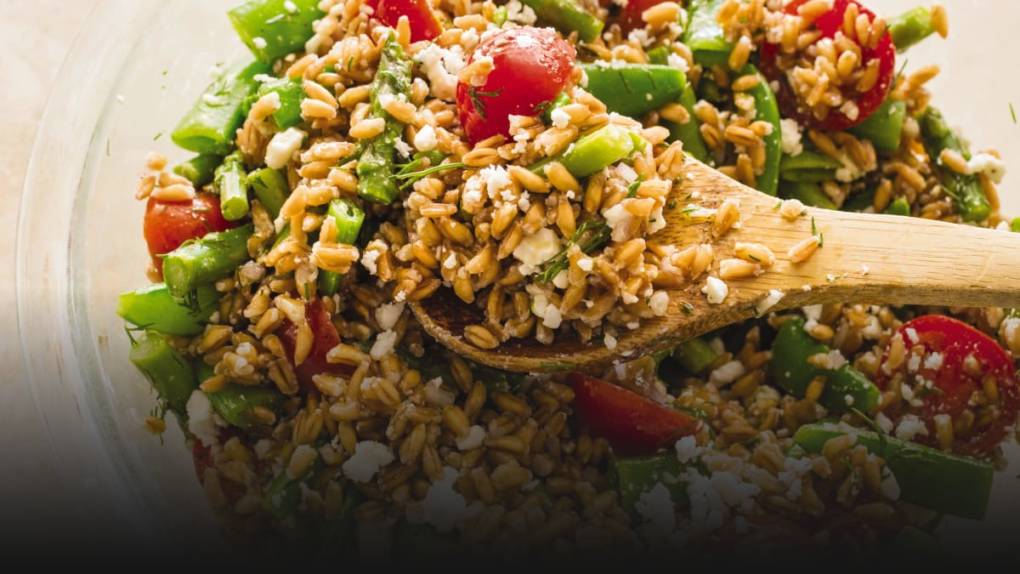
"caption": "The Mediterranean Diet. ",
"description": "The Mediterranean Diet. ",
"title": "SFS_Farro_Salad_Asparagus_Snap_peas_Tomato_1",
"credit": "Courtesy of America's Test Kitchen",
"status": "inherit",
"isLoading": false,
"fetchFailed": false
},
"bayareabites_116928": {
"type": "attachments",
"id": "bayareabites_116928",
"meta": {
"index": "attachments_1716263798",
"site": "bayareabites",
"id": "116928",
"found": true
},
"parent": 116901,
"imgSizes": {
"small": {
"file": "https://ww2.kqed.org/app/uploads/sites/24/2017/04/Good-Eggs-Packaging-2-Image-by-Colin-Price-for-Good-Eggs-520x325.jpg",
"width": 520,
"mimeType": "image/jpeg",
"height": 325
},
"twentyfourteen-full-width": {
"file": "https://ww2.kqed.org/app/uploads/sites/24/2017/04/Good-Eggs-Packaging-2-Image-by-Colin-Price-for-Good-Eggs-1038x576.jpg",
"width": 1038,
"mimeType": "image/jpeg",
"height": 576
},
"thumbnail": {
"file": "https://ww2.kqed.org/app/uploads/sites/24/2017/04/Good-Eggs-Packaging-2-Image-by-Colin-Price-for-Good-Eggs-160x100.jpg",
"width": 160,
"mimeType": "image/jpeg",
"height": 100
},
"fd-sm": {
"file": "https://ww2.kqed.org/app/uploads/sites/24/2017/04/Good-Eggs-Packaging-2-Image-by-Colin-Price-for-Good-Eggs-960x600.jpg",
"width": 960,
"mimeType": "image/jpeg",
"height": 600
},
"post-thumbnail": {
"file": "https://ww2.kqed.org/app/uploads/sites/24/2017/04/Good-Eggs-Packaging-2-Image-by-Colin-Price-for-Good-Eggs-672x372.jpg",
"width": 672,
"mimeType": "image/jpeg",
"height": 372
},
"xsmall": {
"file": "https://ww2.kqed.org/app/uploads/sites/24/2017/04/Good-Eggs-Packaging-2-Image-by-Colin-Price-for-Good-Eggs-375x234.jpg",
"width": 375,
"mimeType": "image/jpeg",
"height": 234
},
"kqedFullSize": {
"file": "https://ww2.kqed.org/app/uploads/sites/24/2017/04/Good-Eggs-Packaging-2-Image-by-Colin-Price-for-Good-Eggs.jpg",
"width": 5760,
"height": 3600
},
"large": {
"file": "https://ww2.kqed.org/app/uploads/sites/24/2017/04/Good-Eggs-Packaging-2-Image-by-Colin-Price-for-Good-Eggs-1020x638.jpg",
"width": 1020,
"mimeType": "image/jpeg",
"height": 638
},
"xlarge": {
"file": "https://ww2.kqed.org/app/uploads/sites/24/2017/04/Good-Eggs-Packaging-2-Image-by-Colin-Price-for-Good-Eggs-1180x738.jpg",
"width": 1180,
"mimeType": "image/jpeg",
"height": 738
},
"guest-author-50": {
"file": "https://ww2.kqed.org/app/uploads/sites/24/2017/04/Good-Eggs-Packaging-2-Image-by-Colin-Price-for-Good-Eggs-50x50.jpg",
"width": 50,
"mimeType": "image/jpeg",
"height": 50
},
"guest-author-96": {
"file": "https://ww2.kqed.org/app/uploads/sites/24/2017/04/Good-Eggs-Packaging-2-Image-by-Colin-Price-for-Good-Eggs-96x96.jpg",
"width": 96,
"mimeType": "image/jpeg",
"height": 96
},
"medium": {
"file": "https://ww2.kqed.org/app/uploads/sites/24/2017/04/Good-Eggs-Packaging-2-Image-by-Colin-Price-for-Good-Eggs-800x500.jpg",
"width": 800,
"mimeType": "image/jpeg",
"height": 500
},
"guest-author-64": {
"file": "https://ww2.kqed.org/app/uploads/sites/24/2017/04/Good-Eggs-Packaging-2-Image-by-Colin-Price-for-Good-Eggs-64x64.jpg",
"width": 64,
"mimeType": "image/jpeg",
"height": 64
},
"guest-author-32": {
"file": "https://ww2.kqed.org/app/uploads/sites/24/2017/04/Good-Eggs-Packaging-2-Image-by-Colin-Price-for-Good-Eggs-32x32.jpg",
"width": 32,
"mimeType": "image/jpeg",
"height": 32
},
"fd-lrg": {
"file": "https://ww2.kqed.org/app/uploads/sites/24/2017/04/Good-Eggs-Packaging-2-Image-by-Colin-Price-for-Good-Eggs-1920x1200.jpg",
"width": 1920,
"mimeType": "image/jpeg",
"height": 1200
},
"fd-med": {
"file": "https://ww2.kqed.org/app/uploads/sites/24/2017/04/Good-Eggs-Packaging-2-Image-by-Colin-Price-for-Good-Eggs-1180x738.jpg",
"width": 1180,
"mimeType": "image/jpeg",
"height": 738
},
"full-width": {
"file": "https://ww2.kqed.org/app/uploads/sites/24/2017/04/Good-Eggs-Packaging-2-Image-by-Colin-Price-for-Good-Eggs-1920x1200.jpg",
"width": 1920,
"mimeType": "image/jpeg",
"height": 1200
},
"detail": {
"file": "https://ww2.kqed.org/app/uploads/sites/24/2017/04/Good-Eggs-Packaging-2-Image-by-Colin-Price-for-Good-Eggs-150x150.jpg",
"width": 150,
"mimeType": "image/jpeg",
"height": 150
},
"medium_large": {
"file": "https://ww2.kqed.org/app/uploads/sites/24/2017/04/Good-Eggs-Packaging-2-Image-by-Colin-Price-for-Good-Eggs-768x480.jpg",
"width": 768,
"mimeType": "image/jpeg",
"height": 480
},
"guest-author-128": {
"file": "https://ww2.kqed.org/app/uploads/sites/24/2017/04/Good-Eggs-Packaging-2-Image-by-Colin-Price-for-Good-Eggs-128x128.jpg",
"width": 128,
"mimeType": "image/jpeg",
"height": 128
},
"xxsmall": {
"file": "https://ww2.kqed.org/app/uploads/sites/24/2017/04/Good-Eggs-Packaging-2-Image-by-Colin-Price-for-Good-Eggs-240x150.jpg",
"width": 240,
"mimeType": "image/jpeg",
"height": 150
}
},
"publishDate": 1492799088,
"modified": 1492799128,
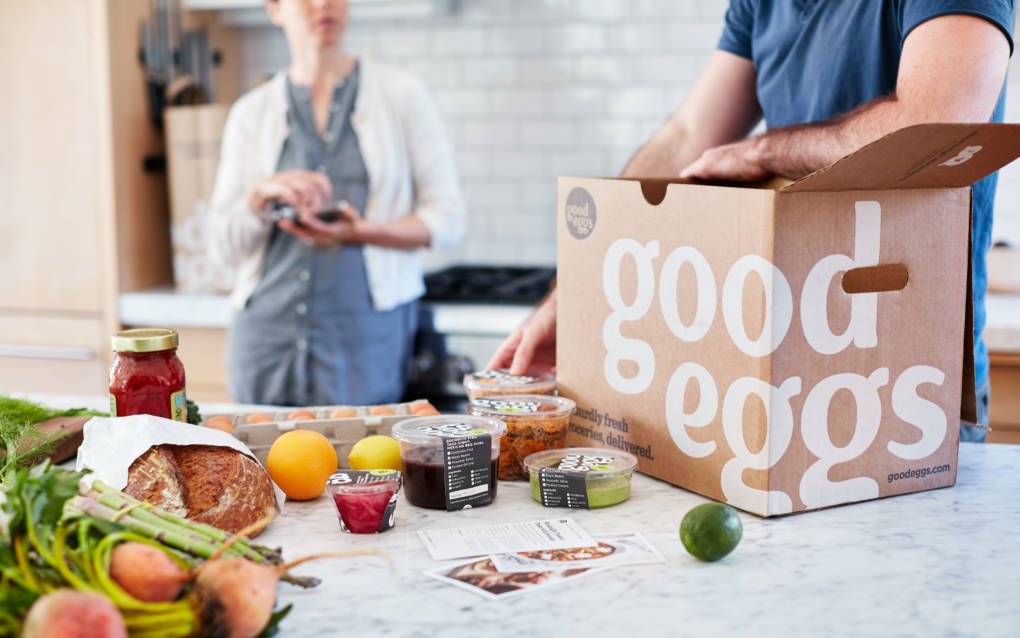
"caption": "Good Eggs meal kit ",
"description": "Good Eggs meal kit ",
"title": "Good Eggs Packaging 2 Image by Colin Price for Good Eggs",
"credit": "Colin Price/Courtesy of Good Eggs",
"status": "inherit",
"isLoading": false,
"fetchFailed": false
},
"bayareabites_124282": {
"type": "attachments",
"id": "bayareabites_124282",
"meta": {
"index": "attachments_1716263798",
"site": "bayareabites",
"id": "124282",
"found": true
},
"parent": 124278,
"imgSizes": {
"small": {
"file": "https://ww2.kqed.org/app/uploads/sites/24/2018/01/13210215923_dd043eaa73_k-520x495.jpg",
"width": 520,
"mimeType": "image/jpeg",
"height": 495
},
"twentyfourteen-full-width": {
"file": "https://ww2.kqed.org/app/uploads/sites/24/2018/01/13210215923_dd043eaa73_k-1038x576.jpg",
"width": 1038,
"mimeType": "image/jpeg",
"height": 576
},
"thumbnail": {
"file": "https://ww2.kqed.org/app/uploads/sites/24/2018/01/13210215923_dd043eaa73_k-160x152.jpg",
"width": 160,
"mimeType": "image/jpeg",
"height": 152
},
"fd-sm": {
"file": "https://ww2.kqed.org/app/uploads/sites/24/2018/01/13210215923_dd043eaa73_k-960x915.jpg",
"width": 960,
"mimeType": "image/jpeg",
"height": 915
},
"post-thumbnail": {
"file": "https://ww2.kqed.org/app/uploads/sites/24/2018/01/13210215923_dd043eaa73_k-672x372.jpg",
"width": 672,
"mimeType": "image/jpeg",
"height": 372
},
"xsmall": {
"file": "https://ww2.kqed.org/app/uploads/sites/24/2018/01/13210215923_dd043eaa73_k-375x357.jpg",
"width": 375,
"mimeType": "image/jpeg",
"height": 357
},
"kqedFullSize": {
"file": "https://ww2.kqed.org/app/uploads/sites/24/2018/01/13210215923_dd043eaa73_k.jpg",
"width": 2048,
"height": 1951
},
"large": {
"file": "https://ww2.kqed.org/app/uploads/sites/24/2018/01/13210215923_dd043eaa73_k-1020x972.jpg",
"width": 1020,
"mimeType": "image/jpeg",
"height": 972
},
"xlarge": {
"file": "https://ww2.kqed.org/app/uploads/sites/24/2018/01/13210215923_dd043eaa73_k-1180x1124.jpg",
"width": 1180,
"mimeType": "image/jpeg",
"height": 1124
},
"guest-author-50": {
"file": "https://ww2.kqed.org/app/uploads/sites/24/2018/01/13210215923_dd043eaa73_k-50x50.jpg",
"width": 50,
"mimeType": "image/jpeg",
"height": 50
},
"guest-author-96": {
"file": "https://ww2.kqed.org/app/uploads/sites/24/2018/01/13210215923_dd043eaa73_k-96x96.jpg",
"width": 96,
"mimeType": "image/jpeg",
"height": 96
},
"medium": {
"file": "https://ww2.kqed.org/app/uploads/sites/24/2018/01/13210215923_dd043eaa73_k-800x762.jpg",
"width": 800,
"mimeType": "image/jpeg",
"height": 762
},
"guest-author-64": {
"file": "https://ww2.kqed.org/app/uploads/sites/24/2018/01/13210215923_dd043eaa73_k-64x64.jpg",
"width": 64,
"mimeType": "image/jpeg",
"height": 64
},
"guest-author-32": {
"file": "https://ww2.kqed.org/app/uploads/sites/24/2018/01/13210215923_dd043eaa73_k-32x32.jpg",
"width": 32,
"mimeType": "image/jpeg",
"height": 32
},
"fd-lrg": {
"file": "https://ww2.kqed.org/app/uploads/sites/24/2018/01/13210215923_dd043eaa73_k-1920x1829.jpg",
"width": 1920,
"mimeType": "image/jpeg",
"height": 1829
},
"fd-med": {
"file": "https://ww2.kqed.org/app/uploads/sites/24/2018/01/13210215923_dd043eaa73_k-1180x1124.jpg",
"width": 1180,
"mimeType": "image/jpeg",
"height": 1124
},
"full-width": {
"file": "https://ww2.kqed.org/app/uploads/sites/24/2018/01/13210215923_dd043eaa73_k-1920x1829.jpg",
"width": 1920,
"mimeType": "image/jpeg",
"height": 1829
},
"detail": {
"file": "https://ww2.kqed.org/app/uploads/sites/24/2018/01/13210215923_dd043eaa73_k-150x150.jpg",
"width": 150,
"mimeType": "image/jpeg",
"height": 150
},
"medium_large": {
"file": "https://ww2.kqed.org/app/uploads/sites/24/2018/01/13210215923_dd043eaa73_k-768x732.jpg",
"width": 768,
"mimeType": "image/jpeg",
"height": 732
},
"guest-author-128": {
"file": "https://ww2.kqed.org/app/uploads/sites/24/2018/01/13210215923_dd043eaa73_k-128x128.jpg",
"width": 128,
"mimeType": "image/jpeg",
"height": 128
},
"xxsmall": {
"file": "https://ww2.kqed.org/app/uploads/sites/24/2018/01/13210215923_dd043eaa73_k-240x229.jpg",
"width": 240,
"mimeType": "image/jpeg",
"height": 229
}
},
"publishDate": 1515041293,
"modified": 1515041406,
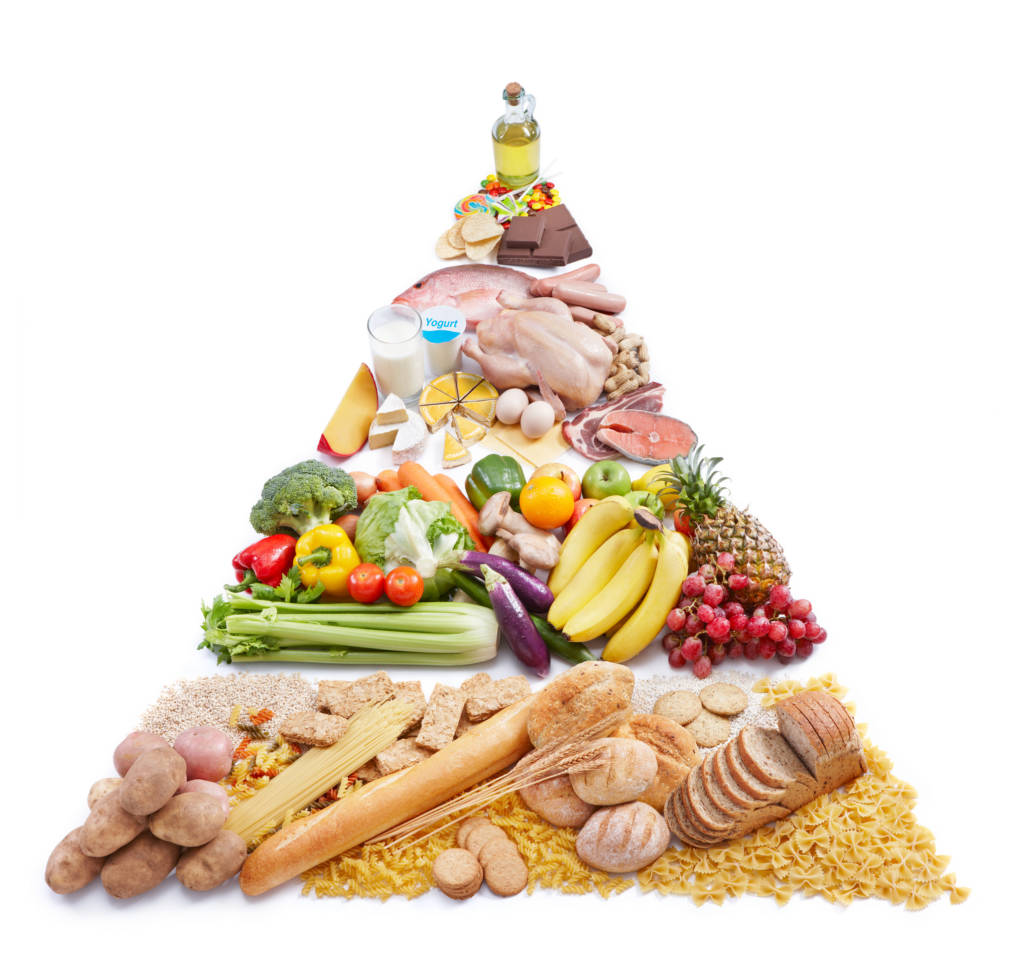
"caption": "Food pyramid",
"description": "Food pyramid",
"title": "13210215923_dd043eaa73_k",
"credit": "\u003ca href=\"https://www.flickr.com/photos/118895729@N03/\">bigbrand\u003c/a>/\u003ca href=\"https://www.flickr.com/photos/118895729@N03/13210215923/\">Flickr\u003c/a> via Creative Commons",
"status": "inherit",
"isLoading": false,
"fetchFailed": false
},
"bayareabites_124254": {
"type": "attachments",
"id": "bayareabites_124254",
"meta": {
"index": "attachments_1716263798",
"site": "bayareabites",
"id": "124254",
"found": true
},
"parent": 124253,
"imgSizes": {
"small": {
"file": "https://ww2.kqed.org/app/uploads/sites/24/2018/01/paigevickers_npr_12-31_custom-251cfac3213fa0037f22485e1e91fd0666cbe5d9-520x346.jpe",
"width": 520,
"mimeType": "image/jpeg",
"height": 346
},
"twentyfourteen-full-width": {
"file": "https://ww2.kqed.org/app/uploads/sites/24/2018/01/paigevickers_npr_12-31_custom-251cfac3213fa0037f22485e1e91fd0666cbe5d9-1038x576.jpe",
"width": 1038,
"mimeType": "image/jpeg",
"height": 576
},
"thumbnail": {
"file": "https://ww2.kqed.org/app/uploads/sites/24/2018/01/paigevickers_npr_12-31_custom-251cfac3213fa0037f22485e1e91fd0666cbe5d9-160x107.jpe",
"width": 160,
"mimeType": "image/jpeg",
"height": 107
},
"fd-sm": {
"file": "https://ww2.kqed.org/app/uploads/sites/24/2018/01/paigevickers_npr_12-31_custom-251cfac3213fa0037f22485e1e91fd0666cbe5d9-960x639.jpe",
"width": 960,
"mimeType": "image/jpeg",
"height": 639
},
"post-thumbnail": {
"file": "https://ww2.kqed.org/app/uploads/sites/24/2018/01/paigevickers_npr_12-31_custom-251cfac3213fa0037f22485e1e91fd0666cbe5d9-672x372.jpe",
"width": 672,
"mimeType": "image/jpeg",
"height": 372
},
"xsmall": {
"file": "https://ww2.kqed.org/app/uploads/sites/24/2018/01/paigevickers_npr_12-31_custom-251cfac3213fa0037f22485e1e91fd0666cbe5d9-375x250.jpe",
"width": 375,
"mimeType": "image/jpeg",
"height": 250
},
"kqedFullSize": {
"file": "https://ww2.kqed.org/app/uploads/sites/24/2018/01/paigevickers_npr_12-31_custom-251cfac3213fa0037f22485e1e91fd0666cbe5d9.jpe",
"width": 3000,
"height": 1998
},
"large": {
"file": "https://ww2.kqed.org/app/uploads/sites/24/2018/01/paigevickers_npr_12-31_custom-251cfac3213fa0037f22485e1e91fd0666cbe5d9-1020x679.jpe",
"width": 1020,
"mimeType": "image/jpeg",
"height": 679
},
"xlarge": {
"file": "https://ww2.kqed.org/app/uploads/sites/24/2018/01/paigevickers_npr_12-31_custom-251cfac3213fa0037f22485e1e91fd0666cbe5d9-1180x786.jpe",
"width": 1180,
"mimeType": "image/jpeg",
"height": 786
},
"guest-author-50": {
"file": "https://ww2.kqed.org/app/uploads/sites/24/2018/01/paigevickers_npr_12-31_custom-251cfac3213fa0037f22485e1e91fd0666cbe5d9-50x50.jpe",
"width": 50,
"mimeType": "image/jpeg",
"height": 50
},
"guest-author-96": {
"file": "https://ww2.kqed.org/app/uploads/sites/24/2018/01/paigevickers_npr_12-31_custom-251cfac3213fa0037f22485e1e91fd0666cbe5d9-96x96.jpe",
"width": 96,
"mimeType": "image/jpeg",
"height": 96
},
"medium": {
"file": "https://ww2.kqed.org/app/uploads/sites/24/2018/01/paigevickers_npr_12-31_custom-251cfac3213fa0037f22485e1e91fd0666cbe5d9-800x533.jpe",
"width": 800,
"mimeType": "image/jpeg",
"height": 533
},
"guest-author-64": {
"file": "https://ww2.kqed.org/app/uploads/sites/24/2018/01/paigevickers_npr_12-31_custom-251cfac3213fa0037f22485e1e91fd0666cbe5d9-64x64.jpe",
"width": 64,
"mimeType": "image/jpeg",
"height": 64
},
"guest-author-32": {
"file": "https://ww2.kqed.org/app/uploads/sites/24/2018/01/paigevickers_npr_12-31_custom-251cfac3213fa0037f22485e1e91fd0666cbe5d9-32x32.jpe",
"width": 32,
"mimeType": "image/jpeg",
"height": 32
},
"fd-lrg": {
"file": "https://ww2.kqed.org/app/uploads/sites/24/2018/01/paigevickers_npr_12-31_custom-251cfac3213fa0037f22485e1e91fd0666cbe5d9-1920x1279.jpe",
"width": 1920,
"mimeType": "image/jpeg",
"height": 1279
},
"fd-med": {
"file": "https://ww2.kqed.org/app/uploads/sites/24/2018/01/paigevickers_npr_12-31_custom-251cfac3213fa0037f22485e1e91fd0666cbe5d9-1180x786.jpe",
"width": 1180,
"mimeType": "image/jpeg",
"height": 786
},
"full-width": {
"file": "https://ww2.kqed.org/app/uploads/sites/24/2018/01/paigevickers_npr_12-31_custom-251cfac3213fa0037f22485e1e91fd0666cbe5d9-1920x1279.jpe",
"width": 1920,
"mimeType": "image/jpeg",
"height": 1279
},
"detail": {
"file": "https://ww2.kqed.org/app/uploads/sites/24/2018/01/paigevickers_npr_12-31_custom-251cfac3213fa0037f22485e1e91fd0666cbe5d9-150x150.jpe",
"width": 150,
"mimeType": "image/jpeg",
"height": 150
},
"medium_large": {
"file": "https://ww2.kqed.org/app/uploads/sites/24/2018/01/paigevickers_npr_12-31_custom-251cfac3213fa0037f22485e1e91fd0666cbe5d9-768x511.jpe",
"width": 768,
"mimeType": "image/jpeg",
"height": 511
},
"guest-author-128": {
"file": "https://ww2.kqed.org/app/uploads/sites/24/2018/01/paigevickers_npr_12-31_custom-251cfac3213fa0037f22485e1e91fd0666cbe5d9-128x128.jpe",
"width": 128,
"mimeType": "image/jpeg",
"height": 128
},
"xxsmall": {
"file": "https://ww2.kqed.org/app/uploads/sites/24/2018/01/paigevickers_npr_12-31_custom-251cfac3213fa0037f22485e1e91fd0666cbe5d9-240x160.jpe",
"width": 240,
"mimeType": "image/jpeg",
"height": 160
}
},
"publishDate": 1514915061,
"modified": 1514915963,
"caption": null,
"description": null,
"title": "Research shows that logging what you eat can be one powerful strategy for weight loss.",
"credit": "Paige Vickers for NPR",
"status": "inherit",
"isLoading": false,
"fetchFailed": false
},
"bayareabites_124219": {
"type": "attachments",
"id": "bayareabites_124219",
"meta": {
"index": "attachments_1716263798",
"site": "bayareabites",
"id": "124219",
"found": true
},
"parent": 124214,
"imgSizes": {
"small": {
"file": "https://ww2.kqed.org/app/uploads/sites/24/2017/12/GettyImages-107806936-1-520x757.jpg",
"width": 520,
"mimeType": "image/jpeg",
"height": 757
},
"twentyfourteen-full-width": {
"file": "https://ww2.kqed.org/app/uploads/sites/24/2017/12/GettyImages-107806936-1-1038x576.jpg",
"width": 1038,
"mimeType": "image/jpeg",
"height": 576
},
"thumbnail": {
"file": "https://ww2.kqed.org/app/uploads/sites/24/2017/12/GettyImages-107806936-1-160x233.jpg",
"width": 160,
"mimeType": "image/jpeg",
"height": 233
},
"fd-sm": {
"file": "https://ww2.kqed.org/app/uploads/sites/24/2017/12/GettyImages-107806936-1-960x1397.jpg",
"width": 960,
"mimeType": "image/jpeg",
"height": 1397
},
"post-thumbnail": {
"file": "https://ww2.kqed.org/app/uploads/sites/24/2017/12/GettyImages-107806936-1-672x372.jpg",
"width": 672,
"mimeType": "image/jpeg",
"height": 372
},
"xsmall": {
"file": "https://ww2.kqed.org/app/uploads/sites/24/2017/12/GettyImages-107806936-1-375x546.jpg",
"width": 375,
"mimeType": "image/jpeg",
"height": 546
},
"kqedFullSize": {
"file": "https://ww2.kqed.org/app/uploads/sites/24/2017/12/GettyImages-107806936-1-e1514559447616.jpg",
"width": 500,
"height": 728
},
"large": {
"file": "https://ww2.kqed.org/app/uploads/sites/24/2017/12/GettyImages-107806936-1-1020x1485.jpg",
"width": 1020,
"mimeType": "image/jpeg",
"height": 1485
},
"xlarge": {
"file": "https://ww2.kqed.org/app/uploads/sites/24/2017/12/GettyImages-107806936-1-1180x1718.jpg",
"width": 1180,
"mimeType": "image/jpeg",
"height": 1718
},
"guest-author-50": {
"file": "https://ww2.kqed.org/app/uploads/sites/24/2017/12/GettyImages-107806936-1-50x50.jpg",
"width": 50,
"mimeType": "image/jpeg",
"height": 50
},
"guest-author-96": {
"file": "https://ww2.kqed.org/app/uploads/sites/24/2017/12/GettyImages-107806936-1-96x96.jpg",
"width": 96,
"mimeType": "image/jpeg",
"height": 96
},
"medium": {
"file": "https://ww2.kqed.org/app/uploads/sites/24/2017/12/GettyImages-107806936-1-800x1164.jpg",
"width": 800,
"mimeType": "image/jpeg",
"height": 1164
},
"guest-author-64": {
"file": "https://ww2.kqed.org/app/uploads/sites/24/2017/12/GettyImages-107806936-1-64x64.jpg",
"width": 64,
"mimeType": "image/jpeg",
"height": 64
},
"guest-author-32": {
"file": "https://ww2.kqed.org/app/uploads/sites/24/2017/12/GettyImages-107806936-1-32x32.jpg",
"width": 32,
"mimeType": "image/jpeg",
"height": 32
},
"fd-med": {
"file": "https://ww2.kqed.org/app/uploads/sites/24/2017/12/GettyImages-107806936-1-1180x1718.jpg",
"width": 1180,
"mimeType": "image/jpeg",
"height": 1718
},
"detail": {
"file": "https://ww2.kqed.org/app/uploads/sites/24/2017/12/GettyImages-107806936-1-150x150.jpg",
"width": 150,
"mimeType": "image/jpeg",
"height": 150
},
"medium_large": {
"file": "https://ww2.kqed.org/app/uploads/sites/24/2017/12/GettyImages-107806936-1-768x1118.jpg",
"width": 768,
"mimeType": "image/jpeg",
"height": 1118
},
"guest-author-128": {
"file": "https://ww2.kqed.org/app/uploads/sites/24/2017/12/GettyImages-107806936-1-128x128.jpg",
"width": 128,
"mimeType": "image/jpeg",
"height": 128
},
"xxsmall": {
"file": "https://ww2.kqed.org/app/uploads/sites/24/2017/12/GettyImages-107806936-1-240x349.jpg",
"width": 240,
"mimeType": "image/jpeg",
"height": 349
}
},
"publishDate": 1514559262,
"modified": 1514559353,
"caption": "The smaller the bubble in that glass of champagne, the higher the pitch — and the price.",
"description": null,
"title": "A picture taken on December 29, 2010 in",
"credit": "Miguel Medina /AFP/Getty Images",
"status": "inherit",
"isLoading": false,
"fetchFailed": false
},
"bayareabites_124009": {
"type": "attachments",
"id": "bayareabites_124009",
"meta": {
"index": "attachments_1716263798",
"site": "bayareabites",
"id": "124009",
"found": true
},
"parent": 124006,
"imgSizes": {
"small": {
"file": "https://ww2.kqed.org/app/uploads/sites/24/2017/12/GettyImages-630957102-520x346.jpg",
"width": 520,
"mimeType": "image/jpeg",
"height": 346
},
"twentyfourteen-full-width": {
"file": "https://ww2.kqed.org/app/uploads/sites/24/2017/12/GettyImages-630957102-1038x576.jpg",
"width": 1038,
"mimeType": "image/jpeg",
"height": 576
},
"thumbnail": {
"file": "https://ww2.kqed.org/app/uploads/sites/24/2017/12/GettyImages-630957102-160x107.jpg",
"width": 160,
"mimeType": "image/jpeg",
"height": 107
},
"fd-sm": {
"file": "https://ww2.kqed.org/app/uploads/sites/24/2017/12/GettyImages-630957102-960x639.jpg",
"width": 960,
"mimeType": "image/jpeg",
"height": 639
},
"post-thumbnail": {
"file": "https://ww2.kqed.org/app/uploads/sites/24/2017/12/GettyImages-630957102-672x372.jpg",
"width": 672,
"mimeType": "image/jpeg",
"height": 372
},
"xsmall": {
"file": "https://ww2.kqed.org/app/uploads/sites/24/2017/12/GettyImages-630957102-375x250.jpg",
"width": 375,
"mimeType": "image/jpeg",
"height": 250
},
"kqedFullSize": {
"file": "https://ww2.kqed.org/app/uploads/sites/24/2017/12/GettyImages-630957102.jpg",
"width": 3000,
"height": 1997
},
"large": {
"file": "https://ww2.kqed.org/app/uploads/sites/24/2017/12/GettyImages-630957102-1020x679.jpg",
"width": 1020,
"mimeType": "image/jpeg",
"height": 679
},
"xlarge": {
"file": "https://ww2.kqed.org/app/uploads/sites/24/2017/12/GettyImages-630957102-1180x785.jpg",
"width": 1180,
"mimeType": "image/jpeg",
"height": 785
},
"guest-author-50": {
"file": "https://ww2.kqed.org/app/uploads/sites/24/2017/12/GettyImages-630957102-50x50.jpg",
"width": 50,
"mimeType": "image/jpeg",
"height": 50
},
"guest-author-96": {
"file": "https://ww2.kqed.org/app/uploads/sites/24/2017/12/GettyImages-630957102-96x96.jpg",
"width": 96,
"mimeType": "image/jpeg",
"height": 96
},
"medium": {
"file": "https://ww2.kqed.org/app/uploads/sites/24/2017/12/GettyImages-630957102-800x533.jpg",
"width": 800,
"mimeType": "image/jpeg",
"height": 533
},
"guest-author-64": {
"file": "https://ww2.kqed.org/app/uploads/sites/24/2017/12/GettyImages-630957102-64x64.jpg",
"width": 64,
"mimeType": "image/jpeg",
"height": 64
},
"guest-author-32": {
"file": "https://ww2.kqed.org/app/uploads/sites/24/2017/12/GettyImages-630957102-32x32.jpg",
"width": 32,
"mimeType": "image/jpeg",
"height": 32
},
"fd-lrg": {
"file": "https://ww2.kqed.org/app/uploads/sites/24/2017/12/GettyImages-630957102-1920x1278.jpg",
"width": 1920,
"mimeType": "image/jpeg",
"height": 1278
},
"fd-med": {
"file": "https://ww2.kqed.org/app/uploads/sites/24/2017/12/GettyImages-630957102-1180x785.jpg",
"width": 1180,
"mimeType": "image/jpeg",
"height": 785
},
"full-width": {
"file": "https://ww2.kqed.org/app/uploads/sites/24/2017/12/GettyImages-630957102-1920x1278.jpg",
"width": 1920,
"mimeType": "image/jpeg",
"height": 1278
},
"detail": {
"file": "https://ww2.kqed.org/app/uploads/sites/24/2017/12/GettyImages-630957102-150x150.jpg",
"width": 150,
"mimeType": "image/jpeg",
"height": 150
},
"medium_large": {
"file": "https://ww2.kqed.org/app/uploads/sites/24/2017/12/GettyImages-630957102-768x511.jpg",
"width": 768,
"mimeType": "image/jpeg",
"height": 511
},
"guest-author-128": {
"file": "https://ww2.kqed.org/app/uploads/sites/24/2017/12/GettyImages-630957102-128x128.jpg",
"width": 128,
"mimeType": "image/jpeg",
"height": 128
},
"xxsmall": {
"file": "https://ww2.kqed.org/app/uploads/sites/24/2017/12/GettyImages-630957102-240x160.jpg",
"width": 240,
"mimeType": "image/jpeg",
"height": 160
}
},
"publishDate": 1514291227,
"modified": 1514291287,
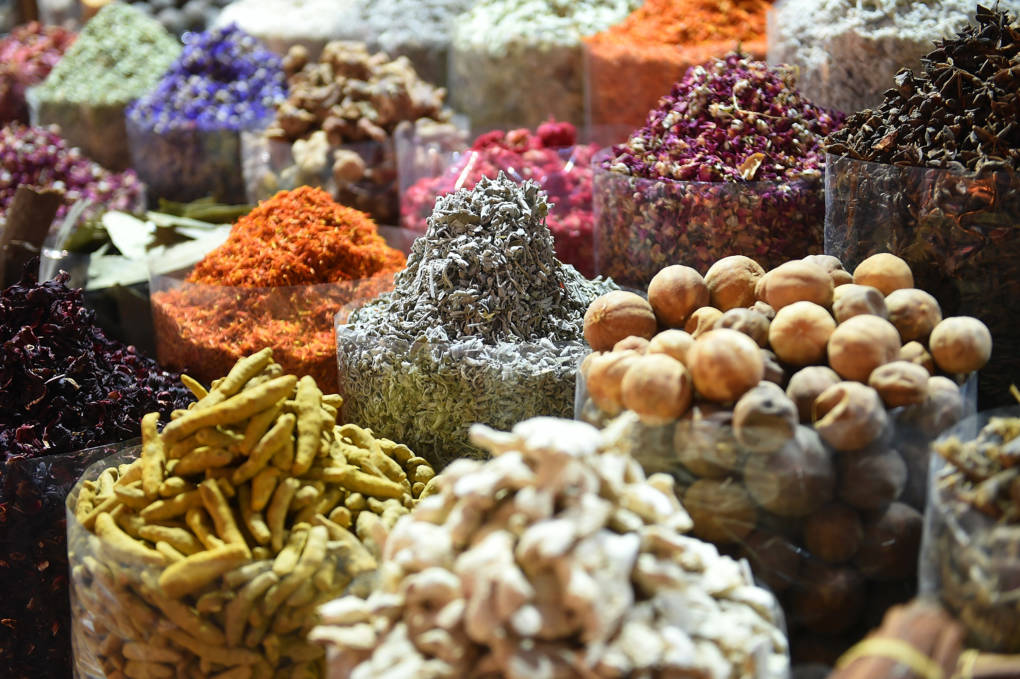
"caption": "The United States leads the world in spice consumption, but also in spice imports.",
"description": "DUBAI, UNITED ARAB EMIRATES - JANUARY 04: Spices are pictured on January 4, 2017 in Dubai, United Arab Emirates. (Photo by Tom Dulat/Getty Images)",
"title": "Dubai - 2017",
"credit": " Tom Dulat/Getty Images",
"status": "inherit",
"isLoading": false,
"fetchFailed": false
},
"bayareabites_123785": {
"type": "attachments",
"id": "bayareabites_123785",
"meta": {
"index": "attachments_1716263798",
"site": "bayareabites",
"id": "123785",
"found": true
},
"parent": 123784,
"imgSizes": {
"small": {
"file": "https://ww2.kqed.org/app/uploads/sites/24/2017/12/mg_9774_slide-a582fdeb49561d8f1755c307131a73fef3e2e6d9-520x347.jpg",
"width": 520,
"mimeType": "image/jpeg",
"height": 347
},
"twentyfourteen-full-width": {
"file": "https://ww2.kqed.org/app/uploads/sites/24/2017/12/mg_9774_slide-a582fdeb49561d8f1755c307131a73fef3e2e6d9-1038x576.jpg",
"width": 1038,
"mimeType": "image/jpeg",
"height": 576
},
"thumbnail": {
"file": "https://ww2.kqed.org/app/uploads/sites/24/2017/12/mg_9774_slide-a582fdeb49561d8f1755c307131a73fef3e2e6d9-160x107.jpg",
"width": 160,
"mimeType": "image/jpeg",
"height": 107
},
"fd-sm": {
"file": "https://ww2.kqed.org/app/uploads/sites/24/2017/12/mg_9774_slide-a582fdeb49561d8f1755c307131a73fef3e2e6d9-960x640.jpg",
"width": 960,
"mimeType": "image/jpeg",
"height": 640
},
"post-thumbnail": {
"file": "https://ww2.kqed.org/app/uploads/sites/24/2017/12/mg_9774_slide-a582fdeb49561d8f1755c307131a73fef3e2e6d9-672x372.jpg",
"width": 672,
"mimeType": "image/jpeg",
"height": 372
},
"xsmall": {
"file": "https://ww2.kqed.org/app/uploads/sites/24/2017/12/mg_9774_slide-a582fdeb49561d8f1755c307131a73fef3e2e6d9-375x250.jpg",
"width": 375,
"mimeType": "image/jpeg",
"height": 250
},
"kqedFullSize": {
"file": "https://ww2.kqed.org/app/uploads/sites/24/2017/12/mg_9774_slide-a582fdeb49561d8f1755c307131a73fef3e2e6d9.jpg",
"width": 2997,
"height": 1998
},
"large": {
"file": "https://ww2.kqed.org/app/uploads/sites/24/2017/12/mg_9774_slide-a582fdeb49561d8f1755c307131a73fef3e2e6d9-1020x680.jpg",
"width": 1020,
"mimeType": "image/jpeg",
"height": 680
},
"xlarge": {
"file": "https://ww2.kqed.org/app/uploads/sites/24/2017/12/mg_9774_slide-a582fdeb49561d8f1755c307131a73fef3e2e6d9-1180x787.jpg",
"width": 1180,
"mimeType": "image/jpeg",
"height": 787
},
"guest-author-50": {
"file": "https://ww2.kqed.org/app/uploads/sites/24/2017/12/mg_9774_slide-a582fdeb49561d8f1755c307131a73fef3e2e6d9-50x50.jpg",
"width": 50,
"mimeType": "image/jpeg",
"height": 50
},
"guest-author-96": {
"file": "https://ww2.kqed.org/app/uploads/sites/24/2017/12/mg_9774_slide-a582fdeb49561d8f1755c307131a73fef3e2e6d9-96x96.jpg",
"width": 96,
"mimeType": "image/jpeg",
"height": 96
},
"medium": {
"file": "https://ww2.kqed.org/app/uploads/sites/24/2017/12/mg_9774_slide-a582fdeb49561d8f1755c307131a73fef3e2e6d9-800x533.jpg",
"width": 800,
"mimeType": "image/jpeg",
"height": 533
},
"guest-author-64": {
"file": "https://ww2.kqed.org/app/uploads/sites/24/2017/12/mg_9774_slide-a582fdeb49561d8f1755c307131a73fef3e2e6d9-64x64.jpg",
"width": 64,
"mimeType": "image/jpeg",
"height": 64
},
"guest-author-32": {
"file": "https://ww2.kqed.org/app/uploads/sites/24/2017/12/mg_9774_slide-a582fdeb49561d8f1755c307131a73fef3e2e6d9-32x32.jpg",
"width": 32,
"mimeType": "image/jpeg",
"height": 32
},
"fd-lrg": {
"file": "https://ww2.kqed.org/app/uploads/sites/24/2017/12/mg_9774_slide-a582fdeb49561d8f1755c307131a73fef3e2e6d9-1920x1280.jpg",
"width": 1920,
"mimeType": "image/jpeg",
"height": 1280
},
"fd-med": {
"file": "https://ww2.kqed.org/app/uploads/sites/24/2017/12/mg_9774_slide-a582fdeb49561d8f1755c307131a73fef3e2e6d9-1180x787.jpg",
"width": 1180,
"mimeType": "image/jpeg",
"height": 787
},
"full-width": {
"file": "https://ww2.kqed.org/app/uploads/sites/24/2017/12/mg_9774_slide-a582fdeb49561d8f1755c307131a73fef3e2e6d9-1920x1280.jpg",
"width": 1920,
"mimeType": "image/jpeg",
"height": 1280
},
"detail": {
"file": "https://ww2.kqed.org/app/uploads/sites/24/2017/12/mg_9774_slide-a582fdeb49561d8f1755c307131a73fef3e2e6d9-150x150.jpg",
"width": 150,
"mimeType": "image/jpeg",
"height": 150
},
"medium_large": {
"file": "https://ww2.kqed.org/app/uploads/sites/24/2017/12/mg_9774_slide-a582fdeb49561d8f1755c307131a73fef3e2e6d9-768x512.jpg",
"width": 768,
"mimeType": "image/jpeg",
"height": 512
},
"guest-author-128": {
"file": "https://ww2.kqed.org/app/uploads/sites/24/2017/12/mg_9774_slide-a582fdeb49561d8f1755c307131a73fef3e2e6d9-128x128.jpg",
"width": 128,
"mimeType": "image/jpeg",
"height": 128
},
"xxsmall": {
"file": "https://ww2.kqed.org/app/uploads/sites/24/2017/12/mg_9774_slide-a582fdeb49561d8f1755c307131a73fef3e2e6d9-240x160.jpg",
"width": 240,
"mimeType": "image/jpeg",
"height": 160
}
},
"publishDate": 1513783302,
"modified": 1513783468,
"caption": "A smörgåsbord at the Christmas party held at the Swedish Embassy in Washington, D.C. this year. The smörgåsbord was introduced to America in 1939 by the Swedish delegation to the World's Fair. The holiday version of the meal, called a julbord, is traditionally served on Dec. 24 and features an endless array of fish, bread and cheese, cold meats, hot dishes and dessert.",
"description": "A\u003cem> smörgåsbord \u003c/em>at the Christmas party held at the Swedish Embassy in Washington, D.C. this year. The smörgåsbord was introduced to America in 1939 by the Swedish delegation to the World's Fair. The holiday version of the meal, called a \u003cem>julbord,\u003c/em> is traditionally served on Dec. 24 and features an endless array of fish, bread and cheese, cold meats, hot dishes and dess",
"title": "A smörgåsbord at the Christmas party held at the Swedish Embassy in Washington, D.C. this year. The smörgåsbord was introduced to America in 1939 by the Swedish delegation to the World's Fair. The holiday version of the meal, called a julbord, is traditionally served on Dec. 24 and features an endless array of fish, bread and cheese, cold meats, hot dishes and dessert.",
"credit": "Jennifer Kerrigan/NPR",
"status": "inherit",
"isLoading": false,
"fetchFailed": false
},
"bayareabites_122224": {
"type": "attachments",
"id": "bayareabites_122224",
"meta": {
"index": "attachments_1716263798",
"site": "bayareabites",
"id": "122224",
"found": true
},
"parent": 122186,
"imgSizes": {
"small": {
"file": "https://ww2.kqed.org/app/uploads/sites/24/2017/11/MG_1397-new-520x347.jpg",
"width": 520,
"mimeType": "image/jpeg",
"height": 347
},
"twentyfourteen-full-width": {
"file": "https://ww2.kqed.org/app/uploads/sites/24/2017/11/MG_1397-new-1038x576.jpg",
"width": 1038,
"mimeType": "image/jpeg",
"height": 576
},
"thumbnail": {
"file": "https://ww2.kqed.org/app/uploads/sites/24/2017/11/MG_1397-new-160x107.jpg",
"width": 160,
"mimeType": "image/jpeg",
"height": 107
},
"fd-sm": {
"file": "https://ww2.kqed.org/app/uploads/sites/24/2017/11/MG_1397-new-960x640.jpg",
"width": 960,
"mimeType": "image/jpeg",
"height": 640
},
"post-thumbnail": {
"file": "https://ww2.kqed.org/app/uploads/sites/24/2017/11/MG_1397-new-672x372.jpg",
"width": 672,
"mimeType": "image/jpeg",
"height": 372
},
"xsmall": {
"file": "https://ww2.kqed.org/app/uploads/sites/24/2017/11/MG_1397-new-375x250.jpg",
"width": 375,
"mimeType": "image/jpeg",
"height": 250
},
"kqedFullSize": {
"file": "https://ww2.kqed.org/app/uploads/sites/24/2017/11/MG_1397-new.jpg",
"width": 1920,
"height": 1280
},
"large": {
"file": "https://ww2.kqed.org/app/uploads/sites/24/2017/11/MG_1397-new-1020x680.jpg",
"width": 1020,
"mimeType": "image/jpeg",
"height": 680
},
"xlarge": {
"file": "https://ww2.kqed.org/app/uploads/sites/24/2017/11/MG_1397-new-1180x787.jpg",
"width": 1180,
"mimeType": "image/jpeg",
"height": 787
},
"guest-author-50": {
"file": "https://ww2.kqed.org/app/uploads/sites/24/2017/11/MG_1397-new-50x50.jpg",
"width": 50,
"mimeType": "image/jpeg",
"height": 50
},
"guest-author-96": {
"file": "https://ww2.kqed.org/app/uploads/sites/24/2017/11/MG_1397-new-96x96.jpg",
"width": 96,
"mimeType": "image/jpeg",
"height": 96
},
"medium": {
"file": "https://ww2.kqed.org/app/uploads/sites/24/2017/11/MG_1397-new-800x533.jpg",
"width": 800,
"mimeType": "image/jpeg",
"height": 533
},
"guest-author-64": {
"file": "https://ww2.kqed.org/app/uploads/sites/24/2017/11/MG_1397-new-64x64.jpg",
"width": 64,
"mimeType": "image/jpeg",
"height": 64
},
"guest-author-32": {
"file": "https://ww2.kqed.org/app/uploads/sites/24/2017/11/MG_1397-new-32x32.jpg",
"width": 32,
"mimeType": "image/jpeg",
"height": 32
},
"fd-lrg": {
"file": "https://ww2.kqed.org/app/uploads/sites/24/2017/11/MG_1397-new-1920x1280.jpg",
"width": 1920,
"mimeType": "image/jpeg",
"height": 1280
},
"fd-med": {
"file": "https://ww2.kqed.org/app/uploads/sites/24/2017/11/MG_1397-new-1180x787.jpg",
"width": 1180,
"mimeType": "image/jpeg",
"height": 787
},
"full-width": {
"file": "https://ww2.kqed.org/app/uploads/sites/24/2017/11/MG_1397-new-1920x1280.jpg",
"width": 1920,
"mimeType": "image/jpeg",
"height": 1280
},
"detail": {
"file": "https://ww2.kqed.org/app/uploads/sites/24/2017/11/MG_1397-new-150x150.jpg",
"width": 150,
"mimeType": "image/jpeg",
"height": 150
},
"medium_large": {
"file": "https://ww2.kqed.org/app/uploads/sites/24/2017/11/MG_1397-new-768x512.jpg",
"width": 768,
"mimeType": "image/jpeg",
"height": 512
},
"guest-author-128": {
"file": "https://ww2.kqed.org/app/uploads/sites/24/2017/11/MG_1397-new-128x128.jpg",
"width": 128,
"mimeType": "image/jpeg",
"height": 128
},
"xxsmall": {
"file": "https://ww2.kqed.org/app/uploads/sites/24/2017/11/MG_1397-new-240x160.jpg",
"width": 240,
"mimeType": "image/jpeg",
"height": 160
}
},
"publishDate": 1509748017,
"modified": 1509755343,
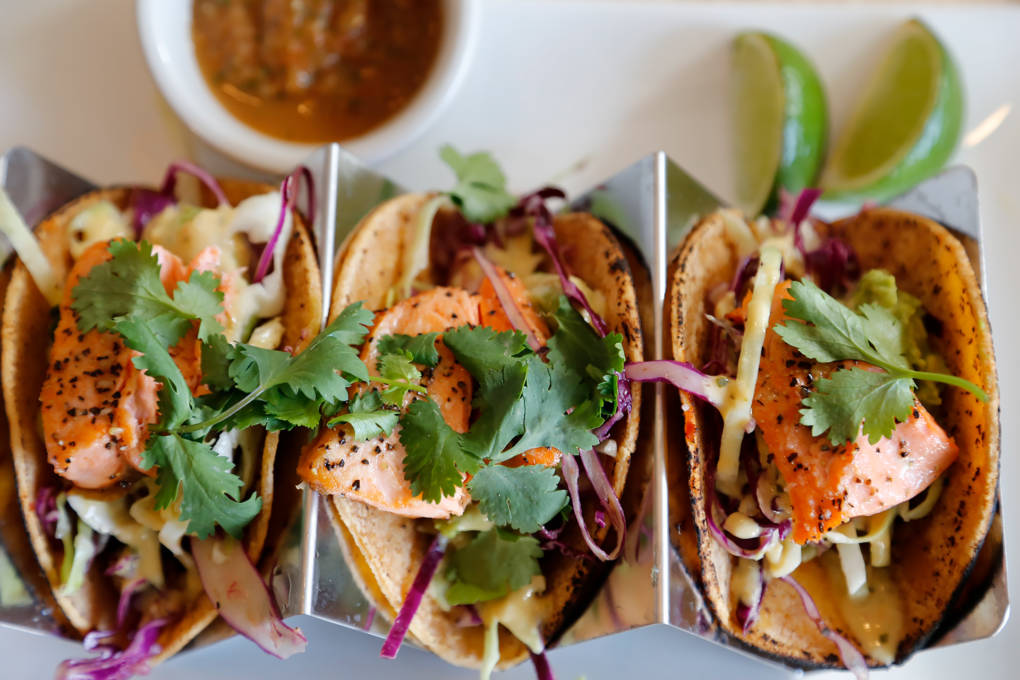
"caption": "Kitava's Street Tacos with troll-caught wild salmon.",
"description": "Kitava Street Tacos with troll-caught wild salmon",
"title": "_MG_1397-new",
"credit": "Wendy Goodfriend",
"status": "inherit",
"isLoading": false,
"fetchFailed": false
},
"bayareabites_122153": {
"type": "attachments",
"id": "bayareabites_122153",
"meta": {
"index": "attachments_1716263798",
"site": "bayareabites",
"id": "122153",
"found": true
},
"parent": 122152,
"imgSizes": {
"small": {
"file": "https://ww2.kqed.org/app/uploads/sites/24/2017/10/gettyimages-51560386-1-_wide-ad1c509903802b1b8db01bfa8ab54b333f402357-520x292.jpg",
"width": 520,
"mimeType": "image/jpeg",
"height": 292
},
"twentyfourteen-full-width": {
"file": "https://ww2.kqed.org/app/uploads/sites/24/2017/10/gettyimages-51560386-1-_wide-ad1c509903802b1b8db01bfa8ab54b333f402357-1038x576.jpg",
"width": 1038,
"mimeType": "image/jpeg",
"height": 576
},
"thumbnail": {
"file": "https://ww2.kqed.org/app/uploads/sites/24/2017/10/gettyimages-51560386-1-_wide-ad1c509903802b1b8db01bfa8ab54b333f402357-160x90.jpg",
"width": 160,
"mimeType": "image/jpeg",
"height": 90
},
"fd-sm": {
"file": "https://ww2.kqed.org/app/uploads/sites/24/2017/10/gettyimages-51560386-1-_wide-ad1c509903802b1b8db01bfa8ab54b333f402357-960x540.jpg",
"width": 960,
"mimeType": "image/jpeg",
"height": 540
},
"post-thumbnail": {
"file": "https://ww2.kqed.org/app/uploads/sites/24/2017/10/gettyimages-51560386-1-_wide-ad1c509903802b1b8db01bfa8ab54b333f402357-672x372.jpg",
"width": 672,
"mimeType": "image/jpeg",
"height": 372
},
"xsmall": {
"file": "https://ww2.kqed.org/app/uploads/sites/24/2017/10/gettyimages-51560386-1-_wide-ad1c509903802b1b8db01bfa8ab54b333f402357-375x211.jpg",
"width": 375,
"mimeType": "image/jpeg",
"height": 211
},
"kqedFullSize": {
"file": "https://ww2.kqed.org/app/uploads/sites/24/2017/10/gettyimages-51560386-1-_wide-ad1c509903802b1b8db01bfa8ab54b333f402357.jpg",
"width": 3000,
"height": 1687
},
"large": {
"file": "https://ww2.kqed.org/app/uploads/sites/24/2017/10/gettyimages-51560386-1-_wide-ad1c509903802b1b8db01bfa8ab54b333f402357-1020x574.jpg",
"width": 1020,
"mimeType": "image/jpeg",
"height": 574
},
"xlarge": {
"file": "https://ww2.kqed.org/app/uploads/sites/24/2017/10/gettyimages-51560386-1-_wide-ad1c509903802b1b8db01bfa8ab54b333f402357-1180x664.jpg",
"width": 1180,
"mimeType": "image/jpeg",
"height": 664
},
"guest-author-50": {
"file": "https://ww2.kqed.org/app/uploads/sites/24/2017/10/gettyimages-51560386-1-_wide-ad1c509903802b1b8db01bfa8ab54b333f402357-50x50.jpg",
"width": 50,
"mimeType": "image/jpeg",
"height": 50
},
"guest-author-96": {
"file": "https://ww2.kqed.org/app/uploads/sites/24/2017/10/gettyimages-51560386-1-_wide-ad1c509903802b1b8db01bfa8ab54b333f402357-96x96.jpg",
"width": 96,
"mimeType": "image/jpeg",
"height": 96
},
"medium": {
"file": "https://ww2.kqed.org/app/uploads/sites/24/2017/10/gettyimages-51560386-1-_wide-ad1c509903802b1b8db01bfa8ab54b333f402357-800x450.jpg",
"width": 800,
"mimeType": "image/jpeg",
"height": 450
},
"guest-author-64": {
"file": "https://ww2.kqed.org/app/uploads/sites/24/2017/10/gettyimages-51560386-1-_wide-ad1c509903802b1b8db01bfa8ab54b333f402357-64x64.jpg",
"width": 64,
"mimeType": "image/jpeg",
"height": 64
},
"guest-author-32": {
"file": "https://ww2.kqed.org/app/uploads/sites/24/2017/10/gettyimages-51560386-1-_wide-ad1c509903802b1b8db01bfa8ab54b333f402357-32x32.jpg",
"width": 32,
"mimeType": "image/jpeg",
"height": 32
},
"fd-lrg": {
"file": "https://ww2.kqed.org/app/uploads/sites/24/2017/10/gettyimages-51560386-1-_wide-ad1c509903802b1b8db01bfa8ab54b333f402357-1920x1080.jpg",
"width": 1920,
"mimeType": "image/jpeg",
"height": 1080
},
"fd-med": {
"file": "https://ww2.kqed.org/app/uploads/sites/24/2017/10/gettyimages-51560386-1-_wide-ad1c509903802b1b8db01bfa8ab54b333f402357-1180x664.jpg",
"width": 1180,
"mimeType": "image/jpeg",
"height": 664
},
"full-width": {
"file": "https://ww2.kqed.org/app/uploads/sites/24/2017/10/gettyimages-51560386-1-_wide-ad1c509903802b1b8db01bfa8ab54b333f402357-1920x1080.jpg",
"width": 1920,
"mimeType": "image/jpeg",
"height": 1080
},
"detail": {
"file": "https://ww2.kqed.org/app/uploads/sites/24/2017/10/gettyimages-51560386-1-_wide-ad1c509903802b1b8db01bfa8ab54b333f402357-150x150.jpg",
"width": 150,
"mimeType": "image/jpeg",
"height": 150
},
"medium_large": {
"file": "https://ww2.kqed.org/app/uploads/sites/24/2017/10/gettyimages-51560386-1-_wide-ad1c509903802b1b8db01bfa8ab54b333f402357-768x432.jpg",
"width": 768,
"mimeType": "image/jpeg",
"height": 432
},
"guest-author-128": {
"file": "https://ww2.kqed.org/app/uploads/sites/24/2017/10/gettyimages-51560386-1-_wide-ad1c509903802b1b8db01bfa8ab54b333f402357-128x128.jpg",
"width": 128,
"mimeType": "image/jpeg",
"height": 128
},
"xxsmall": {
"file": "https://ww2.kqed.org/app/uploads/sites/24/2017/10/gettyimages-51560386-1-_wide-ad1c509903802b1b8db01bfa8ab54b333f402357-240x135.jpg",
"width": 240,
"mimeType": "image/jpeg",
"height": 135
}
},
"publishDate": 1509469757,
"modified": 1509469948,
"caption": "A squirrel investigates Halloween jack-o'lanterns in Washington, D.C. Analysts say spending for holiday decor, candy and costumes is strong this year.",
"description": "A squirrel investigates Halloween jack-o'lanterns in Washington, D.C. Analysts say spending for holiday decor, candy and costumes is strong this year.",
"title": "A squirrel investigates Halloween jack-o'lanterns in Washington, D.C. Analysts say spending for holiday decor, candy and costumes is strong this year.",
"credit": "Joe Raedle/Getty Images",
"status": "inherit",
"isLoading": false,
"fetchFailed": false
},
"bayareabites_122106": {
"type": "attachments",
"id": "bayareabites_122106",
"meta": {
"index": "attachments_1716263798",
"site": "bayareabites",
"id": "122106",
"found": true
},
"parent": 121997,
"imgSizes": {
"small": {
"file": "https://ww2.kqed.org/app/uploads/sites/24/2017/10/IMG_8038-new-520x347.jpg",
"width": 520,
"mimeType": "image/jpeg",
"height": 347
},
"twentyfourteen-full-width": {
"file": "https://ww2.kqed.org/app/uploads/sites/24/2017/10/IMG_8038-new-1038x576.jpg",
"width": 1038,
"mimeType": "image/jpeg",
"height": 576
},
"thumbnail": {
"file": "https://ww2.kqed.org/app/uploads/sites/24/2017/10/IMG_8038-new-160x107.jpg",
"width": 160,
"mimeType": "image/jpeg",
"height": 107
},
"fd-sm": {
"file": "https://ww2.kqed.org/app/uploads/sites/24/2017/10/IMG_8038-new-960x640.jpg",
"width": 960,
"mimeType": "image/jpeg",
"height": 640
},
"post-thumbnail": {
"file": "https://ww2.kqed.org/app/uploads/sites/24/2017/10/IMG_8038-new-672x372.jpg",
"width": 672,
"mimeType": "image/jpeg",
"height": 372
},
"xsmall": {
"file": "https://ww2.kqed.org/app/uploads/sites/24/2017/10/IMG_8038-new-375x250.jpg",
"width": 375,
"mimeType": "image/jpeg",
"height": 250
},
"kqedFullSize": {
"file": "https://ww2.kqed.org/app/uploads/sites/24/2017/10/IMG_8038-new.jpg",
"width": 1920,
"height": 1280
},
"large": {
"file": "https://ww2.kqed.org/app/uploads/sites/24/2017/10/IMG_8038-new-1020x680.jpg",
"width": 1020,
"mimeType": "image/jpeg",
"height": 680
},
"xlarge": {
"file": "https://ww2.kqed.org/app/uploads/sites/24/2017/10/IMG_8038-new-1180x787.jpg",
"width": 1180,
"mimeType": "image/jpeg",
"height": 787
},
"guest-author-50": {
"file": "https://ww2.kqed.org/app/uploads/sites/24/2017/10/IMG_8038-new-50x50.jpg",
"width": 50,
"mimeType": "image/jpeg",
"height": 50
},
"guest-author-96": {
"file": "https://ww2.kqed.org/app/uploads/sites/24/2017/10/IMG_8038-new-96x96.jpg",
"width": 96,
"mimeType": "image/jpeg",
"height": 96
},
"medium": {
"file": "https://ww2.kqed.org/app/uploads/sites/24/2017/10/IMG_8038-new-800x533.jpg",
"width": 800,
"mimeType": "image/jpeg",
"height": 533
},
"guest-author-64": {
"file": "https://ww2.kqed.org/app/uploads/sites/24/2017/10/IMG_8038-new-64x64.jpg",
"width": 64,
"mimeType": "image/jpeg",
"height": 64
},
"guest-author-32": {
"file": "https://ww2.kqed.org/app/uploads/sites/24/2017/10/IMG_8038-new-32x32.jpg",
"width": 32,
"mimeType": "image/jpeg",
"height": 32
},
"fd-lrg": {
"file": "https://ww2.kqed.org/app/uploads/sites/24/2017/10/IMG_8038-new-1920x1280.jpg",
"width": 1920,
"mimeType": "image/jpeg",
"height": 1280
},
"fd-med": {
"file": "https://ww2.kqed.org/app/uploads/sites/24/2017/10/IMG_8038-new-1180x787.jpg",
"width": 1180,
"mimeType": "image/jpeg",
"height": 787
},
"full-width": {
"file": "https://ww2.kqed.org/app/uploads/sites/24/2017/10/IMG_8038-new-1920x1280.jpg",
"width": 1920,
"mimeType": "image/jpeg",
"height": 1280
},
"detail": {
"file": "https://ww2.kqed.org/app/uploads/sites/24/2017/10/IMG_8038-new-150x150.jpg",
"width": 150,
"mimeType": "image/jpeg",
"height": 150
},
"medium_large": {
"file": "https://ww2.kqed.org/app/uploads/sites/24/2017/10/IMG_8038-new-768x512.jpg",
"width": 768,
"mimeType": "image/jpeg",
"height": 512
},
"guest-author-128": {
"file": "https://ww2.kqed.org/app/uploads/sites/24/2017/10/IMG_8038-new-128x128.jpg",
"width": 128,
"mimeType": "image/jpeg",
"height": 128
},
"xxsmall": {
"file": "https://ww2.kqed.org/app/uploads/sites/24/2017/10/IMG_8038-new-240x160.jpg",
"width": 240,
"mimeType": "image/jpeg",
"height": 160
}
},
"publishDate": 1509071611,
"modified": 1509071898,
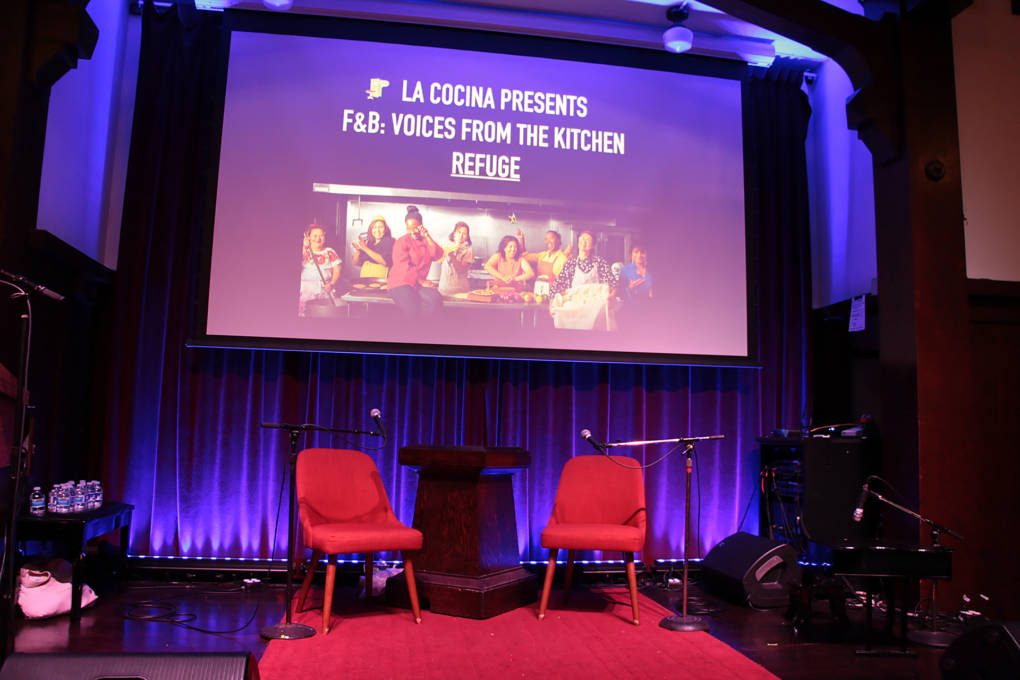
"caption": "La Cocina Presents F&B: Voices From The Kitchen - REFUGE",
"description": null,
"title": "IMG_8038-new",
"credit": "Wendy Goodfriend",
"status": "inherit",
"isLoading": false,
"fetchFailed": false
},
"bayareabites_122053": {
"type": "attachments",
"id": "bayareabites_122053",
"meta": {
"index": "attachments_1716263798",
"site": "bayareabites",
"id": "122053",
"found": true
},
"parent": 122050,
"imgSizes": {
"small": {
"file": "https://ww2.kqed.org/app/uploads/sites/24/2017/10/mushrooms-1cf9d31b9b8fdeb13be45f4317d76d96cfa7d601-s1600-c85-520x390.jpg",
"width": 520,
"mimeType": "image/jpeg",
"height": 390
},
"twentyfourteen-full-width": {
"file": "https://ww2.kqed.org/app/uploads/sites/24/2017/10/mushrooms-1cf9d31b9b8fdeb13be45f4317d76d96cfa7d601-s1600-c85-1038x576.jpg",
"width": 1038,
"mimeType": "image/jpeg",
"height": 576
},
"thumbnail": {
"file": "https://ww2.kqed.org/app/uploads/sites/24/2017/10/mushrooms-1cf9d31b9b8fdeb13be45f4317d76d96cfa7d601-s1600-c85-160x120.jpg",
"width": 160,
"mimeType": "image/jpeg",
"height": 120
},
"fd-sm": {
"file": "https://ww2.kqed.org/app/uploads/sites/24/2017/10/mushrooms-1cf9d31b9b8fdeb13be45f4317d76d96cfa7d601-s1600-c85-960x720.jpg",
"width": 960,
"mimeType": "image/jpeg",
"height": 720
},
"post-thumbnail": {
"file": "https://ww2.kqed.org/app/uploads/sites/24/2017/10/mushrooms-1cf9d31b9b8fdeb13be45f4317d76d96cfa7d601-s1600-c85-672x372.jpg",
"width": 672,
"mimeType": "image/jpeg",
"height": 372
},
"xsmall": {
"file": "https://ww2.kqed.org/app/uploads/sites/24/2017/10/mushrooms-1cf9d31b9b8fdeb13be45f4317d76d96cfa7d601-s1600-c85-375x281.jpg",
"width": 375,
"mimeType": "image/jpeg",
"height": 281
},
"kqedFullSize": {
"file": "https://ww2.kqed.org/app/uploads/sites/24/2017/10/mushrooms-1cf9d31b9b8fdeb13be45f4317d76d96cfa7d601-s1600-c85.jpg",
"width": 1395,
"height": 1046
},
"large": {
"file": "https://ww2.kqed.org/app/uploads/sites/24/2017/10/mushrooms-1cf9d31b9b8fdeb13be45f4317d76d96cfa7d601-s1600-c85-1020x765.jpg",
"width": 1020,
"mimeType": "image/jpeg",
"height": 765
},
"xlarge": {
"file": "https://ww2.kqed.org/app/uploads/sites/24/2017/10/mushrooms-1cf9d31b9b8fdeb13be45f4317d76d96cfa7d601-s1600-c85-1180x885.jpg",
"width": 1180,
"mimeType": "image/jpeg",
"height": 885
},
"guest-author-50": {
"file": "https://ww2.kqed.org/app/uploads/sites/24/2017/10/mushrooms-1cf9d31b9b8fdeb13be45f4317d76d96cfa7d601-s1600-c85-50x50.jpg",
"width": 50,
"mimeType": "image/jpeg",
"height": 50
},
"guest-author-96": {
"file": "https://ww2.kqed.org/app/uploads/sites/24/2017/10/mushrooms-1cf9d31b9b8fdeb13be45f4317d76d96cfa7d601-s1600-c85-96x96.jpg",
"width": 96,
"mimeType": "image/jpeg",
"height": 96
},
"medium": {
"file": "https://ww2.kqed.org/app/uploads/sites/24/2017/10/mushrooms-1cf9d31b9b8fdeb13be45f4317d76d96cfa7d601-s1600-c85-800x600.jpg",
"width": 800,
"mimeType": "image/jpeg",
"height": 600
},
"guest-author-64": {
"file": "https://ww2.kqed.org/app/uploads/sites/24/2017/10/mushrooms-1cf9d31b9b8fdeb13be45f4317d76d96cfa7d601-s1600-c85-64x64.jpg",
"width": 64,
"mimeType": "image/jpeg",
"height": 64
},
"guest-author-32": {
"file": "https://ww2.kqed.org/app/uploads/sites/24/2017/10/mushrooms-1cf9d31b9b8fdeb13be45f4317d76d96cfa7d601-s1600-c85-32x32.jpg",
"width": 32,
"mimeType": "image/jpeg",
"height": 32
},
"fd-med": {
"file": "https://ww2.kqed.org/app/uploads/sites/24/2017/10/mushrooms-1cf9d31b9b8fdeb13be45f4317d76d96cfa7d601-s1600-c85-1180x885.jpg",
"width": 1180,
"mimeType": "image/jpeg",
"height": 885
},
"detail": {
"file": "https://ww2.kqed.org/app/uploads/sites/24/2017/10/mushrooms-1cf9d31b9b8fdeb13be45f4317d76d96cfa7d601-s1600-c85-150x150.jpg",
"width": 150,
"mimeType": "image/jpeg",
"height": 150
},
"medium_large": {
"file": "https://ww2.kqed.org/app/uploads/sites/24/2017/10/mushrooms-1cf9d31b9b8fdeb13be45f4317d76d96cfa7d601-s1600-c85-768x576.jpg",
"width": 768,
"mimeType": "image/jpeg",
"height": 576
},
"guest-author-128": {
"file": "https://ww2.kqed.org/app/uploads/sites/24/2017/10/mushrooms-1cf9d31b9b8fdeb13be45f4317d76d96cfa7d601-s1600-c85-128x128.jpg",
"width": 128,
"mimeType": "image/jpeg",
"height": 128
},
"xxsmall": {
"file": "https://ww2.kqed.org/app/uploads/sites/24/2017/10/mushrooms-1cf9d31b9b8fdeb13be45f4317d76d96cfa7d601-s1600-c85-240x180.jpg",
"width": 240,
"mimeType": "image/jpeg",
"height": 180
}
},
"publishDate": 1508950651,
"modified": 1508950711,
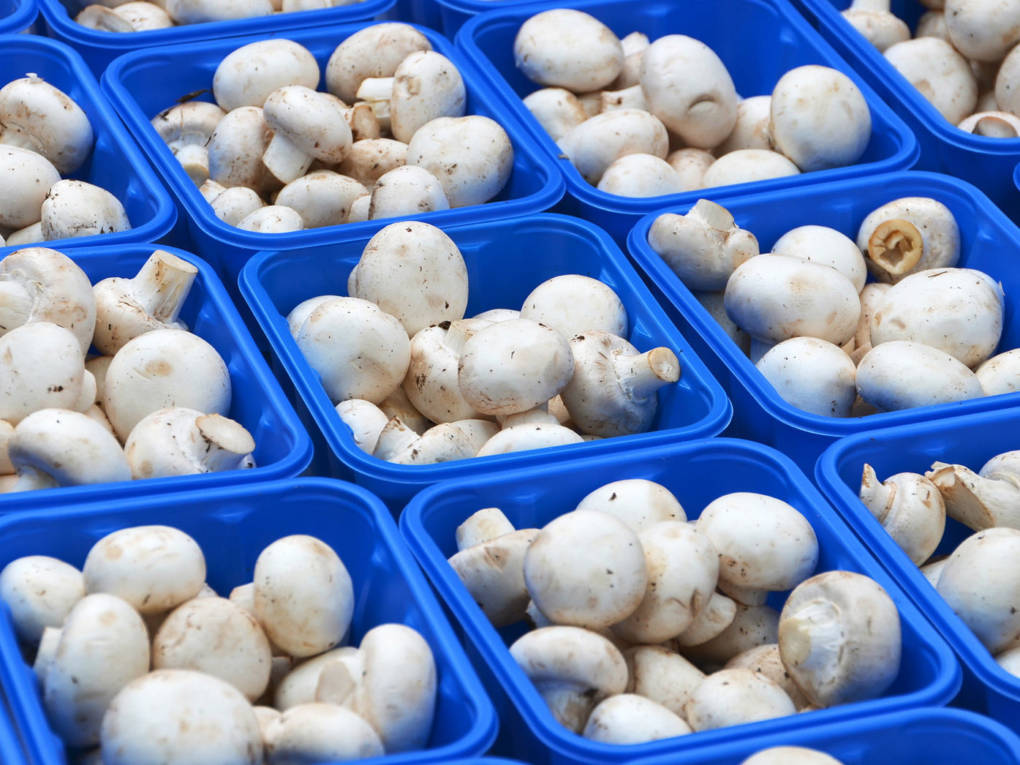
"caption": "Scientists have used a popular gene editing tool called CRISPR to snip out a tiny piece of DNA from one particular gene in a white button mushroom. The resulting mushroom doesn't brown when cut.",
"description": null,
"title": "mushrooms-1cf9d31b9b8fdeb13be45f4317d76d96cfa7d601-s1600-c85",
"credit": "\u003ca href=\"https://www.flickr.com/photos/afagen/8050200100/in/photolist-5wVH8S-dgDBuq-dfZGW5-i24pR2-5CDq1k-dgDAVz-cGM6yU-hYRJYj-hYSCMB-dgDB28-hYRERa-hYRXPs-5y9LBm-hYSmqZ-hYRxba-hYS8b3-syMxrY-syMv1q-5y9Di3-hYRy9o-hYS6oL-hYRsKg-dgDB8g-hYRuQZ-hYRZDS-hYSEwt-dgno2s-8sFAp\">Adam Fagen/Flickr\u003c/a>",
"status": "inherit",
"isLoading": false,
"fetchFailed": false
},
"bayareabites_121968": {
"type": "attachments",
"id": "bayareabites_121968",
"meta": {
"index": "attachments_1716263798",
"site": "bayareabites",
"id": "121968",
"found": true
},
"parent": 121967,
"imgSizes": {
"small": {
"file": "https://ww2.kqed.org/app/uploads/sites/24/2017/10/fiber_group-1_wide-5c27cdada990564af079d455f7ed8509c75fb7ec-520x293.jpg",
"width": 520,
"mimeType": "image/jpeg",
"height": 293
},
"twentyfourteen-full-width": {
"file": "https://ww2.kqed.org/app/uploads/sites/24/2017/10/fiber_group-1_wide-5c27cdada990564af079d455f7ed8509c75fb7ec-1038x576.jpg",
"width": 1038,
"mimeType": "image/jpeg",
"height": 576
},
"thumbnail": {
"file": "https://ww2.kqed.org/app/uploads/sites/24/2017/10/fiber_group-1_wide-5c27cdada990564af079d455f7ed8509c75fb7ec-160x90.jpg",
"width": 160,
"mimeType": "image/jpeg",
"height": 90
},
"fd-sm": {
"file": "https://ww2.kqed.org/app/uploads/sites/24/2017/10/fiber_group-1_wide-5c27cdada990564af079d455f7ed8509c75fb7ec-960x540.jpg",
"width": 960,
"mimeType": "image/jpeg",
"height": 540
},
"post-thumbnail": {
"file": "https://ww2.kqed.org/app/uploads/sites/24/2017/10/fiber_group-1_wide-5c27cdada990564af079d455f7ed8509c75fb7ec-672x372.jpg",
"width": 672,
"mimeType": "image/jpeg",
"height": 372
},
"xsmall": {
"file": "https://ww2.kqed.org/app/uploads/sites/24/2017/10/fiber_group-1_wide-5c27cdada990564af079d455f7ed8509c75fb7ec-375x211.jpg",
"width": 375,
"mimeType": "image/jpeg",
"height": 211
},
"kqedFullSize": {
"file": "https://ww2.kqed.org/app/uploads/sites/24/2017/10/fiber_group-1_wide-5c27cdada990564af079d455f7ed8509c75fb7ec.jpg",
"width": 1996,
"height": 1123
},
"large": {
"file": "https://ww2.kqed.org/app/uploads/sites/24/2017/10/fiber_group-1_wide-5c27cdada990564af079d455f7ed8509c75fb7ec-1020x574.jpg",
"width": 1020,
"mimeType": "image/jpeg",
"height": 574
},
"xlarge": {
"file": "https://ww2.kqed.org/app/uploads/sites/24/2017/10/fiber_group-1_wide-5c27cdada990564af079d455f7ed8509c75fb7ec-1180x664.jpg",
"width": 1180,
"mimeType": "image/jpeg",
"height": 664
},
"guest-author-50": {
"file": "https://ww2.kqed.org/app/uploads/sites/24/2017/10/fiber_group-1_wide-5c27cdada990564af079d455f7ed8509c75fb7ec-50x50.jpg",
"width": 50,
"mimeType": "image/jpeg",
"height": 50
},
"guest-author-96": {
"file": "https://ww2.kqed.org/app/uploads/sites/24/2017/10/fiber_group-1_wide-5c27cdada990564af079d455f7ed8509c75fb7ec-96x96.jpg",
"width": 96,
"mimeType": "image/jpeg",
"height": 96
},
"medium": {
"file": "https://ww2.kqed.org/app/uploads/sites/24/2017/10/fiber_group-1_wide-5c27cdada990564af079d455f7ed8509c75fb7ec-800x450.jpg",
"width": 800,
"mimeType": "image/jpeg",
"height": 450
},
"guest-author-64": {
"file": "https://ww2.kqed.org/app/uploads/sites/24/2017/10/fiber_group-1_wide-5c27cdada990564af079d455f7ed8509c75fb7ec-64x64.jpg",
"width": 64,
"mimeType": "image/jpeg",
"height": 64
},
"guest-author-32": {
"file": "https://ww2.kqed.org/app/uploads/sites/24/2017/10/fiber_group-1_wide-5c27cdada990564af079d455f7ed8509c75fb7ec-32x32.jpg",
"width": 32,
"mimeType": "image/jpeg",
"height": 32
},
"fd-lrg": {
"file": "https://ww2.kqed.org/app/uploads/sites/24/2017/10/fiber_group-1_wide-5c27cdada990564af079d455f7ed8509c75fb7ec-1920x1080.jpg",
"width": 1920,
"mimeType": "image/jpeg",
"height": 1080
},
"fd-med": {
"file": "https://ww2.kqed.org/app/uploads/sites/24/2017/10/fiber_group-1_wide-5c27cdada990564af079d455f7ed8509c75fb7ec-1180x664.jpg",
"width": 1180,
"mimeType": "image/jpeg",
"height": 664
},
"full-width": {
"file": "https://ww2.kqed.org/app/uploads/sites/24/2017/10/fiber_group-1_wide-5c27cdada990564af079d455f7ed8509c75fb7ec-1920x1080.jpg",
"width": 1920,
"mimeType": "image/jpeg",
"height": 1080
},
"detail": {
"file": "https://ww2.kqed.org/app/uploads/sites/24/2017/10/fiber_group-1_wide-5c27cdada990564af079d455f7ed8509c75fb7ec-150x150.jpg",
"width": 150,
"mimeType": "image/jpeg",
"height": 150
},
"medium_large": {
"file": "https://ww2.kqed.org/app/uploads/sites/24/2017/10/fiber_group-1_wide-5c27cdada990564af079d455f7ed8509c75fb7ec-768x432.jpg",
"width": 768,
"mimeType": "image/jpeg",
"height": 432
},
"guest-author-128": {
"file": "https://ww2.kqed.org/app/uploads/sites/24/2017/10/fiber_group-1_wide-5c27cdada990564af079d455f7ed8509c75fb7ec-128x128.jpg",
"width": 128,
"mimeType": "image/jpeg",
"height": 128
},
"xxsmall": {
"file": "https://ww2.kqed.org/app/uploads/sites/24/2017/10/fiber_group-1_wide-5c27cdada990564af079d455f7ed8509c75fb7ec-240x135.jpg",
"width": 240,
"mimeType": "image/jpeg",
"height": 135
}
},
"publishDate": 1508755329,
"modified": 1508755587,
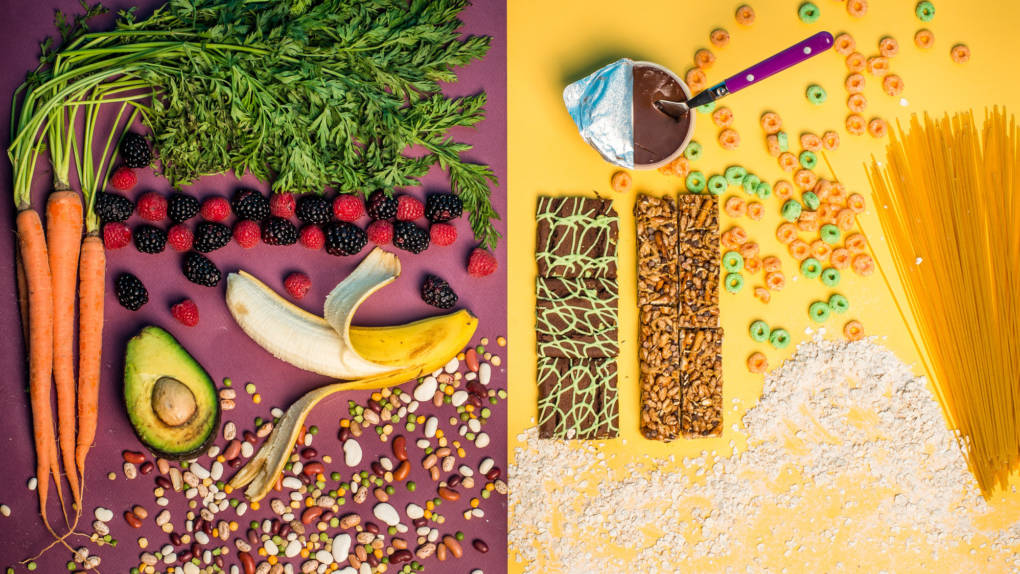
"caption": "The foods on the left contain naturally occurring fibers that are intrinsic in plants. The foods on the right contain isolated fibers, such as chicory root, which are extracted and added to processed foods. The FDA will determine whether added fibers can count as dietary fiber on Nutrition Facts labels.",
"description": "The foods on the left contain naturally occurring fibers that are intrinsic in plants. The foods on the right contain isolated fibers, such as chicory root, which are extracted and added to processed foods. The FDA will determine whether added fibers can count as dietary fiber on Nutrition Facts labels.",
"title": "The foods on the left contain naturally occurring fibers that are intrinsic in plants. The foods on the right contain isolated fibers, such as chicory root, which are extracted and added to processed foods. The FDA will determine whether added fibers can count as dietary fiber on Nutrition Facts labels.",
"credit": "Carolyn Rogers/NPR",
"status": "inherit",
"isLoading": false,
"fetchFailed": false
}
},
"audioPlayerReducer": {
"postId": "stream_live",
"isPaused": true,
"isPlaying": false,
"pfsActive": false,
"pledgeModalIsOpen": true,
"playerDrawerIsOpen": false,
"liveAudioPlayStartedAt": 0,
"liveAudioPlayContext": ""
},
"authorsReducer": {
"byline_bayareabites_124452": {
"type": "authors",
"id": "byline_bayareabites_124452",
"meta": {
"override": true
},
"slug": "byline_bayareabites_124452",
"name": "\u003cstrong>\u003ca href=\"https://www.americastestkitchen.com/articles/496-what-is-the-mediterranean-diet\">America's Test Kitchen\u003c/a>\u003c/strong>",
"isLoading": false
},
"byline_bayareabites_124278": {
"type": "authors",
"id": "byline_bayareabites_124278",
"meta": {
"override": true
},
"slug": "byline_bayareabites_124278",
"name": "Allison Aubrey, \u003cstrong>\u003ca href=\"https://www.npr.org/sections/thesalt/2018/01/03/575181390/from-vegan-to-keto-and-mediterranean-experts-rank-2018s-best-diets\">NPR Food\u003c/strong>\u003c/a>",
"isLoading": false
},
"byline_bayareabites_124253": {
"type": "authors",
"id": "byline_bayareabites_124253",
"meta": {
"override": true
},
"slug": "byline_bayareabites_124253",
"name": "Maria Godoy, \u003cstrong>\u003ca href=\"https://www.npr.org/2018/01/01/574109412/we-gave-weight-loss-using-food-tracking-apps-a-try\">NPR Food\u003c/a>",
"isLoading": false
},
"byline_bayareabites_124214": {
"type": "authors",
"id": "byline_bayareabites_124214",
"meta": {
"override": true
},
"slug": "byline_bayareabites_124214",
"name": "April Fulton, \u003ca href=\"https://ww2.kqed.org/bayareabites/author/nprfood/\">NPR Food\u003c/a>",
"isLoading": false
},
"byline_bayareabites_124006": {
"type": "authors",
"id": "byline_bayareabites_124006",
"meta": {
"override": true
},
"slug": "byline_bayareabites_124006",
"name": "Kristen Hartke, \u003ca href=\"https://ww2.kqed.org/bayareabites/author/nprfood/\">NPR Food\u003c/a>",
"isLoading": false
},
"byline_bayareabites_123784": {
"type": "authors",
"id": "byline_bayareabites_123784",
"meta": {
"override": true
},
"slug": "byline_bayareabites_123784",
"name": "Larissa Zimberoff, \u003ca href=\"https://ww2.kqed.org/bayareabites/author/nprfood/\">NPR Food\u003c/a>",
"isLoading": false
},
"byline_bayareabites_122152": {
"type": "authors",
"id": "byline_bayareabites_122152",
"meta": {
"override": true
},
"slug": "byline_bayareabites_122152",
"name": "Marilyn Geewax, the two-way, NPR Food",
"isLoading": false
},
"byline_bayareabites_122050": {
"type": "authors",
"id": "byline_bayareabites_122050",
"meta": {
"override": true
},
"slug": "byline_bayareabites_122050",
"name": "Kristofor Husted, \u003ca href=\"http://harvestpublicmedia.org/\">Harvest Public Media\u003c/a>, NPR Food",
"isLoading": false
},
"byline_bayareabites_121967": {
"type": "authors",
"id": "byline_bayareabites_121967",
"meta": {
"override": true
},
"slug": "byline_bayareabites_121967",
"name": "Allison Aubrey, NPR Food",
"isLoading": false
},
"kdomara": {
"type": "authors",
"id": "1459",
"meta": {
"index": "authors_1716337520",
"id": "1459",
"found": true
},
"name": "Kelly O'Mara",
"firstName": "Kelly",
"lastName": "O'Mara",
"slug": "kdomara",
"email": "komara@kqed.org",
"display_author_email": false,
"staff_mastheads": [
"news"
],
"title": "KQED Contributor",
"bio": "Kelly O'Mara is a writer and reporter in the San Francisco Bay Area. She writes about food, health, sports, travel, business and California news. Her work has appeared on KQED, online for Outside Magazine, epsnW, VICE and in Competitor Magazine, among others. Follow Kelly on Twitter \u003ca href=\"https://twitter.com/kellydomara\">@kellydomara\u003c/a>.",
"avatar": "https://secure.gravatar.com/avatar/768fec7412028b72f13bdd0f5f9d8186?s=600&d=blank&r=g",
"twitter": null,
"facebook": null,
"instagram": null,
"linkedin": null,
"sites": [
{
"site": "arts",
"roles": []
},
{
"site": "news",
"roles": []
},
{
"site": "bayareabites",
"roles": []
},
{
"site": "stateofhealth",
"roles": []
},
{
"site": "science",
"roles": []
},
{
"site": "checkplease",
"roles": [
"editor"
]
},
{
"site": "food",
"roles": []
},
{
"site": "forum",
"roles": [
"editor"
]
},
{
"site": "liveblog",
"roles": [
"editor"
]
}
],
"headData": {
"title": "Kelly O'Mara | KQED",
"description": "KQED Contributor",
"ogImgSrc": "https://secure.gravatar.com/avatar/768fec7412028b72f13bdd0f5f9d8186?s=600&d=blank&r=g",
"twImgSrc": "https://secure.gravatar.com/avatar/768fec7412028b72f13bdd0f5f9d8186?s=600&d=blank&r=g"
},
"isLoading": false,
"link": "/author/kdomara"
},
"wendy-goodfriend": {
"type": "authors",
"id": "5014",
"meta": {
"index": "authors_1716337520",
"id": "5014",
"found": true
},
"name": "Wendy Goodfriend",
"firstName": "Wendy",
"lastName": "Goodfriend",
"slug": "wendy-goodfriend",
"email": "wendy@wendygoodfriend.com",
"display_author_email": false,
"staff_mastheads": [],
"title": "KQED Contributor",
"bio": "I was the Senior Digital Producer for KQED Food up until July, 2018. Since 2001, I designed, produced, managed and contributed to mostly food-related websites and blogs for KQED including: KQED.org; KQED Food; Bay Area Bites; Check, Please! Bay Area; Taste This; Celebrity Chefs; seven of Jacques Pepin's TV series websites; and Joanne Weir's Cooking in the City. I initiated the majority of KQED Food's social media feeds and maintained them up until 2017. As far as content creation, photography is my passion and I also shoot video and write stories. My photos have been used in articles for KQED Food, News, Arts, and Science as well as for promotional purposes in print and online. Professional education and training includes: clinical psychology, photography, commercial cooking, web design, information architecture and UX.",
"avatar": "https://secure.gravatar.com/avatar/dfba64372339cc34cf17e446e6f18fa8?s=600&d=blank&r=g",
"twitter": null,
"facebook": "bayareabites",
"instagram": null,
"linkedin": "wendygoodfriend",
"sites": [
{
"site": "jpepinheart",
"roles": []
},
{
"site": "about",
"roles": [
"editor"
]
},
{
"site": "bayareabites",
"roles": [
"subscriber"
]
},
{
"site": "science",
"roles": [
"administrator"
]
},
{
"site": "checkplease",
"roles": [
"subscriber"
]
},
{
"site": "food",
"roles": [
"author"
]
},
{
"site": "essentialpepin",
"roles": [
"administrator"
]
}
],
"headData": {
"title": "Wendy Goodfriend | KQED",
"description": "KQED Contributor",
"ogImgSrc": "https://secure.gravatar.com/avatar/dfba64372339cc34cf17e446e6f18fa8?s=600&d=blank&r=g",
"twImgSrc": "https://secure.gravatar.com/avatar/dfba64372339cc34cf17e446e6f18fa8?s=600&d=blank&r=g"
},
"isLoading": false,
"link": "/author/wendy-goodfriend"
},
"annamindess": {
"type": "authors",
"id": "5283",
"meta": {
"index": "authors_1716337520",
"id": "5283",
"found": true
},
"name": "Anna Mindess",
"firstName": "Anna",
"lastName": "Mindess",
"slug": "annamindess",
"email": "amindess@aol.com",
"display_author_email": false,
"staff_mastheads": [],
"title": "KQED Contributor",
"bio": "My passion is exploring the connections between food, travel and culture. I am a regular contributor to AFAR, Edible East Bay Magazine, Oakland Magazine, Berkeleyside's NOSH and other publications. I usually take a route that's slightly off the beaten path, like \u003ca href=\"http://edibleeastbay.com/online-magazine/fall-harvest-2017/fun-with-food-insults/\">collecting food-related insults\u003c/a> around the world or \u003ca href=\"https://www.afar.com/magazine/what-i-learned-hawking-sweet-potatoes-with-a-street-vendor-in-taiwan?email=amindess%40aol.com&utm_source=Sailthru&utm_medium=email&utm_campaign=Doctors%20Without%20Borders&utm_term=Daily%20Wander%20Newsletter\">volunteering with a Sweet Potato Mama\u003c/a> (street food seller) in Tapei.\r\n\r\nCulture is the thread that ties together my several careers. I also work as a sign language interpreter, educator and author. My study of Deaf culture has taken me around the world, where I am always on a quest to find Deaf-owned restaurants. I love making connections between my different worlds, for example in this AFAR story where I share \u003ca href=\"https://www.afar.com/magazine/tips-from-a-sign-language-interpreter-for-overcoming-language-barriers\">tips for communicating across cultures\u003c/a> that I learned from the real experts, Deaf people. Or this \u003ca href=\"http://edibleeastbay.com/online-magazine/fall-harvest-2017/deaf-chefs-compete/\">profile of a Deaf chef and culinary arts instructor\u003c/a> at the California School for the Deaf.\r\n\r\nTo see my visual/edible take on the world, follow me on Instagram: \u003ca href=\"https://www.instagram.com/annamindess/\">annamindess. \u003c/a>\r\n\r\nFor more of my stories: visit Contently \u003ca href=\"http://annamindess.contently.com\">annamindess.contently.com\u003c/a>",
"avatar": "https://secure.gravatar.com/avatar/23c79f04bf3d58b2e727d35ca471d184e8945f6ed82e41a0c062eab5e7dc2bb5?s=600&d=blank&r=g",
"twitter": null,
"bluesky": null,
"facebook": null,
"instagram": null,
"linkedin": null,
"sites": [
{
"site": "arts",
"roles": [
"subscriber"
]
},
{
"site": "bayareabites",
"roles": [
"author"
]
},
{
"site": "food",
"roles": [
"contributor"
]
}
],
"headData": {
"title": "Anna Mindess | KQED",
"description": "KQED Contributor",
"ogImgSrc": "https://secure.gravatar.com/avatar/23c79f04bf3d58b2e727d35ca471d184e8945f6ed82e41a0c062eab5e7dc2bb5?s=600&d=blank&r=g",
"twImgSrc": "https://secure.gravatar.com/avatar/23c79f04bf3d58b2e727d35ca471d184e8945f6ed82e41a0c062eab5e7dc2bb5?s=600&d=blank&r=g"
},
"isLoading": false,
"link": "/author/annamindess"
},
"alexandrawall": {
"type": "authors",
"id": "5567",
"meta": {
"index": "authors_1716337520",
"id": "5567",
"found": true
},
"name": "Alix Wall",
"firstName": "Alix",
"lastName": "Wall",
"slug": "alexandrawall",
"email": "alixwall@sbcglobal.net",
"display_author_email": false,
"staff_mastheads": [],
"title": null,
"bio": "Alix Wall appeared in her hometown paper in Riverside, California as “Chef of the Week” when she was 15 years old, and in high school, she founded “The Bon Appetit Club.” After working as a journalist for many years, Alix became a certified natural foods chef from Bauman College in Berkeley. While she cooks part-time healthy, organic meals for busy families, she is also a contributing editor of j. weekly, the Bay Area’s Jewish newspaper, in which she has a monthly food column. Her food writing can also be found on Berkeleyside’s NOSH and in Edible East Bay. In addition to food, she loves writing about how couples met and fell in love, which she does for The San Francisco Chronicle’s Style section and j. weekly. In 2016, she founded The Illuminoshi: The Not-So-Secret Society of Bay Area Jewish Food Professionals. She is also writer/producer for a documentary-in-progress called \u003ca href=\"https://www.lonelychildmovie.com/\">The Lonely Child\u003c/a>. Follow Alix on Twitter \u003ca href=\"https://twitter.com/WallAlix\">@WallAlix\u003c/a>.",
"avatar": "https://secure.gravatar.com/avatar/421a27f26a185be932f8d567b499b1f1?s=600&d=blank&r=g",
"twitter": null,
"facebook": null,
"instagram": null,
"linkedin": null,
"sites": [
{
"site": "bayareabites",
"roles": [
"contributor"
]
},
{
"site": "food",
"roles": [
"contributor"
]
}
],
"headData": {
"title": "Alix Wall | KQED",
"description": null,
"ogImgSrc": "https://secure.gravatar.com/avatar/421a27f26a185be932f8d567b499b1f1?s=600&d=blank&r=g",
"twImgSrc": "https://secure.gravatar.com/avatar/421a27f26a185be932f8d567b499b1f1?s=600&d=blank&r=g"
},
"isLoading": false,
"link": "/author/alexandrawall"
}
},
"pagesReducer": {
"bayareabites_category_food-and-technology": {
"type": "terms",
"id": "bayareabites_4084",
"meta": {
"index": "terms_1716263798",
"site": "bayareabites",
"id": "4084",
"score": 14.405394
},
"featImg": null,
"name": "food trends and technology",
"description": null,
"taxonomy": "category",
"headData": {
"twImgId": null,
"twTitle": null,
"ogTitle": null,
"ogImgId": null,
"twDescription": null,
"description": null,
"title": "food trends and technology Archives | KQED Bay Area Bites",
"ogDescription": null
},
"ttid": 2573,
"slug": "food-and-technology",
"isLoading": false,
"title": "food trends and technology",
"pageMeta": {
"site": "bayareabites",
"WpPageTemplate": "page-topic-editorial",
"currentPage": 9
},
"blocks": [
{
"blockName": "kqed/post-list",
"attrs": {
"layout": "cardArticle2",
"query": "posts/bayareabites?category=food-and-technology",
"seeMore": false,
"paginated": true,
"page": 9
}
},
{
"blockName": "kqed/ad"
}
]
}
},
"pfsSessionReducer": {},
"postsReducer": {
"stream_live": {
"type": "live",
"id": "stream_live",
"audioUrl": "https://streams.kqed.org/kqedradio",
"title": "Live Stream",
"excerpt": "Live Stream information currently unavailable.",
"link": "/radio",
"featImg": "",
"label": {
"name": "KQED Live",
"link": "/"
}
},
"stream_kqedNewscast": {
"type": "posts",
"id": "stream_kqedNewscast",
"audioUrl": "https://www.kqed.org/.stream/anon/radio/RDnews/newscast.mp3?_=1",
"title": "KQED Newscast",
"featImg": "",
"label": {
"name": "88.5 FM",
"link": "/"
}
},
"bayareabites_124452": {
"type": "posts",
"id": "bayareabites_124452",
"meta": {
"index": "posts_1716263798",
"site": "bayareabites",
"id": "124452",
"score": null,
"sort": [
1516287603000
]
},
"parent": 0,
"labelTerm": {
"site": "bayareabites"
},
"blocks": [],
"publishDate": 1516287603,
"format": "standard",
"disqusTitle": "What is the Mediterranean Diet?",
"title": "What is the Mediterranean Diet?",
"headTitle": "Bay Area Bites | KQED Food",
"content": "\u003cp>The Mediterranean Sea is surrounded by an extraordinarily diverse group of countries: Italy, France, and Spain to the north, Greece, Turkey, Israel, Lebanon, and Syria to the east, and to the south, the North African countries of Egypt, Tunisia, Morocco, Algeria, and Libya. This means that there isn’t a single “diet” that encompasses the entire Mediterranean region—the spice-laden dishes of Morocco bear little resemblance to the lemon and caper-laced cuisine of southern Italy. Rather, \u003cstrong>the Mediterranean diet is about what these cuisines have in common: a daily emphasis on vegetables and fruits, beans and lentils, whole grains, more seafood than meat and poultry, and heart-healthy olive oil\u003c/strong>. This is the essence of the Mediterranean way of eating. Below, you'll find an introduction to the fundamentals of the Mediterranean diet.\u003c/p>\n\u003ch2>Get to Know the Mediterranean Diet Pyramid\u003c/h2>\n\u003cp>The Mediterranean diet pyramid was originally developed in the 1990s as part of a collaboration between the \u003ca href=\"https://www.hsph.harvard.edu/\" target=\"_blank\" rel=\"noopener\">Harvard School of Public Health\u003c/a> and \u003ca href=\"http://www.oldwayspt.org/traditional-diets/mediterranean-diet\" target=\"_blank\" rel=\"noopener\">Oldways\u003c/a>, a nonprofit organization whose mission is to inspire good health through cultural food traditions. The pyramid was based on the outcome of the famous \u003ca href=\"http://www.sevencountriesstudy.com/\" target=\"_blank\" rel=\"noopener\">Seven Countries Study\u003c/a>, which was begun in the late 1950s by an American physiologist named Ancel Keys.\u003c/p>\n\u003cp>Keys found that the \u003cstrong>people of Crete tended to have lower incidences of coronary heart disease than participants in other countries\u003c/strong>, a fact that he attributed to their traditional diet, which was low in saturated fat and heavily reliant on vegetables, grains, and legumes. The Mediterranean diet pyramid paved the way for the diet’s popularity here in the United States, and it is a useful tool for anyone who is interested in eating this way.\u003c/p>\n\u003cp>\u003cstrong>The most common elements of Mediterranean meals—fruits, vegetables, grains (mostly whole), \u003ca href=\"https://www.americastestkitchen.com/taste_tests/1637-supermarket-extra-virgin-olive-oil\" target=\"_blank\" rel=\"noopener\">olive oil\u003c/a>, beans, legumes, nuts, seeds, \u003ca href=\"https://www.americastestkitchen.com/articles/437-how-to-buy-use-and-store-fresh-herbs\" target=\"_blank\" rel=\"noopener\">herbs\u003c/a>, and spices—form the base of the Mediterranean diet pyramid\u003c/strong>. Fish and seafood are prominent elements that are consumed often, at least two times per week. Other foods like poultry, eggs, cheese, and yogurt are consumed in more moderate amounts, daily to weekly depending on the food. Foods like red meat and sweets are consumed with even less frequency and in relatively small quantities in the Mediterranean diet.\u003c/p>\n\u003cfigure id=\"attachment_124454\" class=\"wp-caption aligncenter\" style=\"max-width: 900px\">\u003ca href=\"https://ww2.kqed.org/bayareabites/wp-content/uploads/sites/24/2018/01/SFS_bulgur_salad_carrots_almonds-8.jpeg\">\u003cimg class=\"size-full wp-image-124454\" src=\"https://ww2.kqed.org/bayareabites/wp-content/uploads/sites/24/2018/01/SFS_bulgur_salad_carrots_almonds-8.jpeg\" alt=\"Whole grains like bulgur are cornerstones of the Mediterranean diet.\" width=\"900\" height=\"506\" srcset=\"https://ww2.kqed.org/app/uploads/sites/24/2018/01/SFS_bulgur_salad_carrots_almonds-8.jpeg 900w, https://ww2.kqed.org/app/uploads/sites/24/2018/01/SFS_bulgur_salad_carrots_almonds-8-160x90.jpeg 160w, https://ww2.kqed.org/app/uploads/sites/24/2018/01/SFS_bulgur_salad_carrots_almonds-8-800x450.jpeg 800w, https://ww2.kqed.org/app/uploads/sites/24/2018/01/SFS_bulgur_salad_carrots_almonds-8-768x432.jpeg 768w, https://ww2.kqed.org/app/uploads/sites/24/2018/01/SFS_bulgur_salad_carrots_almonds-8-240x135.jpeg 240w, https://ww2.kqed.org/app/uploads/sites/24/2018/01/SFS_bulgur_salad_carrots_almonds-8-375x211.jpeg 375w, https://ww2.kqed.org/app/uploads/sites/24/2018/01/SFS_bulgur_salad_carrots_almonds-8-520x292.jpeg 520w\" sizes=\"(max-width: 900px) 100vw, 900px\">\u003c/a>\u003cfigcaption class=\"wp-caption-text\">Whole grains like bulgur are cornerstones of the Mediterranean diet. \u003ccite>(Courtesy of America's Test Kitchen)\u003c/cite>\u003c/figcaption>\u003c/figure>\n\u003ch2>Use Meats and Cheeses as Seasonings\u003c/h2>\n\u003cp>\u003cstrong>Instead of using meats and cheeses as main ingredients, Mediterranean dishes often use them as seasonings\u003c/strong>. Dishes aren’t drowned in sauce, but instead drizzled with extra-virgin olive oil or a yogurt or tahini-based sauce to add flavor and richness.\u003c/p>\n\u003cp>[ad fullwidth]\u003c/p>\n\u003cp>While many American dinner plates are centered around meat or chicken, Mediterranean meals are designed differently. Rather than being the centerpiece, meat is eaten in smaller quantities with the intention that it will be paired with a few other—usually plant-based—dishes of equal portions, like fresh salads, vegetable and bean dishes, and whole grains.\u003c/p>\n\u003ch2>Limit Unhealthy Fats and Focus on Unlocking Interesting Flavors\u003c/h2>\n\u003cp>Eating the Mediterranean way will help you eliminate unhealthy saturated fats, salt, and calories. And because meat will no longer be the focal point of your meals, you’ll have to think about new (and, it should be noted, exciting) ways to bring out the flavor of certain ingredients. One way of doing that is to use lots of fresh herbs and spices in your cooking. Another way to bring out flavor is to utilize cooking techniques such as roasting, braising, and grilling.\u003c/p>\n\u003cfigure id=\"attachment_124453\" class=\"wp-caption aligncenter\" style=\"max-width: 900px\">\u003ca href=\"https://ww2.kqed.org/bayareabites/wp-content/uploads/sites/24/2018/01/SFS_Roasted_Butternut_Squash_Salad_with_Zaatar_and_Parsley-48.jpeg\">\u003cimg class=\"size-full wp-image-124453\" src=\"https://ww2.kqed.org/bayareabites/wp-content/uploads/sites/24/2018/01/SFS_Roasted_Butternut_Squash_Salad_with_Zaatar_and_Parsley-48.jpeg\" alt=\"Levantine flavors: roasted butternut squash with za'atar.\" width=\"900\" height=\"506\" srcset=\"https://ww2.kqed.org/app/uploads/sites/24/2018/01/SFS_Roasted_Butternut_Squash_Salad_with_Zaatar_and_Parsley-48.jpeg 900w, https://ww2.kqed.org/app/uploads/sites/24/2018/01/SFS_Roasted_Butternut_Squash_Salad_with_Zaatar_and_Parsley-48-160x90.jpeg 160w, https://ww2.kqed.org/app/uploads/sites/24/2018/01/SFS_Roasted_Butternut_Squash_Salad_with_Zaatar_and_Parsley-48-800x450.jpeg 800w, https://ww2.kqed.org/app/uploads/sites/24/2018/01/SFS_Roasted_Butternut_Squash_Salad_with_Zaatar_and_Parsley-48-768x432.jpeg 768w, https://ww2.kqed.org/app/uploads/sites/24/2018/01/SFS_Roasted_Butternut_Squash_Salad_with_Zaatar_and_Parsley-48-240x135.jpeg 240w, https://ww2.kqed.org/app/uploads/sites/24/2018/01/SFS_Roasted_Butternut_Squash_Salad_with_Zaatar_and_Parsley-48-375x211.jpeg 375w, https://ww2.kqed.org/app/uploads/sites/24/2018/01/SFS_Roasted_Butternut_Squash_Salad_with_Zaatar_and_Parsley-48-520x292.jpeg 520w\" sizes=\"(max-width: 900px) 100vw, 900px\">\u003c/a>\u003cfigcaption class=\"wp-caption-text\">Levantine flavors: roasted butternut squash with za'atar. \u003ccite>(Courtesy of America's Test Kitchen)\u003c/cite>\u003c/figcaption>\u003c/figure>\n\u003ch2>Embrace the Health Benefits\u003c/h2>\n\u003cp>Since the original Seven Countries Study, \u003cstrong>countless studies have proven that the benefits of the Mediterranean diet go far beyond cardiovascular health\u003c/strong>—and, unlike most trendy diets, the health effects have been studied over the long term. You can hardly read the news without coming across an article detailing the findings of yet another study on the benefits of the Mediterranean diet.\u003c/p>\n\u003cp>With its high amounts of vegetables and olive oil, which contains heart-healthy monounsaturated fats, \u003cstrong>the Mediterranean diet has been said to promote healthy blood sugar levels, improve cognitive function, and even prevent diseases like Alzheimer’s and certain types of cancer\u003c/strong>. And while the Mediterranean diet isn’t low in fat, some studies have found that people who eat this way do tend to weigh less and have improved body mass index, lower cholesterol, and lower blood pressure. Other studies indicate that adhering to a Mediterranean diet results in better overall health, both physical and mental. Which is to say, the Mediterranean diet seems like a pretty good place to start for someone who is looking to eat healthy foods that are also delicious.\u003c/p>\n\u003cp>\u003c/p>\n\u003cp>\u003cem>This article originally appeared on \u003ca href=\"https://www.americastestkitchen.com/articles/496-what-is-the-mediterranean-diet\" target=\"_blank\" rel=\"noopener\">America's Test Kitchen\u003c/a>.\u003c/em>\u003c/p>\n\n",
"disqusIdentifier": "124452 https://ww2.kqed.org/bayareabites/?p=124452",
"disqusUrl": "https://ww2.kqed.org/bayareabites/2018/01/18/what-is-the-mediterranean-diet/",
"stats": {
"hasVideo": false,
"hasChartOrMap": false,
"hasAudio": false,
"hasPolis": false,
"wordCount": 823,
"hasGoogleForm": false,
"hasGallery": false,
"hasHearkenModule": false,
"iframeSrcs": [],
"paragraphCount": 12
},
"modified": 1516248652,
"excerpt": "Everything you need to know about this heart-healthy, centuries-old way of eating.",
"headData": {
"twImgId": "",
"twTitle": "",
"ogTitle": "",
"ogImgId": "",
"twDescription": "",
"description": "Everything you need to know about this heart-healthy, centuries-old way of eating.",
"title": "What is the Mediterranean Diet? | KQED",
"ogDescription": "",
"schema": {
"@context": "https://schema.org",
"@type": "Article",
"headline": "What is the Mediterranean Diet?",
"datePublished": "2018-01-18T07:00:03-08:00",
"dateModified": "2018-01-17T20:10:52-08:00",
"image": "https://cdn.kqed.org/wp-content/uploads/2020/02/KQED-OG-Image@1x.png"
}
},
"guestAuthors": [],
"slug": "what-is-the-mediterranean-diet",
"status": "publish",
"nprByline": "\u003cstrong>\u003ca href=\"https://www.americastestkitchen.com/articles/496-what-is-the-mediterranean-diet\">America's Test Kitchen\u003c/a>\u003c/strong>",
"path": "/bayareabites/124452/what-is-the-mediterranean-diet",
"audioTrackLength": null,
"parsedContent": [
{
"type": "contentString",
"content": "\u003cdiv class=\"post-body\">\u003cp>\u003cp>The Mediterranean Sea is surrounded by an extraordinarily diverse group of countries: Italy, France, and Spain to the north, Greece, Turkey, Israel, Lebanon, and Syria to the east, and to the south, the North African countries of Egypt, Tunisia, Morocco, Algeria, and Libya. This means that there isn’t a single “diet” that encompasses the entire Mediterranean region—the spice-laden dishes of Morocco bear little resemblance to the lemon and caper-laced cuisine of southern Italy. Rather, \u003cstrong>the Mediterranean diet is about what these cuisines have in common: a daily emphasis on vegetables and fruits, beans and lentils, whole grains, more seafood than meat and poultry, and heart-healthy olive oil\u003c/strong>. This is the essence of the Mediterranean way of eating. Below, you'll find an introduction to the fundamentals of the Mediterranean diet.\u003c/p>\n\u003ch2>Get to Know the Mediterranean Diet Pyramid\u003c/h2>\n\u003cp>The Mediterranean diet pyramid was originally developed in the 1990s as part of a collaboration between the \u003ca href=\"https://www.hsph.harvard.edu/\" target=\"_blank\" rel=\"noopener\">Harvard School of Public Health\u003c/a> and \u003ca href=\"http://www.oldwayspt.org/traditional-diets/mediterranean-diet\" target=\"_blank\" rel=\"noopener\">Oldways\u003c/a>, a nonprofit organization whose mission is to inspire good health through cultural food traditions. The pyramid was based on the outcome of the famous \u003ca href=\"http://www.sevencountriesstudy.com/\" target=\"_blank\" rel=\"noopener\">Seven Countries Study\u003c/a>, which was begun in the late 1950s by an American physiologist named Ancel Keys.\u003c/p>\n\u003cp>Keys found that the \u003cstrong>people of Crete tended to have lower incidences of coronary heart disease than participants in other countries\u003c/strong>, a fact that he attributed to their traditional diet, which was low in saturated fat and heavily reliant on vegetables, grains, and legumes. The Mediterranean diet pyramid paved the way for the diet’s popularity here in the United States, and it is a useful tool for anyone who is interested in eating this way.\u003c/p>\n\u003cp>\u003cstrong>The most common elements of Mediterranean meals—fruits, vegetables, grains (mostly whole), \u003ca href=\"https://www.americastestkitchen.com/taste_tests/1637-supermarket-extra-virgin-olive-oil\" target=\"_blank\" rel=\"noopener\">olive oil\u003c/a>, beans, legumes, nuts, seeds, \u003ca href=\"https://www.americastestkitchen.com/articles/437-how-to-buy-use-and-store-fresh-herbs\" target=\"_blank\" rel=\"noopener\">herbs\u003c/a>, and spices—form the base of the Mediterranean diet pyramid\u003c/strong>. Fish and seafood are prominent elements that are consumed often, at least two times per week. Other foods like poultry, eggs, cheese, and yogurt are consumed in more moderate amounts, daily to weekly depending on the food. Foods like red meat and sweets are consumed with even less frequency and in relatively small quantities in the Mediterranean diet.\u003c/p>\n\u003cfigure id=\"attachment_124454\" class=\"wp-caption aligncenter\" style=\"max-width: 900px\">\u003ca href=\"https://ww2.kqed.org/bayareabites/wp-content/uploads/sites/24/2018/01/SFS_bulgur_salad_carrots_almonds-8.jpeg\">\u003cimg class=\"size-full wp-image-124454\" src=\"https://ww2.kqed.org/bayareabites/wp-content/uploads/sites/24/2018/01/SFS_bulgur_salad_carrots_almonds-8.jpeg\" alt=\"Whole grains like bulgur are cornerstones of the Mediterranean diet.\" width=\"900\" height=\"506\" srcset=\"https://ww2.kqed.org/app/uploads/sites/24/2018/01/SFS_bulgur_salad_carrots_almonds-8.jpeg 900w, https://ww2.kqed.org/app/uploads/sites/24/2018/01/SFS_bulgur_salad_carrots_almonds-8-160x90.jpeg 160w, https://ww2.kqed.org/app/uploads/sites/24/2018/01/SFS_bulgur_salad_carrots_almonds-8-800x450.jpeg 800w, https://ww2.kqed.org/app/uploads/sites/24/2018/01/SFS_bulgur_salad_carrots_almonds-8-768x432.jpeg 768w, https://ww2.kqed.org/app/uploads/sites/24/2018/01/SFS_bulgur_salad_carrots_almonds-8-240x135.jpeg 240w, https://ww2.kqed.org/app/uploads/sites/24/2018/01/SFS_bulgur_salad_carrots_almonds-8-375x211.jpeg 375w, https://ww2.kqed.org/app/uploads/sites/24/2018/01/SFS_bulgur_salad_carrots_almonds-8-520x292.jpeg 520w\" sizes=\"(max-width: 900px) 100vw, 900px\">\u003c/a>\u003cfigcaption class=\"wp-caption-text\">Whole grains like bulgur are cornerstones of the Mediterranean diet. \u003ccite>(Courtesy of America's Test Kitchen)\u003c/cite>\u003c/figcaption>\u003c/figure>\n\u003ch2>Use Meats and Cheeses as Seasonings\u003c/h2>\n\u003cp>\u003cstrong>Instead of using meats and cheeses as main ingredients, Mediterranean dishes often use them as seasonings\u003c/strong>. Dishes aren’t drowned in sauce, but instead drizzled with extra-virgin olive oil or a yogurt or tahini-based sauce to add flavor and richness.\u003c/p>\n\u003cp>\u003c/p>\u003c/div>",
"attributes": {
"named": {},
"numeric": []
}
},
{
"type": "component",
"content": "",
"name": "ad",
"attributes": {
"named": {
"label": "fullwidth"
},
"numeric": [
"fullwidth"
]
}
},
{
"type": "contentString",
"content": "\u003cdiv class=\"post-body\">\u003cp>\u003c/p>\n\u003cp>While many American dinner plates are centered around meat or chicken, Mediterranean meals are designed differently. Rather than being the centerpiece, meat is eaten in smaller quantities with the intention that it will be paired with a few other—usually plant-based—dishes of equal portions, like fresh salads, vegetable and bean dishes, and whole grains.\u003c/p>\n\u003ch2>Limit Unhealthy Fats and Focus on Unlocking Interesting Flavors\u003c/h2>\n\u003cp>Eating the Mediterranean way will help you eliminate unhealthy saturated fats, salt, and calories. And because meat will no longer be the focal point of your meals, you’ll have to think about new (and, it should be noted, exciting) ways to bring out the flavor of certain ingredients. One way of doing that is to use lots of fresh herbs and spices in your cooking. Another way to bring out flavor is to utilize cooking techniques such as roasting, braising, and grilling.\u003c/p>\n\u003cfigure id=\"attachment_124453\" class=\"wp-caption aligncenter\" style=\"max-width: 900px\">\u003ca href=\"https://ww2.kqed.org/bayareabites/wp-content/uploads/sites/24/2018/01/SFS_Roasted_Butternut_Squash_Salad_with_Zaatar_and_Parsley-48.jpeg\">\u003cimg class=\"size-full wp-image-124453\" src=\"https://ww2.kqed.org/bayareabites/wp-content/uploads/sites/24/2018/01/SFS_Roasted_Butternut_Squash_Salad_with_Zaatar_and_Parsley-48.jpeg\" alt=\"Levantine flavors: roasted butternut squash with za'atar.\" width=\"900\" height=\"506\" srcset=\"https://ww2.kqed.org/app/uploads/sites/24/2018/01/SFS_Roasted_Butternut_Squash_Salad_with_Zaatar_and_Parsley-48.jpeg 900w, https://ww2.kqed.org/app/uploads/sites/24/2018/01/SFS_Roasted_Butternut_Squash_Salad_with_Zaatar_and_Parsley-48-160x90.jpeg 160w, https://ww2.kqed.org/app/uploads/sites/24/2018/01/SFS_Roasted_Butternut_Squash_Salad_with_Zaatar_and_Parsley-48-800x450.jpeg 800w, https://ww2.kqed.org/app/uploads/sites/24/2018/01/SFS_Roasted_Butternut_Squash_Salad_with_Zaatar_and_Parsley-48-768x432.jpeg 768w, https://ww2.kqed.org/app/uploads/sites/24/2018/01/SFS_Roasted_Butternut_Squash_Salad_with_Zaatar_and_Parsley-48-240x135.jpeg 240w, https://ww2.kqed.org/app/uploads/sites/24/2018/01/SFS_Roasted_Butternut_Squash_Salad_with_Zaatar_and_Parsley-48-375x211.jpeg 375w, https://ww2.kqed.org/app/uploads/sites/24/2018/01/SFS_Roasted_Butternut_Squash_Salad_with_Zaatar_and_Parsley-48-520x292.jpeg 520w\" sizes=\"(max-width: 900px) 100vw, 900px\">\u003c/a>\u003cfigcaption class=\"wp-caption-text\">Levantine flavors: roasted butternut squash with za'atar. \u003ccite>(Courtesy of America's Test Kitchen)\u003c/cite>\u003c/figcaption>\u003c/figure>\n\u003ch2>Embrace the Health Benefits\u003c/h2>\n\u003cp>Since the original Seven Countries Study, \u003cstrong>countless studies have proven that the benefits of the Mediterranean diet go far beyond cardiovascular health\u003c/strong>—and, unlike most trendy diets, the health effects have been studied over the long term. You can hardly read the news without coming across an article detailing the findings of yet another study on the benefits of the Mediterranean diet.\u003c/p>\n\u003cp>With its high amounts of vegetables and olive oil, which contains heart-healthy monounsaturated fats, \u003cstrong>the Mediterranean diet has been said to promote healthy blood sugar levels, improve cognitive function, and even prevent diseases like Alzheimer’s and certain types of cancer\u003c/strong>. And while the Mediterranean diet isn’t low in fat, some studies have found that people who eat this way do tend to weigh less and have improved body mass index, lower cholesterol, and lower blood pressure. Other studies indicate that adhering to a Mediterranean diet results in better overall health, both physical and mental. Which is to say, the Mediterranean diet seems like a pretty good place to start for someone who is looking to eat healthy foods that are also delicious.\u003c/p>\n\u003cp>\u003c/p>\n\u003cp>\u003cem>This article originally appeared on \u003ca href=\"https://www.americastestkitchen.com/articles/496-what-is-the-mediterranean-diet\" target=\"_blank\" rel=\"noopener\">America's Test Kitchen\u003c/a>.\u003c/em>\u003c/p>\n\n\u003c/div>\u003c/p>",
"attributes": {
"named": {},
"numeric": []
}
}
],
"link": "/bayareabites/124452/what-is-the-mediterranean-diet",
"authors": [
"byline_bayareabites_124452"
],
"categories": [
"bayareabites_4084",
"bayareabites_1245"
],
"tags": [
"bayareabites_12135",
"bayareabites_12330",
"bayareabites_11260",
"bayareabites_8347"
],
"featImg": "bayareabites_124455",
"label": "bayareabites"
},
"bayareabites_124323": {
"type": "posts",
"id": "bayareabites_124323",
"meta": {
"index": "posts_1716263798",
"site": "bayareabites",
"id": "124323",
"score": null,
"sort": [
1515506459000
]
},
"parent": 0,
"labelTerm": {
"site": "bayareabites"
},
"blocks": [],
"publishDate": 1515506459,
"format": "standard",
"disqusTitle": "A Guide to Local Meal Kits and CSAs to Jump-Start Your Healthy Eating",
"title": "A Guide to Local Meal Kits and CSAs to Jump-Start Your Healthy Eating",
"headTitle": "Bay Area Bites | KQED Food",
"content": "\u003cp>\u003cem>This article was originally published on Jan. 9, 2018. It was updated Jan. 5, 2020.\u003c/em>\u003c/p>\n\u003cp>There's a chance you made a New Year's resolution to eat healthier in 2018. You wanted to stick to a well-rounded diet, eat fresh vegetables, or make your own meals on weeknights. But now you're starting to struggle and wonder how you'll keep it up?\u003c/p>\n\u003cp>While food boxes, delivery programs, and meal kits certainly have \u003ca href=\"https://ww2.kqed.org/bayareabites/2015/07/15/dinner-by-the-numbers-how-do-meal-kits-stack-up/\" target=\"_blank\" rel=\"noopener noreferrer\">their problems\u003c/a>, including some packaging and \u003ca href=\"https://ww2.kqed.org/bayareabites/2017/04/21/are-meal-kits-and-delivery-services-good-or-bad-for-the-environment/\" target=\"_blank\" rel=\"noopener noreferrer\">environmental challenges\u003c/a>, the local Bay Area and health-conscious companies that offer these services can be a useful option to keep you on track. Meal kits have become a booming business, with boxes arriving at your doorstep full of ingredients and directions all pre-packaged for your evening cooking. Even \u003ca href=\"https://shophomemade.com/mealkits/\" target=\"_blank\" rel=\"noopener noreferrer\">Ayesha Curry\u003c/a> is getting in on the meal kit business. And Michelin-starred \u003ca href=\"https://www.chefd.com/collections/dominique-crenn\" target=\"_blank\" rel=\"noopener noreferrer\">Dominique Crenn partnered with the national company Chef'd to offer her meals in prepared kits\u003c/a>. \u003cem>[Ed note: Chef'd has since gone out of business.]\u003c/em>\u003c/p>\n\u003cp>There are kits for you to cook and pre-made meals for you to simply heat, like \u003ca href=\"https://www.gomethodology.com/\" target=\"_blank\" rel=\"noopener noreferrer\">Methodology\u003c/a>. There are local grocery providers who are getting into the meal business and meal providers getting into the restaurant business. Many of them even have options that stick to strict popular diets, if that's your thing.\u003c/p>\n\u003cp>While a lot of these programs are relatively new, CSAs (community-support agriculture) have actually been around for decades. The premise is that you get boxes of produce from your local farms delivered weekly or semi-weekly or even monthly. In exchange, you join and pre-pay for a membership, which helps the farm with orders and cash flow. Often the best way to find a CSA is just to talk to the farmers at your local farmers market. There are some larger providers, however, if you're not sure where to start, like organic \u003ca href=\"http://fullbellyfarm.com/\" target=\"_blank\" rel=\"noopener noreferrer\">Fully Belly Farm\u003c/a> and \u003ca href=\"http://www.tarafirmafarms.com/ourcsa/\" target=\"_blank\" rel=\"noopener noreferrer\">Tara Firma Farms\u003c/a>. We also outline some other options below for getting fresh food at your door.\u003c/p>\n\u003cp>[ad fullwidth]\u003c/p>\n\u003cp>Try these local meal kit companies, fresh farm Bay Area delivery options, and healthy prepared meals. Maybe one of them will keep you on on track in the new year.\u003c/p>\n\u003cp>\u003cstrong>\u003ca href=\"https://www.goodeggs.com\" target=\"_blank\" rel=\"noopener noreferrer\">Good Eggs\u003c/a>\u003c/strong>\u003c/p>\n\u003cp>Before it struggled and had to lay off employees in 2015, Good Eggs had long been the online spot for local farmers market items. You could have fresh bread and fresh strawberries delivered (in season) to your door. Now with a revamped business plan, Good Eggs also launched a meal kit service that brings you ingredients and recipe instructions for you to make your own farm-sourced meals. Ingredients come in less packaging than the standard meal kit, and are delivered with your regular Good Eggs' grocery order if you have one. The company says 85 percent of the food comes from local farms and the recipes rely on items they already stock, meaning the produce is fairly fresh. Three meals for the week, with three servings each, costs $75/week. There are vegetarian options.\u003c/p>\n\u003cp>\u003cstrong>\u003ca href=\"https://sunbasket.com/\" target=\"_blank\" rel=\"noopener noreferrer\">Sun Basket\u003c/a>\u003c/strong>\u003c/p>\n\u003cp>Of the major national meal kit companies, Sun Basket is the most Bay Area-based. Executive chef Justine Kelly came from the famous \u003ca href=\"http://www.slanteddoor.com/\" target=\"_blank\" rel=\"noopener noreferrer\">Slanted Door\u003c/a> restaurant. Much of the Sun Basket food is also sourced from \u003ca href=\"https://sunbasket.com/farms\" target=\"_blank\" rel=\"noopener noreferrer\">farms\u003c/a> in California or on the West Coast, and is predominantly organic and farmed with sustainable practices -- including seafood that conforms to the Monterey Bay Aquarium Watch List. A three-meal kit, with two servings per meal, cost approximately $72/week. Sun Basket also has a number of dietary options for your weekly meal plan: vegetarian, vegan, gluten-free, pescatarian, the Mediterranean diet, Paleo, or their healthy \"lean & clean\" choice.\u003c/p>\n\u003cfigure id=\"attachment_124332\" class=\"wp-caption aligncenter\" style=\"max-width: 2048px\">\u003ca href=\"https://ww2.kqed.org/bayareabites/wp-content/uploads/sites/24/2018/01/22538561_2027574417478169_935140871107511888_o.jpg\">\u003cimg class=\"size-full wp-image-124332\" src=\"https://ww2.kqed.org/bayareabites/wp-content/uploads/sites/24/2018/01/22538561_2027574417478169_935140871107511888_o.jpg\" alt=\"\" width=\"2048\" height=\"1365\" srcset=\"https://ww2.kqed.org/app/uploads/sites/24/2018/01/22538561_2027574417478169_935140871107511888_o.jpg 2048w, https://ww2.kqed.org/app/uploads/sites/24/2018/01/22538561_2027574417478169_935140871107511888_o-160x107.jpg 160w, https://ww2.kqed.org/app/uploads/sites/24/2018/01/22538561_2027574417478169_935140871107511888_o-800x533.jpg 800w, https://ww2.kqed.org/app/uploads/sites/24/2018/01/22538561_2027574417478169_935140871107511888_o-768x512.jpg 768w, https://ww2.kqed.org/app/uploads/sites/24/2018/01/22538561_2027574417478169_935140871107511888_o-1020x680.jpg 1020w, https://ww2.kqed.org/app/uploads/sites/24/2018/01/22538561_2027574417478169_935140871107511888_o-1180x786.jpg 1180w, https://ww2.kqed.org/app/uploads/sites/24/2018/01/22538561_2027574417478169_935140871107511888_o-960x640.jpg 960w, https://ww2.kqed.org/app/uploads/sites/24/2018/01/22538561_2027574417478169_935140871107511888_o-240x160.jpg 240w, https://ww2.kqed.org/app/uploads/sites/24/2018/01/22538561_2027574417478169_935140871107511888_o-375x250.jpg 375w, https://ww2.kqed.org/app/uploads/sites/24/2018/01/22538561_2027574417478169_935140871107511888_o-520x347.jpg 520w\" sizes=\"(max-width: 2048px) 100vw, 2048px\">\u003c/a>\u003cfigcaption class=\"wp-caption-text\">Purple Carrot offers vegan meal kits. \u003ccite>(Courtesy of Purple Carrot)\u003c/cite>\u003c/figcaption>\u003c/figure>\n\u003cp>\u003cstrong>\u003ca href=\"https://www.purplecarrot.com/\" target=\"_blank\" rel=\"noopener noreferrer\">Purple Carrot\u003c/a>\u003c/strong>\u003c/p>\n\u003cp>Purple Carrot is the vegan version of your standard boxed meal kit. Other than the fact that all the recipes are plant-based, it's a fairly straight-forward meal kit service. Not strictly a Bay Area-based company, Purple Carrot was actually started on the East Coast and then expanded to the West Coast after \u003cem>New York Times\u003c/em> food critic Mark Bittman joined the company. (He later left.) The vegan recipes are unique and sometimes time-intensive: eggplant falafel wraps. Purple Carrot also, perhaps oddly, has partnered with Tom Brady's TB12 Sports to offer \"high-performance\" meals. A plan with three meals each week, for two people, costs $72/week.\u003c/p>\n\u003cp>\u003cstrong>\u003ca href=\"https://www.thistle.co/\" target=\"_blank\" rel=\"noopener noreferrer\">Thistle\u003c/a>\u003c/strong>\u003c/p>\n\u003cp>If you want to cook your own meals, Thistle isn't necessarily the system for you. These meals are pre-made and arrive in clear plastic containers in an insulated bag. These are healthy bowls, salads, soups, and parfaits. A tofu scramble or winter muesli might not be exciting for dinner, but are great for a mid-day meal or snack at the office. The meals are generally gluten-free and dairy-free, and you can build up your meal choices based on what kind of protein you want. The focus, though, is generally on healthy fats and foods low in sugar or sodium. Started in San Francisco as a pressed juice pop-up, Thistle also allows you to add a juice to your meals for an extra $6. For three meals per week, you'll pay $12/meal for vegan meals and $16/meal for meat options.\u003c/p>\n\u003cfigure id=\"attachment_122224\" class=\"wp-caption aligncenter\" style=\"max-width: 640px\">\u003ca href=\"https://ww2.kqed.org/bayareabites/wp-content/uploads/sites/24/2017/11/MG_1397-new.jpg\">\u003cimg class=\"size-large wp-image-122224\" src=\"https://ww2.kqed.org/bayareabites/wp-content/uploads/sites/24/2017/11/MG_1397-new-1020x680.jpg\" alt=\"Kitava Street Tacos with troll-caught wild salmon\" width=\"640\" height=\"427\" srcset=\"https://ww2.kqed.org/app/uploads/sites/24/2017/11/MG_1397-new-1020x680.jpg 1020w, https://ww2.kqed.org/app/uploads/sites/24/2017/11/MG_1397-new-160x107.jpg 160w, https://ww2.kqed.org/app/uploads/sites/24/2017/11/MG_1397-new-800x533.jpg 800w, https://ww2.kqed.org/app/uploads/sites/24/2017/11/MG_1397-new-768x512.jpg 768w, https://ww2.kqed.org/app/uploads/sites/24/2017/11/MG_1397-new-1180x787.jpg 1180w, https://ww2.kqed.org/app/uploads/sites/24/2017/11/MG_1397-new-960x640.jpg 960w, https://ww2.kqed.org/app/uploads/sites/24/2017/11/MG_1397-new-240x160.jpg 240w, https://ww2.kqed.org/app/uploads/sites/24/2017/11/MG_1397-new-375x250.jpg 375w, https://ww2.kqed.org/app/uploads/sites/24/2017/11/MG_1397-new-520x347.jpg 520w\" sizes=\"(max-width: 640px) 100vw, 640px\">\u003c/a>\u003cfigcaption class=\"wp-caption-text\">Kitava's Street Tacos with troll-caught wild salmon. \u003ccite>(Wendy Goodfriend)\u003c/cite>\u003c/figcaption>\u003c/figure>\n\u003cp>\u003cstrong>\u003ca href=\"https://www.kitava.com/\" target=\"_blank\" rel=\"noopener noreferrer\">Kitava\u003c/a> (formerly Mealmade)\u003c/strong>\u003c/p>\n\u003cp>If you're following a strict diet, then Kitava can be a life-saver. Originally called Mealmade and started as a delivery meal service in 2015, the healthy food company opened a brick-and-mortar restaurant called Kitava this past year, which \u003ca href=\"https://ww2.kqed.org/bayareabites/2017/11/03/the-missions-new-kitava-kitchen-hopes-to-become-the-go-to-place-for-healthy-eating-catering-to-special-diets/\" target=\"_blank\" rel=\"noopener noreferrer\">we reviewed this past November\u003c/a>. The restaurant now serves up meals that meet a variety of diets -- including Paleo and the strict Whole30 program. Meanwhile, the delivery program continues to bring those meals to people's homes. It's not exactly a meal kit, but rather a normal delivery service. Order dishes of plantain bowls, sweet potato mash, or zucchini noodles online. Meals cost $11-$16.\u003c/p>\n\u003cp>\u003cstrong>\u003ca href=\"https://lukeslocal.com/\" target=\"_blank\" rel=\"noopener noreferrer\">Luke's Local\u003c/a>\u003c/strong>\u003c/p>\n\u003cp>Started in 2010, Luke's Local has always been a small, local food delivery company, with a focus on sourcing high-quality meat, fish, produce, and dairy. But in the last couple years, Luke's has expanded to offer meals, chef's snacks (which change weekly), and boxed lunches -- all made in-house by the company's own chefs and butchers. With next-day delivery expanded around much of the Bay Area, Luke's probably delivers to your home Monday-Friday or you can find a pick-up location. There's also a catering arm and a store in Cole Valley that opened in late 2016. The Luke's Local meal bundle plan comes with two each of a meat meal, fish meal, veggie meal, and side salad for $75. Or you can opt for individual meals and sides, or any combination of groceries. A box includes all the meals, produce, meat, and items you've chosen for the week.\u003cem> [Ed note: Luke's Local now offers same day delivery in San Francisco, but has stopped delivery to the East and South Bay.]\u003c/em>\u003c/p>\n\u003cp>\u003cstrong>\u003ca href=\"http://www.threestonehearth.com/\" target=\"_blank\" rel=\"noopener noreferrer\">Three Stone Hearth\u003c/a>\u003c/strong>\u003c/p>\n\u003cp>Inspired by the CSA modal, Three Stone Hearth calls itself a \"community supported kitchen.\" That means there's a Three Stone Hearth store in Berkeley where you can pick-up orders from local producers at set times: fishery day or hot broth bar day. The worker-owned co-op also has individual or group deliveries for a fee. Almost everything is packaged in mason glass jars, which are then returned and recycled. Along with individual items, there are also weekly menus. Right now, for the winter, Three Stone is making hearty soups, beef stroganoff, quinoa salad, and baked spaghetti squash pie. Those meals are about $16-22, depending on serving size, and require a deposit on the glass jars.\u003c/p>\n\u003cfigure id=\"attachment_124333\" class=\"wp-caption aligncenter\" style=\"max-width: 491px\">\u003ca href=\"https://ww2.kqed.org/bayareabites/wp-content/uploads/sites/24/2018/01/249180_117381895013263_4556686_n.jpg\">\u003cimg class=\"size-full wp-image-124333\" src=\"https://ww2.kqed.org/bayareabites/wp-content/uploads/sites/24/2018/01/249180_117381895013263_4556686_n.jpg\" alt=\"\" width=\"491\" height=\"474\" srcset=\"https://ww2.kqed.org/app/uploads/sites/24/2018/01/249180_117381895013263_4556686_n.jpg 491w, https://ww2.kqed.org/app/uploads/sites/24/2018/01/249180_117381895013263_4556686_n-160x154.jpg 160w, https://ww2.kqed.org/app/uploads/sites/24/2018/01/249180_117381895013263_4556686_n-240x232.jpg 240w, https://ww2.kqed.org/app/uploads/sites/24/2018/01/249180_117381895013263_4556686_n-375x362.jpg 375w, https://ww2.kqed.org/app/uploads/sites/24/2018/01/249180_117381895013263_4556686_n-32x32.jpg 32w\" sizes=\"(max-width: 491px) 100vw, 491px\">\u003c/a>\u003cfigcaption class=\"wp-caption-text\">A CSA box from Eat With the Seasons \u003ccite>(Courtesy of Eat With the Seasons)\u003c/cite>\u003c/figcaption>\u003c/figure>\n\u003cp>\u003cstrong>\u003ca href=\"http://eatwiththeseasons.com/\" target=\"_blank\" rel=\"noopener noreferrer\">Eat With the Seasons\u003c/a>\u003c/strong>\u003c/p>\n\u003cp>[ad floatright]\u003c/p>\n\u003cp>If you simply want to participate in a CSA and get fresh, organic groceries delivered regularly, then Eat With the Seasons from Farmhouse Foods is an efficient option. Farmhouse Foods started as a single farm in Hollister, with their own CSA back in 2002, but has since expanded to create the Eat With the Seasons program, which partners with other local farms. The items offered vary based on production, demand, and season. Choose a pick-up or delivery option and what size you want for your membership, then choose any add-on options like salads or eggs or even granola, breads, and meats. There are also on-demand choices for a single delivery or pick-up if you don't want a subscription plan. Boxes are then delivered weekly in most of the Bay Area counties. A medium-sized box is $40/week. Or you can visit the cafe in Hollister.\u003c/p>\n\n",
"disqusIdentifier": "124323 https://ww2.kqed.org/bayareabites/?p=124323",
"disqusUrl": "https://ww2.kqed.org/bayareabites/2018/01/09/a-guide-to-local-meal-kits-and-csas-to-jump-start-your-healthy-eating/",
"stats": {
"hasVideo": false,
"hasChartOrMap": false,
"hasAudio": false,
"hasPolis": false,
"wordCount": 1493,
"hasGoogleForm": false,
"hasGallery": false,
"hasHearkenModule": false,
"iframeSrcs": [],
"paragraphCount": 24
},
"modified": 1578161735,
"excerpt": "CSAs and meal kits can be a good way to get healthy food delivered to your door. Try these local options.",
"headData": {
"twImgId": "",
"twTitle": "",
"ogTitle": "",
"ogImgId": "",
"twDescription": "",
"description": "CSAs and meal kits can be a good way to get healthy food delivered to your door. Try these local options.",
"title": "A Guide to Local Meal Kits and CSAs to Jump-Start Your Healthy Eating | KQED",
"ogDescription": "",
"schema": {
"@context": "https://schema.org",
"@type": "Article",
"headline": "A Guide to Local Meal Kits and CSAs to Jump-Start Your Healthy Eating",
"datePublished": "2018-01-09T06:00:59-08:00",
"dateModified": "2020-01-04T10:15:35-08:00",
"image": "https://cdn.kqed.org/wp-content/uploads/2020/02/KQED-OG-Image@1x.png"
}
},
"guestAuthors": [],
"slug": "a-guide-to-local-meal-kits-and-csas-to-jump-start-your-healthy-eating",
"status": "publish",
"path": "/bayareabites/124323/a-guide-to-local-meal-kits-and-csas-to-jump-start-your-healthy-eating",
"audioTrackLength": null,
"parsedContent": [
{
"type": "contentString",
"content": "\u003cdiv class=\"post-body\">\u003cp>\u003cp>\u003cem>This article was originally published on Jan. 9, 2018. It was updated Jan. 5, 2020.\u003c/em>\u003c/p>\n\u003cp>There's a chance you made a New Year's resolution to eat healthier in 2018. You wanted to stick to a well-rounded diet, eat fresh vegetables, or make your own meals on weeknights. But now you're starting to struggle and wonder how you'll keep it up?\u003c/p>\n\u003cp>While food boxes, delivery programs, and meal kits certainly have \u003ca href=\"https://ww2.kqed.org/bayareabites/2015/07/15/dinner-by-the-numbers-how-do-meal-kits-stack-up/\" target=\"_blank\" rel=\"noopener noreferrer\">their problems\u003c/a>, including some packaging and \u003ca href=\"https://ww2.kqed.org/bayareabites/2017/04/21/are-meal-kits-and-delivery-services-good-or-bad-for-the-environment/\" target=\"_blank\" rel=\"noopener noreferrer\">environmental challenges\u003c/a>, the local Bay Area and health-conscious companies that offer these services can be a useful option to keep you on track. Meal kits have become a booming business, with boxes arriving at your doorstep full of ingredients and directions all pre-packaged for your evening cooking. Even \u003ca href=\"https://shophomemade.com/mealkits/\" target=\"_blank\" rel=\"noopener noreferrer\">Ayesha Curry\u003c/a> is getting in on the meal kit business. And Michelin-starred \u003ca href=\"https://www.chefd.com/collections/dominique-crenn\" target=\"_blank\" rel=\"noopener noreferrer\">Dominique Crenn partnered with the national company Chef'd to offer her meals in prepared kits\u003c/a>. \u003cem>[Ed note: Chef'd has since gone out of business.]\u003c/em>\u003c/p>\n\u003cp>There are kits for you to cook and pre-made meals for you to simply heat, like \u003ca href=\"https://www.gomethodology.com/\" target=\"_blank\" rel=\"noopener noreferrer\">Methodology\u003c/a>. There are local grocery providers who are getting into the meal business and meal providers getting into the restaurant business. Many of them even have options that stick to strict popular diets, if that's your thing.\u003c/p>\n\u003cp>While a lot of these programs are relatively new, CSAs (community-support agriculture) have actually been around for decades. The premise is that you get boxes of produce from your local farms delivered weekly or semi-weekly or even monthly. In exchange, you join and pre-pay for a membership, which helps the farm with orders and cash flow. Often the best way to find a CSA is just to talk to the farmers at your local farmers market. There are some larger providers, however, if you're not sure where to start, like organic \u003ca href=\"http://fullbellyfarm.com/\" target=\"_blank\" rel=\"noopener noreferrer\">Fully Belly Farm\u003c/a> and \u003ca href=\"http://www.tarafirmafarms.com/ourcsa/\" target=\"_blank\" rel=\"noopener noreferrer\">Tara Firma Farms\u003c/a>. We also outline some other options below for getting fresh food at your door.\u003c/p>\n\u003cp>\u003c/p>\u003c/div>",
"attributes": {
"named": {},
"numeric": []
}
},
{
"type": "component",
"content": "",
"name": "ad",
"attributes": {
"named": {
"label": "fullwidth"
},
"numeric": [
"fullwidth"
]
}
},
{
"type": "contentString",
"content": "\u003cdiv class=\"post-body\">\u003cp>\u003c/p>\n\u003cp>Try these local meal kit companies, fresh farm Bay Area delivery options, and healthy prepared meals. Maybe one of them will keep you on on track in the new year.\u003c/p>\n\u003cp>\u003cstrong>\u003ca href=\"https://www.goodeggs.com\" target=\"_blank\" rel=\"noopener noreferrer\">Good Eggs\u003c/a>\u003c/strong>\u003c/p>\n\u003cp>Before it struggled and had to lay off employees in 2015, Good Eggs had long been the online spot for local farmers market items. You could have fresh bread and fresh strawberries delivered (in season) to your door. Now with a revamped business plan, Good Eggs also launched a meal kit service that brings you ingredients and recipe instructions for you to make your own farm-sourced meals. Ingredients come in less packaging than the standard meal kit, and are delivered with your regular Good Eggs' grocery order if you have one. The company says 85 percent of the food comes from local farms and the recipes rely on items they already stock, meaning the produce is fairly fresh. Three meals for the week, with three servings each, costs $75/week. There are vegetarian options.\u003c/p>\n\u003cp>\u003cstrong>\u003ca href=\"https://sunbasket.com/\" target=\"_blank\" rel=\"noopener noreferrer\">Sun Basket\u003c/a>\u003c/strong>\u003c/p>\n\u003cp>Of the major national meal kit companies, Sun Basket is the most Bay Area-based. Executive chef Justine Kelly came from the famous \u003ca href=\"http://www.slanteddoor.com/\" target=\"_blank\" rel=\"noopener noreferrer\">Slanted Door\u003c/a> restaurant. Much of the Sun Basket food is also sourced from \u003ca href=\"https://sunbasket.com/farms\" target=\"_blank\" rel=\"noopener noreferrer\">farms\u003c/a> in California or on the West Coast, and is predominantly organic and farmed with sustainable practices -- including seafood that conforms to the Monterey Bay Aquarium Watch List. A three-meal kit, with two servings per meal, cost approximately $72/week. Sun Basket also has a number of dietary options for your weekly meal plan: vegetarian, vegan, gluten-free, pescatarian, the Mediterranean diet, Paleo, or their healthy \"lean & clean\" choice.\u003c/p>\n\u003cfigure id=\"attachment_124332\" class=\"wp-caption aligncenter\" style=\"max-width: 2048px\">\u003ca href=\"https://ww2.kqed.org/bayareabites/wp-content/uploads/sites/24/2018/01/22538561_2027574417478169_935140871107511888_o.jpg\">\u003cimg class=\"size-full wp-image-124332\" src=\"https://ww2.kqed.org/bayareabites/wp-content/uploads/sites/24/2018/01/22538561_2027574417478169_935140871107511888_o.jpg\" alt=\"\" width=\"2048\" height=\"1365\" srcset=\"https://ww2.kqed.org/app/uploads/sites/24/2018/01/22538561_2027574417478169_935140871107511888_o.jpg 2048w, https://ww2.kqed.org/app/uploads/sites/24/2018/01/22538561_2027574417478169_935140871107511888_o-160x107.jpg 160w, https://ww2.kqed.org/app/uploads/sites/24/2018/01/22538561_2027574417478169_935140871107511888_o-800x533.jpg 800w, https://ww2.kqed.org/app/uploads/sites/24/2018/01/22538561_2027574417478169_935140871107511888_o-768x512.jpg 768w, https://ww2.kqed.org/app/uploads/sites/24/2018/01/22538561_2027574417478169_935140871107511888_o-1020x680.jpg 1020w, https://ww2.kqed.org/app/uploads/sites/24/2018/01/22538561_2027574417478169_935140871107511888_o-1180x786.jpg 1180w, https://ww2.kqed.org/app/uploads/sites/24/2018/01/22538561_2027574417478169_935140871107511888_o-960x640.jpg 960w, https://ww2.kqed.org/app/uploads/sites/24/2018/01/22538561_2027574417478169_935140871107511888_o-240x160.jpg 240w, https://ww2.kqed.org/app/uploads/sites/24/2018/01/22538561_2027574417478169_935140871107511888_o-375x250.jpg 375w, https://ww2.kqed.org/app/uploads/sites/24/2018/01/22538561_2027574417478169_935140871107511888_o-520x347.jpg 520w\" sizes=\"(max-width: 2048px) 100vw, 2048px\">\u003c/a>\u003cfigcaption class=\"wp-caption-text\">Purple Carrot offers vegan meal kits. \u003ccite>(Courtesy of Purple Carrot)\u003c/cite>\u003c/figcaption>\u003c/figure>\n\u003cp>\u003cstrong>\u003ca href=\"https://www.purplecarrot.com/\" target=\"_blank\" rel=\"noopener noreferrer\">Purple Carrot\u003c/a>\u003c/strong>\u003c/p>\n\u003cp>Purple Carrot is the vegan version of your standard boxed meal kit. Other than the fact that all the recipes are plant-based, it's a fairly straight-forward meal kit service. Not strictly a Bay Area-based company, Purple Carrot was actually started on the East Coast and then expanded to the West Coast after \u003cem>New York Times\u003c/em> food critic Mark Bittman joined the company. (He later left.) The vegan recipes are unique and sometimes time-intensive: eggplant falafel wraps. Purple Carrot also, perhaps oddly, has partnered with Tom Brady's TB12 Sports to offer \"high-performance\" meals. A plan with three meals each week, for two people, costs $72/week.\u003c/p>\n\u003cp>\u003cstrong>\u003ca href=\"https://www.thistle.co/\" target=\"_blank\" rel=\"noopener noreferrer\">Thistle\u003c/a>\u003c/strong>\u003c/p>\n\u003cp>If you want to cook your own meals, Thistle isn't necessarily the system for you. These meals are pre-made and arrive in clear plastic containers in an insulated bag. These are healthy bowls, salads, soups, and parfaits. A tofu scramble or winter muesli might not be exciting for dinner, but are great for a mid-day meal or snack at the office. The meals are generally gluten-free and dairy-free, and you can build up your meal choices based on what kind of protein you want. The focus, though, is generally on healthy fats and foods low in sugar or sodium. Started in San Francisco as a pressed juice pop-up, Thistle also allows you to add a juice to your meals for an extra $6. For three meals per week, you'll pay $12/meal for vegan meals and $16/meal for meat options.\u003c/p>\n\u003cfigure id=\"attachment_122224\" class=\"wp-caption aligncenter\" style=\"max-width: 640px\">\u003ca href=\"https://ww2.kqed.org/bayareabites/wp-content/uploads/sites/24/2017/11/MG_1397-new.jpg\">\u003cimg class=\"size-large wp-image-122224\" src=\"https://ww2.kqed.org/bayareabites/wp-content/uploads/sites/24/2017/11/MG_1397-new-1020x680.jpg\" alt=\"Kitava Street Tacos with troll-caught wild salmon\" width=\"640\" height=\"427\" srcset=\"https://ww2.kqed.org/app/uploads/sites/24/2017/11/MG_1397-new-1020x680.jpg 1020w, https://ww2.kqed.org/app/uploads/sites/24/2017/11/MG_1397-new-160x107.jpg 160w, https://ww2.kqed.org/app/uploads/sites/24/2017/11/MG_1397-new-800x533.jpg 800w, https://ww2.kqed.org/app/uploads/sites/24/2017/11/MG_1397-new-768x512.jpg 768w, https://ww2.kqed.org/app/uploads/sites/24/2017/11/MG_1397-new-1180x787.jpg 1180w, https://ww2.kqed.org/app/uploads/sites/24/2017/11/MG_1397-new-960x640.jpg 960w, https://ww2.kqed.org/app/uploads/sites/24/2017/11/MG_1397-new-240x160.jpg 240w, https://ww2.kqed.org/app/uploads/sites/24/2017/11/MG_1397-new-375x250.jpg 375w, https://ww2.kqed.org/app/uploads/sites/24/2017/11/MG_1397-new-520x347.jpg 520w\" sizes=\"(max-width: 640px) 100vw, 640px\">\u003c/a>\u003cfigcaption class=\"wp-caption-text\">Kitava's Street Tacos with troll-caught wild salmon. \u003ccite>(Wendy Goodfriend)\u003c/cite>\u003c/figcaption>\u003c/figure>\n\u003cp>\u003cstrong>\u003ca href=\"https://www.kitava.com/\" target=\"_blank\" rel=\"noopener noreferrer\">Kitava\u003c/a> (formerly Mealmade)\u003c/strong>\u003c/p>\n\u003cp>If you're following a strict diet, then Kitava can be a life-saver. Originally called Mealmade and started as a delivery meal service in 2015, the healthy food company opened a brick-and-mortar restaurant called Kitava this past year, which \u003ca href=\"https://ww2.kqed.org/bayareabites/2017/11/03/the-missions-new-kitava-kitchen-hopes-to-become-the-go-to-place-for-healthy-eating-catering-to-special-diets/\" target=\"_blank\" rel=\"noopener noreferrer\">we reviewed this past November\u003c/a>. The restaurant now serves up meals that meet a variety of diets -- including Paleo and the strict Whole30 program. Meanwhile, the delivery program continues to bring those meals to people's homes. It's not exactly a meal kit, but rather a normal delivery service. Order dishes of plantain bowls, sweet potato mash, or zucchini noodles online. Meals cost $11-$16.\u003c/p>\n\u003cp>\u003cstrong>\u003ca href=\"https://lukeslocal.com/\" target=\"_blank\" rel=\"noopener noreferrer\">Luke's Local\u003c/a>\u003c/strong>\u003c/p>\n\u003cp>Started in 2010, Luke's Local has always been a small, local food delivery company, with a focus on sourcing high-quality meat, fish, produce, and dairy. But in the last couple years, Luke's has expanded to offer meals, chef's snacks (which change weekly), and boxed lunches -- all made in-house by the company's own chefs and butchers. With next-day delivery expanded around much of the Bay Area, Luke's probably delivers to your home Monday-Friday or you can find a pick-up location. There's also a catering arm and a store in Cole Valley that opened in late 2016. The Luke's Local meal bundle plan comes with two each of a meat meal, fish meal, veggie meal, and side salad for $75. Or you can opt for individual meals and sides, or any combination of groceries. A box includes all the meals, produce, meat, and items you've chosen for the week.\u003cem> [Ed note: Luke's Local now offers same day delivery in San Francisco, but has stopped delivery to the East and South Bay.]\u003c/em>\u003c/p>\n\u003cp>\u003cstrong>\u003ca href=\"http://www.threestonehearth.com/\" target=\"_blank\" rel=\"noopener noreferrer\">Three Stone Hearth\u003c/a>\u003c/strong>\u003c/p>\n\u003cp>Inspired by the CSA modal, Three Stone Hearth calls itself a \"community supported kitchen.\" That means there's a Three Stone Hearth store in Berkeley where you can pick-up orders from local producers at set times: fishery day or hot broth bar day. The worker-owned co-op also has individual or group deliveries for a fee. Almost everything is packaged in mason glass jars, which are then returned and recycled. Along with individual items, there are also weekly menus. Right now, for the winter, Three Stone is making hearty soups, beef stroganoff, quinoa salad, and baked spaghetti squash pie. Those meals are about $16-22, depending on serving size, and require a deposit on the glass jars.\u003c/p>\n\u003cfigure id=\"attachment_124333\" class=\"wp-caption aligncenter\" style=\"max-width: 491px\">\u003ca href=\"https://ww2.kqed.org/bayareabites/wp-content/uploads/sites/24/2018/01/249180_117381895013263_4556686_n.jpg\">\u003cimg class=\"size-full wp-image-124333\" src=\"https://ww2.kqed.org/bayareabites/wp-content/uploads/sites/24/2018/01/249180_117381895013263_4556686_n.jpg\" alt=\"\" width=\"491\" height=\"474\" srcset=\"https://ww2.kqed.org/app/uploads/sites/24/2018/01/249180_117381895013263_4556686_n.jpg 491w, https://ww2.kqed.org/app/uploads/sites/24/2018/01/249180_117381895013263_4556686_n-160x154.jpg 160w, https://ww2.kqed.org/app/uploads/sites/24/2018/01/249180_117381895013263_4556686_n-240x232.jpg 240w, https://ww2.kqed.org/app/uploads/sites/24/2018/01/249180_117381895013263_4556686_n-375x362.jpg 375w, https://ww2.kqed.org/app/uploads/sites/24/2018/01/249180_117381895013263_4556686_n-32x32.jpg 32w\" sizes=\"(max-width: 491px) 100vw, 491px\">\u003c/a>\u003cfigcaption class=\"wp-caption-text\">A CSA box from Eat With the Seasons \u003ccite>(Courtesy of Eat With the Seasons)\u003c/cite>\u003c/figcaption>\u003c/figure>\n\u003cp>\u003cstrong>\u003ca href=\"http://eatwiththeseasons.com/\" target=\"_blank\" rel=\"noopener noreferrer\">Eat With the Seasons\u003c/a>\u003c/strong>\u003c/p>\n\u003cp>\u003c/p>\u003c/div>",
"attributes": {
"named": {},
"numeric": []
}
},
{
"type": "component",
"content": "",
"name": "ad",
"attributes": {
"named": {
"label": "floatright"
},
"numeric": [
"floatright"
]
}
},
{
"type": "contentString",
"content": "\u003cdiv class=\"post-body\">\u003cp>\u003c/p>\n\u003cp>If you simply want to participate in a CSA and get fresh, organic groceries delivered regularly, then Eat With the Seasons from Farmhouse Foods is an efficient option. Farmhouse Foods started as a single farm in Hollister, with their own CSA back in 2002, but has since expanded to create the Eat With the Seasons program, which partners with other local farms. The items offered vary based on production, demand, and season. Choose a pick-up or delivery option and what size you want for your membership, then choose any add-on options like salads or eggs or even granola, breads, and meats. There are also on-demand choices for a single delivery or pick-up if you don't want a subscription plan. Boxes are then delivered weekly in most of the Bay Area counties. A medium-sized box is $40/week. Or you can visit the cafe in Hollister.\u003c/p>\n\n\u003c/div>\u003c/p>",
"attributes": {
"named": {},
"numeric": []
}
}
],
"link": "/bayareabites/124323/a-guide-to-local-meal-kits-and-csas-to-jump-start-your-healthy-eating",
"authors": [
"1459"
],
"categories": [
"bayareabites_109",
"bayareabites_1874",
"bayareabites_4084",
"bayareabites_1245",
"bayareabites_1875",
"bayareabites_1927",
"bayareabites_1873"
],
"tags": [
"bayareabites_368",
"bayareabites_14381",
"bayareabites_11030"
],
"featImg": "bayareabites_116928",
"label": "bayareabites"
},
"bayareabites_124278": {
"type": "posts",
"id": "bayareabites_124278",
"meta": {
"index": "posts_1716263798",
"site": "bayareabites",
"id": "124278",
"score": null,
"sort": [
1515078026000
]
},
"parent": 0,
"labelTerm": {
"site": "bayareabites"
},
"blocks": [],
"publishDate": 1515078026,
"format": "standard",
"disqusTitle": "From Vegan To 'Keto' And Mediterranean: Experts Rank 2018's Best Diets",
"title": "From Vegan To 'Keto' And Mediterranean: Experts Rank 2018's Best Diets",
"headTitle": "Bay Area Bites | KQED Food",
"content": "\u003cp>Looking for a diet that's simple to follow? You might want to give the \u003ca href=\"https://oldwayspt.org/history-mediterranean-diet-pyramid\">Mediterranean Diet\u003c/a> a try.\u003c/p>\n\u003cp>It's not so much a prescriptive meal plan as it is a well-balanced pattern of eating. Think lots of whole grains, vegetables, beans, nuts, olive oil, fish and smaller amounts of dairy, poultry and even a little red wine (if you like).\u003c/p>\n\u003cp>For the first time this year, a panel of experts convened annually by \u003cem> U.S. News & World Report \u003c/em>has ranked the Mediterranean Diet as No. 1 in its Best Overall Diet category. The \u003ca href=\"https://health.usnews.com/best-diet/dash-diet\">DASH diet\u003c/a> tied for the top spot. The Mediterranean diet also earned the top spot in the Easiest To Follow category. \"We continue to see more and more robust research suggesting its benefits for weight loss, heart and brain health, cancer prevention and diabetes prevention and control,\" says Angela Haupt, assistant managing editor of health at\u003cem> U.S. News & World Report.\u003c/em>\u003c/p>\n\u003cp>Other top contenders in the Easy-to-Follow category include the commercial weight-loss plan \u003ca href=\"https://health.usnews.com/best-diet/weight-watchers-diet\">Weight Watchers\u003c/a> and the \u003ca href=\"https://health.usnews.com/best-diet/flexitarian-diet\">Flexitarian Diet\u003c/a>, which is a flexible, mostly vegetarian approach to eating.\u003c/p>\n\u003cp>Each year, \u003cem>U.S. News\u003c/em> asks a panel of nutritionists, dietary consultants and doctors who specialize in diabetes, heart health and weight loss to score dozens of diets in nine categories — including ease of adherence, best for heart health and diabetes, as well as best for fast weight loss. There's also a category for best plant-based diets.\u003c/p>\n\u003cp>[ad fullwidth]\u003c/p>\n\u003cp>\"No single diet is the best for all of us,\" writes \u003ca href=\"http://davidkatzmd.com/\">David Katz,\u003c/a> one of the panelists, in a release about the new rankings. \"Ultimately, a 'best' diet is one that can be adopted, managed and sustained over time,\" says Katz, who directs the \u003ca href=\"http://www.yalegriffinprc.org/\">Yale-Griffin Prevention Research Center\u003c/a>.\u003c/p>\n\u003cp>Two diets are new to the list this year. The Ketogenic (or \"Keto\") Diet is a very low-carb, high-fat approach to weight loss. It's not a new idea. It's been used as an approach to prevent seizures in children with epilepsy for decades.\u003c/p>\n\u003cp>As the Harvard Health Blog \u003ca href=\"https://www.health.harvard.edu/blog/ketogenic-diet-is-the-ultimate-low-carb-diet-good-for-you-2017072712089\">explains\u003c/a>, once our bodies have used up all the sugars we've consumed, our bodies can switch over to using stored fat as a source of energy — which can aid weight loss. This usually happens \"over two to four days of eating fewer than 20 to 50 grams of carbohydrates per day,\" \u003ca href=\"https://www.health.harvard.edu/blog/ketogenic-diet-is-the-ultimate-low-carb-diet-good-for-you-2017072712089\">explains\u003c/a> Dr. Marcelo Campos in a Harvard Health Blog post.\u003c/p>\n\u003cp>Despite its popularity, the \u003ca href=\"https://health.usnews.com/best-diet/keto-diet\">Keto Diet\u003c/a> comes in last place in the \u003cem>U.S. News\u003c/em> ranking. \"Our experts agree the low-carb plan isn't a healthy way to lose weight. It can be extreme — and hard to stick to,\" says Haupt of\u003cem> U.S. News.\u003c/em>\u003c/p>\n\u003cp>Haupt says the experts say the Keto Diet is not a good option for preventing or controlling diabetes or heart disease and could be dangerous for people with severe diabetes, heart disease or kidney problems. \"You might lose weight in the short-term, but that doesn't mean Keto is a good (or safe or healthy) idea,\" Haupt says.\u003c/p>\n\u003cp>The other diet new to the \u003cem>U.S. News\u003c/em> ranking is the \u003ca href=\"https://health.usnews.com/best-diet/nutritarian-diet\">Nutritarian Diet\u003c/a>, which is ranked No. 15 in the Best Diets Overall category. It was created by family physician Joel Fuhrman. The plant-centered diet emphasizes foods that are nutrient dense, such as kale and other leafy greens. Its emphasis is on avoiding disease-causing foods. \u003c/p>\n\u003cp>\u003c/p>\n\u003cp>\u003cem>Copyright 2018 \u003ca href=\"http://www.npr.org/\" rel=\"noopener\" target=\"_blank\">NPR\u003c/a>. \u003c/em>\u003c/p>\n\n",
"disqusIdentifier": "124278 https://ww2.kqed.org/bayareabites/?p=124278",
"disqusUrl": "https://ww2.kqed.org/bayareabites/2018/01/04/from-vegan-to-keto-and-mediterranean-experts-rank-2018s-best-diets/",
"stats": {
"hasVideo": false,
"hasChartOrMap": false,
"hasAudio": false,
"hasPolis": false,
"wordCount": 582,
"hasGoogleForm": false,
"hasGallery": false,
"hasHearkenModule": false,
"iframeSrcs": [],
"paragraphCount": 14
},
"modified": 1515041799,
"excerpt": "A panel of experts convened by \u003cem>U.S. News\u003c/em> ranked the best diets. The Mediterranean Diet comes out on top. Two new diets are ranked: the physician-created Nutritarian Diet and the popular Keto diet.",
"headData": {
"twImgId": "",
"twTitle": "",
"ogTitle": "",
"ogImgId": "",
"twDescription": "",
"description": "A panel of experts convened by U.S. News ranked the best diets. The Mediterranean Diet comes out on top. Two new diets are ranked: the physician-created Nutritarian Diet and the popular Keto diet.",
"title": "From Vegan To 'Keto' And Mediterranean: Experts Rank 2018's Best Diets | KQED",
"ogDescription": "",
"schema": {
"@context": "https://schema.org",
"@type": "Article",
"headline": "From Vegan To 'Keto' And Mediterranean: Experts Rank 2018's Best Diets",
"datePublished": "2018-01-04T07:00:26-08:00",
"dateModified": "2018-01-03T20:56:39-08:00",
"image": "https://cdn.kqed.org/wp-content/uploads/2020/02/KQED-OG-Image@1x.png"
}
},
"guestAuthors": [],
"slug": "from-vegan-to-keto-and-mediterranean-experts-rank-2018s-best-diets",
"status": "publish",
"nprApiLink": "http://api.npr.org/query?id=575181390&apiKey=MDAxOTAwOTE4MDEyMTkxMDAzNjczZDljZA004",
"nprByline": "Allison Aubrey, \u003cstrong>\u003ca href=\"https://www.npr.org/sections/thesalt/2018/01/03/575181390/from-vegan-to-keto-and-mediterranean-experts-rank-2018s-best-diets\">NPR Food\u003c/strong>\u003c/a>",
"nprStoryDate": "Wed, 03 Jan 2018 12:28:00 -0500",
"nprLastModifiedDate": "Wed, 03 Jan 2018 17:25:54 -0500",
"nprHtmlLink": "https://www.npr.org/sections/thesalt/2018/01/03/575181390/from-vegan-to-keto-and-mediterranean-experts-rank-2018s-best-diets?ft=nprml&f=575181390",
"nprImageAgency": "Getty Images",
"nprImageCredit": "Maximilian Stock Ltd.",
"nprStoryId": "575181390",
"nprRetrievedStory": "1",
"nprPubDate": "Wed, 03 Jan 2018 17:25:00 -0500",
"path": "/bayareabites/124278/from-vegan-to-keto-and-mediterranean-experts-rank-2018s-best-diets",
"audioTrackLength": null,
"parsedContent": [
{
"type": "contentString",
"content": "\u003cdiv class=\"post-body\">\u003cp>\u003cp>Looking for a diet that's simple to follow? You might want to give the \u003ca href=\"https://oldwayspt.org/history-mediterranean-diet-pyramid\">Mediterranean Diet\u003c/a> a try.\u003c/p>\n\u003cp>It's not so much a prescriptive meal plan as it is a well-balanced pattern of eating. Think lots of whole grains, vegetables, beans, nuts, olive oil, fish and smaller amounts of dairy, poultry and even a little red wine (if you like).\u003c/p>\n\u003cp>For the first time this year, a panel of experts convened annually by \u003cem> U.S. News & World Report \u003c/em>has ranked the Mediterranean Diet as No. 1 in its Best Overall Diet category. The \u003ca href=\"https://health.usnews.com/best-diet/dash-diet\">DASH diet\u003c/a> tied for the top spot. The Mediterranean diet also earned the top spot in the Easiest To Follow category. \"We continue to see more and more robust research suggesting its benefits for weight loss, heart and brain health, cancer prevention and diabetes prevention and control,\" says Angela Haupt, assistant managing editor of health at\u003cem> U.S. News & World Report.\u003c/em>\u003c/p>\n\u003cp>Other top contenders in the Easy-to-Follow category include the commercial weight-loss plan \u003ca href=\"https://health.usnews.com/best-diet/weight-watchers-diet\">Weight Watchers\u003c/a> and the \u003ca href=\"https://health.usnews.com/best-diet/flexitarian-diet\">Flexitarian Diet\u003c/a>, which is a flexible, mostly vegetarian approach to eating.\u003c/p>\n\u003cp>Each year, \u003cem>U.S. News\u003c/em> asks a panel of nutritionists, dietary consultants and doctors who specialize in diabetes, heart health and weight loss to score dozens of diets in nine categories — including ease of adherence, best for heart health and diabetes, as well as best for fast weight loss. There's also a category for best plant-based diets.\u003c/p>\n\u003cp>\u003c/p>\u003c/div>",
"attributes": {
"named": {},
"numeric": []
}
},
{
"type": "component",
"content": "",
"name": "ad",
"attributes": {
"named": {
"label": "fullwidth"
},
"numeric": [
"fullwidth"
]
}
},
{
"type": "contentString",
"content": "\u003cdiv class=\"post-body\">\u003cp>\u003c/p>\n\u003cp>\"No single diet is the best for all of us,\" writes \u003ca href=\"http://davidkatzmd.com/\">David Katz,\u003c/a> one of the panelists, in a release about the new rankings. \"Ultimately, a 'best' diet is one that can be adopted, managed and sustained over time,\" says Katz, who directs the \u003ca href=\"http://www.yalegriffinprc.org/\">Yale-Griffin Prevention Research Center\u003c/a>.\u003c/p>\n\u003cp>Two diets are new to the list this year. The Ketogenic (or \"Keto\") Diet is a very low-carb, high-fat approach to weight loss. It's not a new idea. It's been used as an approach to prevent seizures in children with epilepsy for decades.\u003c/p>\n\u003cp>As the Harvard Health Blog \u003ca href=\"https://www.health.harvard.edu/blog/ketogenic-diet-is-the-ultimate-low-carb-diet-good-for-you-2017072712089\">explains\u003c/a>, once our bodies have used up all the sugars we've consumed, our bodies can switch over to using stored fat as a source of energy — which can aid weight loss. This usually happens \"over two to four days of eating fewer than 20 to 50 grams of carbohydrates per day,\" \u003ca href=\"https://www.health.harvard.edu/blog/ketogenic-diet-is-the-ultimate-low-carb-diet-good-for-you-2017072712089\">explains\u003c/a> Dr. Marcelo Campos in a Harvard Health Blog post.\u003c/p>\n\u003cp>Despite its popularity, the \u003ca href=\"https://health.usnews.com/best-diet/keto-diet\">Keto Diet\u003c/a> comes in last place in the \u003cem>U.S. News\u003c/em> ranking. \"Our experts agree the low-carb plan isn't a healthy way to lose weight. It can be extreme — and hard to stick to,\" says Haupt of\u003cem> U.S. News.\u003c/em>\u003c/p>\n\u003cp>Haupt says the experts say the Keto Diet is not a good option for preventing or controlling diabetes or heart disease and could be dangerous for people with severe diabetes, heart disease or kidney problems. \"You might lose weight in the short-term, but that doesn't mean Keto is a good (or safe or healthy) idea,\" Haupt says.\u003c/p>\n\u003cp>The other diet new to the \u003cem>U.S. News\u003c/em> ranking is the \u003ca href=\"https://health.usnews.com/best-diet/nutritarian-diet\">Nutritarian Diet\u003c/a>, which is ranked No. 15 in the Best Diets Overall category. It was created by family physician Joel Fuhrman. The plant-centered diet emphasizes foods that are nutrient dense, such as kale and other leafy greens. Its emphasis is on avoiding disease-causing foods. \u003c/p>\n\u003cp>\u003c/p>\n\u003cp>\u003cem>Copyright 2018 \u003ca href=\"http://www.npr.org/\" rel=\"noopener\" target=\"_blank\">NPR\u003c/a>. \u003c/em>\u003c/p>\n\n\u003c/div>\u003c/p>",
"attributes": {
"named": {},
"numeric": []
}
}
],
"link": "/bayareabites/124278/from-vegan-to-keto-and-mediterranean-experts-rank-2018s-best-diets",
"authors": [
"byline_bayareabites_124278"
],
"categories": [
"bayareabites_4084",
"bayareabites_1245"
],
"tags": [
"bayareabites_12135",
"bayareabites_11260",
"bayareabites_13166"
],
"featImg": "bayareabites_124282",
"label": "bayareabites"
},
"bayareabites_124253": {
"type": "posts",
"id": "bayareabites_124253",
"meta": {
"index": "posts_1716263798",
"site": "bayareabites",
"id": "124253",
"score": null,
"sort": [
1514916091000
]
},
"parent": 0,
"labelTerm": {
"site": "bayareabites"
},
"blocks": [],
"publishDate": 1514916091,
"format": "audio",
"disqusTitle": "Resolved To Lose Weight? We Gave Food-Tracking Apps A Try",
"title": "Resolved To Lose Weight? We Gave Food-Tracking Apps A Try",
"headTitle": "Bay Area Bites | KQED Food",
"content": "\u003cp>\u003cstrong>Listen to Morning Edition: \u003c/strong>\u003cbr>\nhttps://ondemand.npr.org/anon.npr-mp3/npr/me/2018/01/20180101_me_we_gave_weight_loss_using_food_tracking_apps_a_try.mp3\u003c/p>\n\u003cp>Exercise is great for your health. But if you're looking to lose weight in the new year, you should know this: How much you eat ultimately matters more than how much you work out.\u003c/p>\n\u003cp>Like a lot of Americans, I've got some extra pounds to shed. So about two months ago, I started tracking everything I eat using an app called Lose It! It's one of several apps out there — like MyFitnessPal and MyPlate – designed to help you watch your diet. When I eat something, I can look up how many calories it contains in the app. If my food isn't listed, I add it myself.\u003c/p>\n\u003cp>Research shows that logging what you eat can be one powerful strategy for weight loss, says \u003ca href=\"http://www.weightymatters.ca/\">Dr. Yoni Freedhoff,\u003c/a> an obesity medicine clinician and an assistant professor of family medicine at the University of Ottawa in Canada. Basically, logging becomes a food budget — and he says it's not that different from creating an actual financial budget.\u003c/p>\n\u003cp>\"How many people out there have done this exercise from a money perspective and realized, 'Holy crap! I'm spending that much at Starbucks!' I think that similarly we might say that about the calories we're spending at Starbucks,\" Freedhoff says.\u003c/p>\n\u003cp>[ad fullwidth]\u003c/p>\n\u003cp>He says knowing how many calories you're consuming \"may help in your decision-making in regard to what you can and can't afford or want\" to eat. \"But it also has benefits to behavior change. Every time you use a food diary, you're reminding yourself of all those behaviors you're hoping to change — and that, in turn, is a powerful way to encourage and sustain behavior change.\"\u003c/p>\n\u003cp>Freedhoff has his patients keep food diaries. And he says his patients who use apps are more likely to keep up with the logging than those who rely on pen and paper. It makes sense: Most of us are glued to our smartphones all the time anyway.\u003c/p>\n\u003cp>I use my app to track my weight and my exercise, too. After logging one 30-minute cross-training session with my fitness trainer, the app added an extra 340 calories to my daily food allowance. That sounds good in theory, but as registered dietitian \u003ca href=\"https://abbylangernutrition.com/\">Abby Langer\u003c/a> notes, there is a limit to how much energy we can actually expend through physical activity – \u003ca href=\"https://www.vox.com/2016/6/29/12051520/exercise-weight-loss-myth-burn-calories-video\">only up to 30 percent\u003c/a> of what we eat (unless you're a pro athlete or have a job with similarly intense physical demands). And some people burn far less than that, perhaps as little as 10 percent, according to some research.\u003c/p>\n\u003cp>\"So people who think that they can spend all day in the gym and just sort of negate all the food that they've eaten in terms of calories — that's just not how your body works,\" Langer notes. Keeping this in mind, I try not to eat most of the \"bonus\" calories my app gives me every time I work out.\u003c/p>\n\u003cp>On the other hand, Langer says some people can become dangerously fixated on counting calories.\u003c/p>\n\u003cp>\"There are some people who are predisposed to becoming obsessed with tracking the calories and just all the numbers and number crunching,\" she says, adding, \"If you have a predisposition or a history of an eating disorder, I would recommend staying very far away from these apps because it really can be triggering for people.\"\u003c/p>\n\u003cp>That said, as long as you take it with a grain of salt, tracking your meals in general can be really helpful for some people. Freedhoff points to one \u003ca href=\"https://www.ncbi.nlm.nih.gov/pmc/articles/PMC2515566/\">study\u003c/a> from 2008 that found dieters who kept food records doubled their chances of success.\u003c/p>\n\u003cp>The data on food tracking apps so far is mixed. For example, a \u003ca href=\"https://www.npr.org/sections/health-shots/2015/11/06/454874728/weight-loss-app-doesnt-help-young-adults-shed-pounds\">2015 study\u003c/a> found that young adults (ages 18 to 35) who used a smartphone app to track their calories, weight and exercise lost no more weight than people who simply got handouts on healthy eating and exercise.\u003c/p>\n\u003cp>Another \u003ca href=\"https://www.ncbi.nlm.nih.gov/pmc/articles/PMC4422872/\">study\u003c/a>, from 2014, found that merely introducing a weight loss app to obese patients did not help them lose weight. But in that study, the person who used the app the most also lost the most weight — 29 pounds. The researchers concluded: \"In the hands of a patient who is truly ready to self-monitor calories ... [apps] may be a useful tool for losing weight.\"\u003c/p>\n\u003cp>That has certainly been my experience. I've been extremely disciplined about using my app since November. And while the average American\u003ca href=\"https://www.npr.org/sections/thesalt/2016/09/21/494916454/we-really-do-get-a-little-more-santa-like-physically-during-the-holidays\"> puts on about a pound\u003c/a> during the onslaught of cookies and cakes that mark the winter holidays, I actually lost 6 pounds. \u003c/p>\n\u003cp>\u003c/p>\n\u003cp>\u003cem>Copyright 2018 \u003ca href=\"http://www.npr.org/\" rel=\"noopener\" target=\"_blank\">NPR\u003c/a>. \u003c/em>\u003c/p>\n\n",
"disqusIdentifier": "124253 https://ww2.kqed.org/bayareabites/?p=124253",
"disqusUrl": "https://ww2.kqed.org/bayareabites/2018/01/02/resolved-to-lose-weight-we-gave-food-tracking-apps-a-try/",
"stats": {
"hasVideo": false,
"hasChartOrMap": false,
"hasAudio": false,
"hasPolis": false,
"wordCount": 797,
"hasGoogleForm": false,
"hasGallery": false,
"hasHearkenModule": false,
"iframeSrcs": [],
"paragraphCount": 18
},
"modified": 1514916091,
"excerpt": "How much you eat matters more than how much you work out. Several apps are designed to make watching your diet easier. We gave one a shot.",
"headData": {
"twImgId": "",
"twTitle": "",
"ogTitle": "",
"ogImgId": "",
"twDescription": "",
"description": "How much you eat matters more than how much you work out. Several apps are designed to make watching your diet easier. We gave one a shot.",
"title": "Resolved To Lose Weight? We Gave Food-Tracking Apps A Try | KQED",
"ogDescription": "",
"schema": {
"@context": "https://schema.org",
"@type": "Article",
"headline": "Resolved To Lose Weight? We Gave Food-Tracking Apps A Try",
"datePublished": "2018-01-02T10:01:31-08:00",
"dateModified": "2018-01-02T10:01:31-08:00",
"image": "https://cdn.kqed.org/wp-content/uploads/2020/02/KQED-OG-Image@1x.png"
}
},
"guestAuthors": [],
"slug": "resolved-to-lose-weight-we-gave-food-tracking-apps-a-try",
"status": "publish",
"nprApiLink": "http://api.npr.org/query?id=574109412&apiKey=MDAxOTAwOTE4MDEyMTkxMDAzNjczZDljZA004",
"nprByline": "Maria Godoy, \u003cstrong>\u003ca href=\"https://www.npr.org/2018/01/01/574109412/we-gave-weight-loss-using-food-tracking-apps-a-try\">NPR Food\u003c/a>",
"nprStoryDate": "Mon, 01 Jan 2018 04:57:00 -0500",
"nprLastModifiedDate": "Tue, 02 Jan 2018 10:35:48 -0500",
"nprHtmlLink": "https://www.npr.org/2018/01/01/574109412/we-gave-weight-loss-using-food-tracking-apps-a-try?ft=nprml&f=574109412",
"nprAudio": "https://ondemand.npr.org/anon.npr-mp3/npr/me/2018/01/20180101_me_we_gave_weight_loss_using_food_tracking_apps_a_try.mp3?orgId=1&topicId=1134&d=172&p=3&story=574109412&ft=nprml&f=574109412",
"nprImageAgency": "Paige Vickers for NPR",
"nprAudioM3u": "http://api.npr.org/m3u/1574932207-a51d9c.m3u?orgId=1&topicId=1134&d=172&p=3&story=574109412&ft=nprml&f=574109412",
"nprStoryId": "574109412",
"nprRetrievedStory": "1",
"nprPubDate": "Mon, 01 Jan 2018 11:19:00 -0500",
"path": "/bayareabites/124253/resolved-to-lose-weight-we-gave-food-tracking-apps-a-try",
"audioUrl": "https://ondemand.npr.org/anon.npr-mp3/npr/me/2018/01/20180101_me_we_gave_weight_loss_using_food_tracking_apps_a_try.mp3?orgId=1&topicId=1134&d=172&p=3&story=574109412&ft=nprml&f=574109412",
"audioTrackLength": null,
"parsedContent": [
{
"type": "contentString",
"content": "\u003cdiv class=\"post-body\">\u003cp>\u003cp>\u003cstrong>Listen to Morning Edition: \u003c/strong>\u003cbr>\n\u003c/p>\u003c/div>",
"attributes": {
"named": {},
"numeric": []
}
},
{
"type": "component",
"content": "",
"name": "nprOneAudioLink",
"attributes": {
"named": {
"src": "https://ondemand.npr.org/anon.npr-mp3/npr/me/2018/01/20180101_me_we_gave_weight_loss_using_food_tracking_apps_a_try.mp3"
},
"numeric": []
}
},
{
"type": "contentString",
"content": "\u003cdiv class=\"post-body\">\u003cp>\u003c/p>\n\u003cp>Exercise is great for your health. But if you're looking to lose weight in the new year, you should know this: How much you eat ultimately matters more than how much you work out.\u003c/p>\n\u003cp>Like a lot of Americans, I've got some extra pounds to shed. So about two months ago, I started tracking everything I eat using an app called Lose It! It's one of several apps out there — like MyFitnessPal and MyPlate – designed to help you watch your diet. When I eat something, I can look up how many calories it contains in the app. If my food isn't listed, I add it myself.\u003c/p>\n\u003cp>Research shows that logging what you eat can be one powerful strategy for weight loss, says \u003ca href=\"http://www.weightymatters.ca/\">Dr. Yoni Freedhoff,\u003c/a> an obesity medicine clinician and an assistant professor of family medicine at the University of Ottawa in Canada. Basically, logging becomes a food budget — and he says it's not that different from creating an actual financial budget.\u003c/p>\n\u003cp>\"How many people out there have done this exercise from a money perspective and realized, 'Holy crap! I'm spending that much at Starbucks!' I think that similarly we might say that about the calories we're spending at Starbucks,\" Freedhoff says.\u003c/p>\n\u003cp>\u003c/p>\u003c/div>",
"attributes": {
"named": {},
"numeric": []
}
},
{
"type": "component",
"content": "",
"name": "ad",
"attributes": {
"named": {
"label": "fullwidth"
},
"numeric": [
"fullwidth"
]
}
},
{
"type": "contentString",
"content": "\u003cdiv class=\"post-body\">\u003cp>\u003c/p>\n\u003cp>He says knowing how many calories you're consuming \"may help in your decision-making in regard to what you can and can't afford or want\" to eat. \"But it also has benefits to behavior change. Every time you use a food diary, you're reminding yourself of all those behaviors you're hoping to change — and that, in turn, is a powerful way to encourage and sustain behavior change.\"\u003c/p>\n\u003cp>Freedhoff has his patients keep food diaries. And he says his patients who use apps are more likely to keep up with the logging than those who rely on pen and paper. It makes sense: Most of us are glued to our smartphones all the time anyway.\u003c/p>\n\u003cp>I use my app to track my weight and my exercise, too. After logging one 30-minute cross-training session with my fitness trainer, the app added an extra 340 calories to my daily food allowance. That sounds good in theory, but as registered dietitian \u003ca href=\"https://abbylangernutrition.com/\">Abby Langer\u003c/a> notes, there is a limit to how much energy we can actually expend through physical activity – \u003ca href=\"https://www.vox.com/2016/6/29/12051520/exercise-weight-loss-myth-burn-calories-video\">only up to 30 percent\u003c/a> of what we eat (unless you're a pro athlete or have a job with similarly intense physical demands). And some people burn far less than that, perhaps as little as 10 percent, according to some research.\u003c/p>\n\u003cp>\"So people who think that they can spend all day in the gym and just sort of negate all the food that they've eaten in terms of calories — that's just not how your body works,\" Langer notes. Keeping this in mind, I try not to eat most of the \"bonus\" calories my app gives me every time I work out.\u003c/p>\n\u003cp>On the other hand, Langer says some people can become dangerously fixated on counting calories.\u003c/p>\n\u003cp>\"There are some people who are predisposed to becoming obsessed with tracking the calories and just all the numbers and number crunching,\" she says, adding, \"If you have a predisposition or a history of an eating disorder, I would recommend staying very far away from these apps because it really can be triggering for people.\"\u003c/p>\n\u003cp>That said, as long as you take it with a grain of salt, tracking your meals in general can be really helpful for some people. Freedhoff points to one \u003ca href=\"https://www.ncbi.nlm.nih.gov/pmc/articles/PMC2515566/\">study\u003c/a> from 2008 that found dieters who kept food records doubled their chances of success.\u003c/p>\n\u003cp>The data on food tracking apps so far is mixed. For example, a \u003ca href=\"https://www.npr.org/sections/health-shots/2015/11/06/454874728/weight-loss-app-doesnt-help-young-adults-shed-pounds\">2015 study\u003c/a> found that young adults (ages 18 to 35) who used a smartphone app to track their calories, weight and exercise lost no more weight than people who simply got handouts on healthy eating and exercise.\u003c/p>\n\u003cp>Another \u003ca href=\"https://www.ncbi.nlm.nih.gov/pmc/articles/PMC4422872/\">study\u003c/a>, from 2014, found that merely introducing a weight loss app to obese patients did not help them lose weight. But in that study, the person who used the app the most also lost the most weight — 29 pounds. The researchers concluded: \"In the hands of a patient who is truly ready to self-monitor calories ... [apps] may be a useful tool for losing weight.\"\u003c/p>\n\u003cp>That has certainly been my experience. I've been extremely disciplined about using my app since November. And while the average American\u003ca href=\"https://www.npr.org/sections/thesalt/2016/09/21/494916454/we-really-do-get-a-little-more-santa-like-physically-during-the-holidays\"> puts on about a pound\u003c/a> during the onslaught of cookies and cakes that mark the winter holidays, I actually lost 6 pounds. \u003c/p>\n\u003cp>\u003c/p>\n\u003cp>\u003cem>Copyright 2018 \u003ca href=\"http://www.npr.org/\" rel=\"noopener\" target=\"_blank\">NPR\u003c/a>. \u003c/em>\u003c/p>\n\n\u003c/div>\u003c/p>",
"attributes": {
"named": {},
"numeric": []
}
}
],
"link": "/bayareabites/124253/resolved-to-lose-weight-we-gave-food-tracking-apps-a-try",
"authors": [
"byline_bayareabites_124253"
],
"categories": [
"bayareabites_4084",
"bayareabites_1245"
],
"tags": [
"bayareabites_12135",
"bayareabites_8684"
],
"featImg": "bayareabites_124254",
"label": "bayareabites"
},
"bayareabites_124214": {
"type": "posts",
"id": "bayareabites_124214",
"meta": {
"index": "posts_1716263798",
"site": "bayareabites",
"id": "124214",
"score": null,
"sort": [
1514559824000
]
},
"parent": 0,
"labelTerm": {
"site": "bayareabites"
},
"blocks": [],
"publishDate": 1514559824,
"format": "standard",
"disqusTitle": "Size (And Sound) Matters When It Comes To Bubbles In Your Sparkling Wine",
"title": "Size (And Sound) Matters When It Comes To Bubbles In Your Sparkling Wine",
"headTitle": "Bay Area Bites | KQED Food",
"content": "\u003cp>Oenophiles have debated the most desirable characteristics of bubbles in champagne and sparkling wines for centuries, with most purists swearing that the smaller the bubble, the better the wine. But up until recently, few thought to listen to the bubbles themselves for answers.\u003c/p>\n\u003cp>Scientists at the \u003ca href=\"https://www.arlut.utexas.edu\">Applied Research Laboratories\u003c/a> at the University of Texas in Austin normally measure the sound of inflating fish bladders and \u003ca href=\"https://news.nationalgeographic.com/news/energy/2012/02/120207-bubble-curtains-to-protect-whales/\">bubble curtains\u003c/a> that dampen noise from underwater drilling. This time, they decided to listen in on champagne bubbles. \"It was just nerdy curiosity,\" says \u003ca href=\"https://www.researchgate.net/scientific-contributions/58935023_Kyle_S_Spratt\">Kyle Spratt\u003c/a>, who led the research at UT.\u003c/p>\n\u003cp>\"Our first inclination was to drop a hydrophone (underwater microphone) into a glass and see what sort of sounds we heard,\" Spratt says.\u003c/p>\n\u003cp>And, how do sparkling wine bubbles sound? With the right listening equipment, \"they ring like bells,\" he says. And the more expensive bottle did indeed have smaller bubbles, he found.\u003c/p>\n\u003cp>He presented his findings earlier this month at the \u003ca href=\"http://acousticalsociety.org/content/174th-meeting-acoustical-society-america#overlay-context=content/174th-meeting-acoustical-society-america\">Acoustical Society of America\u003c/a>'s annual meeting in New Orleans.\u003c/p>\n\u003cp>[ad fullwidth]\u003c/p>\n\u003cp>Spratt and his team listened to the bubbles and analyzed their sounds to determine bubble size and distribution in the glass. \"The pitch at which a bubble rings is related to its size: The smaller the bubble, the higher the pitch,\" he said in his presentation.\u003c/p>\n\u003cp>By tracking how bubbles form and bounce off the glass to ring at various frequencies and pitches, Spratt and his team were able to get a sense of the range of bubble sizes within the individual wines.\u003c/p>\n\u003cp>But the bubbles weren't so simple to measure. The hydrophone had to be extremely small. And the scientists figured out pretty quickly that the vessel holding the sparkling wine had to be a proper flute.\u003c/p>\n\u003cp>Bubbles behave differently on different surfaces, like glass as opposed to Styrofoam, explains Spratt. \"In particular, Styrofoam isn't a smooth surface, but rather, has a bunch of little pockets in it, and because of this, bubbles stick to the surface for longer before breaking off,\" he says. The bubbles in a Styrofoam cup are larger and fewer, and therefore sound very different.\u003c/p>\n\u003cp>As an aside, Spratt says his methods irked some French scientists who were in the room when he presented his findings. \"They were all basically horrified that we'd even think to put champagne into a Styrofoam cup!\"\u003c/p>\n\u003cp>\u003ciframe src=\"https://www.npr.org/player/embed/573855931/573894314\" width=\"100%\" height=\"290\" frameborder=\"0\" scrolling=\"no\" title=\"NPR embedded audio player\">\u003c/iframe>\u003cbr>\nFor simplicity's sake, Spratt and his colleagues only looked at two wines — the pricey French Moët & Chandon champagne and a cheaper California bubbly by Cook's. While you can't tell much difference with the naked ear (see if you can tell the difference in the raw sound clips), they analyzed them and discovered that the Moët & Chandon had slightly smaller bubbles (about 5 percent smaller), slightly less variation in bubble size and three times the amount of overall bubble \"activity,\" i.e. movement in the glass.\u003c/p>\n\u003cp>\u003ciframe src=\"https://www.npr.org/player/embed/573855931/573894990\" width=\"100%\" height=\"290\" frameborder=\"0\" scrolling=\"no\" title=\"NPR embedded audio player\">\u003c/iframe>\u003cbr>\nBut sound alone doesn't tell you everything. There are other potential factors in determining wine quality based on bubbles. \u003ca href=\"https://www.npr.org/sections/thesalt/2012/12/31/167825026/cheap-bubbly-or-expensive-sparkling-wine-look-to-the-bubbles-for-clues\">The pour\u003c/a>, for one, can make a difference in how many busy bubbles you get in the glass.\u003c/p>\n\u003cp>Also, the age of the bottle can make a difference. \"Old champagnes always show tiny bubbles, mainly because they have aged several years and lost a significant amount of dissolved CO2, the gas that produces the bubbles,\" French chemist \u003ca href=\"http://press.princeton.edu/titles/7811.html\">Gerard Liger-Belair\u003c/a>, author of \u003cem>Uncorked: The Science of Champagne,\u003c/em> told us a few years back.\u003c/p>\n\u003cp>So what if you can only afford the $10 sparkling wine this New Year's Eve? It turns out that bigger bubbles in your wine is not necessarily a bad thing. A \u003ca href=\"https://link.springer.com/article/10.1140%2Fepjst%2Fe2017-02678-7\">recent French study\u003c/a> indicates that when bigger bubbles pop, they give off more aromas.\u003c/p>\n\u003cp>Spratt acknowledges that his data on the bubble acoustics of sparkling wine and champagne is preliminary, but he sees the sound measurement effort becoming a useful quality assurance tool for winemakers.\u003c/p>\n\u003chr>\n\u003cp>\u003cem>April Fulton is a freelance writer and editor and the former host of The Salt. Find her on Twitter \u003c/em>\u003ca href=\"https://twitter.com/fultonhere\">\u003cem>@fultonhere\u003c/em>\u003c/a>\u003cem>.\u003c/em> \u003c/p>\n\u003cp>\u003c/p>\n\u003cp>\u003cem>Copyright 2017 \u003ca href=\"http://www.npr.org/\">NPR\u003c/a>.\u003c/em> \u003c/p>\n\n",
"disqusIdentifier": "124214 https://ww2.kqed.org/bayareabites/?p=124214",
"disqusUrl": "https://ww2.kqed.org/bayareabites/2017/12/29/size-and-sound-matters-when-it-comes-to-bubbles-in-your-sparkling-wine/",
"stats": {
"hasVideo": false,
"hasChartOrMap": true,
"hasAudio": false,
"hasPolis": false,
"wordCount": 679,
"hasGoogleForm": false,
"hasGallery": false,
"hasHearkenModule": false,
"iframeSrcs": [
"https://www.npr.org/player/embed/573855931/573894314",
"https://www.npr.org/player/embed/573855931/573894990"
],
"paragraphCount": 19
},
"modified": 1514559824,
"excerpt": "Scientists at the University of Texas listened to the bubbles in a champagne and a sparkling wine and found that the more expensive product had smaller, busier bubbles.",
"headData": {
"twImgId": "",
"twTitle": "",
"ogTitle": "",
"ogImgId": "",
"twDescription": "",
"description": "Scientists at the University of Texas listened to the bubbles in a champagne and a sparkling wine and found that the more expensive product had smaller, busier bubbles.",
"title": "Size (And Sound) Matters When It Comes To Bubbles In Your Sparkling Wine | KQED",
"ogDescription": "",
"schema": {
"@context": "https://schema.org",
"@type": "Article",
"headline": "Size (And Sound) Matters When It Comes To Bubbles In Your Sparkling Wine",
"datePublished": "2017-12-29T07:03:44-08:00",
"dateModified": "2017-12-29T07:03:44-08:00",
"image": "https://cdn.kqed.org/wp-content/uploads/2020/02/KQED-OG-Image@1x.png"
}
},
"guestAuthors": [],
"slug": "size-and-sound-matters-when-it-comes-to-bubbles-in-your-sparkling-wine",
"status": "publish",
"nprApiLink": "http://api.npr.org/query?id=573855931&apiKey=MDAxOTAwOTE4MDEyMTkxMDAzNjczZDljZA004",
"nprByline": "April Fulton, \u003ca href=\"https://ww2.kqed.org/bayareabites/author/nprfood/\">NPR Food\u003c/a>",
"nprStoryDate": "Thu, 28 Dec 2017 11:17:25 -0500",
"nprLastModifiedDate": "Thu, 28 Dec 2017 12:50:05 -0500",
"nprHtmlLink": "https://www.npr.org/sections/thesalt/2017/12/28/573855931/size-and-sound-matters-when-it-comes-to-bubbles-in-your-sparkling-wine?ft=nprml&f=573855931",
"nprImageAgency": "Getty Images/EyeEm",
"nprImageCredit": "Viktoria Rodriguez",
"nprStoryId": "573855931",
"nprRetrievedStory": "1",
"nprPubDate": "Thu, 28 Dec 2017 12:50:00 -0500",
"path": "/bayareabites/124214/size-and-sound-matters-when-it-comes-to-bubbles-in-your-sparkling-wine",
"audioTrackLength": null,
"parsedContent": [
{
"type": "contentString",
"content": "\u003cdiv class=\"post-body\">\u003cp>\u003cp>Oenophiles have debated the most desirable characteristics of bubbles in champagne and sparkling wines for centuries, with most purists swearing that the smaller the bubble, the better the wine. But up until recently, few thought to listen to the bubbles themselves for answers.\u003c/p>\n\u003cp>Scientists at the \u003ca href=\"https://www.arlut.utexas.edu\">Applied Research Laboratories\u003c/a> at the University of Texas in Austin normally measure the sound of inflating fish bladders and \u003ca href=\"https://news.nationalgeographic.com/news/energy/2012/02/120207-bubble-curtains-to-protect-whales/\">bubble curtains\u003c/a> that dampen noise from underwater drilling. This time, they decided to listen in on champagne bubbles. \"It was just nerdy curiosity,\" says \u003ca href=\"https://www.researchgate.net/scientific-contributions/58935023_Kyle_S_Spratt\">Kyle Spratt\u003c/a>, who led the research at UT.\u003c/p>\n\u003cp>\"Our first inclination was to drop a hydrophone (underwater microphone) into a glass and see what sort of sounds we heard,\" Spratt says.\u003c/p>\n\u003cp>And, how do sparkling wine bubbles sound? With the right listening equipment, \"they ring like bells,\" he says. And the more expensive bottle did indeed have smaller bubbles, he found.\u003c/p>\n\u003cp>He presented his findings earlier this month at the \u003ca href=\"http://acousticalsociety.org/content/174th-meeting-acoustical-society-america#overlay-context=content/174th-meeting-acoustical-society-america\">Acoustical Society of America\u003c/a>'s annual meeting in New Orleans.\u003c/p>\n\u003cp>\u003c/p>\u003c/div>",
"attributes": {
"named": {},
"numeric": []
}
},
{
"type": "component",
"content": "",
"name": "ad",
"attributes": {
"named": {
"label": "fullwidth"
},
"numeric": [
"fullwidth"
]
}
},
{
"type": "contentString",
"content": "\u003cdiv class=\"post-body\">\u003cp>\u003c/p>\n\u003cp>Spratt and his team listened to the bubbles and analyzed their sounds to determine bubble size and distribution in the glass. \"The pitch at which a bubble rings is related to its size: The smaller the bubble, the higher the pitch,\" he said in his presentation.\u003c/p>\n\u003cp>By tracking how bubbles form and bounce off the glass to ring at various frequencies and pitches, Spratt and his team were able to get a sense of the range of bubble sizes within the individual wines.\u003c/p>\n\u003cp>But the bubbles weren't so simple to measure. The hydrophone had to be extremely small. And the scientists figured out pretty quickly that the vessel holding the sparkling wine had to be a proper flute.\u003c/p>\n\u003cp>Bubbles behave differently on different surfaces, like glass as opposed to Styrofoam, explains Spratt. \"In particular, Styrofoam isn't a smooth surface, but rather, has a bunch of little pockets in it, and because of this, bubbles stick to the surface for longer before breaking off,\" he says. The bubbles in a Styrofoam cup are larger and fewer, and therefore sound very different.\u003c/p>\n\u003cp>As an aside, Spratt says his methods irked some French scientists who were in the room when he presented his findings. \"They were all basically horrified that we'd even think to put champagne into a Styrofoam cup!\"\u003c/p>\n\u003cp>\u003ciframe src=\"https://www.npr.org/player/embed/573855931/573894314\" width=\"100%\" height=\"290\" frameborder=\"0\" scrolling=\"no\" title=\"NPR embedded audio player\">\u003c/iframe>\u003cbr>\nFor simplicity's sake, Spratt and his colleagues only looked at two wines — the pricey French Moët & Chandon champagne and a cheaper California bubbly by Cook's. While you can't tell much difference with the naked ear (see if you can tell the difference in the raw sound clips), they analyzed them and discovered that the Moët & Chandon had slightly smaller bubbles (about 5 percent smaller), slightly less variation in bubble size and three times the amount of overall bubble \"activity,\" i.e. movement in the glass.\u003c/p>\n\u003cp>\u003ciframe src=\"https://www.npr.org/player/embed/573855931/573894990\" width=\"100%\" height=\"290\" frameborder=\"0\" scrolling=\"no\" title=\"NPR embedded audio player\">\u003c/iframe>\u003cbr>\nBut sound alone doesn't tell you everything. There are other potential factors in determining wine quality based on bubbles. \u003ca href=\"https://www.npr.org/sections/thesalt/2012/12/31/167825026/cheap-bubbly-or-expensive-sparkling-wine-look-to-the-bubbles-for-clues\">The pour\u003c/a>, for one, can make a difference in how many busy bubbles you get in the glass.\u003c/p>\n\u003cp>Also, the age of the bottle can make a difference. \"Old champagnes always show tiny bubbles, mainly because they have aged several years and lost a significant amount of dissolved CO2, the gas that produces the bubbles,\" French chemist \u003ca href=\"http://press.princeton.edu/titles/7811.html\">Gerard Liger-Belair\u003c/a>, author of \u003cem>Uncorked: The Science of Champagne,\u003c/em> told us a few years back.\u003c/p>\n\u003cp>So what if you can only afford the $10 sparkling wine this New Year's Eve? It turns out that bigger bubbles in your wine is not necessarily a bad thing. A \u003ca href=\"https://link.springer.com/article/10.1140%2Fepjst%2Fe2017-02678-7\">recent French study\u003c/a> indicates that when bigger bubbles pop, they give off more aromas.\u003c/p>\n\u003cp>Spratt acknowledges that his data on the bubble acoustics of sparkling wine and champagne is preliminary, but he sees the sound measurement effort becoming a useful quality assurance tool for winemakers.\u003c/p>\n\u003chr>\n\u003cp>\u003cem>April Fulton is a freelance writer and editor and the former host of The Salt. Find her on Twitter \u003c/em>\u003ca href=\"https://twitter.com/fultonhere\">\u003cem>@fultonhere\u003c/em>\u003c/a>\u003cem>.\u003c/em> \u003c/p>\n\u003cp>\u003c/p>\n\u003cp>\u003cem>Copyright 2017 \u003ca href=\"http://www.npr.org/\">NPR\u003c/a>.\u003c/em> \u003c/p>\n\n\u003c/div>\u003c/p>",
"attributes": {
"named": {},
"numeric": []
}
}
],
"link": "/bayareabites/124214/size-and-sound-matters-when-it-comes-to-bubbles-in-your-sparkling-wine",
"authors": [
"byline_bayareabites_124214"
],
"categories": [
"bayareabites_4084",
"bayareabites_1763",
"bayareabites_358",
"bayareabites_119"
],
"tags": [
"bayareabites_1693",
"bayareabites_3202",
"bayareabites_8657"
],
"featImg": "bayareabites_124219",
"label": "bayareabites"
},
"bayareabites_124006": {
"type": "posts",
"id": "bayareabites_124006",
"meta": {
"index": "posts_1716263798",
"site": "bayareabites",
"id": "124006",
"score": null,
"sort": [
1514292399000
]
},
"parent": 0,
"labelTerm": {
"site": "bayareabites"
},
"blocks": [],
"publishDate": 1514292399,
"format": "standard",
"disqusTitle": "Americans Love Spices. So Why Don't We Grow Them?",
"title": "Americans Love Spices. So Why Don't We Grow Them?",
"headTitle": "Bay Area Bites | KQED Food",
"content": "\u003cp>Nutmeg, cinnamon, and cloves are probably ramping up in importance in your spice cabinet right about now — the classic flavors of the winter season. But, while you might be shopping for local ingredients for your favorite recipes for eggnog or maple-glazed ham, the odds are that the spices you're using were imported from the other side of the world.\u003c/p>\n\u003cp>\u003ca href=\"http://laboiteny.com/about/about-lior/\">Lior Lev Sercarz\u003c/a> thinks spices should be local, too.\u003c/p>\n\u003cp>As owner of La Boite, a spice store in Manhattan that creates blends for chefs and home cooks, Lev Sercarz travels far and wide in search of the best spices. \"Spices tell the story of the world,\" he says. \"There's a reason why good spices are good — they are the flavors of the regions that they come from and they also support that economy.\"\u003c/p>\n\u003cp>Nowhere is the demand for spices more evident than in the United States, which leads the world in both consumption and imports. A U.S. Department of Agriculture \u003ca href=\"https://www.ers.usda.gov/data-products/us-food-imports/\">report\u003c/a> showed that Americans have dramatically embraced spices over the past 50 years: Per capita spice consumption in 1966 was 1.2 pounds annually, while that figure more than tripled by 2015 to 3.7 pounds.\u003c/p>\n\u003cp>Clearly, Americans think spice is nice, but how robust are our tastebuds? Vanilla beans, pepper — black, white, and chile — sesame seed, cinnamon, mustard and oregano are the most common spice imports in the U.S., and there's been an uptick in cumin, paprika and turmeric in recent years. Lev Sercarz sees a public that is gaining appreciation for an expanded menu of global foods, from Indian to Korean to Ethiopian — but it comes at a cost.\u003c/p>\n\u003cp>[ad fullwidth]\u003c/p>\n\u003cp>\"We don't really grow spices in the United States,\" says Lev Sercarz. \"Not because we can't, but because big agriculture is more focused on things like corn and soybeans. So we import from other countries and we pay a price for that.\"\u003c/p>\n\u003cp>One example is sesame seeds: Despite the fact that we do actually grow some sesame seeds in the U.S., they are primarily grown for export, so we remain one of the world's top importers of sesame seeds. Think about that the next time you breakfast on a sesame seed bagel.\u003c/p>\n\u003cp>\u003ca href=\"http://www.astaspice.org/about-asta/contact-us/bio-cheryl-deem/\">Cheryl Deem\u003c/a>, executive director of the American Spice Trade Association, has some doubts about the possibility of growing more kinds of spices in the U.S. \"Most spices are grown outside of the U.S. because they require tropical or subtropical climates in which to grow, which for the most part cannot be found in the U.S. It's really a practical matter.\"\u003c/p>\n\u003cp>She points out that dried chili peppers are grown in the Southwest and dehydrated onion and garlic are grown in California and Oregon, although recent California droughts have impacted garlic production, giving Chinese garlic growers an edge.\u003c/p>\n\u003cp>Lev Sercarz disagrees somewhat, noting that coriander, mustard, ginger, galangal, and paprika are all crops that should be able to grow and thrive in the U.S.\u003c/p>\n\u003cp>And a group of researchers in Vermont certainly think that there's at least one spice crop that American farmers might want to consider growing: saffron.\u003c/p>\n\u003cp>Margaret Skinner, an entomologist and research professor at the \u003ca href=\"https://www.uvm.edu/~entlab/Saffron/News&Resources.html\">North American Center for Saffron Research\u003c/a> and Development at the University of Vermont, believes that crop diversification is essential to the survival of small family farms. So she and her colleagues have been active in developing ways for farmers to grow saffron.\u003c/p>\n\u003cp>\"This is a very high-value crop that is harvested in the late fall, when much of the field work is done for many farmers, especially those growing vegetables,\" Skinner says. \"Spice production is a natural extension from traditional vegetable production, and is likely the most logical way it will be increased.\"\u003c/p>\n\u003cp>After attending a University of Vermont Extension meeting last winter, Patti Padua, who owns Cobble Creek Nursery in Monkton, Vermont, with her husband, John, was enthusiastic about giving saffron growing a try.\u003c/p>\n\u003cp>\"We purchased 2,500 corms [bulbs] from Holland and planted them in beds in late August of this year. Our first harvest was this October,\" she says.\u003c/p>\n\u003cp>That harvest was a bit of a disappointment, with a yield of about 150 stigma (the part of a plant where pollen germinates), but Padua is undaunted. \"There was a learning curve on drying and I think we finally got it right by using a food dehydrator, where we can dry at a low temperature. Harvesting went well and the processing is a pleasant and doable task.\"\u003c/p>\n\u003cp>She thinks that the income potential is worth the trial-and-error, especially because there isn't a big investment up front and the dried saffron is easy to store.\u003c/p>\n\u003cp>While Padua says that she has quite a few retired women friends who are interested in helping to process the next saffron crop, which could be in the range of 2,500 flowers whose stigmas have to be hand-plucked, ASTA's Deem stresses that labor costs are probably a major factor in why spice farming has never taken off in the U.S.\u003c/p>\n\u003cp>\"It is assumed that Vermont-grown saffron would be more expensive, perhaps significantly so, because of labor costs. The issue for the industry then is whether the quality and desire for U.S.-grown saffron would be significant enough to justify the higher cost.\"\u003c/p>\n\u003cp>Lev Sercarz, however, thinks there's a market, pointing to the Espelette region of southwestern France as a model for how a spice can have an important economic impact on a community.\u003c/p>\n\u003cp>\"The Espelette pepper is not native to France,\" says Lev Sercarz, \"but when farmers started to grow it there, it took on the properties of the area, producing a pepper that is beautiful, fruity, citrusy, with nice heat. They use it to cure hams in the Basque region and it became very famous.\"\u003c/p>\n\u003cp>With no local oversight, the crop began to suffer from insects and pesticides. So farmers got together to determine best growing practices and successfully lobbied in 2000 for AOC (appellation d'origine contrôlée) status, which clearly defines where and how certain foods can be grown.\u003c/p>\n\u003cp>\"The farmers understood that there could be a potential problem in the future if they didn't develop standards for growing the Espelette,\" Lev Sercarz says. \"And now that one pepper is responsible for 30 percent of the economy in that region.\"\u003c/p>\n\u003cp>That 30 percent statistic is what he hopes might draw the interest of American farmers.\u003c/p>\n\u003cp>\"There's good money in spice farming,' he says. \"Why should the dried basil I buy at the grocery store be grown in Israel? There's no reason we can't produce that here.\"\u003c/p>\n\u003cp>\u003cem>\u003ca href=\"https://www.npr.org/sections/thesalt/2017/04/13/520000573/kristenhartke.com\">Kristen Hartke\u003c/a> is a food writer based in Washington, D.C.\u003c/em> \u003c/p>\n\u003cp>[ad floatright]\u003c/p>\n\u003cp>\u003cem>Copyright 2017 \u003ca href=\"http://www.npr.org/\">NPR\u003c/a>.\u003c/em>\u003c/p>\n\n",
"disqusIdentifier": "124006 https://ww2.kqed.org/bayareabites/?p=124006",
"disqusUrl": "https://ww2.kqed.org/bayareabites/2017/12/26/americans-love-spices-so-why-dont-we-grow-them/",
"stats": {
"hasVideo": false,
"hasChartOrMap": false,
"hasAudio": false,
"hasPolis": false,
"wordCount": 1141,
"hasGoogleForm": false,
"hasGallery": false,
"hasHearkenModule": false,
"iframeSrcs": [],
"paragraphCount": 29
},
"modified": 1514292399,
"excerpt": "Buying local fruit, vegetables, and meat has become increasingly popular in the United States, but we still import most of our spices. Some say homegrown spices are a growth opportunity for farmers.",
"headData": {
"twImgId": "",
"twTitle": "",
"ogTitle": "",
"ogImgId": "",
"twDescription": "",
"description": "Buying local fruit, vegetables, and meat has become increasingly popular in the United States, but we still import most of our spices. Some say homegrown spices are a growth opportunity for farmers.",
"title": "Americans Love Spices. So Why Don't We Grow Them? | KQED",
"ogDescription": "",
"schema": {
"@context": "https://schema.org",
"@type": "Article",
"headline": "Americans Love Spices. So Why Don't We Grow Them?",
"datePublished": "2017-12-26T04:46:39-08:00",
"dateModified": "2017-12-26T04:46:39-08:00",
"image": "https://cdn.kqed.org/wp-content/uploads/2020/02/KQED-OG-Image@1x.png"
}
},
"guestAuthors": [],
"slug": "americans-love-spices-so-why-dont-we-grow-them",
"status": "publish",
"nprApiLink": "http://api.npr.org/query?id=572100613&apiKey=MDAxOTAwOTE4MDEyMTkxMDAzNjczZDljZA004",
"nprByline": "Kristen Hartke, \u003ca href=\"https://ww2.kqed.org/bayareabites/author/nprfood/\">NPR Food\u003c/a>",
"nprStoryDate": "Tue, 26 Dec 2017 05:01:11 -0500",
"nprLastModifiedDate": "Tue, 26 Dec 2017 05:01:11 -0500",
"nprHtmlLink": "https://www.npr.org/sections/thesalt/2017/12/26/572100613/americans-love-spices-so-why-don-t-we-grow-them?ft=nprml&f=572100613",
"nprImageAgency": "Getty Images/iStockphoto",
"nprImageCredit": "Nikada",
"nprStoryId": "572100613",
"nprRetrievedStory": "1",
"nprPubDate": "Tue, 26 Dec 2017 05:01:00 -0500",
"path": "/bayareabites/124006/americans-love-spices-so-why-dont-we-grow-them",
"audioTrackLength": null,
"parsedContent": [
{
"type": "contentString",
"content": "\u003cdiv class=\"post-body\">\u003cp>\u003cp>Nutmeg, cinnamon, and cloves are probably ramping up in importance in your spice cabinet right about now — the classic flavors of the winter season. But, while you might be shopping for local ingredients for your favorite recipes for eggnog or maple-glazed ham, the odds are that the spices you're using were imported from the other side of the world.\u003c/p>\n\u003cp>\u003ca href=\"http://laboiteny.com/about/about-lior/\">Lior Lev Sercarz\u003c/a> thinks spices should be local, too.\u003c/p>\n\u003cp>As owner of La Boite, a spice store in Manhattan that creates blends for chefs and home cooks, Lev Sercarz travels far and wide in search of the best spices. \"Spices tell the story of the world,\" he says. \"There's a reason why good spices are good — they are the flavors of the regions that they come from and they also support that economy.\"\u003c/p>\n\u003cp>Nowhere is the demand for spices more evident than in the United States, which leads the world in both consumption and imports. A U.S. Department of Agriculture \u003ca href=\"https://www.ers.usda.gov/data-products/us-food-imports/\">report\u003c/a> showed that Americans have dramatically embraced spices over the past 50 years: Per capita spice consumption in 1966 was 1.2 pounds annually, while that figure more than tripled by 2015 to 3.7 pounds.\u003c/p>\n\u003cp>Clearly, Americans think spice is nice, but how robust are our tastebuds? Vanilla beans, pepper — black, white, and chile — sesame seed, cinnamon, mustard and oregano are the most common spice imports in the U.S., and there's been an uptick in cumin, paprika and turmeric in recent years. Lev Sercarz sees a public that is gaining appreciation for an expanded menu of global foods, from Indian to Korean to Ethiopian — but it comes at a cost.\u003c/p>\n\u003cp>\u003c/p>\u003c/div>",
"attributes": {
"named": {},
"numeric": []
}
},
{
"type": "component",
"content": "",
"name": "ad",
"attributes": {
"named": {
"label": "fullwidth"
},
"numeric": [
"fullwidth"
]
}
},
{
"type": "contentString",
"content": "\u003cdiv class=\"post-body\">\u003cp>\u003c/p>\n\u003cp>\"We don't really grow spices in the United States,\" says Lev Sercarz. \"Not because we can't, but because big agriculture is more focused on things like corn and soybeans. So we import from other countries and we pay a price for that.\"\u003c/p>\n\u003cp>One example is sesame seeds: Despite the fact that we do actually grow some sesame seeds in the U.S., they are primarily grown for export, so we remain one of the world's top importers of sesame seeds. Think about that the next time you breakfast on a sesame seed bagel.\u003c/p>\n\u003cp>\u003ca href=\"http://www.astaspice.org/about-asta/contact-us/bio-cheryl-deem/\">Cheryl Deem\u003c/a>, executive director of the American Spice Trade Association, has some doubts about the possibility of growing more kinds of spices in the U.S. \"Most spices are grown outside of the U.S. because they require tropical or subtropical climates in which to grow, which for the most part cannot be found in the U.S. It's really a practical matter.\"\u003c/p>\n\u003cp>She points out that dried chili peppers are grown in the Southwest and dehydrated onion and garlic are grown in California and Oregon, although recent California droughts have impacted garlic production, giving Chinese garlic growers an edge.\u003c/p>\n\u003cp>Lev Sercarz disagrees somewhat, noting that coriander, mustard, ginger, galangal, and paprika are all crops that should be able to grow and thrive in the U.S.\u003c/p>\n\u003cp>And a group of researchers in Vermont certainly think that there's at least one spice crop that American farmers might want to consider growing: saffron.\u003c/p>\n\u003cp>Margaret Skinner, an entomologist and research professor at the \u003ca href=\"https://www.uvm.edu/~entlab/Saffron/News&Resources.html\">North American Center for Saffron Research\u003c/a> and Development at the University of Vermont, believes that crop diversification is essential to the survival of small family farms. So she and her colleagues have been active in developing ways for farmers to grow saffron.\u003c/p>\n\u003cp>\"This is a very high-value crop that is harvested in the late fall, when much of the field work is done for many farmers, especially those growing vegetables,\" Skinner says. \"Spice production is a natural extension from traditional vegetable production, and is likely the most logical way it will be increased.\"\u003c/p>\n\u003cp>After attending a University of Vermont Extension meeting last winter, Patti Padua, who owns Cobble Creek Nursery in Monkton, Vermont, with her husband, John, was enthusiastic about giving saffron growing a try.\u003c/p>\n\u003cp>\"We purchased 2,500 corms [bulbs] from Holland and planted them in beds in late August of this year. Our first harvest was this October,\" she says.\u003c/p>\n\u003cp>That harvest was a bit of a disappointment, with a yield of about 150 stigma (the part of a plant where pollen germinates), but Padua is undaunted. \"There was a learning curve on drying and I think we finally got it right by using a food dehydrator, where we can dry at a low temperature. Harvesting went well and the processing is a pleasant and doable task.\"\u003c/p>\n\u003cp>She thinks that the income potential is worth the trial-and-error, especially because there isn't a big investment up front and the dried saffron is easy to store.\u003c/p>\n\u003cp>While Padua says that she has quite a few retired women friends who are interested in helping to process the next saffron crop, which could be in the range of 2,500 flowers whose stigmas have to be hand-plucked, ASTA's Deem stresses that labor costs are probably a major factor in why spice farming has never taken off in the U.S.\u003c/p>\n\u003cp>\"It is assumed that Vermont-grown saffron would be more expensive, perhaps significantly so, because of labor costs. The issue for the industry then is whether the quality and desire for U.S.-grown saffron would be significant enough to justify the higher cost.\"\u003c/p>\n\u003cp>Lev Sercarz, however, thinks there's a market, pointing to the Espelette region of southwestern France as a model for how a spice can have an important economic impact on a community.\u003c/p>\n\u003cp>\"The Espelette pepper is not native to France,\" says Lev Sercarz, \"but when farmers started to grow it there, it took on the properties of the area, producing a pepper that is beautiful, fruity, citrusy, with nice heat. They use it to cure hams in the Basque region and it became very famous.\"\u003c/p>\n\u003cp>With no local oversight, the crop began to suffer from insects and pesticides. So farmers got together to determine best growing practices and successfully lobbied in 2000 for AOC (appellation d'origine contrôlée) status, which clearly defines where and how certain foods can be grown.\u003c/p>\n\u003cp>\"The farmers understood that there could be a potential problem in the future if they didn't develop standards for growing the Espelette,\" Lev Sercarz says. \"And now that one pepper is responsible for 30 percent of the economy in that region.\"\u003c/p>\n\u003cp>That 30 percent statistic is what he hopes might draw the interest of American farmers.\u003c/p>\n\u003cp>\"There's good money in spice farming,' he says. \"Why should the dried basil I buy at the grocery store be grown in Israel? There's no reason we can't produce that here.\"\u003c/p>\n\u003cp>\u003cem>\u003ca href=\"https://www.npr.org/sections/thesalt/2017/04/13/520000573/kristenhartke.com\">Kristen Hartke\u003c/a> is a food writer based in Washington, D.C.\u003c/em> \u003c/p>\n\u003cp>\u003c/p>\u003c/div>",
"attributes": {
"named": {},
"numeric": []
}
},
{
"type": "component",
"content": "",
"name": "ad",
"attributes": {
"named": {
"label": "floatright"
},
"numeric": [
"floatright"
]
}
},
{
"type": "contentString",
"content": "\u003cdiv class=\"post-body\">\u003cp>\u003c/p>\n\u003cp>\u003cem>Copyright 2017 \u003ca href=\"http://www.npr.org/\">NPR\u003c/a>.\u003c/em>\u003c/p>\n\n\u003c/div>\u003c/p>",
"attributes": {
"named": {},
"numeric": []
}
}
],
"link": "/bayareabites/124006/americans-love-spices-so-why-dont-we-grow-them",
"authors": [
"byline_bayareabites_124006"
],
"categories": [
"bayareabites_1874",
"bayareabites_11028",
"bayareabites_4084"
],
"tags": [
"bayareabites_136"
],
"featImg": "bayareabites_124009",
"label": "bayareabites"
},
"bayareabites_123784": {
"type": "posts",
"id": "bayareabites_123784",
"meta": {
"index": "posts_1716263798",
"site": "bayareabites",
"id": "123784",
"score": null,
"sort": [
1513783771000
]
},
"parent": 0,
"labelTerm": {},
"blocks": [],
"publishDate": 1513783771,
"format": "standard",
"disqusTitle": "At Christmas, The Swedish Smörgåsbord Redefines Over The Top",
"title": "At Christmas, The Swedish Smörgåsbord Redefines Over The Top",
"headTitle": "Bay Area Bites | KQED Food",
"content": "\u003cp>Ask any Swede and they'll tell you that a smörgåsbord table without herring is (gasp) unthinkable. While there are other foods they may rattle off as equally important ––gravlax, cured ham, meatballs and rice pudding –– it's these tiny, pickled fish that are the backbone of the elaborate buffet, which likely traces its roots back to high-society gatherings in the 1500s.\u003c/p>\n\u003cp>The spread was smaller then, and was called the \"aquavite buffet.\" Since people were traveling long distances, it was a way to entertain guests, mostly men in earlier times, while waiting for stragglers. A separate table was set up in a side room with savory bites that could be enjoyed while standing along with glasses of aquavit –– made from potato or grains and cured with herbs like caraway, dill, fennel, coriander and anise. \u003ca href=\"http://kokblog.johannak.com/\">Johanna Kindvall\u003c/a>, writer and illustrator of the book\u003cem> \u003ca href=\"https://www.penguinrandomhouse.com/books/548259/smorgasbord-by-johanna-kindvall/9780399579097/\">Smörgåsbord\u003c/a>\u003c/em>, says it's possible the tradition was borrowed from the Russians who liked to mingle around eating caviar, herring and vodka.\u003c/p>\n\u003cp>That snack grew into a meal — and that meal grew into what it is today: a smörgåsbord, a table set with seemingly every iconic dish known to Sweden. First introduced to America by the Swedish delegation at the 1939 World's Fair in Flushing, Queens, the smörgåsbord meal is traditionally served on Dec. 24, when it's called the \u003cem>julbord\u003c/em> — or Christmas table. Over time it extended its reach and became the default celebratory meal served at holidays like Mother's Day and Easter, at hotels, in train stations and restaurants, and of course, the home.\u003c/p>\n\u003cp>If you're lucky enough to get invited to a traditional smörgåsbord meal, you should know that there are as many rules as there are dishes. If you're Swedish, these rules are instilled from a very early age and are as instinctual as breathing, or the umlaut. Long tables are buried under a sea of plates — sometimes placed at different heights to accommodate the sheer number. Your job will be to approach it with the restraint of someone who can take food or leave it, even if you're like me: a cured-fish fanatic.\u003c/p>\n\u003cfigure id=\"attachment_123786\" class=\"wp-caption aligncenter\" style=\"max-width: 2997px\">\u003cimg src=\"https://ww2.kqed.org/bayareabites/wp-content/uploads/sites/24/2017/12/mg_9756_slide-6fe8201cd4b63d387464a754d352385ab6a906dd.jpg\" alt=\"A seasoned smörgåsbord muncher will tell you: start with the herring. At the Swedish embassy, there were at least eight different herring dishes — from basil-lemon to vodka cucumber — laid out on this table.\" width=\"2997\" height=\"1998\" class=\"size-full wp-image-123786\" srcset=\"https://ww2.kqed.org/app/uploads/sites/24/2017/12/mg_9756_slide-6fe8201cd4b63d387464a754d352385ab6a906dd.jpg 2997w, https://ww2.kqed.org/app/uploads/sites/24/2017/12/mg_9756_slide-6fe8201cd4b63d387464a754d352385ab6a906dd-160x107.jpg 160w, https://ww2.kqed.org/app/uploads/sites/24/2017/12/mg_9756_slide-6fe8201cd4b63d387464a754d352385ab6a906dd-800x533.jpg 800w, https://ww2.kqed.org/app/uploads/sites/24/2017/12/mg_9756_slide-6fe8201cd4b63d387464a754d352385ab6a906dd-768x512.jpg 768w, https://ww2.kqed.org/app/uploads/sites/24/2017/12/mg_9756_slide-6fe8201cd4b63d387464a754d352385ab6a906dd-1020x680.jpg 1020w, https://ww2.kqed.org/app/uploads/sites/24/2017/12/mg_9756_slide-6fe8201cd4b63d387464a754d352385ab6a906dd-1180x787.jpg 1180w, https://ww2.kqed.org/app/uploads/sites/24/2017/12/mg_9756_slide-6fe8201cd4b63d387464a754d352385ab6a906dd-960x640.jpg 960w, https://ww2.kqed.org/app/uploads/sites/24/2017/12/mg_9756_slide-6fe8201cd4b63d387464a754d352385ab6a906dd-240x160.jpg 240w, https://ww2.kqed.org/app/uploads/sites/24/2017/12/mg_9756_slide-6fe8201cd4b63d387464a754d352385ab6a906dd-375x250.jpg 375w, https://ww2.kqed.org/app/uploads/sites/24/2017/12/mg_9756_slide-6fe8201cd4b63d387464a754d352385ab6a906dd-520x347.jpg 520w\" sizes=\"(max-width: 2997px) 100vw, 2997px\">\u003cfigcaption class=\"wp-caption-text\">A seasoned smörgåsbord muncher will tell you: start with the herring. At the Swedish embassy, there were at least eight different herring dishes — from basil-lemon to vodka cucumber — laid out on this table. \u003ccite>(Jennifer Kerrigan/NPR)\u003c/cite>\u003c/figcaption>\u003c/figure>\n\u003cp>\"The trick is to take it easy, because if you overload [your plate] you don't get to the fourth course,\" says Kindvall.\u003c/p>\n\u003cp>[ad fullwidth]\u003c/p>\n\u003cp>The rules are here to help. You start with herring and cheese, then dabble in seafood, gravlax, crawfish, shrimp and fish paté. The third round is cold cuts, ham, sausage, paté, salad and pickles and the fourth is warm dishes, meatballs and \u003ca href=\"https://cooking.nytimes.com/recipes/5707-janssons-temptation\">Jansson's Temptation\u003c/a> — a potato casserole with cured sprats (a forage fish-like herring). And then there's dessert. Who has room for dessert?\u003c/p>\n\u003cp>At the Swedish embassy in Washington, D.C., which hosts an invitation-only Christmas table for 1,000 guests every December, chef Frida Johansson (and her team of one) begin prep work two months ahead of time. First up is glögg, a traditionally red drink that Johansson reimagines as a white drink. (No red drinks are allowed in the Embassy due to the white flooring.) Despite the heavy workload come December, the chef loves her job. \"I came for one year and seven years later I am still here,\" she says with a laugh.\u003c/p>\n\u003cp>While Americans agonize about holiday shopping, in Sweden they're too busy cooking. \"We spent the whole December preparing for the feast,\" says Kindvall, recalling her childhood.\u003c/p>\n\u003cfigure id=\"attachment_123787\" class=\"wp-caption aligncenter\" style=\"max-width: 2997px\">\u003cimg src=\"https://ww2.kqed.org/bayareabites/wp-content/uploads/sites/24/2017/12/mg_9707_slide-1259f6b96ca69d0f013d3cfe09e2c4a23ae0fbe6.jpg\" alt=\"Ham is often considered a star of the julbord, seen here at the Swedish embassy. Aquavit chef Emma Bengtsson says as a child, she loved her mother's Christmas ham: It was "really, really good. Other people would say it's dry as hell and overcooked, but that's what I grew up with. I can't eat it any other way."\" width=\"2997\" height=\"1998\" class=\"size-full wp-image-123787\" srcset=\"https://ww2.kqed.org/app/uploads/sites/24/2017/12/mg_9707_slide-1259f6b96ca69d0f013d3cfe09e2c4a23ae0fbe6.jpg 2997w, https://ww2.kqed.org/app/uploads/sites/24/2017/12/mg_9707_slide-1259f6b96ca69d0f013d3cfe09e2c4a23ae0fbe6-160x107.jpg 160w, https://ww2.kqed.org/app/uploads/sites/24/2017/12/mg_9707_slide-1259f6b96ca69d0f013d3cfe09e2c4a23ae0fbe6-800x533.jpg 800w, https://ww2.kqed.org/app/uploads/sites/24/2017/12/mg_9707_slide-1259f6b96ca69d0f013d3cfe09e2c4a23ae0fbe6-768x512.jpg 768w, https://ww2.kqed.org/app/uploads/sites/24/2017/12/mg_9707_slide-1259f6b96ca69d0f013d3cfe09e2c4a23ae0fbe6-1020x680.jpg 1020w, https://ww2.kqed.org/app/uploads/sites/24/2017/12/mg_9707_slide-1259f6b96ca69d0f013d3cfe09e2c4a23ae0fbe6-1180x787.jpg 1180w, https://ww2.kqed.org/app/uploads/sites/24/2017/12/mg_9707_slide-1259f6b96ca69d0f013d3cfe09e2c4a23ae0fbe6-960x640.jpg 960w, https://ww2.kqed.org/app/uploads/sites/24/2017/12/mg_9707_slide-1259f6b96ca69d0f013d3cfe09e2c4a23ae0fbe6-240x160.jpg 240w, https://ww2.kqed.org/app/uploads/sites/24/2017/12/mg_9707_slide-1259f6b96ca69d0f013d3cfe09e2c4a23ae0fbe6-375x250.jpg 375w, https://ww2.kqed.org/app/uploads/sites/24/2017/12/mg_9707_slide-1259f6b96ca69d0f013d3cfe09e2c4a23ae0fbe6-520x347.jpg 520w\" sizes=\"(max-width: 2997px) 100vw, 2997px\">\u003cfigcaption class=\"wp-caption-text\">Ham is often considered a star of the julbord, seen here at the Swedish embassy. Aquavit chef Emma Bengtsson says as a child, she loved her mother's Christmas ham: It was \"really, really good. Other people would say it's dry as hell and overcooked, but that's what I grew up with. I can't eat it any other way.\" \u003ccite>(Jennifer Kerrigan/NPR)\u003c/cite>\u003c/figcaption>\u003c/figure>\n\u003cp>This was a recurring theme. Emma Bengtsson, the executive chef of \u003ca href=\"https://www.aquavit.org/\">Aquavit\u003c/a>, a Scandinavian restaurant in midtown Manhattan that hosts an often sold-out series of weekend smörgåsbord meals, told me, \"It's pretty much a month of cooking. I just got off the phone with my mom this Sunday and she already started cooking for Christmas.\" The chef chuckled. It was Dec. 3. Bengston's elaborate preparations borrow heavily from her time working at \u003ca href=\"https://operakallaren.se/\">Operakällaren\u003c/a>, a Swedish restaurant that opened in 1787. The renowned restaurant is famous for its own meal, which is displayed on a special bronze table made just for the occasion. The wow effect is real.\u003c/p>\n\u003cp>Hakan Swahn, the owner of Aquavit, which just celebrated its 30th anniversary, has equally fond memories of his mother's month-long efforts. \"It was very, very ritualistic. She pickled her own herrings, baked her own cookies and cake, and ham from scratch. As a child you always remember the whole procedure and you can't wait until Christmas because you can't eat anything beforehand.\" Like Bengtsson and Kindvall, he said his favorite dish was the ham.\u003c/p>\n\u003cfigure id=\"attachment_123788\" class=\"wp-caption aligncenter\" style=\"max-width: 2997px\">\u003cimg src=\"https://ww2.kqed.org/bayareabites/wp-content/uploads/sites/24/2017/12/mg_9736_slide-c4f5adffb4b2b9c06bdbe9f156d9a2922a3923fb.jpg\" alt=\"This year's julbord at the Swedish embassy offered eight types of herring, 11 kinds of fish and cheese, 14 warm dishes, and finally, a diet-killing 30 desserts.\" width=\"2997\" height=\"1998\" class=\"size-full wp-image-123788\" srcset=\"https://ww2.kqed.org/app/uploads/sites/24/2017/12/mg_9736_slide-c4f5adffb4b2b9c06bdbe9f156d9a2922a3923fb.jpg 2997w, https://ww2.kqed.org/app/uploads/sites/24/2017/12/mg_9736_slide-c4f5adffb4b2b9c06bdbe9f156d9a2922a3923fb-160x107.jpg 160w, https://ww2.kqed.org/app/uploads/sites/24/2017/12/mg_9736_slide-c4f5adffb4b2b9c06bdbe9f156d9a2922a3923fb-800x533.jpg 800w, https://ww2.kqed.org/app/uploads/sites/24/2017/12/mg_9736_slide-c4f5adffb4b2b9c06bdbe9f156d9a2922a3923fb-768x512.jpg 768w, https://ww2.kqed.org/app/uploads/sites/24/2017/12/mg_9736_slide-c4f5adffb4b2b9c06bdbe9f156d9a2922a3923fb-1020x680.jpg 1020w, https://ww2.kqed.org/app/uploads/sites/24/2017/12/mg_9736_slide-c4f5adffb4b2b9c06bdbe9f156d9a2922a3923fb-1180x787.jpg 1180w, https://ww2.kqed.org/app/uploads/sites/24/2017/12/mg_9736_slide-c4f5adffb4b2b9c06bdbe9f156d9a2922a3923fb-960x640.jpg 960w, https://ww2.kqed.org/app/uploads/sites/24/2017/12/mg_9736_slide-c4f5adffb4b2b9c06bdbe9f156d9a2922a3923fb-240x160.jpg 240w, https://ww2.kqed.org/app/uploads/sites/24/2017/12/mg_9736_slide-c4f5adffb4b2b9c06bdbe9f156d9a2922a3923fb-375x250.jpg 375w, https://ww2.kqed.org/app/uploads/sites/24/2017/12/mg_9736_slide-c4f5adffb4b2b9c06bdbe9f156d9a2922a3923fb-520x347.jpg 520w\" sizes=\"(max-width: 2997px) 100vw, 2997px\">\u003cfigcaption class=\"wp-caption-text\">This year's julbord at the Swedish embassy offered eight types of herring, 11 kinds of fish and cheese, 14 warm dishes, and finally, a diet-killing 30 desserts. \u003ccite>(Jennifer Kerrigan/NPR)\u003c/cite>\u003c/figcaption>\u003c/figure>\n\u003cp>One more reason to moderate your eating as you make your way through the \u003cem>julbord:\u003c/em> so you last until dessert. \"It's a lot about the little candies,\" says Bengtsson, who served as Aquavit's pastry chef before ascending to executive chef. Think fudge, chocolate and marzipan.\u003c/p>\n\u003cp>And then there are the cookies — so many cookies: almond, gingerbread, caramel and chocolate — the list goes on and on. This is true in general, but outside of the home, at high-end restaurants like Aquavit, it is especially vast. The showstopper is a rice pudding called \u003cem>risgrynsgröt\u003c/em> made from Arborio rice, cinnamon, vanilla and whole cream.\u003c/p>\n\u003cp>\"I never understood it, but it's quite delicious,\" says Kindvall, of the over-the-top rich dessert after an already over-the-top meal. \u003c/p>\n\u003cfigure id=\"attachment_123789\" class=\"wp-caption aligncenter\" style=\"max-width: 2997px\">\u003cimg src=\"https://ww2.kqed.org/bayareabites/wp-content/uploads/sites/24/2017/12/mg_9704_slide-4c605af43f8e8be38c8671dad2d4813083f95382.jpg\" alt=\"Pace yourself: You'll want to leave room for dessert. Or should we say desserts?\" width=\"2997\" height=\"1998\" class=\"size-full wp-image-123789\" srcset=\"https://ww2.kqed.org/app/uploads/sites/24/2017/12/mg_9704_slide-4c605af43f8e8be38c8671dad2d4813083f95382.jpg 2997w, https://ww2.kqed.org/app/uploads/sites/24/2017/12/mg_9704_slide-4c605af43f8e8be38c8671dad2d4813083f95382-160x107.jpg 160w, https://ww2.kqed.org/app/uploads/sites/24/2017/12/mg_9704_slide-4c605af43f8e8be38c8671dad2d4813083f95382-800x533.jpg 800w, https://ww2.kqed.org/app/uploads/sites/24/2017/12/mg_9704_slide-4c605af43f8e8be38c8671dad2d4813083f95382-768x512.jpg 768w, https://ww2.kqed.org/app/uploads/sites/24/2017/12/mg_9704_slide-4c605af43f8e8be38c8671dad2d4813083f95382-1020x680.jpg 1020w, https://ww2.kqed.org/app/uploads/sites/24/2017/12/mg_9704_slide-4c605af43f8e8be38c8671dad2d4813083f95382-1180x787.jpg 1180w, https://ww2.kqed.org/app/uploads/sites/24/2017/12/mg_9704_slide-4c605af43f8e8be38c8671dad2d4813083f95382-960x640.jpg 960w, https://ww2.kqed.org/app/uploads/sites/24/2017/12/mg_9704_slide-4c605af43f8e8be38c8671dad2d4813083f95382-240x160.jpg 240w, https://ww2.kqed.org/app/uploads/sites/24/2017/12/mg_9704_slide-4c605af43f8e8be38c8671dad2d4813083f95382-375x250.jpg 375w, https://ww2.kqed.org/app/uploads/sites/24/2017/12/mg_9704_slide-4c605af43f8e8be38c8671dad2d4813083f95382-520x347.jpg 520w\" sizes=\"(max-width: 2997px) 100vw, 2997px\">\u003cfigcaption class=\"wp-caption-text\">Pace yourself: You'll want to leave room for dessert. Or should we say desserts? \u003ccite>(Jennifer Kerrigan/NPR)\u003c/cite>\u003c/figcaption>\u003c/figure>\n\u003cp>So next time you find yourself saying the word \"smörgåsbord\" to convey an extravagant array of foods, remember: It's not really a smörgåsbord unless it begins with herring and ends with ham. \u003c/p>\n\u003cp>[ad floatright]\u003c/p>\n\u003cp>\u003cem>Copyright 2017 \u003ca href=\"http://www.npr.org/\">NPR\u003c/a>.\u003c/em> \u003c/p>\n\n",
"disqusIdentifier": "123784 https://ww2.kqed.org/bayareabites/?p=123784",
"disqusUrl": "https://ww2.kqed.org/bayareabites/2017/12/20/at-christmas-the-swedish-smorgasbord-redefines-over-the-top/",
"stats": {
"hasVideo": false,
"hasChartOrMap": false,
"hasAudio": false,
"hasPolis": false,
"wordCount": 1135,
"hasGoogleForm": false,
"hasGallery": false,
"hasHearkenModule": false,
"iframeSrcs": [],
"paragraphCount": 17
},
"modified": 1513784188,
"excerpt": "First rule of smörgåsbord: Pace yourself. You've got to make your way through dozens of dishes — fish courses, ham, cheeses, warm entrees. And don't forget dessert. Or should we say desserts?",
"headData": {
"twImgId": "",
"twTitle": "",
"ogTitle": "",
"ogImgId": "",
"twDescription": "",
"description": "First rule of smörgåsbord: Pace yourself. You've got to make your way through dozens of dishes — fish courses, ham, cheeses, warm entrees. And don't forget dessert. Or should we say desserts?",
"title": "At Christmas, The Swedish Smörgåsbord Redefines Over The Top | KQED",
"ogDescription": "",
"schema": {
"@context": "https://schema.org",
"@type": "Article",
"headline": "At Christmas, The Swedish Smörgåsbord Redefines Over The Top",
"datePublished": "2017-12-20T07:29:31-08:00",
"dateModified": "2017-12-20T07:36:28-08:00",
"image": "https://cdn.kqed.org/wp-content/uploads/2020/02/KQED-OG-Image@1x.png"
}
},
"guestAuthors": [],
"slug": "at-christmas-the-swedish-smorgasbord-redefines-over-the-top",
"status": "publish",
"sourceUrl": "https://ww2.kqed.org/bayareabites/category/holidays-and-traditions/",
"nprApiLink": "http://api.npr.org/query?id=570829303&apiKey=MDAxOTAwOTE4MDEyMTkxMDAzNjczZDljZA004",
"nprByline": "Larissa Zimberoff, \u003ca href=\"https://ww2.kqed.org/bayareabites/author/nprfood/\">NPR Food\u003c/a>",
"nprStoryDate": "Tue, 19 Dec 2017 11:43:00 -0500",
"nprLastModifiedDate": "Tue, 19 Dec 2017 16:12:01 -0500",
"nprHtmlLink": "https://www.npr.org/sections/thesalt/2017/12/19/570829303/at-christmas-the-swedish-sm-rg-sbord-redefines-over-the-top?ft=nprml&f=570829303",
"nprImageAgency": "NPR",
"nprImageCredit": "Jennifer Kerrigan",
"source": "Holidays and Traditions",
"nprStoryId": "570829303",
"nprRetrievedStory": "1",
"nprPubDate": "Tue, 19 Dec 2017 16:12:00 -0500",
"path": "/bayareabites/123784/at-christmas-the-swedish-smorgasbord-redefines-over-the-top",
"audioTrackLength": null,
"parsedContent": [
{
"type": "contentString",
"content": "\u003cdiv class=\"post-body\">\u003cp>\u003cp>Ask any Swede and they'll tell you that a smörgåsbord table without herring is (gasp) unthinkable. While there are other foods they may rattle off as equally important ––gravlax, cured ham, meatballs and rice pudding –– it's these tiny, pickled fish that are the backbone of the elaborate buffet, which likely traces its roots back to high-society gatherings in the 1500s.\u003c/p>\n\u003cp>The spread was smaller then, and was called the \"aquavite buffet.\" Since people were traveling long distances, it was a way to entertain guests, mostly men in earlier times, while waiting for stragglers. A separate table was set up in a side room with savory bites that could be enjoyed while standing along with glasses of aquavit –– made from potato or grains and cured with herbs like caraway, dill, fennel, coriander and anise. \u003ca href=\"http://kokblog.johannak.com/\">Johanna Kindvall\u003c/a>, writer and illustrator of the book\u003cem> \u003ca href=\"https://www.penguinrandomhouse.com/books/548259/smorgasbord-by-johanna-kindvall/9780399579097/\">Smörgåsbord\u003c/a>\u003c/em>, says it's possible the tradition was borrowed from the Russians who liked to mingle around eating caviar, herring and vodka.\u003c/p>\n\u003cp>That snack grew into a meal — and that meal grew into what it is today: a smörgåsbord, a table set with seemingly every iconic dish known to Sweden. First introduced to America by the Swedish delegation at the 1939 World's Fair in Flushing, Queens, the smörgåsbord meal is traditionally served on Dec. 24, when it's called the \u003cem>julbord\u003c/em> — or Christmas table. Over time it extended its reach and became the default celebratory meal served at holidays like Mother's Day and Easter, at hotels, in train stations and restaurants, and of course, the home.\u003c/p>\n\u003cp>If you're lucky enough to get invited to a traditional smörgåsbord meal, you should know that there are as many rules as there are dishes. If you're Swedish, these rules are instilled from a very early age and are as instinctual as breathing, or the umlaut. Long tables are buried under a sea of plates — sometimes placed at different heights to accommodate the sheer number. Your job will be to approach it with the restraint of someone who can take food or leave it, even if you're like me: a cured-fish fanatic.\u003c/p>\n\u003cfigure id=\"attachment_123786\" class=\"wp-caption aligncenter\" style=\"max-width: 2997px\">\u003cimg src=\"https://ww2.kqed.org/bayareabites/wp-content/uploads/sites/24/2017/12/mg_9756_slide-6fe8201cd4b63d387464a754d352385ab6a906dd.jpg\" alt=\"A seasoned smörgåsbord muncher will tell you: start with the herring. At the Swedish embassy, there were at least eight different herring dishes — from basil-lemon to vodka cucumber — laid out on this table.\" width=\"2997\" height=\"1998\" class=\"size-full wp-image-123786\" srcset=\"https://ww2.kqed.org/app/uploads/sites/24/2017/12/mg_9756_slide-6fe8201cd4b63d387464a754d352385ab6a906dd.jpg 2997w, https://ww2.kqed.org/app/uploads/sites/24/2017/12/mg_9756_slide-6fe8201cd4b63d387464a754d352385ab6a906dd-160x107.jpg 160w, https://ww2.kqed.org/app/uploads/sites/24/2017/12/mg_9756_slide-6fe8201cd4b63d387464a754d352385ab6a906dd-800x533.jpg 800w, https://ww2.kqed.org/app/uploads/sites/24/2017/12/mg_9756_slide-6fe8201cd4b63d387464a754d352385ab6a906dd-768x512.jpg 768w, https://ww2.kqed.org/app/uploads/sites/24/2017/12/mg_9756_slide-6fe8201cd4b63d387464a754d352385ab6a906dd-1020x680.jpg 1020w, https://ww2.kqed.org/app/uploads/sites/24/2017/12/mg_9756_slide-6fe8201cd4b63d387464a754d352385ab6a906dd-1180x787.jpg 1180w, https://ww2.kqed.org/app/uploads/sites/24/2017/12/mg_9756_slide-6fe8201cd4b63d387464a754d352385ab6a906dd-960x640.jpg 960w, https://ww2.kqed.org/app/uploads/sites/24/2017/12/mg_9756_slide-6fe8201cd4b63d387464a754d352385ab6a906dd-240x160.jpg 240w, https://ww2.kqed.org/app/uploads/sites/24/2017/12/mg_9756_slide-6fe8201cd4b63d387464a754d352385ab6a906dd-375x250.jpg 375w, https://ww2.kqed.org/app/uploads/sites/24/2017/12/mg_9756_slide-6fe8201cd4b63d387464a754d352385ab6a906dd-520x347.jpg 520w\" sizes=\"(max-width: 2997px) 100vw, 2997px\">\u003cfigcaption class=\"wp-caption-text\">A seasoned smörgåsbord muncher will tell you: start with the herring. At the Swedish embassy, there were at least eight different herring dishes — from basil-lemon to vodka cucumber — laid out on this table. \u003ccite>(Jennifer Kerrigan/NPR)\u003c/cite>\u003c/figcaption>\u003c/figure>\n\u003cp>\"The trick is to take it easy, because if you overload [your plate] you don't get to the fourth course,\" says Kindvall.\u003c/p>\n\u003cp>\u003c/p>\u003c/div>",
"attributes": {
"named": {},
"numeric": []
}
},
{
"type": "component",
"content": "",
"name": "ad",
"attributes": {
"named": {
"label": "fullwidth"
},
"numeric": [
"fullwidth"
]
}
},
{
"type": "contentString",
"content": "\u003cdiv class=\"post-body\">\u003cp>\u003c/p>\n\u003cp>The rules are here to help. You start with herring and cheese, then dabble in seafood, gravlax, crawfish, shrimp and fish paté. The third round is cold cuts, ham, sausage, paté, salad and pickles and the fourth is warm dishes, meatballs and \u003ca href=\"https://cooking.nytimes.com/recipes/5707-janssons-temptation\">Jansson's Temptation\u003c/a> — a potato casserole with cured sprats (a forage fish-like herring). And then there's dessert. Who has room for dessert?\u003c/p>\n\u003cp>At the Swedish embassy in Washington, D.C., which hosts an invitation-only Christmas table for 1,000 guests every December, chef Frida Johansson (and her team of one) begin prep work two months ahead of time. First up is glögg, a traditionally red drink that Johansson reimagines as a white drink. (No red drinks are allowed in the Embassy due to the white flooring.) Despite the heavy workload come December, the chef loves her job. \"I came for one year and seven years later I am still here,\" she says with a laugh.\u003c/p>\n\u003cp>While Americans agonize about holiday shopping, in Sweden they're too busy cooking. \"We spent the whole December preparing for the feast,\" says Kindvall, recalling her childhood.\u003c/p>\n\u003cfigure id=\"attachment_123787\" class=\"wp-caption aligncenter\" style=\"max-width: 2997px\">\u003cimg src=\"https://ww2.kqed.org/bayareabites/wp-content/uploads/sites/24/2017/12/mg_9707_slide-1259f6b96ca69d0f013d3cfe09e2c4a23ae0fbe6.jpg\" alt=\"Ham is often considered a star of the julbord, seen here at the Swedish embassy. Aquavit chef Emma Bengtsson says as a child, she loved her mother's Christmas ham: It was "really, really good. Other people would say it's dry as hell and overcooked, but that's what I grew up with. I can't eat it any other way."\" width=\"2997\" height=\"1998\" class=\"size-full wp-image-123787\" srcset=\"https://ww2.kqed.org/app/uploads/sites/24/2017/12/mg_9707_slide-1259f6b96ca69d0f013d3cfe09e2c4a23ae0fbe6.jpg 2997w, https://ww2.kqed.org/app/uploads/sites/24/2017/12/mg_9707_slide-1259f6b96ca69d0f013d3cfe09e2c4a23ae0fbe6-160x107.jpg 160w, https://ww2.kqed.org/app/uploads/sites/24/2017/12/mg_9707_slide-1259f6b96ca69d0f013d3cfe09e2c4a23ae0fbe6-800x533.jpg 800w, https://ww2.kqed.org/app/uploads/sites/24/2017/12/mg_9707_slide-1259f6b96ca69d0f013d3cfe09e2c4a23ae0fbe6-768x512.jpg 768w, https://ww2.kqed.org/app/uploads/sites/24/2017/12/mg_9707_slide-1259f6b96ca69d0f013d3cfe09e2c4a23ae0fbe6-1020x680.jpg 1020w, https://ww2.kqed.org/app/uploads/sites/24/2017/12/mg_9707_slide-1259f6b96ca69d0f013d3cfe09e2c4a23ae0fbe6-1180x787.jpg 1180w, https://ww2.kqed.org/app/uploads/sites/24/2017/12/mg_9707_slide-1259f6b96ca69d0f013d3cfe09e2c4a23ae0fbe6-960x640.jpg 960w, https://ww2.kqed.org/app/uploads/sites/24/2017/12/mg_9707_slide-1259f6b96ca69d0f013d3cfe09e2c4a23ae0fbe6-240x160.jpg 240w, https://ww2.kqed.org/app/uploads/sites/24/2017/12/mg_9707_slide-1259f6b96ca69d0f013d3cfe09e2c4a23ae0fbe6-375x250.jpg 375w, https://ww2.kqed.org/app/uploads/sites/24/2017/12/mg_9707_slide-1259f6b96ca69d0f013d3cfe09e2c4a23ae0fbe6-520x347.jpg 520w\" sizes=\"(max-width: 2997px) 100vw, 2997px\">\u003cfigcaption class=\"wp-caption-text\">Ham is often considered a star of the julbord, seen here at the Swedish embassy. Aquavit chef Emma Bengtsson says as a child, she loved her mother's Christmas ham: It was \"really, really good. Other people would say it's dry as hell and overcooked, but that's what I grew up with. I can't eat it any other way.\" \u003ccite>(Jennifer Kerrigan/NPR)\u003c/cite>\u003c/figcaption>\u003c/figure>\n\u003cp>This was a recurring theme. Emma Bengtsson, the executive chef of \u003ca href=\"https://www.aquavit.org/\">Aquavit\u003c/a>, a Scandinavian restaurant in midtown Manhattan that hosts an often sold-out series of weekend smörgåsbord meals, told me, \"It's pretty much a month of cooking. I just got off the phone with my mom this Sunday and she already started cooking for Christmas.\" The chef chuckled. It was Dec. 3. Bengston's elaborate preparations borrow heavily from her time working at \u003ca href=\"https://operakallaren.se/\">Operakällaren\u003c/a>, a Swedish restaurant that opened in 1787. The renowned restaurant is famous for its own meal, which is displayed on a special bronze table made just for the occasion. The wow effect is real.\u003c/p>\n\u003cp>Hakan Swahn, the owner of Aquavit, which just celebrated its 30th anniversary, has equally fond memories of his mother's month-long efforts. \"It was very, very ritualistic. She pickled her own herrings, baked her own cookies and cake, and ham from scratch. As a child you always remember the whole procedure and you can't wait until Christmas because you can't eat anything beforehand.\" Like Bengtsson and Kindvall, he said his favorite dish was the ham.\u003c/p>\n\u003cfigure id=\"attachment_123788\" class=\"wp-caption aligncenter\" style=\"max-width: 2997px\">\u003cimg src=\"https://ww2.kqed.org/bayareabites/wp-content/uploads/sites/24/2017/12/mg_9736_slide-c4f5adffb4b2b9c06bdbe9f156d9a2922a3923fb.jpg\" alt=\"This year's julbord at the Swedish embassy offered eight types of herring, 11 kinds of fish and cheese, 14 warm dishes, and finally, a diet-killing 30 desserts.\" width=\"2997\" height=\"1998\" class=\"size-full wp-image-123788\" srcset=\"https://ww2.kqed.org/app/uploads/sites/24/2017/12/mg_9736_slide-c4f5adffb4b2b9c06bdbe9f156d9a2922a3923fb.jpg 2997w, https://ww2.kqed.org/app/uploads/sites/24/2017/12/mg_9736_slide-c4f5adffb4b2b9c06bdbe9f156d9a2922a3923fb-160x107.jpg 160w, https://ww2.kqed.org/app/uploads/sites/24/2017/12/mg_9736_slide-c4f5adffb4b2b9c06bdbe9f156d9a2922a3923fb-800x533.jpg 800w, https://ww2.kqed.org/app/uploads/sites/24/2017/12/mg_9736_slide-c4f5adffb4b2b9c06bdbe9f156d9a2922a3923fb-768x512.jpg 768w, https://ww2.kqed.org/app/uploads/sites/24/2017/12/mg_9736_slide-c4f5adffb4b2b9c06bdbe9f156d9a2922a3923fb-1020x680.jpg 1020w, https://ww2.kqed.org/app/uploads/sites/24/2017/12/mg_9736_slide-c4f5adffb4b2b9c06bdbe9f156d9a2922a3923fb-1180x787.jpg 1180w, https://ww2.kqed.org/app/uploads/sites/24/2017/12/mg_9736_slide-c4f5adffb4b2b9c06bdbe9f156d9a2922a3923fb-960x640.jpg 960w, https://ww2.kqed.org/app/uploads/sites/24/2017/12/mg_9736_slide-c4f5adffb4b2b9c06bdbe9f156d9a2922a3923fb-240x160.jpg 240w, https://ww2.kqed.org/app/uploads/sites/24/2017/12/mg_9736_slide-c4f5adffb4b2b9c06bdbe9f156d9a2922a3923fb-375x250.jpg 375w, https://ww2.kqed.org/app/uploads/sites/24/2017/12/mg_9736_slide-c4f5adffb4b2b9c06bdbe9f156d9a2922a3923fb-520x347.jpg 520w\" sizes=\"(max-width: 2997px) 100vw, 2997px\">\u003cfigcaption class=\"wp-caption-text\">This year's julbord at the Swedish embassy offered eight types of herring, 11 kinds of fish and cheese, 14 warm dishes, and finally, a diet-killing 30 desserts. \u003ccite>(Jennifer Kerrigan/NPR)\u003c/cite>\u003c/figcaption>\u003c/figure>\n\u003cp>One more reason to moderate your eating as you make your way through the \u003cem>julbord:\u003c/em> so you last until dessert. \"It's a lot about the little candies,\" says Bengtsson, who served as Aquavit's pastry chef before ascending to executive chef. Think fudge, chocolate and marzipan.\u003c/p>\n\u003cp>And then there are the cookies — so many cookies: almond, gingerbread, caramel and chocolate — the list goes on and on. This is true in general, but outside of the home, at high-end restaurants like Aquavit, it is especially vast. The showstopper is a rice pudding called \u003cem>risgrynsgröt\u003c/em> made from Arborio rice, cinnamon, vanilla and whole cream.\u003c/p>\n\u003cp>\"I never understood it, but it's quite delicious,\" says Kindvall, of the over-the-top rich dessert after an already over-the-top meal. \u003c/p>\n\u003cfigure id=\"attachment_123789\" class=\"wp-caption aligncenter\" style=\"max-width: 2997px\">\u003cimg src=\"https://ww2.kqed.org/bayareabites/wp-content/uploads/sites/24/2017/12/mg_9704_slide-4c605af43f8e8be38c8671dad2d4813083f95382.jpg\" alt=\"Pace yourself: You'll want to leave room for dessert. Or should we say desserts?\" width=\"2997\" height=\"1998\" class=\"size-full wp-image-123789\" srcset=\"https://ww2.kqed.org/app/uploads/sites/24/2017/12/mg_9704_slide-4c605af43f8e8be38c8671dad2d4813083f95382.jpg 2997w, https://ww2.kqed.org/app/uploads/sites/24/2017/12/mg_9704_slide-4c605af43f8e8be38c8671dad2d4813083f95382-160x107.jpg 160w, https://ww2.kqed.org/app/uploads/sites/24/2017/12/mg_9704_slide-4c605af43f8e8be38c8671dad2d4813083f95382-800x533.jpg 800w, https://ww2.kqed.org/app/uploads/sites/24/2017/12/mg_9704_slide-4c605af43f8e8be38c8671dad2d4813083f95382-768x512.jpg 768w, https://ww2.kqed.org/app/uploads/sites/24/2017/12/mg_9704_slide-4c605af43f8e8be38c8671dad2d4813083f95382-1020x680.jpg 1020w, https://ww2.kqed.org/app/uploads/sites/24/2017/12/mg_9704_slide-4c605af43f8e8be38c8671dad2d4813083f95382-1180x787.jpg 1180w, https://ww2.kqed.org/app/uploads/sites/24/2017/12/mg_9704_slide-4c605af43f8e8be38c8671dad2d4813083f95382-960x640.jpg 960w, https://ww2.kqed.org/app/uploads/sites/24/2017/12/mg_9704_slide-4c605af43f8e8be38c8671dad2d4813083f95382-240x160.jpg 240w, https://ww2.kqed.org/app/uploads/sites/24/2017/12/mg_9704_slide-4c605af43f8e8be38c8671dad2d4813083f95382-375x250.jpg 375w, https://ww2.kqed.org/app/uploads/sites/24/2017/12/mg_9704_slide-4c605af43f8e8be38c8671dad2d4813083f95382-520x347.jpg 520w\" sizes=\"(max-width: 2997px) 100vw, 2997px\">\u003cfigcaption class=\"wp-caption-text\">Pace yourself: You'll want to leave room for dessert. Or should we say desserts? \u003ccite>(Jennifer Kerrigan/NPR)\u003c/cite>\u003c/figcaption>\u003c/figure>\n\u003cp>So next time you find yourself saying the word \"smörgåsbord\" to convey an extravagant array of foods, remember: It's not really a smörgåsbord unless it begins with herring and ends with ham. \u003c/p>\n\u003cp>\u003c/p>\u003c/div>",
"attributes": {
"named": {},
"numeric": []
}
},
{
"type": "component",
"content": "",
"name": "ad",
"attributes": {
"named": {
"label": "floatright"
},
"numeric": [
"floatright"
]
}
},
{
"type": "contentString",
"content": "\u003cdiv class=\"post-body\">\u003cp>\u003c/p>\n\u003cp>\u003cem>Copyright 2017 \u003ca href=\"http://www.npr.org/\">NPR\u003c/a>.\u003c/em> \u003c/p>\n\n\u003c/div>\u003c/p>",
"attributes": {
"named": {},
"numeric": []
}
}
],
"link": "/bayareabites/123784/at-christmas-the-swedish-smorgasbord-redefines-over-the-top",
"authors": [
"byline_bayareabites_123784"
],
"categories": [
"bayareabites_11028",
"bayareabites_2090",
"bayareabites_4084",
"bayareabites_1763",
"bayareabites_61"
],
"tags": [
"bayareabites_558",
"bayareabites_16037"
],
"featImg": "bayareabites_123785",
"label": "source_bayareabites_123784"
},
"bayareabites_122186": {
"type": "posts",
"id": "bayareabites_122186",
"meta": {
"index": "posts_1716263798",
"site": "bayareabites",
"id": "122186",
"score": null,
"sort": [
1509755011000
]
},
"parent": 0,
"labelTerm": {},
"blocks": [],
"publishDate": 1509755011,
"format": "image",
"disqusTitle": "The Mission's New Kitava Kitchen Hopes to Become the Go-To Place for Healthy Eating, Catering to Special Diets",
"title": "The Mission's New Kitava Kitchen Hopes to Become the Go-To Place for Healthy Eating, Catering to Special Diets",
"headTitle": "Bay Area Bites | KQED Food",
"content": "\u003cp>With the \u003ca href=\"http://thepaleodiet.com/\">Paleo Diet\u003c/a>, \u003ca href=\"https://aiplifestyle.com/what-is-autoimmune-protocol-diet/\">AIP (Autoimmune Protocol)\u003c/a> and \u003ca href=\"http://www.gapsdiet.com/\">GAPS (Gut and Psychology Syndrome)\u003c/a> diets gaining more adherents all the time, it’s almost surprising that more restaurants like Kitava Kitchen haven’t opened.\u003c/p>\n\u003cp>Berkeley has its \u003ca href=\"http://www.missionheirloom.com/\">Mission: Heirloom Garden Café\u003c/a>, but San Francisco had remained free of any of these types of eateries. Until now, that is.\u003c/p>\n\u003cp>Enter Kitava Kitchen, which opened yesterday in an old McDonald’s on Mission Street, right off of 16\u003csup>th\u003c/sup>, a fast-casual restaurant by two former tech guys who both came to the benefits of eating this way through their own personal experience.\u003c/p>\n\u003cfigure id=\"attachment_122228\" class=\"wp-caption aligncenter\" style=\"max-width: 1920px\">\u003cimg class=\"size-full wp-image-122228\" src=\"https://ww2.kqed.org/bayareabites/wp-content/uploads/sites/24/2017/11/MG_1461-new.jpg\" alt=\"Bryan Tublin (L) and Jeff Nobbs (R), owners of Kitava Kitchen.\" width=\"1920\" height=\"1280\" srcset=\"https://ww2.kqed.org/app/uploads/sites/24/2017/11/MG_1461-new.jpg 1920w, https://ww2.kqed.org/app/uploads/sites/24/2017/11/MG_1461-new-160x107.jpg 160w, https://ww2.kqed.org/app/uploads/sites/24/2017/11/MG_1461-new-800x533.jpg 800w, https://ww2.kqed.org/app/uploads/sites/24/2017/11/MG_1461-new-768x512.jpg 768w, https://ww2.kqed.org/app/uploads/sites/24/2017/11/MG_1461-new-1020x680.jpg 1020w, https://ww2.kqed.org/app/uploads/sites/24/2017/11/MG_1461-new-1180x787.jpg 1180w, https://ww2.kqed.org/app/uploads/sites/24/2017/11/MG_1461-new-960x640.jpg 960w, https://ww2.kqed.org/app/uploads/sites/24/2017/11/MG_1461-new-240x160.jpg 240w, https://ww2.kqed.org/app/uploads/sites/24/2017/11/MG_1461-new-375x250.jpg 375w, https://ww2.kqed.org/app/uploads/sites/24/2017/11/MG_1461-new-520x347.jpg 520w\" sizes=\"(max-width: 1920px) 100vw, 1920px\">\u003cfigcaption class=\"wp-caption-text\">Bryan Tublin (L) and Jeff Nobbs (R), owners of Kitava Kitchen. \u003ccite>(Wendy Goodfriend)\u003c/cite>\u003c/figcaption>\u003c/figure>\n\u003cp>For Bryan Tublin, it was a chronic pain injury that led him to attend \u003ca href=\"https://www.baumancollege.org/\">Bauman College\u003c/a>’s nutritionist training program and adopt an anti-inflammatory diet to heal. For Jeff Nobbs, it was the high rates of cancer and diabetes in his family that had him reading up on nutritional studies in his spare time.\u003c/p>\n\u003cp>“I was trying to figure out the healthiest way to eat. It’s crazy to me that no one can agree on it,” Nobbs said, adding, “I always nerded out on the nutritional side.”\u003c/p>\n\u003cp>[ad fullwidth]\u003c/p>\n\u003cp>About two years ago, Nobbs founded Mealmade, a delivery service that he said was “like Munchery for the Paleo diet,” while Tublin founded Simmer, a company that sold nutrient-rich bone broths, and soups and stews made from the broth at farmers markets and through catering.\u003c/p>\n\u003cfigure id=\"attachment_122202\" class=\"wp-caption aligncenter\" style=\"max-width: 1920px\">\u003cimg class=\"size-full wp-image-122202\" src=\"https://ww2.kqed.org/bayareabites/wp-content/uploads/sites/24/2017/11/MG_1229-new.jpg\" alt=\"Kitava Kitchen Food Philosophy.\" width=\"1920\" height=\"1280\" srcset=\"https://ww2.kqed.org/app/uploads/sites/24/2017/11/MG_1229-new.jpg 1920w, https://ww2.kqed.org/app/uploads/sites/24/2017/11/MG_1229-new-160x107.jpg 160w, https://ww2.kqed.org/app/uploads/sites/24/2017/11/MG_1229-new-800x533.jpg 800w, https://ww2.kqed.org/app/uploads/sites/24/2017/11/MG_1229-new-768x512.jpg 768w, https://ww2.kqed.org/app/uploads/sites/24/2017/11/MG_1229-new-1020x680.jpg 1020w, https://ww2.kqed.org/app/uploads/sites/24/2017/11/MG_1229-new-1180x787.jpg 1180w, https://ww2.kqed.org/app/uploads/sites/24/2017/11/MG_1229-new-960x640.jpg 960w, https://ww2.kqed.org/app/uploads/sites/24/2017/11/MG_1229-new-240x160.jpg 240w, https://ww2.kqed.org/app/uploads/sites/24/2017/11/MG_1229-new-375x250.jpg 375w, https://ww2.kqed.org/app/uploads/sites/24/2017/11/MG_1229-new-520x347.jpg 520w\" sizes=\"(max-width: 1920px) 100vw, 1920px\">\u003cfigcaption class=\"wp-caption-text\">Kitava Kitchen Food Philosophy. \u003ccite>(Wendy Goodfriend)\u003c/cite>\u003c/figcaption>\u003c/figure>\n\u003cp>A quick primer on these diets: the Paleo diet as well as AIP and GAPS have some differences, but they mostly avoid gluten and dairy as well as soy and corn. Some avoid all grains and legumes as well. Kitava has white rice – that’s the only one that’s permissible because it’s easier for the body to digest – but the Paleo-friendly cauliflower rice is also on offer. Some also avoid vegetables in the nightshade family: tomato, eggplant and peppers. This means that spices like cayenne and paprika can’t be used, either, since they are made of dried peppers. Some also avoid seeds, which can be left off most dishes at Kitava. While Kitava’s menus are clearly marked with what’s vegan and/or vegetarian, there’s a special menu given to those on the AIP diet.\u003c/p>\n\u003cfigure id=\"attachment_122204\" class=\"wp-caption aligncenter\" style=\"max-width: 1920px\">\u003ca href=\"https://ww2.kqed.org/bayareabites/wp-content/uploads/sites/24/2017/11/MG_1231-new.jpg\">\u003cimg class=\"size-full wp-image-122204\" src=\"https://ww2.kqed.org/bayareabites/wp-content/uploads/sites/24/2017/11/MG_1231-new.jpg\" alt=\"Kitava Kitchen menu.\" width=\"1920\" height=\"1280\" srcset=\"https://ww2.kqed.org/app/uploads/sites/24/2017/11/MG_1231-new.jpg 1920w, https://ww2.kqed.org/app/uploads/sites/24/2017/11/MG_1231-new-160x107.jpg 160w, https://ww2.kqed.org/app/uploads/sites/24/2017/11/MG_1231-new-800x533.jpg 800w, https://ww2.kqed.org/app/uploads/sites/24/2017/11/MG_1231-new-768x512.jpg 768w, https://ww2.kqed.org/app/uploads/sites/24/2017/11/MG_1231-new-1020x680.jpg 1020w, https://ww2.kqed.org/app/uploads/sites/24/2017/11/MG_1231-new-1180x787.jpg 1180w, https://ww2.kqed.org/app/uploads/sites/24/2017/11/MG_1231-new-960x640.jpg 960w, https://ww2.kqed.org/app/uploads/sites/24/2017/11/MG_1231-new-240x160.jpg 240w, https://ww2.kqed.org/app/uploads/sites/24/2017/11/MG_1231-new-375x250.jpg 375w, https://ww2.kqed.org/app/uploads/sites/24/2017/11/MG_1231-new-520x347.jpg 520w\" sizes=\"(max-width: 1920px) 100vw, 1920px\">\u003c/a>\u003cfigcaption class=\"wp-caption-text\">Kitava Kitchen menu. \u003ccite>(Wendy Goodfriend)\u003c/cite>\u003c/figcaption>\u003c/figure>\n\u003cp>It’s a diet heavy in vegetables and protein; pastured and organic meats and wild fish. White refined sugar is also avoided; at Kitava, when sweetener is used, it’s either coconut sugar, maple syrup or honey. The only oils used are olive, coconut or sustainably-harvested palm, and any processed foods are avoided as well. These diets are also responsible for the rise of bone broth.\u003c/p>\n\u003cp>Even those doing the incredibly strict \u003ca href=\"https://whole30.com/whole30-program-rules/\">Whole 30\u003c/a> diet can find things to eat here.\u003c/p>\n\u003cfigure id=\"attachment_122209\" class=\"wp-caption aligncenter\" style=\"max-width: 1920px\">\u003ca href=\"https://ww2.kqed.org/bayareabites/wp-content/uploads/sites/24/2017/11/MG_1247-new.jpg\">\u003cimg class=\"size-full wp-image-122209\" src=\"https://ww2.kqed.org/bayareabites/wp-content/uploads/sites/24/2017/11/MG_1247-new.jpg\" alt=\"Interior of Kitava Kitchen.\" width=\"1920\" height=\"1280\" srcset=\"https://ww2.kqed.org/app/uploads/sites/24/2017/11/MG_1247-new.jpg 1920w, https://ww2.kqed.org/app/uploads/sites/24/2017/11/MG_1247-new-160x107.jpg 160w, https://ww2.kqed.org/app/uploads/sites/24/2017/11/MG_1247-new-800x533.jpg 800w, https://ww2.kqed.org/app/uploads/sites/24/2017/11/MG_1247-new-768x512.jpg 768w, https://ww2.kqed.org/app/uploads/sites/24/2017/11/MG_1247-new-1020x680.jpg 1020w, https://ww2.kqed.org/app/uploads/sites/24/2017/11/MG_1247-new-1180x787.jpg 1180w, https://ww2.kqed.org/app/uploads/sites/24/2017/11/MG_1247-new-960x640.jpg 960w, https://ww2.kqed.org/app/uploads/sites/24/2017/11/MG_1247-new-240x160.jpg 240w, https://ww2.kqed.org/app/uploads/sites/24/2017/11/MG_1247-new-375x250.jpg 375w, https://ww2.kqed.org/app/uploads/sites/24/2017/11/MG_1247-new-520x347.jpg 520w\" sizes=\"(max-width: 1920px) 100vw, 1920px\">\u003c/a>\u003cfigcaption class=\"wp-caption-text\">Interior of Kitava Kitchen. \u003ccite>(Wendy Goodfriend)\u003c/cite>\u003c/figcaption>\u003c/figure>\n\u003cp>“We didn’t want to tie ourselves to one specific diet philosophy,” said Tublin. “We wanted to make this food philosophy approachable, which is why we don’t brand ourselves as only Paleo or only vegan.”\u003c/p>\n\u003cp>They also point out that so many vegetarian or vegan restaurants rely on heavily-processed foods, which minimize the health benefits.\u003c/p>\n\u003cp>Mainly, their diet philosophy is: “We want people to eat clean and more vegetables,” said Tublin.\u003c/p>\n\u003cp>The name Kitava comes from \u003ca href=\"https://en.wikipedia.org/wiki/Kitava\">an island off the coast of Papua New Guinea\u003c/a>, which was the focus of \u003ca href=\"https://www.ncbi.nlm.nih.gov/pubmed/8077891\">a study\u003c/a> led by \u003ca href=\"https://en.wikipedia.org/wiki/Staffan_Lindeberg\">Staffan Lindeberg\u003c/a> that speculated people live longer and healthier lives due to their diets. This Paleo-type diet has qualities similar to the so-named \u003ca href=\"https://bluezones.com/\">“blue zones”\u003c/a> where people's diets and quality of life are thought to increase longevity and reduce disease.\u003c/p>\n\u003cfigure id=\"attachment_122236\" class=\"wp-caption aligncenter\" style=\"max-width: 1920px\">\u003ca href=\"https://ww2.kqed.org/bayareabites/wp-content/uploads/sites/24/2017/11/MG_1224-new.jpg\">\u003cimg class=\"size-full wp-image-122236\" src=\"https://ww2.kqed.org/bayareabites/wp-content/uploads/sites/24/2017/11/MG_1224-new.jpg\" alt=\"About the name Kitava\" width=\"1920\" height=\"1280\" srcset=\"https://ww2.kqed.org/app/uploads/sites/24/2017/11/MG_1224-new.jpg 1920w, https://ww2.kqed.org/app/uploads/sites/24/2017/11/MG_1224-new-160x107.jpg 160w, https://ww2.kqed.org/app/uploads/sites/24/2017/11/MG_1224-new-800x533.jpg 800w, https://ww2.kqed.org/app/uploads/sites/24/2017/11/MG_1224-new-768x512.jpg 768w, https://ww2.kqed.org/app/uploads/sites/24/2017/11/MG_1224-new-1020x680.jpg 1020w, https://ww2.kqed.org/app/uploads/sites/24/2017/11/MG_1224-new-1180x787.jpg 1180w, https://ww2.kqed.org/app/uploads/sites/24/2017/11/MG_1224-new-960x640.jpg 960w, https://ww2.kqed.org/app/uploads/sites/24/2017/11/MG_1224-new-240x160.jpg 240w, https://ww2.kqed.org/app/uploads/sites/24/2017/11/MG_1224-new-375x250.jpg 375w, https://ww2.kqed.org/app/uploads/sites/24/2017/11/MG_1224-new-520x347.jpg 520w\" sizes=\"(max-width: 1920px) 100vw, 1920px\">\u003c/a>\u003cfigcaption class=\"wp-caption-text\">About the name Kitava \u003ccite>(Wendy Goodfriend)\u003c/cite>\u003c/figcaption>\u003c/figure>\n\u003cp>In choosing the name, “We wanted to honor traditional food cultures and the wisdom in those cultures,” said Tublin.\u003c/p>\n\u003cp>Tublin and Nobbs met about two years ago when they each had their respective businesses going. They talked about perhaps collaborating some day. But then both reached a point where they felt opening a restaurant was the next logical step to grow their businesses.\u003c/p>\n\u003cp>“Bryan was catering, and I was in delivery,” explained Nobbs. “We were both wanting to open a restaurant, and we realized it would be silly to be competitors with identical food philosophies.”\u003c/p>\n\u003cp>Given that neither of them are chefs, they have worked with several; now heading up the kitchen is Chef Todd Preston, who spent much of his career doing research and development and in different managerial positions at the \u003ca href=\"http://www.sfsoupco.com/\">San Francisco Soup Company\u003c/a>.\u003c/p>\n\u003cfigure id=\"attachment_122235\" class=\"wp-caption aligncenter\" style=\"max-width: 1920px\">\u003ca href=\"https://ww2.kqed.org/bayareabites/wp-content/uploads/sites/24/2017/11/MG_1531-new.jpg\">\u003cimg class=\"size-full wp-image-122235\" src=\"https://ww2.kqed.org/bayareabites/wp-content/uploads/sites/24/2017/11/MG_1531-new.jpg\" alt=\"Chef Todd Preston.\" width=\"1920\" height=\"1280\" srcset=\"https://ww2.kqed.org/app/uploads/sites/24/2017/11/MG_1531-new.jpg 1920w, https://ww2.kqed.org/app/uploads/sites/24/2017/11/MG_1531-new-160x107.jpg 160w, https://ww2.kqed.org/app/uploads/sites/24/2017/11/MG_1531-new-800x533.jpg 800w, https://ww2.kqed.org/app/uploads/sites/24/2017/11/MG_1531-new-768x512.jpg 768w, https://ww2.kqed.org/app/uploads/sites/24/2017/11/MG_1531-new-1020x680.jpg 1020w, https://ww2.kqed.org/app/uploads/sites/24/2017/11/MG_1531-new-1180x787.jpg 1180w, https://ww2.kqed.org/app/uploads/sites/24/2017/11/MG_1531-new-960x640.jpg 960w, https://ww2.kqed.org/app/uploads/sites/24/2017/11/MG_1531-new-240x160.jpg 240w, https://ww2.kqed.org/app/uploads/sites/24/2017/11/MG_1531-new-375x250.jpg 375w, https://ww2.kqed.org/app/uploads/sites/24/2017/11/MG_1531-new-520x347.jpg 520w\" sizes=\"(max-width: 1920px) 100vw, 1920px\">\u003c/a>\u003cfigcaption class=\"wp-caption-text\">Kitava Chef Todd Preston. \u003ccite>(Wendy Goodfriend)\u003c/cite>\u003c/figcaption>\u003c/figure>\n\u003cp>The fact that they are in a former McDonald’s is not lost on them, of course.\u003c/p>\n\u003cfigure id=\"attachment_122231\" class=\"wp-caption aligncenter\" style=\"max-width: 1920px\">\u003ca href=\"https://ww2.kqed.org/bayareabites/wp-content/uploads/sites/24/2017/11/MG_1508-new.jpg\">\u003cimg class=\"size-full wp-image-122231\" src=\"https://ww2.kqed.org/bayareabites/wp-content/uploads/sites/24/2017/11/MG_1508-new.jpg\" alt=\"Big Mac sticker remains in the very large walk-in refrigerator.\" width=\"1920\" height=\"1280\" srcset=\"https://ww2.kqed.org/app/uploads/sites/24/2017/11/MG_1508-new.jpg 1920w, https://ww2.kqed.org/app/uploads/sites/24/2017/11/MG_1508-new-160x107.jpg 160w, https://ww2.kqed.org/app/uploads/sites/24/2017/11/MG_1508-new-800x533.jpg 800w, https://ww2.kqed.org/app/uploads/sites/24/2017/11/MG_1508-new-768x512.jpg 768w, https://ww2.kqed.org/app/uploads/sites/24/2017/11/MG_1508-new-1020x680.jpg 1020w, https://ww2.kqed.org/app/uploads/sites/24/2017/11/MG_1508-new-1180x787.jpg 1180w, https://ww2.kqed.org/app/uploads/sites/24/2017/11/MG_1508-new-960x640.jpg 960w, https://ww2.kqed.org/app/uploads/sites/24/2017/11/MG_1508-new-240x160.jpg 240w, https://ww2.kqed.org/app/uploads/sites/24/2017/11/MG_1508-new-375x250.jpg 375w, https://ww2.kqed.org/app/uploads/sites/24/2017/11/MG_1508-new-520x347.jpg 520w\" sizes=\"(max-width: 1920px) 100vw, 1920px\">\u003c/a>\u003cfigcaption class=\"wp-caption-text\">Big Mac sticker remains in the very large walk-in refrigerator. \u003ccite>(Wendy Goodfriend)\u003c/cite>\u003c/figcaption>\u003c/figure>\n\u003cp>While they’ve made some major improvements to the dining room, with blond wood, one wall painted a cheery dark teal, living walls with succulents throughout; and replaced much of the equipment to suit their own needs, traces of their former tenant remain -- mostly in the bathroom signage and metallic doors as well as the stickers for apple pies and other McDonald's fare that still adorn the freezer.\u003c/p>\n\u003cfigure id=\"attachment_122206\" class=\"wp-caption aligncenter\" style=\"max-width: 1920px\">\u003ca href=\"https://ww2.kqed.org/bayareabites/wp-content/uploads/sites/24/2017/11/MG_1236-new.jpg\">\u003cimg class=\"size-full wp-image-122206\" src=\"https://ww2.kqed.org/bayareabites/wp-content/uploads/sites/24/2017/11/MG_1236-new.jpg\" alt=\"Interior dining space at Kitava Kitchen designed by Hannah Collins Designs.\" width=\"1920\" height=\"1280\" srcset=\"https://ww2.kqed.org/app/uploads/sites/24/2017/11/MG_1236-new.jpg 1920w, https://ww2.kqed.org/app/uploads/sites/24/2017/11/MG_1236-new-160x107.jpg 160w, https://ww2.kqed.org/app/uploads/sites/24/2017/11/MG_1236-new-800x533.jpg 800w, https://ww2.kqed.org/app/uploads/sites/24/2017/11/MG_1236-new-768x512.jpg 768w, https://ww2.kqed.org/app/uploads/sites/24/2017/11/MG_1236-new-1020x680.jpg 1020w, https://ww2.kqed.org/app/uploads/sites/24/2017/11/MG_1236-new-1180x787.jpg 1180w, https://ww2.kqed.org/app/uploads/sites/24/2017/11/MG_1236-new-960x640.jpg 960w, https://ww2.kqed.org/app/uploads/sites/24/2017/11/MG_1236-new-240x160.jpg 240w, https://ww2.kqed.org/app/uploads/sites/24/2017/11/MG_1236-new-375x250.jpg 375w, https://ww2.kqed.org/app/uploads/sites/24/2017/11/MG_1236-new-520x347.jpg 520w\" sizes=\"(max-width: 1920px) 100vw, 1920px\">\u003c/a>\u003cfigcaption class=\"wp-caption-text\">Interior dining space at Kitava Kitchen designed by Hannah Collins Designs. \u003ccite>(Wendy Goodfriend)\u003c/cite>\u003c/figcaption>\u003c/figure>\n\u003cfigure id=\"attachment_122211\" class=\"wp-caption aligncenter\" style=\"max-width: 1920px\">\u003ca href=\"https://ww2.kqed.org/bayareabites/wp-content/uploads/sites/24/2017/11/MG_1253-new.jpg\">\u003cimg class=\"size-full wp-image-122211\" src=\"https://ww2.kqed.org/bayareabites/wp-content/uploads/sites/24/2017/11/MG_1253-new.jpg\" alt=\"Large dining table with mural painted by local artist Megan Stevens from What Meg Creates.\" width=\"1920\" height=\"1280\" srcset=\"https://ww2.kqed.org/app/uploads/sites/24/2017/11/MG_1253-new.jpg 1920w, https://ww2.kqed.org/app/uploads/sites/24/2017/11/MG_1253-new-160x107.jpg 160w, https://ww2.kqed.org/app/uploads/sites/24/2017/11/MG_1253-new-800x533.jpg 800w, https://ww2.kqed.org/app/uploads/sites/24/2017/11/MG_1253-new-768x512.jpg 768w, https://ww2.kqed.org/app/uploads/sites/24/2017/11/MG_1253-new-1020x680.jpg 1020w, https://ww2.kqed.org/app/uploads/sites/24/2017/11/MG_1253-new-1180x787.jpg 1180w, https://ww2.kqed.org/app/uploads/sites/24/2017/11/MG_1253-new-960x640.jpg 960w, https://ww2.kqed.org/app/uploads/sites/24/2017/11/MG_1253-new-240x160.jpg 240w, https://ww2.kqed.org/app/uploads/sites/24/2017/11/MG_1253-new-375x250.jpg 375w, https://ww2.kqed.org/app/uploads/sites/24/2017/11/MG_1253-new-520x347.jpg 520w\" sizes=\"(max-width: 1920px) 100vw, 1920px\">\u003c/a>\u003cfigcaption class=\"wp-caption-text\">Large dining table with mural painted by local artist Megan Stevens from What Meg Creates. \u003ccite>(Wendy Goodfriend)\u003c/cite>\u003c/figcaption>\u003c/figure>\n\u003cfigure id=\"attachment_122208\" class=\"wp-caption aligncenter\" style=\"max-width: 1920px\">\u003ca href=\"https://ww2.kqed.org/bayareabites/wp-content/uploads/sites/24/2017/11/MG_1246-new.jpg\">\u003cimg class=\"size-full wp-image-122208\" src=\"https://ww2.kqed.org/bayareabites/wp-content/uploads/sites/24/2017/11/MG_1246-new.jpg\" alt=\"Living reliefs that need to be watered every few days adorn the walls.\" width=\"1920\" height=\"1280\" srcset=\"https://ww2.kqed.org/app/uploads/sites/24/2017/11/MG_1246-new.jpg 1920w, https://ww2.kqed.org/app/uploads/sites/24/2017/11/MG_1246-new-160x107.jpg 160w, https://ww2.kqed.org/app/uploads/sites/24/2017/11/MG_1246-new-800x533.jpg 800w, https://ww2.kqed.org/app/uploads/sites/24/2017/11/MG_1246-new-768x512.jpg 768w, https://ww2.kqed.org/app/uploads/sites/24/2017/11/MG_1246-new-1020x680.jpg 1020w, https://ww2.kqed.org/app/uploads/sites/24/2017/11/MG_1246-new-1180x787.jpg 1180w, https://ww2.kqed.org/app/uploads/sites/24/2017/11/MG_1246-new-960x640.jpg 960w, https://ww2.kqed.org/app/uploads/sites/24/2017/11/MG_1246-new-240x160.jpg 240w, https://ww2.kqed.org/app/uploads/sites/24/2017/11/MG_1246-new-375x250.jpg 375w, https://ww2.kqed.org/app/uploads/sites/24/2017/11/MG_1246-new-520x347.jpg 520w\" sizes=\"(max-width: 1920px) 100vw, 1920px\">\u003c/a>\u003cfigcaption class=\"wp-caption-text\">Living reliefs adorn the walls that need to be watered every few days. \u003ccite>(Wendy Goodfriend)\u003c/cite>\u003c/figcaption>\u003c/figure>\n\u003cp>“Of course there’s a pun-ny irony here, but we’re taking fast food to real food,” said Tublin. “We hope that by being in this neighborhood and in this location, we can provide accessible and approachable food; we have familiar items but healthi-fied, with nothing on the menu over $20.”\u003c/p>\n\u003cp>Added Nobbs, “In an early mission statement, we said it should be as easy to get a Paleo burger with grass-fed meat as McDonalds, but most are so much more expensive,” he said. “While we had a lot of grease to clean out, McDonalds has always put their brilliance into optimizing the kitchen for making food quickly; so we can take advantage of that, but with using incredibly different ingredients.”\u003c/p>\n\u003cfigure id=\"attachment_122233\" class=\"wp-caption aligncenter\" style=\"max-width: 1920px\">\u003ca href=\"https://ww2.kqed.org/bayareabites/wp-content/uploads/sites/24/2017/11/MG_1523-new.jpg\">\u003cimg class=\"size-full wp-image-122233\" src=\"https://ww2.kqed.org/bayareabites/wp-content/uploads/sites/24/2017/11/MG_1523-new.jpg\" alt=\"The very large kitchen space that will be used for catering.\" width=\"1920\" height=\"1280\" srcset=\"https://ww2.kqed.org/app/uploads/sites/24/2017/11/MG_1523-new.jpg 1920w, https://ww2.kqed.org/app/uploads/sites/24/2017/11/MG_1523-new-160x107.jpg 160w, https://ww2.kqed.org/app/uploads/sites/24/2017/11/MG_1523-new-800x533.jpg 800w, https://ww2.kqed.org/app/uploads/sites/24/2017/11/MG_1523-new-768x512.jpg 768w, https://ww2.kqed.org/app/uploads/sites/24/2017/11/MG_1523-new-1020x680.jpg 1020w, https://ww2.kqed.org/app/uploads/sites/24/2017/11/MG_1523-new-1180x787.jpg 1180w, https://ww2.kqed.org/app/uploads/sites/24/2017/11/MG_1523-new-960x640.jpg 960w, https://ww2.kqed.org/app/uploads/sites/24/2017/11/MG_1523-new-240x160.jpg 240w, https://ww2.kqed.org/app/uploads/sites/24/2017/11/MG_1523-new-375x250.jpg 375w, https://ww2.kqed.org/app/uploads/sites/24/2017/11/MG_1523-new-520x347.jpg 520w\" sizes=\"(max-width: 1920px) 100vw, 1920px\">\u003c/a>\u003cfigcaption class=\"wp-caption-text\">The very large kitchen space that will also be used for catering. \u003ccite>(Wendy Goodfriend)\u003c/cite>\u003c/figcaption>\u003c/figure>\n\u003cfigure id=\"attachment_122232\" class=\"wp-caption aligncenter\" style=\"max-width: 1920px\">\u003ca href=\"https://ww2.kqed.org/bayareabites/wp-content/uploads/sites/24/2017/11/MG_1511-new.jpg\">\u003cimg class=\"size-full wp-image-122232\" src=\"https://ww2.kqed.org/bayareabites/wp-content/uploads/sites/24/2017/11/MG_1511-new.jpg\" alt=\"Bryan Tublin shows off the large walk-in cold storage space.\" width=\"1920\" height=\"1280\" srcset=\"https://ww2.kqed.org/app/uploads/sites/24/2017/11/MG_1511-new.jpg 1920w, https://ww2.kqed.org/app/uploads/sites/24/2017/11/MG_1511-new-160x107.jpg 160w, https://ww2.kqed.org/app/uploads/sites/24/2017/11/MG_1511-new-800x533.jpg 800w, https://ww2.kqed.org/app/uploads/sites/24/2017/11/MG_1511-new-768x512.jpg 768w, https://ww2.kqed.org/app/uploads/sites/24/2017/11/MG_1511-new-1020x680.jpg 1020w, https://ww2.kqed.org/app/uploads/sites/24/2017/11/MG_1511-new-1180x787.jpg 1180w, https://ww2.kqed.org/app/uploads/sites/24/2017/11/MG_1511-new-960x640.jpg 960w, https://ww2.kqed.org/app/uploads/sites/24/2017/11/MG_1511-new-240x160.jpg 240w, https://ww2.kqed.org/app/uploads/sites/24/2017/11/MG_1511-new-375x250.jpg 375w, https://ww2.kqed.org/app/uploads/sites/24/2017/11/MG_1511-new-520x347.jpg 520w\" sizes=\"(max-width: 1920px) 100vw, 1920px\">\u003c/a>\u003cfigcaption class=\"wp-caption-text\">Bryan Tublin shows off the large walk-in cold storage space. \u003ccite>(Wendy Goodfriend)\u003c/cite>\u003c/figcaption>\u003c/figure>\n\u003cp>As for sourcing, Kitava is using the highest grade of \u003ca href=\"http://www.maryschickens.com/cabronze.htm\">Mary’s free-range, organic and pastured chicken\u003c/a> (Mary’s has at least five grades of chicken); heritage pork is from \u003ca href=\"http://www.marinsunfarms.com/\">Marin Sun Farms\u003c/a>, beef from \u003ca href=\"http://www.pacificpastures.com/\">Pacific Pastures\u003c/a> and salmon is wild Alaskan and troll caught.\u003c/p>\n\u003cfigure id=\"attachment_122218\" class=\"wp-caption aligncenter\" style=\"max-width: 1920px\">\u003ca href=\"https://ww2.kqed.org/bayareabites/wp-content/uploads/sites/24/2017/11/MG_1313-new.jpg\">\u003cimg class=\"size-full wp-image-122218\" src=\"https://ww2.kqed.org/bayareabites/wp-content/uploads/sites/24/2017/11/MG_1313-new.jpg\" alt=\"Roasted Brassica Salad with pastured chicken.\" width=\"1920\" height=\"1280\" srcset=\"https://ww2.kqed.org/app/uploads/sites/24/2017/11/MG_1313-new.jpg 1920w, https://ww2.kqed.org/app/uploads/sites/24/2017/11/MG_1313-new-160x107.jpg 160w, https://ww2.kqed.org/app/uploads/sites/24/2017/11/MG_1313-new-800x533.jpg 800w, https://ww2.kqed.org/app/uploads/sites/24/2017/11/MG_1313-new-768x512.jpg 768w, https://ww2.kqed.org/app/uploads/sites/24/2017/11/MG_1313-new-1020x680.jpg 1020w, https://ww2.kqed.org/app/uploads/sites/24/2017/11/MG_1313-new-1180x787.jpg 1180w, https://ww2.kqed.org/app/uploads/sites/24/2017/11/MG_1313-new-960x640.jpg 960w, https://ww2.kqed.org/app/uploads/sites/24/2017/11/MG_1313-new-240x160.jpg 240w, https://ww2.kqed.org/app/uploads/sites/24/2017/11/MG_1313-new-375x250.jpg 375w, https://ww2.kqed.org/app/uploads/sites/24/2017/11/MG_1313-new-520x347.jpg 520w\" sizes=\"(max-width: 1920px) 100vw, 1920px\">\u003c/a>\u003cfigcaption class=\"wp-caption-text\">Roasted Brassica Salad with pastured chicken. \u003ccite>(Wendy Goodfriend)\u003c/cite>\u003c/figcaption>\u003c/figure>\n\u003cp>“Our protein sourcing is really important,” said Tublin. “Factory farming is terrible for everyone involved, it’s not healthy for us, nor the animals themselves, nor the environment.”\u003c/p>\n\u003cp>Vegetables are local and organic when possible, with many coming from Oakland’s \u003ca href=\"http://www.mandelamarketplace.org/\">Mandela Marketplace\u003c/a>.\u003c/p>\n\u003cp>We tried some of the more popular dishes at Kitava.\u003c/p>\n\u003cfigure id=\"attachment_122216\" class=\"wp-caption aligncenter\" style=\"max-width: 1920px\">\u003ca href=\"https://ww2.kqed.org/bayareabites/wp-content/uploads/sites/24/2017/11/MG_1298-new.jpg\">\u003cimg class=\"size-full wp-image-122216\" src=\"https://ww2.kqed.org/bayareabites/wp-content/uploads/sites/24/2017/11/MG_1298-new.jpg\" alt=\"Butternut squash hummus and yucca chips. \" width=\"1920\" height=\"1280\" srcset=\"https://ww2.kqed.org/app/uploads/sites/24/2017/11/MG_1298-new.jpg 1920w, https://ww2.kqed.org/app/uploads/sites/24/2017/11/MG_1298-new-160x107.jpg 160w, https://ww2.kqed.org/app/uploads/sites/24/2017/11/MG_1298-new-800x533.jpg 800w, https://ww2.kqed.org/app/uploads/sites/24/2017/11/MG_1298-new-768x512.jpg 768w, https://ww2.kqed.org/app/uploads/sites/24/2017/11/MG_1298-new-1020x680.jpg 1020w, https://ww2.kqed.org/app/uploads/sites/24/2017/11/MG_1298-new-1180x787.jpg 1180w, https://ww2.kqed.org/app/uploads/sites/24/2017/11/MG_1298-new-960x640.jpg 960w, https://ww2.kqed.org/app/uploads/sites/24/2017/11/MG_1298-new-240x160.jpg 240w, https://ww2.kqed.org/app/uploads/sites/24/2017/11/MG_1298-new-375x250.jpg 375w, https://ww2.kqed.org/app/uploads/sites/24/2017/11/MG_1298-new-520x347.jpg 520w\" sizes=\"(max-width: 1920px) 100vw, 1920px\">\u003c/a>\u003cfigcaption class=\"wp-caption-text\">Butternut squash hummus and yucca chips. \u003ccite>(Wendy Goodfriend)\u003c/cite>\u003c/figcaption>\u003c/figure>\n\u003cfigure id=\"attachment_122217\" class=\"wp-caption aligncenter\" style=\"max-width: 1920px\">\u003ca href=\"https://ww2.kqed.org/bayareabites/wp-content/uploads/sites/24/2017/11/MG_1305-new.jpg\">\u003cimg class=\"size-full wp-image-122217\" src=\"https://ww2.kqed.org/bayareabites/wp-content/uploads/sites/24/2017/11/MG_1305-new.jpg\" alt=\"Avocado mash with yucca chips.\" width=\"1920\" height=\"1280\" srcset=\"https://ww2.kqed.org/app/uploads/sites/24/2017/11/MG_1305-new.jpg 1920w, https://ww2.kqed.org/app/uploads/sites/24/2017/11/MG_1305-new-160x107.jpg 160w, https://ww2.kqed.org/app/uploads/sites/24/2017/11/MG_1305-new-800x533.jpg 800w, https://ww2.kqed.org/app/uploads/sites/24/2017/11/MG_1305-new-768x512.jpg 768w, https://ww2.kqed.org/app/uploads/sites/24/2017/11/MG_1305-new-1020x680.jpg 1020w, https://ww2.kqed.org/app/uploads/sites/24/2017/11/MG_1305-new-1180x787.jpg 1180w, https://ww2.kqed.org/app/uploads/sites/24/2017/11/MG_1305-new-960x640.jpg 960w, https://ww2.kqed.org/app/uploads/sites/24/2017/11/MG_1305-new-240x160.jpg 240w, https://ww2.kqed.org/app/uploads/sites/24/2017/11/MG_1305-new-375x250.jpg 375w, https://ww2.kqed.org/app/uploads/sites/24/2017/11/MG_1305-new-520x347.jpg 520w\" sizes=\"(max-width: 1920px) 100vw, 1920px\">\u003c/a>\u003cfigcaption class=\"wp-caption-text\">Avocado mash with yucca chips. \u003ccite>(Wendy Goodfriend)\u003c/cite>\u003c/figcaption>\u003c/figure>\n\u003cp>We found the butternut squash hummus (it has no chick peas) and yucca chips ($7) to be an interesting and delicious substitute for the real thing, while the avocado mash (also with yucca chips $6) tasted like just avocado and salt. While it wasn’t called guacamole on the menu, we wanted more acid or heat, to make it more interesting.\u003c/p>\n\u003cp>The General Tso’s Chicken is made up of chicken pieces deep-fried in cassava flour, with roasted broccoli over white or cauliflower rice ($14). Given the no soy rule, the sauce is a hoisin-coconut amino sauce blend. The sauce was a bit sweet for us; we obviously missed the saltiness of soy.\u003c/p>\n\u003cfigure id=\"attachment_122225\" class=\"wp-caption aligncenter\" style=\"max-width: 1920px\">\u003ca href=\"https://ww2.kqed.org/bayareabites/wp-content/uploads/sites/24/2017/11/MG_1407-new.jpg\">\u003cimg class=\"size-full wp-image-122225\" src=\"https://ww2.kqed.org/bayareabites/wp-content/uploads/sites/24/2017/11/MG_1407-new.jpg\" alt=\"General Tso’s Chicken with a hoisin-coconut amino sauce. \" width=\"1920\" height=\"1280\" srcset=\"https://ww2.kqed.org/app/uploads/sites/24/2017/11/MG_1407-new.jpg 1920w, https://ww2.kqed.org/app/uploads/sites/24/2017/11/MG_1407-new-160x107.jpg 160w, https://ww2.kqed.org/app/uploads/sites/24/2017/11/MG_1407-new-800x533.jpg 800w, https://ww2.kqed.org/app/uploads/sites/24/2017/11/MG_1407-new-768x512.jpg 768w, https://ww2.kqed.org/app/uploads/sites/24/2017/11/MG_1407-new-1020x680.jpg 1020w, https://ww2.kqed.org/app/uploads/sites/24/2017/11/MG_1407-new-1180x787.jpg 1180w, https://ww2.kqed.org/app/uploads/sites/24/2017/11/MG_1407-new-960x640.jpg 960w, https://ww2.kqed.org/app/uploads/sites/24/2017/11/MG_1407-new-240x160.jpg 240w, https://ww2.kqed.org/app/uploads/sites/24/2017/11/MG_1407-new-375x250.jpg 375w, https://ww2.kqed.org/app/uploads/sites/24/2017/11/MG_1407-new-520x347.jpg 520w\" sizes=\"(max-width: 1920px) 100vw, 1920px\">\u003c/a>\u003cfigcaption class=\"wp-caption-text\">General Tso’s Chicken with a hoisin-coconut amino sauce. \u003ccite>(Wendy Goodfriend)\u003c/cite>\u003c/figcaption>\u003c/figure>\n\u003cp>For those having a meat craving, the Zoodles and Meatballs ($13) were a great choice (vegetarians could have this dish with king trumpet mushrooms instead).\u003c/p>\n\u003cfigure id=\"attachment_122219\" class=\"wp-caption aligncenter\" style=\"max-width: 1920px\">\u003ca href=\"https://ww2.kqed.org/bayareabites/wp-content/uploads/sites/24/2017/11/MG_1330-new.jpg\">\u003cimg class=\"size-full wp-image-122219\" src=\"https://ww2.kqed.org/bayareabites/wp-content/uploads/sites/24/2017/11/MG_1330-new.jpg\" alt=\"Zoodles and Meatballs\" width=\"1920\" height=\"1280\" srcset=\"https://ww2.kqed.org/app/uploads/sites/24/2017/11/MG_1330-new.jpg 1920w, https://ww2.kqed.org/app/uploads/sites/24/2017/11/MG_1330-new-160x107.jpg 160w, https://ww2.kqed.org/app/uploads/sites/24/2017/11/MG_1330-new-800x533.jpg 800w, https://ww2.kqed.org/app/uploads/sites/24/2017/11/MG_1330-new-768x512.jpg 768w, https://ww2.kqed.org/app/uploads/sites/24/2017/11/MG_1330-new-1020x680.jpg 1020w, https://ww2.kqed.org/app/uploads/sites/24/2017/11/MG_1330-new-1180x787.jpg 1180w, https://ww2.kqed.org/app/uploads/sites/24/2017/11/MG_1330-new-960x640.jpg 960w, https://ww2.kqed.org/app/uploads/sites/24/2017/11/MG_1330-new-240x160.jpg 240w, https://ww2.kqed.org/app/uploads/sites/24/2017/11/MG_1330-new-375x250.jpg 375w, https://ww2.kqed.org/app/uploads/sites/24/2017/11/MG_1330-new-520x347.jpg 520w\" sizes=\"(max-width: 1920px) 100vw, 1920px\">\u003c/a>\u003cfigcaption class=\"wp-caption-text\">Zoodles and Meatballs \u003ccite>(Wendy Goodfriend)\u003c/cite>\u003c/figcaption>\u003c/figure>\n\u003cp>The meatballs were hefty and generous, in a marinara sauce over spaghetti-like noodles made solely of zucchini; it was comfort food gone Paleo.\u003c/p>\n\u003cp>Our favorite dish by far was the tacos; we tried them with wild-caught salmon ($19) (they can also be had with chicken ($16) or beans $12). We found the cassava-almond flour tortillas to be excellent, with the texture and mouth-feel barely discernible from corn.\u003c/p>\n\u003cfigure id=\"attachment_122223\" class=\"wp-caption aligncenter\" style=\"max-width: 1920px\">\u003ca href=\"https://ww2.kqed.org/bayareabites/wp-content/uploads/sites/24/2017/11/MG_1374-new.jpg\">\u003cimg class=\"size-full wp-image-122223\" src=\"https://ww2.kqed.org/bayareabites/wp-content/uploads/sites/24/2017/11/MG_1374-new.jpg\" alt=\"Kitava Street Tacos with troll-caught salmon.\" width=\"1920\" height=\"1280\" srcset=\"https://ww2.kqed.org/app/uploads/sites/24/2017/11/MG_1374-new.jpg 1920w, https://ww2.kqed.org/app/uploads/sites/24/2017/11/MG_1374-new-160x107.jpg 160w, https://ww2.kqed.org/app/uploads/sites/24/2017/11/MG_1374-new-800x533.jpg 800w, https://ww2.kqed.org/app/uploads/sites/24/2017/11/MG_1374-new-768x512.jpg 768w, https://ww2.kqed.org/app/uploads/sites/24/2017/11/MG_1374-new-1020x680.jpg 1020w, https://ww2.kqed.org/app/uploads/sites/24/2017/11/MG_1374-new-1180x787.jpg 1180w, https://ww2.kqed.org/app/uploads/sites/24/2017/11/MG_1374-new-960x640.jpg 960w, https://ww2.kqed.org/app/uploads/sites/24/2017/11/MG_1374-new-240x160.jpg 240w, https://ww2.kqed.org/app/uploads/sites/24/2017/11/MG_1374-new-375x250.jpg 375w, https://ww2.kqed.org/app/uploads/sites/24/2017/11/MG_1374-new-520x347.jpg 520w\" sizes=\"(max-width: 1920px) 100vw, 1920px\">\u003c/a>\u003cfigcaption class=\"wp-caption-text\">Kitava's Street Tacos with troll-caught wild salmon. \u003ccite>(Wendy Goodfriend)\u003c/cite>\u003c/figcaption>\u003c/figure>\n\u003cp>There are also numerous bowls on the menu, like the Cuban or Baja ($14 to $15) with various proteins and other fillings, salads, and a meatloaf with sweet potato mash ($15).\u003c/p>\n\u003cp>There are also other vegetable sides, like Roasted Broccoli with Lemon ($4.95) and Crispy Brussels Sprouts with Chipotle Aioli ($7) that can be shared as small plates.\u003c/p>\n\u003cp>And then there is the sweet section; where most of the desserts are made with almond flour and cashew milk ice cream. There are brownies ($4) and cookies ($3) and dates stuffed with almond butter, chocolate and sea salt ($5).\u003c/p>\n\u003cfigure id=\"attachment_122227\" class=\"wp-caption aligncenter\" style=\"max-width: 1920px\">\u003ca href=\"https://ww2.kqed.org/bayareabites/wp-content/uploads/sites/24/2017/11/MG_1444-new.jpg\">\u003cimg class=\"size-full wp-image-122227\" src=\"https://ww2.kqed.org/bayareabites/wp-content/uploads/sites/24/2017/11/MG_1444-new.jpg\" alt=\"Kitava ice cream sandwich.\" width=\"1920\" height=\"1280\" srcset=\"https://ww2.kqed.org/app/uploads/sites/24/2017/11/MG_1444-new.jpg 1920w, https://ww2.kqed.org/app/uploads/sites/24/2017/11/MG_1444-new-160x107.jpg 160w, https://ww2.kqed.org/app/uploads/sites/24/2017/11/MG_1444-new-800x533.jpg 800w, https://ww2.kqed.org/app/uploads/sites/24/2017/11/MG_1444-new-768x512.jpg 768w, https://ww2.kqed.org/app/uploads/sites/24/2017/11/MG_1444-new-1020x680.jpg 1020w, https://ww2.kqed.org/app/uploads/sites/24/2017/11/MG_1444-new-1180x787.jpg 1180w, https://ww2.kqed.org/app/uploads/sites/24/2017/11/MG_1444-new-960x640.jpg 960w, https://ww2.kqed.org/app/uploads/sites/24/2017/11/MG_1444-new-240x160.jpg 240w, https://ww2.kqed.org/app/uploads/sites/24/2017/11/MG_1444-new-375x250.jpg 375w, https://ww2.kqed.org/app/uploads/sites/24/2017/11/MG_1444-new-520x347.jpg 520w\" sizes=\"(max-width: 1920px) 100vw, 1920px\">\u003c/a>\u003cfigcaption class=\"wp-caption-text\">Kitava ice cream sandwich. \u003ccite>(Wendy Goodfriend)\u003c/cite>\u003c/figcaption>\u003c/figure>\n\u003cp>We were given an ice cream sandwich, which is made with cashew milk ice cream and maple syrup sandwiched between two almond flour cookies ($8).\u003c/p>\n\u003cp>Kitava is available not only at the restaurant, but by delivery with \u003ca href=\"https://www.ubereats.com/san_francisco/\">Uber Eats\u003c/a>, \u003ca href=\"https://www.grubhub.com/\">Grubhub\u003c/a> and \u003ca href=\"https://www.doordash.com/\">Doordash\u003c/a>. To-go orders can be taken \u003ca href=\"https://www.grubhub.com/restaurant/kitava-formerly-mealmade-2011-mission-st-san-francisco/354238?classicAffiliateId=%2Fr%2Fw%2F52382%2F&utm_source=content-cms.grubhub.com&utm_medium=OOL&utm_campaign=order%20online&utm_content=354238\">online\u003c/a>. They also offer catering, and eventually hope to expand.\u003c/p>\n\u003cp>Even with its impeccably-sourced proteins, Tublin and Nobbs feel people should be eating more vegetables than they often do.\u003c/p>\n\u003cp>“Our menu is centered heavily around vegetables,” said Tublin. “Our bowls feature them prominently, and our small plates are all veggie- heavy. What we really want is for people to be eating more veggies.”\u003c/p>\n\u003cfigure id=\"attachment_122212\" class=\"wp-caption aligncenter\" style=\"max-width: 1920px\">\u003ca href=\"https://ww2.kqed.org/bayareabites/wp-content/uploads/sites/24/2017/11/MG_1265-new.jpg\">\u003cimg class=\"size-full wp-image-122212\" src=\"https://ww2.kqed.org/bayareabites/wp-content/uploads/sites/24/2017/11/MG_1265-new.jpg\" alt=\"Kitava Kitchen logo on the doorway at Mission and 16th.\" width=\"1920\" height=\"1280\" srcset=\"https://ww2.kqed.org/app/uploads/sites/24/2017/11/MG_1265-new.jpg 1920w, https://ww2.kqed.org/app/uploads/sites/24/2017/11/MG_1265-new-160x107.jpg 160w, https://ww2.kqed.org/app/uploads/sites/24/2017/11/MG_1265-new-800x533.jpg 800w, https://ww2.kqed.org/app/uploads/sites/24/2017/11/MG_1265-new-768x512.jpg 768w, https://ww2.kqed.org/app/uploads/sites/24/2017/11/MG_1265-new-1020x680.jpg 1020w, https://ww2.kqed.org/app/uploads/sites/24/2017/11/MG_1265-new-1180x787.jpg 1180w, https://ww2.kqed.org/app/uploads/sites/24/2017/11/MG_1265-new-960x640.jpg 960w, https://ww2.kqed.org/app/uploads/sites/24/2017/11/MG_1265-new-240x160.jpg 240w, https://ww2.kqed.org/app/uploads/sites/24/2017/11/MG_1265-new-375x250.jpg 375w, https://ww2.kqed.org/app/uploads/sites/24/2017/11/MG_1265-new-520x347.jpg 520w\" sizes=\"(max-width: 1920px) 100vw, 1920px\">\u003c/a>\u003cfigcaption class=\"wp-caption-text\">Kitava Kitchen logo on the doorway at Mission and 16th. \u003ccite>(Wendy Goodfriend)\u003c/cite>\u003c/figcaption>\u003c/figure>\n\u003cp>[ad floatright]\u003c/p>\n\u003cp>\u003ca href=\"https://www.kitava.com/\">\u003cstrong>Kitava Kitchen\u003c/strong>\u003c/a>\u003cbr>\n2011 Mission St., San Francisco, CA 94110 [\u003ca href=\"https://goo.gl/7fWJkT\">Map\u003c/a>]\u003cbr>\nHours: Open Mon-Sat 11am-9:30pm, Closed Sunday\u003cbr>\nFacebook: \u003ca href=\"https://www.facebook.com/kitavakitchen/?hc_ref=ARSpoet9_lItXksgSJpKV5b8sdlUhK7WaGSGSvGTLTkrkxGLKpr7efYTJMKURFFagxc&fref=gs&dti=1653881241517382&hc_location=group\">@kitavakitchen\u003c/a>\u003cbr>\nTwitter: \u003ca href=\"https://twitter.com/kitavakitchen\">@kitavakitchen\u003c/a>\u003cbr>\nInstagram: \u003ca href=\"https://www.instagram.com/kitavakitchen/\">@kitavakitchen\u003c/a>\u003cbr>\nPrice Range: $$ entrees average around $15\u003c/p>\n\n",
"disqusIdentifier": "122186 https://ww2.kqed.org/bayareabites/?p=122186",
"disqusUrl": "https://ww2.kqed.org/bayareabites/2017/11/03/the-missions-new-kitava-kitchen-hopes-to-become-the-go-to-place-for-healthy-eating-catering-to-special-diets/",
"stats": {
"hasVideo": false,
"hasChartOrMap": false,
"hasAudio": false,
"hasPolis": false,
"wordCount": 1762,
"hasGoogleForm": false,
"hasGallery": false,
"hasHearkenModule": false,
"iframeSrcs": [],
"paragraphCount": 40
},
"modified": 1509982651,
"excerpt": "Adherents to the Paleo Diet, AIP, GAPS, vegetarians and vegans and others avoiding gluten and dairy, rejoice! Kitava Kitchen has opened in a former McDonald's in San Francisco's Mission district, replacing fast food with clean food.",
"headData": {
"twImgId": "",
"twTitle": "",
"ogTitle": "",
"ogImgId": "",
"twDescription": "",
"description": "Adherents to the Paleo Diet, AIP, GAPS, vegetarians and vegans and others avoiding gluten and dairy, rejoice! Kitava Kitchen has opened in a former McDonald's in San Francisco's Mission district, replacing fast food with clean food.",
"title": "The Mission's New Kitava Kitchen Hopes to Become the Go-To Place for Healthy Eating, Catering to Special Diets | KQED",
"ogDescription": "",
"schema": {
"@context": "https://schema.org",
"@type": "Article",
"headline": "The Mission's New Kitava Kitchen Hopes to Become the Go-To Place for Healthy Eating, Catering to Special Diets",
"datePublished": "2017-11-03T17:23:31-07:00",
"dateModified": "2017-11-06T07:37:31-08:00",
"image": "https://cdn.kqed.org/wp-content/uploads/2020/02/KQED-OG-Image@1x.png"
}
},
"guestAuthors": [],
"slug": "the-missions-new-kitava-kitchen-hopes-to-become-the-go-to-place-for-healthy-eating-catering-to-special-diets",
"status": "publish",
"sourceUrl": "https://ww2.kqed.org/bayareabites/category/restaurants-and-bars/",
"source": "Restaurants, Bars, Cafes, Pop-Ups",
"path": "/bayareabites/122186/the-missions-new-kitava-kitchen-hopes-to-become-the-go-to-place-for-healthy-eating-catering-to-special-diets",
"audioTrackLength": null,
"parsedContent": [
{
"type": "contentString",
"content": "\u003cdiv class=\"post-body\">\u003cp>\u003cp>With the \u003ca href=\"http://thepaleodiet.com/\">Paleo Diet\u003c/a>, \u003ca href=\"https://aiplifestyle.com/what-is-autoimmune-protocol-diet/\">AIP (Autoimmune Protocol)\u003c/a> and \u003ca href=\"http://www.gapsdiet.com/\">GAPS (Gut and Psychology Syndrome)\u003c/a> diets gaining more adherents all the time, it’s almost surprising that more restaurants like Kitava Kitchen haven’t opened.\u003c/p>\n\u003cp>Berkeley has its \u003ca href=\"http://www.missionheirloom.com/\">Mission: Heirloom Garden Café\u003c/a>, but San Francisco had remained free of any of these types of eateries. Until now, that is.\u003c/p>\n\u003cp>Enter Kitava Kitchen, which opened yesterday in an old McDonald’s on Mission Street, right off of 16\u003csup>th\u003c/sup>, a fast-casual restaurant by two former tech guys who both came to the benefits of eating this way through their own personal experience.\u003c/p>\n\u003cfigure id=\"attachment_122228\" class=\"wp-caption aligncenter\" style=\"max-width: 1920px\">\u003cimg class=\"size-full wp-image-122228\" src=\"https://ww2.kqed.org/bayareabites/wp-content/uploads/sites/24/2017/11/MG_1461-new.jpg\" alt=\"Bryan Tublin (L) and Jeff Nobbs (R), owners of Kitava Kitchen.\" width=\"1920\" height=\"1280\" srcset=\"https://ww2.kqed.org/app/uploads/sites/24/2017/11/MG_1461-new.jpg 1920w, https://ww2.kqed.org/app/uploads/sites/24/2017/11/MG_1461-new-160x107.jpg 160w, https://ww2.kqed.org/app/uploads/sites/24/2017/11/MG_1461-new-800x533.jpg 800w, https://ww2.kqed.org/app/uploads/sites/24/2017/11/MG_1461-new-768x512.jpg 768w, https://ww2.kqed.org/app/uploads/sites/24/2017/11/MG_1461-new-1020x680.jpg 1020w, https://ww2.kqed.org/app/uploads/sites/24/2017/11/MG_1461-new-1180x787.jpg 1180w, https://ww2.kqed.org/app/uploads/sites/24/2017/11/MG_1461-new-960x640.jpg 960w, https://ww2.kqed.org/app/uploads/sites/24/2017/11/MG_1461-new-240x160.jpg 240w, https://ww2.kqed.org/app/uploads/sites/24/2017/11/MG_1461-new-375x250.jpg 375w, https://ww2.kqed.org/app/uploads/sites/24/2017/11/MG_1461-new-520x347.jpg 520w\" sizes=\"(max-width: 1920px) 100vw, 1920px\">\u003cfigcaption class=\"wp-caption-text\">Bryan Tublin (L) and Jeff Nobbs (R), owners of Kitava Kitchen. \u003ccite>(Wendy Goodfriend)\u003c/cite>\u003c/figcaption>\u003c/figure>\n\u003cp>For Bryan Tublin, it was a chronic pain injury that led him to attend \u003ca href=\"https://www.baumancollege.org/\">Bauman College\u003c/a>’s nutritionist training program and adopt an anti-inflammatory diet to heal. For Jeff Nobbs, it was the high rates of cancer and diabetes in his family that had him reading up on nutritional studies in his spare time.\u003c/p>\n\u003cp>“I was trying to figure out the healthiest way to eat. It’s crazy to me that no one can agree on it,” Nobbs said, adding, “I always nerded out on the nutritional side.”\u003c/p>\n\u003cp>\u003c/p>\u003c/div>",
"attributes": {
"named": {},
"numeric": []
}
},
{
"type": "component",
"content": "",
"name": "ad",
"attributes": {
"named": {
"label": "fullwidth"
},
"numeric": [
"fullwidth"
]
}
},
{
"type": "contentString",
"content": "\u003cdiv class=\"post-body\">\u003cp>\u003c/p>\n\u003cp>About two years ago, Nobbs founded Mealmade, a delivery service that he said was “like Munchery for the Paleo diet,” while Tublin founded Simmer, a company that sold nutrient-rich bone broths, and soups and stews made from the broth at farmers markets and through catering.\u003c/p>\n\u003cfigure id=\"attachment_122202\" class=\"wp-caption aligncenter\" style=\"max-width: 1920px\">\u003cimg class=\"size-full wp-image-122202\" src=\"https://ww2.kqed.org/bayareabites/wp-content/uploads/sites/24/2017/11/MG_1229-new.jpg\" alt=\"Kitava Kitchen Food Philosophy.\" width=\"1920\" height=\"1280\" srcset=\"https://ww2.kqed.org/app/uploads/sites/24/2017/11/MG_1229-new.jpg 1920w, https://ww2.kqed.org/app/uploads/sites/24/2017/11/MG_1229-new-160x107.jpg 160w, https://ww2.kqed.org/app/uploads/sites/24/2017/11/MG_1229-new-800x533.jpg 800w, https://ww2.kqed.org/app/uploads/sites/24/2017/11/MG_1229-new-768x512.jpg 768w, https://ww2.kqed.org/app/uploads/sites/24/2017/11/MG_1229-new-1020x680.jpg 1020w, https://ww2.kqed.org/app/uploads/sites/24/2017/11/MG_1229-new-1180x787.jpg 1180w, https://ww2.kqed.org/app/uploads/sites/24/2017/11/MG_1229-new-960x640.jpg 960w, https://ww2.kqed.org/app/uploads/sites/24/2017/11/MG_1229-new-240x160.jpg 240w, https://ww2.kqed.org/app/uploads/sites/24/2017/11/MG_1229-new-375x250.jpg 375w, https://ww2.kqed.org/app/uploads/sites/24/2017/11/MG_1229-new-520x347.jpg 520w\" sizes=\"(max-width: 1920px) 100vw, 1920px\">\u003cfigcaption class=\"wp-caption-text\">Kitava Kitchen Food Philosophy. \u003ccite>(Wendy Goodfriend)\u003c/cite>\u003c/figcaption>\u003c/figure>\n\u003cp>A quick primer on these diets: the Paleo diet as well as AIP and GAPS have some differences, but they mostly avoid gluten and dairy as well as soy and corn. Some avoid all grains and legumes as well. Kitava has white rice – that’s the only one that’s permissible because it’s easier for the body to digest – but the Paleo-friendly cauliflower rice is also on offer. Some also avoid vegetables in the nightshade family: tomato, eggplant and peppers. This means that spices like cayenne and paprika can’t be used, either, since they are made of dried peppers. Some also avoid seeds, which can be left off most dishes at Kitava. While Kitava’s menus are clearly marked with what’s vegan and/or vegetarian, there’s a special menu given to those on the AIP diet.\u003c/p>\n\u003cfigure id=\"attachment_122204\" class=\"wp-caption aligncenter\" style=\"max-width: 1920px\">\u003ca href=\"https://ww2.kqed.org/bayareabites/wp-content/uploads/sites/24/2017/11/MG_1231-new.jpg\">\u003cimg class=\"size-full wp-image-122204\" src=\"https://ww2.kqed.org/bayareabites/wp-content/uploads/sites/24/2017/11/MG_1231-new.jpg\" alt=\"Kitava Kitchen menu.\" width=\"1920\" height=\"1280\" srcset=\"https://ww2.kqed.org/app/uploads/sites/24/2017/11/MG_1231-new.jpg 1920w, https://ww2.kqed.org/app/uploads/sites/24/2017/11/MG_1231-new-160x107.jpg 160w, https://ww2.kqed.org/app/uploads/sites/24/2017/11/MG_1231-new-800x533.jpg 800w, https://ww2.kqed.org/app/uploads/sites/24/2017/11/MG_1231-new-768x512.jpg 768w, https://ww2.kqed.org/app/uploads/sites/24/2017/11/MG_1231-new-1020x680.jpg 1020w, https://ww2.kqed.org/app/uploads/sites/24/2017/11/MG_1231-new-1180x787.jpg 1180w, https://ww2.kqed.org/app/uploads/sites/24/2017/11/MG_1231-new-960x640.jpg 960w, https://ww2.kqed.org/app/uploads/sites/24/2017/11/MG_1231-new-240x160.jpg 240w, https://ww2.kqed.org/app/uploads/sites/24/2017/11/MG_1231-new-375x250.jpg 375w, https://ww2.kqed.org/app/uploads/sites/24/2017/11/MG_1231-new-520x347.jpg 520w\" sizes=\"(max-width: 1920px) 100vw, 1920px\">\u003c/a>\u003cfigcaption class=\"wp-caption-text\">Kitava Kitchen menu. \u003ccite>(Wendy Goodfriend)\u003c/cite>\u003c/figcaption>\u003c/figure>\n\u003cp>It’s a diet heavy in vegetables and protein; pastured and organic meats and wild fish. White refined sugar is also avoided; at Kitava, when sweetener is used, it’s either coconut sugar, maple syrup or honey. The only oils used are olive, coconut or sustainably-harvested palm, and any processed foods are avoided as well. These diets are also responsible for the rise of bone broth.\u003c/p>\n\u003cp>Even those doing the incredibly strict \u003ca href=\"https://whole30.com/whole30-program-rules/\">Whole 30\u003c/a> diet can find things to eat here.\u003c/p>\n\u003cfigure id=\"attachment_122209\" class=\"wp-caption aligncenter\" style=\"max-width: 1920px\">\u003ca href=\"https://ww2.kqed.org/bayareabites/wp-content/uploads/sites/24/2017/11/MG_1247-new.jpg\">\u003cimg class=\"size-full wp-image-122209\" src=\"https://ww2.kqed.org/bayareabites/wp-content/uploads/sites/24/2017/11/MG_1247-new.jpg\" alt=\"Interior of Kitava Kitchen.\" width=\"1920\" height=\"1280\" srcset=\"https://ww2.kqed.org/app/uploads/sites/24/2017/11/MG_1247-new.jpg 1920w, https://ww2.kqed.org/app/uploads/sites/24/2017/11/MG_1247-new-160x107.jpg 160w, https://ww2.kqed.org/app/uploads/sites/24/2017/11/MG_1247-new-800x533.jpg 800w, https://ww2.kqed.org/app/uploads/sites/24/2017/11/MG_1247-new-768x512.jpg 768w, https://ww2.kqed.org/app/uploads/sites/24/2017/11/MG_1247-new-1020x680.jpg 1020w, https://ww2.kqed.org/app/uploads/sites/24/2017/11/MG_1247-new-1180x787.jpg 1180w, https://ww2.kqed.org/app/uploads/sites/24/2017/11/MG_1247-new-960x640.jpg 960w, https://ww2.kqed.org/app/uploads/sites/24/2017/11/MG_1247-new-240x160.jpg 240w, https://ww2.kqed.org/app/uploads/sites/24/2017/11/MG_1247-new-375x250.jpg 375w, https://ww2.kqed.org/app/uploads/sites/24/2017/11/MG_1247-new-520x347.jpg 520w\" sizes=\"(max-width: 1920px) 100vw, 1920px\">\u003c/a>\u003cfigcaption class=\"wp-caption-text\">Interior of Kitava Kitchen. \u003ccite>(Wendy Goodfriend)\u003c/cite>\u003c/figcaption>\u003c/figure>\n\u003cp>“We didn’t want to tie ourselves to one specific diet philosophy,” said Tublin. “We wanted to make this food philosophy approachable, which is why we don’t brand ourselves as only Paleo or only vegan.”\u003c/p>\n\u003cp>They also point out that so many vegetarian or vegan restaurants rely on heavily-processed foods, which minimize the health benefits.\u003c/p>\n\u003cp>Mainly, their diet philosophy is: “We want people to eat clean and more vegetables,” said Tublin.\u003c/p>\n\u003cp>The name Kitava comes from \u003ca href=\"https://en.wikipedia.org/wiki/Kitava\">an island off the coast of Papua New Guinea\u003c/a>, which was the focus of \u003ca href=\"https://www.ncbi.nlm.nih.gov/pubmed/8077891\">a study\u003c/a> led by \u003ca href=\"https://en.wikipedia.org/wiki/Staffan_Lindeberg\">Staffan Lindeberg\u003c/a> that speculated people live longer and healthier lives due to their diets. This Paleo-type diet has qualities similar to the so-named \u003ca href=\"https://bluezones.com/\">“blue zones”\u003c/a> where people's diets and quality of life are thought to increase longevity and reduce disease.\u003c/p>\n\u003cfigure id=\"attachment_122236\" class=\"wp-caption aligncenter\" style=\"max-width: 1920px\">\u003ca href=\"https://ww2.kqed.org/bayareabites/wp-content/uploads/sites/24/2017/11/MG_1224-new.jpg\">\u003cimg class=\"size-full wp-image-122236\" src=\"https://ww2.kqed.org/bayareabites/wp-content/uploads/sites/24/2017/11/MG_1224-new.jpg\" alt=\"About the name Kitava\" width=\"1920\" height=\"1280\" srcset=\"https://ww2.kqed.org/app/uploads/sites/24/2017/11/MG_1224-new.jpg 1920w, https://ww2.kqed.org/app/uploads/sites/24/2017/11/MG_1224-new-160x107.jpg 160w, https://ww2.kqed.org/app/uploads/sites/24/2017/11/MG_1224-new-800x533.jpg 800w, https://ww2.kqed.org/app/uploads/sites/24/2017/11/MG_1224-new-768x512.jpg 768w, https://ww2.kqed.org/app/uploads/sites/24/2017/11/MG_1224-new-1020x680.jpg 1020w, https://ww2.kqed.org/app/uploads/sites/24/2017/11/MG_1224-new-1180x787.jpg 1180w, https://ww2.kqed.org/app/uploads/sites/24/2017/11/MG_1224-new-960x640.jpg 960w, https://ww2.kqed.org/app/uploads/sites/24/2017/11/MG_1224-new-240x160.jpg 240w, https://ww2.kqed.org/app/uploads/sites/24/2017/11/MG_1224-new-375x250.jpg 375w, https://ww2.kqed.org/app/uploads/sites/24/2017/11/MG_1224-new-520x347.jpg 520w\" sizes=\"(max-width: 1920px) 100vw, 1920px\">\u003c/a>\u003cfigcaption class=\"wp-caption-text\">About the name Kitava \u003ccite>(Wendy Goodfriend)\u003c/cite>\u003c/figcaption>\u003c/figure>\n\u003cp>In choosing the name, “We wanted to honor traditional food cultures and the wisdom in those cultures,” said Tublin.\u003c/p>\n\u003cp>Tublin and Nobbs met about two years ago when they each had their respective businesses going. They talked about perhaps collaborating some day. But then both reached a point where they felt opening a restaurant was the next logical step to grow their businesses.\u003c/p>\n\u003cp>“Bryan was catering, and I was in delivery,” explained Nobbs. “We were both wanting to open a restaurant, and we realized it would be silly to be competitors with identical food philosophies.”\u003c/p>\n\u003cp>Given that neither of them are chefs, they have worked with several; now heading up the kitchen is Chef Todd Preston, who spent much of his career doing research and development and in different managerial positions at the \u003ca href=\"http://www.sfsoupco.com/\">San Francisco Soup Company\u003c/a>.\u003c/p>\n\u003cfigure id=\"attachment_122235\" class=\"wp-caption aligncenter\" style=\"max-width: 1920px\">\u003ca href=\"https://ww2.kqed.org/bayareabites/wp-content/uploads/sites/24/2017/11/MG_1531-new.jpg\">\u003cimg class=\"size-full wp-image-122235\" src=\"https://ww2.kqed.org/bayareabites/wp-content/uploads/sites/24/2017/11/MG_1531-new.jpg\" alt=\"Chef Todd Preston.\" width=\"1920\" height=\"1280\" srcset=\"https://ww2.kqed.org/app/uploads/sites/24/2017/11/MG_1531-new.jpg 1920w, https://ww2.kqed.org/app/uploads/sites/24/2017/11/MG_1531-new-160x107.jpg 160w, https://ww2.kqed.org/app/uploads/sites/24/2017/11/MG_1531-new-800x533.jpg 800w, https://ww2.kqed.org/app/uploads/sites/24/2017/11/MG_1531-new-768x512.jpg 768w, https://ww2.kqed.org/app/uploads/sites/24/2017/11/MG_1531-new-1020x680.jpg 1020w, https://ww2.kqed.org/app/uploads/sites/24/2017/11/MG_1531-new-1180x787.jpg 1180w, https://ww2.kqed.org/app/uploads/sites/24/2017/11/MG_1531-new-960x640.jpg 960w, https://ww2.kqed.org/app/uploads/sites/24/2017/11/MG_1531-new-240x160.jpg 240w, https://ww2.kqed.org/app/uploads/sites/24/2017/11/MG_1531-new-375x250.jpg 375w, https://ww2.kqed.org/app/uploads/sites/24/2017/11/MG_1531-new-520x347.jpg 520w\" sizes=\"(max-width: 1920px) 100vw, 1920px\">\u003c/a>\u003cfigcaption class=\"wp-caption-text\">Kitava Chef Todd Preston. \u003ccite>(Wendy Goodfriend)\u003c/cite>\u003c/figcaption>\u003c/figure>\n\u003cp>The fact that they are in a former McDonald’s is not lost on them, of course.\u003c/p>\n\u003cfigure id=\"attachment_122231\" class=\"wp-caption aligncenter\" style=\"max-width: 1920px\">\u003ca href=\"https://ww2.kqed.org/bayareabites/wp-content/uploads/sites/24/2017/11/MG_1508-new.jpg\">\u003cimg class=\"size-full wp-image-122231\" src=\"https://ww2.kqed.org/bayareabites/wp-content/uploads/sites/24/2017/11/MG_1508-new.jpg\" alt=\"Big Mac sticker remains in the very large walk-in refrigerator.\" width=\"1920\" height=\"1280\" srcset=\"https://ww2.kqed.org/app/uploads/sites/24/2017/11/MG_1508-new.jpg 1920w, https://ww2.kqed.org/app/uploads/sites/24/2017/11/MG_1508-new-160x107.jpg 160w, https://ww2.kqed.org/app/uploads/sites/24/2017/11/MG_1508-new-800x533.jpg 800w, https://ww2.kqed.org/app/uploads/sites/24/2017/11/MG_1508-new-768x512.jpg 768w, https://ww2.kqed.org/app/uploads/sites/24/2017/11/MG_1508-new-1020x680.jpg 1020w, https://ww2.kqed.org/app/uploads/sites/24/2017/11/MG_1508-new-1180x787.jpg 1180w, https://ww2.kqed.org/app/uploads/sites/24/2017/11/MG_1508-new-960x640.jpg 960w, https://ww2.kqed.org/app/uploads/sites/24/2017/11/MG_1508-new-240x160.jpg 240w, https://ww2.kqed.org/app/uploads/sites/24/2017/11/MG_1508-new-375x250.jpg 375w, https://ww2.kqed.org/app/uploads/sites/24/2017/11/MG_1508-new-520x347.jpg 520w\" sizes=\"(max-width: 1920px) 100vw, 1920px\">\u003c/a>\u003cfigcaption class=\"wp-caption-text\">Big Mac sticker remains in the very large walk-in refrigerator. \u003ccite>(Wendy Goodfriend)\u003c/cite>\u003c/figcaption>\u003c/figure>\n\u003cp>While they’ve made some major improvements to the dining room, with blond wood, one wall painted a cheery dark teal, living walls with succulents throughout; and replaced much of the equipment to suit their own needs, traces of their former tenant remain -- mostly in the bathroom signage and metallic doors as well as the stickers for apple pies and other McDonald's fare that still adorn the freezer.\u003c/p>\n\u003cfigure id=\"attachment_122206\" class=\"wp-caption aligncenter\" style=\"max-width: 1920px\">\u003ca href=\"https://ww2.kqed.org/bayareabites/wp-content/uploads/sites/24/2017/11/MG_1236-new.jpg\">\u003cimg class=\"size-full wp-image-122206\" src=\"https://ww2.kqed.org/bayareabites/wp-content/uploads/sites/24/2017/11/MG_1236-new.jpg\" alt=\"Interior dining space at Kitava Kitchen designed by Hannah Collins Designs.\" width=\"1920\" height=\"1280\" srcset=\"https://ww2.kqed.org/app/uploads/sites/24/2017/11/MG_1236-new.jpg 1920w, https://ww2.kqed.org/app/uploads/sites/24/2017/11/MG_1236-new-160x107.jpg 160w, https://ww2.kqed.org/app/uploads/sites/24/2017/11/MG_1236-new-800x533.jpg 800w, https://ww2.kqed.org/app/uploads/sites/24/2017/11/MG_1236-new-768x512.jpg 768w, https://ww2.kqed.org/app/uploads/sites/24/2017/11/MG_1236-new-1020x680.jpg 1020w, https://ww2.kqed.org/app/uploads/sites/24/2017/11/MG_1236-new-1180x787.jpg 1180w, https://ww2.kqed.org/app/uploads/sites/24/2017/11/MG_1236-new-960x640.jpg 960w, https://ww2.kqed.org/app/uploads/sites/24/2017/11/MG_1236-new-240x160.jpg 240w, https://ww2.kqed.org/app/uploads/sites/24/2017/11/MG_1236-new-375x250.jpg 375w, https://ww2.kqed.org/app/uploads/sites/24/2017/11/MG_1236-new-520x347.jpg 520w\" sizes=\"(max-width: 1920px) 100vw, 1920px\">\u003c/a>\u003cfigcaption class=\"wp-caption-text\">Interior dining space at Kitava Kitchen designed by Hannah Collins Designs. \u003ccite>(Wendy Goodfriend)\u003c/cite>\u003c/figcaption>\u003c/figure>\n\u003cfigure id=\"attachment_122211\" class=\"wp-caption aligncenter\" style=\"max-width: 1920px\">\u003ca href=\"https://ww2.kqed.org/bayareabites/wp-content/uploads/sites/24/2017/11/MG_1253-new.jpg\">\u003cimg class=\"size-full wp-image-122211\" src=\"https://ww2.kqed.org/bayareabites/wp-content/uploads/sites/24/2017/11/MG_1253-new.jpg\" alt=\"Large dining table with mural painted by local artist Megan Stevens from What Meg Creates.\" width=\"1920\" height=\"1280\" srcset=\"https://ww2.kqed.org/app/uploads/sites/24/2017/11/MG_1253-new.jpg 1920w, https://ww2.kqed.org/app/uploads/sites/24/2017/11/MG_1253-new-160x107.jpg 160w, https://ww2.kqed.org/app/uploads/sites/24/2017/11/MG_1253-new-800x533.jpg 800w, https://ww2.kqed.org/app/uploads/sites/24/2017/11/MG_1253-new-768x512.jpg 768w, https://ww2.kqed.org/app/uploads/sites/24/2017/11/MG_1253-new-1020x680.jpg 1020w, https://ww2.kqed.org/app/uploads/sites/24/2017/11/MG_1253-new-1180x787.jpg 1180w, https://ww2.kqed.org/app/uploads/sites/24/2017/11/MG_1253-new-960x640.jpg 960w, https://ww2.kqed.org/app/uploads/sites/24/2017/11/MG_1253-new-240x160.jpg 240w, https://ww2.kqed.org/app/uploads/sites/24/2017/11/MG_1253-new-375x250.jpg 375w, https://ww2.kqed.org/app/uploads/sites/24/2017/11/MG_1253-new-520x347.jpg 520w\" sizes=\"(max-width: 1920px) 100vw, 1920px\">\u003c/a>\u003cfigcaption class=\"wp-caption-text\">Large dining table with mural painted by local artist Megan Stevens from What Meg Creates. \u003ccite>(Wendy Goodfriend)\u003c/cite>\u003c/figcaption>\u003c/figure>\n\u003cfigure id=\"attachment_122208\" class=\"wp-caption aligncenter\" style=\"max-width: 1920px\">\u003ca href=\"https://ww2.kqed.org/bayareabites/wp-content/uploads/sites/24/2017/11/MG_1246-new.jpg\">\u003cimg class=\"size-full wp-image-122208\" src=\"https://ww2.kqed.org/bayareabites/wp-content/uploads/sites/24/2017/11/MG_1246-new.jpg\" alt=\"Living reliefs that need to be watered every few days adorn the walls.\" width=\"1920\" height=\"1280\" srcset=\"https://ww2.kqed.org/app/uploads/sites/24/2017/11/MG_1246-new.jpg 1920w, https://ww2.kqed.org/app/uploads/sites/24/2017/11/MG_1246-new-160x107.jpg 160w, https://ww2.kqed.org/app/uploads/sites/24/2017/11/MG_1246-new-800x533.jpg 800w, https://ww2.kqed.org/app/uploads/sites/24/2017/11/MG_1246-new-768x512.jpg 768w, https://ww2.kqed.org/app/uploads/sites/24/2017/11/MG_1246-new-1020x680.jpg 1020w, https://ww2.kqed.org/app/uploads/sites/24/2017/11/MG_1246-new-1180x787.jpg 1180w, https://ww2.kqed.org/app/uploads/sites/24/2017/11/MG_1246-new-960x640.jpg 960w, https://ww2.kqed.org/app/uploads/sites/24/2017/11/MG_1246-new-240x160.jpg 240w, https://ww2.kqed.org/app/uploads/sites/24/2017/11/MG_1246-new-375x250.jpg 375w, https://ww2.kqed.org/app/uploads/sites/24/2017/11/MG_1246-new-520x347.jpg 520w\" sizes=\"(max-width: 1920px) 100vw, 1920px\">\u003c/a>\u003cfigcaption class=\"wp-caption-text\">Living reliefs adorn the walls that need to be watered every few days. \u003ccite>(Wendy Goodfriend)\u003c/cite>\u003c/figcaption>\u003c/figure>\n\u003cp>“Of course there’s a pun-ny irony here, but we’re taking fast food to real food,” said Tublin. “We hope that by being in this neighborhood and in this location, we can provide accessible and approachable food; we have familiar items but healthi-fied, with nothing on the menu over $20.”\u003c/p>\n\u003cp>Added Nobbs, “In an early mission statement, we said it should be as easy to get a Paleo burger with grass-fed meat as McDonalds, but most are so much more expensive,” he said. “While we had a lot of grease to clean out, McDonalds has always put their brilliance into optimizing the kitchen for making food quickly; so we can take advantage of that, but with using incredibly different ingredients.”\u003c/p>\n\u003cfigure id=\"attachment_122233\" class=\"wp-caption aligncenter\" style=\"max-width: 1920px\">\u003ca href=\"https://ww2.kqed.org/bayareabites/wp-content/uploads/sites/24/2017/11/MG_1523-new.jpg\">\u003cimg class=\"size-full wp-image-122233\" src=\"https://ww2.kqed.org/bayareabites/wp-content/uploads/sites/24/2017/11/MG_1523-new.jpg\" alt=\"The very large kitchen space that will be used for catering.\" width=\"1920\" height=\"1280\" srcset=\"https://ww2.kqed.org/app/uploads/sites/24/2017/11/MG_1523-new.jpg 1920w, https://ww2.kqed.org/app/uploads/sites/24/2017/11/MG_1523-new-160x107.jpg 160w, https://ww2.kqed.org/app/uploads/sites/24/2017/11/MG_1523-new-800x533.jpg 800w, https://ww2.kqed.org/app/uploads/sites/24/2017/11/MG_1523-new-768x512.jpg 768w, https://ww2.kqed.org/app/uploads/sites/24/2017/11/MG_1523-new-1020x680.jpg 1020w, https://ww2.kqed.org/app/uploads/sites/24/2017/11/MG_1523-new-1180x787.jpg 1180w, https://ww2.kqed.org/app/uploads/sites/24/2017/11/MG_1523-new-960x640.jpg 960w, https://ww2.kqed.org/app/uploads/sites/24/2017/11/MG_1523-new-240x160.jpg 240w, https://ww2.kqed.org/app/uploads/sites/24/2017/11/MG_1523-new-375x250.jpg 375w, https://ww2.kqed.org/app/uploads/sites/24/2017/11/MG_1523-new-520x347.jpg 520w\" sizes=\"(max-width: 1920px) 100vw, 1920px\">\u003c/a>\u003cfigcaption class=\"wp-caption-text\">The very large kitchen space that will also be used for catering. \u003ccite>(Wendy Goodfriend)\u003c/cite>\u003c/figcaption>\u003c/figure>\n\u003cfigure id=\"attachment_122232\" class=\"wp-caption aligncenter\" style=\"max-width: 1920px\">\u003ca href=\"https://ww2.kqed.org/bayareabites/wp-content/uploads/sites/24/2017/11/MG_1511-new.jpg\">\u003cimg class=\"size-full wp-image-122232\" src=\"https://ww2.kqed.org/bayareabites/wp-content/uploads/sites/24/2017/11/MG_1511-new.jpg\" alt=\"Bryan Tublin shows off the large walk-in cold storage space.\" width=\"1920\" height=\"1280\" srcset=\"https://ww2.kqed.org/app/uploads/sites/24/2017/11/MG_1511-new.jpg 1920w, https://ww2.kqed.org/app/uploads/sites/24/2017/11/MG_1511-new-160x107.jpg 160w, https://ww2.kqed.org/app/uploads/sites/24/2017/11/MG_1511-new-800x533.jpg 800w, https://ww2.kqed.org/app/uploads/sites/24/2017/11/MG_1511-new-768x512.jpg 768w, https://ww2.kqed.org/app/uploads/sites/24/2017/11/MG_1511-new-1020x680.jpg 1020w, https://ww2.kqed.org/app/uploads/sites/24/2017/11/MG_1511-new-1180x787.jpg 1180w, https://ww2.kqed.org/app/uploads/sites/24/2017/11/MG_1511-new-960x640.jpg 960w, https://ww2.kqed.org/app/uploads/sites/24/2017/11/MG_1511-new-240x160.jpg 240w, https://ww2.kqed.org/app/uploads/sites/24/2017/11/MG_1511-new-375x250.jpg 375w, https://ww2.kqed.org/app/uploads/sites/24/2017/11/MG_1511-new-520x347.jpg 520w\" sizes=\"(max-width: 1920px) 100vw, 1920px\">\u003c/a>\u003cfigcaption class=\"wp-caption-text\">Bryan Tublin shows off the large walk-in cold storage space. \u003ccite>(Wendy Goodfriend)\u003c/cite>\u003c/figcaption>\u003c/figure>\n\u003cp>As for sourcing, Kitava is using the highest grade of \u003ca href=\"http://www.maryschickens.com/cabronze.htm\">Mary’s free-range, organic and pastured chicken\u003c/a> (Mary’s has at least five grades of chicken); heritage pork is from \u003ca href=\"http://www.marinsunfarms.com/\">Marin Sun Farms\u003c/a>, beef from \u003ca href=\"http://www.pacificpastures.com/\">Pacific Pastures\u003c/a> and salmon is wild Alaskan and troll caught.\u003c/p>\n\u003cfigure id=\"attachment_122218\" class=\"wp-caption aligncenter\" style=\"max-width: 1920px\">\u003ca href=\"https://ww2.kqed.org/bayareabites/wp-content/uploads/sites/24/2017/11/MG_1313-new.jpg\">\u003cimg class=\"size-full wp-image-122218\" src=\"https://ww2.kqed.org/bayareabites/wp-content/uploads/sites/24/2017/11/MG_1313-new.jpg\" alt=\"Roasted Brassica Salad with pastured chicken.\" width=\"1920\" height=\"1280\" srcset=\"https://ww2.kqed.org/app/uploads/sites/24/2017/11/MG_1313-new.jpg 1920w, https://ww2.kqed.org/app/uploads/sites/24/2017/11/MG_1313-new-160x107.jpg 160w, https://ww2.kqed.org/app/uploads/sites/24/2017/11/MG_1313-new-800x533.jpg 800w, https://ww2.kqed.org/app/uploads/sites/24/2017/11/MG_1313-new-768x512.jpg 768w, https://ww2.kqed.org/app/uploads/sites/24/2017/11/MG_1313-new-1020x680.jpg 1020w, https://ww2.kqed.org/app/uploads/sites/24/2017/11/MG_1313-new-1180x787.jpg 1180w, https://ww2.kqed.org/app/uploads/sites/24/2017/11/MG_1313-new-960x640.jpg 960w, https://ww2.kqed.org/app/uploads/sites/24/2017/11/MG_1313-new-240x160.jpg 240w, https://ww2.kqed.org/app/uploads/sites/24/2017/11/MG_1313-new-375x250.jpg 375w, https://ww2.kqed.org/app/uploads/sites/24/2017/11/MG_1313-new-520x347.jpg 520w\" sizes=\"(max-width: 1920px) 100vw, 1920px\">\u003c/a>\u003cfigcaption class=\"wp-caption-text\">Roasted Brassica Salad with pastured chicken. \u003ccite>(Wendy Goodfriend)\u003c/cite>\u003c/figcaption>\u003c/figure>\n\u003cp>“Our protein sourcing is really important,” said Tublin. “Factory farming is terrible for everyone involved, it’s not healthy for us, nor the animals themselves, nor the environment.”\u003c/p>\n\u003cp>Vegetables are local and organic when possible, with many coming from Oakland’s \u003ca href=\"http://www.mandelamarketplace.org/\">Mandela Marketplace\u003c/a>.\u003c/p>\n\u003cp>We tried some of the more popular dishes at Kitava.\u003c/p>\n\u003cfigure id=\"attachment_122216\" class=\"wp-caption aligncenter\" style=\"max-width: 1920px\">\u003ca href=\"https://ww2.kqed.org/bayareabites/wp-content/uploads/sites/24/2017/11/MG_1298-new.jpg\">\u003cimg class=\"size-full wp-image-122216\" src=\"https://ww2.kqed.org/bayareabites/wp-content/uploads/sites/24/2017/11/MG_1298-new.jpg\" alt=\"Butternut squash hummus and yucca chips. \" width=\"1920\" height=\"1280\" srcset=\"https://ww2.kqed.org/app/uploads/sites/24/2017/11/MG_1298-new.jpg 1920w, https://ww2.kqed.org/app/uploads/sites/24/2017/11/MG_1298-new-160x107.jpg 160w, https://ww2.kqed.org/app/uploads/sites/24/2017/11/MG_1298-new-800x533.jpg 800w, https://ww2.kqed.org/app/uploads/sites/24/2017/11/MG_1298-new-768x512.jpg 768w, https://ww2.kqed.org/app/uploads/sites/24/2017/11/MG_1298-new-1020x680.jpg 1020w, https://ww2.kqed.org/app/uploads/sites/24/2017/11/MG_1298-new-1180x787.jpg 1180w, https://ww2.kqed.org/app/uploads/sites/24/2017/11/MG_1298-new-960x640.jpg 960w, https://ww2.kqed.org/app/uploads/sites/24/2017/11/MG_1298-new-240x160.jpg 240w, https://ww2.kqed.org/app/uploads/sites/24/2017/11/MG_1298-new-375x250.jpg 375w, https://ww2.kqed.org/app/uploads/sites/24/2017/11/MG_1298-new-520x347.jpg 520w\" sizes=\"(max-width: 1920px) 100vw, 1920px\">\u003c/a>\u003cfigcaption class=\"wp-caption-text\">Butternut squash hummus and yucca chips. \u003ccite>(Wendy Goodfriend)\u003c/cite>\u003c/figcaption>\u003c/figure>\n\u003cfigure id=\"attachment_122217\" class=\"wp-caption aligncenter\" style=\"max-width: 1920px\">\u003ca href=\"https://ww2.kqed.org/bayareabites/wp-content/uploads/sites/24/2017/11/MG_1305-new.jpg\">\u003cimg class=\"size-full wp-image-122217\" src=\"https://ww2.kqed.org/bayareabites/wp-content/uploads/sites/24/2017/11/MG_1305-new.jpg\" alt=\"Avocado mash with yucca chips.\" width=\"1920\" height=\"1280\" srcset=\"https://ww2.kqed.org/app/uploads/sites/24/2017/11/MG_1305-new.jpg 1920w, https://ww2.kqed.org/app/uploads/sites/24/2017/11/MG_1305-new-160x107.jpg 160w, https://ww2.kqed.org/app/uploads/sites/24/2017/11/MG_1305-new-800x533.jpg 800w, https://ww2.kqed.org/app/uploads/sites/24/2017/11/MG_1305-new-768x512.jpg 768w, https://ww2.kqed.org/app/uploads/sites/24/2017/11/MG_1305-new-1020x680.jpg 1020w, https://ww2.kqed.org/app/uploads/sites/24/2017/11/MG_1305-new-1180x787.jpg 1180w, https://ww2.kqed.org/app/uploads/sites/24/2017/11/MG_1305-new-960x640.jpg 960w, https://ww2.kqed.org/app/uploads/sites/24/2017/11/MG_1305-new-240x160.jpg 240w, https://ww2.kqed.org/app/uploads/sites/24/2017/11/MG_1305-new-375x250.jpg 375w, https://ww2.kqed.org/app/uploads/sites/24/2017/11/MG_1305-new-520x347.jpg 520w\" sizes=\"(max-width: 1920px) 100vw, 1920px\">\u003c/a>\u003cfigcaption class=\"wp-caption-text\">Avocado mash with yucca chips. \u003ccite>(Wendy Goodfriend)\u003c/cite>\u003c/figcaption>\u003c/figure>\n\u003cp>We found the butternut squash hummus (it has no chick peas) and yucca chips ($7) to be an interesting and delicious substitute for the real thing, while the avocado mash (also with yucca chips $6) tasted like just avocado and salt. While it wasn’t called guacamole on the menu, we wanted more acid or heat, to make it more interesting.\u003c/p>\n\u003cp>The General Tso’s Chicken is made up of chicken pieces deep-fried in cassava flour, with roasted broccoli over white or cauliflower rice ($14). Given the no soy rule, the sauce is a hoisin-coconut amino sauce blend. The sauce was a bit sweet for us; we obviously missed the saltiness of soy.\u003c/p>\n\u003cfigure id=\"attachment_122225\" class=\"wp-caption aligncenter\" style=\"max-width: 1920px\">\u003ca href=\"https://ww2.kqed.org/bayareabites/wp-content/uploads/sites/24/2017/11/MG_1407-new.jpg\">\u003cimg class=\"size-full wp-image-122225\" src=\"https://ww2.kqed.org/bayareabites/wp-content/uploads/sites/24/2017/11/MG_1407-new.jpg\" alt=\"General Tso’s Chicken with a hoisin-coconut amino sauce. \" width=\"1920\" height=\"1280\" srcset=\"https://ww2.kqed.org/app/uploads/sites/24/2017/11/MG_1407-new.jpg 1920w, https://ww2.kqed.org/app/uploads/sites/24/2017/11/MG_1407-new-160x107.jpg 160w, https://ww2.kqed.org/app/uploads/sites/24/2017/11/MG_1407-new-800x533.jpg 800w, https://ww2.kqed.org/app/uploads/sites/24/2017/11/MG_1407-new-768x512.jpg 768w, https://ww2.kqed.org/app/uploads/sites/24/2017/11/MG_1407-new-1020x680.jpg 1020w, https://ww2.kqed.org/app/uploads/sites/24/2017/11/MG_1407-new-1180x787.jpg 1180w, https://ww2.kqed.org/app/uploads/sites/24/2017/11/MG_1407-new-960x640.jpg 960w, https://ww2.kqed.org/app/uploads/sites/24/2017/11/MG_1407-new-240x160.jpg 240w, https://ww2.kqed.org/app/uploads/sites/24/2017/11/MG_1407-new-375x250.jpg 375w, https://ww2.kqed.org/app/uploads/sites/24/2017/11/MG_1407-new-520x347.jpg 520w\" sizes=\"(max-width: 1920px) 100vw, 1920px\">\u003c/a>\u003cfigcaption class=\"wp-caption-text\">General Tso’s Chicken with a hoisin-coconut amino sauce. \u003ccite>(Wendy Goodfriend)\u003c/cite>\u003c/figcaption>\u003c/figure>\n\u003cp>For those having a meat craving, the Zoodles and Meatballs ($13) were a great choice (vegetarians could have this dish with king trumpet mushrooms instead).\u003c/p>\n\u003cfigure id=\"attachment_122219\" class=\"wp-caption aligncenter\" style=\"max-width: 1920px\">\u003ca href=\"https://ww2.kqed.org/bayareabites/wp-content/uploads/sites/24/2017/11/MG_1330-new.jpg\">\u003cimg class=\"size-full wp-image-122219\" src=\"https://ww2.kqed.org/bayareabites/wp-content/uploads/sites/24/2017/11/MG_1330-new.jpg\" alt=\"Zoodles and Meatballs\" width=\"1920\" height=\"1280\" srcset=\"https://ww2.kqed.org/app/uploads/sites/24/2017/11/MG_1330-new.jpg 1920w, https://ww2.kqed.org/app/uploads/sites/24/2017/11/MG_1330-new-160x107.jpg 160w, https://ww2.kqed.org/app/uploads/sites/24/2017/11/MG_1330-new-800x533.jpg 800w, https://ww2.kqed.org/app/uploads/sites/24/2017/11/MG_1330-new-768x512.jpg 768w, https://ww2.kqed.org/app/uploads/sites/24/2017/11/MG_1330-new-1020x680.jpg 1020w, https://ww2.kqed.org/app/uploads/sites/24/2017/11/MG_1330-new-1180x787.jpg 1180w, https://ww2.kqed.org/app/uploads/sites/24/2017/11/MG_1330-new-960x640.jpg 960w, https://ww2.kqed.org/app/uploads/sites/24/2017/11/MG_1330-new-240x160.jpg 240w, https://ww2.kqed.org/app/uploads/sites/24/2017/11/MG_1330-new-375x250.jpg 375w, https://ww2.kqed.org/app/uploads/sites/24/2017/11/MG_1330-new-520x347.jpg 520w\" sizes=\"(max-width: 1920px) 100vw, 1920px\">\u003c/a>\u003cfigcaption class=\"wp-caption-text\">Zoodles and Meatballs \u003ccite>(Wendy Goodfriend)\u003c/cite>\u003c/figcaption>\u003c/figure>\n\u003cp>The meatballs were hefty and generous, in a marinara sauce over spaghetti-like noodles made solely of zucchini; it was comfort food gone Paleo.\u003c/p>\n\u003cp>Our favorite dish by far was the tacos; we tried them with wild-caught salmon ($19) (they can also be had with chicken ($16) or beans $12). We found the cassava-almond flour tortillas to be excellent, with the texture and mouth-feel barely discernible from corn.\u003c/p>\n\u003cfigure id=\"attachment_122223\" class=\"wp-caption aligncenter\" style=\"max-width: 1920px\">\u003ca href=\"https://ww2.kqed.org/bayareabites/wp-content/uploads/sites/24/2017/11/MG_1374-new.jpg\">\u003cimg class=\"size-full wp-image-122223\" src=\"https://ww2.kqed.org/bayareabites/wp-content/uploads/sites/24/2017/11/MG_1374-new.jpg\" alt=\"Kitava Street Tacos with troll-caught salmon.\" width=\"1920\" height=\"1280\" srcset=\"https://ww2.kqed.org/app/uploads/sites/24/2017/11/MG_1374-new.jpg 1920w, https://ww2.kqed.org/app/uploads/sites/24/2017/11/MG_1374-new-160x107.jpg 160w, https://ww2.kqed.org/app/uploads/sites/24/2017/11/MG_1374-new-800x533.jpg 800w, https://ww2.kqed.org/app/uploads/sites/24/2017/11/MG_1374-new-768x512.jpg 768w, https://ww2.kqed.org/app/uploads/sites/24/2017/11/MG_1374-new-1020x680.jpg 1020w, https://ww2.kqed.org/app/uploads/sites/24/2017/11/MG_1374-new-1180x787.jpg 1180w, https://ww2.kqed.org/app/uploads/sites/24/2017/11/MG_1374-new-960x640.jpg 960w, https://ww2.kqed.org/app/uploads/sites/24/2017/11/MG_1374-new-240x160.jpg 240w, https://ww2.kqed.org/app/uploads/sites/24/2017/11/MG_1374-new-375x250.jpg 375w, https://ww2.kqed.org/app/uploads/sites/24/2017/11/MG_1374-new-520x347.jpg 520w\" sizes=\"(max-width: 1920px) 100vw, 1920px\">\u003c/a>\u003cfigcaption class=\"wp-caption-text\">Kitava's Street Tacos with troll-caught wild salmon. \u003ccite>(Wendy Goodfriend)\u003c/cite>\u003c/figcaption>\u003c/figure>\n\u003cp>There are also numerous bowls on the menu, like the Cuban or Baja ($14 to $15) with various proteins and other fillings, salads, and a meatloaf with sweet potato mash ($15).\u003c/p>\n\u003cp>There are also other vegetable sides, like Roasted Broccoli with Lemon ($4.95) and Crispy Brussels Sprouts with Chipotle Aioli ($7) that can be shared as small plates.\u003c/p>\n\u003cp>And then there is the sweet section; where most of the desserts are made with almond flour and cashew milk ice cream. There are brownies ($4) and cookies ($3) and dates stuffed with almond butter, chocolate and sea salt ($5).\u003c/p>\n\u003cfigure id=\"attachment_122227\" class=\"wp-caption aligncenter\" style=\"max-width: 1920px\">\u003ca href=\"https://ww2.kqed.org/bayareabites/wp-content/uploads/sites/24/2017/11/MG_1444-new.jpg\">\u003cimg class=\"size-full wp-image-122227\" src=\"https://ww2.kqed.org/bayareabites/wp-content/uploads/sites/24/2017/11/MG_1444-new.jpg\" alt=\"Kitava ice cream sandwich.\" width=\"1920\" height=\"1280\" srcset=\"https://ww2.kqed.org/app/uploads/sites/24/2017/11/MG_1444-new.jpg 1920w, https://ww2.kqed.org/app/uploads/sites/24/2017/11/MG_1444-new-160x107.jpg 160w, https://ww2.kqed.org/app/uploads/sites/24/2017/11/MG_1444-new-800x533.jpg 800w, https://ww2.kqed.org/app/uploads/sites/24/2017/11/MG_1444-new-768x512.jpg 768w, https://ww2.kqed.org/app/uploads/sites/24/2017/11/MG_1444-new-1020x680.jpg 1020w, https://ww2.kqed.org/app/uploads/sites/24/2017/11/MG_1444-new-1180x787.jpg 1180w, https://ww2.kqed.org/app/uploads/sites/24/2017/11/MG_1444-new-960x640.jpg 960w, https://ww2.kqed.org/app/uploads/sites/24/2017/11/MG_1444-new-240x160.jpg 240w, https://ww2.kqed.org/app/uploads/sites/24/2017/11/MG_1444-new-375x250.jpg 375w, https://ww2.kqed.org/app/uploads/sites/24/2017/11/MG_1444-new-520x347.jpg 520w\" sizes=\"(max-width: 1920px) 100vw, 1920px\">\u003c/a>\u003cfigcaption class=\"wp-caption-text\">Kitava ice cream sandwich. \u003ccite>(Wendy Goodfriend)\u003c/cite>\u003c/figcaption>\u003c/figure>\n\u003cp>We were given an ice cream sandwich, which is made with cashew milk ice cream and maple syrup sandwiched between two almond flour cookies ($8).\u003c/p>\n\u003cp>Kitava is available not only at the restaurant, but by delivery with \u003ca href=\"https://www.ubereats.com/san_francisco/\">Uber Eats\u003c/a>, \u003ca href=\"https://www.grubhub.com/\">Grubhub\u003c/a> and \u003ca href=\"https://www.doordash.com/\">Doordash\u003c/a>. To-go orders can be taken \u003ca href=\"https://www.grubhub.com/restaurant/kitava-formerly-mealmade-2011-mission-st-san-francisco/354238?classicAffiliateId=%2Fr%2Fw%2F52382%2F&utm_source=content-cms.grubhub.com&utm_medium=OOL&utm_campaign=order%20online&utm_content=354238\">online\u003c/a>. They also offer catering, and eventually hope to expand.\u003c/p>\n\u003cp>Even with its impeccably-sourced proteins, Tublin and Nobbs feel people should be eating more vegetables than they often do.\u003c/p>\n\u003cp>“Our menu is centered heavily around vegetables,” said Tublin. “Our bowls feature them prominently, and our small plates are all veggie- heavy. What we really want is for people to be eating more veggies.”\u003c/p>\n\u003cfigure id=\"attachment_122212\" class=\"wp-caption aligncenter\" style=\"max-width: 1920px\">\u003ca href=\"https://ww2.kqed.org/bayareabites/wp-content/uploads/sites/24/2017/11/MG_1265-new.jpg\">\u003cimg class=\"size-full wp-image-122212\" src=\"https://ww2.kqed.org/bayareabites/wp-content/uploads/sites/24/2017/11/MG_1265-new.jpg\" alt=\"Kitava Kitchen logo on the doorway at Mission and 16th.\" width=\"1920\" height=\"1280\" srcset=\"https://ww2.kqed.org/app/uploads/sites/24/2017/11/MG_1265-new.jpg 1920w, https://ww2.kqed.org/app/uploads/sites/24/2017/11/MG_1265-new-160x107.jpg 160w, https://ww2.kqed.org/app/uploads/sites/24/2017/11/MG_1265-new-800x533.jpg 800w, https://ww2.kqed.org/app/uploads/sites/24/2017/11/MG_1265-new-768x512.jpg 768w, https://ww2.kqed.org/app/uploads/sites/24/2017/11/MG_1265-new-1020x680.jpg 1020w, https://ww2.kqed.org/app/uploads/sites/24/2017/11/MG_1265-new-1180x787.jpg 1180w, https://ww2.kqed.org/app/uploads/sites/24/2017/11/MG_1265-new-960x640.jpg 960w, https://ww2.kqed.org/app/uploads/sites/24/2017/11/MG_1265-new-240x160.jpg 240w, https://ww2.kqed.org/app/uploads/sites/24/2017/11/MG_1265-new-375x250.jpg 375w, https://ww2.kqed.org/app/uploads/sites/24/2017/11/MG_1265-new-520x347.jpg 520w\" sizes=\"(max-width: 1920px) 100vw, 1920px\">\u003c/a>\u003cfigcaption class=\"wp-caption-text\">Kitava Kitchen logo on the doorway at Mission and 16th. \u003ccite>(Wendy Goodfriend)\u003c/cite>\u003c/figcaption>\u003c/figure>\n\u003cp>\u003c/p>\u003c/div>",
"attributes": {
"named": {},
"numeric": []
}
},
{
"type": "component",
"content": "",
"name": "ad",
"attributes": {
"named": {
"label": "floatright"
},
"numeric": [
"floatright"
]
}
},
{
"type": "contentString",
"content": "\u003cdiv class=\"post-body\">\u003cp>\u003c/p>\n\u003cp>\u003ca href=\"https://www.kitava.com/\">\u003cstrong>Kitava Kitchen\u003c/strong>\u003c/a>\u003cbr>\n2011 Mission St., San Francisco, CA 94110 [\u003ca href=\"https://goo.gl/7fWJkT\">Map\u003c/a>]\u003cbr>\nHours: Open Mon-Sat 11am-9:30pm, Closed Sunday\u003cbr>\nFacebook: \u003ca href=\"https://www.facebook.com/kitavakitchen/?hc_ref=ARSpoet9_lItXksgSJpKV5b8sdlUhK7WaGSGSvGTLTkrkxGLKpr7efYTJMKURFFagxc&fref=gs&dti=1653881241517382&hc_location=group\">@kitavakitchen\u003c/a>\u003cbr>\nTwitter: \u003ca href=\"https://twitter.com/kitavakitchen\">@kitavakitchen\u003c/a>\u003cbr>\nInstagram: \u003ca href=\"https://www.instagram.com/kitavakitchen/\">@kitavakitchen\u003c/a>\u003cbr>\nPrice Range: $$ entrees average around $15\u003c/p>\n\n\u003c/div>\u003c/p>",
"attributes": {
"named": {},
"numeric": []
}
}
],
"link": "/bayareabites/122186/the-missions-new-kitava-kitchen-hopes-to-become-the-go-to-place-for-healthy-eating-catering-to-special-diets",
"authors": [
"5567",
"5014"
],
"categories": [
"bayareabites_109",
"bayareabites_11028",
"bayareabites_10028",
"bayareabites_4084",
"bayareabites_1245",
"bayareabites_1875",
"bayareabites_1807",
"bayareabites_10",
"bayareabites_90",
"bayareabites_358",
"bayareabites_1873"
],
"tags": [
"bayareabites_138",
"bayareabites_16002",
"bayareabites_2311",
"bayareabites_9699",
"bayareabites_1871",
"bayareabites_108"
],
"featImg": "bayareabites_122224",
"label": "source_bayareabites_122186"
},
"bayareabites_122152": {
"type": "posts",
"id": "bayareabites_122152",
"meta": {
"index": "posts_1716263798",
"site": "bayareabites",
"id": "122152",
"score": null,
"sort": [
1509470040000
]
},
"parent": 0,
"labelTerm": {},
"blocks": [],
"publishDate": 1509470040,
"format": "standard",
"disqusTitle": "This Halloween Is Scaring Up Record Sales of Candy, Costumes And Decor",
"title": "This Halloween Is Scaring Up Record Sales of Candy, Costumes And Decor",
"headTitle": "Bay Area Bites | KQED Food",
"content": "\u003cp>This may not be good news for your waistline, but your sweet tooth might appreciate it: Halloween candy sales are crackerjack this year.\u003c/p>\n\u003cp>\"Consumer confidence is riding high, so consumers are likely to splurge a little more on edible goodies,\" David Deull, a senior economist with IHS Markit, said in his analysis of 2017 Halloween spending.\u003c/p>\n\u003cp>Halloween candy sales are expected to rise 4.1 percent from last year, reaching a seasonally adjusted $4.1 billion, he said.\u003c/p>\n\u003cp>The sales increase is particularly impressive given that candy prices have dropped 0.9 percent compared with last year, marking the second consecutive Halloween candy price decline, \u003ca href=\"http://blog.ihs.com/trick-or-treat-2017:-halloween-candy-prices-and-spending\">according \u003c/a>to IHS Markit data.\u003c/p>\n\u003cp>\"Global cocoa production in both 2016 and 2017 experienced large improvements over each previous year with especially good, and in some cases record, production from major producers in West Africa,\" Deull said. \"This created downward pressure on cocoa bean prices in 2017.\"\u003c/p>\n\u003cp>[ad fullwidth]\u003c/p>\n\u003cp>And that put more candy in your shopping cart.\u003c/p>\n\u003cp>The \u003ca href=\"https://nrf.com/resources/consumer-research-and-data/holiday-spending/halloween-headquarters\">National Retail Federation\u003c/a>, which surveyed more than 7,000 consumers, estimates more than 179 million Americans will be participating in some type of Halloween festivities, up from 171 million last year.\u003c/p>\n\u003cp>By the trade group's calculations, this year's total Halloween spending - for costumes, cards, decorations, candy and more - will end up hitting a record $9.1 billion, up from $8.4 billion in 2016.\u003c/p>\n\u003cp>The upbeat readings on Halloween sales fit with what most economists are saying about consumers' mood, which has been improving along with gains in hiring, stable retail prices, rising home prices and growing retirement savings accounts.\u003c/p>\n\u003cp>The latest reading of consumer sentiment shows a surge for October, according to the University of Michigan \u003ca href=\"http://www.sca.isr.umich.edu/\">Surveys of Consumers\u003c/a>. \"The finances of consumers have benefited from low unemployment and inflation rates as well as renewed increases in home values and a resurgent stock market,\" said university economist Richard Curtin, who directs the surveys.\u003c/p>\n\u003cp>Economists generally say the positive outlook for Halloween bodes well for this year's holiday shopping season, which is a bit longer than most years. In 2017, Christmas falls 32 days after Thanksgiving - one day more than in 2016. And this matters: Christmas falls on a Monday instead of Sunday, giving consumers an extra weekend day to do some last minute shopping.\u003c/p>\n\u003cp>\"Although this year hasn't been perfect, especially with the recent devastating hurricanes, we believe that a longer shopping season and strong consumer confidence will deliver retailers a strong holiday season,\" NRF President and CEO Matthew Shay said.\u003c/p>\n\u003cp>The group estimates holiday sales will be up between 3.6 percent and 4 percent, for a total of between $678.8 billion and $682 billion. \u003c/p>\n\u003cp>\u003c/p>\n\u003cp>\u003cem>Copyright 2017 \u003ca href=\"http://www.npr.org/\">NPR\u003c/a>.\u003c/em> \u003c/p>\n\n",
"disqusIdentifier": "122152 https://ww2.kqed.org/bayareabites/?p=122152",
"disqusUrl": "https://ww2.kqed.org/bayareabites/2017/10/31/this-halloween-is-scaring-up-record-sales-of-candy-costumes-and-decor/",
"stats": {
"hasVideo": false,
"hasChartOrMap": false,
"hasAudio": false,
"hasPolis": false,
"wordCount": 448,
"hasGoogleForm": false,
"hasGallery": false,
"hasHearkenModule": false,
"iframeSrcs": [],
"paragraphCount": 16
},
"modified": 1539121374,
"excerpt": "Surging consumer confidence is spurring sales for Halloween. Retailers are forecasting an 8 percent increase in sales for costumes, candy and decorations. Those gains are strong given low inflation.",
"headData": {
"twImgId": "",
"twTitle": "",
"ogTitle": "",
"ogImgId": "",
"twDescription": "",
"description": "Surging consumer confidence is spurring sales for Halloween. Retailers are forecasting an 8 percent increase in sales for costumes, candy and decorations. Those gains are strong given low inflation.",
"title": "This Halloween Is Scaring Up Record Sales of Candy, Costumes And Decor | KQED",
"ogDescription": "",
"schema": {
"@context": "https://schema.org",
"@type": "Article",
"headline": "This Halloween Is Scaring Up Record Sales of Candy, Costumes And Decor",
"datePublished": "2017-10-31T10:14:00-07:00",
"dateModified": "2018-10-09T14:42:54-07:00",
"image": "https://cdn.kqed.org/wp-content/uploads/2020/02/KQED-OG-Image@1x.png"
}
},
"guestAuthors": [],
"slug": "this-halloween-is-scaring-up-record-sales-of-candy-costumes-and-decor",
"status": "publish",
"sourceUrl": "https://ww2.kqed.org/bayareabites/category/economy-and-food-costs/",
"nprApiLink": "http://api.npr.org/query?id=560891059&apiKey=MDAxOTAwOTE4MDEyMTkxMDAzNjczZDljZA004",
"nprByline": "Marilyn Geewax, the two-way, NPR Food",
"nprStoryDate": "Mon, 30 Oct 2017 18:28:57 -0400",
"nprLastModifiedDate": "Mon, 30 Oct 2017 18:29:11 -0400",
"nprHtmlLink": "http://www.npr.org/sections/thetwo-way/2017/10/30/560891059/this-halloween-is-scaring-up-record-sales-of-candy-costumes-and-decor?ft=nprml&f=560891059",
"nprImageAgency": "Getty Images",
"nprImageCredit": "Joe Raedle",
"source": "Economy And Food Costs",
"nprStoryId": "560891059",
"nprRetrievedStory": "1",
"nprPubDate": "Mon, 30 Oct 2017 18:28:00 -0400",
"path": "/bayareabites/122152/this-halloween-is-scaring-up-record-sales-of-candy-costumes-and-decor",
"audioTrackLength": null,
"parsedContent": [
{
"type": "contentString",
"content": "\u003cdiv class=\"post-body\">\u003cp>\u003cp>This may not be good news for your waistline, but your sweet tooth might appreciate it: Halloween candy sales are crackerjack this year.\u003c/p>\n\u003cp>\"Consumer confidence is riding high, so consumers are likely to splurge a little more on edible goodies,\" David Deull, a senior economist with IHS Markit, said in his analysis of 2017 Halloween spending.\u003c/p>\n\u003cp>Halloween candy sales are expected to rise 4.1 percent from last year, reaching a seasonally adjusted $4.1 billion, he said.\u003c/p>\n\u003cp>The sales increase is particularly impressive given that candy prices have dropped 0.9 percent compared with last year, marking the second consecutive Halloween candy price decline, \u003ca href=\"http://blog.ihs.com/trick-or-treat-2017:-halloween-candy-prices-and-spending\">according \u003c/a>to IHS Markit data.\u003c/p>\n\u003cp>\"Global cocoa production in both 2016 and 2017 experienced large improvements over each previous year with especially good, and in some cases record, production from major producers in West Africa,\" Deull said. \"This created downward pressure on cocoa bean prices in 2017.\"\u003c/p>\n\u003cp>\u003c/p>\u003c/div>",
"attributes": {
"named": {},
"numeric": []
}
},
{
"type": "component",
"content": "",
"name": "ad",
"attributes": {
"named": {
"label": "fullwidth"
},
"numeric": [
"fullwidth"
]
}
},
{
"type": "contentString",
"content": "\u003cdiv class=\"post-body\">\u003cp>\u003c/p>\n\u003cp>And that put more candy in your shopping cart.\u003c/p>\n\u003cp>The \u003ca href=\"https://nrf.com/resources/consumer-research-and-data/holiday-spending/halloween-headquarters\">National Retail Federation\u003c/a>, which surveyed more than 7,000 consumers, estimates more than 179 million Americans will be participating in some type of Halloween festivities, up from 171 million last year.\u003c/p>\n\u003cp>By the trade group's calculations, this year's total Halloween spending - for costumes, cards, decorations, candy and more - will end up hitting a record $9.1 billion, up from $8.4 billion in 2016.\u003c/p>\n\u003cp>The upbeat readings on Halloween sales fit with what most economists are saying about consumers' mood, which has been improving along with gains in hiring, stable retail prices, rising home prices and growing retirement savings accounts.\u003c/p>\n\u003cp>The latest reading of consumer sentiment shows a surge for October, according to the University of Michigan \u003ca href=\"http://www.sca.isr.umich.edu/\">Surveys of Consumers\u003c/a>. \"The finances of consumers have benefited from low unemployment and inflation rates as well as renewed increases in home values and a resurgent stock market,\" said university economist Richard Curtin, who directs the surveys.\u003c/p>\n\u003cp>Economists generally say the positive outlook for Halloween bodes well for this year's holiday shopping season, which is a bit longer than most years. In 2017, Christmas falls 32 days after Thanksgiving - one day more than in 2016. And this matters: Christmas falls on a Monday instead of Sunday, giving consumers an extra weekend day to do some last minute shopping.\u003c/p>\n\u003cp>\"Although this year hasn't been perfect, especially with the recent devastating hurricanes, we believe that a longer shopping season and strong consumer confidence will deliver retailers a strong holiday season,\" NRF President and CEO Matthew Shay said.\u003c/p>\n\u003cp>The group estimates holiday sales will be up between 3.6 percent and 4 percent, for a total of between $678.8 billion and $682 billion. \u003c/p>\n\u003cp>\u003c/p>\n\u003cp>\u003cem>Copyright 2017 \u003ca href=\"http://www.npr.org/\">NPR\u003c/a>.\u003c/em> \u003c/p>\n\n\u003c/div>\u003c/p>",
"attributes": {
"named": {},
"numeric": []
}
}
],
"link": "/bayareabites/122152/this-halloween-is-scaring-up-record-sales-of-candy-costumes-and-decor",
"authors": [
"byline_bayareabites_122152"
],
"categories": [
"bayareabites_1962",
"bayareabites_10028",
"bayareabites_4084",
"bayareabites_1763",
"bayareabites_12555"
],
"tags": [
"bayareabites_416"
],
"featImg": "bayareabites_122153",
"label": "source_bayareabites_122152"
},
"bayareabites_121997": {
"type": "posts",
"id": "bayareabites_121997",
"meta": {
"index": "posts_1716263798",
"site": "bayareabites",
"id": "121997",
"score": null,
"sort": [
1509115900000
]
},
"parent": 0,
"labelTerm": {},
"blocks": [],
"publishDate": 1509115900,
"format": "standard",
"disqusTitle": "Stories of Soup, Sandwiches and Spuds Illuminate the Subject of Refuge at La Cocina’s ‘Voices from the Kitchen’ ",
"title": "Stories of Soup, Sandwiches and Spuds Illuminate the Subject of Refuge at La Cocina’s ‘Voices from the Kitchen’ ",
"headTitle": "Bay Area Bites | KQED Food",
"content": "\u003cp>An unlikely pair of very American sandwiches, a Reuben and a PB&J, ushered in an evening of eloquently told tales illuminating many facets of \u003ca href=\"http://voicesfromthekitchen.org/storytellers/http:/voicesfromthekitchen.org/storytellers/\">Refuge\u003c/a> at The Swedish American Hall on October 19. \u003ca href=\"https://www.lacocinasf.org/\">La Cocina\u003c/a>’s latest storytelling performance of \u003ca href=\"http://voicesfromthekitchen.org/\">F&B: Voices from the Kitchen\u003c/a>, featured impassioned words and searing images from more than a dozen writers, filmmakers, chefs and graduates of its incubator program.\u003c/p>\n\u003cfigure id=\"attachment_122108\" class=\"wp-caption aligncenter\" style=\"max-width: 1920px\">\u003cimg src=\"https://ww2.kqed.org/bayareabites/wp-content/uploads/sites/24/2017/10/IMG_8068-new.jpg\" alt=\"Geetika Agrawal, Senior Program Manager at La Cocina and Heena Patel, from Gujarat India, a La Cocina entrepreneur and founder of Rasoi.\" width=\"1920\" height=\"1280\" class=\"size-full wp-image-122108\" srcset=\"https://ww2.kqed.org/app/uploads/sites/24/2017/10/IMG_8068-new.jpg 1920w, https://ww2.kqed.org/app/uploads/sites/24/2017/10/IMG_8068-new-160x107.jpg 160w, https://ww2.kqed.org/app/uploads/sites/24/2017/10/IMG_8068-new-800x533.jpg 800w, https://ww2.kqed.org/app/uploads/sites/24/2017/10/IMG_8068-new-768x512.jpg 768w, https://ww2.kqed.org/app/uploads/sites/24/2017/10/IMG_8068-new-1020x680.jpg 1020w, https://ww2.kqed.org/app/uploads/sites/24/2017/10/IMG_8068-new-1180x787.jpg 1180w, https://ww2.kqed.org/app/uploads/sites/24/2017/10/IMG_8068-new-960x640.jpg 960w, https://ww2.kqed.org/app/uploads/sites/24/2017/10/IMG_8068-new-240x160.jpg 240w, https://ww2.kqed.org/app/uploads/sites/24/2017/10/IMG_8068-new-375x250.jpg 375w, https://ww2.kqed.org/app/uploads/sites/24/2017/10/IMG_8068-new-520x347.jpg 520w\" sizes=\"(max-width: 1920px) 100vw, 1920px\">\u003cfigcaption class=\"wp-caption-text\">Geetika Agrawal, Senior Program Manager at La Cocina, Reuben the sandwich, and Heena Patel, from Gujarat India, a La Cocina entrepreneur and founder of Rasoi. \u003ccite>(Wendy Goodfriend)\u003c/cite>\u003c/figcaption>\u003c/figure>\n\u003cp>To Heena Patel, an immigrant from Gujarat India who came to the U.S. 25 years ago, permanent refuge in America became possible thanks to a Reuben sandwich. She and her husband initially owned a flower shop and a liquor store. Even though she already worked 12 hours a day, when a neighbor inquired if she would manage his restaurant, she accepted, as it represented a pathway to citizenship. The only snag was that the menu of Hofbrau, the restaurant in question, consisted almost entirely of meat. And meat was something the vegetarian Patel had never even tasted. Nevertheless, this determined woman mastered the art of making the perfect hot corned beef, Swiss cheese and sauerkraut sandwich. On the proudest day of her life, when she became an American citizen, she told us she offered her thanks to “Reuben” who made it all possible. With support from La Cocina, she has now created her own business, Rasoi, cooking vegetarian Gujarati Indian dishes for the Ferry Building Farmers Market. But she dreams of a future food truck and restaurant; dreams, she admitted, that are full of stars (Michelin stars, that is).\u003c/p>\n\u003cp>Sharing the stage with Patel was American-born Geetika Agrawal, Senior Program Manager at La Cocina, whose Indian immigrant parents supported her Americanization by sending her to school every day with a “real American lunch.” Her mother lovingly packed her a Capri Sun, fruit, a granola bar and a green peanut butter and jelly sandwich until the middle of third grade when someone made fun of her green sandwich. (The mysterious green ingredient turned out to have been mint jelly, judged by her parents to be the most interesting of all the jam flavors in the market). After third grade, this novel culinary combo was shelved and almost forgotten. Until Agrawal, as a freshman in college, was shocked to find at her dorm’s dining hall, “lamb paired with a familiar old friend. I never imagined it as a condiment for meat,” she admits. “These moments of discomfort make me feel connected to my Indian-ness.”\u003c/p>\n\u003cfigure id=\"attachment_122115\" class=\"wp-caption aligncenter\" style=\"max-width: 1920px\">\u003cimg src=\"https://ww2.kqed.org/bayareabites/wp-content/uploads/sites/24/2017/10/IMG_8060-new.jpg\" alt=\"The mysterious green ingredient turned out to have been mint jelly, judged by Geetika Agrawal's parents to be the most interesting of all the jam flavors in the market.\" width=\"1920\" height=\"1280\" class=\"size-full wp-image-122115\" srcset=\"https://ww2.kqed.org/app/uploads/sites/24/2017/10/IMG_8060-new.jpg 1920w, https://ww2.kqed.org/app/uploads/sites/24/2017/10/IMG_8060-new-160x107.jpg 160w, https://ww2.kqed.org/app/uploads/sites/24/2017/10/IMG_8060-new-800x533.jpg 800w, https://ww2.kqed.org/app/uploads/sites/24/2017/10/IMG_8060-new-768x512.jpg 768w, https://ww2.kqed.org/app/uploads/sites/24/2017/10/IMG_8060-new-1020x680.jpg 1020w, https://ww2.kqed.org/app/uploads/sites/24/2017/10/IMG_8060-new-1180x787.jpg 1180w, https://ww2.kqed.org/app/uploads/sites/24/2017/10/IMG_8060-new-960x640.jpg 960w, https://ww2.kqed.org/app/uploads/sites/24/2017/10/IMG_8060-new-240x160.jpg 240w, https://ww2.kqed.org/app/uploads/sites/24/2017/10/IMG_8060-new-375x250.jpg 375w, https://ww2.kqed.org/app/uploads/sites/24/2017/10/IMG_8060-new-520x347.jpg 520w\" sizes=\"(max-width: 1920px) 100vw, 1920px\">\u003cfigcaption class=\"wp-caption-text\">The mysterious green ingredient turned out to have been mint jelly, judged by Geetika Agrawal's parents to be the most interesting of all the jam flavors in the market. \u003ccite>(Wendy Goodfriend)\u003c/cite>\u003c/figcaption>\u003c/figure>\n\u003cp>Many of the evening’s stories shared tales of triumph. Award-winning author \u003ca href=\"http://www.pbs.org/weta/myjourneyhome/andrew/index.html\">Andrew Lam\u003c/a> delivered an ode to the resilience of pho, the noodle soup with the aromatic broth from his native Vietnam, which has spread out in a seemingly unstoppable diaspora to every corner of the world. It’s a “global pho-nomenon,” quipped Lam, who came to America at the age of 11, at the end of the Vietnam War.\u003c/p>\n\u003cfigure id=\"attachment_122118\" class=\"wp-caption aligncenter\" style=\"max-width: 1920px\">\u003cimg src=\"https://ww2.kqed.org/bayareabites/wp-content/uploads/sites/24/2017/10/IMG_8093-new.jpg\" alt=\"Award-winning author Andrew Lam delivered an ode to the resilience of pho, the noodle soup with the aromatic broth from his native Vietnam.\" width=\"1920\" height=\"1280\" class=\"size-full wp-image-122118\" srcset=\"https://ww2.kqed.org/app/uploads/sites/24/2017/10/IMG_8093-new.jpg 1920w, https://ww2.kqed.org/app/uploads/sites/24/2017/10/IMG_8093-new-160x107.jpg 160w, https://ww2.kqed.org/app/uploads/sites/24/2017/10/IMG_8093-new-800x533.jpg 800w, https://ww2.kqed.org/app/uploads/sites/24/2017/10/IMG_8093-new-768x512.jpg 768w, https://ww2.kqed.org/app/uploads/sites/24/2017/10/IMG_8093-new-1020x680.jpg 1020w, https://ww2.kqed.org/app/uploads/sites/24/2017/10/IMG_8093-new-1180x787.jpg 1180w, https://ww2.kqed.org/app/uploads/sites/24/2017/10/IMG_8093-new-960x640.jpg 960w, https://ww2.kqed.org/app/uploads/sites/24/2017/10/IMG_8093-new-240x160.jpg 240w, https://ww2.kqed.org/app/uploads/sites/24/2017/10/IMG_8093-new-375x250.jpg 375w, https://ww2.kqed.org/app/uploads/sites/24/2017/10/IMG_8093-new-520x347.jpg 520w\" sizes=\"(max-width: 1920px) 100vw, 1920px\">\u003cfigcaption class=\"wp-caption-text\">Award-winning author Andrew Lam delivered an ode to the resilience of pho, the noodle soup with the aromatic broth from his native Vietnam. \u003ccite>(Wendy Goodfriend)\u003c/cite>\u003c/figcaption>\u003c/figure>\n\u003cp>The Vietnamese soup’s exact origins are somewhat clouded. But what’s clear is that its beef broth is perfumed with spices representing a mélange of foreign flavors, including Chinese and French ingredients, and is a testament to the resilience of its people. Pho, Lam informed us, is undoubtedly Vietnamese because it incorporates foreign influences – like its country, whose history includes being conquered by various foreign powers.\u003c/p>\n\u003cfigure id=\"attachment_122124\" class=\"wp-caption aligncenter\" style=\"max-width: 1920px\">\u003cimg src=\"https://ww2.kqed.org/bayareabites/wp-content/uploads/sites/24/2017/10/IMG_8116-new.jpg\" alt=\"Since expulsion from their homeland, Vietnamese people and their beloved soup have been flung across the globe.\" width=\"1920\" height=\"1280\" class=\"size-full wp-image-122124\" srcset=\"https://ww2.kqed.org/app/uploads/sites/24/2017/10/IMG_8116-new.jpg 1920w, https://ww2.kqed.org/app/uploads/sites/24/2017/10/IMG_8116-new-160x107.jpg 160w, https://ww2.kqed.org/app/uploads/sites/24/2017/10/IMG_8116-new-800x533.jpg 800w, https://ww2.kqed.org/app/uploads/sites/24/2017/10/IMG_8116-new-768x512.jpg 768w, https://ww2.kqed.org/app/uploads/sites/24/2017/10/IMG_8116-new-1020x680.jpg 1020w, https://ww2.kqed.org/app/uploads/sites/24/2017/10/IMG_8116-new-1180x787.jpg 1180w, https://ww2.kqed.org/app/uploads/sites/24/2017/10/IMG_8116-new-960x640.jpg 960w, https://ww2.kqed.org/app/uploads/sites/24/2017/10/IMG_8116-new-240x160.jpg 240w, https://ww2.kqed.org/app/uploads/sites/24/2017/10/IMG_8116-new-375x250.jpg 375w, https://ww2.kqed.org/app/uploads/sites/24/2017/10/IMG_8116-new-520x347.jpg 520w\" sizes=\"(max-width: 1920px) 100vw, 1920px\">\u003cfigcaption class=\"wp-caption-text\">Since expulsion from their homeland, Vietnamese people and their beloved soup have been flung across the globe. \u003ccite>(Wendy Goodfriend)\u003c/cite>\u003c/figcaption>\u003c/figure>\n\u003cp>People adapt to survive but retain their distinctive Vietnamese identity, as does pho. Since expulsion from their homeland, Vietnamese people and their beloved soup have been flung across the globe. Pho can now be found in the furthest corners of the planet, from Antarctica to Ile de la Reunion, lovingly made by Vietnamese refugees who cannot imagine life without its comfort. The humble bowl of soup that represented their national treasure now appeals to their hope for posterity. While the people of Vietnam have scattered, Lam takes comfort in knowing something from his homeland has survived and the delectable aroma of broth with its pungent notes of cardamom, cinnamon, ginger and star anise is permeating the world.\u003c/p>\n\u003cfigure id=\"attachment_122122\" class=\"wp-caption aligncenter\" style=\"max-width: 1920px\">\u003cimg src=\"https://ww2.kqed.org/bayareabites/wp-content/uploads/sites/24/2017/10/IMG_8194-new.jpg\" alt=\"Savanna Ferguson shared the story of immigrants, both human and vegetal; specifically how the humble potato saved and almost doomed Ireland.\" width=\"1920\" height=\"1280\" class=\"size-full wp-image-122122\" srcset=\"https://ww2.kqed.org/app/uploads/sites/24/2017/10/IMG_8194-new.jpg 1920w, https://ww2.kqed.org/app/uploads/sites/24/2017/10/IMG_8194-new-160x107.jpg 160w, https://ww2.kqed.org/app/uploads/sites/24/2017/10/IMG_8194-new-800x533.jpg 800w, https://ww2.kqed.org/app/uploads/sites/24/2017/10/IMG_8194-new-768x512.jpg 768w, https://ww2.kqed.org/app/uploads/sites/24/2017/10/IMG_8194-new-1020x680.jpg 1020w, https://ww2.kqed.org/app/uploads/sites/24/2017/10/IMG_8194-new-1180x787.jpg 1180w, https://ww2.kqed.org/app/uploads/sites/24/2017/10/IMG_8194-new-960x640.jpg 960w, https://ww2.kqed.org/app/uploads/sites/24/2017/10/IMG_8194-new-240x160.jpg 240w, https://ww2.kqed.org/app/uploads/sites/24/2017/10/IMG_8194-new-375x250.jpg 375w, https://ww2.kqed.org/app/uploads/sites/24/2017/10/IMG_8194-new-520x347.jpg 520w\" sizes=\"(max-width: 1920px) 100vw, 1920px\">\u003cfigcaption class=\"wp-caption-text\">Savanna Ferguson shared the story of immigrants, both human and vegetal; specifically how the humble potato saved and almost doomed Ireland. \u003ccite>(Wendy Goodfriend)\u003c/cite>\u003c/figcaption>\u003c/figure>\n\u003cp>Savanna Ferguson shared the story of immigrants, both human and vegetal; specifically how the humble potato saved and almost doomed Ireland. Potatoes were not native to Ireland. The tuber, originally from Peru, was introduced to Ireland in the late 16\u003csup>th\u003c/sup> century, at a time when food shortages were common. The potato quickly made itself at home in chilly Irish weather and rocky land. It was the perfect food: easy to grow, easy to harvest and easy to cook. And because it was almost nutritionally complete, the Irish populace thrived for generations. And then, in 1845, “potato blight” came to Ireland, its rot turning the tuber to mush. For five years, crops failed, killing one million people and forcing two million to emigrate. One million Irish immigrants came to the to U.S. to find refuge and changed our country forever.\u003c/p>\n\u003cfigure id=\"attachment_122121\" class=\"wp-caption aligncenter\" style=\"max-width: 1920px\">\u003cimg src=\"https://ww2.kqed.org/bayareabites/wp-content/uploads/sites/24/2017/10/IMG_8203-new.jpg\" alt=\"Savanna Ferguson telling her story No Known Substitute to the audience at The Swedish American Hall.\" width=\"1920\" height=\"1280\" class=\"size-full wp-image-122121\" srcset=\"https://ww2.kqed.org/app/uploads/sites/24/2017/10/IMG_8203-new.jpg 1920w, https://ww2.kqed.org/app/uploads/sites/24/2017/10/IMG_8203-new-160x107.jpg 160w, https://ww2.kqed.org/app/uploads/sites/24/2017/10/IMG_8203-new-800x533.jpg 800w, https://ww2.kqed.org/app/uploads/sites/24/2017/10/IMG_8203-new-768x512.jpg 768w, https://ww2.kqed.org/app/uploads/sites/24/2017/10/IMG_8203-new-1020x680.jpg 1020w, https://ww2.kqed.org/app/uploads/sites/24/2017/10/IMG_8203-new-1180x787.jpg 1180w, https://ww2.kqed.org/app/uploads/sites/24/2017/10/IMG_8203-new-960x640.jpg 960w, https://ww2.kqed.org/app/uploads/sites/24/2017/10/IMG_8203-new-240x160.jpg 240w, https://ww2.kqed.org/app/uploads/sites/24/2017/10/IMG_8203-new-375x250.jpg 375w, https://ww2.kqed.org/app/uploads/sites/24/2017/10/IMG_8203-new-520x347.jpg 520w\" sizes=\"(max-width: 1920px) 100vw, 1920px\">\u003cfigcaption class=\"wp-caption-text\">Savanna Ferguson telling her story \"No Known Substitute\" to the audience at The Swedish American Hall. \u003ccite>(Wendy Goodfriend)\u003c/cite>\u003c/figcaption>\u003c/figure>\n\u003cp>In these days of heated debate over immigration, it is instructive to recall how much Irish immigrants were hated, prohibited from working, and described as” less than human.” These phrases seems depressingly familiar. Today, 10% of our country (34 million Americans) can trace Irish roots.\u003c/p>\n\u003cfigure id=\"attachment_122130\" class=\"wp-caption aligncenter\" style=\"max-width: 1920px\">\u003cimg src=\"https://ww2.kqed.org/bayareabites/wp-content/uploads/sites/24/2017/10/IMG_8221-new-1.jpg\" alt=\"A conversation between Justin Phillips, food writer for the San Francisco Chronicle and Shani Jones, owner of Peaches Patties, a Jamaican food kiosk.\" width=\"1920\" height=\"1280\" class=\"size-full wp-image-122130\" srcset=\"https://ww2.kqed.org/app/uploads/sites/24/2017/10/IMG_8221-new-1.jpg 1920w, https://ww2.kqed.org/app/uploads/sites/24/2017/10/IMG_8221-new-1-160x107.jpg 160w, https://ww2.kqed.org/app/uploads/sites/24/2017/10/IMG_8221-new-1-800x533.jpg 800w, https://ww2.kqed.org/app/uploads/sites/24/2017/10/IMG_8221-new-1-768x512.jpg 768w, https://ww2.kqed.org/app/uploads/sites/24/2017/10/IMG_8221-new-1-1020x680.jpg 1020w, https://ww2.kqed.org/app/uploads/sites/24/2017/10/IMG_8221-new-1-1180x787.jpg 1180w, https://ww2.kqed.org/app/uploads/sites/24/2017/10/IMG_8221-new-1-960x640.jpg 960w, https://ww2.kqed.org/app/uploads/sites/24/2017/10/IMG_8221-new-1-240x160.jpg 240w, https://ww2.kqed.org/app/uploads/sites/24/2017/10/IMG_8221-new-1-375x250.jpg 375w, https://ww2.kqed.org/app/uploads/sites/24/2017/10/IMG_8221-new-1-520x347.jpg 520w\" sizes=\"(max-width: 1920px) 100vw, 1920px\">\u003cfigcaption class=\"wp-caption-text\">A conversation between Justin Phillips, food writer for the San Francisco Chronicle and Shani Jones, owner of Peaches Patties, a Jamaican food kiosk. \u003ccite>(Wendy Goodfriend)\u003c/cite>\u003c/figcaption>\u003c/figure>\n\u003cp>Next, we were treated to a conversation between Justin Phillips, food writer for the San Francisco Chronicle and Shani Jones, owner of Peaches Patties, a Jamaican food kiosk. They compared notes on their shared experiences and their reverse life trajectories: Phillips, a Black man, grew up in Alexandria, Virginia and recently moved to San Francisco, and Jones, a native San Franciscan, from a dwindling Black population, moved to Atlanta, Georgia to attend college at a HBCU (Historically Black Colleges and Universities) and returned home. They each related moments of cultural insensitivity in remarks from white people in both parts of the country such as, “You’re Black, but not Black-Black” or “You’re not like the rest of them!” Now that Jones has opened a kiosk to make and sell food inspired by her Jamaican mother, she has, in essence, opened herself up to even more offensive interactions, for example, being urged to speak with a Jamaican accent while serving her food. Their take-home-thought for the evening: there are culturally insensitive people everywhere. Phillips and Jones are two of only 50,000 Black residents in San Francisco, a city of 860,000. With these slim odds, Phillips cautioned the audience to take notice, “When you see two Black people talking about issues like this in public,” Phillips said, “It’s a unicorn moment.”\u003c/p>\n\u003cfigure id=\"attachment_122132\" class=\"wp-caption aligncenter\" style=\"max-width: 1920px\">\u003cimg src=\"https://ww2.kqed.org/bayareabites/wp-content/uploads/sites/24/2017/10/IMG_8237-new.jpg\" alt=\"Shani Jones has opened Peaches Patties, a kiosk to make and sell food inspired by her Jamaican mother.\" width=\"1920\" height=\"1280\" class=\"size-full wp-image-122132\" srcset=\"https://ww2.kqed.org/app/uploads/sites/24/2017/10/IMG_8237-new.jpg 1920w, https://ww2.kqed.org/app/uploads/sites/24/2017/10/IMG_8237-new-160x107.jpg 160w, https://ww2.kqed.org/app/uploads/sites/24/2017/10/IMG_8237-new-800x533.jpg 800w, https://ww2.kqed.org/app/uploads/sites/24/2017/10/IMG_8237-new-768x512.jpg 768w, https://ww2.kqed.org/app/uploads/sites/24/2017/10/IMG_8237-new-1020x680.jpg 1020w, https://ww2.kqed.org/app/uploads/sites/24/2017/10/IMG_8237-new-1180x787.jpg 1180w, https://ww2.kqed.org/app/uploads/sites/24/2017/10/IMG_8237-new-960x640.jpg 960w, https://ww2.kqed.org/app/uploads/sites/24/2017/10/IMG_8237-new-240x160.jpg 240w, https://ww2.kqed.org/app/uploads/sites/24/2017/10/IMG_8237-new-375x250.jpg 375w, https://ww2.kqed.org/app/uploads/sites/24/2017/10/IMG_8237-new-520x347.jpg 520w\" sizes=\"(max-width: 1920px) 100vw, 1920px\">\u003cfigcaption class=\"wp-caption-text\">Shani Jones has opened Peaches Patties, a kiosk to make and sell food inspired by her Jamaican mother. \u003ccite>(Wendy Goodfriend)\u003c/cite>\u003c/figcaption>\u003c/figure>\n\u003cp>Other stories of refuge revealed tales of pain and loss. John Birdsall, an award-winning local writer, delivered a history lesson interwoven with personal travel tales exploring the refuge of queer safe spaces that exist around the world. He described how Berlin became the birthplace of queer safe space in the 1890s, when its bars and clubs flourished openly until the Weimer Republic came to power in the early 20\u003csup>th\u003c/sup> century. But when Berlin’s gay bars were closed down, Birdsall says, “the idea and the hope of refuge could not be extinguished.”\u003c/p>\n\u003cfigure id=\"attachment_122128\" class=\"wp-caption aligncenter\" style=\"max-width: 1920px\">\u003cimg src=\"https://ww2.kqed.org/bayareabites/wp-content/uploads/sites/24/2017/10/IMG_8272-new.jpg\" alt=\"John Birdsall, an award-winning local writer, delivered a history lesson interwoven with personal travel tales exploring the refuge of queer safe spaces that exist around the world.\" width=\"1920\" height=\"1280\" class=\"size-full wp-image-122128\" srcset=\"https://ww2.kqed.org/app/uploads/sites/24/2017/10/IMG_8272-new.jpg 1920w, https://ww2.kqed.org/app/uploads/sites/24/2017/10/IMG_8272-new-160x107.jpg 160w, https://ww2.kqed.org/app/uploads/sites/24/2017/10/IMG_8272-new-800x533.jpg 800w, https://ww2.kqed.org/app/uploads/sites/24/2017/10/IMG_8272-new-768x512.jpg 768w, https://ww2.kqed.org/app/uploads/sites/24/2017/10/IMG_8272-new-1020x680.jpg 1020w, https://ww2.kqed.org/app/uploads/sites/24/2017/10/IMG_8272-new-1180x787.jpg 1180w, https://ww2.kqed.org/app/uploads/sites/24/2017/10/IMG_8272-new-960x640.jpg 960w, https://ww2.kqed.org/app/uploads/sites/24/2017/10/IMG_8272-new-240x160.jpg 240w, https://ww2.kqed.org/app/uploads/sites/24/2017/10/IMG_8272-new-375x250.jpg 375w, https://ww2.kqed.org/app/uploads/sites/24/2017/10/IMG_8272-new-520x347.jpg 520w\" sizes=\"(max-width: 1920px) 100vw, 1920px\">\u003cfigcaption class=\"wp-caption-text\">John Birdsall, an award-winning local writer, delivered a history lesson interwoven with personal travel tales exploring the refuge of queer safe spaces that exist around the world. \u003ccite>(Wendy Goodfriend)\u003c/cite>\u003c/figcaption>\u003c/figure>\n\u003cp>For Birdsall, his own travel stories “meant moving in a shadow world” of gay-owned B&B’s, frequenting bars and clubs in “gayberhoods” and queer enclaves – places that would supposedly shield their patrons from violence. But from the horrifying genocide of gays in Nazi Germany to the massacre at Pulse Night Club in 2016, it is clear that these supposedly protected zones of refuge cannot, in fact, promise safety.\u003c/p>\n\u003cfigure id=\"attachment_122135\" class=\"wp-caption aligncenter\" style=\"max-width: 1920px\">\u003cimg src=\"https://ww2.kqed.org/bayareabites/wp-content/uploads/sites/24/2017/10/IMG_8289-new.jpg\" alt=\"The most powerful example of the connection between food and refuge came in film clips from an upcoming documentary called: Soufra: A Recipe from a Refugee Food Truck, presented by producer Trevor Hall.\" width=\"1920\" height=\"1280\" class=\"size-full wp-image-122135\" srcset=\"https://ww2.kqed.org/app/uploads/sites/24/2017/10/IMG_8289-new.jpg 1920w, https://ww2.kqed.org/app/uploads/sites/24/2017/10/IMG_8289-new-160x107.jpg 160w, https://ww2.kqed.org/app/uploads/sites/24/2017/10/IMG_8289-new-800x533.jpg 800w, https://ww2.kqed.org/app/uploads/sites/24/2017/10/IMG_8289-new-768x512.jpg 768w, https://ww2.kqed.org/app/uploads/sites/24/2017/10/IMG_8289-new-1020x680.jpg 1020w, https://ww2.kqed.org/app/uploads/sites/24/2017/10/IMG_8289-new-1180x787.jpg 1180w, https://ww2.kqed.org/app/uploads/sites/24/2017/10/IMG_8289-new-960x640.jpg 960w, https://ww2.kqed.org/app/uploads/sites/24/2017/10/IMG_8289-new-240x160.jpg 240w, https://ww2.kqed.org/app/uploads/sites/24/2017/10/IMG_8289-new-375x250.jpg 375w, https://ww2.kqed.org/app/uploads/sites/24/2017/10/IMG_8289-new-520x347.jpg 520w\" sizes=\"(max-width: 1920px) 100vw, 1920px\">\u003cfigcaption class=\"wp-caption-text\">The most powerful example of the connection between food and refuge came in film clips from an upcoming documentary called: Soufra: A Recipe from a Refugee Food Truck, presented by producer Trevor Hall. \u003ccite>(Wendy Goodfriend)\u003c/cite>\u003c/figcaption>\u003c/figure>\n\u003cp>The evening included dance and song performances plus short films interspersed between speakers. The most powerful example of the connection between food and refuge came in film clips from an upcoming documentary called: \u003cem>Soufra: A Recipe from a Refugee Food Truck\u003c/em>, presented by producer Trevor Hall. He described Burj el-Barajneh refugee camp outside Beirut, Lebanon, where 50,000 people are crowded into narrow alleys and seven-story buildings within a one square kilometer space. In clips from the film, we see women in colorful hijabs chopping vegetables, chatting, cooking and laughing. What is not immediately apparent is their status as “prisoners,” since they lack the financial and political means to leave the camp.\u003c/p>\n\u003cfigure id=\"attachment_122134\" class=\"wp-caption aligncenter\" style=\"max-width: 1920px\">\u003cimg src=\"https://ww2.kqed.org/bayareabites/wp-content/uploads/sites/24/2017/10/IMG_8322-new.jpg\" alt=\"In another clip, we meet Mariam al Shaar, an entrepreneur who was born and has lived her whole life in Burj el-Barajneh.\" width=\"1920\" height=\"1280\" class=\"size-full wp-image-122134\" srcset=\"https://ww2.kqed.org/app/uploads/sites/24/2017/10/IMG_8322-new.jpg 1920w, https://ww2.kqed.org/app/uploads/sites/24/2017/10/IMG_8322-new-160x107.jpg 160w, https://ww2.kqed.org/app/uploads/sites/24/2017/10/IMG_8322-new-800x533.jpg 800w, https://ww2.kqed.org/app/uploads/sites/24/2017/10/IMG_8322-new-768x512.jpg 768w, https://ww2.kqed.org/app/uploads/sites/24/2017/10/IMG_8322-new-1020x680.jpg 1020w, https://ww2.kqed.org/app/uploads/sites/24/2017/10/IMG_8322-new-1180x787.jpg 1180w, https://ww2.kqed.org/app/uploads/sites/24/2017/10/IMG_8322-new-960x640.jpg 960w, https://ww2.kqed.org/app/uploads/sites/24/2017/10/IMG_8322-new-240x160.jpg 240w, https://ww2.kqed.org/app/uploads/sites/24/2017/10/IMG_8322-new-375x250.jpg 375w, https://ww2.kqed.org/app/uploads/sites/24/2017/10/IMG_8322-new-520x347.jpg 520w\" sizes=\"(max-width: 1920px) 100vw, 1920px\">\u003cfigcaption class=\"wp-caption-text\">In another clip, we meet Mariam al Shaar, an entrepreneur who was born and has lived her whole life in Burj el-Barajneh. \u003ccite>(Wendy Goodfriend)\u003c/cite>\u003c/figcaption>\u003c/figure>\n\u003cp>In another clip, we meet Mariam al Shaar, an entrepreneur who was born and has lived her whole life in Burj el-Barajneh. Yet Al Shaar is determined to harness the energy, resourcefulness and creativity of the women of the camp through their food. She is a social entrepreneur with a vision and a plan to uplift the lives of the women through cooking and selling their food. Since the women come from various backgrounds, Palestinian, Syrian, Egyptian and Iraqi, the process includes them teaching each other classic dishes from their cultures. The story of Mariam al Shaar illustrates the power of food to bring people together, empower them and create refuge where there is none. This documentary feature film will be coming out in November.\u003c/p>\n\u003cp>[ad fullwidth]\u003c/p>\u003cp>[ad floatright]\u003c/p>\n",
"disqusIdentifier": "121997 https://ww2.kqed.org/bayareabites/?p=121997",
"disqusUrl": "https://ww2.kqed.org/bayareabites/2017/10/27/stories-of-soup-sandwiches-and-spuds-illuminate-the-subject-of-refuge-at-la-cocinas-voices-from-the-kitchen/",
"stats": {
"hasVideo": false,
"hasChartOrMap": false,
"hasAudio": false,
"hasPolis": false,
"wordCount": 1821,
"hasGoogleForm": false,
"hasGallery": false,
"hasHearkenModule": false,
"iframeSrcs": [],
"paragraphCount": 15
},
"modified": 1509755724,
"excerpt": "Can food supply refuge to immigrants, refugees and those marginalized at home? Powerful stories at La Cocina's Voices from the Kitchen illuminate our human struggle for safety and belonging. ",
"headData": {
"twImgId": "",
"twTitle": "",
"ogTitle": "",
"ogImgId": "",
"twDescription": "",
"description": "Can food supply refuge to immigrants, refugees and those marginalized at home? Powerful stories at La Cocina's Voices from the Kitchen illuminate our human struggle for safety and belonging. ",
"title": "Stories of Soup, Sandwiches and Spuds Illuminate the Subject of Refuge at La Cocina’s ‘Voices from the Kitchen’ | KQED",
"ogDescription": "",
"schema": {
"@context": "https://schema.org",
"@type": "Article",
"headline": "Stories of Soup, Sandwiches and Spuds Illuminate the Subject of Refuge at La Cocina’s ‘Voices from the Kitchen’ ",
"datePublished": "2017-10-27T07:51:40-07:00",
"dateModified": "2017-11-03T17:35:24-07:00",
"image": "https://cdn.kqed.org/wp-content/uploads/2020/02/KQED-OG-Image@1x.png"
}
},
"guestAuthors": [],
"slug": "stories-of-soup-sandwiches-and-spuds-illuminate-the-subject-of-refuge-at-la-cocinas-voices-from-the-kitchen",
"status": "publish",
"sourceUrl": "https://ww2.kqed.org/bayareabites/category/politics-activism-food-safety/",
"source": "Politics, Activism, Food Safety",
"path": "/bayareabites/121997/stories-of-soup-sandwiches-and-spuds-illuminate-the-subject-of-refuge-at-la-cocinas-voices-from-the-kitchen",
"audioTrackLength": null,
"parsedContent": [
{
"type": "contentString",
"content": "\u003cdiv class=\"post-body\">\u003cp>\u003cp>An unlikely pair of very American sandwiches, a Reuben and a PB&J, ushered in an evening of eloquently told tales illuminating many facets of \u003ca href=\"http://voicesfromthekitchen.org/storytellers/http:/voicesfromthekitchen.org/storytellers/\">Refuge\u003c/a> at The Swedish American Hall on October 19. \u003ca href=\"https://www.lacocinasf.org/\">La Cocina\u003c/a>’s latest storytelling performance of \u003ca href=\"http://voicesfromthekitchen.org/\">F&B: Voices from the Kitchen\u003c/a>, featured impassioned words and searing images from more than a dozen writers, filmmakers, chefs and graduates of its incubator program.\u003c/p>\n\u003cfigure id=\"attachment_122108\" class=\"wp-caption aligncenter\" style=\"max-width: 1920px\">\u003cimg src=\"https://ww2.kqed.org/bayareabites/wp-content/uploads/sites/24/2017/10/IMG_8068-new.jpg\" alt=\"Geetika Agrawal, Senior Program Manager at La Cocina and Heena Patel, from Gujarat India, a La Cocina entrepreneur and founder of Rasoi.\" width=\"1920\" height=\"1280\" class=\"size-full wp-image-122108\" srcset=\"https://ww2.kqed.org/app/uploads/sites/24/2017/10/IMG_8068-new.jpg 1920w, https://ww2.kqed.org/app/uploads/sites/24/2017/10/IMG_8068-new-160x107.jpg 160w, https://ww2.kqed.org/app/uploads/sites/24/2017/10/IMG_8068-new-800x533.jpg 800w, https://ww2.kqed.org/app/uploads/sites/24/2017/10/IMG_8068-new-768x512.jpg 768w, https://ww2.kqed.org/app/uploads/sites/24/2017/10/IMG_8068-new-1020x680.jpg 1020w, https://ww2.kqed.org/app/uploads/sites/24/2017/10/IMG_8068-new-1180x787.jpg 1180w, https://ww2.kqed.org/app/uploads/sites/24/2017/10/IMG_8068-new-960x640.jpg 960w, https://ww2.kqed.org/app/uploads/sites/24/2017/10/IMG_8068-new-240x160.jpg 240w, https://ww2.kqed.org/app/uploads/sites/24/2017/10/IMG_8068-new-375x250.jpg 375w, https://ww2.kqed.org/app/uploads/sites/24/2017/10/IMG_8068-new-520x347.jpg 520w\" sizes=\"(max-width: 1920px) 100vw, 1920px\">\u003cfigcaption class=\"wp-caption-text\">Geetika Agrawal, Senior Program Manager at La Cocina, Reuben the sandwich, and Heena Patel, from Gujarat India, a La Cocina entrepreneur and founder of Rasoi. \u003ccite>(Wendy Goodfriend)\u003c/cite>\u003c/figcaption>\u003c/figure>\n\u003cp>To Heena Patel, an immigrant from Gujarat India who came to the U.S. 25 years ago, permanent refuge in America became possible thanks to a Reuben sandwich. She and her husband initially owned a flower shop and a liquor store. Even though she already worked 12 hours a day, when a neighbor inquired if she would manage his restaurant, she accepted, as it represented a pathway to citizenship. The only snag was that the menu of Hofbrau, the restaurant in question, consisted almost entirely of meat. And meat was something the vegetarian Patel had never even tasted. Nevertheless, this determined woman mastered the art of making the perfect hot corned beef, Swiss cheese and sauerkraut sandwich. On the proudest day of her life, when she became an American citizen, she told us she offered her thanks to “Reuben” who made it all possible. With support from La Cocina, she has now created her own business, Rasoi, cooking vegetarian Gujarati Indian dishes for the Ferry Building Farmers Market. But she dreams of a future food truck and restaurant; dreams, she admitted, that are full of stars (Michelin stars, that is).\u003c/p>\n\u003cp>Sharing the stage with Patel was American-born Geetika Agrawal, Senior Program Manager at La Cocina, whose Indian immigrant parents supported her Americanization by sending her to school every day with a “real American lunch.” Her mother lovingly packed her a Capri Sun, fruit, a granola bar and a green peanut butter and jelly sandwich until the middle of third grade when someone made fun of her green sandwich. (The mysterious green ingredient turned out to have been mint jelly, judged by her parents to be the most interesting of all the jam flavors in the market). After third grade, this novel culinary combo was shelved and almost forgotten. Until Agrawal, as a freshman in college, was shocked to find at her dorm’s dining hall, “lamb paired with a familiar old friend. I never imagined it as a condiment for meat,” she admits. “These moments of discomfort make me feel connected to my Indian-ness.”\u003c/p>\n\u003cfigure id=\"attachment_122115\" class=\"wp-caption aligncenter\" style=\"max-width: 1920px\">\u003cimg src=\"https://ww2.kqed.org/bayareabites/wp-content/uploads/sites/24/2017/10/IMG_8060-new.jpg\" alt=\"The mysterious green ingredient turned out to have been mint jelly, judged by Geetika Agrawal's parents to be the most interesting of all the jam flavors in the market.\" width=\"1920\" height=\"1280\" class=\"size-full wp-image-122115\" srcset=\"https://ww2.kqed.org/app/uploads/sites/24/2017/10/IMG_8060-new.jpg 1920w, https://ww2.kqed.org/app/uploads/sites/24/2017/10/IMG_8060-new-160x107.jpg 160w, https://ww2.kqed.org/app/uploads/sites/24/2017/10/IMG_8060-new-800x533.jpg 800w, https://ww2.kqed.org/app/uploads/sites/24/2017/10/IMG_8060-new-768x512.jpg 768w, https://ww2.kqed.org/app/uploads/sites/24/2017/10/IMG_8060-new-1020x680.jpg 1020w, https://ww2.kqed.org/app/uploads/sites/24/2017/10/IMG_8060-new-1180x787.jpg 1180w, https://ww2.kqed.org/app/uploads/sites/24/2017/10/IMG_8060-new-960x640.jpg 960w, https://ww2.kqed.org/app/uploads/sites/24/2017/10/IMG_8060-new-240x160.jpg 240w, https://ww2.kqed.org/app/uploads/sites/24/2017/10/IMG_8060-new-375x250.jpg 375w, https://ww2.kqed.org/app/uploads/sites/24/2017/10/IMG_8060-new-520x347.jpg 520w\" sizes=\"(max-width: 1920px) 100vw, 1920px\">\u003cfigcaption class=\"wp-caption-text\">The mysterious green ingredient turned out to have been mint jelly, judged by Geetika Agrawal's parents to be the most interesting of all the jam flavors in the market. \u003ccite>(Wendy Goodfriend)\u003c/cite>\u003c/figcaption>\u003c/figure>\n\u003cp>Many of the evening’s stories shared tales of triumph. Award-winning author \u003ca href=\"http://www.pbs.org/weta/myjourneyhome/andrew/index.html\">Andrew Lam\u003c/a> delivered an ode to the resilience of pho, the noodle soup with the aromatic broth from his native Vietnam, which has spread out in a seemingly unstoppable diaspora to every corner of the world. It’s a “global pho-nomenon,” quipped Lam, who came to America at the age of 11, at the end of the Vietnam War.\u003c/p>\n\u003cfigure id=\"attachment_122118\" class=\"wp-caption aligncenter\" style=\"max-width: 1920px\">\u003cimg src=\"https://ww2.kqed.org/bayareabites/wp-content/uploads/sites/24/2017/10/IMG_8093-new.jpg\" alt=\"Award-winning author Andrew Lam delivered an ode to the resilience of pho, the noodle soup with the aromatic broth from his native Vietnam.\" width=\"1920\" height=\"1280\" class=\"size-full wp-image-122118\" srcset=\"https://ww2.kqed.org/app/uploads/sites/24/2017/10/IMG_8093-new.jpg 1920w, https://ww2.kqed.org/app/uploads/sites/24/2017/10/IMG_8093-new-160x107.jpg 160w, https://ww2.kqed.org/app/uploads/sites/24/2017/10/IMG_8093-new-800x533.jpg 800w, https://ww2.kqed.org/app/uploads/sites/24/2017/10/IMG_8093-new-768x512.jpg 768w, https://ww2.kqed.org/app/uploads/sites/24/2017/10/IMG_8093-new-1020x680.jpg 1020w, https://ww2.kqed.org/app/uploads/sites/24/2017/10/IMG_8093-new-1180x787.jpg 1180w, https://ww2.kqed.org/app/uploads/sites/24/2017/10/IMG_8093-new-960x640.jpg 960w, https://ww2.kqed.org/app/uploads/sites/24/2017/10/IMG_8093-new-240x160.jpg 240w, https://ww2.kqed.org/app/uploads/sites/24/2017/10/IMG_8093-new-375x250.jpg 375w, https://ww2.kqed.org/app/uploads/sites/24/2017/10/IMG_8093-new-520x347.jpg 520w\" sizes=\"(max-width: 1920px) 100vw, 1920px\">\u003cfigcaption class=\"wp-caption-text\">Award-winning author Andrew Lam delivered an ode to the resilience of pho, the noodle soup with the aromatic broth from his native Vietnam. \u003ccite>(Wendy Goodfriend)\u003c/cite>\u003c/figcaption>\u003c/figure>\n\u003cp>The Vietnamese soup’s exact origins are somewhat clouded. But what’s clear is that its beef broth is perfumed with spices representing a mélange of foreign flavors, including Chinese and French ingredients, and is a testament to the resilience of its people. Pho, Lam informed us, is undoubtedly Vietnamese because it incorporates foreign influences – like its country, whose history includes being conquered by various foreign powers.\u003c/p>\n\u003cfigure id=\"attachment_122124\" class=\"wp-caption aligncenter\" style=\"max-width: 1920px\">\u003cimg src=\"https://ww2.kqed.org/bayareabites/wp-content/uploads/sites/24/2017/10/IMG_8116-new.jpg\" alt=\"Since expulsion from their homeland, Vietnamese people and their beloved soup have been flung across the globe.\" width=\"1920\" height=\"1280\" class=\"size-full wp-image-122124\" srcset=\"https://ww2.kqed.org/app/uploads/sites/24/2017/10/IMG_8116-new.jpg 1920w, https://ww2.kqed.org/app/uploads/sites/24/2017/10/IMG_8116-new-160x107.jpg 160w, https://ww2.kqed.org/app/uploads/sites/24/2017/10/IMG_8116-new-800x533.jpg 800w, https://ww2.kqed.org/app/uploads/sites/24/2017/10/IMG_8116-new-768x512.jpg 768w, https://ww2.kqed.org/app/uploads/sites/24/2017/10/IMG_8116-new-1020x680.jpg 1020w, https://ww2.kqed.org/app/uploads/sites/24/2017/10/IMG_8116-new-1180x787.jpg 1180w, https://ww2.kqed.org/app/uploads/sites/24/2017/10/IMG_8116-new-960x640.jpg 960w, https://ww2.kqed.org/app/uploads/sites/24/2017/10/IMG_8116-new-240x160.jpg 240w, https://ww2.kqed.org/app/uploads/sites/24/2017/10/IMG_8116-new-375x250.jpg 375w, https://ww2.kqed.org/app/uploads/sites/24/2017/10/IMG_8116-new-520x347.jpg 520w\" sizes=\"(max-width: 1920px) 100vw, 1920px\">\u003cfigcaption class=\"wp-caption-text\">Since expulsion from their homeland, Vietnamese people and their beloved soup have been flung across the globe. \u003ccite>(Wendy Goodfriend)\u003c/cite>\u003c/figcaption>\u003c/figure>\n\u003cp>People adapt to survive but retain their distinctive Vietnamese identity, as does pho. Since expulsion from their homeland, Vietnamese people and their beloved soup have been flung across the globe. Pho can now be found in the furthest corners of the planet, from Antarctica to Ile de la Reunion, lovingly made by Vietnamese refugees who cannot imagine life without its comfort. The humble bowl of soup that represented their national treasure now appeals to their hope for posterity. While the people of Vietnam have scattered, Lam takes comfort in knowing something from his homeland has survived and the delectable aroma of broth with its pungent notes of cardamom, cinnamon, ginger and star anise is permeating the world.\u003c/p>\n\u003cfigure id=\"attachment_122122\" class=\"wp-caption aligncenter\" style=\"max-width: 1920px\">\u003cimg src=\"https://ww2.kqed.org/bayareabites/wp-content/uploads/sites/24/2017/10/IMG_8194-new.jpg\" alt=\"Savanna Ferguson shared the story of immigrants, both human and vegetal; specifically how the humble potato saved and almost doomed Ireland.\" width=\"1920\" height=\"1280\" class=\"size-full wp-image-122122\" srcset=\"https://ww2.kqed.org/app/uploads/sites/24/2017/10/IMG_8194-new.jpg 1920w, https://ww2.kqed.org/app/uploads/sites/24/2017/10/IMG_8194-new-160x107.jpg 160w, https://ww2.kqed.org/app/uploads/sites/24/2017/10/IMG_8194-new-800x533.jpg 800w, https://ww2.kqed.org/app/uploads/sites/24/2017/10/IMG_8194-new-768x512.jpg 768w, https://ww2.kqed.org/app/uploads/sites/24/2017/10/IMG_8194-new-1020x680.jpg 1020w, https://ww2.kqed.org/app/uploads/sites/24/2017/10/IMG_8194-new-1180x787.jpg 1180w, https://ww2.kqed.org/app/uploads/sites/24/2017/10/IMG_8194-new-960x640.jpg 960w, https://ww2.kqed.org/app/uploads/sites/24/2017/10/IMG_8194-new-240x160.jpg 240w, https://ww2.kqed.org/app/uploads/sites/24/2017/10/IMG_8194-new-375x250.jpg 375w, https://ww2.kqed.org/app/uploads/sites/24/2017/10/IMG_8194-new-520x347.jpg 520w\" sizes=\"(max-width: 1920px) 100vw, 1920px\">\u003cfigcaption class=\"wp-caption-text\">Savanna Ferguson shared the story of immigrants, both human and vegetal; specifically how the humble potato saved and almost doomed Ireland. \u003ccite>(Wendy Goodfriend)\u003c/cite>\u003c/figcaption>\u003c/figure>\n\u003cp>Savanna Ferguson shared the story of immigrants, both human and vegetal; specifically how the humble potato saved and almost doomed Ireland. Potatoes were not native to Ireland. The tuber, originally from Peru, was introduced to Ireland in the late 16\u003csup>th\u003c/sup> century, at a time when food shortages were common. The potato quickly made itself at home in chilly Irish weather and rocky land. It was the perfect food: easy to grow, easy to harvest and easy to cook. And because it was almost nutritionally complete, the Irish populace thrived for generations. And then, in 1845, “potato blight” came to Ireland, its rot turning the tuber to mush. For five years, crops failed, killing one million people and forcing two million to emigrate. One million Irish immigrants came to the to U.S. to find refuge and changed our country forever.\u003c/p>\n\u003cfigure id=\"attachment_122121\" class=\"wp-caption aligncenter\" style=\"max-width: 1920px\">\u003cimg src=\"https://ww2.kqed.org/bayareabites/wp-content/uploads/sites/24/2017/10/IMG_8203-new.jpg\" alt=\"Savanna Ferguson telling her story No Known Substitute to the audience at The Swedish American Hall.\" width=\"1920\" height=\"1280\" class=\"size-full wp-image-122121\" srcset=\"https://ww2.kqed.org/app/uploads/sites/24/2017/10/IMG_8203-new.jpg 1920w, https://ww2.kqed.org/app/uploads/sites/24/2017/10/IMG_8203-new-160x107.jpg 160w, https://ww2.kqed.org/app/uploads/sites/24/2017/10/IMG_8203-new-800x533.jpg 800w, https://ww2.kqed.org/app/uploads/sites/24/2017/10/IMG_8203-new-768x512.jpg 768w, https://ww2.kqed.org/app/uploads/sites/24/2017/10/IMG_8203-new-1020x680.jpg 1020w, https://ww2.kqed.org/app/uploads/sites/24/2017/10/IMG_8203-new-1180x787.jpg 1180w, https://ww2.kqed.org/app/uploads/sites/24/2017/10/IMG_8203-new-960x640.jpg 960w, https://ww2.kqed.org/app/uploads/sites/24/2017/10/IMG_8203-new-240x160.jpg 240w, https://ww2.kqed.org/app/uploads/sites/24/2017/10/IMG_8203-new-375x250.jpg 375w, https://ww2.kqed.org/app/uploads/sites/24/2017/10/IMG_8203-new-520x347.jpg 520w\" sizes=\"(max-width: 1920px) 100vw, 1920px\">\u003cfigcaption class=\"wp-caption-text\">Savanna Ferguson telling her story \"No Known Substitute\" to the audience at The Swedish American Hall. \u003ccite>(Wendy Goodfriend)\u003c/cite>\u003c/figcaption>\u003c/figure>\n\u003cp>In these days of heated debate over immigration, it is instructive to recall how much Irish immigrants were hated, prohibited from working, and described as” less than human.” These phrases seems depressingly familiar. Today, 10% of our country (34 million Americans) can trace Irish roots.\u003c/p>\n\u003cfigure id=\"attachment_122130\" class=\"wp-caption aligncenter\" style=\"max-width: 1920px\">\u003cimg src=\"https://ww2.kqed.org/bayareabites/wp-content/uploads/sites/24/2017/10/IMG_8221-new-1.jpg\" alt=\"A conversation between Justin Phillips, food writer for the San Francisco Chronicle and Shani Jones, owner of Peaches Patties, a Jamaican food kiosk.\" width=\"1920\" height=\"1280\" class=\"size-full wp-image-122130\" srcset=\"https://ww2.kqed.org/app/uploads/sites/24/2017/10/IMG_8221-new-1.jpg 1920w, https://ww2.kqed.org/app/uploads/sites/24/2017/10/IMG_8221-new-1-160x107.jpg 160w, https://ww2.kqed.org/app/uploads/sites/24/2017/10/IMG_8221-new-1-800x533.jpg 800w, https://ww2.kqed.org/app/uploads/sites/24/2017/10/IMG_8221-new-1-768x512.jpg 768w, https://ww2.kqed.org/app/uploads/sites/24/2017/10/IMG_8221-new-1-1020x680.jpg 1020w, https://ww2.kqed.org/app/uploads/sites/24/2017/10/IMG_8221-new-1-1180x787.jpg 1180w, https://ww2.kqed.org/app/uploads/sites/24/2017/10/IMG_8221-new-1-960x640.jpg 960w, https://ww2.kqed.org/app/uploads/sites/24/2017/10/IMG_8221-new-1-240x160.jpg 240w, https://ww2.kqed.org/app/uploads/sites/24/2017/10/IMG_8221-new-1-375x250.jpg 375w, https://ww2.kqed.org/app/uploads/sites/24/2017/10/IMG_8221-new-1-520x347.jpg 520w\" sizes=\"(max-width: 1920px) 100vw, 1920px\">\u003cfigcaption class=\"wp-caption-text\">A conversation between Justin Phillips, food writer for the San Francisco Chronicle and Shani Jones, owner of Peaches Patties, a Jamaican food kiosk. \u003ccite>(Wendy Goodfriend)\u003c/cite>\u003c/figcaption>\u003c/figure>\n\u003cp>Next, we were treated to a conversation between Justin Phillips, food writer for the San Francisco Chronicle and Shani Jones, owner of Peaches Patties, a Jamaican food kiosk. They compared notes on their shared experiences and their reverse life trajectories: Phillips, a Black man, grew up in Alexandria, Virginia and recently moved to San Francisco, and Jones, a native San Franciscan, from a dwindling Black population, moved to Atlanta, Georgia to attend college at a HBCU (Historically Black Colleges and Universities) and returned home. They each related moments of cultural insensitivity in remarks from white people in both parts of the country such as, “You’re Black, but not Black-Black” or “You’re not like the rest of them!” Now that Jones has opened a kiosk to make and sell food inspired by her Jamaican mother, she has, in essence, opened herself up to even more offensive interactions, for example, being urged to speak with a Jamaican accent while serving her food. Their take-home-thought for the evening: there are culturally insensitive people everywhere. Phillips and Jones are two of only 50,000 Black residents in San Francisco, a city of 860,000. With these slim odds, Phillips cautioned the audience to take notice, “When you see two Black people talking about issues like this in public,” Phillips said, “It’s a unicorn moment.”\u003c/p>\n\u003cfigure id=\"attachment_122132\" class=\"wp-caption aligncenter\" style=\"max-width: 1920px\">\u003cimg src=\"https://ww2.kqed.org/bayareabites/wp-content/uploads/sites/24/2017/10/IMG_8237-new.jpg\" alt=\"Shani Jones has opened Peaches Patties, a kiosk to make and sell food inspired by her Jamaican mother.\" width=\"1920\" height=\"1280\" class=\"size-full wp-image-122132\" srcset=\"https://ww2.kqed.org/app/uploads/sites/24/2017/10/IMG_8237-new.jpg 1920w, https://ww2.kqed.org/app/uploads/sites/24/2017/10/IMG_8237-new-160x107.jpg 160w, https://ww2.kqed.org/app/uploads/sites/24/2017/10/IMG_8237-new-800x533.jpg 800w, https://ww2.kqed.org/app/uploads/sites/24/2017/10/IMG_8237-new-768x512.jpg 768w, https://ww2.kqed.org/app/uploads/sites/24/2017/10/IMG_8237-new-1020x680.jpg 1020w, https://ww2.kqed.org/app/uploads/sites/24/2017/10/IMG_8237-new-1180x787.jpg 1180w, https://ww2.kqed.org/app/uploads/sites/24/2017/10/IMG_8237-new-960x640.jpg 960w, https://ww2.kqed.org/app/uploads/sites/24/2017/10/IMG_8237-new-240x160.jpg 240w, https://ww2.kqed.org/app/uploads/sites/24/2017/10/IMG_8237-new-375x250.jpg 375w, https://ww2.kqed.org/app/uploads/sites/24/2017/10/IMG_8237-new-520x347.jpg 520w\" sizes=\"(max-width: 1920px) 100vw, 1920px\">\u003cfigcaption class=\"wp-caption-text\">Shani Jones has opened Peaches Patties, a kiosk to make and sell food inspired by her Jamaican mother. \u003ccite>(Wendy Goodfriend)\u003c/cite>\u003c/figcaption>\u003c/figure>\n\u003cp>Other stories of refuge revealed tales of pain and loss. John Birdsall, an award-winning local writer, delivered a history lesson interwoven with personal travel tales exploring the refuge of queer safe spaces that exist around the world. He described how Berlin became the birthplace of queer safe space in the 1890s, when its bars and clubs flourished openly until the Weimer Republic came to power in the early 20\u003csup>th\u003c/sup> century. But when Berlin’s gay bars were closed down, Birdsall says, “the idea and the hope of refuge could not be extinguished.”\u003c/p>\n\u003cfigure id=\"attachment_122128\" class=\"wp-caption aligncenter\" style=\"max-width: 1920px\">\u003cimg src=\"https://ww2.kqed.org/bayareabites/wp-content/uploads/sites/24/2017/10/IMG_8272-new.jpg\" alt=\"John Birdsall, an award-winning local writer, delivered a history lesson interwoven with personal travel tales exploring the refuge of queer safe spaces that exist around the world.\" width=\"1920\" height=\"1280\" class=\"size-full wp-image-122128\" srcset=\"https://ww2.kqed.org/app/uploads/sites/24/2017/10/IMG_8272-new.jpg 1920w, https://ww2.kqed.org/app/uploads/sites/24/2017/10/IMG_8272-new-160x107.jpg 160w, https://ww2.kqed.org/app/uploads/sites/24/2017/10/IMG_8272-new-800x533.jpg 800w, https://ww2.kqed.org/app/uploads/sites/24/2017/10/IMG_8272-new-768x512.jpg 768w, https://ww2.kqed.org/app/uploads/sites/24/2017/10/IMG_8272-new-1020x680.jpg 1020w, https://ww2.kqed.org/app/uploads/sites/24/2017/10/IMG_8272-new-1180x787.jpg 1180w, https://ww2.kqed.org/app/uploads/sites/24/2017/10/IMG_8272-new-960x640.jpg 960w, https://ww2.kqed.org/app/uploads/sites/24/2017/10/IMG_8272-new-240x160.jpg 240w, https://ww2.kqed.org/app/uploads/sites/24/2017/10/IMG_8272-new-375x250.jpg 375w, https://ww2.kqed.org/app/uploads/sites/24/2017/10/IMG_8272-new-520x347.jpg 520w\" sizes=\"(max-width: 1920px) 100vw, 1920px\">\u003cfigcaption class=\"wp-caption-text\">John Birdsall, an award-winning local writer, delivered a history lesson interwoven with personal travel tales exploring the refuge of queer safe spaces that exist around the world. \u003ccite>(Wendy Goodfriend)\u003c/cite>\u003c/figcaption>\u003c/figure>\n\u003cp>For Birdsall, his own travel stories “meant moving in a shadow world” of gay-owned B&B’s, frequenting bars and clubs in “gayberhoods” and queer enclaves – places that would supposedly shield their patrons from violence. But from the horrifying genocide of gays in Nazi Germany to the massacre at Pulse Night Club in 2016, it is clear that these supposedly protected zones of refuge cannot, in fact, promise safety.\u003c/p>\n\u003cfigure id=\"attachment_122135\" class=\"wp-caption aligncenter\" style=\"max-width: 1920px\">\u003cimg src=\"https://ww2.kqed.org/bayareabites/wp-content/uploads/sites/24/2017/10/IMG_8289-new.jpg\" alt=\"The most powerful example of the connection between food and refuge came in film clips from an upcoming documentary called: Soufra: A Recipe from a Refugee Food Truck, presented by producer Trevor Hall.\" width=\"1920\" height=\"1280\" class=\"size-full wp-image-122135\" srcset=\"https://ww2.kqed.org/app/uploads/sites/24/2017/10/IMG_8289-new.jpg 1920w, https://ww2.kqed.org/app/uploads/sites/24/2017/10/IMG_8289-new-160x107.jpg 160w, https://ww2.kqed.org/app/uploads/sites/24/2017/10/IMG_8289-new-800x533.jpg 800w, https://ww2.kqed.org/app/uploads/sites/24/2017/10/IMG_8289-new-768x512.jpg 768w, https://ww2.kqed.org/app/uploads/sites/24/2017/10/IMG_8289-new-1020x680.jpg 1020w, https://ww2.kqed.org/app/uploads/sites/24/2017/10/IMG_8289-new-1180x787.jpg 1180w, https://ww2.kqed.org/app/uploads/sites/24/2017/10/IMG_8289-new-960x640.jpg 960w, https://ww2.kqed.org/app/uploads/sites/24/2017/10/IMG_8289-new-240x160.jpg 240w, https://ww2.kqed.org/app/uploads/sites/24/2017/10/IMG_8289-new-375x250.jpg 375w, https://ww2.kqed.org/app/uploads/sites/24/2017/10/IMG_8289-new-520x347.jpg 520w\" sizes=\"(max-width: 1920px) 100vw, 1920px\">\u003cfigcaption class=\"wp-caption-text\">The most powerful example of the connection between food and refuge came in film clips from an upcoming documentary called: Soufra: A Recipe from a Refugee Food Truck, presented by producer Trevor Hall. \u003ccite>(Wendy Goodfriend)\u003c/cite>\u003c/figcaption>\u003c/figure>\n\u003cp>The evening included dance and song performances plus short films interspersed between speakers. The most powerful example of the connection between food and refuge came in film clips from an upcoming documentary called: \u003cem>Soufra: A Recipe from a Refugee Food Truck\u003c/em>, presented by producer Trevor Hall. He described Burj el-Barajneh refugee camp outside Beirut, Lebanon, where 50,000 people are crowded into narrow alleys and seven-story buildings within a one square kilometer space. In clips from the film, we see women in colorful hijabs chopping vegetables, chatting, cooking and laughing. What is not immediately apparent is their status as “prisoners,” since they lack the financial and political means to leave the camp.\u003c/p>\n\u003cfigure id=\"attachment_122134\" class=\"wp-caption aligncenter\" style=\"max-width: 1920px\">\u003cimg src=\"https://ww2.kqed.org/bayareabites/wp-content/uploads/sites/24/2017/10/IMG_8322-new.jpg\" alt=\"In another clip, we meet Mariam al Shaar, an entrepreneur who was born and has lived her whole life in Burj el-Barajneh.\" width=\"1920\" height=\"1280\" class=\"size-full wp-image-122134\" srcset=\"https://ww2.kqed.org/app/uploads/sites/24/2017/10/IMG_8322-new.jpg 1920w, https://ww2.kqed.org/app/uploads/sites/24/2017/10/IMG_8322-new-160x107.jpg 160w, https://ww2.kqed.org/app/uploads/sites/24/2017/10/IMG_8322-new-800x533.jpg 800w, https://ww2.kqed.org/app/uploads/sites/24/2017/10/IMG_8322-new-768x512.jpg 768w, https://ww2.kqed.org/app/uploads/sites/24/2017/10/IMG_8322-new-1020x680.jpg 1020w, https://ww2.kqed.org/app/uploads/sites/24/2017/10/IMG_8322-new-1180x787.jpg 1180w, https://ww2.kqed.org/app/uploads/sites/24/2017/10/IMG_8322-new-960x640.jpg 960w, https://ww2.kqed.org/app/uploads/sites/24/2017/10/IMG_8322-new-240x160.jpg 240w, https://ww2.kqed.org/app/uploads/sites/24/2017/10/IMG_8322-new-375x250.jpg 375w, https://ww2.kqed.org/app/uploads/sites/24/2017/10/IMG_8322-new-520x347.jpg 520w\" sizes=\"(max-width: 1920px) 100vw, 1920px\">\u003cfigcaption class=\"wp-caption-text\">In another clip, we meet Mariam al Shaar, an entrepreneur who was born and has lived her whole life in Burj el-Barajneh. \u003ccite>(Wendy Goodfriend)\u003c/cite>\u003c/figcaption>\u003c/figure>\n\u003cp>In another clip, we meet Mariam al Shaar, an entrepreneur who was born and has lived her whole life in Burj el-Barajneh. Yet Al Shaar is determined to harness the energy, resourcefulness and creativity of the women of the camp through their food. She is a social entrepreneur with a vision and a plan to uplift the lives of the women through cooking and selling their food. Since the women come from various backgrounds, Palestinian, Syrian, Egyptian and Iraqi, the process includes them teaching each other classic dishes from their cultures. The story of Mariam al Shaar illustrates the power of food to bring people together, empower them and create refuge where there is none. This documentary feature film will be coming out in November.\u003c/p>\n\u003cp>\u003c/p>\u003c/div>",
"attributes": {
"named": {},
"numeric": []
}
},
{
"type": "component",
"content": "",
"name": "ad",
"attributes": {
"named": {
"label": "fullwidth"
},
"numeric": [
"fullwidth"
]
}
},
{
"type": "contentString",
"content": "\u003cdiv class=\"post-body\">\u003cp>\u003c/p>\u003cp>\u003c/p>\u003c/div>",
"attributes": {
"named": {},
"numeric": []
}
},
{
"type": "component",
"content": "",
"name": "ad",
"attributes": {
"named": {
"label": "floatright"
},
"numeric": [
"floatright"
]
}
},
{
"type": "contentString",
"content": "\u003cdiv class=\"post-body\">\u003cp>\u003c/p>\n\u003c/div>\u003c/p>",
"attributes": {
"named": {},
"numeric": []
}
}
],
"link": "/bayareabites/121997/stories-of-soup-sandwiches-and-spuds-illuminate-the-subject-of-refuge-at-la-cocinas-voices-from-the-kitchen",
"authors": [
"5283",
"5014"
],
"categories": [
"bayareabites_50",
"bayareabites_11028",
"bayareabites_4084",
"bayareabites_2035",
"bayareabites_90"
],
"tags": [
"bayareabites_295",
"bayareabites_15999",
"bayareabites_10751"
],
"featImg": "bayareabites_122106",
"label": "source_bayareabites_121997"
},
"bayareabites_122050": {
"type": "posts",
"id": "bayareabites_122050",
"meta": {
"index": "posts_1716263798",
"site": "bayareabites",
"id": "122050",
"score": null,
"sort": [
1508950829000
]
},
"parent": 0,
"labelTerm": {},
"blocks": [],
"publishDate": 1508950829,
"format": "standard",
"disqusTitle": "Amid GMO Strife, Food Industry Vies For Public Trust In CRISPR Technology",
"title": "Amid GMO Strife, Food Industry Vies For Public Trust In CRISPR Technology",
"headTitle": "Bay Area Bites | KQED Food",
"content": "\u003cp>\u003cstrong>Listen to the story on Morning Edition:\u003c/strong>\u003cbr>\nhttps://ondemand.npr.org/anon.npr-mp3/npr/me/2017/10/20171025_me_amid_gmo_strife_food_industry_vies_for_public_trust_in_crispr_technology.mp3\u003c/p>\n\u003cp>There's a genetic technology that scientists are eager to apply to food, touting its possibilities for things like mushrooms that don't brown and pigs that are resistant to deadly diseases.\u003c/p>\n\u003cp>And food industry groups, still reeling from widespread protests against genetically engineered corn and soybeans (aka GMOs) that have made it difficult to get genetically engineered food to grocery store shelves, are looking to influence public opinion.\u003c/p>\n\u003cp>The technology is called Clustered Regularly Interspaced Short Palindromic Repeats, or CRISPR. It's a technique that \u003ca href=\"http://animalscience.ucdavis.edu/faculty/vaneenennaam/\">Alison Van Eenennaam\u003c/a>, an animal genetics professor at University of California, Davis, says can de-activate a gene. Or, as she puts it: \"It's editing. It's like going into a Word document and basically replacing one letter, maybe that instead of 'wind,' you want it to say 'wine,' \" she says.\u003c/p>\n\u003cp>Skeptics, like Dana Perls with the environmental group Friends of the Earth, say food companies are trying to distance themselves from terms like GMO and genetic engineering that have caused them trouble with consumers.\u003c/p>\n\u003cp>[ad fullwidth]\u003c/p>\n\u003cp>\"These new gene editing technologies like CRISPR are genetic engineering. And if this is genetic engineering, then call it that,\" says Perls. She says these producers are just trying to pull the wool over consumers' eyes with a strong public relations push.\u003c/p>\n\u003cp>Dozens of crops and livestock developed with CRISPR technology are years from the market, though the U.S. Department of Agriculture already said \u003ca href=\"http://agsci.psu.edu/magazine/articles/2016/fall-winter/a-crispr-mushroom\">it won't regulate\u003c/a> CRISPR-developed products like other genetically engineered food, since \u003ca href=\"https://www.aphis.usda.gov/biotechnology/downloads/reg_loi/15-321-01_air_response_signed.pdf\">no foreign genetic\u003c/a> material is introduced in the process. The Food and Drug Administration will decide which new products are safe.\u003c/p>\n\u003cp>To get ahead of any criticism, a group of heavyweights in the food industry have joined forces to form the Coalition for Responsible Gene Editing in Agriculture, which is funded by \u003ca href=\"http://www.foodintegrity.org/about/members/cfi-members/\">members\u003c/a> like the U.S. Pork Board, Monsanto, Syngenta and Bayer.\u003c/p>\n\u003cp>The board's CEO, Bill Even, says the food industry missed a chance to do this when the earlier wave of genetically engineered food made it to the market.\u003c/p>\n\u003cp>\"There was never any conversation with consumers around what is this and what did it mean,\" he says. \"Fast forward now today, there's a lot of debate around GMOs and food. The public rightly [is] ... interested in knowing what's in their food.\"\u003c/p>\n\u003cp>People don't often trust big companies, says \u003ca href=\"http://www.foodintegrity.org/about/leadership/charlie-arnot/\">Charlie Arnot\u003c/a>, who leads the coalition and is the CEO of the Center for Food Integrity. But when it comes to CRISPR, there are three key strategies Arnot says will help get consumers on board.\u003c/p>\n\u003cp>First: CRISPR is not a secret.\u003c/p>\n\u003cp>\"Those in technology have to be more transparent and be much more engaged in a public conversation and dialogue, in order to answer those questions, address the skepticism and ultimately result in earning consumer trust in what they're doing in gene editing,\" he says.\u003c/p>\n\u003cp>Second, the coalition wants to show that it shares the same values that shoppers do. So, its members are sponsoring and attending events like \u003ca href=\"http://crisprcon.org/\">CRISPRcon\u003c/a> to engage in public discussions about the technology and its potential animal welfare, societal and environmental benefits.\u003c/p>\n\u003cp>\"If people trust you, science doesn't matter. If people don't trust you, science doesn't matter,\" Arnot says. \"It only matters after you cross that trust threshold. So you really have to engage in that values-based dialogue to build trust, and then you're given the permission to introduce the science.\"\u003c/p>\n\u003cp>And that's the third strategy: These companies want consumers to know that CRISPR isn't like other forms of genetic engineering. CRISPR changes the way genes are expressed; it doesn't necessarily add genetic material from another species, although it can be used that way.\u003c/p>\n\u003cp>\"That's going to be the path that will ultimately lead to greater trust,\" Arnot says. \"If we shortcut that path, we run the risk of potentially having this significantly beneficial technology not be accepted.\"\u003c/p>\n\u003cp>But persuading consumers to buy into CRISPR will be an uphill battle for Arnot and other industry groups. Food and environmental advocacy groups already are asking questions about CRISPR, as well as raising concerns over tracing genetically edited food in the system and the potential lack of regulatory oversight.\u003c/p>\n\u003cp>\u003cem>This story comes to us from \u003c/em>\u003ca href=\"http://harvestpublicmedia.org/\">Harvest Public Media\u003c/a>,\u003cem> a reporting collaboration that focuses on agriculture and food production. Kristofor Husted is based at member station KBIA in Columbia, Mo.\u003c/em> \u003c/p>\n\u003cp>\u003c/p>\n\u003cp>\u003cem>Copyright 2017 \u003ca href=\"http://harvestpublicmedia.org/\">Harvest Public Media\u003c/a>.\u003c/em> \u003c/p>\n\n",
"disqusIdentifier": "122050 https://ww2.kqed.org/bayareabites/?p=122050",
"disqusUrl": "https://ww2.kqed.org/bayareabites/2017/10/25/amid-gmo-strife-food-industry-vies-for-public-trust-in-crispr-technology/",
"stats": {
"hasVideo": false,
"hasChartOrMap": false,
"hasAudio": false,
"hasPolis": false,
"wordCount": 763,
"hasGoogleForm": false,
"hasGallery": false,
"hasHearkenModule": false,
"iframeSrcs": [],
"paragraphCount": 22
},
"modified": 1508951029,
"excerpt": "Mushrooms that don't brown? Pigs resistant to diseases? Though the process does not introduce foreign genetic material into food or livestock, getting consumers to buy in will be an uphill battle.",
"headData": {
"twImgId": "",
"twTitle": "",
"ogTitle": "",
"ogImgId": "",
"twDescription": "",
"description": "Mushrooms that don't brown? Pigs resistant to diseases? Though the process does not introduce foreign genetic material into food or livestock, getting consumers to buy in will be an uphill battle.",
"title": "Amid GMO Strife, Food Industry Vies For Public Trust In CRISPR Technology | KQED",
"ogDescription": "",
"schema": {
"@context": "https://schema.org",
"@type": "Article",
"headline": "Amid GMO Strife, Food Industry Vies For Public Trust In CRISPR Technology",
"datePublished": "2017-10-25T10:00:29-07:00",
"dateModified": "2017-10-25T10:03:49-07:00",
"image": "https://cdn.kqed.org/wp-content/uploads/2020/02/KQED-OG-Image@1x.png"
}
},
"guestAuthors": [],
"slug": "amid-gmo-strife-food-industry-vies-for-public-trust-in-crispr-technology",
"status": "publish",
"sourceUrl": "https://ww2.kqed.org/bayareabites/category/food-and-technology/",
"nprApiLink": "http://api.npr.org/query?id=559867742&apiKey=MDAxOTAwOTE4MDEyMTkxMDAzNjczZDljZA004",
"nprByline": "Kristofor Husted, \u003ca href=\"http://harvestpublicmedia.org/\">Harvest Public Media\u003c/a>, NPR Food",
"nprStoryDate": "Wed, 25 Oct 2017 04:30:00 -0400",
"nprLastModifiedDate": "Wed, 25 Oct 2017 11:53:45 -0400",
"nprHtmlLink": "http://www.npr.org/sections/thesalt/2017/10/25/559867742/amid-gmo-strife-food-industry-vies-for-public-trust-in-crispr-technology?ft=nprml&f=559867742",
"nprAudio": "https://ondemand.npr.org/anon.npr-mp3/npr/me/2017/10/20171025_me_amid_gmo_strife_food_industry_vies_for_public_trust_in_crispr_technology.mp3?orgId=4780024&topicId=1053&d=200&p=3&story=559867742&t=progseg&e=559963480&seg=6&ft=nprml&f=559867742",
"source": "Food Trends and Technology",
"nprAudioM3u": "http://api.npr.org/m3u/1559963933-4dd74c.m3u?orgId=4780024&topicId=1053&d=200&p=3&story=559867742&t=progseg&e=559963480&seg=6&ft=nprml&f=559867742",
"nprStoryId": "559867742",
"nprRetrievedStory": "1",
"nprPubDate": "Wed, 25 Oct 2017 11:53:00 -0400",
"path": "/bayareabites/122050/amid-gmo-strife-food-industry-vies-for-public-trust-in-crispr-technology",
"audioUrl": "https://ondemand.npr.org/anon.npr-mp3/npr/me/2017/10/20171025_me_amid_gmo_strife_food_industry_vies_for_public_trust_in_crispr_technology.mp3?orgId=4780024&topicId=1053&d=200&p=3&story=559867742&t=progseg&e=559963480&seg=6&ft=nprml&f=559867742",
"audioTrackLength": null,
"parsedContent": [
{
"type": "contentString",
"content": "\u003cdiv class=\"post-body\">\u003cp>\u003cp>\u003cstrong>Listen to the story on Morning Edition:\u003c/strong>\u003cbr>\n\u003c/p>\u003c/div>",
"attributes": {
"named": {},
"numeric": []
}
},
{
"type": "component",
"content": "",
"name": "nprOneAudioLink",
"attributes": {
"named": {
"src": "https://ondemand.npr.org/anon.npr-mp3/npr/me/2017/10/20171025_me_amid_gmo_strife_food_industry_vies_for_public_trust_in_crispr_technology.mp3"
},
"numeric": []
}
},
{
"type": "contentString",
"content": "\u003cdiv class=\"post-body\">\u003cp>\u003c/p>\n\u003cp>There's a genetic technology that scientists are eager to apply to food, touting its possibilities for things like mushrooms that don't brown and pigs that are resistant to deadly diseases.\u003c/p>\n\u003cp>And food industry groups, still reeling from widespread protests against genetically engineered corn and soybeans (aka GMOs) that have made it difficult to get genetically engineered food to grocery store shelves, are looking to influence public opinion.\u003c/p>\n\u003cp>The technology is called Clustered Regularly Interspaced Short Palindromic Repeats, or CRISPR. It's a technique that \u003ca href=\"http://animalscience.ucdavis.edu/faculty/vaneenennaam/\">Alison Van Eenennaam\u003c/a>, an animal genetics professor at University of California, Davis, says can de-activate a gene. Or, as she puts it: \"It's editing. It's like going into a Word document and basically replacing one letter, maybe that instead of 'wind,' you want it to say 'wine,' \" she says.\u003c/p>\n\u003cp>Skeptics, like Dana Perls with the environmental group Friends of the Earth, say food companies are trying to distance themselves from terms like GMO and genetic engineering that have caused them trouble with consumers.\u003c/p>\n\u003cp>\u003c/p>\u003c/div>",
"attributes": {
"named": {},
"numeric": []
}
},
{
"type": "component",
"content": "",
"name": "ad",
"attributes": {
"named": {
"label": "fullwidth"
},
"numeric": [
"fullwidth"
]
}
},
{
"type": "contentString",
"content": "\u003cdiv class=\"post-body\">\u003cp>\u003c/p>\n\u003cp>\"These new gene editing technologies like CRISPR are genetic engineering. And if this is genetic engineering, then call it that,\" says Perls. She says these producers are just trying to pull the wool over consumers' eyes with a strong public relations push.\u003c/p>\n\u003cp>Dozens of crops and livestock developed with CRISPR technology are years from the market, though the U.S. Department of Agriculture already said \u003ca href=\"http://agsci.psu.edu/magazine/articles/2016/fall-winter/a-crispr-mushroom\">it won't regulate\u003c/a> CRISPR-developed products like other genetically engineered food, since \u003ca href=\"https://www.aphis.usda.gov/biotechnology/downloads/reg_loi/15-321-01_air_response_signed.pdf\">no foreign genetic\u003c/a> material is introduced in the process. The Food and Drug Administration will decide which new products are safe.\u003c/p>\n\u003cp>To get ahead of any criticism, a group of heavyweights in the food industry have joined forces to form the Coalition for Responsible Gene Editing in Agriculture, which is funded by \u003ca href=\"http://www.foodintegrity.org/about/members/cfi-members/\">members\u003c/a> like the U.S. Pork Board, Monsanto, Syngenta and Bayer.\u003c/p>\n\u003cp>The board's CEO, Bill Even, says the food industry missed a chance to do this when the earlier wave of genetically engineered food made it to the market.\u003c/p>\n\u003cp>\"There was never any conversation with consumers around what is this and what did it mean,\" he says. \"Fast forward now today, there's a lot of debate around GMOs and food. The public rightly [is] ... interested in knowing what's in their food.\"\u003c/p>\n\u003cp>People don't often trust big companies, says \u003ca href=\"http://www.foodintegrity.org/about/leadership/charlie-arnot/\">Charlie Arnot\u003c/a>, who leads the coalition and is the CEO of the Center for Food Integrity. But when it comes to CRISPR, there are three key strategies Arnot says will help get consumers on board.\u003c/p>\n\u003cp>First: CRISPR is not a secret.\u003c/p>\n\u003cp>\"Those in technology have to be more transparent and be much more engaged in a public conversation and dialogue, in order to answer those questions, address the skepticism and ultimately result in earning consumer trust in what they're doing in gene editing,\" he says.\u003c/p>\n\u003cp>Second, the coalition wants to show that it shares the same values that shoppers do. So, its members are sponsoring and attending events like \u003ca href=\"http://crisprcon.org/\">CRISPRcon\u003c/a> to engage in public discussions about the technology and its potential animal welfare, societal and environmental benefits.\u003c/p>\n\u003cp>\"If people trust you, science doesn't matter. If people don't trust you, science doesn't matter,\" Arnot says. \"It only matters after you cross that trust threshold. So you really have to engage in that values-based dialogue to build trust, and then you're given the permission to introduce the science.\"\u003c/p>\n\u003cp>And that's the third strategy: These companies want consumers to know that CRISPR isn't like other forms of genetic engineering. CRISPR changes the way genes are expressed; it doesn't necessarily add genetic material from another species, although it can be used that way.\u003c/p>\n\u003cp>\"That's going to be the path that will ultimately lead to greater trust,\" Arnot says. \"If we shortcut that path, we run the risk of potentially having this significantly beneficial technology not be accepted.\"\u003c/p>\n\u003cp>But persuading consumers to buy into CRISPR will be an uphill battle for Arnot and other industry groups. Food and environmental advocacy groups already are asking questions about CRISPR, as well as raising concerns over tracing genetically edited food in the system and the potential lack of regulatory oversight.\u003c/p>\n\u003cp>\u003cem>This story comes to us from \u003c/em>\u003ca href=\"http://harvestpublicmedia.org/\">Harvest Public Media\u003c/a>,\u003cem> a reporting collaboration that focuses on agriculture and food production. Kristofor Husted is based at member station KBIA in Columbia, Mo.\u003c/em> \u003c/p>\n\u003cp>\u003c/p>\n\u003cp>\u003cem>Copyright 2017 \u003ca href=\"http://harvestpublicmedia.org/\">Harvest Public Media\u003c/a>.\u003c/em> \u003c/p>\n\n\u003c/div>\u003c/p>",
"attributes": {
"named": {},
"numeric": []
}
}
],
"link": "/bayareabites/122050/amid-gmo-strife-food-industry-vies-for-public-trust-in-crispr-technology",
"authors": [
"byline_bayareabites_122050"
],
"categories": [
"bayareabites_10028",
"bayareabites_4084",
"bayareabites_358"
],
"tags": [
"bayareabites_15412",
"bayareabites_10771"
],
"featImg": "bayareabites_122053",
"label": "source_bayareabites_122050"
},
"bayareabites_121967": {
"type": "posts",
"id": "bayareabites_121967",
"meta": {
"index": "posts_1716263798",
"site": "bayareabites",
"id": "121967",
"score": null,
"sort": [
1508755824000
]
},
"parent": 0,
"labelTerm": {},
"blocks": [],
"publishDate": 1508755824,
"format": "audio",
"disqusTitle": "The FDA Will Decide If These 26 Ingredients Count As Fiber",
"title": "The FDA Will Decide If These 26 Ingredients Count As Fiber",
"headTitle": "Bay Area Bites | KQED Food",
"content": "\u003cp>\u003cstrong>Listen to the story on Morning Edition:\u003c/strong>\u003cbr>\nhttps://ondemand.npr.org/anon.npr-mp3/npr/me/2017/10/20171023_me_the_fda_will_decide_if_these_26_ingredients_count_as_fiber.mp3\u003c/p>\n\u003cp>What counts as dietary fiber? That's up for debate.\u003c/p>\n\u003cp>The Food and Drug Administration is reviewing 26 ingredients that food manufacturers use to bulk up the fiber content of processed foods to determine if there's a health benefit.\u003c/p>\n\u003cp>If you're a nutrition-label reader, the \u003ca href=\"https://www.fda.gov/food/ingredientspackaginglabeling/labelingnutrition/ucm528582.htm\">list\u003c/a> includes some familiar-ish sounding ingredients — such as \u003ca href=\"http://jn.nutrition.org/content/129/7/1402S.full\">inulin\u003c/a>, which is often sourced from chicory root.\u003c/p>\n\u003cp>Other ingredients on the \"do-these-count-as-fiber?\" list include gum acacia, bamboo fiber, retrograded corn starch, and — get ready for a tongue-twister — xylooligosaccharides. Some of these fibers are extracted from plant sources, while others are synthetic.\u003c/p>\n\u003cp>[ad fullwidth]\u003c/p>\n\u003cp>Some critics argue that the FDA should not allow these added fibers to count as fiber on Nutrition Facts labels.\u003c/p>\n\u003cp>\"The food industry has high-jacked the advice to eat more fiber by putting isolated, highly processed fiber into what are essentially junk foods,\" says \u003ca href=\"https://cspinet.org/biography/bonnie-liebman\">Bonnie Liebman\u003c/a> of the consumer group Center for Science in the Public Interest.\u003c/p>\n\u003cp>A bunch of packaged foods contain added fiber. Some examples include \u003ca href=\"http://www.fiberone.com/product/90-calorie-chocolate-fudge-brownie/\">Fiber One\u003c/a> bar products, some \u003ca href=\"https://www.kelloggs.com/en_US/products/kellogg-s-apple-jacks-cereal-product.html#nutrition-modal\">cereal\u003c/a> and instant \u003ca href=\"http://www.quakeroats.com/products/hot-cereals/high-fiber/maple-and-brown-sugar.aspx\">oatmeal\u003c/a> products, as well as some \u003ca href=\"https://www.barilla.com/en-us/products/pasta/white-fiber/white-fiber-spaghetti\">pastas\u003c/a> and \u003ca href=\"https://thomasbreads.com/products/high-fiber-english-muffins\">English Muffins\u003c/a>.\u003c/p>\n\u003cp>Liebman says most people know that an apple is a healthier choice than a high-fiber brownie, but when they see high fiber counts on the label, \"it may just be enough to convince them to go with the brownie.\"\u003c/p>\n\u003cfigure id=\"attachment_121974\" class=\"wp-caption aligncenter\" style=\"max-width: 1600px\">\u003cimg src=\"https://ww2.kqed.org/bayareabites/wp-content/uploads/sites/24/2017/10/fiber_food_custom-c2a46043d01db17ffb7222191c126f3ad23e7217-s1600-c85.jpg\" alt=\"Left: grape juice with resistant maltodextrin as added fiber. Right: a banana that naturally contains fiber and other nutrients.\" width=\"1600\" height=\"640\" class=\"size-full wp-image-121974\" srcset=\"https://ww2.kqed.org/app/uploads/sites/24/2017/10/fiber_food_custom-c2a46043d01db17ffb7222191c126f3ad23e7217-s1600-c85.jpg 1600w, https://ww2.kqed.org/app/uploads/sites/24/2017/10/fiber_food_custom-c2a46043d01db17ffb7222191c126f3ad23e7217-s1600-c85-160x64.jpg 160w, https://ww2.kqed.org/app/uploads/sites/24/2017/10/fiber_food_custom-c2a46043d01db17ffb7222191c126f3ad23e7217-s1600-c85-800x320.jpg 800w, https://ww2.kqed.org/app/uploads/sites/24/2017/10/fiber_food_custom-c2a46043d01db17ffb7222191c126f3ad23e7217-s1600-c85-768x307.jpg 768w, https://ww2.kqed.org/app/uploads/sites/24/2017/10/fiber_food_custom-c2a46043d01db17ffb7222191c126f3ad23e7217-s1600-c85-1020x408.jpg 1020w, https://ww2.kqed.org/app/uploads/sites/24/2017/10/fiber_food_custom-c2a46043d01db17ffb7222191c126f3ad23e7217-s1600-c85-1180x472.jpg 1180w, https://ww2.kqed.org/app/uploads/sites/24/2017/10/fiber_food_custom-c2a46043d01db17ffb7222191c126f3ad23e7217-s1600-c85-960x384.jpg 960w, https://ww2.kqed.org/app/uploads/sites/24/2017/10/fiber_food_custom-c2a46043d01db17ffb7222191c126f3ad23e7217-s1600-c85-240x96.jpg 240w, https://ww2.kqed.org/app/uploads/sites/24/2017/10/fiber_food_custom-c2a46043d01db17ffb7222191c126f3ad23e7217-s1600-c85-375x150.jpg 375w, https://ww2.kqed.org/app/uploads/sites/24/2017/10/fiber_food_custom-c2a46043d01db17ffb7222191c126f3ad23e7217-s1600-c85-520x208.jpg 520w\" sizes=\"(max-width: 1600px) 100vw, 1600px\">\u003cfigcaption class=\"wp-caption-text\">Left: grape juice with resistant maltodextrin as added fiber. Right: a banana that naturally contains fiber and other nutrients. \u003ccite>(Carolyn Rogers/NPR)\u003c/cite>\u003c/figcaption>\u003c/figure>\n\u003cp>Liebman argues a much better way to get the recommended 25 to 38 grams of daily fiber is to eat more foods that are naturally rich in fiber such as fruits, vegetables, beans and whole grains.\u003c/p>\n\u003cp>High-fiber diets may help \u003ca href=\"http://www.npr.org/sections/thesalt/2016/02/01/464854395/a-diet-high-in-fiber-may-help-protect-against-breast-cancer\">protect against\u003c/a> a range of diseases, from Type 2 diabetes and heart disease to certain types of cancer.\u003c/p>\n\u003cp>The FDA lists a range of health benefits linked to dietary fiber. For instance, fiber can help lower blood glucose and cholesterol levels, as well as blood pressure. Fiber can also aid laxation and bowel function, and it can promote a feeling of fullness, which may lead people to eat less.\u003c/p>\n\u003cp>The FDA is in the process of determining whether isolated and synthetic fibers provide a beneficial physiological effect to human health. The agency says, going forward, there must be at least one demonstrated benefit. \"Only fibers that meet the definition can be declared as a dietary fiber on the Nutrition Facts label,\" according to this \u003ca href=\"https://www.fda.gov/food/ingredientspackaginglabeling/labelingnutrition/ucm528582.htm\">Q & A\u003c/a> about the review process. The agency is in the process of reviewing the science.\u003c/p>\n\u003cp>The food industry has weighed in, pointing to the demonstrated benefits of some of these added fibers. \"I think the main benefit is that they contribute to regularity and laxation,\" says \u003ca href=\"http://www.gmaonline.org/news-events/newsroom/grocery-manufacturers-association-appoints-robert-burns-vice-president-heal/\">Robert Burns, vice president of health and nutrition policy\u003c/a> at the Grocery Manufacturers Association. Burns says most people don't consume enough fiber, so \"if you can supplement [with] snack bars that people are eating, it [can] go a long way to meeting dietary recommendations.\"\u003c/p>\n\u003cp>Critics say an optimal diet is one that includes lots of whole foods such as fruits, vegetables, nuts, beans and whole grains. These foods are not only naturally rich in fiber, they also contain other beneficial compounds such as vitamins, minerals and anti-inflammatory compounds.\u003c/p>\n\u003cp>\"Highly processed snack bars typically contain combinations of processed starch and added sugar. They're low in vitamins and minerals,\" says Dr. \u003ca href=\"https://www.hsph.harvard.edu/david-ludwig/\">David Ludwig\u003c/a> of the Harvard School of Public Health. \"Just adding isolated fiber back in [to these processed foods] does not cover up for those nutritional deficiencies.\" \u003c/p>\n\u003cp>\u003c/p>\n\u003cp>\u003cem>Copyright 2017 \u003ca href=\"http://www.npr.org/\">NPR\u003c/a>.\u003c/em> \u003c/p>\n\n",
"disqusIdentifier": "121967 https://ww2.kqed.org/bayareabites/?p=121967",
"disqusUrl": "https://ww2.kqed.org/bayareabites/2017/10/23/the-fda-will-decide-if-these-26-ingredients-count-as-fiber/",
"stats": {
"hasVideo": false,
"hasChartOrMap": false,
"hasAudio": false,
"hasPolis": false,
"wordCount": 633,
"hasGoogleForm": false,
"hasGallery": false,
"hasHearkenModule": false,
"iframeSrcs": [],
"paragraphCount": 19
},
"modified": 1508756806,
"excerpt": "Chicory root. Bamboo. Soy fiber: Manufacturers can use these to add fiber to foods. Critics say this makes snack foods seem healthy. FDA will decide if these can count as fiber on nutrition labels.",
"headData": {
"twImgId": "",
"twTitle": "",
"ogTitle": "",
"ogImgId": "",
"twDescription": "",
"description": "Chicory root. Bamboo. Soy fiber: Manufacturers can use these to add fiber to foods. Critics say this makes snack foods seem healthy. FDA will decide if these can count as fiber on nutrition labels.",
"title": "The FDA Will Decide If These 26 Ingredients Count As Fiber | KQED",
"ogDescription": "",
"schema": {
"@context": "https://schema.org",
"@type": "Article",
"headline": "The FDA Will Decide If These 26 Ingredients Count As Fiber",
"datePublished": "2017-10-23T03:50:24-07:00",
"dateModified": "2017-10-23T04:06:46-07:00",
"image": "https://cdn.kqed.org/wp-content/uploads/2020/02/KQED-OG-Image@1x.png"
}
},
"guestAuthors": [],
"slug": "the-fda-will-decide-if-these-26-ingredients-count-as-fiber",
"status": "publish",
"nprApiLink": "http://api.npr.org/query?id=558761819&apiKey=MDAxOTAwOTE4MDEyMTkxMDAzNjczZDljZA004",
"nprStoryDate": "Mon, 23 Oct 2017 04:54:00 -0400",
"nprLastModifiedDate": "Mon, 23 Oct 2017 06:18:14 -0400",
"nprHtmlLink": "http://www.npr.org/sections/thesalt/2017/10/23/558761819/the-fda-will-decide-if-these-26-ingredients-count-as-fiber?ft=nprml&f=558761819",
"nprAudio": "https://ondemand.npr.org/anon.npr-mp3/npr/me/2017/10/20171023_me_the_fda_will_decide_if_these_26_ingredients_count_as_fiber.mp3?orgId=1&topicId=1053&d=255&p=3&story=558761819&t=progseg&e=559437329&seg=2&ft=nprml&f=558761819",
"nprImageAgency": "NPR",
"source": "Marketing, Advertising & Labeling",
"nprAudioM3u": "http://api.npr.org/m3u/1559454597-56209a.m3u?orgId=1&topicId=1053&d=255&p=3&story=558761819&t=progseg&e=559437329&seg=2&ft=nprml&f=558761819",
"nprStoryId": "558761819",
"sourceUrl": "https://ww2.kqed.org/bayareabites/category/marketing-and-advertising/",
"nprByline": "Allison Aubrey, NPR Food",
"nprImageCredit": "Carolyn Rogers",
"nprRetrievedStory": "1",
"nprPubDate": "Mon, 23 Oct 2017 05:00:00 -0400",
"path": "/bayareabites/121967/the-fda-will-decide-if-these-26-ingredients-count-as-fiber",
"audioUrl": "https://ondemand.npr.org/anon.npr-mp3/npr/me/2017/10/20171023_me_the_fda_will_decide_if_these_26_ingredients_count_as_fiber.mp3?orgId=1&topicId=1053&d=255&p=3&story=558761819&t=progseg&e=559437329&seg=2&ft=nprml&f=558761819",
"audioTrackLength": null,
"parsedContent": [
{
"type": "contentString",
"content": "\u003cdiv class=\"post-body\">\u003cp>\u003cp>\u003cstrong>Listen to the story on Morning Edition:\u003c/strong>\u003cbr>\n\u003c/p>\u003c/div>",
"attributes": {
"named": {},
"numeric": []
}
},
{
"type": "component",
"content": "",
"name": "nprOneAudioLink",
"attributes": {
"named": {
"src": "https://ondemand.npr.org/anon.npr-mp3/npr/me/2017/10/20171023_me_the_fda_will_decide_if_these_26_ingredients_count_as_fiber.mp3"
},
"numeric": []
}
},
{
"type": "contentString",
"content": "\u003cdiv class=\"post-body\">\u003cp>\u003c/p>\n\u003cp>What counts as dietary fiber? That's up for debate.\u003c/p>\n\u003cp>The Food and Drug Administration is reviewing 26 ingredients that food manufacturers use to bulk up the fiber content of processed foods to determine if there's a health benefit.\u003c/p>\n\u003cp>If you're a nutrition-label reader, the \u003ca href=\"https://www.fda.gov/food/ingredientspackaginglabeling/labelingnutrition/ucm528582.htm\">list\u003c/a> includes some familiar-ish sounding ingredients — such as \u003ca href=\"http://jn.nutrition.org/content/129/7/1402S.full\">inulin\u003c/a>, which is often sourced from chicory root.\u003c/p>\n\u003cp>Other ingredients on the \"do-these-count-as-fiber?\" list include gum acacia, bamboo fiber, retrograded corn starch, and — get ready for a tongue-twister — xylooligosaccharides. Some of these fibers are extracted from plant sources, while others are synthetic.\u003c/p>\n\u003cp>\u003c/p>\u003c/div>",
"attributes": {
"named": {},
"numeric": []
}
},
{
"type": "component",
"content": "",
"name": "ad",
"attributes": {
"named": {
"label": "fullwidth"
},
"numeric": [
"fullwidth"
]
}
},
{
"type": "contentString",
"content": "\u003cdiv class=\"post-body\">\u003cp>\u003c/p>\n\u003cp>Some critics argue that the FDA should not allow these added fibers to count as fiber on Nutrition Facts labels.\u003c/p>\n\u003cp>\"The food industry has high-jacked the advice to eat more fiber by putting isolated, highly processed fiber into what are essentially junk foods,\" says \u003ca href=\"https://cspinet.org/biography/bonnie-liebman\">Bonnie Liebman\u003c/a> of the consumer group Center for Science in the Public Interest.\u003c/p>\n\u003cp>A bunch of packaged foods contain added fiber. Some examples include \u003ca href=\"http://www.fiberone.com/product/90-calorie-chocolate-fudge-brownie/\">Fiber One\u003c/a> bar products, some \u003ca href=\"https://www.kelloggs.com/en_US/products/kellogg-s-apple-jacks-cereal-product.html#nutrition-modal\">cereal\u003c/a> and instant \u003ca href=\"http://www.quakeroats.com/products/hot-cereals/high-fiber/maple-and-brown-sugar.aspx\">oatmeal\u003c/a> products, as well as some \u003ca href=\"https://www.barilla.com/en-us/products/pasta/white-fiber/white-fiber-spaghetti\">pastas\u003c/a> and \u003ca href=\"https://thomasbreads.com/products/high-fiber-english-muffins\">English Muffins\u003c/a>.\u003c/p>\n\u003cp>Liebman says most people know that an apple is a healthier choice than a high-fiber brownie, but when they see high fiber counts on the label, \"it may just be enough to convince them to go with the brownie.\"\u003c/p>\n\u003cfigure id=\"attachment_121974\" class=\"wp-caption aligncenter\" style=\"max-width: 1600px\">\u003cimg src=\"https://ww2.kqed.org/bayareabites/wp-content/uploads/sites/24/2017/10/fiber_food_custom-c2a46043d01db17ffb7222191c126f3ad23e7217-s1600-c85.jpg\" alt=\"Left: grape juice with resistant maltodextrin as added fiber. Right: a banana that naturally contains fiber and other nutrients.\" width=\"1600\" height=\"640\" class=\"size-full wp-image-121974\" srcset=\"https://ww2.kqed.org/app/uploads/sites/24/2017/10/fiber_food_custom-c2a46043d01db17ffb7222191c126f3ad23e7217-s1600-c85.jpg 1600w, https://ww2.kqed.org/app/uploads/sites/24/2017/10/fiber_food_custom-c2a46043d01db17ffb7222191c126f3ad23e7217-s1600-c85-160x64.jpg 160w, https://ww2.kqed.org/app/uploads/sites/24/2017/10/fiber_food_custom-c2a46043d01db17ffb7222191c126f3ad23e7217-s1600-c85-800x320.jpg 800w, https://ww2.kqed.org/app/uploads/sites/24/2017/10/fiber_food_custom-c2a46043d01db17ffb7222191c126f3ad23e7217-s1600-c85-768x307.jpg 768w, https://ww2.kqed.org/app/uploads/sites/24/2017/10/fiber_food_custom-c2a46043d01db17ffb7222191c126f3ad23e7217-s1600-c85-1020x408.jpg 1020w, https://ww2.kqed.org/app/uploads/sites/24/2017/10/fiber_food_custom-c2a46043d01db17ffb7222191c126f3ad23e7217-s1600-c85-1180x472.jpg 1180w, https://ww2.kqed.org/app/uploads/sites/24/2017/10/fiber_food_custom-c2a46043d01db17ffb7222191c126f3ad23e7217-s1600-c85-960x384.jpg 960w, https://ww2.kqed.org/app/uploads/sites/24/2017/10/fiber_food_custom-c2a46043d01db17ffb7222191c126f3ad23e7217-s1600-c85-240x96.jpg 240w, https://ww2.kqed.org/app/uploads/sites/24/2017/10/fiber_food_custom-c2a46043d01db17ffb7222191c126f3ad23e7217-s1600-c85-375x150.jpg 375w, https://ww2.kqed.org/app/uploads/sites/24/2017/10/fiber_food_custom-c2a46043d01db17ffb7222191c126f3ad23e7217-s1600-c85-520x208.jpg 520w\" sizes=\"(max-width: 1600px) 100vw, 1600px\">\u003cfigcaption class=\"wp-caption-text\">Left: grape juice with resistant maltodextrin as added fiber. Right: a banana that naturally contains fiber and other nutrients. \u003ccite>(Carolyn Rogers/NPR)\u003c/cite>\u003c/figcaption>\u003c/figure>\n\u003cp>Liebman argues a much better way to get the recommended 25 to 38 grams of daily fiber is to eat more foods that are naturally rich in fiber such as fruits, vegetables, beans and whole grains.\u003c/p>\n\u003cp>High-fiber diets may help \u003ca href=\"http://www.npr.org/sections/thesalt/2016/02/01/464854395/a-diet-high-in-fiber-may-help-protect-against-breast-cancer\">protect against\u003c/a> a range of diseases, from Type 2 diabetes and heart disease to certain types of cancer.\u003c/p>\n\u003cp>The FDA lists a range of health benefits linked to dietary fiber. For instance, fiber can help lower blood glucose and cholesterol levels, as well as blood pressure. Fiber can also aid laxation and bowel function, and it can promote a feeling of fullness, which may lead people to eat less.\u003c/p>\n\u003cp>The FDA is in the process of determining whether isolated and synthetic fibers provide a beneficial physiological effect to human health. The agency says, going forward, there must be at least one demonstrated benefit. \"Only fibers that meet the definition can be declared as a dietary fiber on the Nutrition Facts label,\" according to this \u003ca href=\"https://www.fda.gov/food/ingredientspackaginglabeling/labelingnutrition/ucm528582.htm\">Q & A\u003c/a> about the review process. The agency is in the process of reviewing the science.\u003c/p>\n\u003cp>The food industry has weighed in, pointing to the demonstrated benefits of some of these added fibers. \"I think the main benefit is that they contribute to regularity and laxation,\" says \u003ca href=\"http://www.gmaonline.org/news-events/newsroom/grocery-manufacturers-association-appoints-robert-burns-vice-president-heal/\">Robert Burns, vice president of health and nutrition policy\u003c/a> at the Grocery Manufacturers Association. Burns says most people don't consume enough fiber, so \"if you can supplement [with] snack bars that people are eating, it [can] go a long way to meeting dietary recommendations.\"\u003c/p>\n\u003cp>Critics say an optimal diet is one that includes lots of whole foods such as fruits, vegetables, nuts, beans and whole grains. These foods are not only naturally rich in fiber, they also contain other beneficial compounds such as vitamins, minerals and anti-inflammatory compounds.\u003c/p>\n\u003cp>\"Highly processed snack bars typically contain combinations of processed starch and added sugar. They're low in vitamins and minerals,\" says Dr. \u003ca href=\"https://www.hsph.harvard.edu/david-ludwig/\">David Ludwig\u003c/a> of the Harvard School of Public Health. \"Just adding isolated fiber back in [to these processed foods] does not cover up for those nutritional deficiencies.\" \u003c/p>\n\u003cp>\u003c/p>\n\u003cp>\u003cem>Copyright 2017 \u003ca href=\"http://www.npr.org/\">NPR\u003c/a>.\u003c/em> \u003c/p>\n\n\u003c/div>\u003c/p>",
"attributes": {
"named": {},
"numeric": []
}
}
],
"link": "/bayareabites/121967/the-fda-will-decide-if-these-26-ingredients-count-as-fiber",
"authors": [
"byline_bayareabites_121967"
],
"categories": [
"bayareabites_10028",
"bayareabites_4084",
"bayareabites_1245",
"bayareabites_12555",
"bayareabites_2035",
"bayareabites_358"
],
"tags": [
"bayareabites_2608",
"bayareabites_13570",
"bayareabites_1002",
"bayareabites_10774"
],
"featImg": "bayareabites_121968",
"label": "source_bayareabites_121967"
}
},
"podcastsReducer": {
"isFetching": false,
"fetchFailed": false,
"hasFetched": false,
"podcasts": {}
},
"radioProgramsReducer": {
"isFetching": false,
"fetchFailed": false,
"hasFetched": false,
"radioPrograms": {}
},
"radioSearchSegmentsReducer": {},
"programsReducer": {
"all-things-considered": {
"id": "all-things-considered",
"title": "All Things Considered",
"info": "Every weekday, \u003cem>All Things Considered\u003c/em> hosts Robert Siegel, Audie Cornish, Ari Shapiro, and Kelly McEvers present the program's trademark mix of news, interviews, commentaries, reviews, and offbeat features. Michel Martin hosts on the weekends.",
"airtime": "MON-FRI 1pm-2pm, 4:30pm-6:30pm\u003cbr />SAT-SUN 5pm-6pm",
"imageSrc": "https://cdn.kqed.org/wp-content/uploads/2024/04/All-Things-Considered-Podcast-Tile-360x360-1.jpg",
"officialWebsiteLink": "https://www.npr.org/programs/all-things-considered/",
"meta": {
"site": "news",
"source": "npr"
},
"link": "/radio/program/all-things-considered"
},
"american-suburb-podcast": {
"id": "american-suburb-podcast",
"title": "American Suburb: The Podcast",
"tagline": "The flip side of gentrification, told through one town",
"info": "Gentrification is changing cities across America, forcing people from neighborhoods they have long called home. Call them the displaced. Now those priced out of the Bay Area are looking for a better life in an unlikely place. American Suburb follows this migration to one California town along the Delta, 45 miles from San Francisco. But is this once sleepy suburb ready for them?",
"imageSrc": "https://cdn.kqed.org/wp-content/uploads/2024/04/American-Suburb-Podcast-Tile-703x703-1.jpg",
"officialWebsiteLink": "/news/series/american-suburb-podcast",
"meta": {
"site": "news",
"source": "kqed",
"order": 19
},
"link": "/news/series/american-suburb-podcast/",
"subscribe": {
"npr": "https://rpb3r.app.goo.gl/RBrW",
"apple": "https://itunes.apple.com/WebObjects/MZStore.woa/wa/viewPodcast?mt=2&id=1287748328",
"tuneIn": "https://tunein.com/radio/American-Suburb-p1086805/",
"rss": "https://ww2.kqed.org/news/series/american-suburb-podcast/feed/podcast",
"google": "https://podcasts.google.com/feed/aHR0cHM6Ly9mZWVkcy5tZWdhcGhvbmUuZm0vS1FJTkMzMDExODgxNjA5"
}
},
"baycurious": {
"id": "baycurious",
"title": "Bay Curious",
"tagline": "Exploring the Bay Area, one question at a time",
"info": "KQED’s new podcast, Bay Curious, gets to the bottom of the mysteries — both profound and peculiar — that give the Bay Area its unique identity. And we’ll do it with your help! You ask the questions. You decide what Bay Curious investigates. And you join us on the journey to find the answers.",
"imageSrc": "https://cdn.kqed.org/wp-content/uploads/2024/04/Bay-Curious-Podcast-Tile-703x703-1.jpg",
"imageAlt": "KQED Bay Curious",
"officialWebsiteLink": "/news/series/baycurious",
"meta": {
"site": "news",
"source": "kqed",
"order": 3
},
"link": "/podcasts/baycurious",
"subscribe": {
"apple": "https://podcasts.apple.com/us/podcast/bay-curious/id1172473406",
"npr": "https://www.npr.org/podcasts/500557090/bay-curious",
"rss": "https://ww2.kqed.org/news/category/bay-curious-podcast/feed/podcast",
"amazon": "https://music.amazon.com/podcasts/9a90d476-aa04-455d-9a4c-0871ed6216d4/bay-curious",
"stitcher": "https://www.stitcher.com/podcast/kqed/bay-curious",
"spotify": "https://open.spotify.com/show/6O76IdmhixfijmhTZLIJ8k"
}
},
"bbc-world-service": {
"id": "bbc-world-service",
"title": "BBC World Service",
"info": "The day's top stories from BBC News compiled twice daily in the week, once at weekends.",
"airtime": "MON-FRI 9pm-10pm, TUE-FRI 1am-2am",
"imageSrc": "https://cdn.kqed.org/wp-content/uploads/2024/04/BBC-World-Service-Podcast-Tile-360x360-1.jpg",
"officialWebsiteLink": "https://www.bbc.co.uk/sounds/play/live:bbc_world_service",
"meta": {
"site": "news",
"source": "BBC World Service"
},
"link": "/radio/program/bbc-world-service",
"subscribe": {
"apple": "https://itunes.apple.com/us/podcast/global-news-podcast/id135067274?mt=2",
"tuneIn": "https://tunein.com/radio/BBC-World-Service-p455581/",
"rss": "https://podcasts.files.bbci.co.uk/p02nq0gn.rss"
}
},
"californiareport": {
"id": "californiareport",
"title": "The California Report",
"tagline": "California, day by day",
"info": "KQED’s statewide radio news program providing daily coverage of issues, trends and public policy decisions.",
"imageSrc": "https://cdn.kqed.org/wp-content/uploads/2024/04/The-California-Report-Podcast-Tile-703x703-1.jpg",
"imageAlt": "KQED The California Report",
"officialWebsiteLink": "/californiareport",
"meta": {
"site": "news",
"source": "kqed",
"order": 8
},
"link": "/californiareport",
"subscribe": {
"apple": "https://podcasts.apple.com/us/podcast/kqeds-the-california-report/id79681292",
"amazon": "https://music.amazon.com/podcasts/26099305-72af-4542-9dde-ac1807fe36d5/kqed-s-the-california-report",
"npr": "https://www.npr.org/podcasts/432285393/the-california-report",
"stitcher": "https://www.stitcher.com/podcast/kqedfm-kqeds-the-california-report-podcast-8838",
"rss": "https://ww2.kqed.org/news/tag/tcram/feed/podcast"
}
},
"californiareportmagazine": {
"id": "californiareportmagazine",
"title": "The California Report Magazine",
"tagline": "Your state, your stories",
"info": "Every week, The California Report Magazine takes you on a road trip for the ears: to visit the places and meet the people who make California unique. The in-depth storytelling podcast from the California Report.",
"airtime": "FRI 4:30pm-5pm, 6:30pm-7pm, 11pm-11:30pm",
"imageSrc": "https://cdn.kqed.org/wp-content/uploads/2024/04/The-California-Report-Magazine-Podcast-Tile-703x703-1.jpg",
"imageAlt": "KQED The California Report Magazine",
"officialWebsiteLink": "/californiareportmagazine",
"meta": {
"site": "news",
"source": "kqed",
"order": 10
},
"link": "/californiareportmagazine",
"subscribe": {
"apple": "https://podcasts.apple.com/us/podcast/the-california-report-magazine/id1314750545",
"google": "https://podcasts.google.com/feed/aHR0cHM6Ly9mZWVkcy5tZWdhcGhvbmUuZm0vS1FJTkM3NjkwNjk1OTAz",
"npr": "https://www.npr.org/podcasts/564733126/the-california-report-magazine",
"stitcher": "https://www.stitcher.com/podcast/kqed/the-california-report-magazine",
"rss": "https://ww2.kqed.org/news/tag/tcrmag/feed/podcast"
}
},
"city-arts": {
"id": "city-arts",
"title": "City Arts & Lectures",
"info": "A one-hour radio program to hear celebrated writers, artists and thinkers address contemporary ideas and values, often discussing the creative process. Please note: tapes or transcripts are not available",
"imageSrc": "https://ww2.kqed.org/radio/wp-content/uploads/sites/50/2018/05/cityartsandlecture-300x300.jpg",
"officialWebsiteLink": "https://www.cityarts.net/",
"airtime": "SUN 1pm-2pm, TUE 10pm, WED 1am",
"meta": {
"site": "news",
"source": "City Arts & Lectures"
},
"link": "https://www.cityarts.net",
"subscribe": {
"tuneIn": "https://tunein.com/radio/City-Arts-and-Lectures-p692/",
"rss": "https://www.cityarts.net/feed/"
}
},
"closealltabs": {
"id": "closealltabs",
"title": "Close All Tabs",
"tagline": "Your irreverent guide to the trends redefining our world",
"info": "Close All Tabs breaks down how digital culture shapes our world through thoughtful insights and irreverent humor.",
"imageSrc": "https://cdn.kqed.org/wp-content/uploads/2025/02/CAT_2_Tile-scaled.jpg",
"imageAlt": "KQED Close All Tabs",
"officialWebsiteLink": "/podcasts/closealltabs",
"meta": {
"site": "news",
"source": "kqed",
"order": 1
},
"link": "/podcasts/closealltabs",
"subscribe": {
"apple": "https://podcasts.apple.com/us/podcast/close-all-tabs/id214663465",
"rss": "https://feeds.megaphone.fm/KQINC6993880386",
"amazon": "https://music.amazon.com/podcasts/92d9d4ac-67a3-4eed-b10a-fb45d45b1ef2/close-all-tabs",
"spotify": "https://open.spotify.com/show/6LAJFHnGK1pYXYzv6SIol6?si=deb0cae19813417c"
}
},
"code-switch-life-kit": {
"id": "code-switch-life-kit",
"title": "Code Switch / Life Kit",
"info": "\u003cem>Code Switch\u003c/em>, which listeners will hear in the first part of the hour, has fearless and much-needed conversations about race. Hosted by journalists of color, the show tackles the subject of race head-on, exploring how it impacts every part of society — from politics and pop culture to history, sports and more.\u003cbr />\u003cbr />\u003cem>Life Kit\u003c/em>, which will be in the second part of the hour, guides you through spaces and feelings no one prepares you for — from finances to mental health, from workplace microaggressions to imposter syndrome, from relationships to parenting. The show features experts with real world experience and shares their knowledge. Because everyone needs a little help being human.\u003cbr />\u003cbr />\u003ca href=\"https://www.npr.org/podcasts/510312/codeswitch\">\u003cem>Code Switch\u003c/em> offical site and podcast\u003c/a>\u003cbr />\u003ca href=\"https://www.npr.org/lifekit\">\u003cem>Life Kit\u003c/em> offical site and podcast\u003c/a>\u003cbr />",
"airtime": "SUN 9pm-10pm",
"imageSrc": "https://cdn.kqed.org/wp-content/uploads/2024/04/Code-Switch-Life-Kit-Podcast-Tile-360x360-1.jpg",
"meta": {
"site": "radio",
"source": "npr"
},
"link": "/radio/program/code-switch-life-kit",
"subscribe": {
"apple": "https://podcasts.apple.com/podcast/1112190608?mt=2&at=11l79Y&ct=nprdirectory",
"google": "https://podcasts.google.com/feed/aHR0cHM6Ly93d3cubnByLm9yZy9yc3MvcG9kY2FzdC5waHA_aWQ9NTEwMzEy",
"spotify": "https://open.spotify.com/show/3bExJ9JQpkwNhoHvaIIuyV",
"rss": "https://feeds.npr.org/510312/podcast.xml"
}
},
"commonwealth-club": {
"id": "commonwealth-club",
"title": "Commonwealth Club of California Podcast",
"info": "The Commonwealth Club of California is the nation's oldest and largest public affairs forum. As a non-partisan forum, The Club brings to the public airwaves diverse viewpoints on important topics. The Club's weekly radio broadcast - the oldest in the U.S., dating back to 1924 - is carried across the nation on public radio stations and is now podcasting. Our website archive features audio of our recent programs, as well as selected speeches from our long and distinguished history. This podcast feed is usually updated twice a week and is always un-edited.",
"airtime": "THU 10pm, FRI 1am",
"imageSrc": "https://cdn.kqed.org/wp-content/uploads/2024/04/Commonwealth-Club-Podcast-Tile-360x360-1.jpg",
"officialWebsiteLink": "https://www.commonwealthclub.org/podcasts",
"meta": {
"site": "news",
"source": "Commonwealth Club of California"
},
"link": "/radio/program/commonwealth-club",
"subscribe": {
"apple": "https://itunes.apple.com/us/podcast/commonwealth-club-of-california-podcast/id976334034?mt=2",
"google": "https://podcasts.google.com/feed/aHR0cDovL3d3dy5jb21tb253ZWFsdGhjbHViLm9yZy9hdWRpby9wb2RjYXN0L3dlZWtseS54bWw",
"tuneIn": "https://tunein.com/radio/Commonwealth-Club-of-California-p1060/"
}
},
"forum": {
"id": "forum",
"title": "Forum",
"tagline": "The conversation starts here",
"info": "KQED’s live call-in program discussing local, state, national and international issues, as well as in-depth interviews.",
"airtime": "MON-FRI 9am-11am, 10pm-11pm",
"imageSrc": "https://cdn.kqed.org/wp-content/uploads/2024/04/Forum-Podcast-Tile-703x703-1.jpg",
"imageAlt": "KQED Forum with Mina Kim and Alexis Madrigal",
"officialWebsiteLink": "/forum",
"meta": {
"site": "news",
"source": "kqed",
"order": 9
},
"link": "/forum",
"subscribe": {
"apple": "https://podcasts.apple.com/us/podcast/kqeds-forum/id73329719",
"google": "https://podcasts.google.com/feed/aHR0cHM6Ly9mZWVkcy5tZWdhcGhvbmUuZm0vS1FJTkM5NTU3MzgxNjMz",
"npr": "https://www.npr.org/podcasts/432307980/forum",
"stitcher": "https://www.stitcher.com/podcast/kqedfm-kqeds-forum-podcast",
"rss": "https://feeds.megaphone.fm/KQINC9557381633"
}
},
"freakonomics-radio": {
"id": "freakonomics-radio",
"title": "Freakonomics Radio",
"info": "Freakonomics Radio is a one-hour award-winning podcast and public-radio project hosted by Stephen Dubner, with co-author Steve Levitt as a regular guest. It is produced in partnership with WNYC.",
"imageSrc": "https://ww2.kqed.org/news/wp-content/uploads/sites/10/2018/05/freakonomicsRadio.png",
"officialWebsiteLink": "http://freakonomics.com/",
"airtime": "SUN 1am-2am, SAT 3pm-4pm",
"meta": {
"site": "radio",
"source": "WNYC"
},
"link": "/radio/program/freakonomics-radio",
"subscribe": {
"npr": "https://rpb3r.app.goo.gl/4s8b",
"apple": "https://itunes.apple.com/us/podcast/freakonomics-radio/id354668519",
"tuneIn": "https://tunein.com/podcasts/WNYC-Podcasts/Freakonomics-Radio-p272293/",
"rss": "https://feeds.feedburner.com/freakonomicsradio"
}
},
"fresh-air": {
"id": "fresh-air",
"title": "Fresh Air",
"info": "Hosted by Terry Gross, \u003cem>Fresh Air from WHYY\u003c/em> is the Peabody Award-winning weekday magazine of contemporary arts and issues. One of public radio's most popular programs, Fresh Air features intimate conversations with today's biggest luminaries.",
"airtime": "MON-FRI 7pm-8pm",
"imageSrc": "https://cdn.kqed.org/wp-content/uploads/2024/04/Fresh-Air-Podcast-Tile-360x360-1.jpg",
"officialWebsiteLink": "https://www.npr.org/programs/fresh-air/",
"meta": {
"site": "radio",
"source": "npr"
},
"link": "/radio/program/fresh-air",
"subscribe": {
"npr": "https://rpb3r.app.goo.gl/4s8b",
"apple": "https://itunes.apple.com/WebObjects/MZStore.woa/wa/viewPodcast?s=143441&mt=2&id=214089682&at=11l79Y&ct=nprdirectory",
"tuneIn": "https://tunein.com/radio/Fresh-Air-p17/",
"rss": "https://feeds.npr.org/381444908/podcast.xml"
}
},
"here-and-now": {
"id": "here-and-now",
"title": "Here & Now",
"info": "A live production of NPR and WBUR Boston, in collaboration with stations across the country, Here & Now reflects the fluid world of news as it's happening in the middle of the day, with timely, in-depth news, interviews and conversation. Hosted by Robin Young, Jeremy Hobson and Tonya Mosley.",
"airtime": "MON-THU 11am-12pm",
"imageSrc": "https://cdn.kqed.org/wp-content/uploads/2024/04/Here-And-Now-Podcast-Tile-360x360-1.jpg",
"officialWebsiteLink": "http://www.wbur.org/hereandnow",
"meta": {
"site": "news",
"source": "npr"
},
"link": "/radio/program/here-and-now",
"subsdcribe": {
"apple": "https://itunes.apple.com/WebObjects/MZStore.woa/wa/viewPodcast?mt=2&id=426698661",
"tuneIn": "https://tunein.com/radio/Here--Now-p211/",
"rss": "https://feeds.npr.org/510051/podcast.xml"
}
},
"hidden-brain": {
"id": "hidden-brain",
"title": "Hidden Brain",
"info": "Shankar Vedantam uses science and storytelling to reveal the unconscious patterns that drive human behavior, shape our choices and direct our relationships.",
"imageSrc": "https://ww2.kqed.org/radio/wp-content/uploads/sites/50/2018/05/hiddenbrain.jpg",
"officialWebsiteLink": "https://www.npr.org/series/423302056/hidden-brain",
"airtime": "SUN 7pm-8pm",
"meta": {
"site": "news",
"source": "NPR"
},
"link": "/radio/program/hidden-brain",
"subscribe": {
"apple": "https://itunes.apple.com/us/podcast/hidden-brain/id1028908750?mt=2",
"tuneIn": "https://tunein.com/podcasts/Science-Podcasts/Hidden-Brain-p787503/",
"rss": "https://feeds.npr.org/510308/podcast.xml"
}
},
"how-i-built-this": {
"id": "how-i-built-this",
"title": "How I Built This with Guy Raz",
"info": "Guy Raz dives into the stories behind some of the world's best known companies. How I Built This weaves a narrative journey about innovators, entrepreneurs and idealists—and the movements they built.",
"imageSrc": "https://ww2.kqed.org/news/wp-content/uploads/sites/10/2018/05/howIBuiltThis.png",
"officialWebsiteLink": "https://www.npr.org/podcasts/510313/how-i-built-this",
"airtime": "SUN 7:30pm-8pm",
"meta": {
"site": "news",
"source": "npr"
},
"link": "/radio/program/how-i-built-this",
"subscribe": {
"npr": "https://rpb3r.app.goo.gl/3zxy",
"apple": "https://itunes.apple.com/us/podcast/how-i-built-this-with-guy-raz/id1150510297?mt=2",
"tuneIn": "https://tunein.com/podcasts/Arts--Culture-Podcasts/How-I-Built-This-p910896/",
"rss": "https://feeds.npr.org/510313/podcast.xml"
}
},
"hyphenacion": {
"id": "hyphenacion",
"title": "Hyphenación",
"tagline": "Where conversation and cultura meet",
"info": "What kind of no sabo word is Hyphenación? For us, it’s about living within a hyphenation. Like being a third-gen Mexican-American from the Texas border now living that Bay Area Chicano life. Like Xorje! Each week we bring together a couple of hyphenated Latinos to talk all about personal life choices: family, careers, relationships, belonging … everything is on the table. ",
"imageSrc": "https://cdn.kqed.org/wp-content/uploads/2025/03/Hyphenacion_FinalAssets_PodcastTile.png",
"imageAlt": "KQED Hyphenación",
"officialWebsiteLink": "/podcasts/hyphenacion",
"meta": {
"site": "news",
"source": "kqed",
"order": 15
},
"link": "/podcasts/hyphenacion",
"subscribe": {
"apple": "https://podcasts.apple.com/us/podcast/hyphenaci%C3%B3n/id1191591838",
"spotify": "https://open.spotify.com/show/2p3Fifq96nw9BPcmFdIq0o?si=39209f7b25774f38",
"youtube": "https://www.youtube.com/c/kqedarts",
"amazon": "https://music.amazon.com/podcasts/6c3dd23c-93fb-4aab-97ba-1725fa6315f1/hyphenaci%C3%B3n",
"rss": "https://feeds.megaphone.fm/KQINC2275451163"
}
},
"jerrybrown": {
"id": "jerrybrown",
"title": "The Political Mind of Jerry Brown",
"tagline": "Lessons from a lifetime in politics",
"info": "The Political Mind of Jerry Brown brings listeners the wisdom of the former Governor, Mayor, and presidential candidate. Scott Shafer interviewed Brown for more than 40 hours, covering the former governor's life and half-century in the political game – and Brown has some lessons he'd like to share. ",
"imageSrc": "https://cdn.kqed.org/wp-content/uploads/2024/04/The-Political-Mind-of-Jerry-Brown-Podcast-Tile-703x703-1.jpg",
"imageAlt": "KQED The Political Mind of Jerry Brown",
"officialWebsiteLink": "/podcasts/jerrybrown",
"meta": {
"site": "news",
"source": "kqed",
"order": 18
},
"link": "/podcasts/jerrybrown",
"subscribe": {
"npr": "https://www.npr.org/podcasts/790253322/the-political-mind-of-jerry-brown",
"apple": "https://itunes.apple.com/us/podcast/id1492194549",
"rss": "https://ww2.kqed.org/news/series/jerrybrown/feed/podcast/",
"tuneIn": "http://tun.in/pjGcK",
"stitcher": "https://www.stitcher.com/podcast/kqed/the-political-mind-of-jerry-brown",
"spotify": "https://open.spotify.com/show/54C1dmuyFyKMFttY6X2j6r?si=K8SgRCoISNK6ZbjpXrX5-w",
"amazon": "https://music.amazon.com/podcasts/44420f75-3b0e-4301-ab3b-16da6b09e543/the-political-mind-of-jerry-brown"
}
},
"latino-usa": {
"id": "latino-usa",
"title": "Latino USA",
"airtime": "MON 1am-2am, SUN 6pm-7pm",
"info": "Latino USA, the radio journal of news and culture, is the only national, English-language radio program produced from a Latino perspective.",
"imageSrc": "https://ww2.kqed.org/radio/wp-content/uploads/sites/50/2018/04/latinoUsa.jpg",
"officialWebsiteLink": "http://latinousa.org/",
"meta": {
"site": "news",
"source": "npr"
},
"link": "/radio/program/latino-usa",
"subscribe": {
"npr": "https://rpb3r.app.goo.gl/xtTd",
"apple": "https://itunes.apple.com/WebObjects/MZStore.woa/wa/viewPodcast?s=143441&mt=2&id=79681317&at=11l79Y&ct=nprdirectory",
"tuneIn": "https://tunein.com/radio/Latino-USA-p621/",
"rss": "https://feeds.npr.org/510016/podcast.xml"
}
},
"marketplace": {
"id": "marketplace",
"title": "Marketplace",
"info": "Our flagship program, helmed by Kai Ryssdal, examines what the day in money delivered, through stories, conversations, newsworthy numbers and more. Updated Monday through Friday at about 3:30 p.m. PT.",
"airtime": "MON-FRI 4pm-4:30pm, MON-WED 6:30pm-7pm",
"imageSrc": "https://cdn.kqed.org/wp-content/uploads/2024/04/Marketplace-Podcast-Tile-360x360-1.jpg",
"officialWebsiteLink": "https://www.marketplace.org/",
"meta": {
"site": "news",
"source": "American Public Media"
},
"link": "/radio/program/marketplace",
"subscribe": {
"apple": "https://itunes.apple.com/WebObjects/MZStore.woa/wa/viewPodcast?s=143441&mt=2&id=201853034&at=11l79Y&ct=nprdirectory",
"tuneIn": "https://tunein.com/radio/APM-Marketplace-p88/",
"rss": "https://feeds.publicradio.org/public_feeds/marketplace-pm/rss/rss"
}
},
"masters-of-scale": {
"id": "masters-of-scale",
"title": "Masters of Scale",
"info": "Masters of Scale is an original podcast in which LinkedIn co-founder and Greylock Partner Reid Hoffman sets out to describe and prove theories that explain how great entrepreneurs take their companies from zero to a gazillion in ingenious fashion.",
"airtime": "Every other Wednesday June 12 through October 16 at 8pm (repeats Thursdays at 2am)",
"imageSrc": "https://cdn.kqed.org/wp-content/uploads/2024/04/Masters-of-Scale-Podcast-Tile-360x360-1.jpg",
"officialWebsiteLink": "https://mastersofscale.com/",
"meta": {
"site": "radio",
"source": "WaitWhat"
},
"link": "/radio/program/masters-of-scale",
"subscribe": {
"apple": "http://mastersofscale.app.link/",
"rss": "https://rss.art19.com/masters-of-scale"
}
},
"mindshift": {
"id": "mindshift",
"title": "MindShift",
"tagline": "A podcast about the future of learning and how we raise our kids",
"info": "The MindShift podcast explores the innovations in education that are shaping how kids learn. Hosts Ki Sung and Katrina Schwartz introduce listeners to educators, researchers, parents and students who are developing effective ways to improve how kids learn. We cover topics like how fed-up administrators are developing surprising tactics to deal with classroom disruptions; how listening to podcasts are helping kids develop reading skills; the consequences of overparenting; and why interdisciplinary learning can engage students on all ends of the traditional achievement spectrum. This podcast is part of the MindShift education site, a division of KQED News. KQED is an NPR/PBS member station based in San Francisco. You can also visit the MindShift website for episodes and supplemental blog posts or tweet us \u003ca href=\"https://twitter.com/MindShiftKQED\">@MindShiftKQED\u003c/a> or visit us at \u003ca href=\"/mindshift\">MindShift.KQED.org\u003c/a>",
"imageSrc": "https://cdn.kqed.org/wp-content/uploads/2024/04/Mindshift-Podcast-Tile-703x703-1.jpg",
"imageAlt": "KQED MindShift: How We Will Learn",
"officialWebsiteLink": "/mindshift/",
"meta": {
"site": "news",
"source": "kqed",
"order": 12
},
"link": "/podcasts/mindshift",
"subscribe": {
"apple": "https://podcasts.apple.com/us/podcast/mindshift-podcast/id1078765985",
"google": "https://podcasts.google.com/feed/aHR0cHM6Ly9mZWVkcy5tZWdhcGhvbmUuZm0vS1FJTkM1NzY0NjAwNDI5",
"npr": "https://www.npr.org/podcasts/464615685/mind-shift-podcast",
"stitcher": "https://www.stitcher.com/podcast/kqed/stories-teachers-share",
"spotify": "https://open.spotify.com/show/0MxSpNYZKNprFLCl7eEtyx"
}
},
"morning-edition": {
"id": "morning-edition",
"title": "Morning Edition",
"info": "\u003cem>Morning Edition\u003c/em> takes listeners around the country and the world with multi-faceted stories and commentaries every weekday. Hosts Steve Inskeep, David Greene and Rachel Martin bring you the latest breaking news and features to prepare you for the day.",
"airtime": "MON-FRI 3am-9am",
"imageSrc": "https://cdn.kqed.org/wp-content/uploads/2024/04/Morning-Edition-Podcast-Tile-360x360-1.jpg",
"officialWebsiteLink": "https://www.npr.org/programs/morning-edition/",
"meta": {
"site": "news",
"source": "npr"
},
"link": "/radio/program/morning-edition"
},
"onourwatch": {
"id": "onourwatch",
"title": "On Our Watch",
"tagline": "Deeply-reported investigative journalism",
"info": "For decades, the process for how police police themselves has been inconsistent – if not opaque. In some states, like California, these proceedings were completely hidden. After a new police transparency law unsealed scores of internal affairs files, our reporters set out to examine these cases and the shadow world of police discipline. On Our Watch brings listeners into the rooms where officers are questioned and witnesses are interrogated to find out who this system is really protecting. Is it the officers, or the public they've sworn to serve?",
"imageSrc": "https://cdn.kqed.org/wp-content/uploads/2024/04/On-Our-Watch-Podcast-Tile-703x703-1.jpg",
"imageAlt": "On Our Watch from NPR and KQED",
"officialWebsiteLink": "/podcasts/onourwatch",
"meta": {
"site": "news",
"source": "kqed",
"order": 11
},
"link": "/podcasts/onourwatch",
"subscribe": {
"apple": "https://podcasts.apple.com/podcast/id1567098962",
"google": "https://podcasts.google.com/feed/aHR0cHM6Ly9mZWVkcy5ucHIub3JnLzUxMDM2MC9wb2RjYXN0LnhtbD9zYz1nb29nbGVwb2RjYXN0cw",
"npr": "https://rpb3r.app.goo.gl/onourwatch",
"spotify": "https://open.spotify.com/show/0OLWoyizopu6tY1XiuX70x",
"tuneIn": "https://tunein.com/radio/On-Our-Watch-p1436229/",
"stitcher": "https://www.stitcher.com/show/on-our-watch",
"rss": "https://feeds.npr.org/510360/podcast.xml"
}
},
"on-the-media": {
"id": "on-the-media",
"title": "On The Media",
"info": "Our weekly podcast explores how the media 'sausage' is made, casts an incisive eye on fluctuations in the marketplace of ideas, and examines threats to the freedom of information and expression in America and abroad. For one hour a week, the show tries to lift the veil from the process of \"making media,\" especially news media, because it's through that lens that we see the world and the world sees us",
"airtime": "SUN 2pm-3pm, MON 12am-1am",
"imageSrc": "https://ww2.kqed.org/radio/wp-content/uploads/sites/50/2018/04/onTheMedia.png",
"officialWebsiteLink": "https://www.wnycstudios.org/shows/otm",
"meta": {
"site": "news",
"source": "wnyc"
},
"link": "/radio/program/on-the-media",
"subscribe": {
"apple": "https://itunes.apple.com/us/podcast/on-the-media/id73330715?mt=2",
"tuneIn": "https://tunein.com/radio/On-the-Media-p69/",
"rss": "http://feeds.wnyc.org/onthemedia"
}
},
"pbs-newshour": {
"id": "pbs-newshour",
"title": "PBS NewsHour",
"info": "Analysis, background reports and updates from the PBS NewsHour putting today's news in context.",
"airtime": "MON-FRI 3pm-4pm",
"imageSrc": "https://cdn.kqed.org/wp-content/uploads/2024/04/PBS-News-Hour-Podcast-Tile-360x360-1.jpg",
"officialWebsiteLink": "https://www.pbs.org/newshour/",
"meta": {
"site": "news",
"source": "pbs"
},
"link": "/radio/program/pbs-newshour",
"subscribe": {
"apple": "https://itunes.apple.com/us/podcast/pbs-newshour-full-show/id394432287?mt=2",
"tuneIn": "https://tunein.com/radio/PBS-NewsHour---Full-Show-p425698/",
"rss": "https://www.pbs.org/newshour/feeds/rss/podcasts/show"
}
},
"perspectives": {
"id": "perspectives",
"title": "Perspectives",
"tagline": "KQED's series of daily listener commentaries since 1991",
"info": "KQED's series of daily listener commentaries since 1991.",
"imageSrc": "https://cdn.kqed.org/wp-content/uploads/2025/01/Perspectives_Tile_Final.jpg",
"imageAlt": "KQED Perspectives",
"officialWebsiteLink": "/perspectives/",
"meta": {
"site": "radio",
"source": "kqed",
"order": 14
},
"link": "/perspectives",
"subscribe": {
"apple": "https://podcasts.apple.com/us/podcast/id73801135",
"npr": "https://www.npr.org/podcasts/432309616/perspectives",
"rss": "https://ww2.kqed.org/perspectives/category/perspectives/feed/",
"google": "https://podcasts.google.com/feed/aHR0cHM6Ly93dzIua3FlZC5vcmcvcGVyc3BlY3RpdmVzL2NhdGVnb3J5L3BlcnNwZWN0aXZlcy9mZWVkLw"
}
},
"planet-money": {
"id": "planet-money",
"title": "Planet Money",
"info": "The economy explained. Imagine you could call up a friend and say, Meet me at the bar and tell me what's going on with the economy. Now imagine that's actually a fun evening.",
"airtime": "SUN 3pm-4pm",
"imageSrc": "https://ww2.kqed.org/radio/wp-content/uploads/sites/50/2018/04/planetmoney.jpg",
"officialWebsiteLink": "https://www.npr.org/sections/money/",
"meta": {
"site": "news",
"source": "npr"
},
"link": "/radio/program/planet-money",
"subscribe": {
"npr": "https://rpb3r.app.goo.gl/M4f5",
"apple": "https://itunes.apple.com/us/podcast/planet-money/id290783428?mt=2",
"tuneIn": "https://tunein.com/podcasts/Business--Economics-Podcasts/Planet-Money-p164680/",
"rss": "https://feeds.npr.org/510289/podcast.xml"
}
},
"politicalbreakdown": {
"id": "politicalbreakdown",
"title": "Political Breakdown",
"tagline": "Politics from a personal perspective",
"info": "Political Breakdown is a new series that explores the political intersection of California and the nation. Each week hosts Scott Shafer and Marisa Lagos are joined with a new special guest to unpack politics -- with personality — and offer an insider’s glimpse at how politics happens.",
"airtime": "THU 6:30pm-7pm",
"imageSrc": "https://cdn.kqed.org/wp-content/uploads/2024/04/Political-Breakdown-2024-Podcast-Tile-703x703-1.jpg",
"imageAlt": "KQED Political Breakdown",
"officialWebsiteLink": "/podcasts/politicalbreakdown",
"meta": {
"site": "radio",
"source": "kqed",
"order": 5
},
"link": "/podcasts/politicalbreakdown",
"subscribe": {
"apple": "https://podcasts.apple.com/us/podcast/political-breakdown/id1327641087",
"amazon": "https://music.amazon.com/podcasts/e0c2d153-ad36-4c8d-901d-f1da6a724824/political-breakdown",
"npr": "https://www.npr.org/podcasts/572155894/political-breakdown",
"stitcher": "https://www.stitcher.com/podcast/kqed/political-breakdown",
"spotify": "https://open.spotify.com/show/07RVyIjIdk2WDuVehvBMoN",
"rss": "https://ww2.kqed.org/news/tag/political-breakdown/feed/podcast"
}
},
"possible": {
"id": "possible",
"title": "Possible",
"info": "Possible is hosted by entrepreneur Reid Hoffman and writer Aria Finger. Together in Possible, Hoffman and Finger lead enlightening discussions about building a brighter collective future. The show features interviews with visionary guests like Trevor Noah, Sam Altman and Janette Sadik-Khan. Possible paints an optimistic portrait of the world we can create through science, policy, business, art and our shared humanity. It asks: What if everything goes right for once? How can we get there? Each episode also includes a short fiction story generated by advanced AI GPT-4, serving as a thought-provoking springboard to speculate how humanity could leverage technology for good.",
"airtime": "SUN 2pm",
"imageSrc": "https://cdn.kqed.org/wp-content/uploads/2024/04/Possible-Podcast-Tile-360x360-1.jpg",
"officialWebsiteLink": "https://www.possible.fm/",
"meta": {
"site": "news",
"source": "Possible"
},
"link": "/radio/program/possible",
"subscribe": {
"apple": "https://podcasts.apple.com/us/podcast/possible/id1677184070",
"spotify": "https://open.spotify.com/show/730YpdUSNlMyPQwNnyjp4k"
}
},
"pri-the-world": {
"id": "pri-the-world",
"title": "PRI's The World: Latest Edition",
"info": "Each weekday, host Marco Werman and his team of producers bring you the world's most interesting stories in an hour of radio that reminds us just how small our planet really is.",
"airtime": "MON-FRI 2pm-3pm",
"imageSrc": "https://cdn.kqed.org/wp-content/uploads/2024/04/The-World-Podcast-Tile-360x360-1.jpg",
"officialWebsiteLink": "https://www.pri.org/programs/the-world",
"meta": {
"site": "news",
"source": "PRI"
},
"link": "/radio/program/pri-the-world",
"subscribe": {
"apple": "https://itunes.apple.com/us/podcast/pris-the-world-latest-edition/id278196007?mt=2",
"tuneIn": "https://tunein.com/podcasts/News--Politics-Podcasts/PRIs-The-World-p24/",
"rss": "http://feeds.feedburner.com/pri/theworld"
}
},
"radiolab": {
"id": "radiolab",
"title": "Radiolab",
"info": "A two-time Peabody Award-winner, Radiolab is an investigation told through sounds and stories, and centered around one big idea. In the Radiolab world, information sounds like music and science and culture collide. Hosted by Jad Abumrad and Robert Krulwich, the show is designed for listeners who demand skepticism, but appreciate wonder. WNYC Studios is the producer of other leading podcasts including Freakonomics Radio, Death, Sex & Money, On the Media and many more.",
"airtime": "SUN 12am-1am, SAT 2pm-3pm",
"imageSrc": "https://ww2.kqed.org/radio/wp-content/uploads/sites/50/2018/04/radiolab1400.png",
"officialWebsiteLink": "https://www.wnycstudios.org/shows/radiolab/",
"meta": {
"site": "science",
"source": "WNYC"
},
"link": "/radio/program/radiolab",
"subscribe": {
"apple": "https://itunes.apple.com/us/podcast/radiolab/id152249110?mt=2",
"tuneIn": "https://tunein.com/radio/RadioLab-p68032/",
"rss": "https://feeds.wnyc.org/radiolab"
}
},
"reveal": {
"id": "reveal",
"title": "Reveal",
"info": "Created by The Center for Investigative Reporting and PRX, Reveal is public radios first one-hour weekly radio show and podcast dedicated to investigative reporting. Credible, fact based and without a partisan agenda, Reveal combines the power and artistry of driveway moment storytelling with data-rich reporting on critically important issues. The result is stories that inform and inspire, arming our listeners with information to right injustices, hold the powerful accountable and improve lives.Reveal is hosted by Al Letson and showcases the award-winning work of CIR and newsrooms large and small across the nation. In a radio and podcast market crowded with choices, Reveal focuses on important and often surprising stories that illuminate the world for our listeners.",
"airtime": "SAT 4pm-5pm",
"imageSrc": "https://ww2.kqed.org/radio/wp-content/uploads/sites/50/2018/04/reveal300px.png",
"officialWebsiteLink": "https://www.revealnews.org/episodes/",
"meta": {
"site": "news",
"source": "npr"
},
"link": "/radio/program/reveal",
"subscribe": {
"apple": "https://itunes.apple.com/us/podcast/reveal/id886009669",
"tuneIn": "https://tunein.com/radio/Reveal-p679597/",
"rss": "http://feeds.revealradio.org/revealpodcast"
}
},
"rightnowish": {
"id": "rightnowish",
"title": "Rightnowish",
"tagline": "Art is where you find it",
"info": "Rightnowish digs into life in the Bay Area right now… ish. Journalist Pendarvis Harshaw takes us to galleries painted on the sides of liquor stores in West Oakland. We'll dance in warehouses in the Bayview, make smoothies with kids in South Berkeley, and listen to classical music in a 1984 Cutlass Supreme in Richmond. Every week, Pen talks to movers and shakers about how the Bay Area shapes what they create, and how they shape the place we call home.",
"imageSrc": "https://cdn.kqed.org/wp-content/uploads/2024/04/Rightnowish-Podcast-Tile-500x500-1.jpg",
"imageAlt": "KQED Rightnowish with Pendarvis Harshaw",
"officialWebsiteLink": "/podcasts/rightnowish",
"meta": {
"site": "arts",
"source": "kqed",
"order": 16
},
"link": "/podcasts/rightnowish",
"subscribe": {
"npr": "https://www.npr.org/podcasts/721590300/rightnowish",
"rss": "https://ww2.kqed.org/arts/programs/rightnowish/feed/podcast",
"apple": "https://podcasts.apple.com/us/podcast/rightnowish/id1482187648",
"stitcher": "https://www.stitcher.com/podcast/kqed/rightnowish",
"google": "https://podcasts.google.com/feed/aHR0cHM6Ly9mZWVkcy5tZWdhcGhvbmUuZm0vS1FJTkMxMjU5MTY3NDc4",
"spotify": "https://open.spotify.com/show/7kEJuafTzTVan7B78ttz1I"
}
},
"science-friday": {
"id": "science-friday",
"title": "Science Friday",
"info": "Science Friday is a weekly science talk show, broadcast live over public radio stations nationwide. Each week, the show focuses on science topics that are in the news and tries to bring an educated, balanced discussion to bear on the scientific issues at hand. Panels of expert guests join host Ira Flatow, a veteran science journalist, to discuss science and to take questions from listeners during the call-in portion of the program.",
"airtime": "FRI 11am-1pm",
"imageSrc": "https://cdn.kqed.org/wp-content/uploads/2024/04/Science-Friday-Podcast-Tile-360x360-1.jpg",
"officialWebsiteLink": "https://www.wnycstudios.org/shows/science-friday",
"meta": {
"site": "news",
"source": "npr"
},
"link": "/radio/program/science-friday",
"subscribe": {
"apple": "https://itunes.apple.com/WebObjects/MZStore.woa/wa/viewPodcast?s=143441&mt=2&id=73329284&at=11l79Y&ct=nprdirectory",
"tuneIn": "https://tunein.com/radio/Science-Friday-p394/",
"rss": "http://feeds.wnyc.org/science-friday"
}
},
"snap-judgment": {
"id": "snap-judgment",
"title": "Snap Judgment",
"tagline": "Real stories with killer beats",
"info": "The Snap Judgment radio show and podcast mixes real stories with killer beats to produce cinematic, dramatic radio. Snap's musical brand of storytelling dares listeners to see the world through the eyes of another. This is storytelling... with a BEAT!! Snap first aired on public radio stations nationwide in July 2010. Today, Snap Judgment airs on over 450 public radio stations and is brought to the airwaves by KQED & PRX.",
"airtime": "SAT 1pm-2pm, 9pm-10pm",
"imageSrc": "https://cdn.kqed.org/wp-content/uploads/2024/05/Snap-Judgment-Podcast-Tile-703x703-1.jpg",
"imageAlt": "KQED Snap Judgment",
"officialWebsiteLink": "https://snapjudgment.org",
"meta": {
"site": "arts",
"source": "kqed",
"order": 4
},
"link": "https://snapjudgment.org",
"subscribe": {
"apple": "https://podcasts.apple.com/us/podcast/snap-judgment/id283657561",
"npr": "https://www.npr.org/podcasts/449018144/snap-judgment",
"stitcher": "https://www.pandora.com/podcast/snap-judgment/PC:241?source=stitcher-sunset",
"spotify": "https://open.spotify.com/show/3Cct7ZWmxHNAtLgBTqjC5v",
"rss": "https://snap.feed.snapjudgment.org/"
}
},
"soldout": {
"id": "soldout",
"title": "SOLD OUT: Rethinking Housing in America",
"tagline": "A new future for housing",
"info": "Sold Out: Rethinking Housing in America",
"imageSrc": "https://cdn.kqed.org/wp-content/uploads/2024/04/Sold-Out-Podcast-Tile-703x703-1.jpg",
"imageAlt": "KQED Sold Out: Rethinking Housing in America",
"officialWebsiteLink": "/podcasts/soldout",
"meta": {
"site": "news",
"source": "kqed",
"order": 13
},
"link": "/podcasts/soldout",
"subscribe": {
"npr": "https://www.npr.org/podcasts/911586047/s-o-l-d-o-u-t-a-new-future-for-housing",
"apple": "https://podcasts.apple.com/us/podcast/introducing-sold-out-rethinking-housing-in-america/id1531354937",
"rss": "https://feeds.megaphone.fm/soldout",
"spotify": "https://open.spotify.com/show/38dTBSk2ISFoPiyYNoKn1X",
"stitcher": "https://www.stitcher.com/podcast/kqed/sold-out-rethinking-housing-in-america",
"tunein": "https://tunein.com/radio/SOLD-OUT-Rethinking-Housing-in-America-p1365871/"
}
},
"spooked": {
"id": "spooked",
"title": "Spooked",
"tagline": "True-life supernatural stories",
"info": "",
"imageSrc": "https://cdn.kqed.org/wp-content/uploads/2024/10/Spooked-Podcast-Tile-703x703-1.jpg",
"imageAlt": "KQED Spooked",
"officialWebsiteLink": "https://spookedpodcast.org/",
"meta": {
"site": "news",
"source": "kqed",
"order": 7
},
"link": "https://spookedpodcast.org/",
"subscribe": {
"apple": "https://podcasts.apple.com/us/podcast/spooked/id1279361017",
"npr": "https://www.npr.org/podcasts/549547848/snap-judgment-presents-spooked",
"spotify": "https://open.spotify.com/show/76571Rfl3m7PLJQZKQIGCT",
"rss": "https://feeds.simplecast.com/TBotaapn"
}
},
"tech-nation": {
"id": "tech-nation",
"title": "Tech Nation Radio Podcast",
"info": "Tech Nation is a weekly public radio program, hosted by Dr. Moira Gunn. Founded in 1993, it has grown from a simple interview show to a multi-faceted production, featuring conversations with noted technology and science leaders, and a weekly science and technology-related commentary.",
"airtime": "FRI 10pm",
"imageSrc": "https://cdn.kqed.org/wp-content/uploads/2024/04/Tech-Nation-Radio-Podcast-Tile-360x360-1.jpg",
"officialWebsiteLink": "http://technation.podomatic.com/",
"meta": {
"site": "science",
"source": "Tech Nation Media"
},
"link": "/radio/program/tech-nation",
"subscribe": {
"rss": "https://technation.podomatic.com/rss2.xml"
}
},
"ted-radio-hour": {
"id": "ted-radio-hour",
"title": "TED Radio Hour",
"info": "The TED Radio Hour is a journey through fascinating ideas, astonishing inventions, fresh approaches to old problems, and new ways to think and create.",
"airtime": "SUN 3pm-4pm, SAT 10pm-11pm",
"imageSrc": "https://ww2.kqed.org/radio/wp-content/uploads/sites/50/2018/04/tedRadioHour.jpg",
"officialWebsiteLink": "https://www.npr.org/programs/ted-radio-hour/?showDate=2018-06-22",
"meta": {
"site": "news",
"source": "npr"
},
"link": "/radio/program/ted-radio-hour",
"subscribe": {
"npr": "https://rpb3r.app.goo.gl/8vsS",
"apple": "https://itunes.apple.com/WebObjects/MZStore.woa/wa/viewPodcast?s=143441&mt=2&id=523121474&at=11l79Y&ct=nprdirectory",
"tuneIn": "https://tunein.com/radio/TED-Radio-Hour-p418021/",
"rss": "https://feeds.npr.org/510298/podcast.xml"
}
},
"thebay": {
"id": "thebay",
"title": "The Bay",
"tagline": "Local news to keep you rooted",
"info": "Host Devin Katayama walks you through the biggest story of the day with reporters and newsmakers.",
"imageSrc": "https://cdn.kqed.org/wp-content/uploads/2024/04/The-Bay-Podcast-Tile-703x703-1.jpg",
"imageAlt": "KQED The Bay",
"officialWebsiteLink": "/podcasts/thebay",
"meta": {
"site": "radio",
"source": "kqed",
"order": 2
},
"link": "/podcasts/thebay",
"subscribe": {
"apple": "https://podcasts.apple.com/us/podcast/the-bay/id1350043452",
"amazon": "https://music.amazon.com/podcasts/d800ea4c-7a2c-42f2-b861-edaf78a5db0b/the-bay",
"npr": "https://www.npr.org/podcasts/586725995/the-bay",
"stitcher": "https://www.stitcher.com/podcast/kqed/the-bay",
"spotify": "https://open.spotify.com/show/4BIKBKIujizLHlIlBNaAqQ",
"rss": "https://feeds.megaphone.fm/KQINC8259786327"
}
},
"thelatest": {
"id": "thelatest",
"title": "The Latest",
"tagline": "Trusted local news in real time",
"info": "",
"imageSrc": "https://cdn.kqed.org/wp-content/uploads/2025/05/The-Latest-2025-Podcast-Tile-703x703-1.jpg",
"imageAlt": "KQED The Latest",
"officialWebsiteLink": "/thelatest",
"meta": {
"site": "news",
"source": "kqed",
"order": 6
},
"link": "/thelatest",
"subscribe": {
"apple": "https://podcasts.apple.com/us/podcast/the-latest-from-kqed/id1197721799",
"npr": "https://www.npr.org/podcasts/1257949365/the-latest-from-k-q-e-d",
"spotify": "https://open.spotify.com/show/5KIIXMgM9GTi5AepwOYvIZ?si=bd3053fec7244dba",
"rss": "https://feeds.megaphone.fm/KQINC9137121918"
}
},
"theleap": {
"id": "theleap",
"title": "The Leap",
"tagline": "What if you closed your eyes, and jumped?",
"info": "Stories about people making dramatic, risky changes, told by award-winning public radio reporter Judy Campbell.",
"imageSrc": "https://cdn.kqed.org/wp-content/uploads/2024/04/The-Leap-Podcast-Tile-703x703-1.jpg",
"imageAlt": "KQED The Leap",
"officialWebsiteLink": "/podcasts/theleap",
"meta": {
"site": "news",
"source": "kqed",
"order": 17
},
"link": "/podcasts/theleap",
"subscribe": {
"apple": "https://podcasts.apple.com/us/podcast/the-leap/id1046668171",
"npr": "https://www.npr.org/podcasts/447248267/the-leap",
"stitcher": "https://www.stitcher.com/podcast/kqed/the-leap",
"spotify": "https://open.spotify.com/show/3sSlVHHzU0ytLwuGs1SD1U",
"rss": "https://ww2.kqed.org/news/programs/the-leap/feed/podcast"
}
},
"the-moth-radio-hour": {
"id": "the-moth-radio-hour",
"title": "The Moth Radio Hour",
"info": "Since its launch in 1997, The Moth has presented thousands of true stories, told live and without notes, to standing-room-only crowds worldwide. Moth storytellers stand alone, under a spotlight, with only a microphone and a roomful of strangers. The storyteller and the audience embark on a high-wire act of shared experience which is both terrifying and exhilarating. Since 2008, The Moth podcast has featured many of our favorite stories told live on Moth stages around the country. For information on all of our programs and live events, visit themoth.org.",
"airtime": "SAT 8pm-9pm and SUN 11am-12pm",
"imageSrc": "https://ww2.kqed.org/radio/wp-content/uploads/sites/50/2018/04/theMoth.jpg",
"officialWebsiteLink": "https://themoth.org/",
"meta": {
"site": "arts",
"source": "prx"
},
"link": "/radio/program/the-moth-radio-hour",
"subscribe": {
"apple": "https://itunes.apple.com/us/podcast/the-moth-podcast/id275699983?mt=2",
"tuneIn": "https://tunein.com/radio/The-Moth-p273888/",
"rss": "http://feeds.themoth.org/themothpodcast"
}
},
"the-new-yorker-radio-hour": {
"id": "the-new-yorker-radio-hour",
"title": "The New Yorker Radio Hour",
"info": "The New Yorker Radio Hour is a weekly program presented by the magazine's editor, David Remnick, and produced by WNYC Studios and The New Yorker. Each episode features a diverse mix of interviews, profiles, storytelling, and an occasional burst of humor inspired by the magazine, and shaped by its writers, artists, and editors. This isn't a radio version of a magazine, but something all its own, reflecting the rich possibilities of audio storytelling and conversation. Theme music for the show was composed and performed by Merrill Garbus of tUnE-YArDs.",
"airtime": "SAT 10am-11am",
"imageSrc": "https://cdn.kqed.org/wp-content/uploads/2024/04/The-New-Yorker-Podcast-Tile-360x360-1.jpg",
"officialWebsiteLink": "https://www.wnycstudios.org/shows/tnyradiohour",
"meta": {
"site": "arts",
"source": "WNYC"
},
"link": "/radio/program/the-new-yorker-radio-hour",
"subscribe": {
"apple": "https://itunes.apple.com/us/podcast/id1050430296",
"tuneIn": "https://tunein.com/podcasts/WNYC-Podcasts/New-Yorker-Radio-Hour-p803804/",
"rss": "https://feeds.feedburner.com/newyorkerradiohour"
}
},
"the-sam-sanders-show": {
"id": "the-sam-sanders-show",
"title": "The Sam Sanders Show",
"info": "One of public radio's most dynamic voices, Sam Sanders helped launch The NPR Politics Podcast and hosted NPR's hit show It's Been A Minute. Now, the award-winning host returns with something brand new, The Sam Sanders Show. Every week, Sam Sanders and friends dig into the culture that shapes our lives: what's driving the biggest trends, how artists really think, and even the memes you can't stop scrolling past. Sam is beloved for his way of unpacking the world and bringing you up close to fresh currents and engaging conversations. The Sam Sanders Show is smart, funny and always a good time.",
"airtime": "FRI 12-1pm AND SAT 11am-12pm",
"imageSrc": "https://cdn.kqed.org/wp-content/uploads/2025/11/The-Sam-Sanders-Show-Podcast-Tile-400x400-1.jpg",
"officialWebsiteLink": "https://www.kcrw.com/shows/the-sam-sanders-show/latest",
"meta": {
"site": "arts",
"source": "KCRW"
},
"link": "https://www.kcrw.com/shows/the-sam-sanders-show/latest",
"subscribe": {
"rss": "https://feed.cdnstream1.com/zjb/feed/download/ac/28/59/ac28594c-e1d0-4231-8728-61865cdc80e8.xml"
}
},
"the-splendid-table": {
"id": "the-splendid-table",
"title": "The Splendid Table",
"info": "\u003cem>The Splendid Table\u003c/em> hosts our nation's conversations about cooking, sustainability and food culture.",
"imageSrc": "https://cdn.kqed.org/wp-content/uploads/2024/04/The-Splendid-Table-Podcast-Tile-360x360-1.jpg",
"officialWebsiteLink": "https://www.splendidtable.org/",
"airtime": "SUN 10-11 pm",
"meta": {
"site": "radio",
"source": "npr"
},
"link": "/radio/program/the-splendid-table"
},
"this-american-life": {
"id": "this-american-life",
"title": "This American Life",
"info": "This American Life is a weekly public radio show, heard by 2.2 million people on more than 500 stations. Another 2.5 million people download the weekly podcast. It is hosted by Ira Glass, produced in collaboration with Chicago Public Media, delivered to stations by PRX The Public Radio Exchange, and has won all of the major broadcasting awards.",
"airtime": "SAT 12pm-1pm, 7pm-8pm",
"imageSrc": "https://ww2.kqed.org/radio/wp-content/uploads/sites/50/2018/04/thisAmericanLife.png",
"officialWebsiteLink": "https://www.thisamericanlife.org/",
"meta": {
"site": "news",
"source": "wbez"
},
"link": "/radio/program/this-american-life",
"subscribe": {
"apple": "https://itunes.apple.com/WebObjects/MZStore.woa/wa/viewPodcast?s=143441&mt=2&id=201671138&at=11l79Y&ct=nprdirectory",
"rss": "https://www.thisamericanlife.org/podcast/rss.xml"
}
},
"tinydeskradio": {
"id": "tinydeskradio",
"title": "Tiny Desk Radio",
"info": "We're bringing the best of Tiny Desk to the airwaves, only on public radio.",
"airtime": "SUN 8pm and SAT 9pm",
"imageSrc": "https://cdn.kqed.org/wp-content/uploads/2025/04/300x300-For-Member-Station-Logo-Tiny-Desk-Radio-@2x.png",
"officialWebsiteLink": "https://www.npr.org/series/g-s1-52030/tiny-desk-radio",
"meta": {
"site": "news",
"source": "npr"
},
"link": "/radio/program/tinydeskradio",
"subscribe": {
"rss": "https://feeds.npr.org/g-s1-52030/rss.xml"
}
},
"wait-wait-dont-tell-me": {
"id": "wait-wait-dont-tell-me",
"title": "Wait Wait... Don't Tell Me!",
"info": "Peter Sagal and Bill Kurtis host the weekly NPR News quiz show alongside some of the best and brightest news and entertainment personalities.",
"airtime": "SUN 10am-11am, SAT 11am-12pm, SAT 6pm-7pm",
"imageSrc": "https://cdn.kqed.org/wp-content/uploads/2024/04/Wait-Wait-Podcast-Tile-300x300-1.jpg",
"officialWebsiteLink": "https://www.npr.org/programs/wait-wait-dont-tell-me/",
"meta": {
"site": "news",
"source": "npr"
},
"link": "/radio/program/wait-wait-dont-tell-me",
"subscribe": {
"npr": "https://rpb3r.app.goo.gl/Xogv",
"apple": "https://itunes.apple.com/WebObjects/MZStore.woa/wa/viewPodcast?s=143441&mt=2&id=121493804&at=11l79Y&ct=nprdirectory",
"tuneIn": "https://tunein.com/radio/Wait-Wait-Dont-Tell-Me-p46/",
"rss": "https://feeds.npr.org/344098539/podcast.xml"
}
},
"weekend-edition-saturday": {
"id": "weekend-edition-saturday",
"title": "Weekend Edition Saturday",
"info": "Weekend Edition Saturday wraps up the week's news and offers a mix of analysis and features on a wide range of topics, including arts, sports, entertainment, and human interest stories. The two-hour program is hosted by NPR's Peabody Award-winning Scott Simon.",
"airtime": "SAT 5am-10am",
"imageSrc": "https://cdn.kqed.org/wp-content/uploads/2024/04/Weekend-Edition-Podcast-Tile-360x360-1.jpg",
"officialWebsiteLink": "https://www.npr.org/programs/weekend-edition-saturday/",
"meta": {
"site": "news",
"source": "npr"
},
"link": "/radio/program/weekend-edition-saturday"
},
"weekend-edition-sunday": {
"id": "weekend-edition-sunday",
"title": "Weekend Edition Sunday",
"info": "Weekend Edition Sunday features interviews with newsmakers, artists, scientists, politicians, musicians, writers, theologians and historians. The program has covered news events from Nelson Mandela's 1990 release from a South African prison to the capture of Saddam Hussein.",
"airtime": "SUN 5am-10am",
"imageSrc": "https://cdn.kqed.org/wp-content/uploads/2024/04/Weekend-Edition-Podcast-Tile-360x360-1.jpg",
"officialWebsiteLink": "https://www.npr.org/programs/weekend-edition-sunday/",
"meta": {
"site": "news",
"source": "npr"
},
"link": "/radio/program/weekend-edition-sunday"
}
},
"racesReducer": {},
"racesGenElectionReducer": {},
"racesGenElection2026Reducer": {},
"radioSchedulesReducer": {},
"listsReducer": {
"posts/bayareabites?category=food-and-technology": {
"isFetching": false,
"latestQuery": {
"from": 96,
"size": 12
},
"vitalsOnly": false,
"totalRequested": 12,
"isLoading": false,
"isLoadingMore": true,
"total": {
"value": 743,
"relation": "eq"
},
"items": [
"bayareabites_124452",
"bayareabites_124323",
"bayareabites_124278",
"bayareabites_124253",
"bayareabites_124214",
"bayareabites_124006",
"bayareabites_123784",
"bayareabites_122186",
"bayareabites_122152",
"bayareabites_121997",
"bayareabites_122050",
"bayareabites_121967"
],
"complete": true
}
},
"recallGuideReducer": {
"intros": {},
"policy": {},
"candidates": {}
},
"savedArticleReducer": {
"articles": [],
"status": {}
},
"newslettersReducer": {
"isFetching": false,
"fetchFailed": false,
"hasFetched": false,
"newsletters": {},
"isSubscribing": false,
"isUnsubscribing": false,
"subscribedNewsletters": {}
},
"termsReducer": {
"about": {
"name": "About",
"type": "terms",
"id": "about",
"slug": "about",
"link": "/about",
"taxonomy": "site"
},
"arts": {
"name": "Arts & Culture",
"grouping": [
"arts",
"pop",
"trulyca"
],
"description": "KQED Arts provides daily in-depth coverage of the Bay Area's music, art, film, performing arts, literature and arts news, as well as cultural commentary and criticism.",
"type": "terms",
"id": "arts",
"slug": "arts",
"link": "/arts",
"taxonomy": "site"
},
"artschool": {
"name": "Art School",
"parent": "arts",
"type": "terms",
"id": "artschool",
"slug": "artschool",
"link": "/artschool",
"taxonomy": "site"
},
"bayareabites": {
"name": "KQED food",
"grouping": [
"food",
"bayareabites",
"checkplease"
],
"parent": "food",
"type": "terms",
"id": "bayareabites",
"slug": "bayareabites",
"link": "/food",
"taxonomy": "site"
},
"bayareahiphop": {
"name": "Bay Area Hiphop",
"type": "terms",
"id": "bayareahiphop",
"slug": "bayareahiphop",
"link": "/bayareahiphop",
"taxonomy": "site"
},
"campaign21": {
"name": "Campaign 21",
"type": "terms",
"id": "campaign21",
"slug": "campaign21",
"link": "/campaign21",
"taxonomy": "site"
},
"careers": {
"name": "Careers",
"type": "terms",
"id": "careers",
"slug": "careers",
"link": "/careers",
"taxonomy": "site"
},
"checkplease": {
"name": "KQED food",
"grouping": [
"food",
"bayareabites",
"checkplease"
],
"parent": "food",
"type": "terms",
"id": "checkplease",
"slug": "checkplease",
"link": "/food",
"taxonomy": "site"
},
"education": {
"name": "Education",
"grouping": [
"education"
],
"type": "terms",
"id": "education",
"slug": "education",
"link": "/education",
"taxonomy": "site"
},
"elections": {
"name": "Elections",
"type": "terms",
"id": "elections",
"slug": "elections",
"link": "/elections",
"taxonomy": "site"
},
"events": {
"name": "Events",
"type": "terms",
"id": "events",
"slug": "events",
"link": "/events",
"taxonomy": "site"
},
"event": {
"name": "Event",
"alias": "events",
"type": "terms",
"id": "event",
"slug": "event",
"link": "/event",
"taxonomy": "site"
},
"filmschoolshorts": {
"name": "Film School Shorts",
"type": "terms",
"id": "filmschoolshorts",
"slug": "filmschoolshorts",
"link": "/filmschoolshorts",
"taxonomy": "site"
},
"food": {
"name": "KQED food",
"grouping": [
"food",
"bayareabites",
"checkplease"
],
"type": "terms",
"id": "food",
"slug": "food",
"link": "/food",
"taxonomy": "site"
},
"forum": {
"name": "Forum",
"relatedContentQuery": "posts/forum?",
"parent": "news",
"type": "terms",
"id": "forum",
"slug": "forum",
"link": "/forum",
"taxonomy": "site"
},
"futureofyou": {
"name": "Future of You",
"grouping": [
"science",
"futureofyou"
],
"parent": "science",
"type": "terms",
"id": "futureofyou",
"slug": "futureofyou",
"link": "/futureofyou",
"taxonomy": "site"
},
"jpepinheart": {
"name": "KQED food",
"relatedContentQuery": "posts/food,bayareabites,checkplease",
"parent": "food",
"type": "terms",
"id": "jpepinheart",
"slug": "jpepinheart",
"link": "/food",
"taxonomy": "site"
},
"liveblog": {
"name": "Live Blog",
"type": "terms",
"id": "liveblog",
"slug": "liveblog",
"link": "/liveblog",
"taxonomy": "site"
},
"livetv": {
"name": "Live TV",
"parent": "tv",
"type": "terms",
"id": "livetv",
"slug": "livetv",
"link": "/livetv",
"taxonomy": "site"
},
"lowdown": {
"name": "The Lowdown",
"relatedContentQuery": "posts/lowdown?",
"parent": "news",
"type": "terms",
"id": "lowdown",
"slug": "lowdown",
"link": "/lowdown",
"taxonomy": "site"
},
"mindshift": {
"name": "Mindshift",
"parent": "news",
"description": "MindShift explores the future of education by highlighting the innovative – and sometimes counterintuitive – ways educators and parents are helping all children succeed.",
"type": "terms",
"id": "mindshift",
"slug": "mindshift",
"link": "/mindshift",
"taxonomy": "site"
},
"news": {
"name": "News",
"grouping": [
"news",
"forum"
],
"type": "terms",
"id": "news",
"slug": "news",
"link": "/news",
"taxonomy": "site"
},
"newsletters": {
"name": "newsletters",
"type": "terms",
"id": "newsletters",
"slug": "newsletters",
"link": "/newsletters",
"taxonomy": "site"
},
"perspectives": {
"name": "Perspectives",
"parent": "radio",
"type": "terms",
"id": "perspectives",
"slug": "perspectives",
"link": "/perspectives",
"taxonomy": "site"
},
"podcasts": {
"name": "Podcasts",
"type": "terms",
"id": "podcasts",
"slug": "podcasts",
"link": "/podcasts",
"taxonomy": "site"
},
"pop": {
"name": "Pop",
"parent": "arts",
"type": "terms",
"id": "pop",
"slug": "pop",
"link": "/pop",
"taxonomy": "site"
},
"pressroom": {
"name": "Pressroom",
"type": "terms",
"id": "pressroom",
"slug": "pressroom",
"link": "/pressroom",
"taxonomy": "site"
},
"quest": {
"name": "Quest",
"parent": "science",
"type": "terms",
"id": "quest",
"slug": "quest",
"link": "/quest",
"taxonomy": "site"
},
"radio": {
"name": "Radio",
"grouping": [
"forum",
"perspectives"
],
"description": "Listen to KQED Public Radio – home of Forum and The California Report – on 88.5 FM in San Francisco, 89.3 FM in Sacramento, 88.3 FM in Santa Rosa and 88.1 FM in Martinez.",
"type": "terms",
"id": "radio",
"slug": "radio",
"link": "/radio",
"taxonomy": "site"
},
"root": {
"name": "KQED",
"image": "https://ww2.kqed.org/app/uploads/2020/02/KQED-OG-Image@1x.png",
"imageWidth": 1200,
"imageHeight": 630,
"headData": {
"title": "KQED | News, Radio, Podcasts, TV | Public Media for Northern California",
"description": "KQED provides public radio, television, and independent reporting on issues that matter to the Bay Area. We’re the NPR and PBS member station for Northern California."
},
"type": "terms",
"id": "root",
"slug": "root",
"link": "/root",
"taxonomy": "site"
},
"science": {
"name": "Science",
"grouping": [
"science",
"futureofyou"
],
"description": "KQED Science brings you award-winning science and environment coverage from the Bay Area and beyond.",
"type": "terms",
"id": "science",
"slug": "science",
"link": "/science",
"taxonomy": "site"
},
"stateofhealth": {
"name": "State of Health",
"parent": "science",
"type": "terms",
"id": "stateofhealth",
"slug": "stateofhealth",
"link": "/stateofhealth",
"taxonomy": "site"
},
"support": {
"name": "Support",
"type": "terms",
"id": "support",
"slug": "support",
"link": "/support",
"taxonomy": "site"
},
"thedolist": {
"name": "The Do List",
"parent": "arts",
"type": "terms",
"id": "thedolist",
"slug": "thedolist",
"link": "/thedolist",
"taxonomy": "site"
},
"trulyca": {
"name": "Truly CA",
"grouping": [
"arts",
"pop",
"trulyca"
],
"parent": "arts",
"type": "terms",
"id": "trulyca",
"slug": "trulyca",
"link": "/trulyca",
"taxonomy": "site"
},
"tv": {
"name": "TV",
"type": "terms",
"id": "tv",
"slug": "tv",
"link": "/tv",
"taxonomy": "site"
},
"voterguide": {
"name": "Voter Guide",
"parent": "elections",
"alias": "elections",
"type": "terms",
"id": "voterguide",
"slug": "voterguide",
"link": "/voterguide",
"taxonomy": "site"
},
"guiaelectoral": {
"name": "Guia Electoral",
"parent": "elections",
"alias": "elections",
"type": "terms",
"id": "guiaelectoral",
"slug": "guiaelectoral",
"link": "/guiaelectoral",
"taxonomy": "site"
},
"bayareabites_category_food-and-technology": {
"isLoading": true
},
"bayareabites_4084": {
"type": "terms",
"id": "bayareabites_4084",
"meta": {
"index": "terms_1716263798",
"site": "bayareabites",
"id": "4084",
"found": true
},
"relationships": {},
"featImg": null,
"name": "food trends and technology",
"description": null,
"taxonomy": "category",
"headData": {
"twImgId": null,
"twTitle": null,
"ogTitle": null,
"ogImgId": null,
"twDescription": null,
"description": null,
"title": "food trends and technology Archives | KQED Bay Area Bites",
"ogDescription": null
},
"ttid": 2573,
"slug": "food-and-technology",
"isLoading": false,
"link": "/bayareabites/category/food-and-technology"
},
"source_bayareabites_123784": {
"type": "terms",
"id": "source_bayareabites_123784",
"meta": {
"override": true
},
"name": "Holidays and Traditions",
"link": "https://ww2.kqed.org/bayareabites/category/holidays-and-traditions/",
"isLoading": false
},
"source_bayareabites_122186": {
"type": "terms",
"id": "source_bayareabites_122186",
"meta": {
"override": true
},
"name": "Restaurants, Bars, Cafes, Pop-Ups",
"link": "https://ww2.kqed.org/bayareabites/category/restaurants-and-bars/",
"isLoading": false
},
"source_bayareabites_122152": {
"type": "terms",
"id": "source_bayareabites_122152",
"meta": {
"override": true
},
"name": "Economy And Food Costs",
"link": "https://ww2.kqed.org/bayareabites/category/economy-and-food-costs/",
"isLoading": false
},
"source_bayareabites_121997": {
"type": "terms",
"id": "source_bayareabites_121997",
"meta": {
"override": true
},
"name": "Politics, Activism, Food Safety",
"link": "https://ww2.kqed.org/bayareabites/category/politics-activism-food-safety/",
"isLoading": false
},
"source_bayareabites_122050": {
"type": "terms",
"id": "source_bayareabites_122050",
"meta": {
"override": true
},
"name": "Food Trends and Technology",
"link": "https://ww2.kqed.org/bayareabites/category/food-and-technology/",
"isLoading": false
},
"source_bayareabites_121967": {
"type": "terms",
"id": "source_bayareabites_121967",
"meta": {
"override": true
},
"name": "Marketing, Advertising & Labeling",
"link": "https://ww2.kqed.org/bayareabites/category/marketing-and-advertising/",
"isLoading": false
},
"bayareabites_1245": {
"type": "terms",
"id": "bayareabites_1245",
"meta": {
"index": "terms_1716263798",
"site": "bayareabites",
"id": "1245",
"found": true
},
"relationships": {},
"featImg": null,
"name": "health and nutrition",
"description": null,
"taxonomy": "category",
"headData": {
"twImgId": null,
"twTitle": null,
"ogTitle": null,
"ogImgId": null,
"twDescription": null,
"description": null,
"title": "health and nutrition Archives | KQED Bay Area Bites",
"ogDescription": null
},
"ttid": 1078,
"slug": "health-and-nutrition",
"isLoading": false,
"link": "/bayareabites/category/health-and-nutrition"
},
"bayareabites_12135": {
"type": "terms",
"id": "bayareabites_12135",
"meta": {
"index": "terms_1716263798",
"site": "bayareabites",
"id": "12135",
"found": true
},
"relationships": {},
"featImg": null,
"name": "dieting",
"description": null,
"taxonomy": "tag",
"headData": {
"twImgId": null,
"twTitle": null,
"ogTitle": null,
"ogImgId": null,
"twDescription": null,
"description": null,
"title": "dieting Archives | KQED Bay Area Bites",
"ogDescription": null
},
"ttid": 6597,
"slug": "dieting",
"isLoading": false,
"link": "/bayareabites/tag/dieting"
},
"bayareabites_12330": {
"type": "terms",
"id": "bayareabites_12330",
"meta": {
"index": "terms_1716263798",
"site": "bayareabites",
"id": "12330",
"found": true
},
"relationships": {},
"featImg": null,
"name": "diets",
"description": null,
"taxonomy": "tag",
"headData": {
"twImgId": null,
"twTitle": null,
"ogTitle": null,
"ogImgId": null,
"twDescription": null,
"description": null,
"title": "diets Archives | KQED Bay Area Bites",
"ogDescription": null
},
"ttid": 6792,
"slug": "diets",
"isLoading": false,
"link": "/bayareabites/tag/diets"
},
"bayareabites_11260": {
"type": "terms",
"id": "bayareabites_11260",
"meta": {
"index": "terms_1716263798",
"site": "bayareabites",
"id": "11260",
"found": true
},
"relationships": {},
"featImg": null,
"name": "Mediterranean Diet",
"description": null,
"taxonomy": "tag",
"headData": {
"twImgId": null,
"twTitle": null,
"ogTitle": null,
"ogImgId": null,
"twDescription": null,
"description": null,
"title": "Mediterranean Diet Archives | KQED Bay Area Bites",
"ogDescription": null
},
"ttid": 5719,
"slug": "mediterranean-diet",
"isLoading": false,
"link": "/bayareabites/tag/mediterranean-diet"
},
"bayareabites_8347": {
"type": "terms",
"id": "bayareabites_8347",
"meta": {
"index": "terms_1716263798",
"site": "bayareabites",
"id": "8347",
"found": true
},
"relationships": {},
"featImg": null,
"name": "olive oil",
"description": null,
"taxonomy": "tag",
"headData": {
"twImgId": null,
"twTitle": null,
"ogTitle": null,
"ogImgId": null,
"twDescription": null,
"description": null,
"title": "olive oil Archives | KQED Bay Area Bites",
"ogDescription": null
},
"ttid": 2800,
"slug": "olive-oil",
"isLoading": false,
"link": "/bayareabites/tag/olive-oil"
},
"bayareabites_109": {
"type": "terms",
"id": "bayareabites_109",
"meta": {
"index": "terms_1716263798",
"site": "bayareabites",
"id": "109",
"found": true
},
"relationships": {},
"featImg": null,
"name": "bay area",
"description": null,
"taxonomy": "category",
"headData": {
"twImgId": null,
"twTitle": null,
"ogTitle": null,
"ogImgId": null,
"twDescription": null,
"description": null,
"title": "bay area Archives | KQED Bay Area Bites",
"ogDescription": null
},
"ttid": 73,
"slug": "bay-area",
"isLoading": false,
"link": "/bayareabites/category/bay-area"
},
"bayareabites_1874": {
"type": "terms",
"id": "bayareabites_1874",
"meta": {
"index": "terms_1716263798",
"site": "bayareabites",
"id": "1874",
"found": true
},
"relationships": {},
"featImg": null,
"name": "farmers and farms",
"description": null,
"taxonomy": "category",
"headData": {
"twImgId": null,
"twTitle": null,
"ogTitle": null,
"ogImgId": null,
"twDescription": null,
"description": null,
"title": "farmers and farms Archives | KQED Bay Area Bites",
"ogDescription": null
},
"ttid": 1452,
"slug": "farmers-farmers-markets",
"isLoading": false,
"link": "/bayareabites/category/farmers-farmers-markets"
},
"bayareabites_1875": {
"type": "terms",
"id": "bayareabites_1875",
"meta": {
"index": "terms_1716263798",
"site": "bayareabites",
"id": "1875",
"found": true
},
"relationships": {},
"featImg": null,
"name": "local food businesses",
"description": null,
"taxonomy": "category",
"headData": {
"twImgId": null,
"twTitle": null,
"ogTitle": null,
"ogImgId": null,
"twDescription": null,
"description": null,
"title": "local food businesses Archives | KQED Bay Area Bites",
"ogDescription": null
},
"ttid": 1453,
"slug": "local-food-businesses",
"isLoading": false,
"link": "/bayareabites/category/local-food-businesses"
},
"bayareabites_1927": {
"type": "terms",
"id": "bayareabites_1927",
"meta": {
"index": "terms_1716263798",
"site": "bayareabites",
"id": "1927",
"found": true
},
"relationships": {},
"featImg": null,
"name": "online marketplaces and food sites",
"description": null,
"taxonomy": "category",
"headData": {
"twImgId": null,
"twTitle": null,
"ogTitle": null,
"ogImgId": null,
"twDescription": null,
"description": null,
"title": "online marketplaces and food sites Archives | KQED Bay Area Bites",
"ogDescription": null
},
"ttid": 1472,
"slug": "online-marketplaces-and-food-sites",
"isLoading": false,
"link": "/bayareabites/category/online-marketplaces-and-food-sites"
},
"bayareabites_1873": {
"type": "terms",
"id": "bayareabites_1873",
"meta": {
"index": "terms_1716263798",
"site": "bayareabites",
"id": "1873",
"found": true
},
"relationships": {},
"featImg": null,
"name": "vegetarian and vegan",
"description": null,
"taxonomy": "category",
"headData": {
"twImgId": null,
"twTitle": null,
"ogTitle": null,
"ogImgId": null,
"twDescription": null,
"description": null,
"title": "vegetarian and vegan Archives | KQED Bay Area Bites",
"ogDescription": null
},
"ttid": 1451,
"slug": "vegetarian-and-vegan",
"isLoading": false,
"link": "/bayareabites/category/vegetarian-and-vegan"
},
"bayareabites_368": {
"type": "terms",
"id": "bayareabites_368",
"meta": {
"index": "terms_1716263798",
"site": "bayareabites",
"id": "368",
"found": true
},
"relationships": {},
"featImg": null,
"name": "csa",
"description": null,
"taxonomy": "tag",
"headData": {
"twImgId": null,
"twTitle": null,
"ogTitle": null,
"ogImgId": null,
"twDescription": null,
"description": null,
"title": "csa Archives | KQED Bay Area Bites",
"ogDescription": null
},
"ttid": 333,
"slug": "csa",
"isLoading": false,
"link": "/bayareabites/tag/csa"
},
"bayareabites_14381": {
"type": "terms",
"id": "bayareabites_14381",
"meta": {
"index": "terms_1716263798",
"site": "bayareabites",
"id": "14381",
"found": true
},
"relationships": {},
"featImg": null,
"name": "food delivery",
"description": null,
"taxonomy": "tag",
"headData": {
"twImgId": null,
"twTitle": null,
"ogTitle": null,
"ogImgId": null,
"twDescription": null,
"description": null,
"title": "food delivery Archives | KQED Bay Area Bites",
"ogDescription": null
},
"ttid": 98757,
"slug": "food-delivery",
"isLoading": false,
"link": "/bayareabites/tag/food-delivery"
},
"bayareabites_11030": {
"type": "terms",
"id": "bayareabites_11030",
"meta": {
"index": "terms_1716263798",
"site": "bayareabites",
"id": "11030",
"found": true
},
"relationships": {},
"featImg": null,
"name": "meal kits",
"description": null,
"taxonomy": "tag",
"headData": {
"twImgId": null,
"twTitle": null,
"ogTitle": null,
"ogImgId": null,
"twDescription": null,
"description": null,
"title": "meal kits Archives | KQED Bay Area Bites",
"ogDescription": null
},
"ttid": 5489,
"slug": "meal-kits",
"isLoading": false,
"link": "/bayareabites/tag/meal-kits"
},
"bayareabites_13166": {
"type": "terms",
"id": "bayareabites_13166",
"meta": {
"index": "terms_1716263798",
"site": "bayareabites",
"id": "13166",
"found": true
},
"relationships": {},
"featImg": null,
"name": "U.S. Dietary Guidelines",
"description": null,
"taxonomy": "tag",
"headData": {
"twImgId": null,
"twTitle": null,
"ogTitle": null,
"ogImgId": null,
"twDescription": null,
"description": null,
"title": "U.S. Dietary Guidelines Archives | KQED Bay Area Bites",
"ogDescription": null
},
"ttid": 7629,
"slug": "u-s-dietary-guidelines",
"isLoading": false,
"link": "/bayareabites/tag/u-s-dietary-guidelines"
},
"bayareabites_8684": {
"type": "terms",
"id": "bayareabites_8684",
"meta": {
"index": "terms_1716263798",
"site": "bayareabites",
"id": "8684",
"found": true
},
"relationships": {},
"featImg": null,
"name": "food apps",
"description": null,
"taxonomy": "tag",
"headData": {
"twImgId": null,
"twTitle": null,
"ogTitle": null,
"ogImgId": null,
"twDescription": null,
"description": null,
"title": "food apps Archives | KQED Bay Area Bites",
"ogDescription": null
},
"ttid": 3137,
"slug": "food-apps",
"isLoading": false,
"link": "/bayareabites/tag/food-apps"
},
"bayareabites_1763": {
"type": "terms",
"id": "bayareabites_1763",
"meta": {
"index": "terms_1716263798",
"site": "bayareabites",
"id": "1763",
"found": true
},
"relationships": {},
"featImg": null,
"name": "holidays and traditions",
"description": null,
"taxonomy": "category",
"headData": {
"twImgId": null,
"twTitle": null,
"ogTitle": null,
"ogImgId": null,
"twDescription": null,
"description": null,
"title": "holidays and traditions Archives | KQED Bay Area Bites",
"ogDescription": null
},
"ttid": 1254,
"slug": "holidays-and-traditions",
"isLoading": false,
"link": "/bayareabites/category/holidays-and-traditions"
},
"bayareabites_358": {
"type": "terms",
"id": "bayareabites_358",
"meta": {
"index": "terms_1716263798",
"site": "bayareabites",
"id": "358",
"found": true
},
"relationships": {},
"featImg": null,
"name": "science",
"description": null,
"taxonomy": "category",
"headData": {
"twImgId": null,
"twTitle": null,
"ogTitle": null,
"ogImgId": null,
"twDescription": null,
"description": null,
"title": "science Archives | KQED Bay Area Bites",
"ogDescription": null
},
"ttid": 7943,
"slug": "science",
"isLoading": false,
"link": "/bayareabites/category/science"
},
"bayareabites_119": {
"type": "terms",
"id": "bayareabites_119",
"meta": {
"index": "terms_1716263798",
"site": "bayareabites",
"id": "119",
"found": true
},
"relationships": {},
"featImg": null,
"name": "wine",
"description": null,
"taxonomy": "category",
"headData": {
"twImgId": null,
"twTitle": null,
"ogTitle": null,
"ogImgId": null,
"twDescription": null,
"description": null,
"title": "wine Archives | KQED Bay Area Bites",
"ogDescription": null
},
"ttid": 83,
"slug": "wine",
"isLoading": false,
"link": "/bayareabites/category/wine"
},
"bayareabites_1693": {
"type": "terms",
"id": "bayareabites_1693",
"meta": {
"index": "terms_1716263798",
"site": "bayareabites",
"id": "1693",
"found": true
},
"relationships": {},
"featImg": null,
"name": "champagne",
"description": null,
"taxonomy": "tag",
"headData": {
"twImgId": null,
"twTitle": null,
"ogTitle": null,
"ogImgId": null,
"twDescription": null,
"description": null,
"title": "champagne Archives | KQED Bay Area Bites",
"ogDescription": null
},
"ttid": 1351,
"slug": "champagne",
"isLoading": false,
"link": "/bayareabites/tag/champagne"
},
"bayareabites_3202": {
"type": "terms",
"id": "bayareabites_3202",
"meta": {
"index": "terms_1716263798",
"site": "bayareabites",
"id": "3202",
"found": true
},
"relationships": {},
"featImg": null,
"name": "new year's eve",
"description": null,
"taxonomy": "tag",
"headData": {
"twImgId": null,
"twTitle": null,
"ogTitle": null,
"ogImgId": null,
"twDescription": null,
"description": null,
"title": "new year's eve Archives | KQED Bay Area Bites",
"ogDescription": null
},
"ttid": 2195,
"slug": "new-years-eve",
"isLoading": false,
"link": "/bayareabites/tag/new-years-eve"
},
"bayareabites_8657": {
"type": "terms",
"id": "bayareabites_8657",
"meta": {
"index": "terms_1716263798",
"site": "bayareabites",
"id": "8657",
"found": true
},
"relationships": {},
"featImg": null,
"name": "sparkling wine",
"description": null,
"taxonomy": "tag",
"headData": {
"twImgId": null,
"twTitle": null,
"ogTitle": null,
"ogImgId": null,
"twDescription": null,
"description": null,
"title": "sparkling wine Archives | KQED Bay Area Bites",
"ogDescription": null
},
"ttid": 3110,
"slug": "sparkling-wine",
"isLoading": false,
"link": "/bayareabites/tag/sparkling-wine"
},
"bayareabites_11028": {
"type": "terms",
"id": "bayareabites_11028",
"meta": {
"index": "terms_1716263798",
"site": "bayareabites",
"id": "11028",
"found": true
},
"relationships": {},
"featImg": null,
"name": "food art",
"description": null,
"taxonomy": "category",
"headData": {
"twImgId": null,
"twTitle": null,
"ogTitle": null,
"ogImgId": null,
"twDescription": null,
"description": null,
"title": "food art Archives | KQED Bay Area Bites",
"ogDescription": null
},
"ttid": 7736,
"slug": "food-art",
"isLoading": false,
"link": "/bayareabites/category/food-art"
},
"bayareabites_136": {
"type": "terms",
"id": "bayareabites_136",
"meta": {
"index": "terms_1716263798",
"site": "bayareabites",
"id": "136",
"found": true
},
"relationships": {},
"featImg": null,
"name": "spices",
"description": null,
"taxonomy": "tag",
"headData": {
"twImgId": null,
"twTitle": null,
"ogTitle": null,
"ogImgId": null,
"twDescription": null,
"description": null,
"title": "spices Archives | KQED Bay Area Bites",
"ogDescription": null
},
"ttid": 101,
"slug": "spices",
"isLoading": false,
"link": "/bayareabites/tag/spices"
},
"bayareabites_2090": {
"type": "terms",
"id": "bayareabites_2090",
"meta": {
"index": "terms_1716263798",
"site": "bayareabites",
"id": "2090",
"found": true
},
"relationships": {},
"featImg": null,
"name": "food history and celebrities",
"description": null,
"taxonomy": "category",
"headData": {
"twImgId": null,
"twTitle": null,
"ogTitle": null,
"ogImgId": null,
"twDescription": null,
"description": null,
"title": "food history and celebrities Archives | KQED Bay Area Bites",
"ogDescription": null
},
"ttid": 1561,
"slug": "food-history-and-celebrities",
"isLoading": false,
"link": "/bayareabites/category/food-history-and-celebrities"
},
"bayareabites_61": {
"type": "terms",
"id": "bayareabites_61",
"meta": {
"index": "terms_1716263798",
"site": "bayareabites",
"id": "61",
"found": true
},
"relationships": {},
"featImg": null,
"name": "travel",
"description": null,
"taxonomy": "category",
"headData": {
"twImgId": null,
"twTitle": null,
"ogTitle": null,
"ogImgId": null,
"twDescription": null,
"description": null,
"title": "travel Archives | KQED Bay Area Bites",
"ogDescription": null
},
"ttid": 1216,
"slug": "travel",
"isLoading": false,
"link": "/bayareabites/category/travel"
},
"bayareabites_558": {
"type": "terms",
"id": "bayareabites_558",
"meta": {
"index": "terms_1716263798",
"site": "bayareabites",
"id": "558",
"found": true
},
"relationships": {},
"featImg": null,
"name": "christmas",
"description": null,
"taxonomy": "tag",
"headData": {
"twImgId": null,
"twTitle": null,
"ogTitle": null,
"ogImgId": null,
"twDescription": null,
"description": null,
"title": "christmas Archives | KQED Bay Area Bites",
"ogDescription": null
},
"ttid": 523,
"slug": "christmas",
"isLoading": false,
"link": "/bayareabites/tag/christmas"
},
"bayareabites_16037": {
"type": "terms",
"id": "bayareabites_16037",
"meta": {
"index": "terms_1716263798",
"site": "bayareabites",
"id": "16037",
"found": true
},
"relationships": {},
"featImg": null,
"name": "smörgåsbord",
"description": null,
"taxonomy": "tag",
"headData": {
"twImgId": null,
"twTitle": null,
"ogTitle": null,
"ogImgId": null,
"twDescription": null,
"description": null,
"title": "smörgåsbord Archives | KQED Bay Area Bites",
"ogDescription": null
},
"ttid": 100367,
"slug": "smorgasbord",
"isLoading": false,
"link": "/bayareabites/tag/smorgasbord"
},
"bayareabites_10028": {
"type": "terms",
"id": "bayareabites_10028",
"meta": {
"index": "terms_1716263798",
"site": "bayareabites",
"id": "10028",
"found": true
},
"relationships": {},
"featImg": null,
"name": "food news",
"description": null,
"taxonomy": "category",
"headData": {
"twImgId": null,
"twTitle": null,
"ogTitle": null,
"ogImgId": null,
"twDescription": null,
"description": null,
"title": "food news Archives | KQED Bay Area Bites",
"ogDescription": null
},
"ttid": 8301,
"slug": "food-news",
"isLoading": false,
"link": "/bayareabites/category/food-news"
},
"bayareabites_1807": {
"type": "terms",
"id": "bayareabites_1807",
"meta": {
"index": "terms_1716263798",
"site": "bayareabites",
"id": "1807",
"found": true
},
"relationships": {},
"featImg": null,
"name": "restaurants, bars, cafes, pop-ups",
"description": null,
"taxonomy": "category",
"headData": {
"twImgId": null,
"twTitle": null,
"ogTitle": null,
"ogImgId": null,
"twDescription": null,
"description": null,
"title": "restaurants, bars, cafes, pop-ups Archives | KQED Bay Area Bites",
"ogDescription": null
},
"ttid": 56,
"slug": "restaurants-and-bars",
"isLoading": false,
"link": "/bayareabites/category/restaurants-and-bars"
},
"bayareabites_10": {
"type": "terms",
"id": "bayareabites_10",
"meta": {
"index": "terms_1716263798",
"site": "bayareabites",
"id": "10",
"found": true
},
"relationships": {},
"featImg": null,
"name": "reviews",
"description": null,
"taxonomy": "category",
"headData": {
"twImgId": null,
"twTitle": null,
"ogTitle": null,
"ogImgId": null,
"twDescription": null,
"description": null,
"title": "reviews Archives | KQED Bay Area Bites",
"ogDescription": null
},
"ttid": 24,
"slug": "reviews",
"isLoading": false,
"link": "/bayareabites/category/reviews"
},
"bayareabites_90": {
"type": "terms",
"id": "bayareabites_90",
"meta": {
"index": "terms_1716263798",
"site": "bayareabites",
"id": "90",
"found": true
},
"relationships": {},
"featImg": null,
"name": "san francisco",
"description": null,
"taxonomy": "category",
"headData": {
"twImgId": null,
"twTitle": null,
"ogTitle": null,
"ogImgId": null,
"twDescription": null,
"description": null,
"title": "san francisco Archives | KQED Bay Area Bites",
"ogDescription": null
},
"ttid": 54,
"slug": "san-francisco",
"isLoading": false,
"link": "/bayareabites/category/san-francisco"
},
"bayareabites_138": {
"type": "terms",
"id": "bayareabites_138",
"meta": {
"index": "terms_1716263798",
"site": "bayareabites",
"id": "138",
"found": true
},
"relationships": {},
"featImg": null,
"name": "gluten-free",
"description": null,
"taxonomy": "tag",
"headData": {
"twImgId": null,
"twTitle": null,
"ogTitle": null,
"ogImgId": null,
"twDescription": null,
"description": null,
"title": "gluten-free Archives | KQED Bay Area Bites",
"ogDescription": null
},
"ttid": 103,
"slug": "gluten-free",
"isLoading": false,
"link": "/bayareabites/tag/gluten-free"
},
"bayareabites_16002": {
"type": "terms",
"id": "bayareabites_16002",
"meta": {
"index": "terms_1716263798",
"site": "bayareabites",
"id": "16002",
"found": true
},
"relationships": {},
"featImg": null,
"name": "Kitava Kitchen",
"description": null,
"taxonomy": "tag",
"headData": {
"twImgId": null,
"twTitle": null,
"ogTitle": null,
"ogImgId": null,
"twDescription": null,
"description": null,
"title": "Kitava Kitchen Archives | KQED Bay Area Bites",
"ogDescription": null
},
"ttid": 100332,
"slug": "kitava-kitchen",
"isLoading": false,
"link": "/bayareabites/tag/kitava-kitchen"
},
"bayareabites_2311": {
"type": "terms",
"id": "bayareabites_2311",
"meta": {
"index": "terms_1716263798",
"site": "bayareabites",
"id": "2311",
"found": true
},
"relationships": {},
"featImg": null,
"name": "mission district",
"description": null,
"taxonomy": "tag",
"headData": {
"twImgId": null,
"twTitle": null,
"ogTitle": null,
"ogImgId": null,
"twDescription": null,
"description": null,
"title": "mission district Archives | KQED Bay Area Bites",
"ogDescription": null
},
"ttid": 1721,
"slug": "mission-district",
"isLoading": false,
"link": "/bayareabites/tag/mission-district"
},
"bayareabites_9699": {
"type": "terms",
"id": "bayareabites_9699",
"meta": {
"index": "terms_1716263798",
"site": "bayareabites",
"id": "9699",
"found": true
},
"relationships": {},
"featImg": null,
"name": "Paleo Diet",
"description": null,
"taxonomy": "tag",
"headData": {
"twImgId": null,
"twTitle": null,
"ogTitle": null,
"ogImgId": null,
"twDescription": null,
"description": null,
"title": "Paleo Diet Archives | KQED Bay Area Bites",
"ogDescription": null
},
"ttid": 4153,
"slug": "paleo-diet",
"isLoading": false,
"link": "/bayareabites/tag/paleo-diet"
},
"bayareabites_1871": {
"type": "terms",
"id": "bayareabites_1871",
"meta": {
"index": "terms_1716263798",
"site": "bayareabites",
"id": "1871",
"found": true
},
"relationships": {},
"featImg": null,
"name": "vegan",
"description": null,
"taxonomy": "tag",
"headData": {
"twImgId": null,
"twTitle": null,
"ogTitle": null,
"ogImgId": null,
"twDescription": null,
"description": null,
"title": "vegan Archives | KQED Bay Area Bites",
"ogDescription": null
},
"ttid": 1450,
"slug": "vegan",
"isLoading": false,
"link": "/bayareabites/tag/vegan"
},
"bayareabites_108": {
"type": "terms",
"id": "bayareabites_108",
"meta": {
"index": "terms_1716263798",
"site": "bayareabites",
"id": "108",
"found": true
},
"relationships": {},
"featImg": null,
"name": "vegetarian",
"description": null,
"taxonomy": "tag",
"headData": {
"twImgId": null,
"twTitle": null,
"ogTitle": null,
"ogImgId": null,
"twDescription": null,
"description": null,
"title": "vegetarian Archives | KQED Bay Area Bites",
"ogDescription": null
},
"ttid": 72,
"slug": "vegetarian",
"isLoading": false,
"link": "/bayareabites/tag/vegetarian"
},
"bayareabites_1962": {
"type": "terms",
"id": "bayareabites_1962",
"meta": {
"index": "terms_1716263798",
"site": "bayareabites",
"id": "1962",
"found": true
},
"relationships": {},
"featImg": null,
"name": "economy and food costs",
"description": null,
"taxonomy": "category",
"headData": {
"twImgId": null,
"twTitle": null,
"ogTitle": null,
"ogImgId": null,
"twDescription": null,
"description": null,
"title": "economy and food costs Archives | KQED Bay Area Bites",
"ogDescription": null
},
"ttid": 1488,
"slug": "economy-and-food-costs",
"isLoading": false,
"link": "/bayareabites/category/economy-and-food-costs"
},
"bayareabites_12555": {
"type": "terms",
"id": "bayareabites_12555",
"meta": {
"index": "terms_1716263798",
"site": "bayareabites",
"id": "12555",
"found": true
},
"relationships": {},
"featImg": null,
"name": "marketing, advertising & labeling",
"description": null,
"taxonomy": "category",
"headData": {
"twImgId": null,
"twTitle": null,
"ogTitle": null,
"ogImgId": null,
"twDescription": null,
"description": null,
"title": "marketing, advertising & labeling Archives | KQED Bay Area Bites",
"ogDescription": null
},
"ttid": 7018,
"slug": "marketing-and-advertising",
"isLoading": false,
"link": "/bayareabites/category/marketing-and-advertising"
},
"bayareabites_416": {
"type": "terms",
"id": "bayareabites_416",
"meta": {
"index": "terms_1716263798",
"site": "bayareabites",
"id": "416",
"found": true
},
"relationships": {},
"featImg": null,
"name": "candy",
"description": null,
"taxonomy": "tag",
"headData": {
"twImgId": null,
"twTitle": null,
"ogTitle": null,
"ogImgId": null,
"twDescription": null,
"description": null,
"title": "candy Archives | KQED Bay Area Bites",
"ogDescription": null
},
"ttid": 381,
"slug": "candy",
"isLoading": false,
"link": "/bayareabites/tag/candy"
},
"bayareabites_50": {
"type": "terms",
"id": "bayareabites_50",
"meta": {
"index": "terms_1716263798",
"site": "bayareabites",
"id": "50",
"found": true
},
"relationships": {},
"featImg": null,
"name": "events",
"description": null,
"taxonomy": "category",
"headData": {
"twImgId": null,
"twTitle": null,
"ogTitle": null,
"ogImgId": null,
"twDescription": null,
"description": null,
"title": "events Archives | KQED Bay Area Bites",
"ogDescription": null
},
"ttid": 750,
"slug": "events",
"isLoading": false,
"link": "/bayareabites/category/events"
},
"bayareabites_2035": {
"type": "terms",
"id": "bayareabites_2035",
"meta": {
"index": "terms_1716263798",
"site": "bayareabites",
"id": "2035",
"found": true
},
"relationships": {},
"featImg": null,
"name": "politics, activism, food safety",
"description": null,
"taxonomy": "category",
"headData": {
"twImgId": null,
"twTitle": null,
"ogTitle": null,
"ogImgId": null,
"twDescription": null,
"description": null,
"title": "politics, activism, food safety Archives | KQED Bay Area Bites",
"ogDescription": null
},
"ttid": 943,
"slug": "politics-activism-food-safety",
"isLoading": false,
"link": "/bayareabites/category/politics-activism-food-safety"
},
"bayareabites_295": {
"type": "terms",
"id": "bayareabites_295",
"meta": {
"index": "terms_1716263798",
"site": "bayareabites",
"id": "295",
"found": true
},
"relationships": {},
"featImg": null,
"name": "La Cocina",
"description": null,
"taxonomy": "tag",
"headData": {
"twImgId": null,
"twTitle": null,
"ogTitle": null,
"ogImgId": null,
"twDescription": null,
"description": null,
"title": "La Cocina Archives | KQED Bay Area Bites",
"ogDescription": null
},
"ttid": 260,
"slug": "la-cocina",
"isLoading": false,
"link": "/bayareabites/tag/la-cocina"
},
"bayareabites_15999": {
"type": "terms",
"id": "bayareabites_15999",
"meta": {
"index": "terms_1716263798",
"site": "bayareabites",
"id": "15999",
"found": true
},
"relationships": {},
"featImg": null,
"name": "refuge",
"description": null,
"taxonomy": "tag",
"headData": {
"twImgId": null,
"twTitle": null,
"ogTitle": null,
"ogImgId": null,
"twDescription": null,
"description": null,
"title": "refuge Archives | KQED Bay Area Bites",
"ogDescription": null
},
"ttid": 100329,
"slug": "refuge",
"isLoading": false,
"link": "/bayareabites/tag/refuge"
},
"bayareabites_10751": {
"type": "terms",
"id": "bayareabites_10751",
"meta": {
"index": "terms_1716263798",
"site": "bayareabites",
"id": "10751",
"found": true
},
"relationships": {},
"featImg": null,
"name": "storytelling",
"description": null,
"taxonomy": "tag",
"headData": {
"twImgId": null,
"twTitle": null,
"ogTitle": null,
"ogImgId": null,
"twDescription": null,
"description": null,
"title": "storytelling Archives | KQED Bay Area Bites",
"ogDescription": null
},
"ttid": 5205,
"slug": "storytelling",
"isLoading": false,
"link": "/bayareabites/tag/storytelling"
},
"bayareabites_15412": {
"type": "terms",
"id": "bayareabites_15412",
"meta": {
"index": "terms_1716263798",
"site": "bayareabites",
"id": "15412",
"found": true
},
"relationships": {},
"featImg": null,
"name": "CRISPR",
"description": null,
"taxonomy": "tag",
"headData": {
"twImgId": null,
"twTitle": null,
"ogTitle": null,
"ogImgId": null,
"twDescription": null,
"description": null,
"title": "CRISPR Archives | KQED Bay Area Bites",
"ogDescription": null
},
"ttid": 99742,
"slug": "crispr",
"isLoading": false,
"link": "/bayareabites/tag/crispr"
},
"bayareabites_10771": {
"type": "terms",
"id": "bayareabites_10771",
"meta": {
"index": "terms_1716263798",
"site": "bayareabites",
"id": "10771",
"found": true
},
"relationships": {},
"featImg": null,
"name": "GMO",
"description": null,
"taxonomy": "tag",
"headData": {
"twImgId": null,
"twTitle": null,
"ogTitle": null,
"ogImgId": null,
"twDescription": null,
"description": null,
"title": "GMO Archives | KQED Bay Area Bites",
"ogDescription": null
},
"ttid": 5225,
"slug": "gmo",
"isLoading": false,
"link": "/bayareabites/tag/gmo"
},
"bayareabites_2608": {
"type": "terms",
"id": "bayareabites_2608",
"meta": {
"index": "terms_1716263798",
"site": "bayareabites",
"id": "2608",
"found": true
},
"relationships": {},
"featImg": null,
"name": "FDA",
"description": null,
"taxonomy": "tag",
"headData": {
"twImgId": null,
"twTitle": null,
"ogTitle": null,
"ogImgId": null,
"twDescription": null,
"description": null,
"title": "FDA Archives | KQED Bay Area Bites",
"ogDescription": null
},
"ttid": 1862,
"slug": "fda",
"isLoading": false,
"link": "/bayareabites/tag/fda"
},
"bayareabites_13570": {
"type": "terms",
"id": "bayareabites_13570",
"meta": {
"index": "terms_1716263798",
"site": "bayareabites",
"id": "13570",
"found": true
},
"relationships": {},
"featImg": null,
"name": "fiber",
"description": null,
"taxonomy": "tag",
"headData": {
"twImgId": null,
"twTitle": null,
"ogTitle": null,
"ogImgId": null,
"twDescription": null,
"description": null,
"title": "fiber Archives | KQED Bay Area Bites",
"ogDescription": null
},
"ttid": 8040,
"slug": "fiber",
"isLoading": false,
"link": "/bayareabites/tag/fiber"
},
"bayareabites_1002": {
"type": "terms",
"id": "bayareabites_1002",
"meta": {
"index": "terms_1716263798",
"site": "bayareabites",
"id": "1002",
"found": true
},
"relationships": {},
"featImg": null,
"name": "junk food",
"description": null,
"taxonomy": "tag",
"headData": {
"twImgId": null,
"twTitle": null,
"ogTitle": null,
"ogImgId": null,
"twDescription": null,
"description": null,
"title": "junk food Archives | KQED Bay Area Bites",
"ogDescription": null
},
"ttid": 913,
"slug": "junk-food",
"isLoading": false,
"link": "/bayareabites/tag/junk-food"
},
"bayareabites_10774": {
"type": "terms",
"id": "bayareabites_10774",
"meta": {
"index": "terms_1716263798",
"site": "bayareabites",
"id": "10774",
"found": true
},
"relationships": {},
"featImg": null,
"name": "labeling",
"description": null,
"taxonomy": "tag",
"headData": {
"twImgId": null,
"twTitle": null,
"ogTitle": null,
"ogImgId": null,
"twDescription": null,
"description": null,
"title": "labeling Archives | KQED Bay Area Bites",
"ogDescription": null
},
"ttid": 5228,
"slug": "labeling",
"isLoading": false,
"link": "/bayareabites/tag/labeling"
}
},
"userPermissionsReducer": {
"wpLoggedIn": false
},
"eventsReducer": {},
"fssReducer": {},
"tvDailyScheduleReducer": {},
"tvWeeklyScheduleReducer": {},
"tvPrimetimeScheduleReducer": {},
"tvMonthlyScheduleReducer": {},
"userAccountReducer": {
"user": {
"email": null,
"emailStatus": "EMAIL_UNVALIDATED",
"loggedStatus": "LOGGED_OUT",
"loggingChecked": false,
"articles": [],
"firstName": null,
"lastName": null,
"phoneNumber": null,
"fetchingMembership": false,
"membershipError": false,
"memberships": [
{
"id": null,
"startDate": null,
"firstName": null,
"lastName": null,
"familyNumber": null,
"memberNumber": null,
"memberSince": null,
"expirationDate": null,
"pfsEligible": false,
"isSustaining": false,
"membershipLevel": "Prospect",
"membershipStatus": "Non Member",
"lastGiftDate": null,
"renewalDate": null,
"lastDonationAmount": null
}
]
},
"authModal": {
"isOpen": false,
"view": "LANDING_VIEW"
},
"error": null
},
"youthMediaReducer": {},
"checkPleaseReducer": {
"filterData": {
"region": {
"key": "Restaurant Region",
"filters": [
"Any Region"
]
},
"cuisine": {
"key": "Restaurant Cuisine",
"filters": [
"Any Cuisine"
]
}
},
"restaurantDataById": {},
"restaurantIdsSorted": [],
"error": null
},
"userAgentReducer": {
"userAgent": "Mozilla/5.0 AppleWebKit/537.36 (KHTML, like Gecko; compatible; ClaudeBot/1.0; +claudebot@anthropic.com)",
"isBot": true
},
"requestOutcomesReducer": {
"notFound": []
}
}