window.__IS_SSR__=true
window.__INITIAL_STATE__={
"attachmentsReducer": {
"audio_0": {
"type": "attachments",
"id": "audio_0",
"imgSizes": {
"kqedFullSize": {
"file": "https://ww2.kqed.org/news/wp-content/themes/KQED-unified/img/audio_bgs/background0.jpg"
}
}
},
"audio_1": {
"type": "attachments",
"id": "audio_1",
"imgSizes": {
"kqedFullSize": {
"file": "https://ww2.kqed.org/news/wp-content/themes/KQED-unified/img/audio_bgs/background1.jpg"
}
}
},
"audio_2": {
"type": "attachments",
"id": "audio_2",
"imgSizes": {
"kqedFullSize": {
"file": "https://ww2.kqed.org/news/wp-content/themes/KQED-unified/img/audio_bgs/background2.jpg"
}
}
},
"audio_3": {
"type": "attachments",
"id": "audio_3",
"imgSizes": {
"kqedFullSize": {
"file": "https://ww2.kqed.org/news/wp-content/themes/KQED-unified/img/audio_bgs/background3.jpg"
}
}
},
"audio_4": {
"type": "attachments",
"id": "audio_4",
"imgSizes": {
"kqedFullSize": {
"file": "https://ww2.kqed.org/news/wp-content/themes/KQED-unified/img/audio_bgs/background4.jpg"
}
}
},
"placeholder": {
"type": "attachments",
"id": "placeholder",
"imgSizes": {
"thumbnail": {
"file": "https://cdn.kqed.org/wp-content/uploads/2024/12/KQED-Default-Image-816638274-2000x1333-1-160x107.jpg",
"width": 160,
"height": 107,
"mimeType": "image/jpeg"
},
"medium": {
"file": "https://cdn.kqed.org/wp-content/uploads/2024/12/KQED-Default-Image-816638274-2000x1333-1-800x533.jpg",
"width": 800,
"height": 533,
"mimeType": "image/jpeg"
},
"medium_large": {
"file": "https://cdn.kqed.org/wp-content/uploads/2024/12/KQED-Default-Image-816638274-2000x1333-1-768x512.jpg",
"width": 768,
"height": 512,
"mimeType": "image/jpeg"
},
"large": {
"file": "https://cdn.kqed.org/wp-content/uploads/2024/12/KQED-Default-Image-816638274-2000x1333-1-1020x680.jpg",
"width": 1020,
"height": 680,
"mimeType": "image/jpeg"
},
"1536x1536": {
"file": "https://cdn.kqed.org/wp-content/uploads/2024/12/KQED-Default-Image-816638274-2000x1333-1-1536x1024.jpg",
"width": 1536,
"height": 1024,
"mimeType": "image/jpeg"
},
"fd-lrg": {
"file": "https://cdn.kqed.org/wp-content/uploads/2024/12/KQED-Default-Image-816638274-2000x1333-1-1536x1024.jpg",
"width": 1536,
"height": 1024,
"mimeType": "image/jpeg"
},
"fd-med": {
"file": "https://cdn.kqed.org/wp-content/uploads/2024/12/KQED-Default-Image-816638274-2000x1333-1-1020x680.jpg",
"width": 1020,
"height": 680,
"mimeType": "image/jpeg"
},
"fd-sm": {
"file": "https://cdn.kqed.org/wp-content/uploads/2024/12/KQED-Default-Image-816638274-2000x1333-1-800x533.jpg",
"width": 800,
"height": 533,
"mimeType": "image/jpeg"
},
"post-thumbnail": {
"file": "https://cdn.kqed.org/wp-content/uploads/2024/12/KQED-Default-Image-816638274-2000x1333-1-672x372.jpg",
"width": 672,
"height": 372,
"mimeType": "image/jpeg"
},
"twentyfourteen-full-width": {
"file": "https://cdn.kqed.org/wp-content/uploads/2024/12/KQED-Default-Image-816638274-2000x1333-1-1038x576.jpg",
"width": 1038,
"height": 576,
"mimeType": "image/jpeg"
},
"xxsmall": {
"file": "https://cdn.kqed.org/wp-content/uploads/2024/12/KQED-Default-Image-816638274-2000x1333-1-160x107.jpg",
"width": 160,
"height": 107,
"mimeType": "image/jpeg"
},
"xsmall": {
"file": "https://cdn.kqed.org/wp-content/uploads/2024/12/KQED-Default-Image-816638274-2000x1333-1-672x372.jpg",
"width": 672,
"height": 372,
"mimeType": "image/jpeg"
},
"small": {
"file": "https://cdn.kqed.org/wp-content/uploads/2024/12/KQED-Default-Image-816638274-2000x1333-1-672x372.jpg",
"width": 672,
"height": 372,
"mimeType": "image/jpeg"
},
"xlarge": {
"file": "https://cdn.kqed.org/wp-content/uploads/2024/12/KQED-Default-Image-816638274-2000x1333-1-1020x680.jpg",
"width": 1020,
"height": 680,
"mimeType": "image/jpeg"
},
"full-width": {
"file": "https://cdn.kqed.org/wp-content/uploads/2024/12/KQED-Default-Image-816638274-2000x1333-1-1920x1280.jpg",
"width": 1920,
"height": 1280,
"mimeType": "image/jpeg"
},
"guest-author-32": {
"file": "https://cdn.kqed.org/wp-content/uploads/2025/01/KQED-Default-Image-816638274-1333x1333-1-160x160.jpg",
"width": 32,
"height": 32,
"mimeType": "image/jpeg"
},
"guest-author-50": {
"file": "https://cdn.kqed.org/wp-content/uploads/2025/01/KQED-Default-Image-816638274-1333x1333-1-160x160.jpg",
"width": 50,
"height": 50,
"mimeType": "image/jpeg"
},
"guest-author-64": {
"file": "https://cdn.kqed.org/wp-content/uploads/2025/01/KQED-Default-Image-816638274-1333x1333-1-160x160.jpg",
"width": 64,
"height": 64,
"mimeType": "image/jpeg"
},
"guest-author-96": {
"file": "https://cdn.kqed.org/wp-content/uploads/2025/01/KQED-Default-Image-816638274-1333x1333-1-160x160.jpg",
"width": 96,
"height": 96,
"mimeType": "image/jpeg"
},
"guest-author-128": {
"file": "https://cdn.kqed.org/wp-content/uploads/2025/01/KQED-Default-Image-816638274-1333x1333-1-160x160.jpg",
"width": 128,
"height": 128,
"mimeType": "image/jpeg"
},
"detail": {
"file": "https://cdn.kqed.org/wp-content/uploads/2025/01/KQED-Default-Image-816638274-1333x1333-1-160x160.jpg",
"width": 160,
"height": 160,
"mimeType": "image/jpeg"
},
"kqedFullSize": {
"file": "https://cdn.kqed.org/wp-content/uploads/2024/12/KQED-Default-Image-816638274-2000x1333-1.jpg",
"width": 2000,
"height": 1333
}
}
},
"bayareabites_72950": {
"type": "attachments",
"id": "bayareabites_72950",
"meta": {
"index": "attachments_1716263798",
"site": "bayareabites",
"id": "72950",
"found": true
},
"parent": 72944,
"imgSizes": {
"kqedFullSize": {
"file": "https://ww2.kqed.org/app/uploads/sites/24/2013/10/menu-pad.jpg",
"width": 624,
"height": 416
}
},
"publishDate": 1382999111,
"modified": 1382999111,
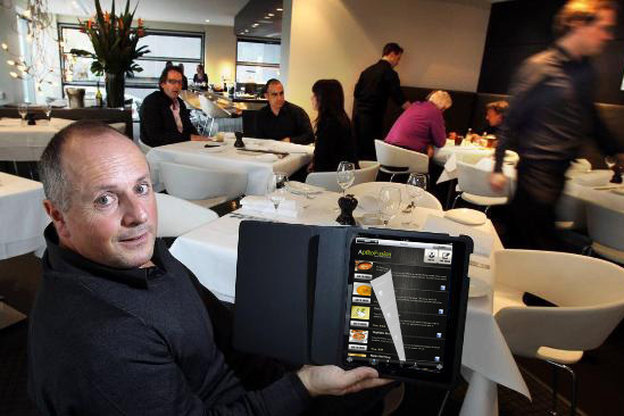
"caption": "A restaurant customer tries out the Aptito app on a digital menu. Photo: Courtesy of Aptito",
"description": null,
"title": "menu-pad",
"credit": null,
"status": "inherit",
"isLoading": false,
"fetchFailed": false
},
"bayareabites_72900": {
"type": "attachments",
"id": "bayareabites_72900",
"meta": {
"index": "attachments_1716263798",
"site": "bayareabites",
"id": "72900",
"found": true
},
"parent": 72892,
"imgSizes": {
"kqedFullSize": {
"file": "https://ww2.kqed.org/app/uploads/sites/24/2013/10/lacocina-sm.jpg",
"width": 624,
"height": 468
}
},
"publishDate": 1382749298,
"modified": 1382749298,
"caption": null,
"description": null,
"title": "lacocina-sm",
"credit": null,
"status": "inherit",
"isLoading": false,
"fetchFailed": false
},
"bayareabites_72822": {
"type": "attachments",
"id": "bayareabites_72822",
"meta": {
"index": "attachments_1716263798",
"site": "bayareabites",
"id": "72822",
"found": true
},
"parent": 72817,
"imgSizes": {
"kqedFullSize": {
"file": "https://ww2.kqed.org/app/uploads/sites/24/2013/10/chickens.jpg",
"width": 624,
"height": 468
}
},
"publishDate": 1382635176,
"modified": 1382635176,
"caption": "Chickens in a mechanized hatchery in Monroe County, Ala. Photo: Buyenlarge/Getty Images",
"description": null,
"title": "chickens",
"credit": null,
"status": "inherit",
"isLoading": false,
"fetchFailed": false
},
"bayareabites_72288": {
"type": "attachments",
"id": "bayareabites_72288",
"meta": {
"index": "attachments_1716263798",
"site": "bayareabites",
"id": "72288",
"found": true
},
"parent": 72285,
"imgSizes": {
"kqedFullSize": {
"file": "https://ww2.kqed.org/app/uploads/sites/24/2013/10/kids-pancakes640x360.jpg",
"width": 640,
"height": 360
}
},
"publishDate": 1381890427,
"modified": 1381890427,
"caption": null,
"description": null,
"title": "kids-pancakes640x360",
"credit": null,
"status": "inherit",
"isLoading": false,
"fetchFailed": false
},
"bayareabites_72265": {
"type": "attachments",
"id": "bayareabites_72265",
"meta": {
"index": "attachments_1716263798",
"site": "bayareabites",
"id": "72265",
"found": true
},
"parent": 71953,
"imgSizes": {
"kqedFullSize": {
"file": "https://ww2.kqed.org/app/uploads/sites/24/2013/10/choco-strawbs-MealTrain640x360.jpg",
"width": 640,
"height": 360
}
},
"publishDate": 1381889213,
"modified": 1381889213,
"caption": null,
"description": null,
"title": "choco-strawbs-MealTrain640x360",
"credit": null,
"status": "inherit",
"isLoading": false,
"fetchFailed": false
},
"bayareabites_72297": {
"type": "attachments",
"id": "bayareabites_72297",
"meta": {
"index": "attachments_1716263798",
"site": "bayareabites",
"id": "72297",
"found": true
},
"parent": 72293,
"imgSizes": {
"kqedFullSize": {
"file": "https://ww2.kqed.org/app/uploads/sites/24/2013/10/whitehousegarden-sm.jpg",
"width": 624,
"height": 467
}
},
"publishDate": 1381890956,
"modified": 1381890956,
"caption": null,
"description": null,
"title": "whitehousegarden-sm",
"credit": null,
"status": "inherit",
"isLoading": false,
"fetchFailed": false
},
"bayareabites_72164": {
"type": "attachments",
"id": "bayareabites_72164",
"meta": {
"index": "attachments_1716263798",
"site": "bayareabites",
"id": "72164",
"found": true
},
"parent": 72155,
"imgSizes": {
"kqedFullSize": {
"file": "https://ww2.kqed.org/app/uploads/sites/24/2013/10/rachael-ray-sm.jpg",
"width": 624,
"height": 350
}
},
"publishDate": 1381768140,
"modified": 1381768140,
"caption": null,
"description": null,
"title": "rachael-ray-sm",
"credit": null,
"status": "inherit",
"isLoading": false,
"fetchFailed": false
},
"bayareabites_72089": {
"type": "attachments",
"id": "bayareabites_72089",
"meta": {
"index": "attachments_1716263798",
"site": "bayareabites",
"id": "72089",
"found": true
},
"parent": 71880,
"imgSizes": {
"kqedFullSize": {
"file": "https://ww2.kqed.org/app/uploads/sites/24/2013/10/fall-grape-harvest640x360.jpg",
"width": 640,
"height": 360
}
},
"publishDate": 1381526036,
"modified": 1381526036,
"caption": null,
"description": null,
"title": "fall-grape-harvest640x360",
"credit": null,
"status": "inherit",
"isLoading": false,
"fetchFailed": false
},
"bayareabites_71827": {
"type": "attachments",
"id": "bayareabites_71827",
"meta": {
"index": "attachments_1716263798",
"site": "bayareabites",
"id": "71827",
"found": true
},
"parent": 71818,
"imgSizes": {
"kqedFullSize": {
"file": "https://ww2.kqed.org/app/uploads/sites/24/2013/10/final-jelly-in-jar640x360.jpg",
"width": 640,
"height": 360
}
},
"publishDate": 1381201947,
"modified": 1381201947,
"caption": null,
"description": null,
"title": "final-jelly-in-jar640x360",
"credit": null,
"status": "inherit",
"isLoading": false,
"fetchFailed": false
},
"bayareabites_71988": {
"type": "attachments",
"id": "bayareabites_71988",
"meta": {
"index": "attachments_1716263798",
"site": "bayareabites",
"id": "71988",
"found": true
},
"parent": 71982,
"imgSizes": {
"kqedFullSize": {
"file": "https://ww2.kqed.org/app/uploads/sites/24/2013/10/juice-starbucks-sm.jpg",
"width": 624,
"height": 467
}
},
"publishDate": 1381439224,
"modified": 1381439224,
"caption": null,
"description": null,
"title": "juice-starbucks-sm",
"credit": null,
"status": "inherit",
"isLoading": false,
"fetchFailed": false
},
"bayareabites_71916": {
"type": "attachments",
"id": "bayareabites_71916",
"meta": {
"index": "attachments_1716263798",
"site": "bayareabites",
"id": "71916",
"found": true
},
"parent": 71909,
"imgSizes": {
"kqedFullSize": {
"file": "https://ww2.kqed.org/app/uploads/sites/24/2013/10/apple-riverbelle-sm.jpg",
"width": 624,
"height": 350
}
},
"publishDate": 1381349601,
"modified": 1381349601,
"caption": null,
"description": null,
"title": "apple-riverbelle-sm",
"credit": null,
"status": "inherit",
"isLoading": false,
"fetchFailed": false
},
"bayareabites_71399": {
"type": "attachments",
"id": "bayareabites_71399",
"meta": {
"index": "attachments_1716263798",
"site": "bayareabites",
"id": "71399",
"found": true
},
"parent": 71320,
"imgSizes": {
"kqedFullSize": {
"file": "https://ww2.kqed.org/app/uploads/sites/24/2013/10/9628819344_8b4c455e77_z.jpg",
"width": 640,
"height": 381
}
},
"publishDate": 1380651493,
"modified": 1380651493,
"caption": "Crowdfunding can provide an additional source of start-up funds for restaurants, food trucks and kitchens. Photo: Dominic Torrell/Flickr",
"description": null,
"title": "9628819344_8b4c455e77_z",
"credit": null,
"status": "inherit",
"isLoading": false,
"fetchFailed": false
}
},
"audioPlayerReducer": {
"postId": "stream_live",
"isPaused": true,
"isPlaying": false,
"pfsActive": false,
"pledgeModalIsOpen": true,
"playerDrawerIsOpen": false,
"liveAudioPlayStartedAt": 0,
"liveAudioPlayContext": ""
},
"authorsReducer": {
"byline_bayareabites_72944": {
"type": "authors",
"id": "byline_bayareabites_72944",
"meta": {
"override": true
},
"slug": "byline_bayareabites_72944",
"name": "Nevin Martell",
"isLoading": false
},
"byline_bayareabites_72892": {
"type": "authors",
"id": "byline_bayareabites_72892",
"meta": {
"override": true
},
"slug": "byline_bayareabites_72892",
"name": "Amy Guttman",
"isLoading": false
},
"byline_bayareabites_72817": {
"type": "authors",
"id": "byline_bayareabites_72817",
"meta": {
"override": true
},
"slug": "byline_bayareabites_72817",
"name": "Eliza Barclay",
"isLoading": false
},
"byline_bayareabites_72293": {
"type": "authors",
"id": "byline_bayareabites_72293",
"meta": {
"override": true
},
"slug": "byline_bayareabites_72293",
"name": "Eliza Barclay",
"isLoading": false
},
"byline_bayareabites_72155": {
"type": "authors",
"id": "byline_bayareabites_72155",
"meta": {
"override": true
},
"slug": "byline_bayareabites_72155",
"name": "NPR Staff",
"isLoading": false
},
"byline_bayareabites_71982": {
"type": "authors",
"id": "byline_bayareabites_71982",
"meta": {
"override": true
},
"slug": "byline_bayareabites_71982",
"name": "Eliza Barclay",
"isLoading": false
},
"byline_bayareabites_71909": {
"type": "authors",
"id": "byline_bayareabites_71909",
"meta": {
"override": true
},
"slug": "byline_bayareabites_71909",
"name": "Nevin Martell",
"isLoading": false
},
"kdomara": {
"type": "authors",
"id": "1459",
"meta": {
"index": "authors_1716337520",
"id": "1459",
"found": true
},
"name": "Kelly O'Mara",
"firstName": "Kelly",
"lastName": "O'Mara",
"slug": "kdomara",
"email": "komara@kqed.org",
"display_author_email": false,
"staff_mastheads": [
"news"
],
"title": "KQED Contributor",
"bio": "Kelly O'Mara is a writer and reporter in the San Francisco Bay Area. She writes about food, health, sports, travel, business and California news. Her work has appeared on KQED, online for Outside Magazine, epsnW, VICE and in Competitor Magazine, among others. Follow Kelly on Twitter \u003ca href=\"https://twitter.com/kellydomara\">@kellydomara\u003c/a>.",
"avatar": "https://secure.gravatar.com/avatar/768fec7412028b72f13bdd0f5f9d8186?s=600&d=blank&r=g",
"twitter": null,
"facebook": null,
"instagram": null,
"linkedin": null,
"sites": [
{
"site": "arts",
"roles": []
},
{
"site": "news",
"roles": []
},
{
"site": "bayareabites",
"roles": []
},
{
"site": "stateofhealth",
"roles": []
},
{
"site": "science",
"roles": []
},
{
"site": "checkplease",
"roles": [
"editor"
]
},
{
"site": "food",
"roles": []
},
{
"site": "forum",
"roles": [
"editor"
]
},
{
"site": "liveblog",
"roles": [
"editor"
]
}
],
"headData": {
"title": "Kelly O'Mara | KQED",
"description": "KQED Contributor",
"ogImgSrc": "https://secure.gravatar.com/avatar/768fec7412028b72f13bdd0f5f9d8186?s=600&d=blank&r=g",
"twImgSrc": "https://secure.gravatar.com/avatar/768fec7412028b72f13bdd0f5f9d8186?s=600&d=blank&r=g"
},
"isLoading": false,
"link": "/author/kdomara"
},
"maryladd": {
"type": "authors",
"id": "5092",
"meta": {
"index": "authors_1716337520",
"id": "5092",
"found": true
},
"name": "Mary Ladd",
"firstName": "Mary",
"lastName": "Ladd",
"slug": "maryladd",
"email": "writereadeat@gmail.com",
"display_author_email": false,
"staff_mastheads": [],
"title": null,
"bio": "Mary Ladd is a freelance writer and event professional based in her hometown of San Francisco. Her writing has been featured in SF Weekly, Tasting Table, the San Francisco Chronicle and elsewhere. She has shuttled \u003ca href=\"http://sf.eater.com/archives/2009/03/26/eater_map_mr_bourdains_san_francisco_whereabouts.php\">Anthony Bourdain\u003c/a> around town and mastered the art of properly loading a catering van in a flash. Mary has eaten the world’s hottest burger and loves to cook and eat. Follow her at \u003ca href=\"https://twitter.com/mladdfood\">@mladdfood\u003c/a>",
"avatar": "https://secure.gravatar.com/avatar/dab53b49e4e893d0d1e6a7ec6ed29e27?s=600&d=blank&r=g",
"twitter": "mladdfood",
"facebook": null,
"instagram": null,
"linkedin": null,
"sites": [
{
"site": "bayareabites",
"roles": [
"contributor"
]
}
],
"headData": {
"title": "Mary Ladd | KQED",
"description": null,
"ogImgSrc": "https://secure.gravatar.com/avatar/dab53b49e4e893d0d1e6a7ec6ed29e27?s=600&d=blank&r=g",
"twImgSrc": "https://secure.gravatar.com/avatar/dab53b49e4e893d0d1e6a7ec6ed29e27?s=600&d=blank&r=g"
},
"isLoading": false,
"link": "/author/maryladd"
},
"darathompson": {
"type": "authors",
"id": "5402",
"meta": {
"index": "authors_1716337520",
"id": "5402",
"found": true
},
"name": "Dara Thompson",
"firstName": "Dara",
"lastName": "Thompson",
"slug": "darathompson",
"email": "drdarathompson@yahoo.com",
"display_author_email": false,
"staff_mastheads": [],
"title": null,
"bio": "\u003ca href=\"http://solutionsnaturopathiccare.com/\">Dara Thompson N.D.\u003c/a> is a Naturopathic Doctor practicing in Mill Valley, CA . She is passionate about medicine, and believes that the food we eat is an integral part of healing. Dr. Thompson studied cell and molecular biology at The Massachusetts Institute of Technology and UC Santa Cruz. She received her doctorate in naturopathic medicine at National College of Natural Medicine in Portland, Oregon, where she worked her way through school catering and teaching cooking classes. Dr. Thompson specializes in environmental medicine and providing supportive care for cancer patients. You can follow her \u003ca href=\"http://solutionsnaturopathiccare.com/blog/\">food and nutrition blog\u003c/a>.",
"avatar": "https://secure.gravatar.com/avatar/7918a53f14a1253cb107c6f45a0fe63b?s=600&d=blank&r=g",
"twitter": null,
"facebook": null,
"instagram": null,
"linkedin": null,
"sites": [
{
"site": "bayareabites",
"roles": [
"contributor"
]
}
],
"headData": {
"title": "Dara Thompson | KQED",
"description": null,
"ogImgSrc": "https://secure.gravatar.com/avatar/7918a53f14a1253cb107c6f45a0fe63b?s=600&d=blank&r=g",
"twImgSrc": "https://secure.gravatar.com/avatar/7918a53f14a1253cb107c6f45a0fe63b?s=600&d=blank&r=g"
},
"isLoading": false,
"link": "/author/darathompson"
},
"lindseyhoshaw": {
"type": "authors",
"id": "5432",
"meta": {
"index": "authors_1716337520",
"id": "5432",
"found": true
},
"name": "Lindsey Hoshaw",
"firstName": "Lindsey",
"lastName": "Hoshaw",
"slug": "lindseyhoshaw",
"email": "lhoshaw@kqed.org",
"display_author_email": false,
"staff_mastheads": [],
"title": "KQED Contributor",
"bio": "Lindsey Hoshaw is a former interactive producer for KQED Science. Before joining KQED, Lindsey was a science correspondent for The New York Times, The Boston Globe, Forbes and Scientific American. On Twitter @lindseyhoshaw",
"avatar": "https://secure.gravatar.com/avatar/274b07694c998eaa8f26cfabaa941186?s=600&d=mm&r=g",
"twitter": "lindseyhoshaw",
"facebook": "lindsey.hoshaw.9",
"instagram": null,
"linkedin": null,
"sites": [
{
"site": "arts",
"roles": [
"author"
]
},
{
"site": "news",
"roles": [
"subscriber"
]
},
{
"site": "futureofyou",
"roles": [
"editor"
]
},
{
"site": "bayareabites",
"roles": [
"contributor"
]
},
{
"site": "stateofhealth",
"roles": [
"author"
]
},
{
"site": "science",
"roles": [
"edit_theme_options",
"subscriber"
]
},
{
"site": "quest",
"roles": [
"edit_post_subscriptions",
"edit_usergroups",
"unfiltered_html",
"unfiltered_upload",
"leadcoordinator",
"editor"
]
},
{
"site": "food",
"roles": []
}
],
"headData": {
"title": "Lindsey Hoshaw | KQED",
"description": "KQED Contributor",
"ogImgSrc": "https://secure.gravatar.com/avatar/274b07694c998eaa8f26cfabaa941186?s=600&d=mm&r=g",
"twImgSrc": "https://secure.gravatar.com/avatar/274b07694c998eaa8f26cfabaa941186?s=600&d=mm&r=g"
},
"isLoading": false,
"link": "/author/lindseyhoshaw"
},
"katewilliams": {
"type": "authors",
"id": "5485",
"meta": {
"index": "authors_1716337520",
"id": "5485",
"found": true
},
"name": "Kate Williams",
"firstName": "Kate",
"lastName": "Williams",
"slug": "katewilliams",
"email": "williaka@gmail.com",
"display_author_email": false,
"staff_mastheads": [],
"title": null,
"bio": "Kate Williams grew up outside of Atlanta, where twenty-pound baskets of peaches were an end-of-summer tradition. After spending time in Boston developing recipes for America's Test Kitchen and pretending to be a New Englander, she moved to sunny Berkeley. Here she works as a personal chef and food writer, covering topics ranging from taco trucks to modernist cookbooks. In addition to KQED's Bay Area Bites, Kate's work appears on Serious Eats, Berkeleyside NOSH, The Oxford American, America's Test Kitchen cookbooks, and Food52.",
"avatar": "https://secure.gravatar.com/avatar/25623fe56e181fe8b6ee92fd0ea077de?s=600&d=blank&r=g",
"twitter": "KateHWilliams",
"facebook": null,
"instagram": null,
"linkedin": null,
"sites": [
{
"site": "bayareabites",
"roles": [
"contributor"
]
},
{
"site": "food",
"roles": [
"contributor"
]
}
],
"headData": {
"title": "Kate Williams | KQED",
"description": null,
"ogImgSrc": "https://secure.gravatar.com/avatar/25623fe56e181fe8b6ee92fd0ea077de?s=600&d=blank&r=g",
"twImgSrc": "https://secure.gravatar.com/avatar/25623fe56e181fe8b6ee92fd0ea077de?s=600&d=blank&r=g"
},
"isLoading": false,
"link": "/author/katewilliams"
}
},
"pagesReducer": {
"bayareabites_category_food-and-technology": {
"type": "terms",
"id": "bayareabites_4084",
"meta": {
"index": "terms_1716263798",
"site": "bayareabites",
"id": "4084",
"score": 14.405561
},
"featImg": null,
"name": "food trends and technology",
"description": null,
"taxonomy": "category",
"headData": {
"twImgId": null,
"twTitle": null,
"ogTitle": null,
"ogImgId": null,
"twDescription": null,
"description": null,
"title": "food trends and technology Archives | KQED Bay Area Bites",
"ogDescription": null
},
"ttid": 2573,
"slug": "food-and-technology",
"isLoading": false,
"title": "food trends and technology",
"pageMeta": {
"site": "bayareabites",
"WpPageTemplate": "page-topic-editorial",
"currentPage": 45
},
"blocks": [
{
"blockName": "kqed/post-list",
"attrs": {
"layout": "cardArticle2",
"query": "posts/bayareabites?category=food-and-technology",
"seeMore": false,
"paginated": true,
"page": 45
}
},
{
"blockName": "kqed/ad"
}
]
}
},
"pfsSessionReducer": {},
"postsReducer": {
"stream_live": {
"type": "live",
"id": "stream_live",
"audioUrl": "https://streams.kqed.org/kqedradio",
"title": "Live Stream",
"excerpt": "Live Stream information currently unavailable.",
"link": "/radio",
"featImg": "",
"label": {
"name": "KQED Live",
"link": "/"
}
},
"stream_kqedNewscast": {
"type": "posts",
"id": "stream_kqedNewscast",
"audioUrl": "https://www.kqed.org/.stream/anon/radio/RDnews/newscast.mp3?_=1",
"title": "KQED Newscast",
"featImg": "",
"label": {
"name": "88.5 FM",
"link": "/"
}
},
"bayareabites_72944": {
"type": "posts",
"id": "bayareabites_72944",
"meta": {
"index": "posts_1716263798",
"site": "bayareabites",
"id": "72944",
"score": null,
"sort": [
1382999471000
]
},
"parent": 0,
"labelTerm": {
"site": "bayareabites"
},
"blocks": [],
"publishDate": 1382999471,
"format": "aside",
"disqusTitle": "Goodbye Paper Menus? Restaurants Test The Water For Tablets ",
"title": "Goodbye Paper Menus? Restaurants Test The Water For Tablets ",
"headTitle": "Bay Area Bites | KQED Food",
"content": "\u003cfigure id=\"attachment_72950\" class=\"wp-caption aligncenter\" style=\"max-width: 624px\">\u003ca href=\"http://ww2.kqed.org/bayareabites/wp-content/uploads/sites/24/2013/10/menu-pad.jpg\">\u003cimg src=\"http://ww2.kqed.org/bayareabites/wp-content/uploads/sites/24/2013/10/menu-pad.jpg\" alt=\"A restaurant customer tries out the Aptito app on a digital menu. Photo: Courtesy of Aptito\" width=\"624\" height=\"416\" class=\"size-full wp-image-72950\">\u003c/a>\u003cfigcaption class=\"wp-caption-text\">A restaurant customer tries out the Aptito app on a digital menu. Photo: Courtesy of Aptito\u003c/figcaption>\u003c/figure>\n\u003cp>Post by Nevin Martell, \u003ca href=\"http://www.npr.org/blogs/thesalt/2013/10/28/241391126/goodbye-paper-menus-restaurants-test-the-waters-for-tablets\">The Salt at NPR Food\u003c/a> (10/28/13)\u003c/p>\n\u003cp>When you sit down at Chef José Andrés' tapas restaurant, \u003ca href=\"http://www.jaleo.com/\">Jaleo\u003c/a>, in Washington, D.C., and ask to see the beverage options, as I did recently, you're in for a surprise. Instead of a traditional leather-bound menu, I was handed an iPad.\u003c/p>\n\u003cp>An app called \u003ca href=\"http://www.incentient.com/smartcellar.php\">SmartCellar\u003c/a> guided me to search for wine by grape variety and climate zone. Selecting a bottle, I got details about the vintage and its producers, tasting notes written by the restaurant's wine team, pictures of the bottle or label, and food pairing suggestions.\u003c/p>\n\u003cp>Having all this information on hand was initially intimidating. What was I in the mood for? Did I want to splurge on a rare bottle from the illustrious, shuttered Spanish restaurant \u003ca href=\"http://www.npr.org/blogs/thesalt/2013/07/06/199047678/museum-exhibit-celebrates-iconic-spanish-chef-s-food-as-art\">El Bulli\u003c/a>? What was the back story on that Rioja? But as I immersed myself in the app, I got so into it that the waiter had to stop by three times before I was ready to order.\u003c/p>\n\u003cp>While paper menus, which have been around for centuries, still dominate the restaurant world, a growing number of restaurants are singing the praises of tablets to better serve their customers.\u003c/p>\n\u003cp>[ad fullwidth]\u003c/p>\n\u003cp>\"There's a clear advantage to digital menus,\" says Lucas Paya, wine director for José Andrés' \u003ca href=\"http://www.thinkfoodgroup.com/\">ThinkFoodGroup\u003c/a>, which has been testing them at two of the company's 16 restaurants since 2012. \"First, there's the amount of content you can display, which is impossible on paper. And there's the real-time capability. I can update the list at a moment's notice online from anywhere in the world.\"\u003c/p>\n\u003cfigure id=\"attachment_72949\" class=\"wp-caption alignleft\" style=\"max-width: 290px\">\u003ca href=\"http://ww2.kqed.org/bayareabites/wp-content/uploads/sites/24/2013/10/menu-pad-app.jpg\">\u003cimg src=\"http://ww2.kqed.org/bayareabites/wp-content/uploads/sites/24/2013/10/menu-pad-app-290x192.jpg\" alt=\"The Aptito app has intel on a restaurant's dishes and drinks, but diners can also use it to request a waiter’s attention, ask to speak with the chef and leave reviews for the management. Photo: Courtesy of Apetito\" width=\"290\" height=\"192\" class=\"size-medium wp-image-72949\">\u003c/a>\u003cfigcaption class=\"wp-caption-text\">The Aptito app has intel on a restaurant's dishes and drinks, but diners can also use it to request a waiter’s attention, ask to speak with the chef and leave reviews for the management. Photo: Courtesy of Apetito\u003c/figcaption>\u003c/figure>\n\u003cp>Now that menus are going digital, plenty of apps and software are vying for restaurateurs' attention. There are \u003ca href=\"http://us.menupad.com/\">MenuPad\u003c/a> and \u003ca href=\"http://emenuny.com/\">eMenu\u003c/a> for menus, and \u003ca href=\"http://uncorkd.biz/\">Uncorkd\u003c/a> and \u003ca href=\"http://www.winelistpro.com/\">Wine List\u003c/a> for wine.\u003c/p>\n\u003cp>One of the most robust is \u003ca href=\"http://aptito.com/\">Aptito\u003c/a>, which rolled out in mid-2011. It has intel on dishes and drinks, but diners can also use it to request a waiter's attention, ask to speak with the chef and leave reviews for the management. \"This allows restaurants to provide customer service at moment's notice,\" says founder and CEO Gene Zell. \"You can save the customer's experience and make sure they come back.\"\u003c/p>\n\u003cp>\u003ca href=\"http://cafemartorano.com/\">Café Martorano\u003c/a> in Fort Lauderdale, Fla., opted to build its own digital menu software in-house; it debuted on Acer tablets in mid-September. In contrast with Jaleo where the server has to process orders from a virtual shopping cart, diners at Café Martorano order directly through the tablet.\u003c/p>\n\u003cp>Each dish at the café has a photo and description, and suggested beverage pairings. \"That way, if you're with a date and you don't know much about alcohol, you can still act like you know what you're doing,\" says owner Steve Martorano.\u003c/p>\n\u003cp>Empowering the diner turns out to be one of the greatest benefits, from the restaurant's perspective. \"People who have been coming in for 20 years have told me they have always ordered the same thing,\" says Martorano, \"simply because they didn't know what \u003cem>guanciale\u003c/em> was or what a certain kind of pasta was.\" And the menus also seem to encourage people to spend more: Since they debuted, Martorano says he has seen a 23 percent increase in sales.\u003c/p>\n\u003cp>Despite the bounty of content these new digital menus offer, there are some advantages to the paper version, which first appeared in Europe in the late 18\u003csup>th\u003c/sup> century. Each of Jaleo's iPads costs approximately $500, which makes them tempting targets for thieves. So far, the restaurant has had four stolen. \"Now we don't use them at outside tables where the thefts occurred,\" says Paya. \"They still get paper.\" \u003c/p>\n\u003cp>\u003c/p>\n\u003cp>\u003cem>Copyright 2013 \u003ca href=\"http://www.npr.org/\">NPR\u003c/a>.\u003c/em> \u003c/p>\n\n",
"disqusIdentifier": "72944 http://blogs.kqed.org/bayareabites/?p=72944",
"disqusUrl": "https://ww2.kqed.org/bayareabites/2013/10/28/goodbye-paper-menus-restaurants-test-the-water-for-tablets/",
"stats": {
"hasVideo": false,
"hasChartOrMap": false,
"hasAudio": false,
"hasPolis": false,
"wordCount": 691,
"hasGoogleForm": false,
"hasGallery": false,
"hasHearkenModule": false,
"iframeSrcs": [],
"paragraphCount": 15
},
"modified": 1382999471,
"excerpt": "Digital menus may help diners make more informed choices about restaurants' food and drink options. And they may boost restaurant profits, too: Sales have increased 23 percent since one Florida restaurant introduced tablet menus in September.",
"headData": {
"twImgId": "",
"twTitle": "",
"ogTitle": "",
"ogImgId": "",
"twDescription": "",
"description": "Digital menus may help diners make more informed choices about restaurants' food and drink options. And they may boost restaurant profits, too: Sales have increased 23 percent since one Florida restaurant introduced tablet menus in September.",
"title": "Goodbye Paper Menus? Restaurants Test The Water For Tablets | KQED",
"ogDescription": "",
"schema": {
"@context": "https://schema.org",
"@type": "Article",
"headline": "Goodbye Paper Menus? Restaurants Test The Water For Tablets ",
"datePublished": "2013-10-28T15:31:11-07:00",
"dateModified": "2013-10-28T15:31:11-07:00",
"image": "https://cdn.kqed.org/wp-content/uploads/2020/02/KQED-OG-Image@1x.png"
}
},
"guestAuthors": [],
"slug": "goodbye-paper-menus-restaurants-test-the-water-for-tablets",
"status": "publish",
"nprApiLink": "http://api.npr.org/query?id=241391126&apiKey=MDAxOTAwOTE4MDEyMTkxMDAzNjczZDljZA004",
"nprByline": "Nevin Martell",
"nprStoryDate": "Mon, 28 Oct 2013 15:26:00 -0400",
"nprLastModifiedDate": "Mon, 28 Oct 2013 17:29:54 -0400",
"nprHtmlLink": "http://www.npr.org/blogs/thesalt/2013/10/28/241391126/goodbye-paper-menus-restaurants-test-the-waters-for-tablets?ft=3&f=241391126",
"nprStoryId": "241391126",
"nprRetrievedStory": "1",
"nprPubDate": "Mon, 28 Oct 2013 17:29:00 -0400",
"path": "/bayareabites/72944/goodbye-paper-menus-restaurants-test-the-water-for-tablets",
"audioTrackLength": null,
"parsedContent": [
{
"type": "contentString",
"content": "\u003cdiv class=\"post-body\">\u003cp>\u003cfigure id=\"attachment_72950\" class=\"wp-caption aligncenter\" style=\"max-width: 624px\">\u003ca href=\"http://ww2.kqed.org/bayareabites/wp-content/uploads/sites/24/2013/10/menu-pad.jpg\">\u003cimg src=\"http://ww2.kqed.org/bayareabites/wp-content/uploads/sites/24/2013/10/menu-pad.jpg\" alt=\"A restaurant customer tries out the Aptito app on a digital menu. Photo: Courtesy of Aptito\" width=\"624\" height=\"416\" class=\"size-full wp-image-72950\">\u003c/a>\u003cfigcaption class=\"wp-caption-text\">A restaurant customer tries out the Aptito app on a digital menu. Photo: Courtesy of Aptito\u003c/figcaption>\u003c/figure>\n\u003cp>Post by Nevin Martell, \u003ca href=\"http://www.npr.org/blogs/thesalt/2013/10/28/241391126/goodbye-paper-menus-restaurants-test-the-waters-for-tablets\">The Salt at NPR Food\u003c/a> (10/28/13)\u003c/p>\n\u003cp>When you sit down at Chef José Andrés' tapas restaurant, \u003ca href=\"http://www.jaleo.com/\">Jaleo\u003c/a>, in Washington, D.C., and ask to see the beverage options, as I did recently, you're in for a surprise. Instead of a traditional leather-bound menu, I was handed an iPad.\u003c/p>\n\u003cp>An app called \u003ca href=\"http://www.incentient.com/smartcellar.php\">SmartCellar\u003c/a> guided me to search for wine by grape variety and climate zone. Selecting a bottle, I got details about the vintage and its producers, tasting notes written by the restaurant's wine team, pictures of the bottle or label, and food pairing suggestions.\u003c/p>\n\u003cp>Having all this information on hand was initially intimidating. What was I in the mood for? Did I want to splurge on a rare bottle from the illustrious, shuttered Spanish restaurant \u003ca href=\"http://www.npr.org/blogs/thesalt/2013/07/06/199047678/museum-exhibit-celebrates-iconic-spanish-chef-s-food-as-art\">El Bulli\u003c/a>? What was the back story on that Rioja? But as I immersed myself in the app, I got so into it that the waiter had to stop by three times before I was ready to order.\u003c/p>\n\u003cp>While paper menus, which have been around for centuries, still dominate the restaurant world, a growing number of restaurants are singing the praises of tablets to better serve their customers.\u003c/p>\n\u003cp>\u003c/p>\u003c/div>",
"attributes": {
"named": {},
"numeric": []
}
},
{
"type": "component",
"content": "",
"name": "ad",
"attributes": {
"named": {
"label": "fullwidth"
},
"numeric": [
"fullwidth"
]
}
},
{
"type": "contentString",
"content": "\u003cdiv class=\"post-body\">\u003cp>\u003c/p>\n\u003cp>\"There's a clear advantage to digital menus,\" says Lucas Paya, wine director for José Andrés' \u003ca href=\"http://www.thinkfoodgroup.com/\">ThinkFoodGroup\u003c/a>, which has been testing them at two of the company's 16 restaurants since 2012. \"First, there's the amount of content you can display, which is impossible on paper. And there's the real-time capability. I can update the list at a moment's notice online from anywhere in the world.\"\u003c/p>\n\u003cfigure id=\"attachment_72949\" class=\"wp-caption alignleft\" style=\"max-width: 290px\">\u003ca href=\"http://ww2.kqed.org/bayareabites/wp-content/uploads/sites/24/2013/10/menu-pad-app.jpg\">\u003cimg src=\"http://ww2.kqed.org/bayareabites/wp-content/uploads/sites/24/2013/10/menu-pad-app-290x192.jpg\" alt=\"The Aptito app has intel on a restaurant's dishes and drinks, but diners can also use it to request a waiter’s attention, ask to speak with the chef and leave reviews for the management. Photo: Courtesy of Apetito\" width=\"290\" height=\"192\" class=\"size-medium wp-image-72949\">\u003c/a>\u003cfigcaption class=\"wp-caption-text\">The Aptito app has intel on a restaurant's dishes and drinks, but diners can also use it to request a waiter’s attention, ask to speak with the chef and leave reviews for the management. Photo: Courtesy of Apetito\u003c/figcaption>\u003c/figure>\n\u003cp>Now that menus are going digital, plenty of apps and software are vying for restaurateurs' attention. There are \u003ca href=\"http://us.menupad.com/\">MenuPad\u003c/a> and \u003ca href=\"http://emenuny.com/\">eMenu\u003c/a> for menus, and \u003ca href=\"http://uncorkd.biz/\">Uncorkd\u003c/a> and \u003ca href=\"http://www.winelistpro.com/\">Wine List\u003c/a> for wine.\u003c/p>\n\u003cp>One of the most robust is \u003ca href=\"http://aptito.com/\">Aptito\u003c/a>, which rolled out in mid-2011. It has intel on dishes and drinks, but diners can also use it to request a waiter's attention, ask to speak with the chef and leave reviews for the management. \"This allows restaurants to provide customer service at moment's notice,\" says founder and CEO Gene Zell. \"You can save the customer's experience and make sure they come back.\"\u003c/p>\n\u003cp>\u003ca href=\"http://cafemartorano.com/\">Café Martorano\u003c/a> in Fort Lauderdale, Fla., opted to build its own digital menu software in-house; it debuted on Acer tablets in mid-September. In contrast with Jaleo where the server has to process orders from a virtual shopping cart, diners at Café Martorano order directly through the tablet.\u003c/p>\n\u003cp>Each dish at the café has a photo and description, and suggested beverage pairings. \"That way, if you're with a date and you don't know much about alcohol, you can still act like you know what you're doing,\" says owner Steve Martorano.\u003c/p>\n\u003cp>Empowering the diner turns out to be one of the greatest benefits, from the restaurant's perspective. \"People who have been coming in for 20 years have told me they have always ordered the same thing,\" says Martorano, \"simply because they didn't know what \u003cem>guanciale\u003c/em> was or what a certain kind of pasta was.\" And the menus also seem to encourage people to spend more: Since they debuted, Martorano says he has seen a 23 percent increase in sales.\u003c/p>\n\u003cp>Despite the bounty of content these new digital menus offer, there are some advantages to the paper version, which first appeared in Europe in the late 18\u003csup>th\u003c/sup> century. Each of Jaleo's iPads costs approximately $500, which makes them tempting targets for thieves. So far, the restaurant has had four stolen. \"Now we don't use them at outside tables where the thefts occurred,\" says Paya. \"They still get paper.\" \u003c/p>\n\u003cp>\u003c/p>\n\u003cp>\u003cem>Copyright 2013 \u003ca href=\"http://www.npr.org/\">NPR\u003c/a>.\u003c/em> \u003c/p>\n\n\u003c/div>\u003c/p>",
"attributes": {
"named": {},
"numeric": []
}
}
],
"link": "/bayareabites/72944/goodbye-paper-menus-restaurants-test-the-water-for-tablets",
"authors": [
"byline_bayareabites_72944"
],
"categories": [
"bayareabites_4084",
"bayareabites_10916",
"bayareabites_1807"
],
"tags": [
"bayareabites_12620",
"bayareabites_12619",
"bayareabites_12622",
"bayareabites_4075",
"bayareabites_12621",
"bayareabites_8581",
"bayareabites_12623",
"bayareabites_10921"
],
"featImg": "bayareabites_72950",
"label": "bayareabites"
},
"bayareabites_72892": {
"type": "posts",
"id": "bayareabites_72892",
"meta": {
"index": "posts_1716263798",
"site": "bayareabites",
"id": "72892",
"score": null,
"sort": [
1382750070000
]
},
"parent": 0,
"labelTerm": {
"site": "bayareabites"
},
"blocks": [],
"publishDate": 1382750070,
"format": "aside",
"disqusTitle": "San Francisco Kitchen Lends Low-Income Food Entrepreneurs A Hand",
"title": "San Francisco Kitchen Lends Low-Income Food Entrepreneurs A Hand",
"headTitle": "Bay Area Bites | KQED Food",
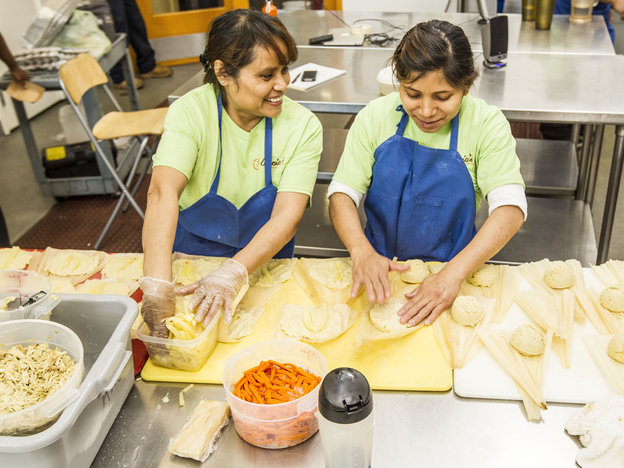
"content": "\u003cfigure id=\"attachment_72901\" class=\"wp-caption aligncenter\" style=\"max-width: 1120px\">\u003ca href=\"http://ww2.kqed.org/bayareabites/wp-content/uploads/sites/24/2013/10/lacocina.jpg\">\u003cimg src=\"http://ww2.kqed.org/bayareabites/wp-content/uploads/sites/24/2013/10/lacocina.jpg\" alt=\"Two employees of Alicia's Tamales los Mayas prepare tamales in the La Cocina industrial kitchen. Alicia Villanueva, the owner, and her team produce 3,000 to 5,000 tamales every week to sell in the Bay Area. Photo: Courtesy of La Cocina\" width=\"1120\" height=\"840\" class=\"size-full wp-image-72901\">\u003c/a>\u003cfigcaption class=\"wp-caption-text\">Two employees of Alicia's Tamales los Mayas prepare tamales in the La Cocina industrial kitchen. Alicia Villanueva, the owner, and her team produce 3,000 to 5,000 tamales every week to sell in the Bay Area. Photo: Courtesy of La Cocina\u003c/figcaption>\u003c/figure>\n\u003cp>Post by Amy Guttman, \u003ca href=\"http://www.npr.org/blogs/thesalt/2013/10/24/240487028/san-francisco-kitchen-lends-low-income-food-entrepreneurs-a-hand\">The Salt at NPR Food\u003c/a> (10/25/13)\u003c/p>\n\u003cp>San Francisco's Mission District is a cultural crossroads for food, where Mexican bodegas and burrito shops meet gourmet bakeries and cutting-edge California cuisine. It's also home to a kitchen where some of the most promising food startups in the region are getting a boost.\u003c/p>\n\u003cp>When 52-year-old \u003ca href=\"http://www.aliciatamaleslosmayas.com/\">Alicia Villanueva\u003c/a> migrated to San Francisco from Mexico in 2001, she began preparing tamales at home to make a living. She found clientele for her authentic, quality food easily, but says that she struggled to grow the business.\u003c/p>\n\u003cp>\"I'd buy a little and then cook, save a little, buy more ingredients, and on and on,\" she says. \"But that money went to support my family and pay the utility bills.\"\u003c/p>\n\u003cp>What she needed to expand was access to an industrial kitchen.\u003c/p>\n\u003cfigure id=\"attachment_72902\" class=\"wp-caption alignleft\" style=\"max-width: 290px\">\u003ca href=\"http://ww2.kqed.org/bayareabites/wp-content/uploads/sites/24/2013/10/lacocina1.jpg\">\u003cimg src=\"http://ww2.kqed.org/bayareabites/wp-content/uploads/sites/24/2013/10/lacocina1-290x193.jpg\" alt='Villanueva makes cheese, veggie, pork and chicken tamales, and prides herself on their authentic Mexican flavor. Her cart slogan reads, \"My tamales are stuffed with love, and the best people are stuffed with my tamales.\" Photo: Courtesy of La Cocina' width=\"290\" height=\"193\" class=\"size-medium wp-image-72902\">\u003c/a>\u003cfigcaption class=\"wp-caption-text\">Villanueva makes cheese, veggie, pork and chicken tamales, and prides herself on their authentic Mexican flavor. Her cart slogan reads, \"My tamales are stuffed with love, and the best people are stuffed with my tamales.\" Photo: Courtesy of La Cocina\u003c/figcaption>\u003c/figure>\n\u003cp>In 2010, Villanueva found \u003ca href=\"http://www.lacocinasf.org/\">La Cocina\u003c/a>, the Spanish word for \"kitchen.\" Founded in 2005 by an anonymous donor, the nonprofit organization provides equipment, mentoring, industrial kitchens and — most importantly — access to capital to low-income food entrepreneurs in the Bay Area.\u003c/p>\n\u003cp>[ad fullwidth]\u003c/p>\n\u003cp>Michelle Fernandez runs La Cocina's development and communications department. She says there's huge demand for the program, which takes on only 30 up-and-coming entrepreneurs at a time.\u003c/p>\n\u003cp>\"It's pretty competitive,\" she notes, adding that all applicants are required to submit a business plan.\u003c/p>\n\u003cp>La Cocina weighs a few factors in deciding who makes the cut: Cooks and bakers have to show they're ready to put in the time and sweat equity. They also need thick skin to handle constructive criticism and feedback.\u003c/p>\n\u003cp>Fernandez says most people underestimate the challenges. \"A lot of people don't understand how insanely hard this is,\" she says, especially what it takes to scale up recipes and production.\u003c/p>\n\u003cp>Scaling up is a critical skill regardless of whether the cooks want to create a product for retail distribution, or their own catering business, or the brass ring: a restaurant with their name above the door.\u003c/p>\n\u003cp>Those interested in catering can join La Cocina's own operation, which serves weddings, local microfinance institutions and tech giants like Google and Twitter.\u003c/p>\n\u003cp>Others develop their own products to sell at weekly street food fairs, like \u003ca href=\"http://www.offthegridsf.com\">Off the Grid\u003c/a>. Every Friday night near San Francisco's marina, four La Cocina vendors, including 39-year-old single mother Bini Pradhan, are among the stalls of ethnic food. Pradhan learned to cook in her mother's Kathmandu kitchen as a child, and hopes to see her Nepalese turkey dumplings sold throughout the Bay Area and the U.S.\u003c/p>\n\u003cp>\"I came to La Cocina to pursue my dream,\" Pradhan says. \"It would have been impossible without them. They've given me access to marketing, business planning and catering.\"\u003c/p>\n\u003cp>Entrepreneurs spend roughly three to five years in the program, learning about operations, finance, marketing and other business basics. They also can meet angel investors, microfinanciers and venture capitalists through La Cocina's connections.\u003c/p>\n\u003cfigure id=\"attachment_72903\" class=\"wp-caption alignleft\" style=\"max-width: 290px\">\u003ca href=\"http://ww2.kqed.org/bayareabites/wp-content/uploads/sites/24/2013/10/lacocina2.jpg\">\u003cimg src=\"http://ww2.kqed.org/bayareabites/wp-content/uploads/sites/24/2013/10/lacocina2-290x217.jpg\" alt=\"Villanueva sells tamales from her cart at a Justin Herman Plaza in San Francisco. Villanueva bought her cart for $1 thanks to the generosity of , a maker of high-end mobile carts and trailers. Photo: Courtesy of La Cocina\" width=\"290\" height=\"217\" class=\"size-medium wp-image-72903\">\u003c/a>\u003cfigcaption class=\"wp-caption-text\">Villanueva sells tamales from her cart at a Justin Herman Plaza in San Francisco. Villanueva bought her cart for $1 thanks to the generosity of \u003ca href=\"http://www.metalgourmet.com/index.php/metal-gourmet-news/74-metal-gourmet%E2%84%A2-assists-aspiring-entrepreneur\"> Metal Gourmet\u003c/a>, a maker of high-end mobile carts and trailers. Photo: Courtesy of La Cocina\u003c/figcaption>\u003c/figure>\n\u003cp>Many products developed at La Cocina are now sold at Whole Foods and Williams-Sonoma's online shop. There's hummus Donna Sky makes with her Palestinian mother's recipe, and chocolate-covered graham crackers by \u003ca href=\"http://kikastreats.com/\">Cristina Arantes\u003c/a>. They were chosen to be part of a special Ben and Jerry's \u003ca href=\"http://www.citychurned.benjerry.com/city/sf/\">ice cream flavor\u003c/a>.\u003c/p>\n\u003cp>As small-business owners mature in the program, they eventually work on a six-month exit strategy and graduate. The lead time provides a cushion while the entrepreneurs locate outside space and demonstrate they can market and manage operations for their business.\u003c/p>\n\u003cp>Alicia Villanueva has come a long way since she started the program in 2010. She's still selling tamales, but now she's got a website, \u003ca href=\"http://www.aliciatamaleslosmayas.com/\">Tamales Los Mayas\u003c/a>, and a cart vending them at Justin Herman Plaza and \u003ca href=\"http://offthegridsf.com/\">Off the Grid\u003c/a>. She also employs nine women, five of them full-time.\u003c/p>\n\u003cp>\"My last step is to open my restaurant and see my three kids go to college,\" says Vilanueva. \"I'm almost there.\" \u003c/p>\n\u003cp>\u003c/p>\n\u003cp>\u003cem>Copyright 2013 \u003ca href=\"http://www.npr.org/\">NPR\u003c/a>.\u003c/em> \u003c/p>\n\n",
"disqusIdentifier": "72892 http://blogs.kqed.org/bayareabites/?p=72892",
"disqusUrl": "https://ww2.kqed.org/bayareabites/2013/10/25/san-francisco-la-cocina-kitchen-lends-low-income-food-entrepreneurs-a-hand/",
"stats": {
"hasVideo": false,
"hasChartOrMap": false,
"hasAudio": false,
"hasPolis": false,
"wordCount": 802,
"hasGoogleForm": false,
"hasGallery": false,
"hasHearkenModule": false,
"iframeSrcs": [],
"paragraphCount": 22
},
"modified": 1382750070,
"excerpt": "Tech startups aren't the only businesses incubated in Northern California. Since 2005, the nonprofit group La Cocina, Spanish for \"kitchen,\" has been providing equipment, mentoring and access to capital to promising small food businesses in the Bay Area.",
"headData": {
"twImgId": "",
"twTitle": "",
"ogTitle": "",
"ogImgId": "",
"twDescription": "",
"description": "Tech startups aren't the only businesses incubated in Northern California. Since 2005, the nonprofit group La Cocina, Spanish for "kitchen," has been providing equipment, mentoring and access to capital to promising small food businesses in the Bay Area.",
"title": "San Francisco Kitchen Lends Low-Income Food Entrepreneurs A Hand | KQED",
"ogDescription": "",
"schema": {
"@context": "https://schema.org",
"@type": "Article",
"headline": "San Francisco Kitchen Lends Low-Income Food Entrepreneurs A Hand",
"datePublished": "2013-10-25T18:14:30-07:00",
"dateModified": "2013-10-25T18:14:30-07:00",
"image": "https://cdn.kqed.org/wp-content/uploads/2020/02/KQED-OG-Image@1x.png"
}
},
"guestAuthors": [],
"slug": "san-francisco-la-cocina-kitchen-lends-low-income-food-entrepreneurs-a-hand",
"status": "publish",
"nprApiLink": "http://api.npr.org/query?id=240487028&apiKey=MDAxOTAwOTE4MDEyMTkxMDAzNjczZDljZA004",
"nprByline": "Amy Guttman",
"nprStoryDate": "Fri, 25 Oct 2013 13:26:00 -0400",
"nprLastModifiedDate": "Fri, 25 Oct 2013 15:00:30 -0400",
"nprHtmlLink": "http://www.npr.org/blogs/thesalt/2013/10/24/240487028/san-francisco-kitchen-lends-low-income-food-entrepreneurs-a-hand?ft=3&f=240487028",
"nprStoryId": "240487028",
"nprRetrievedStory": "1",
"nprPubDate": "Fri, 25 Oct 2013 15:00:00 -0400",
"path": "/bayareabites/72892/san-francisco-la-cocina-kitchen-lends-low-income-food-entrepreneurs-a-hand",
"audioTrackLength": null,
"parsedContent": [
{
"type": "contentString",
"content": "\u003cdiv class=\"post-body\">\u003cp>\u003cfigure id=\"attachment_72901\" class=\"wp-caption aligncenter\" style=\"max-width: 1120px\">\u003ca href=\"http://ww2.kqed.org/bayareabites/wp-content/uploads/sites/24/2013/10/lacocina.jpg\">\u003cimg src=\"http://ww2.kqed.org/bayareabites/wp-content/uploads/sites/24/2013/10/lacocina.jpg\" alt=\"Two employees of Alicia's Tamales los Mayas prepare tamales in the La Cocina industrial kitchen. Alicia Villanueva, the owner, and her team produce 3,000 to 5,000 tamales every week to sell in the Bay Area. Photo: Courtesy of La Cocina\" width=\"1120\" height=\"840\" class=\"size-full wp-image-72901\">\u003c/a>\u003cfigcaption class=\"wp-caption-text\">Two employees of Alicia's Tamales los Mayas prepare tamales in the La Cocina industrial kitchen. Alicia Villanueva, the owner, and her team produce 3,000 to 5,000 tamales every week to sell in the Bay Area. Photo: Courtesy of La Cocina\u003c/figcaption>\u003c/figure>\n\u003cp>Post by Amy Guttman, \u003ca href=\"http://www.npr.org/blogs/thesalt/2013/10/24/240487028/san-francisco-kitchen-lends-low-income-food-entrepreneurs-a-hand\">The Salt at NPR Food\u003c/a> (10/25/13)\u003c/p>\n\u003cp>San Francisco's Mission District is a cultural crossroads for food, where Mexican bodegas and burrito shops meet gourmet bakeries and cutting-edge California cuisine. It's also home to a kitchen where some of the most promising food startups in the region are getting a boost.\u003c/p>\n\u003cp>When 52-year-old \u003ca href=\"http://www.aliciatamaleslosmayas.com/\">Alicia Villanueva\u003c/a> migrated to San Francisco from Mexico in 2001, she began preparing tamales at home to make a living. She found clientele for her authentic, quality food easily, but says that she struggled to grow the business.\u003c/p>\n\u003cp>\"I'd buy a little and then cook, save a little, buy more ingredients, and on and on,\" she says. \"But that money went to support my family and pay the utility bills.\"\u003c/p>\n\u003cp>What she needed to expand was access to an industrial kitchen.\u003c/p>\n\u003cfigure id=\"attachment_72902\" class=\"wp-caption alignleft\" style=\"max-width: 290px\">\u003ca href=\"http://ww2.kqed.org/bayareabites/wp-content/uploads/sites/24/2013/10/lacocina1.jpg\">\u003cimg src=\"http://ww2.kqed.org/bayareabites/wp-content/uploads/sites/24/2013/10/lacocina1-290x193.jpg\" alt='Villanueva makes cheese, veggie, pork and chicken tamales, and prides herself on their authentic Mexican flavor. Her cart slogan reads, \"My tamales are stuffed with love, and the best people are stuffed with my tamales.\" Photo: Courtesy of La Cocina' width=\"290\" height=\"193\" class=\"size-medium wp-image-72902\">\u003c/a>\u003cfigcaption class=\"wp-caption-text\">Villanueva makes cheese, veggie, pork and chicken tamales, and prides herself on their authentic Mexican flavor. Her cart slogan reads, \"My tamales are stuffed with love, and the best people are stuffed with my tamales.\" Photo: Courtesy of La Cocina\u003c/figcaption>\u003c/figure>\n\u003cp>In 2010, Villanueva found \u003ca href=\"http://www.lacocinasf.org/\">La Cocina\u003c/a>, the Spanish word for \"kitchen.\" Founded in 2005 by an anonymous donor, the nonprofit organization provides equipment, mentoring, industrial kitchens and — most importantly — access to capital to low-income food entrepreneurs in the Bay Area.\u003c/p>\n\u003cp>\u003c/p>\u003c/div>",
"attributes": {
"named": {},
"numeric": []
}
},
{
"type": "component",
"content": "",
"name": "ad",
"attributes": {
"named": {
"label": "fullwidth"
},
"numeric": [
"fullwidth"
]
}
},
{
"type": "contentString",
"content": "\u003cdiv class=\"post-body\">\u003cp>\u003c/p>\n\u003cp>Michelle Fernandez runs La Cocina's development and communications department. She says there's huge demand for the program, which takes on only 30 up-and-coming entrepreneurs at a time.\u003c/p>\n\u003cp>\"It's pretty competitive,\" she notes, adding that all applicants are required to submit a business plan.\u003c/p>\n\u003cp>La Cocina weighs a few factors in deciding who makes the cut: Cooks and bakers have to show they're ready to put in the time and sweat equity. They also need thick skin to handle constructive criticism and feedback.\u003c/p>\n\u003cp>Fernandez says most people underestimate the challenges. \"A lot of people don't understand how insanely hard this is,\" she says, especially what it takes to scale up recipes and production.\u003c/p>\n\u003cp>Scaling up is a critical skill regardless of whether the cooks want to create a product for retail distribution, or their own catering business, or the brass ring: a restaurant with their name above the door.\u003c/p>\n\u003cp>Those interested in catering can join La Cocina's own operation, which serves weddings, local microfinance institutions and tech giants like Google and Twitter.\u003c/p>\n\u003cp>Others develop their own products to sell at weekly street food fairs, like \u003ca href=\"http://www.offthegridsf.com\">Off the Grid\u003c/a>. Every Friday night near San Francisco's marina, four La Cocina vendors, including 39-year-old single mother Bini Pradhan, are among the stalls of ethnic food. Pradhan learned to cook in her mother's Kathmandu kitchen as a child, and hopes to see her Nepalese turkey dumplings sold throughout the Bay Area and the U.S.\u003c/p>\n\u003cp>\"I came to La Cocina to pursue my dream,\" Pradhan says. \"It would have been impossible without them. They've given me access to marketing, business planning and catering.\"\u003c/p>\n\u003cp>Entrepreneurs spend roughly three to five years in the program, learning about operations, finance, marketing and other business basics. They also can meet angel investors, microfinanciers and venture capitalists through La Cocina's connections.\u003c/p>\n\u003cfigure id=\"attachment_72903\" class=\"wp-caption alignleft\" style=\"max-width: 290px\">\u003ca href=\"http://ww2.kqed.org/bayareabites/wp-content/uploads/sites/24/2013/10/lacocina2.jpg\">\u003cimg src=\"http://ww2.kqed.org/bayareabites/wp-content/uploads/sites/24/2013/10/lacocina2-290x217.jpg\" alt=\"Villanueva sells tamales from her cart at a Justin Herman Plaza in San Francisco. Villanueva bought her cart for $1 thanks to the generosity of , a maker of high-end mobile carts and trailers. Photo: Courtesy of La Cocina\" width=\"290\" height=\"217\" class=\"size-medium wp-image-72903\">\u003c/a>\u003cfigcaption class=\"wp-caption-text\">Villanueva sells tamales from her cart at a Justin Herman Plaza in San Francisco. Villanueva bought her cart for $1 thanks to the generosity of \u003ca href=\"http://www.metalgourmet.com/index.php/metal-gourmet-news/74-metal-gourmet%E2%84%A2-assists-aspiring-entrepreneur\"> Metal Gourmet\u003c/a>, a maker of high-end mobile carts and trailers. Photo: Courtesy of La Cocina\u003c/figcaption>\u003c/figure>\n\u003cp>Many products developed at La Cocina are now sold at Whole Foods and Williams-Sonoma's online shop. There's hummus Donna Sky makes with her Palestinian mother's recipe, and chocolate-covered graham crackers by \u003ca href=\"http://kikastreats.com/\">Cristina Arantes\u003c/a>. They were chosen to be part of a special Ben and Jerry's \u003ca href=\"http://www.citychurned.benjerry.com/city/sf/\">ice cream flavor\u003c/a>.\u003c/p>\n\u003cp>As small-business owners mature in the program, they eventually work on a six-month exit strategy and graduate. The lead time provides a cushion while the entrepreneurs locate outside space and demonstrate they can market and manage operations for their business.\u003c/p>\n\u003cp>Alicia Villanueva has come a long way since she started the program in 2010. She's still selling tamales, but now she's got a website, \u003ca href=\"http://www.aliciatamaleslosmayas.com/\">Tamales Los Mayas\u003c/a>, and a cart vending them at Justin Herman Plaza and \u003ca href=\"http://offthegridsf.com/\">Off the Grid\u003c/a>. She also employs nine women, five of them full-time.\u003c/p>\n\u003cp>\"My last step is to open my restaurant and see my three kids go to college,\" says Vilanueva. \"I'm almost there.\" \u003c/p>\n\u003cp>\u003c/p>\n\u003cp>\u003cem>Copyright 2013 \u003ca href=\"http://www.npr.org/\">NPR\u003c/a>.\u003c/em> \u003c/p>\n\n\u003c/div>\u003c/p>",
"attributes": {
"named": {},
"numeric": []
}
}
],
"link": "/bayareabites/72892/san-francisco-la-cocina-kitchen-lends-low-income-food-entrepreneurs-a-hand",
"authors": [
"byline_bayareabites_72892"
],
"categories": [
"bayareabites_109",
"bayareabites_64",
"bayareabites_4084",
"bayareabites_1875",
"bayareabites_10916",
"bayareabites_181"
],
"tags": [
"bayareabites_10949",
"bayareabites_452",
"bayareabites_295",
"bayareabites_758",
"bayareabites_10921"
],
"featImg": "bayareabites_72900",
"label": "bayareabites"
},
"bayareabites_72817": {
"type": "posts",
"id": "bayareabites_72817",
"meta": {
"index": "posts_1716263798",
"site": "bayareabites",
"id": "72817",
"score": null,
"sort": [
1382635389000
]
},
"parent": 0,
"labelTerm": {
"site": "bayareabites"
},
"blocks": [],
"publishDate": 1382635389,
"format": "aside",
"disqusTitle": "Report: Meat Producers Ignore Pleas For Health, Environmental Reform",
"title": "Report: Meat Producers Ignore Pleas For Health, Environmental Reform",
"headTitle": "Bay Area Bites | KQED Food",
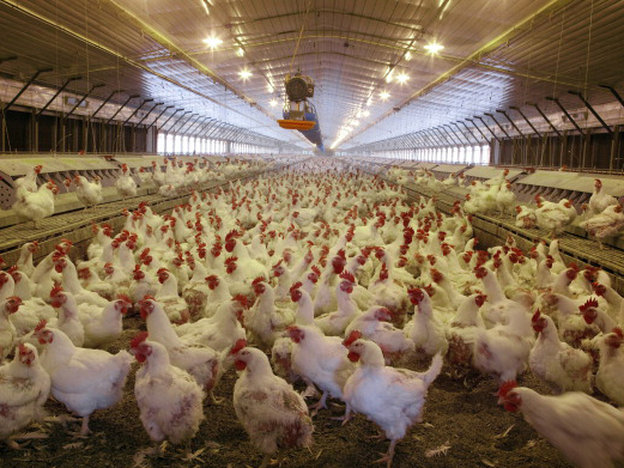
"content": "\u003cfigure id=\"attachment_72822\" class=\"wp-caption aligncenter\" style=\"max-width: 624px\">\u003ca href=\"http://ww2.kqed.org/bayareabites/wp-content/uploads/sites/24/2013/10/chickens.jpg\">\u003cimg src=\"http://ww2.kqed.org/bayareabites/wp-content/uploads/sites/24/2013/10/chickens.jpg\" alt=\"Chickens in a mechanized hatchery in Monroe County, Ala. Photo: Buyenlarge/Getty Images\" width=\"624\" height=\"468\" class=\"size-full wp-image-72822\">\u003c/a>\u003cfigcaption class=\"wp-caption-text\">Chickens in a mechanized hatchery in Monroe County, Ala. Photo: Buyenlarge/Getty Images\u003c/figcaption>\u003c/figure>\n\u003cp>Post by Eliza Barclay, \u003ca href=\"http://www.npr.org/blogs/thesalt/2013/10/23/240218737/report-meat-producers-ignore-pleas-for-health-environmental-reform\">The Salt at NPR Food\u003c/a> (10/23/13)\u003c/p>\n\u003cp>Five years ago, a \u003ca href=\"http://www.ncifap.org/_images/PCIFAPFin.pdf\">landmark report\u003c/a> excoriated the animal agriculture industry's practices and laid out a road map for how it could do better. But in the years since, the problems are just as bad — and maybe even worse.\u003c/p>\n\u003cp>That's the conclusion of the Johns Hopkins Center for a Livable Future. This week, the center scolded the industry again with a review of how it has fared in the years since the Pew Commission on Industrial Farm Animal Production released its original report.\u003c/p>\n\u003cp>\"From a regulatory, or legislative, standpoint, we have actually regressed on many of these issues in the last five years,\" says Bob Martin, who served as executive director of the original Pew commission, which included policymakers and scientists. Martin is now a program director at the \u003ca href=\"http://www.jhsph.edu/research/centers-and-institutes/johns-hopkins-center-for-a-livable-future/\">Center for a Livable Future.\u003c/a>\u003c/p>\n\u003cp>Though the Pew commission is not a foodie household name, its 2008 report has subtly shaped many consumers' view of how our food animals are produced. It's not the rosy view — it's the highly critical one.\u003c/p>\n\u003cp>[ad fullwidth]\u003c/p>\n\u003cp>Back then, the commission identified the most worrisome systemic problems of producing 9.8 billion food animals every year in the U.S. It called out the animal agriculture industry for the excessive use of medically important antibiotics, particularly the industry's habit of giving animals low doses for nontherapeutic uses like growth promotion.\u003c/p>\n\u003cp>It also hammered the conventional system of handling of liquid waste from huge animal operations, and standard industry practices of confining animals in gestation crates and battery cages. And it called for enforcement of antitrust laws to restrict the concentration of the industry into a handful of companies that would have inordinate sway over the marketplace.\u003c/p>\n\u003cp>This year, the Center for a Livable Future set about to examine the impact of the original Pew report. The \u003ca href=\"http://www.jhsph.edu/research/centers-and-institutes/johns-hopkins-center-for-a-livable-future/_pdf/news_events/events/CLF-PEW-for%20Web.pdf\">findings\u003c/a>, released Tuesday, largely denounce the industry and the government agencies responsible for regulating them for not heeding the 2008 recommendations.\u003c/p>\n\u003cp>Martin says that while some companies have made \u003ca href=\"http://www.npr.org/blogs/thesalt/2013/06/27/195639341/what-the-rise-of-cage-free-eggs-means-for-chickens\">strides\u003c/a> in improving animal welfare, the overall trend is that the health, environmental and economic problems are getting worse.\u003c/p>\n\u003cp>Specifically, he says, the industry has failed to eliminate the nontherapeutic use of antibiotics — though the Food and Drug Administration has restricted the use of some specific drugs and \u003ca href=\"http://www.npr.org/blogs/thesalt/2012/01/04/144687810/feds-to-rein-in-use-of-some-antibiotics-on-animals\">set voluntary guidelines\u003c/a>.\u003c/p>\n\u003cp>On the animal waste issue, Martin adds, the Environmental Protection Agency has not followed through with its promise to do a full inventory of waste practices and enact higher waste storage and disposal standards at concentrated animal feeding operations, or CAFOs, that the commission had recommended.\u003c/p>\n\u003cp>The meat industry, meanwhile, argues that it has made significant progress in improving its health and environmental impacts. The Animal Agriculture Alliance, a trade group representing various livestock interests, put out its own \u003ca href=\"http://us1.campaign-archive1.com/?u=69c4e87210c5554923516496c&id=66d0eadd40\">counter-report\u003c/a> on Monday, heralding advances in animal care, responsible antibiotics use, food safety, environmental sustainability and industry research initiatives.\u003c/p>\n\u003cp>The pork industry also seemed peeved at being called intransigent by the commission. In a \u003ca href=\"http://www.nppc.org/2013/10/report-overlooks-animal-agricultures-progress/\">statement\u003c/a>, the president of the National Pork Producers Council called the Pew report \"wrong in every aspect.\"\u003c/p>\n\u003cp>The Hopkins research center, meanwhile, says the industry has resisted reform by lobbying hard against stricter regulatory requirements.\u003c/p>\n\u003cp>\"I think that the power of the industrial animal agriculture sector is almost overwhelming,\" Martin says. \"These are very powerful private companies that give large campaign contributions and can influence legislators.\"\u003c/p>\n\u003cp>The government agencies responsible for policing the cattle, poultry and swine industries on health, the environment and conglomerations have thus been hampered in cracking down, he says.\u003c/p>\n\u003cp>\"The solution to the system being dysfunctional is not to keep putting a Band-Aid on it,\" says Martin. But the newest report notes that economic strains on the industry do not bode well for reform.\u003c/p>\n\u003cp>\u003c/p>\n\u003cp>\u003cem>Copyright 2013 \u003ca href=\"http://www.npr.org/\">NPR\u003c/a>.\u003c/em> \u003c/p>\n\n",
"disqusIdentifier": "72817 http://blogs.kqed.org/bayareabites/?p=72817",
"disqusUrl": "https://ww2.kqed.org/bayareabites/2013/10/24/report-meat-producers-ignore-pleas-for-health-environmental-reform/",
"stats": {
"hasVideo": false,
"hasChartOrMap": false,
"hasAudio": false,
"hasPolis": false,
"wordCount": 660,
"hasGoogleForm": false,
"hasGallery": false,
"hasHearkenModule": false,
"iframeSrcs": [],
"paragraphCount": 20
},
"modified": 1382635485,
"excerpt": "A commission evaluating the impacts of animal agriculture says the industry has resisted change. And it says government agencies have failed to regulate the industry's environmental and health practices because of \"overwhelming\" political influence.",
"headData": {
"twImgId": "",
"twTitle": "",
"ogTitle": "",
"ogImgId": "",
"twDescription": "",
"description": "A commission evaluating the impacts of animal agriculture says the industry has resisted change. And it says government agencies have failed to regulate the industry's environmental and health practices because of "overwhelming" political influence.",
"title": "Report: Meat Producers Ignore Pleas For Health, Environmental Reform | KQED",
"ogDescription": "",
"schema": {
"@context": "https://schema.org",
"@type": "Article",
"headline": "Report: Meat Producers Ignore Pleas For Health, Environmental Reform",
"datePublished": "2013-10-24T10:23:09-07:00",
"dateModified": "2013-10-24T10:24:45-07:00",
"image": "https://cdn.kqed.org/wp-content/uploads/2020/02/KQED-OG-Image@1x.png"
}
},
"guestAuthors": [],
"slug": "report-meat-producers-ignore-pleas-for-health-environmental-reform",
"status": "publish",
"nprApiLink": "http://api.npr.org/query?id=240218737&apiKey=MDAxOTAwOTE4MDEyMTkxMDAzNjczZDljZA004",
"nprByline": "Eliza Barclay",
"nprStoryDate": "Thu, 24 Oct 2013 09:57:00 -0400",
"nprLastModifiedDate": "Thu, 24 Oct 2013 10:41:12 -0400",
"nprHtmlLink": "http://www.npr.org/blogs/thesalt/2013/10/23/240218737/report-meat-producers-ignore-pleas-for-health-environmental-reform?ft=3&f=240218737",
"nprStoryId": "240218737",
"nprRetrievedStory": "1",
"nprPubDate": "Thu, 24 Oct 2013 10:41:00 -0400",
"path": "/bayareabites/72817/report-meat-producers-ignore-pleas-for-health-environmental-reform",
"audioTrackLength": null,
"parsedContent": [
{
"type": "contentString",
"content": "\u003cdiv class=\"post-body\">\u003cp>\u003cfigure id=\"attachment_72822\" class=\"wp-caption aligncenter\" style=\"max-width: 624px\">\u003ca href=\"http://ww2.kqed.org/bayareabites/wp-content/uploads/sites/24/2013/10/chickens.jpg\">\u003cimg src=\"http://ww2.kqed.org/bayareabites/wp-content/uploads/sites/24/2013/10/chickens.jpg\" alt=\"Chickens in a mechanized hatchery in Monroe County, Ala. Photo: Buyenlarge/Getty Images\" width=\"624\" height=\"468\" class=\"size-full wp-image-72822\">\u003c/a>\u003cfigcaption class=\"wp-caption-text\">Chickens in a mechanized hatchery in Monroe County, Ala. Photo: Buyenlarge/Getty Images\u003c/figcaption>\u003c/figure>\n\u003cp>Post by Eliza Barclay, \u003ca href=\"http://www.npr.org/blogs/thesalt/2013/10/23/240218737/report-meat-producers-ignore-pleas-for-health-environmental-reform\">The Salt at NPR Food\u003c/a> (10/23/13)\u003c/p>\n\u003cp>Five years ago, a \u003ca href=\"http://www.ncifap.org/_images/PCIFAPFin.pdf\">landmark report\u003c/a> excoriated the animal agriculture industry's practices and laid out a road map for how it could do better. But in the years since, the problems are just as bad — and maybe even worse.\u003c/p>\n\u003cp>That's the conclusion of the Johns Hopkins Center for a Livable Future. This week, the center scolded the industry again with a review of how it has fared in the years since the Pew Commission on Industrial Farm Animal Production released its original report.\u003c/p>\n\u003cp>\"From a regulatory, or legislative, standpoint, we have actually regressed on many of these issues in the last five years,\" says Bob Martin, who served as executive director of the original Pew commission, which included policymakers and scientists. Martin is now a program director at the \u003ca href=\"http://www.jhsph.edu/research/centers-and-institutes/johns-hopkins-center-for-a-livable-future/\">Center for a Livable Future.\u003c/a>\u003c/p>\n\u003cp>Though the Pew commission is not a foodie household name, its 2008 report has subtly shaped many consumers' view of how our food animals are produced. It's not the rosy view — it's the highly critical one.\u003c/p>\n\u003cp>\u003c/p>\u003c/div>",
"attributes": {
"named": {},
"numeric": []
}
},
{
"type": "component",
"content": "",
"name": "ad",
"attributes": {
"named": {
"label": "fullwidth"
},
"numeric": [
"fullwidth"
]
}
},
{
"type": "contentString",
"content": "\u003cdiv class=\"post-body\">\u003cp>\u003c/p>\n\u003cp>Back then, the commission identified the most worrisome systemic problems of producing 9.8 billion food animals every year in the U.S. It called out the animal agriculture industry for the excessive use of medically important antibiotics, particularly the industry's habit of giving animals low doses for nontherapeutic uses like growth promotion.\u003c/p>\n\u003cp>It also hammered the conventional system of handling of liquid waste from huge animal operations, and standard industry practices of confining animals in gestation crates and battery cages. And it called for enforcement of antitrust laws to restrict the concentration of the industry into a handful of companies that would have inordinate sway over the marketplace.\u003c/p>\n\u003cp>This year, the Center for a Livable Future set about to examine the impact of the original Pew report. The \u003ca href=\"http://www.jhsph.edu/research/centers-and-institutes/johns-hopkins-center-for-a-livable-future/_pdf/news_events/events/CLF-PEW-for%20Web.pdf\">findings\u003c/a>, released Tuesday, largely denounce the industry and the government agencies responsible for regulating them for not heeding the 2008 recommendations.\u003c/p>\n\u003cp>Martin says that while some companies have made \u003ca href=\"http://www.npr.org/blogs/thesalt/2013/06/27/195639341/what-the-rise-of-cage-free-eggs-means-for-chickens\">strides\u003c/a> in improving animal welfare, the overall trend is that the health, environmental and economic problems are getting worse.\u003c/p>\n\u003cp>Specifically, he says, the industry has failed to eliminate the nontherapeutic use of antibiotics — though the Food and Drug Administration has restricted the use of some specific drugs and \u003ca href=\"http://www.npr.org/blogs/thesalt/2012/01/04/144687810/feds-to-rein-in-use-of-some-antibiotics-on-animals\">set voluntary guidelines\u003c/a>.\u003c/p>\n\u003cp>On the animal waste issue, Martin adds, the Environmental Protection Agency has not followed through with its promise to do a full inventory of waste practices and enact higher waste storage and disposal standards at concentrated animal feeding operations, or CAFOs, that the commission had recommended.\u003c/p>\n\u003cp>The meat industry, meanwhile, argues that it has made significant progress in improving its health and environmental impacts. The Animal Agriculture Alliance, a trade group representing various livestock interests, put out its own \u003ca href=\"http://us1.campaign-archive1.com/?u=69c4e87210c5554923516496c&id=66d0eadd40\">counter-report\u003c/a> on Monday, heralding advances in animal care, responsible antibiotics use, food safety, environmental sustainability and industry research initiatives.\u003c/p>\n\u003cp>The pork industry also seemed peeved at being called intransigent by the commission. In a \u003ca href=\"http://www.nppc.org/2013/10/report-overlooks-animal-agricultures-progress/\">statement\u003c/a>, the president of the National Pork Producers Council called the Pew report \"wrong in every aspect.\"\u003c/p>\n\u003cp>The Hopkins research center, meanwhile, says the industry has resisted reform by lobbying hard against stricter regulatory requirements.\u003c/p>\n\u003cp>\"I think that the power of the industrial animal agriculture sector is almost overwhelming,\" Martin says. \"These are very powerful private companies that give large campaign contributions and can influence legislators.\"\u003c/p>\n\u003cp>The government agencies responsible for policing the cattle, poultry and swine industries on health, the environment and conglomerations have thus been hampered in cracking down, he says.\u003c/p>\n\u003cp>\"The solution to the system being dysfunctional is not to keep putting a Band-Aid on it,\" says Martin. But the newest report notes that economic strains on the industry do not bode well for reform.\u003c/p>\n\u003cp>\u003c/p>\n\u003cp>\u003cem>Copyright 2013 \u003ca href=\"http://www.npr.org/\">NPR\u003c/a>.\u003c/em> \u003c/p>\n\n\u003c/div>\u003c/p>",
"attributes": {
"named": {},
"numeric": []
}
}
],
"link": "/bayareabites/72817/report-meat-producers-ignore-pleas-for-health-environmental-reform",
"authors": [
"byline_bayareabites_72817"
],
"categories": [
"bayareabites_1874",
"bayareabites_4084",
"bayareabites_1245",
"bayareabites_10916",
"bayareabites_2035",
"bayareabites_60"
],
"tags": [
"bayareabites_12603",
"bayareabites_11521",
"bayareabites_12607",
"bayareabites_2608",
"bayareabites_12605",
"bayareabites_12606",
"bayareabites_12604",
"bayareabites_10921"
],
"featImg": "bayareabites_72822",
"label": "bayareabites"
},
"bayareabites_72285": {
"type": "posts",
"id": "bayareabites_72285",
"meta": {
"index": "posts_1716263798",
"site": "bayareabites",
"id": "72285",
"score": null,
"sort": [
1382370126000
]
},
"parent": 0,
"labelTerm": {
"site": "bayareabites"
},
"blocks": [],
"publishDate": 1382370126,
"format": "aside",
"disqusTitle": "Raising Kids Gluten-Free in an \"Eat your Wheaties\" Culture",
"title": "Raising Kids Gluten-Free in an \"Eat your Wheaties\" Culture",
"headTitle": "Bay Area Bites | KQED Food",
"content": "\u003cfigure id=\"attachment_72289\" class=\"wp-caption aligncenter\" style=\"max-width: 1000px\">\u003ca href=\"http://ww2.kqed.org/bayareabites/wp-content/uploads/sites/24/2013/10/kids-pancakes1000.jpg\">\u003cimg src=\"http://ww2.kqed.org/bayareabites/wp-content/uploads/sites/24/2013/10/kids-pancakes1000.jpg\" alt=\"Children eating a gluten-free pancake breakfast. Photo: Dara Thompson\" width=\"1000\" height=\"750\" class=\"size-full wp-image-72289\">\u003c/a>\u003cfigcaption class=\"wp-caption-text\">Children eating a gluten-free pancake breakfast. Photo: Dara Thompson\u003c/figcaption>\u003c/figure>\n\u003cp>\u003cstrong>In a culture where we have been told for decades to “eat your Wheaties” raising children gluten-free requires a new paradigm.\u003c/strong>\u003c/p>\n\u003cp>Wheat is one of our staple food crops and for many years whole wheat was synonymous with health food. These days, however, it is out of favor. A growing body of evidence suggests wheat and specifically gluten, the major protein of wheat, can be damaging to some people’s health. Conditions such as celiac disease, \u003ca href=\"http://www.ncbi.nlm.nih.gov/pubmed/23937528\">non-celiac gluten sensitivity\u003c/a> (NCGS) and wheat allergy are becoming increasingly common. These conditions affect adults and children alike, but for children the transition to a gluten-free diet can be especially challenging. \u003c/p>\n\u003cp>Many children seem to live on pasta and bread. Parents may be afraid that without these favorite foods their kids will go hungry. Social gatherings and holidays are especially awkward and having to refuse or substitute food at birthday parties is a constant chore. Luckily resources are available and with increased public awareness, nourishing our children regardless of their dietary restrictions is getting easier. (\u003cem>See our list of resources for gluten-free kids below.\u003c/em>)\u003c/p>\n\u003cfigure id=\"attachment_72290\" class=\"wp-caption alignleft\" style=\"max-width: 290px\">\u003ca href=\"http://ww2.kqed.org/bayareabites/wp-content/uploads/sites/24/2013/10/Sergio-Headshot1000-photoAlselino-Feliciano-.jpg\">\u003cimg src=\"http://ww2.kqed.org/bayareabites/wp-content/uploads/sites/24/2013/10/Sergio-Headshot1000-photoAlselino-Feliciano--290x193.jpg\" alt=\"Dr. Sergio Azzolino. Photo: Alselino Feliciano\" width=\"290\" height=\"193\" class=\"size-medium wp-image-72290\">\u003c/a>\u003cfigcaption class=\"wp-caption-text\">Dr. Sergio Azzolino. Photo: Alselino Feliciano\u003c/figcaption>\u003c/figure>\n\u003cp>To find out more about the benefits of gluten-free diets for kids I spoke with my colleague \u003ca href=\"http://www.azzolino.com/staff.html#sergio\">Dr. Sergio Azzolino\u003c/a>, executive director of \u003ca href=\"http://www.brainbalancecenters.com/\">Brain Balance Achievement Centers of San Francisco\u003c/a>, a center dedicated to helping children with developmental and neurobehavioral disorders. Optimal nutrition is a cornerstone of the program and gluten-free diets are often used.\u003c/p>\n\u003cp> (\u003cem>Note: the following interview has been edited for length and clarity\u003c/em>) \u003cbr clear=\"all\">\u003c/p>\n\u003cp>[ad fullwidth]\u003c/p>\n\u003cp>\u003cstrong>What sort of changes do you see in children who go on a gluten-free diet?\u003c/strong>\u003c/p>\n\u003cp>\u003cstrong>Azzolino:\u003c/strong> I see very similar changes to what I see in adults. Most of the world is looking at the effects of gluten on the gastrointestinal system. But those of us who have been gluten free talk about our minds being clearer, having more energy and things of that nature. With children we see more clarity, better focus, and an overall reduction in negative behaviors. \u003c/p>\n\u003cp>\u003cstrong>Do you think it is important for children to eat a gluten-free diet even if they don’t have celiac disease?\u003cbr>\n\u003c/strong>\u003c/p>\n\u003cp>\u003cstrong>Azzolino:\u003c/strong> I think there is some danger in everyone jumping on the gluten-free bandwagon without adequate testing. But I do think, especially in San Francisco with the lack of vitamin D and all of the immunological challenges and toxicity, that there is too much gluten in children’s diets. When we work with autistic children at Brain Balance its usually not gluten that is causing their autism. These children have neurophysiologic delays that affect the immune system and that in turn weakens the gut barrier. With a faulty gut barrier system they become intolerant to many foods, similar to an adult who becomes chemically sensitive. There are a lot of people with gluten sensitivity who do not have celiac, so I’m a big fan of \u003ca href=\"http://www.cyrexlabs.com/\">Cyrex labs\u003c/a>.\u003c/p>\n\u003cp>\u003cstrong>So you think the Cyrex labs testing helps in diagnosing gluten sensitivity that wouldn’t be picked up on a normal celiac panel?\u003c/strong>\u003c/p>\n\u003cp>\u003cstrong>Azzolino:\u003c/strong> Yes, I’ve seen hundreds of tests where people’s sensitivities have been missed because they weren’t reacting against the specific alpha gliadin-33 protein that is commonly screened in celiac profiles. Cyrex labs tests 24 different markers and when we run the panel we see that people who tested negative for celiac are negative for that specific marker, but they have positive antibodies for one of the other proteins in gluten. Another important test is the cross-reactive foods panel. This test looks for reactivity to foods with very similar proteins to those found in gluten, so they practice molecular mimicry. A lot of people think that they are practicing a gluten-free lifestyle but they are sensitive to one of these cross-reactive foods. \u003c/p>\n\u003cp>\u003cstrong>Is there any practical advice that you would give to parents who are trying to raise their kids without gluten?\u003c/strong>\u003c/p>\n\u003cp>\u003cstrong>Azzolino:\u003c/strong> Absolutely, it's something I have a lot of experience with. My kids have been gluten-free for the past 5 years. Many parents will feel overwhelmed; that it is impossible. I tell them to start by purging their kitchen and laying all of the foods with gluten out on the counter. Once you look at it you realize that most of it is food that you shouldn’t be eating anyway, at least it shouldn’t be the mainstay of your diet. Food should come from your fridge or your fruit basket. I’m not one who advocates going gluten-free and replacing all of the doughnuts in your house with gluten-free doughnuts. However, if you need to do that as a special treat there are plenty of options. I regularly shop at Costco, Real Foods, Safeway, \u003ca href=\"http://www.traderjoes.com/pdf/lists/list-no-gluten.pdf\">Trader Joes\u003c/a> and Whole Foods. I am able to find gluten-free cereals, pasta, bread; there are lots of healthy alternatives for my kids. Then it becomes very easy for the children because it really comes down to what they are used to. \u003c/p>\n\u003cp>I’m also a strong advocate of having the whole family tested if you find that one child is gluten intolerant. They all have similar genes and there is a strong chance the other family members are reactive even if they aren’t showing obvious symptoms. Because we know the long-term health implications of untreated gluten intolerance, there is such a benefit to treating it at an early age. \u003c/p>\n\u003cp>It is clear that the healthiest diet for children and adults is one that is based on whole unprocessed foods. But it is also important to balance optimal nutrition with the need to socialize and have fun.\u003c/p>\n\u003ch3>For those times when a gluten-free child needs his or her favorite comfort food, some resources are listed below:\u003c/h3>\n\u003cp>(\u003cem>Please note: Some of the products listed below are not manufactured in certified gluten-free facilities\u003c/em>).\u003c/p>\n\u003ch3>Birthday cakes, cookies and cupcakes\u003c/h3>\n\u003cul>\n\u003cstrong>For prepared pastries try these local bakeries:\u003c/strong>\n\u003cli>\u003ca href=\"http://flourchylde.com/\">Flour Chylde Bakery\u003c/a>\u003c/li>\n\u003cli>\u003ca href=\"http://www.mariposabaking.com/\">Mariposa Baking Co.\u003c/a>\u003c/li>\n\u003cli>\u003ca href=\"http://flourcraftbakery.com/\">Flour Craft Bakery\u003c/a>\u003c/li>\n\u003cli>\u003ca href=\"http://www.karascupcakes.com/\">Kara’s Cupcakes\u003c/a>\u003c/li>\n\u003cli>\u003ca href=\"http://www.migletsgf.com/\">Midglet’s gluten-free\u003c/a>\u003c/li>\n\u003cli>or buy ready-made products and baking mixes from \u003ca href=\"http://pamelasproducts.com/\">Pamela’s gluten-free foods\u003c/a> at your local market.\u003c/li>\n\u003c/ul>\n\u003ch3>Pizza\u003c/h3>\n\u003cp>\u003ca href=\"http://ww2.kqed.org/bayareabites/2010/12/06/the-best-bay-area-gluten-free-pizzas/\">Many pizzerias in the Bay Area\u003c/a> are now offering gluten-free crust as an option. Be sure to ask at your favorite local pizza place.\u003c/p>\n\u003cul>\n\u003cstrong>For frozen pizza try:\u003c/strong>\n\u003cli>\u003ca href=\"http://www.amys.com/products/product-detail/gluten-free/000100\">Amy’s\u003c/a>\u003c/li>\n\u003cli>\u003ca href=\"http://www.glutino.com/products/pizzas/\">Glutino\u003c/a>\u003c/li>\n\u003cli>\u003ca href=\"http://udisglutenfree.com/product-category/pizza-crust/\">Udi’s\u003c/a>\u003c/li>\n\u003cli>or do it yourself with \u003ca href=\"http://www.mariposabaking.com/products/pizza-crust\">Mariposa baking company’s premade crusts\u003c/a>\u003c/li>\n\u003c/ul>\n\u003ch3>Cereal\u003c/h3>\n\u003cul>\n\u003cli>\u003ca href=\"http://www.nanajoes.com/\">Nana Joes Granola\u003c/a>\u003c/li>\n\u003cli>\u003ca href=\"http://shop.naturespath.com/Gluten-Free/c/NaturesPath@GlutenFree\">Nature’s Path\u003c/a>\u003c/li>\n\u003cli>\u003ca href=\"http://www.attunefoods.com/products/Gluten-Free-Breakfast\">Erewhon\u003c/a>\u003c/li>\n\u003cli>\u003ca href=\"http://glutenfreeoats.com/\">GF Harvest\u003c/a>\u003c/li>\n\u003c/ul>\n\u003ch3>Pasta\u003c/h3>\n\u003cp> For plain pasta the gluten-free options are plentiful.\u003c/p>\n\u003cul>\n\u003cstrong> My favorites are:\u003c/strong>\n\u003cli> \u003ca href=\"http://www.tinkyada.com/\">Tinkyada\u003c/a>\u003c/li>\n\u003cli>\u003ca href=\"http://www.quinoa.net/145/163.html\">Ancient Harvest\u003c/a>\u003c/li>\n\u003cli>\u003ca href=\"http://www.andeandream.com/OtherProducts.html\">Andean Dream\u003c/a>\u003c/li>\n\u003cli>For that time honored kid’s favorite, try \u003ca href=\"http://www.amys.com/products/product-detail/entrees/000045\">Amy’s frozen Rice Mac and Cheese\u003c/a> or \u003ca href=\"http://www.annies.com/products/Gluten-Free-Pasta-Snacks\">Annie’s gluten-free Rice Pasta and Cheddar\u003c/a> from the box.\u003c/li>\n\u003c/ul>\n\u003ch3>Crackers\u003c/h3>\n\u003cp>Children need frequent snacks and crackers are one of the easiest portable foods.\u003c/p>\n\u003cul>\n\u003cli>For gluten-free oatcakes try \u003ca href=\"http://www.nairns-oatcakes.com/gluten-free\">Nairn’s\u003c/a>.\u003c/li>\n\u003cli>\u003ca href=\"http://www.glutino.com/products/crackers/\">Glutino\u003c/a> has a full line of cracker to replace those familiar staples such as Ritz and Saltines.\u003c/li>\n\u003cli>And who knew that Pepperidge Farms is now making \u003ca href=\"http://www.pepperidgefarm.com/ProductDetail.aspx?catID=2335\">gluten-free goldfish\u003c/a>! You can even \u003ca href=\"http://www.adventuresofaglutenfreemom.com/2011/12/reconstructing-goldfish-crackers-gluten-free-style/\">make your own goldfish at home\u003c/a>.\u003c/li>\n\u003c/ul>\n\u003chr>\n\u003cstrong>On Tuesday October 22, Dr. Thompson will be giving a free community lecture on controlling inflammation with diet, lifestyle and other natural therapies.\u003c/strong>\u003cbr>\n\u003ca href=\"https://foundationsofhealth.eventbrite.com/\">\u003cstrong>Get Information and Register for the Event.\u003c/strong>\u003c/a>\n\u003cp>[ad floatright]\u003c/p>\n\u003cp>\u003cem>Please note: The information in this article is not meant as medical advice or to diagnose or treat any condition.\u003c/em> \u003c/p>\n\n",
"disqusIdentifier": "72285 http://blogs.kqed.org/bayareabites/?p=72285",
"disqusUrl": "https://ww2.kqed.org/bayareabites/2013/10/21/raising-kids-gluten-free-in-an-eat-your-wheaties-culture/",
"stats": {
"hasVideo": false,
"hasChartOrMap": false,
"hasAudio": false,
"hasPolis": false,
"wordCount": 1283,
"hasGoogleForm": false,
"hasGallery": false,
"hasHearkenModule": false,
"iframeSrcs": [],
"paragraphCount": 22
},
"modified": 1382452739,
"excerpt": "In a culture where we have been told for decades to “eat your Wheaties” raising children gluten-free requires a new paradigm.",
"headData": {
"twImgId": "",
"twTitle": "",
"ogTitle": "",
"ogImgId": "",
"twDescription": "",
"description": "In a culture where we have been told for decades to “eat your Wheaties” raising children gluten-free requires a new paradigm.",
"title": "Raising Kids Gluten-Free in an \"Eat your Wheaties\" Culture | KQED",
"ogDescription": "",
"schema": {
"@context": "https://schema.org",
"@type": "Article",
"headline": "Raising Kids Gluten-Free in an \"Eat your Wheaties\" Culture",
"datePublished": "2013-10-21T08:42:06-07:00",
"dateModified": "2013-10-22T07:38:59-07:00",
"image": "https://cdn.kqed.org/wp-content/uploads/2020/02/KQED-OG-Image@1x.png"
}
},
"guestAuthors": [],
"slug": "raising-kids-gluten-free-in-an-eat-your-wheaties-culture",
"status": "publish",
"path": "/bayareabites/72285/raising-kids-gluten-free-in-an-eat-your-wheaties-culture",
"audioTrackLength": null,
"parsedContent": [
{
"type": "contentString",
"content": "\u003cdiv class=\"post-body\">\u003cp>\u003cfigure id=\"attachment_72289\" class=\"wp-caption aligncenter\" style=\"max-width: 1000px\">\u003ca href=\"http://ww2.kqed.org/bayareabites/wp-content/uploads/sites/24/2013/10/kids-pancakes1000.jpg\">\u003cimg src=\"http://ww2.kqed.org/bayareabites/wp-content/uploads/sites/24/2013/10/kids-pancakes1000.jpg\" alt=\"Children eating a gluten-free pancake breakfast. Photo: Dara Thompson\" width=\"1000\" height=\"750\" class=\"size-full wp-image-72289\">\u003c/a>\u003cfigcaption class=\"wp-caption-text\">Children eating a gluten-free pancake breakfast. Photo: Dara Thompson\u003c/figcaption>\u003c/figure>\n\u003cp>\u003cstrong>In a culture where we have been told for decades to “eat your Wheaties” raising children gluten-free requires a new paradigm.\u003c/strong>\u003c/p>\n\u003cp>Wheat is one of our staple food crops and for many years whole wheat was synonymous with health food. These days, however, it is out of favor. A growing body of evidence suggests wheat and specifically gluten, the major protein of wheat, can be damaging to some people’s health. Conditions such as celiac disease, \u003ca href=\"http://www.ncbi.nlm.nih.gov/pubmed/23937528\">non-celiac gluten sensitivity\u003c/a> (NCGS) and wheat allergy are becoming increasingly common. These conditions affect adults and children alike, but for children the transition to a gluten-free diet can be especially challenging. \u003c/p>\n\u003cp>Many children seem to live on pasta and bread. Parents may be afraid that without these favorite foods their kids will go hungry. Social gatherings and holidays are especially awkward and having to refuse or substitute food at birthday parties is a constant chore. Luckily resources are available and with increased public awareness, nourishing our children regardless of their dietary restrictions is getting easier. (\u003cem>See our list of resources for gluten-free kids below.\u003c/em>)\u003c/p>\n\u003cfigure id=\"attachment_72290\" class=\"wp-caption alignleft\" style=\"max-width: 290px\">\u003ca href=\"http://ww2.kqed.org/bayareabites/wp-content/uploads/sites/24/2013/10/Sergio-Headshot1000-photoAlselino-Feliciano-.jpg\">\u003cimg src=\"http://ww2.kqed.org/bayareabites/wp-content/uploads/sites/24/2013/10/Sergio-Headshot1000-photoAlselino-Feliciano--290x193.jpg\" alt=\"Dr. Sergio Azzolino. Photo: Alselino Feliciano\" width=\"290\" height=\"193\" class=\"size-medium wp-image-72290\">\u003c/a>\u003cfigcaption class=\"wp-caption-text\">Dr. Sergio Azzolino. Photo: Alselino Feliciano\u003c/figcaption>\u003c/figure>\n\u003cp>To find out more about the benefits of gluten-free diets for kids I spoke with my colleague \u003ca href=\"http://www.azzolino.com/staff.html#sergio\">Dr. Sergio Azzolino\u003c/a>, executive director of \u003ca href=\"http://www.brainbalancecenters.com/\">Brain Balance Achievement Centers of San Francisco\u003c/a>, a center dedicated to helping children with developmental and neurobehavioral disorders. Optimal nutrition is a cornerstone of the program and gluten-free diets are often used.\u003c/p>\n\u003cp> (\u003cem>Note: the following interview has been edited for length and clarity\u003c/em>) \u003cbr clear=\"all\">\u003c/p>\n\u003cp>\u003c/p>\u003c/div>",
"attributes": {
"named": {},
"numeric": []
}
},
{
"type": "component",
"content": "",
"name": "ad",
"attributes": {
"named": {
"label": "fullwidth"
},
"numeric": [
"fullwidth"
]
}
},
{
"type": "contentString",
"content": "\u003cdiv class=\"post-body\">\u003cp>\u003c/p>\n\u003cp>\u003cstrong>What sort of changes do you see in children who go on a gluten-free diet?\u003c/strong>\u003c/p>\n\u003cp>\u003cstrong>Azzolino:\u003c/strong> I see very similar changes to what I see in adults. Most of the world is looking at the effects of gluten on the gastrointestinal system. But those of us who have been gluten free talk about our minds being clearer, having more energy and things of that nature. With children we see more clarity, better focus, and an overall reduction in negative behaviors. \u003c/p>\n\u003cp>\u003cstrong>Do you think it is important for children to eat a gluten-free diet even if they don’t have celiac disease?\u003cbr>\n\u003c/strong>\u003c/p>\n\u003cp>\u003cstrong>Azzolino:\u003c/strong> I think there is some danger in everyone jumping on the gluten-free bandwagon without adequate testing. But I do think, especially in San Francisco with the lack of vitamin D and all of the immunological challenges and toxicity, that there is too much gluten in children’s diets. When we work with autistic children at Brain Balance its usually not gluten that is causing their autism. These children have neurophysiologic delays that affect the immune system and that in turn weakens the gut barrier. With a faulty gut barrier system they become intolerant to many foods, similar to an adult who becomes chemically sensitive. There are a lot of people with gluten sensitivity who do not have celiac, so I’m a big fan of \u003ca href=\"http://www.cyrexlabs.com/\">Cyrex labs\u003c/a>.\u003c/p>\n\u003cp>\u003cstrong>So you think the Cyrex labs testing helps in diagnosing gluten sensitivity that wouldn’t be picked up on a normal celiac panel?\u003c/strong>\u003c/p>\n\u003cp>\u003cstrong>Azzolino:\u003c/strong> Yes, I’ve seen hundreds of tests where people’s sensitivities have been missed because they weren’t reacting against the specific alpha gliadin-33 protein that is commonly screened in celiac profiles. Cyrex labs tests 24 different markers and when we run the panel we see that people who tested negative for celiac are negative for that specific marker, but they have positive antibodies for one of the other proteins in gluten. Another important test is the cross-reactive foods panel. This test looks for reactivity to foods with very similar proteins to those found in gluten, so they practice molecular mimicry. A lot of people think that they are practicing a gluten-free lifestyle but they are sensitive to one of these cross-reactive foods. \u003c/p>\n\u003cp>\u003cstrong>Is there any practical advice that you would give to parents who are trying to raise their kids without gluten?\u003c/strong>\u003c/p>\n\u003cp>\u003cstrong>Azzolino:\u003c/strong> Absolutely, it's something I have a lot of experience with. My kids have been gluten-free for the past 5 years. Many parents will feel overwhelmed; that it is impossible. I tell them to start by purging their kitchen and laying all of the foods with gluten out on the counter. Once you look at it you realize that most of it is food that you shouldn’t be eating anyway, at least it shouldn’t be the mainstay of your diet. Food should come from your fridge or your fruit basket. I’m not one who advocates going gluten-free and replacing all of the doughnuts in your house with gluten-free doughnuts. However, if you need to do that as a special treat there are plenty of options. I regularly shop at Costco, Real Foods, Safeway, \u003ca href=\"http://www.traderjoes.com/pdf/lists/list-no-gluten.pdf\">Trader Joes\u003c/a> and Whole Foods. I am able to find gluten-free cereals, pasta, bread; there are lots of healthy alternatives for my kids. Then it becomes very easy for the children because it really comes down to what they are used to. \u003c/p>\n\u003cp>I’m also a strong advocate of having the whole family tested if you find that one child is gluten intolerant. They all have similar genes and there is a strong chance the other family members are reactive even if they aren’t showing obvious symptoms. Because we know the long-term health implications of untreated gluten intolerance, there is such a benefit to treating it at an early age. \u003c/p>\n\u003cp>It is clear that the healthiest diet for children and adults is one that is based on whole unprocessed foods. But it is also important to balance optimal nutrition with the need to socialize and have fun.\u003c/p>\n\u003ch3>For those times when a gluten-free child needs his or her favorite comfort food, some resources are listed below:\u003c/h3>\n\u003cp>(\u003cem>Please note: Some of the products listed below are not manufactured in certified gluten-free facilities\u003c/em>).\u003c/p>\n\u003ch3>Birthday cakes, cookies and cupcakes\u003c/h3>\n\u003cul>\n\u003cstrong>For prepared pastries try these local bakeries:\u003c/strong>\n\u003cli>\u003ca href=\"http://flourchylde.com/\">Flour Chylde Bakery\u003c/a>\u003c/li>\n\u003cli>\u003ca href=\"http://www.mariposabaking.com/\">Mariposa Baking Co.\u003c/a>\u003c/li>\n\u003cli>\u003ca href=\"http://flourcraftbakery.com/\">Flour Craft Bakery\u003c/a>\u003c/li>\n\u003cli>\u003ca href=\"http://www.karascupcakes.com/\">Kara’s Cupcakes\u003c/a>\u003c/li>\n\u003cli>\u003ca href=\"http://www.migletsgf.com/\">Midglet’s gluten-free\u003c/a>\u003c/li>\n\u003cli>or buy ready-made products and baking mixes from \u003ca href=\"http://pamelasproducts.com/\">Pamela’s gluten-free foods\u003c/a> at your local market.\u003c/li>\n\u003c/ul>\n\u003ch3>Pizza\u003c/h3>\n\u003cp>\u003ca href=\"http://ww2.kqed.org/bayareabites/2010/12/06/the-best-bay-area-gluten-free-pizzas/\">Many pizzerias in the Bay Area\u003c/a> are now offering gluten-free crust as an option. Be sure to ask at your favorite local pizza place.\u003c/p>\n\u003cul>\n\u003cstrong>For frozen pizza try:\u003c/strong>\n\u003cli>\u003ca href=\"http://www.amys.com/products/product-detail/gluten-free/000100\">Amy’s\u003c/a>\u003c/li>\n\u003cli>\u003ca href=\"http://www.glutino.com/products/pizzas/\">Glutino\u003c/a>\u003c/li>\n\u003cli>\u003ca href=\"http://udisglutenfree.com/product-category/pizza-crust/\">Udi’s\u003c/a>\u003c/li>\n\u003cli>or do it yourself with \u003ca href=\"http://www.mariposabaking.com/products/pizza-crust\">Mariposa baking company’s premade crusts\u003c/a>\u003c/li>\n\u003c/ul>\n\u003ch3>Cereal\u003c/h3>\n\u003cul>\n\u003cli>\u003ca href=\"http://www.nanajoes.com/\">Nana Joes Granola\u003c/a>\u003c/li>\n\u003cli>\u003ca href=\"http://shop.naturespath.com/Gluten-Free/c/NaturesPath@GlutenFree\">Nature’s Path\u003c/a>\u003c/li>\n\u003cli>\u003ca href=\"http://www.attunefoods.com/products/Gluten-Free-Breakfast\">Erewhon\u003c/a>\u003c/li>\n\u003cli>\u003ca href=\"http://glutenfreeoats.com/\">GF Harvest\u003c/a>\u003c/li>\n\u003c/ul>\n\u003ch3>Pasta\u003c/h3>\n\u003cp> For plain pasta the gluten-free options are plentiful.\u003c/p>\n\u003cul>\n\u003cstrong> My favorites are:\u003c/strong>\n\u003cli> \u003ca href=\"http://www.tinkyada.com/\">Tinkyada\u003c/a>\u003c/li>\n\u003cli>\u003ca href=\"http://www.quinoa.net/145/163.html\">Ancient Harvest\u003c/a>\u003c/li>\n\u003cli>\u003ca href=\"http://www.andeandream.com/OtherProducts.html\">Andean Dream\u003c/a>\u003c/li>\n\u003cli>For that time honored kid’s favorite, try \u003ca href=\"http://www.amys.com/products/product-detail/entrees/000045\">Amy’s frozen Rice Mac and Cheese\u003c/a> or \u003ca href=\"http://www.annies.com/products/Gluten-Free-Pasta-Snacks\">Annie’s gluten-free Rice Pasta and Cheddar\u003c/a> from the box.\u003c/li>\n\u003c/ul>\n\u003ch3>Crackers\u003c/h3>\n\u003cp>Children need frequent snacks and crackers are one of the easiest portable foods.\u003c/p>\n\u003cul>\n\u003cli>For gluten-free oatcakes try \u003ca href=\"http://www.nairns-oatcakes.com/gluten-free\">Nairn’s\u003c/a>.\u003c/li>\n\u003cli>\u003ca href=\"http://www.glutino.com/products/crackers/\">Glutino\u003c/a> has a full line of cracker to replace those familiar staples such as Ritz and Saltines.\u003c/li>\n\u003cli>And who knew that Pepperidge Farms is now making \u003ca href=\"http://www.pepperidgefarm.com/ProductDetail.aspx?catID=2335\">gluten-free goldfish\u003c/a>! You can even \u003ca href=\"http://www.adventuresofaglutenfreemom.com/2011/12/reconstructing-goldfish-crackers-gluten-free-style/\">make your own goldfish at home\u003c/a>.\u003c/li>\n\u003c/ul>\n\u003chr>\n\u003cstrong>On Tuesday October 22, Dr. Thompson will be giving a free community lecture on controlling inflammation with diet, lifestyle and other natural therapies.\u003c/strong>\u003cbr>\n\u003ca href=\"https://foundationsofhealth.eventbrite.com/\">\u003cstrong>Get Information and Register for the Event.\u003c/strong>\u003c/a>\n\u003cp>\u003c/p>\u003c/div>",
"attributes": {
"named": {},
"numeric": []
}
},
{
"type": "component",
"content": "",
"name": "ad",
"attributes": {
"named": {
"label": "floatright"
},
"numeric": [
"floatright"
]
}
},
{
"type": "contentString",
"content": "\u003cdiv class=\"post-body\">\u003cp>\u003c/p>\n\u003cp>\u003cem>Please note: The information in this article is not meant as medical advice or to diagnose or treat any condition.\u003c/em> \u003c/p>\n\n\u003c/div>\u003c/p>",
"attributes": {
"named": {},
"numeric": []
}
}
],
"link": "/bayareabites/72285/raising-kids-gluten-free-in-an-eat-your-wheaties-culture",
"authors": [
"5402"
],
"categories": [
"bayareabites_752",
"bayareabites_4084",
"bayareabites_1245",
"bayareabites_1246"
],
"tags": [
"bayareabites_1859",
"bayareabites_664",
"bayareabites_11132",
"bayareabites_12574",
"bayareabites_138",
"bayareabites_8552",
"bayareabites_3545"
],
"featImg": "bayareabites_72288",
"label": "bayareabites"
},
"bayareabites_71953": {
"type": "posts",
"id": "bayareabites_71953",
"meta": {
"index": "posts_1716263798",
"site": "bayareabites",
"id": "71953",
"score": null,
"sort": [
1382015980000
]
},
"parent": 0,
"labelTerm": {
"site": "bayareabites"
},
"blocks": [],
"publishDate": 1382015980,
"format": "aside",
"disqusTitle": "Meal Train: Food and Community for the Sick",
"title": "Meal Train: Food and Community for the Sick",
"headTitle": "Bay Area Bites | KQED Food",
"content": "\u003cp>\u003ca href=\"http://ww2.kqed.org/bayareabites/wp-content/uploads/sites/24/2013/10/choco-strawbs-MealTrain-new.jpg\">\u003cimg src=\"http://ww2.kqed.org/bayareabites/wp-content/uploads/sites/24/2013/10/choco-strawbs-MealTrain-new.jpg\" alt=\"Meal Train: Support friends, Strengthen communities. Photo courtesy of Meal Train\" width=\"720\" height=\"540\" class=\"aligncenter size-full wp-image-72259\">\u003c/a>\u003c/p>\n\u003cp>When I found out I had breast cancer in September I made a beeline from the hospital to get some Mitchell’s ice cream. I needed to feel alive and cared for and the chocolate cone was as sweet as it was filling and calming—just enough to get me through the shock. Now that I’m three weeks into the diagnosis and have started chemo treatments, I remain comfortable talking about food over the nitty gritty of what it’s like to actually have cancer. Why make everyone feel as tired as I do? It’s so much easier to talk baked goods, or chicken soup with crusty bread—topics that will always be near and dear to my heart...or belly, as it were. Friends have said, “let me know what I can do” when they find out this bit of bad news. Then a friend offered: “let me know if you want me to set up a \u003ca href=\"http://www.mealtrain.com/\">\u003cstrong>Meal Train\u003c/strong>\u003c/a>, for people to bring you food.” That got my attention. \u003c/p>\n\u003cp>Meal Train is a sizable online entity that serves folks with challenging medical, life or financial circumstances: from newborn babies to cancer, deployment or natural disaster—-basically the sort of surprise “oh shit” moments where folks quickly find they could lean on others. Meal Train gifts me food from friends—a diverse group of carnivores, vegetarians and everything in between. I pick the dates and times and detail desired dishes. So far that's meant goodies that definitely helps me feel less weak: beef stew, roasted chicken, lentil veggie \u003cem>daal\u003c/em> and black bean soup with mini corn muffins—-even stuffed crust pizza from the award winning Zachary’s. \u003c/p>\n\u003cp>\u003ca href=\"http://ww2.kqed.org/bayareabites/wp-content/uploads/sites/24/2013/10/mealTrain-screen-shot800.jpg\">\u003cimg src=\"http://ww2.kqed.org/bayareabites/wp-content/uploads/sites/24/2013/10/mealTrain-screen-shot800.jpg\" alt=\"Meal Train website\" width=\"500\" class=\"aligncenter size-full wp-image-72264\">\u003c/a>\u003c/p>\n\u003cp>Turning to \u003ca href=\"http://www.mealtrain.com/\">Meal Train\u003c/a> is a first, and meals are something I definitely anticipate. Given my food background, I do miss shopping, prepping, cooking and the spiritual sustenance it provides. But it’s tough to walk even a few blocks, and I realized I need to accept my changing health status and take it easy until things improve. Using this setup helps my friends as well--my friend Judy told me that \"it's a blessing because we can sign up and feel like we're doing something to help you.\" The feeling that I am a part of a community has really deepened and I feel both helped and, cheesy as it may sound, loved by many.\u003c/p>\n\u003cp>[ad fullwidth]\u003c/p>\n\u003cp>I got in touch with Meal Train co-founder Michael Laramee to find out more about the service and how it works. His comments have been edited for clarity.\u003c/p>\n\u003cp>\u003cstrong>\u003cbr>\nMeal Train is easy to use and takes the discomfort out of asking for help. What are the ideals behind Meal Train?\u003c/strong>\u003c/p>\n\u003cp>\u003cstrong>Laramee:\u003c/strong> We strive to simplify and promote interpersonal relationships between friends, families, and neighbors through meals. The concept of a meal train is rooted in the idea that the meal is symbolic of the willingness to help a friend. The meal is the vehicle that allows the giving party the opportunity to show they care and this outreach is a true interpersonal connection. A \"showing up\" that helps foster interdependence, dialogue, and compassion. Unlike communities created by social media tools, Meal Train creates and strengthens physical communities, enabling giving by reducing the information gap between those in need and those with the capacity to help. \u003c/p>\n\u003cp>\u003cstrong>You started Meal Train with your wife as a way to coordinate meals for a neighbor who had a newborn baby. How does the technology work?\u003c/strong> \u003c/p>\n\u003cp>\u003cstrong>Laramee:\u003c/strong> If you have ever organized a group event, you know the potential headaches. First you send an email announcement and then try to make sense of the confusing email replies, reply-alls, double-date booking, phone calls, cancellations, meal questions and voicemail messages. With Meal Train, you eliminate confusion by creating a shared calendar and answering questions in advance like: What do they like? When are they available? What have they already had? Meal Train includes: a real-time meal calendar; the ability to customize dates, times, and meal preferences; invitations via email and Facebook; with reminder emails so no one forgets. These benefits ensure that everyone has the necessary information so they can focus on supporting friends with meals. \u003c/p>\n\u003cp>\u003cstrong>The numbers of users is staggering: over 1,300,000 meals for 130,000 families around the world.\u003c/strong>\u003c/p>\n\u003cp>\u003cstrong>Laramee:\u003c/strong> Recently we heard from a family of six who had to take a child for medical care to a facility five hours away and would be there for two months. This left just one parent and three children at home trying to manage all of the challenges of daily life while being preoccupied with the well-being of their missing family members. One neighbor noticed that this family might benefit from a Meal Train and set it up, invited friends and neighbors and within hours, over 60 meals scheduled to be made and delivered by friends. It is amazing to hear and to know that on any given night, over 2500 people are cooking and delivering a meal for a friend. \u003c/p>\n\u003cp>\u003cstrong>Can you share some Meal Train insights?\u003c/strong>\u003c/p>\n\u003cp>\u003c/p>\n\u003cp>\u003cstrong>Laramee:\u003c/strong> First of all, it is completely free to use the site. We put no limits on organizing a classic meal train. Also, being that this is a new spin on an old concept, many people are looking for a little more guidance. For that reason, we have an etiquette section on the site which includes a few basic guidelines like:\u003c/p>\n\u003cul>\n\u003cli>When dropping off a meal, plan not to stay more than 10-15 minutes. This will obviously depend on your existing relationship, but it is safer to expect that the meal recipient is not ready to entertain yet.\u003c/li>\n\u003cli>Arrive at the requested time.\u003c/li>\n\u003cli>Make enough for leftovers. Freezable meals are also nice.\u003c/li>\n\u003cli>Don't forget the extras: drinks, condiments, salad dressing, and dessert.\u003c/li>\n\u003c/ul>\n\n",
"disqusIdentifier": "71953 http://blogs.kqed.org/bayareabites/?p=71953",
"disqusUrl": "https://ww2.kqed.org/bayareabites/2013/10/17/meal-train-food-and-community-for-the-sick/",
"stats": {
"hasVideo": false,
"hasChartOrMap": false,
"hasAudio": false,
"hasPolis": false,
"wordCount": 991,
"hasGoogleForm": false,
"hasGallery": false,
"hasHearkenModule": false,
"iframeSrcs": [],
"paragraphCount": 16
},
"modified": 1383234039,
"excerpt": "A diagnosis of breast cancer can be a shock, but a gal's still got to eat. Mary Ladd details what it's like to get meals from friends via Meal Train, an online tool that coordinates food deliveries while building community.",
"headData": {
"twImgId": "",
"twTitle": "",
"ogTitle": "",
"ogImgId": "",
"twDescription": "",
"description": "A diagnosis of breast cancer can be a shock, but a gal's still got to eat. Mary Ladd details what it's like to get meals from friends via Meal Train, an online tool that coordinates food deliveries while building community.",
"title": "Meal Train: Food and Community for the Sick | KQED",
"ogDescription": "",
"schema": {
"@context": "https://schema.org",
"@type": "Article",
"headline": "Meal Train: Food and Community for the Sick",
"datePublished": "2013-10-17T06:19:40-07:00",
"dateModified": "2013-10-31T08:40:39-07:00",
"image": "https://cdn.kqed.org/wp-content/uploads/2020/02/KQED-OG-Image@1x.png"
}
},
"guestAuthors": [],
"slug": "meal-train-food-and-community-for-the-sick",
"status": "publish",
"path": "/bayareabites/71953/meal-train-food-and-community-for-the-sick",
"audioTrackLength": null,
"parsedContent": [
{
"type": "contentString",
"content": "\u003cdiv class=\"post-body\">\u003cp>\u003cp>\u003ca href=\"http://ww2.kqed.org/bayareabites/wp-content/uploads/sites/24/2013/10/choco-strawbs-MealTrain-new.jpg\">\u003cimg src=\"http://ww2.kqed.org/bayareabites/wp-content/uploads/sites/24/2013/10/choco-strawbs-MealTrain-new.jpg\" alt=\"Meal Train: Support friends, Strengthen communities. Photo courtesy of Meal Train\" width=\"720\" height=\"540\" class=\"aligncenter size-full wp-image-72259\">\u003c/a>\u003c/p>\n\u003cp>When I found out I had breast cancer in September I made a beeline from the hospital to get some Mitchell’s ice cream. I needed to feel alive and cared for and the chocolate cone was as sweet as it was filling and calming—just enough to get me through the shock. Now that I’m three weeks into the diagnosis and have started chemo treatments, I remain comfortable talking about food over the nitty gritty of what it’s like to actually have cancer. Why make everyone feel as tired as I do? It’s so much easier to talk baked goods, or chicken soup with crusty bread—topics that will always be near and dear to my heart...or belly, as it were. Friends have said, “let me know what I can do” when they find out this bit of bad news. Then a friend offered: “let me know if you want me to set up a \u003ca href=\"http://www.mealtrain.com/\">\u003cstrong>Meal Train\u003c/strong>\u003c/a>, for people to bring you food.” That got my attention. \u003c/p>\n\u003cp>Meal Train is a sizable online entity that serves folks with challenging medical, life or financial circumstances: from newborn babies to cancer, deployment or natural disaster—-basically the sort of surprise “oh shit” moments where folks quickly find they could lean on others. Meal Train gifts me food from friends—a diverse group of carnivores, vegetarians and everything in between. I pick the dates and times and detail desired dishes. So far that's meant goodies that definitely helps me feel less weak: beef stew, roasted chicken, lentil veggie \u003cem>daal\u003c/em> and black bean soup with mini corn muffins—-even stuffed crust pizza from the award winning Zachary’s. \u003c/p>\n\u003cp>\u003ca href=\"http://ww2.kqed.org/bayareabites/wp-content/uploads/sites/24/2013/10/mealTrain-screen-shot800.jpg\">\u003cimg src=\"http://ww2.kqed.org/bayareabites/wp-content/uploads/sites/24/2013/10/mealTrain-screen-shot800.jpg\" alt=\"Meal Train website\" width=\"500\" class=\"aligncenter size-full wp-image-72264\">\u003c/a>\u003c/p>\n\u003cp>Turning to \u003ca href=\"http://www.mealtrain.com/\">Meal Train\u003c/a> is a first, and meals are something I definitely anticipate. Given my food background, I do miss shopping, prepping, cooking and the spiritual sustenance it provides. But it’s tough to walk even a few blocks, and I realized I need to accept my changing health status and take it easy until things improve. Using this setup helps my friends as well--my friend Judy told me that \"it's a blessing because we can sign up and feel like we're doing something to help you.\" The feeling that I am a part of a community has really deepened and I feel both helped and, cheesy as it may sound, loved by many.\u003c/p>\n\u003cp>\u003c/p>\u003c/div>",
"attributes": {
"named": {},
"numeric": []
}
},
{
"type": "component",
"content": "",
"name": "ad",
"attributes": {
"named": {
"label": "fullwidth"
},
"numeric": [
"fullwidth"
]
}
},
{
"type": "contentString",
"content": "\u003cdiv class=\"post-body\">\u003cp>\u003c/p>\n\u003cp>I got in touch with Meal Train co-founder Michael Laramee to find out more about the service and how it works. His comments have been edited for clarity.\u003c/p>\n\u003cp>\u003cstrong>\u003cbr>\nMeal Train is easy to use and takes the discomfort out of asking for help. What are the ideals behind Meal Train?\u003c/strong>\u003c/p>\n\u003cp>\u003cstrong>Laramee:\u003c/strong> We strive to simplify and promote interpersonal relationships between friends, families, and neighbors through meals. The concept of a meal train is rooted in the idea that the meal is symbolic of the willingness to help a friend. The meal is the vehicle that allows the giving party the opportunity to show they care and this outreach is a true interpersonal connection. A \"showing up\" that helps foster interdependence, dialogue, and compassion. Unlike communities created by social media tools, Meal Train creates and strengthens physical communities, enabling giving by reducing the information gap between those in need and those with the capacity to help. \u003c/p>\n\u003cp>\u003cstrong>You started Meal Train with your wife as a way to coordinate meals for a neighbor who had a newborn baby. How does the technology work?\u003c/strong> \u003c/p>\n\u003cp>\u003cstrong>Laramee:\u003c/strong> If you have ever organized a group event, you know the potential headaches. First you send an email announcement and then try to make sense of the confusing email replies, reply-alls, double-date booking, phone calls, cancellations, meal questions and voicemail messages. With Meal Train, you eliminate confusion by creating a shared calendar and answering questions in advance like: What do they like? When are they available? What have they already had? Meal Train includes: a real-time meal calendar; the ability to customize dates, times, and meal preferences; invitations via email and Facebook; with reminder emails so no one forgets. These benefits ensure that everyone has the necessary information so they can focus on supporting friends with meals. \u003c/p>\n\u003cp>\u003cstrong>The numbers of users is staggering: over 1,300,000 meals for 130,000 families around the world.\u003c/strong>\u003c/p>\n\u003cp>\u003cstrong>Laramee:\u003c/strong> Recently we heard from a family of six who had to take a child for medical care to a facility five hours away and would be there for two months. This left just one parent and three children at home trying to manage all of the challenges of daily life while being preoccupied with the well-being of their missing family members. One neighbor noticed that this family might benefit from a Meal Train and set it up, invited friends and neighbors and within hours, over 60 meals scheduled to be made and delivered by friends. It is amazing to hear and to know that on any given night, over 2500 people are cooking and delivering a meal for a friend. \u003c/p>\n\u003cp>\u003cstrong>Can you share some Meal Train insights?\u003c/strong>\u003c/p>\n\u003cp>\u003c/p>\n\u003cp>\u003cstrong>Laramee:\u003c/strong> First of all, it is completely free to use the site. We put no limits on organizing a classic meal train. Also, being that this is a new spin on an old concept, many people are looking for a little more guidance. For that reason, we have an etiquette section on the site which includes a few basic guidelines like:\u003c/p>\n\u003cul>\n\u003cli>When dropping off a meal, plan not to stay more than 10-15 minutes. This will obviously depend on your existing relationship, but it is safer to expect that the meal recipient is not ready to entertain yet.\u003c/li>\n\u003cli>Arrive at the requested time.\u003c/li>\n\u003cli>Make enough for leftovers. Freezable meals are also nice.\u003c/li>\n\u003cli>Don't forget the extras: drinks, condiments, salad dressing, and dessert.\u003c/li>\n\u003c/ul>\n\n\u003c/div>\u003c/p>",
"attributes": {
"named": {},
"numeric": []
}
}
],
"link": "/bayareabites/71953/meal-train-food-and-community-for-the-sick",
"authors": [
"5092"
],
"categories": [
"bayareabites_109",
"bayareabites_4084",
"bayareabites_1245",
"bayareabites_90"
],
"tags": [
"bayareabites_635",
"bayareabites_614",
"bayareabites_12583",
"bayareabites_1270",
"bayareabites_634",
"bayareabites_12543",
"bayareabites_12582"
],
"featImg": "bayareabites_72265",
"label": "bayareabites"
},
"bayareabites_72293": {
"type": "posts",
"id": "bayareabites_72293",
"meta": {
"index": "posts_1716263798",
"site": "bayareabites",
"id": "72293",
"score": null,
"sort": [
1381891346000
]
},
"parent": 0,
"labelTerm": {
"site": "bayareabites"
},
"blocks": [],
"publishDate": 1381891346,
"format": "aside",
"disqusTitle": "Among The Shutdown Victims: The White House Kitchen Garden",
"title": "Among The Shutdown Victims: The White House Kitchen Garden",
"headTitle": "Bay Area Bites | KQED Food",
"content": "\u003cfigure id=\"attachment_72298\" class=\"wp-caption aligncenter\" style=\"max-width: 1120px\">\u003ca href=\"http://ww2.kqed.org/bayareabites/wp-content/uploads/sites/24/2013/10/whitehousegarden.jpg\">\u003cimg src=\"http://ww2.kqed.org/bayareabites/wp-content/uploads/sites/24/2013/10/whitehousegarden.jpg\" alt=\" Basil, tomatoes, peppers and lettuces grow in garden beds on the South Lawn of the White House. According to the site Obama Foodorama, the government shutdown has had a dramatic effect on the garden. Photo: Eddie Gehman Kohan/ObamaFoodorama\" width=\"1120\" height=\"839\" class=\"size-full wp-image-72298\">\u003c/a>\u003cfigcaption class=\"wp-caption-text\">Basil, tomatoes, peppers and lettuces grow in garden beds on the South Lawn of the White House. According to the site Obama Foodorama, the government shutdown has had a dramatic effect on the garden.\u003cbr>Photo: Eddie Gehman Kohan/\u003ca href=\"http://obamafoodorama.blogspot.com/2013/10/during-government-shutdown-michelle.html\">ObamaFoodorama\u003c/a>\u003c/figcaption>\u003c/figure>\n\u003cp>Post by Eliza Barclay, \u003ca href=\"http://www.npr.org/blogs/thesalt/2013/10/15/234747012/among-the-shutdown-victims-the-white-house-kitchen-garden\">The Salt at NPR Food\u003c/a> (10/15/13)\u003c/p>\n\u003cp>The government shutdown has forced a lot of hard-working people into idleness. That includes most of the staff that tends the famed White House \u003ca href=\"http://www.whitehouse.gov/about/tours_and_events/garden\">kitchen garden\u003c/a>, according to Obama Foodorama.\u003c/p>\n\u003cp>On Friday, the site \u003ca href=\"http://obamafoodorama.blogspot.com/2013/10/during-government-shutdown-michelle.html\">reported\u003c/a> that only a \u003ca href=\"http://obamafoodorama.blogspot.com/2013/10/at-white-house-skeletal-staff-during.html\">skeleton crew\u003c/a> of National Park Service gardeners remained on duty — permitted to water and remove trash, but not to weed and harvest the more than 30 kinds of vegetables growing there.\u003c/p>\n\u003cp>This loss of okra, tomatoes and sweet potatoes is more symbolic than anything else — the president and his family are not going to starve for lack of their fall harvest, of course.\u003c/p>\n\u003cp>But it's another, less obvious effect of the government shutdown on food production. And given all of the hard work that the first lady and her team have put into maintaining the garden, it's a tragedy to see tomatoes rotting on her vines.\u003c/p>\n\u003cp>[ad fullwidth]\u003c/p>\n\u003cp>More serious, of course, is the severe pressure the shutdown is putting on critical government food assistance programs like \u003ca href=\"http://ww2.kqed.org/bayareabites/2013/10/01/shutdown-leaves-program-feeding-women-and-infants-in-lurch/\">WIC\u003c/a>, which feeds pregnant women and mothers of young children, and food stamps and the people who rely on them for basic nutrition.\u003c/p>\n\u003cp>And as we enter Week 3 of the shutdown, other food producers are speaking up about how their livelihoods are being threatened by the absence of critical U.S. Department of Agriculture programs and services.\u003c/p>\n\u003cp>As \u003cem>Morning Edition's\u003c/em> David Green \u003ca href=\"http://www.npr.org/2013/10/15/234587014/government-shutdown-delays-start-of-crab-season\">reported\u003c/a> Tuesday, Alaskan crabbers and their boats are stuck at the port because they can't get the permits they need to fish. Federal workers who issue those permits are off the job because of the government shutdown.\u003c/p>\n\u003cp>And according to the American Farmland Trust, farmers are struggling to plan for the future without access to crucial information, such as crop reports from the National Agriculture Statistics Service and other federal resources. \"Farmers have to make important business decisions based on educated guesses rather than hard data,\" the group \u003ca href=\"http://www.farmbillfacts.org/farm-policy-roundup-10-11-2013\">notes\u003c/a>.\u003c/p>\n\u003cp>\u003c/p>\n\u003cp>The federal government also subsidizes growers of some crops, like corn, when yields are low. And that means another group in limbo are the farmers who aren't sure when they'll be getting their subsidy checks this year. Montana Farmers Union President Alan Merrill \u003ca href=\"http://www.publicnewsservice.org/2013-10-03/rural-farming/government-shutdown-affects-montana-farms-and-ranches/a34830-1?utm_source=twitterfeed&utm_medium=twitter\">told\u003c/a> a local news service that farm loans, disaster assistance and conservation program payments all have been put on hold.\u003cbr>\n\u003cem>\u003cbr>\nCopyright 2013 \u003ca href=\"http://www.npr.org/\">NPR\u003c/a>.\u003c/em> \u003c/p>\n\n",
"disqusIdentifier": "72293 http://blogs.kqed.org/bayareabites/?p=72293",
"disqusUrl": "https://ww2.kqed.org/bayareabites/2013/10/15/among-the-shutdown-victims-the-white-house-kitchen-garden/",
"stats": {
"hasVideo": false,
"hasChartOrMap": false,
"hasAudio": false,
"hasPolis": false,
"wordCount": 443,
"hasGoogleForm": false,
"hasGallery": false,
"hasHearkenModule": false,
"iframeSrcs": [],
"paragraphCount": 12
},
"modified": 1381891346,
"excerpt": "The unharvested food in the White House kitchen garden serves as a high-profile reminder of the shutdown's effects on food producers. And across the country, farmers are wondering when they'll receive the permits and government support they count on to stay afloat.",
"headData": {
"twImgId": "",
"twTitle": "",
"ogTitle": "",
"ogImgId": "",
"twDescription": "",
"description": "The unharvested food in the White House kitchen garden serves as a high-profile reminder of the shutdown's effects on food producers. And across the country, farmers are wondering when they'll receive the permits and government support they count on to stay afloat.",
"title": "Among The Shutdown Victims: The White House Kitchen Garden | KQED",
"ogDescription": "",
"schema": {
"@context": "https://schema.org",
"@type": "Article",
"headline": "Among The Shutdown Victims: The White House Kitchen Garden",
"datePublished": "2013-10-15T19:42:26-07:00",
"dateModified": "2013-10-15T19:42:26-07:00",
"image": "https://cdn.kqed.org/wp-content/uploads/2020/02/KQED-OG-Image@1x.png"
}
},
"guestAuthors": [],
"slug": "among-the-shutdown-victims-the-white-house-kitchen-garden",
"status": "publish",
"nprApiLink": "http://api.npr.org/query?id=234747012&apiKey=MDAxOTAwOTE4MDEyMTkxMDAzNjczZDljZA004",
"nprByline": "Eliza Barclay",
"nprStoryDate": "Tue, 15 Oct 2013 15:30:00 -0400",
"nprLastModifiedDate": "Tue, 15 Oct 2013 17:18:16 -0400",
"nprHtmlLink": "http://www.npr.org/blogs/thesalt/2013/10/15/234747012/among-the-shutdown-victims-the-white-house-kitchen-garden?ft=3&f=234747012",
"nprStoryId": "234747012",
"nprRetrievedStory": "1",
"nprPubDate": "Tue, 15 Oct 2013 17:18:00 -0400",
"path": "/bayareabites/72293/among-the-shutdown-victims-the-white-house-kitchen-garden",
"audioTrackLength": null,
"parsedContent": [
{
"type": "contentString",
"content": "\u003cdiv class=\"post-body\">\u003cp>\u003cfigure id=\"attachment_72298\" class=\"wp-caption aligncenter\" style=\"max-width: 1120px\">\u003ca href=\"http://ww2.kqed.org/bayareabites/wp-content/uploads/sites/24/2013/10/whitehousegarden.jpg\">\u003cimg src=\"http://ww2.kqed.org/bayareabites/wp-content/uploads/sites/24/2013/10/whitehousegarden.jpg\" alt=\" Basil, tomatoes, peppers and lettuces grow in garden beds on the South Lawn of the White House. According to the site Obama Foodorama, the government shutdown has had a dramatic effect on the garden. Photo: Eddie Gehman Kohan/ObamaFoodorama\" width=\"1120\" height=\"839\" class=\"size-full wp-image-72298\">\u003c/a>\u003cfigcaption class=\"wp-caption-text\">Basil, tomatoes, peppers and lettuces grow in garden beds on the South Lawn of the White House. According to the site Obama Foodorama, the government shutdown has had a dramatic effect on the garden.\u003cbr>Photo: Eddie Gehman Kohan/\u003ca href=\"http://obamafoodorama.blogspot.com/2013/10/during-government-shutdown-michelle.html\">ObamaFoodorama\u003c/a>\u003c/figcaption>\u003c/figure>\n\u003cp>Post by Eliza Barclay, \u003ca href=\"http://www.npr.org/blogs/thesalt/2013/10/15/234747012/among-the-shutdown-victims-the-white-house-kitchen-garden\">The Salt at NPR Food\u003c/a> (10/15/13)\u003c/p>\n\u003cp>The government shutdown has forced a lot of hard-working people into idleness. That includes most of the staff that tends the famed White House \u003ca href=\"http://www.whitehouse.gov/about/tours_and_events/garden\">kitchen garden\u003c/a>, according to Obama Foodorama.\u003c/p>\n\u003cp>On Friday, the site \u003ca href=\"http://obamafoodorama.blogspot.com/2013/10/during-government-shutdown-michelle.html\">reported\u003c/a> that only a \u003ca href=\"http://obamafoodorama.blogspot.com/2013/10/at-white-house-skeletal-staff-during.html\">skeleton crew\u003c/a> of National Park Service gardeners remained on duty — permitted to water and remove trash, but not to weed and harvest the more than 30 kinds of vegetables growing there.\u003c/p>\n\u003cp>This loss of okra, tomatoes and sweet potatoes is more symbolic than anything else — the president and his family are not going to starve for lack of their fall harvest, of course.\u003c/p>\n\u003cp>But it's another, less obvious effect of the government shutdown on food production. And given all of the hard work that the first lady and her team have put into maintaining the garden, it's a tragedy to see tomatoes rotting on her vines.\u003c/p>\n\u003cp>\u003c/p>\u003c/div>",
"attributes": {
"named": {},
"numeric": []
}
},
{
"type": "component",
"content": "",
"name": "ad",
"attributes": {
"named": {
"label": "fullwidth"
},
"numeric": [
"fullwidth"
]
}
},
{
"type": "contentString",
"content": "\u003cdiv class=\"post-body\">\u003cp>\u003c/p>\n\u003cp>More serious, of course, is the severe pressure the shutdown is putting on critical government food assistance programs like \u003ca href=\"http://ww2.kqed.org/bayareabites/2013/10/01/shutdown-leaves-program-feeding-women-and-infants-in-lurch/\">WIC\u003c/a>, which feeds pregnant women and mothers of young children, and food stamps and the people who rely on them for basic nutrition.\u003c/p>\n\u003cp>And as we enter Week 3 of the shutdown, other food producers are speaking up about how their livelihoods are being threatened by the absence of critical U.S. Department of Agriculture programs and services.\u003c/p>\n\u003cp>As \u003cem>Morning Edition's\u003c/em> David Green \u003ca href=\"http://www.npr.org/2013/10/15/234587014/government-shutdown-delays-start-of-crab-season\">reported\u003c/a> Tuesday, Alaskan crabbers and their boats are stuck at the port because they can't get the permits they need to fish. Federal workers who issue those permits are off the job because of the government shutdown.\u003c/p>\n\u003cp>And according to the American Farmland Trust, farmers are struggling to plan for the future without access to crucial information, such as crop reports from the National Agriculture Statistics Service and other federal resources. \"Farmers have to make important business decisions based on educated guesses rather than hard data,\" the group \u003ca href=\"http://www.farmbillfacts.org/farm-policy-roundup-10-11-2013\">notes\u003c/a>.\u003c/p>\n\u003cp>\u003c/p>\n\u003cp>The federal government also subsidizes growers of some crops, like corn, when yields are low. And that means another group in limbo are the farmers who aren't sure when they'll be getting their subsidy checks this year. Montana Farmers Union President Alan Merrill \u003ca href=\"http://www.publicnewsservice.org/2013-10-03/rural-farming/government-shutdown-affects-montana-farms-and-ranches/a34830-1?utm_source=twitterfeed&utm_medium=twitter\">told\u003c/a> a local news service that farm loans, disaster assistance and conservation program payments all have been put on hold.\u003cbr>\n\u003cem>\u003cbr>\nCopyright 2013 \u003ca href=\"http://www.npr.org/\">NPR\u003c/a>.\u003c/em> \u003c/p>\n\n\u003c/div>\u003c/p>",
"attributes": {
"named": {},
"numeric": []
}
}
],
"link": "/bayareabites/72293/among-the-shutdown-victims-the-white-house-kitchen-garden",
"authors": [
"byline_bayareabites_72293"
],
"categories": [
"bayareabites_4084",
"bayareabites_2554",
"bayareabites_10916",
"bayareabites_2035"
],
"tags": [
"bayareabites_9530",
"bayareabites_10921",
"bayareabites_1959",
"bayareabites_12558"
],
"featImg": "bayareabites_72297",
"label": "bayareabites"
},
"bayareabites_72155": {
"type": "posts",
"id": "bayareabites_72155",
"meta": {
"index": "posts_1716263798",
"site": "bayareabites",
"id": "72155",
"score": null,
"sort": [
1381768578000
]
},
"parent": 0,
"labelTerm": {
"site": "bayareabites"
},
"blocks": [],
"publishDate": 1381768578,
"format": "aside",
"disqusTitle": "(Cabbage) Heads Will Roll: How To Make A Food Network 'From Scratch'",
"title": "(Cabbage) Heads Will Roll: How To Make A Food Network 'From Scratch'",
"headTitle": "Bay Area Bites | KQED Food",
"content": "\u003cfigure id=\"attachment_72167\" class=\"wp-caption aligncenter\" style=\"max-width: 1120px\">\u003ca href=\"http://ww2.kqed.org/bayareabites/wp-content/uploads/sites/24/2013/10/rachael-ray.jpg\">\u003cimg src=\"http://ww2.kqed.org/bayareabites/wp-content/uploads/sites/24/2013/10/rachael-ray.jpg\" alt=\"According to journalist Allen Salkin, Emeril Lagasse initially opposed bringing Rachael Ray, pictured here in 2007, onto the Food Network – and, at first, Ray agreed with him. "You have this all wrong," she told executives, "I'm beer in a bottle; you guys are champagne." Photo: Scott Gries/Getty Images\" width=\"1120\" height=\"629\" class=\"size-full wp-image-72167\">\u003c/a>\u003cfigcaption class=\"wp-caption-text\">According to journalist Allen Salkin, Emeril Lagasse initially opposed bringing Rachael Ray, pictured here in 2007, onto the Food Network – and, at first, Ray agreed with him. \"You have this all wrong,\" she told executives, \"I'm beer in a bottle; you guys are champagne.\" Photo: Scott Gries/Getty Images\u003c/figcaption>\u003c/figure>\n\u003cp>\u003cstrong>Listen to the Story\u003c/strong> on \u003ca href=\"http://www.npr.org/blogs/thesalt/2013/10/13/231527991/-cabbage-heads-will-roll-how-to-make-a-food-network-from-scratch\">Weekend Edition Sunday\u003c/a> [audio src=\"http://pd.npr.org/anon.npr-mp3/npr/wesun/2013/10/20131013_wesun_18.mp3\"] \u003c/p>\n\u003cp>Post by NPR Staff, \u003ca href=\"http://www.npr.org/blogs/thesalt/2013/10/13/231527991/-cabbage-heads-will-roll-how-to-make-a-food-network-from-scratch\">The Salt at NPR Food\u003c/a> (10/13/13)\u003c/p>\n\u003cp>Mario Batali, Guy Fieri and Rachael Ray are just a few of the stars the Food Network helped create. But what the network gave, it could also take away.\u003c/p>\n\u003cp>\u003ca href=\"http://www.npr.org/books/titles/223172349/from-scratch-inside-the-food-network\">\u003cimg src=\"http://ww2.kqed.org/bayareabites/wp-content/uploads/sites/24/2013/10/food-network-from-scratch.jpg\" alt=\"From Scratch: Inside the Food Network by Allen Salkin\" width=\"200\" class=\"alignleft size-full wp-image-72166\">\u003c/a>In \u003cem>From Scratch\u003c/em>, author Allen Salkin takes an unsparing look at the network's progression from struggling cable startup to global powerhouse, and the people — Emeril Lagasse, Paula Deen — who rose and fell along the way.\u003c/p>\n\u003cp>Salkin tells NPR's Rachel Martin\u003cstrong> \u003c/strong>that while the network was intended for cooks, it wasn't run by them.\u003c/p>\n\u003cp>[ad fullwidth]\u003c/p>\n\u003cp>\"They were not trying to spread the gospel of kale and of shallots,\" he says. \"These were guys trying to make a media play and make some money.\"\u003c/p>\n\u003chr>\n\u003ch3>\u003cstrong>Interview Highlights\u003c/strong>\u003c/h3>\n\u003cp>\u003cstrong>On what cooking shows were like before the Food Network\u003c/strong>\u003c/p>\n\u003cp>It was this thing relegated to weekend mornings on PBS with Julia Child, obviously, pioneering the format in the '60s with \u003cem>The French Chef\u003c/em>,\u003cem> \u003c/em>and then in the '80s with \u003cem>The Frugal Gourmet\u003c/em> and Martin Yan. And it really was sort of a ghetto of television. Nobody believed that anyone would ever want to watch this on primetime.\u003c/p>\n\u003cp>... Julia is a great figure and really showed the way to having some personality on food TV, but it was not being exploited. It fell to these cable TV pioneers to take a shot at it.\u003c/p>\n\u003cp>\u003cstrong>On the early, low-budget set for Mario Batali's show, \u003cem>Molto Mario\u003c/em>\u003c/strong>\u003c/p>\n\u003cp>He was such a great host at first, telling these erudite stories about how he learned about a certain kind of ravioli in a certain village in Umbria, but there was no oven. So he would pretend to slide that tray of whatever he was making under the counter and stamp his foot on the floor to simulate an oven sound — which is, you know, great television.\u003c/p>\n\u003cp>\u003cstrong>On how Emeril Lagasse helped jump-start the network\u003c/strong>\u003c/p>\n\u003cp>Emeril was actually a guy from Fall River, Mass., and he had become famous because he sort of revolutionized and modernized Creole cuisine down in New Orleans. And he was first making appearances on the Nashville Network, and these producers down there basically pitched Emeril as a potential host.\u003c/p>\n\u003cp>... It was with \u003cem>Emeril Live\u003c/em> eventually, his third show on the network, that he was really the first breakthrough star. He took the original Julia Child dump-and-stir, if you will, format and married it with this \u003cem>Tonight Show\u003c/em> pizzazz of a monologue and a live band, and that was really the thing that started the Food Network on its way.\u003c/p>\n\u003cp>\u003cstrong>On the near-death of Emeril's \"Bam!\" \u003c/strong>\u003c/p>\n\u003cfigure id=\"attachment_72165\" class=\"wp-caption alignleft\" style=\"max-width: 200px\">\u003ca href=\"http://ww2.kqed.org/bayareabites/wp-content/uploads/sites/24/2013/10/food-network-allen-salkin.jpg\">\u003cimg src=\"http://ww2.kqed.org/bayareabites/wp-content/uploads/sites/24/2013/10/food-network-allen-salkin.jpg\" alt=\"Allen Salkin is an investigative journalist who's hosted a video series for AOL's Slashfood blog and written for <em>The New York Times</em>. Photo: Earl Wilson\" width=\"200\" class=\"size-full wp-image-72165\">\u003c/a>\u003cfigcaption class=\"wp-caption-text\">Allen Salkin is an investigative journalist who's hosted a video series for AOL's Slashfood blog and written for \u003cem>The New York Times\u003c/em>. Photo: Earl Wilson\u003c/figcaption>\u003c/figure>\n\u003cp>A character on [\u003cem>The Larry Sanders Show\u003c/em>] used to say \"Hey now!\" all the time, and [Creative Director] Jonathan [Lynn] thought that Emeril's shtick with the \"Bam!\" and \"Hey now!\" and \"Let's kick it up a notch!\" was derivative, and so told him to kill the \"Bam!\" ... Can you imagine? It's like telling the Fonz not to say, \"Eyyy.\" [Emeril won] because Emeril, in his restaurants in New Orleans, was already getting a little bit of feedback with people shouting \"Bam!\" back at him. He knew he was working.\u003c/p>\n\u003cp>\u003cstrong>On Emeril's departure\u003c/strong>\u003c/p>\n\u003cp>Emeril had been the biggest star on the network for 10 years, and the network had started seeing him as this aging quarterback who could no longer take them to the Super Bowl — especially starting in the early 2000s, with \u003cem>Top Chef\u003c/em> competing against them on Bravo, and others. And the Food Network felt like his demographic — you know, it's always the same: His viewers are getting older, his ratings are going down a little, his program was more expensive. Ultimately, they treated him pretty shoddily. ... It really was the final, kind of, end of an era of this great star — who made the network, who was a chef, who was grounded in restaurant culture — being shown the door by a bunch of television executives.\u003c/p>\n\u003cp>\u003cstrong>On where the network stands today\u003c/strong>\u003c/p>\n\u003cp>If you look at it, their last breakthrough, household-name star was Guy Fieri, and he won, in 2006, [\u003cem>The\u003c/em>] \u003cem>Next Food Network Star\u003c/em>. So that's been seven years. ... In about 2002, 2003 this network was just generating household names: \u003cem>Barefoot Contessa\u003c/em>, Giada De Lorentiis, Paula Deen. And they are no longer doing that. In fact, they no longer even have their own internal production; they're not making their own cooking shows anymore. The network, at its heart, used to literally smell like apple pie and baking chickens, and now they're doing what every other network is doing: They're sending executives to have meetings with production companies in L.A., trying to find the next \u003cem>Duck Dynasty\u003c/em>.\u003c/p>\n\u003cp>\u003cstrong>On Paula Deen\u003c/strong>\u003c/p>\n\u003cp>The Paula Deen problem started before this N-word controversy, which came from the racial and sexual discrimination lawsuit against her and a deposition she gave. The problems she had started way back in 2001. Her agent had negotiated a deal where the network was not participating in any of her businesses. In other words, they have the \u003cem>American Idol\u003c/em> model: You win \u003cem>American Idol\u003c/em>, you've got to give part of your record contract back to the people who make \u003cem>American Idol\u003c/em>. And that's what Food Network wants. They believe that their brand is so strong that they should take a cut of your cookbook sales, of your spatulas and everything else. They didn't get that from Paula so they were not really in business with her.\u003c/p>\n\u003cp>Secondly, the diabetes drug deal that she had made about a year and a half earlier, where the Queen of Butter and Sugar had all of a sudden admitted she had diabetes exactly at the time she was taking millions of dollars to endorse a diabetes drug, rather than before that. And none of her programming had been changed. The Food Network hired a crisis consultant company and was calling reporters on background and telling us, \"We had nothing to do with this, this is outrageous,\" and really distancing the network from this. So she already had a few strikes against her.\u003c/p>\n\u003cp>At the same time, these stand-and-stir cooking shows that Paula was doing were losing viewers. And this, ultimately, was a network that is trying to expand channels into South Africa, Singapore, all over Asia. And so when the N-word controversy happened, she already had two strikes against her and her contract was up at exactly the wrong time. \u003c/p>\n\u003cp>[ad floatright]\u003c/p>\n\u003cp>\u003cem>Copyright 2013 \u003ca href=\"http://www.npr.org/\">NPR\u003c/a>.\u003c/em> \u003c/p>\n\n",
"disqusIdentifier": "72155 http://blogs.kqed.org/bayareabites/?p=72155",
"disqusUrl": "https://ww2.kqed.org/bayareabites/2013/10/14/cabbage-heads-will-roll-how-to-make-a-food-network-from-scratch/",
"stats": {
"hasVideo": false,
"hasChartOrMap": false,
"hasAudio": true,
"hasPolis": false,
"wordCount": 1199,
"hasGoogleForm": false,
"hasGallery": false,
"hasHearkenModule": false,
"iframeSrcs": [],
"paragraphCount": 27
},
"modified": 1381768578,
"excerpt": "The Food Network was intended for cooks, but it wasn't run by them. In a new tell-all book, Allen Salkin takes an unsparing look at the channel's progression from struggling cable startup to global powerhouse, and the people who rose and fell along the way.",
"headData": {
"twImgId": "",
"twTitle": "",
"ogTitle": "",
"ogImgId": "",
"twDescription": "",
"description": "The Food Network was intended for cooks, but it wasn't run by them. In a new tell-all book, Allen Salkin takes an unsparing look at the channel's progression from struggling cable startup to global powerhouse, and the people who rose and fell along the way.",
"title": "(Cabbage) Heads Will Roll: How To Make A Food Network 'From Scratch' | KQED",
"ogDescription": "",
"schema": {
"@context": "https://schema.org",
"@type": "Article",
"headline": "(Cabbage) Heads Will Roll: How To Make A Food Network 'From Scratch'",
"datePublished": "2013-10-14T09:36:18-07:00",
"dateModified": "2013-10-14T09:36:18-07:00",
"image": "https://cdn.kqed.org/wp-content/uploads/2020/02/KQED-OG-Image@1x.png"
}
},
"guestAuthors": [],
"slug": "cabbage-heads-will-roll-how-to-make-a-food-network-from-scratch",
"status": "publish",
"nprApiLink": "http://api.npr.org/query?id=231527991&apiKey=MDAxOTAwOTE4MDEyMTkxMDAzNjczZDljZA004",
"nprByline": "NPR Staff",
"nprStoryDate": "Sun, 13 Oct 2013 08:00:00 -0400",
"nprLastModifiedDate": "Sun, 13 Oct 2013 08:47:09 -0400",
"nprHtmlLink": "http://www.npr.org/blogs/thesalt/2013/10/13/231527991/-cabbage-heads-will-roll-how-to-make-a-food-network-from-scratch?ft=3&f=231527991",
"nprAudio": "http://pd.npr.org/anon.npr-mp3/npr/wesun/2013/10/20131013_wesun_18.mp3?orgId=1&topicId=1033&ft=3&f=231527991",
"nprAudioM3u": "http://api.npr.org/m3u/1233230255-f89d0d.m3u?orgId=1&topicId=1033&ft=3&f=231527991",
"nprStoryId": "231527991",
"nprRetrievedStory": "1",
"nprPubDate": "Sun, 13 Oct 2013 08:47:00 -0400",
"path": "/bayareabites/72155/cabbage-heads-will-roll-how-to-make-a-food-network-from-scratch",
"audioUrl": "http://pd.npr.org/anon.npr-mp3/npr/wesun/2013/10/20131013_wesun_18.mp3?orgId=1&topicId=1033&ft=3&f=231527991",
"audioDuration": null,
"audioTrackLength": null,
"parsedContent": [
{
"type": "contentString",
"content": "\u003cdiv class=\"post-body\">\u003cp>\u003cfigure id=\"attachment_72167\" class=\"wp-caption aligncenter\" style=\"max-width: 1120px\">\u003ca href=\"http://ww2.kqed.org/bayareabites/wp-content/uploads/sites/24/2013/10/rachael-ray.jpg\">\u003cimg src=\"http://ww2.kqed.org/bayareabites/wp-content/uploads/sites/24/2013/10/rachael-ray.jpg\" alt=\"According to journalist Allen Salkin, Emeril Lagasse initially opposed bringing Rachael Ray, pictured here in 2007, onto the Food Network – and, at first, Ray agreed with him. "You have this all wrong," she told executives, "I'm beer in a bottle; you guys are champagne." Photo: Scott Gries/Getty Images\" width=\"1120\" height=\"629\" class=\"size-full wp-image-72167\">\u003c/a>\u003cfigcaption class=\"wp-caption-text\">According to journalist Allen Salkin, Emeril Lagasse initially opposed bringing Rachael Ray, pictured here in 2007, onto the Food Network – and, at first, Ray agreed with him. \"You have this all wrong,\" she told executives, \"I'm beer in a bottle; you guys are champagne.\" Photo: Scott Gries/Getty Images\u003c/figcaption>\u003c/figure>\n\u003cp>\u003cstrong>Listen to the Story\u003c/strong> on \u003ca href=\"http://www.npr.org/blogs/thesalt/2013/10/13/231527991/-cabbage-heads-will-roll-how-to-make-a-food-network-from-scratch\">Weekend Edition Sunday\u003c/a> \u003c/p>\u003c/div>",
"attributes": {
"named": {},
"numeric": []
}
},
{
"type": "component",
"content": "",
"name": "audio",
"attributes": {
"named": {
"src": "http://pd.npr.org/anon.npr-mp3/npr/wesun/2013/10/20131013_wesun_18.mp3",
"label": ""
},
"numeric": []
}
},
{
"type": "contentString",
"content": "\u003cdiv class=\"post-body\">\u003cp> \u003c/p>\n\u003cp>Post by NPR Staff, \u003ca href=\"http://www.npr.org/blogs/thesalt/2013/10/13/231527991/-cabbage-heads-will-roll-how-to-make-a-food-network-from-scratch\">The Salt at NPR Food\u003c/a> (10/13/13)\u003c/p>\n\u003cp>Mario Batali, Guy Fieri and Rachael Ray are just a few of the stars the Food Network helped create. But what the network gave, it could also take away.\u003c/p>\n\u003cp>\u003ca href=\"http://www.npr.org/books/titles/223172349/from-scratch-inside-the-food-network\">\u003cimg src=\"http://ww2.kqed.org/bayareabites/wp-content/uploads/sites/24/2013/10/food-network-from-scratch.jpg\" alt=\"From Scratch: Inside the Food Network by Allen Salkin\" width=\"200\" class=\"alignleft size-full wp-image-72166\">\u003c/a>In \u003cem>From Scratch\u003c/em>, author Allen Salkin takes an unsparing look at the network's progression from struggling cable startup to global powerhouse, and the people — Emeril Lagasse, Paula Deen — who rose and fell along the way.\u003c/p>\n\u003cp>Salkin tells NPR's Rachel Martin\u003cstrong> \u003c/strong>that while the network was intended for cooks, it wasn't run by them.\u003c/p>\n\u003cp>\u003c/p>\u003c/div>",
"attributes": {
"named": {},
"numeric": []
}
},
{
"type": "component",
"content": "",
"name": "ad",
"attributes": {
"named": {
"label": "fullwidth"
},
"numeric": [
"fullwidth"
]
}
},
{
"type": "contentString",
"content": "\u003cdiv class=\"post-body\">\u003cp>\u003c/p>\n\u003cp>\"They were not trying to spread the gospel of kale and of shallots,\" he says. \"These were guys trying to make a media play and make some money.\"\u003c/p>\n\u003chr>\n\u003ch3>\u003cstrong>Interview Highlights\u003c/strong>\u003c/h3>\n\u003cp>\u003cstrong>On what cooking shows were like before the Food Network\u003c/strong>\u003c/p>\n\u003cp>It was this thing relegated to weekend mornings on PBS with Julia Child, obviously, pioneering the format in the '60s with \u003cem>The French Chef\u003c/em>,\u003cem> \u003c/em>and then in the '80s with \u003cem>The Frugal Gourmet\u003c/em> and Martin Yan. And it really was sort of a ghetto of television. Nobody believed that anyone would ever want to watch this on primetime.\u003c/p>\n\u003cp>... Julia is a great figure and really showed the way to having some personality on food TV, but it was not being exploited. It fell to these cable TV pioneers to take a shot at it.\u003c/p>\n\u003cp>\u003cstrong>On the early, low-budget set for Mario Batali's show, \u003cem>Molto Mario\u003c/em>\u003c/strong>\u003c/p>\n\u003cp>He was such a great host at first, telling these erudite stories about how he learned about a certain kind of ravioli in a certain village in Umbria, but there was no oven. So he would pretend to slide that tray of whatever he was making under the counter and stamp his foot on the floor to simulate an oven sound — which is, you know, great television.\u003c/p>\n\u003cp>\u003cstrong>On how Emeril Lagasse helped jump-start the network\u003c/strong>\u003c/p>\n\u003cp>Emeril was actually a guy from Fall River, Mass., and he had become famous because he sort of revolutionized and modernized Creole cuisine down in New Orleans. And he was first making appearances on the Nashville Network, and these producers down there basically pitched Emeril as a potential host.\u003c/p>\n\u003cp>... It was with \u003cem>Emeril Live\u003c/em> eventually, his third show on the network, that he was really the first breakthrough star. He took the original Julia Child dump-and-stir, if you will, format and married it with this \u003cem>Tonight Show\u003c/em> pizzazz of a monologue and a live band, and that was really the thing that started the Food Network on its way.\u003c/p>\n\u003cp>\u003cstrong>On the near-death of Emeril's \"Bam!\" \u003c/strong>\u003c/p>\n\u003cfigure id=\"attachment_72165\" class=\"wp-caption alignleft\" style=\"max-width: 200px\">\u003ca href=\"http://ww2.kqed.org/bayareabites/wp-content/uploads/sites/24/2013/10/food-network-allen-salkin.jpg\">\u003cimg src=\"http://ww2.kqed.org/bayareabites/wp-content/uploads/sites/24/2013/10/food-network-allen-salkin.jpg\" alt=\"Allen Salkin is an investigative journalist who's hosted a video series for AOL's Slashfood blog and written for <em>The New York Times</em>. Photo: Earl Wilson\" width=\"200\" class=\"size-full wp-image-72165\">\u003c/a>\u003cfigcaption class=\"wp-caption-text\">Allen Salkin is an investigative journalist who's hosted a video series for AOL's Slashfood blog and written for \u003cem>The New York Times\u003c/em>. Photo: Earl Wilson\u003c/figcaption>\u003c/figure>\n\u003cp>A character on [\u003cem>The Larry Sanders Show\u003c/em>] used to say \"Hey now!\" all the time, and [Creative Director] Jonathan [Lynn] thought that Emeril's shtick with the \"Bam!\" and \"Hey now!\" and \"Let's kick it up a notch!\" was derivative, and so told him to kill the \"Bam!\" ... Can you imagine? It's like telling the Fonz not to say, \"Eyyy.\" [Emeril won] because Emeril, in his restaurants in New Orleans, was already getting a little bit of feedback with people shouting \"Bam!\" back at him. He knew he was working.\u003c/p>\n\u003cp>\u003cstrong>On Emeril's departure\u003c/strong>\u003c/p>\n\u003cp>Emeril had been the biggest star on the network for 10 years, and the network had started seeing him as this aging quarterback who could no longer take them to the Super Bowl — especially starting in the early 2000s, with \u003cem>Top Chef\u003c/em> competing against them on Bravo, and others. And the Food Network felt like his demographic — you know, it's always the same: His viewers are getting older, his ratings are going down a little, his program was more expensive. Ultimately, they treated him pretty shoddily. ... It really was the final, kind of, end of an era of this great star — who made the network, who was a chef, who was grounded in restaurant culture — being shown the door by a bunch of television executives.\u003c/p>\n\u003cp>\u003cstrong>On where the network stands today\u003c/strong>\u003c/p>\n\u003cp>If you look at it, their last breakthrough, household-name star was Guy Fieri, and he won, in 2006, [\u003cem>The\u003c/em>] \u003cem>Next Food Network Star\u003c/em>. So that's been seven years. ... In about 2002, 2003 this network was just generating household names: \u003cem>Barefoot Contessa\u003c/em>, Giada De Lorentiis, Paula Deen. And they are no longer doing that. In fact, they no longer even have their own internal production; they're not making their own cooking shows anymore. The network, at its heart, used to literally smell like apple pie and baking chickens, and now they're doing what every other network is doing: They're sending executives to have meetings with production companies in L.A., trying to find the next \u003cem>Duck Dynasty\u003c/em>.\u003c/p>\n\u003cp>\u003cstrong>On Paula Deen\u003c/strong>\u003c/p>\n\u003cp>The Paula Deen problem started before this N-word controversy, which came from the racial and sexual discrimination lawsuit against her and a deposition she gave. The problems she had started way back in 2001. Her agent had negotiated a deal where the network was not participating in any of her businesses. In other words, they have the \u003cem>American Idol\u003c/em> model: You win \u003cem>American Idol\u003c/em>, you've got to give part of your record contract back to the people who make \u003cem>American Idol\u003c/em>. And that's what Food Network wants. They believe that their brand is so strong that they should take a cut of your cookbook sales, of your spatulas and everything else. They didn't get that from Paula so they were not really in business with her.\u003c/p>\n\u003cp>Secondly, the diabetes drug deal that she had made about a year and a half earlier, where the Queen of Butter and Sugar had all of a sudden admitted she had diabetes exactly at the time she was taking millions of dollars to endorse a diabetes drug, rather than before that. And none of her programming had been changed. The Food Network hired a crisis consultant company and was calling reporters on background and telling us, \"We had nothing to do with this, this is outrageous,\" and really distancing the network from this. So she already had a few strikes against her.\u003c/p>\n\u003cp>At the same time, these stand-and-stir cooking shows that Paula was doing were losing viewers. And this, ultimately, was a network that is trying to expand channels into South Africa, Singapore, all over Asia. And so when the N-word controversy happened, she already had two strikes against her and her contract was up at exactly the wrong time. \u003c/p>\n\u003cp>\u003c/p>\u003c/div>",
"attributes": {
"named": {},
"numeric": []
}
},
{
"type": "component",
"content": "",
"name": "ad",
"attributes": {
"named": {
"label": "floatright"
},
"numeric": [
"floatright"
]
}
},
{
"type": "contentString",
"content": "\u003cdiv class=\"post-body\">\u003cp>\u003c/p>\n\u003cp>\u003cem>Copyright 2013 \u003ca href=\"http://www.npr.org/\">NPR\u003c/a>.\u003c/em> \u003c/p>\n\n\u003c/div>\u003c/p>",
"attributes": {
"named": {},
"numeric": []
}
}
],
"link": "/bayareabites/72155/cabbage-heads-will-roll-how-to-make-a-food-network-from-scratch",
"authors": [
"byline_bayareabites_72155"
],
"categories": [
"bayareabites_63",
"bayareabites_2090",
"bayareabites_4084",
"bayareabites_10916",
"bayareabites_34",
"bayareabites_1593"
],
"tags": [
"bayareabites_12562",
"bayareabites_12563",
"bayareabites_8692",
"bayareabites_2288",
"bayareabites_956",
"bayareabites_10369",
"bayareabites_211",
"bayareabites_10921"
],
"featImg": "bayareabites_72164",
"label": "bayareabites"
},
"bayareabites_71880": {
"type": "posts",
"id": "bayareabites_71880",
"meta": {
"index": "posts_1716263798",
"site": "bayareabites",
"id": "71880",
"score": null,
"sort": [
1381527466000
]
},
"parent": 0,
"labelTerm": {
"site": "bayareabites"
},
"blocks": [],
"publishDate": 1381527466,
"format": "aside",
"disqusTitle": "Nine Things You Didn’t Know About the Fall Grape Harvest",
"title": "Nine Things You Didn’t Know About the Fall Grape Harvest",
"headTitle": "Bay Area Bites | KQED Food",
"content": "\u003cfigure id=\"attachment_72003\" class=\"wp-caption aligncenter\" style=\"max-width: 1105px\">\u003ca href=\"http://ww2.kqed.org/bayareabites/wp-content/uploads/sites/24/2013/10/DSC_0057.jpg\">\u003cimg src=\"http://ww2.kqed.org/bayareabites/wp-content/uploads/sites/24/2013/10/DSC_0057.jpg\" alt=\"California has the ideal conditions for wine grapes including sediment rich soil coupled with hot days and cool nights, making it the fourth largest wine producer in the world. Photo: Lindsey Hoshaw\" width=\"1105\" height=\"740\" class=\"size-full wp-image-72003\">\u003c/a>\u003cfigcaption class=\"wp-caption-text\">California has the ideal conditions for wine grapes including sediment rich soil coupled with hot days and cool nights, making it the fourth largest wine producer in the world. Photo: Lindsey Hoshaw\u003c/figcaption>\u003c/figure>\n\u003cp> Winemakers can thank Lucille Ball for glamorizing the crush during her iconic \u003ca href=\"http://www.youtube.com/watch?v=1yIn2PeoZjA\">grape-stomping escapade\u003c/a> in \u003ca href=\"http://en.wikipedia.org/wiki/I_Love_Lucy\">I Love Lucy\u003c/a>. And while manually pressing grapes has fallen out of fashion in the tech age, there are a myriad of tricks of the trade I discovered last month during a trip to \u003ca href=\"http://napavalley.com/\">Napa\u003c/a>. As John Hendrick, a home winemaker in \u003ca href=\"http://www.ci.st-helena.ca.us/\">St. Helena\u003c/a>, knelt between rows of Merlot and Cabernet Franc, he taught me a few things about \u003ca href=\"http://en.wikipedia.org/wiki/Viticulture\">viticulture\u003c/a>. Hendrick invites volunteers to pick grapes on his one-third of an acre lot, as do a handful of vineyards. \u003c/p>\n\u003cp>With more than 3,500 wineries in California harvesting \u003ca href=\"http://www.wineinstitute.org/files/CA%20Wine%20Stat%20Profile%202012.pdf\">4 million tons of grapes annually\u003c/a>, there is ample opportunity to participate. Here are a few insights, and a list of places where you can experience the harvest yourself.\u003c/p>\n\u003ch3>1. The time of day you pick is just as important as the time of year\u003c/h3>\n\u003cp>You may know that August, September and October are the best months to harvest but did you know the time of day is just as important? In the dead of night, tractor-mounted lights flick on and field hands load baskets full of grapes in a practice that is increasingly common in California and throughout the world. \u003ca href=\"http://usatoday30.usatoday.com/money/industries/food/story/2011-11-01/winery-night-grape-harvest/51067222/1\">Harvesting at night\u003c/a> saves money (no need to cool grapes before crushing), is easier on the workers and ensures a stable sugar level in the grapes, something that fluctuates when the temperature rises.\u003c/p>\n\u003cfigure id=\"attachment_72002\" class=\"wp-caption aligncenter\" style=\"max-width: 500px\">\u003ca href=\"http://ww2.kqed.org/bayareabites/wp-content/uploads/sites/24/2013/10/DSC_0052.jpg\">\u003cimg src=\"http://ww2.kqed.org/bayareabites/wp-content/uploads/sites/24/2013/10/DSC_0052.jpg\" alt=\"Merlot and Cabernet Franc were more than ready to pick on Hendrick’s family vineyard—some of the clusters had already been decimated by the birds. Photo: Lisa Regalla\" width=\"500\" class=\"size-full wp-image-72002\">\u003c/a>\u003cfigcaption class=\"wp-caption-text\">Merlot and Cabernet Franc were more than ready to pick on Hendrick’s family vineyard—some of the clusters had already been decimated by the birds. Photo: Lisa Regalla\u003c/figcaption>\u003c/figure>\n\u003ch3>2. To manipulate sugars and acid, grapes are picked early or left on the vine\u003c/h3>\n\u003cp>Collecting grapes takes several months because the optimum ripeness varies from varietal to varietal. In California, white grapes like Sauvignon Blanc are picked first because winemakers look for lower sugar to acid ratios to give those wines a crisp, almost tart taste. Red grapes are picked later and grapes for dessert wine, like “late harvest” Riesling, are left on the vine even longer so the fruit continues to ripen, i.e. produces more sugar, resulting in a sweeter wine. \u003c/p>\n\u003ch3>3. Moldy grapes make some of the best wine\u003c/h3>\n\u003cp>To produce sweet wine, vintners rely on a fungus called \u003ca href=\"http://en.wikipedia.org/wiki/Botrytis_cinerea\">\u003cem>Botrytis cinerea\u003c/em>\u003c/a> or noble rot, which shrivels and decays the grapes creating two desirable traits: more sugar and a distinctive taste. Noble rot dries out the grapes making the sugar to water content higher which leads to a sweeter wine. The fungus also has an aromatic compound called \u003ca href=\"http://en.wikipedia.org/wiki/Phenylacetaldehyde\">\u003cem>phenylacetaldehyde\u003c/em>\u003c/a> that gives wine a “honey” or “beeswax” flavor. Wineries like \u003ca href=\"http://www.beringer.com/\">Beringer\u003c/a> can now create botrytis-affected wine entirely in the laboratory by adding spores to trays full of grapes in temperature controlled rooms.\u003c/p>\n\u003cfigure id=\"attachment_72004\" class=\"wp-caption aligncenter\" style=\"max-width: 1105px\">\u003ca href=\"http://ww2.kqed.org/bayareabites/wp-content/uploads/sites/24/2013/10/DSC_0065.jpg\">\u003cimg src=\"http://ww2.kqed.org/bayareabites/wp-content/uploads/sites/24/2013/10/DSC_0065.jpg\" alt=\"Wild yeast covers Merlot grapes giving them a frosty look. Photo: Lindsey Hoshaw\" width=\"1105\" height=\"740\" class=\"size-full wp-image-72004\">\u003c/a>\u003cfigcaption class=\"wp-caption-text\">Wild yeast covers Merlot grapes giving them a frosty look. Photo: Lindsey Hoshaw\u003c/figcaption>\u003c/figure>\n\u003ch3>4. Grapes are sometimes fermented with wild yeast from the field\u003c/h3>\n\u003cp>While yeast is the essential component that converts grape juice into wine, not all yeast is added in the barrel. Most people are familiar with cultured yeast which is intentionally added, but wild yeast can play a role too. This naturally occurring yeast, often called bloom or blush, coats the grapes in the field and starts the fermentation process almost immediately after the fruit is crushed. It’s widely used among home winemakers but less common in wineries since full fermentation is rare unless cultured yeast is also added.\u003c/p>\n\u003cfigure id=\"attachment_72010\" class=\"wp-caption aligncenter\" style=\"max-width: 1105px\">\u003ca href=\"http://ww2.kqed.org/bayareabites/wp-content/uploads/sites/24/2013/10/DSC_0149.jpg\">\u003cimg src=\"http://ww2.kqed.org/bayareabites/wp-content/uploads/sites/24/2013/10/DSC_0149.jpg\" alt=\"Dumping Cabernet Franc grapes into the de-stemmer/crusher before the juice gets ready for fermentation. Photo: Lisa Regalla\" width=\"1105\" height=\"740\" class=\"size-full wp-image-72010\">\u003c/a>\u003cfigcaption class=\"wp-caption-text\">Dumping Cabernet Franc grapes into the de-stemmer/crusher before the juice gets ready for fermentation. Photo: Lisa Regalla\u003c/figcaption>\u003c/figure>\n\u003ch3>5. High-tech optical sorters separate grapes with surprising accuracy\u003c/h3>\n\u003cp>And that’s a good thing. Hand-sorting through a million tons of grapes to check for mold and other imperfections is laborious and time consuming, so wineries have employed \u003ca href=\"http://en.wikipedia.org/wiki/Optical_sorting\">optical sorters\u003c/a> that discard exactly what the winemaker deems undesirable. After grapes are de-stemmed and placed on a conveyer belt, the machines use ejection jets to discard unwanted berries. The devices take digital photos and know exactly which grapes to discard based on information the winemaker has entered about the color, size and shape of the grape. Using targeted air blasts, the sorter sends selected grapes into one bin and unsuitable grapes and debris into another. Wineries like \u003ca href=\"http://www.silveradovineyards.com/\">Silverado Vineyards\u003c/a> and \u003ca href=\"http://clospegase.com/\">Clos Pegase\u003c/a> have adopted the technology, which more than doubles the rate of production.\u003c/p>\n\u003cfigure id=\"attachment_72006\" class=\"wp-caption aligncenter\" style=\"max-width: 1105px\">\u003ca href=\"http://ww2.kqed.org/bayareabites/wp-content/uploads/sites/24/2013/10/DSC_0105.jpg\">\u003cimg src=\"http://ww2.kqed.org/bayareabites/wp-content/uploads/sites/24/2013/10/DSC_0105.jpg\" alt=\"A corkscrew-looking blade in the de-stemmer/crusher separates the stems from the grapes which fall into a bucket below. Photo: Lindsey Hoshaw\" width=\"1105\" height=\"740\" class=\"size-full wp-image-72006\">\u003c/a>\u003cfigcaption class=\"wp-caption-text\">A corkscrew-looking blade in the de-stemmer/crusher separates the stems from the grapes which fall into a bucket below. Photo: Lindsey Hoshaw\u003c/figcaption>\u003c/figure>\n\u003ch3>6. The romanticized grape stomp is a thing of the past\u003c/h3>\n\u003cp>Lucy would be disappointed at her prospects today, as most human grape-stompers have been replaced by de-stemmers/crushers. Hendrick uses an enamel de-stemmer/crusher from a fellow winemaker with an oversized “corkscrew” to shoot out the stems and let the crushed grapes fall into a bucket below. \u003cem>Sidenote:\u003c/em> if you leave the stems on during fermentation you get Grappa, a distilled wine made from crushed grapes, seeds, skins and stems that is popular in Italy and Spain. \u003c/p>\n\u003ch3>7. The sugar content in wine is evident before it’s barreled\u003c/h3>\n\u003cp>\u003ca href=\"http://en.wikipedia.org/wiki/Brix\">\u003cem>Brix\u003c/em>\u003c/a>, a measurement of the amount of sugar in grape juice, is calculated after de-stemming using a \u003ca href=\"http://en.wikipedia.org/wiki/Refractometer\">refractometer\u003c/a>. One brix equals one gram of sugar per 100 grams of liquid, which shows up in the refractometer as a shadow inside the instrument. Winemakers dip the device into the juice hoping for a reading between 24 to 27, which predicts an alcohol content between 12-15%.\u003c/p>\n\u003ch3>8. It’s not the grapes that determine the color, it’s the skin\u003c/h3>\n\u003cp>Red wine obviously comes from red grapes but can white wine also come from red grapes? The answer—sort of. To get the red color, winemakers leave the skins on red grapes during fermentation. To get white wine from red grapes, vintners remove the skins from red grapes before processing. Technically, the resulting wine is a \u003ca href=\"http://en.wikipedia.org/wiki/Ros%C3%A9\">rosé\u003c/a> but is often marketed, like \u003ca href=\"http://www.nytimes.com/2000/10/25/dining/a-rose-by-another-name-white-merlot.html\">White Merlot\u003c/a>, as white wine. \u003ca href=\"http://en.wikipedia.org/wiki/White_Zinfandel\">White Zinfandel\u003c/a> has also gained traction but is something different altogether. \u003c/p>\n\u003ch3>9. Fermentation happens in a fortnight\u003c/h3>\n\u003cp>Once the juice is sealed in oak barrels or housed in stainless steel tanks, the yeast gets straight to work. Fermentation only takes two weeks but wine is left to age. During the aging process wine takes on distinct characteristics of the container and develops a unique flavor profile. Whether it’s aged for two years or ten, no bottle of wine is the same, which is what wine enthusiasts love about the surprise poured into each glass.\u003c/p>\n\u003cfigure id=\"attachment_72007\" class=\"wp-caption aligncenter\" style=\"max-width: 500px\">\u003ca href=\"http://ww2.kqed.org/bayareabites/wp-content/uploads/sites/24/2013/10/DSC_0129.jpg\">\u003cimg src=\"http://ww2.kqed.org/bayareabites/wp-content/uploads/sites/24/2013/10/DSC_0129.jpg\" alt=\"Buckets of Cabernet Franc waiting to be pressed. Though we picked at noon, professional vintners often pick at night to avoid high temperatures. Photo: Lindsey Hoshaw\" width=\"500\" class=\"size-full wp-image-72007\">\u003c/a>\u003cfigcaption class=\"wp-caption-text\">Buckets of Cabernet Franc waiting to be pressed. Though we picked at noon, professional vintners often pick at night to avoid high temperatures. Photo: Lindsey Hoshaw\u003c/figcaption>\u003c/figure>\n\u003ch3>JOIN THE HARVEST\u003c/h3>\n\u003cp>\u003cstrong>Here are a few wineries that welcome volunteers:\u003c/strong> \u003c/p>\n\u003cp>[ad fullwidth]\u003c/p>\n\u003cp>\u003cstrong>NAPA\u003c/strong>\u003cbr>\nFrom Labor Day to Halloween, visitors can stop by \u003ca href=\"http://www.grgich.com/\">Grigh Hills Estate\u003c/a> and stomp grapes, then imprint their grape juice-stained feet on a white t-shirt after they step out of the barrel. Following the crush, guests can relax indoors and taste three of the Estate’s wines.\u003cbr>\nFor \u003ca href=\"http://calendar.napavalley.com/index.php?eID=31086\">more information\u003c/a>, call 707-963-2784, daily through Halloween, 10am to 4pm.\u003c/p>\n\u003cp>At \u003ca href=\"http://www.bourassavineyards.com\">Bourassa Vineyard’s\u003c/a> \u003ca href=\"http://www.bourassavineyards.com/product/Tickets---Harvest-Party-Celebration-2012?pageID=58c68d15-b8d1-eaf8-0131-18a25d9088b9&sortBy=DisplayOrder&maxRows=10&\">Harvest Celebration\u003c/a> you can stomp grapes and taste wine right out of the barrel before enjoying live music as the winery serves up roast pig and a wine pairing.\u003cbr>\n$80 per person. October 19, 2pm to 6pm.\u003c/p>\n\u003cp>\u003cstrong>SONOMA\u003c/strong>\u003c/p>\n\u003cp>[ad floatright]\u003c/p>\n\u003cp>\u003ca href=\"http://www.quivirawine.com/\">Quivira Vineyards\u003c/a> is an organic and biodynamic winery that hosts an annual \u003ca href=\"http://www.quivirawine.com/index.php?option=com_submenus&id=3&show=15#figfestival\">Figs & Pigs Festival\u003c/a> where guests can enjoy a figs and bacon themed buffet after participating in a grape stomping competition. \u003ca href=\"http://store.quivirawine.com/SHOP.AMS?LEVEL=BOT&PART=TK-300\">RSVP required\u003c/a>, $50 per person. October 19, Noon to 4pm.\u003c/p>\n\n",
"disqusIdentifier": "71880 http://blogs.kqed.org/bayareabites/?p=71880",
"disqusUrl": "https://ww2.kqed.org/bayareabites/2013/10/11/nine-things-you-didnt-know-about-the-fall-grape-harvest/",
"stats": {
"hasVideo": false,
"hasChartOrMap": false,
"hasAudio": false,
"hasPolis": false,
"wordCount": 1342,
"hasGoogleForm": false,
"hasGallery": false,
"hasHearkenModule": false,
"iframeSrcs": [],
"paragraphCount": 18
},
"modified": 1567626793,
"excerpt": "Culling and stomping grapes may conjure images of the fall harvest but did you know that vintners want fungus-covered fruit or that white wine can be made from red grapes? Lindsey Hoshaw takes a trip to Napa and shares a few little known facts about winemaking including where you can join the crush.\r\n ",
"headData": {
"twImgId": "",
"twTitle": "",
"ogTitle": "",
"ogImgId": "",
"twDescription": "",
"description": "Culling and stomping grapes may conjure images of the fall harvest but did you know that vintners want fungus-covered fruit or that white wine can be made from red grapes? Lindsey Hoshaw takes a trip to Napa and shares a few little known facts about winemaking including where you can join the crush.\r\n ",
"title": "Nine Things You Didn’t Know About the Fall Grape Harvest | KQED",
"ogDescription": "",
"schema": {
"@context": "https://schema.org",
"@type": "Article",
"headline": "Nine Things You Didn’t Know About the Fall Grape Harvest",
"datePublished": "2013-10-11T14:37:46-07:00",
"dateModified": "2019-09-04T12:53:13-07:00",
"image": "https://cdn.kqed.org/wp-content/uploads/2020/02/KQED-OG-Image@1x.png"
}
},
"guestAuthors": [],
"slug": "nine-things-you-didnt-know-about-the-fall-grape-harvest",
"status": "publish",
"path": "/bayareabites/71880/nine-things-you-didnt-know-about-the-fall-grape-harvest",
"audioTrackLength": null,
"parsedContent": [
{
"type": "contentString",
"content": "\u003cdiv class=\"post-body\">\u003cp>\u003cfigure id=\"attachment_72003\" class=\"wp-caption aligncenter\" style=\"max-width: 1105px\">\u003ca href=\"http://ww2.kqed.org/bayareabites/wp-content/uploads/sites/24/2013/10/DSC_0057.jpg\">\u003cimg src=\"http://ww2.kqed.org/bayareabites/wp-content/uploads/sites/24/2013/10/DSC_0057.jpg\" alt=\"California has the ideal conditions for wine grapes including sediment rich soil coupled with hot days and cool nights, making it the fourth largest wine producer in the world. Photo: Lindsey Hoshaw\" width=\"1105\" height=\"740\" class=\"size-full wp-image-72003\">\u003c/a>\u003cfigcaption class=\"wp-caption-text\">California has the ideal conditions for wine grapes including sediment rich soil coupled with hot days and cool nights, making it the fourth largest wine producer in the world. Photo: Lindsey Hoshaw\u003c/figcaption>\u003c/figure>\n\u003cp> Winemakers can thank Lucille Ball for glamorizing the crush during her iconic \u003ca href=\"http://www.youtube.com/watch?v=1yIn2PeoZjA\">grape-stomping escapade\u003c/a> in \u003ca href=\"http://en.wikipedia.org/wiki/I_Love_Lucy\">I Love Lucy\u003c/a>. And while manually pressing grapes has fallen out of fashion in the tech age, there are a myriad of tricks of the trade I discovered last month during a trip to \u003ca href=\"http://napavalley.com/\">Napa\u003c/a>. As John Hendrick, a home winemaker in \u003ca href=\"http://www.ci.st-helena.ca.us/\">St. Helena\u003c/a>, knelt between rows of Merlot and Cabernet Franc, he taught me a few things about \u003ca href=\"http://en.wikipedia.org/wiki/Viticulture\">viticulture\u003c/a>. Hendrick invites volunteers to pick grapes on his one-third of an acre lot, as do a handful of vineyards. \u003c/p>\n\u003cp>With more than 3,500 wineries in California harvesting \u003ca href=\"http://www.wineinstitute.org/files/CA%20Wine%20Stat%20Profile%202012.pdf\">4 million tons of grapes annually\u003c/a>, there is ample opportunity to participate. Here are a few insights, and a list of places where you can experience the harvest yourself.\u003c/p>\n\u003ch3>1. The time of day you pick is just as important as the time of year\u003c/h3>\n\u003cp>You may know that August, September and October are the best months to harvest but did you know the time of day is just as important? In the dead of night, tractor-mounted lights flick on and field hands load baskets full of grapes in a practice that is increasingly common in California and throughout the world. \u003ca href=\"http://usatoday30.usatoday.com/money/industries/food/story/2011-11-01/winery-night-grape-harvest/51067222/1\">Harvesting at night\u003c/a> saves money (no need to cool grapes before crushing), is easier on the workers and ensures a stable sugar level in the grapes, something that fluctuates when the temperature rises.\u003c/p>\n\u003cfigure id=\"attachment_72002\" class=\"wp-caption aligncenter\" style=\"max-width: 500px\">\u003ca href=\"http://ww2.kqed.org/bayareabites/wp-content/uploads/sites/24/2013/10/DSC_0052.jpg\">\u003cimg src=\"http://ww2.kqed.org/bayareabites/wp-content/uploads/sites/24/2013/10/DSC_0052.jpg\" alt=\"Merlot and Cabernet Franc were more than ready to pick on Hendrick’s family vineyard—some of the clusters had already been decimated by the birds. Photo: Lisa Regalla\" width=\"500\" class=\"size-full wp-image-72002\">\u003c/a>\u003cfigcaption class=\"wp-caption-text\">Merlot and Cabernet Franc were more than ready to pick on Hendrick’s family vineyard—some of the clusters had already been decimated by the birds. Photo: Lisa Regalla\u003c/figcaption>\u003c/figure>\n\u003ch3>2. To manipulate sugars and acid, grapes are picked early or left on the vine\u003c/h3>\n\u003cp>Collecting grapes takes several months because the optimum ripeness varies from varietal to varietal. In California, white grapes like Sauvignon Blanc are picked first because winemakers look for lower sugar to acid ratios to give those wines a crisp, almost tart taste. Red grapes are picked later and grapes for dessert wine, like “late harvest” Riesling, are left on the vine even longer so the fruit continues to ripen, i.e. produces more sugar, resulting in a sweeter wine. \u003c/p>\n\u003ch3>3. Moldy grapes make some of the best wine\u003c/h3>\n\u003cp>To produce sweet wine, vintners rely on a fungus called \u003ca href=\"http://en.wikipedia.org/wiki/Botrytis_cinerea\">\u003cem>Botrytis cinerea\u003c/em>\u003c/a> or noble rot, which shrivels and decays the grapes creating two desirable traits: more sugar and a distinctive taste. Noble rot dries out the grapes making the sugar to water content higher which leads to a sweeter wine. The fungus also has an aromatic compound called \u003ca href=\"http://en.wikipedia.org/wiki/Phenylacetaldehyde\">\u003cem>phenylacetaldehyde\u003c/em>\u003c/a> that gives wine a “honey” or “beeswax” flavor. Wineries like \u003ca href=\"http://www.beringer.com/\">Beringer\u003c/a> can now create botrytis-affected wine entirely in the laboratory by adding spores to trays full of grapes in temperature controlled rooms.\u003c/p>\n\u003cfigure id=\"attachment_72004\" class=\"wp-caption aligncenter\" style=\"max-width: 1105px\">\u003ca href=\"http://ww2.kqed.org/bayareabites/wp-content/uploads/sites/24/2013/10/DSC_0065.jpg\">\u003cimg src=\"http://ww2.kqed.org/bayareabites/wp-content/uploads/sites/24/2013/10/DSC_0065.jpg\" alt=\"Wild yeast covers Merlot grapes giving them a frosty look. Photo: Lindsey Hoshaw\" width=\"1105\" height=\"740\" class=\"size-full wp-image-72004\">\u003c/a>\u003cfigcaption class=\"wp-caption-text\">Wild yeast covers Merlot grapes giving them a frosty look. Photo: Lindsey Hoshaw\u003c/figcaption>\u003c/figure>\n\u003ch3>4. Grapes are sometimes fermented with wild yeast from the field\u003c/h3>\n\u003cp>While yeast is the essential component that converts grape juice into wine, not all yeast is added in the barrel. Most people are familiar with cultured yeast which is intentionally added, but wild yeast can play a role too. This naturally occurring yeast, often called bloom or blush, coats the grapes in the field and starts the fermentation process almost immediately after the fruit is crushed. It’s widely used among home winemakers but less common in wineries since full fermentation is rare unless cultured yeast is also added.\u003c/p>\n\u003cfigure id=\"attachment_72010\" class=\"wp-caption aligncenter\" style=\"max-width: 1105px\">\u003ca href=\"http://ww2.kqed.org/bayareabites/wp-content/uploads/sites/24/2013/10/DSC_0149.jpg\">\u003cimg src=\"http://ww2.kqed.org/bayareabites/wp-content/uploads/sites/24/2013/10/DSC_0149.jpg\" alt=\"Dumping Cabernet Franc grapes into the de-stemmer/crusher before the juice gets ready for fermentation. Photo: Lisa Regalla\" width=\"1105\" height=\"740\" class=\"size-full wp-image-72010\">\u003c/a>\u003cfigcaption class=\"wp-caption-text\">Dumping Cabernet Franc grapes into the de-stemmer/crusher before the juice gets ready for fermentation. Photo: Lisa Regalla\u003c/figcaption>\u003c/figure>\n\u003ch3>5. High-tech optical sorters separate grapes with surprising accuracy\u003c/h3>\n\u003cp>And that’s a good thing. Hand-sorting through a million tons of grapes to check for mold and other imperfections is laborious and time consuming, so wineries have employed \u003ca href=\"http://en.wikipedia.org/wiki/Optical_sorting\">optical sorters\u003c/a> that discard exactly what the winemaker deems undesirable. After grapes are de-stemmed and placed on a conveyer belt, the machines use ejection jets to discard unwanted berries. The devices take digital photos and know exactly which grapes to discard based on information the winemaker has entered about the color, size and shape of the grape. Using targeted air blasts, the sorter sends selected grapes into one bin and unsuitable grapes and debris into another. Wineries like \u003ca href=\"http://www.silveradovineyards.com/\">Silverado Vineyards\u003c/a> and \u003ca href=\"http://clospegase.com/\">Clos Pegase\u003c/a> have adopted the technology, which more than doubles the rate of production.\u003c/p>\n\u003cfigure id=\"attachment_72006\" class=\"wp-caption aligncenter\" style=\"max-width: 1105px\">\u003ca href=\"http://ww2.kqed.org/bayareabites/wp-content/uploads/sites/24/2013/10/DSC_0105.jpg\">\u003cimg src=\"http://ww2.kqed.org/bayareabites/wp-content/uploads/sites/24/2013/10/DSC_0105.jpg\" alt=\"A corkscrew-looking blade in the de-stemmer/crusher separates the stems from the grapes which fall into a bucket below. Photo: Lindsey Hoshaw\" width=\"1105\" height=\"740\" class=\"size-full wp-image-72006\">\u003c/a>\u003cfigcaption class=\"wp-caption-text\">A corkscrew-looking blade in the de-stemmer/crusher separates the stems from the grapes which fall into a bucket below. Photo: Lindsey Hoshaw\u003c/figcaption>\u003c/figure>\n\u003ch3>6. The romanticized grape stomp is a thing of the past\u003c/h3>\n\u003cp>Lucy would be disappointed at her prospects today, as most human grape-stompers have been replaced by de-stemmers/crushers. Hendrick uses an enamel de-stemmer/crusher from a fellow winemaker with an oversized “corkscrew” to shoot out the stems and let the crushed grapes fall into a bucket below. \u003cem>Sidenote:\u003c/em> if you leave the stems on during fermentation you get Grappa, a distilled wine made from crushed grapes, seeds, skins and stems that is popular in Italy and Spain. \u003c/p>\n\u003ch3>7. The sugar content in wine is evident before it’s barreled\u003c/h3>\n\u003cp>\u003ca href=\"http://en.wikipedia.org/wiki/Brix\">\u003cem>Brix\u003c/em>\u003c/a>, a measurement of the amount of sugar in grape juice, is calculated after de-stemming using a \u003ca href=\"http://en.wikipedia.org/wiki/Refractometer\">refractometer\u003c/a>. One brix equals one gram of sugar per 100 grams of liquid, which shows up in the refractometer as a shadow inside the instrument. Winemakers dip the device into the juice hoping for a reading between 24 to 27, which predicts an alcohol content between 12-15%.\u003c/p>\n\u003ch3>8. It’s not the grapes that determine the color, it’s the skin\u003c/h3>\n\u003cp>Red wine obviously comes from red grapes but can white wine also come from red grapes? The answer—sort of. To get the red color, winemakers leave the skins on red grapes during fermentation. To get white wine from red grapes, vintners remove the skins from red grapes before processing. Technically, the resulting wine is a \u003ca href=\"http://en.wikipedia.org/wiki/Ros%C3%A9\">rosé\u003c/a> but is often marketed, like \u003ca href=\"http://www.nytimes.com/2000/10/25/dining/a-rose-by-another-name-white-merlot.html\">White Merlot\u003c/a>, as white wine. \u003ca href=\"http://en.wikipedia.org/wiki/White_Zinfandel\">White Zinfandel\u003c/a> has also gained traction but is something different altogether. \u003c/p>\n\u003ch3>9. Fermentation happens in a fortnight\u003c/h3>\n\u003cp>Once the juice is sealed in oak barrels or housed in stainless steel tanks, the yeast gets straight to work. Fermentation only takes two weeks but wine is left to age. During the aging process wine takes on distinct characteristics of the container and develops a unique flavor profile. Whether it’s aged for two years or ten, no bottle of wine is the same, which is what wine enthusiasts love about the surprise poured into each glass.\u003c/p>\n\u003cfigure id=\"attachment_72007\" class=\"wp-caption aligncenter\" style=\"max-width: 500px\">\u003ca href=\"http://ww2.kqed.org/bayareabites/wp-content/uploads/sites/24/2013/10/DSC_0129.jpg\">\u003cimg src=\"http://ww2.kqed.org/bayareabites/wp-content/uploads/sites/24/2013/10/DSC_0129.jpg\" alt=\"Buckets of Cabernet Franc waiting to be pressed. Though we picked at noon, professional vintners often pick at night to avoid high temperatures. Photo: Lindsey Hoshaw\" width=\"500\" class=\"size-full wp-image-72007\">\u003c/a>\u003cfigcaption class=\"wp-caption-text\">Buckets of Cabernet Franc waiting to be pressed. Though we picked at noon, professional vintners often pick at night to avoid high temperatures. Photo: Lindsey Hoshaw\u003c/figcaption>\u003c/figure>\n\u003ch3>JOIN THE HARVEST\u003c/h3>\n\u003cp>\u003cstrong>Here are a few wineries that welcome volunteers:\u003c/strong> \u003c/p>\n\u003cp>\u003c/p>\u003c/div>",
"attributes": {
"named": {},
"numeric": []
}
},
{
"type": "component",
"content": "",
"name": "ad",
"attributes": {
"named": {
"label": "fullwidth"
},
"numeric": [
"fullwidth"
]
}
},
{
"type": "contentString",
"content": "\u003cdiv class=\"post-body\">\u003cp>\u003c/p>\n\u003cp>\u003cstrong>NAPA\u003c/strong>\u003cbr>\nFrom Labor Day to Halloween, visitors can stop by \u003ca href=\"http://www.grgich.com/\">Grigh Hills Estate\u003c/a> and stomp grapes, then imprint their grape juice-stained feet on a white t-shirt after they step out of the barrel. Following the crush, guests can relax indoors and taste three of the Estate’s wines.\u003cbr>\nFor \u003ca href=\"http://calendar.napavalley.com/index.php?eID=31086\">more information\u003c/a>, call 707-963-2784, daily through Halloween, 10am to 4pm.\u003c/p>\n\u003cp>At \u003ca href=\"http://www.bourassavineyards.com\">Bourassa Vineyard’s\u003c/a> \u003ca href=\"http://www.bourassavineyards.com/product/Tickets---Harvest-Party-Celebration-2012?pageID=58c68d15-b8d1-eaf8-0131-18a25d9088b9&sortBy=DisplayOrder&maxRows=10&\">Harvest Celebration\u003c/a> you can stomp grapes and taste wine right out of the barrel before enjoying live music as the winery serves up roast pig and a wine pairing.\u003cbr>\n$80 per person. October 19, 2pm to 6pm.\u003c/p>\n\u003cp>\u003cstrong>SONOMA\u003c/strong>\u003c/p>\n\u003cp>\u003c/p>\u003c/div>",
"attributes": {
"named": {},
"numeric": []
}
},
{
"type": "component",
"content": "",
"name": "ad",
"attributes": {
"named": {
"label": "floatright"
},
"numeric": [
"floatright"
]
}
},
{
"type": "contentString",
"content": "\u003cdiv class=\"post-body\">\u003cp>\u003c/p>\n\u003cp>\u003ca href=\"http://www.quivirawine.com/\">Quivira Vineyards\u003c/a> is an organic and biodynamic winery that hosts an annual \u003ca href=\"http://www.quivirawine.com/index.php?option=com_submenus&id=3&show=15#figfestival\">Figs & Pigs Festival\u003c/a> where guests can enjoy a figs and bacon themed buffet after participating in a grape stomping competition. \u003ca href=\"http://store.quivirawine.com/SHOP.AMS?LEVEL=BOT&PART=TK-300\">RSVP required\u003c/a>, $50 per person. October 19, Noon to 4pm.\u003c/p>\n\n\u003c/div>\u003c/p>",
"attributes": {
"named": {},
"numeric": []
}
}
],
"link": "/bayareabites/71880/nine-things-you-didnt-know-about-the-fall-grape-harvest",
"authors": [
"5432"
],
"categories": [
"bayareabites_752",
"bayareabites_50",
"bayareabites_1874",
"bayareabites_4084",
"bayareabites_119"
],
"tags": [
"bayareabites_464",
"bayareabites_2758",
"bayareabites_187",
"bayareabites_356",
"bayareabites_14748"
],
"featImg": "bayareabites_72089",
"label": "bayareabites"
},
"bayareabites_71818": {
"type": "posts",
"id": "bayareabites_71818",
"meta": {
"index": "posts_1716263798",
"site": "bayareabites",
"id": "71818",
"score": null,
"sort": [
1381509992000
]
},
"parent": 0,
"labelTerm": {
"site": "bayareabites"
},
"blocks": [],
"publishDate": 1381509992,
"format": "aside",
"disqusTitle": "DIY: Concord Grape Jelly",
"title": "DIY: Concord Grape Jelly",
"headTitle": "Bay Area Bites | KQED Food",
"content": "\u003cfigure id=\"attachment_71825\" class=\"wp-caption aligncenter\" style=\"max-width: 1000px\">\u003ca href=\"http://ww2.kqed.org/bayareabites/wp-content/uploads/sites/24/2013/10/final-jelly-in-jar.jpg\">\u003cimg src=\"http://ww2.kqed.org/bayareabites/wp-content/uploads/sites/24/2013/10/final-jelly-in-jar.jpg\" alt=\"Homemade grape jelly captures some of the best of the early fall harvest. Photo: Kate Williams\" width=\"1000\" height=\"753\" class=\"size-full wp-image-71825\">\u003c/a>\u003cfigcaption class=\"wp-caption-text\">Homemade grape jelly captures some of the best of the early fall harvest. Photo: Kate Williams\u003c/figcaption>\u003c/figure>\n\u003cp>Given their grocery store ubiquity, it is easy to forget that grapes are best enjoyed seasonably. The best fall grapes are truly ephemeral, appearing on shelves as soon as the air begins to chill, and departing far too soon afterward. In California, much of the attention goes to those destined for wine barrels: cabernet, chardonnay, merlot, and pinot. But fresh table grapes, those with hearty skins and copious seeds, deserve just as much attention.\u003c/p>\n\u003cp>Gobbling down pounds of the fresh fruit are a great way to embrace their fleeting season, especially when paired with a nutty blue cheese or a few slices of smoky speck, but I wanted to harness their sweet-tart juice for the winter to come. I thought of conserves and jams, but couldn’t stop imagining a perfectly giggly and brilliantly purple jar of jelly.\u003c/p>\n\u003cp>Here’s the catch: I am not, and have never been, a huge grape jelly fan. Something about the combination of cooked Welch’s and corn syrup has never been an appealing condiment for crackers or almond butter sandwiches. Yet I’d never tried a homemade version. Besides, DIY recipes are always the most fun when they transform an unlikeable grocery store item into a winning pantry staple.\u003c/p>\n\u003cp>Jelly-making isn’t terribly difficult, but there are quite a few steps to get it right. \u003c/p>\n\u003cp>First, you’ll want to sterilize your jars to get ready for canning. I use my biggest stockpot with a small canning rack set in the bottom. It’ll fit 5 half-pint jars—perfect for this recipe. You can get the jars boiling while you prep the fruit; they’ll need a full 10 minutes to sterilize, and then you can leave them in the pot covered over low heat until you’re ready to add the jelly. \u003c/p>\n\u003cfigure id=\"attachment_71831\" class=\"wp-caption aligncenter\" style=\"max-width: 1000px\">\u003ca href=\"http://ww2.kqed.org/bayareabites/wp-content/uploads/sites/24/2013/10/Green-grapes-are-good.jpg\">\u003cimg src=\"http://ww2.kqed.org/bayareabites/wp-content/uploads/sites/24/2013/10/Green-grapes-are-good.jpg\" alt=\"Under-ripe fruit contributes extra pectin to the jelly. Photo: Kate Williams\" width=\"1000\" height=\"752\" class=\"size-full wp-image-71831\">\u003c/a>\u003cfigcaption class=\"wp-caption-text\">Under-ripe fruit contributes extra pectin to the jelly. Photo: Kate Williams\u003c/figcaption>\u003c/figure>\n\u003cp>I used fat, juicy Concords for my jelly, but any flavorful grape with seeds will work. I like to weigh out the grapes inside my colander so they can go straight into the sink for a wash after weighing. Be sure to pick through the grapes to remove any stems, leaves, and moldy or dried grapes. If you see any unripe green grapes in the bunch, keep them. Underripe fruit has more pectin than ripe fruit, so it’s good to have a mix. \u003c/p>\n\u003cfigure id=\"attachment_71829\" class=\"wp-caption aligncenter\" style=\"max-width: 1000px\">\u003ca href=\"http://ww2.kqed.org/bayareabites/wp-content/uploads/sites/24/2013/10/Granny-smith.jpg\">\u003cimg src=\"http://ww2.kqed.org/bayareabites/wp-content/uploads/sites/24/2013/10/Granny-smith.jpg\" alt=\"A chopped whole Granny Smith, core and all, adds sour notes in addition to valuable added pectin. Photo: Kate Williams\" width=\"1000\" height=\"752\" class=\"size-full wp-image-71829\">\u003c/a>\u003cfigcaption class=\"wp-caption-text\">A chopped whole Granny Smith, core and all, adds sour notes in addition to valuable added pectin. Photo: Kate Williams\u003c/figcaption>\u003c/figure>\n\u003cp>I also like to add a whole Granny Smith apple, cut into big pieces (core included) into the pot with the grapes. Granny Smiths are naturally high in pectin—they’re actually used in many DIY pectin recipes—and I like the contrasting sourness they contribute to the otherwise sweet jelly.\u003c/p>\n\u003cp>[ad fullwidth]\u003c/p>\n\u003cp>Once you’ve got the fruit prepped, place it in a large pot, and give it a few good mashes with a potato masher to get things going. Bring the fruit and juice to a boil, and then cook the fruit until the apples are softened. Periodically smash grapes while the fruit is cooking to make sure they release all of their juice. \u003c/p>\n\u003cfigure id=\"attachment_71824\" class=\"wp-caption aligncenter\" style=\"max-width: 1000px\">\u003ca href=\"http://ww2.kqed.org/bayareabites/wp-content/uploads/sites/24/2013/10/draining-fruit.jpg\">\u003cimg src=\"http://ww2.kqed.org/bayareabites/wp-content/uploads/sites/24/2013/10/draining-fruit.jpg\" alt=\"I like to use a cheesecloth-lined colander to drain the cooked fruit—it’s cheaper and more readily available than a jelly bag, and it is just as re-usable. Photo: Kate Williams\" width=\"1000\" height=\"747\" class=\"size-full wp-image-71824\">\u003c/a>\u003cfigcaption class=\"wp-caption-text\">I like to use a cheesecloth-lined colander to drain the cooked fruit—it’s cheaper and more readily available than a jelly bag, and it is just as re-usable. Photo: Kate Williams\u003c/figcaption>\u003c/figure>\n\u003cp>Hard-core jelly fanatics often say that the only way to drain jelly is to let it slowly drip through a jelly bag overnight. A second straining the next morning is not unheard of. I am not that much of a fanatic. Instead, I drain the juice through a cheesecloth-lined colander. I try not to press on the grapes too much since it will make the final jelly cloudier, but a little nudge or two doesn’t hurt anything. After about 20 minutes, the draining will slow down, and you can discard the pulp. \u003c/p>\n\u003cp>To determine the amount of sugar you’ll need to set the jelly, you’ll need to measure out the juice. I like to use equal parts sugar and juice, by volume. This means if you have 4 1/2 cups juice, you’ll need to add 4 1/2 cups sugar. Add the measured juice and sugar back to the pot (which you’ve cleaned in the meantime, right?). \u003c/p>\n\u003cfigure id=\"attachment_71822\" class=\"wp-caption aligncenter\" style=\"max-width: 1000px\">\u003ca href=\"http://ww2.kqed.org/bayareabites/wp-content/uploads/sites/24/2013/10/black-pepper-and-fennel.jpg\">\u003cimg src=\"http://ww2.kqed.org/bayareabites/wp-content/uploads/sites/24/2013/10/black-pepper-and-fennel.jpg\" alt=\"It’s easy to flavor jellies with herbs and spices. Tie them up an a little packet of cheesecloth and throw add it to the pot with the juice and sugar. Photo: Kate Williams\" width=\"1000\" height=\"750\" class=\"size-full wp-image-71822\">\u003c/a>\u003cfigcaption class=\"wp-caption-text\">It’s easy to flavor jellies with herbs and spices. Tie them up an a little packet of cheesecloth and throw add it to the pot with the juice and sugar. Photo: Kate Williams\u003c/figcaption>\u003c/figure>\n\u003cp>If you want to flavor your jelly in any way, now is the time. Tie up any spices or herbs in a small packet using cheesecloth and a bit of butcher’s twine. Here I’ve got a tablespoon each of fennel and black peppercorns. Leave enough string to tie the packet to your pot handle so you can fetch it out easily. Place the packet in the juice and sugar mixture.\u003c/p>\n\u003cfigure id=\"attachment_71823\" class=\"wp-caption aligncenter\" style=\"max-width: 1000px\">\u003ca href=\"http://ww2.kqed.org/bayareabites/wp-content/uploads/sites/24/2013/10/canning-set-up.jpg\">\u003cimg src=\"http://ww2.kqed.org/bayareabites/wp-content/uploads/sites/24/2013/10/canning-set-up.jpg\" alt=\"I don’t have a counter next to my stove, so I place a towel-lined baking sheet next to my boiling jelly as a landing pad for the mason jars (sterilizing in the stockpot in the back). The jelly should be cooking at a rolling boil, pictured bottom right. Photo: Kate Williams\" width=\"1000\" height=\"752\" class=\"size-full wp-image-71823\">\u003c/a>\u003cfigcaption class=\"wp-caption-text\">I don’t have a counter next to my stove, so I place a towel-lined baking sheet next to my boiling jelly as a landing pad for the mason jars (sterilizing in the stockpot in the back). The jelly should be cooking at a rolling boil, pictured bottom right. Photo: Kate Williams\u003c/figcaption>\u003c/figure>\n\u003cp>Bring the juice and sugar mixture to a boil over medium-high heat while stirring to dissolve the sugar. Once the mixture reaches a vigorous boil, toss in a little butter. In what seems like an act of magic, the butterfat will help reduce foaming as the jelly boils. It won’t prevent boiling over, so be sure to stir regularly as the jelly cooks. If you’re using a seasoning packet, taste occasionally as you’re cooking the jelly to gauge the flavor. Once you can taste your seasonings, remove the seasoning packet.\u003c/p>\n\u003cfigure id=\"attachment_71821\" class=\"wp-caption aligncenter\" style=\"max-width: 1000px\">\u003ca href=\"http://ww2.kqed.org/bayareabites/wp-content/uploads/sites/24/2013/10/222-degrees.jpg\">\u003cimg src=\"http://ww2.kqed.org/bayareabites/wp-content/uploads/sites/24/2013/10/222-degrees.jpg\" alt=\"I like to cook jelly until I can get a reading 222 degrees; this helps guarantee that the rest of the pot is at least at 220 degrees, which is the set point for sugar. Photo: Kate Williams\" width=\"1000\" height=\"750\" class=\"size-full wp-image-71821\">\u003c/a>\u003cfigcaption class=\"wp-caption-text\">I like to cook jelly until I can get a reading 222 degrees; this helps guarantee that the rest of the pot is at least at 220 degrees, which is the set point for sugar. Photo: Kate Williams\u003c/figcaption>\u003c/figure>\n\u003cp>I tried making the jelly with and without pectin, but found that the jelly made with pectin needed far too much sugar to set properly. I wanted to taste grapes, not sugar. To set the jelly without pectin, you need to cook the jelly until it reaches a temperature of 220 degrees throughout. But don’t just look for a single 220-degree reading. There are often pockets of higher temperature sugar in the pot, so be sure to give the jelly mixture a few good stirs and check the temperature several times. As extra insurance, I’ll often cook the jelly until I get a reading of 222; that way, I know that the rest of the jelly is at least 220 degrees. \u003c/p>\n\u003cfigure id=\"attachment_71828\" class=\"wp-caption aligncenter\" style=\"max-width: 1000px\">\u003ca href=\"http://ww2.kqed.org/bayareabites/wp-content/uploads/sites/24/2013/10/funneling-jelly.jpg\">\u003cimg src=\"http://ww2.kqed.org/bayareabites/wp-content/uploads/sites/24/2013/10/funneling-jelly.jpg\" alt=\"I use a standard size canning funnel to help fill the jars. This jar needs just a little more jelly to fill it within 1/4-inch headspace. Photo: Kate Williams\" width=\"1000\" height=\"752\" class=\"size-full wp-image-71828\">\u003c/a>\u003cfigcaption class=\"wp-caption-text\">I use a standard size canning funnel to help fill the jars. This jar needs just a little more jelly to fill it within 1/4-inch headspace. Photo: Kate Williams\u003c/figcaption>\u003c/figure>\n\u003cp>Carefully remove the jars from the canning pot. Use a ladle and canning funnel to fill the jars with the jelly mixture, leaving 1/4 inch of headspace between the top of the jelly and the top of the jar. Wipe any jelly drips from the rims of the jars with a wet towel dipped in hot water. Top the jars with the flat lid and screw on the rings just until it is closed (“finger-tip” tight). You don’t want to close the jars too tightly because you want oxygen to bubble out while the jars are boiling. \u003c/p>\n\u003cp>Return the filled jars to the canning and the water back to a rolling boil. Once the water reaches a boil, set a timer for 5 minutes. Many older canning books call for at least 10 minutes of boiling because it was believed that anything canned using a water bath need at least that long to reach 210 degrees in the center of the jar. But since the jelly is not dense and the jars are small, they only need 5 minutes to reach the proper temperature. \u003c/p>\n\u003cp>Remove the jars from the canner and place them on the towel-lined counter or baking sheet. Let them cool completely before storing them. You should hear all of the lids “ping” shut; if not, you’ll need to refrigerate any jars with imperfect seals. \u003c/p>\n\u003cp>Spooned atop a schmear of homemade cream cheese, this grape jelly is worlds away from the dreaded Welch’s of my youth. The sweet, faintly musty flavor of the concords truly shines through; it’s a great snack today, but will be even better come January when fall grapes are a distant memory.\u003c/p>\n\u003cfigure id=\"attachment_71826\" class=\"wp-caption aligncenter\" style=\"max-width: 1000px\">\u003ca href=\"http://ww2.kqed.org/bayareabites/wp-content/uploads/sites/24/2013/10/final-jelly-on-cracker.jpg\">\u003cimg src=\"http://ww2.kqed.org/bayareabites/wp-content/uploads/sites/24/2013/10/final-jelly-on-cracker.jpg\" alt=\"This grape jelly pairs well with cool, spreadable homemade cream cheese and a hearty whole grain cracker. Photo: Kate Williams\" width=\"1000\" height=\"751\" class=\"size-full wp-image-71826\">\u003c/a>\u003cfigcaption class=\"wp-caption-text\">This grape jelly pairs well with cool, spreadable homemade cream cheese and a hearty whole grain cracker. Photo: Kate Williams\u003c/figcaption>\u003c/figure>\n\u003ch3>Recipe: Concord Grape Jelly\u003c/h3>\n\u003cp>[ad floatright]\u003c/p>\n\u003cp>\u003cem>Makes about 5 half-pint jars\u003c/em>\u003c/p>\n\u003cul>\n\u003cstrong>Ingredients:\u003c/strong>\n\u003cli>5\tpounds concord grapes or other flavorful, seeded grape\u003c/li>\n\u003cli>1\tGranny Smith apple, chopped with core, seeds, and skin\u003c/li>\n\u003cli>4–5\tcups granulated sugar\u003c/li>\n\u003cli>2\ttablespoons seasonings like lemon peel, ginger, black peppercorns, fennel seeds, or rosemary sprigs (optional)\u003c/li>\n\u003cli>1\tpacket liquid pectin\u003c/li>\n\u003cli>1/4\tteaspoon unsalted butter\u003c/li>\n\u003c/ul>\n\u003cul>\n\u003cstrong>Equipment:\u003c/strong>\n\u003cli>1\tcanning set-up including large stockpot or canning pot, canning rack, jar lifter, and jar funnel\u003c/li>\n\u003cli>6\thalf-pint mason jars\u003c/li>\n\u003cli>1\tcolander\u003c/li>\n\u003cli>1\tlarge bowl\u003c/li>\n\u003cli>cheesecloth\u003c/li>\n\u003c/ul>\n\u003col>\n\u003cstrong>Instructions:\u003c/strong>\n\u003cli>First, sterilize six half-pint canning jars: Place jars on a rack set in the canning pot. Cover the jars with water by at least 2 inches. Bring water to a rolling boil, and let jars boil for 10 minutes. Reduce heat to low, cover pot, and let jars sit in hot water until jelly is finished cooking.\u003c/li>\n\u003cli>Place jar lids and bands in small bowl, and ladle boiling water from canning pot to cover completely. Let the lids sit in the water until the jelly is finished cooking.\u003c/li>\n\u003cli>To make the jelly: Place the grapes and apple in large pot or Dutch oven over medium heat. Smash a few grapes with potato masher to release juice. Bring mixture to a boil, and cook, smashing occasionally, until the grapes are very juicy and the apples are softened, 10 to 15 minutes. Transfer to cheesecloth-lined colander set in large bowl. Let juice drip gently until pulp is relatively dry, about 20 minutes. Do not squeeze or press on the pulp. While grapes are draining, clean out pot.\u003c/li>\n\u003cli>Measure the volume of juice. You should have between 4 and 5 cups. Measure out an equal amount of sugar by volume.\u003c/li>\n\u003cli>Combine juice and sugar in now-clean pot. If using seasoning, tie spices and/or herbs in small packet of cheesecloth. Tie packet to the handle of the pot and place packet in the juice.\u003c/li>\n\u003cli>While stirring to dissolve the sugar, bring mixture to a vigorous boil over medium-high heat. Add butter, and stir to dissolve. Continue to boil jelly, stirring regularly to prevent boiling over, until the jelly mixture registers 220-222 degrees. This should take about 20 minutes. Remove from heat, discard seasoning packet, and skim off any foam from surface of the jelly.\u003c/li>\n\u003cli>Carefully remove jars from canning pot, draining water from jars back into pot, and place on towel-lined counter or baking sheet next to the cooked jelly.\u003c/li>\n\u003cli>Using a ladle and funnel, pour the jelly into the hot, sterilized jars leaving 1/4 inch of headspace. Wipe rim with a wet paper towel or clean dishtowel dipped in hot water. Top with flat lid. Screw on ring finger-tight.\u003c/li>\n\u003cli>Place jars on rack in canning pot and bring water to a rolling boil. Rapidly boil jars for 5 minutes. Submerge the jars in a pot of water and boil for 5 minutes. Carefully remove the jars and let cool on towel-lined counter. Check the jar lids to make sure they’ve fully sealed; refrigerate any jars with imperfect seals.\u003c/li>\n\u003c/ol>\n\n",
"disqusIdentifier": "71818 http://blogs.kqed.org/bayareabites/?p=71818",
"disqusUrl": "https://ww2.kqed.org/bayareabites/2013/10/11/diy-concord-grape-jelly/",
"stats": {
"hasVideo": false,
"hasChartOrMap": false,
"hasAudio": false,
"hasPolis": false,
"wordCount": 2059,
"hasGoogleForm": false,
"hasGallery": false,
"hasHearkenModule": false,
"iframeSrcs": [],
"paragraphCount": 20
},
"modified": 1450208555,
"excerpt": "All too often, grape jelly gets the short stick. Jars from the grocery store are nothing to treasure, but a homemade version made at the peak of the grape season is another story—take it from a vocal critic of Welch's. Make it yourself with this step-by-step DIY recipe.",
"headData": {
"twImgId": "",
"twTitle": "",
"ogTitle": "",
"ogImgId": "",
"twDescription": "",
"description": "All too often, grape jelly gets the short stick. Jars from the grocery store are nothing to treasure, but a homemade version made at the peak of the grape season is another story—take it from a vocal critic of Welch's. Make it yourself with this step-by-step DIY recipe.",
"title": "DIY: Concord Grape Jelly | KQED",
"ogDescription": "",
"schema": {
"@context": "https://schema.org",
"@type": "Article",
"headline": "DIY: Concord Grape Jelly",
"datePublished": "2013-10-11T09:46:32-07:00",
"dateModified": "2015-12-15T11:42:35-08:00",
"image": "https://cdn.kqed.org/wp-content/uploads/2020/02/KQED-OG-Image@1x.png"
}
},
"guestAuthors": [],
"slug": "diy-concord-grape-jelly",
"status": "publish",
"path": "/bayareabites/71818/diy-concord-grape-jelly",
"audioTrackLength": null,
"parsedContent": [
{
"type": "contentString",
"content": "\u003cdiv class=\"post-body\">\u003cp>\u003cfigure id=\"attachment_71825\" class=\"wp-caption aligncenter\" style=\"max-width: 1000px\">\u003ca href=\"http://ww2.kqed.org/bayareabites/wp-content/uploads/sites/24/2013/10/final-jelly-in-jar.jpg\">\u003cimg src=\"http://ww2.kqed.org/bayareabites/wp-content/uploads/sites/24/2013/10/final-jelly-in-jar.jpg\" alt=\"Homemade grape jelly captures some of the best of the early fall harvest. Photo: Kate Williams\" width=\"1000\" height=\"753\" class=\"size-full wp-image-71825\">\u003c/a>\u003cfigcaption class=\"wp-caption-text\">Homemade grape jelly captures some of the best of the early fall harvest. Photo: Kate Williams\u003c/figcaption>\u003c/figure>\n\u003cp>Given their grocery store ubiquity, it is easy to forget that grapes are best enjoyed seasonably. The best fall grapes are truly ephemeral, appearing on shelves as soon as the air begins to chill, and departing far too soon afterward. In California, much of the attention goes to those destined for wine barrels: cabernet, chardonnay, merlot, and pinot. But fresh table grapes, those with hearty skins and copious seeds, deserve just as much attention.\u003c/p>\n\u003cp>Gobbling down pounds of the fresh fruit are a great way to embrace their fleeting season, especially when paired with a nutty blue cheese or a few slices of smoky speck, but I wanted to harness their sweet-tart juice for the winter to come. I thought of conserves and jams, but couldn’t stop imagining a perfectly giggly and brilliantly purple jar of jelly.\u003c/p>\n\u003cp>Here’s the catch: I am not, and have never been, a huge grape jelly fan. Something about the combination of cooked Welch’s and corn syrup has never been an appealing condiment for crackers or almond butter sandwiches. Yet I’d never tried a homemade version. Besides, DIY recipes are always the most fun when they transform an unlikeable grocery store item into a winning pantry staple.\u003c/p>\n\u003cp>Jelly-making isn’t terribly difficult, but there are quite a few steps to get it right. \u003c/p>\n\u003cp>First, you’ll want to sterilize your jars to get ready for canning. I use my biggest stockpot with a small canning rack set in the bottom. It’ll fit 5 half-pint jars—perfect for this recipe. You can get the jars boiling while you prep the fruit; they’ll need a full 10 minutes to sterilize, and then you can leave them in the pot covered over low heat until you’re ready to add the jelly. \u003c/p>\n\u003cfigure id=\"attachment_71831\" class=\"wp-caption aligncenter\" style=\"max-width: 1000px\">\u003ca href=\"http://ww2.kqed.org/bayareabites/wp-content/uploads/sites/24/2013/10/Green-grapes-are-good.jpg\">\u003cimg src=\"http://ww2.kqed.org/bayareabites/wp-content/uploads/sites/24/2013/10/Green-grapes-are-good.jpg\" alt=\"Under-ripe fruit contributes extra pectin to the jelly. Photo: Kate Williams\" width=\"1000\" height=\"752\" class=\"size-full wp-image-71831\">\u003c/a>\u003cfigcaption class=\"wp-caption-text\">Under-ripe fruit contributes extra pectin to the jelly. Photo: Kate Williams\u003c/figcaption>\u003c/figure>\n\u003cp>I used fat, juicy Concords for my jelly, but any flavorful grape with seeds will work. I like to weigh out the grapes inside my colander so they can go straight into the sink for a wash after weighing. Be sure to pick through the grapes to remove any stems, leaves, and moldy or dried grapes. If you see any unripe green grapes in the bunch, keep them. Underripe fruit has more pectin than ripe fruit, so it’s good to have a mix. \u003c/p>\n\u003cfigure id=\"attachment_71829\" class=\"wp-caption aligncenter\" style=\"max-width: 1000px\">\u003ca href=\"http://ww2.kqed.org/bayareabites/wp-content/uploads/sites/24/2013/10/Granny-smith.jpg\">\u003cimg src=\"http://ww2.kqed.org/bayareabites/wp-content/uploads/sites/24/2013/10/Granny-smith.jpg\" alt=\"A chopped whole Granny Smith, core and all, adds sour notes in addition to valuable added pectin. Photo: Kate Williams\" width=\"1000\" height=\"752\" class=\"size-full wp-image-71829\">\u003c/a>\u003cfigcaption class=\"wp-caption-text\">A chopped whole Granny Smith, core and all, adds sour notes in addition to valuable added pectin. Photo: Kate Williams\u003c/figcaption>\u003c/figure>\n\u003cp>I also like to add a whole Granny Smith apple, cut into big pieces (core included) into the pot with the grapes. Granny Smiths are naturally high in pectin—they’re actually used in many DIY pectin recipes—and I like the contrasting sourness they contribute to the otherwise sweet jelly.\u003c/p>\n\u003cp>\u003c/p>\u003c/div>",
"attributes": {
"named": {},
"numeric": []
}
},
{
"type": "component",
"content": "",
"name": "ad",
"attributes": {
"named": {
"label": "fullwidth"
},
"numeric": [
"fullwidth"
]
}
},
{
"type": "contentString",
"content": "\u003cdiv class=\"post-body\">\u003cp>\u003c/p>\n\u003cp>Once you’ve got the fruit prepped, place it in a large pot, and give it a few good mashes with a potato masher to get things going. Bring the fruit and juice to a boil, and then cook the fruit until the apples are softened. Periodically smash grapes while the fruit is cooking to make sure they release all of their juice. \u003c/p>\n\u003cfigure id=\"attachment_71824\" class=\"wp-caption aligncenter\" style=\"max-width: 1000px\">\u003ca href=\"http://ww2.kqed.org/bayareabites/wp-content/uploads/sites/24/2013/10/draining-fruit.jpg\">\u003cimg src=\"http://ww2.kqed.org/bayareabites/wp-content/uploads/sites/24/2013/10/draining-fruit.jpg\" alt=\"I like to use a cheesecloth-lined colander to drain the cooked fruit—it’s cheaper and more readily available than a jelly bag, and it is just as re-usable. Photo: Kate Williams\" width=\"1000\" height=\"747\" class=\"size-full wp-image-71824\">\u003c/a>\u003cfigcaption class=\"wp-caption-text\">I like to use a cheesecloth-lined colander to drain the cooked fruit—it’s cheaper and more readily available than a jelly bag, and it is just as re-usable. Photo: Kate Williams\u003c/figcaption>\u003c/figure>\n\u003cp>Hard-core jelly fanatics often say that the only way to drain jelly is to let it slowly drip through a jelly bag overnight. A second straining the next morning is not unheard of. I am not that much of a fanatic. Instead, I drain the juice through a cheesecloth-lined colander. I try not to press on the grapes too much since it will make the final jelly cloudier, but a little nudge or two doesn’t hurt anything. After about 20 minutes, the draining will slow down, and you can discard the pulp. \u003c/p>\n\u003cp>To determine the amount of sugar you’ll need to set the jelly, you’ll need to measure out the juice. I like to use equal parts sugar and juice, by volume. This means if you have 4 1/2 cups juice, you’ll need to add 4 1/2 cups sugar. Add the measured juice and sugar back to the pot (which you’ve cleaned in the meantime, right?). \u003c/p>\n\u003cfigure id=\"attachment_71822\" class=\"wp-caption aligncenter\" style=\"max-width: 1000px\">\u003ca href=\"http://ww2.kqed.org/bayareabites/wp-content/uploads/sites/24/2013/10/black-pepper-and-fennel.jpg\">\u003cimg src=\"http://ww2.kqed.org/bayareabites/wp-content/uploads/sites/24/2013/10/black-pepper-and-fennel.jpg\" alt=\"It’s easy to flavor jellies with herbs and spices. Tie them up an a little packet of cheesecloth and throw add it to the pot with the juice and sugar. Photo: Kate Williams\" width=\"1000\" height=\"750\" class=\"size-full wp-image-71822\">\u003c/a>\u003cfigcaption class=\"wp-caption-text\">It’s easy to flavor jellies with herbs and spices. Tie them up an a little packet of cheesecloth and throw add it to the pot with the juice and sugar. Photo: Kate Williams\u003c/figcaption>\u003c/figure>\n\u003cp>If you want to flavor your jelly in any way, now is the time. Tie up any spices or herbs in a small packet using cheesecloth and a bit of butcher’s twine. Here I’ve got a tablespoon each of fennel and black peppercorns. Leave enough string to tie the packet to your pot handle so you can fetch it out easily. Place the packet in the juice and sugar mixture.\u003c/p>\n\u003cfigure id=\"attachment_71823\" class=\"wp-caption aligncenter\" style=\"max-width: 1000px\">\u003ca href=\"http://ww2.kqed.org/bayareabites/wp-content/uploads/sites/24/2013/10/canning-set-up.jpg\">\u003cimg src=\"http://ww2.kqed.org/bayareabites/wp-content/uploads/sites/24/2013/10/canning-set-up.jpg\" alt=\"I don’t have a counter next to my stove, so I place a towel-lined baking sheet next to my boiling jelly as a landing pad for the mason jars (sterilizing in the stockpot in the back). The jelly should be cooking at a rolling boil, pictured bottom right. Photo: Kate Williams\" width=\"1000\" height=\"752\" class=\"size-full wp-image-71823\">\u003c/a>\u003cfigcaption class=\"wp-caption-text\">I don’t have a counter next to my stove, so I place a towel-lined baking sheet next to my boiling jelly as a landing pad for the mason jars (sterilizing in the stockpot in the back). The jelly should be cooking at a rolling boil, pictured bottom right. Photo: Kate Williams\u003c/figcaption>\u003c/figure>\n\u003cp>Bring the juice and sugar mixture to a boil over medium-high heat while stirring to dissolve the sugar. Once the mixture reaches a vigorous boil, toss in a little butter. In what seems like an act of magic, the butterfat will help reduce foaming as the jelly boils. It won’t prevent boiling over, so be sure to stir regularly as the jelly cooks. If you’re using a seasoning packet, taste occasionally as you’re cooking the jelly to gauge the flavor. Once you can taste your seasonings, remove the seasoning packet.\u003c/p>\n\u003cfigure id=\"attachment_71821\" class=\"wp-caption aligncenter\" style=\"max-width: 1000px\">\u003ca href=\"http://ww2.kqed.org/bayareabites/wp-content/uploads/sites/24/2013/10/222-degrees.jpg\">\u003cimg src=\"http://ww2.kqed.org/bayareabites/wp-content/uploads/sites/24/2013/10/222-degrees.jpg\" alt=\"I like to cook jelly until I can get a reading 222 degrees; this helps guarantee that the rest of the pot is at least at 220 degrees, which is the set point for sugar. Photo: Kate Williams\" width=\"1000\" height=\"750\" class=\"size-full wp-image-71821\">\u003c/a>\u003cfigcaption class=\"wp-caption-text\">I like to cook jelly until I can get a reading 222 degrees; this helps guarantee that the rest of the pot is at least at 220 degrees, which is the set point for sugar. Photo: Kate Williams\u003c/figcaption>\u003c/figure>\n\u003cp>I tried making the jelly with and without pectin, but found that the jelly made with pectin needed far too much sugar to set properly. I wanted to taste grapes, not sugar. To set the jelly without pectin, you need to cook the jelly until it reaches a temperature of 220 degrees throughout. But don’t just look for a single 220-degree reading. There are often pockets of higher temperature sugar in the pot, so be sure to give the jelly mixture a few good stirs and check the temperature several times. As extra insurance, I’ll often cook the jelly until I get a reading of 222; that way, I know that the rest of the jelly is at least 220 degrees. \u003c/p>\n\u003cfigure id=\"attachment_71828\" class=\"wp-caption aligncenter\" style=\"max-width: 1000px\">\u003ca href=\"http://ww2.kqed.org/bayareabites/wp-content/uploads/sites/24/2013/10/funneling-jelly.jpg\">\u003cimg src=\"http://ww2.kqed.org/bayareabites/wp-content/uploads/sites/24/2013/10/funneling-jelly.jpg\" alt=\"I use a standard size canning funnel to help fill the jars. This jar needs just a little more jelly to fill it within 1/4-inch headspace. Photo: Kate Williams\" width=\"1000\" height=\"752\" class=\"size-full wp-image-71828\">\u003c/a>\u003cfigcaption class=\"wp-caption-text\">I use a standard size canning funnel to help fill the jars. This jar needs just a little more jelly to fill it within 1/4-inch headspace. Photo: Kate Williams\u003c/figcaption>\u003c/figure>\n\u003cp>Carefully remove the jars from the canning pot. Use a ladle and canning funnel to fill the jars with the jelly mixture, leaving 1/4 inch of headspace between the top of the jelly and the top of the jar. Wipe any jelly drips from the rims of the jars with a wet towel dipped in hot water. Top the jars with the flat lid and screw on the rings just until it is closed (“finger-tip” tight). You don’t want to close the jars too tightly because you want oxygen to bubble out while the jars are boiling. \u003c/p>\n\u003cp>Return the filled jars to the canning and the water back to a rolling boil. Once the water reaches a boil, set a timer for 5 minutes. Many older canning books call for at least 10 minutes of boiling because it was believed that anything canned using a water bath need at least that long to reach 210 degrees in the center of the jar. But since the jelly is not dense and the jars are small, they only need 5 minutes to reach the proper temperature. \u003c/p>\n\u003cp>Remove the jars from the canner and place them on the towel-lined counter or baking sheet. Let them cool completely before storing them. You should hear all of the lids “ping” shut; if not, you’ll need to refrigerate any jars with imperfect seals. \u003c/p>\n\u003cp>Spooned atop a schmear of homemade cream cheese, this grape jelly is worlds away from the dreaded Welch’s of my youth. The sweet, faintly musty flavor of the concords truly shines through; it’s a great snack today, but will be even better come January when fall grapes are a distant memory.\u003c/p>\n\u003cfigure id=\"attachment_71826\" class=\"wp-caption aligncenter\" style=\"max-width: 1000px\">\u003ca href=\"http://ww2.kqed.org/bayareabites/wp-content/uploads/sites/24/2013/10/final-jelly-on-cracker.jpg\">\u003cimg src=\"http://ww2.kqed.org/bayareabites/wp-content/uploads/sites/24/2013/10/final-jelly-on-cracker.jpg\" alt=\"This grape jelly pairs well with cool, spreadable homemade cream cheese and a hearty whole grain cracker. Photo: Kate Williams\" width=\"1000\" height=\"751\" class=\"size-full wp-image-71826\">\u003c/a>\u003cfigcaption class=\"wp-caption-text\">This grape jelly pairs well with cool, spreadable homemade cream cheese and a hearty whole grain cracker. Photo: Kate Williams\u003c/figcaption>\u003c/figure>\n\u003ch3>Recipe: Concord Grape Jelly\u003c/h3>\n\u003cp>\u003c/p>\u003c/div>",
"attributes": {
"named": {},
"numeric": []
}
},
{
"type": "component",
"content": "",
"name": "ad",
"attributes": {
"named": {
"label": "floatright"
},
"numeric": [
"floatright"
]
}
},
{
"type": "contentString",
"content": "\u003cdiv class=\"post-body\">\u003cp>\u003c/p>\n\u003cp>\u003cem>Makes about 5 half-pint jars\u003c/em>\u003c/p>\n\u003cul>\n\u003cstrong>Ingredients:\u003c/strong>\n\u003cli>5\tpounds concord grapes or other flavorful, seeded grape\u003c/li>\n\u003cli>1\tGranny Smith apple, chopped with core, seeds, and skin\u003c/li>\n\u003cli>4–5\tcups granulated sugar\u003c/li>\n\u003cli>2\ttablespoons seasonings like lemon peel, ginger, black peppercorns, fennel seeds, or rosemary sprigs (optional)\u003c/li>\n\u003cli>1\tpacket liquid pectin\u003c/li>\n\u003cli>1/4\tteaspoon unsalted butter\u003c/li>\n\u003c/ul>\n\u003cul>\n\u003cstrong>Equipment:\u003c/strong>\n\u003cli>1\tcanning set-up including large stockpot or canning pot, canning rack, jar lifter, and jar funnel\u003c/li>\n\u003cli>6\thalf-pint mason jars\u003c/li>\n\u003cli>1\tcolander\u003c/li>\n\u003cli>1\tlarge bowl\u003c/li>\n\u003cli>cheesecloth\u003c/li>\n\u003c/ul>\n\u003col>\n\u003cstrong>Instructions:\u003c/strong>\n\u003cli>First, sterilize six half-pint canning jars: Place jars on a rack set in the canning pot. Cover the jars with water by at least 2 inches. Bring water to a rolling boil, and let jars boil for 10 minutes. Reduce heat to low, cover pot, and let jars sit in hot water until jelly is finished cooking.\u003c/li>\n\u003cli>Place jar lids and bands in small bowl, and ladle boiling water from canning pot to cover completely. Let the lids sit in the water until the jelly is finished cooking.\u003c/li>\n\u003cli>To make the jelly: Place the grapes and apple in large pot or Dutch oven over medium heat. Smash a few grapes with potato masher to release juice. Bring mixture to a boil, and cook, smashing occasionally, until the grapes are very juicy and the apples are softened, 10 to 15 minutes. Transfer to cheesecloth-lined colander set in large bowl. Let juice drip gently until pulp is relatively dry, about 20 minutes. Do not squeeze or press on the pulp. While grapes are draining, clean out pot.\u003c/li>\n\u003cli>Measure the volume of juice. You should have between 4 and 5 cups. Measure out an equal amount of sugar by volume.\u003c/li>\n\u003cli>Combine juice and sugar in now-clean pot. If using seasoning, tie spices and/or herbs in small packet of cheesecloth. Tie packet to the handle of the pot and place packet in the juice.\u003c/li>\n\u003cli>While stirring to dissolve the sugar, bring mixture to a vigorous boil over medium-high heat. Add butter, and stir to dissolve. Continue to boil jelly, stirring regularly to prevent boiling over, until the jelly mixture registers 220-222 degrees. This should take about 20 minutes. Remove from heat, discard seasoning packet, and skim off any foam from surface of the jelly.\u003c/li>\n\u003cli>Carefully remove jars from canning pot, draining water from jars back into pot, and place on towel-lined counter or baking sheet next to the cooked jelly.\u003c/li>\n\u003cli>Using a ladle and funnel, pour the jelly into the hot, sterilized jars leaving 1/4 inch of headspace. Wipe rim with a wet paper towel or clean dishtowel dipped in hot water. Top with flat lid. Screw on ring finger-tight.\u003c/li>\n\u003cli>Place jars on rack in canning pot and bring water to a rolling boil. Rapidly boil jars for 5 minutes. Submerge the jars in a pot of water and boil for 5 minutes. Carefully remove the jars and let cool on towel-lined counter. Check the jar lids to make sure they’ve fully sealed; refrigerate any jars with imperfect seals.\u003c/li>\n\u003c/ol>\n\n\u003c/div>\u003c/p>",
"attributes": {
"named": {},
"numeric": []
}
}
],
"link": "/bayareabites/71818/diy-concord-grape-jelly",
"authors": [
"5485"
],
"categories": [
"bayareabites_752",
"bayareabites_2638",
"bayareabites_4084",
"bayareabites_12"
],
"tags": [
"bayareabites_344",
"bayareabites_12552",
"bayareabites_12551",
"bayareabites_347",
"bayareabites_11508"
],
"featImg": "bayareabites_71827",
"label": "bayareabites"
},
"bayareabites_71982": {
"type": "posts",
"id": "bayareabites_71982",
"meta": {
"index": "posts_1716263798",
"site": "bayareabites",
"id": "71982",
"score": null,
"sort": [
1381440335000
]
},
"parent": 0,
"labelTerm": {
"site": "bayareabites"
},
"blocks": [],
"publishDate": 1381440335,
"format": "aside",
"disqusTitle": "Starbucks Pours Money, And Health Hype, Into Pricey Juice",
"title": "Starbucks Pours Money, And Health Hype, Into Pricey Juice",
"headTitle": "Bay Area Bites | KQED Food",
"content": "\u003cfigure id=\"attachment_71989\" class=\"wp-caption aligncenter\" style=\"max-width: 1120px\">\u003ca href=\"http://ww2.kqed.org/bayareabites/wp-content/uploads/sites/24/2013/10/juice-starbucks.jpg\">\u003cimg src=\"http://ww2.kqed.org/bayareabites/wp-content/uploads/sites/24/2013/10/juice-starbucks.jpg\" alt=\"Starbucks'-owned Evolution Fresh says its method of processing juice delivers more of the flavor and nutrients of raw fruits and vegetables. Photo: Courtesy of Starbucks\" width=\"1120\" height=\"839\" class=\"size-full wp-image-71989\">\u003c/a>\u003cfigcaption class=\"wp-caption-text\">Starbucks'-owned Evolution Fresh says its method of processing juice delivers more of the flavor and nutrients of raw fruits and vegetables. Photo: Courtesy of Starbucks\u003c/figcaption>\u003c/figure>\n\u003cp>Post by Eliza Barclay, \u003ca href=\"http://www.npr.org/blogs/thesalt/2013/10/10/231423864/starbucks-pours-money-and-health-hype-into-pricey-juice\">The Salt at NPR Food\u003c/a> (10/10/13)\u003c/p>\n\u003cp>Most Americans don't get the 4 to 6.5 cups of fruits and vegetables we're supposed to consume every day, per \u003ca href=\"http://www.fruitsandveggiesmorematters.org/myplate-and-what-is-a-serving-of-fruits-and-vegetables\">government guidelines\u003c/a>. But companies that make juice, especially high-end, \"fresh\" juice, are ready to come to our rescue.\u003c/p>\n\u003cp>The relatively new \"super-premium\" juice marketers are pushing more than just pretty colors and sweet flavors. They're also trying to persuade Americans that getting fruits and vegetables from juice is convenient and pleasurable and will potentially alleviate your guilt about your unhealthy ways by blasting your system with \"incredible nutrition.\"\u003c/p>\n\u003cp>Look no further than Starbucks' \u003ca href=\"http://news.starbucks.com/news/evolution-fresh-opens-70-million-state-of-the-art-juicery\">announcement\u003c/a> this week that it has opened a $70 million, state-of-the-art \"juicery\" in Rancho Cucamonga, Calif., where it plans to quadruple production of its Evolution Fresh juice, a brand it acquired in 2011.\u003c/p>\n\u003cfigure id=\"attachment_71991\" class=\"wp-caption alignleft\" style=\"max-width: 290px\">\u003ca href=\"http://ww2.kqed.org/bayareabites/wp-content/uploads/sites/24/2013/10/juice-starbucksevofresh.jpg\">\u003cimg src=\"http://ww2.kqed.org/bayareabites/wp-content/uploads/sites/24/2013/10/juice-starbucksevofresh-290x163.jpg\" alt=\"Evolution Fresh, owned by Starbucks, plans to quadruple its production of cold-pressed juice at a newly opened factory. Photo: Courtesy of Starbucks\" width=\"290\" height=\"163\" class=\"size-medium wp-image-71991\">\u003c/a>\u003cfigcaption class=\"wp-caption-text\">Evolution Fresh, owned by Starbucks, plans to quadruple its production of cold-pressed juice at a newly opened factory. Photo: Courtesy of Starbucks\u003c/figcaption>\u003c/figure>\n\u003cp>The company says it's betting its customers will make this juice a part of their daily habit — an additional beverage they pick up with their coffee in the morning. The juice is already available at 8,300 locations nationwide, including some branches of Whole Foods, but Starbucks spokeswoman Sanja Gould says the goal is to get it in all of the more than 12,000 Starbucks stores in the U.S.\u003c/p>\n\u003cp>[ad fullwidth]\u003c/p>\n\u003cp>A daily juice habit would be an expensive one for many. The suggested retail price of Evolution Fresh juice ranges from $2.99 to $6.99 for a 15.2 fluid ounce bottle. That's competitive with BluePrint and Soju, two other growing national brands of cold-pressed juice.\u003c/p>\n\u003cp>Evolution Fresh argues in its \u003ca href=\"http://www.evolutionfresh.com/en-us/our-story\">marketing materials\u003c/a> that cold-pressed juice is distinct and superior to the likes of Ocean Spray or Tropicana. Why? Because after pulverizing the produce to extract the juice, it's high-pressure processed, or HPP, (instead of traditional heat pasteurization) to kill microbes and extend the shelf life. And the company contends that this form of juice processing delivers more of the flavors, vitamins and nutrients of raw fruits and vegetables than traditional heat pasteurized juices.\u003c/p>\n\u003cp>\"The real purpose of what we're doing is keeping fruits and vegetables as close to their natural state as possible — that's the goal for both taste and how it makes you feel [when you drink the juice],\" says Chris Bruzzo, general manager for Evolution Fresh.\u003c/p>\n\u003cp>But is high-pressure processed juice really so different from the heat-processed stuff? We put the question to \u003ca href=\"http://foodscience.cornell.edu/research/labs/liu/\">Rui Hai Liu\u003c/a>, who heads a food science research lab at Cornell University.\u003c/p>\n\u003cp>When it comes to flavor, he says the answer is yes. But when it comes to nutrition? Not so much.\u003c/p>\n\u003cp>Liu says with the exception of the vitamin C in some fruits and vegetables, HPP juice does not retain more nutrients than pasteurized juice, as Starbucks and other companies have claimed.\u003c/p>\n\u003cp>\"The nutrition in some fruits and vegetables is actually increased after they've been heated, so it really depends on what product we talk about,\" says Liu. \"And so overall, I wouldn't say the nutrition quality is extremely higher in these new juices.\"\u003c/p>\n\u003cp>Indeed, there's a huge amount of variation between fruits and vegetables — many vitamins, minerals and valuable chemicals can be unlocked or blocked depending on preparation and the foods they're eaten with, as \u003ca href=\"http://www.npr.org/blogs/thesalt/2011/10/11/141238716/cooking-or-not-cooking-broccoli-to-protect-its-nutritional-riches\">we've reported\u003c/a>. For example, tomatoes are best eaten with a little fat, like olive oil, while carrots will release more of their antioxidants when cooked.\u003c/p>\n\u003cp>The industry magazine BEVNET \u003ca href=\"http://www.bevnet.com/magazine/issue/2013/the-juice-uprising\">says\u003c/a> the influence of celebrities like Gwyneth Paltrow and Kim Kardashian, both of whom are devotees of juice cleanses, has helped boost demand for juice as both a health food and a weight loss aid. But as we reported in \u003ca href=\"http://www.npr.org/blogs/thesalt/2012/02/15/146927835/can-a-diet-clean-out-toxins-in-the-body\">a post\u003c/a> debunking detox cleanses, it may be unwise to expect your juice, pasteurized or not, to remove anything nefarious from your body.\u003c/p>\n\u003cp>Another issue is that by consuming just the juice of a fruit or vegetable, you lose some of the dietary fiber that fills you up and slows down digestion. Some nutritionists \u003ca href=\"http://www.bmj.com/content/347/bmj.f5001\">have also argued\u003c/a> that since we absorb liquids faster than solid food, juice causes a more dramatic spike in insulin levels than does eating whole fruits.\u003c/p>\n\u003cp>Still, Liu says there's nothing wrong with companies trying to offer consumers new, palatable ways to consume fruits and vegetables.\u003c/p>\n\u003cp>\"The key thing right now for America is to increase daily servings of fruit and vegetables,\" says Liu. \"We are far behind on that.\" \u003c/p>\n\u003cp>\u003c/p>\n\u003cp>\u003cem>Copyright 2013 \u003ca href=\"http://www.npr.org/\">NPR\u003c/a>.\u003c/em> \u003c/p>\n\n",
"disqusIdentifier": "71982 http://blogs.kqed.org/bayareabites/?p=71982",
"disqusUrl": "https://ww2.kqed.org/bayareabites/2013/10/10/starbucks-pours-money-and-health-hype-into-pricey-juice/",
"stats": {
"hasVideo": false,
"hasChartOrMap": false,
"hasAudio": false,
"hasPolis": false,
"wordCount": 809,
"hasGoogleForm": false,
"hasGallery": false,
"hasHearkenModule": false,
"iframeSrcs": [],
"paragraphCount": 20
},
"modified": 1381440335,
"excerpt": "Starbucks is investing big bucks in its Evolution Fresh line of cold-pressed juices with a massive new factory. Food scientists say all the hype around premium juices may get some consumers to boost their fruit and vegetable consumption. But these pricier juices, they say, are no more nutritious than regular old fruits and vegetables.",
"headData": {
"twImgId": "",
"twTitle": "",
"ogTitle": "",
"ogImgId": "",
"twDescription": "",
"description": "Starbucks is investing big bucks in its Evolution Fresh line of cold-pressed juices with a massive new factory. Food scientists say all the hype around premium juices may get some consumers to boost their fruit and vegetable consumption. But these pricier juices, they say, are no more nutritious than regular old fruits and vegetables.",
"title": "Starbucks Pours Money, And Health Hype, Into Pricey Juice | KQED",
"ogDescription": "",
"schema": {
"@context": "https://schema.org",
"@type": "Article",
"headline": "Starbucks Pours Money, And Health Hype, Into Pricey Juice",
"datePublished": "2013-10-10T14:25:35-07:00",
"dateModified": "2013-10-10T14:25:35-07:00",
"image": "https://cdn.kqed.org/wp-content/uploads/2020/02/KQED-OG-Image@1x.png"
}
},
"guestAuthors": [],
"slug": "starbucks-pours-money-and-health-hype-into-pricey-juice",
"status": "publish",
"nprApiLink": "http://api.npr.org/query?id=231423864&apiKey=MDAxOTAwOTE4MDEyMTkxMDAzNjczZDljZA004",
"nprByline": "Eliza Barclay",
"nprStoryDate": "Thu, 10 Oct 2013 16:32:00 -0400",
"nprLastModifiedDate": "Thu, 10 Oct 2013 16:36:08 -0400",
"nprHtmlLink": "http://www.npr.org/blogs/thesalt/2013/10/10/231423864/starbucks-pours-money-and-health-hype-into-pricey-juice?ft=3&f=231423864",
"nprStoryId": "231423864",
"nprRetrievedStory": "1",
"nprPubDate": "Thu, 10 Oct 2013 16:40:00 -0400",
"path": "/bayareabites/71982/starbucks-pours-money-and-health-hype-into-pricey-juice",
"audioTrackLength": null,
"parsedContent": [
{
"type": "contentString",
"content": "\u003cdiv class=\"post-body\">\u003cp>\u003cfigure id=\"attachment_71989\" class=\"wp-caption aligncenter\" style=\"max-width: 1120px\">\u003ca href=\"http://ww2.kqed.org/bayareabites/wp-content/uploads/sites/24/2013/10/juice-starbucks.jpg\">\u003cimg src=\"http://ww2.kqed.org/bayareabites/wp-content/uploads/sites/24/2013/10/juice-starbucks.jpg\" alt=\"Starbucks'-owned Evolution Fresh says its method of processing juice delivers more of the flavor and nutrients of raw fruits and vegetables. Photo: Courtesy of Starbucks\" width=\"1120\" height=\"839\" class=\"size-full wp-image-71989\">\u003c/a>\u003cfigcaption class=\"wp-caption-text\">Starbucks'-owned Evolution Fresh says its method of processing juice delivers more of the flavor and nutrients of raw fruits and vegetables. Photo: Courtesy of Starbucks\u003c/figcaption>\u003c/figure>\n\u003cp>Post by Eliza Barclay, \u003ca href=\"http://www.npr.org/blogs/thesalt/2013/10/10/231423864/starbucks-pours-money-and-health-hype-into-pricey-juice\">The Salt at NPR Food\u003c/a> (10/10/13)\u003c/p>\n\u003cp>Most Americans don't get the 4 to 6.5 cups of fruits and vegetables we're supposed to consume every day, per \u003ca href=\"http://www.fruitsandveggiesmorematters.org/myplate-and-what-is-a-serving-of-fruits-and-vegetables\">government guidelines\u003c/a>. But companies that make juice, especially high-end, \"fresh\" juice, are ready to come to our rescue.\u003c/p>\n\u003cp>The relatively new \"super-premium\" juice marketers are pushing more than just pretty colors and sweet flavors. They're also trying to persuade Americans that getting fruits and vegetables from juice is convenient and pleasurable and will potentially alleviate your guilt about your unhealthy ways by blasting your system with \"incredible nutrition.\"\u003c/p>\n\u003cp>Look no further than Starbucks' \u003ca href=\"http://news.starbucks.com/news/evolution-fresh-opens-70-million-state-of-the-art-juicery\">announcement\u003c/a> this week that it has opened a $70 million, state-of-the-art \"juicery\" in Rancho Cucamonga, Calif., where it plans to quadruple production of its Evolution Fresh juice, a brand it acquired in 2011.\u003c/p>\n\u003cfigure id=\"attachment_71991\" class=\"wp-caption alignleft\" style=\"max-width: 290px\">\u003ca href=\"http://ww2.kqed.org/bayareabites/wp-content/uploads/sites/24/2013/10/juice-starbucksevofresh.jpg\">\u003cimg src=\"http://ww2.kqed.org/bayareabites/wp-content/uploads/sites/24/2013/10/juice-starbucksevofresh-290x163.jpg\" alt=\"Evolution Fresh, owned by Starbucks, plans to quadruple its production of cold-pressed juice at a newly opened factory. Photo: Courtesy of Starbucks\" width=\"290\" height=\"163\" class=\"size-medium wp-image-71991\">\u003c/a>\u003cfigcaption class=\"wp-caption-text\">Evolution Fresh, owned by Starbucks, plans to quadruple its production of cold-pressed juice at a newly opened factory. Photo: Courtesy of Starbucks\u003c/figcaption>\u003c/figure>\n\u003cp>The company says it's betting its customers will make this juice a part of their daily habit — an additional beverage they pick up with their coffee in the morning. The juice is already available at 8,300 locations nationwide, including some branches of Whole Foods, but Starbucks spokeswoman Sanja Gould says the goal is to get it in all of the more than 12,000 Starbucks stores in the U.S.\u003c/p>\n\u003cp>\u003c/p>\u003c/div>",
"attributes": {
"named": {},
"numeric": []
}
},
{
"type": "component",
"content": "",
"name": "ad",
"attributes": {
"named": {
"label": "fullwidth"
},
"numeric": [
"fullwidth"
]
}
},
{
"type": "contentString",
"content": "\u003cdiv class=\"post-body\">\u003cp>\u003c/p>\n\u003cp>A daily juice habit would be an expensive one for many. The suggested retail price of Evolution Fresh juice ranges from $2.99 to $6.99 for a 15.2 fluid ounce bottle. That's competitive with BluePrint and Soju, two other growing national brands of cold-pressed juice.\u003c/p>\n\u003cp>Evolution Fresh argues in its \u003ca href=\"http://www.evolutionfresh.com/en-us/our-story\">marketing materials\u003c/a> that cold-pressed juice is distinct and superior to the likes of Ocean Spray or Tropicana. Why? Because after pulverizing the produce to extract the juice, it's high-pressure processed, or HPP, (instead of traditional heat pasteurization) to kill microbes and extend the shelf life. And the company contends that this form of juice processing delivers more of the flavors, vitamins and nutrients of raw fruits and vegetables than traditional heat pasteurized juices.\u003c/p>\n\u003cp>\"The real purpose of what we're doing is keeping fruits and vegetables as close to their natural state as possible — that's the goal for both taste and how it makes you feel [when you drink the juice],\" says Chris Bruzzo, general manager for Evolution Fresh.\u003c/p>\n\u003cp>But is high-pressure processed juice really so different from the heat-processed stuff? We put the question to \u003ca href=\"http://foodscience.cornell.edu/research/labs/liu/\">Rui Hai Liu\u003c/a>, who heads a food science research lab at Cornell University.\u003c/p>\n\u003cp>When it comes to flavor, he says the answer is yes. But when it comes to nutrition? Not so much.\u003c/p>\n\u003cp>Liu says with the exception of the vitamin C in some fruits and vegetables, HPP juice does not retain more nutrients than pasteurized juice, as Starbucks and other companies have claimed.\u003c/p>\n\u003cp>\"The nutrition in some fruits and vegetables is actually increased after they've been heated, so it really depends on what product we talk about,\" says Liu. \"And so overall, I wouldn't say the nutrition quality is extremely higher in these new juices.\"\u003c/p>\n\u003cp>Indeed, there's a huge amount of variation between fruits and vegetables — many vitamins, minerals and valuable chemicals can be unlocked or blocked depending on preparation and the foods they're eaten with, as \u003ca href=\"http://www.npr.org/blogs/thesalt/2011/10/11/141238716/cooking-or-not-cooking-broccoli-to-protect-its-nutritional-riches\">we've reported\u003c/a>. For example, tomatoes are best eaten with a little fat, like olive oil, while carrots will release more of their antioxidants when cooked.\u003c/p>\n\u003cp>The industry magazine BEVNET \u003ca href=\"http://www.bevnet.com/magazine/issue/2013/the-juice-uprising\">says\u003c/a> the influence of celebrities like Gwyneth Paltrow and Kim Kardashian, both of whom are devotees of juice cleanses, has helped boost demand for juice as both a health food and a weight loss aid. But as we reported in \u003ca href=\"http://www.npr.org/blogs/thesalt/2012/02/15/146927835/can-a-diet-clean-out-toxins-in-the-body\">a post\u003c/a> debunking detox cleanses, it may be unwise to expect your juice, pasteurized or not, to remove anything nefarious from your body.\u003c/p>\n\u003cp>Another issue is that by consuming just the juice of a fruit or vegetable, you lose some of the dietary fiber that fills you up and slows down digestion. Some nutritionists \u003ca href=\"http://www.bmj.com/content/347/bmj.f5001\">have also argued\u003c/a> that since we absorb liquids faster than solid food, juice causes a more dramatic spike in insulin levels than does eating whole fruits.\u003c/p>\n\u003cp>Still, Liu says there's nothing wrong with companies trying to offer consumers new, palatable ways to consume fruits and vegetables.\u003c/p>\n\u003cp>\"The key thing right now for America is to increase daily servings of fruit and vegetables,\" says Liu. \"We are far behind on that.\" \u003c/p>\n\u003cp>\u003c/p>\n\u003cp>\u003cem>Copyright 2013 \u003ca href=\"http://www.npr.org/\">NPR\u003c/a>.\u003c/em> \u003c/p>\n\n\u003c/div>\u003c/p>",
"attributes": {
"named": {},
"numeric": []
}
}
],
"link": "/bayareabites/71982/starbucks-pours-money-and-health-hype-into-pricey-juice",
"authors": [
"byline_bayareabites_71982"
],
"categories": [
"bayareabites_4084",
"bayareabites_10916"
],
"tags": [
"bayareabites_3243",
"bayareabites_12548",
"bayareabites_12547",
"bayareabites_14774",
"bayareabites_780",
"bayareabites_10921"
],
"featImg": "bayareabites_71988",
"label": "bayareabites"
},
"bayareabites_71909": {
"type": "posts",
"id": "bayareabites_71909",
"meta": {
"index": "posts_1716263798",
"site": "bayareabites",
"id": "71909",
"score": null,
"sort": [
1381349830000
]
},
"parent": 0,
"labelTerm": {
"site": "bayareabites"
},
"blocks": [],
"publishDate": 1381349830,
"format": "aside",
"disqusTitle": "Sweet. Tart. Crunchy: How To Engineer A Better Apple ",
"title": "Sweet. Tart. Crunchy: How To Engineer A Better Apple ",
"headTitle": "Bay Area Bites | KQED Food",
"content": "\u003cfigure id=\"attachment_71917\" class=\"wp-caption aligncenter\" style=\"max-width: 1120px\">\u003ca href=\"http://ww2.kqed.org/bayareabites/wp-content/uploads/sites/24/2013/10/apple-riverbelle.jpg\">\u003cimg src=\"http://ww2.kqed.org/bayareabites/wp-content/uploads/sites/24/2013/10/apple-riverbelle.jpg\" alt=\"The just-released Riverbelle is one of well over 100 new apple varieties to hit markets around the world in the past six years. Photo: Courtesy of Honeybear Brands\" width=\"1120\" height=\"628\" class=\"size-full wp-image-71917\">\u003c/a>\u003cfigcaption class=\"wp-caption-text\">The just-released Riverbelle is one of well over 100 new apple varieties to hit markets around the world in the past six years. Photo: Courtesy of Honeybear Brands\u003c/figcaption>\u003c/figure>\n\u003cp>Post by Nevin Martell, \u003ca href=\"http://www.npr.org/blogs/thesalt/2013/10/08/230552146/sweet-tart-crunchy-how-to-engineer-a-better-apple\">The Salt at NPR Food\u003c/a> (10/9/13)\u003c/p>\n\u003cp>Browsing farmers markets this fall, you may find some new apple varieties mixed in with the Granny Smiths, McIntoshes and Fujis. \u003ca href=\"http://hort.cals.cornell.edu/people/susan-brown\">Susan Brown\u003c/a>, head of the apple breeding program at Cornell University, estimates that there have been 130 new apples released around the world in the past six years.\u003c/p>\n\u003cp>This summer, she contributed two more to that tally: the SnapDragon and the Ruby Frost.\u003c/p>\n\u003cp>\"If you're a fan of Honeycrisp apples, SnapDragon is similar,\" she says. \"It has a crisp texture. The cells rupture rather than separate, which give it a real crunchiness. On the other hand, Ruby Frost is grower friendly. It doesn't fall off the tree when it ripens, and it has a good resistance to browning. Plus, it has a nice sugar-acid ratio.\"\u003c/p>\n\u003cp>It took her most of her professional career to develop these two fruits. Ruby Frost was a 17-year process, while the SnapDragon required 12 years. That may sound like a long time, but it's fairly standard — even a little fast — in the world of apple breeding.\u003c/p>\n\u003cp>[ad fullwidth]\u003c/p>\n\u003cp>\"You start by identifying two parents with desirable characteristics,\" explains Bill Dodd, president of \u003ca href=\"http://www.evercrispapple.com/\">Midwest Apple Improvement Association\u003c/a>, breeders of the recently developed EverCrisp apple. \"When the trees are in bloom in the spring, you take the pollen of one and pollinate the other. The apples that the pollinated tree produces will have seeds for the new variety of apple.\"\u003c/p>\n\u003cp>Those seeds are mass planted — about 50,000 were planted to develop the EverCrisp — but it takes four or five years before the resulting trees produce fruit.\u003c/p>\n\u003cfigure id=\"attachment_71915\" class=\"wp-caption aligncenter\" style=\"max-width: 1120px\">\u003ca href=\"http://ww2.kqed.org/bayareabites/wp-content/uploads/sites/24/2013/10/apple-evercrisp.jpg\">\u003cimg src=\"http://ww2.kqed.org/bayareabites/wp-content/uploads/sites/24/2013/10/apple-evercrisp.jpg\" alt=\"The Midwest Apple Improvement Association planted about 50,000 seeds as part of the development process for the EverCrisp. It takes four or five years before the resulting trees produce fruit. Photo: Courtesy of Bill Dodd\" width=\"1120\" height=\"840\" class=\"size-full wp-image-71915\">\u003c/a>\u003cfigcaption class=\"wp-caption-text\">The Midwest Apple Improvement Association planted about 50,000 seeds as part of the development process for the EverCrisp. It takes four or five years before the resulting trees produce fruit. Photo: Courtesy of Bill Dodd\u003c/figcaption>\u003c/figure>\n\u003cp>Testers check that fruit for a variety of different factors, which Dodd ticks off: \"Size. Color. Crunchiness. Texture. Sweetness. Tartness. Harvest timing. Are they disease resistant?\"\u003c/p>\n\u003cp>Just because the parents were a success, doesn't mean their offspring will be: \"99 percent of the fruit is crap,\" says Dodd, before adding with a chuckle, \"That's a technical term.\"\u003c/p>\n\u003cp>However, if breeders find a tree whose fruit they like, they take a cutting or bud stick off the tree and graft it onto a rootstock. To create copies, breeders take buds off this rootstock and place them onto other rootstocks (further copies can be then made from those offspring).\u003c/p>\n\u003cp>Breeders could be nearly a decade into this process when they suddenly discover a trait in the fruit that makes it unviable for mass production or general consumption.\u003c/p>\n\u003cp>\"We're just waiting for the skeletons to come out of the closet in every variety,\" says Fred Wescott, president of \u003ca href=\"http://www.wescottorchard.com/\">Wescott Agri Products\u003c/a>, which bred the just-released Riverbelle apple. \"There's always a potential that you could get sideswiped after years of hard work.\"\u003c/p>\n\u003cp>Over the past 15 years, his company has bred thousands of apple varieties. Wescott estimates that only 50 to 60 of those had the level of quality and the desirable characteristics that made them worth pursuing. Ultimately, only two apples made the cut: the Riverbelle and the Pazazz, which is being planted now.\u003c/p>\n\u003cp>\"[The Riverbelle] has the Honeycrisp's texture — that snappy crispiness — and a unique appearance: orange to red flecking over a green to yellow background,\" says Wescott. \"It can develop quite high levels of sugar that are balanced by high levels of acid to give it tartness.\" The only drawback is that the Riverbelle only grows well in the Midwest, which limits its total production and its marketplace.\u003c/p>\n\u003cp>On the other hand, he says, the Pazazz flourishes whether it's planted in Washington, New York or any point in between, plus it has been bred to withstand storage. \"It has much broader potential,\" says Wescott. \"It could go international.\"\u003c/p>\n\u003cp>With so many different apple varieties already available, one might wonder why breeders continue to create new ones. \"As entrepreneurial Americans, we always want to make what we do better,\" says Dodd. \"Yes, we have some exceptional apples, but we are looking for something that's even more exceptional.\"\u003c/p>\n\u003cp>And, of course, more profitable. \u003c/p>\n\u003cp>\u003c/p>\n\u003cp>\u003cem>\u003cbr>\nCopyright 2013 \u003ca href=\"http://www.npr.org/\">NPR\u003c/a>.\u003c/em> \u003c/p>\n\n",
"disqusIdentifier": "71909 http://blogs.kqed.org/bayareabites/?p=71909",
"disqusUrl": "https://ww2.kqed.org/bayareabites/2013/10/09/sweet-tart-crunchy-how-to-engineer-a-better-apple/",
"stats": {
"hasVideo": false,
"hasChartOrMap": false,
"hasAudio": false,
"hasPolis": false,
"wordCount": 750,
"hasGoogleForm": false,
"hasGallery": false,
"hasHearkenModule": false,
"iframeSrcs": [],
"paragraphCount": 20
},
"modified": 1381349830,
"excerpt": "Over the past six years, an estimated 130 new apple varieties have hit markets around the globe. And behind every crisp, tasty bite, there's a world of plant breeding — and decades of painful trial and error.",
"headData": {
"twImgId": "",
"twTitle": "",
"ogTitle": "",
"ogImgId": "",
"twDescription": "",
"description": "Over the past six years, an estimated 130 new apple varieties have hit markets around the globe. And behind every crisp, tasty bite, there's a world of plant breeding — and decades of painful trial and error.",
"title": "Sweet. Tart. Crunchy: How To Engineer A Better Apple | KQED",
"ogDescription": "",
"schema": {
"@context": "https://schema.org",
"@type": "Article",
"headline": "Sweet. Tart. Crunchy: How To Engineer A Better Apple ",
"datePublished": "2013-10-09T13:17:10-07:00",
"dateModified": "2013-10-09T13:17:10-07:00",
"image": "https://cdn.kqed.org/wp-content/uploads/2020/02/KQED-OG-Image@1x.png"
}
},
"guestAuthors": [],
"slug": "sweet-tart-crunchy-how-to-engineer-a-better-apple",
"status": "publish",
"nprApiLink": "http://api.npr.org/query?id=230552146&apiKey=MDAxOTAwOTE4MDEyMTkxMDAzNjczZDljZA004",
"nprByline": "Nevin Martell",
"nprStoryDate": "Wed, 09 Oct 2013 13:11:00 -0400",
"nprLastModifiedDate": "Wed, 09 Oct 2013 16:04:40 -0400",
"nprHtmlLink": "http://www.npr.org/blogs/thesalt/2013/10/08/230552146/sweet-tart-crunchy-how-to-engineer-a-better-apple?ft=3&f=230552146",
"nprStoryId": "230552146",
"nprRetrievedStory": "1",
"nprPubDate": "Wed, 09 Oct 2013 16:04:00 -0400",
"path": "/bayareabites/71909/sweet-tart-crunchy-how-to-engineer-a-better-apple",
"audioTrackLength": null,
"parsedContent": [
{
"type": "contentString",
"content": "\u003cdiv class=\"post-body\">\u003cp>\u003cfigure id=\"attachment_71917\" class=\"wp-caption aligncenter\" style=\"max-width: 1120px\">\u003ca href=\"http://ww2.kqed.org/bayareabites/wp-content/uploads/sites/24/2013/10/apple-riverbelle.jpg\">\u003cimg src=\"http://ww2.kqed.org/bayareabites/wp-content/uploads/sites/24/2013/10/apple-riverbelle.jpg\" alt=\"The just-released Riverbelle is one of well over 100 new apple varieties to hit markets around the world in the past six years. Photo: Courtesy of Honeybear Brands\" width=\"1120\" height=\"628\" class=\"size-full wp-image-71917\">\u003c/a>\u003cfigcaption class=\"wp-caption-text\">The just-released Riverbelle is one of well over 100 new apple varieties to hit markets around the world in the past six years. Photo: Courtesy of Honeybear Brands\u003c/figcaption>\u003c/figure>\n\u003cp>Post by Nevin Martell, \u003ca href=\"http://www.npr.org/blogs/thesalt/2013/10/08/230552146/sweet-tart-crunchy-how-to-engineer-a-better-apple\">The Salt at NPR Food\u003c/a> (10/9/13)\u003c/p>\n\u003cp>Browsing farmers markets this fall, you may find some new apple varieties mixed in with the Granny Smiths, McIntoshes and Fujis. \u003ca href=\"http://hort.cals.cornell.edu/people/susan-brown\">Susan Brown\u003c/a>, head of the apple breeding program at Cornell University, estimates that there have been 130 new apples released around the world in the past six years.\u003c/p>\n\u003cp>This summer, she contributed two more to that tally: the SnapDragon and the Ruby Frost.\u003c/p>\n\u003cp>\"If you're a fan of Honeycrisp apples, SnapDragon is similar,\" she says. \"It has a crisp texture. The cells rupture rather than separate, which give it a real crunchiness. On the other hand, Ruby Frost is grower friendly. It doesn't fall off the tree when it ripens, and it has a good resistance to browning. Plus, it has a nice sugar-acid ratio.\"\u003c/p>\n\u003cp>It took her most of her professional career to develop these two fruits. Ruby Frost was a 17-year process, while the SnapDragon required 12 years. That may sound like a long time, but it's fairly standard — even a little fast — in the world of apple breeding.\u003c/p>\n\u003cp>\u003c/p>\u003c/div>",
"attributes": {
"named": {},
"numeric": []
}
},
{
"type": "component",
"content": "",
"name": "ad",
"attributes": {
"named": {
"label": "fullwidth"
},
"numeric": [
"fullwidth"
]
}
},
{
"type": "contentString",
"content": "\u003cdiv class=\"post-body\">\u003cp>\u003c/p>\n\u003cp>\"You start by identifying two parents with desirable characteristics,\" explains Bill Dodd, president of \u003ca href=\"http://www.evercrispapple.com/\">Midwest Apple Improvement Association\u003c/a>, breeders of the recently developed EverCrisp apple. \"When the trees are in bloom in the spring, you take the pollen of one and pollinate the other. The apples that the pollinated tree produces will have seeds for the new variety of apple.\"\u003c/p>\n\u003cp>Those seeds are mass planted — about 50,000 were planted to develop the EverCrisp — but it takes four or five years before the resulting trees produce fruit.\u003c/p>\n\u003cfigure id=\"attachment_71915\" class=\"wp-caption aligncenter\" style=\"max-width: 1120px\">\u003ca href=\"http://ww2.kqed.org/bayareabites/wp-content/uploads/sites/24/2013/10/apple-evercrisp.jpg\">\u003cimg src=\"http://ww2.kqed.org/bayareabites/wp-content/uploads/sites/24/2013/10/apple-evercrisp.jpg\" alt=\"The Midwest Apple Improvement Association planted about 50,000 seeds as part of the development process for the EverCrisp. It takes four or five years before the resulting trees produce fruit. Photo: Courtesy of Bill Dodd\" width=\"1120\" height=\"840\" class=\"size-full wp-image-71915\">\u003c/a>\u003cfigcaption class=\"wp-caption-text\">The Midwest Apple Improvement Association planted about 50,000 seeds as part of the development process for the EverCrisp. It takes four or five years before the resulting trees produce fruit. Photo: Courtesy of Bill Dodd\u003c/figcaption>\u003c/figure>\n\u003cp>Testers check that fruit for a variety of different factors, which Dodd ticks off: \"Size. Color. Crunchiness. Texture. Sweetness. Tartness. Harvest timing. Are they disease resistant?\"\u003c/p>\n\u003cp>Just because the parents were a success, doesn't mean their offspring will be: \"99 percent of the fruit is crap,\" says Dodd, before adding with a chuckle, \"That's a technical term.\"\u003c/p>\n\u003cp>However, if breeders find a tree whose fruit they like, they take a cutting or bud stick off the tree and graft it onto a rootstock. To create copies, breeders take buds off this rootstock and place them onto other rootstocks (further copies can be then made from those offspring).\u003c/p>\n\u003cp>Breeders could be nearly a decade into this process when they suddenly discover a trait in the fruit that makes it unviable for mass production or general consumption.\u003c/p>\n\u003cp>\"We're just waiting for the skeletons to come out of the closet in every variety,\" says Fred Wescott, president of \u003ca href=\"http://www.wescottorchard.com/\">Wescott Agri Products\u003c/a>, which bred the just-released Riverbelle apple. \"There's always a potential that you could get sideswiped after years of hard work.\"\u003c/p>\n\u003cp>Over the past 15 years, his company has bred thousands of apple varieties. Wescott estimates that only 50 to 60 of those had the level of quality and the desirable characteristics that made them worth pursuing. Ultimately, only two apples made the cut: the Riverbelle and the Pazazz, which is being planted now.\u003c/p>\n\u003cp>\"[The Riverbelle] has the Honeycrisp's texture — that snappy crispiness — and a unique appearance: orange to red flecking over a green to yellow background,\" says Wescott. \"It can develop quite high levels of sugar that are balanced by high levels of acid to give it tartness.\" The only drawback is that the Riverbelle only grows well in the Midwest, which limits its total production and its marketplace.\u003c/p>\n\u003cp>On the other hand, he says, the Pazazz flourishes whether it's planted in Washington, New York or any point in between, plus it has been bred to withstand storage. \"It has much broader potential,\" says Wescott. \"It could go international.\"\u003c/p>\n\u003cp>With so many different apple varieties already available, one might wonder why breeders continue to create new ones. \"As entrepreneurial Americans, we always want to make what we do better,\" says Dodd. \"Yes, we have some exceptional apples, but we are looking for something that's even more exceptional.\"\u003c/p>\n\u003cp>And, of course, more profitable. \u003c/p>\n\u003cp>\u003c/p>\n\u003cp>\u003cem>\u003cbr>\nCopyright 2013 \u003ca href=\"http://www.npr.org/\">NPR\u003c/a>.\u003c/em> \u003c/p>\n\n\u003c/div>\u003c/p>",
"attributes": {
"named": {},
"numeric": []
}
}
],
"link": "/bayareabites/71909/sweet-tart-crunchy-how-to-engineer-a-better-apple",
"authors": [
"byline_bayareabites_71909"
],
"categories": [
"bayareabites_1874",
"bayareabites_4084",
"bayareabites_10916"
],
"tags": [
"bayareabites_12533",
"bayareabites_469",
"bayareabites_12531",
"bayareabites_12532",
"bayareabites_12534",
"bayareabites_12530",
"bayareabites_12535",
"bayareabites_10921"
],
"featImg": "bayareabites_71916",
"label": "bayareabites"
},
"bayareabites_71320": {
"type": "posts",
"id": "bayareabites_71320",
"meta": {
"index": "posts_1716263798",
"site": "bayareabites",
"id": "71320",
"score": null,
"sort": [
1380899706000
]
},
"parent": 0,
"labelTerm": {
"site": "bayareabites"
},
"blocks": [],
"publishDate": 1380899706,
"format": "aside",
"disqusTitle": "What Are the Most Popular Crowdfunded Food Projects?",
"title": "What Are the Most Popular Crowdfunded Food Projects?",
"headTitle": "Bay Area Bites | KQED Food",
"content": "\u003cfigure id=\"attachment_71399\" class=\"wp-caption aligncenter\" style=\"max-width: 640px\">\u003ca href=\"http://ww2.kqed.org/bayareabites/wp-content/uploads/sites/24/2013/10/9628819344_8b4c455e77_z.jpg\">\u003cimg src=\"http://ww2.kqed.org/bayareabites/wp-content/uploads/sites/24/2013/10/9628819344_8b4c455e77_z.jpg\" alt=\"Crowdfunding can provide an additional source of start-up funds for restaurants, food trucks and kitchens. Photo: Dominic Torrell/Flickr\" width=\"640\" height=\"381\" class=\"size-full wp-image-71399\">\u003c/a>\u003cfigcaption class=\"wp-caption-text\">Crowdfunding can provide an additional source of start-up funds for restaurants, food trucks and kitchens. Photo: \u003ca href=\"http://www.flickr.com/photos/98800997@N08/9628819344/in/photolist-fESdwC-ggsK9h-ggsZZR-ggsKCU-ggsKes-ggtqoi-affMtg-eZZGDz-ggsKof-ggsKm1-ggsZjx-ggsK61-ggt1uj-afiAby-a8nLk9-a8jU3P-a8nLtL-a8nLmd-a8jU9t-a8nLwd-f2owNa-bHmo42-burAkW-asUSUW-f7arq4-fUGLSp-cm9X9o-bzzsBA-bzzsxw-bzzsbL-bNu7oK-bzzs2j-bzzsrm-bNu6XH-bquD2Q-fa69RL-cm9X5L-cm9Y3s-extBUY-bPZPGF-bB6bEs-bB6bzL-bB6bN9-bB6bQY-faMAF7-9ygMCb-f2wp4e-9ydLDM-9ygMvm-9ygLr1-9ydMBg\">Dominic Torell/Flickr\u003c/a>\u003c/figcaption>\u003c/figure>\n\u003cp>Starting a restaurant can take $450,000 on average if the founders want to own the land and $250,000 even if they just lease it. That kind of money is not easy to come by.\u003c/p>\n\u003cp>That's why, with traditional financing for restaurateurs drying up, more and more food projects are turning to crowdfunding sources, according to \u003ca href=\"http://www.nytimes.com/2011/11/09/dining/new-restaurants-turn-to-the-public-for-cash.html?pagewanted=all&_r=0\">the New York Times\u003c/a>. Typically this has meant using sites like \u003ca href=\"http://www.kickstarter.com/\" target=\"_blank\">Kickstarter\u003c/a> and \u003ca href=\"http://www.indiegogo.com/\" target=\"_blank\">Indiegogo\u003c/a> to introduce a project and ask people for the money to fund that project.\u003c/p>\n\u003cp>\u003cstrong>There are some key differences between the two giants in the crowdfunding space\u003c/strong>:\u003c/p>\n\u003cp>1. Kickstarter only releases funds for a project if they reach a set target funding goal. If that target isn't reached, then the money is all returned to the donors and the project gets nothing. Indiegogo has no such rule. However, because there is no target, there can also be less sense of urgency for Indiegogo donors.\u003c/p>\n\u003cp>2. Kickstarter only allows funding for creative projects, meaning that it isn't supposed to be used to start businesses or fund ongoing costs.\u003c/p>\n\u003cp>[ad fullwidth]\u003c/p>\n\u003cp>3. Kickstarter is significantly bigger and buzzier than any other platform out there -- with far more donors and more press coverage for projects.\u003c/p>\n\u003cfigure id=\"attachment_71382\" class=\"wp-caption aligncenter\" style=\"max-width: 657px\">\u003ca href=\"http://ww2.kqed.org/bayareabites/wp-content/uploads/sites/24/2013/10/foodiecrowdfunding.jpg\">\u003cimg src=\"http://ww2.kqed.org/bayareabites/wp-content/uploads/sites/24/2013/10/foodiecrowdfunding.jpg\" alt=\"Foodie Crowd Funding targets existing small restaurants. Image: Foodie Crowd Funding\" width=\"657\" height=\"107\" class=\"size-full wp-image-71382\">\u003c/a>\u003cfigcaption class=\"wp-caption-text\">Foodie Crowd Funding targets existing small restaurants. Image: Foodie Crowd Funding\u003c/figcaption>\u003c/figure>\n\u003cp>But, with the growing popularity of crowdfunding for food projects -- restaurants, wholesale food, food trucks -- food-specific crowdfunding sites, like Foodstart, Foodie Crowd Funding and Fun-dit, are popping up.\u003c/p>\n\u003cblockquote>\u003cp>\"Crowdfunding will be a key part of any small business,\" said Alex Sheshunoff, the founder of Foodstart. \"Restaurants have always received money from a basket of sources. Crowdfunding is part of that basket.\"\u003c/p>\u003c/blockquote>\n\u003cfigure id=\"attachment_71383\" class=\"wp-caption alignleft\" style=\"max-width: 254px\">\u003ca href=\"http://ww2.kqed.org/bayareabites/wp-content/uploads/sites/24/2013/10/foodstart.jpg\">\u003cimg src=\"http://ww2.kqed.org/bayareabites/wp-content/uploads/sites/24/2013/10/foodstart.jpg\" alt=\"Foodstart has attracted 140 food-focused projects. Image: Foodstart\" width=\"254\" height=\"75\" class=\"size-full wp-image-71383\">\u003c/a>\u003cfigcaption class=\"wp-caption-text\">Foodstart has attracted 140 food-focused projects. Image: Foodstart\u003c/figcaption>\u003c/figure>\n\u003cp>\u003ca href=\"http://www.foodstart.com/\" target=\"_blank\">Foodstart\u003c/a> launched earlier this summer as a platform for food and dining crowdfunding projects. Sheshunoff said that compared to the non-food-focused crowdfunding places Foodstart offers the ability for restaurants to fund smaller, practical, non-creative projects, like a new patio or menu expansion. Existing restaurants don't have to hit a funding target to raise money. Foodstart also provides backers with a rewards card that they can then redeem at the locations they donated to, which Sheshunoff said market research showed they wanted. The company provides that market research to the projects and connects projects with experts in the industry, like providing a consultation with dining industry lawyers. They're also about to launch, said Sheshunoff, help with getting traditional loans or using the crowdfunding as capital to get a larger loan.\u003c/p>\n\u003cp>Most importantly, though, Foodstart offers \"a community of people who feel passionately about food and dining,\" Sheshunoff said.\u003c/p>\n\u003cfigure id=\"attachment_71384\" class=\"wp-caption alignleft\" style=\"max-width: 286px\">\u003ca href=\"http://ww2.kqed.org/bayareabites/wp-content/uploads/sites/24/2013/10/fundit.jpg\">\u003cimg src=\"http://ww2.kqed.org/bayareabites/wp-content/uploads/sites/24/2013/10/fundit.jpg\" alt=\"Fun-Dit provides crowdfunding for mobile food companies. Photo: Fun-Dit\" width=\"286\" height=\"144\" class=\"size-full wp-image-71384\">\u003c/a>\u003cfigcaption class=\"wp-caption-text\">Fun-Dit provides crowdfunding for mobile food companies. Photo: Fun-Dit\u003c/figcaption>\u003c/figure>\n\u003cp>Foodstart isn't the only food-focused crowdfunding site that has popped up recently. \u003ca href=\"http://foodiecrowdfunding.com/\" target=\"_blank\">Foodie Crowd Funding\u003c/a>, which focuses on allowing existing restaurants to expand, and \u003ca href=\"http://fun-dit.com/\" target=\"_blank\">Fun-dit\u003c/a>, which focuses on food trucks and pop-up food stands, are also targeting the growing food crowdfunding space.\u003c/p>\n\u003cp>But, with these platforms still being new there aren't many projects (or many donors) on them yet. Foodstart has about 140 projects, with only one in the Bay Area: \u003ca href=\"http://www.foodstart.com/project/sheda\" target=\"_blank\">a Lebanese restaurant in Santa Rosa\u003c/a>. Foodie Crowd Funding also appears to have just one Northern California project: \u003ca href=\"http://foodiecrowdfunding.com/sponsors/eric-ross-winery/\" target=\"_blank\">a winery in Sonoma Valley\u003c/a>. Fun-dit has no active campaigns.\u003c/p>\n\u003cp>Because access to donors is still the most important part of any crowdfunded project, Kickstarter remains the most used of all the sites. The most popular food projects on Indiegogo have raised just a fraction of what the most popular food projects on Kickstarter have raised.\u003c/p>\n\u003cp>Some of the most popular Kickstarter food projects nationwide are actually based in the Bay Area. Food tech gadgets are trendy around here, with a San Francisco-based sous-vide cooking machine called the \u003ca href=\"http://www.kickstarter.com/projects/nomiku/nomiku-bring-sous-vide-into-your-kitchen\" target=\"_blank\">Nomiku \u003c/a>raising $586,000 last summer. But, more traditional restaurants have been able to raise large amounts of money as well.\u003c/p>\n\u003cp>Here are some (but not all) of the most popular food-specific crowdfunded projects.\u003c/p>\n\u003cp>\u003cstrong>\u003ca href=\"http://www.kickstarter.com/projects/foragekitchen/forage-kitchen?ref=live\" target=\"_blank\">Forage Kitchen\u003c/a>\u003c/strong>: A co-working food space in the Bay Area for people to use the kitchens, to take classes, to work on project or to put on events raised $156,502 last June. Iso Rabins, the founder of \u003ca href=\"http://foragesf.com/\" target=\"_blank\">ForageSF\u003c/a>, launched the project with rewards like dinners, t-shirts and membership in the co-working kitchen. Since the funding, he's been looking for a space.\u003c/p>\n\u003cp>\u003ciframe width=\"560\" height=\"420\" src=\"http://www.kickstarter.com/projects/foragekitchen/forage-kitchen/widget/video.html\" frameborder=\"0\"> \u003c/iframe>\u003c/p>\n\u003cp>\u003cstrong>\u003ca href=\"http://www.kickstarter.com/projects/1285695829/omnivore-salta-family-recipe-that-makes-food-taste\" target=\"_blank\">Omnivore Salt\u003c/a>\u003c/strong>: A company to make organic salt, mixed with spices, from a family recipe raised $141,467 earlier in September (far more than its $30,000 goal).\u003c/p>\n\u003cp>\u003ciframe width=\"560\" height=\"420\" src=\"http://www.kickstarter.com/projects/1285695829/omnivore-salta-family-recipe-that-makes-food-taste/widget/video.html\" frameborder=\"0\"> \u003c/iframe>\u003c/p>\n\u003cp>\u003cstrong>\u003ca href=\"http://www.kickstarter.com/projects/790520649/top-chefs-opening-shakewell-bar-and-kitchen\" target=\"_blank\">Shakewell\u003c/a>\u003c/strong>: Launched by former Top Chef contestants Jennifer Biesty and Tim Nugent, \u003ca title=\"Top Chefs Turn to Kickstarter to Open Shakewell Bar and Kitchen in Oakland\" href=\"http://ww2.kqed.org/bayareabites/2013/08/16/top-chefs-turn-to-kickstarter-to-open-shakewell-bar-and-kitchen-in-oakland/\" target=\"_blank\">Shakewell Bar and Kitchen\u003c/a> hopes to open in Oakland. In August, the duo raised $102,937.\u003c/p>\n\u003cp>\u003ciframe width=\"560\" height=\"420\" src=\"http://www.kickstarter.com/projects/790520649/top-chefs-opening-shakewell-bar-and-kitchen/widget/video.html\" frameborder=\"0\"> \u003c/iframe>\u003c/p>\n\u003cp>\u003cstrong>\u003ca href=\"http://www.kickstarter.com/projects/myriadgastropub/myriad-gastro-pub-coming-soon-to-san-francsico\" target=\"_blank\">Myriad Gastro Pub\u003c/a>\u003c/strong>: From Trish Tracey, who has worked at and opened Thirsty Bear Brewing Co. and Momo's, Myriad Gastro Pub will be a gastropub in SOMA. In May, the project raised $63,165.\u003c/p>\n\u003cp>\u003ciframe width=\"560\" height=\"420\" src=\"http://www.kickstarter.com/projects/myriadgastropub/myriad-gastro-pub-coming-soon-to-san-francsico/widget/video.html\" frameborder=\"0\"> \u003c/iframe>\u003c/p>\n\u003cp>\u003cstrong>\u003ca href=\"http://www.kickstarter.com/projects/1544664899/the-return-of-charles-chocolates\" target=\"_blank\">Charles Chocolates\u003c/a>\u003c/strong>: When Chuck Siegel decided to re-open Charles Chocolates in the Mission, he raised $53,073 last summer. He now operates a retail shop and chocolate kitchen near 16th -- and you can \u003ca href=\"http://ww2.kqed.org/bayareabites/2013/09/28/making-chocolate-truffles-with-charles-chocolates-recipe-and-google-hangout-video/\" target=\"_blank\">learn how to make chocolate truffles\u003c/a>.\u003c/p>\n\u003cp>\u003ciframe width=\"560\" height=\"420\" src=\"http://www.kickstarter.com/projects/1544664899/the-return-of-charles-chocolates/widget/video.html\" frameborder=\"0\"> \u003c/iframe>\u003c/p>\n\u003cp>While these projects have raised more money than most crowdfunded campaigns, plenty of food projects only need a few thousand dollars. Right now, if you visit a crowd-funding site, you'll see a wealth of food trucks looking for money. Sheshunoff said food trucks are about half their projects, because they have both a hard time getting funding and they need less capital.\u003c/p>\n\u003cp>\u003c/p>\n\u003cp>Over 22,000 independent restaurants launch every year. That means there'll be lots of money needed -- and plenty of it will come from crowds.\u003c/p>\n\n",
"disqusIdentifier": "71320 http://blogs.kqed.org/bayareabites/?p=71320",
"disqusUrl": "https://ww2.kqed.org/bayareabites/2013/10/04/what-are-the-most-popular-crowdfunded-food-projects/",
"stats": {
"hasVideo": false,
"hasChartOrMap": true,
"hasAudio": false,
"hasPolis": false,
"wordCount": 978,
"hasGoogleForm": false,
"hasGallery": false,
"hasHearkenModule": false,
"iframeSrcs": [
"http://www.kickstarter.com/projects/foragekitchen/forage-kitchen/widget/video.html",
"http://www.kickstarter.com/projects/1285695829/omnivore-salta-family-recipe-that-makes-food-taste/widget/video.html",
"http://www.kickstarter.com/projects/790520649/top-chefs-opening-shakewell-bar-and-kitchen/widget/video.html",
"http://www.kickstarter.com/projects/myriadgastropub/myriad-gastro-pub-coming-soon-to-san-francsico/widget/video.html",
"http://www.kickstarter.com/projects/1544664899/the-return-of-charles-chocolates/widget/video.html"
],
"paragraphCount": 29
},
"modified": 1381512652,
"excerpt": "As the popularity of crowdfunding grows, more foodies are turning to the masses to finance their new restaurants, food trucks and wholesale cooking projects. ",
"headData": {
"twImgId": "",
"twTitle": "",
"ogTitle": "",
"ogImgId": "",
"twDescription": "",
"description": "As the popularity of crowdfunding grows, more foodies are turning to the masses to finance their new restaurants, food trucks and wholesale cooking projects. ",
"title": "What Are the Most Popular Crowdfunded Food Projects? | KQED",
"ogDescription": "",
"schema": {
"@context": "https://schema.org",
"@type": "Article",
"headline": "What Are the Most Popular Crowdfunded Food Projects?",
"datePublished": "2013-10-04T08:15:06-07:00",
"dateModified": "2013-10-11T10:30:52-07:00",
"image": "https://cdn.kqed.org/wp-content/uploads/2020/02/KQED-OG-Image@1x.png"
}
},
"guestAuthors": [],
"slug": "what-are-the-most-popular-crowdfunded-food-projects",
"status": "publish",
"path": "/bayareabites/71320/what-are-the-most-popular-crowdfunded-food-projects",
"audioTrackLength": null,
"parsedContent": [
{
"type": "contentString",
"content": "\u003cdiv class=\"post-body\">\u003cp>\u003cfigure id=\"attachment_71399\" class=\"wp-caption aligncenter\" style=\"max-width: 640px\">\u003ca href=\"http://ww2.kqed.org/bayareabites/wp-content/uploads/sites/24/2013/10/9628819344_8b4c455e77_z.jpg\">\u003cimg src=\"http://ww2.kqed.org/bayareabites/wp-content/uploads/sites/24/2013/10/9628819344_8b4c455e77_z.jpg\" alt=\"Crowdfunding can provide an additional source of start-up funds for restaurants, food trucks and kitchens. Photo: Dominic Torrell/Flickr\" width=\"640\" height=\"381\" class=\"size-full wp-image-71399\">\u003c/a>\u003cfigcaption class=\"wp-caption-text\">Crowdfunding can provide an additional source of start-up funds for restaurants, food trucks and kitchens. Photo: \u003ca href=\"http://www.flickr.com/photos/98800997@N08/9628819344/in/photolist-fESdwC-ggsK9h-ggsZZR-ggsKCU-ggsKes-ggtqoi-affMtg-eZZGDz-ggsKof-ggsKm1-ggsZjx-ggsK61-ggt1uj-afiAby-a8nLk9-a8jU3P-a8nLtL-a8nLmd-a8jU9t-a8nLwd-f2owNa-bHmo42-burAkW-asUSUW-f7arq4-fUGLSp-cm9X9o-bzzsBA-bzzsxw-bzzsbL-bNu7oK-bzzs2j-bzzsrm-bNu6XH-bquD2Q-fa69RL-cm9X5L-cm9Y3s-extBUY-bPZPGF-bB6bEs-bB6bzL-bB6bN9-bB6bQY-faMAF7-9ygMCb-f2wp4e-9ydLDM-9ygMvm-9ygLr1-9ydMBg\">Dominic Torell/Flickr\u003c/a>\u003c/figcaption>\u003c/figure>\n\u003cp>Starting a restaurant can take $450,000 on average if the founders want to own the land and $250,000 even if they just lease it. That kind of money is not easy to come by.\u003c/p>\n\u003cp>That's why, with traditional financing for restaurateurs drying up, more and more food projects are turning to crowdfunding sources, according to \u003ca href=\"http://www.nytimes.com/2011/11/09/dining/new-restaurants-turn-to-the-public-for-cash.html?pagewanted=all&_r=0\">the New York Times\u003c/a>. Typically this has meant using sites like \u003ca href=\"http://www.kickstarter.com/\" target=\"_blank\">Kickstarter\u003c/a> and \u003ca href=\"http://www.indiegogo.com/\" target=\"_blank\">Indiegogo\u003c/a> to introduce a project and ask people for the money to fund that project.\u003c/p>\n\u003cp>\u003cstrong>There are some key differences between the two giants in the crowdfunding space\u003c/strong>:\u003c/p>\n\u003cp>1. Kickstarter only releases funds for a project if they reach a set target funding goal. If that target isn't reached, then the money is all returned to the donors and the project gets nothing. Indiegogo has no such rule. However, because there is no target, there can also be less sense of urgency for Indiegogo donors.\u003c/p>\n\u003cp>2. Kickstarter only allows funding for creative projects, meaning that it isn't supposed to be used to start businesses or fund ongoing costs.\u003c/p>\n\u003cp>\u003c/p>\u003c/div>",
"attributes": {
"named": {},
"numeric": []
}
},
{
"type": "component",
"content": "",
"name": "ad",
"attributes": {
"named": {
"label": "fullwidth"
},
"numeric": [
"fullwidth"
]
}
},
{
"type": "contentString",
"content": "\u003cdiv class=\"post-body\">\u003cp>\u003c/p>\n\u003cp>3. Kickstarter is significantly bigger and buzzier than any other platform out there -- with far more donors and more press coverage for projects.\u003c/p>\n\u003cfigure id=\"attachment_71382\" class=\"wp-caption aligncenter\" style=\"max-width: 657px\">\u003ca href=\"http://ww2.kqed.org/bayareabites/wp-content/uploads/sites/24/2013/10/foodiecrowdfunding.jpg\">\u003cimg src=\"http://ww2.kqed.org/bayareabites/wp-content/uploads/sites/24/2013/10/foodiecrowdfunding.jpg\" alt=\"Foodie Crowd Funding targets existing small restaurants. Image: Foodie Crowd Funding\" width=\"657\" height=\"107\" class=\"size-full wp-image-71382\">\u003c/a>\u003cfigcaption class=\"wp-caption-text\">Foodie Crowd Funding targets existing small restaurants. Image: Foodie Crowd Funding\u003c/figcaption>\u003c/figure>\n\u003cp>But, with the growing popularity of crowdfunding for food projects -- restaurants, wholesale food, food trucks -- food-specific crowdfunding sites, like Foodstart, Foodie Crowd Funding and Fun-dit, are popping up.\u003c/p>\n\u003cblockquote>\u003cp>\"Crowdfunding will be a key part of any small business,\" said Alex Sheshunoff, the founder of Foodstart. \"Restaurants have always received money from a basket of sources. Crowdfunding is part of that basket.\"\u003c/p>\u003c/blockquote>\n\u003cfigure id=\"attachment_71383\" class=\"wp-caption alignleft\" style=\"max-width: 254px\">\u003ca href=\"http://ww2.kqed.org/bayareabites/wp-content/uploads/sites/24/2013/10/foodstart.jpg\">\u003cimg src=\"http://ww2.kqed.org/bayareabites/wp-content/uploads/sites/24/2013/10/foodstart.jpg\" alt=\"Foodstart has attracted 140 food-focused projects. Image: Foodstart\" width=\"254\" height=\"75\" class=\"size-full wp-image-71383\">\u003c/a>\u003cfigcaption class=\"wp-caption-text\">Foodstart has attracted 140 food-focused projects. Image: Foodstart\u003c/figcaption>\u003c/figure>\n\u003cp>\u003ca href=\"http://www.foodstart.com/\" target=\"_blank\">Foodstart\u003c/a> launched earlier this summer as a platform for food and dining crowdfunding projects. Sheshunoff said that compared to the non-food-focused crowdfunding places Foodstart offers the ability for restaurants to fund smaller, practical, non-creative projects, like a new patio or menu expansion. Existing restaurants don't have to hit a funding target to raise money. Foodstart also provides backers with a rewards card that they can then redeem at the locations they donated to, which Sheshunoff said market research showed they wanted. The company provides that market research to the projects and connects projects with experts in the industry, like providing a consultation with dining industry lawyers. They're also about to launch, said Sheshunoff, help with getting traditional loans or using the crowdfunding as capital to get a larger loan.\u003c/p>\n\u003cp>Most importantly, though, Foodstart offers \"a community of people who feel passionately about food and dining,\" Sheshunoff said.\u003c/p>\n\u003cfigure id=\"attachment_71384\" class=\"wp-caption alignleft\" style=\"max-width: 286px\">\u003ca href=\"http://ww2.kqed.org/bayareabites/wp-content/uploads/sites/24/2013/10/fundit.jpg\">\u003cimg src=\"http://ww2.kqed.org/bayareabites/wp-content/uploads/sites/24/2013/10/fundit.jpg\" alt=\"Fun-Dit provides crowdfunding for mobile food companies. Photo: Fun-Dit\" width=\"286\" height=\"144\" class=\"size-full wp-image-71384\">\u003c/a>\u003cfigcaption class=\"wp-caption-text\">Fun-Dit provides crowdfunding for mobile food companies. Photo: Fun-Dit\u003c/figcaption>\u003c/figure>\n\u003cp>Foodstart isn't the only food-focused crowdfunding site that has popped up recently. \u003ca href=\"http://foodiecrowdfunding.com/\" target=\"_blank\">Foodie Crowd Funding\u003c/a>, which focuses on allowing existing restaurants to expand, and \u003ca href=\"http://fun-dit.com/\" target=\"_blank\">Fun-dit\u003c/a>, which focuses on food trucks and pop-up food stands, are also targeting the growing food crowdfunding space.\u003c/p>\n\u003cp>But, with these platforms still being new there aren't many projects (or many donors) on them yet. Foodstart has about 140 projects, with only one in the Bay Area: \u003ca href=\"http://www.foodstart.com/project/sheda\" target=\"_blank\">a Lebanese restaurant in Santa Rosa\u003c/a>. Foodie Crowd Funding also appears to have just one Northern California project: \u003ca href=\"http://foodiecrowdfunding.com/sponsors/eric-ross-winery/\" target=\"_blank\">a winery in Sonoma Valley\u003c/a>. Fun-dit has no active campaigns.\u003c/p>\n\u003cp>Because access to donors is still the most important part of any crowdfunded project, Kickstarter remains the most used of all the sites. The most popular food projects on Indiegogo have raised just a fraction of what the most popular food projects on Kickstarter have raised.\u003c/p>\n\u003cp>Some of the most popular Kickstarter food projects nationwide are actually based in the Bay Area. Food tech gadgets are trendy around here, with a San Francisco-based sous-vide cooking machine called the \u003ca href=\"http://www.kickstarter.com/projects/nomiku/nomiku-bring-sous-vide-into-your-kitchen\" target=\"_blank\">Nomiku \u003c/a>raising $586,000 last summer. But, more traditional restaurants have been able to raise large amounts of money as well.\u003c/p>\n\u003cp>Here are some (but not all) of the most popular food-specific crowdfunded projects.\u003c/p>\n\u003cp>\u003cstrong>\u003ca href=\"http://www.kickstarter.com/projects/foragekitchen/forage-kitchen?ref=live\" target=\"_blank\">Forage Kitchen\u003c/a>\u003c/strong>: A co-working food space in the Bay Area for people to use the kitchens, to take classes, to work on project or to put on events raised $156,502 last June. Iso Rabins, the founder of \u003ca href=\"http://foragesf.com/\" target=\"_blank\">ForageSF\u003c/a>, launched the project with rewards like dinners, t-shirts and membership in the co-working kitchen. Since the funding, he's been looking for a space.\u003c/p>\n\u003cp>\u003ciframe width=\"560\" height=\"420\" src=\"http://www.kickstarter.com/projects/foragekitchen/forage-kitchen/widget/video.html\" frameborder=\"0\"> \u003c/iframe>\u003c/p>\n\u003cp>\u003cstrong>\u003ca href=\"http://www.kickstarter.com/projects/1285695829/omnivore-salta-family-recipe-that-makes-food-taste\" target=\"_blank\">Omnivore Salt\u003c/a>\u003c/strong>: A company to make organic salt, mixed with spices, from a family recipe raised $141,467 earlier in September (far more than its $30,000 goal).\u003c/p>\n\u003cp>\u003ciframe width=\"560\" height=\"420\" src=\"http://www.kickstarter.com/projects/1285695829/omnivore-salta-family-recipe-that-makes-food-taste/widget/video.html\" frameborder=\"0\"> \u003c/iframe>\u003c/p>\n\u003cp>\u003cstrong>\u003ca href=\"http://www.kickstarter.com/projects/790520649/top-chefs-opening-shakewell-bar-and-kitchen\" target=\"_blank\">Shakewell\u003c/a>\u003c/strong>: Launched by former Top Chef contestants Jennifer Biesty and Tim Nugent, \u003ca title=\"Top Chefs Turn to Kickstarter to Open Shakewell Bar and Kitchen in Oakland\" href=\"http://ww2.kqed.org/bayareabites/2013/08/16/top-chefs-turn-to-kickstarter-to-open-shakewell-bar-and-kitchen-in-oakland/\" target=\"_blank\">Shakewell Bar and Kitchen\u003c/a> hopes to open in Oakland. In August, the duo raised $102,937.\u003c/p>\n\u003cp>\u003ciframe width=\"560\" height=\"420\" src=\"http://www.kickstarter.com/projects/790520649/top-chefs-opening-shakewell-bar-and-kitchen/widget/video.html\" frameborder=\"0\"> \u003c/iframe>\u003c/p>\n\u003cp>\u003cstrong>\u003ca href=\"http://www.kickstarter.com/projects/myriadgastropub/myriad-gastro-pub-coming-soon-to-san-francsico\" target=\"_blank\">Myriad Gastro Pub\u003c/a>\u003c/strong>: From Trish Tracey, who has worked at and opened Thirsty Bear Brewing Co. and Momo's, Myriad Gastro Pub will be a gastropub in SOMA. In May, the project raised $63,165.\u003c/p>\n\u003cp>\u003ciframe width=\"560\" height=\"420\" src=\"http://www.kickstarter.com/projects/myriadgastropub/myriad-gastro-pub-coming-soon-to-san-francsico/widget/video.html\" frameborder=\"0\"> \u003c/iframe>\u003c/p>\n\u003cp>\u003cstrong>\u003ca href=\"http://www.kickstarter.com/projects/1544664899/the-return-of-charles-chocolates\" target=\"_blank\">Charles Chocolates\u003c/a>\u003c/strong>: When Chuck Siegel decided to re-open Charles Chocolates in the Mission, he raised $53,073 last summer. He now operates a retail shop and chocolate kitchen near 16th -- and you can \u003ca href=\"http://ww2.kqed.org/bayareabites/2013/09/28/making-chocolate-truffles-with-charles-chocolates-recipe-and-google-hangout-video/\" target=\"_blank\">learn how to make chocolate truffles\u003c/a>.\u003c/p>\n\u003cp>\u003ciframe width=\"560\" height=\"420\" src=\"http://www.kickstarter.com/projects/1544664899/the-return-of-charles-chocolates/widget/video.html\" frameborder=\"0\"> \u003c/iframe>\u003c/p>\n\u003cp>While these projects have raised more money than most crowdfunded campaigns, plenty of food projects only need a few thousand dollars. Right now, if you visit a crowd-funding site, you'll see a wealth of food trucks looking for money. Sheshunoff said food trucks are about half their projects, because they have both a hard time getting funding and they need less capital.\u003c/p>\n\u003cp>\u003c/p>\n\u003cp>Over 22,000 independent restaurants launch every year. That means there'll be lots of money needed -- and plenty of it will come from crowds.\u003c/p>\n\n\u003c/div>\u003c/p>",
"attributes": {
"named": {},
"numeric": []
}
}
],
"link": "/bayareabites/71320/what-are-the-most-popular-crowdfunded-food-projects",
"authors": [
"1459"
],
"categories": [
"bayareabites_109",
"bayareabites_752",
"bayareabites_1962",
"bayareabites_4084",
"bayareabites_1875",
"bayareabites_1927"
],
"tags": [
"bayareabites_12487",
"bayareabites_12486",
"bayareabites_12485",
"bayareabites_3390",
"bayareabites_9018",
"bayareabites_10344"
],
"featImg": "bayareabites_71399",
"label": "bayareabites"
}
},
"podcastsReducer": {
"isFetching": false,
"fetchFailed": false,
"hasFetched": false,
"podcasts": {}
},
"radioProgramsReducer": {
"isFetching": false,
"fetchFailed": false,
"hasFetched": false,
"radioPrograms": {}
},
"radioSearchSegmentsReducer": {},
"programsReducer": {
"all-things-considered": {
"id": "all-things-considered",
"title": "All Things Considered",
"info": "Every weekday, \u003cem>All Things Considered\u003c/em> hosts Robert Siegel, Audie Cornish, Ari Shapiro, and Kelly McEvers present the program's trademark mix of news, interviews, commentaries, reviews, and offbeat features. Michel Martin hosts on the weekends.",
"airtime": "MON-FRI 1pm-2pm, 4:30pm-6:30pm\u003cbr />SAT-SUN 5pm-6pm",
"imageSrc": "https://cdn.kqed.org/wp-content/uploads/2024/04/All-Things-Considered-Podcast-Tile-360x360-1.jpg",
"officialWebsiteLink": "https://www.npr.org/programs/all-things-considered/",
"meta": {
"site": "news",
"source": "npr"
},
"link": "/radio/program/all-things-considered"
},
"american-suburb-podcast": {
"id": "american-suburb-podcast",
"title": "American Suburb: The Podcast",
"tagline": "The flip side of gentrification, told through one town",
"info": "Gentrification is changing cities across America, forcing people from neighborhoods they have long called home. Call them the displaced. Now those priced out of the Bay Area are looking for a better life in an unlikely place. American Suburb follows this migration to one California town along the Delta, 45 miles from San Francisco. But is this once sleepy suburb ready for them?",
"imageSrc": "https://cdn.kqed.org/wp-content/uploads/2024/04/American-Suburb-Podcast-Tile-703x703-1.jpg",
"officialWebsiteLink": "/news/series/american-suburb-podcast",
"meta": {
"site": "news",
"source": "kqed",
"order": 19
},
"link": "/news/series/american-suburb-podcast/",
"subscribe": {
"npr": "https://rpb3r.app.goo.gl/RBrW",
"apple": "https://itunes.apple.com/WebObjects/MZStore.woa/wa/viewPodcast?mt=2&id=1287748328",
"tuneIn": "https://tunein.com/radio/American-Suburb-p1086805/",
"rss": "https://ww2.kqed.org/news/series/american-suburb-podcast/feed/podcast",
"google": "https://podcasts.google.com/feed/aHR0cHM6Ly9mZWVkcy5tZWdhcGhvbmUuZm0vS1FJTkMzMDExODgxNjA5"
}
},
"baycurious": {
"id": "baycurious",
"title": "Bay Curious",
"tagline": "Exploring the Bay Area, one question at a time",
"info": "KQED’s new podcast, Bay Curious, gets to the bottom of the mysteries — both profound and peculiar — that give the Bay Area its unique identity. And we’ll do it with your help! You ask the questions. You decide what Bay Curious investigates. And you join us on the journey to find the answers.",
"imageSrc": "https://cdn.kqed.org/wp-content/uploads/2024/04/Bay-Curious-Podcast-Tile-703x703-1.jpg",
"imageAlt": "KQED Bay Curious",
"officialWebsiteLink": "/news/series/baycurious",
"meta": {
"site": "news",
"source": "kqed",
"order": 3
},
"link": "/podcasts/baycurious",
"subscribe": {
"apple": "https://podcasts.apple.com/us/podcast/bay-curious/id1172473406",
"npr": "https://www.npr.org/podcasts/500557090/bay-curious",
"rss": "https://ww2.kqed.org/news/category/bay-curious-podcast/feed/podcast",
"amazon": "https://music.amazon.com/podcasts/9a90d476-aa04-455d-9a4c-0871ed6216d4/bay-curious",
"stitcher": "https://www.stitcher.com/podcast/kqed/bay-curious",
"spotify": "https://open.spotify.com/show/6O76IdmhixfijmhTZLIJ8k"
}
},
"bbc-world-service": {
"id": "bbc-world-service",
"title": "BBC World Service",
"info": "The day's top stories from BBC News compiled twice daily in the week, once at weekends.",
"airtime": "MON-FRI 9pm-10pm, TUE-FRI 1am-2am",
"imageSrc": "https://cdn.kqed.org/wp-content/uploads/2024/04/BBC-World-Service-Podcast-Tile-360x360-1.jpg",
"officialWebsiteLink": "https://www.bbc.co.uk/sounds/play/live:bbc_world_service",
"meta": {
"site": "news",
"source": "BBC World Service"
},
"link": "/radio/program/bbc-world-service",
"subscribe": {
"apple": "https://itunes.apple.com/us/podcast/global-news-podcast/id135067274?mt=2",
"tuneIn": "https://tunein.com/radio/BBC-World-Service-p455581/",
"rss": "https://podcasts.files.bbci.co.uk/p02nq0gn.rss"
}
},
"californiareport": {
"id": "californiareport",
"title": "The California Report",
"tagline": "California, day by day",
"info": "KQED’s statewide radio news program providing daily coverage of issues, trends and public policy decisions.",
"imageSrc": "https://cdn.kqed.org/wp-content/uploads/2024/04/The-California-Report-Podcast-Tile-703x703-1.jpg",
"imageAlt": "KQED The California Report",
"officialWebsiteLink": "/californiareport",
"meta": {
"site": "news",
"source": "kqed",
"order": 8
},
"link": "/californiareport",
"subscribe": {
"apple": "https://podcasts.apple.com/us/podcast/kqeds-the-california-report/id79681292",
"amazon": "https://music.amazon.com/podcasts/26099305-72af-4542-9dde-ac1807fe36d5/kqed-s-the-california-report",
"npr": "https://www.npr.org/podcasts/432285393/the-california-report",
"stitcher": "https://www.stitcher.com/podcast/kqedfm-kqeds-the-california-report-podcast-8838",
"rss": "https://ww2.kqed.org/news/tag/tcram/feed/podcast"
}
},
"californiareportmagazine": {
"id": "californiareportmagazine",
"title": "The California Report Magazine",
"tagline": "Your state, your stories",
"info": "Every week, The California Report Magazine takes you on a road trip for the ears: to visit the places and meet the people who make California unique. The in-depth storytelling podcast from the California Report.",
"airtime": "FRI 4:30pm-5pm, 6:30pm-7pm, 11pm-11:30pm",
"imageSrc": "https://cdn.kqed.org/wp-content/uploads/2024/04/The-California-Report-Magazine-Podcast-Tile-703x703-1.jpg",
"imageAlt": "KQED The California Report Magazine",
"officialWebsiteLink": "/californiareportmagazine",
"meta": {
"site": "news",
"source": "kqed",
"order": 10
},
"link": "/californiareportmagazine",
"subscribe": {
"apple": "https://podcasts.apple.com/us/podcast/the-california-report-magazine/id1314750545",
"google": "https://podcasts.google.com/feed/aHR0cHM6Ly9mZWVkcy5tZWdhcGhvbmUuZm0vS1FJTkM3NjkwNjk1OTAz",
"npr": "https://www.npr.org/podcasts/564733126/the-california-report-magazine",
"stitcher": "https://www.stitcher.com/podcast/kqed/the-california-report-magazine",
"rss": "https://ww2.kqed.org/news/tag/tcrmag/feed/podcast"
}
},
"city-arts": {
"id": "city-arts",
"title": "City Arts & Lectures",
"info": "A one-hour radio program to hear celebrated writers, artists and thinkers address contemporary ideas and values, often discussing the creative process. Please note: tapes or transcripts are not available",
"imageSrc": "https://ww2.kqed.org/radio/wp-content/uploads/sites/50/2018/05/cityartsandlecture-300x300.jpg",
"officialWebsiteLink": "https://www.cityarts.net/",
"airtime": "SUN 1pm-2pm, TUE 10pm, WED 1am",
"meta": {
"site": "news",
"source": "City Arts & Lectures"
},
"link": "https://www.cityarts.net",
"subscribe": {
"tuneIn": "https://tunein.com/radio/City-Arts-and-Lectures-p692/",
"rss": "https://www.cityarts.net/feed/"
}
},
"closealltabs": {
"id": "closealltabs",
"title": "Close All Tabs",
"tagline": "Your irreverent guide to the trends redefining our world",
"info": "Close All Tabs breaks down how digital culture shapes our world through thoughtful insights and irreverent humor.",
"imageSrc": "https://cdn.kqed.org/wp-content/uploads/2025/02/CAT_2_Tile-scaled.jpg",
"imageAlt": "KQED Close All Tabs",
"officialWebsiteLink": "/podcasts/closealltabs",
"meta": {
"site": "news",
"source": "kqed",
"order": 1
},
"link": "/podcasts/closealltabs",
"subscribe": {
"apple": "https://podcasts.apple.com/us/podcast/close-all-tabs/id214663465",
"rss": "https://feeds.megaphone.fm/KQINC6993880386",
"amazon": "https://music.amazon.com/podcasts/92d9d4ac-67a3-4eed-b10a-fb45d45b1ef2/close-all-tabs",
"spotify": "https://open.spotify.com/show/6LAJFHnGK1pYXYzv6SIol6?si=deb0cae19813417c"
}
},
"code-switch-life-kit": {
"id": "code-switch-life-kit",
"title": "Code Switch / Life Kit",
"info": "\u003cem>Code Switch\u003c/em>, which listeners will hear in the first part of the hour, has fearless and much-needed conversations about race. Hosted by journalists of color, the show tackles the subject of race head-on, exploring how it impacts every part of society — from politics and pop culture to history, sports and more.\u003cbr />\u003cbr />\u003cem>Life Kit\u003c/em>, which will be in the second part of the hour, guides you through spaces and feelings no one prepares you for — from finances to mental health, from workplace microaggressions to imposter syndrome, from relationships to parenting. The show features experts with real world experience and shares their knowledge. Because everyone needs a little help being human.\u003cbr />\u003cbr />\u003ca href=\"https://www.npr.org/podcasts/510312/codeswitch\">\u003cem>Code Switch\u003c/em> offical site and podcast\u003c/a>\u003cbr />\u003ca href=\"https://www.npr.org/lifekit\">\u003cem>Life Kit\u003c/em> offical site and podcast\u003c/a>\u003cbr />",
"airtime": "SUN 9pm-10pm",
"imageSrc": "https://cdn.kqed.org/wp-content/uploads/2024/04/Code-Switch-Life-Kit-Podcast-Tile-360x360-1.jpg",
"meta": {
"site": "radio",
"source": "npr"
},
"link": "/radio/program/code-switch-life-kit",
"subscribe": {
"apple": "https://podcasts.apple.com/podcast/1112190608?mt=2&at=11l79Y&ct=nprdirectory",
"google": "https://podcasts.google.com/feed/aHR0cHM6Ly93d3cubnByLm9yZy9yc3MvcG9kY2FzdC5waHA_aWQ9NTEwMzEy",
"spotify": "https://open.spotify.com/show/3bExJ9JQpkwNhoHvaIIuyV",
"rss": "https://feeds.npr.org/510312/podcast.xml"
}
},
"commonwealth-club": {
"id": "commonwealth-club",
"title": "Commonwealth Club of California Podcast",
"info": "The Commonwealth Club of California is the nation's oldest and largest public affairs forum. As a non-partisan forum, The Club brings to the public airwaves diverse viewpoints on important topics. The Club's weekly radio broadcast - the oldest in the U.S., dating back to 1924 - is carried across the nation on public radio stations and is now podcasting. Our website archive features audio of our recent programs, as well as selected speeches from our long and distinguished history. This podcast feed is usually updated twice a week and is always un-edited.",
"airtime": "THU 10pm, FRI 1am",
"imageSrc": "https://cdn.kqed.org/wp-content/uploads/2024/04/Commonwealth-Club-Podcast-Tile-360x360-1.jpg",
"officialWebsiteLink": "https://www.commonwealthclub.org/podcasts",
"meta": {
"site": "news",
"source": "Commonwealth Club of California"
},
"link": "/radio/program/commonwealth-club",
"subscribe": {
"apple": "https://itunes.apple.com/us/podcast/commonwealth-club-of-california-podcast/id976334034?mt=2",
"google": "https://podcasts.google.com/feed/aHR0cDovL3d3dy5jb21tb253ZWFsdGhjbHViLm9yZy9hdWRpby9wb2RjYXN0L3dlZWtseS54bWw",
"tuneIn": "https://tunein.com/radio/Commonwealth-Club-of-California-p1060/"
}
},
"forum": {
"id": "forum",
"title": "Forum",
"tagline": "The conversation starts here",
"info": "KQED’s live call-in program discussing local, state, national and international issues, as well as in-depth interviews.",
"airtime": "MON-FRI 9am-11am, 10pm-11pm",
"imageSrc": "https://cdn.kqed.org/wp-content/uploads/2024/04/Forum-Podcast-Tile-703x703-1.jpg",
"imageAlt": "KQED Forum with Mina Kim and Alexis Madrigal",
"officialWebsiteLink": "/forum",
"meta": {
"site": "news",
"source": "kqed",
"order": 9
},
"link": "/forum",
"subscribe": {
"apple": "https://podcasts.apple.com/us/podcast/kqeds-forum/id73329719",
"google": "https://podcasts.google.com/feed/aHR0cHM6Ly9mZWVkcy5tZWdhcGhvbmUuZm0vS1FJTkM5NTU3MzgxNjMz",
"npr": "https://www.npr.org/podcasts/432307980/forum",
"stitcher": "https://www.stitcher.com/podcast/kqedfm-kqeds-forum-podcast",
"rss": "https://feeds.megaphone.fm/KQINC9557381633"
}
},
"freakonomics-radio": {
"id": "freakonomics-radio",
"title": "Freakonomics Radio",
"info": "Freakonomics Radio is a one-hour award-winning podcast and public-radio project hosted by Stephen Dubner, with co-author Steve Levitt as a regular guest. It is produced in partnership with WNYC.",
"imageSrc": "https://ww2.kqed.org/news/wp-content/uploads/sites/10/2018/05/freakonomicsRadio.png",
"officialWebsiteLink": "http://freakonomics.com/",
"airtime": "SUN 1am-2am, SAT 3pm-4pm",
"meta": {
"site": "radio",
"source": "WNYC"
},
"link": "/radio/program/freakonomics-radio",
"subscribe": {
"npr": "https://rpb3r.app.goo.gl/4s8b",
"apple": "https://itunes.apple.com/us/podcast/freakonomics-radio/id354668519",
"tuneIn": "https://tunein.com/podcasts/WNYC-Podcasts/Freakonomics-Radio-p272293/",
"rss": "https://feeds.feedburner.com/freakonomicsradio"
}
},
"fresh-air": {
"id": "fresh-air",
"title": "Fresh Air",
"info": "Hosted by Terry Gross, \u003cem>Fresh Air from WHYY\u003c/em> is the Peabody Award-winning weekday magazine of contemporary arts and issues. One of public radio's most popular programs, Fresh Air features intimate conversations with today's biggest luminaries.",
"airtime": "MON-FRI 7pm-8pm",
"imageSrc": "https://cdn.kqed.org/wp-content/uploads/2024/04/Fresh-Air-Podcast-Tile-360x360-1.jpg",
"officialWebsiteLink": "https://www.npr.org/programs/fresh-air/",
"meta": {
"site": "radio",
"source": "npr"
},
"link": "/radio/program/fresh-air",
"subscribe": {
"npr": "https://rpb3r.app.goo.gl/4s8b",
"apple": "https://itunes.apple.com/WebObjects/MZStore.woa/wa/viewPodcast?s=143441&mt=2&id=214089682&at=11l79Y&ct=nprdirectory",
"tuneIn": "https://tunein.com/radio/Fresh-Air-p17/",
"rss": "https://feeds.npr.org/381444908/podcast.xml"
}
},
"here-and-now": {
"id": "here-and-now",
"title": "Here & Now",
"info": "A live production of NPR and WBUR Boston, in collaboration with stations across the country, Here & Now reflects the fluid world of news as it's happening in the middle of the day, with timely, in-depth news, interviews and conversation. Hosted by Robin Young, Jeremy Hobson and Tonya Mosley.",
"airtime": "MON-THU 11am-12pm",
"imageSrc": "https://cdn.kqed.org/wp-content/uploads/2024/04/Here-And-Now-Podcast-Tile-360x360-1.jpg",
"officialWebsiteLink": "http://www.wbur.org/hereandnow",
"meta": {
"site": "news",
"source": "npr"
},
"link": "/radio/program/here-and-now",
"subsdcribe": {
"apple": "https://itunes.apple.com/WebObjects/MZStore.woa/wa/viewPodcast?mt=2&id=426698661",
"tuneIn": "https://tunein.com/radio/Here--Now-p211/",
"rss": "https://feeds.npr.org/510051/podcast.xml"
}
},
"hidden-brain": {
"id": "hidden-brain",
"title": "Hidden Brain",
"info": "Shankar Vedantam uses science and storytelling to reveal the unconscious patterns that drive human behavior, shape our choices and direct our relationships.",
"imageSrc": "https://ww2.kqed.org/radio/wp-content/uploads/sites/50/2018/05/hiddenbrain.jpg",
"officialWebsiteLink": "https://www.npr.org/series/423302056/hidden-brain",
"airtime": "SUN 7pm-8pm",
"meta": {
"site": "news",
"source": "NPR"
},
"link": "/radio/program/hidden-brain",
"subscribe": {
"apple": "https://itunes.apple.com/us/podcast/hidden-brain/id1028908750?mt=2",
"tuneIn": "https://tunein.com/podcasts/Science-Podcasts/Hidden-Brain-p787503/",
"rss": "https://feeds.npr.org/510308/podcast.xml"
}
},
"how-i-built-this": {
"id": "how-i-built-this",
"title": "How I Built This with Guy Raz",
"info": "Guy Raz dives into the stories behind some of the world's best known companies. How I Built This weaves a narrative journey about innovators, entrepreneurs and idealists—and the movements they built.",
"imageSrc": "https://ww2.kqed.org/news/wp-content/uploads/sites/10/2018/05/howIBuiltThis.png",
"officialWebsiteLink": "https://www.npr.org/podcasts/510313/how-i-built-this",
"airtime": "SUN 7:30pm-8pm",
"meta": {
"site": "news",
"source": "npr"
},
"link": "/radio/program/how-i-built-this",
"subscribe": {
"npr": "https://rpb3r.app.goo.gl/3zxy",
"apple": "https://itunes.apple.com/us/podcast/how-i-built-this-with-guy-raz/id1150510297?mt=2",
"tuneIn": "https://tunein.com/podcasts/Arts--Culture-Podcasts/How-I-Built-This-p910896/",
"rss": "https://feeds.npr.org/510313/podcast.xml"
}
},
"hyphenacion": {
"id": "hyphenacion",
"title": "Hyphenación",
"tagline": "Where conversation and cultura meet",
"info": "What kind of no sabo word is Hyphenación? For us, it’s about living within a hyphenation. Like being a third-gen Mexican-American from the Texas border now living that Bay Area Chicano life. Like Xorje! Each week we bring together a couple of hyphenated Latinos to talk all about personal life choices: family, careers, relationships, belonging … everything is on the table. ",
"imageSrc": "https://cdn.kqed.org/wp-content/uploads/2025/03/Hyphenacion_FinalAssets_PodcastTile.png",
"imageAlt": "KQED Hyphenación",
"officialWebsiteLink": "/podcasts/hyphenacion",
"meta": {
"site": "news",
"source": "kqed",
"order": 15
},
"link": "/podcasts/hyphenacion",
"subscribe": {
"apple": "https://podcasts.apple.com/us/podcast/hyphenaci%C3%B3n/id1191591838",
"spotify": "https://open.spotify.com/show/2p3Fifq96nw9BPcmFdIq0o?si=39209f7b25774f38",
"youtube": "https://www.youtube.com/c/kqedarts",
"amazon": "https://music.amazon.com/podcasts/6c3dd23c-93fb-4aab-97ba-1725fa6315f1/hyphenaci%C3%B3n",
"rss": "https://feeds.megaphone.fm/KQINC2275451163"
}
},
"jerrybrown": {
"id": "jerrybrown",
"title": "The Political Mind of Jerry Brown",
"tagline": "Lessons from a lifetime in politics",
"info": "The Political Mind of Jerry Brown brings listeners the wisdom of the former Governor, Mayor, and presidential candidate. Scott Shafer interviewed Brown for more than 40 hours, covering the former governor's life and half-century in the political game – and Brown has some lessons he'd like to share. ",
"imageSrc": "https://cdn.kqed.org/wp-content/uploads/2024/04/The-Political-Mind-of-Jerry-Brown-Podcast-Tile-703x703-1.jpg",
"imageAlt": "KQED The Political Mind of Jerry Brown",
"officialWebsiteLink": "/podcasts/jerrybrown",
"meta": {
"site": "news",
"source": "kqed",
"order": 18
},
"link": "/podcasts/jerrybrown",
"subscribe": {
"npr": "https://www.npr.org/podcasts/790253322/the-political-mind-of-jerry-brown",
"apple": "https://itunes.apple.com/us/podcast/id1492194549",
"rss": "https://ww2.kqed.org/news/series/jerrybrown/feed/podcast/",
"tuneIn": "http://tun.in/pjGcK",
"stitcher": "https://www.stitcher.com/podcast/kqed/the-political-mind-of-jerry-brown",
"spotify": "https://open.spotify.com/show/54C1dmuyFyKMFttY6X2j6r?si=K8SgRCoISNK6ZbjpXrX5-w",
"amazon": "https://music.amazon.com/podcasts/44420f75-3b0e-4301-ab3b-16da6b09e543/the-political-mind-of-jerry-brown"
}
},
"latino-usa": {
"id": "latino-usa",
"title": "Latino USA",
"airtime": "MON 1am-2am, SUN 6pm-7pm",
"info": "Latino USA, the radio journal of news and culture, is the only national, English-language radio program produced from a Latino perspective.",
"imageSrc": "https://ww2.kqed.org/radio/wp-content/uploads/sites/50/2018/04/latinoUsa.jpg",
"officialWebsiteLink": "http://latinousa.org/",
"meta": {
"site": "news",
"source": "npr"
},
"link": "/radio/program/latino-usa",
"subscribe": {
"npr": "https://rpb3r.app.goo.gl/xtTd",
"apple": "https://itunes.apple.com/WebObjects/MZStore.woa/wa/viewPodcast?s=143441&mt=2&id=79681317&at=11l79Y&ct=nprdirectory",
"tuneIn": "https://tunein.com/radio/Latino-USA-p621/",
"rss": "https://feeds.npr.org/510016/podcast.xml"
}
},
"marketplace": {
"id": "marketplace",
"title": "Marketplace",
"info": "Our flagship program, helmed by Kai Ryssdal, examines what the day in money delivered, through stories, conversations, newsworthy numbers and more. Updated Monday through Friday at about 3:30 p.m. PT.",
"airtime": "MON-FRI 4pm-4:30pm, MON-WED 6:30pm-7pm",
"imageSrc": "https://cdn.kqed.org/wp-content/uploads/2024/04/Marketplace-Podcast-Tile-360x360-1.jpg",
"officialWebsiteLink": "https://www.marketplace.org/",
"meta": {
"site": "news",
"source": "American Public Media"
},
"link": "/radio/program/marketplace",
"subscribe": {
"apple": "https://itunes.apple.com/WebObjects/MZStore.woa/wa/viewPodcast?s=143441&mt=2&id=201853034&at=11l79Y&ct=nprdirectory",
"tuneIn": "https://tunein.com/radio/APM-Marketplace-p88/",
"rss": "https://feeds.publicradio.org/public_feeds/marketplace-pm/rss/rss"
}
},
"masters-of-scale": {
"id": "masters-of-scale",
"title": "Masters of Scale",
"info": "Masters of Scale is an original podcast in which LinkedIn co-founder and Greylock Partner Reid Hoffman sets out to describe and prove theories that explain how great entrepreneurs take their companies from zero to a gazillion in ingenious fashion.",
"airtime": "Every other Wednesday June 12 through October 16 at 8pm (repeats Thursdays at 2am)",
"imageSrc": "https://cdn.kqed.org/wp-content/uploads/2024/04/Masters-of-Scale-Podcast-Tile-360x360-1.jpg",
"officialWebsiteLink": "https://mastersofscale.com/",
"meta": {
"site": "radio",
"source": "WaitWhat"
},
"link": "/radio/program/masters-of-scale",
"subscribe": {
"apple": "http://mastersofscale.app.link/",
"rss": "https://rss.art19.com/masters-of-scale"
}
},
"mindshift": {
"id": "mindshift",
"title": "MindShift",
"tagline": "A podcast about the future of learning and how we raise our kids",
"info": "The MindShift podcast explores the innovations in education that are shaping how kids learn. Hosts Ki Sung and Katrina Schwartz introduce listeners to educators, researchers, parents and students who are developing effective ways to improve how kids learn. We cover topics like how fed-up administrators are developing surprising tactics to deal with classroom disruptions; how listening to podcasts are helping kids develop reading skills; the consequences of overparenting; and why interdisciplinary learning can engage students on all ends of the traditional achievement spectrum. This podcast is part of the MindShift education site, a division of KQED News. KQED is an NPR/PBS member station based in San Francisco. You can also visit the MindShift website for episodes and supplemental blog posts or tweet us \u003ca href=\"https://twitter.com/MindShiftKQED\">@MindShiftKQED\u003c/a> or visit us at \u003ca href=\"/mindshift\">MindShift.KQED.org\u003c/a>",
"imageSrc": "https://cdn.kqed.org/wp-content/uploads/2024/04/Mindshift-Podcast-Tile-703x703-1.jpg",
"imageAlt": "KQED MindShift: How We Will Learn",
"officialWebsiteLink": "/mindshift/",
"meta": {
"site": "news",
"source": "kqed",
"order": 12
},
"link": "/podcasts/mindshift",
"subscribe": {
"apple": "https://podcasts.apple.com/us/podcast/mindshift-podcast/id1078765985",
"google": "https://podcasts.google.com/feed/aHR0cHM6Ly9mZWVkcy5tZWdhcGhvbmUuZm0vS1FJTkM1NzY0NjAwNDI5",
"npr": "https://www.npr.org/podcasts/464615685/mind-shift-podcast",
"stitcher": "https://www.stitcher.com/podcast/kqed/stories-teachers-share",
"spotify": "https://open.spotify.com/show/0MxSpNYZKNprFLCl7eEtyx"
}
},
"morning-edition": {
"id": "morning-edition",
"title": "Morning Edition",
"info": "\u003cem>Morning Edition\u003c/em> takes listeners around the country and the world with multi-faceted stories and commentaries every weekday. Hosts Steve Inskeep, David Greene and Rachel Martin bring you the latest breaking news and features to prepare you for the day.",
"airtime": "MON-FRI 3am-9am",
"imageSrc": "https://cdn.kqed.org/wp-content/uploads/2024/04/Morning-Edition-Podcast-Tile-360x360-1.jpg",
"officialWebsiteLink": "https://www.npr.org/programs/morning-edition/",
"meta": {
"site": "news",
"source": "npr"
},
"link": "/radio/program/morning-edition"
},
"onourwatch": {
"id": "onourwatch",
"title": "On Our Watch",
"tagline": "Deeply-reported investigative journalism",
"info": "For decades, the process for how police police themselves has been inconsistent – if not opaque. In some states, like California, these proceedings were completely hidden. After a new police transparency law unsealed scores of internal affairs files, our reporters set out to examine these cases and the shadow world of police discipline. On Our Watch brings listeners into the rooms where officers are questioned and witnesses are interrogated to find out who this system is really protecting. Is it the officers, or the public they've sworn to serve?",
"imageSrc": "https://cdn.kqed.org/wp-content/uploads/2024/04/On-Our-Watch-Podcast-Tile-703x703-1.jpg",
"imageAlt": "On Our Watch from NPR and KQED",
"officialWebsiteLink": "/podcasts/onourwatch",
"meta": {
"site": "news",
"source": "kqed",
"order": 11
},
"link": "/podcasts/onourwatch",
"subscribe": {
"apple": "https://podcasts.apple.com/podcast/id1567098962",
"google": "https://podcasts.google.com/feed/aHR0cHM6Ly9mZWVkcy5ucHIub3JnLzUxMDM2MC9wb2RjYXN0LnhtbD9zYz1nb29nbGVwb2RjYXN0cw",
"npr": "https://rpb3r.app.goo.gl/onourwatch",
"spotify": "https://open.spotify.com/show/0OLWoyizopu6tY1XiuX70x",
"tuneIn": "https://tunein.com/radio/On-Our-Watch-p1436229/",
"stitcher": "https://www.stitcher.com/show/on-our-watch",
"rss": "https://feeds.npr.org/510360/podcast.xml"
}
},
"on-the-media": {
"id": "on-the-media",
"title": "On The Media",
"info": "Our weekly podcast explores how the media 'sausage' is made, casts an incisive eye on fluctuations in the marketplace of ideas, and examines threats to the freedom of information and expression in America and abroad. For one hour a week, the show tries to lift the veil from the process of \"making media,\" especially news media, because it's through that lens that we see the world and the world sees us",
"airtime": "SUN 2pm-3pm, MON 12am-1am",
"imageSrc": "https://ww2.kqed.org/radio/wp-content/uploads/sites/50/2018/04/onTheMedia.png",
"officialWebsiteLink": "https://www.wnycstudios.org/shows/otm",
"meta": {
"site": "news",
"source": "wnyc"
},
"link": "/radio/program/on-the-media",
"subscribe": {
"apple": "https://itunes.apple.com/us/podcast/on-the-media/id73330715?mt=2",
"tuneIn": "https://tunein.com/radio/On-the-Media-p69/",
"rss": "http://feeds.wnyc.org/onthemedia"
}
},
"pbs-newshour": {
"id": "pbs-newshour",
"title": "PBS NewsHour",
"info": "Analysis, background reports and updates from the PBS NewsHour putting today's news in context.",
"airtime": "MON-FRI 3pm-4pm",
"imageSrc": "https://cdn.kqed.org/wp-content/uploads/2024/04/PBS-News-Hour-Podcast-Tile-360x360-1.jpg",
"officialWebsiteLink": "https://www.pbs.org/newshour/",
"meta": {
"site": "news",
"source": "pbs"
},
"link": "/radio/program/pbs-newshour",
"subscribe": {
"apple": "https://itunes.apple.com/us/podcast/pbs-newshour-full-show/id394432287?mt=2",
"tuneIn": "https://tunein.com/radio/PBS-NewsHour---Full-Show-p425698/",
"rss": "https://www.pbs.org/newshour/feeds/rss/podcasts/show"
}
},
"perspectives": {
"id": "perspectives",
"title": "Perspectives",
"tagline": "KQED's series of daily listener commentaries since 1991",
"info": "KQED's series of daily listener commentaries since 1991.",
"imageSrc": "https://cdn.kqed.org/wp-content/uploads/2025/01/Perspectives_Tile_Final.jpg",
"imageAlt": "KQED Perspectives",
"officialWebsiteLink": "/perspectives/",
"meta": {
"site": "radio",
"source": "kqed",
"order": 14
},
"link": "/perspectives",
"subscribe": {
"apple": "https://podcasts.apple.com/us/podcast/id73801135",
"npr": "https://www.npr.org/podcasts/432309616/perspectives",
"rss": "https://ww2.kqed.org/perspectives/category/perspectives/feed/",
"google": "https://podcasts.google.com/feed/aHR0cHM6Ly93dzIua3FlZC5vcmcvcGVyc3BlY3RpdmVzL2NhdGVnb3J5L3BlcnNwZWN0aXZlcy9mZWVkLw"
}
},
"planet-money": {
"id": "planet-money",
"title": "Planet Money",
"info": "The economy explained. Imagine you could call up a friend and say, Meet me at the bar and tell me what's going on with the economy. Now imagine that's actually a fun evening.",
"airtime": "SUN 3pm-4pm",
"imageSrc": "https://ww2.kqed.org/radio/wp-content/uploads/sites/50/2018/04/planetmoney.jpg",
"officialWebsiteLink": "https://www.npr.org/sections/money/",
"meta": {
"site": "news",
"source": "npr"
},
"link": "/radio/program/planet-money",
"subscribe": {
"npr": "https://rpb3r.app.goo.gl/M4f5",
"apple": "https://itunes.apple.com/us/podcast/planet-money/id290783428?mt=2",
"tuneIn": "https://tunein.com/podcasts/Business--Economics-Podcasts/Planet-Money-p164680/",
"rss": "https://feeds.npr.org/510289/podcast.xml"
}
},
"politicalbreakdown": {
"id": "politicalbreakdown",
"title": "Political Breakdown",
"tagline": "Politics from a personal perspective",
"info": "Political Breakdown is a new series that explores the political intersection of California and the nation. Each week hosts Scott Shafer and Marisa Lagos are joined with a new special guest to unpack politics -- with personality — and offer an insider’s glimpse at how politics happens.",
"airtime": "THU 6:30pm-7pm",
"imageSrc": "https://cdn.kqed.org/wp-content/uploads/2024/04/Political-Breakdown-2024-Podcast-Tile-703x703-1.jpg",
"imageAlt": "KQED Political Breakdown",
"officialWebsiteLink": "/podcasts/politicalbreakdown",
"meta": {
"site": "radio",
"source": "kqed",
"order": 5
},
"link": "/podcasts/politicalbreakdown",
"subscribe": {
"apple": "https://podcasts.apple.com/us/podcast/political-breakdown/id1327641087",
"amazon": "https://music.amazon.com/podcasts/e0c2d153-ad36-4c8d-901d-f1da6a724824/political-breakdown",
"npr": "https://www.npr.org/podcasts/572155894/political-breakdown",
"stitcher": "https://www.stitcher.com/podcast/kqed/political-breakdown",
"spotify": "https://open.spotify.com/show/07RVyIjIdk2WDuVehvBMoN",
"rss": "https://ww2.kqed.org/news/tag/political-breakdown/feed/podcast"
}
},
"possible": {
"id": "possible",
"title": "Possible",
"info": "Possible is hosted by entrepreneur Reid Hoffman and writer Aria Finger. Together in Possible, Hoffman and Finger lead enlightening discussions about building a brighter collective future. The show features interviews with visionary guests like Trevor Noah, Sam Altman and Janette Sadik-Khan. Possible paints an optimistic portrait of the world we can create through science, policy, business, art and our shared humanity. It asks: What if everything goes right for once? How can we get there? Each episode also includes a short fiction story generated by advanced AI GPT-4, serving as a thought-provoking springboard to speculate how humanity could leverage technology for good.",
"airtime": "SUN 2pm",
"imageSrc": "https://cdn.kqed.org/wp-content/uploads/2024/04/Possible-Podcast-Tile-360x360-1.jpg",
"officialWebsiteLink": "https://www.possible.fm/",
"meta": {
"site": "news",
"source": "Possible"
},
"link": "/radio/program/possible",
"subscribe": {
"apple": "https://podcasts.apple.com/us/podcast/possible/id1677184070",
"spotify": "https://open.spotify.com/show/730YpdUSNlMyPQwNnyjp4k"
}
},
"pri-the-world": {
"id": "pri-the-world",
"title": "PRI's The World: Latest Edition",
"info": "Each weekday, host Marco Werman and his team of producers bring you the world's most interesting stories in an hour of radio that reminds us just how small our planet really is.",
"airtime": "MON-FRI 2pm-3pm",
"imageSrc": "https://cdn.kqed.org/wp-content/uploads/2024/04/The-World-Podcast-Tile-360x360-1.jpg",
"officialWebsiteLink": "https://www.pri.org/programs/the-world",
"meta": {
"site": "news",
"source": "PRI"
},
"link": "/radio/program/pri-the-world",
"subscribe": {
"apple": "https://itunes.apple.com/us/podcast/pris-the-world-latest-edition/id278196007?mt=2",
"tuneIn": "https://tunein.com/podcasts/News--Politics-Podcasts/PRIs-The-World-p24/",
"rss": "http://feeds.feedburner.com/pri/theworld"
}
},
"radiolab": {
"id": "radiolab",
"title": "Radiolab",
"info": "A two-time Peabody Award-winner, Radiolab is an investigation told through sounds and stories, and centered around one big idea. In the Radiolab world, information sounds like music and science and culture collide. Hosted by Jad Abumrad and Robert Krulwich, the show is designed for listeners who demand skepticism, but appreciate wonder. WNYC Studios is the producer of other leading podcasts including Freakonomics Radio, Death, Sex & Money, On the Media and many more.",
"airtime": "SUN 12am-1am, SAT 2pm-3pm",
"imageSrc": "https://ww2.kqed.org/radio/wp-content/uploads/sites/50/2018/04/radiolab1400.png",
"officialWebsiteLink": "https://www.wnycstudios.org/shows/radiolab/",
"meta": {
"site": "science",
"source": "WNYC"
},
"link": "/radio/program/radiolab",
"subscribe": {
"apple": "https://itunes.apple.com/us/podcast/radiolab/id152249110?mt=2",
"tuneIn": "https://tunein.com/radio/RadioLab-p68032/",
"rss": "https://feeds.wnyc.org/radiolab"
}
},
"reveal": {
"id": "reveal",
"title": "Reveal",
"info": "Created by The Center for Investigative Reporting and PRX, Reveal is public radios first one-hour weekly radio show and podcast dedicated to investigative reporting. Credible, fact based and without a partisan agenda, Reveal combines the power and artistry of driveway moment storytelling with data-rich reporting on critically important issues. The result is stories that inform and inspire, arming our listeners with information to right injustices, hold the powerful accountable and improve lives.Reveal is hosted by Al Letson and showcases the award-winning work of CIR and newsrooms large and small across the nation. In a radio and podcast market crowded with choices, Reveal focuses on important and often surprising stories that illuminate the world for our listeners.",
"airtime": "SAT 4pm-5pm",
"imageSrc": "https://ww2.kqed.org/radio/wp-content/uploads/sites/50/2018/04/reveal300px.png",
"officialWebsiteLink": "https://www.revealnews.org/episodes/",
"meta": {
"site": "news",
"source": "npr"
},
"link": "/radio/program/reveal",
"subscribe": {
"apple": "https://itunes.apple.com/us/podcast/reveal/id886009669",
"tuneIn": "https://tunein.com/radio/Reveal-p679597/",
"rss": "http://feeds.revealradio.org/revealpodcast"
}
},
"rightnowish": {
"id": "rightnowish",
"title": "Rightnowish",
"tagline": "Art is where you find it",
"info": "Rightnowish digs into life in the Bay Area right now… ish. Journalist Pendarvis Harshaw takes us to galleries painted on the sides of liquor stores in West Oakland. We'll dance in warehouses in the Bayview, make smoothies with kids in South Berkeley, and listen to classical music in a 1984 Cutlass Supreme in Richmond. Every week, Pen talks to movers and shakers about how the Bay Area shapes what they create, and how they shape the place we call home.",
"imageSrc": "https://cdn.kqed.org/wp-content/uploads/2024/04/Rightnowish-Podcast-Tile-500x500-1.jpg",
"imageAlt": "KQED Rightnowish with Pendarvis Harshaw",
"officialWebsiteLink": "/podcasts/rightnowish",
"meta": {
"site": "arts",
"source": "kqed",
"order": 16
},
"link": "/podcasts/rightnowish",
"subscribe": {
"npr": "https://www.npr.org/podcasts/721590300/rightnowish",
"rss": "https://ww2.kqed.org/arts/programs/rightnowish/feed/podcast",
"apple": "https://podcasts.apple.com/us/podcast/rightnowish/id1482187648",
"stitcher": "https://www.stitcher.com/podcast/kqed/rightnowish",
"google": "https://podcasts.google.com/feed/aHR0cHM6Ly9mZWVkcy5tZWdhcGhvbmUuZm0vS1FJTkMxMjU5MTY3NDc4",
"spotify": "https://open.spotify.com/show/7kEJuafTzTVan7B78ttz1I"
}
},
"science-friday": {
"id": "science-friday",
"title": "Science Friday",
"info": "Science Friday is a weekly science talk show, broadcast live over public radio stations nationwide. Each week, the show focuses on science topics that are in the news and tries to bring an educated, balanced discussion to bear on the scientific issues at hand. Panels of expert guests join host Ira Flatow, a veteran science journalist, to discuss science and to take questions from listeners during the call-in portion of the program.",
"airtime": "FRI 11am-1pm",
"imageSrc": "https://cdn.kqed.org/wp-content/uploads/2024/04/Science-Friday-Podcast-Tile-360x360-1.jpg",
"officialWebsiteLink": "https://www.wnycstudios.org/shows/science-friday",
"meta": {
"site": "news",
"source": "npr"
},
"link": "/radio/program/science-friday",
"subscribe": {
"apple": "https://itunes.apple.com/WebObjects/MZStore.woa/wa/viewPodcast?s=143441&mt=2&id=73329284&at=11l79Y&ct=nprdirectory",
"tuneIn": "https://tunein.com/radio/Science-Friday-p394/",
"rss": "http://feeds.wnyc.org/science-friday"
}
},
"snap-judgment": {
"id": "snap-judgment",
"title": "Snap Judgment",
"tagline": "Real stories with killer beats",
"info": "The Snap Judgment radio show and podcast mixes real stories with killer beats to produce cinematic, dramatic radio. Snap's musical brand of storytelling dares listeners to see the world through the eyes of another. This is storytelling... with a BEAT!! Snap first aired on public radio stations nationwide in July 2010. Today, Snap Judgment airs on over 450 public radio stations and is brought to the airwaves by KQED & PRX.",
"airtime": "SAT 1pm-2pm, 9pm-10pm",
"imageSrc": "https://cdn.kqed.org/wp-content/uploads/2024/05/Snap-Judgment-Podcast-Tile-703x703-1.jpg",
"imageAlt": "KQED Snap Judgment",
"officialWebsiteLink": "https://snapjudgment.org",
"meta": {
"site": "arts",
"source": "kqed",
"order": 4
},
"link": "https://snapjudgment.org",
"subscribe": {
"apple": "https://podcasts.apple.com/us/podcast/snap-judgment/id283657561",
"npr": "https://www.npr.org/podcasts/449018144/snap-judgment",
"stitcher": "https://www.pandora.com/podcast/snap-judgment/PC:241?source=stitcher-sunset",
"spotify": "https://open.spotify.com/show/3Cct7ZWmxHNAtLgBTqjC5v",
"rss": "https://snap.feed.snapjudgment.org/"
}
},
"soldout": {
"id": "soldout",
"title": "SOLD OUT: Rethinking Housing in America",
"tagline": "A new future for housing",
"info": "Sold Out: Rethinking Housing in America",
"imageSrc": "https://cdn.kqed.org/wp-content/uploads/2024/04/Sold-Out-Podcast-Tile-703x703-1.jpg",
"imageAlt": "KQED Sold Out: Rethinking Housing in America",
"officialWebsiteLink": "/podcasts/soldout",
"meta": {
"site": "news",
"source": "kqed",
"order": 13
},
"link": "/podcasts/soldout",
"subscribe": {
"npr": "https://www.npr.org/podcasts/911586047/s-o-l-d-o-u-t-a-new-future-for-housing",
"apple": "https://podcasts.apple.com/us/podcast/introducing-sold-out-rethinking-housing-in-america/id1531354937",
"rss": "https://feeds.megaphone.fm/soldout",
"spotify": "https://open.spotify.com/show/38dTBSk2ISFoPiyYNoKn1X",
"stitcher": "https://www.stitcher.com/podcast/kqed/sold-out-rethinking-housing-in-america",
"tunein": "https://tunein.com/radio/SOLD-OUT-Rethinking-Housing-in-America-p1365871/"
}
},
"spooked": {
"id": "spooked",
"title": "Spooked",
"tagline": "True-life supernatural stories",
"info": "",
"imageSrc": "https://cdn.kqed.org/wp-content/uploads/2024/10/Spooked-Podcast-Tile-703x703-1.jpg",
"imageAlt": "KQED Spooked",
"officialWebsiteLink": "https://spookedpodcast.org/",
"meta": {
"site": "news",
"source": "kqed",
"order": 7
},
"link": "https://spookedpodcast.org/",
"subscribe": {
"apple": "https://podcasts.apple.com/us/podcast/spooked/id1279361017",
"npr": "https://www.npr.org/podcasts/549547848/snap-judgment-presents-spooked",
"spotify": "https://open.spotify.com/show/76571Rfl3m7PLJQZKQIGCT",
"rss": "https://feeds.simplecast.com/TBotaapn"
}
},
"tech-nation": {
"id": "tech-nation",
"title": "Tech Nation Radio Podcast",
"info": "Tech Nation is a weekly public radio program, hosted by Dr. Moira Gunn. Founded in 1993, it has grown from a simple interview show to a multi-faceted production, featuring conversations with noted technology and science leaders, and a weekly science and technology-related commentary.",
"airtime": "FRI 10pm",
"imageSrc": "https://cdn.kqed.org/wp-content/uploads/2024/04/Tech-Nation-Radio-Podcast-Tile-360x360-1.jpg",
"officialWebsiteLink": "http://technation.podomatic.com/",
"meta": {
"site": "science",
"source": "Tech Nation Media"
},
"link": "/radio/program/tech-nation",
"subscribe": {
"rss": "https://technation.podomatic.com/rss2.xml"
}
},
"ted-radio-hour": {
"id": "ted-radio-hour",
"title": "TED Radio Hour",
"info": "The TED Radio Hour is a journey through fascinating ideas, astonishing inventions, fresh approaches to old problems, and new ways to think and create.",
"airtime": "SUN 3pm-4pm, SAT 10pm-11pm",
"imageSrc": "https://ww2.kqed.org/radio/wp-content/uploads/sites/50/2018/04/tedRadioHour.jpg",
"officialWebsiteLink": "https://www.npr.org/programs/ted-radio-hour/?showDate=2018-06-22",
"meta": {
"site": "news",
"source": "npr"
},
"link": "/radio/program/ted-radio-hour",
"subscribe": {
"npr": "https://rpb3r.app.goo.gl/8vsS",
"apple": "https://itunes.apple.com/WebObjects/MZStore.woa/wa/viewPodcast?s=143441&mt=2&id=523121474&at=11l79Y&ct=nprdirectory",
"tuneIn": "https://tunein.com/radio/TED-Radio-Hour-p418021/",
"rss": "https://feeds.npr.org/510298/podcast.xml"
}
},
"thebay": {
"id": "thebay",
"title": "The Bay",
"tagline": "Local news to keep you rooted",
"info": "Host Devin Katayama walks you through the biggest story of the day with reporters and newsmakers.",
"imageSrc": "https://cdn.kqed.org/wp-content/uploads/2024/04/The-Bay-Podcast-Tile-703x703-1.jpg",
"imageAlt": "KQED The Bay",
"officialWebsiteLink": "/podcasts/thebay",
"meta": {
"site": "radio",
"source": "kqed",
"order": 2
},
"link": "/podcasts/thebay",
"subscribe": {
"apple": "https://podcasts.apple.com/us/podcast/the-bay/id1350043452",
"amazon": "https://music.amazon.com/podcasts/d800ea4c-7a2c-42f2-b861-edaf78a5db0b/the-bay",
"npr": "https://www.npr.org/podcasts/586725995/the-bay",
"stitcher": "https://www.stitcher.com/podcast/kqed/the-bay",
"spotify": "https://open.spotify.com/show/4BIKBKIujizLHlIlBNaAqQ",
"rss": "https://feeds.megaphone.fm/KQINC8259786327"
}
},
"thelatest": {
"id": "thelatest",
"title": "The Latest",
"tagline": "Trusted local news in real time",
"info": "",
"imageSrc": "https://cdn.kqed.org/wp-content/uploads/2025/05/The-Latest-2025-Podcast-Tile-703x703-1.jpg",
"imageAlt": "KQED The Latest",
"officialWebsiteLink": "/thelatest",
"meta": {
"site": "news",
"source": "kqed",
"order": 6
},
"link": "/thelatest",
"subscribe": {
"apple": "https://podcasts.apple.com/us/podcast/the-latest-from-kqed/id1197721799",
"npr": "https://www.npr.org/podcasts/1257949365/the-latest-from-k-q-e-d",
"spotify": "https://open.spotify.com/show/5KIIXMgM9GTi5AepwOYvIZ?si=bd3053fec7244dba",
"rss": "https://feeds.megaphone.fm/KQINC9137121918"
}
},
"theleap": {
"id": "theleap",
"title": "The Leap",
"tagline": "What if you closed your eyes, and jumped?",
"info": "Stories about people making dramatic, risky changes, told by award-winning public radio reporter Judy Campbell.",
"imageSrc": "https://cdn.kqed.org/wp-content/uploads/2024/04/The-Leap-Podcast-Tile-703x703-1.jpg",
"imageAlt": "KQED The Leap",
"officialWebsiteLink": "/podcasts/theleap",
"meta": {
"site": "news",
"source": "kqed",
"order": 17
},
"link": "/podcasts/theleap",
"subscribe": {
"apple": "https://podcasts.apple.com/us/podcast/the-leap/id1046668171",
"npr": "https://www.npr.org/podcasts/447248267/the-leap",
"stitcher": "https://www.stitcher.com/podcast/kqed/the-leap",
"spotify": "https://open.spotify.com/show/3sSlVHHzU0ytLwuGs1SD1U",
"rss": "https://ww2.kqed.org/news/programs/the-leap/feed/podcast"
}
},
"the-moth-radio-hour": {
"id": "the-moth-radio-hour",
"title": "The Moth Radio Hour",
"info": "Since its launch in 1997, The Moth has presented thousands of true stories, told live and without notes, to standing-room-only crowds worldwide. Moth storytellers stand alone, under a spotlight, with only a microphone and a roomful of strangers. The storyteller and the audience embark on a high-wire act of shared experience which is both terrifying and exhilarating. Since 2008, The Moth podcast has featured many of our favorite stories told live on Moth stages around the country. For information on all of our programs and live events, visit themoth.org.",
"airtime": "SAT 8pm-9pm and SUN 11am-12pm",
"imageSrc": "https://ww2.kqed.org/radio/wp-content/uploads/sites/50/2018/04/theMoth.jpg",
"officialWebsiteLink": "https://themoth.org/",
"meta": {
"site": "arts",
"source": "prx"
},
"link": "/radio/program/the-moth-radio-hour",
"subscribe": {
"apple": "https://itunes.apple.com/us/podcast/the-moth-podcast/id275699983?mt=2",
"tuneIn": "https://tunein.com/radio/The-Moth-p273888/",
"rss": "http://feeds.themoth.org/themothpodcast"
}
},
"the-new-yorker-radio-hour": {
"id": "the-new-yorker-radio-hour",
"title": "The New Yorker Radio Hour",
"info": "The New Yorker Radio Hour is a weekly program presented by the magazine's editor, David Remnick, and produced by WNYC Studios and The New Yorker. Each episode features a diverse mix of interviews, profiles, storytelling, and an occasional burst of humor inspired by the magazine, and shaped by its writers, artists, and editors. This isn't a radio version of a magazine, but something all its own, reflecting the rich possibilities of audio storytelling and conversation. Theme music for the show was composed and performed by Merrill Garbus of tUnE-YArDs.",
"airtime": "SAT 10am-11am",
"imageSrc": "https://cdn.kqed.org/wp-content/uploads/2024/04/The-New-Yorker-Podcast-Tile-360x360-1.jpg",
"officialWebsiteLink": "https://www.wnycstudios.org/shows/tnyradiohour",
"meta": {
"site": "arts",
"source": "WNYC"
},
"link": "/radio/program/the-new-yorker-radio-hour",
"subscribe": {
"apple": "https://itunes.apple.com/us/podcast/id1050430296",
"tuneIn": "https://tunein.com/podcasts/WNYC-Podcasts/New-Yorker-Radio-Hour-p803804/",
"rss": "https://feeds.feedburner.com/newyorkerradiohour"
}
},
"the-sam-sanders-show": {
"id": "the-sam-sanders-show",
"title": "The Sam Sanders Show",
"info": "One of public radio's most dynamic voices, Sam Sanders helped launch The NPR Politics Podcast and hosted NPR's hit show It's Been A Minute. Now, the award-winning host returns with something brand new, The Sam Sanders Show. Every week, Sam Sanders and friends dig into the culture that shapes our lives: what's driving the biggest trends, how artists really think, and even the memes you can't stop scrolling past. Sam is beloved for his way of unpacking the world and bringing you up close to fresh currents and engaging conversations. The Sam Sanders Show is smart, funny and always a good time.",
"airtime": "FRI 12-1pm AND SAT 11am-12pm",
"imageSrc": "https://cdn.kqed.org/wp-content/uploads/2025/11/The-Sam-Sanders-Show-Podcast-Tile-400x400-1.jpg",
"officialWebsiteLink": "https://www.kcrw.com/shows/the-sam-sanders-show/latest",
"meta": {
"site": "arts",
"source": "KCRW"
},
"link": "https://www.kcrw.com/shows/the-sam-sanders-show/latest",
"subscribe": {
"rss": "https://feed.cdnstream1.com/zjb/feed/download/ac/28/59/ac28594c-e1d0-4231-8728-61865cdc80e8.xml"
}
},
"the-splendid-table": {
"id": "the-splendid-table",
"title": "The Splendid Table",
"info": "\u003cem>The Splendid Table\u003c/em> hosts our nation's conversations about cooking, sustainability and food culture.",
"imageSrc": "https://cdn.kqed.org/wp-content/uploads/2024/04/The-Splendid-Table-Podcast-Tile-360x360-1.jpg",
"officialWebsiteLink": "https://www.splendidtable.org/",
"airtime": "SUN 10-11 pm",
"meta": {
"site": "radio",
"source": "npr"
},
"link": "/radio/program/the-splendid-table"
},
"this-american-life": {
"id": "this-american-life",
"title": "This American Life",
"info": "This American Life is a weekly public radio show, heard by 2.2 million people on more than 500 stations. Another 2.5 million people download the weekly podcast. It is hosted by Ira Glass, produced in collaboration with Chicago Public Media, delivered to stations by PRX The Public Radio Exchange, and has won all of the major broadcasting awards.",
"airtime": "SAT 12pm-1pm, 7pm-8pm",
"imageSrc": "https://ww2.kqed.org/radio/wp-content/uploads/sites/50/2018/04/thisAmericanLife.png",
"officialWebsiteLink": "https://www.thisamericanlife.org/",
"meta": {
"site": "news",
"source": "wbez"
},
"link": "/radio/program/this-american-life",
"subscribe": {
"apple": "https://itunes.apple.com/WebObjects/MZStore.woa/wa/viewPodcast?s=143441&mt=2&id=201671138&at=11l79Y&ct=nprdirectory",
"rss": "https://www.thisamericanlife.org/podcast/rss.xml"
}
},
"tinydeskradio": {
"id": "tinydeskradio",
"title": "Tiny Desk Radio",
"info": "We're bringing the best of Tiny Desk to the airwaves, only on public radio.",
"airtime": "SUN 8pm and SAT 9pm",
"imageSrc": "https://cdn.kqed.org/wp-content/uploads/2025/04/300x300-For-Member-Station-Logo-Tiny-Desk-Radio-@2x.png",
"officialWebsiteLink": "https://www.npr.org/series/g-s1-52030/tiny-desk-radio",
"meta": {
"site": "news",
"source": "npr"
},
"link": "/radio/program/tinydeskradio",
"subscribe": {
"rss": "https://feeds.npr.org/g-s1-52030/rss.xml"
}
},
"wait-wait-dont-tell-me": {
"id": "wait-wait-dont-tell-me",
"title": "Wait Wait... Don't Tell Me!",
"info": "Peter Sagal and Bill Kurtis host the weekly NPR News quiz show alongside some of the best and brightest news and entertainment personalities.",
"airtime": "SUN 10am-11am, SAT 11am-12pm, SAT 6pm-7pm",
"imageSrc": "https://cdn.kqed.org/wp-content/uploads/2024/04/Wait-Wait-Podcast-Tile-300x300-1.jpg",
"officialWebsiteLink": "https://www.npr.org/programs/wait-wait-dont-tell-me/",
"meta": {
"site": "news",
"source": "npr"
},
"link": "/radio/program/wait-wait-dont-tell-me",
"subscribe": {
"npr": "https://rpb3r.app.goo.gl/Xogv",
"apple": "https://itunes.apple.com/WebObjects/MZStore.woa/wa/viewPodcast?s=143441&mt=2&id=121493804&at=11l79Y&ct=nprdirectory",
"tuneIn": "https://tunein.com/radio/Wait-Wait-Dont-Tell-Me-p46/",
"rss": "https://feeds.npr.org/344098539/podcast.xml"
}
},
"weekend-edition-saturday": {
"id": "weekend-edition-saturday",
"title": "Weekend Edition Saturday",
"info": "Weekend Edition Saturday wraps up the week's news and offers a mix of analysis and features on a wide range of topics, including arts, sports, entertainment, and human interest stories. The two-hour program is hosted by NPR's Peabody Award-winning Scott Simon.",
"airtime": "SAT 5am-10am",
"imageSrc": "https://cdn.kqed.org/wp-content/uploads/2024/04/Weekend-Edition-Podcast-Tile-360x360-1.jpg",
"officialWebsiteLink": "https://www.npr.org/programs/weekend-edition-saturday/",
"meta": {
"site": "news",
"source": "npr"
},
"link": "/radio/program/weekend-edition-saturday"
},
"weekend-edition-sunday": {
"id": "weekend-edition-sunday",
"title": "Weekend Edition Sunday",
"info": "Weekend Edition Sunday features interviews with newsmakers, artists, scientists, politicians, musicians, writers, theologians and historians. The program has covered news events from Nelson Mandela's 1990 release from a South African prison to the capture of Saddam Hussein.",
"airtime": "SUN 5am-10am",
"imageSrc": "https://cdn.kqed.org/wp-content/uploads/2024/04/Weekend-Edition-Podcast-Tile-360x360-1.jpg",
"officialWebsiteLink": "https://www.npr.org/programs/weekend-edition-sunday/",
"meta": {
"site": "news",
"source": "npr"
},
"link": "/radio/program/weekend-edition-sunday"
}
},
"racesReducer": {},
"racesGenElectionReducer": {},
"racesGenElection2026Reducer": {},
"radioSchedulesReducer": {},
"listsReducer": {
"posts/bayareabites?category=food-and-technology": {
"isFetching": false,
"latestQuery": {
"from": 528,
"size": 12
},
"vitalsOnly": false,
"totalRequested": 12,
"isLoading": false,
"isLoadingMore": true,
"total": {
"value": 743,
"relation": "eq"
},
"items": [
"bayareabites_72944",
"bayareabites_72892",
"bayareabites_72817",
"bayareabites_72285",
"bayareabites_71953",
"bayareabites_72293",
"bayareabites_72155",
"bayareabites_71880",
"bayareabites_71818",
"bayareabites_71982",
"bayareabites_71909",
"bayareabites_71320"
],
"complete": true
}
},
"recallGuideReducer": {
"intros": {},
"policy": {},
"candidates": {}
},
"savedArticleReducer": {
"articles": [],
"status": {}
},
"newslettersReducer": {
"isFetching": false,
"fetchFailed": false,
"hasFetched": false,
"newsletters": {},
"isSubscribing": false,
"isUnsubscribing": false,
"subscribedNewsletters": {}
},
"termsReducer": {
"about": {
"name": "About",
"type": "terms",
"id": "about",
"slug": "about",
"link": "/about",
"taxonomy": "site"
},
"arts": {
"name": "Arts & Culture",
"grouping": [
"arts",
"pop",
"trulyca"
],
"description": "KQED Arts provides daily in-depth coverage of the Bay Area's music, art, film, performing arts, literature and arts news, as well as cultural commentary and criticism.",
"type": "terms",
"id": "arts",
"slug": "arts",
"link": "/arts",
"taxonomy": "site"
},
"artschool": {
"name": "Art School",
"parent": "arts",
"type": "terms",
"id": "artschool",
"slug": "artschool",
"link": "/artschool",
"taxonomy": "site"
},
"bayareabites": {
"name": "KQED food",
"grouping": [
"food",
"bayareabites",
"checkplease"
],
"parent": "food",
"type": "terms",
"id": "bayareabites",
"slug": "bayareabites",
"link": "/food",
"taxonomy": "site"
},
"bayareahiphop": {
"name": "Bay Area Hiphop",
"type": "terms",
"id": "bayareahiphop",
"slug": "bayareahiphop",
"link": "/bayareahiphop",
"taxonomy": "site"
},
"campaign21": {
"name": "Campaign 21",
"type": "terms",
"id": "campaign21",
"slug": "campaign21",
"link": "/campaign21",
"taxonomy": "site"
},
"careers": {
"name": "Careers",
"type": "terms",
"id": "careers",
"slug": "careers",
"link": "/careers",
"taxonomy": "site"
},
"checkplease": {
"name": "KQED food",
"grouping": [
"food",
"bayareabites",
"checkplease"
],
"parent": "food",
"type": "terms",
"id": "checkplease",
"slug": "checkplease",
"link": "/food",
"taxonomy": "site"
},
"education": {
"name": "Education",
"grouping": [
"education"
],
"type": "terms",
"id": "education",
"slug": "education",
"link": "/education",
"taxonomy": "site"
},
"elections": {
"name": "Elections",
"type": "terms",
"id": "elections",
"slug": "elections",
"link": "/elections",
"taxonomy": "site"
},
"events": {
"name": "Events",
"type": "terms",
"id": "events",
"slug": "events",
"link": "/events",
"taxonomy": "site"
},
"event": {
"name": "Event",
"alias": "events",
"type": "terms",
"id": "event",
"slug": "event",
"link": "/event",
"taxonomy": "site"
},
"filmschoolshorts": {
"name": "Film School Shorts",
"type": "terms",
"id": "filmschoolshorts",
"slug": "filmschoolshorts",
"link": "/filmschoolshorts",
"taxonomy": "site"
},
"food": {
"name": "KQED food",
"grouping": [
"food",
"bayareabites",
"checkplease"
],
"type": "terms",
"id": "food",
"slug": "food",
"link": "/food",
"taxonomy": "site"
},
"forum": {
"name": "Forum",
"relatedContentQuery": "posts/forum?",
"parent": "news",
"type": "terms",
"id": "forum",
"slug": "forum",
"link": "/forum",
"taxonomy": "site"
},
"futureofyou": {
"name": "Future of You",
"grouping": [
"science",
"futureofyou"
],
"parent": "science",
"type": "terms",
"id": "futureofyou",
"slug": "futureofyou",
"link": "/futureofyou",
"taxonomy": "site"
},
"jpepinheart": {
"name": "KQED food",
"relatedContentQuery": "posts/food,bayareabites,checkplease",
"parent": "food",
"type": "terms",
"id": "jpepinheart",
"slug": "jpepinheart",
"link": "/food",
"taxonomy": "site"
},
"liveblog": {
"name": "Live Blog",
"type": "terms",
"id": "liveblog",
"slug": "liveblog",
"link": "/liveblog",
"taxonomy": "site"
},
"livetv": {
"name": "Live TV",
"parent": "tv",
"type": "terms",
"id": "livetv",
"slug": "livetv",
"link": "/livetv",
"taxonomy": "site"
},
"lowdown": {
"name": "The Lowdown",
"relatedContentQuery": "posts/lowdown?",
"parent": "news",
"type": "terms",
"id": "lowdown",
"slug": "lowdown",
"link": "/lowdown",
"taxonomy": "site"
},
"mindshift": {
"name": "Mindshift",
"parent": "news",
"description": "MindShift explores the future of education by highlighting the innovative – and sometimes counterintuitive – ways educators and parents are helping all children succeed.",
"type": "terms",
"id": "mindshift",
"slug": "mindshift",
"link": "/mindshift",
"taxonomy": "site"
},
"news": {
"name": "News",
"grouping": [
"news",
"forum"
],
"type": "terms",
"id": "news",
"slug": "news",
"link": "/news",
"taxonomy": "site"
},
"newsletters": {
"name": "newsletters",
"type": "terms",
"id": "newsletters",
"slug": "newsletters",
"link": "/newsletters",
"taxonomy": "site"
},
"perspectives": {
"name": "Perspectives",
"parent": "radio",
"type": "terms",
"id": "perspectives",
"slug": "perspectives",
"link": "/perspectives",
"taxonomy": "site"
},
"podcasts": {
"name": "Podcasts",
"type": "terms",
"id": "podcasts",
"slug": "podcasts",
"link": "/podcasts",
"taxonomy": "site"
},
"pop": {
"name": "Pop",
"parent": "arts",
"type": "terms",
"id": "pop",
"slug": "pop",
"link": "/pop",
"taxonomy": "site"
},
"pressroom": {
"name": "Pressroom",
"type": "terms",
"id": "pressroom",
"slug": "pressroom",
"link": "/pressroom",
"taxonomy": "site"
},
"quest": {
"name": "Quest",
"parent": "science",
"type": "terms",
"id": "quest",
"slug": "quest",
"link": "/quest",
"taxonomy": "site"
},
"radio": {
"name": "Radio",
"grouping": [
"forum",
"perspectives"
],
"description": "Listen to KQED Public Radio – home of Forum and The California Report – on 88.5 FM in San Francisco, 89.3 FM in Sacramento, 88.3 FM in Santa Rosa and 88.1 FM in Martinez.",
"type": "terms",
"id": "radio",
"slug": "radio",
"link": "/radio",
"taxonomy": "site"
},
"root": {
"name": "KQED",
"image": "https://ww2.kqed.org/app/uploads/2020/02/KQED-OG-Image@1x.png",
"imageWidth": 1200,
"imageHeight": 630,
"headData": {
"title": "KQED | News, Radio, Podcasts, TV | Public Media for Northern California",
"description": "KQED provides public radio, television, and independent reporting on issues that matter to the Bay Area. We’re the NPR and PBS member station for Northern California."
},
"type": "terms",
"id": "root",
"slug": "root",
"link": "/root",
"taxonomy": "site"
},
"science": {
"name": "Science",
"grouping": [
"science",
"futureofyou"
],
"description": "KQED Science brings you award-winning science and environment coverage from the Bay Area and beyond.",
"type": "terms",
"id": "science",
"slug": "science",
"link": "/science",
"taxonomy": "site"
},
"stateofhealth": {
"name": "State of Health",
"parent": "science",
"type": "terms",
"id": "stateofhealth",
"slug": "stateofhealth",
"link": "/stateofhealth",
"taxonomy": "site"
},
"support": {
"name": "Support",
"type": "terms",
"id": "support",
"slug": "support",
"link": "/support",
"taxonomy": "site"
},
"thedolist": {
"name": "The Do List",
"parent": "arts",
"type": "terms",
"id": "thedolist",
"slug": "thedolist",
"link": "/thedolist",
"taxonomy": "site"
},
"trulyca": {
"name": "Truly CA",
"grouping": [
"arts",
"pop",
"trulyca"
],
"parent": "arts",
"type": "terms",
"id": "trulyca",
"slug": "trulyca",
"link": "/trulyca",
"taxonomy": "site"
},
"tv": {
"name": "TV",
"type": "terms",
"id": "tv",
"slug": "tv",
"link": "/tv",
"taxonomy": "site"
},
"voterguide": {
"name": "Voter Guide",
"parent": "elections",
"alias": "elections",
"type": "terms",
"id": "voterguide",
"slug": "voterguide",
"link": "/voterguide",
"taxonomy": "site"
},
"guiaelectoral": {
"name": "Guia Electoral",
"parent": "elections",
"alias": "elections",
"type": "terms",
"id": "guiaelectoral",
"slug": "guiaelectoral",
"link": "/guiaelectoral",
"taxonomy": "site"
},
"bayareabites_category_food-and-technology": {
"isLoading": true
},
"bayareabites_4084": {
"type": "terms",
"id": "bayareabites_4084",
"meta": {
"index": "terms_1716263798",
"site": "bayareabites",
"id": "4084",
"found": true
},
"relationships": {},
"featImg": null,
"name": "food trends and technology",
"description": null,
"taxonomy": "category",
"headData": {
"twImgId": null,
"twTitle": null,
"ogTitle": null,
"ogImgId": null,
"twDescription": null,
"description": null,
"title": "food trends and technology Archives | KQED Bay Area Bites",
"ogDescription": null
},
"ttid": 2573,
"slug": "food-and-technology",
"isLoading": false,
"link": "/bayareabites/category/food-and-technology"
},
"bayareabites_10916": {
"type": "terms",
"id": "bayareabites_10916",
"meta": {
"index": "terms_1716263798",
"site": "bayareabites",
"id": "10916",
"found": true
},
"relationships": {},
"featImg": null,
"name": "NPR food",
"description": null,
"taxonomy": "category",
"headData": {
"twImgId": null,
"twTitle": null,
"ogTitle": null,
"ogImgId": null,
"twDescription": null,
"description": null,
"title": "NPR food Archives | KQED Bay Area Bites",
"ogDescription": null
},
"ttid": 5375,
"slug": "npr-food",
"isLoading": false,
"link": "/bayareabites/category/npr-food"
},
"bayareabites_1807": {
"type": "terms",
"id": "bayareabites_1807",
"meta": {
"index": "terms_1716263798",
"site": "bayareabites",
"id": "1807",
"found": true
},
"relationships": {},
"featImg": null,
"name": "restaurants, bars, cafes, pop-ups",
"description": null,
"taxonomy": "category",
"headData": {
"twImgId": null,
"twTitle": null,
"ogTitle": null,
"ogImgId": null,
"twDescription": null,
"description": null,
"title": "restaurants, bars, cafes, pop-ups Archives | KQED Bay Area Bites",
"ogDescription": null
},
"ttid": 56,
"slug": "restaurants-and-bars",
"isLoading": false,
"link": "/bayareabites/category/restaurants-and-bars"
},
"bayareabites_12620": {
"type": "terms",
"id": "bayareabites_12620",
"meta": {
"index": "terms_1716263798",
"site": "bayareabites",
"id": "12620",
"found": true
},
"relationships": {},
"featImg": null,
"name": "Aptito",
"description": null,
"taxonomy": "tag",
"headData": {
"twImgId": null,
"twTitle": null,
"ogTitle": null,
"ogImgId": null,
"twDescription": null,
"description": null,
"title": "Aptito Archives | KQED Bay Area Bites",
"ogDescription": null
},
"ttid": 7083,
"slug": "aptito",
"isLoading": false,
"link": "/bayareabites/tag/aptito"
},
"bayareabites_12619": {
"type": "terms",
"id": "bayareabites_12619",
"meta": {
"index": "terms_1716263798",
"site": "bayareabites",
"id": "12619",
"found": true
},
"relationships": {},
"featImg": null,
"name": "digital menus",
"description": null,
"taxonomy": "tag",
"headData": {
"twImgId": null,
"twTitle": null,
"ogTitle": null,
"ogImgId": null,
"twDescription": null,
"description": null,
"title": "digital menus Archives | KQED Bay Area Bites",
"ogDescription": null
},
"ttid": 7082,
"slug": "digital-menus",
"isLoading": false,
"link": "/bayareabites/tag/digital-menus"
},
"bayareabites_12622": {
"type": "terms",
"id": "bayareabites_12622",
"meta": {
"index": "terms_1716263798",
"site": "bayareabites",
"id": "12622",
"found": true
},
"relationships": {},
"featImg": null,
"name": "eMenu",
"description": null,
"taxonomy": "tag",
"headData": {
"twImgId": null,
"twTitle": null,
"ogTitle": null,
"ogImgId": null,
"twDescription": null,
"description": null,
"title": "eMenu Archives | KQED Bay Area Bites",
"ogDescription": null
},
"ttid": 7085,
"slug": "emenu",
"isLoading": false,
"link": "/bayareabites/tag/emenu"
},
"bayareabites_4075": {
"type": "terms",
"id": "bayareabites_4075",
"meta": {
"index": "terms_1716263798",
"site": "bayareabites",
"id": "4075",
"found": true
},
"relationships": {},
"featImg": null,
"name": "ipad",
"description": null,
"taxonomy": "tag",
"headData": {
"twImgId": null,
"twTitle": null,
"ogTitle": null,
"ogImgId": null,
"twDescription": null,
"description": null,
"title": "ipad Archives | KQED Bay Area Bites",
"ogDescription": null
},
"ttid": 2564,
"slug": "ipad",
"isLoading": false,
"link": "/bayareabites/tag/ipad"
},
"bayareabites_12621": {
"type": "terms",
"id": "bayareabites_12621",
"meta": {
"index": "terms_1716263798",
"site": "bayareabites",
"id": "12621",
"found": true
},
"relationships": {},
"featImg": null,
"name": "menupad",
"description": null,
"taxonomy": "tag",
"headData": {
"twImgId": null,
"twTitle": null,
"ogTitle": null,
"ogImgId": null,
"twDescription": null,
"description": null,
"title": "menupad Archives | KQED Bay Area Bites",
"ogDescription": null
},
"ttid": 7084,
"slug": "menupad",
"isLoading": false,
"link": "/bayareabites/tag/menupad"
},
"bayareabites_8581": {
"type": "terms",
"id": "bayareabites_8581",
"meta": {
"index": "terms_1716263798",
"site": "bayareabites",
"id": "8581",
"found": true
},
"relationships": {},
"featImg": null,
"name": "menus",
"description": null,
"taxonomy": "tag",
"headData": {
"twImgId": null,
"twTitle": null,
"ogTitle": null,
"ogImgId": null,
"twDescription": null,
"description": null,
"title": "menus Archives | KQED Bay Area Bites",
"ogDescription": null
},
"ttid": 3034,
"slug": "menus",
"isLoading": false,
"link": "/bayareabites/tag/menus"
},
"bayareabites_12623": {
"type": "terms",
"id": "bayareabites_12623",
"meta": {
"index": "terms_1716263798",
"site": "bayareabites",
"id": "12623",
"found": true
},
"relationships": {},
"featImg": null,
"name": "SmartCellar",
"description": null,
"taxonomy": "tag",
"headData": {
"twImgId": null,
"twTitle": null,
"ogTitle": null,
"ogImgId": null,
"twDescription": null,
"description": null,
"title": "SmartCellar Archives | KQED Bay Area Bites",
"ogDescription": null
},
"ttid": 7086,
"slug": "smartcellar",
"isLoading": false,
"link": "/bayareabites/tag/smartcellar"
},
"bayareabites_10921": {
"type": "terms",
"id": "bayareabites_10921",
"meta": {
"index": "terms_1716263798",
"site": "bayareabites",
"id": "10921",
"found": true
},
"relationships": {},
"featImg": null,
"name": "the salt",
"description": null,
"taxonomy": "tag",
"headData": {
"twImgId": null,
"twTitle": null,
"ogTitle": null,
"ogImgId": null,
"twDescription": null,
"description": null,
"title": "the salt Archives | KQED Bay Area Bites",
"ogDescription": null
},
"ttid": 5380,
"slug": "the-salt",
"isLoading": false,
"link": "/bayareabites/tag/the-salt"
},
"bayareabites_109": {
"type": "terms",
"id": "bayareabites_109",
"meta": {
"index": "terms_1716263798",
"site": "bayareabites",
"id": "109",
"found": true
},
"relationships": {},
"featImg": null,
"name": "bay area",
"description": null,
"taxonomy": "category",
"headData": {
"twImgId": null,
"twTitle": null,
"ogTitle": null,
"ogImgId": null,
"twDescription": null,
"description": null,
"title": "bay area Archives | KQED Bay Area Bites",
"ogDescription": null
},
"ttid": 73,
"slug": "bay-area",
"isLoading": false,
"link": "/bayareabites/category/bay-area"
},
"bayareabites_64": {
"type": "terms",
"id": "bayareabites_64",
"meta": {
"index": "terms_1716263798",
"site": "bayareabites",
"id": "64",
"found": true
},
"relationships": {},
"featImg": null,
"name": "culinary education and classes",
"description": null,
"taxonomy": "category",
"headData": {
"twImgId": null,
"twTitle": null,
"ogTitle": null,
"ogImgId": null,
"twDescription": null,
"description": null,
"title": "culinary education and classes Archives | KQED Bay Area Bites",
"ogDescription": null
},
"ttid": 28,
"slug": "culinary-education",
"isLoading": false,
"link": "/bayareabites/category/culinary-education"
},
"bayareabites_1875": {
"type": "terms",
"id": "bayareabites_1875",
"meta": {
"index": "terms_1716263798",
"site": "bayareabites",
"id": "1875",
"found": true
},
"relationships": {},
"featImg": null,
"name": "local food businesses",
"description": null,
"taxonomy": "category",
"headData": {
"twImgId": null,
"twTitle": null,
"ogTitle": null,
"ogImgId": null,
"twDescription": null,
"description": null,
"title": "local food businesses Archives | KQED Bay Area Bites",
"ogDescription": null
},
"ttid": 1453,
"slug": "local-food-businesses",
"isLoading": false,
"link": "/bayareabites/category/local-food-businesses"
},
"bayareabites_181": {
"type": "terms",
"id": "bayareabites_181",
"meta": {
"index": "terms_1716263798",
"site": "bayareabites",
"id": "181",
"found": true
},
"relationships": {},
"featImg": null,
"name": "street food and fast food",
"description": null,
"taxonomy": "category",
"headData": {
"twImgId": null,
"twTitle": null,
"ogTitle": null,
"ogImgId": null,
"twDescription": null,
"description": null,
"title": "street food and fast food Archives | KQED Bay Area Bites",
"ogDescription": null
},
"ttid": 1872,
"slug": "street-food",
"isLoading": false,
"link": "/bayareabites/category/street-food"
},
"bayareabites_10949": {
"type": "terms",
"id": "bayareabites_10949",
"meta": {
"index": "terms_1716263798",
"site": "bayareabites",
"id": "10949",
"found": true
},
"relationships": {},
"featImg": null,
"name": "Alicia Villanueva",
"description": null,
"taxonomy": "tag",
"headData": {
"twImgId": null,
"twTitle": null,
"ogTitle": null,
"ogImgId": null,
"twDescription": null,
"description": null,
"title": "Alicia Villanueva Archives | KQED Bay Area Bites",
"ogDescription": null
},
"ttid": 5408,
"slug": "alicia-villanueva",
"isLoading": false,
"link": "/bayareabites/tag/alicia-villanueva"
},
"bayareabites_452": {
"type": "terms",
"id": "bayareabites_452",
"meta": {
"index": "terms_1716263798",
"site": "bayareabites",
"id": "452",
"found": true
},
"relationships": {},
"featImg": null,
"name": "immigrants",
"description": null,
"taxonomy": "tag",
"headData": {
"twImgId": null,
"twTitle": null,
"ogTitle": null,
"ogImgId": null,
"twDescription": null,
"description": null,
"title": "immigrants Archives | KQED Bay Area Bites",
"ogDescription": null
},
"ttid": 417,
"slug": "immigrants",
"isLoading": false,
"link": "/bayareabites/tag/immigrants"
},
"bayareabites_295": {
"type": "terms",
"id": "bayareabites_295",
"meta": {
"index": "terms_1716263798",
"site": "bayareabites",
"id": "295",
"found": true
},
"relationships": {},
"featImg": null,
"name": "La Cocina",
"description": null,
"taxonomy": "tag",
"headData": {
"twImgId": null,
"twTitle": null,
"ogTitle": null,
"ogImgId": null,
"twDescription": null,
"description": null,
"title": "La Cocina Archives | KQED Bay Area Bites",
"ogDescription": null
},
"ttid": 260,
"slug": "la-cocina",
"isLoading": false,
"link": "/bayareabites/tag/la-cocina"
},
"bayareabites_758": {
"type": "terms",
"id": "bayareabites_758",
"meta": {
"index": "terms_1716263798",
"site": "bayareabites",
"id": "758",
"found": true
},
"relationships": {},
"featImg": null,
"name": "mexican food",
"description": null,
"taxonomy": "tag",
"headData": {
"twImgId": null,
"twTitle": null,
"ogTitle": null,
"ogImgId": null,
"twDescription": null,
"description": null,
"title": "mexican food Archives | KQED Bay Area Bites",
"ogDescription": null
},
"ttid": 1868,
"slug": "mexican-food",
"isLoading": false,
"link": "/bayareabites/tag/mexican-food"
},
"bayareabites_1874": {
"type": "terms",
"id": "bayareabites_1874",
"meta": {
"index": "terms_1716263798",
"site": "bayareabites",
"id": "1874",
"found": true
},
"relationships": {},
"featImg": null,
"name": "farmers and farms",
"description": null,
"taxonomy": "category",
"headData": {
"twImgId": null,
"twTitle": null,
"ogTitle": null,
"ogImgId": null,
"twDescription": null,
"description": null,
"title": "farmers and farms Archives | KQED Bay Area Bites",
"ogDescription": null
},
"ttid": 1452,
"slug": "farmers-farmers-markets",
"isLoading": false,
"link": "/bayareabites/category/farmers-farmers-markets"
},
"bayareabites_1245": {
"type": "terms",
"id": "bayareabites_1245",
"meta": {
"index": "terms_1716263798",
"site": "bayareabites",
"id": "1245",
"found": true
},
"relationships": {},
"featImg": null,
"name": "health and nutrition",
"description": null,
"taxonomy": "category",
"headData": {
"twImgId": null,
"twTitle": null,
"ogTitle": null,
"ogImgId": null,
"twDescription": null,
"description": null,
"title": "health and nutrition Archives | KQED Bay Area Bites",
"ogDescription": null
},
"ttid": 1078,
"slug": "health-and-nutrition",
"isLoading": false,
"link": "/bayareabites/category/health-and-nutrition"
},
"bayareabites_2035": {
"type": "terms",
"id": "bayareabites_2035",
"meta": {
"index": "terms_1716263798",
"site": "bayareabites",
"id": "2035",
"found": true
},
"relationships": {},
"featImg": null,
"name": "politics, activism, food safety",
"description": null,
"taxonomy": "category",
"headData": {
"twImgId": null,
"twTitle": null,
"ogTitle": null,
"ogImgId": null,
"twDescription": null,
"description": null,
"title": "politics, activism, food safety Archives | KQED Bay Area Bites",
"ogDescription": null
},
"ttid": 943,
"slug": "politics-activism-food-safety",
"isLoading": false,
"link": "/bayareabites/category/politics-activism-food-safety"
},
"bayareabites_60": {
"type": "terms",
"id": "bayareabites_60",
"meta": {
"index": "terms_1716263798",
"site": "bayareabites",
"id": "60",
"found": true
},
"relationships": {},
"featImg": null,
"name": "sustainability, environment, climate change",
"description": null,
"taxonomy": "category",
"headData": {
"twImgId": null,
"twTitle": null,
"ogTitle": null,
"ogImgId": null,
"twDescription": null,
"description": null,
"title": "sustainability, environment, climate change Archives | KQED Bay Area Bites",
"ogDescription": null
},
"ttid": 23,
"slug": "sustainability",
"isLoading": false,
"link": "/bayareabites/category/sustainability"
},
"bayareabites_12603": {
"type": "terms",
"id": "bayareabites_12603",
"meta": {
"index": "terms_1716263798",
"site": "bayareabites",
"id": "12603",
"found": true
},
"relationships": {},
"featImg": null,
"name": "animal agriculture",
"description": null,
"taxonomy": "tag",
"headData": {
"twImgId": null,
"twTitle": null,
"ogTitle": null,
"ogImgId": null,
"twDescription": null,
"description": null,
"title": "animal agriculture Archives | KQED Bay Area Bites",
"ogDescription": null
},
"ttid": 7066,
"slug": "animal-agriculture",
"isLoading": false,
"link": "/bayareabites/tag/animal-agriculture"
},
"bayareabites_11521": {
"type": "terms",
"id": "bayareabites_11521",
"meta": {
"index": "terms_1716263798",
"site": "bayareabites",
"id": "11521",
"found": true
},
"relationships": {},
"featImg": null,
"name": "antibiotics",
"description": null,
"taxonomy": "tag",
"headData": {
"twImgId": null,
"twTitle": null,
"ogTitle": null,
"ogImgId": null,
"twDescription": null,
"description": null,
"title": "antibiotics Archives | KQED Bay Area Bites",
"ogDescription": null
},
"ttid": 5982,
"slug": "antibiotics",
"isLoading": false,
"link": "/bayareabites/tag/antibiotics"
},
"bayareabites_12607": {
"type": "terms",
"id": "bayareabites_12607",
"meta": {
"index": "terms_1716263798",
"site": "bayareabites",
"id": "12607",
"found": true
},
"relationships": {},
"featImg": null,
"name": "CAFOs",
"description": null,
"taxonomy": "tag",
"headData": {
"twImgId": null,
"twTitle": null,
"ogTitle": null,
"ogImgId": null,
"twDescription": null,
"description": null,
"title": "CAFOs Archives | KQED Bay Area Bites",
"ogDescription": null
},
"ttid": 7070,
"slug": "cafos",
"isLoading": false,
"link": "/bayareabites/tag/cafos"
},
"bayareabites_2608": {
"type": "terms",
"id": "bayareabites_2608",
"meta": {
"index": "terms_1716263798",
"site": "bayareabites",
"id": "2608",
"found": true
},
"relationships": {},
"featImg": null,
"name": "FDA",
"description": null,
"taxonomy": "tag",
"headData": {
"twImgId": null,
"twTitle": null,
"ogTitle": null,
"ogImgId": null,
"twDescription": null,
"description": null,
"title": "FDA Archives | KQED Bay Area Bites",
"ogDescription": null
},
"ttid": 1862,
"slug": "fda",
"isLoading": false,
"link": "/bayareabites/tag/fda"
},
"bayareabites_12605": {
"type": "terms",
"id": "bayareabites_12605",
"meta": {
"index": "terms_1716263798",
"site": "bayareabites",
"id": "12605",
"found": true
},
"relationships": {},
"featImg": null,
"name": "growth hormones",
"description": null,
"taxonomy": "tag",
"headData": {
"twImgId": null,
"twTitle": null,
"ogTitle": null,
"ogImgId": null,
"twDescription": null,
"description": null,
"title": "growth hormones Archives | KQED Bay Area Bites",
"ogDescription": null
},
"ttid": 7068,
"slug": "growth-hormones",
"isLoading": false,
"link": "/bayareabites/tag/growth-hormones"
},
"bayareabites_12606": {
"type": "terms",
"id": "bayareabites_12606",
"meta": {
"index": "terms_1716263798",
"site": "bayareabites",
"id": "12606",
"found": true
},
"relationships": {},
"featImg": null,
"name": "Johns Hopkins Center for a Livable Future",
"description": null,
"taxonomy": "tag",
"headData": {
"twImgId": null,
"twTitle": null,
"ogTitle": null,
"ogImgId": null,
"twDescription": null,
"description": null,
"title": "Johns Hopkins Center for a Livable Future Archives | KQED Bay Area Bites",
"ogDescription": null
},
"ttid": 7069,
"slug": "johns-hopkins-center-for-a-livable-future",
"isLoading": false,
"link": "/bayareabites/tag/johns-hopkins-center-for-a-livable-future"
},
"bayareabites_12604": {
"type": "terms",
"id": "bayareabites_12604",
"meta": {
"index": "terms_1716263798",
"site": "bayareabites",
"id": "12604",
"found": true
},
"relationships": {},
"featImg": null,
"name": "Pew report",
"description": null,
"taxonomy": "tag",
"headData": {
"twImgId": null,
"twTitle": null,
"ogTitle": null,
"ogImgId": null,
"twDescription": null,
"description": null,
"title": "Pew report Archives | KQED Bay Area Bites",
"ogDescription": null
},
"ttid": 7067,
"slug": "pew-report",
"isLoading": false,
"link": "/bayareabites/tag/pew-report"
},
"bayareabites_752": {
"type": "terms",
"id": "bayareabites_752",
"meta": {
"index": "terms_1716263798",
"site": "bayareabites",
"id": "752",
"found": true
},
"relationships": {},
"featImg": null,
"name": "Bay Area Bites Food + Drink",
"description": null,
"taxonomy": "category",
"headData": {
"twImgId": null,
"twTitle": null,
"ogTitle": null,
"ogImgId": null,
"twDescription": null,
"description": null,
"title": "Bay Area Bites Food + Drink Archives | KQED Bay Area Bites",
"ogDescription": null
},
"ttid": 1,
"slug": "food-and-drink",
"isLoading": false,
"link": "/bayareabites/category/food-and-drink"
},
"bayareabites_1246": {
"type": "terms",
"id": "bayareabites_1246",
"meta": {
"index": "terms_1716263798",
"site": "bayareabites",
"id": "1246",
"found": true
},
"relationships": {},
"featImg": null,
"name": "kids and family",
"description": null,
"taxonomy": "category",
"headData": {
"twImgId": null,
"twTitle": null,
"ogTitle": null,
"ogImgId": null,
"twDescription": null,
"description": null,
"title": "kids and family Archives | KQED Bay Area Bites",
"ogDescription": null
},
"ttid": 1085,
"slug": "kids-and-family",
"isLoading": false,
"link": "/bayareabites/category/kids-and-family"
},
"bayareabites_1859": {
"type": "terms",
"id": "bayareabites_1859",
"meta": {
"index": "terms_1716263798",
"site": "bayareabites",
"id": "1859",
"found": true
},
"relationships": {},
"featImg": null,
"name": "celiac",
"description": null,
"taxonomy": "tag",
"headData": {
"twImgId": null,
"twTitle": null,
"ogTitle": null,
"ogImgId": null,
"twDescription": null,
"description": null,
"title": "celiac Archives | KQED Bay Area Bites",
"ogDescription": null
},
"ttid": 1445,
"slug": "celiac",
"isLoading": false,
"link": "/bayareabites/tag/celiac"
},
"bayareabites_664": {
"type": "terms",
"id": "bayareabites_664",
"meta": {
"index": "terms_1716263798",
"site": "bayareabites",
"id": "664",
"found": true
},
"relationships": {},
"featImg": null,
"name": "children",
"description": null,
"taxonomy": "tag",
"headData": {
"twImgId": null,
"twTitle": null,
"ogTitle": null,
"ogImgId": null,
"twDescription": null,
"description": null,
"title": "children Archives | KQED Bay Area Bites",
"ogDescription": null
},
"ttid": 629,
"slug": "children",
"isLoading": false,
"link": "/bayareabites/tag/children"
},
"bayareabites_11132": {
"type": "terms",
"id": "bayareabites_11132",
"meta": {
"index": "terms_1716263798",
"site": "bayareabites",
"id": "11132",
"found": true
},
"relationships": {},
"featImg": null,
"name": "gluten",
"description": null,
"taxonomy": "tag",
"headData": {
"twImgId": null,
"twTitle": null,
"ogTitle": null,
"ogImgId": null,
"twDescription": null,
"description": null,
"title": "gluten Archives | KQED Bay Area Bites",
"ogDescription": null
},
"ttid": 5591,
"slug": "gluten",
"isLoading": false,
"link": "/bayareabites/tag/gluten"
},
"bayareabites_12574": {
"type": "terms",
"id": "bayareabites_12574",
"meta": {
"index": "terms_1716263798",
"site": "bayareabites",
"id": "12574",
"found": true
},
"relationships": {},
"featImg": null,
"name": "gluten intolerance",
"description": null,
"taxonomy": "tag",
"headData": {
"twImgId": null,
"twTitle": null,
"ogTitle": null,
"ogImgId": null,
"twDescription": null,
"description": null,
"title": "gluten intolerance Archives | KQED Bay Area Bites",
"ogDescription": null
},
"ttid": 7037,
"slug": "gluten-intolerance",
"isLoading": false,
"link": "/bayareabites/tag/gluten-intolerance"
},
"bayareabites_138": {
"type": "terms",
"id": "bayareabites_138",
"meta": {
"index": "terms_1716263798",
"site": "bayareabites",
"id": "138",
"found": true
},
"relationships": {},
"featImg": null,
"name": "gluten-free",
"description": null,
"taxonomy": "tag",
"headData": {
"twImgId": null,
"twTitle": null,
"ogTitle": null,
"ogImgId": null,
"twDescription": null,
"description": null,
"title": "gluten-free Archives | KQED Bay Area Bites",
"ogDescription": null
},
"ttid": 103,
"slug": "gluten-free",
"isLoading": false,
"link": "/bayareabites/tag/gluten-free"
},
"bayareabites_8552": {
"type": "terms",
"id": "bayareabites_8552",
"meta": {
"index": "terms_1716263798",
"site": "bayareabites",
"id": "8552",
"found": true
},
"relationships": {},
"featImg": null,
"name": "gluten-free pizza",
"description": null,
"taxonomy": "tag",
"headData": {
"twImgId": null,
"twTitle": null,
"ogTitle": null,
"ogImgId": null,
"twDescription": null,
"description": null,
"title": "gluten-free pizza Archives | KQED Bay Area Bites",
"ogDescription": null
},
"ttid": 3005,
"slug": "gluten-free-pizza",
"isLoading": false,
"link": "/bayareabites/tag/gluten-free-pizza"
},
"bayareabites_3545": {
"type": "terms",
"id": "bayareabites_3545",
"meta": {
"index": "terms_1716263798",
"site": "bayareabites",
"id": "3545",
"found": true
},
"relationships": {},
"featImg": null,
"name": "wheat",
"description": null,
"taxonomy": "tag",
"headData": {
"twImgId": null,
"twTitle": null,
"ogTitle": null,
"ogImgId": null,
"twDescription": null,
"description": null,
"title": "wheat Archives | KQED Bay Area Bites",
"ogDescription": null
},
"ttid": 2354,
"slug": "wheat",
"isLoading": false,
"link": "/bayareabites/tag/wheat"
},
"bayareabites_90": {
"type": "terms",
"id": "bayareabites_90",
"meta": {
"index": "terms_1716263798",
"site": "bayareabites",
"id": "90",
"found": true
},
"relationships": {},
"featImg": null,
"name": "san francisco",
"description": null,
"taxonomy": "category",
"headData": {
"twImgId": null,
"twTitle": null,
"ogTitle": null,
"ogImgId": null,
"twDescription": null,
"description": null,
"title": "san francisco Archives | KQED Bay Area Bites",
"ogDescription": null
},
"ttid": 54,
"slug": "san-francisco",
"isLoading": false,
"link": "/bayareabites/category/san-francisco"
},
"bayareabites_635": {
"type": "terms",
"id": "bayareabites_635",
"meta": {
"index": "terms_1716263798",
"site": "bayareabites",
"id": "635",
"found": true
},
"relationships": {},
"featImg": null,
"name": "cancer",
"description": null,
"taxonomy": "tag",
"headData": {
"twImgId": null,
"twTitle": null,
"ogTitle": null,
"ogImgId": null,
"twDescription": null,
"description": null,
"title": "cancer Archives | KQED Bay Area Bites",
"ogDescription": null
},
"ttid": 600,
"slug": "cancer",
"isLoading": false,
"link": "/bayareabites/tag/cancer"
},
"bayareabites_614": {
"type": "terms",
"id": "bayareabites_614",
"meta": {
"index": "terms_1716263798",
"site": "bayareabites",
"id": "614",
"found": true
},
"relationships": {},
"featImg": null,
"name": "community",
"description": null,
"taxonomy": "tag",
"headData": {
"twImgId": null,
"twTitle": null,
"ogTitle": null,
"ogImgId": null,
"twDescription": null,
"description": null,
"title": "community Archives | KQED Bay Area Bites",
"ogDescription": null
},
"ttid": 579,
"slug": "community",
"isLoading": false,
"link": "/bayareabites/tag/community"
},
"bayareabites_12583": {
"type": "terms",
"id": "bayareabites_12583",
"meta": {
"index": "terms_1716263798",
"site": "bayareabites",
"id": "12583",
"found": true
},
"relationships": {},
"featImg": null,
"name": "crisis",
"description": null,
"taxonomy": "tag",
"headData": {
"twImgId": null,
"twTitle": null,
"ogTitle": null,
"ogImgId": null,
"twDescription": null,
"description": null,
"title": "crisis Archives | KQED Bay Area Bites",
"ogDescription": null
},
"ttid": 7046,
"slug": "crisis",
"isLoading": false,
"link": "/bayareabites/tag/crisis"
},
"bayareabites_1270": {
"type": "terms",
"id": "bayareabites_1270",
"meta": {
"index": "terms_1716263798",
"site": "bayareabites",
"id": "1270",
"found": true
},
"relationships": {},
"featImg": null,
"name": "health",
"description": null,
"taxonomy": "tag",
"headData": {
"twImgId": null,
"twTitle": null,
"ogTitle": null,
"ogImgId": null,
"twDescription": null,
"description": null,
"title": "health Archives | KQED Bay Area Bites",
"ogDescription": null
},
"ttid": 1113,
"slug": "health",
"isLoading": false,
"link": "/bayareabites/tag/health"
},
"bayareabites_634": {
"type": "terms",
"id": "bayareabites_634",
"meta": {
"index": "terms_1716263798",
"site": "bayareabites",
"id": "634",
"found": true
},
"relationships": {},
"featImg": null,
"name": "illness",
"description": null,
"taxonomy": "tag",
"headData": {
"twImgId": null,
"twTitle": null,
"ogTitle": null,
"ogImgId": null,
"twDescription": null,
"description": null,
"title": "illness Archives | KQED Bay Area Bites",
"ogDescription": null
},
"ttid": 599,
"slug": "illness",
"isLoading": false,
"link": "/bayareabites/tag/illness"
},
"bayareabites_12543": {
"type": "terms",
"id": "bayareabites_12543",
"meta": {
"index": "terms_1716263798",
"site": "bayareabites",
"id": "12543",
"found": true
},
"relationships": {},
"featImg": null,
"name": "mealtrain",
"description": null,
"taxonomy": "tag",
"headData": {
"twImgId": null,
"twTitle": null,
"ogTitle": null,
"ogImgId": null,
"twDescription": null,
"description": null,
"title": "mealtrain Archives | KQED Bay Area Bites",
"ogDescription": null
},
"ttid": 7006,
"slug": "mealtrain",
"isLoading": false,
"link": "/bayareabites/tag/mealtrain"
},
"bayareabites_12582": {
"type": "terms",
"id": "bayareabites_12582",
"meta": {
"index": "terms_1716263798",
"site": "bayareabites",
"id": "12582",
"found": true
},
"relationships": {},
"featImg": null,
"name": "online service",
"description": null,
"taxonomy": "tag",
"headData": {
"twImgId": null,
"twTitle": null,
"ogTitle": null,
"ogImgId": null,
"twDescription": null,
"description": null,
"title": "online service Archives | KQED Bay Area Bites",
"ogDescription": null
},
"ttid": 7045,
"slug": "online-service",
"isLoading": false,
"link": "/bayareabites/tag/online-service"
},
"bayareabites_2554": {
"type": "terms",
"id": "bayareabites_2554",
"meta": {
"index": "terms_1716263798",
"site": "bayareabites",
"id": "2554",
"found": true
},
"relationships": {},
"featImg": null,
"name": "gardening and urban farming",
"description": null,
"taxonomy": "category",
"headData": {
"twImgId": null,
"twTitle": null,
"ogTitle": null,
"ogImgId": null,
"twDescription": null,
"description": null,
"title": "gardening and urban farming Archives | KQED Bay Area Bites",
"ogDescription": null
},
"ttid": 1016,
"slug": "gardening-and-urban-farming",
"isLoading": false,
"link": "/bayareabites/category/gardening-and-urban-farming"
},
"bayareabites_9530": {
"type": "terms",
"id": "bayareabites_9530",
"meta": {
"index": "terms_1716263798",
"site": "bayareabites",
"id": "9530",
"found": true
},
"relationships": {},
"featImg": null,
"name": "First Lady Michelle Obama",
"description": null,
"taxonomy": "tag",
"headData": {
"twImgId": null,
"twTitle": null,
"ogTitle": null,
"ogImgId": null,
"twDescription": null,
"description": null,
"title": "First Lady Michelle Obama Archives | KQED Bay Area Bites",
"ogDescription": null
},
"ttid": 3984,
"slug": "first-lady-michelle-obama",
"isLoading": false,
"link": "/bayareabites/tag/first-lady-michelle-obama"
},
"bayareabites_1959": {
"type": "terms",
"id": "bayareabites_1959",
"meta": {
"index": "terms_1716263798",
"site": "bayareabites",
"id": "1959",
"found": true
},
"relationships": {},
"featImg": null,
"name": "white house garden",
"description": null,
"taxonomy": "tag",
"headData": {
"twImgId": null,
"twTitle": null,
"ogTitle": null,
"ogImgId": null,
"twDescription": null,
"description": null,
"title": "white house garden Archives | KQED Bay Area Bites",
"ogDescription": null
},
"ttid": 1484,
"slug": "white-house-garden",
"isLoading": false,
"link": "/bayareabites/tag/white-house-garden"
},
"bayareabites_12558": {
"type": "terms",
"id": "bayareabites_12558",
"meta": {
"index": "terms_1716263798",
"site": "bayareabites",
"id": "12558",
"found": true
},
"relationships": {},
"featImg": null,
"name": "WIC",
"description": null,
"taxonomy": "tag",
"headData": {
"twImgId": null,
"twTitle": null,
"ogTitle": null,
"ogImgId": null,
"twDescription": null,
"description": null,
"title": "WIC Archives | KQED Bay Area Bites",
"ogDescription": null
},
"ttid": 7021,
"slug": "wic",
"isLoading": false,
"link": "/bayareabites/tag/wic"
},
"bayareabites_63": {
"type": "terms",
"id": "bayareabites_63",
"meta": {
"index": "terms_1716263798",
"site": "bayareabites",
"id": "63",
"found": true
},
"relationships": {},
"featImg": null,
"name": "chefs",
"description": null,
"taxonomy": "category",
"headData": {
"twImgId": null,
"twTitle": null,
"ogTitle": null,
"ogImgId": null,
"twDescription": null,
"description": null,
"title": "chefs Archives | KQED Bay Area Bites",
"ogDescription": null
},
"ttid": 27,
"slug": "chefs",
"isLoading": false,
"link": "/bayareabites/category/chefs"
},
"bayareabites_2090": {
"type": "terms",
"id": "bayareabites_2090",
"meta": {
"index": "terms_1716263798",
"site": "bayareabites",
"id": "2090",
"found": true
},
"relationships": {},
"featImg": null,
"name": "food history and celebrities",
"description": null,
"taxonomy": "category",
"headData": {
"twImgId": null,
"twTitle": null,
"ogTitle": null,
"ogImgId": null,
"twDescription": null,
"description": null,
"title": "food history and celebrities Archives | KQED Bay Area Bites",
"ogDescription": null
},
"ttid": 1561,
"slug": "food-history-and-celebrities",
"isLoading": false,
"link": "/bayareabites/category/food-history-and-celebrities"
},
"bayareabites_34": {
"type": "terms",
"id": "bayareabites_34",
"meta": {
"index": "terms_1716263798",
"site": "bayareabites",
"id": "34",
"found": true
},
"relationships": {},
"featImg": null,
"name": "radio",
"description": null,
"taxonomy": "category",
"headData": {
"twImgId": null,
"twTitle": null,
"ogTitle": null,
"ogImgId": null,
"twDescription": null,
"description": null,
"title": "radio Archives | KQED Bay Area Bites",
"ogDescription": null
},
"ttid": 1158,
"slug": "radio",
"isLoading": false,
"link": "/bayareabites/category/radio"
},
"bayareabites_1593": {
"type": "terms",
"id": "bayareabites_1593",
"meta": {
"index": "terms_1716263798",
"site": "bayareabites",
"id": "1593",
"found": true
},
"relationships": {},
"featImg": null,
"name": "tv, film, video, photography",
"description": null,
"taxonomy": "category",
"headData": {
"twImgId": null,
"twTitle": null,
"ogTitle": null,
"ogImgId": null,
"twDescription": null,
"description": null,
"title": "tv, film, video, photography Archives | KQED Bay Area Bites",
"ogDescription": null
},
"ttid": 9,
"slug": "tv-film-video",
"isLoading": false,
"link": "/bayareabites/category/tv-film-video"
},
"bayareabites_12562": {
"type": "terms",
"id": "bayareabites_12562",
"meta": {
"index": "terms_1716263798",
"site": "bayareabites",
"id": "12562",
"found": true
},
"relationships": {},
"featImg": null,
"name": "Allen Salkin",
"description": null,
"taxonomy": "tag",
"headData": {
"twImgId": null,
"twTitle": null,
"ogTitle": null,
"ogImgId": null,
"twDescription": null,
"description": null,
"title": "Allen Salkin Archives | KQED Bay Area Bites",
"ogDescription": null
},
"ttid": 7025,
"slug": "allen-salkin",
"isLoading": false,
"link": "/bayareabites/tag/allen-salkin"
},
"bayareabites_12563": {
"type": "terms",
"id": "bayareabites_12563",
"meta": {
"index": "terms_1716263798",
"site": "bayareabites",
"id": "12563",
"found": true
},
"relationships": {},
"featImg": null,
"name": "Emeril Lagasse",
"description": null,
"taxonomy": "tag",
"headData": {
"twImgId": null,
"twTitle": null,
"ogTitle": null,
"ogImgId": null,
"twDescription": null,
"description": null,
"title": "Emeril Lagasse Archives | KQED Bay Area Bites",
"ogDescription": null
},
"ttid": 7026,
"slug": "emeril-lagasse",
"isLoading": false,
"link": "/bayareabites/tag/emeril-lagasse"
},
"bayareabites_8692": {
"type": "terms",
"id": "bayareabites_8692",
"meta": {
"index": "terms_1716263798",
"site": "bayareabites",
"id": "8692",
"found": true
},
"relationships": {},
"featImg": null,
"name": "food network",
"description": null,
"taxonomy": "tag",
"headData": {
"twImgId": null,
"twTitle": null,
"ogTitle": null,
"ogImgId": null,
"twDescription": null,
"description": null,
"title": "food network Archives | KQED Bay Area Bites",
"ogDescription": null
},
"ttid": 3145,
"slug": "food-network",
"isLoading": false,
"link": "/bayareabites/tag/food-network"
},
"bayareabites_2288": {
"type": "terms",
"id": "bayareabites_2288",
"meta": {
"index": "terms_1716263798",
"site": "bayareabites",
"id": "2288",
"found": true
},
"relationships": {},
"featImg": null,
"name": "guy fieri",
"description": null,
"taxonomy": "tag",
"headData": {
"twImgId": null,
"twTitle": null,
"ogTitle": null,
"ogImgId": null,
"twDescription": null,
"description": null,
"title": "guy fieri Archives | KQED Bay Area Bites",
"ogDescription": null
},
"ttid": 1703,
"slug": "guy-fieri",
"isLoading": false,
"link": "/bayareabites/tag/guy-fieri"
},
"bayareabites_956": {
"type": "terms",
"id": "bayareabites_956",
"meta": {
"index": "terms_1716263798",
"site": "bayareabites",
"id": "956",
"found": true
},
"relationships": {},
"featImg": null,
"name": "mario batali",
"description": null,
"taxonomy": "tag",
"headData": {
"twImgId": null,
"twTitle": null,
"ogTitle": null,
"ogImgId": null,
"twDescription": null,
"description": null,
"title": "mario batali Archives | KQED Bay Area Bites",
"ogDescription": null
},
"ttid": 868,
"slug": "mario-batali",
"isLoading": false,
"link": "/bayareabites/tag/mario-batali"
},
"bayareabites_10369": {
"type": "terms",
"id": "bayareabites_10369",
"meta": {
"index": "terms_1716263798",
"site": "bayareabites",
"id": "10369",
"found": true
},
"relationships": {},
"featImg": null,
"name": "Paula Deen",
"description": null,
"taxonomy": "tag",
"headData": {
"twImgId": null,
"twTitle": null,
"ogTitle": null,
"ogImgId": null,
"twDescription": null,
"description": null,
"title": "Paula Deen Archives | KQED Bay Area Bites",
"ogDescription": null
},
"ttid": 4823,
"slug": "paula-deen",
"isLoading": false,
"link": "/bayareabites/tag/paula-deen"
},
"bayareabites_211": {
"type": "terms",
"id": "bayareabites_211",
"meta": {
"index": "terms_1716263798",
"site": "bayareabites",
"id": "211",
"found": true
},
"relationships": {},
"featImg": null,
"name": "rachael ray",
"description": null,
"taxonomy": "tag",
"headData": {
"twImgId": null,
"twTitle": null,
"ogTitle": null,
"ogImgId": null,
"twDescription": null,
"description": null,
"title": "rachael ray Archives | KQED Bay Area Bites",
"ogDescription": null
},
"ttid": 176,
"slug": "rachael-ray",
"isLoading": false,
"link": "/bayareabites/tag/rachael-ray"
},
"bayareabites_50": {
"type": "terms",
"id": "bayareabites_50",
"meta": {
"index": "terms_1716263798",
"site": "bayareabites",
"id": "50",
"found": true
},
"relationships": {},
"featImg": null,
"name": "events",
"description": null,
"taxonomy": "category",
"headData": {
"twImgId": null,
"twTitle": null,
"ogTitle": null,
"ogImgId": null,
"twDescription": null,
"description": null,
"title": "events Archives | KQED Bay Area Bites",
"ogDescription": null
},
"ttid": 750,
"slug": "events",
"isLoading": false,
"link": "/bayareabites/category/events"
},
"bayareabites_119": {
"type": "terms",
"id": "bayareabites_119",
"meta": {
"index": "terms_1716263798",
"site": "bayareabites",
"id": "119",
"found": true
},
"relationships": {},
"featImg": null,
"name": "wine",
"description": null,
"taxonomy": "category",
"headData": {
"twImgId": null,
"twTitle": null,
"ogTitle": null,
"ogImgId": null,
"twDescription": null,
"description": null,
"title": "wine Archives | KQED Bay Area Bites",
"ogDescription": null
},
"ttid": 83,
"slug": "wine",
"isLoading": false,
"link": "/bayareabites/category/wine"
},
"bayareabites_464": {
"type": "terms",
"id": "bayareabites_464",
"meta": {
"index": "terms_1716263798",
"site": "bayareabites",
"id": "464",
"found": true
},
"relationships": {},
"featImg": null,
"name": "autumn",
"description": null,
"taxonomy": "tag",
"headData": {
"twImgId": null,
"twTitle": null,
"ogTitle": null,
"ogImgId": null,
"twDescription": null,
"description": null,
"title": "autumn Archives | KQED Bay Area Bites",
"ogDescription": null
},
"ttid": 429,
"slug": "autumn",
"isLoading": false,
"link": "/bayareabites/tag/autumn"
},
"bayareabites_2758": {
"type": "terms",
"id": "bayareabites_2758",
"meta": {
"index": "terms_1716263798",
"site": "bayareabites",
"id": "2758",
"found": true
},
"relationships": {},
"featImg": null,
"name": "grapes",
"description": null,
"taxonomy": "tag",
"headData": {
"twImgId": null,
"twTitle": null,
"ogTitle": null,
"ogImgId": null,
"twDescription": null,
"description": null,
"title": "grapes Archives | KQED Bay Area Bites",
"ogDescription": null
},
"ttid": 1943,
"slug": "grapes",
"isLoading": false,
"link": "/bayareabites/tag/grapes"
},
"bayareabites_187": {
"type": "terms",
"id": "bayareabites_187",
"meta": {
"index": "terms_1716263798",
"site": "bayareabites",
"id": "187",
"found": true
},
"relationships": {},
"featImg": null,
"name": "Napa",
"description": null,
"taxonomy": "tag",
"headData": {
"twImgId": null,
"twTitle": null,
"ogTitle": null,
"ogImgId": null,
"twDescription": null,
"description": null,
"title": "Napa Archives | KQED Bay Area Bites",
"ogDescription": null
},
"ttid": 152,
"slug": "napa",
"isLoading": false,
"link": "/bayareabites/tag/napa"
},
"bayareabites_356": {
"type": "terms",
"id": "bayareabites_356",
"meta": {
"index": "terms_1716263798",
"site": "bayareabites",
"id": "356",
"found": true
},
"relationships": {},
"featImg": null,
"name": "sonoma",
"description": null,
"taxonomy": "tag",
"headData": {
"twImgId": null,
"twTitle": null,
"ogTitle": null,
"ogImgId": null,
"twDescription": null,
"description": null,
"title": "sonoma Archives | KQED Bay Area Bites",
"ogDescription": null
},
"ttid": 321,
"slug": "sonoma",
"isLoading": false,
"link": "/bayareabites/tag/sonoma"
},
"bayareabites_14748": {
"type": "terms",
"id": "bayareabites_14748",
"meta": {
"index": "terms_1716263798",
"site": "bayareabites",
"id": "14748",
"found": true
},
"relationships": {},
"featImg": null,
"name": "wine",
"description": null,
"taxonomy": "tag",
"headData": {
"twImgId": null,
"twTitle": null,
"ogTitle": null,
"ogImgId": null,
"twDescription": null,
"description": null,
"title": "wine Archives | KQED Bay Area Bites",
"ogDescription": null
},
"ttid": 930,
"slug": "wine",
"isLoading": false,
"link": "/bayareabites/tag/wine"
},
"bayareabites_2638": {
"type": "terms",
"id": "bayareabites_2638",
"meta": {
"index": "terms_1716263798",
"site": "bayareabites",
"id": "2638",
"found": true
},
"relationships": {},
"featImg": null,
"name": "DIY, foraging, urban homesteading",
"description": null,
"taxonomy": "category",
"headData": {
"twImgId": null,
"twTitle": null,
"ogTitle": null,
"ogImgId": null,
"twDescription": null,
"description": null,
"title": "DIY, foraging, urban homesteading Archives | KQED Bay Area Bites",
"ogDescription": null
},
"ttid": 1880,
"slug": "diy-and-urban-homesteading",
"isLoading": false,
"link": "/bayareabites/category/diy-and-urban-homesteading"
},
"bayareabites_12": {
"type": "terms",
"id": "bayareabites_12",
"meta": {
"index": "terms_1716263798",
"site": "bayareabites",
"id": "12",
"found": true
},
"relationships": {},
"featImg": null,
"name": "recipes",
"description": null,
"taxonomy": "category",
"headData": {
"twImgId": null,
"twTitle": null,
"ogTitle": null,
"ogImgId": null,
"twDescription": null,
"description": null,
"title": "recipes Archives | KQED Bay Area Bites",
"ogDescription": null
},
"ttid": 10,
"slug": "recipes",
"isLoading": false,
"link": "/bayareabites/category/recipes"
},
"bayareabites_344": {
"type": "terms",
"id": "bayareabites_344",
"meta": {
"index": "terms_1716263798",
"site": "bayareabites",
"id": "344",
"found": true
},
"relationships": {},
"featImg": null,
"name": "canning",
"description": null,
"taxonomy": "tag",
"headData": {
"twImgId": null,
"twTitle": null,
"ogTitle": null,
"ogImgId": null,
"twDescription": null,
"description": null,
"title": "canning Archives | KQED Bay Area Bites",
"ogDescription": null
},
"ttid": 309,
"slug": "canning",
"isLoading": false,
"link": "/bayareabites/tag/canning"
},
"bayareabites_12552": {
"type": "terms",
"id": "bayareabites_12552",
"meta": {
"index": "terms_1716263798",
"site": "bayareabites",
"id": "12552",
"found": true
},
"relationships": {},
"featImg": null,
"name": "conserves",
"description": null,
"taxonomy": "tag",
"headData": {
"twImgId": null,
"twTitle": null,
"ogTitle": null,
"ogImgId": null,
"twDescription": null,
"description": null,
"title": "conserves Archives | KQED Bay Area Bites",
"ogDescription": null
},
"ttid": 7015,
"slug": "conserves",
"isLoading": false,
"link": "/bayareabites/tag/conserves"
},
"bayareabites_12551": {
"type": "terms",
"id": "bayareabites_12551",
"meta": {
"index": "terms_1716263798",
"site": "bayareabites",
"id": "12551",
"found": true
},
"relationships": {},
"featImg": null,
"name": "grape jelly",
"description": null,
"taxonomy": "tag",
"headData": {
"twImgId": null,
"twTitle": null,
"ogTitle": null,
"ogImgId": null,
"twDescription": null,
"description": null,
"title": "grape jelly Archives | KQED Bay Area Bites",
"ogDescription": null
},
"ttid": 7014,
"slug": "grape-jelly",
"isLoading": false,
"link": "/bayareabites/tag/grape-jelly"
},
"bayareabites_347": {
"type": "terms",
"id": "bayareabites_347",
"meta": {
"index": "terms_1716263798",
"site": "bayareabites",
"id": "347",
"found": true
},
"relationships": {},
"featImg": null,
"name": "jam",
"description": null,
"taxonomy": "tag",
"headData": {
"twImgId": null,
"twTitle": null,
"ogTitle": null,
"ogImgId": null,
"twDescription": null,
"description": null,
"title": "jam Archives | KQED Bay Area Bites",
"ogDescription": null
},
"ttid": 312,
"slug": "jam",
"isLoading": false,
"link": "/bayareabites/tag/jam"
},
"bayareabites_11508": {
"type": "terms",
"id": "bayareabites_11508",
"meta": {
"index": "terms_1716263798",
"site": "bayareabites",
"id": "11508",
"found": true
},
"relationships": {},
"featImg": null,
"name": "jelly",
"description": null,
"taxonomy": "tag",
"headData": {
"twImgId": null,
"twTitle": null,
"ogTitle": null,
"ogImgId": null,
"twDescription": null,
"description": null,
"title": "jelly Archives | KQED Bay Area Bites",
"ogDescription": null
},
"ttid": 5969,
"slug": "jelly",
"isLoading": false,
"link": "/bayareabites/tag/jelly"
},
"bayareabites_3243": {
"type": "terms",
"id": "bayareabites_3243",
"meta": {
"index": "terms_1716263798",
"site": "bayareabites",
"id": "3243",
"found": true
},
"relationships": {},
"featImg": null,
"name": "evolution",
"description": null,
"taxonomy": "tag",
"headData": {
"twImgId": null,
"twTitle": null,
"ogTitle": null,
"ogImgId": null,
"twDescription": null,
"description": null,
"title": "evolution Archives | KQED Bay Area Bites",
"ogDescription": null
},
"ttid": 2223,
"slug": "evolution",
"isLoading": false,
"link": "/bayareabites/tag/evolution"
},
"bayareabites_12548": {
"type": "terms",
"id": "bayareabites_12548",
"meta": {
"index": "terms_1716263798",
"site": "bayareabites",
"id": "12548",
"found": true
},
"relationships": {},
"featImg": null,
"name": "evolution fresh",
"description": null,
"taxonomy": "tag",
"headData": {
"twImgId": null,
"twTitle": null,
"ogTitle": null,
"ogImgId": null,
"twDescription": null,
"description": null,
"title": "evolution fresh Archives | KQED Bay Area Bites",
"ogDescription": null
},
"ttid": 7011,
"slug": "evolution-fresh",
"isLoading": false,
"link": "/bayareabites/tag/evolution-fresh"
},
"bayareabites_12547": {
"type": "terms",
"id": "bayareabites_12547",
"meta": {
"index": "terms_1716263798",
"site": "bayareabites",
"id": "12547",
"found": true
},
"relationships": {},
"featImg": null,
"name": "fresh juice",
"description": null,
"taxonomy": "tag",
"headData": {
"twImgId": null,
"twTitle": null,
"ogTitle": null,
"ogImgId": null,
"twDescription": null,
"description": null,
"title": "fresh juice Archives | KQED Bay Area Bites",
"ogDescription": null
},
"ttid": 7010,
"slug": "fresh-juice",
"isLoading": false,
"link": "/bayareabites/tag/fresh-juice"
},
"bayareabites_14774": {
"type": "terms",
"id": "bayareabites_14774",
"meta": {
"index": "terms_1716263798",
"site": "bayareabites",
"id": "14774",
"found": true
},
"relationships": {},
"featImg": null,
"name": "juice",
"description": null,
"taxonomy": "tag",
"headData": {
"twImgId": null,
"twTitle": null,
"ogTitle": null,
"ogImgId": null,
"twDescription": null,
"description": null,
"title": "juice Archives | KQED Bay Area Bites",
"ogDescription": null
},
"ttid": 3737,
"slug": "juice",
"isLoading": false,
"link": "/bayareabites/tag/juice"
},
"bayareabites_780": {
"type": "terms",
"id": "bayareabites_780",
"meta": {
"index": "terms_1716263798",
"site": "bayareabites",
"id": "780",
"found": true
},
"relationships": {},
"featImg": null,
"name": "starbucks",
"description": null,
"taxonomy": "tag",
"headData": {
"twImgId": null,
"twTitle": null,
"ogTitle": null,
"ogImgId": null,
"twDescription": null,
"description": null,
"title": "starbucks Archives | KQED Bay Area Bites",
"ogDescription": null
},
"ttid": 766,
"slug": "starbucks",
"isLoading": false,
"link": "/bayareabites/tag/starbucks"
},
"bayareabites_12533": {
"type": "terms",
"id": "bayareabites_12533",
"meta": {
"index": "terms_1716263798",
"site": "bayareabites",
"id": "12533",
"found": true
},
"relationships": {},
"featImg": null,
"name": "apple breeding",
"description": null,
"taxonomy": "tag",
"headData": {
"twImgId": null,
"twTitle": null,
"ogTitle": null,
"ogImgId": null,
"twDescription": null,
"description": null,
"title": "apple breeding Archives | KQED Bay Area Bites",
"ogDescription": null
},
"ttid": 6996,
"slug": "apple-breeding",
"isLoading": false,
"link": "/bayareabites/tag/apple-breeding"
},
"bayareabites_469": {
"type": "terms",
"id": "bayareabites_469",
"meta": {
"index": "terms_1716263798",
"site": "bayareabites",
"id": "469",
"found": true
},
"relationships": {},
"featImg": null,
"name": "apples",
"description": null,
"taxonomy": "tag",
"headData": {
"twImgId": null,
"twTitle": null,
"ogTitle": null,
"ogImgId": null,
"twDescription": null,
"description": null,
"title": "apples Archives | KQED Bay Area Bites",
"ogDescription": null
},
"ttid": 434,
"slug": "apples",
"isLoading": false,
"link": "/bayareabites/tag/apples"
},
"bayareabites_12531": {
"type": "terms",
"id": "bayareabites_12531",
"meta": {
"index": "terms_1716263798",
"site": "bayareabites",
"id": "12531",
"found": true
},
"relationships": {},
"featImg": null,
"name": "engineer food",
"description": null,
"taxonomy": "tag",
"headData": {
"twImgId": null,
"twTitle": null,
"ogTitle": null,
"ogImgId": null,
"twDescription": null,
"description": null,
"title": "engineer food Archives | KQED Bay Area Bites",
"ogDescription": null
},
"ttid": 6994,
"slug": "engineer-food",
"isLoading": false,
"link": "/bayareabites/tag/engineer-food"
},
"bayareabites_12532": {
"type": "terms",
"id": "bayareabites_12532",
"meta": {
"index": "terms_1716263798",
"site": "bayareabites",
"id": "12532",
"found": true
},
"relationships": {},
"featImg": null,
"name": "evercrisp",
"description": null,
"taxonomy": "tag",
"headData": {
"twImgId": null,
"twTitle": null,
"ogTitle": null,
"ogImgId": null,
"twDescription": null,
"description": null,
"title": "evercrisp Archives | KQED Bay Area Bites",
"ogDescription": null
},
"ttid": 6995,
"slug": "evercrisp",
"isLoading": false,
"link": "/bayareabites/tag/evercrisp"
},
"bayareabites_12534": {
"type": "terms",
"id": "bayareabites_12534",
"meta": {
"index": "terms_1716263798",
"site": "bayareabites",
"id": "12534",
"found": true
},
"relationships": {},
"featImg": null,
"name": "honeycrisp",
"description": null,
"taxonomy": "tag",
"headData": {
"twImgId": null,
"twTitle": null,
"ogTitle": null,
"ogImgId": null,
"twDescription": null,
"description": null,
"title": "honeycrisp Archives | KQED Bay Area Bites",
"ogDescription": null
},
"ttid": 6997,
"slug": "honeycrisp",
"isLoading": false,
"link": "/bayareabites/tag/honeycrisp"
},
"bayareabites_12530": {
"type": "terms",
"id": "bayareabites_12530",
"meta": {
"index": "terms_1716263798",
"site": "bayareabites",
"id": "12530",
"found": true
},
"relationships": {},
"featImg": null,
"name": "hybrids",
"description": null,
"taxonomy": "tag",
"headData": {
"twImgId": null,
"twTitle": null,
"ogTitle": null,
"ogImgId": null,
"twDescription": null,
"description": null,
"title": "hybrids Archives | KQED Bay Area Bites",
"ogDescription": null
},
"ttid": 6993,
"slug": "hybrids",
"isLoading": false,
"link": "/bayareabites/tag/hybrids"
},
"bayareabites_12535": {
"type": "terms",
"id": "bayareabites_12535",
"meta": {
"index": "terms_1716263798",
"site": "bayareabites",
"id": "12535",
"found": true
},
"relationships": {},
"featImg": null,
"name": "snapdragon",
"description": null,
"taxonomy": "tag",
"headData": {
"twImgId": null,
"twTitle": null,
"ogTitle": null,
"ogImgId": null,
"twDescription": null,
"description": null,
"title": "snapdragon Archives | KQED Bay Area Bites",
"ogDescription": null
},
"ttid": 6998,
"slug": "snapdragon",
"isLoading": false,
"link": "/bayareabites/tag/snapdragon"
},
"bayareabites_1962": {
"type": "terms",
"id": "bayareabites_1962",
"meta": {
"index": "terms_1716263798",
"site": "bayareabites",
"id": "1962",
"found": true
},
"relationships": {},
"featImg": null,
"name": "economy and food costs",
"description": null,
"taxonomy": "category",
"headData": {
"twImgId": null,
"twTitle": null,
"ogTitle": null,
"ogImgId": null,
"twDescription": null,
"description": null,
"title": "economy and food costs Archives | KQED Bay Area Bites",
"ogDescription": null
},
"ttid": 1488,
"slug": "economy-and-food-costs",
"isLoading": false,
"link": "/bayareabites/category/economy-and-food-costs"
},
"bayareabites_1927": {
"type": "terms",
"id": "bayareabites_1927",
"meta": {
"index": "terms_1716263798",
"site": "bayareabites",
"id": "1927",
"found": true
},
"relationships": {},
"featImg": null,
"name": "online marketplaces and food sites",
"description": null,
"taxonomy": "category",
"headData": {
"twImgId": null,
"twTitle": null,
"ogTitle": null,
"ogImgId": null,
"twDescription": null,
"description": null,
"title": "online marketplaces and food sites Archives | KQED Bay Area Bites",
"ogDescription": null
},
"ttid": 1472,
"slug": "online-marketplaces-and-food-sites",
"isLoading": false,
"link": "/bayareabites/category/online-marketplaces-and-food-sites"
},
"bayareabites_12487": {
"type": "terms",
"id": "bayareabites_12487",
"meta": {
"index": "terms_1716263798",
"site": "bayareabites",
"id": "12487",
"found": true
},
"relationships": {},
"featImg": null,
"name": "charles",
"description": null,
"taxonomy": "tag",
"headData": {
"twImgId": null,
"twTitle": null,
"ogTitle": null,
"ogImgId": null,
"twDescription": null,
"description": null,
"title": "charles Archives | KQED Bay Area Bites",
"ogDescription": null
},
"ttid": 6949,
"slug": "charles",
"isLoading": false,
"link": "/bayareabites/tag/charles"
},
"bayareabites_12486": {
"type": "terms",
"id": "bayareabites_12486",
"meta": {
"index": "terms_1716263798",
"site": "bayareabites",
"id": "12486",
"found": true
},
"relationships": {},
"featImg": null,
"name": "crowdfunding",
"description": null,
"taxonomy": "tag",
"headData": {
"twImgId": null,
"twTitle": null,
"ogTitle": null,
"ogImgId": null,
"twDescription": null,
"description": null,
"title": "crowdfunding Archives | KQED Bay Area Bites",
"ogDescription": null
},
"ttid": 6948,
"slug": "crowdfunding",
"isLoading": false,
"link": "/bayareabites/tag/crowdfunding"
},
"bayareabites_12485": {
"type": "terms",
"id": "bayareabites_12485",
"meta": {
"index": "terms_1716263798",
"site": "bayareabites",
"id": "12485",
"found": true
},
"relationships": {},
"featImg": null,
"name": "IndieGoGo",
"description": null,
"taxonomy": "tag",
"headData": {
"twImgId": null,
"twTitle": null,
"ogTitle": null,
"ogImgId": null,
"twDescription": null,
"description": null,
"title": "IndieGoGo Archives | KQED Bay Area Bites",
"ogDescription": null
},
"ttid": 6947,
"slug": "indiegogo",
"isLoading": false,
"link": "/bayareabites/tag/indiegogo"
},
"bayareabites_3390": {
"type": "terms",
"id": "bayareabites_3390",
"meta": {
"index": "terms_1716263798",
"site": "bayareabites",
"id": "3390",
"found": true
},
"relationships": {},
"featImg": null,
"name": "iso rabins",
"description": null,
"taxonomy": "tag",
"headData": {
"twImgId": null,
"twTitle": null,
"ogTitle": null,
"ogImgId": null,
"twDescription": null,
"description": null,
"title": "iso rabins Archives | KQED Bay Area Bites",
"ogDescription": null
},
"ttid": 2278,
"slug": "iso-rabins",
"isLoading": false,
"link": "/bayareabites/tag/iso-rabins"
},
"bayareabites_9018": {
"type": "terms",
"id": "bayareabites_9018",
"meta": {
"index": "terms_1716263798",
"site": "bayareabites",
"id": "9018",
"found": true
},
"relationships": {},
"featImg": null,
"name": "Jennifer Biesty",
"description": null,
"taxonomy": "tag",
"headData": {
"twImgId": null,
"twTitle": null,
"ogTitle": null,
"ogImgId": null,
"twDescription": null,
"description": null,
"title": "Jennifer Biesty Archives | KQED Bay Area Bites",
"ogDescription": null
},
"ttid": 3471,
"slug": "jennifer-biesty",
"isLoading": false,
"link": "/bayareabites/tag/jennifer-biesty"
},
"bayareabites_10344": {
"type": "terms",
"id": "bayareabites_10344",
"meta": {
"index": "terms_1716263798",
"site": "bayareabites",
"id": "10344",
"found": true
},
"relationships": {},
"featImg": null,
"name": "Kickstarter",
"description": null,
"taxonomy": "tag",
"headData": {
"twImgId": null,
"twTitle": null,
"ogTitle": null,
"ogImgId": null,
"twDescription": null,
"description": null,
"title": "Kickstarter Archives | KQED Bay Area Bites",
"ogDescription": null
},
"ttid": 4798,
"slug": "kickstarter",
"isLoading": false,
"link": "/bayareabites/tag/kickstarter"
}
},
"userPermissionsReducer": {
"wpLoggedIn": false
},
"eventsReducer": {},
"fssReducer": {},
"tvDailyScheduleReducer": {},
"tvWeeklyScheduleReducer": {},
"tvPrimetimeScheduleReducer": {},
"tvMonthlyScheduleReducer": {},
"userAccountReducer": {
"user": {
"email": null,
"emailStatus": "EMAIL_UNVALIDATED",
"loggedStatus": "LOGGED_OUT",
"loggingChecked": false,
"articles": [],
"firstName": null,
"lastName": null,
"phoneNumber": null,
"fetchingMembership": false,
"membershipError": false,
"memberships": [
{
"id": null,
"startDate": null,
"firstName": null,
"lastName": null,
"familyNumber": null,
"memberNumber": null,
"memberSince": null,
"expirationDate": null,
"pfsEligible": false,
"isSustaining": false,
"membershipLevel": "Prospect",
"membershipStatus": "Non Member",
"lastGiftDate": null,
"renewalDate": null,
"lastDonationAmount": null
}
]
},
"authModal": {
"isOpen": false,
"view": "LANDING_VIEW"
},
"error": null
},
"youthMediaReducer": {},
"checkPleaseReducer": {
"filterData": {
"region": {
"key": "Restaurant Region",
"filters": [
"Any Region"
]
},
"cuisine": {
"key": "Restaurant Cuisine",
"filters": [
"Any Cuisine"
]
}
},
"restaurantDataById": {},
"restaurantIdsSorted": [],
"error": null
},
"userAgentReducer": {
"userAgent": "Mozilla/5.0 AppleWebKit/537.36 (KHTML, like Gecko; compatible; ClaudeBot/1.0; +claudebot@anthropic.com)",
"isBot": true
},
"requestOutcomesReducer": {
"notFound": []
}
}