window.__IS_SSR__=true
window.__INITIAL_STATE__={
"attachmentsReducer": {
"audio_0": {
"type": "attachments",
"id": "audio_0",
"imgSizes": {
"kqedFullSize": {
"file": "https://ww2.kqed.org/news/wp-content/themes/KQED-unified/img/audio_bgs/background0.jpg"
}
}
},
"audio_1": {
"type": "attachments",
"id": "audio_1",
"imgSizes": {
"kqedFullSize": {
"file": "https://ww2.kqed.org/news/wp-content/themes/KQED-unified/img/audio_bgs/background1.jpg"
}
}
},
"audio_2": {
"type": "attachments",
"id": "audio_2",
"imgSizes": {
"kqedFullSize": {
"file": "https://ww2.kqed.org/news/wp-content/themes/KQED-unified/img/audio_bgs/background2.jpg"
}
}
},
"audio_3": {
"type": "attachments",
"id": "audio_3",
"imgSizes": {
"kqedFullSize": {
"file": "https://ww2.kqed.org/news/wp-content/themes/KQED-unified/img/audio_bgs/background3.jpg"
}
}
},
"audio_4": {
"type": "attachments",
"id": "audio_4",
"imgSizes": {
"kqedFullSize": {
"file": "https://ww2.kqed.org/news/wp-content/themes/KQED-unified/img/audio_bgs/background4.jpg"
}
}
},
"placeholder": {
"type": "attachments",
"id": "placeholder",
"imgSizes": {
"thumbnail": {
"file": "https://cdn.kqed.org/wp-content/uploads/2024/12/KQED-Default-Image-816638274-2000x1333-1-160x107.jpg",
"width": 160,
"height": 107,
"mimeType": "image/jpeg"
},
"medium": {
"file": "https://cdn.kqed.org/wp-content/uploads/2024/12/KQED-Default-Image-816638274-2000x1333-1-800x533.jpg",
"width": 800,
"height": 533,
"mimeType": "image/jpeg"
},
"medium_large": {
"file": "https://cdn.kqed.org/wp-content/uploads/2024/12/KQED-Default-Image-816638274-2000x1333-1-768x512.jpg",
"width": 768,
"height": 512,
"mimeType": "image/jpeg"
},
"large": {
"file": "https://cdn.kqed.org/wp-content/uploads/2024/12/KQED-Default-Image-816638274-2000x1333-1-1020x680.jpg",
"width": 1020,
"height": 680,
"mimeType": "image/jpeg"
},
"1536x1536": {
"file": "https://cdn.kqed.org/wp-content/uploads/2024/12/KQED-Default-Image-816638274-2000x1333-1-1536x1024.jpg",
"width": 1536,
"height": 1024,
"mimeType": "image/jpeg"
},
"fd-lrg": {
"file": "https://cdn.kqed.org/wp-content/uploads/2024/12/KQED-Default-Image-816638274-2000x1333-1-1536x1024.jpg",
"width": 1536,
"height": 1024,
"mimeType": "image/jpeg"
},
"fd-med": {
"file": "https://cdn.kqed.org/wp-content/uploads/2024/12/KQED-Default-Image-816638274-2000x1333-1-1020x680.jpg",
"width": 1020,
"height": 680,
"mimeType": "image/jpeg"
},
"fd-sm": {
"file": "https://cdn.kqed.org/wp-content/uploads/2024/12/KQED-Default-Image-816638274-2000x1333-1-800x533.jpg",
"width": 800,
"height": 533,
"mimeType": "image/jpeg"
},
"post-thumbnail": {
"file": "https://cdn.kqed.org/wp-content/uploads/2024/12/KQED-Default-Image-816638274-2000x1333-1-672x372.jpg",
"width": 672,
"height": 372,
"mimeType": "image/jpeg"
},
"twentyfourteen-full-width": {
"file": "https://cdn.kqed.org/wp-content/uploads/2024/12/KQED-Default-Image-816638274-2000x1333-1-1038x576.jpg",
"width": 1038,
"height": 576,
"mimeType": "image/jpeg"
},
"xxsmall": {
"file": "https://cdn.kqed.org/wp-content/uploads/2024/12/KQED-Default-Image-816638274-2000x1333-1-160x107.jpg",
"width": 160,
"height": 107,
"mimeType": "image/jpeg"
},
"xsmall": {
"file": "https://cdn.kqed.org/wp-content/uploads/2024/12/KQED-Default-Image-816638274-2000x1333-1-672x372.jpg",
"width": 672,
"height": 372,
"mimeType": "image/jpeg"
},
"small": {
"file": "https://cdn.kqed.org/wp-content/uploads/2024/12/KQED-Default-Image-816638274-2000x1333-1-672x372.jpg",
"width": 672,
"height": 372,
"mimeType": "image/jpeg"
},
"xlarge": {
"file": "https://cdn.kqed.org/wp-content/uploads/2024/12/KQED-Default-Image-816638274-2000x1333-1-1020x680.jpg",
"width": 1020,
"height": 680,
"mimeType": "image/jpeg"
},
"full-width": {
"file": "https://cdn.kqed.org/wp-content/uploads/2024/12/KQED-Default-Image-816638274-2000x1333-1-1920x1280.jpg",
"width": 1920,
"height": 1280,
"mimeType": "image/jpeg"
},
"guest-author-32": {
"file": "https://cdn.kqed.org/wp-content/uploads/2025/01/KQED-Default-Image-816638274-1333x1333-1-160x160.jpg",
"width": 32,
"height": 32,
"mimeType": "image/jpeg"
},
"guest-author-50": {
"file": "https://cdn.kqed.org/wp-content/uploads/2025/01/KQED-Default-Image-816638274-1333x1333-1-160x160.jpg",
"width": 50,
"height": 50,
"mimeType": "image/jpeg"
},
"guest-author-64": {
"file": "https://cdn.kqed.org/wp-content/uploads/2025/01/KQED-Default-Image-816638274-1333x1333-1-160x160.jpg",
"width": 64,
"height": 64,
"mimeType": "image/jpeg"
},
"guest-author-96": {
"file": "https://cdn.kqed.org/wp-content/uploads/2025/01/KQED-Default-Image-816638274-1333x1333-1-160x160.jpg",
"width": 96,
"height": 96,
"mimeType": "image/jpeg"
},
"guest-author-128": {
"file": "https://cdn.kqed.org/wp-content/uploads/2025/01/KQED-Default-Image-816638274-1333x1333-1-160x160.jpg",
"width": 128,
"height": 128,
"mimeType": "image/jpeg"
},
"detail": {
"file": "https://cdn.kqed.org/wp-content/uploads/2025/01/KQED-Default-Image-816638274-1333x1333-1-160x160.jpg",
"width": 160,
"height": 160,
"mimeType": "image/jpeg"
},
"kqedFullSize": {
"file": "https://cdn.kqed.org/wp-content/uploads/2024/12/KQED-Default-Image-816638274-2000x1333-1.jpg",
"width": 2000,
"height": 1333
}
}
},
"bayareabites_93166": {
"type": "attachments",
"id": "bayareabites_93166",
"meta": {
"index": "attachments_1716263798",
"site": "bayareabites",
"id": "93166",
"found": true
},
"parent": 93165,
"imgSizes": {
"twentyfourteen-full-width": {
"file": "https://ww2.kqed.org/app/uploads/sites/24/2015/02/hands-holding-ketchup-n-fries_enl-e26243575024bc29d0237713a87c3eb8b99ddf5a-e1423773288167-1000x576.jpg",
"width": 1000,
"mimeType": "image/jpeg",
"height": 576
},
"thumbnail": {
"file": "https://ww2.kqed.org/app/uploads/sites/24/2015/02/hands-holding-ketchup-n-fries_enl-e26243575024bc29d0237713a87c3eb8b99ddf5a-e1423773288167-400x294.jpg",
"width": 400,
"mimeType": "image/jpeg",
"height": 294
},
"fd-sm": {
"file": "https://ww2.kqed.org/app/uploads/sites/24/2015/02/hands-holding-ketchup-n-fries_enl-e26243575024bc29d0237713a87c3eb8b99ddf5a-e1423773288167-320x235.jpg",
"width": 320,
"mimeType": "image/jpeg",
"height": 235
},
"post-thumbnail": {
"file": "https://ww2.kqed.org/app/uploads/sites/24/2015/02/hands-holding-ketchup-n-fries_enl-e26243575024bc29d0237713a87c3eb8b99ddf5a-e1423773288167-672x372.jpg",
"width": 672,
"mimeType": "image/jpeg",
"height": 372
},
"kqedFullSize": {
"file": "https://ww2.kqed.org/app/uploads/sites/24/2015/02/hands-holding-ketchup-n-fries_enl-e26243575024bc29d0237713a87c3eb8b99ddf5a-e1423773288167.jpg",
"width": 1000,
"height": 734
},
"guest-author-96": {
"file": "https://ww2.kqed.org/app/uploads/sites/24/2015/02/hands-holding-ketchup-n-fries_enl-e26243575024bc29d0237713a87c3eb8b99ddf5a-e1423773288167-96x96.jpg",
"width": 96,
"mimeType": "image/jpeg",
"height": 96
},
"medium": {
"file": "https://ww2.kqed.org/app/uploads/sites/24/2015/02/hands-holding-ketchup-n-fries_enl-e26243575024bc29d0237713a87c3eb8b99ddf5a-e1423773288167-800x587.jpg",
"width": 800,
"mimeType": "image/jpeg",
"height": 587
},
"guest-author-64": {
"file": "https://ww2.kqed.org/app/uploads/sites/24/2015/02/hands-holding-ketchup-n-fries_enl-e26243575024bc29d0237713a87c3eb8b99ddf5a-e1423773288167-64x64.jpg",
"width": 64,
"mimeType": "image/jpeg",
"height": 64
},
"guest-author-32": {
"file": "https://ww2.kqed.org/app/uploads/sites/24/2015/02/hands-holding-ketchup-n-fries_enl-e26243575024bc29d0237713a87c3eb8b99ddf5a-e1423773288167-32x32.jpg",
"width": 32,
"mimeType": "image/jpeg",
"height": 32
},
"cat_post_thumb_sizecategory-posts-2": {
"file": "https://ww2.kqed.org/app/uploads/sites/24/2015/02/hands-holding-ketchup-n-fries_enl-e26243575024bc29d0237713a87c3eb8b99ddf5a-e1423773288167-50x50.jpg",
"width": 50,
"mimeType": "image/jpeg",
"height": 50
},
"fd-med": {
"file": "https://ww2.kqed.org/app/uploads/sites/24/2015/02/hands-holding-ketchup-n-fries_enl-e26243575024bc29d0237713a87c3eb8b99ddf5a-e1423773288167-768x564.jpg",
"width": 768,
"mimeType": "image/jpeg",
"height": 564
},
"detail": {
"file": "https://ww2.kqed.org/app/uploads/sites/24/2015/02/hands-holding-ketchup-n-fries_enl-e26243575024bc29d0237713a87c3eb8b99ddf5a-e1423773288167-75x75.jpg",
"width": 75,
"mimeType": "image/jpeg",
"height": 75
},
"guest-author-128": {
"file": "https://ww2.kqed.org/app/uploads/sites/24/2015/02/hands-holding-ketchup-n-fries_enl-e26243575024bc29d0237713a87c3eb8b99ddf5a-e1423773288167-128x128.jpg",
"width": 128,
"mimeType": "image/jpeg",
"height": 128
}
},
"publishDate": 1423772769,
"modified": 1423773278,
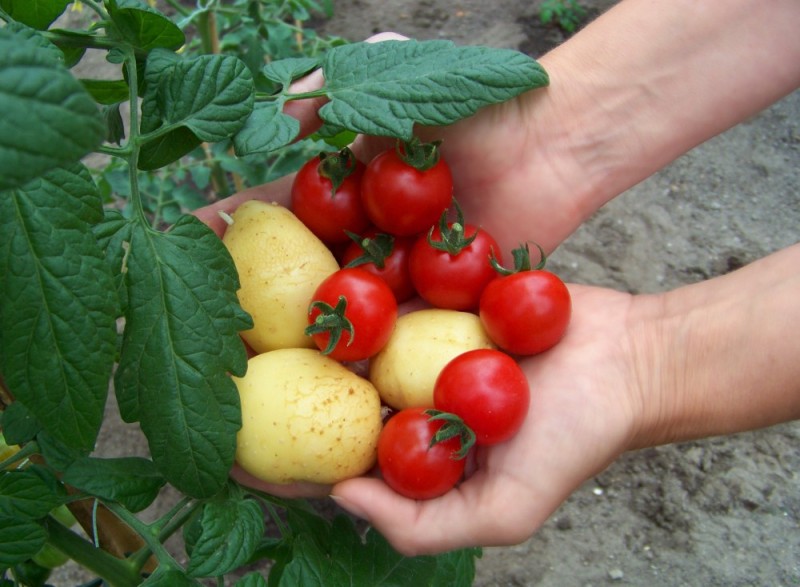
"caption": "The plant is an early tomato grafted to a late-producing potato. The two can be harvested throughout the season. Photo: SuperNaturals",
"description": "The plant is an early tomato grafted to a late-producing potato. The two can be harvested throughout the season.",
"title": "The plant is an early tomato grafted to a late-producing potato. The two can be harvested throughout the season.",
"credit": null,
"status": "inherit",
"isLoading": false,
"fetchFailed": false
},
"bayareabites_93129": {
"type": "attachments",
"id": "bayareabites_93129",
"meta": {
"index": "attachments_1716263798",
"site": "bayareabites",
"id": "93129",
"found": true
},
"parent": 93125,
"imgSizes": {
"thumbnail": {
"file": "https://ww2.kqed.org/app/uploads/sites/24/2015/02/strawberries-albion-400x277.jpg",
"width": 400,
"mimeType": "image/jpeg",
"height": 277
},
"fd-sm": {
"file": "https://ww2.kqed.org/app/uploads/sites/24/2015/02/strawberries-albion-320x221.jpg",
"width": 320,
"mimeType": "image/jpeg",
"height": 221
},
"post-thumbnail": {
"file": "https://ww2.kqed.org/app/uploads/sites/24/2015/02/strawberries-albion-672x372.jpg",
"width": 672,
"mimeType": "image/jpeg",
"height": 372
},
"kqedFullSize": {
"file": "https://ww2.kqed.org/app/uploads/sites/24/2015/02/strawberries-albion.jpg",
"width": 800,
"height": 553
},
"cat_post_thumb_sizecategory-posts-2": {
"file": "https://ww2.kqed.org/app/uploads/sites/24/2015/02/strawberries-albion-50x50.jpg",
"width": 50,
"mimeType": "image/jpeg",
"height": 50
},
"fd-med": {
"file": "https://ww2.kqed.org/app/uploads/sites/24/2015/02/strawberries-albion-768x531.jpg",
"width": 768,
"mimeType": "image/jpeg",
"height": 531
},
"guest-author-96": {
"file": "https://ww2.kqed.org/app/uploads/sites/24/2015/02/strawberries-albion-96x96.jpg",
"width": 96,
"mimeType": "image/jpeg",
"height": 96
},
"medium": {
"file": "https://ww2.kqed.org/app/uploads/sites/24/2015/02/strawberries-albion-800x553.jpg",
"width": 800,
"mimeType": "image/jpeg",
"height": 553
},
"guest-author-64": {
"file": "https://ww2.kqed.org/app/uploads/sites/24/2015/02/strawberries-albion-64x64.jpg",
"width": 64,
"mimeType": "image/jpeg",
"height": 64
},
"detail": {
"file": "https://ww2.kqed.org/app/uploads/sites/24/2015/02/strawberries-albion-75x75.jpg",
"width": 75,
"mimeType": "image/jpeg",
"height": 75
},
"guest-author-32": {
"file": "https://ww2.kqed.org/app/uploads/sites/24/2015/02/strawberries-albion-32x32.jpg",
"width": 32,
"mimeType": "image/jpeg",
"height": 32
},
"guest-author-128": {
"file": "https://ww2.kqed.org/app/uploads/sites/24/2015/02/strawberries-albion-128x128.jpg",
"width": 128,
"mimeType": "image/jpeg",
"height": 128
}
},
"publishDate": 1423608712,
"modified": 1423608737,
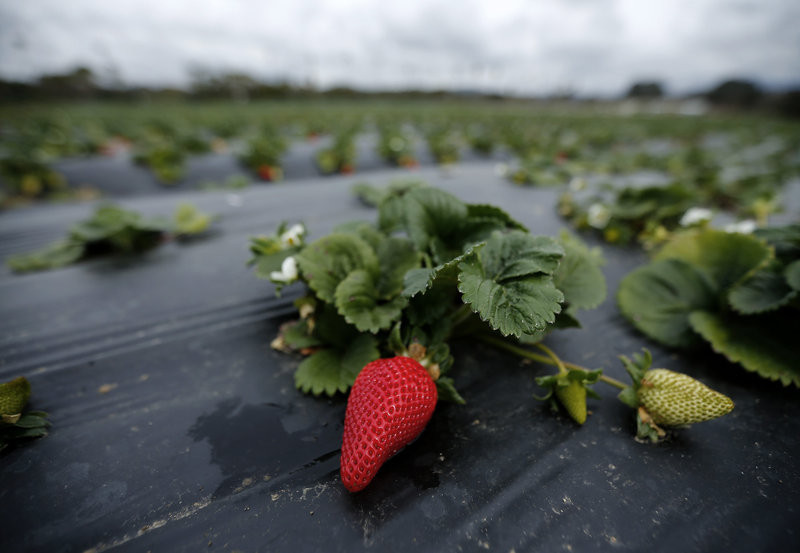
"caption": "Albion strawberries, a variety created at UC Davis, grow on the Chino family farm in Rancho Santa Fe, Calif., on March 7, 2013. Photo: Mike Blake/Reuters/Corbis",
"description": null,
"title": "strawberries-albion",
"credit": null,
"status": "inherit",
"isLoading": false,
"fetchFailed": false
},
"bayareabites_92672": {
"type": "attachments",
"id": "bayareabites_92672",
"meta": {
"index": "attachments_1716263798",
"site": "bayareabites",
"id": "92672",
"found": true
},
"parent": 92668,
"imgSizes": {
"kqedFullSize": {
"file": "https://ww2.kqed.org/app/uploads/sites/24/2015/01/A-sampling-of-findings-from-Stark-and-Carlsons-website-.jpg",
"width": 1000,
"height": 662
}
},
"publishDate": 1422680064,
"modified": 1423011096,
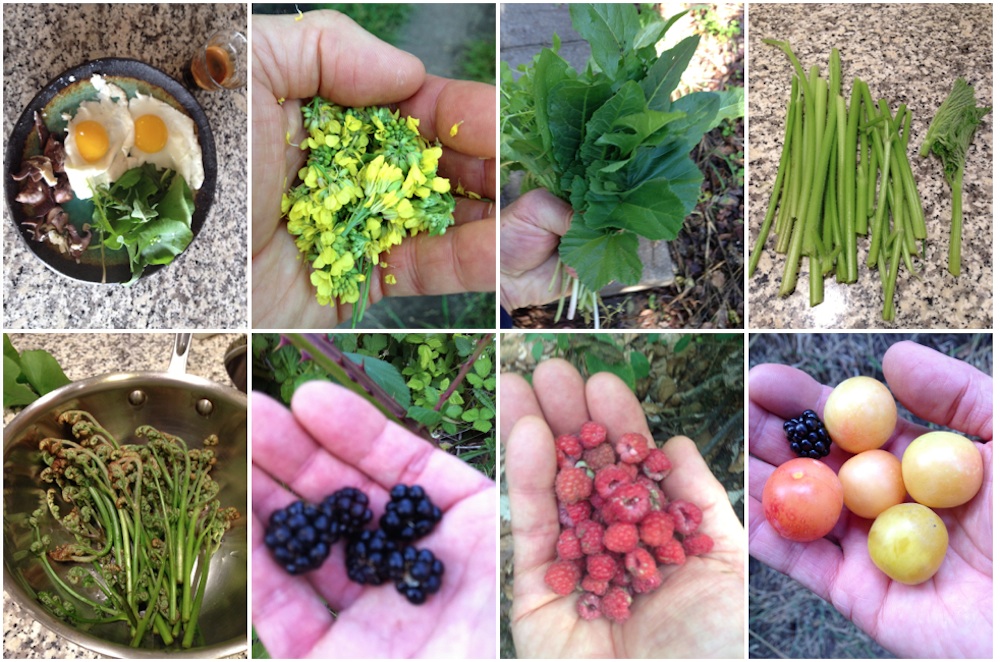
"caption": "A sampling of photos and findings from Stark and Carlson’s project. Photo: Philip Stark",
"description": null,
"title": "A sampling of findings from Stark and Carlson's website",
"credit": null,
"status": "inherit",
"isLoading": false,
"fetchFailed": false
},
"bayareabites_92835": {
"type": "attachments",
"id": "bayareabites_92835",
"meta": {
"index": "attachments_1716263798",
"site": "bayareabites",
"id": "92835",
"found": true
},
"parent": 92834,
"imgSizes": {
"twentyfourteen-full-width": {
"file": "https://ww2.kqed.org/app/uploads/sites/24/2015/02/the-teaching-kitchen-stanford-14_enl-48a0ebb9ba852c75b73fe67bfa7d5ddb1b833567-e1423101347490-1000x576.jpg",
"width": 1000,
"mimeType": "image/jpeg",
"height": 576
},
"thumbnail": {
"file": "https://ww2.kqed.org/app/uploads/sites/24/2015/02/the-teaching-kitchen-stanford-14_enl-48a0ebb9ba852c75b73fe67bfa7d5ddb1b833567-e1423101347490-400x266.jpg",
"width": 400,
"mimeType": "image/jpeg",
"height": 266
},
"fd-sm": {
"file": "https://ww2.kqed.org/app/uploads/sites/24/2015/02/the-teaching-kitchen-stanford-14_enl-48a0ebb9ba852c75b73fe67bfa7d5ddb1b833567-e1423101347490-320x212.jpg",
"width": 320,
"mimeType": "image/jpeg",
"height": 212
},
"post-thumbnail": {
"file": "https://ww2.kqed.org/app/uploads/sites/24/2015/02/the-teaching-kitchen-stanford-14_enl-48a0ebb9ba852c75b73fe67bfa7d5ddb1b833567-e1423101347490-672x372.jpg",
"width": 672,
"mimeType": "image/jpeg",
"height": 372
},
"kqedFullSize": {
"file": "https://ww2.kqed.org/app/uploads/sites/24/2015/02/the-teaching-kitchen-stanford-14_enl-48a0ebb9ba852c75b73fe67bfa7d5ddb1b833567-e1423101347490.jpg",
"width": 1000,
"height": 664
},
"guest-author-96": {
"file": "https://ww2.kqed.org/app/uploads/sites/24/2015/02/the-teaching-kitchen-stanford-14_enl-48a0ebb9ba852c75b73fe67bfa7d5ddb1b833567-e1423101347490-96x96.jpg",
"width": 96,
"mimeType": "image/jpeg",
"height": 96
},
"medium": {
"file": "https://ww2.kqed.org/app/uploads/sites/24/2015/02/the-teaching-kitchen-stanford-14_enl-48a0ebb9ba852c75b73fe67bfa7d5ddb1b833567-e1423101347490-800x531.jpg",
"width": 800,
"mimeType": "image/jpeg",
"height": 531
},
"guest-author-64": {
"file": "https://ww2.kqed.org/app/uploads/sites/24/2015/02/the-teaching-kitchen-stanford-14_enl-48a0ebb9ba852c75b73fe67bfa7d5ddb1b833567-e1423101347490-64x64.jpg",
"width": 64,
"mimeType": "image/jpeg",
"height": 64
},
"guest-author-32": {
"file": "https://ww2.kqed.org/app/uploads/sites/24/2015/02/the-teaching-kitchen-stanford-14_enl-48a0ebb9ba852c75b73fe67bfa7d5ddb1b833567-e1423101347490-32x32.jpg",
"width": 32,
"mimeType": "image/jpeg",
"height": 32
},
"cat_post_thumb_sizecategory-posts-2": {
"file": "https://ww2.kqed.org/app/uploads/sites/24/2015/02/the-teaching-kitchen-stanford-14_enl-48a0ebb9ba852c75b73fe67bfa7d5ddb1b833567-e1423101347490-50x50.jpg",
"width": 50,
"mimeType": "image/jpeg",
"height": 50
},
"fd-med": {
"file": "https://ww2.kqed.org/app/uploads/sites/24/2015/02/the-teaching-kitchen-stanford-14_enl-48a0ebb9ba852c75b73fe67bfa7d5ddb1b833567-e1423101347490-768x510.jpg",
"width": 768,
"mimeType": "image/jpeg",
"height": 510
},
"detail": {
"file": "https://ww2.kqed.org/app/uploads/sites/24/2015/02/the-teaching-kitchen-stanford-14_enl-48a0ebb9ba852c75b73fe67bfa7d5ddb1b833567-e1423101347490-75x75.jpg",
"width": 75,
"mimeType": "image/jpeg",
"height": 75
},
"guest-author-128": {
"file": "https://ww2.kqed.org/app/uploads/sites/24/2015/02/the-teaching-kitchen-stanford-14_enl-48a0ebb9ba852c75b73fe67bfa7d5ddb1b833567-e1423101347490-128x128.jpg",
"width": 128,
"mimeType": "image/jpeg",
"height": 128
}
},
"publishDate": 1423088872,
"modified": 1423101341,
"caption": "Chef David Iott explains the perfect way to prepare risotto to Stanford students. Photo: Courtesy of Stanford's Residential and Dining Enterprises",
"description": "Chef David Iott explains the perfect way to prepare risotto to Stanford students.",
"title": "Chef David Iott explains the perfect way to prepare risotto to Stanford students.",
"credit": null,
"status": "inherit",
"isLoading": false,
"fetchFailed": false
},
"bayareabites_92800": {
"type": "attachments",
"id": "bayareabites_92800",
"meta": {
"index": "attachments_1716263798",
"site": "bayareabites",
"id": "92800",
"found": true
},
"parent": 92798,
"imgSizes": {
"thumbnail": {
"file": "https://ww2.kqed.org/app/uploads/sites/24/2015/02/Naturespath-400x145.jpg",
"width": 400,
"mimeType": "image/jpeg",
"height": 145
},
"fd-sm": {
"file": "https://ww2.kqed.org/app/uploads/sites/24/2015/02/Naturespath-320x116.jpg",
"width": 320,
"mimeType": "image/jpeg",
"height": 116
},
"post-thumbnail": {
"file": "https://ww2.kqed.org/app/uploads/sites/24/2015/02/Naturespath-672x247.jpg",
"width": 672,
"mimeType": "image/jpeg",
"height": 247
},
"kqedFullSize": {
"file": "https://ww2.kqed.org/app/uploads/sites/24/2015/02/Naturespath.jpg",
"width": 680,
"height": 247
},
"cat_post_thumb_sizecategory-posts-2": {
"file": "https://ww2.kqed.org/app/uploads/sites/24/2015/02/Naturespath-50x50.jpg",
"width": 50,
"mimeType": "image/jpeg",
"height": 50
},
"guest-author-96": {
"file": "https://ww2.kqed.org/app/uploads/sites/24/2015/02/Naturespath-96x96.jpg",
"width": 96,
"mimeType": "image/jpeg",
"height": 96
},
"guest-author-64": {
"file": "https://ww2.kqed.org/app/uploads/sites/24/2015/02/Naturespath-64x64.jpg",
"width": 64,
"mimeType": "image/jpeg",
"height": 64
},
"detail": {
"file": "https://ww2.kqed.org/app/uploads/sites/24/2015/02/Naturespath-75x75.jpg",
"width": 75,
"mimeType": "image/jpeg",
"height": 75
},
"guest-author-32": {
"file": "https://ww2.kqed.org/app/uploads/sites/24/2015/02/Naturespath-32x32.jpg",
"width": 32,
"mimeType": "image/jpeg",
"height": 32
},
"guest-author-128": {
"file": "https://ww2.kqed.org/app/uploads/sites/24/2015/02/Naturespath-128x128.jpg",
"width": 128,
"mimeType": "image/jpeg",
"height": 128
}
},
"publishDate": 1423007174,
"modified": 1423007205,
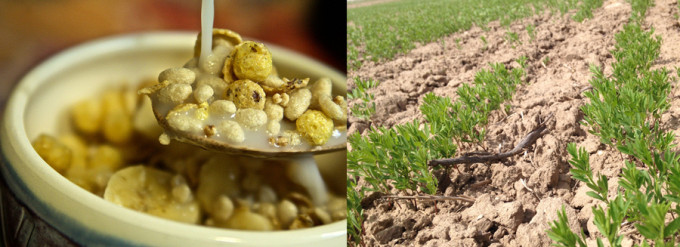
"caption": "Photo of Nature's Path cereal Nora Kuby. Photo of farm fields courtesy of Nature's Path.",
"description": null,
"title": "Naturespath",
"credit": null,
"status": "inherit",
"isLoading": false,
"fetchFailed": false
},
"bayareabites_92779": {
"type": "attachments",
"id": "bayareabites_92779",
"meta": {
"index": "attachments_1716263798",
"site": "bayareabites",
"id": "92779",
"found": true
},
"parent": 92778,
"imgSizes": {
"twentyfourteen-full-width": {
"file": "https://ww2.kqed.org/app/uploads/sites/24/2015/02/organic-fish-1_slide-d90e97cffd8bb585ea33ceaa3fd8049a460041fe-999x576.jpg",
"width": 999,
"mimeType": "image/jpeg",
"height": 576
},
"thumbnail": {
"file": "https://ww2.kqed.org/app/uploads/sites/24/2015/02/organic-fish-1_slide-d90e97cffd8bb585ea33ceaa3fd8049a460041fe-400x267.jpg",
"width": 400,
"mimeType": "image/jpeg",
"height": 267
},
"fd-sm": {
"file": "https://ww2.kqed.org/app/uploads/sites/24/2015/02/organic-fish-1_slide-d90e97cffd8bb585ea33ceaa3fd8049a460041fe-320x213.jpg",
"width": 320,
"mimeType": "image/jpeg",
"height": 213
},
"post-thumbnail": {
"file": "https://ww2.kqed.org/app/uploads/sites/24/2015/02/organic-fish-1_slide-d90e97cffd8bb585ea33ceaa3fd8049a460041fe-672x372.jpg",
"width": 672,
"mimeType": "image/jpeg",
"height": 372
},
"kqedFullSize": {
"file": "https://ww2.kqed.org/app/uploads/sites/24/2015/02/organic-fish-1_slide-d90e97cffd8bb585ea33ceaa3fd8049a460041fe.jpg",
"width": 999,
"height": 666
},
"guest-author-96": {
"file": "https://ww2.kqed.org/app/uploads/sites/24/2015/02/organic-fish-1_slide-d90e97cffd8bb585ea33ceaa3fd8049a460041fe-96x96.jpg",
"width": 96,
"mimeType": "image/jpeg",
"height": 96
},
"medium": {
"file": "https://ww2.kqed.org/app/uploads/sites/24/2015/02/organic-fish-1_slide-d90e97cffd8bb585ea33ceaa3fd8049a460041fe-800x533.jpg",
"width": 800,
"mimeType": "image/jpeg",
"height": 533
},
"guest-author-64": {
"file": "https://ww2.kqed.org/app/uploads/sites/24/2015/02/organic-fish-1_slide-d90e97cffd8bb585ea33ceaa3fd8049a460041fe-64x64.jpg",
"width": 64,
"mimeType": "image/jpeg",
"height": 64
},
"guest-author-32": {
"file": "https://ww2.kqed.org/app/uploads/sites/24/2015/02/organic-fish-1_slide-d90e97cffd8bb585ea33ceaa3fd8049a460041fe-32x32.jpg",
"width": 32,
"mimeType": "image/jpeg",
"height": 32
},
"cat_post_thumb_sizecategory-posts-2": {
"file": "https://ww2.kqed.org/app/uploads/sites/24/2015/02/organic-fish-1_slide-d90e97cffd8bb585ea33ceaa3fd8049a460041fe-50x50.jpg",
"width": 50,
"mimeType": "image/jpeg",
"height": 50
},
"fd-med": {
"file": "https://ww2.kqed.org/app/uploads/sites/24/2015/02/organic-fish-1_slide-d90e97cffd8bb585ea33ceaa3fd8049a460041fe-768x512.jpg",
"width": 768,
"mimeType": "image/jpeg",
"height": 512
},
"detail": {
"file": "https://ww2.kqed.org/app/uploads/sites/24/2015/02/organic-fish-1_slide-d90e97cffd8bb585ea33ceaa3fd8049a460041fe-75x75.jpg",
"width": 75,
"mimeType": "image/jpeg",
"height": 75
},
"guest-author-128": {
"file": "https://ww2.kqed.org/app/uploads/sites/24/2015/02/organic-fish-1_slide-d90e97cffd8bb585ea33ceaa3fd8049a460041fe-128x128.jpg",
"width": 128,
"mimeType": "image/jpeg",
"height": 128
}
},
"publishDate": 1423002004,
"modified": 1423002408,
"caption": "At Troutdale Farm in Missouri, farmhand Vince Orcutt pulls out rainbow trout ready to harvest. Photo: Kristofor Husted/Harvest Public Media",
"description": "At Troutdale Farm in Missouri, farmhand Vince Orcutt pulls out rainbow trout ready to harvest.",
"title": "At Troutdale Farm in Missouri, farmhand Vince Orcutt pulls out rainbow trout ready to harvest.",
"credit": null,
"status": "inherit",
"isLoading": false,
"fetchFailed": false
},
"bayareabites_92711": {
"type": "attachments",
"id": "bayareabites_92711",
"meta": {
"index": "attachments_1716263798",
"site": "bayareabites",
"id": "92711",
"found": true
},
"parent": 92710,
"imgSizes": {
"twentyfourteen-full-width": {
"file": "https://ww2.kqed.org/app/uploads/sites/24/2015/02/egg-1_slide-d36010dfa7fd420e27b9c424bf5bcbcc9547ebee-e1422919063985-1000x576.jpg",
"width": 1000,
"mimeType": "image/jpeg",
"height": 576
},
"thumbnail": {
"file": "https://ww2.kqed.org/app/uploads/sites/24/2015/02/egg-1_slide-d36010dfa7fd420e27b9c424bf5bcbcc9547ebee-e1422919063985-400x267.jpg",
"width": 400,
"mimeType": "image/jpeg",
"height": 267
},
"fd-sm": {
"file": "https://ww2.kqed.org/app/uploads/sites/24/2015/02/egg-1_slide-d36010dfa7fd420e27b9c424bf5bcbcc9547ebee-e1422919063985-320x213.jpg",
"width": 320,
"mimeType": "image/jpeg",
"height": 213
},
"post-thumbnail": {
"file": "https://ww2.kqed.org/app/uploads/sites/24/2015/02/egg-1_slide-d36010dfa7fd420e27b9c424bf5bcbcc9547ebee-e1422919063985-672x372.jpg",
"width": 672,
"mimeType": "image/jpeg",
"height": 372
},
"kqedFullSize": {
"file": "https://ww2.kqed.org/app/uploads/sites/24/2015/02/egg-1_slide-d36010dfa7fd420e27b9c424bf5bcbcc9547ebee-e1422919063985.jpg",
"width": 1000,
"height": 667
},
"guest-author-96": {
"file": "https://ww2.kqed.org/app/uploads/sites/24/2015/02/egg-1_slide-d36010dfa7fd420e27b9c424bf5bcbcc9547ebee-e1422919063985-96x96.jpg",
"width": 96,
"mimeType": "image/jpeg",
"height": 96
},
"medium": {
"file": "https://ww2.kqed.org/app/uploads/sites/24/2015/02/egg-1_slide-d36010dfa7fd420e27b9c424bf5bcbcc9547ebee-e1422919063985-800x534.jpg",
"width": 800,
"mimeType": "image/jpeg",
"height": 534
},
"guest-author-64": {
"file": "https://ww2.kqed.org/app/uploads/sites/24/2015/02/egg-1_slide-d36010dfa7fd420e27b9c424bf5bcbcc9547ebee-e1422919063985-64x64.jpg",
"width": 64,
"mimeType": "image/jpeg",
"height": 64
},
"guest-author-32": {
"file": "https://ww2.kqed.org/app/uploads/sites/24/2015/02/egg-1_slide-d36010dfa7fd420e27b9c424bf5bcbcc9547ebee-e1422919063985-32x32.jpg",
"width": 32,
"mimeType": "image/jpeg",
"height": 32
},
"cat_post_thumb_sizecategory-posts-2": {
"file": "https://ww2.kqed.org/app/uploads/sites/24/2015/02/egg-1_slide-d36010dfa7fd420e27b9c424bf5bcbcc9547ebee-e1422919063985-50x50.jpg",
"width": 50,
"mimeType": "image/jpeg",
"height": 50
},
"fd-med": {
"file": "https://ww2.kqed.org/app/uploads/sites/24/2015/02/egg-1_slide-d36010dfa7fd420e27b9c424bf5bcbcc9547ebee-e1422919063985-768x512.jpg",
"width": 768,
"mimeType": "image/jpeg",
"height": 512
},
"detail": {
"file": "https://ww2.kqed.org/app/uploads/sites/24/2015/02/egg-1_slide-d36010dfa7fd420e27b9c424bf5bcbcc9547ebee-e1422919063985-75x75.jpg",
"width": 75,
"mimeType": "image/jpeg",
"height": 75
},
"guest-author-128": {
"file": "https://ww2.kqed.org/app/uploads/sites/24/2015/02/egg-1_slide-d36010dfa7fd420e27b9c424bf5bcbcc9547ebee-e1422919063985-128x128.jpg",
"width": 128,
"mimeType": "image/jpeg",
"height": 128
}
},
"publishDate": 1422918769,
"modified": 1422919058,
"caption": "Professor Greg Weiss of the University of California, Irvine is one of the researchers who has developed a way of unboiling a egg. Photo: Steve Zylius/UC Irvine Communications",
"description": "Professor Greg Weiss of the University of California, Irvine is one of the researchers who has developed a way of unboiling a egg.",
"title": "Professor Greg Weiss of the University of California, Irvine is one of the researchers who has developed a way of unboiling a egg.",
"credit": null,
"status": "inherit",
"isLoading": false,
"fetchFailed": false
},
"bayareabites_92570": {
"type": "attachments",
"id": "bayareabites_92570",
"meta": {
"index": "attachments_1716263798",
"site": "bayareabites",
"id": "92570",
"found": true
},
"parent": 92567,
"imgSizes": {
"kqedFullSize": {
"file": "https://ww2.kqed.org/app/uploads/sites/24/2015/01/juicing-blender.jpg",
"width": 800,
"height": 450
}
},
"publishDate": 1422640491,
"modified": 1422640530,
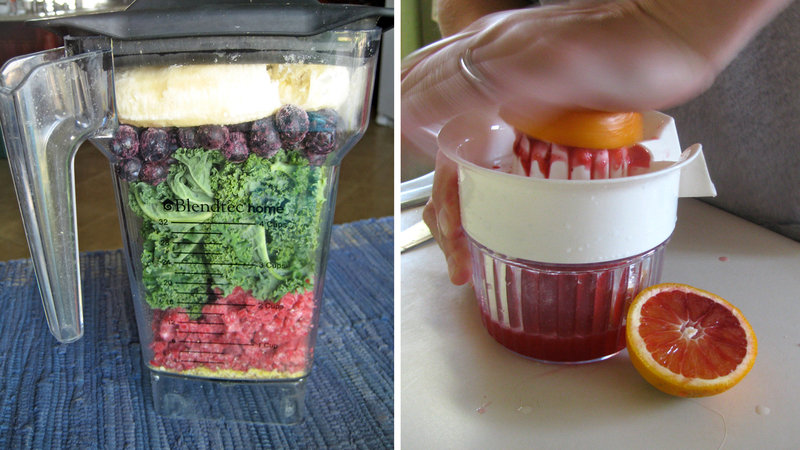
"caption": "To get the most nutritional bang for your buck, scientists say blending may beat juicing. Photo: Aimee Ray/Flickr; Liz/Flickr ",
"description": null,
"title": "juicing-blender",
"credit": null,
"status": "inherit",
"isLoading": false,
"fetchFailed": false
},
"bayareabites_92422": {
"type": "attachments",
"id": "bayareabites_92422",
"meta": {
"index": "attachments_1716263798",
"site": "bayareabites",
"id": "92422",
"found": true
},
"parent": 92421,
"imgSizes": {
"kqedFullSize": {
"file": "https://ww2.kqed.org/app/uploads/sites/24/2015/01/waste-water-1_wide-fcf6d851466799ead85967e11705f2840216144f-e1422476916406.jpg",
"width": 1000,
"height": 562
}
},
"publishDate": 1422476462,
"modified": 1422476910,
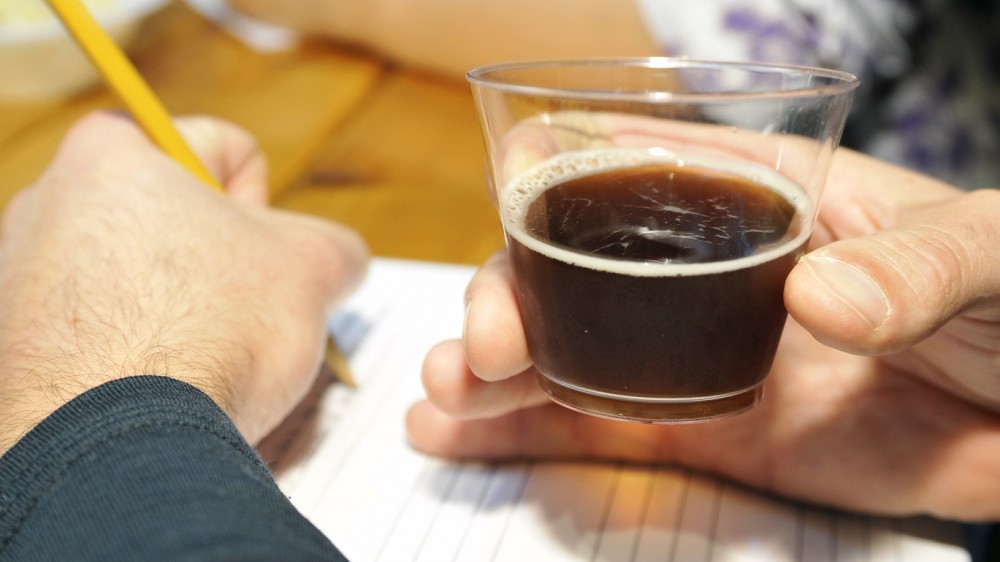
"caption": "Clean Water Services held a brewing competition in Sept. 2014, inviting 13 homebrewers to make beer from its purified wastewater (as well as water from other sources). Now the company is asking the state for permission for brewers to use its wastewater product exclusively to make beer. Photo: Courtesy of Clean Water Services",
"description": "Clean Water Services held a brewing competition in Sept. 2014, inviting 13 homebrewers to make beer from its purified wastewater (as well as water from other sources). Now the company is asking the state for permission for brewers to use its wastewater product exclusively to make beer.",
"title": "Clean Water Services held a brewing competition in Sept. 2014, inviting 13 homebrewers to make beer from its purified wastewater (as well as water from other sources). Now the company is asking the state for permission for brewers to use its wastewater product exclusively to make beer.",
"credit": null,
"status": "inherit",
"isLoading": false,
"fetchFailed": false
},
"bayareabites_92347": {
"type": "attachments",
"id": "bayareabites_92347",
"meta": {
"index": "attachments_1716263798",
"site": "bayareabites",
"id": "92347",
"found": true
},
"parent": 92346,
"imgSizes": {
"kqedFullSize": {
"file": "https://ww2.kqed.org/app/uploads/sites/24/2015/01/cows_enl-787a2778cbfa3a7f89e6053b47103554f8a3abf7-e1422392884964.jpg",
"width": 1000,
"height": 667
}
},
"publishDate": 1422392793,
"modified": 1422392879,
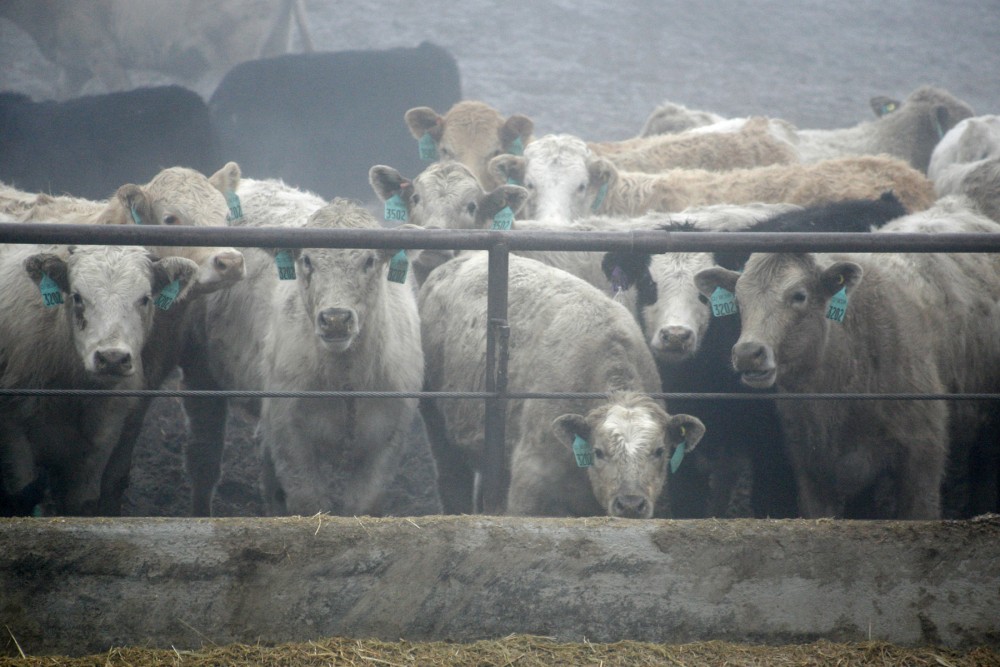
"caption": "Cattle in holding pens at the Simplot feedlot located next to a slaughterhouse in Burbank, Washington on Dec. 26, 2013. Merck & Co Inc is testing lower dosages of its controversial cattle growth drug Zilmax drug in an effort to resume its sales to the $44 billion U.S. beef industry. Photo: Ross Courtney/Reuters/Landov",
"description": "Cattle in holding pens at the Simplot feedlot located next to a slaughterhouse in Burbank, Washington on Dec. 26, 2013. Merck",
"title": "Cattle in holding pens at the Simplot feedlot located next to a slaughterhouse in Burbank, Washington on Dec. 26, 2013. Merck & Co Inc is testing lower dosages of its controversial cattle growth drug Zilmax drug in an effort to resume its sales to the $44 billion U.S. beef industry.",
"credit": null,
"status": "inherit",
"isLoading": false,
"fetchFailed": false
},
"bayareabites_92301": {
"type": "attachments",
"id": "bayareabites_92301",
"meta": {
"index": "attachments_1716263798",
"site": "bayareabites",
"id": "92301",
"found": true
},
"parent": 92300,
"imgSizes": {
"kqedFullSize": {
"file": "https://ww2.kqed.org/app/uploads/sites/24/2015/01/fake-fish-1_enl-343634ca9006377c3959be435b37e2e660488d94-e1422085910838.jpg",
"width": 1000,
"height": 667
}
},
"publishDate": 1422085775,
"modified": 1422085904,
"caption": "Chef James Corwell's nigiri sushi rolls made with Tomato Sushi, a plant-based tuna alternative, in San Francisco. Photo: Alastair Bland for NPR ",
"description": "Chef James Corwell's nigiri sushi rolls made with Tomato Sushi, a plant-based tuna alternative, in San Francisco.",
"title": "Chef James Corwell's nigiri sushi rolls made with Tomato Sushi, a plant-based tuna alternative, in San Francisco.",
"credit": null,
"status": "inherit",
"isLoading": false,
"fetchFailed": false
},
"bayareabites_92186": {
"type": "attachments",
"id": "bayareabites_92186",
"meta": {
"index": "attachments_1716263798",
"site": "bayareabites",
"id": "92186",
"found": true
},
"parent": 92177,
"imgSizes": {
"kqedFullSize": {
"file": "https://ww2.kqed.org/app/uploads/sites/24/2015/01/madame-munchie-box.jpg",
"width": 1000,
"height": 750
}
},
"publishDate": 1421522880,
"modified": 1421522911,
"caption": null,
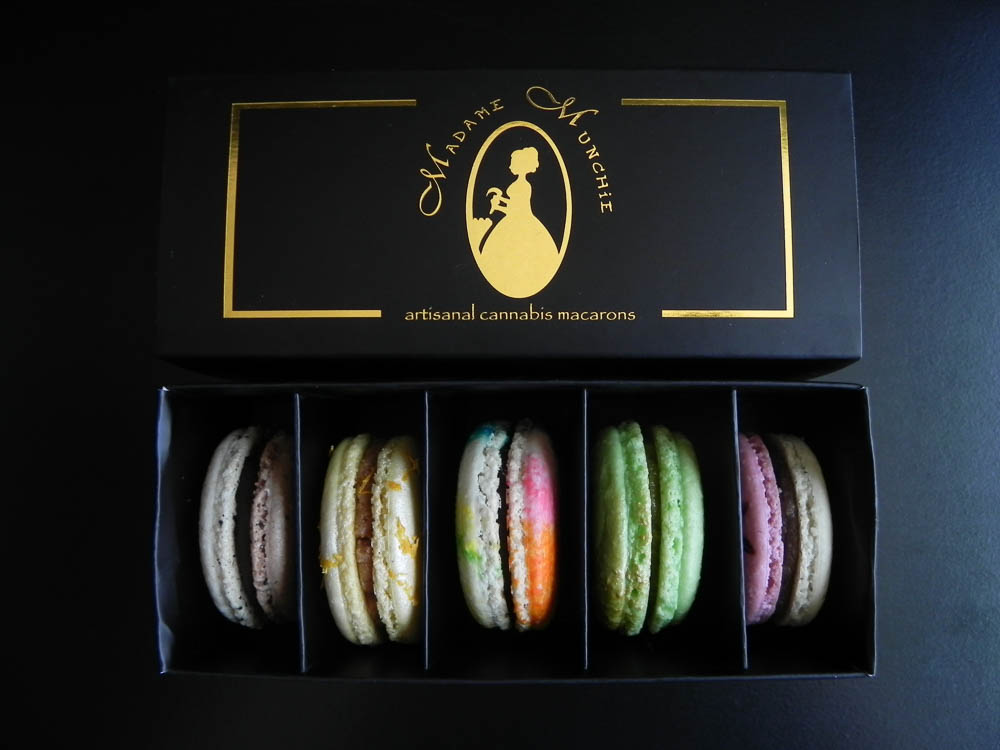
"description": "Cannabis Macarons, Madame Munchie",
"title": "Cannabis Macarons, Madame Munchie",
"credit": null,
"status": "inherit",
"isLoading": false,
"fetchFailed": false
}
},
"audioPlayerReducer": {
"postId": "stream_live",
"isPaused": true,
"isPlaying": false,
"pfsActive": false,
"pledgeModalIsOpen": true,
"playerDrawerIsOpen": false,
"liveAudioPlayStartedAt": 0,
"liveAudioPlayContext": ""
},
"authorsReducer": {
"byline_bayareabites_93165": {
"type": "authors",
"id": "byline_bayareabites_93165",
"meta": {
"override": true
},
"slug": "byline_bayareabites_93165",
"name": "Sáša Woodruff",
"isLoading": false
},
"byline_bayareabites_93125": {
"type": "authors",
"id": "byline_bayareabites_93125",
"meta": {
"override": true
},
"slug": "byline_bayareabites_93125",
"name": "Dan Charles",
"isLoading": false
},
"byline_bayareabites_92834": {
"type": "authors",
"id": "byline_bayareabites_92834",
"meta": {
"override": true
},
"slug": "byline_bayareabites_92834",
"name": "Maanvi Singh",
"isLoading": false
},
"byline_bayareabites_92778": {
"type": "authors",
"id": "byline_bayareabites_92778",
"meta": {
"override": true
},
"slug": "byline_bayareabites_92778",
"name": "Kristofor Husted",
"isLoading": false
},
"byline_bayareabites_92710": {
"type": "authors",
"id": "byline_bayareabites_92710",
"meta": {
"override": true
},
"slug": "byline_bayareabites_92710",
"name": "Alison Bruzek",
"isLoading": false
},
"byline_bayareabites_92567": {
"type": "authors",
"id": "byline_bayareabites_92567",
"meta": {
"override": true
},
"slug": "byline_bayareabites_92567",
"name": "Allison Aubrey",
"isLoading": false
},
"byline_bayareabites_92421": {
"type": "authors",
"id": "byline_bayareabites_92421",
"meta": {
"override": true
},
"slug": "byline_bayareabites_92421",
"name": "Cassandra Profita",
"isLoading": false
},
"byline_bayareabites_92346": {
"type": "authors",
"id": "byline_bayareabites_92346",
"meta": {
"override": true
},
"slug": "byline_bayareabites_92346",
"name": "Dan Charles",
"isLoading": false
},
"byline_bayareabites_92300": {
"type": "authors",
"id": "byline_bayareabites_92300",
"meta": {
"override": true
},
"slug": "byline_bayareabites_92300",
"name": "Alastair Bland",
"isLoading": false
},
"stephanie-im": {
"type": "authors",
"id": "5037",
"meta": {
"index": "authors_1716337520",
"id": "5037",
"found": true
},
"name": "Stephanie Hua",
"firstName": "Stephanie",
"lastName": "Hua",
"slug": "stephanie-im",
"email": "stephanieim1023@gmail.com",
"display_author_email": false,
"staff_mastheads": [],
"title": "KQED Contributor",
"bio": "Stephanie Hua is the creator of \u003ca href=\"http://lickmyspoon.com\">Lick My Spoon\u003c/a>, a place for all things delicious. So far she has learned that she very much enjoys salted caramel anything, a good soup dumpling is worth a scalded tongue, and there is no room in life for non-fat cheese and crappy chocolate. Also, a barrel of cheese balls never ends well. \r\n\r\nStephanie has been known to choose her company based on how much they can pack it down. Ability to endure cramped quarters, sketchy back alleys, and uncharted paths to seek out that special dish is also a plus in her book. If you fit the criteria, drop a note. You’ll probably get along just fine.\r\n\r\nStephanie's writing and photography have been featured in Fodor's Travel, Wine Enthusiast Magazine, Serious Eats, and Sundance Channel. Follow her on \u003ca href=\"http://www.facebook.com/pages/Lick-My-Spoon/124276040932644\">Facebook\u003c/a> and \u003ca href=\"https://twitter.com/lickmyspoon\">@lickmyspoon\u003c/a>.",
"avatar": "https://secure.gravatar.com/avatar/25d5d746bf96940e83c86d9a5cb527ed00eb0e7d0b3bc9e2c73eba55d7755cc7?s=600&d=blank&r=g",
"twitter": "LickMySpoon",
"bluesky": null,
"facebook": "pages/Lick-My-Spoon/124276040932644",
"instagram": null,
"linkedin": "StephanieHua",
"sites": [
{
"site": "bayareabites",
"roles": [
"subscriber"
]
},
{
"site": "food",
"roles": [
"contributor"
]
}
],
"headData": {
"title": "Stephanie Hua | KQED",
"description": "KQED Contributor",
"ogImgSrc": "https://secure.gravatar.com/avatar/25d5d746bf96940e83c86d9a5cb527ed00eb0e7d0b3bc9e2c73eba55d7755cc7?s=600&d=blank&r=g",
"twImgSrc": "https://secure.gravatar.com/avatar/25d5d746bf96940e83c86d9a5cb527ed00eb0e7d0b3bc9e2c73eba55d7755cc7?s=600&d=blank&r=g"
},
"isLoading": false,
"link": "/author/stephanie-im"
},
"angelajohnston": {
"type": "authors",
"id": "5568",
"meta": {
"index": "authors_1716337520",
"id": "5568",
"found": true
},
"name": "Angela Johnston",
"firstName": "Angela",
"lastName": "Johnston",
"slug": "angelajohnston",
"email": "anj618@gmail.com",
"display_author_email": false,
"staff_mastheads": [],
"title": null,
"bio": "Angela Johnston is an independent radio reporter and producer who recently moved back home to the Bay Area after spending the past six years on the east coast of Canada. She has a Master’s Degree in broadcast journalism and is currently making radio stories for KALW's daily news magazine, Crosscurrents. When she's not writing and reporting, she's surfing surf small waves on her longboard or perfecting her paella recipe.",
"avatar": "https://secure.gravatar.com/avatar/29104f87db909d4901d06df73b9db604?s=600&d=blank&r=g",
"twitter": "ang_johnston",
"facebook": null,
"instagram": null,
"linkedin": null,
"sites": [
{
"site": "bayareabites",
"roles": [
"contributor"
]
}
],
"headData": {
"title": "Angela Johnston | KQED",
"description": null,
"ogImgSrc": "https://secure.gravatar.com/avatar/29104f87db909d4901d06df73b9db604?s=600&d=blank&r=g",
"twImgSrc": "https://secure.gravatar.com/avatar/29104f87db909d4901d06df73b9db604?s=600&d=blank&r=g"
},
"isLoading": false,
"link": "/author/angelajohnston"
},
"civileat": {
"type": "authors",
"id": "5583",
"meta": {
"index": "authors_1716337520",
"id": "5583",
"found": true
},
"name": "Civil Eats",
"firstName": "Civil",
"lastName": "Eats",
"slug": "civileat",
"email": "twilight@civileats.com",
"display_author_email": false,
"staff_mastheads": [],
"title": null,
"bio": "\u003ca href=\"http://civileats.com/\">Civil Eats\u003c/a> is a daily news source for critical thought about the American food system. We publish stories that shift the conversation around sustainable agriculture in an effort to build economically and socially just communities. Follow Civil Eats on Twitter \u003ca href=\"https://twitter.com/CivilEats\">@civileats\u003c/a> and on \u003ca href=\"https://www.facebook.com/pages/Civil-Eats/56766540637\">Facebook\u003c/a>.",
"avatar": "https://secure.gravatar.com/avatar/8f6f50bfb6403afe7cbc194b66cc1d4d?s=600&d=blank&r=g",
"twitter": "CivilEats",
"facebook": "/pages/Civil-Eats/56766540637?ref=hl",
"instagram": null,
"linkedin": null,
"sites": [
{
"site": "bayareabites",
"roles": [
"contributor"
]
},
{
"site": "food",
"roles": [
"contributor"
]
}
],
"headData": {
"title": "Civil Eats | KQED",
"description": null,
"ogImgSrc": "https://secure.gravatar.com/avatar/8f6f50bfb6403afe7cbc194b66cc1d4d?s=600&d=blank&r=g",
"twImgSrc": "https://secure.gravatar.com/avatar/8f6f50bfb6403afe7cbc194b66cc1d4d?s=600&d=blank&r=g"
},
"isLoading": false,
"link": "/author/civileat"
}
},
"pagesReducer": {
"bayareabites_category_food-and-technology": {
"type": "terms",
"id": "bayareabites_4084",
"meta": {
"index": "terms_1716263798",
"site": "bayareabites",
"id": "4084",
"score": 14.405561
},
"featImg": null,
"name": "food trends and technology",
"description": null,
"taxonomy": "category",
"headData": {
"twImgId": null,
"twTitle": null,
"ogTitle": null,
"ogImgId": null,
"twDescription": null,
"description": null,
"title": "food trends and technology Archives | KQED Bay Area Bites",
"ogDescription": null
},
"ttid": 2573,
"slug": "food-and-technology",
"isLoading": false,
"title": "food trends and technology",
"pageMeta": {
"site": "bayareabites",
"WpPageTemplate": "page-topic-editorial",
"currentPage": 28
},
"blocks": [
{
"blockName": "kqed/post-list",
"attrs": {
"layout": "cardArticle2",
"query": "posts/bayareabites?category=food-and-technology",
"seeMore": false,
"paginated": true,
"page": 28
}
},
{
"blockName": "kqed/ad"
}
]
}
},
"pfsSessionReducer": {},
"postsReducer": {
"stream_live": {
"type": "live",
"id": "stream_live",
"audioUrl": "https://streams.kqed.org/kqedradio",
"title": "Live Stream",
"excerpt": "Live Stream information currently unavailable.",
"link": "/radio",
"featImg": "",
"label": {
"name": "KQED Live",
"link": "/"
}
},
"stream_kqedNewscast": {
"type": "posts",
"id": "stream_kqedNewscast",
"audioUrl": "https://www.kqed.org/.stream/anon/radio/RDnews/newscast.mp3?_=1",
"title": "KQED Newscast",
"featImg": "",
"label": {
"name": "88.5 FM",
"link": "/"
}
},
"bayareabites_93165": {
"type": "posts",
"id": "bayareabites_93165",
"meta": {
"index": "posts_1716263798",
"site": "bayareabites",
"id": "93165",
"score": null,
"sort": [
1423773409000
]
},
"parent": 0,
"labelTerm": {
"site": "bayareabites"
},
"blocks": [],
"publishDate": 1423773409,
"format": "aside",
"disqusTitle": "Gardener's Twofer: First Ketchup 'N' Fries Plant Hits U.S. Market",
"title": "Gardener's Twofer: First Ketchup 'N' Fries Plant Hits U.S. Market",
"headTitle": "Bay Area Bites | KQED Food",
"content": "\u003cp>Sáša Woodruff, \u003ca href=\"http://www.npr.org/blogs/thesalt/2015/02/12/385459778/gardeners-twofer-first-ketchup-n-fries-plant-hits-u-s-market\" target=\"_blank\">The Salt at NPR Food\u003c/a> (2/12/15) \u003c/p>\n\u003cfigure id=\"attachment_93167\" class=\"wp-caption alignright\" style=\"max-width: 300px\">\u003ca href=\"http://ww2.kqed.org/bayareabites/wp-content/uploads/sites/24/2015/02/knf-2_enl-718f0f9cb79298ad30775346e38ee1ea14a1ebaf-e1423773076789.jpg\">\u003cimg src=\"http://ww2.kqed.org/bayareabites/wp-content/uploads/sites/24/2015/02/knf-2_enl-718f0f9cb79298ad30775346e38ee1ea14a1ebaf-e1423773076789.jpg\" alt=\""It's not just any old tomato or any old potato. It's actually a really good, all-around potato at the base," says Michael Perry with Thomas & Morgan, the company that first developed the plant in the U.K. "Then on the top you've got the potential to have up to 500 super-sweet fruit." Photo: SuperNaturals\" width=\"300\" class=\"size-full wp-image-93167\" srcset=\"https://ww2.kqed.org/app/uploads/sites/24/2015/02/knf-2_enl-718f0f9cb79298ad30775346e38ee1ea14a1ebaf-e1423773076789.jpg 1000w, https://ww2.kqed.org/app/uploads/sites/24/2015/02/knf-2_enl-718f0f9cb79298ad30775346e38ee1ea14a1ebaf-e1423773076789-400x602.jpg 400w, https://ww2.kqed.org/app/uploads/sites/24/2015/02/knf-2_enl-718f0f9cb79298ad30775346e38ee1ea14a1ebaf-e1423773076789-800x1205.jpg 800w, https://ww2.kqed.org/app/uploads/sites/24/2015/02/knf-2_enl-718f0f9cb79298ad30775346e38ee1ea14a1ebaf-e1423773076789-768x1157.jpg 768w, https://ww2.kqed.org/app/uploads/sites/24/2015/02/knf-2_enl-718f0f9cb79298ad30775346e38ee1ea14a1ebaf-e1423773076789-320x482.jpg 320w\" sizes=\"(max-width: 1000px) 100vw, 1000px\">\u003c/a>\u003cfigcaption class=\"wp-caption-text\">\"It's not just any old tomato or any old potato. It's actually a really good, all-around potato at the base,\" says Michael Perry with Thomas & Morgan, the company that first developed the plant in the U.K. \"Then on the top you've got the potential to have up to 500 super-sweet fruit.\" Photo: SuperNaturals\u003c/figcaption>\u003c/figure>\n\u003cp>Love growing potatoes and tomatoes? This spring, gardeners in the U.S. (and Europe) will be able to get both tuber and fruit from a single plant.\u003c/p>\n\u003cp>It's even got a catchy name: Ketchup 'n' Fries.\u003c/p>\n\u003cp>\"It's like a science project,\" says Alice Doyle of \u003ca href=\"http://graftedvegetables.com/wp/\">SuperNaturals Grafted Vegetables\u003c/a>, the company that's licensing the variety for U.S. markets from the U.K. company that developed it. \"It's something that is really bizarre, but it's going to be fun [for gardeners] to measure and see how it grows.\"\u003c/p>\n\u003cp>This isn't a genetically modified organism but a plant of two different nightshades: the top of a cherry tomato grafted on to a white potato.\u003cem>\u003c/em>\u003c/p>\n\u003cp>[ad fullwidth]\u003c/p>\n\u003cp>\"Tomatoes and potatoes are in the same family and that makes it feasible,\" says John Bagnasco, also of SuperNaturals.\u003c/p>\n\u003cp>Grafting, the technique of taking two different plants in the same family and fusing them together, has been around since ancient times. Today, fruit trees, grape vines and roses are still grafted onto well-established rootstocks. (A New York artist is even attempting to graft branches from 40 different kinds of stone fruit onto a single tree, as The Salt \u003ca href=\"http://www.npr.org/blogs/thesalt/2014/08/03/337164041/the-gift-of-graft-new-york-artists-tree-to-grow-40-kinds-of-fruit\">reported\u003c/a> in August.)\u003c/p>\n\u003cp>Grafting is advantageous for higher yields and disease resistance. For example, a tree that is genetically resistant to soil diseases might not produce a juicy peach or a perfectly tart apple. So plant breeders can take branches from trees with tastier fruit and graft them onto the hardy rootstocks.\u003c/p>\n\u003cp>Over the last century, botanists have discovered vegetable or soft-tissue grafting. Grafters will take two separate seedlings — with stems of the same size and shape — and cut them in half. The top of one is then matched with the wound of the bottom. They are fused with a tiny plastic clip and taken into a special greenhouse while they grow into one plant. If the combination is correct, the whole organism should be stronger.\u003c/p>\n\u003cp>This idea of the tomato-potato twofer isn't actually new either. In the early 1900s, botanist \u003ca href=\"https://books.google.com/books?id=tQw9AAAAYAAJ&pg=PA282&lpg=PA282&dq=luther+burbank+tomato+potato+graft&source=bl&ots=kkHuEthpvE&sig=U356ivG9_odRD3C1X2Q5TfdHzlY&hl=en&sa=X&ei=mGraVO2vHc70oATjyYKYDA&sqi=2&ved=0CCoQ6AEwAg#v=onepage&q=luther%20burbank%20tomato%20potato%20graft&f=false\">Luther Burkbank\u003c/a> successfully grafted a potato top onto a tomato root, creating a viable plant — except that it was, shall we say, fruitless. He even experimented with a tomato-potato hybrid, affectionately named a \"pomato.\" Since then, home gardeners have experimented with these Chimera-esque grafted plants to varying success.\u003c/p>\n\u003cp>Finding the right partners is tricky at best. You have to find two plants that work well together to produce a balanced harvest of fruit and tubers.\u003c/p>\n\u003cp>\"If you're growing a potato from a seed, as the potato germinates, the stem is much thinner than a tomato when it germinates,\" says Bagnasco. \"You have to start the seeds at separate times and try to get the potatoes' stem up to size.\"\u003c/p>\n\u003cfigure id=\"attachment_93166\" class=\"wp-caption aligncenter\" style=\"max-width: 1000px\">\u003ca href=\"http://ww2.kqed.org/bayareabites/wp-content/uploads/sites/24/2015/02/hands-holding-ketchup-n-fries_enl-e26243575024bc29d0237713a87c3eb8b99ddf5a-e1423773288167.jpg\">\u003cimg src=\"http://ww2.kqed.org/bayareabites/wp-content/uploads/sites/24/2015/02/hands-holding-ketchup-n-fries_enl-e26243575024bc29d0237713a87c3eb8b99ddf5a-e1423773288167.jpg\" alt=\"The plant is an early tomato grafted to a late-producing potato. The two can be harvested throughout the season. Photo: SuperNaturals\" width=\"1000\" height=\"734\" class=\"size-full wp-image-93166\" srcset=\"https://ww2.kqed.org/app/uploads/sites/24/2015/02/hands-holding-ketchup-n-fries_enl-e26243575024bc29d0237713a87c3eb8b99ddf5a-e1423773288167.jpg 1000w, https://ww2.kqed.org/app/uploads/sites/24/2015/02/hands-holding-ketchup-n-fries_enl-e26243575024bc29d0237713a87c3eb8b99ddf5a-e1423773288167-400x294.jpg 400w, https://ww2.kqed.org/app/uploads/sites/24/2015/02/hands-holding-ketchup-n-fries_enl-e26243575024bc29d0237713a87c3eb8b99ddf5a-e1423773288167-800x587.jpg 800w, https://ww2.kqed.org/app/uploads/sites/24/2015/02/hands-holding-ketchup-n-fries_enl-e26243575024bc29d0237713a87c3eb8b99ddf5a-e1423773288167-768x564.jpg 768w, https://ww2.kqed.org/app/uploads/sites/24/2015/02/hands-holding-ketchup-n-fries_enl-e26243575024bc29d0237713a87c3eb8b99ddf5a-e1423773288167-320x235.jpg 320w\" sizes=\"(max-width: 1000px) 100vw, 1000px\">\u003c/a>\u003cfigcaption class=\"wp-caption-text\">The plant is an early tomato grafted to a late-producing potato. The two can be harvested throughout the season. Photo: SuperNaturals\u003c/figcaption>\u003c/figure>\n\u003cp>After five years of experimenting, SuperNaturals decided to license an already successful variety developed for Thomas & Morgan, a U.K.-based plant company. About 40,000 TomTatoes were sold last year in U.K., says Michael Perry, a product development manager for Thomas & Morgan who worked on TomTato. He says the goal was to make a combination that was more than a novelty plant.\u003c/p>\n\u003cp>\"It's not just any old tomato or any old potato. It's actually a really good, all-around potato at the base,\" Perry says. \"Then on the top you've got the potential to have up to 500 super-sweet fruit.\"\u003c/p>\n\u003cp>They also had to find an early tomato and late-producing potato, so the two could be harvested throughout the season. It took 15 years to develop the winning combination.\u003c/p>\n\u003cp>The TomTato is being released as Ketchup 'N' Fries in the U.S. this spring and the producers say the plant is sparking new interest in gardening. Perry says it wasn't just his usual customers who were interested in this last year in the U.K.\u003c/p>\n\u003cp>\"It was also teenagers and kids — people who wouldn't have been interested before, so it kind of opened it to a wider audience,\" he says.\u003c/p>\n\u003cp>SuperNaturals says garden centers across the country will be stocking Ketchup 'N' Fries in spring. It's also available online at \u003ca href=\"http://www.gardenamerica.com/store/Revolutionary-Ketchup-n-Fries.html\">Garden America\u003c/a> and at the \u003ca href=\"http://www.territorialseed.com/\">Territorial Seed Company\u003c/a>.\u003c/p>\n\u003cp>\u003cem>Sáša Woodruff is a freelance broadcast producer and reporter, working for local and national outlets including NPR, APM's Marketplace and PBS. She's currently a producer for PRI's To The Point and blogs about food and gardening at \u003ca href=\"http://trowelandfork.tumblr.com/\">Trowel and Fork\u003c/a>.\u003c/em> \u003c/p>\n\u003cp>\u003c/p>\n\u003cp>\u003cem>Copyright 2015 \u003ca href=\"http://www.npr.org/\" target=\"_blank\">NPR\u003c/a>.\u003c/em> \u003c/p>\n\n",
"disqusIdentifier": "93165 http://blogs.kqed.org/bayareabites/?p=93165",
"disqusUrl": "https://ww2.kqed.org/bayareabites/2015/02/12/gardeners-twofer-first-ketchup-n-fries-plant-hits-u-s-market/",
"stats": {
"hasVideo": false,
"hasChartOrMap": false,
"hasAudio": false,
"hasPolis": false,
"wordCount": 853,
"hasGoogleForm": false,
"hasGallery": false,
"hasHearkenModule": false,
"iframeSrcs": [],
"paragraphCount": 22
},
"modified": 1423773596,
"excerpt": "British horticulturalists have figured out how to graft a tomato plant onto a potato plant. This plant, called Ketchup 'N' Fries, has crossed the pond and is now available to gardeners in the U.S.",
"headData": {
"twImgId": "",
"twTitle": "",
"ogTitle": "",
"ogImgId": "",
"twDescription": "",
"description": "British horticulturalists have figured out how to graft a tomato plant onto a potato plant. This plant, called Ketchup 'N' Fries, has crossed the pond and is now available to gardeners in the U.S.",
"title": "Gardener's Twofer: First Ketchup 'N' Fries Plant Hits U.S. Market | KQED",
"ogDescription": "",
"schema": {
"@context": "https://schema.org",
"@type": "Article",
"headline": "Gardener's Twofer: First Ketchup 'N' Fries Plant Hits U.S. Market",
"datePublished": "2015-02-12T12:36:49-08:00",
"dateModified": "2015-02-12T12:39:56-08:00",
"image": "https://cdn.kqed.org/wp-content/uploads/2020/02/KQED-OG-Image@1x.png"
}
},
"guestAuthors": [],
"slug": "gardeners-twofer-first-ketchup-n-fries-plant-hits-u-s-market",
"status": "publish",
"nprApiLink": "http://api.npr.org/query?id=385459778&apiKey=MDAxOTAwOTE4MDEyMTkxMDAzNjczZDljZA004",
"nprByline": "Sáša Woodruff",
"nprStoryDate": "Thu, 12 Feb 2015 14:34:00 -0500",
"nprLastModifiedDate": "Thu, 12 Feb 2015 14:35:48 -0500",
"nprHtmlLink": "http://www.npr.org/blogs/thesalt/2015/02/12/385459778/gardeners-twofer-first-ketchup-n-fries-plant-hits-u-s-market?ft=nprml&f=385459778",
"nprStoryId": "385459778",
"nprRetrievedStory": "1",
"nprPubDate": "Thu, 12 Feb 2015 14:35:00 -0500",
"path": "/bayareabites/93165/gardeners-twofer-first-ketchup-n-fries-plant-hits-u-s-market",
"audioTrackLength": null,
"parsedContent": [
{
"type": "contentString",
"content": "\u003cdiv class=\"post-body\">\u003cp>\u003cp>Sáša Woodruff, \u003ca href=\"http://www.npr.org/blogs/thesalt/2015/02/12/385459778/gardeners-twofer-first-ketchup-n-fries-plant-hits-u-s-market\" target=\"_blank\">The Salt at NPR Food\u003c/a> (2/12/15) \u003c/p>\n\u003cfigure id=\"attachment_93167\" class=\"wp-caption alignright\" style=\"max-width: 300px\">\u003ca href=\"http://ww2.kqed.org/bayareabites/wp-content/uploads/sites/24/2015/02/knf-2_enl-718f0f9cb79298ad30775346e38ee1ea14a1ebaf-e1423773076789.jpg\">\u003cimg src=\"http://ww2.kqed.org/bayareabites/wp-content/uploads/sites/24/2015/02/knf-2_enl-718f0f9cb79298ad30775346e38ee1ea14a1ebaf-e1423773076789.jpg\" alt=\""It's not just any old tomato or any old potato. It's actually a really good, all-around potato at the base," says Michael Perry with Thomas & Morgan, the company that first developed the plant in the U.K. "Then on the top you've got the potential to have up to 500 super-sweet fruit." Photo: SuperNaturals\" width=\"300\" class=\"size-full wp-image-93167\" srcset=\"https://ww2.kqed.org/app/uploads/sites/24/2015/02/knf-2_enl-718f0f9cb79298ad30775346e38ee1ea14a1ebaf-e1423773076789.jpg 1000w, https://ww2.kqed.org/app/uploads/sites/24/2015/02/knf-2_enl-718f0f9cb79298ad30775346e38ee1ea14a1ebaf-e1423773076789-400x602.jpg 400w, https://ww2.kqed.org/app/uploads/sites/24/2015/02/knf-2_enl-718f0f9cb79298ad30775346e38ee1ea14a1ebaf-e1423773076789-800x1205.jpg 800w, https://ww2.kqed.org/app/uploads/sites/24/2015/02/knf-2_enl-718f0f9cb79298ad30775346e38ee1ea14a1ebaf-e1423773076789-768x1157.jpg 768w, https://ww2.kqed.org/app/uploads/sites/24/2015/02/knf-2_enl-718f0f9cb79298ad30775346e38ee1ea14a1ebaf-e1423773076789-320x482.jpg 320w\" sizes=\"(max-width: 1000px) 100vw, 1000px\">\u003c/a>\u003cfigcaption class=\"wp-caption-text\">\"It's not just any old tomato or any old potato. It's actually a really good, all-around potato at the base,\" says Michael Perry with Thomas & Morgan, the company that first developed the plant in the U.K. \"Then on the top you've got the potential to have up to 500 super-sweet fruit.\" Photo: SuperNaturals\u003c/figcaption>\u003c/figure>\n\u003cp>Love growing potatoes and tomatoes? This spring, gardeners in the U.S. (and Europe) will be able to get both tuber and fruit from a single plant.\u003c/p>\n\u003cp>It's even got a catchy name: Ketchup 'n' Fries.\u003c/p>\n\u003cp>\"It's like a science project,\" says Alice Doyle of \u003ca href=\"http://graftedvegetables.com/wp/\">SuperNaturals Grafted Vegetables\u003c/a>, the company that's licensing the variety for U.S. markets from the U.K. company that developed it. \"It's something that is really bizarre, but it's going to be fun [for gardeners] to measure and see how it grows.\"\u003c/p>\n\u003cp>This isn't a genetically modified organism but a plant of two different nightshades: the top of a cherry tomato grafted on to a white potato.\u003cem>\u003c/em>\u003c/p>\n\u003cp>\u003c/p>\u003c/div>",
"attributes": {
"named": {},
"numeric": []
}
},
{
"type": "component",
"content": "",
"name": "ad",
"attributes": {
"named": {
"label": "fullwidth"
},
"numeric": [
"fullwidth"
]
}
},
{
"type": "contentString",
"content": "\u003cdiv class=\"post-body\">\u003cp>\u003c/p>\n\u003cp>\"Tomatoes and potatoes are in the same family and that makes it feasible,\" says John Bagnasco, also of SuperNaturals.\u003c/p>\n\u003cp>Grafting, the technique of taking two different plants in the same family and fusing them together, has been around since ancient times. Today, fruit trees, grape vines and roses are still grafted onto well-established rootstocks. (A New York artist is even attempting to graft branches from 40 different kinds of stone fruit onto a single tree, as The Salt \u003ca href=\"http://www.npr.org/blogs/thesalt/2014/08/03/337164041/the-gift-of-graft-new-york-artists-tree-to-grow-40-kinds-of-fruit\">reported\u003c/a> in August.)\u003c/p>\n\u003cp>Grafting is advantageous for higher yields and disease resistance. For example, a tree that is genetically resistant to soil diseases might not produce a juicy peach or a perfectly tart apple. So plant breeders can take branches from trees with tastier fruit and graft them onto the hardy rootstocks.\u003c/p>\n\u003cp>Over the last century, botanists have discovered vegetable or soft-tissue grafting. Grafters will take two separate seedlings — with stems of the same size and shape — and cut them in half. The top of one is then matched with the wound of the bottom. They are fused with a tiny plastic clip and taken into a special greenhouse while they grow into one plant. If the combination is correct, the whole organism should be stronger.\u003c/p>\n\u003cp>This idea of the tomato-potato twofer isn't actually new either. In the early 1900s, botanist \u003ca href=\"https://books.google.com/books?id=tQw9AAAAYAAJ&pg=PA282&lpg=PA282&dq=luther+burbank+tomato+potato+graft&source=bl&ots=kkHuEthpvE&sig=U356ivG9_odRD3C1X2Q5TfdHzlY&hl=en&sa=X&ei=mGraVO2vHc70oATjyYKYDA&sqi=2&ved=0CCoQ6AEwAg#v=onepage&q=luther%20burbank%20tomato%20potato%20graft&f=false\">Luther Burkbank\u003c/a> successfully grafted a potato top onto a tomato root, creating a viable plant — except that it was, shall we say, fruitless. He even experimented with a tomato-potato hybrid, affectionately named a \"pomato.\" Since then, home gardeners have experimented with these Chimera-esque grafted plants to varying success.\u003c/p>\n\u003cp>Finding the right partners is tricky at best. You have to find two plants that work well together to produce a balanced harvest of fruit and tubers.\u003c/p>\n\u003cp>\"If you're growing a potato from a seed, as the potato germinates, the stem is much thinner than a tomato when it germinates,\" says Bagnasco. \"You have to start the seeds at separate times and try to get the potatoes' stem up to size.\"\u003c/p>\n\u003cfigure id=\"attachment_93166\" class=\"wp-caption aligncenter\" style=\"max-width: 1000px\">\u003ca href=\"http://ww2.kqed.org/bayareabites/wp-content/uploads/sites/24/2015/02/hands-holding-ketchup-n-fries_enl-e26243575024bc29d0237713a87c3eb8b99ddf5a-e1423773288167.jpg\">\u003cimg src=\"http://ww2.kqed.org/bayareabites/wp-content/uploads/sites/24/2015/02/hands-holding-ketchup-n-fries_enl-e26243575024bc29d0237713a87c3eb8b99ddf5a-e1423773288167.jpg\" alt=\"The plant is an early tomato grafted to a late-producing potato. The two can be harvested throughout the season. Photo: SuperNaturals\" width=\"1000\" height=\"734\" class=\"size-full wp-image-93166\" srcset=\"https://ww2.kqed.org/app/uploads/sites/24/2015/02/hands-holding-ketchup-n-fries_enl-e26243575024bc29d0237713a87c3eb8b99ddf5a-e1423773288167.jpg 1000w, https://ww2.kqed.org/app/uploads/sites/24/2015/02/hands-holding-ketchup-n-fries_enl-e26243575024bc29d0237713a87c3eb8b99ddf5a-e1423773288167-400x294.jpg 400w, https://ww2.kqed.org/app/uploads/sites/24/2015/02/hands-holding-ketchup-n-fries_enl-e26243575024bc29d0237713a87c3eb8b99ddf5a-e1423773288167-800x587.jpg 800w, https://ww2.kqed.org/app/uploads/sites/24/2015/02/hands-holding-ketchup-n-fries_enl-e26243575024bc29d0237713a87c3eb8b99ddf5a-e1423773288167-768x564.jpg 768w, https://ww2.kqed.org/app/uploads/sites/24/2015/02/hands-holding-ketchup-n-fries_enl-e26243575024bc29d0237713a87c3eb8b99ddf5a-e1423773288167-320x235.jpg 320w\" sizes=\"(max-width: 1000px) 100vw, 1000px\">\u003c/a>\u003cfigcaption class=\"wp-caption-text\">The plant is an early tomato grafted to a late-producing potato. The two can be harvested throughout the season. Photo: SuperNaturals\u003c/figcaption>\u003c/figure>\n\u003cp>After five years of experimenting, SuperNaturals decided to license an already successful variety developed for Thomas & Morgan, a U.K.-based plant company. About 40,000 TomTatoes were sold last year in U.K., says Michael Perry, a product development manager for Thomas & Morgan who worked on TomTato. He says the goal was to make a combination that was more than a novelty plant.\u003c/p>\n\u003cp>\"It's not just any old tomato or any old potato. It's actually a really good, all-around potato at the base,\" Perry says. \"Then on the top you've got the potential to have up to 500 super-sweet fruit.\"\u003c/p>\n\u003cp>They also had to find an early tomato and late-producing potato, so the two could be harvested throughout the season. It took 15 years to develop the winning combination.\u003c/p>\n\u003cp>The TomTato is being released as Ketchup 'N' Fries in the U.S. this spring and the producers say the plant is sparking new interest in gardening. Perry says it wasn't just his usual customers who were interested in this last year in the U.K.\u003c/p>\n\u003cp>\"It was also teenagers and kids — people who wouldn't have been interested before, so it kind of opened it to a wider audience,\" he says.\u003c/p>\n\u003cp>SuperNaturals says garden centers across the country will be stocking Ketchup 'N' Fries in spring. It's also available online at \u003ca href=\"http://www.gardenamerica.com/store/Revolutionary-Ketchup-n-Fries.html\">Garden America\u003c/a> and at the \u003ca href=\"http://www.territorialseed.com/\">Territorial Seed Company\u003c/a>.\u003c/p>\n\u003cp>\u003cem>Sáša Woodruff is a freelance broadcast producer and reporter, working for local and national outlets including NPR, APM's Marketplace and PBS. She's currently a producer for PRI's To The Point and blogs about food and gardening at \u003ca href=\"http://trowelandfork.tumblr.com/\">Trowel and Fork\u003c/a>.\u003c/em> \u003c/p>\n\u003cp>\u003c/p>\n\u003cp>\u003cem>Copyright 2015 \u003ca href=\"http://www.npr.org/\" target=\"_blank\">NPR\u003c/a>.\u003c/em> \u003c/p>\n\n\u003c/div>\u003c/p>",
"attributes": {
"named": {},
"numeric": []
}
}
],
"link": "/bayareabites/93165/gardeners-twofer-first-ketchup-n-fries-plant-hits-u-s-market",
"authors": [
"byline_bayareabites_93165"
],
"categories": [
"bayareabites_1874",
"bayareabites_4084",
"bayareabites_2554",
"bayareabites_10916",
"bayareabites_358"
],
"tags": [
"bayareabites_14142",
"bayareabites_14143",
"bayareabites_14141",
"bayareabites_300",
"bayareabites_14144",
"bayareabites_10921",
"bayareabites_453"
],
"featImg": "bayareabites_93166",
"label": "bayareabites"
},
"bayareabites_93125": {
"type": "posts",
"id": "bayareabites_93125",
"meta": {
"index": "posts_1716263798",
"site": "bayareabites",
"id": "93125",
"score": null,
"sort": [
1423608858000
]
},
"parent": 0,
"labelTerm": {
"site": "bayareabites"
},
"blocks": [],
"publishDate": 1423608858,
"format": "aside",
"disqusTitle": "California's Strawberry Feud Ends, But Who Will Breed New Berries?",
"title": "California's Strawberry Feud Ends, But Who Will Breed New Berries?",
"headTitle": "Bay Area Bites | KQED Food",
"content": "\u003cfigure id=\"attachment_93129\" class=\"wp-caption aligncenter\" style=\"max-width: 800px\">\u003ca href=\"http://ww2.kqed.org/bayareabites/wp-content/uploads/sites/24/2015/02/strawberries-albion.jpg\">\u003cimg src=\"http://ww2.kqed.org/bayareabites/wp-content/uploads/sites/24/2015/02/strawberries-albion.jpg\" alt=\"Albion strawberries, a variety created at UC Davis, grow on the Chino family farm in Rancho Santa Fe, Calif., on March 7, 2013. Photo: Mike Blake/Reuters/Corbis\" width=\"800\" height=\"553\" class=\"size-full wp-image-93129\" srcset=\"https://ww2.kqed.org/app/uploads/sites/24/2015/02/strawberries-albion.jpg 800w, https://ww2.kqed.org/app/uploads/sites/24/2015/02/strawberries-albion-400x277.jpg 400w, https://ww2.kqed.org/app/uploads/sites/24/2015/02/strawberries-albion-768x531.jpg 768w, https://ww2.kqed.org/app/uploads/sites/24/2015/02/strawberries-albion-320x221.jpg 320w\" sizes=\"(max-width: 800px) 100vw, 800px\">\u003c/a>\u003cfigcaption class=\"wp-caption-text\">Albion strawberries, a variety created at UC Davis, grow on the Chino family farm in Rancho Santa Fe, Calif., on March 7, 2013. Photo: Mike Blake/Reuters/Corbis\u003c/figcaption>\u003c/figure>\n\u003cp>by \u003ca href=\"http://www.npr.org/people/143160021/daniel-charles\" target=\"_blank\">Dan Charles\u003c/a>, \u003ca href=\"http://www.npr.org/blogs/thesalt/2015/02/10/384982148/californias-strawberry-feud-ends-but-who-will-breed-new-berries\" target=\"_blank\">The Salt at NPR Food\u003c/a> (2/10/15)\u003c/p>\n\u003cp>The future of strawberry breeding at the University of California has been secured. Perhaps.\u003c/p>\n\u003cp>As we \u003ca href=\"http://www.npr.org/blogs/thesalt/2014/07/01/327256662/breeding-battle-threatens-key-source-of-california-strawberries\">reported\u003c/a> last summer, more than half of the strawberries that you pick up in supermarkets got their start in greenhouses and test plots at the University of California, Davis. It's one of the biggest breeding programs in academia, and possibly the most \u003ca href=\"http://www.npr.org/blogs/thesalt/2014/07/02/327355935/big-bucks-from-strawberry-genes-lead-to-conflict-at-uc-davis\">lucrative\u003c/a>, generating millions of dollars each year in royalties for the university.\u003c/p>\n\u003cp>For the past year, though, a feud worthy of a soap opera has been stewing there. The scientist who ran the breeding program jumped ship, accusing the university of not valuing his work or paying him enough.\u003c/p>\n\u003cp>He's now starting a private company that will compete with the university. The university allegedly considered shutting down its strawberry breeding, which in turn convinced an industry group, the California Strawberry Commission, to sue the university and accuse it of betraying a public trust. The university responded by suing the commission.\u003c/p>\n\u003cp>[ad fullwidth]\u003c/p>\n\u003cp>This week, it appears, all is forgiven. Both sides announced that the lawsuits are history. As part of this reconciliation, the university has hired a scientist who will \"design a new strawberry breeding program for the 21st century,\" according to the university's \u003ca href=\"http://news.ucdavis.edu/search/news_detail.lasso?id=11151\">statement\u003c/a>.\u003c/p>\n\u003cp>The new boss is Steven Knapp, who spent 19 years teaching at Oregon State University, but most recently held the imposing title of global director for vegetable breeding technology at Monsanto, the giant biotech and seed company. In that position, Knapp managed more than 200 scientists in far corners of the world.\u003c/p>\n\u003cp>\"I missed academia,\" Knapp tells The Salt. He'd just walked into his university office and had to do some investigating to find his new phone number. This particular academic job, he says, is \"a dream come true.\"\u003c/p>\n\u003cp>But Knapp has not previously worked with strawberries. For a few years, at least, he'll have to rely on others as he learns this new crop. What he brings, instead, is management experience. Evidently, university administrators wanted someone with the political skills to smooth the conflicts that erupted last year.\u003c/p>\n\u003cp>Those conflicts involve the program's essential purpose. In recent decades, the UC Davis strawberry program has acted much like a private company. Its leaders focused on creating new varieties and guarding their intellectual property. The strawberry farmers who grow those varieties, in fact, want the university to continue doing exactly that.\u003c/p>\n\u003cp>Some university administrators, though, want it to behave more like an academic program, devoted to research that isn't guaranteed to pay off commercially. And paradoxically, the new hire from Monsanto is singing exactly the same tune. Knapp tells us he's \"creating a true academic program\" that will have more \"transparency.\" The previous breeder, Douglas Shaw, was noted for his secrecy.\u003c/p>\n\u003cp>Knapp admits that this new strategy may eventually hurt the program's financial bottom line, which currently benefits from royalties that farmers pay for the right to grow the university's commercial varieties. But he says this may be an inevitable outcome. \"The reality is, there's more competition,\" he says. \"Will [the UC Davis program] remain the Juggernaut that it's been? The trends suggest probably not.\"\u003c/p>\n\u003cp>In fact, Shaw, Knapp's predecessor at UC Davis, is among the private competitors that are hoping to eat the university's royalty lunch. Shaw has not announced details of his new venture, but other strawberry breeders have been trading rumors about it.\u003c/p>\n\u003cp>According to those rumors, Shaw already has begun raising a new crop of strawberry seedlings — which perhaps will be the ancestors of strawberries that you will eat one day in the future.\u003c/p>\n\u003cp>\u003c/p>\n\u003cp>\u003cem>Copyright 2015 \u003ca href=\"http://www.npr.org/\" target=\"_blank\">NPR\u003c/a>.\u003c/em> \u003c/p>\n\n",
"disqusIdentifier": "93125 http://blogs.kqed.org/bayareabites/?p=93125",
"disqusUrl": "https://ww2.kqed.org/bayareabites/2015/02/10/californias-strawberry-feud-ends-but-who-will-breed-new-berries/",
"stats": {
"hasVideo": false,
"hasChartOrMap": false,
"hasAudio": false,
"hasPolis": false,
"wordCount": 647,
"hasGoogleForm": false,
"hasGallery": false,
"hasHearkenModule": false,
"iframeSrcs": [],
"paragraphCount": 17
},
"modified": 1423608858,
"excerpt": "Strawberry farmers have dropped a lawsuit against the University of California, Davis, and the university has hired a new strawberry breeder. But the future of academic berry breeding is uncertain.",
"headData": {
"twImgId": "",
"twTitle": "",
"ogTitle": "",
"ogImgId": "",
"twDescription": "",
"description": "Strawberry farmers have dropped a lawsuit against the University of California, Davis, and the university has hired a new strawberry breeder. But the future of academic berry breeding is uncertain.",
"title": "California's Strawberry Feud Ends, But Who Will Breed New Berries? | KQED",
"ogDescription": "",
"schema": {
"@context": "https://schema.org",
"@type": "Article",
"headline": "California's Strawberry Feud Ends, But Who Will Breed New Berries?",
"datePublished": "2015-02-10T14:54:18-08:00",
"dateModified": "2015-02-10T14:54:18-08:00",
"image": "https://cdn.kqed.org/wp-content/uploads/2020/02/KQED-OG-Image@1x.png"
}
},
"guestAuthors": [],
"slug": "californias-strawberry-feud-ends-but-who-will-breed-new-berries",
"status": "publish",
"nprApiLink": "http://api.npr.org/query?id=384982148&apiKey=MDAxOTAwOTE4MDEyMTkxMDAzNjczZDljZA004",
"nprByline": "Dan Charles",
"nprStoryDate": "Tue, 10 Feb 2015 17:06:00 -0500",
"nprLastModifiedDate": "Tue, 10 Feb 2015 17:06:21 -0500",
"nprHtmlLink": "http://www.npr.org/blogs/thesalt/2015/02/10/384982148/californias-strawberry-feud-ends-but-who-will-breed-new-berries?ft=nprml&f=384982148",
"nprStoryId": "384982148",
"nprRetrievedStory": "1",
"nprPubDate": "Tue, 10 Feb 2015 17:06:00 -0500",
"path": "/bayareabites/93125/californias-strawberry-feud-ends-but-who-will-breed-new-berries",
"audioTrackLength": null,
"parsedContent": [
{
"type": "contentString",
"content": "\u003cdiv class=\"post-body\">\u003cp>\u003cfigure id=\"attachment_93129\" class=\"wp-caption aligncenter\" style=\"max-width: 800px\">\u003ca href=\"http://ww2.kqed.org/bayareabites/wp-content/uploads/sites/24/2015/02/strawberries-albion.jpg\">\u003cimg src=\"http://ww2.kqed.org/bayareabites/wp-content/uploads/sites/24/2015/02/strawberries-albion.jpg\" alt=\"Albion strawberries, a variety created at UC Davis, grow on the Chino family farm in Rancho Santa Fe, Calif., on March 7, 2013. Photo: Mike Blake/Reuters/Corbis\" width=\"800\" height=\"553\" class=\"size-full wp-image-93129\" srcset=\"https://ww2.kqed.org/app/uploads/sites/24/2015/02/strawberries-albion.jpg 800w, https://ww2.kqed.org/app/uploads/sites/24/2015/02/strawberries-albion-400x277.jpg 400w, https://ww2.kqed.org/app/uploads/sites/24/2015/02/strawberries-albion-768x531.jpg 768w, https://ww2.kqed.org/app/uploads/sites/24/2015/02/strawberries-albion-320x221.jpg 320w\" sizes=\"(max-width: 800px) 100vw, 800px\">\u003c/a>\u003cfigcaption class=\"wp-caption-text\">Albion strawberries, a variety created at UC Davis, grow on the Chino family farm in Rancho Santa Fe, Calif., on March 7, 2013. Photo: Mike Blake/Reuters/Corbis\u003c/figcaption>\u003c/figure>\n\u003cp>by \u003ca href=\"http://www.npr.org/people/143160021/daniel-charles\" target=\"_blank\">Dan Charles\u003c/a>, \u003ca href=\"http://www.npr.org/blogs/thesalt/2015/02/10/384982148/californias-strawberry-feud-ends-but-who-will-breed-new-berries\" target=\"_blank\">The Salt at NPR Food\u003c/a> (2/10/15)\u003c/p>\n\u003cp>The future of strawberry breeding at the University of California has been secured. Perhaps.\u003c/p>\n\u003cp>As we \u003ca href=\"http://www.npr.org/blogs/thesalt/2014/07/01/327256662/breeding-battle-threatens-key-source-of-california-strawberries\">reported\u003c/a> last summer, more than half of the strawberries that you pick up in supermarkets got their start in greenhouses and test plots at the University of California, Davis. It's one of the biggest breeding programs in academia, and possibly the most \u003ca href=\"http://www.npr.org/blogs/thesalt/2014/07/02/327355935/big-bucks-from-strawberry-genes-lead-to-conflict-at-uc-davis\">lucrative\u003c/a>, generating millions of dollars each year in royalties for the university.\u003c/p>\n\u003cp>For the past year, though, a feud worthy of a soap opera has been stewing there. The scientist who ran the breeding program jumped ship, accusing the university of not valuing his work or paying him enough.\u003c/p>\n\u003cp>He's now starting a private company that will compete with the university. The university allegedly considered shutting down its strawberry breeding, which in turn convinced an industry group, the California Strawberry Commission, to sue the university and accuse it of betraying a public trust. The university responded by suing the commission.\u003c/p>\n\u003cp>\u003c/p>\u003c/div>",
"attributes": {
"named": {},
"numeric": []
}
},
{
"type": "component",
"content": "",
"name": "ad",
"attributes": {
"named": {
"label": "fullwidth"
},
"numeric": [
"fullwidth"
]
}
},
{
"type": "contentString",
"content": "\u003cdiv class=\"post-body\">\u003cp>\u003c/p>\n\u003cp>This week, it appears, all is forgiven. Both sides announced that the lawsuits are history. As part of this reconciliation, the university has hired a scientist who will \"design a new strawberry breeding program for the 21st century,\" according to the university's \u003ca href=\"http://news.ucdavis.edu/search/news_detail.lasso?id=11151\">statement\u003c/a>.\u003c/p>\n\u003cp>The new boss is Steven Knapp, who spent 19 years teaching at Oregon State University, but most recently held the imposing title of global director for vegetable breeding technology at Monsanto, the giant biotech and seed company. In that position, Knapp managed more than 200 scientists in far corners of the world.\u003c/p>\n\u003cp>\"I missed academia,\" Knapp tells The Salt. He'd just walked into his university office and had to do some investigating to find his new phone number. This particular academic job, he says, is \"a dream come true.\"\u003c/p>\n\u003cp>But Knapp has not previously worked with strawberries. For a few years, at least, he'll have to rely on others as he learns this new crop. What he brings, instead, is management experience. Evidently, university administrators wanted someone with the political skills to smooth the conflicts that erupted last year.\u003c/p>\n\u003cp>Those conflicts involve the program's essential purpose. In recent decades, the UC Davis strawberry program has acted much like a private company. Its leaders focused on creating new varieties and guarding their intellectual property. The strawberry farmers who grow those varieties, in fact, want the university to continue doing exactly that.\u003c/p>\n\u003cp>Some university administrators, though, want it to behave more like an academic program, devoted to research that isn't guaranteed to pay off commercially. And paradoxically, the new hire from Monsanto is singing exactly the same tune. Knapp tells us he's \"creating a true academic program\" that will have more \"transparency.\" The previous breeder, Douglas Shaw, was noted for his secrecy.\u003c/p>\n\u003cp>Knapp admits that this new strategy may eventually hurt the program's financial bottom line, which currently benefits from royalties that farmers pay for the right to grow the university's commercial varieties. But he says this may be an inevitable outcome. \"The reality is, there's more competition,\" he says. \"Will [the UC Davis program] remain the Juggernaut that it's been? The trends suggest probably not.\"\u003c/p>\n\u003cp>In fact, Shaw, Knapp's predecessor at UC Davis, is among the private competitors that are hoping to eat the university's royalty lunch. Shaw has not announced details of his new venture, but other strawberry breeders have been trading rumors about it.\u003c/p>\n\u003cp>According to those rumors, Shaw already has begun raising a new crop of strawberry seedlings — which perhaps will be the ancestors of strawberries that you will eat one day in the future.\u003c/p>\n\u003cp>\u003c/p>\n\u003cp>\u003cem>Copyright 2015 \u003ca href=\"http://www.npr.org/\" target=\"_blank\">NPR\u003c/a>.\u003c/em> \u003c/p>\n\n\u003c/div>\u003c/p>",
"attributes": {
"named": {},
"numeric": []
}
}
],
"link": "/bayareabites/93125/californias-strawberry-feud-ends-but-who-will-breed-new-berries",
"authors": [
"byline_bayareabites_93125"
],
"categories": [
"bayareabites_752",
"bayareabites_1874",
"bayareabites_10028",
"bayareabites_4084",
"bayareabites_10916",
"bayareabites_358"
],
"tags": [
"bayareabites_14139",
"bayareabites_9708",
"bayareabites_1012",
"bayareabites_10921",
"bayareabites_13161"
],
"featImg": "bayareabites_93129",
"label": "bayareabites"
},
"bayareabites_92668": {
"type": "posts",
"id": "bayareabites_92668",
"meta": {
"index": "posts_1716263798",
"site": "bayareabites",
"id": "92668",
"score": null,
"sort": [
1423158115000
]
},
"parent": 0,
"labelTerm": {
"site": "bayareabites"
},
"blocks": [],
"publishDate": 1423158115,
"format": "aside",
"disqusTitle": "Snacking In-Between Sidewalks: Mapping Abundance of Wild Edibles in the Bay Area’s Food Deserts",
"title": "Snacking In-Between Sidewalks: Mapping Abundance of Wild Edibles in the Bay Area’s Food Deserts",
"headTitle": "Bay Area Bites | KQED Food",
"content": "\u003cfigure id=\"attachment_92672\" class=\"wp-caption aligncenter\" style=\"max-width: 1000px\">\u003ca href=\"http://ww2.kqed.org/bayareabites/wp-content/uploads/sites/24/2015/01/A-sampling-of-findings-from-Stark-and-Carlsons-website-.jpg\">\u003cimg src=\"http://ww2.kqed.org/bayareabites/wp-content/uploads/sites/24/2015/01/A-sampling-of-findings-from-Stark-and-Carlsons-website-.jpg\" alt=\"A sampling of photos and findings from Stark and Carlson’s project. Photo: Philip Stark\" width=\"1000\" height=\"662\" class=\"size-full wp-image-92672\">\u003c/a>\u003cfigcaption class=\"wp-caption-text\">A sampling of photos and findings from Stark and Carlson’s project. Photo: \u003ca href=\"http://forage.berkeley.edu/\" target=\"_blank\">Philip Stark\u003c/a>\u003c/figcaption>\u003c/figure>\n\u003cp>UC Berkeley professors Philip Stark and Tom Carlson are self-proclaimed botanical rubberneckers. When both of them walk their daily route to campus, it’s rare that they’ll take a few steps without stopping in their tracks, bending down, and finding some food to snack on. Their wild snacks are what most people would call weeds. \u003c/p>\n\u003cp>Weeds, they say, get a really bad rap. Instead Stark and Carlson want people to think of them as wild edibles, underprivileged plants, or forgotten foods. “They’re just an incredible resource and we're not using them,” Stark says.\u003c/p>\n\u003cp>Carlson and Stark are researchers funded by the \u003ca href=\"http://food.berkeley.edu/\" target=\"_blank\">Berkeley Food Institute\u003c/a> studying the abundance, nutritional value, and potential toxicity of these wild edibles, or weeds, in the \u003ca href=\"http://www.ers.usda.gov/data-products/food-access-research-atlas/go-to-the-atlas.aspx\" target=\"_blank\">East Bay’s food deserts\u003c/a>. A food desert is typically a place in a low-income urban neighborhood at least half a mile from a supermarket. They’re also creating an \u003ca href=\"http://www.inaturalist.org/projects/berkeley-open-source-food\" target=\"_blank\">interactive map\u003c/a>, so the public can log on and see exactly where they’ve identified a patch of edible weeds. Already their project, called “Reaping without Sowing,” has confirmed that there are “mountains” of wild edible plants growing in the Bay Area’s urban food deserts, even at the end of 2014’s record drought.\u003c/p>\n\u003cfigure id=\"attachment_92676\" class=\"wp-caption aligncenter\" style=\"max-width: 1000px\">\u003ca href=\"http://ww2.kqed.org/bayareabites/wp-content/uploads/sites/24/2015/01/Phillip-Stark-and-Tom-Carlson.jpg\">\u003cimg src=\"http://ww2.kqed.org/bayareabites/wp-content/uploads/sites/24/2015/01/Phillip-Stark-and-Tom-Carlson.jpg\" alt=\"Philip Stark and Tom Carlson call themselves botanical rubberneckers. Photo: Angela Johnston\" width=\"1000\" height=\"750\" class=\"size-full wp-image-92676\">\u003c/a>\u003cfigcaption class=\"wp-caption-text\">Philip Stark and Tom Carlson call themselves botanical rubberneckers. Photo: Angela Johnston\u003c/figcaption>\u003c/figure>\n\u003cp>These edibles are actually most abundant in places where grocery stores are not, where fresh produce is difficult to buy, and where people don’t weed. Stark and Carlson explain that because people in wealthier neighborhoods tend to spray their lawns with pesticides and fertilizers, or hire gardeners to trim back any unwanted plants growing in their gardens, there are actually fewer sources of edible food in these places. The food deserts, the places where lower income families live, actually have more food growing between the concrete.\u003c/p>\n\u003cp>Take for example the blocks between \u003ca href=\"http://www.inaturalist.org/observations/project/1659?page=1\" target=\"_blank\">13th and 19th Avenue\u003c/a> in West Oakland. In this small section of the neighborhood, Stark and Carlson identified over 10 different species of edible plants. Zooming in even further, at one \u003ca href=\"http://www.inaturalist.org/observations/1111920\" target=\"_blank\">spot\u003c/a> near the corner of 15th and Campbell in Oakland, Stark notes there are 15-20 servings of dandelion. As well as recording the type of edible plant and its location on the map, Stark, Carlson and their students also identify things like how many people it would serve and how many servings are accessible.\u003c/p>\n\u003cfigure id=\"attachment_92671\" class=\"wp-caption aligncenter\" style=\"max-width: 1000px\">\u003ca href=\"http://ww2.kqed.org/bayareabites/wp-content/uploads/sites/24/2015/01/A-sample-of-the-map-of-wild-edibles-.jpg\">\u003cimg src=\"http://ww2.kqed.org/bayareabites/wp-content/uploads/sites/24/2015/01/A-sample-of-the-map-of-wild-edibles-.jpg\" alt=\"A sample of the map of wild edibles. Photo: Philip Stark\" width=\"1000\" height=\"565\" class=\"size-full wp-image-92671\">\u003c/a>\u003cfigcaption class=\"wp-caption-text\">A sample of the map of wild edibles. Photo: \u003ca href=\"http://forage.berkeley.edu/\" target=\"_blank\">Philip Stark\u003c/a>\u003c/figcaption>\u003c/figure>\n\u003cfigure id=\"attachment_92674\" class=\"wp-caption aligncenter\" style=\"max-width: 1000px\">\u003ca href=\"http://ww2.kqed.org/bayareabites/wp-content/uploads/sites/24/2015/01/Carlson-picks-some-chickweed.jpg\">\u003cimg src=\"http://ww2.kqed.org/bayareabites/wp-content/uploads/sites/24/2015/01/Carlson-picks-some-chickweed.jpg\" alt=\"Carlson picks some chickweed on the side of the road. Photo: Angela Johnston\" width=\"1000\" height=\"750\" class=\"size-full wp-image-92674\">\u003c/a>\u003cfigcaption class=\"wp-caption-text\">Carlson picks some chickweed on the side of the road. Photo: Angela Johnston\u003c/figcaption>\u003c/figure>\n\u003cp>Since they started, Stark and Carlson have identified over 90 different edible species in the East Bay’s food deserts. However, low-income residents in food deserts are less likely to be exposed to urban foraging trends. The challenge, they explain, is changing the perception of eating things from the ground.\u003c/p>\n\u003cp>[ad fullwidth]\u003c/p>\n\u003cp>“Eating anything that comes from the ground, comes from the dirt, gets a bad rap,” Stark says. He says the most common question people ask is, “what about dog pee?” Quite harmless even without a quick rinse, he tells me. After all, organic foods are grown in cow manure. Their project is also testing the \u003ca href=\"http://forage.berkeley.edu/#soil\" target=\"_blank\">soil toxicity\u003c/a> where these plants are growing. So far, they’ve found nothing out of the ordinary.\u003c/p>\n\u003cp>“People respond to eating so-called weeds with a big “ick!,” Stark says. They would much rather buy their dandelion greens from the produce section at Whole Foods, rather than pick them out of sidewalk. \u003c/p>\n\u003cfigure id=\"attachment_92677\" class=\"wp-caption aligncenter\" style=\"max-width: 1000px\">\u003ca href=\"http://ww2.kqed.org/bayareabites/wp-content/uploads/sites/24/2015/01/Stark-and-Carlson-find-some-wild-onions.jpg\">\u003cimg src=\"http://ww2.kqed.org/bayareabites/wp-content/uploads/sites/24/2015/01/Stark-and-Carlson-find-some-wild-onions.jpg\" alt=\"Stark and Carlson find some wild onions on the side of the road. Photo: Angela Johnston\" width=\"1000\" height=\"1333\" class=\"size-full wp-image-92677\">\u003c/a>\u003cfigcaption class=\"wp-caption-text\">Stark and Carlson find some wild onions on the side of the road. Photo: Angela Johnston\u003c/figcaption>\u003c/figure>\n\u003cp>“That’s because we blindly trust the food clergy (grocery stores, food corporations, restaurants) to tell us what is safe to eat or not. But, we know very little about the days-old produce sitting on the shelves. Not only does it also come from the dirt, it’s been sprayed with who knows what, handled by many different processors, and picked over by people looking for the perfect bunch,” Stark says. \u003c/p>\n\u003cp>Even urban farms around the Bay Area are throwing away edible weeds, Stark and Carlson say. 11 of the top 15 “pest” plants identified by urban farmers are actually edible. \u003c/p>\n\u003cp>“These nutritious, delicious, self-propagating, sustainable, and drought tolerant foods are watered, fertilized, picked, and then discarded as “weeds,” Stark and Carlson write in their project proposal.\u003c/p>\n\u003cp>They want to get these weeds on people’s plates by working with the food clergy. They hope to teach urban farmers at places like \u003ca href=\"http://www.sayhayfarms.com/\" target=\"_blank\">Say Hay Farms\u003c/a> in Woodland, CA, and \u003ca href=\"https://gilltractfarm.wordpress.com\" target=\"_blank\">Gill Tract Community Farm\u003c/a> in Albany, to identify these edible weeds and properly harvest them. After they are harvested, Stark and Carlson want to make sure they are sold at farmers markets. Finally, they are partnering with restaurants like \u003ca href=\"http://www.chezpanisse.com/intro.php\" target=\"_blank\">Chez Panisse\u003c/a> and \u003ca href=\"http://cesarberkeley.com/\" target=\"_blank\">César\u003c/a> to develop recipes that highlight and showcase these wild edibles. \u003c/p>\n\u003cfigure id=\"attachment_92673\" class=\"wp-caption aligncenter\" style=\"max-width: 1000px\">\u003ca href=\"http://ww2.kqed.org/bayareabites/wp-content/uploads/sites/24/2015/01/Carlson-displays-baynuts-he-foraged-and-roasted-from-a-nearby-tree.jpg\">\u003cimg src=\"http://ww2.kqed.org/bayareabites/wp-content/uploads/sites/24/2015/01/Carlson-displays-baynuts-he-foraged-and-roasted-from-a-nearby-tree.jpg\" alt=\"Carlson displays bay laurel nuts he foraged and roasted from a nearby tree. Photo: Angela Johnston\" width=\"1000\" height=\"1333\" class=\"size-full wp-image-92673\">\u003c/a>\u003cfigcaption class=\"wp-caption-text\">Carlson displays bay laurel nuts he foraged and roasted from a nearby tree. Photo: Angela Johnston\u003c/figcaption>\u003c/figure>\n\u003cp>Stark and Carlson say if they introduce these plants to people’s palates at high-end restaurants and farmers' markets, their acceptability will trickle down to all different types of communities. \u003c/p>\n\u003cp>“We hope people will go to the farmers' market and say, ‘Oh, there’s that stuff I was served the other day!” Stark says.\u003c/p>\n\u003cp>“All we want is for people to experience the flavors of these foods, and then they can decide for themselves. I think the majority of people when they experience these wild edibles they’re going to think ‘Oh, I like that,’” Carlson adds.\u003c/p>\n\u003cfigure id=\"attachment_92678\" class=\"wp-caption aligncenter\" style=\"max-width: 1000px\">\u003ca href=\"http://ww2.kqed.org/bayareabites/wp-content/uploads/sites/24/2015/01/Stark-holds-a-tasty-leaf-of-a-wild-edible-he-just-picked-from-the-side-of-the-road.jpg\">\u003cimg src=\"http://ww2.kqed.org/bayareabites/wp-content/uploads/sites/24/2015/01/Stark-holds-a-tasty-leaf-of-a-wild-edible-he-just-picked-from-the-side-of-the-road.jpg\" alt=\"Stark holds a tasty leaf of a wild edible he just picked from the side of the road. Photo: Angela Johnston\" width=\"1000\" height=\"1333\" class=\"size-full wp-image-92678\">\u003c/a>\u003cfigcaption class=\"wp-caption-text\">Stark holds a tasty leaf of a wild edible he just picked from the side of the road. Photo: Angela Johnston\u003c/figcaption>\u003c/figure>\n\u003cp>I admit, I was hesitant at first to bite into some of these plants when I met Carlson and Stark on a wild edible tour through their neighborhood. The piece of bristly ox-tongue that Carlson handed me and encouraged me to start eating, felt, and looked, like sandpaper. Its spiny, tongue-shaped leaves are not something you usually find in a salad. But, when I bit into it, it really wasn’t that bad -- juicy, milky, with just enough bitter flavor.\u003c/p>\n\u003cp>My favorite weed of the afternoon is called chickweed. The bright green plant with stemmy leaves is mild, and taste like spinach or mache lettuce.\u003c/p>\n\u003cp>We found “well-known” types of edible weeds, too. Fennel, purple sage, rosemary -- all in a public space. On one small street corner, we found over 10 species of wild edibles.\u003c/p>\n\u003cfigure id=\"attachment_92675\" class=\"wp-caption aligncenter\" style=\"max-width: 1000px\">\u003ca href=\"http://ww2.kqed.org/bayareabites/wp-content/uploads/sites/24/2015/01/One-persons-weeds-another-persons-food.jpg\">\u003cimg src=\"http://ww2.kqed.org/bayareabites/wp-content/uploads/sites/24/2015/01/One-persons-weeds-another-persons-food.jpg\" alt=\"One person's weeds, another person's food. Photo: Angela Johnston\" width=\"1000\" height=\"860\" class=\"size-full wp-image-92675\">\u003c/a>\u003cfigcaption class=\"wp-caption-text\">One person's weeds, another person's food. Photo: Angela Johnston\u003c/figcaption>\u003c/figure>\n\u003cfigure id=\"attachment_92679\" class=\"wp-caption aligncenter\" style=\"max-width: 1000px\">\u003ca href=\"http://ww2.kqed.org/bayareabites/wp-content/uploads/sites/24/2015/01/Tom-Carlson-stands-in-front-of-a-wild-sage-bush-near-Tilden-Park.jpg\">\u003cimg src=\"http://ww2.kqed.org/bayareabites/wp-content/uploads/sites/24/2015/01/Tom-Carlson-stands-in-front-of-a-wild-sage-bush-near-Tilden-Park.jpg\" alt=\"Tom Carlson stands in front of a wild sage bush near Tilden Park. Photo: Angela Johnston\" width=\"1000\" height=\"750\" class=\"size-full wp-image-92679\">\u003c/a>\u003cfigcaption class=\"wp-caption-text\">Tom Carlson stands in front of a wild sage bush near Tilden Park. Photo: Angela Johnston\u003c/figcaption>\u003c/figure>\n\u003cp>Not only are these plant species abundant, they are also healthy, Stark and Carlson say. Tom Carlson works as a pediatrician part-time and says he has seen firsthand the effects “food desert” diets have on people’s bodies. \u003c/p>\n\u003cp>“There's evidence that people on Western diets, the diversity of the gut microbiome is lower than it is in third world countries, substantially lower than hunter gatherer societies, and its hypothesized that it is largely due to the diversity of plants they consume,” Stark adds. He guesses that adding foraged plants to someone’s diet will be much better than just eating domesticated leafy greens. \u003c/p>\n\u003cp>“There’s a lot of mounting evidence that the health of your microbiome determines your general health to a great extent, including your mental health.”\u003c/p>\n\u003cp>An extension of their original project will look at the impact of eating these types of edible weeds on the gut microbiome by scientifically measuring the changes in a sample of about 50 people.\u003c/p>\n\u003cp>Stark, Carlson and their team are also working on a field guide to the top dozen edible plants in the East Bay. They want to include things that are abundant enough to be interesting, but also least likely to be confused with something toxic. The list includes fennel, dandelion, dock, sow thistle, chickweed, oxalis, mallow, plantago, and others. They specifically decided to not include wild berries, which you can find growing wild in almost every season in the area. A record of what and how much they’ve found so far can be found on their \u003ca href=\"http://forage.berkeley.edu/\" target=\"_blank\">website\u003c/a>.\u003c/p>\n\u003cfigure id=\"attachment_92670\" class=\"wp-caption aligncenter\" style=\"max-width: 1000px\">\u003ca href=\"http://ww2.kqed.org/bayareabites/wp-content/uploads/sites/24/2015/01/A-display-of-a-single-walks-picking-on-Starks-kitchen-table.jpg\">\u003cimg src=\"http://ww2.kqed.org/bayareabites/wp-content/uploads/sites/24/2015/01/A-display-of-a-single-walks-picking-on-Starks-kitchen-table.jpg\" alt=\"A display of a single walk's picking on Stark's kitchen counter. Photo: Angela Johnston\" width=\"1000\" height=\"750\" class=\"size-full wp-image-92670\">\u003c/a>\u003cfigcaption class=\"wp-caption-text\">A display of a single walk's picking on Stark's kitchen counter. Photo: Angela Johnston\u003c/figcaption>\u003c/figure>\n\u003cp>Carlson says another future plan is possibly going into some of the local schools in the food deserts and integrating this knowledge into the classroom.\u003c/p>\n\u003cp>They also want to work to change public policy regarding weed maintenance. On their second day in the field in West Oakland near Nelson Mandela Parkway, Stark and Carlson saw two city workers in hazmat suits spraying pesticides in the weeds that would otherwise be food for people living in the area.“I really think we need to let the city know that parks should be habitat or food or both,” Stark says.\u003c/p>\n\u003cp>[ad floatright]\u003c/p>\n\u003cp>“People do everything they can to get rid of them, and they keep coming back. If you can’t beat them why not eat them?”\u003c/p>\n\n",
"disqusIdentifier": "92668 http://blogs.kqed.org/bayareabites/?p=92668",
"disqusUrl": "https://ww2.kqed.org/bayareabites/2015/02/05/snacking-in-between-sidewalks-mapping-abundance-of-wild-edibles-in-the-bay-areas-food-deserts/",
"stats": {
"hasVideo": false,
"hasChartOrMap": false,
"hasAudio": false,
"hasPolis": false,
"wordCount": 1599,
"hasGoogleForm": false,
"hasGallery": false,
"hasHearkenModule": false,
"iframeSrcs": [],
"paragraphCount": 28
},
"modified": 1423272103,
"excerpt": "Two UC Berkeley professors think weeds get a bad rap. In fact, they believe the “mountains” of wild edible plants growing between the Bay Area’s sidewalks can help solve food access problems in food deserts. ",
"headData": {
"twImgId": "",
"twTitle": "",
"ogTitle": "",
"ogImgId": "",
"twDescription": "",
"description": "Two UC Berkeley professors think weeds get a bad rap. In fact, they believe the “mountains” of wild edible plants growing between the Bay Area’s sidewalks can help solve food access problems in food deserts. ",
"title": "Snacking In-Between Sidewalks: Mapping Abundance of Wild Edibles in the Bay Area’s Food Deserts | KQED",
"ogDescription": "",
"schema": {
"@context": "https://schema.org",
"@type": "Article",
"headline": "Snacking In-Between Sidewalks: Mapping Abundance of Wild Edibles in the Bay Area’s Food Deserts",
"datePublished": "2015-02-05T09:41:55-08:00",
"dateModified": "2015-02-06T17:21:43-08:00",
"image": "https://cdn.kqed.org/wp-content/uploads/2020/02/KQED-OG-Image@1x.png"
}
},
"guestAuthors": [],
"slug": "snacking-in-between-sidewalks-mapping-abundance-of-wild-edibles-in-the-bay-areas-food-deserts",
"status": "publish",
"path": "/bayareabites/92668/snacking-in-between-sidewalks-mapping-abundance-of-wild-edibles-in-the-bay-areas-food-deserts",
"audioTrackLength": null,
"parsedContent": [
{
"type": "contentString",
"content": "\u003cdiv class=\"post-body\">\u003cp>\u003cfigure id=\"attachment_92672\" class=\"wp-caption aligncenter\" style=\"max-width: 1000px\">\u003ca href=\"http://ww2.kqed.org/bayareabites/wp-content/uploads/sites/24/2015/01/A-sampling-of-findings-from-Stark-and-Carlsons-website-.jpg\">\u003cimg src=\"http://ww2.kqed.org/bayareabites/wp-content/uploads/sites/24/2015/01/A-sampling-of-findings-from-Stark-and-Carlsons-website-.jpg\" alt=\"A sampling of photos and findings from Stark and Carlson’s project. Photo: Philip Stark\" width=\"1000\" height=\"662\" class=\"size-full wp-image-92672\">\u003c/a>\u003cfigcaption class=\"wp-caption-text\">A sampling of photos and findings from Stark and Carlson’s project. Photo: \u003ca href=\"http://forage.berkeley.edu/\" target=\"_blank\">Philip Stark\u003c/a>\u003c/figcaption>\u003c/figure>\n\u003cp>UC Berkeley professors Philip Stark and Tom Carlson are self-proclaimed botanical rubberneckers. When both of them walk their daily route to campus, it’s rare that they’ll take a few steps without stopping in their tracks, bending down, and finding some food to snack on. Their wild snacks are what most people would call weeds. \u003c/p>\n\u003cp>Weeds, they say, get a really bad rap. Instead Stark and Carlson want people to think of them as wild edibles, underprivileged plants, or forgotten foods. “They’re just an incredible resource and we're not using them,” Stark says.\u003c/p>\n\u003cp>Carlson and Stark are researchers funded by the \u003ca href=\"http://food.berkeley.edu/\" target=\"_blank\">Berkeley Food Institute\u003c/a> studying the abundance, nutritional value, and potential toxicity of these wild edibles, or weeds, in the \u003ca href=\"http://www.ers.usda.gov/data-products/food-access-research-atlas/go-to-the-atlas.aspx\" target=\"_blank\">East Bay’s food deserts\u003c/a>. A food desert is typically a place in a low-income urban neighborhood at least half a mile from a supermarket. They’re also creating an \u003ca href=\"http://www.inaturalist.org/projects/berkeley-open-source-food\" target=\"_blank\">interactive map\u003c/a>, so the public can log on and see exactly where they’ve identified a patch of edible weeds. Already their project, called “Reaping without Sowing,” has confirmed that there are “mountains” of wild edible plants growing in the Bay Area’s urban food deserts, even at the end of 2014’s record drought.\u003c/p>\n\u003cfigure id=\"attachment_92676\" class=\"wp-caption aligncenter\" style=\"max-width: 1000px\">\u003ca href=\"http://ww2.kqed.org/bayareabites/wp-content/uploads/sites/24/2015/01/Phillip-Stark-and-Tom-Carlson.jpg\">\u003cimg src=\"http://ww2.kqed.org/bayareabites/wp-content/uploads/sites/24/2015/01/Phillip-Stark-and-Tom-Carlson.jpg\" alt=\"Philip Stark and Tom Carlson call themselves botanical rubberneckers. Photo: Angela Johnston\" width=\"1000\" height=\"750\" class=\"size-full wp-image-92676\">\u003c/a>\u003cfigcaption class=\"wp-caption-text\">Philip Stark and Tom Carlson call themselves botanical rubberneckers. Photo: Angela Johnston\u003c/figcaption>\u003c/figure>\n\u003cp>These edibles are actually most abundant in places where grocery stores are not, where fresh produce is difficult to buy, and where people don’t weed. Stark and Carlson explain that because people in wealthier neighborhoods tend to spray their lawns with pesticides and fertilizers, or hire gardeners to trim back any unwanted plants growing in their gardens, there are actually fewer sources of edible food in these places. The food deserts, the places where lower income families live, actually have more food growing between the concrete.\u003c/p>\n\u003cp>Take for example the blocks between \u003ca href=\"http://www.inaturalist.org/observations/project/1659?page=1\" target=\"_blank\">13th and 19th Avenue\u003c/a> in West Oakland. In this small section of the neighborhood, Stark and Carlson identified over 10 different species of edible plants. Zooming in even further, at one \u003ca href=\"http://www.inaturalist.org/observations/1111920\" target=\"_blank\">spot\u003c/a> near the corner of 15th and Campbell in Oakland, Stark notes there are 15-20 servings of dandelion. As well as recording the type of edible plant and its location on the map, Stark, Carlson and their students also identify things like how many people it would serve and how many servings are accessible.\u003c/p>\n\u003cfigure id=\"attachment_92671\" class=\"wp-caption aligncenter\" style=\"max-width: 1000px\">\u003ca href=\"http://ww2.kqed.org/bayareabites/wp-content/uploads/sites/24/2015/01/A-sample-of-the-map-of-wild-edibles-.jpg\">\u003cimg src=\"http://ww2.kqed.org/bayareabites/wp-content/uploads/sites/24/2015/01/A-sample-of-the-map-of-wild-edibles-.jpg\" alt=\"A sample of the map of wild edibles. Photo: Philip Stark\" width=\"1000\" height=\"565\" class=\"size-full wp-image-92671\">\u003c/a>\u003cfigcaption class=\"wp-caption-text\">A sample of the map of wild edibles. Photo: \u003ca href=\"http://forage.berkeley.edu/\" target=\"_blank\">Philip Stark\u003c/a>\u003c/figcaption>\u003c/figure>\n\u003cfigure id=\"attachment_92674\" class=\"wp-caption aligncenter\" style=\"max-width: 1000px\">\u003ca href=\"http://ww2.kqed.org/bayareabites/wp-content/uploads/sites/24/2015/01/Carlson-picks-some-chickweed.jpg\">\u003cimg src=\"http://ww2.kqed.org/bayareabites/wp-content/uploads/sites/24/2015/01/Carlson-picks-some-chickweed.jpg\" alt=\"Carlson picks some chickweed on the side of the road. Photo: Angela Johnston\" width=\"1000\" height=\"750\" class=\"size-full wp-image-92674\">\u003c/a>\u003cfigcaption class=\"wp-caption-text\">Carlson picks some chickweed on the side of the road. Photo: Angela Johnston\u003c/figcaption>\u003c/figure>\n\u003cp>Since they started, Stark and Carlson have identified over 90 different edible species in the East Bay’s food deserts. However, low-income residents in food deserts are less likely to be exposed to urban foraging trends. The challenge, they explain, is changing the perception of eating things from the ground.\u003c/p>\n\u003cp>\u003c/p>\u003c/div>",
"attributes": {
"named": {},
"numeric": []
}
},
{
"type": "component",
"content": "",
"name": "ad",
"attributes": {
"named": {
"label": "fullwidth"
},
"numeric": [
"fullwidth"
]
}
},
{
"type": "contentString",
"content": "\u003cdiv class=\"post-body\">\u003cp>\u003c/p>\n\u003cp>“Eating anything that comes from the ground, comes from the dirt, gets a bad rap,” Stark says. He says the most common question people ask is, “what about dog pee?” Quite harmless even without a quick rinse, he tells me. After all, organic foods are grown in cow manure. Their project is also testing the \u003ca href=\"http://forage.berkeley.edu/#soil\" target=\"_blank\">soil toxicity\u003c/a> where these plants are growing. So far, they’ve found nothing out of the ordinary.\u003c/p>\n\u003cp>“People respond to eating so-called weeds with a big “ick!,” Stark says. They would much rather buy their dandelion greens from the produce section at Whole Foods, rather than pick them out of sidewalk. \u003c/p>\n\u003cfigure id=\"attachment_92677\" class=\"wp-caption aligncenter\" style=\"max-width: 1000px\">\u003ca href=\"http://ww2.kqed.org/bayareabites/wp-content/uploads/sites/24/2015/01/Stark-and-Carlson-find-some-wild-onions.jpg\">\u003cimg src=\"http://ww2.kqed.org/bayareabites/wp-content/uploads/sites/24/2015/01/Stark-and-Carlson-find-some-wild-onions.jpg\" alt=\"Stark and Carlson find some wild onions on the side of the road. Photo: Angela Johnston\" width=\"1000\" height=\"1333\" class=\"size-full wp-image-92677\">\u003c/a>\u003cfigcaption class=\"wp-caption-text\">Stark and Carlson find some wild onions on the side of the road. Photo: Angela Johnston\u003c/figcaption>\u003c/figure>\n\u003cp>“That’s because we blindly trust the food clergy (grocery stores, food corporations, restaurants) to tell us what is safe to eat or not. But, we know very little about the days-old produce sitting on the shelves. Not only does it also come from the dirt, it’s been sprayed with who knows what, handled by many different processors, and picked over by people looking for the perfect bunch,” Stark says. \u003c/p>\n\u003cp>Even urban farms around the Bay Area are throwing away edible weeds, Stark and Carlson say. 11 of the top 15 “pest” plants identified by urban farmers are actually edible. \u003c/p>\n\u003cp>“These nutritious, delicious, self-propagating, sustainable, and drought tolerant foods are watered, fertilized, picked, and then discarded as “weeds,” Stark and Carlson write in their project proposal.\u003c/p>\n\u003cp>They want to get these weeds on people’s plates by working with the food clergy. They hope to teach urban farmers at places like \u003ca href=\"http://www.sayhayfarms.com/\" target=\"_blank\">Say Hay Farms\u003c/a> in Woodland, CA, and \u003ca href=\"https://gilltractfarm.wordpress.com\" target=\"_blank\">Gill Tract Community Farm\u003c/a> in Albany, to identify these edible weeds and properly harvest them. After they are harvested, Stark and Carlson want to make sure they are sold at farmers markets. Finally, they are partnering with restaurants like \u003ca href=\"http://www.chezpanisse.com/intro.php\" target=\"_blank\">Chez Panisse\u003c/a> and \u003ca href=\"http://cesarberkeley.com/\" target=\"_blank\">César\u003c/a> to develop recipes that highlight and showcase these wild edibles. \u003c/p>\n\u003cfigure id=\"attachment_92673\" class=\"wp-caption aligncenter\" style=\"max-width: 1000px\">\u003ca href=\"http://ww2.kqed.org/bayareabites/wp-content/uploads/sites/24/2015/01/Carlson-displays-baynuts-he-foraged-and-roasted-from-a-nearby-tree.jpg\">\u003cimg src=\"http://ww2.kqed.org/bayareabites/wp-content/uploads/sites/24/2015/01/Carlson-displays-baynuts-he-foraged-and-roasted-from-a-nearby-tree.jpg\" alt=\"Carlson displays bay laurel nuts he foraged and roasted from a nearby tree. Photo: Angela Johnston\" width=\"1000\" height=\"1333\" class=\"size-full wp-image-92673\">\u003c/a>\u003cfigcaption class=\"wp-caption-text\">Carlson displays bay laurel nuts he foraged and roasted from a nearby tree. Photo: Angela Johnston\u003c/figcaption>\u003c/figure>\n\u003cp>Stark and Carlson say if they introduce these plants to people’s palates at high-end restaurants and farmers' markets, their acceptability will trickle down to all different types of communities. \u003c/p>\n\u003cp>“We hope people will go to the farmers' market and say, ‘Oh, there’s that stuff I was served the other day!” Stark says.\u003c/p>\n\u003cp>“All we want is for people to experience the flavors of these foods, and then they can decide for themselves. I think the majority of people when they experience these wild edibles they’re going to think ‘Oh, I like that,’” Carlson adds.\u003c/p>\n\u003cfigure id=\"attachment_92678\" class=\"wp-caption aligncenter\" style=\"max-width: 1000px\">\u003ca href=\"http://ww2.kqed.org/bayareabites/wp-content/uploads/sites/24/2015/01/Stark-holds-a-tasty-leaf-of-a-wild-edible-he-just-picked-from-the-side-of-the-road.jpg\">\u003cimg src=\"http://ww2.kqed.org/bayareabites/wp-content/uploads/sites/24/2015/01/Stark-holds-a-tasty-leaf-of-a-wild-edible-he-just-picked-from-the-side-of-the-road.jpg\" alt=\"Stark holds a tasty leaf of a wild edible he just picked from the side of the road. Photo: Angela Johnston\" width=\"1000\" height=\"1333\" class=\"size-full wp-image-92678\">\u003c/a>\u003cfigcaption class=\"wp-caption-text\">Stark holds a tasty leaf of a wild edible he just picked from the side of the road. Photo: Angela Johnston\u003c/figcaption>\u003c/figure>\n\u003cp>I admit, I was hesitant at first to bite into some of these plants when I met Carlson and Stark on a wild edible tour through their neighborhood. The piece of bristly ox-tongue that Carlson handed me and encouraged me to start eating, felt, and looked, like sandpaper. Its spiny, tongue-shaped leaves are not something you usually find in a salad. But, when I bit into it, it really wasn’t that bad -- juicy, milky, with just enough bitter flavor.\u003c/p>\n\u003cp>My favorite weed of the afternoon is called chickweed. The bright green plant with stemmy leaves is mild, and taste like spinach or mache lettuce.\u003c/p>\n\u003cp>We found “well-known” types of edible weeds, too. Fennel, purple sage, rosemary -- all in a public space. On one small street corner, we found over 10 species of wild edibles.\u003c/p>\n\u003cfigure id=\"attachment_92675\" class=\"wp-caption aligncenter\" style=\"max-width: 1000px\">\u003ca href=\"http://ww2.kqed.org/bayareabites/wp-content/uploads/sites/24/2015/01/One-persons-weeds-another-persons-food.jpg\">\u003cimg src=\"http://ww2.kqed.org/bayareabites/wp-content/uploads/sites/24/2015/01/One-persons-weeds-another-persons-food.jpg\" alt=\"One person's weeds, another person's food. Photo: Angela Johnston\" width=\"1000\" height=\"860\" class=\"size-full wp-image-92675\">\u003c/a>\u003cfigcaption class=\"wp-caption-text\">One person's weeds, another person's food. Photo: Angela Johnston\u003c/figcaption>\u003c/figure>\n\u003cfigure id=\"attachment_92679\" class=\"wp-caption aligncenter\" style=\"max-width: 1000px\">\u003ca href=\"http://ww2.kqed.org/bayareabites/wp-content/uploads/sites/24/2015/01/Tom-Carlson-stands-in-front-of-a-wild-sage-bush-near-Tilden-Park.jpg\">\u003cimg src=\"http://ww2.kqed.org/bayareabites/wp-content/uploads/sites/24/2015/01/Tom-Carlson-stands-in-front-of-a-wild-sage-bush-near-Tilden-Park.jpg\" alt=\"Tom Carlson stands in front of a wild sage bush near Tilden Park. Photo: Angela Johnston\" width=\"1000\" height=\"750\" class=\"size-full wp-image-92679\">\u003c/a>\u003cfigcaption class=\"wp-caption-text\">Tom Carlson stands in front of a wild sage bush near Tilden Park. Photo: Angela Johnston\u003c/figcaption>\u003c/figure>\n\u003cp>Not only are these plant species abundant, they are also healthy, Stark and Carlson say. Tom Carlson works as a pediatrician part-time and says he has seen firsthand the effects “food desert” diets have on people’s bodies. \u003c/p>\n\u003cp>“There's evidence that people on Western diets, the diversity of the gut microbiome is lower than it is in third world countries, substantially lower than hunter gatherer societies, and its hypothesized that it is largely due to the diversity of plants they consume,” Stark adds. He guesses that adding foraged plants to someone’s diet will be much better than just eating domesticated leafy greens. \u003c/p>\n\u003cp>“There’s a lot of mounting evidence that the health of your microbiome determines your general health to a great extent, including your mental health.”\u003c/p>\n\u003cp>An extension of their original project will look at the impact of eating these types of edible weeds on the gut microbiome by scientifically measuring the changes in a sample of about 50 people.\u003c/p>\n\u003cp>Stark, Carlson and their team are also working on a field guide to the top dozen edible plants in the East Bay. They want to include things that are abundant enough to be interesting, but also least likely to be confused with something toxic. The list includes fennel, dandelion, dock, sow thistle, chickweed, oxalis, mallow, plantago, and others. They specifically decided to not include wild berries, which you can find growing wild in almost every season in the area. A record of what and how much they’ve found so far can be found on their \u003ca href=\"http://forage.berkeley.edu/\" target=\"_blank\">website\u003c/a>.\u003c/p>\n\u003cfigure id=\"attachment_92670\" class=\"wp-caption aligncenter\" style=\"max-width: 1000px\">\u003ca href=\"http://ww2.kqed.org/bayareabites/wp-content/uploads/sites/24/2015/01/A-display-of-a-single-walks-picking-on-Starks-kitchen-table.jpg\">\u003cimg src=\"http://ww2.kqed.org/bayareabites/wp-content/uploads/sites/24/2015/01/A-display-of-a-single-walks-picking-on-Starks-kitchen-table.jpg\" alt=\"A display of a single walk's picking on Stark's kitchen counter. Photo: Angela Johnston\" width=\"1000\" height=\"750\" class=\"size-full wp-image-92670\">\u003c/a>\u003cfigcaption class=\"wp-caption-text\">A display of a single walk's picking on Stark's kitchen counter. Photo: Angela Johnston\u003c/figcaption>\u003c/figure>\n\u003cp>Carlson says another future plan is possibly going into some of the local schools in the food deserts and integrating this knowledge into the classroom.\u003c/p>\n\u003cp>They also want to work to change public policy regarding weed maintenance. On their second day in the field in West Oakland near Nelson Mandela Parkway, Stark and Carlson saw two city workers in hazmat suits spraying pesticides in the weeds that would otherwise be food for people living in the area.“I really think we need to let the city know that parks should be habitat or food or both,” Stark says.\u003c/p>\n\u003cp>\u003c/p>\u003c/div>",
"attributes": {
"named": {},
"numeric": []
}
},
{
"type": "component",
"content": "",
"name": "ad",
"attributes": {
"named": {
"label": "floatright"
},
"numeric": [
"floatright"
]
}
},
{
"type": "contentString",
"content": "\u003cdiv class=\"post-body\">\u003cp>\u003c/p>\n\u003cp>“People do everything they can to get rid of them, and they keep coming back. If you can’t beat them why not eat them?”\u003c/p>\n\n\u003c/div>\u003c/p>",
"attributes": {
"named": {},
"numeric": []
}
}
],
"link": "/bayareabites/92668/snacking-in-between-sidewalks-mapping-abundance-of-wild-edibles-in-the-bay-areas-food-deserts",
"authors": [
"5568"
],
"categories": [
"bayareabites_109",
"bayareabites_752",
"bayareabites_264",
"bayareabites_2638",
"bayareabites_8770",
"bayareabites_4084",
"bayareabites_2554",
"bayareabites_1245",
"bayareabites_60",
"bayareabites_1873"
],
"tags": [
"bayareabites_14124",
"bayareabites_9531",
"bayareabites_13169",
"bayareabites_14128",
"bayareabites_14125",
"bayareabites_14123"
],
"featImg": "bayareabites_92672",
"label": "bayareabites"
},
"bayareabites_92834": {
"type": "posts",
"id": "bayareabites_92834",
"meta": {
"index": "posts_1716263798",
"site": "bayareabites",
"id": "92834",
"score": null,
"sort": [
1423101537000
]
},
"parent": 0,
"labelTerm": {
"site": "bayareabites"
},
"blocks": [],
"publishDate": 1423101537,
"format": "aside",
"disqusTitle": "Cooking 101: Stanford Adds Healthy Eating Skills To The Curriculum",
"title": "Cooking 101: Stanford Adds Healthy Eating Skills To The Curriculum",
"headTitle": "Bay Area Bites | KQED Food",
"content": "\u003cfigure id=\"attachment_92835\" class=\"wp-caption aligncenter\" style=\"max-width: 1000px\">\u003ca href=\"http://ww2.kqed.org/bayareabites/wp-content/uploads/sites/24/2015/02/the-teaching-kitchen-stanford-14_enl-48a0ebb9ba852c75b73fe67bfa7d5ddb1b833567-e1423101347490.jpg\">\u003cimg src=\"http://ww2.kqed.org/bayareabites/wp-content/uploads/sites/24/2015/02/the-teaching-kitchen-stanford-14_enl-48a0ebb9ba852c75b73fe67bfa7d5ddb1b833567-e1423101347490.jpg\" alt=\"Chef David Iott explains the perfect way to prepare risotto to Stanford students. Photo: Courtesy of Stanford's Residential and Dining Enterprises\" width=\"1000\" height=\"664\" class=\"size-full wp-image-92835\" srcset=\"https://ww2.kqed.org/app/uploads/sites/24/2015/02/the-teaching-kitchen-stanford-14_enl-48a0ebb9ba852c75b73fe67bfa7d5ddb1b833567-e1423101347490.jpg 1000w, https://ww2.kqed.org/app/uploads/sites/24/2015/02/the-teaching-kitchen-stanford-14_enl-48a0ebb9ba852c75b73fe67bfa7d5ddb1b833567-e1423101347490-400x266.jpg 400w, https://ww2.kqed.org/app/uploads/sites/24/2015/02/the-teaching-kitchen-stanford-14_enl-48a0ebb9ba852c75b73fe67bfa7d5ddb1b833567-e1423101347490-800x531.jpg 800w, https://ww2.kqed.org/app/uploads/sites/24/2015/02/the-teaching-kitchen-stanford-14_enl-48a0ebb9ba852c75b73fe67bfa7d5ddb1b833567-e1423101347490-768x510.jpg 768w, https://ww2.kqed.org/app/uploads/sites/24/2015/02/the-teaching-kitchen-stanford-14_enl-48a0ebb9ba852c75b73fe67bfa7d5ddb1b833567-e1423101347490-320x212.jpg 320w\" sizes=\"(max-width: 1000px) 100vw, 1000px\">\u003c/a>\u003cfigcaption class=\"wp-caption-text\">Chef David Iott explains the perfect way to prepare risotto to Stanford students. Photo: Courtesy of Stanford's Residential and Dining Enterprises\u003c/figcaption>\u003c/figure>\n\u003cp>by \u003ca href=\"http://www.npr.org/people/348776169/maanvi-singh\" target=\"_blank\">Maanvi Singh\u003c/a>, \u003ca href=\"http://www.npr.org/blogs/thesalt/2015/02/04/383570113/cooking-101-stanford-adds-healthy-eating-skills-to-the-curriculum\" target=\"_blank\">The Salt at NPR Food\u003c/a> (2/4/15) \u003c/p>\n\u003cp>College is in many ways a time to learn life skills. But students often get so bogged down building up their resumes and studying for that Rocket Science 101 midterm that they've got no time left for the basics — like cooking.\u003c/p>\n\u003cp>\"I've had a student say to me, 'I don't even know how to fry an egg,' \" says \u003ca href=\"https://web.stanford.edu/dept/rde/cgi-bin/drupal/dining/executive-directors-message\">Eric Montell\u003c/a>, who runs the dining program at Stanford University. \"You know, they have such a rich academic program here at Stanford. But students sometimes forget the practical part of, 'Wait a minute. I'm going to graduate and I'm going to have to cook for myself.' \"\u003c/p>\n\u003cp>All that may change soon.\u003c/p>\n\u003cp>Last month, with the help of celebrity chef \u003ca href=\"http://www.npr.org/books/authors/137940577/jamie-oliver\">Jamie Oliver\u003c/a>, the university launched the \u003ca href=\"https://web.stanford.edu/dept/rde/cgi-bin/drupal/dining/teaching-kitchen\">Teaching Kitchen @ Stanford\u003c/a>, a program designed to teach students the basics of choosing groceries, cooking and eating healthfully.\u003c/p>\n\u003cp>[ad fullwidth]\u003c/p>\n\u003cp>The goal is to help young people with limited time and limited budgets maintain healthful diets — both while they're at school, and after they graduate, Montell says. \"And also to inspire them, and get them excited about food.\"\u003c/p>\n\u003cp>For the program's inaugural class, Oliver himself came down to teach a small group of students how to make risotto. Upcoming classes include Healthy Cooking on a Budget, Hosting Your First Dinner Party and, for Valentine's Day, a class all about chocolate, taught in conjunction with the Culinary Institute of America.\u003c/p>\n\u003cp>The chefs at Stanford's dining program are working with Oliver's nonprofit \u003ca href=\"http://www.jamieoliverfoodfoundation.org/\">Food Foundation\u003c/a> to create a full curriculum by the start of the new school year this fall. The Teaching Kitchen is also working with Stanford researchers to develop a set of parameters to track the eating habits of students enrolled in the program, to see if the cooking classes can change the way people think about food.\u003c/p>\n\u003cp>Teaching college kids how to cook is more important now than ever, Montell tells The Salt, especially with obesity rates on the rise.\u003c/p>\n\u003cp>\"If you look at the restaurants they have in most towns across the country, there's not just healthy food that's out there,\" he says. \"And from a global climate [change] perspective, making sustainable food choices can have a bigger impact than even driving a Prius.\"\u003c/p>\n\u003cfigure id=\"attachment_92836\" class=\"wp-caption aligncenter\" style=\"max-width: 1000px\">\u003ca href=\"http://ww2.kqed.org/bayareabites/wp-content/uploads/sites/24/2015/02/teaching-kitchen-2_slide-da5780cde2a5e40fdacf0de0ff262b8842a3c72f-e1423101480613.jpg\">\u003cimg src=\"http://ww2.kqed.org/bayareabites/wp-content/uploads/sites/24/2015/02/teaching-kitchen-2_slide-da5780cde2a5e40fdacf0de0ff262b8842a3c72f-e1423101480613.jpg\" alt=\"Stanford Teaching Kitchen's culinary team checks on ingredients for the program's various cooking classes. Photo: Courtesy of Stanford's Residential and Dining Enterprises\" width=\"1000\" height=\"667\" class=\"size-full wp-image-92836\" srcset=\"https://ww2.kqed.org/app/uploads/sites/24/2015/02/teaching-kitchen-2_slide-da5780cde2a5e40fdacf0de0ff262b8842a3c72f-e1423101480613.jpg 1000w, https://ww2.kqed.org/app/uploads/sites/24/2015/02/teaching-kitchen-2_slide-da5780cde2a5e40fdacf0de0ff262b8842a3c72f-e1423101480613-400x267.jpg 400w, https://ww2.kqed.org/app/uploads/sites/24/2015/02/teaching-kitchen-2_slide-da5780cde2a5e40fdacf0de0ff262b8842a3c72f-e1423101480613-800x534.jpg 800w, https://ww2.kqed.org/app/uploads/sites/24/2015/02/teaching-kitchen-2_slide-da5780cde2a5e40fdacf0de0ff262b8842a3c72f-e1423101480613-768x512.jpg 768w, https://ww2.kqed.org/app/uploads/sites/24/2015/02/teaching-kitchen-2_slide-da5780cde2a5e40fdacf0de0ff262b8842a3c72f-e1423101480613-320x213.jpg 320w\" sizes=\"(max-width: 1000px) 100vw, 1000px\">\u003c/a>\u003cfigcaption class=\"wp-caption-text\">Stanford Teaching Kitchen's culinary team checks on ingredients for the program's various cooking classes. Photo: Courtesy of Stanford's Residential and Dining Enterprises\u003c/figcaption>\u003c/figure>\n\u003cp>Several universities around the country have started offering one-off cooking courses. And groups like Oliver's international Food Foundation, chef Alice Waters' \u003ca href=\"http://edibleschoolyard.org/our-story\">Edible Schoolyard Project\u003c/a> in Berkeley, Calif., and the \u003ca href=\"http://www.urbannutrition.org/\">Urban Nutrition Initiative\u003c/a> in Philadelphia are working to teach young kids about growing food and eating healthfully. But Stanford's program is one of the first comprehensive cooking programs designed specifically for young adults.\u003c/p>\n\u003cp>Kathleen Howell, a freshman at Stanford who attended Oliver's risotto class, admits she didn't really know who the TV chef was at first. \"When I told my friends I was doing a class with Jamie Oliver, they were really excited, so I had to figure out why,\" she says.\u003c/p>\n\u003cp>Howell says her cooking skills are fairly basic at this point. \"I think it's definitely a skill lacking in a lot of students,\" she says. \"So when I told my dorm mates that Stanford would be offering classes, they were all really excited about it.\"\u003c/p>\n\u003cp>Like all freshmen who live in Stanford's dorms, Howell eats at the school's dining halls, and she doesn't have access to a full kitchen. Older students do, she says — but they don't always know how to use them effectively.\u003c/p>\n\u003cp>\"I really think it's a confidence issue,\" says \u003ca href=\"http://web.stanford.edu/dept/rde/cgi-bin/drupal/dining/meet-our-chefs-david-iott\">David Iott\u003c/a>, a chef and instructor at the Teaching Kitchen. Iott has been helping to feed Stanford students since 2004, and he says he has fielded lots of cooking-related questions from students over the years.\u003c/p>\n\u003cp>\"'They'll ask me, 'How do you roast correctly?' or 'Which knife do I use for which task?' \" Iott says. \"What we're trying to do with the Teaching Kitchen is demystify the kitchen a little bit.\"\u003c/p>\n\u003cp>The explosion of food blogs and YouTube tutorials means it's easy for \u003ca href=\"http://www.npr.org/blogs/thesalt/2015/01/30/382714469/college-life-doesnt-have-to-mean-crummy-cuisine-says-dorm-room-chef\">students to teach themselves\u003c/a> how to cook these days, Iott notes, but working with students face to face can help build confidence. \"Once you take a few classes, you can start building a repertoire of easy, go-to meals,\" he says.\u003c/p>\n\u003cp>For students who don't have access to cooking classes, Iott does have a few pointers. The whole process starts at the grocery store, he says. \"My No. 1 tip would be eat local and seasonal. That's when your produce is the best and least expensive.\"\u003c/p>\n\u003cp>Eating mostly vegetarian meals is another good way to bring down that grocery bill, he adds. \"And never go to the grocery store hungry, or you'll buy too much.\"\u003c/p>\n\u003cp>Back at the kitchen, staples like eggs and salmon are not only healthy but also easy to cook in lots of different ways, he suggests. Or time-crunched students could try making a big pot of something to eat for the rest of the week.\u003c/p>\n\u003cp>\"But the biggest thing,\" he says, \"is if students aren't completely successful their first time cooking, we want them to be confident trying again.\" \u003c/p>\n\u003cp>\u003c/p>\n\u003cp>\u003cem>Copyright 2015 \u003ca href=\"http://www.npr.org/\" target=\"_blank\">NPR\u003c/a>.\u003c/em>\u003c/p>\n\n",
"disqusIdentifier": "92834 http://blogs.kqed.org/bayareabites/?p=92834",
"disqusUrl": "https://ww2.kqed.org/bayareabites/2015/02/04/cooking-101-stanford-adds-healthy-eating-skills-to-the-curriculum/",
"stats": {
"hasVideo": false,
"hasChartOrMap": false,
"hasAudio": false,
"hasPolis": false,
"wordCount": 932,
"hasGoogleForm": false,
"hasGallery": false,
"hasHearkenModule": false,
"iframeSrcs": [],
"paragraphCount": 24
},
"modified": 1423101537,
"excerpt": "With help from celebrity chef Jamie Oliver, Stanford University is launching a cooking program to teach students the basics of choosing groceries, cooking and eating healthy.",
"headData": {
"twImgId": "",
"twTitle": "",
"ogTitle": "",
"ogImgId": "",
"twDescription": "",
"description": "With help from celebrity chef Jamie Oliver, Stanford University is launching a cooking program to teach students the basics of choosing groceries, cooking and eating healthy.",
"title": "Cooking 101: Stanford Adds Healthy Eating Skills To The Curriculum | KQED",
"ogDescription": "",
"schema": {
"@context": "https://schema.org",
"@type": "Article",
"headline": "Cooking 101: Stanford Adds Healthy Eating Skills To The Curriculum",
"datePublished": "2015-02-04T17:58:57-08:00",
"dateModified": "2015-02-04T17:58:57-08:00",
"image": "https://cdn.kqed.org/wp-content/uploads/2020/02/KQED-OG-Image@1x.png"
}
},
"guestAuthors": [],
"slug": "cooking-101-stanford-adds-healthy-eating-skills-to-the-curriculum",
"status": "publish",
"nprApiLink": "http://api.npr.org/query?id=383570113&apiKey=MDAxOTAwOTE4MDEyMTkxMDAzNjczZDljZA004",
"nprByline": "Maanvi Singh",
"nprStoryDate": "Wed, 04 Feb 2015 12:19:00 -0500",
"nprLastModifiedDate": "Wed, 04 Feb 2015 13:58:11 -0500",
"nprHtmlLink": "http://www.npr.org/blogs/thesalt/2015/02/04/383570113/cooking-101-stanford-adds-healthy-eating-skills-to-the-curriculum?ft=nprml&f=383570113",
"nprStoryId": "383570113",
"nprRetrievedStory": "1",
"nprPubDate": "Wed, 04 Feb 2015 13:58:00 -0500",
"path": "/bayareabites/92834/cooking-101-stanford-adds-healthy-eating-skills-to-the-curriculum",
"audioTrackLength": null,
"parsedContent": [
{
"type": "contentString",
"content": "\u003cdiv class=\"post-body\">\u003cp>\u003cfigure id=\"attachment_92835\" class=\"wp-caption aligncenter\" style=\"max-width: 1000px\">\u003ca href=\"http://ww2.kqed.org/bayareabites/wp-content/uploads/sites/24/2015/02/the-teaching-kitchen-stanford-14_enl-48a0ebb9ba852c75b73fe67bfa7d5ddb1b833567-e1423101347490.jpg\">\u003cimg src=\"http://ww2.kqed.org/bayareabites/wp-content/uploads/sites/24/2015/02/the-teaching-kitchen-stanford-14_enl-48a0ebb9ba852c75b73fe67bfa7d5ddb1b833567-e1423101347490.jpg\" alt=\"Chef David Iott explains the perfect way to prepare risotto to Stanford students. Photo: Courtesy of Stanford's Residential and Dining Enterprises\" width=\"1000\" height=\"664\" class=\"size-full wp-image-92835\" srcset=\"https://ww2.kqed.org/app/uploads/sites/24/2015/02/the-teaching-kitchen-stanford-14_enl-48a0ebb9ba852c75b73fe67bfa7d5ddb1b833567-e1423101347490.jpg 1000w, https://ww2.kqed.org/app/uploads/sites/24/2015/02/the-teaching-kitchen-stanford-14_enl-48a0ebb9ba852c75b73fe67bfa7d5ddb1b833567-e1423101347490-400x266.jpg 400w, https://ww2.kqed.org/app/uploads/sites/24/2015/02/the-teaching-kitchen-stanford-14_enl-48a0ebb9ba852c75b73fe67bfa7d5ddb1b833567-e1423101347490-800x531.jpg 800w, https://ww2.kqed.org/app/uploads/sites/24/2015/02/the-teaching-kitchen-stanford-14_enl-48a0ebb9ba852c75b73fe67bfa7d5ddb1b833567-e1423101347490-768x510.jpg 768w, https://ww2.kqed.org/app/uploads/sites/24/2015/02/the-teaching-kitchen-stanford-14_enl-48a0ebb9ba852c75b73fe67bfa7d5ddb1b833567-e1423101347490-320x212.jpg 320w\" sizes=\"(max-width: 1000px) 100vw, 1000px\">\u003c/a>\u003cfigcaption class=\"wp-caption-text\">Chef David Iott explains the perfect way to prepare risotto to Stanford students. Photo: Courtesy of Stanford's Residential and Dining Enterprises\u003c/figcaption>\u003c/figure>\n\u003cp>by \u003ca href=\"http://www.npr.org/people/348776169/maanvi-singh\" target=\"_blank\">Maanvi Singh\u003c/a>, \u003ca href=\"http://www.npr.org/blogs/thesalt/2015/02/04/383570113/cooking-101-stanford-adds-healthy-eating-skills-to-the-curriculum\" target=\"_blank\">The Salt at NPR Food\u003c/a> (2/4/15) \u003c/p>\n\u003cp>College is in many ways a time to learn life skills. But students often get so bogged down building up their resumes and studying for that Rocket Science 101 midterm that they've got no time left for the basics — like cooking.\u003c/p>\n\u003cp>\"I've had a student say to me, 'I don't even know how to fry an egg,' \" says \u003ca href=\"https://web.stanford.edu/dept/rde/cgi-bin/drupal/dining/executive-directors-message\">Eric Montell\u003c/a>, who runs the dining program at Stanford University. \"You know, they have such a rich academic program here at Stanford. But students sometimes forget the practical part of, 'Wait a minute. I'm going to graduate and I'm going to have to cook for myself.' \"\u003c/p>\n\u003cp>All that may change soon.\u003c/p>\n\u003cp>Last month, with the help of celebrity chef \u003ca href=\"http://www.npr.org/books/authors/137940577/jamie-oliver\">Jamie Oliver\u003c/a>, the university launched the \u003ca href=\"https://web.stanford.edu/dept/rde/cgi-bin/drupal/dining/teaching-kitchen\">Teaching Kitchen @ Stanford\u003c/a>, a program designed to teach students the basics of choosing groceries, cooking and eating healthfully.\u003c/p>\n\u003cp>\u003c/p>\u003c/div>",
"attributes": {
"named": {},
"numeric": []
}
},
{
"type": "component",
"content": "",
"name": "ad",
"attributes": {
"named": {
"label": "fullwidth"
},
"numeric": [
"fullwidth"
]
}
},
{
"type": "contentString",
"content": "\u003cdiv class=\"post-body\">\u003cp>\u003c/p>\n\u003cp>The goal is to help young people with limited time and limited budgets maintain healthful diets — both while they're at school, and after they graduate, Montell says. \"And also to inspire them, and get them excited about food.\"\u003c/p>\n\u003cp>For the program's inaugural class, Oliver himself came down to teach a small group of students how to make risotto. Upcoming classes include Healthy Cooking on a Budget, Hosting Your First Dinner Party and, for Valentine's Day, a class all about chocolate, taught in conjunction with the Culinary Institute of America.\u003c/p>\n\u003cp>The chefs at Stanford's dining program are working with Oliver's nonprofit \u003ca href=\"http://www.jamieoliverfoodfoundation.org/\">Food Foundation\u003c/a> to create a full curriculum by the start of the new school year this fall. The Teaching Kitchen is also working with Stanford researchers to develop a set of parameters to track the eating habits of students enrolled in the program, to see if the cooking classes can change the way people think about food.\u003c/p>\n\u003cp>Teaching college kids how to cook is more important now than ever, Montell tells The Salt, especially with obesity rates on the rise.\u003c/p>\n\u003cp>\"If you look at the restaurants they have in most towns across the country, there's not just healthy food that's out there,\" he says. \"And from a global climate [change] perspective, making sustainable food choices can have a bigger impact than even driving a Prius.\"\u003c/p>\n\u003cfigure id=\"attachment_92836\" class=\"wp-caption aligncenter\" style=\"max-width: 1000px\">\u003ca href=\"http://ww2.kqed.org/bayareabites/wp-content/uploads/sites/24/2015/02/teaching-kitchen-2_slide-da5780cde2a5e40fdacf0de0ff262b8842a3c72f-e1423101480613.jpg\">\u003cimg src=\"http://ww2.kqed.org/bayareabites/wp-content/uploads/sites/24/2015/02/teaching-kitchen-2_slide-da5780cde2a5e40fdacf0de0ff262b8842a3c72f-e1423101480613.jpg\" alt=\"Stanford Teaching Kitchen's culinary team checks on ingredients for the program's various cooking classes. Photo: Courtesy of Stanford's Residential and Dining Enterprises\" width=\"1000\" height=\"667\" class=\"size-full wp-image-92836\" srcset=\"https://ww2.kqed.org/app/uploads/sites/24/2015/02/teaching-kitchen-2_slide-da5780cde2a5e40fdacf0de0ff262b8842a3c72f-e1423101480613.jpg 1000w, https://ww2.kqed.org/app/uploads/sites/24/2015/02/teaching-kitchen-2_slide-da5780cde2a5e40fdacf0de0ff262b8842a3c72f-e1423101480613-400x267.jpg 400w, https://ww2.kqed.org/app/uploads/sites/24/2015/02/teaching-kitchen-2_slide-da5780cde2a5e40fdacf0de0ff262b8842a3c72f-e1423101480613-800x534.jpg 800w, https://ww2.kqed.org/app/uploads/sites/24/2015/02/teaching-kitchen-2_slide-da5780cde2a5e40fdacf0de0ff262b8842a3c72f-e1423101480613-768x512.jpg 768w, https://ww2.kqed.org/app/uploads/sites/24/2015/02/teaching-kitchen-2_slide-da5780cde2a5e40fdacf0de0ff262b8842a3c72f-e1423101480613-320x213.jpg 320w\" sizes=\"(max-width: 1000px) 100vw, 1000px\">\u003c/a>\u003cfigcaption class=\"wp-caption-text\">Stanford Teaching Kitchen's culinary team checks on ingredients for the program's various cooking classes. Photo: Courtesy of Stanford's Residential and Dining Enterprises\u003c/figcaption>\u003c/figure>\n\u003cp>Several universities around the country have started offering one-off cooking courses. And groups like Oliver's international Food Foundation, chef Alice Waters' \u003ca href=\"http://edibleschoolyard.org/our-story\">Edible Schoolyard Project\u003c/a> in Berkeley, Calif., and the \u003ca href=\"http://www.urbannutrition.org/\">Urban Nutrition Initiative\u003c/a> in Philadelphia are working to teach young kids about growing food and eating healthfully. But Stanford's program is one of the first comprehensive cooking programs designed specifically for young adults.\u003c/p>\n\u003cp>Kathleen Howell, a freshman at Stanford who attended Oliver's risotto class, admits she didn't really know who the TV chef was at first. \"When I told my friends I was doing a class with Jamie Oliver, they were really excited, so I had to figure out why,\" she says.\u003c/p>\n\u003cp>Howell says her cooking skills are fairly basic at this point. \"I think it's definitely a skill lacking in a lot of students,\" she says. \"So when I told my dorm mates that Stanford would be offering classes, they were all really excited about it.\"\u003c/p>\n\u003cp>Like all freshmen who live in Stanford's dorms, Howell eats at the school's dining halls, and she doesn't have access to a full kitchen. Older students do, she says — but they don't always know how to use them effectively.\u003c/p>\n\u003cp>\"I really think it's a confidence issue,\" says \u003ca href=\"http://web.stanford.edu/dept/rde/cgi-bin/drupal/dining/meet-our-chefs-david-iott\">David Iott\u003c/a>, a chef and instructor at the Teaching Kitchen. Iott has been helping to feed Stanford students since 2004, and he says he has fielded lots of cooking-related questions from students over the years.\u003c/p>\n\u003cp>\"'They'll ask me, 'How do you roast correctly?' or 'Which knife do I use for which task?' \" Iott says. \"What we're trying to do with the Teaching Kitchen is demystify the kitchen a little bit.\"\u003c/p>\n\u003cp>The explosion of food blogs and YouTube tutorials means it's easy for \u003ca href=\"http://www.npr.org/blogs/thesalt/2015/01/30/382714469/college-life-doesnt-have-to-mean-crummy-cuisine-says-dorm-room-chef\">students to teach themselves\u003c/a> how to cook these days, Iott notes, but working with students face to face can help build confidence. \"Once you take a few classes, you can start building a repertoire of easy, go-to meals,\" he says.\u003c/p>\n\u003cp>For students who don't have access to cooking classes, Iott does have a few pointers. The whole process starts at the grocery store, he says. \"My No. 1 tip would be eat local and seasonal. That's when your produce is the best and least expensive.\"\u003c/p>\n\u003cp>Eating mostly vegetarian meals is another good way to bring down that grocery bill, he adds. \"And never go to the grocery store hungry, or you'll buy too much.\"\u003c/p>\n\u003cp>Back at the kitchen, staples like eggs and salmon are not only healthy but also easy to cook in lots of different ways, he suggests. Or time-crunched students could try making a big pot of something to eat for the rest of the week.\u003c/p>\n\u003cp>\"But the biggest thing,\" he says, \"is if students aren't completely successful their first time cooking, we want them to be confident trying again.\" \u003c/p>\n\u003cp>\u003c/p>\n\u003cp>\u003cem>Copyright 2015 \u003ca href=\"http://www.npr.org/\" target=\"_blank\">NPR\u003c/a>.\u003c/em>\u003c/p>\n\n\u003c/div>\u003c/p>",
"attributes": {
"named": {},
"numeric": []
}
}
],
"link": "/bayareabites/92834/cooking-101-stanford-adds-healthy-eating-skills-to-the-curriculum",
"authors": [
"byline_bayareabites_92834"
],
"categories": [
"bayareabites_109",
"bayareabites_64",
"bayareabites_2090",
"bayareabites_10028",
"bayareabites_4084",
"bayareabites_1245",
"bayareabites_10916",
"bayareabites_91"
],
"tags": [
"bayareabites_14127",
"bayareabites_495",
"bayareabites_14126",
"bayareabites_10921"
],
"featImg": "bayareabites_92835",
"label": "bayareabites"
},
"bayareabites_92798": {
"type": "posts",
"id": "bayareabites_92798",
"meta": {
"index": "posts_1716263798",
"site": "bayareabites",
"id": "92798",
"score": null,
"sort": [
1423008679000
]
},
"parent": 0,
"labelTerm": {
"site": "bayareabites"
},
"blocks": [],
"publishDate": 1423008679,
"format": "aside",
"disqusTitle": "Organic Cereal Manufacturer Nature's Path is Going Against the Grain by Investing in Organic Farmland",
"title": "Organic Cereal Manufacturer Nature's Path is Going Against the Grain by Investing in Organic Farmland",
"headTitle": "Bay Area Bites | KQED Food",
"content": "\u003cfigure id=\"attachment_92800\" class=\"wp-caption aligncenter\" style=\"max-width: 680px\">\u003ca href=\"http://ww2.kqed.org/bayareabites/wp-content/uploads/sites/24/2015/02/Naturespath.jpg\">\u003cimg src=\"http://ww2.kqed.org/bayareabites/wp-content/uploads/sites/24/2015/02/Naturespath.jpg\" alt=\"Photo of Nature's Path cereal Nora Kuby. Photo of farm fields courtesy of Nature's Path.\" width=\"680\" height=\"247\" class=\"size-full wp-image-92800\" srcset=\"https://ww2.kqed.org/app/uploads/sites/24/2015/02/Naturespath.jpg 680w, https://ww2.kqed.org/app/uploads/sites/24/2015/02/Naturespath-400x145.jpg 400w, https://ww2.kqed.org/app/uploads/sites/24/2015/02/Naturespath-320x116.jpg 320w\" sizes=\"(max-width: 680px) 100vw, 680px\">\u003c/a>\u003cfigcaption class=\"wp-caption-text\">Photo of Nature's Path cereal Nora Kuby. Photo of farm fields courtesy of Nature's Path.\u003c/figcaption>\u003c/figure>\n\u003cp>by Leilani Clark, \u003ca href=\"http://civileats.com/2015/01/28/growing-organic-cereal-from-the-ground-up/\" target=\"_blank\">Civil Eats\u003c/a> (1/28/15)\u003c/p>\n\u003cp>These days, consumers expect organic food manufacturers to pay close attention to how ingredients are sourced. But, one company has taken the process a step further. Nature’s Path, the British Columbia-based organic cereal manufacturer, has kicked off an innovative crop-sharing model with local farmers by purchasing 5,640 combined acres of farmland in Canada and northern Montana.\u003c/p>\n\u003cp>Why would a company that sells over $300 million worth of boxed organic cereal in outlets like Whole Foods and Trader Joe’s dive into the organic farmland business?\u003c/p>\n\u003cp>Look to the market, says Dag Falck, organic farm manager at Nature’s Path Foods. Even as \u003ca href=\"http://www.researchandmarkets.com/research/ssjjd6/united_states\" target=\"_blank\">consumer demand for organic products is projected to grow 14 percent per year\u003c/a> through 2018, organic farming in the U.S. isn’t nearly keeping up the pace. Organic agriculture \u003ca href=\"http://orgprints.org/19517/1/Paull2011DecadeJSDS.pdf\" target=\"_blank\">increased worldwide 8.9 percent per year from 2001 to 2011\u003c/a>, but the U.S. has \u003ca href=\"http://www.worldwatch.org/achieving-sustainable-food-system-organic-farming\" target=\"_blank\">lagged behind other countries in adopting sustainable farming methods\u003c/a>.\u003c/p>\n\u003cp>“We wanted to be a helpful factor in transitioning more land to organic,” says Falck.\u003c/p>\n\u003cp>[ad fullwidth]\u003c/p>\n\u003cp>In a press statement, CEO and founder Arran Stephens put it this way: “By purchasing fertile land and working with organic family farmers, we ensure the purity of our foods, increase organic acreage to sustain growth, prevent poisoning the environment, and provide for future generations.”\u003c/p>\n\u003cp>In 2008, Nature’s Path bought two farms in Saskatchewan. Most of the wheat, oats, Kamut, and spelt cultivated on the farms is used in the company’s products. Anything left over, mainly lentils and peas, is sold on the commodity market. The farmers choose the grains and legumes they’ll grow each year, depending on rainfall patterns and other factors.\u003c/p>\n\u003cp>In lieu of charging rent, Nature’s Path agrees to a crop share with the farmers—meaning they give up a percentage of each year’s harvest when it’s time to sell their crops, rather than paying rent on land ahead of the season when they might not have the cash-flow. The risk is lessened for farmers, who get a nice cushion in bad years when their crops are plagued by pests, bad weather or natural disasters.\u003c/p>\n\u003cp>“On the other hand, if there is a bumper crop, we all share the bounty,” adds Falck.\u003c/p>\n\u003cp>Not all of the ingredients grown on the land they lease in Saskatchewan and Montana, actually end up in Nature’s Path products. In fact, the amount of grains its own farmers produce varies quite a lot each year. Without monoculture’s automation, tracking patterns and finding consistency in the output of diversified organic crops is a challenge.\u003c/p>\n\u003cp>“We’ve experienced hail storms where 200 acres of Kamut were decimated,” Falck says.\u003c/p>\n\u003cp>Doug Crabtree and Anna Jones-Crabtree own and operate Vilicus Farms, an organic operation in northern Montana. In 2009, they bought 1,280 acres, most of which was farmed conventionally before it was set aside and given a rest through the \u003ca href=\"http://www.fsa.usda.gov/FSA/webapp?area=home&subject=copr&topic=crp\" target=\"_blank\">Conservation Reserve Program\u003c/a> (CRP). Now, because it has been left to go wild, it won’t require a \u003ca href=\"http://en.wikipedia.org/wiki/Organic_certification\" target=\"_blank\">three-year transition period\u003c/a> before it can be certified organic.\u003c/p>\n\u003cp>The Crabtrees entered into a partnership with Nature’s Path in 2014, after years of networking culminated in a face-to-face meeting with Stephens at Natural Products Expo West.\u003c/p>\n\u003cp>“We had a conversation about our farming philosophy and our desire to expand on it,” says Doug Crabtree. “We fit [with] their goals and they fit [with] ours; we signed the lease and it’s all going forward.”\u003c/p>\n\u003cp>The deal finalized in May 2014, when Nature’s Path bought 2,700 acres of land near the Crabtrees. The couple are considered the land’s stewards. They practice dryland farming, with an emphasis on soil-building, conservation strips, native pollinator habitats, and crop rotation. Last year, they harvested 15 different crops and seeded six additional covercrops for soil health. This year, they’ll grow spring peas, lentils, red winter wheat, oats and a few other grains as part of a six-year rotation. Since 80 percent of the cropland in northern Montana is wheat, and farmed on a fallow system, Vilicus Farms “looks a little different,” says Doug Crabtree.\u003c/p>\n\u003cp>To further their mission of expanding organic farming in the Northern Plains, the couple launched the \u003ca href=\"http://www.vilicusfarms.com/2015VilicusApprenticeApplication.pdf\" target=\"_blank\">Vilicus Farms Organic Farming Apprenticeship\u003c/a> last year. The program trains young grain farmers, especially first-generation farmers, on the nuts and bolts of the business. They hope the program will inspire a new generation to embrace organic grain farming—and keep the supply chain strong in the U.S.\u003c/p>\n\u003cp>“Companies whose product line is dependent on organic grain may end up going overseas to import some of the supply if we don’t have adequate farmland to meet the growing demand,” says Jones-Crabtree.\u003c/p>\n\u003cp>Ultimately, the company’s leaders would like nothing less than to effect a “wholesale change in farming communities, where organic becomes known as a real opportunity,” says Falck. Take it one step further and they’d like to see non-organic farmers open to the financial, environmental, and health benefits of organic farming and make the switch.\u003c/p>\n\u003cp>For now, Nature’s Path is enjoying the ride. “Not only are we making cereal, we are seeing crops growing in the field,” says Falck. “It’s exciting to be involved in the process from the ground up.”\u003c/p>\n\u003cp>\u003cem>Nature’s Path founder Arran Stephens and his son Arjan Stephens will both be \u003ca href=\"http://www.organicology.org/speakers/\" target=\"_blank\">keynote speakers\u003c/a> at the \u003ca href=\"http://www.organicology.org/\" target=\"_blank\">Organicology conference\u003c/a> February 5-7 in Portland, Oregon. Civil Eats is an official media sponsor of the conference.\u003c/em>\u003c/p>\n\u003cp>\u003cstrong>About the Writer\u003c/strong>\u003c/p>\n\u003cp>\u003c/p>\n\u003cp>Leilani Clark is a freelance writer based in Santa Rosa, California. Her work has appeared in \u003cem>The North Bay Bohemian\u003c/em>, \u003cem>Made Local\u003c/em>, \u003cem>Shareable\u003c/em>, \u003cem>Yes, The Orlando Weekly\u003c/em>, and \u003cem>The Sacramento News and Review\u003c/em>. She is a 2014 California Endowment Health Journalism Fellow through the USC Annenberg School of Communication. \u003c/p>\n\n",
"disqusIdentifier": "92798 http://blogs.kqed.org/bayareabites/?p=92798",
"disqusUrl": "https://ww2.kqed.org/bayareabites/2015/02/03/organic-cereal-manufacturer-natures-path-is-going-against-the-grain-by-investing-in-organic-farmland/",
"stats": {
"hasVideo": false,
"hasChartOrMap": false,
"hasAudio": false,
"hasPolis": false,
"wordCount": 1056,
"hasGoogleForm": false,
"hasGallery": false,
"hasHearkenModule": false,
"iframeSrcs": [],
"paragraphCount": 24
},
"modified": 1423008679,
"excerpt": "Why would a company that sells over $300 million worth of boxed organic cereal in outlets like Whole Foods and Trader Joe’s dive into the organic farmland business?",
"headData": {
"twImgId": "",
"twTitle": "",
"ogTitle": "",
"ogImgId": "",
"twDescription": "",
"description": "Why would a company that sells over $300 million worth of boxed organic cereal in outlets like Whole Foods and Trader Joe’s dive into the organic farmland business?",
"title": "Organic Cereal Manufacturer Nature's Path is Going Against the Grain by Investing in Organic Farmland | KQED",
"ogDescription": "",
"schema": {
"@context": "https://schema.org",
"@type": "Article",
"headline": "Organic Cereal Manufacturer Nature's Path is Going Against the Grain by Investing in Organic Farmland",
"datePublished": "2015-02-03T16:11:19-08:00",
"dateModified": "2015-02-03T16:11:19-08:00",
"image": "https://cdn.kqed.org/wp-content/uploads/2020/02/KQED-OG-Image@1x.png"
}
},
"guestAuthors": [],
"slug": "organic-cereal-manufacturer-natures-path-is-going-against-the-grain-by-investing-in-organic-farmland",
"status": "publish",
"path": "/bayareabites/92798/organic-cereal-manufacturer-natures-path-is-going-against-the-grain-by-investing-in-organic-farmland",
"audioTrackLength": null,
"parsedContent": [
{
"type": "contentString",
"content": "\u003cdiv class=\"post-body\">\u003cp>\u003cfigure id=\"attachment_92800\" class=\"wp-caption aligncenter\" style=\"max-width: 680px\">\u003ca href=\"http://ww2.kqed.org/bayareabites/wp-content/uploads/sites/24/2015/02/Naturespath.jpg\">\u003cimg src=\"http://ww2.kqed.org/bayareabites/wp-content/uploads/sites/24/2015/02/Naturespath.jpg\" alt=\"Photo of Nature's Path cereal Nora Kuby. Photo of farm fields courtesy of Nature's Path.\" width=\"680\" height=\"247\" class=\"size-full wp-image-92800\" srcset=\"https://ww2.kqed.org/app/uploads/sites/24/2015/02/Naturespath.jpg 680w, https://ww2.kqed.org/app/uploads/sites/24/2015/02/Naturespath-400x145.jpg 400w, https://ww2.kqed.org/app/uploads/sites/24/2015/02/Naturespath-320x116.jpg 320w\" sizes=\"(max-width: 680px) 100vw, 680px\">\u003c/a>\u003cfigcaption class=\"wp-caption-text\">Photo of Nature's Path cereal Nora Kuby. Photo of farm fields courtesy of Nature's Path.\u003c/figcaption>\u003c/figure>\n\u003cp>by Leilani Clark, \u003ca href=\"http://civileats.com/2015/01/28/growing-organic-cereal-from-the-ground-up/\" target=\"_blank\">Civil Eats\u003c/a> (1/28/15)\u003c/p>\n\u003cp>These days, consumers expect organic food manufacturers to pay close attention to how ingredients are sourced. But, one company has taken the process a step further. Nature’s Path, the British Columbia-based organic cereal manufacturer, has kicked off an innovative crop-sharing model with local farmers by purchasing 5,640 combined acres of farmland in Canada and northern Montana.\u003c/p>\n\u003cp>Why would a company that sells over $300 million worth of boxed organic cereal in outlets like Whole Foods and Trader Joe’s dive into the organic farmland business?\u003c/p>\n\u003cp>Look to the market, says Dag Falck, organic farm manager at Nature’s Path Foods. Even as \u003ca href=\"http://www.researchandmarkets.com/research/ssjjd6/united_states\" target=\"_blank\">consumer demand for organic products is projected to grow 14 percent per year\u003c/a> through 2018, organic farming in the U.S. isn’t nearly keeping up the pace. Organic agriculture \u003ca href=\"http://orgprints.org/19517/1/Paull2011DecadeJSDS.pdf\" target=\"_blank\">increased worldwide 8.9 percent per year from 2001 to 2011\u003c/a>, but the U.S. has \u003ca href=\"http://www.worldwatch.org/achieving-sustainable-food-system-organic-farming\" target=\"_blank\">lagged behind other countries in adopting sustainable farming methods\u003c/a>.\u003c/p>\n\u003cp>“We wanted to be a helpful factor in transitioning more land to organic,” says Falck.\u003c/p>\n\u003cp>\u003c/p>\u003c/div>",
"attributes": {
"named": {},
"numeric": []
}
},
{
"type": "component",
"content": "",
"name": "ad",
"attributes": {
"named": {
"label": "fullwidth"
},
"numeric": [
"fullwidth"
]
}
},
{
"type": "contentString",
"content": "\u003cdiv class=\"post-body\">\u003cp>\u003c/p>\n\u003cp>In a press statement, CEO and founder Arran Stephens put it this way: “By purchasing fertile land and working with organic family farmers, we ensure the purity of our foods, increase organic acreage to sustain growth, prevent poisoning the environment, and provide for future generations.”\u003c/p>\n\u003cp>In 2008, Nature’s Path bought two farms in Saskatchewan. Most of the wheat, oats, Kamut, and spelt cultivated on the farms is used in the company’s products. Anything left over, mainly lentils and peas, is sold on the commodity market. The farmers choose the grains and legumes they’ll grow each year, depending on rainfall patterns and other factors.\u003c/p>\n\u003cp>In lieu of charging rent, Nature’s Path agrees to a crop share with the farmers—meaning they give up a percentage of each year’s harvest when it’s time to sell their crops, rather than paying rent on land ahead of the season when they might not have the cash-flow. The risk is lessened for farmers, who get a nice cushion in bad years when their crops are plagued by pests, bad weather or natural disasters.\u003c/p>\n\u003cp>“On the other hand, if there is a bumper crop, we all share the bounty,” adds Falck.\u003c/p>\n\u003cp>Not all of the ingredients grown on the land they lease in Saskatchewan and Montana, actually end up in Nature’s Path products. In fact, the amount of grains its own farmers produce varies quite a lot each year. Without monoculture’s automation, tracking patterns and finding consistency in the output of diversified organic crops is a challenge.\u003c/p>\n\u003cp>“We’ve experienced hail storms where 200 acres of Kamut were decimated,” Falck says.\u003c/p>\n\u003cp>Doug Crabtree and Anna Jones-Crabtree own and operate Vilicus Farms, an organic operation in northern Montana. In 2009, they bought 1,280 acres, most of which was farmed conventionally before it was set aside and given a rest through the \u003ca href=\"http://www.fsa.usda.gov/FSA/webapp?area=home&subject=copr&topic=crp\" target=\"_blank\">Conservation Reserve Program\u003c/a> (CRP). Now, because it has been left to go wild, it won’t require a \u003ca href=\"http://en.wikipedia.org/wiki/Organic_certification\" target=\"_blank\">three-year transition period\u003c/a> before it can be certified organic.\u003c/p>\n\u003cp>The Crabtrees entered into a partnership with Nature’s Path in 2014, after years of networking culminated in a face-to-face meeting with Stephens at Natural Products Expo West.\u003c/p>\n\u003cp>“We had a conversation about our farming philosophy and our desire to expand on it,” says Doug Crabtree. “We fit [with] their goals and they fit [with] ours; we signed the lease and it’s all going forward.”\u003c/p>\n\u003cp>The deal finalized in May 2014, when Nature’s Path bought 2,700 acres of land near the Crabtrees. The couple are considered the land’s stewards. They practice dryland farming, with an emphasis on soil-building, conservation strips, native pollinator habitats, and crop rotation. Last year, they harvested 15 different crops and seeded six additional covercrops for soil health. This year, they’ll grow spring peas, lentils, red winter wheat, oats and a few other grains as part of a six-year rotation. Since 80 percent of the cropland in northern Montana is wheat, and farmed on a fallow system, Vilicus Farms “looks a little different,” says Doug Crabtree.\u003c/p>\n\u003cp>To further their mission of expanding organic farming in the Northern Plains, the couple launched the \u003ca href=\"http://www.vilicusfarms.com/2015VilicusApprenticeApplication.pdf\" target=\"_blank\">Vilicus Farms Organic Farming Apprenticeship\u003c/a> last year. The program trains young grain farmers, especially first-generation farmers, on the nuts and bolts of the business. They hope the program will inspire a new generation to embrace organic grain farming—and keep the supply chain strong in the U.S.\u003c/p>\n\u003cp>“Companies whose product line is dependent on organic grain may end up going overseas to import some of the supply if we don’t have adequate farmland to meet the growing demand,” says Jones-Crabtree.\u003c/p>\n\u003cp>Ultimately, the company’s leaders would like nothing less than to effect a “wholesale change in farming communities, where organic becomes known as a real opportunity,” says Falck. Take it one step further and they’d like to see non-organic farmers open to the financial, environmental, and health benefits of organic farming and make the switch.\u003c/p>\n\u003cp>For now, Nature’s Path is enjoying the ride. “Not only are we making cereal, we are seeing crops growing in the field,” says Falck. “It’s exciting to be involved in the process from the ground up.”\u003c/p>\n\u003cp>\u003cem>Nature’s Path founder Arran Stephens and his son Arjan Stephens will both be \u003ca href=\"http://www.organicology.org/speakers/\" target=\"_blank\">keynote speakers\u003c/a> at the \u003ca href=\"http://www.organicology.org/\" target=\"_blank\">Organicology conference\u003c/a> February 5-7 in Portland, Oregon. Civil Eats is an official media sponsor of the conference.\u003c/em>\u003c/p>\n\u003cp>\u003cstrong>About the Writer\u003c/strong>\u003c/p>\n\u003cp>\u003c/p>\n\u003cp>Leilani Clark is a freelance writer based in Santa Rosa, California. Her work has appeared in \u003cem>The North Bay Bohemian\u003c/em>, \u003cem>Made Local\u003c/em>, \u003cem>Shareable\u003c/em>, \u003cem>Yes, The Orlando Weekly\u003c/em>, and \u003cem>The Sacramento News and Review\u003c/em>. She is a 2014 California Endowment Health Journalism Fellow through the USC Annenberg School of Communication. \u003c/p>\n\n\u003c/div>\u003c/p>",
"attributes": {
"named": {},
"numeric": []
}
}
],
"link": "/bayareabites/92798/organic-cereal-manufacturer-natures-path-is-going-against-the-grain-by-investing-in-organic-farmland",
"authors": [
"5583"
],
"categories": [
"bayareabites_13718",
"bayareabites_1874",
"bayareabites_10028",
"bayareabites_4084",
"bayareabites_1245",
"bayareabites_2035"
],
"tags": [
"bayareabites_11198",
"bayareabites_4214",
"bayareabites_14122",
"bayareabites_65",
"bayareabites_8872"
],
"featImg": "bayareabites_92800",
"label": "bayareabites"
},
"bayareabites_92778": {
"type": "posts",
"id": "bayareabites_92778",
"meta": {
"index": "posts_1716263798",
"site": "bayareabites",
"id": "92778",
"score": null,
"sort": [
1423002727000
]
},
"parent": 0,
"labelTerm": {
"site": "bayareabites"
},
"blocks": [],
"publishDate": 1423002727,
"format": "aside",
"disqusTitle": "How Fish Could Change What It Means For Food To Be Organic",
"title": "How Fish Could Change What It Means For Food To Be Organic",
"headTitle": "Bay Area Bites | KQED Food",
"content": "\u003cfigure id=\"attachment_92779\" class=\"wp-caption aligncenter\" style=\"max-width: 999px\">\u003ca href=\"http://ww2.kqed.org/bayareabites/wp-content/uploads/sites/24/2015/02/organic-fish-1_slide-d90e97cffd8bb585ea33ceaa3fd8049a460041fe.jpg\">\u003cimg src=\"http://ww2.kqed.org/bayareabites/wp-content/uploads/sites/24/2015/02/organic-fish-1_slide-d90e97cffd8bb585ea33ceaa3fd8049a460041fe.jpg\" alt=\"At Troutdale Farm in Missouri, farmhand Vince Orcutt pulls out rainbow trout ready to harvest. Photo: Kristofor Husted/Harvest Public Media\" width=\"999\" height=\"666\" class=\"size-full wp-image-92779\" srcset=\"https://ww2.kqed.org/app/uploads/sites/24/2015/02/organic-fish-1_slide-d90e97cffd8bb585ea33ceaa3fd8049a460041fe.jpg 999w, https://ww2.kqed.org/app/uploads/sites/24/2015/02/organic-fish-1_slide-d90e97cffd8bb585ea33ceaa3fd8049a460041fe-400x267.jpg 400w, https://ww2.kqed.org/app/uploads/sites/24/2015/02/organic-fish-1_slide-d90e97cffd8bb585ea33ceaa3fd8049a460041fe-800x533.jpg 800w, https://ww2.kqed.org/app/uploads/sites/24/2015/02/organic-fish-1_slide-d90e97cffd8bb585ea33ceaa3fd8049a460041fe-768x512.jpg 768w, https://ww2.kqed.org/app/uploads/sites/24/2015/02/organic-fish-1_slide-d90e97cffd8bb585ea33ceaa3fd8049a460041fe-320x213.jpg 320w\" sizes=\"(max-width: 999px) 100vw, 999px\">\u003c/a>\u003cfigcaption class=\"wp-caption-text\">At Troutdale Farm in Missouri, farmhand Vince Orcutt pulls out rainbow trout ready to harvest. Photo: Kristofor Husted/Harvest Public Media\u003c/figcaption>\u003c/figure>\n\u003cp>by Kristofor Husted, \u003ca href=\"http://kbia.org/\" target=\"_blank\">KBIA\u003c/a>, \u003ca href=\"http://www.npr.org/blogs/thesalt/2015/02/03/383360748/how-fish-could-change-what-it-means-for-food-to-be-organic\" target=\"_blank\">The Salt at NPR Food\u003c/a> (2/3/15) \u003c/p>\n\u003cp>When it comes to organic certification, food producers must follow strict guidelines.\u003c/p>\n\u003cp>For an organic steak, for instance, the cow it came from has to be raised on organic feed, and the feed mix can't be produced with pesticides, chemical fertilizers or genetic engineering.\u003c/p>\n\u003cp>Now, the U.S. Department of Agriculture is considering a set of rules for organic farmed fish. Several consumer groups, though, say the recommended rules don't go far enough to meet the strict standards of other organic foods.\u003c/p>\n\u003cp>The \u003ca href=\"http://www.npr.org/blogs/thesalt/2013/11/19/246161040/can-a-fish-farm-be-organic-thats-up-for-debate\">feed\u003c/a> that the fish eat is at the center of the debate.\u003c/p>\n\u003cp>[ad fullwidth]\u003c/p>\n\u003cp>On one side of the issue: the \u003ca href=\"http://www.ams.usda.gov/AMSv1.0/nosb\">National Organic Standards Board\u003c/a>, a federal advisory board whose members are appointed by the secretary of agriculture. NOSB recommended guidelines for how fish can be grown organically in pens in the ocean and how much wild-caught fish can be ground up as fish meal to feed the fish.\u003c/p>\n\u003cp>\"What the National Organic Standards Board recommended was that there would be some allowance for nonorganic fish feed that would be phased out after a 12-year period of time,\" says Miles McEvoy, the deputy administrator of the USDA's National Organic Program.\u003c/p>\n\u003cfigure id=\"attachment_92780\" class=\"wp-caption aligncenter\" style=\"max-width: 999px\">\u003ca href=\"http://ww2.kqed.org/bayareabites/wp-content/uploads/sites/24/2015/02/organic-fish-2_slide-454180044fbad7f955aee336eaa65cb818c40f4a.jpg\">\u003cimg src=\"http://ww2.kqed.org/bayareabites/wp-content/uploads/sites/24/2015/02/organic-fish-2_slide-454180044fbad7f955aee336eaa65cb818c40f4a.jpg\" alt=\"Farmed fish, like these rainbow trout, are at the center of a debate within the organic industry. Photo: Kristofor Husted/Harvest Public Media\" width=\"999\" height=\"666\" class=\"size-full wp-image-92780\" srcset=\"https://ww2.kqed.org/app/uploads/sites/24/2015/02/organic-fish-2_slide-454180044fbad7f955aee336eaa65cb818c40f4a.jpg 999w, https://ww2.kqed.org/app/uploads/sites/24/2015/02/organic-fish-2_slide-454180044fbad7f955aee336eaa65cb818c40f4a-400x267.jpg 400w, https://ww2.kqed.org/app/uploads/sites/24/2015/02/organic-fish-2_slide-454180044fbad7f955aee336eaa65cb818c40f4a-800x533.jpg 800w, https://ww2.kqed.org/app/uploads/sites/24/2015/02/organic-fish-2_slide-454180044fbad7f955aee336eaa65cb818c40f4a-768x512.jpg 768w, https://ww2.kqed.org/app/uploads/sites/24/2015/02/organic-fish-2_slide-454180044fbad7f955aee336eaa65cb818c40f4a-320x213.jpg 320w\" sizes=\"(max-width: 999px) 100vw, 999px\">\u003c/a>\u003cfigcaption class=\"wp-caption-text\">Farmed fish, like these rainbow trout, are at the center of a debate within the organic industry. Photo: Kristofor Husted/Harvest Public Media\u003c/figcaption>\u003c/figure>\n\u003cp>Many organic stakeholders, however, say an organic diet is important for organic livestock and fish.\u003c/p>\n\u003cp>Lisa Bunin, the organic policy director at the \u003ca href=\"http://www.centerforfoodsafety.org/reports/3552/like-water-and-oil-ocean-based-fish-farming-and-organic-dont-mix\">Center for Food Safety\u003c/a>, says fish farmed under the recommended standards shouldn't be certified as organic, because the wild fish used in the fish meal can't be certified as organic.\u003c/p>\n\u003cp>\"It's not 100 percent organic — and organic requires all animals to have an organic diet,\" she says.\u003c/p>\n\u003cp>Bunin is also concerned about raising farmed fish in pens in the open ocean, as farmers can't control the toxins the fish are exposed to. Ocean-based fish farms could also be a source of pollution. Diseases can pass between populations of wild and farmed fish.\u003c/p>\n\u003cp>\"The particles from these facilities eventually settle on the ocean floor and can dramatically alter the oxygen [available] and reduce the population of bottom-dwelling animals,\" Bunin says.\u003c/p>\n\u003cp>Consumer groups like \u003ca href=\"http://www.foodandwaterwatch.org/common-resources/fish/seafood/labeling/organic-seafood-fact-or-fiction/\">Food and Water Watch\u003c/a> and Consumers Union have also opposed the recommended standards for organically farmed fish.\u003c/p>\n\u003cp>The labeling question has big monetary implications: The organic food market is exploding — it's currently worth about $35 billion a year — and many fish farmers and retailers want in.\u003c/p>\n\u003cp>But some in the organic industry worry that certifying farmed fish as organic would mark a watering down of organic standards.\u003c/p>\n\u003cp>\"There will be a significant consumer education piece involved in what is the difference between a conventionally farmed fish and an organically farmed one,\" says Nathaniel Lewis with the Organic Trade Association. \"And how does that relate to the difference between a conventional egg and an organic egg?\"\u003c/p>\n\u003cp>With so many labels on food products at the grocery store, some worry that an organic label might lose its power.\u003c/p>\n\u003cp>Fish farmers and scientists are working to create more sustainable aquaculture. Some farms are using closed loop systems that recycle water. And researchers are \u003ca href=\"http://www.npr.org/blogs/thesalt/2011/10/14/141273483/scientists-seek-a-break-in-aquacultures-fish-eat-fish-chain\">experimenting with fish feed\u003c/a> made from ingredients like soybeans and animal byproducts, which could possibly make up certified organic feed.\u003c/p>\n\u003cp>The organic debate is an important one for fish farmers like Merritt Van Landuyt. She and her husband, Dennis, run Troutdale Farm, which sits at the end of a dirt road near the edge of Missouri's Lake of the Ozarks. An upwelling spring feeds about a dozen cement raceways filled with rainbow trout. Workers use nets to pull out basketfuls of fully grown fish.\u003c/p>\n\u003cfigure id=\"attachment_92781\" class=\"wp-caption alignright\" style=\"max-width: 290px\">\u003ca href=\"http://ww2.kqed.org/bayareabites/wp-content/uploads/sites/24/2015/02/organic-fish-3_slide-8a2c825aff3c26c033f0c52be69cc062f11a52d3.jpg\">\u003cimg src=\"http://ww2.kqed.org/bayareabites/wp-content/uploads/sites/24/2015/02/organic-fish-3_slide-8a2c825aff3c26c033f0c52be69cc062f11a52d3-290x193.jpg\" alt=\"Troutdale Farm owner Merritt Van Landuyt doesn't use any growth hormones, synthetic chemicals or antibiotics in raising rainbow trout. Photo: Kristofor Husted/Harvest Public Media\" width=\"290\" height=\"193\" class=\"size-medium wp-image-92781\">\u003c/a>\u003cfigcaption class=\"wp-caption-text\">Troutdale Farm owner Merritt Van Landuyt doesn't use any growth hormones, synthetic chemicals or antibiotics in raising rainbow trout. Photo: Kristofor Husted/Harvest Public Media\u003c/figcaption>\u003c/figure>\n\u003cp>The Van Landuyts took over the farm in 2002 and revamped it with a new water system. They also decided against the use of any chemical additives, growth hormones or antibiotics. It's a minimalist approach that Merritt Van Landuyt says she's proud of.\u003c/p>\n\u003cp>\"We just decided to build a system that seemed like it could actually be more sustainable into the future,\" she says.\u003c/p>\n\u003cp>The Troutdale fish aren't technically organic, but Van Landuyt says she'll consider seeking that certification if regulations are passed. Ultimately, she says, it will depend on what her customers want — and on what the added cost will be to her farm.\u003c/p>\n\u003cp>\"It's really fun to go out and play with the fish,\" she says. \"And it's really nice to see those little eggs grow. But darn it, you're still a business.\"\u003c/p>\n\u003cp>The USDA plans to publish its organic standard proposal for farmed fish by summer. That will open a public comment period of at least 60 days.\u003c/p>\n\u003chr>\n\u003cp>\u003cem>Kristofor Husted is a reporter with member station KBIA in Columbia, Mo. This \u003ca href=\"http://harvestpublicmedia.org/article/how-fish-could-change-what-it-means-food-be-organic\">story\u003c/a> comes to us via Harvest Public Media.\u003c/em> \u003c/p>\n\u003cp>\u003c/p>\n\u003cp>\u003cem>Copyright 2015 \u003ca href=\"http://www.kbia.org\" target=\"_blank\">KBIA-FM\u003c/a>.\u003c/em> \u003c/p>\n\n",
"disqusIdentifier": "92778 http://blogs.kqed.org/bayareabites/?p=92778",
"disqusUrl": "https://ww2.kqed.org/bayareabites/2015/02/03/how-fish-could-change-what-it-means-for-food-to-be-organic/",
"stats": {
"hasVideo": false,
"hasChartOrMap": false,
"hasAudio": false,
"hasPolis": false,
"wordCount": 874,
"hasGoogleForm": false,
"hasGallery": false,
"hasHearkenModule": false,
"iframeSrcs": [],
"paragraphCount": 28
},
"modified": 1423002727,
"excerpt": "The USDA is considering a set of rules for certifying farmed fish as organic. But some consumer groups say the recommendations don't go far enough to meet the strict standards of other organic foods.",
"headData": {
"twImgId": "",
"twTitle": "",
"ogTitle": "",
"ogImgId": "",
"twDescription": "",
"description": "The USDA is considering a set of rules for certifying farmed fish as organic. But some consumer groups say the recommendations don't go far enough to meet the strict standards of other organic foods.",
"title": "How Fish Could Change What It Means For Food To Be Organic | KQED",
"ogDescription": "",
"schema": {
"@context": "https://schema.org",
"@type": "Article",
"headline": "How Fish Could Change What It Means For Food To Be Organic",
"datePublished": "2015-02-03T14:32:07-08:00",
"dateModified": "2015-02-03T14:32:07-08:00",
"image": "https://cdn.kqed.org/wp-content/uploads/2020/02/KQED-OG-Image@1x.png"
}
},
"guestAuthors": [],
"slug": "how-fish-could-change-what-it-means-for-food-to-be-organic",
"status": "publish",
"nprApiLink": "http://api.npr.org/query?id=383360748&apiKey=MDAxOTAwOTE4MDEyMTkxMDAzNjczZDljZA004",
"nprByline": "Kristofor Husted",
"nprStoryDate": "Tue, 03 Feb 2015 13:37:00 -0500",
"nprLastModifiedDate": "Tue, 03 Feb 2015 14:58:51 -0500",
"nprHtmlLink": "http://www.npr.org/blogs/thesalt/2015/02/03/383360748/how-fish-could-change-what-it-means-for-food-to-be-organic?ft=nprml&f=383360748",
"nprStoryId": "383360748",
"nprRetrievedStory": "1",
"nprPubDate": "Tue, 03 Feb 2015 14:58:00 -0500",
"path": "/bayareabites/92778/how-fish-could-change-what-it-means-for-food-to-be-organic",
"audioTrackLength": null,
"parsedContent": [
{
"type": "contentString",
"content": "\u003cdiv class=\"post-body\">\u003cp>\u003cfigure id=\"attachment_92779\" class=\"wp-caption aligncenter\" style=\"max-width: 999px\">\u003ca href=\"http://ww2.kqed.org/bayareabites/wp-content/uploads/sites/24/2015/02/organic-fish-1_slide-d90e97cffd8bb585ea33ceaa3fd8049a460041fe.jpg\">\u003cimg src=\"http://ww2.kqed.org/bayareabites/wp-content/uploads/sites/24/2015/02/organic-fish-1_slide-d90e97cffd8bb585ea33ceaa3fd8049a460041fe.jpg\" alt=\"At Troutdale Farm in Missouri, farmhand Vince Orcutt pulls out rainbow trout ready to harvest. Photo: Kristofor Husted/Harvest Public Media\" width=\"999\" height=\"666\" class=\"size-full wp-image-92779\" srcset=\"https://ww2.kqed.org/app/uploads/sites/24/2015/02/organic-fish-1_slide-d90e97cffd8bb585ea33ceaa3fd8049a460041fe.jpg 999w, https://ww2.kqed.org/app/uploads/sites/24/2015/02/organic-fish-1_slide-d90e97cffd8bb585ea33ceaa3fd8049a460041fe-400x267.jpg 400w, https://ww2.kqed.org/app/uploads/sites/24/2015/02/organic-fish-1_slide-d90e97cffd8bb585ea33ceaa3fd8049a460041fe-800x533.jpg 800w, https://ww2.kqed.org/app/uploads/sites/24/2015/02/organic-fish-1_slide-d90e97cffd8bb585ea33ceaa3fd8049a460041fe-768x512.jpg 768w, https://ww2.kqed.org/app/uploads/sites/24/2015/02/organic-fish-1_slide-d90e97cffd8bb585ea33ceaa3fd8049a460041fe-320x213.jpg 320w\" sizes=\"(max-width: 999px) 100vw, 999px\">\u003c/a>\u003cfigcaption class=\"wp-caption-text\">At Troutdale Farm in Missouri, farmhand Vince Orcutt pulls out rainbow trout ready to harvest. Photo: Kristofor Husted/Harvest Public Media\u003c/figcaption>\u003c/figure>\n\u003cp>by Kristofor Husted, \u003ca href=\"http://kbia.org/\" target=\"_blank\">KBIA\u003c/a>, \u003ca href=\"http://www.npr.org/blogs/thesalt/2015/02/03/383360748/how-fish-could-change-what-it-means-for-food-to-be-organic\" target=\"_blank\">The Salt at NPR Food\u003c/a> (2/3/15) \u003c/p>\n\u003cp>When it comes to organic certification, food producers must follow strict guidelines.\u003c/p>\n\u003cp>For an organic steak, for instance, the cow it came from has to be raised on organic feed, and the feed mix can't be produced with pesticides, chemical fertilizers or genetic engineering.\u003c/p>\n\u003cp>Now, the U.S. Department of Agriculture is considering a set of rules for organic farmed fish. Several consumer groups, though, say the recommended rules don't go far enough to meet the strict standards of other organic foods.\u003c/p>\n\u003cp>The \u003ca href=\"http://www.npr.org/blogs/thesalt/2013/11/19/246161040/can-a-fish-farm-be-organic-thats-up-for-debate\">feed\u003c/a> that the fish eat is at the center of the debate.\u003c/p>\n\u003cp>\u003c/p>\u003c/div>",
"attributes": {
"named": {},
"numeric": []
}
},
{
"type": "component",
"content": "",
"name": "ad",
"attributes": {
"named": {
"label": "fullwidth"
},
"numeric": [
"fullwidth"
]
}
},
{
"type": "contentString",
"content": "\u003cdiv class=\"post-body\">\u003cp>\u003c/p>\n\u003cp>On one side of the issue: the \u003ca href=\"http://www.ams.usda.gov/AMSv1.0/nosb\">National Organic Standards Board\u003c/a>, a federal advisory board whose members are appointed by the secretary of agriculture. NOSB recommended guidelines for how fish can be grown organically in pens in the ocean and how much wild-caught fish can be ground up as fish meal to feed the fish.\u003c/p>\n\u003cp>\"What the National Organic Standards Board recommended was that there would be some allowance for nonorganic fish feed that would be phased out after a 12-year period of time,\" says Miles McEvoy, the deputy administrator of the USDA's National Organic Program.\u003c/p>\n\u003cfigure id=\"attachment_92780\" class=\"wp-caption aligncenter\" style=\"max-width: 999px\">\u003ca href=\"http://ww2.kqed.org/bayareabites/wp-content/uploads/sites/24/2015/02/organic-fish-2_slide-454180044fbad7f955aee336eaa65cb818c40f4a.jpg\">\u003cimg src=\"http://ww2.kqed.org/bayareabites/wp-content/uploads/sites/24/2015/02/organic-fish-2_slide-454180044fbad7f955aee336eaa65cb818c40f4a.jpg\" alt=\"Farmed fish, like these rainbow trout, are at the center of a debate within the organic industry. Photo: Kristofor Husted/Harvest Public Media\" width=\"999\" height=\"666\" class=\"size-full wp-image-92780\" srcset=\"https://ww2.kqed.org/app/uploads/sites/24/2015/02/organic-fish-2_slide-454180044fbad7f955aee336eaa65cb818c40f4a.jpg 999w, https://ww2.kqed.org/app/uploads/sites/24/2015/02/organic-fish-2_slide-454180044fbad7f955aee336eaa65cb818c40f4a-400x267.jpg 400w, https://ww2.kqed.org/app/uploads/sites/24/2015/02/organic-fish-2_slide-454180044fbad7f955aee336eaa65cb818c40f4a-800x533.jpg 800w, https://ww2.kqed.org/app/uploads/sites/24/2015/02/organic-fish-2_slide-454180044fbad7f955aee336eaa65cb818c40f4a-768x512.jpg 768w, https://ww2.kqed.org/app/uploads/sites/24/2015/02/organic-fish-2_slide-454180044fbad7f955aee336eaa65cb818c40f4a-320x213.jpg 320w\" sizes=\"(max-width: 999px) 100vw, 999px\">\u003c/a>\u003cfigcaption class=\"wp-caption-text\">Farmed fish, like these rainbow trout, are at the center of a debate within the organic industry. Photo: Kristofor Husted/Harvest Public Media\u003c/figcaption>\u003c/figure>\n\u003cp>Many organic stakeholders, however, say an organic diet is important for organic livestock and fish.\u003c/p>\n\u003cp>Lisa Bunin, the organic policy director at the \u003ca href=\"http://www.centerforfoodsafety.org/reports/3552/like-water-and-oil-ocean-based-fish-farming-and-organic-dont-mix\">Center for Food Safety\u003c/a>, says fish farmed under the recommended standards shouldn't be certified as organic, because the wild fish used in the fish meal can't be certified as organic.\u003c/p>\n\u003cp>\"It's not 100 percent organic — and organic requires all animals to have an organic diet,\" she says.\u003c/p>\n\u003cp>Bunin is also concerned about raising farmed fish in pens in the open ocean, as farmers can't control the toxins the fish are exposed to. Ocean-based fish farms could also be a source of pollution. Diseases can pass between populations of wild and farmed fish.\u003c/p>\n\u003cp>\"The particles from these facilities eventually settle on the ocean floor and can dramatically alter the oxygen [available] and reduce the population of bottom-dwelling animals,\" Bunin says.\u003c/p>\n\u003cp>Consumer groups like \u003ca href=\"http://www.foodandwaterwatch.org/common-resources/fish/seafood/labeling/organic-seafood-fact-or-fiction/\">Food and Water Watch\u003c/a> and Consumers Union have also opposed the recommended standards for organically farmed fish.\u003c/p>\n\u003cp>The labeling question has big monetary implications: The organic food market is exploding — it's currently worth about $35 billion a year — and many fish farmers and retailers want in.\u003c/p>\n\u003cp>But some in the organic industry worry that certifying farmed fish as organic would mark a watering down of organic standards.\u003c/p>\n\u003cp>\"There will be a significant consumer education piece involved in what is the difference between a conventionally farmed fish and an organically farmed one,\" says Nathaniel Lewis with the Organic Trade Association. \"And how does that relate to the difference between a conventional egg and an organic egg?\"\u003c/p>\n\u003cp>With so many labels on food products at the grocery store, some worry that an organic label might lose its power.\u003c/p>\n\u003cp>Fish farmers and scientists are working to create more sustainable aquaculture. Some farms are using closed loop systems that recycle water. And researchers are \u003ca href=\"http://www.npr.org/blogs/thesalt/2011/10/14/141273483/scientists-seek-a-break-in-aquacultures-fish-eat-fish-chain\">experimenting with fish feed\u003c/a> made from ingredients like soybeans and animal byproducts, which could possibly make up certified organic feed.\u003c/p>\n\u003cp>The organic debate is an important one for fish farmers like Merritt Van Landuyt. She and her husband, Dennis, run Troutdale Farm, which sits at the end of a dirt road near the edge of Missouri's Lake of the Ozarks. An upwelling spring feeds about a dozen cement raceways filled with rainbow trout. Workers use nets to pull out basketfuls of fully grown fish.\u003c/p>\n\u003cfigure id=\"attachment_92781\" class=\"wp-caption alignright\" style=\"max-width: 290px\">\u003ca href=\"http://ww2.kqed.org/bayareabites/wp-content/uploads/sites/24/2015/02/organic-fish-3_slide-8a2c825aff3c26c033f0c52be69cc062f11a52d3.jpg\">\u003cimg src=\"http://ww2.kqed.org/bayareabites/wp-content/uploads/sites/24/2015/02/organic-fish-3_slide-8a2c825aff3c26c033f0c52be69cc062f11a52d3-290x193.jpg\" alt=\"Troutdale Farm owner Merritt Van Landuyt doesn't use any growth hormones, synthetic chemicals or antibiotics in raising rainbow trout. Photo: Kristofor Husted/Harvest Public Media\" width=\"290\" height=\"193\" class=\"size-medium wp-image-92781\">\u003c/a>\u003cfigcaption class=\"wp-caption-text\">Troutdale Farm owner Merritt Van Landuyt doesn't use any growth hormones, synthetic chemicals or antibiotics in raising rainbow trout. Photo: Kristofor Husted/Harvest Public Media\u003c/figcaption>\u003c/figure>\n\u003cp>The Van Landuyts took over the farm in 2002 and revamped it with a new water system. They also decided against the use of any chemical additives, growth hormones or antibiotics. It's a minimalist approach that Merritt Van Landuyt says she's proud of.\u003c/p>\n\u003cp>\"We just decided to build a system that seemed like it could actually be more sustainable into the future,\" she says.\u003c/p>\n\u003cp>The Troutdale fish aren't technically organic, but Van Landuyt says she'll consider seeking that certification if regulations are passed. Ultimately, she says, it will depend on what her customers want — and on what the added cost will be to her farm.\u003c/p>\n\u003cp>\"It's really fun to go out and play with the fish,\" she says. \"And it's really nice to see those little eggs grow. But darn it, you're still a business.\"\u003c/p>\n\u003cp>The USDA plans to publish its organic standard proposal for farmed fish by summer. That will open a public comment period of at least 60 days.\u003c/p>\n\u003chr>\n\u003cp>\u003cem>Kristofor Husted is a reporter with member station KBIA in Columbia, Mo. This \u003ca href=\"http://harvestpublicmedia.org/article/how-fish-could-change-what-it-means-food-be-organic\">story\u003c/a> comes to us via Harvest Public Media.\u003c/em> \u003c/p>\n\u003cp>\u003c/p>\n\u003cp>\u003cem>Copyright 2015 \u003ca href=\"http://www.kbia.org\" target=\"_blank\">KBIA-FM\u003c/a>.\u003c/em> \u003c/p>\n\n\u003c/div>\u003c/p>",
"attributes": {
"named": {},
"numeric": []
}
}
],
"link": "/bayareabites/92778/how-fish-could-change-what-it-means-for-food-to-be-organic",
"authors": [
"byline_bayareabites_92778"
],
"categories": [
"bayareabites_10028",
"bayareabites_4084",
"bayareabites_1245",
"bayareabites_12555",
"bayareabites_10916",
"bayareabites_2035"
],
"tags": [
"bayareabites_376",
"bayareabites_14120",
"bayareabites_10774",
"bayareabites_65",
"bayareabites_8913"
],
"featImg": "bayareabites_92779",
"label": "bayareabites"
},
"bayareabites_92710": {
"type": "posts",
"id": "bayareabites_92710",
"meta": {
"index": "posts_1716263798",
"site": "bayareabites",
"id": "92710",
"score": null,
"sort": [
1422919244000
]
},
"parent": 0,
"labelTerm": {
"site": "bayareabites"
},
"blocks": [],
"publishDate": 1422919244,
"format": "aside",
"disqusTitle": "How Unboiled Eggs Could Help Fight Food Waste",
"title": "How Unboiled Eggs Could Help Fight Food Waste",
"headTitle": "Bay Area Bites | KQED Food",
"content": "\u003cfigure id=\"attachment_92711\" class=\"wp-caption aligncenter\" style=\"max-width: 1000px\">\u003ca href=\"http://ww2.kqed.org/bayareabites/wp-content/uploads/sites/24/2015/02/egg-1_slide-d36010dfa7fd420e27b9c424bf5bcbcc9547ebee-e1422919063985.jpg\">\u003cimg src=\"http://ww2.kqed.org/bayareabites/wp-content/uploads/sites/24/2015/02/egg-1_slide-d36010dfa7fd420e27b9c424bf5bcbcc9547ebee-e1422919063985.jpg\" alt=\"Professor Greg Weiss of the University of California, Irvine is one of the researchers who has developed a way of unboiling a egg. Photo: Steve Zylius/UC Irvine Communications\" width=\"1000\" height=\"667\" class=\"size-full wp-image-92711\" srcset=\"https://ww2.kqed.org/app/uploads/sites/24/2015/02/egg-1_slide-d36010dfa7fd420e27b9c424bf5bcbcc9547ebee-e1422919063985.jpg 1000w, https://ww2.kqed.org/app/uploads/sites/24/2015/02/egg-1_slide-d36010dfa7fd420e27b9c424bf5bcbcc9547ebee-e1422919063985-400x267.jpg 400w, https://ww2.kqed.org/app/uploads/sites/24/2015/02/egg-1_slide-d36010dfa7fd420e27b9c424bf5bcbcc9547ebee-e1422919063985-800x534.jpg 800w, https://ww2.kqed.org/app/uploads/sites/24/2015/02/egg-1_slide-d36010dfa7fd420e27b9c424bf5bcbcc9547ebee-e1422919063985-768x512.jpg 768w, https://ww2.kqed.org/app/uploads/sites/24/2015/02/egg-1_slide-d36010dfa7fd420e27b9c424bf5bcbcc9547ebee-e1422919063985-320x213.jpg 320w\" sizes=\"(max-width: 1000px) 100vw, 1000px\">\u003c/a>\u003cfigcaption class=\"wp-caption-text\">Professor Greg Weiss of the University of California, Irvine is one of the researchers who has developed a way of unboiling a egg. Photo: Steve Zylius/UC Irvine Communications\u003c/figcaption>\u003c/figure>\n\u003cp>by Alison Bruzek, \u003ca href=\"http://www.npr.org/blogs/thesalt/2015/02/02/383285970/how-unboiled-eggs-could-help-fight-food-waste\" target=\"_blank\">The Salt at NPR Food\u003c/a> (2/2/15)\u003c/p>\n\u003cp>Any chef can whip up an egg over-easy, fried or poached. But what about unboiled?\u003c/p>\n\u003cp>Leave that to a group of scientific eggsperts at the University of California, Irvine, the University of Western Australia and Flinders University. Recently, they figured out how take an egg from a fresh to a boiled back to an unboiled state.\u003c/p>\n\u003cp>If you were wondering, the unboiled result doesn't much resemble the original egg at all.\u003c/p>\n\u003cp>\"It's extremely unimpressive,\" says chemist \u003ca href=\"http://www.chem.uci.edu/%7Egweiss/contact.htm\">Greg Weiss\u003c/a> at the University of California, Irvine. Like, \"here's the tube with some liquid on the bottom.\"\u003c/p>\n\u003cp>[ad fullwidth]\u003c/p>\n\u003cp>But Weiss and his team weren't doing this just for kicks. They wanted to unboil an egg to solve a larger question in science: How do you refold an unfolded protein? Their \u003ca href=\"http://onlinelibrary.wiley.com/doi/10.1002/cbic.201402427/abstract\">study\u003c/a> appeared in January in the journal \u003cem>ChemBioChem\u003c/em>.\u003c/p>\n\u003cp>When an egg is boiled, or cooked for any delicious purpose, the proteins inside, which are folded like complex origami into precise 3D shapes, begin to unfold\u003c/p>\n\u003cp>As proteins unfold, \"they start sticking to each other and getting tangled like unspooled fishing line,\" says Weiss. The boiled egg turns solid as the proteins mesh with other proteins, and force water out.\u003c/p>\n\u003cp>Unboiling the egg essentially means refolding the proteins into their original shape. And that's a big deal for science – it's \u003ca href=\"http://www.intechopen.com/books/innovations-in-biotechnology\">estimated\u003c/a> the pharmaceutical, environmental and food industries, among others could save $160 billion a year by refolding tangled proteins.\u003c/p>\n\u003cp>Correctly folded proteins in the form of enzymes are critical in transforming milk into cheese, flour and yeast into bread and grape juice into wine. But when food companies make or get them, some may not be folded properly. And those unfolded proteins are like broken tools, unable to speed up the chemical reactions that turn raw ingredients into these prized foods.\u003c/p>\n\u003cp>That means that producers have to throw away or tediously separate the faulty enzymes out in a four-day process called dialysis.\u003c/p>\n\u003cp>The researchers knew that this is a problem that affects not just food producers, but also cancer researchers who struggle with unfolded proteins in some treatments.\u003c/p>\n\u003cp>So how exactly did Weiss and his team go about refolding the proteins? To unboil the boiled egg, the team first separated yolks from hen eggs using the \u003ca href=\"http://youtu.be/IFAjJif7OoY?t=9m\">Julia Child method\u003c/a>. Then they boiled the whites for 20 minutes at 194 degrees Fahrenheit (90 degrees Celsius).\u003c/p>\n\u003cp>The researchers then dissolved the egg whites with a chemical called urea, put them in a test tube, and spun them hard and fast in what's essentially a very expensive and very fancy blender.\u003c/p>\n\u003cp>Then they looked at a particular protein: lysozyme, an enzyme in the egg white (which also happens to be found in tears).\u003c/p>\n\u003cp>What they found was that when the lysozyme proteins were spun at high speed, they actually stretched and stretched until they snapped back into their original shape. In fact, the mechanical stress restored the proteins back to about 85 percent of their original activity.\u003c/p>\n\u003cp>But don't expect the findings to get the food industry excited just yet. Not many food manufacturers need this refolding technique right now, says \u003ca href=\"http://foodsci.wisc.edu/faculty/damodaran/\">Srinivasan Damodaran\u003c/a>, a food scientist at the University of Wisconsin. The method is more relevant for cancer researchers, who make proteins that may need to be refolded for research, says Weiss.\u003c/p>\n\u003cp>Other researchers are more hopeful, suggesting if there's less waste from misfolded enzymes, perhaps the food producers will be able to try out new proteins. \"Assuming the results can be scaled-up (not always a small task), this could potentially result in savings and new types of enzymes available to both home cooks and larger food producers,\" \u003ca href=\"https://foodscience.cals.cornell.edu/people/gavin-sacks\">Gavin Sacks\u003c/a>, a food scientist at Cornell University told The Salt via email.\u003c/p>\n\u003cp>But Weiss says, for now, \"there's no impact on your dinner.\" \u003c/p>\n\u003cp>\u003c/p>\n\u003cp>\u003cem>Copyright 2015 \u003ca href=\"http://www.npr.org/\" target=\"_blank\">NPR\u003c/a>.\u003c/em>\u003c/p>\n\n",
"disqusIdentifier": "92710 http://blogs.kqed.org/bayareabites/?p=92710",
"disqusUrl": "https://ww2.kqed.org/bayareabites/2015/02/02/how-unboiled-eggs-could-help-fight-food-waste/",
"stats": {
"hasVideo": false,
"hasChartOrMap": false,
"hasAudio": false,
"hasPolis": false,
"wordCount": 683,
"hasGoogleForm": false,
"hasGallery": false,
"hasHearkenModule": false,
"iframeSrcs": [],
"paragraphCount": 22
},
"modified": 1422919244,
"excerpt": "No yolk: Researchers have discovered how to unboil egg whites. The chemical technique could help the food industry and others utilize more enzymes for cheese or beer with less waste.",
"headData": {
"twImgId": "",
"twTitle": "",
"ogTitle": "",
"ogImgId": "",
"twDescription": "",
"description": "No yolk: Researchers have discovered how to unboil egg whites. The chemical technique could help the food industry and others utilize more enzymes for cheese or beer with less waste.",
"title": "How Unboiled Eggs Could Help Fight Food Waste | KQED",
"ogDescription": "",
"schema": {
"@context": "https://schema.org",
"@type": "Article",
"headline": "How Unboiled Eggs Could Help Fight Food Waste",
"datePublished": "2015-02-02T15:20:44-08:00",
"dateModified": "2015-02-02T15:20:44-08:00",
"image": "https://cdn.kqed.org/wp-content/uploads/2020/02/KQED-OG-Image@1x.png"
}
},
"guestAuthors": [],
"slug": "how-unboiled-eggs-could-help-fight-food-waste",
"status": "publish",
"nprApiLink": "http://api.npr.org/query?id=383285970&apiKey=MDAxOTAwOTE4MDEyMTkxMDAzNjczZDljZA004",
"nprByline": "Alison Bruzek",
"nprStoryDate": "Mon, 02 Feb 2015 17:40:00 -0500",
"nprLastModifiedDate": "Mon, 02 Feb 2015 17:43:59 -0500",
"nprHtmlLink": "http://www.npr.org/blogs/thesalt/2015/02/02/383285970/how-unboiled-eggs-could-help-fight-food-waste?ft=nprml&f=383285970",
"nprStoryId": "383285970",
"nprRetrievedStory": "1",
"nprPubDate": "Mon, 02 Feb 2015 17:43:00 -0500",
"path": "/bayareabites/92710/how-unboiled-eggs-could-help-fight-food-waste",
"audioTrackLength": null,
"parsedContent": [
{
"type": "contentString",
"content": "\u003cdiv class=\"post-body\">\u003cp>\u003cfigure id=\"attachment_92711\" class=\"wp-caption aligncenter\" style=\"max-width: 1000px\">\u003ca href=\"http://ww2.kqed.org/bayareabites/wp-content/uploads/sites/24/2015/02/egg-1_slide-d36010dfa7fd420e27b9c424bf5bcbcc9547ebee-e1422919063985.jpg\">\u003cimg src=\"http://ww2.kqed.org/bayareabites/wp-content/uploads/sites/24/2015/02/egg-1_slide-d36010dfa7fd420e27b9c424bf5bcbcc9547ebee-e1422919063985.jpg\" alt=\"Professor Greg Weiss of the University of California, Irvine is one of the researchers who has developed a way of unboiling a egg. Photo: Steve Zylius/UC Irvine Communications\" width=\"1000\" height=\"667\" class=\"size-full wp-image-92711\" srcset=\"https://ww2.kqed.org/app/uploads/sites/24/2015/02/egg-1_slide-d36010dfa7fd420e27b9c424bf5bcbcc9547ebee-e1422919063985.jpg 1000w, https://ww2.kqed.org/app/uploads/sites/24/2015/02/egg-1_slide-d36010dfa7fd420e27b9c424bf5bcbcc9547ebee-e1422919063985-400x267.jpg 400w, https://ww2.kqed.org/app/uploads/sites/24/2015/02/egg-1_slide-d36010dfa7fd420e27b9c424bf5bcbcc9547ebee-e1422919063985-800x534.jpg 800w, https://ww2.kqed.org/app/uploads/sites/24/2015/02/egg-1_slide-d36010dfa7fd420e27b9c424bf5bcbcc9547ebee-e1422919063985-768x512.jpg 768w, https://ww2.kqed.org/app/uploads/sites/24/2015/02/egg-1_slide-d36010dfa7fd420e27b9c424bf5bcbcc9547ebee-e1422919063985-320x213.jpg 320w\" sizes=\"(max-width: 1000px) 100vw, 1000px\">\u003c/a>\u003cfigcaption class=\"wp-caption-text\">Professor Greg Weiss of the University of California, Irvine is one of the researchers who has developed a way of unboiling a egg. Photo: Steve Zylius/UC Irvine Communications\u003c/figcaption>\u003c/figure>\n\u003cp>by Alison Bruzek, \u003ca href=\"http://www.npr.org/blogs/thesalt/2015/02/02/383285970/how-unboiled-eggs-could-help-fight-food-waste\" target=\"_blank\">The Salt at NPR Food\u003c/a> (2/2/15)\u003c/p>\n\u003cp>Any chef can whip up an egg over-easy, fried or poached. But what about unboiled?\u003c/p>\n\u003cp>Leave that to a group of scientific eggsperts at the University of California, Irvine, the University of Western Australia and Flinders University. Recently, they figured out how take an egg from a fresh to a boiled back to an unboiled state.\u003c/p>\n\u003cp>If you were wondering, the unboiled result doesn't much resemble the original egg at all.\u003c/p>\n\u003cp>\"It's extremely unimpressive,\" says chemist \u003ca href=\"http://www.chem.uci.edu/%7Egweiss/contact.htm\">Greg Weiss\u003c/a> at the University of California, Irvine. Like, \"here's the tube with some liquid on the bottom.\"\u003c/p>\n\u003cp>\u003c/p>\u003c/div>",
"attributes": {
"named": {},
"numeric": []
}
},
{
"type": "component",
"content": "",
"name": "ad",
"attributes": {
"named": {
"label": "fullwidth"
},
"numeric": [
"fullwidth"
]
}
},
{
"type": "contentString",
"content": "\u003cdiv class=\"post-body\">\u003cp>\u003c/p>\n\u003cp>But Weiss and his team weren't doing this just for kicks. They wanted to unboil an egg to solve a larger question in science: How do you refold an unfolded protein? Their \u003ca href=\"http://onlinelibrary.wiley.com/doi/10.1002/cbic.201402427/abstract\">study\u003c/a> appeared in January in the journal \u003cem>ChemBioChem\u003c/em>.\u003c/p>\n\u003cp>When an egg is boiled, or cooked for any delicious purpose, the proteins inside, which are folded like complex origami into precise 3D shapes, begin to unfold\u003c/p>\n\u003cp>As proteins unfold, \"they start sticking to each other and getting tangled like unspooled fishing line,\" says Weiss. The boiled egg turns solid as the proteins mesh with other proteins, and force water out.\u003c/p>\n\u003cp>Unboiling the egg essentially means refolding the proteins into their original shape. And that's a big deal for science – it's \u003ca href=\"http://www.intechopen.com/books/innovations-in-biotechnology\">estimated\u003c/a> the pharmaceutical, environmental and food industries, among others could save $160 billion a year by refolding tangled proteins.\u003c/p>\n\u003cp>Correctly folded proteins in the form of enzymes are critical in transforming milk into cheese, flour and yeast into bread and grape juice into wine. But when food companies make or get them, some may not be folded properly. And those unfolded proteins are like broken tools, unable to speed up the chemical reactions that turn raw ingredients into these prized foods.\u003c/p>\n\u003cp>That means that producers have to throw away or tediously separate the faulty enzymes out in a four-day process called dialysis.\u003c/p>\n\u003cp>The researchers knew that this is a problem that affects not just food producers, but also cancer researchers who struggle with unfolded proteins in some treatments.\u003c/p>\n\u003cp>So how exactly did Weiss and his team go about refolding the proteins? To unboil the boiled egg, the team first separated yolks from hen eggs using the \u003ca href=\"http://youtu.be/IFAjJif7OoY?t=9m\">Julia Child method\u003c/a>. Then they boiled the whites for 20 minutes at 194 degrees Fahrenheit (90 degrees Celsius).\u003c/p>\n\u003cp>The researchers then dissolved the egg whites with a chemical called urea, put them in a test tube, and spun them hard and fast in what's essentially a very expensive and very fancy blender.\u003c/p>\n\u003cp>Then they looked at a particular protein: lysozyme, an enzyme in the egg white (which also happens to be found in tears).\u003c/p>\n\u003cp>What they found was that when the lysozyme proteins were spun at high speed, they actually stretched and stretched until they snapped back into their original shape. In fact, the mechanical stress restored the proteins back to about 85 percent of their original activity.\u003c/p>\n\u003cp>But don't expect the findings to get the food industry excited just yet. Not many food manufacturers need this refolding technique right now, says \u003ca href=\"http://foodsci.wisc.edu/faculty/damodaran/\">Srinivasan Damodaran\u003c/a>, a food scientist at the University of Wisconsin. The method is more relevant for cancer researchers, who make proteins that may need to be refolded for research, says Weiss.\u003c/p>\n\u003cp>Other researchers are more hopeful, suggesting if there's less waste from misfolded enzymes, perhaps the food producers will be able to try out new proteins. \"Assuming the results can be scaled-up (not always a small task), this could potentially result in savings and new types of enzymes available to both home cooks and larger food producers,\" \u003ca href=\"https://foodscience.cals.cornell.edu/people/gavin-sacks\">Gavin Sacks\u003c/a>, a food scientist at Cornell University told The Salt via email.\u003c/p>\n\u003cp>But Weiss says, for now, \"there's no impact on your dinner.\" \u003c/p>\n\u003cp>\u003c/p>\n\u003cp>\u003cem>Copyright 2015 \u003ca href=\"http://www.npr.org/\" target=\"_blank\">NPR\u003c/a>.\u003c/em>\u003c/p>\n\n\u003c/div>\u003c/p>",
"attributes": {
"named": {},
"numeric": []
}
}
],
"link": "/bayareabites/92710/how-unboiled-eggs-could-help-fight-food-waste",
"authors": [
"byline_bayareabites_92710"
],
"categories": [
"bayareabites_4084",
"bayareabites_10916",
"bayareabites_358"
],
"tags": [
"bayareabites_33",
"bayareabites_3707",
"bayareabites_10921",
"bayareabites_14119"
],
"featImg": "bayareabites_92711",
"label": "bayareabites"
},
"bayareabites_92567": {
"type": "posts",
"id": "bayareabites_92567",
"meta": {
"index": "posts_1716263798",
"site": "bayareabites",
"id": "92567",
"score": null,
"sort": [
1422640703000
]
},
"parent": 0,
"labelTerm": {
"site": "bayareabites"
},
"blocks": [],
"publishDate": 1422640703,
"format": "aside",
"disqusTitle": "Blending Vs. Juicing? How To Get The Most Nutrition From Your Fruit",
"title": "Blending Vs. Juicing? How To Get The Most Nutrition From Your Fruit",
"headTitle": "Bay Area Bites | KQED Food",
"content": "\u003cfigure id=\"attachment_92570\" class=\"wp-caption aligncenter\" style=\"max-width: 800px\">\u003ca href=\"http://ww2.kqed.org/bayareabites/wp-content/uploads/sites/24/2015/01/juicing-blender.jpg\">\u003cimg src=\"http://ww2.kqed.org/bayareabites/wp-content/uploads/sites/24/2015/01/juicing-blender.jpg\" alt=\"To get the most nutritional bang for your buck, scientists say blending may beat juicing. Photo: Aimee Ray/Flickr; Liz/Flickr \" width=\"800\" height=\"450\" class=\"size-full wp-image-92570\">\u003c/a>\u003cfigcaption class=\"wp-caption-text\">To get the most nutritional bang for your buck, scientists say blending may beat juicing. Photo: Aimee Ray/Flickr; Liz/Flickr\u003c/figcaption>\u003c/figure>\n\u003cp>by \u003ca href=\"http://www.npr.org/people/2100208/allison-aubrey\" target=\"_blank\">Allison Aubre\u003c/a>y, \u003ca href=\"http://www.npr.org/blogs/thesalt/2015/01/29/382422706/blending-vs-juicing-how-to-get-the-most-nutrition-from-your-fruit\" target=\"_blank\">The Salt at NPR Food\u003c/a> (1/29/15)\u003c/p>\n\u003cp>\u003cstrong>Listen to the Story on All Things Considered:\u003c/strong>\u003cbr>\nhttp://pd.npr.org/anon.npr-mp3/npr/atc/2015/01/20150129_atc_the_health_case_for_blending_over_juicing.mp3\u003c/p>\n\u003cp>At a time when Americans consume, on average, only about one serving of fruit and one serving of vegetables a day when we're supposed to consume five to 13 servings, the appeal of juice and smoothies is pretty obvious.\u003c/p>\n\u003cp>Juice can be a convenient way to get more servings of fruit and veggies. And, hey, making your own juice concoctions at home can be fun.\u003c/p>\n\u003cp>So, here's the question: What's the better gadget, a juicer or a blender? Does one do a better job of boosting the nutrients in the fruit (and veggies)?\u003c/p>\n\u003cp>[ad fullwidth]\u003c/p>\n\u003cp>We dug up a \u003ca href=\"http://www.ncbi.nlm.nih.gov/pubmed/22957912\">study\u003c/a> from 2012 in which food scientists at Texas A&M University evaluated both techniques.\u003c/p>\n\u003cp>They decided to make grapefruit juice using three different gadgets: a Vitaprep blender, a hand squeezer and a White-Westing electric juicer.\u003c/p>\n\u003cp>What they found is the blended juice had significantly higher levels of beneficial phytonutrients compared to the juice made with a juicer (the electric juicer and hand juicer had about the same levels).\u003c/p>\n\u003cp>In particular, the blended juice had about a seven-fold higher content of a compound called naringin.\u003c/p>\n\u003cp>Naringin is a flavonoid that has been \u003ca href=\"http://www.ncbi.nlm.nih.gov/pubmed/25174821\">shown\u003c/a> to have cancer-fighting properties as well as strong anti-inflammatory and \u003ca href=\"http://www.ncbi.nlm.nih.gov/pubmed/25022990\">antioxidant activities\u003c/a> that may be beneficial for the treatment of diabetes and other metabolic disorder.\u003c/p>\n\u003cp>None of this is to say that blending your grapefruit will have a measurable impact on your health.\u003c/p>\n\u003cp>But, if you're looking to boost nutrients, this study does show that how you process juice can have a big impact on the levels of flavonoids.\u003c/p>\n\u003cp>The authors of the paper tell The Salt they did not expect such a significant difference.\u003c/p>\n\u003cp>\"Yes, I was indeed surprised and so was everyone in the lab,\" \u003ca href=\"http://vfic.tamu.edu/rammohan-uckoo-ph-d/\">Rammohan Uckoo\u003c/a>, a researcher at the Vegetable and Fruit Improvement Center at Texas A&M, tells us by email.\u003c/p>\n\u003cp>So, what explains the difference? \"The blended juice had the highest pulp content, which corresponds to the maximum levels of naringin,\" Uckoo says.\u003c/p>\n\u003cp>In addition, the blended juice contained more of the fruit's segment membranes — those white layers of papery fiber that line the outside of each segments — which have higher concentrations of flavonoids.\u003c/p>\n\u003cp>It's long been known that how we process or cook our foods can influence nutrient levels. For instance, just last week we \u003ca href=\"http://www.npr.org/blogs/thesalt/2015/01/22/378920980/for-more-nutrients-drink-oj-or-eat-an-orange-it-s-not-so-clear-cut\">reported\u003c/a> on a study that suggested orange juice might unlock more beneficial phytonutrients, compared to an equivalent amount of fruit.\u003c/p>\n\u003cp>And when it comes to absorbing nutrients, we're sometimes better off cooking and adding a little fat. As we've \u003ca href=\"http://www.npr.org/templates/story/story.php?storyId=106968683\">noted\u003c/a>, to get the most of fat-soluble carotenoids found in carrots and tomatoes, adding a little olive olive can help our body absorb the beneficial antioxidants.\u003c/p>\n\u003cp>The bottom line, according to nutrition researchers, is that a diverse diet that includes a broad range of vegetables and fruits — both juice and whole fruits — is likely the best strategy for health. \"It's really about your dietary pattern,\" says \u003ca href=\"http://hnrca.tufts.edu/people/scientists/a-j/jeffrey-b-blumberg-ph-d/\">Jeffrey Blumberg\u003c/a>, a nutrition scientist at the Antioxidant Research Laboratory at Tufts University who has long studied these issues.\u003c/p>\n\u003cp>\u003c/p>\n\u003cp>\u003cem>Copyright 2015 \u003ca href=\"http://www.npr.org/\" target=\"_blank\">NPR\u003c/a>.\u003c/em>\u003c/p>\n\n",
"disqusIdentifier": "92567 http://blogs.kqed.org/bayareabites/?p=92567",
"disqusUrl": "https://ww2.kqed.org/bayareabites/2015/01/30/blending-vs-juicing-how-to-get-the-most-nutrition-from-your-fruit/",
"stats": {
"hasVideo": false,
"hasChartOrMap": false,
"hasAudio": false,
"hasPolis": false,
"wordCount": 584,
"hasGoogleForm": false,
"hasGallery": false,
"hasHearkenModule": false,
"iframeSrcs": [],
"paragraphCount": 22
},
"modified": 1539806538,
"excerpt": "Juice and smoothies can be a convenient way to get more servings of fruits and vegetables. So what's the better gadget between a blender and juicer if you want to get more beneficial nutrients?",
"headData": {
"twImgId": "",
"twTitle": "",
"ogTitle": "",
"ogImgId": "",
"twDescription": "",
"description": "Juice and smoothies can be a convenient way to get more servings of fruits and vegetables. So what's the better gadget between a blender and juicer if you want to get more beneficial nutrients?",
"title": "Blending Vs. Juicing? How To Get The Most Nutrition From Your Fruit | KQED",
"ogDescription": "",
"schema": {
"@context": "https://schema.org",
"@type": "Article",
"headline": "Blending Vs. Juicing? How To Get The Most Nutrition From Your Fruit",
"datePublished": "2015-01-30T09:58:23-08:00",
"dateModified": "2018-10-17T13:02:18-07:00",
"image": "https://cdn.kqed.org/wp-content/uploads/2020/02/KQED-OG-Image@1x.png"
}
},
"guestAuthors": [],
"slug": "blending-vs-juicing-how-to-get-the-most-nutrition-from-your-fruit",
"status": "publish",
"nprApiLink": "http://api.npr.org/query?id=382422706&apiKey=MDAxOTAwOTE4MDEyMTkxMDAzNjczZDljZA004",
"nprByline": "Allison Aubrey",
"nprStoryDate": "Thu, 29 Jan 2015 17:57:00 -0500",
"nprLastModifiedDate": "Thu, 29 Jan 2015 18:44:40 -0500",
"nprHtmlLink": "http://www.npr.org/blogs/thesalt/2015/01/29/382422706/blending-vs-juicing-how-to-get-the-most-nutrition-from-your-fruit?ft=nprml&f=382422706",
"nprAudio": "http://pd.npr.org/anon.npr-mp3/npr/atc/2015/01/20150129_atc_the_health_case_for_blending_over_juicing.mp3?orgId=1&e=382422706&d=187&ft=nprml&f=382422706",
"audioTrackLength": 187,
"nprAudioM3u": "http://api.npr.org/m3u/1382463575-1a295f.m3u?orgId=1&e=382422706&d=187&ft=nprml&f=382422706",
"nprStoryId": "382422706",
"nprRetrievedStory": "1",
"nprPubDate": "Fri, 30 Jan 2015 10:07:00 -0500",
"path": "/bayareabites/92567/blending-vs-juicing-how-to-get-the-most-nutrition-from-your-fruit",
"audioUrl": "http://pd.npr.org/anon.npr-mp3/npr/atc/2015/01/20150129_atc_the_health_case_for_blending_over_juicing.mp3",
"audioDuration": null,
"parsedContent": [
{
"type": "contentString",
"content": "\u003cdiv class=\"post-body\">\u003cp>\u003cfigure id=\"attachment_92570\" class=\"wp-caption aligncenter\" style=\"max-width: 800px\">\u003ca href=\"http://ww2.kqed.org/bayareabites/wp-content/uploads/sites/24/2015/01/juicing-blender.jpg\">\u003cimg src=\"http://ww2.kqed.org/bayareabites/wp-content/uploads/sites/24/2015/01/juicing-blender.jpg\" alt=\"To get the most nutritional bang for your buck, scientists say blending may beat juicing. Photo: Aimee Ray/Flickr; Liz/Flickr \" width=\"800\" height=\"450\" class=\"size-full wp-image-92570\">\u003c/a>\u003cfigcaption class=\"wp-caption-text\">To get the most nutritional bang for your buck, scientists say blending may beat juicing. Photo: Aimee Ray/Flickr; Liz/Flickr\u003c/figcaption>\u003c/figure>\n\u003cp>by \u003ca href=\"http://www.npr.org/people/2100208/allison-aubrey\" target=\"_blank\">Allison Aubre\u003c/a>y, \u003ca href=\"http://www.npr.org/blogs/thesalt/2015/01/29/382422706/blending-vs-juicing-how-to-get-the-most-nutrition-from-your-fruit\" target=\"_blank\">The Salt at NPR Food\u003c/a> (1/29/15)\u003c/p>\n\u003cp>\u003cstrong>Listen to the Story on All Things Considered:\u003c/strong>\u003cbr>\nhttp://pd.npr.org/anon.npr-mp3/npr/atc/2015/01/20150129_atc_the_health_case_for_blending_over_juicing.mp3\u003c/p>\n\u003cp>At a time when Americans consume, on average, only about one serving of fruit and one serving of vegetables a day when we're supposed to consume five to 13 servings, the appeal of juice and smoothies is pretty obvious.\u003c/p>\n\u003cp>Juice can be a convenient way to get more servings of fruit and veggies. And, hey, making your own juice concoctions at home can be fun.\u003c/p>\n\u003cp>So, here's the question: What's the better gadget, a juicer or a blender? Does one do a better job of boosting the nutrients in the fruit (and veggies)?\u003c/p>\n\u003cp>\u003c/p>\u003c/div>",
"attributes": {
"named": {},
"numeric": []
}
},
{
"type": "component",
"content": "",
"name": "ad",
"attributes": {
"named": {
"label": "fullwidth"
},
"numeric": [
"fullwidth"
]
}
},
{
"type": "contentString",
"content": "\u003cdiv class=\"post-body\">\u003cp>\u003c/p>\n\u003cp>We dug up a \u003ca href=\"http://www.ncbi.nlm.nih.gov/pubmed/22957912\">study\u003c/a> from 2012 in which food scientists at Texas A&M University evaluated both techniques.\u003c/p>\n\u003cp>They decided to make grapefruit juice using three different gadgets: a Vitaprep blender, a hand squeezer and a White-Westing electric juicer.\u003c/p>\n\u003cp>What they found is the blended juice had significantly higher levels of beneficial phytonutrients compared to the juice made with a juicer (the electric juicer and hand juicer had about the same levels).\u003c/p>\n\u003cp>In particular, the blended juice had about a seven-fold higher content of a compound called naringin.\u003c/p>\n\u003cp>Naringin is a flavonoid that has been \u003ca href=\"http://www.ncbi.nlm.nih.gov/pubmed/25174821\">shown\u003c/a> to have cancer-fighting properties as well as strong anti-inflammatory and \u003ca href=\"http://www.ncbi.nlm.nih.gov/pubmed/25022990\">antioxidant activities\u003c/a> that may be beneficial for the treatment of diabetes and other metabolic disorder.\u003c/p>\n\u003cp>None of this is to say that blending your grapefruit will have a measurable impact on your health.\u003c/p>\n\u003cp>But, if you're looking to boost nutrients, this study does show that how you process juice can have a big impact on the levels of flavonoids.\u003c/p>\n\u003cp>The authors of the paper tell The Salt they did not expect such a significant difference.\u003c/p>\n\u003cp>\"Yes, I was indeed surprised and so was everyone in the lab,\" \u003ca href=\"http://vfic.tamu.edu/rammohan-uckoo-ph-d/\">Rammohan Uckoo\u003c/a>, a researcher at the Vegetable and Fruit Improvement Center at Texas A&M, tells us by email.\u003c/p>\n\u003cp>So, what explains the difference? \"The blended juice had the highest pulp content, which corresponds to the maximum levels of naringin,\" Uckoo says.\u003c/p>\n\u003cp>In addition, the blended juice contained more of the fruit's segment membranes — those white layers of papery fiber that line the outside of each segments — which have higher concentrations of flavonoids.\u003c/p>\n\u003cp>It's long been known that how we process or cook our foods can influence nutrient levels. For instance, just last week we \u003ca href=\"http://www.npr.org/blogs/thesalt/2015/01/22/378920980/for-more-nutrients-drink-oj-or-eat-an-orange-it-s-not-so-clear-cut\">reported\u003c/a> on a study that suggested orange juice might unlock more beneficial phytonutrients, compared to an equivalent amount of fruit.\u003c/p>\n\u003cp>And when it comes to absorbing nutrients, we're sometimes better off cooking and adding a little fat. As we've \u003ca href=\"http://www.npr.org/templates/story/story.php?storyId=106968683\">noted\u003c/a>, to get the most of fat-soluble carotenoids found in carrots and tomatoes, adding a little olive olive can help our body absorb the beneficial antioxidants.\u003c/p>\n\u003cp>The bottom line, according to nutrition researchers, is that a diverse diet that includes a broad range of vegetables and fruits — both juice and whole fruits — is likely the best strategy for health. \"It's really about your dietary pattern,\" says \u003ca href=\"http://hnrca.tufts.edu/people/scientists/a-j/jeffrey-b-blumberg-ph-d/\">Jeffrey Blumberg\u003c/a>, a nutrition scientist at the Antioxidant Research Laboratory at Tufts University who has long studied these issues.\u003c/p>\n\u003cp>\u003c/p>\n\u003cp>\u003cem>Copyright 2015 \u003ca href=\"http://www.npr.org/\" target=\"_blank\">NPR\u003c/a>.\u003c/em>\u003c/p>\n\n\u003c/div>\u003c/p>",
"attributes": {
"named": {},
"numeric": []
}
}
],
"link": "/bayareabites/92567/blending-vs-juicing-how-to-get-the-most-nutrition-from-your-fruit",
"authors": [
"byline_bayareabites_92567"
],
"categories": [
"bayareabites_13306",
"bayareabites_4084",
"bayareabites_1245",
"bayareabites_9283",
"bayareabites_10916",
"bayareabites_34",
"bayareabites_1873"
],
"tags": [
"bayareabites_10395",
"bayareabites_449"
],
"featImg": "bayareabites_92570",
"label": "bayareabites"
},
"bayareabites_92421": {
"type": "posts",
"id": "bayareabites_92421",
"meta": {
"index": "posts_1716263798",
"site": "bayareabites",
"id": "92421",
"score": null,
"sort": [
1422477117000
]
},
"parent": 0,
"labelTerm": {
"site": "bayareabites"
},
"blocks": [],
"publishDate": 1422477117,
"format": "aside",
"disqusTitle": "Why Dump Treated Wastewater When You Could Make Beer With It?",
"title": "Why Dump Treated Wastewater When You Could Make Beer With It?",
"headTitle": "Bay Area Bites | KQED Food",
"content": "\u003cfigure id=\"attachment_92422\" class=\"wp-caption aligncenter\" style=\"max-width: 1000px\">\u003ca href=\"http://ww2.kqed.org/bayareabites/wp-content/uploads/sites/24/2015/01/waste-water-1_wide-fcf6d851466799ead85967e11705f2840216144f-e1422476916406.jpg\">\u003cimg src=\"http://ww2.kqed.org/bayareabites/wp-content/uploads/sites/24/2015/01/waste-water-1_wide-fcf6d851466799ead85967e11705f2840216144f-e1422476916406.jpg\" alt=\"Clean Water Services held a brewing competition in Sept. 2014, inviting 13 homebrewers to make beer from its purified wastewater (as well as water from other sources). Now the company is asking the state for permission for brewers to use its wastewater product exclusively to make beer. Photo: Courtesy of Clean Water Services\" width=\"1000\" height=\"562\" class=\"size-full wp-image-92422\">\u003c/a>\u003cfigcaption class=\"wp-caption-text\">Clean Water Services held a brewing competition in Sept. 2014, inviting 13 homebrewers to make beer from its purified wastewater (as well as water from other sources). Now the company is asking the state for permission for brewers to use its wastewater product exclusively to make beer. Photo: Courtesy of Clean Water Services\u003c/figcaption>\u003c/figure>\n\u003cp>by Cassandra Profita, \u003ca href=\"http://www.opb.org/\" target=\"_blank\">OPB\u003c/a> at \u003ca href=\"http://www.npr.org/blogs/thesalt/2015/01/28/381920192/why-dump-treated-wastewater-when-you-could-make-beer-with-it\" target=\"_blank\">The Salt at NPR Food\u003c/a> (1/28/15)\u003c/p>\n\u003cp>Just when we thought craft beer couldn't get any zanier, we learn that Oregonians want to make it with treated wastewater.\u003c/p>\n\u003cp>Clean Water Services of Hillsboro says it has an advanced treatment process that can turn sewage into drinking water. The company, which runs four wastewater treatment plants in the Portland metro area, wants to show off its \"high-purity\" system by turning recycled wastewater into beer.\u003c/p>\n\u003cp>Clean Water Services has asked the state for permission to give its water to a group of home brewers. The \u003ca href=\"http://www.oregonbrewcrew.org/\">Oregon Brew Crew\u003c/a> would make small batches of beer to be served at events – not sold at a brewery.\u003c/p>\n\u003cp>But as of now, the state of Oregon doesn't technically allow anyone to drink wastewater, no matter how pure it is.\u003c/p>\n\u003cp>[ad fullwidth]\u003c/p>\n\u003cp>The Oregon Health Authority has approved the company's request for the beer project. But the Oregon Environmental Quality Commission will also have to sign off on it before anyone serves a beer made from recycled sewage.\u003c/p>\n\u003cfigure id=\"attachment_92423\" class=\"wp-caption alignright\" style=\"max-width: 300px\">\u003ca href=\"http://ww2.kqed.org/bayareabites/wp-content/uploads/sites/24/2015/01/waste-water-2_enl-5605f75843f91228027b715fbdba6b13e3870baa-e1422476970350.jpg\">\u003cimg src=\"http://ww2.kqed.org/bayareabites/wp-content/uploads/sites/24/2015/01/waste-water-2_enl-5605f75843f91228027b715fbdba6b13e3870baa-e1422476970350.jpg\" alt=\"Dr. Adrienne Menniti, a senior process technologist at Clean Water Services, operates the company's high-purity water system. It uses ultra-filtration, reverse osmosis, enhanced oxidation and disinfection to create high-purity water. Photo: Courtesy of Clean Water Services\" width=\"300\" class=\"size-full wp-image-92423\">\u003c/a>\u003cfigcaption class=\"wp-caption-text\">Dr. Adrienne Menniti, a senior process technologist at Clean Water Services, operates the company's high-purity water system. It uses ultra-filtration, reverse osmosis, enhanced oxidation and disinfection to create high-purity water. Photo: Courtesy of Clean Water Services\u003c/figcaption>\u003c/figure>\n\u003cp>The Oregon Department of Environmental Quality is \u003ca href=\"http://www.oregon.gov/deq/docs/022015drinkable.pdf\">holding a public hearing \u003c/a>on the proposal Feb. 12 in Portland. If it's approved by the commission in April, Clean Water Services will still need additional state approvals for an amended Recycled Water Reuse Plan before the brews are cleared for drinking.\u003c/p>\n\u003cp>Oregon rules allow recycled wastewater to be used for irrigation, industrial processes and groundwater recharge. They require additional approvals for human consumption to make sure all safety concerns are addressed. Avis Newell of DEQ says it's the first time the state has considered allowing people to drink treated wastewater.\u003c/p>\n\u003cp>Clean Water Services spokesman Mark Jockers said his company is the top provider of recycled water in Oregon. Its high-purity water treatment system turns sewage into water that meets or exceeds all drinking water standards.\u003c/p>\n\u003cp>The process includes three different treatment methods: ultra-filtration, which filters the water through very small pores; reverse osmosis, which passes the water through a membrane that blocks chemicals from passing through; and enhanced oxidation, which uses ultra-violet light and an oxidizing chemical to break down contaminants.\u003c/p>\n\u003cp>In September, Clean Water Services organized \u003ca href=\"http://www.opb.org/news/article/purified-sewer-water-is-the-secret-ingredient-in-hillsboro-homebrew-competition/\">a brewing competition\u003c/a> with beer made with about 30 percent purified wastewater. As\u003cem> The Oregonian\u003c/em> \u003ca href=\"http://www.oregonlive.com/hillsboro/index.ssf/2014/09/from_sewage_to_brewage_pure_wa.html\">reported\u003c/a>, some craft brewers said they prefer the high-purity water because it lacks some of the minerals of tap water that they ordinarily have to remove to make beer.\u003c/p>\n\u003cp>Now, the company wants to take the idea to the next level with beer made entirely from treated effluent.\u003c/p>\n\u003cfigure id=\"attachment_92424\" class=\"wp-caption aligncenter\" style=\"max-width: 1000px\">\u003ca href=\"http://ww2.kqed.org/bayareabites/wp-content/uploads/sites/24/2015/01/waste-water-3_enl-1b2050efbbf0dd0b6c5a7b38eed675711ee6640f-e1422477062123.jpg\">\u003cimg src=\"http://ww2.kqed.org/bayareabites/wp-content/uploads/sites/24/2015/01/waste-water-3_enl-1b2050efbbf0dd0b6c5a7b38eed675711ee6640f-e1422477062123.jpg\" alt=\"Water samples at the Clean Water Services brewing competition last year used to compare their high-purity water to other local sources of water. Photo: Courtesy of Clean Water Services\" width=\"1000\" height=\"650\" class=\"size-full wp-image-92424\">\u003c/a>\u003cfigcaption class=\"wp-caption-text\">Water samples at the Clean Water Services brewing competition last year used to compare their high-purity water to other local sources of water. Photo: Courtesy of Clean Water Services\u003c/figcaption>\u003c/figure>\n\u003cp>Jockers said the idea is ultimately to expand the use of recycled water in Oregon, but also to change the way people think about wastewater.\u003c/p>\n\u003cp>\"What we're really trying to do here is start a conversation about the nature of water, and there's no better way to start a conversation than over a beer,\" he said.\u003c/p>\n\u003cp>For now, Jockers said, the company's plan is just a demonstration project to show that it's possible to treat water to very high standards. But he notes that water shortages have already forced other communities to get comfortable with drinking recycled water.\u003c/p>\n\u003cp>\"When people think about it enough it makes sense, although the initial knee-jerk reaction might be 'yuck,'\" he said. \"We want to start having this conversation now before we get into the drought situation that California and Texas and Australia have gotten into, so we can get the rules and safeguards in place that will allow greater use of this resource.\"\u003c/p>\n\u003cp>\u003cem>A \u003ca href=\"http://www.opb.org/news/article/oregon-water-treatment-company-wants-to-turn-sewage-into-beer/\">version \u003c/a>of this story was originally published on the Oregon Public Broadcasting website. \u003c/em>\u003c/p>\n\u003cp>\u003c/p>\n\u003cp>\u003cem>Copyright 2015 Oregon Public Broadcasting. To see more, visit\u003c/em> \u003ca href=\"http://www.opb.org\">http://www.opb.org\u003c/a>.\u003c/p>\n\n",
"disqusIdentifier": "92421 http://blogs.kqed.org/bayareabites/?p=92421",
"disqusUrl": "https://ww2.kqed.org/bayareabites/2015/01/28/why-dump-treated-wastewater-when-you-could-make-beer-with-it/",
"stats": {
"hasVideo": false,
"hasChartOrMap": false,
"hasAudio": false,
"hasPolis": false,
"wordCount": 750,
"hasGoogleForm": false,
"hasGallery": false,
"hasHearkenModule": false,
"iframeSrcs": [],
"paragraphCount": 20
},
"modified": 1422477117,
"excerpt": "An Oregon company has developed a high-tech process for turning sewage into pure drinking water. Now it's asking the state for permission to give its recycled water to a group of home brewers.",
"headData": {
"twImgId": "",
"twTitle": "",
"ogTitle": "",
"ogImgId": "",
"twDescription": "",
"description": "An Oregon company has developed a high-tech process for turning sewage into pure drinking water. Now it's asking the state for permission to give its recycled water to a group of home brewers.",
"title": "Why Dump Treated Wastewater When You Could Make Beer With It? | KQED",
"ogDescription": "",
"schema": {
"@context": "https://schema.org",
"@type": "Article",
"headline": "Why Dump Treated Wastewater When You Could Make Beer With It?",
"datePublished": "2015-01-28T12:31:57-08:00",
"dateModified": "2015-01-28T12:31:57-08:00",
"image": "https://cdn.kqed.org/wp-content/uploads/2020/02/KQED-OG-Image@1x.png"
}
},
"guestAuthors": [],
"slug": "why-dump-treated-wastewater-when-you-could-make-beer-with-it",
"status": "publish",
"nprApiLink": "http://api.npr.org/query?id=381920192&apiKey=MDAxOTAwOTE4MDEyMTkxMDAzNjczZDljZA004",
"nprByline": "Cassandra Profita",
"nprStoryDate": "Wed, 28 Jan 2015 11:06:00 -0500",
"nprLastModifiedDate": "Wed, 28 Jan 2015 11:08:31 -0500",
"nprHtmlLink": "http://www.npr.org/blogs/thesalt/2015/01/28/381920192/why-dump-treated-wastewater-when-you-could-make-beer-with-it?ft=nprml&f=381920192",
"nprStoryId": "381920192",
"nprRetrievedStory": "1",
"nprPubDate": "Wed, 28 Jan 2015 11:08:00 -0500",
"path": "/bayareabites/92421/why-dump-treated-wastewater-when-you-could-make-beer-with-it",
"audioTrackLength": null,
"parsedContent": [
{
"type": "contentString",
"content": "\u003cdiv class=\"post-body\">\u003cp>\u003cfigure id=\"attachment_92422\" class=\"wp-caption aligncenter\" style=\"max-width: 1000px\">\u003ca href=\"http://ww2.kqed.org/bayareabites/wp-content/uploads/sites/24/2015/01/waste-water-1_wide-fcf6d851466799ead85967e11705f2840216144f-e1422476916406.jpg\">\u003cimg src=\"http://ww2.kqed.org/bayareabites/wp-content/uploads/sites/24/2015/01/waste-water-1_wide-fcf6d851466799ead85967e11705f2840216144f-e1422476916406.jpg\" alt=\"Clean Water Services held a brewing competition in Sept. 2014, inviting 13 homebrewers to make beer from its purified wastewater (as well as water from other sources). Now the company is asking the state for permission for brewers to use its wastewater product exclusively to make beer. Photo: Courtesy of Clean Water Services\" width=\"1000\" height=\"562\" class=\"size-full wp-image-92422\">\u003c/a>\u003cfigcaption class=\"wp-caption-text\">Clean Water Services held a brewing competition in Sept. 2014, inviting 13 homebrewers to make beer from its purified wastewater (as well as water from other sources). Now the company is asking the state for permission for brewers to use its wastewater product exclusively to make beer. Photo: Courtesy of Clean Water Services\u003c/figcaption>\u003c/figure>\n\u003cp>by Cassandra Profita, \u003ca href=\"http://www.opb.org/\" target=\"_blank\">OPB\u003c/a> at \u003ca href=\"http://www.npr.org/blogs/thesalt/2015/01/28/381920192/why-dump-treated-wastewater-when-you-could-make-beer-with-it\" target=\"_blank\">The Salt at NPR Food\u003c/a> (1/28/15)\u003c/p>\n\u003cp>Just when we thought craft beer couldn't get any zanier, we learn that Oregonians want to make it with treated wastewater.\u003c/p>\n\u003cp>Clean Water Services of Hillsboro says it has an advanced treatment process that can turn sewage into drinking water. The company, which runs four wastewater treatment plants in the Portland metro area, wants to show off its \"high-purity\" system by turning recycled wastewater into beer.\u003c/p>\n\u003cp>Clean Water Services has asked the state for permission to give its water to a group of home brewers. The \u003ca href=\"http://www.oregonbrewcrew.org/\">Oregon Brew Crew\u003c/a> would make small batches of beer to be served at events – not sold at a brewery.\u003c/p>\n\u003cp>But as of now, the state of Oregon doesn't technically allow anyone to drink wastewater, no matter how pure it is.\u003c/p>\n\u003cp>\u003c/p>\u003c/div>",
"attributes": {
"named": {},
"numeric": []
}
},
{
"type": "component",
"content": "",
"name": "ad",
"attributes": {
"named": {
"label": "fullwidth"
},
"numeric": [
"fullwidth"
]
}
},
{
"type": "contentString",
"content": "\u003cdiv class=\"post-body\">\u003cp>\u003c/p>\n\u003cp>The Oregon Health Authority has approved the company's request for the beer project. But the Oregon Environmental Quality Commission will also have to sign off on it before anyone serves a beer made from recycled sewage.\u003c/p>\n\u003cfigure id=\"attachment_92423\" class=\"wp-caption alignright\" style=\"max-width: 300px\">\u003ca href=\"http://ww2.kqed.org/bayareabites/wp-content/uploads/sites/24/2015/01/waste-water-2_enl-5605f75843f91228027b715fbdba6b13e3870baa-e1422476970350.jpg\">\u003cimg src=\"http://ww2.kqed.org/bayareabites/wp-content/uploads/sites/24/2015/01/waste-water-2_enl-5605f75843f91228027b715fbdba6b13e3870baa-e1422476970350.jpg\" alt=\"Dr. Adrienne Menniti, a senior process technologist at Clean Water Services, operates the company's high-purity water system. It uses ultra-filtration, reverse osmosis, enhanced oxidation and disinfection to create high-purity water. Photo: Courtesy of Clean Water Services\" width=\"300\" class=\"size-full wp-image-92423\">\u003c/a>\u003cfigcaption class=\"wp-caption-text\">Dr. Adrienne Menniti, a senior process technologist at Clean Water Services, operates the company's high-purity water system. It uses ultra-filtration, reverse osmosis, enhanced oxidation and disinfection to create high-purity water. Photo: Courtesy of Clean Water Services\u003c/figcaption>\u003c/figure>\n\u003cp>The Oregon Department of Environmental Quality is \u003ca href=\"http://www.oregon.gov/deq/docs/022015drinkable.pdf\">holding a public hearing \u003c/a>on the proposal Feb. 12 in Portland. If it's approved by the commission in April, Clean Water Services will still need additional state approvals for an amended Recycled Water Reuse Plan before the brews are cleared for drinking.\u003c/p>\n\u003cp>Oregon rules allow recycled wastewater to be used for irrigation, industrial processes and groundwater recharge. They require additional approvals for human consumption to make sure all safety concerns are addressed. Avis Newell of DEQ says it's the first time the state has considered allowing people to drink treated wastewater.\u003c/p>\n\u003cp>Clean Water Services spokesman Mark Jockers said his company is the top provider of recycled water in Oregon. Its high-purity water treatment system turns sewage into water that meets or exceeds all drinking water standards.\u003c/p>\n\u003cp>The process includes three different treatment methods: ultra-filtration, which filters the water through very small pores; reverse osmosis, which passes the water through a membrane that blocks chemicals from passing through; and enhanced oxidation, which uses ultra-violet light and an oxidizing chemical to break down contaminants.\u003c/p>\n\u003cp>In September, Clean Water Services organized \u003ca href=\"http://www.opb.org/news/article/purified-sewer-water-is-the-secret-ingredient-in-hillsboro-homebrew-competition/\">a brewing competition\u003c/a> with beer made with about 30 percent purified wastewater. As\u003cem> The Oregonian\u003c/em> \u003ca href=\"http://www.oregonlive.com/hillsboro/index.ssf/2014/09/from_sewage_to_brewage_pure_wa.html\">reported\u003c/a>, some craft brewers said they prefer the high-purity water because it lacks some of the minerals of tap water that they ordinarily have to remove to make beer.\u003c/p>\n\u003cp>Now, the company wants to take the idea to the next level with beer made entirely from treated effluent.\u003c/p>\n\u003cfigure id=\"attachment_92424\" class=\"wp-caption aligncenter\" style=\"max-width: 1000px\">\u003ca href=\"http://ww2.kqed.org/bayareabites/wp-content/uploads/sites/24/2015/01/waste-water-3_enl-1b2050efbbf0dd0b6c5a7b38eed675711ee6640f-e1422477062123.jpg\">\u003cimg src=\"http://ww2.kqed.org/bayareabites/wp-content/uploads/sites/24/2015/01/waste-water-3_enl-1b2050efbbf0dd0b6c5a7b38eed675711ee6640f-e1422477062123.jpg\" alt=\"Water samples at the Clean Water Services brewing competition last year used to compare their high-purity water to other local sources of water. Photo: Courtesy of Clean Water Services\" width=\"1000\" height=\"650\" class=\"size-full wp-image-92424\">\u003c/a>\u003cfigcaption class=\"wp-caption-text\">Water samples at the Clean Water Services brewing competition last year used to compare their high-purity water to other local sources of water. Photo: Courtesy of Clean Water Services\u003c/figcaption>\u003c/figure>\n\u003cp>Jockers said the idea is ultimately to expand the use of recycled water in Oregon, but also to change the way people think about wastewater.\u003c/p>\n\u003cp>\"What we're really trying to do here is start a conversation about the nature of water, and there's no better way to start a conversation than over a beer,\" he said.\u003c/p>\n\u003cp>For now, Jockers said, the company's plan is just a demonstration project to show that it's possible to treat water to very high standards. But he notes that water shortages have already forced other communities to get comfortable with drinking recycled water.\u003c/p>\n\u003cp>\"When people think about it enough it makes sense, although the initial knee-jerk reaction might be 'yuck,'\" he said. \"We want to start having this conversation now before we get into the drought situation that California and Texas and Australia have gotten into, so we can get the rules and safeguards in place that will allow greater use of this resource.\"\u003c/p>\n\u003cp>\u003cem>A \u003ca href=\"http://www.opb.org/news/article/oregon-water-treatment-company-wants-to-turn-sewage-into-beer/\">version \u003c/a>of this story was originally published on the Oregon Public Broadcasting website. \u003c/em>\u003c/p>\n\u003cp>\u003c/p>\n\u003cp>\u003cem>Copyright 2015 Oregon Public Broadcasting. To see more, visit\u003c/em> \u003ca href=\"http://www.opb.org\">http://www.opb.org\u003c/a>.\u003c/p>\n\n\u003c/div>\u003c/p>",
"attributes": {
"named": {},
"numeric": []
}
}
],
"link": "/bayareabites/92421/why-dump-treated-wastewater-when-you-could-make-beer-with-it",
"authors": [
"byline_bayareabites_92421"
],
"categories": [
"bayareabites_301",
"bayareabites_13306",
"bayareabites_4084",
"bayareabites_10916",
"bayareabites_358",
"bayareabites_60"
],
"tags": [
"bayareabites_11562",
"bayareabites_14110",
"bayareabites_12030",
"bayareabites_14109",
"bayareabites_10921",
"bayareabites_14108",
"bayareabites_1344"
],
"featImg": "bayareabites_92422",
"label": "bayareabites"
},
"bayareabites_92346": {
"type": "posts",
"id": "bayareabites_92346",
"meta": {
"index": "posts_1716263798",
"site": "bayareabites",
"id": "92346",
"score": null,
"sort": [
1422393282000
]
},
"parent": 0,
"labelTerm": {
"site": "bayareabites"
},
"blocks": [],
"publishDate": 1422393282,
"format": "aside",
"disqusTitle": "Beef Packers Block Plan To Revive Growth-Promoting Drug ",
"title": "Beef Packers Block Plan To Revive Growth-Promoting Drug ",
"headTitle": "Bay Area Bites | KQED Food",
"content": "\u003cfigure id=\"attachment_92347\" class=\"wp-caption aligncenter\" style=\"max-width: 1000px\">\u003ca href=\"http://ww2.kqed.org/bayareabites/wp-content/uploads/sites/24/2015/01/cows_enl-787a2778cbfa3a7f89e6053b47103554f8a3abf7-e1422392884964.jpg\">\u003cimg src=\"http://ww2.kqed.org/bayareabites/wp-content/uploads/sites/24/2015/01/cows_enl-787a2778cbfa3a7f89e6053b47103554f8a3abf7-e1422392884964.jpg\" alt=\"Cattle in holding pens at the Simplot feedlot located next to a slaughterhouse in Burbank, Washington on Dec. 26, 2013. Merck & Co Inc is testing lower dosages of its controversial cattle growth drug Zilmax drug in an effort to resume its sales to the $44 billion U.S. beef industry. Photo: Ross Courtney/Reuters/Landov\" width=\"1000\" height=\"667\" class=\"size-full wp-image-92347\">\u003c/a>\u003cfigcaption class=\"wp-caption-text\">Cattle in holding pens at the Simplot feedlot located next to a slaughterhouse in Burbank, Washington on Dec. 26, 2013. Merck & Co Inc is testing lower dosages of its controversial cattle growth drug Zilmax drug in an effort to resume its sales to the $44 billion U.S. beef industry. Photo: Ross Courtney/Reuters/Landov\u003c/figcaption>\u003c/figure>\n\u003cp>by \u003ca href=\"http://www.npr.org/people/143160021/daniel-charles\" target=\"_blank\">Dan Charles\u003c/a>, \u003ca href=\"http://www.npr.org/blogs/thesalt/2015/01/27/381630528/beef-packers-block-plan-to-revive-growth-promoting-drug\" target=\"_blank\">The Salt at NPR Food\u003c/a> (1/27/15)\u003c/p>\n\u003cp>For more than a year, a once-popular drug that makes cattle put on weight faster has been stuck in a kind of veterinary purgatory.\u003c/p>\n\u003cp>As far as the Food and Drug Administration is concerned, the drug, Zilmax, is legal to use. But large meat packers, which dominate the industry, have ostracized it after the drug \u003ca href=\"http://ww2.kqed.org/bayareabites/2013/08/21/inside-the-beef-industrys-battle-over-growth-promotion-drugs/\">was accused\u003c/a> of making animals suffer. The drug's manufacturer, Merck, has been working on a plan to rehabilitate it. But that effort has stalled.\u003c/p>\n\u003cp>Merck \u003ca href=\"http://ww2.kqed.org/bayareabites/2013/08/21/inside-the-beef-industrys-battle-over-growth-promotion-drugs/\">suspended\u003c/a> sales of Zilmax in August 2013, after Tyson, a leading beef processor, \u003ca href=\"http://ww2.kqed.org/bayareabites/2013/08/09/did-tyson-ban-doping-cows-with-zilmax-to-boost-foreign-sales/\">announced\u003c/a> that it would no longer buy cattle that had been treated with Zilmax, and other cattle buyers followed Tyson's lead. Tyson's move followed reports that Zilmax-treated cattle were more likely to suffer from what some researchers call \"cattle fatigue syndrome.\" At an industry conference, an animal welfare expert from the meat packer JBS showed a video of Zilmax-treated cattle that appeared immobile, unable to move properly.\u003c/p>\n\u003cp>Merck responded with a \"five-step plan\" to examine the safety of Zilmax. Last November, it \u003ca href=\"http://www.merck-animal-health-usa.com/news/2014-11-5.aspx\">unveiled\u003c/a> new procedures for using the drug, including guidelines and training that are intended to prevent overdosing cattle with the drug.\u003c/p>\n\u003cp>[ad fullwidth]\u003c/p>\n\u003cp>But the centerpiece of Merck's plan, a large \"field evaluation\" of Zilmax, remains in limbo. This study was supposed to include up to 240,000 cattle, at a variety of commercial feedlots. Merck recruited a university researcher to carry it out, and it was supposed to begin last year.\u003c/p>\n\u003cp>Feedlot operators are refusing to participate, though, because they don't want to be stuck with cattle that they can't sell. And their customers, the beef processors, remain skittish. \"We're not accepting cattle fed with Zilmax,\" says Mike Martin, from Cargill, one of four companies that dominate the beef industry. (The others are Tyson, JBS, and National Beef.)\u003c/p>\n\u003cp>Cargill's reluctance to take Zilmax-fed cattle, Martin says, is based in part on continued uncertainty about what caused those health problems in cattle. But he also mentioned another reason: The drug can complicate beef exports. Some countries won't accept beef from cattle that were fed Zilmax.\u003c/p>\n\u003cp>Kelly Goss, a spokesperson for Merck Animal Health, says that organizing the Zilmax study has \"been more time intensive and complicated than we anticipated.\" But she says the company still hopes to proceed with it. \"Our intent is not to rush this,\" she says.\u003c/p>\n\u003cp>Zilmax is part of a class of drugs called beta agonists, which are chemically similar to the human hormone adrenaline. Another beta agonist, called ractopamine, is commonly fed to pigs. They cause animals to grow more muscle.\u003c/p>\n\u003cp>\u003ca href=\"http://www.k-state.edu/media/mediaguide/bios/thomsonbio.html\">Dan Thomson\u003c/a>, a researcher at Kansas State University who has studied the effects of Zilmax on cattle, says that Merck has been acting responsibly in its efforts to revive sales of the drug. \"I think that the changes they've made have been all for the better,\" he says.\u003c/p>\n\u003cp>Thomson also says that beta agonists such as Zilmax are not the sole cause of \"fatigued cattle syndrome.\" Those symptoms, he says, are a reaction to stress. Beta agonists may contribute to it, but so do heat, being transported in trailers and interactions with humans. \"We have been able to study it in cattle that were fed beta agonists and cattle that were not fed beta agonists,\" he says. \u003c/p>\n\u003cp>\u003c/p>\n\u003cp>\u003cem>Copyright 2015 \u003ca href=\"http://www.npr.org/\" target=\"_blank\">NPR\u003c/a>.\u003c/em> \u003c/p>\n\n",
"disqusIdentifier": "92346 http://blogs.kqed.org/bayareabites/?p=92346",
"disqusUrl": "https://ww2.kqed.org/bayareabites/2015/01/27/beef-packers-block-plan-to-revive-growth-promoting-drug/",
"stats": {
"hasVideo": false,
"hasChartOrMap": false,
"hasAudio": false,
"hasPolis": false,
"wordCount": 633,
"hasGoogleForm": false,
"hasGallery": false,
"hasHearkenModule": false,
"iframeSrcs": [],
"paragraphCount": 15
},
"modified": 1422393829,
"excerpt": "Beef processors continue to block efforts to bring back Zilmax, a drug that makes cattle put on weight faster. Is it because they're concerned about animal welfare, or beef exports?",
"headData": {
"twImgId": "",
"twTitle": "",
"ogTitle": "",
"ogImgId": "",
"twDescription": "",
"description": "Beef processors continue to block efforts to bring back Zilmax, a drug that makes cattle put on weight faster. Is it because they're concerned about animal welfare, or beef exports?",
"title": "Beef Packers Block Plan To Revive Growth-Promoting Drug | KQED",
"ogDescription": "",
"schema": {
"@context": "https://schema.org",
"@type": "Article",
"headline": "Beef Packers Block Plan To Revive Growth-Promoting Drug ",
"datePublished": "2015-01-27T13:14:42-08:00",
"dateModified": "2015-01-27T13:23:49-08:00",
"image": "https://cdn.kqed.org/wp-content/uploads/2020/02/KQED-OG-Image@1x.png"
}
},
"guestAuthors": [],
"slug": "beef-packers-block-plan-to-revive-growth-promoting-drug",
"status": "publish",
"nprApiLink": "http://api.npr.org/query?id=381630528&apiKey=MDAxOTAwOTE4MDEyMTkxMDAzNjczZDljZA004",
"nprByline": "Dan Charles",
"nprStoryDate": "Tue, 27 Jan 2015 11:30:00 -0500",
"nprLastModifiedDate": "Tue, 27 Jan 2015 14:08:36 -0500",
"nprHtmlLink": "http://www.npr.org/blogs/thesalt/2015/01/27/381630528/beef-packers-block-plan-to-revive-growth-promoting-drug?ft=nprml&f=381630528",
"nprStoryId": "381630528",
"nprRetrievedStory": "1",
"nprPubDate": "Tue, 27 Jan 2015 14:08:00 -0500",
"path": "/bayareabites/92346/beef-packers-block-plan-to-revive-growth-promoting-drug",
"audioTrackLength": null,
"parsedContent": [
{
"type": "contentString",
"content": "\u003cdiv class=\"post-body\">\u003cp>\u003cfigure id=\"attachment_92347\" class=\"wp-caption aligncenter\" style=\"max-width: 1000px\">\u003ca href=\"http://ww2.kqed.org/bayareabites/wp-content/uploads/sites/24/2015/01/cows_enl-787a2778cbfa3a7f89e6053b47103554f8a3abf7-e1422392884964.jpg\">\u003cimg src=\"http://ww2.kqed.org/bayareabites/wp-content/uploads/sites/24/2015/01/cows_enl-787a2778cbfa3a7f89e6053b47103554f8a3abf7-e1422392884964.jpg\" alt=\"Cattle in holding pens at the Simplot feedlot located next to a slaughterhouse in Burbank, Washington on Dec. 26, 2013. Merck & Co Inc is testing lower dosages of its controversial cattle growth drug Zilmax drug in an effort to resume its sales to the $44 billion U.S. beef industry. Photo: Ross Courtney/Reuters/Landov\" width=\"1000\" height=\"667\" class=\"size-full wp-image-92347\">\u003c/a>\u003cfigcaption class=\"wp-caption-text\">Cattle in holding pens at the Simplot feedlot located next to a slaughterhouse in Burbank, Washington on Dec. 26, 2013. Merck & Co Inc is testing lower dosages of its controversial cattle growth drug Zilmax drug in an effort to resume its sales to the $44 billion U.S. beef industry. Photo: Ross Courtney/Reuters/Landov\u003c/figcaption>\u003c/figure>\n\u003cp>by \u003ca href=\"http://www.npr.org/people/143160021/daniel-charles\" target=\"_blank\">Dan Charles\u003c/a>, \u003ca href=\"http://www.npr.org/blogs/thesalt/2015/01/27/381630528/beef-packers-block-plan-to-revive-growth-promoting-drug\" target=\"_blank\">The Salt at NPR Food\u003c/a> (1/27/15)\u003c/p>\n\u003cp>For more than a year, a once-popular drug that makes cattle put on weight faster has been stuck in a kind of veterinary purgatory.\u003c/p>\n\u003cp>As far as the Food and Drug Administration is concerned, the drug, Zilmax, is legal to use. But large meat packers, which dominate the industry, have ostracized it after the drug \u003ca href=\"http://ww2.kqed.org/bayareabites/2013/08/21/inside-the-beef-industrys-battle-over-growth-promotion-drugs/\">was accused\u003c/a> of making animals suffer. The drug's manufacturer, Merck, has been working on a plan to rehabilitate it. But that effort has stalled.\u003c/p>\n\u003cp>Merck \u003ca href=\"http://ww2.kqed.org/bayareabites/2013/08/21/inside-the-beef-industrys-battle-over-growth-promotion-drugs/\">suspended\u003c/a> sales of Zilmax in August 2013, after Tyson, a leading beef processor, \u003ca href=\"http://ww2.kqed.org/bayareabites/2013/08/09/did-tyson-ban-doping-cows-with-zilmax-to-boost-foreign-sales/\">announced\u003c/a> that it would no longer buy cattle that had been treated with Zilmax, and other cattle buyers followed Tyson's lead. Tyson's move followed reports that Zilmax-treated cattle were more likely to suffer from what some researchers call \"cattle fatigue syndrome.\" At an industry conference, an animal welfare expert from the meat packer JBS showed a video of Zilmax-treated cattle that appeared immobile, unable to move properly.\u003c/p>\n\u003cp>Merck responded with a \"five-step plan\" to examine the safety of Zilmax. Last November, it \u003ca href=\"http://www.merck-animal-health-usa.com/news/2014-11-5.aspx\">unveiled\u003c/a> new procedures for using the drug, including guidelines and training that are intended to prevent overdosing cattle with the drug.\u003c/p>\n\u003cp>\u003c/p>\u003c/div>",
"attributes": {
"named": {},
"numeric": []
}
},
{
"type": "component",
"content": "",
"name": "ad",
"attributes": {
"named": {
"label": "fullwidth"
},
"numeric": [
"fullwidth"
]
}
},
{
"type": "contentString",
"content": "\u003cdiv class=\"post-body\">\u003cp>\u003c/p>\n\u003cp>But the centerpiece of Merck's plan, a large \"field evaluation\" of Zilmax, remains in limbo. This study was supposed to include up to 240,000 cattle, at a variety of commercial feedlots. Merck recruited a university researcher to carry it out, and it was supposed to begin last year.\u003c/p>\n\u003cp>Feedlot operators are refusing to participate, though, because they don't want to be stuck with cattle that they can't sell. And their customers, the beef processors, remain skittish. \"We're not accepting cattle fed with Zilmax,\" says Mike Martin, from Cargill, one of four companies that dominate the beef industry. (The others are Tyson, JBS, and National Beef.)\u003c/p>\n\u003cp>Cargill's reluctance to take Zilmax-fed cattle, Martin says, is based in part on continued uncertainty about what caused those health problems in cattle. But he also mentioned another reason: The drug can complicate beef exports. Some countries won't accept beef from cattle that were fed Zilmax.\u003c/p>\n\u003cp>Kelly Goss, a spokesperson for Merck Animal Health, says that organizing the Zilmax study has \"been more time intensive and complicated than we anticipated.\" But she says the company still hopes to proceed with it. \"Our intent is not to rush this,\" she says.\u003c/p>\n\u003cp>Zilmax is part of a class of drugs called beta agonists, which are chemically similar to the human hormone adrenaline. Another beta agonist, called ractopamine, is commonly fed to pigs. They cause animals to grow more muscle.\u003c/p>\n\u003cp>\u003ca href=\"http://www.k-state.edu/media/mediaguide/bios/thomsonbio.html\">Dan Thomson\u003c/a>, a researcher at Kansas State University who has studied the effects of Zilmax on cattle, says that Merck has been acting responsibly in its efforts to revive sales of the drug. \"I think that the changes they've made have been all for the better,\" he says.\u003c/p>\n\u003cp>Thomson also says that beta agonists such as Zilmax are not the sole cause of \"fatigued cattle syndrome.\" Those symptoms, he says, are a reaction to stress. Beta agonists may contribute to it, but so do heat, being transported in trailers and interactions with humans. \"We have been able to study it in cattle that were fed beta agonists and cattle that were not fed beta agonists,\" he says. \u003c/p>\n\u003cp>\u003c/p>\n\u003cp>\u003cem>Copyright 2015 \u003ca href=\"http://www.npr.org/\" target=\"_blank\">NPR\u003c/a>.\u003c/em> \u003c/p>\n\n\u003c/div>\u003c/p>",
"attributes": {
"named": {},
"numeric": []
}
}
],
"link": "/bayareabites/92346/beef-packers-block-plan-to-revive-growth-promoting-drug",
"authors": [
"byline_bayareabites_92346"
],
"categories": [
"bayareabites_1874",
"bayareabites_4084",
"bayareabites_10916",
"bayareabites_2035"
],
"tags": [
"bayareabites_99",
"bayareabites_620",
"bayareabites_8959",
"bayareabites_8966",
"bayareabites_14103",
"bayareabites_11270",
"bayareabites_2608",
"bayareabites_14102",
"bayareabites_243",
"bayareabites_14104",
"bayareabites_10921",
"bayareabites_12192",
"bayareabites_12193"
],
"featImg": "bayareabites_92347",
"label": "bayareabites"
},
"bayareabites_92300": {
"type": "posts",
"id": "bayareabites_92300",
"meta": {
"index": "posts_1716263798",
"site": "bayareabites",
"id": "92300",
"score": null,
"sort": [
1422086869000
]
},
"parent": 0,
"labelTerm": {
"site": "bayareabites"
},
"blocks": [],
"publishDate": 1422086869,
"format": "aside",
"disqusTitle": "Will Environmentalists Fall For Faux Fish Made From Plants?",
"title": "Will Environmentalists Fall For Faux Fish Made From Plants?",
"headTitle": "Bay Area Bites | KQED Food",
"content": "\u003cfigure id=\"attachment_92301\" class=\"wp-caption aligncenter\" style=\"max-width: 1000px\">\u003ca href=\"http://ww2.kqed.org/bayareabites/wp-content/uploads/sites/24/2015/01/fake-fish-1_enl-343634ca9006377c3959be435b37e2e660488d94-e1422085910838.jpg\">\u003cimg src=\"http://ww2.kqed.org/bayareabites/wp-content/uploads/sites/24/2015/01/fake-fish-1_enl-343634ca9006377c3959be435b37e2e660488d94-e1422085910838.jpg\" alt=\"Chef James Corwell's nigiri sushi rolls made with Tomato Sushi, a plant-based tuna alternative, in San Francisco. Photo: Alastair Bland for NPR\" width=\"1000\" height=\"667\" class=\"size-full wp-image-92301\">\u003c/a>\u003cfigcaption class=\"wp-caption-text\">Chef James Corwell's nigiri sushi rolls made with Tomato Sushi, a plant-based tuna alternative, in San Francisco. Photo: Alastair Bland for NPR\u003c/figcaption>\u003c/figure>\n\u003cp>by Alastair Bland, \u003ca href=\"http://www.npr.org/blogs/thesalt/2015/01/23/379124798/will-environmentalists-fall-for-faux-fish-made-from-plants\" target=\"_blank\">The Salt at NPR Food\u003c/a> (1/23/15)\u003c/p>\n\u003cp>It's a dead ringer for Ahi tuna sashimi. It cuts into glistening slivers that are firm and juicy. And it's got a savory bite.\u003c/p>\n\u003cp>But this flesh-like food is not fish. It's made of tomato, and it's what San Francisco chef James Corwell hopes could be one small step toward saving \u003ca href=\"http://ww2.kqed.org/bayareabites/2015/01/07/why-some-chefs-just-cant-quit-serving-bluefin-tuna/\">imperiled species of fish, like bluefin tuna\u003c/a>.\u003c/p>\n\u003cp>\"What I want is to create a great sushi experience without the tuna,\" Corwell tells The Salt.\u003c/p>\n\u003cp>To make this \u003ca href=\"http://www.tomatosushi.com/\" target=\"_blank\">Tomato Sushi\u003c/a>, he skins and removes the seeds from fresh Roma tomatoes. Then he vacuum seals them in sturdy plastic bags and cooks them in hot water for about an hour — a technique called \u003cem>sous-vide\u003c/em>.\u003c/p>\n\u003cp>[ad fullwidth]\u003c/p>\n\u003cp>The process firms up the tomatoes and creates a texture similar to tuna. Corwell throws in a few more ingredients (he won't divulge what they are), and slices them up. When eaten with sushi rice, nori, ginger, soy sauce and wasabi, they're delicious.\u003c/p>\n\u003cp>Corwell is not the only entrepreneur experimenting with fish-like alternatives to seafood. (His product is so far available at one retail market in San Francisco and via mail order.) But with issues like overfishing, \u003ca href=\"http://ww2.kqed.org/bayareabites/2014/03/21/why-500-million-u-s-seafood-meals-get-dumped-in-the-sea/\" target=\"_blank\">bycatch\u003c/a> and high mercury levels gaining traction with consumers, it may only be a matter of time before demand kickstarts a faux-fish movement on the heels of the plant-based protein revolution already underway.\u003c/p>\n\u003cp>So far, a handful of sushi chefs and food manufacturers are testing the waters. \u003ca href=\"http://sophieskitchen.net/html/home.html\" target=\"_blank\">Sophie's Kitchen\u003c/a> makes vegan calamari, scallops and fish fillets, with most products breaded and ready to bake or fry. Their VeganToona actually comes in a can; it's made from pea protein, potato starch, seaweed powder and olive oil.\u003c/p>\n\u003cfigure id=\"attachment_92302\" class=\"wp-caption aligncenter\" style=\"max-width: 1000px\">\u003ca href=\"http://ww2.kqed.org/bayareabites/wp-content/uploads/sites/24/2015/01/fake-fish-2_enl-f6131a84cb3fa370b636d91da03aed3c57fe7193-e1422086003468.jpg\">\u003cimg src=\"http://ww2.kqed.org/bayareabites/wp-content/uploads/sites/24/2015/01/fake-fish-2_enl-f6131a84cb3fa370b636d91da03aed3c57fe7193-e1422086003468.jpg\" alt='\"What I want is to create a great sushi experience without the tuna,\" Chef James Corwell says. Photo: Alastair Bland for NPR' width=\"1000\" height=\"667\" class=\"size-full wp-image-92302\">\u003c/a>\u003cfigcaption class=\"wp-caption-text\">\"What I want is to create a great sushi experience without the tuna,\" Chef James Corwell says. Photo: Alastair Bland for NPR\u003c/figcaption>\u003c/figure>\n\u003cp>\u003ca href=\"http://gardein.com/product-type/fishless\" target=\"_blank\">Garden Protein International\u003c/a> uses soybeans and other plant material to make a line of vegan meat substitutes, including a \"Fishless Fillet.\"\u003c/p>\n\u003cp>But in spite of these trailblazers, the alt-seafood market is still a few steps behind plant-based alternatives to meat, egg and dairy products.\u003c/p>\n\u003cp>\u003ca href=\"http://beyondmeat.com/\" target=\"_blank\">Beyond Meat\u003c/a>, a company based in Los Angeles, makes vegan ground beef and chicken strips with soy and pea protein. \"We take [amino acids, fats, carbohydrates and minerals] and, with heat and pressure, stitch them together in the architecture of meat protein,\" he says. \"We do what it takes a cow two years to do in three minutes.\"\u003c/p>\n\u003cp>\u003ca href=\"Impossible%20Foods\">Impossible Foods\u003c/a> is making plant-based beef, complete with bioengineered plant-based blood, and cheese. Hampton Creek Foods makes a \u003ca href=\"http://www.npr.org/blogs/thesalt/2013/06/13/191029875/why-bill-gates-is-investing-in-chicken-less-eggs\" target=\"_blank\">vegan mayonnaise\u003c/a> with pea protein in place of eggs.\u003c/p>\n\u003cp>\u003ca href=\"http://muufri.com/\" target=\"_blank\">Muufri\u003c/a> is a small firm still in the research-and-development stages of creating milk — without the cow. The production process, explains one of the company's \u003ca href=\"http://blog.muufri.com/\" target=\"_blank\">founders\u003c/a>, Isha Datar, involves genetically modified yeast cells, which reassemble amino acids into milk-like form.\u003c/p>\n\u003cp>Datar says that her company is not inventing new versions of dairy products. \"We're just learning new ways to make the same product,\" Datar says.\u003c/p>\n\u003cp>So far, Brown of Beyond Meat, who has been a vegan for about 15 years, has not seriously attempted making vegan fish. But he says he is thinking about it.\u003c/p>\n\u003cp>\"I'm not interested in making [plant protein] behave like meat,\" he says — a reference to tofu burgers, Tofurkey and myriad other meat alternatives made primarily with soybeans and other legumes. He wants to make real fish, and he believes tuna flesh will not be hard to approximate with his meat-making machinery. \"Tuna has a similar architecture to the proteins we're already working on.\"\u003c/p>\n\u003cp>He says he was once approached by a canned tuna distributor interested in an odor-free albacore. But overall, Brown says, the demand for manufactured fish is not great enough yet. He says most vegan food tech is aimed for now at using plants to replicate meat products because of negative media portrayals of factory farming.\u003c/p>\n\u003cp>San Franciscans, it seems, have a few options for vegan alternatives to seafood. Earlier this month, \u003ca href=\"http://www.tatakisushibar.com/#%21services3/c14ii\" target=\"_blank\">restaurateur\u003c/a> and sustainable fisheries advocate Casson Trenor opened a restaurant there called \u003ca href=\"https://www.facebook.com/ShizenSF\" target=\"_blank\">Shizen Vegan Sushi Bar and Izakaya\u003c/a>.\u003c/p>\n\u003cfigure id=\"attachment_92303\" class=\"wp-caption aligncenter\" style=\"max-width: 500px\">\u003ca href=\"http://ww2.kqed.org/bayareabites/wp-content/uploads/sites/24/2015/01/nigiri-dishes_enl-c7880541a4b2e390f1242dcf5b1cc72eb5ad4dbc.jpg\">\u003cimg src=\"http://ww2.kqed.org/bayareabites/wp-content/uploads/sites/24/2015/01/nigiri-dishes_enl-c7880541a4b2e390f1242dcf5b1cc72eb5ad4dbc.jpg\" alt=\"Nigiri dishes from Shizen restaurant in San Francisco, California. Photo: Courtesy of Shizen \" width=\"500\" class=\"size-full wp-image-92303\">\u003c/a>\u003cfigcaption class=\"wp-caption-text\">Nigiri dishes from Shizen restaurant in San Francisco, California. Photo: Courtesy of Shizen\u003c/figcaption>\u003c/figure>\n\u003cp>\"So much of sushi is visual, and using vegetables gives us the opportunity to use so many beautiful colors,\" Trenor says. \"We have some dishes that feature the bright color of tuna meat. Are we trying to mimic maguro? No. Are we trying to put purple and red into the menu? Yes.\"\u003c/p>\n\u003cp>Corwell of Tomato Sushi was first convinced of the need to shift away from eating the bigger tuna species after visiting Tokyo's celebrated Tsukiji fish market in 2007. He was stunned by the hundreds of frozen bluefin carcasses sprawled across the warehouse floor.\u003c/p>\n\u003cp>\"The way I learned to cook with big slabs of meat [and fish] isn't going to be possible in the future, and that's nothing to be scared of,\" Corwell says.\u003c/p>\n\u003cp>Tuna isn't his only focus. Corwell has created an eggplant-based rendition of unagi and a granular seasoning blend meant to taste like dried, salted bonito flakes. Through the use of fermented ingredients and yeast, caramelization and lots of stovetop test runs, Corwell says he hopes to develop many more vegan sushi products.\u003c/p>\n\u003cp>\"[Tomato Sushi] is the just the tip of the iceberg,\" he says.\u003c/p>\n\u003cp>\u003cem>Alastair Bland is a freelance writer based in San Francisco who covers food, agriculture and the environment.\u003c/em> \u003c/p>\n\u003cp>\u003c/p>\n\u003cp>\u003cem>Copyright 2015 \u003ca href=\"http://www.npr.org/\" target=\"_blank\">NPR\u003c/a>.\u003c/em>\u003c/p>\n\n",
"disqusIdentifier": "92300 http://blogs.kqed.org/bayareabites/?p=92300",
"disqusUrl": "https://ww2.kqed.org/bayareabites/2015/01/24/will-environmentalists-fall-for-faux-fish-made-from-plants/",
"stats": {
"hasVideo": false,
"hasChartOrMap": false,
"hasAudio": false,
"hasPolis": false,
"wordCount": 965,
"hasGoogleForm": false,
"hasGallery": false,
"hasHearkenModule": false,
"iframeSrcs": [],
"paragraphCount": 27
},
"modified": 1422086869,
"excerpt": "A handful of chefs and food companies are experimenting with fish-like alternatives to seafood. But the market is still a few steps behind plant-based products for meat and dairy.",
"headData": {
"twImgId": "",
"twTitle": "",
"ogTitle": "",
"ogImgId": "",
"twDescription": "",
"description": "A handful of chefs and food companies are experimenting with fish-like alternatives to seafood. But the market is still a few steps behind plant-based products for meat and dairy.",
"title": "Will Environmentalists Fall For Faux Fish Made From Plants? | KQED",
"ogDescription": "",
"schema": {
"@context": "https://schema.org",
"@type": "Article",
"headline": "Will Environmentalists Fall For Faux Fish Made From Plants?",
"datePublished": "2015-01-24T00:07:49-08:00",
"dateModified": "2015-01-24T00:07:49-08:00",
"image": "https://cdn.kqed.org/wp-content/uploads/2020/02/KQED-OG-Image@1x.png"
}
},
"guestAuthors": [],
"slug": "will-environmentalists-fall-for-faux-fish-made-from-plants",
"status": "publish",
"nprApiLink": "http://api.npr.org/query?id=379124798&apiKey=MDAxOTAwOTE4MDEyMTkxMDAzNjczZDljZA004",
"nprByline": "Alastair Bland",
"nprStoryDate": "Fri, 23 Jan 2015 19:17:00 -0500",
"nprLastModifiedDate": "Fri, 23 Jan 2015 19:39:31 -0500",
"nprHtmlLink": "http://www.npr.org/blogs/thesalt/2015/01/23/379124798/will-environmentalists-fall-for-faux-fish-made-from-plants?ft=3&f=379124798",
"nprStoryId": "379124798",
"nprRetrievedStory": "1",
"nprPubDate": "Fri, 23 Jan 2015 19:39:00 -0500",
"path": "/bayareabites/92300/will-environmentalists-fall-for-faux-fish-made-from-plants",
"audioTrackLength": null,
"parsedContent": [
{
"type": "contentString",
"content": "\u003cdiv class=\"post-body\">\u003cp>\u003cfigure id=\"attachment_92301\" class=\"wp-caption aligncenter\" style=\"max-width: 1000px\">\u003ca href=\"http://ww2.kqed.org/bayareabites/wp-content/uploads/sites/24/2015/01/fake-fish-1_enl-343634ca9006377c3959be435b37e2e660488d94-e1422085910838.jpg\">\u003cimg src=\"http://ww2.kqed.org/bayareabites/wp-content/uploads/sites/24/2015/01/fake-fish-1_enl-343634ca9006377c3959be435b37e2e660488d94-e1422085910838.jpg\" alt=\"Chef James Corwell's nigiri sushi rolls made with Tomato Sushi, a plant-based tuna alternative, in San Francisco. Photo: Alastair Bland for NPR\" width=\"1000\" height=\"667\" class=\"size-full wp-image-92301\">\u003c/a>\u003cfigcaption class=\"wp-caption-text\">Chef James Corwell's nigiri sushi rolls made with Tomato Sushi, a plant-based tuna alternative, in San Francisco. Photo: Alastair Bland for NPR\u003c/figcaption>\u003c/figure>\n\u003cp>by Alastair Bland, \u003ca href=\"http://www.npr.org/blogs/thesalt/2015/01/23/379124798/will-environmentalists-fall-for-faux-fish-made-from-plants\" target=\"_blank\">The Salt at NPR Food\u003c/a> (1/23/15)\u003c/p>\n\u003cp>It's a dead ringer for Ahi tuna sashimi. It cuts into glistening slivers that are firm and juicy. And it's got a savory bite.\u003c/p>\n\u003cp>But this flesh-like food is not fish. It's made of tomato, and it's what San Francisco chef James Corwell hopes could be one small step toward saving \u003ca href=\"http://ww2.kqed.org/bayareabites/2015/01/07/why-some-chefs-just-cant-quit-serving-bluefin-tuna/\">imperiled species of fish, like bluefin tuna\u003c/a>.\u003c/p>\n\u003cp>\"What I want is to create a great sushi experience without the tuna,\" Corwell tells The Salt.\u003c/p>\n\u003cp>To make this \u003ca href=\"http://www.tomatosushi.com/\" target=\"_blank\">Tomato Sushi\u003c/a>, he skins and removes the seeds from fresh Roma tomatoes. Then he vacuum seals them in sturdy plastic bags and cooks them in hot water for about an hour — a technique called \u003cem>sous-vide\u003c/em>.\u003c/p>\n\u003cp>\u003c/p>\u003c/div>",
"attributes": {
"named": {},
"numeric": []
}
},
{
"type": "component",
"content": "",
"name": "ad",
"attributes": {
"named": {
"label": "fullwidth"
},
"numeric": [
"fullwidth"
]
}
},
{
"type": "contentString",
"content": "\u003cdiv class=\"post-body\">\u003cp>\u003c/p>\n\u003cp>The process firms up the tomatoes and creates a texture similar to tuna. Corwell throws in a few more ingredients (he won't divulge what they are), and slices them up. When eaten with sushi rice, nori, ginger, soy sauce and wasabi, they're delicious.\u003c/p>\n\u003cp>Corwell is not the only entrepreneur experimenting with fish-like alternatives to seafood. (His product is so far available at one retail market in San Francisco and via mail order.) But with issues like overfishing, \u003ca href=\"http://ww2.kqed.org/bayareabites/2014/03/21/why-500-million-u-s-seafood-meals-get-dumped-in-the-sea/\" target=\"_blank\">bycatch\u003c/a> and high mercury levels gaining traction with consumers, it may only be a matter of time before demand kickstarts a faux-fish movement on the heels of the plant-based protein revolution already underway.\u003c/p>\n\u003cp>So far, a handful of sushi chefs and food manufacturers are testing the waters. \u003ca href=\"http://sophieskitchen.net/html/home.html\" target=\"_blank\">Sophie's Kitchen\u003c/a> makes vegan calamari, scallops and fish fillets, with most products breaded and ready to bake or fry. Their VeganToona actually comes in a can; it's made from pea protein, potato starch, seaweed powder and olive oil.\u003c/p>\n\u003cfigure id=\"attachment_92302\" class=\"wp-caption aligncenter\" style=\"max-width: 1000px\">\u003ca href=\"http://ww2.kqed.org/bayareabites/wp-content/uploads/sites/24/2015/01/fake-fish-2_enl-f6131a84cb3fa370b636d91da03aed3c57fe7193-e1422086003468.jpg\">\u003cimg src=\"http://ww2.kqed.org/bayareabites/wp-content/uploads/sites/24/2015/01/fake-fish-2_enl-f6131a84cb3fa370b636d91da03aed3c57fe7193-e1422086003468.jpg\" alt='\"What I want is to create a great sushi experience without the tuna,\" Chef James Corwell says. Photo: Alastair Bland for NPR' width=\"1000\" height=\"667\" class=\"size-full wp-image-92302\">\u003c/a>\u003cfigcaption class=\"wp-caption-text\">\"What I want is to create a great sushi experience without the tuna,\" Chef James Corwell says. Photo: Alastair Bland for NPR\u003c/figcaption>\u003c/figure>\n\u003cp>\u003ca href=\"http://gardein.com/product-type/fishless\" target=\"_blank\">Garden Protein International\u003c/a> uses soybeans and other plant material to make a line of vegan meat substitutes, including a \"Fishless Fillet.\"\u003c/p>\n\u003cp>But in spite of these trailblazers, the alt-seafood market is still a few steps behind plant-based alternatives to meat, egg and dairy products.\u003c/p>\n\u003cp>\u003ca href=\"http://beyondmeat.com/\" target=\"_blank\">Beyond Meat\u003c/a>, a company based in Los Angeles, makes vegan ground beef and chicken strips with soy and pea protein. \"We take [amino acids, fats, carbohydrates and minerals] and, with heat and pressure, stitch them together in the architecture of meat protein,\" he says. \"We do what it takes a cow two years to do in three minutes.\"\u003c/p>\n\u003cp>\u003ca href=\"Impossible%20Foods\">Impossible Foods\u003c/a> is making plant-based beef, complete with bioengineered plant-based blood, and cheese. Hampton Creek Foods makes a \u003ca href=\"http://www.npr.org/blogs/thesalt/2013/06/13/191029875/why-bill-gates-is-investing-in-chicken-less-eggs\" target=\"_blank\">vegan mayonnaise\u003c/a> with pea protein in place of eggs.\u003c/p>\n\u003cp>\u003ca href=\"http://muufri.com/\" target=\"_blank\">Muufri\u003c/a> is a small firm still in the research-and-development stages of creating milk — without the cow. The production process, explains one of the company's \u003ca href=\"http://blog.muufri.com/\" target=\"_blank\">founders\u003c/a>, Isha Datar, involves genetically modified yeast cells, which reassemble amino acids into milk-like form.\u003c/p>\n\u003cp>Datar says that her company is not inventing new versions of dairy products. \"We're just learning new ways to make the same product,\" Datar says.\u003c/p>\n\u003cp>So far, Brown of Beyond Meat, who has been a vegan for about 15 years, has not seriously attempted making vegan fish. But he says he is thinking about it.\u003c/p>\n\u003cp>\"I'm not interested in making [plant protein] behave like meat,\" he says — a reference to tofu burgers, Tofurkey and myriad other meat alternatives made primarily with soybeans and other legumes. He wants to make real fish, and he believes tuna flesh will not be hard to approximate with his meat-making machinery. \"Tuna has a similar architecture to the proteins we're already working on.\"\u003c/p>\n\u003cp>He says he was once approached by a canned tuna distributor interested in an odor-free albacore. But overall, Brown says, the demand for manufactured fish is not great enough yet. He says most vegan food tech is aimed for now at using plants to replicate meat products because of negative media portrayals of factory farming.\u003c/p>\n\u003cp>San Franciscans, it seems, have a few options for vegan alternatives to seafood. Earlier this month, \u003ca href=\"http://www.tatakisushibar.com/#%21services3/c14ii\" target=\"_blank\">restaurateur\u003c/a> and sustainable fisheries advocate Casson Trenor opened a restaurant there called \u003ca href=\"https://www.facebook.com/ShizenSF\" target=\"_blank\">Shizen Vegan Sushi Bar and Izakaya\u003c/a>.\u003c/p>\n\u003cfigure id=\"attachment_92303\" class=\"wp-caption aligncenter\" style=\"max-width: 500px\">\u003ca href=\"http://ww2.kqed.org/bayareabites/wp-content/uploads/sites/24/2015/01/nigiri-dishes_enl-c7880541a4b2e390f1242dcf5b1cc72eb5ad4dbc.jpg\">\u003cimg src=\"http://ww2.kqed.org/bayareabites/wp-content/uploads/sites/24/2015/01/nigiri-dishes_enl-c7880541a4b2e390f1242dcf5b1cc72eb5ad4dbc.jpg\" alt=\"Nigiri dishes from Shizen restaurant in San Francisco, California. Photo: Courtesy of Shizen \" width=\"500\" class=\"size-full wp-image-92303\">\u003c/a>\u003cfigcaption class=\"wp-caption-text\">Nigiri dishes from Shizen restaurant in San Francisco, California. Photo: Courtesy of Shizen\u003c/figcaption>\u003c/figure>\n\u003cp>\"So much of sushi is visual, and using vegetables gives us the opportunity to use so many beautiful colors,\" Trenor says. \"We have some dishes that feature the bright color of tuna meat. Are we trying to mimic maguro? No. Are we trying to put purple and red into the menu? Yes.\"\u003c/p>\n\u003cp>Corwell of Tomato Sushi was first convinced of the need to shift away from eating the bigger tuna species after visiting Tokyo's celebrated Tsukiji fish market in 2007. He was stunned by the hundreds of frozen bluefin carcasses sprawled across the warehouse floor.\u003c/p>\n\u003cp>\"The way I learned to cook with big slabs of meat [and fish] isn't going to be possible in the future, and that's nothing to be scared of,\" Corwell says.\u003c/p>\n\u003cp>Tuna isn't his only focus. Corwell has created an eggplant-based rendition of unagi and a granular seasoning blend meant to taste like dried, salted bonito flakes. Through the use of fermented ingredients and yeast, caramelization and lots of stovetop test runs, Corwell says he hopes to develop many more vegan sushi products.\u003c/p>\n\u003cp>\"[Tomato Sushi] is the just the tip of the iceberg,\" he says.\u003c/p>\n\u003cp>\u003cem>Alastair Bland is a freelance writer based in San Francisco who covers food, agriculture and the environment.\u003c/em> \u003c/p>\n\u003cp>\u003c/p>\n\u003cp>\u003cem>Copyright 2015 \u003ca href=\"http://www.npr.org/\" target=\"_blank\">NPR\u003c/a>.\u003c/em>\u003c/p>\n\n\u003c/div>\u003c/p>",
"attributes": {
"named": {},
"numeric": []
}
}
],
"link": "/bayareabites/92300/will-environmentalists-fall-for-faux-fish-made-from-plants",
"authors": [
"byline_bayareabites_92300"
],
"categories": [
"bayareabites_109",
"bayareabites_4084",
"bayareabites_1245",
"bayareabites_1875",
"bayareabites_10916",
"bayareabites_1807",
"bayareabites_90",
"bayareabites_60",
"bayareabites_1873"
],
"tags": [
"bayareabites_14092",
"bayareabites_14091",
"bayareabites_336",
"bayareabites_10921",
"bayareabites_1871"
],
"featImg": "bayareabites_92301",
"label": "bayareabites"
},
"bayareabites_92177": {
"type": "posts",
"id": "bayareabites_92177",
"meta": {
"index": "posts_1716263798",
"site": "bayareabites",
"id": "92177",
"score": null,
"sort": [
1421780638000
]
},
"parent": 0,
"labelTerm": {
"site": "bayareabites"
},
"blocks": [],
"publishDate": 1421780638,
"format": "aside",
"disqusTitle": "Marijuana Edibles: Cannabis Goes Gourmet",
"title": "Marijuana Edibles: Cannabis Goes Gourmet",
"headTitle": "Bay Area Bites | KQED Food",
"content": "\u003cfigure id=\"attachment_92178\" class=\"wp-caption alignnone\" style=\"max-width: 667px\">\u003ca href=\"http://ww2.kqed.org/bayareabites/wp-content/uploads/sites/24/2015/01/2014-12-13-emerald-cup-154.jpg\">\u003cimg src=\"http://ww2.kqed.org/bayareabites/wp-content/uploads/sites/24/2015/01/2014-12-13-emerald-cup-154.jpg\" alt=\"Cannabis-Infused Creme Brulee from Beezle's Creamery\" width=\"667\" height=\"1000\" class=\"size-full wp-image-92178\">\u003c/a>\u003cfigcaption class=\"wp-caption-text\">Not your average creme brulee\u003c/figcaption>\u003c/figure>\n\u003cp>Cannabis-infused treats are no longer limited to your pan of pot brownies made from a box mix. Nope, edibles are all grown up, and they have good taste. Even \u003ca href=\"http://www.foodrepublic.com/2015/01/13/michael-ruhlman-wants-teach-you-proper-ratios-cook\" target=\"_blank\">Ruhlman\u003c/a> is weighing in on how to cook with cannabis. \u003c/p>\n\u003cp>\u003ca href=\"http://ww2.kqed.org/bayareabites/wp-content/uploads/sites/24/2015/01/mj-sales-chart.jpg\">\u003cimg src=\"http://ww2.kqed.org/bayareabites/wp-content/uploads/sites/24/2015/01/mj-sales-chart.jpg\" alt=\"U.S. Marijuana Sales Estimates 2013-2018 (Source: Marijuana Business Factbook 2014, CannaBusiness Media)\" width=\"431\" height=\"277\" class=\"alignnone size-full wp-image-92183\">\u003c/a>\u003c/p>\n\u003cp>In 2014 legal marijuana sales in the US came in at an estimated $2.6 billion. That number is estimated to reach $8.2 billion by 2018. A big part of that number will be due to edibles. In Colorado (the first of four states to legalize the recreational use of marijuana), edibles are a major part of the cannabis market, accounting for \u003ca href=\"http://mmjbusinessdaily.com/backlash-sinks-proposed-edibles-ban-in-colorado/\" target=\"_blank\">50% or more of sales\u003c/a> at some retail shops. \u003c/p>\n\u003cp>The quality and variety of edibles available on the market has grown by leaps and bounds. At the \u003ca href=\"http://theemeraldcup.com/\" target=\"_blank\">Emerald Cup\u003c/a> hosted last month in Santa Rosa, we saw everything from cannabis infused cotton candy to medicated creme brulee. When we walked the expo hall at the \u003ca href=\"https://mmjbusinessdaily.com/conference/\" target=\"_blank\">Marijuana Business Conference\u003c/a>, there were times when we could easily have been at the \u003ca href=\"http://ww2.kqed.org/bayareabites/2015/01/09/bay-area-foodmakers-command-a-huge-presence-at-sfs-fancy-food-show/\">Fancy Food Show\u003c/a>, checking out booths of artisanal sodas and fair trade chocolate. Times have changed, edibles are more sophisticated than ever before, and with the growing focus on lab testing, products that are rising to the top are those that can deliver accurate and consistent dosing. \u003c/p>\n\u003cp>It’s not surprising that cannabis patients in the Bay Area have their choice of delicious ways to medicate. We are a food-loving, food-obsessed tribe, who care about what we eat and how it tastes, and from the looks of it, edibles producers have taken note. So, if you are looking to medicate with the delicious in mind, look no further: \u003c/p>\n\u003cp>[ad fullwidth]\u003c/p>\n\u003cp>\u003ca href=\"http://ww2.kqed.org/bayareabites/wp-content/uploads/sites/24/2015/01/kiva.jpg\">\u003cimg src=\"http://ww2.kqed.org/bayareabites/wp-content/uploads/sites/24/2015/01/kiva.jpg\" alt=\"KIVA Confections Chocolate Bars\" width=\"1000\" height=\"682\" class=\"alignnone size-full wp-image-92181\">\u003c/a>\u003c/p>\n\u003cp>\u003cstrong>KIVA Confections, Chocolate Bars\u003c/strong>\u003cbr>\n\u003cem>(180 mg per bar, 45 mg per square)\u003c/em>\u003c/p>\n\u003cp>The first thing we noticed about \u003ca href=\"http://www.kivaconfections.com/\" target=\"_blank\">KIVA’s chocolate bars\u003c/a> was how darn pretty they are! Their aesthetic is spot on — polished and contemporary, one of these chocolate bars would be right at home on the shelf at Whole Foods. Judge this book by its cover, because the chocolate inside that trendy kraft packaging tastes as good as it looks. Added bonus, each chocolate bar is segmented into four squares to make dosing easier. The chocolate comes in a variety of flavors like Vanilla Chai Milk Chocolate or Tangerine Dark Chocolate. \u003c/p>\n\u003cp>We’re also big fans of \u003ca href=\"http://www.kivaconfections.com/products/bites/bites-espresso\" target=\"_blank\">KIVA’s Terra Bites\u003c/a>, chocolate covered espresso beans. Each bean is approximately 5 mg of THC, so this is a particularly great option for beginners looking for a low dose product.\u003c/p>\n\u003cp>\u003ca href=\"http://ww2.kqed.org/bayareabites/wp-content/uploads/sites/24/2015/01/Auntie-Dolores-Glazed-Pecans.jpg\">\u003cimg src=\"http://ww2.kqed.org/bayareabites/wp-content/uploads/sites/24/2015/01/Auntie-Dolores-Glazed-Pecans.jpg\" alt=\"Cannabis-Infused Glazed Pecans from Auntie Dolores\" width=\"1000\" height=\"1000\" class=\"alignnone size-full wp-image-92179\">\u003c/a>\u003c/p>\n\u003cp>\u003cstrong>Auntie Dolores, Glazed Pecans\u003c/strong>\u003cbr>\n\u003cem>(100 mg per pouch, 3-5 mg per pecan)\u003c/em>\u003c/p>\n\u003cp>\u003ca href=\"http://auntiedolores.com/\" target=\"_blank\">Auntie Dolores\u003c/a> is all about “The Every Day Edible” because sometimes, you don’t necessarily want a rich, decadent calorie bomb. Sometimes you want something snack-y and savory. Or maybe you’re looking for a gluten-free or vegan option. This is where Auntie Dolores shines with products like savory pretzels, spiced nuts, and crackers. We particularly adore their \u003cstrong>Glazed Pecans\u003c/strong>. Lightly sweetened with coconut sugar and kicked up with a touch of white balsamic vinegar, chipotle powder, and cayenne, these glazed nuts are totally addictive. Eat them on their own, or go the extra healthy mile and throw them on a salad. \u003c/p>\n\u003cp>\u003ca href=\"http://ww2.kqed.org/bayareabites/wp-content/uploads/sites/24/2015/01/madame-munchie.jpg\">\u003cimg src=\"http://ww2.kqed.org/bayareabites/wp-content/uploads/sites/24/2015/01/madame-munchie.jpg\" alt=\"Cannabis Macarons from Madame Munchie\" width=\"668\" height=\"1000\" class=\"alignnone size-full wp-image-92182\">\u003c/a>\u003c/p>\n\u003cp>\u003cstrong>Madame Munchie, Macarons\u003c/strong>\u003cbr>\n\u003cem>(100 mg per box, 20 mg per macaron)\u003c/em>\u003c/p>\n\u003cp>Medicated. Macarons. Yes, this exists! In true Cali-locavore form, these gorgeous hand-crafted macarons are made from local and organic ingredients. See what I did there? I just used about four foodie buzz words to describe a cannabis company. \u003ca href=\"http://madamemunchie.com/\" target=\"_blank\">Madame Munchie’s Artisanal Cannabis Macarons\u003c/a> come in foodie-approved flavors like Citrus à l’amande, made with almond butter and topped with orange zest, and Grilled PB&J, complete with darling grill marks and all. \u003c/p>\n\u003cp>They are almost too beautiful to eat, but trust us, you’ll be glad you did. If only all medicine came in the form of macarons. \u003c/p>\n\u003cp>\u003ca href=\"http://ww2.kqed.org/bayareabites/wp-content/uploads/sites/24/2015/01/beezles-creamery.jpg\">\u003cimg src=\"http://ww2.kqed.org/bayareabites/wp-content/uploads/sites/24/2015/01/beezles-creamery.jpg\" alt=\"Cannabis Ice Cream from Beezle's Creamery\" width=\"667\" height=\"1000\" class=\"alignnone size-full wp-image-92180\">\u003c/a>\u003c/p>\n\u003cp>\u003cstrong>Beezle’s Creamery, Ice Cream Push Pops\u003c/strong>\u003cbr>\n\u003cem>(50 mg per pop)\u003c/em>\u003c/p>\n\u003cp>Cannabis-infused ice cream, could there be anything more delightful? The push pop container is a brilliant method of dispensing \u003ca href=\"http://instagram.com/beezlescreamery/\" target=\"_blank\">Beezle’s Creamery\u003c/a>'s dreamy organic ice cream. The line features fun flavors like Buttered + Toasted, a peanut butter cream with Cinnamon Toast Crunch, and vegan options like Gone Bananers, a banana “ice cream” with nut and seed butter. \u003c/p>\n\u003cp>\u003ca href=\"http://ww2.kqed.org/bayareabites/wp-content/uploads/sites/24/2015/01/sweetleaf.jpg\">\u003cimg src=\"http://ww2.kqed.org/bayareabites/wp-content/uploads/sites/24/2015/01/sweetleaf.jpg\" alt=\"CBD Oils from SweetLeaf\" width=\"750\" height=\"1000\" class=\"alignnone size-full wp-image-92184\">\u003c/a>\u003c/p>\n\u003cp>\u003cstrong>SweetLeaf, CBD Extract Oils & Tinctures\u003c/strong>\u003c/p>\n\u003cp>We’d be remiss if we didn’t mention the burgeoning interest in \u003ca href=\"http://www.projectcbd.org/\" target=\"_blank\">high CBD\u003c/a> products as more studies are showing the great potential of this non-psychoactive cannabinoid in treating \u003ca href=\"http://steephilllab.com/cannabis-science-what-are-cannabinoids/\" target=\"_blank\">numerous ailments\u003c/a>. \u003ca href=\"http://www.sweetleafco.com/\" target=\"_blank\">SweetLeaf\u003c/a> offers oils and tinctures in three CBD-to-THC ratios (20:1, 3:1, and 1:1) each targeting certain conditions. SweetLeaf patients are successfully using these extracts for everything from neurological disorders like epilepsy (20:1) to auto-immune diseases like Multiple Sclerosis (3:1) to pain relief (1:1). You can add the oils or tinctures to the tasty beverage or food of your choice, or you can enjoy one of SweetLeaf’s CBD-rich edibles. Sriracha Kale Chips, anyone? \u003c/p>\n\u003cp>\u003ca href=\"http://ww2.kqed.org/bayareabites/wp-content/uploads/sites/24/2015/01/CBACard_web.jpg\">\u003cimg src=\"http://ww2.kqed.org/bayareabites/wp-content/uploads/sites/24/2015/01/CBACard_web.jpg\" alt=\"Edibles Education, CannabisAlliance.org\" width=\"800\" height=\"595\" class=\"alignnone size-full wp-image-92190\">\u003c/a>\u003c/p>\n\u003cp>As cannabis consumption becomes less taboo and as more research is done on the medicinal benefits of the plant, there’s no doubt that this is an industry just itching to stretch its legs. Especially when it comes to edibles, education and titration are key to an enjoyable and safe experience. \u003c/p>\n\u003cp>\u003c/p>\n\u003cp>\u003cstrong>Start Low\u003c/strong>, \u003cstrong>Go Slow\u003c/strong>...and enjoy the ride. \u003c/p>\n\n",
"disqusIdentifier": "92177 http://blogs.kqed.org/bayareabites/?p=92177",
"disqusUrl": "https://ww2.kqed.org/bayareabites/2015/01/20/marijuana-edibles-cannabis-goes-gourmet/",
"stats": {
"hasVideo": false,
"hasChartOrMap": false,
"hasAudio": false,
"hasPolis": false,
"wordCount": 931,
"hasGoogleForm": false,
"hasGallery": false,
"hasHearkenModule": false,
"iframeSrcs": [],
"paragraphCount": 27
},
"modified": 1421859293,
"excerpt": "Cannabis-infused treats are no longer limited to your pan of pot brownies made from a box mix. Nope, edibles are all grown up, and they have good taste. So, if you are looking to medicate with the delicious in mind, look no further. Here are our top 5 picks.",
"headData": {
"twImgId": "",
"twTitle": "",
"ogTitle": "",
"ogImgId": "",
"twDescription": "",
"description": "Cannabis-infused treats are no longer limited to your pan of pot brownies made from a box mix. Nope, edibles are all grown up, and they have good taste. So, if you are looking to medicate with the delicious in mind, look no further. Here are our top 5 picks.",
"title": "Marijuana Edibles: Cannabis Goes Gourmet | KQED",
"ogDescription": "",
"schema": {
"@context": "https://schema.org",
"@type": "Article",
"headline": "Marijuana Edibles: Cannabis Goes Gourmet",
"datePublished": "2015-01-20T11:03:58-08:00",
"dateModified": "2015-01-21T08:54:53-08:00",
"image": "https://cdn.kqed.org/wp-content/uploads/2020/02/KQED-OG-Image@1x.png"
}
},
"guestAuthors": [],
"slug": "marijuana-edibles-cannabis-goes-gourmet",
"status": "publish",
"path": "/bayareabites/92177/marijuana-edibles-cannabis-goes-gourmet",
"audioTrackLength": null,
"parsedContent": [
{
"type": "contentString",
"content": "\u003cdiv class=\"post-body\">\u003cp>\u003cfigure id=\"attachment_92178\" class=\"wp-caption alignnone\" style=\"max-width: 667px\">\u003ca href=\"http://ww2.kqed.org/bayareabites/wp-content/uploads/sites/24/2015/01/2014-12-13-emerald-cup-154.jpg\">\u003cimg src=\"http://ww2.kqed.org/bayareabites/wp-content/uploads/sites/24/2015/01/2014-12-13-emerald-cup-154.jpg\" alt=\"Cannabis-Infused Creme Brulee from Beezle's Creamery\" width=\"667\" height=\"1000\" class=\"size-full wp-image-92178\">\u003c/a>\u003cfigcaption class=\"wp-caption-text\">Not your average creme brulee\u003c/figcaption>\u003c/figure>\n\u003cp>Cannabis-infused treats are no longer limited to your pan of pot brownies made from a box mix. Nope, edibles are all grown up, and they have good taste. Even \u003ca href=\"http://www.foodrepublic.com/2015/01/13/michael-ruhlman-wants-teach-you-proper-ratios-cook\" target=\"_blank\">Ruhlman\u003c/a> is weighing in on how to cook with cannabis. \u003c/p>\n\u003cp>\u003ca href=\"http://ww2.kqed.org/bayareabites/wp-content/uploads/sites/24/2015/01/mj-sales-chart.jpg\">\u003cimg src=\"http://ww2.kqed.org/bayareabites/wp-content/uploads/sites/24/2015/01/mj-sales-chart.jpg\" alt=\"U.S. Marijuana Sales Estimates 2013-2018 (Source: Marijuana Business Factbook 2014, CannaBusiness Media)\" width=\"431\" height=\"277\" class=\"alignnone size-full wp-image-92183\">\u003c/a>\u003c/p>\n\u003cp>In 2014 legal marijuana sales in the US came in at an estimated $2.6 billion. That number is estimated to reach $8.2 billion by 2018. A big part of that number will be due to edibles. In Colorado (the first of four states to legalize the recreational use of marijuana), edibles are a major part of the cannabis market, accounting for \u003ca href=\"http://mmjbusinessdaily.com/backlash-sinks-proposed-edibles-ban-in-colorado/\" target=\"_blank\">50% or more of sales\u003c/a> at some retail shops. \u003c/p>\n\u003cp>The quality and variety of edibles available on the market has grown by leaps and bounds. At the \u003ca href=\"http://theemeraldcup.com/\" target=\"_blank\">Emerald Cup\u003c/a> hosted last month in Santa Rosa, we saw everything from cannabis infused cotton candy to medicated creme brulee. When we walked the expo hall at the \u003ca href=\"https://mmjbusinessdaily.com/conference/\" target=\"_blank\">Marijuana Business Conference\u003c/a>, there were times when we could easily have been at the \u003ca href=\"http://ww2.kqed.org/bayareabites/2015/01/09/bay-area-foodmakers-command-a-huge-presence-at-sfs-fancy-food-show/\">Fancy Food Show\u003c/a>, checking out booths of artisanal sodas and fair trade chocolate. Times have changed, edibles are more sophisticated than ever before, and with the growing focus on lab testing, products that are rising to the top are those that can deliver accurate and consistent dosing. \u003c/p>\n\u003cp>It’s not surprising that cannabis patients in the Bay Area have their choice of delicious ways to medicate. We are a food-loving, food-obsessed tribe, who care about what we eat and how it tastes, and from the looks of it, edibles producers have taken note. So, if you are looking to medicate with the delicious in mind, look no further: \u003c/p>\n\u003cp>\u003c/p>\u003c/div>",
"attributes": {
"named": {},
"numeric": []
}
},
{
"type": "component",
"content": "",
"name": "ad",
"attributes": {
"named": {
"label": "fullwidth"
},
"numeric": [
"fullwidth"
]
}
},
{
"type": "contentString",
"content": "\u003cdiv class=\"post-body\">\u003cp>\u003c/p>\n\u003cp>\u003ca href=\"http://ww2.kqed.org/bayareabites/wp-content/uploads/sites/24/2015/01/kiva.jpg\">\u003cimg src=\"http://ww2.kqed.org/bayareabites/wp-content/uploads/sites/24/2015/01/kiva.jpg\" alt=\"KIVA Confections Chocolate Bars\" width=\"1000\" height=\"682\" class=\"alignnone size-full wp-image-92181\">\u003c/a>\u003c/p>\n\u003cp>\u003cstrong>KIVA Confections, Chocolate Bars\u003c/strong>\u003cbr>\n\u003cem>(180 mg per bar, 45 mg per square)\u003c/em>\u003c/p>\n\u003cp>The first thing we noticed about \u003ca href=\"http://www.kivaconfections.com/\" target=\"_blank\">KIVA’s chocolate bars\u003c/a> was how darn pretty they are! Their aesthetic is spot on — polished and contemporary, one of these chocolate bars would be right at home on the shelf at Whole Foods. Judge this book by its cover, because the chocolate inside that trendy kraft packaging tastes as good as it looks. Added bonus, each chocolate bar is segmented into four squares to make dosing easier. The chocolate comes in a variety of flavors like Vanilla Chai Milk Chocolate or Tangerine Dark Chocolate. \u003c/p>\n\u003cp>We’re also big fans of \u003ca href=\"http://www.kivaconfections.com/products/bites/bites-espresso\" target=\"_blank\">KIVA’s Terra Bites\u003c/a>, chocolate covered espresso beans. Each bean is approximately 5 mg of THC, so this is a particularly great option for beginners looking for a low dose product.\u003c/p>\n\u003cp>\u003ca href=\"http://ww2.kqed.org/bayareabites/wp-content/uploads/sites/24/2015/01/Auntie-Dolores-Glazed-Pecans.jpg\">\u003cimg src=\"http://ww2.kqed.org/bayareabites/wp-content/uploads/sites/24/2015/01/Auntie-Dolores-Glazed-Pecans.jpg\" alt=\"Cannabis-Infused Glazed Pecans from Auntie Dolores\" width=\"1000\" height=\"1000\" class=\"alignnone size-full wp-image-92179\">\u003c/a>\u003c/p>\n\u003cp>\u003cstrong>Auntie Dolores, Glazed Pecans\u003c/strong>\u003cbr>\n\u003cem>(100 mg per pouch, 3-5 mg per pecan)\u003c/em>\u003c/p>\n\u003cp>\u003ca href=\"http://auntiedolores.com/\" target=\"_blank\">Auntie Dolores\u003c/a> is all about “The Every Day Edible” because sometimes, you don’t necessarily want a rich, decadent calorie bomb. Sometimes you want something snack-y and savory. Or maybe you’re looking for a gluten-free or vegan option. This is where Auntie Dolores shines with products like savory pretzels, spiced nuts, and crackers. We particularly adore their \u003cstrong>Glazed Pecans\u003c/strong>. Lightly sweetened with coconut sugar and kicked up with a touch of white balsamic vinegar, chipotle powder, and cayenne, these glazed nuts are totally addictive. Eat them on their own, or go the extra healthy mile and throw them on a salad. \u003c/p>\n\u003cp>\u003ca href=\"http://ww2.kqed.org/bayareabites/wp-content/uploads/sites/24/2015/01/madame-munchie.jpg\">\u003cimg src=\"http://ww2.kqed.org/bayareabites/wp-content/uploads/sites/24/2015/01/madame-munchie.jpg\" alt=\"Cannabis Macarons from Madame Munchie\" width=\"668\" height=\"1000\" class=\"alignnone size-full wp-image-92182\">\u003c/a>\u003c/p>\n\u003cp>\u003cstrong>Madame Munchie, Macarons\u003c/strong>\u003cbr>\n\u003cem>(100 mg per box, 20 mg per macaron)\u003c/em>\u003c/p>\n\u003cp>Medicated. Macarons. Yes, this exists! In true Cali-locavore form, these gorgeous hand-crafted macarons are made from local and organic ingredients. See what I did there? I just used about four foodie buzz words to describe a cannabis company. \u003ca href=\"http://madamemunchie.com/\" target=\"_blank\">Madame Munchie’s Artisanal Cannabis Macarons\u003c/a> come in foodie-approved flavors like Citrus à l’amande, made with almond butter and topped with orange zest, and Grilled PB&J, complete with darling grill marks and all. \u003c/p>\n\u003cp>They are almost too beautiful to eat, but trust us, you’ll be glad you did. If only all medicine came in the form of macarons. \u003c/p>\n\u003cp>\u003ca href=\"http://ww2.kqed.org/bayareabites/wp-content/uploads/sites/24/2015/01/beezles-creamery.jpg\">\u003cimg src=\"http://ww2.kqed.org/bayareabites/wp-content/uploads/sites/24/2015/01/beezles-creamery.jpg\" alt=\"Cannabis Ice Cream from Beezle's Creamery\" width=\"667\" height=\"1000\" class=\"alignnone size-full wp-image-92180\">\u003c/a>\u003c/p>\n\u003cp>\u003cstrong>Beezle’s Creamery, Ice Cream Push Pops\u003c/strong>\u003cbr>\n\u003cem>(50 mg per pop)\u003c/em>\u003c/p>\n\u003cp>Cannabis-infused ice cream, could there be anything more delightful? The push pop container is a brilliant method of dispensing \u003ca href=\"http://instagram.com/beezlescreamery/\" target=\"_blank\">Beezle’s Creamery\u003c/a>'s dreamy organic ice cream. The line features fun flavors like Buttered + Toasted, a peanut butter cream with Cinnamon Toast Crunch, and vegan options like Gone Bananers, a banana “ice cream” with nut and seed butter. \u003c/p>\n\u003cp>\u003ca href=\"http://ww2.kqed.org/bayareabites/wp-content/uploads/sites/24/2015/01/sweetleaf.jpg\">\u003cimg src=\"http://ww2.kqed.org/bayareabites/wp-content/uploads/sites/24/2015/01/sweetleaf.jpg\" alt=\"CBD Oils from SweetLeaf\" width=\"750\" height=\"1000\" class=\"alignnone size-full wp-image-92184\">\u003c/a>\u003c/p>\n\u003cp>\u003cstrong>SweetLeaf, CBD Extract Oils & Tinctures\u003c/strong>\u003c/p>\n\u003cp>We’d be remiss if we didn’t mention the burgeoning interest in \u003ca href=\"http://www.projectcbd.org/\" target=\"_blank\">high CBD\u003c/a> products as more studies are showing the great potential of this non-psychoactive cannabinoid in treating \u003ca href=\"http://steephilllab.com/cannabis-science-what-are-cannabinoids/\" target=\"_blank\">numerous ailments\u003c/a>. \u003ca href=\"http://www.sweetleafco.com/\" target=\"_blank\">SweetLeaf\u003c/a> offers oils and tinctures in three CBD-to-THC ratios (20:1, 3:1, and 1:1) each targeting certain conditions. SweetLeaf patients are successfully using these extracts for everything from neurological disorders like epilepsy (20:1) to auto-immune diseases like Multiple Sclerosis (3:1) to pain relief (1:1). You can add the oils or tinctures to the tasty beverage or food of your choice, or you can enjoy one of SweetLeaf’s CBD-rich edibles. Sriracha Kale Chips, anyone? \u003c/p>\n\u003cp>\u003ca href=\"http://ww2.kqed.org/bayareabites/wp-content/uploads/sites/24/2015/01/CBACard_web.jpg\">\u003cimg src=\"http://ww2.kqed.org/bayareabites/wp-content/uploads/sites/24/2015/01/CBACard_web.jpg\" alt=\"Edibles Education, CannabisAlliance.org\" width=\"800\" height=\"595\" class=\"alignnone size-full wp-image-92190\">\u003c/a>\u003c/p>\n\u003cp>As cannabis consumption becomes less taboo and as more research is done on the medicinal benefits of the plant, there’s no doubt that this is an industry just itching to stretch its legs. Especially when it comes to edibles, education and titration are key to an enjoyable and safe experience. \u003c/p>\n\u003cp>\u003c/p>\n\u003cp>\u003cstrong>Start Low\u003c/strong>, \u003cstrong>Go Slow\u003c/strong>...and enjoy the ride. \u003c/p>\n\n\u003c/div>\u003c/p>",
"attributes": {
"named": {},
"numeric": []
}
}
],
"link": "/bayareabites/92177/marijuana-edibles-cannabis-goes-gourmet",
"authors": [
"5037"
],
"categories": [
"bayareabites_10028",
"bayareabites_4084",
"bayareabites_1245"
],
"tags": [
"bayareabites_14076",
"bayareabites_14077",
"bayareabites_11746"
],
"featImg": "bayareabites_92186",
"label": "bayareabites"
}
},
"podcastsReducer": {
"isFetching": false,
"fetchFailed": false,
"hasFetched": false,
"podcasts": {}
},
"radioProgramsReducer": {
"isFetching": false,
"fetchFailed": false,
"hasFetched": false,
"radioPrograms": {}
},
"radioSearchSegmentsReducer": {},
"programsReducer": {
"all-things-considered": {
"id": "all-things-considered",
"title": "All Things Considered",
"info": "Every weekday, \u003cem>All Things Considered\u003c/em> hosts Robert Siegel, Audie Cornish, Ari Shapiro, and Kelly McEvers present the program's trademark mix of news, interviews, commentaries, reviews, and offbeat features. Michel Martin hosts on the weekends.",
"airtime": "MON-FRI 1pm-2pm, 4:30pm-6:30pm\u003cbr />SAT-SUN 5pm-6pm",
"imageSrc": "https://cdn.kqed.org/wp-content/uploads/2024/04/All-Things-Considered-Podcast-Tile-360x360-1.jpg",
"officialWebsiteLink": "https://www.npr.org/programs/all-things-considered/",
"meta": {
"site": "news",
"source": "npr"
},
"link": "/radio/program/all-things-considered"
},
"american-suburb-podcast": {
"id": "american-suburb-podcast",
"title": "American Suburb: The Podcast",
"tagline": "The flip side of gentrification, told through one town",
"info": "Gentrification is changing cities across America, forcing people from neighborhoods they have long called home. Call them the displaced. Now those priced out of the Bay Area are looking for a better life in an unlikely place. American Suburb follows this migration to one California town along the Delta, 45 miles from San Francisco. But is this once sleepy suburb ready for them?",
"imageSrc": "https://cdn.kqed.org/wp-content/uploads/2024/04/American-Suburb-Podcast-Tile-703x703-1.jpg",
"officialWebsiteLink": "/news/series/american-suburb-podcast",
"meta": {
"site": "news",
"source": "kqed",
"order": 19
},
"link": "/news/series/american-suburb-podcast/",
"subscribe": {
"npr": "https://rpb3r.app.goo.gl/RBrW",
"apple": "https://itunes.apple.com/WebObjects/MZStore.woa/wa/viewPodcast?mt=2&id=1287748328",
"tuneIn": "https://tunein.com/radio/American-Suburb-p1086805/",
"rss": "https://ww2.kqed.org/news/series/american-suburb-podcast/feed/podcast",
"google": "https://podcasts.google.com/feed/aHR0cHM6Ly9mZWVkcy5tZWdhcGhvbmUuZm0vS1FJTkMzMDExODgxNjA5"
}
},
"baycurious": {
"id": "baycurious",
"title": "Bay Curious",
"tagline": "Exploring the Bay Area, one question at a time",
"info": "KQED’s new podcast, Bay Curious, gets to the bottom of the mysteries — both profound and peculiar — that give the Bay Area its unique identity. And we’ll do it with your help! You ask the questions. You decide what Bay Curious investigates. And you join us on the journey to find the answers.",
"imageSrc": "https://cdn.kqed.org/wp-content/uploads/2024/04/Bay-Curious-Podcast-Tile-703x703-1.jpg",
"imageAlt": "KQED Bay Curious",
"officialWebsiteLink": "/news/series/baycurious",
"meta": {
"site": "news",
"source": "kqed",
"order": 3
},
"link": "/podcasts/baycurious",
"subscribe": {
"apple": "https://podcasts.apple.com/us/podcast/bay-curious/id1172473406",
"npr": "https://www.npr.org/podcasts/500557090/bay-curious",
"rss": "https://ww2.kqed.org/news/category/bay-curious-podcast/feed/podcast",
"amazon": "https://music.amazon.com/podcasts/9a90d476-aa04-455d-9a4c-0871ed6216d4/bay-curious",
"stitcher": "https://www.stitcher.com/podcast/kqed/bay-curious",
"spotify": "https://open.spotify.com/show/6O76IdmhixfijmhTZLIJ8k"
}
},
"bbc-world-service": {
"id": "bbc-world-service",
"title": "BBC World Service",
"info": "The day's top stories from BBC News compiled twice daily in the week, once at weekends.",
"airtime": "MON-FRI 9pm-10pm, TUE-FRI 1am-2am",
"imageSrc": "https://cdn.kqed.org/wp-content/uploads/2024/04/BBC-World-Service-Podcast-Tile-360x360-1.jpg",
"officialWebsiteLink": "https://www.bbc.co.uk/sounds/play/live:bbc_world_service",
"meta": {
"site": "news",
"source": "BBC World Service"
},
"link": "/radio/program/bbc-world-service",
"subscribe": {
"apple": "https://itunes.apple.com/us/podcast/global-news-podcast/id135067274?mt=2",
"tuneIn": "https://tunein.com/radio/BBC-World-Service-p455581/",
"rss": "https://podcasts.files.bbci.co.uk/p02nq0gn.rss"
}
},
"californiareport": {
"id": "californiareport",
"title": "The California Report",
"tagline": "California, day by day",
"info": "KQED’s statewide radio news program providing daily coverage of issues, trends and public policy decisions.",
"imageSrc": "https://cdn.kqed.org/wp-content/uploads/2024/04/The-California-Report-Podcast-Tile-703x703-1.jpg",
"imageAlt": "KQED The California Report",
"officialWebsiteLink": "/californiareport",
"meta": {
"site": "news",
"source": "kqed",
"order": 8
},
"link": "/californiareport",
"subscribe": {
"apple": "https://podcasts.apple.com/us/podcast/kqeds-the-california-report/id79681292",
"amazon": "https://music.amazon.com/podcasts/26099305-72af-4542-9dde-ac1807fe36d5/kqed-s-the-california-report",
"npr": "https://www.npr.org/podcasts/432285393/the-california-report",
"stitcher": "https://www.stitcher.com/podcast/kqedfm-kqeds-the-california-report-podcast-8838",
"rss": "https://ww2.kqed.org/news/tag/tcram/feed/podcast"
}
},
"californiareportmagazine": {
"id": "californiareportmagazine",
"title": "The California Report Magazine",
"tagline": "Your state, your stories",
"info": "Every week, The California Report Magazine takes you on a road trip for the ears: to visit the places and meet the people who make California unique. The in-depth storytelling podcast from the California Report.",
"airtime": "FRI 4:30pm-5pm, 6:30pm-7pm, 11pm-11:30pm",
"imageSrc": "https://cdn.kqed.org/wp-content/uploads/2024/04/The-California-Report-Magazine-Podcast-Tile-703x703-1.jpg",
"imageAlt": "KQED The California Report Magazine",
"officialWebsiteLink": "/californiareportmagazine",
"meta": {
"site": "news",
"source": "kqed",
"order": 10
},
"link": "/californiareportmagazine",
"subscribe": {
"apple": "https://podcasts.apple.com/us/podcast/the-california-report-magazine/id1314750545",
"google": "https://podcasts.google.com/feed/aHR0cHM6Ly9mZWVkcy5tZWdhcGhvbmUuZm0vS1FJTkM3NjkwNjk1OTAz",
"npr": "https://www.npr.org/podcasts/564733126/the-california-report-magazine",
"stitcher": "https://www.stitcher.com/podcast/kqed/the-california-report-magazine",
"rss": "https://ww2.kqed.org/news/tag/tcrmag/feed/podcast"
}
},
"city-arts": {
"id": "city-arts",
"title": "City Arts & Lectures",
"info": "A one-hour radio program to hear celebrated writers, artists and thinkers address contemporary ideas and values, often discussing the creative process. Please note: tapes or transcripts are not available",
"imageSrc": "https://ww2.kqed.org/radio/wp-content/uploads/sites/50/2018/05/cityartsandlecture-300x300.jpg",
"officialWebsiteLink": "https://www.cityarts.net/",
"airtime": "SUN 1pm-2pm, TUE 10pm, WED 1am",
"meta": {
"site": "news",
"source": "City Arts & Lectures"
},
"link": "https://www.cityarts.net",
"subscribe": {
"tuneIn": "https://tunein.com/radio/City-Arts-and-Lectures-p692/",
"rss": "https://www.cityarts.net/feed/"
}
},
"closealltabs": {
"id": "closealltabs",
"title": "Close All Tabs",
"tagline": "Your irreverent guide to the trends redefining our world",
"info": "Close All Tabs breaks down how digital culture shapes our world through thoughtful insights and irreverent humor.",
"imageSrc": "https://cdn.kqed.org/wp-content/uploads/2025/02/CAT_2_Tile-scaled.jpg",
"imageAlt": "KQED Close All Tabs",
"officialWebsiteLink": "/podcasts/closealltabs",
"meta": {
"site": "news",
"source": "kqed",
"order": 1
},
"link": "/podcasts/closealltabs",
"subscribe": {
"apple": "https://podcasts.apple.com/us/podcast/close-all-tabs/id214663465",
"rss": "https://feeds.megaphone.fm/KQINC6993880386",
"amazon": "https://music.amazon.com/podcasts/92d9d4ac-67a3-4eed-b10a-fb45d45b1ef2/close-all-tabs",
"spotify": "https://open.spotify.com/show/6LAJFHnGK1pYXYzv6SIol6?si=deb0cae19813417c"
}
},
"code-switch-life-kit": {
"id": "code-switch-life-kit",
"title": "Code Switch / Life Kit",
"info": "\u003cem>Code Switch\u003c/em>, which listeners will hear in the first part of the hour, has fearless and much-needed conversations about race. Hosted by journalists of color, the show tackles the subject of race head-on, exploring how it impacts every part of society — from politics and pop culture to history, sports and more.\u003cbr />\u003cbr />\u003cem>Life Kit\u003c/em>, which will be in the second part of the hour, guides you through spaces and feelings no one prepares you for — from finances to mental health, from workplace microaggressions to imposter syndrome, from relationships to parenting. The show features experts with real world experience and shares their knowledge. Because everyone needs a little help being human.\u003cbr />\u003cbr />\u003ca href=\"https://www.npr.org/podcasts/510312/codeswitch\">\u003cem>Code Switch\u003c/em> offical site and podcast\u003c/a>\u003cbr />\u003ca href=\"https://www.npr.org/lifekit\">\u003cem>Life Kit\u003c/em> offical site and podcast\u003c/a>\u003cbr />",
"airtime": "SUN 9pm-10pm",
"imageSrc": "https://cdn.kqed.org/wp-content/uploads/2024/04/Code-Switch-Life-Kit-Podcast-Tile-360x360-1.jpg",
"meta": {
"site": "radio",
"source": "npr"
},
"link": "/radio/program/code-switch-life-kit",
"subscribe": {
"apple": "https://podcasts.apple.com/podcast/1112190608?mt=2&at=11l79Y&ct=nprdirectory",
"google": "https://podcasts.google.com/feed/aHR0cHM6Ly93d3cubnByLm9yZy9yc3MvcG9kY2FzdC5waHA_aWQ9NTEwMzEy",
"spotify": "https://open.spotify.com/show/3bExJ9JQpkwNhoHvaIIuyV",
"rss": "https://feeds.npr.org/510312/podcast.xml"
}
},
"commonwealth-club": {
"id": "commonwealth-club",
"title": "Commonwealth Club of California Podcast",
"info": "The Commonwealth Club of California is the nation's oldest and largest public affairs forum. As a non-partisan forum, The Club brings to the public airwaves diverse viewpoints on important topics. The Club's weekly radio broadcast - the oldest in the U.S., dating back to 1924 - is carried across the nation on public radio stations and is now podcasting. Our website archive features audio of our recent programs, as well as selected speeches from our long and distinguished history. This podcast feed is usually updated twice a week and is always un-edited.",
"airtime": "THU 10pm, FRI 1am",
"imageSrc": "https://cdn.kqed.org/wp-content/uploads/2024/04/Commonwealth-Club-Podcast-Tile-360x360-1.jpg",
"officialWebsiteLink": "https://www.commonwealthclub.org/podcasts",
"meta": {
"site": "news",
"source": "Commonwealth Club of California"
},
"link": "/radio/program/commonwealth-club",
"subscribe": {
"apple": "https://itunes.apple.com/us/podcast/commonwealth-club-of-california-podcast/id976334034?mt=2",
"google": "https://podcasts.google.com/feed/aHR0cDovL3d3dy5jb21tb253ZWFsdGhjbHViLm9yZy9hdWRpby9wb2RjYXN0L3dlZWtseS54bWw",
"tuneIn": "https://tunein.com/radio/Commonwealth-Club-of-California-p1060/"
}
},
"forum": {
"id": "forum",
"title": "Forum",
"tagline": "The conversation starts here",
"info": "KQED’s live call-in program discussing local, state, national and international issues, as well as in-depth interviews.",
"airtime": "MON-FRI 9am-11am, 10pm-11pm",
"imageSrc": "https://cdn.kqed.org/wp-content/uploads/2024/04/Forum-Podcast-Tile-703x703-1.jpg",
"imageAlt": "KQED Forum with Mina Kim and Alexis Madrigal",
"officialWebsiteLink": "/forum",
"meta": {
"site": "news",
"source": "kqed",
"order": 9
},
"link": "/forum",
"subscribe": {
"apple": "https://podcasts.apple.com/us/podcast/kqeds-forum/id73329719",
"google": "https://podcasts.google.com/feed/aHR0cHM6Ly9mZWVkcy5tZWdhcGhvbmUuZm0vS1FJTkM5NTU3MzgxNjMz",
"npr": "https://www.npr.org/podcasts/432307980/forum",
"stitcher": "https://www.stitcher.com/podcast/kqedfm-kqeds-forum-podcast",
"rss": "https://feeds.megaphone.fm/KQINC9557381633"
}
},
"freakonomics-radio": {
"id": "freakonomics-radio",
"title": "Freakonomics Radio",
"info": "Freakonomics Radio is a one-hour award-winning podcast and public-radio project hosted by Stephen Dubner, with co-author Steve Levitt as a regular guest. It is produced in partnership with WNYC.",
"imageSrc": "https://ww2.kqed.org/news/wp-content/uploads/sites/10/2018/05/freakonomicsRadio.png",
"officialWebsiteLink": "http://freakonomics.com/",
"airtime": "SUN 1am-2am, SAT 3pm-4pm",
"meta": {
"site": "radio",
"source": "WNYC"
},
"link": "/radio/program/freakonomics-radio",
"subscribe": {
"npr": "https://rpb3r.app.goo.gl/4s8b",
"apple": "https://itunes.apple.com/us/podcast/freakonomics-radio/id354668519",
"tuneIn": "https://tunein.com/podcasts/WNYC-Podcasts/Freakonomics-Radio-p272293/",
"rss": "https://feeds.feedburner.com/freakonomicsradio"
}
},
"fresh-air": {
"id": "fresh-air",
"title": "Fresh Air",
"info": "Hosted by Terry Gross, \u003cem>Fresh Air from WHYY\u003c/em> is the Peabody Award-winning weekday magazine of contemporary arts and issues. One of public radio's most popular programs, Fresh Air features intimate conversations with today's biggest luminaries.",
"airtime": "MON-FRI 7pm-8pm",
"imageSrc": "https://cdn.kqed.org/wp-content/uploads/2024/04/Fresh-Air-Podcast-Tile-360x360-1.jpg",
"officialWebsiteLink": "https://www.npr.org/programs/fresh-air/",
"meta": {
"site": "radio",
"source": "npr"
},
"link": "/radio/program/fresh-air",
"subscribe": {
"npr": "https://rpb3r.app.goo.gl/4s8b",
"apple": "https://itunes.apple.com/WebObjects/MZStore.woa/wa/viewPodcast?s=143441&mt=2&id=214089682&at=11l79Y&ct=nprdirectory",
"tuneIn": "https://tunein.com/radio/Fresh-Air-p17/",
"rss": "https://feeds.npr.org/381444908/podcast.xml"
}
},
"here-and-now": {
"id": "here-and-now",
"title": "Here & Now",
"info": "A live production of NPR and WBUR Boston, in collaboration with stations across the country, Here & Now reflects the fluid world of news as it's happening in the middle of the day, with timely, in-depth news, interviews and conversation. Hosted by Robin Young, Jeremy Hobson and Tonya Mosley.",
"airtime": "MON-THU 11am-12pm",
"imageSrc": "https://cdn.kqed.org/wp-content/uploads/2024/04/Here-And-Now-Podcast-Tile-360x360-1.jpg",
"officialWebsiteLink": "http://www.wbur.org/hereandnow",
"meta": {
"site": "news",
"source": "npr"
},
"link": "/radio/program/here-and-now",
"subsdcribe": {
"apple": "https://itunes.apple.com/WebObjects/MZStore.woa/wa/viewPodcast?mt=2&id=426698661",
"tuneIn": "https://tunein.com/radio/Here--Now-p211/",
"rss": "https://feeds.npr.org/510051/podcast.xml"
}
},
"hidden-brain": {
"id": "hidden-brain",
"title": "Hidden Brain",
"info": "Shankar Vedantam uses science and storytelling to reveal the unconscious patterns that drive human behavior, shape our choices and direct our relationships.",
"imageSrc": "https://ww2.kqed.org/radio/wp-content/uploads/sites/50/2018/05/hiddenbrain.jpg",
"officialWebsiteLink": "https://www.npr.org/series/423302056/hidden-brain",
"airtime": "SUN 7pm-8pm",
"meta": {
"site": "news",
"source": "NPR"
},
"link": "/radio/program/hidden-brain",
"subscribe": {
"apple": "https://itunes.apple.com/us/podcast/hidden-brain/id1028908750?mt=2",
"tuneIn": "https://tunein.com/podcasts/Science-Podcasts/Hidden-Brain-p787503/",
"rss": "https://feeds.npr.org/510308/podcast.xml"
}
},
"how-i-built-this": {
"id": "how-i-built-this",
"title": "How I Built This with Guy Raz",
"info": "Guy Raz dives into the stories behind some of the world's best known companies. How I Built This weaves a narrative journey about innovators, entrepreneurs and idealists—and the movements they built.",
"imageSrc": "https://ww2.kqed.org/news/wp-content/uploads/sites/10/2018/05/howIBuiltThis.png",
"officialWebsiteLink": "https://www.npr.org/podcasts/510313/how-i-built-this",
"airtime": "SUN 7:30pm-8pm",
"meta": {
"site": "news",
"source": "npr"
},
"link": "/radio/program/how-i-built-this",
"subscribe": {
"npr": "https://rpb3r.app.goo.gl/3zxy",
"apple": "https://itunes.apple.com/us/podcast/how-i-built-this-with-guy-raz/id1150510297?mt=2",
"tuneIn": "https://tunein.com/podcasts/Arts--Culture-Podcasts/How-I-Built-This-p910896/",
"rss": "https://feeds.npr.org/510313/podcast.xml"
}
},
"hyphenacion": {
"id": "hyphenacion",
"title": "Hyphenación",
"tagline": "Where conversation and cultura meet",
"info": "What kind of no sabo word is Hyphenación? For us, it’s about living within a hyphenation. Like being a third-gen Mexican-American from the Texas border now living that Bay Area Chicano life. Like Xorje! Each week we bring together a couple of hyphenated Latinos to talk all about personal life choices: family, careers, relationships, belonging … everything is on the table. ",
"imageSrc": "https://cdn.kqed.org/wp-content/uploads/2025/03/Hyphenacion_FinalAssets_PodcastTile.png",
"imageAlt": "KQED Hyphenación",
"officialWebsiteLink": "/podcasts/hyphenacion",
"meta": {
"site": "news",
"source": "kqed",
"order": 15
},
"link": "/podcasts/hyphenacion",
"subscribe": {
"apple": "https://podcasts.apple.com/us/podcast/hyphenaci%C3%B3n/id1191591838",
"spotify": "https://open.spotify.com/show/2p3Fifq96nw9BPcmFdIq0o?si=39209f7b25774f38",
"youtube": "https://www.youtube.com/c/kqedarts",
"amazon": "https://music.amazon.com/podcasts/6c3dd23c-93fb-4aab-97ba-1725fa6315f1/hyphenaci%C3%B3n",
"rss": "https://feeds.megaphone.fm/KQINC2275451163"
}
},
"jerrybrown": {
"id": "jerrybrown",
"title": "The Political Mind of Jerry Brown",
"tagline": "Lessons from a lifetime in politics",
"info": "The Political Mind of Jerry Brown brings listeners the wisdom of the former Governor, Mayor, and presidential candidate. Scott Shafer interviewed Brown for more than 40 hours, covering the former governor's life and half-century in the political game – and Brown has some lessons he'd like to share. ",
"imageSrc": "https://cdn.kqed.org/wp-content/uploads/2024/04/The-Political-Mind-of-Jerry-Brown-Podcast-Tile-703x703-1.jpg",
"imageAlt": "KQED The Political Mind of Jerry Brown",
"officialWebsiteLink": "/podcasts/jerrybrown",
"meta": {
"site": "news",
"source": "kqed",
"order": 18
},
"link": "/podcasts/jerrybrown",
"subscribe": {
"npr": "https://www.npr.org/podcasts/790253322/the-political-mind-of-jerry-brown",
"apple": "https://itunes.apple.com/us/podcast/id1492194549",
"rss": "https://ww2.kqed.org/news/series/jerrybrown/feed/podcast/",
"tuneIn": "http://tun.in/pjGcK",
"stitcher": "https://www.stitcher.com/podcast/kqed/the-political-mind-of-jerry-brown",
"spotify": "https://open.spotify.com/show/54C1dmuyFyKMFttY6X2j6r?si=K8SgRCoISNK6ZbjpXrX5-w",
"amazon": "https://music.amazon.com/podcasts/44420f75-3b0e-4301-ab3b-16da6b09e543/the-political-mind-of-jerry-brown"
}
},
"latino-usa": {
"id": "latino-usa",
"title": "Latino USA",
"airtime": "MON 1am-2am, SUN 6pm-7pm",
"info": "Latino USA, the radio journal of news and culture, is the only national, English-language radio program produced from a Latino perspective.",
"imageSrc": "https://ww2.kqed.org/radio/wp-content/uploads/sites/50/2018/04/latinoUsa.jpg",
"officialWebsiteLink": "http://latinousa.org/",
"meta": {
"site": "news",
"source": "npr"
},
"link": "/radio/program/latino-usa",
"subscribe": {
"npr": "https://rpb3r.app.goo.gl/xtTd",
"apple": "https://itunes.apple.com/WebObjects/MZStore.woa/wa/viewPodcast?s=143441&mt=2&id=79681317&at=11l79Y&ct=nprdirectory",
"tuneIn": "https://tunein.com/radio/Latino-USA-p621/",
"rss": "https://feeds.npr.org/510016/podcast.xml"
}
},
"marketplace": {
"id": "marketplace",
"title": "Marketplace",
"info": "Our flagship program, helmed by Kai Ryssdal, examines what the day in money delivered, through stories, conversations, newsworthy numbers and more. Updated Monday through Friday at about 3:30 p.m. PT.",
"airtime": "MON-FRI 4pm-4:30pm, MON-WED 6:30pm-7pm",
"imageSrc": "https://cdn.kqed.org/wp-content/uploads/2024/04/Marketplace-Podcast-Tile-360x360-1.jpg",
"officialWebsiteLink": "https://www.marketplace.org/",
"meta": {
"site": "news",
"source": "American Public Media"
},
"link": "/radio/program/marketplace",
"subscribe": {
"apple": "https://itunes.apple.com/WebObjects/MZStore.woa/wa/viewPodcast?s=143441&mt=2&id=201853034&at=11l79Y&ct=nprdirectory",
"tuneIn": "https://tunein.com/radio/APM-Marketplace-p88/",
"rss": "https://feeds.publicradio.org/public_feeds/marketplace-pm/rss/rss"
}
},
"masters-of-scale": {
"id": "masters-of-scale",
"title": "Masters of Scale",
"info": "Masters of Scale is an original podcast in which LinkedIn co-founder and Greylock Partner Reid Hoffman sets out to describe and prove theories that explain how great entrepreneurs take their companies from zero to a gazillion in ingenious fashion.",
"airtime": "Every other Wednesday June 12 through October 16 at 8pm (repeats Thursdays at 2am)",
"imageSrc": "https://cdn.kqed.org/wp-content/uploads/2024/04/Masters-of-Scale-Podcast-Tile-360x360-1.jpg",
"officialWebsiteLink": "https://mastersofscale.com/",
"meta": {
"site": "radio",
"source": "WaitWhat"
},
"link": "/radio/program/masters-of-scale",
"subscribe": {
"apple": "http://mastersofscale.app.link/",
"rss": "https://rss.art19.com/masters-of-scale"
}
},
"mindshift": {
"id": "mindshift",
"title": "MindShift",
"tagline": "A podcast about the future of learning and how we raise our kids",
"info": "The MindShift podcast explores the innovations in education that are shaping how kids learn. Hosts Ki Sung and Katrina Schwartz introduce listeners to educators, researchers, parents and students who are developing effective ways to improve how kids learn. We cover topics like how fed-up administrators are developing surprising tactics to deal with classroom disruptions; how listening to podcasts are helping kids develop reading skills; the consequences of overparenting; and why interdisciplinary learning can engage students on all ends of the traditional achievement spectrum. This podcast is part of the MindShift education site, a division of KQED News. KQED is an NPR/PBS member station based in San Francisco. You can also visit the MindShift website for episodes and supplemental blog posts or tweet us \u003ca href=\"https://twitter.com/MindShiftKQED\">@MindShiftKQED\u003c/a> or visit us at \u003ca href=\"/mindshift\">MindShift.KQED.org\u003c/a>",
"imageSrc": "https://cdn.kqed.org/wp-content/uploads/2024/04/Mindshift-Podcast-Tile-703x703-1.jpg",
"imageAlt": "KQED MindShift: How We Will Learn",
"officialWebsiteLink": "/mindshift/",
"meta": {
"site": "news",
"source": "kqed",
"order": 12
},
"link": "/podcasts/mindshift",
"subscribe": {
"apple": "https://podcasts.apple.com/us/podcast/mindshift-podcast/id1078765985",
"google": "https://podcasts.google.com/feed/aHR0cHM6Ly9mZWVkcy5tZWdhcGhvbmUuZm0vS1FJTkM1NzY0NjAwNDI5",
"npr": "https://www.npr.org/podcasts/464615685/mind-shift-podcast",
"stitcher": "https://www.stitcher.com/podcast/kqed/stories-teachers-share",
"spotify": "https://open.spotify.com/show/0MxSpNYZKNprFLCl7eEtyx"
}
},
"morning-edition": {
"id": "morning-edition",
"title": "Morning Edition",
"info": "\u003cem>Morning Edition\u003c/em> takes listeners around the country and the world with multi-faceted stories and commentaries every weekday. Hosts Steve Inskeep, David Greene and Rachel Martin bring you the latest breaking news and features to prepare you for the day.",
"airtime": "MON-FRI 3am-9am",
"imageSrc": "https://cdn.kqed.org/wp-content/uploads/2024/04/Morning-Edition-Podcast-Tile-360x360-1.jpg",
"officialWebsiteLink": "https://www.npr.org/programs/morning-edition/",
"meta": {
"site": "news",
"source": "npr"
},
"link": "/radio/program/morning-edition"
},
"onourwatch": {
"id": "onourwatch",
"title": "On Our Watch",
"tagline": "Deeply-reported investigative journalism",
"info": "For decades, the process for how police police themselves has been inconsistent – if not opaque. In some states, like California, these proceedings were completely hidden. After a new police transparency law unsealed scores of internal affairs files, our reporters set out to examine these cases and the shadow world of police discipline. On Our Watch brings listeners into the rooms where officers are questioned and witnesses are interrogated to find out who this system is really protecting. Is it the officers, or the public they've sworn to serve?",
"imageSrc": "https://cdn.kqed.org/wp-content/uploads/2024/04/On-Our-Watch-Podcast-Tile-703x703-1.jpg",
"imageAlt": "On Our Watch from NPR and KQED",
"officialWebsiteLink": "/podcasts/onourwatch",
"meta": {
"site": "news",
"source": "kqed",
"order": 11
},
"link": "/podcasts/onourwatch",
"subscribe": {
"apple": "https://podcasts.apple.com/podcast/id1567098962",
"google": "https://podcasts.google.com/feed/aHR0cHM6Ly9mZWVkcy5ucHIub3JnLzUxMDM2MC9wb2RjYXN0LnhtbD9zYz1nb29nbGVwb2RjYXN0cw",
"npr": "https://rpb3r.app.goo.gl/onourwatch",
"spotify": "https://open.spotify.com/show/0OLWoyizopu6tY1XiuX70x",
"tuneIn": "https://tunein.com/radio/On-Our-Watch-p1436229/",
"stitcher": "https://www.stitcher.com/show/on-our-watch",
"rss": "https://feeds.npr.org/510360/podcast.xml"
}
},
"on-the-media": {
"id": "on-the-media",
"title": "On The Media",
"info": "Our weekly podcast explores how the media 'sausage' is made, casts an incisive eye on fluctuations in the marketplace of ideas, and examines threats to the freedom of information and expression in America and abroad. For one hour a week, the show tries to lift the veil from the process of \"making media,\" especially news media, because it's through that lens that we see the world and the world sees us",
"airtime": "SUN 2pm-3pm, MON 12am-1am",
"imageSrc": "https://ww2.kqed.org/radio/wp-content/uploads/sites/50/2018/04/onTheMedia.png",
"officialWebsiteLink": "https://www.wnycstudios.org/shows/otm",
"meta": {
"site": "news",
"source": "wnyc"
},
"link": "/radio/program/on-the-media",
"subscribe": {
"apple": "https://itunes.apple.com/us/podcast/on-the-media/id73330715?mt=2",
"tuneIn": "https://tunein.com/radio/On-the-Media-p69/",
"rss": "http://feeds.wnyc.org/onthemedia"
}
},
"pbs-newshour": {
"id": "pbs-newshour",
"title": "PBS NewsHour",
"info": "Analysis, background reports and updates from the PBS NewsHour putting today's news in context.",
"airtime": "MON-FRI 3pm-4pm",
"imageSrc": "https://cdn.kqed.org/wp-content/uploads/2024/04/PBS-News-Hour-Podcast-Tile-360x360-1.jpg",
"officialWebsiteLink": "https://www.pbs.org/newshour/",
"meta": {
"site": "news",
"source": "pbs"
},
"link": "/radio/program/pbs-newshour",
"subscribe": {
"apple": "https://itunes.apple.com/us/podcast/pbs-newshour-full-show/id394432287?mt=2",
"tuneIn": "https://tunein.com/radio/PBS-NewsHour---Full-Show-p425698/",
"rss": "https://www.pbs.org/newshour/feeds/rss/podcasts/show"
}
},
"perspectives": {
"id": "perspectives",
"title": "Perspectives",
"tagline": "KQED's series of daily listener commentaries since 1991",
"info": "KQED's series of daily listener commentaries since 1991.",
"imageSrc": "https://cdn.kqed.org/wp-content/uploads/2025/01/Perspectives_Tile_Final.jpg",
"imageAlt": "KQED Perspectives",
"officialWebsiteLink": "/perspectives/",
"meta": {
"site": "radio",
"source": "kqed",
"order": 14
},
"link": "/perspectives",
"subscribe": {
"apple": "https://podcasts.apple.com/us/podcast/id73801135",
"npr": "https://www.npr.org/podcasts/432309616/perspectives",
"rss": "https://ww2.kqed.org/perspectives/category/perspectives/feed/",
"google": "https://podcasts.google.com/feed/aHR0cHM6Ly93dzIua3FlZC5vcmcvcGVyc3BlY3RpdmVzL2NhdGVnb3J5L3BlcnNwZWN0aXZlcy9mZWVkLw"
}
},
"planet-money": {
"id": "planet-money",
"title": "Planet Money",
"info": "The economy explained. Imagine you could call up a friend and say, Meet me at the bar and tell me what's going on with the economy. Now imagine that's actually a fun evening.",
"airtime": "SUN 3pm-4pm",
"imageSrc": "https://ww2.kqed.org/radio/wp-content/uploads/sites/50/2018/04/planetmoney.jpg",
"officialWebsiteLink": "https://www.npr.org/sections/money/",
"meta": {
"site": "news",
"source": "npr"
},
"link": "/radio/program/planet-money",
"subscribe": {
"npr": "https://rpb3r.app.goo.gl/M4f5",
"apple": "https://itunes.apple.com/us/podcast/planet-money/id290783428?mt=2",
"tuneIn": "https://tunein.com/podcasts/Business--Economics-Podcasts/Planet-Money-p164680/",
"rss": "https://feeds.npr.org/510289/podcast.xml"
}
},
"politicalbreakdown": {
"id": "politicalbreakdown",
"title": "Political Breakdown",
"tagline": "Politics from a personal perspective",
"info": "Political Breakdown is a new series that explores the political intersection of California and the nation. Each week hosts Scott Shafer and Marisa Lagos are joined with a new special guest to unpack politics -- with personality — and offer an insider’s glimpse at how politics happens.",
"airtime": "THU 6:30pm-7pm",
"imageSrc": "https://cdn.kqed.org/wp-content/uploads/2024/04/Political-Breakdown-2024-Podcast-Tile-703x703-1.jpg",
"imageAlt": "KQED Political Breakdown",
"officialWebsiteLink": "/podcasts/politicalbreakdown",
"meta": {
"site": "radio",
"source": "kqed",
"order": 5
},
"link": "/podcasts/politicalbreakdown",
"subscribe": {
"apple": "https://podcasts.apple.com/us/podcast/political-breakdown/id1327641087",
"amazon": "https://music.amazon.com/podcasts/e0c2d153-ad36-4c8d-901d-f1da6a724824/political-breakdown",
"npr": "https://www.npr.org/podcasts/572155894/political-breakdown",
"stitcher": "https://www.stitcher.com/podcast/kqed/political-breakdown",
"spotify": "https://open.spotify.com/show/07RVyIjIdk2WDuVehvBMoN",
"rss": "https://ww2.kqed.org/news/tag/political-breakdown/feed/podcast"
}
},
"possible": {
"id": "possible",
"title": "Possible",
"info": "Possible is hosted by entrepreneur Reid Hoffman and writer Aria Finger. Together in Possible, Hoffman and Finger lead enlightening discussions about building a brighter collective future. The show features interviews with visionary guests like Trevor Noah, Sam Altman and Janette Sadik-Khan. Possible paints an optimistic portrait of the world we can create through science, policy, business, art and our shared humanity. It asks: What if everything goes right for once? How can we get there? Each episode also includes a short fiction story generated by advanced AI GPT-4, serving as a thought-provoking springboard to speculate how humanity could leverage technology for good.",
"airtime": "SUN 2pm",
"imageSrc": "https://cdn.kqed.org/wp-content/uploads/2024/04/Possible-Podcast-Tile-360x360-1.jpg",
"officialWebsiteLink": "https://www.possible.fm/",
"meta": {
"site": "news",
"source": "Possible"
},
"link": "/radio/program/possible",
"subscribe": {
"apple": "https://podcasts.apple.com/us/podcast/possible/id1677184070",
"spotify": "https://open.spotify.com/show/730YpdUSNlMyPQwNnyjp4k"
}
},
"pri-the-world": {
"id": "pri-the-world",
"title": "PRI's The World: Latest Edition",
"info": "Each weekday, host Marco Werman and his team of producers bring you the world's most interesting stories in an hour of radio that reminds us just how small our planet really is.",
"airtime": "MON-FRI 2pm-3pm",
"imageSrc": "https://cdn.kqed.org/wp-content/uploads/2024/04/The-World-Podcast-Tile-360x360-1.jpg",
"officialWebsiteLink": "https://www.pri.org/programs/the-world",
"meta": {
"site": "news",
"source": "PRI"
},
"link": "/radio/program/pri-the-world",
"subscribe": {
"apple": "https://itunes.apple.com/us/podcast/pris-the-world-latest-edition/id278196007?mt=2",
"tuneIn": "https://tunein.com/podcasts/News--Politics-Podcasts/PRIs-The-World-p24/",
"rss": "http://feeds.feedburner.com/pri/theworld"
}
},
"radiolab": {
"id": "radiolab",
"title": "Radiolab",
"info": "A two-time Peabody Award-winner, Radiolab is an investigation told through sounds and stories, and centered around one big idea. In the Radiolab world, information sounds like music and science and culture collide. Hosted by Jad Abumrad and Robert Krulwich, the show is designed for listeners who demand skepticism, but appreciate wonder. WNYC Studios is the producer of other leading podcasts including Freakonomics Radio, Death, Sex & Money, On the Media and many more.",
"airtime": "SUN 12am-1am, SAT 2pm-3pm",
"imageSrc": "https://ww2.kqed.org/radio/wp-content/uploads/sites/50/2018/04/radiolab1400.png",
"officialWebsiteLink": "https://www.wnycstudios.org/shows/radiolab/",
"meta": {
"site": "science",
"source": "WNYC"
},
"link": "/radio/program/radiolab",
"subscribe": {
"apple": "https://itunes.apple.com/us/podcast/radiolab/id152249110?mt=2",
"tuneIn": "https://tunein.com/radio/RadioLab-p68032/",
"rss": "https://feeds.wnyc.org/radiolab"
}
},
"reveal": {
"id": "reveal",
"title": "Reveal",
"info": "Created by The Center for Investigative Reporting and PRX, Reveal is public radios first one-hour weekly radio show and podcast dedicated to investigative reporting. Credible, fact based and without a partisan agenda, Reveal combines the power and artistry of driveway moment storytelling with data-rich reporting on critically important issues. The result is stories that inform and inspire, arming our listeners with information to right injustices, hold the powerful accountable and improve lives.Reveal is hosted by Al Letson and showcases the award-winning work of CIR and newsrooms large and small across the nation. In a radio and podcast market crowded with choices, Reveal focuses on important and often surprising stories that illuminate the world for our listeners.",
"airtime": "SAT 4pm-5pm",
"imageSrc": "https://ww2.kqed.org/radio/wp-content/uploads/sites/50/2018/04/reveal300px.png",
"officialWebsiteLink": "https://www.revealnews.org/episodes/",
"meta": {
"site": "news",
"source": "npr"
},
"link": "/radio/program/reveal",
"subscribe": {
"apple": "https://itunes.apple.com/us/podcast/reveal/id886009669",
"tuneIn": "https://tunein.com/radio/Reveal-p679597/",
"rss": "http://feeds.revealradio.org/revealpodcast"
}
},
"rightnowish": {
"id": "rightnowish",
"title": "Rightnowish",
"tagline": "Art is where you find it",
"info": "Rightnowish digs into life in the Bay Area right now… ish. Journalist Pendarvis Harshaw takes us to galleries painted on the sides of liquor stores in West Oakland. We'll dance in warehouses in the Bayview, make smoothies with kids in South Berkeley, and listen to classical music in a 1984 Cutlass Supreme in Richmond. Every week, Pen talks to movers and shakers about how the Bay Area shapes what they create, and how they shape the place we call home.",
"imageSrc": "https://cdn.kqed.org/wp-content/uploads/2024/04/Rightnowish-Podcast-Tile-500x500-1.jpg",
"imageAlt": "KQED Rightnowish with Pendarvis Harshaw",
"officialWebsiteLink": "/podcasts/rightnowish",
"meta": {
"site": "arts",
"source": "kqed",
"order": 16
},
"link": "/podcasts/rightnowish",
"subscribe": {
"npr": "https://www.npr.org/podcasts/721590300/rightnowish",
"rss": "https://ww2.kqed.org/arts/programs/rightnowish/feed/podcast",
"apple": "https://podcasts.apple.com/us/podcast/rightnowish/id1482187648",
"stitcher": "https://www.stitcher.com/podcast/kqed/rightnowish",
"google": "https://podcasts.google.com/feed/aHR0cHM6Ly9mZWVkcy5tZWdhcGhvbmUuZm0vS1FJTkMxMjU5MTY3NDc4",
"spotify": "https://open.spotify.com/show/7kEJuafTzTVan7B78ttz1I"
}
},
"science-friday": {
"id": "science-friday",
"title": "Science Friday",
"info": "Science Friday is a weekly science talk show, broadcast live over public radio stations nationwide. Each week, the show focuses on science topics that are in the news and tries to bring an educated, balanced discussion to bear on the scientific issues at hand. Panels of expert guests join host Ira Flatow, a veteran science journalist, to discuss science and to take questions from listeners during the call-in portion of the program.",
"airtime": "FRI 11am-1pm",
"imageSrc": "https://cdn.kqed.org/wp-content/uploads/2024/04/Science-Friday-Podcast-Tile-360x360-1.jpg",
"officialWebsiteLink": "https://www.wnycstudios.org/shows/science-friday",
"meta": {
"site": "news",
"source": "npr"
},
"link": "/radio/program/science-friday",
"subscribe": {
"apple": "https://itunes.apple.com/WebObjects/MZStore.woa/wa/viewPodcast?s=143441&mt=2&id=73329284&at=11l79Y&ct=nprdirectory",
"tuneIn": "https://tunein.com/radio/Science-Friday-p394/",
"rss": "http://feeds.wnyc.org/science-friday"
}
},
"snap-judgment": {
"id": "snap-judgment",
"title": "Snap Judgment",
"tagline": "Real stories with killer beats",
"info": "The Snap Judgment radio show and podcast mixes real stories with killer beats to produce cinematic, dramatic radio. Snap's musical brand of storytelling dares listeners to see the world through the eyes of another. This is storytelling... with a BEAT!! Snap first aired on public radio stations nationwide in July 2010. Today, Snap Judgment airs on over 450 public radio stations and is brought to the airwaves by KQED & PRX.",
"airtime": "SAT 1pm-2pm, 9pm-10pm",
"imageSrc": "https://cdn.kqed.org/wp-content/uploads/2024/05/Snap-Judgment-Podcast-Tile-703x703-1.jpg",
"imageAlt": "KQED Snap Judgment",
"officialWebsiteLink": "https://snapjudgment.org",
"meta": {
"site": "arts",
"source": "kqed",
"order": 4
},
"link": "https://snapjudgment.org",
"subscribe": {
"apple": "https://podcasts.apple.com/us/podcast/snap-judgment/id283657561",
"npr": "https://www.npr.org/podcasts/449018144/snap-judgment",
"stitcher": "https://www.pandora.com/podcast/snap-judgment/PC:241?source=stitcher-sunset",
"spotify": "https://open.spotify.com/show/3Cct7ZWmxHNAtLgBTqjC5v",
"rss": "https://snap.feed.snapjudgment.org/"
}
},
"soldout": {
"id": "soldout",
"title": "SOLD OUT: Rethinking Housing in America",
"tagline": "A new future for housing",
"info": "Sold Out: Rethinking Housing in America",
"imageSrc": "https://cdn.kqed.org/wp-content/uploads/2024/04/Sold-Out-Podcast-Tile-703x703-1.jpg",
"imageAlt": "KQED Sold Out: Rethinking Housing in America",
"officialWebsiteLink": "/podcasts/soldout",
"meta": {
"site": "news",
"source": "kqed",
"order": 13
},
"link": "/podcasts/soldout",
"subscribe": {
"npr": "https://www.npr.org/podcasts/911586047/s-o-l-d-o-u-t-a-new-future-for-housing",
"apple": "https://podcasts.apple.com/us/podcast/introducing-sold-out-rethinking-housing-in-america/id1531354937",
"rss": "https://feeds.megaphone.fm/soldout",
"spotify": "https://open.spotify.com/show/38dTBSk2ISFoPiyYNoKn1X",
"stitcher": "https://www.stitcher.com/podcast/kqed/sold-out-rethinking-housing-in-america",
"tunein": "https://tunein.com/radio/SOLD-OUT-Rethinking-Housing-in-America-p1365871/"
}
},
"spooked": {
"id": "spooked",
"title": "Spooked",
"tagline": "True-life supernatural stories",
"info": "",
"imageSrc": "https://cdn.kqed.org/wp-content/uploads/2024/10/Spooked-Podcast-Tile-703x703-1.jpg",
"imageAlt": "KQED Spooked",
"officialWebsiteLink": "https://spookedpodcast.org/",
"meta": {
"site": "news",
"source": "kqed",
"order": 7
},
"link": "https://spookedpodcast.org/",
"subscribe": {
"apple": "https://podcasts.apple.com/us/podcast/spooked/id1279361017",
"npr": "https://www.npr.org/podcasts/549547848/snap-judgment-presents-spooked",
"spotify": "https://open.spotify.com/show/76571Rfl3m7PLJQZKQIGCT",
"rss": "https://feeds.simplecast.com/TBotaapn"
}
},
"tech-nation": {
"id": "tech-nation",
"title": "Tech Nation Radio Podcast",
"info": "Tech Nation is a weekly public radio program, hosted by Dr. Moira Gunn. Founded in 1993, it has grown from a simple interview show to a multi-faceted production, featuring conversations with noted technology and science leaders, and a weekly science and technology-related commentary.",
"airtime": "FRI 10pm",
"imageSrc": "https://cdn.kqed.org/wp-content/uploads/2024/04/Tech-Nation-Radio-Podcast-Tile-360x360-1.jpg",
"officialWebsiteLink": "http://technation.podomatic.com/",
"meta": {
"site": "science",
"source": "Tech Nation Media"
},
"link": "/radio/program/tech-nation",
"subscribe": {
"rss": "https://technation.podomatic.com/rss2.xml"
}
},
"ted-radio-hour": {
"id": "ted-radio-hour",
"title": "TED Radio Hour",
"info": "The TED Radio Hour is a journey through fascinating ideas, astonishing inventions, fresh approaches to old problems, and new ways to think and create.",
"airtime": "SUN 3pm-4pm, SAT 10pm-11pm",
"imageSrc": "https://ww2.kqed.org/radio/wp-content/uploads/sites/50/2018/04/tedRadioHour.jpg",
"officialWebsiteLink": "https://www.npr.org/programs/ted-radio-hour/?showDate=2018-06-22",
"meta": {
"site": "news",
"source": "npr"
},
"link": "/radio/program/ted-radio-hour",
"subscribe": {
"npr": "https://rpb3r.app.goo.gl/8vsS",
"apple": "https://itunes.apple.com/WebObjects/MZStore.woa/wa/viewPodcast?s=143441&mt=2&id=523121474&at=11l79Y&ct=nprdirectory",
"tuneIn": "https://tunein.com/radio/TED-Radio-Hour-p418021/",
"rss": "https://feeds.npr.org/510298/podcast.xml"
}
},
"thebay": {
"id": "thebay",
"title": "The Bay",
"tagline": "Local news to keep you rooted",
"info": "Host Devin Katayama walks you through the biggest story of the day with reporters and newsmakers.",
"imageSrc": "https://cdn.kqed.org/wp-content/uploads/2024/04/The-Bay-Podcast-Tile-703x703-1.jpg",
"imageAlt": "KQED The Bay",
"officialWebsiteLink": "/podcasts/thebay",
"meta": {
"site": "radio",
"source": "kqed",
"order": 2
},
"link": "/podcasts/thebay",
"subscribe": {
"apple": "https://podcasts.apple.com/us/podcast/the-bay/id1350043452",
"amazon": "https://music.amazon.com/podcasts/d800ea4c-7a2c-42f2-b861-edaf78a5db0b/the-bay",
"npr": "https://www.npr.org/podcasts/586725995/the-bay",
"stitcher": "https://www.stitcher.com/podcast/kqed/the-bay",
"spotify": "https://open.spotify.com/show/4BIKBKIujizLHlIlBNaAqQ",
"rss": "https://feeds.megaphone.fm/KQINC8259786327"
}
},
"thelatest": {
"id": "thelatest",
"title": "The Latest",
"tagline": "Trusted local news in real time",
"info": "",
"imageSrc": "https://cdn.kqed.org/wp-content/uploads/2025/05/The-Latest-2025-Podcast-Tile-703x703-1.jpg",
"imageAlt": "KQED The Latest",
"officialWebsiteLink": "/thelatest",
"meta": {
"site": "news",
"source": "kqed",
"order": 6
},
"link": "/thelatest",
"subscribe": {
"apple": "https://podcasts.apple.com/us/podcast/the-latest-from-kqed/id1197721799",
"npr": "https://www.npr.org/podcasts/1257949365/the-latest-from-k-q-e-d",
"spotify": "https://open.spotify.com/show/5KIIXMgM9GTi5AepwOYvIZ?si=bd3053fec7244dba",
"rss": "https://feeds.megaphone.fm/KQINC9137121918"
}
},
"theleap": {
"id": "theleap",
"title": "The Leap",
"tagline": "What if you closed your eyes, and jumped?",
"info": "Stories about people making dramatic, risky changes, told by award-winning public radio reporter Judy Campbell.",
"imageSrc": "https://cdn.kqed.org/wp-content/uploads/2024/04/The-Leap-Podcast-Tile-703x703-1.jpg",
"imageAlt": "KQED The Leap",
"officialWebsiteLink": "/podcasts/theleap",
"meta": {
"site": "news",
"source": "kqed",
"order": 17
},
"link": "/podcasts/theleap",
"subscribe": {
"apple": "https://podcasts.apple.com/us/podcast/the-leap/id1046668171",
"npr": "https://www.npr.org/podcasts/447248267/the-leap",
"stitcher": "https://www.stitcher.com/podcast/kqed/the-leap",
"spotify": "https://open.spotify.com/show/3sSlVHHzU0ytLwuGs1SD1U",
"rss": "https://ww2.kqed.org/news/programs/the-leap/feed/podcast"
}
},
"the-moth-radio-hour": {
"id": "the-moth-radio-hour",
"title": "The Moth Radio Hour",
"info": "Since its launch in 1997, The Moth has presented thousands of true stories, told live and without notes, to standing-room-only crowds worldwide. Moth storytellers stand alone, under a spotlight, with only a microphone and a roomful of strangers. The storyteller and the audience embark on a high-wire act of shared experience which is both terrifying and exhilarating. Since 2008, The Moth podcast has featured many of our favorite stories told live on Moth stages around the country. For information on all of our programs and live events, visit themoth.org.",
"airtime": "SAT 8pm-9pm and SUN 11am-12pm",
"imageSrc": "https://ww2.kqed.org/radio/wp-content/uploads/sites/50/2018/04/theMoth.jpg",
"officialWebsiteLink": "https://themoth.org/",
"meta": {
"site": "arts",
"source": "prx"
},
"link": "/radio/program/the-moth-radio-hour",
"subscribe": {
"apple": "https://itunes.apple.com/us/podcast/the-moth-podcast/id275699983?mt=2",
"tuneIn": "https://tunein.com/radio/The-Moth-p273888/",
"rss": "http://feeds.themoth.org/themothpodcast"
}
},
"the-new-yorker-radio-hour": {
"id": "the-new-yorker-radio-hour",
"title": "The New Yorker Radio Hour",
"info": "The New Yorker Radio Hour is a weekly program presented by the magazine's editor, David Remnick, and produced by WNYC Studios and The New Yorker. Each episode features a diverse mix of interviews, profiles, storytelling, and an occasional burst of humor inspired by the magazine, and shaped by its writers, artists, and editors. This isn't a radio version of a magazine, but something all its own, reflecting the rich possibilities of audio storytelling and conversation. Theme music for the show was composed and performed by Merrill Garbus of tUnE-YArDs.",
"airtime": "SAT 10am-11am",
"imageSrc": "https://cdn.kqed.org/wp-content/uploads/2024/04/The-New-Yorker-Podcast-Tile-360x360-1.jpg",
"officialWebsiteLink": "https://www.wnycstudios.org/shows/tnyradiohour",
"meta": {
"site": "arts",
"source": "WNYC"
},
"link": "/radio/program/the-new-yorker-radio-hour",
"subscribe": {
"apple": "https://itunes.apple.com/us/podcast/id1050430296",
"tuneIn": "https://tunein.com/podcasts/WNYC-Podcasts/New-Yorker-Radio-Hour-p803804/",
"rss": "https://feeds.feedburner.com/newyorkerradiohour"
}
},
"the-sam-sanders-show": {
"id": "the-sam-sanders-show",
"title": "The Sam Sanders Show",
"info": "One of public radio's most dynamic voices, Sam Sanders helped launch The NPR Politics Podcast and hosted NPR's hit show It's Been A Minute. Now, the award-winning host returns with something brand new, The Sam Sanders Show. Every week, Sam Sanders and friends dig into the culture that shapes our lives: what's driving the biggest trends, how artists really think, and even the memes you can't stop scrolling past. Sam is beloved for his way of unpacking the world and bringing you up close to fresh currents and engaging conversations. The Sam Sanders Show is smart, funny and always a good time.",
"airtime": "FRI 12-1pm AND SAT 11am-12pm",
"imageSrc": "https://cdn.kqed.org/wp-content/uploads/2025/11/The-Sam-Sanders-Show-Podcast-Tile-400x400-1.jpg",
"officialWebsiteLink": "https://www.kcrw.com/shows/the-sam-sanders-show/latest",
"meta": {
"site": "arts",
"source": "KCRW"
},
"link": "https://www.kcrw.com/shows/the-sam-sanders-show/latest",
"subscribe": {
"rss": "https://feed.cdnstream1.com/zjb/feed/download/ac/28/59/ac28594c-e1d0-4231-8728-61865cdc80e8.xml"
}
},
"the-splendid-table": {
"id": "the-splendid-table",
"title": "The Splendid Table",
"info": "\u003cem>The Splendid Table\u003c/em> hosts our nation's conversations about cooking, sustainability and food culture.",
"imageSrc": "https://cdn.kqed.org/wp-content/uploads/2024/04/The-Splendid-Table-Podcast-Tile-360x360-1.jpg",
"officialWebsiteLink": "https://www.splendidtable.org/",
"airtime": "SUN 10-11 pm",
"meta": {
"site": "radio",
"source": "npr"
},
"link": "/radio/program/the-splendid-table"
},
"this-american-life": {
"id": "this-american-life",
"title": "This American Life",
"info": "This American Life is a weekly public radio show, heard by 2.2 million people on more than 500 stations. Another 2.5 million people download the weekly podcast. It is hosted by Ira Glass, produced in collaboration with Chicago Public Media, delivered to stations by PRX The Public Radio Exchange, and has won all of the major broadcasting awards.",
"airtime": "SAT 12pm-1pm, 7pm-8pm",
"imageSrc": "https://ww2.kqed.org/radio/wp-content/uploads/sites/50/2018/04/thisAmericanLife.png",
"officialWebsiteLink": "https://www.thisamericanlife.org/",
"meta": {
"site": "news",
"source": "wbez"
},
"link": "/radio/program/this-american-life",
"subscribe": {
"apple": "https://itunes.apple.com/WebObjects/MZStore.woa/wa/viewPodcast?s=143441&mt=2&id=201671138&at=11l79Y&ct=nprdirectory",
"rss": "https://www.thisamericanlife.org/podcast/rss.xml"
}
},
"tinydeskradio": {
"id": "tinydeskradio",
"title": "Tiny Desk Radio",
"info": "We're bringing the best of Tiny Desk to the airwaves, only on public radio.",
"airtime": "SUN 8pm and SAT 9pm",
"imageSrc": "https://cdn.kqed.org/wp-content/uploads/2025/04/300x300-For-Member-Station-Logo-Tiny-Desk-Radio-@2x.png",
"officialWebsiteLink": "https://www.npr.org/series/g-s1-52030/tiny-desk-radio",
"meta": {
"site": "news",
"source": "npr"
},
"link": "/radio/program/tinydeskradio",
"subscribe": {
"rss": "https://feeds.npr.org/g-s1-52030/rss.xml"
}
},
"wait-wait-dont-tell-me": {
"id": "wait-wait-dont-tell-me",
"title": "Wait Wait... Don't Tell Me!",
"info": "Peter Sagal and Bill Kurtis host the weekly NPR News quiz show alongside some of the best and brightest news and entertainment personalities.",
"airtime": "SUN 10am-11am, SAT 11am-12pm, SAT 6pm-7pm",
"imageSrc": "https://cdn.kqed.org/wp-content/uploads/2024/04/Wait-Wait-Podcast-Tile-300x300-1.jpg",
"officialWebsiteLink": "https://www.npr.org/programs/wait-wait-dont-tell-me/",
"meta": {
"site": "news",
"source": "npr"
},
"link": "/radio/program/wait-wait-dont-tell-me",
"subscribe": {
"npr": "https://rpb3r.app.goo.gl/Xogv",
"apple": "https://itunes.apple.com/WebObjects/MZStore.woa/wa/viewPodcast?s=143441&mt=2&id=121493804&at=11l79Y&ct=nprdirectory",
"tuneIn": "https://tunein.com/radio/Wait-Wait-Dont-Tell-Me-p46/",
"rss": "https://feeds.npr.org/344098539/podcast.xml"
}
},
"weekend-edition-saturday": {
"id": "weekend-edition-saturday",
"title": "Weekend Edition Saturday",
"info": "Weekend Edition Saturday wraps up the week's news and offers a mix of analysis and features on a wide range of topics, including arts, sports, entertainment, and human interest stories. The two-hour program is hosted by NPR's Peabody Award-winning Scott Simon.",
"airtime": "SAT 5am-10am",
"imageSrc": "https://cdn.kqed.org/wp-content/uploads/2024/04/Weekend-Edition-Podcast-Tile-360x360-1.jpg",
"officialWebsiteLink": "https://www.npr.org/programs/weekend-edition-saturday/",
"meta": {
"site": "news",
"source": "npr"
},
"link": "/radio/program/weekend-edition-saturday"
},
"weekend-edition-sunday": {
"id": "weekend-edition-sunday",
"title": "Weekend Edition Sunday",
"info": "Weekend Edition Sunday features interviews with newsmakers, artists, scientists, politicians, musicians, writers, theologians and historians. The program has covered news events from Nelson Mandela's 1990 release from a South African prison to the capture of Saddam Hussein.",
"airtime": "SUN 5am-10am",
"imageSrc": "https://cdn.kqed.org/wp-content/uploads/2024/04/Weekend-Edition-Podcast-Tile-360x360-1.jpg",
"officialWebsiteLink": "https://www.npr.org/programs/weekend-edition-sunday/",
"meta": {
"site": "news",
"source": "npr"
},
"link": "/radio/program/weekend-edition-sunday"
}
},
"racesReducer": {},
"racesGenElectionReducer": {},
"racesGenElection2026Reducer": {},
"radioSchedulesReducer": {},
"listsReducer": {
"posts/bayareabites?category=food-and-technology": {
"isFetching": false,
"latestQuery": {
"from": 324,
"size": 12
},
"vitalsOnly": false,
"totalRequested": 12,
"isLoading": false,
"isLoadingMore": true,
"total": {
"value": 743,
"relation": "eq"
},
"items": [
"bayareabites_93165",
"bayareabites_93125",
"bayareabites_92668",
"bayareabites_92834",
"bayareabites_92798",
"bayareabites_92778",
"bayareabites_92710",
"bayareabites_92567",
"bayareabites_92421",
"bayareabites_92346",
"bayareabites_92300",
"bayareabites_92177"
],
"complete": true
}
},
"recallGuideReducer": {
"intros": {},
"policy": {},
"candidates": {}
},
"savedArticleReducer": {
"articles": [],
"status": {}
},
"newslettersReducer": {
"isFetching": false,
"fetchFailed": false,
"hasFetched": false,
"newsletters": {},
"isSubscribing": false,
"isUnsubscribing": false,
"subscribedNewsletters": {}
},
"termsReducer": {
"about": {
"name": "About",
"type": "terms",
"id": "about",
"slug": "about",
"link": "/about",
"taxonomy": "site"
},
"arts": {
"name": "Arts & Culture",
"grouping": [
"arts",
"pop",
"trulyca"
],
"description": "KQED Arts provides daily in-depth coverage of the Bay Area's music, art, film, performing arts, literature and arts news, as well as cultural commentary and criticism.",
"type": "terms",
"id": "arts",
"slug": "arts",
"link": "/arts",
"taxonomy": "site"
},
"artschool": {
"name": "Art School",
"parent": "arts",
"type": "terms",
"id": "artschool",
"slug": "artschool",
"link": "/artschool",
"taxonomy": "site"
},
"bayareabites": {
"name": "KQED food",
"grouping": [
"food",
"bayareabites",
"checkplease"
],
"parent": "food",
"type": "terms",
"id": "bayareabites",
"slug": "bayareabites",
"link": "/food",
"taxonomy": "site"
},
"bayareahiphop": {
"name": "Bay Area Hiphop",
"type": "terms",
"id": "bayareahiphop",
"slug": "bayareahiphop",
"link": "/bayareahiphop",
"taxonomy": "site"
},
"campaign21": {
"name": "Campaign 21",
"type": "terms",
"id": "campaign21",
"slug": "campaign21",
"link": "/campaign21",
"taxonomy": "site"
},
"careers": {
"name": "Careers",
"type": "terms",
"id": "careers",
"slug": "careers",
"link": "/careers",
"taxonomy": "site"
},
"checkplease": {
"name": "KQED food",
"grouping": [
"food",
"bayareabites",
"checkplease"
],
"parent": "food",
"type": "terms",
"id": "checkplease",
"slug": "checkplease",
"link": "/food",
"taxonomy": "site"
},
"education": {
"name": "Education",
"grouping": [
"education"
],
"type": "terms",
"id": "education",
"slug": "education",
"link": "/education",
"taxonomy": "site"
},
"elections": {
"name": "Elections",
"type": "terms",
"id": "elections",
"slug": "elections",
"link": "/elections",
"taxonomy": "site"
},
"events": {
"name": "Events",
"type": "terms",
"id": "events",
"slug": "events",
"link": "/events",
"taxonomy": "site"
},
"event": {
"name": "Event",
"alias": "events",
"type": "terms",
"id": "event",
"slug": "event",
"link": "/event",
"taxonomy": "site"
},
"filmschoolshorts": {
"name": "Film School Shorts",
"type": "terms",
"id": "filmschoolshorts",
"slug": "filmschoolshorts",
"link": "/filmschoolshorts",
"taxonomy": "site"
},
"food": {
"name": "KQED food",
"grouping": [
"food",
"bayareabites",
"checkplease"
],
"type": "terms",
"id": "food",
"slug": "food",
"link": "/food",
"taxonomy": "site"
},
"forum": {
"name": "Forum",
"relatedContentQuery": "posts/forum?",
"parent": "news",
"type": "terms",
"id": "forum",
"slug": "forum",
"link": "/forum",
"taxonomy": "site"
},
"futureofyou": {
"name": "Future of You",
"grouping": [
"science",
"futureofyou"
],
"parent": "science",
"type": "terms",
"id": "futureofyou",
"slug": "futureofyou",
"link": "/futureofyou",
"taxonomy": "site"
},
"jpepinheart": {
"name": "KQED food",
"relatedContentQuery": "posts/food,bayareabites,checkplease",
"parent": "food",
"type": "terms",
"id": "jpepinheart",
"slug": "jpepinheart",
"link": "/food",
"taxonomy": "site"
},
"liveblog": {
"name": "Live Blog",
"type": "terms",
"id": "liveblog",
"slug": "liveblog",
"link": "/liveblog",
"taxonomy": "site"
},
"livetv": {
"name": "Live TV",
"parent": "tv",
"type": "terms",
"id": "livetv",
"slug": "livetv",
"link": "/livetv",
"taxonomy": "site"
},
"lowdown": {
"name": "The Lowdown",
"relatedContentQuery": "posts/lowdown?",
"parent": "news",
"type": "terms",
"id": "lowdown",
"slug": "lowdown",
"link": "/lowdown",
"taxonomy": "site"
},
"mindshift": {
"name": "Mindshift",
"parent": "news",
"description": "MindShift explores the future of education by highlighting the innovative – and sometimes counterintuitive – ways educators and parents are helping all children succeed.",
"type": "terms",
"id": "mindshift",
"slug": "mindshift",
"link": "/mindshift",
"taxonomy": "site"
},
"news": {
"name": "News",
"grouping": [
"news",
"forum"
],
"type": "terms",
"id": "news",
"slug": "news",
"link": "/news",
"taxonomy": "site"
},
"newsletters": {
"name": "newsletters",
"type": "terms",
"id": "newsletters",
"slug": "newsletters",
"link": "/newsletters",
"taxonomy": "site"
},
"perspectives": {
"name": "Perspectives",
"parent": "radio",
"type": "terms",
"id": "perspectives",
"slug": "perspectives",
"link": "/perspectives",
"taxonomy": "site"
},
"podcasts": {
"name": "Podcasts",
"type": "terms",
"id": "podcasts",
"slug": "podcasts",
"link": "/podcasts",
"taxonomy": "site"
},
"pop": {
"name": "Pop",
"parent": "arts",
"type": "terms",
"id": "pop",
"slug": "pop",
"link": "/pop",
"taxonomy": "site"
},
"pressroom": {
"name": "Pressroom",
"type": "terms",
"id": "pressroom",
"slug": "pressroom",
"link": "/pressroom",
"taxonomy": "site"
},
"quest": {
"name": "Quest",
"parent": "science",
"type": "terms",
"id": "quest",
"slug": "quest",
"link": "/quest",
"taxonomy": "site"
},
"radio": {
"name": "Radio",
"grouping": [
"forum",
"perspectives"
],
"description": "Listen to KQED Public Radio – home of Forum and The California Report – on 88.5 FM in San Francisco, 89.3 FM in Sacramento, 88.3 FM in Santa Rosa and 88.1 FM in Martinez.",
"type": "terms",
"id": "radio",
"slug": "radio",
"link": "/radio",
"taxonomy": "site"
},
"root": {
"name": "KQED",
"image": "https://ww2.kqed.org/app/uploads/2020/02/KQED-OG-Image@1x.png",
"imageWidth": 1200,
"imageHeight": 630,
"headData": {
"title": "KQED | News, Radio, Podcasts, TV | Public Media for Northern California",
"description": "KQED provides public radio, television, and independent reporting on issues that matter to the Bay Area. We’re the NPR and PBS member station for Northern California."
},
"type": "terms",
"id": "root",
"slug": "root",
"link": "/root",
"taxonomy": "site"
},
"science": {
"name": "Science",
"grouping": [
"science",
"futureofyou"
],
"description": "KQED Science brings you award-winning science and environment coverage from the Bay Area and beyond.",
"type": "terms",
"id": "science",
"slug": "science",
"link": "/science",
"taxonomy": "site"
},
"stateofhealth": {
"name": "State of Health",
"parent": "science",
"type": "terms",
"id": "stateofhealth",
"slug": "stateofhealth",
"link": "/stateofhealth",
"taxonomy": "site"
},
"support": {
"name": "Support",
"type": "terms",
"id": "support",
"slug": "support",
"link": "/support",
"taxonomy": "site"
},
"thedolist": {
"name": "The Do List",
"parent": "arts",
"type": "terms",
"id": "thedolist",
"slug": "thedolist",
"link": "/thedolist",
"taxonomy": "site"
},
"trulyca": {
"name": "Truly CA",
"grouping": [
"arts",
"pop",
"trulyca"
],
"parent": "arts",
"type": "terms",
"id": "trulyca",
"slug": "trulyca",
"link": "/trulyca",
"taxonomy": "site"
},
"tv": {
"name": "TV",
"type": "terms",
"id": "tv",
"slug": "tv",
"link": "/tv",
"taxonomy": "site"
},
"voterguide": {
"name": "Voter Guide",
"parent": "elections",
"alias": "elections",
"type": "terms",
"id": "voterguide",
"slug": "voterguide",
"link": "/voterguide",
"taxonomy": "site"
},
"guiaelectoral": {
"name": "Guia Electoral",
"parent": "elections",
"alias": "elections",
"type": "terms",
"id": "guiaelectoral",
"slug": "guiaelectoral",
"link": "/guiaelectoral",
"taxonomy": "site"
},
"bayareabites_category_food-and-technology": {
"isLoading": true
},
"bayareabites_4084": {
"type": "terms",
"id": "bayareabites_4084",
"meta": {
"index": "terms_1716263798",
"site": "bayareabites",
"id": "4084",
"found": true
},
"relationships": {},
"featImg": null,
"name": "food trends and technology",
"description": null,
"taxonomy": "category",
"headData": {
"twImgId": null,
"twTitle": null,
"ogTitle": null,
"ogImgId": null,
"twDescription": null,
"description": null,
"title": "food trends and technology Archives | KQED Bay Area Bites",
"ogDescription": null
},
"ttid": 2573,
"slug": "food-and-technology",
"isLoading": false,
"link": "/bayareabites/category/food-and-technology"
},
"bayareabites_1874": {
"type": "terms",
"id": "bayareabites_1874",
"meta": {
"index": "terms_1716263798",
"site": "bayareabites",
"id": "1874",
"found": true
},
"relationships": {},
"featImg": null,
"name": "farmers and farms",
"description": null,
"taxonomy": "category",
"headData": {
"twImgId": null,
"twTitle": null,
"ogTitle": null,
"ogImgId": null,
"twDescription": null,
"description": null,
"title": "farmers and farms Archives | KQED Bay Area Bites",
"ogDescription": null
},
"ttid": 1452,
"slug": "farmers-farmers-markets",
"isLoading": false,
"link": "/bayareabites/category/farmers-farmers-markets"
},
"bayareabites_2554": {
"type": "terms",
"id": "bayareabites_2554",
"meta": {
"index": "terms_1716263798",
"site": "bayareabites",
"id": "2554",
"found": true
},
"relationships": {},
"featImg": null,
"name": "gardening and urban farming",
"description": null,
"taxonomy": "category",
"headData": {
"twImgId": null,
"twTitle": null,
"ogTitle": null,
"ogImgId": null,
"twDescription": null,
"description": null,
"title": "gardening and urban farming Archives | KQED Bay Area Bites",
"ogDescription": null
},
"ttid": 1016,
"slug": "gardening-and-urban-farming",
"isLoading": false,
"link": "/bayareabites/category/gardening-and-urban-farming"
},
"bayareabites_10916": {
"type": "terms",
"id": "bayareabites_10916",
"meta": {
"index": "terms_1716263798",
"site": "bayareabites",
"id": "10916",
"found": true
},
"relationships": {},
"featImg": null,
"name": "NPR food",
"description": null,
"taxonomy": "category",
"headData": {
"twImgId": null,
"twTitle": null,
"ogTitle": null,
"ogImgId": null,
"twDescription": null,
"description": null,
"title": "NPR food Archives | KQED Bay Area Bites",
"ogDescription": null
},
"ttid": 5375,
"slug": "npr-food",
"isLoading": false,
"link": "/bayareabites/category/npr-food"
},
"bayareabites_358": {
"type": "terms",
"id": "bayareabites_358",
"meta": {
"index": "terms_1716263798",
"site": "bayareabites",
"id": "358",
"found": true
},
"relationships": {},
"featImg": null,
"name": "science",
"description": null,
"taxonomy": "category",
"headData": {
"twImgId": null,
"twTitle": null,
"ogTitle": null,
"ogImgId": null,
"twDescription": null,
"description": null,
"title": "science Archives | KQED Bay Area Bites",
"ogDescription": null
},
"ttid": 7943,
"slug": "science",
"isLoading": false,
"link": "/bayareabites/category/science"
},
"bayareabites_14142": {
"type": "terms",
"id": "bayareabites_14142",
"meta": {
"index": "terms_1716263798",
"site": "bayareabites",
"id": "14142",
"found": true
},
"relationships": {},
"featImg": null,
"name": "botany",
"description": null,
"taxonomy": "tag",
"headData": {
"twImgId": null,
"twTitle": null,
"ogTitle": null,
"ogImgId": null,
"twDescription": null,
"description": null,
"title": "botany Archives | KQED Bay Area Bites",
"ogDescription": null
},
"ttid": 8618,
"slug": "botany",
"isLoading": false,
"link": "/bayareabites/tag/botany"
},
"bayareabites_14143": {
"type": "terms",
"id": "bayareabites_14143",
"meta": {
"index": "terms_1716263798",
"site": "bayareabites",
"id": "14143",
"found": true
},
"relationships": {},
"featImg": null,
"name": "grafting",
"description": null,
"taxonomy": "tag",
"headData": {
"twImgId": null,
"twTitle": null,
"ogTitle": null,
"ogImgId": null,
"twDescription": null,
"description": null,
"title": "grafting Archives | KQED Bay Area Bites",
"ogDescription": null
},
"ttid": 8619,
"slug": "grafting",
"isLoading": false,
"link": "/bayareabites/tag/grafting"
},
"bayareabites_14141": {
"type": "terms",
"id": "bayareabites_14141",
"meta": {
"index": "terms_1716263798",
"site": "bayareabites",
"id": "14141",
"found": true
},
"relationships": {},
"featImg": null,
"name": "Ketchup 'n' Fries",
"description": null,
"taxonomy": "tag",
"headData": {
"twImgId": null,
"twTitle": null,
"ogTitle": null,
"ogImgId": null,
"twDescription": null,
"description": null,
"title": "Ketchup 'n' Fries Archives | KQED Bay Area Bites",
"ogDescription": null
},
"ttid": 8617,
"slug": "ketchup-n-fries",
"isLoading": false,
"link": "/bayareabites/tag/ketchup-n-fries"
},
"bayareabites_300": {
"type": "terms",
"id": "bayareabites_300",
"meta": {
"index": "terms_1716263798",
"site": "bayareabites",
"id": "300",
"found": true
},
"relationships": {},
"featImg": null,
"name": "potatoes",
"description": null,
"taxonomy": "tag",
"headData": {
"twImgId": null,
"twTitle": null,
"ogTitle": null,
"ogImgId": null,
"twDescription": null,
"description": null,
"title": "potatoes Archives | KQED Bay Area Bites",
"ogDescription": null
},
"ttid": 265,
"slug": "potatoes",
"isLoading": false,
"link": "/bayareabites/tag/potatoes"
},
"bayareabites_14144": {
"type": "terms",
"id": "bayareabites_14144",
"meta": {
"index": "terms_1716263798",
"site": "bayareabites",
"id": "14144",
"found": true
},
"relationships": {},
"featImg": null,
"name": "SuperNaturals",
"description": null,
"taxonomy": "tag",
"headData": {
"twImgId": null,
"twTitle": null,
"ogTitle": null,
"ogImgId": null,
"twDescription": null,
"description": null,
"title": "SuperNaturals Archives | KQED Bay Area Bites",
"ogDescription": null
},
"ttid": 8620,
"slug": "supernaturals",
"isLoading": false,
"link": "/bayareabites/tag/supernaturals"
},
"bayareabites_10921": {
"type": "terms",
"id": "bayareabites_10921",
"meta": {
"index": "terms_1716263798",
"site": "bayareabites",
"id": "10921",
"found": true
},
"relationships": {},
"featImg": null,
"name": "the salt",
"description": null,
"taxonomy": "tag",
"headData": {
"twImgId": null,
"twTitle": null,
"ogTitle": null,
"ogImgId": null,
"twDescription": null,
"description": null,
"title": "the salt Archives | KQED Bay Area Bites",
"ogDescription": null
},
"ttid": 5380,
"slug": "the-salt",
"isLoading": false,
"link": "/bayareabites/tag/the-salt"
},
"bayareabites_453": {
"type": "terms",
"id": "bayareabites_453",
"meta": {
"index": "terms_1716263798",
"site": "bayareabites",
"id": "453",
"found": true
},
"relationships": {},
"featImg": null,
"name": "tomatoes",
"description": null,
"taxonomy": "tag",
"headData": {
"twImgId": null,
"twTitle": null,
"ogTitle": null,
"ogImgId": null,
"twDescription": null,
"description": null,
"title": "tomatoes Archives | KQED Bay Area Bites",
"ogDescription": null
},
"ttid": 418,
"slug": "tomatoes",
"isLoading": false,
"link": "/bayareabites/tag/tomatoes"
},
"bayareabites_752": {
"type": "terms",
"id": "bayareabites_752",
"meta": {
"index": "terms_1716263798",
"site": "bayareabites",
"id": "752",
"found": true
},
"relationships": {},
"featImg": null,
"name": "Bay Area Bites Food + Drink",
"description": null,
"taxonomy": "category",
"headData": {
"twImgId": null,
"twTitle": null,
"ogTitle": null,
"ogImgId": null,
"twDescription": null,
"description": null,
"title": "Bay Area Bites Food + Drink Archives | KQED Bay Area Bites",
"ogDescription": null
},
"ttid": 1,
"slug": "food-and-drink",
"isLoading": false,
"link": "/bayareabites/category/food-and-drink"
},
"bayareabites_10028": {
"type": "terms",
"id": "bayareabites_10028",
"meta": {
"index": "terms_1716263798",
"site": "bayareabites",
"id": "10028",
"found": true
},
"relationships": {},
"featImg": null,
"name": "food news",
"description": null,
"taxonomy": "category",
"headData": {
"twImgId": null,
"twTitle": null,
"ogTitle": null,
"ogImgId": null,
"twDescription": null,
"description": null,
"title": "food news Archives | KQED Bay Area Bites",
"ogDescription": null
},
"ttid": 8301,
"slug": "food-news",
"isLoading": false,
"link": "/bayareabites/category/food-news"
},
"bayareabites_14139": {
"type": "terms",
"id": "bayareabites_14139",
"meta": {
"index": "terms_1716263798",
"site": "bayareabites",
"id": "14139",
"found": true
},
"relationships": {},
"featImg": null,
"name": "berry breeding",
"description": null,
"taxonomy": "tag",
"headData": {
"twImgId": null,
"twTitle": null,
"ogTitle": null,
"ogImgId": null,
"twDescription": null,
"description": null,
"title": "berry breeding Archives | KQED Bay Area Bites",
"ogDescription": null
},
"ttid": 8615,
"slug": "berry-breeding",
"isLoading": false,
"link": "/bayareabites/tag/berry-breeding"
},
"bayareabites_9708": {
"type": "terms",
"id": "bayareabites_9708",
"meta": {
"index": "terms_1716263798",
"site": "bayareabites",
"id": "9708",
"found": true
},
"relationships": {},
"featImg": null,
"name": "breeding",
"description": null,
"taxonomy": "tag",
"headData": {
"twImgId": null,
"twTitle": null,
"ogTitle": null,
"ogImgId": null,
"twDescription": null,
"description": null,
"title": "breeding Archives | KQED Bay Area Bites",
"ogDescription": null
},
"ttid": 4162,
"slug": "breeding",
"isLoading": false,
"link": "/bayareabites/tag/breeding"
},
"bayareabites_1012": {
"type": "terms",
"id": "bayareabites_1012",
"meta": {
"index": "terms_1716263798",
"site": "bayareabites",
"id": "1012",
"found": true
},
"relationships": {},
"featImg": null,
"name": "strawberries",
"description": null,
"taxonomy": "tag",
"headData": {
"twImgId": null,
"twTitle": null,
"ogTitle": null,
"ogImgId": null,
"twDescription": null,
"description": null,
"title": "strawberries Archives | KQED Bay Area Bites",
"ogDescription": null
},
"ttid": 923,
"slug": "strawberries",
"isLoading": false,
"link": "/bayareabites/tag/strawberries"
},
"bayareabites_13161": {
"type": "terms",
"id": "bayareabites_13161",
"meta": {
"index": "terms_1716263798",
"site": "bayareabites",
"id": "13161",
"found": true
},
"relationships": {},
"featImg": null,
"name": "UC Davis",
"description": null,
"taxonomy": "tag",
"headData": {
"twImgId": null,
"twTitle": null,
"ogTitle": null,
"ogImgId": null,
"twDescription": null,
"description": null,
"title": "UC Davis Archives | KQED Bay Area Bites",
"ogDescription": null
},
"ttid": 7624,
"slug": "uc-davis",
"isLoading": false,
"link": "/bayareabites/tag/uc-davis"
},
"bayareabites_109": {
"type": "terms",
"id": "bayareabites_109",
"meta": {
"index": "terms_1716263798",
"site": "bayareabites",
"id": "109",
"found": true
},
"relationships": {},
"featImg": null,
"name": "bay area",
"description": null,
"taxonomy": "category",
"headData": {
"twImgId": null,
"twTitle": null,
"ogTitle": null,
"ogImgId": null,
"twDescription": null,
"description": null,
"title": "bay area Archives | KQED Bay Area Bites",
"ogDescription": null
},
"ttid": 73,
"slug": "bay-area",
"isLoading": false,
"link": "/bayareabites/category/bay-area"
},
"bayareabites_264": {
"type": "terms",
"id": "bayareabites_264",
"meta": {
"index": "terms_1716263798",
"site": "bayareabites",
"id": "264",
"found": true
},
"relationships": {},
"featImg": null,
"name": "berkeley",
"description": null,
"taxonomy": "category",
"headData": {
"twImgId": null,
"twTitle": null,
"ogTitle": null,
"ogImgId": null,
"twDescription": null,
"description": null,
"title": "berkeley Archives | KQED Bay Area Bites",
"ogDescription": null
},
"ttid": 7636,
"slug": "berkeley",
"isLoading": false,
"link": "/bayareabites/category/berkeley"
},
"bayareabites_2638": {
"type": "terms",
"id": "bayareabites_2638",
"meta": {
"index": "terms_1716263798",
"site": "bayareabites",
"id": "2638",
"found": true
},
"relationships": {},
"featImg": null,
"name": "DIY, foraging, urban homesteading",
"description": null,
"taxonomy": "category",
"headData": {
"twImgId": null,
"twTitle": null,
"ogTitle": null,
"ogImgId": null,
"twDescription": null,
"description": null,
"title": "DIY, foraging, urban homesteading Archives | KQED Bay Area Bites",
"ogDescription": null
},
"ttid": 1880,
"slug": "diy-and-urban-homesteading",
"isLoading": false,
"link": "/bayareabites/category/diy-and-urban-homesteading"
},
"bayareabites_8770": {
"type": "terms",
"id": "bayareabites_8770",
"meta": {
"index": "terms_1716263798",
"site": "bayareabites",
"id": "8770",
"found": true
},
"relationships": {},
"featImg": null,
"name": "east bay",
"description": null,
"taxonomy": "category",
"headData": {
"twImgId": null,
"twTitle": null,
"ogTitle": null,
"ogImgId": null,
"twDescription": null,
"description": null,
"title": "east bay Archives | KQED Bay Area Bites",
"ogDescription": null
},
"ttid": 7634,
"slug": "east-bay",
"isLoading": false,
"link": "/bayareabites/category/east-bay"
},
"bayareabites_1245": {
"type": "terms",
"id": "bayareabites_1245",
"meta": {
"index": "terms_1716263798",
"site": "bayareabites",
"id": "1245",
"found": true
},
"relationships": {},
"featImg": null,
"name": "health and nutrition",
"description": null,
"taxonomy": "category",
"headData": {
"twImgId": null,
"twTitle": null,
"ogTitle": null,
"ogImgId": null,
"twDescription": null,
"description": null,
"title": "health and nutrition Archives | KQED Bay Area Bites",
"ogDescription": null
},
"ttid": 1078,
"slug": "health-and-nutrition",
"isLoading": false,
"link": "/bayareabites/category/health-and-nutrition"
},
"bayareabites_60": {
"type": "terms",
"id": "bayareabites_60",
"meta": {
"index": "terms_1716263798",
"site": "bayareabites",
"id": "60",
"found": true
},
"relationships": {},
"featImg": null,
"name": "sustainability, environment, climate change",
"description": null,
"taxonomy": "category",
"headData": {
"twImgId": null,
"twTitle": null,
"ogTitle": null,
"ogImgId": null,
"twDescription": null,
"description": null,
"title": "sustainability, environment, climate change Archives | KQED Bay Area Bites",
"ogDescription": null
},
"ttid": 23,
"slug": "sustainability",
"isLoading": false,
"link": "/bayareabites/category/sustainability"
},
"bayareabites_1873": {
"type": "terms",
"id": "bayareabites_1873",
"meta": {
"index": "terms_1716263798",
"site": "bayareabites",
"id": "1873",
"found": true
},
"relationships": {},
"featImg": null,
"name": "vegetarian and vegan",
"description": null,
"taxonomy": "category",
"headData": {
"twImgId": null,
"twTitle": null,
"ogTitle": null,
"ogImgId": null,
"twDescription": null,
"description": null,
"title": "vegetarian and vegan Archives | KQED Bay Area Bites",
"ogDescription": null
},
"ttid": 1451,
"slug": "vegetarian-and-vegan",
"isLoading": false,
"link": "/bayareabites/category/vegetarian-and-vegan"
},
"bayareabites_14124": {
"type": "terms",
"id": "bayareabites_14124",
"meta": {
"index": "terms_1716263798",
"site": "bayareabites",
"id": "14124",
"found": true
},
"relationships": {},
"featImg": null,
"name": "Berkeley Food Institute",
"description": null,
"taxonomy": "tag",
"headData": {
"twImgId": null,
"twTitle": null,
"ogTitle": null,
"ogImgId": null,
"twDescription": null,
"description": null,
"title": "Berkeley Food Institute Archives | KQED Bay Area Bites",
"ogDescription": null
},
"ttid": 8600,
"slug": "berkeley-food-institute",
"isLoading": false,
"link": "/bayareabites/tag/berkeley-food-institute"
},
"bayareabites_9531": {
"type": "terms",
"id": "bayareabites_9531",
"meta": {
"index": "terms_1716263798",
"site": "bayareabites",
"id": "9531",
"found": true
},
"relationships": {},
"featImg": null,
"name": "food deserts",
"description": null,
"taxonomy": "tag",
"headData": {
"twImgId": null,
"twTitle": null,
"ogTitle": null,
"ogImgId": null,
"twDescription": null,
"description": null,
"title": "food deserts Archives | KQED Bay Area Bites",
"ogDescription": null
},
"ttid": 3985,
"slug": "food-deserts",
"isLoading": false,
"link": "/bayareabites/tag/food-deserts"
},
"bayareabites_13169": {
"type": "terms",
"id": "bayareabites_13169",
"meta": {
"index": "terms_1716263798",
"site": "bayareabites",
"id": "13169",
"found": true
},
"relationships": {},
"featImg": null,
"name": "gut",
"description": null,
"taxonomy": "tag",
"headData": {
"twImgId": null,
"twTitle": null,
"ogTitle": null,
"ogImgId": null,
"twDescription": null,
"description": null,
"title": "gut Archives | KQED Bay Area Bites",
"ogDescription": null
},
"ttid": 7632,
"slug": "gut",
"isLoading": false,
"link": "/bayareabites/tag/gut"
},
"bayareabites_14128": {
"type": "terms",
"id": "bayareabites_14128",
"meta": {
"index": "terms_1716263798",
"site": "bayareabites",
"id": "14128",
"found": true
},
"relationships": {},
"featImg": null,
"name": "microbiome",
"description": null,
"taxonomy": "tag",
"headData": {
"twImgId": null,
"twTitle": null,
"ogTitle": null,
"ogImgId": null,
"twDescription": null,
"description": null,
"title": "microbiome Archives | KQED Bay Area Bites",
"ogDescription": null
},
"ttid": 8604,
"slug": "microbiome",
"isLoading": false,
"link": "/bayareabites/tag/microbiome"
},
"bayareabites_14125": {
"type": "terms",
"id": "bayareabites_14125",
"meta": {
"index": "terms_1716263798",
"site": "bayareabites",
"id": "14125",
"found": true
},
"relationships": {},
"featImg": null,
"name": "weeds",
"description": null,
"taxonomy": "tag",
"headData": {
"twImgId": null,
"twTitle": null,
"ogTitle": null,
"ogImgId": null,
"twDescription": null,
"description": null,
"title": "weeds Archives | KQED Bay Area Bites",
"ogDescription": null
},
"ttid": 8601,
"slug": "weeds",
"isLoading": false,
"link": "/bayareabites/tag/weeds"
},
"bayareabites_14123": {
"type": "terms",
"id": "bayareabites_14123",
"meta": {
"index": "terms_1716263798",
"site": "bayareabites",
"id": "14123",
"found": true
},
"relationships": {},
"featImg": null,
"name": "wild edibles",
"description": null,
"taxonomy": "tag",
"headData": {
"twImgId": null,
"twTitle": null,
"ogTitle": null,
"ogImgId": null,
"twDescription": null,
"description": null,
"title": "wild edibles Archives | KQED Bay Area Bites",
"ogDescription": null
},
"ttid": 8599,
"slug": "wild-edibles",
"isLoading": false,
"link": "/bayareabites/tag/wild-edibles"
},
"bayareabites_64": {
"type": "terms",
"id": "bayareabites_64",
"meta": {
"index": "terms_1716263798",
"site": "bayareabites",
"id": "64",
"found": true
},
"relationships": {},
"featImg": null,
"name": "culinary education and classes",
"description": null,
"taxonomy": "category",
"headData": {
"twImgId": null,
"twTitle": null,
"ogTitle": null,
"ogImgId": null,
"twDescription": null,
"description": null,
"title": "culinary education and classes Archives | KQED Bay Area Bites",
"ogDescription": null
},
"ttid": 28,
"slug": "culinary-education",
"isLoading": false,
"link": "/bayareabites/category/culinary-education"
},
"bayareabites_2090": {
"type": "terms",
"id": "bayareabites_2090",
"meta": {
"index": "terms_1716263798",
"site": "bayareabites",
"id": "2090",
"found": true
},
"relationships": {},
"featImg": null,
"name": "food history and celebrities",
"description": null,
"taxonomy": "category",
"headData": {
"twImgId": null,
"twTitle": null,
"ogTitle": null,
"ogImgId": null,
"twDescription": null,
"description": null,
"title": "food history and celebrities Archives | KQED Bay Area Bites",
"ogDescription": null
},
"ttid": 1561,
"slug": "food-history-and-celebrities",
"isLoading": false,
"link": "/bayareabites/category/food-history-and-celebrities"
},
"bayareabites_91": {
"type": "terms",
"id": "bayareabites_91",
"meta": {
"index": "terms_1716263798",
"site": "bayareabites",
"id": "91",
"found": true
},
"relationships": {},
"featImg": null,
"name": "south bay",
"description": null,
"taxonomy": "category",
"headData": {
"twImgId": null,
"twTitle": null,
"ogTitle": null,
"ogImgId": null,
"twDescription": null,
"description": null,
"title": "south bay Archives | KQED Bay Area Bites",
"ogDescription": null
},
"ttid": 8157,
"slug": "south-bay",
"isLoading": false,
"link": "/bayareabites/category/south-bay"
},
"bayareabites_14127": {
"type": "terms",
"id": "bayareabites_14127",
"meta": {
"index": "terms_1716263798",
"site": "bayareabites",
"id": "14127",
"found": true
},
"relationships": {},
"featImg": null,
"name": "cooking program",
"description": null,
"taxonomy": "tag",
"headData": {
"twImgId": null,
"twTitle": null,
"ogTitle": null,
"ogImgId": null,
"twDescription": null,
"description": null,
"title": "cooking program Archives | KQED Bay Area Bites",
"ogDescription": null
},
"ttid": 8603,
"slug": "cooking-program",
"isLoading": false,
"link": "/bayareabites/tag/cooking-program"
},
"bayareabites_495": {
"type": "terms",
"id": "bayareabites_495",
"meta": {
"index": "terms_1716263798",
"site": "bayareabites",
"id": "495",
"found": true
},
"relationships": {},
"featImg": null,
"name": "jamie oliver",
"description": null,
"taxonomy": "tag",
"headData": {
"twImgId": null,
"twTitle": null,
"ogTitle": null,
"ogImgId": null,
"twDescription": null,
"description": null,
"title": "jamie oliver Archives | KQED Bay Area Bites",
"ogDescription": null
},
"ttid": 460,
"slug": "jamie-oliver",
"isLoading": false,
"link": "/bayareabites/tag/jamie-oliver"
},
"bayareabites_14126": {
"type": "terms",
"id": "bayareabites_14126",
"meta": {
"index": "terms_1716263798",
"site": "bayareabites",
"id": "14126",
"found": true
},
"relationships": {},
"featImg": null,
"name": "Stanford University",
"description": null,
"taxonomy": "tag",
"headData": {
"twImgId": null,
"twTitle": null,
"ogTitle": null,
"ogImgId": null,
"twDescription": null,
"description": null,
"title": "Stanford University Archives | KQED Bay Area Bites",
"ogDescription": null
},
"ttid": 8602,
"slug": "stanford-university",
"isLoading": false,
"link": "/bayareabites/tag/stanford-university"
},
"bayareabites_13718": {
"type": "terms",
"id": "bayareabites_13718",
"meta": {
"index": "terms_1716263798",
"site": "bayareabites",
"id": "13718",
"found": true
},
"relationships": {},
"featImg": null,
"name": "Civil Eats",
"description": null,
"taxonomy": "category",
"headData": {
"twImgId": null,
"twTitle": null,
"ogTitle": null,
"ogImgId": null,
"twDescription": null,
"description": null,
"title": "Civil Eats Archives | KQED Bay Area Bites",
"ogDescription": null
},
"ttid": 8190,
"slug": "civil-eats",
"isLoading": false,
"link": "/bayareabites/category/civil-eats"
},
"bayareabites_2035": {
"type": "terms",
"id": "bayareabites_2035",
"meta": {
"index": "terms_1716263798",
"site": "bayareabites",
"id": "2035",
"found": true
},
"relationships": {},
"featImg": null,
"name": "politics, activism, food safety",
"description": null,
"taxonomy": "category",
"headData": {
"twImgId": null,
"twTitle": null,
"ogTitle": null,
"ogImgId": null,
"twDescription": null,
"description": null,
"title": "politics, activism, food safety Archives | KQED Bay Area Bites",
"ogDescription": null
},
"ttid": 943,
"slug": "politics-activism-food-safety",
"isLoading": false,
"link": "/bayareabites/category/politics-activism-food-safety"
},
"bayareabites_11198": {
"type": "terms",
"id": "bayareabites_11198",
"meta": {
"index": "terms_1716263798",
"site": "bayareabites",
"id": "11198",
"found": true
},
"relationships": {},
"featImg": null,
"name": "cereal",
"description": null,
"taxonomy": "tag",
"headData": {
"twImgId": null,
"twTitle": null,
"ogTitle": null,
"ogImgId": null,
"twDescription": null,
"description": null,
"title": "cereal Archives | KQED Bay Area Bites",
"ogDescription": null
},
"ttid": 5657,
"slug": "cereal",
"isLoading": false,
"link": "/bayareabites/tag/cereal"
},
"bayareabites_4214": {
"type": "terms",
"id": "bayareabites_4214",
"meta": {
"index": "terms_1716263798",
"site": "bayareabites",
"id": "4214",
"found": true
},
"relationships": {},
"featImg": null,
"name": "grain",
"description": null,
"taxonomy": "tag",
"headData": {
"twImgId": null,
"twTitle": null,
"ogTitle": null,
"ogImgId": null,
"twDescription": null,
"description": null,
"title": "grain Archives | KQED Bay Area Bites",
"ogDescription": null
},
"ttid": 2641,
"slug": "grain",
"isLoading": false,
"link": "/bayareabites/tag/grain"
},
"bayareabites_14122": {
"type": "terms",
"id": "bayareabites_14122",
"meta": {
"index": "terms_1716263798",
"site": "bayareabites",
"id": "14122",
"found": true
},
"relationships": {},
"featImg": null,
"name": "Nature's Path",
"description": null,
"taxonomy": "tag",
"headData": {
"twImgId": null,
"twTitle": null,
"ogTitle": null,
"ogImgId": null,
"twDescription": null,
"description": null,
"title": "Nature's Path Archives | KQED Bay Area Bites",
"ogDescription": null
},
"ttid": 8598,
"slug": "natures-path",
"isLoading": false,
"link": "/bayareabites/tag/natures-path"
},
"bayareabites_65": {
"type": "terms",
"id": "bayareabites_65",
"meta": {
"index": "terms_1716263798",
"site": "bayareabites",
"id": "65",
"found": true
},
"relationships": {},
"featImg": null,
"name": "organic",
"description": null,
"taxonomy": "tag",
"headData": {
"twImgId": null,
"twTitle": null,
"ogTitle": null,
"ogImgId": null,
"twDescription": null,
"description": null,
"title": "organic Archives | KQED Bay Area Bites",
"ogDescription": null
},
"ttid": 29,
"slug": "organic",
"isLoading": false,
"link": "/bayareabites/tag/organic"
},
"bayareabites_8872": {
"type": "terms",
"id": "bayareabites_8872",
"meta": {
"index": "terms_1716263798",
"site": "bayareabites",
"id": "8872",
"found": true
},
"relationships": {},
"featImg": null,
"name": "organic farming",
"description": null,
"taxonomy": "tag",
"headData": {
"twImgId": null,
"twTitle": null,
"ogTitle": null,
"ogImgId": null,
"twDescription": null,
"description": null,
"title": "organic farming Archives | KQED Bay Area Bites",
"ogDescription": null
},
"ttid": 3325,
"slug": "organic-farming",
"isLoading": false,
"link": "/bayareabites/tag/organic-farming"
},
"bayareabites_12555": {
"type": "terms",
"id": "bayareabites_12555",
"meta": {
"index": "terms_1716263798",
"site": "bayareabites",
"id": "12555",
"found": true
},
"relationships": {},
"featImg": null,
"name": "marketing, advertising & labeling",
"description": null,
"taxonomy": "category",
"headData": {
"twImgId": null,
"twTitle": null,
"ogTitle": null,
"ogImgId": null,
"twDescription": null,
"description": null,
"title": "marketing, advertising & labeling Archives | KQED Bay Area Bites",
"ogDescription": null
},
"ttid": 7018,
"slug": "marketing-and-advertising",
"isLoading": false,
"link": "/bayareabites/category/marketing-and-advertising"
},
"bayareabites_376": {
"type": "terms",
"id": "bayareabites_376",
"meta": {
"index": "terms_1716263798",
"site": "bayareabites",
"id": "376",
"found": true
},
"relationships": {},
"featImg": null,
"name": "fish",
"description": null,
"taxonomy": "tag",
"headData": {
"twImgId": null,
"twTitle": null,
"ogTitle": null,
"ogImgId": null,
"twDescription": null,
"description": null,
"title": "fish Archives | KQED Bay Area Bites",
"ogDescription": null
},
"ttid": 341,
"slug": "fish",
"isLoading": false,
"link": "/bayareabites/tag/fish"
},
"bayareabites_14120": {
"type": "terms",
"id": "bayareabites_14120",
"meta": {
"index": "terms_1716263798",
"site": "bayareabites",
"id": "14120",
"found": true
},
"relationships": {},
"featImg": null,
"name": "KBIA",
"description": null,
"taxonomy": "tag",
"headData": {
"twImgId": null,
"twTitle": null,
"ogTitle": null,
"ogImgId": null,
"twDescription": null,
"description": null,
"title": "KBIA Archives | KQED Bay Area Bites",
"ogDescription": null
},
"ttid": 8596,
"slug": "kbia",
"isLoading": false,
"link": "/bayareabites/tag/kbia"
},
"bayareabites_10774": {
"type": "terms",
"id": "bayareabites_10774",
"meta": {
"index": "terms_1716263798",
"site": "bayareabites",
"id": "10774",
"found": true
},
"relationships": {},
"featImg": null,
"name": "labeling",
"description": null,
"taxonomy": "tag",
"headData": {
"twImgId": null,
"twTitle": null,
"ogTitle": null,
"ogImgId": null,
"twDescription": null,
"description": null,
"title": "labeling Archives | KQED Bay Area Bites",
"ogDescription": null
},
"ttid": 5228,
"slug": "labeling",
"isLoading": false,
"link": "/bayareabites/tag/labeling"
},
"bayareabites_8913": {
"type": "terms",
"id": "bayareabites_8913",
"meta": {
"index": "terms_1716263798",
"site": "bayareabites",
"id": "8913",
"found": true
},
"relationships": {},
"featImg": null,
"name": "usda",
"description": null,
"taxonomy": "tag",
"headData": {
"twImgId": null,
"twTitle": null,
"ogTitle": null,
"ogImgId": null,
"twDescription": null,
"description": null,
"title": "usda Archives | KQED Bay Area Bites",
"ogDescription": null
},
"ttid": 3366,
"slug": "usda",
"isLoading": false,
"link": "/bayareabites/tag/usda"
},
"bayareabites_33": {
"type": "terms",
"id": "bayareabites_33",
"meta": {
"index": "terms_1716263798",
"site": "bayareabites",
"id": "33",
"found": true
},
"relationships": {},
"featImg": null,
"name": "eggs",
"description": null,
"taxonomy": "tag",
"headData": {
"twImgId": null,
"twTitle": null,
"ogTitle": null,
"ogImgId": null,
"twDescription": null,
"description": null,
"title": "eggs Archives | KQED Bay Area Bites",
"ogDescription": null
},
"ttid": 1497,
"slug": "eggs",
"isLoading": false,
"link": "/bayareabites/tag/eggs"
},
"bayareabites_3707": {
"type": "terms",
"id": "bayareabites_3707",
"meta": {
"index": "terms_1716263798",
"site": "bayareabites",
"id": "3707",
"found": true
},
"relationships": {},
"featImg": null,
"name": "food waste",
"description": null,
"taxonomy": "tag",
"headData": {
"twImgId": null,
"twTitle": null,
"ogTitle": null,
"ogImgId": null,
"twDescription": null,
"description": null,
"title": "food waste Archives | KQED Bay Area Bites",
"ogDescription": null
},
"ttid": 2448,
"slug": "food-waste",
"isLoading": false,
"link": "/bayareabites/tag/food-waste"
},
"bayareabites_14119": {
"type": "terms",
"id": "bayareabites_14119",
"meta": {
"index": "terms_1716263798",
"site": "bayareabites",
"id": "14119",
"found": true
},
"relationships": {},
"featImg": null,
"name": "unboil",
"description": null,
"taxonomy": "tag",
"headData": {
"twImgId": null,
"twTitle": null,
"ogTitle": null,
"ogImgId": null,
"twDescription": null,
"description": null,
"title": "unboil Archives | KQED Bay Area Bites",
"ogDescription": null
},
"ttid": 8595,
"slug": "unboil",
"isLoading": false,
"link": "/bayareabites/tag/unboil"
},
"bayareabites_13306": {
"type": "terms",
"id": "bayareabites_13306",
"meta": {
"index": "terms_1716263798",
"site": "bayareabites",
"id": "13306",
"found": true
},
"relationships": {},
"featImg": null,
"name": "beverages",
"description": null,
"taxonomy": "category",
"headData": {
"twImgId": null,
"twTitle": null,
"ogTitle": null,
"ogImgId": null,
"twDescription": null,
"description": null,
"title": "beverages Archives | KQED Bay Area Bites",
"ogDescription": null
},
"ttid": 7773,
"slug": "beverages",
"isLoading": false,
"link": "/bayareabites/category/beverages"
},
"bayareabites_9283": {
"type": "terms",
"id": "bayareabites_9283",
"meta": {
"index": "terms_1716263798",
"site": "bayareabites",
"id": "9283",
"found": true
},
"relationships": {},
"featImg": null,
"name": "juice",
"description": null,
"taxonomy": "category",
"headData": {
"twImgId": null,
"twTitle": null,
"ogTitle": null,
"ogImgId": null,
"twDescription": null,
"description": null,
"title": "juice Archives | KQED Bay Area Bites",
"ogDescription": null
},
"ttid": 8217,
"slug": "juice",
"isLoading": false,
"link": "/bayareabites/category/juice"
},
"bayareabites_34": {
"type": "terms",
"id": "bayareabites_34",
"meta": {
"index": "terms_1716263798",
"site": "bayareabites",
"id": "34",
"found": true
},
"relationships": {},
"featImg": null,
"name": "radio",
"description": null,
"taxonomy": "category",
"headData": {
"twImgId": null,
"twTitle": null,
"ogTitle": null,
"ogImgId": null,
"twDescription": null,
"description": null,
"title": "radio Archives | KQED Bay Area Bites",
"ogDescription": null
},
"ttid": 1158,
"slug": "radio",
"isLoading": false,
"link": "/bayareabites/category/radio"
},
"bayareabites_10395": {
"type": "terms",
"id": "bayareabites_10395",
"meta": {
"index": "terms_1716263798",
"site": "bayareabites",
"id": "10395",
"found": true
},
"relationships": {},
"featImg": null,
"name": "juicing",
"description": null,
"taxonomy": "tag",
"headData": {
"twImgId": null,
"twTitle": null,
"ogTitle": null,
"ogImgId": null,
"twDescription": null,
"description": null,
"title": "juicing Archives | KQED Bay Area Bites",
"ogDescription": null
},
"ttid": 4849,
"slug": "juicing",
"isLoading": false,
"link": "/bayareabites/tag/juicing"
},
"bayareabites_449": {
"type": "terms",
"id": "bayareabites_449",
"meta": {
"index": "terms_1716263798",
"site": "bayareabites",
"id": "449",
"found": true
},
"relationships": {},
"featImg": null,
"name": "nutrition",
"description": null,
"taxonomy": "tag",
"headData": {
"twImgId": null,
"twTitle": null,
"ogTitle": null,
"ogImgId": null,
"twDescription": null,
"description": null,
"title": "nutrition Archives | KQED Bay Area Bites",
"ogDescription": null
},
"ttid": 414,
"slug": "nutrition",
"isLoading": false,
"link": "/bayareabites/tag/nutrition"
},
"bayareabites_301": {
"type": "terms",
"id": "bayareabites_301",
"meta": {
"index": "terms_1716263798",
"site": "bayareabites",
"id": "301",
"found": true
},
"relationships": {},
"featImg": null,
"name": "beer",
"description": "Beer",
"taxonomy": "category",
"headData": {
"twImgId": null,
"twTitle": null,
"ogTitle": null,
"ogImgId": null,
"twDescription": null,
"description": "beer",
"title": "beer Archives | KQED Bay Area Bites",
"ogDescription": null
},
"ttid": 1071,
"slug": "beer",
"isLoading": false,
"link": "/bayareabites/category/beer"
},
"bayareabites_11562": {
"type": "terms",
"id": "bayareabites_11562",
"meta": {
"index": "terms_1716263798",
"site": "bayareabites",
"id": "11562",
"found": true
},
"relationships": {},
"featImg": null,
"name": "Home brewing",
"description": null,
"taxonomy": "tag",
"headData": {
"twImgId": null,
"twTitle": null,
"ogTitle": null,
"ogImgId": null,
"twDescription": null,
"description": null,
"title": "Home brewing Archives | KQED Bay Area Bites",
"ogDescription": null
},
"ttid": 6024,
"slug": "home-brewing",
"isLoading": false,
"link": "/bayareabites/tag/home-brewing"
},
"bayareabites_14110": {
"type": "terms",
"id": "bayareabites_14110",
"meta": {
"index": "terms_1716263798",
"site": "bayareabites",
"id": "14110",
"found": true
},
"relationships": {},
"featImg": null,
"name": "OPB",
"description": null,
"taxonomy": "tag",
"headData": {
"twImgId": null,
"twTitle": null,
"ogTitle": null,
"ogImgId": null,
"twDescription": null,
"description": null,
"title": "OPB Archives | KQED Bay Area Bites",
"ogDescription": null
},
"ttid": 8585,
"slug": "opb",
"isLoading": false,
"link": "/bayareabites/tag/opb"
},
"bayareabites_12030": {
"type": "terms",
"id": "bayareabites_12030",
"meta": {
"index": "terms_1716263798",
"site": "bayareabites",
"id": "12030",
"found": true
},
"relationships": {},
"featImg": null,
"name": "Oregon",
"description": null,
"taxonomy": "tag",
"headData": {
"twImgId": null,
"twTitle": null,
"ogTitle": null,
"ogImgId": null,
"twDescription": null,
"description": null,
"title": "Oregon Archives | KQED Bay Area Bites",
"ogDescription": null
},
"ttid": 6492,
"slug": "oregon",
"isLoading": false,
"link": "/bayareabites/tag/oregon"
},
"bayareabites_14109": {
"type": "terms",
"id": "bayareabites_14109",
"meta": {
"index": "terms_1716263798",
"site": "bayareabites",
"id": "14109",
"found": true
},
"relationships": {},
"featImg": null,
"name": "sewage",
"description": null,
"taxonomy": "tag",
"headData": {
"twImgId": null,
"twTitle": null,
"ogTitle": null,
"ogImgId": null,
"twDescription": null,
"description": null,
"title": "sewage Archives | KQED Bay Area Bites",
"ogDescription": null
},
"ttid": 8584,
"slug": "sewage",
"isLoading": false,
"link": "/bayareabites/tag/sewage"
},
"bayareabites_14108": {
"type": "terms",
"id": "bayareabites_14108",
"meta": {
"index": "terms_1716263798",
"site": "bayareabites",
"id": "14108",
"found": true
},
"relationships": {},
"featImg": null,
"name": "waste water",
"description": null,
"taxonomy": "tag",
"headData": {
"twImgId": null,
"twTitle": null,
"ogTitle": null,
"ogImgId": null,
"twDescription": null,
"description": null,
"title": "waste water Archives | KQED Bay Area Bites",
"ogDescription": null
},
"ttid": 8583,
"slug": "waste-water",
"isLoading": false,
"link": "/bayareabites/tag/waste-water"
},
"bayareabites_1344": {
"type": "terms",
"id": "bayareabites_1344",
"meta": {
"index": "terms_1716263798",
"site": "bayareabites",
"id": "1344",
"found": true
},
"relationships": {},
"featImg": null,
"name": "water",
"description": null,
"taxonomy": "tag",
"headData": {
"twImgId": null,
"twTitle": null,
"ogTitle": null,
"ogImgId": null,
"twDescription": null,
"description": null,
"title": "water Archives | KQED Bay Area Bites",
"ogDescription": null
},
"ttid": 1295,
"slug": "water",
"isLoading": false,
"link": "/bayareabites/tag/water"
},
"bayareabites_99": {
"type": "terms",
"id": "bayareabites_99",
"meta": {
"index": "terms_1716263798",
"site": "bayareabites",
"id": "99",
"found": true
},
"relationships": {},
"featImg": null,
"name": "animal welfare",
"description": null,
"taxonomy": "tag",
"headData": {
"twImgId": null,
"twTitle": null,
"ogTitle": null,
"ogImgId": null,
"twDescription": null,
"description": null,
"title": "animal welfare Archives | KQED Bay Area Bites",
"ogDescription": null
},
"ttid": 63,
"slug": "animal-welfare",
"isLoading": false,
"link": "/bayareabites/tag/animal-welfare"
},
"bayareabites_620": {
"type": "terms",
"id": "bayareabites_620",
"meta": {
"index": "terms_1716263798",
"site": "bayareabites",
"id": "620",
"found": true
},
"relationships": {},
"featImg": null,
"name": "beef",
"description": null,
"taxonomy": "tag",
"headData": {
"twImgId": null,
"twTitle": null,
"ogTitle": null,
"ogImgId": null,
"twDescription": null,
"description": null,
"title": "beef Archives | KQED Bay Area Bites",
"ogDescription": null
},
"ttid": 585,
"slug": "beef",
"isLoading": false,
"link": "/bayareabites/tag/beef"
},
"bayareabites_8959": {
"type": "terms",
"id": "bayareabites_8959",
"meta": {
"index": "terms_1716263798",
"site": "bayareabites",
"id": "8959",
"found": true
},
"relationships": {},
"featImg": null,
"name": "Cargill",
"description": null,
"taxonomy": "tag",
"headData": {
"twImgId": null,
"twTitle": null,
"ogTitle": null,
"ogImgId": null,
"twDescription": null,
"description": null,
"title": "Cargill Archives | KQED Bay Area Bites",
"ogDescription": null
},
"ttid": 3412,
"slug": "cargill",
"isLoading": false,
"link": "/bayareabites/tag/cargill"
},
"bayareabites_8966": {
"type": "terms",
"id": "bayareabites_8966",
"meta": {
"index": "terms_1716263798",
"site": "bayareabites",
"id": "8966",
"found": true
},
"relationships": {},
"featImg": null,
"name": "cattle",
"description": null,
"taxonomy": "tag",
"headData": {
"twImgId": null,
"twTitle": null,
"ogTitle": null,
"ogImgId": null,
"twDescription": null,
"description": null,
"title": "cattle Archives | KQED Bay Area Bites",
"ogDescription": null
},
"ttid": 3419,
"slug": "cattle",
"isLoading": false,
"link": "/bayareabites/tag/cattle"
},
"bayareabites_14103": {
"type": "terms",
"id": "bayareabites_14103",
"meta": {
"index": "terms_1716263798",
"site": "bayareabites",
"id": "14103",
"found": true
},
"relationships": {},
"featImg": null,
"name": "cattle fatigue syndrome",
"description": null,
"taxonomy": "tag",
"headData": {
"twImgId": null,
"twTitle": null,
"ogTitle": null,
"ogImgId": null,
"twDescription": null,
"description": null,
"title": "cattle fatigue syndrome Archives | KQED Bay Area Bites",
"ogDescription": null
},
"ttid": 8578,
"slug": "cattle-fatigue-syndrome",
"isLoading": false,
"link": "/bayareabites/tag/cattle-fatigue-syndrome"
},
"bayareabites_11270": {
"type": "terms",
"id": "bayareabites_11270",
"meta": {
"index": "terms_1716263798",
"site": "bayareabites",
"id": "11270",
"found": true
},
"relationships": {},
"featImg": null,
"name": "dan charles",
"description": null,
"taxonomy": "tag",
"headData": {
"twImgId": null,
"twTitle": null,
"ogTitle": null,
"ogImgId": null,
"twDescription": null,
"description": null,
"title": "dan charles Archives | KQED Bay Area Bites",
"ogDescription": null
},
"ttid": 5729,
"slug": "dan-charles",
"isLoading": false,
"link": "/bayareabites/tag/dan-charles"
},
"bayareabites_2608": {
"type": "terms",
"id": "bayareabites_2608",
"meta": {
"index": "terms_1716263798",
"site": "bayareabites",
"id": "2608",
"found": true
},
"relationships": {},
"featImg": null,
"name": "FDA",
"description": null,
"taxonomy": "tag",
"headData": {
"twImgId": null,
"twTitle": null,
"ogTitle": null,
"ogImgId": null,
"twDescription": null,
"description": null,
"title": "FDA Archives | KQED Bay Area Bites",
"ogDescription": null
},
"ttid": 1862,
"slug": "fda",
"isLoading": false,
"link": "/bayareabites/tag/fda"
},
"bayareabites_14102": {
"type": "terms",
"id": "bayareabites_14102",
"meta": {
"index": "terms_1716263798",
"site": "bayareabites",
"id": "14102",
"found": true
},
"relationships": {},
"featImg": null,
"name": "hormones",
"description": null,
"taxonomy": "tag",
"headData": {
"twImgId": null,
"twTitle": null,
"ogTitle": null,
"ogImgId": null,
"twDescription": null,
"description": null,
"title": "hormones Archives | KQED Bay Area Bites",
"ogDescription": null
},
"ttid": 8577,
"slug": "hormones",
"isLoading": false,
"link": "/bayareabites/tag/hormones"
},
"bayareabites_243": {
"type": "terms",
"id": "bayareabites_243",
"meta": {
"index": "terms_1716263798",
"site": "bayareabites",
"id": "243",
"found": true
},
"relationships": {},
"featImg": null,
"name": "meat",
"description": null,
"taxonomy": "tag",
"headData": {
"twImgId": null,
"twTitle": null,
"ogTitle": null,
"ogImgId": null,
"twDescription": null,
"description": null,
"title": "meat Archives | KQED Bay Area Bites",
"ogDescription": null
},
"ttid": 208,
"slug": "meat",
"isLoading": false,
"link": "/bayareabites/tag/meat"
},
"bayareabites_14104": {
"type": "terms",
"id": "bayareabites_14104",
"meta": {
"index": "terms_1716263798",
"site": "bayareabites",
"id": "14104",
"found": true
},
"relationships": {},
"featImg": null,
"name": "Merck",
"description": null,
"taxonomy": "tag",
"headData": {
"twImgId": null,
"twTitle": null,
"ogTitle": null,
"ogImgId": null,
"twDescription": null,
"description": null,
"title": "Merck Archives | KQED Bay Area Bites",
"ogDescription": null
},
"ttid": 8579,
"slug": "merck",
"isLoading": false,
"link": "/bayareabites/tag/merck"
},
"bayareabites_12192": {
"type": "terms",
"id": "bayareabites_12192",
"meta": {
"index": "terms_1716263798",
"site": "bayareabites",
"id": "12192",
"found": true
},
"relationships": {},
"featImg": null,
"name": "Tyson",
"description": null,
"taxonomy": "tag",
"headData": {
"twImgId": null,
"twTitle": null,
"ogTitle": null,
"ogImgId": null,
"twDescription": null,
"description": null,
"title": "Tyson Archives | KQED Bay Area Bites",
"ogDescription": null
},
"ttid": 6654,
"slug": "tyson",
"isLoading": false,
"link": "/bayareabites/tag/tyson"
},
"bayareabites_12193": {
"type": "terms",
"id": "bayareabites_12193",
"meta": {
"index": "terms_1716263798",
"site": "bayareabites",
"id": "12193",
"found": true
},
"relationships": {},
"featImg": null,
"name": "Zilmax",
"description": null,
"taxonomy": "tag",
"headData": {
"twImgId": null,
"twTitle": null,
"ogTitle": null,
"ogImgId": null,
"twDescription": null,
"description": null,
"title": "Zilmax Archives | KQED Bay Area Bites",
"ogDescription": null
},
"ttid": 6655,
"slug": "zilmax",
"isLoading": false,
"link": "/bayareabites/tag/zilmax"
},
"bayareabites_1875": {
"type": "terms",
"id": "bayareabites_1875",
"meta": {
"index": "terms_1716263798",
"site": "bayareabites",
"id": "1875",
"found": true
},
"relationships": {},
"featImg": null,
"name": "local food businesses",
"description": null,
"taxonomy": "category",
"headData": {
"twImgId": null,
"twTitle": null,
"ogTitle": null,
"ogImgId": null,
"twDescription": null,
"description": null,
"title": "local food businesses Archives | KQED Bay Area Bites",
"ogDescription": null
},
"ttid": 1453,
"slug": "local-food-businesses",
"isLoading": false,
"link": "/bayareabites/category/local-food-businesses"
},
"bayareabites_1807": {
"type": "terms",
"id": "bayareabites_1807",
"meta": {
"index": "terms_1716263798",
"site": "bayareabites",
"id": "1807",
"found": true
},
"relationships": {},
"featImg": null,
"name": "restaurants, bars, cafes, pop-ups",
"description": null,
"taxonomy": "category",
"headData": {
"twImgId": null,
"twTitle": null,
"ogTitle": null,
"ogImgId": null,
"twDescription": null,
"description": null,
"title": "restaurants, bars, cafes, pop-ups Archives | KQED Bay Area Bites",
"ogDescription": null
},
"ttid": 56,
"slug": "restaurants-and-bars",
"isLoading": false,
"link": "/bayareabites/category/restaurants-and-bars"
},
"bayareabites_90": {
"type": "terms",
"id": "bayareabites_90",
"meta": {
"index": "terms_1716263798",
"site": "bayareabites",
"id": "90",
"found": true
},
"relationships": {},
"featImg": null,
"name": "san francisco",
"description": null,
"taxonomy": "category",
"headData": {
"twImgId": null,
"twTitle": null,
"ogTitle": null,
"ogImgId": null,
"twDescription": null,
"description": null,
"title": "san francisco Archives | KQED Bay Area Bites",
"ogDescription": null
},
"ttid": 54,
"slug": "san-francisco",
"isLoading": false,
"link": "/bayareabites/category/san-francisco"
},
"bayareabites_14092": {
"type": "terms",
"id": "bayareabites_14092",
"meta": {
"index": "terms_1716263798",
"site": "bayareabites",
"id": "14092",
"found": true
},
"relationships": {},
"featImg": null,
"name": "plant-based fish",
"description": null,
"taxonomy": "tag",
"headData": {
"twImgId": null,
"twTitle": null,
"ogTitle": null,
"ogImgId": null,
"twDescription": null,
"description": null,
"title": "plant-based fish Archives | KQED Bay Area Bites",
"ogDescription": null
},
"ttid": 8567,
"slug": "plant-based-fish",
"isLoading": false,
"link": "/bayareabites/tag/plant-based-fish"
},
"bayareabites_14091": {
"type": "terms",
"id": "bayareabites_14091",
"meta": {
"index": "terms_1716263798",
"site": "bayareabites",
"id": "14091",
"found": true
},
"relationships": {},
"featImg": null,
"name": "plant-based meat",
"description": null,
"taxonomy": "tag",
"headData": {
"twImgId": null,
"twTitle": null,
"ogTitle": null,
"ogImgId": null,
"twDescription": null,
"description": null,
"title": "plant-based meat Archives | KQED Bay Area Bites",
"ogDescription": null
},
"ttid": 8566,
"slug": "plant-based-meat",
"isLoading": false,
"link": "/bayareabites/tag/plant-based-meat"
},
"bayareabites_336": {
"type": "terms",
"id": "bayareabites_336",
"meta": {
"index": "terms_1716263798",
"site": "bayareabites",
"id": "336",
"found": true
},
"relationships": {},
"featImg": null,
"name": "sushi",
"description": null,
"taxonomy": "tag",
"headData": {
"twImgId": null,
"twTitle": null,
"ogTitle": null,
"ogImgId": null,
"twDescription": null,
"description": null,
"title": "sushi Archives | KQED Bay Area Bites",
"ogDescription": null
},
"ttid": 301,
"slug": "sushi",
"isLoading": false,
"link": "/bayareabites/tag/sushi"
},
"bayareabites_1871": {
"type": "terms",
"id": "bayareabites_1871",
"meta": {
"index": "terms_1716263798",
"site": "bayareabites",
"id": "1871",
"found": true
},
"relationships": {},
"featImg": null,
"name": "vegan",
"description": null,
"taxonomy": "tag",
"headData": {
"twImgId": null,
"twTitle": null,
"ogTitle": null,
"ogImgId": null,
"twDescription": null,
"description": null,
"title": "vegan Archives | KQED Bay Area Bites",
"ogDescription": null
},
"ttid": 1450,
"slug": "vegan",
"isLoading": false,
"link": "/bayareabites/tag/vegan"
},
"bayareabites_14076": {
"type": "terms",
"id": "bayareabites_14076",
"meta": {
"index": "terms_1716263798",
"site": "bayareabites",
"id": "14076",
"found": true
},
"relationships": {},
"featImg": null,
"name": "cannabis",
"description": null,
"taxonomy": "tag",
"headData": {
"twImgId": null,
"twTitle": null,
"ogTitle": null,
"ogImgId": null,
"twDescription": null,
"description": null,
"title": "cannabis Archives | KQED Bay Area Bites",
"ogDescription": null
},
"ttid": 8551,
"slug": "cannabis",
"isLoading": false,
"link": "/bayareabites/tag/cannabis"
},
"bayareabites_14077": {
"type": "terms",
"id": "bayareabites_14077",
"meta": {
"index": "terms_1716263798",
"site": "bayareabites",
"id": "14077",
"found": true
},
"relationships": {},
"featImg": null,
"name": "edibles",
"description": null,
"taxonomy": "tag",
"headData": {
"twImgId": null,
"twTitle": null,
"ogTitle": null,
"ogImgId": null,
"twDescription": null,
"description": null,
"title": "edibles Archives | KQED Bay Area Bites",
"ogDescription": null
},
"ttid": 8552,
"slug": "edibles",
"isLoading": false,
"link": "/bayareabites/tag/edibles"
},
"bayareabites_11746": {
"type": "terms",
"id": "bayareabites_11746",
"meta": {
"index": "terms_1716263798",
"site": "bayareabites",
"id": "11746",
"found": true
},
"relationships": {},
"featImg": null,
"name": "marijuana",
"description": null,
"taxonomy": "tag",
"headData": {
"twImgId": null,
"twTitle": null,
"ogTitle": null,
"ogImgId": null,
"twDescription": null,
"description": null,
"title": "marijuana Archives | KQED Bay Area Bites",
"ogDescription": null
},
"ttid": 6208,
"slug": "marijuana",
"isLoading": false,
"link": "/bayareabites/tag/marijuana"
}
},
"userPermissionsReducer": {
"wpLoggedIn": false
},
"eventsReducer": {},
"fssReducer": {},
"tvDailyScheduleReducer": {},
"tvWeeklyScheduleReducer": {},
"tvPrimetimeScheduleReducer": {},
"tvMonthlyScheduleReducer": {},
"userAccountReducer": {
"user": {
"email": null,
"emailStatus": "EMAIL_UNVALIDATED",
"loggedStatus": "LOGGED_OUT",
"loggingChecked": false,
"articles": [],
"firstName": null,
"lastName": null,
"phoneNumber": null,
"fetchingMembership": false,
"membershipError": false,
"memberships": [
{
"id": null,
"startDate": null,
"firstName": null,
"lastName": null,
"familyNumber": null,
"memberNumber": null,
"memberSince": null,
"expirationDate": null,
"pfsEligible": false,
"isSustaining": false,
"membershipLevel": "Prospect",
"membershipStatus": "Non Member",
"lastGiftDate": null,
"renewalDate": null,
"lastDonationAmount": null
}
]
},
"authModal": {
"isOpen": false,
"view": "LANDING_VIEW"
},
"error": null
},
"youthMediaReducer": {},
"checkPleaseReducer": {
"filterData": {
"region": {
"key": "Restaurant Region",
"filters": [
"Any Region"
]
},
"cuisine": {
"key": "Restaurant Cuisine",
"filters": [
"Any Cuisine"
]
}
},
"restaurantDataById": {},
"restaurantIdsSorted": [],
"error": null
},
"userAgentReducer": {
"userAgent": "Mozilla/5.0 AppleWebKit/537.36 (KHTML, like Gecko; compatible; ClaudeBot/1.0; +claudebot@anthropic.com)",
"isBot": true
},
"requestOutcomesReducer": {
"notFound": []
}
}