window.__IS_SSR__=true
window.__INITIAL_STATE__={
"attachmentsReducer": {
"audio_0": {
"type": "attachments",
"id": "audio_0",
"imgSizes": {
"kqedFullSize": {
"file": "https://ww2.kqed.org/news/wp-content/themes/KQED-unified/img/audio_bgs/background0.jpg"
}
}
},
"audio_1": {
"type": "attachments",
"id": "audio_1",
"imgSizes": {
"kqedFullSize": {
"file": "https://ww2.kqed.org/news/wp-content/themes/KQED-unified/img/audio_bgs/background1.jpg"
}
}
},
"audio_2": {
"type": "attachments",
"id": "audio_2",
"imgSizes": {
"kqedFullSize": {
"file": "https://ww2.kqed.org/news/wp-content/themes/KQED-unified/img/audio_bgs/background2.jpg"
}
}
},
"audio_3": {
"type": "attachments",
"id": "audio_3",
"imgSizes": {
"kqedFullSize": {
"file": "https://ww2.kqed.org/news/wp-content/themes/KQED-unified/img/audio_bgs/background3.jpg"
}
}
},
"audio_4": {
"type": "attachments",
"id": "audio_4",
"imgSizes": {
"kqedFullSize": {
"file": "https://ww2.kqed.org/news/wp-content/themes/KQED-unified/img/audio_bgs/background4.jpg"
}
}
},
"placeholder": {
"type": "attachments",
"id": "placeholder",
"imgSizes": {
"thumbnail": {
"file": "https://cdn.kqed.org/wp-content/uploads/2024/12/KQED-Default-Image-816638274-2000x1333-1-160x107.jpg",
"width": 160,
"height": 107,
"mimeType": "image/jpeg"
},
"medium": {
"file": "https://cdn.kqed.org/wp-content/uploads/2024/12/KQED-Default-Image-816638274-2000x1333-1-800x533.jpg",
"width": 800,
"height": 533,
"mimeType": "image/jpeg"
},
"medium_large": {
"file": "https://cdn.kqed.org/wp-content/uploads/2024/12/KQED-Default-Image-816638274-2000x1333-1-768x512.jpg",
"width": 768,
"height": 512,
"mimeType": "image/jpeg"
},
"large": {
"file": "https://cdn.kqed.org/wp-content/uploads/2024/12/KQED-Default-Image-816638274-2000x1333-1-1020x680.jpg",
"width": 1020,
"height": 680,
"mimeType": "image/jpeg"
},
"1536x1536": {
"file": "https://cdn.kqed.org/wp-content/uploads/2024/12/KQED-Default-Image-816638274-2000x1333-1-1536x1024.jpg",
"width": 1536,
"height": 1024,
"mimeType": "image/jpeg"
},
"fd-lrg": {
"file": "https://cdn.kqed.org/wp-content/uploads/2024/12/KQED-Default-Image-816638274-2000x1333-1-1536x1024.jpg",
"width": 1536,
"height": 1024,
"mimeType": "image/jpeg"
},
"fd-med": {
"file": "https://cdn.kqed.org/wp-content/uploads/2024/12/KQED-Default-Image-816638274-2000x1333-1-1020x680.jpg",
"width": 1020,
"height": 680,
"mimeType": "image/jpeg"
},
"fd-sm": {
"file": "https://cdn.kqed.org/wp-content/uploads/2024/12/KQED-Default-Image-816638274-2000x1333-1-800x533.jpg",
"width": 800,
"height": 533,
"mimeType": "image/jpeg"
},
"post-thumbnail": {
"file": "https://cdn.kqed.org/wp-content/uploads/2024/12/KQED-Default-Image-816638274-2000x1333-1-672x372.jpg",
"width": 672,
"height": 372,
"mimeType": "image/jpeg"
},
"twentyfourteen-full-width": {
"file": "https://cdn.kqed.org/wp-content/uploads/2024/12/KQED-Default-Image-816638274-2000x1333-1-1038x576.jpg",
"width": 1038,
"height": 576,
"mimeType": "image/jpeg"
},
"xxsmall": {
"file": "https://cdn.kqed.org/wp-content/uploads/2024/12/KQED-Default-Image-816638274-2000x1333-1-160x107.jpg",
"width": 160,
"height": 107,
"mimeType": "image/jpeg"
},
"xsmall": {
"file": "https://cdn.kqed.org/wp-content/uploads/2024/12/KQED-Default-Image-816638274-2000x1333-1-672x372.jpg",
"width": 672,
"height": 372,
"mimeType": "image/jpeg"
},
"small": {
"file": "https://cdn.kqed.org/wp-content/uploads/2024/12/KQED-Default-Image-816638274-2000x1333-1-672x372.jpg",
"width": 672,
"height": 372,
"mimeType": "image/jpeg"
},
"xlarge": {
"file": "https://cdn.kqed.org/wp-content/uploads/2024/12/KQED-Default-Image-816638274-2000x1333-1-1020x680.jpg",
"width": 1020,
"height": 680,
"mimeType": "image/jpeg"
},
"full-width": {
"file": "https://cdn.kqed.org/wp-content/uploads/2024/12/KQED-Default-Image-816638274-2000x1333-1-1920x1280.jpg",
"width": 1920,
"height": 1280,
"mimeType": "image/jpeg"
},
"guest-author-32": {
"file": "https://cdn.kqed.org/wp-content/uploads/2025/01/KQED-Default-Image-816638274-1333x1333-1-160x160.jpg",
"width": 32,
"height": 32,
"mimeType": "image/jpeg"
},
"guest-author-50": {
"file": "https://cdn.kqed.org/wp-content/uploads/2025/01/KQED-Default-Image-816638274-1333x1333-1-160x160.jpg",
"width": 50,
"height": 50,
"mimeType": "image/jpeg"
},
"guest-author-64": {
"file": "https://cdn.kqed.org/wp-content/uploads/2025/01/KQED-Default-Image-816638274-1333x1333-1-160x160.jpg",
"width": 64,
"height": 64,
"mimeType": "image/jpeg"
},
"guest-author-96": {
"file": "https://cdn.kqed.org/wp-content/uploads/2025/01/KQED-Default-Image-816638274-1333x1333-1-160x160.jpg",
"width": 96,
"height": 96,
"mimeType": "image/jpeg"
},
"guest-author-128": {
"file": "https://cdn.kqed.org/wp-content/uploads/2025/01/KQED-Default-Image-816638274-1333x1333-1-160x160.jpg",
"width": 128,
"height": 128,
"mimeType": "image/jpeg"
},
"detail": {
"file": "https://cdn.kqed.org/wp-content/uploads/2025/01/KQED-Default-Image-816638274-1333x1333-1-160x160.jpg",
"width": 160,
"height": 160,
"mimeType": "image/jpeg"
},
"kqedFullSize": {
"file": "https://cdn.kqed.org/wp-content/uploads/2024/12/KQED-Default-Image-816638274-2000x1333-1.jpg",
"width": 2000,
"height": 1333
}
}
},
"bayareabites_122106": {
"type": "attachments",
"id": "bayareabites_122106",
"meta": {
"index": "attachments_1716263798",
"site": "bayareabites",
"id": "122106",
"found": true
},
"parent": 121997,
"imgSizes": {
"small": {
"file": "https://ww2.kqed.org/app/uploads/sites/24/2017/10/IMG_8038-new-520x347.jpg",
"width": 520,
"mimeType": "image/jpeg",
"height": 347
},
"twentyfourteen-full-width": {
"file": "https://ww2.kqed.org/app/uploads/sites/24/2017/10/IMG_8038-new-1038x576.jpg",
"width": 1038,
"mimeType": "image/jpeg",
"height": 576
},
"thumbnail": {
"file": "https://ww2.kqed.org/app/uploads/sites/24/2017/10/IMG_8038-new-160x107.jpg",
"width": 160,
"mimeType": "image/jpeg",
"height": 107
},
"fd-sm": {
"file": "https://ww2.kqed.org/app/uploads/sites/24/2017/10/IMG_8038-new-960x640.jpg",
"width": 960,
"mimeType": "image/jpeg",
"height": 640
},
"post-thumbnail": {
"file": "https://ww2.kqed.org/app/uploads/sites/24/2017/10/IMG_8038-new-672x372.jpg",
"width": 672,
"mimeType": "image/jpeg",
"height": 372
},
"xsmall": {
"file": "https://ww2.kqed.org/app/uploads/sites/24/2017/10/IMG_8038-new-375x250.jpg",
"width": 375,
"mimeType": "image/jpeg",
"height": 250
},
"kqedFullSize": {
"file": "https://ww2.kqed.org/app/uploads/sites/24/2017/10/IMG_8038-new.jpg",
"width": 1920,
"height": 1280
},
"large": {
"file": "https://ww2.kqed.org/app/uploads/sites/24/2017/10/IMG_8038-new-1020x680.jpg",
"width": 1020,
"mimeType": "image/jpeg",
"height": 680
},
"xlarge": {
"file": "https://ww2.kqed.org/app/uploads/sites/24/2017/10/IMG_8038-new-1180x787.jpg",
"width": 1180,
"mimeType": "image/jpeg",
"height": 787
},
"guest-author-50": {
"file": "https://ww2.kqed.org/app/uploads/sites/24/2017/10/IMG_8038-new-50x50.jpg",
"width": 50,
"mimeType": "image/jpeg",
"height": 50
},
"guest-author-96": {
"file": "https://ww2.kqed.org/app/uploads/sites/24/2017/10/IMG_8038-new-96x96.jpg",
"width": 96,
"mimeType": "image/jpeg",
"height": 96
},
"medium": {
"file": "https://ww2.kqed.org/app/uploads/sites/24/2017/10/IMG_8038-new-800x533.jpg",
"width": 800,
"mimeType": "image/jpeg",
"height": 533
},
"guest-author-64": {
"file": "https://ww2.kqed.org/app/uploads/sites/24/2017/10/IMG_8038-new-64x64.jpg",
"width": 64,
"mimeType": "image/jpeg",
"height": 64
},
"guest-author-32": {
"file": "https://ww2.kqed.org/app/uploads/sites/24/2017/10/IMG_8038-new-32x32.jpg",
"width": 32,
"mimeType": "image/jpeg",
"height": 32
},
"fd-lrg": {
"file": "https://ww2.kqed.org/app/uploads/sites/24/2017/10/IMG_8038-new-1920x1280.jpg",
"width": 1920,
"mimeType": "image/jpeg",
"height": 1280
},
"fd-med": {
"file": "https://ww2.kqed.org/app/uploads/sites/24/2017/10/IMG_8038-new-1180x787.jpg",
"width": 1180,
"mimeType": "image/jpeg",
"height": 787
},
"full-width": {
"file": "https://ww2.kqed.org/app/uploads/sites/24/2017/10/IMG_8038-new-1920x1280.jpg",
"width": 1920,
"mimeType": "image/jpeg",
"height": 1280
},
"detail": {
"file": "https://ww2.kqed.org/app/uploads/sites/24/2017/10/IMG_8038-new-150x150.jpg",
"width": 150,
"mimeType": "image/jpeg",
"height": 150
},
"medium_large": {
"file": "https://ww2.kqed.org/app/uploads/sites/24/2017/10/IMG_8038-new-768x512.jpg",
"width": 768,
"mimeType": "image/jpeg",
"height": 512
},
"guest-author-128": {
"file": "https://ww2.kqed.org/app/uploads/sites/24/2017/10/IMG_8038-new-128x128.jpg",
"width": 128,
"mimeType": "image/jpeg",
"height": 128
},
"xxsmall": {
"file": "https://ww2.kqed.org/app/uploads/sites/24/2017/10/IMG_8038-new-240x160.jpg",
"width": 240,
"mimeType": "image/jpeg",
"height": 160
}
},
"publishDate": 1509071611,
"modified": 1509071898,
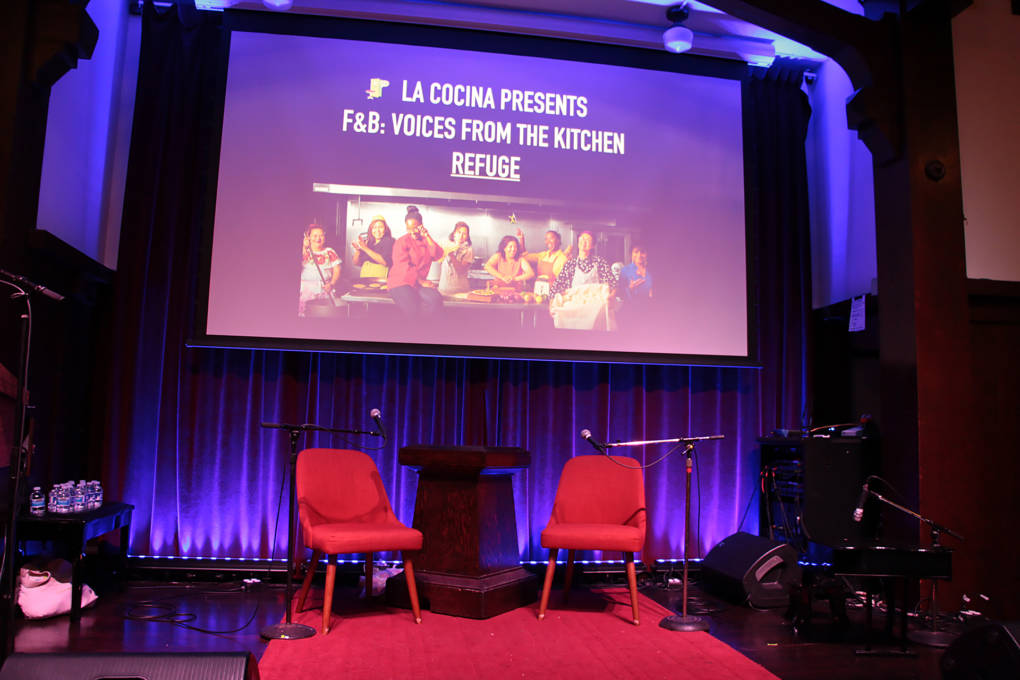
"caption": "La Cocina Presents F&B: Voices From The Kitchen - REFUGE",
"description": null,
"title": "IMG_8038-new",
"credit": "Wendy Goodfriend",
"status": "inherit",
"isLoading": false,
"fetchFailed": false
},
"bayareabites_121198": {
"type": "attachments",
"id": "bayareabites_121198",
"meta": {
"index": "attachments_1716263798",
"site": "bayareabites",
"id": "121198",
"found": true
},
"parent": 121197,
"imgSizes": {
"small": {
"file": "https://ww2.kqed.org/app/uploads/sites/24/2017/10/CooksCountry_16x9_01_KM-520x293.jpg",
"width": 520,
"mimeType": "image/jpeg",
"height": 293
},
"thumbnail": {
"file": "https://ww2.kqed.org/app/uploads/sites/24/2017/10/CooksCountry_16x9_01_KM-160x90.jpg",
"width": 160,
"mimeType": "image/jpeg",
"height": 90
},
"fd-sm": {
"file": "https://ww2.kqed.org/app/uploads/sites/24/2017/10/CooksCountry_16x9_01_KM-960x540.jpg",
"width": 960,
"mimeType": "image/jpeg",
"height": 540
},
"post-thumbnail": {
"file": "https://ww2.kqed.org/app/uploads/sites/24/2017/10/CooksCountry_16x9_01_KM-672x372.jpg",
"width": 672,
"mimeType": "image/jpeg",
"height": 372
},
"xsmall": {
"file": "https://ww2.kqed.org/app/uploads/sites/24/2017/10/CooksCountry_16x9_01_KM-375x211.jpg",
"width": 375,
"mimeType": "image/jpeg",
"height": 211
},
"kqedFullSize": {
"file": "https://ww2.kqed.org/app/uploads/sites/24/2017/10/CooksCountry_16x9_01_KM.jpg",
"width": 1000,
"height": 563
},
"guest-author-50": {
"file": "https://ww2.kqed.org/app/uploads/sites/24/2017/10/CooksCountry_16x9_01_KM-50x50.jpg",
"width": 50,
"mimeType": "image/jpeg",
"height": 50
},
"guest-author-96": {
"file": "https://ww2.kqed.org/app/uploads/sites/24/2017/10/CooksCountry_16x9_01_KM-96x96.jpg",
"width": 96,
"mimeType": "image/jpeg",
"height": 96
},
"medium": {
"file": "https://ww2.kqed.org/app/uploads/sites/24/2017/10/CooksCountry_16x9_01_KM-800x450.jpg",
"width": 800,
"mimeType": "image/jpeg",
"height": 450
},
"guest-author-64": {
"file": "https://ww2.kqed.org/app/uploads/sites/24/2017/10/CooksCountry_16x9_01_KM-64x64.jpg",
"width": 64,
"mimeType": "image/jpeg",
"height": 64
},
"guest-author-32": {
"file": "https://ww2.kqed.org/app/uploads/sites/24/2017/10/CooksCountry_16x9_01_KM-32x32.jpg",
"width": 32,
"mimeType": "image/jpeg",
"height": 32
},
"detail": {
"file": "https://ww2.kqed.org/app/uploads/sites/24/2017/10/CooksCountry_16x9_01_KM-150x150.jpg",
"width": 150,
"mimeType": "image/jpeg",
"height": 150
},
"medium_large": {
"file": "https://ww2.kqed.org/app/uploads/sites/24/2017/10/CooksCountry_16x9_01_KM-768x432.jpg",
"width": 768,
"mimeType": "image/jpeg",
"height": 432
},
"guest-author-128": {
"file": "https://ww2.kqed.org/app/uploads/sites/24/2017/10/CooksCountry_16x9_01_KM-128x128.jpg",
"width": 128,
"mimeType": "image/jpeg",
"height": 128
},
"xxsmall": {
"file": "https://ww2.kqed.org/app/uploads/sites/24/2017/10/CooksCountry_16x9_01_KM-240x135.jpg",
"width": 240,
"mimeType": "image/jpeg",
"height": 135
}
},
"publishDate": 1507144621,
"modified": 1507144644,
"caption": null,
"description": null,
"title": "CooksCountry_16x9_01_KM",
"credit": null,
"status": "inherit",
"isLoading": false,
"fetchFailed": false
},
"bayareabites_120118": {
"type": "attachments",
"id": "bayareabites_120118",
"meta": {
"index": "attachments_1716263798",
"site": "bayareabites",
"id": "120118",
"found": true
},
"parent": 120033,
"imgSizes": {
"small": {
"file": "https://ww2.kqed.org/app/uploads/sites/24/2017/08/1-sandwiches-520x316.jpg",
"width": 520,
"mimeType": "image/jpeg",
"height": 316
},
"twentyfourteen-full-width": {
"file": "https://ww2.kqed.org/app/uploads/sites/24/2017/08/1-sandwiches-1038x576.jpg",
"width": 1038,
"mimeType": "image/jpeg",
"height": 576
},
"thumbnail": {
"file": "https://ww2.kqed.org/app/uploads/sites/24/2017/08/1-sandwiches-160x97.jpg",
"width": 160,
"mimeType": "image/jpeg",
"height": 97
},
"fd-sm": {
"file": "https://ww2.kqed.org/app/uploads/sites/24/2017/08/1-sandwiches-960x584.jpg",
"width": 960,
"mimeType": "image/jpeg",
"height": 584
},
"post-thumbnail": {
"file": "https://ww2.kqed.org/app/uploads/sites/24/2017/08/1-sandwiches-672x372.jpg",
"width": 672,
"mimeType": "image/jpeg",
"height": 372
},
"xsmall": {
"file": "https://ww2.kqed.org/app/uploads/sites/24/2017/08/1-sandwiches-375x228.jpg",
"width": 375,
"mimeType": "image/jpeg",
"height": 228
},
"kqedFullSize": {
"file": "https://ww2.kqed.org/app/uploads/sites/24/2017/08/1-sandwiches.jpg",
"width": 3264,
"height": 1986
},
"large": {
"file": "https://ww2.kqed.org/app/uploads/sites/24/2017/08/1-sandwiches-1020x621.jpg",
"width": 1020,
"mimeType": "image/jpeg",
"height": 621
},
"xlarge": {
"file": "https://ww2.kqed.org/app/uploads/sites/24/2017/08/1-sandwiches-1180x718.jpg",
"width": 1180,
"mimeType": "image/jpeg",
"height": 718
},
"guest-author-50": {
"file": "https://ww2.kqed.org/app/uploads/sites/24/2017/08/1-sandwiches-50x50.jpg",
"width": 50,
"mimeType": "image/jpeg",
"height": 50
},
"guest-author-96": {
"file": "https://ww2.kqed.org/app/uploads/sites/24/2017/08/1-sandwiches-96x96.jpg",
"width": 96,
"mimeType": "image/jpeg",
"height": 96
},
"medium": {
"file": "https://ww2.kqed.org/app/uploads/sites/24/2017/08/1-sandwiches-800x487.jpg",
"width": 800,
"mimeType": "image/jpeg",
"height": 487
},
"guest-author-64": {
"file": "https://ww2.kqed.org/app/uploads/sites/24/2017/08/1-sandwiches-64x64.jpg",
"width": 64,
"mimeType": "image/jpeg",
"height": 64
},
"guest-author-32": {
"file": "https://ww2.kqed.org/app/uploads/sites/24/2017/08/1-sandwiches-32x32.jpg",
"width": 32,
"mimeType": "image/jpeg",
"height": 32
},
"fd-lrg": {
"file": "https://ww2.kqed.org/app/uploads/sites/24/2017/08/1-sandwiches-1920x1168.jpg",
"width": 1920,
"mimeType": "image/jpeg",
"height": 1168
},
"fd-med": {
"file": "https://ww2.kqed.org/app/uploads/sites/24/2017/08/1-sandwiches-1180x718.jpg",
"width": 1180,
"mimeType": "image/jpeg",
"height": 718
},
"full-width": {
"file": "https://ww2.kqed.org/app/uploads/sites/24/2017/08/1-sandwiches-1920x1168.jpg",
"width": 1920,
"mimeType": "image/jpeg",
"height": 1168
},
"detail": {
"file": "https://ww2.kqed.org/app/uploads/sites/24/2017/08/1-sandwiches-150x150.jpg",
"width": 150,
"mimeType": "image/jpeg",
"height": 150
},
"medium_large": {
"file": "https://ww2.kqed.org/app/uploads/sites/24/2017/08/1-sandwiches-768x467.jpg",
"width": 768,
"mimeType": "image/jpeg",
"height": 467
},
"guest-author-128": {
"file": "https://ww2.kqed.org/app/uploads/sites/24/2017/08/1-sandwiches-128x128.jpg",
"width": 128,
"mimeType": "image/jpeg",
"height": 128
},
"xxsmall": {
"file": "https://ww2.kqed.org/app/uploads/sites/24/2017/08/1-sandwiches-240x146.jpg",
"width": 240,
"mimeType": "image/jpeg",
"height": 146
}
},
"publishDate": 1503423722,
"modified": 1503575141,
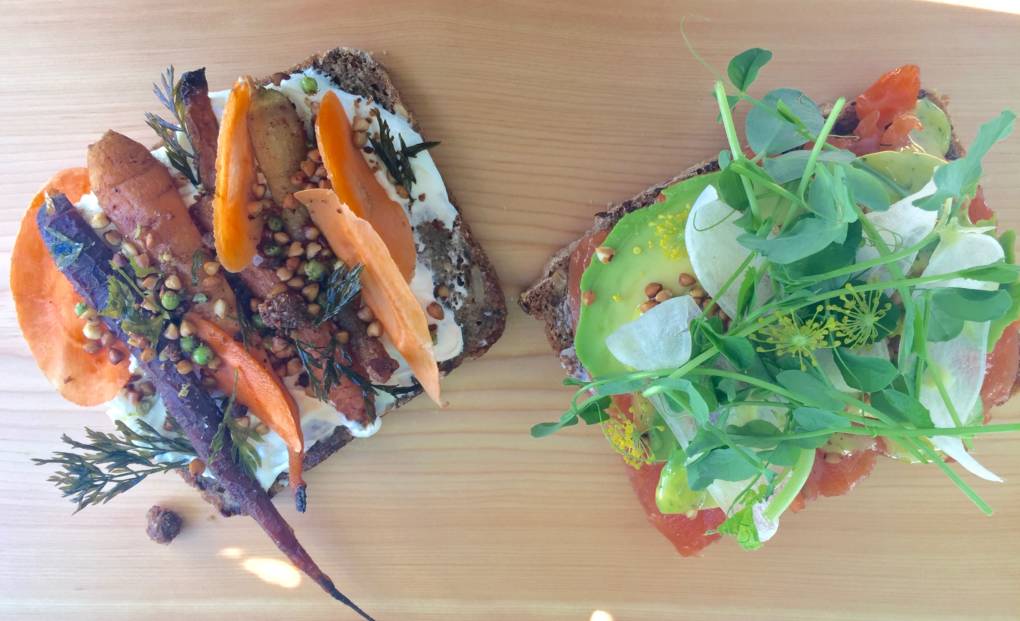
"caption": "(L) Roasted pomegranate-cured carrots, toasted buckwheat, tahini and lebna, crispy carrot greens and (R) salmon, avocado, icicle radishes, micro greens, dill honey mustard, flowering fennel. Both smørrebrød sandwiches created by Kristen Rasmussen on her homemade rye bread.",
"description": null,
"title": "1 sandwiches",
"credit": "Anna Mindess",
"status": "inherit",
"isLoading": false,
"fetchFailed": false
},
"bayareabites_120087": {
"type": "attachments",
"id": "bayareabites_120087",
"meta": {
"index": "attachments_1716263798",
"site": "bayareabites",
"id": "120087",
"found": true
},
"parent": 120082,
"imgSizes": {
"small": {
"file": "https://ww2.kqed.org/app/uploads/sites/24/2017/08/bm1-520x675.jpg",
"width": 520,
"mimeType": "image/jpeg",
"height": 675
},
"twentyfourteen-full-width": {
"file": "https://ww2.kqed.org/app/uploads/sites/24/2017/08/bm1-1038x576.jpg",
"width": 1038,
"mimeType": "image/jpeg",
"height": 576
},
"thumbnail": {
"file": "https://ww2.kqed.org/app/uploads/sites/24/2017/08/bm1-160x208.jpg",
"width": 160,
"mimeType": "image/jpeg",
"height": 208
},
"fd-sm": {
"file": "https://ww2.kqed.org/app/uploads/sites/24/2017/08/bm1-960x1246.jpg",
"width": 960,
"mimeType": "image/jpeg",
"height": 1246
},
"post-thumbnail": {
"file": "https://ww2.kqed.org/app/uploads/sites/24/2017/08/bm1-672x372.jpg",
"width": 672,
"mimeType": "image/jpeg",
"height": 372
},
"xsmall": {
"file": "https://ww2.kqed.org/app/uploads/sites/24/2017/08/bm1-375x487.jpg",
"width": 375,
"mimeType": "image/jpeg",
"height": 487
},
"kqedFullSize": {
"file": "https://ww2.kqed.org/app/uploads/sites/24/2017/08/bm1.jpg",
"width": 1516,
"height": 1968
},
"large": {
"file": "https://ww2.kqed.org/app/uploads/sites/24/2017/08/bm1-1020x1324.jpg",
"width": 1020,
"mimeType": "image/jpeg",
"height": 1324
},
"xlarge": {
"file": "https://ww2.kqed.org/app/uploads/sites/24/2017/08/bm1-1180x1532.jpg",
"width": 1180,
"mimeType": "image/jpeg",
"height": 1532
},
"guest-author-50": {
"file": "https://ww2.kqed.org/app/uploads/sites/24/2017/08/bm1-50x50.jpg",
"width": 50,
"mimeType": "image/jpeg",
"height": 50
},
"guest-author-96": {
"file": "https://ww2.kqed.org/app/uploads/sites/24/2017/08/bm1-96x96.jpg",
"width": 96,
"mimeType": "image/jpeg",
"height": 96
},
"medium": {
"file": "https://ww2.kqed.org/app/uploads/sites/24/2017/08/bm1-800x1039.jpg",
"width": 800,
"mimeType": "image/jpeg",
"height": 1039
},
"guest-author-64": {
"file": "https://ww2.kqed.org/app/uploads/sites/24/2017/08/bm1-64x64.jpg",
"width": 64,
"mimeType": "image/jpeg",
"height": 64
},
"guest-author-32": {
"file": "https://ww2.kqed.org/app/uploads/sites/24/2017/08/bm1-32x32.jpg",
"width": 32,
"mimeType": "image/jpeg",
"height": 32
},
"fd-med": {
"file": "https://ww2.kqed.org/app/uploads/sites/24/2017/08/bm1-1180x1532.jpg",
"width": 1180,
"mimeType": "image/jpeg",
"height": 1532
},
"detail": {
"file": "https://ww2.kqed.org/app/uploads/sites/24/2017/08/bm1-150x150.jpg",
"width": 150,
"mimeType": "image/jpeg",
"height": 150
},
"medium_large": {
"file": "https://ww2.kqed.org/app/uploads/sites/24/2017/08/bm1-768x997.jpg",
"width": 768,
"mimeType": "image/jpeg",
"height": 997
},
"guest-author-128": {
"file": "https://ww2.kqed.org/app/uploads/sites/24/2017/08/bm1-128x128.jpg",
"width": 128,
"mimeType": "image/jpeg",
"height": 128
},
"xxsmall": {
"file": "https://ww2.kqed.org/app/uploads/sites/24/2017/08/bm1-240x312.jpg",
"width": 240,
"mimeType": "image/jpeg",
"height": 312
}
},
"publishDate": 1503368520,
"modified": 1503368652,
"caption": "Sardines are a playa powder food",
"description": null,
"title": "bm#1",
"credit": "Lila Volkas",
"status": "inherit",
"isLoading": false,
"fetchFailed": false
},
"bayareabites_117635": {
"type": "attachments",
"id": "bayareabites_117635",
"meta": {
"index": "attachments_1716263798",
"site": "bayareabites",
"id": "117635",
"found": true
},
"parent": 117580,
"imgSizes": {
"small": {
"file": "https://ww2.kqed.org/app/uploads/sites/24/2017/05/7-Hodos-tofu-cubes-photo-Quincy-Stamper-NEW-520x346.jpg",
"width": 520,
"mimeType": "image/jpeg",
"height": 346
},
"twentyfourteen-full-width": {
"file": "https://ww2.kqed.org/app/uploads/sites/24/2017/05/7-Hodos-tofu-cubes-photo-Quincy-Stamper-NEW-1038x576.jpg",
"width": 1038,
"mimeType": "image/jpeg",
"height": 576
},
"thumbnail": {
"file": "https://ww2.kqed.org/app/uploads/sites/24/2017/05/7-Hodos-tofu-cubes-photo-Quincy-Stamper-NEW-160x107.jpg",
"width": 160,
"mimeType": "image/jpeg",
"height": 107
},
"fd-sm": {
"file": "https://ww2.kqed.org/app/uploads/sites/24/2017/05/7-Hodos-tofu-cubes-photo-Quincy-Stamper-NEW-960x640.jpg",
"width": 960,
"mimeType": "image/jpeg",
"height": 640
},
"post-thumbnail": {
"file": "https://ww2.kqed.org/app/uploads/sites/24/2017/05/7-Hodos-tofu-cubes-photo-Quincy-Stamper-NEW-672x372.jpg",
"width": 672,
"mimeType": "image/jpeg",
"height": 372
},
"xsmall": {
"file": "https://ww2.kqed.org/app/uploads/sites/24/2017/05/7-Hodos-tofu-cubes-photo-Quincy-Stamper-NEW-375x250.jpg",
"width": 375,
"mimeType": "image/jpeg",
"height": 250
},
"kqedFullSize": {
"file": "https://ww2.kqed.org/app/uploads/sites/24/2017/05/7-Hodos-tofu-cubes-photo-Quincy-Stamper-NEW.jpg",
"width": 1600,
"height": 1066
},
"large": {
"file": "https://ww2.kqed.org/app/uploads/sites/24/2017/05/7-Hodos-tofu-cubes-photo-Quincy-Stamper-NEW-1020x680.jpg",
"width": 1020,
"mimeType": "image/jpeg",
"height": 680
},
"xlarge": {
"file": "https://ww2.kqed.org/app/uploads/sites/24/2017/05/7-Hodos-tofu-cubes-photo-Quincy-Stamper-NEW-1180x786.jpg",
"width": 1180,
"mimeType": "image/jpeg",
"height": 786
},
"guest-author-50": {
"file": "https://ww2.kqed.org/app/uploads/sites/24/2017/05/7-Hodos-tofu-cubes-photo-Quincy-Stamper-NEW-50x50.jpg",
"width": 50,
"mimeType": "image/jpeg",
"height": 50
},
"guest-author-96": {
"file": "https://ww2.kqed.org/app/uploads/sites/24/2017/05/7-Hodos-tofu-cubes-photo-Quincy-Stamper-NEW-96x96.jpg",
"width": 96,
"mimeType": "image/jpeg",
"height": 96
},
"medium": {
"file": "https://ww2.kqed.org/app/uploads/sites/24/2017/05/7-Hodos-tofu-cubes-photo-Quincy-Stamper-NEW-800x533.jpg",
"width": 800,
"mimeType": "image/jpeg",
"height": 533
},
"guest-author-64": {
"file": "https://ww2.kqed.org/app/uploads/sites/24/2017/05/7-Hodos-tofu-cubes-photo-Quincy-Stamper-NEW-64x64.jpg",
"width": 64,
"mimeType": "image/jpeg",
"height": 64
},
"guest-author-32": {
"file": "https://ww2.kqed.org/app/uploads/sites/24/2017/05/7-Hodos-tofu-cubes-photo-Quincy-Stamper-NEW-32x32.jpg",
"width": 32,
"mimeType": "image/jpeg",
"height": 32
},
"fd-med": {
"file": "https://ww2.kqed.org/app/uploads/sites/24/2017/05/7-Hodos-tofu-cubes-photo-Quincy-Stamper-NEW-1180x786.jpg",
"width": 1180,
"mimeType": "image/jpeg",
"height": 786
},
"detail": {
"file": "https://ww2.kqed.org/app/uploads/sites/24/2017/05/7-Hodos-tofu-cubes-photo-Quincy-Stamper-NEW-150x150.jpg",
"width": 150,
"mimeType": "image/jpeg",
"height": 150
},
"medium_large": {
"file": "https://ww2.kqed.org/app/uploads/sites/24/2017/05/7-Hodos-tofu-cubes-photo-Quincy-Stamper-NEW-768x512.jpg",
"width": 768,
"mimeType": "image/jpeg",
"height": 512
},
"guest-author-128": {
"file": "https://ww2.kqed.org/app/uploads/sites/24/2017/05/7-Hodos-tofu-cubes-photo-Quincy-Stamper-NEW-128x128.jpg",
"width": 128,
"mimeType": "image/jpeg",
"height": 128
},
"xxsmall": {
"file": "https://ww2.kqed.org/app/uploads/sites/24/2017/05/7-Hodos-tofu-cubes-photo-Quincy-Stamper-NEW-240x160.jpg",
"width": 240,
"mimeType": "image/jpeg",
"height": 160
}
},
"publishDate": 1495506027,
"modified": 1495506951,
"caption": "Minimalist preparation lets flavor of Hodo's fresh tofu shine through.",
"description": null,
"title": "7 Hodo's tofu cubes photo Quincy Stamper-NEW",
"credit": "Quincy Stamper, Asian Art Museum",
"status": "inherit",
"isLoading": false,
"fetchFailed": false
},
"bayareabites_116824": {
"type": "attachments",
"id": "bayareabites_116824",
"meta": {
"index": "attachments_1716263798",
"site": "bayareabites",
"id": "116824",
"found": true
},
"parent": 116823,
"imgSizes": {
"small": {
"file": "https://ww2.kqed.org/app/uploads/sites/24/2017/04/FOT_1956_Farallones-Institute-Group-Photo-1970s-520x414.jpg",
"width": 520,
"mimeType": "image/jpeg",
"height": 414
},
"twentyfourteen-full-width": {
"file": "https://ww2.kqed.org/app/uploads/sites/24/2017/04/FOT_1956_Farallones-Institute-Group-Photo-1970s-1038x576.jpg",
"width": 1038,
"mimeType": "image/jpeg",
"height": 576
},
"thumbnail": {
"file": "https://ww2.kqed.org/app/uploads/sites/24/2017/04/FOT_1956_Farallones-Institute-Group-Photo-1970s-160x127.jpg",
"width": 160,
"mimeType": "image/jpeg",
"height": 127
},
"fd-sm": {
"file": "https://ww2.kqed.org/app/uploads/sites/24/2017/04/FOT_1956_Farallones-Institute-Group-Photo-1970s-960x764.jpg",
"width": 960,
"mimeType": "image/jpeg",
"height": 764
},
"post-thumbnail": {
"file": "https://ww2.kqed.org/app/uploads/sites/24/2017/04/FOT_1956_Farallones-Institute-Group-Photo-1970s-672x372.jpg",
"width": 672,
"mimeType": "image/jpeg",
"height": 372
},
"xsmall": {
"file": "https://ww2.kqed.org/app/uploads/sites/24/2017/04/FOT_1956_Farallones-Institute-Group-Photo-1970s-375x298.jpg",
"width": 375,
"mimeType": "image/jpeg",
"height": 298
},
"kqedFullSize": {
"file": "https://ww2.kqed.org/app/uploads/sites/24/2017/04/FOT_1956_Farallones-Institute-Group-Photo-1970s.jpg",
"width": 1400,
"height": 1114
},
"large": {
"file": "https://ww2.kqed.org/app/uploads/sites/24/2017/04/FOT_1956_Farallones-Institute-Group-Photo-1970s-1020x812.jpg",
"width": 1020,
"mimeType": "image/jpeg",
"height": 812
},
"xlarge": {
"file": "https://ww2.kqed.org/app/uploads/sites/24/2017/04/FOT_1956_Farallones-Institute-Group-Photo-1970s-1180x939.jpg",
"width": 1180,
"mimeType": "image/jpeg",
"height": 939
},
"guest-author-50": {
"file": "https://ww2.kqed.org/app/uploads/sites/24/2017/04/FOT_1956_Farallones-Institute-Group-Photo-1970s-50x50.jpg",
"width": 50,
"mimeType": "image/jpeg",
"height": 50
},
"guest-author-96": {
"file": "https://ww2.kqed.org/app/uploads/sites/24/2017/04/FOT_1956_Farallones-Institute-Group-Photo-1970s-96x96.jpg",
"width": 96,
"mimeType": "image/jpeg",
"height": 96
},
"medium": {
"file": "https://ww2.kqed.org/app/uploads/sites/24/2017/04/FOT_1956_Farallones-Institute-Group-Photo-1970s-800x637.jpg",
"width": 800,
"mimeType": "image/jpeg",
"height": 637
},
"guest-author-64": {
"file": "https://ww2.kqed.org/app/uploads/sites/24/2017/04/FOT_1956_Farallones-Institute-Group-Photo-1970s-64x64.jpg",
"width": 64,
"mimeType": "image/jpeg",
"height": 64
},
"guest-author-32": {
"file": "https://ww2.kqed.org/app/uploads/sites/24/2017/04/FOT_1956_Farallones-Institute-Group-Photo-1970s-32x32.jpg",
"width": 32,
"mimeType": "image/jpeg",
"height": 32
},
"fd-med": {
"file": "https://ww2.kqed.org/app/uploads/sites/24/2017/04/FOT_1956_Farallones-Institute-Group-Photo-1970s-1180x939.jpg",
"width": 1180,
"mimeType": "image/jpeg",
"height": 939
},
"detail": {
"file": "https://ww2.kqed.org/app/uploads/sites/24/2017/04/FOT_1956_Farallones-Institute-Group-Photo-1970s-150x150.jpg",
"width": 150,
"mimeType": "image/jpeg",
"height": 150
},
"medium_large": {
"file": "https://ww2.kqed.org/app/uploads/sites/24/2017/04/FOT_1956_Farallones-Institute-Group-Photo-1970s-768x611.jpg",
"width": 768,
"mimeType": "image/jpeg",
"height": 611
},
"guest-author-128": {
"file": "https://ww2.kqed.org/app/uploads/sites/24/2017/04/FOT_1956_Farallones-Institute-Group-Photo-1970s-128x128.jpg",
"width": 128,
"mimeType": "image/jpeg",
"height": 128
},
"xxsmall": {
"file": "https://ww2.kqed.org/app/uploads/sites/24/2017/04/FOT_1956_Farallones-Institute-Group-Photo-1970s-240x191.jpg",
"width": 240,
"mimeType": "image/jpeg",
"height": 191
}
},
"publishDate": 1492453706,
"modified": 1492453767,
"caption": "Farollones Institute Group Photo 1970s; courtesy Mark Kitchell's Evolution of Organic",
"description": null,
"title": "FOT_1956_Farallones Institute - Group Photo - 1970s",
"credit": null,
"status": "inherit",
"isLoading": false,
"fetchFailed": false
},
"bayareabites_116768": {
"type": "attachments",
"id": "bayareabites_116768",
"meta": {
"index": "attachments_1716263798",
"site": "bayareabites",
"id": "116768",
"found": true
},
"parent": 116718,
"imgSizes": {
"small": {
"file": "https://ww2.kqed.org/app/uploads/sites/24/2017/04/1-PKC-NEW-520x375.jpg",
"width": 520,
"mimeType": "image/jpeg",
"height": 375
},
"twentyfourteen-full-width": {
"file": "https://ww2.kqed.org/app/uploads/sites/24/2017/04/1-PKC-NEW-1038x576.jpg",
"width": 1038,
"mimeType": "image/jpeg",
"height": 576
},
"thumbnail": {
"file": "https://ww2.kqed.org/app/uploads/sites/24/2017/04/1-PKC-NEW-160x115.jpg",
"width": 160,
"mimeType": "image/jpeg",
"height": 115
},
"fd-sm": {
"file": "https://ww2.kqed.org/app/uploads/sites/24/2017/04/1-PKC-NEW-960x692.jpg",
"width": 960,
"mimeType": "image/jpeg",
"height": 692
},
"post-thumbnail": {
"file": "https://ww2.kqed.org/app/uploads/sites/24/2017/04/1-PKC-NEW-672x372.jpg",
"width": 672,
"mimeType": "image/jpeg",
"height": 372
},
"xsmall": {
"file": "https://ww2.kqed.org/app/uploads/sites/24/2017/04/1-PKC-NEW-375x270.jpg",
"width": 375,
"mimeType": "image/jpeg",
"height": 270
},
"kqedFullSize": {
"file": "https://ww2.kqed.org/app/uploads/sites/24/2017/04/1-PKC-NEW.jpg",
"width": 1920,
"height": 1384
},
"large": {
"file": "https://ww2.kqed.org/app/uploads/sites/24/2017/04/1-PKC-NEW-1020x735.jpg",
"width": 1020,
"mimeType": "image/jpeg",
"height": 735
},
"xlarge": {
"file": "https://ww2.kqed.org/app/uploads/sites/24/2017/04/1-PKC-NEW-1180x851.jpg",
"width": 1180,
"mimeType": "image/jpeg",
"height": 851
},
"guest-author-50": {
"file": "https://ww2.kqed.org/app/uploads/sites/24/2017/04/1-PKC-NEW-50x50.jpg",
"width": 50,
"mimeType": "image/jpeg",
"height": 50
},
"guest-author-96": {
"file": "https://ww2.kqed.org/app/uploads/sites/24/2017/04/1-PKC-NEW-96x96.jpg",
"width": 96,
"mimeType": "image/jpeg",
"height": 96
},
"medium": {
"file": "https://ww2.kqed.org/app/uploads/sites/24/2017/04/1-PKC-NEW-800x577.jpg",
"width": 800,
"mimeType": "image/jpeg",
"height": 577
},
"guest-author-64": {
"file": "https://ww2.kqed.org/app/uploads/sites/24/2017/04/1-PKC-NEW-64x64.jpg",
"width": 64,
"mimeType": "image/jpeg",
"height": 64
},
"guest-author-32": {
"file": "https://ww2.kqed.org/app/uploads/sites/24/2017/04/1-PKC-NEW-32x32.jpg",
"width": 32,
"mimeType": "image/jpeg",
"height": 32
},
"fd-lrg": {
"file": "https://ww2.kqed.org/app/uploads/sites/24/2017/04/1-PKC-NEW-1920x1384.jpg",
"width": 1920,
"mimeType": "image/jpeg",
"height": 1384
},
"fd-med": {
"file": "https://ww2.kqed.org/app/uploads/sites/24/2017/04/1-PKC-NEW-1180x851.jpg",
"width": 1180,
"mimeType": "image/jpeg",
"height": 851
},
"full-width": {
"file": "https://ww2.kqed.org/app/uploads/sites/24/2017/04/1-PKC-NEW-1920x1384.jpg",
"width": 1920,
"mimeType": "image/jpeg",
"height": 1384
},
"detail": {
"file": "https://ww2.kqed.org/app/uploads/sites/24/2017/04/1-PKC-NEW-150x150.jpg",
"width": 150,
"mimeType": "image/jpeg",
"height": 150
},
"medium_large": {
"file": "https://ww2.kqed.org/app/uploads/sites/24/2017/04/1-PKC-NEW-768x554.jpg",
"width": 768,
"mimeType": "image/jpeg",
"height": 554
},
"guest-author-128": {
"file": "https://ww2.kqed.org/app/uploads/sites/24/2017/04/1-PKC-NEW-128x128.jpg",
"width": 128,
"mimeType": "image/jpeg",
"height": 128
},
"xxsmall": {
"file": "https://ww2.kqed.org/app/uploads/sites/24/2017/04/1-PKC-NEW-240x173.jpg",
"width": 240,
"mimeType": "image/jpeg",
"height": 173
}
},
"publishDate": 1492047682,
"modified": 1492049188,
"caption": "Saqib Keval, Sita Kuratomi Bhaumik and Jocelyn Jackson inspired the crowd with their words and songs.",
"description": null,
"title": "Saqib Keval, Sita Kuratomi Bhaumik and Jocelyn Jackson inspired the crowd with their words and songs.",
"credit": "Anna Mindess",
"status": "inherit",
"isLoading": false,
"fetchFailed": false
},
"bayareabites_116397": {
"type": "attachments",
"id": "bayareabites_116397",
"meta": {
"index": "attachments_1716263798",
"site": "bayareabites",
"id": "116397",
"found": true
},
"parent": 116328,
"imgSizes": {
"small": {
"file": "https://ww2.kqed.org/app/uploads/sites/24/2017/03/6-Orn-and-Sambath-NEW-520x398.jpg",
"width": 520,
"mimeType": "image/jpeg",
"height": 398
},
"twentyfourteen-full-width": {
"file": "https://ww2.kqed.org/app/uploads/sites/24/2017/03/6-Orn-and-Sambath-NEW-1038x576.jpg",
"width": 1038,
"mimeType": "image/jpeg",
"height": 576
},
"thumbnail": {
"file": "https://ww2.kqed.org/app/uploads/sites/24/2017/03/6-Orn-and-Sambath-NEW-160x123.jpg",
"width": 160,
"mimeType": "image/jpeg",
"height": 123
},
"fd-sm": {
"file": "https://ww2.kqed.org/app/uploads/sites/24/2017/03/6-Orn-and-Sambath-NEW-960x735.jpg",
"width": 960,
"mimeType": "image/jpeg",
"height": 735
},
"post-thumbnail": {
"file": "https://ww2.kqed.org/app/uploads/sites/24/2017/03/6-Orn-and-Sambath-NEW-672x372.jpg",
"width": 672,
"mimeType": "image/jpeg",
"height": 372
},
"xsmall": {
"file": "https://ww2.kqed.org/app/uploads/sites/24/2017/03/6-Orn-and-Sambath-NEW-375x287.jpg",
"width": 375,
"mimeType": "image/jpeg",
"height": 287
},
"kqedFullSize": {
"file": "https://ww2.kqed.org/app/uploads/sites/24/2017/03/6-Orn-and-Sambath-NEW.jpg",
"width": 1920,
"height": 1470
},
"large": {
"file": "https://ww2.kqed.org/app/uploads/sites/24/2017/03/6-Orn-and-Sambath-NEW-1020x781.jpg",
"width": 1020,
"mimeType": "image/jpeg",
"height": 781
},
"xlarge": {
"file": "https://ww2.kqed.org/app/uploads/sites/24/2017/03/6-Orn-and-Sambath-NEW-1180x903.jpg",
"width": 1180,
"mimeType": "image/jpeg",
"height": 903
},
"guest-author-50": {
"file": "https://ww2.kqed.org/app/uploads/sites/24/2017/03/6-Orn-and-Sambath-NEW-50x50.jpg",
"width": 50,
"mimeType": "image/jpeg",
"height": 50
},
"guest-author-96": {
"file": "https://ww2.kqed.org/app/uploads/sites/24/2017/03/6-Orn-and-Sambath-NEW-96x96.jpg",
"width": 96,
"mimeType": "image/jpeg",
"height": 96
},
"medium": {
"file": "https://ww2.kqed.org/app/uploads/sites/24/2017/03/6-Orn-and-Sambath-NEW-800x613.jpg",
"width": 800,
"mimeType": "image/jpeg",
"height": 613
},
"guest-author-64": {
"file": "https://ww2.kqed.org/app/uploads/sites/24/2017/03/6-Orn-and-Sambath-NEW-64x64.jpg",
"width": 64,
"mimeType": "image/jpeg",
"height": 64
},
"guest-author-32": {
"file": "https://ww2.kqed.org/app/uploads/sites/24/2017/03/6-Orn-and-Sambath-NEW-32x32.jpg",
"width": 32,
"mimeType": "image/jpeg",
"height": 32
},
"fd-lrg": {
"file": "https://ww2.kqed.org/app/uploads/sites/24/2017/03/6-Orn-and-Sambath-NEW-1920x1470.jpg",
"width": 1920,
"mimeType": "image/jpeg",
"height": 1470
},
"fd-med": {
"file": "https://ww2.kqed.org/app/uploads/sites/24/2017/03/6-Orn-and-Sambath-NEW-1180x903.jpg",
"width": 1180,
"mimeType": "image/jpeg",
"height": 903
},
"full-width": {
"file": "https://ww2.kqed.org/app/uploads/sites/24/2017/03/6-Orn-and-Sambath-NEW-1920x1470.jpg",
"width": 1920,
"mimeType": "image/jpeg",
"height": 1470
},
"detail": {
"file": "https://ww2.kqed.org/app/uploads/sites/24/2017/03/6-Orn-and-Sambath-NEW-150x150.jpg",
"width": 150,
"mimeType": "image/jpeg",
"height": 150
},
"medium_large": {
"file": "https://ww2.kqed.org/app/uploads/sites/24/2017/03/6-Orn-and-Sambath-NEW-768x588.jpg",
"width": 768,
"mimeType": "image/jpeg",
"height": 588
},
"guest-author-128": {
"file": "https://ww2.kqed.org/app/uploads/sites/24/2017/03/6-Orn-and-Sambath-NEW-128x128.jpg",
"width": 128,
"mimeType": "image/jpeg",
"height": 128
},
"xxsmall": {
"file": "https://ww2.kqed.org/app/uploads/sites/24/2017/03/6-Orn-and-Sambath-NEW-240x184.jpg",
"width": 240,
"mimeType": "image/jpeg",
"height": 184
}
},
"publishDate": 1490733736,
"modified": 1490739536,
"caption": "Orn Sok and Sambath Ky are refugees from Cambodia, who have been been working at a small cafe in Oakland making American food for years. They want to cook Cambodian dishes, like this chicken stuffed with lemon grass, pork and tamarind and papaya glass noodle salad. They will also be cooking at the April 9th event.",
"description": null,
"title": "#6-Orn-and-Sambath-NEW",
"credit": "Anna Mindess",
"status": "inherit",
"isLoading": false,
"fetchFailed": false
},
"bayareabites_116293": {
"type": "attachments",
"id": "bayareabites_116293",
"meta": {
"index": "attachments_1716263798",
"site": "bayareabites",
"id": "116293",
"found": true
},
"parent": 0,
"imgSizes": {
"small": {
"file": "https://ww2.kqed.org/app/uploads/sites/24/2017/03/DSC_2259-520x197.jpg",
"width": 520,
"mimeType": "image/jpeg",
"height": 197
},
"twentyfourteen-full-width": {
"file": "https://ww2.kqed.org/app/uploads/sites/24/2017/03/DSC_2259-1038x576.jpg",
"width": 1038,
"mimeType": "image/jpeg",
"height": 576
},
"thumbnail": {
"file": "https://ww2.kqed.org/app/uploads/sites/24/2017/03/DSC_2259-160x61.jpg",
"width": 160,
"mimeType": "image/jpeg",
"height": 61
},
"fd-sm": {
"file": "https://ww2.kqed.org/app/uploads/sites/24/2017/03/DSC_2259-960x365.jpg",
"width": 960,
"mimeType": "image/jpeg",
"height": 365
},
"post-thumbnail": {
"file": "https://ww2.kqed.org/app/uploads/sites/24/2017/03/DSC_2259-672x372.jpg",
"width": 672,
"mimeType": "image/jpeg",
"height": 372
},
"xsmall": {
"file": "https://ww2.kqed.org/app/uploads/sites/24/2017/03/DSC_2259-375x142.jpg",
"width": 375,
"mimeType": "image/jpeg",
"height": 142
},
"kqedFullSize": {
"file": "https://ww2.kqed.org/app/uploads/sites/24/2017/03/DSC_2259.jpg",
"width": 1920,
"height": 729
},
"large": {
"file": "https://ww2.kqed.org/app/uploads/sites/24/2017/03/DSC_2259-1020x387.jpg",
"width": 1020,
"mimeType": "image/jpeg",
"height": 387
},
"xlarge": {
"file": "https://ww2.kqed.org/app/uploads/sites/24/2017/03/DSC_2259-1180x448.jpg",
"width": 1180,
"mimeType": "image/jpeg",
"height": 448
},
"guest-author-50": {
"file": "https://ww2.kqed.org/app/uploads/sites/24/2017/03/DSC_2259-50x50.jpg",
"width": 50,
"mimeType": "image/jpeg",
"height": 50
},
"guest-author-96": {
"file": "https://ww2.kqed.org/app/uploads/sites/24/2017/03/DSC_2259-96x96.jpg",
"width": 96,
"mimeType": "image/jpeg",
"height": 96
},
"medium": {
"file": "https://ww2.kqed.org/app/uploads/sites/24/2017/03/DSC_2259-800x304.jpg",
"width": 800,
"mimeType": "image/jpeg",
"height": 304
},
"guest-author-64": {
"file": "https://ww2.kqed.org/app/uploads/sites/24/2017/03/DSC_2259-64x64.jpg",
"width": 64,
"mimeType": "image/jpeg",
"height": 64
},
"guest-author-32": {
"file": "https://ww2.kqed.org/app/uploads/sites/24/2017/03/DSC_2259-32x32.jpg",
"width": 32,
"mimeType": "image/jpeg",
"height": 32
},
"fd-lrg": {
"file": "https://ww2.kqed.org/app/uploads/sites/24/2017/03/DSC_2259-1920x729.jpg",
"width": 1920,
"mimeType": "image/jpeg",
"height": 729
},
"fd-med": {
"file": "https://ww2.kqed.org/app/uploads/sites/24/2017/03/DSC_2259-1180x448.jpg",
"width": 1180,
"mimeType": "image/jpeg",
"height": 448
},
"full-width": {
"file": "https://ww2.kqed.org/app/uploads/sites/24/2017/03/DSC_2259-1920x729.jpg",
"width": 1920,
"mimeType": "image/jpeg",
"height": 729
},
"detail": {
"file": "https://ww2.kqed.org/app/uploads/sites/24/2017/03/DSC_2259-150x150.jpg",
"width": 150,
"mimeType": "image/jpeg",
"height": 150
},
"medium_large": {
"file": "https://ww2.kqed.org/app/uploads/sites/24/2017/03/DSC_2259-768x292.jpg",
"width": 768,
"mimeType": "image/jpeg",
"height": 292
},
"guest-author-128": {
"file": "https://ww2.kqed.org/app/uploads/sites/24/2017/03/DSC_2259-128x128.jpg",
"width": 128,
"mimeType": "image/jpeg",
"height": 128
},
"xxsmall": {
"file": "https://ww2.kqed.org/app/uploads/sites/24/2017/03/DSC_2259-240x91.jpg",
"width": 240,
"mimeType": "image/jpeg",
"height": 91
}
},
"publishDate": 1490380868,
"modified": 1490381030,
"caption": "Panelists at the CUESA event \"Resist Together! Reframing the Food Movement.\"\n",
"description": "Panelists at the CUESA event \"Resist Together! Reframing the Food Movement.\"\n",
"title": "Panelists at the CUESA event \"Resist Together! Reframing the Food Movement.\"",
"credit": "Shelby Pope",
"status": "inherit",
"isLoading": false,
"fetchFailed": false
},
"bayareabites_115580": {
"type": "attachments",
"id": "bayareabites_115580",
"meta": {
"index": "attachments_1716263798",
"site": "bayareabites",
"id": "115580",
"found": true
},
"parent": 115571,
"imgSizes": {
"small": {
"file": "https://ww2.kqed.org/app/uploads/sites/24/2017/02/Good_Luck_Soup_1-520x331.jpg",
"width": 520,
"mimeType": "image/jpeg",
"height": 331
},
"twentyfourteen-full-width": {
"file": "https://ww2.kqed.org/app/uploads/sites/24/2017/02/Good_Luck_Soup_1-1038x576.jpg",
"width": 1038,
"mimeType": "image/jpeg",
"height": 576
},
"thumbnail": {
"file": "https://ww2.kqed.org/app/uploads/sites/24/2017/02/Good_Luck_Soup_1-160x102.jpg",
"width": 160,
"mimeType": "image/jpeg",
"height": 102
},
"fd-sm": {
"file": "https://ww2.kqed.org/app/uploads/sites/24/2017/02/Good_Luck_Soup_1-960x611.jpg",
"width": 960,
"mimeType": "image/jpeg",
"height": 611
},
"post-thumbnail": {
"file": "https://ww2.kqed.org/app/uploads/sites/24/2017/02/Good_Luck_Soup_1-672x372.jpg",
"width": 672,
"mimeType": "image/jpeg",
"height": 372
},
"xsmall": {
"file": "https://ww2.kqed.org/app/uploads/sites/24/2017/02/Good_Luck_Soup_1-375x239.jpg",
"width": 375,
"mimeType": "image/jpeg",
"height": 239
},
"kqedFullSize": {
"file": "https://ww2.kqed.org/app/uploads/sites/24/2017/02/Good_Luck_Soup_1.jpg",
"width": 3200,
"height": 2037
},
"large": {
"file": "https://ww2.kqed.org/app/uploads/sites/24/2017/02/Good_Luck_Soup_1-1020x649.jpg",
"width": 1020,
"mimeType": "image/jpeg",
"height": 649
},
"xlarge": {
"file": "https://ww2.kqed.org/app/uploads/sites/24/2017/02/Good_Luck_Soup_1-1180x751.jpg",
"width": 1180,
"mimeType": "image/jpeg",
"height": 751
},
"guest-author-50": {
"file": "https://ww2.kqed.org/app/uploads/sites/24/2017/02/Good_Luck_Soup_1-50x50.jpg",
"width": 50,
"mimeType": "image/jpeg",
"height": 50
},
"guest-author-96": {
"file": "https://ww2.kqed.org/app/uploads/sites/24/2017/02/Good_Luck_Soup_1-96x96.jpg",
"width": 96,
"mimeType": "image/jpeg",
"height": 96
},
"medium": {
"file": "https://ww2.kqed.org/app/uploads/sites/24/2017/02/Good_Luck_Soup_1-800x509.jpg",
"width": 800,
"mimeType": "image/jpeg",
"height": 509
},
"guest-author-64": {
"file": "https://ww2.kqed.org/app/uploads/sites/24/2017/02/Good_Luck_Soup_1-64x64.jpg",
"width": 64,
"mimeType": "image/jpeg",
"height": 64
},
"guest-author-32": {
"file": "https://ww2.kqed.org/app/uploads/sites/24/2017/02/Good_Luck_Soup_1-32x32.jpg",
"width": 32,
"mimeType": "image/jpeg",
"height": 32
},
"fd-lrg": {
"file": "https://ww2.kqed.org/app/uploads/sites/24/2017/02/Good_Luck_Soup_1-1920x1222.jpg",
"width": 1920,
"mimeType": "image/jpeg",
"height": 1222
},
"fd-med": {
"file": "https://ww2.kqed.org/app/uploads/sites/24/2017/02/Good_Luck_Soup_1-1180x751.jpg",
"width": 1180,
"mimeType": "image/jpeg",
"height": 751
},
"full-width": {
"file": "https://ww2.kqed.org/app/uploads/sites/24/2017/02/Good_Luck_Soup_1-1920x1222.jpg",
"width": 1920,
"mimeType": "image/jpeg",
"height": 1222
},
"detail": {
"file": "https://ww2.kqed.org/app/uploads/sites/24/2017/02/Good_Luck_Soup_1-150x150.jpg",
"width": 150,
"mimeType": "image/jpeg",
"height": 150
},
"medium_large": {
"file": "https://ww2.kqed.org/app/uploads/sites/24/2017/02/Good_Luck_Soup_1-768x489.jpg",
"width": 768,
"mimeType": "image/jpeg",
"height": 489
},
"guest-author-128": {
"file": "https://ww2.kqed.org/app/uploads/sites/24/2017/02/Good_Luck_Soup_1-128x128.jpg",
"width": 128,
"mimeType": "image/jpeg",
"height": 128
},
"xxsmall": {
"file": "https://ww2.kqed.org/app/uploads/sites/24/2017/02/Good_Luck_Soup_1-240x153.jpg",
"width": 240,
"mimeType": "image/jpeg",
"height": 153
}
},
"publishDate": 1488221666,
"modified": 1488221692,
"caption": "Good Luck Soup's Eva Hashiguchi",
"description": null,
"title": "Good_Luck_Soup_1",
"credit": null,
"status": "inherit",
"isLoading": false,
"fetchFailed": false
},
"bayareabites_114883": {
"type": "attachments",
"id": "bayareabites_114883",
"meta": {
"index": "attachments_1716263798",
"site": "bayareabites",
"id": "114883",
"found": true
},
"parent": 114882,
"imgSizes": {
"small": {
"file": "https://ww2.kqed.org/app/uploads/sites/24/2017/01/ap_17025695411190_custom-9723c25e169a6fd8f2e4979a467ffc5205898bc3-520x347.jpg",
"width": 520,
"mimeType": "image/jpeg",
"height": 347
},
"twentyfourteen-full-width": {
"file": "https://ww2.kqed.org/app/uploads/sites/24/2017/01/ap_17025695411190_custom-9723c25e169a6fd8f2e4979a467ffc5205898bc3-1038x576.jpg",
"width": 1038,
"mimeType": "image/jpeg",
"height": 576
},
"thumbnail": {
"file": "https://ww2.kqed.org/app/uploads/sites/24/2017/01/ap_17025695411190_custom-9723c25e169a6fd8f2e4979a467ffc5205898bc3-160x107.jpg",
"width": 160,
"mimeType": "image/jpeg",
"height": 107
},
"fd-sm": {
"file": "https://ww2.kqed.org/app/uploads/sites/24/2017/01/ap_17025695411190_custom-9723c25e169a6fd8f2e4979a467ffc5205898bc3-960x640.jpg",
"width": 960,
"mimeType": "image/jpeg",
"height": 640
},
"post-thumbnail": {
"file": "https://ww2.kqed.org/app/uploads/sites/24/2017/01/ap_17025695411190_custom-9723c25e169a6fd8f2e4979a467ffc5205898bc3-672x372.jpg",
"width": 672,
"mimeType": "image/jpeg",
"height": 372
},
"xsmall": {
"file": "https://ww2.kqed.org/app/uploads/sites/24/2017/01/ap_17025695411190_custom-9723c25e169a6fd8f2e4979a467ffc5205898bc3-375x250.jpg",
"width": 375,
"mimeType": "image/jpeg",
"height": 250
},
"kqedFullSize": {
"file": "https://ww2.kqed.org/app/uploads/sites/24/2017/01/ap_17025695411190_custom-9723c25e169a6fd8f2e4979a467ffc5205898bc3.jpg",
"width": 4982,
"height": 3321
},
"large": {
"file": "https://ww2.kqed.org/app/uploads/sites/24/2017/01/ap_17025695411190_custom-9723c25e169a6fd8f2e4979a467ffc5205898bc3-1020x680.jpg",
"width": 1020,
"mimeType": "image/jpeg",
"height": 680
},
"xlarge": {
"file": "https://ww2.kqed.org/app/uploads/sites/24/2017/01/ap_17025695411190_custom-9723c25e169a6fd8f2e4979a467ffc5205898bc3-1180x787.jpg",
"width": 1180,
"mimeType": "image/jpeg",
"height": 787
},
"guest-author-50": {
"file": "https://ww2.kqed.org/app/uploads/sites/24/2017/01/ap_17025695411190_custom-9723c25e169a6fd8f2e4979a467ffc5205898bc3-50x50.jpg",
"width": 50,
"mimeType": "image/jpeg",
"height": 50
},
"guest-author-96": {
"file": "https://ww2.kqed.org/app/uploads/sites/24/2017/01/ap_17025695411190_custom-9723c25e169a6fd8f2e4979a467ffc5205898bc3-96x96.jpg",
"width": 96,
"mimeType": "image/jpeg",
"height": 96
},
"medium": {
"file": "https://ww2.kqed.org/app/uploads/sites/24/2017/01/ap_17025695411190_custom-9723c25e169a6fd8f2e4979a467ffc5205898bc3-800x533.jpg",
"width": 800,
"mimeType": "image/jpeg",
"height": 533
},
"guest-author-64": {
"file": "https://ww2.kqed.org/app/uploads/sites/24/2017/01/ap_17025695411190_custom-9723c25e169a6fd8f2e4979a467ffc5205898bc3-64x64.jpg",
"width": 64,
"mimeType": "image/jpeg",
"height": 64
},
"guest-author-32": {
"file": "https://ww2.kqed.org/app/uploads/sites/24/2017/01/ap_17025695411190_custom-9723c25e169a6fd8f2e4979a467ffc5205898bc3-32x32.jpg",
"width": 32,
"mimeType": "image/jpeg",
"height": 32
},
"fd-lrg": {
"file": "https://ww2.kqed.org/app/uploads/sites/24/2017/01/ap_17025695411190_custom-9723c25e169a6fd8f2e4979a467ffc5205898bc3-1920x1280.jpg",
"width": 1920,
"mimeType": "image/jpeg",
"height": 1280
},
"fd-med": {
"file": "https://ww2.kqed.org/app/uploads/sites/24/2017/01/ap_17025695411190_custom-9723c25e169a6fd8f2e4979a467ffc5205898bc3-1180x787.jpg",
"width": 1180,
"mimeType": "image/jpeg",
"height": 787
},
"full-width": {
"file": "https://ww2.kqed.org/app/uploads/sites/24/2017/01/ap_17025695411190_custom-9723c25e169a6fd8f2e4979a467ffc5205898bc3-1920x1280.jpg",
"width": 1920,
"mimeType": "image/jpeg",
"height": 1280
},
"detail": {
"file": "https://ww2.kqed.org/app/uploads/sites/24/2017/01/ap_17025695411190_custom-9723c25e169a6fd8f2e4979a467ffc5205898bc3-150x150.jpg",
"width": 150,
"mimeType": "image/jpeg",
"height": 150
},
"medium_large": {
"file": "https://ww2.kqed.org/app/uploads/sites/24/2017/01/ap_17025695411190_custom-9723c25e169a6fd8f2e4979a467ffc5205898bc3-768x512.jpg",
"width": 768,
"mimeType": "image/jpeg",
"height": 512
},
"guest-author-128": {
"file": "https://ww2.kqed.org/app/uploads/sites/24/2017/01/ap_17025695411190_custom-9723c25e169a6fd8f2e4979a467ffc5205898bc3-128x128.jpg",
"width": 128,
"mimeType": "image/jpeg",
"height": 128
},
"xxsmall": {
"file": "https://ww2.kqed.org/app/uploads/sites/24/2017/01/ap_17025695411190_custom-9723c25e169a6fd8f2e4979a467ffc5205898bc3-240x160.jpg",
"width": 240,
"mimeType": "image/jpeg",
"height": 160
}
},
"publishDate": 1485541347,
"modified": 1485542075,
"caption": "U.S. chef Mathew Peters (center), celebrates on the podium with teammates after winning the \"Bocuse d'Or\" trophy, in Lyon.",
"description": "U.S. chef Mathew Peters (center), celebrates on the podium with teammates after winning the \"Bocuse d'Or\" trophy, in Lyon.",
"title": "U.S. chef Mathew Peters (center), celebrates on the podium with teammates after winning the \"Bocuse d'Or\" trophy, in Lyon.",
"credit": "Laurent Cipriani/AP",
"status": "inherit",
"isLoading": false,
"fetchFailed": false
},
"bayareabites_113522": {
"type": "attachments",
"id": "bayareabites_113522",
"meta": {
"index": "attachments_1716263798",
"site": "bayareabites",
"id": "113522",
"found": true
},
"parent": 113492,
"imgSizes": {
"small": {
"file": "https://ww2.kqed.org/app/uploads/sites/24/2016/11/14566390_1176222979080050_3772418622232063877_o-520x293.jpg",
"width": 520,
"mimeType": "image/jpeg",
"height": 293
},
"twentyfourteen-full-width": {
"file": "https://ww2.kqed.org/app/uploads/sites/24/2016/11/14566390_1176222979080050_3772418622232063877_o-1038x576.jpg",
"width": 1038,
"mimeType": "image/jpeg",
"height": 576
},
"thumbnail": {
"file": "https://ww2.kqed.org/app/uploads/sites/24/2016/11/14566390_1176222979080050_3772418622232063877_o-160x90.jpg",
"width": 160,
"mimeType": "image/jpeg",
"height": 90
},
"fd-sm": {
"file": "https://ww2.kqed.org/app/uploads/sites/24/2016/11/14566390_1176222979080050_3772418622232063877_o-960x540.jpg",
"width": 960,
"mimeType": "image/jpeg",
"height": 540
},
"post-thumbnail": {
"file": "https://ww2.kqed.org/app/uploads/sites/24/2016/11/14566390_1176222979080050_3772418622232063877_o-672x372.jpg",
"width": 672,
"mimeType": "image/jpeg",
"height": 372
},
"xsmall": {
"file": "https://ww2.kqed.org/app/uploads/sites/24/2016/11/14566390_1176222979080050_3772418622232063877_o-375x211.jpg",
"width": 375,
"mimeType": "image/jpeg",
"height": 211
},
"kqedFullSize": {
"file": "https://ww2.kqed.org/app/uploads/sites/24/2016/11/14566390_1176222979080050_3772418622232063877_o.jpg",
"width": 1280,
"height": 720
},
"large": {
"file": "https://ww2.kqed.org/app/uploads/sites/24/2016/11/14566390_1176222979080050_3772418622232063877_o-1020x574.jpg",
"width": 1020,
"mimeType": "image/jpeg",
"height": 574
},
"xlarge": {
"file": "https://ww2.kqed.org/app/uploads/sites/24/2016/11/14566390_1176222979080050_3772418622232063877_o-1180x664.jpg",
"width": 1180,
"mimeType": "image/jpeg",
"height": 664
},
"guest-author-50": {
"file": "https://ww2.kqed.org/app/uploads/sites/24/2016/11/14566390_1176222979080050_3772418622232063877_o-50x50.jpg",
"width": 50,
"mimeType": "image/jpeg",
"height": 50
},
"guest-author-96": {
"file": "https://ww2.kqed.org/app/uploads/sites/24/2016/11/14566390_1176222979080050_3772418622232063877_o-96x96.jpg",
"width": 96,
"mimeType": "image/jpeg",
"height": 96
},
"medium": {
"file": "https://ww2.kqed.org/app/uploads/sites/24/2016/11/14566390_1176222979080050_3772418622232063877_o-800x450.jpg",
"width": 800,
"mimeType": "image/jpeg",
"height": 450
},
"guest-author-64": {
"file": "https://ww2.kqed.org/app/uploads/sites/24/2016/11/14566390_1176222979080050_3772418622232063877_o-64x64.jpg",
"width": 64,
"mimeType": "image/jpeg",
"height": 64
},
"guest-author-32": {
"file": "https://ww2.kqed.org/app/uploads/sites/24/2016/11/14566390_1176222979080050_3772418622232063877_o-32x32.jpg",
"width": 32,
"mimeType": "image/jpeg",
"height": 32
},
"fd-med": {
"file": "https://ww2.kqed.org/app/uploads/sites/24/2016/11/14566390_1176222979080050_3772418622232063877_o-1180x664.jpg",
"width": 1180,
"mimeType": "image/jpeg",
"height": 664
},
"detail": {
"file": "https://ww2.kqed.org/app/uploads/sites/24/2016/11/14566390_1176222979080050_3772418622232063877_o-150x150.jpg",
"width": 150,
"mimeType": "image/jpeg",
"height": 150
},
"medium_large": {
"file": "https://ww2.kqed.org/app/uploads/sites/24/2016/11/14566390_1176222979080050_3772418622232063877_o-768x432.jpg",
"width": 768,
"mimeType": "image/jpeg",
"height": 432
},
"guest-author-128": {
"file": "https://ww2.kqed.org/app/uploads/sites/24/2016/11/14566390_1176222979080050_3772418622232063877_o-128x128.jpg",
"width": 128,
"mimeType": "image/jpeg",
"height": 128
},
"xxsmall": {
"file": "https://ww2.kqed.org/app/uploads/sites/24/2016/11/14566390_1176222979080050_3772418622232063877_o-240x135.jpg",
"width": 240,
"mimeType": "image/jpeg",
"height": 135
}
},
"publishDate": 1478220865,
"modified": 1478220865,
"caption": null,
"description": null,
"title": "14566390_1176222979080050_3772418622232063877_o",
"credit": null,
"status": "inherit",
"isLoading": false,
"fetchFailed": false
}
},
"audioPlayerReducer": {
"postId": "stream_live",
"isPaused": true,
"isPlaying": false,
"pfsActive": false,
"pledgeModalIsOpen": true,
"playerDrawerIsOpen": false,
"liveAudioPlayStartedAt": 0,
"liveAudioPlayContext": ""
},
"authorsReducer": {
"byline_bayareabites_114882": {
"type": "authors",
"id": "byline_bayareabites_114882",
"meta": {
"override": true
},
"slug": "byline_bayareabites_114882",
"name": "Merrit Kennedy, NPR Food",
"isLoading": false
},
"marktaylor-2": {
"type": "authors",
"id": "8",
"meta": {
"index": "authors_1716337520",
"id": "8",
"found": true
},
"name": "Mark Taylor",
"firstName": "Mark",
"lastName": "Taylor",
"slug": "marktaylor-2",
"email": "mark@emptypictures.net",
"display_author_email": false,
"staff_mastheads": [],
"title": null,
"bio": "Mark Taylor founded KQED Arts in 2005 and served as Senior Interactive Producer for Arts and Culture through 2014. Taylor was the online arts editor of KQED's daily arts blog for nine years and created the station's first web-original podcasts, Gallery Crawl and The Writers' Block.\r\n\r\nTaylor is an experimental filmmaker and visual artist whose work has been collected by the Library of Congress, Stanford University and the New York Museum of Modern Art, among many others. He teaches Media Studies at the University of San Francisco and is exploring the connection between film and food. \u003ca href=\"http://emptypictures.net/\">Visit Mark Taylor's website\u003c/a> at emptypictures.net.",
"avatar": "https://secure.gravatar.com/avatar/3452322b4dec4379500b11b74718f5da?s=600&d=blank&r=g",
"twitter": null,
"facebook": null,
"instagram": null,
"linkedin": null,
"sites": [
{
"site": "arts",
"roles": [
"Administrator",
"contributor"
]
},
{
"site": "bayareabites",
"roles": [
"author"
]
},
{
"site": "checkplease",
"roles": [
"subscriber"
]
},
{
"site": "food",
"roles": [
"contributor"
]
}
],
"headData": {
"title": "Mark Taylor | KQED",
"description": null,
"ogImgSrc": "https://secure.gravatar.com/avatar/3452322b4dec4379500b11b74718f5da?s=600&d=blank&r=g",
"twImgSrc": "https://secure.gravatar.com/avatar/3452322b4dec4379500b11b74718f5da?s=600&d=blank&r=g"
},
"isLoading": false,
"link": "/author/marktaylor-2"
},
"wendy-goodfriend": {
"type": "authors",
"id": "5014",
"meta": {
"index": "authors_1716337520",
"id": "5014",
"found": true
},
"name": "Wendy Goodfriend",
"firstName": "Wendy",
"lastName": "Goodfriend",
"slug": "wendy-goodfriend",
"email": "wendy@wendygoodfriend.com",
"display_author_email": false,
"staff_mastheads": [],
"title": "KQED Contributor",
"bio": "I was the Senior Digital Producer for KQED Food up until July, 2018. Since 2001, I designed, produced, managed and contributed to mostly food-related websites and blogs for KQED including: KQED.org; KQED Food; Bay Area Bites; Check, Please! Bay Area; Taste This; Celebrity Chefs; seven of Jacques Pepin's TV series websites; and Joanne Weir's Cooking in the City. I initiated the majority of KQED Food's social media feeds and maintained them up until 2017. As far as content creation, photography is my passion and I also shoot video and write stories. My photos have been used in articles for KQED Food, News, Arts, and Science as well as for promotional purposes in print and online. Professional education and training includes: clinical psychology, photography, commercial cooking, web design, information architecture and UX.",
"avatar": "https://secure.gravatar.com/avatar/dfba64372339cc34cf17e446e6f18fa8?s=600&d=blank&r=g",
"twitter": null,
"facebook": "bayareabites",
"instagram": null,
"linkedin": "wendygoodfriend",
"sites": [
{
"site": "jpepinheart",
"roles": []
},
{
"site": "about",
"roles": [
"editor"
]
},
{
"site": "bayareabites",
"roles": [
"subscriber"
]
},
{
"site": "science",
"roles": [
"administrator"
]
},
{
"site": "checkplease",
"roles": [
"subscriber"
]
},
{
"site": "food",
"roles": [
"author"
]
},
{
"site": "essentialpepin",
"roles": [
"administrator"
]
}
],
"headData": {
"title": "Wendy Goodfriend | KQED",
"description": "KQED Contributor",
"ogImgSrc": "https://secure.gravatar.com/avatar/dfba64372339cc34cf17e446e6f18fa8?s=600&d=blank&r=g",
"twImgSrc": "https://secure.gravatar.com/avatar/dfba64372339cc34cf17e446e6f18fa8?s=600&d=blank&r=g"
},
"isLoading": false,
"link": "/author/wendy-goodfriend"
},
"stephanie-rosenbaum": {
"type": "authors",
"id": "5038",
"meta": {
"index": "authors_1716337520",
"id": "5038",
"found": true
},
"name": "Stephanie Rosenbaum Klassen",
"firstName": "Stephanie",
"lastName": "Rosenbaum Klassen",
"slug": "stephanie-rosenbaum",
"email": "dixieday@aol.com",
"display_author_email": false,
"staff_mastheads": [],
"title": "KQED Contributor",
"bio": "Stephanie Rosenbaum Klassen is a longtime local food writer, author, and cook. Her books include The Art of Vintage Cocktails (Egg & Dart Press), World of Doughnuts (Egg & Dart Press); Kids in the Kitchen: Fun Food (Williams Sonoma); Honey from Flower to Table (Chronicle Books) and The Astrology Cookbook: A Cosmic Guide to Feasts of Love (Manic D Press). She has studied organic farming at UCSC and holds a certificate in Ecological Horticulture from the Center for Agroecology and Sustainable Food Systems. She does frequent cooking demonstrations at local farmers’ markets and has taught food writing at Media Alliance in San Francisco and the Continuing Education program at Stanford University. She has been the lead restaurant critic for the San Francisco Bay Guardian as well as for San Francisco magazine. She has been an assistant chef at the Headlands Center for the Arts, an artists' residency program located in the Marin Headlands, and a production cook at the Marin Sun Farms Cafe in Pt Reyes Station. After some 20 years in San Francisco interspersed with stints in Oakland, Santa Cruz, Brooklyn, and Manhattan, she recently moved to Sonoma county but still writes in San Francisco several days a week.",
"avatar": "https://secure.gravatar.com/avatar/26520681f950a766c2c0eb9872646dec42b88de07cc4cdd65958385671e93cf7?s=600&d=mm&r=g",
"twitter": "sjrosenbaum",
"bluesky": null,
"facebook": null,
"instagram": null,
"linkedin": null,
"sites": [
{
"site": "bayareabites",
"roles": [
"subscriber"
]
},
{
"site": "food",
"roles": [
"subscriber"
]
}
],
"headData": {
"title": "Stephanie Rosenbaum Klassen | KQED",
"description": "KQED Contributor",
"ogImgSrc": "https://secure.gravatar.com/avatar/26520681f950a766c2c0eb9872646dec42b88de07cc4cdd65958385671e93cf7?s=600&d=mm&r=g",
"twImgSrc": "https://secure.gravatar.com/avatar/26520681f950a766c2c0eb9872646dec42b88de07cc4cdd65958385671e93cf7?s=600&d=mm&r=g"
},
"isLoading": false,
"link": "/author/stephanie-rosenbaum"
},
"annamindess": {
"type": "authors",
"id": "5283",
"meta": {
"index": "authors_1716337520",
"id": "5283",
"found": true
},
"name": "Anna Mindess",
"firstName": "Anna",
"lastName": "Mindess",
"slug": "annamindess",
"email": "amindess@aol.com",
"display_author_email": false,
"staff_mastheads": [],
"title": "KQED Contributor",
"bio": "My passion is exploring the connections between food, travel and culture. I am a regular contributor to AFAR, Edible East Bay Magazine, Oakland Magazine, Berkeleyside's NOSH and other publications. I usually take a route that's slightly off the beaten path, like \u003ca href=\"http://edibleeastbay.com/online-magazine/fall-harvest-2017/fun-with-food-insults/\">collecting food-related insults\u003c/a> around the world or \u003ca href=\"https://www.afar.com/magazine/what-i-learned-hawking-sweet-potatoes-with-a-street-vendor-in-taiwan?email=amindess%40aol.com&utm_source=Sailthru&utm_medium=email&utm_campaign=Doctors%20Without%20Borders&utm_term=Daily%20Wander%20Newsletter\">volunteering with a Sweet Potato Mama\u003c/a> (street food seller) in Tapei.\r\n\r\nCulture is the thread that ties together my several careers. I also work as a sign language interpreter, educator and author. My study of Deaf culture has taken me around the world, where I am always on a quest to find Deaf-owned restaurants. I love making connections between my different worlds, for example in this AFAR story where I share \u003ca href=\"https://www.afar.com/magazine/tips-from-a-sign-language-interpreter-for-overcoming-language-barriers\">tips for communicating across cultures\u003c/a> that I learned from the real experts, Deaf people. Or this \u003ca href=\"http://edibleeastbay.com/online-magazine/fall-harvest-2017/deaf-chefs-compete/\">profile of a Deaf chef and culinary arts instructor\u003c/a> at the California School for the Deaf.\r\n\r\nTo see my visual/edible take on the world, follow me on Instagram: \u003ca href=\"https://www.instagram.com/annamindess/\">annamindess. \u003c/a>\r\n\r\nFor more of my stories: visit Contently \u003ca href=\"http://annamindess.contently.com\">annamindess.contently.com\u003c/a>",
"avatar": "https://secure.gravatar.com/avatar/23c79f04bf3d58b2e727d35ca471d184e8945f6ed82e41a0c062eab5e7dc2bb5?s=600&d=blank&r=g",
"twitter": null,
"bluesky": null,
"facebook": null,
"instagram": null,
"linkedin": null,
"sites": [
{
"site": "arts",
"roles": [
"subscriber"
]
},
{
"site": "bayareabites",
"roles": [
"author"
]
},
{
"site": "food",
"roles": [
"contributor"
]
}
],
"headData": {
"title": "Anna Mindess | KQED",
"description": "KQED Contributor",
"ogImgSrc": "https://secure.gravatar.com/avatar/23c79f04bf3d58b2e727d35ca471d184e8945f6ed82e41a0c062eab5e7dc2bb5?s=600&d=blank&r=g",
"twImgSrc": "https://secure.gravatar.com/avatar/23c79f04bf3d58b2e727d35ca471d184e8945f6ed82e41a0c062eab5e7dc2bb5?s=600&d=blank&r=g"
},
"isLoading": false,
"link": "/author/annamindess"
},
"lilavolkas": {
"type": "authors",
"id": "5404",
"meta": {
"index": "authors_1716337520",
"id": "5404",
"found": true
},
"name": "Lila Volkas",
"firstName": "Lila",
"lastName": "Volkas",
"slug": "lilavolkas",
"email": "lilavolkas@gmail.com",
"display_author_email": false,
"staff_mastheads": [],
"title": null,
"bio": "Lila Volkas is a Berkeley based Holistic Nutritionist, food writer and illustrator. She received her Nutritional Consulting Certification from Bauman College and offers clients individualized nutritional support. As an illustrator she creates hand drawn and digitally colored illustrations that whimsically capture the essence of her subjects and are easily digested by readers. Much of her inspiration comes from her undeniable love for vegetables, as well her knack for anthropomorphizing what's on her plate. Lila has had several pieces published in KQED’s Bay Area Bites as well as in Edible East Bay Magazine. For more of a taste of Lila's offering, check out her website \u003ca href=\"http://www.lilavolkas.com/\">lilavolkas.com\u003c/a>",
"avatar": "https://secure.gravatar.com/avatar/e520743544a0600729bc45ff3ab43206?s=600&d=blank&r=g",
"twitter": null,
"facebook": null,
"instagram": null,
"linkedin": null,
"sites": [
{
"site": "bayareabites",
"roles": [
"contributor"
]
},
{
"site": "food",
"roles": [
"contributor"
]
}
],
"headData": {
"title": "Lila Volkas | KQED",
"description": null,
"ogImgSrc": "https://secure.gravatar.com/avatar/e520743544a0600729bc45ff3ab43206?s=600&d=blank&r=g",
"twImgSrc": "https://secure.gravatar.com/avatar/e520743544a0600729bc45ff3ab43206?s=600&d=blank&r=g"
},
"isLoading": false,
"link": "/author/lilavolkas"
},
"shelbypope": {
"type": "authors",
"id": "5566",
"meta": {
"index": "authors_1716337520",
"id": "5566",
"found": true
},
"name": "Shelby Pope",
"firstName": "Shelby",
"lastName": "Pope",
"slug": "shelbypope",
"email": "shelbylpope@gmail.com",
"display_author_email": false,
"staff_mastheads": [],
"title": "KQED Contributor",
"bio": "Shelby Pope is a freelance writer living and eating her way through the East Bay. She’s written about food, art and science for publications including the Smithsonian, Lucky Peach, and the Washington Post's pet blog. When she’s not taste testing sourdough bread to find the Bay Area’s best loaf, you can find her on Twitter \u003ca href=\"https://twitter.com/shelbylpope\">@shelbylpope\u003c/a> or at \u003ca href=\"https://shelbypope.com/\">shelbypope.com\u003c/a>",
"avatar": "https://secure.gravatar.com/avatar/df74e904399e45720e48e36c6e1ae7a90c32216eb2c9c82f3b2e1a9641b507d3?s=600&d=blank&r=g",
"twitter": "shelbylpope",
"bluesky": null,
"facebook": null,
"instagram": null,
"linkedin": null,
"sites": [
{
"site": "arts",
"roles": [
"subscriber"
]
},
{
"site": "food",
"roles": [
"subscriber"
]
}
],
"headData": {
"title": "Shelby Pope | KQED",
"description": "KQED Contributor",
"ogImgSrc": "https://secure.gravatar.com/avatar/df74e904399e45720e48e36c6e1ae7a90c32216eb2c9c82f3b2e1a9641b507d3?s=600&d=blank&r=g",
"twImgSrc": "https://secure.gravatar.com/avatar/df74e904399e45720e48e36c6e1ae7a90c32216eb2c9c82f3b2e1a9641b507d3?s=600&d=blank&r=g"
},
"isLoading": false,
"link": "/author/shelbypope"
}
},
"pagesReducer": {
"bayareabites_category_events": {
"type": "terms",
"id": "bayareabites_50",
"meta": {
"index": "terms_1716263798",
"site": "bayareabites",
"id": "50",
"score": 11.039038
},
"featImg": null,
"name": "events",
"description": null,
"taxonomy": "category",
"headData": {
"twImgId": null,
"twTitle": null,
"ogTitle": null,
"ogImgId": null,
"twDescription": null,
"description": null,
"title": "events Archives | KQED Bay Area Bites",
"ogDescription": null
},
"ttid": 750,
"slug": "events",
"isLoading": false,
"title": "events",
"pageMeta": {
"site": "bayareabites",
"WpPageTemplate": "page-topic-editorial",
"currentPage": 6
},
"blocks": [
{
"blockName": "kqed/post-list",
"attrs": {
"layout": "cardArticle2",
"query": "posts/bayareabites?category=events",
"seeMore": false,
"paginated": true,
"page": 6
}
},
{
"blockName": "kqed/ad"
}
]
}
},
"pfsSessionReducer": {},
"postsReducer": {
"stream_live": {
"type": "live",
"id": "stream_live",
"audioUrl": "https://hls.kqed.org/hls/kqed_app/playlist.m3u8",
"title": "Live Stream",
"excerpt": "Live Stream information currently unavailable.",
"link": "/radio",
"featImg": "",
"label": {
"name": "KQED Live",
"link": "/"
}
},
"stream_kqedNewscast": {
"type": "posts",
"id": "stream_kqedNewscast",
"audioUrl": "https://www.kqed.org/.stream/anon/radio/RDnews/newscast.mp3?_=1",
"title": "KQED Newscast",
"featImg": "",
"label": {
"name": "88.5 FM",
"link": "/"
}
},
"bayareabites_121997": {
"type": "posts",
"id": "bayareabites_121997",
"meta": {
"index": "posts_1716263798",
"site": "bayareabites",
"id": "121997",
"score": null,
"sort": [
1509115900000
]
},
"parent": 0,
"labelTerm": {},
"blocks": [],
"publishDate": 1509115900,
"format": "standard",
"disqusTitle": "Stories of Soup, Sandwiches and Spuds Illuminate the Subject of Refuge at La Cocina’s ‘Voices from the Kitchen’ ",
"title": "Stories of Soup, Sandwiches and Spuds Illuminate the Subject of Refuge at La Cocina’s ‘Voices from the Kitchen’ ",
"headTitle": "Bay Area Bites | KQED Food",
"content": "\u003cp>An unlikely pair of very American sandwiches, a Reuben and a PB&J, ushered in an evening of eloquently told tales illuminating many facets of \u003ca href=\"http://voicesfromthekitchen.org/storytellers/http:/voicesfromthekitchen.org/storytellers/\">Refuge\u003c/a> at The Swedish American Hall on October 19. \u003ca href=\"https://www.lacocinasf.org/\">La Cocina\u003c/a>’s latest storytelling performance of \u003ca href=\"http://voicesfromthekitchen.org/\">F&B: Voices from the Kitchen\u003c/a>, featured impassioned words and searing images from more than a dozen writers, filmmakers, chefs and graduates of its incubator program.\u003c/p>\n\u003cfigure id=\"attachment_122108\" class=\"wp-caption aligncenter\" style=\"max-width: 1920px\">\u003cimg src=\"https://ww2.kqed.org/bayareabites/wp-content/uploads/sites/24/2017/10/IMG_8068-new.jpg\" alt=\"Geetika Agrawal, Senior Program Manager at La Cocina and Heena Patel, from Gujarat India, a La Cocina entrepreneur and founder of Rasoi.\" width=\"1920\" height=\"1280\" class=\"size-full wp-image-122108\" srcset=\"https://ww2.kqed.org/app/uploads/sites/24/2017/10/IMG_8068-new.jpg 1920w, https://ww2.kqed.org/app/uploads/sites/24/2017/10/IMG_8068-new-160x107.jpg 160w, https://ww2.kqed.org/app/uploads/sites/24/2017/10/IMG_8068-new-800x533.jpg 800w, https://ww2.kqed.org/app/uploads/sites/24/2017/10/IMG_8068-new-768x512.jpg 768w, https://ww2.kqed.org/app/uploads/sites/24/2017/10/IMG_8068-new-1020x680.jpg 1020w, https://ww2.kqed.org/app/uploads/sites/24/2017/10/IMG_8068-new-1180x787.jpg 1180w, https://ww2.kqed.org/app/uploads/sites/24/2017/10/IMG_8068-new-960x640.jpg 960w, https://ww2.kqed.org/app/uploads/sites/24/2017/10/IMG_8068-new-240x160.jpg 240w, https://ww2.kqed.org/app/uploads/sites/24/2017/10/IMG_8068-new-375x250.jpg 375w, https://ww2.kqed.org/app/uploads/sites/24/2017/10/IMG_8068-new-520x347.jpg 520w\" sizes=\"(max-width: 1920px) 100vw, 1920px\">\u003cfigcaption class=\"wp-caption-text\">Geetika Agrawal, Senior Program Manager at La Cocina, Reuben the sandwich, and Heena Patel, from Gujarat India, a La Cocina entrepreneur and founder of Rasoi. \u003ccite>(Wendy Goodfriend)\u003c/cite>\u003c/figcaption>\u003c/figure>\n\u003cp>To Heena Patel, an immigrant from Gujarat India who came to the U.S. 25 years ago, permanent refuge in America became possible thanks to a Reuben sandwich. She and her husband initially owned a flower shop and a liquor store. Even though she already worked 12 hours a day, when a neighbor inquired if she would manage his restaurant, she accepted, as it represented a pathway to citizenship. The only snag was that the menu of Hofbrau, the restaurant in question, consisted almost entirely of meat. And meat was something the vegetarian Patel had never even tasted. Nevertheless, this determined woman mastered the art of making the perfect hot corned beef, Swiss cheese and sauerkraut sandwich. On the proudest day of her life, when she became an American citizen, she told us she offered her thanks to “Reuben” who made it all possible. With support from La Cocina, she has now created her own business, Rasoi, cooking vegetarian Gujarati Indian dishes for the Ferry Building Farmers Market. But she dreams of a future food truck and restaurant; dreams, she admitted, that are full of stars (Michelin stars, that is).\u003c/p>\n\u003cp>Sharing the stage with Patel was American-born Geetika Agrawal, Senior Program Manager at La Cocina, whose Indian immigrant parents supported her Americanization by sending her to school every day with a “real American lunch.” Her mother lovingly packed her a Capri Sun, fruit, a granola bar and a green peanut butter and jelly sandwich until the middle of third grade when someone made fun of her green sandwich. (The mysterious green ingredient turned out to have been mint jelly, judged by her parents to be the most interesting of all the jam flavors in the market). After third grade, this novel culinary combo was shelved and almost forgotten. Until Agrawal, as a freshman in college, was shocked to find at her dorm’s dining hall, “lamb paired with a familiar old friend. I never imagined it as a condiment for meat,” she admits. “These moments of discomfort make me feel connected to my Indian-ness.”\u003c/p>\n\u003cfigure id=\"attachment_122115\" class=\"wp-caption aligncenter\" style=\"max-width: 1920px\">\u003cimg src=\"https://ww2.kqed.org/bayareabites/wp-content/uploads/sites/24/2017/10/IMG_8060-new.jpg\" alt=\"The mysterious green ingredient turned out to have been mint jelly, judged by Geetika Agrawal's parents to be the most interesting of all the jam flavors in the market.\" width=\"1920\" height=\"1280\" class=\"size-full wp-image-122115\" srcset=\"https://ww2.kqed.org/app/uploads/sites/24/2017/10/IMG_8060-new.jpg 1920w, https://ww2.kqed.org/app/uploads/sites/24/2017/10/IMG_8060-new-160x107.jpg 160w, https://ww2.kqed.org/app/uploads/sites/24/2017/10/IMG_8060-new-800x533.jpg 800w, https://ww2.kqed.org/app/uploads/sites/24/2017/10/IMG_8060-new-768x512.jpg 768w, https://ww2.kqed.org/app/uploads/sites/24/2017/10/IMG_8060-new-1020x680.jpg 1020w, https://ww2.kqed.org/app/uploads/sites/24/2017/10/IMG_8060-new-1180x787.jpg 1180w, https://ww2.kqed.org/app/uploads/sites/24/2017/10/IMG_8060-new-960x640.jpg 960w, https://ww2.kqed.org/app/uploads/sites/24/2017/10/IMG_8060-new-240x160.jpg 240w, https://ww2.kqed.org/app/uploads/sites/24/2017/10/IMG_8060-new-375x250.jpg 375w, https://ww2.kqed.org/app/uploads/sites/24/2017/10/IMG_8060-new-520x347.jpg 520w\" sizes=\"(max-width: 1920px) 100vw, 1920px\">\u003cfigcaption class=\"wp-caption-text\">The mysterious green ingredient turned out to have been mint jelly, judged by Geetika Agrawal's parents to be the most interesting of all the jam flavors in the market. \u003ccite>(Wendy Goodfriend)\u003c/cite>\u003c/figcaption>\u003c/figure>\n\u003cp>Many of the evening’s stories shared tales of triumph. Award-winning author \u003ca href=\"http://www.pbs.org/weta/myjourneyhome/andrew/index.html\">Andrew Lam\u003c/a> delivered an ode to the resilience of pho, the noodle soup with the aromatic broth from his native Vietnam, which has spread out in a seemingly unstoppable diaspora to every corner of the world. It’s a “global pho-nomenon,” quipped Lam, who came to America at the age of 11, at the end of the Vietnam War.\u003c/p>\n\u003cfigure id=\"attachment_122118\" class=\"wp-caption aligncenter\" style=\"max-width: 1920px\">\u003cimg src=\"https://ww2.kqed.org/bayareabites/wp-content/uploads/sites/24/2017/10/IMG_8093-new.jpg\" alt=\"Award-winning author Andrew Lam delivered an ode to the resilience of pho, the noodle soup with the aromatic broth from his native Vietnam.\" width=\"1920\" height=\"1280\" class=\"size-full wp-image-122118\" srcset=\"https://ww2.kqed.org/app/uploads/sites/24/2017/10/IMG_8093-new.jpg 1920w, https://ww2.kqed.org/app/uploads/sites/24/2017/10/IMG_8093-new-160x107.jpg 160w, https://ww2.kqed.org/app/uploads/sites/24/2017/10/IMG_8093-new-800x533.jpg 800w, https://ww2.kqed.org/app/uploads/sites/24/2017/10/IMG_8093-new-768x512.jpg 768w, https://ww2.kqed.org/app/uploads/sites/24/2017/10/IMG_8093-new-1020x680.jpg 1020w, https://ww2.kqed.org/app/uploads/sites/24/2017/10/IMG_8093-new-1180x787.jpg 1180w, https://ww2.kqed.org/app/uploads/sites/24/2017/10/IMG_8093-new-960x640.jpg 960w, https://ww2.kqed.org/app/uploads/sites/24/2017/10/IMG_8093-new-240x160.jpg 240w, https://ww2.kqed.org/app/uploads/sites/24/2017/10/IMG_8093-new-375x250.jpg 375w, https://ww2.kqed.org/app/uploads/sites/24/2017/10/IMG_8093-new-520x347.jpg 520w\" sizes=\"(max-width: 1920px) 100vw, 1920px\">\u003cfigcaption class=\"wp-caption-text\">Award-winning author Andrew Lam delivered an ode to the resilience of pho, the noodle soup with the aromatic broth from his native Vietnam. \u003ccite>(Wendy Goodfriend)\u003c/cite>\u003c/figcaption>\u003c/figure>\n\u003cp>The Vietnamese soup’s exact origins are somewhat clouded. But what’s clear is that its beef broth is perfumed with spices representing a mélange of foreign flavors, including Chinese and French ingredients, and is a testament to the resilience of its people. Pho, Lam informed us, is undoubtedly Vietnamese because it incorporates foreign influences – like its country, whose history includes being conquered by various foreign powers.\u003c/p>\n\u003cfigure id=\"attachment_122124\" class=\"wp-caption aligncenter\" style=\"max-width: 1920px\">\u003cimg src=\"https://ww2.kqed.org/bayareabites/wp-content/uploads/sites/24/2017/10/IMG_8116-new.jpg\" alt=\"Since expulsion from their homeland, Vietnamese people and their beloved soup have been flung across the globe.\" width=\"1920\" height=\"1280\" class=\"size-full wp-image-122124\" srcset=\"https://ww2.kqed.org/app/uploads/sites/24/2017/10/IMG_8116-new.jpg 1920w, https://ww2.kqed.org/app/uploads/sites/24/2017/10/IMG_8116-new-160x107.jpg 160w, https://ww2.kqed.org/app/uploads/sites/24/2017/10/IMG_8116-new-800x533.jpg 800w, https://ww2.kqed.org/app/uploads/sites/24/2017/10/IMG_8116-new-768x512.jpg 768w, https://ww2.kqed.org/app/uploads/sites/24/2017/10/IMG_8116-new-1020x680.jpg 1020w, https://ww2.kqed.org/app/uploads/sites/24/2017/10/IMG_8116-new-1180x787.jpg 1180w, https://ww2.kqed.org/app/uploads/sites/24/2017/10/IMG_8116-new-960x640.jpg 960w, https://ww2.kqed.org/app/uploads/sites/24/2017/10/IMG_8116-new-240x160.jpg 240w, https://ww2.kqed.org/app/uploads/sites/24/2017/10/IMG_8116-new-375x250.jpg 375w, https://ww2.kqed.org/app/uploads/sites/24/2017/10/IMG_8116-new-520x347.jpg 520w\" sizes=\"(max-width: 1920px) 100vw, 1920px\">\u003cfigcaption class=\"wp-caption-text\">Since expulsion from their homeland, Vietnamese people and their beloved soup have been flung across the globe. \u003ccite>(Wendy Goodfriend)\u003c/cite>\u003c/figcaption>\u003c/figure>\n\u003cp>People adapt to survive but retain their distinctive Vietnamese identity, as does pho. Since expulsion from their homeland, Vietnamese people and their beloved soup have been flung across the globe. Pho can now be found in the furthest corners of the planet, from Antarctica to Ile de la Reunion, lovingly made by Vietnamese refugees who cannot imagine life without its comfort. The humble bowl of soup that represented their national treasure now appeals to their hope for posterity. While the people of Vietnam have scattered, Lam takes comfort in knowing something from his homeland has survived and the delectable aroma of broth with its pungent notes of cardamom, cinnamon, ginger and star anise is permeating the world.\u003c/p>\n\u003cfigure id=\"attachment_122122\" class=\"wp-caption aligncenter\" style=\"max-width: 1920px\">\u003cimg src=\"https://ww2.kqed.org/bayareabites/wp-content/uploads/sites/24/2017/10/IMG_8194-new.jpg\" alt=\"Savanna Ferguson shared the story of immigrants, both human and vegetal; specifically how the humble potato saved and almost doomed Ireland.\" width=\"1920\" height=\"1280\" class=\"size-full wp-image-122122\" srcset=\"https://ww2.kqed.org/app/uploads/sites/24/2017/10/IMG_8194-new.jpg 1920w, https://ww2.kqed.org/app/uploads/sites/24/2017/10/IMG_8194-new-160x107.jpg 160w, https://ww2.kqed.org/app/uploads/sites/24/2017/10/IMG_8194-new-800x533.jpg 800w, https://ww2.kqed.org/app/uploads/sites/24/2017/10/IMG_8194-new-768x512.jpg 768w, https://ww2.kqed.org/app/uploads/sites/24/2017/10/IMG_8194-new-1020x680.jpg 1020w, https://ww2.kqed.org/app/uploads/sites/24/2017/10/IMG_8194-new-1180x787.jpg 1180w, https://ww2.kqed.org/app/uploads/sites/24/2017/10/IMG_8194-new-960x640.jpg 960w, https://ww2.kqed.org/app/uploads/sites/24/2017/10/IMG_8194-new-240x160.jpg 240w, https://ww2.kqed.org/app/uploads/sites/24/2017/10/IMG_8194-new-375x250.jpg 375w, https://ww2.kqed.org/app/uploads/sites/24/2017/10/IMG_8194-new-520x347.jpg 520w\" sizes=\"(max-width: 1920px) 100vw, 1920px\">\u003cfigcaption class=\"wp-caption-text\">Savanna Ferguson shared the story of immigrants, both human and vegetal; specifically how the humble potato saved and almost doomed Ireland. \u003ccite>(Wendy Goodfriend)\u003c/cite>\u003c/figcaption>\u003c/figure>\n\u003cp>Savanna Ferguson shared the story of immigrants, both human and vegetal; specifically how the humble potato saved and almost doomed Ireland. Potatoes were not native to Ireland. The tuber, originally from Peru, was introduced to Ireland in the late 16\u003csup>th\u003c/sup> century, at a time when food shortages were common. The potato quickly made itself at home in chilly Irish weather and rocky land. It was the perfect food: easy to grow, easy to harvest and easy to cook. And because it was almost nutritionally complete, the Irish populace thrived for generations. And then, in 1845, “potato blight” came to Ireland, its rot turning the tuber to mush. For five years, crops failed, killing one million people and forcing two million to emigrate. One million Irish immigrants came to the to U.S. to find refuge and changed our country forever.\u003c/p>\n\u003cfigure id=\"attachment_122121\" class=\"wp-caption aligncenter\" style=\"max-width: 1920px\">\u003cimg src=\"https://ww2.kqed.org/bayareabites/wp-content/uploads/sites/24/2017/10/IMG_8203-new.jpg\" alt=\"Savanna Ferguson telling her story No Known Substitute to the audience at The Swedish American Hall.\" width=\"1920\" height=\"1280\" class=\"size-full wp-image-122121\" srcset=\"https://ww2.kqed.org/app/uploads/sites/24/2017/10/IMG_8203-new.jpg 1920w, https://ww2.kqed.org/app/uploads/sites/24/2017/10/IMG_8203-new-160x107.jpg 160w, https://ww2.kqed.org/app/uploads/sites/24/2017/10/IMG_8203-new-800x533.jpg 800w, https://ww2.kqed.org/app/uploads/sites/24/2017/10/IMG_8203-new-768x512.jpg 768w, https://ww2.kqed.org/app/uploads/sites/24/2017/10/IMG_8203-new-1020x680.jpg 1020w, https://ww2.kqed.org/app/uploads/sites/24/2017/10/IMG_8203-new-1180x787.jpg 1180w, https://ww2.kqed.org/app/uploads/sites/24/2017/10/IMG_8203-new-960x640.jpg 960w, https://ww2.kqed.org/app/uploads/sites/24/2017/10/IMG_8203-new-240x160.jpg 240w, https://ww2.kqed.org/app/uploads/sites/24/2017/10/IMG_8203-new-375x250.jpg 375w, https://ww2.kqed.org/app/uploads/sites/24/2017/10/IMG_8203-new-520x347.jpg 520w\" sizes=\"(max-width: 1920px) 100vw, 1920px\">\u003cfigcaption class=\"wp-caption-text\">Savanna Ferguson telling her story \"No Known Substitute\" to the audience at The Swedish American Hall. \u003ccite>(Wendy Goodfriend)\u003c/cite>\u003c/figcaption>\u003c/figure>\n\u003cp>In these days of heated debate over immigration, it is instructive to recall how much Irish immigrants were hated, prohibited from working, and described as” less than human.” These phrases seems depressingly familiar. Today, 10% of our country (34 million Americans) can trace Irish roots.\u003c/p>\n\u003cfigure id=\"attachment_122130\" class=\"wp-caption aligncenter\" style=\"max-width: 1920px\">\u003cimg src=\"https://ww2.kqed.org/bayareabites/wp-content/uploads/sites/24/2017/10/IMG_8221-new-1.jpg\" alt=\"A conversation between Justin Phillips, food writer for the San Francisco Chronicle and Shani Jones, owner of Peaches Patties, a Jamaican food kiosk.\" width=\"1920\" height=\"1280\" class=\"size-full wp-image-122130\" srcset=\"https://ww2.kqed.org/app/uploads/sites/24/2017/10/IMG_8221-new-1.jpg 1920w, https://ww2.kqed.org/app/uploads/sites/24/2017/10/IMG_8221-new-1-160x107.jpg 160w, https://ww2.kqed.org/app/uploads/sites/24/2017/10/IMG_8221-new-1-800x533.jpg 800w, https://ww2.kqed.org/app/uploads/sites/24/2017/10/IMG_8221-new-1-768x512.jpg 768w, https://ww2.kqed.org/app/uploads/sites/24/2017/10/IMG_8221-new-1-1020x680.jpg 1020w, https://ww2.kqed.org/app/uploads/sites/24/2017/10/IMG_8221-new-1-1180x787.jpg 1180w, https://ww2.kqed.org/app/uploads/sites/24/2017/10/IMG_8221-new-1-960x640.jpg 960w, https://ww2.kqed.org/app/uploads/sites/24/2017/10/IMG_8221-new-1-240x160.jpg 240w, https://ww2.kqed.org/app/uploads/sites/24/2017/10/IMG_8221-new-1-375x250.jpg 375w, https://ww2.kqed.org/app/uploads/sites/24/2017/10/IMG_8221-new-1-520x347.jpg 520w\" sizes=\"(max-width: 1920px) 100vw, 1920px\">\u003cfigcaption class=\"wp-caption-text\">A conversation between Justin Phillips, food writer for the San Francisco Chronicle and Shani Jones, owner of Peaches Patties, a Jamaican food kiosk. \u003ccite>(Wendy Goodfriend)\u003c/cite>\u003c/figcaption>\u003c/figure>\n\u003cp>Next, we were treated to a conversation between Justin Phillips, food writer for the San Francisco Chronicle and Shani Jones, owner of Peaches Patties, a Jamaican food kiosk. They compared notes on their shared experiences and their reverse life trajectories: Phillips, a Black man, grew up in Alexandria, Virginia and recently moved to San Francisco, and Jones, a native San Franciscan, from a dwindling Black population, moved to Atlanta, Georgia to attend college at a HBCU (Historically Black Colleges and Universities) and returned home. They each related moments of cultural insensitivity in remarks from white people in both parts of the country such as, “You’re Black, but not Black-Black” or “You’re not like the rest of them!” Now that Jones has opened a kiosk to make and sell food inspired by her Jamaican mother, she has, in essence, opened herself up to even more offensive interactions, for example, being urged to speak with a Jamaican accent while serving her food. Their take-home-thought for the evening: there are culturally insensitive people everywhere. Phillips and Jones are two of only 50,000 Black residents in San Francisco, a city of 860,000. With these slim odds, Phillips cautioned the audience to take notice, “When you see two Black people talking about issues like this in public,” Phillips said, “It’s a unicorn moment.”\u003c/p>\n\u003cfigure id=\"attachment_122132\" class=\"wp-caption aligncenter\" style=\"max-width: 1920px\">\u003cimg src=\"https://ww2.kqed.org/bayareabites/wp-content/uploads/sites/24/2017/10/IMG_8237-new.jpg\" alt=\"Shani Jones has opened Peaches Patties, a kiosk to make and sell food inspired by her Jamaican mother.\" width=\"1920\" height=\"1280\" class=\"size-full wp-image-122132\" srcset=\"https://ww2.kqed.org/app/uploads/sites/24/2017/10/IMG_8237-new.jpg 1920w, https://ww2.kqed.org/app/uploads/sites/24/2017/10/IMG_8237-new-160x107.jpg 160w, https://ww2.kqed.org/app/uploads/sites/24/2017/10/IMG_8237-new-800x533.jpg 800w, https://ww2.kqed.org/app/uploads/sites/24/2017/10/IMG_8237-new-768x512.jpg 768w, https://ww2.kqed.org/app/uploads/sites/24/2017/10/IMG_8237-new-1020x680.jpg 1020w, https://ww2.kqed.org/app/uploads/sites/24/2017/10/IMG_8237-new-1180x787.jpg 1180w, https://ww2.kqed.org/app/uploads/sites/24/2017/10/IMG_8237-new-960x640.jpg 960w, https://ww2.kqed.org/app/uploads/sites/24/2017/10/IMG_8237-new-240x160.jpg 240w, https://ww2.kqed.org/app/uploads/sites/24/2017/10/IMG_8237-new-375x250.jpg 375w, https://ww2.kqed.org/app/uploads/sites/24/2017/10/IMG_8237-new-520x347.jpg 520w\" sizes=\"(max-width: 1920px) 100vw, 1920px\">\u003cfigcaption class=\"wp-caption-text\">Shani Jones has opened Peaches Patties, a kiosk to make and sell food inspired by her Jamaican mother. \u003ccite>(Wendy Goodfriend)\u003c/cite>\u003c/figcaption>\u003c/figure>\n\u003cp>Other stories of refuge revealed tales of pain and loss. John Birdsall, an award-winning local writer, delivered a history lesson interwoven with personal travel tales exploring the refuge of queer safe spaces that exist around the world. He described how Berlin became the birthplace of queer safe space in the 1890s, when its bars and clubs flourished openly until the Weimer Republic came to power in the early 20\u003csup>th\u003c/sup> century. But when Berlin’s gay bars were closed down, Birdsall says, “the idea and the hope of refuge could not be extinguished.”\u003c/p>\n\u003cfigure id=\"attachment_122128\" class=\"wp-caption aligncenter\" style=\"max-width: 1920px\">\u003cimg src=\"https://ww2.kqed.org/bayareabites/wp-content/uploads/sites/24/2017/10/IMG_8272-new.jpg\" alt=\"John Birdsall, an award-winning local writer, delivered a history lesson interwoven with personal travel tales exploring the refuge of queer safe spaces that exist around the world.\" width=\"1920\" height=\"1280\" class=\"size-full wp-image-122128\" srcset=\"https://ww2.kqed.org/app/uploads/sites/24/2017/10/IMG_8272-new.jpg 1920w, https://ww2.kqed.org/app/uploads/sites/24/2017/10/IMG_8272-new-160x107.jpg 160w, https://ww2.kqed.org/app/uploads/sites/24/2017/10/IMG_8272-new-800x533.jpg 800w, https://ww2.kqed.org/app/uploads/sites/24/2017/10/IMG_8272-new-768x512.jpg 768w, https://ww2.kqed.org/app/uploads/sites/24/2017/10/IMG_8272-new-1020x680.jpg 1020w, https://ww2.kqed.org/app/uploads/sites/24/2017/10/IMG_8272-new-1180x787.jpg 1180w, https://ww2.kqed.org/app/uploads/sites/24/2017/10/IMG_8272-new-960x640.jpg 960w, https://ww2.kqed.org/app/uploads/sites/24/2017/10/IMG_8272-new-240x160.jpg 240w, https://ww2.kqed.org/app/uploads/sites/24/2017/10/IMG_8272-new-375x250.jpg 375w, https://ww2.kqed.org/app/uploads/sites/24/2017/10/IMG_8272-new-520x347.jpg 520w\" sizes=\"(max-width: 1920px) 100vw, 1920px\">\u003cfigcaption class=\"wp-caption-text\">John Birdsall, an award-winning local writer, delivered a history lesson interwoven with personal travel tales exploring the refuge of queer safe spaces that exist around the world. \u003ccite>(Wendy Goodfriend)\u003c/cite>\u003c/figcaption>\u003c/figure>\n\u003cp>For Birdsall, his own travel stories “meant moving in a shadow world” of gay-owned B&B’s, frequenting bars and clubs in “gayberhoods” and queer enclaves – places that would supposedly shield their patrons from violence. But from the horrifying genocide of gays in Nazi Germany to the massacre at Pulse Night Club in 2016, it is clear that these supposedly protected zones of refuge cannot, in fact, promise safety.\u003c/p>\n\u003cfigure id=\"attachment_122135\" class=\"wp-caption aligncenter\" style=\"max-width: 1920px\">\u003cimg src=\"https://ww2.kqed.org/bayareabites/wp-content/uploads/sites/24/2017/10/IMG_8289-new.jpg\" alt=\"The most powerful example of the connection between food and refuge came in film clips from an upcoming documentary called: Soufra: A Recipe from a Refugee Food Truck, presented by producer Trevor Hall.\" width=\"1920\" height=\"1280\" class=\"size-full wp-image-122135\" srcset=\"https://ww2.kqed.org/app/uploads/sites/24/2017/10/IMG_8289-new.jpg 1920w, https://ww2.kqed.org/app/uploads/sites/24/2017/10/IMG_8289-new-160x107.jpg 160w, https://ww2.kqed.org/app/uploads/sites/24/2017/10/IMG_8289-new-800x533.jpg 800w, https://ww2.kqed.org/app/uploads/sites/24/2017/10/IMG_8289-new-768x512.jpg 768w, https://ww2.kqed.org/app/uploads/sites/24/2017/10/IMG_8289-new-1020x680.jpg 1020w, https://ww2.kqed.org/app/uploads/sites/24/2017/10/IMG_8289-new-1180x787.jpg 1180w, https://ww2.kqed.org/app/uploads/sites/24/2017/10/IMG_8289-new-960x640.jpg 960w, https://ww2.kqed.org/app/uploads/sites/24/2017/10/IMG_8289-new-240x160.jpg 240w, https://ww2.kqed.org/app/uploads/sites/24/2017/10/IMG_8289-new-375x250.jpg 375w, https://ww2.kqed.org/app/uploads/sites/24/2017/10/IMG_8289-new-520x347.jpg 520w\" sizes=\"(max-width: 1920px) 100vw, 1920px\">\u003cfigcaption class=\"wp-caption-text\">The most powerful example of the connection between food and refuge came in film clips from an upcoming documentary called: Soufra: A Recipe from a Refugee Food Truck, presented by producer Trevor Hall. \u003ccite>(Wendy Goodfriend)\u003c/cite>\u003c/figcaption>\u003c/figure>\n\u003cp>The evening included dance and song performances plus short films interspersed between speakers. The most powerful example of the connection between food and refuge came in film clips from an upcoming documentary called: \u003cem>Soufra: A Recipe from a Refugee Food Truck\u003c/em>, presented by producer Trevor Hall. He described Burj el-Barajneh refugee camp outside Beirut, Lebanon, where 50,000 people are crowded into narrow alleys and seven-story buildings within a one square kilometer space. In clips from the film, we see women in colorful hijabs chopping vegetables, chatting, cooking and laughing. What is not immediately apparent is their status as “prisoners,” since they lack the financial and political means to leave the camp.\u003c/p>\n\u003cfigure id=\"attachment_122134\" class=\"wp-caption aligncenter\" style=\"max-width: 1920px\">\u003cimg src=\"https://ww2.kqed.org/bayareabites/wp-content/uploads/sites/24/2017/10/IMG_8322-new.jpg\" alt=\"In another clip, we meet Mariam al Shaar, an entrepreneur who was born and has lived her whole life in Burj el-Barajneh.\" width=\"1920\" height=\"1280\" class=\"size-full wp-image-122134\" srcset=\"https://ww2.kqed.org/app/uploads/sites/24/2017/10/IMG_8322-new.jpg 1920w, https://ww2.kqed.org/app/uploads/sites/24/2017/10/IMG_8322-new-160x107.jpg 160w, https://ww2.kqed.org/app/uploads/sites/24/2017/10/IMG_8322-new-800x533.jpg 800w, https://ww2.kqed.org/app/uploads/sites/24/2017/10/IMG_8322-new-768x512.jpg 768w, https://ww2.kqed.org/app/uploads/sites/24/2017/10/IMG_8322-new-1020x680.jpg 1020w, https://ww2.kqed.org/app/uploads/sites/24/2017/10/IMG_8322-new-1180x787.jpg 1180w, https://ww2.kqed.org/app/uploads/sites/24/2017/10/IMG_8322-new-960x640.jpg 960w, https://ww2.kqed.org/app/uploads/sites/24/2017/10/IMG_8322-new-240x160.jpg 240w, https://ww2.kqed.org/app/uploads/sites/24/2017/10/IMG_8322-new-375x250.jpg 375w, https://ww2.kqed.org/app/uploads/sites/24/2017/10/IMG_8322-new-520x347.jpg 520w\" sizes=\"(max-width: 1920px) 100vw, 1920px\">\u003cfigcaption class=\"wp-caption-text\">In another clip, we meet Mariam al Shaar, an entrepreneur who was born and has lived her whole life in Burj el-Barajneh. \u003ccite>(Wendy Goodfriend)\u003c/cite>\u003c/figcaption>\u003c/figure>\n\u003cp>In another clip, we meet Mariam al Shaar, an entrepreneur who was born and has lived her whole life in Burj el-Barajneh. Yet Al Shaar is determined to harness the energy, resourcefulness and creativity of the women of the camp through their food. She is a social entrepreneur with a vision and a plan to uplift the lives of the women through cooking and selling their food. Since the women come from various backgrounds, Palestinian, Syrian, Egyptian and Iraqi, the process includes them teaching each other classic dishes from their cultures. The story of Mariam al Shaar illustrates the power of food to bring people together, empower them and create refuge where there is none. This documentary feature film will be coming out in November.\u003c/p>\n\u003cp>[ad fullwidth]\u003c/p>\u003cp>[ad floatright]\u003c/p>\n",
"disqusIdentifier": "121997 https://ww2.kqed.org/bayareabites/?p=121997",
"disqusUrl": "https://ww2.kqed.org/bayareabites/2017/10/27/stories-of-soup-sandwiches-and-spuds-illuminate-the-subject-of-refuge-at-la-cocinas-voices-from-the-kitchen/",
"stats": {
"hasVideo": false,
"hasChartOrMap": false,
"hasAudio": false,
"hasPolis": false,
"wordCount": 1821,
"hasGoogleForm": false,
"hasGallery": false,
"hasHearkenModule": false,
"iframeSrcs": [],
"paragraphCount": 15
},
"modified": 1509755724,
"excerpt": "Can food supply refuge to immigrants, refugees and those marginalized at home? Powerful stories at La Cocina's Voices from the Kitchen illuminate our human struggle for safety and belonging. ",
"headData": {
"twImgId": "",
"twTitle": "",
"ogTitle": "",
"ogImgId": "",
"twDescription": "",
"description": "Can food supply refuge to immigrants, refugees and those marginalized at home? Powerful stories at La Cocina's Voices from the Kitchen illuminate our human struggle for safety and belonging. ",
"title": "Stories of Soup, Sandwiches and Spuds Illuminate the Subject of Refuge at La Cocina’s ‘Voices from the Kitchen’ | KQED",
"ogDescription": "",
"schema": {
"@context": "https://schema.org",
"@type": "Article",
"headline": "Stories of Soup, Sandwiches and Spuds Illuminate the Subject of Refuge at La Cocina’s ‘Voices from the Kitchen’ ",
"datePublished": "2017-10-27T07:51:40-07:00",
"dateModified": "2017-11-03T17:35:24-07:00",
"image": "https://cdn.kqed.org/wp-content/uploads/2020/02/KQED-OG-Image@1x.png"
}
},
"guestAuthors": [],
"slug": "stories-of-soup-sandwiches-and-spuds-illuminate-the-subject-of-refuge-at-la-cocinas-voices-from-the-kitchen",
"status": "publish",
"sourceUrl": "https://ww2.kqed.org/bayareabites/category/politics-activism-food-safety/",
"source": "Politics, Activism, Food Safety",
"path": "/bayareabites/121997/stories-of-soup-sandwiches-and-spuds-illuminate-the-subject-of-refuge-at-la-cocinas-voices-from-the-kitchen",
"audioTrackLength": null,
"parsedContent": [
{
"type": "contentString",
"content": "\u003cdiv class=\"post-body\">\u003cp>\u003cp>An unlikely pair of very American sandwiches, a Reuben and a PB&J, ushered in an evening of eloquently told tales illuminating many facets of \u003ca href=\"http://voicesfromthekitchen.org/storytellers/http:/voicesfromthekitchen.org/storytellers/\">Refuge\u003c/a> at The Swedish American Hall on October 19. \u003ca href=\"https://www.lacocinasf.org/\">La Cocina\u003c/a>’s latest storytelling performance of \u003ca href=\"http://voicesfromthekitchen.org/\">F&B: Voices from the Kitchen\u003c/a>, featured impassioned words and searing images from more than a dozen writers, filmmakers, chefs and graduates of its incubator program.\u003c/p>\n\u003cfigure id=\"attachment_122108\" class=\"wp-caption aligncenter\" style=\"max-width: 1920px\">\u003cimg src=\"https://ww2.kqed.org/bayareabites/wp-content/uploads/sites/24/2017/10/IMG_8068-new.jpg\" alt=\"Geetika Agrawal, Senior Program Manager at La Cocina and Heena Patel, from Gujarat India, a La Cocina entrepreneur and founder of Rasoi.\" width=\"1920\" height=\"1280\" class=\"size-full wp-image-122108\" srcset=\"https://ww2.kqed.org/app/uploads/sites/24/2017/10/IMG_8068-new.jpg 1920w, https://ww2.kqed.org/app/uploads/sites/24/2017/10/IMG_8068-new-160x107.jpg 160w, https://ww2.kqed.org/app/uploads/sites/24/2017/10/IMG_8068-new-800x533.jpg 800w, https://ww2.kqed.org/app/uploads/sites/24/2017/10/IMG_8068-new-768x512.jpg 768w, https://ww2.kqed.org/app/uploads/sites/24/2017/10/IMG_8068-new-1020x680.jpg 1020w, https://ww2.kqed.org/app/uploads/sites/24/2017/10/IMG_8068-new-1180x787.jpg 1180w, https://ww2.kqed.org/app/uploads/sites/24/2017/10/IMG_8068-new-960x640.jpg 960w, https://ww2.kqed.org/app/uploads/sites/24/2017/10/IMG_8068-new-240x160.jpg 240w, https://ww2.kqed.org/app/uploads/sites/24/2017/10/IMG_8068-new-375x250.jpg 375w, https://ww2.kqed.org/app/uploads/sites/24/2017/10/IMG_8068-new-520x347.jpg 520w\" sizes=\"(max-width: 1920px) 100vw, 1920px\">\u003cfigcaption class=\"wp-caption-text\">Geetika Agrawal, Senior Program Manager at La Cocina, Reuben the sandwich, and Heena Patel, from Gujarat India, a La Cocina entrepreneur and founder of Rasoi. \u003ccite>(Wendy Goodfriend)\u003c/cite>\u003c/figcaption>\u003c/figure>\n\u003cp>To Heena Patel, an immigrant from Gujarat India who came to the U.S. 25 years ago, permanent refuge in America became possible thanks to a Reuben sandwich. She and her husband initially owned a flower shop and a liquor store. Even though she already worked 12 hours a day, when a neighbor inquired if she would manage his restaurant, she accepted, as it represented a pathway to citizenship. The only snag was that the menu of Hofbrau, the restaurant in question, consisted almost entirely of meat. And meat was something the vegetarian Patel had never even tasted. Nevertheless, this determined woman mastered the art of making the perfect hot corned beef, Swiss cheese and sauerkraut sandwich. On the proudest day of her life, when she became an American citizen, she told us she offered her thanks to “Reuben” who made it all possible. With support from La Cocina, she has now created her own business, Rasoi, cooking vegetarian Gujarati Indian dishes for the Ferry Building Farmers Market. But she dreams of a future food truck and restaurant; dreams, she admitted, that are full of stars (Michelin stars, that is).\u003c/p>\n\u003cp>Sharing the stage with Patel was American-born Geetika Agrawal, Senior Program Manager at La Cocina, whose Indian immigrant parents supported her Americanization by sending her to school every day with a “real American lunch.” Her mother lovingly packed her a Capri Sun, fruit, a granola bar and a green peanut butter and jelly sandwich until the middle of third grade when someone made fun of her green sandwich. (The mysterious green ingredient turned out to have been mint jelly, judged by her parents to be the most interesting of all the jam flavors in the market). After third grade, this novel culinary combo was shelved and almost forgotten. Until Agrawal, as a freshman in college, was shocked to find at her dorm’s dining hall, “lamb paired with a familiar old friend. I never imagined it as a condiment for meat,” she admits. “These moments of discomfort make me feel connected to my Indian-ness.”\u003c/p>\n\u003cfigure id=\"attachment_122115\" class=\"wp-caption aligncenter\" style=\"max-width: 1920px\">\u003cimg src=\"https://ww2.kqed.org/bayareabites/wp-content/uploads/sites/24/2017/10/IMG_8060-new.jpg\" alt=\"The mysterious green ingredient turned out to have been mint jelly, judged by Geetika Agrawal's parents to be the most interesting of all the jam flavors in the market.\" width=\"1920\" height=\"1280\" class=\"size-full wp-image-122115\" srcset=\"https://ww2.kqed.org/app/uploads/sites/24/2017/10/IMG_8060-new.jpg 1920w, https://ww2.kqed.org/app/uploads/sites/24/2017/10/IMG_8060-new-160x107.jpg 160w, https://ww2.kqed.org/app/uploads/sites/24/2017/10/IMG_8060-new-800x533.jpg 800w, https://ww2.kqed.org/app/uploads/sites/24/2017/10/IMG_8060-new-768x512.jpg 768w, https://ww2.kqed.org/app/uploads/sites/24/2017/10/IMG_8060-new-1020x680.jpg 1020w, https://ww2.kqed.org/app/uploads/sites/24/2017/10/IMG_8060-new-1180x787.jpg 1180w, https://ww2.kqed.org/app/uploads/sites/24/2017/10/IMG_8060-new-960x640.jpg 960w, https://ww2.kqed.org/app/uploads/sites/24/2017/10/IMG_8060-new-240x160.jpg 240w, https://ww2.kqed.org/app/uploads/sites/24/2017/10/IMG_8060-new-375x250.jpg 375w, https://ww2.kqed.org/app/uploads/sites/24/2017/10/IMG_8060-new-520x347.jpg 520w\" sizes=\"(max-width: 1920px) 100vw, 1920px\">\u003cfigcaption class=\"wp-caption-text\">The mysterious green ingredient turned out to have been mint jelly, judged by Geetika Agrawal's parents to be the most interesting of all the jam flavors in the market. \u003ccite>(Wendy Goodfriend)\u003c/cite>\u003c/figcaption>\u003c/figure>\n\u003cp>Many of the evening’s stories shared tales of triumph. Award-winning author \u003ca href=\"http://www.pbs.org/weta/myjourneyhome/andrew/index.html\">Andrew Lam\u003c/a> delivered an ode to the resilience of pho, the noodle soup with the aromatic broth from his native Vietnam, which has spread out in a seemingly unstoppable diaspora to every corner of the world. It’s a “global pho-nomenon,” quipped Lam, who came to America at the age of 11, at the end of the Vietnam War.\u003c/p>\n\u003cfigure id=\"attachment_122118\" class=\"wp-caption aligncenter\" style=\"max-width: 1920px\">\u003cimg src=\"https://ww2.kqed.org/bayareabites/wp-content/uploads/sites/24/2017/10/IMG_8093-new.jpg\" alt=\"Award-winning author Andrew Lam delivered an ode to the resilience of pho, the noodle soup with the aromatic broth from his native Vietnam.\" width=\"1920\" height=\"1280\" class=\"size-full wp-image-122118\" srcset=\"https://ww2.kqed.org/app/uploads/sites/24/2017/10/IMG_8093-new.jpg 1920w, https://ww2.kqed.org/app/uploads/sites/24/2017/10/IMG_8093-new-160x107.jpg 160w, https://ww2.kqed.org/app/uploads/sites/24/2017/10/IMG_8093-new-800x533.jpg 800w, https://ww2.kqed.org/app/uploads/sites/24/2017/10/IMG_8093-new-768x512.jpg 768w, https://ww2.kqed.org/app/uploads/sites/24/2017/10/IMG_8093-new-1020x680.jpg 1020w, https://ww2.kqed.org/app/uploads/sites/24/2017/10/IMG_8093-new-1180x787.jpg 1180w, https://ww2.kqed.org/app/uploads/sites/24/2017/10/IMG_8093-new-960x640.jpg 960w, https://ww2.kqed.org/app/uploads/sites/24/2017/10/IMG_8093-new-240x160.jpg 240w, https://ww2.kqed.org/app/uploads/sites/24/2017/10/IMG_8093-new-375x250.jpg 375w, https://ww2.kqed.org/app/uploads/sites/24/2017/10/IMG_8093-new-520x347.jpg 520w\" sizes=\"(max-width: 1920px) 100vw, 1920px\">\u003cfigcaption class=\"wp-caption-text\">Award-winning author Andrew Lam delivered an ode to the resilience of pho, the noodle soup with the aromatic broth from his native Vietnam. \u003ccite>(Wendy Goodfriend)\u003c/cite>\u003c/figcaption>\u003c/figure>\n\u003cp>The Vietnamese soup’s exact origins are somewhat clouded. But what’s clear is that its beef broth is perfumed with spices representing a mélange of foreign flavors, including Chinese and French ingredients, and is a testament to the resilience of its people. Pho, Lam informed us, is undoubtedly Vietnamese because it incorporates foreign influences – like its country, whose history includes being conquered by various foreign powers.\u003c/p>\n\u003cfigure id=\"attachment_122124\" class=\"wp-caption aligncenter\" style=\"max-width: 1920px\">\u003cimg src=\"https://ww2.kqed.org/bayareabites/wp-content/uploads/sites/24/2017/10/IMG_8116-new.jpg\" alt=\"Since expulsion from their homeland, Vietnamese people and their beloved soup have been flung across the globe.\" width=\"1920\" height=\"1280\" class=\"size-full wp-image-122124\" srcset=\"https://ww2.kqed.org/app/uploads/sites/24/2017/10/IMG_8116-new.jpg 1920w, https://ww2.kqed.org/app/uploads/sites/24/2017/10/IMG_8116-new-160x107.jpg 160w, https://ww2.kqed.org/app/uploads/sites/24/2017/10/IMG_8116-new-800x533.jpg 800w, https://ww2.kqed.org/app/uploads/sites/24/2017/10/IMG_8116-new-768x512.jpg 768w, https://ww2.kqed.org/app/uploads/sites/24/2017/10/IMG_8116-new-1020x680.jpg 1020w, https://ww2.kqed.org/app/uploads/sites/24/2017/10/IMG_8116-new-1180x787.jpg 1180w, https://ww2.kqed.org/app/uploads/sites/24/2017/10/IMG_8116-new-960x640.jpg 960w, https://ww2.kqed.org/app/uploads/sites/24/2017/10/IMG_8116-new-240x160.jpg 240w, https://ww2.kqed.org/app/uploads/sites/24/2017/10/IMG_8116-new-375x250.jpg 375w, https://ww2.kqed.org/app/uploads/sites/24/2017/10/IMG_8116-new-520x347.jpg 520w\" sizes=\"(max-width: 1920px) 100vw, 1920px\">\u003cfigcaption class=\"wp-caption-text\">Since expulsion from their homeland, Vietnamese people and their beloved soup have been flung across the globe. \u003ccite>(Wendy Goodfriend)\u003c/cite>\u003c/figcaption>\u003c/figure>\n\u003cp>People adapt to survive but retain their distinctive Vietnamese identity, as does pho. Since expulsion from their homeland, Vietnamese people and their beloved soup have been flung across the globe. Pho can now be found in the furthest corners of the planet, from Antarctica to Ile de la Reunion, lovingly made by Vietnamese refugees who cannot imagine life without its comfort. The humble bowl of soup that represented their national treasure now appeals to their hope for posterity. While the people of Vietnam have scattered, Lam takes comfort in knowing something from his homeland has survived and the delectable aroma of broth with its pungent notes of cardamom, cinnamon, ginger and star anise is permeating the world.\u003c/p>\n\u003cfigure id=\"attachment_122122\" class=\"wp-caption aligncenter\" style=\"max-width: 1920px\">\u003cimg src=\"https://ww2.kqed.org/bayareabites/wp-content/uploads/sites/24/2017/10/IMG_8194-new.jpg\" alt=\"Savanna Ferguson shared the story of immigrants, both human and vegetal; specifically how the humble potato saved and almost doomed Ireland.\" width=\"1920\" height=\"1280\" class=\"size-full wp-image-122122\" srcset=\"https://ww2.kqed.org/app/uploads/sites/24/2017/10/IMG_8194-new.jpg 1920w, https://ww2.kqed.org/app/uploads/sites/24/2017/10/IMG_8194-new-160x107.jpg 160w, https://ww2.kqed.org/app/uploads/sites/24/2017/10/IMG_8194-new-800x533.jpg 800w, https://ww2.kqed.org/app/uploads/sites/24/2017/10/IMG_8194-new-768x512.jpg 768w, https://ww2.kqed.org/app/uploads/sites/24/2017/10/IMG_8194-new-1020x680.jpg 1020w, https://ww2.kqed.org/app/uploads/sites/24/2017/10/IMG_8194-new-1180x787.jpg 1180w, https://ww2.kqed.org/app/uploads/sites/24/2017/10/IMG_8194-new-960x640.jpg 960w, https://ww2.kqed.org/app/uploads/sites/24/2017/10/IMG_8194-new-240x160.jpg 240w, https://ww2.kqed.org/app/uploads/sites/24/2017/10/IMG_8194-new-375x250.jpg 375w, https://ww2.kqed.org/app/uploads/sites/24/2017/10/IMG_8194-new-520x347.jpg 520w\" sizes=\"(max-width: 1920px) 100vw, 1920px\">\u003cfigcaption class=\"wp-caption-text\">Savanna Ferguson shared the story of immigrants, both human and vegetal; specifically how the humble potato saved and almost doomed Ireland. \u003ccite>(Wendy Goodfriend)\u003c/cite>\u003c/figcaption>\u003c/figure>\n\u003cp>Savanna Ferguson shared the story of immigrants, both human and vegetal; specifically how the humble potato saved and almost doomed Ireland. Potatoes were not native to Ireland. The tuber, originally from Peru, was introduced to Ireland in the late 16\u003csup>th\u003c/sup> century, at a time when food shortages were common. The potato quickly made itself at home in chilly Irish weather and rocky land. It was the perfect food: easy to grow, easy to harvest and easy to cook. And because it was almost nutritionally complete, the Irish populace thrived for generations. And then, in 1845, “potato blight” came to Ireland, its rot turning the tuber to mush. For five years, crops failed, killing one million people and forcing two million to emigrate. One million Irish immigrants came to the to U.S. to find refuge and changed our country forever.\u003c/p>\n\u003cfigure id=\"attachment_122121\" class=\"wp-caption aligncenter\" style=\"max-width: 1920px\">\u003cimg src=\"https://ww2.kqed.org/bayareabites/wp-content/uploads/sites/24/2017/10/IMG_8203-new.jpg\" alt=\"Savanna Ferguson telling her story No Known Substitute to the audience at The Swedish American Hall.\" width=\"1920\" height=\"1280\" class=\"size-full wp-image-122121\" srcset=\"https://ww2.kqed.org/app/uploads/sites/24/2017/10/IMG_8203-new.jpg 1920w, https://ww2.kqed.org/app/uploads/sites/24/2017/10/IMG_8203-new-160x107.jpg 160w, https://ww2.kqed.org/app/uploads/sites/24/2017/10/IMG_8203-new-800x533.jpg 800w, https://ww2.kqed.org/app/uploads/sites/24/2017/10/IMG_8203-new-768x512.jpg 768w, https://ww2.kqed.org/app/uploads/sites/24/2017/10/IMG_8203-new-1020x680.jpg 1020w, https://ww2.kqed.org/app/uploads/sites/24/2017/10/IMG_8203-new-1180x787.jpg 1180w, https://ww2.kqed.org/app/uploads/sites/24/2017/10/IMG_8203-new-960x640.jpg 960w, https://ww2.kqed.org/app/uploads/sites/24/2017/10/IMG_8203-new-240x160.jpg 240w, https://ww2.kqed.org/app/uploads/sites/24/2017/10/IMG_8203-new-375x250.jpg 375w, https://ww2.kqed.org/app/uploads/sites/24/2017/10/IMG_8203-new-520x347.jpg 520w\" sizes=\"(max-width: 1920px) 100vw, 1920px\">\u003cfigcaption class=\"wp-caption-text\">Savanna Ferguson telling her story \"No Known Substitute\" to the audience at The Swedish American Hall. \u003ccite>(Wendy Goodfriend)\u003c/cite>\u003c/figcaption>\u003c/figure>\n\u003cp>In these days of heated debate over immigration, it is instructive to recall how much Irish immigrants were hated, prohibited from working, and described as” less than human.” These phrases seems depressingly familiar. Today, 10% of our country (34 million Americans) can trace Irish roots.\u003c/p>\n\u003cfigure id=\"attachment_122130\" class=\"wp-caption aligncenter\" style=\"max-width: 1920px\">\u003cimg src=\"https://ww2.kqed.org/bayareabites/wp-content/uploads/sites/24/2017/10/IMG_8221-new-1.jpg\" alt=\"A conversation between Justin Phillips, food writer for the San Francisco Chronicle and Shani Jones, owner of Peaches Patties, a Jamaican food kiosk.\" width=\"1920\" height=\"1280\" class=\"size-full wp-image-122130\" srcset=\"https://ww2.kqed.org/app/uploads/sites/24/2017/10/IMG_8221-new-1.jpg 1920w, https://ww2.kqed.org/app/uploads/sites/24/2017/10/IMG_8221-new-1-160x107.jpg 160w, https://ww2.kqed.org/app/uploads/sites/24/2017/10/IMG_8221-new-1-800x533.jpg 800w, https://ww2.kqed.org/app/uploads/sites/24/2017/10/IMG_8221-new-1-768x512.jpg 768w, https://ww2.kqed.org/app/uploads/sites/24/2017/10/IMG_8221-new-1-1020x680.jpg 1020w, https://ww2.kqed.org/app/uploads/sites/24/2017/10/IMG_8221-new-1-1180x787.jpg 1180w, https://ww2.kqed.org/app/uploads/sites/24/2017/10/IMG_8221-new-1-960x640.jpg 960w, https://ww2.kqed.org/app/uploads/sites/24/2017/10/IMG_8221-new-1-240x160.jpg 240w, https://ww2.kqed.org/app/uploads/sites/24/2017/10/IMG_8221-new-1-375x250.jpg 375w, https://ww2.kqed.org/app/uploads/sites/24/2017/10/IMG_8221-new-1-520x347.jpg 520w\" sizes=\"(max-width: 1920px) 100vw, 1920px\">\u003cfigcaption class=\"wp-caption-text\">A conversation between Justin Phillips, food writer for the San Francisco Chronicle and Shani Jones, owner of Peaches Patties, a Jamaican food kiosk. \u003ccite>(Wendy Goodfriend)\u003c/cite>\u003c/figcaption>\u003c/figure>\n\u003cp>Next, we were treated to a conversation between Justin Phillips, food writer for the San Francisco Chronicle and Shani Jones, owner of Peaches Patties, a Jamaican food kiosk. They compared notes on their shared experiences and their reverse life trajectories: Phillips, a Black man, grew up in Alexandria, Virginia and recently moved to San Francisco, and Jones, a native San Franciscan, from a dwindling Black population, moved to Atlanta, Georgia to attend college at a HBCU (Historically Black Colleges and Universities) and returned home. They each related moments of cultural insensitivity in remarks from white people in both parts of the country such as, “You’re Black, but not Black-Black” or “You’re not like the rest of them!” Now that Jones has opened a kiosk to make and sell food inspired by her Jamaican mother, she has, in essence, opened herself up to even more offensive interactions, for example, being urged to speak with a Jamaican accent while serving her food. Their take-home-thought for the evening: there are culturally insensitive people everywhere. Phillips and Jones are two of only 50,000 Black residents in San Francisco, a city of 860,000. With these slim odds, Phillips cautioned the audience to take notice, “When you see two Black people talking about issues like this in public,” Phillips said, “It’s a unicorn moment.”\u003c/p>\n\u003cfigure id=\"attachment_122132\" class=\"wp-caption aligncenter\" style=\"max-width: 1920px\">\u003cimg src=\"https://ww2.kqed.org/bayareabites/wp-content/uploads/sites/24/2017/10/IMG_8237-new.jpg\" alt=\"Shani Jones has opened Peaches Patties, a kiosk to make and sell food inspired by her Jamaican mother.\" width=\"1920\" height=\"1280\" class=\"size-full wp-image-122132\" srcset=\"https://ww2.kqed.org/app/uploads/sites/24/2017/10/IMG_8237-new.jpg 1920w, https://ww2.kqed.org/app/uploads/sites/24/2017/10/IMG_8237-new-160x107.jpg 160w, https://ww2.kqed.org/app/uploads/sites/24/2017/10/IMG_8237-new-800x533.jpg 800w, https://ww2.kqed.org/app/uploads/sites/24/2017/10/IMG_8237-new-768x512.jpg 768w, https://ww2.kqed.org/app/uploads/sites/24/2017/10/IMG_8237-new-1020x680.jpg 1020w, https://ww2.kqed.org/app/uploads/sites/24/2017/10/IMG_8237-new-1180x787.jpg 1180w, https://ww2.kqed.org/app/uploads/sites/24/2017/10/IMG_8237-new-960x640.jpg 960w, https://ww2.kqed.org/app/uploads/sites/24/2017/10/IMG_8237-new-240x160.jpg 240w, https://ww2.kqed.org/app/uploads/sites/24/2017/10/IMG_8237-new-375x250.jpg 375w, https://ww2.kqed.org/app/uploads/sites/24/2017/10/IMG_8237-new-520x347.jpg 520w\" sizes=\"(max-width: 1920px) 100vw, 1920px\">\u003cfigcaption class=\"wp-caption-text\">Shani Jones has opened Peaches Patties, a kiosk to make and sell food inspired by her Jamaican mother. \u003ccite>(Wendy Goodfriend)\u003c/cite>\u003c/figcaption>\u003c/figure>\n\u003cp>Other stories of refuge revealed tales of pain and loss. John Birdsall, an award-winning local writer, delivered a history lesson interwoven with personal travel tales exploring the refuge of queer safe spaces that exist around the world. He described how Berlin became the birthplace of queer safe space in the 1890s, when its bars and clubs flourished openly until the Weimer Republic came to power in the early 20\u003csup>th\u003c/sup> century. But when Berlin’s gay bars were closed down, Birdsall says, “the idea and the hope of refuge could not be extinguished.”\u003c/p>\n\u003cfigure id=\"attachment_122128\" class=\"wp-caption aligncenter\" style=\"max-width: 1920px\">\u003cimg src=\"https://ww2.kqed.org/bayareabites/wp-content/uploads/sites/24/2017/10/IMG_8272-new.jpg\" alt=\"John Birdsall, an award-winning local writer, delivered a history lesson interwoven with personal travel tales exploring the refuge of queer safe spaces that exist around the world.\" width=\"1920\" height=\"1280\" class=\"size-full wp-image-122128\" srcset=\"https://ww2.kqed.org/app/uploads/sites/24/2017/10/IMG_8272-new.jpg 1920w, https://ww2.kqed.org/app/uploads/sites/24/2017/10/IMG_8272-new-160x107.jpg 160w, https://ww2.kqed.org/app/uploads/sites/24/2017/10/IMG_8272-new-800x533.jpg 800w, https://ww2.kqed.org/app/uploads/sites/24/2017/10/IMG_8272-new-768x512.jpg 768w, https://ww2.kqed.org/app/uploads/sites/24/2017/10/IMG_8272-new-1020x680.jpg 1020w, https://ww2.kqed.org/app/uploads/sites/24/2017/10/IMG_8272-new-1180x787.jpg 1180w, https://ww2.kqed.org/app/uploads/sites/24/2017/10/IMG_8272-new-960x640.jpg 960w, https://ww2.kqed.org/app/uploads/sites/24/2017/10/IMG_8272-new-240x160.jpg 240w, https://ww2.kqed.org/app/uploads/sites/24/2017/10/IMG_8272-new-375x250.jpg 375w, https://ww2.kqed.org/app/uploads/sites/24/2017/10/IMG_8272-new-520x347.jpg 520w\" sizes=\"(max-width: 1920px) 100vw, 1920px\">\u003cfigcaption class=\"wp-caption-text\">John Birdsall, an award-winning local writer, delivered a history lesson interwoven with personal travel tales exploring the refuge of queer safe spaces that exist around the world. \u003ccite>(Wendy Goodfriend)\u003c/cite>\u003c/figcaption>\u003c/figure>\n\u003cp>For Birdsall, his own travel stories “meant moving in a shadow world” of gay-owned B&B’s, frequenting bars and clubs in “gayberhoods” and queer enclaves – places that would supposedly shield their patrons from violence. But from the horrifying genocide of gays in Nazi Germany to the massacre at Pulse Night Club in 2016, it is clear that these supposedly protected zones of refuge cannot, in fact, promise safety.\u003c/p>\n\u003cfigure id=\"attachment_122135\" class=\"wp-caption aligncenter\" style=\"max-width: 1920px\">\u003cimg src=\"https://ww2.kqed.org/bayareabites/wp-content/uploads/sites/24/2017/10/IMG_8289-new.jpg\" alt=\"The most powerful example of the connection between food and refuge came in film clips from an upcoming documentary called: Soufra: A Recipe from a Refugee Food Truck, presented by producer Trevor Hall.\" width=\"1920\" height=\"1280\" class=\"size-full wp-image-122135\" srcset=\"https://ww2.kqed.org/app/uploads/sites/24/2017/10/IMG_8289-new.jpg 1920w, https://ww2.kqed.org/app/uploads/sites/24/2017/10/IMG_8289-new-160x107.jpg 160w, https://ww2.kqed.org/app/uploads/sites/24/2017/10/IMG_8289-new-800x533.jpg 800w, https://ww2.kqed.org/app/uploads/sites/24/2017/10/IMG_8289-new-768x512.jpg 768w, https://ww2.kqed.org/app/uploads/sites/24/2017/10/IMG_8289-new-1020x680.jpg 1020w, https://ww2.kqed.org/app/uploads/sites/24/2017/10/IMG_8289-new-1180x787.jpg 1180w, https://ww2.kqed.org/app/uploads/sites/24/2017/10/IMG_8289-new-960x640.jpg 960w, https://ww2.kqed.org/app/uploads/sites/24/2017/10/IMG_8289-new-240x160.jpg 240w, https://ww2.kqed.org/app/uploads/sites/24/2017/10/IMG_8289-new-375x250.jpg 375w, https://ww2.kqed.org/app/uploads/sites/24/2017/10/IMG_8289-new-520x347.jpg 520w\" sizes=\"(max-width: 1920px) 100vw, 1920px\">\u003cfigcaption class=\"wp-caption-text\">The most powerful example of the connection between food and refuge came in film clips from an upcoming documentary called: Soufra: A Recipe from a Refugee Food Truck, presented by producer Trevor Hall. \u003ccite>(Wendy Goodfriend)\u003c/cite>\u003c/figcaption>\u003c/figure>\n\u003cp>The evening included dance and song performances plus short films interspersed between speakers. The most powerful example of the connection between food and refuge came in film clips from an upcoming documentary called: \u003cem>Soufra: A Recipe from a Refugee Food Truck\u003c/em>, presented by producer Trevor Hall. He described Burj el-Barajneh refugee camp outside Beirut, Lebanon, where 50,000 people are crowded into narrow alleys and seven-story buildings within a one square kilometer space. In clips from the film, we see women in colorful hijabs chopping vegetables, chatting, cooking and laughing. What is not immediately apparent is their status as “prisoners,” since they lack the financial and political means to leave the camp.\u003c/p>\n\u003cfigure id=\"attachment_122134\" class=\"wp-caption aligncenter\" style=\"max-width: 1920px\">\u003cimg src=\"https://ww2.kqed.org/bayareabites/wp-content/uploads/sites/24/2017/10/IMG_8322-new.jpg\" alt=\"In another clip, we meet Mariam al Shaar, an entrepreneur who was born and has lived her whole life in Burj el-Barajneh.\" width=\"1920\" height=\"1280\" class=\"size-full wp-image-122134\" srcset=\"https://ww2.kqed.org/app/uploads/sites/24/2017/10/IMG_8322-new.jpg 1920w, https://ww2.kqed.org/app/uploads/sites/24/2017/10/IMG_8322-new-160x107.jpg 160w, https://ww2.kqed.org/app/uploads/sites/24/2017/10/IMG_8322-new-800x533.jpg 800w, https://ww2.kqed.org/app/uploads/sites/24/2017/10/IMG_8322-new-768x512.jpg 768w, https://ww2.kqed.org/app/uploads/sites/24/2017/10/IMG_8322-new-1020x680.jpg 1020w, https://ww2.kqed.org/app/uploads/sites/24/2017/10/IMG_8322-new-1180x787.jpg 1180w, https://ww2.kqed.org/app/uploads/sites/24/2017/10/IMG_8322-new-960x640.jpg 960w, https://ww2.kqed.org/app/uploads/sites/24/2017/10/IMG_8322-new-240x160.jpg 240w, https://ww2.kqed.org/app/uploads/sites/24/2017/10/IMG_8322-new-375x250.jpg 375w, https://ww2.kqed.org/app/uploads/sites/24/2017/10/IMG_8322-new-520x347.jpg 520w\" sizes=\"(max-width: 1920px) 100vw, 1920px\">\u003cfigcaption class=\"wp-caption-text\">In another clip, we meet Mariam al Shaar, an entrepreneur who was born and has lived her whole life in Burj el-Barajneh. \u003ccite>(Wendy Goodfriend)\u003c/cite>\u003c/figcaption>\u003c/figure>\n\u003cp>In another clip, we meet Mariam al Shaar, an entrepreneur who was born and has lived her whole life in Burj el-Barajneh. Yet Al Shaar is determined to harness the energy, resourcefulness and creativity of the women of the camp through their food. She is a social entrepreneur with a vision and a plan to uplift the lives of the women through cooking and selling their food. Since the women come from various backgrounds, Palestinian, Syrian, Egyptian and Iraqi, the process includes them teaching each other classic dishes from their cultures. The story of Mariam al Shaar illustrates the power of food to bring people together, empower them and create refuge where there is none. This documentary feature film will be coming out in November.\u003c/p>\n\u003cp>\u003c/p>\u003c/div>",
"attributes": {
"named": {},
"numeric": []
}
},
{
"type": "component",
"content": "",
"name": "ad",
"attributes": {
"named": {
"label": "fullwidth"
},
"numeric": [
"fullwidth"
]
}
},
{
"type": "contentString",
"content": "\u003cdiv class=\"post-body\">\u003cp>\u003c/p>\u003cp>\u003c/p>\u003c/div>",
"attributes": {
"named": {},
"numeric": []
}
},
{
"type": "component",
"content": "",
"name": "ad",
"attributes": {
"named": {
"label": "floatright"
},
"numeric": [
"floatright"
]
}
},
{
"type": "contentString",
"content": "\u003cdiv class=\"post-body\">\u003cp>\u003c/p>\n\u003c/div>\u003c/p>",
"attributes": {
"named": {},
"numeric": []
}
}
],
"link": "/bayareabites/121997/stories-of-soup-sandwiches-and-spuds-illuminate-the-subject-of-refuge-at-la-cocinas-voices-from-the-kitchen",
"authors": [
"5283",
"5014"
],
"categories": [
"bayareabites_50",
"bayareabites_11028",
"bayareabites_4084",
"bayareabites_2035",
"bayareabites_90"
],
"tags": [
"bayareabites_295",
"bayareabites_15999",
"bayareabites_10751"
],
"featImg": "bayareabites_122106",
"label": "source_bayareabites_121997"
},
"bayareabites_121197": {
"type": "posts",
"id": "bayareabites_121197",
"meta": {
"index": "posts_1716263798",
"site": "bayareabites",
"id": "121197",
"score": null,
"sort": [
1507145275000
]
},
"parent": 0,
"labelTerm": {
"site": "bayareabites"
},
"blocks": [],
"publishDate": 1507145275,
"format": "standard",
"disqusTitle": "Meet \u003ci>Cook's Country\u003c/i> and \u003ci>America's Test Kitchen\u003c/i> Hosts at KQED Studios",
"title": "Meet \u003ci>Cook's Country\u003c/i> and \u003ci>America's Test Kitchen\u003c/i> Hosts at KQED Studios",
"headTitle": "Bay Area Bites | KQED Food",
"content": "\u003ch2>November 9, 6:30pm-9:30pm [SOLD OUT]\u003c/h2>\n\u003cp>\u003ca href=\"https://www.eventbrite.com/e/meet-cooks-country-and-americas-test-kitchen-hosts-at-kqed-studios-tickets-38251269577?aff=es2\" target=\"_blank\" rel=\"noopener\">Join KQED for a tasty and dynamic conversation with Julia Collin Davison and Bridget Lancaster\u003c/a>, co-hosts of \u003cem>America’s Test Kitchen\u003c/em> and \u003cem>Cook’s Country,\u003c/em> moderated by KQED’s Leslie Sbrocco. These series are two of the most popular cooking shows on PBS.\u003c/p>\n\u003cp>Bridget and Julia will reveal the behind the scenes workings of the busy test kitchen where they work with over 50 cooks to develop and refine recipes, test kitchen equipment and put supermarket ingredients to the test. Learn the secrets to success in the kitchen, including working with knives, and get your questions answered by Bridget and Julia.\u003c/p>\n\u003cp>End the evening with an East Coast vs. West Coast taste challenge. Vote for which coast has the best wine, cheese, chocolate and more.\u003c/p>\n\u003cp>\u003cstrong>Tickets are $60 for KQED Members, $65 for non-members.\u003c/strong>\u003c/p>\n\u003cp>For tickets visit \u003ca href=\"https://www.eventbrite.com/e/meet-cooks-country-and-americas-test-kitchen-hosts-at-kqed-studios-tickets-38251269577?aff=es2\" target=\"_blank\" rel=\"noopener\">\u003cstrong>Eventbrite.com\u003c/strong>\u003c/a>. \u003cstrong>[SOLD OUT]\u003c/strong>\u003c/p>\n\u003cp>[ad fullwidth]\u003c/p>\u003cp>\u003c/p>\n",
"disqusIdentifier": "121197 https://ww2.kqed.org/bayareabites/?p=121197",
"disqusUrl": "https://ww2.kqed.org/bayareabites/2017/10/04/meet-cooks-country-and-americas-test-kitchen-hosts-at-kqed-studios/",
"stats": {
"hasVideo": false,
"hasChartOrMap": false,
"hasAudio": false,
"hasPolis": false,
"wordCount": 156,
"hasGoogleForm": false,
"hasGallery": false,
"hasHearkenModule": false,
"iframeSrcs": [],
"paragraphCount": 7
},
"modified": 1509546091,
"excerpt": "Join KQED for a tasty and dynamic conversation with Julia Collin Davison and Bridget Lancaster, co-hosts of America’s Test Kitchen and Cook’s Country, moderated by KQED’s Leslie Sbrocco. \u003cstrong>Get tickets!\u003c/strong>",
"headData": {
"twImgId": "",
"twTitle": "",
"ogTitle": "",
"ogImgId": "",
"twDescription": "",
"description": "Join KQED for a tasty and dynamic conversation with Julia Collin Davison and Bridget Lancaster, co-hosts of America’s Test Kitchen and Cook’s Country, moderated by KQED’s Leslie Sbrocco. Get tickets!",
"title": "Meet \u003ci>Cook's Country\u003c/i> and \u003ci>America's Test Kitchen\u003c/i> Hosts at KQED Studios | KQED",
"ogDescription": "",
"schema": {
"@context": "https://schema.org",
"@type": "Article",
"headline": "Meet \u003ci>Cook's Country\u003c/i> and \u003ci>America's Test Kitchen\u003c/i> Hosts at KQED Studios",
"datePublished": "2017-10-04T12:27:55-07:00",
"dateModified": "2017-11-01T07:21:31-07:00",
"image": "https://cdn.kqed.org/wp-content/uploads/2020/02/KQED-OG-Image@1x.png"
}
},
"guestAuthors": [],
"slug": "meet-cooks-country-and-americas-test-kitchen-hosts-at-kqed-studios",
"status": "publish",
"path": "/bayareabites/121197/meet-cooks-country-and-americas-test-kitchen-hosts-at-kqed-studios",
"audioTrackLength": null,
"parsedContent": [
{
"type": "contentString",
"content": "\u003cdiv class=\"post-body\">\u003cp>\u003ch2>November 9, 6:30pm-9:30pm [SOLD OUT]\u003c/h2>\n\u003cp>\u003ca href=\"https://www.eventbrite.com/e/meet-cooks-country-and-americas-test-kitchen-hosts-at-kqed-studios-tickets-38251269577?aff=es2\" target=\"_blank\" rel=\"noopener\">Join KQED for a tasty and dynamic conversation with Julia Collin Davison and Bridget Lancaster\u003c/a>, co-hosts of \u003cem>America’s Test Kitchen\u003c/em> and \u003cem>Cook’s Country,\u003c/em> moderated by KQED’s Leslie Sbrocco. These series are two of the most popular cooking shows on PBS.\u003c/p>\n\u003cp>Bridget and Julia will reveal the behind the scenes workings of the busy test kitchen where they work with over 50 cooks to develop and refine recipes, test kitchen equipment and put supermarket ingredients to the test. Learn the secrets to success in the kitchen, including working with knives, and get your questions answered by Bridget and Julia.\u003c/p>\n\u003cp>End the evening with an East Coast vs. West Coast taste challenge. Vote for which coast has the best wine, cheese, chocolate and more.\u003c/p>\n\u003cp>\u003cstrong>Tickets are $60 for KQED Members, $65 for non-members.\u003c/strong>\u003c/p>\n\u003cp>For tickets visit \u003ca href=\"https://www.eventbrite.com/e/meet-cooks-country-and-americas-test-kitchen-hosts-at-kqed-studios-tickets-38251269577?aff=es2\" target=\"_blank\" rel=\"noopener\">\u003cstrong>Eventbrite.com\u003c/strong>\u003c/a>. \u003cstrong>[SOLD OUT]\u003c/strong>\u003c/p>\n\u003cp>\u003c/p>\u003c/div>",
"attributes": {
"named": {},
"numeric": []
}
},
{
"type": "component",
"content": "",
"name": "ad",
"attributes": {
"named": {
"label": "fullwidth"
},
"numeric": [
"fullwidth"
]
}
},
{
"type": "contentString",
"content": "\u003cdiv class=\"post-body\">\u003cp>\u003c/p>\u003cp>\u003c/p>\n\u003c/div>\u003c/p>",
"attributes": {
"named": {},
"numeric": []
}
}
],
"link": "/bayareabites/121197/meet-cooks-country-and-americas-test-kitchen-hosts-at-kqed-studios",
"authors": [
"5014"
],
"categories": [
"bayareabites_50"
],
"featImg": "bayareabites_121198",
"label": "bayareabites"
},
"bayareabites_120033": {
"type": "posts",
"id": "bayareabites_120033",
"meta": {
"index": "posts_1716263798",
"site": "bayareabites",
"id": "120033",
"score": null,
"sort": [
1503581292000
]
},
"parent": 0,
"labelTerm": {},
"blocks": [],
"publishDate": 1503581292,
"format": "image",
"disqusTitle": "Kristen Rasmussen Creates Smørrebrød Sandwiches with a West Coast Spin",
"title": "Kristen Rasmussen Creates Smørrebrød Sandwiches with a West Coast Spin",
"headTitle": "Bay Area Bites | KQED Food",
"content": "\u003cp>Some people create art by applying oil paint to canvas. \u003ca href=\"http://www.rootedfood.com/about/\">Kristen Rasmussen\u003c/a> fashions edible artwork by applying pomegranate-cured carrots, shaved icicle radishes and foraged fennel flowers to a canvas of dense rye bread. At her recent pair of Berkeley pop-ups, Rasmussen served two of her sandwich creations. These are clearly not your ho-hum ham and swiss or PB&J; but rather a west-coast riff on \u003cem>smørrebrød\u003c/em>, the traditional Danish lunch, \u003ca href=\"http://www.saveur.com/how-to-make-smorrebrod\">whose popularity\u003c/a> is spreading like the thick smear of creamy butter that’s a necessary element in each artistic assemblage.\u003c/p>\n\u003cp>Along with sleek modern chairs, Havarti cheese and the cozy concept of \u003ca href=\"https://www.nytimes.com/2017/02/24/books/review/hygge-is-where-the-heart-is.html\">\u003cem>hygge\u003c/em>\u003c/a>, smørrebrød is one of Denmark’s gifts to the world. In the 19\u003csup>th\u003c/sup> century, when Danish factory workers couldn’t return home for their midday meal, they packed a practical lunch of open-faced buttered bread topped with leftovers of cold meat or smoked fish. Gradually, these morphed into more elaborate creations, especially at Christmastime. Classic combinations might include pickled herring with a twist of lemon plus a mini-bouquet of fried parsley or chicken salad layered with smoked potatoes and bacon, topped by a haystack of fried carrot shreds.\u003c/p>\n\u003cfigure id=\"attachment_120196\" class=\"wp-caption aligncenter\" style=\"max-width: 1000px\">\u003cimg src=\"https://ww2.kqed.org/bayareabites/wp-content/uploads/sites/24/2017/08/Kristen-new.jpg\" alt=\"Kristen Rasmussen shares her Danish-inspired dishes at local pop-ups.\" width=\"1000\" height=\"1333\" class=\"size-full wp-image-120196\" srcset=\"https://ww2.kqed.org/app/uploads/sites/24/2017/08/Kristen-new.jpg 1000w, https://ww2.kqed.org/app/uploads/sites/24/2017/08/Kristen-new-160x213.jpg 160w, https://ww2.kqed.org/app/uploads/sites/24/2017/08/Kristen-new-800x1066.jpg 800w, https://ww2.kqed.org/app/uploads/sites/24/2017/08/Kristen-new-768x1024.jpg 768w, https://ww2.kqed.org/app/uploads/sites/24/2017/08/Kristen-new-960x1280.jpg 960w, https://ww2.kqed.org/app/uploads/sites/24/2017/08/Kristen-new-240x320.jpg 240w, https://ww2.kqed.org/app/uploads/sites/24/2017/08/Kristen-new-375x500.jpg 375w, https://ww2.kqed.org/app/uploads/sites/24/2017/08/Kristen-new-520x693.jpg 520w\" sizes=\"(max-width: 1000px) 100vw, 1000px\">\u003cfigcaption class=\"wp-caption-text\">Kristen Rasmussen shares her Danish-inspired dishes at local pop-ups. \u003ccite>(Anna Mindess)\u003c/cite>\u003c/figcaption>\u003c/figure>\n\u003cp>Although she can trace her last name and family roots back to Denmark, Rasmussen admits to “growing up very American in Humboldt County.” The only connection to her Nordic heritage was her grandmother’s homemade Danish butter cookies at Christmas. Four years ago, when she finally visited Denmark, Rasmussen says, “I fell in love with smørrebrød because it’s delicious, aesthetically pleasing, nurturing, and can be made gluten-free, vegan, decadent, and portable.”\u003c/p>\n\u003cfigure id=\"attachment_120199\" class=\"wp-caption aligncenter\" style=\"max-width: 1920px\">\u003cimg src=\"https://ww2.kqed.org/bayareabites/wp-content/uploads/sites/24/2017/08/3-view-new.jpg\" alt=\"Rasmussen and assistants set up for pop-up lunch on a rooftop in Berkeley, amid the organic garden plots of Top Leaf Farms.\" width=\"1920\" height=\"1526\" class=\"size-full wp-image-120199\" srcset=\"https://ww2.kqed.org/app/uploads/sites/24/2017/08/3-view-new.jpg 1920w, https://ww2.kqed.org/app/uploads/sites/24/2017/08/3-view-new-160x127.jpg 160w, https://ww2.kqed.org/app/uploads/sites/24/2017/08/3-view-new-800x636.jpg 800w, https://ww2.kqed.org/app/uploads/sites/24/2017/08/3-view-new-768x610.jpg 768w, https://ww2.kqed.org/app/uploads/sites/24/2017/08/3-view-new-1020x811.jpg 1020w, https://ww2.kqed.org/app/uploads/sites/24/2017/08/3-view-new-1180x938.jpg 1180w, https://ww2.kqed.org/app/uploads/sites/24/2017/08/3-view-new-960x763.jpg 960w, https://ww2.kqed.org/app/uploads/sites/24/2017/08/3-view-new-240x191.jpg 240w, https://ww2.kqed.org/app/uploads/sites/24/2017/08/3-view-new-375x298.jpg 375w, https://ww2.kqed.org/app/uploads/sites/24/2017/08/3-view-new-520x413.jpg 520w\" sizes=\"(max-width: 1920px) 100vw, 1920px\">\u003cfigcaption class=\"wp-caption-text\">Rasmussen and assistants set up for pop-up lunch on a rooftop in Berkeley, amid the organic garden plots of Top Leaf Farms. \u003ccite>(Anna Mindess)\u003c/cite>\u003c/figcaption>\u003c/figure>\n\u003cp>August's pop-up lunches could not have taken place in a more striking setting: on a Berkeley rooftop with a killer view, amidst \u003ca href=\"http://www.topleaffarms.com/index.html\">Top Leaf Farms’\u003c/a> 16 lush garden plots, which practically erupt in edible vegetation. Rasmussen, a Registered Dietitian Nutritionist, has taught food science at UC Berkeley and the Culinary Institute of America and worked in restaurants. She consults on menu design, recipe development and sustainable sourcing. Since she is totally behind the hyper-local, bio-intensive growing techniques of Top Leaf Farms and often includes their micro-greens, herbs and roots in her menus, she decided to have her smørrebrød pop-ups a stone’s throw from the beds where many of her ingredients are grown.\u003c/p>\n\u003cfigure id=\"attachment_120201\" class=\"wp-caption aligncenter\" style=\"max-width: 1920px\">\u003cimg src=\"https://ww2.kqed.org/bayareabites/wp-content/uploads/sites/24/2017/08/4-Benjamin-new.jpg\" alt=\"Top Leaf Farm's founder, ecological designer and organic farmer Benjamin Fahrer, introduces some of his bounty. His hyper-local rooftop farm, delivers to customers within a 3 mile radius, including Pizzaiolo, Gather and Chez Panisse.\" width=\"1920\" height=\"1697\" class=\"size-full wp-image-120201\" srcset=\"https://ww2.kqed.org/app/uploads/sites/24/2017/08/4-Benjamin-new.jpg 1920w, https://ww2.kqed.org/app/uploads/sites/24/2017/08/4-Benjamin-new-160x141.jpg 160w, https://ww2.kqed.org/app/uploads/sites/24/2017/08/4-Benjamin-new-800x707.jpg 800w, https://ww2.kqed.org/app/uploads/sites/24/2017/08/4-Benjamin-new-768x679.jpg 768w, https://ww2.kqed.org/app/uploads/sites/24/2017/08/4-Benjamin-new-1020x902.jpg 1020w, https://ww2.kqed.org/app/uploads/sites/24/2017/08/4-Benjamin-new-1180x1043.jpg 1180w, https://ww2.kqed.org/app/uploads/sites/24/2017/08/4-Benjamin-new-960x849.jpg 960w, https://ww2.kqed.org/app/uploads/sites/24/2017/08/4-Benjamin-new-240x212.jpg 240w, https://ww2.kqed.org/app/uploads/sites/24/2017/08/4-Benjamin-new-375x331.jpg 375w, https://ww2.kqed.org/app/uploads/sites/24/2017/08/4-Benjamin-new-520x460.jpg 520w\" sizes=\"(max-width: 1920px) 100vw, 1920px\">\u003cfigcaption class=\"wp-caption-text\">Top Leaf Farm's founder, ecological designer and organic farmer Benjamin Fahrer, introduces some of his bounty. His hyper-local rooftop farm, delivers to customers within a 3 mile radius, including Pizzaiolo, Gather and Chez Panisse. \u003ccite>(Anna Mindess)\u003c/cite>\u003c/figcaption>\u003c/figure>\n\u003cp>The fruits of foraging, another of her passions, also enlivened her smørrebrød and the famous Danish dessert (and infamous Danish tongue twister) \u003cem>Rødgrød med fløde\u003c/em>\u003cem>. \u003c/em>Spidery yellow fennel flowers festooned salmon sandwiches. She made a cordial from elder flowers she had collected in Tilden Park to flavor the whipped cream cupping the raspberries. (Here is her \u003ca href=\"http://edibleeastbay.com/recipes/beverages/classic-elderflower-cordial/\">recipe for making elderflower cordial.\u003c/a>)\u003c/p>\n\u003cfigure id=\"attachment_120202\" class=\"wp-caption aligncenter\" style=\"max-width: 1920px\">\u003cimg src=\"https://ww2.kqed.org/bayareabites/wp-content/uploads/sites/24/2017/08/5-sandwich-elements-new.jpg\" alt=\"Rasmussen cures her own herb-salted salmon and pomegranate-cured carrots. She foraged the fennel flowers in her Oakland neighborhood.\" width=\"1920\" height=\"1365\" class=\"size-full wp-image-120202\" srcset=\"https://ww2.kqed.org/app/uploads/sites/24/2017/08/5-sandwich-elements-new.jpg 1920w, https://ww2.kqed.org/app/uploads/sites/24/2017/08/5-sandwich-elements-new-160x114.jpg 160w, https://ww2.kqed.org/app/uploads/sites/24/2017/08/5-sandwich-elements-new-800x569.jpg 800w, https://ww2.kqed.org/app/uploads/sites/24/2017/08/5-sandwich-elements-new-768x546.jpg 768w, https://ww2.kqed.org/app/uploads/sites/24/2017/08/5-sandwich-elements-new-1020x725.jpg 1020w, https://ww2.kqed.org/app/uploads/sites/24/2017/08/5-sandwich-elements-new-1180x839.jpg 1180w, https://ww2.kqed.org/app/uploads/sites/24/2017/08/5-sandwich-elements-new-960x683.jpg 960w, https://ww2.kqed.org/app/uploads/sites/24/2017/08/5-sandwich-elements-new-240x171.jpg 240w, https://ww2.kqed.org/app/uploads/sites/24/2017/08/5-sandwich-elements-new-375x267.jpg 375w, https://ww2.kqed.org/app/uploads/sites/24/2017/08/5-sandwich-elements-new-520x370.jpg 520w\" sizes=\"(max-width: 1920px) 100vw, 1920px\">\u003cfigcaption class=\"wp-caption-text\">Rasmussen cures her own herb-salted salmon and pomegranate-cured carrots. She foraged the fennel flowers in her Oakland neighborhood. \u003ccite>(Anna Mindess)\u003c/cite>\u003c/figcaption>\u003c/figure>\n\u003cp>“I have always foraged things,” says Rasmussen. “Growing up in Humboldt County, I picked wild blackberries. When I lived in Arizona, I noticed large numbers of Seville orange trees that no one was harvesting. So I picked oranges, made marmalade and sold it. Then I got into dates and cactus. Foraging is a fun way to connect to season and environment, with edible flowers (such as borage, nasturtiums, and mustard flowers), roots, seeds and even pesto made from dandelion greens.” Rasmussen is involved with Wild and Feral Food Week (WFFW) and \u003ca href=\"https://forage.berkeley.edu/\">Berkeley Open Source Food\u003c/a>.\u003c/p>\n\u003cp>[ad fullwidth]\u003c/p>\n\u003cp>The forager also became a “porridge-er” after visiting \u003ca href=\"http://groed.com/en/our-restaurants/\">Grød,\u003c/a> a famous Danish restaurant chain that specializes in savory as well as sweet porridges. Besides smørrebrød themed lunches, Rasmussen also holds\u003ca href=\"http://www.sfchronicle.com/food/article/Kristen-Rasmussen-finds-comfort-in-a-bowl-of-11273927.php\"> porridge-focused pop-ups\u003c/a> and is seriously flirting with the idea of opening a restaurant combining her two obsessions.\u003c/p>\n\u003cp>With her strong belief in seasonality and eating local, Rasmussen admits that she doesn’t make Danish dishes exactly the way they are made in Denmark. She calls her approach West-Coast Nordic, and may include ingredients such as avocados, mayo with chives and tahini.\u003c/p>\n\u003cp>In fact, while she wants to introduce Californians to the goodness of Danish dishes, she is equally drawn to bringing Californian goodies to Denmark. In July, she did a stage at Selma, a prize-winning smørrebrød restaurant in Copenhagen. “The chef invited me to do a West Coast Nordic pop-up and I made a California BLT with bacon, little gem lettuce, tomato, charred avocado with Serrano aioli and shiso. And for dessert, a S'mores smørrebrød: flamed beach rose-scented marshmallow, crispy rye and cardamom chocolate.\"\u003c/p>\n\u003cfigure id=\"attachment_120198\" class=\"wp-caption aligncenter\" style=\"max-width: 1920px\">\u003cimg src=\"https://ww2.kqed.org/bayareabites/wp-content/uploads/sites/24/2017/08/6-rye-bread-new.jpg\" alt=\"Rasmussen's homemade sourdough rye bread with flax and sunflower seeds provides the perfect base for her creations.\" width=\"1920\" height=\"1450\" class=\"size-full wp-image-120198\" srcset=\"https://ww2.kqed.org/app/uploads/sites/24/2017/08/6-rye-bread-new.jpg 1920w, https://ww2.kqed.org/app/uploads/sites/24/2017/08/6-rye-bread-new-160x121.jpg 160w, https://ww2.kqed.org/app/uploads/sites/24/2017/08/6-rye-bread-new-800x604.jpg 800w, https://ww2.kqed.org/app/uploads/sites/24/2017/08/6-rye-bread-new-768x580.jpg 768w, https://ww2.kqed.org/app/uploads/sites/24/2017/08/6-rye-bread-new-1020x770.jpg 1020w, https://ww2.kqed.org/app/uploads/sites/24/2017/08/6-rye-bread-new-1180x891.jpg 1180w, https://ww2.kqed.org/app/uploads/sites/24/2017/08/6-rye-bread-new-960x725.jpg 960w, https://ww2.kqed.org/app/uploads/sites/24/2017/08/6-rye-bread-new-240x181.jpg 240w, https://ww2.kqed.org/app/uploads/sites/24/2017/08/6-rye-bread-new-375x283.jpg 375w, https://ww2.kqed.org/app/uploads/sites/24/2017/08/6-rye-bread-new-520x393.jpg 520w\" sizes=\"(max-width: 1920px) 100vw, 1920px\">\u003cfigcaption class=\"wp-caption-text\">Rasmussen's homemade sourdough rye bread with flax and sunflower seeds provides the perfect base for her creations. \u003ccite>(Anna Mindess)\u003c/cite>\u003c/figcaption>\u003c/figure>\n\u003cp>The backbone of smørrebrød (which literally means “buttered bread”) is the dark, dense rye that serves as base and ballast for fanciful combinations of varied toppings. It’s practically impossible to find the classic Danish rugbrød in these parts. But leave it to Rasmussen to figure out how to recreate the dark, sour loaves herself. “It's a time-intensive process that takes three days,” she explains, “but that is mostly waiting for it to ferment.” It also requires a sourdough rye starter, although Rasmussen says she just uses the spores from the air.\u003c/p>\n\u003cfigure id=\"attachment_120200\" class=\"wp-caption aligncenter\" style=\"max-width: 1000px\">\u003cimg src=\"https://ww2.kqed.org/bayareabites/wp-content/uploads/sites/24/2017/08/7-boards-new.jpg\" alt=\"Steve Thompson of Euclidean Building crafted wood platters and bowls for the pop-up lunch. Guests were invited to take them home.\" width=\"1000\" height=\"1054\" class=\"size-full wp-image-120200\" srcset=\"https://ww2.kqed.org/app/uploads/sites/24/2017/08/7-boards-new.jpg 1000w, https://ww2.kqed.org/app/uploads/sites/24/2017/08/7-boards-new-160x169.jpg 160w, https://ww2.kqed.org/app/uploads/sites/24/2017/08/7-boards-new-800x843.jpg 800w, https://ww2.kqed.org/app/uploads/sites/24/2017/08/7-boards-new-768x809.jpg 768w, https://ww2.kqed.org/app/uploads/sites/24/2017/08/7-boards-new-960x1012.jpg 960w, https://ww2.kqed.org/app/uploads/sites/24/2017/08/7-boards-new-240x253.jpg 240w, https://ww2.kqed.org/app/uploads/sites/24/2017/08/7-boards-new-375x395.jpg 375w, https://ww2.kqed.org/app/uploads/sites/24/2017/08/7-boards-new-520x548.jpg 520w\" sizes=\"(max-width: 1000px) 100vw, 1000px\">\u003cfigcaption class=\"wp-caption-text\">Steve Thompson of Euclidean Building crafted wood platters and bowls for the pop-up lunch. Guests were invited to take them home. \u003ccite>(Anna Mindess)\u003c/cite>\u003c/figcaption>\u003c/figure>\n\u003cfigure id=\"attachment_120197\" class=\"wp-caption aligncenter\" style=\"max-width: 1920px\">\u003cimg src=\"https://ww2.kqed.org/bayareabites/wp-content/uploads/sites/24/2017/08/8-dessert-new-1.jpg\" alt=\"Octagonal cup by Steve Thompson holds classic Danish dessert, <em>Rødgrød med fløde,</em> raspberries, elderflower cream with brown butter rye crumbles.\" width=\"1920\" height=\"2191\" class=\"size-full wp-image-120197\" srcset=\"https://ww2.kqed.org/app/uploads/sites/24/2017/08/8-dessert-new-1.jpg 1920w, https://ww2.kqed.org/app/uploads/sites/24/2017/08/8-dessert-new-1-160x183.jpg 160w, https://ww2.kqed.org/app/uploads/sites/24/2017/08/8-dessert-new-1-800x913.jpg 800w, https://ww2.kqed.org/app/uploads/sites/24/2017/08/8-dessert-new-1-768x876.jpg 768w, https://ww2.kqed.org/app/uploads/sites/24/2017/08/8-dessert-new-1-1020x1164.jpg 1020w, https://ww2.kqed.org/app/uploads/sites/24/2017/08/8-dessert-new-1-1180x1347.jpg 1180w, https://ww2.kqed.org/app/uploads/sites/24/2017/08/8-dessert-new-1-960x1096.jpg 960w, https://ww2.kqed.org/app/uploads/sites/24/2017/08/8-dessert-new-1-240x274.jpg 240w, https://ww2.kqed.org/app/uploads/sites/24/2017/08/8-dessert-new-1-375x428.jpg 375w, https://ww2.kqed.org/app/uploads/sites/24/2017/08/8-dessert-new-1-520x593.jpg 520w\" sizes=\"(max-width: 1920px) 100vw, 1920px\">\u003cfigcaption class=\"wp-caption-text\">Octagonal cup by Steve Thompson holds classic Danish dessert, \u003cem>Rødgrød med fløde,\u003c/em> raspberries, elderflower cream with brown butter rye crumbles. \u003ccite>(Anna Mindess)\u003c/cite>\u003c/figcaption>\u003c/figure>\n\u003cp>The culinary nutrition expert is all about collaboration, whether that encompasses working with spores in the air, seasonal plants, weeds and flowers that spring up on her path or her fellow artists. For the August smørrebrød pop-up, her friend Steve Thompson of \u003ca href=\"http://www.euclideanbuilding.com/portfolio-1/\">Euclidean Building\u003c/a> fashioned sturdy plates and cups from Douglas fir which guests could take home.\u003c/p>\n\u003cp>[ad floatright]\u003c/p>\n\u003cp>For the next smørrebrød pop-up in Oakland on September 30, ceramicist\u003ca href=\"http://sarahkoik.com/\"> Sarah Koik\u003c/a> will make mugs and bowls. See Rasmussen's website \u003ca href=\"http://www.rootedfood.com/\">Rootedfood.com\u003c/a> for details on upcoming events and links to purchase tickets.\u003c/p>\n\n",
"disqusIdentifier": "120033 https://ww2.kqed.org/bayareabites/?p=120033",
"disqusUrl": "https://ww2.kqed.org/bayareabites/2017/08/24/kristen-rasmussen-creates-smorrebrod-sandwiches-with-a-west-coast-spin/",
"stats": {
"hasVideo": false,
"hasChartOrMap": false,
"hasAudio": false,
"hasPolis": false,
"wordCount": 1192,
"hasGoogleForm": false,
"hasGallery": false,
"hasHearkenModule": false,
"iframeSrcs": [],
"paragraphCount": 14
},
"modified": 1503710492,
"excerpt": "Smørrebrød are composed Danish open-faced sandwiches that double as artistic creations. Try them at East Bay culinary nutrition expert Kristen Rasmussen's pop-up lunches. ",
"headData": {
"twImgId": "",
"twTitle": "",
"ogTitle": "",
"ogImgId": "",
"twDescription": "",
"description": "Smørrebrød are composed Danish open-faced sandwiches that double as artistic creations. Try them at East Bay culinary nutrition expert Kristen Rasmussen's pop-up lunches. ",
"title": "Kristen Rasmussen Creates Smørrebrød Sandwiches with a West Coast Spin | KQED",
"ogDescription": "",
"schema": {
"@context": "https://schema.org",
"@type": "Article",
"headline": "Kristen Rasmussen Creates Smørrebrød Sandwiches with a West Coast Spin",
"datePublished": "2017-08-24T06:28:12-07:00",
"dateModified": "2017-08-25T18:21:32-07:00",
"image": "https://cdn.kqed.org/wp-content/uploads/2020/02/KQED-OG-Image@1x.png"
}
},
"guestAuthors": [],
"slug": "kristen-rasmussen-creates-smorrebrod-sandwiches-with-a-west-coast-spin",
"status": "publish",
"sourceUrl": "https://ww2.kqed.org/bayareabites/category/restaurants-and-bars/",
"source": "Restaurants, Bars, Cafes, Pop-Ups",
"path": "/bayareabites/120033/kristen-rasmussen-creates-smorrebrod-sandwiches-with-a-west-coast-spin",
"audioTrackLength": null,
"parsedContent": [
{
"type": "contentString",
"content": "\u003cdiv class=\"post-body\">\u003cp>\u003cp>Some people create art by applying oil paint to canvas. \u003ca href=\"http://www.rootedfood.com/about/\">Kristen Rasmussen\u003c/a> fashions edible artwork by applying pomegranate-cured carrots, shaved icicle radishes and foraged fennel flowers to a canvas of dense rye bread. At her recent pair of Berkeley pop-ups, Rasmussen served two of her sandwich creations. These are clearly not your ho-hum ham and swiss or PB&J; but rather a west-coast riff on \u003cem>smørrebrød\u003c/em>, the traditional Danish lunch, \u003ca href=\"http://www.saveur.com/how-to-make-smorrebrod\">whose popularity\u003c/a> is spreading like the thick smear of creamy butter that’s a necessary element in each artistic assemblage.\u003c/p>\n\u003cp>Along with sleek modern chairs, Havarti cheese and the cozy concept of \u003ca href=\"https://www.nytimes.com/2017/02/24/books/review/hygge-is-where-the-heart-is.html\">\u003cem>hygge\u003c/em>\u003c/a>, smørrebrød is one of Denmark’s gifts to the world. In the 19\u003csup>th\u003c/sup> century, when Danish factory workers couldn’t return home for their midday meal, they packed a practical lunch of open-faced buttered bread topped with leftovers of cold meat or smoked fish. Gradually, these morphed into more elaborate creations, especially at Christmastime. Classic combinations might include pickled herring with a twist of lemon plus a mini-bouquet of fried parsley or chicken salad layered with smoked potatoes and bacon, topped by a haystack of fried carrot shreds.\u003c/p>\n\u003cfigure id=\"attachment_120196\" class=\"wp-caption aligncenter\" style=\"max-width: 1000px\">\u003cimg src=\"https://ww2.kqed.org/bayareabites/wp-content/uploads/sites/24/2017/08/Kristen-new.jpg\" alt=\"Kristen Rasmussen shares her Danish-inspired dishes at local pop-ups.\" width=\"1000\" height=\"1333\" class=\"size-full wp-image-120196\" srcset=\"https://ww2.kqed.org/app/uploads/sites/24/2017/08/Kristen-new.jpg 1000w, https://ww2.kqed.org/app/uploads/sites/24/2017/08/Kristen-new-160x213.jpg 160w, https://ww2.kqed.org/app/uploads/sites/24/2017/08/Kristen-new-800x1066.jpg 800w, https://ww2.kqed.org/app/uploads/sites/24/2017/08/Kristen-new-768x1024.jpg 768w, https://ww2.kqed.org/app/uploads/sites/24/2017/08/Kristen-new-960x1280.jpg 960w, https://ww2.kqed.org/app/uploads/sites/24/2017/08/Kristen-new-240x320.jpg 240w, https://ww2.kqed.org/app/uploads/sites/24/2017/08/Kristen-new-375x500.jpg 375w, https://ww2.kqed.org/app/uploads/sites/24/2017/08/Kristen-new-520x693.jpg 520w\" sizes=\"(max-width: 1000px) 100vw, 1000px\">\u003cfigcaption class=\"wp-caption-text\">Kristen Rasmussen shares her Danish-inspired dishes at local pop-ups. \u003ccite>(Anna Mindess)\u003c/cite>\u003c/figcaption>\u003c/figure>\n\u003cp>Although she can trace her last name and family roots back to Denmark, Rasmussen admits to “growing up very American in Humboldt County.” The only connection to her Nordic heritage was her grandmother’s homemade Danish butter cookies at Christmas. Four years ago, when she finally visited Denmark, Rasmussen says, “I fell in love with smørrebrød because it’s delicious, aesthetically pleasing, nurturing, and can be made gluten-free, vegan, decadent, and portable.”\u003c/p>\n\u003cfigure id=\"attachment_120199\" class=\"wp-caption aligncenter\" style=\"max-width: 1920px\">\u003cimg src=\"https://ww2.kqed.org/bayareabites/wp-content/uploads/sites/24/2017/08/3-view-new.jpg\" alt=\"Rasmussen and assistants set up for pop-up lunch on a rooftop in Berkeley, amid the organic garden plots of Top Leaf Farms.\" width=\"1920\" height=\"1526\" class=\"size-full wp-image-120199\" srcset=\"https://ww2.kqed.org/app/uploads/sites/24/2017/08/3-view-new.jpg 1920w, https://ww2.kqed.org/app/uploads/sites/24/2017/08/3-view-new-160x127.jpg 160w, https://ww2.kqed.org/app/uploads/sites/24/2017/08/3-view-new-800x636.jpg 800w, https://ww2.kqed.org/app/uploads/sites/24/2017/08/3-view-new-768x610.jpg 768w, https://ww2.kqed.org/app/uploads/sites/24/2017/08/3-view-new-1020x811.jpg 1020w, https://ww2.kqed.org/app/uploads/sites/24/2017/08/3-view-new-1180x938.jpg 1180w, https://ww2.kqed.org/app/uploads/sites/24/2017/08/3-view-new-960x763.jpg 960w, https://ww2.kqed.org/app/uploads/sites/24/2017/08/3-view-new-240x191.jpg 240w, https://ww2.kqed.org/app/uploads/sites/24/2017/08/3-view-new-375x298.jpg 375w, https://ww2.kqed.org/app/uploads/sites/24/2017/08/3-view-new-520x413.jpg 520w\" sizes=\"(max-width: 1920px) 100vw, 1920px\">\u003cfigcaption class=\"wp-caption-text\">Rasmussen and assistants set up for pop-up lunch on a rooftop in Berkeley, amid the organic garden plots of Top Leaf Farms. \u003ccite>(Anna Mindess)\u003c/cite>\u003c/figcaption>\u003c/figure>\n\u003cp>August's pop-up lunches could not have taken place in a more striking setting: on a Berkeley rooftop with a killer view, amidst \u003ca href=\"http://www.topleaffarms.com/index.html\">Top Leaf Farms’\u003c/a> 16 lush garden plots, which practically erupt in edible vegetation. Rasmussen, a Registered Dietitian Nutritionist, has taught food science at UC Berkeley and the Culinary Institute of America and worked in restaurants. She consults on menu design, recipe development and sustainable sourcing. Since she is totally behind the hyper-local, bio-intensive growing techniques of Top Leaf Farms and often includes their micro-greens, herbs and roots in her menus, she decided to have her smørrebrød pop-ups a stone’s throw from the beds where many of her ingredients are grown.\u003c/p>\n\u003cfigure id=\"attachment_120201\" class=\"wp-caption aligncenter\" style=\"max-width: 1920px\">\u003cimg src=\"https://ww2.kqed.org/bayareabites/wp-content/uploads/sites/24/2017/08/4-Benjamin-new.jpg\" alt=\"Top Leaf Farm's founder, ecological designer and organic farmer Benjamin Fahrer, introduces some of his bounty. His hyper-local rooftop farm, delivers to customers within a 3 mile radius, including Pizzaiolo, Gather and Chez Panisse.\" width=\"1920\" height=\"1697\" class=\"size-full wp-image-120201\" srcset=\"https://ww2.kqed.org/app/uploads/sites/24/2017/08/4-Benjamin-new.jpg 1920w, https://ww2.kqed.org/app/uploads/sites/24/2017/08/4-Benjamin-new-160x141.jpg 160w, https://ww2.kqed.org/app/uploads/sites/24/2017/08/4-Benjamin-new-800x707.jpg 800w, https://ww2.kqed.org/app/uploads/sites/24/2017/08/4-Benjamin-new-768x679.jpg 768w, https://ww2.kqed.org/app/uploads/sites/24/2017/08/4-Benjamin-new-1020x902.jpg 1020w, https://ww2.kqed.org/app/uploads/sites/24/2017/08/4-Benjamin-new-1180x1043.jpg 1180w, https://ww2.kqed.org/app/uploads/sites/24/2017/08/4-Benjamin-new-960x849.jpg 960w, https://ww2.kqed.org/app/uploads/sites/24/2017/08/4-Benjamin-new-240x212.jpg 240w, https://ww2.kqed.org/app/uploads/sites/24/2017/08/4-Benjamin-new-375x331.jpg 375w, https://ww2.kqed.org/app/uploads/sites/24/2017/08/4-Benjamin-new-520x460.jpg 520w\" sizes=\"(max-width: 1920px) 100vw, 1920px\">\u003cfigcaption class=\"wp-caption-text\">Top Leaf Farm's founder, ecological designer and organic farmer Benjamin Fahrer, introduces some of his bounty. His hyper-local rooftop farm, delivers to customers within a 3 mile radius, including Pizzaiolo, Gather and Chez Panisse. \u003ccite>(Anna Mindess)\u003c/cite>\u003c/figcaption>\u003c/figure>\n\u003cp>The fruits of foraging, another of her passions, also enlivened her smørrebrød and the famous Danish dessert (and infamous Danish tongue twister) \u003cem>Rødgrød med fløde\u003c/em>\u003cem>. \u003c/em>Spidery yellow fennel flowers festooned salmon sandwiches. She made a cordial from elder flowers she had collected in Tilden Park to flavor the whipped cream cupping the raspberries. (Here is her \u003ca href=\"http://edibleeastbay.com/recipes/beverages/classic-elderflower-cordial/\">recipe for making elderflower cordial.\u003c/a>)\u003c/p>\n\u003cfigure id=\"attachment_120202\" class=\"wp-caption aligncenter\" style=\"max-width: 1920px\">\u003cimg src=\"https://ww2.kqed.org/bayareabites/wp-content/uploads/sites/24/2017/08/5-sandwich-elements-new.jpg\" alt=\"Rasmussen cures her own herb-salted salmon and pomegranate-cured carrots. She foraged the fennel flowers in her Oakland neighborhood.\" width=\"1920\" height=\"1365\" class=\"size-full wp-image-120202\" srcset=\"https://ww2.kqed.org/app/uploads/sites/24/2017/08/5-sandwich-elements-new.jpg 1920w, https://ww2.kqed.org/app/uploads/sites/24/2017/08/5-sandwich-elements-new-160x114.jpg 160w, https://ww2.kqed.org/app/uploads/sites/24/2017/08/5-sandwich-elements-new-800x569.jpg 800w, https://ww2.kqed.org/app/uploads/sites/24/2017/08/5-sandwich-elements-new-768x546.jpg 768w, https://ww2.kqed.org/app/uploads/sites/24/2017/08/5-sandwich-elements-new-1020x725.jpg 1020w, https://ww2.kqed.org/app/uploads/sites/24/2017/08/5-sandwich-elements-new-1180x839.jpg 1180w, https://ww2.kqed.org/app/uploads/sites/24/2017/08/5-sandwich-elements-new-960x683.jpg 960w, https://ww2.kqed.org/app/uploads/sites/24/2017/08/5-sandwich-elements-new-240x171.jpg 240w, https://ww2.kqed.org/app/uploads/sites/24/2017/08/5-sandwich-elements-new-375x267.jpg 375w, https://ww2.kqed.org/app/uploads/sites/24/2017/08/5-sandwich-elements-new-520x370.jpg 520w\" sizes=\"(max-width: 1920px) 100vw, 1920px\">\u003cfigcaption class=\"wp-caption-text\">Rasmussen cures her own herb-salted salmon and pomegranate-cured carrots. She foraged the fennel flowers in her Oakland neighborhood. \u003ccite>(Anna Mindess)\u003c/cite>\u003c/figcaption>\u003c/figure>\n\u003cp>“I have always foraged things,” says Rasmussen. “Growing up in Humboldt County, I picked wild blackberries. When I lived in Arizona, I noticed large numbers of Seville orange trees that no one was harvesting. So I picked oranges, made marmalade and sold it. Then I got into dates and cactus. Foraging is a fun way to connect to season and environment, with edible flowers (such as borage, nasturtiums, and mustard flowers), roots, seeds and even pesto made from dandelion greens.” Rasmussen is involved with Wild and Feral Food Week (WFFW) and \u003ca href=\"https://forage.berkeley.edu/\">Berkeley Open Source Food\u003c/a>.\u003c/p>\n\u003cp>\u003c/p>\u003c/div>",
"attributes": {
"named": {},
"numeric": []
}
},
{
"type": "component",
"content": "",
"name": "ad",
"attributes": {
"named": {
"label": "fullwidth"
},
"numeric": [
"fullwidth"
]
}
},
{
"type": "contentString",
"content": "\u003cdiv class=\"post-body\">\u003cp>\u003c/p>\n\u003cp>The forager also became a “porridge-er” after visiting \u003ca href=\"http://groed.com/en/our-restaurants/\">Grød,\u003c/a> a famous Danish restaurant chain that specializes in savory as well as sweet porridges. Besides smørrebrød themed lunches, Rasmussen also holds\u003ca href=\"http://www.sfchronicle.com/food/article/Kristen-Rasmussen-finds-comfort-in-a-bowl-of-11273927.php\"> porridge-focused pop-ups\u003c/a> and is seriously flirting with the idea of opening a restaurant combining her two obsessions.\u003c/p>\n\u003cp>With her strong belief in seasonality and eating local, Rasmussen admits that she doesn’t make Danish dishes exactly the way they are made in Denmark. She calls her approach West-Coast Nordic, and may include ingredients such as avocados, mayo with chives and tahini.\u003c/p>\n\u003cp>In fact, while she wants to introduce Californians to the goodness of Danish dishes, she is equally drawn to bringing Californian goodies to Denmark. In July, she did a stage at Selma, a prize-winning smørrebrød restaurant in Copenhagen. “The chef invited me to do a West Coast Nordic pop-up and I made a California BLT with bacon, little gem lettuce, tomato, charred avocado with Serrano aioli and shiso. And for dessert, a S'mores smørrebrød: flamed beach rose-scented marshmallow, crispy rye and cardamom chocolate.\"\u003c/p>\n\u003cfigure id=\"attachment_120198\" class=\"wp-caption aligncenter\" style=\"max-width: 1920px\">\u003cimg src=\"https://ww2.kqed.org/bayareabites/wp-content/uploads/sites/24/2017/08/6-rye-bread-new.jpg\" alt=\"Rasmussen's homemade sourdough rye bread with flax and sunflower seeds provides the perfect base for her creations.\" width=\"1920\" height=\"1450\" class=\"size-full wp-image-120198\" srcset=\"https://ww2.kqed.org/app/uploads/sites/24/2017/08/6-rye-bread-new.jpg 1920w, https://ww2.kqed.org/app/uploads/sites/24/2017/08/6-rye-bread-new-160x121.jpg 160w, https://ww2.kqed.org/app/uploads/sites/24/2017/08/6-rye-bread-new-800x604.jpg 800w, https://ww2.kqed.org/app/uploads/sites/24/2017/08/6-rye-bread-new-768x580.jpg 768w, https://ww2.kqed.org/app/uploads/sites/24/2017/08/6-rye-bread-new-1020x770.jpg 1020w, https://ww2.kqed.org/app/uploads/sites/24/2017/08/6-rye-bread-new-1180x891.jpg 1180w, https://ww2.kqed.org/app/uploads/sites/24/2017/08/6-rye-bread-new-960x725.jpg 960w, https://ww2.kqed.org/app/uploads/sites/24/2017/08/6-rye-bread-new-240x181.jpg 240w, https://ww2.kqed.org/app/uploads/sites/24/2017/08/6-rye-bread-new-375x283.jpg 375w, https://ww2.kqed.org/app/uploads/sites/24/2017/08/6-rye-bread-new-520x393.jpg 520w\" sizes=\"(max-width: 1920px) 100vw, 1920px\">\u003cfigcaption class=\"wp-caption-text\">Rasmussen's homemade sourdough rye bread with flax and sunflower seeds provides the perfect base for her creations. \u003ccite>(Anna Mindess)\u003c/cite>\u003c/figcaption>\u003c/figure>\n\u003cp>The backbone of smørrebrød (which literally means “buttered bread”) is the dark, dense rye that serves as base and ballast for fanciful combinations of varied toppings. It’s practically impossible to find the classic Danish rugbrød in these parts. But leave it to Rasmussen to figure out how to recreate the dark, sour loaves herself. “It's a time-intensive process that takes three days,” she explains, “but that is mostly waiting for it to ferment.” It also requires a sourdough rye starter, although Rasmussen says she just uses the spores from the air.\u003c/p>\n\u003cfigure id=\"attachment_120200\" class=\"wp-caption aligncenter\" style=\"max-width: 1000px\">\u003cimg src=\"https://ww2.kqed.org/bayareabites/wp-content/uploads/sites/24/2017/08/7-boards-new.jpg\" alt=\"Steve Thompson of Euclidean Building crafted wood platters and bowls for the pop-up lunch. Guests were invited to take them home.\" width=\"1000\" height=\"1054\" class=\"size-full wp-image-120200\" srcset=\"https://ww2.kqed.org/app/uploads/sites/24/2017/08/7-boards-new.jpg 1000w, https://ww2.kqed.org/app/uploads/sites/24/2017/08/7-boards-new-160x169.jpg 160w, https://ww2.kqed.org/app/uploads/sites/24/2017/08/7-boards-new-800x843.jpg 800w, https://ww2.kqed.org/app/uploads/sites/24/2017/08/7-boards-new-768x809.jpg 768w, https://ww2.kqed.org/app/uploads/sites/24/2017/08/7-boards-new-960x1012.jpg 960w, https://ww2.kqed.org/app/uploads/sites/24/2017/08/7-boards-new-240x253.jpg 240w, https://ww2.kqed.org/app/uploads/sites/24/2017/08/7-boards-new-375x395.jpg 375w, https://ww2.kqed.org/app/uploads/sites/24/2017/08/7-boards-new-520x548.jpg 520w\" sizes=\"(max-width: 1000px) 100vw, 1000px\">\u003cfigcaption class=\"wp-caption-text\">Steve Thompson of Euclidean Building crafted wood platters and bowls for the pop-up lunch. Guests were invited to take them home. \u003ccite>(Anna Mindess)\u003c/cite>\u003c/figcaption>\u003c/figure>\n\u003cfigure id=\"attachment_120197\" class=\"wp-caption aligncenter\" style=\"max-width: 1920px\">\u003cimg src=\"https://ww2.kqed.org/bayareabites/wp-content/uploads/sites/24/2017/08/8-dessert-new-1.jpg\" alt=\"Octagonal cup by Steve Thompson holds classic Danish dessert, <em>Rødgrød med fløde,</em> raspberries, elderflower cream with brown butter rye crumbles.\" width=\"1920\" height=\"2191\" class=\"size-full wp-image-120197\" srcset=\"https://ww2.kqed.org/app/uploads/sites/24/2017/08/8-dessert-new-1.jpg 1920w, https://ww2.kqed.org/app/uploads/sites/24/2017/08/8-dessert-new-1-160x183.jpg 160w, https://ww2.kqed.org/app/uploads/sites/24/2017/08/8-dessert-new-1-800x913.jpg 800w, https://ww2.kqed.org/app/uploads/sites/24/2017/08/8-dessert-new-1-768x876.jpg 768w, https://ww2.kqed.org/app/uploads/sites/24/2017/08/8-dessert-new-1-1020x1164.jpg 1020w, https://ww2.kqed.org/app/uploads/sites/24/2017/08/8-dessert-new-1-1180x1347.jpg 1180w, https://ww2.kqed.org/app/uploads/sites/24/2017/08/8-dessert-new-1-960x1096.jpg 960w, https://ww2.kqed.org/app/uploads/sites/24/2017/08/8-dessert-new-1-240x274.jpg 240w, https://ww2.kqed.org/app/uploads/sites/24/2017/08/8-dessert-new-1-375x428.jpg 375w, https://ww2.kqed.org/app/uploads/sites/24/2017/08/8-dessert-new-1-520x593.jpg 520w\" sizes=\"(max-width: 1920px) 100vw, 1920px\">\u003cfigcaption class=\"wp-caption-text\">Octagonal cup by Steve Thompson holds classic Danish dessert, \u003cem>Rødgrød med fløde,\u003c/em> raspberries, elderflower cream with brown butter rye crumbles. \u003ccite>(Anna Mindess)\u003c/cite>\u003c/figcaption>\u003c/figure>\n\u003cp>The culinary nutrition expert is all about collaboration, whether that encompasses working with spores in the air, seasonal plants, weeds and flowers that spring up on her path or her fellow artists. For the August smørrebrød pop-up, her friend Steve Thompson of \u003ca href=\"http://www.euclideanbuilding.com/portfolio-1/\">Euclidean Building\u003c/a> fashioned sturdy plates and cups from Douglas fir which guests could take home.\u003c/p>\n\u003cp>\u003c/p>\u003c/div>",
"attributes": {
"named": {},
"numeric": []
}
},
{
"type": "component",
"content": "",
"name": "ad",
"attributes": {
"named": {
"label": "floatright"
},
"numeric": [
"floatright"
]
}
},
{
"type": "contentString",
"content": "\u003cdiv class=\"post-body\">\u003cp>\u003c/p>\n\u003cp>For the next smørrebrød pop-up in Oakland on September 30, ceramicist\u003ca href=\"http://sarahkoik.com/\"> Sarah Koik\u003c/a> will make mugs and bowls. See Rasmussen's website \u003ca href=\"http://www.rootedfood.com/\">Rootedfood.com\u003c/a> for details on upcoming events and links to purchase tickets.\u003c/p>\n\n\u003c/div>\u003c/p>",
"attributes": {
"named": {},
"numeric": []
}
}
],
"link": "/bayareabites/120033/kristen-rasmussen-creates-smorrebrod-sandwiches-with-a-west-coast-spin",
"authors": [
"5283"
],
"categories": [
"bayareabites_109",
"bayareabites_264",
"bayareabites_2638",
"bayareabites_8770",
"bayareabites_50",
"bayareabites_11028",
"bayareabites_10028",
"bayareabites_2554",
"bayareabites_1763",
"bayareabites_1875",
"bayareabites_366",
"bayareabites_1807"
],
"tags": [
"bayareabites_9960",
"bayareabites_472",
"bayareabites_15943",
"bayareabites_4043",
"bayareabites_10609",
"bayareabites_15944"
],
"featImg": "bayareabites_120118",
"label": "source_bayareabites_120033"
},
"bayareabites_120082": {
"type": "posts",
"id": "bayareabites_120082",
"meta": {
"index": "posts_1716263798",
"site": "bayareabites",
"id": "120082",
"score": null,
"sort": [
1503416617000
]
},
"parent": 0,
"labelTerm": {},
"blocks": [],
"publishDate": 1503416617,
"format": "standard",
"disqusTitle": "Burning Man Food Tips: Nutritious Snacks for the Playa",
"title": "Burning Man Food Tips: Nutritious Snacks for the Playa",
"headTitle": "Bay Area Bites | KQED Food",
"content": "\u003cp>I curiously open the lid of my blender and peer inside as a plume of green dust suddenly floats into my face and fills my nostrils, leading to an uncontrollable coughing fit. Dang! The dehydrated kale, chard and nettle leaf I made into a powder is meant to enter my mouth, not my nose, so I hurriedly replace the lid to save these valuable nutrients for the desert.\u003c/p>\n\u003cp>I have been cooking up some new culinary creations as I prepare for my fourth year attending \u003ca href=\"https://burningman.org/\">Burning Man\u003c/a>, the annual weeklong art festival in Black Rock Desert, Nevada. I am taking my pre-playa preparation to a whole new level, inspired by what I am learning at \u003ca href=\"https://www.baumancollege.org/programs/?gclid=EAIaIQobChMI1_f19-Lp1QIVBJR-Ch119AvFEAAYASAAEgJSPPD_BwE\">Bauman College\u003c/a> in Berkeley as I near the end of my studies to become a Holistic Nutritionist. In the last year I have also embarked on a journey to address some of my own chronic health issues and have found immense healing from eating in an intentional way and uncovering my triggering allergenic foods. There is no way I am going to let my new diet put a damper on my burn, so I have been spending extra time in the kitchen doing more holistic food preparation. (And I love a good food challenge, so bring it on.)\u003c/p>\n\u003cp>My sustenance in past years at Burning Man, like many people, has centered on peanut butter, trail mix and granola bars, which just won't fly anymore. I will be toting more greens, quality fat and protein and nutrient density in my 2010 Toyota Prius to this year’s burn.\u003c/p>\n\u003cp>\u003cstrong>I offer the following food tips and recipes\u003c/strong>, hoping others can benefit from my (slightly over the top) enthusiasm about healthy food and enjoy a more nutritious burn.\u003c/p>\n\u003cfigure id=\"attachment_120086\" class=\"wp-caption aligncenter\" style=\"max-width: 2360px\">\u003cimg src=\"https://ww2.kqed.org/bayareabites/wp-content/uploads/sites/24/2017/08/bm2-1.jpg\" alt=\"Nutritious snacks for Burning Man\" width=\"2360\" height=\"1529\" class=\"size-full wp-image-120086\" srcset=\"https://ww2.kqed.org/app/uploads/sites/24/2017/08/bm2-1.jpg 2360w, https://ww2.kqed.org/app/uploads/sites/24/2017/08/bm2-1-160x104.jpg 160w, https://ww2.kqed.org/app/uploads/sites/24/2017/08/bm2-1-800x518.jpg 800w, https://ww2.kqed.org/app/uploads/sites/24/2017/08/bm2-1-768x498.jpg 768w, https://ww2.kqed.org/app/uploads/sites/24/2017/08/bm2-1-1020x661.jpg 1020w, https://ww2.kqed.org/app/uploads/sites/24/2017/08/bm2-1-1180x765.jpg 1180w, https://ww2.kqed.org/app/uploads/sites/24/2017/08/bm2-1-960x622.jpg 960w, https://ww2.kqed.org/app/uploads/sites/24/2017/08/bm2-1-240x155.jpg 240w, https://ww2.kqed.org/app/uploads/sites/24/2017/08/bm2-1-375x243.jpg 375w, https://ww2.kqed.org/app/uploads/sites/24/2017/08/bm2-1-520x337.jpg 520w\" sizes=\"(max-width: 2360px) 100vw, 2360px\">\u003cfigcaption class=\"wp-caption-text\">Nutritious snacks for Burning Man \u003ccite>(Lila Volkas)\u003c/cite>\u003c/figcaption>\u003c/figure>\n\u003ch2>Seaweed\u003c/h2>\n\u003cp>Seaweed is cooling to the body, so it’s perfect for the hot desert climate. Eating seaweed is a great way to boost your nutrition at Burning Man since small servings can pack a nutritious punch.\u003c/p>\n\u003cp>[ad fullwidth]\u003c/p>\n\u003cp>It is likely you will find yourself dripping in sweat at a disco daytime dance party, so seaweed can help you replenish the minerals that were lost in perspiration. Sea vegetables happen to be high in minerals like magnesium, potassium, calcium, manganese, B vitamins and folate.\u003c/p>\n\u003cp>\u003cstrong>How to eat em’:\u003c/strong>\u003cbr>\nBring sheets of \u003ca href=\"https://en.wikipedia.org/wiki/Nori\">nori\u003c/a> seaweed and use them like tortillas for wraps. Sprinkle some salt and olive oil on cut up nori sheets as a “chip” alternative.\u003c/p>\n\u003cp>Get some \u003ca href=\"https://en.wikipedia.org/wiki/Palmaria_palmata\">dulse\u003c/a> flakes and sprinkle them on all your meals. Try adding \u003ca href=\"https://en.wikipedia.org/wiki/Chlorella\">chlorella\u003c/a> or \u003ca href=\"https://en.wikipedia.org/wiki/Spirulina_(dietary_supplement)\">spirulina\u003c/a> powder and some lemon juice to your coconut water for a nutrient dense refreshing beverage.\u003c/p>\n\u003ch2>Sardines\u003c/h2>\n\u003cp>Sardines are a playa power food. These fish are high in Omega-3 essential fatty acids which can help support the nervous system, brain function and mood. Sardines can also help reduce inflammation and nourish dry desert eyes and skin.\u003c/p>\n\u003cp>\u003cstrong>How to eat em’:\u003c/strong>\u003cbr>\nTake 1 can of sardines, 1/2 avocado, 1/2 tsp lemon juice and some salt and pepper and mash them all together. Enjoy with some greens in nori wrap, tortilla or on a cracker.\u003c/p>\n\u003ch2>Chia Seeds\u003c/h2>\n\u003cp>These small seeds expand in liquid and are another excellent source of plant-based Omega-3 essential fatty acids. Chia seeds are also chock full of fabulous fiber which helps keep your stools healthy and regular. Making sure you are supporting your elimination pathways at Burning Man is super important! (especially when you may be putting some not-so-super-substances in your body) Get that sh*t outta there with some fiber and hydration.\u003c/p>\n\u003cp>\u003cstrong>How to eat em’:\u003c/strong>\u003cbr>\nAdd a teaspoon of chia seeds to your coconut water, wait 15 minutes for them to expand and enjoy a hydrating beverage.\u003c/p>\n\u003cp>Make an easy chia pudding in a jar by combining a 1/4 cup chia seeds, 1 cup nut milk, 1/4 tsp cinnamon, 1 tbsp maple syrup and a splash of vanilla. Shake the jar vigorously and store in your cooler overnight for a delicious easy breakfast in the morning.\u003c/p>\n\u003ch2>DIY Electrolyte Beverage\u003c/h2>\n\u003cp>Your body has enough to worry about in the desert without dealing with the artificial dyes and fructose syrup in Gatorade. Make your own healthy electrolyte beverage to replenish those lost minerals.\u003c/p>\n\u003cp>\u003cstrong>How to make it:\u003c/strong>\u003cbr>\n1 quart of water, 1/4 tsp Himalayan salt, 1 tbsp maple syrup and juice from 1/2 a lemon. You can also try making it with herbal tea.\u003c/p>\n\u003ch3>Other Foods that Take a Little Bit More Pre-Playa Effort\u003c/h3>\n\u003ch2>DIY Green Powder\u003c/h2>\n\u003cp>Leafy greens are the holy grail of nutrition. We may be sick of hearing about the mega-hyped vegetable of the millennia, kale. But the rumors are true, this cruciferous queen is rich in vitamin K, A and C and will deeply nourish your cells to get you ready for more dancing. Making your own green powder is not only cheaper, but a great way to avoid ingredients that you may be sensitive to.\u003c/p>\n\u003cp>\u003cstrong>How to make it in a dehydrator:\u003c/strong>\u003cbr>\nDehydrate your choice of leafy greens such as chard, kale, collards and beet greens, for 10 hours at 125F or until they are crispy. I also like to include a 1/4 cup of dried nettles for their mineral boost. Pack the dried greens in your high speed blender (in a \u003ca href=\"https://www.vitamix.com/us/en_us/?cid=07-0063&coupon=07-0063&gclid=EAIaIQobChMIyq6hkObp1QIVWZ7ACh1N5QDDEAAYASAAEgKrDPD_BwE&gclsrc=aw.ds\">Vitamix\u003c/a>, if you have it) and blend on high for 3 minutes until it becomes powder. If the powder is still a bit chunky, transfer contents to a coffee grinder and blend until it reaches your desired texture.\u003c/p>\n\u003cp>\u003cstrong>How to eat it:\u003c/strong>\u003cbr>\nSprinkle 1 tsp-2 tbsp on any dish you eat on the playa from cup of noodles, to lentils. Mix a teaspoon in with your can of coconut water and lemon. (Note: this does taste quite green.)\u003c/p>\n\u003ch2>DIY Dehydrated Jerky\u003c/h2>\n\u003cp>I always make my own jerky because I can’t eat black pepper (I know, right, how do I eat anything ever?!) which is found in most jerkies (and basically everything else). Jerky using organic and pasture-raised meat is a great on-the-go protein to fuel you biking into the dawn. This is a link to a more elaborate \u003ca href=\"http://www.backcountrypaleo.com/gobble-up-some-turkey-jerky/\">recipe\u003c/a>.\u003c/p>\n\u003ch2>Raw Balls\u003c/h2>\n\u003cp>A blend of dried fruit and nuts or seeds of some kind is my alternative to a granola bar or dessert. I like this \u003ca href=\"http://www.leefromamerica.com/blog/2017/3/14/coconut-fat-balls\">recipe\u003c/a> using nuts and seeds or if you are nut/seed free (like me!) see recipe below:\u003c/p>\n\u003cp>\u003cem>Yield: 20, 1 inch balls\u003c/em>\u003c/p>\n\u003cul>\n\u003cstrong>Ingredients:\u003c/strong>\n\u003cli>1 cup \u003ca href=\"https://www.glutenfreeliving.com/blog/what-is-tigernut-flour/\">tigernut flour\u003c/a>\u003c/li>\n\u003cli>6 pitted dates\u003c/li>\n\u003cli>2 tsp lime zest\u003c/li>\n\u003cli>2 tbsp lime juice\u003c/li>\n\u003cli>1/4 cup melted coconut oil\u003c/li>\n\u003cli>1/4 tsp salt\u003c/li>\n\u003cli>1/4 tsp cinnamon\u003c/li>\n\u003cli>1/2 tsp vanilla extract\u003c/li>\n\u003c/ul>\n\u003cp>\u003cstrong>Instructions:\u003c/strong>\u003cbr>\nCombine all ingredients in a food processor and blend until dough forms. Roll into small balls and store in a container.\u003c/p>\n\u003cul>\n\u003ch3>My favorite East Bay grocery stores to get my playa ingredients:\u003c/h3>\n\u003cli>\u003ca href=\"http://www.berkeleybowl.com/\">Berkeley Bowl\u003c/a>\u003c/li>\n\u003cli>\u003ca href=\"http://www.montereymarket.com/index.htm\">Monterey Market\u003c/a>\u003c/li>\n\u003cli>\u003ca href=\"http://naturalgrocery.com/\">Berkeley or El Cerrito Natural Foods\u003c/a>\u003c/li>\n\u003cli>\u003ca href=\"http://www.tokyofish.net/\">Tokyo Fish Market\u003c/a> (for their 50 pack of organic nori!)\u003c/li>\n\u003c/ul>\n\u003cp>[ad floatright]\u003c/p>\n\u003cp>\u003cstrong>Disclaimer:\u003c/strong>\u003cbr>\n\u003cem>I hope you have a fabulous Burn and practice some magical self-care and nourishment. The information above should not be used to diagnose, treat, prevent or cure any disease or condition. All presented information is based on my opinion.\u003c/em>\u003c/p>\n\u003cul>\n\u003cstrong>Sources:\u003c/strong>\n\u003cli>\u003ca href=\"https://www.amazon.com/Prescription-Nutritional-Healing-Fifth-Supplements/dp/1583334009\">Prescription for Nutritional Healing\u003c/a> by Phyllis A Balch\u003c/li>\n\u003cli>\u003ca href=\"https://www.amazon.com/Encyclopedia-Healing-Foods-Michael-Murray/dp/074348052X\">The Encyclopedia of Healing Foods\u003c/a> by Michael Murray\u003c/li>\n\u003c/ul>\n\n",
"disqusIdentifier": "120082 https://ww2.kqed.org/bayareabites/?p=120082",
"disqusUrl": "https://ww2.kqed.org/bayareabites/2017/08/22/burning-man-food-tips-nutritious-snacks-for-the-playa/",
"stats": {
"hasVideo": false,
"hasChartOrMap": false,
"hasAudio": false,
"hasPolis": false,
"wordCount": 1244,
"hasGoogleForm": false,
"hasGallery": false,
"hasHearkenModule": false,
"iframeSrcs": [],
"paragraphCount": 25
},
"modified": 1503514182,
"excerpt": "Headed to Burning Man? Here are some healthy food tips and recipes to nourish your body for a fabulous time on the playa.",
"headData": {
"twImgId": "",
"twTitle": "",
"ogTitle": "",
"ogImgId": "",
"twDescription": "",
"description": "Headed to Burning Man? Here are some healthy food tips and recipes to nourish your body for a fabulous time on the playa.",
"title": "Burning Man Food Tips: Nutritious Snacks for the Playa | KQED",
"ogDescription": "",
"schema": {
"@context": "https://schema.org",
"@type": "Article",
"headline": "Burning Man Food Tips: Nutritious Snacks for the Playa",
"datePublished": "2017-08-22T08:43:37-07:00",
"dateModified": "2017-08-23T11:49:42-07:00",
"image": "https://cdn.kqed.org/wp-content/uploads/2020/02/KQED-OG-Image@1x.png"
}
},
"guestAuthors": [],
"slug": "burning-man-food-tips-nutritious-snacks-for-the-playa",
"status": "publish",
"sourceUrl": "https://ww2.kqed.org/bayareabites/category/recipes/healthy-recipes/",
"source": "Healthy Recipes and Guides",
"path": "/bayareabites/120082/burning-man-food-tips-nutritious-snacks-for-the-playa",
"audioTrackLength": null,
"parsedContent": [
{
"type": "contentString",
"content": "\u003cdiv class=\"post-body\">\u003cp>\u003cp>I curiously open the lid of my blender and peer inside as a plume of green dust suddenly floats into my face and fills my nostrils, leading to an uncontrollable coughing fit. Dang! The dehydrated kale, chard and nettle leaf I made into a powder is meant to enter my mouth, not my nose, so I hurriedly replace the lid to save these valuable nutrients for the desert.\u003c/p>\n\u003cp>I have been cooking up some new culinary creations as I prepare for my fourth year attending \u003ca href=\"https://burningman.org/\">Burning Man\u003c/a>, the annual weeklong art festival in Black Rock Desert, Nevada. I am taking my pre-playa preparation to a whole new level, inspired by what I am learning at \u003ca href=\"https://www.baumancollege.org/programs/?gclid=EAIaIQobChMI1_f19-Lp1QIVBJR-Ch119AvFEAAYASAAEgJSPPD_BwE\">Bauman College\u003c/a> in Berkeley as I near the end of my studies to become a Holistic Nutritionist. In the last year I have also embarked on a journey to address some of my own chronic health issues and have found immense healing from eating in an intentional way and uncovering my triggering allergenic foods. There is no way I am going to let my new diet put a damper on my burn, so I have been spending extra time in the kitchen doing more holistic food preparation. (And I love a good food challenge, so bring it on.)\u003c/p>\n\u003cp>My sustenance in past years at Burning Man, like many people, has centered on peanut butter, trail mix and granola bars, which just won't fly anymore. I will be toting more greens, quality fat and protein and nutrient density in my 2010 Toyota Prius to this year’s burn.\u003c/p>\n\u003cp>\u003cstrong>I offer the following food tips and recipes\u003c/strong>, hoping others can benefit from my (slightly over the top) enthusiasm about healthy food and enjoy a more nutritious burn.\u003c/p>\n\u003cfigure id=\"attachment_120086\" class=\"wp-caption aligncenter\" style=\"max-width: 2360px\">\u003cimg src=\"https://ww2.kqed.org/bayareabites/wp-content/uploads/sites/24/2017/08/bm2-1.jpg\" alt=\"Nutritious snacks for Burning Man\" width=\"2360\" height=\"1529\" class=\"size-full wp-image-120086\" srcset=\"https://ww2.kqed.org/app/uploads/sites/24/2017/08/bm2-1.jpg 2360w, https://ww2.kqed.org/app/uploads/sites/24/2017/08/bm2-1-160x104.jpg 160w, https://ww2.kqed.org/app/uploads/sites/24/2017/08/bm2-1-800x518.jpg 800w, https://ww2.kqed.org/app/uploads/sites/24/2017/08/bm2-1-768x498.jpg 768w, https://ww2.kqed.org/app/uploads/sites/24/2017/08/bm2-1-1020x661.jpg 1020w, https://ww2.kqed.org/app/uploads/sites/24/2017/08/bm2-1-1180x765.jpg 1180w, https://ww2.kqed.org/app/uploads/sites/24/2017/08/bm2-1-960x622.jpg 960w, https://ww2.kqed.org/app/uploads/sites/24/2017/08/bm2-1-240x155.jpg 240w, https://ww2.kqed.org/app/uploads/sites/24/2017/08/bm2-1-375x243.jpg 375w, https://ww2.kqed.org/app/uploads/sites/24/2017/08/bm2-1-520x337.jpg 520w\" sizes=\"(max-width: 2360px) 100vw, 2360px\">\u003cfigcaption class=\"wp-caption-text\">Nutritious snacks for Burning Man \u003ccite>(Lila Volkas)\u003c/cite>\u003c/figcaption>\u003c/figure>\n\u003ch2>Seaweed\u003c/h2>\n\u003cp>Seaweed is cooling to the body, so it’s perfect for the hot desert climate. Eating seaweed is a great way to boost your nutrition at Burning Man since small servings can pack a nutritious punch.\u003c/p>\n\u003cp>\u003c/p>\u003c/div>",
"attributes": {
"named": {},
"numeric": []
}
},
{
"type": "component",
"content": "",
"name": "ad",
"attributes": {
"named": {
"label": "fullwidth"
},
"numeric": [
"fullwidth"
]
}
},
{
"type": "contentString",
"content": "\u003cdiv class=\"post-body\">\u003cp>\u003c/p>\n\u003cp>It is likely you will find yourself dripping in sweat at a disco daytime dance party, so seaweed can help you replenish the minerals that were lost in perspiration. Sea vegetables happen to be high in minerals like magnesium, potassium, calcium, manganese, B vitamins and folate.\u003c/p>\n\u003cp>\u003cstrong>How to eat em’:\u003c/strong>\u003cbr>\nBring sheets of \u003ca href=\"https://en.wikipedia.org/wiki/Nori\">nori\u003c/a> seaweed and use them like tortillas for wraps. Sprinkle some salt and olive oil on cut up nori sheets as a “chip” alternative.\u003c/p>\n\u003cp>Get some \u003ca href=\"https://en.wikipedia.org/wiki/Palmaria_palmata\">dulse\u003c/a> flakes and sprinkle them on all your meals. Try adding \u003ca href=\"https://en.wikipedia.org/wiki/Chlorella\">chlorella\u003c/a> or \u003ca href=\"https://en.wikipedia.org/wiki/Spirulina_(dietary_supplement)\">spirulina\u003c/a> powder and some lemon juice to your coconut water for a nutrient dense refreshing beverage.\u003c/p>\n\u003ch2>Sardines\u003c/h2>\n\u003cp>Sardines are a playa power food. These fish are high in Omega-3 essential fatty acids which can help support the nervous system, brain function and mood. Sardines can also help reduce inflammation and nourish dry desert eyes and skin.\u003c/p>\n\u003cp>\u003cstrong>How to eat em’:\u003c/strong>\u003cbr>\nTake 1 can of sardines, 1/2 avocado, 1/2 tsp lemon juice and some salt and pepper and mash them all together. Enjoy with some greens in nori wrap, tortilla or on a cracker.\u003c/p>\n\u003ch2>Chia Seeds\u003c/h2>\n\u003cp>These small seeds expand in liquid and are another excellent source of plant-based Omega-3 essential fatty acids. Chia seeds are also chock full of fabulous fiber which helps keep your stools healthy and regular. Making sure you are supporting your elimination pathways at Burning Man is super important! (especially when you may be putting some not-so-super-substances in your body) Get that sh*t outta there with some fiber and hydration.\u003c/p>\n\u003cp>\u003cstrong>How to eat em’:\u003c/strong>\u003cbr>\nAdd a teaspoon of chia seeds to your coconut water, wait 15 minutes for them to expand and enjoy a hydrating beverage.\u003c/p>\n\u003cp>Make an easy chia pudding in a jar by combining a 1/4 cup chia seeds, 1 cup nut milk, 1/4 tsp cinnamon, 1 tbsp maple syrup and a splash of vanilla. Shake the jar vigorously and store in your cooler overnight for a delicious easy breakfast in the morning.\u003c/p>\n\u003ch2>DIY Electrolyte Beverage\u003c/h2>\n\u003cp>Your body has enough to worry about in the desert without dealing with the artificial dyes and fructose syrup in Gatorade. Make your own healthy electrolyte beverage to replenish those lost minerals.\u003c/p>\n\u003cp>\u003cstrong>How to make it:\u003c/strong>\u003cbr>\n1 quart of water, 1/4 tsp Himalayan salt, 1 tbsp maple syrup and juice from 1/2 a lemon. You can also try making it with herbal tea.\u003c/p>\n\u003ch3>Other Foods that Take a Little Bit More Pre-Playa Effort\u003c/h3>\n\u003ch2>DIY Green Powder\u003c/h2>\n\u003cp>Leafy greens are the holy grail of nutrition. We may be sick of hearing about the mega-hyped vegetable of the millennia, kale. But the rumors are true, this cruciferous queen is rich in vitamin K, A and C and will deeply nourish your cells to get you ready for more dancing. Making your own green powder is not only cheaper, but a great way to avoid ingredients that you may be sensitive to.\u003c/p>\n\u003cp>\u003cstrong>How to make it in a dehydrator:\u003c/strong>\u003cbr>\nDehydrate your choice of leafy greens such as chard, kale, collards and beet greens, for 10 hours at 125F or until they are crispy. I also like to include a 1/4 cup of dried nettles for their mineral boost. Pack the dried greens in your high speed blender (in a \u003ca href=\"https://www.vitamix.com/us/en_us/?cid=07-0063&coupon=07-0063&gclid=EAIaIQobChMIyq6hkObp1QIVWZ7ACh1N5QDDEAAYASAAEgKrDPD_BwE&gclsrc=aw.ds\">Vitamix\u003c/a>, if you have it) and blend on high for 3 minutes until it becomes powder. If the powder is still a bit chunky, transfer contents to a coffee grinder and blend until it reaches your desired texture.\u003c/p>\n\u003cp>\u003cstrong>How to eat it:\u003c/strong>\u003cbr>\nSprinkle 1 tsp-2 tbsp on any dish you eat on the playa from cup of noodles, to lentils. Mix a teaspoon in with your can of coconut water and lemon. (Note: this does taste quite green.)\u003c/p>\n\u003ch2>DIY Dehydrated Jerky\u003c/h2>\n\u003cp>I always make my own jerky because I can’t eat black pepper (I know, right, how do I eat anything ever?!) which is found in most jerkies (and basically everything else). Jerky using organic and pasture-raised meat is a great on-the-go protein to fuel you biking into the dawn. This is a link to a more elaborate \u003ca href=\"http://www.backcountrypaleo.com/gobble-up-some-turkey-jerky/\">recipe\u003c/a>.\u003c/p>\n\u003ch2>Raw Balls\u003c/h2>\n\u003cp>A blend of dried fruit and nuts or seeds of some kind is my alternative to a granola bar or dessert. I like this \u003ca href=\"http://www.leefromamerica.com/blog/2017/3/14/coconut-fat-balls\">recipe\u003c/a> using nuts and seeds or if you are nut/seed free (like me!) see recipe below:\u003c/p>\n\u003cp>\u003cem>Yield: 20, 1 inch balls\u003c/em>\u003c/p>\n\u003cul>\n\u003cstrong>Ingredients:\u003c/strong>\n\u003cli>1 cup \u003ca href=\"https://www.glutenfreeliving.com/blog/what-is-tigernut-flour/\">tigernut flour\u003c/a>\u003c/li>\n\u003cli>6 pitted dates\u003c/li>\n\u003cli>2 tsp lime zest\u003c/li>\n\u003cli>2 tbsp lime juice\u003c/li>\n\u003cli>1/4 cup melted coconut oil\u003c/li>\n\u003cli>1/4 tsp salt\u003c/li>\n\u003cli>1/4 tsp cinnamon\u003c/li>\n\u003cli>1/2 tsp vanilla extract\u003c/li>\n\u003c/ul>\n\u003cp>\u003cstrong>Instructions:\u003c/strong>\u003cbr>\nCombine all ingredients in a food processor and blend until dough forms. Roll into small balls and store in a container.\u003c/p>\n\u003cul>\n\u003ch3>My favorite East Bay grocery stores to get my playa ingredients:\u003c/h3>\n\u003cli>\u003ca href=\"http://www.berkeleybowl.com/\">Berkeley Bowl\u003c/a>\u003c/li>\n\u003cli>\u003ca href=\"http://www.montereymarket.com/index.htm\">Monterey Market\u003c/a>\u003c/li>\n\u003cli>\u003ca href=\"http://naturalgrocery.com/\">Berkeley or El Cerrito Natural Foods\u003c/a>\u003c/li>\n\u003cli>\u003ca href=\"http://www.tokyofish.net/\">Tokyo Fish Market\u003c/a> (for their 50 pack of organic nori!)\u003c/li>\n\u003c/ul>\n\u003cp>\u003c/p>\u003c/div>",
"attributes": {
"named": {},
"numeric": []
}
},
{
"type": "component",
"content": "",
"name": "ad",
"attributes": {
"named": {
"label": "floatright"
},
"numeric": [
"floatright"
]
}
},
{
"type": "contentString",
"content": "\u003cdiv class=\"post-body\">\u003cp>\u003c/p>\n\u003cp>\u003cstrong>Disclaimer:\u003c/strong>\u003cbr>\n\u003cem>I hope you have a fabulous Burn and practice some magical self-care and nourishment. The information above should not be used to diagnose, treat, prevent or cure any disease or condition. All presented information is based on my opinion.\u003c/em>\u003c/p>\n\u003cul>\n\u003cstrong>Sources:\u003c/strong>\n\u003cli>\u003ca href=\"https://www.amazon.com/Prescription-Nutritional-Healing-Fifth-Supplements/dp/1583334009\">Prescription for Nutritional Healing\u003c/a> by Phyllis A Balch\u003c/li>\n\u003cli>\u003ca href=\"https://www.amazon.com/Encyclopedia-Healing-Foods-Michael-Murray/dp/074348052X\">The Encyclopedia of Healing Foods\u003c/a> by Michael Murray\u003c/li>\n\u003c/ul>\n\n\u003c/div>\u003c/p>",
"attributes": {
"named": {},
"numeric": []
}
}
],
"link": "/bayareabites/120082/burning-man-food-tips-nutritious-snacks-for-the-playa",
"authors": [
"5404"
],
"categories": [
"bayareabites_2638",
"bayareabites_50",
"bayareabites_11028",
"bayareabites_4084",
"bayareabites_13746",
"bayareabites_1245",
"bayareabites_12869",
"bayareabites_12",
"bayareabites_14362"
],
"tags": [
"bayareabites_9630",
"bayareabites_527",
"bayareabites_8840",
"bayareabites_15951"
],
"featImg": "bayareabites_120087",
"label": "source_bayareabites_120082"
},
"bayareabites_117580": {
"type": "posts",
"id": "bayareabites_117580",
"meta": {
"index": "posts_1716263798",
"site": "bayareabites",
"id": "117580",
"score": null,
"sort": [
1495557304000
]
},
"parent": 0,
"labelTerm": {
"site": "bayareabites"
},
"blocks": [],
"publishDate": 1495557304,
"format": "aside",
"disqusTitle": "Reclaiming Tofu: Asian Art Museum Honors the Traditional & Trendy Curd",
"title": "Reclaiming Tofu: Asian Art Museum Honors the Traditional & Trendy Curd",
"headTitle": "Bay Area Bites | KQED Food",
"content": "\u003cfigure id=\"attachment_117629\" class=\"wp-caption aligncenter\" style=\"max-width: 1920px\">\u003cimg src=\"https://ww2.kqed.org/bayareabites/wp-content/uploads/sites/24/2017/05/1-welcome-sign-NEW.jpg\" alt=\"The San Francisco Asian Art Museum hosts periodic Tasting Menu programs, inviting patrons to make the connection between food and art.\" width=\"1920\" height=\"2560\" class=\"size-full wp-image-117629\" srcset=\"https://ww2.kqed.org/app/uploads/sites/24/2017/05/1-welcome-sign-NEW.jpg 1920w, https://ww2.kqed.org/app/uploads/sites/24/2017/05/1-welcome-sign-NEW-160x213.jpg 160w, https://ww2.kqed.org/app/uploads/sites/24/2017/05/1-welcome-sign-NEW-800x1067.jpg 800w, https://ww2.kqed.org/app/uploads/sites/24/2017/05/1-welcome-sign-NEW-768x1024.jpg 768w, https://ww2.kqed.org/app/uploads/sites/24/2017/05/1-welcome-sign-NEW-1020x1360.jpg 1020w, https://ww2.kqed.org/app/uploads/sites/24/2017/05/1-welcome-sign-NEW-1180x1573.jpg 1180w, https://ww2.kqed.org/app/uploads/sites/24/2017/05/1-welcome-sign-NEW-960x1280.jpg 960w, https://ww2.kqed.org/app/uploads/sites/24/2017/05/1-welcome-sign-NEW-240x320.jpg 240w, https://ww2.kqed.org/app/uploads/sites/24/2017/05/1-welcome-sign-NEW-375x500.jpg 375w, https://ww2.kqed.org/app/uploads/sites/24/2017/05/1-welcome-sign-NEW-520x693.jpg 520w\" sizes=\"(max-width: 1920px) 100vw, 1920px\">\u003cfigcaption class=\"wp-caption-text\">The San Francisco Asian Art Museum hosts periodic Tasting Menu programs, inviting patrons to make the connection between food and art. \u003ccite>(Anna Mindess)\u003c/cite>\u003c/figcaption>\u003c/figure>\n\u003cp>Walk into any museum, and one of the first items you are likely to spot is a posted warning, a stern reminder not to consume any foods or beverages within its hallowed halls. Last Thursday night, however, visitors to the marble galleries of the \u003ca href=\"http://www.asianart.org/\">San Francisco Asian Art Museum\u003c/a> were met with welcoming signs promising savory tastings ahead. The event, entitled \u003ca href=\"http://www.asianart.org/regular/tasting-menu-reclaiming-tofu\">Reclaiming Tofu\u003c/a>, was part of the museum’s two-year old \u003ca href=\"http://www.asianart.org/regular/tasting-menu\">Tasting Menu program\u003c/a>, which Tim Hallman\u003cstrong>,\u003c/strong> Director of Communications & Business Development, describes as “exploring the connections between art and dining.”\u003c/p>\n\u003cp>“At the Asian Art Museum,” Hallman says, “we believe that food — just like art — is a beautiful way to share culture. Many of the artworks in our collection are related to food, and the museum is located in the heart of an incredibly dynamic culinary environment—one with deep influences from Asian cuisine. These factors make us a perfect venue for fostering dialogues on the creative elements of edible traditions—both local and global.”\u003c/p>\n\u003cfigure id=\"attachment_117630\" class=\"wp-caption aligncenter\" style=\"max-width: 1600px\">\u003cimg src=\"https://ww2.kqed.org/bayareabites/wp-content/uploads/sites/24/2017/05/2.hall-Photo-by-Quincy-Stamper-NEW.jpg\" alt=\"Jennifer 8. Lee and Minh Tsai discuss the past and future of tofu in front of more than 200 attendees.\" width=\"1600\" height=\"1023\" class=\"size-full wp-image-117630\" srcset=\"https://ww2.kqed.org/app/uploads/sites/24/2017/05/2.hall-Photo-by-Quincy-Stamper-NEW.jpg 1600w, https://ww2.kqed.org/app/uploads/sites/24/2017/05/2.hall-Photo-by-Quincy-Stamper-NEW-160x102.jpg 160w, https://ww2.kqed.org/app/uploads/sites/24/2017/05/2.hall-Photo-by-Quincy-Stamper-NEW-800x512.jpg 800w, https://ww2.kqed.org/app/uploads/sites/24/2017/05/2.hall-Photo-by-Quincy-Stamper-NEW-768x491.jpg 768w, https://ww2.kqed.org/app/uploads/sites/24/2017/05/2.hall-Photo-by-Quincy-Stamper-NEW-1020x652.jpg 1020w, https://ww2.kqed.org/app/uploads/sites/24/2017/05/2.hall-Photo-by-Quincy-Stamper-NEW-1180x754.jpg 1180w, https://ww2.kqed.org/app/uploads/sites/24/2017/05/2.hall-Photo-by-Quincy-Stamper-NEW-960x614.jpg 960w, https://ww2.kqed.org/app/uploads/sites/24/2017/05/2.hall-Photo-by-Quincy-Stamper-NEW-240x153.jpg 240w, https://ww2.kqed.org/app/uploads/sites/24/2017/05/2.hall-Photo-by-Quincy-Stamper-NEW-375x240.jpg 375w, https://ww2.kqed.org/app/uploads/sites/24/2017/05/2.hall-Photo-by-Quincy-Stamper-NEW-520x332.jpg 520w\" sizes=\"(max-width: 1600px) 100vw, 1600px\">\u003cfigcaption class=\"wp-caption-text\">Jennifer 8. Lee and Minh Tsai discuss the past and future of tofu in front of more than 200 attendees. \u003ccite>(Quincy Stamper, Asian Art Museum)\u003c/cite>\u003c/figcaption>\u003c/figure>\n\u003cp>Attendees at the sold-out event on Thursday night were treated to a lively hour-long dialogue on the journey of the 2000-year old bean curd between Minh Tsai, founder of \u003ca href=\"http://hodosoy.com/\">Hodo Soy\u003c/a>, and \u003ca href=\"http://www.jennifer8lee.com/\">Jennifer 8. Lee\u003c/a>, a former New York Times reporter, producer of the film “The Search for General Tso” and the author of \u003cem>The Fortune Cookie Chronicles.\u003c/em>\u003c/p>\n\u003cfigure id=\"attachment_117631\" class=\"wp-caption aligncenter\" style=\"max-width: 1920px\">\u003cimg src=\"https://ww2.kqed.org/bayareabites/wp-content/uploads/sites/24/2017/05/3.-Greens-rolls-NEW.jpg\" alt=\"Greens' fresh spring rolls with tofu wait to be assembled into the final dish.\" width=\"1920\" height=\"2560\" class=\"size-full wp-image-117631\" srcset=\"https://ww2.kqed.org/app/uploads/sites/24/2017/05/3.-Greens-rolls-NEW.jpg 1920w, https://ww2.kqed.org/app/uploads/sites/24/2017/05/3.-Greens-rolls-NEW-160x213.jpg 160w, https://ww2.kqed.org/app/uploads/sites/24/2017/05/3.-Greens-rolls-NEW-800x1067.jpg 800w, https://ww2.kqed.org/app/uploads/sites/24/2017/05/3.-Greens-rolls-NEW-768x1024.jpg 768w, https://ww2.kqed.org/app/uploads/sites/24/2017/05/3.-Greens-rolls-NEW-1020x1360.jpg 1020w, https://ww2.kqed.org/app/uploads/sites/24/2017/05/3.-Greens-rolls-NEW-1180x1573.jpg 1180w, https://ww2.kqed.org/app/uploads/sites/24/2017/05/3.-Greens-rolls-NEW-960x1280.jpg 960w, https://ww2.kqed.org/app/uploads/sites/24/2017/05/3.-Greens-rolls-NEW-240x320.jpg 240w, https://ww2.kqed.org/app/uploads/sites/24/2017/05/3.-Greens-rolls-NEW-375x500.jpg 375w, https://ww2.kqed.org/app/uploads/sites/24/2017/05/3.-Greens-rolls-NEW-520x693.jpg 520w\" sizes=\"(max-width: 1920px) 100vw, 1920px\">\u003cfigcaption class=\"wp-caption-text\">Greens' fresh spring rolls with tofu wait to be assembled into the final dish. \u003ccite>(Anna Mindess)\u003c/cite>\u003c/figcaption>\u003c/figure>\n\u003cp>Inspired by the fresh tofu he remembered enjoying with his grandfather in Vietnam, Tsai started a small, artisanal tofu-making business in 2004 with six cousins as partners. He began by trying to educate the palates of customers and get feedback from them at a single Farmers Market. The vicissitudes of running the small business discouraged his cousins who all bailed out. But Tsai persevered. And now he counts 700 stores and restaurants that stock his tofu products, including Chipotle and Sweet Greens, which he supplies from his West Oakland beanery. Increasingly, and perhaps even of more value, respected chefs from singular restaurants are exploring the spectrum of flavors and textures in Hodo’s premium products.\u003c/p>\n\u003cfigure id=\"attachment_117632\" class=\"wp-caption aligncenter\" style=\"max-width: 1920px\">\u003cimg src=\"https://ww2.kqed.org/bayareabites/wp-content/uploads/sites/24/2017/05/4-Minh-and-Stuart-NEW.jpg\" alt=\"Minh Tsai expresses his appreciation of the varied textures in Stuart Brioza's yuba (tofu skin) with toasted quinoa.\" width=\"1920\" height=\"1998\" class=\"size-full wp-image-117632\" srcset=\"https://ww2.kqed.org/app/uploads/sites/24/2017/05/4-Minh-and-Stuart-NEW.jpg 1920w, https://ww2.kqed.org/app/uploads/sites/24/2017/05/4-Minh-and-Stuart-NEW-160x167.jpg 160w, https://ww2.kqed.org/app/uploads/sites/24/2017/05/4-Minh-and-Stuart-NEW-800x833.jpg 800w, https://ww2.kqed.org/app/uploads/sites/24/2017/05/4-Minh-and-Stuart-NEW-768x799.jpg 768w, https://ww2.kqed.org/app/uploads/sites/24/2017/05/4-Minh-and-Stuart-NEW-1020x1061.jpg 1020w, https://ww2.kqed.org/app/uploads/sites/24/2017/05/4-Minh-and-Stuart-NEW-1180x1228.jpg 1180w, https://ww2.kqed.org/app/uploads/sites/24/2017/05/4-Minh-and-Stuart-NEW-960x999.jpg 960w, https://ww2.kqed.org/app/uploads/sites/24/2017/05/4-Minh-and-Stuart-NEW-240x250.jpg 240w, https://ww2.kqed.org/app/uploads/sites/24/2017/05/4-Minh-and-Stuart-NEW-375x390.jpg 375w, https://ww2.kqed.org/app/uploads/sites/24/2017/05/4-Minh-and-Stuart-NEW-520x541.jpg 520w, https://ww2.kqed.org/app/uploads/sites/24/2017/05/4-Minh-and-Stuart-NEW-32x32.jpg 32w\" sizes=\"(max-width: 1920px) 100vw, 1920px\">\u003cfigcaption class=\"wp-caption-text\">Minh Tsai expresses his appreciation of the varied textures in Stuart Brioza's yuba (tofu skin) with toasted quinoa. \u003ccite>(Anna Mindess)\u003c/cite>\u003c/figcaption>\u003c/figure>\n\u003cp>With Lee’s prompts, Tsai discussed the unfortunate introduction of tofu in the US. back in the 70’s. The soft, jiggly bean curd was seen purely as a cheap, plant-based protein for vegetarians, and sold in big plastic tubs for $1.99. As a straight-up, meat-substitute, people tried grilling it alongside burgers, but it fell through the grill's gaps. That led to the “American invention of extra firm tofu” whose dense texture, Tsai describes, actually precluded it from absorbing the flavors of whatever sauce it was paired with, “leaving just a weird chalky taste.” In actuality, in most Asian cuisines, classic tofu dishes combine tofu and meat ingredients.\u003c/p>\n\u003cp>[ad fullwidth]\u003c/p>\n\u003cp>Tsai is not only a cheerleader for the many potential uses of his organic tofu, but a wise tofu guru, as well. Although he is focused on growing Hodo Soy, he sees value in promoting high quality tofu across America and generously offers to teach people to start their own tofu companies. During the question and answer period, a woman asked about tofu donuts that she had tried in Japan. Tsai encouraged her to start her own pop-up and even offered his help.\u003c/p>\n\u003cp>Lee likened an appreciation of the many variations in tofu to that of cheese and asked Tsai how to encourage consumers to become equally sophisticated and snobby about soybean curds. \"What words can they use?\" she asked. Tsai responded, “fresh, buttery, creamy, beany.”\u003c/p>\n\u003cfigure id=\"attachment_117633\" class=\"wp-caption aligncenter\" style=\"max-width: 1600px\">\u003cimg src=\"https://ww2.kqed.org/bayareabites/wp-content/uploads/sites/24/2017/05/5-all-speakers-Photo-by-Quincy-Stamper-NEW.jpg\" alt=\"Jennifer 8. Lee moderated the discussion between Minh Tsai, Stuart, Brioza, Brandon Jew and Annie Somerville.\" width=\"1600\" height=\"1130\" class=\"size-full wp-image-117633\" srcset=\"https://ww2.kqed.org/app/uploads/sites/24/2017/05/5-all-speakers-Photo-by-Quincy-Stamper-NEW.jpg 1600w, https://ww2.kqed.org/app/uploads/sites/24/2017/05/5-all-speakers-Photo-by-Quincy-Stamper-NEW-160x113.jpg 160w, https://ww2.kqed.org/app/uploads/sites/24/2017/05/5-all-speakers-Photo-by-Quincy-Stamper-NEW-800x565.jpg 800w, https://ww2.kqed.org/app/uploads/sites/24/2017/05/5-all-speakers-Photo-by-Quincy-Stamper-NEW-768x542.jpg 768w, https://ww2.kqed.org/app/uploads/sites/24/2017/05/5-all-speakers-Photo-by-Quincy-Stamper-NEW-1020x720.jpg 1020w, https://ww2.kqed.org/app/uploads/sites/24/2017/05/5-all-speakers-Photo-by-Quincy-Stamper-NEW-1180x833.jpg 1180w, https://ww2.kqed.org/app/uploads/sites/24/2017/05/5-all-speakers-Photo-by-Quincy-Stamper-NEW-960x678.jpg 960w, https://ww2.kqed.org/app/uploads/sites/24/2017/05/5-all-speakers-Photo-by-Quincy-Stamper-NEW-240x170.jpg 240w, https://ww2.kqed.org/app/uploads/sites/24/2017/05/5-all-speakers-Photo-by-Quincy-Stamper-NEW-375x265.jpg 375w, https://ww2.kqed.org/app/uploads/sites/24/2017/05/5-all-speakers-Photo-by-Quincy-Stamper-NEW-520x367.jpg 520w\" sizes=\"(max-width: 1600px) 100vw, 1600px\">\u003cfigcaption class=\"wp-caption-text\">Jennifer 8. Lee moderated the discussion between Minh Tsai, Stuart, Brioza, Brandon Jew and Annie Somerville. \u003ccite>(Quincy Stamper, Asian Art Museum)\u003c/cite>\u003c/figcaption>\u003c/figure>\n\u003cp>At the end of the discussion, three notable local chefs, clearly fans and loyal customers of Hodo, Brandon Jew of Mister Jiu’s, Annie Somerville of Greens and Stuart Brioza of State Bird Provisions and The Progress joined the pair to further sing the praises of cooking with tofu and introduce their dishes, which had attendees salivating in anticipation.\u003c/p>\n\u003cfigure id=\"attachment_117634\" class=\"wp-caption aligncenter\" style=\"max-width: 1920px\">\u003cimg src=\"https://ww2.kqed.org/bayareabites/wp-content/uploads/sites/24/2017/05/6-Greens-Annie-NEW.jpg\" alt=\"Annie Somerville of Greens Restaurant has known Minh Tsai and served Hodo Soy tofu since 2004.\" width=\"1920\" height=\"2489\" class=\"size-full wp-image-117634\" srcset=\"https://ww2.kqed.org/app/uploads/sites/24/2017/05/6-Greens-Annie-NEW.jpg 1920w, https://ww2.kqed.org/app/uploads/sites/24/2017/05/6-Greens-Annie-NEW-160x207.jpg 160w, https://ww2.kqed.org/app/uploads/sites/24/2017/05/6-Greens-Annie-NEW-800x1037.jpg 800w, https://ww2.kqed.org/app/uploads/sites/24/2017/05/6-Greens-Annie-NEW-768x996.jpg 768w, https://ww2.kqed.org/app/uploads/sites/24/2017/05/6-Greens-Annie-NEW-1020x1322.jpg 1020w, https://ww2.kqed.org/app/uploads/sites/24/2017/05/6-Greens-Annie-NEW-1180x1530.jpg 1180w, https://ww2.kqed.org/app/uploads/sites/24/2017/05/6-Greens-Annie-NEW-960x1245.jpg 960w, https://ww2.kqed.org/app/uploads/sites/24/2017/05/6-Greens-Annie-NEW-240x311.jpg 240w, https://ww2.kqed.org/app/uploads/sites/24/2017/05/6-Greens-Annie-NEW-375x486.jpg 375w, https://ww2.kqed.org/app/uploads/sites/24/2017/05/6-Greens-Annie-NEW-520x674.jpg 520w\" sizes=\"(max-width: 1920px) 100vw, 1920px\">\u003cfigcaption class=\"wp-caption-text\">Annie Somerville of Greens Restaurant has known Minh Tsai and served Hodo Soy tofu since 2004. \u003ccite>(Anna Mindess)\u003c/cite>\u003c/figcaption>\u003c/figure>\n\u003cp>Somerville who started Greens restaurant in 1981, commented, ”We’ve served tofu from day one and had used another organic brand. When a friend insisted I try Hodo, I met Tsai back in 2004 at the Ferry Plaza Market and started using his products. I support his efforts, and especially think that with all the attention to climate change, this is an especially good time to explore tofu’s potential.”\u003c/p>\n\u003cp>Stuart Brioza who admitted to having a “tofu-disconnect” in his youth, is especially enthusiastic about using yuba (soy milk skin). “It is an amazing entrance into tofu; it caused me to totally rethink tofu. I have so many vegan friends and have also explored tofu in its places of origin such as Kyoto’s Buddhist monasteries. I appreciate its sophistication and we serve it at both restaurants.”\u003c/p>\n\u003cp>After the dialogue’s conclusion, attendees lined up at four stations to sample the tofu treats prepared by the chefs.\u003c/p>\n\u003cfigure id=\"attachment_117635\" class=\"wp-caption aligncenter\" style=\"max-width: 1600px\">\u003cimg src=\"https://ww2.kqed.org/bayareabites/wp-content/uploads/sites/24/2017/05/7-Hodos-tofu-cubes-photo-Quincy-Stamper-NEW.jpg\" alt=\"Minimalist preparation lets flavor of Hodo's fresh tofu shine through.\" width=\"1600\" height=\"1066\" class=\"size-full wp-image-117635\" srcset=\"https://ww2.kqed.org/app/uploads/sites/24/2017/05/7-Hodos-tofu-cubes-photo-Quincy-Stamper-NEW.jpg 1600w, https://ww2.kqed.org/app/uploads/sites/24/2017/05/7-Hodos-tofu-cubes-photo-Quincy-Stamper-NEW-160x107.jpg 160w, https://ww2.kqed.org/app/uploads/sites/24/2017/05/7-Hodos-tofu-cubes-photo-Quincy-Stamper-NEW-800x533.jpg 800w, https://ww2.kqed.org/app/uploads/sites/24/2017/05/7-Hodos-tofu-cubes-photo-Quincy-Stamper-NEW-768x512.jpg 768w, https://ww2.kqed.org/app/uploads/sites/24/2017/05/7-Hodos-tofu-cubes-photo-Quincy-Stamper-NEW-1020x680.jpg 1020w, https://ww2.kqed.org/app/uploads/sites/24/2017/05/7-Hodos-tofu-cubes-photo-Quincy-Stamper-NEW-1180x786.jpg 1180w, https://ww2.kqed.org/app/uploads/sites/24/2017/05/7-Hodos-tofu-cubes-photo-Quincy-Stamper-NEW-960x640.jpg 960w, https://ww2.kqed.org/app/uploads/sites/24/2017/05/7-Hodos-tofu-cubes-photo-Quincy-Stamper-NEW-240x160.jpg 240w, https://ww2.kqed.org/app/uploads/sites/24/2017/05/7-Hodos-tofu-cubes-photo-Quincy-Stamper-NEW-375x250.jpg 375w, https://ww2.kqed.org/app/uploads/sites/24/2017/05/7-Hodos-tofu-cubes-photo-Quincy-Stamper-NEW-520x346.jpg 520w\" sizes=\"(max-width: 1600px) 100vw, 1600px\">\u003cfigcaption class=\"wp-caption-text\">Minimalist preparation lets flavor of Hodo's fresh tofu shine through. \u003ccite>(Quincy Stamper, Asian Art Museum)\u003c/cite>\u003c/figcaption>\u003c/figure>\n\u003cp>Hodo Soy’s own offering is what comes to mind when you think of tofu: minimalist white cubes; but these were topped with delicate dots of preserved yuzu kosho, edamame puree and umeboshi.\u003c/p>\n\u003cfigure id=\"attachment_117636\" class=\"wp-caption aligncenter\" style=\"max-width: 1490px\">\u003cimg src=\"https://ww2.kqed.org/bayareabites/wp-content/uploads/sites/24/2017/05/8-mapo-tofu-photo-by-Quincy-Stamper-NEW.jpg\" alt=\"Brandon Jew of Mister Jiu's contributed a fiery, flavorful mapo tofu.\" width=\"1490\" height=\"1200\" class=\"size-full wp-image-117636\" srcset=\"https://ww2.kqed.org/app/uploads/sites/24/2017/05/8-mapo-tofu-photo-by-Quincy-Stamper-NEW.jpg 1490w, https://ww2.kqed.org/app/uploads/sites/24/2017/05/8-mapo-tofu-photo-by-Quincy-Stamper-NEW-160x129.jpg 160w, https://ww2.kqed.org/app/uploads/sites/24/2017/05/8-mapo-tofu-photo-by-Quincy-Stamper-NEW-800x644.jpg 800w, https://ww2.kqed.org/app/uploads/sites/24/2017/05/8-mapo-tofu-photo-by-Quincy-Stamper-NEW-768x619.jpg 768w, https://ww2.kqed.org/app/uploads/sites/24/2017/05/8-mapo-tofu-photo-by-Quincy-Stamper-NEW-1020x821.jpg 1020w, https://ww2.kqed.org/app/uploads/sites/24/2017/05/8-mapo-tofu-photo-by-Quincy-Stamper-NEW-1180x950.jpg 1180w, https://ww2.kqed.org/app/uploads/sites/24/2017/05/8-mapo-tofu-photo-by-Quincy-Stamper-NEW-960x773.jpg 960w, https://ww2.kqed.org/app/uploads/sites/24/2017/05/8-mapo-tofu-photo-by-Quincy-Stamper-NEW-240x193.jpg 240w, https://ww2.kqed.org/app/uploads/sites/24/2017/05/8-mapo-tofu-photo-by-Quincy-Stamper-NEW-375x302.jpg 375w, https://ww2.kqed.org/app/uploads/sites/24/2017/05/8-mapo-tofu-photo-by-Quincy-Stamper-NEW-520x419.jpg 520w\" sizes=\"(max-width: 1490px) 100vw, 1490px\">\u003cfigcaption class=\"wp-caption-text\">Brandon Jew of Mister Jiu's contributed a fiery, flavorful mapo tofu. \u003ccite>(Quincy Stamper, Asian Art Museum)\u003c/cite>\u003c/figcaption>\u003c/figure>\n\u003cp>Brandon Jew made his own creamy silken tofu out of Hodo’s soy milk and riffed on the classic mapo tofu with an explosion of spicy flavors in his rib eye cap sauce, with fermented black beans, bean paste and chilis.\u003c/p>\n\u003cfigure id=\"attachment_117637\" class=\"wp-caption aligncenter\" style=\"max-width: 1920px\">\u003cimg src=\"https://ww2.kqed.org/bayareabites/wp-content/uploads/sites/24/2017/05/9.Stuarts-yuba-NEW.jpg\" alt=\"Stuart Brioza's cold yuba noodles pairs the slippery tofu skin with crunchy toasted quinoa for a multi-sensory bite.\" width=\"1920\" height=\"1440\" class=\"size-full wp-image-117637\" srcset=\"https://ww2.kqed.org/app/uploads/sites/24/2017/05/9.Stuarts-yuba-NEW.jpg 1920w, https://ww2.kqed.org/app/uploads/sites/24/2017/05/9.Stuarts-yuba-NEW-160x120.jpg 160w, https://ww2.kqed.org/app/uploads/sites/24/2017/05/9.Stuarts-yuba-NEW-800x600.jpg 800w, https://ww2.kqed.org/app/uploads/sites/24/2017/05/9.Stuarts-yuba-NEW-768x576.jpg 768w, https://ww2.kqed.org/app/uploads/sites/24/2017/05/9.Stuarts-yuba-NEW-1020x765.jpg 1020w, https://ww2.kqed.org/app/uploads/sites/24/2017/05/9.Stuarts-yuba-NEW-1180x885.jpg 1180w, https://ww2.kqed.org/app/uploads/sites/24/2017/05/9.Stuarts-yuba-NEW-960x720.jpg 960w, https://ww2.kqed.org/app/uploads/sites/24/2017/05/9.Stuarts-yuba-NEW-240x180.jpg 240w, https://ww2.kqed.org/app/uploads/sites/24/2017/05/9.Stuarts-yuba-NEW-375x281.jpg 375w, https://ww2.kqed.org/app/uploads/sites/24/2017/05/9.Stuarts-yuba-NEW-520x390.jpg 520w\" sizes=\"(max-width: 1920px) 100vw, 1920px\">\u003cfigcaption class=\"wp-caption-text\">Stuart Brioza's cold yuba noodles pairs the slippery tofu skin with crunchy toasted quinoa for a multi-sensory bite. \u003ccite>(Anna Mindess)\u003c/cite>\u003c/figcaption>\u003c/figure>\n\u003cp>Stuart Brioza had two offerings: cold yuba noodles with toasted quinoa, yuzu pickled mushrooms and tahini-chili oil. And a silken soy milk tofu topped with manila clams and pickled ramps in rice wine vinegar, topped with ramp oil, aged tamari and micro greens.\u003c/p>\n\u003cfigure id=\"attachment_117643\" class=\"wp-caption aligncenter\" style=\"max-width: 1920px\">\u003cimg src=\"https://ww2.kqed.org/bayareabites/wp-content/uploads/sites/24/2017/05/10-state-birdNEW1.jpg\" alt=\"State bird also prepared a silken soy milk tofu topped with manila clams and pickled ramps in rice wine vinegar, topped with ramp oil, aged tamari and micro greens.\" width=\"1920\" height=\"2560\" class=\"size-full wp-image-117643\" srcset=\"https://ww2.kqed.org/app/uploads/sites/24/2017/05/10-state-birdNEW1.jpg 1920w, https://ww2.kqed.org/app/uploads/sites/24/2017/05/10-state-birdNEW1-160x213.jpg 160w, https://ww2.kqed.org/app/uploads/sites/24/2017/05/10-state-birdNEW1-800x1067.jpg 800w, https://ww2.kqed.org/app/uploads/sites/24/2017/05/10-state-birdNEW1-768x1024.jpg 768w, https://ww2.kqed.org/app/uploads/sites/24/2017/05/10-state-birdNEW1-1020x1360.jpg 1020w, https://ww2.kqed.org/app/uploads/sites/24/2017/05/10-state-birdNEW1-1180x1573.jpg 1180w, https://ww2.kqed.org/app/uploads/sites/24/2017/05/10-state-birdNEW1-960x1280.jpg 960w, https://ww2.kqed.org/app/uploads/sites/24/2017/05/10-state-birdNEW1-240x320.jpg 240w, https://ww2.kqed.org/app/uploads/sites/24/2017/05/10-state-birdNEW1-375x500.jpg 375w, https://ww2.kqed.org/app/uploads/sites/24/2017/05/10-state-birdNEW1-520x693.jpg 520w\" sizes=\"(max-width: 1920px) 100vw, 1920px\">\u003cfigcaption class=\"wp-caption-text\">State bird also prepared a silken soy milk tofu topped with manila clams and pickled ramps in rice wine vinegar, topped with ramp oil, aged tamari and micro greens. \u003ccite>(Anna Mindess)\u003c/cite>\u003c/figcaption>\u003c/figure>\n\u003cp>Annie Somerville of Greens contributed a colorful, classic tofu dish, that still delivers a refreshing punch: fresh spring rolls with firm tofu, vegetable medley, rice noodles, mint, and a crunchy coconut peanut topping.\u003c/p>\n\u003cfigure id=\"attachment_117639\" class=\"wp-caption aligncenter\" style=\"max-width: 1490px\">\u003cimg src=\"https://ww2.kqed.org/bayareabites/wp-content/uploads/sites/24/2017/05/11-Greens-dish-Photo-by-Quincy-Stamper-NEW.jpg\" alt=\"Crunchy rainbow of vegetables animate Annie Somerville's fresh spring rolls.\" width=\"1490\" height=\"1200\" class=\"size-full wp-image-117639\" srcset=\"https://ww2.kqed.org/app/uploads/sites/24/2017/05/11-Greens-dish-Photo-by-Quincy-Stamper-NEW.jpg 1490w, https://ww2.kqed.org/app/uploads/sites/24/2017/05/11-Greens-dish-Photo-by-Quincy-Stamper-NEW-160x129.jpg 160w, https://ww2.kqed.org/app/uploads/sites/24/2017/05/11-Greens-dish-Photo-by-Quincy-Stamper-NEW-800x644.jpg 800w, https://ww2.kqed.org/app/uploads/sites/24/2017/05/11-Greens-dish-Photo-by-Quincy-Stamper-NEW-768x619.jpg 768w, https://ww2.kqed.org/app/uploads/sites/24/2017/05/11-Greens-dish-Photo-by-Quincy-Stamper-NEW-1020x821.jpg 1020w, https://ww2.kqed.org/app/uploads/sites/24/2017/05/11-Greens-dish-Photo-by-Quincy-Stamper-NEW-1180x950.jpg 1180w, https://ww2.kqed.org/app/uploads/sites/24/2017/05/11-Greens-dish-Photo-by-Quincy-Stamper-NEW-960x773.jpg 960w, https://ww2.kqed.org/app/uploads/sites/24/2017/05/11-Greens-dish-Photo-by-Quincy-Stamper-NEW-240x193.jpg 240w, https://ww2.kqed.org/app/uploads/sites/24/2017/05/11-Greens-dish-Photo-by-Quincy-Stamper-NEW-375x302.jpg 375w, https://ww2.kqed.org/app/uploads/sites/24/2017/05/11-Greens-dish-Photo-by-Quincy-Stamper-NEW-520x419.jpg 520w\" sizes=\"(max-width: 1490px) 100vw, 1490px\">\u003cfigcaption class=\"wp-caption-text\">Crunchy rainbow of vegetables animate Annie Somerville's fresh spring rolls. \u003ccite>(Quincy Stamper, Asian Art Museum)\u003c/cite>\u003c/figcaption>\u003c/figure>\n\u003cp>Past Tasting Menu events have included last year’s homage to the \u003ca href=\"https://ww2.kqed.org/bayareabites/2016/06/17/the-summer-of-pork-belly-hits-san-francisco-in-the-form-of-a-meat-shaped-stone/\">venerable pork belly\u003c/a>. Upcoming events for this year include \u003ca href=\"http://www.asianart.org/events/1179\">Flowering Teas\u003c/a> (where you can create your own blend) on June 29, and a \u003ca href=\"http://www.asianart.org/events/1197\">Philippine Feast \u003c/a>on August 17.\u003c/p>\n\u003cp>In a subsequent interview, Minh Tsai added, \" Hodo is at a very pivotal time and place for the good food, craft food movement. The story of Hodo tells us a lot about American culture and food. Like many other craft food makers in the US have done over the past few decades, I set out to recreate elusive memory, recapture a lost art. I wanted to make something that could not be found here. But I knew it existed in another place, other countries. So I knew that people here were missing something. But I also recognize that for tofu/yuba to grow, I will need to continue to innovate and collaborate with chefs.\"\u003c/p>\n\u003cp>[ad floatright]\u003c/p>\n\u003cp>Tim Hall of the Asian Art Museum adds, “the goal of our Tasting Menu programs is to find access points for discovery, connections, and links that foster cultural empathy.”\u003c/p>\n\n",
"disqusIdentifier": "117580 https://ww2.kqed.org/bayareabites/?p=117580",
"disqusUrl": "https://ww2.kqed.org/bayareabites/2017/05/23/reclaiming-tofu-asian-art-museum-honors-the-traditional-trendy-curd/",
"stats": {
"hasVideo": false,
"hasChartOrMap": false,
"hasAudio": false,
"hasPolis": false,
"wordCount": 1417,
"hasGoogleForm": false,
"hasGallery": false,
"hasHearkenModule": false,
"iframeSrcs": [],
"paragraphCount": 20
},
"modified": 1495648253,
"excerpt": "Freshly made tofu is winning the hearts of local Bay Area Chefs, who helped Minh Tsai, of Hodo Soy, celebrate this rediscovered, ancient ingredient at The Asian Art Museum's Tasting Menu event - Reclaiming Tofu.",
"headData": {
"twImgId": "",
"twTitle": "",
"ogTitle": "",
"ogImgId": "",
"twDescription": "",
"description": "Freshly made tofu is winning the hearts of local Bay Area Chefs, who helped Minh Tsai, of Hodo Soy, celebrate this rediscovered, ancient ingredient at The Asian Art Museum's Tasting Menu event - Reclaiming Tofu.",
"title": "Reclaiming Tofu: Asian Art Museum Honors the Traditional & Trendy Curd | KQED",
"ogDescription": "",
"schema": {
"@context": "https://schema.org",
"@type": "Article",
"headline": "Reclaiming Tofu: Asian Art Museum Honors the Traditional & Trendy Curd",
"datePublished": "2017-05-23T09:35:04-07:00",
"dateModified": "2017-05-24T10:50:53-07:00",
"image": "https://cdn.kqed.org/wp-content/uploads/2020/02/KQED-OG-Image@1x.png"
}
},
"guestAuthors": [],
"slug": "reclaiming-tofu-asian-art-museum-honors-the-traditional-trendy-curd",
"status": "publish",
"path": "/bayareabites/117580/reclaiming-tofu-asian-art-museum-honors-the-traditional-trendy-curd",
"audioTrackLength": null,
"parsedContent": [
{
"type": "contentString",
"content": "\u003cdiv class=\"post-body\">\u003cp>\u003cfigure id=\"attachment_117629\" class=\"wp-caption aligncenter\" style=\"max-width: 1920px\">\u003cimg src=\"https://ww2.kqed.org/bayareabites/wp-content/uploads/sites/24/2017/05/1-welcome-sign-NEW.jpg\" alt=\"The San Francisco Asian Art Museum hosts periodic Tasting Menu programs, inviting patrons to make the connection between food and art.\" width=\"1920\" height=\"2560\" class=\"size-full wp-image-117629\" srcset=\"https://ww2.kqed.org/app/uploads/sites/24/2017/05/1-welcome-sign-NEW.jpg 1920w, https://ww2.kqed.org/app/uploads/sites/24/2017/05/1-welcome-sign-NEW-160x213.jpg 160w, https://ww2.kqed.org/app/uploads/sites/24/2017/05/1-welcome-sign-NEW-800x1067.jpg 800w, https://ww2.kqed.org/app/uploads/sites/24/2017/05/1-welcome-sign-NEW-768x1024.jpg 768w, https://ww2.kqed.org/app/uploads/sites/24/2017/05/1-welcome-sign-NEW-1020x1360.jpg 1020w, https://ww2.kqed.org/app/uploads/sites/24/2017/05/1-welcome-sign-NEW-1180x1573.jpg 1180w, https://ww2.kqed.org/app/uploads/sites/24/2017/05/1-welcome-sign-NEW-960x1280.jpg 960w, https://ww2.kqed.org/app/uploads/sites/24/2017/05/1-welcome-sign-NEW-240x320.jpg 240w, https://ww2.kqed.org/app/uploads/sites/24/2017/05/1-welcome-sign-NEW-375x500.jpg 375w, https://ww2.kqed.org/app/uploads/sites/24/2017/05/1-welcome-sign-NEW-520x693.jpg 520w\" sizes=\"(max-width: 1920px) 100vw, 1920px\">\u003cfigcaption class=\"wp-caption-text\">The San Francisco Asian Art Museum hosts periodic Tasting Menu programs, inviting patrons to make the connection between food and art. \u003ccite>(Anna Mindess)\u003c/cite>\u003c/figcaption>\u003c/figure>\n\u003cp>Walk into any museum, and one of the first items you are likely to spot is a posted warning, a stern reminder not to consume any foods or beverages within its hallowed halls. Last Thursday night, however, visitors to the marble galleries of the \u003ca href=\"http://www.asianart.org/\">San Francisco Asian Art Museum\u003c/a> were met with welcoming signs promising savory tastings ahead. The event, entitled \u003ca href=\"http://www.asianart.org/regular/tasting-menu-reclaiming-tofu\">Reclaiming Tofu\u003c/a>, was part of the museum’s two-year old \u003ca href=\"http://www.asianart.org/regular/tasting-menu\">Tasting Menu program\u003c/a>, which Tim Hallman\u003cstrong>,\u003c/strong> Director of Communications & Business Development, describes as “exploring the connections between art and dining.”\u003c/p>\n\u003cp>“At the Asian Art Museum,” Hallman says, “we believe that food — just like art — is a beautiful way to share culture. Many of the artworks in our collection are related to food, and the museum is located in the heart of an incredibly dynamic culinary environment—one with deep influences from Asian cuisine. These factors make us a perfect venue for fostering dialogues on the creative elements of edible traditions—both local and global.”\u003c/p>\n\u003cfigure id=\"attachment_117630\" class=\"wp-caption aligncenter\" style=\"max-width: 1600px\">\u003cimg src=\"https://ww2.kqed.org/bayareabites/wp-content/uploads/sites/24/2017/05/2.hall-Photo-by-Quincy-Stamper-NEW.jpg\" alt=\"Jennifer 8. Lee and Minh Tsai discuss the past and future of tofu in front of more than 200 attendees.\" width=\"1600\" height=\"1023\" class=\"size-full wp-image-117630\" srcset=\"https://ww2.kqed.org/app/uploads/sites/24/2017/05/2.hall-Photo-by-Quincy-Stamper-NEW.jpg 1600w, https://ww2.kqed.org/app/uploads/sites/24/2017/05/2.hall-Photo-by-Quincy-Stamper-NEW-160x102.jpg 160w, https://ww2.kqed.org/app/uploads/sites/24/2017/05/2.hall-Photo-by-Quincy-Stamper-NEW-800x512.jpg 800w, https://ww2.kqed.org/app/uploads/sites/24/2017/05/2.hall-Photo-by-Quincy-Stamper-NEW-768x491.jpg 768w, https://ww2.kqed.org/app/uploads/sites/24/2017/05/2.hall-Photo-by-Quincy-Stamper-NEW-1020x652.jpg 1020w, https://ww2.kqed.org/app/uploads/sites/24/2017/05/2.hall-Photo-by-Quincy-Stamper-NEW-1180x754.jpg 1180w, https://ww2.kqed.org/app/uploads/sites/24/2017/05/2.hall-Photo-by-Quincy-Stamper-NEW-960x614.jpg 960w, https://ww2.kqed.org/app/uploads/sites/24/2017/05/2.hall-Photo-by-Quincy-Stamper-NEW-240x153.jpg 240w, https://ww2.kqed.org/app/uploads/sites/24/2017/05/2.hall-Photo-by-Quincy-Stamper-NEW-375x240.jpg 375w, https://ww2.kqed.org/app/uploads/sites/24/2017/05/2.hall-Photo-by-Quincy-Stamper-NEW-520x332.jpg 520w\" sizes=\"(max-width: 1600px) 100vw, 1600px\">\u003cfigcaption class=\"wp-caption-text\">Jennifer 8. Lee and Minh Tsai discuss the past and future of tofu in front of more than 200 attendees. \u003ccite>(Quincy Stamper, Asian Art Museum)\u003c/cite>\u003c/figcaption>\u003c/figure>\n\u003cp>Attendees at the sold-out event on Thursday night were treated to a lively hour-long dialogue on the journey of the 2000-year old bean curd between Minh Tsai, founder of \u003ca href=\"http://hodosoy.com/\">Hodo Soy\u003c/a>, and \u003ca href=\"http://www.jennifer8lee.com/\">Jennifer 8. Lee\u003c/a>, a former New York Times reporter, producer of the film “The Search for General Tso” and the author of \u003cem>The Fortune Cookie Chronicles.\u003c/em>\u003c/p>\n\u003cfigure id=\"attachment_117631\" class=\"wp-caption aligncenter\" style=\"max-width: 1920px\">\u003cimg src=\"https://ww2.kqed.org/bayareabites/wp-content/uploads/sites/24/2017/05/3.-Greens-rolls-NEW.jpg\" alt=\"Greens' fresh spring rolls with tofu wait to be assembled into the final dish.\" width=\"1920\" height=\"2560\" class=\"size-full wp-image-117631\" srcset=\"https://ww2.kqed.org/app/uploads/sites/24/2017/05/3.-Greens-rolls-NEW.jpg 1920w, https://ww2.kqed.org/app/uploads/sites/24/2017/05/3.-Greens-rolls-NEW-160x213.jpg 160w, https://ww2.kqed.org/app/uploads/sites/24/2017/05/3.-Greens-rolls-NEW-800x1067.jpg 800w, https://ww2.kqed.org/app/uploads/sites/24/2017/05/3.-Greens-rolls-NEW-768x1024.jpg 768w, https://ww2.kqed.org/app/uploads/sites/24/2017/05/3.-Greens-rolls-NEW-1020x1360.jpg 1020w, https://ww2.kqed.org/app/uploads/sites/24/2017/05/3.-Greens-rolls-NEW-1180x1573.jpg 1180w, https://ww2.kqed.org/app/uploads/sites/24/2017/05/3.-Greens-rolls-NEW-960x1280.jpg 960w, https://ww2.kqed.org/app/uploads/sites/24/2017/05/3.-Greens-rolls-NEW-240x320.jpg 240w, https://ww2.kqed.org/app/uploads/sites/24/2017/05/3.-Greens-rolls-NEW-375x500.jpg 375w, https://ww2.kqed.org/app/uploads/sites/24/2017/05/3.-Greens-rolls-NEW-520x693.jpg 520w\" sizes=\"(max-width: 1920px) 100vw, 1920px\">\u003cfigcaption class=\"wp-caption-text\">Greens' fresh spring rolls with tofu wait to be assembled into the final dish. \u003ccite>(Anna Mindess)\u003c/cite>\u003c/figcaption>\u003c/figure>\n\u003cp>Inspired by the fresh tofu he remembered enjoying with his grandfather in Vietnam, Tsai started a small, artisanal tofu-making business in 2004 with six cousins as partners. He began by trying to educate the palates of customers and get feedback from them at a single Farmers Market. The vicissitudes of running the small business discouraged his cousins who all bailed out. But Tsai persevered. And now he counts 700 stores and restaurants that stock his tofu products, including Chipotle and Sweet Greens, which he supplies from his West Oakland beanery. Increasingly, and perhaps even of more value, respected chefs from singular restaurants are exploring the spectrum of flavors and textures in Hodo’s premium products.\u003c/p>\n\u003cfigure id=\"attachment_117632\" class=\"wp-caption aligncenter\" style=\"max-width: 1920px\">\u003cimg src=\"https://ww2.kqed.org/bayareabites/wp-content/uploads/sites/24/2017/05/4-Minh-and-Stuart-NEW.jpg\" alt=\"Minh Tsai expresses his appreciation of the varied textures in Stuart Brioza's yuba (tofu skin) with toasted quinoa.\" width=\"1920\" height=\"1998\" class=\"size-full wp-image-117632\" srcset=\"https://ww2.kqed.org/app/uploads/sites/24/2017/05/4-Minh-and-Stuart-NEW.jpg 1920w, https://ww2.kqed.org/app/uploads/sites/24/2017/05/4-Minh-and-Stuart-NEW-160x167.jpg 160w, https://ww2.kqed.org/app/uploads/sites/24/2017/05/4-Minh-and-Stuart-NEW-800x833.jpg 800w, https://ww2.kqed.org/app/uploads/sites/24/2017/05/4-Minh-and-Stuart-NEW-768x799.jpg 768w, https://ww2.kqed.org/app/uploads/sites/24/2017/05/4-Minh-and-Stuart-NEW-1020x1061.jpg 1020w, https://ww2.kqed.org/app/uploads/sites/24/2017/05/4-Minh-and-Stuart-NEW-1180x1228.jpg 1180w, https://ww2.kqed.org/app/uploads/sites/24/2017/05/4-Minh-and-Stuart-NEW-960x999.jpg 960w, https://ww2.kqed.org/app/uploads/sites/24/2017/05/4-Minh-and-Stuart-NEW-240x250.jpg 240w, https://ww2.kqed.org/app/uploads/sites/24/2017/05/4-Minh-and-Stuart-NEW-375x390.jpg 375w, https://ww2.kqed.org/app/uploads/sites/24/2017/05/4-Minh-and-Stuart-NEW-520x541.jpg 520w, https://ww2.kqed.org/app/uploads/sites/24/2017/05/4-Minh-and-Stuart-NEW-32x32.jpg 32w\" sizes=\"(max-width: 1920px) 100vw, 1920px\">\u003cfigcaption class=\"wp-caption-text\">Minh Tsai expresses his appreciation of the varied textures in Stuart Brioza's yuba (tofu skin) with toasted quinoa. \u003ccite>(Anna Mindess)\u003c/cite>\u003c/figcaption>\u003c/figure>\n\u003cp>With Lee’s prompts, Tsai discussed the unfortunate introduction of tofu in the US. back in the 70’s. The soft, jiggly bean curd was seen purely as a cheap, plant-based protein for vegetarians, and sold in big plastic tubs for $1.99. As a straight-up, meat-substitute, people tried grilling it alongside burgers, but it fell through the grill's gaps. That led to the “American invention of extra firm tofu” whose dense texture, Tsai describes, actually precluded it from absorbing the flavors of whatever sauce it was paired with, “leaving just a weird chalky taste.” In actuality, in most Asian cuisines, classic tofu dishes combine tofu and meat ingredients.\u003c/p>\n\u003cp>\u003c/p>\u003c/div>",
"attributes": {
"named": {},
"numeric": []
}
},
{
"type": "component",
"content": "",
"name": "ad",
"attributes": {
"named": {
"label": "fullwidth"
},
"numeric": [
"fullwidth"
]
}
},
{
"type": "contentString",
"content": "\u003cdiv class=\"post-body\">\u003cp>\u003c/p>\n\u003cp>Tsai is not only a cheerleader for the many potential uses of his organic tofu, but a wise tofu guru, as well. Although he is focused on growing Hodo Soy, he sees value in promoting high quality tofu across America and generously offers to teach people to start their own tofu companies. During the question and answer period, a woman asked about tofu donuts that she had tried in Japan. Tsai encouraged her to start her own pop-up and even offered his help.\u003c/p>\n\u003cp>Lee likened an appreciation of the many variations in tofu to that of cheese and asked Tsai how to encourage consumers to become equally sophisticated and snobby about soybean curds. \"What words can they use?\" she asked. Tsai responded, “fresh, buttery, creamy, beany.”\u003c/p>\n\u003cfigure id=\"attachment_117633\" class=\"wp-caption aligncenter\" style=\"max-width: 1600px\">\u003cimg src=\"https://ww2.kqed.org/bayareabites/wp-content/uploads/sites/24/2017/05/5-all-speakers-Photo-by-Quincy-Stamper-NEW.jpg\" alt=\"Jennifer 8. Lee moderated the discussion between Minh Tsai, Stuart, Brioza, Brandon Jew and Annie Somerville.\" width=\"1600\" height=\"1130\" class=\"size-full wp-image-117633\" srcset=\"https://ww2.kqed.org/app/uploads/sites/24/2017/05/5-all-speakers-Photo-by-Quincy-Stamper-NEW.jpg 1600w, https://ww2.kqed.org/app/uploads/sites/24/2017/05/5-all-speakers-Photo-by-Quincy-Stamper-NEW-160x113.jpg 160w, https://ww2.kqed.org/app/uploads/sites/24/2017/05/5-all-speakers-Photo-by-Quincy-Stamper-NEW-800x565.jpg 800w, https://ww2.kqed.org/app/uploads/sites/24/2017/05/5-all-speakers-Photo-by-Quincy-Stamper-NEW-768x542.jpg 768w, https://ww2.kqed.org/app/uploads/sites/24/2017/05/5-all-speakers-Photo-by-Quincy-Stamper-NEW-1020x720.jpg 1020w, https://ww2.kqed.org/app/uploads/sites/24/2017/05/5-all-speakers-Photo-by-Quincy-Stamper-NEW-1180x833.jpg 1180w, https://ww2.kqed.org/app/uploads/sites/24/2017/05/5-all-speakers-Photo-by-Quincy-Stamper-NEW-960x678.jpg 960w, https://ww2.kqed.org/app/uploads/sites/24/2017/05/5-all-speakers-Photo-by-Quincy-Stamper-NEW-240x170.jpg 240w, https://ww2.kqed.org/app/uploads/sites/24/2017/05/5-all-speakers-Photo-by-Quincy-Stamper-NEW-375x265.jpg 375w, https://ww2.kqed.org/app/uploads/sites/24/2017/05/5-all-speakers-Photo-by-Quincy-Stamper-NEW-520x367.jpg 520w\" sizes=\"(max-width: 1600px) 100vw, 1600px\">\u003cfigcaption class=\"wp-caption-text\">Jennifer 8. Lee moderated the discussion between Minh Tsai, Stuart, Brioza, Brandon Jew and Annie Somerville. \u003ccite>(Quincy Stamper, Asian Art Museum)\u003c/cite>\u003c/figcaption>\u003c/figure>\n\u003cp>At the end of the discussion, three notable local chefs, clearly fans and loyal customers of Hodo, Brandon Jew of Mister Jiu’s, Annie Somerville of Greens and Stuart Brioza of State Bird Provisions and The Progress joined the pair to further sing the praises of cooking with tofu and introduce their dishes, which had attendees salivating in anticipation.\u003c/p>\n\u003cfigure id=\"attachment_117634\" class=\"wp-caption aligncenter\" style=\"max-width: 1920px\">\u003cimg src=\"https://ww2.kqed.org/bayareabites/wp-content/uploads/sites/24/2017/05/6-Greens-Annie-NEW.jpg\" alt=\"Annie Somerville of Greens Restaurant has known Minh Tsai and served Hodo Soy tofu since 2004.\" width=\"1920\" height=\"2489\" class=\"size-full wp-image-117634\" srcset=\"https://ww2.kqed.org/app/uploads/sites/24/2017/05/6-Greens-Annie-NEW.jpg 1920w, https://ww2.kqed.org/app/uploads/sites/24/2017/05/6-Greens-Annie-NEW-160x207.jpg 160w, https://ww2.kqed.org/app/uploads/sites/24/2017/05/6-Greens-Annie-NEW-800x1037.jpg 800w, https://ww2.kqed.org/app/uploads/sites/24/2017/05/6-Greens-Annie-NEW-768x996.jpg 768w, https://ww2.kqed.org/app/uploads/sites/24/2017/05/6-Greens-Annie-NEW-1020x1322.jpg 1020w, https://ww2.kqed.org/app/uploads/sites/24/2017/05/6-Greens-Annie-NEW-1180x1530.jpg 1180w, https://ww2.kqed.org/app/uploads/sites/24/2017/05/6-Greens-Annie-NEW-960x1245.jpg 960w, https://ww2.kqed.org/app/uploads/sites/24/2017/05/6-Greens-Annie-NEW-240x311.jpg 240w, https://ww2.kqed.org/app/uploads/sites/24/2017/05/6-Greens-Annie-NEW-375x486.jpg 375w, https://ww2.kqed.org/app/uploads/sites/24/2017/05/6-Greens-Annie-NEW-520x674.jpg 520w\" sizes=\"(max-width: 1920px) 100vw, 1920px\">\u003cfigcaption class=\"wp-caption-text\">Annie Somerville of Greens Restaurant has known Minh Tsai and served Hodo Soy tofu since 2004. \u003ccite>(Anna Mindess)\u003c/cite>\u003c/figcaption>\u003c/figure>\n\u003cp>Somerville who started Greens restaurant in 1981, commented, ”We’ve served tofu from day one and had used another organic brand. When a friend insisted I try Hodo, I met Tsai back in 2004 at the Ferry Plaza Market and started using his products. I support his efforts, and especially think that with all the attention to climate change, this is an especially good time to explore tofu’s potential.”\u003c/p>\n\u003cp>Stuart Brioza who admitted to having a “tofu-disconnect” in his youth, is especially enthusiastic about using yuba (soy milk skin). “It is an amazing entrance into tofu; it caused me to totally rethink tofu. I have so many vegan friends and have also explored tofu in its places of origin such as Kyoto’s Buddhist monasteries. I appreciate its sophistication and we serve it at both restaurants.”\u003c/p>\n\u003cp>After the dialogue’s conclusion, attendees lined up at four stations to sample the tofu treats prepared by the chefs.\u003c/p>\n\u003cfigure id=\"attachment_117635\" class=\"wp-caption aligncenter\" style=\"max-width: 1600px\">\u003cimg src=\"https://ww2.kqed.org/bayareabites/wp-content/uploads/sites/24/2017/05/7-Hodos-tofu-cubes-photo-Quincy-Stamper-NEW.jpg\" alt=\"Minimalist preparation lets flavor of Hodo's fresh tofu shine through.\" width=\"1600\" height=\"1066\" class=\"size-full wp-image-117635\" srcset=\"https://ww2.kqed.org/app/uploads/sites/24/2017/05/7-Hodos-tofu-cubes-photo-Quincy-Stamper-NEW.jpg 1600w, https://ww2.kqed.org/app/uploads/sites/24/2017/05/7-Hodos-tofu-cubes-photo-Quincy-Stamper-NEW-160x107.jpg 160w, https://ww2.kqed.org/app/uploads/sites/24/2017/05/7-Hodos-tofu-cubes-photo-Quincy-Stamper-NEW-800x533.jpg 800w, https://ww2.kqed.org/app/uploads/sites/24/2017/05/7-Hodos-tofu-cubes-photo-Quincy-Stamper-NEW-768x512.jpg 768w, https://ww2.kqed.org/app/uploads/sites/24/2017/05/7-Hodos-tofu-cubes-photo-Quincy-Stamper-NEW-1020x680.jpg 1020w, https://ww2.kqed.org/app/uploads/sites/24/2017/05/7-Hodos-tofu-cubes-photo-Quincy-Stamper-NEW-1180x786.jpg 1180w, https://ww2.kqed.org/app/uploads/sites/24/2017/05/7-Hodos-tofu-cubes-photo-Quincy-Stamper-NEW-960x640.jpg 960w, https://ww2.kqed.org/app/uploads/sites/24/2017/05/7-Hodos-tofu-cubes-photo-Quincy-Stamper-NEW-240x160.jpg 240w, https://ww2.kqed.org/app/uploads/sites/24/2017/05/7-Hodos-tofu-cubes-photo-Quincy-Stamper-NEW-375x250.jpg 375w, https://ww2.kqed.org/app/uploads/sites/24/2017/05/7-Hodos-tofu-cubes-photo-Quincy-Stamper-NEW-520x346.jpg 520w\" sizes=\"(max-width: 1600px) 100vw, 1600px\">\u003cfigcaption class=\"wp-caption-text\">Minimalist preparation lets flavor of Hodo's fresh tofu shine through. \u003ccite>(Quincy Stamper, Asian Art Museum)\u003c/cite>\u003c/figcaption>\u003c/figure>\n\u003cp>Hodo Soy’s own offering is what comes to mind when you think of tofu: minimalist white cubes; but these were topped with delicate dots of preserved yuzu kosho, edamame puree and umeboshi.\u003c/p>\n\u003cfigure id=\"attachment_117636\" class=\"wp-caption aligncenter\" style=\"max-width: 1490px\">\u003cimg src=\"https://ww2.kqed.org/bayareabites/wp-content/uploads/sites/24/2017/05/8-mapo-tofu-photo-by-Quincy-Stamper-NEW.jpg\" alt=\"Brandon Jew of Mister Jiu's contributed a fiery, flavorful mapo tofu.\" width=\"1490\" height=\"1200\" class=\"size-full wp-image-117636\" srcset=\"https://ww2.kqed.org/app/uploads/sites/24/2017/05/8-mapo-tofu-photo-by-Quincy-Stamper-NEW.jpg 1490w, https://ww2.kqed.org/app/uploads/sites/24/2017/05/8-mapo-tofu-photo-by-Quincy-Stamper-NEW-160x129.jpg 160w, https://ww2.kqed.org/app/uploads/sites/24/2017/05/8-mapo-tofu-photo-by-Quincy-Stamper-NEW-800x644.jpg 800w, https://ww2.kqed.org/app/uploads/sites/24/2017/05/8-mapo-tofu-photo-by-Quincy-Stamper-NEW-768x619.jpg 768w, https://ww2.kqed.org/app/uploads/sites/24/2017/05/8-mapo-tofu-photo-by-Quincy-Stamper-NEW-1020x821.jpg 1020w, https://ww2.kqed.org/app/uploads/sites/24/2017/05/8-mapo-tofu-photo-by-Quincy-Stamper-NEW-1180x950.jpg 1180w, https://ww2.kqed.org/app/uploads/sites/24/2017/05/8-mapo-tofu-photo-by-Quincy-Stamper-NEW-960x773.jpg 960w, https://ww2.kqed.org/app/uploads/sites/24/2017/05/8-mapo-tofu-photo-by-Quincy-Stamper-NEW-240x193.jpg 240w, https://ww2.kqed.org/app/uploads/sites/24/2017/05/8-mapo-tofu-photo-by-Quincy-Stamper-NEW-375x302.jpg 375w, https://ww2.kqed.org/app/uploads/sites/24/2017/05/8-mapo-tofu-photo-by-Quincy-Stamper-NEW-520x419.jpg 520w\" sizes=\"(max-width: 1490px) 100vw, 1490px\">\u003cfigcaption class=\"wp-caption-text\">Brandon Jew of Mister Jiu's contributed a fiery, flavorful mapo tofu. \u003ccite>(Quincy Stamper, Asian Art Museum)\u003c/cite>\u003c/figcaption>\u003c/figure>\n\u003cp>Brandon Jew made his own creamy silken tofu out of Hodo’s soy milk and riffed on the classic mapo tofu with an explosion of spicy flavors in his rib eye cap sauce, with fermented black beans, bean paste and chilis.\u003c/p>\n\u003cfigure id=\"attachment_117637\" class=\"wp-caption aligncenter\" style=\"max-width: 1920px\">\u003cimg src=\"https://ww2.kqed.org/bayareabites/wp-content/uploads/sites/24/2017/05/9.Stuarts-yuba-NEW.jpg\" alt=\"Stuart Brioza's cold yuba noodles pairs the slippery tofu skin with crunchy toasted quinoa for a multi-sensory bite.\" width=\"1920\" height=\"1440\" class=\"size-full wp-image-117637\" srcset=\"https://ww2.kqed.org/app/uploads/sites/24/2017/05/9.Stuarts-yuba-NEW.jpg 1920w, https://ww2.kqed.org/app/uploads/sites/24/2017/05/9.Stuarts-yuba-NEW-160x120.jpg 160w, https://ww2.kqed.org/app/uploads/sites/24/2017/05/9.Stuarts-yuba-NEW-800x600.jpg 800w, https://ww2.kqed.org/app/uploads/sites/24/2017/05/9.Stuarts-yuba-NEW-768x576.jpg 768w, https://ww2.kqed.org/app/uploads/sites/24/2017/05/9.Stuarts-yuba-NEW-1020x765.jpg 1020w, https://ww2.kqed.org/app/uploads/sites/24/2017/05/9.Stuarts-yuba-NEW-1180x885.jpg 1180w, https://ww2.kqed.org/app/uploads/sites/24/2017/05/9.Stuarts-yuba-NEW-960x720.jpg 960w, https://ww2.kqed.org/app/uploads/sites/24/2017/05/9.Stuarts-yuba-NEW-240x180.jpg 240w, https://ww2.kqed.org/app/uploads/sites/24/2017/05/9.Stuarts-yuba-NEW-375x281.jpg 375w, https://ww2.kqed.org/app/uploads/sites/24/2017/05/9.Stuarts-yuba-NEW-520x390.jpg 520w\" sizes=\"(max-width: 1920px) 100vw, 1920px\">\u003cfigcaption class=\"wp-caption-text\">Stuart Brioza's cold yuba noodles pairs the slippery tofu skin with crunchy toasted quinoa for a multi-sensory bite. \u003ccite>(Anna Mindess)\u003c/cite>\u003c/figcaption>\u003c/figure>\n\u003cp>Stuart Brioza had two offerings: cold yuba noodles with toasted quinoa, yuzu pickled mushrooms and tahini-chili oil. And a silken soy milk tofu topped with manila clams and pickled ramps in rice wine vinegar, topped with ramp oil, aged tamari and micro greens.\u003c/p>\n\u003cfigure id=\"attachment_117643\" class=\"wp-caption aligncenter\" style=\"max-width: 1920px\">\u003cimg src=\"https://ww2.kqed.org/bayareabites/wp-content/uploads/sites/24/2017/05/10-state-birdNEW1.jpg\" alt=\"State bird also prepared a silken soy milk tofu topped with manila clams and pickled ramps in rice wine vinegar, topped with ramp oil, aged tamari and micro greens.\" width=\"1920\" height=\"2560\" class=\"size-full wp-image-117643\" srcset=\"https://ww2.kqed.org/app/uploads/sites/24/2017/05/10-state-birdNEW1.jpg 1920w, https://ww2.kqed.org/app/uploads/sites/24/2017/05/10-state-birdNEW1-160x213.jpg 160w, https://ww2.kqed.org/app/uploads/sites/24/2017/05/10-state-birdNEW1-800x1067.jpg 800w, https://ww2.kqed.org/app/uploads/sites/24/2017/05/10-state-birdNEW1-768x1024.jpg 768w, https://ww2.kqed.org/app/uploads/sites/24/2017/05/10-state-birdNEW1-1020x1360.jpg 1020w, https://ww2.kqed.org/app/uploads/sites/24/2017/05/10-state-birdNEW1-1180x1573.jpg 1180w, https://ww2.kqed.org/app/uploads/sites/24/2017/05/10-state-birdNEW1-960x1280.jpg 960w, https://ww2.kqed.org/app/uploads/sites/24/2017/05/10-state-birdNEW1-240x320.jpg 240w, https://ww2.kqed.org/app/uploads/sites/24/2017/05/10-state-birdNEW1-375x500.jpg 375w, https://ww2.kqed.org/app/uploads/sites/24/2017/05/10-state-birdNEW1-520x693.jpg 520w\" sizes=\"(max-width: 1920px) 100vw, 1920px\">\u003cfigcaption class=\"wp-caption-text\">State bird also prepared a silken soy milk tofu topped with manila clams and pickled ramps in rice wine vinegar, topped with ramp oil, aged tamari and micro greens. \u003ccite>(Anna Mindess)\u003c/cite>\u003c/figcaption>\u003c/figure>\n\u003cp>Annie Somerville of Greens contributed a colorful, classic tofu dish, that still delivers a refreshing punch: fresh spring rolls with firm tofu, vegetable medley, rice noodles, mint, and a crunchy coconut peanut topping.\u003c/p>\n\u003cfigure id=\"attachment_117639\" class=\"wp-caption aligncenter\" style=\"max-width: 1490px\">\u003cimg src=\"https://ww2.kqed.org/bayareabites/wp-content/uploads/sites/24/2017/05/11-Greens-dish-Photo-by-Quincy-Stamper-NEW.jpg\" alt=\"Crunchy rainbow of vegetables animate Annie Somerville's fresh spring rolls.\" width=\"1490\" height=\"1200\" class=\"size-full wp-image-117639\" srcset=\"https://ww2.kqed.org/app/uploads/sites/24/2017/05/11-Greens-dish-Photo-by-Quincy-Stamper-NEW.jpg 1490w, https://ww2.kqed.org/app/uploads/sites/24/2017/05/11-Greens-dish-Photo-by-Quincy-Stamper-NEW-160x129.jpg 160w, https://ww2.kqed.org/app/uploads/sites/24/2017/05/11-Greens-dish-Photo-by-Quincy-Stamper-NEW-800x644.jpg 800w, https://ww2.kqed.org/app/uploads/sites/24/2017/05/11-Greens-dish-Photo-by-Quincy-Stamper-NEW-768x619.jpg 768w, https://ww2.kqed.org/app/uploads/sites/24/2017/05/11-Greens-dish-Photo-by-Quincy-Stamper-NEW-1020x821.jpg 1020w, https://ww2.kqed.org/app/uploads/sites/24/2017/05/11-Greens-dish-Photo-by-Quincy-Stamper-NEW-1180x950.jpg 1180w, https://ww2.kqed.org/app/uploads/sites/24/2017/05/11-Greens-dish-Photo-by-Quincy-Stamper-NEW-960x773.jpg 960w, https://ww2.kqed.org/app/uploads/sites/24/2017/05/11-Greens-dish-Photo-by-Quincy-Stamper-NEW-240x193.jpg 240w, https://ww2.kqed.org/app/uploads/sites/24/2017/05/11-Greens-dish-Photo-by-Quincy-Stamper-NEW-375x302.jpg 375w, https://ww2.kqed.org/app/uploads/sites/24/2017/05/11-Greens-dish-Photo-by-Quincy-Stamper-NEW-520x419.jpg 520w\" sizes=\"(max-width: 1490px) 100vw, 1490px\">\u003cfigcaption class=\"wp-caption-text\">Crunchy rainbow of vegetables animate Annie Somerville's fresh spring rolls. \u003ccite>(Quincy Stamper, Asian Art Museum)\u003c/cite>\u003c/figcaption>\u003c/figure>\n\u003cp>Past Tasting Menu events have included last year’s homage to the \u003ca href=\"https://ww2.kqed.org/bayareabites/2016/06/17/the-summer-of-pork-belly-hits-san-francisco-in-the-form-of-a-meat-shaped-stone/\">venerable pork belly\u003c/a>. Upcoming events for this year include \u003ca href=\"http://www.asianart.org/events/1179\">Flowering Teas\u003c/a> (where you can create your own blend) on June 29, and a \u003ca href=\"http://www.asianart.org/events/1197\">Philippine Feast \u003c/a>on August 17.\u003c/p>\n\u003cp>In a subsequent interview, Minh Tsai added, \" Hodo is at a very pivotal time and place for the good food, craft food movement. The story of Hodo tells us a lot about American culture and food. Like many other craft food makers in the US have done over the past few decades, I set out to recreate elusive memory, recapture a lost art. I wanted to make something that could not be found here. But I knew it existed in another place, other countries. So I knew that people here were missing something. But I also recognize that for tofu/yuba to grow, I will need to continue to innovate and collaborate with chefs.\"\u003c/p>\n\u003cp>\u003c/p>\u003c/div>",
"attributes": {
"named": {},
"numeric": []
}
},
{
"type": "component",
"content": "",
"name": "ad",
"attributes": {
"named": {
"label": "floatright"
},
"numeric": [
"floatright"
]
}
},
{
"type": "contentString",
"content": "\u003cdiv class=\"post-body\">\u003cp>\u003c/p>\n\u003cp>Tim Hall of the Asian Art Museum adds, “the goal of our Tasting Menu programs is to find access points for discovery, connections, and links that foster cultural empathy.”\u003c/p>\n\n\u003c/div>\u003c/p>",
"attributes": {
"named": {},
"numeric": []
}
}
],
"link": "/bayareabites/117580/reclaiming-tofu-asian-art-museum-honors-the-traditional-trendy-curd",
"authors": [
"5283"
],
"categories": [
"bayareabites_2998",
"bayareabites_109",
"bayareabites_63",
"bayareabites_8770",
"bayareabites_50",
"bayareabites_11028",
"bayareabites_1875",
"bayareabites_366",
"bayareabites_1807",
"bayareabites_1873"
],
"tags": [
"bayareabites_8668",
"bayareabites_15500",
"bayareabites_9134",
"bayareabites_13462",
"bayareabites_3583",
"bayareabites_12409",
"bayareabites_9856",
"bayareabites_3585",
"bayareabites_3580"
],
"featImg": "bayareabites_117635",
"label": "bayareabites"
},
"bayareabites_116823": {
"type": "posts",
"id": "bayareabites_116823",
"meta": {
"index": "posts_1716263798",
"site": "bayareabites",
"id": "116823",
"score": null,
"sort": [
1492473545000
]
},
"parent": 0,
"labelTerm": {},
"blocks": [],
"publishDate": 1492473545,
"format": "video",
"disqusTitle": "It's Not Easy Being Green: Food Activism at the 2017 SF Green Film Festival",
"title": "It's Not Easy Being Green: Food Activism at the 2017 SF Green Film Festival",
"headTitle": "Bay Area Bites | KQED Food",
"content": "\u003cp>Three films at the\u003ca href=\"http://www.greenfilmfest.org/\" target=\"_blank\"> 2017 San Francisco Green Film Festival\u003c/a> (April 20-26) highlight, perhaps unintentionally, how hard it is to do the right thing. Or maybe they demonstrate how easy it is, but how often the right thing is ignored in favor of the expedient. This dilemma is familiar to anyone paying attention, vexing arguments that range across the landscape of human activity. Yes, it might be true that a particular practice is harmful in the long run, but the short-term benefits (usually jobs, economics) trump all other concerns. \u003c/p>\n\u003cp>What I mean is best expressed in the story of Dick Goin, a man whose decades-long fight to remove two dams and return Chinook salmon to their ancestral spawning grounds in Washington's Elwha River is poetically profiled in Jennifer Galvin & Sachi Cunningham's \u003ca href=\"http://www.thememoryoffish.com/\" target=\"_blank\">\u003cem>The Memory of Fish\u003c/em>\u003c/a> (Saturday, April 22, 3pm, Roxie Cinema).\u003c/p>\n\u003cfigure id=\"attachment_116825\" class=\"wp-caption aligncenter\" style=\"max-width: 1400px\">\u003cimg src=\"https://ww2.kqed.org/bayareabites/wp-content/uploads/sites/24/2017/04/The-Memory-of-Fish-3.jpg\" alt=\"Dick Goin, The Memory of Fish\" width=\"1400\" height=\"788\" class=\"size-full wp-image-116825\" srcset=\"https://ww2.kqed.org/app/uploads/sites/24/2017/04/The-Memory-of-Fish-3.jpg 1400w, https://ww2.kqed.org/app/uploads/sites/24/2017/04/The-Memory-of-Fish-3-160x90.jpg 160w, https://ww2.kqed.org/app/uploads/sites/24/2017/04/The-Memory-of-Fish-3-800x450.jpg 800w, https://ww2.kqed.org/app/uploads/sites/24/2017/04/The-Memory-of-Fish-3-768x432.jpg 768w, https://ww2.kqed.org/app/uploads/sites/24/2017/04/The-Memory-of-Fish-3-1020x574.jpg 1020w, https://ww2.kqed.org/app/uploads/sites/24/2017/04/The-Memory-of-Fish-3-1180x664.jpg 1180w, https://ww2.kqed.org/app/uploads/sites/24/2017/04/The-Memory-of-Fish-3-960x540.jpg 960w, https://ww2.kqed.org/app/uploads/sites/24/2017/04/The-Memory-of-Fish-3-240x135.jpg 240w, https://ww2.kqed.org/app/uploads/sites/24/2017/04/The-Memory-of-Fish-3-375x211.jpg 375w, https://ww2.kqed.org/app/uploads/sites/24/2017/04/The-Memory-of-Fish-3-520x293.jpg 520w\" sizes=\"(max-width: 1400px) 100vw, 1400px\">\u003cfigcaption class=\"wp-caption-text\">Dick Goin, The Memory of Fish\u003c/figcaption>\u003c/figure>\n\u003cp>Goin's relationship with the river began when he was just a kid. His family suffered the ravages of the infamous Dust Bowl, sold what little they had and headed west from southwestern Iowa. They arrived on the banks of the Elwha \"poor as rats,\" surviving starvation because of the river's rich natural resources, most particularly the hefty salmon that thrived there. Goin spent his whole life on the river, which was dammed early in the 20th century to produce hydro-electricity, fueling mills that produced everything from tires to canned fish. At 18, Goin went to work at Rayonier Incorporated, servicing the machines powered by the dams he despised for 41 1/2 years. He recounts witnessing juvenile salmonids hit the pollution generated by Rayonier and going belly up and wonders at his inaction. \"Should I have then said, 'Hell, I won't work here anymore?'\" How would he have put food on the table for his young family? He says, \"You accept the necessities of life...\"\u003c/p>\n\u003cp>https://youtu.be/5GwGlEX0ktw\u003c/p>\n\u003cp>The combination of the dams, which inhibited spawning, the canneries that chopped and packaged the fish and other companies that spewed pollution resulted in a huge decline of the Chinook population. Goin's own fishing records track reductions in the size and quantity of the fish. Once Goin retired, and most of the factories previously powered by the dams went out of business, he began to lobby for the restoration of the river. Of course there was resistance. No one had ever undertaken such a \u003ca href=\"http://projects.seattletimes.com/2016/elwha/\" target=\"_blank\">massive dam removal project\u003c/a>. What would happen to the river if it was returned to its former state?\u003c/p>\n\u003cp>[ad fullwidth]\u003c/p>\n\u003cp>This timeline brings up a troubling question. Did Goin advocate for the river's restoration when his livelihood depended on the power generated by its two dams? This is the complicated heart of the conservation question, the sticky point located at the center of enlightenment, convenience and self interest. Why is it so difficult to do the right thing?\u003c/p>\n\u003cfigure id=\"attachment_116826\" class=\"wp-caption aligncenter\" style=\"max-width: 1400px\">\u003cimg src=\"https://ww2.kqed.org/bayareabites/wp-content/uploads/sites/24/2017/04/FOT_2257_Sunburst-Farm_Apple-pickers.jpg\" alt=\"Sunburst Farm apple pickers; Evolution of Organic\" width=\"1400\" height=\"1013\" class=\"size-full wp-image-116826\" srcset=\"https://ww2.kqed.org/app/uploads/sites/24/2017/04/FOT_2257_Sunburst-Farm_Apple-pickers.jpg 1400w, https://ww2.kqed.org/app/uploads/sites/24/2017/04/FOT_2257_Sunburst-Farm_Apple-pickers-160x116.jpg 160w, https://ww2.kqed.org/app/uploads/sites/24/2017/04/FOT_2257_Sunburst-Farm_Apple-pickers-800x579.jpg 800w, https://ww2.kqed.org/app/uploads/sites/24/2017/04/FOT_2257_Sunburst-Farm_Apple-pickers-768x556.jpg 768w, https://ww2.kqed.org/app/uploads/sites/24/2017/04/FOT_2257_Sunburst-Farm_Apple-pickers-1020x738.jpg 1020w, https://ww2.kqed.org/app/uploads/sites/24/2017/04/FOT_2257_Sunburst-Farm_Apple-pickers-1180x854.jpg 1180w, https://ww2.kqed.org/app/uploads/sites/24/2017/04/FOT_2257_Sunburst-Farm_Apple-pickers-960x695.jpg 960w, https://ww2.kqed.org/app/uploads/sites/24/2017/04/FOT_2257_Sunburst-Farm_Apple-pickers-240x174.jpg 240w, https://ww2.kqed.org/app/uploads/sites/24/2017/04/FOT_2257_Sunburst-Farm_Apple-pickers-375x271.jpg 375w, https://ww2.kqed.org/app/uploads/sites/24/2017/04/FOT_2257_Sunburst-Farm_Apple-pickers-520x376.jpg 520w\" sizes=\"(max-width: 1400px) 100vw, 1400px\">\u003cfigcaption class=\"wp-caption-text\">Sunburst Farm apple pickers; Evolution of Organic\u003c/figcaption>\u003c/figure>\n\u003cp>The festival's opening night film, Mark Kitchell's \u003ca href=\"http://evolutionoforganic.com/\" target=\"_blank\">Evolution of Organic\u003c/a> (Thursday, April 20, 7:30pm, Castro Theatre) provides a partial answer. There were indeed people devoted to a principle that was a little more enlightened than it was self-interested. In reaction to the industrial farming practices of the late 1960s and early 1970s, a small band of \"hippies\" sought natural food alternatives for themselves, their families and their communities. However, making a living as an organic farmer was exceedingly difficult in an era when the term was at best obscure and at worst denigrated. This core group of true believers persisted because growing healthy food and responsibly stewarding the land was the right thing to do. They adopted farming practices and innovated food distribution operations out of necessity. \u003c/p>\n\u003cp>Images of this early movement are endearingly hilarious, looking how you would expect coastal Californians looked in the early 1970s. One image, the one I would have liked to use to promote this post, is of a group of naked, long-haired men and women crouched together on a patch of land, boobs and penises dangling freely, arms draped over one another as the afternoon sun kisses their honey-colored skin. One can only imagine the night ahead after a day's work digging in the dirt! \u003c/p>\n\u003cp>https://youtu.be/Mh_9ojGcYoE\u003c/p>\n\u003cp>The film -- in four acts -- tracks the rise of the \"organic\" movement, which has come to mean so much (and sometimes so little) in today's supermarket. Inspired by Rachel Carson's \u003ca href=\"https://en.wikipedia.org/wiki/Silent_Spring\" target=\"_blank\">\u003cem>Silent Spring\u003c/em>\u003c/a>, an influential tome documenting the detrimental effects of pesticides, and the arrival of English master gardener \u003ca href=\"https://en.wikipedia.org/wiki/Alan_Chadwick\" target=\"_blank\">Alan Chadwick\u003c/a> at the University of California, Santa Cruz, early organic farmers had to resist prevalent farming practices and rediscover a history of seemingly lost knowledge. (Funny that. A few decades of industrial farming could somehow wipe away millennia of practice. How easily we humans forget.) \u003c/p>\n\u003cfigure id=\"attachment_116827\" class=\"wp-caption aligncenter\" style=\"max-width: 1400px\">\u003cimg src=\"https://ww2.kqed.org/bayareabites/wp-content/uploads/sites/24/2017/04/FOT_2098_RMarks-PVF-Annie-Marks-Apples.jpg\" alt=\"Evolution of Organic\" width=\"1400\" height=\"930\" class=\"size-full wp-image-116827\" srcset=\"https://ww2.kqed.org/app/uploads/sites/24/2017/04/FOT_2098_RMarks-PVF-Annie-Marks-Apples.jpg 1400w, https://ww2.kqed.org/app/uploads/sites/24/2017/04/FOT_2098_RMarks-PVF-Annie-Marks-Apples-160x106.jpg 160w, https://ww2.kqed.org/app/uploads/sites/24/2017/04/FOT_2098_RMarks-PVF-Annie-Marks-Apples-800x531.jpg 800w, https://ww2.kqed.org/app/uploads/sites/24/2017/04/FOT_2098_RMarks-PVF-Annie-Marks-Apples-768x510.jpg 768w, https://ww2.kqed.org/app/uploads/sites/24/2017/04/FOT_2098_RMarks-PVF-Annie-Marks-Apples-1020x678.jpg 1020w, https://ww2.kqed.org/app/uploads/sites/24/2017/04/FOT_2098_RMarks-PVF-Annie-Marks-Apples-1180x784.jpg 1180w, https://ww2.kqed.org/app/uploads/sites/24/2017/04/FOT_2098_RMarks-PVF-Annie-Marks-Apples-960x638.jpg 960w, https://ww2.kqed.org/app/uploads/sites/24/2017/04/FOT_2098_RMarks-PVF-Annie-Marks-Apples-240x159.jpg 240w, https://ww2.kqed.org/app/uploads/sites/24/2017/04/FOT_2098_RMarks-PVF-Annie-Marks-Apples-375x249.jpg 375w, https://ww2.kqed.org/app/uploads/sites/24/2017/04/FOT_2098_RMarks-PVF-Annie-Marks-Apples-520x345.jpg 520w\" sizes=\"(max-width: 1400px) 100vw, 1400px\">\u003cfigcaption class=\"wp-caption-text\">Evolution of Organic \u003ccite>(Annie Marks)\u003c/cite>\u003c/figcaption>\u003c/figure>\n\u003cp>Starting with the beginnings of the movement, when the desire for clean food meant either growing it or distributing it yourself, the film documents the rise of organic practice, illuminating an era when producers shared knowledge on the tailgates of their pick-up trucks. As with all things, organic farming grew because there was a demand. The cash register really is capitalism's ballot box. After a couple of decades in obscurity, the baby lettuce (AKA \"spring mix\") craze of the early 1990s put organic on the map. A couple well-publicized pesticide health scares later, large supermarket chains began to feel the demand. Increased value brought larger producers, many switching their commercial practices to organic. The film's final act locates the current seeds of the movement's future, perhaps even as a redress to atmospheric carbon. \u003c/p>\n\u003cp>An interesting point that quickly rushed by was the impending retirement of the organic \"elders.\" This made me wonder about the fate of all the organic farmland this group of pioneers has cleared and converted. Is it in the process of sub-division, turning into vineyards or remote homes for California's coastal elite?\u003c/p>\n\u003cp>Again, the question arises: what is the right action? Is it favorably aligned with the self interests of those who struggled in obscurity for decades before finding themselves at the vanguard of a food movement that generated a great deal of health and wealth? \u003c/p>\n\u003cfigure id=\"attachment_116828\" class=\"wp-caption aligncenter\" style=\"max-width: 1400px\">\u003cimg src=\"https://ww2.kqed.org/bayareabites/wp-content/uploads/sites/24/2017/04/6_Rancher-Dusty-Crary-visiting-fathers-grave_Beth-Aala.jpg\" alt=\"Dusty Crary visits his father's grave; Rancher, Farmer, Fisherman\" width=\"1400\" height=\"1050\" class=\"size-full wp-image-116828\" srcset=\"https://ww2.kqed.org/app/uploads/sites/24/2017/04/6_Rancher-Dusty-Crary-visiting-fathers-grave_Beth-Aala.jpg 1400w, https://ww2.kqed.org/app/uploads/sites/24/2017/04/6_Rancher-Dusty-Crary-visiting-fathers-grave_Beth-Aala-160x120.jpg 160w, https://ww2.kqed.org/app/uploads/sites/24/2017/04/6_Rancher-Dusty-Crary-visiting-fathers-grave_Beth-Aala-800x600.jpg 800w, https://ww2.kqed.org/app/uploads/sites/24/2017/04/6_Rancher-Dusty-Crary-visiting-fathers-grave_Beth-Aala-768x576.jpg 768w, https://ww2.kqed.org/app/uploads/sites/24/2017/04/6_Rancher-Dusty-Crary-visiting-fathers-grave_Beth-Aala-1020x765.jpg 1020w, https://ww2.kqed.org/app/uploads/sites/24/2017/04/6_Rancher-Dusty-Crary-visiting-fathers-grave_Beth-Aala-1180x885.jpg 1180w, https://ww2.kqed.org/app/uploads/sites/24/2017/04/6_Rancher-Dusty-Crary-visiting-fathers-grave_Beth-Aala-960x720.jpg 960w, https://ww2.kqed.org/app/uploads/sites/24/2017/04/6_Rancher-Dusty-Crary-visiting-fathers-grave_Beth-Aala-240x180.jpg 240w, https://ww2.kqed.org/app/uploads/sites/24/2017/04/6_Rancher-Dusty-Crary-visiting-fathers-grave_Beth-Aala-375x281.jpg 375w, https://ww2.kqed.org/app/uploads/sites/24/2017/04/6_Rancher-Dusty-Crary-visiting-fathers-grave_Beth-Aala-520x390.jpg 520w\" sizes=\"(max-width: 1400px) 100vw, 1400px\">\u003cfigcaption class=\"wp-caption-text\">Dusty Crary visits his father's grave; Rancher, Farmer, Fisherman \u003ccite>(Beth AAla)\u003c/cite>\u003c/figcaption>\u003c/figure>\n\u003cp>If Susan Froemke and John Hoffman's Discovery Channel documentary \u003ca href=\"http://rancherfarmerfisherman.com/\" target=\"_blank\">\u003cem>Rancher, Farmer, Fisherman\u003c/em>\u003c/a> (Wednesday, April 26, 6pm, Castro Theatre) is any indication, the answer would be ... complicated. Ultimately, the documentary's characters fight a good fight, protecting land from oil drilling, adopting till-free farming practices and creating fishing quotas to responsibly steward the delicate resources of a fishery. But what motivates these people to ultimately do the right thing? \u003c/p>\n\u003cp>https://youtu.be/evg6U1mo3kg\u003c/p>\n\u003cp>In the case of the Montana ranchers, the large tracts of property their families have inhabited for generations became threatened by proposed drilling on nearby federal lands. They fought not only to shut this activity down, but worked with conservation groups to permanently secure adjacent areas and limit the uses for their own properties for generations. Their self interest conserves the landscape for their descendants, while also protecting over a million acres from development. It's a net good, with direct benefits for a select few. \u003c/p>\n\u003cp>Similarly, the cadre of Louisiana commercial fishermen featured in the film created fishing quotas for themselves, but only after the stocks of red snapper from which they made their living very nearly collapsed. Finally, after years of warning, they came together to cooperatively save the fishery on which their lives depended. Why did this action take so long? What is it about the human species that makes this kind of enlightened action so elusive? \u003c/p>\n\u003cp>[ad floatright]\u003c/p>\n\u003cp>I suppose there is no answer to this question, only a willingness to continue asking that is the hallmark of the San Francisco Green Film Festival. The festival runs April 20-26, 2017. For tickets and information visit \u003ca href=\"http://www.greenfilmfest.org/\" target=\"_blank\">greenfilmfest.org\u003c/a>.\u003c/p>\n\n",
"disqusIdentifier": "116823 https://ww2.kqed.org/bayareabites/?p=116823",
"disqusUrl": "https://ww2.kqed.org/bayareabites/2017/04/17/its-not-easy-being-green-food-activism-at-the-2017-sf-green-film-festival/",
"stats": {
"hasVideo": false,
"hasChartOrMap": false,
"hasAudio": false,
"hasPolis": false,
"wordCount": 1344,
"hasGoogleForm": false,
"hasGallery": false,
"hasHearkenModule": false,
"iframeSrcs": [],
"paragraphCount": 17
},
"modified": 1546993454,
"excerpt": "Three food-related films at the 2017 SF Green Film Festival highlight the challenges of conservation. The festival runs April 20-26, 2017.",
"headData": {
"twImgId": "",
"twTitle": "",
"ogTitle": "",
"ogImgId": "",
"twDescription": "",
"description": "Three food-related films at the 2017 SF Green Film Festival highlight the challenges of conservation. The festival runs April 20-26, 2017.",
"title": "It's Not Easy Being Green: Food Activism at the 2017 SF Green Film Festival | KQED",
"ogDescription": "",
"schema": {
"@context": "https://schema.org",
"@type": "Article",
"headline": "It's Not Easy Being Green: Food Activism at the 2017 SF Green Film Festival",
"datePublished": "2017-04-17T16:59:05-07:00",
"dateModified": "2019-01-08T16:24:14-08:00",
"image": "https://cdn.kqed.org/wp-content/uploads/2020/02/KQED-OG-Image@1x.png"
}
},
"guestAuthors": [],
"slug": "its-not-easy-being-green-food-activism-at-the-2017-sf-green-film-festival",
"status": "publish",
"sourceUrl": "https://ww2.kqed.org/bayareabites/category/sustainability/",
"source": "Sustainability, Environment, Climate Change",
"path": "/bayareabites/116823/its-not-easy-being-green-food-activism-at-the-2017-sf-green-film-festival",
"audioTrackLength": null,
"parsedContent": [
{
"type": "contentString",
"content": "\u003cdiv class=\"post-body\">\u003cp>\u003cp>Three films at the\u003ca href=\"http://www.greenfilmfest.org/\" target=\"_blank\"> 2017 San Francisco Green Film Festival\u003c/a> (April 20-26) highlight, perhaps unintentionally, how hard it is to do the right thing. Or maybe they demonstrate how easy it is, but how often the right thing is ignored in favor of the expedient. This dilemma is familiar to anyone paying attention, vexing arguments that range across the landscape of human activity. Yes, it might be true that a particular practice is harmful in the long run, but the short-term benefits (usually jobs, economics) trump all other concerns. \u003c/p>\n\u003cp>What I mean is best expressed in the story of Dick Goin, a man whose decades-long fight to remove two dams and return Chinook salmon to their ancestral spawning grounds in Washington's Elwha River is poetically profiled in Jennifer Galvin & Sachi Cunningham's \u003ca href=\"http://www.thememoryoffish.com/\" target=\"_blank\">\u003cem>The Memory of Fish\u003c/em>\u003c/a> (Saturday, April 22, 3pm, Roxie Cinema).\u003c/p>\n\u003cfigure id=\"attachment_116825\" class=\"wp-caption aligncenter\" style=\"max-width: 1400px\">\u003cimg src=\"https://ww2.kqed.org/bayareabites/wp-content/uploads/sites/24/2017/04/The-Memory-of-Fish-3.jpg\" alt=\"Dick Goin, The Memory of Fish\" width=\"1400\" height=\"788\" class=\"size-full wp-image-116825\" srcset=\"https://ww2.kqed.org/app/uploads/sites/24/2017/04/The-Memory-of-Fish-3.jpg 1400w, https://ww2.kqed.org/app/uploads/sites/24/2017/04/The-Memory-of-Fish-3-160x90.jpg 160w, https://ww2.kqed.org/app/uploads/sites/24/2017/04/The-Memory-of-Fish-3-800x450.jpg 800w, https://ww2.kqed.org/app/uploads/sites/24/2017/04/The-Memory-of-Fish-3-768x432.jpg 768w, https://ww2.kqed.org/app/uploads/sites/24/2017/04/The-Memory-of-Fish-3-1020x574.jpg 1020w, https://ww2.kqed.org/app/uploads/sites/24/2017/04/The-Memory-of-Fish-3-1180x664.jpg 1180w, https://ww2.kqed.org/app/uploads/sites/24/2017/04/The-Memory-of-Fish-3-960x540.jpg 960w, https://ww2.kqed.org/app/uploads/sites/24/2017/04/The-Memory-of-Fish-3-240x135.jpg 240w, https://ww2.kqed.org/app/uploads/sites/24/2017/04/The-Memory-of-Fish-3-375x211.jpg 375w, https://ww2.kqed.org/app/uploads/sites/24/2017/04/The-Memory-of-Fish-3-520x293.jpg 520w\" sizes=\"(max-width: 1400px) 100vw, 1400px\">\u003cfigcaption class=\"wp-caption-text\">Dick Goin, The Memory of Fish\u003c/figcaption>\u003c/figure>\n\u003cp>Goin's relationship with the river began when he was just a kid. His family suffered the ravages of the infamous Dust Bowl, sold what little they had and headed west from southwestern Iowa. They arrived on the banks of the Elwha \"poor as rats,\" surviving starvation because of the river's rich natural resources, most particularly the hefty salmon that thrived there. Goin spent his whole life on the river, which was dammed early in the 20th century to produce hydro-electricity, fueling mills that produced everything from tires to canned fish. At 18, Goin went to work at Rayonier Incorporated, servicing the machines powered by the dams he despised for 41 1/2 years. He recounts witnessing juvenile salmonids hit the pollution generated by Rayonier and going belly up and wonders at his inaction. \"Should I have then said, 'Hell, I won't work here anymore?'\" How would he have put food on the table for his young family? He says, \"You accept the necessities of life...\"\u003c/p>\u003c/p>\u003cp>\u003cspan class='utils-parseShortcode-shortcodes-__youtubeShortcode__embedYoutube'>\n \u003cspan class='utils-parseShortcode-shortcodes-__youtubeShortcode__embedYoutubeInside'>\n \u003ciframe\n loading='lazy'\n class='utils-parseShortcode-shortcodes-__youtubeShortcode__youtubePlayer'\n type='text/html'\n src='//www.youtube.com/embed/5GwGlEX0ktw'\n title='//www.youtube.com/embed/5GwGlEX0ktw'\n allowfullscreen='true'\n style='border:0;'>\u003c/iframe>\n \u003c/span>\n \u003c/span>\u003c/p>\u003cp>\u003cp>The combination of the dams, which inhibited spawning, the canneries that chopped and packaged the fish and other companies that spewed pollution resulted in a huge decline of the Chinook population. Goin's own fishing records track reductions in the size and quantity of the fish. Once Goin retired, and most of the factories previously powered by the dams went out of business, he began to lobby for the restoration of the river. Of course there was resistance. No one had ever undertaken such a \u003ca href=\"http://projects.seattletimes.com/2016/elwha/\" target=\"_blank\">massive dam removal project\u003c/a>. What would happen to the river if it was returned to its former state?\u003c/p>\n\u003cp>\u003c/p>\u003c/div>",
"attributes": {
"named": {},
"numeric": []
}
},
{
"type": "component",
"content": "",
"name": "ad",
"attributes": {
"named": {
"label": "fullwidth"
},
"numeric": [
"fullwidth"
]
}
},
{
"type": "contentString",
"content": "\u003cdiv class=\"post-body\">\u003cp>\u003c/p>\n\u003cp>This timeline brings up a troubling question. Did Goin advocate for the river's restoration when his livelihood depended on the power generated by its two dams? This is the complicated heart of the conservation question, the sticky point located at the center of enlightenment, convenience and self interest. Why is it so difficult to do the right thing?\u003c/p>\n\u003cfigure id=\"attachment_116826\" class=\"wp-caption aligncenter\" style=\"max-width: 1400px\">\u003cimg src=\"https://ww2.kqed.org/bayareabites/wp-content/uploads/sites/24/2017/04/FOT_2257_Sunburst-Farm_Apple-pickers.jpg\" alt=\"Sunburst Farm apple pickers; Evolution of Organic\" width=\"1400\" height=\"1013\" class=\"size-full wp-image-116826\" srcset=\"https://ww2.kqed.org/app/uploads/sites/24/2017/04/FOT_2257_Sunburst-Farm_Apple-pickers.jpg 1400w, https://ww2.kqed.org/app/uploads/sites/24/2017/04/FOT_2257_Sunburst-Farm_Apple-pickers-160x116.jpg 160w, https://ww2.kqed.org/app/uploads/sites/24/2017/04/FOT_2257_Sunburst-Farm_Apple-pickers-800x579.jpg 800w, https://ww2.kqed.org/app/uploads/sites/24/2017/04/FOT_2257_Sunburst-Farm_Apple-pickers-768x556.jpg 768w, https://ww2.kqed.org/app/uploads/sites/24/2017/04/FOT_2257_Sunburst-Farm_Apple-pickers-1020x738.jpg 1020w, https://ww2.kqed.org/app/uploads/sites/24/2017/04/FOT_2257_Sunburst-Farm_Apple-pickers-1180x854.jpg 1180w, https://ww2.kqed.org/app/uploads/sites/24/2017/04/FOT_2257_Sunburst-Farm_Apple-pickers-960x695.jpg 960w, https://ww2.kqed.org/app/uploads/sites/24/2017/04/FOT_2257_Sunburst-Farm_Apple-pickers-240x174.jpg 240w, https://ww2.kqed.org/app/uploads/sites/24/2017/04/FOT_2257_Sunburst-Farm_Apple-pickers-375x271.jpg 375w, https://ww2.kqed.org/app/uploads/sites/24/2017/04/FOT_2257_Sunburst-Farm_Apple-pickers-520x376.jpg 520w\" sizes=\"(max-width: 1400px) 100vw, 1400px\">\u003cfigcaption class=\"wp-caption-text\">Sunburst Farm apple pickers; Evolution of Organic\u003c/figcaption>\u003c/figure>\n\u003cp>The festival's opening night film, Mark Kitchell's \u003ca href=\"http://evolutionoforganic.com/\" target=\"_blank\">Evolution of Organic\u003c/a> (Thursday, April 20, 7:30pm, Castro Theatre) provides a partial answer. There were indeed people devoted to a principle that was a little more enlightened than it was self-interested. In reaction to the industrial farming practices of the late 1960s and early 1970s, a small band of \"hippies\" sought natural food alternatives for themselves, their families and their communities. However, making a living as an organic farmer was exceedingly difficult in an era when the term was at best obscure and at worst denigrated. This core group of true believers persisted because growing healthy food and responsibly stewarding the land was the right thing to do. They adopted farming practices and innovated food distribution operations out of necessity. \u003c/p>\n\u003cp>Images of this early movement are endearingly hilarious, looking how you would expect coastal Californians looked in the early 1970s. One image, the one I would have liked to use to promote this post, is of a group of naked, long-haired men and women crouched together on a patch of land, boobs and penises dangling freely, arms draped over one another as the afternoon sun kisses their honey-colored skin. One can only imagine the night ahead after a day's work digging in the dirt! \u003c/p>\u003c/p>\u003cp>\u003cspan class='utils-parseShortcode-shortcodes-__youtubeShortcode__embedYoutube'>\n \u003cspan class='utils-parseShortcode-shortcodes-__youtubeShortcode__embedYoutubeInside'>\n \u003ciframe\n loading='lazy'\n class='utils-parseShortcode-shortcodes-__youtubeShortcode__youtubePlayer'\n type='text/html'\n src='//www.youtube.com/embed/Mh_9ojGcYoE'\n title='//www.youtube.com/embed/Mh_9ojGcYoE'\n allowfullscreen='true'\n style='border:0;'>\u003c/iframe>\n \u003c/span>\n \u003c/span>\u003c/p>\u003cp>\u003cp>The film -- in four acts -- tracks the rise of the \"organic\" movement, which has come to mean so much (and sometimes so little) in today's supermarket. Inspired by Rachel Carson's \u003ca href=\"https://en.wikipedia.org/wiki/Silent_Spring\" target=\"_blank\">\u003cem>Silent Spring\u003c/em>\u003c/a>, an influential tome documenting the detrimental effects of pesticides, and the arrival of English master gardener \u003ca href=\"https://en.wikipedia.org/wiki/Alan_Chadwick\" target=\"_blank\">Alan Chadwick\u003c/a> at the University of California, Santa Cruz, early organic farmers had to resist prevalent farming practices and rediscover a history of seemingly lost knowledge. (Funny that. A few decades of industrial farming could somehow wipe away millennia of practice. How easily we humans forget.) \u003c/p>\n\u003cfigure id=\"attachment_116827\" class=\"wp-caption aligncenter\" style=\"max-width: 1400px\">\u003cimg src=\"https://ww2.kqed.org/bayareabites/wp-content/uploads/sites/24/2017/04/FOT_2098_RMarks-PVF-Annie-Marks-Apples.jpg\" alt=\"Evolution of Organic\" width=\"1400\" height=\"930\" class=\"size-full wp-image-116827\" srcset=\"https://ww2.kqed.org/app/uploads/sites/24/2017/04/FOT_2098_RMarks-PVF-Annie-Marks-Apples.jpg 1400w, https://ww2.kqed.org/app/uploads/sites/24/2017/04/FOT_2098_RMarks-PVF-Annie-Marks-Apples-160x106.jpg 160w, https://ww2.kqed.org/app/uploads/sites/24/2017/04/FOT_2098_RMarks-PVF-Annie-Marks-Apples-800x531.jpg 800w, https://ww2.kqed.org/app/uploads/sites/24/2017/04/FOT_2098_RMarks-PVF-Annie-Marks-Apples-768x510.jpg 768w, https://ww2.kqed.org/app/uploads/sites/24/2017/04/FOT_2098_RMarks-PVF-Annie-Marks-Apples-1020x678.jpg 1020w, https://ww2.kqed.org/app/uploads/sites/24/2017/04/FOT_2098_RMarks-PVF-Annie-Marks-Apples-1180x784.jpg 1180w, https://ww2.kqed.org/app/uploads/sites/24/2017/04/FOT_2098_RMarks-PVF-Annie-Marks-Apples-960x638.jpg 960w, https://ww2.kqed.org/app/uploads/sites/24/2017/04/FOT_2098_RMarks-PVF-Annie-Marks-Apples-240x159.jpg 240w, https://ww2.kqed.org/app/uploads/sites/24/2017/04/FOT_2098_RMarks-PVF-Annie-Marks-Apples-375x249.jpg 375w, https://ww2.kqed.org/app/uploads/sites/24/2017/04/FOT_2098_RMarks-PVF-Annie-Marks-Apples-520x345.jpg 520w\" sizes=\"(max-width: 1400px) 100vw, 1400px\">\u003cfigcaption class=\"wp-caption-text\">Evolution of Organic \u003ccite>(Annie Marks)\u003c/cite>\u003c/figcaption>\u003c/figure>\n\u003cp>Starting with the beginnings of the movement, when the desire for clean food meant either growing it or distributing it yourself, the film documents the rise of organic practice, illuminating an era when producers shared knowledge on the tailgates of their pick-up trucks. As with all things, organic farming grew because there was a demand. The cash register really is capitalism's ballot box. After a couple of decades in obscurity, the baby lettuce (AKA \"spring mix\") craze of the early 1990s put organic on the map. A couple well-publicized pesticide health scares later, large supermarket chains began to feel the demand. Increased value brought larger producers, many switching their commercial practices to organic. The film's final act locates the current seeds of the movement's future, perhaps even as a redress to atmospheric carbon. \u003c/p>\n\u003cp>An interesting point that quickly rushed by was the impending retirement of the organic \"elders.\" This made me wonder about the fate of all the organic farmland this group of pioneers has cleared and converted. Is it in the process of sub-division, turning into vineyards or remote homes for California's coastal elite?\u003c/p>\n\u003cp>Again, the question arises: what is the right action? Is it favorably aligned with the self interests of those who struggled in obscurity for decades before finding themselves at the vanguard of a food movement that generated a great deal of health and wealth? \u003c/p>\n\u003cfigure id=\"attachment_116828\" class=\"wp-caption aligncenter\" style=\"max-width: 1400px\">\u003cimg src=\"https://ww2.kqed.org/bayareabites/wp-content/uploads/sites/24/2017/04/6_Rancher-Dusty-Crary-visiting-fathers-grave_Beth-Aala.jpg\" alt=\"Dusty Crary visits his father's grave; Rancher, Farmer, Fisherman\" width=\"1400\" height=\"1050\" class=\"size-full wp-image-116828\" srcset=\"https://ww2.kqed.org/app/uploads/sites/24/2017/04/6_Rancher-Dusty-Crary-visiting-fathers-grave_Beth-Aala.jpg 1400w, https://ww2.kqed.org/app/uploads/sites/24/2017/04/6_Rancher-Dusty-Crary-visiting-fathers-grave_Beth-Aala-160x120.jpg 160w, https://ww2.kqed.org/app/uploads/sites/24/2017/04/6_Rancher-Dusty-Crary-visiting-fathers-grave_Beth-Aala-800x600.jpg 800w, https://ww2.kqed.org/app/uploads/sites/24/2017/04/6_Rancher-Dusty-Crary-visiting-fathers-grave_Beth-Aala-768x576.jpg 768w, https://ww2.kqed.org/app/uploads/sites/24/2017/04/6_Rancher-Dusty-Crary-visiting-fathers-grave_Beth-Aala-1020x765.jpg 1020w, https://ww2.kqed.org/app/uploads/sites/24/2017/04/6_Rancher-Dusty-Crary-visiting-fathers-grave_Beth-Aala-1180x885.jpg 1180w, https://ww2.kqed.org/app/uploads/sites/24/2017/04/6_Rancher-Dusty-Crary-visiting-fathers-grave_Beth-Aala-960x720.jpg 960w, https://ww2.kqed.org/app/uploads/sites/24/2017/04/6_Rancher-Dusty-Crary-visiting-fathers-grave_Beth-Aala-240x180.jpg 240w, https://ww2.kqed.org/app/uploads/sites/24/2017/04/6_Rancher-Dusty-Crary-visiting-fathers-grave_Beth-Aala-375x281.jpg 375w, https://ww2.kqed.org/app/uploads/sites/24/2017/04/6_Rancher-Dusty-Crary-visiting-fathers-grave_Beth-Aala-520x390.jpg 520w\" sizes=\"(max-width: 1400px) 100vw, 1400px\">\u003cfigcaption class=\"wp-caption-text\">Dusty Crary visits his father's grave; Rancher, Farmer, Fisherman \u003ccite>(Beth AAla)\u003c/cite>\u003c/figcaption>\u003c/figure>\n\u003cp>If Susan Froemke and John Hoffman's Discovery Channel documentary \u003ca href=\"http://rancherfarmerfisherman.com/\" target=\"_blank\">\u003cem>Rancher, Farmer, Fisherman\u003c/em>\u003c/a> (Wednesday, April 26, 6pm, Castro Theatre) is any indication, the answer would be ... complicated. Ultimately, the documentary's characters fight a good fight, protecting land from oil drilling, adopting till-free farming practices and creating fishing quotas to responsibly steward the delicate resources of a fishery. But what motivates these people to ultimately do the right thing? \u003c/p>\u003c/p>\u003cp>\u003cspan class='utils-parseShortcode-shortcodes-__youtubeShortcode__embedYoutube'>\n \u003cspan class='utils-parseShortcode-shortcodes-__youtubeShortcode__embedYoutubeInside'>\n \u003ciframe\n loading='lazy'\n class='utils-parseShortcode-shortcodes-__youtubeShortcode__youtubePlayer'\n type='text/html'\n src='//www.youtube.com/embed/evg6U1mo3kg'\n title='//www.youtube.com/embed/evg6U1mo3kg'\n allowfullscreen='true'\n style='border:0;'>\u003c/iframe>\n \u003c/span>\n \u003c/span>\u003c/p>\u003cp>\u003cp>In the case of the Montana ranchers, the large tracts of property their families have inhabited for generations became threatened by proposed drilling on nearby federal lands. They fought not only to shut this activity down, but worked with conservation groups to permanently secure adjacent areas and limit the uses for their own properties for generations. Their self interest conserves the landscape for their descendants, while also protecting over a million acres from development. It's a net good, with direct benefits for a select few. \u003c/p>\n\u003cp>Similarly, the cadre of Louisiana commercial fishermen featured in the film created fishing quotas for themselves, but only after the stocks of red snapper from which they made their living very nearly collapsed. Finally, after years of warning, they came together to cooperatively save the fishery on which their lives depended. Why did this action take so long? What is it about the human species that makes this kind of enlightened action so elusive? \u003c/p>\n\u003cp>\u003c/p>\u003c/div>",
"attributes": {
"named": {},
"numeric": []
}
},
{
"type": "component",
"content": "",
"name": "ad",
"attributes": {
"named": {
"label": "floatright"
},
"numeric": [
"floatright"
]
}
},
{
"type": "contentString",
"content": "\u003cdiv class=\"post-body\">\u003cp>\u003c/p>\n\u003cp>I suppose there is no answer to this question, only a willingness to continue asking that is the hallmark of the San Francisco Green Film Festival. The festival runs April 20-26, 2017. For tickets and information visit \u003ca href=\"http://www.greenfilmfest.org/\" target=\"_blank\">greenfilmfest.org\u003c/a>.\u003c/p>\n\n\u003c/div>\u003c/p>",
"attributes": {
"named": {},
"numeric": []
}
}
],
"link": "/bayareabites/116823/its-not-easy-being-green-food-activism-at-the-2017-sf-green-film-festival",
"authors": [
"8"
],
"categories": [
"bayareabites_50",
"bayareabites_11028",
"bayareabites_2090",
"bayareabites_2035",
"bayareabites_60",
"bayareabites_1593",
"bayareabites_316"
],
"tags": [
"bayareabites_14453",
"bayareabites_16263",
"bayareabites_3905",
"bayareabites_1121",
"bayareabites_14780",
"bayareabites_3707"
],
"featImg": "bayareabites_116824",
"label": "source_bayareabites_116823"
},
"bayareabites_116718": {
"type": "posts",
"id": "bayareabites_116718",
"meta": {
"index": "posts_1716263798",
"site": "bayareabites",
"id": "116718",
"score": null,
"sort": [
1492102241000
]
},
"parent": 0,
"labelTerm": {},
"blocks": [],
"publishDate": 1492102241,
"format": "aside",
"disqusTitle": "La Cocina's 'Voices from the Kitchen' Speak Passionately on Race",
"title": "La Cocina's 'Voices from the Kitchen' Speak Passionately on Race",
"headTitle": "Bay Area Bites | KQED Food",
"content": "\u003cfigure id=\"attachment_116767\" class=\"wp-caption aligncenter\" style=\"max-width: 1050px\">\u003cimg class=\"size-full wp-image-116767\" src=\"https://ww2.kqed.org/bayareabites/wp-content/uploads/sites/24/2017/04/@JenBaxterSF-the-crowd-.jpg\" alt=\"A full house of engaged audience members learn from Voices from the Kitchen.\" width=\"1050\" height=\"700\" srcset=\"https://ww2.kqed.org/app/uploads/sites/24/2017/04/@JenBaxterSF-the-crowd-.jpg 1050w, https://ww2.kqed.org/app/uploads/sites/24/2017/04/@JenBaxterSF-the-crowd--160x107.jpg 160w, https://ww2.kqed.org/app/uploads/sites/24/2017/04/@JenBaxterSF-the-crowd--800x533.jpg 800w, https://ww2.kqed.org/app/uploads/sites/24/2017/04/@JenBaxterSF-the-crowd--768x512.jpg 768w, https://ww2.kqed.org/app/uploads/sites/24/2017/04/@JenBaxterSF-the-crowd--1020x680.jpg 1020w, https://ww2.kqed.org/app/uploads/sites/24/2017/04/@JenBaxterSF-the-crowd--960x640.jpg 960w, https://ww2.kqed.org/app/uploads/sites/24/2017/04/@JenBaxterSF-the-crowd--240x160.jpg 240w, https://ww2.kqed.org/app/uploads/sites/24/2017/04/@JenBaxterSF-the-crowd--375x250.jpg 375w, https://ww2.kqed.org/app/uploads/sites/24/2017/04/@JenBaxterSF-the-crowd--520x347.jpg 520w\" sizes=\"(max-width: 1050px) 100vw, 1050px\">\u003cfigcaption class=\"wp-caption-text\">A full house of engaged audience members learn from Voices from the Kitchen. \u003ccite>(\u003ca href=\"https://www.instagram.com/JenBaxterSF/\">@JenBaxterSF\u003c/a>)\u003c/cite>\u003c/figcaption>\u003c/figure>\n\u003cp>\u003ca href=\"http://voicesfromthekitchen.org/\" target=\"_blank\">F&B: Voices from the Kitchen\u003c/a>, \u003ca href=\"https://www.lacocinasf.org/\" target=\"_blank\">La Cocina\u003c/a>’s latest storytelling performance on April 7 at The Swedish American Hall featured the impassioned words of more than a dozen chefs, poets, writers, historians and activists on the topic of \u003ca href=\"http://voicesfromthekitchen.org/storytellers-1-1/\">\u003cstrong>Race\u003c/strong>\u003c/a>. The evening started with food and drinks from both well-known chefs and a couple of graduates from La Cocina’s Incubator program.\u003c/p>\n\u003cp>\u003cstrong>Some highlights from the two-hour performance:\u003c/strong>\u003c/p>\n\u003cfigure id=\"attachment_116768\" class=\"wp-caption aligncenter\" style=\"max-width: 1920px\">\u003cimg class=\"size-full wp-image-116768\" src=\"https://ww2.kqed.org/bayareabites/wp-content/uploads/sites/24/2017/04/1-PKC-NEW.jpg\" alt=\"People’s Kitchen Collective: Saqib Keval, Sita Kuratomi Bhaumik and Jocelyn Jackson inspired the crowd with their words and songs.\" width=\"1920\" height=\"1384\" srcset=\"https://ww2.kqed.org/app/uploads/sites/24/2017/04/1-PKC-NEW.jpg 1920w, https://ww2.kqed.org/app/uploads/sites/24/2017/04/1-PKC-NEW-160x115.jpg 160w, https://ww2.kqed.org/app/uploads/sites/24/2017/04/1-PKC-NEW-800x577.jpg 800w, https://ww2.kqed.org/app/uploads/sites/24/2017/04/1-PKC-NEW-768x554.jpg 768w, https://ww2.kqed.org/app/uploads/sites/24/2017/04/1-PKC-NEW-1020x735.jpg 1020w, https://ww2.kqed.org/app/uploads/sites/24/2017/04/1-PKC-NEW-1180x851.jpg 1180w, https://ww2.kqed.org/app/uploads/sites/24/2017/04/1-PKC-NEW-960x692.jpg 960w, https://ww2.kqed.org/app/uploads/sites/24/2017/04/1-PKC-NEW-240x173.jpg 240w, https://ww2.kqed.org/app/uploads/sites/24/2017/04/1-PKC-NEW-375x270.jpg 375w, https://ww2.kqed.org/app/uploads/sites/24/2017/04/1-PKC-NEW-520x375.jpg 520w\" sizes=\"(max-width: 1920px) 100vw, 1920px\">\u003cfigcaption class=\"wp-caption-text\">People’s Kitchen Collective: Saqib Keval, Sita Kuratomi Bhaumik and Jocelyn Jackson inspired the crowd with their words and songs. \u003ccite>(Anna Mindess)\u003c/cite>\u003c/figcaption>\u003c/figure>\n\u003cp>Co-founders of the \u003ca href=\"http://peopleskitchencollective.com/\">People’s Kitchen Collective\u003c/a> (PKC) Saqib Keval, Sita Kuratomi Bhaumik and Jocelyn Jackson entered from the audience, while Jackson sang in a deep throaty voice, “We who believe in freedom cannot rest…until it’s found.” Then all three alternated with a barrage of wisdom: “We have so much fucking faith in the power of food to fix everything.” “For centuries, food has been a weapon...keeping us stuffed and starved.” “Food deserts are not a naturally occurring phenomenon.” “Food is a strategy for resistance.”\u003c/p>\n\u003cfigure id=\"attachment_116769\" class=\"wp-caption aligncenter\" style=\"max-width: 1920px\">\u003cimg class=\"size-full wp-image-116769\" src=\"https://ww2.kqed.org/bayareabites/wp-content/uploads/sites/24/2017/04/2-PKC-BPP-NEW.jpg\" alt=\"The PKC shared the story of the Black Panther Party's hugely successful Free Breakfast Program.\" width=\"1920\" height=\"1502\" srcset=\"https://ww2.kqed.org/app/uploads/sites/24/2017/04/2-PKC-BPP-NEW.jpg 1920w, https://ww2.kqed.org/app/uploads/sites/24/2017/04/2-PKC-BPP-NEW-160x125.jpg 160w, https://ww2.kqed.org/app/uploads/sites/24/2017/04/2-PKC-BPP-NEW-800x626.jpg 800w, https://ww2.kqed.org/app/uploads/sites/24/2017/04/2-PKC-BPP-NEW-768x601.jpg 768w, https://ww2.kqed.org/app/uploads/sites/24/2017/04/2-PKC-BPP-NEW-1020x798.jpg 1020w, https://ww2.kqed.org/app/uploads/sites/24/2017/04/2-PKC-BPP-NEW-1180x923.jpg 1180w, https://ww2.kqed.org/app/uploads/sites/24/2017/04/2-PKC-BPP-NEW-960x751.jpg 960w, https://ww2.kqed.org/app/uploads/sites/24/2017/04/2-PKC-BPP-NEW-240x188.jpg 240w, https://ww2.kqed.org/app/uploads/sites/24/2017/04/2-PKC-BPP-NEW-375x293.jpg 375w, https://ww2.kqed.org/app/uploads/sites/24/2017/04/2-PKC-BPP-NEW-520x407.jpg 520w\" sizes=\"(max-width: 1920px) 100vw, 1920px\">\u003cfigcaption class=\"wp-caption-text\">The PKC shared the story of the Black Panther Party's hugely successful Free Breakfast Program. \u003ccite>(Anna Mindess)\u003c/cite>\u003c/figcaption>\u003c/figure>\n\u003cp>As inspiration, they described the \u003ca href=\"http://www.pbs.org/independentlens/videos/free-breakfast-program/\">Black Panther Party’s Free Breakfast for School Children program\u003c/a> that began in Oakland in 1969 and in a few years fed over 100,000 children nationwide. It was so successful that it inspired fear in J. Edgar Hoover, the head of the FBI, who called it “the most dangerous domestic threat to national security.” The PKC explained that while the state was trying to keep food out of the hands of black and brown children, the Black Panther Party viewed breakfast as an active tool of resistance. The breakfast program was revolutionary. And now there are free breakfast and lunch programs in schools. Why don't they come with a history lesson? they ask. Why don’t we teach children the roots of that meal?\u003c/p>\n\u003cp>The three co-founders of the PKC then challenged the so-called “Farm to Table” movement to acknowledge that food does not magically make it from the farm to the table without the toil of people in the middle. It would be more accurately termed “Farm to Kitchen to Table.” And why, they asked, should this food be enjoyed only in restaurants? The meal can’t end at the table. It should be accessible to all people, so a better motto would be “Farm to Kitchen to Table to Streets.” And they exhorted the audience to take this message out on the streets.\u003c/p>\n\u003cfigure id=\"attachment_116770\" class=\"wp-caption aligncenter\" style=\"max-width: 1920px\">\u003cimg class=\"size-full wp-image-116770\" src=\"https://ww2.kqed.org/bayareabites/wp-content/uploads/sites/24/2017/04/3-Asian-salad-NEW.jpg\" alt='Bonnie Tsui showed some of the offensive names used for the supposedly \"Asian salad\" that is a mainstay on restaurant menus all over the country.' width=\"1920\" height=\"1607\" srcset=\"https://ww2.kqed.org/app/uploads/sites/24/2017/04/3-Asian-salad-NEW.jpg 1920w, https://ww2.kqed.org/app/uploads/sites/24/2017/04/3-Asian-salad-NEW-160x134.jpg 160w, https://ww2.kqed.org/app/uploads/sites/24/2017/04/3-Asian-salad-NEW-800x670.jpg 800w, https://ww2.kqed.org/app/uploads/sites/24/2017/04/3-Asian-salad-NEW-768x643.jpg 768w, https://ww2.kqed.org/app/uploads/sites/24/2017/04/3-Asian-salad-NEW-1020x854.jpg 1020w, https://ww2.kqed.org/app/uploads/sites/24/2017/04/3-Asian-salad-NEW-1180x988.jpg 1180w, https://ww2.kqed.org/app/uploads/sites/24/2017/04/3-Asian-salad-NEW-960x804.jpg 960w, https://ww2.kqed.org/app/uploads/sites/24/2017/04/3-Asian-salad-NEW-240x201.jpg 240w, https://ww2.kqed.org/app/uploads/sites/24/2017/04/3-Asian-salad-NEW-375x314.jpg 375w, https://ww2.kqed.org/app/uploads/sites/24/2017/04/3-Asian-salad-NEW-520x435.jpg 520w\" sizes=\"(max-width: 1920px) 100vw, 1920px\">\u003cfigcaption class=\"wp-caption-text\">Bonnie Tsui showed some of the offensive names used for the supposedly \"Asian salad\" that is a mainstay on restaurant menus all over the country. \u003ccite>(Anna Mindess)\u003c/cite>\u003c/figcaption>\u003c/figure>\n\u003cp>Journalist \u003ca href=\"http://www.bonnietsui.com/\">Bonnie Tsui\u003c/a> shared her quest to solve “the curious case of the Asian salad,” a dish cooked up by non-Asians, which is so common on a swath of American restaurant menus that we don’t even question its Asian-ness. The mystery stems from its raw vegetable ingredients, which are not traditionally served in China. In the popular imagination, adding soy sauce or sesame oil somehow transforms it to being “Asian.”\u003c/p>\n\u003cp>[ad fullwidth]\u003c/p>\n\u003cp>But Tsui’s issue with this ubiquitous dish is less with its supposedly “Asian” ingredients and more with the variety of offensive names with which it is labeled at places like TGIFridays, Cheesecake Factory, Rainforest Café, and Applebee's. She showed slides of menus with names like “Asian Emperor salad,” “Oriental chop chop,” “Mr. Mao’s” and “secret Asian man.”\u003c/p>\n\u003cp>Even though the subject is just salad, Tsui views the use of broad terms to reference an entire continent as stereotypical. The problem is that the words are a blind spot for white people who don’t consider themselves racist. And even with a bowl of salad, words do matter.\u003c/p>\n\u003cfigure id=\"attachment_116773\" class=\"wp-caption aligncenter\" style=\"max-width: 1920px\">\u003cimg class=\"size-full wp-image-116773\" src=\"https://ww2.kqed.org/bayareabites/wp-content/uploads/sites/24/2017/04/nourish-resist-NEW.jpg\" alt='Three members of the woman-led collaborative of people of color, Nourish/Resist, who spoke about micro-aggressions, macro-impact, \"staying woke\" and creating safe spaces.' width=\"1920\" height=\"1285\" srcset=\"https://ww2.kqed.org/app/uploads/sites/24/2017/04/nourish-resist-NEW.jpg 1920w, https://ww2.kqed.org/app/uploads/sites/24/2017/04/nourish-resist-NEW-160x107.jpg 160w, https://ww2.kqed.org/app/uploads/sites/24/2017/04/nourish-resist-NEW-800x535.jpg 800w, https://ww2.kqed.org/app/uploads/sites/24/2017/04/nourish-resist-NEW-768x514.jpg 768w, https://ww2.kqed.org/app/uploads/sites/24/2017/04/nourish-resist-NEW-1020x683.jpg 1020w, https://ww2.kqed.org/app/uploads/sites/24/2017/04/nourish-resist-NEW-1180x790.jpg 1180w, https://ww2.kqed.org/app/uploads/sites/24/2017/04/nourish-resist-NEW-960x643.jpg 960w, https://ww2.kqed.org/app/uploads/sites/24/2017/04/nourish-resist-NEW-240x161.jpg 240w, https://ww2.kqed.org/app/uploads/sites/24/2017/04/nourish-resist-NEW-375x251.jpg 375w, https://ww2.kqed.org/app/uploads/sites/24/2017/04/nourish-resist-NEW-520x348.jpg 520w\" sizes=\"(max-width: 1920px) 100vw, 1920px\">\u003cfigcaption class=\"wp-caption-text\">Members of the woman-led collaborative of people of color, Nourish/Resist, urged people to disrupt micro-aggressions. \u003ccite>(Anna Mindess)\u003c/cite>\u003c/figcaption>\u003c/figure>\n\u003cp>Three members of the \u003ca href=\"https://nourishresist.org/\">woman-led collaborative\u003c/a> of people of color, \u003ca href=\"https://ww2.kqed.org/bayareabites/2017/04/04/fighting-trump-one-delicious-meal-at-a-time-with-nourishresist/\">Nourish/Resist\u003c/a>, encouraged audience members to check their language and privilege, \"stay woke\" and create safe spaces for stories of struggle and survival. They use food as a tool for resistance.\u003c/p>\n\u003cfigure id=\"attachment_116765\" class=\"wp-caption aligncenter\" style=\"max-width: 467px\">\u003cimg class=\"size-full wp-image-116765\" src=\"https://ww2.kqed.org/bayareabites/wp-content/uploads/sites/24/2017/04/@JenBaxterSF-Michael-Twitty-2.jpg\" alt=\"Culinary historian Michael Twitty shares stories from his childhood that ultimately led him to focus on preparing, preserving and promoting African American foodways.\" width=\"467\" height=\"700\" srcset=\"https://ww2.kqed.org/app/uploads/sites/24/2017/04/@JenBaxterSF-Michael-Twitty-2.jpg 467w, https://ww2.kqed.org/app/uploads/sites/24/2017/04/@JenBaxterSF-Michael-Twitty-2-160x240.jpg 160w, https://ww2.kqed.org/app/uploads/sites/24/2017/04/@JenBaxterSF-Michael-Twitty-2-240x360.jpg 240w, https://ww2.kqed.org/app/uploads/sites/24/2017/04/@JenBaxterSF-Michael-Twitty-2-375x562.jpg 375w\" sizes=\"(max-width: 467px) 100vw, 467px\">\u003cfigcaption class=\"wp-caption-text\">Culinary historian Michael Twitty shares stories from his childhood that ultimately led him to focus on preparing, preserving and promoting African American foodways. \u003ccite>(\u003ca href=\"https://www.instagram.com/JenBaxterSF/\">@JenBaxterSF\u003c/a>)\u003c/cite>\u003c/figcaption>\u003c/figure>\n\u003cp>Culinary historian Michael Twitty, author of the award-winning blog \u003ca href=\"https://afroculinaria.com/\">Afroculinaria\u003c/a>, recounted that as a kid, he hated soul food and hated being black, even though he was “the great-grandson of Jim Crow people.” If he didn’t like The Wiz, of course, he hated collard greens and chitterlings. He called okra “an instrument of Black medieval torture” and longed for fast food.\u003c/p>\n\u003cp>Until one day when his grandmother said, “we’re gonna make some lemonade” and started singing a song “lemonade, lemonade, made in the shade, stirred with a spade…” When he asked her about the song she told him it was a slave song passed down from her great-grandfather who was born into slavery. That piqued his curiosity and once he started asking questions, “the kitchen was filled with ancestors and I got to meet them.” He also learned the stories behind the iconic dishes.\u003c/p>\n\u003cp>“Chitterlings was the story of using the whole animal. People who had nothing could waste nothing. Collard greens represented strength.” When his grandmother said “we carried okra seeds in our hair,” he understood, that while seeds may not have literally been carried in hair, “they represent the seeds for everything we had carried in our heads and you couldn’t take that away from us.” So in teaching him about food, his grandmother taught him his own black history. As Twitty put it, “Teaching me not to hate my soul, but how to love it. “\u003c/p>\n\u003cfigure id=\"attachment_116771\" class=\"wp-caption aligncenter\" style=\"max-width: 1000px\">\u003cimg class=\"size-full wp-image-116771\" src=\"https://ww2.kqed.org/bayareabites/wp-content/uploads/sites/24/2017/04/5-Saru-NEW.jpg\" alt=\"Saru Jayaraman of ROC exhorts the crowd to take action to end low wages, unfair practices and segregation in the restaurant industry.\" width=\"1000\" height=\"730\" srcset=\"https://ww2.kqed.org/app/uploads/sites/24/2017/04/5-Saru-NEW.jpg 1000w, https://ww2.kqed.org/app/uploads/sites/24/2017/04/5-Saru-NEW-160x117.jpg 160w, https://ww2.kqed.org/app/uploads/sites/24/2017/04/5-Saru-NEW-800x584.jpg 800w, https://ww2.kqed.org/app/uploads/sites/24/2017/04/5-Saru-NEW-768x561.jpg 768w, https://ww2.kqed.org/app/uploads/sites/24/2017/04/5-Saru-NEW-960x701.jpg 960w, https://ww2.kqed.org/app/uploads/sites/24/2017/04/5-Saru-NEW-240x175.jpg 240w, https://ww2.kqed.org/app/uploads/sites/24/2017/04/5-Saru-NEW-375x274.jpg 375w, https://ww2.kqed.org/app/uploads/sites/24/2017/04/5-Saru-NEW-520x380.jpg 520w\" sizes=\"(max-width: 1000px) 100vw, 1000px\">\u003cfigcaption class=\"wp-caption-text\">Saru Jayaraman of ROC exhorts the crowd to take action to end low wages, unfair practices and segregation in the restaurant industry. \u003ccite>(Anna Mindess)\u003c/cite>\u003c/figcaption>\u003c/figure>\n\u003cp>In her talk, entitled \"On Ending Jim Crow In The Bay Area Restaurant Industry,\" Saru Jayaraman of \u003ca href=\"http://rocunited.org/\">ROC United\u003c/a> (Restaurant Opportunities Centers United) discussed her organization’s goal to improve wages and working conditions for the nation’s 12 million restaurant workers. She reminded the audience that while white men can earn $150,000/year as fine dining servers or bartenders, the majority of food service workers are the lowest paid of all employees.\u003c/p>\n\u003cp>Jayaraman also shared the shocking news that numerous surveys in cities across the U.S. have found that the largest race-based wage gap in the country is found right here in the Bay Area, where there is a $5.50/hour gap between white workers and workers of color. “We are better than this,\" she told the audience. “We think we are progressive, but we are not and we participate in segregation every time we eat out. Each of us has to take a part in changing the way we eat out.”\u003c/p>\n\u003cp>Then she introduced noted chef, restaurateur and author \u003ca href=\"https://en.wikipedia.org/wiki/Daniel_Patterson_(chef)\">Daniel Patterson\u003c/a>, who is spearheading a project with other chefs to desegregate their kitchens and collaborate on the \u003ca href=\"http://www.eastbayexpress.com/WhatTheFork/archives/2016/02/16/a-nonprofit-restaurant-in-east-oakland-will-aim-to-prioritize-people-over-profits\">upcoming COLORS restaurant\u003c/a> in Oakland. Located near the Fruitvale BART station, it will train hundred of workers of color. Patterson wants to create a model for standardizing hiring and promotions because “as long as there is implicit bias, you can train all the workers in the world but they will never get hired.” His goal is to change the face of fine dining “until fine dining does not resemble Trump's America.”\u003c/p>\n\u003cfigure id=\"attachment_116766\" class=\"wp-caption aligncenter\" style=\"max-width: 1050px\">\u003cimg class=\"size-full wp-image-116766\" src=\"https://ww2.kqed.org/bayareabites/wp-content/uploads/sites/24/2017/04/@JenBaxterSF-Sugarfoot-2.jpg\" alt=\"Stephanie Fields shares her stories of growing up in the rural South and discovering La Cocina, where she got support for her business Sugarfoot.\" width=\"1050\" height=\"700\" srcset=\"https://ww2.kqed.org/app/uploads/sites/24/2017/04/@JenBaxterSF-Sugarfoot-2.jpg 1050w, https://ww2.kqed.org/app/uploads/sites/24/2017/04/@JenBaxterSF-Sugarfoot-2-160x107.jpg 160w, https://ww2.kqed.org/app/uploads/sites/24/2017/04/@JenBaxterSF-Sugarfoot-2-800x533.jpg 800w, https://ww2.kqed.org/app/uploads/sites/24/2017/04/@JenBaxterSF-Sugarfoot-2-768x512.jpg 768w, https://ww2.kqed.org/app/uploads/sites/24/2017/04/@JenBaxterSF-Sugarfoot-2-1020x680.jpg 1020w, https://ww2.kqed.org/app/uploads/sites/24/2017/04/@JenBaxterSF-Sugarfoot-2-960x640.jpg 960w, https://ww2.kqed.org/app/uploads/sites/24/2017/04/@JenBaxterSF-Sugarfoot-2-240x160.jpg 240w, https://ww2.kqed.org/app/uploads/sites/24/2017/04/@JenBaxterSF-Sugarfoot-2-375x250.jpg 375w, https://ww2.kqed.org/app/uploads/sites/24/2017/04/@JenBaxterSF-Sugarfoot-2-520x347.jpg 520w\" sizes=\"(max-width: 1050px) 100vw, 1050px\">\u003cfigcaption class=\"wp-caption-text\">Stephanie Fields shares her stories of growing up in the rural South and discovering La Cocina, where she got support for her business Sugarfoot. \u003ccite>(\u003ca href=\"https://www.instagram.com/JenBaxterSF/\">@JenBaxterSF\u003c/a>)\u003c/cite>\u003c/figcaption>\u003c/figure>\n\u003cp>One of the most compelling stories of the evening was delivered by Stephanie Fields, of \u003ca href=\"http://www.sugarfootkitchen.com\">Sugarfoot Kitchen\u003c/a>, a “Southern comfort catering company,” and a graduate of La Cocina. Her pepper jelly turkey meatballs were a standout at the pre-show food tasting.\u003c/p>\n\u003cp>Fields described her hometown of Henderson, North Carolina in the rural South, a place where the working poor are disillusioned and angry and 36% of residents live in poverty. In a town where 60% of the population is Black, she told us, “You can still call up the KKK for your daily dose of hate from Grand Wizard Mr. Bobbit (and she played his offensive phone recording to prove it). While her family often used the n-word in anger, Fields grew up with friends from both cultures.\u003c/p>\n\u003cfigure id=\"attachment_116774\" class=\"wp-caption aligncenter\" style=\"max-width: 1920px\">\u003cimg class=\"size-full wp-image-116774\" src=\"https://ww2.kqed.org/bayareabites/wp-content/uploads/sites/24/2017/04/turkey-meatballs-NEW.jpg\" alt=\"Stephanie Fields' moist and flavorful pepper turkey meatballs were a crowd pleaser.\" width=\"1920\" height=\"1440\" srcset=\"https://ww2.kqed.org/app/uploads/sites/24/2017/04/turkey-meatballs-NEW.jpg 1920w, https://ww2.kqed.org/app/uploads/sites/24/2017/04/turkey-meatballs-NEW-160x120.jpg 160w, https://ww2.kqed.org/app/uploads/sites/24/2017/04/turkey-meatballs-NEW-800x600.jpg 800w, https://ww2.kqed.org/app/uploads/sites/24/2017/04/turkey-meatballs-NEW-768x576.jpg 768w, https://ww2.kqed.org/app/uploads/sites/24/2017/04/turkey-meatballs-NEW-1020x765.jpg 1020w, https://ww2.kqed.org/app/uploads/sites/24/2017/04/turkey-meatballs-NEW-1180x885.jpg 1180w, https://ww2.kqed.org/app/uploads/sites/24/2017/04/turkey-meatballs-NEW-960x720.jpg 960w, https://ww2.kqed.org/app/uploads/sites/24/2017/04/turkey-meatballs-NEW-240x180.jpg 240w, https://ww2.kqed.org/app/uploads/sites/24/2017/04/turkey-meatballs-NEW-375x281.jpg 375w, https://ww2.kqed.org/app/uploads/sites/24/2017/04/turkey-meatballs-NEW-520x390.jpg 520w\" sizes=\"(max-width: 1920px) 100vw, 1920px\">\u003cfigcaption class=\"wp-caption-text\">Stephanie Fields' moist and flavorful pepper turkey meatballs were a crowd pleaser. \u003ccite>(Anna Mindess)\u003c/cite>\u003c/figcaption>\u003c/figure>\n\u003cp>She started her business through La Cocina’s incubator program in 2013 and plans to open her Southern restaurant in San Francisco’s Portola district this fall. But Fields confessed that a crisis of conscience almost caused her to close Sugarfoot just one month after she opened it. It happened when she read an open letter that Michael Twitty penned to \u003ca href=\"http://www.huffingtonpost.com/2013/06/19/paula-deen-racist-comments-n-word-caught-on-video_n_3467287.html\">Paula Deen after the uproar\u003c/a> about her use of racist comments. He wrote, “We are surrounded by culinary injustice where some Southerners take credit for things that enslaved Africans and their descendants played key roles in disseminating.”\u003c/p>\n\u003cp>Fields stated, “I had to make a choice not to be “some southerner.” After reading Twitty’s words, she realized that there would be no Southern food without slavery and wondered if she could still claim the food she grew up on -- the okra, collard greens and cheese grits -- as her own. After doing research and talking to friends across race and gender lines, she decided, “I am Southern and I had to eat something.”\u003c/p>\n\u003cp>She also realized: “I cannot undo the pain, undo the shame and undo the history, but what I can do is acknowledge where this food comes from and I can be grateful and be kind.” “Empathy,” she added, “is being a member of a tribe that isn’t yours, but still is.\"\u003c/p>\n\u003cp>[ad floatright]\u003c/p>\n\u003cp>\u003cem>The next \u003ca href=\"http://voicesfromthekitchen.org/\">F&B: Voices from the Kitchen\u003c/a> event will be on October 19 with the theme: \u003cstrong>Refuge\u003c/strong>.\u003c/em>\u003c/p>\n\n",
"disqusIdentifier": "116718 https://ww2.kqed.org/bayareabites/?p=116718",
"disqusUrl": "https://ww2.kqed.org/bayareabites/2017/04/13/la-cocinas-voices-from-the-kitchen-speak-passionately-on-race/",
"stats": {
"hasVideo": false,
"hasChartOrMap": false,
"hasAudio": false,
"hasPolis": false,
"wordCount": 1821,
"hasGoogleForm": false,
"hasGallery": false,
"hasHearkenModule": false,
"iframeSrcs": [],
"paragraphCount": 23
},
"modified": 1492474573,
"excerpt": "La Cocina’s stirring storytelling performance on Race had writers, historians and activists discussing the connection between food and resistance. ",
"headData": {
"twImgId": "",
"twTitle": "",
"ogTitle": "",
"ogImgId": "",
"twDescription": "",
"description": "La Cocina’s stirring storytelling performance on Race had writers, historians and activists discussing the connection between food and resistance. ",
"title": "La Cocina's 'Voices from the Kitchen' Speak Passionately on Race | KQED",
"ogDescription": "",
"schema": {
"@context": "https://schema.org",
"@type": "Article",
"headline": "La Cocina's 'Voices from the Kitchen' Speak Passionately on Race",
"datePublished": "2017-04-13T09:50:41-07:00",
"dateModified": "2017-04-17T17:16:13-07:00",
"image": "https://cdn.kqed.org/wp-content/uploads/2020/02/KQED-OG-Image@1x.png"
}
},
"guestAuthors": [],
"slug": "la-cocinas-voices-from-the-kitchen-speak-passionately-on-race",
"status": "publish",
"sourceUrl": "https://ww2.kqed.org/bayareabites/category/politics-activism-food-safety/",
"source": "Politics & Activism",
"path": "/bayareabites/116718/la-cocinas-voices-from-the-kitchen-speak-passionately-on-race",
"audioTrackLength": null,
"parsedContent": [
{
"type": "contentString",
"content": "\u003cdiv class=\"post-body\">\u003cp>\u003cfigure id=\"attachment_116767\" class=\"wp-caption aligncenter\" style=\"max-width: 1050px\">\u003cimg class=\"size-full wp-image-116767\" src=\"https://ww2.kqed.org/bayareabites/wp-content/uploads/sites/24/2017/04/@JenBaxterSF-the-crowd-.jpg\" alt=\"A full house of engaged audience members learn from Voices from the Kitchen.\" width=\"1050\" height=\"700\" srcset=\"https://ww2.kqed.org/app/uploads/sites/24/2017/04/@JenBaxterSF-the-crowd-.jpg 1050w, https://ww2.kqed.org/app/uploads/sites/24/2017/04/@JenBaxterSF-the-crowd--160x107.jpg 160w, https://ww2.kqed.org/app/uploads/sites/24/2017/04/@JenBaxterSF-the-crowd--800x533.jpg 800w, https://ww2.kqed.org/app/uploads/sites/24/2017/04/@JenBaxterSF-the-crowd--768x512.jpg 768w, https://ww2.kqed.org/app/uploads/sites/24/2017/04/@JenBaxterSF-the-crowd--1020x680.jpg 1020w, https://ww2.kqed.org/app/uploads/sites/24/2017/04/@JenBaxterSF-the-crowd--960x640.jpg 960w, https://ww2.kqed.org/app/uploads/sites/24/2017/04/@JenBaxterSF-the-crowd--240x160.jpg 240w, https://ww2.kqed.org/app/uploads/sites/24/2017/04/@JenBaxterSF-the-crowd--375x250.jpg 375w, https://ww2.kqed.org/app/uploads/sites/24/2017/04/@JenBaxterSF-the-crowd--520x347.jpg 520w\" sizes=\"(max-width: 1050px) 100vw, 1050px\">\u003cfigcaption class=\"wp-caption-text\">A full house of engaged audience members learn from Voices from the Kitchen. \u003ccite>(\u003ca href=\"https://www.instagram.com/JenBaxterSF/\">@JenBaxterSF\u003c/a>)\u003c/cite>\u003c/figcaption>\u003c/figure>\n\u003cp>\u003ca href=\"http://voicesfromthekitchen.org/\" target=\"_blank\">F&B: Voices from the Kitchen\u003c/a>, \u003ca href=\"https://www.lacocinasf.org/\" target=\"_blank\">La Cocina\u003c/a>’s latest storytelling performance on April 7 at The Swedish American Hall featured the impassioned words of more than a dozen chefs, poets, writers, historians and activists on the topic of \u003ca href=\"http://voicesfromthekitchen.org/storytellers-1-1/\">\u003cstrong>Race\u003c/strong>\u003c/a>. The evening started with food and drinks from both well-known chefs and a couple of graduates from La Cocina’s Incubator program.\u003c/p>\n\u003cp>\u003cstrong>Some highlights from the two-hour performance:\u003c/strong>\u003c/p>\n\u003cfigure id=\"attachment_116768\" class=\"wp-caption aligncenter\" style=\"max-width: 1920px\">\u003cimg class=\"size-full wp-image-116768\" src=\"https://ww2.kqed.org/bayareabites/wp-content/uploads/sites/24/2017/04/1-PKC-NEW.jpg\" alt=\"People’s Kitchen Collective: Saqib Keval, Sita Kuratomi Bhaumik and Jocelyn Jackson inspired the crowd with their words and songs.\" width=\"1920\" height=\"1384\" srcset=\"https://ww2.kqed.org/app/uploads/sites/24/2017/04/1-PKC-NEW.jpg 1920w, https://ww2.kqed.org/app/uploads/sites/24/2017/04/1-PKC-NEW-160x115.jpg 160w, https://ww2.kqed.org/app/uploads/sites/24/2017/04/1-PKC-NEW-800x577.jpg 800w, https://ww2.kqed.org/app/uploads/sites/24/2017/04/1-PKC-NEW-768x554.jpg 768w, https://ww2.kqed.org/app/uploads/sites/24/2017/04/1-PKC-NEW-1020x735.jpg 1020w, https://ww2.kqed.org/app/uploads/sites/24/2017/04/1-PKC-NEW-1180x851.jpg 1180w, https://ww2.kqed.org/app/uploads/sites/24/2017/04/1-PKC-NEW-960x692.jpg 960w, https://ww2.kqed.org/app/uploads/sites/24/2017/04/1-PKC-NEW-240x173.jpg 240w, https://ww2.kqed.org/app/uploads/sites/24/2017/04/1-PKC-NEW-375x270.jpg 375w, https://ww2.kqed.org/app/uploads/sites/24/2017/04/1-PKC-NEW-520x375.jpg 520w\" sizes=\"(max-width: 1920px) 100vw, 1920px\">\u003cfigcaption class=\"wp-caption-text\">People’s Kitchen Collective: Saqib Keval, Sita Kuratomi Bhaumik and Jocelyn Jackson inspired the crowd with their words and songs. \u003ccite>(Anna Mindess)\u003c/cite>\u003c/figcaption>\u003c/figure>\n\u003cp>Co-founders of the \u003ca href=\"http://peopleskitchencollective.com/\">People’s Kitchen Collective\u003c/a> (PKC) Saqib Keval, Sita Kuratomi Bhaumik and Jocelyn Jackson entered from the audience, while Jackson sang in a deep throaty voice, “We who believe in freedom cannot rest…until it’s found.” Then all three alternated with a barrage of wisdom: “We have so much fucking faith in the power of food to fix everything.” “For centuries, food has been a weapon...keeping us stuffed and starved.” “Food deserts are not a naturally occurring phenomenon.” “Food is a strategy for resistance.”\u003c/p>\n\u003cfigure id=\"attachment_116769\" class=\"wp-caption aligncenter\" style=\"max-width: 1920px\">\u003cimg class=\"size-full wp-image-116769\" src=\"https://ww2.kqed.org/bayareabites/wp-content/uploads/sites/24/2017/04/2-PKC-BPP-NEW.jpg\" alt=\"The PKC shared the story of the Black Panther Party's hugely successful Free Breakfast Program.\" width=\"1920\" height=\"1502\" srcset=\"https://ww2.kqed.org/app/uploads/sites/24/2017/04/2-PKC-BPP-NEW.jpg 1920w, https://ww2.kqed.org/app/uploads/sites/24/2017/04/2-PKC-BPP-NEW-160x125.jpg 160w, https://ww2.kqed.org/app/uploads/sites/24/2017/04/2-PKC-BPP-NEW-800x626.jpg 800w, https://ww2.kqed.org/app/uploads/sites/24/2017/04/2-PKC-BPP-NEW-768x601.jpg 768w, https://ww2.kqed.org/app/uploads/sites/24/2017/04/2-PKC-BPP-NEW-1020x798.jpg 1020w, https://ww2.kqed.org/app/uploads/sites/24/2017/04/2-PKC-BPP-NEW-1180x923.jpg 1180w, https://ww2.kqed.org/app/uploads/sites/24/2017/04/2-PKC-BPP-NEW-960x751.jpg 960w, https://ww2.kqed.org/app/uploads/sites/24/2017/04/2-PKC-BPP-NEW-240x188.jpg 240w, https://ww2.kqed.org/app/uploads/sites/24/2017/04/2-PKC-BPP-NEW-375x293.jpg 375w, https://ww2.kqed.org/app/uploads/sites/24/2017/04/2-PKC-BPP-NEW-520x407.jpg 520w\" sizes=\"(max-width: 1920px) 100vw, 1920px\">\u003cfigcaption class=\"wp-caption-text\">The PKC shared the story of the Black Panther Party's hugely successful Free Breakfast Program. \u003ccite>(Anna Mindess)\u003c/cite>\u003c/figcaption>\u003c/figure>\n\u003cp>As inspiration, they described the \u003ca href=\"http://www.pbs.org/independentlens/videos/free-breakfast-program/\">Black Panther Party’s Free Breakfast for School Children program\u003c/a> that began in Oakland in 1969 and in a few years fed over 100,000 children nationwide. It was so successful that it inspired fear in J. Edgar Hoover, the head of the FBI, who called it “the most dangerous domestic threat to national security.” The PKC explained that while the state was trying to keep food out of the hands of black and brown children, the Black Panther Party viewed breakfast as an active tool of resistance. The breakfast program was revolutionary. And now there are free breakfast and lunch programs in schools. Why don't they come with a history lesson? they ask. Why don’t we teach children the roots of that meal?\u003c/p>\n\u003cp>The three co-founders of the PKC then challenged the so-called “Farm to Table” movement to acknowledge that food does not magically make it from the farm to the table without the toil of people in the middle. It would be more accurately termed “Farm to Kitchen to Table.” And why, they asked, should this food be enjoyed only in restaurants? The meal can’t end at the table. It should be accessible to all people, so a better motto would be “Farm to Kitchen to Table to Streets.” And they exhorted the audience to take this message out on the streets.\u003c/p>\n\u003cfigure id=\"attachment_116770\" class=\"wp-caption aligncenter\" style=\"max-width: 1920px\">\u003cimg class=\"size-full wp-image-116770\" src=\"https://ww2.kqed.org/bayareabites/wp-content/uploads/sites/24/2017/04/3-Asian-salad-NEW.jpg\" alt='Bonnie Tsui showed some of the offensive names used for the supposedly \"Asian salad\" that is a mainstay on restaurant menus all over the country.' width=\"1920\" height=\"1607\" srcset=\"https://ww2.kqed.org/app/uploads/sites/24/2017/04/3-Asian-salad-NEW.jpg 1920w, https://ww2.kqed.org/app/uploads/sites/24/2017/04/3-Asian-salad-NEW-160x134.jpg 160w, https://ww2.kqed.org/app/uploads/sites/24/2017/04/3-Asian-salad-NEW-800x670.jpg 800w, https://ww2.kqed.org/app/uploads/sites/24/2017/04/3-Asian-salad-NEW-768x643.jpg 768w, https://ww2.kqed.org/app/uploads/sites/24/2017/04/3-Asian-salad-NEW-1020x854.jpg 1020w, https://ww2.kqed.org/app/uploads/sites/24/2017/04/3-Asian-salad-NEW-1180x988.jpg 1180w, https://ww2.kqed.org/app/uploads/sites/24/2017/04/3-Asian-salad-NEW-960x804.jpg 960w, https://ww2.kqed.org/app/uploads/sites/24/2017/04/3-Asian-salad-NEW-240x201.jpg 240w, https://ww2.kqed.org/app/uploads/sites/24/2017/04/3-Asian-salad-NEW-375x314.jpg 375w, https://ww2.kqed.org/app/uploads/sites/24/2017/04/3-Asian-salad-NEW-520x435.jpg 520w\" sizes=\"(max-width: 1920px) 100vw, 1920px\">\u003cfigcaption class=\"wp-caption-text\">Bonnie Tsui showed some of the offensive names used for the supposedly \"Asian salad\" that is a mainstay on restaurant menus all over the country. \u003ccite>(Anna Mindess)\u003c/cite>\u003c/figcaption>\u003c/figure>\n\u003cp>Journalist \u003ca href=\"http://www.bonnietsui.com/\">Bonnie Tsui\u003c/a> shared her quest to solve “the curious case of the Asian salad,” a dish cooked up by non-Asians, which is so common on a swath of American restaurant menus that we don’t even question its Asian-ness. The mystery stems from its raw vegetable ingredients, which are not traditionally served in China. In the popular imagination, adding soy sauce or sesame oil somehow transforms it to being “Asian.”\u003c/p>\n\u003cp>\u003c/p>\u003c/div>",
"attributes": {
"named": {},
"numeric": []
}
},
{
"type": "component",
"content": "",
"name": "ad",
"attributes": {
"named": {
"label": "fullwidth"
},
"numeric": [
"fullwidth"
]
}
},
{
"type": "contentString",
"content": "\u003cdiv class=\"post-body\">\u003cp>\u003c/p>\n\u003cp>But Tsui’s issue with this ubiquitous dish is less with its supposedly “Asian” ingredients and more with the variety of offensive names with which it is labeled at places like TGIFridays, Cheesecake Factory, Rainforest Café, and Applebee's. She showed slides of menus with names like “Asian Emperor salad,” “Oriental chop chop,” “Mr. Mao’s” and “secret Asian man.”\u003c/p>\n\u003cp>Even though the subject is just salad, Tsui views the use of broad terms to reference an entire continent as stereotypical. The problem is that the words are a blind spot for white people who don’t consider themselves racist. And even with a bowl of salad, words do matter.\u003c/p>\n\u003cfigure id=\"attachment_116773\" class=\"wp-caption aligncenter\" style=\"max-width: 1920px\">\u003cimg class=\"size-full wp-image-116773\" src=\"https://ww2.kqed.org/bayareabites/wp-content/uploads/sites/24/2017/04/nourish-resist-NEW.jpg\" alt='Three members of the woman-led collaborative of people of color, Nourish/Resist, who spoke about micro-aggressions, macro-impact, \"staying woke\" and creating safe spaces.' width=\"1920\" height=\"1285\" srcset=\"https://ww2.kqed.org/app/uploads/sites/24/2017/04/nourish-resist-NEW.jpg 1920w, https://ww2.kqed.org/app/uploads/sites/24/2017/04/nourish-resist-NEW-160x107.jpg 160w, https://ww2.kqed.org/app/uploads/sites/24/2017/04/nourish-resist-NEW-800x535.jpg 800w, https://ww2.kqed.org/app/uploads/sites/24/2017/04/nourish-resist-NEW-768x514.jpg 768w, https://ww2.kqed.org/app/uploads/sites/24/2017/04/nourish-resist-NEW-1020x683.jpg 1020w, https://ww2.kqed.org/app/uploads/sites/24/2017/04/nourish-resist-NEW-1180x790.jpg 1180w, https://ww2.kqed.org/app/uploads/sites/24/2017/04/nourish-resist-NEW-960x643.jpg 960w, https://ww2.kqed.org/app/uploads/sites/24/2017/04/nourish-resist-NEW-240x161.jpg 240w, https://ww2.kqed.org/app/uploads/sites/24/2017/04/nourish-resist-NEW-375x251.jpg 375w, https://ww2.kqed.org/app/uploads/sites/24/2017/04/nourish-resist-NEW-520x348.jpg 520w\" sizes=\"(max-width: 1920px) 100vw, 1920px\">\u003cfigcaption class=\"wp-caption-text\">Members of the woman-led collaborative of people of color, Nourish/Resist, urged people to disrupt micro-aggressions. \u003ccite>(Anna Mindess)\u003c/cite>\u003c/figcaption>\u003c/figure>\n\u003cp>Three members of the \u003ca href=\"https://nourishresist.org/\">woman-led collaborative\u003c/a> of people of color, \u003ca href=\"https://ww2.kqed.org/bayareabites/2017/04/04/fighting-trump-one-delicious-meal-at-a-time-with-nourishresist/\">Nourish/Resist\u003c/a>, encouraged audience members to check their language and privilege, \"stay woke\" and create safe spaces for stories of struggle and survival. They use food as a tool for resistance.\u003c/p>\n\u003cfigure id=\"attachment_116765\" class=\"wp-caption aligncenter\" style=\"max-width: 467px\">\u003cimg class=\"size-full wp-image-116765\" src=\"https://ww2.kqed.org/bayareabites/wp-content/uploads/sites/24/2017/04/@JenBaxterSF-Michael-Twitty-2.jpg\" alt=\"Culinary historian Michael Twitty shares stories from his childhood that ultimately led him to focus on preparing, preserving and promoting African American foodways.\" width=\"467\" height=\"700\" srcset=\"https://ww2.kqed.org/app/uploads/sites/24/2017/04/@JenBaxterSF-Michael-Twitty-2.jpg 467w, https://ww2.kqed.org/app/uploads/sites/24/2017/04/@JenBaxterSF-Michael-Twitty-2-160x240.jpg 160w, https://ww2.kqed.org/app/uploads/sites/24/2017/04/@JenBaxterSF-Michael-Twitty-2-240x360.jpg 240w, https://ww2.kqed.org/app/uploads/sites/24/2017/04/@JenBaxterSF-Michael-Twitty-2-375x562.jpg 375w\" sizes=\"(max-width: 467px) 100vw, 467px\">\u003cfigcaption class=\"wp-caption-text\">Culinary historian Michael Twitty shares stories from his childhood that ultimately led him to focus on preparing, preserving and promoting African American foodways. \u003ccite>(\u003ca href=\"https://www.instagram.com/JenBaxterSF/\">@JenBaxterSF\u003c/a>)\u003c/cite>\u003c/figcaption>\u003c/figure>\n\u003cp>Culinary historian Michael Twitty, author of the award-winning blog \u003ca href=\"https://afroculinaria.com/\">Afroculinaria\u003c/a>, recounted that as a kid, he hated soul food and hated being black, even though he was “the great-grandson of Jim Crow people.” If he didn’t like The Wiz, of course, he hated collard greens and chitterlings. He called okra “an instrument of Black medieval torture” and longed for fast food.\u003c/p>\n\u003cp>Until one day when his grandmother said, “we’re gonna make some lemonade” and started singing a song “lemonade, lemonade, made in the shade, stirred with a spade…” When he asked her about the song she told him it was a slave song passed down from her great-grandfather who was born into slavery. That piqued his curiosity and once he started asking questions, “the kitchen was filled with ancestors and I got to meet them.” He also learned the stories behind the iconic dishes.\u003c/p>\n\u003cp>“Chitterlings was the story of using the whole animal. People who had nothing could waste nothing. Collard greens represented strength.” When his grandmother said “we carried okra seeds in our hair,” he understood, that while seeds may not have literally been carried in hair, “they represent the seeds for everything we had carried in our heads and you couldn’t take that away from us.” So in teaching him about food, his grandmother taught him his own black history. As Twitty put it, “Teaching me not to hate my soul, but how to love it. “\u003c/p>\n\u003cfigure id=\"attachment_116771\" class=\"wp-caption aligncenter\" style=\"max-width: 1000px\">\u003cimg class=\"size-full wp-image-116771\" src=\"https://ww2.kqed.org/bayareabites/wp-content/uploads/sites/24/2017/04/5-Saru-NEW.jpg\" alt=\"Saru Jayaraman of ROC exhorts the crowd to take action to end low wages, unfair practices and segregation in the restaurant industry.\" width=\"1000\" height=\"730\" srcset=\"https://ww2.kqed.org/app/uploads/sites/24/2017/04/5-Saru-NEW.jpg 1000w, https://ww2.kqed.org/app/uploads/sites/24/2017/04/5-Saru-NEW-160x117.jpg 160w, https://ww2.kqed.org/app/uploads/sites/24/2017/04/5-Saru-NEW-800x584.jpg 800w, https://ww2.kqed.org/app/uploads/sites/24/2017/04/5-Saru-NEW-768x561.jpg 768w, https://ww2.kqed.org/app/uploads/sites/24/2017/04/5-Saru-NEW-960x701.jpg 960w, https://ww2.kqed.org/app/uploads/sites/24/2017/04/5-Saru-NEW-240x175.jpg 240w, https://ww2.kqed.org/app/uploads/sites/24/2017/04/5-Saru-NEW-375x274.jpg 375w, https://ww2.kqed.org/app/uploads/sites/24/2017/04/5-Saru-NEW-520x380.jpg 520w\" sizes=\"(max-width: 1000px) 100vw, 1000px\">\u003cfigcaption class=\"wp-caption-text\">Saru Jayaraman of ROC exhorts the crowd to take action to end low wages, unfair practices and segregation in the restaurant industry. \u003ccite>(Anna Mindess)\u003c/cite>\u003c/figcaption>\u003c/figure>\n\u003cp>In her talk, entitled \"On Ending Jim Crow In The Bay Area Restaurant Industry,\" Saru Jayaraman of \u003ca href=\"http://rocunited.org/\">ROC United\u003c/a> (Restaurant Opportunities Centers United) discussed her organization’s goal to improve wages and working conditions for the nation’s 12 million restaurant workers. She reminded the audience that while white men can earn $150,000/year as fine dining servers or bartenders, the majority of food service workers are the lowest paid of all employees.\u003c/p>\n\u003cp>Jayaraman also shared the shocking news that numerous surveys in cities across the U.S. have found that the largest race-based wage gap in the country is found right here in the Bay Area, where there is a $5.50/hour gap between white workers and workers of color. “We are better than this,\" she told the audience. “We think we are progressive, but we are not and we participate in segregation every time we eat out. Each of us has to take a part in changing the way we eat out.”\u003c/p>\n\u003cp>Then she introduced noted chef, restaurateur and author \u003ca href=\"https://en.wikipedia.org/wiki/Daniel_Patterson_(chef)\">Daniel Patterson\u003c/a>, who is spearheading a project with other chefs to desegregate their kitchens and collaborate on the \u003ca href=\"http://www.eastbayexpress.com/WhatTheFork/archives/2016/02/16/a-nonprofit-restaurant-in-east-oakland-will-aim-to-prioritize-people-over-profits\">upcoming COLORS restaurant\u003c/a> in Oakland. Located near the Fruitvale BART station, it will train hundred of workers of color. Patterson wants to create a model for standardizing hiring and promotions because “as long as there is implicit bias, you can train all the workers in the world but they will never get hired.” His goal is to change the face of fine dining “until fine dining does not resemble Trump's America.”\u003c/p>\n\u003cfigure id=\"attachment_116766\" class=\"wp-caption aligncenter\" style=\"max-width: 1050px\">\u003cimg class=\"size-full wp-image-116766\" src=\"https://ww2.kqed.org/bayareabites/wp-content/uploads/sites/24/2017/04/@JenBaxterSF-Sugarfoot-2.jpg\" alt=\"Stephanie Fields shares her stories of growing up in the rural South and discovering La Cocina, where she got support for her business Sugarfoot.\" width=\"1050\" height=\"700\" srcset=\"https://ww2.kqed.org/app/uploads/sites/24/2017/04/@JenBaxterSF-Sugarfoot-2.jpg 1050w, https://ww2.kqed.org/app/uploads/sites/24/2017/04/@JenBaxterSF-Sugarfoot-2-160x107.jpg 160w, https://ww2.kqed.org/app/uploads/sites/24/2017/04/@JenBaxterSF-Sugarfoot-2-800x533.jpg 800w, https://ww2.kqed.org/app/uploads/sites/24/2017/04/@JenBaxterSF-Sugarfoot-2-768x512.jpg 768w, https://ww2.kqed.org/app/uploads/sites/24/2017/04/@JenBaxterSF-Sugarfoot-2-1020x680.jpg 1020w, https://ww2.kqed.org/app/uploads/sites/24/2017/04/@JenBaxterSF-Sugarfoot-2-960x640.jpg 960w, https://ww2.kqed.org/app/uploads/sites/24/2017/04/@JenBaxterSF-Sugarfoot-2-240x160.jpg 240w, https://ww2.kqed.org/app/uploads/sites/24/2017/04/@JenBaxterSF-Sugarfoot-2-375x250.jpg 375w, https://ww2.kqed.org/app/uploads/sites/24/2017/04/@JenBaxterSF-Sugarfoot-2-520x347.jpg 520w\" sizes=\"(max-width: 1050px) 100vw, 1050px\">\u003cfigcaption class=\"wp-caption-text\">Stephanie Fields shares her stories of growing up in the rural South and discovering La Cocina, where she got support for her business Sugarfoot. \u003ccite>(\u003ca href=\"https://www.instagram.com/JenBaxterSF/\">@JenBaxterSF\u003c/a>)\u003c/cite>\u003c/figcaption>\u003c/figure>\n\u003cp>One of the most compelling stories of the evening was delivered by Stephanie Fields, of \u003ca href=\"http://www.sugarfootkitchen.com\">Sugarfoot Kitchen\u003c/a>, a “Southern comfort catering company,” and a graduate of La Cocina. Her pepper jelly turkey meatballs were a standout at the pre-show food tasting.\u003c/p>\n\u003cp>Fields described her hometown of Henderson, North Carolina in the rural South, a place where the working poor are disillusioned and angry and 36% of residents live in poverty. In a town where 60% of the population is Black, she told us, “You can still call up the KKK for your daily dose of hate from Grand Wizard Mr. Bobbit (and she played his offensive phone recording to prove it). While her family often used the n-word in anger, Fields grew up with friends from both cultures.\u003c/p>\n\u003cfigure id=\"attachment_116774\" class=\"wp-caption aligncenter\" style=\"max-width: 1920px\">\u003cimg class=\"size-full wp-image-116774\" src=\"https://ww2.kqed.org/bayareabites/wp-content/uploads/sites/24/2017/04/turkey-meatballs-NEW.jpg\" alt=\"Stephanie Fields' moist and flavorful pepper turkey meatballs were a crowd pleaser.\" width=\"1920\" height=\"1440\" srcset=\"https://ww2.kqed.org/app/uploads/sites/24/2017/04/turkey-meatballs-NEW.jpg 1920w, https://ww2.kqed.org/app/uploads/sites/24/2017/04/turkey-meatballs-NEW-160x120.jpg 160w, https://ww2.kqed.org/app/uploads/sites/24/2017/04/turkey-meatballs-NEW-800x600.jpg 800w, https://ww2.kqed.org/app/uploads/sites/24/2017/04/turkey-meatballs-NEW-768x576.jpg 768w, https://ww2.kqed.org/app/uploads/sites/24/2017/04/turkey-meatballs-NEW-1020x765.jpg 1020w, https://ww2.kqed.org/app/uploads/sites/24/2017/04/turkey-meatballs-NEW-1180x885.jpg 1180w, https://ww2.kqed.org/app/uploads/sites/24/2017/04/turkey-meatballs-NEW-960x720.jpg 960w, https://ww2.kqed.org/app/uploads/sites/24/2017/04/turkey-meatballs-NEW-240x180.jpg 240w, https://ww2.kqed.org/app/uploads/sites/24/2017/04/turkey-meatballs-NEW-375x281.jpg 375w, https://ww2.kqed.org/app/uploads/sites/24/2017/04/turkey-meatballs-NEW-520x390.jpg 520w\" sizes=\"(max-width: 1920px) 100vw, 1920px\">\u003cfigcaption class=\"wp-caption-text\">Stephanie Fields' moist and flavorful pepper turkey meatballs were a crowd pleaser. \u003ccite>(Anna Mindess)\u003c/cite>\u003c/figcaption>\u003c/figure>\n\u003cp>She started her business through La Cocina’s incubator program in 2013 and plans to open her Southern restaurant in San Francisco’s Portola district this fall. But Fields confessed that a crisis of conscience almost caused her to close Sugarfoot just one month after she opened it. It happened when she read an open letter that Michael Twitty penned to \u003ca href=\"http://www.huffingtonpost.com/2013/06/19/paula-deen-racist-comments-n-word-caught-on-video_n_3467287.html\">Paula Deen after the uproar\u003c/a> about her use of racist comments. He wrote, “We are surrounded by culinary injustice where some Southerners take credit for things that enslaved Africans and their descendants played key roles in disseminating.”\u003c/p>\n\u003cp>Fields stated, “I had to make a choice not to be “some southerner.” After reading Twitty’s words, she realized that there would be no Southern food without slavery and wondered if she could still claim the food she grew up on -- the okra, collard greens and cheese grits -- as her own. After doing research and talking to friends across race and gender lines, she decided, “I am Southern and I had to eat something.”\u003c/p>\n\u003cp>She also realized: “I cannot undo the pain, undo the shame and undo the history, but what I can do is acknowledge where this food comes from and I can be grateful and be kind.” “Empathy,” she added, “is being a member of a tribe that isn’t yours, but still is.\"\u003c/p>\n\u003cp>\u003c/p>\u003c/div>",
"attributes": {
"named": {},
"numeric": []
}
},
{
"type": "component",
"content": "",
"name": "ad",
"attributes": {
"named": {
"label": "floatright"
},
"numeric": [
"floatright"
]
}
},
{
"type": "contentString",
"content": "\u003cdiv class=\"post-body\">\u003cp>\u003c/p>\n\u003cp>\u003cem>The next \u003ca href=\"http://voicesfromthekitchen.org/\">F&B: Voices from the Kitchen\u003c/a> event will be on October 19 with the theme: \u003cstrong>Refuge\u003c/strong>.\u003c/em>\u003c/p>\n\n\u003c/div>\u003c/p>",
"attributes": {
"named": {},
"numeric": []
}
}
],
"link": "/bayareabites/116718/la-cocinas-voices-from-the-kitchen-speak-passionately-on-race",
"authors": [
"5283"
],
"categories": [
"bayareabites_2998",
"bayareabites_109",
"bayareabites_50",
"bayareabites_2407",
"bayareabites_1865",
"bayareabites_2090",
"bayareabites_1875",
"bayareabites_2035",
"bayareabites_90"
],
"tags": [
"bayareabites_295",
"bayareabites_15821",
"bayareabites_15810",
"bayareabites_15822",
"bayareabites_14803",
"bayareabites_11424"
],
"featImg": "bayareabites_116768",
"label": "source_bayareabites_116718"
},
"bayareabites_116328": {
"type": "posts",
"id": "bayareabites_116328",
"meta": {
"index": "posts_1716263798",
"site": "bayareabites",
"id": "116328",
"score": null,
"sort": [
1490747296000
]
},
"parent": 0,
"labelTerm": {},
"blocks": [],
"publishDate": 1490747296,
"format": "aside",
"disqusTitle": "Oakland Bloom Nurtures Refugee Chefs at Night Market Pop-Ups",
"title": "Oakland Bloom Nurtures Refugee Chefs at Night Market Pop-Ups",
"headTitle": "Bay Area Bites | KQED Food",
"content": "\u003cfigure id=\"attachment_116392\" class=\"wp-caption aligncenter\" style=\"max-width: 1920px\">\u003cimg class=\"size-full wp-image-116392\" src=\"https://ww2.kqed.org/bayareabites/wp-content/uploads/sites/24/2017/03/1-Farid-and-Mina-NEW.jpg\" alt=\"Farid Rafaty cooked Afghan food at the Oakland Bloom Night Market with his cousin Mina.\" width=\"1920\" height=\"1666\" srcset=\"https://ww2.kqed.org/app/uploads/sites/24/2017/03/1-Farid-and-Mina-NEW.jpg 1920w, https://ww2.kqed.org/app/uploads/sites/24/2017/03/1-Farid-and-Mina-NEW-160x139.jpg 160w, https://ww2.kqed.org/app/uploads/sites/24/2017/03/1-Farid-and-Mina-NEW-800x694.jpg 800w, https://ww2.kqed.org/app/uploads/sites/24/2017/03/1-Farid-and-Mina-NEW-768x666.jpg 768w, https://ww2.kqed.org/app/uploads/sites/24/2017/03/1-Farid-and-Mina-NEW-1020x885.jpg 1020w, https://ww2.kqed.org/app/uploads/sites/24/2017/03/1-Farid-and-Mina-NEW-1180x1024.jpg 1180w, https://ww2.kqed.org/app/uploads/sites/24/2017/03/1-Farid-and-Mina-NEW-960x833.jpg 960w, https://ww2.kqed.org/app/uploads/sites/24/2017/03/1-Farid-and-Mina-NEW-240x208.jpg 240w, https://ww2.kqed.org/app/uploads/sites/24/2017/03/1-Farid-and-Mina-NEW-375x325.jpg 375w, https://ww2.kqed.org/app/uploads/sites/24/2017/03/1-Farid-and-Mina-NEW-520x451.jpg 520w\" sizes=\"(max-width: 1920px) 100vw, 1920px\">\u003cfigcaption class=\"wp-caption-text\">Farid Rafaty cooked Afghan food at the Oakland Bloom Night Market with his friend Shahnaz. \u003ccite>(Anna Mindess)\u003c/cite>\u003c/figcaption>\u003c/figure>\n\u003cp>Farid Rafaty dreams of opening a restaurant where he will cook dishes from his native Afghanistan. One of these would be the luscious \u003cem>mantu\u003c/em> dumplings he recently made for a pop-up dinner sponsored by \u003ca href=\"http://oaklandbloom.org/\">Oakland Bloom\u003c/a>, an organization that wants to help him in his quest. It’s been a long journey. At age 14, Rafaty was walking home after getting a haircut when he was forcibly drafted by the pro-communist government as a soldier to fight against the \u003ca href=\"https://en.wikipedia.org/wiki/Mujahideen\" target=\"_blank\">Mujahideen\u003c/a> and taken by helicopter to their army base. After spending three weeks trying to operate an anti-aircraft missile launcher, the determined young man escaped from the base and fled his country by walking all the way to Pakistan, where he eventually met up with his parents and eight siblings.\u003c/p>\n\u003cfigure id=\"attachment_116393\" class=\"wp-caption aligncenter\" style=\"max-width: 1920px\">\u003cimg class=\"size-full wp-image-116393\" src=\"https://ww2.kqed.org/bayareabites/wp-content/uploads/sites/24/2017/03/2-Mantu-dumpling-NEW.jpg\" alt=\"Farid's mantu (beef dumpling) topped with tomato and yogurt sauces.\" width=\"1920\" height=\"2204\" srcset=\"https://ww2.kqed.org/app/uploads/sites/24/2017/03/2-Mantu-dumpling-NEW.jpg 1920w, https://ww2.kqed.org/app/uploads/sites/24/2017/03/2-Mantu-dumpling-NEW-160x184.jpg 160w, https://ww2.kqed.org/app/uploads/sites/24/2017/03/2-Mantu-dumpling-NEW-800x918.jpg 800w, https://ww2.kqed.org/app/uploads/sites/24/2017/03/2-Mantu-dumpling-NEW-768x882.jpg 768w, https://ww2.kqed.org/app/uploads/sites/24/2017/03/2-Mantu-dumpling-NEW-1020x1171.jpg 1020w, https://ww2.kqed.org/app/uploads/sites/24/2017/03/2-Mantu-dumpling-NEW-1180x1355.jpg 1180w, https://ww2.kqed.org/app/uploads/sites/24/2017/03/2-Mantu-dumpling-NEW-960x1102.jpg 960w, https://ww2.kqed.org/app/uploads/sites/24/2017/03/2-Mantu-dumpling-NEW-240x276.jpg 240w, https://ww2.kqed.org/app/uploads/sites/24/2017/03/2-Mantu-dumpling-NEW-375x430.jpg 375w, https://ww2.kqed.org/app/uploads/sites/24/2017/03/2-Mantu-dumpling-NEW-520x597.jpg 520w\" sizes=\"(max-width: 1920px) 100vw, 1920px\">\u003cfigcaption class=\"wp-caption-text\">Farid's mantu (beef dumpling) topped with tomato and yogurt sauces. \u003ccite>(Anna Mindess)\u003c/cite>\u003c/figcaption>\u003c/figure>\n\u003cp>After several years living in France, Rafaty moved to Southern California, and ironically, got his wish to cook authentic Afghan food -- for the U.S. Marine Corps training site in Twentynine Palms. The army had built a completely realistic Afghan town in the middle of the Mojave desert to train Marines before they were deployed to Afghanistan. “It had to be 100% accurate, from the shops to the colors of the clothing to the food,” explains Rafaty. “I was head of kitchen and cooked breakfast, lunch and dinner for 220 Afghan ‘actors’ and 40 Special Forces soldiers.” Sometimes Rafaty was also assigned to act a role, such as head of the Secret Service, in exercises where American soldiers were tasked with finding “the bad guys.” The results were impressive. After a month living in the simulated Afghan village, the soldiers were ready. “I received many commendations, and the soldiers expressed their gratitude for preparing them so well, which was crucial to their survival,” says Rafaty. “Now, I want to give back to this wonderful country.” With Oakland Bloom’s help, Rafaty hopes to start a catering business and work his way up to a café where he can make real connections with his customers. “I want a place,“ he says, “where we all know each other’s families.”\u003c/p>\n\u003cfigure id=\"attachment_116394\" class=\"wp-caption aligncenter\" style=\"max-width: 1920px\">\u003cimg class=\"size-full wp-image-116394\" src=\"https://ww2.kqed.org/bayareabites/wp-content/uploads/sites/24/2017/03/3-Seanathan-Chow-NEW.jpg\" alt=\"Seanathan Chow, founder of Oakland Bloom, at March 12 Night Market Pop-up Dinner.\" width=\"1920\" height=\"1389\" srcset=\"https://ww2.kqed.org/app/uploads/sites/24/2017/03/3-Seanathan-Chow-NEW.jpg 1920w, https://ww2.kqed.org/app/uploads/sites/24/2017/03/3-Seanathan-Chow-NEW-160x116.jpg 160w, https://ww2.kqed.org/app/uploads/sites/24/2017/03/3-Seanathan-Chow-NEW-800x579.jpg 800w, https://ww2.kqed.org/app/uploads/sites/24/2017/03/3-Seanathan-Chow-NEW-768x556.jpg 768w, https://ww2.kqed.org/app/uploads/sites/24/2017/03/3-Seanathan-Chow-NEW-1020x738.jpg 1020w, https://ww2.kqed.org/app/uploads/sites/24/2017/03/3-Seanathan-Chow-NEW-1180x854.jpg 1180w, https://ww2.kqed.org/app/uploads/sites/24/2017/03/3-Seanathan-Chow-NEW-960x695.jpg 960w, https://ww2.kqed.org/app/uploads/sites/24/2017/03/3-Seanathan-Chow-NEW-240x174.jpg 240w, https://ww2.kqed.org/app/uploads/sites/24/2017/03/3-Seanathan-Chow-NEW-375x271.jpg 375w, https://ww2.kqed.org/app/uploads/sites/24/2017/03/3-Seanathan-Chow-NEW-520x376.jpg 520w\" sizes=\"(max-width: 1920px) 100vw, 1920px\">\u003cfigcaption class=\"wp-caption-text\">Seanathan Chow, founder of Oakland Bloom, at March 12 Night Market Pop-up Dinner. \u003ccite>(Anna Mindess)\u003c/cite>\u003c/figcaption>\u003c/figure>\n\u003cp>Not all the refugees that Oakland Bloom mentors have as much food service experience as Farid Rafaty. Indeed, some have none at all. But the most important quality that Oakland Bloom founder Seanathan Chow looks for when choosing people for the training program is a love of cooking. After several years working to foster social entrepreneurialism as a start-up consultant and volunteering in a variety of non-profits, Chow switched gears to attend culinary school and then cook at Hawker Fare and Nopalito.\u003c/p>\n\u003cp>His “aha moment” came when he realized he could pair food and social impact to create economic opportunities for refugees and immigrants looking to start their own businesses. He founded Oakland Bloom in 2015. Now, he and his team run an intense two-week training program where refugees receive instruction in running a food business, operating a commercial kitchen, marketing, and testing recipes, all leading up to the Night Market, where they cook and serve their dishes to more than 100 guests.\u003c/p>\n\u003cp>These pop-up dinners, held monthly in the basement dining room of \u003ca href=\"https://www.choicehotels.com/california/oakland/clarion-hotels/cab03?source=gyxt\">Oakland’s Clarion Hotel\u003c/a>, give the emerging chefs an opportunity to handle a steady stream of customers and engage in conversation with them. Chow is still refining the structure and learning from each event. At the second dinner on March 12, he was dismayed to find that by the time the last two ticketed customers appeared, a couple of the chefs had run out of food. “It was a learning experience for us all,” says Chow, “I want to improve these events each time and use them as a testing ground for a permanent space.”\u003c/p>\n\u003cp>[ad fullwidth]\u003c/p>\n\u003cp>The \u003ca href=\"http://oaklandbloom.org/tickets/\">next pop-up dinner on April 9\u003c/a> will feature timed seatings to more evenly distribute diners. Besides allowing the chefs to practice feeding people at these events, Chow’s vision also includes encouraging conversations about culture and inspiring guests to volunteer their skills (say in marketing or graphic design) to help these budding entrepreneurs succeed.\u003c/p>\n\u003cfigure id=\"attachment_116455\" class=\"wp-caption aligncenter\" style=\"max-width: 1920px\">\u003cimg src=\"https://ww2.kqed.org/bayareabites/wp-content/uploads/sites/24/2017/03/4-Sara-Tebege-revised.jpg\" alt=\"Sara Tebege's spicy chicken and red lentils accompanied by her unique Eritrean flatbread.\" width=\"1920\" height=\"904\" class=\"size-full wp-image-116455\" srcset=\"https://ww2.kqed.org/app/uploads/sites/24/2017/03/4-Sara-Tebege-revised.jpg 1920w, https://ww2.kqed.org/app/uploads/sites/24/2017/03/4-Sara-Tebege-revised-160x75.jpg 160w, https://ww2.kqed.org/app/uploads/sites/24/2017/03/4-Sara-Tebege-revised-800x377.jpg 800w, https://ww2.kqed.org/app/uploads/sites/24/2017/03/4-Sara-Tebege-revised-768x362.jpg 768w, https://ww2.kqed.org/app/uploads/sites/24/2017/03/4-Sara-Tebege-revised-1020x480.jpg 1020w, https://ww2.kqed.org/app/uploads/sites/24/2017/03/4-Sara-Tebege-revised-1180x556.jpg 1180w, https://ww2.kqed.org/app/uploads/sites/24/2017/03/4-Sara-Tebege-revised-960x452.jpg 960w, https://ww2.kqed.org/app/uploads/sites/24/2017/03/4-Sara-Tebege-revised-240x113.jpg 240w, https://ww2.kqed.org/app/uploads/sites/24/2017/03/4-Sara-Tebege-revised-375x177.jpg 375w, https://ww2.kqed.org/app/uploads/sites/24/2017/03/4-Sara-Tebege-revised-520x245.jpg 520w\" sizes=\"(max-width: 1920px) 100vw, 1920px\">\u003cfigcaption class=\"wp-caption-text\">Sara Tebege's spicy chicken and red lentils accompanied by her unique Eritrean flatbread. \u003ccite>(Anna Mindess)\u003c/cite>\u003c/figcaption>\u003c/figure>\n\u003cp>The youngest chef in the March 12 Night Market line-up was 23-year old Sara Tebege, who served home-style Eritrean foods atop discs of a dark flatbread. But this flatbread was not \u003cem>injera\u003c/em> which is the large spongy crepe-like circles made primarily of teff flour that is a staple in Ethiopian and Eritrean meals.\u003c/p>\n\u003cp>Tebege featured a unique twist on another traditional flatbread that she calls \u003cem>anababiru\u003c/em>, which is usually served in layers. Her dish featured smaller rounds upon which she spread \u003cem>awaze\u003c/em> (spiced butter) and piled her \u003cem>doro tibs\u003c/em> (spicy chicken) and \u003cem>misr wot\u003c/em> (red lentil stew). She explained the significance of this “bread” to some of her customers, explaining that since it has a shorter rising time than injera, it was made every morning in her household and marked the start of the day.\u003c/p>\n\u003cp>Tebege is Eritrean. Since coming to the U.S. she has been working hard to improve herself and start a new life. When she connected with the \u003ca href=\"https://www.rescue.org/\">International Rescue Committee \u003c/a> (IRC) in 2014, she met Seanathan Chow who was then a volunteer. In 2015, Sara participated in Oakland Bloom’s food business training program (then in partnership with IRC’s New Roots Program), where participants were introduced to basic business concepts and various types of food businesses through guest lectures, field trips, and workshops.\u003c/p>\n\u003cp>Through the IRC, Tebege also met Doug Hewitt and recently completed the training program for \u003ca href=\"https://ww2.kqed.org/bayareabites/2017/02/14/refugees-life-stories-deepen-the-brew-at-1951-coffee-company/\">1951 Coffee Company\u003c/a>. Although she hopes to start working at the café, quickly whipping up lattes for Berkeleyites on the go, her ultimate wish is to have her own café where she can offer the slower-paced, \u003ca href=\"http://ww2.kqed.org/bayareabites/2012/08/07/traditional-ethiopian-coffee-ceremony-brewed-up-by-chef-marcus-samuelsson-and-cafe-colucci/\">traditional Ethiopian/Eritrean coffee ritual\u003c/a> that involves roasting the beans, grinding them, mixing the ground beans with water, then boiling and serving three rounds of coffee with snacks like popped sorghum. The daily ritual emphasizes slowing down and encourages participants to really talk to each other. Through her time with Oakland Bloom, Tebege came up with a name for her café: Mahaza, which means “friend” in Tigrinya, her native language.\u003c/p>\n\u003cfigure id=\"attachment_116396\" class=\"wp-caption aligncenter\" style=\"max-width: 1920px\">\u003cimg class=\"size-full wp-image-116396\" src=\"https://ww2.kqed.org/bayareabites/wp-content/uploads/sites/24/2017/03/5-Soda-NEW.jpg\" alt=\"Seanathan Chow's refreshing take on a Burmese tamarind ginger soda.\" width=\"1920\" height=\"1598\" srcset=\"https://ww2.kqed.org/app/uploads/sites/24/2017/03/5-Soda-NEW.jpg 1920w, https://ww2.kqed.org/app/uploads/sites/24/2017/03/5-Soda-NEW-160x133.jpg 160w, https://ww2.kqed.org/app/uploads/sites/24/2017/03/5-Soda-NEW-800x666.jpg 800w, https://ww2.kqed.org/app/uploads/sites/24/2017/03/5-Soda-NEW-768x639.jpg 768w, https://ww2.kqed.org/app/uploads/sites/24/2017/03/5-Soda-NEW-1020x849.jpg 1020w, https://ww2.kqed.org/app/uploads/sites/24/2017/03/5-Soda-NEW-1180x982.jpg 1180w, https://ww2.kqed.org/app/uploads/sites/24/2017/03/5-Soda-NEW-960x799.jpg 960w, https://ww2.kqed.org/app/uploads/sites/24/2017/03/5-Soda-NEW-240x200.jpg 240w, https://ww2.kqed.org/app/uploads/sites/24/2017/03/5-Soda-NEW-375x312.jpg 375w, https://ww2.kqed.org/app/uploads/sites/24/2017/03/5-Soda-NEW-520x433.jpg 520w\" sizes=\"(max-width: 1920px) 100vw, 1920px\">\u003cfigcaption class=\"wp-caption-text\">Seanathan Chow's refreshing take on a Burmese tamarind ginger soda. \u003ccite>(Anna Mindess)\u003c/cite>\u003c/figcaption>\u003c/figure>\n\u003cp>At his recent pop-up dinner, Seanathan Chow contributed his own Burmese-inspired tamarind ginger soda. He explains that his motivation for establishing Oakland Bloom was personal: “My parents were immigrants from Burma, where my mom grew up in poverty. My uncle hid on a boat to get here, with only $10 in his pocket. I grew up hearing stories about what it took for my family to come here, and even more so how difficult it was upon arriving. Now my mom and uncle are both successful entrepreneurs,\" says Chow. \"They sacrificed a lot, but they’re proof that anything is possible with a little help from the community and loved ones. It’s heartbreaking when I meet immigrants who feel like owning a business is simply out of their reach. I want my participants to know that Oakland Bloom will support them for the long haul. We’re in this together.\"\u003c/p>\n\u003cp>Chow’s ultimate goal is to open Oakland’s first \u003ca href=\"http://www.thebestsingapore.com/eat-and-drink/the-best-5-hawker-centres-in-singapore/\">Hawker Center\u003c/a> inspired by the food courts for which Singapore is famous. He needs a warehouse or other covered space that would be big enough for each entrepreneur to have his/her own stall. After a pilot program, he hopes to make this a permanent fixture in Oakland. Another part of Chow’s plan is to enlist the help of guest chefs. The Hawker center would have stalls for refugees and immigrants plus Oakland's up-and-coming chefs, who could provide one-on-one mentorships. “What we really need, “ says Chow, “is for everyone to feel invested in the success of others.”\u003c/p>\n\u003cfigure id=\"attachment_116397\" class=\"wp-caption aligncenter\" style=\"max-width: 1920px\">\u003cimg class=\"size-full wp-image-116397\" src=\"https://ww2.kqed.org/bayareabites/wp-content/uploads/sites/24/2017/03/6-Orn-and-Sambath-NEW.jpg\" alt=\"Orn Sok and Sambath Ky are refugees from Cambodia, who have been been working at a small cafe in Oakland making American food for years. They want to cook Cambodian dishes, like this chicken stuffed with lemon grass, pork and tamarind and papaya glass noodle salad. They will also be cooking at the April 9th event.\" width=\"1920\" height=\"1470\" srcset=\"https://ww2.kqed.org/app/uploads/sites/24/2017/03/6-Orn-and-Sambath-NEW.jpg 1920w, https://ww2.kqed.org/app/uploads/sites/24/2017/03/6-Orn-and-Sambath-NEW-160x123.jpg 160w, https://ww2.kqed.org/app/uploads/sites/24/2017/03/6-Orn-and-Sambath-NEW-800x613.jpg 800w, https://ww2.kqed.org/app/uploads/sites/24/2017/03/6-Orn-and-Sambath-NEW-768x588.jpg 768w, https://ww2.kqed.org/app/uploads/sites/24/2017/03/6-Orn-and-Sambath-NEW-1020x781.jpg 1020w, https://ww2.kqed.org/app/uploads/sites/24/2017/03/6-Orn-and-Sambath-NEW-1180x903.jpg 1180w, https://ww2.kqed.org/app/uploads/sites/24/2017/03/6-Orn-and-Sambath-NEW-960x735.jpg 960w, https://ww2.kqed.org/app/uploads/sites/24/2017/03/6-Orn-and-Sambath-NEW-240x184.jpg 240w, https://ww2.kqed.org/app/uploads/sites/24/2017/03/6-Orn-and-Sambath-NEW-375x287.jpg 375w, https://ww2.kqed.org/app/uploads/sites/24/2017/03/6-Orn-and-Sambath-NEW-520x398.jpg 520w\" sizes=\"(max-width: 1920px) 100vw, 1920px\">\u003cfigcaption class=\"wp-caption-text\">Orn Sok and Sambath Ky are refugees from Cambodia, who have been been working at a small cafe in Oakland making American food for years. They want to cook Cambodian dishes, like this chicken stuffed with lemon grass, pork and tamarind and papaya glass noodle salad. They will also be cooking at the April 9th event. \u003ccite>(Anna Mindess)\u003c/cite>\u003c/figcaption>\u003c/figure>\n\u003cp>[ad floatright]\u003c/p>\n\u003cp>\u003ca href=\"http://oaklandbloom.org/\">\u003cstrong>Oakland Bloom\u003c/strong>\u003c/a>\u003cbr>\n\u003ca href=\"http://oaklandbloom.org/tickets/\">Purchase tickets \u003c/a>for the next Pop-Up Night Market on April 9 at the Clarion Hotel\u003cbr>\n371 13\u003csup>th\u003c/sup> Street \u003ca href=\"https://www.google.com/maps/place/Clarion+Hotel+Downtown+Oakland+City+Center/@37.8027602,-122.272227,17z/data=!3m1!4b1!4m5!3m4!1s0x808f80b413425549:0xb07d41caf46aa28!8m2!3d37.802756!4d-122.270033\">[Map]\u003c/a>\u003cbr>\nOakland, CA 94612\u003cbr>\nFacebook: \u003ca href=\"https://www.facebook.com/oakbloomkitchen/\">Oakland Bloom\u003c/a>\u003cbr>\n\u003cem>Check \u003ca href=\"http://oaklandbloom.org/\">Oakland Bloom’s website\u003c/a> for upcoming crowd-funding projects.\u003c/em>\u003c/p>\n\n",
"disqusIdentifier": "116328 https://ww2.kqed.org/bayareabites/?p=116328",
"disqusUrl": "https://ww2.kqed.org/bayareabites/2017/03/28/oakland-bloom-nurtures-refugee-chefs-at-night-market-pop-ups/",
"stats": {
"hasVideo": false,
"hasChartOrMap": false,
"hasAudio": false,
"hasPolis": false,
"wordCount": 1523,
"hasGoogleForm": false,
"hasGallery": false,
"hasHearkenModule": false,
"iframeSrcs": [],
"paragraphCount": 15
},
"modified": 1539808903,
"excerpt": "Refugees who aspire to be chefs are supported by Oakland Bloom's training and monthly Night Market pop-up dinners.",
"headData": {
"twImgId": "",
"twTitle": "",
"ogTitle": "",
"ogImgId": "",
"twDescription": "",
"description": "Refugees who aspire to be chefs are supported by Oakland Bloom's training and monthly Night Market pop-up dinners.",
"title": "Oakland Bloom Nurtures Refugee Chefs at Night Market Pop-Ups | KQED",
"ogDescription": "",
"schema": {
"@context": "https://schema.org",
"@type": "Article",
"headline": "Oakland Bloom Nurtures Refugee Chefs at Night Market Pop-Ups",
"datePublished": "2017-03-28T17:28:16-07:00",
"dateModified": "2018-10-17T13:41:43-07:00",
"image": "https://cdn.kqed.org/wp-content/uploads/2020/02/KQED-OG-Image@1x.png"
}
},
"guestAuthors": [],
"slug": "oakland-bloom-nurtures-refugee-chefs-at-night-market-pop-ups",
"status": "publish",
"sourceUrl": "https://ww2.kqed.org/bayareabites/category/restaurants-and-bars/",
"source": "Restaurants, Bars, Cafes, Pop-Ups",
"path": "/bayareabites/116328/oakland-bloom-nurtures-refugee-chefs-at-night-market-pop-ups",
"audioTrackLength": null,
"parsedContent": [
{
"type": "contentString",
"content": "\u003cdiv class=\"post-body\">\u003cp>\u003cfigure id=\"attachment_116392\" class=\"wp-caption aligncenter\" style=\"max-width: 1920px\">\u003cimg class=\"size-full wp-image-116392\" src=\"https://ww2.kqed.org/bayareabites/wp-content/uploads/sites/24/2017/03/1-Farid-and-Mina-NEW.jpg\" alt=\"Farid Rafaty cooked Afghan food at the Oakland Bloom Night Market with his cousin Mina.\" width=\"1920\" height=\"1666\" srcset=\"https://ww2.kqed.org/app/uploads/sites/24/2017/03/1-Farid-and-Mina-NEW.jpg 1920w, https://ww2.kqed.org/app/uploads/sites/24/2017/03/1-Farid-and-Mina-NEW-160x139.jpg 160w, https://ww2.kqed.org/app/uploads/sites/24/2017/03/1-Farid-and-Mina-NEW-800x694.jpg 800w, https://ww2.kqed.org/app/uploads/sites/24/2017/03/1-Farid-and-Mina-NEW-768x666.jpg 768w, https://ww2.kqed.org/app/uploads/sites/24/2017/03/1-Farid-and-Mina-NEW-1020x885.jpg 1020w, https://ww2.kqed.org/app/uploads/sites/24/2017/03/1-Farid-and-Mina-NEW-1180x1024.jpg 1180w, https://ww2.kqed.org/app/uploads/sites/24/2017/03/1-Farid-and-Mina-NEW-960x833.jpg 960w, https://ww2.kqed.org/app/uploads/sites/24/2017/03/1-Farid-and-Mina-NEW-240x208.jpg 240w, https://ww2.kqed.org/app/uploads/sites/24/2017/03/1-Farid-and-Mina-NEW-375x325.jpg 375w, https://ww2.kqed.org/app/uploads/sites/24/2017/03/1-Farid-and-Mina-NEW-520x451.jpg 520w\" sizes=\"(max-width: 1920px) 100vw, 1920px\">\u003cfigcaption class=\"wp-caption-text\">Farid Rafaty cooked Afghan food at the Oakland Bloom Night Market with his friend Shahnaz. \u003ccite>(Anna Mindess)\u003c/cite>\u003c/figcaption>\u003c/figure>\n\u003cp>Farid Rafaty dreams of opening a restaurant where he will cook dishes from his native Afghanistan. One of these would be the luscious \u003cem>mantu\u003c/em> dumplings he recently made for a pop-up dinner sponsored by \u003ca href=\"http://oaklandbloom.org/\">Oakland Bloom\u003c/a>, an organization that wants to help him in his quest. It’s been a long journey. At age 14, Rafaty was walking home after getting a haircut when he was forcibly drafted by the pro-communist government as a soldier to fight against the \u003ca href=\"https://en.wikipedia.org/wiki/Mujahideen\" target=\"_blank\">Mujahideen\u003c/a> and taken by helicopter to their army base. After spending three weeks trying to operate an anti-aircraft missile launcher, the determined young man escaped from the base and fled his country by walking all the way to Pakistan, where he eventually met up with his parents and eight siblings.\u003c/p>\n\u003cfigure id=\"attachment_116393\" class=\"wp-caption aligncenter\" style=\"max-width: 1920px\">\u003cimg class=\"size-full wp-image-116393\" src=\"https://ww2.kqed.org/bayareabites/wp-content/uploads/sites/24/2017/03/2-Mantu-dumpling-NEW.jpg\" alt=\"Farid's mantu (beef dumpling) topped with tomato and yogurt sauces.\" width=\"1920\" height=\"2204\" srcset=\"https://ww2.kqed.org/app/uploads/sites/24/2017/03/2-Mantu-dumpling-NEW.jpg 1920w, https://ww2.kqed.org/app/uploads/sites/24/2017/03/2-Mantu-dumpling-NEW-160x184.jpg 160w, https://ww2.kqed.org/app/uploads/sites/24/2017/03/2-Mantu-dumpling-NEW-800x918.jpg 800w, https://ww2.kqed.org/app/uploads/sites/24/2017/03/2-Mantu-dumpling-NEW-768x882.jpg 768w, https://ww2.kqed.org/app/uploads/sites/24/2017/03/2-Mantu-dumpling-NEW-1020x1171.jpg 1020w, https://ww2.kqed.org/app/uploads/sites/24/2017/03/2-Mantu-dumpling-NEW-1180x1355.jpg 1180w, https://ww2.kqed.org/app/uploads/sites/24/2017/03/2-Mantu-dumpling-NEW-960x1102.jpg 960w, https://ww2.kqed.org/app/uploads/sites/24/2017/03/2-Mantu-dumpling-NEW-240x276.jpg 240w, https://ww2.kqed.org/app/uploads/sites/24/2017/03/2-Mantu-dumpling-NEW-375x430.jpg 375w, https://ww2.kqed.org/app/uploads/sites/24/2017/03/2-Mantu-dumpling-NEW-520x597.jpg 520w\" sizes=\"(max-width: 1920px) 100vw, 1920px\">\u003cfigcaption class=\"wp-caption-text\">Farid's mantu (beef dumpling) topped with tomato and yogurt sauces. \u003ccite>(Anna Mindess)\u003c/cite>\u003c/figcaption>\u003c/figure>\n\u003cp>After several years living in France, Rafaty moved to Southern California, and ironically, got his wish to cook authentic Afghan food -- for the U.S. Marine Corps training site in Twentynine Palms. The army had built a completely realistic Afghan town in the middle of the Mojave desert to train Marines before they were deployed to Afghanistan. “It had to be 100% accurate, from the shops to the colors of the clothing to the food,” explains Rafaty. “I was head of kitchen and cooked breakfast, lunch and dinner for 220 Afghan ‘actors’ and 40 Special Forces soldiers.” Sometimes Rafaty was also assigned to act a role, such as head of the Secret Service, in exercises where American soldiers were tasked with finding “the bad guys.” The results were impressive. After a month living in the simulated Afghan village, the soldiers were ready. “I received many commendations, and the soldiers expressed their gratitude for preparing them so well, which was crucial to their survival,” says Rafaty. “Now, I want to give back to this wonderful country.” With Oakland Bloom’s help, Rafaty hopes to start a catering business and work his way up to a café where he can make real connections with his customers. “I want a place,“ he says, “where we all know each other’s families.”\u003c/p>\n\u003cfigure id=\"attachment_116394\" class=\"wp-caption aligncenter\" style=\"max-width: 1920px\">\u003cimg class=\"size-full wp-image-116394\" src=\"https://ww2.kqed.org/bayareabites/wp-content/uploads/sites/24/2017/03/3-Seanathan-Chow-NEW.jpg\" alt=\"Seanathan Chow, founder of Oakland Bloom, at March 12 Night Market Pop-up Dinner.\" width=\"1920\" height=\"1389\" srcset=\"https://ww2.kqed.org/app/uploads/sites/24/2017/03/3-Seanathan-Chow-NEW.jpg 1920w, https://ww2.kqed.org/app/uploads/sites/24/2017/03/3-Seanathan-Chow-NEW-160x116.jpg 160w, https://ww2.kqed.org/app/uploads/sites/24/2017/03/3-Seanathan-Chow-NEW-800x579.jpg 800w, https://ww2.kqed.org/app/uploads/sites/24/2017/03/3-Seanathan-Chow-NEW-768x556.jpg 768w, https://ww2.kqed.org/app/uploads/sites/24/2017/03/3-Seanathan-Chow-NEW-1020x738.jpg 1020w, https://ww2.kqed.org/app/uploads/sites/24/2017/03/3-Seanathan-Chow-NEW-1180x854.jpg 1180w, https://ww2.kqed.org/app/uploads/sites/24/2017/03/3-Seanathan-Chow-NEW-960x695.jpg 960w, https://ww2.kqed.org/app/uploads/sites/24/2017/03/3-Seanathan-Chow-NEW-240x174.jpg 240w, https://ww2.kqed.org/app/uploads/sites/24/2017/03/3-Seanathan-Chow-NEW-375x271.jpg 375w, https://ww2.kqed.org/app/uploads/sites/24/2017/03/3-Seanathan-Chow-NEW-520x376.jpg 520w\" sizes=\"(max-width: 1920px) 100vw, 1920px\">\u003cfigcaption class=\"wp-caption-text\">Seanathan Chow, founder of Oakland Bloom, at March 12 Night Market Pop-up Dinner. \u003ccite>(Anna Mindess)\u003c/cite>\u003c/figcaption>\u003c/figure>\n\u003cp>Not all the refugees that Oakland Bloom mentors have as much food service experience as Farid Rafaty. Indeed, some have none at all. But the most important quality that Oakland Bloom founder Seanathan Chow looks for when choosing people for the training program is a love of cooking. After several years working to foster social entrepreneurialism as a start-up consultant and volunteering in a variety of non-profits, Chow switched gears to attend culinary school and then cook at Hawker Fare and Nopalito.\u003c/p>\n\u003cp>His “aha moment” came when he realized he could pair food and social impact to create economic opportunities for refugees and immigrants looking to start their own businesses. He founded Oakland Bloom in 2015. Now, he and his team run an intense two-week training program where refugees receive instruction in running a food business, operating a commercial kitchen, marketing, and testing recipes, all leading up to the Night Market, where they cook and serve their dishes to more than 100 guests.\u003c/p>\n\u003cp>These pop-up dinners, held monthly in the basement dining room of \u003ca href=\"https://www.choicehotels.com/california/oakland/clarion-hotels/cab03?source=gyxt\">Oakland’s Clarion Hotel\u003c/a>, give the emerging chefs an opportunity to handle a steady stream of customers and engage in conversation with them. Chow is still refining the structure and learning from each event. At the second dinner on March 12, he was dismayed to find that by the time the last two ticketed customers appeared, a couple of the chefs had run out of food. “It was a learning experience for us all,” says Chow, “I want to improve these events each time and use them as a testing ground for a permanent space.”\u003c/p>\n\u003cp>\u003c/p>\u003c/div>",
"attributes": {
"named": {},
"numeric": []
}
},
{
"type": "component",
"content": "",
"name": "ad",
"attributes": {
"named": {
"label": "fullwidth"
},
"numeric": [
"fullwidth"
]
}
},
{
"type": "contentString",
"content": "\u003cdiv class=\"post-body\">\u003cp>\u003c/p>\n\u003cp>The \u003ca href=\"http://oaklandbloom.org/tickets/\">next pop-up dinner on April 9\u003c/a> will feature timed seatings to more evenly distribute diners. Besides allowing the chefs to practice feeding people at these events, Chow’s vision also includes encouraging conversations about culture and inspiring guests to volunteer their skills (say in marketing or graphic design) to help these budding entrepreneurs succeed.\u003c/p>\n\u003cfigure id=\"attachment_116455\" class=\"wp-caption aligncenter\" style=\"max-width: 1920px\">\u003cimg src=\"https://ww2.kqed.org/bayareabites/wp-content/uploads/sites/24/2017/03/4-Sara-Tebege-revised.jpg\" alt=\"Sara Tebege's spicy chicken and red lentils accompanied by her unique Eritrean flatbread.\" width=\"1920\" height=\"904\" class=\"size-full wp-image-116455\" srcset=\"https://ww2.kqed.org/app/uploads/sites/24/2017/03/4-Sara-Tebege-revised.jpg 1920w, https://ww2.kqed.org/app/uploads/sites/24/2017/03/4-Sara-Tebege-revised-160x75.jpg 160w, https://ww2.kqed.org/app/uploads/sites/24/2017/03/4-Sara-Tebege-revised-800x377.jpg 800w, https://ww2.kqed.org/app/uploads/sites/24/2017/03/4-Sara-Tebege-revised-768x362.jpg 768w, https://ww2.kqed.org/app/uploads/sites/24/2017/03/4-Sara-Tebege-revised-1020x480.jpg 1020w, https://ww2.kqed.org/app/uploads/sites/24/2017/03/4-Sara-Tebege-revised-1180x556.jpg 1180w, https://ww2.kqed.org/app/uploads/sites/24/2017/03/4-Sara-Tebege-revised-960x452.jpg 960w, https://ww2.kqed.org/app/uploads/sites/24/2017/03/4-Sara-Tebege-revised-240x113.jpg 240w, https://ww2.kqed.org/app/uploads/sites/24/2017/03/4-Sara-Tebege-revised-375x177.jpg 375w, https://ww2.kqed.org/app/uploads/sites/24/2017/03/4-Sara-Tebege-revised-520x245.jpg 520w\" sizes=\"(max-width: 1920px) 100vw, 1920px\">\u003cfigcaption class=\"wp-caption-text\">Sara Tebege's spicy chicken and red lentils accompanied by her unique Eritrean flatbread. \u003ccite>(Anna Mindess)\u003c/cite>\u003c/figcaption>\u003c/figure>\n\u003cp>The youngest chef in the March 12 Night Market line-up was 23-year old Sara Tebege, who served home-style Eritrean foods atop discs of a dark flatbread. But this flatbread was not \u003cem>injera\u003c/em> which is the large spongy crepe-like circles made primarily of teff flour that is a staple in Ethiopian and Eritrean meals.\u003c/p>\n\u003cp>Tebege featured a unique twist on another traditional flatbread that she calls \u003cem>anababiru\u003c/em>, which is usually served in layers. Her dish featured smaller rounds upon which she spread \u003cem>awaze\u003c/em> (spiced butter) and piled her \u003cem>doro tibs\u003c/em> (spicy chicken) and \u003cem>misr wot\u003c/em> (red lentil stew). She explained the significance of this “bread” to some of her customers, explaining that since it has a shorter rising time than injera, it was made every morning in her household and marked the start of the day.\u003c/p>\n\u003cp>Tebege is Eritrean. Since coming to the U.S. she has been working hard to improve herself and start a new life. When she connected with the \u003ca href=\"https://www.rescue.org/\">International Rescue Committee \u003c/a> (IRC) in 2014, she met Seanathan Chow who was then a volunteer. In 2015, Sara participated in Oakland Bloom’s food business training program (then in partnership with IRC’s New Roots Program), where participants were introduced to basic business concepts and various types of food businesses through guest lectures, field trips, and workshops.\u003c/p>\n\u003cp>Through the IRC, Tebege also met Doug Hewitt and recently completed the training program for \u003ca href=\"https://ww2.kqed.org/bayareabites/2017/02/14/refugees-life-stories-deepen-the-brew-at-1951-coffee-company/\">1951 Coffee Company\u003c/a>. Although she hopes to start working at the café, quickly whipping up lattes for Berkeleyites on the go, her ultimate wish is to have her own café where she can offer the slower-paced, \u003ca href=\"http://ww2.kqed.org/bayareabites/2012/08/07/traditional-ethiopian-coffee-ceremony-brewed-up-by-chef-marcus-samuelsson-and-cafe-colucci/\">traditional Ethiopian/Eritrean coffee ritual\u003c/a> that involves roasting the beans, grinding them, mixing the ground beans with water, then boiling and serving three rounds of coffee with snacks like popped sorghum. The daily ritual emphasizes slowing down and encourages participants to really talk to each other. Through her time with Oakland Bloom, Tebege came up with a name for her café: Mahaza, which means “friend” in Tigrinya, her native language.\u003c/p>\n\u003cfigure id=\"attachment_116396\" class=\"wp-caption aligncenter\" style=\"max-width: 1920px\">\u003cimg class=\"size-full wp-image-116396\" src=\"https://ww2.kqed.org/bayareabites/wp-content/uploads/sites/24/2017/03/5-Soda-NEW.jpg\" alt=\"Seanathan Chow's refreshing take on a Burmese tamarind ginger soda.\" width=\"1920\" height=\"1598\" srcset=\"https://ww2.kqed.org/app/uploads/sites/24/2017/03/5-Soda-NEW.jpg 1920w, https://ww2.kqed.org/app/uploads/sites/24/2017/03/5-Soda-NEW-160x133.jpg 160w, https://ww2.kqed.org/app/uploads/sites/24/2017/03/5-Soda-NEW-800x666.jpg 800w, https://ww2.kqed.org/app/uploads/sites/24/2017/03/5-Soda-NEW-768x639.jpg 768w, https://ww2.kqed.org/app/uploads/sites/24/2017/03/5-Soda-NEW-1020x849.jpg 1020w, https://ww2.kqed.org/app/uploads/sites/24/2017/03/5-Soda-NEW-1180x982.jpg 1180w, https://ww2.kqed.org/app/uploads/sites/24/2017/03/5-Soda-NEW-960x799.jpg 960w, https://ww2.kqed.org/app/uploads/sites/24/2017/03/5-Soda-NEW-240x200.jpg 240w, https://ww2.kqed.org/app/uploads/sites/24/2017/03/5-Soda-NEW-375x312.jpg 375w, https://ww2.kqed.org/app/uploads/sites/24/2017/03/5-Soda-NEW-520x433.jpg 520w\" sizes=\"(max-width: 1920px) 100vw, 1920px\">\u003cfigcaption class=\"wp-caption-text\">Seanathan Chow's refreshing take on a Burmese tamarind ginger soda. \u003ccite>(Anna Mindess)\u003c/cite>\u003c/figcaption>\u003c/figure>\n\u003cp>At his recent pop-up dinner, Seanathan Chow contributed his own Burmese-inspired tamarind ginger soda. He explains that his motivation for establishing Oakland Bloom was personal: “My parents were immigrants from Burma, where my mom grew up in poverty. My uncle hid on a boat to get here, with only $10 in his pocket. I grew up hearing stories about what it took for my family to come here, and even more so how difficult it was upon arriving. Now my mom and uncle are both successful entrepreneurs,\" says Chow. \"They sacrificed a lot, but they’re proof that anything is possible with a little help from the community and loved ones. It’s heartbreaking when I meet immigrants who feel like owning a business is simply out of their reach. I want my participants to know that Oakland Bloom will support them for the long haul. We’re in this together.\"\u003c/p>\n\u003cp>Chow’s ultimate goal is to open Oakland’s first \u003ca href=\"http://www.thebestsingapore.com/eat-and-drink/the-best-5-hawker-centres-in-singapore/\">Hawker Center\u003c/a> inspired by the food courts for which Singapore is famous. He needs a warehouse or other covered space that would be big enough for each entrepreneur to have his/her own stall. After a pilot program, he hopes to make this a permanent fixture in Oakland. Another part of Chow’s plan is to enlist the help of guest chefs. The Hawker center would have stalls for refugees and immigrants plus Oakland's up-and-coming chefs, who could provide one-on-one mentorships. “What we really need, “ says Chow, “is for everyone to feel invested in the success of others.”\u003c/p>\n\u003cfigure id=\"attachment_116397\" class=\"wp-caption aligncenter\" style=\"max-width: 1920px\">\u003cimg class=\"size-full wp-image-116397\" src=\"https://ww2.kqed.org/bayareabites/wp-content/uploads/sites/24/2017/03/6-Orn-and-Sambath-NEW.jpg\" alt=\"Orn Sok and Sambath Ky are refugees from Cambodia, who have been been working at a small cafe in Oakland making American food for years. They want to cook Cambodian dishes, like this chicken stuffed with lemon grass, pork and tamarind and papaya glass noodle salad. They will also be cooking at the April 9th event.\" width=\"1920\" height=\"1470\" srcset=\"https://ww2.kqed.org/app/uploads/sites/24/2017/03/6-Orn-and-Sambath-NEW.jpg 1920w, https://ww2.kqed.org/app/uploads/sites/24/2017/03/6-Orn-and-Sambath-NEW-160x123.jpg 160w, https://ww2.kqed.org/app/uploads/sites/24/2017/03/6-Orn-and-Sambath-NEW-800x613.jpg 800w, https://ww2.kqed.org/app/uploads/sites/24/2017/03/6-Orn-and-Sambath-NEW-768x588.jpg 768w, https://ww2.kqed.org/app/uploads/sites/24/2017/03/6-Orn-and-Sambath-NEW-1020x781.jpg 1020w, https://ww2.kqed.org/app/uploads/sites/24/2017/03/6-Orn-and-Sambath-NEW-1180x903.jpg 1180w, https://ww2.kqed.org/app/uploads/sites/24/2017/03/6-Orn-and-Sambath-NEW-960x735.jpg 960w, https://ww2.kqed.org/app/uploads/sites/24/2017/03/6-Orn-and-Sambath-NEW-240x184.jpg 240w, https://ww2.kqed.org/app/uploads/sites/24/2017/03/6-Orn-and-Sambath-NEW-375x287.jpg 375w, https://ww2.kqed.org/app/uploads/sites/24/2017/03/6-Orn-and-Sambath-NEW-520x398.jpg 520w\" sizes=\"(max-width: 1920px) 100vw, 1920px\">\u003cfigcaption class=\"wp-caption-text\">Orn Sok and Sambath Ky are refugees from Cambodia, who have been been working at a small cafe in Oakland making American food for years. They want to cook Cambodian dishes, like this chicken stuffed with lemon grass, pork and tamarind and papaya glass noodle salad. They will also be cooking at the April 9th event. \u003ccite>(Anna Mindess)\u003c/cite>\u003c/figcaption>\u003c/figure>\n\u003cp>\u003c/p>\u003c/div>",
"attributes": {
"named": {},
"numeric": []
}
},
{
"type": "component",
"content": "",
"name": "ad",
"attributes": {
"named": {
"label": "floatright"
},
"numeric": [
"floatright"
]
}
},
{
"type": "contentString",
"content": "\u003cdiv class=\"post-body\">\u003cp>\u003c/p>\n\u003cp>\u003ca href=\"http://oaklandbloom.org/\">\u003cstrong>Oakland Bloom\u003c/strong>\u003c/a>\u003cbr>\n\u003ca href=\"http://oaklandbloom.org/tickets/\">Purchase tickets \u003c/a>for the next Pop-Up Night Market on April 9 at the Clarion Hotel\u003cbr>\n371 13\u003csup>th\u003c/sup> Street \u003ca href=\"https://www.google.com/maps/place/Clarion+Hotel+Downtown+Oakland+City+Center/@37.8027602,-122.272227,17z/data=!3m1!4b1!4m5!3m4!1s0x808f80b413425549:0xb07d41caf46aa28!8m2!3d37.802756!4d-122.270033\">[Map]\u003c/a>\u003cbr>\nOakland, CA 94612\u003cbr>\nFacebook: \u003ca href=\"https://www.facebook.com/oakbloomkitchen/\">Oakland Bloom\u003c/a>\u003cbr>\n\u003cem>Check \u003ca href=\"http://oaklandbloom.org/\">Oakland Bloom’s website\u003c/a> for upcoming crowd-funding projects.\u003c/em>\u003c/p>\n\n\u003c/div>\u003c/p>",
"attributes": {
"named": {},
"numeric": []
}
}
],
"link": "/bayareabites/116328/oakland-bloom-nurtures-refugee-chefs-at-night-market-pop-ups",
"authors": [
"5283"
],
"categories": [
"bayareabites_2998",
"bayareabites_109",
"bayareabites_63",
"bayareabites_64",
"bayareabites_8770",
"bayareabites_50",
"bayareabites_1146",
"bayareabites_1875",
"bayareabites_366",
"bayareabites_2035",
"bayareabites_1807",
"bayareabites_11070",
"bayareabites_181"
],
"tags": [
"bayareabites_15797",
"bayareabites_15798",
"bayareabites_10159",
"bayareabites_1121",
"bayareabites_14757"
],
"featImg": "bayareabites_116397",
"label": "source_bayareabites_116328"
},
"bayareabites_116266": {
"type": "posts",
"id": "bayareabites_116266",
"meta": {
"index": "posts_1716263798",
"site": "bayareabites",
"id": "116266",
"score": null,
"sort": [
1490385447000
]
},
"parent": 0,
"labelTerm": {},
"blocks": [],
"publishDate": 1490385447,
"format": "standard",
"disqusTitle": "The Bay Area Food Movement Tackles Trump",
"title": "The Bay Area Food Movement Tackles Trump",
"headTitle": "Bay Area Bites | KQED Food",
"content": "\u003cp>The food world’s response to President Trump has varied. Farmers, from the Central Valley to Midwest, supported him. Restaurant owners are grappling with how political they can be without risking business. Some have declared their businesses “sanctuary restaurants,” while others, like the restaurant group that recently opened a restaurant in a Trump-owned hotel, simply see working with the president as a \u003ca href=\"https://www.washingtonpost.com/news/going-out-guide/wp/2015/09/30/blt-prime-steakhouse-to-open-in-the-trump-international-hotel/\" target=\"_blank\">good business decision\u003c/a>. But in the Bay Area, the food world is ready to resist.\u003c/p>\n\u003cp>That was the focus of a Thursday night \u003ca href=\"http://www.cuesa.org/\" target=\"_blank\">CUESA\u003c/a> event called “\u003ca href=\"https://www.eventbrite.com/e/resist-together-reframing-the-food-movement-tickets-32544341000?ref=ebtnebtckt#\" target=\"_blank\">Resist Together! Reframing the Food Movement\u003c/a>,” where panelists Evelyn Rangel-Medina of the \u003ca href=\"http://rocunited.org/staff-and-locals/bay-area/\" target=\"_blank\">Restaurant Opportunities Centers United\u003c/a>, Edwin Carmona-Cruz from \u003ca href=\"http://www.lrcl.org/\" target=\"_blank\">La Raza Centro Legal\u003c/a>, Amelia Moore from the \u003ca href=\"http://www.ucsusa.org/\" target=\"_blank\">Union of Concerned Scientists\u003c/a>, Leslie Mah from \u003ca href=\"https://nourishresist.org/\" target=\"_blank\">Nourish|Resist\u003c/a> and moderator, writer Stephen Satterfield, discuss the intersection of food and activism in the age of Trump.\u003c/p>\n\u003cfigure id=\"attachment_116287\" class=\"wp-caption aligncenter\" style=\"max-width: 1920px\">\u003cimg class=\"size-full wp-image-116287\" src=\"https://ww2.kqed.org/bayareabites/wp-content/uploads/sites/24/2017/03/DSC_2170.jpg\" alt=\"The crowd at CUESA's event.\" width=\"1920\" height=\"1300\" srcset=\"https://ww2.kqed.org/app/uploads/sites/24/2017/03/DSC_2170.jpg 1920w, https://ww2.kqed.org/app/uploads/sites/24/2017/03/DSC_2170-160x108.jpg 160w, https://ww2.kqed.org/app/uploads/sites/24/2017/03/DSC_2170-800x542.jpg 800w, https://ww2.kqed.org/app/uploads/sites/24/2017/03/DSC_2170-768x520.jpg 768w, https://ww2.kqed.org/app/uploads/sites/24/2017/03/DSC_2170-1020x691.jpg 1020w, https://ww2.kqed.org/app/uploads/sites/24/2017/03/DSC_2170-1180x799.jpg 1180w, https://ww2.kqed.org/app/uploads/sites/24/2017/03/DSC_2170-960x650.jpg 960w, https://ww2.kqed.org/app/uploads/sites/24/2017/03/DSC_2170-240x163.jpg 240w, https://ww2.kqed.org/app/uploads/sites/24/2017/03/DSC_2170-375x254.jpg 375w, https://ww2.kqed.org/app/uploads/sites/24/2017/03/DSC_2170-520x352.jpg 520w\" sizes=\"(max-width: 1920px) 100vw, 1920px\">\u003cfigcaption class=\"wp-caption-text\">The crowd at CUESA's event. \u003ccite>(Shelby Pope)\u003c/cite>\u003c/figcaption>\u003c/figure>\n\u003cp>CUESA director of education Julie Cummins introduced the event by emphasizing the need for people to think of food with a “bigger lens”: to think less about food itself and instead focus on the social and political issues in which our food is produced and made. Mah agreed, talking about how people need to shift in how they see the food movement, and go from making passive food choices (whatever’s cheapest at the store) to active ones (did that apple come from a farm in California or Mexico? Do the farmers take advantage of their workers?) The focus needs to be on “good food meets food justice,” Mah said.\u003c/p>\n\u003cp>The panel discussed the problems that Trump’s focus on illegal immigration can cause restaurants. Carmona-Cruz discussed how La Raza leads trainings for restaurants about what to do if ICE comes knocking at their door. Undocumented restaurant workers are often taken advantage of, he said, made to work for much less than minimum wage. “We have to realize that good food equals good practices,” he said. “We like to think about it in an intersectional way.”\u003c/p>\n\u003cfigure id=\"attachment_116290\" class=\"wp-caption aligncenter\" style=\"max-width: 1920px\">\u003cimg class=\"size-full wp-image-116290\" src=\"https://ww2.kqed.org/bayareabites/wp-content/uploads/sites/24/2017/03/DSC_2243.jpg\" alt=\"Panelist Edwin Carmona-Cruz, from La Raza Centro Legal.\" width=\"1920\" height=\"1449\" srcset=\"https://ww2.kqed.org/app/uploads/sites/24/2017/03/DSC_2243.jpg 1920w, https://ww2.kqed.org/app/uploads/sites/24/2017/03/DSC_2243-160x121.jpg 160w, https://ww2.kqed.org/app/uploads/sites/24/2017/03/DSC_2243-800x604.jpg 800w, https://ww2.kqed.org/app/uploads/sites/24/2017/03/DSC_2243-768x580.jpg 768w, https://ww2.kqed.org/app/uploads/sites/24/2017/03/DSC_2243-1020x770.jpg 1020w, https://ww2.kqed.org/app/uploads/sites/24/2017/03/DSC_2243-1180x891.jpg 1180w, https://ww2.kqed.org/app/uploads/sites/24/2017/03/DSC_2243-960x725.jpg 960w, https://ww2.kqed.org/app/uploads/sites/24/2017/03/DSC_2243-240x181.jpg 240w, https://ww2.kqed.org/app/uploads/sites/24/2017/03/DSC_2243-375x283.jpg 375w, https://ww2.kqed.org/app/uploads/sites/24/2017/03/DSC_2243-520x392.jpg 520w\" sizes=\"(max-width: 1920px) 100vw, 1920px\">\u003cfigcaption class=\"wp-caption-text\">Panelist Edwin Carmona-Cruz, from La Raza Centro Legal. \u003ccite>(Shelby Pope)\u003c/cite>\u003c/figcaption>\u003c/figure>\n\u003cp>Intersectionality is key, Moore said. It’s not just about people buying most of of their produce from the farmers' market. For the food system to become more equitable as a whole, she said, people have to collaborate with other social justice movements, like Black Lives Matter.\u003c/p>\n\u003cp>[ad fullwidth]\u003c/p>\n\u003cp>“Our food system is reliant on people of color and immigrants,” Rangel-Medina said, adding that any food movement needs to be relevant for everyone, from restaurant workers to the people who pick our food. She mentioned the uncomfortable dichotomy that anyone who’s dined out in the Bay Area has observed. Why are Latino workers consistently working in back of the house positions, while the the bulk of front of house workers--who generally make more money, and serve as the face of the resturaunt--white? Yes, it’s awkward for well-intentioned Bay Area liberals to discuss these kinds of inequities. Yet, it’s vital, Rangel-Medina said. “If we don’t do this hard work we end up with Trump.”\u003c/p>\n\u003cfigure id=\"attachment_116292\" class=\"wp-caption aligncenter\" style=\"max-width: 1920px\">\u003cimg class=\"size-full wp-image-116292\" src=\"https://ww2.kqed.org/bayareabites/wp-content/uploads/sites/24/2017/03/DSC_2256.jpg\" alt=\"Panelist Evelyn Rangel-Medina, from Restaurant Opportunities Centers United.\" width=\"1920\" height=\"1332\" srcset=\"https://ww2.kqed.org/app/uploads/sites/24/2017/03/DSC_2256.jpg 1920w, https://ww2.kqed.org/app/uploads/sites/24/2017/03/DSC_2256-160x111.jpg 160w, https://ww2.kqed.org/app/uploads/sites/24/2017/03/DSC_2256-800x555.jpg 800w, https://ww2.kqed.org/app/uploads/sites/24/2017/03/DSC_2256-768x533.jpg 768w, https://ww2.kqed.org/app/uploads/sites/24/2017/03/DSC_2256-1020x708.jpg 1020w, https://ww2.kqed.org/app/uploads/sites/24/2017/03/DSC_2256-1180x819.jpg 1180w, https://ww2.kqed.org/app/uploads/sites/24/2017/03/DSC_2256-960x666.jpg 960w, https://ww2.kqed.org/app/uploads/sites/24/2017/03/DSC_2256-240x167.jpg 240w, https://ww2.kqed.org/app/uploads/sites/24/2017/03/DSC_2256-375x260.jpg 375w, https://ww2.kqed.org/app/uploads/sites/24/2017/03/DSC_2256-520x361.jpg 520w\" sizes=\"(max-width: 1920px) 100vw, 1920px\">\u003cfigcaption class=\"wp-caption-text\">Panelist Evelyn Rangel-Medina, from Restaurant Opportunities Centers United. \u003ccite>(Shelby Pope)\u003c/cite>\u003c/figcaption>\u003c/figure>\n\u003cp>The fear and uncertainty that Trump’s presidency has created isn’t anything new, she added. “People of color have already been living in a Trump-like America.” Rangel-Medina pointed out that California, bastion of progressiveness and leader of the Trump resistance, is also the state that passed \u003ca href=\"https://en.wikipedia.org/wiki/California_Proposition_187\" target=\"_blank\">Proposition 187\u003c/a> in 1994, which denied undocumented Californians access to health care and education. We can’t rest on our laurels, confident that things will sort themselves out, believing that the Bay Area is somehow immune to Trump’s agenda, she said. We have to work hard to create a different future. “If we can create a demand for organic food, we can also demand racial equity,” she said.\u003c/p>\n\u003cp>That sentiment--in order to create change, people have to get out of their comfort zones--was echoed by the panelists. Moore mentioned her conservative Uncle Tom (yes, his real name) and the need for “Conversations across the aisle. We need to be collaborative.” Carmona-Cruz echoed her sentiments. “We as citizens need to put our bodies on the line for the first time,” he said.\u003c/p>\n\u003cfigure id=\"attachment_116288\" class=\"wp-caption aligncenter\" style=\"max-width: 1920px\">\u003cimg class=\"size-full wp-image-116288\" src=\"https://ww2.kqed.org/bayareabites/wp-content/uploads/sites/24/2017/03/DSC_2185.jpg\" alt=\"Panelist Amelia Moore, from the Union of Concerned Scientists.\" width=\"1920\" height=\"1382\" srcset=\"https://ww2.kqed.org/app/uploads/sites/24/2017/03/DSC_2185.jpg 1920w, https://ww2.kqed.org/app/uploads/sites/24/2017/03/DSC_2185-160x115.jpg 160w, https://ww2.kqed.org/app/uploads/sites/24/2017/03/DSC_2185-800x576.jpg 800w, https://ww2.kqed.org/app/uploads/sites/24/2017/03/DSC_2185-768x553.jpg 768w, https://ww2.kqed.org/app/uploads/sites/24/2017/03/DSC_2185-1020x734.jpg 1020w, https://ww2.kqed.org/app/uploads/sites/24/2017/03/DSC_2185-1180x849.jpg 1180w, https://ww2.kqed.org/app/uploads/sites/24/2017/03/DSC_2185-960x691.jpg 960w, https://ww2.kqed.org/app/uploads/sites/24/2017/03/DSC_2185-240x173.jpg 240w, https://ww2.kqed.org/app/uploads/sites/24/2017/03/DSC_2185-375x270.jpg 375w, https://ww2.kqed.org/app/uploads/sites/24/2017/03/DSC_2185-520x374.jpg 520w\" sizes=\"(max-width: 1920px) 100vw, 1920px\">\u003cfigcaption class=\"wp-caption-text\">Panelist Amelia Moore, from the Union of Concerned Scientists. \u003ccite>(Shelby Pope)\u003c/cite>\u003c/figcaption>\u003c/figure>\n\u003cp>“Intention is no longer enough,” Satterfield said. So what can people do? Carmona-Cruz advised that everyone should know \u003ca href=\"http://www.nclr.org/issues/immigration/resources/rights\" target=\"_blank\">what to do if ICE comes to your door\u003c/a>, and if a raid does happen, to make it as public as possible: “take out your phone, Facebook Live it.\" If you’re somewhere where you think an ICE raid might be taking place, you call (415) 200-1548, a 24-hour hotline managed by SF Rapid Response Network that will dispatch an observer to verify the raid and provide an attorney for detainees. He also encouraged people to look beyond national organizations like the ACLU and find a local group when considering where to donate.\u003c/p>\n\u003cp>If you work at a restaurant, urge it to become a \u003ca href=\"http://sanctuaryrestaurants.org/\" target=\"_blank\">sanctuary restaurant\u003c/a>, Rangel-Medina recommended. She also recommended supporting the bill for California to become a \u003ca href=\"http://www.usatoday.com/story/news/politics/2017/02/11/california-sanctuary-state-bill/97786476/\" target=\"_blank\">sanctuary state\u003c/a>.\u003c/p>\n\u003cfigure id=\"attachment_116289\" class=\"wp-caption aligncenter\" style=\"max-width: 1920px\">\u003cimg class=\"size-full wp-image-116289\" src=\"https://ww2.kqed.org/bayareabites/wp-content/uploads/sites/24/2017/03/DSC_2234.jpg\" alt=\"Panelist Leslie Mah, from Nourish|Resist.\" width=\"1920\" height=\"1473\" srcset=\"https://ww2.kqed.org/app/uploads/sites/24/2017/03/DSC_2234.jpg 1920w, https://ww2.kqed.org/app/uploads/sites/24/2017/03/DSC_2234-160x123.jpg 160w, https://ww2.kqed.org/app/uploads/sites/24/2017/03/DSC_2234-800x614.jpg 800w, https://ww2.kqed.org/app/uploads/sites/24/2017/03/DSC_2234-768x589.jpg 768w, https://ww2.kqed.org/app/uploads/sites/24/2017/03/DSC_2234-1020x783.jpg 1020w, https://ww2.kqed.org/app/uploads/sites/24/2017/03/DSC_2234-1180x905.jpg 1180w, https://ww2.kqed.org/app/uploads/sites/24/2017/03/DSC_2234-960x737.jpg 960w, https://ww2.kqed.org/app/uploads/sites/24/2017/03/DSC_2234-240x184.jpg 240w, https://ww2.kqed.org/app/uploads/sites/24/2017/03/DSC_2234-375x288.jpg 375w, https://ww2.kqed.org/app/uploads/sites/24/2017/03/DSC_2234-520x399.jpg 520w\" sizes=\"(max-width: 1920px) 100vw, 1920px\">\u003cfigcaption class=\"wp-caption-text\">Panelist Leslie Mah, from Nourish|Resist. \u003ccite>(Shelby Pope)\u003c/cite>\u003c/figcaption>\u003c/figure>\n\u003cp>\u003c/p>\n\u003cp>It will take hard work to fight Trump (who Carmona-Cruz referred to as “Cheeto man”) and his policies, the panel agreed. But as Mah pointed out, food can be an ideal starting point for political discussion, a way to find common ground with people who don’t share the same beliefs: “Everyone has to eat,” she said. “It’s a place to realize that you and I are the same.”\u003c/p>\n\n",
"disqusIdentifier": "116266 https://ww2.kqed.org/bayareabites/?p=116266",
"disqusUrl": "https://ww2.kqed.org/bayareabites/2017/03/24/the-bay-area-food-movement-tackles-trump/",
"stats": {
"hasVideo": false,
"hasChartOrMap": false,
"hasAudio": false,
"hasPolis": false,
"wordCount": 998,
"hasGoogleForm": false,
"hasGallery": false,
"hasHearkenModule": false,
"iframeSrcs": [],
"paragraphCount": 13
},
"modified": 1490985493,
"excerpt": "How the Bay Area's food movement is planning for four years of Trump was the topic of discussion at CUESA's event: Resist Together! Reframing the Food Movement. ",
"headData": {
"twImgId": "",
"twTitle": "",
"ogTitle": "",
"ogImgId": "",
"twDescription": "",
"description": "How the Bay Area's food movement is planning for four years of Trump was the topic of discussion at CUESA's event: Resist Together! Reframing the Food Movement. ",
"title": "The Bay Area Food Movement Tackles Trump | KQED",
"ogDescription": "",
"schema": {
"@context": "https://schema.org",
"@type": "Article",
"headline": "The Bay Area Food Movement Tackles Trump",
"datePublished": "2017-03-24T12:57:27-07:00",
"dateModified": "2017-03-31T11:38:13-07:00",
"image": "https://cdn.kqed.org/wp-content/uploads/2020/02/KQED-OG-Image@1x.png"
}
},
"guestAuthors": [],
"slug": "the-bay-area-food-movement-tackles-trump",
"status": "publish",
"sourceUrl": "https://ww2.kqed.org/bayareabites/category/politics-activism-food-safety/",
"source": "Politics, Activism, Food Safety",
"path": "/bayareabites/116266/the-bay-area-food-movement-tackles-trump",
"audioTrackLength": null,
"parsedContent": [
{
"type": "contentString",
"content": "\u003cdiv class=\"post-body\">\u003cp>\u003cp>The food world’s response to President Trump has varied. Farmers, from the Central Valley to Midwest, supported him. Restaurant owners are grappling with how political they can be without risking business. Some have declared their businesses “sanctuary restaurants,” while others, like the restaurant group that recently opened a restaurant in a Trump-owned hotel, simply see working with the president as a \u003ca href=\"https://www.washingtonpost.com/news/going-out-guide/wp/2015/09/30/blt-prime-steakhouse-to-open-in-the-trump-international-hotel/\" target=\"_blank\">good business decision\u003c/a>. But in the Bay Area, the food world is ready to resist.\u003c/p>\n\u003cp>That was the focus of a Thursday night \u003ca href=\"http://www.cuesa.org/\" target=\"_blank\">CUESA\u003c/a> event called “\u003ca href=\"https://www.eventbrite.com/e/resist-together-reframing-the-food-movement-tickets-32544341000?ref=ebtnebtckt#\" target=\"_blank\">Resist Together! Reframing the Food Movement\u003c/a>,” where panelists Evelyn Rangel-Medina of the \u003ca href=\"http://rocunited.org/staff-and-locals/bay-area/\" target=\"_blank\">Restaurant Opportunities Centers United\u003c/a>, Edwin Carmona-Cruz from \u003ca href=\"http://www.lrcl.org/\" target=\"_blank\">La Raza Centro Legal\u003c/a>, Amelia Moore from the \u003ca href=\"http://www.ucsusa.org/\" target=\"_blank\">Union of Concerned Scientists\u003c/a>, Leslie Mah from \u003ca href=\"https://nourishresist.org/\" target=\"_blank\">Nourish|Resist\u003c/a> and moderator, writer Stephen Satterfield, discuss the intersection of food and activism in the age of Trump.\u003c/p>\n\u003cfigure id=\"attachment_116287\" class=\"wp-caption aligncenter\" style=\"max-width: 1920px\">\u003cimg class=\"size-full wp-image-116287\" src=\"https://ww2.kqed.org/bayareabites/wp-content/uploads/sites/24/2017/03/DSC_2170.jpg\" alt=\"The crowd at CUESA's event.\" width=\"1920\" height=\"1300\" srcset=\"https://ww2.kqed.org/app/uploads/sites/24/2017/03/DSC_2170.jpg 1920w, https://ww2.kqed.org/app/uploads/sites/24/2017/03/DSC_2170-160x108.jpg 160w, https://ww2.kqed.org/app/uploads/sites/24/2017/03/DSC_2170-800x542.jpg 800w, https://ww2.kqed.org/app/uploads/sites/24/2017/03/DSC_2170-768x520.jpg 768w, https://ww2.kqed.org/app/uploads/sites/24/2017/03/DSC_2170-1020x691.jpg 1020w, https://ww2.kqed.org/app/uploads/sites/24/2017/03/DSC_2170-1180x799.jpg 1180w, https://ww2.kqed.org/app/uploads/sites/24/2017/03/DSC_2170-960x650.jpg 960w, https://ww2.kqed.org/app/uploads/sites/24/2017/03/DSC_2170-240x163.jpg 240w, https://ww2.kqed.org/app/uploads/sites/24/2017/03/DSC_2170-375x254.jpg 375w, https://ww2.kqed.org/app/uploads/sites/24/2017/03/DSC_2170-520x352.jpg 520w\" sizes=\"(max-width: 1920px) 100vw, 1920px\">\u003cfigcaption class=\"wp-caption-text\">The crowd at CUESA's event. \u003ccite>(Shelby Pope)\u003c/cite>\u003c/figcaption>\u003c/figure>\n\u003cp>CUESA director of education Julie Cummins introduced the event by emphasizing the need for people to think of food with a “bigger lens”: to think less about food itself and instead focus on the social and political issues in which our food is produced and made. Mah agreed, talking about how people need to shift in how they see the food movement, and go from making passive food choices (whatever’s cheapest at the store) to active ones (did that apple come from a farm in California or Mexico? Do the farmers take advantage of their workers?) The focus needs to be on “good food meets food justice,” Mah said.\u003c/p>\n\u003cp>The panel discussed the problems that Trump’s focus on illegal immigration can cause restaurants. Carmona-Cruz discussed how La Raza leads trainings for restaurants about what to do if ICE comes knocking at their door. Undocumented restaurant workers are often taken advantage of, he said, made to work for much less than minimum wage. “We have to realize that good food equals good practices,” he said. “We like to think about it in an intersectional way.”\u003c/p>\n\u003cfigure id=\"attachment_116290\" class=\"wp-caption aligncenter\" style=\"max-width: 1920px\">\u003cimg class=\"size-full wp-image-116290\" src=\"https://ww2.kqed.org/bayareabites/wp-content/uploads/sites/24/2017/03/DSC_2243.jpg\" alt=\"Panelist Edwin Carmona-Cruz, from La Raza Centro Legal.\" width=\"1920\" height=\"1449\" srcset=\"https://ww2.kqed.org/app/uploads/sites/24/2017/03/DSC_2243.jpg 1920w, https://ww2.kqed.org/app/uploads/sites/24/2017/03/DSC_2243-160x121.jpg 160w, https://ww2.kqed.org/app/uploads/sites/24/2017/03/DSC_2243-800x604.jpg 800w, https://ww2.kqed.org/app/uploads/sites/24/2017/03/DSC_2243-768x580.jpg 768w, https://ww2.kqed.org/app/uploads/sites/24/2017/03/DSC_2243-1020x770.jpg 1020w, https://ww2.kqed.org/app/uploads/sites/24/2017/03/DSC_2243-1180x891.jpg 1180w, https://ww2.kqed.org/app/uploads/sites/24/2017/03/DSC_2243-960x725.jpg 960w, https://ww2.kqed.org/app/uploads/sites/24/2017/03/DSC_2243-240x181.jpg 240w, https://ww2.kqed.org/app/uploads/sites/24/2017/03/DSC_2243-375x283.jpg 375w, https://ww2.kqed.org/app/uploads/sites/24/2017/03/DSC_2243-520x392.jpg 520w\" sizes=\"(max-width: 1920px) 100vw, 1920px\">\u003cfigcaption class=\"wp-caption-text\">Panelist Edwin Carmona-Cruz, from La Raza Centro Legal. \u003ccite>(Shelby Pope)\u003c/cite>\u003c/figcaption>\u003c/figure>\n\u003cp>Intersectionality is key, Moore said. It’s not just about people buying most of of their produce from the farmers' market. For the food system to become more equitable as a whole, she said, people have to collaborate with other social justice movements, like Black Lives Matter.\u003c/p>\n\u003cp>\u003c/p>\u003c/div>",
"attributes": {
"named": {},
"numeric": []
}
},
{
"type": "component",
"content": "",
"name": "ad",
"attributes": {
"named": {
"label": "fullwidth"
},
"numeric": [
"fullwidth"
]
}
},
{
"type": "contentString",
"content": "\u003cdiv class=\"post-body\">\u003cp>\u003c/p>\n\u003cp>“Our food system is reliant on people of color and immigrants,” Rangel-Medina said, adding that any food movement needs to be relevant for everyone, from restaurant workers to the people who pick our food. She mentioned the uncomfortable dichotomy that anyone who’s dined out in the Bay Area has observed. Why are Latino workers consistently working in back of the house positions, while the the bulk of front of house workers--who generally make more money, and serve as the face of the resturaunt--white? Yes, it’s awkward for well-intentioned Bay Area liberals to discuss these kinds of inequities. Yet, it’s vital, Rangel-Medina said. “If we don’t do this hard work we end up with Trump.”\u003c/p>\n\u003cfigure id=\"attachment_116292\" class=\"wp-caption aligncenter\" style=\"max-width: 1920px\">\u003cimg class=\"size-full wp-image-116292\" src=\"https://ww2.kqed.org/bayareabites/wp-content/uploads/sites/24/2017/03/DSC_2256.jpg\" alt=\"Panelist Evelyn Rangel-Medina, from Restaurant Opportunities Centers United.\" width=\"1920\" height=\"1332\" srcset=\"https://ww2.kqed.org/app/uploads/sites/24/2017/03/DSC_2256.jpg 1920w, https://ww2.kqed.org/app/uploads/sites/24/2017/03/DSC_2256-160x111.jpg 160w, https://ww2.kqed.org/app/uploads/sites/24/2017/03/DSC_2256-800x555.jpg 800w, https://ww2.kqed.org/app/uploads/sites/24/2017/03/DSC_2256-768x533.jpg 768w, https://ww2.kqed.org/app/uploads/sites/24/2017/03/DSC_2256-1020x708.jpg 1020w, https://ww2.kqed.org/app/uploads/sites/24/2017/03/DSC_2256-1180x819.jpg 1180w, https://ww2.kqed.org/app/uploads/sites/24/2017/03/DSC_2256-960x666.jpg 960w, https://ww2.kqed.org/app/uploads/sites/24/2017/03/DSC_2256-240x167.jpg 240w, https://ww2.kqed.org/app/uploads/sites/24/2017/03/DSC_2256-375x260.jpg 375w, https://ww2.kqed.org/app/uploads/sites/24/2017/03/DSC_2256-520x361.jpg 520w\" sizes=\"(max-width: 1920px) 100vw, 1920px\">\u003cfigcaption class=\"wp-caption-text\">Panelist Evelyn Rangel-Medina, from Restaurant Opportunities Centers United. \u003ccite>(Shelby Pope)\u003c/cite>\u003c/figcaption>\u003c/figure>\n\u003cp>The fear and uncertainty that Trump’s presidency has created isn’t anything new, she added. “People of color have already been living in a Trump-like America.” Rangel-Medina pointed out that California, bastion of progressiveness and leader of the Trump resistance, is also the state that passed \u003ca href=\"https://en.wikipedia.org/wiki/California_Proposition_187\" target=\"_blank\">Proposition 187\u003c/a> in 1994, which denied undocumented Californians access to health care and education. We can’t rest on our laurels, confident that things will sort themselves out, believing that the Bay Area is somehow immune to Trump’s agenda, she said. We have to work hard to create a different future. “If we can create a demand for organic food, we can also demand racial equity,” she said.\u003c/p>\n\u003cp>That sentiment--in order to create change, people have to get out of their comfort zones--was echoed by the panelists. Moore mentioned her conservative Uncle Tom (yes, his real name) and the need for “Conversations across the aisle. We need to be collaborative.” Carmona-Cruz echoed her sentiments. “We as citizens need to put our bodies on the line for the first time,” he said.\u003c/p>\n\u003cfigure id=\"attachment_116288\" class=\"wp-caption aligncenter\" style=\"max-width: 1920px\">\u003cimg class=\"size-full wp-image-116288\" src=\"https://ww2.kqed.org/bayareabites/wp-content/uploads/sites/24/2017/03/DSC_2185.jpg\" alt=\"Panelist Amelia Moore, from the Union of Concerned Scientists.\" width=\"1920\" height=\"1382\" srcset=\"https://ww2.kqed.org/app/uploads/sites/24/2017/03/DSC_2185.jpg 1920w, https://ww2.kqed.org/app/uploads/sites/24/2017/03/DSC_2185-160x115.jpg 160w, https://ww2.kqed.org/app/uploads/sites/24/2017/03/DSC_2185-800x576.jpg 800w, https://ww2.kqed.org/app/uploads/sites/24/2017/03/DSC_2185-768x553.jpg 768w, https://ww2.kqed.org/app/uploads/sites/24/2017/03/DSC_2185-1020x734.jpg 1020w, https://ww2.kqed.org/app/uploads/sites/24/2017/03/DSC_2185-1180x849.jpg 1180w, https://ww2.kqed.org/app/uploads/sites/24/2017/03/DSC_2185-960x691.jpg 960w, https://ww2.kqed.org/app/uploads/sites/24/2017/03/DSC_2185-240x173.jpg 240w, https://ww2.kqed.org/app/uploads/sites/24/2017/03/DSC_2185-375x270.jpg 375w, https://ww2.kqed.org/app/uploads/sites/24/2017/03/DSC_2185-520x374.jpg 520w\" sizes=\"(max-width: 1920px) 100vw, 1920px\">\u003cfigcaption class=\"wp-caption-text\">Panelist Amelia Moore, from the Union of Concerned Scientists. \u003ccite>(Shelby Pope)\u003c/cite>\u003c/figcaption>\u003c/figure>\n\u003cp>“Intention is no longer enough,” Satterfield said. So what can people do? Carmona-Cruz advised that everyone should know \u003ca href=\"http://www.nclr.org/issues/immigration/resources/rights\" target=\"_blank\">what to do if ICE comes to your door\u003c/a>, and if a raid does happen, to make it as public as possible: “take out your phone, Facebook Live it.\" If you’re somewhere where you think an ICE raid might be taking place, you call (415) 200-1548, a 24-hour hotline managed by SF Rapid Response Network that will dispatch an observer to verify the raid and provide an attorney for detainees. He also encouraged people to look beyond national organizations like the ACLU and find a local group when considering where to donate.\u003c/p>\n\u003cp>If you work at a restaurant, urge it to become a \u003ca href=\"http://sanctuaryrestaurants.org/\" target=\"_blank\">sanctuary restaurant\u003c/a>, Rangel-Medina recommended. She also recommended supporting the bill for California to become a \u003ca href=\"http://www.usatoday.com/story/news/politics/2017/02/11/california-sanctuary-state-bill/97786476/\" target=\"_blank\">sanctuary state\u003c/a>.\u003c/p>\n\u003cfigure id=\"attachment_116289\" class=\"wp-caption aligncenter\" style=\"max-width: 1920px\">\u003cimg class=\"size-full wp-image-116289\" src=\"https://ww2.kqed.org/bayareabites/wp-content/uploads/sites/24/2017/03/DSC_2234.jpg\" alt=\"Panelist Leslie Mah, from Nourish|Resist.\" width=\"1920\" height=\"1473\" srcset=\"https://ww2.kqed.org/app/uploads/sites/24/2017/03/DSC_2234.jpg 1920w, https://ww2.kqed.org/app/uploads/sites/24/2017/03/DSC_2234-160x123.jpg 160w, https://ww2.kqed.org/app/uploads/sites/24/2017/03/DSC_2234-800x614.jpg 800w, https://ww2.kqed.org/app/uploads/sites/24/2017/03/DSC_2234-768x589.jpg 768w, https://ww2.kqed.org/app/uploads/sites/24/2017/03/DSC_2234-1020x783.jpg 1020w, https://ww2.kqed.org/app/uploads/sites/24/2017/03/DSC_2234-1180x905.jpg 1180w, https://ww2.kqed.org/app/uploads/sites/24/2017/03/DSC_2234-960x737.jpg 960w, https://ww2.kqed.org/app/uploads/sites/24/2017/03/DSC_2234-240x184.jpg 240w, https://ww2.kqed.org/app/uploads/sites/24/2017/03/DSC_2234-375x288.jpg 375w, https://ww2.kqed.org/app/uploads/sites/24/2017/03/DSC_2234-520x399.jpg 520w\" sizes=\"(max-width: 1920px) 100vw, 1920px\">\u003cfigcaption class=\"wp-caption-text\">Panelist Leslie Mah, from Nourish|Resist. \u003ccite>(Shelby Pope)\u003c/cite>\u003c/figcaption>\u003c/figure>\n\u003cp>\u003c/p>\n\u003cp>It will take hard work to fight Trump (who Carmona-Cruz referred to as “Cheeto man”) and his policies, the panel agreed. But as Mah pointed out, food can be an ideal starting point for political discussion, a way to find common ground with people who don’t share the same beliefs: “Everyone has to eat,” she said. “It’s a place to realize that you and I are the same.”\u003c/p>\n\n\u003c/div>\u003c/p>",
"attributes": {
"named": {},
"numeric": []
}
}
],
"link": "/bayareabites/116266/the-bay-area-food-movement-tackles-trump",
"authors": [
"5566"
],
"categories": [
"bayareabites_109",
"bayareabites_12276",
"bayareabites_1962",
"bayareabites_50",
"bayareabites_11028",
"bayareabites_10028",
"bayareabites_2035",
"bayareabites_358"
],
"tags": [
"bayareabites_565",
"bayareabites_237",
"bayareabites_15792",
"bayareabites_2722",
"bayareabites_2243",
"bayareabites_15697"
],
"featImg": "bayareabites_116293",
"label": "source_bayareabites_116266"
},
"bayareabites_115571": {
"type": "posts",
"id": "bayareabites_115571",
"meta": {
"index": "posts_1716263798",
"site": "bayareabites",
"id": "115571",
"score": null,
"sort": [
1488251782000
]
},
"parent": 0,
"labelTerm": {
"site": "bayareabites"
},
"blocks": [],
"publishDate": 1488251782,
"format": "standard",
"disqusTitle": "Tasting the Immigrant Experience at the 2017 CAAMFest 35",
"title": "Tasting the Immigrant Experience at the 2017 CAAMFest 35",
"headTitle": "Bay Area Bites | KQED Food",
"content": "\u003cp>My earliest memory of my maternal grandmother is in a kitchen that I can just barely picture. It's far too large and blurry at the walls, which are dim and milky white. The table in front of me comes into focus, along with my grandmother's hands. She is making tortillas, flattening balls of dough with a rolling pin and then quickly transferring a disc of flour and lard from hand to hand before depositing it on a hot plancha. The finished tortilla lands in front of me. My little hands bring it to my mouth as the memory fades. Before disappearing, this brief image has communicated volumes about who I am and where I come from. It is my family's immigrant experience encapsulated in a single tortilla, passed from my grandmother's hands, which repeated these gestures countless times over the decades, preparing the staple that nourished her ten children and, when we were lucky, their children as well. \u003c/p>\n\u003cp>As 88-year-old Eva Hashiguchi prepares the many dishes that populate her annual Japanese New Year party, I couldn't help but flash on the above image of my own grandmother. These rituals are about more than just the acquisition and combination of ingredients, they are a complicated dance that involves the whole body in the offering. In Matthew Hashiguchi's film, \u003cem>Good Luck Soup\u003c/em>, which takes its name from the centerpiece dish of Eva's annual family celebration, this meal is the site of more than just cooking and eating. Matthew and his extended family have been sustained by their matriarch's relentless positivity, but also shaped by a defining trauma without which their family may never have come into existence.\u003c/p>\n\u003cfigure id=\"attachment_115583\" class=\"wp-caption aligncenter\" style=\"max-width: 800px\">\u003cimg src=\"https://ww2.kqed.org/bayareabites/wp-content/uploads/sites/24/2017/02/Roy-Choi-3-Photo-Credit-Travis-Jensen-800x533.jpg\" alt=\"Chef Roy Choi\" width=\"800\" height=\"533\" class=\"size-medium wp-image-115583\" srcset=\"https://ww2.kqed.org/app/uploads/sites/24/2017/02/Roy-Choi-3-Photo-Credit-Travis-Jensen-800x533.jpg 800w, https://ww2.kqed.org/app/uploads/sites/24/2017/02/Roy-Choi-3-Photo-Credit-Travis-Jensen-160x107.jpg 160w, https://ww2.kqed.org/app/uploads/sites/24/2017/02/Roy-Choi-3-Photo-Credit-Travis-Jensen-768x512.jpg 768w, https://ww2.kqed.org/app/uploads/sites/24/2017/02/Roy-Choi-3-Photo-Credit-Travis-Jensen-1020x680.jpg 1020w, https://ww2.kqed.org/app/uploads/sites/24/2017/02/Roy-Choi-3-Photo-Credit-Travis-Jensen-1180x787.jpg 1180w, https://ww2.kqed.org/app/uploads/sites/24/2017/02/Roy-Choi-3-Photo-Credit-Travis-Jensen-960x640.jpg 960w, https://ww2.kqed.org/app/uploads/sites/24/2017/02/Roy-Choi-3-Photo-Credit-Travis-Jensen-240x160.jpg 240w, https://ww2.kqed.org/app/uploads/sites/24/2017/02/Roy-Choi-3-Photo-Credit-Travis-Jensen-375x250.jpg 375w, https://ww2.kqed.org/app/uploads/sites/24/2017/02/Roy-Choi-3-Photo-Credit-Travis-Jensen-520x347.jpg 520w\" sizes=\"(max-width: 800px) 100vw, 800px\">\u003cfigcaption class=\"wp-caption-text\">Chef Roy Choi \u003ccite>(Travis Jensen)\u003c/cite>\u003c/figcaption>\u003c/figure>\n\u003cp>\u003ca href=\"http://www.goodlucksoupfilm.com/\" target=\"_blank\">\u003cem>Good Luck Soup\u003c/em>\u003c/a> is one of just a few food-related films screening at this year's 35th annual \u003ca href=\"http://caamfest.com/2017/\" target=\"_blank\">CAAMFest\u003c/a>, put on by the Center for Asian American Media, which runs March 9-19, 2017 and features 113 films from around the globe at various Bay Area locations. As usual, the festival is kicked off by the \u003ca href=\"http://caamfest.com/2017/section/caamfeast/\" target=\"_blank\">CAAMFeast\u003c/a>, a celebration of Asian American culinary achievement on March 4, 2017. Each year, the Feast acknowledges the contributions of a trio of chefs and food organizations. This year, alongside the Asian Chefs Association and People's Kitchen Collective, the feast honors chef Roy Choi, whose Kogi fleet of L.A.-based Korean taco trucks is credited with kicking off the current food truck phenomenon. Choi's signature Korean BBQ taco is a quintessentially Los Angeles invention, famously representing the city's diversity through taste and giving voice to a certain part of the immigration experience. \u003c/p>\n\u003cp>The CAAMFeast annually celebrates the centrality of cuisine to culture and identity. This year's food-related selections elaborate the complicated issues surrounding the immigrant experience, taking on added relevance in the current political climate. The kitchen is so often the site where individual flair meets family tradition. Flavors melt but remain distinct. Immigrants may arrive and assimilate other aspects of their original cultures, but taste persists. Food defines.\u003c/p>\n\u003cp>https://youtu.be/azE0SSHFcmI\u003c/p>\n\u003cp>[ad fullwidth]\u003c/p>\n\u003cp>\u003ca href=\"http://caamfest.com/2017/films/good-luck-soup/\" target=\"_blank\">\u003cem>Good Luck Soup\u003c/em>\u003c/a> (March 18) begins with a startling admission; the filmmaker remembers yelling \"I don't want to be Japanese\" at his Japanese-American father. As a mixed-race kid growing up in an Irish Catholic neighborhood in Cleveland, Ohio, Hashiguchi felt intense pressure to assimilate. He and his siblings recount the constant requests for definition their looks, their culture and their name inspired. His family belonged to a tight-knit enclave of American citizens of Japanese descent that formed shortly after World War II, when they were released from the infamous internment camps. It is this trauma that worries Eva's progeny. \u003c/p>\n\u003cfigure id=\"attachment_115581\" class=\"wp-caption alignright\" style=\"max-width: 640px\">\u003cimg src=\"https://ww2.kqed.org/bayareabites/wp-content/uploads/sites/24/2017/02/Good_Luck_Soup_2-1020x1519.jpg\" alt=\"Still from Good Luck Soup\" width=\"640\" height=\"953\" class=\"size-large wp-image-115581\" srcset=\"https://ww2.kqed.org/app/uploads/sites/24/2017/02/Good_Luck_Soup_2-1020x1519.jpg 1020w, https://ww2.kqed.org/app/uploads/sites/24/2017/02/Good_Luck_Soup_2-160x238.jpg 160w, https://ww2.kqed.org/app/uploads/sites/24/2017/02/Good_Luck_Soup_2-800x1191.jpg 800w, https://ww2.kqed.org/app/uploads/sites/24/2017/02/Good_Luck_Soup_2-768x1143.jpg 768w, https://ww2.kqed.org/app/uploads/sites/24/2017/02/Good_Luck_Soup_2-960x1429.jpg 960w, https://ww2.kqed.org/app/uploads/sites/24/2017/02/Good_Luck_Soup_2-240x357.jpg 240w, https://ww2.kqed.org/app/uploads/sites/24/2017/02/Good_Luck_Soup_2-375x558.jpg 375w, https://ww2.kqed.org/app/uploads/sites/24/2017/02/Good_Luck_Soup_2-520x774.jpg 520w, https://ww2.kqed.org/app/uploads/sites/24/2017/02/Good_Luck_Soup_2.jpg 1162w\" sizes=\"(max-width: 640px) 100vw, 640px\">\u003cfigcaption class=\"wp-caption-text\">Still from Good Luck Soup\u003c/figcaption>\u003c/figure>\n\u003cp>Eva is an American citizen, born in Florin, CA to Japanese immigrants. She and her family lost their fruit farm and were interned by the United States government shortly after the bombing of Pearl Harbor. She spent her teenage years in the camps, where she also met her future husband. While Eva freely shares her experiences from that period, she lived her life determined not to let this deep betrayal limit or define her. If anything, the internment clarified many aspects of the American experience for Eva and redoubled her commitment to celebrate her Japanese heritage. \u003c/p>\n\u003cp>Eva's three children married non-Japanese men and women. Today, her grandchildren struggle with their heritage and wonder what will happen when 88-year-old Eva no longer prepares that annual bowl of good luck soup. The film is a heartfelt and personal exploration of what it means to be American, using the preparation of an annual meal to reveal the complicated issues of immigration, race, heritage and assimilation, while exploring the lasting impact of a great injustice the U.S. government committed against a group of its own citizens. \u003c/p>\n\u003cfigure id=\"attachment_115582\" class=\"wp-caption aligncenter\" style=\"max-width: 640px\">\u003cimg src=\"https://ww2.kqed.org/bayareabites/wp-content/uploads/sites/24/2017/02/Eat_Chinatown_1-1020x574.jpg\" alt=\"Still from Sunday Dinner\" width=\"640\" height=\"360\" class=\"size-large wp-image-115582\" srcset=\"https://ww2.kqed.org/app/uploads/sites/24/2017/02/Eat_Chinatown_1-1020x574.jpg 1020w, https://ww2.kqed.org/app/uploads/sites/24/2017/02/Eat_Chinatown_1-160x90.jpg 160w, https://ww2.kqed.org/app/uploads/sites/24/2017/02/Eat_Chinatown_1-800x450.jpg 800w, https://ww2.kqed.org/app/uploads/sites/24/2017/02/Eat_Chinatown_1-768x432.jpg 768w, https://ww2.kqed.org/app/uploads/sites/24/2017/02/Eat_Chinatown_1-1180x664.jpg 1180w, https://ww2.kqed.org/app/uploads/sites/24/2017/02/Eat_Chinatown_1-960x540.jpg 960w, https://ww2.kqed.org/app/uploads/sites/24/2017/02/Eat_Chinatown_1-240x135.jpg 240w, https://ww2.kqed.org/app/uploads/sites/24/2017/02/Eat_Chinatown_1-375x211.jpg 375w, https://ww2.kqed.org/app/uploads/sites/24/2017/02/Eat_Chinatown_1-520x292.jpg 520w\" sizes=\"(max-width: 640px) 100vw, 640px\">\u003cfigcaption class=\"wp-caption-text\">Still from Sunday Dinner\u003c/figcaption>\u003c/figure>\n\u003cp>\u003ca href=\"http://caamfest.com/2017/films/sunday-dinner/\" target=\"_blank\">\u003cem>Sunday Dinner\u003c/em>\u003c/a>, a short included in the program \u003ca href=\"http://caamfest.com/2017/events/eat-chinatown/\" target=\"_blank\">\u003cem>Eat Chinatown\u003c/em>\u003c/a> (March 11) provides an interesting contrast. The film is a loving portrait of a patriarch's prep for his weekly family sit-down. While he cooks Sunday dinner, Kwok Wai Chan briefly describes his escape from Mao's China and professes his admiration for the United States, a land where his hard work has been rewarded -- a place where he has felt free. The film calls into question much of the current rhetoric about immigration in the U.S.\u003c/p>\n\u003cp>CAAMFeast honoree, \u003ca href=\"https://twitter.com/RidingShotgunLA\" target=\"_blank\">Roy Choi's\u003c/a> immigrant experience is best expressed in the flavor of his food. Both Choi's parents are from Korea, his mother from the north, his father from the south. His family arrived in California when Choi was two years old. Their entrepreneurial adventure included selling jars of his mother's homemade kimchee out of the trunk of the family car. Choi describes her as having \"flavor in her fingertips,\" a quality he obviously inherited. The family ran several businesses, including a Korean restaurant in Anaheim, CA, which launched and failed during a formative period for Choi. Later, his parents would make their fortune in the jewelry business and move into an upscale suburb in Orange County. Choi's misspent youth, which included some famous addictions -- to drugs, milkshakes, and gambling -- and time spent as a low-rider in Norwalk, is well documented in his memoir/cookbook \u003ca href=\"https://www.amazon.com/L-Son-Life-City/dp/0062202634\" target=\"_blank\">\u003cem>L.A. Son: My Life, My City, My Food\u003c/em>\u003c/a>. He runs a fleet of food trucks and has opened several restaurants across Los Angeles, but his main accomplishment seems to be synthesizing the flavors of his Korean roots with the Mexican street foods of his youth.\u003c/p>\n\u003cp>Innovation is powerfully connected to diversity, which cannot be separated from the global circulation of influences and populations. The CAAMFeast is an annual reminder of how the food we eat expresses where we come from while providing fuel for the way forward.\u003c/p>\n\u003cp>[ad floatright]\u003c/p>\n\u003cp>The CAAMFeast is Saturday, March 4, 2017 at the San Francisco War Memorial Green Room in San Francisco. The 35th annual CAAMFest is March 9-19, 2017 at various Bay Area locations. For \u003ca href=\"http://caamfest.com/2017/\" target=\"_blank\">tickets and information\u003c/a> visit caamfest.com. \u003c/p>\n\n",
"disqusIdentifier": "115571 https://ww2.kqed.org/bayareabites/?p=115571",
"disqusUrl": "https://ww2.kqed.org/bayareabites/2017/02/27/tasting-the-immigrant-experience-at-the-2017-caamfest/",
"stats": {
"hasVideo": false,
"hasChartOrMap": false,
"hasAudio": false,
"hasPolis": false,
"wordCount": 1186,
"hasGoogleForm": false,
"hasGallery": false,
"hasHearkenModule": false,
"iframeSrcs": [],
"paragraphCount": 13
},
"modified": 1493085727,
"excerpt": "The annual celebration of food and film reveals the centrality of food to culture. The CAAMFeast is Saturday, March 4, 2017 at the San Francisco War Memorial Green Room in San Francisco. The 35th annual CAAMFest is March 9-19, 2017 at various Bay Area locations. ",
"headData": {
"twImgId": "",
"twTitle": "",
"ogTitle": "",
"ogImgId": "",
"twDescription": "",
"description": "The annual celebration of food and film reveals the centrality of food to culture. The CAAMFeast is Saturday, March 4, 2017 at the San Francisco War Memorial Green Room in San Francisco. The 35th annual CAAMFest is March 9-19, 2017 at various Bay Area locations. ",
"title": "Tasting the Immigrant Experience at the 2017 CAAMFest 35 | KQED",
"ogDescription": "",
"schema": {
"@context": "https://schema.org",
"@type": "Article",
"headline": "Tasting the Immigrant Experience at the 2017 CAAMFest 35",
"datePublished": "2017-02-27T19:16:22-08:00",
"dateModified": "2017-04-24T19:02:07-07:00",
"image": "https://cdn.kqed.org/wp-content/uploads/2020/02/KQED-OG-Image@1x.png"
}
},
"guestAuthors": [],
"slug": "tasting-the-immigrant-experience-at-the-2017-caamfest",
"status": "publish",
"path": "/bayareabites/115571/tasting-the-immigrant-experience-at-the-2017-caamfest",
"audioTrackLength": null,
"parsedContent": [
{
"type": "contentString",
"content": "\u003cdiv class=\"post-body\">\u003cp>\u003cp>My earliest memory of my maternal grandmother is in a kitchen that I can just barely picture. It's far too large and blurry at the walls, which are dim and milky white. The table in front of me comes into focus, along with my grandmother's hands. She is making tortillas, flattening balls of dough with a rolling pin and then quickly transferring a disc of flour and lard from hand to hand before depositing it on a hot plancha. The finished tortilla lands in front of me. My little hands bring it to my mouth as the memory fades. Before disappearing, this brief image has communicated volumes about who I am and where I come from. It is my family's immigrant experience encapsulated in a single tortilla, passed from my grandmother's hands, which repeated these gestures countless times over the decades, preparing the staple that nourished her ten children and, when we were lucky, their children as well. \u003c/p>\n\u003cp>As 88-year-old Eva Hashiguchi prepares the many dishes that populate her annual Japanese New Year party, I couldn't help but flash on the above image of my own grandmother. These rituals are about more than just the acquisition and combination of ingredients, they are a complicated dance that involves the whole body in the offering. In Matthew Hashiguchi's film, \u003cem>Good Luck Soup\u003c/em>, which takes its name from the centerpiece dish of Eva's annual family celebration, this meal is the site of more than just cooking and eating. Matthew and his extended family have been sustained by their matriarch's relentless positivity, but also shaped by a defining trauma without which their family may never have come into existence.\u003c/p>\n\u003cfigure id=\"attachment_115583\" class=\"wp-caption aligncenter\" style=\"max-width: 800px\">\u003cimg src=\"https://ww2.kqed.org/bayareabites/wp-content/uploads/sites/24/2017/02/Roy-Choi-3-Photo-Credit-Travis-Jensen-800x533.jpg\" alt=\"Chef Roy Choi\" width=\"800\" height=\"533\" class=\"size-medium wp-image-115583\" srcset=\"https://ww2.kqed.org/app/uploads/sites/24/2017/02/Roy-Choi-3-Photo-Credit-Travis-Jensen-800x533.jpg 800w, https://ww2.kqed.org/app/uploads/sites/24/2017/02/Roy-Choi-3-Photo-Credit-Travis-Jensen-160x107.jpg 160w, https://ww2.kqed.org/app/uploads/sites/24/2017/02/Roy-Choi-3-Photo-Credit-Travis-Jensen-768x512.jpg 768w, https://ww2.kqed.org/app/uploads/sites/24/2017/02/Roy-Choi-3-Photo-Credit-Travis-Jensen-1020x680.jpg 1020w, https://ww2.kqed.org/app/uploads/sites/24/2017/02/Roy-Choi-3-Photo-Credit-Travis-Jensen-1180x787.jpg 1180w, https://ww2.kqed.org/app/uploads/sites/24/2017/02/Roy-Choi-3-Photo-Credit-Travis-Jensen-960x640.jpg 960w, https://ww2.kqed.org/app/uploads/sites/24/2017/02/Roy-Choi-3-Photo-Credit-Travis-Jensen-240x160.jpg 240w, https://ww2.kqed.org/app/uploads/sites/24/2017/02/Roy-Choi-3-Photo-Credit-Travis-Jensen-375x250.jpg 375w, https://ww2.kqed.org/app/uploads/sites/24/2017/02/Roy-Choi-3-Photo-Credit-Travis-Jensen-520x347.jpg 520w\" sizes=\"(max-width: 800px) 100vw, 800px\">\u003cfigcaption class=\"wp-caption-text\">Chef Roy Choi \u003ccite>(Travis Jensen)\u003c/cite>\u003c/figcaption>\u003c/figure>\n\u003cp>\u003ca href=\"http://www.goodlucksoupfilm.com/\" target=\"_blank\">\u003cem>Good Luck Soup\u003c/em>\u003c/a> is one of just a few food-related films screening at this year's 35th annual \u003ca href=\"http://caamfest.com/2017/\" target=\"_blank\">CAAMFest\u003c/a>, put on by the Center for Asian American Media, which runs March 9-19, 2017 and features 113 films from around the globe at various Bay Area locations. As usual, the festival is kicked off by the \u003ca href=\"http://caamfest.com/2017/section/caamfeast/\" target=\"_blank\">CAAMFeast\u003c/a>, a celebration of Asian American culinary achievement on March 4, 2017. Each year, the Feast acknowledges the contributions of a trio of chefs and food organizations. This year, alongside the Asian Chefs Association and People's Kitchen Collective, the feast honors chef Roy Choi, whose Kogi fleet of L.A.-based Korean taco trucks is credited with kicking off the current food truck phenomenon. Choi's signature Korean BBQ taco is a quintessentially Los Angeles invention, famously representing the city's diversity through taste and giving voice to a certain part of the immigration experience. \u003c/p>\n\u003cp>The CAAMFeast annually celebrates the centrality of cuisine to culture and identity. This year's food-related selections elaborate the complicated issues surrounding the immigrant experience, taking on added relevance in the current political climate. The kitchen is so often the site where individual flair meets family tradition. Flavors melt but remain distinct. Immigrants may arrive and assimilate other aspects of their original cultures, but taste persists. Food defines.\u003c/p>\u003c/p>\u003cp>\u003cspan class='utils-parseShortcode-shortcodes-__youtubeShortcode__embedYoutube'>\n \u003cspan class='utils-parseShortcode-shortcodes-__youtubeShortcode__embedYoutubeInside'>\n \u003ciframe\n loading='lazy'\n class='utils-parseShortcode-shortcodes-__youtubeShortcode__youtubePlayer'\n type='text/html'\n src='//www.youtube.com/embed/azE0SSHFcmI'\n title='//www.youtube.com/embed/azE0SSHFcmI'\n allowfullscreen='true'\n style='border:0;'>\u003c/iframe>\n \u003c/span>\n \u003c/span>\u003c/p>\u003cp>\u003cp>\u003c/p>\u003c/div>",
"attributes": {
"named": {},
"numeric": []
}
},
{
"type": "component",
"content": "",
"name": "ad",
"attributes": {
"named": {
"label": "fullwidth"
},
"numeric": [
"fullwidth"
]
}
},
{
"type": "contentString",
"content": "\u003cdiv class=\"post-body\">\u003cp>\u003c/p>\n\u003cp>\u003ca href=\"http://caamfest.com/2017/films/good-luck-soup/\" target=\"_blank\">\u003cem>Good Luck Soup\u003c/em>\u003c/a> (March 18) begins with a startling admission; the filmmaker remembers yelling \"I don't want to be Japanese\" at his Japanese-American father. As a mixed-race kid growing up in an Irish Catholic neighborhood in Cleveland, Ohio, Hashiguchi felt intense pressure to assimilate. He and his siblings recount the constant requests for definition their looks, their culture and their name inspired. His family belonged to a tight-knit enclave of American citizens of Japanese descent that formed shortly after World War II, when they were released from the infamous internment camps. It is this trauma that worries Eva's progeny. \u003c/p>\n\u003cfigure id=\"attachment_115581\" class=\"wp-caption alignright\" style=\"max-width: 640px\">\u003cimg src=\"https://ww2.kqed.org/bayareabites/wp-content/uploads/sites/24/2017/02/Good_Luck_Soup_2-1020x1519.jpg\" alt=\"Still from Good Luck Soup\" width=\"640\" height=\"953\" class=\"size-large wp-image-115581\" srcset=\"https://ww2.kqed.org/app/uploads/sites/24/2017/02/Good_Luck_Soup_2-1020x1519.jpg 1020w, https://ww2.kqed.org/app/uploads/sites/24/2017/02/Good_Luck_Soup_2-160x238.jpg 160w, https://ww2.kqed.org/app/uploads/sites/24/2017/02/Good_Luck_Soup_2-800x1191.jpg 800w, https://ww2.kqed.org/app/uploads/sites/24/2017/02/Good_Luck_Soup_2-768x1143.jpg 768w, https://ww2.kqed.org/app/uploads/sites/24/2017/02/Good_Luck_Soup_2-960x1429.jpg 960w, https://ww2.kqed.org/app/uploads/sites/24/2017/02/Good_Luck_Soup_2-240x357.jpg 240w, https://ww2.kqed.org/app/uploads/sites/24/2017/02/Good_Luck_Soup_2-375x558.jpg 375w, https://ww2.kqed.org/app/uploads/sites/24/2017/02/Good_Luck_Soup_2-520x774.jpg 520w, https://ww2.kqed.org/app/uploads/sites/24/2017/02/Good_Luck_Soup_2.jpg 1162w\" sizes=\"(max-width: 640px) 100vw, 640px\">\u003cfigcaption class=\"wp-caption-text\">Still from Good Luck Soup\u003c/figcaption>\u003c/figure>\n\u003cp>Eva is an American citizen, born in Florin, CA to Japanese immigrants. She and her family lost their fruit farm and were interned by the United States government shortly after the bombing of Pearl Harbor. She spent her teenage years in the camps, where she also met her future husband. While Eva freely shares her experiences from that period, she lived her life determined not to let this deep betrayal limit or define her. If anything, the internment clarified many aspects of the American experience for Eva and redoubled her commitment to celebrate her Japanese heritage. \u003c/p>\n\u003cp>Eva's three children married non-Japanese men and women. Today, her grandchildren struggle with their heritage and wonder what will happen when 88-year-old Eva no longer prepares that annual bowl of good luck soup. The film is a heartfelt and personal exploration of what it means to be American, using the preparation of an annual meal to reveal the complicated issues of immigration, race, heritage and assimilation, while exploring the lasting impact of a great injustice the U.S. government committed against a group of its own citizens. \u003c/p>\n\u003cfigure id=\"attachment_115582\" class=\"wp-caption aligncenter\" style=\"max-width: 640px\">\u003cimg src=\"https://ww2.kqed.org/bayareabites/wp-content/uploads/sites/24/2017/02/Eat_Chinatown_1-1020x574.jpg\" alt=\"Still from Sunday Dinner\" width=\"640\" height=\"360\" class=\"size-large wp-image-115582\" srcset=\"https://ww2.kqed.org/app/uploads/sites/24/2017/02/Eat_Chinatown_1-1020x574.jpg 1020w, https://ww2.kqed.org/app/uploads/sites/24/2017/02/Eat_Chinatown_1-160x90.jpg 160w, https://ww2.kqed.org/app/uploads/sites/24/2017/02/Eat_Chinatown_1-800x450.jpg 800w, https://ww2.kqed.org/app/uploads/sites/24/2017/02/Eat_Chinatown_1-768x432.jpg 768w, https://ww2.kqed.org/app/uploads/sites/24/2017/02/Eat_Chinatown_1-1180x664.jpg 1180w, https://ww2.kqed.org/app/uploads/sites/24/2017/02/Eat_Chinatown_1-960x540.jpg 960w, https://ww2.kqed.org/app/uploads/sites/24/2017/02/Eat_Chinatown_1-240x135.jpg 240w, https://ww2.kqed.org/app/uploads/sites/24/2017/02/Eat_Chinatown_1-375x211.jpg 375w, https://ww2.kqed.org/app/uploads/sites/24/2017/02/Eat_Chinatown_1-520x292.jpg 520w\" sizes=\"(max-width: 640px) 100vw, 640px\">\u003cfigcaption class=\"wp-caption-text\">Still from Sunday Dinner\u003c/figcaption>\u003c/figure>\n\u003cp>\u003ca href=\"http://caamfest.com/2017/films/sunday-dinner/\" target=\"_blank\">\u003cem>Sunday Dinner\u003c/em>\u003c/a>, a short included in the program \u003ca href=\"http://caamfest.com/2017/events/eat-chinatown/\" target=\"_blank\">\u003cem>Eat Chinatown\u003c/em>\u003c/a> (March 11) provides an interesting contrast. The film is a loving portrait of a patriarch's prep for his weekly family sit-down. While he cooks Sunday dinner, Kwok Wai Chan briefly describes his escape from Mao's China and professes his admiration for the United States, a land where his hard work has been rewarded -- a place where he has felt free. The film calls into question much of the current rhetoric about immigration in the U.S.\u003c/p>\n\u003cp>CAAMFeast honoree, \u003ca href=\"https://twitter.com/RidingShotgunLA\" target=\"_blank\">Roy Choi's\u003c/a> immigrant experience is best expressed in the flavor of his food. Both Choi's parents are from Korea, his mother from the north, his father from the south. His family arrived in California when Choi was two years old. Their entrepreneurial adventure included selling jars of his mother's homemade kimchee out of the trunk of the family car. Choi describes her as having \"flavor in her fingertips,\" a quality he obviously inherited. The family ran several businesses, including a Korean restaurant in Anaheim, CA, which launched and failed during a formative period for Choi. Later, his parents would make their fortune in the jewelry business and move into an upscale suburb in Orange County. Choi's misspent youth, which included some famous addictions -- to drugs, milkshakes, and gambling -- and time spent as a low-rider in Norwalk, is well documented in his memoir/cookbook \u003ca href=\"https://www.amazon.com/L-Son-Life-City/dp/0062202634\" target=\"_blank\">\u003cem>L.A. Son: My Life, My City, My Food\u003c/em>\u003c/a>. He runs a fleet of food trucks and has opened several restaurants across Los Angeles, but his main accomplishment seems to be synthesizing the flavors of his Korean roots with the Mexican street foods of his youth.\u003c/p>\n\u003cp>Innovation is powerfully connected to diversity, which cannot be separated from the global circulation of influences and populations. The CAAMFeast is an annual reminder of how the food we eat expresses where we come from while providing fuel for the way forward.\u003c/p>\n\u003cp>\u003c/p>\u003c/div>",
"attributes": {
"named": {},
"numeric": []
}
},
{
"type": "component",
"content": "",
"name": "ad",
"attributes": {
"named": {
"label": "floatright"
},
"numeric": [
"floatright"
]
}
},
{
"type": "contentString",
"content": "\u003cdiv class=\"post-body\">\u003cp>\u003c/p>\n\u003cp>The CAAMFeast is Saturday, March 4, 2017 at the San Francisco War Memorial Green Room in San Francisco. The 35th annual CAAMFest is March 9-19, 2017 at various Bay Area locations. For \u003ca href=\"http://caamfest.com/2017/\" target=\"_blank\">tickets and information\u003c/a> visit caamfest.com. \u003c/p>\n\n\u003c/div>\u003c/p>",
"attributes": {
"named": {},
"numeric": []
}
}
],
"link": "/bayareabites/115571/tasting-the-immigrant-experience-at-the-2017-caamfest",
"authors": [
"8"
],
"categories": [
"bayareabites_2998",
"bayareabites_50",
"bayareabites_11028",
"bayareabites_1593"
],
"tags": [
"bayareabites_11455",
"bayareabites_13014",
"bayareabites_475",
"bayareabites_452",
"bayareabites_335",
"bayareabites_494",
"bayareabites_15480"
],
"featImg": "bayareabites_115580",
"label": "bayareabites"
},
"bayareabites_114882": {
"type": "posts",
"id": "bayareabites_114882",
"meta": {
"index": "posts_1716263798",
"site": "bayareabites",
"id": "114882",
"score": null,
"sort": [
1485542265000
]
},
"parent": 0,
"labelTerm": {
"site": "bayareabites"
},
"blocks": [],
"publishDate": 1485542265,
"format": "standard",
"disqusTitle": "For The First Time, U.S. Wins Elite Bocuse D'Or Culinary Competition",
"title": "For The First Time, U.S. Wins Elite Bocuse D'Or Culinary Competition",
"headTitle": "Bay Area Bites | KQED Food",
"content": "\u003cp>For the first time, a U.S. team walked away with top honors at the prestigious Bocuse d'Or chef competition, seen as the Olympics of cooking.\u003c/p>\n\u003cp>The U.S. team was led by chef Mathew Peters and \u003cem>commis\u003c/em>, or assistant, Harrison Turone. Norway took silver, and Iceland took bronze.\u003c/p>\n\u003cp>The competition pits 24 chefs against each other and is billed as the \"most demanding and prestigious reward in world gastronomy,\" started by legendary French chef Paul Bocuse. The U.S. has long been an underdog: It has only stood on the podium once before, when it took silver in 2015.\u003c/p>\n\u003cp>Chefs prepare for months for the strenuous competition, which held its grand finale in Lyon, France, on Tuesday and Wednesday. Before they even get there, they must first prove their mettle over 18 months of qualifying rounds.\u003c/p>\n\u003cp>The finale was comprised of two \"highly symbolic tests,\" which the chefs must complete in 5 hours and 35 minutes. The first test, \u003ca href=\"http://www.bocusedor.com/uploads/sfSympalBossMediaPlugin/document/10d61817a4d2466a5627a542f1479aef6252cc63.pdf\">described as a nod to the past\u003c/a>, called for contestants to prepare a \"modern interpretation\" of the classic Lyonnaise dish \"chicken and crayfish.\" This dish was \u003ca href=\"https://www.facebook.com/BocusedorOfficial/photos/pb.373868443208.-2207520000.1473399461./10154449453698209/?type=3&theater\">the theme of the first-ever contest\u003c/a>, held in 1987.\u003c/p>\n\u003cp>[ad fullwidth]\u003c/p>\n\u003cp>This is what the U.S. team prepared, \u003ca href=\"https://www.nytimes.com/2017/01/25/dining/bocuse-dor-usa-win-chef-competition.html\">according to The New York Times\u003c/a>:\u003c/p>\n\u003cblockquote>\n\u003cp>\"The American version involved the chicken with morel mushroom sausage, braised wings, a wine glaze and sauce Américaine, a kind of lobster sauce. Alongside were a chicken liver quenelle with foie gras, corn custard, black-eyed peas and toasted pistachios, as well as lobster tail with Meyer lemon mousse. The garnishes included preparations using carrots, Vidalia onions, black truffles, carrots, peas and potatoes.\"\u003c/p>\n\u003c/blockquote>\n\u003cp>The chefs were also tasked with creating an entirely vegan dish — because the Bocuse d'Or is \"a resolutely modern contest.\" \u003ca href=\"http://www.bocusedor.com/uploads/sfSympalBossMediaPlugin/document/ae693815199fa960d293cf05b33f4fd3bfc6e8b5.pdf\">A press release from the competition explains\u003c/a> that \"it is now time to treat vegetal products as main ingredients in their own right and treat them just like fish or meat.\"\u003c/p>\n\u003cblockquote class=\"twitter-tweet\" data-lang=\"en\">\n\u003cp lang=\"en\" dir=\"ltr\">Here is the first theme on a tray from team USA ! \u003ca href=\"https://twitter.com/hashtag/bocusedor?src=hash\">#bocusedor\u003c/a> \u003ca href=\"https://twitter.com/hashtag/bocusedor30?src=hash\">#bocusedor30\u003c/a> \u003ca href=\"https://t.co/aYNr1Zjepv\">pic.twitter.com/aYNr1Zjepv\u003c/a>\u003c/p>\n\u003cp>— Bocuse d'Or Official (@Bocusedor) \u003ca href=\"https://twitter.com/Bocusedor/status/824246258126688258\">January 25, 2017\u003c/a>\u003c/p>\u003c/blockquote>\n\u003cp>\u003cscript async src=\"//platform.twitter.com/widgets.js\" charset=\"utf-8\">\u003c/script>\u003c/p>\n\u003cp>For this component, the U.S. team made \"California asparagus with cremini mushrooms, potatoes, a custard made of green almonds, Meyer lemon confit, a Bordelaise sauce and a crumble using an almond and vegetable yeast preparation that mimicked Parmesan cheese,\" the \u003cem>Times\u003c/em> reports.\u003c/p>\n\u003cp>\"The inspiration for the dishes came from where I've come from: from New York to California,\" Peters \u003ca href=\"https://www.finedininglovers.com/stories/mathew-peters-bocuse-d-or-2017-winner/\">told Fine Dining Lovers\u003c/a> after the team's win. \"I wanted to bring something that was all American. And that's what we did.\"\u003c/p>\n\u003cp>Peters, a veteran of renowned restaurants Per Se and The French Laundry, has been rigorously preparing for the competition. \u003ca href=\"http://www.thedailybeast.com/articles/2016/09/13/the-real-top-chef-competition.html\">He told The Daily Beast\u003c/a> that for some 12 hours a day, five days a week, he \"has cooked an unchanging roster of dishes over and over again.\"\u003c/p>\n\u003cp>The win also holds deep significance for esteemed chef Thomas Keller, the team's president. \"There are no words to describe how proud we are,\" Keller told Fine Dining Lovers. \"When we started this almost nine years ago, we promised Monsieur Paul [Bocuse] that we would get gold. I'm really, really proud today that we're able to honor him.\" \u003c/p>\n\u003cp>\u003ciframe src=\"https://www.facebook.com/plugins/post.php?href=https%3A%2F%2Fwww.facebook.com%2Fchefthomaskeller%2Fposts%2F1434336016608983&width=500\" width=\"500\" height=\"493\" style=\"border:none;overflow:hidden\" scrolling=\"no\" frameborder=\"0\" allowtransparency=\"true\">\u003c/iframe>\u003c/p>\n\u003cp>\u003c/p>\n\u003cp>\u003cem>Copyright 2017 \u003ca href=\"http://www.npr.org/\" target=\"_blank\">NPR\u003c/a>.\u003c/em> \u003c/p>\n\n",
"disqusIdentifier": "114882 https://ww2.kqed.org/bayareabites/?p=114882",
"disqusUrl": "https://ww2.kqed.org/bayareabites/2017/01/27/for-the-first-time-u-s-wins-elite-bocuse-dor-culinary-competition/",
"stats": {
"hasVideo": false,
"hasChartOrMap": true,
"hasAudio": false,
"hasPolis": false,
"wordCount": 553,
"hasGoogleForm": false,
"hasGallery": false,
"hasHearkenModule": false,
"iframeSrcs": [
"https://www.facebook.com/plugins/post.php"
],
"paragraphCount": 18
},
"modified": 1485542265,
"excerpt": "The competition pits 24 chefs against each other and is billed as the \"most demanding and prestigious reward in world gastronomy,\" started by legendary French chef Paul Bocuse.",
"headData": {
"twImgId": "",
"twTitle": "",
"ogTitle": "",
"ogImgId": "",
"twDescription": "",
"description": "The competition pits 24 chefs against each other and is billed as the "most demanding and prestigious reward in world gastronomy," started by legendary French chef Paul Bocuse.",
"title": "For The First Time, U.S. Wins Elite Bocuse D'Or Culinary Competition | KQED",
"ogDescription": "",
"schema": {
"@context": "https://schema.org",
"@type": "Article",
"headline": "For The First Time, U.S. Wins Elite Bocuse D'Or Culinary Competition",
"datePublished": "2017-01-27T10:37:45-08:00",
"dateModified": "2017-01-27T10:37:45-08:00",
"image": "https://cdn.kqed.org/wp-content/uploads/2020/02/KQED-OG-Image@1x.png"
}
},
"guestAuthors": [],
"slug": "for-the-first-time-u-s-wins-elite-bocuse-dor-culinary-competition",
"status": "publish",
"nprApiLink": "http://api.npr.org/query?id=511836110&apiKey=MDAxOTAwOTE4MDEyMTkxMDAzNjczZDljZA004",
"nprByline": "Merrit Kennedy, NPR Food",
"nprStoryDate": "Thu, 26 Jan 2017 18:31:51 -0500",
"nprLastModifiedDate": "Thu, 26 Jan 2017 18:31:51 -0500",
"nprHtmlLink": "http://www.npr.org/sections/thesalt/2017/01/26/511836110/for-the-first-time-u-s-wins-elite-bocuse-dor-culinary-competition?ft=nprml&f=511836110",
"nprImageAgency": "AP",
"nprImageCredit": "Laurent Cipriani",
"nprStoryId": "511836110",
"nprRetrievedStory": "1",
"nprPubDate": "Thu, 26 Jan 2017 18:31:00 -0500",
"path": "/bayareabites/114882/for-the-first-time-u-s-wins-elite-bocuse-dor-culinary-competition",
"audioTrackLength": null,
"parsedContent": [
{
"type": "contentString",
"content": "\u003cdiv class=\"post-body\">\u003cp>\u003cp>For the first time, a U.S. team walked away with top honors at the prestigious Bocuse d'Or chef competition, seen as the Olympics of cooking.\u003c/p>\n\u003cp>The U.S. team was led by chef Mathew Peters and \u003cem>commis\u003c/em>, or assistant, Harrison Turone. Norway took silver, and Iceland took bronze.\u003c/p>\n\u003cp>The competition pits 24 chefs against each other and is billed as the \"most demanding and prestigious reward in world gastronomy,\" started by legendary French chef Paul Bocuse. The U.S. has long been an underdog: It has only stood on the podium once before, when it took silver in 2015.\u003c/p>\n\u003cp>Chefs prepare for months for the strenuous competition, which held its grand finale in Lyon, France, on Tuesday and Wednesday. Before they even get there, they must first prove their mettle over 18 months of qualifying rounds.\u003c/p>\n\u003cp>The finale was comprised of two \"highly symbolic tests,\" which the chefs must complete in 5 hours and 35 minutes. The first test, \u003ca href=\"http://www.bocusedor.com/uploads/sfSympalBossMediaPlugin/document/10d61817a4d2466a5627a542f1479aef6252cc63.pdf\">described as a nod to the past\u003c/a>, called for contestants to prepare a \"modern interpretation\" of the classic Lyonnaise dish \"chicken and crayfish.\" This dish was \u003ca href=\"https://www.facebook.com/BocusedorOfficial/photos/pb.373868443208.-2207520000.1473399461./10154449453698209/?type=3&theater\">the theme of the first-ever contest\u003c/a>, held in 1987.\u003c/p>\n\u003cp>\u003c/p>\u003c/div>",
"attributes": {
"named": {},
"numeric": []
}
},
{
"type": "component",
"content": "",
"name": "ad",
"attributes": {
"named": {
"label": "fullwidth"
},
"numeric": [
"fullwidth"
]
}
},
{
"type": "contentString",
"content": "\u003cdiv class=\"post-body\">\u003cp>\u003c/p>\n\u003cp>This is what the U.S. team prepared, \u003ca href=\"https://www.nytimes.com/2017/01/25/dining/bocuse-dor-usa-win-chef-competition.html\">according to The New York Times\u003c/a>:\u003c/p>\n\u003cblockquote>\n\u003cp>\"The American version involved the chicken with morel mushroom sausage, braised wings, a wine glaze and sauce Américaine, a kind of lobster sauce. Alongside were a chicken liver quenelle with foie gras, corn custard, black-eyed peas and toasted pistachios, as well as lobster tail with Meyer lemon mousse. The garnishes included preparations using carrots, Vidalia onions, black truffles, carrots, peas and potatoes.\"\u003c/p>\n\u003c/blockquote>\n\u003cp>The chefs were also tasked with creating an entirely vegan dish — because the Bocuse d'Or is \"a resolutely modern contest.\" \u003ca href=\"http://www.bocusedor.com/uploads/sfSympalBossMediaPlugin/document/ae693815199fa960d293cf05b33f4fd3bfc6e8b5.pdf\">A press release from the competition explains\u003c/a> that \"it is now time to treat vegetal products as main ingredients in their own right and treat them just like fish or meat.\"\u003c/p>\n\u003cblockquote class=\"twitter-tweet\" data-lang=\"en\">\n\u003cp lang=\"en\" dir=\"ltr\">Here is the first theme on a tray from team USA ! \u003ca href=\"https://twitter.com/hashtag/bocusedor?src=hash\">#bocusedor\u003c/a> \u003ca href=\"https://twitter.com/hashtag/bocusedor30?src=hash\">#bocusedor30\u003c/a> \u003ca href=\"https://t.co/aYNr1Zjepv\">pic.twitter.com/aYNr1Zjepv\u003c/a>\u003c/p>\n\u003cp>— Bocuse d'Or Official (@Bocusedor) \u003ca href=\"https://twitter.com/Bocusedor/status/824246258126688258\">January 25, 2017\u003c/a>\u003c/p>\u003c/blockquote>\n\u003cp>\u003cscript async src=\"//platform.twitter.com/widgets.js\" charset=\"utf-8\">\u003c/script>\u003c/p>\n\u003cp>For this component, the U.S. team made \"California asparagus with cremini mushrooms, potatoes, a custard made of green almonds, Meyer lemon confit, a Bordelaise sauce and a crumble using an almond and vegetable yeast preparation that mimicked Parmesan cheese,\" the \u003cem>Times\u003c/em> reports.\u003c/p>\n\u003cp>\"The inspiration for the dishes came from where I've come from: from New York to California,\" Peters \u003ca href=\"https://www.finedininglovers.com/stories/mathew-peters-bocuse-d-or-2017-winner/\">told Fine Dining Lovers\u003c/a> after the team's win. \"I wanted to bring something that was all American. And that's what we did.\"\u003c/p>\n\u003cp>Peters, a veteran of renowned restaurants Per Se and The French Laundry, has been rigorously preparing for the competition. \u003ca href=\"http://www.thedailybeast.com/articles/2016/09/13/the-real-top-chef-competition.html\">He told The Daily Beast\u003c/a> that for some 12 hours a day, five days a week, he \"has cooked an unchanging roster of dishes over and over again.\"\u003c/p>\n\u003cp>The win also holds deep significance for esteemed chef Thomas Keller, the team's president. \"There are no words to describe how proud we are,\" Keller told Fine Dining Lovers. \"When we started this almost nine years ago, we promised Monsieur Paul [Bocuse] that we would get gold. I'm really, really proud today that we're able to honor him.\" \u003c/p>\n\u003cp>\u003ciframe src=\"https://www.facebook.com/plugins/post.php?href=https%3A%2F%2Fwww.facebook.com%2Fchefthomaskeller%2Fposts%2F1434336016608983&width=500\" width=\"500\" height=\"493\" style=\"border:none;overflow:hidden\" scrolling=\"no\" frameborder=\"0\" allowtransparency=\"true\">\u003c/iframe>\u003c/p>\n\u003cp>\u003c/p>\n\u003cp>\u003cem>Copyright 2017 \u003ca href=\"http://www.npr.org/\" target=\"_blank\">NPR\u003c/a>.\u003c/em> \u003c/p>\n\n\u003c/div>\u003c/p>",
"attributes": {
"named": {},
"numeric": []
}
}
],
"link": "/bayareabites/114882/for-the-first-time-u-s-wins-elite-bocuse-dor-culinary-competition",
"authors": [
"byline_bayareabites_114882"
],
"categories": [
"bayareabites_63",
"bayareabites_50",
"bayareabites_11028",
"bayareabites_10028"
],
"tags": [
"bayareabites_15727"
],
"featImg": "bayareabites_114883",
"label": "bayareabites"
},
"bayareabites_113492": {
"type": "posts",
"id": "bayareabites_113492",
"meta": {
"index": "posts_1716263798",
"site": "bayareabites",
"id": "113492",
"score": null,
"sort": [
1478282352000
]
},
"parent": 0,
"labelTerm": {},
"blocks": [],
"publishDate": 1478282352,
"format": "standard",
"disqusTitle": "Meet Your Favorite Cookbook Authors at A Literary Feast",
"title": "Meet Your Favorite Cookbook Authors at A Literary Feast",
"headTitle": "Bay Area Bites | KQED Food",
"content": "\u003cp>All your favorite cookbook authors up close and personal, in one place! That's the promise of \u003ca href=\"http://www.lesdamessf.org/event-2288124\" target=\"_blank\">A Literary Feast\u003c/a>, the Bay Area cookbook-signing party that the San Francisco chapter of \u003ca href=\"http://www.lesdamessf.org/\" target=\"_blank\">Les Dames d'Escoffier\u003c/a> is throwing inside the \u003ca href=\"http://www.ferrybuildingmarketplace.com/\" target=\"_blank\">Ferry Building \u003c/a> on Sunday, November 13, from 3-6pm. \u003c/p>\n\u003cp>According to the organization, the members of Les Dames d'Escoffier's San Francisco chapter are particularly literary--and successful. The prolific writer-chefs of our city (and its environs) have produced more best-selling, award-winning cookbooks than the Boston, New York, and Washington, D.C. chapters combined. Not that we're surprised, of course; the Bay Area has always been an intensely \u003ca href=\"http://www.sfgate.com/entertainment/books/item/Bay-Area-Literary-Map-23355.php/wrap-raf\" target=\"_blank\">literary place,\u003c/a> a vibrant home for readers and writers alike, whose voracious appetite for prose, poetry, essays, memoir, and more is matched only by a passion for food and cookbooks, and the chefs and cookbook writers who pen them. \u003c/p>\n\u003cp>We love to eat, and we love to read, and we love to eat while hanging out with writers, talking about food and writing. Many of my favorite cookbooks' recipes are annotated with handwritten notes, from questions I've asked our local authors during book signings or cooking demonstrations; it's easy to forget how privileged we are to have so many excellent chefs and authors on hand here as we do. At this event, all of these activities will be encouraged, as many of the cookbook authors on hand will also be handing out tastes of their favorite (or at least most easily served and transportable) signature dishes, as well as selling and signing their books. \u003c/p>\n\u003cp>Since publishing is a fickle business, and bookstores have finite shelf space, the siren call of the newest and latest can push even popular authors' backlists off the shelves. Once they've been marked down or remaindered, old titles can disappear too fast, like the airy pouf of a soufflé, never to be seen again--a sad happening for completists and collectors, or just those of us who fell in love with a recipe or two but delayed buying the book until it was too late. Since authors, at least those with garages or extra closet space, tend to hang on to their past work, this event may be a chance to finally track down some of your favorite writers' hard-to-find earlier books--and get them personally signed, too. \u003c/p>\n\u003cp>Who will be there? It's a who's who of a generation of well-known Bay Area writers, including Georgeanne Brennan, Joyce Goldstein, Dorie Greenspan, Paula Wolfert, forager Connie Green, Sunset Magazine's Margo True, Cowgirl Creamery's Sue Conley and Peggy Smith, Tanya Holland of Brown Sugar Kitchen, chocolatier Amy Guittard, and some two dozen more, including KQED's own Leslie Sbrocco, host of \u003ca href=\"https://ww2.kqed.org/checkplease/\" target=\"_blank\">Check, Please!\u003c/a> and \u003ca href=\"https://ww2.kqed.org/food/series/taste-this/\" target=\"_blank\">Taste This\u003c/a>, and the author of \u003cem>The Simple and Savvy Wine Guide\u003c/em> and \u003cem>Wine for Women.\u003c/em>\u003c/p>\n\u003cp>[ad fullwidth]\u003c/p>\n\u003cp>The ticket fee ($10 in advance through \u003ca href=\"http://www.cellarpass.com/a-literary-feast-tickets-1801\" target=\"_blank\">Cellarpass\u003c/a>, $12 at the door) covers entrance to the event and tastes from many of the authors. If you're a woman in the culinary world, and you haven't heard of \u003ca href=\"http://www.lesdamessf.org/\" target=\"_blank\">Les Dames d'Escoffier-San Francisco\u003c/a> (LDE-SF), you should: the Bay Area's busy chapter has roughly 100 members, with a mission of \"education, advocacy, and philanthropy\" in support of women striving for leadership--whether as chefs, teachers, managers, writers, or entrepreneurs--in the food, beverage, and hospitality industries. (Membership in the San Francisco chapter, like all LDE chapters, is by invitation.) \u003c/p>\n\u003cp>Ticket sales will go towards LDE-SF's Culinary Scholarship Fund, which \"provides deserving female culinary students with funding to enrich their education in the culinary world,\" according to the organization. A portion of the proceeds will also go to support \u003ca href=\"http://www.gardenproject.org\" target=\"_blank\">The Garden Project\u003c/a>, a nonprofit working with high school students and at-risk youth to provide environmentally-based work training and life skills through its Earth Stewards program; the organization also runs a farm in conjunction with prisoners at the San Francisco County Jail's San Bruno Complex. \u003c/p>\n\u003cp>\u003c/p>\n\u003cp>So, stop by on Sunday, November 13, and get your holiday shopping done, and pick up some holiday cooking tips while you're at it. \u003c/p>\n\n",
"disqusIdentifier": "113492 http://ww2.kqed.org/bayareabites/?p=113492",
"disqusUrl": "https://ww2.kqed.org/bayareabites/2016/11/04/meet-your-favorite-cookbook-authors-at-a-literary-feast/",
"stats": {
"hasVideo": false,
"hasChartOrMap": false,
"hasAudio": false,
"hasPolis": false,
"wordCount": 704,
"hasGoogleForm": false,
"hasGallery": false,
"hasHearkenModule": false,
"iframeSrcs": [],
"paragraphCount": 10
},
"modified": 1478308051,
"excerpt": "Meet Joyce Goldstein, Dorie Greenspan, Leslie Sbrocco and others at A Literary Feast cookbook-signing on Nov 13. ",
"headData": {
"twImgId": "",
"twTitle": "",
"ogTitle": "",
"ogImgId": "",
"twDescription": "",
"description": "Meet Joyce Goldstein, Dorie Greenspan, Leslie Sbrocco and others at A Literary Feast cookbook-signing on Nov 13. ",
"title": "Meet Your Favorite Cookbook Authors at A Literary Feast | KQED",
"ogDescription": "",
"schema": {
"@context": "https://schema.org",
"@type": "Article",
"headline": "Meet Your Favorite Cookbook Authors at A Literary Feast",
"datePublished": "2016-11-04T10:59:12-07:00",
"dateModified": "2016-11-04T18:07:31-07:00",
"image": "https://cdn.kqed.org/wp-content/uploads/2020/02/KQED-OG-Image@1x.png"
}
},
"guestAuthors": [],
"slug": "meet-your-favorite-cookbook-authors-at-a-literary-feast",
"status": "publish",
"sourceUrl": "https://ww2.kqed.org/bayareabites/category/events/",
"source": "Events",
"path": "/bayareabites/113492/meet-your-favorite-cookbook-authors-at-a-literary-feast",
"audioTrackLength": null,
"parsedContent": [
{
"type": "contentString",
"content": "\u003cdiv class=\"post-body\">\u003cp>\u003cp>All your favorite cookbook authors up close and personal, in one place! That's the promise of \u003ca href=\"http://www.lesdamessf.org/event-2288124\" target=\"_blank\">A Literary Feast\u003c/a>, the Bay Area cookbook-signing party that the San Francisco chapter of \u003ca href=\"http://www.lesdamessf.org/\" target=\"_blank\">Les Dames d'Escoffier\u003c/a> is throwing inside the \u003ca href=\"http://www.ferrybuildingmarketplace.com/\" target=\"_blank\">Ferry Building \u003c/a> on Sunday, November 13, from 3-6pm. \u003c/p>\n\u003cp>According to the organization, the members of Les Dames d'Escoffier's San Francisco chapter are particularly literary--and successful. The prolific writer-chefs of our city (and its environs) have produced more best-selling, award-winning cookbooks than the Boston, New York, and Washington, D.C. chapters combined. Not that we're surprised, of course; the Bay Area has always been an intensely \u003ca href=\"http://www.sfgate.com/entertainment/books/item/Bay-Area-Literary-Map-23355.php/wrap-raf\" target=\"_blank\">literary place,\u003c/a> a vibrant home for readers and writers alike, whose voracious appetite for prose, poetry, essays, memoir, and more is matched only by a passion for food and cookbooks, and the chefs and cookbook writers who pen them. \u003c/p>\n\u003cp>We love to eat, and we love to read, and we love to eat while hanging out with writers, talking about food and writing. Many of my favorite cookbooks' recipes are annotated with handwritten notes, from questions I've asked our local authors during book signings or cooking demonstrations; it's easy to forget how privileged we are to have so many excellent chefs and authors on hand here as we do. At this event, all of these activities will be encouraged, as many of the cookbook authors on hand will also be handing out tastes of their favorite (or at least most easily served and transportable) signature dishes, as well as selling and signing their books. \u003c/p>\n\u003cp>Since publishing is a fickle business, and bookstores have finite shelf space, the siren call of the newest and latest can push even popular authors' backlists off the shelves. Once they've been marked down or remaindered, old titles can disappear too fast, like the airy pouf of a soufflé, never to be seen again--a sad happening for completists and collectors, or just those of us who fell in love with a recipe or two but delayed buying the book until it was too late. Since authors, at least those with garages or extra closet space, tend to hang on to their past work, this event may be a chance to finally track down some of your favorite writers' hard-to-find earlier books--and get them personally signed, too. \u003c/p>\n\u003cp>Who will be there? It's a who's who of a generation of well-known Bay Area writers, including Georgeanne Brennan, Joyce Goldstein, Dorie Greenspan, Paula Wolfert, forager Connie Green, Sunset Magazine's Margo True, Cowgirl Creamery's Sue Conley and Peggy Smith, Tanya Holland of Brown Sugar Kitchen, chocolatier Amy Guittard, and some two dozen more, including KQED's own Leslie Sbrocco, host of \u003ca href=\"https://ww2.kqed.org/checkplease/\" target=\"_blank\">Check, Please!\u003c/a> and \u003ca href=\"https://ww2.kqed.org/food/series/taste-this/\" target=\"_blank\">Taste This\u003c/a>, and the author of \u003cem>The Simple and Savvy Wine Guide\u003c/em> and \u003cem>Wine for Women.\u003c/em>\u003c/p>\n\u003cp>\u003c/p>\u003c/div>",
"attributes": {
"named": {},
"numeric": []
}
},
{
"type": "component",
"content": "",
"name": "ad",
"attributes": {
"named": {
"label": "fullwidth"
},
"numeric": [
"fullwidth"
]
}
},
{
"type": "contentString",
"content": "\u003cdiv class=\"post-body\">\u003cp>\u003c/p>\n\u003cp>The ticket fee ($10 in advance through \u003ca href=\"http://www.cellarpass.com/a-literary-feast-tickets-1801\" target=\"_blank\">Cellarpass\u003c/a>, $12 at the door) covers entrance to the event and tastes from many of the authors. If you're a woman in the culinary world, and you haven't heard of \u003ca href=\"http://www.lesdamessf.org/\" target=\"_blank\">Les Dames d'Escoffier-San Francisco\u003c/a> (LDE-SF), you should: the Bay Area's busy chapter has roughly 100 members, with a mission of \"education, advocacy, and philanthropy\" in support of women striving for leadership--whether as chefs, teachers, managers, writers, or entrepreneurs--in the food, beverage, and hospitality industries. (Membership in the San Francisco chapter, like all LDE chapters, is by invitation.) \u003c/p>\n\u003cp>Ticket sales will go towards LDE-SF's Culinary Scholarship Fund, which \"provides deserving female culinary students with funding to enrich their education in the culinary world,\" according to the organization. A portion of the proceeds will also go to support \u003ca href=\"http://www.gardenproject.org\" target=\"_blank\">The Garden Project\u003c/a>, a nonprofit working with high school students and at-risk youth to provide environmentally-based work training and life skills through its Earth Stewards program; the organization also runs a farm in conjunction with prisoners at the San Francisco County Jail's San Bruno Complex. \u003c/p>\n\u003cp>\u003c/p>\n\u003cp>So, stop by on Sunday, November 13, and get your holiday shopping done, and pick up some holiday cooking tips while you're at it. \u003c/p>\n\n\u003c/div>\u003c/p>",
"attributes": {
"named": {},
"numeric": []
}
}
],
"link": "/bayareabites/113492/meet-your-favorite-cookbook-authors-at-a-literary-feast",
"authors": [
"5038"
],
"categories": [
"bayareabites_109",
"bayareabites_2254",
"bayareabites_588",
"bayareabites_50",
"bayareabites_90"
],
"tags": [
"bayareabites_15678",
"bayareabites_14758",
"bayareabites_4153",
"bayareabites_8555"
],
"featImg": "bayareabites_113522",
"label": "source_bayareabites_113492"
}
},
"podcastsReducer": {
"isFetching": false,
"fetchFailed": false,
"hasFetched": false,
"podcasts": {}
},
"radioProgramsReducer": {
"isFetching": false,
"fetchFailed": false,
"hasFetched": false,
"radioPrograms": {}
},
"radioSearchSegmentsReducer": {},
"programsReducer": {
"all-things-considered": {
"id": "all-things-considered",
"title": "All Things Considered",
"info": "Every weekday, \u003cem>All Things Considered\u003c/em> hosts Robert Siegel, Audie Cornish, Ari Shapiro, and Kelly McEvers present the program's trademark mix of news, interviews, commentaries, reviews, and offbeat features. Michel Martin hosts on the weekends.",
"airtime": "MON-FRI 1pm-2pm, 4:30pm-6:30pm\u003cbr />SAT-SUN 5pm-6pm",
"imageSrc": "https://cdn.kqed.org/wp-content/uploads/2024/04/All-Things-Considered-Podcast-Tile-360x360-1.jpg",
"officialWebsiteLink": "https://www.npr.org/programs/all-things-considered/",
"meta": {
"site": "news",
"source": "npr"
},
"link": "/radio/program/all-things-considered"
},
"american-suburb-podcast": {
"id": "american-suburb-podcast",
"title": "American Suburb: The Podcast",
"tagline": "The flip side of gentrification, told through one town",
"info": "Gentrification is changing cities across America, forcing people from neighborhoods they have long called home. Call them the displaced. Now those priced out of the Bay Area are looking for a better life in an unlikely place. American Suburb follows this migration to one California town along the Delta, 45 miles from San Francisco. But is this once sleepy suburb ready for them?",
"imageSrc": "https://cdn.kqed.org/wp-content/uploads/2024/04/American-Suburb-Podcast-Tile-703x703-1.jpg",
"officialWebsiteLink": "/news/series/american-suburb-podcast",
"meta": {
"site": "news",
"source": "kqed",
"order": 19
},
"link": "/news/series/american-suburb-podcast/",
"subscribe": {
"npr": "https://rpb3r.app.goo.gl/RBrW",
"apple": "https://itunes.apple.com/WebObjects/MZStore.woa/wa/viewPodcast?mt=2&id=1287748328",
"tuneIn": "https://tunein.com/radio/American-Suburb-p1086805/",
"rss": "https://ww2.kqed.org/news/series/american-suburb-podcast/feed/podcast",
"google": "https://podcasts.google.com/feed/aHR0cHM6Ly9mZWVkcy5tZWdhcGhvbmUuZm0vS1FJTkMzMDExODgxNjA5"
}
},
"baycurious": {
"id": "baycurious",
"title": "Bay Curious",
"tagline": "Exploring the Bay Area, one question at a time",
"info": "KQED’s new podcast, Bay Curious, gets to the bottom of the mysteries — both profound and peculiar — that give the Bay Area its unique identity. And we’ll do it with your help! You ask the questions. You decide what Bay Curious investigates. And you join us on the journey to find the answers.",
"imageSrc": "https://cdn.kqed.org/wp-content/uploads/2024/04/Bay-Curious-Podcast-Tile-703x703-1.jpg",
"imageAlt": "KQED Bay Curious",
"officialWebsiteLink": "/news/series/baycurious",
"meta": {
"site": "news",
"source": "kqed",
"order": 3
},
"link": "/podcasts/baycurious",
"subscribe": {
"apple": "https://podcasts.apple.com/us/podcast/bay-curious/id1172473406",
"npr": "https://www.npr.org/podcasts/500557090/bay-curious",
"rss": "https://ww2.kqed.org/news/category/bay-curious-podcast/feed/podcast",
"amazon": "https://music.amazon.com/podcasts/9a90d476-aa04-455d-9a4c-0871ed6216d4/bay-curious",
"stitcher": "https://www.stitcher.com/podcast/kqed/bay-curious",
"spotify": "https://open.spotify.com/show/6O76IdmhixfijmhTZLIJ8k"
}
},
"bbc-world-service": {
"id": "bbc-world-service",
"title": "BBC World Service",
"info": "The day's top stories from BBC News compiled twice daily in the week, once at weekends.",
"airtime": "MON-FRI 9pm-10pm, TUE-FRI 1am-2am",
"imageSrc": "https://cdn.kqed.org/wp-content/uploads/2024/04/BBC-World-Service-Podcast-Tile-360x360-1.jpg",
"officialWebsiteLink": "https://www.bbc.co.uk/sounds/play/live:bbc_world_service",
"meta": {
"site": "news",
"source": "BBC World Service"
},
"link": "/radio/program/bbc-world-service",
"subscribe": {
"apple": "https://itunes.apple.com/us/podcast/global-news-podcast/id135067274?mt=2",
"tuneIn": "https://tunein.com/radio/BBC-World-Service-p455581/",
"rss": "https://podcasts.files.bbci.co.uk/p02nq0gn.rss"
}
},
"californiareport": {
"id": "californiareport",
"title": "The California Report",
"tagline": "California, day by day",
"info": "KQED’s statewide radio news program providing daily coverage of issues, trends and public policy decisions.",
"imageSrc": "https://cdn.kqed.org/wp-content/uploads/2024/04/The-California-Report-Podcast-Tile-703x703-1.jpg",
"imageAlt": "KQED The California Report",
"officialWebsiteLink": "/californiareport",
"meta": {
"site": "news",
"source": "kqed",
"order": 8
},
"link": "/californiareport",
"subscribe": {
"apple": "https://podcasts.apple.com/us/podcast/kqeds-the-california-report/id79681292",
"amazon": "https://music.amazon.com/podcasts/26099305-72af-4542-9dde-ac1807fe36d5/kqed-s-the-california-report",
"npr": "https://www.npr.org/podcasts/432285393/the-california-report",
"stitcher": "https://www.stitcher.com/podcast/kqedfm-kqeds-the-california-report-podcast-8838",
"rss": "https://ww2.kqed.org/news/tag/tcram/feed/podcast"
}
},
"californiareportmagazine": {
"id": "californiareportmagazine",
"title": "The California Report Magazine",
"tagline": "Your state, your stories",
"info": "Every week, The California Report Magazine takes you on a road trip for the ears: to visit the places and meet the people who make California unique. The in-depth storytelling podcast from the California Report.",
"airtime": "FRI 4:30pm-5pm, 6:30pm-7pm, 11pm-11:30pm",
"imageSrc": "https://cdn.kqed.org/wp-content/uploads/2024/04/The-California-Report-Magazine-Podcast-Tile-703x703-1.jpg",
"imageAlt": "KQED The California Report Magazine",
"officialWebsiteLink": "/californiareportmagazine",
"meta": {
"site": "news",
"source": "kqed",
"order": 10
},
"link": "/californiareportmagazine",
"subscribe": {
"apple": "https://podcasts.apple.com/us/podcast/the-california-report-magazine/id1314750545",
"google": "https://podcasts.google.com/feed/aHR0cHM6Ly9mZWVkcy5tZWdhcGhvbmUuZm0vS1FJTkM3NjkwNjk1OTAz",
"npr": "https://www.npr.org/podcasts/564733126/the-california-report-magazine",
"stitcher": "https://www.stitcher.com/podcast/kqed/the-california-report-magazine",
"rss": "https://ww2.kqed.org/news/tag/tcrmag/feed/podcast"
}
},
"city-arts": {
"id": "city-arts",
"title": "City Arts & Lectures",
"info": "A one-hour radio program to hear celebrated writers, artists and thinkers address contemporary ideas and values, often discussing the creative process. Please note: tapes or transcripts are not available",
"imageSrc": "https://ww2.kqed.org/radio/wp-content/uploads/sites/50/2018/05/cityartsandlecture-300x300.jpg",
"officialWebsiteLink": "https://www.cityarts.net/",
"airtime": "SUN 1pm-2pm, TUE 10pm, WED 1am",
"meta": {
"site": "news",
"source": "City Arts & Lectures"
},
"link": "https://www.cityarts.net",
"subscribe": {
"tuneIn": "https://tunein.com/radio/City-Arts-and-Lectures-p692/",
"rss": "https://www.cityarts.net/feed/"
}
},
"closealltabs": {
"id": "closealltabs",
"title": "Close All Tabs",
"tagline": "Your irreverent guide to the trends redefining our world",
"info": "Close All Tabs breaks down how digital culture shapes our world through thoughtful insights and irreverent humor.",
"imageSrc": "https://cdn.kqed.org/wp-content/uploads/2025/02/CAT_2_Tile-scaled.jpg",
"imageAlt": "KQED Close All Tabs",
"officialWebsiteLink": "/podcasts/closealltabs",
"meta": {
"site": "news",
"source": "kqed",
"order": 1
},
"link": "/podcasts/closealltabs",
"subscribe": {
"apple": "https://podcasts.apple.com/us/podcast/close-all-tabs/id214663465",
"rss": "https://feeds.megaphone.fm/KQINC6993880386",
"amazon": "https://music.amazon.com/podcasts/92d9d4ac-67a3-4eed-b10a-fb45d45b1ef2/close-all-tabs",
"spotify": "https://open.spotify.com/show/6LAJFHnGK1pYXYzv6SIol6?si=deb0cae19813417c"
}
},
"code-switch-life-kit": {
"id": "code-switch-life-kit",
"title": "Code Switch / Life Kit",
"info": "\u003cem>Code Switch\u003c/em>, which listeners will hear in the first part of the hour, has fearless and much-needed conversations about race. Hosted by journalists of color, the show tackles the subject of race head-on, exploring how it impacts every part of society — from politics and pop culture to history, sports and more.\u003cbr />\u003cbr />\u003cem>Life Kit\u003c/em>, which will be in the second part of the hour, guides you through spaces and feelings no one prepares you for — from finances to mental health, from workplace microaggressions to imposter syndrome, from relationships to parenting. The show features experts with real world experience and shares their knowledge. Because everyone needs a little help being human.\u003cbr />\u003cbr />\u003ca href=\"https://www.npr.org/podcasts/510312/codeswitch\">\u003cem>Code Switch\u003c/em> offical site and podcast\u003c/a>\u003cbr />\u003ca href=\"https://www.npr.org/lifekit\">\u003cem>Life Kit\u003c/em> offical site and podcast\u003c/a>\u003cbr />",
"airtime": "SUN 9pm-10pm",
"imageSrc": "https://cdn.kqed.org/wp-content/uploads/2024/04/Code-Switch-Life-Kit-Podcast-Tile-360x360-1.jpg",
"meta": {
"site": "radio",
"source": "npr"
},
"link": "/radio/program/code-switch-life-kit",
"subscribe": {
"apple": "https://podcasts.apple.com/podcast/1112190608?mt=2&at=11l79Y&ct=nprdirectory",
"google": "https://podcasts.google.com/feed/aHR0cHM6Ly93d3cubnByLm9yZy9yc3MvcG9kY2FzdC5waHA_aWQ9NTEwMzEy",
"spotify": "https://open.spotify.com/show/3bExJ9JQpkwNhoHvaIIuyV",
"rss": "https://feeds.npr.org/510312/podcast.xml"
}
},
"commonwealth-club": {
"id": "commonwealth-club",
"title": "Commonwealth Club of California Podcast",
"info": "The Commonwealth Club of California is the nation's oldest and largest public affairs forum. As a non-partisan forum, The Club brings to the public airwaves diverse viewpoints on important topics. The Club's weekly radio broadcast - the oldest in the U.S., dating back to 1924 - is carried across the nation on public radio stations and is now podcasting. Our website archive features audio of our recent programs, as well as selected speeches from our long and distinguished history. This podcast feed is usually updated twice a week and is always un-edited.",
"airtime": "THU 10pm, FRI 1am",
"imageSrc": "https://cdn.kqed.org/wp-content/uploads/2024/04/Commonwealth-Club-Podcast-Tile-360x360-1.jpg",
"officialWebsiteLink": "https://www.commonwealthclub.org/podcasts",
"meta": {
"site": "news",
"source": "Commonwealth Club of California"
},
"link": "/radio/program/commonwealth-club",
"subscribe": {
"apple": "https://itunes.apple.com/us/podcast/commonwealth-club-of-california-podcast/id976334034?mt=2",
"google": "https://podcasts.google.com/feed/aHR0cDovL3d3dy5jb21tb253ZWFsdGhjbHViLm9yZy9hdWRpby9wb2RjYXN0L3dlZWtseS54bWw",
"tuneIn": "https://tunein.com/radio/Commonwealth-Club-of-California-p1060/"
}
},
"forum": {
"id": "forum",
"title": "Forum",
"tagline": "The conversation starts here",
"info": "KQED’s live call-in program discussing local, state, national and international issues, as well as in-depth interviews.",
"airtime": "MON-FRI 9am-11am, 10pm-11pm",
"imageSrc": "https://cdn.kqed.org/wp-content/uploads/2024/04/Forum-Podcast-Tile-703x703-1.jpg",
"imageAlt": "KQED Forum with Mina Kim and Alexis Madrigal",
"officialWebsiteLink": "/forum",
"meta": {
"site": "news",
"source": "kqed",
"order": 9
},
"link": "/forum",
"subscribe": {
"apple": "https://podcasts.apple.com/us/podcast/kqeds-forum/id73329719",
"google": "https://podcasts.google.com/feed/aHR0cHM6Ly9mZWVkcy5tZWdhcGhvbmUuZm0vS1FJTkM5NTU3MzgxNjMz",
"npr": "https://www.npr.org/podcasts/432307980/forum",
"stitcher": "https://www.stitcher.com/podcast/kqedfm-kqeds-forum-podcast",
"rss": "https://feeds.megaphone.fm/KQINC9557381633"
}
},
"freakonomics-radio": {
"id": "freakonomics-radio",
"title": "Freakonomics Radio",
"info": "Freakonomics Radio is a one-hour award-winning podcast and public-radio project hosted by Stephen Dubner, with co-author Steve Levitt as a regular guest. It is produced in partnership with WNYC.",
"imageSrc": "https://ww2.kqed.org/news/wp-content/uploads/sites/10/2018/05/freakonomicsRadio.png",
"officialWebsiteLink": "http://freakonomics.com/",
"airtime": "SUN 1am-2am, SAT 3pm-4pm",
"meta": {
"site": "radio",
"source": "WNYC"
},
"link": "/radio/program/freakonomics-radio",
"subscribe": {
"npr": "https://rpb3r.app.goo.gl/4s8b",
"apple": "https://itunes.apple.com/us/podcast/freakonomics-radio/id354668519",
"tuneIn": "https://tunein.com/podcasts/WNYC-Podcasts/Freakonomics-Radio-p272293/",
"rss": "https://feeds.feedburner.com/freakonomicsradio"
}
},
"fresh-air": {
"id": "fresh-air",
"title": "Fresh Air",
"info": "Hosted by Terry Gross, \u003cem>Fresh Air from WHYY\u003c/em> is the Peabody Award-winning weekday magazine of contemporary arts and issues. One of public radio's most popular programs, Fresh Air features intimate conversations with today's biggest luminaries.",
"airtime": "MON-FRI 7pm-8pm",
"imageSrc": "https://cdn.kqed.org/wp-content/uploads/2024/04/Fresh-Air-Podcast-Tile-360x360-1.jpg",
"officialWebsiteLink": "https://www.npr.org/programs/fresh-air/",
"meta": {
"site": "radio",
"source": "npr"
},
"link": "/radio/program/fresh-air",
"subscribe": {
"npr": "https://rpb3r.app.goo.gl/4s8b",
"apple": "https://itunes.apple.com/WebObjects/MZStore.woa/wa/viewPodcast?s=143441&mt=2&id=214089682&at=11l79Y&ct=nprdirectory",
"tuneIn": "https://tunein.com/radio/Fresh-Air-p17/",
"rss": "https://feeds.npr.org/381444908/podcast.xml"
}
},
"here-and-now": {
"id": "here-and-now",
"title": "Here & Now",
"info": "A live production of NPR and WBUR Boston, in collaboration with stations across the country, Here & Now reflects the fluid world of news as it's happening in the middle of the day, with timely, in-depth news, interviews and conversation. Hosted by Robin Young, Jeremy Hobson and Tonya Mosley.",
"airtime": "MON-THU 11am-12pm",
"imageSrc": "https://cdn.kqed.org/wp-content/uploads/2024/04/Here-And-Now-Podcast-Tile-360x360-1.jpg",
"officialWebsiteLink": "http://www.wbur.org/hereandnow",
"meta": {
"site": "news",
"source": "npr"
},
"link": "/radio/program/here-and-now",
"subsdcribe": {
"apple": "https://itunes.apple.com/WebObjects/MZStore.woa/wa/viewPodcast?mt=2&id=426698661",
"tuneIn": "https://tunein.com/radio/Here--Now-p211/",
"rss": "https://feeds.npr.org/510051/podcast.xml"
}
},
"hidden-brain": {
"id": "hidden-brain",
"title": "Hidden Brain",
"info": "Shankar Vedantam uses science and storytelling to reveal the unconscious patterns that drive human behavior, shape our choices and direct our relationships.",
"imageSrc": "https://ww2.kqed.org/radio/wp-content/uploads/sites/50/2018/05/hiddenbrain.jpg",
"officialWebsiteLink": "https://www.npr.org/series/423302056/hidden-brain",
"airtime": "SUN 7pm-8pm",
"meta": {
"site": "news",
"source": "NPR"
},
"link": "/radio/program/hidden-brain",
"subscribe": {
"apple": "https://itunes.apple.com/us/podcast/hidden-brain/id1028908750?mt=2",
"tuneIn": "https://tunein.com/podcasts/Science-Podcasts/Hidden-Brain-p787503/",
"rss": "https://feeds.npr.org/510308/podcast.xml"
}
},
"how-i-built-this": {
"id": "how-i-built-this",
"title": "How I Built This with Guy Raz",
"info": "Guy Raz dives into the stories behind some of the world's best known companies. How I Built This weaves a narrative journey about innovators, entrepreneurs and idealists—and the movements they built.",
"imageSrc": "https://ww2.kqed.org/news/wp-content/uploads/sites/10/2018/05/howIBuiltThis.png",
"officialWebsiteLink": "https://www.npr.org/podcasts/510313/how-i-built-this",
"airtime": "SUN 7:30pm-8pm",
"meta": {
"site": "news",
"source": "npr"
},
"link": "/radio/program/how-i-built-this",
"subscribe": {
"npr": "https://rpb3r.app.goo.gl/3zxy",
"apple": "https://itunes.apple.com/us/podcast/how-i-built-this-with-guy-raz/id1150510297?mt=2",
"tuneIn": "https://tunein.com/podcasts/Arts--Culture-Podcasts/How-I-Built-This-p910896/",
"rss": "https://feeds.npr.org/510313/podcast.xml"
}
},
"hyphenacion": {
"id": "hyphenacion",
"title": "Hyphenación",
"tagline": "Where conversation and cultura meet",
"info": "What kind of no sabo word is Hyphenación? For us, it’s about living within a hyphenation. Like being a third-gen Mexican-American from the Texas border now living that Bay Area Chicano life. Like Xorje! Each week we bring together a couple of hyphenated Latinos to talk all about personal life choices: family, careers, relationships, belonging … everything is on the table. ",
"imageSrc": "https://cdn.kqed.org/wp-content/uploads/2025/03/Hyphenacion_FinalAssets_PodcastTile.png",
"imageAlt": "KQED Hyphenación",
"officialWebsiteLink": "/podcasts/hyphenacion",
"meta": {
"site": "news",
"source": "kqed",
"order": 15
},
"link": "/podcasts/hyphenacion",
"subscribe": {
"apple": "https://podcasts.apple.com/us/podcast/hyphenaci%C3%B3n/id1191591838",
"spotify": "https://open.spotify.com/show/2p3Fifq96nw9BPcmFdIq0o?si=39209f7b25774f38",
"youtube": "https://www.youtube.com/c/kqedarts",
"amazon": "https://music.amazon.com/podcasts/6c3dd23c-93fb-4aab-97ba-1725fa6315f1/hyphenaci%C3%B3n",
"rss": "https://feeds.megaphone.fm/KQINC2275451163"
}
},
"jerrybrown": {
"id": "jerrybrown",
"title": "The Political Mind of Jerry Brown",
"tagline": "Lessons from a lifetime in politics",
"info": "The Political Mind of Jerry Brown brings listeners the wisdom of the former Governor, Mayor, and presidential candidate. Scott Shafer interviewed Brown for more than 40 hours, covering the former governor's life and half-century in the political game – and Brown has some lessons he'd like to share. ",
"imageSrc": "https://cdn.kqed.org/wp-content/uploads/2024/04/The-Political-Mind-of-Jerry-Brown-Podcast-Tile-703x703-1.jpg",
"imageAlt": "KQED The Political Mind of Jerry Brown",
"officialWebsiteLink": "/podcasts/jerrybrown",
"meta": {
"site": "news",
"source": "kqed",
"order": 18
},
"link": "/podcasts/jerrybrown",
"subscribe": {
"npr": "https://www.npr.org/podcasts/790253322/the-political-mind-of-jerry-brown",
"apple": "https://itunes.apple.com/us/podcast/id1492194549",
"rss": "https://ww2.kqed.org/news/series/jerrybrown/feed/podcast/",
"tuneIn": "http://tun.in/pjGcK",
"stitcher": "https://www.stitcher.com/podcast/kqed/the-political-mind-of-jerry-brown",
"spotify": "https://open.spotify.com/show/54C1dmuyFyKMFttY6X2j6r?si=K8SgRCoISNK6ZbjpXrX5-w",
"amazon": "https://music.amazon.com/podcasts/44420f75-3b0e-4301-ab3b-16da6b09e543/the-political-mind-of-jerry-brown"
}
},
"latino-usa": {
"id": "latino-usa",
"title": "Latino USA",
"airtime": "MON 1am-2am, SUN 6pm-7pm",
"info": "Latino USA, the radio journal of news and culture, is the only national, English-language radio program produced from a Latino perspective.",
"imageSrc": "https://ww2.kqed.org/radio/wp-content/uploads/sites/50/2018/04/latinoUsa.jpg",
"officialWebsiteLink": "http://latinousa.org/",
"meta": {
"site": "news",
"source": "npr"
},
"link": "/radio/program/latino-usa",
"subscribe": {
"npr": "https://rpb3r.app.goo.gl/xtTd",
"apple": "https://itunes.apple.com/WebObjects/MZStore.woa/wa/viewPodcast?s=143441&mt=2&id=79681317&at=11l79Y&ct=nprdirectory",
"tuneIn": "https://tunein.com/radio/Latino-USA-p621/",
"rss": "https://feeds.npr.org/510016/podcast.xml"
}
},
"marketplace": {
"id": "marketplace",
"title": "Marketplace",
"info": "Our flagship program, helmed by Kai Ryssdal, examines what the day in money delivered, through stories, conversations, newsworthy numbers and more. Updated Monday through Friday at about 3:30 p.m. PT.",
"airtime": "MON-FRI 4pm-4:30pm, MON-WED 6:30pm-7pm",
"imageSrc": "https://cdn.kqed.org/wp-content/uploads/2024/04/Marketplace-Podcast-Tile-360x360-1.jpg",
"officialWebsiteLink": "https://www.marketplace.org/",
"meta": {
"site": "news",
"source": "American Public Media"
},
"link": "/radio/program/marketplace",
"subscribe": {
"apple": "https://itunes.apple.com/WebObjects/MZStore.woa/wa/viewPodcast?s=143441&mt=2&id=201853034&at=11l79Y&ct=nprdirectory",
"tuneIn": "https://tunein.com/radio/APM-Marketplace-p88/",
"rss": "https://feeds.publicradio.org/public_feeds/marketplace-pm/rss/rss"
}
},
"masters-of-scale": {
"id": "masters-of-scale",
"title": "Masters of Scale",
"info": "Masters of Scale is an original podcast in which LinkedIn co-founder and Greylock Partner Reid Hoffman sets out to describe and prove theories that explain how great entrepreneurs take their companies from zero to a gazillion in ingenious fashion.",
"airtime": "Every other Wednesday June 12 through October 16 at 8pm (repeats Thursdays at 2am)",
"imageSrc": "https://cdn.kqed.org/wp-content/uploads/2024/04/Masters-of-Scale-Podcast-Tile-360x360-1.jpg",
"officialWebsiteLink": "https://mastersofscale.com/",
"meta": {
"site": "radio",
"source": "WaitWhat"
},
"link": "/radio/program/masters-of-scale",
"subscribe": {
"apple": "http://mastersofscale.app.link/",
"rss": "https://rss.art19.com/masters-of-scale"
}
},
"mindshift": {
"id": "mindshift",
"title": "MindShift",
"tagline": "A podcast about the future of learning and how we raise our kids",
"info": "The MindShift podcast explores the innovations in education that are shaping how kids learn. Hosts Ki Sung and Katrina Schwartz introduce listeners to educators, researchers, parents and students who are developing effective ways to improve how kids learn. We cover topics like how fed-up administrators are developing surprising tactics to deal with classroom disruptions; how listening to podcasts are helping kids develop reading skills; the consequences of overparenting; and why interdisciplinary learning can engage students on all ends of the traditional achievement spectrum. This podcast is part of the MindShift education site, a division of KQED News. KQED is an NPR/PBS member station based in San Francisco. You can also visit the MindShift website for episodes and supplemental blog posts or tweet us \u003ca href=\"https://twitter.com/MindShiftKQED\">@MindShiftKQED\u003c/a> or visit us at \u003ca href=\"/mindshift\">MindShift.KQED.org\u003c/a>",
"imageSrc": "https://cdn.kqed.org/wp-content/uploads/2024/04/Mindshift-Podcast-Tile-703x703-1.jpg",
"imageAlt": "KQED MindShift: How We Will Learn",
"officialWebsiteLink": "/mindshift/",
"meta": {
"site": "news",
"source": "kqed",
"order": 12
},
"link": "/podcasts/mindshift",
"subscribe": {
"apple": "https://podcasts.apple.com/us/podcast/mindshift-podcast/id1078765985",
"google": "https://podcasts.google.com/feed/aHR0cHM6Ly9mZWVkcy5tZWdhcGhvbmUuZm0vS1FJTkM1NzY0NjAwNDI5",
"npr": "https://www.npr.org/podcasts/464615685/mind-shift-podcast",
"stitcher": "https://www.stitcher.com/podcast/kqed/stories-teachers-share",
"spotify": "https://open.spotify.com/show/0MxSpNYZKNprFLCl7eEtyx"
}
},
"morning-edition": {
"id": "morning-edition",
"title": "Morning Edition",
"info": "\u003cem>Morning Edition\u003c/em> takes listeners around the country and the world with multi-faceted stories and commentaries every weekday. Hosts Steve Inskeep, David Greene and Rachel Martin bring you the latest breaking news and features to prepare you for the day.",
"airtime": "MON-FRI 3am-9am",
"imageSrc": "https://cdn.kqed.org/wp-content/uploads/2024/04/Morning-Edition-Podcast-Tile-360x360-1.jpg",
"officialWebsiteLink": "https://www.npr.org/programs/morning-edition/",
"meta": {
"site": "news",
"source": "npr"
},
"link": "/radio/program/morning-edition"
},
"onourwatch": {
"id": "onourwatch",
"title": "On Our Watch",
"tagline": "Deeply-reported investigative journalism",
"info": "For decades, the process for how police police themselves has been inconsistent – if not opaque. In some states, like California, these proceedings were completely hidden. After a new police transparency law unsealed scores of internal affairs files, our reporters set out to examine these cases and the shadow world of police discipline. On Our Watch brings listeners into the rooms where officers are questioned and witnesses are interrogated to find out who this system is really protecting. Is it the officers, or the public they've sworn to serve?",
"imageSrc": "https://cdn.kqed.org/wp-content/uploads/2024/04/On-Our-Watch-Podcast-Tile-703x703-1.jpg",
"imageAlt": "On Our Watch from NPR and KQED",
"officialWebsiteLink": "/podcasts/onourwatch",
"meta": {
"site": "news",
"source": "kqed",
"order": 11
},
"link": "/podcasts/onourwatch",
"subscribe": {
"apple": "https://podcasts.apple.com/podcast/id1567098962",
"google": "https://podcasts.google.com/feed/aHR0cHM6Ly9mZWVkcy5ucHIub3JnLzUxMDM2MC9wb2RjYXN0LnhtbD9zYz1nb29nbGVwb2RjYXN0cw",
"npr": "https://rpb3r.app.goo.gl/onourwatch",
"spotify": "https://open.spotify.com/show/0OLWoyizopu6tY1XiuX70x",
"tuneIn": "https://tunein.com/radio/On-Our-Watch-p1436229/",
"stitcher": "https://www.stitcher.com/show/on-our-watch",
"rss": "https://feeds.npr.org/510360/podcast.xml"
}
},
"on-the-media": {
"id": "on-the-media",
"title": "On The Media",
"info": "Our weekly podcast explores how the media 'sausage' is made, casts an incisive eye on fluctuations in the marketplace of ideas, and examines threats to the freedom of information and expression in America and abroad. For one hour a week, the show tries to lift the veil from the process of \"making media,\" especially news media, because it's through that lens that we see the world and the world sees us",
"airtime": "SUN 2pm-3pm, MON 12am-1am",
"imageSrc": "https://ww2.kqed.org/radio/wp-content/uploads/sites/50/2018/04/onTheMedia.png",
"officialWebsiteLink": "https://www.wnycstudios.org/shows/otm",
"meta": {
"site": "news",
"source": "wnyc"
},
"link": "/radio/program/on-the-media",
"subscribe": {
"apple": "https://itunes.apple.com/us/podcast/on-the-media/id73330715?mt=2",
"tuneIn": "https://tunein.com/radio/On-the-Media-p69/",
"rss": "http://feeds.wnyc.org/onthemedia"
}
},
"pbs-newshour": {
"id": "pbs-newshour",
"title": "PBS NewsHour",
"info": "Analysis, background reports and updates from the PBS NewsHour putting today's news in context.",
"airtime": "MON-FRI 3pm-4pm",
"imageSrc": "https://cdn.kqed.org/wp-content/uploads/2024/04/PBS-News-Hour-Podcast-Tile-360x360-1.jpg",
"officialWebsiteLink": "https://www.pbs.org/newshour/",
"meta": {
"site": "news",
"source": "pbs"
},
"link": "/radio/program/pbs-newshour",
"subscribe": {
"apple": "https://itunes.apple.com/us/podcast/pbs-newshour-full-show/id394432287?mt=2",
"tuneIn": "https://tunein.com/radio/PBS-NewsHour---Full-Show-p425698/",
"rss": "https://www.pbs.org/newshour/feeds/rss/podcasts/show"
}
},
"perspectives": {
"id": "perspectives",
"title": "Perspectives",
"tagline": "KQED's series of daily listener commentaries since 1991",
"info": "KQED's series of daily listener commentaries since 1991.",
"imageSrc": "https://cdn.kqed.org/wp-content/uploads/2025/01/Perspectives_Tile_Final.jpg",
"imageAlt": "KQED Perspectives",
"officialWebsiteLink": "/perspectives/",
"meta": {
"site": "radio",
"source": "kqed",
"order": 14
},
"link": "/perspectives",
"subscribe": {
"apple": "https://podcasts.apple.com/us/podcast/id73801135",
"npr": "https://www.npr.org/podcasts/432309616/perspectives",
"rss": "https://ww2.kqed.org/perspectives/category/perspectives/feed/",
"google": "https://podcasts.google.com/feed/aHR0cHM6Ly93dzIua3FlZC5vcmcvcGVyc3BlY3RpdmVzL2NhdGVnb3J5L3BlcnNwZWN0aXZlcy9mZWVkLw"
}
},
"planet-money": {
"id": "planet-money",
"title": "Planet Money",
"info": "The economy explained. Imagine you could call up a friend and say, Meet me at the bar and tell me what's going on with the economy. Now imagine that's actually a fun evening.",
"airtime": "SUN 3pm-4pm",
"imageSrc": "https://ww2.kqed.org/radio/wp-content/uploads/sites/50/2018/04/planetmoney.jpg",
"officialWebsiteLink": "https://www.npr.org/sections/money/",
"meta": {
"site": "news",
"source": "npr"
},
"link": "/radio/program/planet-money",
"subscribe": {
"npr": "https://rpb3r.app.goo.gl/M4f5",
"apple": "https://itunes.apple.com/us/podcast/planet-money/id290783428?mt=2",
"tuneIn": "https://tunein.com/podcasts/Business--Economics-Podcasts/Planet-Money-p164680/",
"rss": "https://feeds.npr.org/510289/podcast.xml"
}
},
"politicalbreakdown": {
"id": "politicalbreakdown",
"title": "Political Breakdown",
"tagline": "Politics from a personal perspective",
"info": "Political Breakdown is a new series that explores the political intersection of California and the nation. Each week hosts Scott Shafer and Marisa Lagos are joined with a new special guest to unpack politics -- with personality — and offer an insider’s glimpse at how politics happens.",
"airtime": "THU 6:30pm-7pm",
"imageSrc": "https://cdn.kqed.org/wp-content/uploads/2024/04/Political-Breakdown-2024-Podcast-Tile-703x703-1.jpg",
"imageAlt": "KQED Political Breakdown",
"officialWebsiteLink": "/podcasts/politicalbreakdown",
"meta": {
"site": "radio",
"source": "kqed",
"order": 5
},
"link": "/podcasts/politicalbreakdown",
"subscribe": {
"apple": "https://podcasts.apple.com/us/podcast/political-breakdown/id1327641087",
"amazon": "https://music.amazon.com/podcasts/e0c2d153-ad36-4c8d-901d-f1da6a724824/political-breakdown",
"npr": "https://www.npr.org/podcasts/572155894/political-breakdown",
"stitcher": "https://www.stitcher.com/podcast/kqed/political-breakdown",
"spotify": "https://open.spotify.com/show/07RVyIjIdk2WDuVehvBMoN",
"rss": "https://ww2.kqed.org/news/tag/political-breakdown/feed/podcast"
}
},
"possible": {
"id": "possible",
"title": "Possible",
"info": "Possible is hosted by entrepreneur Reid Hoffman and writer Aria Finger. Together in Possible, Hoffman and Finger lead enlightening discussions about building a brighter collective future. The show features interviews with visionary guests like Trevor Noah, Sam Altman and Janette Sadik-Khan. Possible paints an optimistic portrait of the world we can create through science, policy, business, art and our shared humanity. It asks: What if everything goes right for once? How can we get there? Each episode also includes a short fiction story generated by advanced AI GPT-4, serving as a thought-provoking springboard to speculate how humanity could leverage technology for good.",
"airtime": "SUN 2pm",
"imageSrc": "https://cdn.kqed.org/wp-content/uploads/2024/04/Possible-Podcast-Tile-360x360-1.jpg",
"officialWebsiteLink": "https://www.possible.fm/",
"meta": {
"site": "news",
"source": "Possible"
},
"link": "/radio/program/possible",
"subscribe": {
"apple": "https://podcasts.apple.com/us/podcast/possible/id1677184070",
"spotify": "https://open.spotify.com/show/730YpdUSNlMyPQwNnyjp4k"
}
},
"pri-the-world": {
"id": "pri-the-world",
"title": "PRI's The World: Latest Edition",
"info": "Each weekday, host Marco Werman and his team of producers bring you the world's most interesting stories in an hour of radio that reminds us just how small our planet really is.",
"airtime": "MON-FRI 2pm-3pm",
"imageSrc": "https://cdn.kqed.org/wp-content/uploads/2024/04/The-World-Podcast-Tile-360x360-1.jpg",
"officialWebsiteLink": "https://www.pri.org/programs/the-world",
"meta": {
"site": "news",
"source": "PRI"
},
"link": "/radio/program/pri-the-world",
"subscribe": {
"apple": "https://itunes.apple.com/us/podcast/pris-the-world-latest-edition/id278196007?mt=2",
"tuneIn": "https://tunein.com/podcasts/News--Politics-Podcasts/PRIs-The-World-p24/",
"rss": "http://feeds.feedburner.com/pri/theworld"
}
},
"radiolab": {
"id": "radiolab",
"title": "Radiolab",
"info": "A two-time Peabody Award-winner, Radiolab is an investigation told through sounds and stories, and centered around one big idea. In the Radiolab world, information sounds like music and science and culture collide. Hosted by Jad Abumrad and Robert Krulwich, the show is designed for listeners who demand skepticism, but appreciate wonder. WNYC Studios is the producer of other leading podcasts including Freakonomics Radio, Death, Sex & Money, On the Media and many more.",
"airtime": "SUN 12am-1am, SAT 2pm-3pm",
"imageSrc": "https://ww2.kqed.org/radio/wp-content/uploads/sites/50/2018/04/radiolab1400.png",
"officialWebsiteLink": "https://www.wnycstudios.org/shows/radiolab/",
"meta": {
"site": "science",
"source": "WNYC"
},
"link": "/radio/program/radiolab",
"subscribe": {
"apple": "https://itunes.apple.com/us/podcast/radiolab/id152249110?mt=2",
"tuneIn": "https://tunein.com/radio/RadioLab-p68032/",
"rss": "https://feeds.wnyc.org/radiolab"
}
},
"reveal": {
"id": "reveal",
"title": "Reveal",
"info": "Created by The Center for Investigative Reporting and PRX, Reveal is public radios first one-hour weekly radio show and podcast dedicated to investigative reporting. Credible, fact based and without a partisan agenda, Reveal combines the power and artistry of driveway moment storytelling with data-rich reporting on critically important issues. The result is stories that inform and inspire, arming our listeners with information to right injustices, hold the powerful accountable and improve lives.Reveal is hosted by Al Letson and showcases the award-winning work of CIR and newsrooms large and small across the nation. In a radio and podcast market crowded with choices, Reveal focuses on important and often surprising stories that illuminate the world for our listeners.",
"airtime": "SAT 4pm-5pm",
"imageSrc": "https://ww2.kqed.org/radio/wp-content/uploads/sites/50/2018/04/reveal300px.png",
"officialWebsiteLink": "https://www.revealnews.org/episodes/",
"meta": {
"site": "news",
"source": "npr"
},
"link": "/radio/program/reveal",
"subscribe": {
"apple": "https://itunes.apple.com/us/podcast/reveal/id886009669",
"tuneIn": "https://tunein.com/radio/Reveal-p679597/",
"rss": "http://feeds.revealradio.org/revealpodcast"
}
},
"rightnowish": {
"id": "rightnowish",
"title": "Rightnowish",
"tagline": "Art is where you find it",
"info": "Rightnowish digs into life in the Bay Area right now… ish. Journalist Pendarvis Harshaw takes us to galleries painted on the sides of liquor stores in West Oakland. We'll dance in warehouses in the Bayview, make smoothies with kids in South Berkeley, and listen to classical music in a 1984 Cutlass Supreme in Richmond. Every week, Pen talks to movers and shakers about how the Bay Area shapes what they create, and how they shape the place we call home.",
"imageSrc": "https://cdn.kqed.org/wp-content/uploads/2024/04/Rightnowish-Podcast-Tile-500x500-1.jpg",
"imageAlt": "KQED Rightnowish with Pendarvis Harshaw",
"officialWebsiteLink": "/podcasts/rightnowish",
"meta": {
"site": "arts",
"source": "kqed",
"order": 16
},
"link": "/podcasts/rightnowish",
"subscribe": {
"npr": "https://www.npr.org/podcasts/721590300/rightnowish",
"rss": "https://ww2.kqed.org/arts/programs/rightnowish/feed/podcast",
"apple": "https://podcasts.apple.com/us/podcast/rightnowish/id1482187648",
"stitcher": "https://www.stitcher.com/podcast/kqed/rightnowish",
"google": "https://podcasts.google.com/feed/aHR0cHM6Ly9mZWVkcy5tZWdhcGhvbmUuZm0vS1FJTkMxMjU5MTY3NDc4",
"spotify": "https://open.spotify.com/show/7kEJuafTzTVan7B78ttz1I"
}
},
"science-friday": {
"id": "science-friday",
"title": "Science Friday",
"info": "Science Friday is a weekly science talk show, broadcast live over public radio stations nationwide. Each week, the show focuses on science topics that are in the news and tries to bring an educated, balanced discussion to bear on the scientific issues at hand. Panels of expert guests join host Ira Flatow, a veteran science journalist, to discuss science and to take questions from listeners during the call-in portion of the program.",
"airtime": "FRI 11am-1pm",
"imageSrc": "https://cdn.kqed.org/wp-content/uploads/2024/04/Science-Friday-Podcast-Tile-360x360-1.jpg",
"officialWebsiteLink": "https://www.wnycstudios.org/shows/science-friday",
"meta": {
"site": "news",
"source": "npr"
},
"link": "/radio/program/science-friday",
"subscribe": {
"apple": "https://itunes.apple.com/WebObjects/MZStore.woa/wa/viewPodcast?s=143441&mt=2&id=73329284&at=11l79Y&ct=nprdirectory",
"tuneIn": "https://tunein.com/radio/Science-Friday-p394/",
"rss": "http://feeds.wnyc.org/science-friday"
}
},
"snap-judgment": {
"id": "snap-judgment",
"title": "Snap Judgment",
"tagline": "Real stories with killer beats",
"info": "The Snap Judgment radio show and podcast mixes real stories with killer beats to produce cinematic, dramatic radio. Snap's musical brand of storytelling dares listeners to see the world through the eyes of another. This is storytelling... with a BEAT!! Snap first aired on public radio stations nationwide in July 2010. Today, Snap Judgment airs on over 450 public radio stations and is brought to the airwaves by KQED & PRX.",
"airtime": "SAT 1pm-2pm, 9pm-10pm",
"imageSrc": "https://cdn.kqed.org/wp-content/uploads/2024/05/Snap-Judgment-Podcast-Tile-703x703-1.jpg",
"imageAlt": "KQED Snap Judgment",
"officialWebsiteLink": "https://snapjudgment.org",
"meta": {
"site": "arts",
"source": "kqed",
"order": 4
},
"link": "https://snapjudgment.org",
"subscribe": {
"apple": "https://podcasts.apple.com/us/podcast/snap-judgment/id283657561",
"npr": "https://www.npr.org/podcasts/449018144/snap-judgment",
"stitcher": "https://www.pandora.com/podcast/snap-judgment/PC:241?source=stitcher-sunset",
"spotify": "https://open.spotify.com/show/3Cct7ZWmxHNAtLgBTqjC5v",
"rss": "https://snap.feed.snapjudgment.org/"
}
},
"soldout": {
"id": "soldout",
"title": "SOLD OUT: Rethinking Housing in America",
"tagline": "A new future for housing",
"info": "Sold Out: Rethinking Housing in America",
"imageSrc": "https://cdn.kqed.org/wp-content/uploads/2024/04/Sold-Out-Podcast-Tile-703x703-1.jpg",
"imageAlt": "KQED Sold Out: Rethinking Housing in America",
"officialWebsiteLink": "/podcasts/soldout",
"meta": {
"site": "news",
"source": "kqed",
"order": 13
},
"link": "/podcasts/soldout",
"subscribe": {
"npr": "https://www.npr.org/podcasts/911586047/s-o-l-d-o-u-t-a-new-future-for-housing",
"apple": "https://podcasts.apple.com/us/podcast/introducing-sold-out-rethinking-housing-in-america/id1531354937",
"rss": "https://feeds.megaphone.fm/soldout",
"spotify": "https://open.spotify.com/show/38dTBSk2ISFoPiyYNoKn1X",
"stitcher": "https://www.stitcher.com/podcast/kqed/sold-out-rethinking-housing-in-america",
"tunein": "https://tunein.com/radio/SOLD-OUT-Rethinking-Housing-in-America-p1365871/"
}
},
"spooked": {
"id": "spooked",
"title": "Spooked",
"tagline": "True-life supernatural stories",
"info": "",
"imageSrc": "https://cdn.kqed.org/wp-content/uploads/2024/10/Spooked-Podcast-Tile-703x703-1.jpg",
"imageAlt": "KQED Spooked",
"officialWebsiteLink": "https://spookedpodcast.org/",
"meta": {
"site": "news",
"source": "kqed",
"order": 7
},
"link": "https://spookedpodcast.org/",
"subscribe": {
"apple": "https://podcasts.apple.com/us/podcast/spooked/id1279361017",
"npr": "https://www.npr.org/podcasts/549547848/snap-judgment-presents-spooked",
"spotify": "https://open.spotify.com/show/76571Rfl3m7PLJQZKQIGCT",
"rss": "https://feeds.simplecast.com/TBotaapn"
}
},
"tech-nation": {
"id": "tech-nation",
"title": "Tech Nation Radio Podcast",
"info": "Tech Nation is a weekly public radio program, hosted by Dr. Moira Gunn. Founded in 1993, it has grown from a simple interview show to a multi-faceted production, featuring conversations with noted technology and science leaders, and a weekly science and technology-related commentary.",
"airtime": "FRI 10pm",
"imageSrc": "https://cdn.kqed.org/wp-content/uploads/2024/04/Tech-Nation-Radio-Podcast-Tile-360x360-1.jpg",
"officialWebsiteLink": "http://technation.podomatic.com/",
"meta": {
"site": "science",
"source": "Tech Nation Media"
},
"link": "/radio/program/tech-nation",
"subscribe": {
"rss": "https://technation.podomatic.com/rss2.xml"
}
},
"ted-radio-hour": {
"id": "ted-radio-hour",
"title": "TED Radio Hour",
"info": "The TED Radio Hour is a journey through fascinating ideas, astonishing inventions, fresh approaches to old problems, and new ways to think and create.",
"airtime": "SUN 3pm-4pm, SAT 10pm-11pm",
"imageSrc": "https://ww2.kqed.org/radio/wp-content/uploads/sites/50/2018/04/tedRadioHour.jpg",
"officialWebsiteLink": "https://www.npr.org/programs/ted-radio-hour/?showDate=2018-06-22",
"meta": {
"site": "news",
"source": "npr"
},
"link": "/radio/program/ted-radio-hour",
"subscribe": {
"npr": "https://rpb3r.app.goo.gl/8vsS",
"apple": "https://itunes.apple.com/WebObjects/MZStore.woa/wa/viewPodcast?s=143441&mt=2&id=523121474&at=11l79Y&ct=nprdirectory",
"tuneIn": "https://tunein.com/radio/TED-Radio-Hour-p418021/",
"rss": "https://feeds.npr.org/510298/podcast.xml"
}
},
"thebay": {
"id": "thebay",
"title": "The Bay",
"tagline": "Local news to keep you rooted",
"info": "Host Devin Katayama walks you through the biggest story of the day with reporters and newsmakers.",
"imageSrc": "https://cdn.kqed.org/wp-content/uploads/2024/04/The-Bay-Podcast-Tile-703x703-1.jpg",
"imageAlt": "KQED The Bay",
"officialWebsiteLink": "/podcasts/thebay",
"meta": {
"site": "radio",
"source": "kqed",
"order": 2
},
"link": "/podcasts/thebay",
"subscribe": {
"apple": "https://podcasts.apple.com/us/podcast/the-bay/id1350043452",
"amazon": "https://music.amazon.com/podcasts/d800ea4c-7a2c-42f2-b861-edaf78a5db0b/the-bay",
"npr": "https://www.npr.org/podcasts/586725995/the-bay",
"stitcher": "https://www.stitcher.com/podcast/kqed/the-bay",
"spotify": "https://open.spotify.com/show/4BIKBKIujizLHlIlBNaAqQ",
"rss": "https://feeds.megaphone.fm/KQINC8259786327"
}
},
"thelatest": {
"id": "thelatest",
"title": "The Latest",
"tagline": "Trusted local news in real time",
"info": "",
"imageSrc": "https://cdn.kqed.org/wp-content/uploads/2025/05/The-Latest-2025-Podcast-Tile-703x703-1.jpg",
"imageAlt": "KQED The Latest",
"officialWebsiteLink": "/thelatest",
"meta": {
"site": "news",
"source": "kqed",
"order": 6
},
"link": "/thelatest",
"subscribe": {
"apple": "https://podcasts.apple.com/us/podcast/the-latest-from-kqed/id1197721799",
"npr": "https://www.npr.org/podcasts/1257949365/the-latest-from-k-q-e-d",
"spotify": "https://open.spotify.com/show/5KIIXMgM9GTi5AepwOYvIZ?si=bd3053fec7244dba",
"rss": "https://feeds.megaphone.fm/KQINC9137121918"
}
},
"theleap": {
"id": "theleap",
"title": "The Leap",
"tagline": "What if you closed your eyes, and jumped?",
"info": "Stories about people making dramatic, risky changes, told by award-winning public radio reporter Judy Campbell.",
"imageSrc": "https://cdn.kqed.org/wp-content/uploads/2024/04/The-Leap-Podcast-Tile-703x703-1.jpg",
"imageAlt": "KQED The Leap",
"officialWebsiteLink": "/podcasts/theleap",
"meta": {
"site": "news",
"source": "kqed",
"order": 17
},
"link": "/podcasts/theleap",
"subscribe": {
"apple": "https://podcasts.apple.com/us/podcast/the-leap/id1046668171",
"npr": "https://www.npr.org/podcasts/447248267/the-leap",
"stitcher": "https://www.stitcher.com/podcast/kqed/the-leap",
"spotify": "https://open.spotify.com/show/3sSlVHHzU0ytLwuGs1SD1U",
"rss": "https://ww2.kqed.org/news/programs/the-leap/feed/podcast"
}
},
"the-moth-radio-hour": {
"id": "the-moth-radio-hour",
"title": "The Moth Radio Hour",
"info": "Since its launch in 1997, The Moth has presented thousands of true stories, told live and without notes, to standing-room-only crowds worldwide. Moth storytellers stand alone, under a spotlight, with only a microphone and a roomful of strangers. The storyteller and the audience embark on a high-wire act of shared experience which is both terrifying and exhilarating. Since 2008, The Moth podcast has featured many of our favorite stories told live on Moth stages around the country. For information on all of our programs and live events, visit themoth.org.",
"airtime": "SAT 8pm-9pm and SUN 11am-12pm",
"imageSrc": "https://ww2.kqed.org/radio/wp-content/uploads/sites/50/2018/04/theMoth.jpg",
"officialWebsiteLink": "https://themoth.org/",
"meta": {
"site": "arts",
"source": "prx"
},
"link": "/radio/program/the-moth-radio-hour",
"subscribe": {
"apple": "https://itunes.apple.com/us/podcast/the-moth-podcast/id275699983?mt=2",
"tuneIn": "https://tunein.com/radio/The-Moth-p273888/",
"rss": "http://feeds.themoth.org/themothpodcast"
}
},
"the-new-yorker-radio-hour": {
"id": "the-new-yorker-radio-hour",
"title": "The New Yorker Radio Hour",
"info": "The New Yorker Radio Hour is a weekly program presented by the magazine's editor, David Remnick, and produced by WNYC Studios and The New Yorker. Each episode features a diverse mix of interviews, profiles, storytelling, and an occasional burst of humor inspired by the magazine, and shaped by its writers, artists, and editors. This isn't a radio version of a magazine, but something all its own, reflecting the rich possibilities of audio storytelling and conversation. Theme music for the show was composed and performed by Merrill Garbus of tUnE-YArDs.",
"airtime": "SAT 10am-11am",
"imageSrc": "https://cdn.kqed.org/wp-content/uploads/2024/04/The-New-Yorker-Podcast-Tile-360x360-1.jpg",
"officialWebsiteLink": "https://www.wnycstudios.org/shows/tnyradiohour",
"meta": {
"site": "arts",
"source": "WNYC"
},
"link": "/radio/program/the-new-yorker-radio-hour",
"subscribe": {
"apple": "https://itunes.apple.com/us/podcast/id1050430296",
"tuneIn": "https://tunein.com/podcasts/WNYC-Podcasts/New-Yorker-Radio-Hour-p803804/",
"rss": "https://feeds.feedburner.com/newyorkerradiohour"
}
},
"the-sam-sanders-show": {
"id": "the-sam-sanders-show",
"title": "The Sam Sanders Show",
"info": "One of public radio's most dynamic voices, Sam Sanders helped launch The NPR Politics Podcast and hosted NPR's hit show It's Been A Minute. Now, the award-winning host returns with something brand new, The Sam Sanders Show. Every week, Sam Sanders and friends dig into the culture that shapes our lives: what's driving the biggest trends, how artists really think, and even the memes you can't stop scrolling past. Sam is beloved for his way of unpacking the world and bringing you up close to fresh currents and engaging conversations. The Sam Sanders Show is smart, funny and always a good time.",
"airtime": "FRI 12-1pm AND SAT 11am-12pm",
"imageSrc": "https://cdn.kqed.org/wp-content/uploads/2025/11/The-Sam-Sanders-Show-Podcast-Tile-400x400-1.jpg",
"officialWebsiteLink": "https://www.kcrw.com/shows/the-sam-sanders-show/latest",
"meta": {
"site": "arts",
"source": "KCRW"
},
"link": "https://www.kcrw.com/shows/the-sam-sanders-show/latest",
"subscribe": {
"rss": "https://feed.cdnstream1.com/zjb/feed/download/ac/28/59/ac28594c-e1d0-4231-8728-61865cdc80e8.xml"
}
},
"the-splendid-table": {
"id": "the-splendid-table",
"title": "The Splendid Table",
"info": "\u003cem>The Splendid Table\u003c/em> hosts our nation's conversations about cooking, sustainability and food culture.",
"imageSrc": "https://cdn.kqed.org/wp-content/uploads/2024/04/The-Splendid-Table-Podcast-Tile-360x360-1.jpg",
"officialWebsiteLink": "https://www.splendidtable.org/",
"airtime": "SUN 10-11 pm",
"meta": {
"site": "radio",
"source": "npr"
},
"link": "/radio/program/the-splendid-table"
},
"this-american-life": {
"id": "this-american-life",
"title": "This American Life",
"info": "This American Life is a weekly public radio show, heard by 2.2 million people on more than 500 stations. Another 2.5 million people download the weekly podcast. It is hosted by Ira Glass, produced in collaboration with Chicago Public Media, delivered to stations by PRX The Public Radio Exchange, and has won all of the major broadcasting awards.",
"airtime": "SAT 12pm-1pm, 7pm-8pm",
"imageSrc": "https://ww2.kqed.org/radio/wp-content/uploads/sites/50/2018/04/thisAmericanLife.png",
"officialWebsiteLink": "https://www.thisamericanlife.org/",
"meta": {
"site": "news",
"source": "wbez"
},
"link": "/radio/program/this-american-life",
"subscribe": {
"apple": "https://itunes.apple.com/WebObjects/MZStore.woa/wa/viewPodcast?s=143441&mt=2&id=201671138&at=11l79Y&ct=nprdirectory",
"rss": "https://www.thisamericanlife.org/podcast/rss.xml"
}
},
"tinydeskradio": {
"id": "tinydeskradio",
"title": "Tiny Desk Radio",
"info": "We're bringing the best of Tiny Desk to the airwaves, only on public radio.",
"airtime": "SUN 8pm and SAT 9pm",
"imageSrc": "https://cdn.kqed.org/wp-content/uploads/2025/04/300x300-For-Member-Station-Logo-Tiny-Desk-Radio-@2x.png",
"officialWebsiteLink": "https://www.npr.org/series/g-s1-52030/tiny-desk-radio",
"meta": {
"site": "news",
"source": "npr"
},
"link": "/radio/program/tinydeskradio",
"subscribe": {
"rss": "https://feeds.npr.org/g-s1-52030/rss.xml"
}
},
"wait-wait-dont-tell-me": {
"id": "wait-wait-dont-tell-me",
"title": "Wait Wait... Don't Tell Me!",
"info": "Peter Sagal and Bill Kurtis host the weekly NPR News quiz show alongside some of the best and brightest news and entertainment personalities.",
"airtime": "SUN 10am-11am, SAT 11am-12pm, SAT 6pm-7pm",
"imageSrc": "https://cdn.kqed.org/wp-content/uploads/2024/04/Wait-Wait-Podcast-Tile-300x300-1.jpg",
"officialWebsiteLink": "https://www.npr.org/programs/wait-wait-dont-tell-me/",
"meta": {
"site": "news",
"source": "npr"
},
"link": "/radio/program/wait-wait-dont-tell-me",
"subscribe": {
"npr": "https://rpb3r.app.goo.gl/Xogv",
"apple": "https://itunes.apple.com/WebObjects/MZStore.woa/wa/viewPodcast?s=143441&mt=2&id=121493804&at=11l79Y&ct=nprdirectory",
"tuneIn": "https://tunein.com/radio/Wait-Wait-Dont-Tell-Me-p46/",
"rss": "https://feeds.npr.org/344098539/podcast.xml"
}
},
"weekend-edition-saturday": {
"id": "weekend-edition-saturday",
"title": "Weekend Edition Saturday",
"info": "Weekend Edition Saturday wraps up the week's news and offers a mix of analysis and features on a wide range of topics, including arts, sports, entertainment, and human interest stories. The two-hour program is hosted by NPR's Peabody Award-winning Scott Simon.",
"airtime": "SAT 5am-10am",
"imageSrc": "https://cdn.kqed.org/wp-content/uploads/2024/04/Weekend-Edition-Podcast-Tile-360x360-1.jpg",
"officialWebsiteLink": "https://www.npr.org/programs/weekend-edition-saturday/",
"meta": {
"site": "news",
"source": "npr"
},
"link": "/radio/program/weekend-edition-saturday"
},
"weekend-edition-sunday": {
"id": "weekend-edition-sunday",
"title": "Weekend Edition Sunday",
"info": "Weekend Edition Sunday features interviews with newsmakers, artists, scientists, politicians, musicians, writers, theologians and historians. The program has covered news events from Nelson Mandela's 1990 release from a South African prison to the capture of Saddam Hussein.",
"airtime": "SUN 5am-10am",
"imageSrc": "https://cdn.kqed.org/wp-content/uploads/2024/04/Weekend-Edition-Podcast-Tile-360x360-1.jpg",
"officialWebsiteLink": "https://www.npr.org/programs/weekend-edition-sunday/",
"meta": {
"site": "news",
"source": "npr"
},
"link": "/radio/program/weekend-edition-sunday"
}
},
"racesReducer": {},
"racesGenElectionReducer": {},
"racesGenElection2026Reducer": {},
"racesGeneralEl2026Reducer": {},
"radioSchedulesReducer": {},
"listsReducer": {
"posts/bayareabites?category=events": {
"isFetching": false,
"latestQuery": {
"from": 60,
"size": 12
},
"vitalsOnly": false,
"totalRequested": 12,
"isLoading": false,
"isLoadingMore": true,
"total": {
"value": 429,
"relation": "eq"
},
"items": [
"bayareabites_121997",
"bayareabites_121197",
"bayareabites_120033",
"bayareabites_120082",
"bayareabites_117580",
"bayareabites_116823",
"bayareabites_116718",
"bayareabites_116328",
"bayareabites_116266",
"bayareabites_115571",
"bayareabites_114882",
"bayareabites_113492"
],
"complete": true
}
},
"recallGuideReducer": {
"intros": {},
"policy": {},
"candidates": {}
},
"savedArticleReducer": {
"articles": [],
"status": {}
},
"newslettersReducer": {
"isFetching": false,
"fetchFailed": false,
"hasFetched": false,
"newsletters": {},
"isSubscribing": false,
"isUnsubscribing": false,
"subscribedNewsletters": {}
},
"termsReducer": {
"about": {
"name": "About",
"type": "terms",
"id": "about",
"slug": "about",
"link": "/about",
"taxonomy": "site"
},
"arts": {
"name": "Arts & Culture",
"grouping": [
"arts",
"pop",
"trulyca"
],
"description": "KQED Arts provides daily in-depth coverage of the Bay Area's music, art, film, performing arts, literature and arts news, as well as cultural commentary and criticism.",
"type": "terms",
"id": "arts",
"slug": "arts",
"link": "/arts",
"taxonomy": "site"
},
"artschool": {
"name": "Art School",
"parent": "arts",
"type": "terms",
"id": "artschool",
"slug": "artschool",
"link": "/artschool",
"taxonomy": "site"
},
"bayareabites": {
"name": "KQED food",
"grouping": [
"food",
"bayareabites",
"checkplease"
],
"parent": "food",
"type": "terms",
"id": "bayareabites",
"slug": "bayareabites",
"link": "/food",
"taxonomy": "site"
},
"bayareahiphop": {
"name": "Bay Area Hiphop",
"type": "terms",
"id": "bayareahiphop",
"slug": "bayareahiphop",
"link": "/bayareahiphop",
"taxonomy": "site"
},
"campaign21": {
"name": "Campaign 21",
"type": "terms",
"id": "campaign21",
"slug": "campaign21",
"link": "/campaign21",
"taxonomy": "site"
},
"careers": {
"name": "Careers",
"type": "terms",
"id": "careers",
"slug": "careers",
"link": "/careers",
"taxonomy": "site"
},
"checkplease": {
"name": "KQED food",
"grouping": [
"food",
"bayareabites",
"checkplease"
],
"parent": "food",
"type": "terms",
"id": "checkplease",
"slug": "checkplease",
"link": "/food",
"taxonomy": "site"
},
"education": {
"name": "Education",
"grouping": [
"education"
],
"type": "terms",
"id": "education",
"slug": "education",
"link": "/education",
"taxonomy": "site"
},
"elections": {
"name": "Elections",
"type": "terms",
"id": "elections",
"slug": "elections",
"link": "/elections",
"taxonomy": "site"
},
"events": {
"name": "Events",
"type": "terms",
"id": "events",
"slug": "events",
"link": "/events",
"taxonomy": "site"
},
"event": {
"name": "Event",
"alias": "events",
"type": "terms",
"id": "event",
"slug": "event",
"link": "/event",
"taxonomy": "site"
},
"filmschoolshorts": {
"name": "Film School Shorts",
"type": "terms",
"id": "filmschoolshorts",
"slug": "filmschoolshorts",
"link": "/filmschoolshorts",
"taxonomy": "site"
},
"food": {
"name": "KQED food",
"grouping": [
"food",
"bayareabites",
"checkplease"
],
"type": "terms",
"id": "food",
"slug": "food",
"link": "/food",
"taxonomy": "site"
},
"forum": {
"name": "Forum",
"relatedContentQuery": "posts/forum?",
"parent": "news",
"type": "terms",
"id": "forum",
"slug": "forum",
"link": "/forum",
"taxonomy": "site"
},
"futureofyou": {
"name": "Future of You",
"grouping": [
"science",
"futureofyou"
],
"parent": "science",
"type": "terms",
"id": "futureofyou",
"slug": "futureofyou",
"link": "/futureofyou",
"taxonomy": "site"
},
"jpepinheart": {
"name": "KQED food",
"relatedContentQuery": "posts/food,bayareabites,checkplease",
"parent": "food",
"type": "terms",
"id": "jpepinheart",
"slug": "jpepinheart",
"link": "/food",
"taxonomy": "site"
},
"liveblog": {
"name": "Live Blog",
"type": "terms",
"id": "liveblog",
"slug": "liveblog",
"link": "/liveblog",
"taxonomy": "site"
},
"livetv": {
"name": "Live TV",
"parent": "tv",
"type": "terms",
"id": "livetv",
"slug": "livetv",
"link": "/livetv",
"taxonomy": "site"
},
"lowdown": {
"name": "The Lowdown",
"relatedContentQuery": "posts/lowdown?",
"parent": "news",
"type": "terms",
"id": "lowdown",
"slug": "lowdown",
"link": "/lowdown",
"taxonomy": "site"
},
"mindshift": {
"name": "Mindshift",
"parent": "news",
"description": "MindShift explores the future of education by highlighting the innovative – and sometimes counterintuitive – ways educators and parents are helping all children succeed.",
"type": "terms",
"id": "mindshift",
"slug": "mindshift",
"link": "/mindshift",
"taxonomy": "site"
},
"news": {
"name": "News",
"grouping": [
"news",
"forum"
],
"type": "terms",
"id": "news",
"slug": "news",
"link": "/news",
"taxonomy": "site"
},
"newsletters": {
"name": "newsletters",
"type": "terms",
"id": "newsletters",
"slug": "newsletters",
"link": "/newsletters",
"taxonomy": "site"
},
"perspectives": {
"name": "Perspectives",
"parent": "radio",
"type": "terms",
"id": "perspectives",
"slug": "perspectives",
"link": "/perspectives",
"taxonomy": "site"
},
"podcasts": {
"name": "Podcasts",
"type": "terms",
"id": "podcasts",
"slug": "podcasts",
"link": "/podcasts",
"taxonomy": "site"
},
"pop": {
"name": "Pop",
"parent": "arts",
"type": "terms",
"id": "pop",
"slug": "pop",
"link": "/pop",
"taxonomy": "site"
},
"pressroom": {
"name": "Pressroom",
"type": "terms",
"id": "pressroom",
"slug": "pressroom",
"link": "/pressroom",
"taxonomy": "site"
},
"quest": {
"name": "Quest",
"parent": "science",
"type": "terms",
"id": "quest",
"slug": "quest",
"link": "/quest",
"taxonomy": "site"
},
"radio": {
"name": "Radio",
"grouping": [
"forum",
"perspectives"
],
"description": "Listen to KQED Public Radio – home of Forum and The California Report – on 88.5 FM in San Francisco, 89.3 FM in Sacramento, 88.3 FM in Santa Rosa and 88.1 FM in Martinez.",
"type": "terms",
"id": "radio",
"slug": "radio",
"link": "/radio",
"taxonomy": "site"
},
"root": {
"name": "KQED",
"image": "https://ww2.kqed.org/app/uploads/2020/02/KQED-OG-Image@1x.png",
"imageWidth": 1200,
"imageHeight": 630,
"headData": {
"title": "KQED | News, Radio, Podcasts, TV | Public Media for Northern California",
"description": "KQED provides public radio, television, and independent reporting on issues that matter to the Bay Area. We’re the NPR and PBS member station for Northern California."
},
"type": "terms",
"id": "root",
"slug": "root",
"link": "/root",
"taxonomy": "site"
},
"science": {
"name": "Science",
"grouping": [
"science",
"futureofyou"
],
"description": "KQED Science brings you award-winning science and environment coverage from the Bay Area and beyond.",
"type": "terms",
"id": "science",
"slug": "science",
"link": "/science",
"taxonomy": "site"
},
"stateofhealth": {
"name": "State of Health",
"parent": "science",
"type": "terms",
"id": "stateofhealth",
"slug": "stateofhealth",
"link": "/stateofhealth",
"taxonomy": "site"
},
"support": {
"name": "Support",
"type": "terms",
"id": "support",
"slug": "support",
"link": "/support",
"taxonomy": "site"
},
"thedolist": {
"name": "The Do List",
"parent": "arts",
"type": "terms",
"id": "thedolist",
"slug": "thedolist",
"link": "/thedolist",
"taxonomy": "site"
},
"trulyca": {
"name": "Truly CA",
"grouping": [
"arts",
"pop",
"trulyca"
],
"parent": "arts",
"type": "terms",
"id": "trulyca",
"slug": "trulyca",
"link": "/trulyca",
"taxonomy": "site"
},
"tv": {
"name": "TV",
"type": "terms",
"id": "tv",
"slug": "tv",
"link": "/tv",
"taxonomy": "site"
},
"voterguide": {
"name": "Voter Guide",
"parent": "elections",
"alias": "elections",
"type": "terms",
"id": "voterguide",
"slug": "voterguide",
"link": "/voterguide",
"taxonomy": "site"
},
"guiaelectoral": {
"name": "Guia Electoral",
"parent": "elections",
"alias": "elections",
"type": "terms",
"id": "guiaelectoral",
"slug": "guiaelectoral",
"link": "/guiaelectoral",
"taxonomy": "site"
},
"bayareabites_category_events": {
"isLoading": true
},
"bayareabites_50": {
"type": "terms",
"id": "bayareabites_50",
"meta": {
"index": "terms_1716263798",
"site": "bayareabites",
"id": "50",
"found": true
},
"relationships": {},
"featImg": null,
"name": "events",
"description": null,
"taxonomy": "category",
"headData": {
"twImgId": null,
"twTitle": null,
"ogTitle": null,
"ogImgId": null,
"twDescription": null,
"description": null,
"title": "events Archives | KQED Bay Area Bites",
"ogDescription": null
},
"ttid": 750,
"slug": "events",
"isLoading": false,
"link": "/bayareabites/category/events"
},
"source_bayareabites_121997": {
"type": "terms",
"id": "source_bayareabites_121997",
"meta": {
"override": true
},
"name": "Politics, Activism, Food Safety",
"link": "https://ww2.kqed.org/bayareabites/category/politics-activism-food-safety/",
"isLoading": false
},
"source_bayareabites_120033": {
"type": "terms",
"id": "source_bayareabites_120033",
"meta": {
"override": true
},
"name": "Restaurants, Bars, Cafes, Pop-Ups",
"link": "https://ww2.kqed.org/bayareabites/category/restaurants-and-bars/",
"isLoading": false
},
"source_bayareabites_120082": {
"type": "terms",
"id": "source_bayareabites_120082",
"meta": {
"override": true
},
"name": "Healthy Recipes and Guides",
"link": "https://ww2.kqed.org/bayareabites/category/recipes/healthy-recipes/",
"isLoading": false
},
"source_bayareabites_116823": {
"type": "terms",
"id": "source_bayareabites_116823",
"meta": {
"override": true
},
"name": "Sustainability, Environment, Climate Change",
"link": "https://ww2.kqed.org/bayareabites/category/sustainability/",
"isLoading": false
},
"source_bayareabites_116718": {
"type": "terms",
"id": "source_bayareabites_116718",
"meta": {
"override": true
},
"name": "Politics & Activism",
"link": "https://ww2.kqed.org/bayareabites/category/politics-activism-food-safety/",
"isLoading": false
},
"source_bayareabites_116328": {
"type": "terms",
"id": "source_bayareabites_116328",
"meta": {
"override": true
},
"name": "Restaurants, Bars, Cafes, Pop-Ups",
"link": "https://ww2.kqed.org/bayareabites/category/restaurants-and-bars/",
"isLoading": false
},
"source_bayareabites_116266": {
"type": "terms",
"id": "source_bayareabites_116266",
"meta": {
"override": true
},
"name": "Politics, Activism, Food Safety",
"link": "https://ww2.kqed.org/bayareabites/category/politics-activism-food-safety/",
"isLoading": false
},
"source_bayareabites_113492": {
"type": "terms",
"id": "source_bayareabites_113492",
"meta": {
"override": true
},
"name": "Events",
"link": "https://ww2.kqed.org/bayareabites/category/events/",
"isLoading": false
},
"bayareabites_11028": {
"type": "terms",
"id": "bayareabites_11028",
"meta": {
"index": "terms_1716263798",
"site": "bayareabites",
"id": "11028",
"found": true
},
"relationships": {},
"featImg": null,
"name": "food art",
"description": null,
"taxonomy": "category",
"headData": {
"twImgId": null,
"twTitle": null,
"ogTitle": null,
"ogImgId": null,
"twDescription": null,
"description": null,
"title": "food art Archives | KQED Bay Area Bites",
"ogDescription": null
},
"ttid": 7736,
"slug": "food-art",
"isLoading": false,
"link": "/bayareabites/category/food-art"
},
"bayareabites_4084": {
"type": "terms",
"id": "bayareabites_4084",
"meta": {
"index": "terms_1716263798",
"site": "bayareabites",
"id": "4084",
"found": true
},
"relationships": {},
"featImg": null,
"name": "food trends and technology",
"description": null,
"taxonomy": "category",
"headData": {
"twImgId": null,
"twTitle": null,
"ogTitle": null,
"ogImgId": null,
"twDescription": null,
"description": null,
"title": "food trends and technology Archives | KQED Bay Area Bites",
"ogDescription": null
},
"ttid": 2573,
"slug": "food-and-technology",
"isLoading": false,
"link": "/bayareabites/category/food-and-technology"
},
"bayareabites_2035": {
"type": "terms",
"id": "bayareabites_2035",
"meta": {
"index": "terms_1716263798",
"site": "bayareabites",
"id": "2035",
"found": true
},
"relationships": {},
"featImg": null,
"name": "politics, activism, food safety",
"description": null,
"taxonomy": "category",
"headData": {
"twImgId": null,
"twTitle": null,
"ogTitle": null,
"ogImgId": null,
"twDescription": null,
"description": null,
"title": "politics, activism, food safety Archives | KQED Bay Area Bites",
"ogDescription": null
},
"ttid": 943,
"slug": "politics-activism-food-safety",
"isLoading": false,
"link": "/bayareabites/category/politics-activism-food-safety"
},
"bayareabites_90": {
"type": "terms",
"id": "bayareabites_90",
"meta": {
"index": "terms_1716263798",
"site": "bayareabites",
"id": "90",
"found": true
},
"relationships": {},
"featImg": null,
"name": "san francisco",
"description": null,
"taxonomy": "category",
"headData": {
"twImgId": null,
"twTitle": null,
"ogTitle": null,
"ogImgId": null,
"twDescription": null,
"description": null,
"title": "san francisco Archives | KQED Bay Area Bites",
"ogDescription": null
},
"ttid": 54,
"slug": "san-francisco",
"isLoading": false,
"link": "/bayareabites/category/san-francisco"
},
"bayareabites_295": {
"type": "terms",
"id": "bayareabites_295",
"meta": {
"index": "terms_1716263798",
"site": "bayareabites",
"id": "295",
"found": true
},
"relationships": {},
"featImg": null,
"name": "La Cocina",
"description": null,
"taxonomy": "tag",
"headData": {
"twImgId": null,
"twTitle": null,
"ogTitle": null,
"ogImgId": null,
"twDescription": null,
"description": null,
"title": "La Cocina Archives | KQED Bay Area Bites",
"ogDescription": null
},
"ttid": 260,
"slug": "la-cocina",
"isLoading": false,
"link": "/bayareabites/tag/la-cocina"
},
"bayareabites_15999": {
"type": "terms",
"id": "bayareabites_15999",
"meta": {
"index": "terms_1716263798",
"site": "bayareabites",
"id": "15999",
"found": true
},
"relationships": {},
"featImg": null,
"name": "refuge",
"description": null,
"taxonomy": "tag",
"headData": {
"twImgId": null,
"twTitle": null,
"ogTitle": null,
"ogImgId": null,
"twDescription": null,
"description": null,
"title": "refuge Archives | KQED Bay Area Bites",
"ogDescription": null
},
"ttid": 100329,
"slug": "refuge",
"isLoading": false,
"link": "/bayareabites/tag/refuge"
},
"bayareabites_10751": {
"type": "terms",
"id": "bayareabites_10751",
"meta": {
"index": "terms_1716263798",
"site": "bayareabites",
"id": "10751",
"found": true
},
"relationships": {},
"featImg": null,
"name": "storytelling",
"description": null,
"taxonomy": "tag",
"headData": {
"twImgId": null,
"twTitle": null,
"ogTitle": null,
"ogImgId": null,
"twDescription": null,
"description": null,
"title": "storytelling Archives | KQED Bay Area Bites",
"ogDescription": null
},
"ttid": 5205,
"slug": "storytelling",
"isLoading": false,
"link": "/bayareabites/tag/storytelling"
},
"bayareabites_109": {
"type": "terms",
"id": "bayareabites_109",
"meta": {
"index": "terms_1716263798",
"site": "bayareabites",
"id": "109",
"found": true
},
"relationships": {},
"featImg": null,
"name": "bay area",
"description": null,
"taxonomy": "category",
"headData": {
"twImgId": null,
"twTitle": null,
"ogTitle": null,
"ogImgId": null,
"twDescription": null,
"description": null,
"title": "bay area Archives | KQED Bay Area Bites",
"ogDescription": null
},
"ttid": 73,
"slug": "bay-area",
"isLoading": false,
"link": "/bayareabites/category/bay-area"
},
"bayareabites_264": {
"type": "terms",
"id": "bayareabites_264",
"meta": {
"index": "terms_1716263798",
"site": "bayareabites",
"id": "264",
"found": true
},
"relationships": {},
"featImg": null,
"name": "berkeley",
"description": null,
"taxonomy": "category",
"headData": {
"twImgId": null,
"twTitle": null,
"ogTitle": null,
"ogImgId": null,
"twDescription": null,
"description": null,
"title": "berkeley Archives | KQED Bay Area Bites",
"ogDescription": null
},
"ttid": 7636,
"slug": "berkeley",
"isLoading": false,
"link": "/bayareabites/category/berkeley"
},
"bayareabites_2638": {
"type": "terms",
"id": "bayareabites_2638",
"meta": {
"index": "terms_1716263798",
"site": "bayareabites",
"id": "2638",
"found": true
},
"relationships": {},
"featImg": null,
"name": "DIY, foraging, urban homesteading",
"description": null,
"taxonomy": "category",
"headData": {
"twImgId": null,
"twTitle": null,
"ogTitle": null,
"ogImgId": null,
"twDescription": null,
"description": null,
"title": "DIY, foraging, urban homesteading Archives | KQED Bay Area Bites",
"ogDescription": null
},
"ttid": 1880,
"slug": "diy-and-urban-homesteading",
"isLoading": false,
"link": "/bayareabites/category/diy-and-urban-homesteading"
},
"bayareabites_8770": {
"type": "terms",
"id": "bayareabites_8770",
"meta": {
"index": "terms_1716263798",
"site": "bayareabites",
"id": "8770",
"found": true
},
"relationships": {},
"featImg": null,
"name": "east bay",
"description": null,
"taxonomy": "category",
"headData": {
"twImgId": null,
"twTitle": null,
"ogTitle": null,
"ogImgId": null,
"twDescription": null,
"description": null,
"title": "east bay Archives | KQED Bay Area Bites",
"ogDescription": null
},
"ttid": 7634,
"slug": "east-bay",
"isLoading": false,
"link": "/bayareabites/category/east-bay"
},
"bayareabites_10028": {
"type": "terms",
"id": "bayareabites_10028",
"meta": {
"index": "terms_1716263798",
"site": "bayareabites",
"id": "10028",
"found": true
},
"relationships": {},
"featImg": null,
"name": "food news",
"description": null,
"taxonomy": "category",
"headData": {
"twImgId": null,
"twTitle": null,
"ogTitle": null,
"ogImgId": null,
"twDescription": null,
"description": null,
"title": "food news Archives | KQED Bay Area Bites",
"ogDescription": null
},
"ttid": 8301,
"slug": "food-news",
"isLoading": false,
"link": "/bayareabites/category/food-news"
},
"bayareabites_2554": {
"type": "terms",
"id": "bayareabites_2554",
"meta": {
"index": "terms_1716263798",
"site": "bayareabites",
"id": "2554",
"found": true
},
"relationships": {},
"featImg": null,
"name": "gardening and urban farming",
"description": null,
"taxonomy": "category",
"headData": {
"twImgId": null,
"twTitle": null,
"ogTitle": null,
"ogImgId": null,
"twDescription": null,
"description": null,
"title": "gardening and urban farming Archives | KQED Bay Area Bites",
"ogDescription": null
},
"ttid": 1016,
"slug": "gardening-and-urban-farming",
"isLoading": false,
"link": "/bayareabites/category/gardening-and-urban-farming"
},
"bayareabites_1763": {
"type": "terms",
"id": "bayareabites_1763",
"meta": {
"index": "terms_1716263798",
"site": "bayareabites",
"id": "1763",
"found": true
},
"relationships": {},
"featImg": null,
"name": "holidays and traditions",
"description": null,
"taxonomy": "category",
"headData": {
"twImgId": null,
"twTitle": null,
"ogTitle": null,
"ogImgId": null,
"twDescription": null,
"description": null,
"title": "holidays and traditions Archives | KQED Bay Area Bites",
"ogDescription": null
},
"ttid": 1254,
"slug": "holidays-and-traditions",
"isLoading": false,
"link": "/bayareabites/category/holidays-and-traditions"
},
"bayareabites_1875": {
"type": "terms",
"id": "bayareabites_1875",
"meta": {
"index": "terms_1716263798",
"site": "bayareabites",
"id": "1875",
"found": true
},
"relationships": {},
"featImg": null,
"name": "local food businesses",
"description": null,
"taxonomy": "category",
"headData": {
"twImgId": null,
"twTitle": null,
"ogTitle": null,
"ogImgId": null,
"twDescription": null,
"description": null,
"title": "local food businesses Archives | KQED Bay Area Bites",
"ogDescription": null
},
"ttid": 1453,
"slug": "local-food-businesses",
"isLoading": false,
"link": "/bayareabites/category/local-food-businesses"
},
"bayareabites_366": {
"type": "terms",
"id": "bayareabites_366",
"meta": {
"index": "terms_1716263798",
"site": "bayareabites",
"id": "366",
"found": true
},
"relationships": {},
"featImg": null,
"name": "oakland",
"description": null,
"taxonomy": "category",
"headData": {
"twImgId": null,
"twTitle": null,
"ogTitle": null,
"ogImgId": null,
"twDescription": null,
"description": null,
"title": "oakland Archives | KQED Bay Area Bites",
"ogDescription": null
},
"ttid": 7635,
"slug": "oakland",
"isLoading": false,
"link": "/bayareabites/category/oakland"
},
"bayareabites_1807": {
"type": "terms",
"id": "bayareabites_1807",
"meta": {
"index": "terms_1716263798",
"site": "bayareabites",
"id": "1807",
"found": true
},
"relationships": {},
"featImg": null,
"name": "restaurants, bars, cafes, pop-ups",
"description": null,
"taxonomy": "category",
"headData": {
"twImgId": null,
"twTitle": null,
"ogTitle": null,
"ogImgId": null,
"twDescription": null,
"description": null,
"title": "restaurants, bars, cafes, pop-ups Archives | KQED Bay Area Bites",
"ogDescription": null
},
"ttid": 56,
"slug": "restaurants-and-bars",
"isLoading": false,
"link": "/bayareabites/category/restaurants-and-bars"
},
"bayareabites_9960": {
"type": "terms",
"id": "bayareabites_9960",
"meta": {
"index": "terms_1716263798",
"site": "bayareabites",
"id": "9960",
"found": true
},
"relationships": {},
"featImg": null,
"name": "Danish food",
"description": null,
"taxonomy": "tag",
"headData": {
"twImgId": null,
"twTitle": null,
"ogTitle": null,
"ogImgId": null,
"twDescription": null,
"description": null,
"title": "Danish food Archives | KQED Bay Area Bites",
"ogDescription": null
},
"ttid": 4414,
"slug": "danish-food",
"isLoading": false,
"link": "/bayareabites/tag/danish-food"
},
"bayareabites_472": {
"type": "terms",
"id": "bayareabites_472",
"meta": {
"index": "terms_1716263798",
"site": "bayareabites",
"id": "472",
"found": true
},
"relationships": {},
"featImg": null,
"name": "foraging",
"description": null,
"taxonomy": "tag",
"headData": {
"twImgId": null,
"twTitle": null,
"ogTitle": null,
"ogImgId": null,
"twDescription": null,
"description": null,
"title": "foraging Archives | KQED Bay Area Bites",
"ogDescription": null
},
"ttid": 437,
"slug": "foraging",
"isLoading": false,
"link": "/bayareabites/tag/foraging"
},
"bayareabites_15943": {
"type": "terms",
"id": "bayareabites_15943",
"meta": {
"index": "terms_1716263798",
"site": "bayareabites",
"id": "15943",
"found": true
},
"relationships": {},
"featImg": null,
"name": "Kristen Rasmussen",
"description": null,
"taxonomy": "tag",
"headData": {
"twImgId": null,
"twTitle": null,
"ogTitle": null,
"ogImgId": null,
"twDescription": null,
"description": null,
"title": "Kristen Rasmussen Archives | KQED Bay Area Bites",
"ogDescription": null
},
"ttid": 100273,
"slug": "kristen-rasmussen",
"isLoading": false,
"link": "/bayareabites/tag/kristen-rasmussen"
},
"bayareabites_4043": {
"type": "terms",
"id": "bayareabites_4043",
"meta": {
"index": "terms_1716263798",
"site": "bayareabites",
"id": "4043",
"found": true
},
"relationships": {},
"featImg": null,
"name": "pop-ups",
"description": null,
"taxonomy": "tag",
"headData": {
"twImgId": null,
"twTitle": null,
"ogTitle": null,
"ogImgId": null,
"twDescription": null,
"description": null,
"title": "pop-ups Archives | KQED Bay Area Bites",
"ogDescription": null
},
"ttid": 2548,
"slug": "pop-ups",
"isLoading": false,
"link": "/bayareabites/tag/pop-ups"
},
"bayareabites_10609": {
"type": "terms",
"id": "bayareabites_10609",
"meta": {
"index": "terms_1716263798",
"site": "bayareabites",
"id": "10609",
"found": true
},
"relationships": {},
"featImg": null,
"name": "smorrebrod",
"description": null,
"taxonomy": "tag",
"headData": {
"twImgId": null,
"twTitle": null,
"ogTitle": null,
"ogImgId": null,
"twDescription": null,
"description": null,
"title": "smorrebrod Archives | KQED Bay Area Bites",
"ogDescription": null
},
"ttid": 5063,
"slug": "smorrebrod",
"isLoading": false,
"link": "/bayareabites/tag/smorrebrod"
},
"bayareabites_15944": {
"type": "terms",
"id": "bayareabites_15944",
"meta": {
"index": "terms_1716263798",
"site": "bayareabites",
"id": "15944",
"found": true
},
"relationships": {},
"featImg": null,
"name": "Top Leaf Farms",
"description": null,
"taxonomy": "tag",
"headData": {
"twImgId": null,
"twTitle": null,
"ogTitle": null,
"ogImgId": null,
"twDescription": null,
"description": null,
"title": "Top Leaf Farms Archives | KQED Bay Area Bites",
"ogDescription": null
},
"ttid": 100274,
"slug": "top-leaf-farms",
"isLoading": false,
"link": "/bayareabites/tag/top-leaf-farms"
},
"bayareabites_13746": {
"type": "terms",
"id": "bayareabites_13746",
"meta": {
"index": "terms_1716263798",
"site": "bayareabites",
"id": "13746",
"found": true
},
"relationships": {},
"featImg": null,
"name": "guides",
"description": null,
"taxonomy": "category",
"headData": {
"twImgId": null,
"twTitle": null,
"ogTitle": null,
"ogImgId": null,
"twDescription": null,
"description": null,
"title": "guides Archives | KQED Bay Area Bites",
"ogDescription": null
},
"ttid": 8219,
"slug": "guides-2",
"isLoading": false,
"link": "/bayareabites/category/guides-2"
},
"bayareabites_1245": {
"type": "terms",
"id": "bayareabites_1245",
"meta": {
"index": "terms_1716263798",
"site": "bayareabites",
"id": "1245",
"found": true
},
"relationships": {},
"featImg": null,
"name": "health and nutrition",
"description": null,
"taxonomy": "category",
"headData": {
"twImgId": null,
"twTitle": null,
"ogTitle": null,
"ogImgId": null,
"twDescription": null,
"description": null,
"title": "health and nutrition Archives | KQED Bay Area Bites",
"ogDescription": null
},
"ttid": 1078,
"slug": "health-and-nutrition",
"isLoading": false,
"link": "/bayareabites/category/health-and-nutrition"
},
"bayareabites_12869": {
"type": "terms",
"id": "bayareabites_12869",
"meta": {
"index": "terms_1716263798",
"site": "bayareabites",
"id": "12869",
"found": true
},
"relationships": {},
"featImg": null,
"name": "healthy recipes and guides",
"description": null,
"taxonomy": "category",
"headData": {
"twImgId": null,
"twTitle": null,
"ogTitle": null,
"ogImgId": null,
"twDescription": null,
"description": null,
"title": "healthy recipes and guides Archives | KQED Bay Area Bites",
"ogDescription": null
},
"ttid": 7332,
"slug": "healthy-recipes",
"isLoading": false,
"link": "/bayareabites/category/healthy-recipes"
},
"bayareabites_12": {
"type": "terms",
"id": "bayareabites_12",
"meta": {
"index": "terms_1716263798",
"site": "bayareabites",
"id": "12",
"found": true
},
"relationships": {},
"featImg": null,
"name": "recipes",
"description": null,
"taxonomy": "category",
"headData": {
"twImgId": null,
"twTitle": null,
"ogTitle": null,
"ogImgId": null,
"twDescription": null,
"description": null,
"title": "recipes Archives | KQED Bay Area Bites",
"ogDescription": null
},
"ttid": 10,
"slug": "recipes",
"isLoading": false,
"link": "/bayareabites/category/recipes"
},
"bayareabites_14362": {
"type": "terms",
"id": "bayareabites_14362",
"meta": {
"index": "terms_1716263798",
"site": "bayareabites",
"id": "14362",
"found": true
},
"relationships": {},
"featImg": null,
"name": "seasonal recipes",
"description": null,
"taxonomy": "category",
"headData": {
"twImgId": null,
"twTitle": null,
"ogTitle": null,
"ogImgId": null,
"twDescription": null,
"description": null,
"title": "seasonal recipes Archives | KQED Bay Area Bites",
"ogDescription": null
},
"ttid": 98738,
"slug": "seasonal-recipes",
"isLoading": false,
"link": "/bayareabites/category/seasonal-recipes"
},
"bayareabites_9630": {
"type": "terms",
"id": "bayareabites_9630",
"meta": {
"index": "terms_1716263798",
"site": "bayareabites",
"id": "9630",
"found": true
},
"relationships": {},
"featImg": null,
"name": "Burning Man",
"description": null,
"taxonomy": "tag",
"headData": {
"twImgId": null,
"twTitle": null,
"ogTitle": null,
"ogImgId": null,
"twDescription": null,
"description": null,
"title": "Burning Man Archives | KQED Bay Area Bites",
"ogDescription": null
},
"ttid": 4084,
"slug": "burning-man",
"isLoading": false,
"link": "/bayareabites/tag/burning-man"
},
"bayareabites_527": {
"type": "terms",
"id": "bayareabites_527",
"meta": {
"index": "terms_1716263798",
"site": "bayareabites",
"id": "527",
"found": true
},
"relationships": {},
"featImg": null,
"name": "sardines",
"description": null,
"taxonomy": "tag",
"headData": {
"twImgId": null,
"twTitle": null,
"ogTitle": null,
"ogImgId": null,
"twDescription": null,
"description": null,
"title": "sardines Archives | KQED Bay Area Bites",
"ogDescription": null
},
"ttid": 492,
"slug": "sardines",
"isLoading": false,
"link": "/bayareabites/tag/sardines"
},
"bayareabites_8840": {
"type": "terms",
"id": "bayareabites_8840",
"meta": {
"index": "terms_1716263798",
"site": "bayareabites",
"id": "8840",
"found": true
},
"relationships": {},
"featImg": null,
"name": "seaweed",
"description": null,
"taxonomy": "tag",
"headData": {
"twImgId": null,
"twTitle": null,
"ogTitle": null,
"ogImgId": null,
"twDescription": null,
"description": null,
"title": "seaweed Archives | KQED Bay Area Bites",
"ogDescription": null
},
"ttid": 3293,
"slug": "seaweed",
"isLoading": false,
"link": "/bayareabites/tag/seaweed"
},
"bayareabites_15951": {
"type": "terms",
"id": "bayareabites_15951",
"meta": {
"index": "terms_1716263798",
"site": "bayareabites",
"id": "15951",
"found": true
},
"relationships": {},
"featImg": null,
"name": "the playa",
"description": null,
"taxonomy": "tag",
"headData": {
"twImgId": null,
"twTitle": null,
"ogTitle": null,
"ogImgId": null,
"twDescription": null,
"description": null,
"title": "the playa Archives | KQED Bay Area Bites",
"ogDescription": null
},
"ttid": 100281,
"slug": "the-playa",
"isLoading": false,
"link": "/bayareabites/tag/the-playa"
},
"bayareabites_2998": {
"type": "terms",
"id": "bayareabites_2998",
"meta": {
"index": "terms_1716263798",
"site": "bayareabites",
"id": "2998",
"found": true
},
"relationships": {},
"featImg": null,
"name": "asian food and drink",
"description": null,
"taxonomy": "category",
"headData": {
"twImgId": null,
"twTitle": null,
"ogTitle": null,
"ogImgId": null,
"twDescription": null,
"description": null,
"title": "asian food and drink Archives | KQED Bay Area Bites",
"ogDescription": null
},
"ttid": 58,
"slug": "asian-food-and-drink",
"isLoading": false,
"link": "/bayareabites/category/asian-food-and-drink"
},
"bayareabites_63": {
"type": "terms",
"id": "bayareabites_63",
"meta": {
"index": "terms_1716263798",
"site": "bayareabites",
"id": "63",
"found": true
},
"relationships": {},
"featImg": null,
"name": "chefs",
"description": null,
"taxonomy": "category",
"headData": {
"twImgId": null,
"twTitle": null,
"ogTitle": null,
"ogImgId": null,
"twDescription": null,
"description": null,
"title": "chefs Archives | KQED Bay Area Bites",
"ogDescription": null
},
"ttid": 27,
"slug": "chefs",
"isLoading": false,
"link": "/bayareabites/category/chefs"
},
"bayareabites_1873": {
"type": "terms",
"id": "bayareabites_1873",
"meta": {
"index": "terms_1716263798",
"site": "bayareabites",
"id": "1873",
"found": true
},
"relationships": {},
"featImg": null,
"name": "vegetarian and vegan",
"description": null,
"taxonomy": "category",
"headData": {
"twImgId": null,
"twTitle": null,
"ogTitle": null,
"ogImgId": null,
"twDescription": null,
"description": null,
"title": "vegetarian and vegan Archives | KQED Bay Area Bites",
"ogDescription": null
},
"ttid": 1451,
"slug": "vegetarian-and-vegan",
"isLoading": false,
"link": "/bayareabites/category/vegetarian-and-vegan"
},
"bayareabites_8668": {
"type": "terms",
"id": "bayareabites_8668",
"meta": {
"index": "terms_1716263798",
"site": "bayareabites",
"id": "8668",
"found": true
},
"relationships": {},
"featImg": null,
"name": "Annie Somerville",
"description": null,
"taxonomy": "tag",
"headData": {
"twImgId": null,
"twTitle": null,
"ogTitle": null,
"ogImgId": null,
"twDescription": null,
"description": null,
"title": "Annie Somerville Archives | KQED Bay Area Bites",
"ogDescription": null
},
"ttid": 3121,
"slug": "annie-somerville",
"isLoading": false,
"link": "/bayareabites/tag/annie-somerville"
},
"bayareabites_15500": {
"type": "terms",
"id": "bayareabites_15500",
"meta": {
"index": "terms_1716263798",
"site": "bayareabites",
"id": "15500",
"found": true
},
"relationships": {},
"featImg": null,
"name": "Asian Art Museum",
"description": null,
"taxonomy": "tag",
"headData": {
"twImgId": null,
"twTitle": null,
"ogTitle": null,
"ogImgId": null,
"twDescription": null,
"description": null,
"title": "Asian Art Museum Archives | KQED Bay Area Bites",
"ogDescription": null
},
"ttid": 99830,
"slug": "asian-art-museum",
"isLoading": false,
"link": "/bayareabites/tag/asian-art-museum"
},
"bayareabites_9134": {
"type": "terms",
"id": "bayareabites_9134",
"meta": {
"index": "terms_1716263798",
"site": "bayareabites",
"id": "9134",
"found": true
},
"relationships": {},
"featImg": null,
"name": "Brandon Jew",
"description": null,
"taxonomy": "tag",
"headData": {
"twImgId": null,
"twTitle": null,
"ogTitle": null,
"ogImgId": null,
"twDescription": null,
"description": null,
"title": "Brandon Jew Archives | KQED Bay Area Bites",
"ogDescription": null
},
"ttid": 3588,
"slug": "brandon-jew",
"isLoading": false,
"link": "/bayareabites/tag/brandon-jew"
},
"bayareabites_13462": {
"type": "terms",
"id": "bayareabites_13462",
"meta": {
"index": "terms_1716263798",
"site": "bayareabites",
"id": "13462",
"found": true
},
"relationships": {},
"featImg": null,
"name": "handmade tofu",
"description": null,
"taxonomy": "tag",
"headData": {
"twImgId": null,
"twTitle": null,
"ogTitle": null,
"ogImgId": null,
"twDescription": null,
"description": null,
"title": "handmade tofu Archives | KQED Bay Area Bites",
"ogDescription": null
},
"ttid": 7931,
"slug": "handmade-tofu",
"isLoading": false,
"link": "/bayareabites/tag/handmade-tofu"
},
"bayareabites_3583": {
"type": "terms",
"id": "bayareabites_3583",
"meta": {
"index": "terms_1716263798",
"site": "bayareabites",
"id": "3583",
"found": true
},
"relationships": {},
"featImg": null,
"name": "hodo soy",
"description": null,
"taxonomy": "tag",
"headData": {
"twImgId": null,
"twTitle": null,
"ogTitle": null,
"ogImgId": null,
"twDescription": null,
"description": null,
"title": "hodo soy Archives | KQED Bay Area Bites",
"ogDescription": null
},
"ttid": 2373,
"slug": "hodo-soy",
"isLoading": false,
"link": "/bayareabites/tag/hodo-soy"
},
"bayareabites_12409": {
"type": "terms",
"id": "bayareabites_12409",
"meta": {
"index": "terms_1716263798",
"site": "bayareabites",
"id": "12409",
"found": true
},
"relationships": {},
"featImg": null,
"name": "stuart brioza",
"description": null,
"taxonomy": "tag",
"headData": {
"twImgId": null,
"twTitle": null,
"ogTitle": null,
"ogImgId": null,
"twDescription": null,
"description": null,
"title": "stuart brioza Archives | KQED Bay Area Bites",
"ogDescription": null
},
"ttid": 6871,
"slug": "stuart-brioza",
"isLoading": false,
"link": "/bayareabites/tag/stuart-brioza"
},
"bayareabites_9856": {
"type": "terms",
"id": "bayareabites_9856",
"meta": {
"index": "terms_1716263798",
"site": "bayareabites",
"id": "9856",
"found": true
},
"relationships": {},
"featImg": null,
"name": "tasting menu",
"description": null,
"taxonomy": "tag",
"headData": {
"twImgId": null,
"twTitle": null,
"ogTitle": null,
"ogImgId": null,
"twDescription": null,
"description": null,
"title": "tasting menu Archives | KQED Bay Area Bites",
"ogDescription": null
},
"ttid": 4310,
"slug": "tasting-menu",
"isLoading": false,
"link": "/bayareabites/tag/tasting-menu"
},
"bayareabites_3585": {
"type": "terms",
"id": "bayareabites_3585",
"meta": {
"index": "terms_1716263798",
"site": "bayareabites",
"id": "3585",
"found": true
},
"relationships": {},
"featImg": null,
"name": "tofu",
"description": null,
"taxonomy": "tag",
"headData": {
"twImgId": null,
"twTitle": null,
"ogTitle": null,
"ogImgId": null,
"twDescription": null,
"description": null,
"title": "tofu Archives | KQED Bay Area Bites",
"ogDescription": null
},
"ttid": 2375,
"slug": "tofu",
"isLoading": false,
"link": "/bayareabites/tag/tofu"
},
"bayareabites_3580": {
"type": "terms",
"id": "bayareabites_3580",
"meta": {
"index": "terms_1716263798",
"site": "bayareabites",
"id": "3580",
"found": true
},
"relationships": {},
"featImg": null,
"name": "yuba",
"description": null,
"taxonomy": "tag",
"headData": {
"twImgId": null,
"twTitle": null,
"ogTitle": null,
"ogImgId": null,
"twDescription": null,
"description": null,
"title": "yuba Archives | KQED Bay Area Bites",
"ogDescription": null
},
"ttid": 2370,
"slug": "yuba",
"isLoading": false,
"link": "/bayareabites/tag/yuba"
},
"bayareabites_2090": {
"type": "terms",
"id": "bayareabites_2090",
"meta": {
"index": "terms_1716263798",
"site": "bayareabites",
"id": "2090",
"found": true
},
"relationships": {},
"featImg": null,
"name": "food history and celebrities",
"description": null,
"taxonomy": "category",
"headData": {
"twImgId": null,
"twTitle": null,
"ogTitle": null,
"ogImgId": null,
"twDescription": null,
"description": null,
"title": "food history and celebrities Archives | KQED Bay Area Bites",
"ogDescription": null
},
"ttid": 1561,
"slug": "food-history-and-celebrities",
"isLoading": false,
"link": "/bayareabites/category/food-history-and-celebrities"
},
"bayareabites_60": {
"type": "terms",
"id": "bayareabites_60",
"meta": {
"index": "terms_1716263798",
"site": "bayareabites",
"id": "60",
"found": true
},
"relationships": {},
"featImg": null,
"name": "sustainability, environment, climate change",
"description": null,
"taxonomy": "category",
"headData": {
"twImgId": null,
"twTitle": null,
"ogTitle": null,
"ogImgId": null,
"twDescription": null,
"description": null,
"title": "sustainability, environment, climate change Archives | KQED Bay Area Bites",
"ogDescription": null
},
"ttid": 23,
"slug": "sustainability",
"isLoading": false,
"link": "/bayareabites/category/sustainability"
},
"bayareabites_1593": {
"type": "terms",
"id": "bayareabites_1593",
"meta": {
"index": "terms_1716263798",
"site": "bayareabites",
"id": "1593",
"found": true
},
"relationships": {},
"featImg": null,
"name": "tv, film, video, photography",
"description": null,
"taxonomy": "category",
"headData": {
"twImgId": null,
"twTitle": null,
"ogTitle": null,
"ogImgId": null,
"twDescription": null,
"description": null,
"title": "tv, film, video, photography Archives | KQED Bay Area Bites",
"ogDescription": null
},
"ttid": 9,
"slug": "tv-film-video",
"isLoading": false,
"link": "/bayareabites/category/tv-film-video"
},
"bayareabites_316": {
"type": "terms",
"id": "bayareabites_316",
"meta": {
"index": "terms_1716263798",
"site": "bayareabites",
"id": "316",
"found": true
},
"relationships": {},
"featImg": null,
"name": "video",
"description": null,
"taxonomy": "category",
"headData": {
"twImgId": null,
"twTitle": null,
"ogTitle": null,
"ogImgId": null,
"twDescription": null,
"description": null,
"title": "video Archives | KQED Bay Area Bites",
"ogDescription": null
},
"ttid": 5360,
"slug": "video",
"isLoading": false,
"link": "/bayareabites/category/video"
},
"bayareabites_14453": {
"type": "terms",
"id": "bayareabites_14453",
"meta": {
"index": "terms_1716263798",
"site": "bayareabites",
"id": "14453",
"found": true
},
"relationships": {},
"featImg": null,
"name": "bay area",
"description": null,
"taxonomy": "tag",
"headData": {
"twImgId": null,
"twTitle": null,
"ogTitle": null,
"ogImgId": null,
"twDescription": null,
"description": null,
"title": "bay area Archives | KQED Bay Area Bites",
"ogDescription": null
},
"ttid": 98829,
"slug": "bay-area",
"isLoading": false,
"link": "/bayareabites/tag/bay-area"
},
"bayareabites_16263": {
"type": "terms",
"id": "bayareabites_16263",
"meta": {
"index": "terms_1716263798",
"site": "bayareabites",
"id": "16263",
"found": true
},
"relationships": {},
"featImg": null,
"name": "culture",
"description": null,
"taxonomy": "tag",
"headData": {
"twImgId": null,
"twTitle": null,
"ogTitle": null,
"ogImgId": null,
"twDescription": null,
"description": null,
"title": "culture Archives | KQED Bay Area Bites",
"ogDescription": null
},
"ttid": 100593,
"slug": "culture",
"isLoading": false,
"link": "/bayareabites/tag/culture"
},
"bayareabites_3905": {
"type": "terms",
"id": "bayareabites_3905",
"meta": {
"index": "terms_1716263798",
"site": "bayareabites",
"id": "3905",
"found": true
},
"relationships": {},
"featImg": null,
"name": "earth day",
"description": null,
"taxonomy": "tag",
"headData": {
"twImgId": null,
"twTitle": null,
"ogTitle": null,
"ogImgId": null,
"twDescription": null,
"description": null,
"title": "earth day Archives | KQED Bay Area Bites",
"ogDescription": null
},
"ttid": 2492,
"slug": "earth-day",
"isLoading": false,
"link": "/bayareabites/tag/earth-day"
},
"bayareabites_1121": {
"type": "terms",
"id": "bayareabites_1121",
"meta": {
"index": "terms_1716263798",
"site": "bayareabites",
"id": "1121",
"found": true
},
"relationships": {},
"featImg": null,
"name": "event",
"description": null,
"taxonomy": "tag",
"headData": {
"twImgId": null,
"twTitle": null,
"ogTitle": null,
"ogImgId": null,
"twDescription": null,
"description": null,
"title": "event Archives | KQED Bay Area Bites",
"ogDescription": null
},
"ttid": 1000,
"slug": "event",
"isLoading": false,
"link": "/bayareabites/tag/event"
},
"bayareabites_14780": {
"type": "terms",
"id": "bayareabites_14780",
"meta": {
"index": "terms_1716263798",
"site": "bayareabites",
"id": "14780",
"found": true
},
"relationships": {},
"featImg": null,
"name": "food art",
"description": null,
"taxonomy": "tag",
"headData": {
"twImgId": null,
"twTitle": null,
"ogTitle": null,
"ogImgId": null,
"twDescription": null,
"description": null,
"title": "food art Archives | KQED Bay Area Bites",
"ogDescription": null
},
"ttid": 5487,
"slug": "food-art",
"isLoading": false,
"link": "/bayareabites/tag/food-art"
},
"bayareabites_3707": {
"type": "terms",
"id": "bayareabites_3707",
"meta": {
"index": "terms_1716263798",
"site": "bayareabites",
"id": "3707",
"found": true
},
"relationships": {},
"featImg": null,
"name": "food waste",
"description": null,
"taxonomy": "tag",
"headData": {
"twImgId": null,
"twTitle": null,
"ogTitle": null,
"ogImgId": null,
"twDescription": null,
"description": null,
"title": "food waste Archives | KQED Bay Area Bites",
"ogDescription": null
},
"ttid": 2448,
"slug": "food-waste",
"isLoading": false,
"link": "/bayareabites/tag/food-waste"
},
"bayareabites_2407": {
"type": "terms",
"id": "bayareabites_2407",
"meta": {
"index": "terms_1716263798",
"site": "bayareabites",
"id": "2407",
"found": true
},
"relationships": {},
"featImg": null,
"name": "food art, writing, music, dance",
"description": null,
"taxonomy": "category",
"headData": {
"twImgId": null,
"twTitle": null,
"ogTitle": null,
"ogImgId": null,
"twDescription": null,
"description": null,
"title": "food art, writing, music, dance Archives | KQED Bay Area Bites",
"ogDescription": null
},
"ttid": 941,
"slug": "food-art-writing-music",
"isLoading": false,
"link": "/bayareabites/category/food-art-writing-music"
},
"bayareabites_1865": {
"type": "terms",
"id": "bayareabites_1865",
"meta": {
"index": "terms_1716263798",
"site": "bayareabites",
"id": "1865",
"found": true
},
"relationships": {},
"featImg": null,
"name": "food bloggers and social media",
"description": null,
"taxonomy": "category",
"headData": {
"twImgId": null,
"twTitle": null,
"ogTitle": null,
"ogImgId": null,
"twDescription": null,
"description": null,
"title": "food bloggers and social media Archives | KQED Bay Area Bites",
"ogDescription": null
},
"ttid": 1240,
"slug": "food-bloggers-and-social-media",
"isLoading": false,
"link": "/bayareabites/category/food-bloggers-and-social-media"
},
"bayareabites_15821": {
"type": "terms",
"id": "bayareabites_15821",
"meta": {
"index": "terms_1716263798",
"site": "bayareabites",
"id": "15821",
"found": true
},
"relationships": {},
"featImg": null,
"name": "Michael Twitty",
"description": null,
"taxonomy": "tag",
"headData": {
"twImgId": null,
"twTitle": null,
"ogTitle": null,
"ogImgId": null,
"twDescription": null,
"description": null,
"title": "Michael Twitty Archives | KQED Bay Area Bites",
"ogDescription": null
},
"ttid": 100151,
"slug": "michael-twitty",
"isLoading": false,
"link": "/bayareabites/tag/michael-twitty"
},
"bayareabites_15810": {
"type": "terms",
"id": "bayareabites_15810",
"meta": {
"index": "terms_1716263798",
"site": "bayareabites",
"id": "15810",
"found": true
},
"relationships": {},
"featImg": null,
"name": "Nourish/Resist",
"description": null,
"taxonomy": "tag",
"headData": {
"twImgId": null,
"twTitle": null,
"ogTitle": null,
"ogImgId": null,
"twDescription": null,
"description": null,
"title": "Nourish/Resist Archives | KQED Bay Area Bites",
"ogDescription": null
},
"ttid": 100140,
"slug": "nourishresist",
"isLoading": false,
"link": "/bayareabites/tag/nourishresist"
},
"bayareabites_15822": {
"type": "terms",
"id": "bayareabites_15822",
"meta": {
"index": "terms_1716263798",
"site": "bayareabites",
"id": "15822",
"found": true
},
"relationships": {},
"featImg": null,
"name": "People’s Kitchen Collective",
"description": null,
"taxonomy": "tag",
"headData": {
"twImgId": null,
"twTitle": null,
"ogTitle": null,
"ogImgId": null,
"twDescription": null,
"description": null,
"title": "People’s Kitchen Collective Archives | KQED Bay Area Bites",
"ogDescription": null
},
"ttid": 100152,
"slug": "peoples-kitchen-collective",
"isLoading": false,
"link": "/bayareabites/tag/peoples-kitchen-collective"
},
"bayareabites_14803": {
"type": "terms",
"id": "bayareabites_14803",
"meta": {
"index": "terms_1716263798",
"site": "bayareabites",
"id": "14803",
"found": true
},
"relationships": {},
"featImg": null,
"name": "race",
"description": null,
"taxonomy": "tag",
"headData": {
"twImgId": null,
"twTitle": null,
"ogTitle": null,
"ogImgId": null,
"twDescription": null,
"description": null,
"title": "race Archives | KQED Bay Area Bites",
"ogDescription": null
},
"ttid": 99133,
"slug": "race",
"isLoading": false,
"link": "/bayareabites/tag/race"
},
"bayareabites_11424": {
"type": "terms",
"id": "bayareabites_11424",
"meta": {
"index": "terms_1716263798",
"site": "bayareabites",
"id": "11424",
"found": true
},
"relationships": {},
"featImg": null,
"name": "saru jayaraman",
"description": null,
"taxonomy": "tag",
"headData": {
"twImgId": null,
"twTitle": null,
"ogTitle": null,
"ogImgId": null,
"twDescription": null,
"description": null,
"title": "saru jayaraman Archives | KQED Bay Area Bites",
"ogDescription": null
},
"ttid": 5884,
"slug": "saru-jayaraman",
"isLoading": false,
"link": "/bayareabites/tag/saru-jayaraman"
},
"bayareabites_64": {
"type": "terms",
"id": "bayareabites_64",
"meta": {
"index": "terms_1716263798",
"site": "bayareabites",
"id": "64",
"found": true
},
"relationships": {},
"featImg": null,
"name": "culinary education and classes",
"description": null,
"taxonomy": "category",
"headData": {
"twImgId": null,
"twTitle": null,
"ogTitle": null,
"ogImgId": null,
"twDescription": null,
"description": null,
"title": "culinary education and classes Archives | KQED Bay Area Bites",
"ogDescription": null
},
"ttid": 28,
"slug": "culinary-education",
"isLoading": false,
"link": "/bayareabites/category/culinary-education"
},
"bayareabites_1146": {
"type": "terms",
"id": "bayareabites_1146",
"meta": {
"index": "terms_1716263798",
"site": "bayareabites",
"id": "1146",
"found": true
},
"relationships": {},
"featImg": null,
"name": "hospitality",
"description": null,
"taxonomy": "category",
"headData": {
"twImgId": null,
"twTitle": null,
"ogTitle": null,
"ogImgId": null,
"twDescription": null,
"description": null,
"title": "hospitality Archives | KQED Bay Area Bites",
"ogDescription": null
},
"ttid": 1460,
"slug": "hospitality",
"isLoading": false,
"link": "/bayareabites/category/hospitality"
},
"bayareabites_11070": {
"type": "terms",
"id": "bayareabites_11070",
"meta": {
"index": "terms_1716263798",
"site": "bayareabites",
"id": "11070",
"found": true
},
"relationships": {},
"featImg": null,
"name": "soda",
"description": null,
"taxonomy": "category",
"headData": {
"twImgId": null,
"twTitle": null,
"ogTitle": null,
"ogImgId": null,
"twDescription": null,
"description": null,
"title": "soda Archives | KQED Bay Area Bites",
"ogDescription": null
},
"ttid": 7810,
"slug": "soda",
"isLoading": false,
"link": "/bayareabites/category/soda"
},
"bayareabites_181": {
"type": "terms",
"id": "bayareabites_181",
"meta": {
"index": "terms_1716263798",
"site": "bayareabites",
"id": "181",
"found": true
},
"relationships": {},
"featImg": null,
"name": "street food and fast food",
"description": null,
"taxonomy": "category",
"headData": {
"twImgId": null,
"twTitle": null,
"ogTitle": null,
"ogImgId": null,
"twDescription": null,
"description": null,
"title": "street food and fast food Archives | KQED Bay Area Bites",
"ogDescription": null
},
"ttid": 1872,
"slug": "street-food",
"isLoading": false,
"link": "/bayareabites/category/street-food"
},
"bayareabites_15797": {
"type": "terms",
"id": "bayareabites_15797",
"meta": {
"index": "terms_1716263798",
"site": "bayareabites",
"id": "15797",
"found": true
},
"relationships": {},
"featImg": null,
"name": "Afghan food",
"description": null,
"taxonomy": "tag",
"headData": {
"twImgId": null,
"twTitle": null,
"ogTitle": null,
"ogImgId": null,
"twDescription": null,
"description": null,
"title": "Afghan food Archives | KQED Bay Area Bites",
"ogDescription": null
},
"ttid": 100127,
"slug": "afghan-food",
"isLoading": false,
"link": "/bayareabites/tag/afghan-food"
},
"bayareabites_15798": {
"type": "terms",
"id": "bayareabites_15798",
"meta": {
"index": "terms_1716263798",
"site": "bayareabites",
"id": "15798",
"found": true
},
"relationships": {},
"featImg": null,
"name": "Eritrean food",
"description": null,
"taxonomy": "tag",
"headData": {
"twImgId": null,
"twTitle": null,
"ogTitle": null,
"ogImgId": null,
"twDescription": null,
"description": null,
"title": "Eritrean food Archives | KQED Bay Area Bites",
"ogDescription": null
},
"ttid": 100128,
"slug": "eritrean-food",
"isLoading": false,
"link": "/bayareabites/tag/eritrean-food"
},
"bayareabites_10159": {
"type": "terms",
"id": "bayareabites_10159",
"meta": {
"index": "terms_1716263798",
"site": "bayareabites",
"id": "10159",
"found": true
},
"relationships": {},
"featImg": null,
"name": "Ethiopian food",
"description": null,
"taxonomy": "tag",
"headData": {
"twImgId": null,
"twTitle": null,
"ogTitle": null,
"ogImgId": null,
"twDescription": null,
"description": null,
"title": "Ethiopian food Archives | KQED Bay Area Bites",
"ogDescription": null
},
"ttid": 4613,
"slug": "ethiopian-food",
"isLoading": false,
"link": "/bayareabites/tag/ethiopian-food"
},
"bayareabites_14757": {
"type": "terms",
"id": "bayareabites_14757",
"meta": {
"index": "terms_1716263798",
"site": "bayareabites",
"id": "14757",
"found": true
},
"relationships": {},
"featImg": null,
"name": "oakland",
"description": null,
"taxonomy": "tag",
"headData": {
"twImgId": null,
"twTitle": null,
"ogTitle": null,
"ogImgId": null,
"twDescription": null,
"description": null,
"title": "oakland Archives | KQED Bay Area Bites",
"ogDescription": null
},
"ttid": 331,
"slug": "oakland",
"isLoading": false,
"link": "/bayareabites/tag/oakland"
},
"bayareabites_12276": {
"type": "terms",
"id": "bayareabites_12276",
"meta": {
"index": "terms_1716263798",
"site": "bayareabites",
"id": "12276",
"found": true
},
"relationships": {},
"featImg": null,
"name": "CUESA",
"description": null,
"taxonomy": "category",
"headData": {
"twImgId": null,
"twTitle": null,
"ogTitle": null,
"ogImgId": null,
"twDescription": null,
"description": null,
"title": "CUESA Archives | KQED Bay Area Bites",
"ogDescription": null
},
"ttid": 6738,
"slug": "cuesa",
"isLoading": false,
"link": "/bayareabites/category/cuesa"
},
"bayareabites_1962": {
"type": "terms",
"id": "bayareabites_1962",
"meta": {
"index": "terms_1716263798",
"site": "bayareabites",
"id": "1962",
"found": true
},
"relationships": {},
"featImg": null,
"name": "economy and food costs",
"description": null,
"taxonomy": "category",
"headData": {
"twImgId": null,
"twTitle": null,
"ogTitle": null,
"ogImgId": null,
"twDescription": null,
"description": null,
"title": "economy and food costs Archives | KQED Bay Area Bites",
"ogDescription": null
},
"ttid": 1488,
"slug": "economy-and-food-costs",
"isLoading": false,
"link": "/bayareabites/category/economy-and-food-costs"
},
"bayareabites_358": {
"type": "terms",
"id": "bayareabites_358",
"meta": {
"index": "terms_1716263798",
"site": "bayareabites",
"id": "358",
"found": true
},
"relationships": {},
"featImg": null,
"name": "science",
"description": null,
"taxonomy": "category",
"headData": {
"twImgId": null,
"twTitle": null,
"ogTitle": null,
"ogImgId": null,
"twDescription": null,
"description": null,
"title": "science Archives | KQED Bay Area Bites",
"ogDescription": null
},
"ttid": 7943,
"slug": "science",
"isLoading": false,
"link": "/bayareabites/category/science"
},
"bayareabites_565": {
"type": "terms",
"id": "bayareabites_565",
"meta": {
"index": "terms_1716263798",
"site": "bayareabites",
"id": "565",
"found": true
},
"relationships": {},
"featImg": null,
"name": "activism",
"description": null,
"taxonomy": "tag",
"headData": {
"twImgId": null,
"twTitle": null,
"ogTitle": null,
"ogImgId": null,
"twDescription": null,
"description": null,
"title": "activism Archives | KQED Bay Area Bites",
"ogDescription": null
},
"ttid": 530,
"slug": "activism",
"isLoading": false,
"link": "/bayareabites/tag/activism"
},
"bayareabites_237": {
"type": "terms",
"id": "bayareabites_237",
"meta": {
"index": "terms_1716263798",
"site": "bayareabites",
"id": "237",
"found": true
},
"relationships": {},
"featImg": null,
"name": "cuesa",
"description": null,
"taxonomy": "tag",
"headData": {
"twImgId": null,
"twTitle": null,
"ogTitle": null,
"ogImgId": null,
"twDescription": null,
"description": null,
"title": "cuesa Archives | KQED Bay Area Bites",
"ogDescription": null
},
"ttid": 202,
"slug": "cuesa",
"isLoading": false,
"link": "/bayareabites/tag/cuesa"
},
"bayareabites_15792": {
"type": "terms",
"id": "bayareabites_15792",
"meta": {
"index": "terms_1716263798",
"site": "bayareabites",
"id": "15792",
"found": true
},
"relationships": {},
"featImg": null,
"name": "food activism",
"description": null,
"taxonomy": "tag",
"headData": {
"twImgId": null,
"twTitle": null,
"ogTitle": null,
"ogImgId": null,
"twDescription": null,
"description": null,
"title": "food activism Archives | KQED Bay Area Bites",
"ogDescription": null
},
"ttid": 100122,
"slug": "food-activism",
"isLoading": false,
"link": "/bayareabites/tag/food-activism"
},
"bayareabites_2722": {
"type": "terms",
"id": "bayareabites_2722",
"meta": {
"index": "terms_1716263798",
"site": "bayareabites",
"id": "2722",
"found": true
},
"relationships": {},
"featImg": null,
"name": "food justice",
"description": null,
"taxonomy": "tag",
"headData": {
"twImgId": null,
"twTitle": null,
"ogTitle": null,
"ogImgId": null,
"twDescription": null,
"description": null,
"title": "food justice Archives | KQED Bay Area Bites",
"ogDescription": null
},
"ttid": 1927,
"slug": "food-justice",
"isLoading": false,
"link": "/bayareabites/tag/food-justice"
},
"bayareabites_2243": {
"type": "terms",
"id": "bayareabites_2243",
"meta": {
"index": "terms_1716263798",
"site": "bayareabites",
"id": "2243",
"found": true
},
"relationships": {},
"featImg": null,
"name": "politics",
"description": null,
"taxonomy": "tag",
"headData": {
"twImgId": null,
"twTitle": null,
"ogTitle": null,
"ogImgId": null,
"twDescription": null,
"description": null,
"title": "politics Archives | KQED Bay Area Bites",
"ogDescription": null
},
"ttid": 1668,
"slug": "politics",
"isLoading": false,
"link": "/bayareabites/tag/politics"
},
"bayareabites_15697": {
"type": "terms",
"id": "bayareabites_15697",
"meta": {
"index": "terms_1716263798",
"site": "bayareabites",
"id": "15697",
"found": true
},
"relationships": {},
"featImg": null,
"name": "Trump",
"description": null,
"taxonomy": "tag",
"headData": {
"twImgId": null,
"twTitle": null,
"ogTitle": null,
"ogImgId": null,
"twDescription": null,
"description": null,
"title": "Trump Archives | KQED Bay Area Bites",
"ogDescription": null
},
"ttid": 100027,
"slug": "trump",
"isLoading": false,
"link": "/bayareabites/tag/trump"
},
"bayareabites_11455": {
"type": "terms",
"id": "bayareabites_11455",
"meta": {
"index": "terms_1716263798",
"site": "bayareabites",
"id": "11455",
"found": true
},
"relationships": {},
"featImg": null,
"name": "CAAM",
"description": null,
"taxonomy": "tag",
"headData": {
"twImgId": null,
"twTitle": null,
"ogTitle": null,
"ogImgId": null,
"twDescription": null,
"description": null,
"title": "CAAM Archives | KQED Bay Area Bites",
"ogDescription": null
},
"ttid": 5916,
"slug": "caam",
"isLoading": false,
"link": "/bayareabites/tag/caam"
},
"bayareabites_13014": {
"type": "terms",
"id": "bayareabites_13014",
"meta": {
"index": "terms_1716263798",
"site": "bayareabites",
"id": "13014",
"found": true
},
"relationships": {},
"featImg": null,
"name": "CAAMFeast",
"description": null,
"taxonomy": "tag",
"headData": {
"twImgId": null,
"twTitle": null,
"ogTitle": null,
"ogImgId": null,
"twDescription": null,
"description": null,
"title": "CAAMFeast Archives | KQED Bay Area Bites",
"ogDescription": null
},
"ttid": 7477,
"slug": "caamfeast",
"isLoading": false,
"link": "/bayareabites/tag/caamfeast"
},
"bayareabites_475": {
"type": "terms",
"id": "bayareabites_475",
"meta": {
"index": "terms_1716263798",
"site": "bayareabites",
"id": "475",
"found": true
},
"relationships": {},
"featImg": null,
"name": "chinese",
"description": null,
"taxonomy": "tag",
"headData": {
"twImgId": null,
"twTitle": null,
"ogTitle": null,
"ogImgId": null,
"twDescription": null,
"description": null,
"title": "chinese Archives | KQED Bay Area Bites",
"ogDescription": null
},
"ttid": 440,
"slug": "chinese",
"isLoading": false,
"link": "/bayareabites/tag/chinese"
},
"bayareabites_452": {
"type": "terms",
"id": "bayareabites_452",
"meta": {
"index": "terms_1716263798",
"site": "bayareabites",
"id": "452",
"found": true
},
"relationships": {},
"featImg": null,
"name": "immigrants",
"description": null,
"taxonomy": "tag",
"headData": {
"twImgId": null,
"twTitle": null,
"ogTitle": null,
"ogImgId": null,
"twDescription": null,
"description": null,
"title": "immigrants Archives | KQED Bay Area Bites",
"ogDescription": null
},
"ttid": 417,
"slug": "immigrants",
"isLoading": false,
"link": "/bayareabites/tag/immigrants"
},
"bayareabites_335": {
"type": "terms",
"id": "bayareabites_335",
"meta": {
"index": "terms_1716263798",
"site": "bayareabites",
"id": "335",
"found": true
},
"relationships": {},
"featImg": null,
"name": "Japanese",
"description": null,
"taxonomy": "tag",
"headData": {
"twImgId": null,
"twTitle": null,
"ogTitle": null,
"ogImgId": null,
"twDescription": null,
"description": null,
"title": "Japanese Archives | KQED Bay Area Bites",
"ogDescription": null
},
"ttid": 300,
"slug": "japanese",
"isLoading": false,
"link": "/bayareabites/tag/japanese"
},
"bayareabites_494": {
"type": "terms",
"id": "bayareabites_494",
"meta": {
"index": "terms_1716263798",
"site": "bayareabites",
"id": "494",
"found": true
},
"relationships": {},
"featImg": null,
"name": "korean",
"description": null,
"taxonomy": "tag",
"headData": {
"twImgId": null,
"twTitle": null,
"ogTitle": null,
"ogImgId": null,
"twDescription": null,
"description": null,
"title": "korean Archives | KQED Bay Area Bites",
"ogDescription": null
},
"ttid": 459,
"slug": "korean",
"isLoading": false,
"link": "/bayareabites/tag/korean"
},
"bayareabites_15480": {
"type": "terms",
"id": "bayareabites_15480",
"meta": {
"index": "terms_1716263798",
"site": "bayareabites",
"id": "15480",
"found": true
},
"relationships": {},
"featImg": null,
"name": "roy choi",
"description": null,
"taxonomy": "tag",
"headData": {
"twImgId": null,
"twTitle": null,
"ogTitle": null,
"ogImgId": null,
"twDescription": null,
"description": null,
"title": "roy choi Archives | KQED Bay Area Bites",
"ogDescription": null
},
"ttid": 99810,
"slug": "roy-choi",
"isLoading": false,
"link": "/bayareabites/tag/roy-choi"
},
"bayareabites_15727": {
"type": "terms",
"id": "bayareabites_15727",
"meta": {
"index": "terms_1716263798",
"site": "bayareabites",
"id": "15727",
"found": true
},
"relationships": {},
"featImg": null,
"name": "Bocuse d'Or",
"description": null,
"taxonomy": "tag",
"headData": {
"twImgId": null,
"twTitle": null,
"ogTitle": null,
"ogImgId": null,
"twDescription": null,
"description": null,
"title": "Bocuse d'Or Archives | KQED Bay Area Bites",
"ogDescription": null
},
"ttid": 100057,
"slug": "bocuse-dor",
"isLoading": false,
"link": "/bayareabites/tag/bocuse-dor"
},
"bayareabites_2254": {
"type": "terms",
"id": "bayareabites_2254",
"meta": {
"index": "terms_1716263798",
"site": "bayareabites",
"id": "2254",
"found": true
},
"relationships": {},
"featImg": null,
"name": "books, magazines, newspapers",
"description": null,
"taxonomy": "category",
"headData": {
"twImgId": null,
"twTitle": null,
"ogTitle": null,
"ogImgId": null,
"twDescription": null,
"description": null,
"title": "books, magazines, newspapers Archives | KQED Bay Area Bites",
"ogDescription": null
},
"ttid": 11,
"slug": "books-and-magazines",
"isLoading": false,
"link": "/bayareabites/category/books-and-magazines"
},
"bayareabites_588": {
"type": "terms",
"id": "bayareabites_588",
"meta": {
"index": "terms_1716263798",
"site": "bayareabites",
"id": "588",
"found": true
},
"relationships": {},
"featImg": null,
"name": "cookbooks",
"description": null,
"taxonomy": "category",
"headData": {
"twImgId": null,
"twTitle": null,
"ogTitle": null,
"ogImgId": null,
"twDescription": null,
"description": null,
"title": "cookbooks Archives | KQED Bay Area Bites",
"ogDescription": null
},
"ttid": 76,
"slug": "cookbooks",
"isLoading": false,
"link": "/bayareabites/category/cookbooks"
},
"bayareabites_15678": {
"type": "terms",
"id": "bayareabites_15678",
"meta": {
"index": "terms_1716263798",
"site": "bayareabites",
"id": "15678",
"found": true
},
"relationships": {},
"featImg": null,
"name": "book signing",
"description": null,
"taxonomy": "tag",
"headData": {
"twImgId": null,
"twTitle": null,
"ogTitle": null,
"ogImgId": null,
"twDescription": null,
"description": null,
"title": "book signing Archives | KQED Bay Area Bites",
"ogDescription": null
},
"ttid": 100008,
"slug": "book-signing",
"isLoading": false,
"link": "/bayareabites/tag/book-signing"
},
"bayareabites_14758": {
"type": "terms",
"id": "bayareabites_14758",
"meta": {
"index": "terms_1716263798",
"site": "bayareabites",
"id": "14758",
"found": true
},
"relationships": {},
"featImg": null,
"name": "cookbooks",
"description": null,
"taxonomy": "tag",
"headData": {
"twImgId": null,
"twTitle": null,
"ogTitle": null,
"ogImgId": null,
"twDescription": null,
"description": null,
"title": "cookbooks Archives | KQED Bay Area Bites",
"ogDescription": null
},
"ttid": 1562,
"slug": "cookbooks",
"isLoading": false,
"link": "/bayareabites/tag/cookbooks"
},
"bayareabites_4153": {
"type": "terms",
"id": "bayareabites_4153",
"meta": {
"index": "terms_1716263798",
"site": "bayareabites",
"id": "4153",
"found": true
},
"relationships": {},
"featImg": null,
"name": "ferry building",
"description": null,
"taxonomy": "tag",
"headData": {
"twImgId": null,
"twTitle": null,
"ogTitle": null,
"ogImgId": null,
"twDescription": null,
"description": null,
"title": "ferry building Archives | KQED Bay Area Bites",
"ogDescription": null
},
"ttid": 2605,
"slug": "ferry-building",
"isLoading": false,
"link": "/bayareabites/tag/ferry-building"
},
"bayareabites_8555": {
"type": "terms",
"id": "bayareabites_8555",
"meta": {
"index": "terms_1716263798",
"site": "bayareabites",
"id": "8555",
"found": true
},
"relationships": {},
"featImg": null,
"name": "holiday shopping",
"description": null,
"taxonomy": "tag",
"headData": {
"twImgId": null,
"twTitle": null,
"ogTitle": null,
"ogImgId": null,
"twDescription": null,
"description": null,
"title": "holiday shopping Archives | KQED Bay Area Bites",
"ogDescription": null
},
"ttid": 3008,
"slug": "holiday-shopping",
"isLoading": false,
"link": "/bayareabites/tag/holiday-shopping"
}
},
"userPermissionsReducer": {
"wpLoggedIn": false
},
"eventsReducer": {},
"fssReducer": {},
"tvDailyScheduleReducer": {},
"tvWeeklyScheduleReducer": {},
"tvPrimetimeScheduleReducer": {},
"tvMonthlyScheduleReducer": {},
"userAccountReducer": {
"user": {
"email": null,
"emailStatus": "EMAIL_UNVALIDATED",
"loggedStatus": "LOGGED_OUT",
"loggingChecked": false,
"articles": [],
"firstName": null,
"lastName": null,
"phoneNumber": null,
"fetchingMembership": false,
"membershipError": false,
"memberships": [
{
"id": null,
"startDate": null,
"firstName": null,
"lastName": null,
"familyNumber": null,
"memberNumber": null,
"memberSince": null,
"expirationDate": null,
"pfsEligible": false,
"isSustaining": false,
"membershipLevel": "Prospect",
"membershipStatus": "Non Member",
"lastGiftDate": null,
"renewalDate": null,
"lastDonationAmount": null
}
]
},
"authModal": {
"isOpen": false,
"view": "LANDING_VIEW"
},
"error": null
},
"youthMediaReducer": {},
"checkPleaseReducer": {
"filterData": {
"region": {
"key": "Restaurant Region",
"filters": [
"Any Region"
]
},
"cuisine": {
"key": "Restaurant Cuisine",
"filters": [
"Any Cuisine"
]
}
},
"restaurantDataById": {},
"restaurantIdsSorted": [],
"error": null
},
"userAgentReducer": {
"userAgent": "Mozilla/5.0 AppleWebKit/537.36 (KHTML, like Gecko; compatible; ClaudeBot/1.0; +claudebot@anthropic.com)",
"isBot": true
},
"requestOutcomesReducer": {
"notFound": []
},
"navPromosReducer": {
"isFetching": false,
"fetchFailed": false,
"hasFetched": true,
"promos": {
"news": {
"name": "2026 Voter Guide",
"link": "/voterguide",
"imageURL": "https://cdn.kqed.org/wp-content/uploads/2026/10/Nav-News-Nov2026ElectionCoverage@2x-7bd4aad4.png",
"description": "Get informed in minutes with our Voter Guide for California’s November 3 election."
},
"podcasts-radio": {},
"video-tv": {},
"events": {},
"support": {}
}
}
}