window.__IS_SSR__=true
window.__INITIAL_STATE__={
"attachmentsReducer": {
"audio_0": {
"type": "attachments",
"id": "audio_0",
"imgSizes": {
"kqedFullSize": {
"file": "https://ww2.kqed.org/news/wp-content/themes/KQED-unified/img/audio_bgs/background0.jpg"
}
}
},
"audio_1": {
"type": "attachments",
"id": "audio_1",
"imgSizes": {
"kqedFullSize": {
"file": "https://ww2.kqed.org/news/wp-content/themes/KQED-unified/img/audio_bgs/background1.jpg"
}
}
},
"audio_2": {
"type": "attachments",
"id": "audio_2",
"imgSizes": {
"kqedFullSize": {
"file": "https://ww2.kqed.org/news/wp-content/themes/KQED-unified/img/audio_bgs/background2.jpg"
}
}
},
"audio_3": {
"type": "attachments",
"id": "audio_3",
"imgSizes": {
"kqedFullSize": {
"file": "https://ww2.kqed.org/news/wp-content/themes/KQED-unified/img/audio_bgs/background3.jpg"
}
}
},
"audio_4": {
"type": "attachments",
"id": "audio_4",
"imgSizes": {
"kqedFullSize": {
"file": "https://ww2.kqed.org/news/wp-content/themes/KQED-unified/img/audio_bgs/background4.jpg"
}
}
},
"placeholder": {
"type": "attachments",
"id": "placeholder",
"imgSizes": {
"thumbnail": {
"file": "https://cdn.kqed.org/wp-content/uploads/2024/12/KQED-Default-Image-816638274-2000x1333-1-160x107.jpg",
"width": 160,
"height": 107,
"mimeType": "image/jpeg"
},
"medium": {
"file": "https://cdn.kqed.org/wp-content/uploads/2024/12/KQED-Default-Image-816638274-2000x1333-1-800x533.jpg",
"width": 800,
"height": 533,
"mimeType": "image/jpeg"
},
"medium_large": {
"file": "https://cdn.kqed.org/wp-content/uploads/2024/12/KQED-Default-Image-816638274-2000x1333-1-768x512.jpg",
"width": 768,
"height": 512,
"mimeType": "image/jpeg"
},
"large": {
"file": "https://cdn.kqed.org/wp-content/uploads/2024/12/KQED-Default-Image-816638274-2000x1333-1-1020x680.jpg",
"width": 1020,
"height": 680,
"mimeType": "image/jpeg"
},
"1536x1536": {
"file": "https://cdn.kqed.org/wp-content/uploads/2024/12/KQED-Default-Image-816638274-2000x1333-1-1536x1024.jpg",
"width": 1536,
"height": 1024,
"mimeType": "image/jpeg"
},
"fd-lrg": {
"file": "https://cdn.kqed.org/wp-content/uploads/2024/12/KQED-Default-Image-816638274-2000x1333-1-1536x1024.jpg",
"width": 1536,
"height": 1024,
"mimeType": "image/jpeg"
},
"fd-med": {
"file": "https://cdn.kqed.org/wp-content/uploads/2024/12/KQED-Default-Image-816638274-2000x1333-1-1020x680.jpg",
"width": 1020,
"height": 680,
"mimeType": "image/jpeg"
},
"fd-sm": {
"file": "https://cdn.kqed.org/wp-content/uploads/2024/12/KQED-Default-Image-816638274-2000x1333-1-800x533.jpg",
"width": 800,
"height": 533,
"mimeType": "image/jpeg"
},
"post-thumbnail": {
"file": "https://cdn.kqed.org/wp-content/uploads/2024/12/KQED-Default-Image-816638274-2000x1333-1-672x372.jpg",
"width": 672,
"height": 372,
"mimeType": "image/jpeg"
},
"twentyfourteen-full-width": {
"file": "https://cdn.kqed.org/wp-content/uploads/2024/12/KQED-Default-Image-816638274-2000x1333-1-1038x576.jpg",
"width": 1038,
"height": 576,
"mimeType": "image/jpeg"
},
"xxsmall": {
"file": "https://cdn.kqed.org/wp-content/uploads/2024/12/KQED-Default-Image-816638274-2000x1333-1-160x107.jpg",
"width": 160,
"height": 107,
"mimeType": "image/jpeg"
},
"xsmall": {
"file": "https://cdn.kqed.org/wp-content/uploads/2024/12/KQED-Default-Image-816638274-2000x1333-1-672x372.jpg",
"width": 672,
"height": 372,
"mimeType": "image/jpeg"
},
"small": {
"file": "https://cdn.kqed.org/wp-content/uploads/2024/12/KQED-Default-Image-816638274-2000x1333-1-672x372.jpg",
"width": 672,
"height": 372,
"mimeType": "image/jpeg"
},
"xlarge": {
"file": "https://cdn.kqed.org/wp-content/uploads/2024/12/KQED-Default-Image-816638274-2000x1333-1-1020x680.jpg",
"width": 1020,
"height": 680,
"mimeType": "image/jpeg"
},
"full-width": {
"file": "https://cdn.kqed.org/wp-content/uploads/2024/12/KQED-Default-Image-816638274-2000x1333-1-1920x1280.jpg",
"width": 1920,
"height": 1280,
"mimeType": "image/jpeg"
},
"guest-author-32": {
"file": "https://cdn.kqed.org/wp-content/uploads/2025/01/KQED-Default-Image-816638274-1333x1333-1-160x160.jpg",
"width": 32,
"height": 32,
"mimeType": "image/jpeg"
},
"guest-author-50": {
"file": "https://cdn.kqed.org/wp-content/uploads/2025/01/KQED-Default-Image-816638274-1333x1333-1-160x160.jpg",
"width": 50,
"height": 50,
"mimeType": "image/jpeg"
},
"guest-author-64": {
"file": "https://cdn.kqed.org/wp-content/uploads/2025/01/KQED-Default-Image-816638274-1333x1333-1-160x160.jpg",
"width": 64,
"height": 64,
"mimeType": "image/jpeg"
},
"guest-author-96": {
"file": "https://cdn.kqed.org/wp-content/uploads/2025/01/KQED-Default-Image-816638274-1333x1333-1-160x160.jpg",
"width": 96,
"height": 96,
"mimeType": "image/jpeg"
},
"guest-author-128": {
"file": "https://cdn.kqed.org/wp-content/uploads/2025/01/KQED-Default-Image-816638274-1333x1333-1-160x160.jpg",
"width": 128,
"height": 128,
"mimeType": "image/jpeg"
},
"detail": {
"file": "https://cdn.kqed.org/wp-content/uploads/2025/01/KQED-Default-Image-816638274-1333x1333-1-160x160.jpg",
"width": 160,
"height": 160,
"mimeType": "image/jpeg"
},
"kqedFullSize": {
"file": "https://cdn.kqed.org/wp-content/uploads/2024/12/KQED-Default-Image-816638274-2000x1333-1.jpg",
"width": 2000,
"height": 1333
}
}
},
"bayareabites_125657": {
"type": "attachments",
"id": "bayareabites_125657",
"meta": {
"index": "attachments_1716263798",
"site": "bayareabites",
"id": "125657",
"found": true
},
"parent": 125656,
"imgSizes": {
"small": {
"file": "https://ww2.kqed.org/app/uploads/sites/24/2018/03/0309_womens-brew-day02_custom-b5c3cef1f773b8bc7f4d0693f29b97ef6bbb34cc-520x347.jpg",
"width": 520,
"mimeType": "image/jpeg",
"height": 347
},
"twentyfourteen-full-width": {
"file": "https://ww2.kqed.org/app/uploads/sites/24/2018/03/0309_womens-brew-day02_custom-b5c3cef1f773b8bc7f4d0693f29b97ef6bbb34cc-1038x576.jpg",
"width": 1038,
"mimeType": "image/jpeg",
"height": 576
},
"thumbnail": {
"file": "https://ww2.kqed.org/app/uploads/sites/24/2018/03/0309_womens-brew-day02_custom-b5c3cef1f773b8bc7f4d0693f29b97ef6bbb34cc-160x107.jpg",
"width": 160,
"mimeType": "image/jpeg",
"height": 107
},
"fd-sm": {
"file": "https://ww2.kqed.org/app/uploads/sites/24/2018/03/0309_womens-brew-day02_custom-b5c3cef1f773b8bc7f4d0693f29b97ef6bbb34cc-960x642.jpg",
"width": 960,
"mimeType": "image/jpeg",
"height": 642
},
"post-thumbnail": {
"file": "https://ww2.kqed.org/app/uploads/sites/24/2018/03/0309_womens-brew-day02_custom-b5c3cef1f773b8bc7f4d0693f29b97ef6bbb34cc-672x372.jpg",
"width": 672,
"mimeType": "image/jpeg",
"height": 372
},
"xsmall": {
"file": "https://ww2.kqed.org/app/uploads/sites/24/2018/03/0309_womens-brew-day02_custom-b5c3cef1f773b8bc7f4d0693f29b97ef6bbb34cc-375x251.jpg",
"width": 375,
"mimeType": "image/jpeg",
"height": 251
},
"kqedFullSize": {
"file": "https://ww2.kqed.org/app/uploads/sites/24/2018/03/0309_womens-brew-day02_custom-b5c3cef1f773b8bc7f4d0693f29b97ef6bbb34cc.jpg",
"width": 1694,
"height": 1132
},
"large": {
"file": "https://ww2.kqed.org/app/uploads/sites/24/2018/03/0309_womens-brew-day02_custom-b5c3cef1f773b8bc7f4d0693f29b97ef6bbb34cc-1020x682.jpg",
"width": 1020,
"mimeType": "image/jpeg",
"height": 682
},
"xlarge": {
"file": "https://ww2.kqed.org/app/uploads/sites/24/2018/03/0309_womens-brew-day02_custom-b5c3cef1f773b8bc7f4d0693f29b97ef6bbb34cc-1180x789.jpg",
"width": 1180,
"mimeType": "image/jpeg",
"height": 789
},
"guest-author-50": {
"file": "https://ww2.kqed.org/app/uploads/sites/24/2018/03/0309_womens-brew-day02_custom-b5c3cef1f773b8bc7f4d0693f29b97ef6bbb34cc-50x50.jpg",
"width": 50,
"mimeType": "image/jpeg",
"height": 50
},
"guest-author-96": {
"file": "https://ww2.kqed.org/app/uploads/sites/24/2018/03/0309_womens-brew-day02_custom-b5c3cef1f773b8bc7f4d0693f29b97ef6bbb34cc-96x96.jpg",
"width": 96,
"mimeType": "image/jpeg",
"height": 96
},
"medium": {
"file": "https://ww2.kqed.org/app/uploads/sites/24/2018/03/0309_womens-brew-day02_custom-b5c3cef1f773b8bc7f4d0693f29b97ef6bbb34cc-800x535.jpg",
"width": 800,
"mimeType": "image/jpeg",
"height": 535
},
"guest-author-64": {
"file": "https://ww2.kqed.org/app/uploads/sites/24/2018/03/0309_womens-brew-day02_custom-b5c3cef1f773b8bc7f4d0693f29b97ef6bbb34cc-64x64.jpg",
"width": 64,
"mimeType": "image/jpeg",
"height": 64
},
"guest-author-32": {
"file": "https://ww2.kqed.org/app/uploads/sites/24/2018/03/0309_womens-brew-day02_custom-b5c3cef1f773b8bc7f4d0693f29b97ef6bbb34cc-32x32.jpg",
"width": 32,
"mimeType": "image/jpeg",
"height": 32
},
"fd-med": {
"file": "https://ww2.kqed.org/app/uploads/sites/24/2018/03/0309_womens-brew-day02_custom-b5c3cef1f773b8bc7f4d0693f29b97ef6bbb34cc-1180x789.jpg",
"width": 1180,
"mimeType": "image/jpeg",
"height": 789
},
"detail": {
"file": "https://ww2.kqed.org/app/uploads/sites/24/2018/03/0309_womens-brew-day02_custom-b5c3cef1f773b8bc7f4d0693f29b97ef6bbb34cc-150x150.jpg",
"width": 150,
"mimeType": "image/jpeg",
"height": 150
},
"medium_large": {
"file": "https://ww2.kqed.org/app/uploads/sites/24/2018/03/0309_womens-brew-day02_custom-b5c3cef1f773b8bc7f4d0693f29b97ef6bbb34cc-768x513.jpg",
"width": 768,
"mimeType": "image/jpeg",
"height": 513
},
"guest-author-128": {
"file": "https://ww2.kqed.org/app/uploads/sites/24/2018/03/0309_womens-brew-day02_custom-b5c3cef1f773b8bc7f4d0693f29b97ef6bbb34cc-128x128.jpg",
"width": 128,
"mimeType": "image/jpeg",
"height": 128
},
"xxsmall": {
"file": "https://ww2.kqed.org/app/uploads/sites/24/2018/03/0309_womens-brew-day02_custom-b5c3cef1f773b8bc7f4d0693f29b97ef6bbb34cc-240x160.jpg",
"width": 240,
"mimeType": "image/jpeg",
"height": 160
}
},
"publishDate": 1520968445,
"modified": 1520968801,
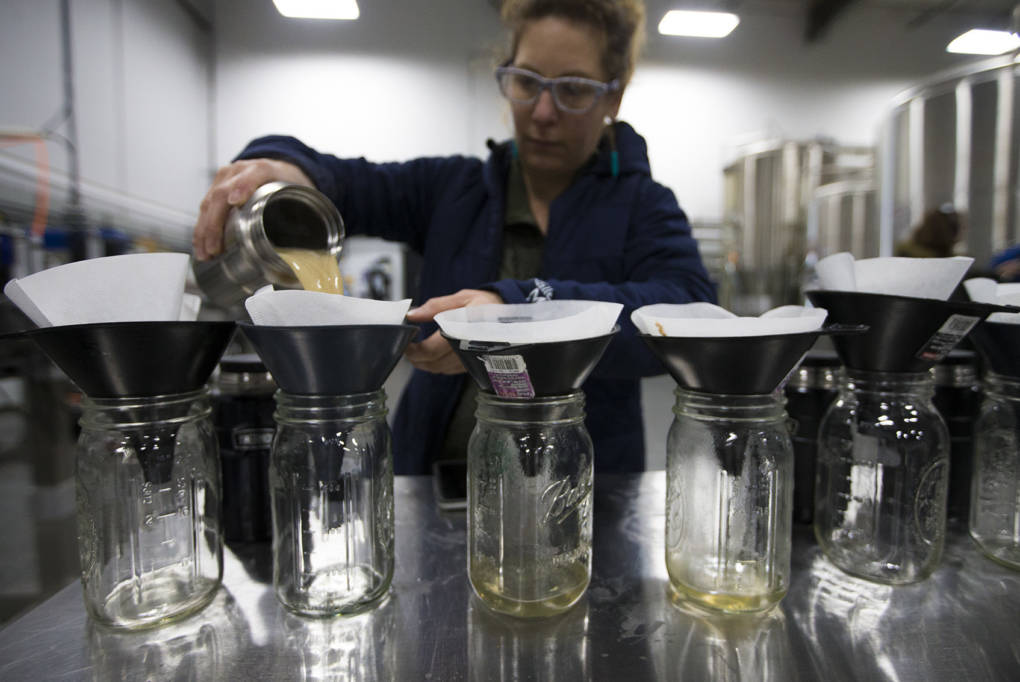
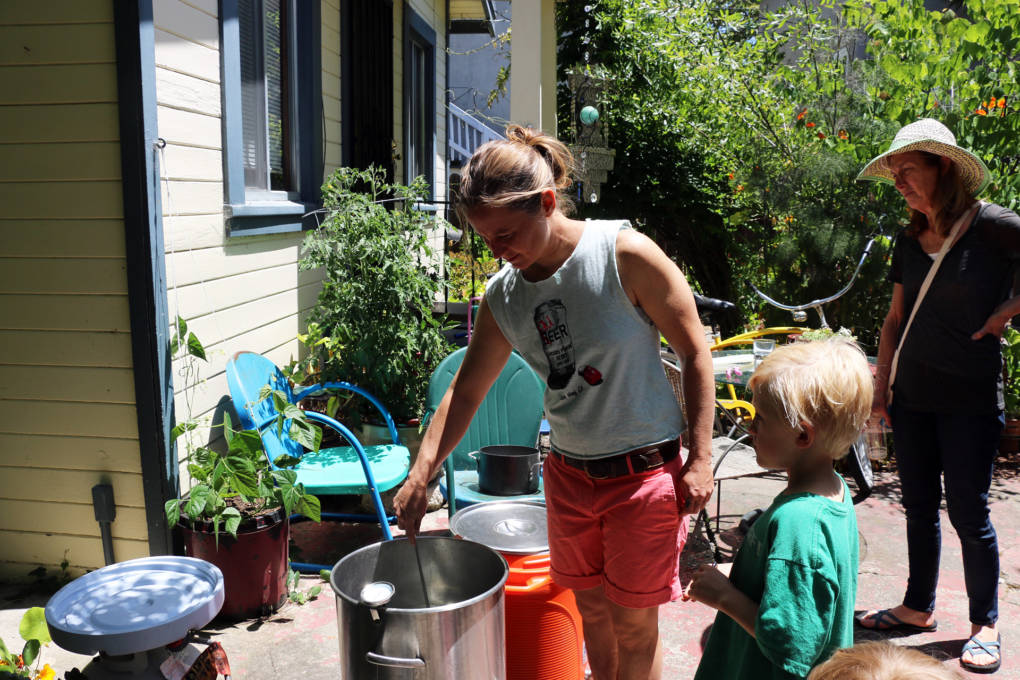
"caption": "Andrea Stanley of Valley Malt in Hadley, Mass., steeps small amounts of malt as part of the international Pink Boots Collaboration Brew Day, an event meant to highlight women's growing influence on the beer industry.",
"description": "Andrea Stanley of Valley Malt in Hadley, Mass., steeps small amounts of malt as part of the international Pink Boots Collaboration Brew Day, an event meant to highlight women's growing influence on the beer industry.",
"title": "Andrea Stanley of Valley Malt in Hadley, Mass., steeps small amounts of malt as part of the international Pink Boots Collaboration Brew Day, an event meant to highlight women's growing influence on the beer industry.",
"credit": "Jesse Costa/WBUR",
"status": "inherit",
"isLoading": false,
"fetchFailed": false
},
"bayareabites_124592": {
"type": "attachments",
"id": "bayareabites_124592",
"meta": {
"index": "attachments_1716263798",
"site": "bayareabites",
"id": "124592",
"found": true
},
"parent": 124584,
"imgSizes": {
"small": {
"file": "https://ww2.kqed.org/app/uploads/sites/24/2018/01/JB0205_YOUNGER_002_766729-2-1024x671-520x341.jpg",
"width": 520,
"mimeType": "image/jpeg",
"height": 341
},
"twentyfourteen-full-width": {
"file": "https://ww2.kqed.org/app/uploads/sites/24/2018/01/JB0205_YOUNGER_002_766729-2-1024x671-1024x576.jpg",
"width": 1024,
"mimeType": "image/jpeg",
"height": 576
},
"thumbnail": {
"file": "https://ww2.kqed.org/app/uploads/sites/24/2018/01/JB0205_YOUNGER_002_766729-2-1024x671-160x105.jpg",
"width": 160,
"mimeType": "image/jpeg",
"height": 105
},
"fd-sm": {
"file": "https://ww2.kqed.org/app/uploads/sites/24/2018/01/JB0205_YOUNGER_002_766729-2-1024x671-960x629.jpg",
"width": 960,
"mimeType": "image/jpeg",
"height": 629
},
"post-thumbnail": {
"file": "https://ww2.kqed.org/app/uploads/sites/24/2018/01/JB0205_YOUNGER_002_766729-2-1024x671-672x372.jpg",
"width": 672,
"mimeType": "image/jpeg",
"height": 372
},
"xsmall": {
"file": "https://ww2.kqed.org/app/uploads/sites/24/2018/01/JB0205_YOUNGER_002_766729-2-1024x671-375x246.jpg",
"width": 375,
"mimeType": "image/jpeg",
"height": 246
},
"kqedFullSize": {
"file": "https://ww2.kqed.org/app/uploads/sites/24/2018/01/JB0205_YOUNGER_002_766729-2-1024x671.jpg",
"width": 1024,
"height": 671
},
"large": {
"file": "https://ww2.kqed.org/app/uploads/sites/24/2018/01/JB0205_YOUNGER_002_766729-2-1024x671-1020x668.jpg",
"width": 1020,
"mimeType": "image/jpeg",
"height": 668
},
"guest-author-50": {
"file": "https://ww2.kqed.org/app/uploads/sites/24/2018/01/JB0205_YOUNGER_002_766729-2-1024x671-50x50.jpg",
"width": 50,
"mimeType": "image/jpeg",
"height": 50
},
"guest-author-96": {
"file": "https://ww2.kqed.org/app/uploads/sites/24/2018/01/JB0205_YOUNGER_002_766729-2-1024x671-96x96.jpg",
"width": 96,
"mimeType": "image/jpeg",
"height": 96
},
"medium": {
"file": "https://ww2.kqed.org/app/uploads/sites/24/2018/01/JB0205_YOUNGER_002_766729-2-1024x671-800x524.jpg",
"width": 800,
"mimeType": "image/jpeg",
"height": 524
},
"guest-author-64": {
"file": "https://ww2.kqed.org/app/uploads/sites/24/2018/01/JB0205_YOUNGER_002_766729-2-1024x671-64x64.jpg",
"width": 64,
"mimeType": "image/jpeg",
"height": 64
},
"guest-author-32": {
"file": "https://ww2.kqed.org/app/uploads/sites/24/2018/01/JB0205_YOUNGER_002_766729-2-1024x671-32x32.jpg",
"width": 32,
"mimeType": "image/jpeg",
"height": 32
},
"detail": {
"file": "https://ww2.kqed.org/app/uploads/sites/24/2018/01/JB0205_YOUNGER_002_766729-2-1024x671-150x150.jpg",
"width": 150,
"mimeType": "image/jpeg",
"height": 150
},
"medium_large": {
"file": "https://ww2.kqed.org/app/uploads/sites/24/2018/01/JB0205_YOUNGER_002_766729-2-1024x671-768x503.jpg",
"width": 768,
"mimeType": "image/jpeg",
"height": 503
},
"guest-author-128": {
"file": "https://ww2.kqed.org/app/uploads/sites/24/2018/01/JB0205_YOUNGER_002_766729-2-1024x671-128x128.jpg",
"width": 128,
"mimeType": "image/jpeg",
"height": 128
},
"xxsmall": {
"file": "https://ww2.kqed.org/app/uploads/sites/24/2018/01/JB0205_YOUNGER_002_766729-2-1024x671-240x157.jpg",
"width": 240,
"mimeType": "image/jpeg",
"height": 157
}
},
"publishDate": 1517036271,
"modified": 1517036640,
"caption": "Pliny the Younger at Russian River Brewing Company.",
"description": "Pliny the Younger at Russian River Brewing Company.",
"title": "pliny",
"credit": "John Burgess/The Press Democrat",
"status": "inherit",
"isLoading": false,
"fetchFailed": false
},
"bayareabites_122570": {
"type": "attachments",
"id": "bayareabites_122570",
"meta": {
"index": "attachments_1716263798",
"site": "bayareabites",
"id": "122570",
"found": true
},
"parent": 122569,
"imgSizes": {
"small": {
"file": "https://ww2.kqed.org/app/uploads/sites/24/2017/11/gettyimages-647428086-2e7e018dd7c3504cd02aa6c3c5fa5a80537de6da-520x390.jpg",
"width": 520,
"mimeType": "image/jpeg",
"height": 390
},
"twentyfourteen-full-width": {
"file": "https://ww2.kqed.org/app/uploads/sites/24/2017/11/gettyimages-647428086-2e7e018dd7c3504cd02aa6c3c5fa5a80537de6da-1038x576.jpg",
"width": 1038,
"mimeType": "image/jpeg",
"height": 576
},
"thumbnail": {
"file": "https://ww2.kqed.org/app/uploads/sites/24/2017/11/gettyimages-647428086-2e7e018dd7c3504cd02aa6c3c5fa5a80537de6da-160x120.jpg",
"width": 160,
"mimeType": "image/jpeg",
"height": 120
},
"fd-sm": {
"file": "https://ww2.kqed.org/app/uploads/sites/24/2017/11/gettyimages-647428086-2e7e018dd7c3504cd02aa6c3c5fa5a80537de6da-960x719.jpg",
"width": 960,
"mimeType": "image/jpeg",
"height": 719
},
"post-thumbnail": {
"file": "https://ww2.kqed.org/app/uploads/sites/24/2017/11/gettyimages-647428086-2e7e018dd7c3504cd02aa6c3c5fa5a80537de6da-672x372.jpg",
"width": 672,
"mimeType": "image/jpeg",
"height": 372
},
"xsmall": {
"file": "https://ww2.kqed.org/app/uploads/sites/24/2017/11/gettyimages-647428086-2e7e018dd7c3504cd02aa6c3c5fa5a80537de6da-375x281.jpg",
"width": 375,
"mimeType": "image/jpeg",
"height": 281
},
"kqedFullSize": {
"file": "https://ww2.kqed.org/app/uploads/sites/24/2017/11/gettyimages-647428086-2e7e018dd7c3504cd02aa6c3c5fa5a80537de6da.jpg",
"width": 3839,
"height": 2877
},
"large": {
"file": "https://ww2.kqed.org/app/uploads/sites/24/2017/11/gettyimages-647428086-2e7e018dd7c3504cd02aa6c3c5fa5a80537de6da-1020x764.jpg",
"width": 1020,
"mimeType": "image/jpeg",
"height": 764
},
"xlarge": {
"file": "https://ww2.kqed.org/app/uploads/sites/24/2017/11/gettyimages-647428086-2e7e018dd7c3504cd02aa6c3c5fa5a80537de6da-1180x884.jpg",
"width": 1180,
"mimeType": "image/jpeg",
"height": 884
},
"guest-author-50": {
"file": "https://ww2.kqed.org/app/uploads/sites/24/2017/11/gettyimages-647428086-2e7e018dd7c3504cd02aa6c3c5fa5a80537de6da-50x50.jpg",
"width": 50,
"mimeType": "image/jpeg",
"height": 50
},
"guest-author-96": {
"file": "https://ww2.kqed.org/app/uploads/sites/24/2017/11/gettyimages-647428086-2e7e018dd7c3504cd02aa6c3c5fa5a80537de6da-96x96.jpg",
"width": 96,
"mimeType": "image/jpeg",
"height": 96
},
"medium": {
"file": "https://ww2.kqed.org/app/uploads/sites/24/2017/11/gettyimages-647428086-2e7e018dd7c3504cd02aa6c3c5fa5a80537de6da-800x600.jpg",
"width": 800,
"mimeType": "image/jpeg",
"height": 600
},
"guest-author-64": {
"file": "https://ww2.kqed.org/app/uploads/sites/24/2017/11/gettyimages-647428086-2e7e018dd7c3504cd02aa6c3c5fa5a80537de6da-64x64.jpg",
"width": 64,
"mimeType": "image/jpeg",
"height": 64
},
"guest-author-32": {
"file": "https://ww2.kqed.org/app/uploads/sites/24/2017/11/gettyimages-647428086-2e7e018dd7c3504cd02aa6c3c5fa5a80537de6da-32x32.jpg",
"width": 32,
"mimeType": "image/jpeg",
"height": 32
},
"fd-lrg": {
"file": "https://ww2.kqed.org/app/uploads/sites/24/2017/11/gettyimages-647428086-2e7e018dd7c3504cd02aa6c3c5fa5a80537de6da-1920x1439.jpg",
"width": 1920,
"mimeType": "image/jpeg",
"height": 1439
},
"fd-med": {
"file": "https://ww2.kqed.org/app/uploads/sites/24/2017/11/gettyimages-647428086-2e7e018dd7c3504cd02aa6c3c5fa5a80537de6da-1180x884.jpg",
"width": 1180,
"mimeType": "image/jpeg",
"height": 884
},
"full-width": {
"file": "https://ww2.kqed.org/app/uploads/sites/24/2017/11/gettyimages-647428086-2e7e018dd7c3504cd02aa6c3c5fa5a80537de6da-1920x1439.jpg",
"width": 1920,
"mimeType": "image/jpeg",
"height": 1439
},
"detail": {
"file": "https://ww2.kqed.org/app/uploads/sites/24/2017/11/gettyimages-647428086-2e7e018dd7c3504cd02aa6c3c5fa5a80537de6da-150x150.jpg",
"width": 150,
"mimeType": "image/jpeg",
"height": 150
},
"medium_large": {
"file": "https://ww2.kqed.org/app/uploads/sites/24/2017/11/gettyimages-647428086-2e7e018dd7c3504cd02aa6c3c5fa5a80537de6da-768x576.jpg",
"width": 768,
"mimeType": "image/jpeg",
"height": 576
},
"guest-author-128": {
"file": "https://ww2.kqed.org/app/uploads/sites/24/2017/11/gettyimages-647428086-2e7e018dd7c3504cd02aa6c3c5fa5a80537de6da-128x128.jpg",
"width": 128,
"mimeType": "image/jpeg",
"height": 128
},
"xxsmall": {
"file": "https://ww2.kqed.org/app/uploads/sites/24/2017/11/gettyimages-647428086-2e7e018dd7c3504cd02aa6c3c5fa5a80537de6da-240x180.jpg",
"width": 240,
"mimeType": "image/jpeg",
"height": 180
}
},
"publishDate": 1510755150,
"modified": 1510755185,
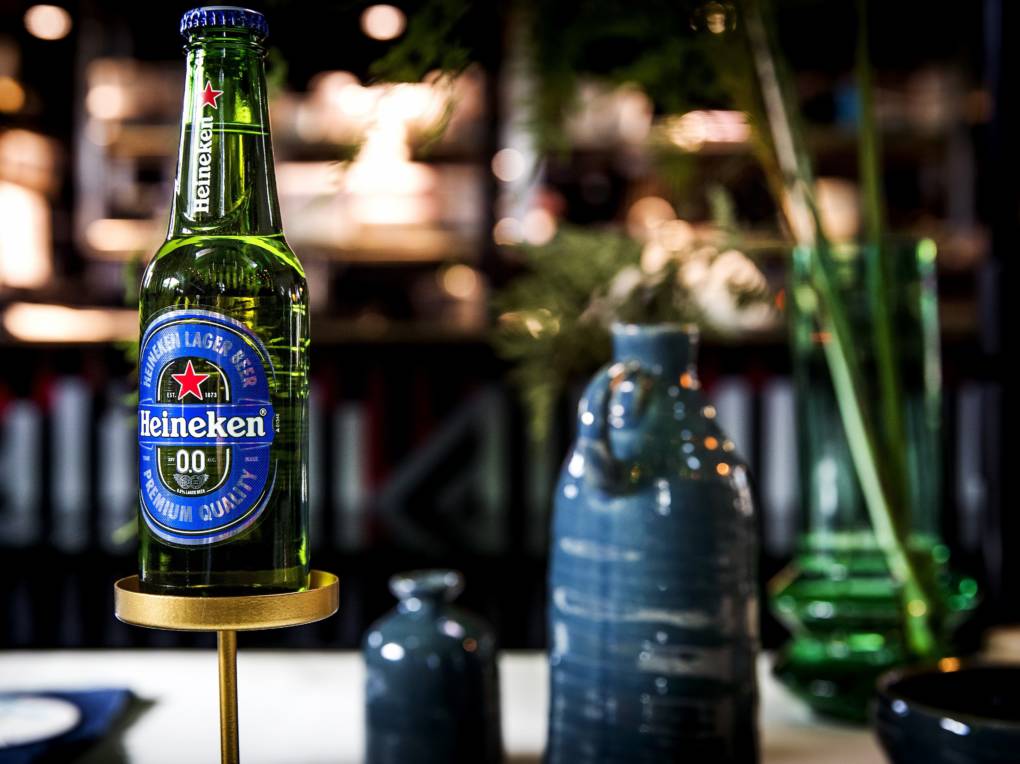
"caption": "One near-beer pioneer is Heineken, which launched alcohol-free Heineken 0.0 this summer in Europe and Israel.",
"description": "One near-beer pioneer is Heineken, which launched alcohol-free Heineken 0.0 this summer in Europe and Israel.",
"title": "One near-beer pioneer is Heineken, which launched alcohol-free Heineken 0.0 this summer in Europe and Israel.",
"credit": "Koen Van Weel/AFP/Getty Images",
"status": "inherit",
"isLoading": false,
"fetchFailed": false
},
"bayareabites_122159": {
"type": "attachments",
"id": "bayareabites_122159",
"meta": {
"index": "attachments_1716263798",
"site": "bayareabites",
"id": "122159",
"found": true
},
"parent": 122158,
"imgSizes": {
"small": {
"file": "https://ww2.kqed.org/app/uploads/sites/24/2017/10/martinluther_beer_wide-5b14cf7263b5fa44eda0a8f9e47856b4d4a874b2-520x292.jpg",
"width": 520,
"mimeType": "image/jpeg",
"height": 292
},
"twentyfourteen-full-width": {
"file": "https://ww2.kqed.org/app/uploads/sites/24/2017/10/martinluther_beer_wide-5b14cf7263b5fa44eda0a8f9e47856b4d4a874b2-1038x576.jpg",
"width": 1038,
"mimeType": "image/jpeg",
"height": 576
},
"thumbnail": {
"file": "https://ww2.kqed.org/app/uploads/sites/24/2017/10/martinluther_beer_wide-5b14cf7263b5fa44eda0a8f9e47856b4d4a874b2-160x90.jpg",
"width": 160,
"mimeType": "image/jpeg",
"height": 90
},
"fd-sm": {
"file": "https://ww2.kqed.org/app/uploads/sites/24/2017/10/martinluther_beer_wide-5b14cf7263b5fa44eda0a8f9e47856b4d4a874b2-960x540.jpg",
"width": 960,
"mimeType": "image/jpeg",
"height": 540
},
"post-thumbnail": {
"file": "https://ww2.kqed.org/app/uploads/sites/24/2017/10/martinluther_beer_wide-5b14cf7263b5fa44eda0a8f9e47856b4d4a874b2-672x372.jpg",
"width": 672,
"mimeType": "image/jpeg",
"height": 372
},
"xsmall": {
"file": "https://ww2.kqed.org/app/uploads/sites/24/2017/10/martinluther_beer_wide-5b14cf7263b5fa44eda0a8f9e47856b4d4a874b2-375x211.jpg",
"width": 375,
"mimeType": "image/jpeg",
"height": 211
},
"kqedFullSize": {
"file": "https://ww2.kqed.org/app/uploads/sites/24/2017/10/martinluther_beer_wide-5b14cf7263b5fa44eda0a8f9e47856b4d4a874b2.jpg",
"width": 3599,
"height": 2024
},
"large": {
"file": "https://ww2.kqed.org/app/uploads/sites/24/2017/10/martinluther_beer_wide-5b14cf7263b5fa44eda0a8f9e47856b4d4a874b2-1020x574.jpg",
"width": 1020,
"mimeType": "image/jpeg",
"height": 574
},
"xlarge": {
"file": "https://ww2.kqed.org/app/uploads/sites/24/2017/10/martinluther_beer_wide-5b14cf7263b5fa44eda0a8f9e47856b4d4a874b2-1180x664.jpg",
"width": 1180,
"mimeType": "image/jpeg",
"height": 664
},
"guest-author-50": {
"file": "https://ww2.kqed.org/app/uploads/sites/24/2017/10/martinluther_beer_wide-5b14cf7263b5fa44eda0a8f9e47856b4d4a874b2-50x50.jpg",
"width": 50,
"mimeType": "image/jpeg",
"height": 50
},
"guest-author-96": {
"file": "https://ww2.kqed.org/app/uploads/sites/24/2017/10/martinluther_beer_wide-5b14cf7263b5fa44eda0a8f9e47856b4d4a874b2-96x96.jpg",
"width": 96,
"mimeType": "image/jpeg",
"height": 96
},
"medium": {
"file": "https://ww2.kqed.org/app/uploads/sites/24/2017/10/martinluther_beer_wide-5b14cf7263b5fa44eda0a8f9e47856b4d4a874b2-800x450.jpg",
"width": 800,
"mimeType": "image/jpeg",
"height": 450
},
"guest-author-64": {
"file": "https://ww2.kqed.org/app/uploads/sites/24/2017/10/martinluther_beer_wide-5b14cf7263b5fa44eda0a8f9e47856b4d4a874b2-64x64.jpg",
"width": 64,
"mimeType": "image/jpeg",
"height": 64
},
"guest-author-32": {
"file": "https://ww2.kqed.org/app/uploads/sites/24/2017/10/martinluther_beer_wide-5b14cf7263b5fa44eda0a8f9e47856b4d4a874b2-32x32.jpg",
"width": 32,
"mimeType": "image/jpeg",
"height": 32
},
"fd-lrg": {
"file": "https://ww2.kqed.org/app/uploads/sites/24/2017/10/martinluther_beer_wide-5b14cf7263b5fa44eda0a8f9e47856b4d4a874b2-1920x1080.jpg",
"width": 1920,
"mimeType": "image/jpeg",
"height": 1080
},
"fd-med": {
"file": "https://ww2.kqed.org/app/uploads/sites/24/2017/10/martinluther_beer_wide-5b14cf7263b5fa44eda0a8f9e47856b4d4a874b2-1180x664.jpg",
"width": 1180,
"mimeType": "image/jpeg",
"height": 664
},
"full-width": {
"file": "https://ww2.kqed.org/app/uploads/sites/24/2017/10/martinluther_beer_wide-5b14cf7263b5fa44eda0a8f9e47856b4d4a874b2-1920x1080.jpg",
"width": 1920,
"mimeType": "image/jpeg",
"height": 1080
},
"detail": {
"file": "https://ww2.kqed.org/app/uploads/sites/24/2017/10/martinluther_beer_wide-5b14cf7263b5fa44eda0a8f9e47856b4d4a874b2-150x150.jpg",
"width": 150,
"mimeType": "image/jpeg",
"height": 150
},
"medium_large": {
"file": "https://ww2.kqed.org/app/uploads/sites/24/2017/10/martinluther_beer_wide-5b14cf7263b5fa44eda0a8f9e47856b4d4a874b2-768x432.jpg",
"width": 768,
"mimeType": "image/jpeg",
"height": 432
},
"guest-author-128": {
"file": "https://ww2.kqed.org/app/uploads/sites/24/2017/10/martinluther_beer_wide-5b14cf7263b5fa44eda0a8f9e47856b4d4a874b2-128x128.jpg",
"width": 128,
"mimeType": "image/jpeg",
"height": 128
},
"xxsmall": {
"file": "https://ww2.kqed.org/app/uploads/sites/24/2017/10/martinluther_beer_wide-5b14cf7263b5fa44eda0a8f9e47856b4d4a874b2-240x135.jpg",
"width": 240,
"mimeType": "image/jpeg",
"height": 135
}
},
"publishDate": 1509484385,
"modified": 1509484756,
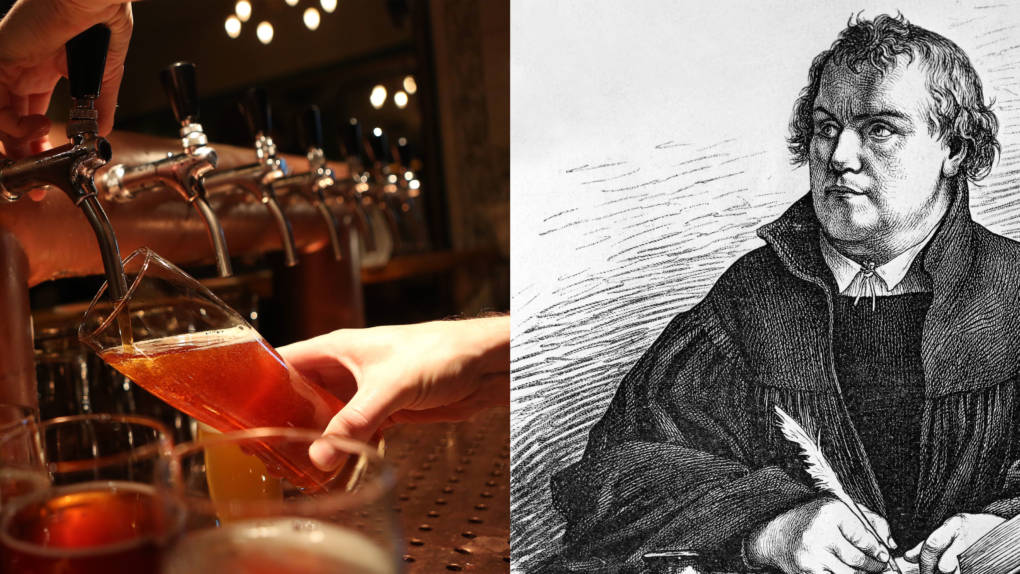
"caption": "Left: A bartender at Hops & Barley brew pub pours a pint of beer in Berlin, Germany. Right: A portrait of Martin Luther. The protest that Luther launched 500 years ago not only revamped how Europe worshiped, but also how it drank. He and his followers promoted hops in beer as an act of rebellion against the Catholic Church.",
"description": "Left: A bartender at Hops",
"title": "Left: A bartender at Hops & Barley brew pub pours a pint of beer in Berlin, Germany. Right: A portrait of Martin Luther. The protest that Luther launched 500 years ago not only revamped how Europe worshiped, but also how it drank. He and his followers promoted hops in beer as an act of rebellion against the Catholic Church.",
"credit": "Adam Berry; ullstein bild via Getty Images",
"status": "inherit",
"isLoading": false,
"fetchFailed": false
},
"bayareabites_122014": {
"type": "attachments",
"id": "bayareabites_122014",
"meta": {
"index": "attachments_1716263798",
"site": "bayareabites",
"id": "122014",
"found": true
},
"parent": 122000,
"imgSizes": {
"small": {
"file": "https://ww2.kqed.org/app/uploads/sites/24/2017/10/dt.common.streams.StreamServer-4-520x342.jpg",
"width": 520,
"mimeType": "image/jpeg",
"height": 342
},
"thumbnail": {
"file": "https://ww2.kqed.org/app/uploads/sites/24/2017/10/dt.common.streams.StreamServer-4-160x105.jpg",
"width": 160,
"mimeType": "image/jpeg",
"height": 105
},
"post-thumbnail": {
"file": "https://ww2.kqed.org/app/uploads/sites/24/2017/10/dt.common.streams.StreamServer-4-672x372.jpg",
"width": 672,
"mimeType": "image/jpeg",
"height": 372
},
"xsmall": {
"file": "https://ww2.kqed.org/app/uploads/sites/24/2017/10/dt.common.streams.StreamServer-4-375x247.jpg",
"width": 375,
"mimeType": "image/jpeg",
"height": 247
},
"kqedFullSize": {
"file": "https://ww2.kqed.org/app/uploads/sites/24/2017/10/dt.common.streams.StreamServer-4.jpg",
"width": 800,
"height": 526
},
"guest-author-50": {
"file": "https://ww2.kqed.org/app/uploads/sites/24/2017/10/dt.common.streams.StreamServer-4-50x50.jpg",
"width": 50,
"mimeType": "image/jpeg",
"height": 50
},
"guest-author-96": {
"file": "https://ww2.kqed.org/app/uploads/sites/24/2017/10/dt.common.streams.StreamServer-4-96x96.jpg",
"width": 96,
"mimeType": "image/jpeg",
"height": 96
},
"medium": {
"file": "https://ww2.kqed.org/app/uploads/sites/24/2017/10/dt.common.streams.StreamServer-4-800x526.jpg",
"width": 800,
"mimeType": "image/jpeg",
"height": 526
},
"guest-author-64": {
"file": "https://ww2.kqed.org/app/uploads/sites/24/2017/10/dt.common.streams.StreamServer-4-64x64.jpg",
"width": 64,
"mimeType": "image/jpeg",
"height": 64
},
"guest-author-32": {
"file": "https://ww2.kqed.org/app/uploads/sites/24/2017/10/dt.common.streams.StreamServer-4-32x32.jpg",
"width": 32,
"mimeType": "image/jpeg",
"height": 32
},
"detail": {
"file": "https://ww2.kqed.org/app/uploads/sites/24/2017/10/dt.common.streams.StreamServer-4-150x150.jpg",
"width": 150,
"mimeType": "image/jpeg",
"height": 150
},
"medium_large": {
"file": "https://ww2.kqed.org/app/uploads/sites/24/2017/10/dt.common.streams.StreamServer-4-768x505.jpg",
"width": 768,
"mimeType": "image/jpeg",
"height": 505
},
"guest-author-128": {
"file": "https://ww2.kqed.org/app/uploads/sites/24/2017/10/dt.common.streams.StreamServer-4-128x128.jpg",
"width": 128,
"mimeType": "image/jpeg",
"height": 128
},
"xxsmall": {
"file": "https://ww2.kqed.org/app/uploads/sites/24/2017/10/dt.common.streams.StreamServer-4-240x158.jpg",
"width": 240,
"mimeType": "image/jpeg",
"height": 158
}
},
"publishDate": 1508798666,
"modified": 1508798942,
"caption": "In an effort to help rebuild their local community, Natalie and Vinnie Cilurzo, owners of Santa Rosa’s Russian River Brewing Company, have partnered with former professional cyclist Levi Leipheimer’s King Ridge Foundation to launch the charitable endeavor Sonoma Pride. The campaign will raise funds through direct donations to the King Ridge Foundation, sales of Sonoma Pride beer (to be released on October 31) and $25 donations for a chance to win Pliny the Younger line cutting privileges in 2018.",
"description": null,
"title": "dt.common.streams.StreamServer-4",
"credit": "Photo courtesy Russian River Brewing Company",
"status": "inherit",
"isLoading": false,
"fetchFailed": false
},
"bayareabites_121595": {
"type": "attachments",
"id": "bayareabites_121595",
"meta": {
"index": "attachments_1716263798",
"site": "bayareabites",
"id": "121595",
"found": true
},
"parent": 121594,
"imgSizes": {
"small": {
"file": "https://ww2.kqed.org/app/uploads/sites/24/2017/10/siegler-downtown-valentine_slide-49f2206daede6f46c1f33afd0df4116b97d19e41-520x346.jpg",
"width": 520,
"mimeType": "image/jpeg",
"height": 346
},
"twentyfourteen-full-width": {
"file": "https://ww2.kqed.org/app/uploads/sites/24/2017/10/siegler-downtown-valentine_slide-49f2206daede6f46c1f33afd0df4116b97d19e41-1038x576.jpg",
"width": 1038,
"mimeType": "image/jpeg",
"height": 576
},
"thumbnail": {
"file": "https://ww2.kqed.org/app/uploads/sites/24/2017/10/siegler-downtown-valentine_slide-49f2206daede6f46c1f33afd0df4116b97d19e41-160x107.jpg",
"width": 160,
"mimeType": "image/jpeg",
"height": 107
},
"fd-sm": {
"file": "https://ww2.kqed.org/app/uploads/sites/24/2017/10/siegler-downtown-valentine_slide-49f2206daede6f46c1f33afd0df4116b97d19e41-960x640.jpg",
"width": 960,
"mimeType": "image/jpeg",
"height": 640
},
"post-thumbnail": {
"file": "https://ww2.kqed.org/app/uploads/sites/24/2017/10/siegler-downtown-valentine_slide-49f2206daede6f46c1f33afd0df4116b97d19e41-672x372.jpg",
"width": 672,
"mimeType": "image/jpeg",
"height": 372
},
"xsmall": {
"file": "https://ww2.kqed.org/app/uploads/sites/24/2017/10/siegler-downtown-valentine_slide-49f2206daede6f46c1f33afd0df4116b97d19e41-375x250.jpg",
"width": 375,
"mimeType": "image/jpeg",
"height": 250
},
"kqedFullSize": {
"file": "https://ww2.kqed.org/app/uploads/sites/24/2017/10/siegler-downtown-valentine_slide-49f2206daede6f46c1f33afd0df4116b97d19e41.jpg",
"width": 3000,
"height": 1999
},
"large": {
"file": "https://ww2.kqed.org/app/uploads/sites/24/2017/10/siegler-downtown-valentine_slide-49f2206daede6f46c1f33afd0df4116b97d19e41-1020x680.jpg",
"width": 1020,
"mimeType": "image/jpeg",
"height": 680
},
"xlarge": {
"file": "https://ww2.kqed.org/app/uploads/sites/24/2017/10/siegler-downtown-valentine_slide-49f2206daede6f46c1f33afd0df4116b97d19e41-1180x786.jpg",
"width": 1180,
"mimeType": "image/jpeg",
"height": 786
},
"guest-author-50": {
"file": "https://ww2.kqed.org/app/uploads/sites/24/2017/10/siegler-downtown-valentine_slide-49f2206daede6f46c1f33afd0df4116b97d19e41-50x50.jpg",
"width": 50,
"mimeType": "image/jpeg",
"height": 50
},
"guest-author-96": {
"file": "https://ww2.kqed.org/app/uploads/sites/24/2017/10/siegler-downtown-valentine_slide-49f2206daede6f46c1f33afd0df4116b97d19e41-96x96.jpg",
"width": 96,
"mimeType": "image/jpeg",
"height": 96
},
"medium": {
"file": "https://ww2.kqed.org/app/uploads/sites/24/2017/10/siegler-downtown-valentine_slide-49f2206daede6f46c1f33afd0df4116b97d19e41-800x533.jpg",
"width": 800,
"mimeType": "image/jpeg",
"height": 533
},
"guest-author-64": {
"file": "https://ww2.kqed.org/app/uploads/sites/24/2017/10/siegler-downtown-valentine_slide-49f2206daede6f46c1f33afd0df4116b97d19e41-64x64.jpg",
"width": 64,
"mimeType": "image/jpeg",
"height": 64
},
"guest-author-32": {
"file": "https://ww2.kqed.org/app/uploads/sites/24/2017/10/siegler-downtown-valentine_slide-49f2206daede6f46c1f33afd0df4116b97d19e41-32x32.jpg",
"width": 32,
"mimeType": "image/jpeg",
"height": 32
},
"fd-lrg": {
"file": "https://ww2.kqed.org/app/uploads/sites/24/2017/10/siegler-downtown-valentine_slide-49f2206daede6f46c1f33afd0df4116b97d19e41-1920x1279.jpg",
"width": 1920,
"mimeType": "image/jpeg",
"height": 1279
},
"fd-med": {
"file": "https://ww2.kqed.org/app/uploads/sites/24/2017/10/siegler-downtown-valentine_slide-49f2206daede6f46c1f33afd0df4116b97d19e41-1180x786.jpg",
"width": 1180,
"mimeType": "image/jpeg",
"height": 786
},
"full-width": {
"file": "https://ww2.kqed.org/app/uploads/sites/24/2017/10/siegler-downtown-valentine_slide-49f2206daede6f46c1f33afd0df4116b97d19e41-1920x1279.jpg",
"width": 1920,
"mimeType": "image/jpeg",
"height": 1279
},
"detail": {
"file": "https://ww2.kqed.org/app/uploads/sites/24/2017/10/siegler-downtown-valentine_slide-49f2206daede6f46c1f33afd0df4116b97d19e41-150x150.jpg",
"width": 150,
"mimeType": "image/jpeg",
"height": 150
},
"medium_large": {
"file": "https://ww2.kqed.org/app/uploads/sites/24/2017/10/siegler-downtown-valentine_slide-49f2206daede6f46c1f33afd0df4116b97d19e41-768x512.jpg",
"width": 768,
"mimeType": "image/jpeg",
"height": 512
},
"guest-author-128": {
"file": "https://ww2.kqed.org/app/uploads/sites/24/2017/10/siegler-downtown-valentine_slide-49f2206daede6f46c1f33afd0df4116b97d19e41-128x128.jpg",
"width": 128,
"mimeType": "image/jpeg",
"height": 128
},
"xxsmall": {
"file": "https://ww2.kqed.org/app/uploads/sites/24/2017/10/siegler-downtown-valentine_slide-49f2206daede6f46c1f33afd0df4116b97d19e41-240x160.jpg",
"width": 240,
"mimeType": "image/jpeg",
"height": 160
}
},
"publishDate": 1507683202,
"modified": 1507685617,
"caption": "More young people are transplanting to small towns, such as Valentine, Neb., population 2,700 and the largest town of its size for at least a two-hour drive in any direction.",
"description": "More young people are transplanting to small towns, such as Valentine, Neb., population 2,700 and the largest town of its size for at least a two-hour drive in any direction.",
"title": "More young people are transplanting to small towns, such as Valentine, Neb., population 2,700 and the largest town of its size for at least a two-hour drive in any direction.",
"credit": "Kirk Siegler/NPR",
"status": "inherit",
"isLoading": false,
"fetchFailed": false
},
"bayareabites_121155": {
"type": "attachments",
"id": "bayareabites_121155",
"meta": {
"index": "attachments_1716263798",
"site": "bayareabites",
"id": "121155",
"found": true
},
"parent": 121154,
"imgSizes": {
"small": {
"file": "https://ww2.kqed.org/app/uploads/sites/24/2017/10/1_custom-f28be5a4e77a5b103178fccc0cb305acd0d8381e-520x292.jpg",
"width": 520,
"mimeType": "image/jpeg",
"height": 292
},
"twentyfourteen-full-width": {
"file": "https://ww2.kqed.org/app/uploads/sites/24/2017/10/1_custom-f28be5a4e77a5b103178fccc0cb305acd0d8381e-1038x576.jpg",
"width": 1038,
"mimeType": "image/jpeg",
"height": 576
},
"thumbnail": {
"file": "https://ww2.kqed.org/app/uploads/sites/24/2017/10/1_custom-f28be5a4e77a5b103178fccc0cb305acd0d8381e-160x90.jpg",
"width": 160,
"mimeType": "image/jpeg",
"height": 90
},
"fd-sm": {
"file": "https://ww2.kqed.org/app/uploads/sites/24/2017/10/1_custom-f28be5a4e77a5b103178fccc0cb305acd0d8381e-960x539.jpg",
"width": 960,
"mimeType": "image/jpeg",
"height": 539
},
"post-thumbnail": {
"file": "https://ww2.kqed.org/app/uploads/sites/24/2017/10/1_custom-f28be5a4e77a5b103178fccc0cb305acd0d8381e-672x372.jpg",
"width": 672,
"mimeType": "image/jpeg",
"height": 372
},
"xsmall": {
"file": "https://ww2.kqed.org/app/uploads/sites/24/2017/10/1_custom-f28be5a4e77a5b103178fccc0cb305acd0d8381e-375x211.jpg",
"width": 375,
"mimeType": "image/jpeg",
"height": 211
},
"kqedFullSize": {
"file": "https://ww2.kqed.org/app/uploads/sites/24/2017/10/1_custom-f28be5a4e77a5b103178fccc0cb305acd0d8381e.jpg",
"width": 2000,
"height": 1123
},
"large": {
"file": "https://ww2.kqed.org/app/uploads/sites/24/2017/10/1_custom-f28be5a4e77a5b103178fccc0cb305acd0d8381e-1020x573.jpg",
"width": 1020,
"mimeType": "image/jpeg",
"height": 573
},
"xlarge": {
"file": "https://ww2.kqed.org/app/uploads/sites/24/2017/10/1_custom-f28be5a4e77a5b103178fccc0cb305acd0d8381e-1180x663.jpg",
"width": 1180,
"mimeType": "image/jpeg",
"height": 663
},
"guest-author-50": {
"file": "https://ww2.kqed.org/app/uploads/sites/24/2017/10/1_custom-f28be5a4e77a5b103178fccc0cb305acd0d8381e-50x50.jpg",
"width": 50,
"mimeType": "image/jpeg",
"height": 50
},
"guest-author-96": {
"file": "https://ww2.kqed.org/app/uploads/sites/24/2017/10/1_custom-f28be5a4e77a5b103178fccc0cb305acd0d8381e-96x96.jpg",
"width": 96,
"mimeType": "image/jpeg",
"height": 96
},
"medium": {
"file": "https://ww2.kqed.org/app/uploads/sites/24/2017/10/1_custom-f28be5a4e77a5b103178fccc0cb305acd0d8381e-800x449.jpg",
"width": 800,
"mimeType": "image/jpeg",
"height": 449
},
"guest-author-64": {
"file": "https://ww2.kqed.org/app/uploads/sites/24/2017/10/1_custom-f28be5a4e77a5b103178fccc0cb305acd0d8381e-64x64.jpg",
"width": 64,
"mimeType": "image/jpeg",
"height": 64
},
"guest-author-32": {
"file": "https://ww2.kqed.org/app/uploads/sites/24/2017/10/1_custom-f28be5a4e77a5b103178fccc0cb305acd0d8381e-32x32.jpg",
"width": 32,
"mimeType": "image/jpeg",
"height": 32
},
"fd-lrg": {
"file": "https://ww2.kqed.org/app/uploads/sites/24/2017/10/1_custom-f28be5a4e77a5b103178fccc0cb305acd0d8381e-1920x1078.jpg",
"width": 1920,
"mimeType": "image/jpeg",
"height": 1078
},
"fd-med": {
"file": "https://ww2.kqed.org/app/uploads/sites/24/2017/10/1_custom-f28be5a4e77a5b103178fccc0cb305acd0d8381e-1180x663.jpg",
"width": 1180,
"mimeType": "image/jpeg",
"height": 663
},
"full-width": {
"file": "https://ww2.kqed.org/app/uploads/sites/24/2017/10/1_custom-f28be5a4e77a5b103178fccc0cb305acd0d8381e-1920x1078.jpg",
"width": 1920,
"mimeType": "image/jpeg",
"height": 1078
},
"detail": {
"file": "https://ww2.kqed.org/app/uploads/sites/24/2017/10/1_custom-f28be5a4e77a5b103178fccc0cb305acd0d8381e-150x150.jpg",
"width": 150,
"mimeType": "image/jpeg",
"height": 150
},
"medium_large": {
"file": "https://ww2.kqed.org/app/uploads/sites/24/2017/10/1_custom-f28be5a4e77a5b103178fccc0cb305acd0d8381e-768x431.jpg",
"width": 768,
"mimeType": "image/jpeg",
"height": 431
},
"guest-author-128": {
"file": "https://ww2.kqed.org/app/uploads/sites/24/2017/10/1_custom-f28be5a4e77a5b103178fccc0cb305acd0d8381e-128x128.jpg",
"width": 128,
"mimeType": "image/jpeg",
"height": 128
},
"xxsmall": {
"file": "https://ww2.kqed.org/app/uploads/sites/24/2017/10/1_custom-f28be5a4e77a5b103178fccc0cb305acd0d8381e-240x135.jpg",
"width": 240,
"mimeType": "image/jpeg",
"height": 135
}
},
"publishDate": 1506975049,
"modified": 1506975324,
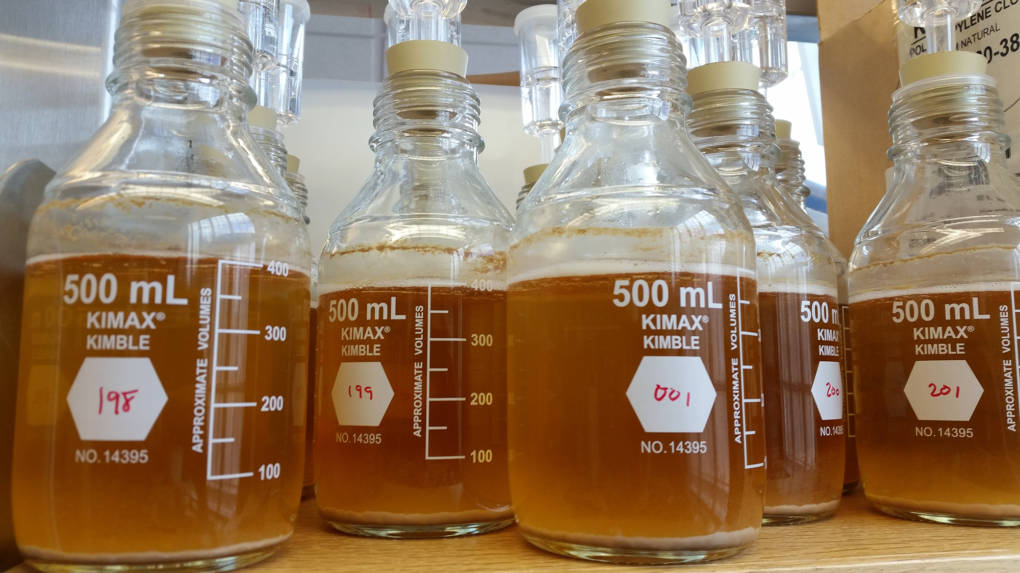
"caption": "Sour beer has allowed microbiologists an opportunity to find new microbes with applications that could extend beyond simply beer.",
"description": "Sour beer has allowed microbiologists an opportunity to find new microbes with applications that could extend beyond simply beer.",
"title": "Sour beer has allowed microbiologists an opportunity to find new microbes with applications that could extend beyond simply beer.",
"credit": "Matt Bochman, Indiana University",
"status": "inherit",
"isLoading": false,
"fetchFailed": false
},
"bayareabites_120859": {
"type": "attachments",
"id": "bayareabites_120859",
"meta": {
"index": "attachments_1716263798",
"site": "bayareabites",
"id": "120859",
"found": true
},
"parent": 120858,
"imgSizes": {
"small": {
"file": "https://ww2.kqed.org/app/uploads/sites/24/2017/09/pico-lifestyle1_custom-d2a26212686e552b6e16b1d7f320a1b038f0bf04-520x346.jpe",
"width": 520,
"mimeType": "image/jpeg",
"height": 346
},
"twentyfourteen-full-width": {
"file": "https://ww2.kqed.org/app/uploads/sites/24/2017/09/pico-lifestyle1_custom-d2a26212686e552b6e16b1d7f320a1b038f0bf04-1038x576.jpe",
"width": 1038,
"mimeType": "image/jpeg",
"height": 576
},
"thumbnail": {
"file": "https://ww2.kqed.org/app/uploads/sites/24/2017/09/pico-lifestyle1_custom-d2a26212686e552b6e16b1d7f320a1b038f0bf04-160x107.jpe",
"width": 160,
"mimeType": "image/jpeg",
"height": 107
},
"fd-sm": {
"file": "https://ww2.kqed.org/app/uploads/sites/24/2017/09/pico-lifestyle1_custom-d2a26212686e552b6e16b1d7f320a1b038f0bf04-960x639.jpe",
"width": 960,
"mimeType": "image/jpeg",
"height": 639
},
"post-thumbnail": {
"file": "https://ww2.kqed.org/app/uploads/sites/24/2017/09/pico-lifestyle1_custom-d2a26212686e552b6e16b1d7f320a1b038f0bf04-672x372.jpe",
"width": 672,
"mimeType": "image/jpeg",
"height": 372
},
"xsmall": {
"file": "https://ww2.kqed.org/app/uploads/sites/24/2017/09/pico-lifestyle1_custom-d2a26212686e552b6e16b1d7f320a1b038f0bf04-375x250.jpe",
"width": 375,
"mimeType": "image/jpeg",
"height": 250
},
"kqedFullSize": {
"file": "https://ww2.kqed.org/app/uploads/sites/24/2017/09/pico-lifestyle1_custom-d2a26212686e552b6e16b1d7f320a1b038f0bf04.jpe",
"width": 1584,
"height": 1055
},
"large": {
"file": "https://ww2.kqed.org/app/uploads/sites/24/2017/09/pico-lifestyle1_custom-d2a26212686e552b6e16b1d7f320a1b038f0bf04-1020x679.jpe",
"width": 1020,
"mimeType": "image/jpeg",
"height": 679
},
"xlarge": {
"file": "https://ww2.kqed.org/app/uploads/sites/24/2017/09/pico-lifestyle1_custom-d2a26212686e552b6e16b1d7f320a1b038f0bf04-1180x786.jpe",
"width": 1180,
"mimeType": "image/jpeg",
"height": 786
},
"guest-author-50": {
"file": "https://ww2.kqed.org/app/uploads/sites/24/2017/09/pico-lifestyle1_custom-d2a26212686e552b6e16b1d7f320a1b038f0bf04-50x50.jpe",
"width": 50,
"mimeType": "image/jpeg",
"height": 50
},
"guest-author-96": {
"file": "https://ww2.kqed.org/app/uploads/sites/24/2017/09/pico-lifestyle1_custom-d2a26212686e552b6e16b1d7f320a1b038f0bf04-96x96.jpe",
"width": 96,
"mimeType": "image/jpeg",
"height": 96
},
"medium": {
"file": "https://ww2.kqed.org/app/uploads/sites/24/2017/09/pico-lifestyle1_custom-d2a26212686e552b6e16b1d7f320a1b038f0bf04-800x533.jpe",
"width": 800,
"mimeType": "image/jpeg",
"height": 533
},
"guest-author-64": {
"file": "https://ww2.kqed.org/app/uploads/sites/24/2017/09/pico-lifestyle1_custom-d2a26212686e552b6e16b1d7f320a1b038f0bf04-64x64.jpe",
"width": 64,
"mimeType": "image/jpeg",
"height": 64
},
"guest-author-32": {
"file": "https://ww2.kqed.org/app/uploads/sites/24/2017/09/pico-lifestyle1_custom-d2a26212686e552b6e16b1d7f320a1b038f0bf04-32x32.jpe",
"width": 32,
"mimeType": "image/jpeg",
"height": 32
},
"fd-med": {
"file": "https://ww2.kqed.org/app/uploads/sites/24/2017/09/pico-lifestyle1_custom-d2a26212686e552b6e16b1d7f320a1b038f0bf04-1180x786.jpe",
"width": 1180,
"mimeType": "image/jpeg",
"height": 786
},
"detail": {
"file": "https://ww2.kqed.org/app/uploads/sites/24/2017/09/pico-lifestyle1_custom-d2a26212686e552b6e16b1d7f320a1b038f0bf04-150x150.jpe",
"width": 150,
"mimeType": "image/jpeg",
"height": 150
},
"medium_large": {
"file": "https://ww2.kqed.org/app/uploads/sites/24/2017/09/pico-lifestyle1_custom-d2a26212686e552b6e16b1d7f320a1b038f0bf04-768x512.jpe",
"width": 768,
"mimeType": "image/jpeg",
"height": 512
},
"guest-author-128": {
"file": "https://ww2.kqed.org/app/uploads/sites/24/2017/09/pico-lifestyle1_custom-d2a26212686e552b6e16b1d7f320a1b038f0bf04-128x128.jpe",
"width": 128,
"mimeType": "image/jpeg",
"height": 128
},
"xxsmall": {
"file": "https://ww2.kqed.org/app/uploads/sites/24/2017/09/pico-lifestyle1_custom-d2a26212686e552b6e16b1d7f320a1b038f0bf04-240x160.jpe",
"width": 240,
"mimeType": "image/jpeg",
"height": 160
}
},
"publishDate": 1505846904,
"modified": 1505847036,
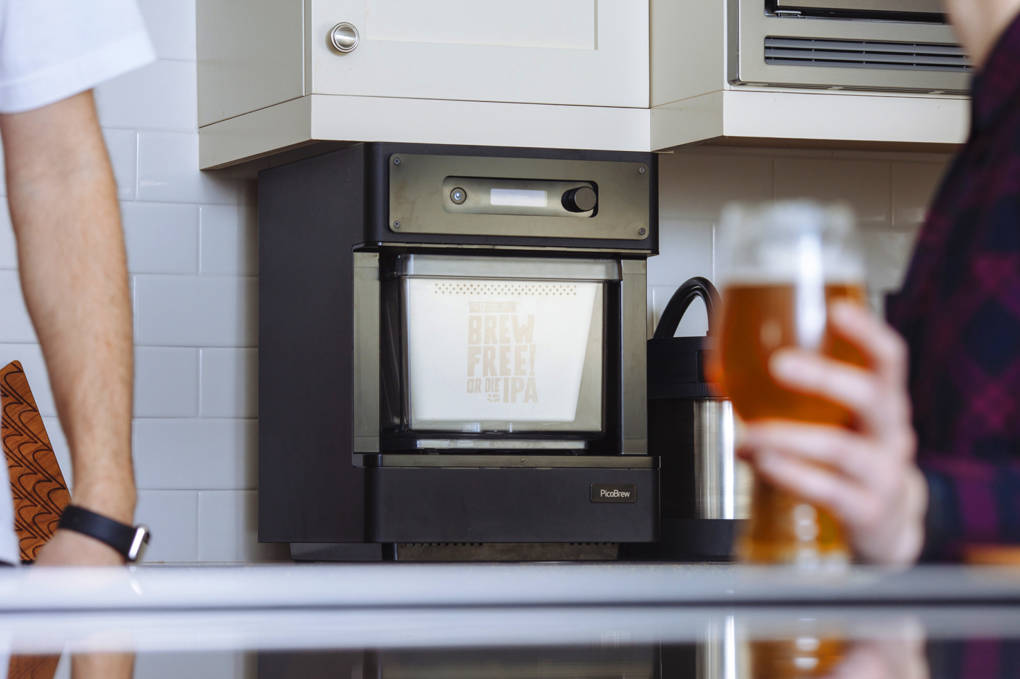
"caption": "The Pico C is an automated beer-brewing device, or \"beerbot,\" that can be monitored remotely from a smartphone or tablet.",
"description": "The Pico C is an automated beer-brewing device, or \"beerbot,\" that can be monitored remotely from a smartphone or tablet.",
"title": "The Pico C is an automated beer-brewing device, or \"beerbot,\" that can be monitored remotely from a smartphone or tablet.",
"credit": "Courtesy of PicoBrew",
"status": "inherit",
"isLoading": false,
"fetchFailed": false
},
"bayareabites_119505": {
"type": "attachments",
"id": "bayareabites_119505",
"meta": {
"index": "attachments_1716263798",
"site": "bayareabites",
"id": "119505",
"found": true
},
"parent": 119499,
"imgSizes": {
"small": {
"file": "https://ww2.kqed.org/app/uploads/sites/24/2017/07/GettyImages-497559128-520x347.jpg",
"width": 520,
"mimeType": "image/jpeg",
"height": 347
},
"twentyfourteen-full-width": {
"file": "https://ww2.kqed.org/app/uploads/sites/24/2017/07/GettyImages-497559128-1038x576.jpg",
"width": 1038,
"mimeType": "image/jpeg",
"height": 576
},
"thumbnail": {
"file": "https://ww2.kqed.org/app/uploads/sites/24/2017/07/GettyImages-497559128-160x107.jpg",
"width": 160,
"mimeType": "image/jpeg",
"height": 107
},
"fd-sm": {
"file": "https://ww2.kqed.org/app/uploads/sites/24/2017/07/GettyImages-497559128-960x640.jpg",
"width": 960,
"mimeType": "image/jpeg",
"height": 640
},
"post-thumbnail": {
"file": "https://ww2.kqed.org/app/uploads/sites/24/2017/07/GettyImages-497559128-672x372.jpg",
"width": 672,
"mimeType": "image/jpeg",
"height": 372
},
"xsmall": {
"file": "https://ww2.kqed.org/app/uploads/sites/24/2017/07/GettyImages-497559128-375x250.jpg",
"width": 375,
"mimeType": "image/jpeg",
"height": 250
},
"kqedFullSize": {
"file": "https://ww2.kqed.org/app/uploads/sites/24/2017/07/GettyImages-497559128-e1501538444104.jpg",
"width": 1920,
"height": 1280
},
"large": {
"file": "https://ww2.kqed.org/app/uploads/sites/24/2017/07/GettyImages-497559128-1020x680.jpg",
"width": 1020,
"mimeType": "image/jpeg",
"height": 680
},
"xlarge": {
"file": "https://ww2.kqed.org/app/uploads/sites/24/2017/07/GettyImages-497559128-1180x787.jpg",
"width": 1180,
"mimeType": "image/jpeg",
"height": 787
},
"guest-author-50": {
"file": "https://ww2.kqed.org/app/uploads/sites/24/2017/07/GettyImages-497559128-50x50.jpg",
"width": 50,
"mimeType": "image/jpeg",
"height": 50
},
"guest-author-96": {
"file": "https://ww2.kqed.org/app/uploads/sites/24/2017/07/GettyImages-497559128-96x96.jpg",
"width": 96,
"mimeType": "image/jpeg",
"height": 96
},
"medium": {
"file": "https://ww2.kqed.org/app/uploads/sites/24/2017/07/GettyImages-497559128-800x533.jpg",
"width": 800,
"mimeType": "image/jpeg",
"height": 533
},
"guest-author-64": {
"file": "https://ww2.kqed.org/app/uploads/sites/24/2017/07/GettyImages-497559128-64x64.jpg",
"width": 64,
"mimeType": "image/jpeg",
"height": 64
},
"guest-author-32": {
"file": "https://ww2.kqed.org/app/uploads/sites/24/2017/07/GettyImages-497559128-32x32.jpg",
"width": 32,
"mimeType": "image/jpeg",
"height": 32
},
"fd-lrg": {
"file": "https://ww2.kqed.org/app/uploads/sites/24/2017/07/GettyImages-497559128-1920x1280.jpg",
"width": 1920,
"mimeType": "image/jpeg",
"height": 1280
},
"fd-med": {
"file": "https://ww2.kqed.org/app/uploads/sites/24/2017/07/GettyImages-497559128-1180x787.jpg",
"width": 1180,
"mimeType": "image/jpeg",
"height": 787
},
"full-width": {
"file": "https://ww2.kqed.org/app/uploads/sites/24/2017/07/GettyImages-497559128-1920x1280.jpg",
"width": 1920,
"mimeType": "image/jpeg",
"height": 1280
},
"detail": {
"file": "https://ww2.kqed.org/app/uploads/sites/24/2017/07/GettyImages-497559128-150x150.jpg",
"width": 150,
"mimeType": "image/jpeg",
"height": 150
},
"medium_large": {
"file": "https://ww2.kqed.org/app/uploads/sites/24/2017/07/GettyImages-497559128-768x512.jpg",
"width": 768,
"mimeType": "image/jpeg",
"height": 512
},
"guest-author-128": {
"file": "https://ww2.kqed.org/app/uploads/sites/24/2017/07/GettyImages-497559128-128x128.jpg",
"width": 128,
"mimeType": "image/jpeg",
"height": 128
},
"xxsmall": {
"file": "https://ww2.kqed.org/app/uploads/sites/24/2017/07/GettyImages-497559128-240x160.jpg",
"width": 240,
"mimeType": "image/jpeg",
"height": 160
}
},
"publishDate": 1501536513,
"modified": 1501538501,
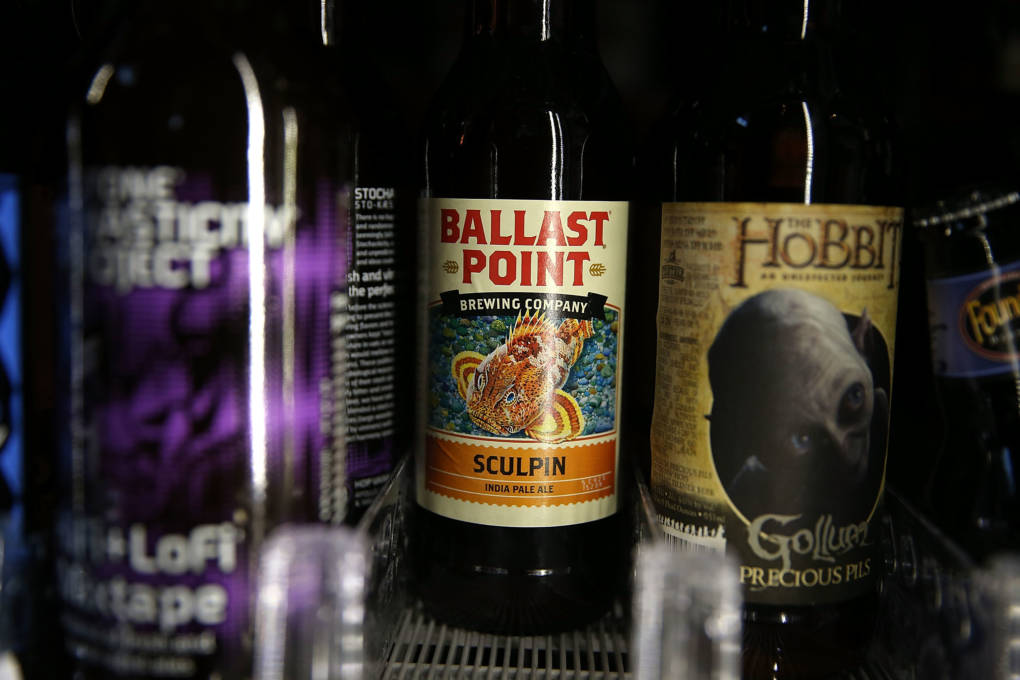
"caption": " Craft beer brands purchased by larger companies now almost dominate many supermarket and liquor store shelves.",
"description": null,
"title": "Corona Owner Constellation Brands Buys San Diego's Craft Brewer Ballast Point For 1 Billion",
"credit": "Justin Sullivan/Getty Images",
"status": "inherit",
"isLoading": false,
"fetchFailed": false
},
"bayareabites_118751": {
"type": "attachments",
"id": "bayareabites_118751",
"meta": {
"index": "attachments_1716263798",
"site": "bayareabites",
"id": "118751",
"found": true
},
"parent": 118750,
"imgSizes": {
"small": {
"file": "https://ww2.kqed.org/app/uploads/sites/24/2017/07/gettyimages-146118248_custom-0512263e3295824e705650e7532c0fd65100fa26-520x377.jpg",
"width": 520,
"mimeType": "image/jpeg",
"height": 377
},
"twentyfourteen-full-width": {
"file": "https://ww2.kqed.org/app/uploads/sites/24/2017/07/gettyimages-146118248_custom-0512263e3295824e705650e7532c0fd65100fa26-1038x576.jpg",
"width": 1038,
"mimeType": "image/jpeg",
"height": 576
},
"thumbnail": {
"file": "https://ww2.kqed.org/app/uploads/sites/24/2017/07/gettyimages-146118248_custom-0512263e3295824e705650e7532c0fd65100fa26-160x116.jpg",
"width": 160,
"mimeType": "image/jpeg",
"height": 116
},
"fd-sm": {
"file": "https://ww2.kqed.org/app/uploads/sites/24/2017/07/gettyimages-146118248_custom-0512263e3295824e705650e7532c0fd65100fa26-960x696.jpg",
"width": 960,
"mimeType": "image/jpeg",
"height": 696
},
"post-thumbnail": {
"file": "https://ww2.kqed.org/app/uploads/sites/24/2017/07/gettyimages-146118248_custom-0512263e3295824e705650e7532c0fd65100fa26-672x372.jpg",
"width": 672,
"mimeType": "image/jpeg",
"height": 372
},
"xsmall": {
"file": "https://ww2.kqed.org/app/uploads/sites/24/2017/07/gettyimages-146118248_custom-0512263e3295824e705650e7532c0fd65100fa26-375x272.jpg",
"width": 375,
"mimeType": "image/jpeg",
"height": 272
},
"kqedFullSize": {
"file": "https://ww2.kqed.org/app/uploads/sites/24/2017/07/gettyimages-146118248_custom-0512263e3295824e705650e7532c0fd65100fa26.jpg",
"width": 2096,
"height": 1519
},
"large": {
"file": "https://ww2.kqed.org/app/uploads/sites/24/2017/07/gettyimages-146118248_custom-0512263e3295824e705650e7532c0fd65100fa26-1020x739.jpg",
"width": 1020,
"mimeType": "image/jpeg",
"height": 739
},
"xlarge": {
"file": "https://ww2.kqed.org/app/uploads/sites/24/2017/07/gettyimages-146118248_custom-0512263e3295824e705650e7532c0fd65100fa26-1180x855.jpg",
"width": 1180,
"mimeType": "image/jpeg",
"height": 855
},
"guest-author-50": {
"file": "https://ww2.kqed.org/app/uploads/sites/24/2017/07/gettyimages-146118248_custom-0512263e3295824e705650e7532c0fd65100fa26-50x50.jpg",
"width": 50,
"mimeType": "image/jpeg",
"height": 50
},
"guest-author-96": {
"file": "https://ww2.kqed.org/app/uploads/sites/24/2017/07/gettyimages-146118248_custom-0512263e3295824e705650e7532c0fd65100fa26-96x96.jpg",
"width": 96,
"mimeType": "image/jpeg",
"height": 96
},
"medium": {
"file": "https://ww2.kqed.org/app/uploads/sites/24/2017/07/gettyimages-146118248_custom-0512263e3295824e705650e7532c0fd65100fa26-800x580.jpg",
"width": 800,
"mimeType": "image/jpeg",
"height": 580
},
"guest-author-64": {
"file": "https://ww2.kqed.org/app/uploads/sites/24/2017/07/gettyimages-146118248_custom-0512263e3295824e705650e7532c0fd65100fa26-64x64.jpg",
"width": 64,
"mimeType": "image/jpeg",
"height": 64
},
"guest-author-32": {
"file": "https://ww2.kqed.org/app/uploads/sites/24/2017/07/gettyimages-146118248_custom-0512263e3295824e705650e7532c0fd65100fa26-32x32.jpg",
"width": 32,
"mimeType": "image/jpeg",
"height": 32
},
"fd-lrg": {
"file": "https://ww2.kqed.org/app/uploads/sites/24/2017/07/gettyimages-146118248_custom-0512263e3295824e705650e7532c0fd65100fa26-1920x1391.jpg",
"width": 1920,
"mimeType": "image/jpeg",
"height": 1391
},
"fd-med": {
"file": "https://ww2.kqed.org/app/uploads/sites/24/2017/07/gettyimages-146118248_custom-0512263e3295824e705650e7532c0fd65100fa26-1180x855.jpg",
"width": 1180,
"mimeType": "image/jpeg",
"height": 855
},
"full-width": {
"file": "https://ww2.kqed.org/app/uploads/sites/24/2017/07/gettyimages-146118248_custom-0512263e3295824e705650e7532c0fd65100fa26-1920x1391.jpg",
"width": 1920,
"mimeType": "image/jpeg",
"height": 1391
},
"detail": {
"file": "https://ww2.kqed.org/app/uploads/sites/24/2017/07/gettyimages-146118248_custom-0512263e3295824e705650e7532c0fd65100fa26-150x150.jpg",
"width": 150,
"mimeType": "image/jpeg",
"height": 150
},
"medium_large": {
"file": "https://ww2.kqed.org/app/uploads/sites/24/2017/07/gettyimages-146118248_custom-0512263e3295824e705650e7532c0fd65100fa26-768x557.jpg",
"width": 768,
"mimeType": "image/jpeg",
"height": 557
},
"guest-author-128": {
"file": "https://ww2.kqed.org/app/uploads/sites/24/2017/07/gettyimages-146118248_custom-0512263e3295824e705650e7532c0fd65100fa26-128x128.jpg",
"width": 128,
"mimeType": "image/jpeg",
"height": 128
},
"xxsmall": {
"file": "https://ww2.kqed.org/app/uploads/sites/24/2017/07/gettyimages-146118248_custom-0512263e3295824e705650e7532c0fd65100fa26-240x174.jpg",
"width": 240,
"mimeType": "image/jpeg",
"height": 174
}
},
"publishDate": 1499103070,
"modified": 1499103242,
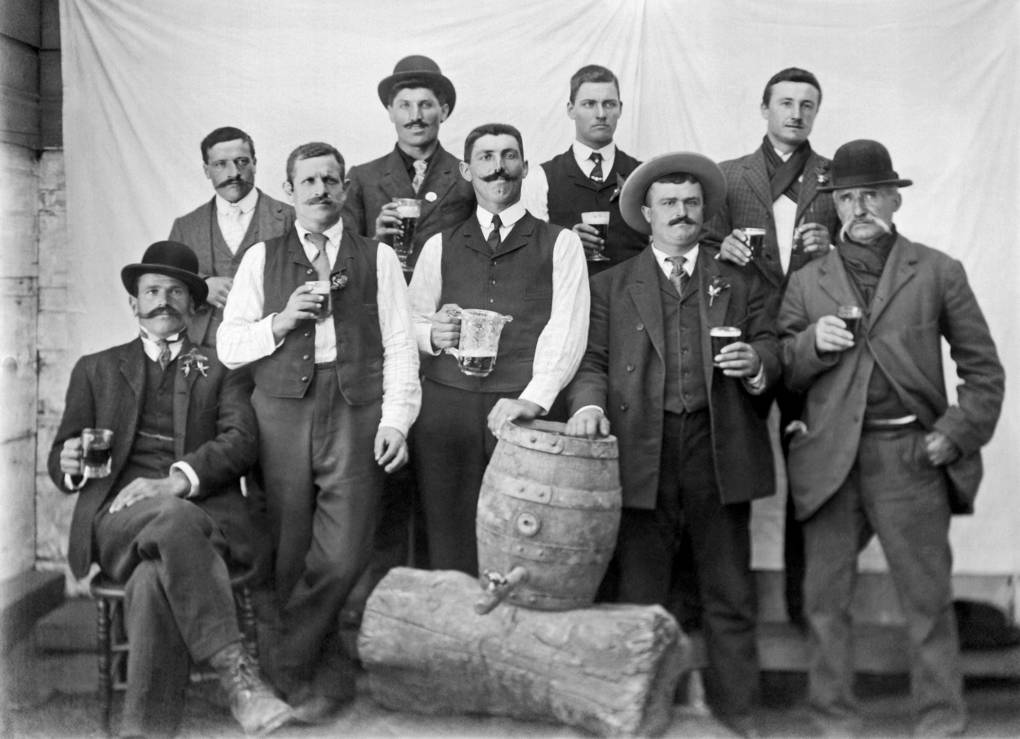
"caption": "A group of men with full glasses proudly pose with their keg of beer, San Francisco, California, 1895.",
"description": "A group of men with full glasses proudly pose with their keg of beer, San Francisco, California, 1895.",
"title": "A group of men with full glasses proudly pose with their keg of beer, San Francisco, California, 1895.",
"credit": "Underwood Archives/Getty Images",
"status": "inherit",
"isLoading": false,
"fetchFailed": false
},
"bayareabites_118200": {
"type": "attachments",
"id": "bayareabites_118200",
"meta": {
"index": "attachments_1716263798",
"site": "bayareabites",
"id": "118200",
"found": true
},
"parent": 118191,
"imgSizes": {
"small": {
"file": "https://ww2.kqed.org/app/uploads/sites/24/2017/06/checking_temp-NEW-520x347.jpg",
"width": 520,
"mimeType": "image/jpeg",
"height": 347
},
"twentyfourteen-full-width": {
"file": "https://ww2.kqed.org/app/uploads/sites/24/2017/06/checking_temp-NEW-1038x576.jpg",
"width": 1038,
"mimeType": "image/jpeg",
"height": 576
},
"thumbnail": {
"file": "https://ww2.kqed.org/app/uploads/sites/24/2017/06/checking_temp-NEW-160x107.jpg",
"width": 160,
"mimeType": "image/jpeg",
"height": 107
},
"fd-sm": {
"file": "https://ww2.kqed.org/app/uploads/sites/24/2017/06/checking_temp-NEW-960x640.jpg",
"width": 960,
"mimeType": "image/jpeg",
"height": 640
},
"post-thumbnail": {
"file": "https://ww2.kqed.org/app/uploads/sites/24/2017/06/checking_temp-NEW-672x372.jpg",
"width": 672,
"mimeType": "image/jpeg",
"height": 372
},
"xsmall": {
"file": "https://ww2.kqed.org/app/uploads/sites/24/2017/06/checking_temp-NEW-375x250.jpg",
"width": 375,
"mimeType": "image/jpeg",
"height": 250
},
"kqedFullSize": {
"file": "https://ww2.kqed.org/app/uploads/sites/24/2017/06/checking_temp-NEW.jpg",
"width": 1920,
"height": 1280
},
"large": {
"file": "https://ww2.kqed.org/app/uploads/sites/24/2017/06/checking_temp-NEW-1020x680.jpg",
"width": 1020,
"mimeType": "image/jpeg",
"height": 680
},
"xlarge": {
"file": "https://ww2.kqed.org/app/uploads/sites/24/2017/06/checking_temp-NEW-1180x787.jpg",
"width": 1180,
"mimeType": "image/jpeg",
"height": 787
},
"guest-author-50": {
"file": "https://ww2.kqed.org/app/uploads/sites/24/2017/06/checking_temp-NEW-50x50.jpg",
"width": 50,
"mimeType": "image/jpeg",
"height": 50
},
"guest-author-96": {
"file": "https://ww2.kqed.org/app/uploads/sites/24/2017/06/checking_temp-NEW-96x96.jpg",
"width": 96,
"mimeType": "image/jpeg",
"height": 96
},
"medium": {
"file": "https://ww2.kqed.org/app/uploads/sites/24/2017/06/checking_temp-NEW-800x533.jpg",
"width": 800,
"mimeType": "image/jpeg",
"height": 533
},
"guest-author-64": {
"file": "https://ww2.kqed.org/app/uploads/sites/24/2017/06/checking_temp-NEW-64x64.jpg",
"width": 64,
"mimeType": "image/jpeg",
"height": 64
},
"guest-author-32": {
"file": "https://ww2.kqed.org/app/uploads/sites/24/2017/06/checking_temp-NEW-32x32.jpg",
"width": 32,
"mimeType": "image/jpeg",
"height": 32
},
"fd-lrg": {
"file": "https://ww2.kqed.org/app/uploads/sites/24/2017/06/checking_temp-NEW-1920x1280.jpg",
"width": 1920,
"mimeType": "image/jpeg",
"height": 1280
},
"fd-med": {
"file": "https://ww2.kqed.org/app/uploads/sites/24/2017/06/checking_temp-NEW-1180x787.jpg",
"width": 1180,
"mimeType": "image/jpeg",
"height": 787
},
"full-width": {
"file": "https://ww2.kqed.org/app/uploads/sites/24/2017/06/checking_temp-NEW-1920x1280.jpg",
"width": 1920,
"mimeType": "image/jpeg",
"height": 1280
},
"detail": {
"file": "https://ww2.kqed.org/app/uploads/sites/24/2017/06/checking_temp-NEW-150x150.jpg",
"width": 150,
"mimeType": "image/jpeg",
"height": 150
},
"medium_large": {
"file": "https://ww2.kqed.org/app/uploads/sites/24/2017/06/checking_temp-NEW-768x512.jpg",
"width": 768,
"mimeType": "image/jpeg",
"height": 512
},
"guest-author-128": {
"file": "https://ww2.kqed.org/app/uploads/sites/24/2017/06/checking_temp-NEW-128x128.jpg",
"width": 128,
"mimeType": "image/jpeg",
"height": 128
},
"xxsmall": {
"file": "https://ww2.kqed.org/app/uploads/sites/24/2017/06/checking_temp-NEW-240x160.jpg",
"width": 240,
"mimeType": "image/jpeg",
"height": 160
}
},
"publishDate": 1497412295,
"modified": 1497484778,
"caption": "Sandidge checks the water temperature before pouring in grist.",
"description": null,
"title": "checking_temp-NEW",
"credit": "Kim Westerman",
"status": "inherit",
"isLoading": false,
"fetchFailed": false
},
"bayareabites_117313": {
"type": "attachments",
"id": "bayareabites_117313",
"meta": {
"index": "attachments_1716263798",
"site": "bayareabites",
"id": "117313",
"found": true
},
"parent": 117246,
"imgSizes": {
"small": {
"file": "https://ww2.kqed.org/app/uploads/sites/24/2017/05/15039522_1282466018465455_11211395912287701_o-520x347.jpg",
"width": 520,
"mimeType": "image/jpeg",
"height": 347
},
"twentyfourteen-full-width": {
"file": "https://ww2.kqed.org/app/uploads/sites/24/2017/05/15039522_1282466018465455_11211395912287701_o-1038x576.jpg",
"width": 1038,
"mimeType": "image/jpeg",
"height": 576
},
"thumbnail": {
"file": "https://ww2.kqed.org/app/uploads/sites/24/2017/05/15039522_1282466018465455_11211395912287701_o-160x107.jpg",
"width": 160,
"mimeType": "image/jpeg",
"height": 107
},
"fd-sm": {
"file": "https://ww2.kqed.org/app/uploads/sites/24/2017/05/15039522_1282466018465455_11211395912287701_o-960x640.jpg",
"width": 960,
"mimeType": "image/jpeg",
"height": 640
},
"post-thumbnail": {
"file": "https://ww2.kqed.org/app/uploads/sites/24/2017/05/15039522_1282466018465455_11211395912287701_o-672x372.jpg",
"width": 672,
"mimeType": "image/jpeg",
"height": 372
},
"xsmall": {
"file": "https://ww2.kqed.org/app/uploads/sites/24/2017/05/15039522_1282466018465455_11211395912287701_o-375x250.jpg",
"width": 375,
"mimeType": "image/jpeg",
"height": 250
},
"kqedFullSize": {
"file": "https://ww2.kqed.org/app/uploads/sites/24/2017/05/15039522_1282466018465455_11211395912287701_o.jpg",
"width": 2048,
"height": 1365
},
"large": {
"file": "https://ww2.kqed.org/app/uploads/sites/24/2017/05/15039522_1282466018465455_11211395912287701_o-1020x680.jpg",
"width": 1020,
"mimeType": "image/jpeg",
"height": 680
},
"xlarge": {
"file": "https://ww2.kqed.org/app/uploads/sites/24/2017/05/15039522_1282466018465455_11211395912287701_o-1180x786.jpg",
"width": 1180,
"mimeType": "image/jpeg",
"height": 786
},
"guest-author-50": {
"file": "https://ww2.kqed.org/app/uploads/sites/24/2017/05/15039522_1282466018465455_11211395912287701_o-50x50.jpg",
"width": 50,
"mimeType": "image/jpeg",
"height": 50
},
"guest-author-96": {
"file": "https://ww2.kqed.org/app/uploads/sites/24/2017/05/15039522_1282466018465455_11211395912287701_o-96x96.jpg",
"width": 96,
"mimeType": "image/jpeg",
"height": 96
},
"medium": {
"file": "https://ww2.kqed.org/app/uploads/sites/24/2017/05/15039522_1282466018465455_11211395912287701_o-800x533.jpg",
"width": 800,
"mimeType": "image/jpeg",
"height": 533
},
"guest-author-64": {
"file": "https://ww2.kqed.org/app/uploads/sites/24/2017/05/15039522_1282466018465455_11211395912287701_o-64x64.jpg",
"width": 64,
"mimeType": "image/jpeg",
"height": 64
},
"guest-author-32": {
"file": "https://ww2.kqed.org/app/uploads/sites/24/2017/05/15039522_1282466018465455_11211395912287701_o-32x32.jpg",
"width": 32,
"mimeType": "image/jpeg",
"height": 32
},
"fd-lrg": {
"file": "https://ww2.kqed.org/app/uploads/sites/24/2017/05/15039522_1282466018465455_11211395912287701_o-1920x1280.jpg",
"width": 1920,
"mimeType": "image/jpeg",
"height": 1280
},
"fd-med": {
"file": "https://ww2.kqed.org/app/uploads/sites/24/2017/05/15039522_1282466018465455_11211395912287701_o-1180x786.jpg",
"width": 1180,
"mimeType": "image/jpeg",
"height": 786
},
"full-width": {
"file": "https://ww2.kqed.org/app/uploads/sites/24/2017/05/15039522_1282466018465455_11211395912287701_o-1920x1280.jpg",
"width": 1920,
"mimeType": "image/jpeg",
"height": 1280
},
"detail": {
"file": "https://ww2.kqed.org/app/uploads/sites/24/2017/05/15039522_1282466018465455_11211395912287701_o-150x150.jpg",
"width": 150,
"mimeType": "image/jpeg",
"height": 150
},
"medium_large": {
"file": "https://ww2.kqed.org/app/uploads/sites/24/2017/05/15039522_1282466018465455_11211395912287701_o-768x512.jpg",
"width": 768,
"mimeType": "image/jpeg",
"height": 512
},
"guest-author-128": {
"file": "https://ww2.kqed.org/app/uploads/sites/24/2017/05/15039522_1282466018465455_11211395912287701_o-128x128.jpg",
"width": 128,
"mimeType": "image/jpeg",
"height": 128
},
"xxsmall": {
"file": "https://ww2.kqed.org/app/uploads/sites/24/2017/05/15039522_1282466018465455_11211395912287701_o-240x160.jpg",
"width": 240,
"mimeType": "image/jpeg",
"height": 160
}
},
"publishDate": 1494458492,
"modified": 1494458533,
"caption": "A Drake's Brewing Gose at its brewery.",
"description": "A Drake's Brewing Gose at its brewery.",
"title": "15039522_1282466018465455_11211395912287701_o",
"credit": "Courtesy of Drake's",
"status": "inherit",
"isLoading": false,
"fetchFailed": false
}
},
"audioPlayerReducer": {
"postId": "stream_live",
"isPaused": true,
"isPlaying": false,
"pfsActive": false,
"pledgeModalIsOpen": true,
"playerDrawerIsOpen": false,
"liveAudioPlayStartedAt": 0,
"liveAudioPlayContext": ""
},
"authorsReducer": {
"byline_bayareabites_125656": {
"type": "authors",
"id": "byline_bayareabites_125656",
"meta": {
"override": true
},
"slug": "byline_bayareabites_125656",
"name": "\u003ca href=\"http://www.wbur.org/inside/staff/andrea-shea\">Andrea Shea,\u003c/a> \u003ca href=\"http://www.wbur.org/artery/2018/03/09/women-brew-day-massachusetts\">WBUR,\u003c/a> NPR Food",
"isLoading": false
},
"byline_bayareabites_124584": {
"type": "authors",
"id": "byline_bayareabites_124584",
"meta": {
"override": true
},
"slug": "byline_bayareabites_124584",
"name": "Christi Warren and Sofia Englund, \u003cstrong>\u003ca href=\"http://www.sonomamag.com/10-things-you-need-to-know-about-russian-river-brewings-pliny-the-younger\">Sonoma Magazine\u003c/strong>\u003c/a>",
"isLoading": false
},
"byline_bayareabites_122569": {
"type": "authors",
"id": "byline_bayareabites_122569",
"meta": {
"override": true
},
"slug": "byline_bayareabites_122569",
"name": "Maanvi Singh, NPR Food",
"isLoading": false
},
"byline_bayareabites_122158": {
"type": "authors",
"id": "byline_bayareabites_122158",
"meta": {
"override": true
},
"slug": "byline_bayareabites_122158",
"name": "Nina Martyris, \u003ca href=\"https://ww2.kqed.org/bayareabites/author/nprfood/\">NPR Food\u003c/a>",
"isLoading": false
},
"byline_bayareabites_122000": {
"type": "authors",
"id": "byline_bayareabites_122000",
"meta": {
"override": true
},
"slug": "byline_bayareabites_122000",
"name": "\u003ca href=\"http://www.sonomamag.com/author/jvallery/\">Jess Poshepny Vallery,\u003c/a> \u003ca href=\"http://www.sonomamag.com/\">Sonoma Magazine\u003c/a>",
"isLoading": false
},
"byline_bayareabites_121594": {
"type": "authors",
"id": "byline_bayareabites_121594",
"meta": {
"override": true
},
"slug": "byline_bayareabites_121594",
"name": "Kirk Siegler, NPR Food",
"isLoading": false
},
"byline_bayareabites_121154": {
"type": "authors",
"id": "byline_bayareabites_121154",
"meta": {
"override": true
},
"slug": "byline_bayareabites_121154",
"name": "Ian Graber-Stiehl, \u003ca href=\"https://ww2.kqed.org/bayareabites/contributors/\">NPR Food\u003c/a>",
"isLoading": false
},
"byline_bayareabites_120858": {
"type": "authors",
"id": "byline_bayareabites_120858",
"meta": {
"override": true
},
"slug": "byline_bayareabites_120858",
"name": "Alastair Bland, \u003ca href=\"https://ww2.kqed.org/bayareabites/author/nprfood/\">NPR Food\u003c/a>",
"isLoading": false
},
"byline_bayareabites_119499": {
"type": "authors",
"id": "byline_bayareabites_119499",
"meta": {
"override": true
},
"slug": "byline_bayareabites_119499",
"name": "Alastair Bland, \u003ca href=\"https://ww2.kqed.org/bayareabites/author/nprfood/\">NPR Food\u003c/a>",
"isLoading": false
},
"byline_bayareabites_118750": {
"type": "authors",
"id": "byline_bayareabites_118750",
"meta": {
"override": true
},
"slug": "byline_bayareabites_118750",
"name": "\u003ca href=\"http://www.npr.org/people/2101154/ari-shapiro\">Ari Shapiro\u003c/a> and Justine Kenin, \u003ca href=\"https://ww2.kqed.org/bayareabites/author/nprfood/\">NPR Food\u003c/a>",
"isLoading": false
},
"kdomara": {
"type": "authors",
"id": "1459",
"meta": {
"index": "authors_1716337520",
"id": "1459",
"found": true
},
"name": "Kelly O'Mara",
"firstName": "Kelly",
"lastName": "O'Mara",
"slug": "kdomara",
"email": "komara@kqed.org",
"display_author_email": false,
"staff_mastheads": [
"news"
],
"title": "KQED Contributor",
"bio": "Kelly O'Mara is a writer and reporter in the San Francisco Bay Area. She writes about food, health, sports, travel, business and California news. Her work has appeared on KQED, online for Outside Magazine, epsnW, VICE and in Competitor Magazine, among others. Follow Kelly on Twitter \u003ca href=\"https://twitter.com/kellydomara\">@kellydomara\u003c/a>.",
"avatar": "https://secure.gravatar.com/avatar/768fec7412028b72f13bdd0f5f9d8186?s=600&d=blank&r=g",
"twitter": null,
"facebook": null,
"instagram": null,
"linkedin": null,
"sites": [
{
"site": "arts",
"roles": []
},
{
"site": "news",
"roles": []
},
{
"site": "bayareabites",
"roles": []
},
{
"site": "stateofhealth",
"roles": []
},
{
"site": "science",
"roles": []
},
{
"site": "checkplease",
"roles": [
"editor"
]
},
{
"site": "food",
"roles": []
},
{
"site": "forum",
"roles": [
"editor"
]
},
{
"site": "liveblog",
"roles": [
"editor"
]
}
],
"headData": {
"title": "Kelly O'Mara | KQED",
"description": "KQED Contributor",
"ogImgSrc": "https://secure.gravatar.com/avatar/768fec7412028b72f13bdd0f5f9d8186?s=600&d=blank&r=g",
"twImgSrc": "https://secure.gravatar.com/avatar/768fec7412028b72f13bdd0f5f9d8186?s=600&d=blank&r=g"
},
"isLoading": false,
"link": "/author/kdomara"
},
"kimwesterman": {
"type": "authors",
"id": "5575",
"meta": {
"index": "authors_1716337520",
"id": "5575",
"found": true
},
"name": "Kim Westerman",
"firstName": "Kim",
"lastName": "Westerman",
"slug": "kimwesterman",
"email": "kim.westerman@gmail.com",
"display_author_email": false,
"staff_mastheads": [],
"title": null,
"bio": "Kim Westerman has been writing about food and wine for most of her adult life. Originally from North Carolina, she moved to Berkeley in 2006 to pursue the California dream, which, it turns out, is all it’s cracked up to be. She’s a farmers' market junkie, a lover of all things tomato, and Champagne-obsessed. She loves to cook with her kids, eight and three, and she makes frequent pilgrimages to International Boulevard in search of her next favorite Mexican dish. She spends an inordinate amount of time thinking about food and wine pairing, often starting with the wine and working backwards when planning menus. She is a Level I Sommelier and a Licensed Q-Grader. Her work has appeared in KQED's Bay Area Bites, Forbes.com, the New York Times, the San Francisco Chronicle, Tasting Table, Fodor’s Travel Guides, and lots of other publications. You can follow Kim on Twitter and Instagram @throughtraveler.",
"avatar": "https://secure.gravatar.com/avatar/2eb7f890ab19ead33f77fd8554ac4c39?s=600&d=blank&r=g",
"twitter": null,
"facebook": null,
"instagram": null,
"linkedin": null,
"sites": [
{
"site": "bayareabites",
"roles": [
"contributor"
]
},
{
"site": "food",
"roles": [
"contributor"
]
}
],
"headData": {
"title": "Kim Westerman | KQED",
"description": null,
"ogImgSrc": "https://secure.gravatar.com/avatar/2eb7f890ab19ead33f77fd8554ac4c39?s=600&d=blank&r=g",
"twImgSrc": "https://secure.gravatar.com/avatar/2eb7f890ab19ead33f77fd8554ac4c39?s=600&d=blank&r=g"
},
"isLoading": false,
"link": "/author/kimwesterman"
}
},
"pagesReducer": {
"bayareabites_category_beer": {
"type": "terms",
"id": "bayareabites_301",
"meta": {
"index": "terms_1716263798",
"site": "bayareabites",
"id": "301",
"score": 12.370327
},
"featImg": null,
"name": "beer",
"description": "Beer",
"taxonomy": "category",
"headData": {
"twImgId": null,
"twTitle": null,
"ogTitle": null,
"ogImgId": null,
"twDescription": null,
"description": "beer",
"title": "beer Archives | KQED Bay Area Bites",
"ogDescription": null
},
"ttid": 1071,
"slug": "beer",
"isLoading": false,
"title": "beer",
"pageMeta": {
"site": "bayareabites",
"WpPageTemplate": "page-topic-editorial",
"currentPage": 3
},
"blocks": [
{
"blockName": "kqed/company-paragraph",
"content": "Beer"
},
{
"blockName": "kqed/post-list",
"attrs": {
"layout": "cardArticle2",
"query": "posts/bayareabites?category=beer",
"seeMore": false,
"paginated": true,
"page": 3
}
},
{
"blockName": "kqed/ad"
}
]
}
},
"pfsSessionReducer": {},
"postsReducer": {
"stream_live": {
"type": "live",
"id": "stream_live",
"audioUrl": "https://streams.kqed.org/kqedradio",
"title": "Live Stream",
"excerpt": "Live Stream information currently unavailable.",
"link": "/radio",
"featImg": "",
"label": {
"name": "KQED Live",
"link": "/"
}
},
"stream_kqedNewscast": {
"type": "posts",
"id": "stream_kqedNewscast",
"audioUrl": "https://www.kqed.org/.stream/anon/radio/RDnews/newscast.mp3?_=1",
"title": "KQED Newscast",
"featImg": "",
"label": {
"name": "88.5 FM",
"link": "/"
}
},
"bayareabites_125656": {
"type": "posts",
"id": "bayareabites_125656",
"meta": {
"index": "posts_1716263798",
"site": "bayareabites",
"id": "125656",
"score": null,
"sort": [
1520968942000
]
},
"parent": 0,
"labelTerm": {},
"blocks": [],
"publishDate": 1520968942,
"format": "standard",
"disqusTitle": "Not Just The Boys' Beer Club: Female Crafters Tap Their Skills For Brew Day",
"title": "Not Just The Boys' Beer Club: Female Crafters Tap Their Skills For Brew Day",
"headTitle": "Bay Area Bites | KQED Food",
"content": "\u003cp>\u003cstrong>Listen to the story on WBUR:\u003c/strong>\u003cbr>\n\u003ciframe width=\"100%\" height=\"124\" scrolling=\"no\" frameborder=\"no\" src=\"https://player.wbur.org/artery/2018/03/09/women-brew-day-massachusetts\">\u003c/iframe>\u003c/p>\n\u003cp>Last week, women around the U.S. collaborated to make batches of beer.\u003c/p>\n\u003cp>Here in Massachusetts, more than 20 breweries signed on to highlight women's increasing influence on what's been a male-dominated industry. But, many women in the field note there are still challenges.\u003c/p>\n\u003cp>Maureen Fabry has been a professional brewer for 20 years and recalled how, early on in her career, she felt like she needed to prove herself. \"Not just mentally with the science, but the physical aspect of the job,\" says Fabry. \"You know what that's like, having to pick up a half-barrel keg or 50-pound bag of grain and be on your feet 10 hours a day, seven days a week?\"\u003c/p>\n\u003cp>Brewing has long been a boys' club. Fabry never felt excluded because of her gender — and she felt supported by many men — but she did work hard to find female mentors.\u003c/p>\n\u003cp>[ad fullwidth]\u003c/p>\n\u003cp>\"Yeah, I mean, I did have that little agenda,\" she says, laughing, \"but I think the more I worked in the brewing industry, the more I noticed that there were other women in sort of supporting roles within brewing, but not so many like on the floor, you know, getting their hands and feet wet.\"\u003c/p>\n\u003cp>Now, Fabry co-runs CraftRoots, her 1-year-old, 100 percent female-owned brewery in Milford, Mass. That's where this week she brewed a pink-hued, Belgian wheat beer for the collaborative brew day — part of a growing initiative involving women brewers around the world. The event was created by the Pink Boots Society, an international nonprofit that provides scholarships for women who want to move ahead in all different aspects of the brewing industry — from making beer to hops cultivation to quality control and taproom management.\u003c/p>\n\u003cp>\"There's actually more women running the brewing industry than people think,\" says Brienne Allan, head of Boston's Pink Boots Society chapter and production manager at the Notch Brewing Company in Salem, Mass. \"A lot of them are brewery owners — and no one knows.\"\u003c/p>\n\u003cp>Allan says roughly 240 teams of women from 10 countries registered for the Pink Boots Collaboration Brew Day. In the U.S., participants hailed from 46 states.\u003c/p>\n\u003cp>Allan recruited the roughly two dozen Massachusetts breweries that participated in last Thursday's event — up from three last year. Each team developed its own recipe for the group brew. At Notch, for example, 20 women joined Allan in creating a pilsner. Proceeds from the collaborative beers — concocted on International Women's Day — will go back to Pink Boots.\u003c/p>\n\u003cp>The brewery Exhibit \"A\" in Framingham, Mass., hosted about a half-dozen women who swapped business cards and beer experiences in its big, industrial warehouse surrounded by gleaming, stainless steel fermentation tanks. Kristen Sykes walked around sporting bright pink rubber boots, beer mug earrings and a black T-shirt that read, \"Mash the Patriarchy.\" She heads up the Boston Area Beer Enthusiasts Society (BABES).\u003c/p>\n\u003cp>\"There are women who have always been supporting men in the beer industry, but they're kind of behind the scenes because they're not the rock star brewer that everybody does media about — but they're the ones who are basically keeping the lights on,\" Sykes says.\u003c/p>\n\u003cp>Sykes helped create the label and recipe for Thursday's brew: a hoppy wheat beer made with lemon verbena. Andrea Stanley grew the grains at Valley Malt, her farm and malt house in western Massachusetts. She observed that while women in beer have come a long way, there's still a lot of work to be done throughout the beer ecosystem.\u003c/p>\n\u003cp>\"The whole ripple of the industry — you have the people that are working behind the bar that are a lot of times hired because they have a certain body shape, or whatever, you know?\" said Stanley.\u003c/p>\n\u003cp>Equality and diversity are also issues for home brewer Lisa Small. \"Still very white, male-centric,\" Small says of the craft beer world. \"I mean, you go to any brewery and usually the head brewer is a man, who's usually white.\"\u003c/p>\n\u003cp>That's the case at Exhibit \"A,\" where the brewery is still predominantly male-run. But head brewer Matthew Steinberg says he started training one of his female employees, Katie Beaucage, after she expressed interest. Now she splits her time between brewery operations and the tap room.\u003c/p>\n\u003cp>For Steinberg, this female-driven brew day is as much about supporting women as it is about making beer. \"Yes, the liquid is the thing that's going to bring us all together, especially when the beer is [ready] and we're in this room drinking it all together, hopefully,\" he says. \"I still feel that it's about the conversations that are happening right now, behind us, that speak volumes to what I think the beer industry will be in a few years.\"\u003c/p>\n\u003cp>There are no stats about the number of females in the nation's booming craft beer industry. \"Unfortunately, no one is tracking that data yet,\" says Katie Stinchon, executive director of the Massachusetts Brewers Guild. The national \u003ca href=\"https://www.brewersassociation.org/\">Brewers Association\u003c/a> also said it did not know of any such figures.\u003c/p>\n\u003cp>\"I think it's something we're all interested in going forward,\" she says,\" because we want to know the power of the industry and how many female-driven breweries we have.\"\u003c/p>\n\u003cp>Stinchon adds, \"There's a lot of female finger prints — if you will — on each beer that's getting out the door, so we're really proud of that.\"\u003c/p>\n\u003cp>But even with the rise of women throughout the industry's ranks, Brew Day organizer Brienne Allan feels frustrated. In the age of #MeToo, she notes that some breweries have been jumping to market or re-brand products for women — including a beer made with food-grade glitter.\u003c/p>\n\u003cp>\"A lot of places think they're helping, and they're not actually realizing that they're just segregating everyone even more,\" says Allan.\u003c/p>\n\u003cp>Sexism goes down slowly, it seems. Longtime brewer Maureen Fabry recalled a recent patron from Eastern Europe who couldn't believe she's the one-and-only brewer at CraftRoots.\u003c/p>\n\u003cp>\"But then he started drinking the beer, and he got over it,\" she says, laughing. \"And if that's how I have to prove that a female can do it — by what's in the glass — that is what makes me the most happy, that is where the battlefield should be.\"\u003c/p>\n\u003cp>The Pink Boots brew day beers will be ready in three to four weeks; the women who pitched in to make them hope to gather together to share the fruits of each team's labor.\u003c/p>\n\u003cp>\u003cem>Andrea Shea is a senior arts and sometimes agriculture reporter at Boston member station WBUR, which \u003c/em>\u003ca href=\"http://www.wbur.org/artery/2018/03/09/women-brew-day-massachusetts\">\u003cem>first aired\u003c/em>\u003c/a>\u003cem> this story. She was a professional brewer back in the '90s and continues to track the industry's evolution.\u003c/em>\u003c/p>\n\u003cp>[ad floatright]\u003c/p>\n\u003cp>\u003cem>Copyright 2018 \u003ca href=\"http://www.wbur.org\">WBUR\u003c/a>.\u003c/em> \u003c/p>\n\n",
"disqusIdentifier": "125656 https://ww2.kqed.org/bayareabites/?p=125656",
"disqusUrl": "https://ww2.kqed.org/bayareabites/2018/03/13/not-just-the-boys-beer-club-female-crafters-tap-their-skills-for-brew-day/",
"stats": {
"hasVideo": false,
"hasChartOrMap": true,
"hasAudio": false,
"hasPolis": false,
"wordCount": 1171,
"hasGoogleForm": false,
"hasGallery": false,
"hasHearkenModule": false,
"iframeSrcs": [
"https://player.wbur.org/artery/2018/03/09/women-brew-day-massachusetts"
],
"paragraphCount": 29
},
"modified": 1521114562,
"excerpt": "Women around the U.S. joined forces to make batches of beer last week. The event is part of a global initiative to highlight women's growing influence on a traditionally male-dominated industry.",
"headData": {
"twImgId": "",
"twTitle": "",
"ogTitle": "",
"ogImgId": "",
"twDescription": "",
"description": "Women around the U.S. joined forces to make batches of beer last week. The event is part of a global initiative to highlight women's growing influence on a traditionally male-dominated industry.",
"title": "Not Just The Boys' Beer Club: Female Crafters Tap Their Skills For Brew Day | KQED",
"ogDescription": "",
"schema": {
"@context": "https://schema.org",
"@type": "Article",
"headline": "Not Just The Boys' Beer Club: Female Crafters Tap Their Skills For Brew Day",
"datePublished": "2018-03-13T12:22:22-07:00",
"dateModified": "2018-03-15T04:49:22-07:00",
"image": "https://cdn.kqed.org/wp-content/uploads/2020/02/KQED-OG-Image@1x.png"
}
},
"guestAuthors": [],
"slug": "not-just-the-boys-beer-club-female-crafters-tap-their-skills-for-brew-day",
"status": "publish",
"sourceUrl": "https://www.kqed.org/bayareabites/category/beer",
"nprApiLink": "http://api.npr.org/query?id=593171590&apiKey=MDAxOTAwOTE4MDEyMTkxMDAzNjczZDljZA004",
"nprByline": "\u003ca href=\"http://www.wbur.org/inside/staff/andrea-shea\">Andrea Shea,\u003c/a> \u003ca href=\"http://www.wbur.org/artery/2018/03/09/women-brew-day-massachusetts\">WBUR,\u003c/a> NPR Food",
"nprStoryDate": "Tue, 13 Mar 2018 13:33:00 -0400",
"nprLastModifiedDate": "Tue, 13 Mar 2018 13:49:28 -0400",
"nprHtmlLink": "https://www.npr.org/sections/thesalt/2018/03/13/593171590/not-just-the-boys-beer-club-female-crafters-tap-their-skills-for-brew-day?ft=nprml&f=593171590",
"nprImageAgency": "WBUR",
"nprImageCredit": "Jesse Costa",
"source": "Beer",
"nprStoryId": "593171590",
"nprRetrievedStory": "1",
"nprPubDate": "Tue, 13 Mar 2018 13:49:00 -0400",
"path": "/bayareabites/125656/not-just-the-boys-beer-club-female-crafters-tap-their-skills-for-brew-day",
"audioTrackLength": null,
"parsedContent": [
{
"type": "contentString",
"content": "\u003cdiv class=\"post-body\">\u003cp>\u003cp>\u003cstrong>Listen to the story on WBUR:\u003c/strong>\u003cbr>\n\u003ciframe width=\"100%\" height=\"124\" scrolling=\"no\" frameborder=\"no\" src=\"https://player.wbur.org/artery/2018/03/09/women-brew-day-massachusetts\">\u003c/iframe>\u003c/p>\n\u003cp>Last week, women around the U.S. collaborated to make batches of beer.\u003c/p>\n\u003cp>Here in Massachusetts, more than 20 breweries signed on to highlight women's increasing influence on what's been a male-dominated industry. But, many women in the field note there are still challenges.\u003c/p>\n\u003cp>Maureen Fabry has been a professional brewer for 20 years and recalled how, early on in her career, she felt like she needed to prove herself. \"Not just mentally with the science, but the physical aspect of the job,\" says Fabry. \"You know what that's like, having to pick up a half-barrel keg or 50-pound bag of grain and be on your feet 10 hours a day, seven days a week?\"\u003c/p>\n\u003cp>Brewing has long been a boys' club. Fabry never felt excluded because of her gender — and she felt supported by many men — but she did work hard to find female mentors.\u003c/p>\n\u003cp>\u003c/p>\u003c/div>",
"attributes": {
"named": {},
"numeric": []
}
},
{
"type": "component",
"content": "",
"name": "ad",
"attributes": {
"named": {
"label": "fullwidth"
},
"numeric": [
"fullwidth"
]
}
},
{
"type": "contentString",
"content": "\u003cdiv class=\"post-body\">\u003cp>\u003c/p>\n\u003cp>\"Yeah, I mean, I did have that little agenda,\" she says, laughing, \"but I think the more I worked in the brewing industry, the more I noticed that there were other women in sort of supporting roles within brewing, but not so many like on the floor, you know, getting their hands and feet wet.\"\u003c/p>\n\u003cp>Now, Fabry co-runs CraftRoots, her 1-year-old, 100 percent female-owned brewery in Milford, Mass. That's where this week she brewed a pink-hued, Belgian wheat beer for the collaborative brew day — part of a growing initiative involving women brewers around the world. The event was created by the Pink Boots Society, an international nonprofit that provides scholarships for women who want to move ahead in all different aspects of the brewing industry — from making beer to hops cultivation to quality control and taproom management.\u003c/p>\n\u003cp>\"There's actually more women running the brewing industry than people think,\" says Brienne Allan, head of Boston's Pink Boots Society chapter and production manager at the Notch Brewing Company in Salem, Mass. \"A lot of them are brewery owners — and no one knows.\"\u003c/p>\n\u003cp>Allan says roughly 240 teams of women from 10 countries registered for the Pink Boots Collaboration Brew Day. In the U.S., participants hailed from 46 states.\u003c/p>\n\u003cp>Allan recruited the roughly two dozen Massachusetts breweries that participated in last Thursday's event — up from three last year. Each team developed its own recipe for the group brew. At Notch, for example, 20 women joined Allan in creating a pilsner. Proceeds from the collaborative beers — concocted on International Women's Day — will go back to Pink Boots.\u003c/p>\n\u003cp>The brewery Exhibit \"A\" in Framingham, Mass., hosted about a half-dozen women who swapped business cards and beer experiences in its big, industrial warehouse surrounded by gleaming, stainless steel fermentation tanks. Kristen Sykes walked around sporting bright pink rubber boots, beer mug earrings and a black T-shirt that read, \"Mash the Patriarchy.\" She heads up the Boston Area Beer Enthusiasts Society (BABES).\u003c/p>\n\u003cp>\"There are women who have always been supporting men in the beer industry, but they're kind of behind the scenes because they're not the rock star brewer that everybody does media about — but they're the ones who are basically keeping the lights on,\" Sykes says.\u003c/p>\n\u003cp>Sykes helped create the label and recipe for Thursday's brew: a hoppy wheat beer made with lemon verbena. Andrea Stanley grew the grains at Valley Malt, her farm and malt house in western Massachusetts. She observed that while women in beer have come a long way, there's still a lot of work to be done throughout the beer ecosystem.\u003c/p>\n\u003cp>\"The whole ripple of the industry — you have the people that are working behind the bar that are a lot of times hired because they have a certain body shape, or whatever, you know?\" said Stanley.\u003c/p>\n\u003cp>Equality and diversity are also issues for home brewer Lisa Small. \"Still very white, male-centric,\" Small says of the craft beer world. \"I mean, you go to any brewery and usually the head brewer is a man, who's usually white.\"\u003c/p>\n\u003cp>That's the case at Exhibit \"A,\" where the brewery is still predominantly male-run. But head brewer Matthew Steinberg says he started training one of his female employees, Katie Beaucage, after she expressed interest. Now she splits her time between brewery operations and the tap room.\u003c/p>\n\u003cp>For Steinberg, this female-driven brew day is as much about supporting women as it is about making beer. \"Yes, the liquid is the thing that's going to bring us all together, especially when the beer is [ready] and we're in this room drinking it all together, hopefully,\" he says. \"I still feel that it's about the conversations that are happening right now, behind us, that speak volumes to what I think the beer industry will be in a few years.\"\u003c/p>\n\u003cp>There are no stats about the number of females in the nation's booming craft beer industry. \"Unfortunately, no one is tracking that data yet,\" says Katie Stinchon, executive director of the Massachusetts Brewers Guild. The national \u003ca href=\"https://www.brewersassociation.org/\">Brewers Association\u003c/a> also said it did not know of any such figures.\u003c/p>\n\u003cp>\"I think it's something we're all interested in going forward,\" she says,\" because we want to know the power of the industry and how many female-driven breweries we have.\"\u003c/p>\n\u003cp>Stinchon adds, \"There's a lot of female finger prints — if you will — on each beer that's getting out the door, so we're really proud of that.\"\u003c/p>\n\u003cp>But even with the rise of women throughout the industry's ranks, Brew Day organizer Brienne Allan feels frustrated. In the age of #MeToo, she notes that some breweries have been jumping to market or re-brand products for women — including a beer made with food-grade glitter.\u003c/p>\n\u003cp>\"A lot of places think they're helping, and they're not actually realizing that they're just segregating everyone even more,\" says Allan.\u003c/p>\n\u003cp>Sexism goes down slowly, it seems. Longtime brewer Maureen Fabry recalled a recent patron from Eastern Europe who couldn't believe she's the one-and-only brewer at CraftRoots.\u003c/p>\n\u003cp>\"But then he started drinking the beer, and he got over it,\" she says, laughing. \"And if that's how I have to prove that a female can do it — by what's in the glass — that is what makes me the most happy, that is where the battlefield should be.\"\u003c/p>\n\u003cp>The Pink Boots brew day beers will be ready in three to four weeks; the women who pitched in to make them hope to gather together to share the fruits of each team's labor.\u003c/p>\n\u003cp>\u003cem>Andrea Shea is a senior arts and sometimes agriculture reporter at Boston member station WBUR, which \u003c/em>\u003ca href=\"http://www.wbur.org/artery/2018/03/09/women-brew-day-massachusetts\">\u003cem>first aired\u003c/em>\u003c/a>\u003cem> this story. She was a professional brewer back in the '90s and continues to track the industry's evolution.\u003c/em>\u003c/p>\n\u003cp>\u003c/p>\u003c/div>",
"attributes": {
"named": {},
"numeric": []
}
},
{
"type": "component",
"content": "",
"name": "ad",
"attributes": {
"named": {
"label": "floatright"
},
"numeric": [
"floatright"
]
}
},
{
"type": "contentString",
"content": "\u003cdiv class=\"post-body\">\u003cp>\u003c/p>\n\u003cp>\u003cem>Copyright 2018 \u003ca href=\"http://www.wbur.org\">WBUR\u003c/a>.\u003c/em> \u003c/p>\n\n\u003c/div>\u003c/p>",
"attributes": {
"named": {},
"numeric": []
}
}
],
"link": "/bayareabites/125656/not-just-the-boys-beer-club-female-crafters-tap-their-skills-for-brew-day",
"authors": [
"byline_bayareabites_125656"
],
"categories": [
"bayareabites_301",
"bayareabites_11028",
"bayareabites_4084"
],
"tags": [
"bayareabites_15049",
"bayareabites_16079",
"bayareabites_14211"
],
"featImg": "bayareabites_125657",
"label": "source_bayareabites_125656"
},
"bayareabites_124584": {
"type": "posts",
"id": "bayareabites_124584",
"meta": {
"index": "posts_1716263798",
"site": "bayareabites",
"id": "124584",
"score": null,
"sort": [
1517065806000
]
},
"parent": 0,
"labelTerm": {
"site": "bayareabites"
},
"blocks": [],
"publishDate": 1517065806,
"format": "standard",
"disqusTitle": "It’s Pliny Time! 10 Things You Need to Know About Russian River’s Most Famous Brew",
"title": "It’s Pliny Time! 10 Things You Need to Know About Russian River’s Most Famous Brew",
"headTitle": "Bay Area Bites | KQED Food",
"content": "\u003cp>It’s either the best of times or the worst of times, but either way, it is time. Pliny the Younger, Russian River Brewing Co.’s super-hoppy triple India pale ale, is \u003cem>almost\u003c/em> here. Its 14th-annual release is expected to bring thousands of self-proclaimed beer geeks — and their money — to downtown Santa Rosa beginning Friday, Feb. 2. To get you primed for Pliny time, we’ve answered some of the most common questions about the coveted brew. Here's everything you need to know about what Beer Advocate has anointed the world’s top-rated IPA.\u003c/p>\n\u003cfigure id=\"attachment_124591\" class=\"wp-caption aligncenter\" style=\"max-width: 1024px\">\u003ca href=\"https://ww2.kqed.org/bayareabites/wp-content/uploads/sites/24/2018/01/CC0203_PLINY_GROUPSELFIE_814009-1024x656.jpg\">\u003cimg src=\"https://ww2.kqed.org/bayareabites/wp-content/uploads/sites/24/2018/01/CC0203_PLINY_GROUPSELFIE_814009-1024x656.jpg\" alt=\"Victor Arrazabal, foreground, shoots a selfie with Sergio Guadron, left, Hernan Tobar, and Victor Arana, at the Russian River Brewing Company in 2017. The friends travelled from Los Angeles for the annual release of Pliny.\" width=\"1024\" height=\"656\" class=\"size-full wp-image-124591\" srcset=\"https://ww2.kqed.org/app/uploads/sites/24/2018/01/CC0203_PLINY_GROUPSELFIE_814009-1024x656.jpg 1024w, https://ww2.kqed.org/app/uploads/sites/24/2018/01/CC0203_PLINY_GROUPSELFIE_814009-1024x656-160x103.jpg 160w, https://ww2.kqed.org/app/uploads/sites/24/2018/01/CC0203_PLINY_GROUPSELFIE_814009-1024x656-800x513.jpg 800w, https://ww2.kqed.org/app/uploads/sites/24/2018/01/CC0203_PLINY_GROUPSELFIE_814009-1024x656-768x492.jpg 768w, https://ww2.kqed.org/app/uploads/sites/24/2018/01/CC0203_PLINY_GROUPSELFIE_814009-1024x656-1020x653.jpg 1020w, https://ww2.kqed.org/app/uploads/sites/24/2018/01/CC0203_PLINY_GROUPSELFIE_814009-1024x656-960x615.jpg 960w, https://ww2.kqed.org/app/uploads/sites/24/2018/01/CC0203_PLINY_GROUPSELFIE_814009-1024x656-240x154.jpg 240w, https://ww2.kqed.org/app/uploads/sites/24/2018/01/CC0203_PLINY_GROUPSELFIE_814009-1024x656-375x240.jpg 375w, https://ww2.kqed.org/app/uploads/sites/24/2018/01/CC0203_PLINY_GROUPSELFIE_814009-1024x656-520x333.jpg 520w\" sizes=\"(max-width: 1024px) 100vw, 1024px\">\u003c/a>\u003cfigcaption class=\"wp-caption-text\">Victor Arrazabal, foreground, shoots a selfie with Sergio Guadron, left, Hernan Tobar, and Victor Arana, at the Russian River Brewing Company in 2017. The friends travelled from Los Angeles for the annual release of Pliny. \u003ccite>(Christopher Chung/ The Press Democrat)\u003c/cite>\u003c/figcaption>\u003c/figure>\n\u003cp>\u003cstrong>What’s the big deal?\u003c/strong> Russian River brewmaster Vinnie Cilurzo first brewed “Younger” in 2005 and, at the time, it was the only beer of it’s kind: the first triple IPA. Traditionally released the first Friday in February, it is only available for two weeks at Russian River’s Santa Rosa taproom, plus a limited number of other locations, mostly in California. Pliny is only available on draft (no bottles, no growlers) and is only served in 10-ounce glasses. Most Pliny pilgrims, especially the first weekend, can expect up to 12-hour waits to get into the taproom. Once inside, guests are allotted three hours at the pub and three \"Youngers.\"\u003c/p>\n\u003cfigure id=\"attachment_124590\" class=\"wp-caption aligncenter\" style=\"max-width: 1024px\">\u003ca href=\"https://ww2.kqed.org/bayareabites/wp-content/uploads/sites/24/2018/01/CC0203_PLINY_TASTETEST_814008-1024x696.jpg\">\u003cimg src=\"https://ww2.kqed.org/bayareabites/wp-content/uploads/sites/24/2018/01/CC0203_PLINY_TASTETEST_814008-1024x696.jpg\" alt=\"Lindsay Waddell compares the taste of Pliny the Younger, left, with Pliny the Elder.\" width=\"1024\" height=\"696\" class=\"size-full wp-image-124590\" srcset=\"https://ww2.kqed.org/app/uploads/sites/24/2018/01/CC0203_PLINY_TASTETEST_814008-1024x696.jpg 1024w, https://ww2.kqed.org/app/uploads/sites/24/2018/01/CC0203_PLINY_TASTETEST_814008-1024x696-160x109.jpg 160w, https://ww2.kqed.org/app/uploads/sites/24/2018/01/CC0203_PLINY_TASTETEST_814008-1024x696-800x544.jpg 800w, https://ww2.kqed.org/app/uploads/sites/24/2018/01/CC0203_PLINY_TASTETEST_814008-1024x696-768x522.jpg 768w, https://ww2.kqed.org/app/uploads/sites/24/2018/01/CC0203_PLINY_TASTETEST_814008-1024x696-1020x693.jpg 1020w, https://ww2.kqed.org/app/uploads/sites/24/2018/01/CC0203_PLINY_TASTETEST_814008-1024x696-960x653.jpg 960w, https://ww2.kqed.org/app/uploads/sites/24/2018/01/CC0203_PLINY_TASTETEST_814008-1024x696-240x163.jpg 240w, https://ww2.kqed.org/app/uploads/sites/24/2018/01/CC0203_PLINY_TASTETEST_814008-1024x696-375x255.jpg 375w, https://ww2.kqed.org/app/uploads/sites/24/2018/01/CC0203_PLINY_TASTETEST_814008-1024x696-520x353.jpg 520w\" sizes=\"(max-width: 1024px) 100vw, 1024px\">\u003c/a>\u003cfigcaption class=\"wp-caption-text\">Lindsay Waddell compares the taste of Pliny the Younger, left, with Pliny the Elder. \u003ccite>(Christopher Chung/ The Press Democrat)\u003c/cite>\u003c/figcaption>\u003c/figure>\n\u003cp>\u003cstrong>OK, when can I get my hands on some Pliny? \u003c/strong>It’s all happening starting at 11 a.m. Friday, Feb. 2, and during Russian River’s business hours every day after that for two weeks, ending Feb. 15.\u003c/p>\n\u003cfigure id=\"attachment_124589\" class=\"wp-caption aligncenter\" style=\"max-width: 1024px\">\u003ca href=\"https://ww2.kqed.org/bayareabites/wp-content/uploads/sites/24/2018/01/JB0205_YOUNGER_009_766722-1024x718.jpg\">\u003cimg src=\"https://ww2.kqed.org/bayareabites/wp-content/uploads/sites/24/2018/01/JB0205_YOUNGER_009_766722-1024x718.jpg\" alt=\"Waitress Alison Bellman painted her nails for the release of Pliny the Younger last year.\" width=\"1024\" height=\"718\" class=\"size-full wp-image-124589\" srcset=\"https://ww2.kqed.org/app/uploads/sites/24/2018/01/JB0205_YOUNGER_009_766722-1024x718.jpg 1024w, https://ww2.kqed.org/app/uploads/sites/24/2018/01/JB0205_YOUNGER_009_766722-1024x718-160x112.jpg 160w, https://ww2.kqed.org/app/uploads/sites/24/2018/01/JB0205_YOUNGER_009_766722-1024x718-800x561.jpg 800w, https://ww2.kqed.org/app/uploads/sites/24/2018/01/JB0205_YOUNGER_009_766722-1024x718-768x539.jpg 768w, https://ww2.kqed.org/app/uploads/sites/24/2018/01/JB0205_YOUNGER_009_766722-1024x718-1020x715.jpg 1020w, https://ww2.kqed.org/app/uploads/sites/24/2018/01/JB0205_YOUNGER_009_766722-1024x718-960x673.jpg 960w, https://ww2.kqed.org/app/uploads/sites/24/2018/01/JB0205_YOUNGER_009_766722-1024x718-240x168.jpg 240w, https://ww2.kqed.org/app/uploads/sites/24/2018/01/JB0205_YOUNGER_009_766722-1024x718-375x263.jpg 375w, https://ww2.kqed.org/app/uploads/sites/24/2018/01/JB0205_YOUNGER_009_766722-1024x718-520x365.jpg 520w\" sizes=\"(max-width: 1024px) 100vw, 1024px\">\u003c/a>\u003cfigcaption class=\"wp-caption-text\">Waitress Alison Bellman painted her nails for the release of Pliny the Younger last year. \u003ccite>(John Burgess / The Press Democrat)\u003c/cite>\u003c/figcaption>\u003c/figure>\n\u003cp>\u003cstrong>If Pliny is so popular, why not just make more of it? \u003c/strong>According to Russian River Brewing,\u003cstrong> \u003c/strong>Pliny the Younger is a very time consuming and expensive beer to brew: it requires an exceptionally large amount of raw materials – malt and hops in particular – and takes up significant tank space at the brewery. In other words, it's just not worth the money and effort to make more Pliny - especially when the limited supply seems to be working out, just fine.\u003c/p>\n\u003cfigure id=\"attachment_124588\" class=\"wp-caption aligncenter\" style=\"max-width: 1024px\">\u003ca href=\"https://ww2.kqed.org/bayareabites/wp-content/uploads/sites/24/2018/01/JB0205_YOUNGER_028_766673-1024x741.jpg\">\u003cimg src=\"https://ww2.kqed.org/bayareabites/wp-content/uploads/sites/24/2018/01/JB0205_YOUNGER_028_766673-1024x741.jpg\" alt=\"Beer lovers from around the world stood in line for their chance to taste Pliny the Younger at Russian River Brewing Company in 2017. \" width=\"1024\" height=\"741\" class=\"size-full wp-image-124588\" srcset=\"https://ww2.kqed.org/app/uploads/sites/24/2018/01/JB0205_YOUNGER_028_766673-1024x741.jpg 1024w, https://ww2.kqed.org/app/uploads/sites/24/2018/01/JB0205_YOUNGER_028_766673-1024x741-160x116.jpg 160w, https://ww2.kqed.org/app/uploads/sites/24/2018/01/JB0205_YOUNGER_028_766673-1024x741-800x579.jpg 800w, https://ww2.kqed.org/app/uploads/sites/24/2018/01/JB0205_YOUNGER_028_766673-1024x741-768x556.jpg 768w, https://ww2.kqed.org/app/uploads/sites/24/2018/01/JB0205_YOUNGER_028_766673-1024x741-1020x738.jpg 1020w, https://ww2.kqed.org/app/uploads/sites/24/2018/01/JB0205_YOUNGER_028_766673-1024x741-960x695.jpg 960w, https://ww2.kqed.org/app/uploads/sites/24/2018/01/JB0205_YOUNGER_028_766673-1024x741-240x174.jpg 240w, https://ww2.kqed.org/app/uploads/sites/24/2018/01/JB0205_YOUNGER_028_766673-1024x741-375x271.jpg 375w, https://ww2.kqed.org/app/uploads/sites/24/2018/01/JB0205_YOUNGER_028_766673-1024x741-520x376.jpg 520w\" sizes=\"(max-width: 1024px) 100vw, 1024px\">\u003c/a>\u003cfigcaption class=\"wp-caption-text\">Beer lovers from around the world stood in line for their chance to taste Pliny the Younger at Russian River Brewing Company in 2017. \u003ccite>(John Burgess / The Press Democrat)\u003c/cite>\u003c/figcaption>\u003c/figure>\n\u003cp>\u003cstrong>Is there any way to escape the line? \u003c/strong>This year, for the first time in Pliny history, a lucky few will cut the line. Following October's wildfires, Russian River Brewing launched \u003ca href=\"http://www.sonomamag.com/russian-river-brewing-company-close-to-raising-900000-for-wildfire-victims/\">Sonoma Pride\u003c/a>, which raises funds for fire relief efforts, in part, through $25 donations for a chance to win Pliny line-cutting privileges (raffle tickets are now sold out). 14 happy hop lovers will be allowed to cut the line every day; for the rest of us, there are no cuts. For the best shot at a short wait, the time to come is midweek during the evening. But, believe it or not, a lot of people actually want to experience the line - come rain or shine - because \"that's where the event is,\" says Natalie Cilurzo, who owns the brewpub with her brewmaster husband Vinnie. Standing in lines has rules, though...\u003c/p>\n\u003cp>[ad fullwidth]\u003c/p>\n\u003cp>\u003cb>How do I master the line (and not get kicked out)? \u003c/b>No matter how pumped you are about Pliny, waiting in line for hours can be boring, and bored people do silly things. Therefore, there are rules: no smoking, no drinking, no bottle sharing (in line or inside the brewpub), no camping in front of businesses (leave your pop-up tents and easy-ups at home), and come with your entire party - don't cut in front of people who have been waiting for hours because \"your friends saved your spot\" - that's not cool.\u003c/p>\n\u003cfigure id=\"attachment_124587\" class=\"wp-caption aligncenter\" style=\"max-width: 1024px\">\u003ca href=\"https://ww2.kqed.org/bayareabites/wp-content/uploads/sites/24/2018/01/JB0205_YOUNGER_006_766725-1-1024x694.jpg\">\u003cimg src=\"https://ww2.kqed.org/bayareabites/wp-content/uploads/sites/24/2018/01/JB0205_YOUNGER_006_766725-1-1024x694.jpg\" alt=\"Russian River Brewing Company owner Natalie Cilurzo offers a test of Pliny the Younger. \" width=\"1024\" height=\"694\" class=\"size-full wp-image-124587\" srcset=\"https://ww2.kqed.org/app/uploads/sites/24/2018/01/JB0205_YOUNGER_006_766725-1-1024x694.jpg 1024w, https://ww2.kqed.org/app/uploads/sites/24/2018/01/JB0205_YOUNGER_006_766725-1-1024x694-160x108.jpg 160w, https://ww2.kqed.org/app/uploads/sites/24/2018/01/JB0205_YOUNGER_006_766725-1-1024x694-800x542.jpg 800w, https://ww2.kqed.org/app/uploads/sites/24/2018/01/JB0205_YOUNGER_006_766725-1-1024x694-768x521.jpg 768w, https://ww2.kqed.org/app/uploads/sites/24/2018/01/JB0205_YOUNGER_006_766725-1-1024x694-1020x691.jpg 1020w, https://ww2.kqed.org/app/uploads/sites/24/2018/01/JB0205_YOUNGER_006_766725-1-1024x694-960x651.jpg 960w, https://ww2.kqed.org/app/uploads/sites/24/2018/01/JB0205_YOUNGER_006_766725-1-1024x694-240x163.jpg 240w, https://ww2.kqed.org/app/uploads/sites/24/2018/01/JB0205_YOUNGER_006_766725-1-1024x694-375x254.jpg 375w, https://ww2.kqed.org/app/uploads/sites/24/2018/01/JB0205_YOUNGER_006_766725-1-1024x694-520x352.jpg 520w\" sizes=\"(max-width: 1024px) 100vw, 1024px\">\u003c/a>\u003cfigcaption class=\"wp-caption-text\">Russian River Brewing Company owner Natalie Cilurzo offers a test of Pliny the Younger. \u003ccite>(John Burgess / The Press Democrat)\u003c/cite>\u003c/figcaption>\u003c/figure>\n\u003cp>\u003cstrong>What happens once I get inside?\u003c/strong> For customers who wish to brave the notoriously long lines and typically crummy winter weather, Russian River has imposed a limit of three Youngers and three hours inside the pub, per person. They keep track of this with three-tabbed wristbands — not, disappointingly, with chalk marks like meter maids. (Tabs are removed as Youngers are poured.) The limits, set in place in 2015, meant that the brewpub only ran out of the daily Pliny allocation once in that year — a significant improvement over years past. Inside the taproom, Plinys can be paired with pub fare. Naturally, “Pliny” bites are the most popular pick, but “Drew” bites are also worth a try.\u003c/p>\n\u003cfigure id=\"attachment_124586\" class=\"wp-caption aligncenter\" style=\"max-width: 1014px\">\u003ca href=\"https://ww2.kqed.org/bayareabites/wp-content/uploads/sites/24/2018/01/JB0205_YOUNGER_014_766717-1014x800.jpg\">\u003cimg src=\"https://ww2.kqed.org/bayareabites/wp-content/uploads/sites/24/2018/01/JB0205_YOUNGER_014_766717-1014x800.jpg\" alt=\"Beer lovers taste their Pliny the Younger during the 2017 release.\" width=\"1014\" height=\"800\" class=\"size-full wp-image-124586\" srcset=\"https://ww2.kqed.org/app/uploads/sites/24/2018/01/JB0205_YOUNGER_014_766717-1014x800.jpg 1014w, https://ww2.kqed.org/app/uploads/sites/24/2018/01/JB0205_YOUNGER_014_766717-1014x800-160x126.jpg 160w, https://ww2.kqed.org/app/uploads/sites/24/2018/01/JB0205_YOUNGER_014_766717-1014x800-800x631.jpg 800w, https://ww2.kqed.org/app/uploads/sites/24/2018/01/JB0205_YOUNGER_014_766717-1014x800-768x606.jpg 768w, https://ww2.kqed.org/app/uploads/sites/24/2018/01/JB0205_YOUNGER_014_766717-1014x800-960x757.jpg 960w, https://ww2.kqed.org/app/uploads/sites/24/2018/01/JB0205_YOUNGER_014_766717-1014x800-240x189.jpg 240w, https://ww2.kqed.org/app/uploads/sites/24/2018/01/JB0205_YOUNGER_014_766717-1014x800-375x296.jpg 375w, https://ww2.kqed.org/app/uploads/sites/24/2018/01/JB0205_YOUNGER_014_766717-1014x800-520x410.jpg 520w\" sizes=\"(max-width: 1014px) 100vw, 1014px\">\u003c/a>\u003cfigcaption class=\"wp-caption-text\">Beer lovers taste their Pliny the Younger during the 2017 release. \u003ccite>(John Burgess / The Press Democrat)\u003c/cite>\u003c/figcaption>\u003c/figure>\n\u003cp>\u003cstrong>What does Pliny taste like?\u003c/strong> Pliny the Younger is a rendition of other Russian River favorite Pliny the Elder, except with more hops, malt, and higher alcohol (the beer finishes around 10.25 percent AVB). The hops used in the recipe are Simcoe, Warrior, Chinook, Centennial, Amarillo, CTZ, Comet and Azacca. According to those in the know (and Russian River's website), it is loaded with hop flavors and is surprisingly smooth and dry for the amount of alcohol and malt.\u003c/p>\n\u003cp>\u003cstrong>Who is this Pliny character anyway? And how do I pronounce Pliny? \u003c/strong>Gaius Plinius Caecilius Secundus, a.k.a Pliny the Younger, was a lawyer, author, and magistrate of ancient Rome. Pliny’s uncle, Pliny the Elder (also a Russian River beer), helped raise and educate him, and later adopted him. Pliny Jr and Pliny Sr witnessed the eruption of Vesuvius in 79 AD, which took Pliny the Elder’s life. While most people pronounce the popular beer “ply-knee,” the “\u003ca href=\"https://www.thrillist.com/travel/nation/a-global-pronunciation-guide-to-the-names-of-beers-belgian-german-and-other-beer-pronunciation-thrillist-nation\">correct” Latin pronunciation is actually “plih-nee” – rhyming with “mini.” \u003c/a> Pliny people are apparently not as particular about proper pronunciation as they are about their pints.\u003c/p>\n\u003cp>\u003cstrong>I’m from out of town, where is a good place to stay? And how do I get around after I've had my share of Plinys? \u003c/strong>Russian River Brewing Company has partnered with a number of local hotels that are extending \"Special Younger Rates\" during the two-week release: \u003ca href=\"http://www.flamingoresort.com/\">Flamingo Hotel\u003c/a>, \u003ca href=\"https://www.sandmansantarosa.com/\">Sandman Hotel\u003c/a>, \u003ca href=\"http://courtyard.marriott.com/\">Courtyard by Marriott\u003c/a> and \u003ca class=\"text-link\" href=\"https://theastro.com/\" target=\"_blank\" rel=\"noopener noreferrer\">The Astro Motel\u003c/a> in Santa Rosa, \u003ca href=\"https://www.oxfordsuitessonoma.com/\">Oxford Suites Sonoma County\u003c/a> in Rohnert Park, \u003ca href=\"http://calderwoodinn.com/\">Calderwood Inn\u003c/a> and \u003ca href=\"http://grapeleafinn.com/\">Grape Leaf Inn\u003c/a> in Healdsburg, and \u003ca href=\"http://hamptoninn3.hilton.com/en/hotels/california/hampton-inn-and-suites-windsor-sonoma-wine-country-STSWIHX/index.html\">Hampton Inn and Suites\u003c/a> in Windsor. Want to explore Sonoma County post Pliny? Uber and Lyft are available in Santa Rosa.\u003c/p>\n\u003cfigure id=\"attachment_124585\" class=\"wp-caption aligncenter\" style=\"max-width: 1024px\">\u003ca href=\"https://ww2.kqed.org/bayareabites/wp-content/uploads/sites/24/2018/01/RUSSIANRIVER147_724091-1024x682.jpg\">\u003cimg src=\"https://ww2.kqed.org/bayareabites/wp-content/uploads/sites/24/2018/01/RUSSIANRIVER147_724091-1024x682.jpg\" alt=\"A bottle of Pliny the Elder\" width=\"1024\" height=\"682\" class=\"size-full wp-image-124585\" srcset=\"https://ww2.kqed.org/app/uploads/sites/24/2018/01/RUSSIANRIVER147_724091-1024x682.jpg 1024w, https://ww2.kqed.org/app/uploads/sites/24/2018/01/RUSSIANRIVER147_724091-1024x682-160x107.jpg 160w, https://ww2.kqed.org/app/uploads/sites/24/2018/01/RUSSIANRIVER147_724091-1024x682-800x533.jpg 800w, https://ww2.kqed.org/app/uploads/sites/24/2018/01/RUSSIANRIVER147_724091-1024x682-768x512.jpg 768w, https://ww2.kqed.org/app/uploads/sites/24/2018/01/RUSSIANRIVER147_724091-1024x682-1020x679.jpg 1020w, https://ww2.kqed.org/app/uploads/sites/24/2018/01/RUSSIANRIVER147_724091-1024x682-960x639.jpg 960w, https://ww2.kqed.org/app/uploads/sites/24/2018/01/RUSSIANRIVER147_724091-1024x682-240x160.jpg 240w, https://ww2.kqed.org/app/uploads/sites/24/2018/01/RUSSIANRIVER147_724091-1024x682-375x250.jpg 375w, https://ww2.kqed.org/app/uploads/sites/24/2018/01/RUSSIANRIVER147_724091-1024x682-520x346.jpg 520w\" sizes=\"(max-width: 1024px) 100vw, 1024px\">\u003c/a>\u003cfigcaption class=\"wp-caption-text\">A bottle of Pliny the Elder \u003ccite>(Courtesy of Sonoma Magazine)\u003c/cite>\u003c/figcaption>\u003c/figure>\n\u003cp>\u003cstrong>What if I am pining for Pliny, but am not willing to wait in line for hours? \u003c/strong>No worries. Pliny the Younger’s close relation, Pliny the Elder, is available year-round — bottled or on tap. If you want to sample more Sonoma County brews, we've got a \u003ca href=\"http://www.sonomamag.com/sonoma-county-beer/\">craft beer weekend itinerary\u003c/a> just for you.\u003c/p>\n\u003cp>[ad floatright]\u003c/p>\n\u003cp>\u003cem>This article originally appeared on \u003ca href=\"http://www.sonomamag.com/10-things-you-need-to-know-about-russian-river-brewings-pliny-the-younger/#slide-13\" rel=\"noopener\" target=\"_blank\">Sonoma Magazine's website\u003c/a>.\u003c/em>\u003c/p>\n\n",
"disqusIdentifier": "124584 https://ww2.kqed.org/bayareabites/?p=124584",
"disqusUrl": "https://ww2.kqed.org/bayareabites/2018/01/27/its-pliny-time-10-things-you-need-to-know-about-russian-rivers-most-famous-brew/",
"stats": {
"hasVideo": false,
"hasChartOrMap": false,
"hasAudio": false,
"hasPolis": false,
"wordCount": 1272,
"hasGoogleForm": false,
"hasGallery": false,
"hasHearkenModule": false,
"iframeSrcs": [],
"paragraphCount": 14
},
"modified": 1517037160,
"excerpt": "Pliny the Younger, Russian River Brewing Co.’s super-hoppy triple India pale ale, will have its 14th release on Feb. 2.",
"headData": {
"twImgId": "",
"twTitle": "",
"ogTitle": "",
"ogImgId": "",
"twDescription": "",
"description": "Pliny the Younger, Russian River Brewing Co.’s super-hoppy triple India pale ale, will have its 14th release on Feb. 2.",
"title": "It’s Pliny Time! 10 Things You Need to Know About Russian River’s Most Famous Brew | KQED",
"ogDescription": "",
"schema": {
"@context": "https://schema.org",
"@type": "Article",
"headline": "It’s Pliny Time! 10 Things You Need to Know About Russian River’s Most Famous Brew",
"datePublished": "2018-01-27T07:10:06-08:00",
"dateModified": "2018-01-26T23:12:40-08:00",
"image": "https://cdn.kqed.org/wp-content/uploads/2020/02/KQED-OG-Image@1x.png"
}
},
"guestAuthors": [],
"slug": "its-pliny-time-10-things-you-need-to-know-about-russian-rivers-most-famous-brew",
"status": "publish",
"nprByline": "Christi Warren and Sofia Englund, \u003cstrong>\u003ca href=\"http://www.sonomamag.com/10-things-you-need-to-know-about-russian-river-brewings-pliny-the-younger\">Sonoma Magazine\u003c/strong>\u003c/a>",
"path": "/bayareabites/124584/its-pliny-time-10-things-you-need-to-know-about-russian-rivers-most-famous-brew",
"audioTrackLength": null,
"parsedContent": [
{
"type": "contentString",
"content": "\u003cdiv class=\"post-body\">\u003cp>\u003cp>It’s either the best of times or the worst of times, but either way, it is time. Pliny the Younger, Russian River Brewing Co.’s super-hoppy triple India pale ale, is \u003cem>almost\u003c/em> here. Its 14th-annual release is expected to bring thousands of self-proclaimed beer geeks — and their money — to downtown Santa Rosa beginning Friday, Feb. 2. To get you primed for Pliny time, we’ve answered some of the most common questions about the coveted brew. Here's everything you need to know about what Beer Advocate has anointed the world’s top-rated IPA.\u003c/p>\n\u003cfigure id=\"attachment_124591\" class=\"wp-caption aligncenter\" style=\"max-width: 1024px\">\u003ca href=\"https://ww2.kqed.org/bayareabites/wp-content/uploads/sites/24/2018/01/CC0203_PLINY_GROUPSELFIE_814009-1024x656.jpg\">\u003cimg src=\"https://ww2.kqed.org/bayareabites/wp-content/uploads/sites/24/2018/01/CC0203_PLINY_GROUPSELFIE_814009-1024x656.jpg\" alt=\"Victor Arrazabal, foreground, shoots a selfie with Sergio Guadron, left, Hernan Tobar, and Victor Arana, at the Russian River Brewing Company in 2017. The friends travelled from Los Angeles for the annual release of Pliny.\" width=\"1024\" height=\"656\" class=\"size-full wp-image-124591\" srcset=\"https://ww2.kqed.org/app/uploads/sites/24/2018/01/CC0203_PLINY_GROUPSELFIE_814009-1024x656.jpg 1024w, https://ww2.kqed.org/app/uploads/sites/24/2018/01/CC0203_PLINY_GROUPSELFIE_814009-1024x656-160x103.jpg 160w, https://ww2.kqed.org/app/uploads/sites/24/2018/01/CC0203_PLINY_GROUPSELFIE_814009-1024x656-800x513.jpg 800w, https://ww2.kqed.org/app/uploads/sites/24/2018/01/CC0203_PLINY_GROUPSELFIE_814009-1024x656-768x492.jpg 768w, https://ww2.kqed.org/app/uploads/sites/24/2018/01/CC0203_PLINY_GROUPSELFIE_814009-1024x656-1020x653.jpg 1020w, https://ww2.kqed.org/app/uploads/sites/24/2018/01/CC0203_PLINY_GROUPSELFIE_814009-1024x656-960x615.jpg 960w, https://ww2.kqed.org/app/uploads/sites/24/2018/01/CC0203_PLINY_GROUPSELFIE_814009-1024x656-240x154.jpg 240w, https://ww2.kqed.org/app/uploads/sites/24/2018/01/CC0203_PLINY_GROUPSELFIE_814009-1024x656-375x240.jpg 375w, https://ww2.kqed.org/app/uploads/sites/24/2018/01/CC0203_PLINY_GROUPSELFIE_814009-1024x656-520x333.jpg 520w\" sizes=\"(max-width: 1024px) 100vw, 1024px\">\u003c/a>\u003cfigcaption class=\"wp-caption-text\">Victor Arrazabal, foreground, shoots a selfie with Sergio Guadron, left, Hernan Tobar, and Victor Arana, at the Russian River Brewing Company in 2017. The friends travelled from Los Angeles for the annual release of Pliny. \u003ccite>(Christopher Chung/ The Press Democrat)\u003c/cite>\u003c/figcaption>\u003c/figure>\n\u003cp>\u003cstrong>What’s the big deal?\u003c/strong> Russian River brewmaster Vinnie Cilurzo first brewed “Younger” in 2005 and, at the time, it was the only beer of it’s kind: the first triple IPA. Traditionally released the first Friday in February, it is only available for two weeks at Russian River’s Santa Rosa taproom, plus a limited number of other locations, mostly in California. Pliny is only available on draft (no bottles, no growlers) and is only served in 10-ounce glasses. Most Pliny pilgrims, especially the first weekend, can expect up to 12-hour waits to get into the taproom. Once inside, guests are allotted three hours at the pub and three \"Youngers.\"\u003c/p>\n\u003cfigure id=\"attachment_124590\" class=\"wp-caption aligncenter\" style=\"max-width: 1024px\">\u003ca href=\"https://ww2.kqed.org/bayareabites/wp-content/uploads/sites/24/2018/01/CC0203_PLINY_TASTETEST_814008-1024x696.jpg\">\u003cimg src=\"https://ww2.kqed.org/bayareabites/wp-content/uploads/sites/24/2018/01/CC0203_PLINY_TASTETEST_814008-1024x696.jpg\" alt=\"Lindsay Waddell compares the taste of Pliny the Younger, left, with Pliny the Elder.\" width=\"1024\" height=\"696\" class=\"size-full wp-image-124590\" srcset=\"https://ww2.kqed.org/app/uploads/sites/24/2018/01/CC0203_PLINY_TASTETEST_814008-1024x696.jpg 1024w, https://ww2.kqed.org/app/uploads/sites/24/2018/01/CC0203_PLINY_TASTETEST_814008-1024x696-160x109.jpg 160w, https://ww2.kqed.org/app/uploads/sites/24/2018/01/CC0203_PLINY_TASTETEST_814008-1024x696-800x544.jpg 800w, https://ww2.kqed.org/app/uploads/sites/24/2018/01/CC0203_PLINY_TASTETEST_814008-1024x696-768x522.jpg 768w, https://ww2.kqed.org/app/uploads/sites/24/2018/01/CC0203_PLINY_TASTETEST_814008-1024x696-1020x693.jpg 1020w, https://ww2.kqed.org/app/uploads/sites/24/2018/01/CC0203_PLINY_TASTETEST_814008-1024x696-960x653.jpg 960w, https://ww2.kqed.org/app/uploads/sites/24/2018/01/CC0203_PLINY_TASTETEST_814008-1024x696-240x163.jpg 240w, https://ww2.kqed.org/app/uploads/sites/24/2018/01/CC0203_PLINY_TASTETEST_814008-1024x696-375x255.jpg 375w, https://ww2.kqed.org/app/uploads/sites/24/2018/01/CC0203_PLINY_TASTETEST_814008-1024x696-520x353.jpg 520w\" sizes=\"(max-width: 1024px) 100vw, 1024px\">\u003c/a>\u003cfigcaption class=\"wp-caption-text\">Lindsay Waddell compares the taste of Pliny the Younger, left, with Pliny the Elder. \u003ccite>(Christopher Chung/ The Press Democrat)\u003c/cite>\u003c/figcaption>\u003c/figure>\n\u003cp>\u003cstrong>OK, when can I get my hands on some Pliny? \u003c/strong>It’s all happening starting at 11 a.m. Friday, Feb. 2, and during Russian River’s business hours every day after that for two weeks, ending Feb. 15.\u003c/p>\n\u003cfigure id=\"attachment_124589\" class=\"wp-caption aligncenter\" style=\"max-width: 1024px\">\u003ca href=\"https://ww2.kqed.org/bayareabites/wp-content/uploads/sites/24/2018/01/JB0205_YOUNGER_009_766722-1024x718.jpg\">\u003cimg src=\"https://ww2.kqed.org/bayareabites/wp-content/uploads/sites/24/2018/01/JB0205_YOUNGER_009_766722-1024x718.jpg\" alt=\"Waitress Alison Bellman painted her nails for the release of Pliny the Younger last year.\" width=\"1024\" height=\"718\" class=\"size-full wp-image-124589\" srcset=\"https://ww2.kqed.org/app/uploads/sites/24/2018/01/JB0205_YOUNGER_009_766722-1024x718.jpg 1024w, https://ww2.kqed.org/app/uploads/sites/24/2018/01/JB0205_YOUNGER_009_766722-1024x718-160x112.jpg 160w, https://ww2.kqed.org/app/uploads/sites/24/2018/01/JB0205_YOUNGER_009_766722-1024x718-800x561.jpg 800w, https://ww2.kqed.org/app/uploads/sites/24/2018/01/JB0205_YOUNGER_009_766722-1024x718-768x539.jpg 768w, https://ww2.kqed.org/app/uploads/sites/24/2018/01/JB0205_YOUNGER_009_766722-1024x718-1020x715.jpg 1020w, https://ww2.kqed.org/app/uploads/sites/24/2018/01/JB0205_YOUNGER_009_766722-1024x718-960x673.jpg 960w, https://ww2.kqed.org/app/uploads/sites/24/2018/01/JB0205_YOUNGER_009_766722-1024x718-240x168.jpg 240w, https://ww2.kqed.org/app/uploads/sites/24/2018/01/JB0205_YOUNGER_009_766722-1024x718-375x263.jpg 375w, https://ww2.kqed.org/app/uploads/sites/24/2018/01/JB0205_YOUNGER_009_766722-1024x718-520x365.jpg 520w\" sizes=\"(max-width: 1024px) 100vw, 1024px\">\u003c/a>\u003cfigcaption class=\"wp-caption-text\">Waitress Alison Bellman painted her nails for the release of Pliny the Younger last year. \u003ccite>(John Burgess / The Press Democrat)\u003c/cite>\u003c/figcaption>\u003c/figure>\n\u003cp>\u003cstrong>If Pliny is so popular, why not just make more of it? \u003c/strong>According to Russian River Brewing,\u003cstrong> \u003c/strong>Pliny the Younger is a very time consuming and expensive beer to brew: it requires an exceptionally large amount of raw materials – malt and hops in particular – and takes up significant tank space at the brewery. In other words, it's just not worth the money and effort to make more Pliny - especially when the limited supply seems to be working out, just fine.\u003c/p>\n\u003cfigure id=\"attachment_124588\" class=\"wp-caption aligncenter\" style=\"max-width: 1024px\">\u003ca href=\"https://ww2.kqed.org/bayareabites/wp-content/uploads/sites/24/2018/01/JB0205_YOUNGER_028_766673-1024x741.jpg\">\u003cimg src=\"https://ww2.kqed.org/bayareabites/wp-content/uploads/sites/24/2018/01/JB0205_YOUNGER_028_766673-1024x741.jpg\" alt=\"Beer lovers from around the world stood in line for their chance to taste Pliny the Younger at Russian River Brewing Company in 2017. \" width=\"1024\" height=\"741\" class=\"size-full wp-image-124588\" srcset=\"https://ww2.kqed.org/app/uploads/sites/24/2018/01/JB0205_YOUNGER_028_766673-1024x741.jpg 1024w, https://ww2.kqed.org/app/uploads/sites/24/2018/01/JB0205_YOUNGER_028_766673-1024x741-160x116.jpg 160w, https://ww2.kqed.org/app/uploads/sites/24/2018/01/JB0205_YOUNGER_028_766673-1024x741-800x579.jpg 800w, https://ww2.kqed.org/app/uploads/sites/24/2018/01/JB0205_YOUNGER_028_766673-1024x741-768x556.jpg 768w, https://ww2.kqed.org/app/uploads/sites/24/2018/01/JB0205_YOUNGER_028_766673-1024x741-1020x738.jpg 1020w, https://ww2.kqed.org/app/uploads/sites/24/2018/01/JB0205_YOUNGER_028_766673-1024x741-960x695.jpg 960w, https://ww2.kqed.org/app/uploads/sites/24/2018/01/JB0205_YOUNGER_028_766673-1024x741-240x174.jpg 240w, https://ww2.kqed.org/app/uploads/sites/24/2018/01/JB0205_YOUNGER_028_766673-1024x741-375x271.jpg 375w, https://ww2.kqed.org/app/uploads/sites/24/2018/01/JB0205_YOUNGER_028_766673-1024x741-520x376.jpg 520w\" sizes=\"(max-width: 1024px) 100vw, 1024px\">\u003c/a>\u003cfigcaption class=\"wp-caption-text\">Beer lovers from around the world stood in line for their chance to taste Pliny the Younger at Russian River Brewing Company in 2017. \u003ccite>(John Burgess / The Press Democrat)\u003c/cite>\u003c/figcaption>\u003c/figure>\n\u003cp>\u003cstrong>Is there any way to escape the line? \u003c/strong>This year, for the first time in Pliny history, a lucky few will cut the line. Following October's wildfires, Russian River Brewing launched \u003ca href=\"http://www.sonomamag.com/russian-river-brewing-company-close-to-raising-900000-for-wildfire-victims/\">Sonoma Pride\u003c/a>, which raises funds for fire relief efforts, in part, through $25 donations for a chance to win Pliny line-cutting privileges (raffle tickets are now sold out). 14 happy hop lovers will be allowed to cut the line every day; for the rest of us, there are no cuts. For the best shot at a short wait, the time to come is midweek during the evening. But, believe it or not, a lot of people actually want to experience the line - come rain or shine - because \"that's where the event is,\" says Natalie Cilurzo, who owns the brewpub with her brewmaster husband Vinnie. Standing in lines has rules, though...\u003c/p>\n\u003cp>\u003c/p>\u003c/div>",
"attributes": {
"named": {},
"numeric": []
}
},
{
"type": "component",
"content": "",
"name": "ad",
"attributes": {
"named": {
"label": "fullwidth"
},
"numeric": [
"fullwidth"
]
}
},
{
"type": "contentString",
"content": "\u003cdiv class=\"post-body\">\u003cp>\u003c/p>\n\u003cp>\u003cb>How do I master the line (and not get kicked out)? \u003c/b>No matter how pumped you are about Pliny, waiting in line for hours can be boring, and bored people do silly things. Therefore, there are rules: no smoking, no drinking, no bottle sharing (in line or inside the brewpub), no camping in front of businesses (leave your pop-up tents and easy-ups at home), and come with your entire party - don't cut in front of people who have been waiting for hours because \"your friends saved your spot\" - that's not cool.\u003c/p>\n\u003cfigure id=\"attachment_124587\" class=\"wp-caption aligncenter\" style=\"max-width: 1024px\">\u003ca href=\"https://ww2.kqed.org/bayareabites/wp-content/uploads/sites/24/2018/01/JB0205_YOUNGER_006_766725-1-1024x694.jpg\">\u003cimg src=\"https://ww2.kqed.org/bayareabites/wp-content/uploads/sites/24/2018/01/JB0205_YOUNGER_006_766725-1-1024x694.jpg\" alt=\"Russian River Brewing Company owner Natalie Cilurzo offers a test of Pliny the Younger. \" width=\"1024\" height=\"694\" class=\"size-full wp-image-124587\" srcset=\"https://ww2.kqed.org/app/uploads/sites/24/2018/01/JB0205_YOUNGER_006_766725-1-1024x694.jpg 1024w, https://ww2.kqed.org/app/uploads/sites/24/2018/01/JB0205_YOUNGER_006_766725-1-1024x694-160x108.jpg 160w, https://ww2.kqed.org/app/uploads/sites/24/2018/01/JB0205_YOUNGER_006_766725-1-1024x694-800x542.jpg 800w, https://ww2.kqed.org/app/uploads/sites/24/2018/01/JB0205_YOUNGER_006_766725-1-1024x694-768x521.jpg 768w, https://ww2.kqed.org/app/uploads/sites/24/2018/01/JB0205_YOUNGER_006_766725-1-1024x694-1020x691.jpg 1020w, https://ww2.kqed.org/app/uploads/sites/24/2018/01/JB0205_YOUNGER_006_766725-1-1024x694-960x651.jpg 960w, https://ww2.kqed.org/app/uploads/sites/24/2018/01/JB0205_YOUNGER_006_766725-1-1024x694-240x163.jpg 240w, https://ww2.kqed.org/app/uploads/sites/24/2018/01/JB0205_YOUNGER_006_766725-1-1024x694-375x254.jpg 375w, https://ww2.kqed.org/app/uploads/sites/24/2018/01/JB0205_YOUNGER_006_766725-1-1024x694-520x352.jpg 520w\" sizes=\"(max-width: 1024px) 100vw, 1024px\">\u003c/a>\u003cfigcaption class=\"wp-caption-text\">Russian River Brewing Company owner Natalie Cilurzo offers a test of Pliny the Younger. \u003ccite>(John Burgess / The Press Democrat)\u003c/cite>\u003c/figcaption>\u003c/figure>\n\u003cp>\u003cstrong>What happens once I get inside?\u003c/strong> For customers who wish to brave the notoriously long lines and typically crummy winter weather, Russian River has imposed a limit of three Youngers and three hours inside the pub, per person. They keep track of this with three-tabbed wristbands — not, disappointingly, with chalk marks like meter maids. (Tabs are removed as Youngers are poured.) The limits, set in place in 2015, meant that the brewpub only ran out of the daily Pliny allocation once in that year — a significant improvement over years past. Inside the taproom, Plinys can be paired with pub fare. Naturally, “Pliny” bites are the most popular pick, but “Drew” bites are also worth a try.\u003c/p>\n\u003cfigure id=\"attachment_124586\" class=\"wp-caption aligncenter\" style=\"max-width: 1014px\">\u003ca href=\"https://ww2.kqed.org/bayareabites/wp-content/uploads/sites/24/2018/01/JB0205_YOUNGER_014_766717-1014x800.jpg\">\u003cimg src=\"https://ww2.kqed.org/bayareabites/wp-content/uploads/sites/24/2018/01/JB0205_YOUNGER_014_766717-1014x800.jpg\" alt=\"Beer lovers taste their Pliny the Younger during the 2017 release.\" width=\"1014\" height=\"800\" class=\"size-full wp-image-124586\" srcset=\"https://ww2.kqed.org/app/uploads/sites/24/2018/01/JB0205_YOUNGER_014_766717-1014x800.jpg 1014w, https://ww2.kqed.org/app/uploads/sites/24/2018/01/JB0205_YOUNGER_014_766717-1014x800-160x126.jpg 160w, https://ww2.kqed.org/app/uploads/sites/24/2018/01/JB0205_YOUNGER_014_766717-1014x800-800x631.jpg 800w, https://ww2.kqed.org/app/uploads/sites/24/2018/01/JB0205_YOUNGER_014_766717-1014x800-768x606.jpg 768w, https://ww2.kqed.org/app/uploads/sites/24/2018/01/JB0205_YOUNGER_014_766717-1014x800-960x757.jpg 960w, https://ww2.kqed.org/app/uploads/sites/24/2018/01/JB0205_YOUNGER_014_766717-1014x800-240x189.jpg 240w, https://ww2.kqed.org/app/uploads/sites/24/2018/01/JB0205_YOUNGER_014_766717-1014x800-375x296.jpg 375w, https://ww2.kqed.org/app/uploads/sites/24/2018/01/JB0205_YOUNGER_014_766717-1014x800-520x410.jpg 520w\" sizes=\"(max-width: 1014px) 100vw, 1014px\">\u003c/a>\u003cfigcaption class=\"wp-caption-text\">Beer lovers taste their Pliny the Younger during the 2017 release. \u003ccite>(John Burgess / The Press Democrat)\u003c/cite>\u003c/figcaption>\u003c/figure>\n\u003cp>\u003cstrong>What does Pliny taste like?\u003c/strong> Pliny the Younger is a rendition of other Russian River favorite Pliny the Elder, except with more hops, malt, and higher alcohol (the beer finishes around 10.25 percent AVB). The hops used in the recipe are Simcoe, Warrior, Chinook, Centennial, Amarillo, CTZ, Comet and Azacca. According to those in the know (and Russian River's website), it is loaded with hop flavors and is surprisingly smooth and dry for the amount of alcohol and malt.\u003c/p>\n\u003cp>\u003cstrong>Who is this Pliny character anyway? And how do I pronounce Pliny? \u003c/strong>Gaius Plinius Caecilius Secundus, a.k.a Pliny the Younger, was a lawyer, author, and magistrate of ancient Rome. Pliny’s uncle, Pliny the Elder (also a Russian River beer), helped raise and educate him, and later adopted him. Pliny Jr and Pliny Sr witnessed the eruption of Vesuvius in 79 AD, which took Pliny the Elder’s life. While most people pronounce the popular beer “ply-knee,” the “\u003ca href=\"https://www.thrillist.com/travel/nation/a-global-pronunciation-guide-to-the-names-of-beers-belgian-german-and-other-beer-pronunciation-thrillist-nation\">correct” Latin pronunciation is actually “plih-nee” – rhyming with “mini.” \u003c/a> Pliny people are apparently not as particular about proper pronunciation as they are about their pints.\u003c/p>\n\u003cp>\u003cstrong>I’m from out of town, where is a good place to stay? And how do I get around after I've had my share of Plinys? \u003c/strong>Russian River Brewing Company has partnered with a number of local hotels that are extending \"Special Younger Rates\" during the two-week release: \u003ca href=\"http://www.flamingoresort.com/\">Flamingo Hotel\u003c/a>, \u003ca href=\"https://www.sandmansantarosa.com/\">Sandman Hotel\u003c/a>, \u003ca href=\"http://courtyard.marriott.com/\">Courtyard by Marriott\u003c/a> and \u003ca class=\"text-link\" href=\"https://theastro.com/\" target=\"_blank\" rel=\"noopener noreferrer\">The Astro Motel\u003c/a> in Santa Rosa, \u003ca href=\"https://www.oxfordsuitessonoma.com/\">Oxford Suites Sonoma County\u003c/a> in Rohnert Park, \u003ca href=\"http://calderwoodinn.com/\">Calderwood Inn\u003c/a> and \u003ca href=\"http://grapeleafinn.com/\">Grape Leaf Inn\u003c/a> in Healdsburg, and \u003ca href=\"http://hamptoninn3.hilton.com/en/hotels/california/hampton-inn-and-suites-windsor-sonoma-wine-country-STSWIHX/index.html\">Hampton Inn and Suites\u003c/a> in Windsor. Want to explore Sonoma County post Pliny? Uber and Lyft are available in Santa Rosa.\u003c/p>\n\u003cfigure id=\"attachment_124585\" class=\"wp-caption aligncenter\" style=\"max-width: 1024px\">\u003ca href=\"https://ww2.kqed.org/bayareabites/wp-content/uploads/sites/24/2018/01/RUSSIANRIVER147_724091-1024x682.jpg\">\u003cimg src=\"https://ww2.kqed.org/bayareabites/wp-content/uploads/sites/24/2018/01/RUSSIANRIVER147_724091-1024x682.jpg\" alt=\"A bottle of Pliny the Elder\" width=\"1024\" height=\"682\" class=\"size-full wp-image-124585\" srcset=\"https://ww2.kqed.org/app/uploads/sites/24/2018/01/RUSSIANRIVER147_724091-1024x682.jpg 1024w, https://ww2.kqed.org/app/uploads/sites/24/2018/01/RUSSIANRIVER147_724091-1024x682-160x107.jpg 160w, https://ww2.kqed.org/app/uploads/sites/24/2018/01/RUSSIANRIVER147_724091-1024x682-800x533.jpg 800w, https://ww2.kqed.org/app/uploads/sites/24/2018/01/RUSSIANRIVER147_724091-1024x682-768x512.jpg 768w, https://ww2.kqed.org/app/uploads/sites/24/2018/01/RUSSIANRIVER147_724091-1024x682-1020x679.jpg 1020w, https://ww2.kqed.org/app/uploads/sites/24/2018/01/RUSSIANRIVER147_724091-1024x682-960x639.jpg 960w, https://ww2.kqed.org/app/uploads/sites/24/2018/01/RUSSIANRIVER147_724091-1024x682-240x160.jpg 240w, https://ww2.kqed.org/app/uploads/sites/24/2018/01/RUSSIANRIVER147_724091-1024x682-375x250.jpg 375w, https://ww2.kqed.org/app/uploads/sites/24/2018/01/RUSSIANRIVER147_724091-1024x682-520x346.jpg 520w\" sizes=\"(max-width: 1024px) 100vw, 1024px\">\u003c/a>\u003cfigcaption class=\"wp-caption-text\">A bottle of Pliny the Elder \u003ccite>(Courtesy of Sonoma Magazine)\u003c/cite>\u003c/figcaption>\u003c/figure>\n\u003cp>\u003cstrong>What if I am pining for Pliny, but am not willing to wait in line for hours? \u003c/strong>No worries. Pliny the Younger’s close relation, Pliny the Elder, is available year-round — bottled or on tap. If you want to sample more Sonoma County brews, we've got a \u003ca href=\"http://www.sonomamag.com/sonoma-county-beer/\">craft beer weekend itinerary\u003c/a> just for you.\u003c/p>\n\u003cp>\u003c/p>\u003c/div>",
"attributes": {
"named": {},
"numeric": []
}
},
{
"type": "component",
"content": "",
"name": "ad",
"attributes": {
"named": {
"label": "floatright"
},
"numeric": [
"floatright"
]
}
},
{
"type": "contentString",
"content": "\u003cdiv class=\"post-body\">\u003cp>\u003c/p>\n\u003cp>\u003cem>This article originally appeared on \u003ca href=\"http://www.sonomamag.com/10-things-you-need-to-know-about-russian-river-brewings-pliny-the-younger/#slide-13\" rel=\"noopener\" target=\"_blank\">Sonoma Magazine's website\u003c/a>.\u003c/em>\u003c/p>\n\n\u003c/div>\u003c/p>",
"attributes": {
"named": {},
"numeric": []
}
}
],
"link": "/bayareabites/124584/its-pliny-time-10-things-you-need-to-know-about-russian-rivers-most-famous-brew",
"authors": [
"byline_bayareabites_124584"
],
"categories": [
"bayareabites_109",
"bayareabites_301",
"bayareabites_50",
"bayareabites_10028",
"bayareabites_15156"
],
"tags": [
"bayareabites_16052",
"bayareabites_15998"
],
"featImg": "bayareabites_124592",
"label": "bayareabites"
},
"bayareabites_122569": {
"type": "posts",
"id": "bayareabites_122569",
"meta": {
"index": "posts_1716263798",
"site": "bayareabites",
"id": "122569",
"score": null,
"sort": [
1510755514000
]
},
"parent": 0,
"labelTerm": {
"site": "bayareabites"
},
"blocks": [],
"publishDate": 1510755514,
"format": "standard",
"disqusTitle": "Pioneers Of High-Quality Near Beer Are Banking On Non-Drinking Binges",
"title": "Pioneers Of High-Quality Near Beer Are Banking On Non-Drinking Binges",
"headTitle": "Bay Area Bites | KQED Food",
"content": "\u003cp>Jeff Stevens decided to give up alcohol when he was 24.\u003c/p>\n\u003cp>He's 50 now — and he's had no regrets about going sober for the sake of his health. Except for one thing: He has really missed good beer.\u003c/p>\n\u003cp>\"If you're drinking, you have an infinite amount of things you can drink,\" Stevens says. Shelves are full of craft IPAs, stouts and bitters. \"Whereas only about half the bars I've been to have a non-alcoholic beer. And if they do, it's usually just one choice.\"\u003c/p>\n\u003cp>Usually, it didn't taste very good, which was especially disappointing for Stevens — a beer buff who did marketing for booze companies. \"There's this craft beer explosion happening all over the U.S., but no one is making non-alcoholic versions,\" Stevens says.\u003c/p>\n\u003cp>So he decided to do it himself. He started \u003ca href=\"https://wellbeingbrewing.com/\">Wellbeing Brewery\u003c/a> in Missouri last year, and he's planning to debut his first two beers — an amber and a wheat — in January.\u003c/p>\n\u003cp>[ad fullwidth]\u003c/p>\n\u003cp>\u003cstrong>The beginning of a movement\u003c/strong>\u003c/p>\n\u003cp>Stevens is a bit ahead of the curve in the U.S. — where most non-alcoholic beer on offer is the same limp, tinny stuff that first came out in the '80s, their only real selling point being the fact that they had less than 0.5 percent alcohol by volume. But alcohol-free beers are catching on in the UK, Europe and Canada, and specialty brewers and big brands alike are using new techniques to create new varieties of flavorsome booze-free brews.\u003c/p>\n\u003cp>Even in London — where I'm based, and where the pubs fill up by 4 p.m. — it has become increasingly common to find non-alcoholic craft ales stocked alongside classics. And they're almost suspiciously good.\u003c/p>\n\u003cp>When I bought a \u003ca href=\"https://www.brewdog.com/item/61/BrewDog/Nanny-State.html\">Nanny State\u003c/a> beer, from the Scottish brewery Brewdog, for a friend of mine — a professional chef — he slurped it down without noticing it was alcohol-free. Even after I told him, he happily finished it.\u003c/p>\n\u003cp>\"There's no real reason you can't make great quality non-alcoholic beer,\" says Rob Fink, whose \u003ca href=\"https://www.bigdropbrew.com/\">Big Drop Brewing Co\u003c/a>. in Berkshire, England, only makes beers with an alcohol-by-volume (ABV) lower than 0.5 percent. Most non-alcoholic beers you'd find 20 years ago were made by boiling the ethanol out of normal brews. \"The problem is, when you heat beer, you change its flavor,\" Fink explains. \"You destroy a lot of its delicate aromas.\"\u003c/p>\n\u003cp>Some of the newer, better alcohol-free beers are created through a process called \"arrested fermentation,\" Fink says. That's when you stop the brewing process before the yeast has turned the sugar into alcohol, usually by cooling things down to where the yeast falls dormant. But beers made this way were a bit too flat and sweet for Fink's taste.\u003c/p>\n\u003cp>\"At Big Drop we use a combination of different techniques to reduce the alcohol content of our beers,\" Fink says. The process begins with less grain than traditional beer recipes, \"because less grain means there's less sugar for the yeast to convert into alcohol,\" he says. The company also uses what Fink calls a \"lazy\" yeast — \"a strain of yeast that's particularly slow at converting sugar into alcohol.\" And the beer is brewed at a higher temperature, at which point the lazy yeast begins to act even lazier. Finally, at the very end of the brewing process, a bit of lactose is added to give the beers extra flavor and body.\u003c/p>\n\u003cp>There are other ways to reduce beer's alcohol content that Fink isn't using. At Wellbeing, Stevens uses a process called \"vacuum distillation.\" This means he heats up alcoholic beer in a vacuum, very gently, at low temperatures. So \"the beer hardly even notices\" that the alcohol is evaporating, Stevens explains. He also uses high-tech equipment to capture any aromatics that try to escape during the heating process, and adds them back in at the end.\u003c/p>\n\u003cp>Other brewers, including Germany's \u003ca href=\"http://www.clausthaler.com/\">Clausthaler\u003c/a>, use reverse osmosis, which more or less filters the alcohol out of the beer. Different techniques work best for different styles of alcohol-free beer, Fink says.\u003c/p>\n\u003cp>\u003cstrong>Seeking out the stout\u003c/strong>\u003c/p>\n\u003cp>Fink, who decided to cut back on alcohol three years ago after the birth of his first child, quit his job as a lawyer to start Big Drop in 2016, mostly because he was craving non-alcoholic versions of the craft stouts he loved. \"There are good European — German and Czech — alcohol-free options that I managed to find,\" he says. \"But none of them were stouts.\"\u003c/p>\n\u003cp>Fink says that he didn't start the company because he identified a trend, \"but it's been sort of a happy coincidence that this has become one.\"\u003c/p>\n\u003cp>Joining the growing group of near-beer pioneers is Heineken, which launched alcohol-free Heineken 0.0 this summer in Europe and Israel. My boyfriend and I were more than a bit skeptical when we picked some up from our local supermarket.\u003c/p>\n\u003cp>\"Not as bad as I thought it would be,\" is his verdict. \"It tastes like a mix of lager and grape candy.\"\u003c/p>\n\u003cp>It definitely doesn't taste like a regular Heineken — but that's exactly what Heineken brewers are going for, says spokesperson David Pugh. \"Removing alcohol from regular 5 percent Heineken,\" he writes in an email, \"wouldn't deliver the best tasting non-alcoholic beer.\" Instead, the company uses a mix of two brews with different flavor profiles, removes the alcohol and then adds in a proprietary blend of flavors at the end.\u003c/p>\n\u003cp>At this point, neither Heineken nor Budweiser — which released a non-alcoholic brew called Prohibition in Canada last year and the in UK this Fall — has plans to to sell their alcohol-free options in the U.S. But as Reuters reported last year, AB InBev, the company that owns Budweiser, \u003ca href=\"http://www.reuters.com/article/us-beverages-alcohol/big-brewers-see-strong-potential-for-weak-beer-idUSKCN0ZT0FB\">predicts\u003c/a> that low-alcohol and alcohol-free beers will make up 20 percent of its sales by the end of 2025.\u003c/p>\n\u003cp>That prediction is well founded, says \u003ca href=\"http://www.mintel.com/team/jforsyth/\">Jonny Forsyth\u003c/a>, at the global market research firm Mintel. \"Non-alcoholic beer has really risen in Europe, especially in Germany and Spain, to the point where it's become a mainstream option,\" he says.\u003c/p>\n\u003cp>The German beer company \u003ca href=\"https://us.erdinger.de/beer.html\">Erdinger\u003c/a> was one of the pioneers of a movement to make better non-alcoholic beer in the early aughts, Forsyth says. Now, it's \"Alkoholfrei\" beer is ubiquitous in central Europe. And for the past few years, Erdinger has been heavily marketing its alcohol-free beer as a \u003ca href=\"http://www.npr.org/sections/thesalt/2014/03/05/285693136/beer-as-a-post-workout-recovery-drink-not-as-crazy-as-it-sounds\">sports recovery drink\u003c/a>.\u003c/p>\n\u003cp>\u003cstrong>The ABV myth\u003c/strong>\u003c/p>\n\u003cp>Most German beers have traditionally had ABVs between 4 and 5 percent, Forsyth says — so the move to .5 percent ABV wasn't too hard to sell there. The \u003ca href=\"http://www.mintel.com/blog/drink-market-news/is-america-ready-for-lower-alcohol-beer\">craft beer scene in the U.S\u003c/a>., on the other hand, is ruled by super-strong Imperial Ales and tripels, Forsyth says. \"There seems to be this idea that high ABV means high quality.\" But he predicts that's going to change over the next few years, \"especially because every time I look at the younger generation, I see they're so much more health aware.\"\u003c/p>\n\u003cp>That's what Stevens at Wellbeing is banking on. \"Of course my potential market is people like me — who are sober — and also pregnant women,\" he says. \"But there are also people who do drink. And maybe they're out at a bar and they've had a couple, but they want to keep hanging out and watch the game, and they're looking for something else to drink — that's where I can offer something.\"\u003c/p>\n\u003cp>\u003cem>Maanvi Singh is a freelance writer based in London. Contact her @maanvisings\u003c/em>\u003c/p>\n\u003cp>[ad floatright]\u003c/p>\n\u003cp>\u003cem>Copyright 2017 \u003ca href=\"http://www.npr.org/\">NPR\u003c/a>.\u003c/em> \u003c/p>\n\n",
"disqusIdentifier": "122569 https://ww2.kqed.org/bayareabites/?p=122569",
"disqusUrl": "https://ww2.kqed.org/bayareabites/2017/11/15/pioneers-of-high-quality-near-beer-are-banking-on-non-drinking-binges/",
"stats": {
"hasVideo": false,
"hasChartOrMap": false,
"hasAudio": false,
"hasPolis": false,
"wordCount": 1307,
"hasGoogleForm": false,
"hasGallery": false,
"hasHearkenModule": false,
"iframeSrcs": [],
"paragraphCount": 30
},
"modified": 1539808524,
"excerpt": "Even if you're staying sober, sometimes you might just miss the taste of a really good beer. But the market for high-end booze-free brews has gone largely untapped. That's starting to change.",
"headData": {
"twImgId": "",
"twTitle": "",
"ogTitle": "",
"ogImgId": "",
"twDescription": "",
"description": "Even if you're staying sober, sometimes you might just miss the taste of a really good beer. But the market for high-end booze-free brews has gone largely untapped. That's starting to change.",
"title": "Pioneers Of High-Quality Near Beer Are Banking On Non-Drinking Binges | KQED",
"ogDescription": "",
"schema": {
"@context": "https://schema.org",
"@type": "Article",
"headline": "Pioneers Of High-Quality Near Beer Are Banking On Non-Drinking Binges",
"datePublished": "2017-11-15T06:18:34-08:00",
"dateModified": "2018-10-17T13:35:24-07:00",
"image": "https://cdn.kqed.org/wp-content/uploads/2020/02/KQED-OG-Image@1x.png"
}
},
"guestAuthors": [],
"slug": "pioneers-of-high-quality-near-beer-are-banking-on-non-drinking-binges",
"status": "publish",
"nprApiLink": "http://api.npr.org/query?id=562841288&apiKey=MDAxOTAwOTE4MDEyMTkxMDAzNjczZDljZA004",
"nprByline": "Maanvi Singh, NPR Food",
"nprStoryDate": "Wed, 15 Nov 2017 08:00:01 -0500",
"nprLastModifiedDate": "Wed, 15 Nov 2017 08:00:01 -0500",
"nprHtmlLink": "https://www.npr.org/sections/thesalt/2017/11/15/562841288/pioneers-of-high-quality-near-beer-are-banking-on-non-drinking-binges?ft=nprml&f=562841288",
"nprImageAgency": "AFP/Getty Images",
"nprImageCredit": "Koen Van Weel",
"nprStoryId": "562841288",
"nprRetrievedStory": "1",
"nprPubDate": "Wed, 15 Nov 2017 08:00:00 -0500",
"path": "/bayareabites/122569/pioneers-of-high-quality-near-beer-are-banking-on-non-drinking-binges",
"audioTrackLength": null,
"parsedContent": [
{
"type": "contentString",
"content": "\u003cdiv class=\"post-body\">\u003cp>\u003cp>Jeff Stevens decided to give up alcohol when he was 24.\u003c/p>\n\u003cp>He's 50 now — and he's had no regrets about going sober for the sake of his health. Except for one thing: He has really missed good beer.\u003c/p>\n\u003cp>\"If you're drinking, you have an infinite amount of things you can drink,\" Stevens says. Shelves are full of craft IPAs, stouts and bitters. \"Whereas only about half the bars I've been to have a non-alcoholic beer. And if they do, it's usually just one choice.\"\u003c/p>\n\u003cp>Usually, it didn't taste very good, which was especially disappointing for Stevens — a beer buff who did marketing for booze companies. \"There's this craft beer explosion happening all over the U.S., but no one is making non-alcoholic versions,\" Stevens says.\u003c/p>\n\u003cp>So he decided to do it himself. He started \u003ca href=\"https://wellbeingbrewing.com/\">Wellbeing Brewery\u003c/a> in Missouri last year, and he's planning to debut his first two beers — an amber and a wheat — in January.\u003c/p>\n\u003cp>\u003c/p>\u003c/div>",
"attributes": {
"named": {},
"numeric": []
}
},
{
"type": "component",
"content": "",
"name": "ad",
"attributes": {
"named": {
"label": "fullwidth"
},
"numeric": [
"fullwidth"
]
}
},
{
"type": "contentString",
"content": "\u003cdiv class=\"post-body\">\u003cp>\u003c/p>\n\u003cp>\u003cstrong>The beginning of a movement\u003c/strong>\u003c/p>\n\u003cp>Stevens is a bit ahead of the curve in the U.S. — where most non-alcoholic beer on offer is the same limp, tinny stuff that first came out in the '80s, their only real selling point being the fact that they had less than 0.5 percent alcohol by volume. But alcohol-free beers are catching on in the UK, Europe and Canada, and specialty brewers and big brands alike are using new techniques to create new varieties of flavorsome booze-free brews.\u003c/p>\n\u003cp>Even in London — where I'm based, and where the pubs fill up by 4 p.m. — it has become increasingly common to find non-alcoholic craft ales stocked alongside classics. And they're almost suspiciously good.\u003c/p>\n\u003cp>When I bought a \u003ca href=\"https://www.brewdog.com/item/61/BrewDog/Nanny-State.html\">Nanny State\u003c/a> beer, from the Scottish brewery Brewdog, for a friend of mine — a professional chef — he slurped it down without noticing it was alcohol-free. Even after I told him, he happily finished it.\u003c/p>\n\u003cp>\"There's no real reason you can't make great quality non-alcoholic beer,\" says Rob Fink, whose \u003ca href=\"https://www.bigdropbrew.com/\">Big Drop Brewing Co\u003c/a>. in Berkshire, England, only makes beers with an alcohol-by-volume (ABV) lower than 0.5 percent. Most non-alcoholic beers you'd find 20 years ago were made by boiling the ethanol out of normal brews. \"The problem is, when you heat beer, you change its flavor,\" Fink explains. \"You destroy a lot of its delicate aromas.\"\u003c/p>\n\u003cp>Some of the newer, better alcohol-free beers are created through a process called \"arrested fermentation,\" Fink says. That's when you stop the brewing process before the yeast has turned the sugar into alcohol, usually by cooling things down to where the yeast falls dormant. But beers made this way were a bit too flat and sweet for Fink's taste.\u003c/p>\n\u003cp>\"At Big Drop we use a combination of different techniques to reduce the alcohol content of our beers,\" Fink says. The process begins with less grain than traditional beer recipes, \"because less grain means there's less sugar for the yeast to convert into alcohol,\" he says. The company also uses what Fink calls a \"lazy\" yeast — \"a strain of yeast that's particularly slow at converting sugar into alcohol.\" And the beer is brewed at a higher temperature, at which point the lazy yeast begins to act even lazier. Finally, at the very end of the brewing process, a bit of lactose is added to give the beers extra flavor and body.\u003c/p>\n\u003cp>There are other ways to reduce beer's alcohol content that Fink isn't using. At Wellbeing, Stevens uses a process called \"vacuum distillation.\" This means he heats up alcoholic beer in a vacuum, very gently, at low temperatures. So \"the beer hardly even notices\" that the alcohol is evaporating, Stevens explains. He also uses high-tech equipment to capture any aromatics that try to escape during the heating process, and adds them back in at the end.\u003c/p>\n\u003cp>Other brewers, including Germany's \u003ca href=\"http://www.clausthaler.com/\">Clausthaler\u003c/a>, use reverse osmosis, which more or less filters the alcohol out of the beer. Different techniques work best for different styles of alcohol-free beer, Fink says.\u003c/p>\n\u003cp>\u003cstrong>Seeking out the stout\u003c/strong>\u003c/p>\n\u003cp>Fink, who decided to cut back on alcohol three years ago after the birth of his first child, quit his job as a lawyer to start Big Drop in 2016, mostly because he was craving non-alcoholic versions of the craft stouts he loved. \"There are good European — German and Czech — alcohol-free options that I managed to find,\" he says. \"But none of them were stouts.\"\u003c/p>\n\u003cp>Fink says that he didn't start the company because he identified a trend, \"but it's been sort of a happy coincidence that this has become one.\"\u003c/p>\n\u003cp>Joining the growing group of near-beer pioneers is Heineken, which launched alcohol-free Heineken 0.0 this summer in Europe and Israel. My boyfriend and I were more than a bit skeptical when we picked some up from our local supermarket.\u003c/p>\n\u003cp>\"Not as bad as I thought it would be,\" is his verdict. \"It tastes like a mix of lager and grape candy.\"\u003c/p>\n\u003cp>It definitely doesn't taste like a regular Heineken — but that's exactly what Heineken brewers are going for, says spokesperson David Pugh. \"Removing alcohol from regular 5 percent Heineken,\" he writes in an email, \"wouldn't deliver the best tasting non-alcoholic beer.\" Instead, the company uses a mix of two brews with different flavor profiles, removes the alcohol and then adds in a proprietary blend of flavors at the end.\u003c/p>\n\u003cp>At this point, neither Heineken nor Budweiser — which released a non-alcoholic brew called Prohibition in Canada last year and the in UK this Fall — has plans to to sell their alcohol-free options in the U.S. But as Reuters reported last year, AB InBev, the company that owns Budweiser, \u003ca href=\"http://www.reuters.com/article/us-beverages-alcohol/big-brewers-see-strong-potential-for-weak-beer-idUSKCN0ZT0FB\">predicts\u003c/a> that low-alcohol and alcohol-free beers will make up 20 percent of its sales by the end of 2025.\u003c/p>\n\u003cp>That prediction is well founded, says \u003ca href=\"http://www.mintel.com/team/jforsyth/\">Jonny Forsyth\u003c/a>, at the global market research firm Mintel. \"Non-alcoholic beer has really risen in Europe, especially in Germany and Spain, to the point where it's become a mainstream option,\" he says.\u003c/p>\n\u003cp>The German beer company \u003ca href=\"https://us.erdinger.de/beer.html\">Erdinger\u003c/a> was one of the pioneers of a movement to make better non-alcoholic beer in the early aughts, Forsyth says. Now, it's \"Alkoholfrei\" beer is ubiquitous in central Europe. And for the past few years, Erdinger has been heavily marketing its alcohol-free beer as a \u003ca href=\"http://www.npr.org/sections/thesalt/2014/03/05/285693136/beer-as-a-post-workout-recovery-drink-not-as-crazy-as-it-sounds\">sports recovery drink\u003c/a>.\u003c/p>\n\u003cp>\u003cstrong>The ABV myth\u003c/strong>\u003c/p>\n\u003cp>Most German beers have traditionally had ABVs between 4 and 5 percent, Forsyth says — so the move to .5 percent ABV wasn't too hard to sell there. The \u003ca href=\"http://www.mintel.com/blog/drink-market-news/is-america-ready-for-lower-alcohol-beer\">craft beer scene in the U.S\u003c/a>., on the other hand, is ruled by super-strong Imperial Ales and tripels, Forsyth says. \"There seems to be this idea that high ABV means high quality.\" But he predicts that's going to change over the next few years, \"especially because every time I look at the younger generation, I see they're so much more health aware.\"\u003c/p>\n\u003cp>That's what Stevens at Wellbeing is banking on. \"Of course my potential market is people like me — who are sober — and also pregnant women,\" he says. \"But there are also people who do drink. And maybe they're out at a bar and they've had a couple, but they want to keep hanging out and watch the game, and they're looking for something else to drink — that's where I can offer something.\"\u003c/p>\n\u003cp>\u003cem>Maanvi Singh is a freelance writer based in London. Contact her @maanvisings\u003c/em>\u003c/p>\n\u003cp>\u003c/p>\u003c/div>",
"attributes": {
"named": {},
"numeric": []
}
},
{
"type": "component",
"content": "",
"name": "ad",
"attributes": {
"named": {
"label": "floatright"
},
"numeric": [
"floatright"
]
}
},
{
"type": "contentString",
"content": "\u003cdiv class=\"post-body\">\u003cp>\u003c/p>\n\u003cp>\u003cem>Copyright 2017 \u003ca href=\"http://www.npr.org/\">NPR\u003c/a>.\u003c/em> \u003c/p>\n\n\u003c/div>\u003c/p>",
"attributes": {
"named": {},
"numeric": []
}
}
],
"link": "/bayareabites/122569/pioneers-of-high-quality-near-beer-are-banking-on-non-drinking-binges",
"authors": [
"byline_bayareabites_122569"
],
"categories": [
"bayareabites_301",
"bayareabites_1846"
],
"tags": [
"bayareabites_504",
"bayareabites_16222",
"bayareabites_16250"
],
"featImg": "bayareabites_122570",
"label": "bayareabites"
},
"bayareabites_122158": {
"type": "posts",
"id": "bayareabites_122158",
"meta": {
"index": "posts_1716263798",
"site": "bayareabites",
"id": "122158",
"score": null,
"sort": [
1509485608000
]
},
"parent": 0,
"labelTerm": {
"site": "bayareabites"
},
"blocks": [],
"publishDate": 1509485608,
"format": "standard",
"disqusTitle": "The Other Reformation: How Martin Luther Changed Our Beer, Too",
"title": "The Other Reformation: How Martin Luther Changed Our Beer, Too",
"headTitle": "Bay Area Bites | KQED Food",
"content": "\u003cp>On this day 500 years ago, an obscure Saxon monk launched a protest movement against the Catholic Church that would transform Europe. Martin Luther's Protestant Reformation changed not just the way Europeans lived, fought, worshipped, worked and created art but also how they ate and drank. For among the things it impacted was a drink beloved throughout the world and especially in Luther's native Germany: beer.\u003c/p>\n\u003cp>The change in beer production was wrought by the pale green conical flower of a wildly prolific plant — hops.\u003c/p>\n\u003cp>Every hip craft brewery today peddling expensive hoppy beers owes a debt of gratitude to Luther and his followers for promoting the use of hops as an act of rebellion against the Catholic Church. But why did Protestants decide to embrace this pretty flower, and what did it have to do with religious rebellion?\u003c/p>\n\u003cp>Therein foams a bitter pint of history.\u003c/p>\n\u003cp>In the 16th century, the Catholic Church had a stranglehold on beer production, since it held the monopoly on \u003cem>gruit\u003c/em> — the mixture of herbs and botanicals (sweet gale, mug wort, yarrow, ground ivy, heather, rosemary, juniper berries, ginger, cinnamon) used to flavor and preserve beer. Hops, however, were not taxed. Considered undesirable weeds, they grew plentifully and vigorously — their invasive nature captured by their melodic Latin name, \u003cem>Humulus lupulus \u003c/em>(which the music-loving Luther would have loved), which means \"climbing wolf.\"\u003c/p>\n\u003cp>[ad fullwidth]\u003c/p>\n\u003cp>\"The church didn't like hops,\" says William Bostwick, the beer critic for\u003cem> The\u003c/em> \u003cem>Wall Street Journal \u003c/em>and author of\u003cem> \u003c/em>\u003ca href=\"https://www.amazon.com/Brewers-Tale-History-World-According/dp/B00TXPCMEU\">The Brewer's Tale: A History of the World According to Beer\u003c/a>\u003cem>.\u003c/em> \"One reason was that the 12th century German mystic and abbess Hildegard had pronounced that hops were not very good for you, because they 'make the soul of a man sad and weigh down his inner organs.' So, if you were a Protestant brewer and wanted to thumb your nose at Catholicism, you used hops instead of herbs.\"\u003c/p>\n\u003cp>Even before the Reformation, German princes had been moving toward hops — in 1516, for instance, a Bavarian law mandated that beer could be made only with hops, water and barley. But Luther's revolt gave the weed a significant boost. The fact that hops were tax-free constituted only part of the draw. Hops had other qualities that appealed to the new movement; chiefly, their excellent preservative qualities. \"All herbs and spices have preservative qualities, but with hops, beer could travel really well, so it became a unit of international trade that symbolized the growing business class, which was tangentially connected with the Protestant work ethic and capitalism,\" says Bostwick.\u003c/p>\n\u003cp>Another virtue in hops' favor was their sedative properties. The mystic Hildegard was right in saying hops weighed down one's innards. \"I sleep six or seven hours running, and afterwards two or three. I am sure it is owing to the beer,\" wrote Luther to his wife, Katharina, from the town of Torgau, renowned for its beer. The soporific, mellowing effect of hops might seem like a drawback, but in fact it offered a welcome alternative to many of the spices and herbs used by the church that had hallucinogenic and aphrodisiacal properties. \"Fueled by these potent concoctions, church ales could be as boisterous as the Germanic drinking bouts church elders once frowned on,\" writes Bostwick. \"And so, to distance themselves further from papal excesses, when Protestants drank beer they preferred it hopped.\"\u003c/p>\n\u003cp>If the Catholic Church lost control over the printed word with the invention of the printing press — the technological weapon that ensured Luther's success — it lost control over beer with the rise of hops. \"The head went flat on monastic beer,\" says Bostwick. \"Did Protestantism explicitly promote hops? I don't think so. But did it encourage the use of hops? I would say, yes, probably.\"\u003c/p>\n\u003cfigure id=\"attachment_122164\" class=\"wp-caption alignright\" style=\"max-width: 400px\">\u003cimg src=\"https://ww2.kqed.org/bayareabites/wp-content/uploads/sites/24/2017/10/ext_201512180022_custom-90979e6dd576eff43d1bcf5b8f02381b227a2c06-s700-c85.jpg\" alt=\"Luther's wife, Katharina, was the brewer of the family.\" width=\"400\" class=\"size-full wp-image-122164\" srcset=\"https://ww2.kqed.org/app/uploads/sites/24/2017/10/ext_201512180022_custom-90979e6dd576eff43d1bcf5b8f02381b227a2c06-s700-c85.jpg 700w, https://ww2.kqed.org/app/uploads/sites/24/2017/10/ext_201512180022_custom-90979e6dd576eff43d1bcf5b8f02381b227a2c06-s700-c85-160x234.jpg 160w, https://ww2.kqed.org/app/uploads/sites/24/2017/10/ext_201512180022_custom-90979e6dd576eff43d1bcf5b8f02381b227a2c06-s700-c85-240x351.jpg 240w, https://ww2.kqed.org/app/uploads/sites/24/2017/10/ext_201512180022_custom-90979e6dd576eff43d1bcf5b8f02381b227a2c06-s700-c85-375x548.jpg 375w, https://ww2.kqed.org/app/uploads/sites/24/2017/10/ext_201512180022_custom-90979e6dd576eff43d1bcf5b8f02381b227a2c06-s700-c85-520x760.jpg 520w\" sizes=\"(max-width: 700px) 100vw, 700px\">\u003cfigcaption class=\"wp-caption-text\">Luther's wife, Katharina, was the brewer of the family. \u003ccite>(Courtesy of Luther Memorials Foundation of Saxony-Anhalt)\u003c/cite>\u003c/figcaption>\u003c/figure>\n\u003cp>Luther would have relished his role in promoting hops. If anyone loved and appreciated good beer, it was this stout, sensual and gregarious monk. His letters often mentioned beer, whether it was the delicious Torgau beer that he extolled as finer than wine or the \"nasty\" Dessau beer that made him long for Katharina's homebrew. \"I keep thinking what good wine and beer I have at home, as well as a beautiful wife,\" he wrote. \"You would do well to send me over my whole cellar of wine and a bottle of thy beer.\" Days before he died, in February 1546, in one of his last letters to his wife, he praised Naumburg beer for its laxative properties. Luther suffered excruciating agonies from constipation, and it was therefore with immense satisfaction that he announced his \"three bowel movements\" that morning.\u003c/p>\n\u003cp>In an age where the water was unsafe, beer was drunk by everyone and was the nutritional and social fuel of Germany. \"It was a really natural and very common part of every household pantry,\" says Bostwick. \"I compare it these days to a pot of coffee always simmering on your countertop. Back then it was a kettle of beer. Beer was brewed less for pure enjoyment than for medicinal reasons (it incorporated herbs and spices) and for pure sustenance. Beers then were richer and heartier than today. They were a source of calories for the lower classes who did not have access to rich foods.\"\u003c/p>\n\u003cp>Not surprisingly, beer pops up at pivotal moments in Luther's life. Most notably, after taking on the formidable might of the Catholic Church, an unruffled Luther famously declared that God and the Word did everything, \"while I drank beer with my [friends] Philipp and Amsdorf.\" Luther's teachings were mocked as \"sour beer,\" and one of his critics disparaged him as a heretic from the filthy market town of Wittenberg, populated by \"a barbarous people who make their living from breweries and saloons.\" But as he gained fame and became a popular hero, a range of Lutheran merchandise was launched, including beer mugs featuring the pope as the Antichrist.\u003c/p>\n\u003cp>When the excommunicated Luther married the runaway nun Katharina von Bora, the town council gave the couple a barrel of excellent Einbeck beer. It was a fitting gift. Beer was soon to assume an even more central role in Luther's life, thanks to his wife. The intelligent, talented and exceptionally competent Katharina not only bore six children and managed the Luthers' large household with its endless stream of guests but also planted a vegetable garden and fruit trees, raised cows and pigs, had a fish pond, drove a wagon, and — to her husband's undying delight — opened a brewery that produced thousands of pints of beer each year. Her initial shaky attempts produced a thin, weak brew, but she soon got the hang of it and learned exactly how much malt to add to suit her husband's taste. Luther was ecstatic — Lord Katie, as he affectionately called her, had assured him a steady supply even when Wittenberg's breweries ran dry.\u003c/p>\n\u003cp>Luther's favorite spot to hold forth on theology, philosophy and life in general was not the tavern but the table. The long refectory table in the cavernous Luther home seated up to 50 people. \"This was Luther's especial domain,\" writes Andrew Pettegree in his elegant biography \u003cem>Brand Luther: How an Unheralded Monk Turned History\u003c/em>. \"The day's labors past, he would sit with his friends and talk. Fueled by his wife's excellent beer, conversation would become general, discursive, and sometimes unbuttoned.\"\u003c/p>\n\u003cp>Unbuttoned is an understatement. Voluble, energetic and beery, Luther's conversation zigged and zagged between the sublime and the scatological, to the amazement of his students, who hung on his every word. The church was called a brothel and the pope the Antichrist. Former popes \"farted like the devil\" and were sodomites and transvestites. His students collected these jewels into a book called \u003cem>Table Talk\u003c/em>. When it was published, it went viral.\u003c/p>\n\u003cp>But though he clearly loved his tankard, there is no record of Luther being a lush. In fact, he could be quite a scold when it came to drunken behavior. He lamented the German addiction to beer, saying, \"such an eternal thirst, I am afraid, will remain as Germany's plague until the Last Day.\" And he once declared, \"I wish brewing had never been invented, for a great deal of grain is consumed to make it, and nothing good is brewed.\"\u003c/p>\n\u003cp>This was no doubt a spot of grandstanding. For all his protestations, Luther's beer stein was always full. He loved local beer, boasted of his wife's brewing skills, and launched a movement that helped promote hops. Does that make him a patron saint of the craft brewery?\u003c/p>\n\u003cp>\"Luther might blanch a bit as a good Protestant at being called a saint,\" points out Bostwick, \"and there's already a brewery saint called St. Arnold, who saved his congregation from the plague by making them drink beer. In the interests of Protestantism, I wouldn't call him a saint, but he was certainly a beer enthusiast, and many a beer bar and brewery today has a picture of Martin Luther on their wall. So let's say that while we certainly don't genuflect to him, he's known and appreciated.\"\u003c/p>\n\u003cp>Hoppy Quincentennial, Martin Luther!\u003c/p>\n\u003chr>\n\u003cp>\u003ca href=\"http://ninamartyris.pressfolios.com/\">Nina Martyris\u003c/a>\u003cem> is a journalist based in Knoxville, Tenn.\u003c/em> \u003c/p>\n\u003cp>[ad floatright]\u003c/p>\n\u003cp>\u003cem>Copyright 2017 \u003ca href=\"http://www.npr.org/\">NPR\u003c/a>.\u003c/em> \u003c/p>\n\n",
"disqusIdentifier": "122158 https://ww2.kqed.org/bayareabites/?p=122158",
"disqusUrl": "https://ww2.kqed.org/bayareabites/2017/10/31/the-other-reformation-how-martin-luther-changed-our-beer-too/",
"stats": {
"hasVideo": false,
"hasChartOrMap": false,
"hasAudio": false,
"hasPolis": false,
"wordCount": 1577,
"hasGoogleForm": false,
"hasGallery": false,
"hasHearkenModule": false,
"iframeSrcs": [],
"paragraphCount": 23
},
"modified": 1509485608,
"excerpt": "The protest movement Luther launched 500 years ago revamped not only how Europe worshipped but how it drank. We'd call him the patron saint of beer except, well, he wouldn't like the \"saint\" part.",
"headData": {
"twImgId": "",
"twTitle": "",
"ogTitle": "",
"ogImgId": "",
"twDescription": "",
"description": "The protest movement Luther launched 500 years ago revamped not only how Europe worshipped but how it drank. We'd call him the patron saint of beer except, well, he wouldn't like the "saint" part.",
"title": "The Other Reformation: How Martin Luther Changed Our Beer, Too | KQED",
"ogDescription": "",
"schema": {
"@context": "https://schema.org",
"@type": "Article",
"headline": "The Other Reformation: How Martin Luther Changed Our Beer, Too",
"datePublished": "2017-10-31T14:33:28-07:00",
"dateModified": "2017-10-31T14:33:28-07:00",
"image": "https://cdn.kqed.org/wp-content/uploads/2020/02/KQED-OG-Image@1x.png"
}
},
"guestAuthors": [],
"slug": "the-other-reformation-how-martin-luther-changed-our-beer-too",
"status": "publish",
"nprApiLink": "http://api.npr.org/query?id=561117731&apiKey=MDAxOTAwOTE4MDEyMTkxMDAzNjczZDljZA004",
"nprByline": "Nina Martyris, \u003ca href=\"https://ww2.kqed.org/bayareabites/author/nprfood/\">NPR Food\u003c/a>",
"nprStoryDate": "Tue, 31 Oct 2017 13:17:00 -0400",
"nprLastModifiedDate": "Tue, 31 Oct 2017 17:10:12 -0400",
"nprHtmlLink": "http://www.npr.org/sections/thesalt/2017/10/31/561117731/the-other-reformation-how-martin-luther-changed-our-beer-too?ft=nprml&f=561117731",
"nprImageAgency": "Getty Images",
"nprImageCredit": "left: Adam Berry Right: Ullstein bild via",
"nprStoryId": "561117731",
"nprRetrievedStory": "1",
"nprPubDate": "Tue, 31 Oct 2017 17:10:00 -0400",
"path": "/bayareabites/122158/the-other-reformation-how-martin-luther-changed-our-beer-too",
"audioTrackLength": null,
"parsedContent": [
{
"type": "contentString",
"content": "\u003cdiv class=\"post-body\">\u003cp>\u003cp>On this day 500 years ago, an obscure Saxon monk launched a protest movement against the Catholic Church that would transform Europe. Martin Luther's Protestant Reformation changed not just the way Europeans lived, fought, worshipped, worked and created art but also how they ate and drank. For among the things it impacted was a drink beloved throughout the world and especially in Luther's native Germany: beer.\u003c/p>\n\u003cp>The change in beer production was wrought by the pale green conical flower of a wildly prolific plant — hops.\u003c/p>\n\u003cp>Every hip craft brewery today peddling expensive hoppy beers owes a debt of gratitude to Luther and his followers for promoting the use of hops as an act of rebellion against the Catholic Church. But why did Protestants decide to embrace this pretty flower, and what did it have to do with religious rebellion?\u003c/p>\n\u003cp>Therein foams a bitter pint of history.\u003c/p>\n\u003cp>In the 16th century, the Catholic Church had a stranglehold on beer production, since it held the monopoly on \u003cem>gruit\u003c/em> — the mixture of herbs and botanicals (sweet gale, mug wort, yarrow, ground ivy, heather, rosemary, juniper berries, ginger, cinnamon) used to flavor and preserve beer. Hops, however, were not taxed. Considered undesirable weeds, they grew plentifully and vigorously — their invasive nature captured by their melodic Latin name, \u003cem>Humulus lupulus \u003c/em>(which the music-loving Luther would have loved), which means \"climbing wolf.\"\u003c/p>\n\u003cp>\u003c/p>\u003c/div>",
"attributes": {
"named": {},
"numeric": []
}
},
{
"type": "component",
"content": "",
"name": "ad",
"attributes": {
"named": {
"label": "fullwidth"
},
"numeric": [
"fullwidth"
]
}
},
{
"type": "contentString",
"content": "\u003cdiv class=\"post-body\">\u003cp>\u003c/p>\n\u003cp>\"The church didn't like hops,\" says William Bostwick, the beer critic for\u003cem> The\u003c/em> \u003cem>Wall Street Journal \u003c/em>and author of\u003cem> \u003c/em>\u003ca href=\"https://www.amazon.com/Brewers-Tale-History-World-According/dp/B00TXPCMEU\">The Brewer's Tale: A History of the World According to Beer\u003c/a>\u003cem>.\u003c/em> \"One reason was that the 12th century German mystic and abbess Hildegard had pronounced that hops were not very good for you, because they 'make the soul of a man sad and weigh down his inner organs.' So, if you were a Protestant brewer and wanted to thumb your nose at Catholicism, you used hops instead of herbs.\"\u003c/p>\n\u003cp>Even before the Reformation, German princes had been moving toward hops — in 1516, for instance, a Bavarian law mandated that beer could be made only with hops, water and barley. But Luther's revolt gave the weed a significant boost. The fact that hops were tax-free constituted only part of the draw. Hops had other qualities that appealed to the new movement; chiefly, their excellent preservative qualities. \"All herbs and spices have preservative qualities, but with hops, beer could travel really well, so it became a unit of international trade that symbolized the growing business class, which was tangentially connected with the Protestant work ethic and capitalism,\" says Bostwick.\u003c/p>\n\u003cp>Another virtue in hops' favor was their sedative properties. The mystic Hildegard was right in saying hops weighed down one's innards. \"I sleep six or seven hours running, and afterwards two or three. I am sure it is owing to the beer,\" wrote Luther to his wife, Katharina, from the town of Torgau, renowned for its beer. The soporific, mellowing effect of hops might seem like a drawback, but in fact it offered a welcome alternative to many of the spices and herbs used by the church that had hallucinogenic and aphrodisiacal properties. \"Fueled by these potent concoctions, church ales could be as boisterous as the Germanic drinking bouts church elders once frowned on,\" writes Bostwick. \"And so, to distance themselves further from papal excesses, when Protestants drank beer they preferred it hopped.\"\u003c/p>\n\u003cp>If the Catholic Church lost control over the printed word with the invention of the printing press — the technological weapon that ensured Luther's success — it lost control over beer with the rise of hops. \"The head went flat on monastic beer,\" says Bostwick. \"Did Protestantism explicitly promote hops? I don't think so. But did it encourage the use of hops? I would say, yes, probably.\"\u003c/p>\n\u003cfigure id=\"attachment_122164\" class=\"wp-caption alignright\" style=\"max-width: 400px\">\u003cimg src=\"https://ww2.kqed.org/bayareabites/wp-content/uploads/sites/24/2017/10/ext_201512180022_custom-90979e6dd576eff43d1bcf5b8f02381b227a2c06-s700-c85.jpg\" alt=\"Luther's wife, Katharina, was the brewer of the family.\" width=\"400\" class=\"size-full wp-image-122164\" srcset=\"https://ww2.kqed.org/app/uploads/sites/24/2017/10/ext_201512180022_custom-90979e6dd576eff43d1bcf5b8f02381b227a2c06-s700-c85.jpg 700w, https://ww2.kqed.org/app/uploads/sites/24/2017/10/ext_201512180022_custom-90979e6dd576eff43d1bcf5b8f02381b227a2c06-s700-c85-160x234.jpg 160w, https://ww2.kqed.org/app/uploads/sites/24/2017/10/ext_201512180022_custom-90979e6dd576eff43d1bcf5b8f02381b227a2c06-s700-c85-240x351.jpg 240w, https://ww2.kqed.org/app/uploads/sites/24/2017/10/ext_201512180022_custom-90979e6dd576eff43d1bcf5b8f02381b227a2c06-s700-c85-375x548.jpg 375w, https://ww2.kqed.org/app/uploads/sites/24/2017/10/ext_201512180022_custom-90979e6dd576eff43d1bcf5b8f02381b227a2c06-s700-c85-520x760.jpg 520w\" sizes=\"(max-width: 700px) 100vw, 700px\">\u003cfigcaption class=\"wp-caption-text\">Luther's wife, Katharina, was the brewer of the family. \u003ccite>(Courtesy of Luther Memorials Foundation of Saxony-Anhalt)\u003c/cite>\u003c/figcaption>\u003c/figure>\n\u003cp>Luther would have relished his role in promoting hops. If anyone loved and appreciated good beer, it was this stout, sensual and gregarious monk. His letters often mentioned beer, whether it was the delicious Torgau beer that he extolled as finer than wine or the \"nasty\" Dessau beer that made him long for Katharina's homebrew. \"I keep thinking what good wine and beer I have at home, as well as a beautiful wife,\" he wrote. \"You would do well to send me over my whole cellar of wine and a bottle of thy beer.\" Days before he died, in February 1546, in one of his last letters to his wife, he praised Naumburg beer for its laxative properties. Luther suffered excruciating agonies from constipation, and it was therefore with immense satisfaction that he announced his \"three bowel movements\" that morning.\u003c/p>\n\u003cp>In an age where the water was unsafe, beer was drunk by everyone and was the nutritional and social fuel of Germany. \"It was a really natural and very common part of every household pantry,\" says Bostwick. \"I compare it these days to a pot of coffee always simmering on your countertop. Back then it was a kettle of beer. Beer was brewed less for pure enjoyment than for medicinal reasons (it incorporated herbs and spices) and for pure sustenance. Beers then were richer and heartier than today. They were a source of calories for the lower classes who did not have access to rich foods.\"\u003c/p>\n\u003cp>Not surprisingly, beer pops up at pivotal moments in Luther's life. Most notably, after taking on the formidable might of the Catholic Church, an unruffled Luther famously declared that God and the Word did everything, \"while I drank beer with my [friends] Philipp and Amsdorf.\" Luther's teachings were mocked as \"sour beer,\" and one of his critics disparaged him as a heretic from the filthy market town of Wittenberg, populated by \"a barbarous people who make their living from breweries and saloons.\" But as he gained fame and became a popular hero, a range of Lutheran merchandise was launched, including beer mugs featuring the pope as the Antichrist.\u003c/p>\n\u003cp>When the excommunicated Luther married the runaway nun Katharina von Bora, the town council gave the couple a barrel of excellent Einbeck beer. It was a fitting gift. Beer was soon to assume an even more central role in Luther's life, thanks to his wife. The intelligent, talented and exceptionally competent Katharina not only bore six children and managed the Luthers' large household with its endless stream of guests but also planted a vegetable garden and fruit trees, raised cows and pigs, had a fish pond, drove a wagon, and — to her husband's undying delight — opened a brewery that produced thousands of pints of beer each year. Her initial shaky attempts produced a thin, weak brew, but she soon got the hang of it and learned exactly how much malt to add to suit her husband's taste. Luther was ecstatic — Lord Katie, as he affectionately called her, had assured him a steady supply even when Wittenberg's breweries ran dry.\u003c/p>\n\u003cp>Luther's favorite spot to hold forth on theology, philosophy and life in general was not the tavern but the table. The long refectory table in the cavernous Luther home seated up to 50 people. \"This was Luther's especial domain,\" writes Andrew Pettegree in his elegant biography \u003cem>Brand Luther: How an Unheralded Monk Turned History\u003c/em>. \"The day's labors past, he would sit with his friends and talk. Fueled by his wife's excellent beer, conversation would become general, discursive, and sometimes unbuttoned.\"\u003c/p>\n\u003cp>Unbuttoned is an understatement. Voluble, energetic and beery, Luther's conversation zigged and zagged between the sublime and the scatological, to the amazement of his students, who hung on his every word. The church was called a brothel and the pope the Antichrist. Former popes \"farted like the devil\" and were sodomites and transvestites. His students collected these jewels into a book called \u003cem>Table Talk\u003c/em>. When it was published, it went viral.\u003c/p>\n\u003cp>But though he clearly loved his tankard, there is no record of Luther being a lush. In fact, he could be quite a scold when it came to drunken behavior. He lamented the German addiction to beer, saying, \"such an eternal thirst, I am afraid, will remain as Germany's plague until the Last Day.\" And he once declared, \"I wish brewing had never been invented, for a great deal of grain is consumed to make it, and nothing good is brewed.\"\u003c/p>\n\u003cp>This was no doubt a spot of grandstanding. For all his protestations, Luther's beer stein was always full. He loved local beer, boasted of his wife's brewing skills, and launched a movement that helped promote hops. Does that make him a patron saint of the craft brewery?\u003c/p>\n\u003cp>\"Luther might blanch a bit as a good Protestant at being called a saint,\" points out Bostwick, \"and there's already a brewery saint called St. Arnold, who saved his congregation from the plague by making them drink beer. In the interests of Protestantism, I wouldn't call him a saint, but he was certainly a beer enthusiast, and many a beer bar and brewery today has a picture of Martin Luther on their wall. So let's say that while we certainly don't genuflect to him, he's known and appreciated.\"\u003c/p>\n\u003cp>Hoppy Quincentennial, Martin Luther!\u003c/p>\n\u003chr>\n\u003cp>\u003ca href=\"http://ninamartyris.pressfolios.com/\">Nina Martyris\u003c/a>\u003cem> is a journalist based in Knoxville, Tenn.\u003c/em> \u003c/p>\n\u003cp>\u003c/p>\u003c/div>",
"attributes": {
"named": {},
"numeric": []
}
},
{
"type": "component",
"content": "",
"name": "ad",
"attributes": {
"named": {
"label": "floatright"
},
"numeric": [
"floatright"
]
}
},
{
"type": "contentString",
"content": "\u003cdiv class=\"post-body\">\u003cp>\u003c/p>\n\u003cp>\u003cem>Copyright 2017 \u003ca href=\"http://www.npr.org/\">NPR\u003c/a>.\u003c/em> \u003c/p>\n\n\u003c/div>\u003c/p>",
"attributes": {
"named": {},
"numeric": []
}
}
],
"link": "/bayareabites/122158/the-other-reformation-how-martin-luther-changed-our-beer-too",
"authors": [
"byline_bayareabites_122158"
],
"categories": [
"bayareabites_301",
"bayareabites_11028",
"bayareabites_2090"
],
"tags": [
"bayareabites_14753",
"bayareabites_86",
"bayareabites_16000"
],
"featImg": "bayareabites_122159",
"label": "bayareabites"
},
"bayareabites_122000": {
"type": "posts",
"id": "bayareabites_122000",
"meta": {
"index": "posts_1716263798",
"site": "bayareabites",
"id": "122000",
"score": null,
"sort": [
1508804227000
]
},
"parent": 0,
"labelTerm": {
"site": "bayareabites"
},
"blocks": [],
"publishDate": 1508804227,
"format": "standard",
"disqusTitle": "Russian River Brewing Launches “Sonoma Pride” Campaign to Support Sonoma County Fire Victims",
"title": "Russian River Brewing Launches “Sonoma Pride” Campaign to Support Sonoma County Fire Victims",
"headTitle": "Bay Area Bites | KQED Food",
"content": "\u003cp>North Bay residents have spent the days since Monday morning, October 9, experiencing terror, loss, and heartbreak. They’ve been fighting fires with garden hoses, preparing their homes against the onslaught of raging flames, and waiting in evacuation centers for news of loved ones and updates regarding the survival of their homes. In the past few days, firefighters battling blazes in Napa and Sonoma counties have continued to make gains, with containment numbers increasing. When the fires are quenched begins the road toward recovery.\u003c/p>\n\u003cp>In an effort to help rebuild their local community, Natalie and Vinnie Cilurzo, owners of Santa Rosa’s Russian River Brewing Company, have partnered with former professional cyclist Levi Leipheimer’s King Ridge Foundation to launch the charitable endeavor \u003ca href=\"http://www.sonomapride.com/\">Sonoma Pride\u003c/a>. The campaign will raise funds through direct donations to the King Ridge Foundation, sales of Sonoma Pride beer (to be released on October 31) and $25 donations for a chance to win Pliny the Younger line-cutting privileges in 2018.\u003c/p>\n\u003cfigure id=\"attachment_122017\" class=\"wp-caption aligncenter\" style=\"max-width: 1024px\">\u003cimg src=\"https://ww2.kqed.org/bayareabites/wp-content/uploads/sites/24/2017/10/Levi-Leipheimer-during-his-King-Ridge-GranFondo-1024x683.jpg\" alt=\"Professional cyclist Levi Leipheimer’s King Ridge Foundation is part of the Sonoma Pride campaign.\" width=\"1024\" height=\"683\" class=\"size-full wp-image-122017\" srcset=\"https://ww2.kqed.org/app/uploads/sites/24/2017/10/Levi-Leipheimer-during-his-King-Ridge-GranFondo-1024x683.jpg 1024w, https://ww2.kqed.org/app/uploads/sites/24/2017/10/Levi-Leipheimer-during-his-King-Ridge-GranFondo-1024x683-160x107.jpg 160w, https://ww2.kqed.org/app/uploads/sites/24/2017/10/Levi-Leipheimer-during-his-King-Ridge-GranFondo-1024x683-800x534.jpg 800w, https://ww2.kqed.org/app/uploads/sites/24/2017/10/Levi-Leipheimer-during-his-King-Ridge-GranFondo-1024x683-768x512.jpg 768w, https://ww2.kqed.org/app/uploads/sites/24/2017/10/Levi-Leipheimer-during-his-King-Ridge-GranFondo-1024x683-1020x680.jpg 1020w, https://ww2.kqed.org/app/uploads/sites/24/2017/10/Levi-Leipheimer-during-his-King-Ridge-GranFondo-1024x683-960x640.jpg 960w, https://ww2.kqed.org/app/uploads/sites/24/2017/10/Levi-Leipheimer-during-his-King-Ridge-GranFondo-1024x683-240x160.jpg 240w, https://ww2.kqed.org/app/uploads/sites/24/2017/10/Levi-Leipheimer-during-his-King-Ridge-GranFondo-1024x683-375x250.jpg 375w, https://ww2.kqed.org/app/uploads/sites/24/2017/10/Levi-Leipheimer-during-his-King-Ridge-GranFondo-1024x683-520x347.jpg 520w\" sizes=\"(max-width: 1024px) 100vw, 1024px\">\u003cfigcaption class=\"wp-caption-text\">Professional cyclist Levi Leipheimer’s King Ridge Foundation is part of the Sonoma Pride campaign. \u003ccite>(Photo courtesy of Levi Leipheimer)\u003c/cite>\u003c/figcaption>\u003c/figure>\n\u003cp>The Sonoma Pride donation site, which has already realized over $162,959 in charitable contributions, will continue to collect and distribute funds through December; 100 percent of proceeds will be donated to victims of the Sonoma County wildfires.\u003c/p>\n\u003cp>Commenting on the Sonoma Pride campaign, Natalie Cilurzo says, “It was important to Vinnie and me to partner with a local non-profit that would ensure the money raised stays in Sonoma County…one with no overhead or administrative fees so all of the money goes directly to the wildfire victims.”\u003c/p>\n\u003cp>\u003cstrong>As part of this fundraising effort, Russian River Brewing Company has invited breweries from across Sonoma County and around the world to create beers under the Sonoma Pride label. Bear Republic Brewing Company in Healdsburg was the first to sign on for the collaboration.\u003c/strong>\u003c/p>\n\u003cp>[ad fullwidth]\u003c/p>\n\u003cp>“Being a retired firefighter myself” says Richard Norgrove Jr., Bear Republic owner and master brewer, “it was important for us to be a part of this.”\u003c/p>\n\u003cfigure id=\"attachment_122009\" class=\"wp-caption aligncenter\" style=\"max-width: 1024px\">\u003cimg src=\"https://ww2.kqed.org/bayareabites/wp-content/uploads/sites/24/2017/10/BEARREPUB031_724989-1024x683.jpg\" alt=\"Richard Norgrove Jr., owner and master brewer at Bear Republic Brewing Company. Bear Republic has partnered with St. Florian’s Brewery and 101 North to make collaborative beers under the Sonoma Pride label.\" width=\"1024\" height=\"683\" class=\"size-full wp-image-122009\" srcset=\"https://ww2.kqed.org/app/uploads/sites/24/2017/10/BEARREPUB031_724989-1024x683.jpg 1024w, https://ww2.kqed.org/app/uploads/sites/24/2017/10/BEARREPUB031_724989-1024x683-160x107.jpg 160w, https://ww2.kqed.org/app/uploads/sites/24/2017/10/BEARREPUB031_724989-1024x683-800x534.jpg 800w, https://ww2.kqed.org/app/uploads/sites/24/2017/10/BEARREPUB031_724989-1024x683-768x512.jpg 768w, https://ww2.kqed.org/app/uploads/sites/24/2017/10/BEARREPUB031_724989-1024x683-1020x680.jpg 1020w, https://ww2.kqed.org/app/uploads/sites/24/2017/10/BEARREPUB031_724989-1024x683-960x640.jpg 960w, https://ww2.kqed.org/app/uploads/sites/24/2017/10/BEARREPUB031_724989-1024x683-240x160.jpg 240w, https://ww2.kqed.org/app/uploads/sites/24/2017/10/BEARREPUB031_724989-1024x683-375x250.jpg 375w, https://ww2.kqed.org/app/uploads/sites/24/2017/10/BEARREPUB031_724989-1024x683-520x347.jpg 520w\" sizes=\"(max-width: 1024px) 100vw, 1024px\">\u003cfigcaption class=\"wp-caption-text\">Richard Norgrove Jr., owner and master brewer at Bear Republic Brewing Company. Bear Republic has partnered with St. Florian’s Brewery and 101 North to make collaborative beers under the Sonoma Pride label. \u003ccite>(Photo courtesy of Bear Republic Brewing Company)\u003c/cite>\u003c/figcaption>\u003c/figure>\n\u003cp>As part of the Sonoma Pride campaign, Bear Republic has partnered with St. Florian’s Brewery in Windsor to make a collaborative beer called “Mutual Aid.” Firetrucks from Healdsburg and Windsor will be pictured on the label. Aron Levin, owner and master brewer at St. Florian’s Brewery (St. Florian is patron saint of firefighters), is a fire captain and has been fighting on the front line since the North Bay wildfires broke out.\u003c/p>\n\u003cfigure id=\"attachment_122013\" class=\"wp-caption aligncenter\" style=\"max-width: 800px\">\u003cimg src=\"https://ww2.kqed.org/bayareabites/wp-content/uploads/sites/24/2017/10/CTJ0321_STFLORIANBREWERY1_639932.jpg\" alt=\"Aron and Amy Levin, owners of St. Florian's Brewery in Windsor. Aron is a fire captain and has been fighting on the front line since the North Bay wildfires broke out.\" width=\"800\" height=\"551\" class=\"size-full wp-image-122013\" srcset=\"https://ww2.kqed.org/app/uploads/sites/24/2017/10/CTJ0321_STFLORIANBREWERY1_639932.jpg 800w, https://ww2.kqed.org/app/uploads/sites/24/2017/10/CTJ0321_STFLORIANBREWERY1_639932-160x110.jpg 160w, https://ww2.kqed.org/app/uploads/sites/24/2017/10/CTJ0321_STFLORIANBREWERY1_639932-768x529.jpg 768w, https://ww2.kqed.org/app/uploads/sites/24/2017/10/CTJ0321_STFLORIANBREWERY1_639932-240x165.jpg 240w, https://ww2.kqed.org/app/uploads/sites/24/2017/10/CTJ0321_STFLORIANBREWERY1_639932-375x258.jpg 375w, https://ww2.kqed.org/app/uploads/sites/24/2017/10/CTJ0321_STFLORIANBREWERY1_639932-520x358.jpg 520w\" sizes=\"(max-width: 800px) 100vw, 800px\">\u003cfigcaption class=\"wp-caption-text\">Aron and Amy Levin, owners of St. Florian's Brewery in Windsor. Aron is a fire captain and has been fighting on the front line since the North Bay wildfires broke out. \u003ccite>(Conner Jay)\u003c/cite>\u003c/figcaption>\u003c/figure>\n\u003cp>Bear Republic is planning a similar collaboration with Petaluma’s 101 North Brewing with a label representing Richard Norgrove’s and 101 North master brewer Joel Johnson’s alma mater Cardinal Newman. The proceeds from this collaborative brew will go directly toward rebuilding Cardinal Newman High School, which was damaged in the Tubbs Fire. Bear Republic Brewing is also donating 50 cents on ever case sold to help fire victims; the brewery estimates this will net $70,000 for the charitable endeavor.\u003c/p>\n\u003cp>Meanwhile, Sonoma Springs Brewing in Sonoma Valley plan to brew a juicy-style IPA under the Sonoma Pride label, which will be released on draft in November. On November 11th, the brewery will honor the Sonoma Valley Volunteer Fire Department at their annual Sottile Red Party fundraiser.\u003c/p>\n\u003cp>In addition to Russian River Brewing, Bear Republic, St. Florian’s, 101 North and Sonoma Springs, Santa Rosa breweries HenHouse and Cooperage are brewing a collaborative beer under the Sonoma Pride label and local breweries Plow, Third Street Aleworks, Seismic, Moonlight, Crooked Goat, Fogbelt, Barrel Brothers and 3 Disciples are also joining the fundraising effort.\u003c/p>\n\u003cp>[gallery type=\"slideshow\" link=\"none\" size=\"full\" ids=\"122020,122012,122011,122019,122018,122010,122016,122008\"]\u003c/p>\n\u003cp>\u003cstrong>All Sonoma Pride beers will be available on draft from October 31.\u003c/strong> Russian River Brewery and Bear Republic will be producing 10,000 barrels; they will bottle some Sonoma Pride for national distribution. Russian River Brewing Company’s Sonoma Pride release party is scheduled on October 31st, more details can be found on the brewery’s \u003ca href=\"https://www.facebook.com/russianriverbrewing/\">Facebook page\u003c/a>.\u003c/p>\n\u003cp>Locals and families affected by the fires can \u003ca href=\"https://docs.google.com/forms/d/e/1FAIpQLSfisTMwEVRNxBxG9u_yBZFzAI75PUXI8hp6Ob1KupemA8GuqA/viewform?usp=sf_link\">apply for funds\u003c/a> online through the King Ridge Foundation; families with children are given preference. The Sonoma Pride campaign has also secured donations from Trek and Specialized of 1,000 new bicycles; families with children who lost bikes in the fires or children who don’t own a bike may apply for one \u003ca href=\"https://docs.google.com/forms/d/e/1FAIpQLSd11a_87wl8M7Csd_IkfQlqYkjwJTnP5deqX6697nwuHjUzqA/viewform\">here.\u003c/a> North Bay residents who are in need of basic necessities like toiletries, shoes, and clothing may apply for assistance in obtaining those items \u003ca href=\"https://docs.google.com/forms/d/e/1FAIpQLSfazWnT-8oTpT-3mOOmUO7unfEvdjxqySwgJS2I6b1GOXCSqw/viewform\">here\u003c/a>.\u003c/p>\n\u003cp>\u003cstrong>Get more information about Sonoma Pride, and how to make a donation at \u003ca href=\"http://www.sonomapride.com/\">sonomapride.com\u003c/a>.\u003c/strong>\u003c/p>\n\u003cp>\u003cstrong>National breweries planning to brew beers under the Sonoma Pride label include: \u003c/strong>\u003cbr>\nAlvarado Street (Monterey, CA), New Bohemian (Santa Cruz, CA), Eight Bridges (Livermore, CA), Morgan Territory (Tracy, CA), The Bell Marker (San Diego, CA), Crux Fermentation Project (Bend, OR), Boneyard (Bend, OR), Creature Comforts (Athens, GA), Scarlet Lane (McCordsville, IN), Cigar City (Tampa, FL), Ballast Point (San Diego, CA), and Sierra Nevada (Chico, CA), Sante Adairius Rustic Ales (Capitola, CA), Bagby Beer Company (Oceanside, CA), Three Weavers (Inglewood, CA), St. Archer (San Diego, CA), J Dubs Brewing (Sarasota, FL), Allegory Brewing (McMinnville, OR), and Revision Brewing (Sparks, NV) — more are expected to join.\u003c/p>\n\u003cp>\u003c/p>\n\u003cp>\u003cem>This story was originally published on\u003c/em> \u003ca href=\"http://www.sonomamag.com/russian-river-brewing-launches-sonoma-pride-campaign-to-support-sonoma-county-fire-victims/\">\u003cem>Sonomamag.com\u003c/em>\u003c/a>.\u003c/p>\n\n",
"disqusIdentifier": "122000 https://ww2.kqed.org/bayareabites/?p=122000",
"disqusUrl": "https://ww2.kqed.org/bayareabites/2017/10/23/russian-river-brewing-launches-sonoma-pride-campaign-to-support-sonoma-county-fire-victims/",
"stats": {
"hasVideo": false,
"hasChartOrMap": false,
"hasAudio": false,
"hasPolis": false,
"wordCount": 1002,
"hasGoogleForm": false,
"hasGallery": true,
"hasHearkenModule": false,
"iframeSrcs": [],
"paragraphCount": 18
},
"modified": 1508959718,
"excerpt": "In an effort to help rebuild their local community, Natalie and Vinnie Cilurzo, owners of Santa Rosa’s Russian River Brewing Company, have partnered with former professional cyclist Levi Leipheimer’s King Ridge Foundation to launch the charitable endeavor Sonoma Pride. ",
"headData": {
"twImgId": "",
"twTitle": "",
"ogTitle": "",
"ogImgId": "",
"twDescription": "",
"description": "In an effort to help rebuild their local community, Natalie and Vinnie Cilurzo, owners of Santa Rosa’s Russian River Brewing Company, have partnered with former professional cyclist Levi Leipheimer’s King Ridge Foundation to launch the charitable endeavor Sonoma Pride. ",
"title": "Russian River Brewing Launches “Sonoma Pride” Campaign to Support Sonoma County Fire Victims | KQED",
"ogDescription": "",
"schema": {
"@context": "https://schema.org",
"@type": "Article",
"headline": "Russian River Brewing Launches “Sonoma Pride” Campaign to Support Sonoma County Fire Victims",
"datePublished": "2017-10-23T17:17:07-07:00",
"dateModified": "2017-10-25T12:28:38-07:00",
"image": "https://cdn.kqed.org/wp-content/uploads/2020/02/KQED-OG-Image@1x.png"
}
},
"guestAuthors": [],
"slug": "russian-river-brewing-launches-sonoma-pride-campaign-to-support-sonoma-county-fire-victims",
"status": "publish",
"nprByline": "\u003ca href=\"http://www.sonomamag.com/author/jvallery/\">Jess Poshepny Vallery,\u003c/a> \u003ca href=\"http://www.sonomamag.com/\">Sonoma Magazine\u003c/a>",
"path": "/bayareabites/122000/russian-river-brewing-launches-sonoma-pride-campaign-to-support-sonoma-county-fire-victims",
"audioTrackLength": null,
"parsedContent": [
{
"type": "contentString",
"content": "\u003cdiv class=\"post-body\">\u003cp>\u003cp>North Bay residents have spent the days since Monday morning, October 9, experiencing terror, loss, and heartbreak. They’ve been fighting fires with garden hoses, preparing their homes against the onslaught of raging flames, and waiting in evacuation centers for news of loved ones and updates regarding the survival of their homes. In the past few days, firefighters battling blazes in Napa and Sonoma counties have continued to make gains, with containment numbers increasing. When the fires are quenched begins the road toward recovery.\u003c/p>\n\u003cp>In an effort to help rebuild their local community, Natalie and Vinnie Cilurzo, owners of Santa Rosa’s Russian River Brewing Company, have partnered with former professional cyclist Levi Leipheimer’s King Ridge Foundation to launch the charitable endeavor \u003ca href=\"http://www.sonomapride.com/\">Sonoma Pride\u003c/a>. The campaign will raise funds through direct donations to the King Ridge Foundation, sales of Sonoma Pride beer (to be released on October 31) and $25 donations for a chance to win Pliny the Younger line-cutting privileges in 2018.\u003c/p>\n\u003cfigure id=\"attachment_122017\" class=\"wp-caption aligncenter\" style=\"max-width: 1024px\">\u003cimg src=\"https://ww2.kqed.org/bayareabites/wp-content/uploads/sites/24/2017/10/Levi-Leipheimer-during-his-King-Ridge-GranFondo-1024x683.jpg\" alt=\"Professional cyclist Levi Leipheimer’s King Ridge Foundation is part of the Sonoma Pride campaign.\" width=\"1024\" height=\"683\" class=\"size-full wp-image-122017\" srcset=\"https://ww2.kqed.org/app/uploads/sites/24/2017/10/Levi-Leipheimer-during-his-King-Ridge-GranFondo-1024x683.jpg 1024w, https://ww2.kqed.org/app/uploads/sites/24/2017/10/Levi-Leipheimer-during-his-King-Ridge-GranFondo-1024x683-160x107.jpg 160w, https://ww2.kqed.org/app/uploads/sites/24/2017/10/Levi-Leipheimer-during-his-King-Ridge-GranFondo-1024x683-800x534.jpg 800w, https://ww2.kqed.org/app/uploads/sites/24/2017/10/Levi-Leipheimer-during-his-King-Ridge-GranFondo-1024x683-768x512.jpg 768w, https://ww2.kqed.org/app/uploads/sites/24/2017/10/Levi-Leipheimer-during-his-King-Ridge-GranFondo-1024x683-1020x680.jpg 1020w, https://ww2.kqed.org/app/uploads/sites/24/2017/10/Levi-Leipheimer-during-his-King-Ridge-GranFondo-1024x683-960x640.jpg 960w, https://ww2.kqed.org/app/uploads/sites/24/2017/10/Levi-Leipheimer-during-his-King-Ridge-GranFondo-1024x683-240x160.jpg 240w, https://ww2.kqed.org/app/uploads/sites/24/2017/10/Levi-Leipheimer-during-his-King-Ridge-GranFondo-1024x683-375x250.jpg 375w, https://ww2.kqed.org/app/uploads/sites/24/2017/10/Levi-Leipheimer-during-his-King-Ridge-GranFondo-1024x683-520x347.jpg 520w\" sizes=\"(max-width: 1024px) 100vw, 1024px\">\u003cfigcaption class=\"wp-caption-text\">Professional cyclist Levi Leipheimer’s King Ridge Foundation is part of the Sonoma Pride campaign. \u003ccite>(Photo courtesy of Levi Leipheimer)\u003c/cite>\u003c/figcaption>\u003c/figure>\n\u003cp>The Sonoma Pride donation site, which has already realized over $162,959 in charitable contributions, will continue to collect and distribute funds through December; 100 percent of proceeds will be donated to victims of the Sonoma County wildfires.\u003c/p>\n\u003cp>Commenting on the Sonoma Pride campaign, Natalie Cilurzo says, “It was important to Vinnie and me to partner with a local non-profit that would ensure the money raised stays in Sonoma County…one with no overhead or administrative fees so all of the money goes directly to the wildfire victims.”\u003c/p>\n\u003cp>\u003cstrong>As part of this fundraising effort, Russian River Brewing Company has invited breweries from across Sonoma County and around the world to create beers under the Sonoma Pride label. Bear Republic Brewing Company in Healdsburg was the first to sign on for the collaboration.\u003c/strong>\u003c/p>\n\u003cp>\u003c/p>\u003c/div>",
"attributes": {
"named": {},
"numeric": []
}
},
{
"type": "component",
"content": "",
"name": "ad",
"attributes": {
"named": {
"label": "fullwidth"
},
"numeric": [
"fullwidth"
]
}
},
{
"type": "contentString",
"content": "\u003cdiv class=\"post-body\">\u003cp>\u003c/p>\n\u003cp>“Being a retired firefighter myself” says Richard Norgrove Jr., Bear Republic owner and master brewer, “it was important for us to be a part of this.”\u003c/p>\n\u003cfigure id=\"attachment_122009\" class=\"wp-caption aligncenter\" style=\"max-width: 1024px\">\u003cimg src=\"https://ww2.kqed.org/bayareabites/wp-content/uploads/sites/24/2017/10/BEARREPUB031_724989-1024x683.jpg\" alt=\"Richard Norgrove Jr., owner and master brewer at Bear Republic Brewing Company. Bear Republic has partnered with St. Florian’s Brewery and 101 North to make collaborative beers under the Sonoma Pride label.\" width=\"1024\" height=\"683\" class=\"size-full wp-image-122009\" srcset=\"https://ww2.kqed.org/app/uploads/sites/24/2017/10/BEARREPUB031_724989-1024x683.jpg 1024w, https://ww2.kqed.org/app/uploads/sites/24/2017/10/BEARREPUB031_724989-1024x683-160x107.jpg 160w, https://ww2.kqed.org/app/uploads/sites/24/2017/10/BEARREPUB031_724989-1024x683-800x534.jpg 800w, https://ww2.kqed.org/app/uploads/sites/24/2017/10/BEARREPUB031_724989-1024x683-768x512.jpg 768w, https://ww2.kqed.org/app/uploads/sites/24/2017/10/BEARREPUB031_724989-1024x683-1020x680.jpg 1020w, https://ww2.kqed.org/app/uploads/sites/24/2017/10/BEARREPUB031_724989-1024x683-960x640.jpg 960w, https://ww2.kqed.org/app/uploads/sites/24/2017/10/BEARREPUB031_724989-1024x683-240x160.jpg 240w, https://ww2.kqed.org/app/uploads/sites/24/2017/10/BEARREPUB031_724989-1024x683-375x250.jpg 375w, https://ww2.kqed.org/app/uploads/sites/24/2017/10/BEARREPUB031_724989-1024x683-520x347.jpg 520w\" sizes=\"(max-width: 1024px) 100vw, 1024px\">\u003cfigcaption class=\"wp-caption-text\">Richard Norgrove Jr., owner and master brewer at Bear Republic Brewing Company. Bear Republic has partnered with St. Florian’s Brewery and 101 North to make collaborative beers under the Sonoma Pride label. \u003ccite>(Photo courtesy of Bear Republic Brewing Company)\u003c/cite>\u003c/figcaption>\u003c/figure>\n\u003cp>As part of the Sonoma Pride campaign, Bear Republic has partnered with St. Florian’s Brewery in Windsor to make a collaborative beer called “Mutual Aid.” Firetrucks from Healdsburg and Windsor will be pictured on the label. Aron Levin, owner and master brewer at St. Florian’s Brewery (St. Florian is patron saint of firefighters), is a fire captain and has been fighting on the front line since the North Bay wildfires broke out.\u003c/p>\n\u003cfigure id=\"attachment_122013\" class=\"wp-caption aligncenter\" style=\"max-width: 800px\">\u003cimg src=\"https://ww2.kqed.org/bayareabites/wp-content/uploads/sites/24/2017/10/CTJ0321_STFLORIANBREWERY1_639932.jpg\" alt=\"Aron and Amy Levin, owners of St. Florian's Brewery in Windsor. Aron is a fire captain and has been fighting on the front line since the North Bay wildfires broke out.\" width=\"800\" height=\"551\" class=\"size-full wp-image-122013\" srcset=\"https://ww2.kqed.org/app/uploads/sites/24/2017/10/CTJ0321_STFLORIANBREWERY1_639932.jpg 800w, https://ww2.kqed.org/app/uploads/sites/24/2017/10/CTJ0321_STFLORIANBREWERY1_639932-160x110.jpg 160w, https://ww2.kqed.org/app/uploads/sites/24/2017/10/CTJ0321_STFLORIANBREWERY1_639932-768x529.jpg 768w, https://ww2.kqed.org/app/uploads/sites/24/2017/10/CTJ0321_STFLORIANBREWERY1_639932-240x165.jpg 240w, https://ww2.kqed.org/app/uploads/sites/24/2017/10/CTJ0321_STFLORIANBREWERY1_639932-375x258.jpg 375w, https://ww2.kqed.org/app/uploads/sites/24/2017/10/CTJ0321_STFLORIANBREWERY1_639932-520x358.jpg 520w\" sizes=\"(max-width: 800px) 100vw, 800px\">\u003cfigcaption class=\"wp-caption-text\">Aron and Amy Levin, owners of St. Florian's Brewery in Windsor. Aron is a fire captain and has been fighting on the front line since the North Bay wildfires broke out. \u003ccite>(Conner Jay)\u003c/cite>\u003c/figcaption>\u003c/figure>\n\u003cp>Bear Republic is planning a similar collaboration with Petaluma’s 101 North Brewing with a label representing Richard Norgrove’s and 101 North master brewer Joel Johnson’s alma mater Cardinal Newman. The proceeds from this collaborative brew will go directly toward rebuilding Cardinal Newman High School, which was damaged in the Tubbs Fire. Bear Republic Brewing is also donating 50 cents on ever case sold to help fire victims; the brewery estimates this will net $70,000 for the charitable endeavor.\u003c/p>\n\u003cp>Meanwhile, Sonoma Springs Brewing in Sonoma Valley plan to brew a juicy-style IPA under the Sonoma Pride label, which will be released on draft in November. On November 11th, the brewery will honor the Sonoma Valley Volunteer Fire Department at their annual Sottile Red Party fundraiser.\u003c/p>\n\u003cp>In addition to Russian River Brewing, Bear Republic, St. Florian’s, 101 North and Sonoma Springs, Santa Rosa breweries HenHouse and Cooperage are brewing a collaborative beer under the Sonoma Pride label and local breweries Plow, Third Street Aleworks, Seismic, Moonlight, Crooked Goat, Fogbelt, Barrel Brothers and 3 Disciples are also joining the fundraising effort.\u003c/p>\n\u003cp>\u003c/p>\u003c/div>",
"attributes": {
"named": {},
"numeric": []
}
},
{
"type": "component",
"content": "",
"name": "gallery",
"attributes": {
"named": {
"type": "slideshow",
"link": "none",
"size": "full",
"ids": "122020,122012,122011,122019,122018,122010,122016,122008",
"label": ""
},
"numeric": []
}
},
{
"type": "contentString",
"content": "\u003cdiv class=\"post-body\">\u003cp>\u003c/p>\n\u003cp>\u003cstrong>All Sonoma Pride beers will be available on draft from October 31.\u003c/strong> Russian River Brewery and Bear Republic will be producing 10,000 barrels; they will bottle some Sonoma Pride for national distribution. Russian River Brewing Company’s Sonoma Pride release party is scheduled on October 31st, more details can be found on the brewery’s \u003ca href=\"https://www.facebook.com/russianriverbrewing/\">Facebook page\u003c/a>.\u003c/p>\n\u003cp>Locals and families affected by the fires can \u003ca href=\"https://docs.google.com/forms/d/e/1FAIpQLSfisTMwEVRNxBxG9u_yBZFzAI75PUXI8hp6Ob1KupemA8GuqA/viewform?usp=sf_link\">apply for funds\u003c/a> online through the King Ridge Foundation; families with children are given preference. The Sonoma Pride campaign has also secured donations from Trek and Specialized of 1,000 new bicycles; families with children who lost bikes in the fires or children who don’t own a bike may apply for one \u003ca href=\"https://docs.google.com/forms/d/e/1FAIpQLSd11a_87wl8M7Csd_IkfQlqYkjwJTnP5deqX6697nwuHjUzqA/viewform\">here.\u003c/a> North Bay residents who are in need of basic necessities like toiletries, shoes, and clothing may apply for assistance in obtaining those items \u003ca href=\"https://docs.google.com/forms/d/e/1FAIpQLSfazWnT-8oTpT-3mOOmUO7unfEvdjxqySwgJS2I6b1GOXCSqw/viewform\">here\u003c/a>.\u003c/p>\n\u003cp>\u003cstrong>Get more information about Sonoma Pride, and how to make a donation at \u003ca href=\"http://www.sonomapride.com/\">sonomapride.com\u003c/a>.\u003c/strong>\u003c/p>\n\u003cp>\u003cstrong>National breweries planning to brew beers under the Sonoma Pride label include: \u003c/strong>\u003cbr>\nAlvarado Street (Monterey, CA), New Bohemian (Santa Cruz, CA), Eight Bridges (Livermore, CA), Morgan Territory (Tracy, CA), The Bell Marker (San Diego, CA), Crux Fermentation Project (Bend, OR), Boneyard (Bend, OR), Creature Comforts (Athens, GA), Scarlet Lane (McCordsville, IN), Cigar City (Tampa, FL), Ballast Point (San Diego, CA), and Sierra Nevada (Chico, CA), Sante Adairius Rustic Ales (Capitola, CA), Bagby Beer Company (Oceanside, CA), Three Weavers (Inglewood, CA), St. Archer (San Diego, CA), J Dubs Brewing (Sarasota, FL), Allegory Brewing (McMinnville, OR), and Revision Brewing (Sparks, NV) — more are expected to join.\u003c/p>\n\u003cp>\u003c/p>\n\u003cp>\u003cem>This story was originally published on\u003c/em> \u003ca href=\"http://www.sonomamag.com/russian-river-brewing-launches-sonoma-pride-campaign-to-support-sonoma-county-fire-victims/\">\u003cem>Sonomamag.com\u003c/em>\u003c/a>.\u003c/p>\n\n\u003c/div>\u003c/p>",
"attributes": {
"named": {},
"numeric": []
}
}
],
"link": "/bayareabites/122000/russian-river-brewing-launches-sonoma-pride-campaign-to-support-sonoma-county-fire-victims",
"authors": [
"byline_bayareabites_122000"
],
"categories": [
"bayareabites_109",
"bayareabites_301",
"bayareabites_11028",
"bayareabites_10028",
"bayareabites_1875",
"bayareabites_15155",
"bayareabites_2035",
"bayareabites_15156"
],
"tags": [
"bayareabites_15996",
"bayareabites_15998",
"bayareabites_15997"
],
"featImg": "bayareabites_122014",
"label": "bayareabites"
},
"bayareabites_121594": {
"type": "posts",
"id": "bayareabites_121594",
"meta": {
"index": "posts_1716263798",
"site": "bayareabites",
"id": "121594",
"score": null,
"sort": [
1507685919000
]
},
"parent": 0,
"labelTerm": {
"site": "bayareabites"
},
"blocks": [],
"publishDate": 1507685919,
"format": "aside",
"disqusTitle": "Tapping Rural America: Craft Breweries Pour New Life Into Small Towns",
"title": "Tapping Rural America: Craft Breweries Pour New Life Into Small Towns",
"headTitle": "Bay Area Bites | KQED Food",
"content": "\u003cfigure id=\"attachment_121596\" class=\"wp-caption aligncenter\" style=\"max-width: 2994px\">\u003cimg src=\"https://ww2.kqed.org/bayareabites/wp-content/uploads/sites/24/2017/10/siegler-brewery-one_slide-898861b6001a7133eae119eb4aeff80b5a8641e4.jpg\" alt=\"Bolo Beer Company head brewer Chris Hernstrom traded the Northwest for the relatively quiet Great Plains for a new challenge.\" width=\"2994\" height=\"1996\" class=\"size-full wp-image-121596\" srcset=\"https://ww2.kqed.org/app/uploads/sites/24/2017/10/siegler-brewery-one_slide-898861b6001a7133eae119eb4aeff80b5a8641e4.jpg 2994w, https://ww2.kqed.org/app/uploads/sites/24/2017/10/siegler-brewery-one_slide-898861b6001a7133eae119eb4aeff80b5a8641e4-160x107.jpg 160w, https://ww2.kqed.org/app/uploads/sites/24/2017/10/siegler-brewery-one_slide-898861b6001a7133eae119eb4aeff80b5a8641e4-800x533.jpg 800w, https://ww2.kqed.org/app/uploads/sites/24/2017/10/siegler-brewery-one_slide-898861b6001a7133eae119eb4aeff80b5a8641e4-768x512.jpg 768w, https://ww2.kqed.org/app/uploads/sites/24/2017/10/siegler-brewery-one_slide-898861b6001a7133eae119eb4aeff80b5a8641e4-1020x680.jpg 1020w, https://ww2.kqed.org/app/uploads/sites/24/2017/10/siegler-brewery-one_slide-898861b6001a7133eae119eb4aeff80b5a8641e4-1180x787.jpg 1180w, https://ww2.kqed.org/app/uploads/sites/24/2017/10/siegler-brewery-one_slide-898861b6001a7133eae119eb4aeff80b5a8641e4-960x640.jpg 960w, https://ww2.kqed.org/app/uploads/sites/24/2017/10/siegler-brewery-one_slide-898861b6001a7133eae119eb4aeff80b5a8641e4-240x160.jpg 240w, https://ww2.kqed.org/app/uploads/sites/24/2017/10/siegler-brewery-one_slide-898861b6001a7133eae119eb4aeff80b5a8641e4-375x250.jpg 375w, https://ww2.kqed.org/app/uploads/sites/24/2017/10/siegler-brewery-one_slide-898861b6001a7133eae119eb4aeff80b5a8641e4-520x347.jpg 520w\" sizes=\"(max-width: 2994px) 100vw, 2994px\">\u003cfigcaption class=\"wp-caption-text\">Bolo Beer Company head brewer Chris Hernstrom traded the Northwest for the relatively quiet Great Plains for a new challenge. \u003ccite>(Kirk Siegler/NPR)\u003c/cite>\u003c/figcaption>\u003c/figure>\n\u003cp>Chris Hernstrom was brewing in the craft beer mecca of Bend, Ore., when an ad caught his eye: Want to live somewhere gorgeous and make beer for a small community?\u003c/p>\n\u003cp>\"It just seemed like an interesting challenge to come out to basically the exact opposite of Bend, some place where the brewing industry is still in its fledgling stages,\" Hernstrom says.\u003c/p>\n\u003cp>That place, Hernstrom's new home, is the cattle ranching hub of Valentine, Neb., population 2,700, tucked into the Niobrara River valley in the Sand Hills.\u003c/p>\n\u003cp>Hernstrom is head brewer at the Bolo Beer Company. On a recent weeknight, he was pouring pints of Aquifer Ale and filling carryout growlers of Wild West Wheat. With its modern pendant lights and bar made of reclaimed wood, the newly opened taproom looks as if it would be more at home in Seattle or Denver than in rural Nebraska.\u003c/p>\n\u003cp>And that is no accident. After Hernstrom was recruited to town, he noticed there were a lot of recently transplanted 20- and 30-somethings — some new to town but many who returned home after being away for college or living in cities.\u003c/p>\n\u003cp>[ad fullwidth]\u003c/p>\n\u003cp>\"They know what they like about those other places they've lived, and so they're trying to make that happen here in the small towns,\" he says.\u003c/p>\n\u003cp>Situated in remote north-central Nebraska along the South Dakota state line, the region has been graying and emptying out for decades.\u003c/p>\n\u003cp>But in Valentine at least, there are signs this is changing.\u003c/p>\n\u003cp>\"I feel like I'm in a city,\" says Whitney Mayhew, recalling stepping inside the new brewery for the first time recently.\u003c/p>\n\u003cfigure id=\"attachment_121595\" class=\"wp-caption aligncenter\" style=\"max-width: 3000px\">\u003cimg src=\"https://ww2.kqed.org/bayareabites/wp-content/uploads/sites/24/2017/10/siegler-downtown-valentine_slide-49f2206daede6f46c1f33afd0df4116b97d19e41.jpg\" alt=\"More young people are transplanting to small towns, such as Valentine, Neb., population 2,700 and the largest town of its size for at least a two-hour drive in any direction.\" width=\"3000\" height=\"1999\" class=\"size-full wp-image-121595\" srcset=\"https://ww2.kqed.org/app/uploads/sites/24/2017/10/siegler-downtown-valentine_slide-49f2206daede6f46c1f33afd0df4116b97d19e41.jpg 3000w, https://ww2.kqed.org/app/uploads/sites/24/2017/10/siegler-downtown-valentine_slide-49f2206daede6f46c1f33afd0df4116b97d19e41-160x107.jpg 160w, https://ww2.kqed.org/app/uploads/sites/24/2017/10/siegler-downtown-valentine_slide-49f2206daede6f46c1f33afd0df4116b97d19e41-800x533.jpg 800w, https://ww2.kqed.org/app/uploads/sites/24/2017/10/siegler-downtown-valentine_slide-49f2206daede6f46c1f33afd0df4116b97d19e41-768x512.jpg 768w, https://ww2.kqed.org/app/uploads/sites/24/2017/10/siegler-downtown-valentine_slide-49f2206daede6f46c1f33afd0df4116b97d19e41-1020x680.jpg 1020w, https://ww2.kqed.org/app/uploads/sites/24/2017/10/siegler-downtown-valentine_slide-49f2206daede6f46c1f33afd0df4116b97d19e41-1180x786.jpg 1180w, https://ww2.kqed.org/app/uploads/sites/24/2017/10/siegler-downtown-valentine_slide-49f2206daede6f46c1f33afd0df4116b97d19e41-960x640.jpg 960w, https://ww2.kqed.org/app/uploads/sites/24/2017/10/siegler-downtown-valentine_slide-49f2206daede6f46c1f33afd0df4116b97d19e41-240x160.jpg 240w, https://ww2.kqed.org/app/uploads/sites/24/2017/10/siegler-downtown-valentine_slide-49f2206daede6f46c1f33afd0df4116b97d19e41-375x250.jpg 375w, https://ww2.kqed.org/app/uploads/sites/24/2017/10/siegler-downtown-valentine_slide-49f2206daede6f46c1f33afd0df4116b97d19e41-520x346.jpg 520w\" sizes=\"(max-width: 3000px) 100vw, 3000px\">\u003cfigcaption class=\"wp-caption-text\">More young people are transplanting to small towns, such as Valentine, Neb., population 2,700 and the largest town of its size for at least a two-hour drive in any direction. \u003ccite>(Kirk Siegler/NPR)\u003c/cite>\u003c/figcaption>\u003c/figure>\n\u003cp>Mayhew's husband grew up in Valentine, and the couple decided to relocate from Columbia, S.C., last year to be closer to family. They saw a niche and opened a new boutique clothing store a few blocks away from the Bolo taproom.\u003c/p>\n\u003cp>She says the brewery has fast become a community gathering place and supports other new businesses.\u003c/p>\n\u003cp>\"You're definitely seeing a lot of people wanting to find ways that this city can grow and attract more people to come in here who want to enjoy the small, simple life,\" Mayhew says.\u003c/p>\n\u003cp>The \"simple life\" comes with a few adjustments.\u003c/p>\n\u003cp>\"I miss my Target,\" Mayhew says, laughing. \"We had Target seven minutes away [in South Carolina].\"\u003c/p>\n\u003cp>It's more than a three-hour drive now to the nearest airport. And the closest major city is Denver — six hours. But Mayhew says she doesn't miss the traffic and the crime. People don't lock their doors. Everyone knows everyone here.\u003c/p>\n\u003cp>While it's probably too early to call it a trend, what is happening in Valentine is part of a broader cultural phenomenon in rural America. Young people who grew up in small towns and have been watching them struggle from afar are feeling this calling to come home.\u003c/p>\n\u003cp>Take Valentine's own mayor, Kyle Arganbright. The 35-year-old decided to move home a few years ago after graduate school in Lincoln, Neb., and a stint in Washington, D.C. He and a buddy from high school who also recently moved back are two of Bolo's main investors.\u003c/p>\n\u003cp>\"I just thought there was a lot of opportunity here,\" Arganbright says.\u003c/p>\n\u003cfigure id=\"attachment_121597\" class=\"wp-caption aligncenter\" style=\"max-width: 2664px\">\u003cimg src=\"https://ww2.kqed.org/bayareabites/wp-content/uploads/sites/24/2017/10/siegler-mayor-41d01f39001e9060db33890bc34d0a5c7d83a836.jpg\" alt=\"Valentine's Mayor Kyle Arganbright sees the new brewery as a catalyst to grow other artisanal businesses and the town's tourist economy.\" width=\"2664\" height=\"1998\" class=\"size-full wp-image-121597\" srcset=\"https://ww2.kqed.org/app/uploads/sites/24/2017/10/siegler-mayor-41d01f39001e9060db33890bc34d0a5c7d83a836.jpg 2664w, https://ww2.kqed.org/app/uploads/sites/24/2017/10/siegler-mayor-41d01f39001e9060db33890bc34d0a5c7d83a836-160x120.jpg 160w, https://ww2.kqed.org/app/uploads/sites/24/2017/10/siegler-mayor-41d01f39001e9060db33890bc34d0a5c7d83a836-800x600.jpg 800w, https://ww2.kqed.org/app/uploads/sites/24/2017/10/siegler-mayor-41d01f39001e9060db33890bc34d0a5c7d83a836-768x576.jpg 768w, https://ww2.kqed.org/app/uploads/sites/24/2017/10/siegler-mayor-41d01f39001e9060db33890bc34d0a5c7d83a836-1020x765.jpg 1020w, https://ww2.kqed.org/app/uploads/sites/24/2017/10/siegler-mayor-41d01f39001e9060db33890bc34d0a5c7d83a836-1180x885.jpg 1180w, https://ww2.kqed.org/app/uploads/sites/24/2017/10/siegler-mayor-41d01f39001e9060db33890bc34d0a5c7d83a836-960x720.jpg 960w, https://ww2.kqed.org/app/uploads/sites/24/2017/10/siegler-mayor-41d01f39001e9060db33890bc34d0a5c7d83a836-240x180.jpg 240w, https://ww2.kqed.org/app/uploads/sites/24/2017/10/siegler-mayor-41d01f39001e9060db33890bc34d0a5c7d83a836-375x281.jpg 375w, https://ww2.kqed.org/app/uploads/sites/24/2017/10/siegler-mayor-41d01f39001e9060db33890bc34d0a5c7d83a836-520x390.jpg 520w\" sizes=\"(max-width: 2664px) 100vw, 2664px\">\u003cfigcaption class=\"wp-caption-text\">Valentine's Mayor Kyle Arganbright sees the new brewery as a catalyst to grow other artisanal businesses and the town's tourist economy. \u003ccite>(Kirk Siegler/NPR)\u003c/cite>\u003c/figcaption>\u003c/figure>\n\u003cp>Valentine was already doing a lot better than a lot of isolated towns its size. It is a hub for the livestock business, shopping and services. It is also a draw for tourists flocking to the scenic Sand Hills for bird-watching, hunting and boating. Unemployment in Cherry County, where Valentine is located, \u003ca href=\"https://data.bls.gov/map/MapToolServlet?survey=la&map=county&seasonal=u\">is 2.3 percent\u003c/a>, lower than the national rate of \u003ca href=\"http://www.npr.org/sections/thetwo-way/2017/10/06/556071100/u-s-jobs-dropped-by-33-000-in-september-likely-due-to-storms\">4.2 percent\u003c/a>.\u003c/p>\n\u003cp>But a lot of those are recreation and jobs tend to be seasonal, and many other people in town hold down multiple jobs to get by.\u003c/p>\n\u003cp>For Arganbright, agriculture will always be the anchor in Valentine, but he sees a niche in the country's growing creative and artisan economies.\u003c/p>\n\u003cp>\"If you're not growing, you're dying,\" he says. \"You can't sit there stagnant, particularly when all these urban populations are exploding.\"\u003c/p>\n\u003cp>In fact, the idea of a craft brewery as a model for small-town revitalization is being tested across the Midwest, with some early successes: \u003ca href=\"http://www.omaha.com/eedition/sunrise/articles/beer-from-tart-to-finish/article_191c1fe7-ee43-5073-ab5a-481255acc0e6.html\">Carson, Iowa\u003c/a>, and \u003ca href=\"http://www.mywebtimes.com/news/local/brewery-boom-starved-rock-country-could-become-the-next-beer/article_29655375-5d46-5130-8e59-1cce124b5afa.html\">Ottawa, Ill.\u003c/a>, to name two examples.\u003c/p>\n\u003cp>\"I would hate to overpromote this as the panacea for every small town,\" says Chris Merrett, director of the Illinois Institute for Rural Affairs.\u003c/p>\n\u003cp>But Merrett says it has potential in places like Valentine that already have natural amenities and attractions around them and don't have to rely on the loyalty of local customers only.\u003c/p>\n\u003cp>Bolo's change hasn't been without its early stumbles. It can be hard to get supplies quickly out here. Business also drops off when the tourists leave. And Hernstrom admits that the idea of a craft brewery is still pretty new, if even strange, to some longtime locals. \u003c/p>\n\u003cp>\"We're the weird people that ride bicycles around,\" Hernstrom says. \"And we've convinced a lot of people to start riding their bicycles more.\"\u003c/p>\n\u003cp>\"Chris the Brewer,\" as he is known around town, makes good beer, too, and that never hurts. \u003c/p>\n\u003cp>\"I'd love to one day be able to look back on this and map the growth of Valentine,\" Hernstrom says.\u003c/p>\n\u003cp>\u003c/p>\n\u003cp>For now, Bolo is just focused on hiring its first full-time employees, and there are plans to open a beer garden and possibly even add a kitchen soon.\u003cbr>\n\u003cem>\u003cbr>\nCopyright 2017 \u003ca href=\"http://www.npr.org/\">NPR\u003c/a>. \u003c/em>\u003c/p>\n\n",
"disqusIdentifier": "121594 https://ww2.kqed.org/bayareabites/?p=121594",
"disqusUrl": "https://ww2.kqed.org/bayareabites/2017/10/10/tapping-rural-america-craft-breweries-pour-new-life-into-small-towns/",
"stats": {
"hasVideo": false,
"hasChartOrMap": false,
"hasAudio": false,
"hasPolis": false,
"wordCount": 1009,
"hasGoogleForm": false,
"hasGallery": false,
"hasHearkenModule": false,
"iframeSrcs": [],
"paragraphCount": 32
},
"modified": 1507685919,
"excerpt": "Young people who grew up in small towns feel a calling to come home and help revitalize those communities, including by opening craft breweries.",
"headData": {
"twImgId": "",
"twTitle": "",
"ogTitle": "",
"ogImgId": "",
"twDescription": "",
"description": "Young people who grew up in small towns feel a calling to come home and help revitalize those communities, including by opening craft breweries.",
"title": "Tapping Rural America: Craft Breweries Pour New Life Into Small Towns | KQED",
"ogDescription": "",
"schema": {
"@context": "https://schema.org",
"@type": "Article",
"headline": "Tapping Rural America: Craft Breweries Pour New Life Into Small Towns",
"datePublished": "2017-10-10T18:38:39-07:00",
"dateModified": "2017-10-10T18:38:39-07:00",
"image": "https://cdn.kqed.org/wp-content/uploads/2020/02/KQED-OG-Image@1x.png"
}
},
"guestAuthors": [],
"slug": "tapping-rural-america-craft-breweries-pour-new-life-into-small-towns",
"status": "publish",
"nprApiLink": "http://api.npr.org/query?id=555589951&apiKey=MDAxOTAwOTE4MDEyMTkxMDAzNjczZDljZA004",
"nprByline": "Kirk Siegler, NPR Food",
"nprStoryDate": "Sat, 07 Oct 2017 08:33:37 -0400",
"nprLastModifiedDate": "Mon, 09 Oct 2017 11:22:32 -0400",
"nprHtmlLink": "http://www.npr.org/2017/10/07/555589951/tapping-rural-america-craft-breweries-pour-new-life-into-small-towns?ft=nprml&f=555589951",
"nprImageAgency": "NPR",
"nprImageCredit": "Kirk Siegler",
"nprStoryId": "555589951",
"nprRetrievedStory": "1",
"nprPubDate": "Mon, 09 Oct 2017 11:22:00 -0400",
"path": "/bayareabites/121594/tapping-rural-america-craft-breweries-pour-new-life-into-small-towns",
"audioTrackLength": null,
"parsedContent": [
{
"type": "contentString",
"content": "\u003cdiv class=\"post-body\">\u003cp>\u003cfigure id=\"attachment_121596\" class=\"wp-caption aligncenter\" style=\"max-width: 2994px\">\u003cimg src=\"https://ww2.kqed.org/bayareabites/wp-content/uploads/sites/24/2017/10/siegler-brewery-one_slide-898861b6001a7133eae119eb4aeff80b5a8641e4.jpg\" alt=\"Bolo Beer Company head brewer Chris Hernstrom traded the Northwest for the relatively quiet Great Plains for a new challenge.\" width=\"2994\" height=\"1996\" class=\"size-full wp-image-121596\" srcset=\"https://ww2.kqed.org/app/uploads/sites/24/2017/10/siegler-brewery-one_slide-898861b6001a7133eae119eb4aeff80b5a8641e4.jpg 2994w, https://ww2.kqed.org/app/uploads/sites/24/2017/10/siegler-brewery-one_slide-898861b6001a7133eae119eb4aeff80b5a8641e4-160x107.jpg 160w, https://ww2.kqed.org/app/uploads/sites/24/2017/10/siegler-brewery-one_slide-898861b6001a7133eae119eb4aeff80b5a8641e4-800x533.jpg 800w, https://ww2.kqed.org/app/uploads/sites/24/2017/10/siegler-brewery-one_slide-898861b6001a7133eae119eb4aeff80b5a8641e4-768x512.jpg 768w, https://ww2.kqed.org/app/uploads/sites/24/2017/10/siegler-brewery-one_slide-898861b6001a7133eae119eb4aeff80b5a8641e4-1020x680.jpg 1020w, https://ww2.kqed.org/app/uploads/sites/24/2017/10/siegler-brewery-one_slide-898861b6001a7133eae119eb4aeff80b5a8641e4-1180x787.jpg 1180w, https://ww2.kqed.org/app/uploads/sites/24/2017/10/siegler-brewery-one_slide-898861b6001a7133eae119eb4aeff80b5a8641e4-960x640.jpg 960w, https://ww2.kqed.org/app/uploads/sites/24/2017/10/siegler-brewery-one_slide-898861b6001a7133eae119eb4aeff80b5a8641e4-240x160.jpg 240w, https://ww2.kqed.org/app/uploads/sites/24/2017/10/siegler-brewery-one_slide-898861b6001a7133eae119eb4aeff80b5a8641e4-375x250.jpg 375w, https://ww2.kqed.org/app/uploads/sites/24/2017/10/siegler-brewery-one_slide-898861b6001a7133eae119eb4aeff80b5a8641e4-520x347.jpg 520w\" sizes=\"(max-width: 2994px) 100vw, 2994px\">\u003cfigcaption class=\"wp-caption-text\">Bolo Beer Company head brewer Chris Hernstrom traded the Northwest for the relatively quiet Great Plains for a new challenge. \u003ccite>(Kirk Siegler/NPR)\u003c/cite>\u003c/figcaption>\u003c/figure>\n\u003cp>Chris Hernstrom was brewing in the craft beer mecca of Bend, Ore., when an ad caught his eye: Want to live somewhere gorgeous and make beer for a small community?\u003c/p>\n\u003cp>\"It just seemed like an interesting challenge to come out to basically the exact opposite of Bend, some place where the brewing industry is still in its fledgling stages,\" Hernstrom says.\u003c/p>\n\u003cp>That place, Hernstrom's new home, is the cattle ranching hub of Valentine, Neb., population 2,700, tucked into the Niobrara River valley in the Sand Hills.\u003c/p>\n\u003cp>Hernstrom is head brewer at the Bolo Beer Company. On a recent weeknight, he was pouring pints of Aquifer Ale and filling carryout growlers of Wild West Wheat. With its modern pendant lights and bar made of reclaimed wood, the newly opened taproom looks as if it would be more at home in Seattle or Denver than in rural Nebraska.\u003c/p>\n\u003cp>And that is no accident. After Hernstrom was recruited to town, he noticed there were a lot of recently transplanted 20- and 30-somethings — some new to town but many who returned home after being away for college or living in cities.\u003c/p>\n\u003cp>\u003c/p>\u003c/div>",
"attributes": {
"named": {},
"numeric": []
}
},
{
"type": "component",
"content": "",
"name": "ad",
"attributes": {
"named": {
"label": "fullwidth"
},
"numeric": [
"fullwidth"
]
}
},
{
"type": "contentString",
"content": "\u003cdiv class=\"post-body\">\u003cp>\u003c/p>\n\u003cp>\"They know what they like about those other places they've lived, and so they're trying to make that happen here in the small towns,\" he says.\u003c/p>\n\u003cp>Situated in remote north-central Nebraska along the South Dakota state line, the region has been graying and emptying out for decades.\u003c/p>\n\u003cp>But in Valentine at least, there are signs this is changing.\u003c/p>\n\u003cp>\"I feel like I'm in a city,\" says Whitney Mayhew, recalling stepping inside the new brewery for the first time recently.\u003c/p>\n\u003cfigure id=\"attachment_121595\" class=\"wp-caption aligncenter\" style=\"max-width: 3000px\">\u003cimg src=\"https://ww2.kqed.org/bayareabites/wp-content/uploads/sites/24/2017/10/siegler-downtown-valentine_slide-49f2206daede6f46c1f33afd0df4116b97d19e41.jpg\" alt=\"More young people are transplanting to small towns, such as Valentine, Neb., population 2,700 and the largest town of its size for at least a two-hour drive in any direction.\" width=\"3000\" height=\"1999\" class=\"size-full wp-image-121595\" srcset=\"https://ww2.kqed.org/app/uploads/sites/24/2017/10/siegler-downtown-valentine_slide-49f2206daede6f46c1f33afd0df4116b97d19e41.jpg 3000w, https://ww2.kqed.org/app/uploads/sites/24/2017/10/siegler-downtown-valentine_slide-49f2206daede6f46c1f33afd0df4116b97d19e41-160x107.jpg 160w, https://ww2.kqed.org/app/uploads/sites/24/2017/10/siegler-downtown-valentine_slide-49f2206daede6f46c1f33afd0df4116b97d19e41-800x533.jpg 800w, https://ww2.kqed.org/app/uploads/sites/24/2017/10/siegler-downtown-valentine_slide-49f2206daede6f46c1f33afd0df4116b97d19e41-768x512.jpg 768w, https://ww2.kqed.org/app/uploads/sites/24/2017/10/siegler-downtown-valentine_slide-49f2206daede6f46c1f33afd0df4116b97d19e41-1020x680.jpg 1020w, https://ww2.kqed.org/app/uploads/sites/24/2017/10/siegler-downtown-valentine_slide-49f2206daede6f46c1f33afd0df4116b97d19e41-1180x786.jpg 1180w, https://ww2.kqed.org/app/uploads/sites/24/2017/10/siegler-downtown-valentine_slide-49f2206daede6f46c1f33afd0df4116b97d19e41-960x640.jpg 960w, https://ww2.kqed.org/app/uploads/sites/24/2017/10/siegler-downtown-valentine_slide-49f2206daede6f46c1f33afd0df4116b97d19e41-240x160.jpg 240w, https://ww2.kqed.org/app/uploads/sites/24/2017/10/siegler-downtown-valentine_slide-49f2206daede6f46c1f33afd0df4116b97d19e41-375x250.jpg 375w, https://ww2.kqed.org/app/uploads/sites/24/2017/10/siegler-downtown-valentine_slide-49f2206daede6f46c1f33afd0df4116b97d19e41-520x346.jpg 520w\" sizes=\"(max-width: 3000px) 100vw, 3000px\">\u003cfigcaption class=\"wp-caption-text\">More young people are transplanting to small towns, such as Valentine, Neb., population 2,700 and the largest town of its size for at least a two-hour drive in any direction. \u003ccite>(Kirk Siegler/NPR)\u003c/cite>\u003c/figcaption>\u003c/figure>\n\u003cp>Mayhew's husband grew up in Valentine, and the couple decided to relocate from Columbia, S.C., last year to be closer to family. They saw a niche and opened a new boutique clothing store a few blocks away from the Bolo taproom.\u003c/p>\n\u003cp>She says the brewery has fast become a community gathering place and supports other new businesses.\u003c/p>\n\u003cp>\"You're definitely seeing a lot of people wanting to find ways that this city can grow and attract more people to come in here who want to enjoy the small, simple life,\" Mayhew says.\u003c/p>\n\u003cp>The \"simple life\" comes with a few adjustments.\u003c/p>\n\u003cp>\"I miss my Target,\" Mayhew says, laughing. \"We had Target seven minutes away [in South Carolina].\"\u003c/p>\n\u003cp>It's more than a three-hour drive now to the nearest airport. And the closest major city is Denver — six hours. But Mayhew says she doesn't miss the traffic and the crime. People don't lock their doors. Everyone knows everyone here.\u003c/p>\n\u003cp>While it's probably too early to call it a trend, what is happening in Valentine is part of a broader cultural phenomenon in rural America. Young people who grew up in small towns and have been watching them struggle from afar are feeling this calling to come home.\u003c/p>\n\u003cp>Take Valentine's own mayor, Kyle Arganbright. The 35-year-old decided to move home a few years ago after graduate school in Lincoln, Neb., and a stint in Washington, D.C. He and a buddy from high school who also recently moved back are two of Bolo's main investors.\u003c/p>\n\u003cp>\"I just thought there was a lot of opportunity here,\" Arganbright says.\u003c/p>\n\u003cfigure id=\"attachment_121597\" class=\"wp-caption aligncenter\" style=\"max-width: 2664px\">\u003cimg src=\"https://ww2.kqed.org/bayareabites/wp-content/uploads/sites/24/2017/10/siegler-mayor-41d01f39001e9060db33890bc34d0a5c7d83a836.jpg\" alt=\"Valentine's Mayor Kyle Arganbright sees the new brewery as a catalyst to grow other artisanal businesses and the town's tourist economy.\" width=\"2664\" height=\"1998\" class=\"size-full wp-image-121597\" srcset=\"https://ww2.kqed.org/app/uploads/sites/24/2017/10/siegler-mayor-41d01f39001e9060db33890bc34d0a5c7d83a836.jpg 2664w, https://ww2.kqed.org/app/uploads/sites/24/2017/10/siegler-mayor-41d01f39001e9060db33890bc34d0a5c7d83a836-160x120.jpg 160w, https://ww2.kqed.org/app/uploads/sites/24/2017/10/siegler-mayor-41d01f39001e9060db33890bc34d0a5c7d83a836-800x600.jpg 800w, https://ww2.kqed.org/app/uploads/sites/24/2017/10/siegler-mayor-41d01f39001e9060db33890bc34d0a5c7d83a836-768x576.jpg 768w, https://ww2.kqed.org/app/uploads/sites/24/2017/10/siegler-mayor-41d01f39001e9060db33890bc34d0a5c7d83a836-1020x765.jpg 1020w, https://ww2.kqed.org/app/uploads/sites/24/2017/10/siegler-mayor-41d01f39001e9060db33890bc34d0a5c7d83a836-1180x885.jpg 1180w, https://ww2.kqed.org/app/uploads/sites/24/2017/10/siegler-mayor-41d01f39001e9060db33890bc34d0a5c7d83a836-960x720.jpg 960w, https://ww2.kqed.org/app/uploads/sites/24/2017/10/siegler-mayor-41d01f39001e9060db33890bc34d0a5c7d83a836-240x180.jpg 240w, https://ww2.kqed.org/app/uploads/sites/24/2017/10/siegler-mayor-41d01f39001e9060db33890bc34d0a5c7d83a836-375x281.jpg 375w, https://ww2.kqed.org/app/uploads/sites/24/2017/10/siegler-mayor-41d01f39001e9060db33890bc34d0a5c7d83a836-520x390.jpg 520w\" sizes=\"(max-width: 2664px) 100vw, 2664px\">\u003cfigcaption class=\"wp-caption-text\">Valentine's Mayor Kyle Arganbright sees the new brewery as a catalyst to grow other artisanal businesses and the town's tourist economy. \u003ccite>(Kirk Siegler/NPR)\u003c/cite>\u003c/figcaption>\u003c/figure>\n\u003cp>Valentine was already doing a lot better than a lot of isolated towns its size. It is a hub for the livestock business, shopping and services. It is also a draw for tourists flocking to the scenic Sand Hills for bird-watching, hunting and boating. Unemployment in Cherry County, where Valentine is located, \u003ca href=\"https://data.bls.gov/map/MapToolServlet?survey=la&map=county&seasonal=u\">is 2.3 percent\u003c/a>, lower than the national rate of \u003ca href=\"http://www.npr.org/sections/thetwo-way/2017/10/06/556071100/u-s-jobs-dropped-by-33-000-in-september-likely-due-to-storms\">4.2 percent\u003c/a>.\u003c/p>\n\u003cp>But a lot of those are recreation and jobs tend to be seasonal, and many other people in town hold down multiple jobs to get by.\u003c/p>\n\u003cp>For Arganbright, agriculture will always be the anchor in Valentine, but he sees a niche in the country's growing creative and artisan economies.\u003c/p>\n\u003cp>\"If you're not growing, you're dying,\" he says. \"You can't sit there stagnant, particularly when all these urban populations are exploding.\"\u003c/p>\n\u003cp>In fact, the idea of a craft brewery as a model for small-town revitalization is being tested across the Midwest, with some early successes: \u003ca href=\"http://www.omaha.com/eedition/sunrise/articles/beer-from-tart-to-finish/article_191c1fe7-ee43-5073-ab5a-481255acc0e6.html\">Carson, Iowa\u003c/a>, and \u003ca href=\"http://www.mywebtimes.com/news/local/brewery-boom-starved-rock-country-could-become-the-next-beer/article_29655375-5d46-5130-8e59-1cce124b5afa.html\">Ottawa, Ill.\u003c/a>, to name two examples.\u003c/p>\n\u003cp>\"I would hate to overpromote this as the panacea for every small town,\" says Chris Merrett, director of the Illinois Institute for Rural Affairs.\u003c/p>\n\u003cp>But Merrett says it has potential in places like Valentine that already have natural amenities and attractions around them and don't have to rely on the loyalty of local customers only.\u003c/p>\n\u003cp>Bolo's change hasn't been without its early stumbles. It can be hard to get supplies quickly out here. Business also drops off when the tourists leave. And Hernstrom admits that the idea of a craft brewery is still pretty new, if even strange, to some longtime locals. \u003c/p>\n\u003cp>\"We're the weird people that ride bicycles around,\" Hernstrom says. \"And we've convinced a lot of people to start riding their bicycles more.\"\u003c/p>\n\u003cp>\"Chris the Brewer,\" as he is known around town, makes good beer, too, and that never hurts. \u003c/p>\n\u003cp>\"I'd love to one day be able to look back on this and map the growth of Valentine,\" Hernstrom says.\u003c/p>\n\u003cp>\u003c/p>\n\u003cp>For now, Bolo is just focused on hiring its first full-time employees, and there are plans to open a beer garden and possibly even add a kitchen soon.\u003cbr>\n\u003cem>\u003cbr>\nCopyright 2017 \u003ca href=\"http://www.npr.org/\">NPR\u003c/a>. \u003c/em>\u003c/p>\n\n\u003c/div>\u003c/p>",
"attributes": {
"named": {},
"numeric": []
}
}
],
"link": "/bayareabites/121594/tapping-rural-america-craft-breweries-pour-new-life-into-small-towns",
"authors": [
"byline_bayareabites_121594"
],
"categories": [
"bayareabites_301",
"bayareabites_13306",
"bayareabites_11028",
"bayareabites_4084"
],
"featImg": "bayareabites_121595",
"label": "bayareabites"
},
"bayareabites_121154": {
"type": "posts",
"id": "bayareabites_121154",
"meta": {
"index": "posts_1716263798",
"site": "bayareabites",
"id": "121154",
"score": null,
"sort": [
1506977463000
]
},
"parent": 0,
"labelTerm": {},
"blocks": [],
"publishDate": 1506977463,
"format": "standard",
"disqusTitle": "The Taming Of The Brew: How Sour Beer Is Driving A Microbial Gold Rush",
"title": "The Taming Of The Brew: How Sour Beer Is Driving A Microbial Gold Rush",
"headTitle": "Bay Area Bites | KQED Food",
"content": "\u003cp>Whether it's food production, medical microbiology or alcohol-fermentation, one yeast genus holds a near monopoly on research: \u003cem>Saccharomyces\u003c/em>.\u003c/p>\n\u003cp>It's \"the most well-studied organism in history,\" according to Indiana University's Matthew Bochman, a microbiologist specializing in the research of new bacteria and yeast for beer-brewing.\u003c/p>\n\u003cp>By comparison, we know little about other yeasts. However, an ancient type of beer that continues to grow more popular in America's craft brew scene has sparked a scientific race to unearth and tame new wild yeasts and long-maligned bacteria, which could have wide-ranging implications for other fields.\u003c/p>\n\u003cp>Sour beer's story starts with Belgium's ancient lambic brewing technique: Wort, the sweet liquid extracted from grain mash, is left in an open vat. Bacteria and yeast from the brew room's wooden ceilings and the Senne Valley air seed the wort before brewers ferment it for up to three years in former wine barrels scrubbed of harsh, bitter tannins. There, slow oxygen diffusion imparts sherry characteristics and softens bitterness. Aromatic compounds leave notes of rose, vanilla and caramelization.\u003c/p>\n\u003cp>To take some of the guesswork and mysticism out of this process, a few years ago scientists characterized the procession of bacteria and yeast — that is, the microbiome — of these brews. They found that while \u003cem>Sacc\u003c/em>.\u003cem> \u003c/em>makes most of the alcohol, so-called \u003cem>Brettanomyces \u003c/em>yeasts and \u003cem>Lactobacillus \u003c/em>bacteria — which normal brewers consider spoilage organisms, but that sour beer circles have nicknamed \"Bretts\" and \"Lactos\" — contribute the lactic acid that gives sour beer its flavor.\u003c/p>\n\u003cfigure id=\"attachment_121156\" class=\"wp-caption aligncenter\" style=\"max-width: 2000px\">\u003cimg src=\"https://ww2.kqed.org/bayareabites/wp-content/uploads/sites/24/2017/10/insect_yeast1_custom-49112f5827dd4575c3d1eb9bd9499b0a9d1e7b7f.jpg\" alt=\"Colonies of yeast that are capable of making sour beer grow in a Petri dish.\" width=\"2000\" height=\"1332\" class=\"size-full wp-image-121156\" srcset=\"https://ww2.kqed.org/app/uploads/sites/24/2017/10/insect_yeast1_custom-49112f5827dd4575c3d1eb9bd9499b0a9d1e7b7f.jpg 2000w, https://ww2.kqed.org/app/uploads/sites/24/2017/10/insect_yeast1_custom-49112f5827dd4575c3d1eb9bd9499b0a9d1e7b7f-160x107.jpg 160w, https://ww2.kqed.org/app/uploads/sites/24/2017/10/insect_yeast1_custom-49112f5827dd4575c3d1eb9bd9499b0a9d1e7b7f-800x533.jpg 800w, https://ww2.kqed.org/app/uploads/sites/24/2017/10/insect_yeast1_custom-49112f5827dd4575c3d1eb9bd9499b0a9d1e7b7f-768x511.jpg 768w, https://ww2.kqed.org/app/uploads/sites/24/2017/10/insect_yeast1_custom-49112f5827dd4575c3d1eb9bd9499b0a9d1e7b7f-1020x679.jpg 1020w, https://ww2.kqed.org/app/uploads/sites/24/2017/10/insect_yeast1_custom-49112f5827dd4575c3d1eb9bd9499b0a9d1e7b7f-1180x786.jpg 1180w, https://ww2.kqed.org/app/uploads/sites/24/2017/10/insect_yeast1_custom-49112f5827dd4575c3d1eb9bd9499b0a9d1e7b7f-960x639.jpg 960w, https://ww2.kqed.org/app/uploads/sites/24/2017/10/insect_yeast1_custom-49112f5827dd4575c3d1eb9bd9499b0a9d1e7b7f-240x160.jpg 240w, https://ww2.kqed.org/app/uploads/sites/24/2017/10/insect_yeast1_custom-49112f5827dd4575c3d1eb9bd9499b0a9d1e7b7f-375x250.jpg 375w, https://ww2.kqed.org/app/uploads/sites/24/2017/10/insect_yeast1_custom-49112f5827dd4575c3d1eb9bd9499b0a9d1e7b7f-520x346.jpg 520w\" sizes=\"(max-width: 2000px) 100vw, 2000px\">\u003cfigcaption class=\"wp-caption-text\">Colonies of yeast that are capable of making sour beer grow in a Petri dish. \u003ccite>(Anne A. Madden)\u003c/cite>\u003c/figcaption>\u003c/figure>\n\u003cp>Nevertheless, lambic brewing is fickle. Brewers hesitate to replace worn panels on the ceiling of the fermentation room for fear of throwing off a batch's flavor. To avoid using potentially taste-altering chemicals, flies attracted to the wort are controlled with an \u003ca href=\"http://allaboutbeer.com/article/in-search-of-lambic/\">army of spiders\u003c/a>.\u003c/p>\n\u003cp>[ad fullwidth]\u003c/p>\n\u003cp>In America's $55 billion craft brew scene, small brewers\u003cstrong> \u003c/strong>can't recreate the exact microbial environment used by Belgian lambic-style brewers, but they do \"have the freedom to make a small batch of [sour] beer and see how it's accepted,\" says Virginia Commonwealth University's \u003ca href=\"https://egr.vcu.edu/directory/stephenfong/\">Stephen Fong\u003c/a>, who's working to identify new potential brewing yeasts.\u003c/p>\n\u003cp>So, with sour beer becoming a rising star, brewers are partnering with microbiologists like Fong and his wife, \u003ca href=\"http://www.rmc.edu/departments/biology/faculty/dr-grace-lim-fong\">Grace\u003c/a>, to find (or \"bioprospect\") new brewing yeasts and bacteria from strange places — or isolate long-maligned stowaways in the \u003ca href=\"http://www.biorxiv.org/content/early/2017/06/15/150722\">microbiome\u003c/a> of sour beers and aging \u003ca href=\"https://msudenver.edu/media/content/appliedlearningcenter/undergraduateresearchprogram/conference/2017%20URC%20Program%20-%20FINALw-Cover.pdf\">barrels\u003c/a>.\u003c/p>\n\u003cp>According to Fong, American brewers typically split sour brewing into two parts: primary and secondary fermentation. During the former, yeast ferments the wort's sugar into alcohol. \"For that, we need something that creates ethanol.\"\u003c/p>\n\u003cp>There are a lot of variables to consider in finding an ethanol-producing yeast, says Bochman. Potential yeasts must work within a narrow temperature range, and produce ethanol as well\u003cstrong> \u003c/strong>as a complex array of flavorful and aromatic compounds, he explains.\u003c/p>\n\u003cp>\"Secondary fermentation is where you produce organic acids and stuff like that, which give it sourness,\" says Fong. Here, there are way more variables, even with a simple question like: Do you want to sour a beer with bacteria or yeast?\u003c/p>\n\u003cp>Many sour beers are quite strong for bacteria, says Bochman, \"so you need something that will tolerate that much ethanol.\" In exchange for your troubles, according to Grace Fong, \"lactos will do their job really quickly,\" and some can even brew probiotic beers. But bacteria are nature's favorite infection agent, and your new, resilient bacteria could easily contaminate non-sour beer brewing equipment.\u003c/p>\n\u003cp>Conversely, souring yeast are more resistant to alcohol and hops, allowing for stronger, hoppier beers. Many also produce a wider array of byproducts, notes Grace Fong, which add to the complexity of the beer. But \"A lot of wild yeasts ... don't want to coexist,\" says Bochman, and of those that do, you need one that's going to be acid-tolerant.\u003c/p>\n\u003cp>Trial and error abounds. \"We've worked with 54 different species from 24 genera,\" Bochman says, to \u003ca href=\"http://www.biorxiv.org/content/early/2017/07/28/121103\">find five\u003c/a> yeasts capable of souring beers. Nevertheless, each new microbe — whether isolated from the microbiome of the Jamestown historical site, or some guy's \u003ca href=\"http://mentalfloss.com/article/52658/beer-was-brewed-using-yeast-grown-beard\">beard \u003c/a>— expands sour beers' flavor palette and allows craft brewers to work with entirely new compounds.\u003c/p>\n\u003cfigure id=\"attachment_121161\" class=\"wp-caption aligncenter\" style=\"max-width: 1600px\">\u003cimg src=\"https://ww2.kqed.org/bayareabites/wp-content/uploads/sites/24/2017/10/456_custom-64a52731a2a4fc698bce1f121629dcbcd31adead-s1600-c85.jpg\" alt=\"Souring yeast are more resistant to alcohol and hops, allowing for stronger, hoppier beers.\" width=\"1600\" height=\"907\" class=\"size-full wp-image-121161\" srcset=\"https://ww2.kqed.org/app/uploads/sites/24/2017/10/456_custom-64a52731a2a4fc698bce1f121629dcbcd31adead-s1600-c85.jpg 1600w, https://ww2.kqed.org/app/uploads/sites/24/2017/10/456_custom-64a52731a2a4fc698bce1f121629dcbcd31adead-s1600-c85-160x91.jpg 160w, https://ww2.kqed.org/app/uploads/sites/24/2017/10/456_custom-64a52731a2a4fc698bce1f121629dcbcd31adead-s1600-c85-800x454.jpg 800w, https://ww2.kqed.org/app/uploads/sites/24/2017/10/456_custom-64a52731a2a4fc698bce1f121629dcbcd31adead-s1600-c85-768x435.jpg 768w, https://ww2.kqed.org/app/uploads/sites/24/2017/10/456_custom-64a52731a2a4fc698bce1f121629dcbcd31adead-s1600-c85-1020x578.jpg 1020w, https://ww2.kqed.org/app/uploads/sites/24/2017/10/456_custom-64a52731a2a4fc698bce1f121629dcbcd31adead-s1600-c85-1180x669.jpg 1180w, https://ww2.kqed.org/app/uploads/sites/24/2017/10/456_custom-64a52731a2a4fc698bce1f121629dcbcd31adead-s1600-c85-960x544.jpg 960w, https://ww2.kqed.org/app/uploads/sites/24/2017/10/456_custom-64a52731a2a4fc698bce1f121629dcbcd31adead-s1600-c85-240x136.jpg 240w, https://ww2.kqed.org/app/uploads/sites/24/2017/10/456_custom-64a52731a2a4fc698bce1f121629dcbcd31adead-s1600-c85-375x213.jpg 375w, https://ww2.kqed.org/app/uploads/sites/24/2017/10/456_custom-64a52731a2a4fc698bce1f121629dcbcd31adead-s1600-c85-520x295.jpg 520w\" sizes=\"(max-width: 1600px) 100vw, 1600px\">\u003cfigcaption class=\"wp-caption-text\">Souring yeast are more resistant to alcohol and hops, allowing for stronger, hoppier beers. \u003ccite>(Matt Bochman, Indiana University)\u003c/cite>\u003c/figcaption>\u003c/figure>\n\u003cp>Moreover, sour beer microbiologists may soon consider modifying novel\u003cstrong> \u003c/strong>yeast and bacteria, brewing microbes considered wild\u003cstrong> \u003c/strong>today, to produce specific flavor compounds and antioxidants. \"The technology is already there,\" says Bochman. \"You could conceivably engineer a lactobacillus to be hop tolerant ... [or] species of yeasts to become alcohol tolerant.\" And for brews in which organisms are filtered out, the final beer wouldn't be a GMO.\u003c/p>\n\u003cp>In its American reinvention, sour beer has allowed microbiologists an opportunity to find new souring microbes with applications that could extend beyond simply beer. Many of the yeasts and bacteria — and the compounds they produce — being studied for sour brewing have potential applications in manufacturing \u003ca href=\"http://www.sciencedirect.com/science/article/pii/S1687850714000314\">biodegradable\u003c/a> \u003ca href=\"https://www.researchgate.net/publication/292990722_Lactic_acid_applications_in_pharmaceutical_and_cosmeceutical_industries\">plastics\u003c/a>, \u003ca href=\"https://microbialcellfactories.biomedcentral.com/articles/10.1186/s12934-017-0693-x\">biofuel\u003c/a>, \u003ca href=\"http://www.sciencedirect.com/science/article/pii/S0039606016000428\">drug delivery\u003c/a> systems, \u003ca href=\"https://link.springer.com/chapter/10.1007%2F978-981-10-2621-8_7\">antimicrobial substances\u003c/a>, breaking down pollutants and antibiotics, and advancing \u003ca href=\"https://link.springer.com/chapter/10.1007/978-981-10-2621-8_8/fulltext.html\">gene\u003c/a> and \u003ca href=\"https://link.springer.com/chapter/10.1007/978-981-10-2621-8_9\">protein\u003c/a> expression research.\u003c/p>\n\u003cp>For now, the largest impact of this sour microbial gold rush is storytelling.\u003c/p>\n\u003cp>\"People are really excited about understanding what hops their beer was made from,\" says Anne Madden, a bioprospecting microbiologist at North Carolina State University's Robb Dunn lab. \"In the very near future, you're going to see consumers asking what yeast their beer was made with.\" Every brew with a new microbe tells a microbial drama that appeals to aficionados and communicates science.\u003c/p>\n\u003cp>Bochman, for example, uses sour brewing as a \"rubber bullet\" to train students who'll transfer their skills to isolating pathogens. \"If they drop a sample on the floor, or ruin an experiment, it's not $2,000 down the drain. You're not screwing up some cancer cell line. You just spilled a beer.\"\u003c/p>\n\u003cp>Put simply, microbes are the new terroir — one that, thanks to sour beer, tells a more educational story than the same old \u003cem>Saccharomyces\u003c/em> tale.\u003c/p>\n\u003cp>\u003c/p>\n\u003cp> \u003cem>Copyright 2017 \u003ca href=\"http://www.npr.org/\">NPR\u003c/a>.\u003c/em> \u003c/p>\n\n",
"disqusIdentifier": "121154 https://ww2.kqed.org/bayareabites/?p=121154",
"disqusUrl": "https://ww2.kqed.org/bayareabites/2017/10/02/the-taming-of-the-brew-how-sour-beer-is-driving-a-microbial-gold-rush/",
"stats": {
"hasVideo": false,
"hasChartOrMap": false,
"hasAudio": false,
"hasPolis": false,
"wordCount": 1045,
"hasGoogleForm": false,
"hasGallery": false,
"hasHearkenModule": false,
"iframeSrcs": [],
"paragraphCount": 23
},
"modified": 1506977463,
"excerpt": "As the popularity of sour beers burgeons in America, scientists are going back to the drawing board in a quest to discover the perfect mix of new brewing microbes.",
"headData": {
"twImgId": "",
"twTitle": "",
"ogTitle": "",
"ogImgId": "",
"twDescription": "",
"description": "As the popularity of sour beers burgeons in America, scientists are going back to the drawing board in a quest to discover the perfect mix of new brewing microbes.",
"title": "The Taming Of The Brew: How Sour Beer Is Driving A Microbial Gold Rush | KQED",
"ogDescription": "",
"schema": {
"@context": "https://schema.org",
"@type": "Article",
"headline": "The Taming Of The Brew: How Sour Beer Is Driving A Microbial Gold Rush",
"datePublished": "2017-10-02T13:51:03-07:00",
"dateModified": "2017-10-02T13:51:03-07:00",
"image": "https://cdn.kqed.org/wp-content/uploads/2020/02/KQED-OG-Image@1x.png"
}
},
"guestAuthors": [],
"slug": "the-taming-of-the-brew-how-sour-beer-is-driving-a-microbial-gold-rush",
"status": "publish",
"sourceUrl": "https://ww2.kqed.org/bayareabites/category/beverages-2/beer/",
"nprApiLink": "http://api.npr.org/query?id=550442506&apiKey=MDAxOTAwOTE4MDEyMTkxMDAzNjczZDljZA004",
"nprByline": "Ian Graber-Stiehl, \u003ca href=\"https://ww2.kqed.org/bayareabites/contributors/\">NPR Food\u003c/a>",
"nprStoryDate": "Mon, 02 Oct 2017 10:03:00 -0400",
"nprLastModifiedDate": "Mon, 02 Oct 2017 10:03:54 -0400",
"nprHtmlLink": "http://www.npr.org/sections/thesalt/2017/10/02/550442506/the-taming-of-the-brew-how-sour-beer-is-driving-a-microbial-gold-rush?ft=nprml&f=550442506",
"nprImageAgency": "Matt Bochman, Indiana University",
"source": "Beer",
"nprStoryId": "550442506",
"nprRetrievedStory": "1",
"nprPubDate": "Mon, 02 Oct 2017 10:03:00 -0400",
"path": "/bayareabites/121154/the-taming-of-the-brew-how-sour-beer-is-driving-a-microbial-gold-rush",
"audioTrackLength": null,
"parsedContent": [
{
"type": "contentString",
"content": "\u003cdiv class=\"post-body\">\u003cp>\u003cp>Whether it's food production, medical microbiology or alcohol-fermentation, one yeast genus holds a near monopoly on research: \u003cem>Saccharomyces\u003c/em>.\u003c/p>\n\u003cp>It's \"the most well-studied organism in history,\" according to Indiana University's Matthew Bochman, a microbiologist specializing in the research of new bacteria and yeast for beer-brewing.\u003c/p>\n\u003cp>By comparison, we know little about other yeasts. However, an ancient type of beer that continues to grow more popular in America's craft brew scene has sparked a scientific race to unearth and tame new wild yeasts and long-maligned bacteria, which could have wide-ranging implications for other fields.\u003c/p>\n\u003cp>Sour beer's story starts with Belgium's ancient lambic brewing technique: Wort, the sweet liquid extracted from grain mash, is left in an open vat. Bacteria and yeast from the brew room's wooden ceilings and the Senne Valley air seed the wort before brewers ferment it for up to three years in former wine barrels scrubbed of harsh, bitter tannins. There, slow oxygen diffusion imparts sherry characteristics and softens bitterness. Aromatic compounds leave notes of rose, vanilla and caramelization.\u003c/p>\n\u003cp>To take some of the guesswork and mysticism out of this process, a few years ago scientists characterized the procession of bacteria and yeast — that is, the microbiome — of these brews. They found that while \u003cem>Sacc\u003c/em>.\u003cem> \u003c/em>makes most of the alcohol, so-called \u003cem>Brettanomyces \u003c/em>yeasts and \u003cem>Lactobacillus \u003c/em>bacteria — which normal brewers consider spoilage organisms, but that sour beer circles have nicknamed \"Bretts\" and \"Lactos\" — contribute the lactic acid that gives sour beer its flavor.\u003c/p>\n\u003cfigure id=\"attachment_121156\" class=\"wp-caption aligncenter\" style=\"max-width: 2000px\">\u003cimg src=\"https://ww2.kqed.org/bayareabites/wp-content/uploads/sites/24/2017/10/insect_yeast1_custom-49112f5827dd4575c3d1eb9bd9499b0a9d1e7b7f.jpg\" alt=\"Colonies of yeast that are capable of making sour beer grow in a Petri dish.\" width=\"2000\" height=\"1332\" class=\"size-full wp-image-121156\" srcset=\"https://ww2.kqed.org/app/uploads/sites/24/2017/10/insect_yeast1_custom-49112f5827dd4575c3d1eb9bd9499b0a9d1e7b7f.jpg 2000w, https://ww2.kqed.org/app/uploads/sites/24/2017/10/insect_yeast1_custom-49112f5827dd4575c3d1eb9bd9499b0a9d1e7b7f-160x107.jpg 160w, https://ww2.kqed.org/app/uploads/sites/24/2017/10/insect_yeast1_custom-49112f5827dd4575c3d1eb9bd9499b0a9d1e7b7f-800x533.jpg 800w, https://ww2.kqed.org/app/uploads/sites/24/2017/10/insect_yeast1_custom-49112f5827dd4575c3d1eb9bd9499b0a9d1e7b7f-768x511.jpg 768w, https://ww2.kqed.org/app/uploads/sites/24/2017/10/insect_yeast1_custom-49112f5827dd4575c3d1eb9bd9499b0a9d1e7b7f-1020x679.jpg 1020w, https://ww2.kqed.org/app/uploads/sites/24/2017/10/insect_yeast1_custom-49112f5827dd4575c3d1eb9bd9499b0a9d1e7b7f-1180x786.jpg 1180w, https://ww2.kqed.org/app/uploads/sites/24/2017/10/insect_yeast1_custom-49112f5827dd4575c3d1eb9bd9499b0a9d1e7b7f-960x639.jpg 960w, https://ww2.kqed.org/app/uploads/sites/24/2017/10/insect_yeast1_custom-49112f5827dd4575c3d1eb9bd9499b0a9d1e7b7f-240x160.jpg 240w, https://ww2.kqed.org/app/uploads/sites/24/2017/10/insect_yeast1_custom-49112f5827dd4575c3d1eb9bd9499b0a9d1e7b7f-375x250.jpg 375w, https://ww2.kqed.org/app/uploads/sites/24/2017/10/insect_yeast1_custom-49112f5827dd4575c3d1eb9bd9499b0a9d1e7b7f-520x346.jpg 520w\" sizes=\"(max-width: 2000px) 100vw, 2000px\">\u003cfigcaption class=\"wp-caption-text\">Colonies of yeast that are capable of making sour beer grow in a Petri dish. \u003ccite>(Anne A. Madden)\u003c/cite>\u003c/figcaption>\u003c/figure>\n\u003cp>Nevertheless, lambic brewing is fickle. Brewers hesitate to replace worn panels on the ceiling of the fermentation room for fear of throwing off a batch's flavor. To avoid using potentially taste-altering chemicals, flies attracted to the wort are controlled with an \u003ca href=\"http://allaboutbeer.com/article/in-search-of-lambic/\">army of spiders\u003c/a>.\u003c/p>\n\u003cp>\u003c/p>\u003c/div>",
"attributes": {
"named": {},
"numeric": []
}
},
{
"type": "component",
"content": "",
"name": "ad",
"attributes": {
"named": {
"label": "fullwidth"
},
"numeric": [
"fullwidth"
]
}
},
{
"type": "contentString",
"content": "\u003cdiv class=\"post-body\">\u003cp>\u003c/p>\n\u003cp>In America's $55 billion craft brew scene, small brewers\u003cstrong> \u003c/strong>can't recreate the exact microbial environment used by Belgian lambic-style brewers, but they do \"have the freedom to make a small batch of [sour] beer and see how it's accepted,\" says Virginia Commonwealth University's \u003ca href=\"https://egr.vcu.edu/directory/stephenfong/\">Stephen Fong\u003c/a>, who's working to identify new potential brewing yeasts.\u003c/p>\n\u003cp>So, with sour beer becoming a rising star, brewers are partnering with microbiologists like Fong and his wife, \u003ca href=\"http://www.rmc.edu/departments/biology/faculty/dr-grace-lim-fong\">Grace\u003c/a>, to find (or \"bioprospect\") new brewing yeasts and bacteria from strange places — or isolate long-maligned stowaways in the \u003ca href=\"http://www.biorxiv.org/content/early/2017/06/15/150722\">microbiome\u003c/a> of sour beers and aging \u003ca href=\"https://msudenver.edu/media/content/appliedlearningcenter/undergraduateresearchprogram/conference/2017%20URC%20Program%20-%20FINALw-Cover.pdf\">barrels\u003c/a>.\u003c/p>\n\u003cp>According to Fong, American brewers typically split sour brewing into two parts: primary and secondary fermentation. During the former, yeast ferments the wort's sugar into alcohol. \"For that, we need something that creates ethanol.\"\u003c/p>\n\u003cp>There are a lot of variables to consider in finding an ethanol-producing yeast, says Bochman. Potential yeasts must work within a narrow temperature range, and produce ethanol as well\u003cstrong> \u003c/strong>as a complex array of flavorful and aromatic compounds, he explains.\u003c/p>\n\u003cp>\"Secondary fermentation is where you produce organic acids and stuff like that, which give it sourness,\" says Fong. Here, there are way more variables, even with a simple question like: Do you want to sour a beer with bacteria or yeast?\u003c/p>\n\u003cp>Many sour beers are quite strong for bacteria, says Bochman, \"so you need something that will tolerate that much ethanol.\" In exchange for your troubles, according to Grace Fong, \"lactos will do their job really quickly,\" and some can even brew probiotic beers. But bacteria are nature's favorite infection agent, and your new, resilient bacteria could easily contaminate non-sour beer brewing equipment.\u003c/p>\n\u003cp>Conversely, souring yeast are more resistant to alcohol and hops, allowing for stronger, hoppier beers. Many also produce a wider array of byproducts, notes Grace Fong, which add to the complexity of the beer. But \"A lot of wild yeasts ... don't want to coexist,\" says Bochman, and of those that do, you need one that's going to be acid-tolerant.\u003c/p>\n\u003cp>Trial and error abounds. \"We've worked with 54 different species from 24 genera,\" Bochman says, to \u003ca href=\"http://www.biorxiv.org/content/early/2017/07/28/121103\">find five\u003c/a> yeasts capable of souring beers. Nevertheless, each new microbe — whether isolated from the microbiome of the Jamestown historical site, or some guy's \u003ca href=\"http://mentalfloss.com/article/52658/beer-was-brewed-using-yeast-grown-beard\">beard \u003c/a>— expands sour beers' flavor palette and allows craft brewers to work with entirely new compounds.\u003c/p>\n\u003cfigure id=\"attachment_121161\" class=\"wp-caption aligncenter\" style=\"max-width: 1600px\">\u003cimg src=\"https://ww2.kqed.org/bayareabites/wp-content/uploads/sites/24/2017/10/456_custom-64a52731a2a4fc698bce1f121629dcbcd31adead-s1600-c85.jpg\" alt=\"Souring yeast are more resistant to alcohol and hops, allowing for stronger, hoppier beers.\" width=\"1600\" height=\"907\" class=\"size-full wp-image-121161\" srcset=\"https://ww2.kqed.org/app/uploads/sites/24/2017/10/456_custom-64a52731a2a4fc698bce1f121629dcbcd31adead-s1600-c85.jpg 1600w, https://ww2.kqed.org/app/uploads/sites/24/2017/10/456_custom-64a52731a2a4fc698bce1f121629dcbcd31adead-s1600-c85-160x91.jpg 160w, https://ww2.kqed.org/app/uploads/sites/24/2017/10/456_custom-64a52731a2a4fc698bce1f121629dcbcd31adead-s1600-c85-800x454.jpg 800w, https://ww2.kqed.org/app/uploads/sites/24/2017/10/456_custom-64a52731a2a4fc698bce1f121629dcbcd31adead-s1600-c85-768x435.jpg 768w, https://ww2.kqed.org/app/uploads/sites/24/2017/10/456_custom-64a52731a2a4fc698bce1f121629dcbcd31adead-s1600-c85-1020x578.jpg 1020w, https://ww2.kqed.org/app/uploads/sites/24/2017/10/456_custom-64a52731a2a4fc698bce1f121629dcbcd31adead-s1600-c85-1180x669.jpg 1180w, https://ww2.kqed.org/app/uploads/sites/24/2017/10/456_custom-64a52731a2a4fc698bce1f121629dcbcd31adead-s1600-c85-960x544.jpg 960w, https://ww2.kqed.org/app/uploads/sites/24/2017/10/456_custom-64a52731a2a4fc698bce1f121629dcbcd31adead-s1600-c85-240x136.jpg 240w, https://ww2.kqed.org/app/uploads/sites/24/2017/10/456_custom-64a52731a2a4fc698bce1f121629dcbcd31adead-s1600-c85-375x213.jpg 375w, https://ww2.kqed.org/app/uploads/sites/24/2017/10/456_custom-64a52731a2a4fc698bce1f121629dcbcd31adead-s1600-c85-520x295.jpg 520w\" sizes=\"(max-width: 1600px) 100vw, 1600px\">\u003cfigcaption class=\"wp-caption-text\">Souring yeast are more resistant to alcohol and hops, allowing for stronger, hoppier beers. \u003ccite>(Matt Bochman, Indiana University)\u003c/cite>\u003c/figcaption>\u003c/figure>\n\u003cp>Moreover, sour beer microbiologists may soon consider modifying novel\u003cstrong> \u003c/strong>yeast and bacteria, brewing microbes considered wild\u003cstrong> \u003c/strong>today, to produce specific flavor compounds and antioxidants. \"The technology is already there,\" says Bochman. \"You could conceivably engineer a lactobacillus to be hop tolerant ... [or] species of yeasts to become alcohol tolerant.\" And for brews in which organisms are filtered out, the final beer wouldn't be a GMO.\u003c/p>\n\u003cp>In its American reinvention, sour beer has allowed microbiologists an opportunity to find new souring microbes with applications that could extend beyond simply beer. Many of the yeasts and bacteria — and the compounds they produce — being studied for sour brewing have potential applications in manufacturing \u003ca href=\"http://www.sciencedirect.com/science/article/pii/S1687850714000314\">biodegradable\u003c/a> \u003ca href=\"https://www.researchgate.net/publication/292990722_Lactic_acid_applications_in_pharmaceutical_and_cosmeceutical_industries\">plastics\u003c/a>, \u003ca href=\"https://microbialcellfactories.biomedcentral.com/articles/10.1186/s12934-017-0693-x\">biofuel\u003c/a>, \u003ca href=\"http://www.sciencedirect.com/science/article/pii/S0039606016000428\">drug delivery\u003c/a> systems, \u003ca href=\"https://link.springer.com/chapter/10.1007%2F978-981-10-2621-8_7\">antimicrobial substances\u003c/a>, breaking down pollutants and antibiotics, and advancing \u003ca href=\"https://link.springer.com/chapter/10.1007/978-981-10-2621-8_8/fulltext.html\">gene\u003c/a> and \u003ca href=\"https://link.springer.com/chapter/10.1007/978-981-10-2621-8_9\">protein\u003c/a> expression research.\u003c/p>\n\u003cp>For now, the largest impact of this sour microbial gold rush is storytelling.\u003c/p>\n\u003cp>\"People are really excited about understanding what hops their beer was made from,\" says Anne Madden, a bioprospecting microbiologist at North Carolina State University's Robb Dunn lab. \"In the very near future, you're going to see consumers asking what yeast their beer was made with.\" Every brew with a new microbe tells a microbial drama that appeals to aficionados and communicates science.\u003c/p>\n\u003cp>Bochman, for example, uses sour brewing as a \"rubber bullet\" to train students who'll transfer their skills to isolating pathogens. \"If they drop a sample on the floor, or ruin an experiment, it's not $2,000 down the drain. You're not screwing up some cancer cell line. You just spilled a beer.\"\u003c/p>\n\u003cp>Put simply, microbes are the new terroir — one that, thanks to sour beer, tells a more educational story than the same old \u003cem>Saccharomyces\u003c/em> tale.\u003c/p>\n\u003cp>\u003c/p>\n\u003cp> \u003cem>Copyright 2017 \u003ca href=\"http://www.npr.org/\">NPR\u003c/a>.\u003c/em> \u003c/p>\n\n\u003c/div>\u003c/p>",
"attributes": {
"named": {},
"numeric": []
}
}
],
"link": "/bayareabites/121154/the-taming-of-the-brew-how-sour-beer-is-driving-a-microbial-gold-rush",
"authors": [
"byline_bayareabites_121154"
],
"categories": [
"bayareabites_301",
"bayareabites_13306",
"bayareabites_11028",
"bayareabites_358"
],
"tags": [
"bayareabites_14736"
],
"featImg": "bayareabites_121155",
"label": "source_bayareabites_121154"
},
"bayareabites_120858": {
"type": "posts",
"id": "bayareabites_120858",
"meta": {
"index": "posts_1716263798",
"site": "bayareabites",
"id": "120858",
"score": null,
"sort": [
1505847186000
]
},
"parent": 0,
"labelTerm": {},
"blocks": [],
"publishDate": 1505847186,
"format": "standard",
"disqusTitle": "Rise Of The Beerbots: Is Tech Taking The Craft Out Of Homebrewing?",
"title": "Rise Of The Beerbots: Is Tech Taking The Craft Out Of Homebrewing?",
"headTitle": "Bay Area Bites | KQED Food",
"content": "\u003cp>In 2009, food writer Emma Christensen began brewing beer at home. She quickly grew to love each stage of the hours-long process, much of which is spent tending to a crock of boiling wort, or unfermented beer, and adding hops every few minutes. Over the course of making more than a hundred batches, she has become skilled at the art of turning barley, water, hops and yeast into beer.\u003c/p>\n\u003cp>So Christensen, like many homebrewers, is both amused and mystified by one of the latest innovations of the tech age: automated countertop brewing systems, sometimes referred to as beerbots. Like the homebrewer's version of the bread machine, beerbots have turned the gritty, sticky, ancient craft of brewing into a neat and tidy hobby that requires fairly minimal skill, an ability to follow simple directions and – of course – a smartphone or tablet.\u003c/p>\n\u003cp>\"I just don't see the appeal,\" says Christensen, who has written \u003ca href=\"http://www.emmachristensenmedia.com/\">three books on homebrewing\u003c/a>. \"You throw the ingredients into a box and it becomes beer. I'd rather go to the store and buy a six-pack of really good craft beer.\"\u003c/p>\n\u003cp>The level of automation varies among the different brands. For example, with the models from \u003ca href=\"https://www.picobrew.com/BrewMarketplace/Index.cshtml\">PicoBrew\u003c/a>, probably the dominant company in the field, the human participant must transfer the beer from the fermenting vessel to the serving keg. The \u003ca href=\"https://www.brewie.org/how-it-works\">Brewie\u003c/a> beerbot also requires similar liquid transferring. Other setups, like the forthcoming beerbots from \u003ca href=\"http://www.igulu.com/\">iGulu\u003c/a> and \u003ca href=\"https://www.minibrew.io/\">MiniBrew\u003c/a>, are advertised as doing virtually everything automatically with minimal hands-on participation from a person. The available brewing system from \u003ca href=\"https://williamswarn.co.nz/\">WilliamsWarn\u003c/a> likewise demands little attention from its operator, since every stage of the beer-making process occurs in one container, which is eventually tapped like a keg.\u003c/p>\n\u003cp>\"You push a button, walk away for a week or two, and come back and pour yourself a beer,\" says Duke Geren, a craft beer enthusiast and homebrewer in Vancouver, Wash., who says he has little interest in brewing with a beerbot system, most of which are started and monitored via smartphone.\u003c/p>\n\u003cp>[ad fullwidth]\u003c/p>\n\u003cp>Bill Mitchell, co-founder of PicoBrew, explains that his company's \"mission is to minimize the manual labor that's unrelated to the art and science of brewing.\" Each of his company's three different models, which have sold about 10,000 units in the past four years, simply eliminates, or makes easier, the steps of homebrewing where mistakes are most likely to occur.\u003c/p>\n\u003cp>\"It's not like you're reconstituting dried beer,\" he says.\u003c/p>\n\u003cp>For example, PicoBrew's automated brewing systems carefully moderate temperatures through the brewing processes. They also automatically sterilize the equipment after brewing – a critical, and sometimes tricky, step in the process of consistently making good beer.\u003c/p>\n\u003cp>\"The technology helps people make better beer by helping eliminate some of the technical defects that brewers often encounter,\" says Mitchell, who compares brewing with PicoBrew systems to cooking a meal on a modern stove rather than a campfire.\u003c/p>\n\u003cp>The Pico Pro unit and the newly released Pico C allow customers to make dozens of popular commercial beers at home, including Deschutes Brewery's Fresh-Squeezed IPA and Elysian Brewing Company's Dragonstooth Stout. Online customer reviews are mixed when it comes to how perfectly these recipes, which come to one's door in a so-called PicoPak, replicate the original beer.\u003c/p>\n\u003cp>Though these machines are marvels of technology, it isn't clear that using them fosters much in the way of personal brewing skills. Jeremy Marshall, Lagunitas Brewing Company's brewmaster, says he would probably never hire a new brewer whose only experience making beer has been with a beerbot.\u003c/p>\n\u003cp>\"You probably don't learn very much brewing like this, except that if you put the grain and hops in this hole and press the button, you get beer,\" he says. By contrast, he has hired several assistant brewers whose only experience was homebrewing the traditional way, using a stove, bucket and large glass jug, or carboy.\u003c/p>\n\u003cp>Yet Marshall uses a beerbot himself. In Lagunitas' fermentation lab at its Petaluma, Calif., headquarters, Marshall and his staff have been running a \u003ca href=\"https://www.picobrew.com/Store/products/zymatic.cshtml\">PicoBrew Zymatic\u003c/a> system since early spring, mainly to make test batches of beer with experimental grains.\u003c/p>\n\u003cp>In fact, of the roughly 2,400 Zymatic systems sold (for about $2,000 each) since the unit was introduced in 2013, about half, PicoBrew's Mitchell says, are now being used by commercial craft breweries.\u003c/p>\n\u003cp>Marshall believes beer machines may prove most serviceable in the long-term as research tools for professional brewers. He also expects them to remain popular among wealthy beer enthusiasts with too little time to brew in a crockpot and bucket. Traditional homebrewing can easily gobble up half a day in the first brewing stage alone. Beerbots, the advertisements claim, reduce brewing time to about two or three hours. Fermentation, the natural conversion of sugar into alcohol by yeast, takes at least several days no matter how one makes beer.\u003c/p>\n\u003cp>Geren thinks beerbots are too expensive to replace old-school homebrewing on a large scale. Whereas a traditional five-gallon (19-liter) homebrewing setup may cost about $200, the most affordable beerbot model on the market is the Pico C, which the company's website lists at $549. The Pico Pro runs about $800. Each one makes just five liters of beer.\u003c/p>\n\u003cp>\"For the cost of the unit and $20 to $30 for the ingredient packs, you're brewing some pretty expensive beer at that point,\" he says.\u003c/p>\n\u003cp>The \u003ca href=\"https://www.brewie.org/the-machine\">Brewie\u003c/a> system runs $2,199 and makes around 20 liters of beer per batch. The WilliamsWarn \u003ca href=\"https://williamswarn.co.nz/products/brewmaster/\">BrewMaster\u003c/a> is in a league all its own, running about $7,000 and making 23 liters at a time.\u003c/p>\n\u003cp>Because the WilliamsWarn system dispenses the beer from the same container in which it was fermented, \"you're sitting on that one beer until you drink it all,\" Mitchell, at PicoBrew, notes.\u003c/p>\n\u003cp>Christensen believes the cost of the average beerbot must drop significantly if the products are going to become common household appliances. She believes automated brewing units are now \"at the precipice\" between failing as a concept and going mainstream.\u003c/p>\n\u003cp>\"As a food editor, I've tested a lot of products like these, and I have seen so many gadgets come and go,\" she says. \"I feel like it could go either way with these.\"\u003c/p>\n\u003cp>She recalls when sous vide machines first hit the market.\u003c/p>\n\u003cp>[ad floatright]\u003c/p>\n\u003cp>\"They were so big, and I thought, 'No way – these won't survive,' \" she says. \"And now lots of people have them, and I own one, too.\"\u003cbr>\n\u003cem>\u003cbr>\nCopyright 2017 \u003ca href=\"http://www.npr.org/\">NPR\u003c/a>.\u003c/em> \u003c/p>\n\n",
"disqusIdentifier": "120858 https://ww2.kqed.org/bayareabites/?p=120858",
"disqusUrl": "https://ww2.kqed.org/bayareabites/2017/09/19/rise-of-the-beerbots-is-tech-taking-the-craft-out-of-homebrewing/",
"stats": {
"hasVideo": false,
"hasChartOrMap": false,
"hasAudio": false,
"hasPolis": false,
"wordCount": 1102,
"hasGoogleForm": false,
"hasGallery": false,
"hasHearkenModule": false,
"iframeSrcs": [],
"paragraphCount": 25
},
"modified": 1505847186,
"excerpt": "Automated systems have turned the messy, ancient art of brewing into a tidy hobby requiring fairly minimal skill, and of course, a smartphone or tablet. Critics ask: Where's the craft in that?",
"headData": {
"twImgId": "",
"twTitle": "",
"ogTitle": "",
"ogImgId": "",
"twDescription": "",
"description": "Automated systems have turned the messy, ancient art of brewing into a tidy hobby requiring fairly minimal skill, and of course, a smartphone or tablet. Critics ask: Where's the craft in that?",
"title": "Rise Of The Beerbots: Is Tech Taking The Craft Out Of Homebrewing? | KQED",
"ogDescription": "",
"schema": {
"@context": "https://schema.org",
"@type": "Article",
"headline": "Rise Of The Beerbots: Is Tech Taking The Craft Out Of Homebrewing?",
"datePublished": "2017-09-19T11:53:06-07:00",
"dateModified": "2017-09-19T11:53:06-07:00",
"image": "https://cdn.kqed.org/wp-content/uploads/2020/02/KQED-OG-Image@1x.png"
}
},
"guestAuthors": [],
"slug": "rise-of-the-beerbots-is-tech-taking-the-craft-out-of-homebrewing",
"status": "publish",
"sourceUrl": "https://ww2.kqed.org/bayareabites/category/food-and-technology/",
"nprApiLink": "http://api.npr.org/query?id=550988801&apiKey=MDAxOTAwOTE4MDEyMTkxMDAzNjczZDljZA004",
"nprByline": "Alastair Bland, \u003ca href=\"https://ww2.kqed.org/bayareabites/author/nprfood/\">NPR Food\u003c/a>",
"nprStoryDate": "Tue, 19 Sep 2017 11:44:00 -0400",
"nprLastModifiedDate": "Tue, 19 Sep 2017 11:44:33 -0400",
"nprHtmlLink": "http://www.npr.org/sections/thesalt/2017/09/19/550988801/rise-of-the-beerbots-is-tech-taking-the-craft-out-of-homebrewing?ft=nprml&f=550988801",
"nprImageAgency": "Courtesy of PicoBrew",
"source": "Food Trends And Technology",
"nprStoryId": "550988801",
"nprRetrievedStory": "1",
"nprPubDate": "Tue, 19 Sep 2017 11:44:00 -0400",
"path": "/bayareabites/120858/rise-of-the-beerbots-is-tech-taking-the-craft-out-of-homebrewing",
"audioTrackLength": null,
"parsedContent": [
{
"type": "contentString",
"content": "\u003cdiv class=\"post-body\">\u003cp>\u003cp>In 2009, food writer Emma Christensen began brewing beer at home. She quickly grew to love each stage of the hours-long process, much of which is spent tending to a crock of boiling wort, or unfermented beer, and adding hops every few minutes. Over the course of making more than a hundred batches, she has become skilled at the art of turning barley, water, hops and yeast into beer.\u003c/p>\n\u003cp>So Christensen, like many homebrewers, is both amused and mystified by one of the latest innovations of the tech age: automated countertop brewing systems, sometimes referred to as beerbots. Like the homebrewer's version of the bread machine, beerbots have turned the gritty, sticky, ancient craft of brewing into a neat and tidy hobby that requires fairly minimal skill, an ability to follow simple directions and – of course – a smartphone or tablet.\u003c/p>\n\u003cp>\"I just don't see the appeal,\" says Christensen, who has written \u003ca href=\"http://www.emmachristensenmedia.com/\">three books on homebrewing\u003c/a>. \"You throw the ingredients into a box and it becomes beer. I'd rather go to the store and buy a six-pack of really good craft beer.\"\u003c/p>\n\u003cp>The level of automation varies among the different brands. For example, with the models from \u003ca href=\"https://www.picobrew.com/BrewMarketplace/Index.cshtml\">PicoBrew\u003c/a>, probably the dominant company in the field, the human participant must transfer the beer from the fermenting vessel to the serving keg. The \u003ca href=\"https://www.brewie.org/how-it-works\">Brewie\u003c/a> beerbot also requires similar liquid transferring. Other setups, like the forthcoming beerbots from \u003ca href=\"http://www.igulu.com/\">iGulu\u003c/a> and \u003ca href=\"https://www.minibrew.io/\">MiniBrew\u003c/a>, are advertised as doing virtually everything automatically with minimal hands-on participation from a person. The available brewing system from \u003ca href=\"https://williamswarn.co.nz/\">WilliamsWarn\u003c/a> likewise demands little attention from its operator, since every stage of the beer-making process occurs in one container, which is eventually tapped like a keg.\u003c/p>\n\u003cp>\"You push a button, walk away for a week or two, and come back and pour yourself a beer,\" says Duke Geren, a craft beer enthusiast and homebrewer in Vancouver, Wash., who says he has little interest in brewing with a beerbot system, most of which are started and monitored via smartphone.\u003c/p>\n\u003cp>\u003c/p>\u003c/div>",
"attributes": {
"named": {},
"numeric": []
}
},
{
"type": "component",
"content": "",
"name": "ad",
"attributes": {
"named": {
"label": "fullwidth"
},
"numeric": [
"fullwidth"
]
}
},
{
"type": "contentString",
"content": "\u003cdiv class=\"post-body\">\u003cp>\u003c/p>\n\u003cp>Bill Mitchell, co-founder of PicoBrew, explains that his company's \"mission is to minimize the manual labor that's unrelated to the art and science of brewing.\" Each of his company's three different models, which have sold about 10,000 units in the past four years, simply eliminates, or makes easier, the steps of homebrewing where mistakes are most likely to occur.\u003c/p>\n\u003cp>\"It's not like you're reconstituting dried beer,\" he says.\u003c/p>\n\u003cp>For example, PicoBrew's automated brewing systems carefully moderate temperatures through the brewing processes. They also automatically sterilize the equipment after brewing – a critical, and sometimes tricky, step in the process of consistently making good beer.\u003c/p>\n\u003cp>\"The technology helps people make better beer by helping eliminate some of the technical defects that brewers often encounter,\" says Mitchell, who compares brewing with PicoBrew systems to cooking a meal on a modern stove rather than a campfire.\u003c/p>\n\u003cp>The Pico Pro unit and the newly released Pico C allow customers to make dozens of popular commercial beers at home, including Deschutes Brewery's Fresh-Squeezed IPA and Elysian Brewing Company's Dragonstooth Stout. Online customer reviews are mixed when it comes to how perfectly these recipes, which come to one's door in a so-called PicoPak, replicate the original beer.\u003c/p>\n\u003cp>Though these machines are marvels of technology, it isn't clear that using them fosters much in the way of personal brewing skills. Jeremy Marshall, Lagunitas Brewing Company's brewmaster, says he would probably never hire a new brewer whose only experience making beer has been with a beerbot.\u003c/p>\n\u003cp>\"You probably don't learn very much brewing like this, except that if you put the grain and hops in this hole and press the button, you get beer,\" he says. By contrast, he has hired several assistant brewers whose only experience was homebrewing the traditional way, using a stove, bucket and large glass jug, or carboy.\u003c/p>\n\u003cp>Yet Marshall uses a beerbot himself. In Lagunitas' fermentation lab at its Petaluma, Calif., headquarters, Marshall and his staff have been running a \u003ca href=\"https://www.picobrew.com/Store/products/zymatic.cshtml\">PicoBrew Zymatic\u003c/a> system since early spring, mainly to make test batches of beer with experimental grains.\u003c/p>\n\u003cp>In fact, of the roughly 2,400 Zymatic systems sold (for about $2,000 each) since the unit was introduced in 2013, about half, PicoBrew's Mitchell says, are now being used by commercial craft breweries.\u003c/p>\n\u003cp>Marshall believes beer machines may prove most serviceable in the long-term as research tools for professional brewers. He also expects them to remain popular among wealthy beer enthusiasts with too little time to brew in a crockpot and bucket. Traditional homebrewing can easily gobble up half a day in the first brewing stage alone. Beerbots, the advertisements claim, reduce brewing time to about two or three hours. Fermentation, the natural conversion of sugar into alcohol by yeast, takes at least several days no matter how one makes beer.\u003c/p>\n\u003cp>Geren thinks beerbots are too expensive to replace old-school homebrewing on a large scale. Whereas a traditional five-gallon (19-liter) homebrewing setup may cost about $200, the most affordable beerbot model on the market is the Pico C, which the company's website lists at $549. The Pico Pro runs about $800. Each one makes just five liters of beer.\u003c/p>\n\u003cp>\"For the cost of the unit and $20 to $30 for the ingredient packs, you're brewing some pretty expensive beer at that point,\" he says.\u003c/p>\n\u003cp>The \u003ca href=\"https://www.brewie.org/the-machine\">Brewie\u003c/a> system runs $2,199 and makes around 20 liters of beer per batch. The WilliamsWarn \u003ca href=\"https://williamswarn.co.nz/products/brewmaster/\">BrewMaster\u003c/a> is in a league all its own, running about $7,000 and making 23 liters at a time.\u003c/p>\n\u003cp>Because the WilliamsWarn system dispenses the beer from the same container in which it was fermented, \"you're sitting on that one beer until you drink it all,\" Mitchell, at PicoBrew, notes.\u003c/p>\n\u003cp>Christensen believes the cost of the average beerbot must drop significantly if the products are going to become common household appliances. She believes automated brewing units are now \"at the precipice\" between failing as a concept and going mainstream.\u003c/p>\n\u003cp>\"As a food editor, I've tested a lot of products like these, and I have seen so many gadgets come and go,\" she says. \"I feel like it could go either way with these.\"\u003c/p>\n\u003cp>She recalls when sous vide machines first hit the market.\u003c/p>\n\u003cp>\u003c/p>\u003c/div>",
"attributes": {
"named": {},
"numeric": []
}
},
{
"type": "component",
"content": "",
"name": "ad",
"attributes": {
"named": {
"label": "floatright"
},
"numeric": [
"floatright"
]
}
},
{
"type": "contentString",
"content": "\u003cdiv class=\"post-body\">\u003cp>\u003c/p>\n\u003cp>\"They were so big, and I thought, 'No way – these won't survive,' \" she says. \"And now lots of people have them, and I own one, too.\"\u003cbr>\n\u003cem>\u003cbr>\nCopyright 2017 \u003ca href=\"http://www.npr.org/\">NPR\u003c/a>.\u003c/em> \u003c/p>\n\n\u003c/div>\u003c/p>",
"attributes": {
"named": {},
"numeric": []
}
}
],
"link": "/bayareabites/120858/rise-of-the-beerbots-is-tech-taking-the-craft-out-of-homebrewing",
"authors": [
"byline_bayareabites_120858"
],
"categories": [
"bayareabites_301",
"bayareabites_11028",
"bayareabites_10028",
"bayareabites_4084",
"bayareabites_358"
],
"tags": [
"bayareabites_15969",
"bayareabites_11161"
],
"featImg": "bayareabites_120859",
"label": "source_bayareabites_120858"
},
"bayareabites_119499": {
"type": "posts",
"id": "bayareabites_119499",
"meta": {
"index": "posts_1716263798",
"site": "bayareabites",
"id": "119499",
"score": null,
"sort": [
1501539067000
]
},
"parent": 0,
"labelTerm": {},
"blocks": [],
"publishDate": 1501539067,
"format": "standard",
"disqusTitle": "Craft Beer, Brought To You By Big Beer",
"title": "Craft Beer, Brought To You By Big Beer",
"headTitle": "Bay Area Bites | KQED Food",
"content": "\u003cp>You may not be aware that Ballast Point Brewing Company, famed for its Sculpin IPA and fruity renditions of the same beer, was bought in 2015 for $1 billion by Constellation Brands,\u003cstrong> \u003c/strong>the company that owns Corona. Or that Lagunitas Brewing Company is now owned fully by Heineken or that Goose Island has since 2011 been a brand of Anheuser-Busch InBev, the global brewing giant that owns Budweiser.\u003c/p>\n\u003cp>These are just three of more than a dozen of the country's most popular and beloved craft breweries that have been purchased by global beverage companies in the past seven years. Indeed, beer brands recently purchased by larger companies now almost dominate many supermarket or liquor store shelves.\u003c/p>\n\u003cp>It isn't clear how many consumers know this is happening or whether they would care if they did. It also remains to be seen how these transactions will affect how the newly acquired brands taste.\u003c/p>\n\u003cp>But one thing is clear to craft beer brewers, lovers and lobbyists: They feel they're under attack by what they bitterly call \"Big Beer\" or \"Big Alcohol.\"\u003c/p>\n\u003cp>Bob Pease, CEO and president of the Brewers Association, a Boulder, Colo., trade group representing independent craft brewers, says the incursion began six or seven years ago, after large companies, eyeing craft beer's growing market share, tried but essentially failed at brewing their own imitations of craft beer — like the short-lived \u003ca href=\"https://www.ratebeer.com/beer/budweiser-american-ale/90235/\">Budweiser American Ale\u003c/a>.\u003c/p>\n\u003cp>[ad fullwidth]\u003c/p>\n\u003cp>\"So in 2011, AB InBev hit on this strategy of just buying the breweries that had the kind of mojo or street cred that they weren't nimble enough to replicate in their own breweries,\" he says.\u003c/p>\n\u003cp>Today, AB InBev alone owns 10 brands that until a few years ago were independently owned craft breweries.\u003c/p>\n\u003cp>The way Pease sees it, this system of taking ownership of craft brands has allowed larger beverage companies to strategically pressure beer distributors and retailers into dropping independently owned beers in favor of their own newly acquired brands. As a result, Pease says, small craft brands are being squeezed out of warehouses, delivery vans and, ultimately, supermarkets as shelves become increasingly stacked with what detractors like to call \"crafty\" beer.\u003c/p>\n\u003cp>\"You'll find Goose Island on tap practically everywhere across the country, and you'll say, 'I didn't know they were that popular,' and they aren't,\" Pease says. \"The distributors are just pushing these brands out there.\"\u003c/p>\n\u003cp>Felipe Szpigel — president of The High End, a business unit of Anheuser-Busch — was unavailable to speak by phone. But in an email, he says the United States \"is the most competitive beer market in the world\" and he indicates that the market is a fair one. \u003cstrong> \u003c/strong>\u003c/p>\n\u003cp>\"We are partners with just 10 craft breweries, and work with the entire industry to encourage growth and choice,\" he writes. \"The verdict on each craft beer will be made by consumers. No amount of distribution or promotion will keep substandard beers on the shelf.\"\u003c/p>\n\u003cp>Christian Kazakoff, brewer at Iron Springs Pub and Brewery in Fairfax, Calif., says the changing landscape of craft brewery ownership has made it harder for breweries like his to get their beer into retail spaces.\u003c/p>\n\u003cp>\"We really have to hustle now,\" Kazakoff says. He says some small breweries have resorted to serving their beer strictly at their own brewpubs because competition on the retail market has become so stacked against companies without strong market leverage.\u003c/p>\n\u003cp>To Tom McCormick, executive director of the California Craft Brewers Association, a trade group that represents more than 500 of California's 800-plus craft breweries, it's obvious that small craft breweries are taking a hit as Big Beer knocks them off shelves.\u003c/p>\n\u003cp>\"Craft breweries used to have to compete among themselves,\" McCormick says. \"Now, big breweries are taking this if-you-can't-beat-them-buy-them approach, and all of a sudden, retailers are carrying 10 Barrel, Elysian, Goose Island and all the other brands now owned by AB InBev, when there are plenty of other good brands made by small local breweries.\"\u003c/p>\n\u003cp>From the consumer's perspective, all of this may not matter. For instance, even in the wake of Heineken's total buyout of Lagunitas, McCormick suspects the quality of the beer produced by Lagunitas' breweries (one in Chicago, one in Petaluma, Calif.) will remain the same, because — according to the brand's founder, Tony Magee — the beer will continue to be made by the same staff on the same equipment.\u003c/p>\n\u003cp>\"With Lagunitas, I don't think the new ownership is going to change anything,\" McCormick says. We should note that Lagunitas is an NPR sponsor.\u003c/p>\n\u003cp>But he is less confident that the quality of other former craft brands will be sustained under new management.\u003c/p>\n\u003cp>\"In the case of Anheuser-Busch, they're now brewing some of those brands they've bought in their own facilities, and I think that will change how the beer tastes,\" he says. \"With Ballast Point, some of those recipes, because they have so many hops, are going to be very difficult to produce at the larger scales they've projected.\"\u003c/p>\n\u003cp>Szpigel, at Anheuser-Busch, promises that the company's quality-assurance processes will keep the flavor and consistency the same in acquired brands now being brewed on AB InBev equipment, like Elysian and Goose Island.\u003c/p>\n\u003cp>Representatives from Constellation Brands said they were unavailable to comment.\u003c/p>\n\u003cfigure id=\"attachment_119500\" class=\"wp-caption aligncenter\" style=\"max-width: 800px\">\u003cimg src=\"https://ww2.kqed.org/bayareabites/wp-content/uploads/sites/24/2017/07/ba17_independentseal_packaging-5-_custom-39a09192e6a54b329c3d88cad4a8547be0f2ef8b.jpg\" alt=\"The Brewers Association recently introduced this "independent craft brewer seal." The image and logo will only be issued to beer brands that meet the Brewers Association's definition of the term "craft."\" width=\"800\" height=\"638\" class=\"size-full wp-image-119500\" srcset=\"https://ww2.kqed.org/app/uploads/sites/24/2017/07/ba17_independentseal_packaging-5-_custom-39a09192e6a54b329c3d88cad4a8547be0f2ef8b.jpg 800w, https://ww2.kqed.org/app/uploads/sites/24/2017/07/ba17_independentseal_packaging-5-_custom-39a09192e6a54b329c3d88cad4a8547be0f2ef8b-160x128.jpg 160w, https://ww2.kqed.org/app/uploads/sites/24/2017/07/ba17_independentseal_packaging-5-_custom-39a09192e6a54b329c3d88cad4a8547be0f2ef8b-768x612.jpg 768w, https://ww2.kqed.org/app/uploads/sites/24/2017/07/ba17_independentseal_packaging-5-_custom-39a09192e6a54b329c3d88cad4a8547be0f2ef8b-240x191.jpg 240w, https://ww2.kqed.org/app/uploads/sites/24/2017/07/ba17_independentseal_packaging-5-_custom-39a09192e6a54b329c3d88cad4a8547be0f2ef8b-375x299.jpg 375w, https://ww2.kqed.org/app/uploads/sites/24/2017/07/ba17_independentseal_packaging-5-_custom-39a09192e6a54b329c3d88cad4a8547be0f2ef8b-520x415.jpg 520w\" sizes=\"(max-width: 800px) 100vw, 800px\">\u003cfigcaption class=\"wp-caption-text\">The Brewers Association recently introduced this \"independent craft brewer seal.\" The image and logo will only be issued to beer brands that meet the Brewers Association's definition of the term \"craft.\" \u003ccite>(Courtesy of Brewers Association)\u003c/cite>\u003c/figcaption>\u003c/figure>\n\u003cp>Convinced that consumers will support small breweries if they are able to identify them, the Brewers Association recently introduced a so-called \"independent craft brewer seal.\" Pease says the image and logo will only be issued to beer brands that meet the Brewers Association's \u003ca href=\"https://www.brewersassociation.org/statistics/craft-brewer-defined/\">definition of the term \"craft.\"\u003c/a> The Brewers Association requires, among other things, that a craft brewery be small — producing less than 6 million barrels per year — and independently owned. \u003cstrong> \u003c/strong>\u003c/p>\n\u003cp>Will such a seal affect how beer drinkers make choices in the beer aisle? Probably to some degree, at least. A recent \u003ca href=\"http://www.nielsen.com/us/en/insights/news/2017/the-sales-buzz-on-craft-beer-terminology.html\">consumer survey\u003c/a> from the Nielsen marketing research group indicates roughly a third of craft beer buyers prefer beer that is not mass-produced.\u003c/p>\n\u003cp>McCormick says the craft brewers seal \"will allow people to identify craft brands\" and, probably, significantly influence what they buy.\u003c/p>\n\u003cp>\"All other things being equal, if you have two brands next to each other, one independently or family owned, and the other owned by Big Alcohol, I think most people would choose the small, independently owned brand — no doubt about it,\" McCormick says.\u003c/p>\n\u003cp>Then again, Kazakoff already knows very well that Ballast Point is owned by Constellation Brands.\u003c/p>\n\u003cp>\"But it hasn't stopped me from buying a Grapefruit Sculpin now and then,\" he admits. \u003c/p>\n\u003cp>[ad floatright]\u003c/p>\n\u003cp> \u003cem>Copyright 2017 \u003ca href=\"http://www.npr.org/\">NPR\u003c/a>.\u003c/em> \u003c/p>\n\n",
"disqusIdentifier": "119499 https://ww2.kqed.org/bayareabites/?p=119499",
"disqusUrl": "https://ww2.kqed.org/bayareabites/2017/07/31/craft-beer-brought-to-you-by-big-beer/",
"stats": {
"hasVideo": false,
"hasChartOrMap": false,
"hasAudio": false,
"hasPolis": false,
"wordCount": 1159,
"hasGoogleForm": false,
"hasGallery": false,
"hasHearkenModule": false,
"iframeSrcs": [],
"paragraphCount": 30
},
"modified": 1501539067,
"excerpt": "More than a dozen of America's most popular craft breweries have been bought by global beverage companies in recent years. Craft beer brewers say they're under attack by what they call \"Big Beer.\"",
"headData": {
"twImgId": "",
"twTitle": "",
"ogTitle": "",
"ogImgId": "",
"twDescription": "",
"description": "More than a dozen of America's most popular craft breweries have been bought by global beverage companies in recent years. Craft beer brewers say they're under attack by what they call "Big Beer."",
"title": "Craft Beer, Brought To You By Big Beer | KQED",
"ogDescription": "",
"schema": {
"@context": "https://schema.org",
"@type": "Article",
"headline": "Craft Beer, Brought To You By Big Beer",
"datePublished": "2017-07-31T15:11:07-07:00",
"dateModified": "2017-07-31T15:11:07-07:00",
"image": "https://cdn.kqed.org/wp-content/uploads/2020/02/KQED-OG-Image@1x.png"
}
},
"guestAuthors": [],
"slug": "craft-beer-brought-to-you-by-big-beer",
"status": "publish",
"sourceUrl": "https://ww2.kqed.org/bayareabites/category/beverages-2/beer/",
"nprApiLink": "http://api.npr.org/query?id=539760477&apiKey=MDAxOTAwOTE4MDEyMTkxMDAzNjczZDljZA004",
"nprByline": "Alastair Bland, \u003ca href=\"https://ww2.kqed.org/bayareabites/author/nprfood/\">NPR Food\u003c/a>",
"nprStoryDate": "Fri, 28 Jul 2017 12:03:00 -0400",
"nprLastModifiedDate": "Fri, 28 Jul 2017 15:32:48 -0400",
"nprHtmlLink": "http://www.npr.org/sections/thesalt/2017/07/28/539760477/craft-beer-brought-to-you-by-big-beer?ft=nprml&f=539760477",
"nprImageAgency": "Courtesy of Brewers Association",
"source": "Beer",
"nprStoryId": "539760477",
"nprRetrievedStory": "1",
"nprPubDate": "Fri, 28 Jul 2017 15:27:00 -0400",
"path": "/bayareabites/119499/craft-beer-brought-to-you-by-big-beer",
"audioTrackLength": null,
"parsedContent": [
{
"type": "contentString",
"content": "\u003cdiv class=\"post-body\">\u003cp>\u003cp>You may not be aware that Ballast Point Brewing Company, famed for its Sculpin IPA and fruity renditions of the same beer, was bought in 2015 for $1 billion by Constellation Brands,\u003cstrong> \u003c/strong>the company that owns Corona. Or that Lagunitas Brewing Company is now owned fully by Heineken or that Goose Island has since 2011 been a brand of Anheuser-Busch InBev, the global brewing giant that owns Budweiser.\u003c/p>\n\u003cp>These are just three of more than a dozen of the country's most popular and beloved craft breweries that have been purchased by global beverage companies in the past seven years. Indeed, beer brands recently purchased by larger companies now almost dominate many supermarket or liquor store shelves.\u003c/p>\n\u003cp>It isn't clear how many consumers know this is happening or whether they would care if they did. It also remains to be seen how these transactions will affect how the newly acquired brands taste.\u003c/p>\n\u003cp>But one thing is clear to craft beer brewers, lovers and lobbyists: They feel they're under attack by what they bitterly call \"Big Beer\" or \"Big Alcohol.\"\u003c/p>\n\u003cp>Bob Pease, CEO and president of the Brewers Association, a Boulder, Colo., trade group representing independent craft brewers, says the incursion began six or seven years ago, after large companies, eyeing craft beer's growing market share, tried but essentially failed at brewing their own imitations of craft beer — like the short-lived \u003ca href=\"https://www.ratebeer.com/beer/budweiser-american-ale/90235/\">Budweiser American Ale\u003c/a>.\u003c/p>\n\u003cp>\u003c/p>\u003c/div>",
"attributes": {
"named": {},
"numeric": []
}
},
{
"type": "component",
"content": "",
"name": "ad",
"attributes": {
"named": {
"label": "fullwidth"
},
"numeric": [
"fullwidth"
]
}
},
{
"type": "contentString",
"content": "\u003cdiv class=\"post-body\">\u003cp>\u003c/p>\n\u003cp>\"So in 2011, AB InBev hit on this strategy of just buying the breweries that had the kind of mojo or street cred that they weren't nimble enough to replicate in their own breweries,\" he says.\u003c/p>\n\u003cp>Today, AB InBev alone owns 10 brands that until a few years ago were independently owned craft breweries.\u003c/p>\n\u003cp>The way Pease sees it, this system of taking ownership of craft brands has allowed larger beverage companies to strategically pressure beer distributors and retailers into dropping independently owned beers in favor of their own newly acquired brands. As a result, Pease says, small craft brands are being squeezed out of warehouses, delivery vans and, ultimately, supermarkets as shelves become increasingly stacked with what detractors like to call \"crafty\" beer.\u003c/p>\n\u003cp>\"You'll find Goose Island on tap practically everywhere across the country, and you'll say, 'I didn't know they were that popular,' and they aren't,\" Pease says. \"The distributors are just pushing these brands out there.\"\u003c/p>\n\u003cp>Felipe Szpigel — president of The High End, a business unit of Anheuser-Busch — was unavailable to speak by phone. But in an email, he says the United States \"is the most competitive beer market in the world\" and he indicates that the market is a fair one. \u003cstrong> \u003c/strong>\u003c/p>\n\u003cp>\"We are partners with just 10 craft breweries, and work with the entire industry to encourage growth and choice,\" he writes. \"The verdict on each craft beer will be made by consumers. No amount of distribution or promotion will keep substandard beers on the shelf.\"\u003c/p>\n\u003cp>Christian Kazakoff, brewer at Iron Springs Pub and Brewery in Fairfax, Calif., says the changing landscape of craft brewery ownership has made it harder for breweries like his to get their beer into retail spaces.\u003c/p>\n\u003cp>\"We really have to hustle now,\" Kazakoff says. He says some small breweries have resorted to serving their beer strictly at their own brewpubs because competition on the retail market has become so stacked against companies without strong market leverage.\u003c/p>\n\u003cp>To Tom McCormick, executive director of the California Craft Brewers Association, a trade group that represents more than 500 of California's 800-plus craft breweries, it's obvious that small craft breweries are taking a hit as Big Beer knocks them off shelves.\u003c/p>\n\u003cp>\"Craft breweries used to have to compete among themselves,\" McCormick says. \"Now, big breweries are taking this if-you-can't-beat-them-buy-them approach, and all of a sudden, retailers are carrying 10 Barrel, Elysian, Goose Island and all the other brands now owned by AB InBev, when there are plenty of other good brands made by small local breweries.\"\u003c/p>\n\u003cp>From the consumer's perspective, all of this may not matter. For instance, even in the wake of Heineken's total buyout of Lagunitas, McCormick suspects the quality of the beer produced by Lagunitas' breweries (one in Chicago, one in Petaluma, Calif.) will remain the same, because — according to the brand's founder, Tony Magee — the beer will continue to be made by the same staff on the same equipment.\u003c/p>\n\u003cp>\"With Lagunitas, I don't think the new ownership is going to change anything,\" McCormick says. We should note that Lagunitas is an NPR sponsor.\u003c/p>\n\u003cp>But he is less confident that the quality of other former craft brands will be sustained under new management.\u003c/p>\n\u003cp>\"In the case of Anheuser-Busch, they're now brewing some of those brands they've bought in their own facilities, and I think that will change how the beer tastes,\" he says. \"With Ballast Point, some of those recipes, because they have so many hops, are going to be very difficult to produce at the larger scales they've projected.\"\u003c/p>\n\u003cp>Szpigel, at Anheuser-Busch, promises that the company's quality-assurance processes will keep the flavor and consistency the same in acquired brands now being brewed on AB InBev equipment, like Elysian and Goose Island.\u003c/p>\n\u003cp>Representatives from Constellation Brands said they were unavailable to comment.\u003c/p>\n\u003cfigure id=\"attachment_119500\" class=\"wp-caption aligncenter\" style=\"max-width: 800px\">\u003cimg src=\"https://ww2.kqed.org/bayareabites/wp-content/uploads/sites/24/2017/07/ba17_independentseal_packaging-5-_custom-39a09192e6a54b329c3d88cad4a8547be0f2ef8b.jpg\" alt=\"The Brewers Association recently introduced this "independent craft brewer seal." The image and logo will only be issued to beer brands that meet the Brewers Association's definition of the term "craft."\" width=\"800\" height=\"638\" class=\"size-full wp-image-119500\" srcset=\"https://ww2.kqed.org/app/uploads/sites/24/2017/07/ba17_independentseal_packaging-5-_custom-39a09192e6a54b329c3d88cad4a8547be0f2ef8b.jpg 800w, https://ww2.kqed.org/app/uploads/sites/24/2017/07/ba17_independentseal_packaging-5-_custom-39a09192e6a54b329c3d88cad4a8547be0f2ef8b-160x128.jpg 160w, https://ww2.kqed.org/app/uploads/sites/24/2017/07/ba17_independentseal_packaging-5-_custom-39a09192e6a54b329c3d88cad4a8547be0f2ef8b-768x612.jpg 768w, https://ww2.kqed.org/app/uploads/sites/24/2017/07/ba17_independentseal_packaging-5-_custom-39a09192e6a54b329c3d88cad4a8547be0f2ef8b-240x191.jpg 240w, https://ww2.kqed.org/app/uploads/sites/24/2017/07/ba17_independentseal_packaging-5-_custom-39a09192e6a54b329c3d88cad4a8547be0f2ef8b-375x299.jpg 375w, https://ww2.kqed.org/app/uploads/sites/24/2017/07/ba17_independentseal_packaging-5-_custom-39a09192e6a54b329c3d88cad4a8547be0f2ef8b-520x415.jpg 520w\" sizes=\"(max-width: 800px) 100vw, 800px\">\u003cfigcaption class=\"wp-caption-text\">The Brewers Association recently introduced this \"independent craft brewer seal.\" The image and logo will only be issued to beer brands that meet the Brewers Association's definition of the term \"craft.\" \u003ccite>(Courtesy of Brewers Association)\u003c/cite>\u003c/figcaption>\u003c/figure>\n\u003cp>Convinced that consumers will support small breweries if they are able to identify them, the Brewers Association recently introduced a so-called \"independent craft brewer seal.\" Pease says the image and logo will only be issued to beer brands that meet the Brewers Association's \u003ca href=\"https://www.brewersassociation.org/statistics/craft-brewer-defined/\">definition of the term \"craft.\"\u003c/a> The Brewers Association requires, among other things, that a craft brewery be small — producing less than 6 million barrels per year — and independently owned. \u003cstrong> \u003c/strong>\u003c/p>\n\u003cp>Will such a seal affect how beer drinkers make choices in the beer aisle? Probably to some degree, at least. A recent \u003ca href=\"http://www.nielsen.com/us/en/insights/news/2017/the-sales-buzz-on-craft-beer-terminology.html\">consumer survey\u003c/a> from the Nielsen marketing research group indicates roughly a third of craft beer buyers prefer beer that is not mass-produced.\u003c/p>\n\u003cp>McCormick says the craft brewers seal \"will allow people to identify craft brands\" and, probably, significantly influence what they buy.\u003c/p>\n\u003cp>\"All other things being equal, if you have two brands next to each other, one independently or family owned, and the other owned by Big Alcohol, I think most people would choose the small, independently owned brand — no doubt about it,\" McCormick says.\u003c/p>\n\u003cp>Then again, Kazakoff already knows very well that Ballast Point is owned by Constellation Brands.\u003c/p>\n\u003cp>\"But it hasn't stopped me from buying a Grapefruit Sculpin now and then,\" he admits. \u003c/p>\n\u003cp>\u003c/p>\u003c/div>",
"attributes": {
"named": {},
"numeric": []
}
},
{
"type": "component",
"content": "",
"name": "ad",
"attributes": {
"named": {
"label": "floatright"
},
"numeric": [
"floatright"
]
}
},
{
"type": "contentString",
"content": "\u003cdiv class=\"post-body\">\u003cp>\u003c/p>\n\u003cp> \u003cem>Copyright 2017 \u003ca href=\"http://www.npr.org/\">NPR\u003c/a>.\u003c/em> \u003c/p>\n\n\u003c/div>\u003c/p>",
"attributes": {
"named": {},
"numeric": []
}
}
],
"link": "/bayareabites/119499/craft-beer-brought-to-you-by-big-beer",
"authors": [
"byline_bayareabites_119499"
],
"categories": [
"bayareabites_301",
"bayareabites_13306",
"bayareabites_11028",
"bayareabites_10028",
"bayareabites_358"
],
"tags": [
"bayareabites_15927",
"bayareabites_11160"
],
"featImg": "bayareabites_119505",
"label": "source_bayareabites_119499"
},
"bayareabites_118750": {
"type": "posts",
"id": "bayareabites_118750",
"meta": {
"index": "posts_1716263798",
"site": "bayareabites",
"id": "118750",
"score": null,
"sort": [
1499104174000
]
},
"parent": 0,
"labelTerm": {},
"blocks": [],
"publishDate": 1499104174,
"format": "standard",
"disqusTitle": "How The Story Of Beer Is The Story Of America",
"title": "How The Story Of Beer Is The Story Of America",
"headTitle": "Bay Area Bites | KQED Food",
"content": "\u003cp>If you crack open a beer this Fourth of July, history might not be the first thing on your mind. But for \u003ca href=\"http://americanhistory.si.edu/profile/1296\">Theresa McCulla\u003c/a>, the first brewing historian at the Smithsonian's National Museum of American History, the story of beer is the story of America.\u003c/p>\n\u003cp>\"If you want to talk about the history of immigration in America, or urbanization or the expansion of transportation networks, really any subject that you want to explore, you can talk about through beer,\" McCulla says.\u003c/p>\n\u003cp>Since taking the job earlier this year, she has combed through the Smithsonian's archives and pulled out treasures that show beer's part in American history — whether that has to do with advertising, technology, gender roles or even popular entertainment.\u003c/p>\n\u003cp>Pointing to some sheet music in the collection for a song called \"Budweiser Is a Friend of Mine,\" she explains that the tune premiered on Broadway at the Ziegfeld Follies in 1907.\u003c/p>\n\u003cfigure id=\"attachment_118758\" class=\"wp-caption aligncenter\" style=\"max-width: 640px\">\u003cimg src=\"https://ww2.kqed.org/bayareabites/wp-content/uploads/sites/24/2017/07/budweiser-archives_custom-fb104e69e6181f3da21a499a5af0427ce7630978-s1300-c85-1020x492.jpg\" alt=\"An advertisement for Budweiser beer, Anheuser-Busch, St. Louis, Mo.\" width=\"640\" height=\"309\" class=\"size-large wp-image-118758\" srcset=\"https://ww2.kqed.org/app/uploads/sites/24/2017/07/budweiser-archives_custom-fb104e69e6181f3da21a499a5af0427ce7630978-s1300-c85-1020x492.jpg 1020w, https://ww2.kqed.org/app/uploads/sites/24/2017/07/budweiser-archives_custom-fb104e69e6181f3da21a499a5af0427ce7630978-s1300-c85-160x77.jpg 160w, https://ww2.kqed.org/app/uploads/sites/24/2017/07/budweiser-archives_custom-fb104e69e6181f3da21a499a5af0427ce7630978-s1300-c85-800x386.jpg 800w, https://ww2.kqed.org/app/uploads/sites/24/2017/07/budweiser-archives_custom-fb104e69e6181f3da21a499a5af0427ce7630978-s1300-c85-768x370.jpg 768w, https://ww2.kqed.org/app/uploads/sites/24/2017/07/budweiser-archives_custom-fb104e69e6181f3da21a499a5af0427ce7630978-s1300-c85-1180x569.jpg 1180w, https://ww2.kqed.org/app/uploads/sites/24/2017/07/budweiser-archives_custom-fb104e69e6181f3da21a499a5af0427ce7630978-s1300-c85-960x463.jpg 960w, https://ww2.kqed.org/app/uploads/sites/24/2017/07/budweiser-archives_custom-fb104e69e6181f3da21a499a5af0427ce7630978-s1300-c85-240x116.jpg 240w, https://ww2.kqed.org/app/uploads/sites/24/2017/07/budweiser-archives_custom-fb104e69e6181f3da21a499a5af0427ce7630978-s1300-c85-375x181.jpg 375w, https://ww2.kqed.org/app/uploads/sites/24/2017/07/budweiser-archives_custom-fb104e69e6181f3da21a499a5af0427ce7630978-s1300-c85-520x251.jpg 520w, https://ww2.kqed.org/app/uploads/sites/24/2017/07/budweiser-archives_custom-fb104e69e6181f3da21a499a5af0427ce7630978-s1300-c85.jpg 1300w\" sizes=\"(max-width: 640px) 100vw, 640px\">\u003cfigcaption class=\"wp-caption-text\">An advertisement for Budweiser beer, Anheuser-Busch, St. Louis, Mo. \u003ccite>(National Museum of American History, Archives Center)\u003c/cite>\u003c/figcaption>\u003c/figure>\n\u003cp>\"They lyrics of the song tell the story of a man who goes out drinking in a bar and sings about how he prefers his Budweiser to his wife, because his beer does not talk back to him,\" McCulla says. \"But the song concludes with his wife pouring him a schooner of Budweiser at home so he does not need to drink elsewhere.\"\u003c/p>\n\u003cp>[ad fullwidth]\u003c/p>\n\u003cp>You can't truly tell the American story of beer, though, without talking about immigration. More than a million \u003ca href=\"http://www.npr.org/sections/thesalt/2017/02/03/513263766/budweiser-s-super-bowl-ad-misses-the-real-timelier-story-about-immigrants-and-be\">German immigrants came\u003c/a> to the U.S. in the second half of the 1800s – and they were beer drinkers.\u003c/p>\n\u003cp>\"They brought new kinds of brewing yeast, they brought different kinds of brewing methods, and suddenly they produced this lager beer – a very light, crisp brew that became very popular with Americans,\" McCulla says.\u003c/p>\n\u003cp>Those immigrants transformed the kind of beer Americans drink and established a new industry in the process. The drink evolved from heavy, English-style ales to the cold, quaffable style that's common today. And instead of home brews, by 1900 many cities had entire neighborhoods full of breweries.\u003c/p>\n\u003cp>McCulla says one of the most interesting aspects of the story of American beer is that it has come full circle: from the early days of home brews, to mass-produced beer, through the crash of Prohibition and back to a resurgence of microbreweries.\u003c/p>\n\u003cfigure id=\"attachment_118753\" class=\"wp-caption aligncenter\" style=\"max-width: 707px\">\u003cimg src=\"https://ww2.kqed.org/bayareabites/wp-content/uploads/sites/24/2017/07/beer-drivers-union-jn2014-3515.jpg1-a3d27e14ab1efb3689bfde6d940b8f11117d0ff7.jpg\" alt='This beer tray, circa 1905 - from the Beer Drivers Union 132 — shows a driver and a brewer working together. It says in German \"Liberty, Equality, Fraternity.\"' width=\"707\" height=\"530\" class=\"size-full wp-image-118753\" srcset=\"https://ww2.kqed.org/app/uploads/sites/24/2017/07/beer-drivers-union-jn2014-3515.jpg1-a3d27e14ab1efb3689bfde6d940b8f11117d0ff7.jpg 707w, https://ww2.kqed.org/app/uploads/sites/24/2017/07/beer-drivers-union-jn2014-3515.jpg1-a3d27e14ab1efb3689bfde6d940b8f11117d0ff7-160x120.jpg 160w, https://ww2.kqed.org/app/uploads/sites/24/2017/07/beer-drivers-union-jn2014-3515.jpg1-a3d27e14ab1efb3689bfde6d940b8f11117d0ff7-240x180.jpg 240w, https://ww2.kqed.org/app/uploads/sites/24/2017/07/beer-drivers-union-jn2014-3515.jpg1-a3d27e14ab1efb3689bfde6d940b8f11117d0ff7-375x281.jpg 375w, https://ww2.kqed.org/app/uploads/sites/24/2017/07/beer-drivers-union-jn2014-3515.jpg1-a3d27e14ab1efb3689bfde6d940b8f11117d0ff7-520x390.jpg 520w\" sizes=\"(max-width: 707px) 100vw, 707px\">\u003cfigcaption class=\"wp-caption-text\">This beer tray, circa 1905 - from the Beer Drivers Union 132 — shows a driver and a brewer working together. It says in German \"Liberty, Equality, Fraternity.\" \u003ccite>(National Museum of American History)\u003c/cite>\u003c/figcaption>\u003c/figure>\n\u003cp>\"We now have so many breweries in this country, we have exceeded the pre-Prohibition number of breweries,\" McCulla says. \"We have reached over 5,000 breweries at this point, so it's truly the golden age to be a beer drinker.\"\u003c/p>\n\u003cp>Not far from the Smithsonian, this entire cycle is happening in one place. Outside the \u003ca href=\"https://portnerbrewhouse.com/\">Portner Brewhouse\u003c/a> in Alexandria, Va., a sign says: \"Established 1869, Re-Established 2012.\" The company was founded by Robert Portner, a German immigrant. At its peak, the company was the biggest employer in the city. More than 600 people worked for Portner, churning out more than 6 million bottles of beer every year.\u003c/p>\n\u003cp>Portner's company was forced to close during Prohibition in 1916. But a century later, sisters Catherine and Margaret Portner, two of his great-great granddaughters, reopened the brewery just a few miles from its original site.\u003c/p>\n\u003cp>Some of the company's early marketing materials are in the Smithsonian's collection. The original advertisements note Robert Portner's company as the original king of beers, says Catherine Portner — long before Budweiser began using that phrase.\u003c/p>\n\u003cfigure id=\"attachment_118754\" class=\"wp-caption aligncenter\" style=\"max-width: 640px\">\u003cimg src=\"https://ww2.kqed.org/bayareabites/wp-content/uploads/sites/24/2017/07/img_3771-af891e26d29e6b10a602743b360246420e8759ce-1020x765.jpg\" alt=\"Sisters Catherine (left) and Margaret Portner have re-established Portner's Brewery, which was opened in Alexandria, Va., in 1869 by their great-great grandfather, then closed during Prohibition.\" width=\"640\" height=\"480\" class=\"size-large wp-image-118754\" srcset=\"https://ww2.kqed.org/app/uploads/sites/24/2017/07/img_3771-af891e26d29e6b10a602743b360246420e8759ce-1020x765.jpg 1020w, https://ww2.kqed.org/app/uploads/sites/24/2017/07/img_3771-af891e26d29e6b10a602743b360246420e8759ce-160x120.jpg 160w, https://ww2.kqed.org/app/uploads/sites/24/2017/07/img_3771-af891e26d29e6b10a602743b360246420e8759ce-800x600.jpg 800w, https://ww2.kqed.org/app/uploads/sites/24/2017/07/img_3771-af891e26d29e6b10a602743b360246420e8759ce-768x576.jpg 768w, https://ww2.kqed.org/app/uploads/sites/24/2017/07/img_3771-af891e26d29e6b10a602743b360246420e8759ce-1180x885.jpg 1180w, https://ww2.kqed.org/app/uploads/sites/24/2017/07/img_3771-af891e26d29e6b10a602743b360246420e8759ce-960x720.jpg 960w, https://ww2.kqed.org/app/uploads/sites/24/2017/07/img_3771-af891e26d29e6b10a602743b360246420e8759ce-240x180.jpg 240w, https://ww2.kqed.org/app/uploads/sites/24/2017/07/img_3771-af891e26d29e6b10a602743b360246420e8759ce-375x281.jpg 375w, https://ww2.kqed.org/app/uploads/sites/24/2017/07/img_3771-af891e26d29e6b10a602743b360246420e8759ce-520x390.jpg 520w\" sizes=\"(max-width: 640px) 100vw, 640px\">\u003cfigcaption class=\"wp-caption-text\">Sisters Catherine (left) and Margaret Portner have re-established Portner's Brewery, which was opened in Alexandria, Va., in 1869 by their great-great grandfather, then closed during Prohibition. \u003ccite>(Ari Shapiro/NPR)\u003c/cite>\u003c/figcaption>\u003c/figure>\n\u003cp>Historical artifacts line the walls of the Portner Brewhouse, and the kitchen serves up food with a German twist. And at the in-house brewery, the sisters have recreated some of the original Portner's brews, based on the notes that Robert Portner wrote in German. But they've also made some innovations themselves.\u003c/p>\n\u003cp>And, harkening back to the early days of home brewing, the company also has a \"\u003ca href=\"https://portnerbrewhouse.com/craft-beer-test-kitchen/\">Craft Beer Test Kitchen Series\u003c/a>,\" which gives home brewers professional experience and feedback on their original recipes, which are brewed at Portner's and then sold to thirsty customers.\u003c/p>\n\u003cp>Catherine Portner pours a cloudy yellow beer from the tap. \"This is the Hofbrau Pilsner that we have reconstructed from the Robert Portner brewing company,\" she says. The Pilsner was one of the company's flagship beers.\u003c/p>\n\u003cp>It doesn't look or taste like a glass full of American history, or technology or immigration – even though on some level, it is all of those things. It just tastes like a really good beer. \u003c/p>\n\u003cp>\u003c/p>\n\u003cp>\u003cem>Copyright 2017 \u003ca href=\"http://www.npr.org/\">NPR\u003c/a>.\u003c/em>\u003c/p>\n\n",
"disqusIdentifier": "118750 https://ww2.kqed.org/bayareabites/?p=118750",
"disqusUrl": "https://ww2.kqed.org/bayareabites/2017/07/03/how-the-story-of-beer-is-the-story-of-america/",
"stats": {
"hasVideo": false,
"hasChartOrMap": false,
"hasAudio": false,
"hasPolis": false,
"wordCount": 830,
"hasGoogleForm": false,
"hasGallery": false,
"hasHearkenModule": false,
"iframeSrcs": [],
"paragraphCount": 20
},
"modified": 1529346996,
"excerpt": "The Smithsonian's first brewing historian explores everything from immigration to urbanization through the lens of beer. And with the boom in microbrewing, she says beer's story has come full circle.",
"headData": {
"twImgId": "",
"twTitle": "",
"ogTitle": "",
"ogImgId": "",
"twDescription": "",
"description": "The Smithsonian's first brewing historian explores everything from immigration to urbanization through the lens of beer. And with the boom in microbrewing, she says beer's story has come full circle.",
"title": "How The Story Of Beer Is The Story Of America | KQED",
"ogDescription": "",
"schema": {
"@context": "https://schema.org",
"@type": "Article",
"headline": "How The Story Of Beer Is The Story Of America",
"datePublished": "2017-07-03T10:49:34-07:00",
"dateModified": "2018-06-18T11:36:36-07:00",
"image": "https://cdn.kqed.org/wp-content/uploads/2020/02/KQED-OG-Image@1x.png"
}
},
"guestAuthors": [],
"slug": "how-the-story-of-beer-is-the-story-of-america",
"status": "publish",
"sourceUrl": "https://ww2.kqed.org/bayareabites/category/food-history-and-celebrities/",
"nprApiLink": "http://api.npr.org/query?id=532250762&apiKey=MDAxOTAwOTE4MDEyMTkxMDAzNjczZDljZA004",
"nprByline": "\u003ca href=\"http://www.npr.org/people/2101154/ari-shapiro\">Ari Shapiro\u003c/a> and Justine Kenin, \u003ca href=\"https://ww2.kqed.org/bayareabites/author/nprfood/\">NPR Food\u003c/a>",
"nprStoryDate": "Mon, 03 Jul 2017 13:29:59 -0400",
"nprLastModifiedDate": "Mon, 03 Jul 2017 13:29:59 -0400",
"nprHtmlLink": "http://www.npr.org/sections/thesalt/2017/07/03/532250762/how-the-story-of-beer-is-the-story-of-america?ft=nprml&f=532250762",
"nprImageAgency": "Getty Images",
"nprImageCredit": "Underwood Archives",
"source": "Food and Drink History",
"nprStoryId": "532250762",
"nprRetrievedStory": "1",
"nprPubDate": "Mon, 03 Jul 2017 13:29:00 -0400",
"path": "/bayareabites/118750/how-the-story-of-beer-is-the-story-of-america",
"audioTrackLength": null,
"parsedContent": [
{
"type": "contentString",
"content": "\u003cdiv class=\"post-body\">\u003cp>\u003cp>If you crack open a beer this Fourth of July, history might not be the first thing on your mind. But for \u003ca href=\"http://americanhistory.si.edu/profile/1296\">Theresa McCulla\u003c/a>, the first brewing historian at the Smithsonian's National Museum of American History, the story of beer is the story of America.\u003c/p>\n\u003cp>\"If you want to talk about the history of immigration in America, or urbanization or the expansion of transportation networks, really any subject that you want to explore, you can talk about through beer,\" McCulla says.\u003c/p>\n\u003cp>Since taking the job earlier this year, she has combed through the Smithsonian's archives and pulled out treasures that show beer's part in American history — whether that has to do with advertising, technology, gender roles or even popular entertainment.\u003c/p>\n\u003cp>Pointing to some sheet music in the collection for a song called \"Budweiser Is a Friend of Mine,\" she explains that the tune premiered on Broadway at the Ziegfeld Follies in 1907.\u003c/p>\n\u003cfigure id=\"attachment_118758\" class=\"wp-caption aligncenter\" style=\"max-width: 640px\">\u003cimg src=\"https://ww2.kqed.org/bayareabites/wp-content/uploads/sites/24/2017/07/budweiser-archives_custom-fb104e69e6181f3da21a499a5af0427ce7630978-s1300-c85-1020x492.jpg\" alt=\"An advertisement for Budweiser beer, Anheuser-Busch, St. Louis, Mo.\" width=\"640\" height=\"309\" class=\"size-large wp-image-118758\" srcset=\"https://ww2.kqed.org/app/uploads/sites/24/2017/07/budweiser-archives_custom-fb104e69e6181f3da21a499a5af0427ce7630978-s1300-c85-1020x492.jpg 1020w, https://ww2.kqed.org/app/uploads/sites/24/2017/07/budweiser-archives_custom-fb104e69e6181f3da21a499a5af0427ce7630978-s1300-c85-160x77.jpg 160w, https://ww2.kqed.org/app/uploads/sites/24/2017/07/budweiser-archives_custom-fb104e69e6181f3da21a499a5af0427ce7630978-s1300-c85-800x386.jpg 800w, https://ww2.kqed.org/app/uploads/sites/24/2017/07/budweiser-archives_custom-fb104e69e6181f3da21a499a5af0427ce7630978-s1300-c85-768x370.jpg 768w, https://ww2.kqed.org/app/uploads/sites/24/2017/07/budweiser-archives_custom-fb104e69e6181f3da21a499a5af0427ce7630978-s1300-c85-1180x569.jpg 1180w, https://ww2.kqed.org/app/uploads/sites/24/2017/07/budweiser-archives_custom-fb104e69e6181f3da21a499a5af0427ce7630978-s1300-c85-960x463.jpg 960w, https://ww2.kqed.org/app/uploads/sites/24/2017/07/budweiser-archives_custom-fb104e69e6181f3da21a499a5af0427ce7630978-s1300-c85-240x116.jpg 240w, https://ww2.kqed.org/app/uploads/sites/24/2017/07/budweiser-archives_custom-fb104e69e6181f3da21a499a5af0427ce7630978-s1300-c85-375x181.jpg 375w, https://ww2.kqed.org/app/uploads/sites/24/2017/07/budweiser-archives_custom-fb104e69e6181f3da21a499a5af0427ce7630978-s1300-c85-520x251.jpg 520w, https://ww2.kqed.org/app/uploads/sites/24/2017/07/budweiser-archives_custom-fb104e69e6181f3da21a499a5af0427ce7630978-s1300-c85.jpg 1300w\" sizes=\"(max-width: 640px) 100vw, 640px\">\u003cfigcaption class=\"wp-caption-text\">An advertisement for Budweiser beer, Anheuser-Busch, St. Louis, Mo. \u003ccite>(National Museum of American History, Archives Center)\u003c/cite>\u003c/figcaption>\u003c/figure>\n\u003cp>\"They lyrics of the song tell the story of a man who goes out drinking in a bar and sings about how he prefers his Budweiser to his wife, because his beer does not talk back to him,\" McCulla says. \"But the song concludes with his wife pouring him a schooner of Budweiser at home so he does not need to drink elsewhere.\"\u003c/p>\n\u003cp>\u003c/p>\u003c/div>",
"attributes": {
"named": {},
"numeric": []
}
},
{
"type": "component",
"content": "",
"name": "ad",
"attributes": {
"named": {
"label": "fullwidth"
},
"numeric": [
"fullwidth"
]
}
},
{
"type": "contentString",
"content": "\u003cdiv class=\"post-body\">\u003cp>\u003c/p>\n\u003cp>You can't truly tell the American story of beer, though, without talking about immigration. More than a million \u003ca href=\"http://www.npr.org/sections/thesalt/2017/02/03/513263766/budweiser-s-super-bowl-ad-misses-the-real-timelier-story-about-immigrants-and-be\">German immigrants came\u003c/a> to the U.S. in the second half of the 1800s – and they were beer drinkers.\u003c/p>\n\u003cp>\"They brought new kinds of brewing yeast, they brought different kinds of brewing methods, and suddenly they produced this lager beer – a very light, crisp brew that became very popular with Americans,\" McCulla says.\u003c/p>\n\u003cp>Those immigrants transformed the kind of beer Americans drink and established a new industry in the process. The drink evolved from heavy, English-style ales to the cold, quaffable style that's common today. And instead of home brews, by 1900 many cities had entire neighborhoods full of breweries.\u003c/p>\n\u003cp>McCulla says one of the most interesting aspects of the story of American beer is that it has come full circle: from the early days of home brews, to mass-produced beer, through the crash of Prohibition and back to a resurgence of microbreweries.\u003c/p>\n\u003cfigure id=\"attachment_118753\" class=\"wp-caption aligncenter\" style=\"max-width: 707px\">\u003cimg src=\"https://ww2.kqed.org/bayareabites/wp-content/uploads/sites/24/2017/07/beer-drivers-union-jn2014-3515.jpg1-a3d27e14ab1efb3689bfde6d940b8f11117d0ff7.jpg\" alt='This beer tray, circa 1905 - from the Beer Drivers Union 132 — shows a driver and a brewer working together. It says in German \"Liberty, Equality, Fraternity.\"' width=\"707\" height=\"530\" class=\"size-full wp-image-118753\" srcset=\"https://ww2.kqed.org/app/uploads/sites/24/2017/07/beer-drivers-union-jn2014-3515.jpg1-a3d27e14ab1efb3689bfde6d940b8f11117d0ff7.jpg 707w, https://ww2.kqed.org/app/uploads/sites/24/2017/07/beer-drivers-union-jn2014-3515.jpg1-a3d27e14ab1efb3689bfde6d940b8f11117d0ff7-160x120.jpg 160w, https://ww2.kqed.org/app/uploads/sites/24/2017/07/beer-drivers-union-jn2014-3515.jpg1-a3d27e14ab1efb3689bfde6d940b8f11117d0ff7-240x180.jpg 240w, https://ww2.kqed.org/app/uploads/sites/24/2017/07/beer-drivers-union-jn2014-3515.jpg1-a3d27e14ab1efb3689bfde6d940b8f11117d0ff7-375x281.jpg 375w, https://ww2.kqed.org/app/uploads/sites/24/2017/07/beer-drivers-union-jn2014-3515.jpg1-a3d27e14ab1efb3689bfde6d940b8f11117d0ff7-520x390.jpg 520w\" sizes=\"(max-width: 707px) 100vw, 707px\">\u003cfigcaption class=\"wp-caption-text\">This beer tray, circa 1905 - from the Beer Drivers Union 132 — shows a driver and a brewer working together. It says in German \"Liberty, Equality, Fraternity.\" \u003ccite>(National Museum of American History)\u003c/cite>\u003c/figcaption>\u003c/figure>\n\u003cp>\"We now have so many breweries in this country, we have exceeded the pre-Prohibition number of breweries,\" McCulla says. \"We have reached over 5,000 breweries at this point, so it's truly the golden age to be a beer drinker.\"\u003c/p>\n\u003cp>Not far from the Smithsonian, this entire cycle is happening in one place. Outside the \u003ca href=\"https://portnerbrewhouse.com/\">Portner Brewhouse\u003c/a> in Alexandria, Va., a sign says: \"Established 1869, Re-Established 2012.\" The company was founded by Robert Portner, a German immigrant. At its peak, the company was the biggest employer in the city. More than 600 people worked for Portner, churning out more than 6 million bottles of beer every year.\u003c/p>\n\u003cp>Portner's company was forced to close during Prohibition in 1916. But a century later, sisters Catherine and Margaret Portner, two of his great-great granddaughters, reopened the brewery just a few miles from its original site.\u003c/p>\n\u003cp>Some of the company's early marketing materials are in the Smithsonian's collection. The original advertisements note Robert Portner's company as the original king of beers, says Catherine Portner — long before Budweiser began using that phrase.\u003c/p>\n\u003cfigure id=\"attachment_118754\" class=\"wp-caption aligncenter\" style=\"max-width: 640px\">\u003cimg src=\"https://ww2.kqed.org/bayareabites/wp-content/uploads/sites/24/2017/07/img_3771-af891e26d29e6b10a602743b360246420e8759ce-1020x765.jpg\" alt=\"Sisters Catherine (left) and Margaret Portner have re-established Portner's Brewery, which was opened in Alexandria, Va., in 1869 by their great-great grandfather, then closed during Prohibition.\" width=\"640\" height=\"480\" class=\"size-large wp-image-118754\" srcset=\"https://ww2.kqed.org/app/uploads/sites/24/2017/07/img_3771-af891e26d29e6b10a602743b360246420e8759ce-1020x765.jpg 1020w, https://ww2.kqed.org/app/uploads/sites/24/2017/07/img_3771-af891e26d29e6b10a602743b360246420e8759ce-160x120.jpg 160w, https://ww2.kqed.org/app/uploads/sites/24/2017/07/img_3771-af891e26d29e6b10a602743b360246420e8759ce-800x600.jpg 800w, https://ww2.kqed.org/app/uploads/sites/24/2017/07/img_3771-af891e26d29e6b10a602743b360246420e8759ce-768x576.jpg 768w, https://ww2.kqed.org/app/uploads/sites/24/2017/07/img_3771-af891e26d29e6b10a602743b360246420e8759ce-1180x885.jpg 1180w, https://ww2.kqed.org/app/uploads/sites/24/2017/07/img_3771-af891e26d29e6b10a602743b360246420e8759ce-960x720.jpg 960w, https://ww2.kqed.org/app/uploads/sites/24/2017/07/img_3771-af891e26d29e6b10a602743b360246420e8759ce-240x180.jpg 240w, https://ww2.kqed.org/app/uploads/sites/24/2017/07/img_3771-af891e26d29e6b10a602743b360246420e8759ce-375x281.jpg 375w, https://ww2.kqed.org/app/uploads/sites/24/2017/07/img_3771-af891e26d29e6b10a602743b360246420e8759ce-520x390.jpg 520w\" sizes=\"(max-width: 640px) 100vw, 640px\">\u003cfigcaption class=\"wp-caption-text\">Sisters Catherine (left) and Margaret Portner have re-established Portner's Brewery, which was opened in Alexandria, Va., in 1869 by their great-great grandfather, then closed during Prohibition. \u003ccite>(Ari Shapiro/NPR)\u003c/cite>\u003c/figcaption>\u003c/figure>\n\u003cp>Historical artifacts line the walls of the Portner Brewhouse, and the kitchen serves up food with a German twist. And at the in-house brewery, the sisters have recreated some of the original Portner's brews, based on the notes that Robert Portner wrote in German. But they've also made some innovations themselves.\u003c/p>\n\u003cp>And, harkening back to the early days of home brewing, the company also has a \"\u003ca href=\"https://portnerbrewhouse.com/craft-beer-test-kitchen/\">Craft Beer Test Kitchen Series\u003c/a>,\" which gives home brewers professional experience and feedback on their original recipes, which are brewed at Portner's and then sold to thirsty customers.\u003c/p>\n\u003cp>Catherine Portner pours a cloudy yellow beer from the tap. \"This is the Hofbrau Pilsner that we have reconstructed from the Robert Portner brewing company,\" she says. The Pilsner was one of the company's flagship beers.\u003c/p>\n\u003cp>It doesn't look or taste like a glass full of American history, or technology or immigration – even though on some level, it is all of those things. It just tastes like a really good beer. \u003c/p>\n\u003cp>\u003c/p>\n\u003cp>\u003cem>Copyright 2017 \u003ca href=\"http://www.npr.org/\">NPR\u003c/a>.\u003c/em>\u003c/p>\n\n\u003c/div>\u003c/p>",
"attributes": {
"named": {},
"numeric": []
}
}
],
"link": "/bayareabites/118750/how-the-story-of-beer-is-the-story-of-america",
"authors": [
"byline_bayareabites_118750"
],
"categories": [
"bayareabites_301",
"bayareabites_13306",
"bayareabites_11028",
"bayareabites_2090",
"bayareabites_10028",
"bayareabites_2035"
],
"tags": [
"bayareabites_2354",
"bayareabites_2433",
"bayareabites_452",
"bayareabites_14177",
"bayareabites_15903"
],
"featImg": "bayareabites_118751",
"label": "source_bayareabites_118750"
},
"bayareabites_118191": {
"type": "posts",
"id": "bayareabites_118191",
"meta": {
"index": "posts_1716263798",
"site": "bayareabites",
"id": "118191",
"score": null,
"sort": [
1497487391000
]
},
"parent": 0,
"labelTerm": {},
"blocks": [],
"publishDate": 1497487391,
"format": "aside",
"disqusTitle": "Queers Makin’ Beers Homebrew Group Builds LGBT Community",
"title": "Queers Makin’ Beers Homebrew Group Builds LGBT Community",
"headTitle": "Bay Area Bites | KQED Food",
"content": "\u003cp>Two years ago, Rebecca Sandidge, a Ph.D. student in Entomology at UC Berkeley and a longtime surfer, attended a homebrewers meetup in San Francisco, but only one other person showed up. Engineer Kate Summerhill happened, like Rebecca, to be a Bay Area transplant from Florida, as well as queer. They hit it off and, soon thereafter, \u003ca href=\"http://queersmakinbeers.com/\">Queers Makin’ Beers\u003c/a> (QMB) was born in Sandidge’s Oakland backyard. The group now has more than 500 members across the Bay Area.\u003c/p>\n\u003cfigure id=\"attachment_118202\" class=\"wp-caption aligncenter\" style=\"max-width: 1920px\">\u003cimg src=\"https://ww2.kqed.org/bayareabites/wp-content/uploads/sites/24/2017/06/hanging-NEW.jpg\" alt=\"Group members hanging out during a brew day.\" width=\"1920\" height=\"1280\" class=\"size-full wp-image-118202\" srcset=\"https://ww2.kqed.org/app/uploads/sites/24/2017/06/hanging-NEW.jpg 1920w, https://ww2.kqed.org/app/uploads/sites/24/2017/06/hanging-NEW-160x107.jpg 160w, https://ww2.kqed.org/app/uploads/sites/24/2017/06/hanging-NEW-800x533.jpg 800w, https://ww2.kqed.org/app/uploads/sites/24/2017/06/hanging-NEW-768x512.jpg 768w, https://ww2.kqed.org/app/uploads/sites/24/2017/06/hanging-NEW-1020x680.jpg 1020w, https://ww2.kqed.org/app/uploads/sites/24/2017/06/hanging-NEW-1180x787.jpg 1180w, https://ww2.kqed.org/app/uploads/sites/24/2017/06/hanging-NEW-960x640.jpg 960w, https://ww2.kqed.org/app/uploads/sites/24/2017/06/hanging-NEW-240x160.jpg 240w, https://ww2.kqed.org/app/uploads/sites/24/2017/06/hanging-NEW-375x250.jpg 375w, https://ww2.kqed.org/app/uploads/sites/24/2017/06/hanging-NEW-520x347.jpg 520w\" sizes=\"(max-width: 1920px) 100vw, 1920px\">\u003cfigcaption class=\"wp-caption-text\">Group members hanging out during a brew day. \u003ccite>(Kim Westerman)\u003c/cite>\u003c/figcaption>\u003c/figure>\n\u003cp>While there are many events scheduled throughout the year, QMB’s main focus is on brew days, which are open to everyone who is queer-identified. Most of the core group members are women, and Sandidge muses that perhaps this is because it’s more of an educational gathering than a bar scene—these are science geeks experimenting with everything from IPAs to milk stouts, with a seriousness deeper than the average consumer of beer. \u003c/p>\n\u003cfigure id=\"attachment_118204\" class=\"wp-caption aligncenter\" style=\"max-width: 1920px\">\u003cimg src=\"https://ww2.kqed.org/bayareabites/wp-content/uploads/sites/24/2017/06/wagon-NEW.jpg\" alt=\"Kate Summerhill and her little red beer wagon.\" width=\"1920\" height=\"1280\" class=\"size-full wp-image-118204\" srcset=\"https://ww2.kqed.org/app/uploads/sites/24/2017/06/wagon-NEW.jpg 1920w, https://ww2.kqed.org/app/uploads/sites/24/2017/06/wagon-NEW-160x107.jpg 160w, https://ww2.kqed.org/app/uploads/sites/24/2017/06/wagon-NEW-800x533.jpg 800w, https://ww2.kqed.org/app/uploads/sites/24/2017/06/wagon-NEW-768x512.jpg 768w, https://ww2.kqed.org/app/uploads/sites/24/2017/06/wagon-NEW-1020x680.jpg 1020w, https://ww2.kqed.org/app/uploads/sites/24/2017/06/wagon-NEW-1180x787.jpg 1180w, https://ww2.kqed.org/app/uploads/sites/24/2017/06/wagon-NEW-960x640.jpg 960w, https://ww2.kqed.org/app/uploads/sites/24/2017/06/wagon-NEW-240x160.jpg 240w, https://ww2.kqed.org/app/uploads/sites/24/2017/06/wagon-NEW-375x250.jpg 375w, https://ww2.kqed.org/app/uploads/sites/24/2017/06/wagon-NEW-520x347.jpg 520w\" sizes=\"(max-width: 1920px) 100vw, 1920px\">\u003cfigcaption class=\"wp-caption-text\">Kate Summerhill and her little red beer wagon. \u003ccite>(Kim Westerman)\u003c/cite>\u003c/figcaption>\u003c/figure>\n\u003cp>That’s not to say the meetups aren’t social. In fact, there’s a lot of time to shoot the breeze while the six- to seven-hour process of brewing unfolds. I attended a recent weekend brew, along with my wife and kids, and hung out with about 10 other brewers, ranging from very experienced to total newbie. The atmosphere was super-casual and welcoming, but with a connoisseur’s eye toward the craft of brewing. \u003c/p>\n\u003cp>And there was beer, of course, in this case, a lager that hadn’t yet been lagered, or aged. This was the first time I’d encountered the word “lager” as a verb, and Sandidge explained that it means “to store” in German, but is now commonly applied to beer as a noun. \u003c/p>\n\u003cfigure id=\"attachment_118200\" class=\"wp-caption aligncenter\" style=\"max-width: 1920px\">\u003cimg src=\"https://ww2.kqed.org/bayareabites/wp-content/uploads/sites/24/2017/06/checking_temp-NEW.jpg\" alt=\"Rebecca Sandidge checks the water temperature before pouring in grist.\" width=\"1920\" height=\"1280\" class=\"size-full wp-image-118200\" srcset=\"https://ww2.kqed.org/app/uploads/sites/24/2017/06/checking_temp-NEW.jpg 1920w, https://ww2.kqed.org/app/uploads/sites/24/2017/06/checking_temp-NEW-160x107.jpg 160w, https://ww2.kqed.org/app/uploads/sites/24/2017/06/checking_temp-NEW-800x533.jpg 800w, https://ww2.kqed.org/app/uploads/sites/24/2017/06/checking_temp-NEW-768x512.jpg 768w, https://ww2.kqed.org/app/uploads/sites/24/2017/06/checking_temp-NEW-1020x680.jpg 1020w, https://ww2.kqed.org/app/uploads/sites/24/2017/06/checking_temp-NEW-1180x787.jpg 1180w, https://ww2.kqed.org/app/uploads/sites/24/2017/06/checking_temp-NEW-960x640.jpg 960w, https://ww2.kqed.org/app/uploads/sites/24/2017/06/checking_temp-NEW-240x160.jpg 240w, https://ww2.kqed.org/app/uploads/sites/24/2017/06/checking_temp-NEW-375x250.jpg 375w, https://ww2.kqed.org/app/uploads/sites/24/2017/06/checking_temp-NEW-520x347.jpg 520w\" sizes=\"(max-width: 1920px) 100vw, 1920px\">\u003cfigcaption class=\"wp-caption-text\">Rebecca Sandidge checks the water temperature before pouring in grist. \u003ccite>(Kim Westerman)\u003c/cite>\u003c/figcaption>\u003c/figure>\n\u003cfigure id=\"attachment_118203\" class=\"wp-caption aligncenter\" style=\"max-width: 1920px\">\u003cimg src=\"https://ww2.kqed.org/bayareabites/wp-content/uploads/sites/24/2017/06/pouring-in-grist-NEW.jpg\" alt=\"The grist is poured into the water to create the mash.\" width=\"1920\" height=\"2880\" class=\"size-full wp-image-118203\" srcset=\"https://ww2.kqed.org/app/uploads/sites/24/2017/06/pouring-in-grist-NEW.jpg 1920w, https://ww2.kqed.org/app/uploads/sites/24/2017/06/pouring-in-grist-NEW-160x240.jpg 160w, https://ww2.kqed.org/app/uploads/sites/24/2017/06/pouring-in-grist-NEW-800x1200.jpg 800w, https://ww2.kqed.org/app/uploads/sites/24/2017/06/pouring-in-grist-NEW-768x1152.jpg 768w, https://ww2.kqed.org/app/uploads/sites/24/2017/06/pouring-in-grist-NEW-1020x1530.jpg 1020w, https://ww2.kqed.org/app/uploads/sites/24/2017/06/pouring-in-grist-NEW-1180x1770.jpg 1180w, https://ww2.kqed.org/app/uploads/sites/24/2017/06/pouring-in-grist-NEW-960x1440.jpg 960w, https://ww2.kqed.org/app/uploads/sites/24/2017/06/pouring-in-grist-NEW-240x360.jpg 240w, https://ww2.kqed.org/app/uploads/sites/24/2017/06/pouring-in-grist-NEW-375x563.jpg 375w, https://ww2.kqed.org/app/uploads/sites/24/2017/06/pouring-in-grist-NEW-520x780.jpg 520w\" sizes=\"(max-width: 1920px) 100vw, 1920px\">\u003cfigcaption class=\"wp-caption-text\">The grist is poured into the water to create the mash. \u003ccite>(Kim Westerman)\u003c/cite>\u003c/figcaption>\u003c/figure>\n\u003cfigure id=\"attachment_118199\" class=\"wp-caption aligncenter\" style=\"max-width: 1920px\">\u003cimg src=\"https://ww2.kqed.org/bayareabites/wp-content/uploads/sites/24/2017/06/checking_mash-NEW.jpg\" alt=\"The mash is brought to a controlled boil.\" width=\"1920\" height=\"1280\" class=\"size-full wp-image-118199\" srcset=\"https://ww2.kqed.org/app/uploads/sites/24/2017/06/checking_mash-NEW.jpg 1920w, https://ww2.kqed.org/app/uploads/sites/24/2017/06/checking_mash-NEW-160x107.jpg 160w, https://ww2.kqed.org/app/uploads/sites/24/2017/06/checking_mash-NEW-800x533.jpg 800w, https://ww2.kqed.org/app/uploads/sites/24/2017/06/checking_mash-NEW-768x512.jpg 768w, https://ww2.kqed.org/app/uploads/sites/24/2017/06/checking_mash-NEW-1020x680.jpg 1020w, https://ww2.kqed.org/app/uploads/sites/24/2017/06/checking_mash-NEW-1180x787.jpg 1180w, https://ww2.kqed.org/app/uploads/sites/24/2017/06/checking_mash-NEW-960x640.jpg 960w, https://ww2.kqed.org/app/uploads/sites/24/2017/06/checking_mash-NEW-240x160.jpg 240w, https://ww2.kqed.org/app/uploads/sites/24/2017/06/checking_mash-NEW-375x250.jpg 375w, https://ww2.kqed.org/app/uploads/sites/24/2017/06/checking_mash-NEW-520x347.jpg 520w\" sizes=\"(max-width: 1920px) 100vw, 1920px\">\u003cfigcaption class=\"wp-caption-text\">The mash is brought to a controlled boil. \u003ccite>(Kim Westerman)\u003c/cite>\u003c/figcaption>\u003c/figure>\n\u003cp>The typical sequence on brew days is that Sandidge, Summerhill and other experienced brewers start setting up early, first by boiling a big vat of water into which the grist (a mixture of malt and various grains) is poured to start the mash conversion. The enzymes in the malt convert the starches to sugars over a period of 45 minutes to an hour, then the liquid is poured off and brought to a controlled boil, at which time hops are added. Fermentation is the next step, in which any remaining particles are removed and yeast is added. Yeast converts the sugar into alcohol and, depending on the type of recipe, the beer then matures from one to six weeks. Most brewers combine the primary fermentation with a second fermentation after bottling, again, depending on the style of beer desired. Lighter beers typically require a shorter fermentation process, while darker beers take more time to develop. The final step is to filter and carbonate the beer, and then rest it for as long as you like.\u003c/p>\n\u003cp>[ad fullwidth]\u003c/p>\n\u003cp>During this whole meandering process, people come and go. At the last brew, Summerhill managed the grill—hot dogs (with a veggie option) and grilled peppers—and Sandidge set up a table with logo merchandise, including glassware and t-shirts she designs and prints herself, as well as a donation jar and a raffle for a homebrewing kit.\u003c/p>\n\u003cfigure id=\"attachment_118201\" class=\"wp-caption aligncenter\" style=\"max-width: 1920px\">\u003cimg src=\"https://ww2.kqed.org/bayareabites/wp-content/uploads/sites/24/2017/06/grill-NEW.jpg\" alt=\"Summerhill grills up hot dogs for the group.\" width=\"1920\" height=\"1280\" class=\"size-full wp-image-118201\" srcset=\"https://ww2.kqed.org/app/uploads/sites/24/2017/06/grill-NEW.jpg 1920w, https://ww2.kqed.org/app/uploads/sites/24/2017/06/grill-NEW-160x107.jpg 160w, https://ww2.kqed.org/app/uploads/sites/24/2017/06/grill-NEW-800x533.jpg 800w, https://ww2.kqed.org/app/uploads/sites/24/2017/06/grill-NEW-768x512.jpg 768w, https://ww2.kqed.org/app/uploads/sites/24/2017/06/grill-NEW-1020x680.jpg 1020w, https://ww2.kqed.org/app/uploads/sites/24/2017/06/grill-NEW-1180x787.jpg 1180w, https://ww2.kqed.org/app/uploads/sites/24/2017/06/grill-NEW-960x640.jpg 960w, https://ww2.kqed.org/app/uploads/sites/24/2017/06/grill-NEW-240x160.jpg 240w, https://ww2.kqed.org/app/uploads/sites/24/2017/06/grill-NEW-375x250.jpg 375w, https://ww2.kqed.org/app/uploads/sites/24/2017/06/grill-NEW-520x347.jpg 520w\" sizes=\"(max-width: 1920px) 100vw, 1920px\">\u003cfigcaption class=\"wp-caption-text\">Summerhill grills up hot dogs for the group. \u003ccite>(Kim Westerman)\u003c/cite>\u003c/figcaption>\u003c/figure>\n\u003cp>“Why beer?” is clear, but why queer? The mission is straightforward: to address the need for experiential, educational spaces free of racism, misogyny, sexism, homophobia, transphobia, ableism, xenophobia, and judgment. It’s designed for the queer-identified, but anyone who rejects the prevalence of heteronormativity is welcome. As Sandidge adds, “Making good beer is a radical and empowering act,” so it stands to reason that one of the outcomes of this group is to empower the marginalized and create space in which this community can flourish.\u003c/p>\n\u003cp>Queers Makin’ Beers is trying to grow its reach by offering support to new chapters, as well as continue its work in brewing education. QMB’s fundraising campaign is trending now on \u003ca href=\"https://www.gofundme.com/queersmakinbeers\">GoFundMe\u003c/a>, and they’d like to raise $15k by the end of June, which, perhaps not coincidentally, is LGBTQ Pride Month. So, raise a pint glass to these queer-beer-pioneers, and celebrate the diversity in our community.\u003c/p>\n\u003cp>\u003c/p>\n\u003cp>https://youtu.be/kFoUjia7uvY\u003cbr>\n\u003cstrong>Website:\u003c/strong> \u003ca href=\"http://queersmakinbeers.com/\">Queers Makin' Beers\u003c/a>\u003cbr>\n\u003cstrong>Facebook:\u003c/strong> \u003ca href=\"https://www.facebook.com/QueersMakinBeers/\">Queers Makin' Beers\u003c/a>\u003cbr>\n\u003cstrong>Instagram:\u003c/strong> \u003ca href=\"https://www.instagram.com/queers_makin_beers/\">queers_makin_beers\u003c/a>\u003cbr>\n\u003cstrong>Meetup Page:\u003c/strong> \u003ca href=\"https://www.meetup.com/Queers-Makin-Beers/\">Queers Makin' Beers\u003c/a>\u003c/p>\n\n",
"disqusIdentifier": "118191 https://ww2.kqed.org/bayareabites/?p=118191",
"disqusUrl": "https://ww2.kqed.org/bayareabites/2017/06/14/queers-makin-beers-homebrew-group-builds-lgbt-community/",
"stats": {
"hasVideo": false,
"hasChartOrMap": false,
"hasAudio": false,
"hasPolis": false,
"wordCount": 785,
"hasGoogleForm": false,
"hasGallery": false,
"hasHearkenModule": false,
"iframeSrcs": [],
"paragraphCount": 10
},
"modified": 1508268411,
"excerpt": "Celebrate Pride during June, and learn how to make your own beer this summer.",
"headData": {
"twImgId": "",
"twTitle": "",
"ogTitle": "",
"ogImgId": "",
"twDescription": "",
"description": "Celebrate Pride during June, and learn how to make your own beer this summer.",
"title": "Queers Makin’ Beers Homebrew Group Builds LGBT Community | KQED",
"ogDescription": "",
"schema": {
"@context": "https://schema.org",
"@type": "Article",
"headline": "Queers Makin’ Beers Homebrew Group Builds LGBT Community",
"datePublished": "2017-06-14T17:43:11-07:00",
"dateModified": "2017-10-17T12:26:51-07:00",
"image": "https://cdn.kqed.org/wp-content/uploads/2020/02/KQED-OG-Image@1x.png"
}
},
"guestAuthors": [],
"slug": "queers-makin-beers-homebrew-group-builds-lgbt-community",
"status": "publish",
"sourceUrl": "https://ww2.kqed.org/bayareabites/category/diy-and-urban-homesteading/",
"source": "DIY, Foraging, Urban Homesteading",
"path": "/bayareabites/118191/queers-makin-beers-homebrew-group-builds-lgbt-community",
"audioTrackLength": null,
"parsedContent": [
{
"type": "contentString",
"content": "\u003cdiv class=\"post-body\">\u003cp>\u003cp>Two years ago, Rebecca Sandidge, a Ph.D. student in Entomology at UC Berkeley and a longtime surfer, attended a homebrewers meetup in San Francisco, but only one other person showed up. Engineer Kate Summerhill happened, like Rebecca, to be a Bay Area transplant from Florida, as well as queer. They hit it off and, soon thereafter, \u003ca href=\"http://queersmakinbeers.com/\">Queers Makin’ Beers\u003c/a> (QMB) was born in Sandidge’s Oakland backyard. The group now has more than 500 members across the Bay Area.\u003c/p>\n\u003cfigure id=\"attachment_118202\" class=\"wp-caption aligncenter\" style=\"max-width: 1920px\">\u003cimg src=\"https://ww2.kqed.org/bayareabites/wp-content/uploads/sites/24/2017/06/hanging-NEW.jpg\" alt=\"Group members hanging out during a brew day.\" width=\"1920\" height=\"1280\" class=\"size-full wp-image-118202\" srcset=\"https://ww2.kqed.org/app/uploads/sites/24/2017/06/hanging-NEW.jpg 1920w, https://ww2.kqed.org/app/uploads/sites/24/2017/06/hanging-NEW-160x107.jpg 160w, https://ww2.kqed.org/app/uploads/sites/24/2017/06/hanging-NEW-800x533.jpg 800w, https://ww2.kqed.org/app/uploads/sites/24/2017/06/hanging-NEW-768x512.jpg 768w, https://ww2.kqed.org/app/uploads/sites/24/2017/06/hanging-NEW-1020x680.jpg 1020w, https://ww2.kqed.org/app/uploads/sites/24/2017/06/hanging-NEW-1180x787.jpg 1180w, https://ww2.kqed.org/app/uploads/sites/24/2017/06/hanging-NEW-960x640.jpg 960w, https://ww2.kqed.org/app/uploads/sites/24/2017/06/hanging-NEW-240x160.jpg 240w, https://ww2.kqed.org/app/uploads/sites/24/2017/06/hanging-NEW-375x250.jpg 375w, https://ww2.kqed.org/app/uploads/sites/24/2017/06/hanging-NEW-520x347.jpg 520w\" sizes=\"(max-width: 1920px) 100vw, 1920px\">\u003cfigcaption class=\"wp-caption-text\">Group members hanging out during a brew day. \u003ccite>(Kim Westerman)\u003c/cite>\u003c/figcaption>\u003c/figure>\n\u003cp>While there are many events scheduled throughout the year, QMB’s main focus is on brew days, which are open to everyone who is queer-identified. Most of the core group members are women, and Sandidge muses that perhaps this is because it’s more of an educational gathering than a bar scene—these are science geeks experimenting with everything from IPAs to milk stouts, with a seriousness deeper than the average consumer of beer. \u003c/p>\n\u003cfigure id=\"attachment_118204\" class=\"wp-caption aligncenter\" style=\"max-width: 1920px\">\u003cimg src=\"https://ww2.kqed.org/bayareabites/wp-content/uploads/sites/24/2017/06/wagon-NEW.jpg\" alt=\"Kate Summerhill and her little red beer wagon.\" width=\"1920\" height=\"1280\" class=\"size-full wp-image-118204\" srcset=\"https://ww2.kqed.org/app/uploads/sites/24/2017/06/wagon-NEW.jpg 1920w, https://ww2.kqed.org/app/uploads/sites/24/2017/06/wagon-NEW-160x107.jpg 160w, https://ww2.kqed.org/app/uploads/sites/24/2017/06/wagon-NEW-800x533.jpg 800w, https://ww2.kqed.org/app/uploads/sites/24/2017/06/wagon-NEW-768x512.jpg 768w, https://ww2.kqed.org/app/uploads/sites/24/2017/06/wagon-NEW-1020x680.jpg 1020w, https://ww2.kqed.org/app/uploads/sites/24/2017/06/wagon-NEW-1180x787.jpg 1180w, https://ww2.kqed.org/app/uploads/sites/24/2017/06/wagon-NEW-960x640.jpg 960w, https://ww2.kqed.org/app/uploads/sites/24/2017/06/wagon-NEW-240x160.jpg 240w, https://ww2.kqed.org/app/uploads/sites/24/2017/06/wagon-NEW-375x250.jpg 375w, https://ww2.kqed.org/app/uploads/sites/24/2017/06/wagon-NEW-520x347.jpg 520w\" sizes=\"(max-width: 1920px) 100vw, 1920px\">\u003cfigcaption class=\"wp-caption-text\">Kate Summerhill and her little red beer wagon. \u003ccite>(Kim Westerman)\u003c/cite>\u003c/figcaption>\u003c/figure>\n\u003cp>That’s not to say the meetups aren’t social. In fact, there’s a lot of time to shoot the breeze while the six- to seven-hour process of brewing unfolds. I attended a recent weekend brew, along with my wife and kids, and hung out with about 10 other brewers, ranging from very experienced to total newbie. The atmosphere was super-casual and welcoming, but with a connoisseur’s eye toward the craft of brewing. \u003c/p>\n\u003cp>And there was beer, of course, in this case, a lager that hadn’t yet been lagered, or aged. This was the first time I’d encountered the word “lager” as a verb, and Sandidge explained that it means “to store” in German, but is now commonly applied to beer as a noun. \u003c/p>\n\u003cfigure id=\"attachment_118200\" class=\"wp-caption aligncenter\" style=\"max-width: 1920px\">\u003cimg src=\"https://ww2.kqed.org/bayareabites/wp-content/uploads/sites/24/2017/06/checking_temp-NEW.jpg\" alt=\"Rebecca Sandidge checks the water temperature before pouring in grist.\" width=\"1920\" height=\"1280\" class=\"size-full wp-image-118200\" srcset=\"https://ww2.kqed.org/app/uploads/sites/24/2017/06/checking_temp-NEW.jpg 1920w, https://ww2.kqed.org/app/uploads/sites/24/2017/06/checking_temp-NEW-160x107.jpg 160w, https://ww2.kqed.org/app/uploads/sites/24/2017/06/checking_temp-NEW-800x533.jpg 800w, https://ww2.kqed.org/app/uploads/sites/24/2017/06/checking_temp-NEW-768x512.jpg 768w, https://ww2.kqed.org/app/uploads/sites/24/2017/06/checking_temp-NEW-1020x680.jpg 1020w, https://ww2.kqed.org/app/uploads/sites/24/2017/06/checking_temp-NEW-1180x787.jpg 1180w, https://ww2.kqed.org/app/uploads/sites/24/2017/06/checking_temp-NEW-960x640.jpg 960w, https://ww2.kqed.org/app/uploads/sites/24/2017/06/checking_temp-NEW-240x160.jpg 240w, https://ww2.kqed.org/app/uploads/sites/24/2017/06/checking_temp-NEW-375x250.jpg 375w, https://ww2.kqed.org/app/uploads/sites/24/2017/06/checking_temp-NEW-520x347.jpg 520w\" sizes=\"(max-width: 1920px) 100vw, 1920px\">\u003cfigcaption class=\"wp-caption-text\">Rebecca Sandidge checks the water temperature before pouring in grist. \u003ccite>(Kim Westerman)\u003c/cite>\u003c/figcaption>\u003c/figure>\n\u003cfigure id=\"attachment_118203\" class=\"wp-caption aligncenter\" style=\"max-width: 1920px\">\u003cimg src=\"https://ww2.kqed.org/bayareabites/wp-content/uploads/sites/24/2017/06/pouring-in-grist-NEW.jpg\" alt=\"The grist is poured into the water to create the mash.\" width=\"1920\" height=\"2880\" class=\"size-full wp-image-118203\" srcset=\"https://ww2.kqed.org/app/uploads/sites/24/2017/06/pouring-in-grist-NEW.jpg 1920w, https://ww2.kqed.org/app/uploads/sites/24/2017/06/pouring-in-grist-NEW-160x240.jpg 160w, https://ww2.kqed.org/app/uploads/sites/24/2017/06/pouring-in-grist-NEW-800x1200.jpg 800w, https://ww2.kqed.org/app/uploads/sites/24/2017/06/pouring-in-grist-NEW-768x1152.jpg 768w, https://ww2.kqed.org/app/uploads/sites/24/2017/06/pouring-in-grist-NEW-1020x1530.jpg 1020w, https://ww2.kqed.org/app/uploads/sites/24/2017/06/pouring-in-grist-NEW-1180x1770.jpg 1180w, https://ww2.kqed.org/app/uploads/sites/24/2017/06/pouring-in-grist-NEW-960x1440.jpg 960w, https://ww2.kqed.org/app/uploads/sites/24/2017/06/pouring-in-grist-NEW-240x360.jpg 240w, https://ww2.kqed.org/app/uploads/sites/24/2017/06/pouring-in-grist-NEW-375x563.jpg 375w, https://ww2.kqed.org/app/uploads/sites/24/2017/06/pouring-in-grist-NEW-520x780.jpg 520w\" sizes=\"(max-width: 1920px) 100vw, 1920px\">\u003cfigcaption class=\"wp-caption-text\">The grist is poured into the water to create the mash. \u003ccite>(Kim Westerman)\u003c/cite>\u003c/figcaption>\u003c/figure>\n\u003cfigure id=\"attachment_118199\" class=\"wp-caption aligncenter\" style=\"max-width: 1920px\">\u003cimg src=\"https://ww2.kqed.org/bayareabites/wp-content/uploads/sites/24/2017/06/checking_mash-NEW.jpg\" alt=\"The mash is brought to a controlled boil.\" width=\"1920\" height=\"1280\" class=\"size-full wp-image-118199\" srcset=\"https://ww2.kqed.org/app/uploads/sites/24/2017/06/checking_mash-NEW.jpg 1920w, https://ww2.kqed.org/app/uploads/sites/24/2017/06/checking_mash-NEW-160x107.jpg 160w, https://ww2.kqed.org/app/uploads/sites/24/2017/06/checking_mash-NEW-800x533.jpg 800w, https://ww2.kqed.org/app/uploads/sites/24/2017/06/checking_mash-NEW-768x512.jpg 768w, https://ww2.kqed.org/app/uploads/sites/24/2017/06/checking_mash-NEW-1020x680.jpg 1020w, https://ww2.kqed.org/app/uploads/sites/24/2017/06/checking_mash-NEW-1180x787.jpg 1180w, https://ww2.kqed.org/app/uploads/sites/24/2017/06/checking_mash-NEW-960x640.jpg 960w, https://ww2.kqed.org/app/uploads/sites/24/2017/06/checking_mash-NEW-240x160.jpg 240w, https://ww2.kqed.org/app/uploads/sites/24/2017/06/checking_mash-NEW-375x250.jpg 375w, https://ww2.kqed.org/app/uploads/sites/24/2017/06/checking_mash-NEW-520x347.jpg 520w\" sizes=\"(max-width: 1920px) 100vw, 1920px\">\u003cfigcaption class=\"wp-caption-text\">The mash is brought to a controlled boil. \u003ccite>(Kim Westerman)\u003c/cite>\u003c/figcaption>\u003c/figure>\n\u003cp>The typical sequence on brew days is that Sandidge, Summerhill and other experienced brewers start setting up early, first by boiling a big vat of water into which the grist (a mixture of malt and various grains) is poured to start the mash conversion. The enzymes in the malt convert the starches to sugars over a period of 45 minutes to an hour, then the liquid is poured off and brought to a controlled boil, at which time hops are added. Fermentation is the next step, in which any remaining particles are removed and yeast is added. Yeast converts the sugar into alcohol and, depending on the type of recipe, the beer then matures from one to six weeks. Most brewers combine the primary fermentation with a second fermentation after bottling, again, depending on the style of beer desired. Lighter beers typically require a shorter fermentation process, while darker beers take more time to develop. The final step is to filter and carbonate the beer, and then rest it for as long as you like.\u003c/p>\n\u003cp>\u003c/p>\u003c/div>",
"attributes": {
"named": {},
"numeric": []
}
},
{
"type": "component",
"content": "",
"name": "ad",
"attributes": {
"named": {
"label": "fullwidth"
},
"numeric": [
"fullwidth"
]
}
},
{
"type": "contentString",
"content": "\u003cdiv class=\"post-body\">\u003cp>\u003c/p>\n\u003cp>During this whole meandering process, people come and go. At the last brew, Summerhill managed the grill—hot dogs (with a veggie option) and grilled peppers—and Sandidge set up a table with logo merchandise, including glassware and t-shirts she designs and prints herself, as well as a donation jar and a raffle for a homebrewing kit.\u003c/p>\n\u003cfigure id=\"attachment_118201\" class=\"wp-caption aligncenter\" style=\"max-width: 1920px\">\u003cimg src=\"https://ww2.kqed.org/bayareabites/wp-content/uploads/sites/24/2017/06/grill-NEW.jpg\" alt=\"Summerhill grills up hot dogs for the group.\" width=\"1920\" height=\"1280\" class=\"size-full wp-image-118201\" srcset=\"https://ww2.kqed.org/app/uploads/sites/24/2017/06/grill-NEW.jpg 1920w, https://ww2.kqed.org/app/uploads/sites/24/2017/06/grill-NEW-160x107.jpg 160w, https://ww2.kqed.org/app/uploads/sites/24/2017/06/grill-NEW-800x533.jpg 800w, https://ww2.kqed.org/app/uploads/sites/24/2017/06/grill-NEW-768x512.jpg 768w, https://ww2.kqed.org/app/uploads/sites/24/2017/06/grill-NEW-1020x680.jpg 1020w, https://ww2.kqed.org/app/uploads/sites/24/2017/06/grill-NEW-1180x787.jpg 1180w, https://ww2.kqed.org/app/uploads/sites/24/2017/06/grill-NEW-960x640.jpg 960w, https://ww2.kqed.org/app/uploads/sites/24/2017/06/grill-NEW-240x160.jpg 240w, https://ww2.kqed.org/app/uploads/sites/24/2017/06/grill-NEW-375x250.jpg 375w, https://ww2.kqed.org/app/uploads/sites/24/2017/06/grill-NEW-520x347.jpg 520w\" sizes=\"(max-width: 1920px) 100vw, 1920px\">\u003cfigcaption class=\"wp-caption-text\">Summerhill grills up hot dogs for the group. \u003ccite>(Kim Westerman)\u003c/cite>\u003c/figcaption>\u003c/figure>\n\u003cp>“Why beer?” is clear, but why queer? The mission is straightforward: to address the need for experiential, educational spaces free of racism, misogyny, sexism, homophobia, transphobia, ableism, xenophobia, and judgment. It’s designed for the queer-identified, but anyone who rejects the prevalence of heteronormativity is welcome. As Sandidge adds, “Making good beer is a radical and empowering act,” so it stands to reason that one of the outcomes of this group is to empower the marginalized and create space in which this community can flourish.\u003c/p>\n\u003cp>Queers Makin’ Beers is trying to grow its reach by offering support to new chapters, as well as continue its work in brewing education. QMB’s fundraising campaign is trending now on \u003ca href=\"https://www.gofundme.com/queersmakinbeers\">GoFundMe\u003c/a>, and they’d like to raise $15k by the end of June, which, perhaps not coincidentally, is LGBTQ Pride Month. So, raise a pint glass to these queer-beer-pioneers, and celebrate the diversity in our community.\u003c/p>\n\u003cp>\u003c/p>\n\u003cp>https://youtu.be/kFoUjia7uvY\u003cbr>\n\u003cstrong>Website:\u003c/strong> \u003ca href=\"http://queersmakinbeers.com/\">Queers Makin' Beers\u003c/a>\u003cbr>\n\u003cstrong>Facebook:\u003c/strong> \u003ca href=\"https://www.facebook.com/QueersMakinBeers/\">Queers Makin' Beers\u003c/a>\u003cbr>\n\u003cstrong>Instagram:\u003c/strong> \u003ca href=\"https://www.instagram.com/queers_makin_beers/\">queers_makin_beers\u003c/a>\u003cbr>\n\u003cstrong>Meetup Page:\u003c/strong> \u003ca href=\"https://www.meetup.com/Queers-Makin-Beers/\">Queers Makin' Beers\u003c/a>\u003c/p>\n\n\u003c/div>\u003c/p>",
"attributes": {
"named": {},
"numeric": []
}
}
],
"link": "/bayareabites/118191/queers-makin-beers-homebrew-group-builds-lgbt-community",
"authors": [
"5575"
],
"categories": [
"bayareabites_109",
"bayareabites_301",
"bayareabites_13306",
"bayareabites_64",
"bayareabites_2638",
"bayareabites_8770",
"bayareabites_11028",
"bayareabites_2035"
],
"tags": [
"bayareabites_14753",
"bayareabites_9445",
"bayareabites_10541"
],
"featImg": "bayareabites_118200",
"label": "source_bayareabites_118191"
},
"bayareabites_117246": {
"type": "posts",
"id": "bayareabites_117246",
"meta": {
"index": "posts_1716263798",
"site": "bayareabites",
"id": "117246",
"score": null,
"sort": [
1494619272000
]
},
"parent": 0,
"labelTerm": {},
"blocks": [],
"publishDate": 1494619272,
"format": "standard",
"disqusTitle": "The Bay Area Bites Guide to the Best Places to Drink Beer This Summer",
"title": "The Bay Area Bites Guide to the Best Places to Drink Beer This Summer",
"headTitle": "Bay Area Bites | KQED Food",
"content": "\u003cp>If it seems difficult to keep up with all the new breweries opening and closing, it's not just you. According to the \u003ca href=\"http://www.californiacraftbeer.com/\" target=\"_blank\" rel=\"noopener\">California Craft Brewers Association\u003c/a>, there are more than 750 craft breweries in operation across California, more than any other state in the country. And the Bay Area has been a particular hub, with new breweries and taprooms opening across the East, South, and North Bays.\u003c/p>\n\u003cp>\u003cstrong>Add to your list:\u003c/strong> Formerly Linden Street Brewing, \u003ca href=\"https://oaklandunitedbeerworks.com/\" target=\"_blank\" rel=\"noopener\">Oakland United Beerworks\u003c/a> will also be reopening later this summer near Jack London Square. And \u003ca href=\"http://www.goodbeer.com/\" target=\"_blank\" rel=\"noopener\">Speakeasy\u003c/a>, which closed its taproom earlier this year, \u003ca href=\"http://www.sfgate.com/insidescoop/article/Speakeasy-Ales-Lagers-workers-get-back-wages-11136151.php\" target=\"_blank\" rel=\"noopener\">sold its assets to Hunters Point Brewery\u003c/a> and should reopen its public serving too.\u003c/p>\n\u003cp>While we can't accurately capture all the beer halls, taprooms, pubs, breweries, and patios where you can enjoy a cold brew and all the ones coming soon, here's a list of some of the best new spots and oldies. If we missed your favorite, share it in the comments below.\u003c/p>\n\u003cfigure id=\"attachment_117300\" class=\"wp-caption aligncenter\" style=\"max-width: 1440px\">\u003ca href=\"https://ww2.kqed.org/bayareabites/wp-content/uploads/sites/24/2017/05/16587023_10154142052107653_716059604614428433_o.jpg\">\u003cimg class=\"size-full wp-image-117300\" src=\"https://ww2.kqed.org/bayareabites/wp-content/uploads/sites/24/2017/05/16587023_10154142052107653_716059604614428433_o.jpg\" alt=\"The taps at Magnolia Brewery\" width=\"1440\" height=\"934\" srcset=\"https://ww2.kqed.org/app/uploads/sites/24/2017/05/16587023_10154142052107653_716059604614428433_o.jpg 1440w, https://ww2.kqed.org/app/uploads/sites/24/2017/05/16587023_10154142052107653_716059604614428433_o-160x104.jpg 160w, https://ww2.kqed.org/app/uploads/sites/24/2017/05/16587023_10154142052107653_716059604614428433_o-800x519.jpg 800w, https://ww2.kqed.org/app/uploads/sites/24/2017/05/16587023_10154142052107653_716059604614428433_o-768x498.jpg 768w, https://ww2.kqed.org/app/uploads/sites/24/2017/05/16587023_10154142052107653_716059604614428433_o-1020x662.jpg 1020w, https://ww2.kqed.org/app/uploads/sites/24/2017/05/16587023_10154142052107653_716059604614428433_o-1180x765.jpg 1180w, https://ww2.kqed.org/app/uploads/sites/24/2017/05/16587023_10154142052107653_716059604614428433_o-960x623.jpg 960w, https://ww2.kqed.org/app/uploads/sites/24/2017/05/16587023_10154142052107653_716059604614428433_o-240x156.jpg 240w, https://ww2.kqed.org/app/uploads/sites/24/2017/05/16587023_10154142052107653_716059604614428433_o-375x243.jpg 375w, https://ww2.kqed.org/app/uploads/sites/24/2017/05/16587023_10154142052107653_716059604614428433_o-520x337.jpg 520w\" sizes=\"(max-width: 1440px) 100vw, 1440px\">\u003c/a>\u003cfigcaption class=\"wp-caption-text\">The taps at Magnolia Brewery \u003ccite>(Courtesy of Magnolia)\u003c/cite>\u003c/figcaption>\u003c/figure>\n\u003ch3>San Francisco\u003c/h3>\n\u003cul>\n\u003cli>\u003ca href=\"http://www.mikkellerbar.com/sf/\" target=\"_blank\" rel=\"noopener\">Mikkeller Bar\u003c/a> (Tenderloin): With a location in L.A. and one in San Francisco, this beer hall has 42 taps and unique bottles from around the world. The kitchen serves high-end pub grub until 11 p.m. every night.\u003c/li>\n\u003cli>\u003ca href=\"http://www.thebeerhallsf.com/\" target=\"_blank\" rel=\"noopener\">The Beer Hall\u003c/a> (Mid-Market): With 20 rotating taps (primarily California brews and some one-of-a-kind), you come here first and foremost for the beer. There are also a few wines and plates, but the spot is small and can get crowded right after work.\u003c/li>\n\u003cli>\u003ca href=\"http://thirstybear.com/\" target=\"_blank\" rel=\"noopener\">Thirsty Bear Brewing Company\u003c/a> (SoMa): One of the oldest breweries in the city and the first craft brewer to be certified organic in San Francisco, it typically has 10 of its beers on tap — meant to be paired with the seasonal tapas they serve.\u003c/li>\n\u003cli>\u003ca href=\"https://www.cellarmakerbrewing.com/\" target=\"_blank\" rel=\"noopener\">Cellarmaker Brewing Co.\u003c/a> (SoMa): Bar seating, a few tables, and their own beers on tap, it's about the tasting flights. You can bring in your own food or order from one of the nearby restaurants.\u003c/li>\n\u003cli>\u003ca href=\"http://magnoliabrewing.com/haight/\" target=\"_blank\" rel=\"noopener\">Magnolia Gastropub and Brewery\u003c/a> (Upper Haight): Considered one of the best craft breweries in San Francisco, Magnolia serves a rotating round-up of its best beers with its gastropub fare.\u003c/li>\n\u003cli>\u003ca href=\"http://www.southernpacificbrewing.com/\" target=\"_blank\" rel=\"noopener\">Southern Pacific Brewing\u003c/a> (Mission): In a 10,000 square foot converted warehouse, Southern Pacific has created a popular indoor and outdoor space. Eat from the full menu and enjoy a house beer from their barrels or from one of the guest brewers.\u003c/li>\n\u003cli>\u003ca href=\"http://www.zeitgeistsf.com/\" target=\"_blank\" rel=\"noopener\">Zeitgeist\u003c/a> (Mission): With 40 beers on tap, an outdoor beer garden, and a grill that's always serving, this is a San Francisco laid-back classic.\u003c/li>\n\u003cli>\u003ca href=\"http://monkskettle.com/\" target=\"_blank\" rel=\"noopener\">Monk's Kettle\u003c/a> (Mission): It's your neighborhood tavern, if your neighborhood spot is fancy and amazing. There are daily food specials, like a fresh sandwich served until 4 p.m. and a dinner entree. Try a beer from the 28 taps, the one cask engine, and over 100 specialty bottles.\u003c/li>\n\u003cli>\u003ca href=\"http://biergartensf.com/\" target=\"_blank\" rel=\"noopener\">Biergarten\u003c/a> (Hayes Valley): Opened almost six years ago in the then up-and-coming Hayes Valley, Biergarten is now a beer garden staple. Share a bench and a blanket to ward off the chill, and grab a brat.\u003c/li>\n\u003cli>\u003ca href=\"http://www.woodsbeer.com/\" target=\"_blank\" rel=\"noopener\">Woods Beer Co.\u003c/a> (Mission, Russian Hill, Outer Sunset and Oakland): Woods does small batches of experimental and \"adventurous\" beers, like one inspired by Girl Scout cookies. Its flagship in the Mission is named after the company's first IPA, the MateVeza. In Oakland, its a bar and brewery, and on Treasure Island there's \u003ca href=\"http://www.woodsbeer.com/island-club\" target=\"_blank\" rel=\"noopener\">a unique club spot\u003c/a>.\u003c/li>\n\u003cli>\u003ca href=\"http://www.fortpointbeer.com/\" target=\"_blank\" rel=\"noopener\">Fort Point Beer Company\u003c/a> (Ferry Building): Founded in 2014 by two brothers and with a brewery housed in a historic Presidio building, Fort Point has built a reputation for fresh and aromatic beers. The duo recently opened a taproom in the Ferry Building where you can sit at the bar and enjoy one of their taps.\u003c/li>\n\u003c/ul>\n\u003cfigure id=\"attachment_117301\" class=\"wp-caption aligncenter\" style=\"max-width: 2048px\">\u003ca href=\"https://ww2.kqed.org/bayareabites/wp-content/uploads/sites/24/2017/05/18359081_1980208658864055_4762605061366130018_o.jpg\">\u003cimg class=\"size-full wp-image-117301\" src=\"https://ww2.kqed.org/bayareabites/wp-content/uploads/sites/24/2017/05/18359081_1980208658864055_4762605061366130018_o.jpg\" alt=\"Fieldworks' Spastic Art Farmhouse Ale\" width=\"2048\" height=\"1365\" srcset=\"https://ww2.kqed.org/app/uploads/sites/24/2017/05/18359081_1980208658864055_4762605061366130018_o.jpg 2048w, https://ww2.kqed.org/app/uploads/sites/24/2017/05/18359081_1980208658864055_4762605061366130018_o-160x107.jpg 160w, https://ww2.kqed.org/app/uploads/sites/24/2017/05/18359081_1980208658864055_4762605061366130018_o-800x533.jpg 800w, https://ww2.kqed.org/app/uploads/sites/24/2017/05/18359081_1980208658864055_4762605061366130018_o-768x512.jpg 768w, https://ww2.kqed.org/app/uploads/sites/24/2017/05/18359081_1980208658864055_4762605061366130018_o-1020x680.jpg 1020w, https://ww2.kqed.org/app/uploads/sites/24/2017/05/18359081_1980208658864055_4762605061366130018_o-1180x786.jpg 1180w, https://ww2.kqed.org/app/uploads/sites/24/2017/05/18359081_1980208658864055_4762605061366130018_o-960x640.jpg 960w, https://ww2.kqed.org/app/uploads/sites/24/2017/05/18359081_1980208658864055_4762605061366130018_o-240x160.jpg 240w, https://ww2.kqed.org/app/uploads/sites/24/2017/05/18359081_1980208658864055_4762605061366130018_o-375x250.jpg 375w, https://ww2.kqed.org/app/uploads/sites/24/2017/05/18359081_1980208658864055_4762605061366130018_o-520x347.jpg 520w\" sizes=\"(max-width: 2048px) 100vw, 2048px\">\u003c/a>\u003cfigcaption class=\"wp-caption-text\">Fieldworks' Spastic Art Farmhouse Ale \u003ccite>(Courtesy of Fieldwork Brewing)\u003c/cite>\u003c/figcaption>\u003c/figure>\n\u003ch3>East Bay\u003c/h3>\n\u003cul>\n\u003cli>\u003ca href=\"http://factionbrewing.com/\" target=\"_blank\" rel=\"noopener\">Faction Brewing\u003c/a> (Alameda): Started as a brewhouse in an old airplane hangar, Faction now has a tasting room, rotating taps (with something almost always new), and a patio that looks out over the San Francisco skyline. Plus, there are usually food trucks in the parking lot.\u003c/li>\n\u003cli>\u003ca href=\"http://fieldworkbrewing.com/\" target=\"_blank\" rel=\"noopener\">Fieldwork Brewing Co.\u003c/a> (Berkeley): With five locations -- including taprooms in Napa, Monterey, Sacramento, and San Ramon -- Fieldwork has become the go-to for local craft aficionados. Want to enjoy your beer on an adventure? You can pre-order their signature beers in 32 oz and 64 oz crowlers for same-day pick up.\u003c/li>\n\u003cli>\u003ca href=\"https://www.westbraebiergarten.com/\" target=\"_blank\" rel=\"noopener\">Westbrae Biergarten\u003c/a> (Berkeley): This outdoor beer garden has eight rotating local beer taps, as well as hard ciders, wine, mead, and seasonal specials, like house-made sangria. There are guest food trucks on weekends and a Latin American menu always.\u003c/li>\n\u003cli>\u003ca href=\"https://www.hoipolloibrewing.com/\" target=\"_blank\" rel=\"noopener\">Hoi Polloi Brewing Taproom and Beat Lounge\u003c/a> (Berkeley): Pouring until 2 a.m., this small bar has turntables and unlimited truffle popcorn. House beers and other local crafts on tap. Try the coffee porter.\u003c/li>\n\u003cli>\u003ca href=\"https://drinkdrakes.com\" target=\"_blank\" rel=\"noopener\">Drake's Brewing Company\u003c/a> (Oakland, San Leandro): Brewing since 1989, Drake's recently opened Drake's Dealership on Broadway has become a popular spot for sunny afternoons and brick-oven pizza. Or, check out their Barrel House in San Leandro.\u003c/li>\n\u003cli>\u003ca href=\"http://www.divingdogbrew.com/\" target=\"_blank\" rel=\"noopener\">Diving Dog Brewhouse\u003c/a> (Oakland): Along with 30 taps (and two nitros), Diving Dog has everything you need to brew your own beer on site. Try your hand at their recipes or whip up your own, and then drink what you make.\u003c/li>\n\u003cli>\u003ca href=\"http://www.lostandfound510.com/\" target=\"_blank\" rel=\"noopener\">Lost & Found\u003c/a> (Oakland): This beer garden has 15 drafts, plus sours, draft wines, and kombucha. There are also small plates like deviled eggs and tacos. While you're sitting on the outdoor patio, enjoy some ping-pong table and bean bag toss.\u003c/li>\n\u003cli>\u003ca href=\"http://www.novelbrewing.com/\" target=\"_blank\" rel=\"noopener\">Novel Brewing Co.\u003c/a> (Oakland): The wife-husband team that opened the brewery in 2016 also live in the neighborhood, which gives it a local feel. It's small, filled with books and games, and low-key, with the beers brewed on site. Trivia nights happen monthly.\u003c/li>\n\u003cli>\u003ca href=\"http://www.temescalbrewing.com/\" target=\"_blank\" rel=\"noopener\">Temescal Brewing\u003c/a> (Oakland): With \"no jerks\" as the official motto, this is a small community spot. A handful of their drafts on tap and beer garden make it an easy spot to enjoy a cold beer outside with friends. Food trucks nearby or bring your own food.\u003c/li>\n\u003cli>\u003ca href=\"http://bierha.us/\" target=\"_blank\" rel=\"noopener\">Bierhaus\u003c/a> (Oakland): Simple and classic, this former Mountain View spot recently relocated to Oakland. Enjoy picnic tables, beer, brats and burgers. OK, there are some plates and pretzels too.\u003c/li>\n\u003cli>\u003ca href=\"http://altamontbeerworks.com/1/\" target=\"_blank\" rel=\"noopener\">Altamont Beer Works\u003c/a> (Livermore): Billing itself as Livermore's first craft brewery since Prohibition, Altamont makes a number of specialty beers and unique flavors, like the hoppy Ganja Juice and the Hella Lite.\u003c/li>\n\u003cli>\u003ca href=\"http://tap-25.com/\" target=\"_blank\" rel=\"noopener\">Tap 25\u003c/a> (Livermore): The name comes from the 25 American craft beers taps that change daily. Try a tasting, sit on the patio, and enjoy the live music on Thursdays and Saturdays.\u003c/li>\n\u003c/ul>\n\u003cfigure id=\"attachment_117302\" class=\"wp-caption aligncenter\" style=\"max-width: 1080px\">\u003ca href=\"https://ww2.kqed.org/bayareabites/wp-content/uploads/sites/24/2017/05/17637100_633334503542893_7077233230076173421_o.jpg\">\u003cimg class=\"size-full wp-image-117302\" src=\"https://ww2.kqed.org/bayareabites/wp-content/uploads/sites/24/2017/05/17637100_633334503542893_7077233230076173421_o.jpg\" alt=\"A Loma Brewing beer flight.\" width=\"1080\" height=\"809\" srcset=\"https://ww2.kqed.org/app/uploads/sites/24/2017/05/17637100_633334503542893_7077233230076173421_o.jpg 1080w, https://ww2.kqed.org/app/uploads/sites/24/2017/05/17637100_633334503542893_7077233230076173421_o-160x120.jpg 160w, https://ww2.kqed.org/app/uploads/sites/24/2017/05/17637100_633334503542893_7077233230076173421_o-800x599.jpg 800w, https://ww2.kqed.org/app/uploads/sites/24/2017/05/17637100_633334503542893_7077233230076173421_o-768x575.jpg 768w, https://ww2.kqed.org/app/uploads/sites/24/2017/05/17637100_633334503542893_7077233230076173421_o-1020x764.jpg 1020w, https://ww2.kqed.org/app/uploads/sites/24/2017/05/17637100_633334503542893_7077233230076173421_o-960x719.jpg 960w, https://ww2.kqed.org/app/uploads/sites/24/2017/05/17637100_633334503542893_7077233230076173421_o-240x180.jpg 240w, https://ww2.kqed.org/app/uploads/sites/24/2017/05/17637100_633334503542893_7077233230076173421_o-375x281.jpg 375w, https://ww2.kqed.org/app/uploads/sites/24/2017/05/17637100_633334503542893_7077233230076173421_o-520x390.jpg 520w\" sizes=\"(max-width: 1080px) 100vw, 1080px\">\u003c/a>\u003cfigcaption class=\"wp-caption-text\">A Loma Brewing beer flight. \u003ccite>(Courtesy of Loma Brewing)\u003c/cite>\u003c/figcaption>\u003c/figure>\n\u003ch3>South Bay\u003c/h3>\n\u003cul>\n\u003cli>\u003ca href=\"http://www.lomabrew.com/\" target=\"_blank\" rel=\"noopener\">Loma Brewing Company\u003c/a> (Los Gatos): In the large space formerly occupied by the Los Gatos Brewing Company, Loma opened last August from two brothers: a former MLB player and a Bay Area restauranteur (with help from a chef and a beermaker). Expect high-end bar food and entrees, and eight home beers on tap. And don't miss beer and yoga day.\u003c/li>\n\u003cli>\u003ca href=\"http://www.hmbbrewingco.com/\" target=\"_blank\" rel=\"noopener\">Half Moon Brewing Company\u003c/a> (Half Moon Bay): Being right on the water, near Half Moon Bay’s famous beaches and surfing spots, may be part of this restaurant and brewery's appeal. You can also take a brewery tour and enjoy house beers. Or visit their \u003ca href=\"http://pacificstandardtaproom.com/\" target=\"_blank\" rel=\"noopener noreferrer\">Pacific Standard taproom\u003c/a> in downtown Berkeley.\u003c/li>\n\u003cli>\u003ca href=\"http://www.gourmethausstaudt.com/\" target=\"_blank\" rel=\"noopener\">Gourmet Haus\u003c/a> (Redwood City): In the back of a German specialty store, the beer garden serves up authentic beers, sausages, and pretzels -- along with 10 German beers and three guest taps.\u003c/li>\n\u003cli>\u003ca href=\"http://steinsbeergarden.com/\" target=\"_blank\" rel=\"noopener\">Steins Beer Garden\u003c/a> (Mountain View and Cupertino): This is an American take on the German biergarten. Along with fresh local food, there are 31 taps (16 house beers and 15 rotating). There's also an annual homebrew contest.\u003c/li>\n\u003cli>\u003ca href=\"https://hermitagebrewing.com/\" target=\"_blank\" rel=\"noopener\">Hermitage Brewing Company\u003c/a> (San Jose): Hermitage has been brewing since 1987 and its volume (for various brands) actually puts it in the top 5% in the country. At the warehouse's taproom, you can enjoy 16 of their house brews or fill-up your growlers. The spot promises games, beers, sometimes food trucks.\u003c/li>\n\u003cli>\u003ca href=\"http://www.strikebrewingco.com/\" target=\"_blank\" rel=\"noopener\">Strike Brewing Company\u003c/a> (San Jose): Right next to the baseball stadium, the seasonal and experimental craft brews are named for America's pastime. Food trucks visit regularly and, during art night, you can paint while you drink.\u003c/li>\n\u003cli>\u003ca href=\"http://www.scvbrewing.com/\" target=\"_blank\" rel=\"noopener\">Santa Clara Valley Brewing\u003c/a> (San Jose): The names of the beers get their inspiration from local landmarks, as do the flavors. Try a flight of their homebrews in their taproom near downtown.\u003c/li>\n\u003c/ul>\n\u003cfigure id=\"attachment_117305\" class=\"wp-caption aligncenter\" style=\"max-width: 1080px\">\u003ca href=\"https://ww2.kqed.org/bayareabites/wp-content/uploads/sites/24/2017/05/15042095_1266451006747378_4045937212476497777_o.jpg\">\u003cimg class=\"size-full wp-image-117305\" src=\"https://ww2.kqed.org/bayareabites/wp-content/uploads/sites/24/2017/05/15042095_1266451006747378_4045937212476497777_o.jpg\" alt=\"Crooked Goat tasting pours.\" width=\"1080\" height=\"1080\" srcset=\"https://ww2.kqed.org/app/uploads/sites/24/2017/05/15042095_1266451006747378_4045937212476497777_o.jpg 1080w, https://ww2.kqed.org/app/uploads/sites/24/2017/05/15042095_1266451006747378_4045937212476497777_o-160x160.jpg 160w, https://ww2.kqed.org/app/uploads/sites/24/2017/05/15042095_1266451006747378_4045937212476497777_o-800x800.jpg 800w, https://ww2.kqed.org/app/uploads/sites/24/2017/05/15042095_1266451006747378_4045937212476497777_o-768x768.jpg 768w, https://ww2.kqed.org/app/uploads/sites/24/2017/05/15042095_1266451006747378_4045937212476497777_o-1020x1020.jpg 1020w, https://ww2.kqed.org/app/uploads/sites/24/2017/05/15042095_1266451006747378_4045937212476497777_o-960x960.jpg 960w, https://ww2.kqed.org/app/uploads/sites/24/2017/05/15042095_1266451006747378_4045937212476497777_o-240x240.jpg 240w, https://ww2.kqed.org/app/uploads/sites/24/2017/05/15042095_1266451006747378_4045937212476497777_o-375x375.jpg 375w, https://ww2.kqed.org/app/uploads/sites/24/2017/05/15042095_1266451006747378_4045937212476497777_o-520x520.jpg 520w, https://ww2.kqed.org/app/uploads/sites/24/2017/05/15042095_1266451006747378_4045937212476497777_o-32x32.jpg 32w, https://ww2.kqed.org/app/uploads/sites/24/2017/05/15042095_1266451006747378_4045937212476497777_o-50x50.jpg 50w, https://ww2.kqed.org/app/uploads/sites/24/2017/05/15042095_1266451006747378_4045937212476497777_o-64x64.jpg 64w, https://ww2.kqed.org/app/uploads/sites/24/2017/05/15042095_1266451006747378_4045937212476497777_o-96x96.jpg 96w, https://ww2.kqed.org/app/uploads/sites/24/2017/05/15042095_1266451006747378_4045937212476497777_o-128x128.jpg 128w, https://ww2.kqed.org/app/uploads/sites/24/2017/05/15042095_1266451006747378_4045937212476497777_o-150x150.jpg 150w\" sizes=\"(max-width: 1080px) 100vw, 1080px\">\u003c/a>\u003cfigcaption class=\"wp-caption-text\">Crooked Goat tasting pours. \u003ccite>(Courtesy of Crooked Goat)\u003c/cite>\u003c/figcaption>\u003c/figure>\n\u003ch3>North Bay\u003c/h3>\n\u003cul>\n\u003cli>\u003ca href=\"http://www.marinbrewing.com/\" target=\"_blank\" rel=\"noopener\">Marin Brewing Company\u003c/a> (Larkspur): Across from the Golden Gate Ferry, Marin Brew Co. has a large outdoor area for enjoying beers and burgers and weekly music.\u003c/li>\n\u003cli>\u003ca href=\"http://ironspringspub.com/\" target=\"_blank\" rel=\"noopener\">Iron Springs \u003c/a>(Fairfax): In the heart of Fairfax, Iron Springs is usually filled on weekends with cyclists and families post-hike, either sitting inside the restaurant or at one of the few picnic tables in front. The beers are award-winning and the pub has a full menu. Last year, the brewery opened a taproom in San Rafael.\u003c/li>\n\u003cli>\u003ca href=\"https://lagunitas.com/taprooms/petaluma\" target=\"_blank\" rel=\"noopener\">Lagunitas Taproom\u003c/a> (Petaluma): Lagunitas Brewing Company has grown and expanded in recent years, and the popularity of this outdoor Petaluma tasting spot has grown too. Music most days, tours every day.\u003c/li>\n\u003cli>\u003ca href=\"http://brewstersbeergarden.com/\" target=\"_blank\" rel=\"noopener\">Brewsters Beer Garden\u003c/a> (Petaluma): Located in the historic downtown area, Brewsters has 32 beers on tap and a patio garden with a children's play area and a bocce ball court.\u003c/li>\n\u003cli>\u003ca href=\"http://www.gravsouthbrewco.com/\" target=\"_blank\" rel=\"noopener\">Grav South Brew Co\u003c/a> (Cotati): Up in Cotati, Grav South Brewery is going strong with 16 taps -- half its own house brews and half other local Sonoma County beers. Plus, a small menu of meats smoked in-house.\u003c/li>\n\u003cli>\u003ca href=\"http://www.crookedgoatbrewing.com/\" target=\"_blank\" rel=\"noopener\">Crooked Goat\u003c/a> (Sebastopol): After starting with small batches for family and friends, Crooked Goat grew and eventually took over a small taproom at \u003ca href=\"http://thebarlow.net/\" target=\"_blank\" rel=\"noopener\">The Barlow\u003c/a>. You can also bring food in from the other shops. The 16 taps change regularly.\u003c/li>\n\u003cli>\u003ca href=\"https://barrelbrothersbrewing.com/\" target=\"_blank\" rel=\"noopener\">Barrel Brothers Brewing Company\u003c/a> (Windsor): Started by brothers-in-law with their father-in-law, Barrel Brothers Brewing Company uses sustainable practices like donating spent grain to local farmers and trapping wastewater for fertilizer.\u003c/li>\n\u003c/ul>\n\u003cp>[ad fullwidth]\u003c/p>\u003cp>[ad floatright]\u003c/p>\n",
"disqusIdentifier": "117246 https://ww2.kqed.org/bayareabites/?p=117246",
"disqusUrl": "https://ww2.kqed.org/bayareabites/2017/05/12/the-bay-area-bites-guide-to-the-best-places-to-drink-beer-this-summer/",
"stats": {
"hasVideo": false,
"hasChartOrMap": false,
"hasAudio": false,
"hasPolis": false,
"wordCount": 1768,
"hasGoogleForm": false,
"hasGallery": false,
"hasHearkenModule": false,
"iframeSrcs": [],
"paragraphCount": 5
},
"modified": 1565111876,
"excerpt": "Try one of these local breweries or taprooms for a fresh beer this summer.",
"headData": {
"twImgId": "",
"twTitle": "",
"ogTitle": "",
"ogImgId": "",
"twDescription": "",
"description": "Try one of these local breweries or taprooms for a fresh beer this summer.",
"title": "The Bay Area Bites Guide to the Best Places to Drink Beer This Summer | KQED",
"ogDescription": "",
"schema": {
"@context": "https://schema.org",
"@type": "Article",
"headline": "The Bay Area Bites Guide to the Best Places to Drink Beer This Summer",
"datePublished": "2017-05-12T13:01:12-07:00",
"dateModified": "2019-08-06T10:17:56-07:00",
"image": "https://cdn.kqed.org/wp-content/uploads/2020/02/KQED-OG-Image@1x.png"
}
},
"guestAuthors": [],
"slug": "the-bay-area-bites-guide-to-the-best-places-to-drink-beer-this-summer",
"status": "publish",
"sourceUrl": "https://ww2.kqed.org/bayareabites/category/guides-2/",
"source": "Guides",
"path": "/bayareabites/117246/the-bay-area-bites-guide-to-the-best-places-to-drink-beer-this-summer",
"audioTrackLength": null,
"parsedContent": [
{
"type": "contentString",
"content": "\u003cdiv class=\"post-body\">\u003cp>\u003cp>If it seems difficult to keep up with all the new breweries opening and closing, it's not just you. According to the \u003ca href=\"http://www.californiacraftbeer.com/\" target=\"_blank\" rel=\"noopener\">California Craft Brewers Association\u003c/a>, there are more than 750 craft breweries in operation across California, more than any other state in the country. And the Bay Area has been a particular hub, with new breweries and taprooms opening across the East, South, and North Bays.\u003c/p>\n\u003cp>\u003cstrong>Add to your list:\u003c/strong> Formerly Linden Street Brewing, \u003ca href=\"https://oaklandunitedbeerworks.com/\" target=\"_blank\" rel=\"noopener\">Oakland United Beerworks\u003c/a> will also be reopening later this summer near Jack London Square. And \u003ca href=\"http://www.goodbeer.com/\" target=\"_blank\" rel=\"noopener\">Speakeasy\u003c/a>, which closed its taproom earlier this year, \u003ca href=\"http://www.sfgate.com/insidescoop/article/Speakeasy-Ales-Lagers-workers-get-back-wages-11136151.php\" target=\"_blank\" rel=\"noopener\">sold its assets to Hunters Point Brewery\u003c/a> and should reopen its public serving too.\u003c/p>\n\u003cp>While we can't accurately capture all the beer halls, taprooms, pubs, breweries, and patios where you can enjoy a cold brew and all the ones coming soon, here's a list of some of the best new spots and oldies. If we missed your favorite, share it in the comments below.\u003c/p>\n\u003cfigure id=\"attachment_117300\" class=\"wp-caption aligncenter\" style=\"max-width: 1440px\">\u003ca href=\"https://ww2.kqed.org/bayareabites/wp-content/uploads/sites/24/2017/05/16587023_10154142052107653_716059604614428433_o.jpg\">\u003cimg class=\"size-full wp-image-117300\" src=\"https://ww2.kqed.org/bayareabites/wp-content/uploads/sites/24/2017/05/16587023_10154142052107653_716059604614428433_o.jpg\" alt=\"The taps at Magnolia Brewery\" width=\"1440\" height=\"934\" srcset=\"https://ww2.kqed.org/app/uploads/sites/24/2017/05/16587023_10154142052107653_716059604614428433_o.jpg 1440w, https://ww2.kqed.org/app/uploads/sites/24/2017/05/16587023_10154142052107653_716059604614428433_o-160x104.jpg 160w, https://ww2.kqed.org/app/uploads/sites/24/2017/05/16587023_10154142052107653_716059604614428433_o-800x519.jpg 800w, https://ww2.kqed.org/app/uploads/sites/24/2017/05/16587023_10154142052107653_716059604614428433_o-768x498.jpg 768w, https://ww2.kqed.org/app/uploads/sites/24/2017/05/16587023_10154142052107653_716059604614428433_o-1020x662.jpg 1020w, https://ww2.kqed.org/app/uploads/sites/24/2017/05/16587023_10154142052107653_716059604614428433_o-1180x765.jpg 1180w, https://ww2.kqed.org/app/uploads/sites/24/2017/05/16587023_10154142052107653_716059604614428433_o-960x623.jpg 960w, https://ww2.kqed.org/app/uploads/sites/24/2017/05/16587023_10154142052107653_716059604614428433_o-240x156.jpg 240w, https://ww2.kqed.org/app/uploads/sites/24/2017/05/16587023_10154142052107653_716059604614428433_o-375x243.jpg 375w, https://ww2.kqed.org/app/uploads/sites/24/2017/05/16587023_10154142052107653_716059604614428433_o-520x337.jpg 520w\" sizes=\"(max-width: 1440px) 100vw, 1440px\">\u003c/a>\u003cfigcaption class=\"wp-caption-text\">The taps at Magnolia Brewery \u003ccite>(Courtesy of Magnolia)\u003c/cite>\u003c/figcaption>\u003c/figure>\n\u003ch3>San Francisco\u003c/h3>\n\u003cul>\n\u003cli>\u003ca href=\"http://www.mikkellerbar.com/sf/\" target=\"_blank\" rel=\"noopener\">Mikkeller Bar\u003c/a> (Tenderloin): With a location in L.A. and one in San Francisco, this beer hall has 42 taps and unique bottles from around the world. The kitchen serves high-end pub grub until 11 p.m. every night.\u003c/li>\n\u003cli>\u003ca href=\"http://www.thebeerhallsf.com/\" target=\"_blank\" rel=\"noopener\">The Beer Hall\u003c/a> (Mid-Market): With 20 rotating taps (primarily California brews and some one-of-a-kind), you come here first and foremost for the beer. There are also a few wines and plates, but the spot is small and can get crowded right after work.\u003c/li>\n\u003cli>\u003ca href=\"http://thirstybear.com/\" target=\"_blank\" rel=\"noopener\">Thirsty Bear Brewing Company\u003c/a> (SoMa): One of the oldest breweries in the city and the first craft brewer to be certified organic in San Francisco, it typically has 10 of its beers on tap — meant to be paired with the seasonal tapas they serve.\u003c/li>\n\u003cli>\u003ca href=\"https://www.cellarmakerbrewing.com/\" target=\"_blank\" rel=\"noopener\">Cellarmaker Brewing Co.\u003c/a> (SoMa): Bar seating, a few tables, and their own beers on tap, it's about the tasting flights. You can bring in your own food or order from one of the nearby restaurants.\u003c/li>\n\u003cli>\u003ca href=\"http://magnoliabrewing.com/haight/\" target=\"_blank\" rel=\"noopener\">Magnolia Gastropub and Brewery\u003c/a> (Upper Haight): Considered one of the best craft breweries in San Francisco, Magnolia serves a rotating round-up of its best beers with its gastropub fare.\u003c/li>\n\u003cli>\u003ca href=\"http://www.southernpacificbrewing.com/\" target=\"_blank\" rel=\"noopener\">Southern Pacific Brewing\u003c/a> (Mission): In a 10,000 square foot converted warehouse, Southern Pacific has created a popular indoor and outdoor space. Eat from the full menu and enjoy a house beer from their barrels or from one of the guest brewers.\u003c/li>\n\u003cli>\u003ca href=\"http://www.zeitgeistsf.com/\" target=\"_blank\" rel=\"noopener\">Zeitgeist\u003c/a> (Mission): With 40 beers on tap, an outdoor beer garden, and a grill that's always serving, this is a San Francisco laid-back classic.\u003c/li>\n\u003cli>\u003ca href=\"http://monkskettle.com/\" target=\"_blank\" rel=\"noopener\">Monk's Kettle\u003c/a> (Mission): It's your neighborhood tavern, if your neighborhood spot is fancy and amazing. There are daily food specials, like a fresh sandwich served until 4 p.m. and a dinner entree. Try a beer from the 28 taps, the one cask engine, and over 100 specialty bottles.\u003c/li>\n\u003cli>\u003ca href=\"http://biergartensf.com/\" target=\"_blank\" rel=\"noopener\">Biergarten\u003c/a> (Hayes Valley): Opened almost six years ago in the then up-and-coming Hayes Valley, Biergarten is now a beer garden staple. Share a bench and a blanket to ward off the chill, and grab a brat.\u003c/li>\n\u003cli>\u003ca href=\"http://www.woodsbeer.com/\" target=\"_blank\" rel=\"noopener\">Woods Beer Co.\u003c/a> (Mission, Russian Hill, Outer Sunset and Oakland): Woods does small batches of experimental and \"adventurous\" beers, like one inspired by Girl Scout cookies. Its flagship in the Mission is named after the company's first IPA, the MateVeza. In Oakland, its a bar and brewery, and on Treasure Island there's \u003ca href=\"http://www.woodsbeer.com/island-club\" target=\"_blank\" rel=\"noopener\">a unique club spot\u003c/a>.\u003c/li>\n\u003cli>\u003ca href=\"http://www.fortpointbeer.com/\" target=\"_blank\" rel=\"noopener\">Fort Point Beer Company\u003c/a> (Ferry Building): Founded in 2014 by two brothers and with a brewery housed in a historic Presidio building, Fort Point has built a reputation for fresh and aromatic beers. The duo recently opened a taproom in the Ferry Building where you can sit at the bar and enjoy one of their taps.\u003c/li>\n\u003c/ul>\n\u003cfigure id=\"attachment_117301\" class=\"wp-caption aligncenter\" style=\"max-width: 2048px\">\u003ca href=\"https://ww2.kqed.org/bayareabites/wp-content/uploads/sites/24/2017/05/18359081_1980208658864055_4762605061366130018_o.jpg\">\u003cimg class=\"size-full wp-image-117301\" src=\"https://ww2.kqed.org/bayareabites/wp-content/uploads/sites/24/2017/05/18359081_1980208658864055_4762605061366130018_o.jpg\" alt=\"Fieldworks' Spastic Art Farmhouse Ale\" width=\"2048\" height=\"1365\" srcset=\"https://ww2.kqed.org/app/uploads/sites/24/2017/05/18359081_1980208658864055_4762605061366130018_o.jpg 2048w, https://ww2.kqed.org/app/uploads/sites/24/2017/05/18359081_1980208658864055_4762605061366130018_o-160x107.jpg 160w, https://ww2.kqed.org/app/uploads/sites/24/2017/05/18359081_1980208658864055_4762605061366130018_o-800x533.jpg 800w, https://ww2.kqed.org/app/uploads/sites/24/2017/05/18359081_1980208658864055_4762605061366130018_o-768x512.jpg 768w, https://ww2.kqed.org/app/uploads/sites/24/2017/05/18359081_1980208658864055_4762605061366130018_o-1020x680.jpg 1020w, https://ww2.kqed.org/app/uploads/sites/24/2017/05/18359081_1980208658864055_4762605061366130018_o-1180x786.jpg 1180w, https://ww2.kqed.org/app/uploads/sites/24/2017/05/18359081_1980208658864055_4762605061366130018_o-960x640.jpg 960w, https://ww2.kqed.org/app/uploads/sites/24/2017/05/18359081_1980208658864055_4762605061366130018_o-240x160.jpg 240w, https://ww2.kqed.org/app/uploads/sites/24/2017/05/18359081_1980208658864055_4762605061366130018_o-375x250.jpg 375w, https://ww2.kqed.org/app/uploads/sites/24/2017/05/18359081_1980208658864055_4762605061366130018_o-520x347.jpg 520w\" sizes=\"(max-width: 2048px) 100vw, 2048px\">\u003c/a>\u003cfigcaption class=\"wp-caption-text\">Fieldworks' Spastic Art Farmhouse Ale \u003ccite>(Courtesy of Fieldwork Brewing)\u003c/cite>\u003c/figcaption>\u003c/figure>\n\u003ch3>East Bay\u003c/h3>\n\u003cul>\n\u003cli>\u003ca href=\"http://factionbrewing.com/\" target=\"_blank\" rel=\"noopener\">Faction Brewing\u003c/a> (Alameda): Started as a brewhouse in an old airplane hangar, Faction now has a tasting room, rotating taps (with something almost always new), and a patio that looks out over the San Francisco skyline. Plus, there are usually food trucks in the parking lot.\u003c/li>\n\u003cli>\u003ca href=\"http://fieldworkbrewing.com/\" target=\"_blank\" rel=\"noopener\">Fieldwork Brewing Co.\u003c/a> (Berkeley): With five locations -- including taprooms in Napa, Monterey, Sacramento, and San Ramon -- Fieldwork has become the go-to for local craft aficionados. Want to enjoy your beer on an adventure? You can pre-order their signature beers in 32 oz and 64 oz crowlers for same-day pick up.\u003c/li>\n\u003cli>\u003ca href=\"https://www.westbraebiergarten.com/\" target=\"_blank\" rel=\"noopener\">Westbrae Biergarten\u003c/a> (Berkeley): This outdoor beer garden has eight rotating local beer taps, as well as hard ciders, wine, mead, and seasonal specials, like house-made sangria. There are guest food trucks on weekends and a Latin American menu always.\u003c/li>\n\u003cli>\u003ca href=\"https://www.hoipolloibrewing.com/\" target=\"_blank\" rel=\"noopener\">Hoi Polloi Brewing Taproom and Beat Lounge\u003c/a> (Berkeley): Pouring until 2 a.m., this small bar has turntables and unlimited truffle popcorn. House beers and other local crafts on tap. Try the coffee porter.\u003c/li>\n\u003cli>\u003ca href=\"https://drinkdrakes.com\" target=\"_blank\" rel=\"noopener\">Drake's Brewing Company\u003c/a> (Oakland, San Leandro): Brewing since 1989, Drake's recently opened Drake's Dealership on Broadway has become a popular spot for sunny afternoons and brick-oven pizza. Or, check out their Barrel House in San Leandro.\u003c/li>\n\u003cli>\u003ca href=\"http://www.divingdogbrew.com/\" target=\"_blank\" rel=\"noopener\">Diving Dog Brewhouse\u003c/a> (Oakland): Along with 30 taps (and two nitros), Diving Dog has everything you need to brew your own beer on site. Try your hand at their recipes or whip up your own, and then drink what you make.\u003c/li>\n\u003cli>\u003ca href=\"http://www.lostandfound510.com/\" target=\"_blank\" rel=\"noopener\">Lost & Found\u003c/a> (Oakland): This beer garden has 15 drafts, plus sours, draft wines, and kombucha. There are also small plates like deviled eggs and tacos. While you're sitting on the outdoor patio, enjoy some ping-pong table and bean bag toss.\u003c/li>\n\u003cli>\u003ca href=\"http://www.novelbrewing.com/\" target=\"_blank\" rel=\"noopener\">Novel Brewing Co.\u003c/a> (Oakland): The wife-husband team that opened the brewery in 2016 also live in the neighborhood, which gives it a local feel. It's small, filled with books and games, and low-key, with the beers brewed on site. Trivia nights happen monthly.\u003c/li>\n\u003cli>\u003ca href=\"http://www.temescalbrewing.com/\" target=\"_blank\" rel=\"noopener\">Temescal Brewing\u003c/a> (Oakland): With \"no jerks\" as the official motto, this is a small community spot. A handful of their drafts on tap and beer garden make it an easy spot to enjoy a cold beer outside with friends. Food trucks nearby or bring your own food.\u003c/li>\n\u003cli>\u003ca href=\"http://bierha.us/\" target=\"_blank\" rel=\"noopener\">Bierhaus\u003c/a> (Oakland): Simple and classic, this former Mountain View spot recently relocated to Oakland. Enjoy picnic tables, beer, brats and burgers. OK, there are some plates and pretzels too.\u003c/li>\n\u003cli>\u003ca href=\"http://altamontbeerworks.com/1/\" target=\"_blank\" rel=\"noopener\">Altamont Beer Works\u003c/a> (Livermore): Billing itself as Livermore's first craft brewery since Prohibition, Altamont makes a number of specialty beers and unique flavors, like the hoppy Ganja Juice and the Hella Lite.\u003c/li>\n\u003cli>\u003ca href=\"http://tap-25.com/\" target=\"_blank\" rel=\"noopener\">Tap 25\u003c/a> (Livermore): The name comes from the 25 American craft beers taps that change daily. Try a tasting, sit on the patio, and enjoy the live music on Thursdays and Saturdays.\u003c/li>\n\u003c/ul>\n\u003cfigure id=\"attachment_117302\" class=\"wp-caption aligncenter\" style=\"max-width: 1080px\">\u003ca href=\"https://ww2.kqed.org/bayareabites/wp-content/uploads/sites/24/2017/05/17637100_633334503542893_7077233230076173421_o.jpg\">\u003cimg class=\"size-full wp-image-117302\" src=\"https://ww2.kqed.org/bayareabites/wp-content/uploads/sites/24/2017/05/17637100_633334503542893_7077233230076173421_o.jpg\" alt=\"A Loma Brewing beer flight.\" width=\"1080\" height=\"809\" srcset=\"https://ww2.kqed.org/app/uploads/sites/24/2017/05/17637100_633334503542893_7077233230076173421_o.jpg 1080w, https://ww2.kqed.org/app/uploads/sites/24/2017/05/17637100_633334503542893_7077233230076173421_o-160x120.jpg 160w, https://ww2.kqed.org/app/uploads/sites/24/2017/05/17637100_633334503542893_7077233230076173421_o-800x599.jpg 800w, https://ww2.kqed.org/app/uploads/sites/24/2017/05/17637100_633334503542893_7077233230076173421_o-768x575.jpg 768w, https://ww2.kqed.org/app/uploads/sites/24/2017/05/17637100_633334503542893_7077233230076173421_o-1020x764.jpg 1020w, https://ww2.kqed.org/app/uploads/sites/24/2017/05/17637100_633334503542893_7077233230076173421_o-960x719.jpg 960w, https://ww2.kqed.org/app/uploads/sites/24/2017/05/17637100_633334503542893_7077233230076173421_o-240x180.jpg 240w, https://ww2.kqed.org/app/uploads/sites/24/2017/05/17637100_633334503542893_7077233230076173421_o-375x281.jpg 375w, https://ww2.kqed.org/app/uploads/sites/24/2017/05/17637100_633334503542893_7077233230076173421_o-520x390.jpg 520w\" sizes=\"(max-width: 1080px) 100vw, 1080px\">\u003c/a>\u003cfigcaption class=\"wp-caption-text\">A Loma Brewing beer flight. \u003ccite>(Courtesy of Loma Brewing)\u003c/cite>\u003c/figcaption>\u003c/figure>\n\u003ch3>South Bay\u003c/h3>\n\u003cul>\n\u003cli>\u003ca href=\"http://www.lomabrew.com/\" target=\"_blank\" rel=\"noopener\">Loma Brewing Company\u003c/a> (Los Gatos): In the large space formerly occupied by the Los Gatos Brewing Company, Loma opened last August from two brothers: a former MLB player and a Bay Area restauranteur (with help from a chef and a beermaker). Expect high-end bar food and entrees, and eight home beers on tap. And don't miss beer and yoga day.\u003c/li>\n\u003cli>\u003ca href=\"http://www.hmbbrewingco.com/\" target=\"_blank\" rel=\"noopener\">Half Moon Brewing Company\u003c/a> (Half Moon Bay): Being right on the water, near Half Moon Bay’s famous beaches and surfing spots, may be part of this restaurant and brewery's appeal. You can also take a brewery tour and enjoy house beers. Or visit their \u003ca href=\"http://pacificstandardtaproom.com/\" target=\"_blank\" rel=\"noopener noreferrer\">Pacific Standard taproom\u003c/a> in downtown Berkeley.\u003c/li>\n\u003cli>\u003ca href=\"http://www.gourmethausstaudt.com/\" target=\"_blank\" rel=\"noopener\">Gourmet Haus\u003c/a> (Redwood City): In the back of a German specialty store, the beer garden serves up authentic beers, sausages, and pretzels -- along with 10 German beers and three guest taps.\u003c/li>\n\u003cli>\u003ca href=\"http://steinsbeergarden.com/\" target=\"_blank\" rel=\"noopener\">Steins Beer Garden\u003c/a> (Mountain View and Cupertino): This is an American take on the German biergarten. Along with fresh local food, there are 31 taps (16 house beers and 15 rotating). There's also an annual homebrew contest.\u003c/li>\n\u003cli>\u003ca href=\"https://hermitagebrewing.com/\" target=\"_blank\" rel=\"noopener\">Hermitage Brewing Company\u003c/a> (San Jose): Hermitage has been brewing since 1987 and its volume (for various brands) actually puts it in the top 5% in the country. At the warehouse's taproom, you can enjoy 16 of their house brews or fill-up your growlers. The spot promises games, beers, sometimes food trucks.\u003c/li>\n\u003cli>\u003ca href=\"http://www.strikebrewingco.com/\" target=\"_blank\" rel=\"noopener\">Strike Brewing Company\u003c/a> (San Jose): Right next to the baseball stadium, the seasonal and experimental craft brews are named for America's pastime. Food trucks visit regularly and, during art night, you can paint while you drink.\u003c/li>\n\u003cli>\u003ca href=\"http://www.scvbrewing.com/\" target=\"_blank\" rel=\"noopener\">Santa Clara Valley Brewing\u003c/a> (San Jose): The names of the beers get their inspiration from local landmarks, as do the flavors. Try a flight of their homebrews in their taproom near downtown.\u003c/li>\n\u003c/ul>\n\u003cfigure id=\"attachment_117305\" class=\"wp-caption aligncenter\" style=\"max-width: 1080px\">\u003ca href=\"https://ww2.kqed.org/bayareabites/wp-content/uploads/sites/24/2017/05/15042095_1266451006747378_4045937212476497777_o.jpg\">\u003cimg class=\"size-full wp-image-117305\" src=\"https://ww2.kqed.org/bayareabites/wp-content/uploads/sites/24/2017/05/15042095_1266451006747378_4045937212476497777_o.jpg\" alt=\"Crooked Goat tasting pours.\" width=\"1080\" height=\"1080\" srcset=\"https://ww2.kqed.org/app/uploads/sites/24/2017/05/15042095_1266451006747378_4045937212476497777_o.jpg 1080w, https://ww2.kqed.org/app/uploads/sites/24/2017/05/15042095_1266451006747378_4045937212476497777_o-160x160.jpg 160w, https://ww2.kqed.org/app/uploads/sites/24/2017/05/15042095_1266451006747378_4045937212476497777_o-800x800.jpg 800w, https://ww2.kqed.org/app/uploads/sites/24/2017/05/15042095_1266451006747378_4045937212476497777_o-768x768.jpg 768w, https://ww2.kqed.org/app/uploads/sites/24/2017/05/15042095_1266451006747378_4045937212476497777_o-1020x1020.jpg 1020w, https://ww2.kqed.org/app/uploads/sites/24/2017/05/15042095_1266451006747378_4045937212476497777_o-960x960.jpg 960w, https://ww2.kqed.org/app/uploads/sites/24/2017/05/15042095_1266451006747378_4045937212476497777_o-240x240.jpg 240w, https://ww2.kqed.org/app/uploads/sites/24/2017/05/15042095_1266451006747378_4045937212476497777_o-375x375.jpg 375w, https://ww2.kqed.org/app/uploads/sites/24/2017/05/15042095_1266451006747378_4045937212476497777_o-520x520.jpg 520w, https://ww2.kqed.org/app/uploads/sites/24/2017/05/15042095_1266451006747378_4045937212476497777_o-32x32.jpg 32w, https://ww2.kqed.org/app/uploads/sites/24/2017/05/15042095_1266451006747378_4045937212476497777_o-50x50.jpg 50w, https://ww2.kqed.org/app/uploads/sites/24/2017/05/15042095_1266451006747378_4045937212476497777_o-64x64.jpg 64w, https://ww2.kqed.org/app/uploads/sites/24/2017/05/15042095_1266451006747378_4045937212476497777_o-96x96.jpg 96w, https://ww2.kqed.org/app/uploads/sites/24/2017/05/15042095_1266451006747378_4045937212476497777_o-128x128.jpg 128w, https://ww2.kqed.org/app/uploads/sites/24/2017/05/15042095_1266451006747378_4045937212476497777_o-150x150.jpg 150w\" sizes=\"(max-width: 1080px) 100vw, 1080px\">\u003c/a>\u003cfigcaption class=\"wp-caption-text\">Crooked Goat tasting pours. \u003ccite>(Courtesy of Crooked Goat)\u003c/cite>\u003c/figcaption>\u003c/figure>\n\u003ch3>North Bay\u003c/h3>\n\u003cul>\n\u003cli>\u003ca href=\"http://www.marinbrewing.com/\" target=\"_blank\" rel=\"noopener\">Marin Brewing Company\u003c/a> (Larkspur): Across from the Golden Gate Ferry, Marin Brew Co. has a large outdoor area for enjoying beers and burgers and weekly music.\u003c/li>\n\u003cli>\u003ca href=\"http://ironspringspub.com/\" target=\"_blank\" rel=\"noopener\">Iron Springs \u003c/a>(Fairfax): In the heart of Fairfax, Iron Springs is usually filled on weekends with cyclists and families post-hike, either sitting inside the restaurant or at one of the few picnic tables in front. The beers are award-winning and the pub has a full menu. Last year, the brewery opened a taproom in San Rafael.\u003c/li>\n\u003cli>\u003ca href=\"https://lagunitas.com/taprooms/petaluma\" target=\"_blank\" rel=\"noopener\">Lagunitas Taproom\u003c/a> (Petaluma): Lagunitas Brewing Company has grown and expanded in recent years, and the popularity of this outdoor Petaluma tasting spot has grown too. Music most days, tours every day.\u003c/li>\n\u003cli>\u003ca href=\"http://brewstersbeergarden.com/\" target=\"_blank\" rel=\"noopener\">Brewsters Beer Garden\u003c/a> (Petaluma): Located in the historic downtown area, Brewsters has 32 beers on tap and a patio garden with a children's play area and a bocce ball court.\u003c/li>\n\u003cli>\u003ca href=\"http://www.gravsouthbrewco.com/\" target=\"_blank\" rel=\"noopener\">Grav South Brew Co\u003c/a> (Cotati): Up in Cotati, Grav South Brewery is going strong with 16 taps -- half its own house brews and half other local Sonoma County beers. Plus, a small menu of meats smoked in-house.\u003c/li>\n\u003cli>\u003ca href=\"http://www.crookedgoatbrewing.com/\" target=\"_blank\" rel=\"noopener\">Crooked Goat\u003c/a> (Sebastopol): After starting with small batches for family and friends, Crooked Goat grew and eventually took over a small taproom at \u003ca href=\"http://thebarlow.net/\" target=\"_blank\" rel=\"noopener\">The Barlow\u003c/a>. You can also bring food in from the other shops. The 16 taps change regularly.\u003c/li>\n\u003cli>\u003ca href=\"https://barrelbrothersbrewing.com/\" target=\"_blank\" rel=\"noopener\">Barrel Brothers Brewing Company\u003c/a> (Windsor): Started by brothers-in-law with their father-in-law, Barrel Brothers Brewing Company uses sustainable practices like donating spent grain to local farmers and trapping wastewater for fertilizer.\u003c/li>\n\u003c/ul>\n\u003cp>\u003c/p>\u003c/div>",
"attributes": {
"named": {},
"numeric": []
}
},
{
"type": "component",
"content": "",
"name": "ad",
"attributes": {
"named": {
"label": "fullwidth"
},
"numeric": [
"fullwidth"
]
}
},
{
"type": "contentString",
"content": "\u003cdiv class=\"post-body\">\u003cp>\u003c/p>\u003cp>\u003c/p>\u003c/div>",
"attributes": {
"named": {},
"numeric": []
}
},
{
"type": "component",
"content": "",
"name": "ad",
"attributes": {
"named": {
"label": "floatright"
},
"numeric": [
"floatright"
]
}
},
{
"type": "contentString",
"content": "\u003cdiv class=\"post-body\">\u003cp>\u003c/p>\n\u003c/div>\u003c/p>",
"attributes": {
"named": {},
"numeric": []
}
}
],
"link": "/bayareabites/117246/the-bay-area-bites-guide-to-the-best-places-to-drink-beer-this-summer",
"authors": [
"1459"
],
"categories": [
"bayareabites_109",
"bayareabites_301",
"bayareabites_8770",
"bayareabites_11028",
"bayareabites_13746",
"bayareabites_15155",
"bayareabites_1807",
"bayareabites_90",
"bayareabites_91"
],
"tags": [
"bayareabites_14753",
"bayareabites_14587",
"bayareabites_11160"
],
"featImg": "bayareabites_117313",
"label": "source_bayareabites_117246"
}
},
"podcastsReducer": {
"isFetching": false,
"fetchFailed": false,
"hasFetched": false,
"podcasts": {}
},
"radioProgramsReducer": {
"isFetching": false,
"fetchFailed": false,
"hasFetched": false,
"radioPrograms": {}
},
"radioSearchSegmentsReducer": {},
"programsReducer": {
"all-things-considered": {
"id": "all-things-considered",
"title": "All Things Considered",
"info": "Every weekday, \u003cem>All Things Considered\u003c/em> hosts Robert Siegel, Audie Cornish, Ari Shapiro, and Kelly McEvers present the program's trademark mix of news, interviews, commentaries, reviews, and offbeat features. Michel Martin hosts on the weekends.",
"airtime": "MON-FRI 1pm-2pm, 4:30pm-6:30pm\u003cbr />SAT-SUN 5pm-6pm",
"imageSrc": "https://cdn.kqed.org/wp-content/uploads/2024/04/All-Things-Considered-Podcast-Tile-360x360-1.jpg",
"officialWebsiteLink": "https://www.npr.org/programs/all-things-considered/",
"meta": {
"site": "news",
"source": "npr"
},
"link": "/radio/program/all-things-considered"
},
"american-suburb-podcast": {
"id": "american-suburb-podcast",
"title": "American Suburb: The Podcast",
"tagline": "The flip side of gentrification, told through one town",
"info": "Gentrification is changing cities across America, forcing people from neighborhoods they have long called home. Call them the displaced. Now those priced out of the Bay Area are looking for a better life in an unlikely place. American Suburb follows this migration to one California town along the Delta, 45 miles from San Francisco. But is this once sleepy suburb ready for them?",
"imageSrc": "https://cdn.kqed.org/wp-content/uploads/2024/04/American-Suburb-Podcast-Tile-703x703-1.jpg",
"officialWebsiteLink": "/news/series/american-suburb-podcast",
"meta": {
"site": "news",
"source": "kqed",
"order": 19
},
"link": "/news/series/american-suburb-podcast/",
"subscribe": {
"npr": "https://rpb3r.app.goo.gl/RBrW",
"apple": "https://itunes.apple.com/WebObjects/MZStore.woa/wa/viewPodcast?mt=2&id=1287748328",
"tuneIn": "https://tunein.com/radio/American-Suburb-p1086805/",
"rss": "https://ww2.kqed.org/news/series/american-suburb-podcast/feed/podcast",
"google": "https://podcasts.google.com/feed/aHR0cHM6Ly9mZWVkcy5tZWdhcGhvbmUuZm0vS1FJTkMzMDExODgxNjA5"
}
},
"baycurious": {
"id": "baycurious",
"title": "Bay Curious",
"tagline": "Exploring the Bay Area, one question at a time",
"info": "KQED’s new podcast, Bay Curious, gets to the bottom of the mysteries — both profound and peculiar — that give the Bay Area its unique identity. And we’ll do it with your help! You ask the questions. You decide what Bay Curious investigates. And you join us on the journey to find the answers.",
"imageSrc": "https://cdn.kqed.org/wp-content/uploads/2024/04/Bay-Curious-Podcast-Tile-703x703-1.jpg",
"imageAlt": "KQED Bay Curious",
"officialWebsiteLink": "/news/series/baycurious",
"meta": {
"site": "news",
"source": "kqed",
"order": 3
},
"link": "/podcasts/baycurious",
"subscribe": {
"apple": "https://podcasts.apple.com/us/podcast/bay-curious/id1172473406",
"npr": "https://www.npr.org/podcasts/500557090/bay-curious",
"rss": "https://ww2.kqed.org/news/category/bay-curious-podcast/feed/podcast",
"amazon": "https://music.amazon.com/podcasts/9a90d476-aa04-455d-9a4c-0871ed6216d4/bay-curious",
"stitcher": "https://www.stitcher.com/podcast/kqed/bay-curious",
"spotify": "https://open.spotify.com/show/6O76IdmhixfijmhTZLIJ8k"
}
},
"bbc-world-service": {
"id": "bbc-world-service",
"title": "BBC World Service",
"info": "The day's top stories from BBC News compiled twice daily in the week, once at weekends.",
"airtime": "MON-FRI 9pm-10pm, TUE-FRI 1am-2am",
"imageSrc": "https://cdn.kqed.org/wp-content/uploads/2024/04/BBC-World-Service-Podcast-Tile-360x360-1.jpg",
"officialWebsiteLink": "https://www.bbc.co.uk/sounds/play/live:bbc_world_service",
"meta": {
"site": "news",
"source": "BBC World Service"
},
"link": "/radio/program/bbc-world-service",
"subscribe": {
"apple": "https://itunes.apple.com/us/podcast/global-news-podcast/id135067274?mt=2",
"tuneIn": "https://tunein.com/radio/BBC-World-Service-p455581/",
"rss": "https://podcasts.files.bbci.co.uk/p02nq0gn.rss"
}
},
"californiareport": {
"id": "californiareport",
"title": "The California Report",
"tagline": "California, day by day",
"info": "KQED’s statewide radio news program providing daily coverage of issues, trends and public policy decisions.",
"imageSrc": "https://cdn.kqed.org/wp-content/uploads/2024/04/The-California-Report-Podcast-Tile-703x703-1.jpg",
"imageAlt": "KQED The California Report",
"officialWebsiteLink": "/californiareport",
"meta": {
"site": "news",
"source": "kqed",
"order": 8
},
"link": "/californiareport",
"subscribe": {
"apple": "https://podcasts.apple.com/us/podcast/kqeds-the-california-report/id79681292",
"amazon": "https://music.amazon.com/podcasts/26099305-72af-4542-9dde-ac1807fe36d5/kqed-s-the-california-report",
"npr": "https://www.npr.org/podcasts/432285393/the-california-report",
"stitcher": "https://www.stitcher.com/podcast/kqedfm-kqeds-the-california-report-podcast-8838",
"rss": "https://ww2.kqed.org/news/tag/tcram/feed/podcast"
}
},
"californiareportmagazine": {
"id": "californiareportmagazine",
"title": "The California Report Magazine",
"tagline": "Your state, your stories",
"info": "Every week, The California Report Magazine takes you on a road trip for the ears: to visit the places and meet the people who make California unique. The in-depth storytelling podcast from the California Report.",
"airtime": "FRI 4:30pm-5pm, 6:30pm-7pm, 11pm-11:30pm",
"imageSrc": "https://cdn.kqed.org/wp-content/uploads/2024/04/The-California-Report-Magazine-Podcast-Tile-703x703-1.jpg",
"imageAlt": "KQED The California Report Magazine",
"officialWebsiteLink": "/californiareportmagazine",
"meta": {
"site": "news",
"source": "kqed",
"order": 10
},
"link": "/californiareportmagazine",
"subscribe": {
"apple": "https://podcasts.apple.com/us/podcast/the-california-report-magazine/id1314750545",
"google": "https://podcasts.google.com/feed/aHR0cHM6Ly9mZWVkcy5tZWdhcGhvbmUuZm0vS1FJTkM3NjkwNjk1OTAz",
"npr": "https://www.npr.org/podcasts/564733126/the-california-report-magazine",
"stitcher": "https://www.stitcher.com/podcast/kqed/the-california-report-magazine",
"rss": "https://ww2.kqed.org/news/tag/tcrmag/feed/podcast"
}
},
"city-arts": {
"id": "city-arts",
"title": "City Arts & Lectures",
"info": "A one-hour radio program to hear celebrated writers, artists and thinkers address contemporary ideas and values, often discussing the creative process. Please note: tapes or transcripts are not available",
"imageSrc": "https://ww2.kqed.org/radio/wp-content/uploads/sites/50/2018/05/cityartsandlecture-300x300.jpg",
"officialWebsiteLink": "https://www.cityarts.net/",
"airtime": "SUN 1pm-2pm, TUE 10pm, WED 1am",
"meta": {
"site": "news",
"source": "City Arts & Lectures"
},
"link": "https://www.cityarts.net",
"subscribe": {
"tuneIn": "https://tunein.com/radio/City-Arts-and-Lectures-p692/",
"rss": "https://www.cityarts.net/feed/"
}
},
"closealltabs": {
"id": "closealltabs",
"title": "Close All Tabs",
"tagline": "Your irreverent guide to the trends redefining our world",
"info": "Close All Tabs breaks down how digital culture shapes our world through thoughtful insights and irreverent humor.",
"imageSrc": "https://cdn.kqed.org/wp-content/uploads/2025/02/CAT_2_Tile-scaled.jpg",
"imageAlt": "KQED Close All Tabs",
"officialWebsiteLink": "/podcasts/closealltabs",
"meta": {
"site": "news",
"source": "kqed",
"order": 1
},
"link": "/podcasts/closealltabs",
"subscribe": {
"apple": "https://podcasts.apple.com/us/podcast/close-all-tabs/id214663465",
"rss": "https://feeds.megaphone.fm/KQINC6993880386",
"amazon": "https://music.amazon.com/podcasts/92d9d4ac-67a3-4eed-b10a-fb45d45b1ef2/close-all-tabs",
"spotify": "https://open.spotify.com/show/6LAJFHnGK1pYXYzv6SIol6?si=deb0cae19813417c"
}
},
"code-switch-life-kit": {
"id": "code-switch-life-kit",
"title": "Code Switch / Life Kit",
"info": "\u003cem>Code Switch\u003c/em>, which listeners will hear in the first part of the hour, has fearless and much-needed conversations about race. Hosted by journalists of color, the show tackles the subject of race head-on, exploring how it impacts every part of society — from politics and pop culture to history, sports and more.\u003cbr />\u003cbr />\u003cem>Life Kit\u003c/em>, which will be in the second part of the hour, guides you through spaces and feelings no one prepares you for — from finances to mental health, from workplace microaggressions to imposter syndrome, from relationships to parenting. The show features experts with real world experience and shares their knowledge. Because everyone needs a little help being human.\u003cbr />\u003cbr />\u003ca href=\"https://www.npr.org/podcasts/510312/codeswitch\">\u003cem>Code Switch\u003c/em> offical site and podcast\u003c/a>\u003cbr />\u003ca href=\"https://www.npr.org/lifekit\">\u003cem>Life Kit\u003c/em> offical site and podcast\u003c/a>\u003cbr />",
"airtime": "SUN 9pm-10pm",
"imageSrc": "https://cdn.kqed.org/wp-content/uploads/2024/04/Code-Switch-Life-Kit-Podcast-Tile-360x360-1.jpg",
"meta": {
"site": "radio",
"source": "npr"
},
"link": "/radio/program/code-switch-life-kit",
"subscribe": {
"apple": "https://podcasts.apple.com/podcast/1112190608?mt=2&at=11l79Y&ct=nprdirectory",
"google": "https://podcasts.google.com/feed/aHR0cHM6Ly93d3cubnByLm9yZy9yc3MvcG9kY2FzdC5waHA_aWQ9NTEwMzEy",
"spotify": "https://open.spotify.com/show/3bExJ9JQpkwNhoHvaIIuyV",
"rss": "https://feeds.npr.org/510312/podcast.xml"
}
},
"commonwealth-club": {
"id": "commonwealth-club",
"title": "Commonwealth Club of California Podcast",
"info": "The Commonwealth Club of California is the nation's oldest and largest public affairs forum. As a non-partisan forum, The Club brings to the public airwaves diverse viewpoints on important topics. The Club's weekly radio broadcast - the oldest in the U.S., dating back to 1924 - is carried across the nation on public radio stations and is now podcasting. Our website archive features audio of our recent programs, as well as selected speeches from our long and distinguished history. This podcast feed is usually updated twice a week and is always un-edited.",
"airtime": "THU 10pm, FRI 1am",
"imageSrc": "https://cdn.kqed.org/wp-content/uploads/2024/04/Commonwealth-Club-Podcast-Tile-360x360-1.jpg",
"officialWebsiteLink": "https://www.commonwealthclub.org/podcasts",
"meta": {
"site": "news",
"source": "Commonwealth Club of California"
},
"link": "/radio/program/commonwealth-club",
"subscribe": {
"apple": "https://itunes.apple.com/us/podcast/commonwealth-club-of-california-podcast/id976334034?mt=2",
"google": "https://podcasts.google.com/feed/aHR0cDovL3d3dy5jb21tb253ZWFsdGhjbHViLm9yZy9hdWRpby9wb2RjYXN0L3dlZWtseS54bWw",
"tuneIn": "https://tunein.com/radio/Commonwealth-Club-of-California-p1060/"
}
},
"forum": {
"id": "forum",
"title": "Forum",
"tagline": "The conversation starts here",
"info": "KQED’s live call-in program discussing local, state, national and international issues, as well as in-depth interviews.",
"airtime": "MON-FRI 9am-11am, 10pm-11pm",
"imageSrc": "https://cdn.kqed.org/wp-content/uploads/2024/04/Forum-Podcast-Tile-703x703-1.jpg",
"imageAlt": "KQED Forum with Mina Kim and Alexis Madrigal",
"officialWebsiteLink": "/forum",
"meta": {
"site": "news",
"source": "kqed",
"order": 9
},
"link": "/forum",
"subscribe": {
"apple": "https://podcasts.apple.com/us/podcast/kqeds-forum/id73329719",
"google": "https://podcasts.google.com/feed/aHR0cHM6Ly9mZWVkcy5tZWdhcGhvbmUuZm0vS1FJTkM5NTU3MzgxNjMz",
"npr": "https://www.npr.org/podcasts/432307980/forum",
"stitcher": "https://www.stitcher.com/podcast/kqedfm-kqeds-forum-podcast",
"rss": "https://feeds.megaphone.fm/KQINC9557381633"
}
},
"freakonomics-radio": {
"id": "freakonomics-radio",
"title": "Freakonomics Radio",
"info": "Freakonomics Radio is a one-hour award-winning podcast and public-radio project hosted by Stephen Dubner, with co-author Steve Levitt as a regular guest. It is produced in partnership with WNYC.",
"imageSrc": "https://ww2.kqed.org/news/wp-content/uploads/sites/10/2018/05/freakonomicsRadio.png",
"officialWebsiteLink": "http://freakonomics.com/",
"airtime": "SUN 1am-2am, SAT 3pm-4pm",
"meta": {
"site": "radio",
"source": "WNYC"
},
"link": "/radio/program/freakonomics-radio",
"subscribe": {
"npr": "https://rpb3r.app.goo.gl/4s8b",
"apple": "https://itunes.apple.com/us/podcast/freakonomics-radio/id354668519",
"tuneIn": "https://tunein.com/podcasts/WNYC-Podcasts/Freakonomics-Radio-p272293/",
"rss": "https://feeds.feedburner.com/freakonomicsradio"
}
},
"fresh-air": {
"id": "fresh-air",
"title": "Fresh Air",
"info": "Hosted by Terry Gross, \u003cem>Fresh Air from WHYY\u003c/em> is the Peabody Award-winning weekday magazine of contemporary arts and issues. One of public radio's most popular programs, Fresh Air features intimate conversations with today's biggest luminaries.",
"airtime": "MON-FRI 7pm-8pm",
"imageSrc": "https://cdn.kqed.org/wp-content/uploads/2024/04/Fresh-Air-Podcast-Tile-360x360-1.jpg",
"officialWebsiteLink": "https://www.npr.org/programs/fresh-air/",
"meta": {
"site": "radio",
"source": "npr"
},
"link": "/radio/program/fresh-air",
"subscribe": {
"npr": "https://rpb3r.app.goo.gl/4s8b",
"apple": "https://itunes.apple.com/WebObjects/MZStore.woa/wa/viewPodcast?s=143441&mt=2&id=214089682&at=11l79Y&ct=nprdirectory",
"tuneIn": "https://tunein.com/radio/Fresh-Air-p17/",
"rss": "https://feeds.npr.org/381444908/podcast.xml"
}
},
"here-and-now": {
"id": "here-and-now",
"title": "Here & Now",
"info": "A live production of NPR and WBUR Boston, in collaboration with stations across the country, Here & Now reflects the fluid world of news as it's happening in the middle of the day, with timely, in-depth news, interviews and conversation. Hosted by Robin Young, Jeremy Hobson and Tonya Mosley.",
"airtime": "MON-THU 11am-12pm",
"imageSrc": "https://cdn.kqed.org/wp-content/uploads/2024/04/Here-And-Now-Podcast-Tile-360x360-1.jpg",
"officialWebsiteLink": "http://www.wbur.org/hereandnow",
"meta": {
"site": "news",
"source": "npr"
},
"link": "/radio/program/here-and-now",
"subsdcribe": {
"apple": "https://itunes.apple.com/WebObjects/MZStore.woa/wa/viewPodcast?mt=2&id=426698661",
"tuneIn": "https://tunein.com/radio/Here--Now-p211/",
"rss": "https://feeds.npr.org/510051/podcast.xml"
}
},
"hidden-brain": {
"id": "hidden-brain",
"title": "Hidden Brain",
"info": "Shankar Vedantam uses science and storytelling to reveal the unconscious patterns that drive human behavior, shape our choices and direct our relationships.",
"imageSrc": "https://ww2.kqed.org/radio/wp-content/uploads/sites/50/2018/05/hiddenbrain.jpg",
"officialWebsiteLink": "https://www.npr.org/series/423302056/hidden-brain",
"airtime": "SUN 7pm-8pm",
"meta": {
"site": "news",
"source": "NPR"
},
"link": "/radio/program/hidden-brain",
"subscribe": {
"apple": "https://itunes.apple.com/us/podcast/hidden-brain/id1028908750?mt=2",
"tuneIn": "https://tunein.com/podcasts/Science-Podcasts/Hidden-Brain-p787503/",
"rss": "https://feeds.npr.org/510308/podcast.xml"
}
},
"how-i-built-this": {
"id": "how-i-built-this",
"title": "How I Built This with Guy Raz",
"info": "Guy Raz dives into the stories behind some of the world's best known companies. How I Built This weaves a narrative journey about innovators, entrepreneurs and idealists—and the movements they built.",
"imageSrc": "https://ww2.kqed.org/news/wp-content/uploads/sites/10/2018/05/howIBuiltThis.png",
"officialWebsiteLink": "https://www.npr.org/podcasts/510313/how-i-built-this",
"airtime": "SUN 7:30pm-8pm",
"meta": {
"site": "news",
"source": "npr"
},
"link": "/radio/program/how-i-built-this",
"subscribe": {
"npr": "https://rpb3r.app.goo.gl/3zxy",
"apple": "https://itunes.apple.com/us/podcast/how-i-built-this-with-guy-raz/id1150510297?mt=2",
"tuneIn": "https://tunein.com/podcasts/Arts--Culture-Podcasts/How-I-Built-This-p910896/",
"rss": "https://feeds.npr.org/510313/podcast.xml"
}
},
"hyphenacion": {
"id": "hyphenacion",
"title": "Hyphenación",
"tagline": "Where conversation and cultura meet",
"info": "What kind of no sabo word is Hyphenación? For us, it’s about living within a hyphenation. Like being a third-gen Mexican-American from the Texas border now living that Bay Area Chicano life. Like Xorje! Each week we bring together a couple of hyphenated Latinos to talk all about personal life choices: family, careers, relationships, belonging … everything is on the table. ",
"imageSrc": "https://cdn.kqed.org/wp-content/uploads/2025/03/Hyphenacion_FinalAssets_PodcastTile.png",
"imageAlt": "KQED Hyphenación",
"officialWebsiteLink": "/podcasts/hyphenacion",
"meta": {
"site": "news",
"source": "kqed",
"order": 15
},
"link": "/podcasts/hyphenacion",
"subscribe": {
"apple": "https://podcasts.apple.com/us/podcast/hyphenaci%C3%B3n/id1191591838",
"spotify": "https://open.spotify.com/show/2p3Fifq96nw9BPcmFdIq0o?si=39209f7b25774f38",
"youtube": "https://www.youtube.com/c/kqedarts",
"amazon": "https://music.amazon.com/podcasts/6c3dd23c-93fb-4aab-97ba-1725fa6315f1/hyphenaci%C3%B3n",
"rss": "https://feeds.megaphone.fm/KQINC2275451163"
}
},
"jerrybrown": {
"id": "jerrybrown",
"title": "The Political Mind of Jerry Brown",
"tagline": "Lessons from a lifetime in politics",
"info": "The Political Mind of Jerry Brown brings listeners the wisdom of the former Governor, Mayor, and presidential candidate. Scott Shafer interviewed Brown for more than 40 hours, covering the former governor's life and half-century in the political game – and Brown has some lessons he'd like to share. ",
"imageSrc": "https://cdn.kqed.org/wp-content/uploads/2024/04/The-Political-Mind-of-Jerry-Brown-Podcast-Tile-703x703-1.jpg",
"imageAlt": "KQED The Political Mind of Jerry Brown",
"officialWebsiteLink": "/podcasts/jerrybrown",
"meta": {
"site": "news",
"source": "kqed",
"order": 18
},
"link": "/podcasts/jerrybrown",
"subscribe": {
"npr": "https://www.npr.org/podcasts/790253322/the-political-mind-of-jerry-brown",
"apple": "https://itunes.apple.com/us/podcast/id1492194549",
"rss": "https://ww2.kqed.org/news/series/jerrybrown/feed/podcast/",
"tuneIn": "http://tun.in/pjGcK",
"stitcher": "https://www.stitcher.com/podcast/kqed/the-political-mind-of-jerry-brown",
"spotify": "https://open.spotify.com/show/54C1dmuyFyKMFttY6X2j6r?si=K8SgRCoISNK6ZbjpXrX5-w",
"amazon": "https://music.amazon.com/podcasts/44420f75-3b0e-4301-ab3b-16da6b09e543/the-political-mind-of-jerry-brown"
}
},
"latino-usa": {
"id": "latino-usa",
"title": "Latino USA",
"airtime": "MON 1am-2am, SUN 6pm-7pm",
"info": "Latino USA, the radio journal of news and culture, is the only national, English-language radio program produced from a Latino perspective.",
"imageSrc": "https://ww2.kqed.org/radio/wp-content/uploads/sites/50/2018/04/latinoUsa.jpg",
"officialWebsiteLink": "http://latinousa.org/",
"meta": {
"site": "news",
"source": "npr"
},
"link": "/radio/program/latino-usa",
"subscribe": {
"npr": "https://rpb3r.app.goo.gl/xtTd",
"apple": "https://itunes.apple.com/WebObjects/MZStore.woa/wa/viewPodcast?s=143441&mt=2&id=79681317&at=11l79Y&ct=nprdirectory",
"tuneIn": "https://tunein.com/radio/Latino-USA-p621/",
"rss": "https://feeds.npr.org/510016/podcast.xml"
}
},
"marketplace": {
"id": "marketplace",
"title": "Marketplace",
"info": "Our flagship program, helmed by Kai Ryssdal, examines what the day in money delivered, through stories, conversations, newsworthy numbers and more. Updated Monday through Friday at about 3:30 p.m. PT.",
"airtime": "MON-FRI 4pm-4:30pm, MON-WED 6:30pm-7pm",
"imageSrc": "https://cdn.kqed.org/wp-content/uploads/2024/04/Marketplace-Podcast-Tile-360x360-1.jpg",
"officialWebsiteLink": "https://www.marketplace.org/",
"meta": {
"site": "news",
"source": "American Public Media"
},
"link": "/radio/program/marketplace",
"subscribe": {
"apple": "https://itunes.apple.com/WebObjects/MZStore.woa/wa/viewPodcast?s=143441&mt=2&id=201853034&at=11l79Y&ct=nprdirectory",
"tuneIn": "https://tunein.com/radio/APM-Marketplace-p88/",
"rss": "https://feeds.publicradio.org/public_feeds/marketplace-pm/rss/rss"
}
},
"masters-of-scale": {
"id": "masters-of-scale",
"title": "Masters of Scale",
"info": "Masters of Scale is an original podcast in which LinkedIn co-founder and Greylock Partner Reid Hoffman sets out to describe and prove theories that explain how great entrepreneurs take their companies from zero to a gazillion in ingenious fashion.",
"airtime": "Every other Wednesday June 12 through October 16 at 8pm (repeats Thursdays at 2am)",
"imageSrc": "https://cdn.kqed.org/wp-content/uploads/2024/04/Masters-of-Scale-Podcast-Tile-360x360-1.jpg",
"officialWebsiteLink": "https://mastersofscale.com/",
"meta": {
"site": "radio",
"source": "WaitWhat"
},
"link": "/radio/program/masters-of-scale",
"subscribe": {
"apple": "http://mastersofscale.app.link/",
"rss": "https://rss.art19.com/masters-of-scale"
}
},
"mindshift": {
"id": "mindshift",
"title": "MindShift",
"tagline": "A podcast about the future of learning and how we raise our kids",
"info": "The MindShift podcast explores the innovations in education that are shaping how kids learn. Hosts Ki Sung and Katrina Schwartz introduce listeners to educators, researchers, parents and students who are developing effective ways to improve how kids learn. We cover topics like how fed-up administrators are developing surprising tactics to deal with classroom disruptions; how listening to podcasts are helping kids develop reading skills; the consequences of overparenting; and why interdisciplinary learning can engage students on all ends of the traditional achievement spectrum. This podcast is part of the MindShift education site, a division of KQED News. KQED is an NPR/PBS member station based in San Francisco. You can also visit the MindShift website for episodes and supplemental blog posts or tweet us \u003ca href=\"https://twitter.com/MindShiftKQED\">@MindShiftKQED\u003c/a> or visit us at \u003ca href=\"/mindshift\">MindShift.KQED.org\u003c/a>",
"imageSrc": "https://cdn.kqed.org/wp-content/uploads/2024/04/Mindshift-Podcast-Tile-703x703-1.jpg",
"imageAlt": "KQED MindShift: How We Will Learn",
"officialWebsiteLink": "/mindshift/",
"meta": {
"site": "news",
"source": "kqed",
"order": 12
},
"link": "/podcasts/mindshift",
"subscribe": {
"apple": "https://podcasts.apple.com/us/podcast/mindshift-podcast/id1078765985",
"google": "https://podcasts.google.com/feed/aHR0cHM6Ly9mZWVkcy5tZWdhcGhvbmUuZm0vS1FJTkM1NzY0NjAwNDI5",
"npr": "https://www.npr.org/podcasts/464615685/mind-shift-podcast",
"stitcher": "https://www.stitcher.com/podcast/kqed/stories-teachers-share",
"spotify": "https://open.spotify.com/show/0MxSpNYZKNprFLCl7eEtyx"
}
},
"morning-edition": {
"id": "morning-edition",
"title": "Morning Edition",
"info": "\u003cem>Morning Edition\u003c/em> takes listeners around the country and the world with multi-faceted stories and commentaries every weekday. Hosts Steve Inskeep, David Greene and Rachel Martin bring you the latest breaking news and features to prepare you for the day.",
"airtime": "MON-FRI 3am-9am",
"imageSrc": "https://cdn.kqed.org/wp-content/uploads/2024/04/Morning-Edition-Podcast-Tile-360x360-1.jpg",
"officialWebsiteLink": "https://www.npr.org/programs/morning-edition/",
"meta": {
"site": "news",
"source": "npr"
},
"link": "/radio/program/morning-edition"
},
"onourwatch": {
"id": "onourwatch",
"title": "On Our Watch",
"tagline": "Deeply-reported investigative journalism",
"info": "For decades, the process for how police police themselves has been inconsistent – if not opaque. In some states, like California, these proceedings were completely hidden. After a new police transparency law unsealed scores of internal affairs files, our reporters set out to examine these cases and the shadow world of police discipline. On Our Watch brings listeners into the rooms where officers are questioned and witnesses are interrogated to find out who this system is really protecting. Is it the officers, or the public they've sworn to serve?",
"imageSrc": "https://cdn.kqed.org/wp-content/uploads/2024/04/On-Our-Watch-Podcast-Tile-703x703-1.jpg",
"imageAlt": "On Our Watch from NPR and KQED",
"officialWebsiteLink": "/podcasts/onourwatch",
"meta": {
"site": "news",
"source": "kqed",
"order": 11
},
"link": "/podcasts/onourwatch",
"subscribe": {
"apple": "https://podcasts.apple.com/podcast/id1567098962",
"google": "https://podcasts.google.com/feed/aHR0cHM6Ly9mZWVkcy5ucHIub3JnLzUxMDM2MC9wb2RjYXN0LnhtbD9zYz1nb29nbGVwb2RjYXN0cw",
"npr": "https://rpb3r.app.goo.gl/onourwatch",
"spotify": "https://open.spotify.com/show/0OLWoyizopu6tY1XiuX70x",
"tuneIn": "https://tunein.com/radio/On-Our-Watch-p1436229/",
"stitcher": "https://www.stitcher.com/show/on-our-watch",
"rss": "https://feeds.npr.org/510360/podcast.xml"
}
},
"on-the-media": {
"id": "on-the-media",
"title": "On The Media",
"info": "Our weekly podcast explores how the media 'sausage' is made, casts an incisive eye on fluctuations in the marketplace of ideas, and examines threats to the freedom of information and expression in America and abroad. For one hour a week, the show tries to lift the veil from the process of \"making media,\" especially news media, because it's through that lens that we see the world and the world sees us",
"airtime": "SUN 2pm-3pm, MON 12am-1am",
"imageSrc": "https://ww2.kqed.org/radio/wp-content/uploads/sites/50/2018/04/onTheMedia.png",
"officialWebsiteLink": "https://www.wnycstudios.org/shows/otm",
"meta": {
"site": "news",
"source": "wnyc"
},
"link": "/radio/program/on-the-media",
"subscribe": {
"apple": "https://itunes.apple.com/us/podcast/on-the-media/id73330715?mt=2",
"tuneIn": "https://tunein.com/radio/On-the-Media-p69/",
"rss": "http://feeds.wnyc.org/onthemedia"
}
},
"pbs-newshour": {
"id": "pbs-newshour",
"title": "PBS NewsHour",
"info": "Analysis, background reports and updates from the PBS NewsHour putting today's news in context.",
"airtime": "MON-FRI 3pm-4pm",
"imageSrc": "https://cdn.kqed.org/wp-content/uploads/2024/04/PBS-News-Hour-Podcast-Tile-360x360-1.jpg",
"officialWebsiteLink": "https://www.pbs.org/newshour/",
"meta": {
"site": "news",
"source": "pbs"
},
"link": "/radio/program/pbs-newshour",
"subscribe": {
"apple": "https://itunes.apple.com/us/podcast/pbs-newshour-full-show/id394432287?mt=2",
"tuneIn": "https://tunein.com/radio/PBS-NewsHour---Full-Show-p425698/",
"rss": "https://www.pbs.org/newshour/feeds/rss/podcasts/show"
}
},
"perspectives": {
"id": "perspectives",
"title": "Perspectives",
"tagline": "KQED's series of daily listener commentaries since 1991",
"info": "KQED's series of daily listener commentaries since 1991.",
"imageSrc": "https://cdn.kqed.org/wp-content/uploads/2025/01/Perspectives_Tile_Final.jpg",
"imageAlt": "KQED Perspectives",
"officialWebsiteLink": "/perspectives/",
"meta": {
"site": "radio",
"source": "kqed",
"order": 14
},
"link": "/perspectives",
"subscribe": {
"apple": "https://podcasts.apple.com/us/podcast/id73801135",
"npr": "https://www.npr.org/podcasts/432309616/perspectives",
"rss": "https://ww2.kqed.org/perspectives/category/perspectives/feed/",
"google": "https://podcasts.google.com/feed/aHR0cHM6Ly93dzIua3FlZC5vcmcvcGVyc3BlY3RpdmVzL2NhdGVnb3J5L3BlcnNwZWN0aXZlcy9mZWVkLw"
}
},
"planet-money": {
"id": "planet-money",
"title": "Planet Money",
"info": "The economy explained. Imagine you could call up a friend and say, Meet me at the bar and tell me what's going on with the economy. Now imagine that's actually a fun evening.",
"airtime": "SUN 3pm-4pm",
"imageSrc": "https://ww2.kqed.org/radio/wp-content/uploads/sites/50/2018/04/planetmoney.jpg",
"officialWebsiteLink": "https://www.npr.org/sections/money/",
"meta": {
"site": "news",
"source": "npr"
},
"link": "/radio/program/planet-money",
"subscribe": {
"npr": "https://rpb3r.app.goo.gl/M4f5",
"apple": "https://itunes.apple.com/us/podcast/planet-money/id290783428?mt=2",
"tuneIn": "https://tunein.com/podcasts/Business--Economics-Podcasts/Planet-Money-p164680/",
"rss": "https://feeds.npr.org/510289/podcast.xml"
}
},
"politicalbreakdown": {
"id": "politicalbreakdown",
"title": "Political Breakdown",
"tagline": "Politics from a personal perspective",
"info": "Political Breakdown is a new series that explores the political intersection of California and the nation. Each week hosts Scott Shafer and Marisa Lagos are joined with a new special guest to unpack politics -- with personality — and offer an insider’s glimpse at how politics happens.",
"airtime": "THU 6:30pm-7pm",
"imageSrc": "https://cdn.kqed.org/wp-content/uploads/2024/04/Political-Breakdown-2024-Podcast-Tile-703x703-1.jpg",
"imageAlt": "KQED Political Breakdown",
"officialWebsiteLink": "/podcasts/politicalbreakdown",
"meta": {
"site": "radio",
"source": "kqed",
"order": 5
},
"link": "/podcasts/politicalbreakdown",
"subscribe": {
"apple": "https://podcasts.apple.com/us/podcast/political-breakdown/id1327641087",
"amazon": "https://music.amazon.com/podcasts/e0c2d153-ad36-4c8d-901d-f1da6a724824/political-breakdown",
"npr": "https://www.npr.org/podcasts/572155894/political-breakdown",
"stitcher": "https://www.stitcher.com/podcast/kqed/political-breakdown",
"spotify": "https://open.spotify.com/show/07RVyIjIdk2WDuVehvBMoN",
"rss": "https://ww2.kqed.org/news/tag/political-breakdown/feed/podcast"
}
},
"possible": {
"id": "possible",
"title": "Possible",
"info": "Possible is hosted by entrepreneur Reid Hoffman and writer Aria Finger. Together in Possible, Hoffman and Finger lead enlightening discussions about building a brighter collective future. The show features interviews with visionary guests like Trevor Noah, Sam Altman and Janette Sadik-Khan. Possible paints an optimistic portrait of the world we can create through science, policy, business, art and our shared humanity. It asks: What if everything goes right for once? How can we get there? Each episode also includes a short fiction story generated by advanced AI GPT-4, serving as a thought-provoking springboard to speculate how humanity could leverage technology for good.",
"airtime": "SUN 2pm",
"imageSrc": "https://cdn.kqed.org/wp-content/uploads/2024/04/Possible-Podcast-Tile-360x360-1.jpg",
"officialWebsiteLink": "https://www.possible.fm/",
"meta": {
"site": "news",
"source": "Possible"
},
"link": "/radio/program/possible",
"subscribe": {
"apple": "https://podcasts.apple.com/us/podcast/possible/id1677184070",
"spotify": "https://open.spotify.com/show/730YpdUSNlMyPQwNnyjp4k"
}
},
"pri-the-world": {
"id": "pri-the-world",
"title": "PRI's The World: Latest Edition",
"info": "Each weekday, host Marco Werman and his team of producers bring you the world's most interesting stories in an hour of radio that reminds us just how small our planet really is.",
"airtime": "MON-FRI 2pm-3pm",
"imageSrc": "https://cdn.kqed.org/wp-content/uploads/2024/04/The-World-Podcast-Tile-360x360-1.jpg",
"officialWebsiteLink": "https://www.pri.org/programs/the-world",
"meta": {
"site": "news",
"source": "PRI"
},
"link": "/radio/program/pri-the-world",
"subscribe": {
"apple": "https://itunes.apple.com/us/podcast/pris-the-world-latest-edition/id278196007?mt=2",
"tuneIn": "https://tunein.com/podcasts/News--Politics-Podcasts/PRIs-The-World-p24/",
"rss": "http://feeds.feedburner.com/pri/theworld"
}
},
"radiolab": {
"id": "radiolab",
"title": "Radiolab",
"info": "A two-time Peabody Award-winner, Radiolab is an investigation told through sounds and stories, and centered around one big idea. In the Radiolab world, information sounds like music and science and culture collide. Hosted by Jad Abumrad and Robert Krulwich, the show is designed for listeners who demand skepticism, but appreciate wonder. WNYC Studios is the producer of other leading podcasts including Freakonomics Radio, Death, Sex & Money, On the Media and many more.",
"airtime": "SUN 12am-1am, SAT 2pm-3pm",
"imageSrc": "https://ww2.kqed.org/radio/wp-content/uploads/sites/50/2018/04/radiolab1400.png",
"officialWebsiteLink": "https://www.wnycstudios.org/shows/radiolab/",
"meta": {
"site": "science",
"source": "WNYC"
},
"link": "/radio/program/radiolab",
"subscribe": {
"apple": "https://itunes.apple.com/us/podcast/radiolab/id152249110?mt=2",
"tuneIn": "https://tunein.com/radio/RadioLab-p68032/",
"rss": "https://feeds.wnyc.org/radiolab"
}
},
"reveal": {
"id": "reveal",
"title": "Reveal",
"info": "Created by The Center for Investigative Reporting and PRX, Reveal is public radios first one-hour weekly radio show and podcast dedicated to investigative reporting. Credible, fact based and without a partisan agenda, Reveal combines the power and artistry of driveway moment storytelling with data-rich reporting on critically important issues. The result is stories that inform and inspire, arming our listeners with information to right injustices, hold the powerful accountable and improve lives.Reveal is hosted by Al Letson and showcases the award-winning work of CIR and newsrooms large and small across the nation. In a radio and podcast market crowded with choices, Reveal focuses on important and often surprising stories that illuminate the world for our listeners.",
"airtime": "SAT 4pm-5pm",
"imageSrc": "https://ww2.kqed.org/radio/wp-content/uploads/sites/50/2018/04/reveal300px.png",
"officialWebsiteLink": "https://www.revealnews.org/episodes/",
"meta": {
"site": "news",
"source": "npr"
},
"link": "/radio/program/reveal",
"subscribe": {
"apple": "https://itunes.apple.com/us/podcast/reveal/id886009669",
"tuneIn": "https://tunein.com/radio/Reveal-p679597/",
"rss": "http://feeds.revealradio.org/revealpodcast"
}
},
"rightnowish": {
"id": "rightnowish",
"title": "Rightnowish",
"tagline": "Art is where you find it",
"info": "Rightnowish digs into life in the Bay Area right now… ish. Journalist Pendarvis Harshaw takes us to galleries painted on the sides of liquor stores in West Oakland. We'll dance in warehouses in the Bayview, make smoothies with kids in South Berkeley, and listen to classical music in a 1984 Cutlass Supreme in Richmond. Every week, Pen talks to movers and shakers about how the Bay Area shapes what they create, and how they shape the place we call home.",
"imageSrc": "https://cdn.kqed.org/wp-content/uploads/2024/04/Rightnowish-Podcast-Tile-500x500-1.jpg",
"imageAlt": "KQED Rightnowish with Pendarvis Harshaw",
"officialWebsiteLink": "/podcasts/rightnowish",
"meta": {
"site": "arts",
"source": "kqed",
"order": 16
},
"link": "/podcasts/rightnowish",
"subscribe": {
"npr": "https://www.npr.org/podcasts/721590300/rightnowish",
"rss": "https://ww2.kqed.org/arts/programs/rightnowish/feed/podcast",
"apple": "https://podcasts.apple.com/us/podcast/rightnowish/id1482187648",
"stitcher": "https://www.stitcher.com/podcast/kqed/rightnowish",
"google": "https://podcasts.google.com/feed/aHR0cHM6Ly9mZWVkcy5tZWdhcGhvbmUuZm0vS1FJTkMxMjU5MTY3NDc4",
"spotify": "https://open.spotify.com/show/7kEJuafTzTVan7B78ttz1I"
}
},
"science-friday": {
"id": "science-friday",
"title": "Science Friday",
"info": "Science Friday is a weekly science talk show, broadcast live over public radio stations nationwide. Each week, the show focuses on science topics that are in the news and tries to bring an educated, balanced discussion to bear on the scientific issues at hand. Panels of expert guests join host Ira Flatow, a veteran science journalist, to discuss science and to take questions from listeners during the call-in portion of the program.",
"airtime": "FRI 11am-1pm",
"imageSrc": "https://cdn.kqed.org/wp-content/uploads/2024/04/Science-Friday-Podcast-Tile-360x360-1.jpg",
"officialWebsiteLink": "https://www.wnycstudios.org/shows/science-friday",
"meta": {
"site": "news",
"source": "npr"
},
"link": "/radio/program/science-friday",
"subscribe": {
"apple": "https://itunes.apple.com/WebObjects/MZStore.woa/wa/viewPodcast?s=143441&mt=2&id=73329284&at=11l79Y&ct=nprdirectory",
"tuneIn": "https://tunein.com/radio/Science-Friday-p394/",
"rss": "http://feeds.wnyc.org/science-friday"
}
},
"snap-judgment": {
"id": "snap-judgment",
"title": "Snap Judgment",
"tagline": "Real stories with killer beats",
"info": "The Snap Judgment radio show and podcast mixes real stories with killer beats to produce cinematic, dramatic radio. Snap's musical brand of storytelling dares listeners to see the world through the eyes of another. This is storytelling... with a BEAT!! Snap first aired on public radio stations nationwide in July 2010. Today, Snap Judgment airs on over 450 public radio stations and is brought to the airwaves by KQED & PRX.",
"airtime": "SAT 1pm-2pm, 9pm-10pm",
"imageSrc": "https://cdn.kqed.org/wp-content/uploads/2024/05/Snap-Judgment-Podcast-Tile-703x703-1.jpg",
"imageAlt": "KQED Snap Judgment",
"officialWebsiteLink": "https://snapjudgment.org",
"meta": {
"site": "arts",
"source": "kqed",
"order": 4
},
"link": "https://snapjudgment.org",
"subscribe": {
"apple": "https://podcasts.apple.com/us/podcast/snap-judgment/id283657561",
"npr": "https://www.npr.org/podcasts/449018144/snap-judgment",
"stitcher": "https://www.pandora.com/podcast/snap-judgment/PC:241?source=stitcher-sunset",
"spotify": "https://open.spotify.com/show/3Cct7ZWmxHNAtLgBTqjC5v",
"rss": "https://snap.feed.snapjudgment.org/"
}
},
"soldout": {
"id": "soldout",
"title": "SOLD OUT: Rethinking Housing in America",
"tagline": "A new future for housing",
"info": "Sold Out: Rethinking Housing in America",
"imageSrc": "https://cdn.kqed.org/wp-content/uploads/2024/04/Sold-Out-Podcast-Tile-703x703-1.jpg",
"imageAlt": "KQED Sold Out: Rethinking Housing in America",
"officialWebsiteLink": "/podcasts/soldout",
"meta": {
"site": "news",
"source": "kqed",
"order": 13
},
"link": "/podcasts/soldout",
"subscribe": {
"npr": "https://www.npr.org/podcasts/911586047/s-o-l-d-o-u-t-a-new-future-for-housing",
"apple": "https://podcasts.apple.com/us/podcast/introducing-sold-out-rethinking-housing-in-america/id1531354937",
"rss": "https://feeds.megaphone.fm/soldout",
"spotify": "https://open.spotify.com/show/38dTBSk2ISFoPiyYNoKn1X",
"stitcher": "https://www.stitcher.com/podcast/kqed/sold-out-rethinking-housing-in-america",
"tunein": "https://tunein.com/radio/SOLD-OUT-Rethinking-Housing-in-America-p1365871/"
}
},
"spooked": {
"id": "spooked",
"title": "Spooked",
"tagline": "True-life supernatural stories",
"info": "",
"imageSrc": "https://cdn.kqed.org/wp-content/uploads/2024/10/Spooked-Podcast-Tile-703x703-1.jpg",
"imageAlt": "KQED Spooked",
"officialWebsiteLink": "https://spookedpodcast.org/",
"meta": {
"site": "news",
"source": "kqed",
"order": 7
},
"link": "https://spookedpodcast.org/",
"subscribe": {
"apple": "https://podcasts.apple.com/us/podcast/spooked/id1279361017",
"npr": "https://www.npr.org/podcasts/549547848/snap-judgment-presents-spooked",
"spotify": "https://open.spotify.com/show/76571Rfl3m7PLJQZKQIGCT",
"rss": "https://feeds.simplecast.com/TBotaapn"
}
},
"tech-nation": {
"id": "tech-nation",
"title": "Tech Nation Radio Podcast",
"info": "Tech Nation is a weekly public radio program, hosted by Dr. Moira Gunn. Founded in 1993, it has grown from a simple interview show to a multi-faceted production, featuring conversations with noted technology and science leaders, and a weekly science and technology-related commentary.",
"airtime": "FRI 10pm",
"imageSrc": "https://cdn.kqed.org/wp-content/uploads/2024/04/Tech-Nation-Radio-Podcast-Tile-360x360-1.jpg",
"officialWebsiteLink": "http://technation.podomatic.com/",
"meta": {
"site": "science",
"source": "Tech Nation Media"
},
"link": "/radio/program/tech-nation",
"subscribe": {
"rss": "https://technation.podomatic.com/rss2.xml"
}
},
"ted-radio-hour": {
"id": "ted-radio-hour",
"title": "TED Radio Hour",
"info": "The TED Radio Hour is a journey through fascinating ideas, astonishing inventions, fresh approaches to old problems, and new ways to think and create.",
"airtime": "SUN 3pm-4pm, SAT 10pm-11pm",
"imageSrc": "https://ww2.kqed.org/radio/wp-content/uploads/sites/50/2018/04/tedRadioHour.jpg",
"officialWebsiteLink": "https://www.npr.org/programs/ted-radio-hour/?showDate=2018-06-22",
"meta": {
"site": "news",
"source": "npr"
},
"link": "/radio/program/ted-radio-hour",
"subscribe": {
"npr": "https://rpb3r.app.goo.gl/8vsS",
"apple": "https://itunes.apple.com/WebObjects/MZStore.woa/wa/viewPodcast?s=143441&mt=2&id=523121474&at=11l79Y&ct=nprdirectory",
"tuneIn": "https://tunein.com/radio/TED-Radio-Hour-p418021/",
"rss": "https://feeds.npr.org/510298/podcast.xml"
}
},
"thebay": {
"id": "thebay",
"title": "The Bay",
"tagline": "Local news to keep you rooted",
"info": "Host Devin Katayama walks you through the biggest story of the day with reporters and newsmakers.",
"imageSrc": "https://cdn.kqed.org/wp-content/uploads/2024/04/The-Bay-Podcast-Tile-703x703-1.jpg",
"imageAlt": "KQED The Bay",
"officialWebsiteLink": "/podcasts/thebay",
"meta": {
"site": "radio",
"source": "kqed",
"order": 2
},
"link": "/podcasts/thebay",
"subscribe": {
"apple": "https://podcasts.apple.com/us/podcast/the-bay/id1350043452",
"amazon": "https://music.amazon.com/podcasts/d800ea4c-7a2c-42f2-b861-edaf78a5db0b/the-bay",
"npr": "https://www.npr.org/podcasts/586725995/the-bay",
"stitcher": "https://www.stitcher.com/podcast/kqed/the-bay",
"spotify": "https://open.spotify.com/show/4BIKBKIujizLHlIlBNaAqQ",
"rss": "https://feeds.megaphone.fm/KQINC8259786327"
}
},
"thelatest": {
"id": "thelatest",
"title": "The Latest",
"tagline": "Trusted local news in real time",
"info": "",
"imageSrc": "https://cdn.kqed.org/wp-content/uploads/2025/05/The-Latest-2025-Podcast-Tile-703x703-1.jpg",
"imageAlt": "KQED The Latest",
"officialWebsiteLink": "/thelatest",
"meta": {
"site": "news",
"source": "kqed",
"order": 6
},
"link": "/thelatest",
"subscribe": {
"apple": "https://podcasts.apple.com/us/podcast/the-latest-from-kqed/id1197721799",
"npr": "https://www.npr.org/podcasts/1257949365/the-latest-from-k-q-e-d",
"spotify": "https://open.spotify.com/show/5KIIXMgM9GTi5AepwOYvIZ?si=bd3053fec7244dba",
"rss": "https://feeds.megaphone.fm/KQINC9137121918"
}
},
"theleap": {
"id": "theleap",
"title": "The Leap",
"tagline": "What if you closed your eyes, and jumped?",
"info": "Stories about people making dramatic, risky changes, told by award-winning public radio reporter Judy Campbell.",
"imageSrc": "https://cdn.kqed.org/wp-content/uploads/2024/04/The-Leap-Podcast-Tile-703x703-1.jpg",
"imageAlt": "KQED The Leap",
"officialWebsiteLink": "/podcasts/theleap",
"meta": {
"site": "news",
"source": "kqed",
"order": 17
},
"link": "/podcasts/theleap",
"subscribe": {
"apple": "https://podcasts.apple.com/us/podcast/the-leap/id1046668171",
"npr": "https://www.npr.org/podcasts/447248267/the-leap",
"stitcher": "https://www.stitcher.com/podcast/kqed/the-leap",
"spotify": "https://open.spotify.com/show/3sSlVHHzU0ytLwuGs1SD1U",
"rss": "https://ww2.kqed.org/news/programs/the-leap/feed/podcast"
}
},
"the-moth-radio-hour": {
"id": "the-moth-radio-hour",
"title": "The Moth Radio Hour",
"info": "Since its launch in 1997, The Moth has presented thousands of true stories, told live and without notes, to standing-room-only crowds worldwide. Moth storytellers stand alone, under a spotlight, with only a microphone and a roomful of strangers. The storyteller and the audience embark on a high-wire act of shared experience which is both terrifying and exhilarating. Since 2008, The Moth podcast has featured many of our favorite stories told live on Moth stages around the country. For information on all of our programs and live events, visit themoth.org.",
"airtime": "SAT 8pm-9pm and SUN 11am-12pm",
"imageSrc": "https://ww2.kqed.org/radio/wp-content/uploads/sites/50/2018/04/theMoth.jpg",
"officialWebsiteLink": "https://themoth.org/",
"meta": {
"site": "arts",
"source": "prx"
},
"link": "/radio/program/the-moth-radio-hour",
"subscribe": {
"apple": "https://itunes.apple.com/us/podcast/the-moth-podcast/id275699983?mt=2",
"tuneIn": "https://tunein.com/radio/The-Moth-p273888/",
"rss": "http://feeds.themoth.org/themothpodcast"
}
},
"the-new-yorker-radio-hour": {
"id": "the-new-yorker-radio-hour",
"title": "The New Yorker Radio Hour",
"info": "The New Yorker Radio Hour is a weekly program presented by the magazine's editor, David Remnick, and produced by WNYC Studios and The New Yorker. Each episode features a diverse mix of interviews, profiles, storytelling, and an occasional burst of humor inspired by the magazine, and shaped by its writers, artists, and editors. This isn't a radio version of a magazine, but something all its own, reflecting the rich possibilities of audio storytelling and conversation. Theme music for the show was composed and performed by Merrill Garbus of tUnE-YArDs.",
"airtime": "SAT 10am-11am",
"imageSrc": "https://cdn.kqed.org/wp-content/uploads/2024/04/The-New-Yorker-Podcast-Tile-360x360-1.jpg",
"officialWebsiteLink": "https://www.wnycstudios.org/shows/tnyradiohour",
"meta": {
"site": "arts",
"source": "WNYC"
},
"link": "/radio/program/the-new-yorker-radio-hour",
"subscribe": {
"apple": "https://itunes.apple.com/us/podcast/id1050430296",
"tuneIn": "https://tunein.com/podcasts/WNYC-Podcasts/New-Yorker-Radio-Hour-p803804/",
"rss": "https://feeds.feedburner.com/newyorkerradiohour"
}
},
"the-sam-sanders-show": {
"id": "the-sam-sanders-show",
"title": "The Sam Sanders Show",
"info": "One of public radio's most dynamic voices, Sam Sanders helped launch The NPR Politics Podcast and hosted NPR's hit show It's Been A Minute. Now, the award-winning host returns with something brand new, The Sam Sanders Show. Every week, Sam Sanders and friends dig into the culture that shapes our lives: what's driving the biggest trends, how artists really think, and even the memes you can't stop scrolling past. Sam is beloved for his way of unpacking the world and bringing you up close to fresh currents and engaging conversations. The Sam Sanders Show is smart, funny and always a good time.",
"airtime": "FRI 12-1pm AND SAT 11am-12pm",
"imageSrc": "https://cdn.kqed.org/wp-content/uploads/2025/11/The-Sam-Sanders-Show-Podcast-Tile-400x400-1.jpg",
"officialWebsiteLink": "https://www.kcrw.com/shows/the-sam-sanders-show/latest",
"meta": {
"site": "arts",
"source": "KCRW"
},
"link": "https://www.kcrw.com/shows/the-sam-sanders-show/latest",
"subscribe": {
"rss": "https://feed.cdnstream1.com/zjb/feed/download/ac/28/59/ac28594c-e1d0-4231-8728-61865cdc80e8.xml"
}
},
"the-splendid-table": {
"id": "the-splendid-table",
"title": "The Splendid Table",
"info": "\u003cem>The Splendid Table\u003c/em> hosts our nation's conversations about cooking, sustainability and food culture.",
"imageSrc": "https://cdn.kqed.org/wp-content/uploads/2024/04/The-Splendid-Table-Podcast-Tile-360x360-1.jpg",
"officialWebsiteLink": "https://www.splendidtable.org/",
"airtime": "SUN 10-11 pm",
"meta": {
"site": "radio",
"source": "npr"
},
"link": "/radio/program/the-splendid-table"
},
"this-american-life": {
"id": "this-american-life",
"title": "This American Life",
"info": "This American Life is a weekly public radio show, heard by 2.2 million people on more than 500 stations. Another 2.5 million people download the weekly podcast. It is hosted by Ira Glass, produced in collaboration with Chicago Public Media, delivered to stations by PRX The Public Radio Exchange, and has won all of the major broadcasting awards.",
"airtime": "SAT 12pm-1pm, 7pm-8pm",
"imageSrc": "https://ww2.kqed.org/radio/wp-content/uploads/sites/50/2018/04/thisAmericanLife.png",
"officialWebsiteLink": "https://www.thisamericanlife.org/",
"meta": {
"site": "news",
"source": "wbez"
},
"link": "/radio/program/this-american-life",
"subscribe": {
"apple": "https://itunes.apple.com/WebObjects/MZStore.woa/wa/viewPodcast?s=143441&mt=2&id=201671138&at=11l79Y&ct=nprdirectory",
"rss": "https://www.thisamericanlife.org/podcast/rss.xml"
}
},
"tinydeskradio": {
"id": "tinydeskradio",
"title": "Tiny Desk Radio",
"info": "We're bringing the best of Tiny Desk to the airwaves, only on public radio.",
"airtime": "SUN 8pm and SAT 9pm",
"imageSrc": "https://cdn.kqed.org/wp-content/uploads/2025/04/300x300-For-Member-Station-Logo-Tiny-Desk-Radio-@2x.png",
"officialWebsiteLink": "https://www.npr.org/series/g-s1-52030/tiny-desk-radio",
"meta": {
"site": "news",
"source": "npr"
},
"link": "/radio/program/tinydeskradio",
"subscribe": {
"rss": "https://feeds.npr.org/g-s1-52030/rss.xml"
}
},
"wait-wait-dont-tell-me": {
"id": "wait-wait-dont-tell-me",
"title": "Wait Wait... Don't Tell Me!",
"info": "Peter Sagal and Bill Kurtis host the weekly NPR News quiz show alongside some of the best and brightest news and entertainment personalities.",
"airtime": "SUN 10am-11am, SAT 11am-12pm, SAT 6pm-7pm",
"imageSrc": "https://cdn.kqed.org/wp-content/uploads/2024/04/Wait-Wait-Podcast-Tile-300x300-1.jpg",
"officialWebsiteLink": "https://www.npr.org/programs/wait-wait-dont-tell-me/",
"meta": {
"site": "news",
"source": "npr"
},
"link": "/radio/program/wait-wait-dont-tell-me",
"subscribe": {
"npr": "https://rpb3r.app.goo.gl/Xogv",
"apple": "https://itunes.apple.com/WebObjects/MZStore.woa/wa/viewPodcast?s=143441&mt=2&id=121493804&at=11l79Y&ct=nprdirectory",
"tuneIn": "https://tunein.com/radio/Wait-Wait-Dont-Tell-Me-p46/",
"rss": "https://feeds.npr.org/344098539/podcast.xml"
}
},
"weekend-edition-saturday": {
"id": "weekend-edition-saturday",
"title": "Weekend Edition Saturday",
"info": "Weekend Edition Saturday wraps up the week's news and offers a mix of analysis and features on a wide range of topics, including arts, sports, entertainment, and human interest stories. The two-hour program is hosted by NPR's Peabody Award-winning Scott Simon.",
"airtime": "SAT 5am-10am",
"imageSrc": "https://cdn.kqed.org/wp-content/uploads/2024/04/Weekend-Edition-Podcast-Tile-360x360-1.jpg",
"officialWebsiteLink": "https://www.npr.org/programs/weekend-edition-saturday/",
"meta": {
"site": "news",
"source": "npr"
},
"link": "/radio/program/weekend-edition-saturday"
},
"weekend-edition-sunday": {
"id": "weekend-edition-sunday",
"title": "Weekend Edition Sunday",
"info": "Weekend Edition Sunday features interviews with newsmakers, artists, scientists, politicians, musicians, writers, theologians and historians. The program has covered news events from Nelson Mandela's 1990 release from a South African prison to the capture of Saddam Hussein.",
"airtime": "SUN 5am-10am",
"imageSrc": "https://cdn.kqed.org/wp-content/uploads/2024/04/Weekend-Edition-Podcast-Tile-360x360-1.jpg",
"officialWebsiteLink": "https://www.npr.org/programs/weekend-edition-sunday/",
"meta": {
"site": "news",
"source": "npr"
},
"link": "/radio/program/weekend-edition-sunday"
}
},
"racesReducer": {},
"racesGenElectionReducer": {},
"racesGenElection2026Reducer": {},
"racesGenElection2026PresidentialReducer": {},
"radioSchedulesReducer": {},
"listsReducer": {
"posts/bayareabites?category=beer": {
"isFetching": false,
"latestQuery": {
"from": 24,
"size": 12
},
"vitalsOnly": false,
"totalRequested": 12,
"isLoading": false,
"isLoadingMore": true,
"total": {
"value": 159,
"relation": "eq"
},
"items": [
"bayareabites_125656",
"bayareabites_124584",
"bayareabites_122569",
"bayareabites_122158",
"bayareabites_122000",
"bayareabites_121594",
"bayareabites_121154",
"bayareabites_120858",
"bayareabites_119499",
"bayareabites_118750",
"bayareabites_118191",
"bayareabites_117246"
],
"complete": true
}
},
"recallGuideReducer": {
"intros": {},
"policy": {},
"candidates": {}
},
"savedArticleReducer": {
"articles": [],
"status": {}
},
"newslettersReducer": {
"isFetching": false,
"fetchFailed": false,
"hasFetched": false,
"newsletters": {},
"isSubscribing": false,
"isUnsubscribing": false,
"subscribedNewsletters": {}
},
"termsReducer": {
"about": {
"name": "About",
"type": "terms",
"id": "about",
"slug": "about",
"link": "/about",
"taxonomy": "site"
},
"arts": {
"name": "Arts & Culture",
"grouping": [
"arts",
"pop",
"trulyca"
],
"description": "KQED Arts provides daily in-depth coverage of the Bay Area's music, art, film, performing arts, literature and arts news, as well as cultural commentary and criticism.",
"type": "terms",
"id": "arts",
"slug": "arts",
"link": "/arts",
"taxonomy": "site"
},
"artschool": {
"name": "Art School",
"parent": "arts",
"type": "terms",
"id": "artschool",
"slug": "artschool",
"link": "/artschool",
"taxonomy": "site"
},
"bayareabites": {
"name": "KQED food",
"grouping": [
"food",
"bayareabites",
"checkplease"
],
"parent": "food",
"type": "terms",
"id": "bayareabites",
"slug": "bayareabites",
"link": "/food",
"taxonomy": "site"
},
"bayareahiphop": {
"name": "Bay Area Hiphop",
"type": "terms",
"id": "bayareahiphop",
"slug": "bayareahiphop",
"link": "/bayareahiphop",
"taxonomy": "site"
},
"campaign21": {
"name": "Campaign 21",
"type": "terms",
"id": "campaign21",
"slug": "campaign21",
"link": "/campaign21",
"taxonomy": "site"
},
"careers": {
"name": "Careers",
"type": "terms",
"id": "careers",
"slug": "careers",
"link": "/careers",
"taxonomy": "site"
},
"checkplease": {
"name": "KQED food",
"grouping": [
"food",
"bayareabites",
"checkplease"
],
"parent": "food",
"type": "terms",
"id": "checkplease",
"slug": "checkplease",
"link": "/food",
"taxonomy": "site"
},
"education": {
"name": "Education",
"grouping": [
"education"
],
"type": "terms",
"id": "education",
"slug": "education",
"link": "/education",
"taxonomy": "site"
},
"elections": {
"name": "Elections",
"type": "terms",
"id": "elections",
"slug": "elections",
"link": "/elections",
"taxonomy": "site"
},
"events": {
"name": "Events",
"type": "terms",
"id": "events",
"slug": "events",
"link": "/events",
"taxonomy": "site"
},
"event": {
"name": "Event",
"alias": "events",
"type": "terms",
"id": "event",
"slug": "event",
"link": "/event",
"taxonomy": "site"
},
"filmschoolshorts": {
"name": "Film School Shorts",
"type": "terms",
"id": "filmschoolshorts",
"slug": "filmschoolshorts",
"link": "/filmschoolshorts",
"taxonomy": "site"
},
"food": {
"name": "KQED food",
"grouping": [
"food",
"bayareabites",
"checkplease"
],
"type": "terms",
"id": "food",
"slug": "food",
"link": "/food",
"taxonomy": "site"
},
"forum": {
"name": "Forum",
"relatedContentQuery": "posts/forum?",
"parent": "news",
"type": "terms",
"id": "forum",
"slug": "forum",
"link": "/forum",
"taxonomy": "site"
},
"futureofyou": {
"name": "Future of You",
"grouping": [
"science",
"futureofyou"
],
"parent": "science",
"type": "terms",
"id": "futureofyou",
"slug": "futureofyou",
"link": "/futureofyou",
"taxonomy": "site"
},
"jpepinheart": {
"name": "KQED food",
"relatedContentQuery": "posts/food,bayareabites,checkplease",
"parent": "food",
"type": "terms",
"id": "jpepinheart",
"slug": "jpepinheart",
"link": "/food",
"taxonomy": "site"
},
"liveblog": {
"name": "Live Blog",
"type": "terms",
"id": "liveblog",
"slug": "liveblog",
"link": "/liveblog",
"taxonomy": "site"
},
"livetv": {
"name": "Live TV",
"parent": "tv",
"type": "terms",
"id": "livetv",
"slug": "livetv",
"link": "/livetv",
"taxonomy": "site"
},
"lowdown": {
"name": "The Lowdown",
"relatedContentQuery": "posts/lowdown?",
"parent": "news",
"type": "terms",
"id": "lowdown",
"slug": "lowdown",
"link": "/lowdown",
"taxonomy": "site"
},
"mindshift": {
"name": "Mindshift",
"parent": "news",
"description": "MindShift explores the future of education by highlighting the innovative – and sometimes counterintuitive – ways educators and parents are helping all children succeed.",
"type": "terms",
"id": "mindshift",
"slug": "mindshift",
"link": "/mindshift",
"taxonomy": "site"
},
"news": {
"name": "News",
"grouping": [
"news",
"forum"
],
"type": "terms",
"id": "news",
"slug": "news",
"link": "/news",
"taxonomy": "site"
},
"newsletters": {
"name": "newsletters",
"type": "terms",
"id": "newsletters",
"slug": "newsletters",
"link": "/newsletters",
"taxonomy": "site"
},
"perspectives": {
"name": "Perspectives",
"parent": "radio",
"type": "terms",
"id": "perspectives",
"slug": "perspectives",
"link": "/perspectives",
"taxonomy": "site"
},
"podcasts": {
"name": "Podcasts",
"type": "terms",
"id": "podcasts",
"slug": "podcasts",
"link": "/podcasts",
"taxonomy": "site"
},
"pop": {
"name": "Pop",
"parent": "arts",
"type": "terms",
"id": "pop",
"slug": "pop",
"link": "/pop",
"taxonomy": "site"
},
"pressroom": {
"name": "Pressroom",
"type": "terms",
"id": "pressroom",
"slug": "pressroom",
"link": "/pressroom",
"taxonomy": "site"
},
"quest": {
"name": "Quest",
"parent": "science",
"type": "terms",
"id": "quest",
"slug": "quest",
"link": "/quest",
"taxonomy": "site"
},
"radio": {
"name": "Radio",
"grouping": [
"forum",
"perspectives"
],
"description": "Listen to KQED Public Radio – home of Forum and The California Report – on 88.5 FM in San Francisco, 89.3 FM in Sacramento, 88.3 FM in Santa Rosa and 88.1 FM in Martinez.",
"type": "terms",
"id": "radio",
"slug": "radio",
"link": "/radio",
"taxonomy": "site"
},
"root": {
"name": "KQED",
"image": "https://ww2.kqed.org/app/uploads/2020/02/KQED-OG-Image@1x.png",
"imageWidth": 1200,
"imageHeight": 630,
"headData": {
"title": "KQED | News, Radio, Podcasts, TV | Public Media for Northern California",
"description": "KQED provides public radio, television, and independent reporting on issues that matter to the Bay Area. We’re the NPR and PBS member station for Northern California."
},
"type": "terms",
"id": "root",
"slug": "root",
"link": "/root",
"taxonomy": "site"
},
"science": {
"name": "Science",
"grouping": [
"science",
"futureofyou"
],
"description": "KQED Science brings you award-winning science and environment coverage from the Bay Area and beyond.",
"type": "terms",
"id": "science",
"slug": "science",
"link": "/science",
"taxonomy": "site"
},
"stateofhealth": {
"name": "State of Health",
"parent": "science",
"type": "terms",
"id": "stateofhealth",
"slug": "stateofhealth",
"link": "/stateofhealth",
"taxonomy": "site"
},
"support": {
"name": "Support",
"type": "terms",
"id": "support",
"slug": "support",
"link": "/support",
"taxonomy": "site"
},
"thedolist": {
"name": "The Do List",
"parent": "arts",
"type": "terms",
"id": "thedolist",
"slug": "thedolist",
"link": "/thedolist",
"taxonomy": "site"
},
"trulyca": {
"name": "Truly CA",
"grouping": [
"arts",
"pop",
"trulyca"
],
"parent": "arts",
"type": "terms",
"id": "trulyca",
"slug": "trulyca",
"link": "/trulyca",
"taxonomy": "site"
},
"tv": {
"name": "TV",
"type": "terms",
"id": "tv",
"slug": "tv",
"link": "/tv",
"taxonomy": "site"
},
"voterguide": {
"name": "Voter Guide",
"parent": "elections",
"alias": "elections",
"type": "terms",
"id": "voterguide",
"slug": "voterguide",
"link": "/voterguide",
"taxonomy": "site"
},
"guiaelectoral": {
"name": "Guia Electoral",
"parent": "elections",
"alias": "elections",
"type": "terms",
"id": "guiaelectoral",
"slug": "guiaelectoral",
"link": "/guiaelectoral",
"taxonomy": "site"
},
"bayareabites_category_beer": {
"isLoading": true
},
"bayareabites_301": {
"type": "terms",
"id": "bayareabites_301",
"meta": {
"index": "terms_1716263798",
"site": "bayareabites",
"id": "301",
"found": true
},
"relationships": {},
"featImg": null,
"name": "beer",
"description": "Beer",
"taxonomy": "category",
"headData": {
"twImgId": null,
"twTitle": null,
"ogTitle": null,
"ogImgId": null,
"twDescription": null,
"description": "beer",
"title": "beer Archives | KQED Bay Area Bites",
"ogDescription": null
},
"ttid": 1071,
"slug": "beer",
"isLoading": false,
"link": "/bayareabites/category/beer"
},
"source_bayareabites_125656": {
"type": "terms",
"id": "source_bayareabites_125656",
"meta": {
"override": true
},
"name": "Beer",
"link": "https://www.kqed.org/bayareabites/category/beer",
"isLoading": false
},
"source_bayareabites_121154": {
"type": "terms",
"id": "source_bayareabites_121154",
"meta": {
"override": true
},
"name": "Beer",
"link": "https://ww2.kqed.org/bayareabites/category/beverages-2/beer/",
"isLoading": false
},
"source_bayareabites_120858": {
"type": "terms",
"id": "source_bayareabites_120858",
"meta": {
"override": true
},
"name": "Food Trends And Technology",
"link": "https://ww2.kqed.org/bayareabites/category/food-and-technology/",
"isLoading": false
},
"source_bayareabites_119499": {
"type": "terms",
"id": "source_bayareabites_119499",
"meta": {
"override": true
},
"name": "Beer",
"link": "https://ww2.kqed.org/bayareabites/category/beverages-2/beer/",
"isLoading": false
},
"source_bayareabites_118750": {
"type": "terms",
"id": "source_bayareabites_118750",
"meta": {
"override": true
},
"name": "Food and Drink History",
"link": "https://ww2.kqed.org/bayareabites/category/food-history-and-celebrities/",
"isLoading": false
},
"source_bayareabites_118191": {
"type": "terms",
"id": "source_bayareabites_118191",
"meta": {
"override": true
},
"name": "DIY, Foraging, Urban Homesteading",
"link": "https://ww2.kqed.org/bayareabites/category/diy-and-urban-homesteading/",
"isLoading": false
},
"source_bayareabites_117246": {
"type": "terms",
"id": "source_bayareabites_117246",
"meta": {
"override": true
},
"name": "Guides",
"link": "https://ww2.kqed.org/bayareabites/category/guides-2/",
"isLoading": false
},
"bayareabites_11028": {
"type": "terms",
"id": "bayareabites_11028",
"meta": {
"index": "terms_1716263798",
"site": "bayareabites",
"id": "11028",
"found": true
},
"relationships": {},
"featImg": null,
"name": "food art",
"description": null,
"taxonomy": "category",
"headData": {
"twImgId": null,
"twTitle": null,
"ogTitle": null,
"ogImgId": null,
"twDescription": null,
"description": null,
"title": "food art Archives | KQED Bay Area Bites",
"ogDescription": null
},
"ttid": 7736,
"slug": "food-art",
"isLoading": false,
"link": "/bayareabites/category/food-art"
},
"bayareabites_4084": {
"type": "terms",
"id": "bayareabites_4084",
"meta": {
"index": "terms_1716263798",
"site": "bayareabites",
"id": "4084",
"found": true
},
"relationships": {},
"featImg": null,
"name": "food trends and technology",
"description": null,
"taxonomy": "category",
"headData": {
"twImgId": null,
"twTitle": null,
"ogTitle": null,
"ogImgId": null,
"twDescription": null,
"description": null,
"title": "food trends and technology Archives | KQED Bay Area Bites",
"ogDescription": null
},
"ttid": 2573,
"slug": "food-and-technology",
"isLoading": false,
"link": "/bayareabites/category/food-and-technology"
},
"bayareabites_15049": {
"type": "terms",
"id": "bayareabites_15049",
"meta": {
"index": "terms_1716263798",
"site": "bayareabites",
"id": "15049",
"found": true
},
"relationships": {},
"featImg": null,
"name": "women",
"description": null,
"taxonomy": "tag",
"headData": {
"twImgId": null,
"twTitle": null,
"ogTitle": null,
"ogImgId": null,
"twDescription": null,
"description": null,
"title": "women Archives | KQED Bay Area Bites",
"ogDescription": null
},
"ttid": 99379,
"slug": "women",
"isLoading": false,
"link": "/bayareabites/tag/women"
},
"bayareabites_16079": {
"type": "terms",
"id": "bayareabites_16079",
"meta": {
"index": "terms_1716263798",
"site": "bayareabites",
"id": "16079",
"found": true
},
"relationships": {},
"featImg": null,
"name": "women brewers",
"description": null,
"taxonomy": "tag",
"headData": {
"twImgId": null,
"twTitle": null,
"ogTitle": null,
"ogImgId": null,
"twDescription": null,
"description": null,
"title": "women brewers Archives | KQED Bay Area Bites",
"ogDescription": null
},
"ttid": 100409,
"slug": "women-brewers",
"isLoading": false,
"link": "/bayareabites/tag/women-brewers"
},
"bayareabites_14211": {
"type": "terms",
"id": "bayareabites_14211",
"meta": {
"index": "terms_1716263798",
"site": "bayareabites",
"id": "14211",
"found": true
},
"relationships": {},
"featImg": null,
"name": "women's history month",
"description": null,
"taxonomy": "tag",
"headData": {
"twImgId": null,
"twTitle": null,
"ogTitle": null,
"ogImgId": null,
"twDescription": null,
"description": null,
"title": "women's history month Archives | KQED Bay Area Bites",
"ogDescription": null
},
"ttid": 8687,
"slug": "womens-history-month",
"isLoading": false,
"link": "/bayareabites/tag/womens-history-month"
},
"bayareabites_109": {
"type": "terms",
"id": "bayareabites_109",
"meta": {
"index": "terms_1716263798",
"site": "bayareabites",
"id": "109",
"found": true
},
"relationships": {},
"featImg": null,
"name": "bay area",
"description": null,
"taxonomy": "category",
"headData": {
"twImgId": null,
"twTitle": null,
"ogTitle": null,
"ogImgId": null,
"twDescription": null,
"description": null,
"title": "bay area Archives | KQED Bay Area Bites",
"ogDescription": null
},
"ttid": 73,
"slug": "bay-area",
"isLoading": false,
"link": "/bayareabites/category/bay-area"
},
"bayareabites_50": {
"type": "terms",
"id": "bayareabites_50",
"meta": {
"index": "terms_1716263798",
"site": "bayareabites",
"id": "50",
"found": true
},
"relationships": {},
"featImg": null,
"name": "events",
"description": null,
"taxonomy": "category",
"headData": {
"twImgId": null,
"twTitle": null,
"ogTitle": null,
"ogImgId": null,
"twDescription": null,
"description": null,
"title": "events Archives | KQED Bay Area Bites",
"ogDescription": null
},
"ttid": 750,
"slug": "events",
"isLoading": false,
"link": "/bayareabites/category/events"
},
"bayareabites_10028": {
"type": "terms",
"id": "bayareabites_10028",
"meta": {
"index": "terms_1716263798",
"site": "bayareabites",
"id": "10028",
"found": true
},
"relationships": {},
"featImg": null,
"name": "food news",
"description": null,
"taxonomy": "category",
"headData": {
"twImgId": null,
"twTitle": null,
"ogTitle": null,
"ogImgId": null,
"twDescription": null,
"description": null,
"title": "food news Archives | KQED Bay Area Bites",
"ogDescription": null
},
"ttid": 8301,
"slug": "food-news",
"isLoading": false,
"link": "/bayareabites/category/food-news"
},
"bayareabites_15156": {
"type": "terms",
"id": "bayareabites_15156",
"meta": {
"index": "terms_1716263798",
"site": "bayareabites",
"id": "15156",
"found": true
},
"relationships": {},
"featImg": null,
"name": "sonoma",
"description": null,
"taxonomy": "category",
"headData": {
"twImgId": null,
"twTitle": null,
"ogTitle": null,
"ogImgId": null,
"twDescription": null,
"description": null,
"title": "sonoma Archives | KQED Bay Area Bites",
"ogDescription": null
},
"ttid": 99486,
"slug": "sonoma",
"isLoading": false,
"link": "/bayareabites/category/sonoma"
},
"bayareabites_16052": {
"type": "terms",
"id": "bayareabites_16052",
"meta": {
"index": "terms_1716263798",
"site": "bayareabites",
"id": "16052",
"found": true
},
"relationships": {},
"featImg": null,
"name": "Pliny",
"description": null,
"taxonomy": "tag",
"headData": {
"twImgId": null,
"twTitle": null,
"ogTitle": null,
"ogImgId": null,
"twDescription": null,
"description": null,
"title": "Pliny Archives | KQED Bay Area Bites",
"ogDescription": null
},
"ttid": 100382,
"slug": "pliny",
"isLoading": false,
"link": "/bayareabites/tag/pliny"
},
"bayareabites_15998": {
"type": "terms",
"id": "bayareabites_15998",
"meta": {
"index": "terms_1716263798",
"site": "bayareabites",
"id": "15998",
"found": true
},
"relationships": {},
"featImg": null,
"name": "Russian River Brewing Company",
"description": null,
"taxonomy": "tag",
"headData": {
"twImgId": null,
"twTitle": null,
"ogTitle": null,
"ogImgId": null,
"twDescription": null,
"description": null,
"title": "Russian River Brewing Company Archives | KQED Bay Area Bites",
"ogDescription": null
},
"ttid": 100328,
"slug": "russian-river-brewing-company",
"isLoading": false,
"link": "/bayareabites/tag/russian-river-brewing-company"
},
"bayareabites_1846": {
"type": "terms",
"id": "bayareabites_1846",
"meta": {
"index": "terms_1716263798",
"site": "bayareabites",
"id": "1846",
"found": true
},
"relationships": {},
"featImg": null,
"name": "near beer",
"description": null,
"taxonomy": "category",
"headData": {
"twImgId": null,
"twTitle": null,
"ogTitle": null,
"ogImgId": null,
"twDescription": null,
"description": null,
"title": "near beer Archives | KQED Bay Area Bites",
"ogDescription": null
},
"ttid": 1434,
"slug": "near-beer",
"isLoading": false,
"link": "/bayareabites/category/near-beer"
},
"bayareabites_504": {
"type": "terms",
"id": "bayareabites_504",
"meta": {
"index": "terms_1716263798",
"site": "bayareabites",
"id": "504",
"found": true
},
"relationships": {},
"featImg": null,
"name": "beverages",
"description": null,
"taxonomy": "tag",
"headData": {
"twImgId": null,
"twTitle": null,
"ogTitle": null,
"ogImgId": null,
"twDescription": null,
"description": null,
"title": "beverages Archives | KQED Bay Area Bites",
"ogDescription": null
},
"ttid": 469,
"slug": "beverages",
"isLoading": false,
"link": "/bayareabites/tag/beverages"
},
"bayareabites_16222": {
"type": "terms",
"id": "bayareabites_16222",
"meta": {
"index": "terms_1716263798",
"site": "bayareabites",
"id": "16222",
"found": true
},
"relationships": {},
"featImg": null,
"name": "no abv",
"description": null,
"taxonomy": "tag",
"headData": {
"twImgId": null,
"twTitle": null,
"ogTitle": null,
"ogImgId": null,
"twDescription": null,
"description": null,
"title": "no abv Archives | KQED Bay Area Bites",
"ogDescription": null
},
"ttid": 100552,
"slug": "no-abv",
"isLoading": false,
"link": "/bayareabites/tag/no-abv"
},
"bayareabites_16250": {
"type": "terms",
"id": "bayareabites_16250",
"meta": {
"index": "terms_1716263798",
"site": "bayareabites",
"id": "16250",
"found": true
},
"relationships": {},
"featImg": null,
"name": "shopping",
"description": null,
"taxonomy": "tag",
"headData": {
"twImgId": null,
"twTitle": null,
"ogTitle": null,
"ogImgId": null,
"twDescription": null,
"description": null,
"title": "shopping Archives | KQED Bay Area Bites",
"ogDescription": null
},
"ttid": 100580,
"slug": "shopping",
"isLoading": false,
"link": "/bayareabites/tag/shopping"
},
"bayareabites_2090": {
"type": "terms",
"id": "bayareabites_2090",
"meta": {
"index": "terms_1716263798",
"site": "bayareabites",
"id": "2090",
"found": true
},
"relationships": {},
"featImg": null,
"name": "food history and celebrities",
"description": null,
"taxonomy": "category",
"headData": {
"twImgId": null,
"twTitle": null,
"ogTitle": null,
"ogImgId": null,
"twDescription": null,
"description": null,
"title": "food history and celebrities Archives | KQED Bay Area Bites",
"ogDescription": null
},
"ttid": 1561,
"slug": "food-history-and-celebrities",
"isLoading": false,
"link": "/bayareabites/category/food-history-and-celebrities"
},
"bayareabites_14753": {
"type": "terms",
"id": "bayareabites_14753",
"meta": {
"index": "terms_1716263798",
"site": "bayareabites",
"id": "14753",
"found": true
},
"relationships": {},
"featImg": null,
"name": "beer",
"description": null,
"taxonomy": "tag",
"headData": {
"twImgId": null,
"twTitle": null,
"ogTitle": null,
"ogImgId": null,
"twDescription": null,
"description": null,
"title": "beer Archives | KQED Bay Area Bites",
"ogDescription": null
},
"ttid": 266,
"slug": "beer",
"isLoading": false,
"link": "/bayareabites/tag/beer"
},
"bayareabites_86": {
"type": "terms",
"id": "bayareabites_86",
"meta": {
"index": "terms_1716263798",
"site": "bayareabites",
"id": "86",
"found": true
},
"relationships": {},
"featImg": null,
"name": "Germany",
"description": null,
"taxonomy": "tag",
"headData": {
"twImgId": null,
"twTitle": null,
"ogTitle": null,
"ogImgId": null,
"twDescription": null,
"description": null,
"title": "Germany Archives | KQED Bay Area Bites",
"ogDescription": null
},
"ttid": 50,
"slug": "germany",
"isLoading": false,
"link": "/bayareabites/tag/germany"
},
"bayareabites_16000": {
"type": "terms",
"id": "bayareabites_16000",
"meta": {
"index": "terms_1716263798",
"site": "bayareabites",
"id": "16000",
"found": true
},
"relationships": {},
"featImg": null,
"name": "Martin Luther",
"description": null,
"taxonomy": "tag",
"headData": {
"twImgId": null,
"twTitle": null,
"ogTitle": null,
"ogImgId": null,
"twDescription": null,
"description": null,
"title": "Martin Luther Archives | KQED Bay Area Bites",
"ogDescription": null
},
"ttid": 100330,
"slug": "martin-luther",
"isLoading": false,
"link": "/bayareabites/tag/martin-luther"
},
"bayareabites_1875": {
"type": "terms",
"id": "bayareabites_1875",
"meta": {
"index": "terms_1716263798",
"site": "bayareabites",
"id": "1875",
"found": true
},
"relationships": {},
"featImg": null,
"name": "local food businesses",
"description": null,
"taxonomy": "category",
"headData": {
"twImgId": null,
"twTitle": null,
"ogTitle": null,
"ogImgId": null,
"twDescription": null,
"description": null,
"title": "local food businesses Archives | KQED Bay Area Bites",
"ogDescription": null
},
"ttid": 1453,
"slug": "local-food-businesses",
"isLoading": false,
"link": "/bayareabites/category/local-food-businesses"
},
"bayareabites_15155": {
"type": "terms",
"id": "bayareabites_15155",
"meta": {
"index": "terms_1716263798",
"site": "bayareabites",
"id": "15155",
"found": true
},
"relationships": {},
"featImg": null,
"name": "north bay",
"description": null,
"taxonomy": "category",
"headData": {
"twImgId": null,
"twTitle": null,
"ogTitle": null,
"ogImgId": null,
"twDescription": null,
"description": null,
"title": "north bay Archives | KQED Bay Area Bites",
"ogDescription": null
},
"ttid": 99485,
"slug": "north-bay",
"isLoading": false,
"link": "/bayareabites/category/north-bay"
},
"bayareabites_2035": {
"type": "terms",
"id": "bayareabites_2035",
"meta": {
"index": "terms_1716263798",
"site": "bayareabites",
"id": "2035",
"found": true
},
"relationships": {},
"featImg": null,
"name": "politics, activism, food safety",
"description": null,
"taxonomy": "category",
"headData": {
"twImgId": null,
"twTitle": null,
"ogTitle": null,
"ogImgId": null,
"twDescription": null,
"description": null,
"title": "politics, activism, food safety Archives | KQED Bay Area Bites",
"ogDescription": null
},
"ttid": 943,
"slug": "politics-activism-food-safety",
"isLoading": false,
"link": "/bayareabites/category/politics-activism-food-safety"
},
"bayareabites_15996": {
"type": "terms",
"id": "bayareabites_15996",
"meta": {
"index": "terms_1716263798",
"site": "bayareabites",
"id": "15996",
"found": true
},
"relationships": {},
"featImg": null,
"name": "north bay fires",
"description": null,
"taxonomy": "tag",
"headData": {
"twImgId": null,
"twTitle": null,
"ogTitle": null,
"ogImgId": null,
"twDescription": null,
"description": null,
"title": "north bay fires Archives | KQED Bay Area Bites",
"ogDescription": null
},
"ttid": 100326,
"slug": "north-bay-fires",
"isLoading": false,
"link": "/bayareabites/tag/north-bay-fires"
},
"bayareabites_15997": {
"type": "terms",
"id": "bayareabites_15997",
"meta": {
"index": "terms_1716263798",
"site": "bayareabites",
"id": "15997",
"found": true
},
"relationships": {},
"featImg": null,
"name": "Sonoma Pride",
"description": null,
"taxonomy": "tag",
"headData": {
"twImgId": null,
"twTitle": null,
"ogTitle": null,
"ogImgId": null,
"twDescription": null,
"description": null,
"title": "Sonoma Pride Archives | KQED Bay Area Bites",
"ogDescription": null
},
"ttid": 100327,
"slug": "sonoma-pride",
"isLoading": false,
"link": "/bayareabites/tag/sonoma-pride"
},
"bayareabites_13306": {
"type": "terms",
"id": "bayareabites_13306",
"meta": {
"index": "terms_1716263798",
"site": "bayareabites",
"id": "13306",
"found": true
},
"relationships": {},
"featImg": null,
"name": "beverages",
"description": null,
"taxonomy": "category",
"headData": {
"twImgId": null,
"twTitle": null,
"ogTitle": null,
"ogImgId": null,
"twDescription": null,
"description": null,
"title": "beverages Archives | KQED Bay Area Bites",
"ogDescription": null
},
"ttid": 7773,
"slug": "beverages",
"isLoading": false,
"link": "/bayareabites/category/beverages"
},
"bayareabites_358": {
"type": "terms",
"id": "bayareabites_358",
"meta": {
"index": "terms_1716263798",
"site": "bayareabites",
"id": "358",
"found": true
},
"relationships": {},
"featImg": null,
"name": "science",
"description": null,
"taxonomy": "category",
"headData": {
"twImgId": null,
"twTitle": null,
"ogTitle": null,
"ogImgId": null,
"twDescription": null,
"description": null,
"title": "science Archives | KQED Bay Area Bites",
"ogDescription": null
},
"ttid": 7943,
"slug": "science",
"isLoading": false,
"link": "/bayareabites/category/science"
},
"bayareabites_14736": {
"type": "terms",
"id": "bayareabites_14736",
"meta": {
"index": "terms_1716263798",
"site": "bayareabites",
"id": "14736",
"found": true
},
"relationships": {},
"featImg": null,
"name": "sour beers",
"description": null,
"taxonomy": "tag",
"headData": {
"twImgId": null,
"twTitle": null,
"ogTitle": null,
"ogImgId": null,
"twDescription": null,
"description": null,
"title": "sour beers Archives | KQED Bay Area Bites",
"ogDescription": null
},
"ttid": 99112,
"slug": "sour-beers",
"isLoading": false,
"link": "/bayareabites/tag/sour-beers"
},
"bayareabites_15969": {
"type": "terms",
"id": "bayareabites_15969",
"meta": {
"index": "terms_1716263798",
"site": "bayareabites",
"id": "15969",
"found": true
},
"relationships": {},
"featImg": null,
"name": "beerbots",
"description": null,
"taxonomy": "tag",
"headData": {
"twImgId": null,
"twTitle": null,
"ogTitle": null,
"ogImgId": null,
"twDescription": null,
"description": null,
"title": "beerbots Archives | KQED Bay Area Bites",
"ogDescription": null
},
"ttid": 100299,
"slug": "beerbots",
"isLoading": false,
"link": "/bayareabites/tag/beerbots"
},
"bayareabites_11161": {
"type": "terms",
"id": "bayareabites_11161",
"meta": {
"index": "terms_1716263798",
"site": "bayareabites",
"id": "11161",
"found": true
},
"relationships": {},
"featImg": null,
"name": "homebrewing",
"description": null,
"taxonomy": "tag",
"headData": {
"twImgId": null,
"twTitle": null,
"ogTitle": null,
"ogImgId": null,
"twDescription": null,
"description": null,
"title": "homebrewing Archives | KQED Bay Area Bites",
"ogDescription": null
},
"ttid": 5620,
"slug": "homebrewing",
"isLoading": false,
"link": "/bayareabites/tag/homebrewing"
},
"bayareabites_15927": {
"type": "terms",
"id": "bayareabites_15927",
"meta": {
"index": "terms_1716263798",
"site": "bayareabites",
"id": "15927",
"found": true
},
"relationships": {},
"featImg": null,
"name": "big beer",
"description": null,
"taxonomy": "tag",
"headData": {
"twImgId": null,
"twTitle": null,
"ogTitle": null,
"ogImgId": null,
"twDescription": null,
"description": null,
"title": "big beer Archives | KQED Bay Area Bites",
"ogDescription": null
},
"ttid": 100257,
"slug": "big-beer",
"isLoading": false,
"link": "/bayareabites/tag/big-beer"
},
"bayareabites_11160": {
"type": "terms",
"id": "bayareabites_11160",
"meta": {
"index": "terms_1716263798",
"site": "bayareabites",
"id": "11160",
"found": true
},
"relationships": {},
"featImg": null,
"name": "craft beer",
"description": null,
"taxonomy": "tag",
"headData": {
"twImgId": null,
"twTitle": null,
"ogTitle": null,
"ogImgId": null,
"twDescription": null,
"description": null,
"title": "craft beer Archives | KQED Bay Area Bites",
"ogDescription": null
},
"ttid": 5619,
"slug": "craft-beer",
"isLoading": false,
"link": "/bayareabites/tag/craft-beer"
},
"bayareabites_2354": {
"type": "terms",
"id": "bayareabites_2354",
"meta": {
"index": "terms_1716263798",
"site": "bayareabites",
"id": "2354",
"found": true
},
"relationships": {},
"featImg": null,
"name": "fourth of july",
"description": null,
"taxonomy": "tag",
"headData": {
"twImgId": null,
"twTitle": null,
"ogTitle": null,
"ogImgId": null,
"twDescription": null,
"description": null,
"title": "fourth of july Archives | KQED Bay Area Bites",
"ogDescription": null
},
"ttid": 1750,
"slug": "fourth-of-july",
"isLoading": false,
"link": "/bayareabites/tag/fourth-of-july"
},
"bayareabites_2433": {
"type": "terms",
"id": "bayareabites_2433",
"meta": {
"index": "terms_1716263798",
"site": "bayareabites",
"id": "2433",
"found": true
},
"relationships": {},
"featImg": null,
"name": "german",
"description": null,
"taxonomy": "tag",
"headData": {
"twImgId": null,
"twTitle": null,
"ogTitle": null,
"ogImgId": null,
"twDescription": null,
"description": null,
"title": "german Archives | KQED Bay Area Bites",
"ogDescription": null
},
"ttid": 1807,
"slug": "german",
"isLoading": false,
"link": "/bayareabites/tag/german"
},
"bayareabites_452": {
"type": "terms",
"id": "bayareabites_452",
"meta": {
"index": "terms_1716263798",
"site": "bayareabites",
"id": "452",
"found": true
},
"relationships": {},
"featImg": null,
"name": "immigrants",
"description": null,
"taxonomy": "tag",
"headData": {
"twImgId": null,
"twTitle": null,
"ogTitle": null,
"ogImgId": null,
"twDescription": null,
"description": null,
"title": "immigrants Archives | KQED Bay Area Bites",
"ogDescription": null
},
"ttid": 417,
"slug": "immigrants",
"isLoading": false,
"link": "/bayareabites/tag/immigrants"
},
"bayareabites_14177": {
"type": "terms",
"id": "bayareabites_14177",
"meta": {
"index": "terms_1716263798",
"site": "bayareabites",
"id": "14177",
"found": true
},
"relationships": {},
"featImg": null,
"name": "immigration",
"description": null,
"taxonomy": "tag",
"headData": {
"twImgId": null,
"twTitle": null,
"ogTitle": null,
"ogImgId": null,
"twDescription": null,
"description": null,
"title": "immigration Archives | KQED Bay Area Bites",
"ogDescription": null
},
"ttid": 8653,
"slug": "immigration",
"isLoading": false,
"link": "/bayareabites/tag/immigration"
},
"bayareabites_15903": {
"type": "terms",
"id": "bayareabites_15903",
"meta": {
"index": "terms_1716263798",
"site": "bayareabites",
"id": "15903",
"found": true
},
"relationships": {},
"featImg": null,
"name": "microbrew",
"description": null,
"taxonomy": "tag",
"headData": {
"twImgId": null,
"twTitle": null,
"ogTitle": null,
"ogImgId": null,
"twDescription": null,
"description": null,
"title": "microbrew Archives | KQED Bay Area Bites",
"ogDescription": null
},
"ttid": 100233,
"slug": "microbrew",
"isLoading": false,
"link": "/bayareabites/tag/microbrew"
},
"bayareabites_64": {
"type": "terms",
"id": "bayareabites_64",
"meta": {
"index": "terms_1716263798",
"site": "bayareabites",
"id": "64",
"found": true
},
"relationships": {},
"featImg": null,
"name": "culinary education and classes",
"description": null,
"taxonomy": "category",
"headData": {
"twImgId": null,
"twTitle": null,
"ogTitle": null,
"ogImgId": null,
"twDescription": null,
"description": null,
"title": "culinary education and classes Archives | KQED Bay Area Bites",
"ogDescription": null
},
"ttid": 28,
"slug": "culinary-education",
"isLoading": false,
"link": "/bayareabites/category/culinary-education"
},
"bayareabites_2638": {
"type": "terms",
"id": "bayareabites_2638",
"meta": {
"index": "terms_1716263798",
"site": "bayareabites",
"id": "2638",
"found": true
},
"relationships": {},
"featImg": null,
"name": "DIY, foraging, urban homesteading",
"description": null,
"taxonomy": "category",
"headData": {
"twImgId": null,
"twTitle": null,
"ogTitle": null,
"ogImgId": null,
"twDescription": null,
"description": null,
"title": "DIY, foraging, urban homesteading Archives | KQED Bay Area Bites",
"ogDescription": null
},
"ttid": 1880,
"slug": "diy-and-urban-homesteading",
"isLoading": false,
"link": "/bayareabites/category/diy-and-urban-homesteading"
},
"bayareabites_8770": {
"type": "terms",
"id": "bayareabites_8770",
"meta": {
"index": "terms_1716263798",
"site": "bayareabites",
"id": "8770",
"found": true
},
"relationships": {},
"featImg": null,
"name": "east bay",
"description": null,
"taxonomy": "category",
"headData": {
"twImgId": null,
"twTitle": null,
"ogTitle": null,
"ogImgId": null,
"twDescription": null,
"description": null,
"title": "east bay Archives | KQED Bay Area Bites",
"ogDescription": null
},
"ttid": 7634,
"slug": "east-bay",
"isLoading": false,
"link": "/bayareabites/category/east-bay"
},
"bayareabites_9445": {
"type": "terms",
"id": "bayareabites_9445",
"meta": {
"index": "terms_1716263798",
"site": "bayareabites",
"id": "9445",
"found": true
},
"relationships": {},
"featImg": null,
"name": "LGBT Pride",
"description": null,
"taxonomy": "tag",
"headData": {
"twImgId": null,
"twTitle": null,
"ogTitle": null,
"ogImgId": null,
"twDescription": null,
"description": null,
"title": "LGBT Pride Archives | KQED Bay Area Bites",
"ogDescription": null
},
"ttid": 3899,
"slug": "lgbt-pride",
"isLoading": false,
"link": "/bayareabites/tag/lgbt-pride"
},
"bayareabites_10541": {
"type": "terms",
"id": "bayareabites_10541",
"meta": {
"index": "terms_1716263798",
"site": "bayareabites",
"id": "10541",
"found": true
},
"relationships": {},
"featImg": null,
"name": "queer",
"description": null,
"taxonomy": "tag",
"headData": {
"twImgId": null,
"twTitle": null,
"ogTitle": null,
"ogImgId": null,
"twDescription": null,
"description": null,
"title": "queer Archives | KQED Bay Area Bites",
"ogDescription": null
},
"ttid": 4995,
"slug": "queer",
"isLoading": false,
"link": "/bayareabites/tag/queer"
},
"bayareabites_13746": {
"type": "terms",
"id": "bayareabites_13746",
"meta": {
"index": "terms_1716263798",
"site": "bayareabites",
"id": "13746",
"found": true
},
"relationships": {},
"featImg": null,
"name": "guides",
"description": null,
"taxonomy": "category",
"headData": {
"twImgId": null,
"twTitle": null,
"ogTitle": null,
"ogImgId": null,
"twDescription": null,
"description": null,
"title": "guides Archives | KQED Bay Area Bites",
"ogDescription": null
},
"ttid": 8219,
"slug": "guides-2",
"isLoading": false,
"link": "/bayareabites/category/guides-2"
},
"bayareabites_1807": {
"type": "terms",
"id": "bayareabites_1807",
"meta": {
"index": "terms_1716263798",
"site": "bayareabites",
"id": "1807",
"found": true
},
"relationships": {},
"featImg": null,
"name": "restaurants, bars, cafes, pop-ups",
"description": null,
"taxonomy": "category",
"headData": {
"twImgId": null,
"twTitle": null,
"ogTitle": null,
"ogImgId": null,
"twDescription": null,
"description": null,
"title": "restaurants, bars, cafes, pop-ups Archives | KQED Bay Area Bites",
"ogDescription": null
},
"ttid": 56,
"slug": "restaurants-and-bars",
"isLoading": false,
"link": "/bayareabites/category/restaurants-and-bars"
},
"bayareabites_90": {
"type": "terms",
"id": "bayareabites_90",
"meta": {
"index": "terms_1716263798",
"site": "bayareabites",
"id": "90",
"found": true
},
"relationships": {},
"featImg": null,
"name": "san francisco",
"description": null,
"taxonomy": "category",
"headData": {
"twImgId": null,
"twTitle": null,
"ogTitle": null,
"ogImgId": null,
"twDescription": null,
"description": null,
"title": "san francisco Archives | KQED Bay Area Bites",
"ogDescription": null
},
"ttid": 54,
"slug": "san-francisco",
"isLoading": false,
"link": "/bayareabites/category/san-francisco"
},
"bayareabites_91": {
"type": "terms",
"id": "bayareabites_91",
"meta": {
"index": "terms_1716263798",
"site": "bayareabites",
"id": "91",
"found": true
},
"relationships": {},
"featImg": null,
"name": "south bay",
"description": null,
"taxonomy": "category",
"headData": {
"twImgId": null,
"twTitle": null,
"ogTitle": null,
"ogImgId": null,
"twDescription": null,
"description": null,
"title": "south bay Archives | KQED Bay Area Bites",
"ogDescription": null
},
"ttid": 8157,
"slug": "south-bay",
"isLoading": false,
"link": "/bayareabites/category/south-bay"
},
"bayareabites_14587": {
"type": "terms",
"id": "bayareabites_14587",
"meta": {
"index": "terms_1716263798",
"site": "bayareabites",
"id": "14587",
"found": true
},
"relationships": {},
"featImg": null,
"name": "breweries",
"description": null,
"taxonomy": "tag",
"headData": {
"twImgId": null,
"twTitle": null,
"ogTitle": null,
"ogImgId": null,
"twDescription": null,
"description": null,
"title": "breweries Archives | KQED Bay Area Bites",
"ogDescription": null
},
"ttid": 98963,
"slug": "breweries",
"isLoading": false,
"link": "/bayareabites/tag/breweries"
}
},
"userPermissionsReducer": {
"wpLoggedIn": false
},
"eventsReducer": {},
"fssReducer": {},
"tvDailyScheduleReducer": {},
"tvWeeklyScheduleReducer": {},
"tvPrimetimeScheduleReducer": {},
"tvMonthlyScheduleReducer": {},
"userAccountReducer": {
"user": {
"email": null,
"emailStatus": "EMAIL_UNVALIDATED",
"loggedStatus": "LOGGED_OUT",
"loggingChecked": false,
"articles": [],
"firstName": null,
"lastName": null,
"phoneNumber": null,
"fetchingMembership": false,
"membershipError": false,
"memberships": [
{
"id": null,
"startDate": null,
"firstName": null,
"lastName": null,
"familyNumber": null,
"memberNumber": null,
"memberSince": null,
"expirationDate": null,
"pfsEligible": false,
"isSustaining": false,
"membershipLevel": "Prospect",
"membershipStatus": "Non Member",
"lastGiftDate": null,
"renewalDate": null,
"lastDonationAmount": null
}
]
},
"authModal": {
"isOpen": false,
"view": "LANDING_VIEW"
},
"error": null
},
"youthMediaReducer": {},
"checkPleaseReducer": {
"filterData": {
"region": {
"key": "Restaurant Region",
"filters": [
"Any Region"
]
},
"cuisine": {
"key": "Restaurant Cuisine",
"filters": [
"Any Cuisine"
]
}
},
"restaurantDataById": {},
"restaurantIdsSorted": [],
"error": null
},
"userAgentReducer": {
"userAgent": "Mozilla/5.0 AppleWebKit/537.36 (KHTML, like Gecko; compatible; ClaudeBot/1.0; +claudebot@anthropic.com)",
"isBot": true
},
"requestOutcomesReducer": {
"notFound": []
}
}