window.__IS_SSR__=true
window.__INITIAL_STATE__={
"attachmentsReducer": {
"audio_0": {
"type": "attachments",
"id": "audio_0",
"imgSizes": {
"kqedFullSize": {
"file": "https://ww2.kqed.org/news/wp-content/themes/KQED-unified/img/audio_bgs/background0.jpg"
}
}
},
"audio_1": {
"type": "attachments",
"id": "audio_1",
"imgSizes": {
"kqedFullSize": {
"file": "https://ww2.kqed.org/news/wp-content/themes/KQED-unified/img/audio_bgs/background1.jpg"
}
}
},
"audio_2": {
"type": "attachments",
"id": "audio_2",
"imgSizes": {
"kqedFullSize": {
"file": "https://ww2.kqed.org/news/wp-content/themes/KQED-unified/img/audio_bgs/background2.jpg"
}
}
},
"audio_3": {
"type": "attachments",
"id": "audio_3",
"imgSizes": {
"kqedFullSize": {
"file": "https://ww2.kqed.org/news/wp-content/themes/KQED-unified/img/audio_bgs/background3.jpg"
}
}
},
"audio_4": {
"type": "attachments",
"id": "audio_4",
"imgSizes": {
"kqedFullSize": {
"file": "https://ww2.kqed.org/news/wp-content/themes/KQED-unified/img/audio_bgs/background4.jpg"
}
}
},
"placeholder": {
"type": "attachments",
"id": "placeholder",
"imgSizes": {
"thumbnail": {
"file": "https://cdn.kqed.org/wp-content/uploads/2024/12/KQED-Default-Image-816638274-2000x1333-1-160x107.jpg",
"width": 160,
"height": 107,
"mimeType": "image/jpeg"
},
"medium": {
"file": "https://cdn.kqed.org/wp-content/uploads/2024/12/KQED-Default-Image-816638274-2000x1333-1-800x533.jpg",
"width": 800,
"height": 533,
"mimeType": "image/jpeg"
},
"medium_large": {
"file": "https://cdn.kqed.org/wp-content/uploads/2024/12/KQED-Default-Image-816638274-2000x1333-1-768x512.jpg",
"width": 768,
"height": 512,
"mimeType": "image/jpeg"
},
"large": {
"file": "https://cdn.kqed.org/wp-content/uploads/2024/12/KQED-Default-Image-816638274-2000x1333-1-1020x680.jpg",
"width": 1020,
"height": 680,
"mimeType": "image/jpeg"
},
"1536x1536": {
"file": "https://cdn.kqed.org/wp-content/uploads/2024/12/KQED-Default-Image-816638274-2000x1333-1-1536x1024.jpg",
"width": 1536,
"height": 1024,
"mimeType": "image/jpeg"
},
"fd-lrg": {
"file": "https://cdn.kqed.org/wp-content/uploads/2024/12/KQED-Default-Image-816638274-2000x1333-1-1536x1024.jpg",
"width": 1536,
"height": 1024,
"mimeType": "image/jpeg"
},
"fd-med": {
"file": "https://cdn.kqed.org/wp-content/uploads/2024/12/KQED-Default-Image-816638274-2000x1333-1-1020x680.jpg",
"width": 1020,
"height": 680,
"mimeType": "image/jpeg"
},
"fd-sm": {
"file": "https://cdn.kqed.org/wp-content/uploads/2024/12/KQED-Default-Image-816638274-2000x1333-1-800x533.jpg",
"width": 800,
"height": 533,
"mimeType": "image/jpeg"
},
"post-thumbnail": {
"file": "https://cdn.kqed.org/wp-content/uploads/2024/12/KQED-Default-Image-816638274-2000x1333-1-672x372.jpg",
"width": 672,
"height": 372,
"mimeType": "image/jpeg"
},
"twentyfourteen-full-width": {
"file": "https://cdn.kqed.org/wp-content/uploads/2024/12/KQED-Default-Image-816638274-2000x1333-1-1038x576.jpg",
"width": 1038,
"height": 576,
"mimeType": "image/jpeg"
},
"xxsmall": {
"file": "https://cdn.kqed.org/wp-content/uploads/2024/12/KQED-Default-Image-816638274-2000x1333-1-160x107.jpg",
"width": 160,
"height": 107,
"mimeType": "image/jpeg"
},
"xsmall": {
"file": "https://cdn.kqed.org/wp-content/uploads/2024/12/KQED-Default-Image-816638274-2000x1333-1-672x372.jpg",
"width": 672,
"height": 372,
"mimeType": "image/jpeg"
},
"small": {
"file": "https://cdn.kqed.org/wp-content/uploads/2024/12/KQED-Default-Image-816638274-2000x1333-1-672x372.jpg",
"width": 672,
"height": 372,
"mimeType": "image/jpeg"
},
"xlarge": {
"file": "https://cdn.kqed.org/wp-content/uploads/2024/12/KQED-Default-Image-816638274-2000x1333-1-1020x680.jpg",
"width": 1020,
"height": 680,
"mimeType": "image/jpeg"
},
"full-width": {
"file": "https://cdn.kqed.org/wp-content/uploads/2024/12/KQED-Default-Image-816638274-2000x1333-1-1920x1280.jpg",
"width": 1920,
"height": 1280,
"mimeType": "image/jpeg"
},
"guest-author-32": {
"file": "https://cdn.kqed.org/wp-content/uploads/2025/01/KQED-Default-Image-816638274-1333x1333-1-160x160.jpg",
"width": 32,
"height": 32,
"mimeType": "image/jpeg"
},
"guest-author-50": {
"file": "https://cdn.kqed.org/wp-content/uploads/2025/01/KQED-Default-Image-816638274-1333x1333-1-160x160.jpg",
"width": 50,
"height": 50,
"mimeType": "image/jpeg"
},
"guest-author-64": {
"file": "https://cdn.kqed.org/wp-content/uploads/2025/01/KQED-Default-Image-816638274-1333x1333-1-160x160.jpg",
"width": 64,
"height": 64,
"mimeType": "image/jpeg"
},
"guest-author-96": {
"file": "https://cdn.kqed.org/wp-content/uploads/2025/01/KQED-Default-Image-816638274-1333x1333-1-160x160.jpg",
"width": 96,
"height": 96,
"mimeType": "image/jpeg"
},
"guest-author-128": {
"file": "https://cdn.kqed.org/wp-content/uploads/2025/01/KQED-Default-Image-816638274-1333x1333-1-160x160.jpg",
"width": 128,
"height": 128,
"mimeType": "image/jpeg"
},
"detail": {
"file": "https://cdn.kqed.org/wp-content/uploads/2025/01/KQED-Default-Image-816638274-1333x1333-1-160x160.jpg",
"width": 160,
"height": 160,
"mimeType": "image/jpeg"
},
"kqedFullSize": {
"file": "https://cdn.kqed.org/wp-content/uploads/2024/12/KQED-Default-Image-816638274-2000x1333-1.jpg",
"width": 2000,
"height": 1333
}
}
},
"bayareabites_96960": {
"type": "attachments",
"id": "bayareabites_96960",
"meta": {
"index": "attachments_1716263798",
"site": "bayareabites",
"id": "96960",
"found": true
},
"parent": 96957,
"imgSizes": {
"twentyfourteen-full-width": {
"file": "https://ww2.kqed.org/app/uploads/sites/24/2015/06/IMG_2505-1920-1038x576.jpg",
"width": 1038,
"mimeType": "image/jpeg",
"height": 576
},
"thumbnail": {
"file": "https://ww2.kqed.org/app/uploads/sites/24/2015/06/IMG_2505-1920-400x267.jpg",
"width": 400,
"mimeType": "image/jpeg",
"height": 267
},
"fd-sm": {
"file": "https://ww2.kqed.org/app/uploads/sites/24/2015/06/IMG_2505-1920-960x640.jpg",
"width": 960,
"mimeType": "image/jpeg",
"height": 640
},
"post-thumbnail": {
"file": "https://ww2.kqed.org/app/uploads/sites/24/2015/06/IMG_2505-1920-672x372.jpg",
"width": 672,
"mimeType": "image/jpeg",
"height": 372
},
"kqedFullSize": {
"file": "https://ww2.kqed.org/app/uploads/sites/24/2015/06/IMG_2505-1920.jpg",
"width": 1920,
"height": 1280
},
"large": {
"file": "https://ww2.kqed.org/app/uploads/sites/24/2015/06/IMG_2505-1920-1440x960.jpg",
"width": 1440,
"mimeType": "image/jpeg",
"height": 960
},
"guest-author-96": {
"file": "https://ww2.kqed.org/app/uploads/sites/24/2015/06/IMG_2505-1920-96x96.jpg",
"width": 96,
"mimeType": "image/jpeg",
"height": 96
},
"medium": {
"file": "https://ww2.kqed.org/app/uploads/sites/24/2015/06/IMG_2505-1920-800x533.jpg",
"width": 800,
"mimeType": "image/jpeg",
"height": 533
},
"guest-author-64": {
"file": "https://ww2.kqed.org/app/uploads/sites/24/2015/06/IMG_2505-1920-64x64.jpg",
"width": 64,
"mimeType": "image/jpeg",
"height": 64
},
"guest-author-32": {
"file": "https://ww2.kqed.org/app/uploads/sites/24/2015/06/IMG_2505-1920-32x32.jpg",
"width": 32,
"mimeType": "image/jpeg",
"height": 32
},
"cat_post_thumb_sizecategory-posts-2": {
"file": "https://ww2.kqed.org/app/uploads/sites/24/2015/06/IMG_2505-1920-150x150.jpg",
"width": 150,
"mimeType": "image/jpeg",
"height": 150
},
"fd-med": {
"file": "https://ww2.kqed.org/app/uploads/sites/24/2015/06/IMG_2505-1920-1180x787.jpg",
"width": 1180,
"mimeType": "image/jpeg",
"height": 787
},
"detail": {
"file": "https://ww2.kqed.org/app/uploads/sites/24/2015/06/IMG_2505-1920-75x75.jpg",
"width": 75,
"mimeType": "image/jpeg",
"height": 75
},
"guest-author-128": {
"file": "https://ww2.kqed.org/app/uploads/sites/24/2015/06/IMG_2505-1920-128x128.jpg",
"width": 128,
"mimeType": "image/jpeg",
"height": 128
}
},
"publishDate": 1434396291,
"modified": 1434396398,
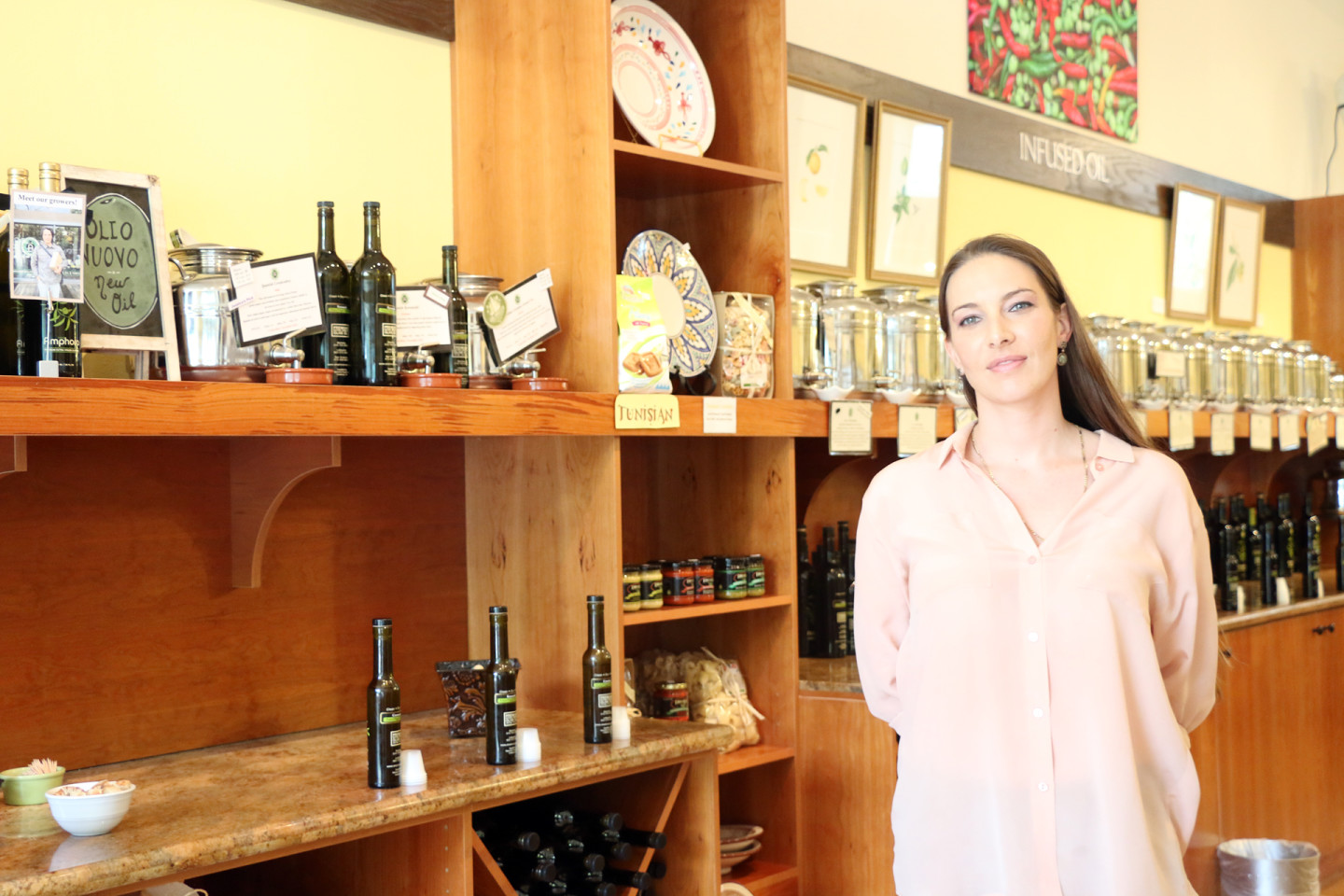
"caption": "Claire Bradley, great-granddaughter of Amphora’s founder, in the Berkeley shop.",
"description": null,
"title": "IMG_2505-1920",
"credit": "Kim Westerman",
"status": "inherit",
"isLoading": false,
"fetchFailed": false
},
"bayareabites_96694": {
"type": "attachments",
"id": "bayareabites_96694",
"meta": {
"index": "attachments_1716263798",
"site": "bayareabites",
"id": "96694",
"found": true
},
"parent": 96687,
"imgSizes": {
"twentyfourteen-full-width": {
"file": "https://ww2.kqed.org/app/uploads/sites/24/2015/06/elementbody-1038x576.jpg",
"width": 1038,
"mimeType": "image/jpeg",
"height": 576
},
"thumbnail": {
"file": "https://ww2.kqed.org/app/uploads/sites/24/2015/06/elementbody-400x344.jpg",
"width": 400,
"mimeType": "image/jpeg",
"height": 344
},
"fd-sm": {
"file": "https://ww2.kqed.org/app/uploads/sites/24/2015/06/elementbody-960x825.jpg",
"width": 960,
"mimeType": "image/jpeg",
"height": 825
},
"post-thumbnail": {
"file": "https://ww2.kqed.org/app/uploads/sites/24/2015/06/elementbody-672x372.jpg",
"width": 672,
"mimeType": "image/jpeg",
"height": 372
},
"kqedFullSize": {
"file": "https://ww2.kqed.org/app/uploads/sites/24/2015/06/elementbody.jpg",
"width": 1779,
"height": 1528
},
"large": {
"file": "https://ww2.kqed.org/app/uploads/sites/24/2015/06/elementbody-1440x1237.jpg",
"width": 1440,
"mimeType": "image/jpeg",
"height": 1237
},
"guest-author-96": {
"file": "https://ww2.kqed.org/app/uploads/sites/24/2015/06/elementbody-96x96.jpg",
"width": 96,
"mimeType": "image/jpeg",
"height": 96
},
"medium": {
"file": "https://ww2.kqed.org/app/uploads/sites/24/2015/06/elementbody-800x687.jpg",
"width": 800,
"mimeType": "image/jpeg",
"height": 687
},
"guest-author-64": {
"file": "https://ww2.kqed.org/app/uploads/sites/24/2015/06/elementbody-64x64.jpg",
"width": 64,
"mimeType": "image/jpeg",
"height": 64
},
"guest-author-32": {
"file": "https://ww2.kqed.org/app/uploads/sites/24/2015/06/elementbody-32x32.jpg",
"width": 32,
"mimeType": "image/jpeg",
"height": 32
},
"cat_post_thumb_sizecategory-posts-2": {
"file": "https://ww2.kqed.org/app/uploads/sites/24/2015/06/elementbody-150x150.jpg",
"width": 150,
"mimeType": "image/jpeg",
"height": 150
},
"fd-med": {
"file": "https://ww2.kqed.org/app/uploads/sites/24/2015/06/elementbody-1180x1014.jpg",
"width": 1180,
"mimeType": "image/jpeg",
"height": 1014
},
"detail": {
"file": "https://ww2.kqed.org/app/uploads/sites/24/2015/06/elementbody-75x75.jpg",
"width": 75,
"mimeType": "image/jpeg",
"height": 75
},
"guest-author-128": {
"file": "https://ww2.kqed.org/app/uploads/sites/24/2015/06/elementbody-128x128.jpg",
"width": 128,
"mimeType": "image/jpeg",
"height": 128
}
},
"publishDate": 1433546545,
"modified": 1433808950,
"caption": "Ayurveda Element Body",
"description": null,
"title": "elementbody",
"credit": "Lila Volkas",
"status": "inherit",
"isLoading": false,
"fetchFailed": false
},
"bayareabites_96700": {
"type": "attachments",
"id": "bayareabites_96700",
"meta": {
"index": "attachments_1716263798",
"site": "bayareabites",
"id": "96700",
"found": true
},
"parent": 96697,
"imgSizes": {
"twentyfourteen-full-width": {
"file": "https://ww2.kqed.org/app/uploads/sites/24/2015/06/mark-bittman-1038x576.jpg",
"width": 1038,
"mimeType": "image/jpeg",
"height": 576
},
"thumbnail": {
"file": "https://ww2.kqed.org/app/uploads/sites/24/2015/06/mark-bittman-400x267.jpg",
"width": 400,
"mimeType": "image/jpeg",
"height": 267
},
"fd-sm": {
"file": "https://ww2.kqed.org/app/uploads/sites/24/2015/06/mark-bittman-960x640.jpg",
"width": 960,
"mimeType": "image/jpeg",
"height": 640
},
"post-thumbnail": {
"file": "https://ww2.kqed.org/app/uploads/sites/24/2015/06/mark-bittman-672x372.jpg",
"width": 672,
"mimeType": "image/jpeg",
"height": 372
},
"kqedFullSize": {
"file": "https://ww2.kqed.org/app/uploads/sites/24/2015/06/mark-bittman.jpg",
"width": 1920,
"height": 1280
},
"large": {
"file": "https://ww2.kqed.org/app/uploads/sites/24/2015/06/mark-bittman-1440x960.jpg",
"width": 1440,
"mimeType": "image/jpeg",
"height": 960
},
"guest-author-96": {
"file": "https://ww2.kqed.org/app/uploads/sites/24/2015/06/mark-bittman-96x96.jpg",
"width": 96,
"mimeType": "image/jpeg",
"height": 96
},
"medium": {
"file": "https://ww2.kqed.org/app/uploads/sites/24/2015/06/mark-bittman-800x533.jpg",
"width": 800,
"mimeType": "image/jpeg",
"height": 533
},
"guest-author-64": {
"file": "https://ww2.kqed.org/app/uploads/sites/24/2015/06/mark-bittman-64x64.jpg",
"width": 64,
"mimeType": "image/jpeg",
"height": 64
},
"guest-author-32": {
"file": "https://ww2.kqed.org/app/uploads/sites/24/2015/06/mark-bittman-32x32.jpg",
"width": 32,
"mimeType": "image/jpeg",
"height": 32
},
"cat_post_thumb_sizecategory-posts-2": {
"file": "https://ww2.kqed.org/app/uploads/sites/24/2015/06/mark-bittman-150x150.jpg",
"width": 150,
"mimeType": "image/jpeg",
"height": 150
},
"fd-med": {
"file": "https://ww2.kqed.org/app/uploads/sites/24/2015/06/mark-bittman-1180x787.jpg",
"width": 1180,
"mimeType": "image/jpeg",
"height": 787
},
"detail": {
"file": "https://ww2.kqed.org/app/uploads/sites/24/2015/06/mark-bittman-75x75.jpg",
"width": 75,
"mimeType": "image/jpeg",
"height": 75
},
"guest-author-128": {
"file": "https://ww2.kqed.org/app/uploads/sites/24/2015/06/mark-bittman-128x128.jpg",
"width": 128,
"mimeType": "image/jpeg",
"height": 128
}
},
"publishDate": 1433742395,
"modified": 1433743977,
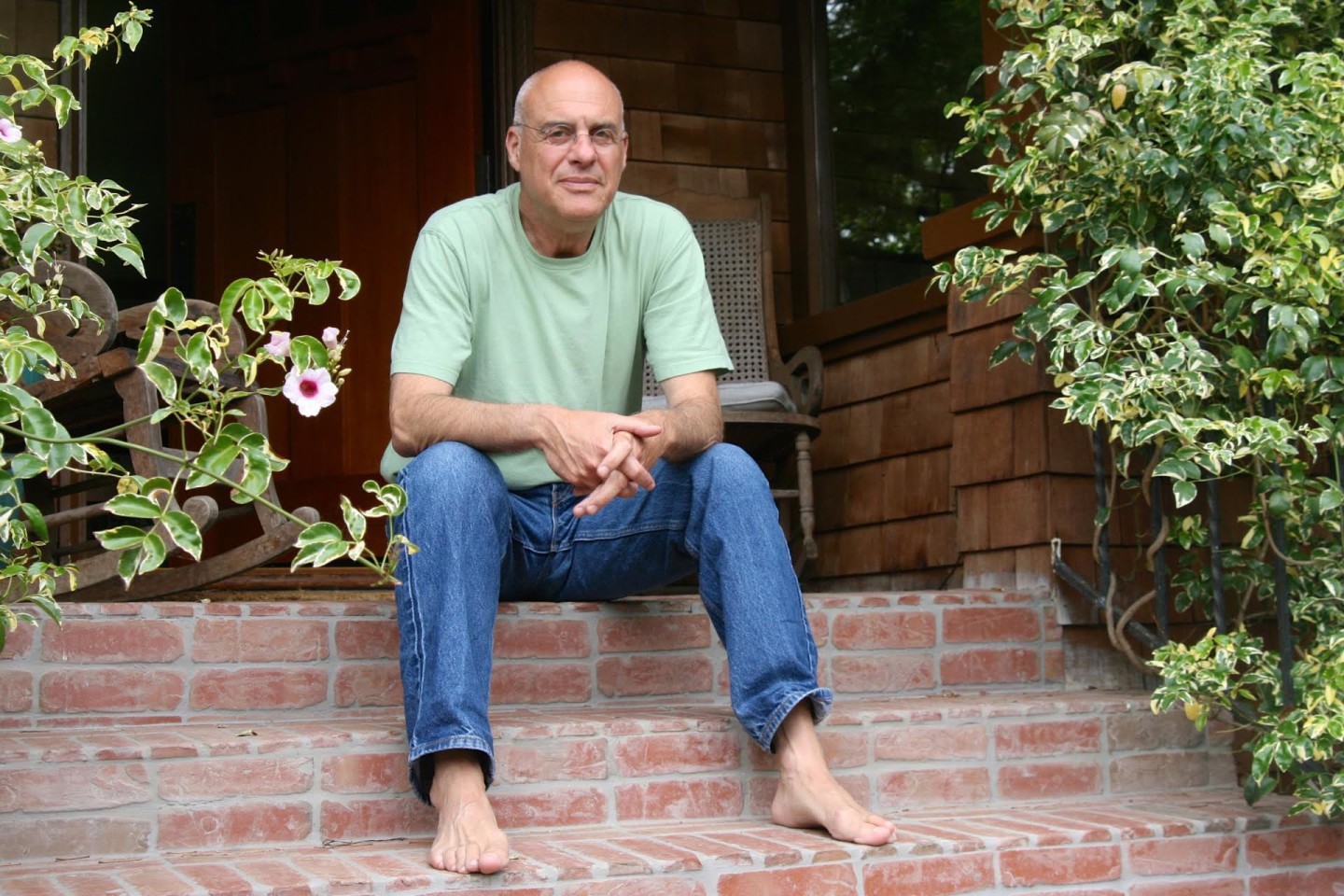
"caption": "Mark Bittman at home in near U.C. Berkeley. ",
"description": null,
"title": "Mark Bittman at home in near U.C. Berkeley.",
"credit": "Lisa Landers",
"status": "inherit",
"isLoading": false,
"fetchFailed": false
},
"bayareabites_96594": {
"type": "attachments",
"id": "bayareabites_96594",
"meta": {
"index": "attachments_1716263798",
"site": "bayareabites",
"id": "96594",
"found": true
},
"parent": 96566,
"imgSizes": {
"twentyfourteen-full-width": {
"file": "https://ww2.kqed.org/app/uploads/sites/24/2015/06/CreamCookies-1038x576.jpg",
"width": 1038,
"mimeType": "image/jpeg",
"height": 576
},
"thumbnail": {
"file": "https://ww2.kqed.org/app/uploads/sites/24/2015/06/CreamCookies-400x267.jpg",
"width": 400,
"mimeType": "image/jpeg",
"height": 267
},
"fd-sm": {
"file": "https://ww2.kqed.org/app/uploads/sites/24/2015/06/CreamCookies-960x640.jpg",
"width": 960,
"mimeType": "image/jpeg",
"height": 640
},
"post-thumbnail": {
"file": "https://ww2.kqed.org/app/uploads/sites/24/2015/06/CreamCookies-672x372.jpg",
"width": 672,
"mimeType": "image/jpeg",
"height": 372
},
"kqedFullSize": {
"file": "https://ww2.kqed.org/app/uploads/sites/24/2015/06/CreamCookies.jpg",
"width": 1920,
"height": 1280
},
"large": {
"file": "https://ww2.kqed.org/app/uploads/sites/24/2015/06/CreamCookies-1440x960.jpg",
"width": 1440,
"mimeType": "image/jpeg",
"height": 960
},
"guest-author-96": {
"file": "https://ww2.kqed.org/app/uploads/sites/24/2015/06/CreamCookies-96x96.jpg",
"width": 96,
"mimeType": "image/jpeg",
"height": 96
},
"medium": {
"file": "https://ww2.kqed.org/app/uploads/sites/24/2015/06/CreamCookies-800x533.jpg",
"width": 800,
"mimeType": "image/jpeg",
"height": 533
},
"guest-author-64": {
"file": "https://ww2.kqed.org/app/uploads/sites/24/2015/06/CreamCookies-64x64.jpg",
"width": 64,
"mimeType": "image/jpeg",
"height": 64
},
"guest-author-32": {
"file": "https://ww2.kqed.org/app/uploads/sites/24/2015/06/CreamCookies-32x32.jpg",
"width": 32,
"mimeType": "image/jpeg",
"height": 32
},
"cat_post_thumb_sizecategory-posts-2": {
"file": "https://ww2.kqed.org/app/uploads/sites/24/2015/06/CreamCookies-150x150.jpg",
"width": 150,
"mimeType": "image/jpeg",
"height": 150
},
"fd-med": {
"file": "https://ww2.kqed.org/app/uploads/sites/24/2015/06/CreamCookies-1180x787.jpg",
"width": 1180,
"mimeType": "image/jpeg",
"height": 787
},
"detail": {
"file": "https://ww2.kqed.org/app/uploads/sites/24/2015/06/CreamCookies-75x75.jpg",
"width": 75,
"mimeType": "image/jpeg",
"height": 75
},
"guest-author-128": {
"file": "https://ww2.kqed.org/app/uploads/sites/24/2015/06/CreamCookies-128x128.jpg",
"width": 128,
"mimeType": "image/jpeg",
"height": 128
}
},
"publishDate": 1433452344,
"modified": 1433453880,
"caption": "A pair of cookie sandwich creations at CREAM.",
"description": null,
"title": "A pair of cookie sandwich creations at CREAM.",
"credit": "Jeff Cianci",
"status": "inherit",
"isLoading": false,
"fetchFailed": false
},
"bayareabites_96575": {
"type": "attachments",
"id": "bayareabites_96575",
"meta": {
"index": "attachments_1716263798",
"site": "bayareabites",
"id": "96575",
"found": true
},
"parent": 96572,
"imgSizes": {
"thumbnail": {
"file": "https://ww2.kqed.org/app/uploads/sites/24/2015/06/jacklondonsquaremove-400x287.jpg",
"width": 400,
"mimeType": "image/jpeg",
"height": 287
},
"post-thumbnail": {
"file": "https://ww2.kqed.org/app/uploads/sites/24/2015/06/jacklondonsquaremove-640x372.jpg",
"width": 640,
"mimeType": "image/jpeg",
"height": 372
},
"kqedFullSize": {
"file": "https://ww2.kqed.org/app/uploads/sites/24/2015/06/jacklondonsquaremove.jpg",
"width": 640,
"height": 459
},
"cat_post_thumb_sizecategory-posts-2": {
"file": "https://ww2.kqed.org/app/uploads/sites/24/2015/06/jacklondonsquaremove-150x150.jpg",
"width": 150,
"mimeType": "image/jpeg",
"height": 150
},
"guest-author-96": {
"file": "https://ww2.kqed.org/app/uploads/sites/24/2015/06/jacklondonsquaremove-96x96.jpg",
"width": 96,
"mimeType": "image/jpeg",
"height": 96
},
"guest-author-64": {
"file": "https://ww2.kqed.org/app/uploads/sites/24/2015/06/jacklondonsquaremove-64x64.jpg",
"width": 64,
"mimeType": "image/jpeg",
"height": 64
},
"detail": {
"file": "https://ww2.kqed.org/app/uploads/sites/24/2015/06/jacklondonsquaremove-75x75.jpg",
"width": 75,
"mimeType": "image/jpeg",
"height": 75
},
"guest-author-32": {
"file": "https://ww2.kqed.org/app/uploads/sites/24/2015/06/jacklondonsquaremove-32x32.jpg",
"width": 32,
"mimeType": "image/jpeg",
"height": 32
},
"guest-author-128": {
"file": "https://ww2.kqed.org/app/uploads/sites/24/2015/06/jacklondonsquaremove-128x128.jpg",
"width": 128,
"mimeType": "image/jpeg",
"height": 128
}
},
"publishDate": 1433370091,
"modified": 1433370144,
"caption": "Sunset today announced its move to Jack London Square in Oakland. The company’s editorial and business offices will be located in the new Water Street Market development at 55 Harrison St. ",
"description": null,
"title": "jacklondonsquaremove",
"credit": "Sunset",
"status": "inherit",
"isLoading": false,
"fetchFailed": false
},
"bayareabites_96478": {
"type": "attachments",
"id": "bayareabites_96478",
"meta": {
"index": "attachments_1716263798",
"site": "bayareabites",
"id": "96478",
"found": true
},
"parent": 96474,
"imgSizes": {
"thumbnail": {
"file": "https://ww2.kqed.org/app/uploads/sites/24/2015/05/Amys_too-400x208.jpg",
"width": 400,
"mimeType": "image/jpeg",
"height": 208
},
"fd-sm": {
"file": "https://ww2.kqed.org/app/uploads/sites/24/2015/05/Amys_too-960x499.jpg",
"width": 960,
"mimeType": "image/jpeg",
"height": 499
},
"post-thumbnail": {
"file": "https://ww2.kqed.org/app/uploads/sites/24/2015/05/Amys_too-672x372.jpg",
"width": 672,
"mimeType": "image/jpeg",
"height": 372
},
"kqedFullSize": {
"file": "https://ww2.kqed.org/app/uploads/sites/24/2015/05/Amys_too.jpg",
"width": 1018,
"height": 529
},
"cat_post_thumb_sizecategory-posts-2": {
"file": "https://ww2.kqed.org/app/uploads/sites/24/2015/05/Amys_too-150x150.jpg",
"width": 150,
"mimeType": "image/jpeg",
"height": 150
},
"guest-author-96": {
"file": "https://ww2.kqed.org/app/uploads/sites/24/2015/05/Amys_too-96x96.jpg",
"width": 96,
"mimeType": "image/jpeg",
"height": 96
},
"medium": {
"file": "https://ww2.kqed.org/app/uploads/sites/24/2015/05/Amys_too-800x416.jpg",
"width": 800,
"mimeType": "image/jpeg",
"height": 416
},
"guest-author-64": {
"file": "https://ww2.kqed.org/app/uploads/sites/24/2015/05/Amys_too-64x64.jpg",
"width": 64,
"mimeType": "image/jpeg",
"height": 64
},
"detail": {
"file": "https://ww2.kqed.org/app/uploads/sites/24/2015/05/Amys_too-75x75.jpg",
"width": 75,
"mimeType": "image/jpeg",
"height": 75
},
"guest-author-32": {
"file": "https://ww2.kqed.org/app/uploads/sites/24/2015/05/Amys_too-32x32.jpg",
"width": 32,
"mimeType": "image/jpeg",
"height": 32
},
"guest-author-128": {
"file": "https://ww2.kqed.org/app/uploads/sites/24/2015/05/Amys_too-128x128.jpg",
"width": 128,
"mimeType": "image/jpeg",
"height": 128
}
},
"publishDate": 1432839421,
"modified": 1432839421,
"caption": null,
"description": null,
"title": "Amys_too",
"credit": null,
"status": "inherit",
"isLoading": false,
"fetchFailed": false
},
"bayareabites_96444": {
"type": "attachments",
"id": "bayareabites_96444",
"meta": {
"index": "attachments_1716263798",
"site": "bayareabites",
"id": "96444",
"found": true
},
"parent": 96405,
"imgSizes": {
"twentyfourteen-full-width": {
"file": "https://ww2.kqed.org/app/uploads/sites/24/2015/05/din3-1038x576.jpg",
"width": 1038,
"mimeType": "image/jpeg",
"height": 576
},
"thumbnail": {
"file": "https://ww2.kqed.org/app/uploads/sites/24/2015/05/din3-400x300.jpg",
"width": 400,
"mimeType": "image/jpeg",
"height": 300
},
"fd-sm": {
"file": "https://ww2.kqed.org/app/uploads/sites/24/2015/05/din3-960x720.jpg",
"width": 960,
"mimeType": "image/jpeg",
"height": 720
},
"post-thumbnail": {
"file": "https://ww2.kqed.org/app/uploads/sites/24/2015/05/din3-672x372.jpg",
"width": 672,
"mimeType": "image/jpeg",
"height": 372
},
"kqedFullSize": {
"file": "https://ww2.kqed.org/app/uploads/sites/24/2015/05/din3.jpg",
"width": 1920,
"height": 1440
},
"large": {
"file": "https://ww2.kqed.org/app/uploads/sites/24/2015/05/din3-1440x1080.jpg",
"width": 1440,
"mimeType": "image/jpeg",
"height": 1080
},
"guest-author-96": {
"file": "https://ww2.kqed.org/app/uploads/sites/24/2015/05/din3-96x96.jpg",
"width": 96,
"mimeType": "image/jpeg",
"height": 96
},
"medium": {
"file": "https://ww2.kqed.org/app/uploads/sites/24/2015/05/din3-800x600.jpg",
"width": 800,
"mimeType": "image/jpeg",
"height": 600
},
"guest-author-64": {
"file": "https://ww2.kqed.org/app/uploads/sites/24/2015/05/din3-64x64.jpg",
"width": 64,
"mimeType": "image/jpeg",
"height": 64
},
"guest-author-32": {
"file": "https://ww2.kqed.org/app/uploads/sites/24/2015/05/din3-32x32.jpg",
"width": 32,
"mimeType": "image/jpeg",
"height": 32
},
"cat_post_thumb_sizecategory-posts-2": {
"file": "https://ww2.kqed.org/app/uploads/sites/24/2015/05/din3-150x150.jpg",
"width": 150,
"mimeType": "image/jpeg",
"height": 150
},
"fd-med": {
"file": "https://ww2.kqed.org/app/uploads/sites/24/2015/05/din3-1180x885.jpg",
"width": 1180,
"mimeType": "image/jpeg",
"height": 885
},
"detail": {
"file": "https://ww2.kqed.org/app/uploads/sites/24/2015/05/din3-75x75.jpg",
"width": 75,
"mimeType": "image/jpeg",
"height": 75
},
"guest-author-128": {
"file": "https://ww2.kqed.org/app/uploads/sites/24/2015/05/din3-128x128.jpg",
"width": 128,
"mimeType": "image/jpeg",
"height": 128
}
},
"publishDate": 1432749300,
"modified": 1432749322,
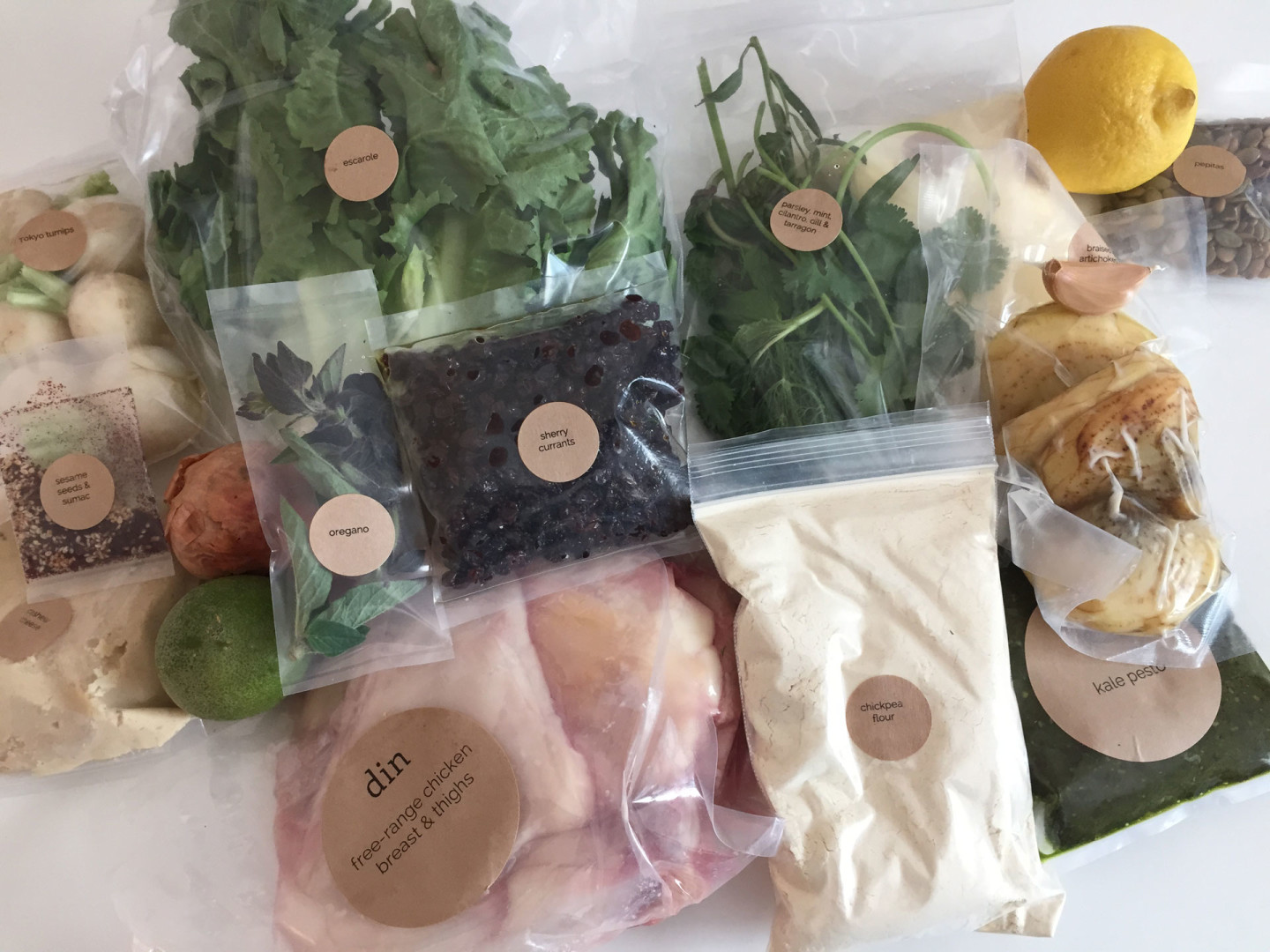
"caption": "The new company Din empowers you to make two restaurant-quality meals in under 40 minutes with these raw ingredients. ",
"description": null,
"title": "din3",
"credit": "Alix Wall",
"status": "inherit",
"isLoading": false,
"fetchFailed": false
},
"bayareabites_96422": {
"type": "attachments",
"id": "bayareabites_96422",
"meta": {
"index": "attachments_1716263798",
"site": "bayareabites",
"id": "96422",
"found": true
},
"parent": 96409,
"imgSizes": {
"twentyfourteen-full-width": {
"file": "https://ww2.kqed.org/app/uploads/sites/24/2015/05/markbittman-1038x576.jpg",
"width": 1038,
"mimeType": "image/jpeg",
"height": 576
},
"thumbnail": {
"file": "https://ww2.kqed.org/app/uploads/sites/24/2015/05/markbittman-400x278.jpg",
"width": 400,
"mimeType": "image/jpeg",
"height": 278
},
"fd-sm": {
"file": "https://ww2.kqed.org/app/uploads/sites/24/2015/05/markbittman-960x667.jpg",
"width": 960,
"mimeType": "image/jpeg",
"height": 667
},
"post-thumbnail": {
"file": "https://ww2.kqed.org/app/uploads/sites/24/2015/05/markbittman-672x372.jpg",
"width": 672,
"mimeType": "image/jpeg",
"height": 372
},
"kqedFullSize": {
"file": "https://ww2.kqed.org/app/uploads/sites/24/2015/05/markbittman.jpg",
"width": 1920,
"height": 1334
},
"large": {
"file": "https://ww2.kqed.org/app/uploads/sites/24/2015/05/markbittman-1440x1001.jpg",
"width": 1440,
"mimeType": "image/jpeg",
"height": 1001
},
"guest-author-96": {
"file": "https://ww2.kqed.org/app/uploads/sites/24/2015/05/markbittman-96x96.jpg",
"width": 96,
"mimeType": "image/jpeg",
"height": 96
},
"medium": {
"file": "https://ww2.kqed.org/app/uploads/sites/24/2015/05/markbittman-800x556.jpg",
"width": 800,
"mimeType": "image/jpeg",
"height": 556
},
"guest-author-64": {
"file": "https://ww2.kqed.org/app/uploads/sites/24/2015/05/markbittman-64x64.jpg",
"width": 64,
"mimeType": "image/jpeg",
"height": 64
},
"guest-author-32": {
"file": "https://ww2.kqed.org/app/uploads/sites/24/2015/05/markbittman-32x32.jpg",
"width": 32,
"mimeType": "image/jpeg",
"height": 32
},
"cat_post_thumb_sizecategory-posts-2": {
"file": "https://ww2.kqed.org/app/uploads/sites/24/2015/05/markbittman-150x150.jpg",
"width": 150,
"mimeType": "image/jpeg",
"height": 150
},
"fd-med": {
"file": "https://ww2.kqed.org/app/uploads/sites/24/2015/05/markbittman-1180x820.jpg",
"width": 1180,
"mimeType": "image/jpeg",
"height": 820
},
"detail": {
"file": "https://ww2.kqed.org/app/uploads/sites/24/2015/05/markbittman-75x75.jpg",
"width": 75,
"mimeType": "image/jpeg",
"height": 75
},
"guest-author-128": {
"file": "https://ww2.kqed.org/app/uploads/sites/24/2015/05/markbittman-128x128.jpg",
"width": 128,
"mimeType": "image/jpeg",
"height": 128
}
},
"publishDate": 1432739346,
"modified": 1432739373,
"caption": "Mark Bittman",
"description": null,
"title": "markbittman",
"credit": "Fred Conrad",
"status": "inherit",
"isLoading": false,
"fetchFailed": false
},
"bayareabites_96352": {
"type": "attachments",
"id": "bayareabites_96352",
"meta": {
"index": "attachments_1716263798",
"site": "bayareabites",
"id": "96352",
"found": true
},
"parent": 96350,
"imgSizes": {
"thumbnail": {
"file": "https://ww2.kqed.org/app/uploads/sites/24/2015/05/IMG_0707-720x540-400x300.jpg",
"width": 400,
"mimeType": "image/jpeg",
"height": 300
},
"post-thumbnail": {
"file": "https://ww2.kqed.org/app/uploads/sites/24/2015/05/IMG_0707-720x540-672x372.jpg",
"width": 672,
"mimeType": "image/jpeg",
"height": 372
},
"kqedFullSize": {
"file": "https://ww2.kqed.org/app/uploads/sites/24/2015/05/IMG_0707-720x540.jpg",
"width": 720,
"height": 540
},
"cat_post_thumb_sizecategory-posts-2": {
"file": "https://ww2.kqed.org/app/uploads/sites/24/2015/05/IMG_0707-720x540-150x150.jpg",
"width": 150,
"mimeType": "image/jpeg",
"height": 150
},
"guest-author-96": {
"file": "https://ww2.kqed.org/app/uploads/sites/24/2015/05/IMG_0707-720x540-96x96.jpg",
"width": 96,
"mimeType": "image/jpeg",
"height": 96
},
"guest-author-64": {
"file": "https://ww2.kqed.org/app/uploads/sites/24/2015/05/IMG_0707-720x540-64x64.jpg",
"width": 64,
"mimeType": "image/jpeg",
"height": 64
},
"detail": {
"file": "https://ww2.kqed.org/app/uploads/sites/24/2015/05/IMG_0707-720x540-75x75.jpg",
"width": 75,
"mimeType": "image/jpeg",
"height": 75
},
"guest-author-32": {
"file": "https://ww2.kqed.org/app/uploads/sites/24/2015/05/IMG_0707-720x540-32x32.jpg",
"width": 32,
"mimeType": "image/jpeg",
"height": 32
},
"guest-author-128": {
"file": "https://ww2.kqed.org/app/uploads/sites/24/2015/05/IMG_0707-720x540-128x128.jpg",
"width": 128,
"mimeType": "image/jpeg",
"height": 128
}
},
"publishDate": 1432321672,
"modified": 1432336729,
"caption": "Camino is one of several East Bay restaurants that has re-formatted its entire wage structure and eliminated tipping in light of the new Oakland minimum wage.",
"description": null,
"title": "IMG_0707-720x540",
"credit": "Emilie Raguso",
"status": "inherit",
"isLoading": false,
"fetchFailed": false
},
"bayareabites_96362": {
"type": "attachments",
"id": "bayareabites_96362",
"meta": {
"index": "attachments_1716263798",
"site": "bayareabites",
"id": "96362",
"found": true
},
"parent": 96361,
"imgSizes": {
"thumbnail": {
"file": "https://ww2.kqed.org/app/uploads/sites/24/2015/05/8907213437_8e4c481f84_o-720x480-400x267.jpg",
"width": 400,
"mimeType": "image/jpeg",
"height": 267
},
"post-thumbnail": {
"file": "https://ww2.kqed.org/app/uploads/sites/24/2015/05/8907213437_8e4c481f84_o-720x480-672x372.jpg",
"width": 672,
"mimeType": "image/jpeg",
"height": 372
},
"kqedFullSize": {
"file": "https://ww2.kqed.org/app/uploads/sites/24/2015/05/8907213437_8e4c481f84_o-720x480.jpg",
"width": 720,
"height": 480
},
"cat_post_thumb_sizecategory-posts-2": {
"file": "https://ww2.kqed.org/app/uploads/sites/24/2015/05/8907213437_8e4c481f84_o-720x480-150x150.jpg",
"width": 150,
"mimeType": "image/jpeg",
"height": 150
},
"guest-author-96": {
"file": "https://ww2.kqed.org/app/uploads/sites/24/2015/05/8907213437_8e4c481f84_o-720x480-96x96.jpg",
"width": 96,
"mimeType": "image/jpeg",
"height": 96
},
"guest-author-64": {
"file": "https://ww2.kqed.org/app/uploads/sites/24/2015/05/8907213437_8e4c481f84_o-720x480-64x64.jpg",
"width": 64,
"mimeType": "image/jpeg",
"height": 64
},
"detail": {
"file": "https://ww2.kqed.org/app/uploads/sites/24/2015/05/8907213437_8e4c481f84_o-720x480-75x75.jpg",
"width": 75,
"mimeType": "image/jpeg",
"height": 75
},
"guest-author-32": {
"file": "https://ww2.kqed.org/app/uploads/sites/24/2015/05/8907213437_8e4c481f84_o-720x480-32x32.jpg",
"width": 32,
"mimeType": "image/jpeg",
"height": 32
},
"guest-author-128": {
"file": "https://ww2.kqed.org/app/uploads/sites/24/2015/05/8907213437_8e4c481f84_o-720x480-128x128.jpg",
"width": 128,
"mimeType": "image/jpeg",
"height": 128
}
},
"publishDate": 1432324849,
"modified": 1432324878,
"caption": "Oakland Indie Awards at the Kaiser Center. May 30, 2013. Oakland, Calif. ",
"description": null,
"title": "8907213437_8e4c481f84_o-720x480",
"credit": "Bonnie Chan/Oakland Local",
"status": "inherit",
"isLoading": false,
"fetchFailed": false
},
"bayareabites_96108": {
"type": "attachments",
"id": "bayareabites_96108",
"meta": {
"index": "attachments_1716263798",
"site": "bayareabites",
"id": "96108",
"found": true
},
"parent": 96103,
"imgSizes": {
"twentyfourteen-full-width": {
"file": "https://ww2.kqed.org/app/uploads/sites/24/2015/05/kqed-cpba1011-mezz-1038x576.jpg",
"width": 1038,
"mimeType": "image/jpeg",
"height": 576
},
"thumbnail": {
"file": "https://ww2.kqed.org/app/uploads/sites/24/2015/05/kqed-cpba1011-mezz-400x225.jpg",
"width": 400,
"mimeType": "image/jpeg",
"height": 225
},
"fd-sm": {
"file": "https://ww2.kqed.org/app/uploads/sites/24/2015/05/kqed-cpba1011-mezz-960x540.jpg",
"width": 960,
"mimeType": "image/jpeg",
"height": 540
},
"post-thumbnail": {
"file": "https://ww2.kqed.org/app/uploads/sites/24/2015/05/kqed-cpba1011-mezz-672x372.jpg",
"width": 672,
"mimeType": "image/jpeg",
"height": 372
},
"kqedFullSize": {
"file": "https://ww2.kqed.org/app/uploads/sites/24/2015/05/kqed-cpba1011-mezz.jpg",
"width": 1280,
"height": 720
},
"guest-author-96": {
"file": "https://ww2.kqed.org/app/uploads/sites/24/2015/05/kqed-cpba1011-mezz-96x96.jpg",
"width": 96,
"mimeType": "image/jpeg",
"height": 96
},
"medium": {
"file": "https://ww2.kqed.org/app/uploads/sites/24/2015/05/kqed-cpba1011-mezz-800x450.jpg",
"width": 800,
"mimeType": "image/jpeg",
"height": 450
},
"guest-author-64": {
"file": "https://ww2.kqed.org/app/uploads/sites/24/2015/05/kqed-cpba1011-mezz-64x64.jpg",
"width": 64,
"mimeType": "image/jpeg",
"height": 64
},
"guest-author-32": {
"file": "https://ww2.kqed.org/app/uploads/sites/24/2015/05/kqed-cpba1011-mezz-32x32.jpg",
"width": 32,
"mimeType": "image/jpeg",
"height": 32
},
"cat_post_thumb_sizecategory-posts-2": {
"file": "https://ww2.kqed.org/app/uploads/sites/24/2015/05/kqed-cpba1011-mezz-150x150.jpg",
"width": 150,
"mimeType": "image/jpeg",
"height": 150
},
"fd-med": {
"file": "https://ww2.kqed.org/app/uploads/sites/24/2015/05/kqed-cpba1011-mezz-1180x664.jpg",
"width": 1180,
"mimeType": "image/jpeg",
"height": 664
},
"detail": {
"file": "https://ww2.kqed.org/app/uploads/sites/24/2015/05/kqed-cpba1011-mezz-75x75.jpg",
"width": 75,
"mimeType": "image/jpeg",
"height": 75
},
"guest-author-128": {
"file": "https://ww2.kqed.org/app/uploads/sites/24/2015/05/kqed-cpba1011-mezz-128x128.jpg",
"width": 128,
"mimeType": "image/jpeg",
"height": 128
}
},
"publishDate": 1431550182,
"modified": 1431550182,
"caption": null,
"description": null,
"title": "kqed-cpba1011-mezz",
"credit": null,
"status": "inherit",
"isLoading": false,
"fetchFailed": false
},
"bayareabites_96269": {
"type": "attachments",
"id": "bayareabites_96269",
"meta": {
"index": "attachments_1716263798",
"site": "bayareabites",
"id": "96269",
"found": true
},
"parent": 96267,
"imgSizes": {
"twentyfourteen-full-width": {
"file": "https://ww2.kqed.org/app/uploads/sites/24/2015/05/at-market-1038x576.jpg",
"width": 1038,
"mimeType": "image/jpeg",
"height": 576
},
"thumbnail": {
"file": "https://ww2.kqed.org/app/uploads/sites/24/2015/05/at-market-400x265.jpg",
"width": 400,
"mimeType": "image/jpeg",
"height": 265
},
"fd-sm": {
"file": "https://ww2.kqed.org/app/uploads/sites/24/2015/05/at-market-960x637.jpg",
"width": 960,
"mimeType": "image/jpeg",
"height": 637
},
"post-thumbnail": {
"file": "https://ww2.kqed.org/app/uploads/sites/24/2015/05/at-market-672x372.jpg",
"width": 672,
"mimeType": "image/jpeg",
"height": 372
},
"kqedFullSize": {
"file": "https://ww2.kqed.org/app/uploads/sites/24/2015/05/at-market.jpg",
"width": 1920,
"height": 1273
},
"large": {
"file": "https://ww2.kqed.org/app/uploads/sites/24/2015/05/at-market-1440x955.jpg",
"width": 1440,
"mimeType": "image/jpeg",
"height": 955
},
"guest-author-96": {
"file": "https://ww2.kqed.org/app/uploads/sites/24/2015/05/at-market-96x96.jpg",
"width": 96,
"mimeType": "image/jpeg",
"height": 96
},
"medium": {
"file": "https://ww2.kqed.org/app/uploads/sites/24/2015/05/at-market-800x530.jpg",
"width": 800,
"mimeType": "image/jpeg",
"height": 530
},
"guest-author-64": {
"file": "https://ww2.kqed.org/app/uploads/sites/24/2015/05/at-market-64x64.jpg",
"width": 64,
"mimeType": "image/jpeg",
"height": 64
},
"guest-author-32": {
"file": "https://ww2.kqed.org/app/uploads/sites/24/2015/05/at-market-32x32.jpg",
"width": 32,
"mimeType": "image/jpeg",
"height": 32
},
"cat_post_thumb_sizecategory-posts-2": {
"file": "https://ww2.kqed.org/app/uploads/sites/24/2015/05/at-market-150x150.jpg",
"width": 150,
"mimeType": "image/jpeg",
"height": 150
},
"fd-med": {
"file": "https://ww2.kqed.org/app/uploads/sites/24/2015/05/at-market-1180x782.jpg",
"width": 1180,
"mimeType": "image/jpeg",
"height": 782
},
"detail": {
"file": "https://ww2.kqed.org/app/uploads/sites/24/2015/05/at-market-75x75.jpg",
"width": 75,
"mimeType": "image/jpeg",
"height": 75
},
"guest-author-128": {
"file": "https://ww2.kqed.org/app/uploads/sites/24/2015/05/at-market-128x128.jpg",
"width": 128,
"mimeType": "image/jpeg",
"height": 128
}
},
"publishDate": 1431989585,
"modified": 1431989622,
"caption": "Kevin Lynch, \"The Mulberry Guy\" at Palo Alto Farmers Market",
"description": null,
"title": "at-market",
"credit": "Susan Hathaway",
"status": "inherit",
"isLoading": false,
"fetchFailed": false
}
},
"audioPlayerReducer": {
"postId": "stream_live",
"isPaused": true,
"isPlaying": false,
"pfsActive": false,
"pledgeModalIsOpen": true,
"playerDrawerIsOpen": false,
"liveAudioPlayStartedAt": 0,
"liveAudioPlayContext": ""
},
"authorsReducer": {
"byline_bayareabites_96572": {
"type": "authors",
"id": "byline_bayareabites_96572",
"meta": {
"override": true
},
"slug": "byline_bayareabites_96572",
"name": "Tracey Taylor, \u003ca href=\"http://ww2.kqed.org/bayareabites/author/berkeleysidenosh/\">Berkeleyside NOSH\u003c/a>",
"isLoading": false
},
"byline_bayareabites_96474": {
"type": "authors",
"id": "byline_bayareabites_96474",
"meta": {
"override": true
},
"slug": "byline_bayareabites_96474",
"name": "Leilani Clark, \u003ca href=\"http://ww2.kqed.org/bayareabites/author/civileat/\">Civil Eats\u003c/a>",
"isLoading": false
},
"byline_bayareabites_96350": {
"type": "authors",
"id": "byline_bayareabites_96350",
"meta": {
"override": true
},
"slug": "byline_bayareabites_96350",
"name": "Kate Williams, \u003ca href=\"http://ww2.kqed.org/bayareabites/author/berkeleysidenosh/\">Berkeleyside NOSH\u003c/a>",
"isLoading": false
},
"byline_bayareabites_96361": {
"type": "authors",
"id": "byline_bayareabites_96361",
"meta": {
"override": true
},
"slug": "byline_bayareabites_96361",
"name": "Kate Williams, \u003ca href=\"http://ww2.kqed.org/bayareabites/author/berkeleysidenosh/\">Berkeleyside NOSH\u003c/a>",
"isLoading": false
},
"marktaylor-2": {
"type": "authors",
"id": "8",
"meta": {
"index": "authors_1716337520",
"id": "8",
"found": true
},
"name": "Mark Taylor",
"firstName": "Mark",
"lastName": "Taylor",
"slug": "marktaylor-2",
"email": "mark@emptypictures.net",
"display_author_email": false,
"staff_mastheads": [],
"title": null,
"bio": "Mark Taylor founded KQED Arts in 2005 and served as Senior Interactive Producer for Arts and Culture through 2014. Taylor was the online arts editor of KQED's daily arts blog for nine years and created the station's first web-original podcasts, Gallery Crawl and The Writers' Block.\r\n\r\nTaylor is an experimental filmmaker and visual artist whose work has been collected by the Library of Congress, Stanford University and the New York Museum of Modern Art, among many others. He teaches Media Studies at the University of San Francisco and is exploring the connection between film and food. \u003ca href=\"http://emptypictures.net/\">Visit Mark Taylor's website\u003c/a> at emptypictures.net.",
"avatar": "https://secure.gravatar.com/avatar/3452322b4dec4379500b11b74718f5da?s=600&d=blank&r=g",
"twitter": null,
"facebook": null,
"instagram": null,
"linkedin": null,
"sites": [
{
"site": "arts",
"roles": [
"Administrator",
"contributor"
]
},
{
"site": "bayareabites",
"roles": [
"author"
]
},
{
"site": "checkplease",
"roles": [
"subscriber"
]
},
{
"site": "food",
"roles": [
"contributor"
]
}
],
"headData": {
"title": "Mark Taylor | KQED",
"description": null,
"ogImgSrc": "https://secure.gravatar.com/avatar/3452322b4dec4379500b11b74718f5da?s=600&d=blank&r=g",
"twImgSrc": "https://secure.gravatar.com/avatar/3452322b4dec4379500b11b74718f5da?s=600&d=blank&r=g"
},
"isLoading": false,
"link": "/author/marktaylor-2"
},
"wendy-goodfriend": {
"type": "authors",
"id": "5014",
"meta": {
"index": "authors_1716337520",
"id": "5014",
"found": true
},
"name": "Wendy Goodfriend",
"firstName": "Wendy",
"lastName": "Goodfriend",
"slug": "wendy-goodfriend",
"email": "wendy@wendygoodfriend.com",
"display_author_email": false,
"staff_mastheads": [],
"title": "KQED Contributor",
"bio": "I was the Senior Digital Producer for KQED Food up until July, 2018. Since 2001, I designed, produced, managed and contributed to mostly food-related websites and blogs for KQED including: KQED.org; KQED Food; Bay Area Bites; Check, Please! Bay Area; Taste This; Celebrity Chefs; seven of Jacques Pepin's TV series websites; and Joanne Weir's Cooking in the City. I initiated the majority of KQED Food's social media feeds and maintained them up until 2017. As far as content creation, photography is my passion and I also shoot video and write stories. My photos have been used in articles for KQED Food, News, Arts, and Science as well as for promotional purposes in print and online. Professional education and training includes: clinical psychology, photography, commercial cooking, web design, information architecture and UX.",
"avatar": "https://secure.gravatar.com/avatar/dfba64372339cc34cf17e446e6f18fa8?s=600&d=blank&r=g",
"twitter": null,
"facebook": "bayareabites",
"instagram": null,
"linkedin": "wendygoodfriend",
"sites": [
{
"site": "jpepinheart",
"roles": []
},
{
"site": "about",
"roles": [
"editor"
]
},
{
"site": "bayareabites",
"roles": [
"subscriber"
]
},
{
"site": "science",
"roles": [
"administrator"
]
},
{
"site": "checkplease",
"roles": [
"subscriber"
]
},
{
"site": "food",
"roles": [
"author"
]
},
{
"site": "essentialpepin",
"roles": [
"administrator"
]
}
],
"headData": {
"title": "Wendy Goodfriend | KQED",
"description": "KQED Contributor",
"ogImgSrc": "https://secure.gravatar.com/avatar/dfba64372339cc34cf17e446e6f18fa8?s=600&d=blank&r=g",
"twImgSrc": "https://secure.gravatar.com/avatar/dfba64372339cc34cf17e446e6f18fa8?s=600&d=blank&r=g"
},
"isLoading": false,
"link": "/author/wendy-goodfriend"
},
"lilavolkas": {
"type": "authors",
"id": "5404",
"meta": {
"index": "authors_1716337520",
"id": "5404",
"found": true
},
"name": "Lila Volkas",
"firstName": "Lila",
"lastName": "Volkas",
"slug": "lilavolkas",
"email": "lilavolkas@gmail.com",
"display_author_email": false,
"staff_mastheads": [],
"title": null,
"bio": "Lila Volkas is a Berkeley based Holistic Nutritionist, food writer and illustrator. She received her Nutritional Consulting Certification from Bauman College and offers clients individualized nutritional support. As an illustrator she creates hand drawn and digitally colored illustrations that whimsically capture the essence of her subjects and are easily digested by readers. Much of her inspiration comes from her undeniable love for vegetables, as well her knack for anthropomorphizing what's on her plate. Lila has had several pieces published in KQED’s Bay Area Bites as well as in Edible East Bay Magazine. For more of a taste of Lila's offering, check out her website \u003ca href=\"http://www.lilavolkas.com/\">lilavolkas.com\u003c/a>",
"avatar": "https://secure.gravatar.com/avatar/e520743544a0600729bc45ff3ab43206?s=600&d=blank&r=g",
"twitter": null,
"facebook": null,
"instagram": null,
"linkedin": null,
"sites": [
{
"site": "bayareabites",
"roles": [
"contributor"
]
},
{
"site": "food",
"roles": [
"contributor"
]
}
],
"headData": {
"title": "Lila Volkas | KQED",
"description": null,
"ogImgSrc": "https://secure.gravatar.com/avatar/e520743544a0600729bc45ff3ab43206?s=600&d=blank&r=g",
"twImgSrc": "https://secure.gravatar.com/avatar/e520743544a0600729bc45ff3ab43206?s=600&d=blank&r=g"
},
"isLoading": false,
"link": "/author/lilavolkas"
},
"lisalanders": {
"type": "authors",
"id": "5412",
"meta": {
"index": "authors_1716337520",
"id": "5412",
"found": true
},
"name": "Lisa Landers",
"firstName": "Lisa",
"lastName": "Landers",
"slug": "lisalanders",
"email": "llanders@KQED.org",
"display_author_email": false,
"staff_mastheads": [],
"title": "KQED Contributor",
"bio": "Lisa Landers is a producer and writer whose work includes documentaries, museum exhibitions, and educational multimedia. Her work has covered a diversity of subject matter including natural history, ecological and social issues, cultural exploration, food, music, and architecture. She’s developed and produced films for broadcasters such as National Geographic, Smithsonian Channel, and the Discovery Channel. Her work as an exhibition developer and multimedia producer has been featured at institutions including the American Museum of Natural History, the National Building Museum, and The Tech Museum. Her writing has also appeared in a wide variety of print and online publications.",
"avatar": "https://secure.gravatar.com/avatar/1e4aa08f6f0a92ea11a2779a453cb36d?s=600&d=blank&r=g",
"twitter": null,
"bluesky": null,
"facebook": null,
"instagram": null,
"linkedin": null,
"sites": [
{
"site": "bayareabites",
"roles": [
"contributor"
]
},
{
"site": "quest",
"roles": [
"leadcoordinator",
"edit_theme_options",
"subscriber"
]
},
{
"site": "food",
"roles": []
}
],
"headData": {
"title": "Lisa Landers | KQED",
"description": "KQED Contributor",
"ogImgSrc": "https://secure.gravatar.com/avatar/1e4aa08f6f0a92ea11a2779a453cb36d?s=600&d=blank&r=g",
"twImgSrc": "https://secure.gravatar.com/avatar/1e4aa08f6f0a92ea11a2779a453cb36d?s=600&d=blank&r=g"
},
"isLoading": false,
"link": "/author/lisalanders"
},
"alexandrawall": {
"type": "authors",
"id": "5567",
"meta": {
"index": "authors_1716337520",
"id": "5567",
"found": true
},
"name": "Alix Wall",
"firstName": "Alix",
"lastName": "Wall",
"slug": "alexandrawall",
"email": "alixwall@sbcglobal.net",
"display_author_email": false,
"staff_mastheads": [],
"title": null,
"bio": "Alix Wall appeared in her hometown paper in Riverside, California as “Chef of the Week” when she was 15 years old, and in high school, she founded “The Bon Appetit Club.” After working as a journalist for many years, Alix became a certified natural foods chef from Bauman College in Berkeley. While she cooks part-time healthy, organic meals for busy families, she is also a contributing editor of j. weekly, the Bay Area’s Jewish newspaper, in which she has a monthly food column. Her food writing can also be found on Berkeleyside’s NOSH and in Edible East Bay. In addition to food, she loves writing about how couples met and fell in love, which she does for The San Francisco Chronicle’s Style section and j. weekly. In 2016, she founded The Illuminoshi: The Not-So-Secret Society of Bay Area Jewish Food Professionals. She is also writer/producer for a documentary-in-progress called \u003ca href=\"https://www.lonelychildmovie.com/\">The Lonely Child\u003c/a>. Follow Alix on Twitter \u003ca href=\"https://twitter.com/WallAlix\">@WallAlix\u003c/a>.",
"avatar": "https://secure.gravatar.com/avatar/421a27f26a185be932f8d567b499b1f1?s=600&d=blank&r=g",
"twitter": null,
"facebook": null,
"instagram": null,
"linkedin": null,
"sites": [
{
"site": "bayareabites",
"roles": [
"contributor"
]
},
{
"site": "food",
"roles": [
"contributor"
]
}
],
"headData": {
"title": "Alix Wall | KQED",
"description": null,
"ogImgSrc": "https://secure.gravatar.com/avatar/421a27f26a185be932f8d567b499b1f1?s=600&d=blank&r=g",
"twImgSrc": "https://secure.gravatar.com/avatar/421a27f26a185be932f8d567b499b1f1?s=600&d=blank&r=g"
},
"isLoading": false,
"link": "/author/alexandrawall"
},
"kimwesterman": {
"type": "authors",
"id": "5575",
"meta": {
"index": "authors_1716337520",
"id": "5575",
"found": true
},
"name": "Kim Westerman",
"firstName": "Kim",
"lastName": "Westerman",
"slug": "kimwesterman",
"email": "kim.westerman@gmail.com",
"display_author_email": false,
"staff_mastheads": [],
"title": null,
"bio": "Kim Westerman has been writing about food and wine for most of her adult life. Originally from North Carolina, she moved to Berkeley in 2006 to pursue the California dream, which, it turns out, is all it’s cracked up to be. She’s a farmers' market junkie, a lover of all things tomato, and Champagne-obsessed. She loves to cook with her kids, eight and three, and she makes frequent pilgrimages to International Boulevard in search of her next favorite Mexican dish. She spends an inordinate amount of time thinking about food and wine pairing, often starting with the wine and working backwards when planning menus. She is a Level I Sommelier and a Licensed Q-Grader. Her work has appeared in KQED's Bay Area Bites, Forbes.com, the New York Times, the San Francisco Chronicle, Tasting Table, Fodor’s Travel Guides, and lots of other publications. You can follow Kim on Twitter and Instagram @throughtraveler.",
"avatar": "https://secure.gravatar.com/avatar/2eb7f890ab19ead33f77fd8554ac4c39?s=600&d=blank&r=g",
"twitter": null,
"facebook": null,
"instagram": null,
"linkedin": null,
"sites": [
{
"site": "bayareabites",
"roles": [
"contributor"
]
},
{
"site": "food",
"roles": [
"contributor"
]
}
],
"headData": {
"title": "Kim Westerman | KQED",
"description": null,
"ogImgSrc": "https://secure.gravatar.com/avatar/2eb7f890ab19ead33f77fd8554ac4c39?s=600&d=blank&r=g",
"twImgSrc": "https://secure.gravatar.com/avatar/2eb7f890ab19ead33f77fd8554ac4c39?s=600&d=blank&r=g"
},
"isLoading": false,
"link": "/author/kimwesterman"
},
"susanhathaway": {
"type": "authors",
"id": "5578",
"meta": {
"index": "authors_1716337520",
"id": "5578",
"found": true
},
"name": "Susan Hathaway",
"firstName": "Susan",
"lastName": "Hathaway",
"slug": "susanhathaway",
"email": "susan@redpenassoc.com",
"display_author_email": false,
"staff_mastheads": [],
"title": "KQED Contributor",
"bio": "From making blob-shaped pancakes for her family at age 6 to presumptuously reinventing recipes from well-known chefs, Susan has had a life-long food love affair. You'll usually find her sniffing out great ingredient sources, locating intriguing food stories, inventing recipes and exercising like a demon as an antidote to her passion. This Bay Area native is a longtime food & wine journalist and blogger who has contributed to regional publications such as the San Jose Mercury News and its affiliates, Metro, San Francisco Chronicle, South Bay Accent, Urbanspoon and other epistles that are lucky enough not to have been killed off yet by the publishing crisis.",
"avatar": "https://secure.gravatar.com/avatar/50460b73cde689778bd54c5eb183c0993d24c99dd4ed52f8207c15a3af0d7a33?s=600&d=blank&r=g",
"twitter": null,
"bluesky": null,
"facebook": null,
"instagram": null,
"linkedin": null,
"sites": [
{
"site": "bayareabites",
"roles": [
"subscriber"
]
},
{
"site": "food",
"roles": [
"subscriber"
]
}
],
"headData": {
"title": "Susan Hathaway | KQED",
"description": "KQED Contributor",
"ogImgSrc": "https://secure.gravatar.com/avatar/50460b73cde689778bd54c5eb183c0993d24c99dd4ed52f8207c15a3af0d7a33?s=600&d=blank&r=g",
"twImgSrc": "https://secure.gravatar.com/avatar/50460b73cde689778bd54c5eb183c0993d24c99dd4ed52f8207c15a3af0d7a33?s=600&d=blank&r=g"
},
"isLoading": false,
"link": "/author/susanhathaway"
},
"jeffcianci": {
"type": "authors",
"id": "5580",
"meta": {
"index": "authors_1716337520",
"id": "5580",
"found": true
},
"name": "Jeff Cianci",
"firstName": "Jeff",
"lastName": "Cianci",
"slug": "jeffcianci",
"email": "jcianci610@gmail.com",
"display_author_email": false,
"staff_mastheads": [],
"title": null,
"bio": "Jeff Cianci is a freelance food writer based in San Jose. While studying journalism in college, Jeff’s curiosity landed him at a busy California bistro where he experienced a crash course in culinary training over two summer breaks, learning on the job with a very patient chef as his mentor. Around the same time, Jeff married his journalism degree to his appreciation for the restaurant world and determined food writing would be his career path. In his work Jeff most enjoys profiling chefs and learning their background, finding a new favorite restaurant and sharing his experiences with others through his reviews and social media. In addition to KQED's Bay Area Bites, Jeff writes restaurant reviews for Metro Silicon Valley and new restaurant guides for Eater National. Follow Jeff on Twitter \u003ca href=\"https://twitter.com/Cheffreycianci\" target=_blank\">@Cheffreycianci\u003c/a>.",
"avatar": "https://secure.gravatar.com/avatar/153d8e37568b0912b46a21bfecf27feb?s=600&d=blank&r=g",
"twitter": null,
"facebook": null,
"instagram": null,
"linkedin": "jeffcianci",
"sites": [
{
"site": "bayareabites",
"roles": [
"contributor"
]
},
{
"site": "food",
"roles": [
"contributor"
]
}
],
"headData": {
"title": "Jeff Cianci | KQED",
"description": null,
"ogImgSrc": "https://secure.gravatar.com/avatar/153d8e37568b0912b46a21bfecf27feb?s=600&d=blank&r=g",
"twImgSrc": "https://secure.gravatar.com/avatar/153d8e37568b0912b46a21bfecf27feb?s=600&d=blank&r=g"
},
"isLoading": false,
"link": "/author/jeffcianci"
}
},
"pagesReducer": {
"bayareabites_category_bay-area": {
"type": "terms",
"id": "bayareabites_109",
"meta": {
"index": "terms_1716263798",
"site": "bayareabites",
"id": "109",
"score": 11.7906685
},
"featImg": null,
"name": "bay area",
"description": null,
"taxonomy": "category",
"headData": {
"twImgId": null,
"twTitle": null,
"ogTitle": null,
"ogImgId": null,
"twDescription": null,
"description": null,
"title": "bay area Archives | KQED Bay Area Bites",
"ogDescription": null
},
"ttid": 73,
"slug": "bay-area",
"isLoading": false,
"title": "bay area",
"pageMeta": {
"site": "bayareabites",
"WpPageTemplate": "page-topic-editorial",
"currentPage": 33
},
"blocks": [
{
"blockName": "kqed/post-list",
"attrs": {
"layout": "cardArticle2",
"query": "posts/bayareabites?category=bay-area",
"seeMore": false,
"paginated": true,
"page": 33
}
},
{
"blockName": "kqed/ad"
}
]
}
},
"pfsSessionReducer": {},
"postsReducer": {
"stream_live": {
"type": "live",
"id": "stream_live",
"audioUrl": "https://streams.kqed.org/kqedradio",
"title": "Live Stream",
"excerpt": "Live Stream information currently unavailable.",
"link": "/radio",
"featImg": "",
"label": {
"name": "KQED Live",
"link": "/"
}
},
"stream_kqedNewscast": {
"type": "posts",
"id": "stream_kqedNewscast",
"audioUrl": "https://www.kqed.org/.stream/anon/radio/RDnews/newscast.mp3?_=1",
"title": "KQED Newscast",
"featImg": "",
"label": {
"name": "88.5 FM",
"link": "/"
}
},
"bayareabites_96957": {
"type": "posts",
"id": "bayareabites_96957",
"meta": {
"index": "posts_1716263798",
"site": "bayareabites",
"id": "96957",
"score": null,
"sort": [
1434420161000
]
},
"parent": 0,
"labelTerm": {
"site": "bayareabites"
},
"blocks": [],
"publishDate": 1434420161,
"format": "standard",
"disqusTitle": "Amphora Nueva Offers Affordable, High-Quality Olive Oil",
"title": "Amphora Nueva Offers Affordable, High-Quality Olive Oil",
"headTitle": "Bay Area Bites | KQED Food",
"content": "\u003cp>Claire Bradley’s Neapolitan great-grandfather brought the family to Oakland in the late 1930s by way of Brooklyn, where he’d built a successful food-importing business. While Salvatore Esposito was interested in olive oil, it wasn’t a viable business proposition at the time, so the company focused on other Italian imports. In 1989, with the third generation at the helm, the family made a big decision to focus exclusively on sourcing the best olive oil possible. But they didn’t have a storefront then. Instead, the business model focused on bringing high quality olive oil to restaurants and other food businesses. They still count among their wholesale clients Annie’s Organic, Rick and Ann’s, Semifreddis, Cugini Manzone, and Duende.\u003c/p>\n\u003cp>Flash forward to 2010, when \u003ca href=\"http://amphoranueva.com/index.html\" target=\"_blank\">Amphora Nueva\u003c/a> opened on Domingo Ave. in Berkeley, just below the Claremont Hotel. The shop is filled with\u003cem> fusti\u003c/em>, food-grade stainless steel tanks, full of olive oil from Spain, Portugal, California, Italy, Chile, Australia, Peru, Argentina, Greece, and Tunisia. And a big 750 ml bottle will only run you between $13 and $21, a huge value compared to the equally delicious oils you’ll find in the shops off the square in Healdsburg or St. Helena, where olive oil is viewed more as a luxury commodity than a staple for daily use.\u003c/p>\n\u003cp>Amphora’s philosophy, says Bradley, is to make ultra-premium olive oil accessible to everyone: “We don’t see ourselves as a boutique. We don’t want people to say no to olive oil because of price.”\u003c/p>\n\u003cp>Their selections are seasonal because producers have two harvest seasons. In the northern hemisphere, the harvest begins in September or October, before the rain sets in. In the southern hemisphere, harvest mostly occurs in May and June. So, depending when you walk in to the store, you might see a Spanish hojiblanca or a Chilean coratina front and center. And the best news is you can taste any of the selections, which are clearly identified by harvest date, free fatty acids (FFA), phenolic content, and peroxide value. But what does all this mean?\u003c/p>\n\u003cfigure id=\"attachment_96961\" class=\"wp-caption aligncenter\" style=\"max-width: 1920px\">\u003cimg src=\"http://ww2.kqed.org/bayareabites/wp-content/uploads/sites/24/2015/06/IMG_2508-1920.jpg\" alt=\"Fusti, full of oil ready for tasting, all lined up at Amphora Nueva.\" width=\"1920\" height=\"1280\" class=\"size-full wp-image-96961\" srcset=\"https://ww2.kqed.org/app/uploads/sites/24/2015/06/IMG_2508-1920.jpg 1920w, https://ww2.kqed.org/app/uploads/sites/24/2015/06/IMG_2508-1920-400x267.jpg 400w, https://ww2.kqed.org/app/uploads/sites/24/2015/06/IMG_2508-1920-800x533.jpg 800w, https://ww2.kqed.org/app/uploads/sites/24/2015/06/IMG_2508-1920-1440x960.jpg 1440w, https://ww2.kqed.org/app/uploads/sites/24/2015/06/IMG_2508-1920-1180x787.jpg 1180w, https://ww2.kqed.org/app/uploads/sites/24/2015/06/IMG_2508-1920-960x640.jpg 960w\" sizes=\"(max-width: 1920px) 100vw, 1920px\">\u003cfigcaption class=\"wp-caption-text\">Fusti, full of oil ready for tasting, all lined up at Amphora Nueva. \u003ccite>(Kim Westerman)\u003c/cite>\u003c/figcaption>\u003c/figure>\n\u003cp>\u003ca href=\"https://en.wikipedia.org/wiki/Polyphenol\" target=\"_blank\">Polyphenols\u003c/a> are the humble olive’s best public relations tool, as their powerful antioxidants are largely what continues to sell Americans on the ingredient that much of the world has used as a base for cooking for thousands of years. But they also contribute significantly to the taste and style of the oil these diverse fruits yield. Do you like the burn at the back of your throat when you taste a bold, herbaceous olive oil? That’s polyphenol. Prefer a lighter, more buttery oil? Go for an oil lower in polyphenols. Whether you like the flavors that pack a polyphenol punch or not, Amphora can hook you up.\u003c/p>\n\u003cp>[ad fullwidth]\u003c/p>\n\u003cp>A high FFA can indicate low quality fruit because of processing mistakes, such as too much time between harvesting and extraction or too high a temperature in the milling process. The peroxide value is important because it tells you how long the fruit has been exposed to oxygen; extreme oxidation causes the oil to be rancid.\u003c/p>\n\u003cp>Amphora abides by the \u003ca href=\"http://upextravirginoliveoil.com/ultra-premium-up-standard/chemistry\" target=\"_blank\">standards for Ultra Premium olive oil\u003c/a>, which are even stricter than those for extra-virgin. For example, the extra-virgin standard for FFA is less than .8%, whereas ultra-premium is qualified by less than .3%. And in addition to regularly tasting each oil that they source for its organoleptic qualities, they also send samples to \u003ca href=\"http://www.modernolives.com.au/index.html\" target=\"_blank\">Modern Olives\u003c/a> in Australia, whose state-of-the-art lab analyzes the oil’s chemistry.\u003c/p>\n\u003cp>As a home cook and daily consumer of olive oil, I don’t focus so much on the polyphenol number, although it’s a good guide. Instead, I just taste. I love the \u003ca href=\"https://en.wikipedia.org/wiki/Picual\" target=\"_blank\">Picuals\u003c/a>, a common Spanish cultivar that is popular among growers for its high-volume crops and tolerance of a broad range of conditions. The oils from this variety tend to be grassy and strong, and the best are pungent without being bitter. To my palate, this style is best on salads and other raw vegetables. I prefer a Greek \u003ca href=\"https://en.wikipedia.org/wiki/Koroneiki\" target=\"_blank\">Koroneiki\u003c/a> — usually peppery and reminiscent of artichokes — on cooked vegetables and meats.\u003c/p>\n\u003cp>Amphora also carries fusions and infusions of their Ultra Premium olive oils with herbs, fruits, and chiles. (Fusions, called agrumato in Italian, are made when ingredients are added when the olives are pressed; infusions are the result of ingredients added after the oil has been produced.) A fabulous fusion here is the Tunisian Baklouti, in which 10 pounds of the spicy green chiles from North Africa’s Barbary Coast are crushed into each pound of organic olives from the company’s own mill there.\u003c/p>\n\u003cp>Amphora’s house blend oil, which changes regularly, is a great bargain at $13 for 750ml. They also have aged balsamic vinegars and flavored red and white vinegars, good for creating gift combinations.\u003c/p>\n\u003cfigure id=\"attachment_96959\" class=\"wp-caption aligncenter\" style=\"max-width: 1920px\">\u003cimg src=\"http://ww2.kqed.org/bayareabites/wp-content/uploads/sites/24/2015/06/IMG_2502-1920.jpg\" alt=\"Aged balsamic and flavored vinegars line the shelves at Amphora.\" width=\"1920\" height=\"1280\" class=\"size-full wp-image-96959\" srcset=\"https://ww2.kqed.org/app/uploads/sites/24/2015/06/IMG_2502-1920.jpg 1920w, https://ww2.kqed.org/app/uploads/sites/24/2015/06/IMG_2502-1920-400x267.jpg 400w, https://ww2.kqed.org/app/uploads/sites/24/2015/06/IMG_2502-1920-800x533.jpg 800w, https://ww2.kqed.org/app/uploads/sites/24/2015/06/IMG_2502-1920-1440x960.jpg 1440w, https://ww2.kqed.org/app/uploads/sites/24/2015/06/IMG_2502-1920-1180x787.jpg 1180w, https://ww2.kqed.org/app/uploads/sites/24/2015/06/IMG_2502-1920-960x640.jpg 960w\" sizes=\"(max-width: 1920px) 100vw, 1920px\">\u003cfigcaption class=\"wp-caption-text\">Aged balsamic and flavored vinegars line the shelves at Amphora. \u003ccite>(Kim Westerman)\u003c/cite>\u003c/figcaption>\u003c/figure>\n\u003cp>What I love about this shop is its completely approachable, unprepossessing and, most importantly, proletariat approach to this healthful and delicious food.\u003c/p>\n\u003cp>Amphora opened a second branch in Lafayette in November, 2011 and will open a third in San Anselmo in the next few weeks.\u003c/p>\n\u003cp>\u003ca href=\"http://amphoranueva.com/index.html\" target=\"_blank\">Amphora Nueva - Berkeley Olive Oil Works\u003c/a>\u003cbr>\n2928 Domingo Ave. [\u003ca href=\"https://goo.gl/KCYl1N\">Map\u003c/a>]\u003cbr>\nBerkeley, CA 94611\u003cbr>\nPh: (510) 704-9300\u003cbr>\nHours: Daily, 10am-6pm\u003cbr>\nFacebook: \u003ca href=\"https://www.facebook.com/amphoranueva\" target=\"_blank\">Amphora: Berkeley Olive Oil Works\u003c/a>\u003cbr>\nTwitter: \u003ca href=\"https://twitter.com/AMPHORABERKELEY\" target=\"_blank\">@AMPHORABERKELEY\u003c/a> \u003c/p>\n\u003cp>\u003c/p>\n\u003cp>\u003ca href=\"http://amphoranueva.com/index.html\" target=\"_blank\">Amphora Nueva Lafayette\u003c/a>\u003cbr>\n7 Fiesta Ln. [\u003ca href=\"https://goo.gl/ShN0UD\">Map\u003c/a>]\u003cbr>\nLafayette, CA 94549\u003cbr>\nPh: (925) 310-4681\u003cbr>\nHours: Sun-Thurs, 10am-6:30pm; Fri-Sat, 10am-7pm\u003cbr>\nFacebook: \u003ca href=\"https://www.facebook.com/AmphoraLafayette\" target=\"_blank\">Amphora Nueva Lafayette\u003c/a>\u003c/p>\n\n",
"disqusIdentifier": "96957 http://ww2.kqed.org/bayareabites/?p=96957",
"disqusUrl": "https://ww2.kqed.org/bayareabites/2015/06/15/amphora-nueva-offers-affordable-high-quality-olive-oil/",
"stats": {
"hasVideo": false,
"hasChartOrMap": false,
"hasAudio": false,
"hasPolis": false,
"wordCount": 965,
"hasGoogleForm": false,
"hasGallery": false,
"hasHearkenModule": false,
"iframeSrcs": [],
"paragraphCount": 16
},
"modified": 1434562488,
"excerpt": "While a bottle of the world’s most expensive olive oil might run you more than $50, the price of extra-virgin olive oil in the Bay Area ranges from $20-$35 for 12 ounces. Amphora Nueva sources Ultra Premium olive oil in bulk from all over the world, and the result is a much less expensive product.",
"headData": {
"twImgId": "",
"twTitle": "",
"ogTitle": "",
"ogImgId": "",
"twDescription": "",
"description": "While a bottle of the world’s most expensive olive oil might run you more than $50, the price of extra-virgin olive oil in the Bay Area ranges from $20-$35 for 12 ounces. Amphora Nueva sources Ultra Premium olive oil in bulk from all over the world, and the result is a much less expensive product.",
"title": "Amphora Nueva Offers Affordable, High-Quality Olive Oil | KQED",
"ogDescription": "",
"schema": {
"@context": "https://schema.org",
"@type": "Article",
"headline": "Amphora Nueva Offers Affordable, High-Quality Olive Oil",
"datePublished": "2015-06-15T19:02:41-07:00",
"dateModified": "2015-06-17T10:34:48-07:00",
"image": "https://cdn.kqed.org/wp-content/uploads/2020/02/KQED-OG-Image@1x.png"
}
},
"guestAuthors": [],
"slug": "amphora-nueva-offers-affordable-high-quality-olive-oil",
"status": "publish",
"path": "/bayareabites/96957/amphora-nueva-offers-affordable-high-quality-olive-oil",
"audioTrackLength": null,
"parsedContent": [
{
"type": "contentString",
"content": "\u003cdiv class=\"post-body\">\u003cp>\u003cp>Claire Bradley’s Neapolitan great-grandfather brought the family to Oakland in the late 1930s by way of Brooklyn, where he’d built a successful food-importing business. While Salvatore Esposito was interested in olive oil, it wasn’t a viable business proposition at the time, so the company focused on other Italian imports. In 1989, with the third generation at the helm, the family made a big decision to focus exclusively on sourcing the best olive oil possible. But they didn’t have a storefront then. Instead, the business model focused on bringing high quality olive oil to restaurants and other food businesses. They still count among their wholesale clients Annie’s Organic, Rick and Ann’s, Semifreddis, Cugini Manzone, and Duende.\u003c/p>\n\u003cp>Flash forward to 2010, when \u003ca href=\"http://amphoranueva.com/index.html\" target=\"_blank\">Amphora Nueva\u003c/a> opened on Domingo Ave. in Berkeley, just below the Claremont Hotel. The shop is filled with\u003cem> fusti\u003c/em>, food-grade stainless steel tanks, full of olive oil from Spain, Portugal, California, Italy, Chile, Australia, Peru, Argentina, Greece, and Tunisia. And a big 750 ml bottle will only run you between $13 and $21, a huge value compared to the equally delicious oils you’ll find in the shops off the square in Healdsburg or St. Helena, where olive oil is viewed more as a luxury commodity than a staple for daily use.\u003c/p>\n\u003cp>Amphora’s philosophy, says Bradley, is to make ultra-premium olive oil accessible to everyone: “We don’t see ourselves as a boutique. We don’t want people to say no to olive oil because of price.”\u003c/p>\n\u003cp>Their selections are seasonal because producers have two harvest seasons. In the northern hemisphere, the harvest begins in September or October, before the rain sets in. In the southern hemisphere, harvest mostly occurs in May and June. So, depending when you walk in to the store, you might see a Spanish hojiblanca or a Chilean coratina front and center. And the best news is you can taste any of the selections, which are clearly identified by harvest date, free fatty acids (FFA), phenolic content, and peroxide value. But what does all this mean?\u003c/p>\n\u003cfigure id=\"attachment_96961\" class=\"wp-caption aligncenter\" style=\"max-width: 1920px\">\u003cimg src=\"http://ww2.kqed.org/bayareabites/wp-content/uploads/sites/24/2015/06/IMG_2508-1920.jpg\" alt=\"Fusti, full of oil ready for tasting, all lined up at Amphora Nueva.\" width=\"1920\" height=\"1280\" class=\"size-full wp-image-96961\" srcset=\"https://ww2.kqed.org/app/uploads/sites/24/2015/06/IMG_2508-1920.jpg 1920w, https://ww2.kqed.org/app/uploads/sites/24/2015/06/IMG_2508-1920-400x267.jpg 400w, https://ww2.kqed.org/app/uploads/sites/24/2015/06/IMG_2508-1920-800x533.jpg 800w, https://ww2.kqed.org/app/uploads/sites/24/2015/06/IMG_2508-1920-1440x960.jpg 1440w, https://ww2.kqed.org/app/uploads/sites/24/2015/06/IMG_2508-1920-1180x787.jpg 1180w, https://ww2.kqed.org/app/uploads/sites/24/2015/06/IMG_2508-1920-960x640.jpg 960w\" sizes=\"(max-width: 1920px) 100vw, 1920px\">\u003cfigcaption class=\"wp-caption-text\">Fusti, full of oil ready for tasting, all lined up at Amphora Nueva. \u003ccite>(Kim Westerman)\u003c/cite>\u003c/figcaption>\u003c/figure>\n\u003cp>\u003ca href=\"https://en.wikipedia.org/wiki/Polyphenol\" target=\"_blank\">Polyphenols\u003c/a> are the humble olive’s best public relations tool, as their powerful antioxidants are largely what continues to sell Americans on the ingredient that much of the world has used as a base for cooking for thousands of years. But they also contribute significantly to the taste and style of the oil these diverse fruits yield. Do you like the burn at the back of your throat when you taste a bold, herbaceous olive oil? That’s polyphenol. Prefer a lighter, more buttery oil? Go for an oil lower in polyphenols. Whether you like the flavors that pack a polyphenol punch or not, Amphora can hook you up.\u003c/p>\n\u003cp>\u003c/p>\u003c/div>",
"attributes": {
"named": {},
"numeric": []
}
},
{
"type": "component",
"content": "",
"name": "ad",
"attributes": {
"named": {
"label": "fullwidth"
},
"numeric": [
"fullwidth"
]
}
},
{
"type": "contentString",
"content": "\u003cdiv class=\"post-body\">\u003cp>\u003c/p>\n\u003cp>A high FFA can indicate low quality fruit because of processing mistakes, such as too much time between harvesting and extraction or too high a temperature in the milling process. The peroxide value is important because it tells you how long the fruit has been exposed to oxygen; extreme oxidation causes the oil to be rancid.\u003c/p>\n\u003cp>Amphora abides by the \u003ca href=\"http://upextravirginoliveoil.com/ultra-premium-up-standard/chemistry\" target=\"_blank\">standards for Ultra Premium olive oil\u003c/a>, which are even stricter than those for extra-virgin. For example, the extra-virgin standard for FFA is less than .8%, whereas ultra-premium is qualified by less than .3%. And in addition to regularly tasting each oil that they source for its organoleptic qualities, they also send samples to \u003ca href=\"http://www.modernolives.com.au/index.html\" target=\"_blank\">Modern Olives\u003c/a> in Australia, whose state-of-the-art lab analyzes the oil’s chemistry.\u003c/p>\n\u003cp>As a home cook and daily consumer of olive oil, I don’t focus so much on the polyphenol number, although it’s a good guide. Instead, I just taste. I love the \u003ca href=\"https://en.wikipedia.org/wiki/Picual\" target=\"_blank\">Picuals\u003c/a>, a common Spanish cultivar that is popular among growers for its high-volume crops and tolerance of a broad range of conditions. The oils from this variety tend to be grassy and strong, and the best are pungent without being bitter. To my palate, this style is best on salads and other raw vegetables. I prefer a Greek \u003ca href=\"https://en.wikipedia.org/wiki/Koroneiki\" target=\"_blank\">Koroneiki\u003c/a> — usually peppery and reminiscent of artichokes — on cooked vegetables and meats.\u003c/p>\n\u003cp>Amphora also carries fusions and infusions of their Ultra Premium olive oils with herbs, fruits, and chiles. (Fusions, called agrumato in Italian, are made when ingredients are added when the olives are pressed; infusions are the result of ingredients added after the oil has been produced.) A fabulous fusion here is the Tunisian Baklouti, in which 10 pounds of the spicy green chiles from North Africa’s Barbary Coast are crushed into each pound of organic olives from the company’s own mill there.\u003c/p>\n\u003cp>Amphora’s house blend oil, which changes regularly, is a great bargain at $13 for 750ml. They also have aged balsamic vinegars and flavored red and white vinegars, good for creating gift combinations.\u003c/p>\n\u003cfigure id=\"attachment_96959\" class=\"wp-caption aligncenter\" style=\"max-width: 1920px\">\u003cimg src=\"http://ww2.kqed.org/bayareabites/wp-content/uploads/sites/24/2015/06/IMG_2502-1920.jpg\" alt=\"Aged balsamic and flavored vinegars line the shelves at Amphora.\" width=\"1920\" height=\"1280\" class=\"size-full wp-image-96959\" srcset=\"https://ww2.kqed.org/app/uploads/sites/24/2015/06/IMG_2502-1920.jpg 1920w, https://ww2.kqed.org/app/uploads/sites/24/2015/06/IMG_2502-1920-400x267.jpg 400w, https://ww2.kqed.org/app/uploads/sites/24/2015/06/IMG_2502-1920-800x533.jpg 800w, https://ww2.kqed.org/app/uploads/sites/24/2015/06/IMG_2502-1920-1440x960.jpg 1440w, https://ww2.kqed.org/app/uploads/sites/24/2015/06/IMG_2502-1920-1180x787.jpg 1180w, https://ww2.kqed.org/app/uploads/sites/24/2015/06/IMG_2502-1920-960x640.jpg 960w\" sizes=\"(max-width: 1920px) 100vw, 1920px\">\u003cfigcaption class=\"wp-caption-text\">Aged balsamic and flavored vinegars line the shelves at Amphora. \u003ccite>(Kim Westerman)\u003c/cite>\u003c/figcaption>\u003c/figure>\n\u003cp>What I love about this shop is its completely approachable, unprepossessing and, most importantly, proletariat approach to this healthful and delicious food.\u003c/p>\n\u003cp>Amphora opened a second branch in Lafayette in November, 2011 and will open a third in San Anselmo in the next few weeks.\u003c/p>\n\u003cp>\u003ca href=\"http://amphoranueva.com/index.html\" target=\"_blank\">Amphora Nueva - Berkeley Olive Oil Works\u003c/a>\u003cbr>\n2928 Domingo Ave. [\u003ca href=\"https://goo.gl/KCYl1N\">Map\u003c/a>]\u003cbr>\nBerkeley, CA 94611\u003cbr>\nPh: (510) 704-9300\u003cbr>\nHours: Daily, 10am-6pm\u003cbr>\nFacebook: \u003ca href=\"https://www.facebook.com/amphoranueva\" target=\"_blank\">Amphora: Berkeley Olive Oil Works\u003c/a>\u003cbr>\nTwitter: \u003ca href=\"https://twitter.com/AMPHORABERKELEY\" target=\"_blank\">@AMPHORABERKELEY\u003c/a> \u003c/p>\n\u003cp>\u003c/p>\n\u003cp>\u003ca href=\"http://amphoranueva.com/index.html\" target=\"_blank\">Amphora Nueva Lafayette\u003c/a>\u003cbr>\n7 Fiesta Ln. [\u003ca href=\"https://goo.gl/ShN0UD\">Map\u003c/a>]\u003cbr>\nLafayette, CA 94549\u003cbr>\nPh: (925) 310-4681\u003cbr>\nHours: Sun-Thurs, 10am-6:30pm; Fri-Sat, 10am-7pm\u003cbr>\nFacebook: \u003ca href=\"https://www.facebook.com/AmphoraLafayette\" target=\"_blank\">Amphora Nueva Lafayette\u003c/a>\u003c/p>\n\n\u003c/div>\u003c/p>",
"attributes": {
"named": {},
"numeric": []
}
}
],
"link": "/bayareabites/96957/amphora-nueva-offers-affordable-high-quality-olive-oil",
"authors": [
"5575"
],
"categories": [
"bayareabites_109",
"bayareabites_264",
"bayareabites_8770",
"bayareabites_1245",
"bayareabites_1875"
],
"tags": [
"bayareabites_14567",
"bayareabites_10196",
"bayareabites_10897",
"bayareabites_8347",
"bayareabites_14568",
"bayareabites_14570",
"bayareabites_14569"
],
"featImg": "bayareabites_96960",
"label": "bayareabites"
},
"bayareabites_96687": {
"type": "posts",
"id": "bayareabites_96687",
"meta": {
"index": "posts_1716263798",
"site": "bayareabites",
"id": "96687",
"score": null,
"sort": [
1433863571000
]
},
"parent": 0,
"labelTerm": {
"site": "bayareabites"
},
"blocks": [],
"publishDate": 1433863571,
"format": "standard",
"disqusTitle": "Ayurveda: A Journey Towards Balance Using Food As Medicine",
"title": "Ayurveda: A Journey Towards Balance Using Food As Medicine",
"headTitle": "Bay Area Bites | KQED Food",
"content": "\u003cp>I’m sitting cross-legged with a group of 15 people, passing around a bowl of mango slices for a taste of something sweet, then a tray of lemon wedges makes its way around the circle and everyone puckers their lips. Next comes spicy half moons of radish and finally tiny flutes of tangy pomegranate juice. I am attending an \u003ca href=\"http://www.eatwith.com/host/8101/\" target=\"_blank\">EatWith Ayurvedic dinner\u003c/a> at the home of the host, \u003ca href=\"http://www.dailyayurveda.com/\" target=\"_blank\">Britt Barrett\u003c/a>, an Ayurvedic chef and practitioner. \u003c/p>\n\u003cp>\tFor the past four months I have been immersed in a yoga teacher training program at \u003ca href=\"http://sf.laughinglotus.com/\" target=\"_blank\">Laughing Lotus\u003c/a>. Besides learning the yoga \u003ca href=\"http://en.wikipedia.org/wiki/Asana\" target=\"_blank\">asanas\u003c/a>, breathing and \u003ca href=\"http://en.wikipedia.org/wiki/Mantra\" target=\"_blank\">mantras\u003c/a> we have had instruction about the “sister science of yoga” know as \u003ca href=\"http://en.wikipedia.org/wiki/Ayurveda\" target=\"_blank\">Ayurveda\u003c/a>. This healing practice was new to me and I was hungry to learn more. I interviewed Britt to gain additional insight about the inner workings of Ayurveda.\u003c/p>\n\u003ch3>How would you describe Ayurveda?\u003c/h3>\n\u003cp>Ayurveda is a 5,000 year old system of medicine that originated in India. “Ayus” means life and “Ved” means wisdom. So, it is basically how to utilize what we know about nature and apply it to our lives to create more balance and flow. And ultimately make ourselves more happy.\u003c/p>\n\u003cp>It is based on [the idea] that we are the microcosm to the macrocosm of the universe. Everything that exists outside of our bodies, the water, the fire, the wind and the space also exist inside of our bodies. Each person has a unique constitution of doshas, or elemental vital bioenergies, known as Vata (air and space), Pitta (fire and water), and Kapha (earth and water). \u003c/p>\n\u003cfigure id=\"attachment_96689\" class=\"wp-caption aligncenter\" style=\"max-width: 1920px\">\u003cimg src=\"http://ww2.kqed.org/bayareabites/wp-content/uploads/sites/24/2015/06/ayurvedameans1920.jpg\" alt=\"Ayurveda means Life Wisdom\" width=\"1920\" height=\"953\" class=\"size-full wp-image-96689\" srcset=\"https://ww2.kqed.org/app/uploads/sites/24/2015/06/ayurvedameans1920.jpg 1920w, https://ww2.kqed.org/app/uploads/sites/24/2015/06/ayurvedameans1920-400x199.jpg 400w, https://ww2.kqed.org/app/uploads/sites/24/2015/06/ayurvedameans1920-800x397.jpg 800w, https://ww2.kqed.org/app/uploads/sites/24/2015/06/ayurvedameans1920-1440x715.jpg 1440w, https://ww2.kqed.org/app/uploads/sites/24/2015/06/ayurvedameans1920-1180x586.jpg 1180w, https://ww2.kqed.org/app/uploads/sites/24/2015/06/ayurvedameans1920-960x477.jpg 960w\" sizes=\"(max-width: 1920px) 100vw, 1920px\">\u003cfigcaption class=\"wp-caption-text\">Ayurveda means Life Wisdom \u003ccite>(Lila Volkas)\u003c/cite>\u003c/figcaption>\u003c/figure>\n\u003ch3>How did you personally get interested in Ayurveda?\u003c/h3>\n\u003cp>In 2006, I was diagnosed with a chronic digestive disease called \u003ca href=\"http://www.ccfa.org/what-are-crohns-and-colitis/what-is-ulcerative-colitis/\" target=\"_blank\">ulcerative colitis\u003c/a>. The doctors told me there was nothing I could do to heal from the disease.\u003c/p>\n\u003cp>[ad fullwidth]\u003c/p>\n\u003cp>In 2009, I moved back home with my parents, depressed, sick, and feeling hopeless. One night, I attended a lecture by \u003ca href=\"http://vedikaglobal.org/acharya-and-living-lineage/\" target=\"_blank\">Shunya Pratichi Mathur\u003c/a> about the ancient Indian healing practice called, Ayurveda. From the moment she started speaking, I was completely captivated.\u003c/p>\n\u003cp>I signed up for an Ayurvedic retreat with Shunya the following weekend, and ended up carpooling with 2 Ayurvedic doctors who would change the course of my life forever. While tears streamed down my face, one of the doctors looked into my eyes and told me with confidence that I would heal from my disease. He told me to get out a pen and a piece of paper and write down everything he said.\u003c/p>\n\u003cp> After a few months of following their instructions, my condition had improved dramatically. I signed up for a one year self-healing course with Shunya at \u003ca href=\"http://vedikaglobal.org/\" target=\"_blank\">Vedika Global\u003c/a>, a small Ayurvedic college in Emeryville, California. \u003c/p>\n\u003cp>After changing my diet and lifestyle, meditating, doing yoga, and learning how to cook foods that were balancing for my body... I healed. Not only did I heal from ulcerative colitis, but everything in my life improved.\u003c/p>\n\u003cp>I was so impressed by my own recovery that I studied for two more years and became an Ayurvedic Lifestyle and Wellness Counselor, so I would be able to share this knowledge with others. In 2012, I founded \u003ca href=\"http://www.dailyayurveda.com/\" target=\"_blank\">Daily Ayurveda\u003c/a>, [my company]. My goal is to share the deeply rooted solid science of healing in a simple and digestible manner so that others may benefit from all of the gifts Ayurveda has to offer.\u003c/p>\n\u003cfigure id=\"attachment_96691\" class=\"wp-caption aligncenter\" style=\"max-width: 1920px\">\u003cimg src=\"http://ww2.kqed.org/bayareabites/wp-content/uploads/sites/24/2015/06/fooddoshas1920.jpg\" alt=\"Food Doshas\" width=\"1920\" height=\"1264\" class=\"size-full wp-image-96691\" srcset=\"https://ww2.kqed.org/app/uploads/sites/24/2015/06/fooddoshas1920.jpg 1920w, https://ww2.kqed.org/app/uploads/sites/24/2015/06/fooddoshas1920-400x263.jpg 400w, https://ww2.kqed.org/app/uploads/sites/24/2015/06/fooddoshas1920-800x527.jpg 800w, https://ww2.kqed.org/app/uploads/sites/24/2015/06/fooddoshas1920-1440x948.jpg 1440w, https://ww2.kqed.org/app/uploads/sites/24/2015/06/fooddoshas1920-1180x777.jpg 1180w, https://ww2.kqed.org/app/uploads/sites/24/2015/06/fooddoshas1920-960x632.jpg 960w\" sizes=\"(max-width: 1920px) 100vw, 1920px\">\u003cfigcaption class=\"wp-caption-text\">Food Doshas \u003ccite>(Lila Volkas)\u003c/cite>\u003c/figcaption>\u003c/figure>\n\u003ch3>I understand that everybody has a unique combination of the three doshas, can you describe the characteristics of each one separately?\u003c/h3>\n\u003cp>\u003cstrong>Vata Dosha (air and space)\u003c/strong> has the qualities of dry, light, cool, rough, subtle and mobile. Vata controls all the movement in our body. Vata-dominant types tend to have a lighter and thinner frame. They have thin and dry skin. Vata-dominant people tend to be imaginative and enthusiastic. They are quick learners, but also quick to forget. Vata types tend to have active lifestyles and enjoy new experiences. When Vata types are out of balance they tend to be very in their head, which produces anxiety and a sense of ungroundedness. \u003c/p>\n\u003cp>\u003cstrong>Pitta Dosha (fire and water)\u003c/strong> has the qualities of oily, sharp, hot, light and liquid. Pitta controls all of the transformation and cellular regeneration in our body. Pitta is responsible for our warmth and activates digestion, metabolism and hormone regulation. Pitta dominant types tend to have a medium build. Their skin tends to flush easily and can be more sensitive than others. People who are Pitta dominant tend to be intellectual and ambitious, but when they are out of balance, anger, jealously and rage can take over. \u003c/p>\n\u003cp>\u003cstrong>Kapha Dosha (earth and water)\u003c/strong> has the qualities of heavy, slow, steady, solid, cold, soft and oily. Kapha is responsible for our physical form. Kapha dominant people tend to have larger, well-built frames, and have a tendency to over-nourish. Their skin is soft, thick and moist. They move and talk at a slow and steady pace, and their sleep is long and deep. Kapha dominant people tend to be very steady, loyal and compassionate. They are not easily irritated, and naturally quite loveable.\u003c/p>\n\u003cfigure id=\"attachment_96690\" class=\"wp-caption aligncenter\" style=\"max-width: 1920px\">\u003cimg src=\"http://ww2.kqed.org/bayareabites/wp-content/uploads/sites/24/2015/06/doshas1920.jpg\" alt=\"Doshas: Vata, Pitta, Kapha\" width=\"1920\" height=\"727\" class=\"size-full wp-image-96690\" srcset=\"https://ww2.kqed.org/app/uploads/sites/24/2015/06/doshas1920.jpg 1920w, https://ww2.kqed.org/app/uploads/sites/24/2015/06/doshas1920-400x151.jpg 400w, https://ww2.kqed.org/app/uploads/sites/24/2015/06/doshas1920-800x303.jpg 800w, https://ww2.kqed.org/app/uploads/sites/24/2015/06/doshas1920-1440x545.jpg 1440w, https://ww2.kqed.org/app/uploads/sites/24/2015/06/doshas1920-1180x447.jpg 1180w, https://ww2.kqed.org/app/uploads/sites/24/2015/06/doshas1920-960x364.jpg 960w\" sizes=\"(max-width: 1920px) 100vw, 1920px\">\u003cfigcaption class=\"wp-caption-text\">Doshas: Vata, Pitta, Kapha \u003ccite>(Lila Volkas)\u003c/cite>\u003c/figcaption>\u003c/figure>\n\u003ch3>What is the basic principal of healing in Ayurveda?\u003c/h3>\n\u003cp>The whole premise of healing is that “like increases like” and “opposites balance.” For example, if you already have a pitta imbalance and have excess heat in your body, if you consume foods that are pitta-increasing in nature, like chili peppers, your disease is going to get worse.\u003c/p>\n\u003cfigure id=\"attachment_96692\" class=\"wp-caption aligncenter\" style=\"max-width: 1920px\">\u003cimg src=\"http://ww2.kqed.org/bayareabites/wp-content/uploads/sites/24/2015/06/imbalances1920.jpg\" alt=\"Everyone has a unique combination of all 3 doshas.\" width=\"1920\" height=\"1172\" class=\"size-full wp-image-96692\" srcset=\"https://ww2.kqed.org/app/uploads/sites/24/2015/06/imbalances1920.jpg 1920w, https://ww2.kqed.org/app/uploads/sites/24/2015/06/imbalances1920-400x244.jpg 400w, https://ww2.kqed.org/app/uploads/sites/24/2015/06/imbalances1920-800x488.jpg 800w, https://ww2.kqed.org/app/uploads/sites/24/2015/06/imbalances1920-1440x879.jpg 1440w, https://ww2.kqed.org/app/uploads/sites/24/2015/06/imbalances1920-1180x720.jpg 1180w, https://ww2.kqed.org/app/uploads/sites/24/2015/06/imbalances1920-960x586.jpg 960w\" sizes=\"(max-width: 1920px) 100vw, 1920px\">\u003cfigcaption class=\"wp-caption-text\">Everyone has a unique combination of all 3 doshas. \u003ccite>(Lila Volkas)\u003c/cite>\u003c/figcaption>\u003c/figure>\n\u003col>\n\u003ch3>What are some common misconceptions about Ayurveda?\u003c/h3>\n\u003cli>You have to eat all Indian food to live an Ayurvedic lifestyle. Actually, we can use whatever is growing here as long as the qualities of those food are aligned with the qualities we are supposed to be consuming in that season.\u003c/li>\n\u003cli>Ayurveda is only for Indians. The knowledge is a universal science and can benefit every living being.\u003c/li>\n\u003cli>That all Ayurvedic people are vegetarian. Ayurveda uses meat medicinally.\u003c/li>\n\u003cli>That people believe they are only one dosha. It is easy to over-simplify Ayurveda and misdiagnose yourself. It's best to see an experienced practitioner who can tell you more accurate and clinical information about doshas.\u003c/li>\n\u003c/ol>\n\u003ch3>If you had one nugget of advice from your Ayurvedic journey what would that be?\u003c/h3>\n\u003cp>[ad floatright]\u003c/p>\n\u003cp>Start cultivating awareness around what you eat and how it makes you feel. \u003c/p>\n\u003cfigure id=\"attachment_96693\" class=\"wp-caption aligncenter\" style=\"max-width: 1374px\">\u003cimg src=\"http://ww2.kqed.org/bayareabites/wp-content/uploads/sites/24/2015/06/10tips.jpg\" alt=\"10 Tips For Healthy Digestion: Do's and Don'ts\" width=\"1374\" height=\"3084\" class=\"size-full wp-image-96693\" srcset=\"https://ww2.kqed.org/app/uploads/sites/24/2015/06/10tips.jpg 1374w, https://ww2.kqed.org/app/uploads/sites/24/2015/06/10tips-400x898.jpg 400w, https://ww2.kqed.org/app/uploads/sites/24/2015/06/10tips-800x1796.jpg 800w, https://ww2.kqed.org/app/uploads/sites/24/2015/06/10tips-1180x2649.jpg 1180w, https://ww2.kqed.org/app/uploads/sites/24/2015/06/10tips-960x2155.jpg 960w\" sizes=\"(max-width: 1374px) 100vw, 1374px\">\u003cfigcaption class=\"wp-caption-text\">10 Tips For Healthy Digestion: Do's and Don'ts \u003ccite>(Lila Volkas)\u003c/cite>\u003c/figcaption>\u003c/figure>\n\u003chr>\n\u003cul>\n\u003cstrong>Information:\u003c/strong>\n\u003cli>If you are interested in experiencing Ayurvedic tastes first hand you can attend one of Britt’s \u003ca href=\"http://www.eatwith.com/host/8101/\" target=\"_blank\">EatWith dinners\u003c/a>.\u003c/li>\n\u003cli>Britt Barrett's website for her practice is: \u003ca href=\"http://www.dailyayurveda.com/\" target=\"_blank\">Daily Ayurveda\u003c/a>.\u003c/li>\n\u003cli>Twitter: \u003ca href=\"https://twitter.com/ayurvedadaily\" target=\"_blank\">@ayurvedadaily\u003c/a>\u003c/li>\n\u003cli>Facebook: \u003ca href=\"https://www.facebook.com/everydayayurveda?_rdr\" target=\"_blank\">Daily Ayurveda\u003c/a>\u003c/li>\n\u003c/ul>\n\n",
"disqusIdentifier": "96687 http://ww2.kqed.org/bayareabites/?p=96687",
"disqusUrl": "https://ww2.kqed.org/bayareabites/2015/06/09/ayurveda-a-journey-towards-balance-using-food-as-medicine/",
"stats": {
"hasVideo": false,
"hasChartOrMap": false,
"hasAudio": false,
"hasPolis": false,
"wordCount": 1137,
"hasGoogleForm": false,
"hasGallery": false,
"hasHearkenModule": false,
"iframeSrcs": [],
"paragraphCount": 17
},
"modified": 1434044264,
"excerpt": "Ayurveda is a 5,000 year old system of medicine that embraces all the elements (air, water, fire, earth and space) as tools for healing. The science of Ayurveda recognizes each individual’s unique qualities and aims to guide people towards balance through the food they consume, conscious lifestyle choices and medicinal herbs. ",
"headData": {
"twImgId": "",
"twTitle": "",
"ogTitle": "",
"ogImgId": "",
"twDescription": "",
"description": "Ayurveda is a 5,000 year old system of medicine that embraces all the elements (air, water, fire, earth and space) as tools for healing. The science of Ayurveda recognizes each individual’s unique qualities and aims to guide people towards balance through the food they consume, conscious lifestyle choices and medicinal herbs. ",
"title": "Ayurveda: A Journey Towards Balance Using Food As Medicine | KQED",
"ogDescription": "",
"schema": {
"@context": "https://schema.org",
"@type": "Article",
"headline": "Ayurveda: A Journey Towards Balance Using Food As Medicine",
"datePublished": "2015-06-09T08:26:11-07:00",
"dateModified": "2015-06-11T10:37:44-07:00",
"image": "https://cdn.kqed.org/wp-content/uploads/2020/02/KQED-OG-Image@1x.png"
}
},
"guestAuthors": [],
"slug": "ayurveda-a-journey-towards-balance-using-food-as-medicine",
"status": "publish",
"path": "/bayareabites/96687/ayurveda-a-journey-towards-balance-using-food-as-medicine",
"audioTrackLength": null,
"parsedContent": [
{
"type": "contentString",
"content": "\u003cdiv class=\"post-body\">\u003cp>\u003cp>I’m sitting cross-legged with a group of 15 people, passing around a bowl of mango slices for a taste of something sweet, then a tray of lemon wedges makes its way around the circle and everyone puckers their lips. Next comes spicy half moons of radish and finally tiny flutes of tangy pomegranate juice. I am attending an \u003ca href=\"http://www.eatwith.com/host/8101/\" target=\"_blank\">EatWith Ayurvedic dinner\u003c/a> at the home of the host, \u003ca href=\"http://www.dailyayurveda.com/\" target=\"_blank\">Britt Barrett\u003c/a>, an Ayurvedic chef and practitioner. \u003c/p>\n\u003cp>\tFor the past four months I have been immersed in a yoga teacher training program at \u003ca href=\"http://sf.laughinglotus.com/\" target=\"_blank\">Laughing Lotus\u003c/a>. Besides learning the yoga \u003ca href=\"http://en.wikipedia.org/wiki/Asana\" target=\"_blank\">asanas\u003c/a>, breathing and \u003ca href=\"http://en.wikipedia.org/wiki/Mantra\" target=\"_blank\">mantras\u003c/a> we have had instruction about the “sister science of yoga” know as \u003ca href=\"http://en.wikipedia.org/wiki/Ayurveda\" target=\"_blank\">Ayurveda\u003c/a>. This healing practice was new to me and I was hungry to learn more. I interviewed Britt to gain additional insight about the inner workings of Ayurveda.\u003c/p>\n\u003ch3>How would you describe Ayurveda?\u003c/h3>\n\u003cp>Ayurveda is a 5,000 year old system of medicine that originated in India. “Ayus” means life and “Ved” means wisdom. So, it is basically how to utilize what we know about nature and apply it to our lives to create more balance and flow. And ultimately make ourselves more happy.\u003c/p>\n\u003cp>It is based on [the idea] that we are the microcosm to the macrocosm of the universe. Everything that exists outside of our bodies, the water, the fire, the wind and the space also exist inside of our bodies. Each person has a unique constitution of doshas, or elemental vital bioenergies, known as Vata (air and space), Pitta (fire and water), and Kapha (earth and water). \u003c/p>\n\u003cfigure id=\"attachment_96689\" class=\"wp-caption aligncenter\" style=\"max-width: 1920px\">\u003cimg src=\"http://ww2.kqed.org/bayareabites/wp-content/uploads/sites/24/2015/06/ayurvedameans1920.jpg\" alt=\"Ayurveda means Life Wisdom\" width=\"1920\" height=\"953\" class=\"size-full wp-image-96689\" srcset=\"https://ww2.kqed.org/app/uploads/sites/24/2015/06/ayurvedameans1920.jpg 1920w, https://ww2.kqed.org/app/uploads/sites/24/2015/06/ayurvedameans1920-400x199.jpg 400w, https://ww2.kqed.org/app/uploads/sites/24/2015/06/ayurvedameans1920-800x397.jpg 800w, https://ww2.kqed.org/app/uploads/sites/24/2015/06/ayurvedameans1920-1440x715.jpg 1440w, https://ww2.kqed.org/app/uploads/sites/24/2015/06/ayurvedameans1920-1180x586.jpg 1180w, https://ww2.kqed.org/app/uploads/sites/24/2015/06/ayurvedameans1920-960x477.jpg 960w\" sizes=\"(max-width: 1920px) 100vw, 1920px\">\u003cfigcaption class=\"wp-caption-text\">Ayurveda means Life Wisdom \u003ccite>(Lila Volkas)\u003c/cite>\u003c/figcaption>\u003c/figure>\n\u003ch3>How did you personally get interested in Ayurveda?\u003c/h3>\n\u003cp>In 2006, I was diagnosed with a chronic digestive disease called \u003ca href=\"http://www.ccfa.org/what-are-crohns-and-colitis/what-is-ulcerative-colitis/\" target=\"_blank\">ulcerative colitis\u003c/a>. The doctors told me there was nothing I could do to heal from the disease.\u003c/p>\n\u003cp>\u003c/p>\u003c/div>",
"attributes": {
"named": {},
"numeric": []
}
},
{
"type": "component",
"content": "",
"name": "ad",
"attributes": {
"named": {
"label": "fullwidth"
},
"numeric": [
"fullwidth"
]
}
},
{
"type": "contentString",
"content": "\u003cdiv class=\"post-body\">\u003cp>\u003c/p>\n\u003cp>In 2009, I moved back home with my parents, depressed, sick, and feeling hopeless. One night, I attended a lecture by \u003ca href=\"http://vedikaglobal.org/acharya-and-living-lineage/\" target=\"_blank\">Shunya Pratichi Mathur\u003c/a> about the ancient Indian healing practice called, Ayurveda. From the moment she started speaking, I was completely captivated.\u003c/p>\n\u003cp>I signed up for an Ayurvedic retreat with Shunya the following weekend, and ended up carpooling with 2 Ayurvedic doctors who would change the course of my life forever. While tears streamed down my face, one of the doctors looked into my eyes and told me with confidence that I would heal from my disease. He told me to get out a pen and a piece of paper and write down everything he said.\u003c/p>\n\u003cp> After a few months of following their instructions, my condition had improved dramatically. I signed up for a one year self-healing course with Shunya at \u003ca href=\"http://vedikaglobal.org/\" target=\"_blank\">Vedika Global\u003c/a>, a small Ayurvedic college in Emeryville, California. \u003c/p>\n\u003cp>After changing my diet and lifestyle, meditating, doing yoga, and learning how to cook foods that were balancing for my body... I healed. Not only did I heal from ulcerative colitis, but everything in my life improved.\u003c/p>\n\u003cp>I was so impressed by my own recovery that I studied for two more years and became an Ayurvedic Lifestyle and Wellness Counselor, so I would be able to share this knowledge with others. In 2012, I founded \u003ca href=\"http://www.dailyayurveda.com/\" target=\"_blank\">Daily Ayurveda\u003c/a>, [my company]. My goal is to share the deeply rooted solid science of healing in a simple and digestible manner so that others may benefit from all of the gifts Ayurveda has to offer.\u003c/p>\n\u003cfigure id=\"attachment_96691\" class=\"wp-caption aligncenter\" style=\"max-width: 1920px\">\u003cimg src=\"http://ww2.kqed.org/bayareabites/wp-content/uploads/sites/24/2015/06/fooddoshas1920.jpg\" alt=\"Food Doshas\" width=\"1920\" height=\"1264\" class=\"size-full wp-image-96691\" srcset=\"https://ww2.kqed.org/app/uploads/sites/24/2015/06/fooddoshas1920.jpg 1920w, https://ww2.kqed.org/app/uploads/sites/24/2015/06/fooddoshas1920-400x263.jpg 400w, https://ww2.kqed.org/app/uploads/sites/24/2015/06/fooddoshas1920-800x527.jpg 800w, https://ww2.kqed.org/app/uploads/sites/24/2015/06/fooddoshas1920-1440x948.jpg 1440w, https://ww2.kqed.org/app/uploads/sites/24/2015/06/fooddoshas1920-1180x777.jpg 1180w, https://ww2.kqed.org/app/uploads/sites/24/2015/06/fooddoshas1920-960x632.jpg 960w\" sizes=\"(max-width: 1920px) 100vw, 1920px\">\u003cfigcaption class=\"wp-caption-text\">Food Doshas \u003ccite>(Lila Volkas)\u003c/cite>\u003c/figcaption>\u003c/figure>\n\u003ch3>I understand that everybody has a unique combination of the three doshas, can you describe the characteristics of each one separately?\u003c/h3>\n\u003cp>\u003cstrong>Vata Dosha (air and space)\u003c/strong> has the qualities of dry, light, cool, rough, subtle and mobile. Vata controls all the movement in our body. Vata-dominant types tend to have a lighter and thinner frame. They have thin and dry skin. Vata-dominant people tend to be imaginative and enthusiastic. They are quick learners, but also quick to forget. Vata types tend to have active lifestyles and enjoy new experiences. When Vata types are out of balance they tend to be very in their head, which produces anxiety and a sense of ungroundedness. \u003c/p>\n\u003cp>\u003cstrong>Pitta Dosha (fire and water)\u003c/strong> has the qualities of oily, sharp, hot, light and liquid. Pitta controls all of the transformation and cellular regeneration in our body. Pitta is responsible for our warmth and activates digestion, metabolism and hormone regulation. Pitta dominant types tend to have a medium build. Their skin tends to flush easily and can be more sensitive than others. People who are Pitta dominant tend to be intellectual and ambitious, but when they are out of balance, anger, jealously and rage can take over. \u003c/p>\n\u003cp>\u003cstrong>Kapha Dosha (earth and water)\u003c/strong> has the qualities of heavy, slow, steady, solid, cold, soft and oily. Kapha is responsible for our physical form. Kapha dominant people tend to have larger, well-built frames, and have a tendency to over-nourish. Their skin is soft, thick and moist. They move and talk at a slow and steady pace, and their sleep is long and deep. Kapha dominant people tend to be very steady, loyal and compassionate. They are not easily irritated, and naturally quite loveable.\u003c/p>\n\u003cfigure id=\"attachment_96690\" class=\"wp-caption aligncenter\" style=\"max-width: 1920px\">\u003cimg src=\"http://ww2.kqed.org/bayareabites/wp-content/uploads/sites/24/2015/06/doshas1920.jpg\" alt=\"Doshas: Vata, Pitta, Kapha\" width=\"1920\" height=\"727\" class=\"size-full wp-image-96690\" srcset=\"https://ww2.kqed.org/app/uploads/sites/24/2015/06/doshas1920.jpg 1920w, https://ww2.kqed.org/app/uploads/sites/24/2015/06/doshas1920-400x151.jpg 400w, https://ww2.kqed.org/app/uploads/sites/24/2015/06/doshas1920-800x303.jpg 800w, https://ww2.kqed.org/app/uploads/sites/24/2015/06/doshas1920-1440x545.jpg 1440w, https://ww2.kqed.org/app/uploads/sites/24/2015/06/doshas1920-1180x447.jpg 1180w, https://ww2.kqed.org/app/uploads/sites/24/2015/06/doshas1920-960x364.jpg 960w\" sizes=\"(max-width: 1920px) 100vw, 1920px\">\u003cfigcaption class=\"wp-caption-text\">Doshas: Vata, Pitta, Kapha \u003ccite>(Lila Volkas)\u003c/cite>\u003c/figcaption>\u003c/figure>\n\u003ch3>What is the basic principal of healing in Ayurveda?\u003c/h3>\n\u003cp>The whole premise of healing is that “like increases like” and “opposites balance.” For example, if you already have a pitta imbalance and have excess heat in your body, if you consume foods that are pitta-increasing in nature, like chili peppers, your disease is going to get worse.\u003c/p>\n\u003cfigure id=\"attachment_96692\" class=\"wp-caption aligncenter\" style=\"max-width: 1920px\">\u003cimg src=\"http://ww2.kqed.org/bayareabites/wp-content/uploads/sites/24/2015/06/imbalances1920.jpg\" alt=\"Everyone has a unique combination of all 3 doshas.\" width=\"1920\" height=\"1172\" class=\"size-full wp-image-96692\" srcset=\"https://ww2.kqed.org/app/uploads/sites/24/2015/06/imbalances1920.jpg 1920w, https://ww2.kqed.org/app/uploads/sites/24/2015/06/imbalances1920-400x244.jpg 400w, https://ww2.kqed.org/app/uploads/sites/24/2015/06/imbalances1920-800x488.jpg 800w, https://ww2.kqed.org/app/uploads/sites/24/2015/06/imbalances1920-1440x879.jpg 1440w, https://ww2.kqed.org/app/uploads/sites/24/2015/06/imbalances1920-1180x720.jpg 1180w, https://ww2.kqed.org/app/uploads/sites/24/2015/06/imbalances1920-960x586.jpg 960w\" sizes=\"(max-width: 1920px) 100vw, 1920px\">\u003cfigcaption class=\"wp-caption-text\">Everyone has a unique combination of all 3 doshas. \u003ccite>(Lila Volkas)\u003c/cite>\u003c/figcaption>\u003c/figure>\n\u003col>\n\u003ch3>What are some common misconceptions about Ayurveda?\u003c/h3>\n\u003cli>You have to eat all Indian food to live an Ayurvedic lifestyle. Actually, we can use whatever is growing here as long as the qualities of those food are aligned with the qualities we are supposed to be consuming in that season.\u003c/li>\n\u003cli>Ayurveda is only for Indians. The knowledge is a universal science and can benefit every living being.\u003c/li>\n\u003cli>That all Ayurvedic people are vegetarian. Ayurveda uses meat medicinally.\u003c/li>\n\u003cli>That people believe they are only one dosha. It is easy to over-simplify Ayurveda and misdiagnose yourself. It's best to see an experienced practitioner who can tell you more accurate and clinical information about doshas.\u003c/li>\n\u003c/ol>\n\u003ch3>If you had one nugget of advice from your Ayurvedic journey what would that be?\u003c/h3>\n\u003cp>\u003c/p>\u003c/div>",
"attributes": {
"named": {},
"numeric": []
}
},
{
"type": "component",
"content": "",
"name": "ad",
"attributes": {
"named": {
"label": "floatright"
},
"numeric": [
"floatright"
]
}
},
{
"type": "contentString",
"content": "\u003cdiv class=\"post-body\">\u003cp>\u003c/p>\n\u003cp>Start cultivating awareness around what you eat and how it makes you feel. \u003c/p>\n\u003cfigure id=\"attachment_96693\" class=\"wp-caption aligncenter\" style=\"max-width: 1374px\">\u003cimg src=\"http://ww2.kqed.org/bayareabites/wp-content/uploads/sites/24/2015/06/10tips.jpg\" alt=\"10 Tips For Healthy Digestion: Do's and Don'ts\" width=\"1374\" height=\"3084\" class=\"size-full wp-image-96693\" srcset=\"https://ww2.kqed.org/app/uploads/sites/24/2015/06/10tips.jpg 1374w, https://ww2.kqed.org/app/uploads/sites/24/2015/06/10tips-400x898.jpg 400w, https://ww2.kqed.org/app/uploads/sites/24/2015/06/10tips-800x1796.jpg 800w, https://ww2.kqed.org/app/uploads/sites/24/2015/06/10tips-1180x2649.jpg 1180w, https://ww2.kqed.org/app/uploads/sites/24/2015/06/10tips-960x2155.jpg 960w\" sizes=\"(max-width: 1374px) 100vw, 1374px\">\u003cfigcaption class=\"wp-caption-text\">10 Tips For Healthy Digestion: Do's and Don'ts \u003ccite>(Lila Volkas)\u003c/cite>\u003c/figcaption>\u003c/figure>\n\u003chr>\n\u003cul>\n\u003cstrong>Information:\u003c/strong>\n\u003cli>If you are interested in experiencing Ayurvedic tastes first hand you can attend one of Britt’s \u003ca href=\"http://www.eatwith.com/host/8101/\" target=\"_blank\">EatWith dinners\u003c/a>.\u003c/li>\n\u003cli>Britt Barrett's website for her practice is: \u003ca href=\"http://www.dailyayurveda.com/\" target=\"_blank\">Daily Ayurveda\u003c/a>.\u003c/li>\n\u003cli>Twitter: \u003ca href=\"https://twitter.com/ayurvedadaily\" target=\"_blank\">@ayurvedadaily\u003c/a>\u003c/li>\n\u003cli>Facebook: \u003ca href=\"https://www.facebook.com/everydayayurveda?_rdr\" target=\"_blank\">Daily Ayurveda\u003c/a>\u003c/li>\n\u003c/ul>\n\n\u003c/div>\u003c/p>",
"attributes": {
"named": {},
"numeric": []
}
}
],
"link": "/bayareabites/96687/ayurveda-a-journey-towards-balance-using-food-as-medicine",
"authors": [
"5404"
],
"categories": [
"bayareabites_109",
"bayareabites_8770",
"bayareabites_12493",
"bayareabites_1245"
],
"tags": [
"bayareabites_14548",
"bayareabites_14551",
"bayareabites_14549",
"bayareabites_107",
"bayareabites_14554",
"bayareabites_14553",
"bayareabites_14552",
"bayareabites_14550"
],
"featImg": "bayareabites_96694",
"label": "bayareabites"
},
"bayareabites_96697": {
"type": "posts",
"id": "bayareabites_96697",
"meta": {
"index": "posts_1716263798",
"site": "bayareabites",
"id": "96697",
"score": null,
"sort": [
1433774248000
]
},
"parent": 0,
"labelTerm": {
"site": "bayareabites"
},
"blocks": [],
"publishDate": 1433774248,
"format": "standard",
"disqusTitle": "California Matters: Mark Bittman's Online Video Series Premieres with 'Take a Walk on the Wild (Edibles) Side'",
"title": "California Matters: Mark Bittman's Online Video Series Premieres with 'Take a Walk on the Wild (Edibles) Side'",
"headTitle": "Bay Area Bites | KQED Food",
"content": "\u003cp>Gushing over the Meyer lemons growing in his backyard was one of the first signs that Mark Bittman was \u003ca href=\"http://www.nytimes.com/2015/03/18/dining/mark-bittman-revels-in-california-produce.html\" target=\"_blank\" rel=\"noopener\">falling for California\u003c/a>. The celebrated food writer and New York Times columnist began what was supposed to be a semester-long stint as a visiting fellow at the \u003ca href=\"http://food.berkeley.edu/\">Berkeley Food Institute\u003c/a> in January 2015. But Bittman has decided to stay on for another academic year, at least. Besides continuing to lecture for the Food Institute, this fall he’ll have an official appointment at Berkeley’s Journalism School. He may also have an opportunity to create more programs for his new online video series, \u003ca href=\"https://www.youtube.com/channel/UCl-FXGBB36Yd4xOFWSKc0Dg\" target=\"_blank\" rel=\"noopener\">\u003cem>California Matters\u003c/em>\u003c/a>, premiering today, June 8, 2015.\u003c/p>\n\u003cp>\u003ca href=\"http://markbittman.com/\" target=\"_blank\" rel=\"noopener\">Bittman\u003c/a> came up with the idea for the video series as a platform for doing what he does in most of his writing these days: plunge headlong into a vast array of food-related issues and decipher them for the public. Whether exploring injustices and innovations or unpacking science and policy, he generally does it with equal frankness and gusto. One of the most outspoken advocates for \u003ca href=\"http://www.slate.com/articles/life/food/2014/11/michael_pollan_and_mark_bittman_s_food_policy_proposal_at_the_stone_barns.html\" target=\"_blank\" rel=\"noopener\">overhauling many of America’s food systems\u003c/a> (I’ve heard him referred to as the east coast’s \u003ca href=\"https://www.ted.com/speakers/michael_pollan\" target=\"_blank\" rel=\"noopener\">Michael Pollan\u003c/a>), Bittman’s rants can engender total devotion or harsh critique. Although being an on-camera host is not his usual medium, Bittman’s casual vibe and quintessential New York voice might play just as well on video as his words do on the page.\u003c/p>\n\u003cp>In each 4-7 minute episode, Bittman introduces viewers to different researchers, entrepreneurs, educators and thinkers from the University of California (UC) network who are working to better understand and improve the food we eat and the systems that support it.\u003c/p>\n\u003cp>“I wanted to find people who are doing interesting things and talk to them,” says Bittman. \"I thought we could make their work more easily and widely understood. And I think we succeeded.”\u003c/p>\n\u003cp>https://www.youtube.com/watch?v=4n1PvH4B1Vo\u003c/p>\n\u003cp>[ad fullwidth]\u003c/p>\n\u003cp>It was also a good way for Bittman to get to know his new home state, and probably helped tip the scales in favor of extending his stay in the Bay Area. “There’s just nothing I’d rather do than travel around California looking at food-related stuff,” says Bittman. “There are a million stories out there.”\u003c/p>\n\u003cp>In \u003cem>California Matters\u003c/em>, Bittman traipses up and down the state in search of those stories. In each episode he takes viewers behind-the-scenes at a different location; like a Chinese restaurant in L.A. where he discusses cultural traditions and worker wage issues, and the test gardens and \u003ca href=\"http://casfs.ucsc.edu/about/facilities.html\" target=\"_blank\" rel=\"noopener\">farms of UC Santa Cruz\u003c/a>, where cutting edge research into sustainable agriculture practices is underway. “There’s this amazing 33-acre farm on an academic campus – it’s unheard of,” says Bittman, shaking his head in disbelief.\u003c/p>\n\u003cp>Although he describes some of the episodes as heartrending -- like one that explores how pesticides affect neonatal health in Salinas Valley -- the series kicks off on a lighter note as Bittman heads out on a foraging mission with UC Berkeley ethnobotanist Tom Carlson and statistician Philip Stark.\u003c/p>\n\u003cp>https://youtu.be/F8BLU3iaLgM\u003c/p>\n\u003cp>“We went out with these guys in west Oakland in a neighborhood that doesn’t look like a park. There was stuff all over the place that you could eat,” Bittman recalls. “So you can imagine that in greener areas, if you knew what you were doing and carried a knapsack and a plastic bag, you’d never buy salad again. I’ll tell you that.”\u003c/p>\n\u003cp>What began as a weed hobby (think dandelions and calendula) for \u003ca href=\"http://ww2.kqed.org/bayareabites/2015/02/05/snacking-in-between-sidewalks-mapping-abundance-of-wild-edibles-in-the-bay-areas-food-deserts/\" target=\"_blank\" rel=\"noopener\">Carlson and Stark\u003c/a>, has now morphed into \u003ca href=\"http://forage.berkeley.edu/\" target=\"_blank\" rel=\"noopener\">an enthusiastic mission\u003c/a> to make wild edibles a more practical, popular and profitable food source. Their current work includes testing urban weeds for concentrations of heavy metals.\u003c/p>\n\u003cfigure id=\"attachment_96701\" class=\"wp-caption aligncenter\" style=\"max-width: 1920px\">\u003cimg class=\"size-full wp-image-96701\" src=\"http://ww2.kqed.org/bayareabites/wp-content/uploads/sites/24/2015/06/flowers.jpg\" alt=\"Edible weeds found around Oakland: Calendula, vetch and plantago.\" width=\"1920\" height=\"1280\" srcset=\"https://ww2.kqed.org/app/uploads/sites/24/2015/06/flowers.jpg 1920w, https://ww2.kqed.org/app/uploads/sites/24/2015/06/flowers-400x267.jpg 400w, https://ww2.kqed.org/app/uploads/sites/24/2015/06/flowers-800x533.jpg 800w, https://ww2.kqed.org/app/uploads/sites/24/2015/06/flowers-1440x960.jpg 1440w, https://ww2.kqed.org/app/uploads/sites/24/2015/06/flowers-1180x787.jpg 1180w, https://ww2.kqed.org/app/uploads/sites/24/2015/06/flowers-960x640.jpg 960w\" sizes=\"(max-width: 1920px) 100vw, 1920px\">\u003cfigcaption class=\"wp-caption-text\">Edible weeds found around Oakland: Calendula, vetch and plantago. \u003ccite>(Kristen Rasmussen)\u003c/cite>\u003c/figcaption>\u003c/figure>\n\u003cp>“Foraging is nothing new, but it’s a fantastic opportunity,” says Bittman. “We talked to some farmers who understand that weeds are not necessarily the enemy—that they could be harvested and sold, or used to re-nutrify the soil. Look at the irony; you are using herbicides to kill something that you could be eating. You’re depriving yourself of free food and spreading the use of herbicides.”\u003c/p>\n\u003cp>In another episode, Bittman travels to Hog Island in western Marin County to meet with a \u003ca href=\"http://bml.ucdavis.edu/research/faculty/tessa-hill/\" target=\"_blank\" rel=\"noopener\">Tessa Hill\u003c/a> of UC Davis, who is studying the impacts of ocean acidification on oysters. As CO2 levels rise, it causes the ocean’s pH levels to become increasingly acidic. “Because of the acidity, the oyster shells get thinner, grow more slowly and are more prone to early death,” Bittman explains. Although the research may yield some clues about how \u003ca href=\"https://hogislandoysters.com/\" target=\"_blank\" rel=\"noopener\">local oyster farmers\u003c/a> might employ new management strategies to help deal with the acidity, Bittman says he simply hopes to draw the public’s attention to the problem.\u003c/p>\n\u003cfigure id=\"attachment_96702\" class=\"wp-caption aligncenter\" style=\"max-width: 1201px\">\u003cimg class=\"size-full wp-image-96702\" src=\"http://ww2.kqed.org/bayareabites/wp-content/uploads/sites/24/2015/06/bittman-boat.jpg\" alt=\"Bittman discusses oysters with UC Davis' Tessa Hill in Marshall, CA. \" width=\"1201\" height=\"901\" srcset=\"https://ww2.kqed.org/app/uploads/sites/24/2015/06/bittman-boat.jpg 1201w, https://ww2.kqed.org/app/uploads/sites/24/2015/06/bittman-boat-400x300.jpg 400w, https://ww2.kqed.org/app/uploads/sites/24/2015/06/bittman-boat-800x600.jpg 800w, https://ww2.kqed.org/app/uploads/sites/24/2015/06/bittman-boat-1180x885.jpg 1180w, https://ww2.kqed.org/app/uploads/sites/24/2015/06/bittman-boat-960x720.jpg 960w\" sizes=\"(max-width: 1201px) 100vw, 1201px\">\u003cfigcaption class=\"wp-caption-text\">Bittman discusses oysters with UC Davis' Tessa Hill in Marshall, CA. \u003ccite>(Courtesy of the University of California)\u003c/cite>\u003c/figcaption>\u003c/figure>\n\u003cp>In one of the more solution-based programs, Bittman hits the lunch tables at a public school in San Francisco. Here, researchers are studying the effects of \u003ca href=\"http://www.sfusdfuturedining.org/\" target=\"_blank\" rel=\"noopener\">district-wide initiatives\u003c/a> aimed at redesigning the school meal experience and making it more nutritious. “They’re trying to offer more choices, nicer eating spaces, outdoor and portable spaces and even grab-and-go stuff. They are just going to look at every option until they come up with a better system that they can afford.”\u003c/p>\n\u003cp>Surprisingly, one subject the series’ producers didn’t manage to cover in these ten episodes is one that’s most top of mind in California: the drought. Bittman says it’s on his list for the next season of programs (if there is a next season). In the meantime, you can get his take on the drought and allay any guilt you may have about eating almonds by reading one of\u003ca href=\"http://www.nytimes.com/2015/06/03/opinion/mark-bittman-fear-of-almonds.html?_r=0\" target=\"_blank\" rel=\"noopener\"> his recent New York Times posts\u003c/a>.\u003c/p>\n\u003cp>You can also read many of his other editorials about GMOs, diets, livestock welfare, farmworker wages and other hot topics in “\u003ca href=\"http://www.penguinrandomhouse.com/books/246578/a-bone-to-pick-by-mark-bittman-the-new-york-times-bestselling-author/\" target=\"_blank\" rel=\"noopener\">A Bone to Pick\u003c/a>,” a recently released compilation of Bittman’s popular New York Times columns.\u003c/p>\n\u003cp>Although the \u003cem>California Matters\u003c/em> series is regionally focused, the stories being covered seem relevant to viewers across America. As Bittman pointed out in that same editorial mentioned above, “…because such a significant fraction of our food is produced in California, problems for California agriculture are problems for all of us.\"\u003c/p>\n\u003cp>Of course, Bittman’s life will be touched more directly and visibly by problems such as drought as he settles in for another year in the sun-scorched state.\u003c/p>\n\u003cp>I asked him if there was anything he has been missing about New York in terms of the food. My question was met with a resounding “Nah.” After a brief pause he added, “Maybe a couple of restaurants. Maybe the excitement of having new foods appear in the summertime. But I ate better this winter in Berkeley than I do most summers in New York. It’s really just paradise here when it comes to food.”\u003c/p>\n\u003cp>He seems to have no qualms about trading the Big Apple for a Meyer lemon.\u003c/p>\n\u003cp>[ad floatright]\u003c/p>\n\u003cp>\u003cstrong>Join Mark Bittman for a live Twitter chat on June 10, 2015 at 12:00 PM PST.\u003cbr>\n\u003c/strong>\u003cbr>\n\u003cimg class=\"aligncenter size-full wp-image-96706\" src=\"http://ww2.kqed.org/bayareabites/wp-content/uploads/sites/24/2015/06/bittman-twitter-chat.jpg\" alt=\"Mark Bittman Twitter Chat\" width=\"600\" height=\"480\" srcset=\"https://ww2.kqed.org/app/uploads/sites/24/2015/06/bittman-twitter-chat.jpg 600w, https://ww2.kqed.org/app/uploads/sites/24/2015/06/bittman-twitter-chat-400x320.jpg 400w\" sizes=\"(max-width: 600px) 100vw, 600px\">\u003c/p>\n\n",
"disqusIdentifier": "96697 http://ww2.kqed.org/bayareabites/?p=96697",
"disqusUrl": "https://ww2.kqed.org/bayareabites/2015/06/08/california-matters-mark-bittmans-online-video-series-premieres-with-take-a-walk-on-the-wild-edibles-side/",
"stats": {
"hasVideo": true,
"hasChartOrMap": false,
"hasAudio": false,
"hasPolis": false,
"wordCount": 1275,
"hasGoogleForm": false,
"hasGallery": false,
"hasHearkenModule": false,
"iframeSrcs": [],
"paragraphCount": 21
},
"modified": 1556745794,
"excerpt": "Find out what’s in store as New York Times food columnist Mark Bittman hits the road in California for his new online series. Watch the first episode about foraging in the East Bay: \u003cem>Take a Walk on the Wild (Edibles) Side\u003c/em>. \r\n\r\n",
"headData": {
"twImgId": "",
"twTitle": "",
"ogTitle": "",
"ogImgId": "",
"twDescription": "",
"description": "Find out what’s in store as New York Times food columnist Mark Bittman hits the road in California for his new online series. Watch the first episode about foraging in the East Bay: Take a Walk on the Wild (Edibles) Side. \r\n\r\n",
"title": "California Matters: Mark Bittman's Online Video Series Premieres with 'Take a Walk on the Wild (Edibles) Side' | KQED",
"ogDescription": "",
"schema": {
"@context": "https://schema.org",
"@type": "Article",
"headline": "California Matters: Mark Bittman's Online Video Series Premieres with 'Take a Walk on the Wild (Edibles) Side'",
"datePublished": "2015-06-08T07:37:28-07:00",
"dateModified": "2019-05-01T14:23:14-07:00",
"image": "https://cdn.kqed.org/wp-content/uploads/2020/02/KQED-OG-Image@1x.png"
}
},
"guestAuthors": [],
"slug": "california-matters-mark-bittmans-online-video-series-premieres-with-take-a-walk-on-the-wild-edibles-side",
"status": "publish",
"path": "/bayareabites/96697/california-matters-mark-bittmans-online-video-series-premieres-with-take-a-walk-on-the-wild-edibles-side",
"audioTrackLength": null,
"parsedContent": [
{
"type": "contentString",
"content": "\u003cdiv class=\"post-body\">\u003cp>\u003cp>Gushing over the Meyer lemons growing in his backyard was one of the first signs that Mark Bittman was \u003ca href=\"http://www.nytimes.com/2015/03/18/dining/mark-bittman-revels-in-california-produce.html\" target=\"_blank\" rel=\"noopener\">falling for California\u003c/a>. The celebrated food writer and New York Times columnist began what was supposed to be a semester-long stint as a visiting fellow at the \u003ca href=\"http://food.berkeley.edu/\">Berkeley Food Institute\u003c/a> in January 2015. But Bittman has decided to stay on for another academic year, at least. Besides continuing to lecture for the Food Institute, this fall he’ll have an official appointment at Berkeley’s Journalism School. He may also have an opportunity to create more programs for his new online video series, \u003ca href=\"https://www.youtube.com/channel/UCl-FXGBB36Yd4xOFWSKc0Dg\" target=\"_blank\" rel=\"noopener\">\u003cem>California Matters\u003c/em>\u003c/a>, premiering today, June 8, 2015.\u003c/p>\n\u003cp>\u003ca href=\"http://markbittman.com/\" target=\"_blank\" rel=\"noopener\">Bittman\u003c/a> came up with the idea for the video series as a platform for doing what he does in most of his writing these days: plunge headlong into a vast array of food-related issues and decipher them for the public. Whether exploring injustices and innovations or unpacking science and policy, he generally does it with equal frankness and gusto. One of the most outspoken advocates for \u003ca href=\"http://www.slate.com/articles/life/food/2014/11/michael_pollan_and_mark_bittman_s_food_policy_proposal_at_the_stone_barns.html\" target=\"_blank\" rel=\"noopener\">overhauling many of America’s food systems\u003c/a> (I’ve heard him referred to as the east coast’s \u003ca href=\"https://www.ted.com/speakers/michael_pollan\" target=\"_blank\" rel=\"noopener\">Michael Pollan\u003c/a>), Bittman’s rants can engender total devotion or harsh critique. Although being an on-camera host is not his usual medium, Bittman’s casual vibe and quintessential New York voice might play just as well on video as his words do on the page.\u003c/p>\n\u003cp>In each 4-7 minute episode, Bittman introduces viewers to different researchers, entrepreneurs, educators and thinkers from the University of California (UC) network who are working to better understand and improve the food we eat and the systems that support it.\u003c/p>\n\u003cp>“I wanted to find people who are doing interesting things and talk to them,” says Bittman. \"I thought we could make their work more easily and widely understood. And I think we succeeded.”\u003c/p>\u003c/p>\u003cp>\u003cspan class='utils-parseShortcode-shortcodes-__youtubeShortcode__embedYoutube'>\n \u003cspan class='utils-parseShortcode-shortcodes-__youtubeShortcode__embedYoutubeInside'>\n \u003ciframe\n loading='lazy'\n class='utils-parseShortcode-shortcodes-__youtubeShortcode__youtubePlayer'\n type='text/html'\n src='//www.youtube.com/embed/4n1PvH4B1Vo'\n title='//www.youtube.com/embed/4n1PvH4B1Vo'\n allowfullscreen='true'\n style='border:0;'>\u003c/iframe>\n \u003c/span>\n \u003c/span>\u003c/p>\u003cp>\u003cp>\u003c/p>\u003c/div>",
"attributes": {
"named": {},
"numeric": []
}
},
{
"type": "component",
"content": "",
"name": "ad",
"attributes": {
"named": {
"label": "fullwidth"
},
"numeric": [
"fullwidth"
]
}
},
{
"type": "contentString",
"content": "\u003cdiv class=\"post-body\">\u003cp>\u003c/p>\n\u003cp>It was also a good way for Bittman to get to know his new home state, and probably helped tip the scales in favor of extending his stay in the Bay Area. “There’s just nothing I’d rather do than travel around California looking at food-related stuff,” says Bittman. “There are a million stories out there.”\u003c/p>\n\u003cp>In \u003cem>California Matters\u003c/em>, Bittman traipses up and down the state in search of those stories. In each episode he takes viewers behind-the-scenes at a different location; like a Chinese restaurant in L.A. where he discusses cultural traditions and worker wage issues, and the test gardens and \u003ca href=\"http://casfs.ucsc.edu/about/facilities.html\" target=\"_blank\" rel=\"noopener\">farms of UC Santa Cruz\u003c/a>, where cutting edge research into sustainable agriculture practices is underway. “There’s this amazing 33-acre farm on an academic campus – it’s unheard of,” says Bittman, shaking his head in disbelief.\u003c/p>\n\u003cp>Although he describes some of the episodes as heartrending -- like one that explores how pesticides affect neonatal health in Salinas Valley -- the series kicks off on a lighter note as Bittman heads out on a foraging mission with UC Berkeley ethnobotanist Tom Carlson and statistician Philip Stark.\u003c/p>\u003c/p>\u003cp>\u003cspan class='utils-parseShortcode-shortcodes-__youtubeShortcode__embedYoutube'>\n \u003cspan class='utils-parseShortcode-shortcodes-__youtubeShortcode__embedYoutubeInside'>\n \u003ciframe\n loading='lazy'\n class='utils-parseShortcode-shortcodes-__youtubeShortcode__youtubePlayer'\n type='text/html'\n src='//www.youtube.com/embed/F8BLU3iaLgM'\n title='//www.youtube.com/embed/F8BLU3iaLgM'\n allowfullscreen='true'\n style='border:0;'>\u003c/iframe>\n \u003c/span>\n \u003c/span>\u003c/p>\u003cp>\u003cp>“We went out with these guys in west Oakland in a neighborhood that doesn’t look like a park. There was stuff all over the place that you could eat,” Bittman recalls. “So you can imagine that in greener areas, if you knew what you were doing and carried a knapsack and a plastic bag, you’d never buy salad again. I’ll tell you that.”\u003c/p>\n\u003cp>What began as a weed hobby (think dandelions and calendula) for \u003ca href=\"http://ww2.kqed.org/bayareabites/2015/02/05/snacking-in-between-sidewalks-mapping-abundance-of-wild-edibles-in-the-bay-areas-food-deserts/\" target=\"_blank\" rel=\"noopener\">Carlson and Stark\u003c/a>, has now morphed into \u003ca href=\"http://forage.berkeley.edu/\" target=\"_blank\" rel=\"noopener\">an enthusiastic mission\u003c/a> to make wild edibles a more practical, popular and profitable food source. Their current work includes testing urban weeds for concentrations of heavy metals.\u003c/p>\n\u003cfigure id=\"attachment_96701\" class=\"wp-caption aligncenter\" style=\"max-width: 1920px\">\u003cimg class=\"size-full wp-image-96701\" src=\"http://ww2.kqed.org/bayareabites/wp-content/uploads/sites/24/2015/06/flowers.jpg\" alt=\"Edible weeds found around Oakland: Calendula, vetch and plantago.\" width=\"1920\" height=\"1280\" srcset=\"https://ww2.kqed.org/app/uploads/sites/24/2015/06/flowers.jpg 1920w, https://ww2.kqed.org/app/uploads/sites/24/2015/06/flowers-400x267.jpg 400w, https://ww2.kqed.org/app/uploads/sites/24/2015/06/flowers-800x533.jpg 800w, https://ww2.kqed.org/app/uploads/sites/24/2015/06/flowers-1440x960.jpg 1440w, https://ww2.kqed.org/app/uploads/sites/24/2015/06/flowers-1180x787.jpg 1180w, https://ww2.kqed.org/app/uploads/sites/24/2015/06/flowers-960x640.jpg 960w\" sizes=\"(max-width: 1920px) 100vw, 1920px\">\u003cfigcaption class=\"wp-caption-text\">Edible weeds found around Oakland: Calendula, vetch and plantago. \u003ccite>(Kristen Rasmussen)\u003c/cite>\u003c/figcaption>\u003c/figure>\n\u003cp>“Foraging is nothing new, but it’s a fantastic opportunity,” says Bittman. “We talked to some farmers who understand that weeds are not necessarily the enemy—that they could be harvested and sold, or used to re-nutrify the soil. Look at the irony; you are using herbicides to kill something that you could be eating. You’re depriving yourself of free food and spreading the use of herbicides.”\u003c/p>\n\u003cp>In another episode, Bittman travels to Hog Island in western Marin County to meet with a \u003ca href=\"http://bml.ucdavis.edu/research/faculty/tessa-hill/\" target=\"_blank\" rel=\"noopener\">Tessa Hill\u003c/a> of UC Davis, who is studying the impacts of ocean acidification on oysters. As CO2 levels rise, it causes the ocean’s pH levels to become increasingly acidic. “Because of the acidity, the oyster shells get thinner, grow more slowly and are more prone to early death,” Bittman explains. Although the research may yield some clues about how \u003ca href=\"https://hogislandoysters.com/\" target=\"_blank\" rel=\"noopener\">local oyster farmers\u003c/a> might employ new management strategies to help deal with the acidity, Bittman says he simply hopes to draw the public’s attention to the problem.\u003c/p>\n\u003cfigure id=\"attachment_96702\" class=\"wp-caption aligncenter\" style=\"max-width: 1201px\">\u003cimg class=\"size-full wp-image-96702\" src=\"http://ww2.kqed.org/bayareabites/wp-content/uploads/sites/24/2015/06/bittman-boat.jpg\" alt=\"Bittman discusses oysters with UC Davis' Tessa Hill in Marshall, CA. \" width=\"1201\" height=\"901\" srcset=\"https://ww2.kqed.org/app/uploads/sites/24/2015/06/bittman-boat.jpg 1201w, https://ww2.kqed.org/app/uploads/sites/24/2015/06/bittman-boat-400x300.jpg 400w, https://ww2.kqed.org/app/uploads/sites/24/2015/06/bittman-boat-800x600.jpg 800w, https://ww2.kqed.org/app/uploads/sites/24/2015/06/bittman-boat-1180x885.jpg 1180w, https://ww2.kqed.org/app/uploads/sites/24/2015/06/bittman-boat-960x720.jpg 960w\" sizes=\"(max-width: 1201px) 100vw, 1201px\">\u003cfigcaption class=\"wp-caption-text\">Bittman discusses oysters with UC Davis' Tessa Hill in Marshall, CA. \u003ccite>(Courtesy of the University of California)\u003c/cite>\u003c/figcaption>\u003c/figure>\n\u003cp>In one of the more solution-based programs, Bittman hits the lunch tables at a public school in San Francisco. Here, researchers are studying the effects of \u003ca href=\"http://www.sfusdfuturedining.org/\" target=\"_blank\" rel=\"noopener\">district-wide initiatives\u003c/a> aimed at redesigning the school meal experience and making it more nutritious. “They’re trying to offer more choices, nicer eating spaces, outdoor and portable spaces and even grab-and-go stuff. They are just going to look at every option until they come up with a better system that they can afford.”\u003c/p>\n\u003cp>Surprisingly, one subject the series’ producers didn’t manage to cover in these ten episodes is one that’s most top of mind in California: the drought. Bittman says it’s on his list for the next season of programs (if there is a next season). In the meantime, you can get his take on the drought and allay any guilt you may have about eating almonds by reading one of\u003ca href=\"http://www.nytimes.com/2015/06/03/opinion/mark-bittman-fear-of-almonds.html?_r=0\" target=\"_blank\" rel=\"noopener\"> his recent New York Times posts\u003c/a>.\u003c/p>\n\u003cp>You can also read many of his other editorials about GMOs, diets, livestock welfare, farmworker wages and other hot topics in “\u003ca href=\"http://www.penguinrandomhouse.com/books/246578/a-bone-to-pick-by-mark-bittman-the-new-york-times-bestselling-author/\" target=\"_blank\" rel=\"noopener\">A Bone to Pick\u003c/a>,” a recently released compilation of Bittman’s popular New York Times columns.\u003c/p>\n\u003cp>Although the \u003cem>California Matters\u003c/em> series is regionally focused, the stories being covered seem relevant to viewers across America. As Bittman pointed out in that same editorial mentioned above, “…because such a significant fraction of our food is produced in California, problems for California agriculture are problems for all of us.\"\u003c/p>\n\u003cp>Of course, Bittman’s life will be touched more directly and visibly by problems such as drought as he settles in for another year in the sun-scorched state.\u003c/p>\n\u003cp>I asked him if there was anything he has been missing about New York in terms of the food. My question was met with a resounding “Nah.” After a brief pause he added, “Maybe a couple of restaurants. Maybe the excitement of having new foods appear in the summertime. But I ate better this winter in Berkeley than I do most summers in New York. It’s really just paradise here when it comes to food.”\u003c/p>\n\u003cp>He seems to have no qualms about trading the Big Apple for a Meyer lemon.\u003c/p>\n\u003cp>\u003c/p>\u003c/div>",
"attributes": {
"named": {},
"numeric": []
}
},
{
"type": "component",
"content": "",
"name": "ad",
"attributes": {
"named": {
"label": "floatright"
},
"numeric": [
"floatright"
]
}
},
{
"type": "contentString",
"content": "\u003cdiv class=\"post-body\">\u003cp>\u003c/p>\n\u003cp>\u003cstrong>Join Mark Bittman for a live Twitter chat on June 10, 2015 at 12:00 PM PST.\u003cbr>\n\u003c/strong>\u003cbr>\n\u003cimg class=\"aligncenter size-full wp-image-96706\" src=\"http://ww2.kqed.org/bayareabites/wp-content/uploads/sites/24/2015/06/bittman-twitter-chat.jpg\" alt=\"Mark Bittman Twitter Chat\" width=\"600\" height=\"480\" srcset=\"https://ww2.kqed.org/app/uploads/sites/24/2015/06/bittman-twitter-chat.jpg 600w, https://ww2.kqed.org/app/uploads/sites/24/2015/06/bittman-twitter-chat-400x320.jpg 400w\" sizes=\"(max-width: 600px) 100vw, 600px\">\u003c/p>\n\n\u003c/div>\u003c/p>",
"attributes": {
"named": {},
"numeric": []
}
}
],
"link": "/bayareabites/96697/california-matters-mark-bittmans-online-video-series-premieres-with-take-a-walk-on-the-wild-edibles-side",
"authors": [
"5412"
],
"categories": [
"bayareabites_109",
"bayareabites_2638",
"bayareabites_8770",
"bayareabites_1874",
"bayareabites_2090",
"bayareabites_1593",
"bayareabites_316"
],
"tags": [
"bayareabites_2055"
],
"featImg": "bayareabites_96700",
"label": "bayareabites"
},
"bayareabites_96566": {
"type": "posts",
"id": "bayareabites_96566",
"meta": {
"index": "posts_1716263798",
"site": "bayareabites",
"id": "96566",
"score": null,
"sort": [
1433543870000
]
},
"parent": 0,
"labelTerm": {},
"blocks": [],
"publishDate": 1433543870,
"format": "standard",
"disqusTitle": "Bay Area Bites Guide to 10 Favorite South Bay Ice Cream Parlors",
"title": "Bay Area Bites Guide to 10 Favorite South Bay Ice Cream Parlors",
"headTitle": "Our Top 20 Guides From 2015 | Bay Area Bites | KQED Food",
"content": "\u003cp>[aside postID='bayareabites_118043' label='Scoops in East Bay']\u003cbr>\n\u003ci>This article was updated on June 11, 2019.\u003c/i>\u003c/p>\n\u003cp>I scream, you scream, we all scream for ice cream. With summertime upon us, what better time than now to discover some new spots to enjoy America’s favorite frozen treat. The following ice cream parlors serve up a variety of styles and flavors and range from the neighborhood ice cream shop to a karaoke ice cream truck. If you’re looking to enjoy more than just plain vanilla, there are plenty of options available. So, prepare for summer eating by using this guide to ten of our favorite South Bay ice cream parlors. \u003c/p>\n\u003cp>If we missed any ice cream spots in the South Bay you are fond of, please let us know.\u003c/p>\n\u003cp>[gallery type=\"slideshow\" link=\"none\" size=\"full\" ids=\"96618,96616,96615,96617\"]\u003c/p>\n\u003cp>\u003ca href=\"http://sweetrendezvous.net/\" target=\"_blank\" rel=\"noopener\">\u003cstrong>Sweet Rendezvous\u003c/strong>\u003c/a>\u003cbr>\n668 Blossom Hill Rd, San Jose [\u003ca href=\"https://goo.gl/BLQocs\" target=\"_blank\" rel=\"noopener\">map\u003c/a>]\u003cbr>\nPh: (408) 225-5004\u003cbr>\nHours: Mon-Sun 12-9pm\u003cbr>\nFacebook: \u003ca href=\"https://www.facebook.com/SanJoseSweetRendezvous?fref=ts\" target=\"_blank\" rel=\"noopener\">\u003cstrong>Sweet Rendezvous\u003c/strong>\u003c/a>\u003cbr>\nPrice Range: $ (entrees under $10)\u003c/p>\n\u003cp>[ad fullwidth]\u003c/p>\n\u003cp>This charming neighborhood ice cream store serves gourmet flavors and European desserts such as macarons. While Sweet Rendezvous serves a standard fare of flavors, there are several Persian specialties such as the floral-flavored, Saffron Pistachio. An added treat is that each scoop comes with a tasting scoop of any other flavor you'd like. If a sundae is more your style, be sure to enjoy the Baklava Heaven with vanilla bean ice cream and crispy bites of baklava drizzled with date syrup.\u003c/p>\n\u003cp>[gallery type=\"slideshow\" link=\"none\" size=\"full\" ids=\"96632,96629,96631,96630\"]\u003c/p>\n\u003cp>\u003ca href=\"http://treatbot.com/\" target=\"_blank\" rel=\"noopener\">\u003cstrong>Treatbot\u003c/strong>\u003c/a>\u003cbr>\n100 N Almaden Ave, San Jose [\u003ca href=\"https://goo.gl/SvGmgk\" target=\"_blank\" rel=\"noopener\">map\u003c/a>]\u003cbr>\nPh: (408) 548-7328\u003cbr>\nHours: Sun-Wed 11am-10pm; Thur-Sat 11:30am-11pm\u003cbr>\nFacebook: \u003ca href=\"https://www.facebook.com/Treatbot?fref=ts&ref=br_tf\" target=\"_blank\" rel=\"noopener\">\u003cstrong>Treatbot\u003c/strong>\u003c/a>\u003cbr>\nTwitter: \u003ca href=\"https://twitter.com/treatbot\" target=\"_blank\" rel=\"noopener\">\u003cstrong>@treatbot\u003c/strong>\u003c/a>\u003cbr>\nPrice Range: $ (entrees under $10)\u003c/p>\n\u003cp>This is not your childhood ice cream truck. Instead of the \u003ca href=\"http://www.npr.org/sections/codeswitch/2014/05/11/310708342/recall-that-ice-cream-truck-song-we-have-unpleasant-news-for-you\" target=\"_blank\" rel=\"noopener\">classic repetitive jingles\u003c/a> you grew up with, at Treatbot you may instead hear someone belting out a karaoke tune as they wait to be served a scoop. Started in 2010, Treatbot includes both a mobile ice cream truck touring the South Bay as well as their “factory,” a stationary truck that serves ice cream inside San Jose’s San Pedro Square Market. Popular flavors include a creamy and cinnamon-spiced Eastside Horchata and sweet and nutty Macapuno.\u003c/p>\n\u003cp>[gallery type=\"slideshow\" link=\"none\" size=\"full\" ids=\"96636,96634,96633,96635\"]\u003c/p>\n\u003cp>\u003ca href=\"https://www.willowglencreameryca.com/\" target=\"_blank\" rel=\"noopener\">\u003cstrong>Willow Glen Creamery\u003c/strong>\u003c/a>\u003cbr>\n1100 Lincoln Ave, San Jose [\u003ca href=\"https://goo.gl/DeTte0\" target=\"_blank\" rel=\"noopener\">map\u003c/a>]\u003cbr>\nPh: (408) 370-3178\u003cbr>\nHours: Tue-Fri 12-10pm; Sat-Sun 11am-10pm\u003cbr>\nFacebook: \u003ca href=\"https://www.facebook.com/wgfroyo\" target=\"_blank\" rel=\"noopener\">\u003cstrong>Willow Glen Frozen Yogurt\u003c/strong>\u003c/a>\u003cbr>\nTwitter: \u003ca href=\"https://twitter.com/WGfroznyogurt\" target=\"_blank\" rel=\"noopener\">\u003cstrong>@WGfroznyogurt\u003c/strong>\u003c/a>\u003cbr>\nPrice Range: $ (entrees under $10)\u003c/p>\n\u003cp>This local favorite is regularly awarded \"best ice cream\" by Metro Silicon Valley. Willow Glen Creamery serves both gourmet flavors created by San Jose’s Treat Ice Cream Company as well as frozen yogurt that lends itself well to the cornucopia of available ice cream toppings. A recently renovated patio is a great space to enjoy a cone or cup on a balmy summer evening.\u003c/p>\n\u003cp>[gallery type=\"slideshow\" link=\"none\" size=\"full\" ids=\"96628,96627,96626,96625,96624\"]\u003c/p>\n\u003cp>\u003ca href=\"http://tinpotcreamery.com/\" target=\"_blank\" rel=\"noopener\">\u003cstrong>Tin Pot Creamery\u003c/strong>\u003c/a>\u003cbr>\n855 El Camino Real, Palo Alto [\u003ca href=\"https://goo.gl/H9yosZ\" target=\"_blank\" rel=\"noopener\">map\u003c/a>]\u003cbr>\nPh: (650) 327-1715\u003cbr>\nHours: Mon-Thu 11am-9pm; Fri-Sat 11am-10pm; Sun 11am-9pm\u003cbr>\nFacebook: \u003ca href=\"https://www.facebook.com/TinPotCreamery?fref=ts\" target=\"_blank\" rel=\"noopener\">\u003cstrong>Tin Pot Creamery\u003c/strong>\u003c/a>\u003cbr>\nTwitter: \u003ca href=\"https://twitter.com/TinPotCreamery\" target=\"_blank\" rel=\"noopener\">\u003cstrong>@TinPotCreamery\u003c/strong>\u003c/a>\u003cbr>\nPrice Range: $ (entrees under $10)\u003c/p>\n\u003cp>Located in the Town and Country Shopping Center in Palo Alto, Tin Pot Creamery makes delectable gourmet ice cream available by the scoop or take home pints. Crowd favorites include a toasty and sweet salted caramel ice cream, Rich Chocolate with TCHO Shards and Malted Milk with Milk Chocolate Pieces. If you (with the help of your new best friend) are looking for an indulgent ice cream treat, go for the Tin Pot Sundae: salted caramel ice cream with moist brownies and hardened chocolate sauce.\u003c/p>\n\u003cp>[gallery type=\"slideshow\" link=\"none\" size=\"full\" ids=\"96602,96603,96605,96604\"]\u003c/p>\n\u003cp>\u003ca href=\"http://www.missioncitycreamery.com/\" target=\"_blank\" rel=\"noopener\">\u003cstrong>Mission City Creamery [CLOSED]\u003c/strong>\u003c/a>\u003cbr>\n2905 Park Ave, Santa Clara [\u003ca href=\"https://goo.gl/dkSxbC\" target=\"_blank\" rel=\"noopener\">map\u003c/a>]\u003cbr>\nPh: (408) 615-1080\u003cbr>\nHours: Mon-Sun 11am-10pm\u003cbr>\nFacebook: \u003ca href=\"https://www.facebook.com/MissionCityCreamery/info?tab=overview\" target=\"_blank\" rel=\"noopener\">\u003cstrong>Mission City Creamery\u003c/strong>\u003c/a>\u003cbr>\nTwitter: \u003ca href=\"https://twitter.com/MissionCreamery\" target=\"_blank\" rel=\"noopener\">\u003cstrong>@MissionCreamery\u003c/strong>\u003c/a>\u003cbr>\nPrice Range: $ (entrees under $10)\u003c/p>\n\u003cp>Mission City Creamery has the atmosphere of an old school neighborhood ice creamery with the taste of small batch gourmet ice creams made in-house using organic and locally-sourced dairy products. In addition to the standard ice cream flavors, some curious offerings include a rich and floral Honey Lavender, Creamy Birthday Cake and Apple Pie ice cream with bits of roasted cinnamon apples.\u003c/p>\n\u003cp>[gallery type=\"slideshow\" link=\"none\" size=\"full\" ids=\"96601,96600,96598,96599,96597\"]\u003c/p>\n\u003cp>\u003ca href=\"http://iceboxtreats.com/\" target=\"_blank\" rel=\"noopener\">\u003cstrong>Icebox [CLOSED]\u003c/strong>\u003c/a>\u003cbr>\n19929 Stevens Creek Blvd, Cupertino [\u003ca href=\"https://goo.gl/tuQCe0\" target=\"_blank\" rel=\"noopener\">map\u003c/a>]\u003cbr>\nPh: (408) 257-7564\u003cbr>\nHours: Mon-Thu 11:30am-10pm; Fri-Sat 11:30am-11pm; Sun 12pm-10pm\u003cbr>\nFacebook: \u003ca href=\"http://iceboxtreats.com/\" target=\"_blank\" rel=\"noopener\">\u003cstrong>Icebox\u003c/strong>\u003c/a>\u003cbr>\nPrice Range: $ (entrees under $10)\u003c/p>\n\u003cp>This Cupertino ice cream shop creates ice cream sandwiches with gourmet-flavored Macarons including Salted Caramel, Birthday Cake, Pistachio and Earl Grey, to name a few. From the ice cream case some popular flavors include: Thai Tea, Pistachio, Ube, Tin Roof Sundae and Old-Fashioned Vanilla. In addition to ice cream, Icebox serves snow creations such as the incredibly refreshing Lotsa Lychee Snow with lychee boba, lychee jelly and condensed milk.\u003c/p>\n\u003cp>[gallery type=\"slideshow\" link=\"none\" size=\"full\" ids=\"96620,96619,96623,96621,96622\"]\u003c/p>\n\u003cp>\u003ca href=\"http://www.yelp.com/biz/sweet-retreat-ice-cream-parlor-san-jose\" target=\"_blank\" rel=\"noopener\">\u003cstrong>Sweet Retreat Ice Cream Parlor [CLOSED]\u003c/strong>\u003c/a>\u003cbr>\n6061 Cahalan Ave, San Jose [\u003ca href=\"https://goo.gl/Z0LSIO\" target=\"_blank\" rel=\"noopener\">map\u003c/a>]\u003cbr>\nPh: (408) 629-8139\u003cbr>\nHours: Mon-Sun 11am-10pm\u003cbr>\nFacebook: \u003ca href=\"https://www.facebook.com/pages/Sweet-Retreat/172631962785480?fref=ts&rf=116737805047843\" target=\"_blank\" rel=\"noopener\">\u003cstrong>Sweet Retreat\u003c/strong>\u003c/a>\u003cbr>\nTwitter: \u003ca href=\"https://twitter.com/1sweetretreat\" target=\"_blank\" rel=\"noopener\">\u003cstrong>@1sweetretreat\u003c/strong>\u003c/a>\u003cbr>\nPrice Range: $ (entrees under $10)\u003c/p>\n\u003cp>Sweet Retreat Ice Cream Parlor is a long-standing favorite in South San Jose for frozen treats. This classic neighborhood ice cream store serves Treat Ice Cream flavors such as Strawberry Cheesecake, butterscotch, Tin Roof Sundae as well as sherbet and frozen yogurt. Not just the flavors are nostalgic, good prices and generous scoops keeps a line out the door in the summer.\u003c/p>\n\u003cp>[gallery type=\"slideshow\" link=\"none\" size=\"full\" ids=\"96609,96608,96606,96607\"]\u003c/p>\n\u003cp>\u003ca href=\"http://paloaltocreamery.com\" target=\"_blank\" rel=\"noopener\">\u003cstrong>Palo Alto Creamery Fountain & Grill\u003c/strong>\u003c/a>\u003cbr>\n566 Emerson St, Palo Alto [\u003ca href=\"https://goo.gl/mG16qn\" target=\"_blank\" rel=\"noopener\">map\u003c/a>]\u003cbr>\nPh: (650) 323-3131\u003cbr>\nHours: Mon-Wed 7am-10pm; Thur 7am-11pm; Fri 7am-12pm; Sat 8-12am; Sun 8am-10pm\u003cbr>\nFacebook: \u003ca href=\"https://www.facebook.com/pages/Palo-Alto-Creamery-Fountain-Grill/138407556354516\" target=\"_blank\" rel=\"noopener\">\u003cstrong>Palo Alto Creamery Fountain & Grill\u003c/strong>\u003c/a>\u003cbr>\nTwitter: \u003ca href=\"https://twitter.com/PACreamery\" target=\"_blank\" rel=\"noopener\">\u003cstrong>@PACreamery\u003c/strong>\u003c/a>\u003cbr>\nPrice Range: $ (entrees under $10)\u003c/p>\n\u003cp>This Palo Alto institution is a delicious time machine where you can sit at the soda fountain counter and order piled-high sundaes and ice cream sodas alongside a menu of classic American diner food. A hot fudge sundae and a side order of onion rings is a must. Also worth experiencing is a malted milkshake served with a seemingly bottomless steel cup of extra milkshake.\u003c/p>\n\u003cp>[gallery type=\"slideshow\" link=\"none\" size=\"full\" ids=\"96611,96610,96613,96614,96612\"]\u003c/p>\n\u003cp>\u003ca href=\"http://www.ricksicecream.com/\" target=\"_blank\" rel=\"noopener\">\u003cstrong>Rick's Rather Rich Ice Cream\u003c/strong>\u003c/a>\u003cbr>\n3946 Middlefield Rd, Palo Alto [\u003ca href=\"https://goo.gl/QUkjEc\" target=\"_blank\" rel=\"noopener\">map\u003c/a>]\u003cbr>\nHours: Mon-Thur 11am-9pm; Fri-Sat 11am-10pm; Sun 11am-9pm\u003cbr>\nFacebook: \u003ca href=\"https://www.facebook.com/pages/Ricks-Rather-Rich-Ice-Cream/111316175619840\" target=\"_blank\" rel=\"noopener\">\u003cstrong>Rick's Rather Rich Ice Cream\u003c/strong>\u003c/a>\u003cbr>\nTwitter: \u003ca href=\"https://twitter.com/ricksratherrich\" target=\"_blank\" rel=\"noopener\">\u003cstrong>@RicksRatherRich\u003c/strong>\u003c/a>\u003cbr>\nPrice Range: $ (entrees under $10)\u003c/p>\n\u003cp>The sweet scent of freshly-made waffle cones greets you as you walk into this classic Palo Alto Ice cream parlor. Rick’s Rather Rich has been making gourmet ice cream for several decades and enjoys generations of happy customers. Popular flavors include Salty Caramel, Caramel Praline and the Silicon Valley-inspired Computer Chip chocolate ice cream with orange essence. Sundaes and milkshakes are also very popular crowd pleasers.\u003c/p>\n\u003cp>[gallery type=\"slideshow\" link=\"none\" size=\"full\" ids=\"96593,96594,96595,96596\"]\u003c/p>\n\u003cp>\u003ca href=\"http://www.creamnation.com/\" target=\"_blank\" rel=\"noopener\">\u003cstrong>CREAM\u003c/strong>\u003c/a>\u003cbr>\n440 University Ave, Palo Alto, CA (multiple locations)\u003cbr>\nPh: (650) 321-2390\u003cbr>\nHours: Mon-Wed 12pm-12am; Thu-Fri 12pm-2am; Sat 11am-2am; Sun 11am-11pm\u003cbr>\nFacebook: \u003ca href=\"https://www.facebook.com/CREAMofPaloAlto?fref=ts&ref=br_tf\" target=\"_blank\" rel=\"noopener\">\u003cstrong>CREAM of Palo Alto\u003c/strong>\u003c/a>\u003cbr>\nTwitter: \u003ca href=\"https://twitter.com/CREAMNATION\" target=\"_blank\" rel=\"noopener\">\u003cstrong>@CREAMNATION\u003c/strong>\u003c/a>\u003cbr>\nPrice Range: $ (entrees under $10)\u003c/p>\n\u003cp>[ad floatright]\u003c/p>\n\u003cp>CREAM pairs freshly baked cookies with gourmet ice cream flavors for outrageously tasty ice cream cookie sandwiches. Upon entering (after likely waiting in a line with other excited customers) you are greeted by the sweet smell of cookies fresh from the oven. From there you can pick out your ultimate cookie and ice cream flavor combination. The cookie flavors range from standards such as chocolate chip and peanut butter to gourmet flavors like Turtle (chocolate caramel and peanuts) and Banana Walnut Chocolate Chip. On the ice cream menu, a selection of 22 different flavors can make it difficult to pin down your pick.\u003c/p>\n\n",
"disqusIdentifier": "96566 http://ww2.kqed.org/bayareabites/?p=96566",
"disqusUrl": "https://ww2.kqed.org/bayareabites/2015/06/05/bay-area-bites-guide-to-10-favorite-south-bay-ice-cream-parlors/",
"stats": {
"hasVideo": false,
"hasChartOrMap": false,
"hasAudio": false,
"hasPolis": false,
"wordCount": 1368,
"hasGoogleForm": false,
"hasGallery": true,
"hasHearkenModule": false,
"iframeSrcs": [],
"paragraphCount": 35
},
"modified": 1560274149,
"excerpt": "The following ice cream parlors serve up a variety of styles and flavors and range from the neighborhood ice cream shop to a karaoke ice cream truck. If you’re looking to enjoy more than just plain vanilla, there are plenty of options available. So, prepare for summer eating by using this guide to ten of our favorite South Bay ice cream parlors.",
"headData": {
"twImgId": "",
"twTitle": "",
"ogTitle": "",
"ogImgId": "",
"twDescription": "",
"description": "The following ice cream parlors serve up a variety of styles and flavors and range from the neighborhood ice cream shop to a karaoke ice cream truck. If you’re looking to enjoy more than just plain vanilla, there are plenty of options available. So, prepare for summer eating by using this guide to ten of our favorite South Bay ice cream parlors.",
"title": "Bay Area Bites Guide to 10 Favorite South Bay Ice Cream Parlors | KQED",
"ogDescription": "",
"schema": {
"@context": "https://schema.org",
"@type": "Article",
"headline": "Bay Area Bites Guide to 10 Favorite South Bay Ice Cream Parlors",
"datePublished": "2015-06-05T15:37:50-07:00",
"dateModified": "2019-06-11T10:29:09-07:00",
"image": "https://cdn.kqed.org/wp-content/uploads/2020/02/KQED-OG-Image@1x.png"
}
},
"guestAuthors": [],
"slug": "bay-area-bites-guide-to-10-favorite-south-bay-ice-cream-parlors",
"status": "publish",
"sourceUrl": "http://ww2.kqed.org/bayareabites/category/guides-2/",
"source": "Guides",
"path": "/bayareabites/96566/bay-area-bites-guide-to-10-favorite-south-bay-ice-cream-parlors",
"audioTrackLength": null,
"parsedContent": [
{
"type": "contentString",
"content": "\u003cdiv class=\"post-body\">\u003cp>\u003cp>\u003c/p>\u003c/div>",
"attributes": {
"named": {},
"numeric": []
}
},
{
"type": "component",
"content": "",
"name": "aside",
"attributes": {
"named": {
"postid": "bayareabites_118043",
"label": "Scoops in East Bay "
},
"numeric": []
}
},
{
"type": "contentString",
"content": "\u003cdiv class=\"post-body\">\u003cp>\u003cbr>\n\u003ci>This article was updated on June 11, 2019.\u003c/i>\u003c/p>\n\u003cp>I scream, you scream, we all scream for ice cream. With summertime upon us, what better time than now to discover some new spots to enjoy America’s favorite frozen treat. The following ice cream parlors serve up a variety of styles and flavors and range from the neighborhood ice cream shop to a karaoke ice cream truck. If you’re looking to enjoy more than just plain vanilla, there are plenty of options available. So, prepare for summer eating by using this guide to ten of our favorite South Bay ice cream parlors. \u003c/p>\n\u003cp>If we missed any ice cream spots in the South Bay you are fond of, please let us know.\u003c/p>\n\u003cp>\u003c/p>\u003c/div>",
"attributes": {
"named": {},
"numeric": []
}
},
{
"type": "component",
"content": "",
"name": "gallery",
"attributes": {
"named": {
"type": "slideshow",
"link": "none",
"size": "full",
"ids": "96618,96616,96615,96617",
"label": ""
},
"numeric": []
}
},
{
"type": "contentString",
"content": "\u003cdiv class=\"post-body\">\u003cp>\u003c/p>\n\u003cp>\u003ca href=\"http://sweetrendezvous.net/\" target=\"_blank\" rel=\"noopener\">\u003cstrong>Sweet Rendezvous\u003c/strong>\u003c/a>\u003cbr>\n668 Blossom Hill Rd, San Jose [\u003ca href=\"https://goo.gl/BLQocs\" target=\"_blank\" rel=\"noopener\">map\u003c/a>]\u003cbr>\nPh: (408) 225-5004\u003cbr>\nHours: Mon-Sun 12-9pm\u003cbr>\nFacebook: \u003ca href=\"https://www.facebook.com/SanJoseSweetRendezvous?fref=ts\" target=\"_blank\" rel=\"noopener\">\u003cstrong>Sweet Rendezvous\u003c/strong>\u003c/a>\u003cbr>\nPrice Range: $ (entrees under $10)\u003c/p>\n\u003cp>\u003c/p>\u003c/div>",
"attributes": {
"named": {},
"numeric": []
}
},
{
"type": "component",
"content": "",
"name": "ad",
"attributes": {
"named": {
"label": "fullwidth"
},
"numeric": [
"fullwidth"
]
}
},
{
"type": "contentString",
"content": "\u003cdiv class=\"post-body\">\u003cp>\u003c/p>\n\u003cp>This charming neighborhood ice cream store serves gourmet flavors and European desserts such as macarons. While Sweet Rendezvous serves a standard fare of flavors, there are several Persian specialties such as the floral-flavored, Saffron Pistachio. An added treat is that each scoop comes with a tasting scoop of any other flavor you'd like. If a sundae is more your style, be sure to enjoy the Baklava Heaven with vanilla bean ice cream and crispy bites of baklava drizzled with date syrup.\u003c/p>\n\u003cp>\u003c/p>\u003c/div>",
"attributes": {
"named": {},
"numeric": []
}
},
{
"type": "component",
"content": "",
"name": "gallery",
"attributes": {
"named": {
"type": "slideshow",
"link": "none",
"size": "full",
"ids": "96632,96629,96631,96630",
"label": ""
},
"numeric": []
}
},
{
"type": "contentString",
"content": "\u003cdiv class=\"post-body\">\u003cp>\u003c/p>\n\u003cp>\u003ca href=\"http://treatbot.com/\" target=\"_blank\" rel=\"noopener\">\u003cstrong>Treatbot\u003c/strong>\u003c/a>\u003cbr>\n100 N Almaden Ave, San Jose [\u003ca href=\"https://goo.gl/SvGmgk\" target=\"_blank\" rel=\"noopener\">map\u003c/a>]\u003cbr>\nPh: (408) 548-7328\u003cbr>\nHours: Sun-Wed 11am-10pm; Thur-Sat 11:30am-11pm\u003cbr>\nFacebook: \u003ca href=\"https://www.facebook.com/Treatbot?fref=ts&ref=br_tf\" target=\"_blank\" rel=\"noopener\">\u003cstrong>Treatbot\u003c/strong>\u003c/a>\u003cbr>\nTwitter: \u003ca href=\"https://twitter.com/treatbot\" target=\"_blank\" rel=\"noopener\">\u003cstrong>@treatbot\u003c/strong>\u003c/a>\u003cbr>\nPrice Range: $ (entrees under $10)\u003c/p>\n\u003cp>This is not your childhood ice cream truck. Instead of the \u003ca href=\"http://www.npr.org/sections/codeswitch/2014/05/11/310708342/recall-that-ice-cream-truck-song-we-have-unpleasant-news-for-you\" target=\"_blank\" rel=\"noopener\">classic repetitive jingles\u003c/a> you grew up with, at Treatbot you may instead hear someone belting out a karaoke tune as they wait to be served a scoop. Started in 2010, Treatbot includes both a mobile ice cream truck touring the South Bay as well as their “factory,” a stationary truck that serves ice cream inside San Jose’s San Pedro Square Market. Popular flavors include a creamy and cinnamon-spiced Eastside Horchata and sweet and nutty Macapuno.\u003c/p>\n\u003cp>\u003c/p>\u003c/div>",
"attributes": {
"named": {},
"numeric": []
}
},
{
"type": "component",
"content": "",
"name": "gallery",
"attributes": {
"named": {
"type": "slideshow",
"link": "none",
"size": "full",
"ids": "96636,96634,96633,96635",
"label": ""
},
"numeric": []
}
},
{
"type": "contentString",
"content": "\u003cdiv class=\"post-body\">\u003cp>\u003c/p>\n\u003cp>\u003ca href=\"https://www.willowglencreameryca.com/\" target=\"_blank\" rel=\"noopener\">\u003cstrong>Willow Glen Creamery\u003c/strong>\u003c/a>\u003cbr>\n1100 Lincoln Ave, San Jose [\u003ca href=\"https://goo.gl/DeTte0\" target=\"_blank\" rel=\"noopener\">map\u003c/a>]\u003cbr>\nPh: (408) 370-3178\u003cbr>\nHours: Tue-Fri 12-10pm; Sat-Sun 11am-10pm\u003cbr>\nFacebook: \u003ca href=\"https://www.facebook.com/wgfroyo\" target=\"_blank\" rel=\"noopener\">\u003cstrong>Willow Glen Frozen Yogurt\u003c/strong>\u003c/a>\u003cbr>\nTwitter: \u003ca href=\"https://twitter.com/WGfroznyogurt\" target=\"_blank\" rel=\"noopener\">\u003cstrong>@WGfroznyogurt\u003c/strong>\u003c/a>\u003cbr>\nPrice Range: $ (entrees under $10)\u003c/p>\n\u003cp>This local favorite is regularly awarded \"best ice cream\" by Metro Silicon Valley. Willow Glen Creamery serves both gourmet flavors created by San Jose’s Treat Ice Cream Company as well as frozen yogurt that lends itself well to the cornucopia of available ice cream toppings. A recently renovated patio is a great space to enjoy a cone or cup on a balmy summer evening.\u003c/p>\n\u003cp>\u003c/p>\u003c/div>",
"attributes": {
"named": {},
"numeric": []
}
},
{
"type": "component",
"content": "",
"name": "gallery",
"attributes": {
"named": {
"type": "slideshow",
"link": "none",
"size": "full",
"ids": "96628,96627,96626,96625,96624",
"label": ""
},
"numeric": []
}
},
{
"type": "contentString",
"content": "\u003cdiv class=\"post-body\">\u003cp>\u003c/p>\n\u003cp>\u003ca href=\"http://tinpotcreamery.com/\" target=\"_blank\" rel=\"noopener\">\u003cstrong>Tin Pot Creamery\u003c/strong>\u003c/a>\u003cbr>\n855 El Camino Real, Palo Alto [\u003ca href=\"https://goo.gl/H9yosZ\" target=\"_blank\" rel=\"noopener\">map\u003c/a>]\u003cbr>\nPh: (650) 327-1715\u003cbr>\nHours: Mon-Thu 11am-9pm; Fri-Sat 11am-10pm; Sun 11am-9pm\u003cbr>\nFacebook: \u003ca href=\"https://www.facebook.com/TinPotCreamery?fref=ts\" target=\"_blank\" rel=\"noopener\">\u003cstrong>Tin Pot Creamery\u003c/strong>\u003c/a>\u003cbr>\nTwitter: \u003ca href=\"https://twitter.com/TinPotCreamery\" target=\"_blank\" rel=\"noopener\">\u003cstrong>@TinPotCreamery\u003c/strong>\u003c/a>\u003cbr>\nPrice Range: $ (entrees under $10)\u003c/p>\n\u003cp>Located in the Town and Country Shopping Center in Palo Alto, Tin Pot Creamery makes delectable gourmet ice cream available by the scoop or take home pints. Crowd favorites include a toasty and sweet salted caramel ice cream, Rich Chocolate with TCHO Shards and Malted Milk with Milk Chocolate Pieces. If you (with the help of your new best friend) are looking for an indulgent ice cream treat, go for the Tin Pot Sundae: salted caramel ice cream with moist brownies and hardened chocolate sauce.\u003c/p>\n\u003cp>\u003c/p>\u003c/div>",
"attributes": {
"named": {},
"numeric": []
}
},
{
"type": "component",
"content": "",
"name": "gallery",
"attributes": {
"named": {
"type": "slideshow",
"link": "none",
"size": "full",
"ids": "96602,96603,96605,96604",
"label": ""
},
"numeric": []
}
},
{
"type": "contentString",
"content": "\u003cdiv class=\"post-body\">\u003cp>\u003c/p>\n\u003cp>\u003ca href=\"http://www.missioncitycreamery.com/\" target=\"_blank\" rel=\"noopener\">\u003cstrong>Mission City Creamery [CLOSED]\u003c/strong>\u003c/a>\u003cbr>\n2905 Park Ave, Santa Clara [\u003ca href=\"https://goo.gl/dkSxbC\" target=\"_blank\" rel=\"noopener\">map\u003c/a>]\u003cbr>\nPh: (408) 615-1080\u003cbr>\nHours: Mon-Sun 11am-10pm\u003cbr>\nFacebook: \u003ca href=\"https://www.facebook.com/MissionCityCreamery/info?tab=overview\" target=\"_blank\" rel=\"noopener\">\u003cstrong>Mission City Creamery\u003c/strong>\u003c/a>\u003cbr>\nTwitter: \u003ca href=\"https://twitter.com/MissionCreamery\" target=\"_blank\" rel=\"noopener\">\u003cstrong>@MissionCreamery\u003c/strong>\u003c/a>\u003cbr>\nPrice Range: $ (entrees under $10)\u003c/p>\n\u003cp>Mission City Creamery has the atmosphere of an old school neighborhood ice creamery with the taste of small batch gourmet ice creams made in-house using organic and locally-sourced dairy products. In addition to the standard ice cream flavors, some curious offerings include a rich and floral Honey Lavender, Creamy Birthday Cake and Apple Pie ice cream with bits of roasted cinnamon apples.\u003c/p>\n\u003cp>\u003c/p>\u003c/div>",
"attributes": {
"named": {},
"numeric": []
}
},
{
"type": "component",
"content": "",
"name": "gallery",
"attributes": {
"named": {
"type": "slideshow",
"link": "none",
"size": "full",
"ids": "96601,96600,96598,96599,96597",
"label": ""
},
"numeric": []
}
},
{
"type": "contentString",
"content": "\u003cdiv class=\"post-body\">\u003cp>\u003c/p>\n\u003cp>\u003ca href=\"http://iceboxtreats.com/\" target=\"_blank\" rel=\"noopener\">\u003cstrong>Icebox [CLOSED]\u003c/strong>\u003c/a>\u003cbr>\n19929 Stevens Creek Blvd, Cupertino [\u003ca href=\"https://goo.gl/tuQCe0\" target=\"_blank\" rel=\"noopener\">map\u003c/a>]\u003cbr>\nPh: (408) 257-7564\u003cbr>\nHours: Mon-Thu 11:30am-10pm; Fri-Sat 11:30am-11pm; Sun 12pm-10pm\u003cbr>\nFacebook: \u003ca href=\"http://iceboxtreats.com/\" target=\"_blank\" rel=\"noopener\">\u003cstrong>Icebox\u003c/strong>\u003c/a>\u003cbr>\nPrice Range: $ (entrees under $10)\u003c/p>\n\u003cp>This Cupertino ice cream shop creates ice cream sandwiches with gourmet-flavored Macarons including Salted Caramel, Birthday Cake, Pistachio and Earl Grey, to name a few. From the ice cream case some popular flavors include: Thai Tea, Pistachio, Ube, Tin Roof Sundae and Old-Fashioned Vanilla. In addition to ice cream, Icebox serves snow creations such as the incredibly refreshing Lotsa Lychee Snow with lychee boba, lychee jelly and condensed milk.\u003c/p>\n\u003cp>\u003c/p>\u003c/div>",
"attributes": {
"named": {},
"numeric": []
}
},
{
"type": "component",
"content": "",
"name": "gallery",
"attributes": {
"named": {
"type": "slideshow",
"link": "none",
"size": "full",
"ids": "96620,96619,96623,96621,96622",
"label": ""
},
"numeric": []
}
},
{
"type": "contentString",
"content": "\u003cdiv class=\"post-body\">\u003cp>\u003c/p>\n\u003cp>\u003ca href=\"http://www.yelp.com/biz/sweet-retreat-ice-cream-parlor-san-jose\" target=\"_blank\" rel=\"noopener\">\u003cstrong>Sweet Retreat Ice Cream Parlor [CLOSED]\u003c/strong>\u003c/a>\u003cbr>\n6061 Cahalan Ave, San Jose [\u003ca href=\"https://goo.gl/Z0LSIO\" target=\"_blank\" rel=\"noopener\">map\u003c/a>]\u003cbr>\nPh: (408) 629-8139\u003cbr>\nHours: Mon-Sun 11am-10pm\u003cbr>\nFacebook: \u003ca href=\"https://www.facebook.com/pages/Sweet-Retreat/172631962785480?fref=ts&rf=116737805047843\" target=\"_blank\" rel=\"noopener\">\u003cstrong>Sweet Retreat\u003c/strong>\u003c/a>\u003cbr>\nTwitter: \u003ca href=\"https://twitter.com/1sweetretreat\" target=\"_blank\" rel=\"noopener\">\u003cstrong>@1sweetretreat\u003c/strong>\u003c/a>\u003cbr>\nPrice Range: $ (entrees under $10)\u003c/p>\n\u003cp>Sweet Retreat Ice Cream Parlor is a long-standing favorite in South San Jose for frozen treats. This classic neighborhood ice cream store serves Treat Ice Cream flavors such as Strawberry Cheesecake, butterscotch, Tin Roof Sundae as well as sherbet and frozen yogurt. Not just the flavors are nostalgic, good prices and generous scoops keeps a line out the door in the summer.\u003c/p>\n\u003cp>\u003c/p>\u003c/div>",
"attributes": {
"named": {},
"numeric": []
}
},
{
"type": "component",
"content": "",
"name": "gallery",
"attributes": {
"named": {
"type": "slideshow",
"link": "none",
"size": "full",
"ids": "96609,96608,96606,96607",
"label": ""
},
"numeric": []
}
},
{
"type": "contentString",
"content": "\u003cdiv class=\"post-body\">\u003cp>\u003c/p>\n\u003cp>\u003ca href=\"http://paloaltocreamery.com\" target=\"_blank\" rel=\"noopener\">\u003cstrong>Palo Alto Creamery Fountain & Grill\u003c/strong>\u003c/a>\u003cbr>\n566 Emerson St, Palo Alto [\u003ca href=\"https://goo.gl/mG16qn\" target=\"_blank\" rel=\"noopener\">map\u003c/a>]\u003cbr>\nPh: (650) 323-3131\u003cbr>\nHours: Mon-Wed 7am-10pm; Thur 7am-11pm; Fri 7am-12pm; Sat 8-12am; Sun 8am-10pm\u003cbr>\nFacebook: \u003ca href=\"https://www.facebook.com/pages/Palo-Alto-Creamery-Fountain-Grill/138407556354516\" target=\"_blank\" rel=\"noopener\">\u003cstrong>Palo Alto Creamery Fountain & Grill\u003c/strong>\u003c/a>\u003cbr>\nTwitter: \u003ca href=\"https://twitter.com/PACreamery\" target=\"_blank\" rel=\"noopener\">\u003cstrong>@PACreamery\u003c/strong>\u003c/a>\u003cbr>\nPrice Range: $ (entrees under $10)\u003c/p>\n\u003cp>This Palo Alto institution is a delicious time machine where you can sit at the soda fountain counter and order piled-high sundaes and ice cream sodas alongside a menu of classic American diner food. A hot fudge sundae and a side order of onion rings is a must. Also worth experiencing is a malted milkshake served with a seemingly bottomless steel cup of extra milkshake.\u003c/p>\n\u003cp>\u003c/p>\u003c/div>",
"attributes": {
"named": {},
"numeric": []
}
},
{
"type": "component",
"content": "",
"name": "gallery",
"attributes": {
"named": {
"type": "slideshow",
"link": "none",
"size": "full",
"ids": "96611,96610,96613,96614,96612",
"label": ""
},
"numeric": []
}
},
{
"type": "contentString",
"content": "\u003cdiv class=\"post-body\">\u003cp>\u003c/p>\n\u003cp>\u003ca href=\"http://www.ricksicecream.com/\" target=\"_blank\" rel=\"noopener\">\u003cstrong>Rick's Rather Rich Ice Cream\u003c/strong>\u003c/a>\u003cbr>\n3946 Middlefield Rd, Palo Alto [\u003ca href=\"https://goo.gl/QUkjEc\" target=\"_blank\" rel=\"noopener\">map\u003c/a>]\u003cbr>\nHours: Mon-Thur 11am-9pm; Fri-Sat 11am-10pm; Sun 11am-9pm\u003cbr>\nFacebook: \u003ca href=\"https://www.facebook.com/pages/Ricks-Rather-Rich-Ice-Cream/111316175619840\" target=\"_blank\" rel=\"noopener\">\u003cstrong>Rick's Rather Rich Ice Cream\u003c/strong>\u003c/a>\u003cbr>\nTwitter: \u003ca href=\"https://twitter.com/ricksratherrich\" target=\"_blank\" rel=\"noopener\">\u003cstrong>@RicksRatherRich\u003c/strong>\u003c/a>\u003cbr>\nPrice Range: $ (entrees under $10)\u003c/p>\n\u003cp>The sweet scent of freshly-made waffle cones greets you as you walk into this classic Palo Alto Ice cream parlor. Rick’s Rather Rich has been making gourmet ice cream for several decades and enjoys generations of happy customers. Popular flavors include Salty Caramel, Caramel Praline and the Silicon Valley-inspired Computer Chip chocolate ice cream with orange essence. Sundaes and milkshakes are also very popular crowd pleasers.\u003c/p>\n\u003cp>\u003c/p>\u003c/div>",
"attributes": {
"named": {},
"numeric": []
}
},
{
"type": "component",
"content": "",
"name": "gallery",
"attributes": {
"named": {
"type": "slideshow",
"link": "none",
"size": "full",
"ids": "96593,96594,96595,96596",
"label": ""
},
"numeric": []
}
},
{
"type": "contentString",
"content": "\u003cdiv class=\"post-body\">\u003cp>\u003c/p>\n\u003cp>\u003ca href=\"http://www.creamnation.com/\" target=\"_blank\" rel=\"noopener\">\u003cstrong>CREAM\u003c/strong>\u003c/a>\u003cbr>\n440 University Ave, Palo Alto, CA (multiple locations)\u003cbr>\nPh: (650) 321-2390\u003cbr>\nHours: Mon-Wed 12pm-12am; Thu-Fri 12pm-2am; Sat 11am-2am; Sun 11am-11pm\u003cbr>\nFacebook: \u003ca href=\"https://www.facebook.com/CREAMofPaloAlto?fref=ts&ref=br_tf\" target=\"_blank\" rel=\"noopener\">\u003cstrong>CREAM of Palo Alto\u003c/strong>\u003c/a>\u003cbr>\nTwitter: \u003ca href=\"https://twitter.com/CREAMNATION\" target=\"_blank\" rel=\"noopener\">\u003cstrong>@CREAMNATION\u003c/strong>\u003c/a>\u003cbr>\nPrice Range: $ (entrees under $10)\u003c/p>\n\u003cp>\u003c/p>\u003c/div>",
"attributes": {
"named": {},
"numeric": []
}
},
{
"type": "component",
"content": "",
"name": "ad",
"attributes": {
"named": {
"label": "floatright"
},
"numeric": [
"floatright"
]
}
},
{
"type": "contentString",
"content": "\u003cdiv class=\"post-body\">\u003cp>\u003c/p>\n\u003cp>CREAM pairs freshly baked cookies with gourmet ice cream flavors for outrageously tasty ice cream cookie sandwiches. Upon entering (after likely waiting in a line with other excited customers) you are greeted by the sweet smell of cookies fresh from the oven. From there you can pick out your ultimate cookie and ice cream flavor combination. The cookie flavors range from standards such as chocolate chip and peanut butter to gourmet flavors like Turtle (chocolate caramel and peanuts) and Banana Walnut Chocolate Chip. On the ice cream menu, a selection of 22 different flavors can make it difficult to pin down your pick.\u003c/p>\n\n\u003c/div>\u003c/p>",
"attributes": {
"named": {},
"numeric": []
}
}
],
"link": "/bayareabites/96566/bay-area-bites-guide-to-10-favorite-south-bay-ice-cream-parlors",
"authors": [
"5580"
],
"series": [
"bayareabites_15150"
],
"categories": [
"bayareabites_109",
"bayareabites_13746",
"bayareabites_1246",
"bayareabites_1875",
"bayareabites_2332",
"bayareabites_265",
"bayareabites_91"
],
"tags": [
"bayareabites_13419",
"bayareabites_312",
"bayareabites_14746"
],
"featImg": "bayareabites_96594",
"label": "source_bayareabites_96566"
},
"bayareabites_96572": {
"type": "posts",
"id": "bayareabites_96572",
"meta": {
"index": "posts_1716263798",
"site": "bayareabites",
"id": "96572",
"score": null,
"sort": [
1433371210000
]
},
"parent": 0,
"labelTerm": {
"site": "bayareabites"
},
"blocks": [],
"publishDate": 1433371210,
"format": "standard",
"disqusTitle": "Sunset is moving to Oakland’s Jack London Square",
"title": "Sunset is moving to Oakland’s Jack London Square",
"headTitle": "Bay Area Bites | KQED Food",
"content": "\u003cp>Sunset, the venerable Californian publishing company best known for the monthly Sunset Magazine, is moving its headquarters to Jack London Square in Oakland.\u003c/p>\n\u003cp>The move, which is set for December, will see the company leave the \u003ca href=\"http://eod.houseplans.com/2014/11/21/selling-sunset-headquarters-a-landmark-of-environmental-design/\">beautiful Cliff May-designed Menlo Park campus\u003c/a> that it has occupied since 1951. That property was \u003ca href=\"http://www.nytimes.com/2014/12/10/dining/time-inc-sells-sunset-magazines-test-kitchens-and-gardens.html\">sold last year\u003c/a> by Sunset’s owners, Time Inc., to Embarcadero Capital Partners, a San Francisco real-estate investment and management company.\u003c/p>\n\u003cp>Along with the company’s Oakland editorial and business offices, to be designed by San Francisco architects RMW, Sunset will establish an additional presence at Cornerstone in Sonoma. That will include a test garden, outdoor kitchen and live programming.\u003c/p>\n\u003cp>The new headquarters will be located at 55 Harrison Street, Sunset announced today. The company will be in the same building that will house the \u003ca href=\"http://www.berkeleyside.com/2015/03/09/jack-london-square-to-get-food-marketplace/\">Water Street Market\u003c/a>, an artisan food marketplace being developed by Carlin Company, the team behind San Francisco’s Ferry Building Marketplace and Napa’s Oxbow Public Market.\u003c/p>\n\u003cp>\u003cimg class=\"alignleft size-full wp-image-96576\" src=\"http://ww2.kqed.org/bayareabites/wp-content/uploads/sites/24/2015/06/Sunset.jpg\" alt=\"Sunset Magazine\" width=\"260\" height=\"326\">Sunset will occupy approximately 20,000 square feet on the second floor of the mixed-use building, and its offices will include a test kitchen and wine cellar.\u003c/p>\n\u003cp>[ad fullwidth]\u003c/p>\n\u003cp>“Cities like Oakland are at the heart of some of the most exciting trends and innovations coming out of the West, and we’re thrilled to be where the action is,” Peggy Northrop, Editor-in-Chief of Sunset, said in a press release. “We’re especially looking forward to moving to such a vibrant neighborhood, where readers will have the chance to interact with the Sunset brand each and every day.”\u003c/p>\n\u003cp>In a \u003ca href=\"http://westphoria.sunset.com/2015/06/02/sunset-magazine-moving-to-oakland/#sthash.7SZudXbX.dpuf\">letter about the move posted on the Sunset website\u003c/a> Northrop wrote: “Though we will all miss the gorgeous campus and gardens we have called home for so long, the move is consistent with Sunset’s longtime mission to reflect our readers’ lives and aspirations. In 1951 when Sunset moved from San Francisco to the south Bay, people all over the United States were leaving cities for the wide-open suburbs. Now the trend has reversed and Westerners — young people starting careers and empty-nesters alike — are opting to live where we can walk, bike or take public transit to work and experience new restaurants, shopping and culture out our front doors. We’ve documented this migration all over the West, from Denver to Portland, Seattle to San Francisco, Phoenix to LA. And now we’re part of it.\"\u003c/p>\n\u003cp>In addition to its new flagship location in Oakland, Sunset will have a continuous presence in California wine country at Cornerstone, a public garden, event and retail space in Sonoma. Cornerstone and Sunset have formed a strategic partnership that will entail hosting Sunset’s main test garden, an outdoor kitchen and on-site programming.\u003c/p>\n\u003cfigure id=\"attachment_96574\" class=\"wp-caption aligncenter\" style=\"max-width: 720px\">\u003cimg class=\"size-full wp-image-96574\" src=\"http://ww2.kqed.org/bayareabites/wp-content/uploads/sites/24/2015/06/ET_6111_st-720x480.jpg\" alt=\"A Sunset Celebration weekend at the company’s Menlo Park campus. \" width=\"720\" height=\"480\" srcset=\"https://ww2.kqed.org/app/uploads/sites/24/2015/06/ET_6111_st-720x480.jpg 720w, https://ww2.kqed.org/app/uploads/sites/24/2015/06/ET_6111_st-720x480-400x267.jpg 400w\" sizes=\"(max-width: 720px) 100vw, 720px\">\u003cfigcaption class=\"wp-caption-text\">A Sunset Celebration weekend at the company’s Menlo Park campus. \u003ccite>(Sunset)\u003c/cite>\u003c/figcaption>\u003c/figure>\n\u003cp>Of the company’s move from a bucolic location on the Peninsula to a bustling urban site, Oakland Mayor Libby Schaaf said in the release: “The addition of Sunset is a coup for Jack London Square, our burgeoning waterfront center, and underscores just how attractive the Oakland market is right now for emerging and established companies eager to grow and thrive.”\u003c/p>\n\u003cp>\u003c/p>\n\u003cp>Sunset, whose interests span books and magazines, events and experiences, will hold its \u003ca href=\"http://www.sunset.com/marketplace/sunset-celebration-weekend-2015\">final, annual Sunset Celebration Weekend\u003c/a> this weekend, \u003cspan>June 6 to 7\u003c/span>, at its Menlo Park headquarters at 80 Willow Road.\u003c/p>\n\n",
"disqusIdentifier": "96572 http://ww2.kqed.org/bayareabites/?p=96572",
"disqusUrl": "https://ww2.kqed.org/bayareabites/2015/06/03/sunset-is-moving-to-oaklands-jack-london-square/",
"stats": {
"hasVideo": false,
"hasChartOrMap": false,
"hasAudio": false,
"hasPolis": false,
"wordCount": 602,
"hasGoogleForm": false,
"hasGallery": false,
"hasHearkenModule": false,
"iframeSrcs": [],
"paragraphCount": 12
},
"modified": 1556745980,
"excerpt": "Sunset, the venerable Californian publishing company best known for the monthly Sunset Magazine, is moving its headquarters to Jack London Square in Oakland.",
"headData": {
"twImgId": "",
"twTitle": "",
"ogTitle": "",
"ogImgId": "",
"twDescription": "",
"description": "Sunset, the venerable Californian publishing company best known for the monthly Sunset Magazine, is moving its headquarters to Jack London Square in Oakland.",
"title": "Sunset is moving to Oakland’s Jack London Square | KQED",
"ogDescription": "",
"schema": {
"@context": "https://schema.org",
"@type": "Article",
"headline": "Sunset is moving to Oakland’s Jack London Square",
"datePublished": "2015-06-03T15:40:10-07:00",
"dateModified": "2019-05-01T14:26:20-07:00",
"image": "https://cdn.kqed.org/wp-content/uploads/2020/02/KQED-OG-Image@1x.png"
}
},
"guestAuthors": [],
"slug": "sunset-is-moving-to-oaklands-jack-london-square",
"status": "publish",
"nprByline": "Tracey Taylor, \u003ca href=\"http://ww2.kqed.org/bayareabites/author/berkeleysidenosh/\">Berkeleyside NOSH\u003c/a>",
"path": "/bayareabites/96572/sunset-is-moving-to-oaklands-jack-london-square",
"audioTrackLength": null,
"parsedContent": [
{
"type": "contentString",
"content": "\u003cdiv class=\"post-body\">\u003cp>\u003cp>Sunset, the venerable Californian publishing company best known for the monthly Sunset Magazine, is moving its headquarters to Jack London Square in Oakland.\u003c/p>\n\u003cp>The move, which is set for December, will see the company leave the \u003ca href=\"http://eod.houseplans.com/2014/11/21/selling-sunset-headquarters-a-landmark-of-environmental-design/\">beautiful Cliff May-designed Menlo Park campus\u003c/a> that it has occupied since 1951. That property was \u003ca href=\"http://www.nytimes.com/2014/12/10/dining/time-inc-sells-sunset-magazines-test-kitchens-and-gardens.html\">sold last year\u003c/a> by Sunset’s owners, Time Inc., to Embarcadero Capital Partners, a San Francisco real-estate investment and management company.\u003c/p>\n\u003cp>Along with the company’s Oakland editorial and business offices, to be designed by San Francisco architects RMW, Sunset will establish an additional presence at Cornerstone in Sonoma. That will include a test garden, outdoor kitchen and live programming.\u003c/p>\n\u003cp>The new headquarters will be located at 55 Harrison Street, Sunset announced today. The company will be in the same building that will house the \u003ca href=\"http://www.berkeleyside.com/2015/03/09/jack-london-square-to-get-food-marketplace/\">Water Street Market\u003c/a>, an artisan food marketplace being developed by Carlin Company, the team behind San Francisco’s Ferry Building Marketplace and Napa’s Oxbow Public Market.\u003c/p>\n\u003cp>\u003cimg class=\"alignleft size-full wp-image-96576\" src=\"http://ww2.kqed.org/bayareabites/wp-content/uploads/sites/24/2015/06/Sunset.jpg\" alt=\"Sunset Magazine\" width=\"260\" height=\"326\">Sunset will occupy approximately 20,000 square feet on the second floor of the mixed-use building, and its offices will include a test kitchen and wine cellar.\u003c/p>\n\u003cp>\u003c/p>\u003c/div>",
"attributes": {
"named": {},
"numeric": []
}
},
{
"type": "component",
"content": "",
"name": "ad",
"attributes": {
"named": {
"label": "fullwidth"
},
"numeric": [
"fullwidth"
]
}
},
{
"type": "contentString",
"content": "\u003cdiv class=\"post-body\">\u003cp>\u003c/p>\n\u003cp>“Cities like Oakland are at the heart of some of the most exciting trends and innovations coming out of the West, and we’re thrilled to be where the action is,” Peggy Northrop, Editor-in-Chief of Sunset, said in a press release. “We’re especially looking forward to moving to such a vibrant neighborhood, where readers will have the chance to interact with the Sunset brand each and every day.”\u003c/p>\n\u003cp>In a \u003ca href=\"http://westphoria.sunset.com/2015/06/02/sunset-magazine-moving-to-oakland/#sthash.7SZudXbX.dpuf\">letter about the move posted on the Sunset website\u003c/a> Northrop wrote: “Though we will all miss the gorgeous campus and gardens we have called home for so long, the move is consistent with Sunset’s longtime mission to reflect our readers’ lives and aspirations. In 1951 when Sunset moved from San Francisco to the south Bay, people all over the United States were leaving cities for the wide-open suburbs. Now the trend has reversed and Westerners — young people starting careers and empty-nesters alike — are opting to live where we can walk, bike or take public transit to work and experience new restaurants, shopping and culture out our front doors. We’ve documented this migration all over the West, from Denver to Portland, Seattle to San Francisco, Phoenix to LA. And now we’re part of it.\"\u003c/p>\n\u003cp>In addition to its new flagship location in Oakland, Sunset will have a continuous presence in California wine country at Cornerstone, a public garden, event and retail space in Sonoma. Cornerstone and Sunset have formed a strategic partnership that will entail hosting Sunset’s main test garden, an outdoor kitchen and on-site programming.\u003c/p>\n\u003cfigure id=\"attachment_96574\" class=\"wp-caption aligncenter\" style=\"max-width: 720px\">\u003cimg class=\"size-full wp-image-96574\" src=\"http://ww2.kqed.org/bayareabites/wp-content/uploads/sites/24/2015/06/ET_6111_st-720x480.jpg\" alt=\"A Sunset Celebration weekend at the company’s Menlo Park campus. \" width=\"720\" height=\"480\" srcset=\"https://ww2.kqed.org/app/uploads/sites/24/2015/06/ET_6111_st-720x480.jpg 720w, https://ww2.kqed.org/app/uploads/sites/24/2015/06/ET_6111_st-720x480-400x267.jpg 400w\" sizes=\"(max-width: 720px) 100vw, 720px\">\u003cfigcaption class=\"wp-caption-text\">A Sunset Celebration weekend at the company’s Menlo Park campus. \u003ccite>(Sunset)\u003c/cite>\u003c/figcaption>\u003c/figure>\n\u003cp>Of the company’s move from a bucolic location on the Peninsula to a bustling urban site, Oakland Mayor Libby Schaaf said in the release: “The addition of Sunset is a coup for Jack London Square, our burgeoning waterfront center, and underscores just how attractive the Oakland market is right now for emerging and established companies eager to grow and thrive.”\u003c/p>\n\u003cp>\u003c/p>\n\u003cp>Sunset, whose interests span books and magazines, events and experiences, will hold its \u003ca href=\"http://www.sunset.com/marketplace/sunset-celebration-weekend-2015\">final, annual Sunset Celebration Weekend\u003c/a> this weekend, \u003cspan>June 6 to 7\u003c/span>, at its Menlo Park headquarters at 80 Willow Road.\u003c/p>\n\n\u003c/div>\u003c/p>",
"attributes": {
"named": {},
"numeric": []
}
}
],
"link": "/bayareabites/96572/sunset-is-moving-to-oaklands-jack-london-square",
"authors": [
"byline_bayareabites_96572"
],
"categories": [
"bayareabites_109",
"bayareabites_13813",
"bayareabites_2254",
"bayareabites_8770",
"bayareabites_10028",
"bayareabites_366"
],
"tags": [
"bayareabites_2643",
"bayareabites_14757",
"bayareabites_8515"
],
"featImg": "bayareabites_96575",
"label": "bayareabites"
},
"bayareabites_96474": {
"type": "posts",
"id": "bayareabites_96474",
"meta": {
"index": "posts_1716263798",
"site": "bayareabites",
"id": "96474",
"score": null,
"sort": [
1432911612000
]
},
"parent": 0,
"labelTerm": {
"site": "bayareabites"
},
"blocks": [],
"publishDate": 1432911612,
"format": "standard",
"disqusTitle": "From Soup to Fries: Amy’s Joins the “Clean” Fast Food Club",
"title": "From Soup to Fries: Amy’s Joins the “Clean” Fast Food Club",
"headTitle": "Bay Area Bites | KQED Food",
"content": "\u003cp>In two weeks, an organic farmer at an undisclosed California potato patch will harvest the first crop of potatoes destined for the fryer in the kitchen at the soon-to-launch Amy’s Drive Thru restaurant in Rohnert Park, California. The fast food restaurant with a twist is the brainchild of \u003ca href=\"http://www.amys.com/\" target=\"_blank\" rel=\"noopener\">Amy’s Kitchen\u003c/a>, the popular frozen food and soup company.\u003c/p>\n\u003cp>It took two years, and thousands of pounds of potatoes, to find the right organic variety of potato for fresh-cut french fries cooked in sunflower oil. “Most businesses would go to a company and buy a bunch of frozen potatoes,” says John Paneno, Director of Sourcing at Amy’s Kitchen. “Amy’s started from scratch. We hired experts who could find the best varieties that met our sensory requirements. We had to figure out where they grew best and who is the best farmer to process them. We’re not taking any shortcuts.”\u003c/p>\n\u003cp>In late June, the meticulously sourced french fries will debut at the official launch of the first Amy’s Drive Thru.\u003c/p>\n\u003cp>Customers have asked the company’s owners to enter into the restaurant business for two decades, says co-founder and co-CEO Andy Berliner, who oversees the company with his wife, Rachel.\u003c/p>\n\u003cp>“About four years ago, we decided to do more of a traditional drive-through restaurant, but with organic, vegetarian, pesticide-free, and GMO-free food,” Berliner tells \u003cem>Civil Eats\u003c/em>. The menu, which the company says is made with around 95 percent certified organic ingredients, will be familiar to fast food fans: burritos, pizza, shakes, chili, salads, and, of course, French fries.\u003c/p>\n\u003cp>[ad fullwidth]\u003c/p>\n\u003cp>Creating organic and good-tasting menu items has taken an inordinate amount of work. A task only compounded by the fact that all menu items will be available in regular, gluten-free, dairy-free, and vegan configurations.\u003c/p>\n\u003cp>The price point is higher than most fast food, but inline with \u003ca href=\"http://foodbeverage.about.com/od/StartingAFoodBusiness/qt/Restaurant-Formats-Starting-A-Restaurant-Here-Are-The-Basics.htm\" target=\"_blank\" rel=\"noopener\">fast casual\u003c/a> chains like Chipotle and Panera. Customers will be able to buy a meal for under $9 and have it delivered within three-and-a-half minutes, a \u003ca href=\"http://www.qsrmagazine.com/reports/drive-thru-performance-study\" target=\"_blank\" rel=\"noopener\">key to drive-thru success\u003c/a>.\u003c/p>\n\u003cp>It’s important to note that the Berliners avoid the term “healthy fast food.” “We’re not calling it healthy because we do use salt and oil,” says Rachel Berliner. “It wouldn’t sell if we weren’t frying it in oil. You have to reach a medium. It just tastes good and it’s clean.”\u003c/p>\n\u003cp>“Better-for-you,” is how her husband Andy puts it.\u003c/p>\n\u003cp>The couple started Amy’s Kitchen in 1987 when they developed a frozen vegetarian pot pie out of their kitchen in Petaluma, California, a Northern California town that remains the company’s headquarters. Twenty-seven years later, the company has grown an average of 30 percent a year, according to Andy Berliner.\u003c/p>\n\u003cp>With processing plants in Oregon, Santa Rosa, and Idaho, and nearly 2,000 employees, it has evolved into one of the biggest selling frozen food and canned soup companies in the U.S. Since Amy’s Kitchen isn’t publicly traded, and is family-owned and operated, exact sales figures aren’t public knowledge. But on a 2012 \u003ca href=\"http://video.cnbc.com/gallery/?video=3000042363\" target=\"_blank\" rel=\"noopener\">episode of \u003cem>How I Made My Millions\u003c/em>\u003c/a>, the Berliners said the company earned upwards of $300 million in sales that year. Three years later, that number has shot up to $500 million according to a senior manager in communications.\u003c/p>\n\u003cp>At a time when other companies are working hard to remove genetically engineered and other highly processed ingredients from their menus, Amy’s Drive Thru, by virtue of the parent company’s history, has an upper hand. “We haven’t changed. Organic, vegetarian and non-GMO is who we are,” says Berliner.\u003c/p>\n\u003cp>As consumer \u003ca href=\"http://www.foodnavigator-usa.com/Markets/US-organic-food-market-to-grow-14-from-2013-18\" target=\"_blank\" rel=\"noopener\">demand for local and organic food\u003c/a> continues to skyrocket, the time has never been better for a venture into “clean” fast food. McDonald’s may have changed their tune about \u003ca href=\"http://www.nytimes.com/2015/05/07/business/while-its-not-on-the-burger-mcdonalds-adds-kale.html\" target=\"_blank\" rel=\"noopener\">kale\u003c/a>, but fast food won’t shake its reputation for industrially produced meat, low-quality produce, and large quantities of fat, sodium, and sugar anytime soon. Now a new breed of restaurants aims to clean up fast food’s reputation -- and change the eating habits for legions of Americans along the way. Indeed, Amy’s Drive Thru is part of a larger trend taking place throughout the U.S.\u003c/p>\n\u003cp>Chains like \u003ca href=\"http://www.burgerville.com/\" target=\"_blank\" rel=\"noopener\">Burgerville\u003c/a> and \u003ca href=\"http://www.shakeshack.com/\" target=\"_blank\" rel=\"noopener\">Shake Shack\u003c/a> fill their menus with antibiotic-free hamburgers, fresh-cut fries, and shakes made from local strawberries. In the Bay Area, high-profile chefs Roy Choi and Daniel Patterson are readying for the fall launch of \u003ca href=\"http://www.newyorker.com/business/currency/the-untapped-potential-of-wasted-food\" target=\"_blank\" rel=\"noopener\">Loco’l\u003c/a>, a fast food joint that will use quality, organic ingredients while maintaining the taste, convenience, and price point of traditional fast food. (Some menu items may cost as little as 99-cents.) In a touch you won’t find at Wendy’s, the hamburgers at Loco’l are tucked between whole-grain buns created by Chad Robertson of the notorious San Francisco-based Tartine Bakery.\u003c/p>\n\u003cp>“Right now, we have a whole society that’s been eating preservatives and processed food, that’s being brainwashed by billions of dollars of industry, and we can’t just say, ‘Yo, eat this kale,’” Choi \u003ca href=\"http://www.papermag.com/2015/05/locol_roy_choi_daniel_patterson_questlove.php\" target=\"_blank\" rel=\"noopener\">told\u003c/a> \u003cem>Paper\u003c/em>. “So what we have to do is pick food in a structure that makes sense. But then inside the structure is real food. So, for example, there are chicken nuggets [on our menu], but those chicken nuggets are made using really good birds, using rice flour to coat it, making a sauce out of real tomatoes and soybean and fermented chili paste. But they don’t know any of this; they just think it’s chicken nuggets.”\u003c/p>\n\u003cp>While Choi appears to be targeting eaters who don’t go looking for “better-for-you” options, and easing them into changing their habits, Amy’s benefits from a brand that has wide recognition among the health food crowd. Now, the location of the first Amy’s Drive Thru will allow the company to source local produce from farms like \u003ca href=\"http://www.bloomfieldorganics.com/\" target=\"_blank\" rel=\"noopener\">Bloomfield Organics\u003c/a> and other small growers. Paneno says their sourcing philosophy is to “start local and work our way out.”\u003c/p>\n\u003cp>“We’re blessed to be in California,” he adds, fresh off a morning of sampling cucumbers, straight from the fields, to be turned into pickles for the drive-thru. Still, the restaurant needs to ensure supply, which will likely mean sourcing to the north or south if the demand arises.\u003c/p>\n\u003cp>According to Paneno, Amy’s ag field reps monitor all stages of the growing process and ag managers work through the soil-management, harvesting, and clean-up of the food products, until they arrive for processing at the Amy’s plant or kitchen.\u003c/p>\n\u003cp>As the Berliners see it, all of these locally sourced and pesticide-free foods don’t really matter if restaurant employees work in \u003ca href=\"http://laborcenter.berkeley.edu/the-rise-of-the-low-wage-restaurant-industrial-complex/\" target=\"_blank\" rel=\"noopener\">abysmal conditions for poverty wages\u003c/a>.\u003c/p>\n\u003cp>“We’ll be paying more than anyone else in the market,” says Andy Berliner, when asked about entry-level wages for Amy’s Drive Thru. Employees will receive a starting wage of $12 an hour, lower than demands for a \u003ca href=\"http://livingwagesonoma.org/\" target=\"_blank\" rel=\"noopener\">$15 an hour living wage\u003c/a> in Sonoma County, but higher than the \u003ca href=\"http://www.minimum-wage.org/states.asp?state=California\" target=\"_blank\" rel=\"noopener\">statewide minimum wage\u003c/a> of $9 an hour. Employees will also receive medical benefits through a company-owned \u003ca href=\"http://www.prweb.com/releases/AmysHealthClinic/02222012/prweb9188502.htm\" target=\"_blank\" rel=\"noopener\">health center\u003c/a>, and vacation days.\u003c/p>\n\u003cp>Only time can tell whether sustainably minded fast food joints like Amy’s Drive-Thru and Loco’l will thrive in the face of competition from established fast food giants (the first Amy’s Drive-Thru will be located down the street from a wildly popular In-N-Out Burger).\u003c/p>\n\u003cp>If this pioneer attempt is successful, expansion is a definite possibility, says Andy Berliner. They’ll take the process slow, and expand when ready, he adds. But, signs point to a sea change in consumer demands when it comes to fast food. In the face of declining sales profits as food-savvy millennials defect to new fast-casual establishments, McDonald’s recently set out out to redefine itself as a “\u003ca href=\"http://www.qsrmagazine.com/news/mcdonalds-sales-decreased-17-percent-february\" target=\"_blank\" rel=\"noopener\">modern, progressive burger company\u003c/a>.”\u003c/p>\n\u003cp>Rachel Berliner recounts how a post about the restaurant’s launch on an anti-GMO website led to hundreds of letters from all over the country.\u003c/p>\n\u003cp>“People were writing in to ask when Amy’s Drive Thru was coming to their town,” Berliner says. “My feeling is that the restaurant is something that’s really needed.”\u003c/p>\n\u003cp>[ad floatright]\u003c/p>\n\u003cp>About the Writer\u003cbr>\n\u003ca href=\"http://civileats.com/author/lclark/\" target=\"_blank\" rel=\"noopener\">Leilani Clark\u003c/a> is a freelance writer based in Santa Rosa, California. Her work has appeared in \u003cem>The North Bay Bohemian, Made Local, Shareable, Yes, The Orlando Weekly,\u003c/em> and \u003cem>The Sacramento News and Review\u003c/em>. She is a 2014 California Endowment Health Journalism Fellow through the USC Annenberg School of Communication.\u003c/p>\n\n",
"disqusIdentifier": "96474 http://ww2.kqed.org/bayareabites/?p=96474",
"disqusUrl": "https://ww2.kqed.org/bayareabites/2015/05/29/from-soup-to-fries-amys-joins-the-clean-fast-food-club/",
"stats": {
"hasVideo": false,
"hasChartOrMap": false,
"hasAudio": false,
"hasPolis": false,
"wordCount": 1542,
"hasGoogleForm": false,
"hasGallery": false,
"hasHearkenModule": false,
"iframeSrcs": [],
"paragraphCount": 27
},
"modified": 1556747559,
"excerpt": "The well-known organic food brand will launch Amy’s Drive Thru later this summer. ",
"headData": {
"twImgId": "",
"twTitle": "",
"ogTitle": "",
"ogImgId": "",
"twDescription": "",
"description": "The well-known organic food brand will launch Amy’s Drive Thru later this summer. ",
"title": "From Soup to Fries: Amy’s Joins the “Clean” Fast Food Club | KQED",
"ogDescription": "",
"schema": {
"@context": "https://schema.org",
"@type": "Article",
"headline": "From Soup to Fries: Amy’s Joins the “Clean” Fast Food Club",
"datePublished": "2015-05-29T08:00:12-07:00",
"dateModified": "2019-05-01T14:52:39-07:00",
"image": "https://cdn.kqed.org/wp-content/uploads/2020/02/KQED-OG-Image@1x.png"
}
},
"guestAuthors": [],
"slug": "from-soup-to-fries-amys-joins-the-clean-fast-food-club",
"status": "publish",
"nprByline": "Leilani Clark, \u003ca href=\"http://ww2.kqed.org/bayareabites/author/civileat/\">Civil Eats\u003c/a>",
"path": "/bayareabites/96474/from-soup-to-fries-amys-joins-the-clean-fast-food-club",
"audioTrackLength": null,
"parsedContent": [
{
"type": "contentString",
"content": "\u003cdiv class=\"post-body\">\u003cp>\u003cp>In two weeks, an organic farmer at an undisclosed California potato patch will harvest the first crop of potatoes destined for the fryer in the kitchen at the soon-to-launch Amy’s Drive Thru restaurant in Rohnert Park, California. The fast food restaurant with a twist is the brainchild of \u003ca href=\"http://www.amys.com/\" target=\"_blank\" rel=\"noopener\">Amy’s Kitchen\u003c/a>, the popular frozen food and soup company.\u003c/p>\n\u003cp>It took two years, and thousands of pounds of potatoes, to find the right organic variety of potato for fresh-cut french fries cooked in sunflower oil. “Most businesses would go to a company and buy a bunch of frozen potatoes,” says John Paneno, Director of Sourcing at Amy’s Kitchen. “Amy’s started from scratch. We hired experts who could find the best varieties that met our sensory requirements. We had to figure out where they grew best and who is the best farmer to process them. We’re not taking any shortcuts.”\u003c/p>\n\u003cp>In late June, the meticulously sourced french fries will debut at the official launch of the first Amy’s Drive Thru.\u003c/p>\n\u003cp>Customers have asked the company’s owners to enter into the restaurant business for two decades, says co-founder and co-CEO Andy Berliner, who oversees the company with his wife, Rachel.\u003c/p>\n\u003cp>“About four years ago, we decided to do more of a traditional drive-through restaurant, but with organic, vegetarian, pesticide-free, and GMO-free food,” Berliner tells \u003cem>Civil Eats\u003c/em>. The menu, which the company says is made with around 95 percent certified organic ingredients, will be familiar to fast food fans: burritos, pizza, shakes, chili, salads, and, of course, French fries.\u003c/p>\n\u003cp>\u003c/p>\u003c/div>",
"attributes": {
"named": {},
"numeric": []
}
},
{
"type": "component",
"content": "",
"name": "ad",
"attributes": {
"named": {
"label": "fullwidth"
},
"numeric": [
"fullwidth"
]
}
},
{
"type": "contentString",
"content": "\u003cdiv class=\"post-body\">\u003cp>\u003c/p>\n\u003cp>Creating organic and good-tasting menu items has taken an inordinate amount of work. A task only compounded by the fact that all menu items will be available in regular, gluten-free, dairy-free, and vegan configurations.\u003c/p>\n\u003cp>The price point is higher than most fast food, but inline with \u003ca href=\"http://foodbeverage.about.com/od/StartingAFoodBusiness/qt/Restaurant-Formats-Starting-A-Restaurant-Here-Are-The-Basics.htm\" target=\"_blank\" rel=\"noopener\">fast casual\u003c/a> chains like Chipotle and Panera. Customers will be able to buy a meal for under $9 and have it delivered within three-and-a-half minutes, a \u003ca href=\"http://www.qsrmagazine.com/reports/drive-thru-performance-study\" target=\"_blank\" rel=\"noopener\">key to drive-thru success\u003c/a>.\u003c/p>\n\u003cp>It’s important to note that the Berliners avoid the term “healthy fast food.” “We’re not calling it healthy because we do use salt and oil,” says Rachel Berliner. “It wouldn’t sell if we weren’t frying it in oil. You have to reach a medium. It just tastes good and it’s clean.”\u003c/p>\n\u003cp>“Better-for-you,” is how her husband Andy puts it.\u003c/p>\n\u003cp>The couple started Amy’s Kitchen in 1987 when they developed a frozen vegetarian pot pie out of their kitchen in Petaluma, California, a Northern California town that remains the company’s headquarters. Twenty-seven years later, the company has grown an average of 30 percent a year, according to Andy Berliner.\u003c/p>\n\u003cp>With processing plants in Oregon, Santa Rosa, and Idaho, and nearly 2,000 employees, it has evolved into one of the biggest selling frozen food and canned soup companies in the U.S. Since Amy’s Kitchen isn’t publicly traded, and is family-owned and operated, exact sales figures aren’t public knowledge. But on a 2012 \u003ca href=\"http://video.cnbc.com/gallery/?video=3000042363\" target=\"_blank\" rel=\"noopener\">episode of \u003cem>How I Made My Millions\u003c/em>\u003c/a>, the Berliners said the company earned upwards of $300 million in sales that year. Three years later, that number has shot up to $500 million according to a senior manager in communications.\u003c/p>\n\u003cp>At a time when other companies are working hard to remove genetically engineered and other highly processed ingredients from their menus, Amy’s Drive Thru, by virtue of the parent company’s history, has an upper hand. “We haven’t changed. Organic, vegetarian and non-GMO is who we are,” says Berliner.\u003c/p>\n\u003cp>As consumer \u003ca href=\"http://www.foodnavigator-usa.com/Markets/US-organic-food-market-to-grow-14-from-2013-18\" target=\"_blank\" rel=\"noopener\">demand for local and organic food\u003c/a> continues to skyrocket, the time has never been better for a venture into “clean” fast food. McDonald’s may have changed their tune about \u003ca href=\"http://www.nytimes.com/2015/05/07/business/while-its-not-on-the-burger-mcdonalds-adds-kale.html\" target=\"_blank\" rel=\"noopener\">kale\u003c/a>, but fast food won’t shake its reputation for industrially produced meat, low-quality produce, and large quantities of fat, sodium, and sugar anytime soon. Now a new breed of restaurants aims to clean up fast food’s reputation -- and change the eating habits for legions of Americans along the way. Indeed, Amy’s Drive Thru is part of a larger trend taking place throughout the U.S.\u003c/p>\n\u003cp>Chains like \u003ca href=\"http://www.burgerville.com/\" target=\"_blank\" rel=\"noopener\">Burgerville\u003c/a> and \u003ca href=\"http://www.shakeshack.com/\" target=\"_blank\" rel=\"noopener\">Shake Shack\u003c/a> fill their menus with antibiotic-free hamburgers, fresh-cut fries, and shakes made from local strawberries. In the Bay Area, high-profile chefs Roy Choi and Daniel Patterson are readying for the fall launch of \u003ca href=\"http://www.newyorker.com/business/currency/the-untapped-potential-of-wasted-food\" target=\"_blank\" rel=\"noopener\">Loco’l\u003c/a>, a fast food joint that will use quality, organic ingredients while maintaining the taste, convenience, and price point of traditional fast food. (Some menu items may cost as little as 99-cents.) In a touch you won’t find at Wendy’s, the hamburgers at Loco’l are tucked between whole-grain buns created by Chad Robertson of the notorious San Francisco-based Tartine Bakery.\u003c/p>\n\u003cp>“Right now, we have a whole society that’s been eating preservatives and processed food, that’s being brainwashed by billions of dollars of industry, and we can’t just say, ‘Yo, eat this kale,’” Choi \u003ca href=\"http://www.papermag.com/2015/05/locol_roy_choi_daniel_patterson_questlove.php\" target=\"_blank\" rel=\"noopener\">told\u003c/a> \u003cem>Paper\u003c/em>. “So what we have to do is pick food in a structure that makes sense. But then inside the structure is real food. So, for example, there are chicken nuggets [on our menu], but those chicken nuggets are made using really good birds, using rice flour to coat it, making a sauce out of real tomatoes and soybean and fermented chili paste. But they don’t know any of this; they just think it’s chicken nuggets.”\u003c/p>\n\u003cp>While Choi appears to be targeting eaters who don’t go looking for “better-for-you” options, and easing them into changing their habits, Amy’s benefits from a brand that has wide recognition among the health food crowd. Now, the location of the first Amy’s Drive Thru will allow the company to source local produce from farms like \u003ca href=\"http://www.bloomfieldorganics.com/\" target=\"_blank\" rel=\"noopener\">Bloomfield Organics\u003c/a> and other small growers. Paneno says their sourcing philosophy is to “start local and work our way out.”\u003c/p>\n\u003cp>“We’re blessed to be in California,” he adds, fresh off a morning of sampling cucumbers, straight from the fields, to be turned into pickles for the drive-thru. Still, the restaurant needs to ensure supply, which will likely mean sourcing to the north or south if the demand arises.\u003c/p>\n\u003cp>According to Paneno, Amy’s ag field reps monitor all stages of the growing process and ag managers work through the soil-management, harvesting, and clean-up of the food products, until they arrive for processing at the Amy’s plant or kitchen.\u003c/p>\n\u003cp>As the Berliners see it, all of these locally sourced and pesticide-free foods don’t really matter if restaurant employees work in \u003ca href=\"http://laborcenter.berkeley.edu/the-rise-of-the-low-wage-restaurant-industrial-complex/\" target=\"_blank\" rel=\"noopener\">abysmal conditions for poverty wages\u003c/a>.\u003c/p>\n\u003cp>“We’ll be paying more than anyone else in the market,” says Andy Berliner, when asked about entry-level wages for Amy’s Drive Thru. Employees will receive a starting wage of $12 an hour, lower than demands for a \u003ca href=\"http://livingwagesonoma.org/\" target=\"_blank\" rel=\"noopener\">$15 an hour living wage\u003c/a> in Sonoma County, but higher than the \u003ca href=\"http://www.minimum-wage.org/states.asp?state=California\" target=\"_blank\" rel=\"noopener\">statewide minimum wage\u003c/a> of $9 an hour. Employees will also receive medical benefits through a company-owned \u003ca href=\"http://www.prweb.com/releases/AmysHealthClinic/02222012/prweb9188502.htm\" target=\"_blank\" rel=\"noopener\">health center\u003c/a>, and vacation days.\u003c/p>\n\u003cp>Only time can tell whether sustainably minded fast food joints like Amy’s Drive-Thru and Loco’l will thrive in the face of competition from established fast food giants (the first Amy’s Drive-Thru will be located down the street from a wildly popular In-N-Out Burger).\u003c/p>\n\u003cp>If this pioneer attempt is successful, expansion is a definite possibility, says Andy Berliner. They’ll take the process slow, and expand when ready, he adds. But, signs point to a sea change in consumer demands when it comes to fast food. In the face of declining sales profits as food-savvy millennials defect to new fast-casual establishments, McDonald’s recently set out out to redefine itself as a “\u003ca href=\"http://www.qsrmagazine.com/news/mcdonalds-sales-decreased-17-percent-february\" target=\"_blank\" rel=\"noopener\">modern, progressive burger company\u003c/a>.”\u003c/p>\n\u003cp>Rachel Berliner recounts how a post about the restaurant’s launch on an anti-GMO website led to hundreds of letters from all over the country.\u003c/p>\n\u003cp>“People were writing in to ask when Amy’s Drive Thru was coming to their town,” Berliner says. “My feeling is that the restaurant is something that’s really needed.”\u003c/p>\n\u003cp>\u003c/p>\u003c/div>",
"attributes": {
"named": {},
"numeric": []
}
},
{
"type": "component",
"content": "",
"name": "ad",
"attributes": {
"named": {
"label": "floatright"
},
"numeric": [
"floatright"
]
}
},
{
"type": "contentString",
"content": "\u003cdiv class=\"post-body\">\u003cp>\u003c/p>\n\u003cp>About the Writer\u003cbr>\n\u003ca href=\"http://civileats.com/author/lclark/\" target=\"_blank\" rel=\"noopener\">Leilani Clark\u003c/a> is a freelance writer based in Santa Rosa, California. Her work has appeared in \u003cem>The North Bay Bohemian, Made Local, Shareable, Yes, The Orlando Weekly,\u003c/em> and \u003cem>The Sacramento News and Review\u003c/em>. She is a 2014 California Endowment Health Journalism Fellow through the USC Annenberg School of Communication.\u003c/p>\n\n\u003c/div>\u003c/p>",
"attributes": {
"named": {},
"numeric": []
}
}
],
"link": "/bayareabites/96474/from-soup-to-fries-amys-joins-the-clean-fast-food-club",
"authors": [
"byline_bayareabites_96474"
],
"categories": [
"bayareabites_109",
"bayareabites_13718",
"bayareabites_1962",
"bayareabites_10028",
"bayareabites_4084",
"bayareabites_1245",
"bayareabites_1875",
"bayareabites_181"
],
"tags": [
"bayareabites_14523",
"bayareabites_14775"
],
"featImg": "bayareabites_96478",
"label": "bayareabites"
},
"bayareabites_96405": {
"type": "posts",
"id": "bayareabites_96405",
"meta": {
"index": "posts_1716263798",
"site": "bayareabites",
"id": "96405",
"score": null,
"sort": [
1432828807000
]
},
"parent": 0,
"labelTerm": {
"site": "bayareabites"
},
"blocks": [],
"publishDate": 1432828807,
"format": "standard",
"disqusTitle": "Din Promises Restaurant-Quality Dishes at Home -- in 20 Minutes",
"title": "Din Promises Restaurant-Quality Dishes at Home -- in 20 Minutes",
"headTitle": "Bay Area Bites | KQED Food",
"content": "\u003cp>The box arrived as promised on a Thursday. It was a regular-sized one, with three letters on it: “\u003ca href=\"https://www.din.co\" target=\"_blank\">Din\u003c/a>,” heralding the arrival of ingredients for two restaurant-quality meals I would be able to produce in my own kitchen in the next few days.\u003c/p>\n\u003cp>While meal delivery options continue to expand at a rapid pace, the Din concept jumped out at me as something different. My husband and I love eating out at restaurants. And I also love to cook a stellar meal at home myself. The idea of being able to produce a restaurant-quality dish in 20 minutes at home sounded too fun not to try.\u003c/p>\n\u003cfigure id=\"attachment_96446\" class=\"wp-caption aligncenter\" style=\"max-width: 1920px\">\u003cimg class=\"size-full wp-image-96446\" src=\"http://ww2.kqed.org/bayareabites/wp-content/uploads/sites/24/2015/05/din6.jpg\" alt=\"Dinner waiting on your doorstep.\" width=\"1920\" height=\"1920\" srcset=\"https://ww2.kqed.org/app/uploads/sites/24/2015/05/din6.jpg 1920w, https://ww2.kqed.org/app/uploads/sites/24/2015/05/din6-400x400.jpg 400w, https://ww2.kqed.org/app/uploads/sites/24/2015/05/din6-800x800.jpg 800w, https://ww2.kqed.org/app/uploads/sites/24/2015/05/din6-1440x1440.jpg 1440w, https://ww2.kqed.org/app/uploads/sites/24/2015/05/din6-1180x1180.jpg 1180w, https://ww2.kqed.org/app/uploads/sites/24/2015/05/din6-960x960.jpg 960w, https://ww2.kqed.org/app/uploads/sites/24/2015/05/din6-32x32.jpg 32w, https://ww2.kqed.org/app/uploads/sites/24/2015/05/din6-64x64.jpg 64w, https://ww2.kqed.org/app/uploads/sites/24/2015/05/din6-96x96.jpg 96w, https://ww2.kqed.org/app/uploads/sites/24/2015/05/din6-128x128.jpg 128w, https://ww2.kqed.org/app/uploads/sites/24/2015/05/din6-150x150.jpg 150w, https://ww2.kqed.org/app/uploads/sites/24/2015/05/din6-75x75.jpg 75w\" sizes=\"(max-width: 1920px) 100vw, 1920px\">\u003cfigcaption class=\"wp-caption-text\">Dinner waiting on your doorstep. \u003ccite>(Alix Wall)\u003c/cite>\u003c/figcaption>\u003c/figure>\n\u003cp>The restaurant angle is indeed what makes Din unique, said Emily Olson LaFave, Din’s co-founder and chief creative officer, noting that Din is like having your own personal sous chef.\u003c/p>\n\u003cp>“We are partnering with restaurants, and we have a team of in-house chefs who come from restaurants like Quince, Nopa and Cyrus,” she said. “We do the prep work, so just as in a restaurant, it speeds up the cooking time. It also allows for a better dish with more flavor, as a lot of things that take time to develop flavor are too much time for the home cook to do.”\u003c/p>\n\u003cfigure id=\"attachment_96447\" class=\"wp-caption aligncenter\" style=\"max-width: 1920px\">\u003cimg class=\"size-full wp-image-96447\" src=\"http://ww2.kqed.org/bayareabites/wp-content/uploads/sites/24/2015/05/robandem_long.jpg\" alt=\"Rob and Emily LaFave founded Foodzie, and now they’ve founded Din. \" width=\"1920\" height=\"1258\" srcset=\"https://ww2.kqed.org/app/uploads/sites/24/2015/05/robandem_long.jpg 1920w, https://ww2.kqed.org/app/uploads/sites/24/2015/05/robandem_long-400x262.jpg 400w, https://ww2.kqed.org/app/uploads/sites/24/2015/05/robandem_long-800x524.jpg 800w, https://ww2.kqed.org/app/uploads/sites/24/2015/05/robandem_long-1440x944.jpg 1440w, https://ww2.kqed.org/app/uploads/sites/24/2015/05/robandem_long-1180x773.jpg 1180w, https://ww2.kqed.org/app/uploads/sites/24/2015/05/robandem_long-960x629.jpg 960w\" sizes=\"(max-width: 1920px) 100vw, 1920px\">\u003cfigcaption class=\"wp-caption-text\">Rob and Emily LaFave founded Foodzie, and now they’ve founded Din. \u003ccite>(Photo courtesy of Din)\u003c/cite>\u003c/figcaption>\u003c/figure>\n\u003cp>LaFave and her husband Rob were the founders of Foodzie, an online marketplace for artisanal foods. Din is their latest start-up, which they hope will empower people to cook more often at home, as well as acquire new techniques that they'll hopefully use again.\u003c/p>\n\u003cp>[ad fullwidth]\u003c/p>\n\u003cp>Restaurants that have offered dishes so far include \u003ca href=\"http://www.bartartine.com\" target=\"_blank\">Bar Tartine\u003c/a>, \u003ca href=\"http://tacolicious.com\" target=\"_blank\">Tacolicious\u003c/a> and \u003ca href=\"http://altaca.co\" target=\"_blank\">Alta CA\u003c/a>, as well as some farther afield, like \u003ca href=\"http://www.hogandhominy.com\" target=\"_blank\">Hog & Hominy\u003c/a> in Memphis.\u003c/p>\n\u003cp>“And sometimes we take inspiration from a dish we’ve seen, and our chefs riff on that,” LaFave said, noting that many of their dishes also come from their in-house team of chefs.\u003c/p>\n\u003cp>LaFave said they see their typical customer as people who are passionate about food, and love restaurants and restaurant culture. As for whether they already cook at home, so far it’s a mix between those who cook quite a bit already, and those who are just beginners.\u003c/p>\n\u003cp>Noting that it’s usually one person who’s responsible for planning, shopping and putting dinner on the table in a household, LaFave said subscribing to Din changes that since anyone in the household can put the meal together.\u003c/p>\n\u003cfigure id=\"attachment_96449\" class=\"wp-caption aligncenter\" style=\"max-width: 1920px\">\u003cimg class=\"size-full wp-image-96449\" src=\"http://ww2.kqed.org/bayareabites/wp-content/uploads/sites/24/2015/05/din7.jpg\" alt=\"A bag in the fridge from Din contains all the ingredients for one entrée. \" width=\"1920\" height=\"1440\" srcset=\"https://ww2.kqed.org/app/uploads/sites/24/2015/05/din7.jpg 1920w, https://ww2.kqed.org/app/uploads/sites/24/2015/05/din7-400x300.jpg 400w, https://ww2.kqed.org/app/uploads/sites/24/2015/05/din7-800x600.jpg 800w, https://ww2.kqed.org/app/uploads/sites/24/2015/05/din7-1440x1080.jpg 1440w, https://ww2.kqed.org/app/uploads/sites/24/2015/05/din7-1180x885.jpg 1180w, https://ww2.kqed.org/app/uploads/sites/24/2015/05/din7-960x720.jpg 960w\" sizes=\"(max-width: 1920px) 100vw, 1920px\">\u003cfigcaption class=\"wp-caption-text\">A bag in the fridge from Din contains all the ingredients for one entrée. \u003ccite>(Alix Wall)\u003c/cite>\u003c/figcaption>\u003c/figure>\n\u003cp>“Couples or families can cook together, or a child can even do it,” she said. “We’re taking away that daunting part of planning by having that meal waiting in the fridge in that bag with everything inside. We’re equalizing the role of putting dinner on the table, by taking the pressure off one person. Simplifying that one thing in your day can have a big impact on your family relationships and connections, which is really meaningful for us.”\u003c/p>\n\u003cfigure id=\"attachment_96450\" class=\"wp-caption aligncenter\" style=\"max-width: 992px\">\u003cimg class=\"size-full wp-image-96450\" src=\"http://ww2.kqed.org/bayareabites/wp-content/uploads/sites/24/2015/05/Crispy-Chicken-with-Turnips.jpg\" alt=\"This is how the chicken entrée looked on Din’s website. \" width=\"992\" height=\"687\" srcset=\"https://ww2.kqed.org/app/uploads/sites/24/2015/05/Crispy-Chicken-with-Turnips.jpg 992w, https://ww2.kqed.org/app/uploads/sites/24/2015/05/Crispy-Chicken-with-Turnips-400x277.jpg 400w, https://ww2.kqed.org/app/uploads/sites/24/2015/05/Crispy-Chicken-with-Turnips-800x554.jpg 800w, https://ww2.kqed.org/app/uploads/sites/24/2015/05/Crispy-Chicken-with-Turnips-960x665.jpg 960w\" sizes=\"(max-width: 992px) 100vw, 992px\">\u003cfigcaption class=\"wp-caption-text\">This is how the chicken entrée looked on Din’s website. \u003ccite>(Photo courtesy of Din)\u003c/cite>\u003c/figcaption>\u003c/figure>\n\u003cp>That all sounds great, but let’s talk about the Din experience. I enlisted my husband and another couple to weigh in on the experience with me. I ordered two dishes from a list of six choices, though Din chooses two for you, and you can change them if you prefer something else. Din uses organic and sustainable ingredients, and always has vegetarian and gluten-free options. Two servings of two dishes is the minimum order, which costs $60, or $15 a serving, and the service is intended to be used each week (more meals and entrees can be added).\u003c/p>\n\u003cp>If you live in San Francisco, your meal is dropped off by courier in a white insulated tote; if you’re further out – they deliver throughout California and Nevada so far – your meals come in the tote inside a cardboard box with insulated bubble wrap along with several “ecogel” packs to keep the food cold. LaFave said couriers pick up the totes in the city, but that subscribers outside the city can return all of the packaging with every five orders.\u003c/p>\n\u003cp>“That was definitely something that we took into account when we initially designed the experience,” said LaFave.\u003c/p>\n\u003cp>I ordered a farinata – a chick pea flour pancake from northern Italy that is known as a socca in France – that came with braised artichoke hearts, Crescenza cheese, kale pesto, pepitas and fresh herbs and lemon to make a small herb salad on top. The recipe came from the Santa Cruz restaurant \u003ca href=\"http://www.bantam1010.com\" target=\"_blank\">Bantam\u003c/a>. My second choice was a crispy chicken that had been cooked sous vide served with escarole and Tokyo turnips on a bed of cashew “cheese,” with sherry-soaked currants. Sesame seeds and sumac were also included to sprinkle on top, with a lime to squeeze over the completed dish. This dish was created by Din’s own team.\u003c/p>\n\u003cp>Each entree comes in its own paper bag, with a label telling you how long the ingredients will last (ours was delivered on a Thursday, and the contents would be good through Sunday), with each individual ingredient in a plastic bag or loose, like a lemon or garlic clove.\u003c/p>\n\u003cp>With each item coming in its own bag, we wondered why all the produce, for example, couldn’t be bagged together. We also wondered if the sauces and pre-made items could be shipped in containers that could also be sent back to the company, but then of course, that increases the amount needed to be shipped. Either way, this is a resource-heavy experience.\u003c/p>\n\u003cfigure id=\"attachment_96452\" class=\"wp-caption aligncenter\" style=\"max-width: 1920px\">\u003cimg class=\"size-full wp-image-96452\" src=\"http://ww2.kqed.org/bayareabites/wp-content/uploads/sites/24/2015/05/din4.jpg\" alt=\"Here are the ingredients after prepping, just before firing the dishes. It did take us more than 20 minutes per dish. \" width=\"1920\" height=\"1440\" srcset=\"https://ww2.kqed.org/app/uploads/sites/24/2015/05/din4.jpg 1920w, https://ww2.kqed.org/app/uploads/sites/24/2015/05/din4-400x300.jpg 400w, https://ww2.kqed.org/app/uploads/sites/24/2015/05/din4-800x600.jpg 800w, https://ww2.kqed.org/app/uploads/sites/24/2015/05/din4-1440x1080.jpg 1440w, https://ww2.kqed.org/app/uploads/sites/24/2015/05/din4-1180x885.jpg 1180w, https://ww2.kqed.org/app/uploads/sites/24/2015/05/din4-960x720.jpg 960w\" sizes=\"(max-width: 1920px) 100vw, 1920px\">\u003cfigcaption class=\"wp-caption-text\">Here are the ingredients after prepping, just before firing the dishes. It did take us more than 20 minutes per dish. \u003ccite>(Alix Wall)\u003c/cite>\u003c/figcaption>\u003c/figure>\n\u003cp>The prep work entailed mincing garlic, slicing a shallot and plucking herbs, while the cooking required us to make the farinata (mix chick pea flour and water in a bowl, sauté garlic, add garlic to batter, put batter into skillet and then oven) and sear the chicken.\u003c/p>\n\u003cp>Overall, we found the quality of the food excellent – we especially liked how we had to only sear the chicken, but had the sous vide experience at home, without our own sous vide machine – and recipes were easy to follow, so we had no problems with execution, though it did take longer than the 20 minutes per dish advertised. While we liked receiving one garlic clove and just enough herbs for what we needed, we found amounts of a few items excessive; in our case it was an excess of Crescenza cheese (a very creamy Italian fresh variety) and sherry-soaked currants. We had no problem using the rest of the cheese for something else, but didn’t know what to do with the currants and they ended up going to waste.\u003c/p>\n\u003cp>Also, a few leaves of fresh oregano had already turned black.\u003c/p>\n\u003cfigure id=\"attachment_96453\" class=\"wp-caption aligncenter\" style=\"max-width: 1000px\">\u003cimg class=\"size-full wp-image-96453\" src=\"http://ww2.kqed.org/bayareabites/wp-content/uploads/sites/24/2015/05/Chickpea-Farinata.jpg\" alt=\"he farinata as it was shown on the Din web site. \" width=\"1000\" height=\"657\" srcset=\"https://ww2.kqed.org/app/uploads/sites/24/2015/05/Chickpea-Farinata.jpg 1000w, https://ww2.kqed.org/app/uploads/sites/24/2015/05/Chickpea-Farinata-400x263.jpg 400w, https://ww2.kqed.org/app/uploads/sites/24/2015/05/Chickpea-Farinata-800x526.jpg 800w, https://ww2.kqed.org/app/uploads/sites/24/2015/05/Chickpea-Farinata-960x631.jpg 960w\" sizes=\"(max-width: 1000px) 100vw, 1000px\">\u003cfigcaption class=\"wp-caption-text\">The farinata as it was shown on the Din web site. \u003ccite>(Photo courtesy of Din)\u003c/cite>\u003c/figcaption>\u003c/figure>\n\u003cfigure id=\"attachment_96451\" class=\"wp-caption aligncenter\" style=\"max-width: 1000px\">\u003cimg class=\"size-full wp-image-96451\" src=\"http://ww2.kqed.org/bayareabites/wp-content/uploads/sites/24/2015/05/din5-e1432750564402.jpg\" alt=\"Farinata: our version. \" width=\"1000\" height=\"750\">\u003cfigcaption class=\"wp-caption-text\">Farinata: our version. \u003ccite>(Alix Wall)\u003c/cite>\u003c/figcaption>\u003c/figure>\n\u003cp>As both my friend and I cook a lot at home already, we saw it as more of an indulgence as opposed to something we’d do weekly (the Din system delivers to you weekly as long as your account is active, unless you choose to skip a week or two). But we could see Din's appeal for families with kids to get restaurant-quality meals without having to pay the babysitter, or for those people who don’t know much about cooking but want to impress someone with a home-cooked meal. And having the money and time is essential, of course, as while the cooking time is supposed to take only 20 minutes, of course there is still the clean up time to consider.\u003c/p>\n\u003cp>One guest compared the experience to hiring sherpas to help you climb Mount Everest.\u003c/p>\n\u003cp>And while browsing their menus I continually found things I’d want to eat, I found many of the dishes too rich for a regular meal at home.\u003c/p>\n\u003cp>My favorite thing about the experience was that I didn’t realize how easy it was to make a farinata myself. I liked how it taught me a recipe for something quick and easy enough that I can add to my repertoire, which is exactly what LaFave wanted to hear.\u003c/p>\n\u003cp>[ad floatright]\u003c/p>\n\u003cp>“Ultimately, we hope that the take-away for someone is ‘I can do that on my own,’” she said, “which will make you cook more often and do it from scratch when you have the time.”\u003c/p>\n\n",
"disqusIdentifier": "96405 http://ww2.kqed.org/bayareabites/?p=96405",
"disqusUrl": "https://ww2.kqed.org/bayareabites/2015/05/28/din-promises-restaurant-quality-dishes-at-home-in-20-minutes/",
"stats": {
"hasVideo": false,
"hasChartOrMap": false,
"hasAudio": false,
"hasPolis": false,
"wordCount": 1509,
"hasGoogleForm": false,
"hasGallery": false,
"hasHearkenModule": false,
"iframeSrcs": [],
"paragraphCount": 26
},
"modified": 1481593187,
"excerpt": "The new delivery service Din hopes to empower the home chef to recreate restaurant quality meals in 20 minutes or less. ",
"headData": {
"twImgId": "",
"twTitle": "",
"ogTitle": "",
"ogImgId": "",
"twDescription": "",
"description": "The new delivery service Din hopes to empower the home chef to recreate restaurant quality meals in 20 minutes or less. ",
"title": "Din Promises Restaurant-Quality Dishes at Home -- in 20 Minutes | KQED",
"ogDescription": "",
"schema": {
"@context": "https://schema.org",
"@type": "Article",
"headline": "Din Promises Restaurant-Quality Dishes at Home -- in 20 Minutes",
"datePublished": "2015-05-28T09:00:07-07:00",
"dateModified": "2016-12-12T17:39:47-08:00",
"image": "https://cdn.kqed.org/wp-content/uploads/2020/02/KQED-OG-Image@1x.png"
}
},
"guestAuthors": [],
"slug": "din-promises-restaurant-quality-dishes-at-home-in-20-minutes",
"status": "publish",
"path": "/bayareabites/96405/din-promises-restaurant-quality-dishes-at-home-in-20-minutes",
"audioTrackLength": null,
"parsedContent": [
{
"type": "contentString",
"content": "\u003cdiv class=\"post-body\">\u003cp>\u003cp>The box arrived as promised on a Thursday. It was a regular-sized one, with three letters on it: “\u003ca href=\"https://www.din.co\" target=\"_blank\">Din\u003c/a>,” heralding the arrival of ingredients for two restaurant-quality meals I would be able to produce in my own kitchen in the next few days.\u003c/p>\n\u003cp>While meal delivery options continue to expand at a rapid pace, the Din concept jumped out at me as something different. My husband and I love eating out at restaurants. And I also love to cook a stellar meal at home myself. The idea of being able to produce a restaurant-quality dish in 20 minutes at home sounded too fun not to try.\u003c/p>\n\u003cfigure id=\"attachment_96446\" class=\"wp-caption aligncenter\" style=\"max-width: 1920px\">\u003cimg class=\"size-full wp-image-96446\" src=\"http://ww2.kqed.org/bayareabites/wp-content/uploads/sites/24/2015/05/din6.jpg\" alt=\"Dinner waiting on your doorstep.\" width=\"1920\" height=\"1920\" srcset=\"https://ww2.kqed.org/app/uploads/sites/24/2015/05/din6.jpg 1920w, https://ww2.kqed.org/app/uploads/sites/24/2015/05/din6-400x400.jpg 400w, https://ww2.kqed.org/app/uploads/sites/24/2015/05/din6-800x800.jpg 800w, https://ww2.kqed.org/app/uploads/sites/24/2015/05/din6-1440x1440.jpg 1440w, https://ww2.kqed.org/app/uploads/sites/24/2015/05/din6-1180x1180.jpg 1180w, https://ww2.kqed.org/app/uploads/sites/24/2015/05/din6-960x960.jpg 960w, https://ww2.kqed.org/app/uploads/sites/24/2015/05/din6-32x32.jpg 32w, https://ww2.kqed.org/app/uploads/sites/24/2015/05/din6-64x64.jpg 64w, https://ww2.kqed.org/app/uploads/sites/24/2015/05/din6-96x96.jpg 96w, https://ww2.kqed.org/app/uploads/sites/24/2015/05/din6-128x128.jpg 128w, https://ww2.kqed.org/app/uploads/sites/24/2015/05/din6-150x150.jpg 150w, https://ww2.kqed.org/app/uploads/sites/24/2015/05/din6-75x75.jpg 75w\" sizes=\"(max-width: 1920px) 100vw, 1920px\">\u003cfigcaption class=\"wp-caption-text\">Dinner waiting on your doorstep. \u003ccite>(Alix Wall)\u003c/cite>\u003c/figcaption>\u003c/figure>\n\u003cp>The restaurant angle is indeed what makes Din unique, said Emily Olson LaFave, Din’s co-founder and chief creative officer, noting that Din is like having your own personal sous chef.\u003c/p>\n\u003cp>“We are partnering with restaurants, and we have a team of in-house chefs who come from restaurants like Quince, Nopa and Cyrus,” she said. “We do the prep work, so just as in a restaurant, it speeds up the cooking time. It also allows for a better dish with more flavor, as a lot of things that take time to develop flavor are too much time for the home cook to do.”\u003c/p>\n\u003cfigure id=\"attachment_96447\" class=\"wp-caption aligncenter\" style=\"max-width: 1920px\">\u003cimg class=\"size-full wp-image-96447\" src=\"http://ww2.kqed.org/bayareabites/wp-content/uploads/sites/24/2015/05/robandem_long.jpg\" alt=\"Rob and Emily LaFave founded Foodzie, and now they’ve founded Din. \" width=\"1920\" height=\"1258\" srcset=\"https://ww2.kqed.org/app/uploads/sites/24/2015/05/robandem_long.jpg 1920w, https://ww2.kqed.org/app/uploads/sites/24/2015/05/robandem_long-400x262.jpg 400w, https://ww2.kqed.org/app/uploads/sites/24/2015/05/robandem_long-800x524.jpg 800w, https://ww2.kqed.org/app/uploads/sites/24/2015/05/robandem_long-1440x944.jpg 1440w, https://ww2.kqed.org/app/uploads/sites/24/2015/05/robandem_long-1180x773.jpg 1180w, https://ww2.kqed.org/app/uploads/sites/24/2015/05/robandem_long-960x629.jpg 960w\" sizes=\"(max-width: 1920px) 100vw, 1920px\">\u003cfigcaption class=\"wp-caption-text\">Rob and Emily LaFave founded Foodzie, and now they’ve founded Din. \u003ccite>(Photo courtesy of Din)\u003c/cite>\u003c/figcaption>\u003c/figure>\n\u003cp>LaFave and her husband Rob were the founders of Foodzie, an online marketplace for artisanal foods. Din is their latest start-up, which they hope will empower people to cook more often at home, as well as acquire new techniques that they'll hopefully use again.\u003c/p>\n\u003cp>\u003c/p>\u003c/div>",
"attributes": {
"named": {},
"numeric": []
}
},
{
"type": "component",
"content": "",
"name": "ad",
"attributes": {
"named": {
"label": "fullwidth"
},
"numeric": [
"fullwidth"
]
}
},
{
"type": "contentString",
"content": "\u003cdiv class=\"post-body\">\u003cp>\u003c/p>\n\u003cp>Restaurants that have offered dishes so far include \u003ca href=\"http://www.bartartine.com\" target=\"_blank\">Bar Tartine\u003c/a>, \u003ca href=\"http://tacolicious.com\" target=\"_blank\">Tacolicious\u003c/a> and \u003ca href=\"http://altaca.co\" target=\"_blank\">Alta CA\u003c/a>, as well as some farther afield, like \u003ca href=\"http://www.hogandhominy.com\" target=\"_blank\">Hog & Hominy\u003c/a> in Memphis.\u003c/p>\n\u003cp>“And sometimes we take inspiration from a dish we’ve seen, and our chefs riff on that,” LaFave said, noting that many of their dishes also come from their in-house team of chefs.\u003c/p>\n\u003cp>LaFave said they see their typical customer as people who are passionate about food, and love restaurants and restaurant culture. As for whether they already cook at home, so far it’s a mix between those who cook quite a bit already, and those who are just beginners.\u003c/p>\n\u003cp>Noting that it’s usually one person who’s responsible for planning, shopping and putting dinner on the table in a household, LaFave said subscribing to Din changes that since anyone in the household can put the meal together.\u003c/p>\n\u003cfigure id=\"attachment_96449\" class=\"wp-caption aligncenter\" style=\"max-width: 1920px\">\u003cimg class=\"size-full wp-image-96449\" src=\"http://ww2.kqed.org/bayareabites/wp-content/uploads/sites/24/2015/05/din7.jpg\" alt=\"A bag in the fridge from Din contains all the ingredients for one entrée. \" width=\"1920\" height=\"1440\" srcset=\"https://ww2.kqed.org/app/uploads/sites/24/2015/05/din7.jpg 1920w, https://ww2.kqed.org/app/uploads/sites/24/2015/05/din7-400x300.jpg 400w, https://ww2.kqed.org/app/uploads/sites/24/2015/05/din7-800x600.jpg 800w, https://ww2.kqed.org/app/uploads/sites/24/2015/05/din7-1440x1080.jpg 1440w, https://ww2.kqed.org/app/uploads/sites/24/2015/05/din7-1180x885.jpg 1180w, https://ww2.kqed.org/app/uploads/sites/24/2015/05/din7-960x720.jpg 960w\" sizes=\"(max-width: 1920px) 100vw, 1920px\">\u003cfigcaption class=\"wp-caption-text\">A bag in the fridge from Din contains all the ingredients for one entrée. \u003ccite>(Alix Wall)\u003c/cite>\u003c/figcaption>\u003c/figure>\n\u003cp>“Couples or families can cook together, or a child can even do it,” she said. “We’re taking away that daunting part of planning by having that meal waiting in the fridge in that bag with everything inside. We’re equalizing the role of putting dinner on the table, by taking the pressure off one person. Simplifying that one thing in your day can have a big impact on your family relationships and connections, which is really meaningful for us.”\u003c/p>\n\u003cfigure id=\"attachment_96450\" class=\"wp-caption aligncenter\" style=\"max-width: 992px\">\u003cimg class=\"size-full wp-image-96450\" src=\"http://ww2.kqed.org/bayareabites/wp-content/uploads/sites/24/2015/05/Crispy-Chicken-with-Turnips.jpg\" alt=\"This is how the chicken entrée looked on Din’s website. \" width=\"992\" height=\"687\" srcset=\"https://ww2.kqed.org/app/uploads/sites/24/2015/05/Crispy-Chicken-with-Turnips.jpg 992w, https://ww2.kqed.org/app/uploads/sites/24/2015/05/Crispy-Chicken-with-Turnips-400x277.jpg 400w, https://ww2.kqed.org/app/uploads/sites/24/2015/05/Crispy-Chicken-with-Turnips-800x554.jpg 800w, https://ww2.kqed.org/app/uploads/sites/24/2015/05/Crispy-Chicken-with-Turnips-960x665.jpg 960w\" sizes=\"(max-width: 992px) 100vw, 992px\">\u003cfigcaption class=\"wp-caption-text\">This is how the chicken entrée looked on Din’s website. \u003ccite>(Photo courtesy of Din)\u003c/cite>\u003c/figcaption>\u003c/figure>\n\u003cp>That all sounds great, but let’s talk about the Din experience. I enlisted my husband and another couple to weigh in on the experience with me. I ordered two dishes from a list of six choices, though Din chooses two for you, and you can change them if you prefer something else. Din uses organic and sustainable ingredients, and always has vegetarian and gluten-free options. Two servings of two dishes is the minimum order, which costs $60, or $15 a serving, and the service is intended to be used each week (more meals and entrees can be added).\u003c/p>\n\u003cp>If you live in San Francisco, your meal is dropped off by courier in a white insulated tote; if you’re further out – they deliver throughout California and Nevada so far – your meals come in the tote inside a cardboard box with insulated bubble wrap along with several “ecogel” packs to keep the food cold. LaFave said couriers pick up the totes in the city, but that subscribers outside the city can return all of the packaging with every five orders.\u003c/p>\n\u003cp>“That was definitely something that we took into account when we initially designed the experience,” said LaFave.\u003c/p>\n\u003cp>I ordered a farinata – a chick pea flour pancake from northern Italy that is known as a socca in France – that came with braised artichoke hearts, Crescenza cheese, kale pesto, pepitas and fresh herbs and lemon to make a small herb salad on top. The recipe came from the Santa Cruz restaurant \u003ca href=\"http://www.bantam1010.com\" target=\"_blank\">Bantam\u003c/a>. My second choice was a crispy chicken that had been cooked sous vide served with escarole and Tokyo turnips on a bed of cashew “cheese,” with sherry-soaked currants. Sesame seeds and sumac were also included to sprinkle on top, with a lime to squeeze over the completed dish. This dish was created by Din’s own team.\u003c/p>\n\u003cp>Each entree comes in its own paper bag, with a label telling you how long the ingredients will last (ours was delivered on a Thursday, and the contents would be good through Sunday), with each individual ingredient in a plastic bag or loose, like a lemon or garlic clove.\u003c/p>\n\u003cp>With each item coming in its own bag, we wondered why all the produce, for example, couldn’t be bagged together. We also wondered if the sauces and pre-made items could be shipped in containers that could also be sent back to the company, but then of course, that increases the amount needed to be shipped. Either way, this is a resource-heavy experience.\u003c/p>\n\u003cfigure id=\"attachment_96452\" class=\"wp-caption aligncenter\" style=\"max-width: 1920px\">\u003cimg class=\"size-full wp-image-96452\" src=\"http://ww2.kqed.org/bayareabites/wp-content/uploads/sites/24/2015/05/din4.jpg\" alt=\"Here are the ingredients after prepping, just before firing the dishes. It did take us more than 20 minutes per dish. \" width=\"1920\" height=\"1440\" srcset=\"https://ww2.kqed.org/app/uploads/sites/24/2015/05/din4.jpg 1920w, https://ww2.kqed.org/app/uploads/sites/24/2015/05/din4-400x300.jpg 400w, https://ww2.kqed.org/app/uploads/sites/24/2015/05/din4-800x600.jpg 800w, https://ww2.kqed.org/app/uploads/sites/24/2015/05/din4-1440x1080.jpg 1440w, https://ww2.kqed.org/app/uploads/sites/24/2015/05/din4-1180x885.jpg 1180w, https://ww2.kqed.org/app/uploads/sites/24/2015/05/din4-960x720.jpg 960w\" sizes=\"(max-width: 1920px) 100vw, 1920px\">\u003cfigcaption class=\"wp-caption-text\">Here are the ingredients after prepping, just before firing the dishes. It did take us more than 20 minutes per dish. \u003ccite>(Alix Wall)\u003c/cite>\u003c/figcaption>\u003c/figure>\n\u003cp>The prep work entailed mincing garlic, slicing a shallot and plucking herbs, while the cooking required us to make the farinata (mix chick pea flour and water in a bowl, sauté garlic, add garlic to batter, put batter into skillet and then oven) and sear the chicken.\u003c/p>\n\u003cp>Overall, we found the quality of the food excellent – we especially liked how we had to only sear the chicken, but had the sous vide experience at home, without our own sous vide machine – and recipes were easy to follow, so we had no problems with execution, though it did take longer than the 20 minutes per dish advertised. While we liked receiving one garlic clove and just enough herbs for what we needed, we found amounts of a few items excessive; in our case it was an excess of Crescenza cheese (a very creamy Italian fresh variety) and sherry-soaked currants. We had no problem using the rest of the cheese for something else, but didn’t know what to do with the currants and they ended up going to waste.\u003c/p>\n\u003cp>Also, a few leaves of fresh oregano had already turned black.\u003c/p>\n\u003cfigure id=\"attachment_96453\" class=\"wp-caption aligncenter\" style=\"max-width: 1000px\">\u003cimg class=\"size-full wp-image-96453\" src=\"http://ww2.kqed.org/bayareabites/wp-content/uploads/sites/24/2015/05/Chickpea-Farinata.jpg\" alt=\"he farinata as it was shown on the Din web site. \" width=\"1000\" height=\"657\" srcset=\"https://ww2.kqed.org/app/uploads/sites/24/2015/05/Chickpea-Farinata.jpg 1000w, https://ww2.kqed.org/app/uploads/sites/24/2015/05/Chickpea-Farinata-400x263.jpg 400w, https://ww2.kqed.org/app/uploads/sites/24/2015/05/Chickpea-Farinata-800x526.jpg 800w, https://ww2.kqed.org/app/uploads/sites/24/2015/05/Chickpea-Farinata-960x631.jpg 960w\" sizes=\"(max-width: 1000px) 100vw, 1000px\">\u003cfigcaption class=\"wp-caption-text\">The farinata as it was shown on the Din web site. \u003ccite>(Photo courtesy of Din)\u003c/cite>\u003c/figcaption>\u003c/figure>\n\u003cfigure id=\"attachment_96451\" class=\"wp-caption aligncenter\" style=\"max-width: 1000px\">\u003cimg class=\"size-full wp-image-96451\" src=\"http://ww2.kqed.org/bayareabites/wp-content/uploads/sites/24/2015/05/din5-e1432750564402.jpg\" alt=\"Farinata: our version. \" width=\"1000\" height=\"750\">\u003cfigcaption class=\"wp-caption-text\">Farinata: our version. \u003ccite>(Alix Wall)\u003c/cite>\u003c/figcaption>\u003c/figure>\n\u003cp>As both my friend and I cook a lot at home already, we saw it as more of an indulgence as opposed to something we’d do weekly (the Din system delivers to you weekly as long as your account is active, unless you choose to skip a week or two). But we could see Din's appeal for families with kids to get restaurant-quality meals without having to pay the babysitter, or for those people who don’t know much about cooking but want to impress someone with a home-cooked meal. And having the money and time is essential, of course, as while the cooking time is supposed to take only 20 minutes, of course there is still the clean up time to consider.\u003c/p>\n\u003cp>One guest compared the experience to hiring sherpas to help you climb Mount Everest.\u003c/p>\n\u003cp>And while browsing their menus I continually found things I’d want to eat, I found many of the dishes too rich for a regular meal at home.\u003c/p>\n\u003cp>My favorite thing about the experience was that I didn’t realize how easy it was to make a farinata myself. I liked how it taught me a recipe for something quick and easy enough that I can add to my repertoire, which is exactly what LaFave wanted to hear.\u003c/p>\n\u003cp>\u003c/p>\u003c/div>",
"attributes": {
"named": {},
"numeric": []
}
},
{
"type": "component",
"content": "",
"name": "ad",
"attributes": {
"named": {
"label": "floatright"
},
"numeric": [
"floatright"
]
}
},
{
"type": "contentString",
"content": "\u003cdiv class=\"post-body\">\u003cp>\u003c/p>\n\u003cp>“Ultimately, we hope that the take-away for someone is ‘I can do that on my own,’” she said, “which will make you cook more often and do it from scratch when you have the time.”\u003c/p>\n\n\u003c/div>\u003c/p>",
"attributes": {
"named": {},
"numeric": []
}
}
],
"link": "/bayareabites/96405/din-promises-restaurant-quality-dishes-at-home-in-20-minutes",
"authors": [
"5567"
],
"categories": [
"bayareabites_109",
"bayareabites_2695",
"bayareabites_4084",
"bayareabites_1875"
],
"tags": [
"bayareabites_14515",
"bayareabites_14517",
"bayareabites_1949",
"bayareabites_14516"
],
"featImg": "bayareabites_96444",
"label": "bayareabites"
},
"bayareabites_96409": {
"type": "posts",
"id": "bayareabites_96409",
"meta": {
"index": "posts_1716263798",
"site": "bayareabites",
"id": "96409",
"score": null,
"sort": [
1432742436000
]
},
"parent": 0,
"labelTerm": {
"site": "bayareabites"
},
"blocks": [],
"publishDate": 1432742436,
"format": "standard",
"disqusTitle": "Mark Bittman Talks About Food and 'California Matters'",
"title": "Mark Bittman Talks About Food and 'California Matters'",
"headTitle": "Bay Area Bites | KQED Food",
"content": "\u003cp>Yesterday (May 26, 2015), KQED \u003cem>Forum's\u003c/em> Michael Krasny talked with \u003cem>New York Times\u003c/em> columnist Mark Bittman, who is currently a visiting fellow at U.C. Berkeley's Food Institute. The \u003cem>How to Cook Everything\u003c/em> author has spent the last few months traveling around the state and talking to people in the U.C. system for a series of videos on California's changing agriculture and food production systems. \u003c/p>\n\u003cp>Bittman's \u003cem>California Matters\u003c/em> series launches June 8, 2015. Episodes cover a wide range of topics including wild edibles, the history of Chinese-American food, labor justice in the restaurant industry and how the use of pesticides in the Salinas fields affects neo-natal health.\u003c/p>\n\u003cp>Highlights from the conversation follow: \u003c/p>\n\u003ch4>On the Bay Area\u003c/h4>\n\u003cp>\"You can get the best ingredients you can get anywhere, which is really quite a thing to say -- the most beautiful produce and a very long growing season and a shocking number of things in fine shape in the middle of the winter and a drought. And a two-hour drive to some of the most egregious industrial agriculture on the face of the earth. It's a really mixed bag and total fun as a journalist because you can talk about how wonderful the Meyer lemons are or you can talk about mega dairy farms that probably shouldn't exist. And you have everything in between here.\" \u003c/p>\n\u003cp>https://youtu.be/4n1PvH4B1Vo\u003c/p>\n\u003ch4>On food labeling\u003c/h4>\n\u003cp>\"The only label you can put on produce that matters right now is whether it's organic or not... You know one of the first things I did when I started my opinion column was my dream food label, which was a complete fantasy. You know, I've said I would like to see labeling that lets us know how the workers who produced that food were treated. And that certainly is an issue with produce, where you have, in California alone, something like a million migrant workers who work seasonally. Who work mostly for nine or ten dollars an hour and who are living below the poverty level. Without those people, you don't get to eat fruits and vegetables.\"\u003c/p>\n\u003ch4>On the question of free will and the \"nanny state\"\u003c/h4>\n\u003cp>\"The market is not concerned with public health, and I think we see that all the time. The market is not concerned whether workers are treated well. We see that all the time. To govern means to steer. We need guidance in order to live good lives and in fact many people need protection from what I see as the ravages of big business. Who is going to provide that protection? That has nothing to do with free will. My free will, if I'm working as a farm laborer and getting nine dollars an hour, my free will is not going to get me health care or eighteen dollars an hour. My free will has nothing to do with that. I need protection... \u003c/p>\n\u003cp>[ad fullwidth]\u003c/p>\n\u003cp>I don't know what nanny state means. I want government to protect public health. Nanny state means building roads. Nanny state means building sewers. There are public health challenges; there are infrastructure challenges that we rely on the state to do. This is protecting us from something that's harmful.\" \u003c/p>\n\u003ch4>On the minimum wage\u003c/h4>\n\u003cp>\"It should be defined as something that provides some kind of standard of living that we would all be comfortable with. I don't know what that is. It's hard to define. When you see ... that you would need to be making the equivalent of forty dollars an hour to rent a two-bedroom apartment in San Francisco, that says to me that San Francisco is hostile to people who make less than forty dollars. The point is, is that the kind of city you want, where everybody makes at least fifty dollars an hour? Cause if it is, that's what you're headed towards. I mean, where's your labor force? San Leandro? OK, but how do they get here? And so on.\"\u003c/p>\n\u003cp>[Continuing later in the show when asked about how minimum wage hikes affect small businesses.] \"Look. If you are relying on starvation wages to stay in business, maybe you're in the wrong business. I mean, that's a very cruel thing to say, but it's not as cruel as paying people starvation wages. Is your business viable if you're relying on paying people at a rate that does not allow them to buy food?\" \u003c/p>\n\u003cp>\u003c/p>\n\u003cp>\u003cb>Listen to the full May 26, 2015 interview on KQED's \u003cem>Forum\u003c/em>:\u003c/b>\u003cbr>\nhttp://www.kqed.org/.stream/anon/radio/forum/2015/05/20150526bforum.mp3\u003c/p>\n\n",
"disqusIdentifier": "96409 http://ww2.kqed.org/bayareabites/?p=96409",
"disqusUrl": "https://ww2.kqed.org/bayareabites/2015/05/27/mark-bittman-talks-about-food-and-california-matters/",
"stats": {
"hasVideo": false,
"hasChartOrMap": false,
"hasAudio": true,
"hasPolis": false,
"wordCount": 777,
"hasGoogleForm": false,
"hasGallery": false,
"hasHearkenModule": false,
"iframeSrcs": [],
"paragraphCount": 12
},
"modified": 1481593220,
"excerpt": "Highlights from Mark Bittman's May 26, 2015 conversation with Forum's Michael Krasny.",
"headData": {
"twImgId": "",
"twTitle": "",
"ogTitle": "",
"ogImgId": "",
"twDescription": "",
"description": "Highlights from Mark Bittman's May 26, 2015 conversation with Forum's Michael Krasny.",
"title": "Mark Bittman Talks About Food and 'California Matters' | KQED",
"ogDescription": "",
"schema": {
"@context": "https://schema.org",
"@type": "Article",
"headline": "Mark Bittman Talks About Food and 'California Matters'",
"datePublished": "2015-05-27T09:00:36-07:00",
"dateModified": "2016-12-12T17:40:20-08:00",
"image": "https://cdn.kqed.org/wp-content/uploads/2020/02/KQED-OG-Image@1x.png"
}
},
"guestAuthors": [],
"slug": "mark-bittman-talks-about-food-and-california-matters",
"status": "publish",
"path": "/bayareabites/96409/mark-bittman-talks-about-food-and-california-matters",
"audioTrackLength": null,
"parsedContent": [
{
"type": "contentString",
"content": "\u003cdiv class=\"post-body\">\u003cp>\u003cp>Yesterday (May 26, 2015), KQED \u003cem>Forum's\u003c/em> Michael Krasny talked with \u003cem>New York Times\u003c/em> columnist Mark Bittman, who is currently a visiting fellow at U.C. Berkeley's Food Institute. The \u003cem>How to Cook Everything\u003c/em> author has spent the last few months traveling around the state and talking to people in the U.C. system for a series of videos on California's changing agriculture and food production systems. \u003c/p>\n\u003cp>Bittman's \u003cem>California Matters\u003c/em> series launches June 8, 2015. Episodes cover a wide range of topics including wild edibles, the history of Chinese-American food, labor justice in the restaurant industry and how the use of pesticides in the Salinas fields affects neo-natal health.\u003c/p>\n\u003cp>Highlights from the conversation follow: \u003c/p>\n\u003ch4>On the Bay Area\u003c/h4>\n\u003cp>\"You can get the best ingredients you can get anywhere, which is really quite a thing to say -- the most beautiful produce and a very long growing season and a shocking number of things in fine shape in the middle of the winter and a drought. And a two-hour drive to some of the most egregious industrial agriculture on the face of the earth. It's a really mixed bag and total fun as a journalist because you can talk about how wonderful the Meyer lemons are or you can talk about mega dairy farms that probably shouldn't exist. And you have everything in between here.\" \u003c/p>\u003c/p>\u003cp>\u003cspan class='utils-parseShortcode-shortcodes-__youtubeShortcode__embedYoutube'>\n \u003cspan class='utils-parseShortcode-shortcodes-__youtubeShortcode__embedYoutubeInside'>\n \u003ciframe\n loading='lazy'\n class='utils-parseShortcode-shortcodes-__youtubeShortcode__youtubePlayer'\n type='text/html'\n src='//www.youtube.com/embed/4n1PvH4B1Vo'\n title='//www.youtube.com/embed/4n1PvH4B1Vo'\n allowfullscreen='true'\n style='border:0;'>\u003c/iframe>\n \u003c/span>\n \u003c/span>\u003c/p>\u003cp>\u003ch4>On food labeling\u003c/h4>\n\u003cp>\"The only label you can put on produce that matters right now is whether it's organic or not... You know one of the first things I did when I started my opinion column was my dream food label, which was a complete fantasy. You know, I've said I would like to see labeling that lets us know how the workers who produced that food were treated. And that certainly is an issue with produce, where you have, in California alone, something like a million migrant workers who work seasonally. Who work mostly for nine or ten dollars an hour and who are living below the poverty level. Without those people, you don't get to eat fruits and vegetables.\"\u003c/p>\n\u003ch4>On the question of free will and the \"nanny state\"\u003c/h4>\n\u003cp>\"The market is not concerned with public health, and I think we see that all the time. The market is not concerned whether workers are treated well. We see that all the time. To govern means to steer. We need guidance in order to live good lives and in fact many people need protection from what I see as the ravages of big business. Who is going to provide that protection? That has nothing to do with free will. My free will, if I'm working as a farm laborer and getting nine dollars an hour, my free will is not going to get me health care or eighteen dollars an hour. My free will has nothing to do with that. I need protection... \u003c/p>\n\u003cp>\u003c/p>\u003c/div>",
"attributes": {
"named": {},
"numeric": []
}
},
{
"type": "component",
"content": "",
"name": "ad",
"attributes": {
"named": {
"label": "fullwidth"
},
"numeric": [
"fullwidth"
]
}
},
{
"type": "contentString",
"content": "\u003cdiv class=\"post-body\">\u003cp>\u003c/p>\n\u003cp>I don't know what nanny state means. I want government to protect public health. Nanny state means building roads. Nanny state means building sewers. There are public health challenges; there are infrastructure challenges that we rely on the state to do. This is protecting us from something that's harmful.\" \u003c/p>\n\u003ch4>On the minimum wage\u003c/h4>\n\u003cp>\"It should be defined as something that provides some kind of standard of living that we would all be comfortable with. I don't know what that is. It's hard to define. When you see ... that you would need to be making the equivalent of forty dollars an hour to rent a two-bedroom apartment in San Francisco, that says to me that San Francisco is hostile to people who make less than forty dollars. The point is, is that the kind of city you want, where everybody makes at least fifty dollars an hour? Cause if it is, that's what you're headed towards. I mean, where's your labor force? San Leandro? OK, but how do they get here? And so on.\"\u003c/p>\n\u003cp>[Continuing later in the show when asked about how minimum wage hikes affect small businesses.] \"Look. If you are relying on starvation wages to stay in business, maybe you're in the wrong business. I mean, that's a very cruel thing to say, but it's not as cruel as paying people starvation wages. Is your business viable if you're relying on paying people at a rate that does not allow them to buy food?\" \u003c/p>\n\u003cp>\u003c/p>\n\u003cp>\u003cb>Listen to the full May 26, 2015 interview on KQED's \u003cem>Forum\u003c/em>:\u003c/b>\u003cbr>\u003c/p>\u003c/div>",
"attributes": {
"named": {},
"numeric": []
}
},
{
"type": "component",
"content": "",
"name": "audioLink",
"attributes": {
"named": {
"src": "http://www.kqed.org/.stream/anon/radio/forum/2015/05/20150526bforum.mp3"
},
"numeric": []
}
},
{
"type": "contentString",
"content": "\u003cdiv class=\"post-body\">\u003cp>\n\u003c/div>\u003c/p>",
"attributes": {
"named": {},
"numeric": []
}
}
],
"link": "/bayareabites/96409/mark-bittman-talks-about-food-and-california-matters",
"authors": [
"8"
],
"categories": [
"bayareabites_109",
"bayareabites_1962",
"bayareabites_2035"
],
"tags": [
"bayareabites_14513",
"bayareabites_12131",
"bayareabites_676",
"bayareabites_11505",
"bayareabites_9649"
],
"featImg": "bayareabites_96422",
"label": "bayareabites"
},
"bayareabites_96350": {
"type": "posts",
"id": "bayareabites_96350",
"meta": {
"index": "posts_1716263798",
"site": "bayareabites",
"id": "96350",
"score": null,
"sort": [
1432479647000
]
},
"parent": 0,
"labelTerm": {
"site": "bayareabites"
},
"blocks": [],
"publishDate": 1432479647,
"format": "standard",
"disqusTitle": "East Bay Restaurants Adapt to New Minimum Wage",
"title": "East Bay Restaurants Adapt to New Minimum Wage",
"headTitle": "Bay Area Bites | KQED Food",
"content": "\u003cp>On March 2, the city of Oakland raised its minimum wage by 36%. At $12.25 per hour, the new wage is the highest in the country — for now. San Francisco matched this wage on May 1, and Emeryville will leapfrog both cities in July.\u003c/p>\n\u003cp>The wage increase was voted into law last November as a part of Measure FF. Over 80% of Oakland residents supported the measure. And while all Oakland businesses are now required to abide by the new wage, conversations about its benefits and repercussions have been most active in the restaurant industry.\u003c/p>\n\u003cp>Restaurants have notoriously small operational budget margins, and are, according to \u003ca href=\"http://www.berkeleyside.com/tag/saru-jayaraman/\" target=\"_blank\">Saru Jayaraman\u003c/a>, the co-director of \u003ca href=\"http://www.berkeleyside.com/tag/restaurant-opportunities-centers-united/\" target=\"_blank\">Restaurant Opportunity Centers United\u003c/a> (ROC-United) and director of the Food Labor Research Center at UC Berkeley, one of the largest employers of low-wage workers in the United States. Jayaraman reports that seven out of the ten lowest paying jobs in the country are restaurant jobs.\u003c/p>\n\u003cfigure id=\"attachment_96353\" class=\"wp-caption aligncenter\" style=\"max-width: 720px\">\u003cimg src=\"http://ww2.kqed.org/bayareabites/wp-content/uploads/sites/24/2015/05/Frances-with-Saru-by-Pete-Rosos-720x480.jpg\" alt=\"Saru Jayaraman, seen here speaking with Berkeleyside’s Frances Dinkelspiel at Uncharted 2014, says in the long run wage increases in the restaurant field will be better for business.\" width=\"720\" height=\"480\" class=\"size-full wp-image-96353\" srcset=\"https://ww2.kqed.org/app/uploads/sites/24/2015/05/Frances-with-Saru-by-Pete-Rosos-720x480.jpg 720w, https://ww2.kqed.org/app/uploads/sites/24/2015/05/Frances-with-Saru-by-Pete-Rosos-720x480-400x267.jpg 400w\" sizes=\"(max-width: 720px) 100vw, 720px\">\u003cfigcaption class=\"wp-caption-text\">Saru Jayaraman, seen here speaking with Berkeleyside’s Frances Dinkelspiel at Uncharted 2014, says in the long run wage increases in the restaurant field will be better for business. \u003ccite>(Pete Rosos)\u003c/cite>\u003c/figcaption>\u003c/figure>\n\u003cp>California does, however, have some protections for restaurant workers. Service staff is required to make at least the state minimum wage; they are not permitted to be paid a “tipped minimum” of $2.13 per hour as they are in other states. Still, the state’s minimum wage of $9 per hour doesn’t go very far in the Bay Area’s booming economy. (Indeed, according to \u003ca href=\"http://livingwage.mit.edu/places/0600153000\" target=\"_blank\">MIT’s Living Wage Calculator\u003c/a>, the minimum wage needed to support a single adult in Oakland is over $11; one needs to make over double that number to support even a small family.)\u003c/p>\n\u003cp>“There’s been an ongoing problem in the restaurant industry where many of our employees have trouble paying the bills. It is bad for the industry and bad for the community,” said \u003ca href=\"http://www.berkeleyside.com/tag/jay-porter/\" target=\"_blank\">Jay Porter\u003c/a>, the owner of \u003ca href=\"http://www.berkeleyside.com/tag/the-half-orange/\" target=\"_blank\">The Half Orange\u003c/a> in Fruitvale and upcoming \u003ca href=\"http://www.berkeleyside.com/tag/salsipuedes/\" target=\"_blank\">Salsipuedes\u003c/a> in North Oakland. “When one of your most significant industries as a whole employs people at a sub-living wage, that’s not good for the community. That’s money that’s not circulating in the economy. It also means that there’s a really high turnover. It means that a lot of people are having to work 70 to 80 hours a week to pay the bills.”\u003c/p>\n\u003cp>[ad fullwidth]\u003c/p>\n\u003cp>Measure FF was an attempt to change that problem. The measure not only set Oakland’s minimum wage at $12.25 per hour, but it also added mandatory paid sick leave and provided means for retaliation should employers not follow the new rules. Oakland’s new wage is now also tied to the Consumer Price Index, and it will be allowed to rise each year on January 1.\u003c/p>\n\u003cp>Restaurant owners have adapted to the wage increase in various ways. Most, like Porter, have simply increased prices to account for the higher labor costs. Other restaurants, such as \u003ca href=\"http://www.berkeleyside.com/tag/homestead/\" target=\"_blank\">Homestead,\u003c/a> \u003ca href=\"http://www.berkeleyside.com/tag/dopo/\" target=\"_blank\">Dopo\u003c/a>, \u003ca href=\"http://www.berkeleyside.com/tag/camino/\" target=\"_blank\">Camino\u003c/a> in Oakland, and \u003ca href=\"http://www.berkeleyside.com/tag/comal/\" target=\"_blank\">Comal\u003c/a> in Berkeley, have used this wage increase to re-format their entire wage structure. All four have eliminated tipping and have incorporated the average tip amount (around 20% of the total bill) to the line item charge for each dish on their menus. Still others, like \u003ca href=\"http://www.berkeleyside.com/tag/bocanova/\" target=\"_blank\">Bocanova\u003c/a> in Jack London Square, have added a mandatory service charge to their bill.\u003c/p>\n\u003cp>These adaptations are part of a larger conversation. Last month saw \u003ca href=\"http://www.berkeleyside.com/tag/fight-for-15/\" target=\"_blank\">local and national protests\u003c/a> for a $15 minimum wage. Measure FF has prompted many restaurants to reconsider tipping and fair pay between employees. Small, non-English speaking food businesses are closing, or considering it. Emeryville is considering an historically large wage bump — from $9 per hour to over $14. And everyone, especially restaurant workers, are reconsidering what, exactly, a fair wage means.\u003c/p>\n\u003cfigure id=\"attachment_96354\" class=\"wp-caption aligncenter\" style=\"max-width: 720px\">\u003cimg src=\"http://ww2.kqed.org/bayareabites/wp-content/uploads/sites/24/2015/05/JayPorter-KatieMayfield.jpg\" alt=\"Jay Porter and Katie Mayfield own The Half Orange and forthcoming Salsipuedes. Porter has been an advocate for disrupting the traditional tipping systems in restaurants. \" width=\"720\" height=\"503\" class=\"size-full wp-image-96354\" srcset=\"https://ww2.kqed.org/app/uploads/sites/24/2015/05/JayPorter-KatieMayfield.jpg 720w, https://ww2.kqed.org/app/uploads/sites/24/2015/05/JayPorter-KatieMayfield-400x279.jpg 400w\" sizes=\"(max-width: 720px) 100vw, 720px\">\u003cfigcaption class=\"wp-caption-text\">Jay Porter and Katie Mayfield own The Half Orange and forthcoming Salsipuedes. Porter has been an advocate for disrupting the traditional tipping systems in restaurants. \u003ccite>(Jay Porter)\u003c/cite>\u003c/figcaption>\u003c/figure>\n\u003ch4>Increases better for business?\u003c/h4>\n\u003cp>UC Berkeley’s \u003ca href=\"http://www.berkeleyside.com/tag/institute-for-research-on-labor-and-employment/\" target=\"_blank\">Institute for Research on Labor and Employment\u003c/a> (IRLE) prepared a policy brief on the Oakland measure last June. The research suggested that restaurants and retail businesses would likely be most affected by the increase, but restaurants would only need to raise their prices by 2.5%. Authors Michael Reich, Ken Jacobs, Annette Berndardt and Ian Perry suggested that reduced employee turnover costs and improved work performance would make up for increased labor costs.\u003c/p>\n\u003cp>However, most of the restaurant owners we have spoken to have all raised their prices much more than 2.5%. Chris Hillyard of \u003ca href=\"http://www.berkeleyside.com/tag/farleys-east/\" target=\"_blank\">Farley’s\u003c/a> coffee shops in Uptown and in Emeryville raised his prices between 5% and 15%, depending on the item. \u003ca href=\"http://www.berkeleyside.com/tag/sal-bednarz/\" target=\"_blank\">Sal Bednarz\u003c/a> of \u003ca href=\"http://www.berkeleyside.com/tag/actual-cafe/\" target=\"_blank\">Actual Café\u003c/a> and \u003ca href=\"http://www.berkeleyside.com/tag/victory-burger/\" target=\"_blank\">Victory Burger\u003c/a> gave most of his items at 9% bump. Porter’s prices went up around 15%.\u003c/p>\n\u003cp>“It is clear that the researchers missed some of the important parts of the picture. They talked about a restaurant price increase of 3%. That still may be the average price increase, but for the small restaurants that I’m talking to, none of us can do it for 3%, none of us,” said Bednarz. “A lot of us are doing double digit price increases, much more.”\u003c/p>\n\u003cp>Hillyard noted labor costs are more complicated than the direct wage cost. “There are also sick days. Plus workers compensation goes up because your payroll costs have gone up,” he said. Indeed, the IRLE report didn’t include the increased costs of paid sick leave. However, Reich noted in an email that Oakland area restaurant prices have been increasing around 2.4% per year, which makes these bumps part of a general trend.\u003c/p>\n\u003cp>Despite these price increases, most Oakland restaurants are still doing what they do best.\u003c/p>\n\u003cp>“Our revenue is up a bit, and our customer traffic is close to what it was before we made the changes. We’ve had a lot of customers who have noticed the price increases. Some already understood why [they were] going up, some didn’t,” said Bednarz. “My crew was well equipped to educate them and had good conversations across the counter.”\u003c/p>\n\u003cp>However, Bednarz did report that his morning coffee business has been a bit slower than usual. “Who knows what that is. It could be something like our customers are driving a different direction to get to work or that schools in the neighborhood have different hours this week. In a few weeks it may come back, but it may not.” Porter and Hillyard also report fairly consistent business.\u003c/p>\n\u003cp>Jayaraman says that in the long run, the wage increase will be better for business. “The economy is going to do better. I think we’re going to see better restaurants, better service, better food. I think we’re going to see actually faster job growth. That’s what we’ve seen everywhere else every time the wage has gone up,” she said.\u003c/p>\n\u003cp>Another IRLE overview report on local minimum wage laws said that wage increases do increase the spending power of employees and that they do typically spend that extra money. The authors did note, however, that research still needs to be done to estimate the economic stimulus created by this new spending power.\u003c/p>\n\u003cp>Perhaps just as important as spending power is employee morale. “You’re going to have healthier workers because they have paid sick days. You’re going to have happier workers because they’re better paid. You’re going to have better service. It’s going to be good for everybody,” said Jayaraman.\u003c/p>\n\u003cp>However, as Bednarz explained, these changes will not happen overnight. His employees received their first increased pay check three weeks after restaurants instated higher prices. “That’s a number of weeks of lag,” he said. “The folks who are coming to a place like mine in the morning are coming up for their morning coffee, and they’re often daily customers. A small increase in what they’re paying, that increases five times. It accumulates. I’m not saying that these people don’t care about what we’re doing, but they may not be able to afford to care.”\u003c/p>\n\u003cfigure id=\"attachment_96355\" class=\"wp-caption aligncenter\" style=\"max-width: 720px\">\u003cimg src=\"http://ww2.kqed.org/bayareabites/wp-content/uploads/sites/24/2015/05/IMG_2339.jpg\" alt=\"Sandwiches at Victory Burger have gone up in price by around 9% after the wage increase went into effect.\" width=\"720\" height=\"540\" class=\"size-full wp-image-96355\" srcset=\"https://ww2.kqed.org/app/uploads/sites/24/2015/05/IMG_2339.jpg 720w, https://ww2.kqed.org/app/uploads/sites/24/2015/05/IMG_2339-400x300.jpg 400w\" sizes=\"(max-width: 720px) 100vw, 720px\">\u003cfigcaption class=\"wp-caption-text\">Sandwiches at Victory Burger have gone up in price by around 9% after the wage increase went into effect. \u003ccite>(Emilie Raguso)\u003c/cite>\u003c/figcaption>\u003c/figure>\n\u003ch4>Front of house or back of the house? Unequal pay\u003c/h4>\n\u003cp>Historically, there have been three different wage structures in place in restaurants. Employees in the “back of the house” — cooks, dishwashers, bussers — make a single hourly wage without tips. Those in the “front of the house” — servers and hosts — make an hourly minimum plus tips on their bills. Managers usually get a salary.\u003c/p>\n\u003cp>Because California doesn’t allow for a tipped minimum, front-of-house workers typically take home far more income than the cooks and dishwashers in the back of the house — even if the back-of-the-house workers are making more than the minimum wage. This means that, even if all employees get a wage increase, the front of house still stands to bring home substantially more income. If prices increase, tips will increase as well, further increasing take-home pay. (Some restaurant owners we spoke to, like Porter, gave everyone a raise, while others, like Bednarz, raised wages only for those making below $12.25, with a few exceptions.)\u003c/p>\n\u003cp>At a high-end restaurant where diners are tipping 20% on a $100 tab, the profits for servers can be very high. “I understand that for servers in places that they’re still getting tipped, they’re making a killing,” said Tim Veatch, a cook at Camino.\u003c/p>\n\u003cp>It is a fairly common practice for restaurants to “pool” tips at the end of service and divide up the total among employees. Typically under this system, servers take home a higher proportion of the tip, while back-of-the-house employees get a smaller percentage.\u003c/p>\n\u003cp>California’s labor code makes this practice a little more complicated. It does allow for tip pooling, but the original legislation says that tips must go to those who are in a “direct line of service.” However, in 2009, the California Supreme Court ruled on several cases that challenged the wording of the legislation. In Etheridge v. Reins International, the court held that all employees in the “chain of service” are eligible to receive a share of tips, which included dishwashers and other members of the kitchen staff. In Budrow v. Dave & Busters, the court expanded that idea to say that the decision regarding who can participate in the tip pool can be “based on a reasonable assessment of the patron’s intentions.” The differences between a “direct line of” and “chain of” service aren’t exactly clear-cut, and the definition of a “reasonable assessment” is open to legal interpretation.\u003c/p>\n\u003cp>Each restaurant owner that we spoke to said that they try to balance wages between the front and back of the house as best as possible, but have been wary of violating the law. When Hillyard and his wife and co-owner Amy Hillyard opened Farley’s, the pair intentionally gave their cooks the job of delivering food to customers so that they could legally participate in the tip pool. Bednarz says that he has always pooled tips and has suggested raising the tip share between employees, but the final say came down to the employees.\u003c/p>\n\u003cp>“There’s a legal minefield that we’re trying to maneuver here as we try to do right. And there are lots of ways that we can do wrong,” said Bednarz. “My interest is in making sure that the staff also feels like it is fair. None of the front of house crew, who have to give up a little bit more of what they take in, is unhappy to give a little bit more of it to the kitchen.”\u003c/p>\n\u003cp>Part of the reason for their willingness, Bednarz added, is because tip amounts have gone up along with prices. “Prices go up, tips go up, a lot more of the crew get to share more deeply in the pool of tips, and effectively everybody gets a raise,” he said.\u003c/p>\n\u003cp>When California’s state minimum wage rose from $8 per hour to $9 in July 2014, Camino owners \u003ca href=\"http://www.berkeleyside.com/tag/russell-moore/\" target=\"_blank\">Russell Moore\u003c/a> and \u003ca href=\"http://www.berkeleyside.com/tag/allison-hopelain/\" target=\"_blank\">Allison Hopelain\u003c/a> made attempts to encourage the service staff to distribute tips. Unlike Bendarz’s employees, they chose not to.\u003c/p>\n\u003cp>This was around the time that Veatch started working at the restaurant. “Russ and Allison had made a few attempts to allow the service staff to give us larger portions of the tipped money that was coming in, to cut the kitchen in,” he said. “But the law dictates that you, as the manager of a restaurant, are not allowed to distribute a server’s tips. They have to do that for themselves.”\u003c/p>\n\u003cp>Veatch believes this system to be entirely inequitable. “The real issue is that the money from tips is part of the kitchen’s doing. That imbalance has always bothered me, as someone who puts the hours in and who puts the passion in. Then there are other people who can walk in, serve your passion and walk out with two times the amount of money that you made in half the time,” he said.\u003c/p>\n\u003cp>This fact was part of Moore’s impetus for completely re-formatting his pay structure. “I was tired of the semi-legal prospect of trying to get the waiters to tip out more to the back of the house or trying to alter the tip pool,” he said. “We all know it’s sort of a grey area.” As of January 31, Camino no longer accepts tips.\u003c/p>\n\u003cfigure id=\"attachment_96356\" class=\"wp-caption aligncenter\" style=\"max-width: 720px\">\u003cimg src=\"http://ww2.kqed.org/bayareabites/wp-content/uploads/sites/24/2015/05/Russell-Moore-720x539.jpg\" alt=\"Russell Moore, co-owner of Camino: “Why don’t we just charge people what it costs to eat at our restaurant?” \" width=\"720\" height=\"539\" class=\"size-full wp-image-96356\" srcset=\"https://ww2.kqed.org/app/uploads/sites/24/2015/05/Russell-Moore-720x539.jpg 720w, https://ww2.kqed.org/app/uploads/sites/24/2015/05/Russell-Moore-720x539-400x299.jpg 400w\" sizes=\"(max-width: 720px) 100vw, 720px\">\u003cfigcaption class=\"wp-caption-text\">Russell Moore, co-owner of Camino: “Why don’t we just charge people what it costs to eat at our restaurant?” \u003ccite>(Courtesy Russell Moore)\u003c/cite>\u003c/figcaption>\u003c/figure>\n\u003ch4>The not-so-simple question of tipping\u003c/h4>\n\u003cp>Moore and Hopelain had always wanted to eliminate tips. Before opening Camino, Moore worked at \u003ca href=\"http://www.berkeleyside.com/tag/chez-panisse/\" target=\"_blank\">Chez Panisse\u003c/a>, where there is a 17% service charge on all bills. He and Hopelain wanted to take this principle one step further and incorporate that charge into the cost of the dishes. But, he said, “we kind of chickened out. We were going to be in this weird stretch of Oakland and back then there weren’t many restaurants opening there.” The pair instead instated a regular tipping system with a tip pool. They kept all front of house employees at the same wage, where they all shared tasks and tips.\u003c/p>\n\u003cp>However, Moore said, “As minimum wage has been going up, we’ve thought more and more about how we could change it and what we could do.” They entertained the idea of adding a service charge, as at Chez Panisse, but changed their mind once they read the wording of Measure FF. According to the measure, service charges “shall be paid over in their entirety to the Hospitality Workers performing services for the customers.” The measure also stipulates that supervisors and owners could not take in any of the service charges. Moore was concerned that he wouldn’t legally be able to divide a service charge with the back of the house workers.\u003c/p>\n\u003cp>“It didn’t seem like we could cleanly have a service charge and cleanly decide where all that money goes,” he said. “So we thought, ‘Why don’t we just charge people what it costs to eat at our restaurant?’”\u003c/p>\n\u003cp>Each of Camino’s menus advertises its tip-less system in bold type. And the dishes themselves are significantly more expensive — more than 20% — than they were before the change. The increased item price goes directly to paying employees’ higher wages.\u003c/p>\n\u003cp>So far, says Moore, there hasn’t been any backlash from customers.\u003c/p>\n\u003cp>Host Hannah Rice is often the first person to explain the new system to guests. “I thought people wouldn’t be so accepting. But everyone has been really excited about it,” she said.\u003c/p>\n\u003cp>Veatch has been in to eat in the restaurant on his days off and he says that his friends find it exciting. “They’re like, ‘Oh there’s no tip!’ There’s confusion as to what you’re supposed to do, but I talk them through it,” he said. “I think everyone has really accepted it as a beneficial form of dining. You just get to sign your check and leave.”\u003c/p>\n\u003cp>Porter says that models like Camino’s have been met with criticism from labor activists because “they say it removes money from the pockets of servers and that is against the intent of Measure FF.”\u003c/p>\n\u003cp>However, notes Jayaraman, “The impetus to move more and more towards living wages paid by the employer as opposed to by consumer tips is a good thing.”\u003c/p>\n\u003cp>Moore admits that he did lose servers over the wage change. “For some of our more experienced servers, this just gave them the impetus to do that other career that they wanted to do, start that business, go back to school, or do something else. They didn’t leave with ill will,” he said. “A couple went to other restaurants to make more money. But everyone gave lots of notice and we had plenty of time and at the end of the day, we have a really great staff, front and back.”\u003c/p>\n\u003cp>He has tried to combat employee turnover by increasing hours and reformatting the wage structure to encourage employees to work for promotion. Importantly, Moore says that the current wage structure incentivizes his servers to work five days a week, which qualifies them for health insurance.\u003c/p>\n\u003cp>Servers’ wages are also more predictable, he said. “I’ve always hated that feeling that servers are guns for hire. Like, ‘Oh it’s going to be a slow night, let’s cut them. Things are dying down, let’s send them home,’” he said. “Our selling points to servers were, ‘Yes, on a good Saturday night you’ll make less money. But on a slow Saturday brunch you’re going to make more.’” On those slow days, Moore gives the front of house staff other tasks to do, such as helping with kitchen prep work, in order for them to keep their hours up.\u003c/p>\n\u003cp>Moore has also built in a growth track for his front of house employees. Typically, servers do not want to get promoted to a management position, he said, because that salary pays less than the server was making in tips. Plus, in his old system, all servers were paid the same. Now he gives servers with more experience a higher starting wage. “There’s incentive for the new server to learn more and become a better server and manager,” he said. “Like any other job in the world, you can get a raise, or you can not get a raise. We can manage people like you can manage people in any other line of work.”\u003c/p>\n\u003cp>Rice was hired before the change, and she decided to stay on, despite losing her tips. “Overall I probably make less, but I’m OK with that. I think it is the right thing to do,” she said. “The minimum wage should be helping everyone, and with tips it is only really helping the front of the house. The dishwashers and the bussers get left behind. Everyone works together, so for one person to be making more is unfair.” Rice added that she would be happy to work at another restaurant with a similar tipless pay structure.\u003c/p>\n\u003cp>For now, though, she hopes to continue to work and move up the ranks at the restaurant. “They’re providing a chance for everyone to move around and be familiar with other parts of the restaurant,” she said. “We get to see different sides of the restaurant and experience a different position.”\u003c/p>\n\u003cp>On the other hand, Cabril Barnes, a manager at both Actual Café and Victory Burger, says that he would be one of those servers to leave if tips had been eliminated at his restaurant. “Tips are definitely an incentive. I personally would not want to work in a place without tips and work just for a flat base rate,” he said.\u003c/p>\n\u003cp>Despite the staffing changes, Moore and his employees all report that the restaurant’s service has improved. “We have a better sense of teamwork now,” said Rice. “Guests are looking closer at our service and they’re applauding us. Everyone is noticing positive effects.”\u003c/p>\n\u003cp>Porter has long been an advocate for eliminating tips. He famously did so at his San Diego restaurant, The Linkery. “The idea that servers are motivated by tips is an enormous fallacy that has been totally disproven,” he said. “Great servers, as long as they are well-compensated, are going to do great work without tipping incentives. It turns out that that is pretty much how every other American works. When you’re fairly compensated, you’re going to do great work out of your own personal pride and the joy of doing great work.”\u003c/p>\n\u003cp>Indeed, Moore reports that his servers feel just like that. “The servers said something curious the other day at staff meal. They said, ‘There’s something about this which makes everything feel more professional. It makes it feel less like I’m putting on an act for a customer in the hopes that they might tip me. It’s more like I have an incentive to just do a really good job.’”\u003c/p>\n\u003cp>Bednarz agrees. “You can argue all day long about how tips deviate based on the level of service or product that we give — they don’t. On a crappy day, our tips are just as good as on a good day. We know when we’re screwing up on the floor and when we’re kicking ass. And tips are mostly the same,” he said.\u003c/p>\n\u003cp>Not surprisingly, Moore’s back of the house team is pleased with the changes. “The cooks got raises and they’re excited that we’ve taken an interest in making it so they can keep living here. Our cooking crew has always been fairly solid, but now it’s really solid,” said Moore. “We pay more than almost anyone now. It’s still not enough, but it’s getting there.”\u003c/p>\n\u003cp>Added Veatch, “I’ve been in the industry for ten years and I’ve never worked at a restaurant that was more respectful for my hours, did more to pay me for the moments that I’m in there, and cared more for me from a quality-of-life perspective and a cost of living perspective than Camino. I would never go back to a restaurant with a traditional tipping system.”\u003c/p>\n\u003cp>Moore hopes that more restaurants will see Camino’s success and mimic their payment approach. “What I would love is for the restaurants that are really busy and popular, that make more money, for them to make the change,” he said. “But I think they’re nervous about losing their floor staff.”\u003c/p>\n\u003cp>“It’s going to be a really big change, and there’s going to be a big transition,” Moore continued. “I think the ‘no tipping’ model might be the model because I think customers are going to get tired of weird charges at restaurants.”\u003c/p>\n\u003cp>Rice agrees. “I think that we’re going to be seeing a lot of less traditional restaurant [pay structures] over time. We’ll be seeing more restaurants that are adopting what Camino is doing,” said Rice. “Restaurants are also becoming more professional than they were before, which is a big deal for the Bay Area because restaurants are such a big part of our economy.”\u003c/p>\n\u003cp>Overall, Moore is pleased with the change. “It’s sort of scary being the test case but Allison and I are super happy with it,” he said.\u003c/p>\n\u003cfigure id=\"attachment_96357\" class=\"wp-caption aligncenter\" style=\"max-width: 720px\">\u003cimg src=\"http://ww2.kqed.org/bayareabites/wp-content/uploads/sites/24/2015/05/7373492948_4ac0b22e13_k-720x540.jpg\" alt=\"Chinatown’s Legendary Palace shut down earlier this year.\" width=\"720\" height=\"540\" class=\"size-full wp-image-96357\" srcset=\"https://ww2.kqed.org/app/uploads/sites/24/2015/05/7373492948_4ac0b22e13_k-720x540.jpg 720w, https://ww2.kqed.org/app/uploads/sites/24/2015/05/7373492948_4ac0b22e13_k-720x540-400x300.jpg 400w\" sizes=\"(max-width: 720px) 100vw, 720px\">\u003cfigcaption class=\"wp-caption-text\">Chinatown’s Legendary Palace shut down earlier this year. \u003ccite>( sfbaywalk/Flickr)\u003c/cite>\u003c/figcaption>\u003c/figure>\n\u003ch4>Wages increase and Chinatown struggles\u003c/h4>\n\u003cp>Other restaurateurs in Oakland have not been as happy.\u003c/p>\n\u003cp>In March, stories in on \u003ca href=\"http://www.nbcbayarea.com/news/local/Its-the-Final-Nail-to-the-Coffin-Chinatown-Businesses-Struggle-Over-Oaklands-New-Minimum-Wage-296527421.html\" target=\"_blank\">NBC Bay Area\u003c/a>, on \u003ca href=\"http://sanfrancisco.cbslocal.com/2015/03/16/minimum-wage-hike-hits-oakland-chinatown-shop-restaurant-owners-hard/\" target=\"_blank\">CBS SF Bay Area\u003c/a>, and in the \u003ca href=\"http://www.sfchronicle.com/bayarea/article/Minimum-wage-hike-hurts-Oakland-Chinatown-6133798.php\" target=\"_blank\">San Francisco Chronicle\u003c/a> documented struggles in Oakland’s Chinatown. The Chronicle reported that four restaurants and six grocery stores in and around Chinatown closed in advance of the wage hike, including Legendary Palace, a popular banquet restaurant.\u003c/p>\n\u003cp>However, Bednarz, who has been working with the Chinatown Chamber of Commerce, says the problem in Chinatown is greater than the repercussions of increased labor costs. “There’s kind of a perfect storm going on in Chinatown. The port strike really hurt during Chinese New Year. There is the competition around Chinatown. Other cities now have more Asian markets and restaurants popping up so that people that used to commute to Chinatown to do their shopping now sometimes do it in their home city. Real-estate prices are starting to go up,” he said. “And now there’s this wage increase.”\u003c/p>\n\u003cp>Chinatown restaurants have generally not followed the same trends as the newer, pricier restaurants in booming parts of Oakland. Instead, they have succeeded based on providing food and other goods at super-low prices. According to Bednarz, it is this pricing structure that may be these businesses’ downfall. “It’s apparent that some Chinatown businesses might need to find other strategies to differentiate themselves. Rather than using price as the primary means to compete, they may need to focus on service and product instead,” Bednarz wrote in an \u003ca href=\"http://oaklandlocal.com/2015/04/oakland-minimum-wage-part-3-a-perfect-storm-in-chinatown-community-voices/\" target=\"_blank\">op-ed for Oakland Local\u003c/a>. “They might need to use different marketing strategies to reach non-Chinese customers, but need to do this carefully so they don’t alienate their Chinese neighbors.”\u003c/p>\n\u003cp>Jayaraman takes a harder stance. She points out that all restaurants have to refigure their budgets for all sorts of unexpected price increases, such as food costs or rental agreements. “When other costs go up and you see a business close, the public doesn’t say, ‘Oh well, that means we should have kept food costs artificially down.’ They say, ‘That’s too bad the restaurant couldn’t figure out how to make it work,’” she said. “Why is it that with wages alone, as opposed to every other cost, we say, ‘We should artificially depress wages to help out these business owners?’ We don’t say that with food costs, we don’t say that with supplier costs of any other kind. We can’t say that with human costs either. Human costs have so much greater impact on so many more people than all the other costs that a restaurant has to pay.”\u003c/p>\n\u003cp>Both Bednarz and Jayaraman agree that outreach and business support will go a long way to preventing more businesses from closing. “Our feeling is that business that just outright close when the minimum wage goes up either weren’t properly operating to begin with or don’t have the support or the know-how and the technical assistance to figure out how to make it work,” said Jayaraman. “I would love these employers that are struggling to be in touch with us and we can provide … peer support, or even potential access to various supports and capital.”\u003c/p>\n\u003cp>Jayaraman has organized a group of what she calls “\u003ca href=\"http://rocunited.org/our-work/high-road/\" target=\"_blank\">High Road Restaurants\u003c/a>” within ROC-United. “It’s not only a group of folks that are advocating for better wages and working conditions but it’s also a peer network for employers to learn from one another how to continually raise wages and do the right thing,” she said. In the East Bay, her group includes Arizmendi, Café Gabriela, \u003ca href=\"http://www.berkeleyside.com/tag/fusebox/\" target=\"_blank\">FuseBOX\u003c/a>, \u003ca href=\"http://www.berkeleyside.com/tag/kainbigan/\" target=\"_blank\">Kain’bigan\u003c/a>, \u003ca href=\"http://www.berkeleyside.com/tag/kingston-11/\" target=\"_blank\">Kingston 11\u003c/a>, \u003ca href=\"http://www.berkeleyside.com/tag/pietisserie/\" target=\"_blank\">PieTisserie\u003c/a>, \u003ca href=\"http://www.berkeleyside.com/tag/sweet-bar-bakery/\" target=\"_blank\">Sweet Bar Bakery\u003c/a>, \u003ca href=\"http://www.berkeleyside.com/tag/tamales-la-oaxaquena/\" target=\"_blank\">Tamales la Oaxaquena\u003c/a>, and the \u003ca href=\"http://www.berkeleyside.com/tag/swans-market/\" target=\"_blank\">Swan’s Marketplace\u003c/a> businesses \u003ca href=\"http://www.berkeleyside.com/tag/b-dama/\" target=\"_blank\">B-Dama\u003c/a>, \u003ca href=\"http://www.berkeleyside.com/tag/cosecha/\" target=\"_blank\">Cosecha\u003c/a>, \u003ca href=\"http://www.berkeleyside.com/tag/miss-ollies/\" target=\"_blank\">Miss Ollie’s\u003c/a>, and \u003ca href=\"http://www.berkeleyside.com/tag/the-cook-and-her-farmer/\" target=\"_blank\">The Cook and Her Farmer\u003c/a>. Kingston 11, in particular, has been involved in the group. Jayaraman says that the owners Adrian Henderson, Nigel Jones and Andre King came with her to Washington D.C. during the “Fight for 15” rallies on April 15.\u003c/p>\n\u003cp>Similarly, Bednarz, along with Hillyard and several other prominent Oakland restaurateurs like \u003ca href=\"http://www.berkeleyside.com/tag/charlie-hallowell/\" target=\"_blank\">Charlie Hallowell\u003c/a> of \u003ca href=\"http://www.berkeleyside.com/tag/pizzaiolo/\" target=\"_blank\">Pizzaiolo\u003c/a>, \u003ca href=\"http://www.berkeleyside.com/tag/penrose/\" target=\"_blank\">Penrose\u003c/a>, and \u003ca href=\"http://www.berkeleyside.com/tag/boot-and-shoe-service/\" target=\"_blank\">Boot and Shoe Service\u003c/a>; \u003ca href=\"http://www.berkeleyside.com/tag/chris-pastena/\" target=\"_blank\">Chris Pastena\u003c/a> of \u003ca href=\"http://www.berkeleyside.com/tag/chop-bar/\" target=\"_blank\">Chop Bar\u003c/a> and \u003ca href=\"http://www.berkeleyside.com/tag/lungomare/\" target=\"_blank\">Lungomare\u003c/a>; Emily and Scott Goldenberg of Caffe 817; and Allison Arevalo and Erin Wade of \u003ca href=\"http://www.berkeleyside.com/tag/homeroom/\" target=\"_blank\">Homeroom\u003c/a> teamed up earlier this year to brainstorm ways to adapt their budget and support other small business owners. “I would characterize the group as being a collection of values-driven restaurant owners, folks who are as concerned about fairness as they are about their own personal financial well-being,” said Bednarz.\u003c/p>\n\u003cp>“We didn’t form it to be an advocacy group or anything, it was more about partnering together,” said Hillyard. “If we wanted to do social marketing stuff together, great. If we just wanted to be a sounding board for ideas for one another, that’s OK too.”\u003c/p>\n\u003cp>The group’s main objective quickly became clear — education. “We needed to educate the public on why prices were going up and why it’s a good thing because everyone is going to be earning more income,” said Hillyard. “Our customers understood why prices went up and it’s fortunately worked out OK so far.” Member restaurants were active supporters of the Lift Up Oakland campaign, and some, like Bednarz and Hillyard, spoke at rallies and wrote letters to members of Oakland’s government.\u003c/p>\n\u003cp>“Speaking for myself personally, and interpreting what I hear and see from other folks, we genuinely give a crap about what is happening in all parts of Oakland,” said Bednarz. “And the last thing that I want to see is small businesses that have been anchors of neighborhoods for decades go out of business because they are unable to adapt to the change in their cost structure.”\u003c/p>\n\u003cp>Barnes, who works for Bednarz, was so impressed with his employer’s involvement that he, too, got involved. He spoke with other neighborhood restaurants and wrote a letter to the new mayor, Libby Schaff, who was been a vocal supporter of the campaign.\u003c/p>\n\u003cp>The best way to help any business struggling with the wage increase, say both Bednarz and Jayaraman, is to continue to support Oakland businesses, especially those in Chinatown. “Visit Chinatown. Remind yourself that it’s full of interesting restaurants and eat at your favorites. Tell the staff that you’d support them even if they raised their prices a bit,” said Bednarz.\u003c/p>\n\u003cfigure id=\"attachment_96358\" class=\"wp-caption aligncenter\" style=\"max-width: 720px\">\u003cimg src=\"http://ww2.kqed.org/bayareabites/wp-content/uploads/sites/24/2015/05/4434448412_6822b151cf_o-720x480.png\" alt=\"Actual Café. \" width=\"720\" height=\"480\" class=\"size-full wp-image-96358\" srcset=\"https://ww2.kqed.org/app/uploads/sites/24/2015/05/4434448412_6822b151cf_o-720x480.png 720w, https://ww2.kqed.org/app/uploads/sites/24/2015/05/4434448412_6822b151cf_o-720x480-400x267.png 400w\" sizes=\"(max-width: 720px) 100vw, 720px\">\u003cfigcaption class=\"wp-caption-text\">Actual Café. \u003ccite>(Carrie Cizauskas/Flickr)\u003c/cite>\u003c/figcaption>\u003c/figure>\n\u003ch4>Emeryville set for highest minimum wage in country\u003c/h4>\n\u003cp>Only three miles but a world away from Chinatown, Oakland’s neighbor to the west has been having minimum wage debates of its own. Last week, Emeryville’s city council unanimously approved a rapid minimum wage increase — from $9 to over $14 per hour — to occur this July.\u003c/p>\n\u003cp>Unlike Oakland’s wage increase, Emeryville’s change did not come about via an election. Instead, the council members drafted and voted on an ordinance to increase the wage on their own, \u003ca href=\"http://www.berkeleyside.com/tag/berkeley-minimum-wage/\" target=\"_blank\">as they did in Berkeley last year\u003c/a>. The council has accepted public comments at special city council meetings, but did not call for a study of the increase or ask for input other than during meetings.\u003c/p>\n\u003cp>The council’s wage will be, by far, the highest in the country, and it is set to increase almost to $16 per hour by 2019. Despite support for a fair wage, Emeryville small businesses were not supportive of the original proposal, which would have included all businesses with at least 10 employees.\u003c/p>\n\u003cp>Businesses with fewer than 10 employees would be able to take a small business exemption and phase in the wage increase over three years. Those who take the exemption would need to match Oakland’s $12.25 wage on July 1; the following year, wages would rise to $13 per hour and continue to increase by one dollar per hour each year until 2019, when the wage would need to match the rest of Emeryville. After push back from business owners like Hillyard, who has 12 employees at his Emeryville location and wouldn’t have qualified for the exemption, the council has amended its proposal to define a small business at 55 employees.\u003c/p>\n\u003cp>The problem, said Hillyard, who opened his Emeryville Farley’s location in 2010, is that the increase is scheduled to go in effect overnight. Hillyard has already raised his prices at his Emeryville location to match those at Farley’s East, but doesn’t believe he could retain his customers with a second price increase this summer. “There would definitely be customer push back at that point. I don’t know what we would do,” he said. “Even our employees are saying, ‘Wow, that’s a big increase. That would be great, but that might be hard for the business.’”\u003c/p>\n\u003cp>Another concern about Emeryville’s wage increase is that it will shift the economic dynamic between it and other East Bay cities. Employees could theoretically leave jobs in Berkeley or Oakland to go work in Emervyille, while customers could theoretically abandon pricier Emeryville restaurants for others across the border.\u003c/p>\n\u003cp>As Bendarz explained, it isn’t difficult for potential customers to comparison shop. “A latte is a latte and you can get something fairly similar at plenty of places around town. For customers who are particularly price sensitive, it’s not a big trip for them to go two blocks across the Berkeley border and get a similar drink for less,” he said.\u003c/p>\n\u003cp>In an attempt to stymie these concerns, Berkeley mayor \u003ca href=\"http://www.berkeleyside.com/2014/04/22/berkeley-mayor-proposes-east-bay-minimum-wage/\" target=\"_blank\">Tom Bates proposed a coordinated regional minimum wage\u003c/a> last spring between the East Bay cites of Berkeley, Oakland, Emeryville, Alameda, Albany and El Cerrito. Bates suggested that each neighboring city match Oakland’s wage plan in order to level the playing field between regional businesses. “I don’t want to put our businesses at a disadvantage with regard to neighboring communities. It makes sense for everyone to have the same wage,” he told Berkeleyside in April 2014.\u003c/p>\n\u003cp>Likewise, Hillyard is in support of a regional approach to wage increase. “It would make it much easier for businesses. For example, [Bednarz’s] Actual Cafe is a block and half away from our Emeryville store. If they’re paying a wage that’s two dollars less per hour that means their prices are going to be less as well and it puts our Emeryville store in a difficult competitive situation. The increase would be a real challenge for Emeryville small businesses,” he said.\u003c/p>\n\u003cp>As of October, when Berkeley’s minimum wage went up to $10 per hour, \u003ca href=\"http://www.berkeleyside.com/2014/10/01/berkeleys-minimum-wage-is-10-starting-today-oct-1/\" target=\"_blank\">Bates was still advocating for a regional wage\u003c/a>. It may happen without actual legislation. Both Oakland and Emeryville’s wage increases have prompted further discussion on the part of Berkeley City Council’s Labor Commission. Last month, the commission proposed a revised minimum wage law that would increase wages to $16 by 2017 and include language similar to Measure FF regarding service charges. The council is expected to consider the proposal June 9; meanwhile Berkeley’s Minimum Wage Initiative Coalition plans on filing for a ballot measure petition should the proposal fall through, according to the \u003ca href=\"http://www.contracostatimes.com/breaking-news/ci_27775621/berkeley-could-have-16-minimum-wage-by-2017\" target=\"_blank\">Conta Costa Times\u003c/a>.\u003c/p>\n\u003cfigure id=\"attachment_96359\" class=\"wp-caption aligncenter\" style=\"max-width: 720px\">\u003cimg src=\"http://ww2.kqed.org/bayareabites/wp-content/uploads/sites/24/2015/05/Chris-Farleys-SF-720x480.jpg\" alt=\"Chris Hillyard, owner of Farley’s on 65th in Emeryville and Farley’s East in Uptown, supported Measure FF, but has concerns about Emeryville’s proposed wage increase. \" width=\"720\" height=\"480\" class=\"size-full wp-image-96359\" srcset=\"https://ww2.kqed.org/app/uploads/sites/24/2015/05/Chris-Farleys-SF-720x480.jpg 720w, https://ww2.kqed.org/app/uploads/sites/24/2015/05/Chris-Farleys-SF-720x480-400x267.jpg 400w\" sizes=\"(max-width: 720px) 100vw, 720px\">\u003cfigcaption class=\"wp-caption-text\">Chris Hillyard, owner of Farley’s on 65th in Emeryville and Farley’s East in Uptown, supported Measure FF, but has concerns about Emeryville’s proposed wage increase. \u003ccite>(courtesy Chris Hillyard)\u003c/cite>\u003c/figcaption>\u003c/figure>\n\u003ch4>Looking to the future: diners encouraged to get involved\u003c/h4>\n\u003cp>The IRLE is currently researching how Oakland restaurants have adapted to the wage increase. The research center collected data on prices before and after the increase, and, according to Reich, plans to release the research soon.\u003c/p>\n\u003cp>Regardless of the results, Oakland restaurant employees and owners predict more changes to come.\u003c/p>\n\u003cp>“This is such a big picture win for everybody, but any time that there’s a change in the industry, any time there’s a disruption like this, it will have some kind of random effects,” said Porter. “Some might unfortunately take a hit to their business, and that could be me. There’s no guarantee that it won’t be me. So everyone’s a little nervous because you know that when there’s a sea change like this, it’s the roll of the dice could be that it doesn’t work for me short term.”\u003c/p>\n\u003cp>However, added Porter, “The only way to make the business sustainable is for price of going out to reflect the price of paying employees in our community enough to live on.”\u003c/p>\n\u003cp>Pina Kahlo, a barista at the new Speaker Box Café in Uptown, thinks that the minimum wage issue is more complicated. “Minimum wage is going to be minimum wage. The system was never meant to fully take care of [service workers]. It is up to us as individuals to be good neighbors to one another, to see one another as human,” she said.\u003c/p>\n\u003cp>Her solution? Stay active and engaged. “Come out for fair wage, come be with people who also think and want to hang out and make friends too. If you are not out being with people who expressly say ‘I am about this thing,’ then you are the one that’s missing out,” she said.\u003c/p>\n\u003cp>[ad floatright]\u003c/p>\n\u003cp>Similarly, Jayaraman encourages diners to continue to participate in the wage discussion. “I would encourage the consuming public to continue to express their support for workers having better wages and working conditions every time they eat out,” she said. “It’s both a way to let restaurants know that customers really value these things, and it’s also a way to express support to employers who are making the change, staying in business, doing it right, not complaining and trying to figure it out. … More than ever we should be supporting Oakland restaurants because they’ve made a huge leap.”\u003c/p>\n\n",
"disqusIdentifier": "96350 http://ww2.kqed.org/bayareabites/?p=96350",
"disqusUrl": "https://ww2.kqed.org/bayareabites/2015/05/24/east-bay-restaurants-adapt-to-new-minimum-wage/",
"stats": {
"hasVideo": false,
"hasChartOrMap": false,
"hasAudio": false,
"hasPolis": false,
"wordCount": 6693,
"hasGoogleForm": false,
"hasGallery": false,
"hasHearkenModule": false,
"iframeSrcs": [],
"paragraphCount": 89
},
"modified": 1432340055,
"excerpt": "The effects of new minimum wages are causing a ripple effect of changes across the East Bay restaurant scene.",
"headData": {
"twImgId": "",
"twTitle": "",
"ogTitle": "",
"ogImgId": "",
"twDescription": "",
"description": "The effects of new minimum wages are causing a ripple effect of changes across the East Bay restaurant scene.",
"title": "East Bay Restaurants Adapt to New Minimum Wage | KQED",
"ogDescription": "",
"schema": {
"@context": "https://schema.org",
"@type": "Article",
"headline": "East Bay Restaurants Adapt to New Minimum Wage",
"datePublished": "2015-05-24T08:00:47-07:00",
"dateModified": "2015-05-22T17:14:15-07:00",
"image": "https://cdn.kqed.org/wp-content/uploads/2020/02/KQED-OG-Image@1x.png"
}
},
"guestAuthors": [],
"slug": "east-bay-restaurants-adapt-to-new-minimum-wage",
"status": "publish",
"nprByline": "Kate Williams, \u003ca href=\"http://ww2.kqed.org/bayareabites/author/berkeleysidenosh/\">Berkeleyside NOSH\u003c/a>",
"path": "/bayareabites/96350/east-bay-restaurants-adapt-to-new-minimum-wage",
"audioTrackLength": null,
"parsedContent": [
{
"type": "contentString",
"content": "\u003cdiv class=\"post-body\">\u003cp>\u003cp>On March 2, the city of Oakland raised its minimum wage by 36%. At $12.25 per hour, the new wage is the highest in the country — for now. San Francisco matched this wage on May 1, and Emeryville will leapfrog both cities in July.\u003c/p>\n\u003cp>The wage increase was voted into law last November as a part of Measure FF. Over 80% of Oakland residents supported the measure. And while all Oakland businesses are now required to abide by the new wage, conversations about its benefits and repercussions have been most active in the restaurant industry.\u003c/p>\n\u003cp>Restaurants have notoriously small operational budget margins, and are, according to \u003ca href=\"http://www.berkeleyside.com/tag/saru-jayaraman/\" target=\"_blank\">Saru Jayaraman\u003c/a>, the co-director of \u003ca href=\"http://www.berkeleyside.com/tag/restaurant-opportunities-centers-united/\" target=\"_blank\">Restaurant Opportunity Centers United\u003c/a> (ROC-United) and director of the Food Labor Research Center at UC Berkeley, one of the largest employers of low-wage workers in the United States. Jayaraman reports that seven out of the ten lowest paying jobs in the country are restaurant jobs.\u003c/p>\n\u003cfigure id=\"attachment_96353\" class=\"wp-caption aligncenter\" style=\"max-width: 720px\">\u003cimg src=\"http://ww2.kqed.org/bayareabites/wp-content/uploads/sites/24/2015/05/Frances-with-Saru-by-Pete-Rosos-720x480.jpg\" alt=\"Saru Jayaraman, seen here speaking with Berkeleyside’s Frances Dinkelspiel at Uncharted 2014, says in the long run wage increases in the restaurant field will be better for business.\" width=\"720\" height=\"480\" class=\"size-full wp-image-96353\" srcset=\"https://ww2.kqed.org/app/uploads/sites/24/2015/05/Frances-with-Saru-by-Pete-Rosos-720x480.jpg 720w, https://ww2.kqed.org/app/uploads/sites/24/2015/05/Frances-with-Saru-by-Pete-Rosos-720x480-400x267.jpg 400w\" sizes=\"(max-width: 720px) 100vw, 720px\">\u003cfigcaption class=\"wp-caption-text\">Saru Jayaraman, seen here speaking with Berkeleyside’s Frances Dinkelspiel at Uncharted 2014, says in the long run wage increases in the restaurant field will be better for business. \u003ccite>(Pete Rosos)\u003c/cite>\u003c/figcaption>\u003c/figure>\n\u003cp>California does, however, have some protections for restaurant workers. Service staff is required to make at least the state minimum wage; they are not permitted to be paid a “tipped minimum” of $2.13 per hour as they are in other states. Still, the state’s minimum wage of $9 per hour doesn’t go very far in the Bay Area’s booming economy. (Indeed, according to \u003ca href=\"http://livingwage.mit.edu/places/0600153000\" target=\"_blank\">MIT’s Living Wage Calculator\u003c/a>, the minimum wage needed to support a single adult in Oakland is over $11; one needs to make over double that number to support even a small family.)\u003c/p>\n\u003cp>“There’s been an ongoing problem in the restaurant industry where many of our employees have trouble paying the bills. It is bad for the industry and bad for the community,” said \u003ca href=\"http://www.berkeleyside.com/tag/jay-porter/\" target=\"_blank\">Jay Porter\u003c/a>, the owner of \u003ca href=\"http://www.berkeleyside.com/tag/the-half-orange/\" target=\"_blank\">The Half Orange\u003c/a> in Fruitvale and upcoming \u003ca href=\"http://www.berkeleyside.com/tag/salsipuedes/\" target=\"_blank\">Salsipuedes\u003c/a> in North Oakland. “When one of your most significant industries as a whole employs people at a sub-living wage, that’s not good for the community. That’s money that’s not circulating in the economy. It also means that there’s a really high turnover. It means that a lot of people are having to work 70 to 80 hours a week to pay the bills.”\u003c/p>\n\u003cp>\u003c/p>\u003c/div>",
"attributes": {
"named": {},
"numeric": []
}
},
{
"type": "component",
"content": "",
"name": "ad",
"attributes": {
"named": {
"label": "fullwidth"
},
"numeric": [
"fullwidth"
]
}
},
{
"type": "contentString",
"content": "\u003cdiv class=\"post-body\">\u003cp>\u003c/p>\n\u003cp>Measure FF was an attempt to change that problem. The measure not only set Oakland’s minimum wage at $12.25 per hour, but it also added mandatory paid sick leave and provided means for retaliation should employers not follow the new rules. Oakland’s new wage is now also tied to the Consumer Price Index, and it will be allowed to rise each year on January 1.\u003c/p>\n\u003cp>Restaurant owners have adapted to the wage increase in various ways. Most, like Porter, have simply increased prices to account for the higher labor costs. Other restaurants, such as \u003ca href=\"http://www.berkeleyside.com/tag/homestead/\" target=\"_blank\">Homestead,\u003c/a> \u003ca href=\"http://www.berkeleyside.com/tag/dopo/\" target=\"_blank\">Dopo\u003c/a>, \u003ca href=\"http://www.berkeleyside.com/tag/camino/\" target=\"_blank\">Camino\u003c/a> in Oakland, and \u003ca href=\"http://www.berkeleyside.com/tag/comal/\" target=\"_blank\">Comal\u003c/a> in Berkeley, have used this wage increase to re-format their entire wage structure. All four have eliminated tipping and have incorporated the average tip amount (around 20% of the total bill) to the line item charge for each dish on their menus. Still others, like \u003ca href=\"http://www.berkeleyside.com/tag/bocanova/\" target=\"_blank\">Bocanova\u003c/a> in Jack London Square, have added a mandatory service charge to their bill.\u003c/p>\n\u003cp>These adaptations are part of a larger conversation. Last month saw \u003ca href=\"http://www.berkeleyside.com/tag/fight-for-15/\" target=\"_blank\">local and national protests\u003c/a> for a $15 minimum wage. Measure FF has prompted many restaurants to reconsider tipping and fair pay between employees. Small, non-English speaking food businesses are closing, or considering it. Emeryville is considering an historically large wage bump — from $9 per hour to over $14. And everyone, especially restaurant workers, are reconsidering what, exactly, a fair wage means.\u003c/p>\n\u003cfigure id=\"attachment_96354\" class=\"wp-caption aligncenter\" style=\"max-width: 720px\">\u003cimg src=\"http://ww2.kqed.org/bayareabites/wp-content/uploads/sites/24/2015/05/JayPorter-KatieMayfield.jpg\" alt=\"Jay Porter and Katie Mayfield own The Half Orange and forthcoming Salsipuedes. Porter has been an advocate for disrupting the traditional tipping systems in restaurants. \" width=\"720\" height=\"503\" class=\"size-full wp-image-96354\" srcset=\"https://ww2.kqed.org/app/uploads/sites/24/2015/05/JayPorter-KatieMayfield.jpg 720w, https://ww2.kqed.org/app/uploads/sites/24/2015/05/JayPorter-KatieMayfield-400x279.jpg 400w\" sizes=\"(max-width: 720px) 100vw, 720px\">\u003cfigcaption class=\"wp-caption-text\">Jay Porter and Katie Mayfield own The Half Orange and forthcoming Salsipuedes. Porter has been an advocate for disrupting the traditional tipping systems in restaurants. \u003ccite>(Jay Porter)\u003c/cite>\u003c/figcaption>\u003c/figure>\n\u003ch4>Increases better for business?\u003c/h4>\n\u003cp>UC Berkeley’s \u003ca href=\"http://www.berkeleyside.com/tag/institute-for-research-on-labor-and-employment/\" target=\"_blank\">Institute for Research on Labor and Employment\u003c/a> (IRLE) prepared a policy brief on the Oakland measure last June. The research suggested that restaurants and retail businesses would likely be most affected by the increase, but restaurants would only need to raise their prices by 2.5%. Authors Michael Reich, Ken Jacobs, Annette Berndardt and Ian Perry suggested that reduced employee turnover costs and improved work performance would make up for increased labor costs.\u003c/p>\n\u003cp>However, most of the restaurant owners we have spoken to have all raised their prices much more than 2.5%. Chris Hillyard of \u003ca href=\"http://www.berkeleyside.com/tag/farleys-east/\" target=\"_blank\">Farley’s\u003c/a> coffee shops in Uptown and in Emeryville raised his prices between 5% and 15%, depending on the item. \u003ca href=\"http://www.berkeleyside.com/tag/sal-bednarz/\" target=\"_blank\">Sal Bednarz\u003c/a> of \u003ca href=\"http://www.berkeleyside.com/tag/actual-cafe/\" target=\"_blank\">Actual Café\u003c/a> and \u003ca href=\"http://www.berkeleyside.com/tag/victory-burger/\" target=\"_blank\">Victory Burger\u003c/a> gave most of his items at 9% bump. Porter’s prices went up around 15%.\u003c/p>\n\u003cp>“It is clear that the researchers missed some of the important parts of the picture. They talked about a restaurant price increase of 3%. That still may be the average price increase, but for the small restaurants that I’m talking to, none of us can do it for 3%, none of us,” said Bednarz. “A lot of us are doing double digit price increases, much more.”\u003c/p>\n\u003cp>Hillyard noted labor costs are more complicated than the direct wage cost. “There are also sick days. Plus workers compensation goes up because your payroll costs have gone up,” he said. Indeed, the IRLE report didn’t include the increased costs of paid sick leave. However, Reich noted in an email that Oakland area restaurant prices have been increasing around 2.4% per year, which makes these bumps part of a general trend.\u003c/p>\n\u003cp>Despite these price increases, most Oakland restaurants are still doing what they do best.\u003c/p>\n\u003cp>“Our revenue is up a bit, and our customer traffic is close to what it was before we made the changes. We’ve had a lot of customers who have noticed the price increases. Some already understood why [they were] going up, some didn’t,” said Bednarz. “My crew was well equipped to educate them and had good conversations across the counter.”\u003c/p>\n\u003cp>However, Bednarz did report that his morning coffee business has been a bit slower than usual. “Who knows what that is. It could be something like our customers are driving a different direction to get to work or that schools in the neighborhood have different hours this week. In a few weeks it may come back, but it may not.” Porter and Hillyard also report fairly consistent business.\u003c/p>\n\u003cp>Jayaraman says that in the long run, the wage increase will be better for business. “The economy is going to do better. I think we’re going to see better restaurants, better service, better food. I think we’re going to see actually faster job growth. That’s what we’ve seen everywhere else every time the wage has gone up,” she said.\u003c/p>\n\u003cp>Another IRLE overview report on local minimum wage laws said that wage increases do increase the spending power of employees and that they do typically spend that extra money. The authors did note, however, that research still needs to be done to estimate the economic stimulus created by this new spending power.\u003c/p>\n\u003cp>Perhaps just as important as spending power is employee morale. “You’re going to have healthier workers because they have paid sick days. You’re going to have happier workers because they’re better paid. You’re going to have better service. It’s going to be good for everybody,” said Jayaraman.\u003c/p>\n\u003cp>However, as Bednarz explained, these changes will not happen overnight. His employees received their first increased pay check three weeks after restaurants instated higher prices. “That’s a number of weeks of lag,” he said. “The folks who are coming to a place like mine in the morning are coming up for their morning coffee, and they’re often daily customers. A small increase in what they’re paying, that increases five times. It accumulates. I’m not saying that these people don’t care about what we’re doing, but they may not be able to afford to care.”\u003c/p>\n\u003cfigure id=\"attachment_96355\" class=\"wp-caption aligncenter\" style=\"max-width: 720px\">\u003cimg src=\"http://ww2.kqed.org/bayareabites/wp-content/uploads/sites/24/2015/05/IMG_2339.jpg\" alt=\"Sandwiches at Victory Burger have gone up in price by around 9% after the wage increase went into effect.\" width=\"720\" height=\"540\" class=\"size-full wp-image-96355\" srcset=\"https://ww2.kqed.org/app/uploads/sites/24/2015/05/IMG_2339.jpg 720w, https://ww2.kqed.org/app/uploads/sites/24/2015/05/IMG_2339-400x300.jpg 400w\" sizes=\"(max-width: 720px) 100vw, 720px\">\u003cfigcaption class=\"wp-caption-text\">Sandwiches at Victory Burger have gone up in price by around 9% after the wage increase went into effect. \u003ccite>(Emilie Raguso)\u003c/cite>\u003c/figcaption>\u003c/figure>\n\u003ch4>Front of house or back of the house? Unequal pay\u003c/h4>\n\u003cp>Historically, there have been three different wage structures in place in restaurants. Employees in the “back of the house” — cooks, dishwashers, bussers — make a single hourly wage without tips. Those in the “front of the house” — servers and hosts — make an hourly minimum plus tips on their bills. Managers usually get a salary.\u003c/p>\n\u003cp>Because California doesn’t allow for a tipped minimum, front-of-house workers typically take home far more income than the cooks and dishwashers in the back of the house — even if the back-of-the-house workers are making more than the minimum wage. This means that, even if all employees get a wage increase, the front of house still stands to bring home substantially more income. If prices increase, tips will increase as well, further increasing take-home pay. (Some restaurant owners we spoke to, like Porter, gave everyone a raise, while others, like Bednarz, raised wages only for those making below $12.25, with a few exceptions.)\u003c/p>\n\u003cp>At a high-end restaurant where diners are tipping 20% on a $100 tab, the profits for servers can be very high. “I understand that for servers in places that they’re still getting tipped, they’re making a killing,” said Tim Veatch, a cook at Camino.\u003c/p>\n\u003cp>It is a fairly common practice for restaurants to “pool” tips at the end of service and divide up the total among employees. Typically under this system, servers take home a higher proportion of the tip, while back-of-the-house employees get a smaller percentage.\u003c/p>\n\u003cp>California’s labor code makes this practice a little more complicated. It does allow for tip pooling, but the original legislation says that tips must go to those who are in a “direct line of service.” However, in 2009, the California Supreme Court ruled on several cases that challenged the wording of the legislation. In Etheridge v. Reins International, the court held that all employees in the “chain of service” are eligible to receive a share of tips, which included dishwashers and other members of the kitchen staff. In Budrow v. Dave & Busters, the court expanded that idea to say that the decision regarding who can participate in the tip pool can be “based on a reasonable assessment of the patron’s intentions.” The differences between a “direct line of” and “chain of” service aren’t exactly clear-cut, and the definition of a “reasonable assessment” is open to legal interpretation.\u003c/p>\n\u003cp>Each restaurant owner that we spoke to said that they try to balance wages between the front and back of the house as best as possible, but have been wary of violating the law. When Hillyard and his wife and co-owner Amy Hillyard opened Farley’s, the pair intentionally gave their cooks the job of delivering food to customers so that they could legally participate in the tip pool. Bednarz says that he has always pooled tips and has suggested raising the tip share between employees, but the final say came down to the employees.\u003c/p>\n\u003cp>“There’s a legal minefield that we’re trying to maneuver here as we try to do right. And there are lots of ways that we can do wrong,” said Bednarz. “My interest is in making sure that the staff also feels like it is fair. None of the front of house crew, who have to give up a little bit more of what they take in, is unhappy to give a little bit more of it to the kitchen.”\u003c/p>\n\u003cp>Part of the reason for their willingness, Bednarz added, is because tip amounts have gone up along with prices. “Prices go up, tips go up, a lot more of the crew get to share more deeply in the pool of tips, and effectively everybody gets a raise,” he said.\u003c/p>\n\u003cp>When California’s state minimum wage rose from $8 per hour to $9 in July 2014, Camino owners \u003ca href=\"http://www.berkeleyside.com/tag/russell-moore/\" target=\"_blank\">Russell Moore\u003c/a> and \u003ca href=\"http://www.berkeleyside.com/tag/allison-hopelain/\" target=\"_blank\">Allison Hopelain\u003c/a> made attempts to encourage the service staff to distribute tips. Unlike Bendarz’s employees, they chose not to.\u003c/p>\n\u003cp>This was around the time that Veatch started working at the restaurant. “Russ and Allison had made a few attempts to allow the service staff to give us larger portions of the tipped money that was coming in, to cut the kitchen in,” he said. “But the law dictates that you, as the manager of a restaurant, are not allowed to distribute a server’s tips. They have to do that for themselves.”\u003c/p>\n\u003cp>Veatch believes this system to be entirely inequitable. “The real issue is that the money from tips is part of the kitchen’s doing. That imbalance has always bothered me, as someone who puts the hours in and who puts the passion in. Then there are other people who can walk in, serve your passion and walk out with two times the amount of money that you made in half the time,” he said.\u003c/p>\n\u003cp>This fact was part of Moore’s impetus for completely re-formatting his pay structure. “I was tired of the semi-legal prospect of trying to get the waiters to tip out more to the back of the house or trying to alter the tip pool,” he said. “We all know it’s sort of a grey area.” As of January 31, Camino no longer accepts tips.\u003c/p>\n\u003cfigure id=\"attachment_96356\" class=\"wp-caption aligncenter\" style=\"max-width: 720px\">\u003cimg src=\"http://ww2.kqed.org/bayareabites/wp-content/uploads/sites/24/2015/05/Russell-Moore-720x539.jpg\" alt=\"Russell Moore, co-owner of Camino: “Why don’t we just charge people what it costs to eat at our restaurant?” \" width=\"720\" height=\"539\" class=\"size-full wp-image-96356\" srcset=\"https://ww2.kqed.org/app/uploads/sites/24/2015/05/Russell-Moore-720x539.jpg 720w, https://ww2.kqed.org/app/uploads/sites/24/2015/05/Russell-Moore-720x539-400x299.jpg 400w\" sizes=\"(max-width: 720px) 100vw, 720px\">\u003cfigcaption class=\"wp-caption-text\">Russell Moore, co-owner of Camino: “Why don’t we just charge people what it costs to eat at our restaurant?” \u003ccite>(Courtesy Russell Moore)\u003c/cite>\u003c/figcaption>\u003c/figure>\n\u003ch4>The not-so-simple question of tipping\u003c/h4>\n\u003cp>Moore and Hopelain had always wanted to eliminate tips. Before opening Camino, Moore worked at \u003ca href=\"http://www.berkeleyside.com/tag/chez-panisse/\" target=\"_blank\">Chez Panisse\u003c/a>, where there is a 17% service charge on all bills. He and Hopelain wanted to take this principle one step further and incorporate that charge into the cost of the dishes. But, he said, “we kind of chickened out. We were going to be in this weird stretch of Oakland and back then there weren’t many restaurants opening there.” The pair instead instated a regular tipping system with a tip pool. They kept all front of house employees at the same wage, where they all shared tasks and tips.\u003c/p>\n\u003cp>However, Moore said, “As minimum wage has been going up, we’ve thought more and more about how we could change it and what we could do.” They entertained the idea of adding a service charge, as at Chez Panisse, but changed their mind once they read the wording of Measure FF. According to the measure, service charges “shall be paid over in their entirety to the Hospitality Workers performing services for the customers.” The measure also stipulates that supervisors and owners could not take in any of the service charges. Moore was concerned that he wouldn’t legally be able to divide a service charge with the back of the house workers.\u003c/p>\n\u003cp>“It didn’t seem like we could cleanly have a service charge and cleanly decide where all that money goes,” he said. “So we thought, ‘Why don’t we just charge people what it costs to eat at our restaurant?’”\u003c/p>\n\u003cp>Each of Camino’s menus advertises its tip-less system in bold type. And the dishes themselves are significantly more expensive — more than 20% — than they were before the change. The increased item price goes directly to paying employees’ higher wages.\u003c/p>\n\u003cp>So far, says Moore, there hasn’t been any backlash from customers.\u003c/p>\n\u003cp>Host Hannah Rice is often the first person to explain the new system to guests. “I thought people wouldn’t be so accepting. But everyone has been really excited about it,” she said.\u003c/p>\n\u003cp>Veatch has been in to eat in the restaurant on his days off and he says that his friends find it exciting. “They’re like, ‘Oh there’s no tip!’ There’s confusion as to what you’re supposed to do, but I talk them through it,” he said. “I think everyone has really accepted it as a beneficial form of dining. You just get to sign your check and leave.”\u003c/p>\n\u003cp>Porter says that models like Camino’s have been met with criticism from labor activists because “they say it removes money from the pockets of servers and that is against the intent of Measure FF.”\u003c/p>\n\u003cp>However, notes Jayaraman, “The impetus to move more and more towards living wages paid by the employer as opposed to by consumer tips is a good thing.”\u003c/p>\n\u003cp>Moore admits that he did lose servers over the wage change. “For some of our more experienced servers, this just gave them the impetus to do that other career that they wanted to do, start that business, go back to school, or do something else. They didn’t leave with ill will,” he said. “A couple went to other restaurants to make more money. But everyone gave lots of notice and we had plenty of time and at the end of the day, we have a really great staff, front and back.”\u003c/p>\n\u003cp>He has tried to combat employee turnover by increasing hours and reformatting the wage structure to encourage employees to work for promotion. Importantly, Moore says that the current wage structure incentivizes his servers to work five days a week, which qualifies them for health insurance.\u003c/p>\n\u003cp>Servers’ wages are also more predictable, he said. “I’ve always hated that feeling that servers are guns for hire. Like, ‘Oh it’s going to be a slow night, let’s cut them. Things are dying down, let’s send them home,’” he said. “Our selling points to servers were, ‘Yes, on a good Saturday night you’ll make less money. But on a slow Saturday brunch you’re going to make more.’” On those slow days, Moore gives the front of house staff other tasks to do, such as helping with kitchen prep work, in order for them to keep their hours up.\u003c/p>\n\u003cp>Moore has also built in a growth track for his front of house employees. Typically, servers do not want to get promoted to a management position, he said, because that salary pays less than the server was making in tips. Plus, in his old system, all servers were paid the same. Now he gives servers with more experience a higher starting wage. “There’s incentive for the new server to learn more and become a better server and manager,” he said. “Like any other job in the world, you can get a raise, or you can not get a raise. We can manage people like you can manage people in any other line of work.”\u003c/p>\n\u003cp>Rice was hired before the change, and she decided to stay on, despite losing her tips. “Overall I probably make less, but I’m OK with that. I think it is the right thing to do,” she said. “The minimum wage should be helping everyone, and with tips it is only really helping the front of the house. The dishwashers and the bussers get left behind. Everyone works together, so for one person to be making more is unfair.” Rice added that she would be happy to work at another restaurant with a similar tipless pay structure.\u003c/p>\n\u003cp>For now, though, she hopes to continue to work and move up the ranks at the restaurant. “They’re providing a chance for everyone to move around and be familiar with other parts of the restaurant,” she said. “We get to see different sides of the restaurant and experience a different position.”\u003c/p>\n\u003cp>On the other hand, Cabril Barnes, a manager at both Actual Café and Victory Burger, says that he would be one of those servers to leave if tips had been eliminated at his restaurant. “Tips are definitely an incentive. I personally would not want to work in a place without tips and work just for a flat base rate,” he said.\u003c/p>\n\u003cp>Despite the staffing changes, Moore and his employees all report that the restaurant’s service has improved. “We have a better sense of teamwork now,” said Rice. “Guests are looking closer at our service and they’re applauding us. Everyone is noticing positive effects.”\u003c/p>\n\u003cp>Porter has long been an advocate for eliminating tips. He famously did so at his San Diego restaurant, The Linkery. “The idea that servers are motivated by tips is an enormous fallacy that has been totally disproven,” he said. “Great servers, as long as they are well-compensated, are going to do great work without tipping incentives. It turns out that that is pretty much how every other American works. When you’re fairly compensated, you’re going to do great work out of your own personal pride and the joy of doing great work.”\u003c/p>\n\u003cp>Indeed, Moore reports that his servers feel just like that. “The servers said something curious the other day at staff meal. They said, ‘There’s something about this which makes everything feel more professional. It makes it feel less like I’m putting on an act for a customer in the hopes that they might tip me. It’s more like I have an incentive to just do a really good job.’”\u003c/p>\n\u003cp>Bednarz agrees. “You can argue all day long about how tips deviate based on the level of service or product that we give — they don’t. On a crappy day, our tips are just as good as on a good day. We know when we’re screwing up on the floor and when we’re kicking ass. And tips are mostly the same,” he said.\u003c/p>\n\u003cp>Not surprisingly, Moore’s back of the house team is pleased with the changes. “The cooks got raises and they’re excited that we’ve taken an interest in making it so they can keep living here. Our cooking crew has always been fairly solid, but now it’s really solid,” said Moore. “We pay more than almost anyone now. It’s still not enough, but it’s getting there.”\u003c/p>\n\u003cp>Added Veatch, “I’ve been in the industry for ten years and I’ve never worked at a restaurant that was more respectful for my hours, did more to pay me for the moments that I’m in there, and cared more for me from a quality-of-life perspective and a cost of living perspective than Camino. I would never go back to a restaurant with a traditional tipping system.”\u003c/p>\n\u003cp>Moore hopes that more restaurants will see Camino’s success and mimic their payment approach. “What I would love is for the restaurants that are really busy and popular, that make more money, for them to make the change,” he said. “But I think they’re nervous about losing their floor staff.”\u003c/p>\n\u003cp>“It’s going to be a really big change, and there’s going to be a big transition,” Moore continued. “I think the ‘no tipping’ model might be the model because I think customers are going to get tired of weird charges at restaurants.”\u003c/p>\n\u003cp>Rice agrees. “I think that we’re going to be seeing a lot of less traditional restaurant [pay structures] over time. We’ll be seeing more restaurants that are adopting what Camino is doing,” said Rice. “Restaurants are also becoming more professional than they were before, which is a big deal for the Bay Area because restaurants are such a big part of our economy.”\u003c/p>\n\u003cp>Overall, Moore is pleased with the change. “It’s sort of scary being the test case but Allison and I are super happy with it,” he said.\u003c/p>\n\u003cfigure id=\"attachment_96357\" class=\"wp-caption aligncenter\" style=\"max-width: 720px\">\u003cimg src=\"http://ww2.kqed.org/bayareabites/wp-content/uploads/sites/24/2015/05/7373492948_4ac0b22e13_k-720x540.jpg\" alt=\"Chinatown’s Legendary Palace shut down earlier this year.\" width=\"720\" height=\"540\" class=\"size-full wp-image-96357\" srcset=\"https://ww2.kqed.org/app/uploads/sites/24/2015/05/7373492948_4ac0b22e13_k-720x540.jpg 720w, https://ww2.kqed.org/app/uploads/sites/24/2015/05/7373492948_4ac0b22e13_k-720x540-400x300.jpg 400w\" sizes=\"(max-width: 720px) 100vw, 720px\">\u003cfigcaption class=\"wp-caption-text\">Chinatown’s Legendary Palace shut down earlier this year. \u003ccite>( sfbaywalk/Flickr)\u003c/cite>\u003c/figcaption>\u003c/figure>\n\u003ch4>Wages increase and Chinatown struggles\u003c/h4>\n\u003cp>Other restaurateurs in Oakland have not been as happy.\u003c/p>\n\u003cp>In March, stories in on \u003ca href=\"http://www.nbcbayarea.com/news/local/Its-the-Final-Nail-to-the-Coffin-Chinatown-Businesses-Struggle-Over-Oaklands-New-Minimum-Wage-296527421.html\" target=\"_blank\">NBC Bay Area\u003c/a>, on \u003ca href=\"http://sanfrancisco.cbslocal.com/2015/03/16/minimum-wage-hike-hits-oakland-chinatown-shop-restaurant-owners-hard/\" target=\"_blank\">CBS SF Bay Area\u003c/a>, and in the \u003ca href=\"http://www.sfchronicle.com/bayarea/article/Minimum-wage-hike-hurts-Oakland-Chinatown-6133798.php\" target=\"_blank\">San Francisco Chronicle\u003c/a> documented struggles in Oakland’s Chinatown. The Chronicle reported that four restaurants and six grocery stores in and around Chinatown closed in advance of the wage hike, including Legendary Palace, a popular banquet restaurant.\u003c/p>\n\u003cp>However, Bednarz, who has been working with the Chinatown Chamber of Commerce, says the problem in Chinatown is greater than the repercussions of increased labor costs. “There’s kind of a perfect storm going on in Chinatown. The port strike really hurt during Chinese New Year. There is the competition around Chinatown. Other cities now have more Asian markets and restaurants popping up so that people that used to commute to Chinatown to do their shopping now sometimes do it in their home city. Real-estate prices are starting to go up,” he said. “And now there’s this wage increase.”\u003c/p>\n\u003cp>Chinatown restaurants have generally not followed the same trends as the newer, pricier restaurants in booming parts of Oakland. Instead, they have succeeded based on providing food and other goods at super-low prices. According to Bednarz, it is this pricing structure that may be these businesses’ downfall. “It’s apparent that some Chinatown businesses might need to find other strategies to differentiate themselves. Rather than using price as the primary means to compete, they may need to focus on service and product instead,” Bednarz wrote in an \u003ca href=\"http://oaklandlocal.com/2015/04/oakland-minimum-wage-part-3-a-perfect-storm-in-chinatown-community-voices/\" target=\"_blank\">op-ed for Oakland Local\u003c/a>. “They might need to use different marketing strategies to reach non-Chinese customers, but need to do this carefully so they don’t alienate their Chinese neighbors.”\u003c/p>\n\u003cp>Jayaraman takes a harder stance. She points out that all restaurants have to refigure their budgets for all sorts of unexpected price increases, such as food costs or rental agreements. “When other costs go up and you see a business close, the public doesn’t say, ‘Oh well, that means we should have kept food costs artificially down.’ They say, ‘That’s too bad the restaurant couldn’t figure out how to make it work,’” she said. “Why is it that with wages alone, as opposed to every other cost, we say, ‘We should artificially depress wages to help out these business owners?’ We don’t say that with food costs, we don’t say that with supplier costs of any other kind. We can’t say that with human costs either. Human costs have so much greater impact on so many more people than all the other costs that a restaurant has to pay.”\u003c/p>\n\u003cp>Both Bednarz and Jayaraman agree that outreach and business support will go a long way to preventing more businesses from closing. “Our feeling is that business that just outright close when the minimum wage goes up either weren’t properly operating to begin with or don’t have the support or the know-how and the technical assistance to figure out how to make it work,” said Jayaraman. “I would love these employers that are struggling to be in touch with us and we can provide … peer support, or even potential access to various supports and capital.”\u003c/p>\n\u003cp>Jayaraman has organized a group of what she calls “\u003ca href=\"http://rocunited.org/our-work/high-road/\" target=\"_blank\">High Road Restaurants\u003c/a>” within ROC-United. “It’s not only a group of folks that are advocating for better wages and working conditions but it’s also a peer network for employers to learn from one another how to continually raise wages and do the right thing,” she said. In the East Bay, her group includes Arizmendi, Café Gabriela, \u003ca href=\"http://www.berkeleyside.com/tag/fusebox/\" target=\"_blank\">FuseBOX\u003c/a>, \u003ca href=\"http://www.berkeleyside.com/tag/kainbigan/\" target=\"_blank\">Kain’bigan\u003c/a>, \u003ca href=\"http://www.berkeleyside.com/tag/kingston-11/\" target=\"_blank\">Kingston 11\u003c/a>, \u003ca href=\"http://www.berkeleyside.com/tag/pietisserie/\" target=\"_blank\">PieTisserie\u003c/a>, \u003ca href=\"http://www.berkeleyside.com/tag/sweet-bar-bakery/\" target=\"_blank\">Sweet Bar Bakery\u003c/a>, \u003ca href=\"http://www.berkeleyside.com/tag/tamales-la-oaxaquena/\" target=\"_blank\">Tamales la Oaxaquena\u003c/a>, and the \u003ca href=\"http://www.berkeleyside.com/tag/swans-market/\" target=\"_blank\">Swan’s Marketplace\u003c/a> businesses \u003ca href=\"http://www.berkeleyside.com/tag/b-dama/\" target=\"_blank\">B-Dama\u003c/a>, \u003ca href=\"http://www.berkeleyside.com/tag/cosecha/\" target=\"_blank\">Cosecha\u003c/a>, \u003ca href=\"http://www.berkeleyside.com/tag/miss-ollies/\" target=\"_blank\">Miss Ollie’s\u003c/a>, and \u003ca href=\"http://www.berkeleyside.com/tag/the-cook-and-her-farmer/\" target=\"_blank\">The Cook and Her Farmer\u003c/a>. Kingston 11, in particular, has been involved in the group. Jayaraman says that the owners Adrian Henderson, Nigel Jones and Andre King came with her to Washington D.C. during the “Fight for 15” rallies on April 15.\u003c/p>\n\u003cp>Similarly, Bednarz, along with Hillyard and several other prominent Oakland restaurateurs like \u003ca href=\"http://www.berkeleyside.com/tag/charlie-hallowell/\" target=\"_blank\">Charlie Hallowell\u003c/a> of \u003ca href=\"http://www.berkeleyside.com/tag/pizzaiolo/\" target=\"_blank\">Pizzaiolo\u003c/a>, \u003ca href=\"http://www.berkeleyside.com/tag/penrose/\" target=\"_blank\">Penrose\u003c/a>, and \u003ca href=\"http://www.berkeleyside.com/tag/boot-and-shoe-service/\" target=\"_blank\">Boot and Shoe Service\u003c/a>; \u003ca href=\"http://www.berkeleyside.com/tag/chris-pastena/\" target=\"_blank\">Chris Pastena\u003c/a> of \u003ca href=\"http://www.berkeleyside.com/tag/chop-bar/\" target=\"_blank\">Chop Bar\u003c/a> and \u003ca href=\"http://www.berkeleyside.com/tag/lungomare/\" target=\"_blank\">Lungomare\u003c/a>; Emily and Scott Goldenberg of Caffe 817; and Allison Arevalo and Erin Wade of \u003ca href=\"http://www.berkeleyside.com/tag/homeroom/\" target=\"_blank\">Homeroom\u003c/a> teamed up earlier this year to brainstorm ways to adapt their budget and support other small business owners. “I would characterize the group as being a collection of values-driven restaurant owners, folks who are as concerned about fairness as they are about their own personal financial well-being,” said Bednarz.\u003c/p>\n\u003cp>“We didn’t form it to be an advocacy group or anything, it was more about partnering together,” said Hillyard. “If we wanted to do social marketing stuff together, great. If we just wanted to be a sounding board for ideas for one another, that’s OK too.”\u003c/p>\n\u003cp>The group’s main objective quickly became clear — education. “We needed to educate the public on why prices were going up and why it’s a good thing because everyone is going to be earning more income,” said Hillyard. “Our customers understood why prices went up and it’s fortunately worked out OK so far.” Member restaurants were active supporters of the Lift Up Oakland campaign, and some, like Bednarz and Hillyard, spoke at rallies and wrote letters to members of Oakland’s government.\u003c/p>\n\u003cp>“Speaking for myself personally, and interpreting what I hear and see from other folks, we genuinely give a crap about what is happening in all parts of Oakland,” said Bednarz. “And the last thing that I want to see is small businesses that have been anchors of neighborhoods for decades go out of business because they are unable to adapt to the change in their cost structure.”\u003c/p>\n\u003cp>Barnes, who works for Bednarz, was so impressed with his employer’s involvement that he, too, got involved. He spoke with other neighborhood restaurants and wrote a letter to the new mayor, Libby Schaff, who was been a vocal supporter of the campaign.\u003c/p>\n\u003cp>The best way to help any business struggling with the wage increase, say both Bednarz and Jayaraman, is to continue to support Oakland businesses, especially those in Chinatown. “Visit Chinatown. Remind yourself that it’s full of interesting restaurants and eat at your favorites. Tell the staff that you’d support them even if they raised their prices a bit,” said Bednarz.\u003c/p>\n\u003cfigure id=\"attachment_96358\" class=\"wp-caption aligncenter\" style=\"max-width: 720px\">\u003cimg src=\"http://ww2.kqed.org/bayareabites/wp-content/uploads/sites/24/2015/05/4434448412_6822b151cf_o-720x480.png\" alt=\"Actual Café. \" width=\"720\" height=\"480\" class=\"size-full wp-image-96358\" srcset=\"https://ww2.kqed.org/app/uploads/sites/24/2015/05/4434448412_6822b151cf_o-720x480.png 720w, https://ww2.kqed.org/app/uploads/sites/24/2015/05/4434448412_6822b151cf_o-720x480-400x267.png 400w\" sizes=\"(max-width: 720px) 100vw, 720px\">\u003cfigcaption class=\"wp-caption-text\">Actual Café. \u003ccite>(Carrie Cizauskas/Flickr)\u003c/cite>\u003c/figcaption>\u003c/figure>\n\u003ch4>Emeryville set for highest minimum wage in country\u003c/h4>\n\u003cp>Only three miles but a world away from Chinatown, Oakland’s neighbor to the west has been having minimum wage debates of its own. Last week, Emeryville’s city council unanimously approved a rapid minimum wage increase — from $9 to over $14 per hour — to occur this July.\u003c/p>\n\u003cp>Unlike Oakland’s wage increase, Emeryville’s change did not come about via an election. Instead, the council members drafted and voted on an ordinance to increase the wage on their own, \u003ca href=\"http://www.berkeleyside.com/tag/berkeley-minimum-wage/\" target=\"_blank\">as they did in Berkeley last year\u003c/a>. The council has accepted public comments at special city council meetings, but did not call for a study of the increase or ask for input other than during meetings.\u003c/p>\n\u003cp>The council’s wage will be, by far, the highest in the country, and it is set to increase almost to $16 per hour by 2019. Despite support for a fair wage, Emeryville small businesses were not supportive of the original proposal, which would have included all businesses with at least 10 employees.\u003c/p>\n\u003cp>Businesses with fewer than 10 employees would be able to take a small business exemption and phase in the wage increase over three years. Those who take the exemption would need to match Oakland’s $12.25 wage on July 1; the following year, wages would rise to $13 per hour and continue to increase by one dollar per hour each year until 2019, when the wage would need to match the rest of Emeryville. After push back from business owners like Hillyard, who has 12 employees at his Emeryville location and wouldn’t have qualified for the exemption, the council has amended its proposal to define a small business at 55 employees.\u003c/p>\n\u003cp>The problem, said Hillyard, who opened his Emeryville Farley’s location in 2010, is that the increase is scheduled to go in effect overnight. Hillyard has already raised his prices at his Emeryville location to match those at Farley’s East, but doesn’t believe he could retain his customers with a second price increase this summer. “There would definitely be customer push back at that point. I don’t know what we would do,” he said. “Even our employees are saying, ‘Wow, that’s a big increase. That would be great, but that might be hard for the business.’”\u003c/p>\n\u003cp>Another concern about Emeryville’s wage increase is that it will shift the economic dynamic between it and other East Bay cities. Employees could theoretically leave jobs in Berkeley or Oakland to go work in Emervyille, while customers could theoretically abandon pricier Emeryville restaurants for others across the border.\u003c/p>\n\u003cp>As Bendarz explained, it isn’t difficult for potential customers to comparison shop. “A latte is a latte and you can get something fairly similar at plenty of places around town. For customers who are particularly price sensitive, it’s not a big trip for them to go two blocks across the Berkeley border and get a similar drink for less,” he said.\u003c/p>\n\u003cp>In an attempt to stymie these concerns, Berkeley mayor \u003ca href=\"http://www.berkeleyside.com/2014/04/22/berkeley-mayor-proposes-east-bay-minimum-wage/\" target=\"_blank\">Tom Bates proposed a coordinated regional minimum wage\u003c/a> last spring between the East Bay cites of Berkeley, Oakland, Emeryville, Alameda, Albany and El Cerrito. Bates suggested that each neighboring city match Oakland’s wage plan in order to level the playing field between regional businesses. “I don’t want to put our businesses at a disadvantage with regard to neighboring communities. It makes sense for everyone to have the same wage,” he told Berkeleyside in April 2014.\u003c/p>\n\u003cp>Likewise, Hillyard is in support of a regional approach to wage increase. “It would make it much easier for businesses. For example, [Bednarz’s] Actual Cafe is a block and half away from our Emeryville store. If they’re paying a wage that’s two dollars less per hour that means their prices are going to be less as well and it puts our Emeryville store in a difficult competitive situation. The increase would be a real challenge for Emeryville small businesses,” he said.\u003c/p>\n\u003cp>As of October, when Berkeley’s minimum wage went up to $10 per hour, \u003ca href=\"http://www.berkeleyside.com/2014/10/01/berkeleys-minimum-wage-is-10-starting-today-oct-1/\" target=\"_blank\">Bates was still advocating for a regional wage\u003c/a>. It may happen without actual legislation. Both Oakland and Emeryville’s wage increases have prompted further discussion on the part of Berkeley City Council’s Labor Commission. Last month, the commission proposed a revised minimum wage law that would increase wages to $16 by 2017 and include language similar to Measure FF regarding service charges. The council is expected to consider the proposal June 9; meanwhile Berkeley’s Minimum Wage Initiative Coalition plans on filing for a ballot measure petition should the proposal fall through, according to the \u003ca href=\"http://www.contracostatimes.com/breaking-news/ci_27775621/berkeley-could-have-16-minimum-wage-by-2017\" target=\"_blank\">Conta Costa Times\u003c/a>.\u003c/p>\n\u003cfigure id=\"attachment_96359\" class=\"wp-caption aligncenter\" style=\"max-width: 720px\">\u003cimg src=\"http://ww2.kqed.org/bayareabites/wp-content/uploads/sites/24/2015/05/Chris-Farleys-SF-720x480.jpg\" alt=\"Chris Hillyard, owner of Farley’s on 65th in Emeryville and Farley’s East in Uptown, supported Measure FF, but has concerns about Emeryville’s proposed wage increase. \" width=\"720\" height=\"480\" class=\"size-full wp-image-96359\" srcset=\"https://ww2.kqed.org/app/uploads/sites/24/2015/05/Chris-Farleys-SF-720x480.jpg 720w, https://ww2.kqed.org/app/uploads/sites/24/2015/05/Chris-Farleys-SF-720x480-400x267.jpg 400w\" sizes=\"(max-width: 720px) 100vw, 720px\">\u003cfigcaption class=\"wp-caption-text\">Chris Hillyard, owner of Farley’s on 65th in Emeryville and Farley’s East in Uptown, supported Measure FF, but has concerns about Emeryville’s proposed wage increase. \u003ccite>(courtesy Chris Hillyard)\u003c/cite>\u003c/figcaption>\u003c/figure>\n\u003ch4>Looking to the future: diners encouraged to get involved\u003c/h4>\n\u003cp>The IRLE is currently researching how Oakland restaurants have adapted to the wage increase. The research center collected data on prices before and after the increase, and, according to Reich, plans to release the research soon.\u003c/p>\n\u003cp>Regardless of the results, Oakland restaurant employees and owners predict more changes to come.\u003c/p>\n\u003cp>“This is such a big picture win for everybody, but any time that there’s a change in the industry, any time there’s a disruption like this, it will have some kind of random effects,” said Porter. “Some might unfortunately take a hit to their business, and that could be me. There’s no guarantee that it won’t be me. So everyone’s a little nervous because you know that when there’s a sea change like this, it’s the roll of the dice could be that it doesn’t work for me short term.”\u003c/p>\n\u003cp>However, added Porter, “The only way to make the business sustainable is for price of going out to reflect the price of paying employees in our community enough to live on.”\u003c/p>\n\u003cp>Pina Kahlo, a barista at the new Speaker Box Café in Uptown, thinks that the minimum wage issue is more complicated. “Minimum wage is going to be minimum wage. The system was never meant to fully take care of [service workers]. It is up to us as individuals to be good neighbors to one another, to see one another as human,” she said.\u003c/p>\n\u003cp>Her solution? Stay active and engaged. “Come out for fair wage, come be with people who also think and want to hang out and make friends too. If you are not out being with people who expressly say ‘I am about this thing,’ then you are the one that’s missing out,” she said.\u003c/p>\n\u003cp>\u003c/p>\u003c/div>",
"attributes": {
"named": {},
"numeric": []
}
},
{
"type": "component",
"content": "",
"name": "ad",
"attributes": {
"named": {
"label": "floatright"
},
"numeric": [
"floatright"
]
}
},
{
"type": "contentString",
"content": "\u003cdiv class=\"post-body\">\u003cp>\u003c/p>\n\u003cp>Similarly, Jayaraman encourages diners to continue to participate in the wage discussion. “I would encourage the consuming public to continue to express their support for workers having better wages and working conditions every time they eat out,” she said. “It’s both a way to let restaurants know that customers really value these things, and it’s also a way to express support to employers who are making the change, staying in business, doing it right, not complaining and trying to figure it out. … More than ever we should be supporting Oakland restaurants because they’ve made a huge leap.”\u003c/p>\n\n\u003c/div>\u003c/p>",
"attributes": {
"named": {},
"numeric": []
}
}
],
"link": "/bayareabites/96350/east-bay-restaurants-adapt-to-new-minimum-wage",
"authors": [
"byline_bayareabites_96350"
],
"categories": [
"bayareabites_109",
"bayareabites_13813",
"bayareabites_8770",
"bayareabites_1962",
"bayareabites_10028",
"bayareabites_1875"
],
"tags": [
"bayareabites_14506",
"bayareabites_11505",
"bayareabites_1147"
],
"featImg": "bayareabites_96352",
"label": "bayareabites"
},
"bayareabites_96361": {
"type": "posts",
"id": "bayareabites_96361",
"meta": {
"index": "posts_1716263798",
"site": "bayareabites",
"id": "96361",
"score": null,
"sort": [
1432396801000
]
},
"parent": 0,
"labelTerm": {
"site": "bayareabites"
},
"blocks": [],
"publishDate": 1432396801,
"format": "standard",
"disqusTitle": "Port Kitchens Merges Co-working and Cooking",
"title": "Port Kitchens Merges Co-working and Cooking",
"headTitle": "Bay Area Bites | KQED Food",
"content": "\u003cp>Stepping off the elevator at the top floor of the Kaiser Center mall is like walking into an alternate reality. The doors open up to a quiet, perfectly manicured 3.5 acre garden that is completely hidden from the rest of downtown Oakland.\u003c/p>\n\u003cp>The Kaiser Center’s garden was commissioned in 1960 by Edgar Kaiser, Sr., son of Henry Kaiser, founder of Kaiser Steel and Kaiser Aluminum, to mimic the view Edgar saw of the Rockefeller gardens in his office in New York. Today, the space doesn’t see much action. Occasionally, an event or a wedding will rent out the space, but for much of the day, the garden sits empty.\u003c/p>\n\u003cp>That’s all about to change.\u003c/p>\n\u003cp>Mark Dessert, the owner of \u003ca href=\"http://www.berkeleyside.com/tag/raise-the-root/\" target=\"_blank\">Raise the Root Cooking Collective\u003c/a>, and Oakland-based Port Workspaces have just opened a unique kitchen co-working space in the former Garden Room restaurant that overlooks the garden. Called the Port Kitchens, this collaborative kitchen space is part of The Port’s newest co-working office space on the floor below.\u003c/p>\n\u003cp>Shared commercial kitchen space is nothing new for the Bay Area. \u003ca href=\"http://www.berkeleyside.com/tag/kitchener-oakland/\" target=\"_blank\">Kitchener\u003c/a> and \u003ca href=\"http://www.berkeleyside.com/tag/uptown-kitchen/\" target=\"_blank\">Uptown Kitchen\u003c/a> both operate a large commercial kitchen that plays host to a rotating array of small food businesses. But what Dessert hopes the Port Kitchens will offer is a more modern, technology-aided collaboration between entrepreneurs. “We’re bringing commercial kitchen space into the modern age,” he said. It “is a new culinary community that will bring food entrepreneurs together in a shared environment to create, thrive, market and sell their goods. It will be an incubator for new ideas and culinary collaborations.”\u003c/p>\n\u003cp>[ad fullwidth]\u003c/p>\n\u003cp>Port Kitchens opened at the end of April, and currently has five tenants, including \u003ca href=\"http://www.thetownkitchen.com/\" target=\"_blank\">The Town Kitchen\u003c/a>, \u003ca href=\"http://www.sugarknife.com/#home/\" target=\"_blank\">Sugar Knife Artisan Sweets\u003c/a>, and \u003ca href=\"http://www.realfoodcup.com/\" target=\"_blank\">Real Food Cup\u003c/a>. Dessert hopes to fill out the space with a total of 15 or 20 businesses. “We want to have a dynamic mix of artisans” in the kitchens, he said, across a wide spectrum of size and scope.\u003c/p>\n\u003cp>“The whole idea is to incubate the smaller companies until they can get to a large enough scale to get their own kitchen space,” said Dessert. He says that he wants to be able to support small business growth without entrepreneurs needing to take on investors in order to grow, and hopes that everyone that comes through the kitchen eventually grows out of the space.\u003c/p>\n\u003cp>At 2,500 square feet, Port Kitchen is sizable — close to twice the square footage of nearby Kitchener and Uptown Kitchens. Dessert and his team were able to keep much of the original restaurant equipment in the kitchen, which saved them money in the renovation. The range and ovens are over 50 years’ old, but, Dessert says, “the parts are the same” as anything you’d buy now and just needed a thorough cleaning. The kitchen also includes a double-deck smoker that triple-functions as a low temperature and steam oven, a 40-gallon steam kettle, shared appliances, convection ovens, a large walk-in refrigerator and freezer, several reach-in refrigerators, and abundant storage space.\u003c/p>\n\u003cp>It’s the storage space that is most appealing to the entrepreneurs Dessert has spoken with. “Storage is a big issue with commercial kitchens. I didn’t want people to have to lug their stuff in and out of the kitchen,” he said. Dessert also plans on instating a bulk pantry goods ordering system to help the food business save money on commonly used items like flour and salt.\u003c/p>\n\u003cfigure id=\"attachment_96363\" class=\"wp-caption aligncenter\" style=\"max-width: 720px\">\u003cimg src=\"http://ww2.kqed.org/bayareabites/wp-content/uploads/sites/24/2015/05/1233138_659711527382176_1879067913_o-720x540.jpg\" alt=\"Mark Dessert (left, pictured with friend), founder of Raise the Root Cooking Collective, is now running Port Kitchens in collaboration with Port Workspaces in Uptown Oakland.\" width=\"720\" height=\"540\" class=\"size-full wp-image-96363\" srcset=\"https://ww2.kqed.org/app/uploads/sites/24/2015/05/1233138_659711527382176_1879067913_o-720x540.jpg 720w, https://ww2.kqed.org/app/uploads/sites/24/2015/05/1233138_659711527382176_1879067913_o-720x540-400x300.jpg 400w\" sizes=\"(max-width: 720px) 100vw, 720px\">\u003cfigcaption class=\"wp-caption-text\">Mark Dessert (left, pictured with friend), founder of Raise the Root Cooking Collective, is now running Port Kitchens in collaboration with Port Workspaces in Uptown Oakland. \u003ccite>(Raise the Root)\u003c/cite>\u003c/figcaption>\u003c/figure>\n\u003cp>Because Port Kitchens is in a former restaurant, it comes with a large dining space, complete with a large bar. Starting in a few weeks, the shell of the restaurant will be transformed into a shared “café” space for members of Port Workspaces and the kitchen. And outside, there will be a terrace area, complete with grills and planter boxes for growing edible gardens. At night, the café space will be available to rent out for events, just like the garden.\u003c/p>\n\u003cp>Each member of the Port Kitchens is also required to become a member of Port Workspaces, which, Dessert says, will be a boon to these young entrepreneurs. Basic office equipment is readily available, and, he hopes, so will business advice.\u003c/p>\n\u003cp>It is the nature of modern co-working spaces to encourage collaboration, and Dessert believes that this type of community is lacking in the shared kitchen spaces currently in operation. The Port Kitchens provide “the first real synergy between kitchen space and co-working,” he said. He is adopting the tech-based scheduling program, LiquidSpace, to keep the kitchen operating efficiently and will encourage his tenants to reach out to co-working colleagues who may be able to help with accounting or legal services. “We want to encourage people to be into a collaborative community.”\u003c/p>\n\u003cp>All of the kitchen tenants will be able to sell their wares directly to other co-working tenants, and Dessert plans to create a Port Kitchens online marketplace for sales outside of the building. Port Kitchens will also host monthly pop-up events in the gardens, as well as occasional special events. Port Kitchens has already thrown two parties, and all of the entrepreneurs currently working in the kitchen were given the opportunity to serve their food.\u003c/p>\n\u003cp>Dessert also hopes to open what he is calling a “cookbook café” in the former ToGo’s space at 344 20th Street on the ground floor of the Kaiser Center. The café will, appropriately, be decorated with cookbooks and will sell “hand crafted” food products from the Port Kitchen, as well as other local food businesses.\u003c/p>\n\u003cp>Besides running the new kitchen space, Dessert organizes and teaches cooking classes through Raise the Root. He wants his new tenants to do the same. Teaching, Dessert says, can be a great way for the entrepreneurs “to connect with their fans, to show off their skills and to enlighten the public about the process they go through to create their hand crafted artisanal products.”\u003c/p>\n\u003cp>[ad floatright]\u003c/p>\n\u003cp>In the end, though, Dessert says that the mission of Port Kitchens is simple. “We want to create community and opportunity for burgeoning food entrepreneurs.”\u003c/p>\n\n",
"disqusIdentifier": "96361 http://ww2.kqed.org/bayareabites/?p=96361",
"disqusUrl": "https://ww2.kqed.org/bayareabites/2015/05/23/port-kitchens-merges-co-working-and-cooking/",
"stats": {
"hasVideo": false,
"hasChartOrMap": false,
"hasAudio": false,
"hasPolis": false,
"wordCount": 1096,
"hasGoogleForm": false,
"hasGallery": false,
"hasHearkenModule": false,
"iframeSrcs": [],
"paragraphCount": 18
},
"modified": 1432336051,
"excerpt": "A new shared kitchen space has opened in Uptown Oakland at the top of the Kaiser Center mall. ",
"headData": {
"twImgId": "",
"twTitle": "",
"ogTitle": "",
"ogImgId": "",
"twDescription": "",
"description": "A new shared kitchen space has opened in Uptown Oakland at the top of the Kaiser Center mall. ",
"title": "Port Kitchens Merges Co-working and Cooking | KQED",
"ogDescription": "",
"schema": {
"@context": "https://schema.org",
"@type": "Article",
"headline": "Port Kitchens Merges Co-working and Cooking",
"datePublished": "2015-05-23T09:00:01-07:00",
"dateModified": "2015-05-22T16:07:31-07:00",
"image": "https://cdn.kqed.org/wp-content/uploads/2020/02/KQED-OG-Image@1x.png"
}
},
"guestAuthors": [],
"slug": "port-kitchens-merges-co-working-and-cooking",
"status": "publish",
"nprByline": "Kate Williams, \u003ca href=\"http://ww2.kqed.org/bayareabites/author/berkeleysidenosh/\">Berkeleyside NOSH\u003c/a>",
"path": "/bayareabites/96361/port-kitchens-merges-co-working-and-cooking",
"audioTrackLength": null,
"parsedContent": [
{
"type": "contentString",
"content": "\u003cdiv class=\"post-body\">\u003cp>\u003cp>Stepping off the elevator at the top floor of the Kaiser Center mall is like walking into an alternate reality. The doors open up to a quiet, perfectly manicured 3.5 acre garden that is completely hidden from the rest of downtown Oakland.\u003c/p>\n\u003cp>The Kaiser Center’s garden was commissioned in 1960 by Edgar Kaiser, Sr., son of Henry Kaiser, founder of Kaiser Steel and Kaiser Aluminum, to mimic the view Edgar saw of the Rockefeller gardens in his office in New York. Today, the space doesn’t see much action. Occasionally, an event or a wedding will rent out the space, but for much of the day, the garden sits empty.\u003c/p>\n\u003cp>That’s all about to change.\u003c/p>\n\u003cp>Mark Dessert, the owner of \u003ca href=\"http://www.berkeleyside.com/tag/raise-the-root/\" target=\"_blank\">Raise the Root Cooking Collective\u003c/a>, and Oakland-based Port Workspaces have just opened a unique kitchen co-working space in the former Garden Room restaurant that overlooks the garden. Called the Port Kitchens, this collaborative kitchen space is part of The Port’s newest co-working office space on the floor below.\u003c/p>\n\u003cp>Shared commercial kitchen space is nothing new for the Bay Area. \u003ca href=\"http://www.berkeleyside.com/tag/kitchener-oakland/\" target=\"_blank\">Kitchener\u003c/a> and \u003ca href=\"http://www.berkeleyside.com/tag/uptown-kitchen/\" target=\"_blank\">Uptown Kitchen\u003c/a> both operate a large commercial kitchen that plays host to a rotating array of small food businesses. But what Dessert hopes the Port Kitchens will offer is a more modern, technology-aided collaboration between entrepreneurs. “We’re bringing commercial kitchen space into the modern age,” he said. It “is a new culinary community that will bring food entrepreneurs together in a shared environment to create, thrive, market and sell their goods. It will be an incubator for new ideas and culinary collaborations.”\u003c/p>\n\u003cp>\u003c/p>\u003c/div>",
"attributes": {
"named": {},
"numeric": []
}
},
{
"type": "component",
"content": "",
"name": "ad",
"attributes": {
"named": {
"label": "fullwidth"
},
"numeric": [
"fullwidth"
]
}
},
{
"type": "contentString",
"content": "\u003cdiv class=\"post-body\">\u003cp>\u003c/p>\n\u003cp>Port Kitchens opened at the end of April, and currently has five tenants, including \u003ca href=\"http://www.thetownkitchen.com/\" target=\"_blank\">The Town Kitchen\u003c/a>, \u003ca href=\"http://www.sugarknife.com/#home/\" target=\"_blank\">Sugar Knife Artisan Sweets\u003c/a>, and \u003ca href=\"http://www.realfoodcup.com/\" target=\"_blank\">Real Food Cup\u003c/a>. Dessert hopes to fill out the space with a total of 15 or 20 businesses. “We want to have a dynamic mix of artisans” in the kitchens, he said, across a wide spectrum of size and scope.\u003c/p>\n\u003cp>“The whole idea is to incubate the smaller companies until they can get to a large enough scale to get their own kitchen space,” said Dessert. He says that he wants to be able to support small business growth without entrepreneurs needing to take on investors in order to grow, and hopes that everyone that comes through the kitchen eventually grows out of the space.\u003c/p>\n\u003cp>At 2,500 square feet, Port Kitchen is sizable — close to twice the square footage of nearby Kitchener and Uptown Kitchens. Dessert and his team were able to keep much of the original restaurant equipment in the kitchen, which saved them money in the renovation. The range and ovens are over 50 years’ old, but, Dessert says, “the parts are the same” as anything you’d buy now and just needed a thorough cleaning. The kitchen also includes a double-deck smoker that triple-functions as a low temperature and steam oven, a 40-gallon steam kettle, shared appliances, convection ovens, a large walk-in refrigerator and freezer, several reach-in refrigerators, and abundant storage space.\u003c/p>\n\u003cp>It’s the storage space that is most appealing to the entrepreneurs Dessert has spoken with. “Storage is a big issue with commercial kitchens. I didn’t want people to have to lug their stuff in and out of the kitchen,” he said. Dessert also plans on instating a bulk pantry goods ordering system to help the food business save money on commonly used items like flour and salt.\u003c/p>\n\u003cfigure id=\"attachment_96363\" class=\"wp-caption aligncenter\" style=\"max-width: 720px\">\u003cimg src=\"http://ww2.kqed.org/bayareabites/wp-content/uploads/sites/24/2015/05/1233138_659711527382176_1879067913_o-720x540.jpg\" alt=\"Mark Dessert (left, pictured with friend), founder of Raise the Root Cooking Collective, is now running Port Kitchens in collaboration with Port Workspaces in Uptown Oakland.\" width=\"720\" height=\"540\" class=\"size-full wp-image-96363\" srcset=\"https://ww2.kqed.org/app/uploads/sites/24/2015/05/1233138_659711527382176_1879067913_o-720x540.jpg 720w, https://ww2.kqed.org/app/uploads/sites/24/2015/05/1233138_659711527382176_1879067913_o-720x540-400x300.jpg 400w\" sizes=\"(max-width: 720px) 100vw, 720px\">\u003cfigcaption class=\"wp-caption-text\">Mark Dessert (left, pictured with friend), founder of Raise the Root Cooking Collective, is now running Port Kitchens in collaboration with Port Workspaces in Uptown Oakland. \u003ccite>(Raise the Root)\u003c/cite>\u003c/figcaption>\u003c/figure>\n\u003cp>Because Port Kitchens is in a former restaurant, it comes with a large dining space, complete with a large bar. Starting in a few weeks, the shell of the restaurant will be transformed into a shared “café” space for members of Port Workspaces and the kitchen. And outside, there will be a terrace area, complete with grills and planter boxes for growing edible gardens. At night, the café space will be available to rent out for events, just like the garden.\u003c/p>\n\u003cp>Each member of the Port Kitchens is also required to become a member of Port Workspaces, which, Dessert says, will be a boon to these young entrepreneurs. Basic office equipment is readily available, and, he hopes, so will business advice.\u003c/p>\n\u003cp>It is the nature of modern co-working spaces to encourage collaboration, and Dessert believes that this type of community is lacking in the shared kitchen spaces currently in operation. The Port Kitchens provide “the first real synergy between kitchen space and co-working,” he said. He is adopting the tech-based scheduling program, LiquidSpace, to keep the kitchen operating efficiently and will encourage his tenants to reach out to co-working colleagues who may be able to help with accounting or legal services. “We want to encourage people to be into a collaborative community.”\u003c/p>\n\u003cp>All of the kitchen tenants will be able to sell their wares directly to other co-working tenants, and Dessert plans to create a Port Kitchens online marketplace for sales outside of the building. Port Kitchens will also host monthly pop-up events in the gardens, as well as occasional special events. Port Kitchens has already thrown two parties, and all of the entrepreneurs currently working in the kitchen were given the opportunity to serve their food.\u003c/p>\n\u003cp>Dessert also hopes to open what he is calling a “cookbook café” in the former ToGo’s space at 344 20th Street on the ground floor of the Kaiser Center. The café will, appropriately, be decorated with cookbooks and will sell “hand crafted” food products from the Port Kitchen, as well as other local food businesses.\u003c/p>\n\u003cp>Besides running the new kitchen space, Dessert organizes and teaches cooking classes through Raise the Root. He wants his new tenants to do the same. Teaching, Dessert says, can be a great way for the entrepreneurs “to connect with their fans, to show off their skills and to enlighten the public about the process they go through to create their hand crafted artisanal products.”\u003c/p>\n\u003cp>\u003c/p>\u003c/div>",
"attributes": {
"named": {},
"numeric": []
}
},
{
"type": "component",
"content": "",
"name": "ad",
"attributes": {
"named": {
"label": "floatright"
},
"numeric": [
"floatright"
]
}
},
{
"type": "contentString",
"content": "\u003cdiv class=\"post-body\">\u003cp>\u003c/p>\n\u003cp>In the end, though, Dessert says that the mission of Port Kitchens is simple. “We want to create community and opportunity for burgeoning food entrepreneurs.”\u003c/p>\n\n\u003c/div>\u003c/p>",
"attributes": {
"named": {},
"numeric": []
}
}
],
"link": "/bayareabites/96361/port-kitchens-merges-co-working-and-cooking",
"authors": [
"byline_bayareabites_96361"
],
"categories": [
"bayareabites_109",
"bayareabites_13813",
"bayareabites_1875",
"bayareabites_1807"
],
"tags": [
"bayareabites_14499",
"bayareabites_14505",
"bayareabites_14503",
"bayareabites_14504",
"bayareabites_14500",
"bayareabites_14498",
"bayareabites_14501",
"bayareabites_14502"
],
"featImg": "bayareabites_96362",
"label": "bayareabites"
},
"bayareabites_96121": {
"type": "posts",
"id": "bayareabites_96121",
"meta": {
"index": "posts_1716263798",
"site": "bayareabites",
"id": "96121",
"score": null,
"sort": [
1432224026000
]
},
"parent": 0,
"labelTerm": {
"site": "bayareabites"
},
"blocks": [],
"publishDate": 1432224026,
"format": "video",
"disqusTitle": "'European Adventures' on Check, Please! Bay Area",
"title": "'European Adventures' on Check, Please! Bay Area",
"headTitle": "Bay Area Bites | KQED Food",
"content": "\u003cp>\"European Adventures\" is the theme for this episode which combines restaurants from previous Check, Please! Bay Area shows to highlight local restaurants serving up a variety of European cuisines. \u003c/p>\n\u003cp>French culinary classics cooked in a quaint country setting can be found at the first spot in the New Almaden foothills of San Jose at \u003ca href=\"http://www.laforetrestaurant.com/\" target=\"_blank\">\u003cstrong>La Forêt\u003c/strong>\u003c/a>. Next, become a member of la familia at San Francisco’s \u003ca href=\"http://www.vegapizzasf.com/\" target=\"_blank\">\u003cstrong>Vega\u003c/strong>\u003c/a>, an Italian eatery highlighting home-made pizzas and pastas cooked with love. The last restaurant offers a place to learn the Basque language, watch a movie, even pick up the regional game of pelota – a perfect way to build up your appetite, at the \u003ca href=\"http://www.basqueculturalcenter.com/\" target=\"_blank\">\u003cstrong>Basque Cultural Center\u003c/strong>\u003c/a> in South San Francisco.\u003c/p>\n\u003cp>Check, Please! Bay Area Season 10 episode 11 airs Thursday, May 21 at 7:30pm on KQED 9. See other television \u003ca href=\"http://www.kqed.org/tv/programs/index.jsp?pgmid=14084\" target=\"_blank\">airtimes\u003c/a>. \u003c/p>\n\u003cp>[ad fullwidth]\u003c/p>\u003cp>\u003c/p>\n",
"disqusIdentifier": "96121 http://ww2.kqed.org/bayareabites/?p=96121",
"disqusUrl": "https://ww2.kqed.org/bayareabites/2015/05/21/european-adventures-on-check-please-bay-area/",
"stats": {
"hasVideo": false,
"hasChartOrMap": false,
"hasAudio": false,
"hasPolis": false,
"wordCount": 147,
"hasGoogleForm": false,
"hasGallery": false,
"hasHearkenModule": false,
"iframeSrcs": [],
"paragraphCount": 5
},
"modified": 1481593322,
"excerpt": "Restaurants reviewed: La Foret (San Jose), Vega (San Francisco), Basque Cultural Center (South San Francisco)",
"headData": {
"twImgId": "",
"twTitle": "",
"ogTitle": "",
"ogImgId": "",
"twDescription": "",
"description": "Restaurants reviewed: La Foret (San Jose), Vega (San Francisco), Basque Cultural Center (South San Francisco)",
"title": "'European Adventures' on Check, Please! Bay Area | KQED",
"ogDescription": "",
"schema": {
"@context": "https://schema.org",
"@type": "Article",
"headline": "'European Adventures' on Check, Please! Bay Area",
"datePublished": "2015-05-21T09:00:26-07:00",
"dateModified": "2016-12-12T17:42:02-08:00",
"image": "https://cdn.kqed.org/wp-content/uploads/2020/02/KQED-OG-Image@1x.png"
}
},
"guestAuthors": [],
"slug": "european-adventures-on-check-please-bay-area",
"status": "publish",
"videoEmbed": "https://www.youtube.com/watch?v=qDkXdmPC2YE",
"path": "/bayareabites/96121/european-adventures-on-check-please-bay-area",
"audioTrackLength": null,
"parsedContent": [
{
"type": "contentString",
"content": "\u003cdiv class=\"post-body\">\u003cp>\u003cp>\"European Adventures\" is the theme for this episode which combines restaurants from previous Check, Please! Bay Area shows to highlight local restaurants serving up a variety of European cuisines. \u003c/p>\n\u003cp>French culinary classics cooked in a quaint country setting can be found at the first spot in the New Almaden foothills of San Jose at \u003ca href=\"http://www.laforetrestaurant.com/\" target=\"_blank\">\u003cstrong>La Forêt\u003c/strong>\u003c/a>. Next, become a member of la familia at San Francisco’s \u003ca href=\"http://www.vegapizzasf.com/\" target=\"_blank\">\u003cstrong>Vega\u003c/strong>\u003c/a>, an Italian eatery highlighting home-made pizzas and pastas cooked with love. The last restaurant offers a place to learn the Basque language, watch a movie, even pick up the regional game of pelota – a perfect way to build up your appetite, at the \u003ca href=\"http://www.basqueculturalcenter.com/\" target=\"_blank\">\u003cstrong>Basque Cultural Center\u003c/strong>\u003c/a> in South San Francisco.\u003c/p>\n\u003cp>Check, Please! Bay Area Season 10 episode 11 airs Thursday, May 21 at 7:30pm on KQED 9. See other television \u003ca href=\"http://www.kqed.org/tv/programs/index.jsp?pgmid=14084\" target=\"_blank\">airtimes\u003c/a>. \u003c/p>\n\u003cp>\u003c/p>\u003c/div>",
"attributes": {
"named": {},
"numeric": []
}
},
{
"type": "component",
"content": "",
"name": "ad",
"attributes": {
"named": {
"label": "fullwidth"
},
"numeric": [
"fullwidth"
]
}
},
{
"type": "contentString",
"content": "\u003cdiv class=\"post-body\">\u003cp>\u003c/p>\u003cp>\u003c/p>\n\u003c/div>\u003c/p>",
"attributes": {
"named": {},
"numeric": []
}
}
],
"link": "/bayareabites/96121/european-adventures-on-check-please-bay-area",
"authors": [
"5014"
],
"categories": [
"bayareabites_109",
"bayareabites_45",
"bayareabites_1875",
"bayareabites_1807",
"bayareabites_10"
],
"tags": [
"bayareabites_14462",
"bayareabites_763",
"bayareabites_14463",
"bayareabites_867",
"bayareabites_14189",
"bayareabites_9833",
"bayareabites_14748"
],
"featImg": "bayareabites_96108",
"label": "bayareabites"
},
"bayareabites_96267": {
"type": "posts",
"id": "bayareabites_96267",
"meta": {
"index": "posts_1716263798",
"site": "bayareabites",
"id": "96267",
"score": null,
"sort": [
1432053036000
]
},
"parent": 0,
"labelTerm": {
"site": "bayareabites"
},
"blocks": [],
"publishDate": 1432053036,
"format": "standard",
"disqusTitle": "The 'Mulberry Guy' Brings Sweat and Passion to Second Career as Suburban Farmer",
"title": "The 'Mulberry Guy' Brings Sweat and Passion to Second Career as Suburban Farmer",
"headTitle": "Bay Area Bites | KQED Food",
"content": "\u003cp>Kevin Lynch -- aka, \"The Mulberry Guy\" -- is probably the most truly local grower selling his fruit at a Bay Area farmers market. It takes him just seven minutes to drive the two miles from his suburban Palo Alto \"farm\" in his street-legal \u003ca href=\"http://www.polaris.com/en-us/gem-electric-car\" target=\"_blank\" rel=\"noopener\">electric golf cart\u003c/a> (called, naturally, MulberryMobile) to the town's Saturday \u003ca href=\"http://pafarmersmarket.org/\" target=\"_blank\" rel=\"noopener\">farmers market\u003c/a>. Once there, the lanky vendor sells mulberry jam, mulberry tea bags, mulberry lip balm and a variety of other fruit lovingly cultivated in the yard surrounding his \u003ca href=\"http://www.eichlernetwork.com/article/wonderful-world-eichler-homes\" target=\"_blank\" rel=\"noopener\">Eichler\u003c/a> in a quiet, family-oriented neighborhood.\u003c/p>\n\u003cfigure id=\"attachment_96271\" class=\"wp-caption aligncenter\" style=\"max-width: 1920px\">\u003cimg class=\"size-full wp-image-96271\" src=\"http://ww2.kqed.org/bayareabites/wp-content/uploads/sites/24/2015/05/Illinois-Everbearing-mulber.jpg\" alt=\"These one-to-two-inch-long mulberries are the Illinois Everbearing variety and are juicy with a citrus overtone.\" width=\"1920\" height=\"1286\" srcset=\"https://ww2.kqed.org/app/uploads/sites/24/2015/05/Illinois-Everbearing-mulber.jpg 1920w, https://ww2.kqed.org/app/uploads/sites/24/2015/05/Illinois-Everbearing-mulber-400x268.jpg 400w, https://ww2.kqed.org/app/uploads/sites/24/2015/05/Illinois-Everbearing-mulber-800x536.jpg 800w, https://ww2.kqed.org/app/uploads/sites/24/2015/05/Illinois-Everbearing-mulber-1440x965.jpg 1440w, https://ww2.kqed.org/app/uploads/sites/24/2015/05/Illinois-Everbearing-mulber-1180x790.jpg 1180w, https://ww2.kqed.org/app/uploads/sites/24/2015/05/Illinois-Everbearing-mulber-960x643.jpg 960w\" sizes=\"(max-width: 1920px) 100vw, 1920px\">\u003cfigcaption class=\"wp-caption-text\">These one-to-two-inch-long mulberries are the Illinois Everbearing variety and are juicy with a citrus overtone. \u003ccite>(Susan Hathaway)\u003c/cite>\u003c/figcaption>\u003c/figure>\n\u003cp>Lynch's delicious, consistently sweet, complexly flavored fruit is a hit with foodies seeking new tasting experiences, but just about anyone can appreciate the candy-like fruit. The \u003ca href=\"http://www.crfg.org/pubs/ff/mulberry.html\" target=\"_blank\" rel=\"noopener\">mulberry\u003c/a> isn't actually a berry. It's a \u003ca href=\"http://en.wikipedia.org/wiki/Drupe\" target=\"_blank\" rel=\"noopener\">drupe\u003c/a>, in which aggregate fruits grow into long formations clustered around a mild-flavored, soft stem. Whatever its genus, Lynch's deep purple produce is quite habit forming.\u003c/p>\n\u003cp>\"They are the most \u003ca href=\"http://www.nutrition-and-you.com/mulberries.html\" target=\"_blank\" rel=\"noopener\">wonderfully tasty fruit\u003c/a>,\" Lynch says. \"Every year, when they become ripe again, we gush over our first bites.\" As do his customers, who now know they need to arrive early to snap up a portion of his farm's small output.\u003c/p>\n\u003cp>Another major difference between The Mulberry Guy and other farmers is in the objective. Lynch and his Shanghai-born wife, Monica, aren't in it for the money, but rather as a summer avocation for the two Palo Alto teachers. Their backyard business is alternate employment for the non-teaching months. \"Mulberries just happen to ripen steadily over the entire summer,\" Lynch notes. \"It's a perfect match.\"\u003c/p>\n\u003cfigure id=\"attachment_96272\" class=\"wp-caption aligncenter\" style=\"max-width: 1920px\">\u003cimg class=\"size-full wp-image-96272\" src=\"http://ww2.kqed.org/bayareabites/wp-content/uploads/sites/24/2015/05/Kevin-picking.jpg\" alt=\"Local middle-school science teacher Kevin Lynch picks mulberries as the season begins at his suburban farm in Palo Alto.\" width=\"1920\" height=\"2895\" srcset=\"https://ww2.kqed.org/app/uploads/sites/24/2015/05/Kevin-picking.jpg 1920w, https://ww2.kqed.org/app/uploads/sites/24/2015/05/Kevin-picking-400x603.jpg 400w, https://ww2.kqed.org/app/uploads/sites/24/2015/05/Kevin-picking-800x1206.jpg 800w, https://ww2.kqed.org/app/uploads/sites/24/2015/05/Kevin-picking-1440x2171.jpg 1440w, https://ww2.kqed.org/app/uploads/sites/24/2015/05/Kevin-picking-1180x1779.jpg 1180w, https://ww2.kqed.org/app/uploads/sites/24/2015/05/Kevin-picking-960x1448.jpg 960w\" sizes=\"(max-width: 1920px) 100vw, 1920px\">\u003cfigcaption class=\"wp-caption-text\">Local middle-school science teacher Kevin Lynch picks mulberries as the season begins at his suburban farm in Palo Alto. \u003ccite>(Susan Hathaway)\u003c/cite>\u003c/figcaption>\u003c/figure>\n\u003cp>This suburban farm is also a way to engage the couple's two sons, Osmanthus (Osy), 13, and Halo, 11, in an absorbing family project with rich side benefits. Lynch admits this is a break-even enterprise, but one that has expanded the family's horizons. \"We have so many new friends thanks to the mulberry,\" Lynch says. \"We've met really wonderful families,\" between weekly summer appearances at the farmers market and relationships forged with local chefs.\u003c/p>\n\u003cp>[ad fullwidth]\u003c/p>\n\u003cp>\"We've been allowed behind the scenes at a Michelin-starred restaurant; seen the way other local chefs take pride in cooking from true local sources; learned the interesting supply-side politics of the farmers market world and gained a greater respect for the true farmers -- the ones who do this for a living year round,\" Lynch explains.\u003c/p>\n\u003cp>The Lynches had no clue how much they would reap from growing mulberries when they backed into the project, which began with re-landscaping their yard a decade-plus ago. \"We ordered a large variety of interesting edibles, none of which we'd ever tasted,\" Lynch recalls. \"The mulberry was an epiphany and we simply bought more -- maybe over-bought! The idea to sell them was part in reaction to abundance and part brainstorm in that we could set up our young sons with instant summer employment some day.\"\u003c/p>\n\u003cfigure id=\"attachment_96273\" class=\"wp-caption aligncenter\" style=\"max-width: 1920px\">\u003cimg class=\"size-full wp-image-96273\" src=\"http://ww2.kqed.org/bayareabites/wp-content/uploads/sites/24/2015/05/picking-crew.jpg\" alt=\"Monica Lynch, a second- and third-grade teacher in Palo Alto, gets picking help from sons Osy, left, and Halo, right. \" width=\"1920\" height=\"1273\" srcset=\"https://ww2.kqed.org/app/uploads/sites/24/2015/05/picking-crew.jpg 1920w, https://ww2.kqed.org/app/uploads/sites/24/2015/05/picking-crew-400x265.jpg 400w, https://ww2.kqed.org/app/uploads/sites/24/2015/05/picking-crew-800x530.jpg 800w, https://ww2.kqed.org/app/uploads/sites/24/2015/05/picking-crew-1440x955.jpg 1440w, https://ww2.kqed.org/app/uploads/sites/24/2015/05/picking-crew-1180x782.jpg 1180w, https://ww2.kqed.org/app/uploads/sites/24/2015/05/picking-crew-960x637.jpg 960w\" sizes=\"(max-width: 1920px) 100vw, 1920px\">\u003cfigcaption class=\"wp-caption-text\">Monica Lynch, a second- and third-grade teacher in Palo Alto, gets picking help from sons Osy, left, and Halo, right. \u003ccite>(Susan Hathaway)\u003c/cite>\u003c/figcaption>\u003c/figure>\n\u003cp>Left to their own devices, mulberry trees -- drought-hardy, low-fuss fruit producers -- will each grow to 30 feet tall and 35 feet wide. However, the un-irrigated mulberry orchard in the family's small back yard has four tight rows of trees that have been carefully pruned by Lynch in what he calls \"an unnatural arrangement.\" His 27-plus trees come in four-plus varieties, but are not alone on the petite property.\u003c/p>\n\u003cp>\"We've planted just about every inch of our 8,000-square-foot lot that's not house and walkway,\" Lynch says. \"People are usually surprised by how small our place is. We go for height and planar form. That being said, we have very little sun left these days to grow things like veggies. We have figs, plums, apricots, oranges, limes, lemons, pears, blackberries, raspberries, Nanking cherries, cornelian cherries, elderberries, serviceberries, marionberries, cherries, pomegranates, pluots, loquats, hundreds of daffodils underplanting all of it, and we host a beehive for \u003ca href=\"https://www.facebook.com/uvasgoldapiary\" target=\"_blank\" rel=\"noopener\">Uvas Gold Apiary\u003c/a>.\"\u003c/p>\n\u003cp>Now in his seventh year as a market vendor, Lynch laughs when asked if farming is in his blood. Growing up in Southern California, \"I was a total L.A. kid,\" he says. \"We had lawns, like everybody. My parents are just baffled by where all the farming came from.\" In fact, the senior Lynches have never been to a farmers market so they'll be rectifying that when they visit their son and his family this summer.\u003c/p>\n\u003cfigure id=\"attachment_96274\" class=\"wp-caption aligncenter\" style=\"max-width: 1920px\">\u003cimg class=\"size-full wp-image-96274\" src=\"http://ww2.kqed.org/bayareabites/wp-content/uploads/sites/24/2015/05/Pakistan-mulberries.jpg\" alt=\"The longer Pakistan variety of mulberry can go to five inches and is toothsome, less moist and offers rounded flavors with hints of banana and apple.\" width=\"1920\" height=\"1511\" srcset=\"https://ww2.kqed.org/app/uploads/sites/24/2015/05/Pakistan-mulberries.jpg 1920w, https://ww2.kqed.org/app/uploads/sites/24/2015/05/Pakistan-mulberries-400x315.jpg 400w, https://ww2.kqed.org/app/uploads/sites/24/2015/05/Pakistan-mulberries-800x630.jpg 800w, https://ww2.kqed.org/app/uploads/sites/24/2015/05/Pakistan-mulberries-1440x1133.jpg 1440w, https://ww2.kqed.org/app/uploads/sites/24/2015/05/Pakistan-mulberries-1180x929.jpg 1180w, https://ww2.kqed.org/app/uploads/sites/24/2015/05/Pakistan-mulberries-960x756.jpg 960w\" sizes=\"(max-width: 1920px) 100vw, 1920px\">\u003cfigcaption class=\"wp-caption-text\">The longer Pakistan variety of mulberry can go to five inches and is toothsome, less moist and offers rounded flavors with hints of banana and apple. \u003ccite>(Susan Hathaway)\u003c/cite>\u003c/figcaption>\u003c/figure>\n\u003cp>As their passion project has expanded, Lynch and his wife have created new products to bring to the farmers market. With their stall only operating once a week, the Lynches began producing mulberry jam using some of the less-than-cosmetically-perfect fruit left over from what goes to market or is bought up by their restaurant clients, which currently include \u003ca href=\"http://www.pampaspaloalto.com/\" target=\"_blank\" rel=\"noopener\">Pampas\u003c/a> in Palo Alto, \u003ca href=\"http://www.maderasandhill.com/\" target=\"_blank\" rel=\"noopener\">Madera\u003c/a> in Menlo Park and \u003ca href=\"http://www.quattrorestaurant.com/\" target=\"_blank\" rel=\"noopener\">Quattro\u003c/a> at the Four Seasons in East Palo Alto. \"It's made from just three ingredients -- fruit, honey and lemon -- all grown in our yard. Not a lot of people can say that,\" Lynch states proudly.\u003c/p>\n\u003cfigure id=\"attachment_96275\" class=\"wp-caption aligncenter\" style=\"max-width: 1920px\">\u003cimg class=\"size-full wp-image-96275\" src=\"http://ww2.kqed.org/bayareabites/wp-content/uploads/sites/24/2015/05/Monica-and-tea.jpg\" alt=\"In order to utilize more of the Lynch family's yard full of mulberry trees, Monica has branched out to mulberry jam and tea, drying the leaves in her Palo Alto kitchen.\" width=\"1920\" height=\"2604\" srcset=\"https://ww2.kqed.org/app/uploads/sites/24/2015/05/Monica-and-tea.jpg 1920w, https://ww2.kqed.org/app/uploads/sites/24/2015/05/Monica-and-tea-400x543.jpg 400w, https://ww2.kqed.org/app/uploads/sites/24/2015/05/Monica-and-tea-800x1085.jpg 800w, https://ww2.kqed.org/app/uploads/sites/24/2015/05/Monica-and-tea-1440x1953.jpg 1440w, https://ww2.kqed.org/app/uploads/sites/24/2015/05/Monica-and-tea-1180x1600.jpg 1180w, https://ww2.kqed.org/app/uploads/sites/24/2015/05/Monica-and-tea-960x1302.jpg 960w\" sizes=\"(max-width: 1920px) 100vw, 1920px\">\u003cfigcaption class=\"wp-caption-text\">In order to utilize more of the Lynch family's yard full of mulberry trees, Monica has branched out to mulberry jam and tea, drying the leaves in her Palo Alto kitchen. \u003ccite>(Susan Hathaway)\u003c/cite>\u003c/figcaption>\u003c/figure>\n\u003cp>The environmentally minded couple are also utilizing other parts of the mulberry plant. A recent project by Monica involves drying the leaves for mulberry/mint tea, which is caffeine free and beneficial in \u003ca href=\"http://www.mulberrytea.org/benefits/mulberry-tea-benefits.html\" target=\"_blank\" rel=\"noopener\">treating various ailments\u003c/a> such as diabetes, high blood pressure and obesity. She has also begun using the deeply colored fruit for natural, organic lip balm. \"It has a little color -- my favorite -- purple,\" she says, pointing to her pale plum outfit and laughing.\u003c/p>\n\u003cp>While the Lynch family appears boundlessly energetic, a plan for how to utilize yet another part of their mulberry orchard in the far-off future -- when they might slow down -- has presented itself. Says Lynch, \"I have a customer at the farmers market who plays the lute and he says if I chop down the mulberry trees, the wood is perfect for \u003ca href=\"http://www.ehow.com/info_8434836_uses-mulberry-wood.html\" target=\"_blank\" rel=\"noopener\">making guitars\u003c/a>. We have a market at the end of the line!\"\u003c/p>\n\u003cp>[ad floatright]\u003c/p>\n\u003cp>Visit The Mulberry Guy at the Palo Alto downtown farmers market - Saturdays, 8am-1pm Gilman St. & Hamilton Ave., Palo Alto. Visit the website at \u003ca href=\"http://themulberryguy.com/\" target=\"_blank\" rel=\"noopener\">themulberryguy.com\u003c/a> or find their shop on Etsy at \u003ca href=\"https://www.etsy.com/shop/MulberryJamAndTea\" target=\"_blank\" rel=\"noopener\">MulberryJamAndTea\u003c/a>.\u003c/p>\n\n",
"disqusIdentifier": "96267 http://ww2.kqed.org/bayareabites/?p=96267",
"disqusUrl": "https://ww2.kqed.org/bayareabites/2015/05/19/the-mulberry-guy-brings-sweat-and-passion-to-second-career-as-a-suburban-farmer/",
"stats": {
"hasVideo": false,
"hasChartOrMap": false,
"hasAudio": false,
"hasPolis": false,
"wordCount": 1162,
"hasGoogleForm": false,
"hasGallery": false,
"hasHearkenModule": false,
"iframeSrcs": [],
"paragraphCount": 16
},
"modified": 1556744858,
"excerpt": "The most hyper-local grower in the Bay Area must surely be Kevin Lynch, \"The Mulberry Guy,\" who travels all of two miles from his suburban micro-farm (otherwise known as his backyard) to the downtown Palo Alto farmers market. ",
"headData": {
"twImgId": "",
"twTitle": "",
"ogTitle": "",
"ogImgId": "",
"twDescription": "",
"description": "The most hyper-local grower in the Bay Area must surely be Kevin Lynch, "The Mulberry Guy," who travels all of two miles from his suburban micro-farm (otherwise known as his backyard) to the downtown Palo Alto farmers market. ",
"title": "The 'Mulberry Guy' Brings Sweat and Passion to Second Career as Suburban Farmer | KQED",
"ogDescription": "",
"schema": {
"@context": "https://schema.org",
"@type": "Article",
"headline": "The 'Mulberry Guy' Brings Sweat and Passion to Second Career as Suburban Farmer",
"datePublished": "2015-05-19T09:30:36-07:00",
"dateModified": "2019-05-01T14:07:38-07:00",
"image": "https://cdn.kqed.org/wp-content/uploads/2020/02/KQED-OG-Image@1x.png"
}
},
"guestAuthors": [],
"slug": "the-mulberry-guy-brings-sweat-and-passion-to-second-career-as-a-suburban-farmer",
"status": "publish",
"path": "/bayareabites/96267/the-mulberry-guy-brings-sweat-and-passion-to-second-career-as-a-suburban-farmer",
"audioTrackLength": null,
"parsedContent": [
{
"type": "contentString",
"content": "\u003cdiv class=\"post-body\">\u003cp>\u003cp>Kevin Lynch -- aka, \"The Mulberry Guy\" -- is probably the most truly local grower selling his fruit at a Bay Area farmers market. It takes him just seven minutes to drive the two miles from his suburban Palo Alto \"farm\" in his street-legal \u003ca href=\"http://www.polaris.com/en-us/gem-electric-car\" target=\"_blank\" rel=\"noopener\">electric golf cart\u003c/a> (called, naturally, MulberryMobile) to the town's Saturday \u003ca href=\"http://pafarmersmarket.org/\" target=\"_blank\" rel=\"noopener\">farmers market\u003c/a>. Once there, the lanky vendor sells mulberry jam, mulberry tea bags, mulberry lip balm and a variety of other fruit lovingly cultivated in the yard surrounding his \u003ca href=\"http://www.eichlernetwork.com/article/wonderful-world-eichler-homes\" target=\"_blank\" rel=\"noopener\">Eichler\u003c/a> in a quiet, family-oriented neighborhood.\u003c/p>\n\u003cfigure id=\"attachment_96271\" class=\"wp-caption aligncenter\" style=\"max-width: 1920px\">\u003cimg class=\"size-full wp-image-96271\" src=\"http://ww2.kqed.org/bayareabites/wp-content/uploads/sites/24/2015/05/Illinois-Everbearing-mulber.jpg\" alt=\"These one-to-two-inch-long mulberries are the Illinois Everbearing variety and are juicy with a citrus overtone.\" width=\"1920\" height=\"1286\" srcset=\"https://ww2.kqed.org/app/uploads/sites/24/2015/05/Illinois-Everbearing-mulber.jpg 1920w, https://ww2.kqed.org/app/uploads/sites/24/2015/05/Illinois-Everbearing-mulber-400x268.jpg 400w, https://ww2.kqed.org/app/uploads/sites/24/2015/05/Illinois-Everbearing-mulber-800x536.jpg 800w, https://ww2.kqed.org/app/uploads/sites/24/2015/05/Illinois-Everbearing-mulber-1440x965.jpg 1440w, https://ww2.kqed.org/app/uploads/sites/24/2015/05/Illinois-Everbearing-mulber-1180x790.jpg 1180w, https://ww2.kqed.org/app/uploads/sites/24/2015/05/Illinois-Everbearing-mulber-960x643.jpg 960w\" sizes=\"(max-width: 1920px) 100vw, 1920px\">\u003cfigcaption class=\"wp-caption-text\">These one-to-two-inch-long mulberries are the Illinois Everbearing variety and are juicy with a citrus overtone. \u003ccite>(Susan Hathaway)\u003c/cite>\u003c/figcaption>\u003c/figure>\n\u003cp>Lynch's delicious, consistently sweet, complexly flavored fruit is a hit with foodies seeking new tasting experiences, but just about anyone can appreciate the candy-like fruit. The \u003ca href=\"http://www.crfg.org/pubs/ff/mulberry.html\" target=\"_blank\" rel=\"noopener\">mulberry\u003c/a> isn't actually a berry. It's a \u003ca href=\"http://en.wikipedia.org/wiki/Drupe\" target=\"_blank\" rel=\"noopener\">drupe\u003c/a>, in which aggregate fruits grow into long formations clustered around a mild-flavored, soft stem. Whatever its genus, Lynch's deep purple produce is quite habit forming.\u003c/p>\n\u003cp>\"They are the most \u003ca href=\"http://www.nutrition-and-you.com/mulberries.html\" target=\"_blank\" rel=\"noopener\">wonderfully tasty fruit\u003c/a>,\" Lynch says. \"Every year, when they become ripe again, we gush over our first bites.\" As do his customers, who now know they need to arrive early to snap up a portion of his farm's small output.\u003c/p>\n\u003cp>Another major difference between The Mulberry Guy and other farmers is in the objective. Lynch and his Shanghai-born wife, Monica, aren't in it for the money, but rather as a summer avocation for the two Palo Alto teachers. Their backyard business is alternate employment for the non-teaching months. \"Mulberries just happen to ripen steadily over the entire summer,\" Lynch notes. \"It's a perfect match.\"\u003c/p>\n\u003cfigure id=\"attachment_96272\" class=\"wp-caption aligncenter\" style=\"max-width: 1920px\">\u003cimg class=\"size-full wp-image-96272\" src=\"http://ww2.kqed.org/bayareabites/wp-content/uploads/sites/24/2015/05/Kevin-picking.jpg\" alt=\"Local middle-school science teacher Kevin Lynch picks mulberries as the season begins at his suburban farm in Palo Alto.\" width=\"1920\" height=\"2895\" srcset=\"https://ww2.kqed.org/app/uploads/sites/24/2015/05/Kevin-picking.jpg 1920w, https://ww2.kqed.org/app/uploads/sites/24/2015/05/Kevin-picking-400x603.jpg 400w, https://ww2.kqed.org/app/uploads/sites/24/2015/05/Kevin-picking-800x1206.jpg 800w, https://ww2.kqed.org/app/uploads/sites/24/2015/05/Kevin-picking-1440x2171.jpg 1440w, https://ww2.kqed.org/app/uploads/sites/24/2015/05/Kevin-picking-1180x1779.jpg 1180w, https://ww2.kqed.org/app/uploads/sites/24/2015/05/Kevin-picking-960x1448.jpg 960w\" sizes=\"(max-width: 1920px) 100vw, 1920px\">\u003cfigcaption class=\"wp-caption-text\">Local middle-school science teacher Kevin Lynch picks mulberries as the season begins at his suburban farm in Palo Alto. \u003ccite>(Susan Hathaway)\u003c/cite>\u003c/figcaption>\u003c/figure>\n\u003cp>This suburban farm is also a way to engage the couple's two sons, Osmanthus (Osy), 13, and Halo, 11, in an absorbing family project with rich side benefits. Lynch admits this is a break-even enterprise, but one that has expanded the family's horizons. \"We have so many new friends thanks to the mulberry,\" Lynch says. \"We've met really wonderful families,\" between weekly summer appearances at the farmers market and relationships forged with local chefs.\u003c/p>\n\u003cp>\u003c/p>\u003c/div>",
"attributes": {
"named": {},
"numeric": []
}
},
{
"type": "component",
"content": "",
"name": "ad",
"attributes": {
"named": {
"label": "fullwidth"
},
"numeric": [
"fullwidth"
]
}
},
{
"type": "contentString",
"content": "\u003cdiv class=\"post-body\">\u003cp>\u003c/p>\n\u003cp>\"We've been allowed behind the scenes at a Michelin-starred restaurant; seen the way other local chefs take pride in cooking from true local sources; learned the interesting supply-side politics of the farmers market world and gained a greater respect for the true farmers -- the ones who do this for a living year round,\" Lynch explains.\u003c/p>\n\u003cp>The Lynches had no clue how much they would reap from growing mulberries when they backed into the project, which began with re-landscaping their yard a decade-plus ago. \"We ordered a large variety of interesting edibles, none of which we'd ever tasted,\" Lynch recalls. \"The mulberry was an epiphany and we simply bought more -- maybe over-bought! The idea to sell them was part in reaction to abundance and part brainstorm in that we could set up our young sons with instant summer employment some day.\"\u003c/p>\n\u003cfigure id=\"attachment_96273\" class=\"wp-caption aligncenter\" style=\"max-width: 1920px\">\u003cimg class=\"size-full wp-image-96273\" src=\"http://ww2.kqed.org/bayareabites/wp-content/uploads/sites/24/2015/05/picking-crew.jpg\" alt=\"Monica Lynch, a second- and third-grade teacher in Palo Alto, gets picking help from sons Osy, left, and Halo, right. \" width=\"1920\" height=\"1273\" srcset=\"https://ww2.kqed.org/app/uploads/sites/24/2015/05/picking-crew.jpg 1920w, https://ww2.kqed.org/app/uploads/sites/24/2015/05/picking-crew-400x265.jpg 400w, https://ww2.kqed.org/app/uploads/sites/24/2015/05/picking-crew-800x530.jpg 800w, https://ww2.kqed.org/app/uploads/sites/24/2015/05/picking-crew-1440x955.jpg 1440w, https://ww2.kqed.org/app/uploads/sites/24/2015/05/picking-crew-1180x782.jpg 1180w, https://ww2.kqed.org/app/uploads/sites/24/2015/05/picking-crew-960x637.jpg 960w\" sizes=\"(max-width: 1920px) 100vw, 1920px\">\u003cfigcaption class=\"wp-caption-text\">Monica Lynch, a second- and third-grade teacher in Palo Alto, gets picking help from sons Osy, left, and Halo, right. \u003ccite>(Susan Hathaway)\u003c/cite>\u003c/figcaption>\u003c/figure>\n\u003cp>Left to their own devices, mulberry trees -- drought-hardy, low-fuss fruit producers -- will each grow to 30 feet tall and 35 feet wide. However, the un-irrigated mulberry orchard in the family's small back yard has four tight rows of trees that have been carefully pruned by Lynch in what he calls \"an unnatural arrangement.\" His 27-plus trees come in four-plus varieties, but are not alone on the petite property.\u003c/p>\n\u003cp>\"We've planted just about every inch of our 8,000-square-foot lot that's not house and walkway,\" Lynch says. \"People are usually surprised by how small our place is. We go for height and planar form. That being said, we have very little sun left these days to grow things like veggies. We have figs, plums, apricots, oranges, limes, lemons, pears, blackberries, raspberries, Nanking cherries, cornelian cherries, elderberries, serviceberries, marionberries, cherries, pomegranates, pluots, loquats, hundreds of daffodils underplanting all of it, and we host a beehive for \u003ca href=\"https://www.facebook.com/uvasgoldapiary\" target=\"_blank\" rel=\"noopener\">Uvas Gold Apiary\u003c/a>.\"\u003c/p>\n\u003cp>Now in his seventh year as a market vendor, Lynch laughs when asked if farming is in his blood. Growing up in Southern California, \"I was a total L.A. kid,\" he says. \"We had lawns, like everybody. My parents are just baffled by where all the farming came from.\" In fact, the senior Lynches have never been to a farmers market so they'll be rectifying that when they visit their son and his family this summer.\u003c/p>\n\u003cfigure id=\"attachment_96274\" class=\"wp-caption aligncenter\" style=\"max-width: 1920px\">\u003cimg class=\"size-full wp-image-96274\" src=\"http://ww2.kqed.org/bayareabites/wp-content/uploads/sites/24/2015/05/Pakistan-mulberries.jpg\" alt=\"The longer Pakistan variety of mulberry can go to five inches and is toothsome, less moist and offers rounded flavors with hints of banana and apple.\" width=\"1920\" height=\"1511\" srcset=\"https://ww2.kqed.org/app/uploads/sites/24/2015/05/Pakistan-mulberries.jpg 1920w, https://ww2.kqed.org/app/uploads/sites/24/2015/05/Pakistan-mulberries-400x315.jpg 400w, https://ww2.kqed.org/app/uploads/sites/24/2015/05/Pakistan-mulberries-800x630.jpg 800w, https://ww2.kqed.org/app/uploads/sites/24/2015/05/Pakistan-mulberries-1440x1133.jpg 1440w, https://ww2.kqed.org/app/uploads/sites/24/2015/05/Pakistan-mulberries-1180x929.jpg 1180w, https://ww2.kqed.org/app/uploads/sites/24/2015/05/Pakistan-mulberries-960x756.jpg 960w\" sizes=\"(max-width: 1920px) 100vw, 1920px\">\u003cfigcaption class=\"wp-caption-text\">The longer Pakistan variety of mulberry can go to five inches and is toothsome, less moist and offers rounded flavors with hints of banana and apple. \u003ccite>(Susan Hathaway)\u003c/cite>\u003c/figcaption>\u003c/figure>\n\u003cp>As their passion project has expanded, Lynch and his wife have created new products to bring to the farmers market. With their stall only operating once a week, the Lynches began producing mulberry jam using some of the less-than-cosmetically-perfect fruit left over from what goes to market or is bought up by their restaurant clients, which currently include \u003ca href=\"http://www.pampaspaloalto.com/\" target=\"_blank\" rel=\"noopener\">Pampas\u003c/a> in Palo Alto, \u003ca href=\"http://www.maderasandhill.com/\" target=\"_blank\" rel=\"noopener\">Madera\u003c/a> in Menlo Park and \u003ca href=\"http://www.quattrorestaurant.com/\" target=\"_blank\" rel=\"noopener\">Quattro\u003c/a> at the Four Seasons in East Palo Alto. \"It's made from just three ingredients -- fruit, honey and lemon -- all grown in our yard. Not a lot of people can say that,\" Lynch states proudly.\u003c/p>\n\u003cfigure id=\"attachment_96275\" class=\"wp-caption aligncenter\" style=\"max-width: 1920px\">\u003cimg class=\"size-full wp-image-96275\" src=\"http://ww2.kqed.org/bayareabites/wp-content/uploads/sites/24/2015/05/Monica-and-tea.jpg\" alt=\"In order to utilize more of the Lynch family's yard full of mulberry trees, Monica has branched out to mulberry jam and tea, drying the leaves in her Palo Alto kitchen.\" width=\"1920\" height=\"2604\" srcset=\"https://ww2.kqed.org/app/uploads/sites/24/2015/05/Monica-and-tea.jpg 1920w, https://ww2.kqed.org/app/uploads/sites/24/2015/05/Monica-and-tea-400x543.jpg 400w, https://ww2.kqed.org/app/uploads/sites/24/2015/05/Monica-and-tea-800x1085.jpg 800w, https://ww2.kqed.org/app/uploads/sites/24/2015/05/Monica-and-tea-1440x1953.jpg 1440w, https://ww2.kqed.org/app/uploads/sites/24/2015/05/Monica-and-tea-1180x1600.jpg 1180w, https://ww2.kqed.org/app/uploads/sites/24/2015/05/Monica-and-tea-960x1302.jpg 960w\" sizes=\"(max-width: 1920px) 100vw, 1920px\">\u003cfigcaption class=\"wp-caption-text\">In order to utilize more of the Lynch family's yard full of mulberry trees, Monica has branched out to mulberry jam and tea, drying the leaves in her Palo Alto kitchen. \u003ccite>(Susan Hathaway)\u003c/cite>\u003c/figcaption>\u003c/figure>\n\u003cp>The environmentally minded couple are also utilizing other parts of the mulberry plant. A recent project by Monica involves drying the leaves for mulberry/mint tea, which is caffeine free and beneficial in \u003ca href=\"http://www.mulberrytea.org/benefits/mulberry-tea-benefits.html\" target=\"_blank\" rel=\"noopener\">treating various ailments\u003c/a> such as diabetes, high blood pressure and obesity. She has also begun using the deeply colored fruit for natural, organic lip balm. \"It has a little color -- my favorite -- purple,\" she says, pointing to her pale plum outfit and laughing.\u003c/p>\n\u003cp>While the Lynch family appears boundlessly energetic, a plan for how to utilize yet another part of their mulberry orchard in the far-off future -- when they might slow down -- has presented itself. Says Lynch, \"I have a customer at the farmers market who plays the lute and he says if I chop down the mulberry trees, the wood is perfect for \u003ca href=\"http://www.ehow.com/info_8434836_uses-mulberry-wood.html\" target=\"_blank\" rel=\"noopener\">making guitars\u003c/a>. We have a market at the end of the line!\"\u003c/p>\n\u003cp>\u003c/p>\u003c/div>",
"attributes": {
"named": {},
"numeric": []
}
},
{
"type": "component",
"content": "",
"name": "ad",
"attributes": {
"named": {
"label": "floatright"
},
"numeric": [
"floatright"
]
}
},
{
"type": "contentString",
"content": "\u003cdiv class=\"post-body\">\u003cp>\u003c/p>\n\u003cp>Visit The Mulberry Guy at the Palo Alto downtown farmers market - Saturdays, 8am-1pm Gilman St. & Hamilton Ave., Palo Alto. Visit the website at \u003ca href=\"http://themulberryguy.com/\" target=\"_blank\" rel=\"noopener\">themulberryguy.com\u003c/a> or find their shop on Etsy at \u003ca href=\"https://www.etsy.com/shop/MulberryJamAndTea\" target=\"_blank\" rel=\"noopener\">MulberryJamAndTea\u003c/a>.\u003c/p>\n\n\u003c/div>\u003c/p>",
"attributes": {
"named": {},
"numeric": []
}
}
],
"link": "/bayareabites/96267/the-mulberry-guy-brings-sweat-and-passion-to-second-career-as-a-suburban-farmer",
"authors": [
"5578"
],
"categories": [
"bayareabites_109",
"bayareabites_1874",
"bayareabites_95",
"bayareabites_2554",
"bayareabites_1875",
"bayareabites_2332",
"bayareabites_91"
],
"tags": [
"bayareabites_16404",
"bayareabites_14767",
"bayareabites_2055"
],
"featImg": "bayareabites_96269",
"label": "bayareabites"
}
},
"podcastsReducer": {
"isFetching": false,
"fetchFailed": false,
"hasFetched": false,
"podcasts": {}
},
"radioProgramsReducer": {
"isFetching": false,
"fetchFailed": false,
"hasFetched": false,
"radioPrograms": {}
},
"radioSearchSegmentsReducer": {},
"programsReducer": {
"all-things-considered": {
"id": "all-things-considered",
"title": "All Things Considered",
"info": "Every weekday, \u003cem>All Things Considered\u003c/em> hosts Robert Siegel, Audie Cornish, Ari Shapiro, and Kelly McEvers present the program's trademark mix of news, interviews, commentaries, reviews, and offbeat features. Michel Martin hosts on the weekends.",
"airtime": "MON-FRI 1pm-2pm, 4:30pm-6:30pm\u003cbr />SAT-SUN 5pm-6pm",
"imageSrc": "https://cdn.kqed.org/wp-content/uploads/2024/04/All-Things-Considered-Podcast-Tile-360x360-1.jpg",
"officialWebsiteLink": "https://www.npr.org/programs/all-things-considered/",
"meta": {
"site": "news",
"source": "npr"
},
"link": "/radio/program/all-things-considered"
},
"american-suburb-podcast": {
"id": "american-suburb-podcast",
"title": "American Suburb: The Podcast",
"tagline": "The flip side of gentrification, told through one town",
"info": "Gentrification is changing cities across America, forcing people from neighborhoods they have long called home. Call them the displaced. Now those priced out of the Bay Area are looking for a better life in an unlikely place. American Suburb follows this migration to one California town along the Delta, 45 miles from San Francisco. But is this once sleepy suburb ready for them?",
"imageSrc": "https://cdn.kqed.org/wp-content/uploads/2024/04/American-Suburb-Podcast-Tile-703x703-1.jpg",
"officialWebsiteLink": "/news/series/american-suburb-podcast",
"meta": {
"site": "news",
"source": "kqed",
"order": 19
},
"link": "/news/series/american-suburb-podcast/",
"subscribe": {
"npr": "https://rpb3r.app.goo.gl/RBrW",
"apple": "https://itunes.apple.com/WebObjects/MZStore.woa/wa/viewPodcast?mt=2&id=1287748328",
"tuneIn": "https://tunein.com/radio/American-Suburb-p1086805/",
"rss": "https://ww2.kqed.org/news/series/american-suburb-podcast/feed/podcast",
"google": "https://podcasts.google.com/feed/aHR0cHM6Ly9mZWVkcy5tZWdhcGhvbmUuZm0vS1FJTkMzMDExODgxNjA5"
}
},
"baycurious": {
"id": "baycurious",
"title": "Bay Curious",
"tagline": "Exploring the Bay Area, one question at a time",
"info": "KQED’s new podcast, Bay Curious, gets to the bottom of the mysteries — both profound and peculiar — that give the Bay Area its unique identity. And we’ll do it with your help! You ask the questions. You decide what Bay Curious investigates. And you join us on the journey to find the answers.",
"imageSrc": "https://cdn.kqed.org/wp-content/uploads/2024/04/Bay-Curious-Podcast-Tile-703x703-1.jpg",
"imageAlt": "KQED Bay Curious",
"officialWebsiteLink": "/news/series/baycurious",
"meta": {
"site": "news",
"source": "kqed",
"order": 3
},
"link": "/podcasts/baycurious",
"subscribe": {
"apple": "https://podcasts.apple.com/us/podcast/bay-curious/id1172473406",
"npr": "https://www.npr.org/podcasts/500557090/bay-curious",
"rss": "https://ww2.kqed.org/news/category/bay-curious-podcast/feed/podcast",
"amazon": "https://music.amazon.com/podcasts/9a90d476-aa04-455d-9a4c-0871ed6216d4/bay-curious",
"stitcher": "https://www.stitcher.com/podcast/kqed/bay-curious",
"spotify": "https://open.spotify.com/show/6O76IdmhixfijmhTZLIJ8k"
}
},
"bbc-world-service": {
"id": "bbc-world-service",
"title": "BBC World Service",
"info": "The day's top stories from BBC News compiled twice daily in the week, once at weekends.",
"airtime": "MON-FRI 9pm-10pm, TUE-FRI 1am-2am",
"imageSrc": "https://cdn.kqed.org/wp-content/uploads/2024/04/BBC-World-Service-Podcast-Tile-360x360-1.jpg",
"officialWebsiteLink": "https://www.bbc.co.uk/sounds/play/live:bbc_world_service",
"meta": {
"site": "news",
"source": "BBC World Service"
},
"link": "/radio/program/bbc-world-service",
"subscribe": {
"apple": "https://itunes.apple.com/us/podcast/global-news-podcast/id135067274?mt=2",
"tuneIn": "https://tunein.com/radio/BBC-World-Service-p455581/",
"rss": "https://podcasts.files.bbci.co.uk/p02nq0gn.rss"
}
},
"californiareport": {
"id": "californiareport",
"title": "The California Report",
"tagline": "California, day by day",
"info": "KQED’s statewide radio news program providing daily coverage of issues, trends and public policy decisions.",
"imageSrc": "https://cdn.kqed.org/wp-content/uploads/2024/04/The-California-Report-Podcast-Tile-703x703-1.jpg",
"imageAlt": "KQED The California Report",
"officialWebsiteLink": "/californiareport",
"meta": {
"site": "news",
"source": "kqed",
"order": 8
},
"link": "/californiareport",
"subscribe": {
"apple": "https://podcasts.apple.com/us/podcast/kqeds-the-california-report/id79681292",
"amazon": "https://music.amazon.com/podcasts/26099305-72af-4542-9dde-ac1807fe36d5/kqed-s-the-california-report",
"npr": "https://www.npr.org/podcasts/432285393/the-california-report",
"stitcher": "https://www.stitcher.com/podcast/kqedfm-kqeds-the-california-report-podcast-8838",
"rss": "https://ww2.kqed.org/news/tag/tcram/feed/podcast"
}
},
"californiareportmagazine": {
"id": "californiareportmagazine",
"title": "The California Report Magazine",
"tagline": "Your state, your stories",
"info": "Every week, The California Report Magazine takes you on a road trip for the ears: to visit the places and meet the people who make California unique. The in-depth storytelling podcast from the California Report.",
"airtime": "FRI 4:30pm-5pm, 6:30pm-7pm, 11pm-11:30pm",
"imageSrc": "https://cdn.kqed.org/wp-content/uploads/2024/04/The-California-Report-Magazine-Podcast-Tile-703x703-1.jpg",
"imageAlt": "KQED The California Report Magazine",
"officialWebsiteLink": "/californiareportmagazine",
"meta": {
"site": "news",
"source": "kqed",
"order": 10
},
"link": "/californiareportmagazine",
"subscribe": {
"apple": "https://podcasts.apple.com/us/podcast/the-california-report-magazine/id1314750545",
"google": "https://podcasts.google.com/feed/aHR0cHM6Ly9mZWVkcy5tZWdhcGhvbmUuZm0vS1FJTkM3NjkwNjk1OTAz",
"npr": "https://www.npr.org/podcasts/564733126/the-california-report-magazine",
"stitcher": "https://www.stitcher.com/podcast/kqed/the-california-report-magazine",
"rss": "https://ww2.kqed.org/news/tag/tcrmag/feed/podcast"
}
},
"city-arts": {
"id": "city-arts",
"title": "City Arts & Lectures",
"info": "A one-hour radio program to hear celebrated writers, artists and thinkers address contemporary ideas and values, often discussing the creative process. Please note: tapes or transcripts are not available",
"imageSrc": "https://ww2.kqed.org/radio/wp-content/uploads/sites/50/2018/05/cityartsandlecture-300x300.jpg",
"officialWebsiteLink": "https://www.cityarts.net/",
"airtime": "SUN 1pm-2pm, TUE 10pm, WED 1am",
"meta": {
"site": "news",
"source": "City Arts & Lectures"
},
"link": "https://www.cityarts.net",
"subscribe": {
"tuneIn": "https://tunein.com/radio/City-Arts-and-Lectures-p692/",
"rss": "https://www.cityarts.net/feed/"
}
},
"closealltabs": {
"id": "closealltabs",
"title": "Close All Tabs",
"tagline": "Your irreverent guide to the trends redefining our world",
"info": "Close All Tabs breaks down how digital culture shapes our world through thoughtful insights and irreverent humor.",
"imageSrc": "https://cdn.kqed.org/wp-content/uploads/2025/02/CAT_2_Tile-scaled.jpg",
"imageAlt": "KQED Close All Tabs",
"officialWebsiteLink": "/podcasts/closealltabs",
"meta": {
"site": "news",
"source": "kqed",
"order": 1
},
"link": "/podcasts/closealltabs",
"subscribe": {
"apple": "https://podcasts.apple.com/us/podcast/close-all-tabs/id214663465",
"rss": "https://feeds.megaphone.fm/KQINC6993880386",
"amazon": "https://music.amazon.com/podcasts/92d9d4ac-67a3-4eed-b10a-fb45d45b1ef2/close-all-tabs",
"spotify": "https://open.spotify.com/show/6LAJFHnGK1pYXYzv6SIol6?si=deb0cae19813417c"
}
},
"code-switch-life-kit": {
"id": "code-switch-life-kit",
"title": "Code Switch / Life Kit",
"info": "\u003cem>Code Switch\u003c/em>, which listeners will hear in the first part of the hour, has fearless and much-needed conversations about race. Hosted by journalists of color, the show tackles the subject of race head-on, exploring how it impacts every part of society — from politics and pop culture to history, sports and more.\u003cbr />\u003cbr />\u003cem>Life Kit\u003c/em>, which will be in the second part of the hour, guides you through spaces and feelings no one prepares you for — from finances to mental health, from workplace microaggressions to imposter syndrome, from relationships to parenting. The show features experts with real world experience and shares their knowledge. Because everyone needs a little help being human.\u003cbr />\u003cbr />\u003ca href=\"https://www.npr.org/podcasts/510312/codeswitch\">\u003cem>Code Switch\u003c/em> offical site and podcast\u003c/a>\u003cbr />\u003ca href=\"https://www.npr.org/lifekit\">\u003cem>Life Kit\u003c/em> offical site and podcast\u003c/a>\u003cbr />",
"airtime": "SUN 9pm-10pm",
"imageSrc": "https://cdn.kqed.org/wp-content/uploads/2024/04/Code-Switch-Life-Kit-Podcast-Tile-360x360-1.jpg",
"meta": {
"site": "radio",
"source": "npr"
},
"link": "/radio/program/code-switch-life-kit",
"subscribe": {
"apple": "https://podcasts.apple.com/podcast/1112190608?mt=2&at=11l79Y&ct=nprdirectory",
"google": "https://podcasts.google.com/feed/aHR0cHM6Ly93d3cubnByLm9yZy9yc3MvcG9kY2FzdC5waHA_aWQ9NTEwMzEy",
"spotify": "https://open.spotify.com/show/3bExJ9JQpkwNhoHvaIIuyV",
"rss": "https://feeds.npr.org/510312/podcast.xml"
}
},
"commonwealth-club": {
"id": "commonwealth-club",
"title": "Commonwealth Club of California Podcast",
"info": "The Commonwealth Club of California is the nation's oldest and largest public affairs forum. As a non-partisan forum, The Club brings to the public airwaves diverse viewpoints on important topics. The Club's weekly radio broadcast - the oldest in the U.S., dating back to 1924 - is carried across the nation on public radio stations and is now podcasting. Our website archive features audio of our recent programs, as well as selected speeches from our long and distinguished history. This podcast feed is usually updated twice a week and is always un-edited.",
"airtime": "THU 10pm, FRI 1am",
"imageSrc": "https://cdn.kqed.org/wp-content/uploads/2024/04/Commonwealth-Club-Podcast-Tile-360x360-1.jpg",
"officialWebsiteLink": "https://www.commonwealthclub.org/podcasts",
"meta": {
"site": "news",
"source": "Commonwealth Club of California"
},
"link": "/radio/program/commonwealth-club",
"subscribe": {
"apple": "https://itunes.apple.com/us/podcast/commonwealth-club-of-california-podcast/id976334034?mt=2",
"google": "https://podcasts.google.com/feed/aHR0cDovL3d3dy5jb21tb253ZWFsdGhjbHViLm9yZy9hdWRpby9wb2RjYXN0L3dlZWtseS54bWw",
"tuneIn": "https://tunein.com/radio/Commonwealth-Club-of-California-p1060/"
}
},
"forum": {
"id": "forum",
"title": "Forum",
"tagline": "The conversation starts here",
"info": "KQED’s live call-in program discussing local, state, national and international issues, as well as in-depth interviews.",
"airtime": "MON-FRI 9am-11am, 10pm-11pm",
"imageSrc": "https://cdn.kqed.org/wp-content/uploads/2024/04/Forum-Podcast-Tile-703x703-1.jpg",
"imageAlt": "KQED Forum with Mina Kim and Alexis Madrigal",
"officialWebsiteLink": "/forum",
"meta": {
"site": "news",
"source": "kqed",
"order": 9
},
"link": "/forum",
"subscribe": {
"apple": "https://podcasts.apple.com/us/podcast/kqeds-forum/id73329719",
"google": "https://podcasts.google.com/feed/aHR0cHM6Ly9mZWVkcy5tZWdhcGhvbmUuZm0vS1FJTkM5NTU3MzgxNjMz",
"npr": "https://www.npr.org/podcasts/432307980/forum",
"stitcher": "https://www.stitcher.com/podcast/kqedfm-kqeds-forum-podcast",
"rss": "https://feeds.megaphone.fm/KQINC9557381633"
}
},
"freakonomics-radio": {
"id": "freakonomics-radio",
"title": "Freakonomics Radio",
"info": "Freakonomics Radio is a one-hour award-winning podcast and public-radio project hosted by Stephen Dubner, with co-author Steve Levitt as a regular guest. It is produced in partnership with WNYC.",
"imageSrc": "https://ww2.kqed.org/news/wp-content/uploads/sites/10/2018/05/freakonomicsRadio.png",
"officialWebsiteLink": "http://freakonomics.com/",
"airtime": "SUN 1am-2am, SAT 3pm-4pm",
"meta": {
"site": "radio",
"source": "WNYC"
},
"link": "/radio/program/freakonomics-radio",
"subscribe": {
"npr": "https://rpb3r.app.goo.gl/4s8b",
"apple": "https://itunes.apple.com/us/podcast/freakonomics-radio/id354668519",
"tuneIn": "https://tunein.com/podcasts/WNYC-Podcasts/Freakonomics-Radio-p272293/",
"rss": "https://feeds.feedburner.com/freakonomicsradio"
}
},
"fresh-air": {
"id": "fresh-air",
"title": "Fresh Air",
"info": "Hosted by Terry Gross, \u003cem>Fresh Air from WHYY\u003c/em> is the Peabody Award-winning weekday magazine of contemporary arts and issues. One of public radio's most popular programs, Fresh Air features intimate conversations with today's biggest luminaries.",
"airtime": "MON-FRI 7pm-8pm",
"imageSrc": "https://cdn.kqed.org/wp-content/uploads/2024/04/Fresh-Air-Podcast-Tile-360x360-1.jpg",
"officialWebsiteLink": "https://www.npr.org/programs/fresh-air/",
"meta": {
"site": "radio",
"source": "npr"
},
"link": "/radio/program/fresh-air",
"subscribe": {
"npr": "https://rpb3r.app.goo.gl/4s8b",
"apple": "https://itunes.apple.com/WebObjects/MZStore.woa/wa/viewPodcast?s=143441&mt=2&id=214089682&at=11l79Y&ct=nprdirectory",
"tuneIn": "https://tunein.com/radio/Fresh-Air-p17/",
"rss": "https://feeds.npr.org/381444908/podcast.xml"
}
},
"here-and-now": {
"id": "here-and-now",
"title": "Here & Now",
"info": "A live production of NPR and WBUR Boston, in collaboration with stations across the country, Here & Now reflects the fluid world of news as it's happening in the middle of the day, with timely, in-depth news, interviews and conversation. Hosted by Robin Young, Jeremy Hobson and Tonya Mosley.",
"airtime": "MON-THU 11am-12pm",
"imageSrc": "https://cdn.kqed.org/wp-content/uploads/2024/04/Here-And-Now-Podcast-Tile-360x360-1.jpg",
"officialWebsiteLink": "http://www.wbur.org/hereandnow",
"meta": {
"site": "news",
"source": "npr"
},
"link": "/radio/program/here-and-now",
"subsdcribe": {
"apple": "https://itunes.apple.com/WebObjects/MZStore.woa/wa/viewPodcast?mt=2&id=426698661",
"tuneIn": "https://tunein.com/radio/Here--Now-p211/",
"rss": "https://feeds.npr.org/510051/podcast.xml"
}
},
"hidden-brain": {
"id": "hidden-brain",
"title": "Hidden Brain",
"info": "Shankar Vedantam uses science and storytelling to reveal the unconscious patterns that drive human behavior, shape our choices and direct our relationships.",
"imageSrc": "https://ww2.kqed.org/radio/wp-content/uploads/sites/50/2018/05/hiddenbrain.jpg",
"officialWebsiteLink": "https://www.npr.org/series/423302056/hidden-brain",
"airtime": "SUN 7pm-8pm",
"meta": {
"site": "news",
"source": "NPR"
},
"link": "/radio/program/hidden-brain",
"subscribe": {
"apple": "https://itunes.apple.com/us/podcast/hidden-brain/id1028908750?mt=2",
"tuneIn": "https://tunein.com/podcasts/Science-Podcasts/Hidden-Brain-p787503/",
"rss": "https://feeds.npr.org/510308/podcast.xml"
}
},
"how-i-built-this": {
"id": "how-i-built-this",
"title": "How I Built This with Guy Raz",
"info": "Guy Raz dives into the stories behind some of the world's best known companies. How I Built This weaves a narrative journey about innovators, entrepreneurs and idealists—and the movements they built.",
"imageSrc": "https://ww2.kqed.org/news/wp-content/uploads/sites/10/2018/05/howIBuiltThis.png",
"officialWebsiteLink": "https://www.npr.org/podcasts/510313/how-i-built-this",
"airtime": "SUN 7:30pm-8pm",
"meta": {
"site": "news",
"source": "npr"
},
"link": "/radio/program/how-i-built-this",
"subscribe": {
"npr": "https://rpb3r.app.goo.gl/3zxy",
"apple": "https://itunes.apple.com/us/podcast/how-i-built-this-with-guy-raz/id1150510297?mt=2",
"tuneIn": "https://tunein.com/podcasts/Arts--Culture-Podcasts/How-I-Built-This-p910896/",
"rss": "https://feeds.npr.org/510313/podcast.xml"
}
},
"hyphenacion": {
"id": "hyphenacion",
"title": "Hyphenación",
"tagline": "Where conversation and cultura meet",
"info": "What kind of no sabo word is Hyphenación? For us, it’s about living within a hyphenation. Like being a third-gen Mexican-American from the Texas border now living that Bay Area Chicano life. Like Xorje! Each week we bring together a couple of hyphenated Latinos to talk all about personal life choices: family, careers, relationships, belonging … everything is on the table. ",
"imageSrc": "https://cdn.kqed.org/wp-content/uploads/2025/03/Hyphenacion_FinalAssets_PodcastTile.png",
"imageAlt": "KQED Hyphenación",
"officialWebsiteLink": "/podcasts/hyphenacion",
"meta": {
"site": "news",
"source": "kqed",
"order": 15
},
"link": "/podcasts/hyphenacion",
"subscribe": {
"apple": "https://podcasts.apple.com/us/podcast/hyphenaci%C3%B3n/id1191591838",
"spotify": "https://open.spotify.com/show/2p3Fifq96nw9BPcmFdIq0o?si=39209f7b25774f38",
"youtube": "https://www.youtube.com/c/kqedarts",
"amazon": "https://music.amazon.com/podcasts/6c3dd23c-93fb-4aab-97ba-1725fa6315f1/hyphenaci%C3%B3n",
"rss": "https://feeds.megaphone.fm/KQINC2275451163"
}
},
"jerrybrown": {
"id": "jerrybrown",
"title": "The Political Mind of Jerry Brown",
"tagline": "Lessons from a lifetime in politics",
"info": "The Political Mind of Jerry Brown brings listeners the wisdom of the former Governor, Mayor, and presidential candidate. Scott Shafer interviewed Brown for more than 40 hours, covering the former governor's life and half-century in the political game – and Brown has some lessons he'd like to share. ",
"imageSrc": "https://cdn.kqed.org/wp-content/uploads/2024/04/The-Political-Mind-of-Jerry-Brown-Podcast-Tile-703x703-1.jpg",
"imageAlt": "KQED The Political Mind of Jerry Brown",
"officialWebsiteLink": "/podcasts/jerrybrown",
"meta": {
"site": "news",
"source": "kqed",
"order": 18
},
"link": "/podcasts/jerrybrown",
"subscribe": {
"npr": "https://www.npr.org/podcasts/790253322/the-political-mind-of-jerry-brown",
"apple": "https://itunes.apple.com/us/podcast/id1492194549",
"rss": "https://ww2.kqed.org/news/series/jerrybrown/feed/podcast/",
"tuneIn": "http://tun.in/pjGcK",
"stitcher": "https://www.stitcher.com/podcast/kqed/the-political-mind-of-jerry-brown",
"spotify": "https://open.spotify.com/show/54C1dmuyFyKMFttY6X2j6r?si=K8SgRCoISNK6ZbjpXrX5-w",
"amazon": "https://music.amazon.com/podcasts/44420f75-3b0e-4301-ab3b-16da6b09e543/the-political-mind-of-jerry-brown"
}
},
"latino-usa": {
"id": "latino-usa",
"title": "Latino USA",
"airtime": "MON 1am-2am, SUN 6pm-7pm",
"info": "Latino USA, the radio journal of news and culture, is the only national, English-language radio program produced from a Latino perspective.",
"imageSrc": "https://ww2.kqed.org/radio/wp-content/uploads/sites/50/2018/04/latinoUsa.jpg",
"officialWebsiteLink": "http://latinousa.org/",
"meta": {
"site": "news",
"source": "npr"
},
"link": "/radio/program/latino-usa",
"subscribe": {
"npr": "https://rpb3r.app.goo.gl/xtTd",
"apple": "https://itunes.apple.com/WebObjects/MZStore.woa/wa/viewPodcast?s=143441&mt=2&id=79681317&at=11l79Y&ct=nprdirectory",
"tuneIn": "https://tunein.com/radio/Latino-USA-p621/",
"rss": "https://feeds.npr.org/510016/podcast.xml"
}
},
"marketplace": {
"id": "marketplace",
"title": "Marketplace",
"info": "Our flagship program, helmed by Kai Ryssdal, examines what the day in money delivered, through stories, conversations, newsworthy numbers and more. Updated Monday through Friday at about 3:30 p.m. PT.",
"airtime": "MON-FRI 4pm-4:30pm, MON-WED 6:30pm-7pm",
"imageSrc": "https://cdn.kqed.org/wp-content/uploads/2024/04/Marketplace-Podcast-Tile-360x360-1.jpg",
"officialWebsiteLink": "https://www.marketplace.org/",
"meta": {
"site": "news",
"source": "American Public Media"
},
"link": "/radio/program/marketplace",
"subscribe": {
"apple": "https://itunes.apple.com/WebObjects/MZStore.woa/wa/viewPodcast?s=143441&mt=2&id=201853034&at=11l79Y&ct=nprdirectory",
"tuneIn": "https://tunein.com/radio/APM-Marketplace-p88/",
"rss": "https://feeds.publicradio.org/public_feeds/marketplace-pm/rss/rss"
}
},
"masters-of-scale": {
"id": "masters-of-scale",
"title": "Masters of Scale",
"info": "Masters of Scale is an original podcast in which LinkedIn co-founder and Greylock Partner Reid Hoffman sets out to describe and prove theories that explain how great entrepreneurs take their companies from zero to a gazillion in ingenious fashion.",
"airtime": "Every other Wednesday June 12 through October 16 at 8pm (repeats Thursdays at 2am)",
"imageSrc": "https://cdn.kqed.org/wp-content/uploads/2024/04/Masters-of-Scale-Podcast-Tile-360x360-1.jpg",
"officialWebsiteLink": "https://mastersofscale.com/",
"meta": {
"site": "radio",
"source": "WaitWhat"
},
"link": "/radio/program/masters-of-scale",
"subscribe": {
"apple": "http://mastersofscale.app.link/",
"rss": "https://rss.art19.com/masters-of-scale"
}
},
"mindshift": {
"id": "mindshift",
"title": "MindShift",
"tagline": "A podcast about the future of learning and how we raise our kids",
"info": "The MindShift podcast explores the innovations in education that are shaping how kids learn. Hosts Ki Sung and Katrina Schwartz introduce listeners to educators, researchers, parents and students who are developing effective ways to improve how kids learn. We cover topics like how fed-up administrators are developing surprising tactics to deal with classroom disruptions; how listening to podcasts are helping kids develop reading skills; the consequences of overparenting; and why interdisciplinary learning can engage students on all ends of the traditional achievement spectrum. This podcast is part of the MindShift education site, a division of KQED News. KQED is an NPR/PBS member station based in San Francisco. You can also visit the MindShift website for episodes and supplemental blog posts or tweet us \u003ca href=\"https://twitter.com/MindShiftKQED\">@MindShiftKQED\u003c/a> or visit us at \u003ca href=\"/mindshift\">MindShift.KQED.org\u003c/a>",
"imageSrc": "https://cdn.kqed.org/wp-content/uploads/2024/04/Mindshift-Podcast-Tile-703x703-1.jpg",
"imageAlt": "KQED MindShift: How We Will Learn",
"officialWebsiteLink": "/mindshift/",
"meta": {
"site": "news",
"source": "kqed",
"order": 12
},
"link": "/podcasts/mindshift",
"subscribe": {
"apple": "https://podcasts.apple.com/us/podcast/mindshift-podcast/id1078765985",
"google": "https://podcasts.google.com/feed/aHR0cHM6Ly9mZWVkcy5tZWdhcGhvbmUuZm0vS1FJTkM1NzY0NjAwNDI5",
"npr": "https://www.npr.org/podcasts/464615685/mind-shift-podcast",
"stitcher": "https://www.stitcher.com/podcast/kqed/stories-teachers-share",
"spotify": "https://open.spotify.com/show/0MxSpNYZKNprFLCl7eEtyx"
}
},
"morning-edition": {
"id": "morning-edition",
"title": "Morning Edition",
"info": "\u003cem>Morning Edition\u003c/em> takes listeners around the country and the world with multi-faceted stories and commentaries every weekday. Hosts Steve Inskeep, David Greene and Rachel Martin bring you the latest breaking news and features to prepare you for the day.",
"airtime": "MON-FRI 3am-9am",
"imageSrc": "https://cdn.kqed.org/wp-content/uploads/2024/04/Morning-Edition-Podcast-Tile-360x360-1.jpg",
"officialWebsiteLink": "https://www.npr.org/programs/morning-edition/",
"meta": {
"site": "news",
"source": "npr"
},
"link": "/radio/program/morning-edition"
},
"onourwatch": {
"id": "onourwatch",
"title": "On Our Watch",
"tagline": "Deeply-reported investigative journalism",
"info": "For decades, the process for how police police themselves has been inconsistent – if not opaque. In some states, like California, these proceedings were completely hidden. After a new police transparency law unsealed scores of internal affairs files, our reporters set out to examine these cases and the shadow world of police discipline. On Our Watch brings listeners into the rooms where officers are questioned and witnesses are interrogated to find out who this system is really protecting. Is it the officers, or the public they've sworn to serve?",
"imageSrc": "https://cdn.kqed.org/wp-content/uploads/2024/04/On-Our-Watch-Podcast-Tile-703x703-1.jpg",
"imageAlt": "On Our Watch from NPR and KQED",
"officialWebsiteLink": "/podcasts/onourwatch",
"meta": {
"site": "news",
"source": "kqed",
"order": 11
},
"link": "/podcasts/onourwatch",
"subscribe": {
"apple": "https://podcasts.apple.com/podcast/id1567098962",
"google": "https://podcasts.google.com/feed/aHR0cHM6Ly9mZWVkcy5ucHIub3JnLzUxMDM2MC9wb2RjYXN0LnhtbD9zYz1nb29nbGVwb2RjYXN0cw",
"npr": "https://rpb3r.app.goo.gl/onourwatch",
"spotify": "https://open.spotify.com/show/0OLWoyizopu6tY1XiuX70x",
"tuneIn": "https://tunein.com/radio/On-Our-Watch-p1436229/",
"stitcher": "https://www.stitcher.com/show/on-our-watch",
"rss": "https://feeds.npr.org/510360/podcast.xml"
}
},
"on-the-media": {
"id": "on-the-media",
"title": "On The Media",
"info": "Our weekly podcast explores how the media 'sausage' is made, casts an incisive eye on fluctuations in the marketplace of ideas, and examines threats to the freedom of information and expression in America and abroad. For one hour a week, the show tries to lift the veil from the process of \"making media,\" especially news media, because it's through that lens that we see the world and the world sees us",
"airtime": "SUN 2pm-3pm, MON 12am-1am",
"imageSrc": "https://ww2.kqed.org/radio/wp-content/uploads/sites/50/2018/04/onTheMedia.png",
"officialWebsiteLink": "https://www.wnycstudios.org/shows/otm",
"meta": {
"site": "news",
"source": "wnyc"
},
"link": "/radio/program/on-the-media",
"subscribe": {
"apple": "https://itunes.apple.com/us/podcast/on-the-media/id73330715?mt=2",
"tuneIn": "https://tunein.com/radio/On-the-Media-p69/",
"rss": "http://feeds.wnyc.org/onthemedia"
}
},
"pbs-newshour": {
"id": "pbs-newshour",
"title": "PBS NewsHour",
"info": "Analysis, background reports and updates from the PBS NewsHour putting today's news in context.",
"airtime": "MON-FRI 3pm-4pm",
"imageSrc": "https://cdn.kqed.org/wp-content/uploads/2024/04/PBS-News-Hour-Podcast-Tile-360x360-1.jpg",
"officialWebsiteLink": "https://www.pbs.org/newshour/",
"meta": {
"site": "news",
"source": "pbs"
},
"link": "/radio/program/pbs-newshour",
"subscribe": {
"apple": "https://itunes.apple.com/us/podcast/pbs-newshour-full-show/id394432287?mt=2",
"tuneIn": "https://tunein.com/radio/PBS-NewsHour---Full-Show-p425698/",
"rss": "https://www.pbs.org/newshour/feeds/rss/podcasts/show"
}
},
"perspectives": {
"id": "perspectives",
"title": "Perspectives",
"tagline": "KQED's series of daily listener commentaries since 1991",
"info": "KQED's series of daily listener commentaries since 1991.",
"imageSrc": "https://cdn.kqed.org/wp-content/uploads/2025/01/Perspectives_Tile_Final.jpg",
"imageAlt": "KQED Perspectives",
"officialWebsiteLink": "/perspectives/",
"meta": {
"site": "radio",
"source": "kqed",
"order": 14
},
"link": "/perspectives",
"subscribe": {
"apple": "https://podcasts.apple.com/us/podcast/id73801135",
"npr": "https://www.npr.org/podcasts/432309616/perspectives",
"rss": "https://ww2.kqed.org/perspectives/category/perspectives/feed/",
"google": "https://podcasts.google.com/feed/aHR0cHM6Ly93dzIua3FlZC5vcmcvcGVyc3BlY3RpdmVzL2NhdGVnb3J5L3BlcnNwZWN0aXZlcy9mZWVkLw"
}
},
"planet-money": {
"id": "planet-money",
"title": "Planet Money",
"info": "The economy explained. Imagine you could call up a friend and say, Meet me at the bar and tell me what's going on with the economy. Now imagine that's actually a fun evening.",
"airtime": "SUN 3pm-4pm",
"imageSrc": "https://ww2.kqed.org/radio/wp-content/uploads/sites/50/2018/04/planetmoney.jpg",
"officialWebsiteLink": "https://www.npr.org/sections/money/",
"meta": {
"site": "news",
"source": "npr"
},
"link": "/radio/program/planet-money",
"subscribe": {
"npr": "https://rpb3r.app.goo.gl/M4f5",
"apple": "https://itunes.apple.com/us/podcast/planet-money/id290783428?mt=2",
"tuneIn": "https://tunein.com/podcasts/Business--Economics-Podcasts/Planet-Money-p164680/",
"rss": "https://feeds.npr.org/510289/podcast.xml"
}
},
"politicalbreakdown": {
"id": "politicalbreakdown",
"title": "Political Breakdown",
"tagline": "Politics from a personal perspective",
"info": "Political Breakdown is a new series that explores the political intersection of California and the nation. Each week hosts Scott Shafer and Marisa Lagos are joined with a new special guest to unpack politics -- with personality — and offer an insider’s glimpse at how politics happens.",
"airtime": "THU 6:30pm-7pm",
"imageSrc": "https://cdn.kqed.org/wp-content/uploads/2024/04/Political-Breakdown-2024-Podcast-Tile-703x703-1.jpg",
"imageAlt": "KQED Political Breakdown",
"officialWebsiteLink": "/podcasts/politicalbreakdown",
"meta": {
"site": "radio",
"source": "kqed",
"order": 5
},
"link": "/podcasts/politicalbreakdown",
"subscribe": {
"apple": "https://podcasts.apple.com/us/podcast/political-breakdown/id1327641087",
"amazon": "https://music.amazon.com/podcasts/e0c2d153-ad36-4c8d-901d-f1da6a724824/political-breakdown",
"npr": "https://www.npr.org/podcasts/572155894/political-breakdown",
"stitcher": "https://www.stitcher.com/podcast/kqed/political-breakdown",
"spotify": "https://open.spotify.com/show/07RVyIjIdk2WDuVehvBMoN",
"rss": "https://ww2.kqed.org/news/tag/political-breakdown/feed/podcast"
}
},
"possible": {
"id": "possible",
"title": "Possible",
"info": "Possible is hosted by entrepreneur Reid Hoffman and writer Aria Finger. Together in Possible, Hoffman and Finger lead enlightening discussions about building a brighter collective future. The show features interviews with visionary guests like Trevor Noah, Sam Altman and Janette Sadik-Khan. Possible paints an optimistic portrait of the world we can create through science, policy, business, art and our shared humanity. It asks: What if everything goes right for once? How can we get there? Each episode also includes a short fiction story generated by advanced AI GPT-4, serving as a thought-provoking springboard to speculate how humanity could leverage technology for good.",
"airtime": "SUN 2pm",
"imageSrc": "https://cdn.kqed.org/wp-content/uploads/2024/04/Possible-Podcast-Tile-360x360-1.jpg",
"officialWebsiteLink": "https://www.possible.fm/",
"meta": {
"site": "news",
"source": "Possible"
},
"link": "/radio/program/possible",
"subscribe": {
"apple": "https://podcasts.apple.com/us/podcast/possible/id1677184070",
"spotify": "https://open.spotify.com/show/730YpdUSNlMyPQwNnyjp4k"
}
},
"pri-the-world": {
"id": "pri-the-world",
"title": "PRI's The World: Latest Edition",
"info": "Each weekday, host Marco Werman and his team of producers bring you the world's most interesting stories in an hour of radio that reminds us just how small our planet really is.",
"airtime": "MON-FRI 2pm-3pm",
"imageSrc": "https://cdn.kqed.org/wp-content/uploads/2024/04/The-World-Podcast-Tile-360x360-1.jpg",
"officialWebsiteLink": "https://www.pri.org/programs/the-world",
"meta": {
"site": "news",
"source": "PRI"
},
"link": "/radio/program/pri-the-world",
"subscribe": {
"apple": "https://itunes.apple.com/us/podcast/pris-the-world-latest-edition/id278196007?mt=2",
"tuneIn": "https://tunein.com/podcasts/News--Politics-Podcasts/PRIs-The-World-p24/",
"rss": "http://feeds.feedburner.com/pri/theworld"
}
},
"radiolab": {
"id": "radiolab",
"title": "Radiolab",
"info": "A two-time Peabody Award-winner, Radiolab is an investigation told through sounds and stories, and centered around one big idea. In the Radiolab world, information sounds like music and science and culture collide. Hosted by Jad Abumrad and Robert Krulwich, the show is designed for listeners who demand skepticism, but appreciate wonder. WNYC Studios is the producer of other leading podcasts including Freakonomics Radio, Death, Sex & Money, On the Media and many more.",
"airtime": "SUN 12am-1am, SAT 2pm-3pm",
"imageSrc": "https://ww2.kqed.org/radio/wp-content/uploads/sites/50/2018/04/radiolab1400.png",
"officialWebsiteLink": "https://www.wnycstudios.org/shows/radiolab/",
"meta": {
"site": "science",
"source": "WNYC"
},
"link": "/radio/program/radiolab",
"subscribe": {
"apple": "https://itunes.apple.com/us/podcast/radiolab/id152249110?mt=2",
"tuneIn": "https://tunein.com/radio/RadioLab-p68032/",
"rss": "https://feeds.wnyc.org/radiolab"
}
},
"reveal": {
"id": "reveal",
"title": "Reveal",
"info": "Created by The Center for Investigative Reporting and PRX, Reveal is public radios first one-hour weekly radio show and podcast dedicated to investigative reporting. Credible, fact based and without a partisan agenda, Reveal combines the power and artistry of driveway moment storytelling with data-rich reporting on critically important issues. The result is stories that inform and inspire, arming our listeners with information to right injustices, hold the powerful accountable and improve lives.Reveal is hosted by Al Letson and showcases the award-winning work of CIR and newsrooms large and small across the nation. In a radio and podcast market crowded with choices, Reveal focuses on important and often surprising stories that illuminate the world for our listeners.",
"airtime": "SAT 4pm-5pm",
"imageSrc": "https://ww2.kqed.org/radio/wp-content/uploads/sites/50/2018/04/reveal300px.png",
"officialWebsiteLink": "https://www.revealnews.org/episodes/",
"meta": {
"site": "news",
"source": "npr"
},
"link": "/radio/program/reveal",
"subscribe": {
"apple": "https://itunes.apple.com/us/podcast/reveal/id886009669",
"tuneIn": "https://tunein.com/radio/Reveal-p679597/",
"rss": "http://feeds.revealradio.org/revealpodcast"
}
},
"rightnowish": {
"id": "rightnowish",
"title": "Rightnowish",
"tagline": "Art is where you find it",
"info": "Rightnowish digs into life in the Bay Area right now… ish. Journalist Pendarvis Harshaw takes us to galleries painted on the sides of liquor stores in West Oakland. We'll dance in warehouses in the Bayview, make smoothies with kids in South Berkeley, and listen to classical music in a 1984 Cutlass Supreme in Richmond. Every week, Pen talks to movers and shakers about how the Bay Area shapes what they create, and how they shape the place we call home.",
"imageSrc": "https://cdn.kqed.org/wp-content/uploads/2024/04/Rightnowish-Podcast-Tile-500x500-1.jpg",
"imageAlt": "KQED Rightnowish with Pendarvis Harshaw",
"officialWebsiteLink": "/podcasts/rightnowish",
"meta": {
"site": "arts",
"source": "kqed",
"order": 16
},
"link": "/podcasts/rightnowish",
"subscribe": {
"npr": "https://www.npr.org/podcasts/721590300/rightnowish",
"rss": "https://ww2.kqed.org/arts/programs/rightnowish/feed/podcast",
"apple": "https://podcasts.apple.com/us/podcast/rightnowish/id1482187648",
"stitcher": "https://www.stitcher.com/podcast/kqed/rightnowish",
"google": "https://podcasts.google.com/feed/aHR0cHM6Ly9mZWVkcy5tZWdhcGhvbmUuZm0vS1FJTkMxMjU5MTY3NDc4",
"spotify": "https://open.spotify.com/show/7kEJuafTzTVan7B78ttz1I"
}
},
"science-friday": {
"id": "science-friday",
"title": "Science Friday",
"info": "Science Friday is a weekly science talk show, broadcast live over public radio stations nationwide. Each week, the show focuses on science topics that are in the news and tries to bring an educated, balanced discussion to bear on the scientific issues at hand. Panels of expert guests join host Ira Flatow, a veteran science journalist, to discuss science and to take questions from listeners during the call-in portion of the program.",
"airtime": "FRI 11am-1pm",
"imageSrc": "https://cdn.kqed.org/wp-content/uploads/2024/04/Science-Friday-Podcast-Tile-360x360-1.jpg",
"officialWebsiteLink": "https://www.wnycstudios.org/shows/science-friday",
"meta": {
"site": "news",
"source": "npr"
},
"link": "/radio/program/science-friday",
"subscribe": {
"apple": "https://itunes.apple.com/WebObjects/MZStore.woa/wa/viewPodcast?s=143441&mt=2&id=73329284&at=11l79Y&ct=nprdirectory",
"tuneIn": "https://tunein.com/radio/Science-Friday-p394/",
"rss": "http://feeds.wnyc.org/science-friday"
}
},
"snap-judgment": {
"id": "snap-judgment",
"title": "Snap Judgment",
"tagline": "Real stories with killer beats",
"info": "The Snap Judgment radio show and podcast mixes real stories with killer beats to produce cinematic, dramatic radio. Snap's musical brand of storytelling dares listeners to see the world through the eyes of another. This is storytelling... with a BEAT!! Snap first aired on public radio stations nationwide in July 2010. Today, Snap Judgment airs on over 450 public radio stations and is brought to the airwaves by KQED & PRX.",
"airtime": "SAT 1pm-2pm, 9pm-10pm",
"imageSrc": "https://cdn.kqed.org/wp-content/uploads/2024/05/Snap-Judgment-Podcast-Tile-703x703-1.jpg",
"imageAlt": "KQED Snap Judgment",
"officialWebsiteLink": "https://snapjudgment.org",
"meta": {
"site": "arts",
"source": "kqed",
"order": 4
},
"link": "https://snapjudgment.org",
"subscribe": {
"apple": "https://podcasts.apple.com/us/podcast/snap-judgment/id283657561",
"npr": "https://www.npr.org/podcasts/449018144/snap-judgment",
"stitcher": "https://www.pandora.com/podcast/snap-judgment/PC:241?source=stitcher-sunset",
"spotify": "https://open.spotify.com/show/3Cct7ZWmxHNAtLgBTqjC5v",
"rss": "https://snap.feed.snapjudgment.org/"
}
},
"soldout": {
"id": "soldout",
"title": "SOLD OUT: Rethinking Housing in America",
"tagline": "A new future for housing",
"info": "Sold Out: Rethinking Housing in America",
"imageSrc": "https://cdn.kqed.org/wp-content/uploads/2024/04/Sold-Out-Podcast-Tile-703x703-1.jpg",
"imageAlt": "KQED Sold Out: Rethinking Housing in America",
"officialWebsiteLink": "/podcasts/soldout",
"meta": {
"site": "news",
"source": "kqed",
"order": 13
},
"link": "/podcasts/soldout",
"subscribe": {
"npr": "https://www.npr.org/podcasts/911586047/s-o-l-d-o-u-t-a-new-future-for-housing",
"apple": "https://podcasts.apple.com/us/podcast/introducing-sold-out-rethinking-housing-in-america/id1531354937",
"rss": "https://feeds.megaphone.fm/soldout",
"spotify": "https://open.spotify.com/show/38dTBSk2ISFoPiyYNoKn1X",
"stitcher": "https://www.stitcher.com/podcast/kqed/sold-out-rethinking-housing-in-america",
"tunein": "https://tunein.com/radio/SOLD-OUT-Rethinking-Housing-in-America-p1365871/"
}
},
"spooked": {
"id": "spooked",
"title": "Spooked",
"tagline": "True-life supernatural stories",
"info": "",
"imageSrc": "https://cdn.kqed.org/wp-content/uploads/2024/10/Spooked-Podcast-Tile-703x703-1.jpg",
"imageAlt": "KQED Spooked",
"officialWebsiteLink": "https://spookedpodcast.org/",
"meta": {
"site": "news",
"source": "kqed",
"order": 7
},
"link": "https://spookedpodcast.org/",
"subscribe": {
"apple": "https://podcasts.apple.com/us/podcast/spooked/id1279361017",
"npr": "https://www.npr.org/podcasts/549547848/snap-judgment-presents-spooked",
"spotify": "https://open.spotify.com/show/76571Rfl3m7PLJQZKQIGCT",
"rss": "https://feeds.simplecast.com/TBotaapn"
}
},
"tech-nation": {
"id": "tech-nation",
"title": "Tech Nation Radio Podcast",
"info": "Tech Nation is a weekly public radio program, hosted by Dr. Moira Gunn. Founded in 1993, it has grown from a simple interview show to a multi-faceted production, featuring conversations with noted technology and science leaders, and a weekly science and technology-related commentary.",
"airtime": "FRI 10pm",
"imageSrc": "https://cdn.kqed.org/wp-content/uploads/2024/04/Tech-Nation-Radio-Podcast-Tile-360x360-1.jpg",
"officialWebsiteLink": "http://technation.podomatic.com/",
"meta": {
"site": "science",
"source": "Tech Nation Media"
},
"link": "/radio/program/tech-nation",
"subscribe": {
"rss": "https://technation.podomatic.com/rss2.xml"
}
},
"ted-radio-hour": {
"id": "ted-radio-hour",
"title": "TED Radio Hour",
"info": "The TED Radio Hour is a journey through fascinating ideas, astonishing inventions, fresh approaches to old problems, and new ways to think and create.",
"airtime": "SUN 3pm-4pm, SAT 10pm-11pm",
"imageSrc": "https://ww2.kqed.org/radio/wp-content/uploads/sites/50/2018/04/tedRadioHour.jpg",
"officialWebsiteLink": "https://www.npr.org/programs/ted-radio-hour/?showDate=2018-06-22",
"meta": {
"site": "news",
"source": "npr"
},
"link": "/radio/program/ted-radio-hour",
"subscribe": {
"npr": "https://rpb3r.app.goo.gl/8vsS",
"apple": "https://itunes.apple.com/WebObjects/MZStore.woa/wa/viewPodcast?s=143441&mt=2&id=523121474&at=11l79Y&ct=nprdirectory",
"tuneIn": "https://tunein.com/radio/TED-Radio-Hour-p418021/",
"rss": "https://feeds.npr.org/510298/podcast.xml"
}
},
"thebay": {
"id": "thebay",
"title": "The Bay",
"tagline": "Local news to keep you rooted",
"info": "Host Devin Katayama walks you through the biggest story of the day with reporters and newsmakers.",
"imageSrc": "https://cdn.kqed.org/wp-content/uploads/2024/04/The-Bay-Podcast-Tile-703x703-1.jpg",
"imageAlt": "KQED The Bay",
"officialWebsiteLink": "/podcasts/thebay",
"meta": {
"site": "radio",
"source": "kqed",
"order": 2
},
"link": "/podcasts/thebay",
"subscribe": {
"apple": "https://podcasts.apple.com/us/podcast/the-bay/id1350043452",
"amazon": "https://music.amazon.com/podcasts/d800ea4c-7a2c-42f2-b861-edaf78a5db0b/the-bay",
"npr": "https://www.npr.org/podcasts/586725995/the-bay",
"stitcher": "https://www.stitcher.com/podcast/kqed/the-bay",
"spotify": "https://open.spotify.com/show/4BIKBKIujizLHlIlBNaAqQ",
"rss": "https://feeds.megaphone.fm/KQINC8259786327"
}
},
"thelatest": {
"id": "thelatest",
"title": "The Latest",
"tagline": "Trusted local news in real time",
"info": "",
"imageSrc": "https://cdn.kqed.org/wp-content/uploads/2025/05/The-Latest-2025-Podcast-Tile-703x703-1.jpg",
"imageAlt": "KQED The Latest",
"officialWebsiteLink": "/thelatest",
"meta": {
"site": "news",
"source": "kqed",
"order": 6
},
"link": "/thelatest",
"subscribe": {
"apple": "https://podcasts.apple.com/us/podcast/the-latest-from-kqed/id1197721799",
"npr": "https://www.npr.org/podcasts/1257949365/the-latest-from-k-q-e-d",
"spotify": "https://open.spotify.com/show/5KIIXMgM9GTi5AepwOYvIZ?si=bd3053fec7244dba",
"rss": "https://feeds.megaphone.fm/KQINC9137121918"
}
},
"theleap": {
"id": "theleap",
"title": "The Leap",
"tagline": "What if you closed your eyes, and jumped?",
"info": "Stories about people making dramatic, risky changes, told by award-winning public radio reporter Judy Campbell.",
"imageSrc": "https://cdn.kqed.org/wp-content/uploads/2024/04/The-Leap-Podcast-Tile-703x703-1.jpg",
"imageAlt": "KQED The Leap",
"officialWebsiteLink": "/podcasts/theleap",
"meta": {
"site": "news",
"source": "kqed",
"order": 17
},
"link": "/podcasts/theleap",
"subscribe": {
"apple": "https://podcasts.apple.com/us/podcast/the-leap/id1046668171",
"npr": "https://www.npr.org/podcasts/447248267/the-leap",
"stitcher": "https://www.stitcher.com/podcast/kqed/the-leap",
"spotify": "https://open.spotify.com/show/3sSlVHHzU0ytLwuGs1SD1U",
"rss": "https://ww2.kqed.org/news/programs/the-leap/feed/podcast"
}
},
"the-moth-radio-hour": {
"id": "the-moth-radio-hour",
"title": "The Moth Radio Hour",
"info": "Since its launch in 1997, The Moth has presented thousands of true stories, told live and without notes, to standing-room-only crowds worldwide. Moth storytellers stand alone, under a spotlight, with only a microphone and a roomful of strangers. The storyteller and the audience embark on a high-wire act of shared experience which is both terrifying and exhilarating. Since 2008, The Moth podcast has featured many of our favorite stories told live on Moth stages around the country. For information on all of our programs and live events, visit themoth.org.",
"airtime": "SAT 8pm-9pm and SUN 11am-12pm",
"imageSrc": "https://ww2.kqed.org/radio/wp-content/uploads/sites/50/2018/04/theMoth.jpg",
"officialWebsiteLink": "https://themoth.org/",
"meta": {
"site": "arts",
"source": "prx"
},
"link": "/radio/program/the-moth-radio-hour",
"subscribe": {
"apple": "https://itunes.apple.com/us/podcast/the-moth-podcast/id275699983?mt=2",
"tuneIn": "https://tunein.com/radio/The-Moth-p273888/",
"rss": "http://feeds.themoth.org/themothpodcast"
}
},
"the-new-yorker-radio-hour": {
"id": "the-new-yorker-radio-hour",
"title": "The New Yorker Radio Hour",
"info": "The New Yorker Radio Hour is a weekly program presented by the magazine's editor, David Remnick, and produced by WNYC Studios and The New Yorker. Each episode features a diverse mix of interviews, profiles, storytelling, and an occasional burst of humor inspired by the magazine, and shaped by its writers, artists, and editors. This isn't a radio version of a magazine, but something all its own, reflecting the rich possibilities of audio storytelling and conversation. Theme music for the show was composed and performed by Merrill Garbus of tUnE-YArDs.",
"airtime": "SAT 10am-11am",
"imageSrc": "https://cdn.kqed.org/wp-content/uploads/2024/04/The-New-Yorker-Podcast-Tile-360x360-1.jpg",
"officialWebsiteLink": "https://www.wnycstudios.org/shows/tnyradiohour",
"meta": {
"site": "arts",
"source": "WNYC"
},
"link": "/radio/program/the-new-yorker-radio-hour",
"subscribe": {
"apple": "https://itunes.apple.com/us/podcast/id1050430296",
"tuneIn": "https://tunein.com/podcasts/WNYC-Podcasts/New-Yorker-Radio-Hour-p803804/",
"rss": "https://feeds.feedburner.com/newyorkerradiohour"
}
},
"the-sam-sanders-show": {
"id": "the-sam-sanders-show",
"title": "The Sam Sanders Show",
"info": "One of public radio's most dynamic voices, Sam Sanders helped launch The NPR Politics Podcast and hosted NPR's hit show It's Been A Minute. Now, the award-winning host returns with something brand new, The Sam Sanders Show. Every week, Sam Sanders and friends dig into the culture that shapes our lives: what's driving the biggest trends, how artists really think, and even the memes you can't stop scrolling past. Sam is beloved for his way of unpacking the world and bringing you up close to fresh currents and engaging conversations. The Sam Sanders Show is smart, funny and always a good time.",
"airtime": "FRI 12-1pm AND SAT 11am-12pm",
"imageSrc": "https://cdn.kqed.org/wp-content/uploads/2025/11/The-Sam-Sanders-Show-Podcast-Tile-400x400-1.jpg",
"officialWebsiteLink": "https://www.kcrw.com/shows/the-sam-sanders-show/latest",
"meta": {
"site": "arts",
"source": "KCRW"
},
"link": "https://www.kcrw.com/shows/the-sam-sanders-show/latest",
"subscribe": {
"rss": "https://feed.cdnstream1.com/zjb/feed/download/ac/28/59/ac28594c-e1d0-4231-8728-61865cdc80e8.xml"
}
},
"the-splendid-table": {
"id": "the-splendid-table",
"title": "The Splendid Table",
"info": "\u003cem>The Splendid Table\u003c/em> hosts our nation's conversations about cooking, sustainability and food culture.",
"imageSrc": "https://cdn.kqed.org/wp-content/uploads/2024/04/The-Splendid-Table-Podcast-Tile-360x360-1.jpg",
"officialWebsiteLink": "https://www.splendidtable.org/",
"airtime": "SUN 10-11 pm",
"meta": {
"site": "radio",
"source": "npr"
},
"link": "/radio/program/the-splendid-table"
},
"this-american-life": {
"id": "this-american-life",
"title": "This American Life",
"info": "This American Life is a weekly public radio show, heard by 2.2 million people on more than 500 stations. Another 2.5 million people download the weekly podcast. It is hosted by Ira Glass, produced in collaboration with Chicago Public Media, delivered to stations by PRX The Public Radio Exchange, and has won all of the major broadcasting awards.",
"airtime": "SAT 12pm-1pm, 7pm-8pm",
"imageSrc": "https://ww2.kqed.org/radio/wp-content/uploads/sites/50/2018/04/thisAmericanLife.png",
"officialWebsiteLink": "https://www.thisamericanlife.org/",
"meta": {
"site": "news",
"source": "wbez"
},
"link": "/radio/program/this-american-life",
"subscribe": {
"apple": "https://itunes.apple.com/WebObjects/MZStore.woa/wa/viewPodcast?s=143441&mt=2&id=201671138&at=11l79Y&ct=nprdirectory",
"rss": "https://www.thisamericanlife.org/podcast/rss.xml"
}
},
"tinydeskradio": {
"id": "tinydeskradio",
"title": "Tiny Desk Radio",
"info": "We're bringing the best of Tiny Desk to the airwaves, only on public radio.",
"airtime": "SUN 8pm and SAT 9pm",
"imageSrc": "https://cdn.kqed.org/wp-content/uploads/2025/04/300x300-For-Member-Station-Logo-Tiny-Desk-Radio-@2x.png",
"officialWebsiteLink": "https://www.npr.org/series/g-s1-52030/tiny-desk-radio",
"meta": {
"site": "news",
"source": "npr"
},
"link": "/radio/program/tinydeskradio",
"subscribe": {
"rss": "https://feeds.npr.org/g-s1-52030/rss.xml"
}
},
"wait-wait-dont-tell-me": {
"id": "wait-wait-dont-tell-me",
"title": "Wait Wait... Don't Tell Me!",
"info": "Peter Sagal and Bill Kurtis host the weekly NPR News quiz show alongside some of the best and brightest news and entertainment personalities.",
"airtime": "SUN 10am-11am, SAT 11am-12pm, SAT 6pm-7pm",
"imageSrc": "https://cdn.kqed.org/wp-content/uploads/2024/04/Wait-Wait-Podcast-Tile-300x300-1.jpg",
"officialWebsiteLink": "https://www.npr.org/programs/wait-wait-dont-tell-me/",
"meta": {
"site": "news",
"source": "npr"
},
"link": "/radio/program/wait-wait-dont-tell-me",
"subscribe": {
"npr": "https://rpb3r.app.goo.gl/Xogv",
"apple": "https://itunes.apple.com/WebObjects/MZStore.woa/wa/viewPodcast?s=143441&mt=2&id=121493804&at=11l79Y&ct=nprdirectory",
"tuneIn": "https://tunein.com/radio/Wait-Wait-Dont-Tell-Me-p46/",
"rss": "https://feeds.npr.org/344098539/podcast.xml"
}
},
"weekend-edition-saturday": {
"id": "weekend-edition-saturday",
"title": "Weekend Edition Saturday",
"info": "Weekend Edition Saturday wraps up the week's news and offers a mix of analysis and features on a wide range of topics, including arts, sports, entertainment, and human interest stories. The two-hour program is hosted by NPR's Peabody Award-winning Scott Simon.",
"airtime": "SAT 5am-10am",
"imageSrc": "https://cdn.kqed.org/wp-content/uploads/2024/04/Weekend-Edition-Podcast-Tile-360x360-1.jpg",
"officialWebsiteLink": "https://www.npr.org/programs/weekend-edition-saturday/",
"meta": {
"site": "news",
"source": "npr"
},
"link": "/radio/program/weekend-edition-saturday"
},
"weekend-edition-sunday": {
"id": "weekend-edition-sunday",
"title": "Weekend Edition Sunday",
"info": "Weekend Edition Sunday features interviews with newsmakers, artists, scientists, politicians, musicians, writers, theologians and historians. The program has covered news events from Nelson Mandela's 1990 release from a South African prison to the capture of Saddam Hussein.",
"airtime": "SUN 5am-10am",
"imageSrc": "https://cdn.kqed.org/wp-content/uploads/2024/04/Weekend-Edition-Podcast-Tile-360x360-1.jpg",
"officialWebsiteLink": "https://www.npr.org/programs/weekend-edition-sunday/",
"meta": {
"site": "news",
"source": "npr"
},
"link": "/radio/program/weekend-edition-sunday"
}
},
"racesReducer": {},
"racesGenElectionReducer": {},
"racesGenElection2026Reducer": {},
"radioSchedulesReducer": {},
"listsReducer": {
"posts/bayareabites?category=bay-area": {
"isFetching": false,
"latestQuery": {
"from": 384,
"size": 12
},
"vitalsOnly": false,
"totalRequested": 12,
"isLoading": false,
"isLoadingMore": true,
"total": {
"value": 1220,
"relation": "eq"
},
"items": [
"bayareabites_96957",
"bayareabites_96687",
"bayareabites_96697",
"bayareabites_96566",
"bayareabites_96572",
"bayareabites_96474",
"bayareabites_96405",
"bayareabites_96409",
"bayareabites_96350",
"bayareabites_96361",
"bayareabites_96121",
"bayareabites_96267"
],
"complete": true
}
},
"recallGuideReducer": {
"intros": {},
"policy": {},
"candidates": {}
},
"savedArticleReducer": {
"articles": [],
"status": {}
},
"newslettersReducer": {
"isFetching": false,
"fetchFailed": false,
"hasFetched": false,
"newsletters": {},
"isSubscribing": false,
"isUnsubscribing": false,
"subscribedNewsletters": {}
},
"termsReducer": {
"about": {
"name": "About",
"type": "terms",
"id": "about",
"slug": "about",
"link": "/about",
"taxonomy": "site"
},
"arts": {
"name": "Arts & Culture",
"grouping": [
"arts",
"pop",
"trulyca"
],
"description": "KQED Arts provides daily in-depth coverage of the Bay Area's music, art, film, performing arts, literature and arts news, as well as cultural commentary and criticism.",
"type": "terms",
"id": "arts",
"slug": "arts",
"link": "/arts",
"taxonomy": "site"
},
"artschool": {
"name": "Art School",
"parent": "arts",
"type": "terms",
"id": "artschool",
"slug": "artschool",
"link": "/artschool",
"taxonomy": "site"
},
"bayareabites": {
"name": "KQED food",
"grouping": [
"food",
"bayareabites",
"checkplease"
],
"parent": "food",
"type": "terms",
"id": "bayareabites",
"slug": "bayareabites",
"link": "/food",
"taxonomy": "site"
},
"bayareahiphop": {
"name": "Bay Area Hiphop",
"type": "terms",
"id": "bayareahiphop",
"slug": "bayareahiphop",
"link": "/bayareahiphop",
"taxonomy": "site"
},
"campaign21": {
"name": "Campaign 21",
"type": "terms",
"id": "campaign21",
"slug": "campaign21",
"link": "/campaign21",
"taxonomy": "site"
},
"careers": {
"name": "Careers",
"type": "terms",
"id": "careers",
"slug": "careers",
"link": "/careers",
"taxonomy": "site"
},
"checkplease": {
"name": "KQED food",
"grouping": [
"food",
"bayareabites",
"checkplease"
],
"parent": "food",
"type": "terms",
"id": "checkplease",
"slug": "checkplease",
"link": "/food",
"taxonomy": "site"
},
"education": {
"name": "Education",
"grouping": [
"education"
],
"type": "terms",
"id": "education",
"slug": "education",
"link": "/education",
"taxonomy": "site"
},
"elections": {
"name": "Elections",
"type": "terms",
"id": "elections",
"slug": "elections",
"link": "/elections",
"taxonomy": "site"
},
"events": {
"name": "Events",
"type": "terms",
"id": "events",
"slug": "events",
"link": "/events",
"taxonomy": "site"
},
"event": {
"name": "Event",
"alias": "events",
"type": "terms",
"id": "event",
"slug": "event",
"link": "/event",
"taxonomy": "site"
},
"filmschoolshorts": {
"name": "Film School Shorts",
"type": "terms",
"id": "filmschoolshorts",
"slug": "filmschoolshorts",
"link": "/filmschoolshorts",
"taxonomy": "site"
},
"food": {
"name": "KQED food",
"grouping": [
"food",
"bayareabites",
"checkplease"
],
"type": "terms",
"id": "food",
"slug": "food",
"link": "/food",
"taxonomy": "site"
},
"forum": {
"name": "Forum",
"relatedContentQuery": "posts/forum?",
"parent": "news",
"type": "terms",
"id": "forum",
"slug": "forum",
"link": "/forum",
"taxonomy": "site"
},
"futureofyou": {
"name": "Future of You",
"grouping": [
"science",
"futureofyou"
],
"parent": "science",
"type": "terms",
"id": "futureofyou",
"slug": "futureofyou",
"link": "/futureofyou",
"taxonomy": "site"
},
"jpepinheart": {
"name": "KQED food",
"relatedContentQuery": "posts/food,bayareabites,checkplease",
"parent": "food",
"type": "terms",
"id": "jpepinheart",
"slug": "jpepinheart",
"link": "/food",
"taxonomy": "site"
},
"liveblog": {
"name": "Live Blog",
"type": "terms",
"id": "liveblog",
"slug": "liveblog",
"link": "/liveblog",
"taxonomy": "site"
},
"livetv": {
"name": "Live TV",
"parent": "tv",
"type": "terms",
"id": "livetv",
"slug": "livetv",
"link": "/livetv",
"taxonomy": "site"
},
"lowdown": {
"name": "The Lowdown",
"relatedContentQuery": "posts/lowdown?",
"parent": "news",
"type": "terms",
"id": "lowdown",
"slug": "lowdown",
"link": "/lowdown",
"taxonomy": "site"
},
"mindshift": {
"name": "Mindshift",
"parent": "news",
"description": "MindShift explores the future of education by highlighting the innovative – and sometimes counterintuitive – ways educators and parents are helping all children succeed.",
"type": "terms",
"id": "mindshift",
"slug": "mindshift",
"link": "/mindshift",
"taxonomy": "site"
},
"news": {
"name": "News",
"grouping": [
"news",
"forum"
],
"type": "terms",
"id": "news",
"slug": "news",
"link": "/news",
"taxonomy": "site"
},
"newsletters": {
"name": "newsletters",
"type": "terms",
"id": "newsletters",
"slug": "newsletters",
"link": "/newsletters",
"taxonomy": "site"
},
"perspectives": {
"name": "Perspectives",
"parent": "radio",
"type": "terms",
"id": "perspectives",
"slug": "perspectives",
"link": "/perspectives",
"taxonomy": "site"
},
"podcasts": {
"name": "Podcasts",
"type": "terms",
"id": "podcasts",
"slug": "podcasts",
"link": "/podcasts",
"taxonomy": "site"
},
"pop": {
"name": "Pop",
"parent": "arts",
"type": "terms",
"id": "pop",
"slug": "pop",
"link": "/pop",
"taxonomy": "site"
},
"pressroom": {
"name": "Pressroom",
"type": "terms",
"id": "pressroom",
"slug": "pressroom",
"link": "/pressroom",
"taxonomy": "site"
},
"quest": {
"name": "Quest",
"parent": "science",
"type": "terms",
"id": "quest",
"slug": "quest",
"link": "/quest",
"taxonomy": "site"
},
"radio": {
"name": "Radio",
"grouping": [
"forum",
"perspectives"
],
"description": "Listen to KQED Public Radio – home of Forum and The California Report – on 88.5 FM in San Francisco, 89.3 FM in Sacramento, 88.3 FM in Santa Rosa and 88.1 FM in Martinez.",
"type": "terms",
"id": "radio",
"slug": "radio",
"link": "/radio",
"taxonomy": "site"
},
"root": {
"name": "KQED",
"image": "https://ww2.kqed.org/app/uploads/2020/02/KQED-OG-Image@1x.png",
"imageWidth": 1200,
"imageHeight": 630,
"headData": {
"title": "KQED | News, Radio, Podcasts, TV | Public Media for Northern California",
"description": "KQED provides public radio, television, and independent reporting on issues that matter to the Bay Area. We’re the NPR and PBS member station for Northern California."
},
"type": "terms",
"id": "root",
"slug": "root",
"link": "/root",
"taxonomy": "site"
},
"science": {
"name": "Science",
"grouping": [
"science",
"futureofyou"
],
"description": "KQED Science brings you award-winning science and environment coverage from the Bay Area and beyond.",
"type": "terms",
"id": "science",
"slug": "science",
"link": "/science",
"taxonomy": "site"
},
"stateofhealth": {
"name": "State of Health",
"parent": "science",
"type": "terms",
"id": "stateofhealth",
"slug": "stateofhealth",
"link": "/stateofhealth",
"taxonomy": "site"
},
"support": {
"name": "Support",
"type": "terms",
"id": "support",
"slug": "support",
"link": "/support",
"taxonomy": "site"
},
"thedolist": {
"name": "The Do List",
"parent": "arts",
"type": "terms",
"id": "thedolist",
"slug": "thedolist",
"link": "/thedolist",
"taxonomy": "site"
},
"trulyca": {
"name": "Truly CA",
"grouping": [
"arts",
"pop",
"trulyca"
],
"parent": "arts",
"type": "terms",
"id": "trulyca",
"slug": "trulyca",
"link": "/trulyca",
"taxonomy": "site"
},
"tv": {
"name": "TV",
"type": "terms",
"id": "tv",
"slug": "tv",
"link": "/tv",
"taxonomy": "site"
},
"voterguide": {
"name": "Voter Guide",
"parent": "elections",
"alias": "elections",
"type": "terms",
"id": "voterguide",
"slug": "voterguide",
"link": "/voterguide",
"taxonomy": "site"
},
"guiaelectoral": {
"name": "Guia Electoral",
"parent": "elections",
"alias": "elections",
"type": "terms",
"id": "guiaelectoral",
"slug": "guiaelectoral",
"link": "/guiaelectoral",
"taxonomy": "site"
},
"bayareabites_category_bay-area": {
"isLoading": true
},
"bayareabites_109": {
"type": "terms",
"id": "bayareabites_109",
"meta": {
"index": "terms_1716263798",
"site": "bayareabites",
"id": "109",
"found": true
},
"relationships": {},
"featImg": null,
"name": "bay area",
"description": null,
"taxonomy": "category",
"headData": {
"twImgId": null,
"twTitle": null,
"ogTitle": null,
"ogImgId": null,
"twDescription": null,
"description": null,
"title": "bay area Archives | KQED Bay Area Bites",
"ogDescription": null
},
"ttid": 73,
"slug": "bay-area",
"isLoading": false,
"link": "/bayareabites/category/bay-area"
},
"source_bayareabites_96566": {
"type": "terms",
"id": "source_bayareabites_96566",
"meta": {
"override": true
},
"name": "Guides",
"link": "http://ww2.kqed.org/bayareabites/category/guides-2/",
"isLoading": false
},
"bayareabites_264": {
"type": "terms",
"id": "bayareabites_264",
"meta": {
"index": "terms_1716263798",
"site": "bayareabites",
"id": "264",
"found": true
},
"relationships": {},
"featImg": null,
"name": "berkeley",
"description": null,
"taxonomy": "category",
"headData": {
"twImgId": null,
"twTitle": null,
"ogTitle": null,
"ogImgId": null,
"twDescription": null,
"description": null,
"title": "berkeley Archives | KQED Bay Area Bites",
"ogDescription": null
},
"ttid": 7636,
"slug": "berkeley",
"isLoading": false,
"link": "/bayareabites/category/berkeley"
},
"bayareabites_8770": {
"type": "terms",
"id": "bayareabites_8770",
"meta": {
"index": "terms_1716263798",
"site": "bayareabites",
"id": "8770",
"found": true
},
"relationships": {},
"featImg": null,
"name": "east bay",
"description": null,
"taxonomy": "category",
"headData": {
"twImgId": null,
"twTitle": null,
"ogTitle": null,
"ogImgId": null,
"twDescription": null,
"description": null,
"title": "east bay Archives | KQED Bay Area Bites",
"ogDescription": null
},
"ttid": 7634,
"slug": "east-bay",
"isLoading": false,
"link": "/bayareabites/category/east-bay"
},
"bayareabites_1245": {
"type": "terms",
"id": "bayareabites_1245",
"meta": {
"index": "terms_1716263798",
"site": "bayareabites",
"id": "1245",
"found": true
},
"relationships": {},
"featImg": null,
"name": "health and nutrition",
"description": null,
"taxonomy": "category",
"headData": {
"twImgId": null,
"twTitle": null,
"ogTitle": null,
"ogImgId": null,
"twDescription": null,
"description": null,
"title": "health and nutrition Archives | KQED Bay Area Bites",
"ogDescription": null
},
"ttid": 1078,
"slug": "health-and-nutrition",
"isLoading": false,
"link": "/bayareabites/category/health-and-nutrition"
},
"bayareabites_1875": {
"type": "terms",
"id": "bayareabites_1875",
"meta": {
"index": "terms_1716263798",
"site": "bayareabites",
"id": "1875",
"found": true
},
"relationships": {},
"featImg": null,
"name": "local food businesses",
"description": null,
"taxonomy": "category",
"headData": {
"twImgId": null,
"twTitle": null,
"ogTitle": null,
"ogImgId": null,
"twDescription": null,
"description": null,
"title": "local food businesses Archives | KQED Bay Area Bites",
"ogDescription": null
},
"ttid": 1453,
"slug": "local-food-businesses",
"isLoading": false,
"link": "/bayareabites/category/local-food-businesses"
},
"bayareabites_14567": {
"type": "terms",
"id": "bayareabites_14567",
"meta": {
"index": "terms_1716263798",
"site": "bayareabites",
"id": "14567",
"found": true
},
"relationships": {},
"featImg": null,
"name": "Amphora Nueva",
"description": null,
"taxonomy": "tag",
"headData": {
"twImgId": null,
"twTitle": null,
"ogTitle": null,
"ogImgId": null,
"twDescription": null,
"description": null,
"title": "Amphora Nueva Archives | KQED Bay Area Bites",
"ogDescription": null
},
"ttid": 98943,
"slug": "amphora-nueva",
"isLoading": false,
"link": "/bayareabites/tag/amphora-nueva"
},
"bayareabites_10196": {
"type": "terms",
"id": "bayareabites_10196",
"meta": {
"index": "terms_1716263798",
"site": "bayareabites",
"id": "10196",
"found": true
},
"relationships": {},
"featImg": null,
"name": "EVOO",
"description": null,
"taxonomy": "tag",
"headData": {
"twImgId": null,
"twTitle": null,
"ogTitle": null,
"ogImgId": null,
"twDescription": null,
"description": null,
"title": "EVOO Archives | KQED Bay Area Bites",
"ogDescription": null
},
"ttid": 4650,
"slug": "evoo",
"isLoading": false,
"link": "/bayareabites/tag/evoo"
},
"bayareabites_10897": {
"type": "terms",
"id": "bayareabites_10897",
"meta": {
"index": "terms_1716263798",
"site": "bayareabites",
"id": "10897",
"found": true
},
"relationships": {},
"featImg": null,
"name": "extra virgin olive oil",
"description": null,
"taxonomy": "tag",
"headData": {
"twImgId": null,
"twTitle": null,
"ogTitle": null,
"ogImgId": null,
"twDescription": null,
"description": null,
"title": "extra virgin olive oil Archives | KQED Bay Area Bites",
"ogDescription": null
},
"ttid": 5355,
"slug": "extra-virgin-olive-oil",
"isLoading": false,
"link": "/bayareabites/tag/extra-virgin-olive-oil"
},
"bayareabites_8347": {
"type": "terms",
"id": "bayareabites_8347",
"meta": {
"index": "terms_1716263798",
"site": "bayareabites",
"id": "8347",
"found": true
},
"relationships": {},
"featImg": null,
"name": "olive oil",
"description": null,
"taxonomy": "tag",
"headData": {
"twImgId": null,
"twTitle": null,
"ogTitle": null,
"ogImgId": null,
"twDescription": null,
"description": null,
"title": "olive oil Archives | KQED Bay Area Bites",
"ogDescription": null
},
"ttid": 2800,
"slug": "olive-oil",
"isLoading": false,
"link": "/bayareabites/tag/olive-oil"
},
"bayareabites_14568": {
"type": "terms",
"id": "bayareabites_14568",
"meta": {
"index": "terms_1716263798",
"site": "bayareabites",
"id": "14568",
"found": true
},
"relationships": {},
"featImg": null,
"name": "polyphenol",
"description": null,
"taxonomy": "tag",
"headData": {
"twImgId": null,
"twTitle": null,
"ogTitle": null,
"ogImgId": null,
"twDescription": null,
"description": null,
"title": "polyphenol Archives | KQED Bay Area Bites",
"ogDescription": null
},
"ttid": 98944,
"slug": "polyphenol",
"isLoading": false,
"link": "/bayareabites/tag/polyphenol"
},
"bayareabites_14570": {
"type": "terms",
"id": "bayareabites_14570",
"meta": {
"index": "terms_1716263798",
"site": "bayareabites",
"id": "14570",
"found": true
},
"relationships": {},
"featImg": null,
"name": "Ultra Premium olive oil",
"description": null,
"taxonomy": "tag",
"headData": {
"twImgId": null,
"twTitle": null,
"ogTitle": null,
"ogImgId": null,
"twDescription": null,
"description": null,
"title": "Ultra Premium olive oil Archives | KQED Bay Area Bites",
"ogDescription": null
},
"ttid": 98946,
"slug": "ultra-premium-olive-oil",
"isLoading": false,
"link": "/bayareabites/tag/ultra-premium-olive-oil"
},
"bayareabites_14569": {
"type": "terms",
"id": "bayareabites_14569",
"meta": {
"index": "terms_1716263798",
"site": "bayareabites",
"id": "14569",
"found": true
},
"relationships": {},
"featImg": null,
"name": "UP",
"description": null,
"taxonomy": "tag",
"headData": {
"twImgId": null,
"twTitle": null,
"ogTitle": null,
"ogImgId": null,
"twDescription": null,
"description": null,
"title": "UP Archives | KQED Bay Area Bites",
"ogDescription": null
},
"ttid": 98945,
"slug": "up",
"isLoading": false,
"link": "/bayareabites/tag/up"
},
"bayareabites_12493": {
"type": "terms",
"id": "bayareabites_12493",
"meta": {
"index": "terms_1716263798",
"site": "bayareabites",
"id": "12493",
"found": true
},
"relationships": {},
"featImg": null,
"name": "Food & Spirituality",
"description": null,
"taxonomy": "category",
"headData": {
"twImgId": null,
"twTitle": null,
"ogTitle": null,
"ogImgId": null,
"twDescription": null,
"description": null,
"title": "Food & Spirituality Archives | KQED Bay Area Bites",
"ogDescription": null
},
"ttid": 6956,
"slug": "food-spirituality",
"isLoading": false,
"link": "/bayareabites/category/food-spirituality"
},
"bayareabites_14548": {
"type": "terms",
"id": "bayareabites_14548",
"meta": {
"index": "terms_1716263798",
"site": "bayareabites",
"id": "14548",
"found": true
},
"relationships": {},
"featImg": null,
"name": "Ayurveda",
"description": null,
"taxonomy": "tag",
"headData": {
"twImgId": null,
"twTitle": null,
"ogTitle": null,
"ogImgId": null,
"twDescription": null,
"description": null,
"title": "Ayurveda Archives | KQED Bay Area Bites",
"ogDescription": null
},
"ttid": 98924,
"slug": "ayurveda",
"isLoading": false,
"link": "/bayareabites/tag/ayurveda"
},
"bayareabites_14551": {
"type": "terms",
"id": "bayareabites_14551",
"meta": {
"index": "terms_1716263798",
"site": "bayareabites",
"id": "14551",
"found": true
},
"relationships": {},
"featImg": null,
"name": "doshas",
"description": null,
"taxonomy": "tag",
"headData": {
"twImgId": null,
"twTitle": null,
"ogTitle": null,
"ogImgId": null,
"twDescription": null,
"description": null,
"title": "doshas Archives | KQED Bay Area Bites",
"ogDescription": null
},
"ttid": 98927,
"slug": "doshas",
"isLoading": false,
"link": "/bayareabites/tag/doshas"
},
"bayareabites_14549": {
"type": "terms",
"id": "bayareabites_14549",
"meta": {
"index": "terms_1716263798",
"site": "bayareabites",
"id": "14549",
"found": true
},
"relationships": {},
"featImg": null,
"name": "eatwith",
"description": null,
"taxonomy": "tag",
"headData": {
"twImgId": null,
"twTitle": null,
"ogTitle": null,
"ogImgId": null,
"twDescription": null,
"description": null,
"title": "eatwith Archives | KQED Bay Area Bites",
"ogDescription": null
},
"ttid": 98925,
"slug": "eatwith",
"isLoading": false,
"link": "/bayareabites/tag/eatwith"
},
"bayareabites_107": {
"type": "terms",
"id": "bayareabites_107",
"meta": {
"index": "terms_1716263798",
"site": "bayareabites",
"id": "107",
"found": true
},
"relationships": {},
"featImg": null,
"name": "india",
"description": null,
"taxonomy": "tag",
"headData": {
"twImgId": null,
"twTitle": null,
"ogTitle": null,
"ogImgId": null,
"twDescription": null,
"description": null,
"title": "india Archives | KQED Bay Area Bites",
"ogDescription": null
},
"ttid": 71,
"slug": "india",
"isLoading": false,
"link": "/bayareabites/tag/india"
},
"bayareabites_14554": {
"type": "terms",
"id": "bayareabites_14554",
"meta": {
"index": "terms_1716263798",
"site": "bayareabites",
"id": "14554",
"found": true
},
"relationships": {},
"featImg": null,
"name": "kapha",
"description": null,
"taxonomy": "tag",
"headData": {
"twImgId": null,
"twTitle": null,
"ogTitle": null,
"ogImgId": null,
"twDescription": null,
"description": null,
"title": "kapha Archives | KQED Bay Area Bites",
"ogDescription": null
},
"ttid": 98930,
"slug": "kapha",
"isLoading": false,
"link": "/bayareabites/tag/kapha"
},
"bayareabites_14553": {
"type": "terms",
"id": "bayareabites_14553",
"meta": {
"index": "terms_1716263798",
"site": "bayareabites",
"id": "14553",
"found": true
},
"relationships": {},
"featImg": null,
"name": "pitta",
"description": null,
"taxonomy": "tag",
"headData": {
"twImgId": null,
"twTitle": null,
"ogTitle": null,
"ogImgId": null,
"twDescription": null,
"description": null,
"title": "pitta Archives | KQED Bay Area Bites",
"ogDescription": null
},
"ttid": 98929,
"slug": "pitta",
"isLoading": false,
"link": "/bayareabites/tag/pitta"
},
"bayareabites_14552": {
"type": "terms",
"id": "bayareabites_14552",
"meta": {
"index": "terms_1716263798",
"site": "bayareabites",
"id": "14552",
"found": true
},
"relationships": {},
"featImg": null,
"name": "vata",
"description": null,
"taxonomy": "tag",
"headData": {
"twImgId": null,
"twTitle": null,
"ogTitle": null,
"ogImgId": null,
"twDescription": null,
"description": null,
"title": "vata Archives | KQED Bay Area Bites",
"ogDescription": null
},
"ttid": 98928,
"slug": "vata",
"isLoading": false,
"link": "/bayareabites/tag/vata"
},
"bayareabites_14550": {
"type": "terms",
"id": "bayareabites_14550",
"meta": {
"index": "terms_1716263798",
"site": "bayareabites",
"id": "14550",
"found": true
},
"relationships": {},
"featImg": null,
"name": "yoga",
"description": null,
"taxonomy": "tag",
"headData": {
"twImgId": null,
"twTitle": null,
"ogTitle": null,
"ogImgId": null,
"twDescription": null,
"description": null,
"title": "yoga Archives | KQED Bay Area Bites",
"ogDescription": null
},
"ttid": 98926,
"slug": "yoga",
"isLoading": false,
"link": "/bayareabites/tag/yoga"
},
"bayareabites_2638": {
"type": "terms",
"id": "bayareabites_2638",
"meta": {
"index": "terms_1716263798",
"site": "bayareabites",
"id": "2638",
"found": true
},
"relationships": {},
"featImg": null,
"name": "DIY, foraging, urban homesteading",
"description": null,
"taxonomy": "category",
"headData": {
"twImgId": null,
"twTitle": null,
"ogTitle": null,
"ogImgId": null,
"twDescription": null,
"description": null,
"title": "DIY, foraging, urban homesteading Archives | KQED Bay Area Bites",
"ogDescription": null
},
"ttid": 1880,
"slug": "diy-and-urban-homesteading",
"isLoading": false,
"link": "/bayareabites/category/diy-and-urban-homesteading"
},
"bayareabites_1874": {
"type": "terms",
"id": "bayareabites_1874",
"meta": {
"index": "terms_1716263798",
"site": "bayareabites",
"id": "1874",
"found": true
},
"relationships": {},
"featImg": null,
"name": "farmers and farms",
"description": null,
"taxonomy": "category",
"headData": {
"twImgId": null,
"twTitle": null,
"ogTitle": null,
"ogImgId": null,
"twDescription": null,
"description": null,
"title": "farmers and farms Archives | KQED Bay Area Bites",
"ogDescription": null
},
"ttid": 1452,
"slug": "farmers-farmers-markets",
"isLoading": false,
"link": "/bayareabites/category/farmers-farmers-markets"
},
"bayareabites_2090": {
"type": "terms",
"id": "bayareabites_2090",
"meta": {
"index": "terms_1716263798",
"site": "bayareabites",
"id": "2090",
"found": true
},
"relationships": {},
"featImg": null,
"name": "food history and celebrities",
"description": null,
"taxonomy": "category",
"headData": {
"twImgId": null,
"twTitle": null,
"ogTitle": null,
"ogImgId": null,
"twDescription": null,
"description": null,
"title": "food history and celebrities Archives | KQED Bay Area Bites",
"ogDescription": null
},
"ttid": 1561,
"slug": "food-history-and-celebrities",
"isLoading": false,
"link": "/bayareabites/category/food-history-and-celebrities"
},
"bayareabites_1593": {
"type": "terms",
"id": "bayareabites_1593",
"meta": {
"index": "terms_1716263798",
"site": "bayareabites",
"id": "1593",
"found": true
},
"relationships": {},
"featImg": null,
"name": "tv, film, video, photography",
"description": null,
"taxonomy": "category",
"headData": {
"twImgId": null,
"twTitle": null,
"ogTitle": null,
"ogImgId": null,
"twDescription": null,
"description": null,
"title": "tv, film, video, photography Archives | KQED Bay Area Bites",
"ogDescription": null
},
"ttid": 9,
"slug": "tv-film-video",
"isLoading": false,
"link": "/bayareabites/category/tv-film-video"
},
"bayareabites_316": {
"type": "terms",
"id": "bayareabites_316",
"meta": {
"index": "terms_1716263798",
"site": "bayareabites",
"id": "316",
"found": true
},
"relationships": {},
"featImg": null,
"name": "video",
"description": null,
"taxonomy": "category",
"headData": {
"twImgId": null,
"twTitle": null,
"ogTitle": null,
"ogImgId": null,
"twDescription": null,
"description": null,
"title": "video Archives | KQED Bay Area Bites",
"ogDescription": null
},
"ttid": 5360,
"slug": "video",
"isLoading": false,
"link": "/bayareabites/category/video"
},
"bayareabites_2055": {
"type": "terms",
"id": "bayareabites_2055",
"meta": {
"index": "terms_1716263798",
"site": "bayareabites",
"id": "2055",
"found": true
},
"relationships": {},
"featImg": null,
"name": "urban farming",
"description": null,
"taxonomy": "tag",
"headData": {
"twImgId": null,
"twTitle": null,
"ogTitle": null,
"ogImgId": null,
"twDescription": null,
"description": null,
"title": "urban farming Archives | KQED Bay Area Bites",
"ogDescription": null
},
"ttid": 1546,
"slug": "urban-farming",
"isLoading": false,
"link": "/bayareabites/tag/urban-farming"
},
"bayareabites_15150": {
"type": "terms",
"id": "bayareabites_15150",
"meta": {
"index": "terms_1716263798",
"site": "bayareabites",
"id": "15150",
"found": true
},
"relationships": {},
"featImg": null,
"name": "Our Top 20 Guides From 2015",
"description": "[caption id=\"attachment_92613\" align=\"aligncenter\" width=\"1000\"]\u003ca href=\"https://ww2.kqed.org/bayareabites/2015/02/02/bay-area-bites-guide-to-10-popular-south-bay-banh-mi-shops/\" rel=\"attachment wp-att-92613\">\u003cimg src=\"https://ww2.kqed.org/bayareabites/wp-content/uploads/sites/24/2015/01/PhatTriSpecial.jpg\" alt=\"The Phat Tri special bánh mì with a generous smear of pâté. Photo: Jeff Cianci\" width=\"1000\" height=\"667\" class=\"size-full wp-image-92613\" />\u003c/a> The Phat Tri special bánh mì with a generous smear of pâté[/caption]\r\n\r\n\u003ca href=\"https://ww2.kqed.org/bayareabites/2015/02/02/bay-area-bites-guide-to-10-popular-south-bay-banh-mi-shops/\" target=\"_blank\">Bánh mì\u003c/a> topped the list of your favorite foods to eat in 2015 (and in the \u003ca href=\"https://ww2.kqed.org/bayareabites/2015/04/21/bay-area-bites-guide-to-8-favorite-east-bay-banh-mi-spots/\" target=\"_blank\">East Bay\u003c/a>, too.) Here's your favorite guides from our Bay Area Bites contributors -- visit these restaurants and shops again by bookmarking this handy list.",
"taxonomy": "series",
"headData": {
"twImgId": null,
"twTitle": null,
"ogTitle": null,
"ogImgId": null,
"twDescription": null,
"description": "[caption id=\"attachment_92613\" align=\"aligncenter\" width=\"1000\"] The Phat Tri special bánh mì with a generous smear of pâté[/caption] Bánh mì topped the list of your favorite foods to eat in 2015 (and in the East Bay, too.) Here's your favorite guides from our Bay Area Bites contributors -- visit these restaurants and shops again by bookmarking this handy list.",
"title": "Our Top 20 Guides From 2015 Archives | KQED Bay Area Bites",
"ogDescription": null
},
"ttid": 99480,
"slug": "our-top-20-guides-from-2015",
"isLoading": false,
"link": "/bayareabites/series/our-top-20-guides-from-2015"
},
"bayareabites_13746": {
"type": "terms",
"id": "bayareabites_13746",
"meta": {
"index": "terms_1716263798",
"site": "bayareabites",
"id": "13746",
"found": true
},
"relationships": {},
"featImg": null,
"name": "guides",
"description": null,
"taxonomy": "category",
"headData": {
"twImgId": null,
"twTitle": null,
"ogTitle": null,
"ogImgId": null,
"twDescription": null,
"description": null,
"title": "guides Archives | KQED Bay Area Bites",
"ogDescription": null
},
"ttid": 8219,
"slug": "guides-2",
"isLoading": false,
"link": "/bayareabites/category/guides-2"
},
"bayareabites_1246": {
"type": "terms",
"id": "bayareabites_1246",
"meta": {
"index": "terms_1716263798",
"site": "bayareabites",
"id": "1246",
"found": true
},
"relationships": {},
"featImg": null,
"name": "kids and family",
"description": null,
"taxonomy": "category",
"headData": {
"twImgId": null,
"twTitle": null,
"ogTitle": null,
"ogImgId": null,
"twDescription": null,
"description": null,
"title": "kids and family Archives | KQED Bay Area Bites",
"ogDescription": null
},
"ttid": 1085,
"slug": "kids-and-family",
"isLoading": false,
"link": "/bayareabites/category/kids-and-family"
},
"bayareabites_2332": {
"type": "terms",
"id": "bayareabites_2332",
"meta": {
"index": "terms_1716263798",
"site": "bayareabites",
"id": "2332",
"found": true
},
"relationships": {},
"featImg": null,
"name": "palo alto",
"description": null,
"taxonomy": "category",
"headData": {
"twImgId": null,
"twTitle": null,
"ogTitle": null,
"ogImgId": null,
"twDescription": null,
"description": null,
"title": "palo alto Archives | KQED Bay Area Bites",
"ogDescription": null
},
"ttid": 8586,
"slug": "palo-alto",
"isLoading": false,
"link": "/bayareabites/category/palo-alto"
},
"bayareabites_265": {
"type": "terms",
"id": "bayareabites_265",
"meta": {
"index": "terms_1716263798",
"site": "bayareabites",
"id": "265",
"found": true
},
"relationships": {},
"featImg": null,
"name": "san jose",
"description": null,
"taxonomy": "category",
"headData": {
"twImgId": null,
"twTitle": null,
"ogTitle": null,
"ogImgId": null,
"twDescription": null,
"description": null,
"title": "san jose Archives | KQED Bay Area Bites",
"ogDescription": null
},
"ttid": 8158,
"slug": "san-jose",
"isLoading": false,
"link": "/bayareabites/category/san-jose"
},
"bayareabites_91": {
"type": "terms",
"id": "bayareabites_91",
"meta": {
"index": "terms_1716263798",
"site": "bayareabites",
"id": "91",
"found": true
},
"relationships": {},
"featImg": null,
"name": "south bay",
"description": null,
"taxonomy": "category",
"headData": {
"twImgId": null,
"twTitle": null,
"ogTitle": null,
"ogImgId": null,
"twDescription": null,
"description": null,
"title": "south bay Archives | KQED Bay Area Bites",
"ogDescription": null
},
"ttid": 8157,
"slug": "south-bay",
"isLoading": false,
"link": "/bayareabites/category/south-bay"
},
"bayareabites_13419": {
"type": "terms",
"id": "bayareabites_13419",
"meta": {
"index": "terms_1716263798",
"site": "bayareabites",
"id": "13419",
"found": true
},
"relationships": {},
"featImg": null,
"name": "guides",
"description": null,
"taxonomy": "tag",
"headData": {
"twImgId": null,
"twTitle": null,
"ogTitle": null,
"ogImgId": null,
"twDescription": null,
"description": null,
"title": "guides Archives | KQED Bay Area Bites",
"ogDescription": null
},
"ttid": 7888,
"slug": "guides",
"isLoading": false,
"link": "/bayareabites/tag/guides"
},
"bayareabites_312": {
"type": "terms",
"id": "bayareabites_312",
"meta": {
"index": "terms_1716263798",
"site": "bayareabites",
"id": "312",
"found": true
},
"relationships": {},
"featImg": null,
"name": "ice cream",
"description": null,
"taxonomy": "tag",
"headData": {
"twImgId": null,
"twTitle": null,
"ogTitle": null,
"ogImgId": null,
"twDescription": null,
"description": null,
"title": "ice cream Archives | KQED Bay Area Bites",
"ogDescription": null
},
"ttid": 277,
"slug": "ice-cream",
"isLoading": false,
"link": "/bayareabites/tag/ice-cream"
},
"bayareabites_14746": {
"type": "terms",
"id": "bayareabites_14746",
"meta": {
"index": "terms_1716263798",
"site": "bayareabites",
"id": "14746",
"found": true
},
"relationships": {},
"featImg": null,
"name": "south bay",
"description": null,
"taxonomy": "tag",
"headData": {
"twImgId": null,
"twTitle": null,
"ogTitle": null,
"ogImgId": null,
"twDescription": null,
"description": null,
"title": "south bay Archives | KQED Bay Area Bites",
"ogDescription": null
},
"ttid": 55,
"slug": "south-bay",
"isLoading": false,
"link": "/bayareabites/tag/south-bay"
},
"bayareabites_13813": {
"type": "terms",
"id": "bayareabites_13813",
"meta": {
"index": "terms_1716263798",
"site": "bayareabites",
"id": "13813",
"found": true
},
"relationships": {},
"featImg": null,
"name": "Berkeleyside NOSH",
"description": null,
"taxonomy": "category",
"headData": {
"twImgId": null,
"twTitle": null,
"ogTitle": null,
"ogImgId": null,
"twDescription": null,
"description": null,
"title": "Berkeleyside NOSH Archives | KQED Bay Area Bites",
"ogDescription": null
},
"ttid": 8286,
"slug": "berkeleyside-nosh",
"isLoading": false,
"link": "/bayareabites/category/berkeleyside-nosh"
},
"bayareabites_2254": {
"type": "terms",
"id": "bayareabites_2254",
"meta": {
"index": "terms_1716263798",
"site": "bayareabites",
"id": "2254",
"found": true
},
"relationships": {},
"featImg": null,
"name": "books, magazines, newspapers",
"description": null,
"taxonomy": "category",
"headData": {
"twImgId": null,
"twTitle": null,
"ogTitle": null,
"ogImgId": null,
"twDescription": null,
"description": null,
"title": "books, magazines, newspapers Archives | KQED Bay Area Bites",
"ogDescription": null
},
"ttid": 11,
"slug": "books-and-magazines",
"isLoading": false,
"link": "/bayareabites/category/books-and-magazines"
},
"bayareabites_10028": {
"type": "terms",
"id": "bayareabites_10028",
"meta": {
"index": "terms_1716263798",
"site": "bayareabites",
"id": "10028",
"found": true
},
"relationships": {},
"featImg": null,
"name": "food news",
"description": null,
"taxonomy": "category",
"headData": {
"twImgId": null,
"twTitle": null,
"ogTitle": null,
"ogImgId": null,
"twDescription": null,
"description": null,
"title": "food news Archives | KQED Bay Area Bites",
"ogDescription": null
},
"ttid": 8301,
"slug": "food-news",
"isLoading": false,
"link": "/bayareabites/category/food-news"
},
"bayareabites_366": {
"type": "terms",
"id": "bayareabites_366",
"meta": {
"index": "terms_1716263798",
"site": "bayareabites",
"id": "366",
"found": true
},
"relationships": {},
"featImg": null,
"name": "oakland",
"description": null,
"taxonomy": "category",
"headData": {
"twImgId": null,
"twTitle": null,
"ogTitle": null,
"ogImgId": null,
"twDescription": null,
"description": null,
"title": "oakland Archives | KQED Bay Area Bites",
"ogDescription": null
},
"ttid": 7635,
"slug": "oakland",
"isLoading": false,
"link": "/bayareabites/category/oakland"
},
"bayareabites_2643": {
"type": "terms",
"id": "bayareabites_2643",
"meta": {
"index": "terms_1716263798",
"site": "bayareabites",
"id": "2643",
"found": true
},
"relationships": {},
"featImg": null,
"name": "Jack London Square",
"description": null,
"taxonomy": "tag",
"headData": {
"twImgId": null,
"twTitle": null,
"ogTitle": null,
"ogImgId": null,
"twDescription": null,
"description": null,
"title": "Jack London Square Archives | KQED Bay Area Bites",
"ogDescription": null
},
"ttid": 1882,
"slug": "jack-london-square",
"isLoading": false,
"link": "/bayareabites/tag/jack-london-square"
},
"bayareabites_14757": {
"type": "terms",
"id": "bayareabites_14757",
"meta": {
"index": "terms_1716263798",
"site": "bayareabites",
"id": "14757",
"found": true
},
"relationships": {},
"featImg": null,
"name": "oakland",
"description": null,
"taxonomy": "tag",
"headData": {
"twImgId": null,
"twTitle": null,
"ogTitle": null,
"ogImgId": null,
"twDescription": null,
"description": null,
"title": "oakland Archives | KQED Bay Area Bites",
"ogDescription": null
},
"ttid": 331,
"slug": "oakland",
"isLoading": false,
"link": "/bayareabites/tag/oakland"
},
"bayareabites_8515": {
"type": "terms",
"id": "bayareabites_8515",
"meta": {
"index": "terms_1716263798",
"site": "bayareabites",
"id": "8515",
"found": true
},
"relationships": {},
"featImg": null,
"name": "sunset magazine",
"description": null,
"taxonomy": "tag",
"headData": {
"twImgId": null,
"twTitle": null,
"ogTitle": null,
"ogImgId": null,
"twDescription": null,
"description": null,
"title": "sunset magazine Archives | KQED Bay Area Bites",
"ogDescription": null
},
"ttid": 2968,
"slug": "sunset-magazine",
"isLoading": false,
"link": "/bayareabites/tag/sunset-magazine"
},
"bayareabites_13718": {
"type": "terms",
"id": "bayareabites_13718",
"meta": {
"index": "terms_1716263798",
"site": "bayareabites",
"id": "13718",
"found": true
},
"relationships": {},
"featImg": null,
"name": "Civil Eats",
"description": null,
"taxonomy": "category",
"headData": {
"twImgId": null,
"twTitle": null,
"ogTitle": null,
"ogImgId": null,
"twDescription": null,
"description": null,
"title": "Civil Eats Archives | KQED Bay Area Bites",
"ogDescription": null
},
"ttid": 8190,
"slug": "civil-eats",
"isLoading": false,
"link": "/bayareabites/category/civil-eats"
},
"bayareabites_1962": {
"type": "terms",
"id": "bayareabites_1962",
"meta": {
"index": "terms_1716263798",
"site": "bayareabites",
"id": "1962",
"found": true
},
"relationships": {},
"featImg": null,
"name": "economy and food costs",
"description": null,
"taxonomy": "category",
"headData": {
"twImgId": null,
"twTitle": null,
"ogTitle": null,
"ogImgId": null,
"twDescription": null,
"description": null,
"title": "economy and food costs Archives | KQED Bay Area Bites",
"ogDescription": null
},
"ttid": 1488,
"slug": "economy-and-food-costs",
"isLoading": false,
"link": "/bayareabites/category/economy-and-food-costs"
},
"bayareabites_4084": {
"type": "terms",
"id": "bayareabites_4084",
"meta": {
"index": "terms_1716263798",
"site": "bayareabites",
"id": "4084",
"found": true
},
"relationships": {},
"featImg": null,
"name": "food trends and technology",
"description": null,
"taxonomy": "category",
"headData": {
"twImgId": null,
"twTitle": null,
"ogTitle": null,
"ogImgId": null,
"twDescription": null,
"description": null,
"title": "food trends and technology Archives | KQED Bay Area Bites",
"ogDescription": null
},
"ttid": 2573,
"slug": "food-and-technology",
"isLoading": false,
"link": "/bayareabites/category/food-and-technology"
},
"bayareabites_181": {
"type": "terms",
"id": "bayareabites_181",
"meta": {
"index": "terms_1716263798",
"site": "bayareabites",
"id": "181",
"found": true
},
"relationships": {},
"featImg": null,
"name": "street food and fast food",
"description": null,
"taxonomy": "category",
"headData": {
"twImgId": null,
"twTitle": null,
"ogTitle": null,
"ogImgId": null,
"twDescription": null,
"description": null,
"title": "street food and fast food Archives | KQED Bay Area Bites",
"ogDescription": null
},
"ttid": 1872,
"slug": "street-food",
"isLoading": false,
"link": "/bayareabites/category/street-food"
},
"bayareabites_14523": {
"type": "terms",
"id": "bayareabites_14523",
"meta": {
"index": "terms_1716263798",
"site": "bayareabites",
"id": "14523",
"found": true
},
"relationships": {},
"featImg": null,
"name": "Amy's Kitchen",
"description": null,
"taxonomy": "tag",
"headData": {
"twImgId": null,
"twTitle": null,
"ogTitle": null,
"ogImgId": null,
"twDescription": null,
"description": null,
"title": "Amy's Kitchen Archives | KQED Bay Area Bites",
"ogDescription": null
},
"ttid": 98899,
"slug": "amys-kitchen",
"isLoading": false,
"link": "/bayareabites/tag/amys-kitchen"
},
"bayareabites_14775": {
"type": "terms",
"id": "bayareabites_14775",
"meta": {
"index": "terms_1716263798",
"site": "bayareabites",
"id": "14775",
"found": true
},
"relationships": {},
"featImg": null,
"name": "food news",
"description": null,
"taxonomy": "tag",
"headData": {
"twImgId": null,
"twTitle": null,
"ogTitle": null,
"ogImgId": null,
"twDescription": null,
"description": null,
"title": "food news Archives | KQED Bay Area Bites",
"ogDescription": null
},
"ttid": 4482,
"slug": "food-news",
"isLoading": false,
"link": "/bayareabites/tag/food-news"
},
"bayareabites_2695": {
"type": "terms",
"id": "bayareabites_2695",
"meta": {
"index": "terms_1716263798",
"site": "bayareabites",
"id": "2695",
"found": true
},
"relationships": {},
"featImg": null,
"name": "cooking techniques and tips",
"description": null,
"taxonomy": "category",
"headData": {
"twImgId": null,
"twTitle": null,
"ogTitle": null,
"ogImgId": null,
"twDescription": null,
"description": null,
"title": "cooking techniques and tips Archives | KQED Bay Area Bites",
"ogDescription": null
},
"ttid": 1905,
"slug": "cooking-techniques-and-tips",
"isLoading": false,
"link": "/bayareabites/category/cooking-techniques-and-tips"
},
"bayareabites_14515": {
"type": "terms",
"id": "bayareabites_14515",
"meta": {
"index": "terms_1716263798",
"site": "bayareabites",
"id": "14515",
"found": true
},
"relationships": {},
"featImg": null,
"name": "Din",
"description": null,
"taxonomy": "tag",
"headData": {
"twImgId": null,
"twTitle": null,
"ogTitle": null,
"ogImgId": null,
"twDescription": null,
"description": null,
"title": "Din Archives | KQED Bay Area Bites",
"ogDescription": null
},
"ttid": 98891,
"slug": "din",
"isLoading": false,
"link": "/bayareabites/tag/din"
},
"bayareabites_14517": {
"type": "terms",
"id": "bayareabites_14517",
"meta": {
"index": "terms_1716263798",
"site": "bayareabites",
"id": "14517",
"found": true
},
"relationships": {},
"featImg": null,
"name": "Emily LaFave",
"description": null,
"taxonomy": "tag",
"headData": {
"twImgId": null,
"twTitle": null,
"ogTitle": null,
"ogImgId": null,
"twDescription": null,
"description": null,
"title": "Emily LaFave Archives | KQED Bay Area Bites",
"ogDescription": null
},
"ttid": 98893,
"slug": "emily-lafave",
"isLoading": false,
"link": "/bayareabites/tag/emily-lafave"
},
"bayareabites_1949": {
"type": "terms",
"id": "bayareabites_1949",
"meta": {
"index": "terms_1716263798",
"site": "bayareabites",
"id": "1949",
"found": true
},
"relationships": {},
"featImg": null,
"name": "foodzie",
"description": null,
"taxonomy": "tag",
"headData": {
"twImgId": null,
"twTitle": null,
"ogTitle": null,
"ogImgId": null,
"twDescription": null,
"description": null,
"title": "foodzie Archives | KQED Bay Area Bites",
"ogDescription": null
},
"ttid": 1481,
"slug": "foodzie",
"isLoading": false,
"link": "/bayareabites/tag/foodzie"
},
"bayareabites_14516": {
"type": "terms",
"id": "bayareabites_14516",
"meta": {
"index": "terms_1716263798",
"site": "bayareabites",
"id": "14516",
"found": true
},
"relationships": {},
"featImg": null,
"name": "Rob LaFave",
"description": null,
"taxonomy": "tag",
"headData": {
"twImgId": null,
"twTitle": null,
"ogTitle": null,
"ogImgId": null,
"twDescription": null,
"description": null,
"title": "Rob LaFave Archives | KQED Bay Area Bites",
"ogDescription": null
},
"ttid": 98892,
"slug": "rob-lafave",
"isLoading": false,
"link": "/bayareabites/tag/rob-lafave"
},
"bayareabites_2035": {
"type": "terms",
"id": "bayareabites_2035",
"meta": {
"index": "terms_1716263798",
"site": "bayareabites",
"id": "2035",
"found": true
},
"relationships": {},
"featImg": null,
"name": "politics, activism, food safety",
"description": null,
"taxonomy": "category",
"headData": {
"twImgId": null,
"twTitle": null,
"ogTitle": null,
"ogImgId": null,
"twDescription": null,
"description": null,
"title": "politics, activism, food safety Archives | KQED Bay Area Bites",
"ogDescription": null
},
"ttid": 943,
"slug": "politics-activism-food-safety",
"isLoading": false,
"link": "/bayareabites/category/politics-activism-food-safety"
},
"bayareabites_14513": {
"type": "terms",
"id": "bayareabites_14513",
"meta": {
"index": "terms_1716263798",
"site": "bayareabites",
"id": "14513",
"found": true
},
"relationships": {},
"featImg": null,
"name": "california matters",
"description": null,
"taxonomy": "tag",
"headData": {
"twImgId": null,
"twTitle": null,
"ogTitle": null,
"ogImgId": null,
"twDescription": null,
"description": null,
"title": "california matters Archives | KQED Bay Area Bites",
"ogDescription": null
},
"ttid": 98889,
"slug": "california-matters",
"isLoading": false,
"link": "/bayareabites/tag/california-matters"
},
"bayareabites_12131": {
"type": "terms",
"id": "bayareabites_12131",
"meta": {
"index": "terms_1716263798",
"site": "bayareabites",
"id": "12131",
"found": true
},
"relationships": {},
"featImg": null,
"name": "farm laborers",
"description": null,
"taxonomy": "tag",
"headData": {
"twImgId": null,
"twTitle": null,
"ogTitle": null,
"ogImgId": null,
"twDescription": null,
"description": null,
"title": "farm laborers Archives | KQED Bay Area Bites",
"ogDescription": null
},
"ttid": 6593,
"slug": "farm-laborers",
"isLoading": false,
"link": "/bayareabites/tag/farm-laborers"
},
"bayareabites_676": {
"type": "terms",
"id": "bayareabites_676",
"meta": {
"index": "terms_1716263798",
"site": "bayareabites",
"id": "676",
"found": true
},
"relationships": {},
"featImg": null,
"name": "mark bittman",
"description": null,
"taxonomy": "tag",
"headData": {
"twImgId": null,
"twTitle": null,
"ogTitle": null,
"ogImgId": null,
"twDescription": null,
"description": null,
"title": "mark bittman Archives | KQED Bay Area Bites",
"ogDescription": null
},
"ttid": 641,
"slug": "mark-bittman",
"isLoading": false,
"link": "/bayareabites/tag/mark-bittman"
},
"bayareabites_11505": {
"type": "terms",
"id": "bayareabites_11505",
"meta": {
"index": "terms_1716263798",
"site": "bayareabites",
"id": "11505",
"found": true
},
"relationships": {},
"featImg": null,
"name": "minimum wage",
"description": null,
"taxonomy": "tag",
"headData": {
"twImgId": null,
"twTitle": null,
"ogTitle": null,
"ogImgId": null,
"twDescription": null,
"description": null,
"title": "minimum wage Archives | KQED Bay Area Bites",
"ogDescription": null
},
"ttid": 5966,
"slug": "minimum-wage",
"isLoading": false,
"link": "/bayareabites/tag/minimum-wage"
},
"bayareabites_9649": {
"type": "terms",
"id": "bayareabites_9649",
"meta": {
"index": "terms_1716263798",
"site": "bayareabites",
"id": "9649",
"found": true
},
"relationships": {},
"featImg": null,
"name": "UC Berkeley",
"description": null,
"taxonomy": "tag",
"headData": {
"twImgId": null,
"twTitle": null,
"ogTitle": null,
"ogImgId": null,
"twDescription": null,
"description": null,
"title": "UC Berkeley Archives | KQED Bay Area Bites",
"ogDescription": null
},
"ttid": 4103,
"slug": "uc-berkeley",
"isLoading": false,
"link": "/bayareabites/tag/uc-berkeley"
},
"bayareabites_14506": {
"type": "terms",
"id": "bayareabites_14506",
"meta": {
"index": "terms_1716263798",
"site": "bayareabites",
"id": "14506",
"found": true
},
"relationships": {},
"featImg": null,
"name": "cost of dining out",
"description": null,
"taxonomy": "tag",
"headData": {
"twImgId": null,
"twTitle": null,
"ogTitle": null,
"ogImgId": null,
"twDescription": null,
"description": null,
"title": "cost of dining out Archives | KQED Bay Area Bites",
"ogDescription": null
},
"ttid": 98882,
"slug": "cost-of-dining-out",
"isLoading": false,
"link": "/bayareabites/tag/cost-of-dining-out"
},
"bayareabites_1147": {
"type": "terms",
"id": "bayareabites_1147",
"meta": {
"index": "terms_1716263798",
"site": "bayareabites",
"id": "1147",
"found": true
},
"relationships": {},
"featImg": null,
"name": "tipping",
"description": null,
"taxonomy": "tag",
"headData": {
"twImgId": null,
"twTitle": null,
"ogTitle": null,
"ogImgId": null,
"twDescription": null,
"description": null,
"title": "tipping Archives | KQED Bay Area Bites",
"ogDescription": null
},
"ttid": 1018,
"slug": "tipping",
"isLoading": false,
"link": "/bayareabites/tag/tipping"
},
"bayareabites_1807": {
"type": "terms",
"id": "bayareabites_1807",
"meta": {
"index": "terms_1716263798",
"site": "bayareabites",
"id": "1807",
"found": true
},
"relationships": {},
"featImg": null,
"name": "restaurants, bars, cafes, pop-ups",
"description": null,
"taxonomy": "category",
"headData": {
"twImgId": null,
"twTitle": null,
"ogTitle": null,
"ogImgId": null,
"twDescription": null,
"description": null,
"title": "restaurants, bars, cafes, pop-ups Archives | KQED Bay Area Bites",
"ogDescription": null
},
"ttid": 56,
"slug": "restaurants-and-bars",
"isLoading": false,
"link": "/bayareabites/category/restaurants-and-bars"
},
"bayareabites_14499": {
"type": "terms",
"id": "bayareabites_14499",
"meta": {
"index": "terms_1716263798",
"site": "bayareabites",
"id": "14499",
"found": true
},
"relationships": {},
"featImg": null,
"name": "Kaiser Center",
"description": null,
"taxonomy": "tag",
"headData": {
"twImgId": null,
"twTitle": null,
"ogTitle": null,
"ogImgId": null,
"twDescription": null,
"description": null,
"title": "Kaiser Center Archives | KQED Bay Area Bites",
"ogDescription": null
},
"ttid": 98875,
"slug": "kaiser-center",
"isLoading": false,
"link": "/bayareabites/tag/kaiser-center"
},
"bayareabites_14505": {
"type": "terms",
"id": "bayareabites_14505",
"meta": {
"index": "terms_1716263798",
"site": "bayareabites",
"id": "14505",
"found": true
},
"relationships": {},
"featImg": null,
"name": "Mark Dessert",
"description": null,
"taxonomy": "tag",
"headData": {
"twImgId": null,
"twTitle": null,
"ogTitle": null,
"ogImgId": null,
"twDescription": null,
"description": null,
"title": "Mark Dessert Archives | KQED Bay Area Bites",
"ogDescription": null
},
"ttid": 98881,
"slug": "mark-dessert",
"isLoading": false,
"link": "/bayareabites/tag/mark-dessert"
},
"bayareabites_14503": {
"type": "terms",
"id": "bayareabites_14503",
"meta": {
"index": "terms_1716263798",
"site": "bayareabites",
"id": "14503",
"found": true
},
"relationships": {},
"featImg": null,
"name": "Port Kitchens",
"description": null,
"taxonomy": "tag",
"headData": {
"twImgId": null,
"twTitle": null,
"ogTitle": null,
"ogImgId": null,
"twDescription": null,
"description": null,
"title": "Port Kitchens Archives | KQED Bay Area Bites",
"ogDescription": null
},
"ttid": 98879,
"slug": "port-kitchens",
"isLoading": false,
"link": "/bayareabites/tag/port-kitchens"
},
"bayareabites_14504": {
"type": "terms",
"id": "bayareabites_14504",
"meta": {
"index": "terms_1716263798",
"site": "bayareabites",
"id": "14504",
"found": true
},
"relationships": {},
"featImg": null,
"name": "Raise the Root Cooking Collective",
"description": null,
"taxonomy": "tag",
"headData": {
"twImgId": null,
"twTitle": null,
"ogTitle": null,
"ogImgId": null,
"twDescription": null,
"description": null,
"title": "Raise the Root Cooking Collective Archives | KQED Bay Area Bites",
"ogDescription": null
},
"ttid": 98880,
"slug": "raise-the-root-cooking-collective",
"isLoading": false,
"link": "/bayareabites/tag/raise-the-root-cooking-collective"
},
"bayareabites_14500": {
"type": "terms",
"id": "bayareabites_14500",
"meta": {
"index": "terms_1716263798",
"site": "bayareabites",
"id": "14500",
"found": true
},
"relationships": {},
"featImg": null,
"name": "Real Food Cup",
"description": null,
"taxonomy": "tag",
"headData": {
"twImgId": null,
"twTitle": null,
"ogTitle": null,
"ogImgId": null,
"twDescription": null,
"description": null,
"title": "Real Food Cup Archives | KQED Bay Area Bites",
"ogDescription": null
},
"ttid": 98876,
"slug": "real-food-cup",
"isLoading": false,
"link": "/bayareabites/tag/real-food-cup"
},
"bayareabites_14498": {
"type": "terms",
"id": "bayareabites_14498",
"meta": {
"index": "terms_1716263798",
"site": "bayareabites",
"id": "14498",
"found": true
},
"relationships": {},
"featImg": null,
"name": "shared kitchen",
"description": null,
"taxonomy": "tag",
"headData": {
"twImgId": null,
"twTitle": null,
"ogTitle": null,
"ogImgId": null,
"twDescription": null,
"description": null,
"title": "shared kitchen Archives | KQED Bay Area Bites",
"ogDescription": null
},
"ttid": 98874,
"slug": "shared-kitchen",
"isLoading": false,
"link": "/bayareabites/tag/shared-kitchen"
},
"bayareabites_14501": {
"type": "terms",
"id": "bayareabites_14501",
"meta": {
"index": "terms_1716263798",
"site": "bayareabites",
"id": "14501",
"found": true
},
"relationships": {},
"featImg": null,
"name": "Sugar Knife Artisan Sweets",
"description": null,
"taxonomy": "tag",
"headData": {
"twImgId": null,
"twTitle": null,
"ogTitle": null,
"ogImgId": null,
"twDescription": null,
"description": null,
"title": "Sugar Knife Artisan Sweets Archives | KQED Bay Area Bites",
"ogDescription": null
},
"ttid": 98877,
"slug": "sugar-knife-artisan-sweets",
"isLoading": false,
"link": "/bayareabites/tag/sugar-knife-artisan-sweets"
},
"bayareabites_14502": {
"type": "terms",
"id": "bayareabites_14502",
"meta": {
"index": "terms_1716263798",
"site": "bayareabites",
"id": "14502",
"found": true
},
"relationships": {},
"featImg": null,
"name": "The Town Kitchen",
"description": null,
"taxonomy": "tag",
"headData": {
"twImgId": null,
"twTitle": null,
"ogTitle": null,
"ogImgId": null,
"twDescription": null,
"description": null,
"title": "The Town Kitchen Archives | KQED Bay Area Bites",
"ogDescription": null
},
"ttid": 98878,
"slug": "the-town-kitchen",
"isLoading": false,
"link": "/bayareabites/tag/the-town-kitchen"
},
"bayareabites_45": {
"type": "terms",
"id": "bayareabites_45",
"meta": {
"index": "terms_1716263798",
"site": "bayareabites",
"id": "45",
"found": true
},
"relationships": {},
"featImg": null,
"name": "KQED",
"description": null,
"taxonomy": "category",
"headData": {
"twImgId": null,
"twTitle": null,
"ogTitle": null,
"ogImgId": null,
"twDescription": null,
"description": null,
"title": "KQED Archives | KQED Bay Area Bites",
"ogDescription": null
},
"ttid": 7,
"slug": "kqed",
"isLoading": false,
"link": "/bayareabites/category/kqed"
},
"bayareabites_10": {
"type": "terms",
"id": "bayareabites_10",
"meta": {
"index": "terms_1716263798",
"site": "bayareabites",
"id": "10",
"found": true
},
"relationships": {},
"featImg": null,
"name": "reviews",
"description": null,
"taxonomy": "category",
"headData": {
"twImgId": null,
"twTitle": null,
"ogTitle": null,
"ogImgId": null,
"twDescription": null,
"description": null,
"title": "reviews Archives | KQED Bay Area Bites",
"ogDescription": null
},
"ttid": 24,
"slug": "reviews",
"isLoading": false,
"link": "/bayareabites/category/reviews"
},
"bayareabites_14462": {
"type": "terms",
"id": "bayareabites_14462",
"meta": {
"index": "terms_1716263798",
"site": "bayareabites",
"id": "14462",
"found": true
},
"relationships": {},
"featImg": null,
"name": "Basque Cultural Center",
"description": null,
"taxonomy": "tag",
"headData": {
"twImgId": null,
"twTitle": null,
"ogTitle": null,
"ogImgId": null,
"twDescription": null,
"description": null,
"title": "Basque Cultural Center Archives | KQED Bay Area Bites",
"ogDescription": null
},
"ttid": 98838,
"slug": "basque-cultural-center",
"isLoading": false,
"link": "/bayareabites/tag/basque-cultural-center"
},
"bayareabites_763": {
"type": "terms",
"id": "bayareabites_763",
"meta": {
"index": "terms_1716263798",
"site": "bayareabites",
"id": "763",
"found": true
},
"relationships": {},
"featImg": null,
"name": "check please bay area",
"description": null,
"taxonomy": "tag",
"headData": {
"twImgId": null,
"twTitle": null,
"ogTitle": null,
"ogImgId": null,
"twDescription": null,
"description": null,
"title": "check please bay area Archives | KQED Bay Area Bites",
"ogDescription": null
},
"ttid": 2241,
"slug": "check-please-bay-area",
"isLoading": false,
"link": "/bayareabites/tag/check-please-bay-area"
},
"bayareabites_14463": {
"type": "terms",
"id": "bayareabites_14463",
"meta": {
"index": "terms_1716263798",
"site": "bayareabites",
"id": "14463",
"found": true
},
"relationships": {},
"featImg": null,
"name": "La Forêt",
"description": null,
"taxonomy": "tag",
"headData": {
"twImgId": null,
"twTitle": null,
"ogTitle": null,
"ogImgId": null,
"twDescription": null,
"description": null,
"title": "La Forêt Archives | KQED Bay Area Bites",
"ogDescription": null
},
"ttid": 98839,
"slug": "la-foret",
"isLoading": false,
"link": "/bayareabites/tag/la-foret"
},
"bayareabites_867": {
"type": "terms",
"id": "bayareabites_867",
"meta": {
"index": "terms_1716263798",
"site": "bayareabites",
"id": "867",
"found": true
},
"relationships": {},
"featImg": null,
"name": "leslie sbrocco",
"description": null,
"taxonomy": "tag",
"headData": {
"twImgId": null,
"twTitle": null,
"ogTitle": null,
"ogImgId": null,
"twDescription": null,
"description": null,
"title": "leslie sbrocco Archives | KQED Bay Area Bites",
"ogDescription": null
},
"ttid": 2242,
"slug": "leslie-sbrocco",
"isLoading": false,
"link": "/bayareabites/tag/leslie-sbrocco"
},
"bayareabites_14189": {
"type": "terms",
"id": "bayareabites_14189",
"meta": {
"index": "terms_1716263798",
"site": "bayareabites",
"id": "14189",
"found": true
},
"relationships": {},
"featImg": null,
"name": "season 10",
"description": null,
"taxonomy": "tag",
"headData": {
"twImgId": null,
"twTitle": null,
"ogTitle": null,
"ogImgId": null,
"twDescription": null,
"description": null,
"title": "season 10 Archives | KQED Bay Area Bites",
"ogDescription": null
},
"ttid": 8665,
"slug": "season-10",
"isLoading": false,
"link": "/bayareabites/tag/season-10"
},
"bayareabites_9833": {
"type": "terms",
"id": "bayareabites_9833",
"meta": {
"index": "terms_1716263798",
"site": "bayareabites",
"id": "9833",
"found": true
},
"relationships": {},
"featImg": null,
"name": "VEGA",
"description": null,
"taxonomy": "tag",
"headData": {
"twImgId": null,
"twTitle": null,
"ogTitle": null,
"ogImgId": null,
"twDescription": null,
"description": null,
"title": "VEGA Archives | KQED Bay Area Bites",
"ogDescription": null
},
"ttid": 4287,
"slug": "vega",
"isLoading": false,
"link": "/bayareabites/tag/vega"
},
"bayareabites_14748": {
"type": "terms",
"id": "bayareabites_14748",
"meta": {
"index": "terms_1716263798",
"site": "bayareabites",
"id": "14748",
"found": true
},
"relationships": {},
"featImg": null,
"name": "wine",
"description": null,
"taxonomy": "tag",
"headData": {
"twImgId": null,
"twTitle": null,
"ogTitle": null,
"ogImgId": null,
"twDescription": null,
"description": null,
"title": "wine Archives | KQED Bay Area Bites",
"ogDescription": null
},
"ttid": 930,
"slug": "wine",
"isLoading": false,
"link": "/bayareabites/tag/wine"
},
"bayareabites_95": {
"type": "terms",
"id": "bayareabites_95",
"meta": {
"index": "terms_1716263798",
"site": "bayareabites",
"id": "95",
"found": true
},
"relationships": {},
"featImg": null,
"name": "farmers markets",
"description": null,
"taxonomy": "category",
"headData": {
"twImgId": null,
"twTitle": null,
"ogTitle": null,
"ogImgId": null,
"twDescription": null,
"description": null,
"title": "farmers markets Archives | KQED Bay Area Bites",
"ogDescription": null
},
"ttid": 59,
"slug": "farmers-markets",
"isLoading": false,
"link": "/bayareabites/category/farmers-markets"
},
"bayareabites_2554": {
"type": "terms",
"id": "bayareabites_2554",
"meta": {
"index": "terms_1716263798",
"site": "bayareabites",
"id": "2554",
"found": true
},
"relationships": {},
"featImg": null,
"name": "gardening and urban farming",
"description": null,
"taxonomy": "category",
"headData": {
"twImgId": null,
"twTitle": null,
"ogTitle": null,
"ogImgId": null,
"twDescription": null,
"description": null,
"title": "gardening and urban farming Archives | KQED Bay Area Bites",
"ogDescription": null
},
"ttid": 1016,
"slug": "gardening-and-urban-farming",
"isLoading": false,
"link": "/bayareabites/category/gardening-and-urban-farming"
},
"bayareabites_16404": {
"type": "terms",
"id": "bayareabites_16404",
"meta": {
"index": "terms_1716263798",
"site": "bayareabites",
"id": "16404",
"found": true
},
"relationships": {},
"featImg": null,
"name": "mullberry",
"description": null,
"taxonomy": "tag",
"headData": {
"twImgId": null,
"twTitle": null,
"ogTitle": null,
"ogImgId": null,
"twDescription": null,
"description": null,
"title": "mullberry Archives | KQED Bay Area Bites",
"ogDescription": null
},
"ttid": 100734,
"slug": "mullberry",
"isLoading": false,
"link": "/bayareabites/tag/mullberry"
},
"bayareabites_14767": {
"type": "terms",
"id": "bayareabites_14767",
"meta": {
"index": "terms_1716263798",
"site": "bayareabites",
"id": "14767",
"found": true
},
"relationships": {},
"featImg": null,
"name": "palo alto",
"description": null,
"taxonomy": "tag",
"headData": {
"twImgId": null,
"twTitle": null,
"ogTitle": null,
"ogImgId": null,
"twDescription": null,
"description": null,
"title": "palo alto Archives | KQED Bay Area Bites",
"ogDescription": null
},
"ttid": 1736,
"slug": "palo-alto",
"isLoading": false,
"link": "/bayareabites/tag/palo-alto"
}
},
"userPermissionsReducer": {
"wpLoggedIn": false
},
"eventsReducer": {},
"fssReducer": {},
"tvDailyScheduleReducer": {},
"tvWeeklyScheduleReducer": {},
"tvPrimetimeScheduleReducer": {},
"tvMonthlyScheduleReducer": {},
"userAccountReducer": {
"user": {
"email": null,
"emailStatus": "EMAIL_UNVALIDATED",
"loggedStatus": "LOGGED_OUT",
"loggingChecked": false,
"articles": [],
"firstName": null,
"lastName": null,
"phoneNumber": null,
"fetchingMembership": false,
"membershipError": false,
"memberships": [
{
"id": null,
"startDate": null,
"firstName": null,
"lastName": null,
"familyNumber": null,
"memberNumber": null,
"memberSince": null,
"expirationDate": null,
"pfsEligible": false,
"isSustaining": false,
"membershipLevel": "Prospect",
"membershipStatus": "Non Member",
"lastGiftDate": null,
"renewalDate": null,
"lastDonationAmount": null
}
]
},
"authModal": {
"isOpen": false,
"view": "LANDING_VIEW"
},
"error": null
},
"youthMediaReducer": {},
"checkPleaseReducer": {
"filterData": {
"region": {
"key": "Restaurant Region",
"filters": [
"Any Region"
]
},
"cuisine": {
"key": "Restaurant Cuisine",
"filters": [
"Any Cuisine"
]
}
},
"restaurantDataById": {},
"restaurantIdsSorted": [],
"error": null
},
"userAgentReducer": {
"userAgent": "Mozilla/5.0 AppleWebKit/537.36 (KHTML, like Gecko; compatible; ClaudeBot/1.0; +claudebot@anthropic.com)",
"isBot": true
},
"requestOutcomesReducer": {
"notFound": []
}
}