window.__IS_SSR__=true
window.__INITIAL_STATE__={
"attachmentsReducer": {
"audio_0": {
"type": "attachments",
"id": "audio_0",
"imgSizes": {
"kqedFullSize": {
"file": "https://ww2.kqed.org/news/wp-content/themes/KQED-unified/img/audio_bgs/background0.jpg"
}
}
},
"audio_1": {
"type": "attachments",
"id": "audio_1",
"imgSizes": {
"kqedFullSize": {
"file": "https://ww2.kqed.org/news/wp-content/themes/KQED-unified/img/audio_bgs/background1.jpg"
}
}
},
"audio_2": {
"type": "attachments",
"id": "audio_2",
"imgSizes": {
"kqedFullSize": {
"file": "https://ww2.kqed.org/news/wp-content/themes/KQED-unified/img/audio_bgs/background2.jpg"
}
}
},
"audio_3": {
"type": "attachments",
"id": "audio_3",
"imgSizes": {
"kqedFullSize": {
"file": "https://ww2.kqed.org/news/wp-content/themes/KQED-unified/img/audio_bgs/background3.jpg"
}
}
},
"audio_4": {
"type": "attachments",
"id": "audio_4",
"imgSizes": {
"kqedFullSize": {
"file": "https://ww2.kqed.org/news/wp-content/themes/KQED-unified/img/audio_bgs/background4.jpg"
}
}
},
"placeholder": {
"type": "attachments",
"id": "placeholder",
"imgSizes": {
"thumbnail": {
"file": "https://cdn.kqed.org/wp-content/uploads/2024/12/KQED-Default-Image-816638274-2000x1333-1-160x107.jpg",
"width": 160,
"height": 107,
"mimeType": "image/jpeg"
},
"medium": {
"file": "https://cdn.kqed.org/wp-content/uploads/2024/12/KQED-Default-Image-816638274-2000x1333-1-800x533.jpg",
"width": 800,
"height": 533,
"mimeType": "image/jpeg"
},
"medium_large": {
"file": "https://cdn.kqed.org/wp-content/uploads/2024/12/KQED-Default-Image-816638274-2000x1333-1-768x512.jpg",
"width": 768,
"height": 512,
"mimeType": "image/jpeg"
},
"large": {
"file": "https://cdn.kqed.org/wp-content/uploads/2024/12/KQED-Default-Image-816638274-2000x1333-1-1020x680.jpg",
"width": 1020,
"height": 680,
"mimeType": "image/jpeg"
},
"1536x1536": {
"file": "https://cdn.kqed.org/wp-content/uploads/2024/12/KQED-Default-Image-816638274-2000x1333-1-1536x1024.jpg",
"width": 1536,
"height": 1024,
"mimeType": "image/jpeg"
},
"fd-lrg": {
"file": "https://cdn.kqed.org/wp-content/uploads/2024/12/KQED-Default-Image-816638274-2000x1333-1-1536x1024.jpg",
"width": 1536,
"height": 1024,
"mimeType": "image/jpeg"
},
"fd-med": {
"file": "https://cdn.kqed.org/wp-content/uploads/2024/12/KQED-Default-Image-816638274-2000x1333-1-1020x680.jpg",
"width": 1020,
"height": 680,
"mimeType": "image/jpeg"
},
"fd-sm": {
"file": "https://cdn.kqed.org/wp-content/uploads/2024/12/KQED-Default-Image-816638274-2000x1333-1-800x533.jpg",
"width": 800,
"height": 533,
"mimeType": "image/jpeg"
},
"post-thumbnail": {
"file": "https://cdn.kqed.org/wp-content/uploads/2024/12/KQED-Default-Image-816638274-2000x1333-1-672x372.jpg",
"width": 672,
"height": 372,
"mimeType": "image/jpeg"
},
"twentyfourteen-full-width": {
"file": "https://cdn.kqed.org/wp-content/uploads/2024/12/KQED-Default-Image-816638274-2000x1333-1-1038x576.jpg",
"width": 1038,
"height": 576,
"mimeType": "image/jpeg"
},
"xxsmall": {
"file": "https://cdn.kqed.org/wp-content/uploads/2024/12/KQED-Default-Image-816638274-2000x1333-1-160x107.jpg",
"width": 160,
"height": 107,
"mimeType": "image/jpeg"
},
"xsmall": {
"file": "https://cdn.kqed.org/wp-content/uploads/2024/12/KQED-Default-Image-816638274-2000x1333-1-672x372.jpg",
"width": 672,
"height": 372,
"mimeType": "image/jpeg"
},
"small": {
"file": "https://cdn.kqed.org/wp-content/uploads/2024/12/KQED-Default-Image-816638274-2000x1333-1-672x372.jpg",
"width": 672,
"height": 372,
"mimeType": "image/jpeg"
},
"xlarge": {
"file": "https://cdn.kqed.org/wp-content/uploads/2024/12/KQED-Default-Image-816638274-2000x1333-1-1020x680.jpg",
"width": 1020,
"height": 680,
"mimeType": "image/jpeg"
},
"full-width": {
"file": "https://cdn.kqed.org/wp-content/uploads/2024/12/KQED-Default-Image-816638274-2000x1333-1-1920x1280.jpg",
"width": 1920,
"height": 1280,
"mimeType": "image/jpeg"
},
"guest-author-32": {
"file": "https://cdn.kqed.org/wp-content/uploads/2025/01/KQED-Default-Image-816638274-1333x1333-1-160x160.jpg",
"width": 32,
"height": 32,
"mimeType": "image/jpeg"
},
"guest-author-50": {
"file": "https://cdn.kqed.org/wp-content/uploads/2025/01/KQED-Default-Image-816638274-1333x1333-1-160x160.jpg",
"width": 50,
"height": 50,
"mimeType": "image/jpeg"
},
"guest-author-64": {
"file": "https://cdn.kqed.org/wp-content/uploads/2025/01/KQED-Default-Image-816638274-1333x1333-1-160x160.jpg",
"width": 64,
"height": 64,
"mimeType": "image/jpeg"
},
"guest-author-96": {
"file": "https://cdn.kqed.org/wp-content/uploads/2025/01/KQED-Default-Image-816638274-1333x1333-1-160x160.jpg",
"width": 96,
"height": 96,
"mimeType": "image/jpeg"
},
"guest-author-128": {
"file": "https://cdn.kqed.org/wp-content/uploads/2025/01/KQED-Default-Image-816638274-1333x1333-1-160x160.jpg",
"width": 128,
"height": 128,
"mimeType": "image/jpeg"
},
"detail": {
"file": "https://cdn.kqed.org/wp-content/uploads/2025/01/KQED-Default-Image-816638274-1333x1333-1-160x160.jpg",
"width": 160,
"height": 160,
"mimeType": "image/jpeg"
},
"kqedFullSize": {
"file": "https://cdn.kqed.org/wp-content/uploads/2024/12/KQED-Default-Image-816638274-2000x1333-1.jpg",
"width": 2000,
"height": 1333
}
}
},
"arts_13968731": {
"type": "attachments",
"id": "arts_13968731",
"meta": {
"index": "attachments_1716263798",
"site": "arts",
"id": "13968731",
"found": true
},
"title": "20241127_CyndiLauper_GC-36_qed",
"publishDate": 1732723430,
"status": "inherit",
"parent": 0,
"modified": 1732730981,
"caption": "Cyndi Lauper performs during her Girls Just Wanna Have Fun Farewell Tour at the Chase Center in San Francisco on Nov. 26, 2024. Named after her 1983 hit ‘Girls Just Wanna Have Fun,’ it is said to be her last major tour.",
"credit": "Gina Castro/KQED",
"altTag": "A woman with platinum hair and a grey silver suit sings into a microphone against a multicolored abstract backdrop",
"description": null,
"imgSizes": {
"medium": {
"file": "https://cdn.kqed.org/wp-content/uploads/sites/2/2024/11/20241127_CyndiLauper_GC-36_qed-800x513.jpg",
"width": 800,
"height": 513,
"mimeType": "image/jpeg"
},
"large": {
"file": "https://cdn.kqed.org/wp-content/uploads/sites/2/2024/11/20241127_CyndiLauper_GC-36_qed-1020x654.jpg",
"width": 1020,
"height": 654,
"mimeType": "image/jpeg"
},
"thumbnail": {
"file": "https://cdn.kqed.org/wp-content/uploads/sites/2/2024/11/20241127_CyndiLauper_GC-36_qed-160x103.jpg",
"width": 160,
"height": 103,
"mimeType": "image/jpeg"
},
"medium_large": {
"file": "https://cdn.kqed.org/wp-content/uploads/sites/2/2024/11/20241127_CyndiLauper_GC-36_qed-768x492.jpg",
"width": 768,
"height": 492,
"mimeType": "image/jpeg"
},
"1536x1536": {
"file": "https://cdn.kqed.org/wp-content/uploads/sites/2/2024/11/20241127_CyndiLauper_GC-36_qed-1536x985.jpg",
"width": 1536,
"height": 985,
"mimeType": "image/jpeg"
},
"post-thumbnail": {
"file": "https://cdn.kqed.org/wp-content/uploads/sites/2/2024/11/20241127_CyndiLauper_GC-36_qed-672x372.jpg",
"width": 672,
"height": 372,
"mimeType": "image/jpeg"
},
"twentyfourteen-full-width": {
"file": "https://cdn.kqed.org/wp-content/uploads/sites/2/2024/11/20241127_CyndiLauper_GC-36_qed-1038x576.jpg",
"width": 1038,
"height": 576,
"mimeType": "image/jpeg"
},
"full-width": {
"file": "https://cdn.kqed.org/wp-content/uploads/sites/2/2024/11/20241127_CyndiLauper_GC-36_qed-1920x1231.jpg",
"width": 1920,
"height": 1231,
"mimeType": "image/jpeg"
},
"kqedFullSize": {
"file": "https://cdn.kqed.org/wp-content/uploads/sites/2/2024/11/20241127_CyndiLauper_GC-36_qed.jpg",
"width": 2000,
"height": 1282
}
},
"isLoading": false,
"fetchFailed": false
},
"arts_13968139": {
"type": "attachments",
"id": "arts_13968139",
"meta": {
"index": "attachments_1716263798",
"site": "arts",
"id": "13968139",
"found": true
},
"title": "IMG_3212",
"publishDate": 1731628242,
"status": "inherit",
"parent": 13968135,
"modified": 1731628478,
"caption": "Versoul looked to artists and activists to tell the story of the Tenderloin in her short documentary. ",
"credit": "Joshua Miller",
"altTag": null,
"description": null,
"imgSizes": {
"medium": {
"file": "https://cdn.kqed.org/wp-content/uploads/sites/2/2024/11/IMG_3212-800x533.jpg",
"width": 800,
"height": 533,
"mimeType": "image/jpeg"
},
"large": {
"file": "https://cdn.kqed.org/wp-content/uploads/sites/2/2024/11/IMG_3212-1020x680.jpg",
"width": 1020,
"height": 680,
"mimeType": "image/jpeg"
},
"thumbnail": {
"file": "https://cdn.kqed.org/wp-content/uploads/sites/2/2024/11/IMG_3212-160x107.jpg",
"width": 160,
"height": 107,
"mimeType": "image/jpeg"
},
"medium_large": {
"file": "https://cdn.kqed.org/wp-content/uploads/sites/2/2024/11/IMG_3212-768x512.jpg",
"width": 768,
"height": 512,
"mimeType": "image/jpeg"
},
"1536x1536": {
"file": "https://cdn.kqed.org/wp-content/uploads/sites/2/2024/11/IMG_3212-1536x1024.jpg",
"width": 1536,
"height": 1024,
"mimeType": "image/jpeg"
},
"2048x2048": {
"file": "https://cdn.kqed.org/wp-content/uploads/sites/2/2024/11/IMG_3212-2048x1365.jpg",
"width": 2048,
"height": 1365,
"mimeType": "image/jpeg"
},
"post-thumbnail": {
"file": "https://cdn.kqed.org/wp-content/uploads/sites/2/2024/11/IMG_3212-672x372.jpg",
"width": 672,
"height": 372,
"mimeType": "image/jpeg"
},
"twentyfourteen-full-width": {
"file": "https://cdn.kqed.org/wp-content/uploads/sites/2/2024/11/IMG_3212-1038x576.jpg",
"width": 1038,
"height": 576,
"mimeType": "image/jpeg"
},
"full-width": {
"file": "https://cdn.kqed.org/wp-content/uploads/sites/2/2024/11/IMG_3212-1920x1280.jpg",
"width": 1920,
"height": 1280,
"mimeType": "image/jpeg"
},
"kqedFullSize": {
"file": "https://cdn.kqed.org/wp-content/uploads/sites/2/2024/11/IMG_3212-scaled.jpg",
"width": 2560,
"height": 1707
}
},
"isLoading": false,
"fetchFailed": false
},
"arts_13967667": {
"type": "attachments",
"id": "arts_13967667",
"meta": {
"index": "attachments_1716263798",
"site": "arts",
"id": "13967667",
"found": true
},
"title": "blvck svm nisei",
"publishDate": 1730750052,
"status": "inherit",
"parent": 13967652,
"modified": 1730756339,
"caption": "Benjamin Glover, a.k.a. Blvck Svm, poses with the kitchen staff at San Francisco fine dining restaurant Nisei. Glover filmed a music video at Nisei for one of the songs on his new concept album, 'michelinman.'",
"credit": "Courtesy of Blvck Svm",
"altTag": "Rapper Blvck Svm, in a black puffy jacket, poses in the kitchen with the chefs of a fine dining restaurant, all wearing their white chef's jackets.",
"description": null,
"imgSizes": {
"medium": {
"file": "https://cdn.kqed.org/wp-content/uploads/sites/2/2024/11/blck-svm-nisei-800x450.jpg",
"width": 800,
"height": 450,
"mimeType": "image/jpeg"
},
"large": {
"file": "https://cdn.kqed.org/wp-content/uploads/sites/2/2024/11/blck-svm-nisei-1020x574.jpg",
"width": 1020,
"height": 574,
"mimeType": "image/jpeg"
},
"thumbnail": {
"file": "https://cdn.kqed.org/wp-content/uploads/sites/2/2024/11/blck-svm-nisei-160x90.jpg",
"width": 160,
"height": 90,
"mimeType": "image/jpeg"
},
"medium_large": {
"file": "https://cdn.kqed.org/wp-content/uploads/sites/2/2024/11/blck-svm-nisei-768x432.jpg",
"width": 768,
"height": 432,
"mimeType": "image/jpeg"
},
"1536x1536": {
"file": "https://cdn.kqed.org/wp-content/uploads/sites/2/2024/11/blck-svm-nisei-1536x864.jpg",
"width": 1536,
"height": 864,
"mimeType": "image/jpeg"
},
"post-thumbnail": {
"file": "https://cdn.kqed.org/wp-content/uploads/sites/2/2024/11/blck-svm-nisei-672x372.jpg",
"width": 672,
"height": 372,
"mimeType": "image/jpeg"
},
"twentyfourteen-full-width": {
"file": "https://cdn.kqed.org/wp-content/uploads/sites/2/2024/11/blck-svm-nisei-1038x576.jpg",
"width": 1038,
"height": 576,
"mimeType": "image/jpeg"
},
"full-width": {
"file": "https://cdn.kqed.org/wp-content/uploads/sites/2/2024/11/blck-svm-nisei-1920x1080.jpg",
"width": 1920,
"height": 1080,
"mimeType": "image/jpeg"
},
"kqedFullSize": {
"file": "https://cdn.kqed.org/wp-content/uploads/sites/2/2024/11/blck-svm-nisei.jpg",
"width": 2000,
"height": 1125
}
},
"isLoading": false,
"fetchFailed": false
},
"arts_13967574": {
"type": "attachments",
"id": "arts_13967574",
"meta": {
"index": "attachments_1716263798",
"site": "arts",
"id": "13967574",
"found": true
},
"title": "Taishan2-crop",
"publishDate": 1730416410,
"status": "inherit",
"parent": 13967564,
"modified": 1730416462,
"caption": "Taishan Cuisine is one of a handful of restaurants in San Francisco Chinatown that specializes in Taishanese cooking, including its standout yellow eel claypot rice.",
"credit": "Thien Pham",
"altTag": "Illustration: A man devouring a Chinese meal with chopsticks.",
"description": null,
"imgSizes": {
"medium": {
"file": "https://cdn.kqed.org/wp-content/uploads/sites/2/2024/10/Taishan2-crop-800x450.jpg",
"width": 800,
"height": 450,
"mimeType": "image/jpeg"
},
"large": {
"file": "https://cdn.kqed.org/wp-content/uploads/sites/2/2024/10/Taishan2-crop-1020x574.jpg",
"width": 1020,
"height": 574,
"mimeType": "image/jpeg"
},
"thumbnail": {
"file": "https://cdn.kqed.org/wp-content/uploads/sites/2/2024/10/Taishan2-crop-160x90.jpg",
"width": 160,
"height": 90,
"mimeType": "image/jpeg"
},
"medium_large": {
"file": "https://cdn.kqed.org/wp-content/uploads/sites/2/2024/10/Taishan2-crop-768x432.jpg",
"width": 768,
"height": 432,
"mimeType": "image/jpeg"
},
"1536x1536": {
"file": "https://cdn.kqed.org/wp-content/uploads/sites/2/2024/10/Taishan2-crop-1536x864.jpg",
"width": 1536,
"height": 864,
"mimeType": "image/jpeg"
},
"post-thumbnail": {
"file": "https://cdn.kqed.org/wp-content/uploads/sites/2/2024/10/Taishan2-crop-672x372.jpg",
"width": 672,
"height": 372,
"mimeType": "image/jpeg"
},
"twentyfourteen-full-width": {
"file": "https://cdn.kqed.org/wp-content/uploads/sites/2/2024/10/Taishan2-crop-1038x576.jpg",
"width": 1038,
"height": 576,
"mimeType": "image/jpeg"
},
"kqedFullSize": {
"file": "https://cdn.kqed.org/wp-content/uploads/sites/2/2024/10/Taishan2-crop.jpg",
"width": 1920,
"height": 1080
}
},
"isLoading": false,
"fetchFailed": false
},
"arts_13967111": {
"type": "attachments",
"id": "arts_13967111",
"meta": {
"index": "attachments_1716263798",
"site": "arts",
"id": "13967111",
"found": true
},
"title": "241022-HuntersPointShipyard Artists-01-BL",
"publishDate": 1729707791,
"status": "inherit",
"parent": 0,
"modified": 1729720776,
"caption": "Hunters Point Shipyard artists stand on the steps of City Hall in San Francisco on Oct. 22, 2024, before attending a Board of Supervisors meeting at City Hall in San Francisco on Oct. 22, 2024, advocating to protect the group's art studios and reserve a part of the shipyard land.",
"credit": "Beth LaBerge/KQED",
"altTag": "group in matching shirts and sailor hats in front of SF City Hall",
"description": null,
"imgSizes": {
"medium": {
"file": "https://cdn.kqed.org/wp-content/uploads/sites/2/2024/10/241022-HuntersPointShipyard-Artists-01-BL-800x533.jpg",
"width": 800,
"height": 533,
"mimeType": "image/jpeg"
},
"large": {
"file": "https://cdn.kqed.org/wp-content/uploads/sites/2/2024/10/241022-HuntersPointShipyard-Artists-01-BL-1020x680.jpg",
"width": 1020,
"height": 680,
"mimeType": "image/jpeg"
},
"thumbnail": {
"file": "https://cdn.kqed.org/wp-content/uploads/sites/2/2024/10/241022-HuntersPointShipyard-Artists-01-BL-160x107.jpg",
"width": 160,
"height": 107,
"mimeType": "image/jpeg"
},
"medium_large": {
"file": "https://cdn.kqed.org/wp-content/uploads/sites/2/2024/10/241022-HuntersPointShipyard-Artists-01-BL-768x512.jpg",
"width": 768,
"height": 512,
"mimeType": "image/jpeg"
},
"1536x1536": {
"file": "https://cdn.kqed.org/wp-content/uploads/sites/2/2024/10/241022-HuntersPointShipyard-Artists-01-BL-1536x1024.jpg",
"width": 1536,
"height": 1024,
"mimeType": "image/jpeg"
},
"post-thumbnail": {
"file": "https://cdn.kqed.org/wp-content/uploads/sites/2/2024/10/241022-HuntersPointShipyard-Artists-01-BL-672x372.jpg",
"width": 672,
"height": 372,
"mimeType": "image/jpeg"
},
"twentyfourteen-full-width": {
"file": "https://cdn.kqed.org/wp-content/uploads/sites/2/2024/10/241022-HuntersPointShipyard-Artists-01-BL-1038x576.jpg",
"width": 1038,
"height": 576,
"mimeType": "image/jpeg"
},
"full-width": {
"file": "https://cdn.kqed.org/wp-content/uploads/sites/2/2024/10/241022-HuntersPointShipyard-Artists-01-BL-1920x1280.jpg",
"width": 1920,
"height": 1280,
"mimeType": "image/jpeg"
},
"kqedFullSize": {
"file": "https://cdn.kqed.org/wp-content/uploads/sites/2/2024/10/241022-HuntersPointShipyard-Artists-01-BL.jpg",
"width": 2000,
"height": 1333
}
},
"isLoading": false,
"fetchFailed": false
},
"arts_13966986": {
"type": "attachments",
"id": "arts_13966986",
"meta": {
"index": "attachments_1716263798",
"site": "arts",
"id": "13966986",
"found": true
},
"title": "2024_0930 - KADIST - MMSR_23",
"publishDate": 1729555181,
"status": "inherit",
"parent": 13966984,
"modified": 1729555280,
"caption": "Installation view of 'Makeshift Memorials, Small Revolutions,' at KADIST San Francisco.",
"credit": "Courtesy of the artists, KADIST collection; Patron Gallery; Photo by Phillip Maisel",
"altTag": "Gallery view with one long installation of multicolored paper, bright yellow paper hanging down from ceiling",
"description": null,
"imgSizes": {
"medium": {
"file": "https://cdn.kqed.org/wp-content/uploads/sites/2/2024/10/2024_0930-KADIST-MMSR_23-800x534.jpg",
"width": 800,
"height": 534,
"mimeType": "image/jpeg"
},
"large": {
"file": "https://cdn.kqed.org/wp-content/uploads/sites/2/2024/10/2024_0930-KADIST-MMSR_23-1020x681.jpg",
"width": 1020,
"height": 681,
"mimeType": "image/jpeg"
},
"thumbnail": {
"file": "https://cdn.kqed.org/wp-content/uploads/sites/2/2024/10/2024_0930-KADIST-MMSR_23-160x107.jpg",
"width": 160,
"height": 107,
"mimeType": "image/jpeg"
},
"medium_large": {
"file": "https://cdn.kqed.org/wp-content/uploads/sites/2/2024/10/2024_0930-KADIST-MMSR_23-768x512.jpg",
"width": 768,
"height": 512,
"mimeType": "image/jpeg"
},
"1536x1536": {
"file": "https://cdn.kqed.org/wp-content/uploads/sites/2/2024/10/2024_0930-KADIST-MMSR_23-1536x1025.jpg",
"width": 1536,
"height": 1025,
"mimeType": "image/jpeg"
},
"2048x2048": {
"file": "https://cdn.kqed.org/wp-content/uploads/sites/2/2024/10/2024_0930-KADIST-MMSR_23-2048x1366.jpg",
"width": 2048,
"height": 1366,
"mimeType": "image/jpeg"
},
"post-thumbnail": {
"file": "https://cdn.kqed.org/wp-content/uploads/sites/2/2024/10/2024_0930-KADIST-MMSR_23-672x372.jpg",
"width": 672,
"height": 372,
"mimeType": "image/jpeg"
},
"twentyfourteen-full-width": {
"file": "https://cdn.kqed.org/wp-content/uploads/sites/2/2024/10/2024_0930-KADIST-MMSR_23-1038x576.jpg",
"width": 1038,
"height": 576,
"mimeType": "image/jpeg"
},
"full-width": {
"file": "https://cdn.kqed.org/wp-content/uploads/sites/2/2024/10/2024_0930-KADIST-MMSR_23-1920x1281.jpg",
"width": 1920,
"height": 1281,
"mimeType": "image/jpeg"
},
"kqedFullSize": {
"file": "https://cdn.kqed.org/wp-content/uploads/sites/2/2024/10/2024_0930-KADIST-MMSR_23.jpg",
"width": 2500,
"height": 1668
}
},
"isLoading": false,
"fetchFailed": false
},
"arts_13966815": {
"type": "attachments",
"id": "arts_13966815",
"meta": {
"index": "attachments_1716263798",
"site": "arts",
"id": "13966815",
"found": true
},
"title": "Mitchell's-crop",
"publishDate": 1729210676,
"status": "inherit",
"parent": 13966812,
"modified": 1729210795,
"caption": "A San Francisco classic since 1953, Mitchell's Ice Cream's Mission District shop is known for its tropical fruit flavors and its late-night hours.",
"credit": "Thien Pham",
"altTag": "Illustration: Two men eating ice cream outside an ice cream shop at night.",
"description": null,
"imgSizes": {
"medium": {
"file": "https://cdn.kqed.org/wp-content/uploads/sites/2/2024/10/Mitchells-crop-800x550.jpg",
"width": 800,
"height": 550,
"mimeType": "image/jpeg"
},
"large": {
"file": "https://cdn.kqed.org/wp-content/uploads/sites/2/2024/10/Mitchells-crop-1020x701.jpg",
"width": 1020,
"height": 701,
"mimeType": "image/jpeg"
},
"thumbnail": {
"file": "https://cdn.kqed.org/wp-content/uploads/sites/2/2024/10/Mitchells-crop-160x110.jpg",
"width": 160,
"height": 110,
"mimeType": "image/jpeg"
},
"medium_large": {
"file": "https://cdn.kqed.org/wp-content/uploads/sites/2/2024/10/Mitchells-crop-768x528.jpg",
"width": 768,
"height": 528,
"mimeType": "image/jpeg"
},
"1536x1536": {
"file": "https://cdn.kqed.org/wp-content/uploads/sites/2/2024/10/Mitchells-crop-1536x1056.jpg",
"width": 1536,
"height": 1056,
"mimeType": "image/jpeg"
},
"post-thumbnail": {
"file": "https://cdn.kqed.org/wp-content/uploads/sites/2/2024/10/Mitchells-crop-672x372.jpg",
"width": 672,
"height": 372,
"mimeType": "image/jpeg"
},
"twentyfourteen-full-width": {
"file": "https://cdn.kqed.org/wp-content/uploads/sites/2/2024/10/Mitchells-crop-1038x576.jpg",
"width": 1038,
"height": 576,
"mimeType": "image/jpeg"
},
"kqedFullSize": {
"file": "https://cdn.kqed.org/wp-content/uploads/sites/2/2024/10/Mitchells-crop.jpg",
"width": 1920,
"height": 1320
}
},
"isLoading": false,
"fetchFailed": false
},
"arts_13966748": {
"type": "attachments",
"id": "arts_13966748",
"meta": {
"index": "attachments_1716263798",
"site": "arts",
"id": "13966748",
"found": true
},
"title": "GettyImages-2057074096",
"publishDate": 1729124361,
"status": "inherit",
"parent": 13966747,
"modified": 1729124407,
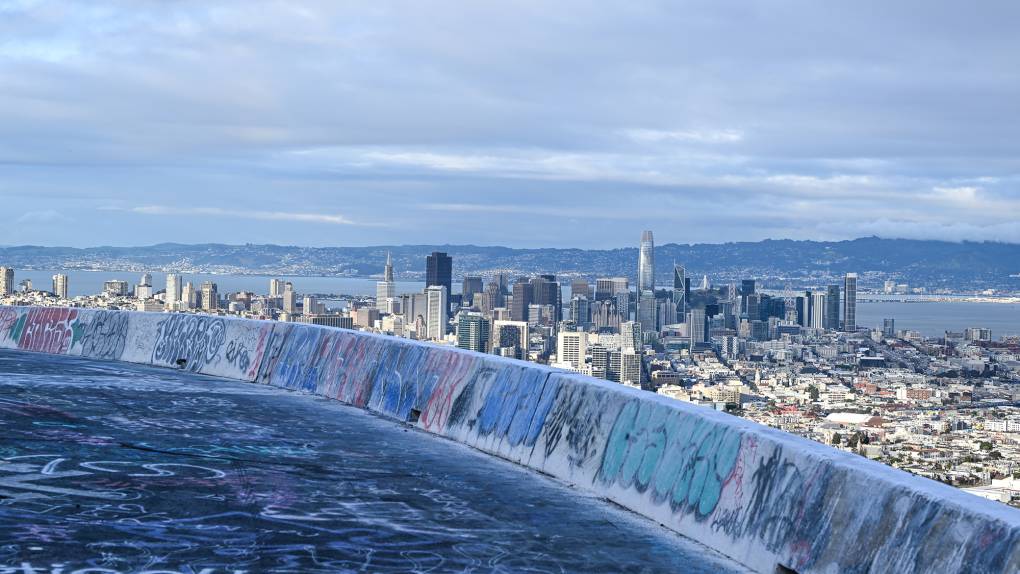
"caption": "Twin Peaks in San Francisco, pictured in March 2024. ",
"credit": "Tayfun Coskun/Anadolu via Getty Images",
"altTag": null,
"description": null,
"imgSizes": {
"medium": {
"file": "https://cdn.kqed.org/wp-content/uploads/sites/2/2024/10/GettyImages-2057074096-800x450.jpg",
"width": 800,
"height": 450,
"mimeType": "image/jpeg"
},
"large": {
"file": "https://cdn.kqed.org/wp-content/uploads/sites/2/2024/10/GettyImages-2057074096-1020x574.jpg",
"width": 1020,
"height": 574,
"mimeType": "image/jpeg"
},
"thumbnail": {
"file": "https://cdn.kqed.org/wp-content/uploads/sites/2/2024/10/GettyImages-2057074096-160x90.jpg",
"width": 160,
"height": 90,
"mimeType": "image/jpeg"
},
"medium_large": {
"file": "https://cdn.kqed.org/wp-content/uploads/sites/2/2024/10/GettyImages-2057074096-768x432.jpg",
"width": 768,
"height": 432,
"mimeType": "image/jpeg"
},
"1536x1536": {
"file": "https://cdn.kqed.org/wp-content/uploads/sites/2/2024/10/GettyImages-2057074096-1536x864.jpg",
"width": 1536,
"height": 864,
"mimeType": "image/jpeg"
},
"post-thumbnail": {
"file": "https://cdn.kqed.org/wp-content/uploads/sites/2/2024/10/GettyImages-2057074096-672x372.jpg",
"width": 672,
"height": 372,
"mimeType": "image/jpeg"
},
"twentyfourteen-full-width": {
"file": "https://cdn.kqed.org/wp-content/uploads/sites/2/2024/10/GettyImages-2057074096-1038x576.jpg",
"width": 1038,
"height": 576,
"mimeType": "image/jpeg"
},
"full-width": {
"file": "https://cdn.kqed.org/wp-content/uploads/sites/2/2024/10/GettyImages-2057074096-1920x1080.jpg",
"width": 1920,
"height": 1080,
"mimeType": "image/jpeg"
},
"kqedFullSize": {
"file": "https://cdn.kqed.org/wp-content/uploads/sites/2/2024/10/GettyImages-2057074096.jpg",
"width": 2000,
"height": 1125
}
},
"isLoading": false,
"fetchFailed": false
},
"arts_13966498": {
"type": "attachments",
"id": "arts_13966498",
"meta": {
"index": "attachments_1716263798",
"site": "arts",
"id": "13966498",
"found": true
},
"title": "Joyce Tang_photo credit Kevin Kwok",
"publishDate": 1728676992,
"status": "inherit",
"parent": 13966489,
"modified": 1728677330,
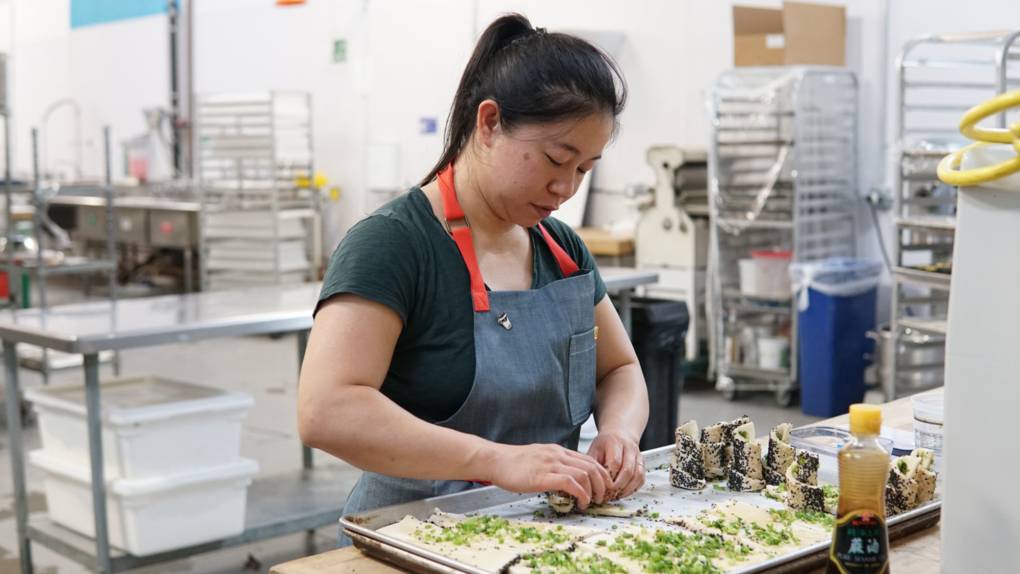
"caption": "Bake Sum pastry chef Joyce Tang prepares green onion croissants, one of her signature items. Tang will be one of the six Asian American chefs featured in a new workshop series hosted by Edge on the Square in San Francisco Chinatown.",
"credit": "Kevin Kwok",
"altTag": "In a bakery kitchen, an Asian woman rolls up pieces of dough covered with chopped scallions.",
"description": null,
"imgSizes": {
"medium": {
"file": "https://cdn.kqed.org/wp-content/uploads/sites/2/2024/10/Joyce-Tang_photo-credit-Kevin-Kwok-800x450.jpg",
"width": 800,
"height": 450,
"mimeType": "image/jpeg"
},
"large": {
"file": "https://cdn.kqed.org/wp-content/uploads/sites/2/2024/10/Joyce-Tang_photo-credit-Kevin-Kwok-1020x574.jpg",
"width": 1020,
"height": 574,
"mimeType": "image/jpeg"
},
"thumbnail": {
"file": "https://cdn.kqed.org/wp-content/uploads/sites/2/2024/10/Joyce-Tang_photo-credit-Kevin-Kwok-160x90.jpg",
"width": 160,
"height": 90,
"mimeType": "image/jpeg"
},
"medium_large": {
"file": "https://cdn.kqed.org/wp-content/uploads/sites/2/2024/10/Joyce-Tang_photo-credit-Kevin-Kwok-768x432.jpg",
"width": 768,
"height": 432,
"mimeType": "image/jpeg"
},
"1536x1536": {
"file": "https://cdn.kqed.org/wp-content/uploads/sites/2/2024/10/Joyce-Tang_photo-credit-Kevin-Kwok-1536x864.jpg",
"width": 1536,
"height": 864,
"mimeType": "image/jpeg"
},
"post-thumbnail": {
"file": "https://cdn.kqed.org/wp-content/uploads/sites/2/2024/10/Joyce-Tang_photo-credit-Kevin-Kwok-672x372.jpg",
"width": 672,
"height": 372,
"mimeType": "image/jpeg"
},
"twentyfourteen-full-width": {
"file": "https://cdn.kqed.org/wp-content/uploads/sites/2/2024/10/Joyce-Tang_photo-credit-Kevin-Kwok-1038x576.jpg",
"width": 1038,
"height": 576,
"mimeType": "image/jpeg"
},
"full-width": {
"file": "https://cdn.kqed.org/wp-content/uploads/sites/2/2024/10/Joyce-Tang_photo-credit-Kevin-Kwok-1920x1080.jpg",
"width": 1920,
"height": 1080,
"mimeType": "image/jpeg"
},
"kqedFullSize": {
"file": "https://cdn.kqed.org/wp-content/uploads/sites/2/2024/10/Joyce-Tang_photo-credit-Kevin-Kwok.jpg",
"width": 2000,
"height": 1125
}
},
"isLoading": false,
"fetchFailed": false
},
"arts_13905395": {
"type": "attachments",
"id": "arts_13905395",
"meta": {
"index": "attachments_1716263798",
"site": "arts",
"id": "13905395",
"found": true
},
"parent": 13904911,
"imgSizes": {
"twentyfourteen-full-width": {
"file": "https://ww2.kqed.org/app/uploads/sites/2/2021/10/Screen-Shot-2021-10-28-at-2.03.04-PM-1038x576.png",
"width": 1038,
"mimeType": "image/png",
"height": 576
},
"thumbnail": {
"file": "https://ww2.kqed.org/app/uploads/sites/2/2021/10/Screen-Shot-2021-10-28-at-2.03.04-PM-160x110.png",
"width": 160,
"mimeType": "image/png",
"height": 110
},
"post-thumbnail": {
"file": "https://ww2.kqed.org/app/uploads/sites/2/2021/10/Screen-Shot-2021-10-28-at-2.03.04-PM-672x372.png",
"width": 672,
"mimeType": "image/png",
"height": 372
},
"kqedFullSize": {
"file": "https://ww2.kqed.org/app/uploads/sites/2/2021/10/Screen-Shot-2021-10-28-at-2.03.04-PM-e1635455249851.png",
"width": 1920,
"height": 1316
},
"2048x2048": {
"file": "https://ww2.kqed.org/app/uploads/sites/2/2021/10/Screen-Shot-2021-10-28-at-2.03.04-PM-2048x1404.png",
"width": 2048,
"mimeType": "image/png",
"height": 1404
},
"large": {
"file": "https://ww2.kqed.org/app/uploads/sites/2/2021/10/Screen-Shot-2021-10-28-at-2.03.04-PM-1020x699.png",
"width": 1020,
"mimeType": "image/png",
"height": 699
},
"1536x1536": {
"file": "https://ww2.kqed.org/app/uploads/sites/2/2021/10/Screen-Shot-2021-10-28-at-2.03.04-PM-1536x1053.png",
"width": 1536,
"mimeType": "image/png",
"height": 1053
},
"full-width": {
"file": "https://ww2.kqed.org/app/uploads/sites/2/2021/10/Screen-Shot-2021-10-28-at-2.03.04-PM-1920x1316.png",
"width": 1920,
"mimeType": "image/png",
"height": 1316
},
"medium": {
"file": "https://ww2.kqed.org/app/uploads/sites/2/2021/10/Screen-Shot-2021-10-28-at-2.03.04-PM-800x548.png",
"width": 800,
"mimeType": "image/png",
"height": 548
},
"medium_large": {
"file": "https://ww2.kqed.org/app/uploads/sites/2/2021/10/Screen-Shot-2021-10-28-at-2.03.04-PM-768x526.png",
"width": 768,
"mimeType": "image/png",
"height": 526
}
},
"publishDate": 1635455004,
"modified": 1636508432,
"caption": "Donald Sutherland living the opposite of his best life in 1978's 'Invasion of the Body Snatchers.'",
"description": "Donald Sutherland living the opposite of his best life in 1978's 'Invasion of the Body Snatchers.'",
"title": "Donald Sutherland living the opposite of his best life in 1978's 'Invasion of the Body Snatchers.'",
"credit": null,
"status": "inherit",
"altTag": "A man wearing a Mackintosh coat, points straight ahead, mouth agape, eyes wide in a horrific expression.",
"isLoading": false,
"fetchFailed": false
},
"arts_13966066": {
"type": "attachments",
"id": "arts_13966066",
"meta": {
"index": "attachments_1716263798",
"site": "arts",
"id": "13966066",
"found": true
},
"title": "Barry McGee at KQED on Oct. 3, 2024.",
"publishDate": 1727990748,
"status": "inherit",
"parent": 0,
"modified": 1728621146,
"caption": "Barry McGee poses for a portrait at KQED in San Francisco on Oct. 3, 2024. The Mission District artist is at a pivotal juncture, with his first major solo show in San Francisco in nearly 10 years.",
"credit": "Martin do Nascimento/KQED",
"altTag": null,
"description": null,
"imgSizes": {
"medium": {
"file": "https://cdn.kqed.org/wp-content/uploads/sites/2/2024/10/241003-BARRY-MCGEE-MD-06-KQED-800x533.jpg",
"width": 800,
"height": 533,
"mimeType": "image/jpeg"
},
"large": {
"file": "https://cdn.kqed.org/wp-content/uploads/sites/2/2024/10/241003-BARRY-MCGEE-MD-06-KQED-1020x680.jpg",
"width": 1020,
"height": 680,
"mimeType": "image/jpeg"
},
"thumbnail": {
"file": "https://cdn.kqed.org/wp-content/uploads/sites/2/2024/10/241003-BARRY-MCGEE-MD-06-KQED-160x107.jpg",
"width": 160,
"height": 107,
"mimeType": "image/jpeg"
},
"medium_large": {
"file": "https://cdn.kqed.org/wp-content/uploads/sites/2/2024/10/241003-BARRY-MCGEE-MD-06-KQED-768x512.jpg",
"width": 768,
"height": 512,
"mimeType": "image/jpeg"
},
"1536x1536": {
"file": "https://cdn.kqed.org/wp-content/uploads/sites/2/2024/10/241003-BARRY-MCGEE-MD-06-KQED-1536x1024.jpg",
"width": 1536,
"height": 1024,
"mimeType": "image/jpeg"
},
"post-thumbnail": {
"file": "https://cdn.kqed.org/wp-content/uploads/sites/2/2024/10/241003-BARRY-MCGEE-MD-06-KQED-672x372.jpg",
"width": 672,
"height": 372,
"mimeType": "image/jpeg"
},
"twentyfourteen-full-width": {
"file": "https://cdn.kqed.org/wp-content/uploads/sites/2/2024/10/241003-BARRY-MCGEE-MD-06-KQED-1038x576.jpg",
"width": 1038,
"height": 576,
"mimeType": "image/jpeg"
},
"full-width": {
"file": "https://cdn.kqed.org/wp-content/uploads/sites/2/2024/10/241003-BARRY-MCGEE-MD-06-KQED-1920x1280.jpg",
"width": 1920,
"height": 1280,
"mimeType": "image/jpeg"
},
"kqedFullSize": {
"file": "https://cdn.kqed.org/wp-content/uploads/sites/2/2024/10/241003-BARRY-MCGEE-MD-06-KQED.jpg",
"width": 2000,
"height": 1333
}
},
"isLoading": false,
"fetchFailed": false
},
"arts_13965825": {
"type": "attachments",
"id": "arts_13965825",
"meta": {
"index": "attachments_1716263798",
"site": "arts",
"id": "13965825",
"found": true
},
"title": "20240923_NICKIMINAJFANDOMVOTE_GC-8-KQED",
"publishDate": 1727715345,
"status": "inherit",
"parent": 0,
"modified": 1727715423,
"caption": "Ronnie Punani of Stockton poses for a photo ahead of a Nicki Minaj concert at the Chase Center on September 23, 2024.",
"credit": "Gina Castro/KQED",
"altTag": null,
"description": null,
"imgSizes": {
"medium": {
"file": "https://cdn.kqed.org/wp-content/uploads/sites/2/2024/09/20240923_NICKIMINAJFANDOMVOTE_GC-8-KQED-800x533.jpg",
"width": 800,
"height": 533,
"mimeType": "image/jpeg"
},
"large": {
"file": "https://cdn.kqed.org/wp-content/uploads/sites/2/2024/09/20240923_NICKIMINAJFANDOMVOTE_GC-8-KQED-1020x680.jpg",
"width": 1020,
"height": 680,
"mimeType": "image/jpeg"
},
"thumbnail": {
"file": "https://cdn.kqed.org/wp-content/uploads/sites/2/2024/09/20240923_NICKIMINAJFANDOMVOTE_GC-8-KQED-160x107.jpg",
"width": 160,
"height": 107,
"mimeType": "image/jpeg"
},
"medium_large": {
"file": "https://cdn.kqed.org/wp-content/uploads/sites/2/2024/09/20240923_NICKIMINAJFANDOMVOTE_GC-8-KQED-768x512.jpg",
"width": 768,
"height": 512,
"mimeType": "image/jpeg"
},
"1536x1536": {
"file": "https://cdn.kqed.org/wp-content/uploads/sites/2/2024/09/20240923_NICKIMINAJFANDOMVOTE_GC-8-KQED-1536x1024.jpg",
"width": 1536,
"height": 1024,
"mimeType": "image/jpeg"
},
"post-thumbnail": {
"file": "https://cdn.kqed.org/wp-content/uploads/sites/2/2024/09/20240923_NICKIMINAJFANDOMVOTE_GC-8-KQED-672x372.jpg",
"width": 672,
"height": 372,
"mimeType": "image/jpeg"
},
"twentyfourteen-full-width": {
"file": "https://cdn.kqed.org/wp-content/uploads/sites/2/2024/09/20240923_NICKIMINAJFANDOMVOTE_GC-8-KQED-1038x576.jpg",
"width": 1038,
"height": 576,
"mimeType": "image/jpeg"
},
"full-width": {
"file": "https://cdn.kqed.org/wp-content/uploads/sites/2/2024/09/20240923_NICKIMINAJFANDOMVOTE_GC-8-KQED-1920x1280.jpg",
"width": 1920,
"height": 1280,
"mimeType": "image/jpeg"
},
"kqedFullSize": {
"file": "https://cdn.kqed.org/wp-content/uploads/sites/2/2024/09/20240923_NICKIMINAJFANDOMVOTE_GC-8-KQED.jpg",
"width": 2000,
"height": 1333
}
},
"isLoading": false,
"fetchFailed": false
}
},
"audioPlayerReducer": {
"postId": "stream_live",
"isPaused": true,
"isPlaying": false,
"pfsActive": false,
"pledgeModalIsOpen": true,
"playerDrawerIsOpen": false,
"liveAudioPlayStartedAt": 0,
"liveAudioPlayContext": ""
},
"authorsReducer": {
"byline_arts_13968135": {
"type": "authors",
"id": "byline_arts_13968135",
"meta": {
"override": true
},
"slug": "byline_arts_13968135",
"name": "Danny Acosta",
"isLoading": false
},
"byline_arts_13967156": {
"type": "authors",
"id": "byline_arts_13967156",
"meta": {
"override": true
},
"slug": "byline_arts_13967156",
"name": "Julie Zigoris",
"isLoading": false
},
"byline_arts_13966984": {
"type": "authors",
"id": "byline_arts_13966984",
"meta": {
"override": true
},
"slug": "byline_arts_13966984",
"name": "Quintessa Matranga",
"isLoading": false
},
"gmeline": {
"type": "authors",
"id": "185",
"meta": {
"index": "authors_1716337520",
"id": "185",
"found": true
},
"name": "Gabe Meline",
"firstName": "Gabe",
"lastName": "Meline",
"slug": "gmeline",
"email": "gmeline@kqed.org",
"display_author_email": true,
"staff_mastheads": [
"arts"
],
"title": "Senior Editor, KQED Arts & Culture",
"bio": "Gabe Meline entered journalism at age 15 making photocopied zines, and has since earned awards from the Edward R. Murrow Awards, the Society for Professional Journalists, the Online Journalism Awards, the Association of Alternative Newsweeklies and the California Newspaper Publishers Association. Prior to KQED, he was the editor of the \u003cem>North Bay Bohemian\u003c/em> and a touring musician. He lives with his wife and daughter in his hometown of Santa Rosa, CA.",
"avatar": "https://secure.gravatar.com/avatar/5bebe57be0d8bc2dd318934feb47299e2d2d10cba28d09d8d7afb389a2ce2bdd?s=600&d=blank&r=g",
"twitter": null,
"bluesky": null,
"facebook": null,
"instagram": null,
"linkedin": null,
"sites": [
{
"site": "",
"roles": [
"editor"
]
},
{
"site": "arts",
"roles": [
"administrator"
]
},
{
"site": "artschool",
"roles": [
"editor"
]
},
{
"site": "news",
"roles": [
"author"
]
},
{
"site": "pop",
"roles": [
"editor"
]
},
{
"site": "bayareabites",
"roles": [
"editor"
]
},
{
"site": "food",
"roles": [
"editor"
]
},
{
"site": "forum",
"roles": [
"administrator"
]
},
{
"site": "liveblog",
"roles": [
"editor"
]
},
{
"site": "hiphop",
"roles": [
"editor"
]
}
],
"headData": {
"title": "Gabe Meline | KQED",
"description": "Senior Editor, KQED Arts & Culture",
"ogImgSrc": "https://secure.gravatar.com/avatar/5bebe57be0d8bc2dd318934feb47299e2d2d10cba28d09d8d7afb389a2ce2bdd?s=600&d=blank&r=g",
"twImgSrc": "https://secure.gravatar.com/avatar/5bebe57be0d8bc2dd318934feb47299e2d2d10cba28d09d8d7afb389a2ce2bdd?s=600&d=blank&r=g"
},
"isLoading": false,
"link": "/author/gmeline"
},
"ralexandra": {
"type": "authors",
"id": "11242",
"meta": {
"index": "authors_1716337520",
"id": "11242",
"found": true
},
"name": "Rae Alexandra",
"firstName": "Rae",
"lastName": "Alexandra",
"slug": "ralexandra",
"email": "ralexandra@kqed.org",
"display_author_email": true,
"staff_mastheads": [],
"title": "Reporter/Producer",
"bio": "Rae Alexandra is a Reporter/Producer for KQED Arts & Culture, and the creator/author of the \u003ca href=\"https://www.kqed.org/arts/program/rebel-girls-from-bay-area-history\">Rebel Girls From Bay Area History\u003c/a> and \u003ca href=\"https://www.kqed.org/bizarrebayarea\">Bizarre Bay Area\u003c/a> series. Her debut book, \u003ca href=\"https://citylights.com/politics-current-events-history/unsung-heroines35-women-who-changed/\">Unsung Heroines: 35 Women Who Changed the Bay Area\u003c/a> was published by City Lights in March 2026. In 2023, Rae was awarded an SPJ Excellence in Journalism Award for Arts & Culture. Rae was born and raised in Wales and subsequently — even after two decades in Northern California — still uses phrases that regularly baffle her coworkers.",
"avatar": "https://secure.gravatar.com/avatar/edfee8176c80cc0a382b051190f5341997df378a934a5774dcb0977732dfd401?s=600&d=blank&r=g",
"twitter": null,
"bluesky": null,
"facebook": null,
"instagram": null,
"linkedin": null,
"sites": [
{
"site": "arts",
"roles": [
"subscriber"
]
},
{
"site": "news",
"roles": [
"subscriber"
]
},
{
"site": "pop",
"roles": [
"subscriber"
]
},
{
"site": "bayareabites",
"roles": [
"subscriber"
]
},
{
"site": "science",
"roles": [
"subscriber"
]
}
],
"headData": {
"title": "Rae Alexandra | KQED",
"description": "Reporter/Producer",
"ogImgSrc": "https://secure.gravatar.com/avatar/edfee8176c80cc0a382b051190f5341997df378a934a5774dcb0977732dfd401?s=600&d=blank&r=g",
"twImgSrc": "https://secure.gravatar.com/avatar/edfee8176c80cc0a382b051190f5341997df378a934a5774dcb0977732dfd401?s=600&d=blank&r=g"
},
"isLoading": false,
"link": "/author/ralexandra"
},
"ltsai": {
"type": "authors",
"id": "11743",
"meta": {
"index": "authors_1716337520",
"id": "11743",
"found": true
},
"name": "Luke Tsai",
"firstName": "Luke",
"lastName": "Tsai",
"slug": "ltsai",
"email": "ltsai@kqed.org",
"display_author_email": true,
"staff_mastheads": [
"arts"
],
"title": "Food Editor",
"bio": "Luke Tsai is KQED's food editor and resident stinky tofu connoisseur. Prior to KQED, he was an editor at Eater SF, \u003cem>San Francisco \u003c/em>magazine, and the \u003cem>East Bay Express\u003c/em>, and his work has also appeared in TASTE, the \u003cem>San Francisco Chronicle\u003c/em>, and the \u003cem>Best Food Writing\u003c/em> anthology. When he isn't writing or editing, you'll find him eating most everything he can get his hands on.",
"avatar": "https://secure.gravatar.com/avatar/1e59b45bf191526e7339d6ba46e33a57b2030d25c27660ecc64ea3cb863e34f7?s=600&d=blank&r=g",
"twitter": "theluketsai",
"bluesky": null,
"facebook": null,
"instagram": null,
"linkedin": null,
"sites": [
{
"site": "",
"roles": [
"editor"
]
},
{
"site": "arts",
"roles": [
"administrator"
]
},
{
"site": "news",
"roles": [
"editor",
"contributor"
]
},
{
"site": "bayareabites",
"roles": [
"editor"
]
},
{
"site": "food",
"roles": [
"editor"
]
}
],
"headData": {
"title": "Luke Tsai | KQED",
"description": "Food Editor",
"ogImgSrc": "https://secure.gravatar.com/avatar/1e59b45bf191526e7339d6ba46e33a57b2030d25c27660ecc64ea3cb863e34f7?s=600&d=blank&r=g",
"twImgSrc": "https://secure.gravatar.com/avatar/1e59b45bf191526e7339d6ba46e33a57b2030d25c27660ecc64ea3cb863e34f7?s=600&d=blank&r=g"
},
"isLoading": false,
"link": "/author/ltsai"
},
"tpham": {
"type": "authors",
"id": "11753",
"meta": {
"index": "authors_1716337520",
"id": "11753",
"found": true
},
"name": "Thien Pham",
"firstName": "Thien",
"lastName": "Pham",
"slug": "tpham",
"email": "thiendog@gmail.com",
"display_author_email": false,
"staff_mastheads": [],
"title": "KQED Contributor",
"bio": null,
"avatar": "https://secure.gravatar.com/avatar/a5b4729969ad46d88e7b9ec9dd4f3fa6af84dd0fa8fa91f01d8d9481694999bc?s=600&d=blank&r=g",
"twitter": null,
"bluesky": null,
"facebook": null,
"instagram": null,
"linkedin": null,
"sites": [
{
"site": "arts",
"roles": [
"contributor"
]
}
],
"headData": {
"title": "Thien Pham | KQED",
"description": "KQED Contributor",
"ogImgSrc": "https://secure.gravatar.com/avatar/a5b4729969ad46d88e7b9ec9dd4f3fa6af84dd0fa8fa91f01d8d9481694999bc?s=600&d=blank&r=g",
"twImgSrc": "https://secure.gravatar.com/avatar/a5b4729969ad46d88e7b9ec9dd4f3fa6af84dd0fa8fa91f01d8d9481694999bc?s=600&d=blank&r=g"
},
"isLoading": false,
"link": "/author/tpham"
},
"sfaulise": {
"type": "authors",
"id": "11919",
"meta": {
"index": "authors_1716337520",
"id": "11919",
"found": true
},
"name": "Shannon Faulise",
"firstName": "Shannon",
"lastName": "Faulise",
"slug": "sfaulise",
"email": "sfaulise@kqed.org",
"display_author_email": false,
"staff_mastheads": [],
"title": "Contributor, KQED Arts & Culture",
"bio": "Shannon Faulise is a graduate of the UC Berkeley Graduate School of Journalism, where she concentrated on photojournalism and feature writing. Shannon's photos, audio pieces and written stories have appeared in The Oaklandside, The Redwood City Pulse and KALX. Outside of reporting, Shannon loves kpop, women's sports and concerts. She served as an intern for KQED Arts & Culture in 2024–25.",
"avatar": "https://secure.gravatar.com/avatar/76449df2627a603d6b02f0534ec3c913007029bff4f1c0572071401f9a293a02?s=600&d=blank&r=g",
"twitter": null,
"bluesky": null,
"facebook": null,
"instagram": null,
"linkedin": null,
"sites": [
{
"site": "arts",
"roles": [
"subscriber"
]
}
],
"headData": {
"title": "Shannon Faulise | KQED",
"description": "Contributor, KQED Arts & Culture",
"ogImgSrc": "https://secure.gravatar.com/avatar/76449df2627a603d6b02f0534ec3c913007029bff4f1c0572071401f9a293a02?s=600&d=blank&r=g",
"twImgSrc": "https://secure.gravatar.com/avatar/76449df2627a603d6b02f0534ec3c913007029bff4f1c0572071401f9a293a02?s=600&d=blank&r=g"
},
"isLoading": false,
"link": "/author/sfaulise"
},
"pbicchieri": {
"type": "authors",
"id": "11932",
"meta": {
"index": "authors_1716337520",
"id": "11932",
"found": true
},
"name": "Paolo Bicchieri",
"firstName": "Paolo",
"lastName": "Bicchieri",
"slug": "pbicchieri",
"email": "paolobicchieri1306@gmail.com",
"display_author_email": false,
"staff_mastheads": [],
"title": "KQED Contributor",
"bio": null,
"avatar": "https://secure.gravatar.com/avatar/becbc05ff49115d4a6aabb839979fd66?s=600&d=blank&r=g",
"twitter": null,
"facebook": null,
"instagram": null,
"linkedin": null,
"sites": [
{
"site": "arts",
"roles": [
"author"
]
}
],
"headData": {
"title": "Paolo Bicchieri | KQED",
"description": "KQED Contributor",
"ogImgSrc": "https://secure.gravatar.com/avatar/becbc05ff49115d4a6aabb839979fd66?s=600&d=blank&r=g",
"twImgSrc": "https://secure.gravatar.com/avatar/becbc05ff49115d4a6aabb839979fd66?s=600&d=blank&r=g"
},
"isLoading": false,
"link": "/author/pbicchieri"
}
},
"pagesReducer": {
"arts_tag_san-francisco": {
"type": "terms",
"id": "arts_1146",
"meta": {
"index": "terms_1716263798",
"site": "arts",
"id": "1146",
"score": 6.722821
},
"featImg": null,
"name": "San Francisco",
"description": null,
"taxonomy": "tag",
"headData": {
"twImgId": null,
"twTitle": null,
"ogTitle": null,
"ogImgId": null,
"twDescription": null,
"description": null,
"title": "San Francisco Archives | KQED Arts",
"ogDescription": null
},
"ttid": 701,
"slug": "san-francisco",
"isLoading": false,
"title": "San Francisco",
"pageMeta": {
"site": "arts",
"WpPageTemplate": "page-topic-editorial",
"currentPage": 21
},
"blocks": [
{
"blockName": "kqed/post-list",
"attrs": {
"layout": "cardArticle2",
"query": "posts/arts?tag=san-francisco",
"seeMore": false,
"paginated": true,
"page": 21
}
},
{
"blockName": "kqed/ad"
}
]
}
},
"pfsSessionReducer": {},
"postsReducer": {
"stream_live": {
"type": "live",
"id": "stream_live",
"audioUrl": "https://streams.kqed.org/kqedradio",
"title": "Live Stream",
"excerpt": "Live Stream information currently unavailable.",
"link": "/radio",
"featImg": "",
"label": {
"name": "KQED Live",
"link": "/"
}
},
"stream_kqedNewscast": {
"type": "posts",
"id": "stream_kqedNewscast",
"audioUrl": "https://www.kqed.org/.stream/anon/radio/RDnews/newscast.mp3?_=1",
"title": "KQED Newscast",
"featImg": "",
"label": {
"name": "88.5 FM",
"link": "/"
}
},
"arts_13968734": {
"type": "posts",
"id": "arts_13968734",
"meta": {
"index": "posts_1716263798",
"site": "arts",
"id": "13968734",
"score": null,
"sort": [
1732732419000
]
},
"guestAuthors": [],
"slug": "review-cyndi-lauper-san-francisco-farewell-tour-chase-center",
"title": "Cyndi Lauper Consoles a Post-Election Crowd in San Francisco",
"publishDate": 1732732419,
"format": "standard",
"headTitle": "Cyndi Lauper Consoles a Post-Election Crowd in San Francisco | KQED",
"labelTerm": {
"site": "arts"
},
"content": "\u003cp>Cyndi Lauper didn’t once mention the election Tuesday night, but it hung in the air so clearly that she didn’t need to. For a San Francisco crowd that included Nancy Pelosi in the third row, Lauper acknowledged the past three weeks without once saying the E-word or, God forbid, the T-word. \u003c/p>\n\u003cp>“I never thought I’d be a second-class citizen again, and not have autonomy over my own body because of my gender,” she said at one point. She talked about rock bands full of “men, men, men, men, men”; she spoke of the power in a woman driving herself somewhere, or writing her own songs. \u003c/p>\n\u003cfigure id=\"attachment_13968723\" class=\"wp-caption aligncenter\" style=\"max-width: 2000px\">\u003cimg loading=\"lazy\" decoding=\"async\" src=\"https://cdn.kqed.org/wp-content/uploads/sites/2/2024/11/20241127_CyndiLauper_GC-27.jpg\" alt=\"\" width=\"2000\" height=\"1280\" class=\"size-full wp-image-13968723\" srcset=\"https://cdn.kqed.org/wp-content/uploads/sites/2/2024/11/20241127_CyndiLauper_GC-27.jpg 2000w, https://cdn.kqed.org/wp-content/uploads/sites/2/2024/11/20241127_CyndiLauper_GC-27-800x512.jpg 800w, https://cdn.kqed.org/wp-content/uploads/sites/2/2024/11/20241127_CyndiLauper_GC-27-1020x653.jpg 1020w, https://cdn.kqed.org/wp-content/uploads/sites/2/2024/11/20241127_CyndiLauper_GC-27-160x102.jpg 160w, https://cdn.kqed.org/wp-content/uploads/sites/2/2024/11/20241127_CyndiLauper_GC-27-768x492.jpg 768w, https://cdn.kqed.org/wp-content/uploads/sites/2/2024/11/20241127_CyndiLauper_GC-27-1536x983.jpg 1536w, https://cdn.kqed.org/wp-content/uploads/sites/2/2024/11/20241127_CyndiLauper_GC-27-1920x1229.jpg 1920w\" sizes=\"(max-width: 2000px) 100vw, 2000px\">\u003cfigcaption class=\"wp-caption-text\">Cyndi Lauper performs during her Girls Just Wanna Have Fun Farewell Tour at the Chase Center in San Francisco on Nov. 26, 2024. \u003ccite>(Gina Castro/KQED)\u003c/cite>\u003c/figcaption>\u003c/figure>\n\u003cp>And, after opener “She Bop” — a once-scandalous ode to (gasp!) female masturbation that underscored just how far American society has progressed since the 1980s — she talked about pretty much anything on her mind, like the ways American society has moved backward, particularly on women’s equal rights.\u003c/p>\n\u003cp>Lauper is on what she’s promising is her final tour, and she’s so beloved by fans that she padded an hour-and-45-minute farewell set with these extended, off-the-cuff monologues. But it was the songs that got the people to their feet, from the belting Gene Pitney torch ballad “I’m Gonna Be Strong’ to the No. 1 single “Time After Time,” performed to an arena bathed in phone lights. \u003c/p>\n\u003cfigure id=\"attachment_13968725\" class=\"wp-caption aligncenter\" style=\"max-width: 2000px\">\u003cimg loading=\"lazy\" decoding=\"async\" src=\"https://cdn.kqed.org/wp-content/uploads/sites/2/2024/11/20241127_CyndiLauper_GC-44.jpg\" alt=\"\" width=\"2000\" height=\"1400\" class=\"size-full wp-image-13968725\" srcset=\"https://cdn.kqed.org/wp-content/uploads/sites/2/2024/11/20241127_CyndiLauper_GC-44.jpg 2000w, https://cdn.kqed.org/wp-content/uploads/sites/2/2024/11/20241127_CyndiLauper_GC-44-800x560.jpg 800w, https://cdn.kqed.org/wp-content/uploads/sites/2/2024/11/20241127_CyndiLauper_GC-44-1020x714.jpg 1020w, https://cdn.kqed.org/wp-content/uploads/sites/2/2024/11/20241127_CyndiLauper_GC-44-160x112.jpg 160w, https://cdn.kqed.org/wp-content/uploads/sites/2/2024/11/20241127_CyndiLauper_GC-44-768x538.jpg 768w, https://cdn.kqed.org/wp-content/uploads/sites/2/2024/11/20241127_CyndiLauper_GC-44-1536x1075.jpg 1536w, https://cdn.kqed.org/wp-content/uploads/sites/2/2024/11/20241127_CyndiLauper_GC-44-1920x1344.jpg 1920w\" sizes=\"(max-width: 2000px) 100vw, 2000px\">\u003cfigcaption class=\"wp-caption-text\">Cyndi Lauper performs during her Girls Just Wanna Have Fun Farewell Tour at the Chase Center in San Francisco on Nov. 26, 2024. \u003ccite>(Gina Castro/KQED)\u003c/cite>\u003c/figcaption>\u003c/figure>\n\u003cp>It is an odd artifact of the 1980s that both Cyndi Lauper and Donald Trump advocated for and \u003ca href=\"https://www.youtube.com/watch?v=JsKMb899g2Y\">participated in\u003c/a> pro wrestling. “The Goonies ‘R’ Good Enough” and its attendant film montage gave Lauper a reason to shout out wrestlers like Lou Albano, Fred Blassie and Rowdy Roddy Piper. \u003c/p>\n\u003cp>[ad fullwidth]\u003c/p>\n\u003cp>How Trump used pro wrestling’s playbook and a reality TV show (on which Lauper \u003ca href=\"https://www.youtube.com/watch?v=k_Ie5B6utUA\">appeared\u003c/a>) to commandeer a political party and twice take over a nation will be studied for decades. For her part, Lauper on Tuesday night introduced a song that, as she said, seemed more true than ever: “Money Changes Everything.”\u003c/p>\n\u003cfigure id=\"attachment_13968726\" class=\"wp-caption aligncenter\" style=\"max-width: 1480px\">\u003cimg loading=\"lazy\" decoding=\"async\" src=\"https://cdn.kqed.org/wp-content/uploads/sites/2/2024/11/20241127_CyndiLauper_GC-46.jpg\" alt=\"\" width=\"1480\" height=\"2000\" class=\"size-full wp-image-13968726\" srcset=\"https://cdn.kqed.org/wp-content/uploads/sites/2/2024/11/20241127_CyndiLauper_GC-46.jpg 1480w, https://cdn.kqed.org/wp-content/uploads/sites/2/2024/11/20241127_CyndiLauper_GC-46-800x1081.jpg 800w, https://cdn.kqed.org/wp-content/uploads/sites/2/2024/11/20241127_CyndiLauper_GC-46-1020x1378.jpg 1020w, https://cdn.kqed.org/wp-content/uploads/sites/2/2024/11/20241127_CyndiLauper_GC-46-160x216.jpg 160w, https://cdn.kqed.org/wp-content/uploads/sites/2/2024/11/20241127_CyndiLauper_GC-46-768x1038.jpg 768w, https://cdn.kqed.org/wp-content/uploads/sites/2/2024/11/20241127_CyndiLauper_GC-46-1137x1536.jpg 1137w\" sizes=\"(max-width: 1480px) 100vw, 1480px\">\u003cfigcaption class=\"wp-caption-text\">Cyndi Lauper performs during her Girls Just Wanna Have Fun Farewell Tour at the Chase Center in San Francisco on Nov. 26, 2024. \u003ccite>(Gina Castro/KQED)\u003c/cite>\u003c/figcaption>\u003c/figure>\n\u003cp>In fact, just about any song from Lauper’s smash album \u003cem>She’s So Unusual\u003c/em> won over the mostly 40-and-up crowd. During “When You Were Mine,” the masterwork by Prince about the aftermath of a situationship, you could feel the energy of thousands of people remembering what the song once meant to them, or who they shared it with, and where, long ago. \u003c/p>\n\u003cp>That connection persisted for “True Colors,” the enduring LGBTQ anthem which Lauper performed on a small stage in the center of the arena, a sheer rainbow fabric rippling in the air above. The moment was so strong, nearly reverent, that the following set closer arrived as a foregone afterthought.\u003c/p>\n\u003cfigure id=\"attachment_13968728\" class=\"wp-caption aligncenter\" style=\"max-width: 1999px\">\u003cimg loading=\"lazy\" decoding=\"async\" src=\"https://cdn.kqed.org/wp-content/uploads/sites/2/2024/11/20241127_CyndiLauper_GC-29_qed.jpg\" alt=\"\" width=\"1999\" height=\"1333\" class=\"size-full wp-image-13968728\" srcset=\"https://cdn.kqed.org/wp-content/uploads/sites/2/2024/11/20241127_CyndiLauper_GC-29_qed.jpg 1999w, https://cdn.kqed.org/wp-content/uploads/sites/2/2024/11/20241127_CyndiLauper_GC-29_qed-800x533.jpg 800w, https://cdn.kqed.org/wp-content/uploads/sites/2/2024/11/20241127_CyndiLauper_GC-29_qed-1020x680.jpg 1020w, https://cdn.kqed.org/wp-content/uploads/sites/2/2024/11/20241127_CyndiLauper_GC-29_qed-160x107.jpg 160w, https://cdn.kqed.org/wp-content/uploads/sites/2/2024/11/20241127_CyndiLauper_GC-29_qed-768x512.jpg 768w, https://cdn.kqed.org/wp-content/uploads/sites/2/2024/11/20241127_CyndiLauper_GC-29_qed-1536x1024.jpg 1536w, https://cdn.kqed.org/wp-content/uploads/sites/2/2024/11/20241127_CyndiLauper_GC-29_qed-1920x1280.jpg 1920w\" sizes=\"(max-width: 1999px) 100vw, 1999px\">\u003cfigcaption class=\"wp-caption-text\">Cyndi Lauper performs during her Girls Just Wanna Have Fun Farewell Tour at the Chase Center in San Francisco on Nov. 26, 2024. \u003ccite>(Gina Castro/KQED)\u003c/cite>\u003c/figcaption>\u003c/figure>\n\u003cp>“Girls Just Wanna Have Fun” is so ubiquitous, so universal, that Lauper often finds new ways to perform it. On Tuesday night, oddly, that meant three giant portraits of the artist Yayoi Kusama, stern and unsmiling, on the giant stage backdrop, and a set and wardrobe bathed in Kusama’s red-and-white polka dots.\u003c/p>\n\u003cp>\u003c/p>\n\u003cp>Cyndi Lauper hugged Nancy Pelosi. Opener Trixie Mattel came back out to sing the second verse. Confetti ribbons shot into the air. If this truly was the last time San Francisco will see Lauper sing her hits, it left a memorable image. \u003c/p>\n\n",
"blocks": [],
"excerpt": "The pop icon showed how American society has progressed since the 1980s — and how it’s gone backward.",
"status": "publish",
"parent": 0,
"modified": 1732736745,
"stats": {
"hasAudio": false,
"hasVideo": false,
"hasChartOrMap": false,
"iframeSrcs": [],
"hasGoogleForm": false,
"hasGallery": false,
"hasHearkenModule": false,
"hasPolis": false,
"paragraphCount": 12,
"wordCount": 689
},
"headData": {
"title": "Review: Cyndi Lauper at Chase Center for Farewell Tour | KQED",
"description": "The pop icon showed how American society has progressed since the 1980s — and how it’s gone backward.",
"ogTitle": "Cyndi Lauper Consoles a Post-Election Crowd in San Francisco",
"ogDescription": "",
"ogImgId": "",
"twTitle": "Cyndi Lauper Consoles a Post-Election Crowd in San Francisco",
"twDescription": "",
"twImgId": "",
"socialTitle": "Review: Cyndi Lauper at Chase Center for Farewell Tour %%page%% %%sep%% KQED",
"schema": {
"@context": "https://schema.org",
"@type": "Article",
"headline": "Cyndi Lauper Consoles a Post-Election Crowd in San Francisco",
"datePublished": "2024-11-27T10:33:39-08:00",
"dateModified": "2024-11-27T11:45:45-08:00",
"image": "https://cdn.kqed.org/wp-content/uploads/2020/02/KQED-OG-Image@1x.png"
}
},
"sticky": false,
"nprStoryId": "kqed-13968734",
"templateType": "standard",
"featuredImageType": "standard",
"excludeFromSiteSearch": "Include",
"articleAge": "0",
"path": "/arts/13968734/review-cyndi-lauper-san-francisco-farewell-tour-chase-center",
"audioTrackLength": null,
"parsedContent": [
{
"type": "contentString",
"content": "\u003cdiv class=\"post-body\">\u003cp>\u003cp>Cyndi Lauper didn’t once mention the election Tuesday night, but it hung in the air so clearly that she didn’t need to. For a San Francisco crowd that included Nancy Pelosi in the third row, Lauper acknowledged the past three weeks without once saying the E-word or, God forbid, the T-word. \u003c/p>\n\u003cp>“I never thought I’d be a second-class citizen again, and not have autonomy over my own body because of my gender,” she said at one point. She talked about rock bands full of “men, men, men, men, men”; she spoke of the power in a woman driving herself somewhere, or writing her own songs. \u003c/p>\n\u003cfigure id=\"attachment_13968723\" class=\"wp-caption aligncenter\" style=\"max-width: 2000px\">\u003cimg loading=\"lazy\" decoding=\"async\" src=\"https://cdn.kqed.org/wp-content/uploads/sites/2/2024/11/20241127_CyndiLauper_GC-27.jpg\" alt=\"\" width=\"2000\" height=\"1280\" class=\"size-full wp-image-13968723\" srcset=\"https://cdn.kqed.org/wp-content/uploads/sites/2/2024/11/20241127_CyndiLauper_GC-27.jpg 2000w, https://cdn.kqed.org/wp-content/uploads/sites/2/2024/11/20241127_CyndiLauper_GC-27-800x512.jpg 800w, https://cdn.kqed.org/wp-content/uploads/sites/2/2024/11/20241127_CyndiLauper_GC-27-1020x653.jpg 1020w, https://cdn.kqed.org/wp-content/uploads/sites/2/2024/11/20241127_CyndiLauper_GC-27-160x102.jpg 160w, https://cdn.kqed.org/wp-content/uploads/sites/2/2024/11/20241127_CyndiLauper_GC-27-768x492.jpg 768w, https://cdn.kqed.org/wp-content/uploads/sites/2/2024/11/20241127_CyndiLauper_GC-27-1536x983.jpg 1536w, https://cdn.kqed.org/wp-content/uploads/sites/2/2024/11/20241127_CyndiLauper_GC-27-1920x1229.jpg 1920w\" sizes=\"(max-width: 2000px) 100vw, 2000px\">\u003cfigcaption class=\"wp-caption-text\">Cyndi Lauper performs during her Girls Just Wanna Have Fun Farewell Tour at the Chase Center in San Francisco on Nov. 26, 2024. \u003ccite>(Gina Castro/KQED)\u003c/cite>\u003c/figcaption>\u003c/figure>\n\u003cp>And, after opener “She Bop” — a once-scandalous ode to (gasp!) female masturbation that underscored just how far American society has progressed since the 1980s — she talked about pretty much anything on her mind, like the ways American society has moved backward, particularly on women’s equal rights.\u003c/p>\n\u003cp>Lauper is on what she’s promising is her final tour, and she’s so beloved by fans that she padded an hour-and-45-minute farewell set with these extended, off-the-cuff monologues. But it was the songs that got the people to their feet, from the belting Gene Pitney torch ballad “I’m Gonna Be Strong’ to the No. 1 single “Time After Time,” performed to an arena bathed in phone lights. \u003c/p>\n\u003cfigure id=\"attachment_13968725\" class=\"wp-caption aligncenter\" style=\"max-width: 2000px\">\u003cimg loading=\"lazy\" decoding=\"async\" src=\"https://cdn.kqed.org/wp-content/uploads/sites/2/2024/11/20241127_CyndiLauper_GC-44.jpg\" alt=\"\" width=\"2000\" height=\"1400\" class=\"size-full wp-image-13968725\" srcset=\"https://cdn.kqed.org/wp-content/uploads/sites/2/2024/11/20241127_CyndiLauper_GC-44.jpg 2000w, https://cdn.kqed.org/wp-content/uploads/sites/2/2024/11/20241127_CyndiLauper_GC-44-800x560.jpg 800w, https://cdn.kqed.org/wp-content/uploads/sites/2/2024/11/20241127_CyndiLauper_GC-44-1020x714.jpg 1020w, https://cdn.kqed.org/wp-content/uploads/sites/2/2024/11/20241127_CyndiLauper_GC-44-160x112.jpg 160w, https://cdn.kqed.org/wp-content/uploads/sites/2/2024/11/20241127_CyndiLauper_GC-44-768x538.jpg 768w, https://cdn.kqed.org/wp-content/uploads/sites/2/2024/11/20241127_CyndiLauper_GC-44-1536x1075.jpg 1536w, https://cdn.kqed.org/wp-content/uploads/sites/2/2024/11/20241127_CyndiLauper_GC-44-1920x1344.jpg 1920w\" sizes=\"(max-width: 2000px) 100vw, 2000px\">\u003cfigcaption class=\"wp-caption-text\">Cyndi Lauper performs during her Girls Just Wanna Have Fun Farewell Tour at the Chase Center in San Francisco on Nov. 26, 2024. \u003ccite>(Gina Castro/KQED)\u003c/cite>\u003c/figcaption>\u003c/figure>\n\u003cp>It is an odd artifact of the 1980s that both Cyndi Lauper and Donald Trump advocated for and \u003ca href=\"https://www.youtube.com/watch?v=JsKMb899g2Y\">participated in\u003c/a> pro wrestling. “The Goonies ‘R’ Good Enough” and its attendant film montage gave Lauper a reason to shout out wrestlers like Lou Albano, Fred Blassie and Rowdy Roddy Piper. \u003c/p>\n\u003cp>\u003c/p>\u003c/div>",
"attributes": {
"named": {},
"numeric": []
}
},
{
"type": "component",
"content": "",
"name": "ad",
"attributes": {
"named": {
"label": "fullwidth"
},
"numeric": [
"fullwidth"
]
}
},
{
"type": "contentString",
"content": "\u003cdiv class=\"post-body\">\u003cp>\u003c/p>\n\u003cp>How Trump used pro wrestling’s playbook and a reality TV show (on which Lauper \u003ca href=\"https://www.youtube.com/watch?v=k_Ie5B6utUA\">appeared\u003c/a>) to commandeer a political party and twice take over a nation will be studied for decades. For her part, Lauper on Tuesday night introduced a song that, as she said, seemed more true than ever: “Money Changes Everything.”\u003c/p>\n\u003cfigure id=\"attachment_13968726\" class=\"wp-caption aligncenter\" style=\"max-width: 1480px\">\u003cimg loading=\"lazy\" decoding=\"async\" src=\"https://cdn.kqed.org/wp-content/uploads/sites/2/2024/11/20241127_CyndiLauper_GC-46.jpg\" alt=\"\" width=\"1480\" height=\"2000\" class=\"size-full wp-image-13968726\" srcset=\"https://cdn.kqed.org/wp-content/uploads/sites/2/2024/11/20241127_CyndiLauper_GC-46.jpg 1480w, https://cdn.kqed.org/wp-content/uploads/sites/2/2024/11/20241127_CyndiLauper_GC-46-800x1081.jpg 800w, https://cdn.kqed.org/wp-content/uploads/sites/2/2024/11/20241127_CyndiLauper_GC-46-1020x1378.jpg 1020w, https://cdn.kqed.org/wp-content/uploads/sites/2/2024/11/20241127_CyndiLauper_GC-46-160x216.jpg 160w, https://cdn.kqed.org/wp-content/uploads/sites/2/2024/11/20241127_CyndiLauper_GC-46-768x1038.jpg 768w, https://cdn.kqed.org/wp-content/uploads/sites/2/2024/11/20241127_CyndiLauper_GC-46-1137x1536.jpg 1137w\" sizes=\"(max-width: 1480px) 100vw, 1480px\">\u003cfigcaption class=\"wp-caption-text\">Cyndi Lauper performs during her Girls Just Wanna Have Fun Farewell Tour at the Chase Center in San Francisco on Nov. 26, 2024. \u003ccite>(Gina Castro/KQED)\u003c/cite>\u003c/figcaption>\u003c/figure>\n\u003cp>In fact, just about any song from Lauper’s smash album \u003cem>She’s So Unusual\u003c/em> won over the mostly 40-and-up crowd. During “When You Were Mine,” the masterwork by Prince about the aftermath of a situationship, you could feel the energy of thousands of people remembering what the song once meant to them, or who they shared it with, and where, long ago. \u003c/p>\n\u003cp>That connection persisted for “True Colors,” the enduring LGBTQ anthem which Lauper performed on a small stage in the center of the arena, a sheer rainbow fabric rippling in the air above. The moment was so strong, nearly reverent, that the following set closer arrived as a foregone afterthought.\u003c/p>\n\u003cfigure id=\"attachment_13968728\" class=\"wp-caption aligncenter\" style=\"max-width: 1999px\">\u003cimg loading=\"lazy\" decoding=\"async\" src=\"https://cdn.kqed.org/wp-content/uploads/sites/2/2024/11/20241127_CyndiLauper_GC-29_qed.jpg\" alt=\"\" width=\"1999\" height=\"1333\" class=\"size-full wp-image-13968728\" srcset=\"https://cdn.kqed.org/wp-content/uploads/sites/2/2024/11/20241127_CyndiLauper_GC-29_qed.jpg 1999w, https://cdn.kqed.org/wp-content/uploads/sites/2/2024/11/20241127_CyndiLauper_GC-29_qed-800x533.jpg 800w, https://cdn.kqed.org/wp-content/uploads/sites/2/2024/11/20241127_CyndiLauper_GC-29_qed-1020x680.jpg 1020w, https://cdn.kqed.org/wp-content/uploads/sites/2/2024/11/20241127_CyndiLauper_GC-29_qed-160x107.jpg 160w, https://cdn.kqed.org/wp-content/uploads/sites/2/2024/11/20241127_CyndiLauper_GC-29_qed-768x512.jpg 768w, https://cdn.kqed.org/wp-content/uploads/sites/2/2024/11/20241127_CyndiLauper_GC-29_qed-1536x1024.jpg 1536w, https://cdn.kqed.org/wp-content/uploads/sites/2/2024/11/20241127_CyndiLauper_GC-29_qed-1920x1280.jpg 1920w\" sizes=\"(max-width: 1999px) 100vw, 1999px\">\u003cfigcaption class=\"wp-caption-text\">Cyndi Lauper performs during her Girls Just Wanna Have Fun Farewell Tour at the Chase Center in San Francisco on Nov. 26, 2024. \u003ccite>(Gina Castro/KQED)\u003c/cite>\u003c/figcaption>\u003c/figure>\n\u003cp>“Girls Just Wanna Have Fun” is so ubiquitous, so universal, that Lauper often finds new ways to perform it. On Tuesday night, oddly, that meant three giant portraits of the artist Yayoi Kusama, stern and unsmiling, on the giant stage backdrop, and a set and wardrobe bathed in Kusama’s red-and-white polka dots.\u003c/p>\n\u003cp>\u003c/p>\n\u003cp>Cyndi Lauper hugged Nancy Pelosi. Opener Trixie Mattel came back out to sing the second verse. Confetti ribbons shot into the air. If this truly was the last time San Francisco will see Lauper sing her hits, it left a memorable image. \u003c/p>\n\n\u003c/div>\u003c/p>",
"attributes": {
"named": {},
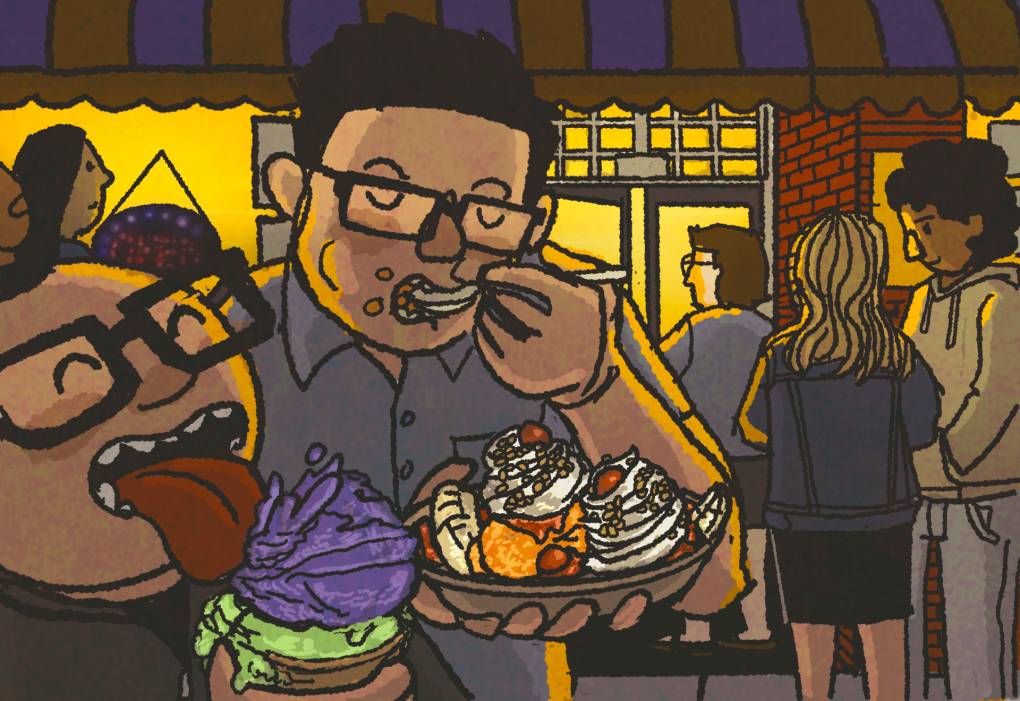
"numeric": []
}
}
],
"link": "/arts/13968734/review-cyndi-lauper-san-francisco-farewell-tour-chase-center",
"authors": [
"185"
],
"categories": [
"arts_1",
"arts_69",
"arts_75"
],
"tags": [
"arts_10493",
"arts_6926",
"arts_10278",
"arts_6012",
"arts_769",
"arts_1146"
],
"featImg": "arts_13968731",
"label": "arts"
},
"arts_13968135": {
"type": "posts",
"id": "arts_13968135",
"meta": {
"index": "posts_1716263798",
"site": "arts",
"id": "13968135",
"score": null,
"sort": [
1731694082000
]
},
"guestAuthors": [],
"slug": "versoul-documentary-this-is-my-story-tenderloin-san-francisco",
"title": "Rapper Versoul Takes the Director’s Chair for ‘This is My Story: Tenderloin’",
"publishDate": 1731694082,
"format": "standard",
"headTitle": "Rapper Versoul Takes the Director’s Chair for ‘This is My Story: Tenderloin’ | KQED",
"labelTerm": {
"term": 140,
"site": "arts"
},
"content": "\u003cp>In 2022, hip-hop artist \u003ca href=\"https://www.instagram.com/versoulmusic/\">Versoul\u003c/a> temporarily stepped away from the microphone and turned on a camera to capture her grandmother’s story while her grandma was around to tell it herself.\u003c/p>\n\u003cp>Her grandmother Sachiko Higa Rosa Roverso immigrated from Peru to San Francisco in the early 1970s. A single mother of two sons, she lived humbly in her 200-square-foot Mission District apartment until she passed away at 82 years old, not long after Versoul recorded her story. Throughout her life, Grandmother Sachiko felt the impacts of imperialism, war and anti-Japanese racism. The lessons she taught her granddaughter \u003cspan style=\"font-weight: 400\">—\u003c/span> that treating people well costs nothing and has lasting positive reverberations \u003cspan style=\"font-weight: 400\">—\u003c/span> became Versoul’s lens as a filmmaker. [aside postid='arts_13950855']\u003c/p>\n\u003cp>When friend and fellow hip-hop artist \u003ca href=\"https://www.instagram.com/kqed/reel/CyOmLwmJsMN/\">Dimebag Dizzy\u003c/a> informed Versoul about the Yerba Buena Center for the Arts’ \u003ca href=\"https://ybca.org/creative-corps-initiative/\">Creative Corps Initiative\u003c/a>, which funds social justice-related projects, Versoul knew exactly what story to tell. She pitched a documentary about artists whose work and lived experiences reframe a maligned and misunderstood neighborhood, San Francisco’s Tenderloin District, a home base for working class and immigrant families like Versoul’s own. That’s how Versoul became the director of the 30-minute short film \u003cem>This Is My Story: Tenderloin\u003c/em>.\u003c/p>\n\u003cp>“I just want this documentary to inspire others to look at themselves and their communities, and to also treat the Tenderloin with more compassion and respect,” says the filmmaker, whose real name is Christiana Roverso.\u003c/p>\n\u003cp>https://youtu.be/C_CXrbEp9Ak?si=0QJ4ZIhXpXkIivfn\u003c/p>\n\u003cp>[ad fullwidth]\u003c/p>\n\u003cp>Versoul debuted \u003cem>This Is My Story: Tenderloin\u003c/em> on Sept. 12 at the Yerba Buena Center for the Arts in SoMa. Up next, the film screens on Nov. 19 at the Chabot Theater in Castro Valley. It features Ilyich Sato, a.k.a. \u003ca href=\"https://www.instagram.com/equipto_415/\">Equipto\u003c/a>, the tenured San Francisco hip-hop artist and activist of Solidarity Records. Musicians \u003ca href=\"https://www.instagram.com/koko.geee/\">Koko G\u003c/a>, \u003ca href=\"https://www.instagram.com/agency415/\">Agent Striknine\u003c/a>, \u003ca href=\"https://soundcloud.com/timewarpnif\">Han!f\u003c/a> and Roderick Brown round out the lineup.\u003c/p>\n\u003cp>The documentary showcases some of those young artists working out of \u003ca href=\"https://larkinstreetyouth.org/\">Larkin Street Youth Services\u003c/a>. Versoul relished the intergenerational exchange with her grandmother, and wanted to bring that approach to the documentary, captured in collaboration with her cinematographer and editor \u003ca href=\"https://www.instagram.com/lu1smontoya/\">Luis Montoya\u003c/a>.\u003c/p>\n\u003cfigure id=\"attachment_13968175\" class=\"wp-caption aligncenter\" style=\"max-width: 2000px\">\u003cimg loading=\"lazy\" decoding=\"async\" class=\"size-full wp-image-13968175\" src=\"https://cdn.kqed.org/wp-content/uploads/sites/2/2024/11/Hanf3-e1731693181445.png\" alt=\"\" width=\"2000\" height=\"1127\">\u003cfigcaption class=\"wp-caption-text\">Han!f in ‘This Is My Story: Tenderloin.’ \u003ccite>(Versoul)\u003c/cite>\u003c/figcaption>\u003c/figure>\n\u003cp>The Tenderloin is a local and national lightning rod in conversations around homelessness, drug abuse, mental health and police brutality. But Versoul wanted to “refocus the lens on the Tenderloin to a lens of beauty in the struggle, and not just the struggle.”\u003c/p>\n\u003cp>Despite the negative attention, there are “beautiful souls” there, she says. The way the film highlights its artists prompts viewers to reject voyeuristic trauma tourism, and asks them to reflect on the larger societal forces behind the dehumanizing conditions.\u003c/p>\n\u003cp>“The lack of recognizing the system is flawed is the reason the TL is the community it is. The biggest point of this documentary … is for it to reach the people that don’t know that,” Versoul says, “to give people the opportunity to experience the Tenderloin in a way that they probably wouldn’t if they walk down the street.”\u003c/p>\n\u003cfigure id=\"attachment_13968140\" class=\"wp-caption aligncenter\" style=\"max-width: 2770px\">\u003cimg loading=\"lazy\" decoding=\"async\" class=\"size-full wp-image-13968140\" src=\"https://cdn.kqed.org/wp-content/uploads/sites/2/2024/11/equipto.png\" alt=\"\" width=\"2770\" height=\"1558\" srcset=\"https://cdn.kqed.org/wp-content/uploads/sites/2/2024/11/equipto.png 2770w, https://cdn.kqed.org/wp-content/uploads/sites/2/2024/11/equipto-800x450.png 800w, https://cdn.kqed.org/wp-content/uploads/sites/2/2024/11/equipto-1020x574.png 1020w, https://cdn.kqed.org/wp-content/uploads/sites/2/2024/11/equipto-160x90.png 160w, https://cdn.kqed.org/wp-content/uploads/sites/2/2024/11/equipto-768x432.png 768w, https://cdn.kqed.org/wp-content/uploads/sites/2/2024/11/equipto-1536x864.png 1536w, https://cdn.kqed.org/wp-content/uploads/sites/2/2024/11/equipto-2048x1152.png 2048w, https://cdn.kqed.org/wp-content/uploads/sites/2/2024/11/equipto-1920x1080.png 1920w\" sizes=\"auto, (max-width: 2770px) 100vw, 2770px\">\u003cfigcaption class=\"wp-caption-text\">Rapper and activist Equipto in ‘This Is My Story: Tenderloin.’ \u003ccite>(Versoul )\u003c/cite>\u003c/figcaption>\u003c/figure>\n\u003cp>As Versoul better understood her grandmother’s story, embracing one’s agency and seeking out one another’s humanity became foundational to her art, first through music and now through this \u003cem>This Is My Story: Tenderloin\u003c/em>. Versoul intends to collect the documentary’s musicians in songs together, too.\u003c/p>\n\u003cp>“We can’t sit and wait to be discovered by somebody who can come and ‘save us.’ It doesn’t work like that,” she says. “That’s what ‘the revolution starts at home’ means.” [aside postid='arts_13968060']\u003c/p>\n\u003cp>Though she faced self-doubt about helming \u003cem>This Is My Story: Tenderloin\u003c/em>, before filming started, Versoul got an unexpected affirmation. She was awarded the Creative Corps grant to direct the documentary on her grandmother Sachiko’s birthday, the first after her passing.\u003c/p>\n\u003cp>“If that isn’t a sign that I am meant to be doing this work, a sign from my grandmother in heaven proud of me, then I don’t know what it is,” Versoul says. “In a way, it was her helping me out, because as an independent artist, I have been struggling.”\u003c/p>\n\u003chr>\n\u003cp>\u003c/p>\n\u003cp>\u003ci>‘This Is My Story: Tenderloin’ \u003ca href=\"https://www.eventbrite.com/e/film-screening-this-is-my-story-tenderloin-tickets-1081231886679?utm-campaign=social&utm-content=attendeeshare&utm-medium=discovery&utm-term=listing&utm-source=cp&aff=ebdsshcopyurl\">screens at the Chabot Theater in Castro Valley on Nov. 19\u003c/a>, followed by a panel discussion and performances. For updates on more screenings and events, visit \u003ca href=\"https://versoulmusic.com/\">Versoul’s website\u003c/a> and the \u003ca href=\"https://www.instagram.com/thisismystorydoc/\">film’s Instagram\u003c/a>.\u003c/i>\u003c/p>\n\n",
"blocks": [],
"excerpt": "The documentary highlights the ‘beautiful souls’ of the misunderstood San Francisco neighborhood.",
"status": "publish",
"parent": 0,
"modified": 1750185731,
"stats": {
"hasAudio": false,
"hasVideo": false,
"hasChartOrMap": false,
"iframeSrcs": [],
"hasGoogleForm": false,
"hasGallery": false,
"hasHearkenModule": false,
"hasPolis": false,
"paragraphCount": 16,
"wordCount": 797
},
"headData": {
"title": "Rapper Versoul Directs ‘This is My Story: Tenderloin’ | KQED",
"description": "The documentary highlights the ‘beautiful souls’ of the misunderstood San Francisco neighborhood.",
"ogTitle": "Rapper Versoul Takes the Director’s Chair for ‘This is My Story: Tenderloin’",
"ogDescription": "",
"ogImgId": "",
"twTitle": "Rapper Versoul Takes the Director’s Chair for ‘This is My Story: Tenderloin’",
"twDescription": "",
"twImgId": "",
"socialTitle": "Rapper Versoul Directs ‘This is My Story: Tenderloin’ %%page%% %%sep%% KQED",
"schema": {
"@context": "https://schema.org",
"@type": "Article",
"headline": "Rapper Versoul Takes the Director’s Chair for ‘This is My Story: Tenderloin’",
"datePublished": "2024-11-15T10:08:02-08:00",
"dateModified": "2025-06-17T11:42:11-07:00",
"image": "https://cdn.kqed.org/wp-content/uploads/2020/02/KQED-OG-Image@1x.png"
}
},
"sticky": false,
"nprByline": "Danny Acosta",
"nprStoryId": "kqed-13968135",
"templateType": "standard",
"featuredImageType": "standard",
"excludeFromSiteSearch": "Include",
"showOnAuthorArchivePages": "No",
"articleAge": "0",
"path": "/arts/13968135/versoul-documentary-this-is-my-story-tenderloin-san-francisco",
"audioTrackLength": null,
"parsedContent": [
{
"type": "contentString",
"content": "\u003cdiv class=\"post-body\">\u003cp>\u003cp>In 2022, hip-hop artist \u003ca href=\"https://www.instagram.com/versoulmusic/\">Versoul\u003c/a> temporarily stepped away from the microphone and turned on a camera to capture her grandmother’s story while her grandma was around to tell it herself.\u003c/p>\n\u003cp>Her grandmother Sachiko Higa Rosa Roverso immigrated from Peru to San Francisco in the early 1970s. A single mother of two sons, she lived humbly in her 200-square-foot Mission District apartment until she passed away at 82 years old, not long after Versoul recorded her story. Throughout her life, Grandmother Sachiko felt the impacts of imperialism, war and anti-Japanese racism. The lessons she taught her granddaughter \u003cspan style=\"font-weight: 400\">—\u003c/span> that treating people well costs nothing and has lasting positive reverberations \u003cspan style=\"font-weight: 400\">—\u003c/span> became Versoul’s lens as a filmmaker. \u003c/p>\u003c/div>",
"attributes": {
"named": {},
"numeric": []
}
},
{
"type": "component",
"content": "",
"name": "aside",
"attributes": {
"named": {
"postid": "arts_13950855",
"label": ""
},
"numeric": []
}
},
{
"type": "contentString",
"content": "\u003cdiv class=\"post-body\">\u003cp>\u003c/p>\n\u003cp>When friend and fellow hip-hop artist \u003ca href=\"https://www.instagram.com/kqed/reel/CyOmLwmJsMN/\">Dimebag Dizzy\u003c/a> informed Versoul about the Yerba Buena Center for the Arts’ \u003ca href=\"https://ybca.org/creative-corps-initiative/\">Creative Corps Initiative\u003c/a>, which funds social justice-related projects, Versoul knew exactly what story to tell. She pitched a documentary about artists whose work and lived experiences reframe a maligned and misunderstood neighborhood, San Francisco’s Tenderloin District, a home base for working class and immigrant families like Versoul’s own. That’s how Versoul became the director of the 30-minute short film \u003cem>This Is My Story: Tenderloin\u003c/em>.\u003c/p>\n\u003cp>“I just want this documentary to inspire others to look at themselves and their communities, and to also treat the Tenderloin with more compassion and respect,” says the filmmaker, whose real name is Christiana Roverso.\u003c/p>\u003c/p>\u003cp>\u003cspan class='utils-parseShortcode-shortcodes-__youtubeShortcode__embedYoutube'>\n \u003cspan class='utils-parseShortcode-shortcodes-__youtubeShortcode__embedYoutubeInside'>\n \u003ciframe\n loading='lazy'\n class='utils-parseShortcode-shortcodes-__youtubeShortcode__youtubePlayer'\n type='text/html'\n src='//www.youtube.com/embed/C_CXrbEp9Ak'\n title='//www.youtube.com/embed/C_CXrbEp9Ak'\n allowfullscreen='true'\n style='border:0;'>\u003c/iframe>\n \u003c/span>\n \u003c/span>\u003c/p>\u003cp>\u003cp>\u003c/p>\u003c/div>",
"attributes": {
"named": {},
"numeric": []
}
},
{
"type": "component",
"content": "",
"name": "ad",
"attributes": {
"named": {
"label": "fullwidth"
},
"numeric": [
"fullwidth"
]
}
},
{
"type": "contentString",
"content": "\u003cdiv class=\"post-body\">\u003cp>\u003c/p>\n\u003cp>Versoul debuted \u003cem>This Is My Story: Tenderloin\u003c/em> on Sept. 12 at the Yerba Buena Center for the Arts in SoMa. Up next, the film screens on Nov. 19 at the Chabot Theater in Castro Valley. It features Ilyich Sato, a.k.a. \u003ca href=\"https://www.instagram.com/equipto_415/\">Equipto\u003c/a>, the tenured San Francisco hip-hop artist and activist of Solidarity Records. Musicians \u003ca href=\"https://www.instagram.com/koko.geee/\">Koko G\u003c/a>, \u003ca href=\"https://www.instagram.com/agency415/\">Agent Striknine\u003c/a>, \u003ca href=\"https://soundcloud.com/timewarpnif\">Han!f\u003c/a> and Roderick Brown round out the lineup.\u003c/p>\n\u003cp>The documentary showcases some of those young artists working out of \u003ca href=\"https://larkinstreetyouth.org/\">Larkin Street Youth Services\u003c/a>. Versoul relished the intergenerational exchange with her grandmother, and wanted to bring that approach to the documentary, captured in collaboration with her cinematographer and editor \u003ca href=\"https://www.instagram.com/lu1smontoya/\">Luis Montoya\u003c/a>.\u003c/p>\n\u003cfigure id=\"attachment_13968175\" class=\"wp-caption aligncenter\" style=\"max-width: 2000px\">\u003cimg loading=\"lazy\" decoding=\"async\" class=\"size-full wp-image-13968175\" src=\"https://cdn.kqed.org/wp-content/uploads/sites/2/2024/11/Hanf3-e1731693181445.png\" alt=\"\" width=\"2000\" height=\"1127\">\u003cfigcaption class=\"wp-caption-text\">Han!f in ‘This Is My Story: Tenderloin.’ \u003ccite>(Versoul)\u003c/cite>\u003c/figcaption>\u003c/figure>\n\u003cp>The Tenderloin is a local and national lightning rod in conversations around homelessness, drug abuse, mental health and police brutality. But Versoul wanted to “refocus the lens on the Tenderloin to a lens of beauty in the struggle, and not just the struggle.”\u003c/p>\n\u003cp>Despite the negative attention, there are “beautiful souls” there, she says. The way the film highlights its artists prompts viewers to reject voyeuristic trauma tourism, and asks them to reflect on the larger societal forces behind the dehumanizing conditions.\u003c/p>\n\u003cp>“The lack of recognizing the system is flawed is the reason the TL is the community it is. The biggest point of this documentary … is for it to reach the people that don’t know that,” Versoul says, “to give people the opportunity to experience the Tenderloin in a way that they probably wouldn’t if they walk down the street.”\u003c/p>\n\u003cfigure id=\"attachment_13968140\" class=\"wp-caption aligncenter\" style=\"max-width: 2770px\">\u003cimg loading=\"lazy\" decoding=\"async\" class=\"size-full wp-image-13968140\" src=\"https://cdn.kqed.org/wp-content/uploads/sites/2/2024/11/equipto.png\" alt=\"\" width=\"2770\" height=\"1558\" srcset=\"https://cdn.kqed.org/wp-content/uploads/sites/2/2024/11/equipto.png 2770w, https://cdn.kqed.org/wp-content/uploads/sites/2/2024/11/equipto-800x450.png 800w, https://cdn.kqed.org/wp-content/uploads/sites/2/2024/11/equipto-1020x574.png 1020w, https://cdn.kqed.org/wp-content/uploads/sites/2/2024/11/equipto-160x90.png 160w, https://cdn.kqed.org/wp-content/uploads/sites/2/2024/11/equipto-768x432.png 768w, https://cdn.kqed.org/wp-content/uploads/sites/2/2024/11/equipto-1536x864.png 1536w, https://cdn.kqed.org/wp-content/uploads/sites/2/2024/11/equipto-2048x1152.png 2048w, https://cdn.kqed.org/wp-content/uploads/sites/2/2024/11/equipto-1920x1080.png 1920w\" sizes=\"auto, (max-width: 2770px) 100vw, 2770px\">\u003cfigcaption class=\"wp-caption-text\">Rapper and activist Equipto in ‘This Is My Story: Tenderloin.’ \u003ccite>(Versoul )\u003c/cite>\u003c/figcaption>\u003c/figure>\n\u003cp>As Versoul better understood her grandmother’s story, embracing one’s agency and seeking out one another’s humanity became foundational to her art, first through music and now through this \u003cem>This Is My Story: Tenderloin\u003c/em>. Versoul intends to collect the documentary’s musicians in songs together, too.\u003c/p>\n\u003cp>“We can’t sit and wait to be discovered by somebody who can come and ‘save us.’ It doesn’t work like that,” she says. “That’s what ‘the revolution starts at home’ means.” \u003c/p>\u003c/div>",
"attributes": {
"named": {},
"numeric": []
}
},
{
"type": "component",
"content": "",
"name": "aside",
"attributes": {
"named": {
"postid": "arts_13968060",
"label": ""
},
"numeric": []
}
},
{
"type": "contentString",
"content": "\u003cdiv class=\"post-body\">\u003cp>\u003c/p>\n\u003cp>Though she faced self-doubt about helming \u003cem>This Is My Story: Tenderloin\u003c/em>, before filming started, Versoul got an unexpected affirmation. She was awarded the Creative Corps grant to direct the documentary on her grandmother Sachiko’s birthday, the first after her passing.\u003c/p>\n\u003cp>“If that isn’t a sign that I am meant to be doing this work, a sign from my grandmother in heaven proud of me, then I don’t know what it is,” Versoul says. “In a way, it was her helping me out, because as an independent artist, I have been struggling.”\u003c/p>\n\u003chr>\n\u003cp>\u003c/p>\n\u003cp>\u003ci>‘This Is My Story: Tenderloin’ \u003ca href=\"https://www.eventbrite.com/e/film-screening-this-is-my-story-tenderloin-tickets-1081231886679?utm-campaign=social&utm-content=attendeeshare&utm-medium=discovery&utm-term=listing&utm-source=cp&aff=ebdsshcopyurl\">screens at the Chabot Theater in Castro Valley on Nov. 19\u003c/a>, followed by a panel discussion and performances. For updates on more screenings and events, visit \u003ca href=\"https://versoulmusic.com/\">Versoul’s website\u003c/a> and the \u003ca href=\"https://www.instagram.com/thisismystorydoc/\">film’s Instagram\u003c/a>.\u003c/i>\u003c/p>\n\n\u003c/div>\u003c/p>",
"attributes": {
"named": {},
"numeric": []
}
}
],
"link": "/arts/13968135/versoul-documentary-this-is-my-story-tenderloin-san-francisco",
"authors": [
"byline_arts_13968135"
],
"programs": [
"arts_140"
],
"categories": [
"arts_1",
"arts_74"
],
"tags": [
"arts_8505",
"arts_13672",
"arts_10278",
"arts_1146",
"arts_1020"
],
"featImg": "arts_13968139",
"label": "arts_140"
},
"arts_13967652": {
"type": "posts",
"id": "arts_13967652",
"meta": {
"index": "posts_1716263798",
"site": "arts",
"id": "13967652",
"score": null,
"sort": [
1730751992000
]
},
"guestAuthors": [],
"slug": "blvck-svm-fine-dining-rapper-nisei-michelinman-sf",
"title": "Blvck Svm’s ‘michelinman’ Might Be Hip-Hop’s First Fine-Dining Concept Album",
"publishDate": 1730751992,
"format": "standard",
"headTitle": "Blvck Svm’s ‘michelinman’ Might Be Hip-Hop’s First Fine-Dining Concept Album | KQED",
"labelTerm": {},
"content": "\u003cp>[dropcap]W[/dropcap]hen Benjamin Glover visited Chicago’s \u003ca href=\"https://www.atelier-chicago.com/\">Atelier\u003c/a> at the end of 2023, he didn’t know what to expect. He left a changed man.\u003c/p>\n\u003cp>Never having experienced a fine dining tasting menu before, Glover figured he would have to get McDonald’s on the way home — there was no way those tiny plates would do the trick. But over the course of the meal, his mind was fully blown, his spirit stimulated alongside his stomach’s satiation. The thoughtful sequencing of dishes conjured to mind music. “It was like eating my way through an album,” Glover says. “I wanted to make an album that sounded like a tasting menu.”\u003c/p>\n\u003cp>That’s because when Glover is not eating gourmet dinners, he performs as the rapper \u003ca href=\"https://www.instagram.com/blvcksvm/?hl=en\">Blvck Svm\u003c/a>. And he really did wind up creating an entire album that’s inspired by fine dining. It’s called \u003ci>michelinman\u003c/i>, and it drops on Nov. 11. In keeping with the theme, Glover shot the music videos for the album in upscale kitchens around the country, milling between sauciers and line cooks while he raps into a mic that drapes down from the ceiling.\u003c/p>\n\u003cp>Given Northern California’s fine-dining bona fides, it should come as no surprise that the project has strong Bay Area connections: Glover himself is based in Chicago, but one of the album’s main producers is from the East Bay. San Francisco fine dining restaurant \u003ca href=\"https://www.restaurantnisei.com/\">Nisei\u003c/a> gets a name drop on \u003ci>michelinman\u003c/i>’s first track, “greymatter,” and its kitchen — and kitchen team — is featured in the music video for the song.\u003c/p>\n\u003cp>The songs on \u003ci>michelinman\u003c/i> weave a concentric circle between high-level rapping and high-level cooking, bouncing between basketball references and tuna belly with ease. Tracks are riddled with samples from cooking shows and chefs pleading with diners to pay attention to their palate. On “irongate” Glover details the camel bone spoon he’ll use for Beluga caviar before comparing his duffel bag to a “Twix sans nougat.” On “mikealstott,” he raps in a near-whisper about how he will “trim the fat and drop it on the heat like a Pat Riley contract” — a reference to how the Miami Heat executive was notorious for monitoring his players’ body fat percentage.\u003c/p>\n\u003cp>[ad fullwidth]\u003c/p>\n\u003cp>https://www.youtube.com/watch?v=FAjb2ruk1SM\u003c/p>\n\u003cp>The songs are both about fine dining and not, shifting between instructions for searing meat and processing grief with ease. Through the 13-song, nearly 40-minute album, Glover’s flow is a low-rolling storm, breathless and quiet as each song’s larger picture emerges minute by minute.\u003c/p>\n\u003cp>Glover wrote the album between April and September of this year and shot the music videos in the same timeframe. Inspired by \u003ca href=\"https://www.instagram.com/fromtheblockperformance/\">From the Block Performance’s\u003c/a> viral outdoor rap videos, the music videos for \u003ci>michelinman \u003c/i>have a certain Humans of New York feeling to them, as strangers peel around the artist while he raps in public — in this case, inside prominent fine dining kitchens including Oklahoma City’s \u003ca href=\"https://www.nonesuchokc.com/\">NONESUCH\u003c/a> and \u003ca href=\"https://www.thebutcheryyeg.ca/\">The Butchery by RGE RD\u003c/a> in Alberta, Canada.\u003c/p>\n\u003cp>In the videos, Glover plays the part of an interloper praising the work he sees around him. In the one for “greymatter,” shot at Nisei in black and white, the kitchen crew makes quick work of several whole fish, slicing and deboning behind Glover in his puffy jacket. Over a tinkling piano loop, Glover waxes poetic about the Russian Hill restaurant’s raw fish preparations: “I ran out of excuses, I had to make something happen / Break a backend at Nisei or Momotaro / Sashimi otoro, chutoro, cleansing all of my sorrows / Soy sauce only an option if flavor need to be borrowed.” There’s a noir ambiance to the scene, Glover barely visible, the mic hanging in front of him an anchor through the rushing energy of the Nisei kitchen staff.\u003c/p>\n\u003cp>https://www.youtube.com/watch?v=488DcyAaXV4\u003c/p>\n\u003cp>Glover has been chasing his rap dreams since he was a kid in Pembroke Pines, Florida. Back then, he modeled himself after the Southern icon Lil Wayne — but that was just for fun during lunch. It was while he was a student at the University of Chicago, shaking like a leaf during his first performances, that he finally rapped in front of an actual audience. His handle’s changed over the years, finally landing on Blvck Svm as a nod to Cartoon Network’s \u003ci>Samurai Jack\u003c/i>. It’s also an homage to Yasuke, the \u003ca href=\"https://www.smithsonianmag.com/history/who-was-yasuke-japans-first-black-samurai-180981416/\">first Black samurai\u003c/a>.\u003c/p>\n\u003cp>\u003cspan style=\"font-weight: 400\">\u003cspan style=\"color: #2b2b2b;font-weight: 400\">[aside postID='arts_13907726']\u003c/span>\u003c/span>During the pandemic, Glover lost his day job as an assistant manager at the university’s gym just before his rap career started to go big: His 2020 single “\u003ca href=\"https://blvcksvm.bandcamp.com/track/bleach\">bleach\u003c/a>,” a brief, lyrically dense track, now has millions of streams.\u003c/p>\n\u003cp>For \u003ci>michelinman\u003c/i>, Glover linked up with Los Angeles–based producer MIKE SUMMERS, but he tapped Fremont musician Max He for sample interpolation. He has been working with Glover for about a year and says that while the Bay Area’s music scene is vast, not a lot of action happens in \u003ca href=\"https://www.kqed.org/arts/13965193/fremont-immigrant-suburb-idealism-my-hometown\">Fremont\u003c/a> — so he was starstruck, for instance, to be working on the same project as Terrace Martin, who plays sax on the album’s outro. “[Blvck Svm’s] music is about redefining luxury into something accessible,” He says, “not something reserved just for the upper class. He talks about the waiter sprinkling lemon pepper on his wings at Wing Stop in the same way he does about sashimi from Nisei.”\u003c/p>\n\u003cfigure id=\"attachment_13967664\" class=\"wp-caption alignnone\" style=\"max-width: 2000px\">\u003cimg loading=\"lazy\" decoding=\"async\" class=\"size-full wp-image-13967664\" src=\"https://cdn.kqed.org/wp-content/uploads/sites/2/2024/11/blck-svm-nisei-chef.jpg\" alt=\"A rapper in a black puffy jacket poses with a chef in the kitchen of a fine dining restaurant.\" width=\"2000\" height=\"1334\" srcset=\"https://cdn.kqed.org/wp-content/uploads/sites/2/2024/11/blck-svm-nisei-chef.jpg 2000w, https://cdn.kqed.org/wp-content/uploads/sites/2/2024/11/blck-svm-nisei-chef-800x534.jpg 800w, https://cdn.kqed.org/wp-content/uploads/sites/2/2024/11/blck-svm-nisei-chef-1020x680.jpg 1020w, https://cdn.kqed.org/wp-content/uploads/sites/2/2024/11/blck-svm-nisei-chef-160x107.jpg 160w, https://cdn.kqed.org/wp-content/uploads/sites/2/2024/11/blck-svm-nisei-chef-768x512.jpg 768w, https://cdn.kqed.org/wp-content/uploads/sites/2/2024/11/blck-svm-nisei-chef-1536x1025.jpg 1536w, https://cdn.kqed.org/wp-content/uploads/sites/2/2024/11/blck-svm-nisei-chef-1920x1281.jpg 1920w\" sizes=\"(max-width: 2000px) 100vw, 2000px\">\u003cfigcaption class=\"wp-caption-text\">Glover poses with Nisei chef-owner David Yoshimura. \u003ccite>(Courtesy of Blvck Svm)\u003c/cite>\u003c/figcaption>\u003c/figure>\n\u003cp>For David Yoshimura, Nisei’s chef-owner, it was wonderful to be involved in the album at all. Nisei is a fitting restaurant to highlight on the topic of “accessible luxury” — after all, not many other San Francisco restaurants pair \u003ca href=\"https://sf.eater.com/2024/5/2/24133340/savory-mochi-san-francisco-restaurants\">caviar with mochi\u003c/a>. Glover had reached out to the \u003ca href=\"https://guide.michelin.com/us/en/california/san-francisco/restaurant/nisei\">Michelin-starred restaurant\u003c/a> directly via Instagram, and while a lot of people hit him up with offers to collaborate, Yoshimura was struck by the rapper’s politeness and professionalism. The shoot itself was an easy affair. There’s not usually much yelling in Nisei’s kitchen, he says, so they amped up the energy for the video.\u003c/p>\n\u003cp>Afterwards, Glover and He came in for dinner, and both of them raved about the mochi caviar course and the miso soup. “They were the nicest guests,” Yoshimura says. “And I think his album is going to be the first of its kind.”\u003c/p>\n\u003cfigure id=\"attachment_13967673\" class=\"wp-caption alignnone\" style=\"max-width: 2000px\">\u003cimg loading=\"lazy\" decoding=\"async\" class=\"size-full wp-image-13967673\" src=\"https://cdn.kqed.org/wp-content/uploads/sites/2/2024/11/blck-svm-waterfront.jpg\" alt='A man in a red baseball cap and white \"A Timeless Ape\" T-shirt poses in front of the Chicago waterfront.' width=\"2000\" height=\"2500\" srcset=\"https://cdn.kqed.org/wp-content/uploads/sites/2/2024/11/blck-svm-waterfront.jpg 2000w, https://cdn.kqed.org/wp-content/uploads/sites/2/2024/11/blck-svm-waterfront-800x1000.jpg 800w, https://cdn.kqed.org/wp-content/uploads/sites/2/2024/11/blck-svm-waterfront-1020x1275.jpg 1020w, https://cdn.kqed.org/wp-content/uploads/sites/2/2024/11/blck-svm-waterfront-160x200.jpg 160w, https://cdn.kqed.org/wp-content/uploads/sites/2/2024/11/blck-svm-waterfront-768x960.jpg 768w, https://cdn.kqed.org/wp-content/uploads/sites/2/2024/11/blck-svm-waterfront-1229x1536.jpg 1229w, https://cdn.kqed.org/wp-content/uploads/sites/2/2024/11/blck-svm-waterfront-1638x2048.jpg 1638w, https://cdn.kqed.org/wp-content/uploads/sites/2/2024/11/blck-svm-waterfront-1920x2400.jpg 1920w\" sizes=\"(max-width: 2000px) 100vw, 2000px\">\u003cfigcaption class=\"wp-caption-text\">Glover in front of the Chicago waterfront. \u003ccite>(Michael Tinley, courtesy of Blvck Svm)\u003c/cite>\u003c/figcaption>\u003c/figure>\n\u003cp>Of course, Glover is hardly the\u003ca href=\"https://www.kqed.org/arts/13955802/bay-area-rappers-food-lyrics-illustrations-e-40-larry-june\"> first rapper to consider food\u003c/a>. The late great MF Doom was famous for his lyrical odes to “Doritos, Cheetos or Fritos.” Earlier this fall, New York experimental rappers Phiik and Lungs put out a dense project called \u003ca href=\"https://pitchfork.com/reviews/albums/phiik-lungs-carrot-season/\">\u003ci>Carrot Season\u003c/i>\u003c/a> that includes a track about psychedelic herbal tea. And the Bay’s own Larry June raps about health food and orange juice, and even \u003ca href=\"https://brokeassstuart.com/2023/04/24/larry-june-and-the-alchemists-love-letter-to-the-bay-area-is-a-delight/\">owns a boba shop\u003c/a> in San Francisco.\u003c/p>\n\u003cp>\u003cspan style=\"font-weight: 400\">\u003cspan style=\"color: #2b2b2b;font-weight: 400\">[aside postID='arts_13955802,arts_13934248']\u003c/span>\u003c/span>But Glover hopes to be the first full bridge between the mediums — like a fan of flex rap finding a track that gets them deeper into hip-hop, or a diner who heads to Benu for the Instagram pic but leaves weeping like Keanu Reeves in \u003ci>Always Be My Maybe\u003c/i>. His inspirations include MF DOOM and the Griselda hip-hop collective (Boldy James is featured on the album). He cites Action Bronson as another muse, in the way he de-escalates luxurious experiences through irreverent, abstract bars.\u003c/p>\n\u003cp>Glover’s training to get to that level is, fittingly, spent at the chef’s table.\u003c/p>\n\u003cp>“All those things people see as art in food are also in rap. So I spend my time watching how they move through the space,” he says. “The timing, the precision.”\u003c/p>\n\u003chr>\n\u003cp>[ad floatright]\u003c/p>\n\u003cp>\u003ci>\u003ca href=\"https://too.fm/michelinman?fbclid=PAZXh0bgNhZW0CMTEAAaZwbE2w0QgkWzig03KGJJwvFGQh60VyVR65a7G7W0ZLRC1uzS1H7buao00_aem_JNNYZ0-t6kek9RcG8zCqtg\">michelinman\u003c/a> will be available to stream on all platforms on Nov. 11. \u003c/i>\u003c/p>\n\n",
"blocks": [],
"excerpt": "The music videos take us inside some of the top fine dining kitchens in America — including Nisei in SF.",
"status": "publish",
"parent": 0,
"modified": 1730825659,
"stats": {
"hasAudio": false,
"hasVideo": true,
"hasChartOrMap": false,
"iframeSrcs": [],
"hasGoogleForm": false,
"hasGallery": false,
"hasHearkenModule": false,
"hasPolis": false,
"paragraphCount": 20,
"wordCount": 1391
},
"headData": {
"title": "Blvck Svm’s ‘michelinman’ Might Be Hip-Hop’s First Fine-Dining Concept Album | KQED",
"description": "The music videos take us inside some of the top fine dining kitchens in America — including Nisei in SF.",
"ogTitle": "",
"ogDescription": "",
"ogImgId": "",
"twTitle": "",
"twDescription": "",
"twImgId": "",
"schema": {
"@context": "https://schema.org",
"@type": "Article",
"headline": "Blvck Svm’s ‘michelinman’ Might Be Hip-Hop’s First Fine-Dining Concept Album",
"datePublished": "2024-11-04T12:26:32-08:00",
"dateModified": "2024-11-05T08:54:19-08:00",
"image": "https://cdn.kqed.org/wp-content/uploads/2020/02/KQED-OG-Image@1x.png"
}
},
"source": "Food",
"sourceUrl": "https://www.kqed.org/food",
"sticky": false,
"WpOldSlug": "blck-svm-fine-dining-rapper-nisei-michelinman-sf",
"nprStoryId": "kqed-13967652",
"templateType": "standard",
"featuredImageType": "standard",
"excludeFromSiteSearch": "Include",
"showOnAuthorArchivePages": "No",
"articleAge": "0",
"path": "/arts/13967652/blvck-svm-fine-dining-rapper-nisei-michelinman-sf",
"audioTrackLength": null,
"parsedContent": [
{
"type": "contentString",
"content": "\u003cdiv class=\"post-body\">\u003cp>\u003cp>\u003c/p>\u003cp>\u003cspan class=\"utils-parseShortcode-shortcodes-__dropcapShortcode__dropcap\">W\u003c/span>\u003c/p>\u003cp>hen Benjamin Glover visited Chicago’s \u003ca href=\"https://www.atelier-chicago.com/\">Atelier\u003c/a> at the end of 2023, he didn’t know what to expect. He left a changed man.\u003c/p>\n\u003cp>Never having experienced a fine dining tasting menu before, Glover figured he would have to get McDonald’s on the way home — there was no way those tiny plates would do the trick. But over the course of the meal, his mind was fully blown, his spirit stimulated alongside his stomach’s satiation. The thoughtful sequencing of dishes conjured to mind music. “It was like eating my way through an album,” Glover says. “I wanted to make an album that sounded like a tasting menu.”\u003c/p>\n\u003cp>That’s because when Glover is not eating gourmet dinners, he performs as the rapper \u003ca href=\"https://www.instagram.com/blvcksvm/?hl=en\">Blvck Svm\u003c/a>. And he really did wind up creating an entire album that’s inspired by fine dining. It’s called \u003ci>michelinman\u003c/i>, and it drops on Nov. 11. In keeping with the theme, Glover shot the music videos for the album in upscale kitchens around the country, milling between sauciers and line cooks while he raps into a mic that drapes down from the ceiling.\u003c/p>\n\u003cp>Given Northern California’s fine-dining bona fides, it should come as no surprise that the project has strong Bay Area connections: Glover himself is based in Chicago, but one of the album’s main producers is from the East Bay. San Francisco fine dining restaurant \u003ca href=\"https://www.restaurantnisei.com/\">Nisei\u003c/a> gets a name drop on \u003ci>michelinman\u003c/i>’s first track, “greymatter,” and its kitchen — and kitchen team — is featured in the music video for the song.\u003c/p>\n\u003cp>The songs on \u003ci>michelinman\u003c/i> weave a concentric circle between high-level rapping and high-level cooking, bouncing between basketball references and tuna belly with ease. Tracks are riddled with samples from cooking shows and chefs pleading with diners to pay attention to their palate. On “irongate” Glover details the camel bone spoon he’ll use for Beluga caviar before comparing his duffel bag to a “Twix sans nougat.” On “mikealstott,” he raps in a near-whisper about how he will “trim the fat and drop it on the heat like a Pat Riley contract” — a reference to how the Miami Heat executive was notorious for monitoring his players’ body fat percentage.\u003c/p>\n\u003cp>\u003c/p>\u003c/div>",
"attributes": {
"named": {},
"numeric": []
}
},
{
"type": "component",
"content": "",
"name": "ad",
"attributes": {
"named": {
"label": "fullwidth"
},
"numeric": [
"fullwidth"
]
}
},
{
"type": "contentString",
"content": "\u003cdiv class=\"post-body\">\u003cp>\u003c/p>\u003c/p>\u003cp>\u003cspan class='utils-parseShortcode-shortcodes-__youtubeShortcode__embedYoutube'>\n \u003cspan class='utils-parseShortcode-shortcodes-__youtubeShortcode__embedYoutubeInside'>\n \u003ciframe\n loading='lazy'\n class='utils-parseShortcode-shortcodes-__youtubeShortcode__youtubePlayer'\n type='text/html'\n src='//www.youtube.com/embed/FAjb2ruk1SM'\n title='//www.youtube.com/embed/FAjb2ruk1SM'\n allowfullscreen='true'\n style='border:0;'>\u003c/iframe>\n \u003c/span>\n \u003c/span>\u003c/p>\u003cp>\u003cp>The songs are both about fine dining and not, shifting between instructions for searing meat and processing grief with ease. Through the 13-song, nearly 40-minute album, Glover’s flow is a low-rolling storm, breathless and quiet as each song’s larger picture emerges minute by minute.\u003c/p>\n\u003cp>Glover wrote the album between April and September of this year and shot the music videos in the same timeframe. Inspired by \u003ca href=\"https://www.instagram.com/fromtheblockperformance/\">From the Block Performance’s\u003c/a> viral outdoor rap videos, the music videos for \u003ci>michelinman \u003c/i>have a certain Humans of New York feeling to them, as strangers peel around the artist while he raps in public — in this case, inside prominent fine dining kitchens including Oklahoma City’s \u003ca href=\"https://www.nonesuchokc.com/\">NONESUCH\u003c/a> and \u003ca href=\"https://www.thebutcheryyeg.ca/\">The Butchery by RGE RD\u003c/a> in Alberta, Canada.\u003c/p>\n\u003cp>In the videos, Glover plays the part of an interloper praising the work he sees around him. In the one for “greymatter,” shot at Nisei in black and white, the kitchen crew makes quick work of several whole fish, slicing and deboning behind Glover in his puffy jacket. Over a tinkling piano loop, Glover waxes poetic about the Russian Hill restaurant’s raw fish preparations: “I ran out of excuses, I had to make something happen / Break a backend at Nisei or Momotaro / Sashimi otoro, chutoro, cleansing all of my sorrows / Soy sauce only an option if flavor need to be borrowed.” There’s a noir ambiance to the scene, Glover barely visible, the mic hanging in front of him an anchor through the rushing energy of the Nisei kitchen staff.\u003c/p>\u003c/p>\u003cp>\u003cspan class='utils-parseShortcode-shortcodes-__youtubeShortcode__embedYoutube'>\n \u003cspan class='utils-parseShortcode-shortcodes-__youtubeShortcode__embedYoutubeInside'>\n \u003ciframe\n loading='lazy'\n class='utils-parseShortcode-shortcodes-__youtubeShortcode__youtubePlayer'\n type='text/html'\n src='//www.youtube.com/embed/488DcyAaXV4'\n title='//www.youtube.com/embed/488DcyAaXV4'\n allowfullscreen='true'\n style='border:0;'>\u003c/iframe>\n \u003c/span>\n \u003c/span>\u003c/p>\u003cp>\u003cp>Glover has been chasing his rap dreams since he was a kid in Pembroke Pines, Florida. Back then, he modeled himself after the Southern icon Lil Wayne — but that was just for fun during lunch. It was while he was a student at the University of Chicago, shaking like a leaf during his first performances, that he finally rapped in front of an actual audience. His handle’s changed over the years, finally landing on Blvck Svm as a nod to Cartoon Network’s \u003ci>Samurai Jack\u003c/i>. It’s also an homage to Yasuke, the \u003ca href=\"https://www.smithsonianmag.com/history/who-was-yasuke-japans-first-black-samurai-180981416/\">first Black samurai\u003c/a>.\u003c/p>\n\u003cp>\u003cspan style=\"font-weight: 400\">\u003cspan style=\"color: #2b2b2b;font-weight: 400\">\u003c/p>\u003c/div>",
"attributes": {
"named": {},
"numeric": []
}
},
{
"type": "component",
"content": "",
"name": "aside",
"attributes": {
"named": {
"postid": "arts_13907726",
"label": ""
},
"numeric": []
}
},
{
"type": "contentString",
"content": "\u003cdiv class=\"post-body\">\u003cp>\u003c/span>\u003c/span>During the pandemic, Glover lost his day job as an assistant manager at the university’s gym just before his rap career started to go big: His 2020 single “\u003ca href=\"https://blvcksvm.bandcamp.com/track/bleach\">bleach\u003c/a>,” a brief, lyrically dense track, now has millions of streams.\u003c/p>\n\u003cp>For \u003ci>michelinman\u003c/i>, Glover linked up with Los Angeles–based producer MIKE SUMMERS, but he tapped Fremont musician Max He for sample interpolation. He has been working with Glover for about a year and says that while the Bay Area’s music scene is vast, not a lot of action happens in \u003ca href=\"https://www.kqed.org/arts/13965193/fremont-immigrant-suburb-idealism-my-hometown\">Fremont\u003c/a> — so he was starstruck, for instance, to be working on the same project as Terrace Martin, who plays sax on the album’s outro. “[Blvck Svm’s] music is about redefining luxury into something accessible,” He says, “not something reserved just for the upper class. He talks about the waiter sprinkling lemon pepper on his wings at Wing Stop in the same way he does about sashimi from Nisei.”\u003c/p>\n\u003cfigure id=\"attachment_13967664\" class=\"wp-caption alignnone\" style=\"max-width: 2000px\">\u003cimg loading=\"lazy\" decoding=\"async\" class=\"size-full wp-image-13967664\" src=\"https://cdn.kqed.org/wp-content/uploads/sites/2/2024/11/blck-svm-nisei-chef.jpg\" alt=\"A rapper in a black puffy jacket poses with a chef in the kitchen of a fine dining restaurant.\" width=\"2000\" height=\"1334\" srcset=\"https://cdn.kqed.org/wp-content/uploads/sites/2/2024/11/blck-svm-nisei-chef.jpg 2000w, https://cdn.kqed.org/wp-content/uploads/sites/2/2024/11/blck-svm-nisei-chef-800x534.jpg 800w, https://cdn.kqed.org/wp-content/uploads/sites/2/2024/11/blck-svm-nisei-chef-1020x680.jpg 1020w, https://cdn.kqed.org/wp-content/uploads/sites/2/2024/11/blck-svm-nisei-chef-160x107.jpg 160w, https://cdn.kqed.org/wp-content/uploads/sites/2/2024/11/blck-svm-nisei-chef-768x512.jpg 768w, https://cdn.kqed.org/wp-content/uploads/sites/2/2024/11/blck-svm-nisei-chef-1536x1025.jpg 1536w, https://cdn.kqed.org/wp-content/uploads/sites/2/2024/11/blck-svm-nisei-chef-1920x1281.jpg 1920w\" sizes=\"(max-width: 2000px) 100vw, 2000px\">\u003cfigcaption class=\"wp-caption-text\">Glover poses with Nisei chef-owner David Yoshimura. \u003ccite>(Courtesy of Blvck Svm)\u003c/cite>\u003c/figcaption>\u003c/figure>\n\u003cp>For David Yoshimura, Nisei’s chef-owner, it was wonderful to be involved in the album at all. Nisei is a fitting restaurant to highlight on the topic of “accessible luxury” — after all, not many other San Francisco restaurants pair \u003ca href=\"https://sf.eater.com/2024/5/2/24133340/savory-mochi-san-francisco-restaurants\">caviar with mochi\u003c/a>. Glover had reached out to the \u003ca href=\"https://guide.michelin.com/us/en/california/san-francisco/restaurant/nisei\">Michelin-starred restaurant\u003c/a> directly via Instagram, and while a lot of people hit him up with offers to collaborate, Yoshimura was struck by the rapper’s politeness and professionalism. The shoot itself was an easy affair. There’s not usually much yelling in Nisei’s kitchen, he says, so they amped up the energy for the video.\u003c/p>\n\u003cp>Afterwards, Glover and He came in for dinner, and both of them raved about the mochi caviar course and the miso soup. “They were the nicest guests,” Yoshimura says. “And I think his album is going to be the first of its kind.”\u003c/p>\n\u003cfigure id=\"attachment_13967673\" class=\"wp-caption alignnone\" style=\"max-width: 2000px\">\u003cimg loading=\"lazy\" decoding=\"async\" class=\"size-full wp-image-13967673\" src=\"https://cdn.kqed.org/wp-content/uploads/sites/2/2024/11/blck-svm-waterfront.jpg\" alt='A man in a red baseball cap and white \"A Timeless Ape\" T-shirt poses in front of the Chicago waterfront.' width=\"2000\" height=\"2500\" srcset=\"https://cdn.kqed.org/wp-content/uploads/sites/2/2024/11/blck-svm-waterfront.jpg 2000w, https://cdn.kqed.org/wp-content/uploads/sites/2/2024/11/blck-svm-waterfront-800x1000.jpg 800w, https://cdn.kqed.org/wp-content/uploads/sites/2/2024/11/blck-svm-waterfront-1020x1275.jpg 1020w, https://cdn.kqed.org/wp-content/uploads/sites/2/2024/11/blck-svm-waterfront-160x200.jpg 160w, https://cdn.kqed.org/wp-content/uploads/sites/2/2024/11/blck-svm-waterfront-768x960.jpg 768w, https://cdn.kqed.org/wp-content/uploads/sites/2/2024/11/blck-svm-waterfront-1229x1536.jpg 1229w, https://cdn.kqed.org/wp-content/uploads/sites/2/2024/11/blck-svm-waterfront-1638x2048.jpg 1638w, https://cdn.kqed.org/wp-content/uploads/sites/2/2024/11/blck-svm-waterfront-1920x2400.jpg 1920w\" sizes=\"(max-width: 2000px) 100vw, 2000px\">\u003cfigcaption class=\"wp-caption-text\">Glover in front of the Chicago waterfront. \u003ccite>(Michael Tinley, courtesy of Blvck Svm)\u003c/cite>\u003c/figcaption>\u003c/figure>\n\u003cp>Of course, Glover is hardly the\u003ca href=\"https://www.kqed.org/arts/13955802/bay-area-rappers-food-lyrics-illustrations-e-40-larry-june\"> first rapper to consider food\u003c/a>. The late great MF Doom was famous for his lyrical odes to “Doritos, Cheetos or Fritos.” Earlier this fall, New York experimental rappers Phiik and Lungs put out a dense project called \u003ca href=\"https://pitchfork.com/reviews/albums/phiik-lungs-carrot-season/\">\u003ci>Carrot Season\u003c/i>\u003c/a> that includes a track about psychedelic herbal tea. And the Bay’s own Larry June raps about health food and orange juice, and even \u003ca href=\"https://brokeassstuart.com/2023/04/24/larry-june-and-the-alchemists-love-letter-to-the-bay-area-is-a-delight/\">owns a boba shop\u003c/a> in San Francisco.\u003c/p>\n\u003cp>\u003cspan style=\"font-weight: 400\">\u003cspan style=\"color: #2b2b2b;font-weight: 400\">\u003c/p>\u003c/div>",
"attributes": {
"named": {},
"numeric": []
}
},
{
"type": "component",
"content": "",
"name": "aside",
"attributes": {
"named": {
"postid": "arts_13955802,arts_13934248",
"label": ""
},
"numeric": []
}
},
{
"type": "contentString",
"content": "\u003cdiv class=\"post-body\">\u003cp>\u003c/span>\u003c/span>But Glover hopes to be the first full bridge between the mediums — like a fan of flex rap finding a track that gets them deeper into hip-hop, or a diner who heads to Benu for the Instagram pic but leaves weeping like Keanu Reeves in \u003ci>Always Be My Maybe\u003c/i>. His inspirations include MF DOOM and the Griselda hip-hop collective (Boldy James is featured on the album). He cites Action Bronson as another muse, in the way he de-escalates luxurious experiences through irreverent, abstract bars.\u003c/p>\n\u003cp>Glover’s training to get to that level is, fittingly, spent at the chef’s table.\u003c/p>\n\u003cp>“All those things people see as art in food are also in rap. So I spend my time watching how they move through the space,” he says. “The timing, the precision.”\u003c/p>\n\u003chr>\n\u003cp>\u003c/p>\u003c/div>",
"attributes": {
"named": {},
"numeric": []
}
},
{
"type": "component",
"content": "",
"name": "ad",
"attributes": {
"named": {
"label": "floatright"
},
"numeric": [
"floatright"
]
}
},
{
"type": "contentString",
"content": "\u003cdiv class=\"post-body\">\u003cp>\u003c/p>\n\u003cp>\u003ci>\u003ca href=\"https://too.fm/michelinman?fbclid=PAZXh0bgNhZW0CMTEAAaZwbE2w0QgkWzig03KGJJwvFGQh60VyVR65a7G7W0ZLRC1uzS1H7buao00_aem_JNNYZ0-t6kek9RcG8zCqtg\">michelinman\u003c/a> will be available to stream on all platforms on Nov. 11. \u003c/i>\u003c/p>\n\n\u003c/div>\u003c/p>",
"attributes": {
"named": {},
"numeric": []
}
}
],
"link": "/arts/13967652/blvck-svm-fine-dining-rapper-nisei-michelinman-sf",
"authors": [
"11932"
],
"programs": [
"arts_140"
],
"categories": [
"arts_1",
"arts_12276",
"arts_69"
],
"tags": [
"arts_6535",
"arts_10278",
"arts_1297",
"arts_831",
"arts_974",
"arts_1146",
"arts_18250",
"arts_585"
],
"featImg": "arts_13967667",
"label": "source_arts_13967652"
},
"arts_13967564": {
"type": "posts",
"id": "arts_13967564",
"meta": {
"index": "posts_1716263798",
"site": "arts",
"id": "13967564",
"score": null,
"sort": [
1730417056000
]
},
"guestAuthors": [],
"slug": "taishan-cuisine-san-francisco-chinatown-late-night-food",
"title": "Taishan Cuisine Is Keeping Chinatown’s Late-Night Food Scene Alive",
"publishDate": 1730417056,
"format": "aside",
"headTitle": "Taishan Cuisine Is Keeping Chinatown’s Late-Night Food Scene Alive | KQED",
"labelTerm": {},
"content": "\u003cfigure id=\"attachment_13967573\" class=\"wp-caption alignnone\" style=\"max-width: 1920px\">\u003cimg loading=\"lazy\" decoding=\"async\" class=\"size-full wp-image-13967573\" src=\"https://cdn.kqed.org/wp-content/uploads/sites/2/2024/10/Taishan2.jpg\" alt=\"Illustration: Two men devouring a Chinese meal with chopsticks.\" width=\"1920\" height=\"1920\" srcset=\"https://cdn.kqed.org/wp-content/uploads/sites/2/2024/10/Taishan2.jpg 1920w, https://cdn.kqed.org/wp-content/uploads/sites/2/2024/10/Taishan2-800x800.jpg 800w, https://cdn.kqed.org/wp-content/uploads/sites/2/2024/10/Taishan2-1020x1020.jpg 1020w, https://cdn.kqed.org/wp-content/uploads/sites/2/2024/10/Taishan2-160x160.jpg 160w, https://cdn.kqed.org/wp-content/uploads/sites/2/2024/10/Taishan2-768x768.jpg 768w, https://cdn.kqed.org/wp-content/uploads/sites/2/2024/10/Taishan2-1536x1536.jpg 1536w\" sizes=\"(max-width: 1920px) 100vw, 1920px\">\u003cfigcaption class=\"wp-caption-text\">Taishan Cuisine is one of a handful of restaurants in San Francisco that specializes in Taishanese cooking, including its standout yellow eel claypot rice. \u003ccite>(Thien Pham)\u003c/cite>\u003c/figcaption>\u003c/figure>\n\u003cp>\u003ca href=\"https://www.kqed.org/arts/tag/the-midnight-diners\">\u003ci>The Midnight Diners\u003c/i>\u003c/a>\u003ci> is a regular collaboration between KQED food editor Luke Tsai and graphic novelist \u003c/i>\u003ca href=\"https://www.instagram.com/thiendog/?hl=en\">\u003ci>Thien Pham\u003c/i>\u003c/a>\u003ci>. Follow them each week as they explore the hot pot restaurants, taco carts and 24-hour casino buffets that make up the Bay Area’s after-hours dining scene.\u003c/i>\u003c/p>\n\u003cp>Late-night meals in San Francisco Chinatown are a long and storied tradition going back more than 100 years — for \u003ca href=\"https://gastronomica.org/2004/11/04/late-night-lions-den-chinese-restaurant-nightclubs-1940s-san-francisco/\">club-hoppers\u003c/a>, post-shift restaurant workers, \u003ca href=\"https://www.hungryonion.org/t/sf-chinatown-chinatown-food-memories/7734/6\">hippies\u003c/a>, Beat poets and boozehounds making one final pit stop after last call.\u003c/p>\n\u003cp>They’re also all but extinct.\u003c/p>\n\u003cp>These days, you can count on one hand the number of Chinatown restaurants open later than 9 p.m. \u003ca href=\"https://www.kqed.org/food/1337752/remembering-sam-wos-edsel-ford-fong-san-franciscos-rudest-waiter\">Sam Wo\u003c/a>, the neighborhood’s oldest and most iconic after-hours spot, recently announced it will \u003ca href=\"https://www.sfgate.com/food/article/sf-sam-wo-restaurant-sale-risk-of-closure-19808509.php\">close at the end of the year\u003c/a> (barring an eleventh-hour miracle) — and it hasn’t been open past 8:30 since pre-pandemic times anyway. These days, if you’re craving a bowl of jook or a plate of sizzling hot beef chow fun after midnight, you’ll find more options out in the Richmond or the Sunset than you will anywhere in the vicinity of Chinatown.\u003c/p>\n\u003cp>It’s hard, then, to overstate the value of a place like Taishan Cuisine, which very quietly serves some of the tastiest Chinese food in San Francisco until 3 a.m. every night. Quietly, anyway, to those outside the community: Taishan is your \u003ca href=\"https://www.kqed.org/arts/13962284/four-kings-hong-kong-restaurant-san-francisco-chinatown-hella-hungry-interview\">favorite Chinese chef’s\u003c/a> favorite Chinatown joint — a low-key cult favorite among \u003ca href=\"https://www.instagram.com/fuchsiadunlop/p/CztzEKex4G7/\">connoisseurs\u003c/a> of regional Chinese cuisine. And at a little before 10 o’clock on a recent Friday night, the dining room was bustling almost exclusively with Cantonese-speaking locals and only seemed to get busier the later it got.\u003c/p>\n\u003cp>[ad fullwidth]\u003c/p>\n\u003cp>Taishan opened in 2020, barely a month before lockdown, but it’s one of those Chinatown restaurants that looks and feels like it’s been around forever: weathered wooden tables, handwritten specials, the Hong Kong news playing on the TV. A series of red and yellow framed posters highlighting specific menu items has a vintage ’60s design aesthetic. (Each one is inscribed with a poetic Chinese idiom: A medicinal-looking pork belly hot pot dish, for instance, promises to fill men with vigor and serve as a “beauty salon” for women.) The only things that look new are the shiny, high-tech induction burners on each table, for hot pot, which feel almost anachronistic in this setting.\u003c/p>\n\u003cfigure id=\"attachment_13967575\" class=\"wp-caption alignnone\" style=\"max-width: 1920px\">\u003cimg loading=\"lazy\" decoding=\"async\" class=\"size-full wp-image-13967575\" src=\"https://cdn.kqed.org/wp-content/uploads/sites/2/2024/10/Taishan.jpg\" alt=\"Illustration: Exterior of Taishan Cuisine restaurant lit up at night.\" width=\"1920\" height=\"1920\" srcset=\"https://cdn.kqed.org/wp-content/uploads/sites/2/2024/10/Taishan.jpg 1920w, https://cdn.kqed.org/wp-content/uploads/sites/2/2024/10/Taishan-800x800.jpg 800w, https://cdn.kqed.org/wp-content/uploads/sites/2/2024/10/Taishan-1020x1020.jpg 1020w, https://cdn.kqed.org/wp-content/uploads/sites/2/2024/10/Taishan-160x160.jpg 160w, https://cdn.kqed.org/wp-content/uploads/sites/2/2024/10/Taishan-768x768.jpg 768w, https://cdn.kqed.org/wp-content/uploads/sites/2/2024/10/Taishan-1536x1536.jpg 1536w\" sizes=\"(max-width: 1920px) 100vw, 1920px\">\u003cfigcaption class=\"wp-caption-text\">Open until 3 a.m. every night, the restaurant is one of the last remaining late-night food spots in Chinatown. \u003ccite>(Thien Pham)\u003c/cite>\u003c/figcaption>\u003c/figure>\n\u003cp>The restaurant has one of those wide-spanning Chinese menus that can be intimidating for a first-time visitor. There’s a whole page dedicated to hot pot and another page for dim sum. It has a rice porridge section and a noodle section, with a handful of Chinese American standbys like Mongolian beef and sweet and sour chicken mixed in.\u003c/p>\n\u003cp>But the restaurant’s name itself gives a clear indication of what you should order: Taishan, aka Toisan, is the part of China’s Guangdong province from which many of the earliest immigrants to California hailed during the Gold Rush, back in the 1850s — the ones who built up San Francisco’s Chinatown. In that sense, you could say that Taishanese food is Chinatown’s mother cuisine, but today, only a handful of spots in San Francisco explicitly market themselves as specializing in dishes from that region.\u003c/p>\n\u003cp>\u003cspan style=\"font-weight: 400\">\u003cspan style=\"color: #2b2b2b;font-weight: 400\">[aside postID='arts_13966812,arts_13963437,arts_13956218']\u003c/span>\u003c/span>At Taishan Cuisine, most of these are listed as “house specials” or “chef’s specials,” and sometimes include the word “Taishan” in the name of the dish. If you stick to these, you’ll do very well for yourself. So, of course we had to order the Taishan roast chicken, which turns out to be a whole, foil-wrapped chicken with golden-brown skin that our efficient server disassembles tableside. Which is to say she rips it apart limb from limb — head, neck and all — with gloved hands until we’re left with a tidy pile of meat and bones. It comes with no sauce or seasoning dip, so we worry it might be a touch bland. But the chicken’s own juices are so flavorful, and the meat is so tender and, well, supremely chicken-y, we can’t stop eating it.\u003c/p>\n\u003cp>Another Taishan classic: a plate of Chinese cauliflower (skinnier and more pleasantly crunchy than Western varietals), which comes studded with garlic and tossed with thick slices of preserved sausage until it’s slicked with pork fat and salty juices. It’s one of the most delicious and addicting vegetable stir-fries I’ve eaten in a while.\u003c/p>\n\u003cp>Taishanese food is probably best known for its claypot rice dishes, the most famous being yellow eel claypot rice. At Taishan Cuisine, it’s the biggest splurge on the menu at $48, but the portion is big enough to feed four people easily. It’s hard to describe how fragrant this pot of rice was when our server lifted up the lid. Again, there isn’t much seasoning to speak of — just a bit of soy sauce mixed with rendered eel fat to coat each glistening grain of rice. The eel itself, shredded into small chunks, tastes akin to a mild catfish — mild enough that you can order the dish as a fine and luxurious substitute for white rice, to accompany the rest of your meal. And the best part? The toasty, crunchy, utterly glorious crust that forms at the bottom of the pot.\u003c/p>\n\u003cp>If we hadn’t already, in typical fashion, ordered way too much food for two people, we would have loved to try the Taishan-style braised goose or cleansed our palate with the cloudy beef bone soup we saw on several other tables around us. As it was, I felt like we’d barely scratched the surface of what the restaurant, and the cuisine, had to offer.\u003c/p>\n\u003cp>For the last few weeks, then, this is the meal I keep thinking about. When the hunger pangs strike past midnight, I start daydreaming about claypot rice — and, maybe, for a return to a time when all of Chinatown is lit up late into the night with jook shops and noodle houses and stylish Hong Kong–style cafes. For now, it’ll have to be enough to plan my next meal at Taishan Cuisine. As long as they’re around, Chinatown’s late-night food scene isn’t dead yet.\u003c/p>\n\u003chr>\n\u003cp>[ad floatright]\u003c/p>\n\u003cp>\u003ci>Taishan Cuisine is open 11 a.m.–3 p.m. and 5 p.m.–3 a.m. daily at 781 Broadway in San Francisco.\u003c/i>\u003c/p>\n\n",
"blocks": [],
"excerpt": "A local favorite, the restaurant serves claypot rice and other Taishanese specialties until 3 a.m. ",
"status": "publish",
"parent": 0,
"modified": 1730417056,
"stats": {
"hasAudio": false,
"hasVideo": false,
"hasChartOrMap": false,
"iframeSrcs": [],
"hasGoogleForm": false,
"hasGallery": false,
"hasHearkenModule": false,
"hasPolis": false,
"paragraphCount": 16,
"wordCount": 1192
},
"headData": {
"title": "Taishan Cuisine Is Keeping SF Chinatown’s Late-Night Food Scene Alive | KQED",
"description": "A local favorite, the restaurant serves claypot rice and other Taishanese specialties until 3 a.m. ",
"ogTitle": "Taishan Cuisine Is Keeping Chinatown’s Late-Night Food Scene Alive",
"ogDescription": "",
"ogImgId": "",
"twTitle": "Taishan Cuisine Is Keeping Chinatown’s Late-Night Food Scene Alive",
"twDescription": "",
"twImgId": "",
"socialTitle": "Taishan Cuisine Is Keeping SF Chinatown’s Late-Night Food Scene Alive %%page%% %%sep%% KQED",
"schema": {
"@context": "https://schema.org",
"@type": "Article",
"headline": "Taishan Cuisine Is Keeping Chinatown’s Late-Night Food Scene Alive",
"datePublished": "2024-10-31T16:24:16-07:00",
"dateModified": "2024-10-31T16:24:16-07:00",
"image": "https://cdn.kqed.org/wp-content/uploads/2020/02/KQED-OG-Image@1x.png"
}
},
"source": "The Midnight Diners",
"sourceUrl": "https://www.kqed.org/arts/tag/the-midnight-diners",
"sticky": false,
"nprStoryId": "kqed-13967564",
"excludeFromSiteSearch": "Include",
"articleAge": "0",
"path": "/arts/13967564/taishan-cuisine-san-francisco-chinatown-late-night-food",
"audioTrackLength": null,
"parsedContent": [
{
"type": "contentString",
"content": "\u003cdiv class=\"post-body\">\u003cp>\u003cfigure id=\"attachment_13967573\" class=\"wp-caption alignnone\" style=\"max-width: 1920px\">\u003cimg loading=\"lazy\" decoding=\"async\" class=\"size-full wp-image-13967573\" src=\"https://cdn.kqed.org/wp-content/uploads/sites/2/2024/10/Taishan2.jpg\" alt=\"Illustration: Two men devouring a Chinese meal with chopsticks.\" width=\"1920\" height=\"1920\" srcset=\"https://cdn.kqed.org/wp-content/uploads/sites/2/2024/10/Taishan2.jpg 1920w, https://cdn.kqed.org/wp-content/uploads/sites/2/2024/10/Taishan2-800x800.jpg 800w, https://cdn.kqed.org/wp-content/uploads/sites/2/2024/10/Taishan2-1020x1020.jpg 1020w, https://cdn.kqed.org/wp-content/uploads/sites/2/2024/10/Taishan2-160x160.jpg 160w, https://cdn.kqed.org/wp-content/uploads/sites/2/2024/10/Taishan2-768x768.jpg 768w, https://cdn.kqed.org/wp-content/uploads/sites/2/2024/10/Taishan2-1536x1536.jpg 1536w\" sizes=\"(max-width: 1920px) 100vw, 1920px\">\u003cfigcaption class=\"wp-caption-text\">Taishan Cuisine is one of a handful of restaurants in San Francisco that specializes in Taishanese cooking, including its standout yellow eel claypot rice. \u003ccite>(Thien Pham)\u003c/cite>\u003c/figcaption>\u003c/figure>\n\u003cp>\u003ca href=\"https://www.kqed.org/arts/tag/the-midnight-diners\">\u003ci>The Midnight Diners\u003c/i>\u003c/a>\u003ci> is a regular collaboration between KQED food editor Luke Tsai and graphic novelist \u003c/i>\u003ca href=\"https://www.instagram.com/thiendog/?hl=en\">\u003ci>Thien Pham\u003c/i>\u003c/a>\u003ci>. Follow them each week as they explore the hot pot restaurants, taco carts and 24-hour casino buffets that make up the Bay Area’s after-hours dining scene.\u003c/i>\u003c/p>\n\u003cp>Late-night meals in San Francisco Chinatown are a long and storied tradition going back more than 100 years — for \u003ca href=\"https://gastronomica.org/2004/11/04/late-night-lions-den-chinese-restaurant-nightclubs-1940s-san-francisco/\">club-hoppers\u003c/a>, post-shift restaurant workers, \u003ca href=\"https://www.hungryonion.org/t/sf-chinatown-chinatown-food-memories/7734/6\">hippies\u003c/a>, Beat poets and boozehounds making one final pit stop after last call.\u003c/p>\n\u003cp>They’re also all but extinct.\u003c/p>\n\u003cp>These days, you can count on one hand the number of Chinatown restaurants open later than 9 p.m. \u003ca href=\"https://www.kqed.org/food/1337752/remembering-sam-wos-edsel-ford-fong-san-franciscos-rudest-waiter\">Sam Wo\u003c/a>, the neighborhood’s oldest and most iconic after-hours spot, recently announced it will \u003ca href=\"https://www.sfgate.com/food/article/sf-sam-wo-restaurant-sale-risk-of-closure-19808509.php\">close at the end of the year\u003c/a> (barring an eleventh-hour miracle) — and it hasn’t been open past 8:30 since pre-pandemic times anyway. These days, if you’re craving a bowl of jook or a plate of sizzling hot beef chow fun after midnight, you’ll find more options out in the Richmond or the Sunset than you will anywhere in the vicinity of Chinatown.\u003c/p>\n\u003cp>It’s hard, then, to overstate the value of a place like Taishan Cuisine, which very quietly serves some of the tastiest Chinese food in San Francisco until 3 a.m. every night. Quietly, anyway, to those outside the community: Taishan is your \u003ca href=\"https://www.kqed.org/arts/13962284/four-kings-hong-kong-restaurant-san-francisco-chinatown-hella-hungry-interview\">favorite Chinese chef’s\u003c/a> favorite Chinatown joint — a low-key cult favorite among \u003ca href=\"https://www.instagram.com/fuchsiadunlop/p/CztzEKex4G7/\">connoisseurs\u003c/a> of regional Chinese cuisine. And at a little before 10 o’clock on a recent Friday night, the dining room was bustling almost exclusively with Cantonese-speaking locals and only seemed to get busier the later it got.\u003c/p>\n\u003cp>\u003c/p>\u003c/div>",
"attributes": {
"named": {},
"numeric": []
}
},
{
"type": "component",
"content": "",
"name": "ad",
"attributes": {
"named": {
"label": "fullwidth"
},
"numeric": [
"fullwidth"
]
}
},
{
"type": "contentString",
"content": "\u003cdiv class=\"post-body\">\u003cp>\u003c/p>\n\u003cp>Taishan opened in 2020, barely a month before lockdown, but it’s one of those Chinatown restaurants that looks and feels like it’s been around forever: weathered wooden tables, handwritten specials, the Hong Kong news playing on the TV. A series of red and yellow framed posters highlighting specific menu items has a vintage ’60s design aesthetic. (Each one is inscribed with a poetic Chinese idiom: A medicinal-looking pork belly hot pot dish, for instance, promises to fill men with vigor and serve as a “beauty salon” for women.) The only things that look new are the shiny, high-tech induction burners on each table, for hot pot, which feel almost anachronistic in this setting.\u003c/p>\n\u003cfigure id=\"attachment_13967575\" class=\"wp-caption alignnone\" style=\"max-width: 1920px\">\u003cimg loading=\"lazy\" decoding=\"async\" class=\"size-full wp-image-13967575\" src=\"https://cdn.kqed.org/wp-content/uploads/sites/2/2024/10/Taishan.jpg\" alt=\"Illustration: Exterior of Taishan Cuisine restaurant lit up at night.\" width=\"1920\" height=\"1920\" srcset=\"https://cdn.kqed.org/wp-content/uploads/sites/2/2024/10/Taishan.jpg 1920w, https://cdn.kqed.org/wp-content/uploads/sites/2/2024/10/Taishan-800x800.jpg 800w, https://cdn.kqed.org/wp-content/uploads/sites/2/2024/10/Taishan-1020x1020.jpg 1020w, https://cdn.kqed.org/wp-content/uploads/sites/2/2024/10/Taishan-160x160.jpg 160w, https://cdn.kqed.org/wp-content/uploads/sites/2/2024/10/Taishan-768x768.jpg 768w, https://cdn.kqed.org/wp-content/uploads/sites/2/2024/10/Taishan-1536x1536.jpg 1536w\" sizes=\"(max-width: 1920px) 100vw, 1920px\">\u003cfigcaption class=\"wp-caption-text\">Open until 3 a.m. every night, the restaurant is one of the last remaining late-night food spots in Chinatown. \u003ccite>(Thien Pham)\u003c/cite>\u003c/figcaption>\u003c/figure>\n\u003cp>The restaurant has one of those wide-spanning Chinese menus that can be intimidating for a first-time visitor. There’s a whole page dedicated to hot pot and another page for dim sum. It has a rice porridge section and a noodle section, with a handful of Chinese American standbys like Mongolian beef and sweet and sour chicken mixed in.\u003c/p>\n\u003cp>But the restaurant’s name itself gives a clear indication of what you should order: Taishan, aka Toisan, is the part of China’s Guangdong province from which many of the earliest immigrants to California hailed during the Gold Rush, back in the 1850s — the ones who built up San Francisco’s Chinatown. In that sense, you could say that Taishanese food is Chinatown’s mother cuisine, but today, only a handful of spots in San Francisco explicitly market themselves as specializing in dishes from that region.\u003c/p>\n\u003cp>\u003cspan style=\"font-weight: 400\">\u003cspan style=\"color: #2b2b2b;font-weight: 400\">\u003c/p>\u003c/div>",
"attributes": {
"named": {},
"numeric": []
}
},
{
"type": "component",
"content": "",
"name": "aside",
"attributes": {
"named": {
"postid": "arts_13966812,arts_13963437,arts_13956218",
"label": ""
},
"numeric": []
}
},
{
"type": "contentString",
"content": "\u003cdiv class=\"post-body\">\u003cp>\u003c/span>\u003c/span>At Taishan Cuisine, most of these are listed as “house specials” or “chef’s specials,” and sometimes include the word “Taishan” in the name of the dish. If you stick to these, you’ll do very well for yourself. So, of course we had to order the Taishan roast chicken, which turns out to be a whole, foil-wrapped chicken with golden-brown skin that our efficient server disassembles tableside. Which is to say she rips it apart limb from limb — head, neck and all — with gloved hands until we’re left with a tidy pile of meat and bones. It comes with no sauce or seasoning dip, so we worry it might be a touch bland. But the chicken’s own juices are so flavorful, and the meat is so tender and, well, supremely chicken-y, we can’t stop eating it.\u003c/p>\n\u003cp>Another Taishan classic: a plate of Chinese cauliflower (skinnier and more pleasantly crunchy than Western varietals), which comes studded with garlic and tossed with thick slices of preserved sausage until it’s slicked with pork fat and salty juices. It’s one of the most delicious and addicting vegetable stir-fries I’ve eaten in a while.\u003c/p>\n\u003cp>Taishanese food is probably best known for its claypot rice dishes, the most famous being yellow eel claypot rice. At Taishan Cuisine, it’s the biggest splurge on the menu at $48, but the portion is big enough to feed four people easily. It’s hard to describe how fragrant this pot of rice was when our server lifted up the lid. Again, there isn’t much seasoning to speak of — just a bit of soy sauce mixed with rendered eel fat to coat each glistening grain of rice. The eel itself, shredded into small chunks, tastes akin to a mild catfish — mild enough that you can order the dish as a fine and luxurious substitute for white rice, to accompany the rest of your meal. And the best part? The toasty, crunchy, utterly glorious crust that forms at the bottom of the pot.\u003c/p>\n\u003cp>If we hadn’t already, in typical fashion, ordered way too much food for two people, we would have loved to try the Taishan-style braised goose or cleansed our palate with the cloudy beef bone soup we saw on several other tables around us. As it was, I felt like we’d barely scratched the surface of what the restaurant, and the cuisine, had to offer.\u003c/p>\n\u003cp>For the last few weeks, then, this is the meal I keep thinking about. When the hunger pangs strike past midnight, I start daydreaming about claypot rice — and, maybe, for a return to a time when all of Chinatown is lit up late into the night with jook shops and noodle houses and stylish Hong Kong–style cafes. For now, it’ll have to be enough to plan my next meal at Taishan Cuisine. As long as they’re around, Chinatown’s late-night food scene isn’t dead yet.\u003c/p>\n\u003chr>\n\u003cp>\u003c/p>\u003c/div>",
"attributes": {
"named": {},
"numeric": []
}
},
{
"type": "component",
"content": "",
"name": "ad",
"attributes": {
"named": {
"label": "floatright"
},
"numeric": [
"floatright"
]
}
},
{
"type": "contentString",
"content": "\u003cdiv class=\"post-body\">\u003cp>\u003c/p>\n\u003cp>\u003ci>Taishan Cuisine is open 11 a.m.–3 p.m. and 5 p.m.–3 a.m. daily at 781 Broadway in San Francisco.\u003c/i>\u003c/p>\n\n\u003c/div>\u003c/p>",
"attributes": {
"named": {},
"numeric": []
}
}
],
"link": "/arts/13967564/taishan-cuisine-san-francisco-chinatown-late-night-food",
"authors": [
"11743",
"11753"
],
"series": [
"arts_22316"
],
"categories": [
"arts_1",
"arts_12276"
],
"tags": [
"arts_2654",
"arts_21727",
"arts_10278",
"arts_1297",
"arts_8805",
"arts_1146",
"arts_21928"
],
"featImg": "arts_13967574",
"label": "source_arts_13967564"
},
"arts_13967156": {
"type": "posts",
"id": "arts_13967156",
"meta": {
"index": "posts_1716263798",
"site": "arts",
"id": "13967156",
"score": null,
"sort": [
1729721845000
]
},
"guestAuthors": [],
"slug": "hunters-point-shipyard-artists-save-our-studios-bayview-redevelopment",
"title": "Hunters Point Shipyard Artists Cry SOS: ‘Save Our Studios!’",
"publishDate": 1729721845,
"format": "standard",
"headTitle": "Hunters Point Shipyard Artists Cry SOS: ‘Save Our Studios!’ | KQED",
"labelTerm": {
"site": "arts"
},
"content": "\u003cp>Nearly two dozen artists showed up at the San Francisco Board of Supervisors meeting Tuesday in matching shirts and sailor hats, determined to make a splash to save their creative home at Hunters Point Naval Shipyard. Crying SOS — Save Our Studios — the artists from what was once \u003ca href=\"https://www.shipyardartists.com/\">the largest creative community in the country\u003c/a> have a simple request: to fix the roofs over their heads. \u003c/p>\n\u003cp>[aside postID='science_1993505']Even though the \u003ca href=\"https://cumulis.epa.gov/supercpad/SiteProfiles/index.cfm?fuseaction=second.Cleanup&id=0902722#bkground\">Superfund\u003c/a> site has been grappling with \u003ca href=\"https://www.kqed.org/science/1993505/cleanup-of-san-francisco-superfund-site-has-been-badly-mishandled-lawsuit-alleges\">the downstream effects of radioactive contamination\u003c/a> for decades, the artist collective recently celebrated their \u003ca href=\"https://sfstandard.com/2024/04/27/san-francisco-hunters-point-shipyard-artists/\">40-year anniversary\u003c/a> at the shipyard. More than 200 working artists maintain studios at the nearly 500-acre site, and thousands of visitors pour through the area during the \u003ca href=\"https://www.shipyardartists.com/shipyard-open-studios-participating-artists/\">shipyard’s open studios\u003c/a>, taking in the fresh air, glittering views and a gantry crane taller than the Statue of Liberty. \u003c/p>\n\u003cp>Up for vote was an amendment to push out the construction and financing timeline of the Bayview-Hunters Point Redevelopment Plan by 30 years. Also proposed was the transfer of more than 2 million square feet of office and research space from the Hunters Point Naval Shipyard to Candlestick Point, given the ongoing delays associated with the toxic cleanup of the shipyard. \u003c/p>\n\u003cp>While there are separate plans for the shipyard and Candlestick Point, the two are considered one project under the purview of the developer FivePoint — even as the areas of land, and the communities invested in them, face very different realities. \u003c/p>\n\u003cfigure id=\"attachment_13967112\" class=\"wp-caption aligncenter\" style=\"max-width: 2000px\">\u003cimg loading=\"lazy\" decoding=\"async\" src=\"https://cdn.kqed.org/wp-content/uploads/sites/2/2024/10/241022-HuntersPointShipyard-Artists-04-BL.jpg\" alt=\"projected image of southeast SF with text on screen\" width=\"2000\" height=\"1333\" class=\"size-full wp-image-13967112\" srcset=\"https://cdn.kqed.org/wp-content/uploads/sites/2/2024/10/241022-HuntersPointShipyard-Artists-04-BL.jpg 2000w, https://cdn.kqed.org/wp-content/uploads/sites/2/2024/10/241022-HuntersPointShipyard-Artists-04-BL-800x533.jpg 800w, https://cdn.kqed.org/wp-content/uploads/sites/2/2024/10/241022-HuntersPointShipyard-Artists-04-BL-1020x680.jpg 1020w, https://cdn.kqed.org/wp-content/uploads/sites/2/2024/10/241022-HuntersPointShipyard-Artists-04-BL-160x107.jpg 160w, https://cdn.kqed.org/wp-content/uploads/sites/2/2024/10/241022-HuntersPointShipyard-Artists-04-BL-768x512.jpg 768w, https://cdn.kqed.org/wp-content/uploads/sites/2/2024/10/241022-HuntersPointShipyard-Artists-04-BL-1536x1024.jpg 1536w, https://cdn.kqed.org/wp-content/uploads/sites/2/2024/10/241022-HuntersPointShipyard-Artists-04-BL-1920x1280.jpg 1920w\" sizes=\"auto, (max-width: 2000px) 100vw, 2000px\">\u003cfigcaption class=\"wp-caption-text\">The Bayview-Hunters Point Redevelopment Project is described during a Board of Supervisors meeting at City Hall in San Francisco on Oct. 22, 2024. \u003ccite>(Beth LaBerge/KQED)\u003c/cite>\u003c/figcaption>\u003c/figure>\n\u003ch2>‘An extremely complicated situation’\u003c/h2>\n\u003cp>Key to the maintenance conundrum for the artists is the complex tangle of associations tied to the shipyard: the U.S. Navy owns the land but leases it to the City of San Francisco, which in turn subleases it to FivePoint (tasked with rehabilitating the property) — who rents the buildings to a group of artist master tenants. \u003c/p>\n\u003cp>[ad fullwidth]\u003c/p>\n\u003cp>The Commission on Community Investment and Infrastructure (OCII), a successor agency to the city’s controversial Redevelopment Agency, also has \u003ca href=\"https://sfocii.org/projects/hunters-point-shipyard-candlestick-point-2/overview\">oversight over the area’s development\u003c/a>. \u003c/p>\n\u003cp>“It’s an extremely complicated situation,” said Barbara Ockel, the president of the nonprofit \u003ca href=\"https://shipyardtrust.org/\">Shipyard Trust for the Arts\u003c/a> (STAR) that represents the artist collective. “And it leads to a lot of finger pointing.” \u003c/p>\n\u003cp>The contract with FivePoint contains language stating the master tenants are responsible for maintenance of their buildings, but with rents still at their 1980s rates, there’s not enough funds for major repairs. \u003c/p>\n\u003cfigure id=\"attachment_13967115\" class=\"wp-caption aligncenter\" style=\"max-width: 2000px\">\u003cimg loading=\"lazy\" decoding=\"async\" src=\"https://cdn.kqed.org/wp-content/uploads/sites/2/2024/10/241022-HuntersPointShipyard-Artists-15-BL.jpg\" alt=\"people in matching shirts and sailor hats sit in wooden benches in city building\" width=\"2000\" height=\"1333\" class=\"size-full wp-image-13967115\" srcset=\"https://cdn.kqed.org/wp-content/uploads/sites/2/2024/10/241022-HuntersPointShipyard-Artists-15-BL.jpg 2000w, https://cdn.kqed.org/wp-content/uploads/sites/2/2024/10/241022-HuntersPointShipyard-Artists-15-BL-800x533.jpg 800w, https://cdn.kqed.org/wp-content/uploads/sites/2/2024/10/241022-HuntersPointShipyard-Artists-15-BL-1020x680.jpg 1020w, https://cdn.kqed.org/wp-content/uploads/sites/2/2024/10/241022-HuntersPointShipyard-Artists-15-BL-160x107.jpg 160w, https://cdn.kqed.org/wp-content/uploads/sites/2/2024/10/241022-HuntersPointShipyard-Artists-15-BL-768x512.jpg 768w, https://cdn.kqed.org/wp-content/uploads/sites/2/2024/10/241022-HuntersPointShipyard-Artists-15-BL-1536x1024.jpg 1536w, https://cdn.kqed.org/wp-content/uploads/sites/2/2024/10/241022-HuntersPointShipyard-Artists-15-BL-1920x1280.jpg 1920w\" sizes=\"auto, (max-width: 2000px) 100vw, 2000px\">\u003cfigcaption class=\"wp-caption-text\">Hunters Point Shipyard artists listen during a Board of Supervisors meeting at City Hall in San Francisco on Oct. 22, 2024, about a planned board vote on amendments to the redevelopment plan for the Bayview-Hunters Point Redevelopment Project. \u003ccite>(Beth LaBerge/KQED)\u003c/cite>\u003c/figcaption>\u003c/figure>\n\u003cp>“And so the debate starts, where does maintenance end and where does capital improvement begin?” Ockel said. “Everybody would agree that if you have to pay a million dollars for a new roof, that’s not maintenance — that’s an investment.” \u003c/p>\n\u003cp>Master tenant \u003ca href=\"https://caprichoframing.com/\">Julian Billotte\u003c/a> could be found on a recent Thursday re-gilding pre-1906 mirrors from the Flood Mansion for their new home at the San Mateo Historical Society. Without the space and low rents of the Hunters Point Naval Shipyard, his and many other artists’ work could not continue. He oversees the maintenance of Building 116 on Parcel B but said the rents have only allowed him to make small patches to the roofs when much more substantial repairs are required. \u003c/p>\n\u003cp>“Nobody’s ever had the rent raised no matter how long they’ve been here,” Billotte said. “Over 25 years, we’ve got people paying what they paid when they got here and we’re committed to maintaining that.” For now, he uses plastic bins along the roofs’ seams to catch water and encourages artists to use tarps to protect their work. \u003c/p>\n\u003cp>While Billotte said Tuesday during public comment that OCII has made a verbal promise to repair the roof, the artists want an assurance in writing. OCII did not respond to requests for comment in time for publication. \u003c/p>\n\u003cp>The artists are seeking more than a weathertight workspace — they want the guarantee they can remain on Parcel B in perpetuity. “We need stability,” Lorna Kollmeyer said. “And the assurance we can stay out here.” Kollmeyer and other artists are \u003ca href=\"https://www.change.org/p/save-parcel-b\">lobbying for an update\u003c/a> to the 25-year-old development plan to include a provision ensuring the parcel remains an ongoing campus for the arts.\u003c/p>\n\u003cfigure id=\"attachment_13967114\" class=\"wp-caption aligncenter\" style=\"max-width: 2000px\">\u003cimg loading=\"lazy\" decoding=\"async\" src=\"https://cdn.kqed.org/wp-content/uploads/sites/2/2024/10/241022-HuntersPointShipyard-Artists-07-BL.jpg\" alt=\"older person in white sailor hat speaks into mic\" width=\"2000\" height=\"1333\" class=\"size-full wp-image-13967114\" srcset=\"https://cdn.kqed.org/wp-content/uploads/sites/2/2024/10/241022-HuntersPointShipyard-Artists-07-BL.jpg 2000w, https://cdn.kqed.org/wp-content/uploads/sites/2/2024/10/241022-HuntersPointShipyard-Artists-07-BL-800x533.jpg 800w, https://cdn.kqed.org/wp-content/uploads/sites/2/2024/10/241022-HuntersPointShipyard-Artists-07-BL-1020x680.jpg 1020w, https://cdn.kqed.org/wp-content/uploads/sites/2/2024/10/241022-HuntersPointShipyard-Artists-07-BL-160x107.jpg 160w, https://cdn.kqed.org/wp-content/uploads/sites/2/2024/10/241022-HuntersPointShipyard-Artists-07-BL-768x512.jpg 768w, https://cdn.kqed.org/wp-content/uploads/sites/2/2024/10/241022-HuntersPointShipyard-Artists-07-BL-1536x1024.jpg 1536w, https://cdn.kqed.org/wp-content/uploads/sites/2/2024/10/241022-HuntersPointShipyard-Artists-07-BL-1920x1280.jpg 1920w\" sizes=\"auto, (max-width: 2000px) 100vw, 2000px\">\u003cfigcaption class=\"wp-caption-text\">Lorna Kollmeyer, a member of the Hunters Point Shipyard Artists, speaks during public comment at a Board of Supervisors meeting. \u003ccite>(Beth LaBerge/KQED)\u003c/cite>\u003c/figcaption>\u003c/figure>\n\u003ch2>Frustrating delays for Bayview residents\u003c/h2>\n\u003cp>Additional changes to the redevelopment plan could derail much-needed and community-supported construction on Candlestick Point (also under FivePoint’s jurisdiction and connected to the future of the shipyard). A written protest of the current plan sent to the Board of Supervisors — not by the shipyard artists — delayed a vote on Tuesday. A final decision on amending the timeline and allocation was pushed to the next full Board of Supervisors meeting on Oct. 29. \u003c/p>\n\u003cp>While the artists want to preserve the buildings on Parcel B of the shipyard, Bayview residents surrounding Candlestick Park are aching for development after decades of delays. “When it comes to the African American community, it never happens,” said Rev. Arelious Walker during public comment. Another speaker, urging forward progress, invoked the words of Martin Luther King Jr.: “Out of a mountain of despair, a stone of hope.” \u003c/p>\n\u003cp>[aside postID='news_10583120']Pastors, parents, laborers and small-business owners from the Bayview community mostly spoke out in support of the Candlestick Point development, which will employ local contractors, create thousands of jobs and build over 7,200 new homes.\u003c/p>\n\u003cp>“I’m excited and sad at the same time,” said one speaker, her voice thick with tears. “There’s only 2 or 3% of us left in the city,” she continued, referring to the Black community that has historically been \u003ca href=\"https://sfstandard.com/2024/02/29/san-francisco-fillmore-destruction-documented/\">on the losing end of redevelopment\u003c/a>. “And we’ve accepted broken promises again and again.” \u003c/p>\n\u003cp>The artists have also been issued promises, only to watch their creative home stymied by the discovery of radioactive contamination, \u003ca href=\"https://www.justice.gov/opa/pr/united-states-joins-lawsuits-against-tetra-tech-ec-inc-alleging-false-claims-connection\">alleged criminal fraud by engineering firm Tetra Tech\u003c/a> and a failed effort to construct a new building of studios on Parcel A. The artists remain on month-to-month rental agreements with the constant fear their spaces may be demolished or repurposed. \u003c/p>\n\u003cp>“They are talking about erasing us,” said artist Leila Mansur. “Stop breaking our hearts, San Francisco.” \u003c/p>\n\u003cp>[ad floatright]\u003c/p>\n\u003cp>“It will be hard to use this land for other things, so why not protect the artists?” Kollmeyer said. “It could be such a win-win for everyone.”\u003c/p>\n\n",
"blocks": [],
"excerpt": "Artists appeared at a Board of Supervisors meeting to ask for a new roof — and a guarantee of longevity. ",
"status": "publish",
"parent": 0,
"modified": 1756842976,
"stats": {
"hasAudio": false,
"hasVideo": false,
"hasChartOrMap": false,
"iframeSrcs": [],
"hasGoogleForm": false,
"hasGallery": false,
"hasHearkenModule": false,
"hasPolis": false,
"paragraphCount": 22,
"wordCount": 1191
},
"headData": {
"title": "Hunters Point Shipyard Artists Cry SOS: ‘Save Our Studios!’ | KQED",
"description": "Artists appeared at a Board of Supervisors meeting to ask for a new roof — and a guarantee of longevity. ",
"ogTitle": "",
"ogDescription": "",
"ogImgId": "",
"twTitle": "",
"twDescription": "",
"twImgId": "",
"schema": {
"@context": "https://schema.org",
"@type": "Article",
"headline": "Hunters Point Shipyard Artists Cry SOS: ‘Save Our Studios!’",
"datePublished": "2024-10-23T15:17:25-07:00",
"dateModified": "2025-09-02T12:56:16-07:00",
"image": "https://cdn.kqed.org/wp-content/uploads/2020/02/KQED-OG-Image@1x.png"
}
},
"primaryCategory": {
"termId": 1,
"slug": "arts",
"name": "Arts"
},
"sticky": false,
"nprByline": "Julie Zigoris",
"nprStoryId": "kqed-13967156",
"templateType": "standard",
"featuredImageType": "standard",
"excludeFromSiteSearch": "Include",
"showOnAuthorArchivePages": "No",
"articleAge": "0",
"path": "/arts/13967156/hunters-point-shipyard-artists-save-our-studios-bayview-redevelopment",
"audioTrackLength": null,
"parsedContent": [
{
"type": "contentString",
"content": "\u003cdiv class=\"post-body\">\u003cp>\u003cp>Nearly two dozen artists showed up at the San Francisco Board of Supervisors meeting Tuesday in matching shirts and sailor hats, determined to make a splash to save their creative home at Hunters Point Naval Shipyard. Crying SOS — Save Our Studios — the artists from what was once \u003ca href=\"https://www.shipyardartists.com/\">the largest creative community in the country\u003c/a> have a simple request: to fix the roofs over their heads. \u003c/p>\n\u003cp>\u003c/p>\u003c/div>",
"attributes": {
"named": {},
"numeric": []
}
},
{
"type": "component",
"content": "",
"name": "aside",
"attributes": {
"named": {
"postid": "science_1993505",
"label": ""
},
"numeric": []
}
},
{
"type": "contentString",
"content": "\u003cdiv class=\"post-body\">\u003cp>Even though the \u003ca href=\"https://cumulis.epa.gov/supercpad/SiteProfiles/index.cfm?fuseaction=second.Cleanup&id=0902722#bkground\">Superfund\u003c/a> site has been grappling with \u003ca href=\"https://www.kqed.org/science/1993505/cleanup-of-san-francisco-superfund-site-has-been-badly-mishandled-lawsuit-alleges\">the downstream effects of radioactive contamination\u003c/a> for decades, the artist collective recently celebrated their \u003ca href=\"https://sfstandard.com/2024/04/27/san-francisco-hunters-point-shipyard-artists/\">40-year anniversary\u003c/a> at the shipyard. More than 200 working artists maintain studios at the nearly 500-acre site, and thousands of visitors pour through the area during the \u003ca href=\"https://www.shipyardartists.com/shipyard-open-studios-participating-artists/\">shipyard’s open studios\u003c/a>, taking in the fresh air, glittering views and a gantry crane taller than the Statue of Liberty. \u003c/p>\n\u003cp>Up for vote was an amendment to push out the construction and financing timeline of the Bayview-Hunters Point Redevelopment Plan by 30 years. Also proposed was the transfer of more than 2 million square feet of office and research space from the Hunters Point Naval Shipyard to Candlestick Point, given the ongoing delays associated with the toxic cleanup of the shipyard. \u003c/p>\n\u003cp>While there are separate plans for the shipyard and Candlestick Point, the two are considered one project under the purview of the developer FivePoint — even as the areas of land, and the communities invested in them, face very different realities. \u003c/p>\n\u003cfigure id=\"attachment_13967112\" class=\"wp-caption aligncenter\" style=\"max-width: 2000px\">\u003cimg loading=\"lazy\" decoding=\"async\" src=\"https://cdn.kqed.org/wp-content/uploads/sites/2/2024/10/241022-HuntersPointShipyard-Artists-04-BL.jpg\" alt=\"projected image of southeast SF with text on screen\" width=\"2000\" height=\"1333\" class=\"size-full wp-image-13967112\" srcset=\"https://cdn.kqed.org/wp-content/uploads/sites/2/2024/10/241022-HuntersPointShipyard-Artists-04-BL.jpg 2000w, https://cdn.kqed.org/wp-content/uploads/sites/2/2024/10/241022-HuntersPointShipyard-Artists-04-BL-800x533.jpg 800w, https://cdn.kqed.org/wp-content/uploads/sites/2/2024/10/241022-HuntersPointShipyard-Artists-04-BL-1020x680.jpg 1020w, https://cdn.kqed.org/wp-content/uploads/sites/2/2024/10/241022-HuntersPointShipyard-Artists-04-BL-160x107.jpg 160w, https://cdn.kqed.org/wp-content/uploads/sites/2/2024/10/241022-HuntersPointShipyard-Artists-04-BL-768x512.jpg 768w, https://cdn.kqed.org/wp-content/uploads/sites/2/2024/10/241022-HuntersPointShipyard-Artists-04-BL-1536x1024.jpg 1536w, https://cdn.kqed.org/wp-content/uploads/sites/2/2024/10/241022-HuntersPointShipyard-Artists-04-BL-1920x1280.jpg 1920w\" sizes=\"auto, (max-width: 2000px) 100vw, 2000px\">\u003cfigcaption class=\"wp-caption-text\">The Bayview-Hunters Point Redevelopment Project is described during a Board of Supervisors meeting at City Hall in San Francisco on Oct. 22, 2024. \u003ccite>(Beth LaBerge/KQED)\u003c/cite>\u003c/figcaption>\u003c/figure>\n\u003ch2>‘An extremely complicated situation’\u003c/h2>\n\u003cp>Key to the maintenance conundrum for the artists is the complex tangle of associations tied to the shipyard: the U.S. Navy owns the land but leases it to the City of San Francisco, which in turn subleases it to FivePoint (tasked with rehabilitating the property) — who rents the buildings to a group of artist master tenants. \u003c/p>\n\u003cp>\u003c/p>\u003c/div>",
"attributes": {
"named": {},
"numeric": []
}
},
{
"type": "component",
"content": "",
"name": "ad",
"attributes": {
"named": {
"label": "fullwidth"
},
"numeric": [
"fullwidth"
]
}
},
{
"type": "contentString",
"content": "\u003cdiv class=\"post-body\">\u003cp>\u003c/p>\n\u003cp>The Commission on Community Investment and Infrastructure (OCII), a successor agency to the city’s controversial Redevelopment Agency, also has \u003ca href=\"https://sfocii.org/projects/hunters-point-shipyard-candlestick-point-2/overview\">oversight over the area’s development\u003c/a>. \u003c/p>\n\u003cp>“It’s an extremely complicated situation,” said Barbara Ockel, the president of the nonprofit \u003ca href=\"https://shipyardtrust.org/\">Shipyard Trust for the Arts\u003c/a> (STAR) that represents the artist collective. “And it leads to a lot of finger pointing.” \u003c/p>\n\u003cp>The contract with FivePoint contains language stating the master tenants are responsible for maintenance of their buildings, but with rents still at their 1980s rates, there’s not enough funds for major repairs. \u003c/p>\n\u003cfigure id=\"attachment_13967115\" class=\"wp-caption aligncenter\" style=\"max-width: 2000px\">\u003cimg loading=\"lazy\" decoding=\"async\" src=\"https://cdn.kqed.org/wp-content/uploads/sites/2/2024/10/241022-HuntersPointShipyard-Artists-15-BL.jpg\" alt=\"people in matching shirts and sailor hats sit in wooden benches in city building\" width=\"2000\" height=\"1333\" class=\"size-full wp-image-13967115\" srcset=\"https://cdn.kqed.org/wp-content/uploads/sites/2/2024/10/241022-HuntersPointShipyard-Artists-15-BL.jpg 2000w, https://cdn.kqed.org/wp-content/uploads/sites/2/2024/10/241022-HuntersPointShipyard-Artists-15-BL-800x533.jpg 800w, https://cdn.kqed.org/wp-content/uploads/sites/2/2024/10/241022-HuntersPointShipyard-Artists-15-BL-1020x680.jpg 1020w, https://cdn.kqed.org/wp-content/uploads/sites/2/2024/10/241022-HuntersPointShipyard-Artists-15-BL-160x107.jpg 160w, https://cdn.kqed.org/wp-content/uploads/sites/2/2024/10/241022-HuntersPointShipyard-Artists-15-BL-768x512.jpg 768w, https://cdn.kqed.org/wp-content/uploads/sites/2/2024/10/241022-HuntersPointShipyard-Artists-15-BL-1536x1024.jpg 1536w, https://cdn.kqed.org/wp-content/uploads/sites/2/2024/10/241022-HuntersPointShipyard-Artists-15-BL-1920x1280.jpg 1920w\" sizes=\"auto, (max-width: 2000px) 100vw, 2000px\">\u003cfigcaption class=\"wp-caption-text\">Hunters Point Shipyard artists listen during a Board of Supervisors meeting at City Hall in San Francisco on Oct. 22, 2024, about a planned board vote on amendments to the redevelopment plan for the Bayview-Hunters Point Redevelopment Project. \u003ccite>(Beth LaBerge/KQED)\u003c/cite>\u003c/figcaption>\u003c/figure>\n\u003cp>“And so the debate starts, where does maintenance end and where does capital improvement begin?” Ockel said. “Everybody would agree that if you have to pay a million dollars for a new roof, that’s not maintenance — that’s an investment.” \u003c/p>\n\u003cp>Master tenant \u003ca href=\"https://caprichoframing.com/\">Julian Billotte\u003c/a> could be found on a recent Thursday re-gilding pre-1906 mirrors from the Flood Mansion for their new home at the San Mateo Historical Society. Without the space and low rents of the Hunters Point Naval Shipyard, his and many other artists’ work could not continue. He oversees the maintenance of Building 116 on Parcel B but said the rents have only allowed him to make small patches to the roofs when much more substantial repairs are required. \u003c/p>\n\u003cp>“Nobody’s ever had the rent raised no matter how long they’ve been here,” Billotte said. “Over 25 years, we’ve got people paying what they paid when they got here and we’re committed to maintaining that.” For now, he uses plastic bins along the roofs’ seams to catch water and encourages artists to use tarps to protect their work. \u003c/p>\n\u003cp>While Billotte said Tuesday during public comment that OCII has made a verbal promise to repair the roof, the artists want an assurance in writing. OCII did not respond to requests for comment in time for publication. \u003c/p>\n\u003cp>The artists are seeking more than a weathertight workspace — they want the guarantee they can remain on Parcel B in perpetuity. “We need stability,” Lorna Kollmeyer said. “And the assurance we can stay out here.” Kollmeyer and other artists are \u003ca href=\"https://www.change.org/p/save-parcel-b\">lobbying for an update\u003c/a> to the 25-year-old development plan to include a provision ensuring the parcel remains an ongoing campus for the arts.\u003c/p>\n\u003cfigure id=\"attachment_13967114\" class=\"wp-caption aligncenter\" style=\"max-width: 2000px\">\u003cimg loading=\"lazy\" decoding=\"async\" src=\"https://cdn.kqed.org/wp-content/uploads/sites/2/2024/10/241022-HuntersPointShipyard-Artists-07-BL.jpg\" alt=\"older person in white sailor hat speaks into mic\" width=\"2000\" height=\"1333\" class=\"size-full wp-image-13967114\" srcset=\"https://cdn.kqed.org/wp-content/uploads/sites/2/2024/10/241022-HuntersPointShipyard-Artists-07-BL.jpg 2000w, https://cdn.kqed.org/wp-content/uploads/sites/2/2024/10/241022-HuntersPointShipyard-Artists-07-BL-800x533.jpg 800w, https://cdn.kqed.org/wp-content/uploads/sites/2/2024/10/241022-HuntersPointShipyard-Artists-07-BL-1020x680.jpg 1020w, https://cdn.kqed.org/wp-content/uploads/sites/2/2024/10/241022-HuntersPointShipyard-Artists-07-BL-160x107.jpg 160w, https://cdn.kqed.org/wp-content/uploads/sites/2/2024/10/241022-HuntersPointShipyard-Artists-07-BL-768x512.jpg 768w, https://cdn.kqed.org/wp-content/uploads/sites/2/2024/10/241022-HuntersPointShipyard-Artists-07-BL-1536x1024.jpg 1536w, https://cdn.kqed.org/wp-content/uploads/sites/2/2024/10/241022-HuntersPointShipyard-Artists-07-BL-1920x1280.jpg 1920w\" sizes=\"auto, (max-width: 2000px) 100vw, 2000px\">\u003cfigcaption class=\"wp-caption-text\">Lorna Kollmeyer, a member of the Hunters Point Shipyard Artists, speaks during public comment at a Board of Supervisors meeting. \u003ccite>(Beth LaBerge/KQED)\u003c/cite>\u003c/figcaption>\u003c/figure>\n\u003ch2>Frustrating delays for Bayview residents\u003c/h2>\n\u003cp>Additional changes to the redevelopment plan could derail much-needed and community-supported construction on Candlestick Point (also under FivePoint’s jurisdiction and connected to the future of the shipyard). A written protest of the current plan sent to the Board of Supervisors — not by the shipyard artists — delayed a vote on Tuesday. A final decision on amending the timeline and allocation was pushed to the next full Board of Supervisors meeting on Oct. 29. \u003c/p>\n\u003cp>While the artists want to preserve the buildings on Parcel B of the shipyard, Bayview residents surrounding Candlestick Park are aching for development after decades of delays. “When it comes to the African American community, it never happens,” said Rev. Arelious Walker during public comment. Another speaker, urging forward progress, invoked the words of Martin Luther King Jr.: “Out of a mountain of despair, a stone of hope.” \u003c/p>\n\u003cp>\u003c/p>\u003c/div>",
"attributes": {
"named": {},
"numeric": []
}
},
{
"type": "component",
"content": "",
"name": "aside",
"attributes": {
"named": {
"postid": "news_10583120",
"label": ""
},
"numeric": []
}
},
{
"type": "contentString",
"content": "\u003cdiv class=\"post-body\">\u003cp>Pastors, parents, laborers and small-business owners from the Bayview community mostly spoke out in support of the Candlestick Point development, which will employ local contractors, create thousands of jobs and build over 7,200 new homes.\u003c/p>\n\u003cp>“I’m excited and sad at the same time,” said one speaker, her voice thick with tears. “There’s only 2 or 3% of us left in the city,” she continued, referring to the Black community that has historically been \u003ca href=\"https://sfstandard.com/2024/02/29/san-francisco-fillmore-destruction-documented/\">on the losing end of redevelopment\u003c/a>. “And we’ve accepted broken promises again and again.” \u003c/p>\n\u003cp>The artists have also been issued promises, only to watch their creative home stymied by the discovery of radioactive contamination, \u003ca href=\"https://www.justice.gov/opa/pr/united-states-joins-lawsuits-against-tetra-tech-ec-inc-alleging-false-claims-connection\">alleged criminal fraud by engineering firm Tetra Tech\u003c/a> and a failed effort to construct a new building of studios on Parcel A. The artists remain on month-to-month rental agreements with the constant fear their spaces may be demolished or repurposed. \u003c/p>\n\u003cp>“They are talking about erasing us,” said artist Leila Mansur. “Stop breaking our hearts, San Francisco.” \u003c/p>\n\u003cp>\u003c/p>\u003c/div>",
"attributes": {
"named": {},
"numeric": []
}
},
{
"type": "component",
"content": "",
"name": "ad",
"attributes": {
"named": {
"label": "floatright"
},
"numeric": [
"floatright"
]
}
},
{
"type": "contentString",
"content": "\u003cdiv class=\"post-body\">\u003cp>\u003c/p>\n\u003cp>“It will be hard to use this land for other things, so why not protect the artists?” Kollmeyer said. “It could be such a win-win for everyone.”\u003c/p>\n\n\u003c/div>\u003c/p>",
"attributes": {
"named": {},
"numeric": []
}
}
],
"link": "/arts/13967156/hunters-point-shipyard-artists-save-our-studios-bayview-redevelopment",
"authors": [
"byline_arts_13967156"
],
"categories": [
"arts_1",
"arts_235",
"arts_70"
],
"tags": [
"arts_4018",
"arts_10278",
"arts_4017",
"arts_1146"
],
"featImg": "arts_13967111",
"label": "arts"
},
"arts_13966984": {
"type": "posts",
"id": "arts_13966984",
"meta": {
"index": "posts_1716263798",
"site": "arts",
"id": "13966984",
"score": null,
"sort": [
1729617187000
]
},
"guestAuthors": [],
"slug": "makeshift-memorials-small-revolutions-kadist-review",
"title": "‘Makeshift Memorials’ Solemnly Chronicles Art of the Pandemic Era",
"publishDate": 1729617187,
"format": "standard",
"headTitle": "‘Makeshift Memorials’ Solemnly Chronicles Art of the Pandemic Era | KQED",
"labelTerm": {
"term": 140,
"site": "arts"
},
"content": "\u003cp>Looking back at the past four years is not necessarily something I’m ready to do, and yet it’s exactly what the latest exhibition at KADIST demands. For \u003ci>\u003ca href=\"https://kadist.org/program/makeshift-memorials-small-revolutions-sf/\">Makeshift Memorials, Small Revolutions\u003c/a>\u003c/i>, curators Lindsay Albert, Joseph del Pesco and Jo-ey Tang have attempted to collate artistic responses to the COVID-19 pandemic, and the cultural shifts it brought into focus. \u003c/p>\n\u003cp>Good art is often celebrated for its timelessness, but this exhibition turns that idea on its head. Here we are tasked with time traveling back to the very recent past. A bowl of individually wrapped KN-95 masks on the front desk of the gallery helps usher in that transition. \u003c/p>\n\u003cp>\u003ci>Makeshift Memorials\u003c/i> is purposefully positioned against the impending U.S. presidential election, and the larger social context we are living through. In order to meet the moment effectively, the work (selected from the KADIST collection) must both represent our time and add to the continuum of art history. This is a tall order for any show. Here, visually and emotionally demanding paintings, videos, sculptures, photos, weavings and drawings hang side by side — competing for space and attention.\u003c/p>\n\u003cfigure id=\"attachment_13966988\" class=\"wp-caption aligncenter\" style=\"max-width: 2000px\">\u003cimg loading=\"lazy\" decoding=\"async\" src=\"https://cdn.kqed.org/wp-content/uploads/sites/2/2024/10/2024_0930-KADIST-MMSR_07_2000.jpg\" alt=\"black-and-white photo prints folded and taped, in wide display on gray wall\" width=\"2000\" height=\"1334\" class=\"size-full wp-image-13966988\" srcset=\"https://cdn.kqed.org/wp-content/uploads/sites/2/2024/10/2024_0930-KADIST-MMSR_07_2000.jpg 2000w, https://cdn.kqed.org/wp-content/uploads/sites/2/2024/10/2024_0930-KADIST-MMSR_07_2000-800x534.jpg 800w, https://cdn.kqed.org/wp-content/uploads/sites/2/2024/10/2024_0930-KADIST-MMSR_07_2000-1020x680.jpg 1020w, https://cdn.kqed.org/wp-content/uploads/sites/2/2024/10/2024_0930-KADIST-MMSR_07_2000-160x107.jpg 160w, https://cdn.kqed.org/wp-content/uploads/sites/2/2024/10/2024_0930-KADIST-MMSR_07_2000-768x512.jpg 768w, https://cdn.kqed.org/wp-content/uploads/sites/2/2024/10/2024_0930-KADIST-MMSR_07_2000-1536x1025.jpg 1536w, https://cdn.kqed.org/wp-content/uploads/sites/2/2024/10/2024_0930-KADIST-MMSR_07_2000-1920x1281.jpg 1920w\" sizes=\"(max-width: 2000px) 100vw, 2000px\">\u003cfigcaption class=\"wp-caption-text\">Moyra Davey, ‘Visitor,’ 2022. \u003ccite>(Courtesy of the artist, KADIST collection; Photo by Phillip Maisel)\u003c/cite>\u003c/figcaption>\u003c/figure>\n\u003cp>Upon entering the gallery visitors are confronted with an unconventional and slightly disruptive exhibition design. Highlighter-yellow sheets of A4 paper hang from the ceiling off wooden sticks, secured with torn pieces of brown packing tape. Caption details for the artworks on display are printed in bold black letters. Above each caption is an undecodable indexing system.\u003c/p>\n\u003cp>For example, if you want to learn more about Moyra Davey’s photographic series \u003cem>Visitor\u003c/em> (2022), you are directed by the wall label to find “o5x” in the exhibition’s printed booklet (or the accompanying digital version via QR code). This mix of letters and numbers was randomly generated by the exhibition designer. It’s inventive, but visually overpowers the already crowded room. Over 40 artists share the small space.\u003c/p>\n\u003cp>[ad fullwidth]\u003c/p>\n\u003cp>And yet, attempting to navigate the exhibition through this unfamiliar system is actually quite effective. It replicates the confusion and bewilderment of the pandemic, when we became accustomed to looking to makeshift signs for guidance on how to behave (wear a mask, stand six feet apart, etc.). Like those COVID-era signs, the information connected to KADIST’s labels can be crucial.\u003c/p>\n\u003cp>Under “b5a,” the booklet reveals insight on Sherrill Roland’s hard-edged minimalist wall sculpture that adds depth and poignancy to the piece. In the curator’s text on the work we learn of Roland’s wrongful incarceration, and that the Kool-Aid-tinted geometric steel forms are the traced outlines of cinder blocks from his prison cell. \u003c/p>\n\u003cfigure id=\"attachment_13966989\" class=\"wp-caption aligncenter\" style=\"max-width: 2000px\">\u003cimg loading=\"lazy\" decoding=\"async\" src=\"https://cdn.kqed.org/wp-content/uploads/sites/2/2024/10/2024_0930-KADIST-MMSR_55_2000.jpg\" alt=\"small speaker on floor next to red and blue light bar\" width=\"2000\" height=\"1334\" class=\"size-full wp-image-13966989\" srcset=\"https://cdn.kqed.org/wp-content/uploads/sites/2/2024/10/2024_0930-KADIST-MMSR_55_2000.jpg 2000w, https://cdn.kqed.org/wp-content/uploads/sites/2/2024/10/2024_0930-KADIST-MMSR_55_2000-800x534.jpg 800w, https://cdn.kqed.org/wp-content/uploads/sites/2/2024/10/2024_0930-KADIST-MMSR_55_2000-1020x680.jpg 1020w, https://cdn.kqed.org/wp-content/uploads/sites/2/2024/10/2024_0930-KADIST-MMSR_55_2000-160x107.jpg 160w, https://cdn.kqed.org/wp-content/uploads/sites/2/2024/10/2024_0930-KADIST-MMSR_55_2000-768x512.jpg 768w, https://cdn.kqed.org/wp-content/uploads/sites/2/2024/10/2024_0930-KADIST-MMSR_55_2000-1536x1025.jpg 1536w, https://cdn.kqed.org/wp-content/uploads/sites/2/2024/10/2024_0930-KADIST-MMSR_55_2000-1920x1281.jpg 1920w\" sizes=\"(max-width: 2000px) 100vw, 2000px\">\u003cfigcaption class=\"wp-caption-text\">Joe Namy, ‘Half Blue,’ 2019. \u003ccite>(Courtesy of the artist, KADIST collection; Photo by Phillip Maisel)\u003c/cite>\u003c/figcaption>\u003c/figure>\n\u003cp>So-called “anchor works” are installed across the three sections of the show. In the second room, a series of 21 videos project one after another on a single hanging screen, turning off at intervals to make space for a 10-minute sound and mixed media sculpture by Joe Namy, \u003cem>Half Blue\u003c/em> (2019). This is the room’s anchor: red and blue flashing lights from the top of a police car, positioned on the floor in front of the screen. As they flash, a mix of sounds plays, including news broadcasts covering the murder of the artist’s cousin, Khalid Jabara. \u003c/p>\n\u003cp>Jabara and Heather Heyer’s murders led to the \u003ca href=\"https://www.congress.gov/bill/117th-congress/senate-bill/1086\">NO HATE Act\u003c/a>, passed by Congress in 2021. Namy’s piece is solemn in its directness. The LED light bar lies prone on the floor, its wires exposed, nearly abstract when not in use. When it plays it saturates the surrounding art in emergency-coded light. \u003c/p>\n\u003cp>Jamel Robinson’s sculpture \u003cem>I Walked The Longest Mile To Get To Nowhere Still\u003c/em> (2022), anchors the third room. This raw assemblage of ready-mades refers to the origins of slavery in America and the devaluation of Black and brown life. The backrest of a simple wooden chair is adorned with shiny copper pennies, and a clumped mass of white rice is glued to the seat from which long nails protrude unevenly. A limp ladder of rusted chains and a pair of army boots lead up to the chair’s legs on the floor. The piece benefits from its scrappiness and lack of polish, even if every signifier is meant to be taken rather literally.\u003c/p>\n\u003cfigure id=\"attachment_13966991\" class=\"wp-caption aligncenter\" style=\"max-width: 2000px\">\u003cimg loading=\"lazy\" decoding=\"async\" src=\"https://cdn.kqed.org/wp-content/uploads/sites/2/2024/10/2024_0930-KADIST-MMSR_50_2000.jpg\" alt=\"gallery view with lots of art on walls, chair sculpture in foreground\" width=\"2000\" height=\"1335\" class=\"size-full wp-image-13966991\" srcset=\"https://cdn.kqed.org/wp-content/uploads/sites/2/2024/10/2024_0930-KADIST-MMSR_50_2000.jpg 2000w, https://cdn.kqed.org/wp-content/uploads/sites/2/2024/10/2024_0930-KADIST-MMSR_50_2000-800x534.jpg 800w, https://cdn.kqed.org/wp-content/uploads/sites/2/2024/10/2024_0930-KADIST-MMSR_50_2000-1020x681.jpg 1020w, https://cdn.kqed.org/wp-content/uploads/sites/2/2024/10/2024_0930-KADIST-MMSR_50_2000-160x107.jpg 160w, https://cdn.kqed.org/wp-content/uploads/sites/2/2024/10/2024_0930-KADIST-MMSR_50_2000-768x513.jpg 768w, https://cdn.kqed.org/wp-content/uploads/sites/2/2024/10/2024_0930-KADIST-MMSR_50_2000-1536x1025.jpg 1536w, https://cdn.kqed.org/wp-content/uploads/sites/2/2024/10/2024_0930-KADIST-MMSR_50_2000-1920x1282.jpg 1920w\" sizes=\"(max-width: 2000px) 100vw, 2000px\">\u003cfigcaption class=\"wp-caption-text\">Installation view of ‘Makeshift Memorials, Small Revolutions’ with Jamel Robinson’s ‘I Walked The Longest Mile To Get To Nowhere Still,’ 2022 in the foreground. \u003ccite>(Courtesy of the artists, KADIST collection; Patron Gallery; Photo by Phillip Maisel)\u003c/cite>\u003c/figcaption>\u003c/figure>\n\u003cp>\u003cem>Makeshift Memorials\u003c/em> offers an incredibly diverse range of global artworks, made mostly over the last four years, all chronicling weighty, devastating topics. And although each piece supports the curatorial premise in some way, formally they didn’t seem to relate to one other — despite a shared seriousness and the strength of their individual parts. \u003c/p>\n\u003cp>Attempting to distill something as broad and recent as the impact of the pandemic onto a few walls is a formidable task. Even an exhibition with limitless space couldn’t fully represent that experience. Instead, here we have a poetic churn of works that address the issues at hand piecemeal: violence, marginalization, illness, isolation, grief. I came away from the show emotionally drained, but with a heightened sensitivity to the breadth of vulnerability that connects and defines human life.\u003c/p>\n\u003chr>\n\u003cp>\u003c/p>\n\u003cp>\u003ci>‘\u003ca href=\"https://kadist.org/program/makeshift-memorials-small-revolutions-sf/\">Makeshift Memorials, Small Revolutions\u003c/a>’ is on view at KADIST (3295 20th St., San Francisco) through Feb. 15 2025. A concurrent exhibition at the \u003ca href=\"https://blafferartmuseum.org/makeshift-memorials-small-revolutions/\">Blaffer Art Museum\u003c/a> in Houston is on view through March 9, 2025.\u003ci>\u003c/i>\u003c/i>\u003c/p>\n\n",
"blocks": [],
"excerpt": "KADIST’s group show presents artistic responses to COVID, and the cultural shifts it brought into focus.",
"status": "publish",
"parent": 0,
"modified": 1729698515,
"stats": {
"hasAudio": false,
"hasVideo": false,
"hasChartOrMap": false,
"iframeSrcs": [],
"hasGoogleForm": false,
"hasGallery": false,
"hasHearkenModule": false,
"hasPolis": false,
"paragraphCount": 15,
"wordCount": 979
},
"headData": {
"title": "‘Makeshift Memorials’ at KADIST: A Solemn, Weighty Show | KQED",
"description": "KADIST’s group show presents artistic responses to COVID, and the cultural shifts it brought into focus.",
"ogTitle": "‘Makeshift Memorials’ Solemnly Chronicles Art of the Pandemic Era",
"ogDescription": "",
"ogImgId": "",
"twTitle": "‘Makeshift Memorials’ Solemnly Chronicles Art of the Pandemic Era",
"twDescription": "",
"twImgId": "",
"socialTitle": "‘Makeshift Memorials’ at KADIST: A Solemn, Weighty Show %%page%% %%sep%% KQED",
"schema": {
"@context": "https://schema.org",
"@type": "Article",
"headline": "‘Makeshift Memorials’ Solemnly Chronicles Art of the Pandemic Era",
"datePublished": "2024-10-22T10:13:07-07:00",
"dateModified": "2024-10-23T08:48:35-07:00",
"image": "https://cdn.kqed.org/wp-content/uploads/2020/02/KQED-OG-Image@1x.png"
}
},
"sticky": false,
"nprByline": "Quintessa Matranga",
"nprStoryId": "kqed-13966984",
"templateType": "standard",
"featuredImageType": "standard",
"excludeFromSiteSearch": "Include",
"showOnAuthorArchivePages": "No",
"articleAge": "0",
"path": "/arts/13966984/makeshift-memorials-small-revolutions-kadist-review",
"audioTrackLength": null,
"parsedContent": [
{
"type": "contentString",
"content": "\u003cdiv class=\"post-body\">\u003cp>\u003cp>Looking back at the past four years is not necessarily something I’m ready to do, and yet it’s exactly what the latest exhibition at KADIST demands. For \u003ci>\u003ca href=\"https://kadist.org/program/makeshift-memorials-small-revolutions-sf/\">Makeshift Memorials, Small Revolutions\u003c/a>\u003c/i>, curators Lindsay Albert, Joseph del Pesco and Jo-ey Tang have attempted to collate artistic responses to the COVID-19 pandemic, and the cultural shifts it brought into focus. \u003c/p>\n\u003cp>Good art is often celebrated for its timelessness, but this exhibition turns that idea on its head. Here we are tasked with time traveling back to the very recent past. A bowl of individually wrapped KN-95 masks on the front desk of the gallery helps usher in that transition. \u003c/p>\n\u003cp>\u003ci>Makeshift Memorials\u003c/i> is purposefully positioned against the impending U.S. presidential election, and the larger social context we are living through. In order to meet the moment effectively, the work (selected from the KADIST collection) must both represent our time and add to the continuum of art history. This is a tall order for any show. Here, visually and emotionally demanding paintings, videos, sculptures, photos, weavings and drawings hang side by side — competing for space and attention.\u003c/p>\n\u003cfigure id=\"attachment_13966988\" class=\"wp-caption aligncenter\" style=\"max-width: 2000px\">\u003cimg loading=\"lazy\" decoding=\"async\" src=\"https://cdn.kqed.org/wp-content/uploads/sites/2/2024/10/2024_0930-KADIST-MMSR_07_2000.jpg\" alt=\"black-and-white photo prints folded and taped, in wide display on gray wall\" width=\"2000\" height=\"1334\" class=\"size-full wp-image-13966988\" srcset=\"https://cdn.kqed.org/wp-content/uploads/sites/2/2024/10/2024_0930-KADIST-MMSR_07_2000.jpg 2000w, https://cdn.kqed.org/wp-content/uploads/sites/2/2024/10/2024_0930-KADIST-MMSR_07_2000-800x534.jpg 800w, https://cdn.kqed.org/wp-content/uploads/sites/2/2024/10/2024_0930-KADIST-MMSR_07_2000-1020x680.jpg 1020w, https://cdn.kqed.org/wp-content/uploads/sites/2/2024/10/2024_0930-KADIST-MMSR_07_2000-160x107.jpg 160w, https://cdn.kqed.org/wp-content/uploads/sites/2/2024/10/2024_0930-KADIST-MMSR_07_2000-768x512.jpg 768w, https://cdn.kqed.org/wp-content/uploads/sites/2/2024/10/2024_0930-KADIST-MMSR_07_2000-1536x1025.jpg 1536w, https://cdn.kqed.org/wp-content/uploads/sites/2/2024/10/2024_0930-KADIST-MMSR_07_2000-1920x1281.jpg 1920w\" sizes=\"(max-width: 2000px) 100vw, 2000px\">\u003cfigcaption class=\"wp-caption-text\">Moyra Davey, ‘Visitor,’ 2022. \u003ccite>(Courtesy of the artist, KADIST collection; Photo by Phillip Maisel)\u003c/cite>\u003c/figcaption>\u003c/figure>\n\u003cp>Upon entering the gallery visitors are confronted with an unconventional and slightly disruptive exhibition design. Highlighter-yellow sheets of A4 paper hang from the ceiling off wooden sticks, secured with torn pieces of brown packing tape. Caption details for the artworks on display are printed in bold black letters. Above each caption is an undecodable indexing system.\u003c/p>\n\u003cp>For example, if you want to learn more about Moyra Davey’s photographic series \u003cem>Visitor\u003c/em> (2022), you are directed by the wall label to find “o5x” in the exhibition’s printed booklet (or the accompanying digital version via QR code). This mix of letters and numbers was randomly generated by the exhibition designer. It’s inventive, but visually overpowers the already crowded room. Over 40 artists share the small space.\u003c/p>\n\u003cp>\u003c/p>\u003c/div>",
"attributes": {
"named": {},
"numeric": []
}
},
{
"type": "component",
"content": "",
"name": "ad",
"attributes": {
"named": {
"label": "fullwidth"
},
"numeric": [
"fullwidth"
]
}
},
{
"type": "contentString",
"content": "\u003cdiv class=\"post-body\">\u003cp>\u003c/p>\n\u003cp>And yet, attempting to navigate the exhibition through this unfamiliar system is actually quite effective. It replicates the confusion and bewilderment of the pandemic, when we became accustomed to looking to makeshift signs for guidance on how to behave (wear a mask, stand six feet apart, etc.). Like those COVID-era signs, the information connected to KADIST’s labels can be crucial.\u003c/p>\n\u003cp>Under “b5a,” the booklet reveals insight on Sherrill Roland’s hard-edged minimalist wall sculpture that adds depth and poignancy to the piece. In the curator’s text on the work we learn of Roland’s wrongful incarceration, and that the Kool-Aid-tinted geometric steel forms are the traced outlines of cinder blocks from his prison cell. \u003c/p>\n\u003cfigure id=\"attachment_13966989\" class=\"wp-caption aligncenter\" style=\"max-width: 2000px\">\u003cimg loading=\"lazy\" decoding=\"async\" src=\"https://cdn.kqed.org/wp-content/uploads/sites/2/2024/10/2024_0930-KADIST-MMSR_55_2000.jpg\" alt=\"small speaker on floor next to red and blue light bar\" width=\"2000\" height=\"1334\" class=\"size-full wp-image-13966989\" srcset=\"https://cdn.kqed.org/wp-content/uploads/sites/2/2024/10/2024_0930-KADIST-MMSR_55_2000.jpg 2000w, https://cdn.kqed.org/wp-content/uploads/sites/2/2024/10/2024_0930-KADIST-MMSR_55_2000-800x534.jpg 800w, https://cdn.kqed.org/wp-content/uploads/sites/2/2024/10/2024_0930-KADIST-MMSR_55_2000-1020x680.jpg 1020w, https://cdn.kqed.org/wp-content/uploads/sites/2/2024/10/2024_0930-KADIST-MMSR_55_2000-160x107.jpg 160w, https://cdn.kqed.org/wp-content/uploads/sites/2/2024/10/2024_0930-KADIST-MMSR_55_2000-768x512.jpg 768w, https://cdn.kqed.org/wp-content/uploads/sites/2/2024/10/2024_0930-KADIST-MMSR_55_2000-1536x1025.jpg 1536w, https://cdn.kqed.org/wp-content/uploads/sites/2/2024/10/2024_0930-KADIST-MMSR_55_2000-1920x1281.jpg 1920w\" sizes=\"(max-width: 2000px) 100vw, 2000px\">\u003cfigcaption class=\"wp-caption-text\">Joe Namy, ‘Half Blue,’ 2019. \u003ccite>(Courtesy of the artist, KADIST collection; Photo by Phillip Maisel)\u003c/cite>\u003c/figcaption>\u003c/figure>\n\u003cp>So-called “anchor works” are installed across the three sections of the show. In the second room, a series of 21 videos project one after another on a single hanging screen, turning off at intervals to make space for a 10-minute sound and mixed media sculpture by Joe Namy, \u003cem>Half Blue\u003c/em> (2019). This is the room’s anchor: red and blue flashing lights from the top of a police car, positioned on the floor in front of the screen. As they flash, a mix of sounds plays, including news broadcasts covering the murder of the artist’s cousin, Khalid Jabara. \u003c/p>\n\u003cp>Jabara and Heather Heyer’s murders led to the \u003ca href=\"https://www.congress.gov/bill/117th-congress/senate-bill/1086\">NO HATE Act\u003c/a>, passed by Congress in 2021. Namy’s piece is solemn in its directness. The LED light bar lies prone on the floor, its wires exposed, nearly abstract when not in use. When it plays it saturates the surrounding art in emergency-coded light. \u003c/p>\n\u003cp>Jamel Robinson’s sculpture \u003cem>I Walked The Longest Mile To Get To Nowhere Still\u003c/em> (2022), anchors the third room. This raw assemblage of ready-mades refers to the origins of slavery in America and the devaluation of Black and brown life. The backrest of a simple wooden chair is adorned with shiny copper pennies, and a clumped mass of white rice is glued to the seat from which long nails protrude unevenly. A limp ladder of rusted chains and a pair of army boots lead up to the chair’s legs on the floor. The piece benefits from its scrappiness and lack of polish, even if every signifier is meant to be taken rather literally.\u003c/p>\n\u003cfigure id=\"attachment_13966991\" class=\"wp-caption aligncenter\" style=\"max-width: 2000px\">\u003cimg loading=\"lazy\" decoding=\"async\" src=\"https://cdn.kqed.org/wp-content/uploads/sites/2/2024/10/2024_0930-KADIST-MMSR_50_2000.jpg\" alt=\"gallery view with lots of art on walls, chair sculpture in foreground\" width=\"2000\" height=\"1335\" class=\"size-full wp-image-13966991\" srcset=\"https://cdn.kqed.org/wp-content/uploads/sites/2/2024/10/2024_0930-KADIST-MMSR_50_2000.jpg 2000w, https://cdn.kqed.org/wp-content/uploads/sites/2/2024/10/2024_0930-KADIST-MMSR_50_2000-800x534.jpg 800w, https://cdn.kqed.org/wp-content/uploads/sites/2/2024/10/2024_0930-KADIST-MMSR_50_2000-1020x681.jpg 1020w, https://cdn.kqed.org/wp-content/uploads/sites/2/2024/10/2024_0930-KADIST-MMSR_50_2000-160x107.jpg 160w, https://cdn.kqed.org/wp-content/uploads/sites/2/2024/10/2024_0930-KADIST-MMSR_50_2000-768x513.jpg 768w, https://cdn.kqed.org/wp-content/uploads/sites/2/2024/10/2024_0930-KADIST-MMSR_50_2000-1536x1025.jpg 1536w, https://cdn.kqed.org/wp-content/uploads/sites/2/2024/10/2024_0930-KADIST-MMSR_50_2000-1920x1282.jpg 1920w\" sizes=\"(max-width: 2000px) 100vw, 2000px\">\u003cfigcaption class=\"wp-caption-text\">Installation view of ‘Makeshift Memorials, Small Revolutions’ with Jamel Robinson’s ‘I Walked The Longest Mile To Get To Nowhere Still,’ 2022 in the foreground. \u003ccite>(Courtesy of the artists, KADIST collection; Patron Gallery; Photo by Phillip Maisel)\u003c/cite>\u003c/figcaption>\u003c/figure>\n\u003cp>\u003cem>Makeshift Memorials\u003c/em> offers an incredibly diverse range of global artworks, made mostly over the last four years, all chronicling weighty, devastating topics. And although each piece supports the curatorial premise in some way, formally they didn’t seem to relate to one other — despite a shared seriousness and the strength of their individual parts. \u003c/p>\n\u003cp>Attempting to distill something as broad and recent as the impact of the pandemic onto a few walls is a formidable task. Even an exhibition with limitless space couldn’t fully represent that experience. Instead, here we have a poetic churn of works that address the issues at hand piecemeal: violence, marginalization, illness, isolation, grief. I came away from the show emotionally drained, but with a heightened sensitivity to the breadth of vulnerability that connects and defines human life.\u003c/p>\n\u003chr>\n\u003cp>\u003c/p>\n\u003cp>\u003ci>‘\u003ca href=\"https://kadist.org/program/makeshift-memorials-small-revolutions-sf/\">Makeshift Memorials, Small Revolutions\u003c/a>’ is on view at KADIST (3295 20th St., San Francisco) through Feb. 15 2025. A concurrent exhibition at the \u003ca href=\"https://blafferartmuseum.org/makeshift-memorials-small-revolutions/\">Blaffer Art Museum\u003c/a> in Houston is on view through March 9, 2025.\u003ci>\u003c/i>\u003c/i>\u003c/p>\n\n\u003c/div>\u003c/p>",
"attributes": {
"named": {},
"numeric": []
}
}
],
"link": "/arts/13966984/makeshift-memorials-small-revolutions-kadist-review",
"authors": [
"byline_arts_13966984"
],
"programs": [
"arts_140"
],
"categories": [
"arts_1",
"arts_22313",
"arts_70"
],
"tags": [
"arts_10166",
"arts_769",
"arts_1146",
"arts_585",
"arts_901"
],
"featImg": "arts_13966986",
"label": "arts_140"
},
"arts_13966812": {
"type": "posts",
"id": "arts_13966812",
"meta": {
"index": "posts_1716263798",
"site": "arts",
"id": "13966812",
"score": null,
"sort": [
1729211396000
]
},
"guestAuthors": [],
"slug": "mitchells-ice-cream-san-francisco-mission-late-night-sundae-filipino",
"title": "In San Francisco, Mitchell’s Ice Cream Is the People’s Choice",
"publishDate": 1729211396,
"format": "aside",
"headTitle": "In San Francisco, Mitchell’s Ice Cream Is the People’s Choice | KQED",
"labelTerm": {},
"content": "\u003cfigure id=\"attachment_13966816\" class=\"wp-caption alignnone\" style=\"max-width: 1920px\">\u003cimg loading=\"lazy\" decoding=\"async\" class=\"size-full wp-image-13966816\" src=\"https://cdn.kqed.org/wp-content/uploads/sites/2/2024/10/Mitchells.jpg\" alt=\"Illustration: Two men eating ice cream outside an ice cream shop at night. The sign above reads, "Mitchell's Ice Cream."\" width=\"1920\" height=\"1920\" srcset=\"https://cdn.kqed.org/wp-content/uploads/sites/2/2024/10/Mitchells.jpg 1920w, https://cdn.kqed.org/wp-content/uploads/sites/2/2024/10/Mitchells-800x800.jpg 800w, https://cdn.kqed.org/wp-content/uploads/sites/2/2024/10/Mitchells-1020x1020.jpg 1020w, https://cdn.kqed.org/wp-content/uploads/sites/2/2024/10/Mitchells-160x160.jpg 160w, https://cdn.kqed.org/wp-content/uploads/sites/2/2024/10/Mitchells-768x768.jpg 768w, https://cdn.kqed.org/wp-content/uploads/sites/2/2024/10/Mitchells-1536x1536.jpg 1536w\" sizes=\"(max-width: 1920px) 100vw, 1920px\">\u003cfigcaption class=\"wp-caption-text\">A San Francisco classic since 1953, Mitchell’s Ice Cream’s Mission District shop is known for its tropical fruit flavors and its late-night hours. \u003ccite>(Thien Pham)\u003c/cite>\u003c/figcaption>\u003c/figure>\n\u003cp>\u003ca href=\"https://www.kqed.org/arts/tag/the-midnight-diners\">\u003ci>The Midnight Diners\u003c/i>\u003c/a>\u003ci> is a regular collaboration between KQED food editor Luke Tsai and graphic novelist \u003c/i>\u003ca href=\"https://www.instagram.com/thiendog/?hl=en\">\u003ci>Thien Pham\u003c/i>\u003c/a>\u003ci>. Follow them each week as they explore the hot pot restaurants, taco carts and 24-hour casino buffets that make up the Bay Area’s after-hours dining scene.\u003c/i>\u003c/p>\n\u003cp>If you wondered what everyone in San Francisco was doing at 10:30 on a Friday night during the \u003ca href=\"https://www.kqed.org/science/1994643/yes-these-california-heat-waves-are-connected-to-climate-change-heres-how\">hottest week\u003c/a> of the entire year, I can offer some insight: Almost all of them were standing in line outside \u003ca href=\"https://www.instagram.com/mitchellsicecreamsanfran/?hl=en\">Mitchell’s Ice Cream\u003c/a>.\u003c/p>\n\u003cp>That’s what it felt like, anyway, when we pulled up to the classic Mission District scoop shop, sticky with the sweat of yet \u003ci>another\u003c/i> 90-degree October day. Even half an hour before closing time, there were probably three dozen eager ice cream eaters gathered on the sidewalk and crammed inside the shop — a 20-minute wait at a minimum after you grab your number from the ticket machine inside. Go on a weekend, almost any time of day, and it’s always the same. This is an ice cream shop for people who don’t mind standing in line.\u003c/p>\n\u003cp>Anyway, Mitchell’s enduring popularity — \u003ca href=\"https://mitchellsicecream.com/celebrating-70-years/\">now going on 71 years\u003c/a> — speaks for itself. On the night of our recent visit, the chatty, upbeat crowd consisted of almost every imaginable demographic: flocks of teens, big, multigenerational immigrant families (Arab, South Asian and Filipino American), jocks, nerds, lovey-dovey young couples and at least a handful of solo middle-aged men treating themselves to a late-night sundae (because why not).\u003c/p>\n\u003cp>And that’s because in the Bay Area ice cream scene, Mitchell’s has long been the people’s choice — the big-name San Francisco ice cream brand that most resonates with so many of our region’s multicultural communities.\u003c/p>\n\u003cp>[ad fullwidth]\u003c/p>\n\u003cp>Some context: When it comes to ice cream, I’ve always been a texture snob, which means I usually gravitate toward newer-school shops that emphasize the extra-creaminess of their product — say, a \u003ca href=\"https://www.instagram.com/biritecreamery/\">Bi-Rite\u003c/a> or a \u003ca href=\"https://www.instagram.com/lushgelato\">Lush\u003c/a> \u003ca href=\"https://eastbayexpress.com/the-mad-science-of-gelato-1/\">Gelato\u003c/a>. Mitchell’s, on the other hand, makes pretty classic, old-fashioned hard scoop ice cream. What sets it apart is its near-encyclopedic selection of tropical fruit flavors you’d be hard-pressed to find anywhere else, at least in the same quality and sheer variety: mango, lychee, ube, avocado (treated properly here as a fruit, as it is throughout most of Asia), lucuma, coconut pineapple, jackfruit and more. Back in the ’60s and ’70s, it was the \u003ca href=\"https://www.sfgate.com/food/article/mitchells-ice-cream-has-Filipino-flavors-sf-16588683.php\">first ice cream shop to bring these tropical flavors to the Bay Area\u003c/a>, using fruit imported directly from Southeast Asia.\u003c/p>\n\u003cp>\u003cspan style=\"font-weight: 400\">\u003cspan style=\"color: #2b2b2b;font-weight: 400\">[aside postID='arts_13966030,arts_13959808,arts_13956683']\u003c/span>\u003c/span>It’s no wonder, then, that in my heavily Latino neighborhood in Richmond, there are only two ice cream shops — and both of them sell Mitchell’s exclusively. And no wonder that the Bay Area’s Filipino American community has largely adopted the brand as its own. After all, what other local ice cream shop sells buko (young coconut), macapuno (“sweet, meaty coconut”) \u003ci>and \u003c/i>vegan roasted coconut flavors — all made with coconuts imported from the Philippines? And that’s before we even get to Mitchell’s two most iconic Filipino flavors, its mango and ube ice creams. The shop even sells a version of halo-halo, as a “sundae,” that’s as well regarded as many of the ones sold at proper Filipino restaurants. (In fact, for many years I labored under the illusion that Mitchell’s was actually owned by Filipinos. It isn’t.)\u003c/p>\n\u003cp>So when I’m in the mood to travel to that particular island of frozen-dessert paradise, Mitchell’s Ice Cream hits the spot like no other shop in the Bay.\u003c/p>\n\u003cfigure id=\"attachment_13966817\" class=\"wp-caption alignnone\" style=\"max-width: 1920px\">\u003cimg loading=\"lazy\" decoding=\"async\" class=\"size-full wp-image-13966817\" src=\"https://cdn.kqed.org/wp-content/uploads/sites/2/2024/10/Mitchells-2.jpg\" alt=\"Illustration: Customers inside a busy ice cream shop.\" width=\"1920\" height=\"1920\" srcset=\"https://cdn.kqed.org/wp-content/uploads/sites/2/2024/10/Mitchells-2.jpg 1920w, https://cdn.kqed.org/wp-content/uploads/sites/2/2024/10/Mitchells-2-800x800.jpg 800w, https://cdn.kqed.org/wp-content/uploads/sites/2/2024/10/Mitchells-2-1020x1020.jpg 1020w, https://cdn.kqed.org/wp-content/uploads/sites/2/2024/10/Mitchells-2-160x160.jpg 160w, https://cdn.kqed.org/wp-content/uploads/sites/2/2024/10/Mitchells-2-768x768.jpg 768w, https://cdn.kqed.org/wp-content/uploads/sites/2/2024/10/Mitchells-2-1536x1536.jpg 1536w\" sizes=\"(max-width: 1920px) 100vw, 1920px\">\u003cfigcaption class=\"wp-caption-text\">Even at 10:30 p.m., you can expect long lines. \u003ccite>(Thien Pham)\u003c/cite>\u003c/figcaption>\u003c/figure>\n\u003cp>What we loved, too, was the controlled chaos of the place on a busy night — the patience with which the staff divvied out sample tastes to the crowd pressed up against the display case; the hulking Australian who marveled, as he watched his sundae getting made, “This guy’s a legend. Look at the size of that, it’s the size of a baby’s bottom!” This is the kind of place where a stranger will, unprompted, give you a glowing review of the lucuma ice cream — a butterscotch-like flavor made with a Peruvian fruit, the man explained. It’s next on my list to try.\u003c/p>\n\u003cp>This time, we stuck to the classics: a double scoop of avocado and ube, both luxurious in both their bright colors and the way the flavors were a true, sweet distillation of the original fruit. And then, because we were caught up in the whole celebratory spirit of the place, we got one of Mitchell’s exorbitantly sized banana split sundaes — something we hadn’t even thought about ordering in years.\u003c/p>\n\u003cp>What a joyous thing to eat! It came topped, old-school McDonald’s style, with strawberry sauce, peanuts and whipped cream, plus Maraschino cherries for good measure. For the ice cream, we’d chosen toasted almond (a more flavorful stand-in for vanilla) and mango (some of the best we’ve had in the States), adding a tropical twist to the all-American treat. And in the heat of the night, as we ate our sundae hunched over on the sidewalk, the strawberry sauce and the whipped cream and the melted parts of the ice cream slowly mixed together into the most delicious slurry.\u003c/p>\n\u003chr>\n\u003cp>\u003c/p>\n\u003cp>\u003ca href=\"https://www.instagram.com/mitchellsicecreamsanfran/?hl=en\">\u003ci>Mitchell’s Ice Cream\u003c/i>\u003c/a>\u003ci> is open 11 a.m.–11 p.m. daily at 688 San Jose Ave. in San Francisco. \u003c/i>\u003c/p>\n\n",
"blocks": [],
"excerpt": "The Mission District staple boasts long lines until 11 o’clock every night.",
"status": "publish",
"parent": 0,
"modified": 1729214246,
"stats": {
"hasAudio": false,
"hasVideo": false,
"hasChartOrMap": false,
"iframeSrcs": [],
"hasGoogleForm": false,
"hasGallery": false,
"hasHearkenModule": false,
"hasPolis": false,
"paragraphCount": 14,
"wordCount": 1019
},
"headData": {
"title": "Mitchell’s Is SF's Great Late-Night Ice Cream Shop | KQED",
"description": "The Mission District staple boasts long lines until 11 o’clock every night.",
"ogTitle": "In San Francisco, Mitchell’s Ice Cream Is the People’s Choice",
"ogDescription": "",
"ogImgId": "",
"twTitle": "In San Francisco, Mitchell’s Ice Cream Is the People’s Choice",
"twDescription": "",
"twImgId": "",
"socialTitle": "Mitchell’s Is SF's Great Late-Night Ice Cream Shop%%page%% %%sep%% KQED",
"schema": {
"@context": "https://schema.org",
"@type": "Article",
"headline": "In San Francisco, Mitchell’s Ice Cream Is the People’s Choice",
"datePublished": "2024-10-17T17:29:56-07:00",
"dateModified": "2024-10-17T18:17:26-07:00",
"image": "https://cdn.kqed.org/wp-content/uploads/2020/02/KQED-OG-Image@1x.png"
}
},
"source": "The Midnight Diners",
"sourceUrl": "https://www.kqed.org/arts/tag/the-midnight-diners",
"sticky": false,
"nprStoryId": "kqed-13966812",
"excludeFromSiteSearch": "Include",
"articleAge": "0",
"path": "/arts/13966812/mitchells-ice-cream-san-francisco-mission-late-night-sundae-filipino",
"audioTrackLength": null,
"parsedContent": [
{
"type": "contentString",
"content": "\u003cdiv class=\"post-body\">\u003cp>\u003cfigure id=\"attachment_13966816\" class=\"wp-caption alignnone\" style=\"max-width: 1920px\">\u003cimg loading=\"lazy\" decoding=\"async\" class=\"size-full wp-image-13966816\" src=\"https://cdn.kqed.org/wp-content/uploads/sites/2/2024/10/Mitchells.jpg\" alt=\"Illustration: Two men eating ice cream outside an ice cream shop at night. The sign above reads, "Mitchell's Ice Cream."\" width=\"1920\" height=\"1920\" srcset=\"https://cdn.kqed.org/wp-content/uploads/sites/2/2024/10/Mitchells.jpg 1920w, https://cdn.kqed.org/wp-content/uploads/sites/2/2024/10/Mitchells-800x800.jpg 800w, https://cdn.kqed.org/wp-content/uploads/sites/2/2024/10/Mitchells-1020x1020.jpg 1020w, https://cdn.kqed.org/wp-content/uploads/sites/2/2024/10/Mitchells-160x160.jpg 160w, https://cdn.kqed.org/wp-content/uploads/sites/2/2024/10/Mitchells-768x768.jpg 768w, https://cdn.kqed.org/wp-content/uploads/sites/2/2024/10/Mitchells-1536x1536.jpg 1536w\" sizes=\"(max-width: 1920px) 100vw, 1920px\">\u003cfigcaption class=\"wp-caption-text\">A San Francisco classic since 1953, Mitchell’s Ice Cream’s Mission District shop is known for its tropical fruit flavors and its late-night hours. \u003ccite>(Thien Pham)\u003c/cite>\u003c/figcaption>\u003c/figure>\n\u003cp>\u003ca href=\"https://www.kqed.org/arts/tag/the-midnight-diners\">\u003ci>The Midnight Diners\u003c/i>\u003c/a>\u003ci> is a regular collaboration between KQED food editor Luke Tsai and graphic novelist \u003c/i>\u003ca href=\"https://www.instagram.com/thiendog/?hl=en\">\u003ci>Thien Pham\u003c/i>\u003c/a>\u003ci>. Follow them each week as they explore the hot pot restaurants, taco carts and 24-hour casino buffets that make up the Bay Area’s after-hours dining scene.\u003c/i>\u003c/p>\n\u003cp>If you wondered what everyone in San Francisco was doing at 10:30 on a Friday night during the \u003ca href=\"https://www.kqed.org/science/1994643/yes-these-california-heat-waves-are-connected-to-climate-change-heres-how\">hottest week\u003c/a> of the entire year, I can offer some insight: Almost all of them were standing in line outside \u003ca href=\"https://www.instagram.com/mitchellsicecreamsanfran/?hl=en\">Mitchell’s Ice Cream\u003c/a>.\u003c/p>\n\u003cp>That’s what it felt like, anyway, when we pulled up to the classic Mission District scoop shop, sticky with the sweat of yet \u003ci>another\u003c/i> 90-degree October day. Even half an hour before closing time, there were probably three dozen eager ice cream eaters gathered on the sidewalk and crammed inside the shop — a 20-minute wait at a minimum after you grab your number from the ticket machine inside. Go on a weekend, almost any time of day, and it’s always the same. This is an ice cream shop for people who don’t mind standing in line.\u003c/p>\n\u003cp>Anyway, Mitchell’s enduring popularity — \u003ca href=\"https://mitchellsicecream.com/celebrating-70-years/\">now going on 71 years\u003c/a> — speaks for itself. On the night of our recent visit, the chatty, upbeat crowd consisted of almost every imaginable demographic: flocks of teens, big, multigenerational immigrant families (Arab, South Asian and Filipino American), jocks, nerds, lovey-dovey young couples and at least a handful of solo middle-aged men treating themselves to a late-night sundae (because why not).\u003c/p>\n\u003cp>And that’s because in the Bay Area ice cream scene, Mitchell’s has long been the people’s choice — the big-name San Francisco ice cream brand that most resonates with so many of our region’s multicultural communities.\u003c/p>\n\u003cp>\u003c/p>\u003c/div>",
"attributes": {
"named": {},
"numeric": []
}
},
{
"type": "component",
"content": "",
"name": "ad",
"attributes": {
"named": {
"label": "fullwidth"
},
"numeric": [
"fullwidth"
]
}
},
{
"type": "contentString",
"content": "\u003cdiv class=\"post-body\">\u003cp>\u003c/p>\n\u003cp>Some context: When it comes to ice cream, I’ve always been a texture snob, which means I usually gravitate toward newer-school shops that emphasize the extra-creaminess of their product — say, a \u003ca href=\"https://www.instagram.com/biritecreamery/\">Bi-Rite\u003c/a> or a \u003ca href=\"https://www.instagram.com/lushgelato\">Lush\u003c/a> \u003ca href=\"https://eastbayexpress.com/the-mad-science-of-gelato-1/\">Gelato\u003c/a>. Mitchell’s, on the other hand, makes pretty classic, old-fashioned hard scoop ice cream. What sets it apart is its near-encyclopedic selection of tropical fruit flavors you’d be hard-pressed to find anywhere else, at least in the same quality and sheer variety: mango, lychee, ube, avocado (treated properly here as a fruit, as it is throughout most of Asia), lucuma, coconut pineapple, jackfruit and more. Back in the ’60s and ’70s, it was the \u003ca href=\"https://www.sfgate.com/food/article/mitchells-ice-cream-has-Filipino-flavors-sf-16588683.php\">first ice cream shop to bring these tropical flavors to the Bay Area\u003c/a>, using fruit imported directly from Southeast Asia.\u003c/p>\n\u003cp>\u003cspan style=\"font-weight: 400\">\u003cspan style=\"color: #2b2b2b;font-weight: 400\">\u003c/p>\u003c/div>",
"attributes": {
"named": {},
"numeric": []
}
},
{
"type": "component",
"content": "",
"name": "aside",
"attributes": {
"named": {
"postid": "arts_13966030,arts_13959808,arts_13956683",
"label": ""
},
"numeric": []
}
},
{
"type": "contentString",
"content": "\u003cdiv class=\"post-body\">\u003cp>\u003c/span>\u003c/span>It’s no wonder, then, that in my heavily Latino neighborhood in Richmond, there are only two ice cream shops — and both of them sell Mitchell’s exclusively. And no wonder that the Bay Area’s Filipino American community has largely adopted the brand as its own. After all, what other local ice cream shop sells buko (young coconut), macapuno (“sweet, meaty coconut”) \u003ci>and \u003c/i>vegan roasted coconut flavors — all made with coconuts imported from the Philippines? And that’s before we even get to Mitchell’s two most iconic Filipino flavors, its mango and ube ice creams. The shop even sells a version of halo-halo, as a “sundae,” that’s as well regarded as many of the ones sold at proper Filipino restaurants. (In fact, for many years I labored under the illusion that Mitchell’s was actually owned by Filipinos. It isn’t.)\u003c/p>\n\u003cp>So when I’m in the mood to travel to that particular island of frozen-dessert paradise, Mitchell’s Ice Cream hits the spot like no other shop in the Bay.\u003c/p>\n\u003cfigure id=\"attachment_13966817\" class=\"wp-caption alignnone\" style=\"max-width: 1920px\">\u003cimg loading=\"lazy\" decoding=\"async\" class=\"size-full wp-image-13966817\" src=\"https://cdn.kqed.org/wp-content/uploads/sites/2/2024/10/Mitchells-2.jpg\" alt=\"Illustration: Customers inside a busy ice cream shop.\" width=\"1920\" height=\"1920\" srcset=\"https://cdn.kqed.org/wp-content/uploads/sites/2/2024/10/Mitchells-2.jpg 1920w, https://cdn.kqed.org/wp-content/uploads/sites/2/2024/10/Mitchells-2-800x800.jpg 800w, https://cdn.kqed.org/wp-content/uploads/sites/2/2024/10/Mitchells-2-1020x1020.jpg 1020w, https://cdn.kqed.org/wp-content/uploads/sites/2/2024/10/Mitchells-2-160x160.jpg 160w, https://cdn.kqed.org/wp-content/uploads/sites/2/2024/10/Mitchells-2-768x768.jpg 768w, https://cdn.kqed.org/wp-content/uploads/sites/2/2024/10/Mitchells-2-1536x1536.jpg 1536w\" sizes=\"(max-width: 1920px) 100vw, 1920px\">\u003cfigcaption class=\"wp-caption-text\">Even at 10:30 p.m., you can expect long lines. \u003ccite>(Thien Pham)\u003c/cite>\u003c/figcaption>\u003c/figure>\n\u003cp>What we loved, too, was the controlled chaos of the place on a busy night — the patience with which the staff divvied out sample tastes to the crowd pressed up against the display case; the hulking Australian who marveled, as he watched his sundae getting made, “This guy’s a legend. Look at the size of that, it’s the size of a baby’s bottom!” This is the kind of place where a stranger will, unprompted, give you a glowing review of the lucuma ice cream — a butterscotch-like flavor made with a Peruvian fruit, the man explained. It’s next on my list to try.\u003c/p>\n\u003cp>This time, we stuck to the classics: a double scoop of avocado and ube, both luxurious in both their bright colors and the way the flavors were a true, sweet distillation of the original fruit. And then, because we were caught up in the whole celebratory spirit of the place, we got one of Mitchell’s exorbitantly sized banana split sundaes — something we hadn’t even thought about ordering in years.\u003c/p>\n\u003cp>What a joyous thing to eat! It came topped, old-school McDonald’s style, with strawberry sauce, peanuts and whipped cream, plus Maraschino cherries for good measure. For the ice cream, we’d chosen toasted almond (a more flavorful stand-in for vanilla) and mango (some of the best we’ve had in the States), adding a tropical twist to the all-American treat. And in the heat of the night, as we ate our sundae hunched over on the sidewalk, the strawberry sauce and the whipped cream and the melted parts of the ice cream slowly mixed together into the most delicious slurry.\u003c/p>\n\u003chr>\n\u003cp>\u003c/p>\n\u003cp>\u003ca href=\"https://www.instagram.com/mitchellsicecreamsanfran/?hl=en\">\u003ci>Mitchell’s Ice Cream\u003c/i>\u003c/a>\u003ci> is open 11 a.m.–11 p.m. daily at 688 San Jose Ave. in San Francisco. \u003c/i>\u003c/p>\n\n\u003c/div>\u003c/p>",
"attributes": {
"named": {},
"numeric": []
}
}
],
"link": "/arts/13966812/mitchells-ice-cream-san-francisco-mission-late-night-sundae-filipino",
"authors": [
"11743",
"11753"
],
"series": [
"arts_22316"
],
"categories": [
"arts_1",
"arts_12276"
],
"tags": [
"arts_10278",
"arts_2855",
"arts_1297",
"arts_22078",
"arts_8805",
"arts_1257",
"arts_1146",
"arts_21928",
"arts_16240"
],
"featImg": "arts_13966815",
"label": "source_arts_13966812"
},
"arts_13966747": {
"type": "posts",
"id": "arts_13966747",
"meta": {
"index": "posts_1716263798",
"site": "arts",
"id": "13966747",
"score": null,
"sort": [
1729124900000
]
},
"guestAuthors": [],
"slug": "twin-peaks-skate-contest-red-bull-san-francisco",
"title": "There’s a Skate Contest Coming to Twin Peaks This Weekend",
"publishDate": 1729124900,
"format": "standard",
"headTitle": "There’s a Skate Contest Coming to Twin Peaks This Weekend | KQED",
"labelTerm": {
"term": 140,
"site": "arts"
},
"content": "\u003cp>San Francisco’s Twin Peaks has long been a popular lookout and hiking spot, thanks to its stunning views, 920 feet above sea level. But this Saturday, Bay Area skaters are taking over.\u003c/p>\n\u003cp>As part of the ‘Sky Line’ skate contest series, Red Bull will transform the city’s Twin Peaks into a temporary downhill skatepark, and are inviting locals to witness the action — for free.\u003c/p>\n\u003cp>[aside postID='arts_13931352']Bay Area skaters have flocked to Twin Peaks for years. Ever since San Francisco closed the east side to car traffic in 2016, the space has been much friendlier to skate and foot traffic. Now, fans will get to see what 36 of the nation’s top skaters can do with the temporary skate course running along Twin Peaks Boulevard, full of funboxes, ledges and grind rails.\u003c/p>\n\u003cp>Competitors will be judged by legendary skaters like \u003ca href=\"https://www.instagram.com/chicobrenes/?hl=en\">Chico Brenes\u003c/a>, and the event will be hosted by San Francisco’s own \u003ca href=\"https://www.instagram.com/gcode_tb4l/\">Gary Rogers\u003c/a>. Though the contest is invite-only to compete, fans can cheer on skaters competing for titles like best trick, best line and fan favorite.\u003c/p>\n\u003cp>Whether you’re a newbie or a veteran skater, Saturday’s contest offers something for everyone who gets around on four wheels. \u003c/p>\n\u003chr>\n\u003cp>\u003cem>Red Bull’s Sky Line contest kicks off on Saturday, Oct. 19, on Twin Peaks Blvd. in San Francisco. \u003ca href=\"https://www.redbull.com/us-en/events/red-bull-sky-line/sky-line-faqs\">Details here\u003c/a>. \u003c/em>\u003c/p>\n\u003cp>[ad fullwidth]\u003c/p>\u003cp>\u003c/p>\n",
"blocks": [],
"excerpt": "Thirty-six of the nation's top skaters will compete on the downhill course, high above San Francisco.",
"status": "publish",
"parent": 0,
"modified": 1729124900,
"stats": {
"hasAudio": false,
"hasVideo": false,
"hasChartOrMap": false,
"iframeSrcs": [],
"hasGoogleForm": false,
"hasGallery": false,
"hasHearkenModule": false,
"hasPolis": false,
"paragraphCount": 8,
"wordCount": 238
},
"headData": {
"title": "There’s a Skate Contest Coming to Twin Peaks This Weekend | KQED",
"description": "Thirty-six of the nation's top skaters will compete on the downhill course, high above San Francisco.",
"ogTitle": "",
"ogDescription": "",
"ogImgId": "",
"twTitle": "",
"twDescription": "",
"twImgId": "",
"schema": {
"@context": "https://schema.org",
"@type": "Article",
"headline": "There’s a Skate Contest Coming to Twin Peaks This Weekend",
"datePublished": "2024-10-16T17:28:20-07:00",
"dateModified": "2024-10-16T17:28:20-07:00",
"image": "https://cdn.kqed.org/wp-content/uploads/2020/02/KQED-OG-Image@1x.png"
}
},
"sticky": false,
"nprStoryId": "kqed-13966747",
"templateType": "standard",
"featuredImageType": "standard",
"excludeFromSiteSearch": "Include",
"articleAge": "0",
"path": "/arts/13966747/twin-peaks-skate-contest-red-bull-san-francisco",
"audioTrackLength": null,
"parsedContent": [
{
"type": "contentString",
"content": "\u003cdiv class=\"post-body\">\u003cp>\u003cp>San Francisco’s Twin Peaks has long been a popular lookout and hiking spot, thanks to its stunning views, 920 feet above sea level. But this Saturday, Bay Area skaters are taking over.\u003c/p>\n\u003cp>As part of the ‘Sky Line’ skate contest series, Red Bull will transform the city’s Twin Peaks into a temporary downhill skatepark, and are inviting locals to witness the action — for free.\u003c/p>\n\u003cp>\u003c/p>\u003c/div>",
"attributes": {
"named": {},
"numeric": []
}
},
{
"type": "component",
"content": "",
"name": "aside",
"attributes": {
"named": {
"postid": "arts_13931352",
"label": ""
},
"numeric": []
}
},
{
"type": "contentString",
"content": "\u003cdiv class=\"post-body\">\u003cp>Bay Area skaters have flocked to Twin Peaks for years. Ever since San Francisco closed the east side to car traffic in 2016, the space has been much friendlier to skate and foot traffic. Now, fans will get to see what 36 of the nation’s top skaters can do with the temporary skate course running along Twin Peaks Boulevard, full of funboxes, ledges and grind rails.\u003c/p>\n\u003cp>Competitors will be judged by legendary skaters like \u003ca href=\"https://www.instagram.com/chicobrenes/?hl=en\">Chico Brenes\u003c/a>, and the event will be hosted by San Francisco’s own \u003ca href=\"https://www.instagram.com/gcode_tb4l/\">Gary Rogers\u003c/a>. Though the contest is invite-only to compete, fans can cheer on skaters competing for titles like best trick, best line and fan favorite.\u003c/p>\n\u003cp>Whether you’re a newbie or a veteran skater, Saturday’s contest offers something for everyone who gets around on four wheels. \u003c/p>\n\u003chr>\n\u003cp>\u003cem>Red Bull’s Sky Line contest kicks off on Saturday, Oct. 19, on Twin Peaks Blvd. in San Francisco. \u003ca href=\"https://www.redbull.com/us-en/events/red-bull-sky-line/sky-line-faqs\">Details here\u003c/a>. \u003c/em>\u003c/p>\n\u003cp>\u003c/p>\u003c/div>",
"attributes": {
"named": {},
"numeric": []
}
},
{
"type": "component",
"content": "",
"name": "ad",
"attributes": {
"named": {
"label": "fullwidth"
},
"numeric": [
"fullwidth"
]
}
},
{
"type": "contentString",
"content": "\u003cdiv class=\"post-body\">\u003cp>\u003c/p>\u003cp>\u003c/p>\n\u003c/div>\u003c/p>",
"attributes": {
"named": {},
"numeric": []
}
}
],
"link": "/arts/13966747/twin-peaks-skate-contest-red-bull-san-francisco",
"authors": [
"11919"
],
"programs": [
"arts_140"
],
"categories": [
"arts_1",
"arts_13238",
"arts_22313"
],
"tags": [
"arts_1146",
"arts_1442",
"arts_585"
],
"featImg": "arts_13966748",
"label": "arts_140"
},
"arts_13966489": {
"type": "posts",
"id": "arts_13966489",
"meta": {
"index": "posts_1716263798",
"site": "arts",
"id": "13966489",
"score": null,
"sort": [
1728678162000
]
},
"guestAuthors": [],
"slug": "asian-american-chefs-msg-event-series-sf-chinatown-edge-on-the-square",
"title": "Asian American Chefs Talk MSG (Making, Sharing, Gathering) in SF Chinatown",
"publishDate": 1728678162,
"format": "standard",
"headTitle": "Asian American Chefs Talk MSG (Making, Sharing, Gathering) in SF Chinatown | KQED",
"labelTerm": {},
"content": "\u003cp>You don’t have to go far back to remember when MSG was the most vilified ingredient in America. At the peak of this hysteria, in the ’80s and ’90s, the flavor enhancer was frequently \u003ca href=\"https://www.smithsonianmag.com/arts-culture/its-the-umami-stupid-why-the-truth-about-msg-is-so-easy-to-swallow-180947626/\">maligned\u003c/a> as a grotesque transmitter of heart palpitations, migraine headaches and assorted other maladies — though, curiously, only when consumed in Chinese takeout and not, say, a \u003ca href=\"https://www.bonappetit.com/story/give-msg-a-chance\">bag of Doritos\u003c/a>. These days, of course, these sentiments have largely been debunked as \u003ca href=\"https://www.npr.org/sections/health-shots/2023/09/12/1197874002/umami-savory-taste-history\">bad science\u003c/a> (undergirded by a healthy dose of \u003ca href=\"https://www.cnn.com/2020/01/18/asia/chinese-restaurant-syndrome-msg-intl-hnk-scli/index.html\">racism\u003c/a>), and a new generation of young Asian American chefs have proudly taken up the MSG banner. (One \u003ca href=\"https://www.foodandwine.com/cook-with-msg-8421862\">trendy Cantonese American restaurant\u003c/a> in Brooklyn incorporates it into almost every dish.)\u003c/p>\n\u003cp>It’s with a knowing and pointed wink, then, that \u003ca href=\"https://www.edgeonthesquare.org/\">Edge on the Square\u003c/a>, a contemporary art hub in San Francisco Chinatown, named its new series of food workshops “MSG\u003ci>” \u003c/i>— only in this case, the letters stand for “making,” “sharing” and “gathering\u003ci>.\u003c/i>” And while monosodium glutamate itself won’t be a primary subject of discussion, those kinds of broader cultural narratives around Asian Americans and food very much \u003ci>are\u003c/i>.\u003c/p>\n\u003cp>In other words, says Edge on the Square head curator Candace Huey, “If food is your primary point of contact about this culture, what types of myths and stereotypes can we dispel?”\u003c/p>\n\u003cp>Toward that end, \u003ca href=\"https://www.edgeonthesquare.org/msg\">\u003ci>MSG: Making, Sharing, Gathering\u003c/i>\u003c/a> will feature six talented Asian American chefs, cookbook authors and pop-up entrepreneurs from around San Francisco and the East Bay, each of whom have their own particular relationships to food nostalgia, the Asian diaspora and, in some cases, San Francisco Chinatown itself. Joyce Tang, the Chinese American pastry chef behind Oakland’s \u003ca href=\"https://www.instagram.com/bakesumpastries/?hl=en\">Bake Sum\u003c/a>, will kick off the series on \u003ca href=\"https://www.edgeonthesquare.org/joyce-tang\">Saturday, Oct. 19\u003c/a>.\u003c/p>\n\u003cfigure id=\"attachment_13966499\" class=\"wp-caption alignnone\" style=\"max-width: 2000px\">\u003cimg loading=\"lazy\" decoding=\"async\" class=\"size-full wp-image-13966499\" src=\"https://cdn.kqed.org/wp-content/uploads/sites/2/2024/10/Joyce-Tang_@thejoycetang_1.jpg\" alt=\"A box of assorted pastries with Asian American flavors.\" width=\"2000\" height=\"1984\" srcset=\"https://cdn.kqed.org/wp-content/uploads/sites/2/2024/10/Joyce-Tang_@thejoycetang_1.jpg 2000w, https://cdn.kqed.org/wp-content/uploads/sites/2/2024/10/Joyce-Tang_@thejoycetang_1-800x794.jpg 800w, https://cdn.kqed.org/wp-content/uploads/sites/2/2024/10/Joyce-Tang_@thejoycetang_1-1020x1012.jpg 1020w, https://cdn.kqed.org/wp-content/uploads/sites/2/2024/10/Joyce-Tang_@thejoycetang_1-160x159.jpg 160w, https://cdn.kqed.org/wp-content/uploads/sites/2/2024/10/Joyce-Tang_@thejoycetang_1-768x762.jpg 768w, https://cdn.kqed.org/wp-content/uploads/sites/2/2024/10/Joyce-Tang_@thejoycetang_1-1536x1524.jpg 1536w, https://cdn.kqed.org/wp-content/uploads/sites/2/2024/10/Joyce-Tang_@thejoycetang_1-1920x1905.jpg 1920w\" sizes=\"(max-width: 2000px) 100vw, 2000px\">\u003cfigcaption class=\"wp-caption-text\">A box of assorted pastries from Bake Sum in Oakland. \u003ccite>(Courtesy of Joyce Tang)\u003c/cite>\u003c/figcaption>\u003c/figure>\n\u003cp>Future editions will star Tracy Goh of the Malaysian restaurant \u003ca href=\"https://www.kqed.org/arts/13953078/curry-puff-malaysian-damansara-sf-noe-valley\">Damansara\u003c/a> (Dec. 8), chef Babo Waheed of \u003ca href=\"https://www.instagram.com/babosconceptkitchen/\">Babo’s Kitchen\u003c/a> (Jan. 18), James Beard Award–winning cookbook author \u003ca href=\"https://eatchofood.com/\">Kristina Cho\u003c/a> (Feb. 8), \u003ca href=\"https://www.instagram.com/batikandbaker/?hl=en\">Batik and Baker’s\u003c/a> Audrey Tang (April 12) and Taiwanese dumpling specialist Henry Hsu of \u003ca href=\"https://www.instagram.com/eatoramasama/?hl=en\">Oramasama Dumplings\u003c/a> (May 18).\u003c/p>\n\u003cp>[ad fullwidth]\u003c/p>\n\u003cp>The workshops are meant to provide a critical lens on how food acts as an “identity marker” and how it helps shape the narrative of Asian America, Huey explains. “We’re thinking about questions related to immigrants and the different threads of colonization, as well as when you move through the pathway of diaspora, how that changes the rituals and the practices related to food preparation.”\u003c/p>\n\u003cp>\u003cspan style=\"font-weight: 400\">\u003cspan style=\"color: #2b2b2b;font-weight: 400\">[aside postID='arts_13962284,arts_13953078,arts_13924997']\u003c/span>\u003c/span>“Edge’s mission is always about how we can shift the narrative and how art” — and, in this case, food — “can be a vehicle for this widening of the aperture,” Huey says.\u003c/p>\n\u003cp>Each session will be different, but at the most basic level, there will always be a personal storytelling component and a Q&A. Each chef will share samples of their food (either cooked while guests watch or prepared ahead of time) that connect in some way to the story of their immigrant experience or their cultural heritage.\u003c/p>\n\u003cp>For the inaugural workshop, Bake Sum’s Tang will pass out a small box of pastries to help elucidate her theme of “Past, Present and Future.” Attendees will receive a green onion croissant that evokes Tang’s childhood memories of eating green onion pancakes in Chinatown, an okonomiyaki Danish that speaks to the present day and her interpretation of a mooncake, which points toward the future of Asian American diasporic cooking.\u003c/p>\n\u003cp>Guests will sit at long banquet tables inside the gallery, in the heart of Chinatown, surrounded by the artwork in Edge on the Square’s current exhibition, \u003ca href=\"https://www.edgeonthesquare.org/walking-stories\">\u003ci>Walking Stories\u003c/i>\u003c/a> — which, fittingly, is also centered on stories and storytellers.\u003c/p>\n\u003cfigure id=\"attachment_13963121\" class=\"wp-caption alignnone\" style=\"max-width: 2000px\">\u003cimg loading=\"lazy\" decoding=\"async\" class=\"size-full wp-image-13963121\" src=\"https://cdn.kqed.org/wp-content/uploads/sites/2/2024/08/HighFive_2000.jpg\" alt=\"image of crowd holding banners under Chinatown lanterns and an image of a projection on a building front\" width=\"2000\" height=\"864\" srcset=\"https://cdn.kqed.org/wp-content/uploads/sites/2/2024/08/HighFive_2000.jpg 2000w, https://cdn.kqed.org/wp-content/uploads/sites/2/2024/08/HighFive_2000-800x346.jpg 800w, https://cdn.kqed.org/wp-content/uploads/sites/2/2024/08/HighFive_2000-1020x441.jpg 1020w, https://cdn.kqed.org/wp-content/uploads/sites/2/2024/08/HighFive_2000-160x69.jpg 160w, https://cdn.kqed.org/wp-content/uploads/sites/2/2024/08/HighFive_2000-768x332.jpg 768w, https://cdn.kqed.org/wp-content/uploads/sites/2/2024/08/HighFive_2000-1536x664.jpg 1536w, https://cdn.kqed.org/wp-content/uploads/sites/2/2024/08/HighFive_2000-1920x829.jpg 1920w\" sizes=\"(max-width: 2000px) 100vw, 2000px\">\u003cfigcaption class=\"wp-caption-text\">Scene from ‘Under the Same Sun,’ a previous event hosted by Edge on the Square. \u003ccite>(Henrik Kam)\u003c/cite>\u003c/figcaption>\u003c/figure>\n\u003cp>Tickets for the workshops are pay-what-you-can, with a suggested donation of $20 — though Linda Lui, the art hub’s communications director, stresses that they don’t want the cost to deter anyone from coming. Past Edge on the Square events, like a mahjong night and a concept barter shop, have drawn college students, prominent Asian American intellectuals and activists, and the local “popo” who walks past the Chinatown gallery every night.\u003c/p>\n\u003cp>While the \u003ci>MSG \u003c/i>series itself will run through May, that won’t be the end of the project. Edge on the Square is also collaborating with the \u003ca href=\"https://www.goodmedicinefilms.com/forever-chinatown\">Emmy-nominated\u003c/a> San Francisco director James Q. Chan, who will be on hand to film the workshops, with plans to turn them into a six-part documentary series.\u003c/p>\n\u003chr>\n\u003cp>\u003c/p>\n\u003cp>\u003ci>The \u003c/i>\u003ca href=\"https://www.edgeonthesquare.org/msg\">MSG: Making, Sharing, Gathering\u003c/a>\u003ci> workshops will be held approximately once a month, through May 2025, at Edge on the Square (800 Grant Ave., San Francisco). Tickets for each session will be released online 30 days in advance. The first workshop, featuring Joyce Tang of Bake Sum, will be on Saturday, Oct. 19, 4–5 p.m. Tickets are pay-what-you-can, but must be \u003c/i>\u003ca href=\"https://www.edgeonthesquare.org/joyce-tang\">\u003ci>reserved ahead of time\u003c/i>\u003c/a>\u003ci>, as seating is extremely limited.\u003c/i>\u003c/p>\n\n",
"blocks": [],
"excerpt": "Six prominent chefs will share their stories — and tasty food — at Edge on the Square.",
"status": "publish",
"parent": 0,
"modified": 1728679139,
"stats": {
"hasAudio": false,
"hasVideo": false,
"hasChartOrMap": false,
"iframeSrcs": [],
"hasGoogleForm": false,
"hasGallery": false,
"hasHearkenModule": false,
"hasPolis": false,
"paragraphCount": 15,
"wordCount": 891
},
"headData": {
"title": "Asian American Chefs Talk MSG (Making, Sharing, Gathering) in SF Chinatown | KQED",
"description": "Six prominent chefs will share their stories — and tasty food — at Edge on the Square.",
"ogTitle": "",
"ogDescription": "",
"ogImgId": "",
"twTitle": "",
"twDescription": "",
"twImgId": "",
"schema": {
"@context": "https://schema.org",
"@type": "Article",
"headline": "Asian American Chefs Talk MSG (Making, Sharing, Gathering) in SF Chinatown",
"datePublished": "2024-10-11T13:22:42-07:00",
"dateModified": "2024-10-11T13:38:59-07:00",
"image": "https://cdn.kqed.org/wp-content/uploads/2020/02/KQED-OG-Image@1x.png"
}
},
"source": "Food",
"sourceUrl": "https://www.kqed.org/food",
"sticky": false,
"nprStoryId": "kqed-13966489",
"excludeFromSiteSearch": "Include",
"articleAge": "0",
"path": "/arts/13966489/asian-american-chefs-msg-event-series-sf-chinatown-edge-on-the-square",
"audioTrackLength": null,
"parsedContent": [
{
"type": "contentString",
"content": "\u003cdiv class=\"post-body\">\u003cp>\u003cp>You don’t have to go far back to remember when MSG was the most vilified ingredient in America. At the peak of this hysteria, in the ’80s and ’90s, the flavor enhancer was frequently \u003ca href=\"https://www.smithsonianmag.com/arts-culture/its-the-umami-stupid-why-the-truth-about-msg-is-so-easy-to-swallow-180947626/\">maligned\u003c/a> as a grotesque transmitter of heart palpitations, migraine headaches and assorted other maladies — though, curiously, only when consumed in Chinese takeout and not, say, a \u003ca href=\"https://www.bonappetit.com/story/give-msg-a-chance\">bag of Doritos\u003c/a>. These days, of course, these sentiments have largely been debunked as \u003ca href=\"https://www.npr.org/sections/health-shots/2023/09/12/1197874002/umami-savory-taste-history\">bad science\u003c/a> (undergirded by a healthy dose of \u003ca href=\"https://www.cnn.com/2020/01/18/asia/chinese-restaurant-syndrome-msg-intl-hnk-scli/index.html\">racism\u003c/a>), and a new generation of young Asian American chefs have proudly taken up the MSG banner. (One \u003ca href=\"https://www.foodandwine.com/cook-with-msg-8421862\">trendy Cantonese American restaurant\u003c/a> in Brooklyn incorporates it into almost every dish.)\u003c/p>\n\u003cp>It’s with a knowing and pointed wink, then, that \u003ca href=\"https://www.edgeonthesquare.org/\">Edge on the Square\u003c/a>, a contemporary art hub in San Francisco Chinatown, named its new series of food workshops “MSG\u003ci>” \u003c/i>— only in this case, the letters stand for “making,” “sharing” and “gathering\u003ci>.\u003c/i>” And while monosodium glutamate itself won’t be a primary subject of discussion, those kinds of broader cultural narratives around Asian Americans and food very much \u003ci>are\u003c/i>.\u003c/p>\n\u003cp>In other words, says Edge on the Square head curator Candace Huey, “If food is your primary point of contact about this culture, what types of myths and stereotypes can we dispel?”\u003c/p>\n\u003cp>Toward that end, \u003ca href=\"https://www.edgeonthesquare.org/msg\">\u003ci>MSG: Making, Sharing, Gathering\u003c/i>\u003c/a> will feature six talented Asian American chefs, cookbook authors and pop-up entrepreneurs from around San Francisco and the East Bay, each of whom have their own particular relationships to food nostalgia, the Asian diaspora and, in some cases, San Francisco Chinatown itself. Joyce Tang, the Chinese American pastry chef behind Oakland’s \u003ca href=\"https://www.instagram.com/bakesumpastries/?hl=en\">Bake Sum\u003c/a>, will kick off the series on \u003ca href=\"https://www.edgeonthesquare.org/joyce-tang\">Saturday, Oct. 19\u003c/a>.\u003c/p>\n\u003cfigure id=\"attachment_13966499\" class=\"wp-caption alignnone\" style=\"max-width: 2000px\">\u003cimg loading=\"lazy\" decoding=\"async\" class=\"size-full wp-image-13966499\" src=\"https://cdn.kqed.org/wp-content/uploads/sites/2/2024/10/Joyce-Tang_@thejoycetang_1.jpg\" alt=\"A box of assorted pastries with Asian American flavors.\" width=\"2000\" height=\"1984\" srcset=\"https://cdn.kqed.org/wp-content/uploads/sites/2/2024/10/Joyce-Tang_@thejoycetang_1.jpg 2000w, https://cdn.kqed.org/wp-content/uploads/sites/2/2024/10/Joyce-Tang_@thejoycetang_1-800x794.jpg 800w, https://cdn.kqed.org/wp-content/uploads/sites/2/2024/10/Joyce-Tang_@thejoycetang_1-1020x1012.jpg 1020w, https://cdn.kqed.org/wp-content/uploads/sites/2/2024/10/Joyce-Tang_@thejoycetang_1-160x159.jpg 160w, https://cdn.kqed.org/wp-content/uploads/sites/2/2024/10/Joyce-Tang_@thejoycetang_1-768x762.jpg 768w, https://cdn.kqed.org/wp-content/uploads/sites/2/2024/10/Joyce-Tang_@thejoycetang_1-1536x1524.jpg 1536w, https://cdn.kqed.org/wp-content/uploads/sites/2/2024/10/Joyce-Tang_@thejoycetang_1-1920x1905.jpg 1920w\" sizes=\"(max-width: 2000px) 100vw, 2000px\">\u003cfigcaption class=\"wp-caption-text\">A box of assorted pastries from Bake Sum in Oakland. \u003ccite>(Courtesy of Joyce Tang)\u003c/cite>\u003c/figcaption>\u003c/figure>\n\u003cp>Future editions will star Tracy Goh of the Malaysian restaurant \u003ca href=\"https://www.kqed.org/arts/13953078/curry-puff-malaysian-damansara-sf-noe-valley\">Damansara\u003c/a> (Dec. 8), chef Babo Waheed of \u003ca href=\"https://www.instagram.com/babosconceptkitchen/\">Babo’s Kitchen\u003c/a> (Jan. 18), James Beard Award–winning cookbook author \u003ca href=\"https://eatchofood.com/\">Kristina Cho\u003c/a> (Feb. 8), \u003ca href=\"https://www.instagram.com/batikandbaker/?hl=en\">Batik and Baker’s\u003c/a> Audrey Tang (April 12) and Taiwanese dumpling specialist Henry Hsu of \u003ca href=\"https://www.instagram.com/eatoramasama/?hl=en\">Oramasama Dumplings\u003c/a> (May 18).\u003c/p>\n\u003cp>\u003c/p>\u003c/div>",
"attributes": {
"named": {},
"numeric": []
}
},
{
"type": "component",
"content": "",
"name": "ad",
"attributes": {
"named": {
"label": "fullwidth"
},
"numeric": [
"fullwidth"
]
}
},
{
"type": "contentString",
"content": "\u003cdiv class=\"post-body\">\u003cp>\u003c/p>\n\u003cp>The workshops are meant to provide a critical lens on how food acts as an “identity marker” and how it helps shape the narrative of Asian America, Huey explains. “We’re thinking about questions related to immigrants and the different threads of colonization, as well as when you move through the pathway of diaspora, how that changes the rituals and the practices related to food preparation.”\u003c/p>\n\u003cp>\u003cspan style=\"font-weight: 400\">\u003cspan style=\"color: #2b2b2b;font-weight: 400\">\u003c/p>\u003c/div>",
"attributes": {
"named": {},
"numeric": []
}
},
{
"type": "component",
"content": "",
"name": "aside",
"attributes": {
"named": {
"postid": "arts_13962284,arts_13953078,arts_13924997",
"label": ""
},
"numeric": []
}
},
{
"type": "contentString",
"content": "\u003cdiv class=\"post-body\">\u003cp>\u003c/span>\u003c/span>“Edge’s mission is always about how we can shift the narrative and how art” — and, in this case, food — “can be a vehicle for this widening of the aperture,” Huey says.\u003c/p>\n\u003cp>Each session will be different, but at the most basic level, there will always be a personal storytelling component and a Q&A. Each chef will share samples of their food (either cooked while guests watch or prepared ahead of time) that connect in some way to the story of their immigrant experience or their cultural heritage.\u003c/p>\n\u003cp>For the inaugural workshop, Bake Sum’s Tang will pass out a small box of pastries to help elucidate her theme of “Past, Present and Future.” Attendees will receive a green onion croissant that evokes Tang’s childhood memories of eating green onion pancakes in Chinatown, an okonomiyaki Danish that speaks to the present day and her interpretation of a mooncake, which points toward the future of Asian American diasporic cooking.\u003c/p>\n\u003cp>Guests will sit at long banquet tables inside the gallery, in the heart of Chinatown, surrounded by the artwork in Edge on the Square’s current exhibition, \u003ca href=\"https://www.edgeonthesquare.org/walking-stories\">\u003ci>Walking Stories\u003c/i>\u003c/a> — which, fittingly, is also centered on stories and storytellers.\u003c/p>\n\u003cfigure id=\"attachment_13963121\" class=\"wp-caption alignnone\" style=\"max-width: 2000px\">\u003cimg loading=\"lazy\" decoding=\"async\" class=\"size-full wp-image-13963121\" src=\"https://cdn.kqed.org/wp-content/uploads/sites/2/2024/08/HighFive_2000.jpg\" alt=\"image of crowd holding banners under Chinatown lanterns and an image of a projection on a building front\" width=\"2000\" height=\"864\" srcset=\"https://cdn.kqed.org/wp-content/uploads/sites/2/2024/08/HighFive_2000.jpg 2000w, https://cdn.kqed.org/wp-content/uploads/sites/2/2024/08/HighFive_2000-800x346.jpg 800w, https://cdn.kqed.org/wp-content/uploads/sites/2/2024/08/HighFive_2000-1020x441.jpg 1020w, https://cdn.kqed.org/wp-content/uploads/sites/2/2024/08/HighFive_2000-160x69.jpg 160w, https://cdn.kqed.org/wp-content/uploads/sites/2/2024/08/HighFive_2000-768x332.jpg 768w, https://cdn.kqed.org/wp-content/uploads/sites/2/2024/08/HighFive_2000-1536x664.jpg 1536w, https://cdn.kqed.org/wp-content/uploads/sites/2/2024/08/HighFive_2000-1920x829.jpg 1920w\" sizes=\"(max-width: 2000px) 100vw, 2000px\">\u003cfigcaption class=\"wp-caption-text\">Scene from ‘Under the Same Sun,’ a previous event hosted by Edge on the Square. \u003ccite>(Henrik Kam)\u003c/cite>\u003c/figcaption>\u003c/figure>\n\u003cp>Tickets for the workshops are pay-what-you-can, with a suggested donation of $20 — though Linda Lui, the art hub’s communications director, stresses that they don’t want the cost to deter anyone from coming. Past Edge on the Square events, like a mahjong night and a concept barter shop, have drawn college students, prominent Asian American intellectuals and activists, and the local “popo” who walks past the Chinatown gallery every night.\u003c/p>\n\u003cp>While the \u003ci>MSG \u003c/i>series itself will run through May, that won’t be the end of the project. Edge on the Square is also collaborating with the \u003ca href=\"https://www.goodmedicinefilms.com/forever-chinatown\">Emmy-nominated\u003c/a> San Francisco director James Q. Chan, who will be on hand to film the workshops, with plans to turn them into a six-part documentary series.\u003c/p>\n\u003chr>\n\u003cp>\u003c/p>\n\u003cp>\u003ci>The \u003c/i>\u003ca href=\"https://www.edgeonthesquare.org/msg\">MSG: Making, Sharing, Gathering\u003c/a>\u003ci> workshops will be held approximately once a month, through May 2025, at Edge on the Square (800 Grant Ave., San Francisco). Tickets for each session will be released online 30 days in advance. The first workshop, featuring Joyce Tang of Bake Sum, will be on Saturday, Oct. 19, 4–5 p.m. Tickets are pay-what-you-can, but must be \u003c/i>\u003ca href=\"https://www.edgeonthesquare.org/joyce-tang\">\u003ci>reserved ahead of time\u003c/i>\u003c/a>\u003ci>, as seating is extremely limited.\u003c/i>\u003c/p>\n\n\u003c/div>\u003c/p>",
"attributes": {
"named": {},
"numeric": []
}
}
],
"link": "/arts/13966489/asian-american-chefs-msg-event-series-sf-chinatown-edge-on-the-square",
"authors": [
"11743"
],
"programs": [
"arts_140"
],
"categories": [
"arts_1",
"arts_12276",
"arts_22313"
],
"tags": [
"arts_4672",
"arts_2654",
"arts_21727",
"arts_22101",
"arts_10278",
"arts_1297",
"arts_1146",
"arts_585"
],
"featImg": "arts_13966498",
"label": "source_arts_13966489"
},
"arts_13904911": {
"type": "posts",
"id": "arts_13904911",
"meta": {
"index": "posts_1716263798",
"site": "arts",
"id": "13904911",
"score": null,
"sort": [
1728674736000
]
},
"guestAuthors": [],
"slug": "bay-area-horror-movies-to-stream-this-halloween",
"title": "7 Bay Area Horror Movies For Your Halloween Viewing Pleasure",
"publishDate": 1728674736,
"format": "standard",
"headTitle": "7 Bay Area Horror Movies For Your Halloween Viewing Pleasure | KQED",
"labelTerm": {},
"content": "\u003cp>If your idea of a perfect Halloween is turning off all the lights, tucking yourself under a blanket, and snuggling up next to a bag of fun-size candy for a horror movie marathon, you’re not alone. It’s a strategy that effectively removes the pressure of coming up with a costume idea and picking a party to attend. But it does present one pretty major quandary: what the hell to watch?\u003c/p>\n\u003cp>To aid you in this decision, we’ve come up with a list of classic horror movies—all filmed in the Bay Area, all available to stream or rent, and all liable to make your Halloween better.\u003c/p>\n\u003ch4>\u003cem>Cujo\u003c/em> (1983)\u003c/h4>\n\u003cp>https://www.youtube.com/watch?v=vFUD8b-BZCc\u003c/p>\n\u003cp>An entire generation of ’80s kids is still walking around with a lifelong phobia of St. Bernards because of the sheer terror wrought by \u003cem>Cujo. \u003c/em>It’s a simple but disarmingly realistic concept: a large dog gets rabies from a bat bite and descends into madness, ambushing humans as he goes. One mother and son get caught in his proverbial crosshairs, trapped in their broken-down car with no escape.\u003c/p>\n\u003cp>Filmed in locations around the North Bay (Petaluma, Santa Rosa, Glenn Ellen and Mendocino), the movie was given a different (less bleak) ending than Stephen King’s original text. Despite this—and the fact that in some “attack” scenes the dog is transparently trying to cuddle screaming actors—\u003cem>Cujo\u003c/em> remains one of the better Stephen King movie adaptations. Dee Wallace’s performance will stay with you long after the credits roll.\u003c/p>\n\u003cp>[ad fullwidth]\u003c/p>\n\u003cp>\u003cem>‘Cujo’ is streaming now on Tubi.\u003c/em>\u003c/p>\n\u003ch4>\u003cstrong>\u003cem>It Came From Beneath the Sea\u003c/em> (1955)\u003c/strong>\u003c/h4>\n\u003cp>https://www.youtube.com/watch?v=oEm1c-sBRfY\u003c/p>\n\u003cp>If you’ve ever wanted to see a giant radioactive octopus throwing its tentacles around downtown San Francisco, this is the film for you. Having had its habitat in the Philippines destroyed by thermonuclear tests, and after authorities repeatedly attempt to electrocute it, the poor, unfeasibly massive octopus arrives in the city and promptly goes berserk. It wrecks buildings! It squishes men! It squeezes the Ferry Building’s clock tower to death! It even wraps itself around the Golden Gate Bridge like it wants to make babies with it. Yes, it’s completely preposterous, but if you can’t watch a giant furious octopus suction-cupping bystanders to death on Halloween, when can you?\u003c/p>\n\u003cp>\u003cem>‘It Came From Beneath the Sea’ is streaming now on Tubi.\u003c/em>\u003c/p>\n\u003ch4>\u003cstrong>\u003cem>Burnt Offerings\u003c/em> (1976)\u003c/strong>\u003c/h4>\n\u003cp>https://www.youtube.com/watch?v=Oo_6Fb5k2lo\u003c/p>\n\u003cp>In its earliest stages, it’s tempting to view \u003cem>Burnt Offerings\u003c/em> as just another bog-standard haunted house movie. Don’t be fooled. By the time the story has spiraled to its (absolutely bananas) climax, you’ll realize the filmmakers have lulled you into a false sense of security on purpose, only to pull the antique rug out from under you.\u003c/p>\n\u003cp>[aside postid='pop_106535']Filmed in Oakland’s Dunsmuir House (a location with \u003ca href=\"https://en.wikipedia.org/wiki/Dunsmuir_House\" target=\"_blank\" rel=\"noopener noreferrer\">a tragic real-life history\u003c/a>), the home here—like the one in Netflix’s \u003cem>Haunting of Hill House\u003c/em>—has a character and motivation all of its own. All of which is compounded by some spectacular over-acting by Oliver Reed, Karen Black and Bette Davis. The moral of the story? Don’t take on a summer rental if it comes with an old lady in the attic that you’re obliged to feed.\u003c/p>\n\u003cp>\u003cem>‘Burnt Offerings’ is streaming now on Tubi.\u003c/em>\u003c/p>\n\u003ch4>\u003cem>Phantasm\u003c/em> (1979)\u003c/h4>\n\u003cp>https://www.youtube.com/watch?v=RIRVOepV9Ik\u003c/p>\n\u003cp>Reanimated corpses. Hell portals. Severed fingers that turn into insects. Flying silver spheres with spikes. Horny teens getting stabbed in cemeteries. Evil minions that may or may not have been inspired by \u003cem>Star Wars\u003c/em> Jawas. Absolutely nothing about \u003cem>Phantasm\u003c/em> makes any sense at all. (\u003cem>At all\u003c/em>!) But if you want to see Dunsmuir House again, while also feeling like you’ve taken strong hallucinogens, this is a good one to watch back-to-back with \u003cem>Burnt Offerings\u003c/em>.\u003c/p>\n\u003cp>\u003cem>‘Phantasm’ is streaming now on Pluto TV, the Roku Channel and Tubi.\u003c/em>\u003c/p>\n\u003ch4>\u003cem>The Birds\u003c/em> (1963)\u003c/h4>\n\u003cp>https://www.youtube.com/watch?v=ydLJtKlVVZw\u003c/p>\n\u003cp>Let’s be real. If seagulls and their tiny evil faces decided tomorrow that humans needed to be eradicated, they could probably pull it off. Throw every other bird on Earth into the mix and, as one Bodega Bay bystander states in the middle of this Alfred Hitchcock classic, “Why, if that happened, we wouldn’t have a chance.” (It’s worth also keeping in mind that \u003ca href=\"https://www.mercurynews.com/2015/12/07/this-hitchcock-movie-was-inspired-by-crab-toxin-frenzy-in-capitola/\" target=\"_blank\" rel=\"noopener noreferrer\">\u003cem>The Birds\u003c/em> was inspired by a real-life event\u003c/a> in which a Northern California town was attacked en masse by seabirds, in 1961.)\u003c/p>\n\u003cp>[aside postid=’arts_[aside postid='arts_13936524']‘]Witnessing San Francisco’s Melanie Daniels (charmingly played by Tippi Hedren) slowly devolve from a self-assured, independent practical joker to a traumatized shell is genuinely perturbing here. And not a little harrowing now that we know about \u003ca href=\"https://variety.com/2017/film/news/tippi-hedren-alfred-hitchcock-the-birds-sexual-harassment-1202637959/\" target=\"_blank\" rel=\"noopener noreferrer\">Hitchcock’s appalling treatment of Hedren\u003c/a> in real life. But the lure of \u003cem>The Birds\u003c/em> remains (Bodega Bay continues to be a hotspot for Hitchcock tourists), as does the lore. Unsubstantiated rumors persist that the Bay Area’s crow population increased enormously after Hitchcock released the birds into the wild at the end of filming. Just pray they don’t turn on us one day…\u003c/p>\n\u003cp>\u003cem>‘The Birds’ is streaming now on Netflix.\u003c/em>\u003c/p>\n\u003ch4>\u003cem>The Fog\u003c/em> (1980)\u003c/h4>\n\u003cp>https://www.youtube.com/watch?v=fUyunS1hGyQ\u003c/p>\n\u003cp>\u003cem>The Fog\u003c/em> is the kind of unintentionally hilarious horror movie that is best watched in groups, with some sort of drinking game fashioned after it. Drink every time someone says “Mrs Kobritz”! Drink every time a dead body lands on Jamie Lee Curtis! Drink every time some idiot doesn’t notice there’s a rotting, hook-handed pirate ghost directly next to them?\u003c/p>\n\u003cp>Primarily filmed in Point Reyes (with some Bodega Bay and L.A. thrown in), \u003cem>The Fog\u003c/em> is a movie that came really close to making some salient points about the sins of our forefathers, only to sacrifice it all for plumes of dry ice and a hearty amount of face-stabbing.\u003c/p>\n\u003cp>\u003cem>‘The Fog’ is streaming now on Amazon Prime.\u003c/em>\u003c/p>\n\u003ch4>\u003cem>Invasion of the Body Snatchers\u003c/em> (1978)\u003c/h4>\n\u003cp>https://www.youtube.com/watch?v=vc_0dlmSq7I\u003c/p>\n\u003cp>Did the disturbing \u003ca href=\"https://www.imdb.com/title/tt0049366/?ref_=fn_al_tt_3\" target=\"_blank\" rel=\"noopener noreferrer\">1956 classic\u003c/a> \u003cem>need\u003c/em> a more high-tech do-over? Not really. But boy oh boy, did it get a good one. The casting for the 1978 remake was damn near perfect (hello, young Jeff Goldblum!), and paranoia and panic is so thoroughly seeped into every scene, you can’t help but feel completely immersed in the characters’ nightmare, as one-by-one they’re replaced with alien replicas.\u003c/p>\n\u003cp>\u003cem>Invasion\u003c/em> is also that rare San Francisco movie that includes Things That Locals Like, including Sutro Tower, Bimbo’s, the Broadway tunnel, and even (\u003cem>gasp!\u003c/em>) the Tenderloin. Plus! It contains the Donald Sutherland scene—\u003ca href=\"https://tenor.com/view/donald-sutherland-pod-people-podpeople-body-gif-10811761\" target=\"_blank\" rel=\"noopener noreferrer\">you already know the one\u003c/a>—that launched a thousand gifs. A true horror classic and a scary little love letter to San Francisco.\u003c/p>\n\u003cp>\u003cem>‘Invasion of the Body Snatchers’ is streaming now on Amazon Prime. (The 1956 original is also free on the Roku Channel, should you fancy a double feature.)\u003c/em>\u003c/p>\n\u003cp>[ad floatright]\u003c/p>\n\u003cp>Happy Halloween, horror fans!\u003c/p>\n\n",
"blocks": [],
"excerpt": "Skipping the parties for a movie marathon? Watch these locally filmed scary classics, available to stream or rent.",
"status": "publish",
"parent": 0,
"modified": 1784411326,
"stats": {
"hasAudio": false,
"hasVideo": true,
"hasChartOrMap": false,
"iframeSrcs": [],
"hasGoogleForm": false,
"hasGallery": false,
"hasHearkenModule": false,
"hasPolis": false,
"paragraphCount": 24,
"wordCount": 1254
},
"headData": {
"title": "7 Horror Movies That Were Filmed in the SF Bay Area | KQED",
"description": "Skipping the parties for a movie marathon? Watch these locally filmed scary classics, available to stream or rent.",
"ogTitle": "7 Bay Area Horror Movies For Your Halloween Viewing Pleasure",
"ogDescription": "",
"ogImgId": "",
"twTitle": "7 Bay Area Horror Movies For Your Halloween Viewing Pleasure",
"twDescription": "",
"twImgId": "",
"socialTitle": "7 Horror Movies That Were Filmed in the SF Bay Area %%page%% %%sep%% KQED",
"schema": {
"@context": "https://schema.org",
"@type": "Article",
"headline": "7 Bay Area Horror Movies For Your Halloween Viewing Pleasure",
"datePublished": "2024-10-11T12:25:36-07:00",
"dateModified": "2026-07-18T14:48:46-07:00",
"image": "https://cdn.kqed.org/wp-content/uploads/2020/02/KQED-OG-Image@1x.png"
}
},
"primaryCategory": {
"termId": 74,
"slug": "movies",
"name": "Movies"
},
"source": "The Do List",
"sourceUrl": "https://www.kqed.org/thedolist",
"sticky": false,
"templateType": "standard",
"featuredImageType": "standard",
"excludeFromSiteSearch": "Include",
"articleAge": "0",
"path": "/arts/13904911/bay-area-horror-movies-to-stream-this-halloween",
"audioTrackLength": null,
"parsedContent": [
{
"type": "contentString",
"content": "\u003cdiv class=\"post-body\">\u003cp>\u003cp>If your idea of a perfect Halloween is turning off all the lights, tucking yourself under a blanket, and snuggling up next to a bag of fun-size candy for a horror movie marathon, you’re not alone. It’s a strategy that effectively removes the pressure of coming up with a costume idea and picking a party to attend. But it does present one pretty major quandary: what the hell to watch?\u003c/p>\n\u003cp>To aid you in this decision, we’ve come up with a list of classic horror movies—all filmed in the Bay Area, all available to stream or rent, and all liable to make your Halloween better.\u003c/p>\n\u003ch4>\u003cem>Cujo\u003c/em> (1983)\u003c/h4>\u003c/p>\u003cp>\u003cspan class='utils-parseShortcode-shortcodes-__youtubeShortcode__embedYoutube'>\n \u003cspan class='utils-parseShortcode-shortcodes-__youtubeShortcode__embedYoutubeInside'>\n \u003ciframe\n loading='lazy'\n class='utils-parseShortcode-shortcodes-__youtubeShortcode__youtubePlayer'\n type='text/html'\n src='//www.youtube.com/embed/vFUD8b-BZCc'\n title='//www.youtube.com/embed/vFUD8b-BZCc'\n allowfullscreen='true'\n style='border:0;'>\u003c/iframe>\n \u003c/span>\n \u003c/span>\u003c/p>\u003cp>\u003cp>An entire generation of ’80s kids is still walking around with a lifelong phobia of St. Bernards because of the sheer terror wrought by \u003cem>Cujo. \u003c/em>It’s a simple but disarmingly realistic concept: a large dog gets rabies from a bat bite and descends into madness, ambushing humans as he goes. One mother and son get caught in his proverbial crosshairs, trapped in their broken-down car with no escape.\u003c/p>\n\u003cp>Filmed in locations around the North Bay (Petaluma, Santa Rosa, Glenn Ellen and Mendocino), the movie was given a different (less bleak) ending than Stephen King’s original text. Despite this—and the fact that in some “attack” scenes the dog is transparently trying to cuddle screaming actors—\u003cem>Cujo\u003c/em> remains one of the better Stephen King movie adaptations. Dee Wallace’s performance will stay with you long after the credits roll.\u003c/p>\n\u003cp>\u003c/p>\u003c/div>",
"attributes": {
"named": {},
"numeric": []
}
},
{
"type": "component",
"content": "",
"name": "ad",
"attributes": {
"named": {
"label": "fullwidth"
},
"numeric": [
"fullwidth"
]
}
},
{
"type": "contentString",
"content": "\u003cdiv class=\"post-body\">\u003cp>\u003c/p>\n\u003cp>\u003cem>‘Cujo’ is streaming now on Tubi.\u003c/em>\u003c/p>\n\u003ch4>\u003cstrong>\u003cem>It Came From Beneath the Sea\u003c/em> (1955)\u003c/strong>\u003c/h4>\u003c/p>\u003cp>\u003cspan class='utils-parseShortcode-shortcodes-__youtubeShortcode__embedYoutube'>\n \u003cspan class='utils-parseShortcode-shortcodes-__youtubeShortcode__embedYoutubeInside'>\n \u003ciframe\n loading='lazy'\n class='utils-parseShortcode-shortcodes-__youtubeShortcode__youtubePlayer'\n type='text/html'\n src='//www.youtube.com/embed/oEm1c-sBRfY'\n title='//www.youtube.com/embed/oEm1c-sBRfY'\n allowfullscreen='true'\n style='border:0;'>\u003c/iframe>\n \u003c/span>\n \u003c/span>\u003c/p>\u003cp>\u003cp>If you’ve ever wanted to see a giant radioactive octopus throwing its tentacles around downtown San Francisco, this is the film for you. Having had its habitat in the Philippines destroyed by thermonuclear tests, and after authorities repeatedly attempt to electrocute it, the poor, unfeasibly massive octopus arrives in the city and promptly goes berserk. It wrecks buildings! It squishes men! It squeezes the Ferry Building’s clock tower to death! It even wraps itself around the Golden Gate Bridge like it wants to make babies with it. Yes, it’s completely preposterous, but if you can’t watch a giant furious octopus suction-cupping bystanders to death on Halloween, when can you?\u003c/p>\n\u003cp>\u003cem>‘It Came From Beneath the Sea’ is streaming now on Tubi.\u003c/em>\u003c/p>\n\u003ch4>\u003cstrong>\u003cem>Burnt Offerings\u003c/em> (1976)\u003c/strong>\u003c/h4>\u003c/p>\u003cp>\u003cspan class='utils-parseShortcode-shortcodes-__youtubeShortcode__embedYoutube'>\n \u003cspan class='utils-parseShortcode-shortcodes-__youtubeShortcode__embedYoutubeInside'>\n \u003ciframe\n loading='lazy'\n class='utils-parseShortcode-shortcodes-__youtubeShortcode__youtubePlayer'\n type='text/html'\n src='//www.youtube.com/embed/Oo_6Fb5k2lo'\n title='//www.youtube.com/embed/Oo_6Fb5k2lo'\n allowfullscreen='true'\n style='border:0;'>\u003c/iframe>\n \u003c/span>\n \u003c/span>\u003c/p>\u003cp>\u003cp>In its earliest stages, it’s tempting to view \u003cem>Burnt Offerings\u003c/em> as just another bog-standard haunted house movie. Don’t be fooled. By the time the story has spiraled to its (absolutely bananas) climax, you’ll realize the filmmakers have lulled you into a false sense of security on purpose, only to pull the antique rug out from under you.\u003c/p>\n\u003cp>\u003c/p>\u003c/div>",
"attributes": {
"named": {},
"numeric": []
}
},
{
"type": "component",
"content": "",
"name": "aside",
"attributes": {
"named": {
"postid": "pop_106535",
"label": ""
},
"numeric": []
}
},
{
"type": "contentString",
"content": "\u003cdiv class=\"post-body\">\u003cp>Filmed in Oakland’s Dunsmuir House (a location with \u003ca href=\"https://en.wikipedia.org/wiki/Dunsmuir_House\" target=\"_blank\" rel=\"noopener noreferrer\">a tragic real-life history\u003c/a>), the home here—like the one in Netflix’s \u003cem>Haunting of Hill House\u003c/em>—has a character and motivation all of its own. All of which is compounded by some spectacular over-acting by Oliver Reed, Karen Black and Bette Davis. The moral of the story? Don’t take on a summer rental if it comes with an old lady in the attic that you’re obliged to feed.\u003c/p>\n\u003cp>\u003cem>‘Burnt Offerings’ is streaming now on Tubi.\u003c/em>\u003c/p>\n\u003ch4>\u003cem>Phantasm\u003c/em> (1979)\u003c/h4>\u003c/p>\u003cp>\u003cspan class='utils-parseShortcode-shortcodes-__youtubeShortcode__embedYoutube'>\n \u003cspan class='utils-parseShortcode-shortcodes-__youtubeShortcode__embedYoutubeInside'>\n \u003ciframe\n loading='lazy'\n class='utils-parseShortcode-shortcodes-__youtubeShortcode__youtubePlayer'\n type='text/html'\n src='//www.youtube.com/embed/RIRVOepV9Ik'\n title='//www.youtube.com/embed/RIRVOepV9Ik'\n allowfullscreen='true'\n style='border:0;'>\u003c/iframe>\n \u003c/span>\n \u003c/span>\u003c/p>\u003cp>\u003cp>Reanimated corpses. Hell portals. Severed fingers that turn into insects. Flying silver spheres with spikes. Horny teens getting stabbed in cemeteries. Evil minions that may or may not have been inspired by \u003cem>Star Wars\u003c/em> Jawas. Absolutely nothing about \u003cem>Phantasm\u003c/em> makes any sense at all. (\u003cem>At all\u003c/em>!) But if you want to see Dunsmuir House again, while also feeling like you’ve taken strong hallucinogens, this is a good one to watch back-to-back with \u003cem>Burnt Offerings\u003c/em>.\u003c/p>\n\u003cp>\u003cem>‘Phantasm’ is streaming now on Pluto TV, the Roku Channel and Tubi.\u003c/em>\u003c/p>\n\u003ch4>\u003cem>The Birds\u003c/em> (1963)\u003c/h4>\u003c/p>\u003cp>\u003cspan class='utils-parseShortcode-shortcodes-__youtubeShortcode__embedYoutube'>\n \u003cspan class='utils-parseShortcode-shortcodes-__youtubeShortcode__embedYoutubeInside'>\n \u003ciframe\n loading='lazy'\n class='utils-parseShortcode-shortcodes-__youtubeShortcode__youtubePlayer'\n type='text/html'\n src='//www.youtube.com/embed/ydLJtKlVVZw'\n title='//www.youtube.com/embed/ydLJtKlVVZw'\n allowfullscreen='true'\n style='border:0;'>\u003c/iframe>\n \u003c/span>\n \u003c/span>\u003c/p>\u003cp>\u003cp>Let’s be real. If seagulls and their tiny evil faces decided tomorrow that humans needed to be eradicated, they could probably pull it off. Throw every other bird on Earth into the mix and, as one Bodega Bay bystander states in the middle of this Alfred Hitchcock classic, “Why, if that happened, we wouldn’t have a chance.” (It’s worth also keeping in mind that \u003ca href=\"https://www.mercurynews.com/2015/12/07/this-hitchcock-movie-was-inspired-by-crab-toxin-frenzy-in-capitola/\" target=\"_blank\" rel=\"noopener noreferrer\">\u003cem>The Birds\u003c/em> was inspired by a real-life event\u003c/a> in which a Northern California town was attacked en masse by seabirds, in 1961.)\u003c/p>\n\u003cp>\u003c/p>\u003c/div>",
"attributes": {
"named": {},
"numeric": []
}
},
{
"type": "component",
"content": "",
"name": "aside",
"attributes": {
"named": {
"postid": "arts_13936524",
"label": ""
},
"numeric": []
}
},
{
"type": "contentString",
"content": "\u003cdiv class=\"post-body\">\u003cp>‘]Witnessing San Francisco’s Melanie Daniels (charmingly played by Tippi Hedren) slowly devolve from a self-assured, independent practical joker to a traumatized shell is genuinely perturbing here. And not a little harrowing now that we know about \u003ca href=\"https://variety.com/2017/film/news/tippi-hedren-alfred-hitchcock-the-birds-sexual-harassment-1202637959/\" target=\"_blank\" rel=\"noopener noreferrer\">Hitchcock’s appalling treatment of Hedren\u003c/a> in real life. But the lure of \u003cem>The Birds\u003c/em> remains (Bodega Bay continues to be a hotspot for Hitchcock tourists), as does the lore. Unsubstantiated rumors persist that the Bay Area’s crow population increased enormously after Hitchcock released the birds into the wild at the end of filming. Just pray they don’t turn on us one day…\u003c/p>\n\u003cp>\u003cem>‘The Birds’ is streaming now on Netflix.\u003c/em>\u003c/p>\n\u003ch4>\u003cem>The Fog\u003c/em> (1980)\u003c/h4>\u003c/p>\u003cp>\u003cspan class='utils-parseShortcode-shortcodes-__youtubeShortcode__embedYoutube'>\n \u003cspan class='utils-parseShortcode-shortcodes-__youtubeShortcode__embedYoutubeInside'>\n \u003ciframe\n loading='lazy'\n class='utils-parseShortcode-shortcodes-__youtubeShortcode__youtubePlayer'\n type='text/html'\n src='//www.youtube.com/embed/fUyunS1hGyQ'\n title='//www.youtube.com/embed/fUyunS1hGyQ'\n allowfullscreen='true'\n style='border:0;'>\u003c/iframe>\n \u003c/span>\n \u003c/span>\u003c/p>\u003cp>\u003cp>\u003cem>The Fog\u003c/em> is the kind of unintentionally hilarious horror movie that is best watched in groups, with some sort of drinking game fashioned after it. Drink every time someone says “Mrs Kobritz”! Drink every time a dead body lands on Jamie Lee Curtis! Drink every time some idiot doesn’t notice there’s a rotting, hook-handed pirate ghost directly next to them?\u003c/p>\n\u003cp>Primarily filmed in Point Reyes (with some Bodega Bay and L.A. thrown in), \u003cem>The Fog\u003c/em> is a movie that came really close to making some salient points about the sins of our forefathers, only to sacrifice it all for plumes of dry ice and a hearty amount of face-stabbing.\u003c/p>\n\u003cp>\u003cem>‘The Fog’ is streaming now on Amazon Prime.\u003c/em>\u003c/p>\n\u003ch4>\u003cem>Invasion of the Body Snatchers\u003c/em> (1978)\u003c/h4>\u003c/p>\u003cp>\u003cspan class='utils-parseShortcode-shortcodes-__youtubeShortcode__embedYoutube'>\n \u003cspan class='utils-parseShortcode-shortcodes-__youtubeShortcode__embedYoutubeInside'>\n \u003ciframe\n loading='lazy'\n class='utils-parseShortcode-shortcodes-__youtubeShortcode__youtubePlayer'\n type='text/html'\n src='//www.youtube.com/embed/vc_0dlmSq7I'\n title='//www.youtube.com/embed/vc_0dlmSq7I'\n allowfullscreen='true'\n style='border:0;'>\u003c/iframe>\n \u003c/span>\n \u003c/span>\u003c/p>\u003cp>\u003cp>Did the disturbing \u003ca href=\"https://www.imdb.com/title/tt0049366/?ref_=fn_al_tt_3\" target=\"_blank\" rel=\"noopener noreferrer\">1956 classic\u003c/a> \u003cem>need\u003c/em> a more high-tech do-over? Not really. But boy oh boy, did it get a good one. The casting for the 1978 remake was damn near perfect (hello, young Jeff Goldblum!), and paranoia and panic is so thoroughly seeped into every scene, you can’t help but feel completely immersed in the characters’ nightmare, as one-by-one they’re replaced with alien replicas.\u003c/p>\n\u003cp>\u003cem>Invasion\u003c/em> is also that rare San Francisco movie that includes Things That Locals Like, including Sutro Tower, Bimbo’s, the Broadway tunnel, and even (\u003cem>gasp!\u003c/em>) the Tenderloin. Plus! It contains the Donald Sutherland scene—\u003ca href=\"https://tenor.com/view/donald-sutherland-pod-people-podpeople-body-gif-10811761\" target=\"_blank\" rel=\"noopener noreferrer\">you already know the one\u003c/a>—that launched a thousand gifs. A true horror classic and a scary little love letter to San Francisco.\u003c/p>\n\u003cp>\u003cem>‘Invasion of the Body Snatchers’ is streaming now on Amazon Prime. (The 1956 original is also free on the Roku Channel, should you fancy a double feature.)\u003c/em>\u003c/p>\n\u003cp>\u003c/p>\u003c/div>",
"attributes": {
"named": {},
"numeric": []
}
},
{
"type": "component",
"content": "",
"name": "ad",
"attributes": {
"named": {
"label": "floatright"
},
"numeric": [
"floatright"
]
}
},
{
"type": "contentString",
"content": "\u003cdiv class=\"post-body\">\u003cp>\u003c/p>\n\u003cp>Happy Halloween, horror fans!\u003c/p>\n\n\u003c/div>\u003c/p>",
"attributes": {
"named": {},
"numeric": []
}
}
],
"link": "/arts/13904911/bay-area-horror-movies-to-stream-this-halloween",
"authors": [
"11242"
],
"programs": [
"arts_140"
],
"categories": [
"arts_1",
"arts_74",
"arts_75",
"arts_22313"
],
"tags": [
"arts_3669",
"arts_14353",
"arts_928",
"arts_10278",
"arts_977",
"arts_1206",
"arts_1143",
"arts_3231",
"arts_1146",
"arts_2721",
"arts_585"
],
"featImg": "arts_13905395",
"label": "source_arts_13904911"
},
"arts_13966446": {
"type": "posts",
"id": "arts_13966446",
"meta": {
"index": "posts_1716263798",
"site": "arts",
"id": "13966446",
"score": null,
"sort": [
1728660607000
]
},
"guestAuthors": [],
"slug": "barry-mcgee-new-era-berggruen-interview",
"title": "Barry McGee Enters a New Era: ‘It’s a Rebirth, of Some Sort’",
"publishDate": 1728660607,
"format": "standard",
"headTitle": "Barry McGee Enters a New Era: ‘It’s a Rebirth, of Some Sort’ | KQED",
"labelTerm": {
"term": 140,
"site": "arts"
},
"content": "\u003cp>Inside Berggruen Gallery, at the opening of his first solo show in San Francisco since 2015, Barry McGee stood against the front wall, surrounded by a crush of 20 people. The gallery’s lights dimmed for closing time, but its large crowd stayed put: art renegades with skateboards, backpacks, sketchbooks and denim jackets, drinking Modelo and smoking blunts outside, and then another, far smaller contingent of obviously wealthy art-world people.\u003c/p>\n\u003cp>This is not a new dichotomy for Barry McGee. A globally known artist shown in major museums and biennials all over the world, McGee has retained the artistic approach that made him a key figure in the Mission School. His style has immediacy, and constancy; as a holdover from his graffiti days, he still prefers to work under pressure.\u003c/p>\n\u003cfigure id=\"attachment_13966457\" class=\"wp-caption aligncenter\" style=\"max-width: 2000px\">\u003cimg loading=\"lazy\" decoding=\"async\" class=\"size-full wp-image-13966457\" src=\"https://cdn.kqed.org/wp-content/uploads/sites/2/2024/10/IMG_8391.jpg\" alt=\"\" width=\"2000\" height=\"1500\" srcset=\"https://cdn.kqed.org/wp-content/uploads/sites/2/2024/10/IMG_8391.jpg 2000w, https://cdn.kqed.org/wp-content/uploads/sites/2/2024/10/IMG_8391-800x600.jpg 800w, https://cdn.kqed.org/wp-content/uploads/sites/2/2024/10/IMG_8391-1020x765.jpg 1020w, https://cdn.kqed.org/wp-content/uploads/sites/2/2024/10/IMG_8391-160x120.jpg 160w, https://cdn.kqed.org/wp-content/uploads/sites/2/2024/10/IMG_8391-768x576.jpg 768w, https://cdn.kqed.org/wp-content/uploads/sites/2/2024/10/IMG_8391-1536x1152.jpg 1536w, https://cdn.kqed.org/wp-content/uploads/sites/2/2024/10/IMG_8391-1920x1440.jpg 1920w\" sizes=\"(max-width: 2000px) 100vw, 2000px\">\u003cfigcaption class=\"wp-caption-text\">Barry McGee, at left, signs books for fans at the opening reception for ‘Barry McGee: Old Mystified’ on Sept. 27, 2024, at Berggruen Gallery in San Francisco. \u003ccite>(Courtesy Berggruen Gallery)\u003c/cite>\u003c/figcaption>\u003c/figure>\n\u003cp>It’s a pivotal time for McGee. Having left the gallery Ratio 3 — now \u003ca href=\"https://www.kqed.org/arts/13925929/ratio-3-san-francisco-gallery-closing-after-20-years\">closed\u003c/a> — and separated from his wife, he’s immersed himself in working, often until 4 a.m. “It’s one of my favorite places to go, and just get lost and in the work somehow,” he told me. “With this new independence, I have to ground myself every now and then, and know when to stop, or to go outside and breathe.”\u003c/p>\n\u003cp>At this moment, which, at age 58, he calls “a rebirth,” it was the right time to get McGee’s thoughts on the San Francisco underground, his unease at success in the art world, the current graffiti landscape and what his art practice looks like these days.\u003c/p>\n\u003cp>\u003cem>Interview has been edited for length and clarity.\u003c/em>\u003c/p>\n\u003cfigure id=\"attachment_13966065\" class=\"wp-caption aligncenter\" style=\"max-width: 2000px\">\u003cimg loading=\"lazy\" decoding=\"async\" class=\"size-full wp-image-13966065\" src=\"https://cdn.kqed.org/wp-content/uploads/sites/2/2024/10/241003-BARRY-MCGEE-MD-01-KQED.jpg\" alt=\"\" width=\"2000\" height=\"1333\" srcset=\"https://cdn.kqed.org/wp-content/uploads/sites/2/2024/10/241003-BARRY-MCGEE-MD-01-KQED.jpg 2000w, https://cdn.kqed.org/wp-content/uploads/sites/2/2024/10/241003-BARRY-MCGEE-MD-01-KQED-800x533.jpg 800w, https://cdn.kqed.org/wp-content/uploads/sites/2/2024/10/241003-BARRY-MCGEE-MD-01-KQED-1020x680.jpg 1020w, https://cdn.kqed.org/wp-content/uploads/sites/2/2024/10/241003-BARRY-MCGEE-MD-01-KQED-160x107.jpg 160w, https://cdn.kqed.org/wp-content/uploads/sites/2/2024/10/241003-BARRY-MCGEE-MD-01-KQED-768x512.jpg 768w, https://cdn.kqed.org/wp-content/uploads/sites/2/2024/10/241003-BARRY-MCGEE-MD-01-KQED-1536x1024.jpg 1536w, https://cdn.kqed.org/wp-content/uploads/sites/2/2024/10/241003-BARRY-MCGEE-MD-01-KQED-1920x1280.jpg 1920w\" sizes=\"(max-width: 2000px) 100vw, 2000px\">\u003cfigcaption class=\"wp-caption-text\">Barry McGee on KQED’s rooftop in San Francisco on Oct. 3, 2024, with the Mission District in the background. \u003ccite>(Martin do Nascimento/KQED)\u003c/cite>\u003c/figcaption>\u003c/figure>\n\u003cp>\u003cstrong>It’s been almost 10 years since your \u003ca href=\"https://www.sfgate.com/art/article/Barry-McGee-s-latest-exhibit-looks-at-his-Bay-6670485.php\">last big gallery show\u003c/a> here in San Francisco. Why has it been so long?\u003c/strong>\u003c/p>\n\u003cp>[ad fullwidth]\u003c/p>\n\u003cp>I’m not sure exactly why. I’ve done things in other places, like Los Angeles. The San Francisco gallery scene has done the shift where young galleries are artist-run spaces now, and there’s John Berggruen and maybe two or three others that are true San Francisco galleries, that are still kind of putting along.\u003c/p>\n\u003cp>Someone had dropped out of a slot at John Berggruen, and I could tell they were anxious to have it filled. And somehow, in the art circuit, people know I can do something within two weeks. I’m like the go-to when someone drops out. So it was about two and a half weeks, a quick turnaround.\u003c/p>\n\u003cp>Over 20 years ago, John and I had done a project. So it seemed like the right fit, and a nice time to do it.\u003c/p>\n\u003cp>\u003cstrong>I was really impressed by just how much work is in this show. What made this show so robust? Have you felt more productive lately?\u003c/strong>\u003c/p>\n\u003cp>I like making artwork. It’s what I do. And it comes pretty easy to me. I like the pressure, obviously. If someone needs something done within a week, or better yet, like three days, I can usually get something assembled pretty quickly.\u003c/p>\n\u003cfigure id=\"attachment_13966456\" class=\"wp-caption aligncenter\" style=\"max-width: 2000px\">\u003cimg loading=\"lazy\" decoding=\"async\" class=\"size-full wp-image-13966456\" src=\"https://cdn.kqed.org/wp-content/uploads/sites/2/2024/10/P1000636.jpg\" alt=\"\" width=\"2000\" height=\"1333\" srcset=\"https://cdn.kqed.org/wp-content/uploads/sites/2/2024/10/P1000636.jpg 2000w, https://cdn.kqed.org/wp-content/uploads/sites/2/2024/10/P1000636-800x533.jpg 800w, https://cdn.kqed.org/wp-content/uploads/sites/2/2024/10/P1000636-1020x680.jpg 1020w, https://cdn.kqed.org/wp-content/uploads/sites/2/2024/10/P1000636-160x107.jpg 160w, https://cdn.kqed.org/wp-content/uploads/sites/2/2024/10/P1000636-768x512.jpg 768w, https://cdn.kqed.org/wp-content/uploads/sites/2/2024/10/P1000636-1536x1024.jpg 1536w, https://cdn.kqed.org/wp-content/uploads/sites/2/2024/10/P1000636-1920x1280.jpg 1920w\" sizes=\"(max-width: 2000px) 100vw, 2000px\">\u003cfigcaption class=\"wp-caption-text\">The opening reception for ‘Barry McGee: Old Mystified’ on Sept. 27, 2024, at Berggruen Gallery in San Francisco. \u003ccite>(Courtesy Berggruen Gallery)\u003c/cite>\u003c/figcaption>\u003c/figure>\n\u003cp>\u003cstrong>I want to get your thoughts on the current state of the art scene here in San Francisco. Rents are insanely unaffordable. \u003ca href=\"https://www.kqed.org/arts/tag/sfai\">SFAI\u003c/a> has closed, and the only other art school here \u003ca href=\"https://www.sfchronicle.com/entertainment/article/sf-cca-art-college-19717095.php\">is struggling\u003c/a>. And the underground, from which you sprung, is still alive, but, I think, nowhere near as strong. Are you worried about the future for artists in San Francisco? \u003c/strong>\u003c/p>\n\u003cp>I used to be worried more, but I feel like the underground art scene is maybe the strongest I’ve ever seen it, right now. It feels diverse, and completely detached from the system that’s in place for artists. Even the nonprofits that I grew up on, like New Langton Arts, Southern Exposure, the Luggage Store — from art school, you’d get handed fairly softly to these nonprofits to show your work, or to help you develop your work, or write grants. But now it feels like that’s completely eliminated.\u003c/p>\n\u003cp>So from what I’ve seen, it’s just kids just having shows in garages, or in any space they can find. It feels good in the best way possible, like it’s not for the commerce. I mean, it’s always good to sell something, or for someone to love something enough to buy it. But it feels like it’s coming from a really honest place that I haven’t seen for a long time.\u003c/p>\n\u003cfigure id=\"attachment_13966460\" class=\"wp-caption aligncenter\" style=\"max-width: 2000px\">\u003cimg loading=\"lazy\" decoding=\"async\" class=\"size-full wp-image-13966460\" src=\"https://cdn.kqed.org/wp-content/uploads/sites/2/2024/10/roseskateboards.jpg\" alt=\"\" width=\"2000\" height=\"1333\" srcset=\"https://cdn.kqed.org/wp-content/uploads/sites/2/2024/10/roseskateboards.jpg 2000w, https://cdn.kqed.org/wp-content/uploads/sites/2/2024/10/roseskateboards-800x533.jpg 800w, https://cdn.kqed.org/wp-content/uploads/sites/2/2024/10/roseskateboards-1020x680.jpg 1020w, https://cdn.kqed.org/wp-content/uploads/sites/2/2024/10/roseskateboards-160x107.jpg 160w, https://cdn.kqed.org/wp-content/uploads/sites/2/2024/10/roseskateboards-768x512.jpg 768w, https://cdn.kqed.org/wp-content/uploads/sites/2/2024/10/roseskateboards-1536x1024.jpg 1536w, https://cdn.kqed.org/wp-content/uploads/sites/2/2024/10/roseskateboards-1920x1280.jpg 1920w\" sizes=\"(max-width: 2000px) 100vw, 2000px\">\u003cfigcaption class=\"wp-caption-text\">Skateboards were a common sight at the opening reception for ‘Barry McGee: Old Mystified’ on Sept. 27, 2024, at Berggruen Gallery in San Francisco. \u003ccite>(Courtesy Berggruen Gallery)\u003c/cite>\u003c/figcaption>\u003c/figure>\n\u003cp>\u003cstrong>It sounds like what you’re saying is, even in what was considered underground circles in the ’90s, there was an apparatus through smaller nonprofits to be in the system. And now people are saying, “We’re going to do our own thing, we don’t need you.”\u003c/strong>\u003c/p>\n\u003cp>Yeah, I come from the generation where there were still NEA grants. Like, you could write grants, and a lot of times you could get them. And now that’s not there anymore.\u003c/p>\n\u003cp>I see shows that are as good as any gallery at, like, Adobe Books, or garages in Daly City. I think artists always know how to get the work out there. When the system’s not in place, or if they never grew up with the system, the kids will just do it naturally. They’ll find the place for it. They’ll do it outdoors if they have to. Some of the best shows I’ve seen were in outdoor abandoned spaces, where they just do it for one night and bands play.\u003c/p>\n\u003cp>I think it’s going to be a great couple of years coming up. And in my honest opinion, it feels like nothing I’ve seen before. Which is always a good thing in the arts.\u003c/p>\n\u003cfigure id=\"attachment_13966455\" class=\"wp-caption aligncenter\" style=\"max-width: 2000px\">\u003cimg loading=\"lazy\" decoding=\"async\" class=\"size-full wp-image-13966455\" src=\"https://cdn.kqed.org/wp-content/uploads/sites/2/2024/10/P1000657.jpg\" alt=\"\" width=\"2000\" height=\"1333\" srcset=\"https://cdn.kqed.org/wp-content/uploads/sites/2/2024/10/P1000657.jpg 2000w, https://cdn.kqed.org/wp-content/uploads/sites/2/2024/10/P1000657-800x533.jpg 800w, https://cdn.kqed.org/wp-content/uploads/sites/2/2024/10/P1000657-1020x680.jpg 1020w, https://cdn.kqed.org/wp-content/uploads/sites/2/2024/10/P1000657-160x107.jpg 160w, https://cdn.kqed.org/wp-content/uploads/sites/2/2024/10/P1000657-768x512.jpg 768w, https://cdn.kqed.org/wp-content/uploads/sites/2/2024/10/P1000657-1536x1024.jpg 1536w, https://cdn.kqed.org/wp-content/uploads/sites/2/2024/10/P1000657-1920x1280.jpg 1920w\" sizes=\"(max-width: 2000px) 100vw, 2000px\">\u003cfigcaption class=\"wp-caption-text\">A crowd spills out onto Hawthorne Street at the opening reception for ‘Barry McGee: Old Mystified’ on Sept. 27, 2024, at Berggruen Gallery in San Francisco. \u003ccite>(Courtesy Berggruen Gallery)\u003c/cite>\u003c/figcaption>\u003c/figure>\n\u003cp>\u003cstrong>I walked to your opening past YBCA and SFMOMA, these giant institutions that have been criticized for being more about money than about presenting Bay Area art. And it was great to walk down the block and turn the corner, and see so many people spilling out on the sidewalk, and be like, “Yes! Look at this happening, in such close proximity!”\u003c/strong>\u003c/p>\n\u003cp>Yeah, that was nice. I mean, I think I understand the dilemma they’re in. They can’t be as spontaneous. Their decisions are like five years out that they’re making. So the art can be completely stale by the time it’s on the wall, or it’s not what kids are into. That’s how it was when I used to go to the museum, even when it was on Van Ness, in the old building. There was nothing that ever spoke to me, or connected. There’s fantastic museums in this country, but I feel like San Francisco’s a little bit still in New York or whatever the latest fashion is with artists.\u003c/p>\n\u003cp>\u003cstrong>You mean adhering to national trends rather than having a finger on the pulse of the Bay Area?\u003c/strong>\u003c/p>\n\u003cp>I feel like the Oakland Museum does a much better job being in touch and in tune with the community. I think SFMOMA’s gotten a lot better. But I don’t know. I’m not running that place. I know they’re trying.\u003c/p>\n\u003cfigure id=\"attachment_13966458\" class=\"wp-caption aligncenter\" style=\"max-width: 1333px\">\u003cimg loading=\"lazy\" decoding=\"async\" src=\"https://cdn.kqed.org/wp-content/uploads/sites/2/2024/10/cc7c58ff98749cc2cb61bd96b0bc984c.jpg\" alt=\"\" width=\"1333\" height=\"2000\" class=\"size-full wp-image-13966458\" srcset=\"https://cdn.kqed.org/wp-content/uploads/sites/2/2024/10/cc7c58ff98749cc2cb61bd96b0bc984c.jpg 1333w, https://cdn.kqed.org/wp-content/uploads/sites/2/2024/10/cc7c58ff98749cc2cb61bd96b0bc984c-800x1200.jpg 800w, https://cdn.kqed.org/wp-content/uploads/sites/2/2024/10/cc7c58ff98749cc2cb61bd96b0bc984c-1020x1530.jpg 1020w, https://cdn.kqed.org/wp-content/uploads/sites/2/2024/10/cc7c58ff98749cc2cb61bd96b0bc984c-160x240.jpg 160w, https://cdn.kqed.org/wp-content/uploads/sites/2/2024/10/cc7c58ff98749cc2cb61bd96b0bc984c-768x1152.jpg 768w, https://cdn.kqed.org/wp-content/uploads/sites/2/2024/10/cc7c58ff98749cc2cb61bd96b0bc984c-1024x1536.jpg 1024w\" sizes=\"(max-width: 1333px) 100vw, 1333px\">\u003cfigcaption class=\"wp-caption-text\">Barry McGee, ‘Untitled,’ 2023; acrylic and vinyl on panel. \u003ccite>(Courtesy the artist and Perrotin)\u003c/cite>\u003c/figcaption>\u003c/figure>\n\u003cp>\u003cstrong>At your opening, you were surrounded, filling sketchbooks and drawing on skateboards for fans and friends. And just 10 feet away was a price list that ranges from $6,000 to $250,000. I wondered: Do any of your old friends or people from the early Mission scene give you a hard time for essentially being too successful?\u003c/strong>\u003c/p>\n\u003cp>They should, for sure. I mean, I’ve had mild success. I’m aware of it. I know John Berggruen is a blue chip gallery. I know that they sell work that’s much more expensive, and historically sits in art history in a much cleaner way than my work would. So that’s part of the fun of it.\u003c/p>\n\u003cp>\u003cstrong>You mean people talking shit about your success is part of the fun of it? \u003c/strong>\u003c/p>\n\u003cp>No, there’s truth to that! I mean, the idea of success in America is a very, very peculiar thing. I’m super uncomfortable with it. I know what I need to get by, and to make everything happen to keep my studio afloat. I wish I had a little more success — it would make things easier at this age — but it is what it is.\u003c/p>\n\u003cp>Obviously you have to sell stuff to keep afloat, but success to me is not being a pig about it, and not screwing people over to get ahead. All the principles that were instilled in me at a younger age.\u003c/p>\n\u003cfigure id=\"attachment_13966454\" class=\"wp-caption aligncenter\" style=\"max-width: 1766px\">\u003cimg loading=\"lazy\" decoding=\"async\" src=\"https://cdn.kqed.org/wp-content/uploads/sites/2/2024/10/8186eeb5005d1c9744a75922c12618ef-scaled.jpg\" alt=\"\" width=\"1766\" height=\"2560\" class=\"size-full wp-image-13966454\" srcset=\"https://cdn.kqed.org/wp-content/uploads/sites/2/2024/10/8186eeb5005d1c9744a75922c12618ef-scaled.jpg 1766w, https://cdn.kqed.org/wp-content/uploads/sites/2/2024/10/8186eeb5005d1c9744a75922c12618ef-800x1160.jpg 800w, https://cdn.kqed.org/wp-content/uploads/sites/2/2024/10/8186eeb5005d1c9744a75922c12618ef-1020x1479.jpg 1020w, https://cdn.kqed.org/wp-content/uploads/sites/2/2024/10/8186eeb5005d1c9744a75922c12618ef-160x232.jpg 160w, https://cdn.kqed.org/wp-content/uploads/sites/2/2024/10/8186eeb5005d1c9744a75922c12618ef-768x1114.jpg 768w, https://cdn.kqed.org/wp-content/uploads/sites/2/2024/10/8186eeb5005d1c9744a75922c12618ef-1059x1536.jpg 1059w, https://cdn.kqed.org/wp-content/uploads/sites/2/2024/10/8186eeb5005d1c9744a75922c12618ef-1412x2048.jpg 1412w, https://cdn.kqed.org/wp-content/uploads/sites/2/2024/10/8186eeb5005d1c9744a75922c12618ef-1920x2784.jpg 1920w\" sizes=\"(max-width: 1766px) 100vw, 1766px\">\u003cfigcaption class=\"wp-caption-text\">Barry McGee, ‘Untitled,’ 2023; gouache on paper in artist frame. \u003ccite>(Courtesy the artist and Perrotin)\u003c/cite>\u003c/figcaption>\u003c/figure>\n\u003cp>\u003cstrong>You’re one of the few visual artists I’ve talked to who seems conflicted about it. It’s refreshing that you acknowledge that tension. \u003c/strong>\u003c/p>\n\u003cp>The idea of success in America is just insane. It’s like a successful war somewhere, you know, “a successful operation.” That idea is disgusting to me. I’m into the whole community rising up, ideally, in a perfect world. That’s what happened with graffiti. It started with a few thousand kids, and now it feels like 100,000 kids, worldwide, that are interested in having something to say, and doing it on their terms, for better or for worse. I’m not a big advocate for everything that’s out there, but it’s grown in this way that’s both beautiful and scary at the same time.\u003c/p>\n\u003cp>\u003cstrong>Why do you say it’s scary?\u003c/strong>\u003c/p>\n\u003cp>Sometimes I look at it and I’m just like, “This is insane, how kids are hanging off of buildings and rappelling off of upper decks of bridges just to get their name out there.” It’s daunting. That’s what you have to do today to get recognized. I mean, this is coming from someone that doesn’t even do graffiti anymore, but I still look at it all the time, and I’m still enamored by it. But you have to be rappelling off a building or hanging off a ledge, and making your final piece look like you’re not twitching or shaking.\u003c/p>\n\u003cfigure id=\"attachment_13966463\" class=\"wp-caption aligncenter\" style=\"max-width: 2000px\">\u003cimg loading=\"lazy\" decoding=\"async\" class=\"size-full wp-image-13966463\" src=\"https://cdn.kqed.org/wp-content/uploads/sites/2/2024/10/P1000608.jpg\" alt=\"\" width=\"2000\" height=\"1333\" srcset=\"https://cdn.kqed.org/wp-content/uploads/sites/2/2024/10/P1000608.jpg 2000w, https://cdn.kqed.org/wp-content/uploads/sites/2/2024/10/P1000608-800x533.jpg 800w, https://cdn.kqed.org/wp-content/uploads/sites/2/2024/10/P1000608-1020x680.jpg 1020w, https://cdn.kqed.org/wp-content/uploads/sites/2/2024/10/P1000608-160x107.jpg 160w, https://cdn.kqed.org/wp-content/uploads/sites/2/2024/10/P1000608-768x512.jpg 768w, https://cdn.kqed.org/wp-content/uploads/sites/2/2024/10/P1000608-1536x1024.jpg 1536w, https://cdn.kqed.org/wp-content/uploads/sites/2/2024/10/P1000608-1920x1280.jpg 1920w\" sizes=\"(max-width: 2000px) 100vw, 2000px\">\u003cfigcaption class=\"wp-caption-text\">The downstairs of Berggruen Gallery, showcasing the work of others, during the opening of ‘Barry McGee: Old Mystified’ on Sept. 27. 2024. \u003ccite>(Courtesy Berggruen Gallery)\u003c/cite>\u003c/figcaption>\u003c/figure>\n\u003cp>\u003cstrong>You mentioned lifting up the community, and it made me think of the act of giving over space in your exhibition to others, in the downstairs room, which seems to be a tradition for you. Why do you do that? Why do you say, “I’m going to cram this with hundreds of small framed works and photos by my friends?” \u003c/strong>\u003c/p>\n\u003cp>As I get older, a solo show is the epitome of the things that I don’t like in art. It doesn’t feel right to command that much space, or to have your name on that much square footage. My favorite shows are always group shows, or shows in a community center or bookstore, where it just looks good. And that’s one of the few things you can control in art, while you’re alive, is how you want your art to look. I like the way it looks when you have all that different visual energy in one room, sitting next to each other. I hate to say it in this way, but it feels healing to have that much visual information in a room. It feels warm, and inclusive. It feels the opposite of how the upstairs feels, with all the white walls and space, and the formula of selling artwork.\u003c/p>\n\u003cp>\u003cstrong>Is there a particular piece down there that you were especially happy to include? \u003c/strong>\u003c/p>\n\u003cp>John was kind enough to let us pull any of the artwork that he had in his inventory, which included these amazing Philip Gustons from the ’60s. There’s a Kiki Smith, who, when I was in art school, she was the blue chip artist at the time. And then there’s some Robert Crumbs in there that are two-sided, which I probably took out of a sketchbook, that are sitting next to some of my degenerate art friends. When I have the opportunity, it’s amazing to be able to put the work together like that, when it doesn’t belong, and when physically, it can’t happen in any other situation.\u003c/p>\n\u003cp>\u003cstrong>I like it as a sort of egalitarian equalizer. You have R. Crumb right next to Bozo Texino, you know? And, like, what really is the difference?\u003c/strong>\u003c/p>\n\u003cp>There’s no difference. They all hang equally in my world. I’ve studied line my entire life, and I like the Bozo Texino line just as much as Philip Guston’s. It’s just that one’s on a freight train, and one’s sitting in the vault of a museum for years and years, without people being able to see it.\u003c/p>\n\u003cfigure id=\"attachment_13966461\" class=\"wp-caption aligncenter\" style=\"max-width: 2000px\">\u003cimg loading=\"lazy\" decoding=\"async\" class=\"size-full wp-image-13966461\" src=\"https://cdn.kqed.org/wp-content/uploads/sites/2/2024/10/1152c3e1588d327899c433cd3b18e640.jpg\" alt=\"\" width=\"2000\" height=\"1346\" srcset=\"https://cdn.kqed.org/wp-content/uploads/sites/2/2024/10/1152c3e1588d327899c433cd3b18e640.jpg 2000w, https://cdn.kqed.org/wp-content/uploads/sites/2/2024/10/1152c3e1588d327899c433cd3b18e640-800x538.jpg 800w, https://cdn.kqed.org/wp-content/uploads/sites/2/2024/10/1152c3e1588d327899c433cd3b18e640-1020x686.jpg 1020w, https://cdn.kqed.org/wp-content/uploads/sites/2/2024/10/1152c3e1588d327899c433cd3b18e640-160x108.jpg 160w, https://cdn.kqed.org/wp-content/uploads/sites/2/2024/10/1152c3e1588d327899c433cd3b18e640-768x517.jpg 768w, https://cdn.kqed.org/wp-content/uploads/sites/2/2024/10/1152c3e1588d327899c433cd3b18e640-1536x1034.jpg 1536w, https://cdn.kqed.org/wp-content/uploads/sites/2/2024/10/1152c3e1588d327899c433cd3b18e640-1920x1292.jpg 1920w\" sizes=\"(max-width: 2000px) 100vw, 2000px\">\u003cfigcaption class=\"wp-caption-text\">Barry McGee, ‘Untitled,’ 2024; acrylic and gouache on panel. \u003ccite>(Courtesy Berggruen Gallery)\u003c/cite>\u003c/figcaption>\u003c/figure>\n\u003cp>\u003cstrong>There’s a story a lot of people have heard about you, about quietly slipping your art into the piles of amateur art at thrift stores around the Mission, so people who stumble upon it can buy it for, like, 50¢. Do you still do that at all?\u003c/strong>\u003c/p>\n\u003cp>I don’t do that anymore. But I do work under aliases, which is fun, to do something similar, under aliases. Where you just leave stuff, or have a cafe show — that style, where it feels more detached from myself.\u003c/p>\n\u003cp>\u003cstrong>Detached from Barry McGee, the personal brand that you probably never wanted to be a personal brand?\u003c/strong>\u003c/p>\n\u003cp>I definitely don’t want to be a personal brand, but yeah, it feels detached from that, which I like. That’s what graffiti is still good for. I like that you can still write a political statement about something, or about a shitty situation, along a wall, and nobody really knows who did it. Which I feel is one of the last great things. It’s amazing what a 99¢ can of spray paint can achieve still.\u003c/p>\n\u003cp>There’s someone close in my neighborhood in the Mission, an old anarchist type, that spray paints on bedsheets, ties shoes on the bottom and throws it over the freeway overpass. They get the message out there for the traffic coming into the city. And it looks good, it gets their point across, it gets you to think, and it sits there for a couple days before the city workers take it down. I like that crude, old-fashioned approach. It’s built into the DNA of San Francisco, a little bit. People in the Bay Area know how to get their point across, to get their dissatisfaction across in efficient ways. It’s better and faster than the internet, I feel like.\u003c/p>\n\u003cfigure id=\"attachment_13966464\" class=\"wp-caption aligncenter\" style=\"max-width: 2000px\">\u003cimg loading=\"lazy\" decoding=\"async\" class=\"size-full wp-image-13966464\" src=\"https://cdn.kqed.org/wp-content/uploads/sites/2/2024/10/3b0a3d750ff8476889489fb0097ed3fd.jpg\" alt=\"\" width=\"2000\" height=\"1333\" srcset=\"https://cdn.kqed.org/wp-content/uploads/sites/2/2024/10/3b0a3d750ff8476889489fb0097ed3fd.jpg 2000w, https://cdn.kqed.org/wp-content/uploads/sites/2/2024/10/3b0a3d750ff8476889489fb0097ed3fd-800x533.jpg 800w, https://cdn.kqed.org/wp-content/uploads/sites/2/2024/10/3b0a3d750ff8476889489fb0097ed3fd-1020x680.jpg 1020w, https://cdn.kqed.org/wp-content/uploads/sites/2/2024/10/3b0a3d750ff8476889489fb0097ed3fd-160x107.jpg 160w, https://cdn.kqed.org/wp-content/uploads/sites/2/2024/10/3b0a3d750ff8476889489fb0097ed3fd-768x512.jpg 768w, https://cdn.kqed.org/wp-content/uploads/sites/2/2024/10/3b0a3d750ff8476889489fb0097ed3fd-1536x1024.jpg 1536w, https://cdn.kqed.org/wp-content/uploads/sites/2/2024/10/3b0a3d750ff8476889489fb0097ed3fd-1920x1280.jpg 1920w\" sizes=\"(max-width: 2000px) 100vw, 2000px\">\u003cfigcaption class=\"wp-caption-text\">Barry McGee, ‘Untitled,’ 2024; acrylic, gouache, ink and aerosol on paper. In the background, at left, is a piece made on a circular tabletop, found discarded on the street in the Mission District. ‘Everyone knows San Francisco has the best trash,’ says McGee.\u003c/figcaption>\u003c/figure>\n\u003cp>\u003cstrong>It seems like you’re in a prolific stage — what’s next for you?\u003c/strong>\u003c/p>\n\u003cp>Probably some things that you wouldn’t know that I did, for sure. I feel like I’m an activist in that way. And I’m mad that I still am, at 58. Because from 17 ’til now, it’s been nonstop protests with very little change. I understand change takes a long time, but there’s nothing that I could gauge in my lifetime that was just like, “Wow, that worked. That changed something.” Which makes me think that history just completely repeats itself, and so you have to do it constantly.\u003c/p>\n\u003chr>\n\u003cp>[ad floatright]\u003c/p>\n\u003cp>\u003cem>‘Barry McGee: Old Mystified’ is on view through Nov. 7, 2024, at Berggruen Gallery in San Francisco. Details here.\u003c/em>\u003c/p>\n\n",
"blocks": [],
"excerpt": "Separated from his wife and immersed in working, McGee discusses his first major San Francisco solo show in nearly 10 years.",
"status": "publish",
"parent": 0,
"modified": 1729029540,
"stats": {
"hasAudio": false,
"hasVideo": false,
"hasChartOrMap": false,
"iframeSrcs": [],
"hasGoogleForm": false,
"hasGallery": false,
"hasHearkenModule": false,
"hasPolis": false,
"paragraphCount": 47,
"wordCount": 2924
},
"headData": {
"title": "Barry McGee Enters a New Era: ‘It’s a Rebirth, of Some Sort’ | KQED",
"description": "Separated from his wife and immersed in working, McGee discusses his first major San Francisco solo show in nearly 10 years.",
"ogTitle": "",
"ogDescription": "",
"ogImgId": "",
"twTitle": "",
"twDescription": "",
"twImgId": "",
"schema": {
"@context": "https://schema.org",
"@type": "Article",
"headline": "Barry McGee Enters a New Era: ‘It’s a Rebirth, of Some Sort’",
"datePublished": "2024-10-11T08:30:07-07:00",
"dateModified": "2024-10-15T14:59:00-07:00",
"image": "https://cdn.kqed.org/wp-content/uploads/2020/02/KQED-OG-Image@1x.png"
}
},
"sticky": false,
"nprStoryId": "kqed-13966446",
"templateType": "standard",
"featuredImageType": "standard",
"excludeFromSiteSearch": "Include",
"articleAge": "0",
"path": "/arts/13966446/barry-mcgee-new-era-berggruen-interview",
"audioTrackLength": null,
"parsedContent": [
{
"type": "contentString",
"content": "\u003cdiv class=\"post-body\">\u003cp>\u003cp>Inside Berggruen Gallery, at the opening of his first solo show in San Francisco since 2015, Barry McGee stood against the front wall, surrounded by a crush of 20 people. The gallery’s lights dimmed for closing time, but its large crowd stayed put: art renegades with skateboards, backpacks, sketchbooks and denim jackets, drinking Modelo and smoking blunts outside, and then another, far smaller contingent of obviously wealthy art-world people.\u003c/p>\n\u003cp>This is not a new dichotomy for Barry McGee. A globally known artist shown in major museums and biennials all over the world, McGee has retained the artistic approach that made him a key figure in the Mission School. His style has immediacy, and constancy; as a holdover from his graffiti days, he still prefers to work under pressure.\u003c/p>\n\u003cfigure id=\"attachment_13966457\" class=\"wp-caption aligncenter\" style=\"max-width: 2000px\">\u003cimg loading=\"lazy\" decoding=\"async\" class=\"size-full wp-image-13966457\" src=\"https://cdn.kqed.org/wp-content/uploads/sites/2/2024/10/IMG_8391.jpg\" alt=\"\" width=\"2000\" height=\"1500\" srcset=\"https://cdn.kqed.org/wp-content/uploads/sites/2/2024/10/IMG_8391.jpg 2000w, https://cdn.kqed.org/wp-content/uploads/sites/2/2024/10/IMG_8391-800x600.jpg 800w, https://cdn.kqed.org/wp-content/uploads/sites/2/2024/10/IMG_8391-1020x765.jpg 1020w, https://cdn.kqed.org/wp-content/uploads/sites/2/2024/10/IMG_8391-160x120.jpg 160w, https://cdn.kqed.org/wp-content/uploads/sites/2/2024/10/IMG_8391-768x576.jpg 768w, https://cdn.kqed.org/wp-content/uploads/sites/2/2024/10/IMG_8391-1536x1152.jpg 1536w, https://cdn.kqed.org/wp-content/uploads/sites/2/2024/10/IMG_8391-1920x1440.jpg 1920w\" sizes=\"(max-width: 2000px) 100vw, 2000px\">\u003cfigcaption class=\"wp-caption-text\">Barry McGee, at left, signs books for fans at the opening reception for ‘Barry McGee: Old Mystified’ on Sept. 27, 2024, at Berggruen Gallery in San Francisco. \u003ccite>(Courtesy Berggruen Gallery)\u003c/cite>\u003c/figcaption>\u003c/figure>\n\u003cp>It’s a pivotal time for McGee. Having left the gallery Ratio 3 — now \u003ca href=\"https://www.kqed.org/arts/13925929/ratio-3-san-francisco-gallery-closing-after-20-years\">closed\u003c/a> — and separated from his wife, he’s immersed himself in working, often until 4 a.m. “It’s one of my favorite places to go, and just get lost and in the work somehow,” he told me. “With this new independence, I have to ground myself every now and then, and know when to stop, or to go outside and breathe.”\u003c/p>\n\u003cp>At this moment, which, at age 58, he calls “a rebirth,” it was the right time to get McGee’s thoughts on the San Francisco underground, his unease at success in the art world, the current graffiti landscape and what his art practice looks like these days.\u003c/p>\n\u003cp>\u003cem>Interview has been edited for length and clarity.\u003c/em>\u003c/p>\n\u003cfigure id=\"attachment_13966065\" class=\"wp-caption aligncenter\" style=\"max-width: 2000px\">\u003cimg loading=\"lazy\" decoding=\"async\" class=\"size-full wp-image-13966065\" src=\"https://cdn.kqed.org/wp-content/uploads/sites/2/2024/10/241003-BARRY-MCGEE-MD-01-KQED.jpg\" alt=\"\" width=\"2000\" height=\"1333\" srcset=\"https://cdn.kqed.org/wp-content/uploads/sites/2/2024/10/241003-BARRY-MCGEE-MD-01-KQED.jpg 2000w, https://cdn.kqed.org/wp-content/uploads/sites/2/2024/10/241003-BARRY-MCGEE-MD-01-KQED-800x533.jpg 800w, https://cdn.kqed.org/wp-content/uploads/sites/2/2024/10/241003-BARRY-MCGEE-MD-01-KQED-1020x680.jpg 1020w, https://cdn.kqed.org/wp-content/uploads/sites/2/2024/10/241003-BARRY-MCGEE-MD-01-KQED-160x107.jpg 160w, https://cdn.kqed.org/wp-content/uploads/sites/2/2024/10/241003-BARRY-MCGEE-MD-01-KQED-768x512.jpg 768w, https://cdn.kqed.org/wp-content/uploads/sites/2/2024/10/241003-BARRY-MCGEE-MD-01-KQED-1536x1024.jpg 1536w, https://cdn.kqed.org/wp-content/uploads/sites/2/2024/10/241003-BARRY-MCGEE-MD-01-KQED-1920x1280.jpg 1920w\" sizes=\"(max-width: 2000px) 100vw, 2000px\">\u003cfigcaption class=\"wp-caption-text\">Barry McGee on KQED’s rooftop in San Francisco on Oct. 3, 2024, with the Mission District in the background. \u003ccite>(Martin do Nascimento/KQED)\u003c/cite>\u003c/figcaption>\u003c/figure>\n\u003cp>\u003cstrong>It’s been almost 10 years since your \u003ca href=\"https://www.sfgate.com/art/article/Barry-McGee-s-latest-exhibit-looks-at-his-Bay-6670485.php\">last big gallery show\u003c/a> here in San Francisco. Why has it been so long?\u003c/strong>\u003c/p>\n\u003cp>\u003c/p>\u003c/div>",
"attributes": {
"named": {},
"numeric": []
}
},
{
"type": "component",
"content": "",
"name": "ad",
"attributes": {
"named": {
"label": "fullwidth"
},
"numeric": [
"fullwidth"
]
}
},
{
"type": "contentString",
"content": "\u003cdiv class=\"post-body\">\u003cp>\u003c/p>\n\u003cp>I’m not sure exactly why. I’ve done things in other places, like Los Angeles. The San Francisco gallery scene has done the shift where young galleries are artist-run spaces now, and there’s John Berggruen and maybe two or three others that are true San Francisco galleries, that are still kind of putting along.\u003c/p>\n\u003cp>Someone had dropped out of a slot at John Berggruen, and I could tell they were anxious to have it filled. And somehow, in the art circuit, people know I can do something within two weeks. I’m like the go-to when someone drops out. So it was about two and a half weeks, a quick turnaround.\u003c/p>\n\u003cp>Over 20 years ago, John and I had done a project. So it seemed like the right fit, and a nice time to do it.\u003c/p>\n\u003cp>\u003cstrong>I was really impressed by just how much work is in this show. What made this show so robust? Have you felt more productive lately?\u003c/strong>\u003c/p>\n\u003cp>I like making artwork. It’s what I do. And it comes pretty easy to me. I like the pressure, obviously. If someone needs something done within a week, or better yet, like three days, I can usually get something assembled pretty quickly.\u003c/p>\n\u003cfigure id=\"attachment_13966456\" class=\"wp-caption aligncenter\" style=\"max-width: 2000px\">\u003cimg loading=\"lazy\" decoding=\"async\" class=\"size-full wp-image-13966456\" src=\"https://cdn.kqed.org/wp-content/uploads/sites/2/2024/10/P1000636.jpg\" alt=\"\" width=\"2000\" height=\"1333\" srcset=\"https://cdn.kqed.org/wp-content/uploads/sites/2/2024/10/P1000636.jpg 2000w, https://cdn.kqed.org/wp-content/uploads/sites/2/2024/10/P1000636-800x533.jpg 800w, https://cdn.kqed.org/wp-content/uploads/sites/2/2024/10/P1000636-1020x680.jpg 1020w, https://cdn.kqed.org/wp-content/uploads/sites/2/2024/10/P1000636-160x107.jpg 160w, https://cdn.kqed.org/wp-content/uploads/sites/2/2024/10/P1000636-768x512.jpg 768w, https://cdn.kqed.org/wp-content/uploads/sites/2/2024/10/P1000636-1536x1024.jpg 1536w, https://cdn.kqed.org/wp-content/uploads/sites/2/2024/10/P1000636-1920x1280.jpg 1920w\" sizes=\"(max-width: 2000px) 100vw, 2000px\">\u003cfigcaption class=\"wp-caption-text\">The opening reception for ‘Barry McGee: Old Mystified’ on Sept. 27, 2024, at Berggruen Gallery in San Francisco. \u003ccite>(Courtesy Berggruen Gallery)\u003c/cite>\u003c/figcaption>\u003c/figure>\n\u003cp>\u003cstrong>I want to get your thoughts on the current state of the art scene here in San Francisco. Rents are insanely unaffordable. \u003ca href=\"https://www.kqed.org/arts/tag/sfai\">SFAI\u003c/a> has closed, and the only other art school here \u003ca href=\"https://www.sfchronicle.com/entertainment/article/sf-cca-art-college-19717095.php\">is struggling\u003c/a>. And the underground, from which you sprung, is still alive, but, I think, nowhere near as strong. Are you worried about the future for artists in San Francisco? \u003c/strong>\u003c/p>\n\u003cp>I used to be worried more, but I feel like the underground art scene is maybe the strongest I’ve ever seen it, right now. It feels diverse, and completely detached from the system that’s in place for artists. Even the nonprofits that I grew up on, like New Langton Arts, Southern Exposure, the Luggage Store — from art school, you’d get handed fairly softly to these nonprofits to show your work, or to help you develop your work, or write grants. But now it feels like that’s completely eliminated.\u003c/p>\n\u003cp>So from what I’ve seen, it’s just kids just having shows in garages, or in any space they can find. It feels good in the best way possible, like it’s not for the commerce. I mean, it’s always good to sell something, or for someone to love something enough to buy it. But it feels like it’s coming from a really honest place that I haven’t seen for a long time.\u003c/p>\n\u003cfigure id=\"attachment_13966460\" class=\"wp-caption aligncenter\" style=\"max-width: 2000px\">\u003cimg loading=\"lazy\" decoding=\"async\" class=\"size-full wp-image-13966460\" src=\"https://cdn.kqed.org/wp-content/uploads/sites/2/2024/10/roseskateboards.jpg\" alt=\"\" width=\"2000\" height=\"1333\" srcset=\"https://cdn.kqed.org/wp-content/uploads/sites/2/2024/10/roseskateboards.jpg 2000w, https://cdn.kqed.org/wp-content/uploads/sites/2/2024/10/roseskateboards-800x533.jpg 800w, https://cdn.kqed.org/wp-content/uploads/sites/2/2024/10/roseskateboards-1020x680.jpg 1020w, https://cdn.kqed.org/wp-content/uploads/sites/2/2024/10/roseskateboards-160x107.jpg 160w, https://cdn.kqed.org/wp-content/uploads/sites/2/2024/10/roseskateboards-768x512.jpg 768w, https://cdn.kqed.org/wp-content/uploads/sites/2/2024/10/roseskateboards-1536x1024.jpg 1536w, https://cdn.kqed.org/wp-content/uploads/sites/2/2024/10/roseskateboards-1920x1280.jpg 1920w\" sizes=\"(max-width: 2000px) 100vw, 2000px\">\u003cfigcaption class=\"wp-caption-text\">Skateboards were a common sight at the opening reception for ‘Barry McGee: Old Mystified’ on Sept. 27, 2024, at Berggruen Gallery in San Francisco. \u003ccite>(Courtesy Berggruen Gallery)\u003c/cite>\u003c/figcaption>\u003c/figure>\n\u003cp>\u003cstrong>It sounds like what you’re saying is, even in what was considered underground circles in the ’90s, there was an apparatus through smaller nonprofits to be in the system. And now people are saying, “We’re going to do our own thing, we don’t need you.”\u003c/strong>\u003c/p>\n\u003cp>Yeah, I come from the generation where there were still NEA grants. Like, you could write grants, and a lot of times you could get them. And now that’s not there anymore.\u003c/p>\n\u003cp>I see shows that are as good as any gallery at, like, Adobe Books, or garages in Daly City. I think artists always know how to get the work out there. When the system’s not in place, or if they never grew up with the system, the kids will just do it naturally. They’ll find the place for it. They’ll do it outdoors if they have to. Some of the best shows I’ve seen were in outdoor abandoned spaces, where they just do it for one night and bands play.\u003c/p>\n\u003cp>I think it’s going to be a great couple of years coming up. And in my honest opinion, it feels like nothing I’ve seen before. Which is always a good thing in the arts.\u003c/p>\n\u003cfigure id=\"attachment_13966455\" class=\"wp-caption aligncenter\" style=\"max-width: 2000px\">\u003cimg loading=\"lazy\" decoding=\"async\" class=\"size-full wp-image-13966455\" src=\"https://cdn.kqed.org/wp-content/uploads/sites/2/2024/10/P1000657.jpg\" alt=\"\" width=\"2000\" height=\"1333\" srcset=\"https://cdn.kqed.org/wp-content/uploads/sites/2/2024/10/P1000657.jpg 2000w, https://cdn.kqed.org/wp-content/uploads/sites/2/2024/10/P1000657-800x533.jpg 800w, https://cdn.kqed.org/wp-content/uploads/sites/2/2024/10/P1000657-1020x680.jpg 1020w, https://cdn.kqed.org/wp-content/uploads/sites/2/2024/10/P1000657-160x107.jpg 160w, https://cdn.kqed.org/wp-content/uploads/sites/2/2024/10/P1000657-768x512.jpg 768w, https://cdn.kqed.org/wp-content/uploads/sites/2/2024/10/P1000657-1536x1024.jpg 1536w, https://cdn.kqed.org/wp-content/uploads/sites/2/2024/10/P1000657-1920x1280.jpg 1920w\" sizes=\"(max-width: 2000px) 100vw, 2000px\">\u003cfigcaption class=\"wp-caption-text\">A crowd spills out onto Hawthorne Street at the opening reception for ‘Barry McGee: Old Mystified’ on Sept. 27, 2024, at Berggruen Gallery in San Francisco. \u003ccite>(Courtesy Berggruen Gallery)\u003c/cite>\u003c/figcaption>\u003c/figure>\n\u003cp>\u003cstrong>I walked to your opening past YBCA and SFMOMA, these giant institutions that have been criticized for being more about money than about presenting Bay Area art. And it was great to walk down the block and turn the corner, and see so many people spilling out on the sidewalk, and be like, “Yes! Look at this happening, in such close proximity!”\u003c/strong>\u003c/p>\n\u003cp>Yeah, that was nice. I mean, I think I understand the dilemma they’re in. They can’t be as spontaneous. Their decisions are like five years out that they’re making. So the art can be completely stale by the time it’s on the wall, or it’s not what kids are into. That’s how it was when I used to go to the museum, even when it was on Van Ness, in the old building. There was nothing that ever spoke to me, or connected. There’s fantastic museums in this country, but I feel like San Francisco’s a little bit still in New York or whatever the latest fashion is with artists.\u003c/p>\n\u003cp>\u003cstrong>You mean adhering to national trends rather than having a finger on the pulse of the Bay Area?\u003c/strong>\u003c/p>\n\u003cp>I feel like the Oakland Museum does a much better job being in touch and in tune with the community. I think SFMOMA’s gotten a lot better. But I don’t know. I’m not running that place. I know they’re trying.\u003c/p>\n\u003cfigure id=\"attachment_13966458\" class=\"wp-caption aligncenter\" style=\"max-width: 1333px\">\u003cimg loading=\"lazy\" decoding=\"async\" src=\"https://cdn.kqed.org/wp-content/uploads/sites/2/2024/10/cc7c58ff98749cc2cb61bd96b0bc984c.jpg\" alt=\"\" width=\"1333\" height=\"2000\" class=\"size-full wp-image-13966458\" srcset=\"https://cdn.kqed.org/wp-content/uploads/sites/2/2024/10/cc7c58ff98749cc2cb61bd96b0bc984c.jpg 1333w, https://cdn.kqed.org/wp-content/uploads/sites/2/2024/10/cc7c58ff98749cc2cb61bd96b0bc984c-800x1200.jpg 800w, https://cdn.kqed.org/wp-content/uploads/sites/2/2024/10/cc7c58ff98749cc2cb61bd96b0bc984c-1020x1530.jpg 1020w, https://cdn.kqed.org/wp-content/uploads/sites/2/2024/10/cc7c58ff98749cc2cb61bd96b0bc984c-160x240.jpg 160w, https://cdn.kqed.org/wp-content/uploads/sites/2/2024/10/cc7c58ff98749cc2cb61bd96b0bc984c-768x1152.jpg 768w, https://cdn.kqed.org/wp-content/uploads/sites/2/2024/10/cc7c58ff98749cc2cb61bd96b0bc984c-1024x1536.jpg 1024w\" sizes=\"(max-width: 1333px) 100vw, 1333px\">\u003cfigcaption class=\"wp-caption-text\">Barry McGee, ‘Untitled,’ 2023; acrylic and vinyl on panel. \u003ccite>(Courtesy the artist and Perrotin)\u003c/cite>\u003c/figcaption>\u003c/figure>\n\u003cp>\u003cstrong>At your opening, you were surrounded, filling sketchbooks and drawing on skateboards for fans and friends. And just 10 feet away was a price list that ranges from $6,000 to $250,000. I wondered: Do any of your old friends or people from the early Mission scene give you a hard time for essentially being too successful?\u003c/strong>\u003c/p>\n\u003cp>They should, for sure. I mean, I’ve had mild success. I’m aware of it. I know John Berggruen is a blue chip gallery. I know that they sell work that’s much more expensive, and historically sits in art history in a much cleaner way than my work would. So that’s part of the fun of it.\u003c/p>\n\u003cp>\u003cstrong>You mean people talking shit about your success is part of the fun of it? \u003c/strong>\u003c/p>\n\u003cp>No, there’s truth to that! I mean, the idea of success in America is a very, very peculiar thing. I’m super uncomfortable with it. I know what I need to get by, and to make everything happen to keep my studio afloat. I wish I had a little more success — it would make things easier at this age — but it is what it is.\u003c/p>\n\u003cp>Obviously you have to sell stuff to keep afloat, but success to me is not being a pig about it, and not screwing people over to get ahead. All the principles that were instilled in me at a younger age.\u003c/p>\n\u003cfigure id=\"attachment_13966454\" class=\"wp-caption aligncenter\" style=\"max-width: 1766px\">\u003cimg loading=\"lazy\" decoding=\"async\" src=\"https://cdn.kqed.org/wp-content/uploads/sites/2/2024/10/8186eeb5005d1c9744a75922c12618ef-scaled.jpg\" alt=\"\" width=\"1766\" height=\"2560\" class=\"size-full wp-image-13966454\" srcset=\"https://cdn.kqed.org/wp-content/uploads/sites/2/2024/10/8186eeb5005d1c9744a75922c12618ef-scaled.jpg 1766w, https://cdn.kqed.org/wp-content/uploads/sites/2/2024/10/8186eeb5005d1c9744a75922c12618ef-800x1160.jpg 800w, https://cdn.kqed.org/wp-content/uploads/sites/2/2024/10/8186eeb5005d1c9744a75922c12618ef-1020x1479.jpg 1020w, https://cdn.kqed.org/wp-content/uploads/sites/2/2024/10/8186eeb5005d1c9744a75922c12618ef-160x232.jpg 160w, https://cdn.kqed.org/wp-content/uploads/sites/2/2024/10/8186eeb5005d1c9744a75922c12618ef-768x1114.jpg 768w, https://cdn.kqed.org/wp-content/uploads/sites/2/2024/10/8186eeb5005d1c9744a75922c12618ef-1059x1536.jpg 1059w, https://cdn.kqed.org/wp-content/uploads/sites/2/2024/10/8186eeb5005d1c9744a75922c12618ef-1412x2048.jpg 1412w, https://cdn.kqed.org/wp-content/uploads/sites/2/2024/10/8186eeb5005d1c9744a75922c12618ef-1920x2784.jpg 1920w\" sizes=\"(max-width: 1766px) 100vw, 1766px\">\u003cfigcaption class=\"wp-caption-text\">Barry McGee, ‘Untitled,’ 2023; gouache on paper in artist frame. \u003ccite>(Courtesy the artist and Perrotin)\u003c/cite>\u003c/figcaption>\u003c/figure>\n\u003cp>\u003cstrong>You’re one of the few visual artists I’ve talked to who seems conflicted about it. It’s refreshing that you acknowledge that tension. \u003c/strong>\u003c/p>\n\u003cp>The idea of success in America is just insane. It’s like a successful war somewhere, you know, “a successful operation.” That idea is disgusting to me. I’m into the whole community rising up, ideally, in a perfect world. That’s what happened with graffiti. It started with a few thousand kids, and now it feels like 100,000 kids, worldwide, that are interested in having something to say, and doing it on their terms, for better or for worse. I’m not a big advocate for everything that’s out there, but it’s grown in this way that’s both beautiful and scary at the same time.\u003c/p>\n\u003cp>\u003cstrong>Why do you say it’s scary?\u003c/strong>\u003c/p>\n\u003cp>Sometimes I look at it and I’m just like, “This is insane, how kids are hanging off of buildings and rappelling off of upper decks of bridges just to get their name out there.” It’s daunting. That’s what you have to do today to get recognized. I mean, this is coming from someone that doesn’t even do graffiti anymore, but I still look at it all the time, and I’m still enamored by it. But you have to be rappelling off a building or hanging off a ledge, and making your final piece look like you’re not twitching or shaking.\u003c/p>\n\u003cfigure id=\"attachment_13966463\" class=\"wp-caption aligncenter\" style=\"max-width: 2000px\">\u003cimg loading=\"lazy\" decoding=\"async\" class=\"size-full wp-image-13966463\" src=\"https://cdn.kqed.org/wp-content/uploads/sites/2/2024/10/P1000608.jpg\" alt=\"\" width=\"2000\" height=\"1333\" srcset=\"https://cdn.kqed.org/wp-content/uploads/sites/2/2024/10/P1000608.jpg 2000w, https://cdn.kqed.org/wp-content/uploads/sites/2/2024/10/P1000608-800x533.jpg 800w, https://cdn.kqed.org/wp-content/uploads/sites/2/2024/10/P1000608-1020x680.jpg 1020w, https://cdn.kqed.org/wp-content/uploads/sites/2/2024/10/P1000608-160x107.jpg 160w, https://cdn.kqed.org/wp-content/uploads/sites/2/2024/10/P1000608-768x512.jpg 768w, https://cdn.kqed.org/wp-content/uploads/sites/2/2024/10/P1000608-1536x1024.jpg 1536w, https://cdn.kqed.org/wp-content/uploads/sites/2/2024/10/P1000608-1920x1280.jpg 1920w\" sizes=\"(max-width: 2000px) 100vw, 2000px\">\u003cfigcaption class=\"wp-caption-text\">The downstairs of Berggruen Gallery, showcasing the work of others, during the opening of ‘Barry McGee: Old Mystified’ on Sept. 27. 2024. \u003ccite>(Courtesy Berggruen Gallery)\u003c/cite>\u003c/figcaption>\u003c/figure>\n\u003cp>\u003cstrong>You mentioned lifting up the community, and it made me think of the act of giving over space in your exhibition to others, in the downstairs room, which seems to be a tradition for you. Why do you do that? Why do you say, “I’m going to cram this with hundreds of small framed works and photos by my friends?” \u003c/strong>\u003c/p>\n\u003cp>As I get older, a solo show is the epitome of the things that I don’t like in art. It doesn’t feel right to command that much space, or to have your name on that much square footage. My favorite shows are always group shows, or shows in a community center or bookstore, where it just looks good. And that’s one of the few things you can control in art, while you’re alive, is how you want your art to look. I like the way it looks when you have all that different visual energy in one room, sitting next to each other. I hate to say it in this way, but it feels healing to have that much visual information in a room. It feels warm, and inclusive. It feels the opposite of how the upstairs feels, with all the white walls and space, and the formula of selling artwork.\u003c/p>\n\u003cp>\u003cstrong>Is there a particular piece down there that you were especially happy to include? \u003c/strong>\u003c/p>\n\u003cp>John was kind enough to let us pull any of the artwork that he had in his inventory, which included these amazing Philip Gustons from the ’60s. There’s a Kiki Smith, who, when I was in art school, she was the blue chip artist at the time. And then there’s some Robert Crumbs in there that are two-sided, which I probably took out of a sketchbook, that are sitting next to some of my degenerate art friends. When I have the opportunity, it’s amazing to be able to put the work together like that, when it doesn’t belong, and when physically, it can’t happen in any other situation.\u003c/p>\n\u003cp>\u003cstrong>I like it as a sort of egalitarian equalizer. You have R. Crumb right next to Bozo Texino, you know? And, like, what really is the difference?\u003c/strong>\u003c/p>\n\u003cp>There’s no difference. They all hang equally in my world. I’ve studied line my entire life, and I like the Bozo Texino line just as much as Philip Guston’s. It’s just that one’s on a freight train, and one’s sitting in the vault of a museum for years and years, without people being able to see it.\u003c/p>\n\u003cfigure id=\"attachment_13966461\" class=\"wp-caption aligncenter\" style=\"max-width: 2000px\">\u003cimg loading=\"lazy\" decoding=\"async\" class=\"size-full wp-image-13966461\" src=\"https://cdn.kqed.org/wp-content/uploads/sites/2/2024/10/1152c3e1588d327899c433cd3b18e640.jpg\" alt=\"\" width=\"2000\" height=\"1346\" srcset=\"https://cdn.kqed.org/wp-content/uploads/sites/2/2024/10/1152c3e1588d327899c433cd3b18e640.jpg 2000w, https://cdn.kqed.org/wp-content/uploads/sites/2/2024/10/1152c3e1588d327899c433cd3b18e640-800x538.jpg 800w, https://cdn.kqed.org/wp-content/uploads/sites/2/2024/10/1152c3e1588d327899c433cd3b18e640-1020x686.jpg 1020w, https://cdn.kqed.org/wp-content/uploads/sites/2/2024/10/1152c3e1588d327899c433cd3b18e640-160x108.jpg 160w, https://cdn.kqed.org/wp-content/uploads/sites/2/2024/10/1152c3e1588d327899c433cd3b18e640-768x517.jpg 768w, https://cdn.kqed.org/wp-content/uploads/sites/2/2024/10/1152c3e1588d327899c433cd3b18e640-1536x1034.jpg 1536w, https://cdn.kqed.org/wp-content/uploads/sites/2/2024/10/1152c3e1588d327899c433cd3b18e640-1920x1292.jpg 1920w\" sizes=\"(max-width: 2000px) 100vw, 2000px\">\u003cfigcaption class=\"wp-caption-text\">Barry McGee, ‘Untitled,’ 2024; acrylic and gouache on panel. \u003ccite>(Courtesy Berggruen Gallery)\u003c/cite>\u003c/figcaption>\u003c/figure>\n\u003cp>\u003cstrong>There’s a story a lot of people have heard about you, about quietly slipping your art into the piles of amateur art at thrift stores around the Mission, so people who stumble upon it can buy it for, like, 50¢. Do you still do that at all?\u003c/strong>\u003c/p>\n\u003cp>I don’t do that anymore. But I do work under aliases, which is fun, to do something similar, under aliases. Where you just leave stuff, or have a cafe show — that style, where it feels more detached from myself.\u003c/p>\n\u003cp>\u003cstrong>Detached from Barry McGee, the personal brand that you probably never wanted to be a personal brand?\u003c/strong>\u003c/p>\n\u003cp>I definitely don’t want to be a personal brand, but yeah, it feels detached from that, which I like. That’s what graffiti is still good for. I like that you can still write a political statement about something, or about a shitty situation, along a wall, and nobody really knows who did it. Which I feel is one of the last great things. It’s amazing what a 99¢ can of spray paint can achieve still.\u003c/p>\n\u003cp>There’s someone close in my neighborhood in the Mission, an old anarchist type, that spray paints on bedsheets, ties shoes on the bottom and throws it over the freeway overpass. They get the message out there for the traffic coming into the city. And it looks good, it gets their point across, it gets you to think, and it sits there for a couple days before the city workers take it down. I like that crude, old-fashioned approach. It’s built into the DNA of San Francisco, a little bit. People in the Bay Area know how to get their point across, to get their dissatisfaction across in efficient ways. It’s better and faster than the internet, I feel like.\u003c/p>\n\u003cfigure id=\"attachment_13966464\" class=\"wp-caption aligncenter\" style=\"max-width: 2000px\">\u003cimg loading=\"lazy\" decoding=\"async\" class=\"size-full wp-image-13966464\" src=\"https://cdn.kqed.org/wp-content/uploads/sites/2/2024/10/3b0a3d750ff8476889489fb0097ed3fd.jpg\" alt=\"\" width=\"2000\" height=\"1333\" srcset=\"https://cdn.kqed.org/wp-content/uploads/sites/2/2024/10/3b0a3d750ff8476889489fb0097ed3fd.jpg 2000w, https://cdn.kqed.org/wp-content/uploads/sites/2/2024/10/3b0a3d750ff8476889489fb0097ed3fd-800x533.jpg 800w, https://cdn.kqed.org/wp-content/uploads/sites/2/2024/10/3b0a3d750ff8476889489fb0097ed3fd-1020x680.jpg 1020w, https://cdn.kqed.org/wp-content/uploads/sites/2/2024/10/3b0a3d750ff8476889489fb0097ed3fd-160x107.jpg 160w, https://cdn.kqed.org/wp-content/uploads/sites/2/2024/10/3b0a3d750ff8476889489fb0097ed3fd-768x512.jpg 768w, https://cdn.kqed.org/wp-content/uploads/sites/2/2024/10/3b0a3d750ff8476889489fb0097ed3fd-1536x1024.jpg 1536w, https://cdn.kqed.org/wp-content/uploads/sites/2/2024/10/3b0a3d750ff8476889489fb0097ed3fd-1920x1280.jpg 1920w\" sizes=\"(max-width: 2000px) 100vw, 2000px\">\u003cfigcaption class=\"wp-caption-text\">Barry McGee, ‘Untitled,’ 2024; acrylic, gouache, ink and aerosol on paper. In the background, at left, is a piece made on a circular tabletop, found discarded on the street in the Mission District. ‘Everyone knows San Francisco has the best trash,’ says McGee.\u003c/figcaption>\u003c/figure>\n\u003cp>\u003cstrong>It seems like you’re in a prolific stage — what’s next for you?\u003c/strong>\u003c/p>\n\u003cp>Probably some things that you wouldn’t know that I did, for sure. I feel like I’m an activist in that way. And I’m mad that I still am, at 58. Because from 17 ’til now, it’s been nonstop protests with very little change. I understand change takes a long time, but there’s nothing that I could gauge in my lifetime that was just like, “Wow, that worked. That changed something.” Which makes me think that history just completely repeats itself, and so you have to do it constantly.\u003c/p>\n\u003chr>\n\u003cp>\u003c/p>\u003c/div>",
"attributes": {
"named": {},
"numeric": []
}
},
{
"type": "component",
"content": "",
"name": "ad",
"attributes": {
"named": {
"label": "floatright"
},
"numeric": [
"floatright"
]
}
},
{
"type": "contentString",
"content": "\u003cdiv class=\"post-body\">\u003cp>\u003c/p>\n\u003cp>\u003cem>‘Barry McGee: Old Mystified’ is on view through Nov. 7, 2024, at Berggruen Gallery in San Francisco. Details here.\u003c/em>\u003c/p>\n\n\u003c/div>\u003c/p>",
"attributes": {
"named": {},
"numeric": []
}
}
],
"link": "/arts/13966446/barry-mcgee-new-era-berggruen-interview",
"authors": [
"185"
],
"programs": [
"arts_140"
],
"categories": [
"arts_1",
"arts_22313",
"arts_70"
],
"tags": [
"arts_10342",
"arts_10278",
"arts_903",
"arts_1257",
"arts_1146"
],
"featImg": "arts_13966066",
"label": "arts_140"
},
"arts_13966304": {
"type": "posts",
"id": "arts_13966304",
"meta": {
"index": "posts_1716263798",
"site": "arts",
"id": "13966304",
"score": null,
"sort": [
1728493545000
]
},
"guestAuthors": [],
"slug": "nicki-minaj-fans-election-barbz-harris-trump",
"title": "The Beautiful Chaos of Nicki Minaj Fans During an Election",
"publishDate": 1728493545,
"format": "standard",
"headTitle": "The Beautiful Chaos of Nicki Minaj Fans During an Election | KQED",
"labelTerm": {},
"content": "\u003cp>\u003cem>This story is part of the KQED series \u003ca href=\"https://www.kqed.org/fandomvote\">The Fandom Vote\u003c/a>, exploring the election-year concerns and voting preferences of pop culture fanbases.\u003c/em>\u003c/p>\n\u003cp>[dropcap]W[/dropcap]hen we began planning to talk to pop culture fandoms about this year’s election, we knew we couldn’t overlook the Barbz.\u003c/p>\n\u003cp>Nicki Minaj fans come from all walks of life, unified in their fierce loyalty to the Queen of Rap. As a pivotal figure in music who blew open the doors for today’s female rappers, Nicki is an icon — one whose fanbase has as many different political leanings as \u003ca href=\"https://nickiminaj.fandom.com/wiki/Alter_egos\">she has alter egos\u003c/a>. [aside postID='news_11999092']\u003c/p>\n\u003cp>Nicki’s own politics don’t exactly fit into a box, either. She’s expressed \u003ca href=\"https://www.billboard.com/music/music-news/nicki-minaj-hillary-clinton-donald-trump-barack-obama-sandra-bland-6804598/\">admiration for Hillary Clinton and Barack Obama\u003c/a>, but has also \u003ca href=\"https://x.com/NICKIMINAJ/status/1438256221660663812?lang=en\">decried\u003c/a> being told what to do by Democrats, including getting COVID vaccines. In trademark chaotic style, she once \u003ca href=\"https://www.eonline.com/news/760126/nicki-minaj-dedicates-anaconda-to-donald-trump-and-joe-biden-at-time-100-gala\">dedicated her ass-centric hit “Anaconda”\u003c/a> to \u003cem>both\u003c/em> Joe Biden and Donald Trump, “in the spirit of unity.”\u003c/p>\n\u003cp>So it wasn’t too surprising that outside Nicki Minaj’s show at the Chase Center in San Francisco, just over a month before Election Day, we found Barbz for Trump, Barbz for Harris, Barbz who didn’t care — as well as Barbz who flat-out hate both candidates.\u003c/p>\n\u003cp>[ad fullwidth]\u003c/p>\n\u003cp>You already know in advance what political opinions you’ll get at a Ted Nugent concert. Or a Phoebe Bridgers concert. Nicki, though? It’s all over the place.\u003c/p>\n\u003cfigure id=\"attachment_13965820\" class=\"wp-caption aligncenter\" style=\"max-width: 2000px\">\u003cimg loading=\"lazy\" decoding=\"async\" class=\"size-full wp-image-13965820\" src=\"https://cdn.kqed.org/wp-content/uploads/sites/2/2024/09/20240923_NICKIMINAJFANDOMVOTE_GC-1-KQED.jpg\" alt=\"\" width=\"2000\" height=\"1333\" srcset=\"https://cdn.kqed.org/wp-content/uploads/sites/2/2024/09/20240923_NICKIMINAJFANDOMVOTE_GC-1-KQED.jpg 2000w, https://cdn.kqed.org/wp-content/uploads/sites/2/2024/09/20240923_NICKIMINAJFANDOMVOTE_GC-1-KQED-800x533.jpg 800w, https://cdn.kqed.org/wp-content/uploads/sites/2/2024/09/20240923_NICKIMINAJFANDOMVOTE_GC-1-KQED-1020x680.jpg 1020w, https://cdn.kqed.org/wp-content/uploads/sites/2/2024/09/20240923_NICKIMINAJFANDOMVOTE_GC-1-KQED-160x107.jpg 160w, https://cdn.kqed.org/wp-content/uploads/sites/2/2024/09/20240923_NICKIMINAJFANDOMVOTE_GC-1-KQED-768x512.jpg 768w, https://cdn.kqed.org/wp-content/uploads/sites/2/2024/09/20240923_NICKIMINAJFANDOMVOTE_GC-1-KQED-1536x1024.jpg 1536w, https://cdn.kqed.org/wp-content/uploads/sites/2/2024/09/20240923_NICKIMINAJFANDOMVOTE_GC-1-KQED-1920x1280.jpg 1920w\" sizes=\"(max-width: 2000px) 100vw, 2000px\">\u003cfigcaption class=\"wp-caption-text\">Jeremiah Gage, left, and Elissa Amin, right, pose for a photo ahead of a Nicki Minaj concert at the Chase Center on September 23, 2024 \u003ccite>(Gina Castro/KQED)\u003c/cite>\u003c/figcaption>\u003c/figure>\n\u003cp>“I’m voting Trump all the way, and anybody that got a problem can fight me,” said Elissa Amin, from Reno. “When he was president four years ago, everything was better, prices were lower. He’s even said he’s gonna lower all the prices.”\u003c/p>\n\u003cp>Amin praised Trump’s foreign policy as well. “I feel like we’ve just been at war with a lot of countries. You can just make peace with someone in a phone call. That’s what he does,” she said.\u003c/p>\n\u003cp>As for other issues, like abortion, Amin said that she was “definitely learning more about that stuff right now. I’m trying to extend my knowledge on that. But I’m definitely all about pro-choice, whatever a woman wants to do with her body.”\u003c/p>\n\u003cp>Her friend, Jeremiah Gage, just turned 18. “I’m not really big on politics,” he said. “But I feel like it’s cool. Everyone has an opinion, and everyone’s opinion can change the world, you know? Definitely, next year, I will be voting.”\u003c/p>\n\u003cfigure id=\"attachment_13965829\" class=\"wp-caption aligncenter\" style=\"max-width: 2000px\">\u003cimg loading=\"lazy\" decoding=\"async\" class=\"size-full wp-image-13965829\" src=\"https://cdn.kqed.org/wp-content/uploads/sites/2/2024/09/20240923_NICKIMINAJFANDOMVOTE_GC-15-KQED.jpg\" alt=\"\" width=\"2000\" height=\"1333\" srcset=\"https://cdn.kqed.org/wp-content/uploads/sites/2/2024/09/20240923_NICKIMINAJFANDOMVOTE_GC-15-KQED.jpg 2000w, https://cdn.kqed.org/wp-content/uploads/sites/2/2024/09/20240923_NICKIMINAJFANDOMVOTE_GC-15-KQED-800x533.jpg 800w, https://cdn.kqed.org/wp-content/uploads/sites/2/2024/09/20240923_NICKIMINAJFANDOMVOTE_GC-15-KQED-1020x680.jpg 1020w, https://cdn.kqed.org/wp-content/uploads/sites/2/2024/09/20240923_NICKIMINAJFANDOMVOTE_GC-15-KQED-160x107.jpg 160w, https://cdn.kqed.org/wp-content/uploads/sites/2/2024/09/20240923_NICKIMINAJFANDOMVOTE_GC-15-KQED-768x512.jpg 768w, https://cdn.kqed.org/wp-content/uploads/sites/2/2024/09/20240923_NICKIMINAJFANDOMVOTE_GC-15-KQED-1536x1024.jpg 1536w, https://cdn.kqed.org/wp-content/uploads/sites/2/2024/09/20240923_NICKIMINAJFANDOMVOTE_GC-15-KQED-1920x1280.jpg 1920w\" sizes=\"(max-width: 2000px) 100vw, 2000px\">\u003cfigcaption class=\"wp-caption-text\">Domi Nhan, left, and Anecia Brown, right, of Modesto pose for a photo ahead of a Nicki Minaj concert at the Chase Center on September 23, 2024. \u003ccite>(Gina Castro/KQED)\u003c/cite>\u003c/figcaption>\u003c/figure>\n\u003cp>Domi Nhan came to the show from Modesto with her friend Anecia Brown.\u003c/p>\n\u003cp>“Go Kamala,” Nhan said, planning to vote for the candidate who “can actually have a difference and not go backwards.”\u003c/p>\n\u003cp>“I mean, look at the presidential debate. It was a mess. You can’t spit false information 24/7 just to save your ass,” Nhan said. “And women’s rights mean a lot to me. That’s \u003cem>something\u003c/em>, at least, and I’d rather go forward with something than nothing.”\u003c/p>\n\u003cfigure id=\"attachment_13965830\" class=\"wp-caption aligncenter\" style=\"max-width: 2000px\">\u003cimg loading=\"lazy\" decoding=\"async\" class=\"size-full wp-image-13965830\" src=\"https://cdn.kqed.org/wp-content/uploads/sites/2/2024/09/20240923_NICKIMINAJFANDOMVOTE_GC-16-KQED.jpg\" alt=\"\" width=\"2000\" height=\"1333\" srcset=\"https://cdn.kqed.org/wp-content/uploads/sites/2/2024/09/20240923_NICKIMINAJFANDOMVOTE_GC-16-KQED.jpg 2000w, https://cdn.kqed.org/wp-content/uploads/sites/2/2024/09/20240923_NICKIMINAJFANDOMVOTE_GC-16-KQED-800x533.jpg 800w, https://cdn.kqed.org/wp-content/uploads/sites/2/2024/09/20240923_NICKIMINAJFANDOMVOTE_GC-16-KQED-1020x680.jpg 1020w, https://cdn.kqed.org/wp-content/uploads/sites/2/2024/09/20240923_NICKIMINAJFANDOMVOTE_GC-16-KQED-160x107.jpg 160w, https://cdn.kqed.org/wp-content/uploads/sites/2/2024/09/20240923_NICKIMINAJFANDOMVOTE_GC-16-KQED-768x512.jpg 768w, https://cdn.kqed.org/wp-content/uploads/sites/2/2024/09/20240923_NICKIMINAJFANDOMVOTE_GC-16-KQED-1536x1024.jpg 1536w, https://cdn.kqed.org/wp-content/uploads/sites/2/2024/09/20240923_NICKIMINAJFANDOMVOTE_GC-16-KQED-1920x1280.jpg 1920w\" sizes=\"(max-width: 2000px) 100vw, 2000px\">\u003cfigcaption class=\"wp-caption-text\">Sierra Northcutt, left, and Leanna Taylor, right, of Sacramento pose for a photo ahead of a Nicki Minaj concert at the Chase Center on September 23, 2024. \u003ccite>(Gina Castro/KQED)\u003c/cite>\u003c/figcaption>\u003c/figure>\n\u003cp>Sierra Northcutt, from Sacramento, was blunt about her stance on the candidates.\u003c/p>\n\u003cp>“They’re both evil. They both fuckin’ suck,” she said. “I don’t think any one of ’em would be a good choice. We need somebody who’s actually for the people.”\u003c/p>\n\u003cp>Her friend Leanna Taylor agreed.\u003c/p>\n\u003cp>[aside postID='arts_13963687']“Either one, they’re just not ready for the White House,” Taylor said. “’Cause [Kamala] stands with how Joe Biden stands. I feel like Joe Biden hasn’t really done as much as other presidents. And Donald Trump, people say he’s crazy and everything, but there’s also just his age. We need somebody a little bit younger, who sees more of the younger generation’s perspective on things.\u003c/p>\n\u003cp>So what qualities would their ideal candidate have?\u003c/p>\n\u003cp>“Somebody who doesn’t come from privilege, obviously,” said Northcutt. “And under 70. Actually, under 50.”\u003c/p>\n\u003cfigure id=\"attachment_13965828\" class=\"wp-caption aligncenter\" style=\"max-width: 2000px\">\u003cimg loading=\"lazy\" decoding=\"async\" class=\"size-full wp-image-13965828\" src=\"https://cdn.kqed.org/wp-content/uploads/sites/2/2024/09/20240923_NICKIMINAJFANDOMVOTE_GC-12-KQED.jpg\" alt=\"\" width=\"2000\" height=\"1333\" srcset=\"https://cdn.kqed.org/wp-content/uploads/sites/2/2024/09/20240923_NICKIMINAJFANDOMVOTE_GC-12-KQED.jpg 2000w, https://cdn.kqed.org/wp-content/uploads/sites/2/2024/09/20240923_NICKIMINAJFANDOMVOTE_GC-12-KQED-800x533.jpg 800w, https://cdn.kqed.org/wp-content/uploads/sites/2/2024/09/20240923_NICKIMINAJFANDOMVOTE_GC-12-KQED-1020x680.jpg 1020w, https://cdn.kqed.org/wp-content/uploads/sites/2/2024/09/20240923_NICKIMINAJFANDOMVOTE_GC-12-KQED-160x107.jpg 160w, https://cdn.kqed.org/wp-content/uploads/sites/2/2024/09/20240923_NICKIMINAJFANDOMVOTE_GC-12-KQED-768x512.jpg 768w, https://cdn.kqed.org/wp-content/uploads/sites/2/2024/09/20240923_NICKIMINAJFANDOMVOTE_GC-12-KQED-1536x1024.jpg 1536w, https://cdn.kqed.org/wp-content/uploads/sites/2/2024/09/20240923_NICKIMINAJFANDOMVOTE_GC-12-KQED-1920x1280.jpg 1920w\" sizes=\"(max-width: 2000px) 100vw, 2000px\">\u003cfigcaption class=\"wp-caption-text\">Siena Starr of San Jose, 15, poses for a photo ahead of a Nicki Minaj concert at the Chase Center on September 23, 2024. \u003ccite>(Gina Castro/KQED)\u003c/cite>\u003c/figcaption>\u003c/figure>\n\u003cp>Siena Starr was just one year old when Nicki Minaj’s debut album \u003cem>Pink Friday\u003c/em> was released. Hailing from San Jose, Starr plans to start voting when she turns 18, but for now, at the age of 15, she’s already paying attention.\u003c/p>\n\u003cp>“I mean, if I could vote, I’d vote for Kamala Harris,” Starr said. “I feel like she’s very woman-empowering. I feel like she’d be a good representative for our country.”\u003c/p>\n\u003cp>Starr added that she doesn’t like Trump, stating it plain: “He used to be our president, and I didn’t like the ideas he had.”\u003c/p>\n\u003cfigure id=\"attachment_13966341\" class=\"wp-caption aligncenter\" style=\"max-width: 2000px\">\u003cimg loading=\"lazy\" decoding=\"async\" src=\"https://cdn.kqed.org/wp-content/uploads/sites/2/2024/10/20240923_NickiMinajFandomVote-27.jpg\" alt=\"\" width=\"2000\" height=\"1320\" class=\"size-full wp-image-13966341\" srcset=\"https://cdn.kqed.org/wp-content/uploads/sites/2/2024/10/20240923_NickiMinajFandomVote-27.jpg 2000w, https://cdn.kqed.org/wp-content/uploads/sites/2/2024/10/20240923_NickiMinajFandomVote-27-800x528.jpg 800w, https://cdn.kqed.org/wp-content/uploads/sites/2/2024/10/20240923_NickiMinajFandomVote-27-1020x673.jpg 1020w, https://cdn.kqed.org/wp-content/uploads/sites/2/2024/10/20240923_NickiMinajFandomVote-27-160x106.jpg 160w, https://cdn.kqed.org/wp-content/uploads/sites/2/2024/10/20240923_NickiMinajFandomVote-27-768x507.jpg 768w, https://cdn.kqed.org/wp-content/uploads/sites/2/2024/10/20240923_NickiMinajFandomVote-27-1536x1014.jpg 1536w, https://cdn.kqed.org/wp-content/uploads/sites/2/2024/10/20240923_NickiMinajFandomVote-27-1920x1267.jpg 1920w\" sizes=\"(max-width: 2000px) 100vw, 2000px\">\u003cfigcaption class=\"wp-caption-text\">(L–R) Nikaiyah Williams and Kiera Baldwin attend the Nicki Minaj concert at Chase Center on Sept. 23, 2024 in San Francisco. \u003ccite>(Gina Castro/KQED)\u003c/cite>\u003c/figcaption>\u003c/figure>\n\u003cp>Kiera Baldwin and Nikaiyah Williams, both from Hayward, are that rare breed of Bay Area voter: undecided about whether to vote for Harris or Trump. And it’s not that they don’t participate in elections.\u003c/p>\n\u003cp>“I vote,” Baldwin said. “But right now, I’m still thinking about it.” Baldwin cited the economy, homelessness and women’s rights as issues that are important to her.\u003c/p>\n\u003cp>Williams said her concerns in this election cycle include “homelessness and low-income families.”\u003c/p>\n\u003cp>As for any issue that Nicki fans are united on, “I would probably say women’s rights, most likely,” Baldwin offered, noting that Nicki Minaj is a mom.\u003c/p>\n\u003cfigure id=\"attachment_13965827\" class=\"wp-caption aligncenter\" style=\"max-width: 2000px\">\u003cimg loading=\"lazy\" decoding=\"async\" class=\"size-full wp-image-13965827\" src=\"https://cdn.kqed.org/wp-content/uploads/sites/2/2024/09/20240923_NICKIMINAJFANDOMVOTE_GC-11-KQED.jpg\" alt=\"\" width=\"2000\" height=\"1333\" srcset=\"https://cdn.kqed.org/wp-content/uploads/sites/2/2024/09/20240923_NICKIMINAJFANDOMVOTE_GC-11-KQED.jpg 2000w, https://cdn.kqed.org/wp-content/uploads/sites/2/2024/09/20240923_NICKIMINAJFANDOMVOTE_GC-11-KQED-800x533.jpg 800w, https://cdn.kqed.org/wp-content/uploads/sites/2/2024/09/20240923_NICKIMINAJFANDOMVOTE_GC-11-KQED-1020x680.jpg 1020w, https://cdn.kqed.org/wp-content/uploads/sites/2/2024/09/20240923_NICKIMINAJFANDOMVOTE_GC-11-KQED-160x107.jpg 160w, https://cdn.kqed.org/wp-content/uploads/sites/2/2024/09/20240923_NICKIMINAJFANDOMVOTE_GC-11-KQED-768x512.jpg 768w, https://cdn.kqed.org/wp-content/uploads/sites/2/2024/09/20240923_NICKIMINAJFANDOMVOTE_GC-11-KQED-1536x1024.jpg 1536w, https://cdn.kqed.org/wp-content/uploads/sites/2/2024/09/20240923_NICKIMINAJFANDOMVOTE_GC-11-KQED-1920x1280.jpg 1920w\" sizes=\"(max-width: 2000px) 100vw, 2000px\">\u003cfigcaption class=\"wp-caption-text\">Trini of Oakland poses for a photo ahead of a Nicki Minaj concert at the Chase Center on September 23, 2024. \u003ccite>(Gina Castro/KQED)\u003c/cite>\u003c/figcaption>\u003c/figure>\n\u003cp>Trini, a recording artist from Oakland, did not hesitate in her opinion.\u003c/p>\n\u003cp>“Vote Kamala,” she implored. “Please get Trump out of my face. I don’t want to see him no more. And I just hate the fact that he’s even an option. If a felon can run the country, then why can’t felons get jobs?”\u003c/p>\n\u003cp>An advocate for reproductive rights, Trini worries about what could happen if Trump wins and assumes the role of a dictator, especially since he’s given a lot of leeway already, she said.\u003c/p>\n\u003cp>“As far as the debate, he didn’t answer no questions directly. Just tiptoein’ around. I’m just over it. It’s like a theatrical performance at this point,” Trini added.\u003c/p>\n\u003cfigure id=\"attachment_13965823\" class=\"wp-caption aligncenter\" style=\"max-width: 2000px\">\u003cimg loading=\"lazy\" decoding=\"async\" class=\"size-full wp-image-13965823\" src=\"https://cdn.kqed.org/wp-content/uploads/sites/2/2024/09/20240923_NICKIMINAJFANDOMVOTE_GC-5-KQED.jpg\" alt=\"\" width=\"2000\" height=\"1333\" srcset=\"https://cdn.kqed.org/wp-content/uploads/sites/2/2024/09/20240923_NICKIMINAJFANDOMVOTE_GC-5-KQED.jpg 2000w, https://cdn.kqed.org/wp-content/uploads/sites/2/2024/09/20240923_NICKIMINAJFANDOMVOTE_GC-5-KQED-800x533.jpg 800w, https://cdn.kqed.org/wp-content/uploads/sites/2/2024/09/20240923_NICKIMINAJFANDOMVOTE_GC-5-KQED-1020x680.jpg 1020w, https://cdn.kqed.org/wp-content/uploads/sites/2/2024/09/20240923_NICKIMINAJFANDOMVOTE_GC-5-KQED-160x107.jpg 160w, https://cdn.kqed.org/wp-content/uploads/sites/2/2024/09/20240923_NICKIMINAJFANDOMVOTE_GC-5-KQED-768x512.jpg 768w, https://cdn.kqed.org/wp-content/uploads/sites/2/2024/09/20240923_NICKIMINAJFANDOMVOTE_GC-5-KQED-1536x1024.jpg 1536w, https://cdn.kqed.org/wp-content/uploads/sites/2/2024/09/20240923_NICKIMINAJFANDOMVOTE_GC-5-KQED-1920x1280.jpg 1920w\" sizes=\"(max-width: 2000px) 100vw, 2000px\">\u003cfigcaption class=\"wp-caption-text\">Ronnie Punani of Stockton poses for a photo ahead of a Nicki Minaj concert at the Chase Center on September 23, 2024. \u003ccite>(Gina Castro/KQED)\u003c/cite>\u003c/figcaption>\u003c/figure>\n\u003cp>Ronnie Punani came from Stockton for the show to celebrate her four-year anniversary with partner Nate — but was decidedly not celebrating her choices at the ballot box.\u003c/p>\n\u003cp>Each candidate “kind of sucks ass, you know, at this point,” she said. “It’s like, what the lesser evil is.”\u003c/p>\n\u003cp>Still, Ronnie encouraged people to vote anyway. “There’s a lot of people that are not registered, whose voice does matter. Every voice matters, wherever you come from, no matter your skin tone or who you are. Your voice matters.”\u003c/p>\n\u003cp>Neither Nate nor Ronnie wanted to say who they’d be voting for. But Nate offered an array of issues on his mind this election cycle.\u003c/p>\n\u003cfigure id=\"attachment_13965824\" class=\"wp-caption aligncenter\" style=\"max-width: 2000px\">\u003cimg loading=\"lazy\" decoding=\"async\" class=\"size-full wp-image-13965824\" src=\"https://cdn.kqed.org/wp-content/uploads/sites/2/2024/09/20240923_NICKIMINAJFANDOMVOTE_GC-6-KQED.jpg\" alt=\"\" width=\"2000\" height=\"1333\" srcset=\"https://cdn.kqed.org/wp-content/uploads/sites/2/2024/09/20240923_NICKIMINAJFANDOMVOTE_GC-6-KQED.jpg 2000w, https://cdn.kqed.org/wp-content/uploads/sites/2/2024/09/20240923_NICKIMINAJFANDOMVOTE_GC-6-KQED-800x533.jpg 800w, https://cdn.kqed.org/wp-content/uploads/sites/2/2024/09/20240923_NICKIMINAJFANDOMVOTE_GC-6-KQED-1020x680.jpg 1020w, https://cdn.kqed.org/wp-content/uploads/sites/2/2024/09/20240923_NICKIMINAJFANDOMVOTE_GC-6-KQED-160x107.jpg 160w, https://cdn.kqed.org/wp-content/uploads/sites/2/2024/09/20240923_NICKIMINAJFANDOMVOTE_GC-6-KQED-768x512.jpg 768w, https://cdn.kqed.org/wp-content/uploads/sites/2/2024/09/20240923_NICKIMINAJFANDOMVOTE_GC-6-KQED-1536x1024.jpg 1536w, https://cdn.kqed.org/wp-content/uploads/sites/2/2024/09/20240923_NICKIMINAJFANDOMVOTE_GC-6-KQED-1920x1280.jpg 1920w\" sizes=\"(max-width: 2000px) 100vw, 2000px\">\u003cfigcaption class=\"wp-caption-text\">Ronnie Punani of Stockton wears pink boots for a Nicki Minaj concert at the Chase Center on September 23, 2024. \u003ccite>(Gina Castro/KQED)\u003c/cite>\u003c/figcaption>\u003c/figure>\n\u003cp>“Everyday middle-class American jobs are always an issue,” Nate said. “Pay is always an issue. Living situations are always an issue. Groceries, everything from eggs to milk to bread and butter, are an issue.” He added that taxes, high rent, poverty and crime create poor living conditions.\u003c/p>\n\u003cp>“If you come in to the city, here in Frisco, it almost looks like a third-world country,” he said.\u003c/p>\n\u003cp>As for solutions? “I think we need to bring American jobs back to the states. I think taxes need to be lowered, I think police need to be reinforced, and I think that local government needs to step up.”\u003c/p>\n\u003cp>Ronnie said she’s not very concerned with Nicki Minaj making an endorsement of one candidate or the other.\u003c/p>\n\u003cp>“If you look in an interview, she always makes sure that her Barbz go to school. She’s encouraged people to make sure that they get their college degree. But when it comes down to politics, it’s like… you’ve seen the meme of Nicki Minaj with the American flag, right? Nicki for President, honestly. Period.”\u003c/p>\n\u003cfigure id=\"attachment_13965826\" class=\"wp-caption aligncenter\" style=\"max-width: 2000px\">\u003cimg loading=\"lazy\" decoding=\"async\" class=\"size-full wp-image-13965826\" src=\"https://cdn.kqed.org/wp-content/uploads/sites/2/2024/09/20240923_NICKIMINAJFANDOMVOTE_GC-9-KQED.jpg\" alt=\"\" width=\"2000\" height=\"1333\" srcset=\"https://cdn.kqed.org/wp-content/uploads/sites/2/2024/09/20240923_NICKIMINAJFANDOMVOTE_GC-9-KQED.jpg 2000w, https://cdn.kqed.org/wp-content/uploads/sites/2/2024/09/20240923_NICKIMINAJFANDOMVOTE_GC-9-KQED-800x533.jpg 800w, https://cdn.kqed.org/wp-content/uploads/sites/2/2024/09/20240923_NICKIMINAJFANDOMVOTE_GC-9-KQED-1020x680.jpg 1020w, https://cdn.kqed.org/wp-content/uploads/sites/2/2024/09/20240923_NICKIMINAJFANDOMVOTE_GC-9-KQED-160x107.jpg 160w, https://cdn.kqed.org/wp-content/uploads/sites/2/2024/09/20240923_NICKIMINAJFANDOMVOTE_GC-9-KQED-768x512.jpg 768w, https://cdn.kqed.org/wp-content/uploads/sites/2/2024/09/20240923_NICKIMINAJFANDOMVOTE_GC-9-KQED-1536x1024.jpg 1536w, https://cdn.kqed.org/wp-content/uploads/sites/2/2024/09/20240923_NICKIMINAJFANDOMVOTE_GC-9-KQED-1920x1280.jpg 1920w\" sizes=\"(max-width: 2000px) 100vw, 2000px\">\u003cfigcaption class=\"wp-caption-text\">Ally Thomas, left, and Cordè Faafiu, right, of Chico, pose for a photo ahead of a Nicki Minaj concert at the Chase Center on September 23, 2024. \u003ccite>(Gina Castro/KQED)\u003c/cite>\u003c/figcaption>\u003c/figure>\n\u003cp>Ally Thomas came for the show from Chico with her friend Cordé Faafiu. And while the three-hour drive proved her passion for Nicki Minaj, Thomas doesn’t have the same interest the election.\u003c/p>\n\u003cp>“I try to avoid it, to be honest. It’s just a mess,” she said.\u003c/p>\n\u003cp>Asked about any issues that concern her in Chico, Thomas said, “I mean, wildfires are always a concern, up in Chico. I was evacuated twice this year.”\u003c/p>\n\u003cfigure id=\"attachment_13965831\" class=\"wp-caption aligncenter\" style=\"max-width: 2000px\">\u003cimg loading=\"lazy\" decoding=\"async\" class=\"size-full wp-image-13965831\" src=\"https://cdn.kqed.org/wp-content/uploads/sites/2/2024/09/20240923_NICKIMINAJFANDOMVOTE_GC-17-KQED.jpg\" alt=\"\" width=\"2000\" height=\"1428\" srcset=\"https://cdn.kqed.org/wp-content/uploads/sites/2/2024/09/20240923_NICKIMINAJFANDOMVOTE_GC-17-KQED.jpg 2000w, https://cdn.kqed.org/wp-content/uploads/sites/2/2024/09/20240923_NICKIMINAJFANDOMVOTE_GC-17-KQED-800x571.jpg 800w, https://cdn.kqed.org/wp-content/uploads/sites/2/2024/09/20240923_NICKIMINAJFANDOMVOTE_GC-17-KQED-1020x728.jpg 1020w, https://cdn.kqed.org/wp-content/uploads/sites/2/2024/09/20240923_NICKIMINAJFANDOMVOTE_GC-17-KQED-160x114.jpg 160w, https://cdn.kqed.org/wp-content/uploads/sites/2/2024/09/20240923_NICKIMINAJFANDOMVOTE_GC-17-KQED-768x548.jpg 768w, https://cdn.kqed.org/wp-content/uploads/sites/2/2024/09/20240923_NICKIMINAJFANDOMVOTE_GC-17-KQED-1536x1097.jpg 1536w, https://cdn.kqed.org/wp-content/uploads/sites/2/2024/09/20240923_NICKIMINAJFANDOMVOTE_GC-17-KQED-1920x1371.jpg 1920w\" sizes=\"(max-width: 2000px) 100vw, 2000px\">\u003cfigcaption class=\"wp-caption-text\">From left, Lakayla Shelton, Shanquae Perry and Loretta Stanberry pose for a photo ahead of a Nicki Minaj concert at the Chase Center on September 23, 2024. \u003ccite>(Gina Castro/KQED)\u003c/cite>\u003c/figcaption>\u003c/figure>\n\u003cp>Lakayla Shelton, from San Francisco, said that with her background as a prosecutor, Harris would be a firm but fair president.\u003c/p>\n\u003cp>“She’s just a strong, independent woman, and that’s what we need in the office right now,” Shelton said.\u003c/p>\n\u003cp>[aside postID='arts_13960424']Her friend Loretta Stanberry, also from San Francisco, acknowledged some good in the Trump administration, like the stimulus checks authorized during the first year of COVID. But she plans to vote for Kamala, and “it’s not just because she’s a woman or she’s an African American,” she said.\u003c/p>\n\u003cp>“I feel like the direction Trump’s going, we’re not going to make it too long. And I also feel like if you could be a felon, indicted on felonies, and still run? I don’t think that’s fair.”\u003c/p>\n\u003cp>Stanberry went on to praise Harris’ mindset. “Even when working with Biden, she’s on our team, all the issues, she’s working for us. She’s for all minorities. No matter what descent, what you identify as, she’s equal to everybody. I feel like she’ll be a great president.”\u003c/p>\n\u003chr>\n\u003cp>[ad floatright]\u003c/p>\n\u003cp>\u003cem>Read more stories of pop culture fandoms and the election in the KQED series \u003ca href=\"https://www.kqed.org/fandomvote\">The Fandom Vote\u003c/a>.\u003c/em>\u003c/p>\n\n",
"blocks": [],
"excerpt": "At Nicki’s San Francisco concert, the Barbz spoke out on abortion, taxes and Trump.",
"status": "publish",
"parent": 0,
"modified": 1728968349,
"stats": {
"hasAudio": false,
"hasVideo": false,
"hasChartOrMap": false,
"iframeSrcs": [],
"hasGoogleForm": false,
"hasGallery": false,
"hasHearkenModule": false,
"hasPolis": false,
"paragraphCount": 50,
"wordCount": 2006
},
"headData": {
"title": "The Beautiful Chaos of Nicki Minaj Fans During an Election | KQED",
"description": "At Nicki’s San Francisco concert, the Barbz spoke out on abortion, taxes and Trump.",
"ogTitle": "",
"ogDescription": "",
"ogImgId": "",
"twTitle": "",
"twDescription": "",
"twImgId": "",
"schema": {
"@context": "https://schema.org",
"@type": "Article",
"headline": "The Beautiful Chaos of Nicki Minaj Fans During an Election",
"datePublished": "2024-10-09T10:05:45-07:00",
"dateModified": "2024-10-14T21:59:09-07:00",
"image": "https://cdn.kqed.org/wp-content/uploads/2020/02/KQED-OG-Image@1x.png"
}
},
"source": "The Fandom Vote",
"sourceUrl": "https://www.kqed.org/fandomvote",
"sticky": false,
"nprStoryId": "kqed-13966304",
"templateType": "standard",
"featuredImageType": "standard",
"excludeFromSiteSearch": "Include",
"articleAge": "0",
"path": "/arts/13966304/nicki-minaj-fans-election-barbz-harris-trump",
"audioTrackLength": null,
"parsedContent": [
{
"type": "contentString",
"content": "\u003cdiv class=\"post-body\">\u003cp>\u003cp>\u003cem>This story is part of the KQED series \u003ca href=\"https://www.kqed.org/fandomvote\">The Fandom Vote\u003c/a>, exploring the election-year concerns and voting preferences of pop culture fanbases.\u003c/em>\u003c/p>\n\u003cp>\u003c/p>\u003cp>\u003cspan class=\"utils-parseShortcode-shortcodes-__dropcapShortcode__dropcap\">W\u003c/span>\u003c/p>\u003cp>hen we began planning to talk to pop culture fandoms about this year’s election, we knew we couldn’t overlook the Barbz.\u003c/p>\n\u003cp>Nicki Minaj fans come from all walks of life, unified in their fierce loyalty to the Queen of Rap. As a pivotal figure in music who blew open the doors for today’s female rappers, Nicki is an icon — one whose fanbase has as many different political leanings as \u003ca href=\"https://nickiminaj.fandom.com/wiki/Alter_egos\">she has alter egos\u003c/a>. \u003c/p>\u003c/div>",
"attributes": {
"named": {},
"numeric": []
}
},
{
"type": "component",
"content": "",
"name": "aside",
"attributes": {
"named": {
"postid": "news_11999092",
"label": ""
},
"numeric": []
}
},
{
"type": "contentString",
"content": "\u003cdiv class=\"post-body\">\u003cp>\u003c/p>\n\u003cp>Nicki’s own politics don’t exactly fit into a box, either. She’s expressed \u003ca href=\"https://www.billboard.com/music/music-news/nicki-minaj-hillary-clinton-donald-trump-barack-obama-sandra-bland-6804598/\">admiration for Hillary Clinton and Barack Obama\u003c/a>, but has also \u003ca href=\"https://x.com/NICKIMINAJ/status/1438256221660663812?lang=en\">decried\u003c/a> being told what to do by Democrats, including getting COVID vaccines. In trademark chaotic style, she once \u003ca href=\"https://www.eonline.com/news/760126/nicki-minaj-dedicates-anaconda-to-donald-trump-and-joe-biden-at-time-100-gala\">dedicated her ass-centric hit “Anaconda”\u003c/a> to \u003cem>both\u003c/em> Joe Biden and Donald Trump, “in the spirit of unity.”\u003c/p>\n\u003cp>So it wasn’t too surprising that outside Nicki Minaj’s show at the Chase Center in San Francisco, just over a month before Election Day, we found Barbz for Trump, Barbz for Harris, Barbz who didn’t care — as well as Barbz who flat-out hate both candidates.\u003c/p>\n\u003cp>\u003c/p>\u003c/div>",
"attributes": {
"named": {},
"numeric": []
}
},
{
"type": "component",
"content": "",
"name": "ad",
"attributes": {
"named": {
"label": "fullwidth"
},
"numeric": [
"fullwidth"
]
}
},
{
"type": "contentString",
"content": "\u003cdiv class=\"post-body\">\u003cp>\u003c/p>\n\u003cp>You already know in advance what political opinions you’ll get at a Ted Nugent concert. Or a Phoebe Bridgers concert. Nicki, though? It’s all over the place.\u003c/p>\n\u003cfigure id=\"attachment_13965820\" class=\"wp-caption aligncenter\" style=\"max-width: 2000px\">\u003cimg loading=\"lazy\" decoding=\"async\" class=\"size-full wp-image-13965820\" src=\"https://cdn.kqed.org/wp-content/uploads/sites/2/2024/09/20240923_NICKIMINAJFANDOMVOTE_GC-1-KQED.jpg\" alt=\"\" width=\"2000\" height=\"1333\" srcset=\"https://cdn.kqed.org/wp-content/uploads/sites/2/2024/09/20240923_NICKIMINAJFANDOMVOTE_GC-1-KQED.jpg 2000w, https://cdn.kqed.org/wp-content/uploads/sites/2/2024/09/20240923_NICKIMINAJFANDOMVOTE_GC-1-KQED-800x533.jpg 800w, https://cdn.kqed.org/wp-content/uploads/sites/2/2024/09/20240923_NICKIMINAJFANDOMVOTE_GC-1-KQED-1020x680.jpg 1020w, https://cdn.kqed.org/wp-content/uploads/sites/2/2024/09/20240923_NICKIMINAJFANDOMVOTE_GC-1-KQED-160x107.jpg 160w, https://cdn.kqed.org/wp-content/uploads/sites/2/2024/09/20240923_NICKIMINAJFANDOMVOTE_GC-1-KQED-768x512.jpg 768w, https://cdn.kqed.org/wp-content/uploads/sites/2/2024/09/20240923_NICKIMINAJFANDOMVOTE_GC-1-KQED-1536x1024.jpg 1536w, https://cdn.kqed.org/wp-content/uploads/sites/2/2024/09/20240923_NICKIMINAJFANDOMVOTE_GC-1-KQED-1920x1280.jpg 1920w\" sizes=\"(max-width: 2000px) 100vw, 2000px\">\u003cfigcaption class=\"wp-caption-text\">Jeremiah Gage, left, and Elissa Amin, right, pose for a photo ahead of a Nicki Minaj concert at the Chase Center on September 23, 2024 \u003ccite>(Gina Castro/KQED)\u003c/cite>\u003c/figcaption>\u003c/figure>\n\u003cp>“I’m voting Trump all the way, and anybody that got a problem can fight me,” said Elissa Amin, from Reno. “When he was president four years ago, everything was better, prices were lower. He’s even said he’s gonna lower all the prices.”\u003c/p>\n\u003cp>Amin praised Trump’s foreign policy as well. “I feel like we’ve just been at war with a lot of countries. You can just make peace with someone in a phone call. That’s what he does,” she said.\u003c/p>\n\u003cp>As for other issues, like abortion, Amin said that she was “definitely learning more about that stuff right now. I’m trying to extend my knowledge on that. But I’m definitely all about pro-choice, whatever a woman wants to do with her body.”\u003c/p>\n\u003cp>Her friend, Jeremiah Gage, just turned 18. “I’m not really big on politics,” he said. “But I feel like it’s cool. Everyone has an opinion, and everyone’s opinion can change the world, you know? Definitely, next year, I will be voting.”\u003c/p>\n\u003cfigure id=\"attachment_13965829\" class=\"wp-caption aligncenter\" style=\"max-width: 2000px\">\u003cimg loading=\"lazy\" decoding=\"async\" class=\"size-full wp-image-13965829\" src=\"https://cdn.kqed.org/wp-content/uploads/sites/2/2024/09/20240923_NICKIMINAJFANDOMVOTE_GC-15-KQED.jpg\" alt=\"\" width=\"2000\" height=\"1333\" srcset=\"https://cdn.kqed.org/wp-content/uploads/sites/2/2024/09/20240923_NICKIMINAJFANDOMVOTE_GC-15-KQED.jpg 2000w, https://cdn.kqed.org/wp-content/uploads/sites/2/2024/09/20240923_NICKIMINAJFANDOMVOTE_GC-15-KQED-800x533.jpg 800w, https://cdn.kqed.org/wp-content/uploads/sites/2/2024/09/20240923_NICKIMINAJFANDOMVOTE_GC-15-KQED-1020x680.jpg 1020w, https://cdn.kqed.org/wp-content/uploads/sites/2/2024/09/20240923_NICKIMINAJFANDOMVOTE_GC-15-KQED-160x107.jpg 160w, https://cdn.kqed.org/wp-content/uploads/sites/2/2024/09/20240923_NICKIMINAJFANDOMVOTE_GC-15-KQED-768x512.jpg 768w, https://cdn.kqed.org/wp-content/uploads/sites/2/2024/09/20240923_NICKIMINAJFANDOMVOTE_GC-15-KQED-1536x1024.jpg 1536w, https://cdn.kqed.org/wp-content/uploads/sites/2/2024/09/20240923_NICKIMINAJFANDOMVOTE_GC-15-KQED-1920x1280.jpg 1920w\" sizes=\"(max-width: 2000px) 100vw, 2000px\">\u003cfigcaption class=\"wp-caption-text\">Domi Nhan, left, and Anecia Brown, right, of Modesto pose for a photo ahead of a Nicki Minaj concert at the Chase Center on September 23, 2024. \u003ccite>(Gina Castro/KQED)\u003c/cite>\u003c/figcaption>\u003c/figure>\n\u003cp>Domi Nhan came to the show from Modesto with her friend Anecia Brown.\u003c/p>\n\u003cp>“Go Kamala,” Nhan said, planning to vote for the candidate who “can actually have a difference and not go backwards.”\u003c/p>\n\u003cp>“I mean, look at the presidential debate. It was a mess. You can’t spit false information 24/7 just to save your ass,” Nhan said. “And women’s rights mean a lot to me. That’s \u003cem>something\u003c/em>, at least, and I’d rather go forward with something than nothing.”\u003c/p>\n\u003cfigure id=\"attachment_13965830\" class=\"wp-caption aligncenter\" style=\"max-width: 2000px\">\u003cimg loading=\"lazy\" decoding=\"async\" class=\"size-full wp-image-13965830\" src=\"https://cdn.kqed.org/wp-content/uploads/sites/2/2024/09/20240923_NICKIMINAJFANDOMVOTE_GC-16-KQED.jpg\" alt=\"\" width=\"2000\" height=\"1333\" srcset=\"https://cdn.kqed.org/wp-content/uploads/sites/2/2024/09/20240923_NICKIMINAJFANDOMVOTE_GC-16-KQED.jpg 2000w, https://cdn.kqed.org/wp-content/uploads/sites/2/2024/09/20240923_NICKIMINAJFANDOMVOTE_GC-16-KQED-800x533.jpg 800w, https://cdn.kqed.org/wp-content/uploads/sites/2/2024/09/20240923_NICKIMINAJFANDOMVOTE_GC-16-KQED-1020x680.jpg 1020w, https://cdn.kqed.org/wp-content/uploads/sites/2/2024/09/20240923_NICKIMINAJFANDOMVOTE_GC-16-KQED-160x107.jpg 160w, https://cdn.kqed.org/wp-content/uploads/sites/2/2024/09/20240923_NICKIMINAJFANDOMVOTE_GC-16-KQED-768x512.jpg 768w, https://cdn.kqed.org/wp-content/uploads/sites/2/2024/09/20240923_NICKIMINAJFANDOMVOTE_GC-16-KQED-1536x1024.jpg 1536w, https://cdn.kqed.org/wp-content/uploads/sites/2/2024/09/20240923_NICKIMINAJFANDOMVOTE_GC-16-KQED-1920x1280.jpg 1920w\" sizes=\"(max-width: 2000px) 100vw, 2000px\">\u003cfigcaption class=\"wp-caption-text\">Sierra Northcutt, left, and Leanna Taylor, right, of Sacramento pose for a photo ahead of a Nicki Minaj concert at the Chase Center on September 23, 2024. \u003ccite>(Gina Castro/KQED)\u003c/cite>\u003c/figcaption>\u003c/figure>\n\u003cp>Sierra Northcutt, from Sacramento, was blunt about her stance on the candidates.\u003c/p>\n\u003cp>“They’re both evil. They both fuckin’ suck,” she said. “I don’t think any one of ’em would be a good choice. We need somebody who’s actually for the people.”\u003c/p>\n\u003cp>Her friend Leanna Taylor agreed.\u003c/p>\n\u003cp>\u003c/p>\u003c/div>",
"attributes": {
"named": {},
"numeric": []
}
},
{
"type": "component",
"content": "",
"name": "aside",
"attributes": {
"named": {
"postid": "arts_13963687",
"label": ""
},
"numeric": []
}
},
{
"type": "contentString",
"content": "\u003cdiv class=\"post-body\">\u003cp>“Either one, they’re just not ready for the White House,” Taylor said. “’Cause [Kamala] stands with how Joe Biden stands. I feel like Joe Biden hasn’t really done as much as other presidents. And Donald Trump, people say he’s crazy and everything, but there’s also just his age. We need somebody a little bit younger, who sees more of the younger generation’s perspective on things.\u003c/p>\n\u003cp>So what qualities would their ideal candidate have?\u003c/p>\n\u003cp>“Somebody who doesn’t come from privilege, obviously,” said Northcutt. “And under 70. Actually, under 50.”\u003c/p>\n\u003cfigure id=\"attachment_13965828\" class=\"wp-caption aligncenter\" style=\"max-width: 2000px\">\u003cimg loading=\"lazy\" decoding=\"async\" class=\"size-full wp-image-13965828\" src=\"https://cdn.kqed.org/wp-content/uploads/sites/2/2024/09/20240923_NICKIMINAJFANDOMVOTE_GC-12-KQED.jpg\" alt=\"\" width=\"2000\" height=\"1333\" srcset=\"https://cdn.kqed.org/wp-content/uploads/sites/2/2024/09/20240923_NICKIMINAJFANDOMVOTE_GC-12-KQED.jpg 2000w, https://cdn.kqed.org/wp-content/uploads/sites/2/2024/09/20240923_NICKIMINAJFANDOMVOTE_GC-12-KQED-800x533.jpg 800w, https://cdn.kqed.org/wp-content/uploads/sites/2/2024/09/20240923_NICKIMINAJFANDOMVOTE_GC-12-KQED-1020x680.jpg 1020w, https://cdn.kqed.org/wp-content/uploads/sites/2/2024/09/20240923_NICKIMINAJFANDOMVOTE_GC-12-KQED-160x107.jpg 160w, https://cdn.kqed.org/wp-content/uploads/sites/2/2024/09/20240923_NICKIMINAJFANDOMVOTE_GC-12-KQED-768x512.jpg 768w, https://cdn.kqed.org/wp-content/uploads/sites/2/2024/09/20240923_NICKIMINAJFANDOMVOTE_GC-12-KQED-1536x1024.jpg 1536w, https://cdn.kqed.org/wp-content/uploads/sites/2/2024/09/20240923_NICKIMINAJFANDOMVOTE_GC-12-KQED-1920x1280.jpg 1920w\" sizes=\"(max-width: 2000px) 100vw, 2000px\">\u003cfigcaption class=\"wp-caption-text\">Siena Starr of San Jose, 15, poses for a photo ahead of a Nicki Minaj concert at the Chase Center on September 23, 2024. \u003ccite>(Gina Castro/KQED)\u003c/cite>\u003c/figcaption>\u003c/figure>\n\u003cp>Siena Starr was just one year old when Nicki Minaj’s debut album \u003cem>Pink Friday\u003c/em> was released. Hailing from San Jose, Starr plans to start voting when she turns 18, but for now, at the age of 15, she’s already paying attention.\u003c/p>\n\u003cp>“I mean, if I could vote, I’d vote for Kamala Harris,” Starr said. “I feel like she’s very woman-empowering. I feel like she’d be a good representative for our country.”\u003c/p>\n\u003cp>Starr added that she doesn’t like Trump, stating it plain: “He used to be our president, and I didn’t like the ideas he had.”\u003c/p>\n\u003cfigure id=\"attachment_13966341\" class=\"wp-caption aligncenter\" style=\"max-width: 2000px\">\u003cimg loading=\"lazy\" decoding=\"async\" src=\"https://cdn.kqed.org/wp-content/uploads/sites/2/2024/10/20240923_NickiMinajFandomVote-27.jpg\" alt=\"\" width=\"2000\" height=\"1320\" class=\"size-full wp-image-13966341\" srcset=\"https://cdn.kqed.org/wp-content/uploads/sites/2/2024/10/20240923_NickiMinajFandomVote-27.jpg 2000w, https://cdn.kqed.org/wp-content/uploads/sites/2/2024/10/20240923_NickiMinajFandomVote-27-800x528.jpg 800w, https://cdn.kqed.org/wp-content/uploads/sites/2/2024/10/20240923_NickiMinajFandomVote-27-1020x673.jpg 1020w, https://cdn.kqed.org/wp-content/uploads/sites/2/2024/10/20240923_NickiMinajFandomVote-27-160x106.jpg 160w, https://cdn.kqed.org/wp-content/uploads/sites/2/2024/10/20240923_NickiMinajFandomVote-27-768x507.jpg 768w, https://cdn.kqed.org/wp-content/uploads/sites/2/2024/10/20240923_NickiMinajFandomVote-27-1536x1014.jpg 1536w, https://cdn.kqed.org/wp-content/uploads/sites/2/2024/10/20240923_NickiMinajFandomVote-27-1920x1267.jpg 1920w\" sizes=\"(max-width: 2000px) 100vw, 2000px\">\u003cfigcaption class=\"wp-caption-text\">(L–R) Nikaiyah Williams and Kiera Baldwin attend the Nicki Minaj concert at Chase Center on Sept. 23, 2024 in San Francisco. \u003ccite>(Gina Castro/KQED)\u003c/cite>\u003c/figcaption>\u003c/figure>\n\u003cp>Kiera Baldwin and Nikaiyah Williams, both from Hayward, are that rare breed of Bay Area voter: undecided about whether to vote for Harris or Trump. And it’s not that they don’t participate in elections.\u003c/p>\n\u003cp>“I vote,” Baldwin said. “But right now, I’m still thinking about it.” Baldwin cited the economy, homelessness and women’s rights as issues that are important to her.\u003c/p>\n\u003cp>Williams said her concerns in this election cycle include “homelessness and low-income families.”\u003c/p>\n\u003cp>As for any issue that Nicki fans are united on, “I would probably say women’s rights, most likely,” Baldwin offered, noting that Nicki Minaj is a mom.\u003c/p>\n\u003cfigure id=\"attachment_13965827\" class=\"wp-caption aligncenter\" style=\"max-width: 2000px\">\u003cimg loading=\"lazy\" decoding=\"async\" class=\"size-full wp-image-13965827\" src=\"https://cdn.kqed.org/wp-content/uploads/sites/2/2024/09/20240923_NICKIMINAJFANDOMVOTE_GC-11-KQED.jpg\" alt=\"\" width=\"2000\" height=\"1333\" srcset=\"https://cdn.kqed.org/wp-content/uploads/sites/2/2024/09/20240923_NICKIMINAJFANDOMVOTE_GC-11-KQED.jpg 2000w, https://cdn.kqed.org/wp-content/uploads/sites/2/2024/09/20240923_NICKIMINAJFANDOMVOTE_GC-11-KQED-800x533.jpg 800w, https://cdn.kqed.org/wp-content/uploads/sites/2/2024/09/20240923_NICKIMINAJFANDOMVOTE_GC-11-KQED-1020x680.jpg 1020w, https://cdn.kqed.org/wp-content/uploads/sites/2/2024/09/20240923_NICKIMINAJFANDOMVOTE_GC-11-KQED-160x107.jpg 160w, https://cdn.kqed.org/wp-content/uploads/sites/2/2024/09/20240923_NICKIMINAJFANDOMVOTE_GC-11-KQED-768x512.jpg 768w, https://cdn.kqed.org/wp-content/uploads/sites/2/2024/09/20240923_NICKIMINAJFANDOMVOTE_GC-11-KQED-1536x1024.jpg 1536w, https://cdn.kqed.org/wp-content/uploads/sites/2/2024/09/20240923_NICKIMINAJFANDOMVOTE_GC-11-KQED-1920x1280.jpg 1920w\" sizes=\"(max-width: 2000px) 100vw, 2000px\">\u003cfigcaption class=\"wp-caption-text\">Trini of Oakland poses for a photo ahead of a Nicki Minaj concert at the Chase Center on September 23, 2024. \u003ccite>(Gina Castro/KQED)\u003c/cite>\u003c/figcaption>\u003c/figure>\n\u003cp>Trini, a recording artist from Oakland, did not hesitate in her opinion.\u003c/p>\n\u003cp>“Vote Kamala,” she implored. “Please get Trump out of my face. I don’t want to see him no more. And I just hate the fact that he’s even an option. If a felon can run the country, then why can’t felons get jobs?”\u003c/p>\n\u003cp>An advocate for reproductive rights, Trini worries about what could happen if Trump wins and assumes the role of a dictator, especially since he’s given a lot of leeway already, she said.\u003c/p>\n\u003cp>“As far as the debate, he didn’t answer no questions directly. Just tiptoein’ around. I’m just over it. It’s like a theatrical performance at this point,” Trini added.\u003c/p>\n\u003cfigure id=\"attachment_13965823\" class=\"wp-caption aligncenter\" style=\"max-width: 2000px\">\u003cimg loading=\"lazy\" decoding=\"async\" class=\"size-full wp-image-13965823\" src=\"https://cdn.kqed.org/wp-content/uploads/sites/2/2024/09/20240923_NICKIMINAJFANDOMVOTE_GC-5-KQED.jpg\" alt=\"\" width=\"2000\" height=\"1333\" srcset=\"https://cdn.kqed.org/wp-content/uploads/sites/2/2024/09/20240923_NICKIMINAJFANDOMVOTE_GC-5-KQED.jpg 2000w, https://cdn.kqed.org/wp-content/uploads/sites/2/2024/09/20240923_NICKIMINAJFANDOMVOTE_GC-5-KQED-800x533.jpg 800w, https://cdn.kqed.org/wp-content/uploads/sites/2/2024/09/20240923_NICKIMINAJFANDOMVOTE_GC-5-KQED-1020x680.jpg 1020w, https://cdn.kqed.org/wp-content/uploads/sites/2/2024/09/20240923_NICKIMINAJFANDOMVOTE_GC-5-KQED-160x107.jpg 160w, https://cdn.kqed.org/wp-content/uploads/sites/2/2024/09/20240923_NICKIMINAJFANDOMVOTE_GC-5-KQED-768x512.jpg 768w, https://cdn.kqed.org/wp-content/uploads/sites/2/2024/09/20240923_NICKIMINAJFANDOMVOTE_GC-5-KQED-1536x1024.jpg 1536w, https://cdn.kqed.org/wp-content/uploads/sites/2/2024/09/20240923_NICKIMINAJFANDOMVOTE_GC-5-KQED-1920x1280.jpg 1920w\" sizes=\"(max-width: 2000px) 100vw, 2000px\">\u003cfigcaption class=\"wp-caption-text\">Ronnie Punani of Stockton poses for a photo ahead of a Nicki Minaj concert at the Chase Center on September 23, 2024. \u003ccite>(Gina Castro/KQED)\u003c/cite>\u003c/figcaption>\u003c/figure>\n\u003cp>Ronnie Punani came from Stockton for the show to celebrate her four-year anniversary with partner Nate — but was decidedly not celebrating her choices at the ballot box.\u003c/p>\n\u003cp>Each candidate “kind of sucks ass, you know, at this point,” she said. “It’s like, what the lesser evil is.”\u003c/p>\n\u003cp>Still, Ronnie encouraged people to vote anyway. “There’s a lot of people that are not registered, whose voice does matter. Every voice matters, wherever you come from, no matter your skin tone or who you are. Your voice matters.”\u003c/p>\n\u003cp>Neither Nate nor Ronnie wanted to say who they’d be voting for. But Nate offered an array of issues on his mind this election cycle.\u003c/p>\n\u003cfigure id=\"attachment_13965824\" class=\"wp-caption aligncenter\" style=\"max-width: 2000px\">\u003cimg loading=\"lazy\" decoding=\"async\" class=\"size-full wp-image-13965824\" src=\"https://cdn.kqed.org/wp-content/uploads/sites/2/2024/09/20240923_NICKIMINAJFANDOMVOTE_GC-6-KQED.jpg\" alt=\"\" width=\"2000\" height=\"1333\" srcset=\"https://cdn.kqed.org/wp-content/uploads/sites/2/2024/09/20240923_NICKIMINAJFANDOMVOTE_GC-6-KQED.jpg 2000w, https://cdn.kqed.org/wp-content/uploads/sites/2/2024/09/20240923_NICKIMINAJFANDOMVOTE_GC-6-KQED-800x533.jpg 800w, https://cdn.kqed.org/wp-content/uploads/sites/2/2024/09/20240923_NICKIMINAJFANDOMVOTE_GC-6-KQED-1020x680.jpg 1020w, https://cdn.kqed.org/wp-content/uploads/sites/2/2024/09/20240923_NICKIMINAJFANDOMVOTE_GC-6-KQED-160x107.jpg 160w, https://cdn.kqed.org/wp-content/uploads/sites/2/2024/09/20240923_NICKIMINAJFANDOMVOTE_GC-6-KQED-768x512.jpg 768w, https://cdn.kqed.org/wp-content/uploads/sites/2/2024/09/20240923_NICKIMINAJFANDOMVOTE_GC-6-KQED-1536x1024.jpg 1536w, https://cdn.kqed.org/wp-content/uploads/sites/2/2024/09/20240923_NICKIMINAJFANDOMVOTE_GC-6-KQED-1920x1280.jpg 1920w\" sizes=\"(max-width: 2000px) 100vw, 2000px\">\u003cfigcaption class=\"wp-caption-text\">Ronnie Punani of Stockton wears pink boots for a Nicki Minaj concert at the Chase Center on September 23, 2024. \u003ccite>(Gina Castro/KQED)\u003c/cite>\u003c/figcaption>\u003c/figure>\n\u003cp>“Everyday middle-class American jobs are always an issue,” Nate said. “Pay is always an issue. Living situations are always an issue. Groceries, everything from eggs to milk to bread and butter, are an issue.” He added that taxes, high rent, poverty and crime create poor living conditions.\u003c/p>\n\u003cp>“If you come in to the city, here in Frisco, it almost looks like a third-world country,” he said.\u003c/p>\n\u003cp>As for solutions? “I think we need to bring American jobs back to the states. I think taxes need to be lowered, I think police need to be reinforced, and I think that local government needs to step up.”\u003c/p>\n\u003cp>Ronnie said she’s not very concerned with Nicki Minaj making an endorsement of one candidate or the other.\u003c/p>\n\u003cp>“If you look in an interview, she always makes sure that her Barbz go to school. She’s encouraged people to make sure that they get their college degree. But when it comes down to politics, it’s like… you’ve seen the meme of Nicki Minaj with the American flag, right? Nicki for President, honestly. Period.”\u003c/p>\n\u003cfigure id=\"attachment_13965826\" class=\"wp-caption aligncenter\" style=\"max-width: 2000px\">\u003cimg loading=\"lazy\" decoding=\"async\" class=\"size-full wp-image-13965826\" src=\"https://cdn.kqed.org/wp-content/uploads/sites/2/2024/09/20240923_NICKIMINAJFANDOMVOTE_GC-9-KQED.jpg\" alt=\"\" width=\"2000\" height=\"1333\" srcset=\"https://cdn.kqed.org/wp-content/uploads/sites/2/2024/09/20240923_NICKIMINAJFANDOMVOTE_GC-9-KQED.jpg 2000w, https://cdn.kqed.org/wp-content/uploads/sites/2/2024/09/20240923_NICKIMINAJFANDOMVOTE_GC-9-KQED-800x533.jpg 800w, https://cdn.kqed.org/wp-content/uploads/sites/2/2024/09/20240923_NICKIMINAJFANDOMVOTE_GC-9-KQED-1020x680.jpg 1020w, https://cdn.kqed.org/wp-content/uploads/sites/2/2024/09/20240923_NICKIMINAJFANDOMVOTE_GC-9-KQED-160x107.jpg 160w, https://cdn.kqed.org/wp-content/uploads/sites/2/2024/09/20240923_NICKIMINAJFANDOMVOTE_GC-9-KQED-768x512.jpg 768w, https://cdn.kqed.org/wp-content/uploads/sites/2/2024/09/20240923_NICKIMINAJFANDOMVOTE_GC-9-KQED-1536x1024.jpg 1536w, https://cdn.kqed.org/wp-content/uploads/sites/2/2024/09/20240923_NICKIMINAJFANDOMVOTE_GC-9-KQED-1920x1280.jpg 1920w\" sizes=\"(max-width: 2000px) 100vw, 2000px\">\u003cfigcaption class=\"wp-caption-text\">Ally Thomas, left, and Cordè Faafiu, right, of Chico, pose for a photo ahead of a Nicki Minaj concert at the Chase Center on September 23, 2024. \u003ccite>(Gina Castro/KQED)\u003c/cite>\u003c/figcaption>\u003c/figure>\n\u003cp>Ally Thomas came for the show from Chico with her friend Cordé Faafiu. And while the three-hour drive proved her passion for Nicki Minaj, Thomas doesn’t have the same interest the election.\u003c/p>\n\u003cp>“I try to avoid it, to be honest. It’s just a mess,” she said.\u003c/p>\n\u003cp>Asked about any issues that concern her in Chico, Thomas said, “I mean, wildfires are always a concern, up in Chico. I was evacuated twice this year.”\u003c/p>\n\u003cfigure id=\"attachment_13965831\" class=\"wp-caption aligncenter\" style=\"max-width: 2000px\">\u003cimg loading=\"lazy\" decoding=\"async\" class=\"size-full wp-image-13965831\" src=\"https://cdn.kqed.org/wp-content/uploads/sites/2/2024/09/20240923_NICKIMINAJFANDOMVOTE_GC-17-KQED.jpg\" alt=\"\" width=\"2000\" height=\"1428\" srcset=\"https://cdn.kqed.org/wp-content/uploads/sites/2/2024/09/20240923_NICKIMINAJFANDOMVOTE_GC-17-KQED.jpg 2000w, https://cdn.kqed.org/wp-content/uploads/sites/2/2024/09/20240923_NICKIMINAJFANDOMVOTE_GC-17-KQED-800x571.jpg 800w, https://cdn.kqed.org/wp-content/uploads/sites/2/2024/09/20240923_NICKIMINAJFANDOMVOTE_GC-17-KQED-1020x728.jpg 1020w, https://cdn.kqed.org/wp-content/uploads/sites/2/2024/09/20240923_NICKIMINAJFANDOMVOTE_GC-17-KQED-160x114.jpg 160w, https://cdn.kqed.org/wp-content/uploads/sites/2/2024/09/20240923_NICKIMINAJFANDOMVOTE_GC-17-KQED-768x548.jpg 768w, https://cdn.kqed.org/wp-content/uploads/sites/2/2024/09/20240923_NICKIMINAJFANDOMVOTE_GC-17-KQED-1536x1097.jpg 1536w, https://cdn.kqed.org/wp-content/uploads/sites/2/2024/09/20240923_NICKIMINAJFANDOMVOTE_GC-17-KQED-1920x1371.jpg 1920w\" sizes=\"(max-width: 2000px) 100vw, 2000px\">\u003cfigcaption class=\"wp-caption-text\">From left, Lakayla Shelton, Shanquae Perry and Loretta Stanberry pose for a photo ahead of a Nicki Minaj concert at the Chase Center on September 23, 2024. \u003ccite>(Gina Castro/KQED)\u003c/cite>\u003c/figcaption>\u003c/figure>\n\u003cp>Lakayla Shelton, from San Francisco, said that with her background as a prosecutor, Harris would be a firm but fair president.\u003c/p>\n\u003cp>“She’s just a strong, independent woman, and that’s what we need in the office right now,” Shelton said.\u003c/p>\n\u003cp>\u003c/p>\u003c/div>",
"attributes": {
"named": {},
"numeric": []
}
},
{
"type": "component",
"content": "",
"name": "aside",
"attributes": {
"named": {
"postid": "arts_13960424",
"label": ""
},
"numeric": []
}
},
{
"type": "contentString",
"content": "\u003cdiv class=\"post-body\">\u003cp>Her friend Loretta Stanberry, also from San Francisco, acknowledged some good in the Trump administration, like the stimulus checks authorized during the first year of COVID. But she plans to vote for Kamala, and “it’s not just because she’s a woman or she’s an African American,” she said.\u003c/p>\n\u003cp>“I feel like the direction Trump’s going, we’re not going to make it too long. And I also feel like if you could be a felon, indicted on felonies, and still run? I don’t think that’s fair.”\u003c/p>\n\u003cp>Stanberry went on to praise Harris’ mindset. “Even when working with Biden, she’s on our team, all the issues, she’s working for us. She’s for all minorities. No matter what descent, what you identify as, she’s equal to everybody. I feel like she’ll be a great president.”\u003c/p>\n\u003chr>\n\u003cp>\u003c/p>\u003c/div>",
"attributes": {
"named": {},
"numeric": []
}
},
{
"type": "component",
"content": "",
"name": "ad",
"attributes": {
"named": {
"label": "floatright"
},
"numeric": [
"floatright"
]
}
},
{
"type": "contentString",
"content": "\u003cdiv class=\"post-body\">\u003cp>\u003c/p>\n\u003cp>\u003cem>Read more stories of pop culture fandoms and the election in the KQED series \u003ca href=\"https://www.kqed.org/fandomvote\">The Fandom Vote\u003c/a>.\u003c/em>\u003c/p>\n\n\u003c/div>\u003c/p>",
"attributes": {
"named": {},
"numeric": []
}
}
],
"link": "/arts/13966304/nicki-minaj-fans-election-barbz-harris-trump",
"authors": [
"185"
],
"series": [
"arts_22318"
],
"categories": [
"arts_1",
"arts_69",
"arts_75"
],
"tags": [
"arts_6926",
"arts_22277",
"arts_22227",
"arts_10278",
"arts_831",
"arts_1146"
],
"featImg": "arts_13965825",
"label": "source_arts_13966304"
}
},
"podcastsReducer": {
"isFetching": false,
"fetchFailed": false,
"hasFetched": false,
"podcasts": {}
},
"radioProgramsReducer": {
"isFetching": false,
"fetchFailed": false,
"hasFetched": false,
"radioPrograms": {}
},
"radioSearchSegmentsReducer": {},
"programsReducer": {
"all-things-considered": {
"id": "all-things-considered",
"title": "All Things Considered",
"info": "Every weekday, \u003cem>All Things Considered\u003c/em> hosts Robert Siegel, Audie Cornish, Ari Shapiro, and Kelly McEvers present the program's trademark mix of news, interviews, commentaries, reviews, and offbeat features. Michel Martin hosts on the weekends.",
"airtime": "MON-FRI 1pm-2pm, 4:30pm-6:30pm\u003cbr />SAT-SUN 5pm-6pm",
"imageSrc": "https://cdn.kqed.org/wp-content/uploads/2024/04/All-Things-Considered-Podcast-Tile-360x360-1.jpg",
"officialWebsiteLink": "https://www.npr.org/programs/all-things-considered/",
"meta": {
"site": "news",
"source": "npr"
},
"link": "/radio/program/all-things-considered"
},
"american-suburb-podcast": {
"id": "american-suburb-podcast",
"title": "American Suburb: The Podcast",
"tagline": "The flip side of gentrification, told through one town",
"info": "Gentrification is changing cities across America, forcing people from neighborhoods they have long called home. Call them the displaced. Now those priced out of the Bay Area are looking for a better life in an unlikely place. American Suburb follows this migration to one California town along the Delta, 45 miles from San Francisco. But is this once sleepy suburb ready for them?",
"imageSrc": "https://cdn.kqed.org/wp-content/uploads/2024/04/American-Suburb-Podcast-Tile-703x703-1.jpg",
"officialWebsiteLink": "/news/series/american-suburb-podcast",
"meta": {
"site": "news",
"source": "kqed",
"order": 19
},
"link": "/news/series/american-suburb-podcast/",
"subscribe": {
"npr": "https://rpb3r.app.goo.gl/RBrW",
"apple": "https://itunes.apple.com/WebObjects/MZStore.woa/wa/viewPodcast?mt=2&id=1287748328",
"tuneIn": "https://tunein.com/radio/American-Suburb-p1086805/",
"rss": "https://ww2.kqed.org/news/series/american-suburb-podcast/feed/podcast",
"google": "https://podcasts.google.com/feed/aHR0cHM6Ly9mZWVkcy5tZWdhcGhvbmUuZm0vS1FJTkMzMDExODgxNjA5"
}
},
"baycurious": {
"id": "baycurious",
"title": "Bay Curious",
"tagline": "Exploring the Bay Area, one question at a time",
"info": "KQED’s new podcast, Bay Curious, gets to the bottom of the mysteries — both profound and peculiar — that give the Bay Area its unique identity. And we’ll do it with your help! You ask the questions. You decide what Bay Curious investigates. And you join us on the journey to find the answers.",
"imageSrc": "https://cdn.kqed.org/wp-content/uploads/2024/04/Bay-Curious-Podcast-Tile-703x703-1.jpg",
"imageAlt": "KQED Bay Curious",
"officialWebsiteLink": "/news/series/baycurious",
"meta": {
"site": "news",
"source": "kqed",
"order": 3
},
"link": "/podcasts/baycurious",
"subscribe": {
"apple": "https://podcasts.apple.com/us/podcast/bay-curious/id1172473406",
"npr": "https://www.npr.org/podcasts/500557090/bay-curious",
"rss": "https://ww2.kqed.org/news/category/bay-curious-podcast/feed/podcast",
"amazon": "https://music.amazon.com/podcasts/9a90d476-aa04-455d-9a4c-0871ed6216d4/bay-curious",
"stitcher": "https://www.stitcher.com/podcast/kqed/bay-curious",
"spotify": "https://open.spotify.com/show/6O76IdmhixfijmhTZLIJ8k"
}
},
"bbc-world-service": {
"id": "bbc-world-service",
"title": "BBC World Service",
"info": "The day's top stories from BBC News compiled twice daily in the week, once at weekends.",
"airtime": "MON-FRI 9pm-10pm, TUE-FRI 1am-2am",
"imageSrc": "https://cdn.kqed.org/wp-content/uploads/2024/04/BBC-World-Service-Podcast-Tile-360x360-1.jpg",
"officialWebsiteLink": "https://www.bbc.co.uk/sounds/play/live:bbc_world_service",
"meta": {
"site": "news",
"source": "BBC World Service"
},
"link": "/radio/program/bbc-world-service",
"subscribe": {
"apple": "https://itunes.apple.com/us/podcast/global-news-podcast/id135067274?mt=2",
"tuneIn": "https://tunein.com/radio/BBC-World-Service-p455581/",
"rss": "https://podcasts.files.bbci.co.uk/p02nq0gn.rss"
}
},
"californiareport": {
"id": "californiareport",
"title": "The California Report",
"tagline": "California, day by day",
"info": "KQED’s statewide radio news program providing daily coverage of issues, trends and public policy decisions.",
"imageSrc": "https://cdn.kqed.org/wp-content/uploads/2024/04/The-California-Report-Podcast-Tile-703x703-1.jpg",
"imageAlt": "KQED The California Report",
"officialWebsiteLink": "/californiareport",
"meta": {
"site": "news",
"source": "kqed",
"order": 8
},
"link": "/californiareport",
"subscribe": {
"apple": "https://podcasts.apple.com/us/podcast/kqeds-the-california-report/id79681292",
"amazon": "https://music.amazon.com/podcasts/26099305-72af-4542-9dde-ac1807fe36d5/kqed-s-the-california-report",
"npr": "https://www.npr.org/podcasts/432285393/the-california-report",
"stitcher": "https://www.stitcher.com/podcast/kqedfm-kqeds-the-california-report-podcast-8838",
"rss": "https://ww2.kqed.org/news/tag/tcram/feed/podcast"
}
},
"californiareportmagazine": {
"id": "californiareportmagazine",
"title": "The California Report Magazine",
"tagline": "Your state, your stories",
"info": "Every week, The California Report Magazine takes you on a road trip for the ears: to visit the places and meet the people who make California unique. The in-depth storytelling podcast from the California Report.",
"airtime": "FRI 4:30pm-5pm, 6:30pm-7pm, 11pm-11:30pm",
"imageSrc": "https://cdn.kqed.org/wp-content/uploads/2024/04/The-California-Report-Magazine-Podcast-Tile-703x703-1.jpg",
"imageAlt": "KQED The California Report Magazine",
"officialWebsiteLink": "/californiareportmagazine",
"meta": {
"site": "news",
"source": "kqed",
"order": 10
},
"link": "/californiareportmagazine",
"subscribe": {
"apple": "https://podcasts.apple.com/us/podcast/the-california-report-magazine/id1314750545",
"google": "https://podcasts.google.com/feed/aHR0cHM6Ly9mZWVkcy5tZWdhcGhvbmUuZm0vS1FJTkM3NjkwNjk1OTAz",
"npr": "https://www.npr.org/podcasts/564733126/the-california-report-magazine",
"stitcher": "https://www.stitcher.com/podcast/kqed/the-california-report-magazine",
"rss": "https://ww2.kqed.org/news/tag/tcrmag/feed/podcast"
}
},
"city-arts": {
"id": "city-arts",
"title": "City Arts & Lectures",
"info": "A one-hour radio program to hear celebrated writers, artists and thinkers address contemporary ideas and values, often discussing the creative process. Please note: tapes or transcripts are not available",
"imageSrc": "https://ww2.kqed.org/radio/wp-content/uploads/sites/50/2018/05/cityartsandlecture-300x300.jpg",
"officialWebsiteLink": "https://www.cityarts.net/",
"airtime": "SUN 1pm-2pm, TUE 10pm, WED 1am",
"meta": {
"site": "news",
"source": "City Arts & Lectures"
},
"link": "https://www.cityarts.net",
"subscribe": {
"tuneIn": "https://tunein.com/radio/City-Arts-and-Lectures-p692/",
"rss": "https://www.cityarts.net/feed/"
}
},
"closealltabs": {
"id": "closealltabs",
"title": "Close All Tabs",
"tagline": "Your irreverent guide to the trends redefining our world",
"info": "Close All Tabs breaks down how digital culture shapes our world through thoughtful insights and irreverent humor.",
"imageSrc": "https://cdn.kqed.org/wp-content/uploads/2025/02/CAT_2_Tile-scaled.jpg",
"imageAlt": "KQED Close All Tabs",
"officialWebsiteLink": "/podcasts/closealltabs",
"meta": {
"site": "news",
"source": "kqed",
"order": 1
},
"link": "/podcasts/closealltabs",
"subscribe": {
"apple": "https://podcasts.apple.com/us/podcast/close-all-tabs/id214663465",
"rss": "https://feeds.megaphone.fm/KQINC6993880386",
"amazon": "https://music.amazon.com/podcasts/92d9d4ac-67a3-4eed-b10a-fb45d45b1ef2/close-all-tabs",
"spotify": "https://open.spotify.com/show/6LAJFHnGK1pYXYzv6SIol6?si=deb0cae19813417c"
}
},
"code-switch-life-kit": {
"id": "code-switch-life-kit",
"title": "Code Switch / Life Kit",
"info": "\u003cem>Code Switch\u003c/em>, which listeners will hear in the first part of the hour, has fearless and much-needed conversations about race. Hosted by journalists of color, the show tackles the subject of race head-on, exploring how it impacts every part of society — from politics and pop culture to history, sports and more.\u003cbr />\u003cbr />\u003cem>Life Kit\u003c/em>, which will be in the second part of the hour, guides you through spaces and feelings no one prepares you for — from finances to mental health, from workplace microaggressions to imposter syndrome, from relationships to parenting. The show features experts with real world experience and shares their knowledge. Because everyone needs a little help being human.\u003cbr />\u003cbr />\u003ca href=\"https://www.npr.org/podcasts/510312/codeswitch\">\u003cem>Code Switch\u003c/em> offical site and podcast\u003c/a>\u003cbr />\u003ca href=\"https://www.npr.org/lifekit\">\u003cem>Life Kit\u003c/em> offical site and podcast\u003c/a>\u003cbr />",
"airtime": "SUN 9pm-10pm",
"imageSrc": "https://cdn.kqed.org/wp-content/uploads/2024/04/Code-Switch-Life-Kit-Podcast-Tile-360x360-1.jpg",
"meta": {
"site": "radio",
"source": "npr"
},
"link": "/radio/program/code-switch-life-kit",
"subscribe": {
"apple": "https://podcasts.apple.com/podcast/1112190608?mt=2&at=11l79Y&ct=nprdirectory",
"google": "https://podcasts.google.com/feed/aHR0cHM6Ly93d3cubnByLm9yZy9yc3MvcG9kY2FzdC5waHA_aWQ9NTEwMzEy",
"spotify": "https://open.spotify.com/show/3bExJ9JQpkwNhoHvaIIuyV",
"rss": "https://feeds.npr.org/510312/podcast.xml"
}
},
"commonwealth-club": {
"id": "commonwealth-club",
"title": "Commonwealth Club of California Podcast",
"info": "The Commonwealth Club of California is the nation's oldest and largest public affairs forum. As a non-partisan forum, The Club brings to the public airwaves diverse viewpoints on important topics. The Club's weekly radio broadcast - the oldest in the U.S., dating back to 1924 - is carried across the nation on public radio stations and is now podcasting. Our website archive features audio of our recent programs, as well as selected speeches from our long and distinguished history. This podcast feed is usually updated twice a week and is always un-edited.",
"airtime": "THU 10pm, FRI 1am",
"imageSrc": "https://cdn.kqed.org/wp-content/uploads/2024/04/Commonwealth-Club-Podcast-Tile-360x360-1.jpg",
"officialWebsiteLink": "https://www.commonwealthclub.org/podcasts",
"meta": {
"site": "news",
"source": "Commonwealth Club of California"
},
"link": "/radio/program/commonwealth-club",
"subscribe": {
"apple": "https://itunes.apple.com/us/podcast/commonwealth-club-of-california-podcast/id976334034?mt=2",
"google": "https://podcasts.google.com/feed/aHR0cDovL3d3dy5jb21tb253ZWFsdGhjbHViLm9yZy9hdWRpby9wb2RjYXN0L3dlZWtseS54bWw",
"tuneIn": "https://tunein.com/radio/Commonwealth-Club-of-California-p1060/"
}
},
"forum": {
"id": "forum",
"title": "Forum",
"tagline": "The conversation starts here",
"info": "KQED’s live call-in program discussing local, state, national and international issues, as well as in-depth interviews.",
"airtime": "MON-FRI 9am-11am, 10pm-11pm",
"imageSrc": "https://cdn.kqed.org/wp-content/uploads/2024/04/Forum-Podcast-Tile-703x703-1.jpg",
"imageAlt": "KQED Forum with Mina Kim and Alexis Madrigal",
"officialWebsiteLink": "/forum",
"meta": {
"site": "news",
"source": "kqed",
"order": 9
},
"link": "/forum",
"subscribe": {
"apple": "https://podcasts.apple.com/us/podcast/kqeds-forum/id73329719",
"google": "https://podcasts.google.com/feed/aHR0cHM6Ly9mZWVkcy5tZWdhcGhvbmUuZm0vS1FJTkM5NTU3MzgxNjMz",
"npr": "https://www.npr.org/podcasts/432307980/forum",
"stitcher": "https://www.stitcher.com/podcast/kqedfm-kqeds-forum-podcast",
"rss": "https://feeds.megaphone.fm/KQINC9557381633"
}
},
"freakonomics-radio": {
"id": "freakonomics-radio",
"title": "Freakonomics Radio",
"info": "Freakonomics Radio is a one-hour award-winning podcast and public-radio project hosted by Stephen Dubner, with co-author Steve Levitt as a regular guest. It is produced in partnership with WNYC.",
"imageSrc": "https://ww2.kqed.org/news/wp-content/uploads/sites/10/2018/05/freakonomicsRadio.png",
"officialWebsiteLink": "http://freakonomics.com/",
"airtime": "SUN 1am-2am, SAT 3pm-4pm",
"meta": {
"site": "radio",
"source": "WNYC"
},
"link": "/radio/program/freakonomics-radio",
"subscribe": {
"npr": "https://rpb3r.app.goo.gl/4s8b",
"apple": "https://itunes.apple.com/us/podcast/freakonomics-radio/id354668519",
"tuneIn": "https://tunein.com/podcasts/WNYC-Podcasts/Freakonomics-Radio-p272293/",
"rss": "https://feeds.feedburner.com/freakonomicsradio"
}
},
"fresh-air": {
"id": "fresh-air",
"title": "Fresh Air",
"info": "Hosted by Terry Gross, \u003cem>Fresh Air from WHYY\u003c/em> is the Peabody Award-winning weekday magazine of contemporary arts and issues. One of public radio's most popular programs, Fresh Air features intimate conversations with today's biggest luminaries.",
"airtime": "MON-FRI 7pm-8pm",
"imageSrc": "https://cdn.kqed.org/wp-content/uploads/2024/04/Fresh-Air-Podcast-Tile-360x360-1.jpg",
"officialWebsiteLink": "https://www.npr.org/programs/fresh-air/",
"meta": {
"site": "radio",
"source": "npr"
},
"link": "/radio/program/fresh-air",
"subscribe": {
"npr": "https://rpb3r.app.goo.gl/4s8b",
"apple": "https://itunes.apple.com/WebObjects/MZStore.woa/wa/viewPodcast?s=143441&mt=2&id=214089682&at=11l79Y&ct=nprdirectory",
"tuneIn": "https://tunein.com/radio/Fresh-Air-p17/",
"rss": "https://feeds.npr.org/381444908/podcast.xml"
}
},
"here-and-now": {
"id": "here-and-now",
"title": "Here & Now",
"info": "A live production of NPR and WBUR Boston, in collaboration with stations across the country, Here & Now reflects the fluid world of news as it's happening in the middle of the day, with timely, in-depth news, interviews and conversation. Hosted by Robin Young, Jeremy Hobson and Tonya Mosley.",
"airtime": "MON-THU 11am-12pm",
"imageSrc": "https://cdn.kqed.org/wp-content/uploads/2024/04/Here-And-Now-Podcast-Tile-360x360-1.jpg",
"officialWebsiteLink": "http://www.wbur.org/hereandnow",
"meta": {
"site": "news",
"source": "npr"
},
"link": "/radio/program/here-and-now",
"subsdcribe": {
"apple": "https://itunes.apple.com/WebObjects/MZStore.woa/wa/viewPodcast?mt=2&id=426698661",
"tuneIn": "https://tunein.com/radio/Here--Now-p211/",
"rss": "https://feeds.npr.org/510051/podcast.xml"
}
},
"hidden-brain": {
"id": "hidden-brain",
"title": "Hidden Brain",
"info": "Shankar Vedantam uses science and storytelling to reveal the unconscious patterns that drive human behavior, shape our choices and direct our relationships.",
"imageSrc": "https://ww2.kqed.org/radio/wp-content/uploads/sites/50/2018/05/hiddenbrain.jpg",
"officialWebsiteLink": "https://www.npr.org/series/423302056/hidden-brain",
"airtime": "SUN 7pm-8pm",
"meta": {
"site": "news",
"source": "NPR"
},
"link": "/radio/program/hidden-brain",
"subscribe": {
"apple": "https://itunes.apple.com/us/podcast/hidden-brain/id1028908750?mt=2",
"tuneIn": "https://tunein.com/podcasts/Science-Podcasts/Hidden-Brain-p787503/",
"rss": "https://feeds.npr.org/510308/podcast.xml"
}
},
"how-i-built-this": {
"id": "how-i-built-this",
"title": "How I Built This with Guy Raz",
"info": "Guy Raz dives into the stories behind some of the world's best known companies. How I Built This weaves a narrative journey about innovators, entrepreneurs and idealists—and the movements they built.",
"imageSrc": "https://ww2.kqed.org/news/wp-content/uploads/sites/10/2018/05/howIBuiltThis.png",
"officialWebsiteLink": "https://www.npr.org/podcasts/510313/how-i-built-this",
"airtime": "SUN 7:30pm-8pm",
"meta": {
"site": "news",
"source": "npr"
},
"link": "/radio/program/how-i-built-this",
"subscribe": {
"npr": "https://rpb3r.app.goo.gl/3zxy",
"apple": "https://itunes.apple.com/us/podcast/how-i-built-this-with-guy-raz/id1150510297?mt=2",
"tuneIn": "https://tunein.com/podcasts/Arts--Culture-Podcasts/How-I-Built-This-p910896/",
"rss": "https://feeds.npr.org/510313/podcast.xml"
}
},
"hyphenacion": {
"id": "hyphenacion",
"title": "Hyphenación",
"tagline": "Where conversation and cultura meet",
"info": "What kind of no sabo word is Hyphenación? For us, it’s about living within a hyphenation. Like being a third-gen Mexican-American from the Texas border now living that Bay Area Chicano life. Like Xorje! Each week we bring together a couple of hyphenated Latinos to talk all about personal life choices: family, careers, relationships, belonging … everything is on the table. ",
"imageSrc": "https://cdn.kqed.org/wp-content/uploads/2025/03/Hyphenacion_FinalAssets_PodcastTile.png",
"imageAlt": "KQED Hyphenación",
"officialWebsiteLink": "/podcasts/hyphenacion",
"meta": {
"site": "news",
"source": "kqed",
"order": 15
},
"link": "/podcasts/hyphenacion",
"subscribe": {
"apple": "https://podcasts.apple.com/us/podcast/hyphenaci%C3%B3n/id1191591838",
"spotify": "https://open.spotify.com/show/2p3Fifq96nw9BPcmFdIq0o?si=39209f7b25774f38",
"youtube": "https://www.youtube.com/c/kqedarts",
"amazon": "https://music.amazon.com/podcasts/6c3dd23c-93fb-4aab-97ba-1725fa6315f1/hyphenaci%C3%B3n",
"rss": "https://feeds.megaphone.fm/KQINC2275451163"
}
},
"jerrybrown": {
"id": "jerrybrown",
"title": "The Political Mind of Jerry Brown",
"tagline": "Lessons from a lifetime in politics",
"info": "The Political Mind of Jerry Brown brings listeners the wisdom of the former Governor, Mayor, and presidential candidate. Scott Shafer interviewed Brown for more than 40 hours, covering the former governor's life and half-century in the political game – and Brown has some lessons he'd like to share. ",
"imageSrc": "https://cdn.kqed.org/wp-content/uploads/2024/04/The-Political-Mind-of-Jerry-Brown-Podcast-Tile-703x703-1.jpg",
"imageAlt": "KQED The Political Mind of Jerry Brown",
"officialWebsiteLink": "/podcasts/jerrybrown",
"meta": {
"site": "news",
"source": "kqed",
"order": 18
},
"link": "/podcasts/jerrybrown",
"subscribe": {
"npr": "https://www.npr.org/podcasts/790253322/the-political-mind-of-jerry-brown",
"apple": "https://itunes.apple.com/us/podcast/id1492194549",
"rss": "https://ww2.kqed.org/news/series/jerrybrown/feed/podcast/",
"tuneIn": "http://tun.in/pjGcK",
"stitcher": "https://www.stitcher.com/podcast/kqed/the-political-mind-of-jerry-brown",
"spotify": "https://open.spotify.com/show/54C1dmuyFyKMFttY6X2j6r?si=K8SgRCoISNK6ZbjpXrX5-w",
"amazon": "https://music.amazon.com/podcasts/44420f75-3b0e-4301-ab3b-16da6b09e543/the-political-mind-of-jerry-brown"
}
},
"latino-usa": {
"id": "latino-usa",
"title": "Latino USA",
"airtime": "MON 1am-2am, SUN 6pm-7pm",
"info": "Latino USA, the radio journal of news and culture, is the only national, English-language radio program produced from a Latino perspective.",
"imageSrc": "https://ww2.kqed.org/radio/wp-content/uploads/sites/50/2018/04/latinoUsa.jpg",
"officialWebsiteLink": "http://latinousa.org/",
"meta": {
"site": "news",
"source": "npr"
},
"link": "/radio/program/latino-usa",
"subscribe": {
"npr": "https://rpb3r.app.goo.gl/xtTd",
"apple": "https://itunes.apple.com/WebObjects/MZStore.woa/wa/viewPodcast?s=143441&mt=2&id=79681317&at=11l79Y&ct=nprdirectory",
"tuneIn": "https://tunein.com/radio/Latino-USA-p621/",
"rss": "https://feeds.npr.org/510016/podcast.xml"
}
},
"marketplace": {
"id": "marketplace",
"title": "Marketplace",
"info": "Our flagship program, helmed by Kai Ryssdal, examines what the day in money delivered, through stories, conversations, newsworthy numbers and more. Updated Monday through Friday at about 3:30 p.m. PT.",
"airtime": "MON-FRI 4pm-4:30pm, MON-WED 6:30pm-7pm",
"imageSrc": "https://cdn.kqed.org/wp-content/uploads/2024/04/Marketplace-Podcast-Tile-360x360-1.jpg",
"officialWebsiteLink": "https://www.marketplace.org/",
"meta": {
"site": "news",
"source": "American Public Media"
},
"link": "/radio/program/marketplace",
"subscribe": {
"apple": "https://itunes.apple.com/WebObjects/MZStore.woa/wa/viewPodcast?s=143441&mt=2&id=201853034&at=11l79Y&ct=nprdirectory",
"tuneIn": "https://tunein.com/radio/APM-Marketplace-p88/",
"rss": "https://feeds.publicradio.org/public_feeds/marketplace-pm/rss/rss"
}
},
"masters-of-scale": {
"id": "masters-of-scale",
"title": "Masters of Scale",
"info": "Masters of Scale is an original podcast in which LinkedIn co-founder and Greylock Partner Reid Hoffman sets out to describe and prove theories that explain how great entrepreneurs take their companies from zero to a gazillion in ingenious fashion.",
"airtime": "Every other Wednesday June 12 through October 16 at 8pm (repeats Thursdays at 2am)",
"imageSrc": "https://cdn.kqed.org/wp-content/uploads/2024/04/Masters-of-Scale-Podcast-Tile-360x360-1.jpg",
"officialWebsiteLink": "https://mastersofscale.com/",
"meta": {
"site": "radio",
"source": "WaitWhat"
},
"link": "/radio/program/masters-of-scale",
"subscribe": {
"apple": "http://mastersofscale.app.link/",
"rss": "https://rss.art19.com/masters-of-scale"
}
},
"mindshift": {
"id": "mindshift",
"title": "MindShift",
"tagline": "A podcast about the future of learning and how we raise our kids",
"info": "The MindShift podcast explores the innovations in education that are shaping how kids learn. Hosts Ki Sung and Katrina Schwartz introduce listeners to educators, researchers, parents and students who are developing effective ways to improve how kids learn. We cover topics like how fed-up administrators are developing surprising tactics to deal with classroom disruptions; how listening to podcasts are helping kids develop reading skills; the consequences of overparenting; and why interdisciplinary learning can engage students on all ends of the traditional achievement spectrum. This podcast is part of the MindShift education site, a division of KQED News. KQED is an NPR/PBS member station based in San Francisco. You can also visit the MindShift website for episodes and supplemental blog posts or tweet us \u003ca href=\"https://twitter.com/MindShiftKQED\">@MindShiftKQED\u003c/a> or visit us at \u003ca href=\"/mindshift\">MindShift.KQED.org\u003c/a>",
"imageSrc": "https://cdn.kqed.org/wp-content/uploads/2024/04/Mindshift-Podcast-Tile-703x703-1.jpg",
"imageAlt": "KQED MindShift: How We Will Learn",
"officialWebsiteLink": "/mindshift/",
"meta": {
"site": "news",
"source": "kqed",
"order": 12
},
"link": "/podcasts/mindshift",
"subscribe": {
"apple": "https://podcasts.apple.com/us/podcast/mindshift-podcast/id1078765985",
"google": "https://podcasts.google.com/feed/aHR0cHM6Ly9mZWVkcy5tZWdhcGhvbmUuZm0vS1FJTkM1NzY0NjAwNDI5",
"npr": "https://www.npr.org/podcasts/464615685/mind-shift-podcast",
"stitcher": "https://www.stitcher.com/podcast/kqed/stories-teachers-share",
"spotify": "https://open.spotify.com/show/0MxSpNYZKNprFLCl7eEtyx"
}
},
"morning-edition": {
"id": "morning-edition",
"title": "Morning Edition",
"info": "\u003cem>Morning Edition\u003c/em> takes listeners around the country and the world with multi-faceted stories and commentaries every weekday. Hosts Steve Inskeep, David Greene and Rachel Martin bring you the latest breaking news and features to prepare you for the day.",
"airtime": "MON-FRI 3am-9am",
"imageSrc": "https://cdn.kqed.org/wp-content/uploads/2024/04/Morning-Edition-Podcast-Tile-360x360-1.jpg",
"officialWebsiteLink": "https://www.npr.org/programs/morning-edition/",
"meta": {
"site": "news",
"source": "npr"
},
"link": "/radio/program/morning-edition"
},
"onourwatch": {
"id": "onourwatch",
"title": "On Our Watch",
"tagline": "Deeply-reported investigative journalism",
"info": "For decades, the process for how police police themselves has been inconsistent – if not opaque. In some states, like California, these proceedings were completely hidden. After a new police transparency law unsealed scores of internal affairs files, our reporters set out to examine these cases and the shadow world of police discipline. On Our Watch brings listeners into the rooms where officers are questioned and witnesses are interrogated to find out who this system is really protecting. Is it the officers, or the public they've sworn to serve?",
"imageSrc": "https://cdn.kqed.org/wp-content/uploads/2024/04/On-Our-Watch-Podcast-Tile-703x703-1.jpg",
"imageAlt": "On Our Watch from NPR and KQED",
"officialWebsiteLink": "/podcasts/onourwatch",
"meta": {
"site": "news",
"source": "kqed",
"order": 11
},
"link": "/podcasts/onourwatch",
"subscribe": {
"apple": "https://podcasts.apple.com/podcast/id1567098962",
"google": "https://podcasts.google.com/feed/aHR0cHM6Ly9mZWVkcy5ucHIub3JnLzUxMDM2MC9wb2RjYXN0LnhtbD9zYz1nb29nbGVwb2RjYXN0cw",
"npr": "https://rpb3r.app.goo.gl/onourwatch",
"spotify": "https://open.spotify.com/show/0OLWoyizopu6tY1XiuX70x",
"tuneIn": "https://tunein.com/radio/On-Our-Watch-p1436229/",
"stitcher": "https://www.stitcher.com/show/on-our-watch",
"rss": "https://feeds.npr.org/510360/podcast.xml"
}
},
"on-the-media": {
"id": "on-the-media",
"title": "On The Media",
"info": "Our weekly podcast explores how the media 'sausage' is made, casts an incisive eye on fluctuations in the marketplace of ideas, and examines threats to the freedom of information and expression in America and abroad. For one hour a week, the show tries to lift the veil from the process of \"making media,\" especially news media, because it's through that lens that we see the world and the world sees us",
"airtime": "SUN 2pm-3pm, MON 12am-1am",
"imageSrc": "https://ww2.kqed.org/radio/wp-content/uploads/sites/50/2018/04/onTheMedia.png",
"officialWebsiteLink": "https://www.wnycstudios.org/shows/otm",
"meta": {
"site": "news",
"source": "wnyc"
},
"link": "/radio/program/on-the-media",
"subscribe": {
"apple": "https://itunes.apple.com/us/podcast/on-the-media/id73330715?mt=2",
"tuneIn": "https://tunein.com/radio/On-the-Media-p69/",
"rss": "http://feeds.wnyc.org/onthemedia"
}
},
"pbs-newshour": {
"id": "pbs-newshour",
"title": "PBS NewsHour",
"info": "Analysis, background reports and updates from the PBS NewsHour putting today's news in context.",
"airtime": "MON-FRI 3pm-4pm",
"imageSrc": "https://cdn.kqed.org/wp-content/uploads/2024/04/PBS-News-Hour-Podcast-Tile-360x360-1.jpg",
"officialWebsiteLink": "https://www.pbs.org/newshour/",
"meta": {
"site": "news",
"source": "pbs"
},
"link": "/radio/program/pbs-newshour",
"subscribe": {
"apple": "https://itunes.apple.com/us/podcast/pbs-newshour-full-show/id394432287?mt=2",
"tuneIn": "https://tunein.com/radio/PBS-NewsHour---Full-Show-p425698/",
"rss": "https://www.pbs.org/newshour/feeds/rss/podcasts/show"
}
},
"perspectives": {
"id": "perspectives",
"title": "Perspectives",
"tagline": "KQED's series of daily listener commentaries since 1991",
"info": "KQED's series of daily listener commentaries since 1991.",
"imageSrc": "https://cdn.kqed.org/wp-content/uploads/2025/01/Perspectives_Tile_Final.jpg",
"imageAlt": "KQED Perspectives",
"officialWebsiteLink": "/perspectives/",
"meta": {
"site": "radio",
"source": "kqed",
"order": 14
},
"link": "/perspectives",
"subscribe": {
"apple": "https://podcasts.apple.com/us/podcast/id73801135",
"npr": "https://www.npr.org/podcasts/432309616/perspectives",
"rss": "https://ww2.kqed.org/perspectives/category/perspectives/feed/",
"google": "https://podcasts.google.com/feed/aHR0cHM6Ly93dzIua3FlZC5vcmcvcGVyc3BlY3RpdmVzL2NhdGVnb3J5L3BlcnNwZWN0aXZlcy9mZWVkLw"
}
},
"planet-money": {
"id": "planet-money",
"title": "Planet Money",
"info": "The economy explained. Imagine you could call up a friend and say, Meet me at the bar and tell me what's going on with the economy. Now imagine that's actually a fun evening.",
"airtime": "SUN 3pm-4pm",
"imageSrc": "https://ww2.kqed.org/radio/wp-content/uploads/sites/50/2018/04/planetmoney.jpg",
"officialWebsiteLink": "https://www.npr.org/sections/money/",
"meta": {
"site": "news",
"source": "npr"
},
"link": "/radio/program/planet-money",
"subscribe": {
"npr": "https://rpb3r.app.goo.gl/M4f5",
"apple": "https://itunes.apple.com/us/podcast/planet-money/id290783428?mt=2",
"tuneIn": "https://tunein.com/podcasts/Business--Economics-Podcasts/Planet-Money-p164680/",
"rss": "https://feeds.npr.org/510289/podcast.xml"
}
},
"politicalbreakdown": {
"id": "politicalbreakdown",
"title": "Political Breakdown",
"tagline": "Politics from a personal perspective",
"info": "Political Breakdown is a new series that explores the political intersection of California and the nation. Each week hosts Scott Shafer and Marisa Lagos are joined with a new special guest to unpack politics -- with personality — and offer an insider’s glimpse at how politics happens.",
"airtime": "THU 6:30pm-7pm",
"imageSrc": "https://cdn.kqed.org/wp-content/uploads/2024/04/Political-Breakdown-2024-Podcast-Tile-703x703-1.jpg",
"imageAlt": "KQED Political Breakdown",
"officialWebsiteLink": "/podcasts/politicalbreakdown",
"meta": {
"site": "radio",
"source": "kqed",
"order": 5
},
"link": "/podcasts/politicalbreakdown",
"subscribe": {
"apple": "https://podcasts.apple.com/us/podcast/political-breakdown/id1327641087",
"amazon": "https://music.amazon.com/podcasts/e0c2d153-ad36-4c8d-901d-f1da6a724824/political-breakdown",
"npr": "https://www.npr.org/podcasts/572155894/political-breakdown",
"stitcher": "https://www.stitcher.com/podcast/kqed/political-breakdown",
"spotify": "https://open.spotify.com/show/07RVyIjIdk2WDuVehvBMoN",
"rss": "https://ww2.kqed.org/news/tag/political-breakdown/feed/podcast"
}
},
"possible": {
"id": "possible",
"title": "Possible",
"info": "Possible is hosted by entrepreneur Reid Hoffman and writer Aria Finger. Together in Possible, Hoffman and Finger lead enlightening discussions about building a brighter collective future. The show features interviews with visionary guests like Trevor Noah, Sam Altman and Janette Sadik-Khan. Possible paints an optimistic portrait of the world we can create through science, policy, business, art and our shared humanity. It asks: What if everything goes right for once? How can we get there? Each episode also includes a short fiction story generated by advanced AI GPT-4, serving as a thought-provoking springboard to speculate how humanity could leverage technology for good.",
"airtime": "SUN 2pm",
"imageSrc": "https://cdn.kqed.org/wp-content/uploads/2024/04/Possible-Podcast-Tile-360x360-1.jpg",
"officialWebsiteLink": "https://www.possible.fm/",
"meta": {
"site": "news",
"source": "Possible"
},
"link": "/radio/program/possible",
"subscribe": {
"apple": "https://podcasts.apple.com/us/podcast/possible/id1677184070",
"spotify": "https://open.spotify.com/show/730YpdUSNlMyPQwNnyjp4k"
}
},
"pri-the-world": {
"id": "pri-the-world",
"title": "PRI's The World: Latest Edition",
"info": "Each weekday, host Marco Werman and his team of producers bring you the world's most interesting stories in an hour of radio that reminds us just how small our planet really is.",
"airtime": "MON-FRI 2pm-3pm",
"imageSrc": "https://cdn.kqed.org/wp-content/uploads/2024/04/The-World-Podcast-Tile-360x360-1.jpg",
"officialWebsiteLink": "https://www.pri.org/programs/the-world",
"meta": {
"site": "news",
"source": "PRI"
},
"link": "/radio/program/pri-the-world",
"subscribe": {
"apple": "https://itunes.apple.com/us/podcast/pris-the-world-latest-edition/id278196007?mt=2",
"tuneIn": "https://tunein.com/podcasts/News--Politics-Podcasts/PRIs-The-World-p24/",
"rss": "http://feeds.feedburner.com/pri/theworld"
}
},
"radiolab": {
"id": "radiolab",
"title": "Radiolab",
"info": "A two-time Peabody Award-winner, Radiolab is an investigation told through sounds and stories, and centered around one big idea. In the Radiolab world, information sounds like music and science and culture collide. Hosted by Jad Abumrad and Robert Krulwich, the show is designed for listeners who demand skepticism, but appreciate wonder. WNYC Studios is the producer of other leading podcasts including Freakonomics Radio, Death, Sex & Money, On the Media and many more.",
"airtime": "SUN 12am-1am, SAT 2pm-3pm",
"imageSrc": "https://ww2.kqed.org/radio/wp-content/uploads/sites/50/2018/04/radiolab1400.png",
"officialWebsiteLink": "https://www.wnycstudios.org/shows/radiolab/",
"meta": {
"site": "science",
"source": "WNYC"
},
"link": "/radio/program/radiolab",
"subscribe": {
"apple": "https://itunes.apple.com/us/podcast/radiolab/id152249110?mt=2",
"tuneIn": "https://tunein.com/radio/RadioLab-p68032/",
"rss": "https://feeds.wnyc.org/radiolab"
}
},
"reveal": {
"id": "reveal",
"title": "Reveal",
"info": "Created by The Center for Investigative Reporting and PRX, Reveal is public radios first one-hour weekly radio show and podcast dedicated to investigative reporting. Credible, fact based and without a partisan agenda, Reveal combines the power and artistry of driveway moment storytelling with data-rich reporting on critically important issues. The result is stories that inform and inspire, arming our listeners with information to right injustices, hold the powerful accountable and improve lives.Reveal is hosted by Al Letson and showcases the award-winning work of CIR and newsrooms large and small across the nation. In a radio and podcast market crowded with choices, Reveal focuses on important and often surprising stories that illuminate the world for our listeners.",
"airtime": "SAT 4pm-5pm",
"imageSrc": "https://ww2.kqed.org/radio/wp-content/uploads/sites/50/2018/04/reveal300px.png",
"officialWebsiteLink": "https://www.revealnews.org/episodes/",
"meta": {
"site": "news",
"source": "npr"
},
"link": "/radio/program/reveal",
"subscribe": {
"apple": "https://itunes.apple.com/us/podcast/reveal/id886009669",
"tuneIn": "https://tunein.com/radio/Reveal-p679597/",
"rss": "http://feeds.revealradio.org/revealpodcast"
}
},
"rightnowish": {
"id": "rightnowish",
"title": "Rightnowish",
"tagline": "Art is where you find it",
"info": "Rightnowish digs into life in the Bay Area right now… ish. Journalist Pendarvis Harshaw takes us to galleries painted on the sides of liquor stores in West Oakland. We'll dance in warehouses in the Bayview, make smoothies with kids in South Berkeley, and listen to classical music in a 1984 Cutlass Supreme in Richmond. Every week, Pen talks to movers and shakers about how the Bay Area shapes what they create, and how they shape the place we call home.",
"imageSrc": "https://cdn.kqed.org/wp-content/uploads/2024/04/Rightnowish-Podcast-Tile-500x500-1.jpg",
"imageAlt": "KQED Rightnowish with Pendarvis Harshaw",
"officialWebsiteLink": "/podcasts/rightnowish",
"meta": {
"site": "arts",
"source": "kqed",
"order": 16
},
"link": "/podcasts/rightnowish",
"subscribe": {
"npr": "https://www.npr.org/podcasts/721590300/rightnowish",
"rss": "https://ww2.kqed.org/arts/programs/rightnowish/feed/podcast",
"apple": "https://podcasts.apple.com/us/podcast/rightnowish/id1482187648",
"stitcher": "https://www.stitcher.com/podcast/kqed/rightnowish",
"google": "https://podcasts.google.com/feed/aHR0cHM6Ly9mZWVkcy5tZWdhcGhvbmUuZm0vS1FJTkMxMjU5MTY3NDc4",
"spotify": "https://open.spotify.com/show/7kEJuafTzTVan7B78ttz1I"
}
},
"science-friday": {
"id": "science-friday",
"title": "Science Friday",
"info": "Science Friday is a weekly science talk show, broadcast live over public radio stations nationwide. Each week, the show focuses on science topics that are in the news and tries to bring an educated, balanced discussion to bear on the scientific issues at hand. Panels of expert guests join host Ira Flatow, a veteran science journalist, to discuss science and to take questions from listeners during the call-in portion of the program.",
"airtime": "FRI 11am-1pm",
"imageSrc": "https://cdn.kqed.org/wp-content/uploads/2024/04/Science-Friday-Podcast-Tile-360x360-1.jpg",
"officialWebsiteLink": "https://www.wnycstudios.org/shows/science-friday",
"meta": {
"site": "news",
"source": "npr"
},
"link": "/radio/program/science-friday",
"subscribe": {
"apple": "https://itunes.apple.com/WebObjects/MZStore.woa/wa/viewPodcast?s=143441&mt=2&id=73329284&at=11l79Y&ct=nprdirectory",
"tuneIn": "https://tunein.com/radio/Science-Friday-p394/",
"rss": "http://feeds.wnyc.org/science-friday"
}
},
"snap-judgment": {
"id": "snap-judgment",
"title": "Snap Judgment",
"tagline": "Real stories with killer beats",
"info": "The Snap Judgment radio show and podcast mixes real stories with killer beats to produce cinematic, dramatic radio. Snap's musical brand of storytelling dares listeners to see the world through the eyes of another. This is storytelling... with a BEAT!! Snap first aired on public radio stations nationwide in July 2010. Today, Snap Judgment airs on over 450 public radio stations and is brought to the airwaves by KQED & PRX.",
"airtime": "SAT 1pm-2pm, 9pm-10pm",
"imageSrc": "https://cdn.kqed.org/wp-content/uploads/2024/05/Snap-Judgment-Podcast-Tile-703x703-1.jpg",
"imageAlt": "KQED Snap Judgment",
"officialWebsiteLink": "https://snapjudgment.org",
"meta": {
"site": "arts",
"source": "kqed",
"order": 4
},
"link": "https://snapjudgment.org",
"subscribe": {
"apple": "https://podcasts.apple.com/us/podcast/snap-judgment/id283657561",
"npr": "https://www.npr.org/podcasts/449018144/snap-judgment",
"stitcher": "https://www.pandora.com/podcast/snap-judgment/PC:241?source=stitcher-sunset",
"spotify": "https://open.spotify.com/show/3Cct7ZWmxHNAtLgBTqjC5v",
"rss": "https://snap.feed.snapjudgment.org/"
}
},
"soldout": {
"id": "soldout",
"title": "SOLD OUT: Rethinking Housing in America",
"tagline": "A new future for housing",
"info": "Sold Out: Rethinking Housing in America",
"imageSrc": "https://cdn.kqed.org/wp-content/uploads/2024/04/Sold-Out-Podcast-Tile-703x703-1.jpg",
"imageAlt": "KQED Sold Out: Rethinking Housing in America",
"officialWebsiteLink": "/podcasts/soldout",
"meta": {
"site": "news",
"source": "kqed",
"order": 13
},
"link": "/podcasts/soldout",
"subscribe": {
"npr": "https://www.npr.org/podcasts/911586047/s-o-l-d-o-u-t-a-new-future-for-housing",
"apple": "https://podcasts.apple.com/us/podcast/introducing-sold-out-rethinking-housing-in-america/id1531354937",
"rss": "https://feeds.megaphone.fm/soldout",
"spotify": "https://open.spotify.com/show/38dTBSk2ISFoPiyYNoKn1X",
"stitcher": "https://www.stitcher.com/podcast/kqed/sold-out-rethinking-housing-in-america",
"tunein": "https://tunein.com/radio/SOLD-OUT-Rethinking-Housing-in-America-p1365871/"
}
},
"spooked": {
"id": "spooked",
"title": "Spooked",
"tagline": "True-life supernatural stories",
"info": "",
"imageSrc": "https://cdn.kqed.org/wp-content/uploads/2024/10/Spooked-Podcast-Tile-703x703-1.jpg",
"imageAlt": "KQED Spooked",
"officialWebsiteLink": "https://spookedpodcast.org/",
"meta": {
"site": "news",
"source": "kqed",
"order": 7
},
"link": "https://spookedpodcast.org/",
"subscribe": {
"apple": "https://podcasts.apple.com/us/podcast/spooked/id1279361017",
"npr": "https://www.npr.org/podcasts/549547848/snap-judgment-presents-spooked",
"spotify": "https://open.spotify.com/show/76571Rfl3m7PLJQZKQIGCT",
"rss": "https://feeds.simplecast.com/TBotaapn"
}
},
"tech-nation": {
"id": "tech-nation",
"title": "Tech Nation Radio Podcast",
"info": "Tech Nation is a weekly public radio program, hosted by Dr. Moira Gunn. Founded in 1993, it has grown from a simple interview show to a multi-faceted production, featuring conversations with noted technology and science leaders, and a weekly science and technology-related commentary.",
"airtime": "FRI 10pm",
"imageSrc": "https://cdn.kqed.org/wp-content/uploads/2024/04/Tech-Nation-Radio-Podcast-Tile-360x360-1.jpg",
"officialWebsiteLink": "http://technation.podomatic.com/",
"meta": {
"site": "science",
"source": "Tech Nation Media"
},
"link": "/radio/program/tech-nation",
"subscribe": {
"rss": "https://technation.podomatic.com/rss2.xml"
}
},
"ted-radio-hour": {
"id": "ted-radio-hour",
"title": "TED Radio Hour",
"info": "The TED Radio Hour is a journey through fascinating ideas, astonishing inventions, fresh approaches to old problems, and new ways to think and create.",
"airtime": "SUN 3pm-4pm, SAT 10pm-11pm",
"imageSrc": "https://ww2.kqed.org/radio/wp-content/uploads/sites/50/2018/04/tedRadioHour.jpg",
"officialWebsiteLink": "https://www.npr.org/programs/ted-radio-hour/?showDate=2018-06-22",
"meta": {
"site": "news",
"source": "npr"
},
"link": "/radio/program/ted-radio-hour",
"subscribe": {
"npr": "https://rpb3r.app.goo.gl/8vsS",
"apple": "https://itunes.apple.com/WebObjects/MZStore.woa/wa/viewPodcast?s=143441&mt=2&id=523121474&at=11l79Y&ct=nprdirectory",
"tuneIn": "https://tunein.com/radio/TED-Radio-Hour-p418021/",
"rss": "https://feeds.npr.org/510298/podcast.xml"
}
},
"thebay": {
"id": "thebay",
"title": "The Bay",
"tagline": "Local news to keep you rooted",
"info": "Host Devin Katayama walks you through the biggest story of the day with reporters and newsmakers.",
"imageSrc": "https://cdn.kqed.org/wp-content/uploads/2024/04/The-Bay-Podcast-Tile-703x703-1.jpg",
"imageAlt": "KQED The Bay",
"officialWebsiteLink": "/podcasts/thebay",
"meta": {
"site": "radio",
"source": "kqed",
"order": 2
},
"link": "/podcasts/thebay",
"subscribe": {
"apple": "https://podcasts.apple.com/us/podcast/the-bay/id1350043452",
"amazon": "https://music.amazon.com/podcasts/d800ea4c-7a2c-42f2-b861-edaf78a5db0b/the-bay",
"npr": "https://www.npr.org/podcasts/586725995/the-bay",
"stitcher": "https://www.stitcher.com/podcast/kqed/the-bay",
"spotify": "https://open.spotify.com/show/4BIKBKIujizLHlIlBNaAqQ",
"rss": "https://feeds.megaphone.fm/KQINC8259786327"
}
},
"thelatest": {
"id": "thelatest",
"title": "The Latest",
"tagline": "Trusted local news in real time",
"info": "",
"imageSrc": "https://cdn.kqed.org/wp-content/uploads/2025/05/The-Latest-2025-Podcast-Tile-703x703-1.jpg",
"imageAlt": "KQED The Latest",
"officialWebsiteLink": "/thelatest",
"meta": {
"site": "news",
"source": "kqed",
"order": 6
},
"link": "/thelatest",
"subscribe": {
"apple": "https://podcasts.apple.com/us/podcast/the-latest-from-kqed/id1197721799",
"npr": "https://www.npr.org/podcasts/1257949365/the-latest-from-k-q-e-d",
"spotify": "https://open.spotify.com/show/5KIIXMgM9GTi5AepwOYvIZ?si=bd3053fec7244dba",
"rss": "https://feeds.megaphone.fm/KQINC9137121918"
}
},
"theleap": {
"id": "theleap",
"title": "The Leap",
"tagline": "What if you closed your eyes, and jumped?",
"info": "Stories about people making dramatic, risky changes, told by award-winning public radio reporter Judy Campbell.",
"imageSrc": "https://cdn.kqed.org/wp-content/uploads/2024/04/The-Leap-Podcast-Tile-703x703-1.jpg",
"imageAlt": "KQED The Leap",
"officialWebsiteLink": "/podcasts/theleap",
"meta": {
"site": "news",
"source": "kqed",
"order": 17
},
"link": "/podcasts/theleap",
"subscribe": {
"apple": "https://podcasts.apple.com/us/podcast/the-leap/id1046668171",
"npr": "https://www.npr.org/podcasts/447248267/the-leap",
"stitcher": "https://www.stitcher.com/podcast/kqed/the-leap",
"spotify": "https://open.spotify.com/show/3sSlVHHzU0ytLwuGs1SD1U",
"rss": "https://ww2.kqed.org/news/programs/the-leap/feed/podcast"
}
},
"the-moth-radio-hour": {
"id": "the-moth-radio-hour",
"title": "The Moth Radio Hour",
"info": "Since its launch in 1997, The Moth has presented thousands of true stories, told live and without notes, to standing-room-only crowds worldwide. Moth storytellers stand alone, under a spotlight, with only a microphone and a roomful of strangers. The storyteller and the audience embark on a high-wire act of shared experience which is both terrifying and exhilarating. Since 2008, The Moth podcast has featured many of our favorite stories told live on Moth stages around the country. For information on all of our programs and live events, visit themoth.org.",
"airtime": "SAT 8pm-9pm and SUN 11am-12pm",
"imageSrc": "https://ww2.kqed.org/radio/wp-content/uploads/sites/50/2018/04/theMoth.jpg",
"officialWebsiteLink": "https://themoth.org/",
"meta": {
"site": "arts",
"source": "prx"
},
"link": "/radio/program/the-moth-radio-hour",
"subscribe": {
"apple": "https://itunes.apple.com/us/podcast/the-moth-podcast/id275699983?mt=2",
"tuneIn": "https://tunein.com/radio/The-Moth-p273888/",
"rss": "http://feeds.themoth.org/themothpodcast"
}
},
"the-new-yorker-radio-hour": {
"id": "the-new-yorker-radio-hour",
"title": "The New Yorker Radio Hour",
"info": "The New Yorker Radio Hour is a weekly program presented by the magazine's editor, David Remnick, and produced by WNYC Studios and The New Yorker. Each episode features a diverse mix of interviews, profiles, storytelling, and an occasional burst of humor inspired by the magazine, and shaped by its writers, artists, and editors. This isn't a radio version of a magazine, but something all its own, reflecting the rich possibilities of audio storytelling and conversation. Theme music for the show was composed and performed by Merrill Garbus of tUnE-YArDs.",
"airtime": "SAT 10am-11am",
"imageSrc": "https://cdn.kqed.org/wp-content/uploads/2024/04/The-New-Yorker-Podcast-Tile-360x360-1.jpg",
"officialWebsiteLink": "https://www.wnycstudios.org/shows/tnyradiohour",
"meta": {
"site": "arts",
"source": "WNYC"
},
"link": "/radio/program/the-new-yorker-radio-hour",
"subscribe": {
"apple": "https://itunes.apple.com/us/podcast/id1050430296",
"tuneIn": "https://tunein.com/podcasts/WNYC-Podcasts/New-Yorker-Radio-Hour-p803804/",
"rss": "https://feeds.feedburner.com/newyorkerradiohour"
}
},
"the-sam-sanders-show": {
"id": "the-sam-sanders-show",
"title": "The Sam Sanders Show",
"info": "One of public radio's most dynamic voices, Sam Sanders helped launch The NPR Politics Podcast and hosted NPR's hit show It's Been A Minute. Now, the award-winning host returns with something brand new, The Sam Sanders Show. Every week, Sam Sanders and friends dig into the culture that shapes our lives: what's driving the biggest trends, how artists really think, and even the memes you can't stop scrolling past. Sam is beloved for his way of unpacking the world and bringing you up close to fresh currents and engaging conversations. The Sam Sanders Show is smart, funny and always a good time.",
"airtime": "FRI 12-1pm AND SAT 11am-12pm",
"imageSrc": "https://cdn.kqed.org/wp-content/uploads/2025/11/The-Sam-Sanders-Show-Podcast-Tile-400x400-1.jpg",
"officialWebsiteLink": "https://www.kcrw.com/shows/the-sam-sanders-show/latest",
"meta": {
"site": "arts",
"source": "KCRW"
},
"link": "https://www.kcrw.com/shows/the-sam-sanders-show/latest",
"subscribe": {
"rss": "https://feed.cdnstream1.com/zjb/feed/download/ac/28/59/ac28594c-e1d0-4231-8728-61865cdc80e8.xml"
}
},
"the-splendid-table": {
"id": "the-splendid-table",
"title": "The Splendid Table",
"info": "\u003cem>The Splendid Table\u003c/em> hosts our nation's conversations about cooking, sustainability and food culture.",
"imageSrc": "https://cdn.kqed.org/wp-content/uploads/2024/04/The-Splendid-Table-Podcast-Tile-360x360-1.jpg",
"officialWebsiteLink": "https://www.splendidtable.org/",
"airtime": "SUN 10-11 pm",
"meta": {
"site": "radio",
"source": "npr"
},
"link": "/radio/program/the-splendid-table"
},
"this-american-life": {
"id": "this-american-life",
"title": "This American Life",
"info": "This American Life is a weekly public radio show, heard by 2.2 million people on more than 500 stations. Another 2.5 million people download the weekly podcast. It is hosted by Ira Glass, produced in collaboration with Chicago Public Media, delivered to stations by PRX The Public Radio Exchange, and has won all of the major broadcasting awards.",
"airtime": "SAT 12pm-1pm, 7pm-8pm",
"imageSrc": "https://ww2.kqed.org/radio/wp-content/uploads/sites/50/2018/04/thisAmericanLife.png",
"officialWebsiteLink": "https://www.thisamericanlife.org/",
"meta": {
"site": "news",
"source": "wbez"
},
"link": "/radio/program/this-american-life",
"subscribe": {
"apple": "https://itunes.apple.com/WebObjects/MZStore.woa/wa/viewPodcast?s=143441&mt=2&id=201671138&at=11l79Y&ct=nprdirectory",
"rss": "https://www.thisamericanlife.org/podcast/rss.xml"
}
},
"tinydeskradio": {
"id": "tinydeskradio",
"title": "Tiny Desk Radio",
"info": "We're bringing the best of Tiny Desk to the airwaves, only on public radio.",
"airtime": "SUN 8pm and SAT 9pm",
"imageSrc": "https://cdn.kqed.org/wp-content/uploads/2025/04/300x300-For-Member-Station-Logo-Tiny-Desk-Radio-@2x.png",
"officialWebsiteLink": "https://www.npr.org/series/g-s1-52030/tiny-desk-radio",
"meta": {
"site": "news",
"source": "npr"
},
"link": "/radio/program/tinydeskradio",
"subscribe": {
"rss": "https://feeds.npr.org/g-s1-52030/rss.xml"
}
},
"wait-wait-dont-tell-me": {
"id": "wait-wait-dont-tell-me",
"title": "Wait Wait... Don't Tell Me!",
"info": "Peter Sagal and Bill Kurtis host the weekly NPR News quiz show alongside some of the best and brightest news and entertainment personalities.",
"airtime": "SUN 10am-11am, SAT 11am-12pm, SAT 6pm-7pm",
"imageSrc": "https://cdn.kqed.org/wp-content/uploads/2024/04/Wait-Wait-Podcast-Tile-300x300-1.jpg",
"officialWebsiteLink": "https://www.npr.org/programs/wait-wait-dont-tell-me/",
"meta": {
"site": "news",
"source": "npr"
},
"link": "/radio/program/wait-wait-dont-tell-me",
"subscribe": {
"npr": "https://rpb3r.app.goo.gl/Xogv",
"apple": "https://itunes.apple.com/WebObjects/MZStore.woa/wa/viewPodcast?s=143441&mt=2&id=121493804&at=11l79Y&ct=nprdirectory",
"tuneIn": "https://tunein.com/radio/Wait-Wait-Dont-Tell-Me-p46/",
"rss": "https://feeds.npr.org/344098539/podcast.xml"
}
},
"weekend-edition-saturday": {
"id": "weekend-edition-saturday",
"title": "Weekend Edition Saturday",
"info": "Weekend Edition Saturday wraps up the week's news and offers a mix of analysis and features on a wide range of topics, including arts, sports, entertainment, and human interest stories. The two-hour program is hosted by NPR's Peabody Award-winning Scott Simon.",
"airtime": "SAT 5am-10am",
"imageSrc": "https://cdn.kqed.org/wp-content/uploads/2024/04/Weekend-Edition-Podcast-Tile-360x360-1.jpg",
"officialWebsiteLink": "https://www.npr.org/programs/weekend-edition-saturday/",
"meta": {
"site": "news",
"source": "npr"
},
"link": "/radio/program/weekend-edition-saturday"
},
"weekend-edition-sunday": {
"id": "weekend-edition-sunday",
"title": "Weekend Edition Sunday",
"info": "Weekend Edition Sunday features interviews with newsmakers, artists, scientists, politicians, musicians, writers, theologians and historians. The program has covered news events from Nelson Mandela's 1990 release from a South African prison to the capture of Saddam Hussein.",
"airtime": "SUN 5am-10am",
"imageSrc": "https://cdn.kqed.org/wp-content/uploads/2024/04/Weekend-Edition-Podcast-Tile-360x360-1.jpg",
"officialWebsiteLink": "https://www.npr.org/programs/weekend-edition-sunday/",
"meta": {
"site": "news",
"source": "npr"
},
"link": "/radio/program/weekend-edition-sunday"
}
},
"racesReducer": {},
"racesGenElectionReducer": {},
"racesGenElection2026Reducer": {},
"radioSchedulesReducer": {},
"listsReducer": {
"posts/arts?tag=san-francisco": {
"isFetching": false,
"latestQuery": {
"from": 240,
"size": 12
},
"vitalsOnly": false,
"totalRequested": 12,
"isLoading": false,
"isLoadingMore": true,
"total": {
"value": 616,
"relation": "eq"
},
"items": [
"arts_13968734",
"arts_13968135",
"arts_13967652",
"arts_13967564",
"arts_13967156",
"arts_13966984",
"arts_13966812",
"arts_13966747",
"arts_13966489",
"arts_13904911",
"arts_13966446",
"arts_13966304"
],
"complete": true
}
},
"recallGuideReducer": {
"intros": {},
"policy": {},
"candidates": {}
},
"savedArticleReducer": {
"articles": [],
"status": {}
},
"newslettersReducer": {
"isFetching": false,
"fetchFailed": false,
"hasFetched": false,
"newsletters": {},
"isSubscribing": false,
"isUnsubscribing": false,
"subscribedNewsletters": {}
},
"termsReducer": {
"about": {
"name": "About",
"type": "terms",
"id": "about",
"slug": "about",
"link": "/about",
"taxonomy": "site"
},
"arts": {
"name": "Arts & Culture",
"grouping": [
"arts",
"pop",
"trulyca"
],
"description": "KQED Arts provides daily in-depth coverage of the Bay Area's music, art, film, performing arts, literature and arts news, as well as cultural commentary and criticism.",
"type": "terms",
"id": "arts",
"slug": "arts",
"link": "/arts",
"taxonomy": "site"
},
"artschool": {
"name": "Art School",
"parent": "arts",
"type": "terms",
"id": "artschool",
"slug": "artschool",
"link": "/artschool",
"taxonomy": "site"
},
"bayareabites": {
"name": "KQED food",
"grouping": [
"food",
"bayareabites",
"checkplease"
],
"parent": "food",
"type": "terms",
"id": "bayareabites",
"slug": "bayareabites",
"link": "/food",
"taxonomy": "site"
},
"bayareahiphop": {
"name": "Bay Area Hiphop",
"type": "terms",
"id": "bayareahiphop",
"slug": "bayareahiphop",
"link": "/bayareahiphop",
"taxonomy": "site"
},
"campaign21": {
"name": "Campaign 21",
"type": "terms",
"id": "campaign21",
"slug": "campaign21",
"link": "/campaign21",
"taxonomy": "site"
},
"careers": {
"name": "Careers",
"type": "terms",
"id": "careers",
"slug": "careers",
"link": "/careers",
"taxonomy": "site"
},
"checkplease": {
"name": "KQED food",
"grouping": [
"food",
"bayareabites",
"checkplease"
],
"parent": "food",
"type": "terms",
"id": "checkplease",
"slug": "checkplease",
"link": "/food",
"taxonomy": "site"
},
"education": {
"name": "Education",
"grouping": [
"education"
],
"type": "terms",
"id": "education",
"slug": "education",
"link": "/education",
"taxonomy": "site"
},
"elections": {
"name": "Elections",
"type": "terms",
"id": "elections",
"slug": "elections",
"link": "/elections",
"taxonomy": "site"
},
"events": {
"name": "Events",
"type": "terms",
"id": "events",
"slug": "events",
"link": "/events",
"taxonomy": "site"
},
"event": {
"name": "Event",
"alias": "events",
"type": "terms",
"id": "event",
"slug": "event",
"link": "/event",
"taxonomy": "site"
},
"filmschoolshorts": {
"name": "Film School Shorts",
"type": "terms",
"id": "filmschoolshorts",
"slug": "filmschoolshorts",
"link": "/filmschoolshorts",
"taxonomy": "site"
},
"food": {
"name": "KQED food",
"grouping": [
"food",
"bayareabites",
"checkplease"
],
"type": "terms",
"id": "food",
"slug": "food",
"link": "/food",
"taxonomy": "site"
},
"forum": {
"name": "Forum",
"relatedContentQuery": "posts/forum?",
"parent": "news",
"type": "terms",
"id": "forum",
"slug": "forum",
"link": "/forum",
"taxonomy": "site"
},
"futureofyou": {
"name": "Future of You",
"grouping": [
"science",
"futureofyou"
],
"parent": "science",
"type": "terms",
"id": "futureofyou",
"slug": "futureofyou",
"link": "/futureofyou",
"taxonomy": "site"
},
"jpepinheart": {
"name": "KQED food",
"relatedContentQuery": "posts/food,bayareabites,checkplease",
"parent": "food",
"type": "terms",
"id": "jpepinheart",
"slug": "jpepinheart",
"link": "/food",
"taxonomy": "site"
},
"liveblog": {
"name": "Live Blog",
"type": "terms",
"id": "liveblog",
"slug": "liveblog",
"link": "/liveblog",
"taxonomy": "site"
},
"livetv": {
"name": "Live TV",
"parent": "tv",
"type": "terms",
"id": "livetv",
"slug": "livetv",
"link": "/livetv",
"taxonomy": "site"
},
"lowdown": {
"name": "The Lowdown",
"relatedContentQuery": "posts/lowdown?",
"parent": "news",
"type": "terms",
"id": "lowdown",
"slug": "lowdown",
"link": "/lowdown",
"taxonomy": "site"
},
"mindshift": {
"name": "Mindshift",
"parent": "news",
"description": "MindShift explores the future of education by highlighting the innovative – and sometimes counterintuitive – ways educators and parents are helping all children succeed.",
"type": "terms",
"id": "mindshift",
"slug": "mindshift",
"link": "/mindshift",
"taxonomy": "site"
},
"news": {
"name": "News",
"grouping": [
"news",
"forum"
],
"type": "terms",
"id": "news",
"slug": "news",
"link": "/news",
"taxonomy": "site"
},
"newsletters": {
"name": "newsletters",
"type": "terms",
"id": "newsletters",
"slug": "newsletters",
"link": "/newsletters",
"taxonomy": "site"
},
"perspectives": {
"name": "Perspectives",
"parent": "radio",
"type": "terms",
"id": "perspectives",
"slug": "perspectives",
"link": "/perspectives",
"taxonomy": "site"
},
"podcasts": {
"name": "Podcasts",
"type": "terms",
"id": "podcasts",
"slug": "podcasts",
"link": "/podcasts",
"taxonomy": "site"
},
"pop": {
"name": "Pop",
"parent": "arts",
"type": "terms",
"id": "pop",
"slug": "pop",
"link": "/pop",
"taxonomy": "site"
},
"pressroom": {
"name": "Pressroom",
"type": "terms",
"id": "pressroom",
"slug": "pressroom",
"link": "/pressroom",
"taxonomy": "site"
},
"quest": {
"name": "Quest",
"parent": "science",
"type": "terms",
"id": "quest",
"slug": "quest",
"link": "/quest",
"taxonomy": "site"
},
"radio": {
"name": "Radio",
"grouping": [
"forum",
"perspectives"
],
"description": "Listen to KQED Public Radio – home of Forum and The California Report – on 88.5 FM in San Francisco, 89.3 FM in Sacramento, 88.3 FM in Santa Rosa and 88.1 FM in Martinez.",
"type": "terms",
"id": "radio",
"slug": "radio",
"link": "/radio",
"taxonomy": "site"
},
"root": {
"name": "KQED",
"image": "https://ww2.kqed.org/app/uploads/2020/02/KQED-OG-Image@1x.png",
"imageWidth": 1200,
"imageHeight": 630,
"headData": {
"title": "KQED | News, Radio, Podcasts, TV | Public Media for Northern California",
"description": "KQED provides public radio, television, and independent reporting on issues that matter to the Bay Area. We’re the NPR and PBS member station for Northern California."
},
"type": "terms",
"id": "root",
"slug": "root",
"link": "/root",
"taxonomy": "site"
},
"science": {
"name": "Science",
"grouping": [
"science",
"futureofyou"
],
"description": "KQED Science brings you award-winning science and environment coverage from the Bay Area and beyond.",
"type": "terms",
"id": "science",
"slug": "science",
"link": "/science",
"taxonomy": "site"
},
"stateofhealth": {
"name": "State of Health",
"parent": "science",
"type": "terms",
"id": "stateofhealth",
"slug": "stateofhealth",
"link": "/stateofhealth",
"taxonomy": "site"
},
"support": {
"name": "Support",
"type": "terms",
"id": "support",
"slug": "support",
"link": "/support",
"taxonomy": "site"
},
"thedolist": {
"name": "The Do List",
"parent": "arts",
"type": "terms",
"id": "thedolist",
"slug": "thedolist",
"link": "/thedolist",
"taxonomy": "site"
},
"trulyca": {
"name": "Truly CA",
"grouping": [
"arts",
"pop",
"trulyca"
],
"parent": "arts",
"type": "terms",
"id": "trulyca",
"slug": "trulyca",
"link": "/trulyca",
"taxonomy": "site"
},
"tv": {
"name": "TV",
"type": "terms",
"id": "tv",
"slug": "tv",
"link": "/tv",
"taxonomy": "site"
},
"voterguide": {
"name": "Voter Guide",
"parent": "elections",
"alias": "elections",
"type": "terms",
"id": "voterguide",
"slug": "voterguide",
"link": "/voterguide",
"taxonomy": "site"
},
"guiaelectoral": {
"name": "Guia Electoral",
"parent": "elections",
"alias": "elections",
"type": "terms",
"id": "guiaelectoral",
"slug": "guiaelectoral",
"link": "/guiaelectoral",
"taxonomy": "site"
},
"arts_tag_san-francisco": {
"isLoading": true
},
"arts_1146": {
"type": "terms",
"id": "arts_1146",
"meta": {
"index": "terms_1716263798",
"site": "arts",
"id": "1146",
"found": true
},
"relationships": {},
"featImg": null,
"name": "San Francisco",
"description": null,
"taxonomy": "tag",
"headData": {
"twImgId": null,
"twTitle": null,
"ogTitle": null,
"ogImgId": null,
"twDescription": null,
"description": null,
"title": "San Francisco Archives | KQED Arts",
"ogDescription": null
},
"ttid": 701,
"slug": "san-francisco",
"isLoading": false,
"link": "/arts/tag/san-francisco"
},
"source_arts_13967652": {
"type": "terms",
"id": "source_arts_13967652",
"meta": {
"override": true
},
"name": "Food",
"link": "https://www.kqed.org/food",
"isLoading": false
},
"source_arts_13967564": {
"type": "terms",
"id": "source_arts_13967564",
"meta": {
"override": true
},
"name": "The Midnight Diners",
"link": "https://www.kqed.org/arts/tag/the-midnight-diners",
"isLoading": false
},
"source_arts_13966812": {
"type": "terms",
"id": "source_arts_13966812",
"meta": {
"override": true
},
"name": "The Midnight Diners",
"link": "https://www.kqed.org/arts/tag/the-midnight-diners",
"isLoading": false
},
"source_arts_13966489": {
"type": "terms",
"id": "source_arts_13966489",
"meta": {
"override": true
},
"name": "Food",
"link": "https://www.kqed.org/food",
"isLoading": false
},
"source_arts_13904911": {
"type": "terms",
"id": "source_arts_13904911",
"meta": {
"override": true
},
"name": "The Do List",
"link": "https://www.kqed.org/thedolist",
"isLoading": false
},
"source_arts_13966304": {
"type": "terms",
"id": "source_arts_13966304",
"meta": {
"override": true
},
"name": "The Fandom Vote",
"link": "https://www.kqed.org/fandomvote",
"isLoading": false
},
"arts_1": {
"type": "terms",
"id": "arts_1",
"meta": {
"index": "terms_1716263798",
"site": "arts",
"id": "1",
"found": true
},
"relationships": {},
"featImg": null,
"name": "Arts",
"description": null,
"taxonomy": "category",
"headData": {
"twImgId": null,
"twTitle": null,
"ogTitle": null,
"ogImgId": null,
"twDescription": null,
"description": null,
"title": "Arts Archives | KQED Arts",
"ogDescription": null
},
"ttid": 1,
"slug": "arts",
"isLoading": false,
"link": "/arts/category/arts"
},
"arts_69": {
"type": "terms",
"id": "arts_69",
"meta": {
"index": "terms_1716263798",
"site": "arts",
"id": "69",
"found": true
},
"relationships": {},
"featImg": null,
"name": "Music",
"description": null,
"taxonomy": "category",
"headData": {
"twImgId": null,
"twTitle": null,
"ogTitle": null,
"ogImgId": null,
"twDescription": null,
"description": null,
"title": "Music Archives | KQED Arts",
"ogDescription": null
},
"ttid": 70,
"slug": "music",
"isLoading": false,
"link": "/arts/category/music"
},
"arts_75": {
"type": "terms",
"id": "arts_75",
"meta": {
"index": "terms_1716263798",
"site": "arts",
"id": "75",
"found": true
},
"relationships": {},
"featImg": null,
"name": "Pop Culture",
"description": null,
"taxonomy": "category",
"headData": {
"twImgId": null,
"twTitle": null,
"ogTitle": null,
"ogImgId": null,
"twDescription": null,
"description": null,
"title": "Pop Culture Archives | KQED Arts",
"ogDescription": null
},
"ttid": 76,
"slug": "popculture",
"isLoading": false,
"link": "/arts/category/popculture"
},
"arts_10493": {
"type": "terms",
"id": "arts_10493",
"meta": {
"index": "terms_1716263798",
"site": "arts",
"id": "10493",
"found": true
},
"relationships": {},
"featImg": null,
"name": "1980s",
"description": null,
"taxonomy": "tag",
"headData": {
"twImgId": null,
"twTitle": null,
"ogTitle": null,
"ogImgId": null,
"twDescription": null,
"description": null,
"title": "1980s Archives | KQED Arts",
"ogDescription": null
},
"ttid": 10505,
"slug": "1980s",
"isLoading": false,
"link": "/arts/tag/1980s"
},
"arts_6926": {
"type": "terms",
"id": "arts_6926",
"meta": {
"index": "terms_1716263798",
"site": "arts",
"id": "6926",
"found": true
},
"relationships": {},
"featImg": null,
"name": "chase center",
"description": null,
"taxonomy": "tag",
"headData": {
"twImgId": null,
"twTitle": null,
"ogTitle": null,
"ogImgId": null,
"twDescription": null,
"description": null,
"title": "chase center Archives | KQED Arts",
"ogDescription": null
},
"ttid": 6938,
"slug": "chase-center",
"isLoading": false,
"link": "/arts/tag/chase-center"
},
"arts_10278": {
"type": "terms",
"id": "arts_10278",
"meta": {
"index": "terms_1716263798",
"site": "arts",
"id": "10278",
"found": true
},
"relationships": {},
"featImg": null,
"name": "featured-arts",
"description": null,
"taxonomy": "tag",
"headData": {
"twImgId": null,
"twTitle": null,
"ogTitle": null,
"ogImgId": null,
"twDescription": null,
"description": null,
"title": "featured-arts Archives | KQED Arts",
"ogDescription": null
},
"ttid": 10290,
"slug": "featured-arts",
"isLoading": false,
"link": "/arts/tag/featured-arts"
},
"arts_6012": {
"type": "terms",
"id": "arts_6012",
"meta": {
"index": "terms_1716263798",
"site": "arts",
"id": "6012",
"found": true
},
"relationships": {},
"featImg": null,
"name": "pop music",
"description": null,
"taxonomy": "tag",
"headData": {
"twImgId": null,
"twTitle": null,
"ogTitle": null,
"ogImgId": null,
"twDescription": null,
"description": null,
"title": "pop music Archives | KQED Arts",
"ogDescription": null
},
"ttid": 6024,
"slug": "pop-music",
"isLoading": false,
"link": "/arts/tag/pop-music"
},
"arts_769": {
"type": "terms",
"id": "arts_769",
"meta": {
"index": "terms_1716263798",
"site": "arts",
"id": "769",
"found": true
},
"relationships": {},
"featImg": null,
"name": "review",
"description": null,
"taxonomy": "tag",
"headData": {
"twImgId": null,
"twTitle": null,
"ogTitle": null,
"ogImgId": null,
"twDescription": null,
"description": null,
"title": "review Archives | KQED Arts",
"ogDescription": null
},
"ttid": 787,
"slug": "review",
"isLoading": false,
"link": "/arts/tag/review"
},
"arts_21866": {
"type": "terms",
"id": "arts_21866",
"meta": {
"index": "terms_1716263798",
"site": "arts",
"id": "21866",
"found": true
},
"relationships": {},
"featImg": null,
"name": "Arts and Culture",
"description": null,
"taxonomy": "interest",
"headData": {
"twImgId": null,
"twTitle": null,
"ogTitle": null,
"ogImgId": null,
"twDescription": null,
"description": null,
"title": "Arts and Culture Archives | KQED Arts",
"ogDescription": null
},
"ttid": 21878,
"slug": "arts-and-culture",
"isLoading": false,
"link": "/arts/interest/arts-and-culture"
},
"arts_21879": {
"type": "terms",
"id": "arts_21879",
"meta": {
"index": "terms_1716263798",
"site": "arts",
"id": "21879",
"found": true
},
"relationships": {},
"featImg": null,
"name": "Entertainment",
"description": null,
"taxonomy": "interest",
"headData": {
"twImgId": null,
"twTitle": null,
"ogTitle": null,
"ogImgId": null,
"twDescription": null,
"description": null,
"title": "Entertainment Archives | KQED Arts",
"ogDescription": null
},
"ttid": 21891,
"slug": "entertainment",
"isLoading": false,
"link": "/arts/interest/entertainment"
},
"arts_21859": {
"type": "terms",
"id": "arts_21859",
"meta": {
"index": "terms_1716263798",
"site": "arts",
"id": "21859",
"found": true
},
"relationships": {},
"featImg": null,
"name": "San Francisco",
"description": null,
"taxonomy": "interest",
"headData": {
"twImgId": null,
"twTitle": null,
"ogTitle": null,
"ogImgId": null,
"twDescription": null,
"description": null,
"title": "San Francisco Archives | KQED Arts",
"ogDescription": null
},
"ttid": 21871,
"slug": "san-francisco",
"isLoading": false,
"link": "/arts/interest/san-francisco"
},
"arts_140": {
"type": "terms",
"id": "arts_140",
"meta": {
"index": "terms_1716263798",
"site": "arts",
"id": "140",
"found": true
},
"relationships": {},
"name": "The Do List",
"slug": "the-do-list",
"taxonomy": "program",
"description": null,
"featImg": "https://cdn.kqed.org/wp-content/uploads/sites/2/2015/11/The-Do-LIst-logo-2014-horizontal-015.png",
"headData": {
"title": "The Do List Archives | KQED Arts",
"description": null,
"ogTitle": null,
"ogDescription": null,
"ogImgId": null,
"twTitle": null,
"twDescription": null,
"twImgId": null
},
"ttid": 141,
"isLoading": false,
"link": "/arts/program/the-do-list"
},
"arts_74": {
"type": "terms",
"id": "arts_74",
"meta": {
"index": "terms_1716263798",
"site": "arts",
"id": "74",
"found": true
},
"relationships": {},
"featImg": null,
"name": "Movies",
"description": null,
"taxonomy": "category",
"headData": {
"twImgId": null,
"twTitle": null,
"ogTitle": null,
"ogImgId": null,
"twDescription": null,
"description": null,
"title": "Movies Archives | KQED Arts",
"ogDescription": null
},
"ttid": 75,
"slug": "movies",
"isLoading": false,
"link": "/arts/category/movies"
},
"arts_8505": {
"type": "terms",
"id": "arts_8505",
"meta": {
"index": "terms_1716263798",
"site": "arts",
"id": "8505",
"found": true
},
"relationships": {},
"featImg": null,
"name": "bay area hip-hop",
"description": null,
"taxonomy": "tag",
"headData": {
"twImgId": null,
"twTitle": null,
"ogTitle": null,
"ogImgId": null,
"twDescription": null,
"description": null,
"title": "bay area hip-hop Archives | KQED Arts",
"ogDescription": null
},
"ttid": 8517,
"slug": "bay-area-hip-hop",
"isLoading": false,
"link": "/arts/tag/bay-area-hip-hop"
},
"arts_13672": {
"type": "terms",
"id": "arts_13672",
"meta": {
"index": "terms_1716263798",
"site": "arts",
"id": "13672",
"found": true
},
"relationships": {},
"name": "Documentaries",
"slug": "documentaries",
"taxonomy": "tag",
"description": null,
"featImg": null,
"headData": {
"title": "Documentaries | KQED Arts",
"description": null,
"ogTitle": null,
"ogDescription": null,
"ogImgId": null,
"twTitle": null,
"twDescription": null,
"twImgId": null
},
"ttid": 13684,
"isLoading": false,
"link": "/arts/tag/documentaries"
},
"arts_1020": {
"type": "terms",
"id": "arts_1020",
"meta": {
"index": "terms_1716263798",
"site": "arts",
"id": "1020",
"found": true
},
"relationships": {},
"featImg": null,
"name": "Tenderloin",
"description": null,
"taxonomy": "tag",
"headData": {
"twImgId": null,
"twTitle": null,
"ogTitle": null,
"ogImgId": null,
"twDescription": null,
"description": null,
"title": "Tenderloin Archives | KQED Arts",
"ogDescription": null
},
"ttid": 1037,
"slug": "tenderloin",
"isLoading": false,
"link": "/arts/tag/tenderloin"
},
"arts_12276": {
"type": "terms",
"id": "arts_12276",
"meta": {
"index": "terms_1716263798",
"site": "arts",
"id": "12276",
"found": true
},
"relationships": {},
"featImg": null,
"name": "Food",
"description": null,
"taxonomy": "category",
"headData": {
"twImgId": null,
"twTitle": null,
"ogTitle": null,
"ogImgId": null,
"twDescription": null,
"description": "Explore the Bay Area culinary scene through KQED's food stories, recipes, dining experiences, and stories from the diverse tastemakers that define the Bay's cuisines.",
"title": "Bay Area Food Archives, Articles, News, and Reviews | KQED",
"ogDescription": null
},
"ttid": 12288,
"slug": "food",
"isLoading": false,
"link": "/arts/category/food"
},
"arts_6535": {
"type": "terms",
"id": "arts_6535",
"meta": {
"index": "terms_1716263798",
"site": "arts",
"id": "6535",
"found": true
},
"relationships": {},
"featImg": null,
"name": "chicago",
"description": null,
"taxonomy": "tag",
"headData": {
"twImgId": null,
"twTitle": null,
"ogTitle": null,
"ogImgId": null,
"twDescription": null,
"description": null,
"title": "chicago Archives | KQED Arts",
"ogDescription": null
},
"ttid": 6547,
"slug": "chicago",
"isLoading": false,
"link": "/arts/tag/chicago"
},
"arts_1297": {
"type": "terms",
"id": "arts_1297",
"meta": {
"index": "terms_1716263798",
"site": "arts",
"id": "1297",
"found": true
},
"relationships": {},
"featImg": null,
"name": "food",
"description": null,
"taxonomy": "tag",
"headData": {
"twImgId": null,
"twTitle": null,
"ogTitle": null,
"ogImgId": null,
"twDescription": null,
"description": null,
"title": "food Archives | KQED Arts",
"ogDescription": null
},
"ttid": 1309,
"slug": "food",
"isLoading": false,
"link": "/arts/tag/food"
},
"arts_831": {
"type": "terms",
"id": "arts_831",
"meta": {
"index": "terms_1716263798",
"site": "arts",
"id": "831",
"found": true
},
"relationships": {},
"featImg": null,
"name": "Hip Hop",
"description": null,
"taxonomy": "tag",
"headData": {
"twImgId": null,
"twTitle": null,
"socialTitle": "Fresh Off the Streets: Get Amped by the Bay's Hottest Hip-Hop Stories",
"ogTitle": null,
"ogImgId": null,
"twDescription": null,
"description": "Discover rising stars, hidden gems, and live events that'll keep your head nodding. Find your next favorite local hip hop artist right here.",
"metaRobotsNoIndex": "index",
"title": "Fresh Off the Streets: Get Amped by the Bay's Hottest Hip-Hop Stories",
"ogDescription": null
},
"ttid": 849,
"slug": "hip-hop",
"isLoading": false,
"link": "/arts/tag/hip-hop"
},
"arts_974": {
"type": "terms",
"id": "arts_974",
"meta": {
"index": "terms_1716263798",
"site": "arts",
"id": "974",
"found": true
},
"relationships": {},
"featImg": null,
"name": "rap",
"description": null,
"taxonomy": "tag",
"headData": {
"twImgId": null,
"twTitle": null,
"ogTitle": null,
"ogImgId": null,
"twDescription": null,
"description": null,
"title": "rap Archives | KQED Arts",
"ogDescription": null
},
"ttid": 992,
"slug": "rap",
"isLoading": false,
"link": "/arts/tag/rap"
},
"arts_18250": {
"type": "terms",
"id": "arts_18250",
"meta": {
"index": "terms_1716263798",
"site": "arts",
"id": "18250",
"found": true
},
"relationships": {},
"featImg": null,
"name": "tasting menu",
"description": null,
"taxonomy": "tag",
"headData": {
"twImgId": null,
"twTitle": null,
"ogTitle": null,
"ogImgId": null,
"twDescription": null,
"description": null,
"title": "tasting menu Archives | KQED Arts",
"ogDescription": null
},
"ttid": 18262,
"slug": "tasting-menu",
"isLoading": false,
"link": "/arts/tag/tasting-menu"
},
"arts_585": {
"type": "terms",
"id": "arts_585",
"meta": {
"index": "terms_1716263798",
"site": "arts",
"id": "585",
"found": true
},
"relationships": {},
"featImg": null,
"name": "thedolist",
"description": null,
"taxonomy": "tag",
"headData": {
"twImgId": null,
"twTitle": null,
"ogTitle": null,
"ogImgId": null,
"twDescription": null,
"description": null,
"title": "thedolist Archives | KQED Arts",
"ogDescription": null
},
"ttid": 590,
"slug": "thedolist",
"isLoading": false,
"link": "/arts/tag/thedolist"
},
"arts_21868": {
"type": "terms",
"id": "arts_21868",
"meta": {
"index": "terms_1716263798",
"site": "arts",
"id": "21868",
"found": true
},
"relationships": {},
"featImg": null,
"name": "California",
"description": null,
"taxonomy": "interest",
"headData": {
"twImgId": null,
"twTitle": null,
"ogTitle": null,
"ogImgId": null,
"twDescription": null,
"description": null,
"title": "California Archives | KQED Arts",
"ogDescription": null
},
"ttid": 21880,
"slug": "california",
"isLoading": false,
"link": "/arts/interest/california"
},
"arts_21870": {
"type": "terms",
"id": "arts_21870",
"meta": {
"index": "terms_1716263798",
"site": "arts",
"id": "21870",
"found": true
},
"relationships": {},
"featImg": null,
"name": "Events",
"description": null,
"taxonomy": "interest",
"headData": {
"twImgId": null,
"twTitle": null,
"ogTitle": null,
"ogImgId": null,
"twDescription": null,
"description": null,
"title": "Events Archives | KQED Arts",
"ogDescription": null
},
"ttid": 21882,
"slug": "events",
"isLoading": false,
"link": "/arts/interest/events"
},
"arts_21865": {
"type": "terms",
"id": "arts_21865",
"meta": {
"index": "terms_1716263798",
"site": "arts",
"id": "21865",
"found": true
},
"relationships": {},
"featImg": null,
"name": "Food and Drink",
"description": null,
"taxonomy": "interest",
"headData": {
"twImgId": null,
"twTitle": null,
"ogTitle": null,
"ogImgId": null,
"twDescription": null,
"description": null,
"title": "Food and Drink Archives | KQED Arts",
"ogDescription": null
},
"ttid": 21877,
"slug": "food-and-drink",
"isLoading": false,
"link": "/arts/interest/food-and-drink"
},
"arts_22316": {
"type": "terms",
"id": "arts_22316",
"meta": {
"index": "terms_1716263798",
"site": "arts",
"id": "22316",
"found": true
},
"relationships": {},
"name": "The Midnight Diners",
"slug": "midnight-diners",
"taxonomy": "series",
"description": null,
"featImg": null,
"headData": {
"title": "The Midnight Diners | KQED Arts",
"description": null,
"ogTitle": null,
"ogDescription": null,
"ogImgId": null,
"twTitle": null,
"twDescription": null,
"twImgId": null
},
"ttid": 22328,
"isLoading": false,
"link": "/arts/series/midnight-diners"
},
"arts_2654": {
"type": "terms",
"id": "arts_2654",
"meta": {
"index": "terms_1716263798",
"site": "arts",
"id": "2654",
"found": true
},
"relationships": {},
"featImg": null,
"name": "chinatown",
"description": null,
"taxonomy": "tag",
"headData": {
"twImgId": null,
"twTitle": null,
"ogTitle": null,
"ogImgId": null,
"twDescription": null,
"description": null,
"title": "chinatown Archives | KQED Arts",
"ogDescription": null
},
"ttid": 2666,
"slug": "chinatown",
"isLoading": false,
"link": "/arts/tag/chinatown"
},
"arts_21727": {
"type": "terms",
"id": "arts_21727",
"meta": {
"index": "terms_1716263798",
"site": "arts",
"id": "21727",
"found": true
},
"relationships": {},
"featImg": null,
"name": "chinese food",
"description": null,
"taxonomy": "tag",
"headData": {
"twImgId": null,
"twTitle": null,
"ogTitle": null,
"ogImgId": null,
"twDescription": null,
"description": null,
"title": "chinese food Archives | KQED Arts",
"ogDescription": null
},
"ttid": 21739,
"slug": "chinese-food",
"isLoading": false,
"link": "/arts/tag/chinese-food"
},
"arts_8805": {
"type": "terms",
"id": "arts_8805",
"meta": {
"index": "terms_1716263798",
"site": "arts",
"id": "8805",
"found": true
},
"relationships": {},
"featImg": null,
"name": "late night",
"description": null,
"taxonomy": "tag",
"headData": {
"twImgId": null,
"twTitle": null,
"ogTitle": null,
"ogImgId": null,
"twDescription": null,
"description": null,
"title": "late night Archives | KQED Arts",
"ogDescription": null
},
"ttid": 8817,
"slug": "late-night",
"isLoading": false,
"link": "/arts/tag/late-night"
},
"arts_21928": {
"type": "terms",
"id": "arts_21928",
"meta": {
"index": "terms_1716263798",
"site": "arts",
"id": "21928",
"found": true
},
"relationships": {},
"featImg": null,
"name": "The Midnight Diners",
"description": "The Midnight Diners is a regular collaboration between KQED food editor Luke Tsai and artist Thien Pham. Follow them each week as they explore the hot pot restaurants, taco carts and 24-hour casino buffets that make up the Bay Area’s after-hours dining scene.",
"taxonomy": "tag",
"headData": {
"twImgId": null,
"twTitle": null,
"ogTitle": null,
"ogImgId": null,
"twDescription": null,
"description": "The Midnight Diners is a regular collaboration between KQED food editor Luke Tsai and artist Thien Pham. Follow them each week as they explore the hot pot restaurants, taco carts and 24-hour casino buffets that make up the Bay Area’s after-hours dining scene.",
"title": "The Midnight Diners Archives | KQED Arts",
"ogDescription": null
},
"ttid": 21940,
"slug": "the-midnight-diners",
"isLoading": false,
"link": "/arts/tag/the-midnight-diners"
},
"arts_235": {
"type": "terms",
"id": "arts_235",
"meta": {
"index": "terms_1716263798",
"site": "arts",
"id": "235",
"found": true
},
"relationships": {},
"featImg": null,
"name": "News",
"description": null,
"taxonomy": "category",
"headData": {
"twImgId": null,
"twTitle": null,
"ogTitle": null,
"ogImgId": null,
"twDescription": null,
"description": null,
"title": "News Archives | KQED Arts",
"ogDescription": null
},
"ttid": 236,
"slug": "news",
"isLoading": false,
"link": "/arts/category/news"
},
"arts_70": {
"type": "terms",
"id": "arts_70",
"meta": {
"index": "terms_1716263798",
"site": "arts",
"id": "70",
"found": true
},
"relationships": {},
"featImg": null,
"name": "Visual Arts",
"description": null,
"taxonomy": "category",
"headData": {
"twImgId": null,
"twTitle": null,
"ogTitle": null,
"ogImgId": null,
"twDescription": null,
"description": null,
"title": "Visual Arts Archives | KQED Arts",
"ogDescription": null
},
"ttid": 71,
"slug": "visualarts",
"isLoading": false,
"link": "/arts/category/visualarts"
},
"arts_4018": {
"type": "terms",
"id": "arts_4018",
"meta": {
"index": "terms_1716263798",
"site": "arts",
"id": "4018",
"found": true
},
"relationships": {},
"featImg": null,
"name": "bayview",
"description": null,
"taxonomy": "tag",
"headData": {
"twImgId": null,
"twTitle": null,
"ogTitle": null,
"ogImgId": null,
"twDescription": null,
"description": null,
"title": "bayview Archives | KQED Arts",
"ogDescription": null
},
"ttid": 4030,
"slug": "bayview",
"isLoading": false,
"link": "/arts/tag/bayview"
},
"arts_4017": {
"type": "terms",
"id": "arts_4017",
"meta": {
"index": "terms_1716263798",
"site": "arts",
"id": "4017",
"found": true
},
"relationships": {},
"featImg": null,
"name": "hunters point",
"description": null,
"taxonomy": "tag",
"headData": {
"twImgId": null,
"twTitle": null,
"ogTitle": null,
"ogImgId": null,
"twDescription": null,
"description": null,
"title": "hunters point Archives | KQED Arts",
"ogDescription": null
},
"ttid": 4029,
"slug": "hunters-point",
"isLoading": false,
"link": "/arts/tag/hunters-point"
},
"arts_21863": {
"type": "terms",
"id": "arts_21863",
"meta": {
"index": "terms_1716263798",
"site": "arts",
"id": "21863",
"found": true
},
"relationships": {},
"featImg": null,
"name": "News",
"description": null,
"taxonomy": "interest",
"headData": {
"twImgId": null,
"twTitle": null,
"ogTitle": null,
"ogImgId": null,
"twDescription": null,
"description": null,
"title": "News Archives | KQED Arts",
"ogDescription": null
},
"ttid": 21875,
"slug": "news",
"isLoading": false,
"link": "/arts/interest/news"
},
"arts_22313": {
"type": "terms",
"id": "arts_22313",
"meta": {
"index": "terms_1716263798",
"site": "arts",
"id": "22313",
"found": true
},
"relationships": {},
"name": "The Do List",
"slug": "the-do-list",
"taxonomy": "category",
"description": null,
"featImg": null,
"headData": {
"title": "The Do List | KQED Arts",
"description": null,
"ogTitle": null,
"ogDescription": null,
"ogImgId": null,
"twTitle": null,
"twDescription": null,
"twImgId": null
},
"ttid": 22325,
"isLoading": false,
"link": "/arts/category/the-do-list"
},
"arts_10166": {
"type": "terms",
"id": "arts_10166",
"meta": {
"index": "terms_1716263798",
"site": "arts",
"id": "10166",
"found": true
},
"relationships": {},
"featImg": null,
"name": "pandemic",
"description": null,
"taxonomy": "tag",
"headData": {
"twImgId": null,
"twTitle": null,
"ogTitle": null,
"ogImgId": null,
"twDescription": null,
"description": null,
"title": "pandemic Archives | KQED Arts",
"ogDescription": null
},
"ttid": 10178,
"slug": "pandemic",
"isLoading": false,
"link": "/arts/tag/pandemic"
},
"arts_901": {
"type": "terms",
"id": "arts_901",
"meta": {
"index": "terms_1716263798",
"site": "arts",
"id": "901",
"found": true
},
"relationships": {},
"featImg": null,
"name": "visual art",
"description": null,
"taxonomy": "tag",
"headData": {
"twImgId": null,
"twTitle": null,
"ogTitle": null,
"ogImgId": null,
"twDescription": null,
"description": null,
"title": "visual art Archives | KQED Arts",
"ogDescription": null
},
"ttid": 919,
"slug": "visual-art",
"isLoading": false,
"link": "/arts/tag/visual-art"
},
"arts_2855": {
"type": "terms",
"id": "arts_2855",
"meta": {
"index": "terms_1716263798",
"site": "arts",
"id": "2855",
"found": true
},
"relationships": {},
"featImg": null,
"name": "Filipino",
"description": null,
"taxonomy": "tag",
"headData": {
"twImgId": null,
"twTitle": null,
"ogTitle": null,
"ogImgId": null,
"twDescription": null,
"description": null,
"title": "Filipino Archives | KQED Arts",
"ogDescription": null
},
"ttid": 2867,
"slug": "filipino",
"isLoading": false,
"link": "/arts/tag/filipino"
},
"arts_22078": {
"type": "terms",
"id": "arts_22078",
"meta": {
"index": "terms_1716263798",
"site": "arts",
"id": "22078",
"found": true
},
"relationships": {},
"featImg": null,
"name": "ice cream",
"description": null,
"taxonomy": "tag",
"headData": {
"twImgId": null,
"twTitle": null,
"ogTitle": null,
"ogImgId": null,
"twDescription": null,
"description": null,
"title": "ice cream Archives | KQED Arts",
"ogDescription": null
},
"ttid": 22090,
"slug": "ice-cream",
"isLoading": false,
"link": "/arts/tag/ice-cream"
},
"arts_1257": {
"type": "terms",
"id": "arts_1257",
"meta": {
"index": "terms_1716263798",
"site": "arts",
"id": "1257",
"found": true
},
"relationships": {},
"featImg": null,
"name": "Mission District",
"description": null,
"taxonomy": "tag",
"headData": {
"twImgId": null,
"twTitle": null,
"ogTitle": null,
"ogImgId": null,
"twDescription": null,
"description": null,
"title": "Mission District Archives | KQED Arts",
"ogDescription": null
},
"ttid": 1269,
"slug": "mission-district",
"isLoading": false,
"link": "/arts/tag/mission-district"
},
"arts_16240": {
"type": "terms",
"id": "arts_16240",
"meta": {
"index": "terms_1716263798",
"site": "arts",
"id": "16240",
"found": true
},
"relationships": {},
"featImg": null,
"name": "ube",
"description": null,
"taxonomy": "tag",
"headData": {
"twImgId": null,
"twTitle": null,
"ogTitle": null,
"ogImgId": null,
"twDescription": null,
"description": null,
"title": "ube Archives | KQED Arts",
"ogDescription": null
},
"ttid": 16252,
"slug": "ube",
"isLoading": false,
"link": "/arts/tag/ube"
},
"arts_13238": {
"type": "terms",
"id": "arts_13238",
"meta": {
"index": "terms_1716263798",
"site": "arts",
"id": "13238",
"found": true
},
"relationships": {},
"featImg": null,
"name": "Sports",
"description": null,
"taxonomy": "category",
"headData": {
"twImgId": null,
"twTitle": null,
"ogTitle": null,
"ogImgId": null,
"twDescription": null,
"description": null,
"title": "Sports Archives | KQED Arts",
"ogDescription": null
},
"ttid": 13250,
"slug": "sports",
"isLoading": false,
"link": "/arts/category/sports"
},
"arts_1442": {
"type": "terms",
"id": "arts_1442",
"meta": {
"index": "terms_1716263798",
"site": "arts",
"id": "1442",
"found": true
},
"relationships": {},
"featImg": null,
"name": "skateboarding",
"description": null,
"taxonomy": "tag",
"headData": {
"twImgId": null,
"twTitle": null,
"ogTitle": null,
"ogImgId": null,
"twDescription": null,
"description": null,
"title": "skateboarding Archives | KQED Arts",
"ogDescription": null
},
"ttid": 1454,
"slug": "skateboarding",
"isLoading": false,
"link": "/arts/tag/skateboarding"
},
"arts_4672": {
"type": "terms",
"id": "arts_4672",
"meta": {
"index": "terms_1716263798",
"site": "arts",
"id": "4672",
"found": true
},
"relationships": {},
"featImg": null,
"name": "Asian American",
"description": null,
"taxonomy": "tag",
"headData": {
"twImgId": null,
"twTitle": null,
"ogTitle": null,
"ogImgId": null,
"twDescription": null,
"description": null,
"title": "Asian American Archives | KQED Arts",
"ogDescription": null
},
"ttid": 4684,
"slug": "asian-american",
"isLoading": false,
"link": "/arts/tag/asian-american"
},
"arts_22101": {
"type": "terms",
"id": "arts_22101",
"meta": {
"index": "terms_1716263798",
"site": "arts",
"id": "22101",
"found": true
},
"relationships": {},
"featImg": null,
"name": "Event",
"description": null,
"taxonomy": "tag",
"headData": {
"twImgId": null,
"twTitle": null,
"ogTitle": null,
"ogImgId": null,
"twDescription": null,
"description": null,
"title": "Event Archives | KQED Arts",
"ogDescription": null
},
"ttid": 22113,
"slug": "event",
"isLoading": false,
"link": "/arts/tag/event"
},
"arts_21878": {
"type": "terms",
"id": "arts_21878",
"meta": {
"index": "terms_1716263798",
"site": "arts",
"id": "21878",
"found": true
},
"relationships": {},
"featImg": null,
"name": "Immigration",
"description": null,
"taxonomy": "interest",
"headData": {
"twImgId": null,
"twTitle": null,
"ogTitle": null,
"ogImgId": null,
"twDescription": null,
"description": null,
"title": "Immigration Archives | KQED Arts",
"ogDescription": null
},
"ttid": 21890,
"slug": "immigration",
"isLoading": false,
"link": "/arts/interest/immigration"
},
"arts_3669": {
"type": "terms",
"id": "arts_3669",
"meta": {
"index": "terms_1716263798",
"site": "arts",
"id": "3669",
"found": true
},
"relationships": {},
"featImg": null,
"name": "alfred hitchcock",
"description": null,
"taxonomy": "tag",
"headData": {
"twImgId": null,
"twTitle": null,
"ogTitle": null,
"ogImgId": null,
"twDescription": null,
"description": null,
"title": "alfred hitchcock Archives | KQED Arts",
"ogDescription": null
},
"ttid": 3681,
"slug": "alfred-hitchcock",
"isLoading": false,
"link": "/arts/tag/alfred-hitchcock"
},
"arts_14353": {
"type": "terms",
"id": "arts_14353",
"meta": {
"index": "terms_1716263798",
"site": "arts",
"id": "14353",
"found": true
},
"relationships": {},
"featImg": null,
"name": "bizarrebayarea",
"description": null,
"taxonomy": "tag",
"headData": {
"twImgId": null,
"twTitle": null,
"ogTitle": null,
"ogImgId": null,
"twDescription": null,
"description": null,
"title": "bizarrebayarea Archives | KQED Arts",
"ogDescription": null
},
"ttid": 14365,
"slug": "bizarrebayarea",
"isLoading": false,
"link": "/arts/tag/bizarrebayarea"
},
"arts_928": {
"type": "terms",
"id": "arts_928",
"meta": {
"index": "terms_1716263798",
"site": "arts",
"id": "928",
"found": true
},
"relationships": {},
"featImg": null,
"name": "books",
"description": null,
"taxonomy": "tag",
"headData": {
"twImgId": null,
"twTitle": null,
"ogTitle": null,
"ogImgId": null,
"twDescription": null,
"description": null,
"title": "books Archives | KQED Arts",
"ogDescription": null
},
"ttid": 946,
"slug": "books",
"isLoading": false,
"link": "/arts/tag/books"
},
"arts_977": {
"type": "terms",
"id": "arts_977",
"meta": {
"index": "terms_1716263798",
"site": "arts",
"id": "977",
"found": true
},
"relationships": {},
"name": "Film",
"slug": "film",
"taxonomy": "tag",
"description": null,
"featImg": null,
"headData": {
"title": "Film Archives | KQED Arts",
"description": null,
"ogTitle": null,
"ogDescription": null,
"ogImgId": null,
"twTitle": null,
"twDescription": null,
"twImgId": null
},
"ttid": 995,
"isLoading": false,
"link": "/arts/tag/film"
},
"arts_1206": {
"type": "terms",
"id": "arts_1206",
"meta": {
"index": "terms_1716263798",
"site": "arts",
"id": "1206",
"found": true
},
"relationships": {},
"featImg": null,
"name": "halloween",
"description": null,
"taxonomy": "tag",
"headData": {
"twImgId": null,
"twTitle": null,
"ogTitle": null,
"ogImgId": null,
"twDescription": null,
"description": null,
"title": "halloween Archives | KQED Arts",
"ogDescription": null
},
"ttid": 1218,
"slug": "halloween",
"isLoading": false,
"link": "/arts/tag/halloween"
},
"arts_1143": {
"type": "terms",
"id": "arts_1143",
"meta": {
"index": "terms_1716263798",
"site": "arts",
"id": "1143",
"found": true
},
"relationships": {},
"featImg": null,
"name": "Oakland",
"description": null,
"taxonomy": "tag",
"headData": {
"twImgId": null,
"twTitle": null,
"ogTitle": null,
"ogImgId": null,
"twDescription": null,
"description": null,
"title": "Oakland Archives | KQED Arts",
"ogDescription": null
},
"ttid": 692,
"slug": "oakland",
"isLoading": false,
"link": "/arts/tag/oakland"
},
"arts_3231": {
"type": "terms",
"id": "arts_3231",
"meta": {
"index": "terms_1716263798",
"site": "arts",
"id": "3231",
"found": true
},
"relationships": {},
"featImg": null,
"name": "Petaluma",
"description": null,
"taxonomy": "tag",
"headData": {
"twImgId": null,
"twTitle": null,
"ogTitle": null,
"ogImgId": null,
"twDescription": null,
"description": null,
"title": "Petaluma Archives | KQED Arts",
"ogDescription": null
},
"ttid": 3243,
"slug": "petaluma",
"isLoading": false,
"link": "/arts/tag/petaluma"
},
"arts_2721": {
"type": "terms",
"id": "arts_2721",
"meta": {
"index": "terms_1716263798",
"site": "arts",
"id": "2721",
"found": true
},
"relationships": {},
"featImg": null,
"name": "Santa Rosa",
"description": null,
"taxonomy": "tag",
"headData": {
"twImgId": null,
"twTitle": null,
"ogTitle": null,
"ogImgId": null,
"twDescription": null,
"description": null,
"title": "Santa Rosa Archives | KQED Arts",
"ogDescription": null
},
"ttid": 2733,
"slug": "santa-rosa",
"isLoading": false,
"link": "/arts/tag/santa-rosa"
},
"arts_10342": {
"type": "terms",
"id": "arts_10342",
"meta": {
"index": "terms_1716263798",
"site": "arts",
"id": "10342",
"found": true
},
"relationships": {},
"featImg": null,
"name": "editorspick",
"description": null,
"taxonomy": "tag",
"headData": {
"twImgId": null,
"twTitle": null,
"ogTitle": null,
"ogImgId": null,
"twDescription": null,
"description": null,
"title": "editorspick Archives | KQED Arts",
"ogDescription": null
},
"ttid": 10354,
"slug": "editorspick",
"isLoading": false,
"link": "/arts/tag/editorspick"
},
"arts_903": {
"type": "terms",
"id": "arts_903",
"meta": {
"index": "terms_1716263798",
"site": "arts",
"id": "903",
"found": true
},
"relationships": {},
"featImg": null,
"name": "graffiti",
"description": null,
"taxonomy": "tag",
"headData": {
"twImgId": null,
"twTitle": null,
"ogTitle": null,
"ogImgId": null,
"twDescription": null,
"description": null,
"title": "graffiti Archives | KQED Arts",
"ogDescription": null
},
"ttid": 921,
"slug": "graffiti",
"isLoading": false,
"link": "/arts/tag/graffiti"
},
"arts_22318": {
"type": "terms",
"id": "arts_22318",
"meta": {
"index": "terms_1716263798",
"site": "arts",
"id": "22318",
"found": true
},
"relationships": {},
"name": "The Fandom Vote",
"slug": "the-fandom-vote",
"taxonomy": "series",
"description": null,
"featImg": null,
"headData": {
"title": "The Fandom Vote | KQED Arts",
"description": null,
"ogTitle": null,
"ogDescription": null,
"ogImgId": null,
"twTitle": null,
"twDescription": null,
"twImgId": null
},
"ttid": 22330,
"isLoading": false,
"link": "/arts/series/the-fandom-vote"
},
"arts_22277": {
"type": "terms",
"id": "arts_22277",
"meta": {
"index": "terms_1716263798",
"site": "arts",
"id": "22277",
"found": true
},
"relationships": {},
"name": "election 2024",
"slug": "election-2024",
"taxonomy": "tag",
"description": null,
"featImg": null,
"headData": {
"title": "election 2024 | KQED Arts",
"description": null,
"ogTitle": null,
"ogDescription": null,
"ogImgId": null,
"twTitle": null,
"twDescription": null,
"twImgId": null
},
"ttid": 22289,
"isLoading": false,
"link": "/arts/tag/election-2024"
},
"arts_22227": {
"type": "terms",
"id": "arts_22227",
"meta": {
"index": "terms_1716263798",
"site": "arts",
"id": "22227",
"found": true
},
"relationships": {},
"name": "fandomvote",
"slug": "fandomvote",
"taxonomy": "tag",
"description": null,
"featImg": null,
"headData": {
"title": "fandomvote Archives | KQED Arts",
"description": null,
"ogTitle": null,
"ogDescription": null,
"ogImgId": null,
"twTitle": null,
"twDescription": null,
"twImgId": null
},
"ttid": 22239,
"isLoading": false,
"link": "/arts/tag/fandomvote"
}
},
"userPermissionsReducer": {
"wpLoggedIn": false
},
"eventsReducer": {},
"fssReducer": {},
"tvDailyScheduleReducer": {},
"tvWeeklyScheduleReducer": {},
"tvPrimetimeScheduleReducer": {},
"tvMonthlyScheduleReducer": {},
"userAccountReducer": {
"user": {
"email": null,
"emailStatus": "EMAIL_UNVALIDATED",
"loggedStatus": "LOGGED_OUT",
"loggingChecked": false,
"articles": [],
"firstName": null,
"lastName": null,
"phoneNumber": null,
"fetchingMembership": false,
"membershipError": false,
"memberships": [
{
"id": null,
"startDate": null,
"firstName": null,
"lastName": null,
"familyNumber": null,
"memberNumber": null,
"memberSince": null,
"expirationDate": null,
"pfsEligible": false,
"isSustaining": false,
"membershipLevel": "Prospect",
"membershipStatus": "Non Member",
"lastGiftDate": null,
"renewalDate": null,
"lastDonationAmount": null
}
]
},
"authModal": {
"isOpen": false,
"view": "LANDING_VIEW"
},
"error": null
},
"youthMediaReducer": {},
"checkPleaseReducer": {
"filterData": {
"region": {
"key": "Restaurant Region",
"filters": [
"Any Region"
]
},
"cuisine": {
"key": "Restaurant Cuisine",
"filters": [
"Any Cuisine"
]
}
},
"restaurantDataById": {},
"restaurantIdsSorted": [],
"error": null
},
"userAgentReducer": {
"userAgent": "Mozilla/5.0 AppleWebKit/537.36 (KHTML, like Gecko; compatible; ClaudeBot/1.0; +claudebot@anthropic.com)",
"isBot": true
},
"requestOutcomesReducer": {
"notFound": []
}
}