window.__IS_SSR__=true
window.__INITIAL_STATE__={
"attachmentsReducer": {
"audio_0": {
"type": "attachments",
"id": "audio_0",
"imgSizes": {
"kqedFullSize": {
"file": "https://ww2.kqed.org/news/wp-content/themes/KQED-unified/img/audio_bgs/background0.jpg"
}
}
},
"audio_1": {
"type": "attachments",
"id": "audio_1",
"imgSizes": {
"kqedFullSize": {
"file": "https://ww2.kqed.org/news/wp-content/themes/KQED-unified/img/audio_bgs/background1.jpg"
}
}
},
"audio_2": {
"type": "attachments",
"id": "audio_2",
"imgSizes": {
"kqedFullSize": {
"file": "https://ww2.kqed.org/news/wp-content/themes/KQED-unified/img/audio_bgs/background2.jpg"
}
}
},
"audio_3": {
"type": "attachments",
"id": "audio_3",
"imgSizes": {
"kqedFullSize": {
"file": "https://ww2.kqed.org/news/wp-content/themes/KQED-unified/img/audio_bgs/background3.jpg"
}
}
},
"audio_4": {
"type": "attachments",
"id": "audio_4",
"imgSizes": {
"kqedFullSize": {
"file": "https://ww2.kqed.org/news/wp-content/themes/KQED-unified/img/audio_bgs/background4.jpg"
}
}
},
"placeholder": {
"type": "attachments",
"id": "placeholder",
"imgSizes": {
"thumbnail": {
"file": "https://cdn.kqed.org/wp-content/uploads/2024/12/KQED-Default-Image-816638274-2000x1333-1-160x107.jpg",
"width": 160,
"height": 107,
"mimeType": "image/jpeg"
},
"medium": {
"file": "https://cdn.kqed.org/wp-content/uploads/2024/12/KQED-Default-Image-816638274-2000x1333-1-800x533.jpg",
"width": 800,
"height": 533,
"mimeType": "image/jpeg"
},
"medium_large": {
"file": "https://cdn.kqed.org/wp-content/uploads/2024/12/KQED-Default-Image-816638274-2000x1333-1-768x512.jpg",
"width": 768,
"height": 512,
"mimeType": "image/jpeg"
},
"large": {
"file": "https://cdn.kqed.org/wp-content/uploads/2024/12/KQED-Default-Image-816638274-2000x1333-1-1020x680.jpg",
"width": 1020,
"height": 680,
"mimeType": "image/jpeg"
},
"1536x1536": {
"file": "https://cdn.kqed.org/wp-content/uploads/2024/12/KQED-Default-Image-816638274-2000x1333-1-1536x1024.jpg",
"width": 1536,
"height": 1024,
"mimeType": "image/jpeg"
},
"fd-lrg": {
"file": "https://cdn.kqed.org/wp-content/uploads/2024/12/KQED-Default-Image-816638274-2000x1333-1-1536x1024.jpg",
"width": 1536,
"height": 1024,
"mimeType": "image/jpeg"
},
"fd-med": {
"file": "https://cdn.kqed.org/wp-content/uploads/2024/12/KQED-Default-Image-816638274-2000x1333-1-1020x680.jpg",
"width": 1020,
"height": 680,
"mimeType": "image/jpeg"
},
"fd-sm": {
"file": "https://cdn.kqed.org/wp-content/uploads/2024/12/KQED-Default-Image-816638274-2000x1333-1-800x533.jpg",
"width": 800,
"height": 533,
"mimeType": "image/jpeg"
},
"post-thumbnail": {
"file": "https://cdn.kqed.org/wp-content/uploads/2024/12/KQED-Default-Image-816638274-2000x1333-1-672x372.jpg",
"width": 672,
"height": 372,
"mimeType": "image/jpeg"
},
"twentyfourteen-full-width": {
"file": "https://cdn.kqed.org/wp-content/uploads/2024/12/KQED-Default-Image-816638274-2000x1333-1-1038x576.jpg",
"width": 1038,
"height": 576,
"mimeType": "image/jpeg"
},
"xxsmall": {
"file": "https://cdn.kqed.org/wp-content/uploads/2024/12/KQED-Default-Image-816638274-2000x1333-1-160x107.jpg",
"width": 160,
"height": 107,
"mimeType": "image/jpeg"
},
"xsmall": {
"file": "https://cdn.kqed.org/wp-content/uploads/2024/12/KQED-Default-Image-816638274-2000x1333-1-672x372.jpg",
"width": 672,
"height": 372,
"mimeType": "image/jpeg"
},
"small": {
"file": "https://cdn.kqed.org/wp-content/uploads/2024/12/KQED-Default-Image-816638274-2000x1333-1-672x372.jpg",
"width": 672,
"height": 372,
"mimeType": "image/jpeg"
},
"xlarge": {
"file": "https://cdn.kqed.org/wp-content/uploads/2024/12/KQED-Default-Image-816638274-2000x1333-1-1020x680.jpg",
"width": 1020,
"height": 680,
"mimeType": "image/jpeg"
},
"full-width": {
"file": "https://cdn.kqed.org/wp-content/uploads/2024/12/KQED-Default-Image-816638274-2000x1333-1-1920x1280.jpg",
"width": 1920,
"height": 1280,
"mimeType": "image/jpeg"
},
"guest-author-32": {
"file": "https://cdn.kqed.org/wp-content/uploads/2025/01/KQED-Default-Image-816638274-1333x1333-1-160x160.jpg",
"width": 32,
"height": 32,
"mimeType": "image/jpeg"
},
"guest-author-50": {
"file": "https://cdn.kqed.org/wp-content/uploads/2025/01/KQED-Default-Image-816638274-1333x1333-1-160x160.jpg",
"width": 50,
"height": 50,
"mimeType": "image/jpeg"
},
"guest-author-64": {
"file": "https://cdn.kqed.org/wp-content/uploads/2025/01/KQED-Default-Image-816638274-1333x1333-1-160x160.jpg",
"width": 64,
"height": 64,
"mimeType": "image/jpeg"
},
"guest-author-96": {
"file": "https://cdn.kqed.org/wp-content/uploads/2025/01/KQED-Default-Image-816638274-1333x1333-1-160x160.jpg",
"width": 96,
"height": 96,
"mimeType": "image/jpeg"
},
"guest-author-128": {
"file": "https://cdn.kqed.org/wp-content/uploads/2025/01/KQED-Default-Image-816638274-1333x1333-1-160x160.jpg",
"width": 128,
"height": 128,
"mimeType": "image/jpeg"
},
"detail": {
"file": "https://cdn.kqed.org/wp-content/uploads/2025/01/KQED-Default-Image-816638274-1333x1333-1-160x160.jpg",
"width": 160,
"height": 160,
"mimeType": "image/jpeg"
},
"kqedFullSize": {
"file": "https://cdn.kqed.org/wp-content/uploads/2024/12/KQED-Default-Image-816638274-2000x1333-1.jpg",
"width": 2000,
"height": 1333
}
}
},
"arts_13863065": {
"type": "attachments",
"id": "arts_13863065",
"meta": {
"index": "attachments_1716263798",
"site": "arts",
"id": "13863065",
"found": true
},
"parent": 13863049,
"imgSizes": {
"twentyfourteen-full-width": {
"file": "https://ww2.kqed.org/app/uploads/sites/2/2019/08/RS38403_2016SummerFest-FunkyMetersAudience-JeromeBrunet-qut-1038x576.jpg",
"width": 1038,
"mimeType": "image/jpeg",
"height": 576
},
"thumbnail": {
"file": "https://ww2.kqed.org/app/uploads/sites/2/2019/08/RS38403_2016SummerFest-FunkyMetersAudience-JeromeBrunet-qut-160x104.jpg",
"width": 160,
"mimeType": "image/jpeg",
"height": 104
},
"post-thumbnail": {
"file": "https://ww2.kqed.org/app/uploads/sites/2/2019/08/RS38403_2016SummerFest-FunkyMetersAudience-JeromeBrunet-qut-672x372.jpg",
"width": 672,
"mimeType": "image/jpeg",
"height": 372
},
"kqedFullSize": {
"file": "https://ww2.kqed.org/app/uploads/sites/2/2019/08/RS38403_2016SummerFest-FunkyMetersAudience-JeromeBrunet-qut.jpg",
"width": 1920,
"height": 1242
},
"large": {
"file": "https://ww2.kqed.org/app/uploads/sites/2/2019/08/RS38403_2016SummerFest-FunkyMetersAudience-JeromeBrunet-qut-1020x660.jpg",
"width": 1020,
"mimeType": "image/jpeg",
"height": 660
},
"complete_open_graph": {
"file": "https://ww2.kqed.org/app/uploads/sites/2/2019/08/RS38403_2016SummerFest-FunkyMetersAudience-JeromeBrunet-qut-1200x776.jpg",
"width": 1200,
"mimeType": "image/jpeg",
"height": 776
},
"full-width": {
"file": "https://ww2.kqed.org/app/uploads/sites/2/2019/08/RS38403_2016SummerFest-FunkyMetersAudience-JeromeBrunet-qut-1920x1242.jpg",
"width": 1920,
"mimeType": "image/jpeg",
"height": 1242
},
"medium": {
"file": "https://ww2.kqed.org/app/uploads/sites/2/2019/08/RS38403_2016SummerFest-FunkyMetersAudience-JeromeBrunet-qut-800x518.jpg",
"width": 800,
"mimeType": "image/jpeg",
"height": 518
},
"medium_large": {
"file": "https://ww2.kqed.org/app/uploads/sites/2/2019/08/RS38403_2016SummerFest-FunkyMetersAudience-JeromeBrunet-qut-768x497.jpg",
"width": 768,
"mimeType": "image/jpeg",
"height": 497
}
},
"publishDate": 1565048821,
"modified": 1565048862,
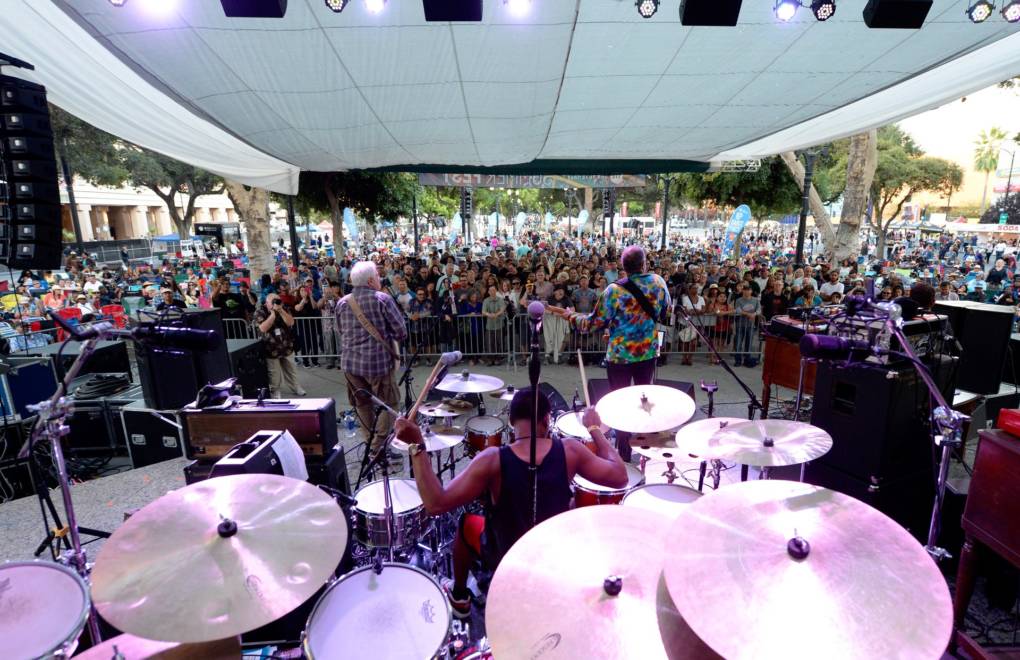
"caption": "Funky Meters perform for a packed Main Stage audience during the 2016 San Jose Jazz Summer Fest.",
"description": "Funky Meters perform for a packed Main Stage audience during the 2016 San Jose Jazz Summer Fest.",
"title": "RS38403_2016SummerFest-FunkyMetersAudience-JeromeBrunet-qut",
"credit": "Photo: Courtesy of Jerome Brunet",
"status": "inherit",
"isLoading": false,
"fetchFailed": false
},
"arts_13859664": {
"type": "attachments",
"id": "arts_13859664",
"meta": {
"index": "attachments_1716263798",
"site": "arts",
"id": "13859664",
"found": true
},
"parent": 13859642,
"imgSizes": {
"twentyfourteen-full-width": {
"file": "https://ww2.kqed.org/app/uploads/sites/2/2019/06/TheSingingBois_3_FRESHMEATFEST_CourtesyPhoto-1038x576.jpg",
"width": 1038,
"mimeType": "image/jpeg",
"height": 576
},
"thumbnail": {
"file": "https://ww2.kqed.org/app/uploads/sites/2/2019/06/TheSingingBois_3_FRESHMEATFEST_CourtesyPhoto-160x90.jpg",
"width": 160,
"mimeType": "image/jpeg",
"height": 90
},
"post-thumbnail": {
"file": "https://ww2.kqed.org/app/uploads/sites/2/2019/06/TheSingingBois_3_FRESHMEATFEST_CourtesyPhoto-672x372.jpg",
"width": 672,
"mimeType": "image/jpeg",
"height": 372
},
"kqedFullSize": {
"file": "https://ww2.kqed.org/app/uploads/sites/2/2019/06/TheSingingBois_3_FRESHMEATFEST_CourtesyPhoto.jpg",
"width": 1920,
"height": 1080
},
"large": {
"file": "https://ww2.kqed.org/app/uploads/sites/2/2019/06/TheSingingBois_3_FRESHMEATFEST_CourtesyPhoto-1020x574.jpg",
"width": 1020,
"mimeType": "image/jpeg",
"height": 574
},
"complete_open_graph": {
"file": "https://ww2.kqed.org/app/uploads/sites/2/2019/06/TheSingingBois_3_FRESHMEATFEST_CourtesyPhoto-1200x675.jpg",
"width": 1200,
"mimeType": "image/jpeg",
"height": 675
},
"full-width": {
"file": "https://ww2.kqed.org/app/uploads/sites/2/2019/06/TheSingingBois_3_FRESHMEATFEST_CourtesyPhoto-1920x1080.jpg",
"width": 1920,
"mimeType": "image/jpeg",
"height": 1080
},
"medium": {
"file": "https://ww2.kqed.org/app/uploads/sites/2/2019/06/TheSingingBois_3_FRESHMEATFEST_CourtesyPhoto-800x450.jpg",
"width": 800,
"mimeType": "image/jpeg",
"height": 450
},
"medium_large": {
"file": "https://ww2.kqed.org/app/uploads/sites/2/2019/06/TheSingingBois_3_FRESHMEATFEST_CourtesyPhoto-768x432.jpg",
"width": 768,
"mimeType": "image/jpeg",
"height": 432
}
},
"publishDate": 1560552749,
"modified": 1560552862,
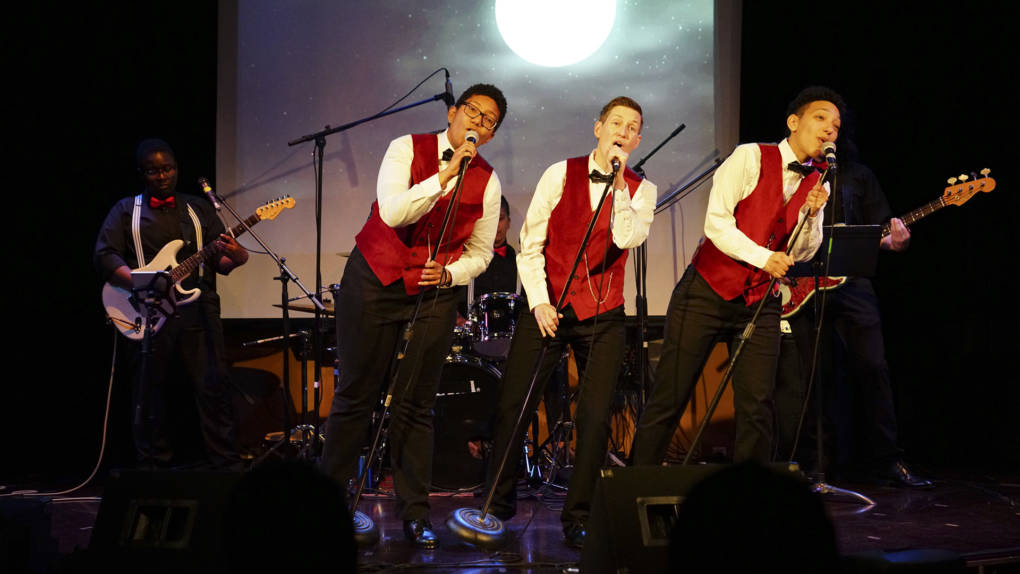
"caption": "The Singing Bois perform at the 2019 Fresh Meat Festival June 20-22 at Z Space.",
"description": "The Singing Bois perform at the 2019 Fresh Meat Festival June 20-22 at Z Space.",
"title": "The Singing Bois",
"credit": "Courtesy of the Singing Bois",
"status": "inherit",
"isLoading": false,
"fetchFailed": false
},
"arts_13851546": {
"type": "attachments",
"id": "arts_13851546",
"meta": {
"index": "attachments_1716263798",
"site": "arts",
"id": "13851546",
"found": true
},
"parent": 13851531,
"imgSizes": {
"thumbnail": {
"file": "https://ww2.kqed.org/app/uploads/sites/2/2019/02/lumpen_hangin-160x99.jpg",
"width": 160,
"mimeType": "image/jpeg",
"height": 99
},
"post-thumbnail": {
"file": "https://ww2.kqed.org/app/uploads/sites/2/2019/02/lumpen_hangin-672x372.jpg",
"width": 672,
"mimeType": "image/jpeg",
"height": 372
},
"kqedFullSize": {
"file": "https://ww2.kqed.org/app/uploads/sites/2/2019/02/lumpen_hangin.jpg",
"width": 800,
"height": 496
},
"guest-author-50": {
"file": "https://ww2.kqed.org/app/uploads/sites/2/2019/02/lumpen_hangin-50x50.jpg",
"width": 50,
"mimeType": "image/jpeg",
"height": 50
},
"guest-author-96": {
"file": "https://ww2.kqed.org/app/uploads/sites/2/2019/02/lumpen_hangin-96x96.jpg",
"width": 96,
"mimeType": "image/jpeg",
"height": 96
},
"medium": {
"file": "https://ww2.kqed.org/app/uploads/sites/2/2019/02/lumpen_hangin-800x496.jpg",
"width": 800,
"mimeType": "image/jpeg",
"height": 496
},
"guest-author-64": {
"file": "https://ww2.kqed.org/app/uploads/sites/2/2019/02/lumpen_hangin-64x64.jpg",
"width": 64,
"mimeType": "image/jpeg",
"height": 64
},
"detail": {
"file": "https://ww2.kqed.org/app/uploads/sites/2/2019/02/lumpen_hangin-150x150.jpg",
"width": 150,
"mimeType": "image/jpeg",
"height": 150
},
"guest-author-32": {
"file": "https://ww2.kqed.org/app/uploads/sites/2/2019/02/lumpen_hangin-32x32.jpg",
"width": 32,
"mimeType": "image/jpeg",
"height": 32
},
"medium_large": {
"file": "https://ww2.kqed.org/app/uploads/sites/2/2019/02/lumpen_hangin-768x476.jpg",
"width": 768,
"mimeType": "image/jpeg",
"height": 476
},
"guest-author-128": {
"file": "https://ww2.kqed.org/app/uploads/sites/2/2019/02/lumpen_hangin-128x128.jpg",
"width": 128,
"mimeType": "image/jpeg",
"height": 128
}
},
"publishDate": 1550882860,
"modified": 1551121926,
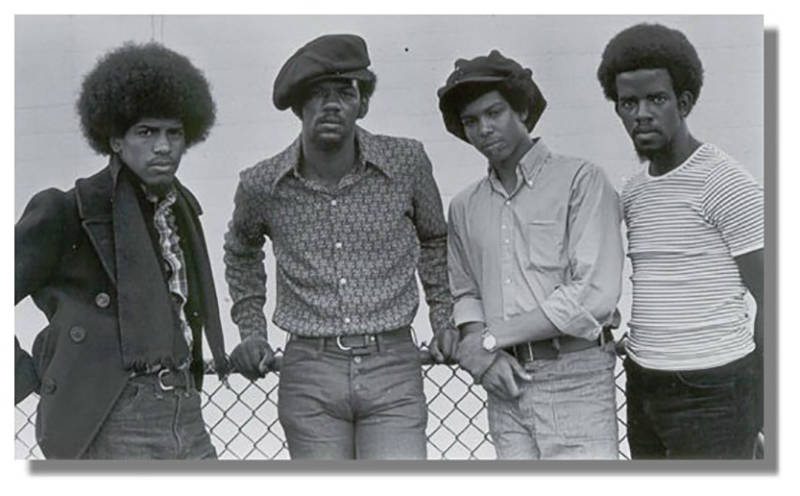
"caption": "When the Black Panthers needed a funk band to help galvanize the masses, the Lumpen didn't miss a beat.",
"description": "When the Black Panthers needed a funk band to help galvanize the masses, the Lumpen didn't miss a beat.",
"title": "lumpen_hangin",
"credit": "Courtesy of itsabouttime.com",
"status": "inherit",
"isLoading": false,
"fetchFailed": false
},
"arts_13847820": {
"type": "attachments",
"id": "arts_13847820",
"meta": {
"index": "attachments_1716263798",
"site": "arts",
"id": "13847820",
"found": true
},
"parent": 13847819,
"imgSizes": {
"small": {
"file": "https://ww2.kqed.org/app/uploads/sites/2/2018/12/gettyimages-911984548_custom-609f0c64f911bbdd36064d640e541684d53d3a88-520x346.jpg",
"width": 520,
"mimeType": "image/jpeg",
"height": 346
},
"twentyfourteen-full-width": {
"file": "https://ww2.kqed.org/app/uploads/sites/2/2018/12/gettyimages-911984548_custom-609f0c64f911bbdd36064d640e541684d53d3a88-1038x576.jpg",
"width": 1038,
"mimeType": "image/jpeg",
"height": 576
},
"thumbnail": {
"file": "https://ww2.kqed.org/app/uploads/sites/2/2018/12/gettyimages-911984548_custom-609f0c64f911bbdd36064d640e541684d53d3a88-160x107.jpg",
"width": 160,
"mimeType": "image/jpeg",
"height": 107
},
"fd-sm": {
"file": "https://ww2.kqed.org/app/uploads/sites/2/2018/12/gettyimages-911984548_custom-609f0c64f911bbdd36064d640e541684d53d3a88-960x639.jpg",
"width": 960,
"mimeType": "image/jpeg",
"height": 639
},
"post-thumbnail": {
"file": "https://ww2.kqed.org/app/uploads/sites/2/2018/12/gettyimages-911984548_custom-609f0c64f911bbdd36064d640e541684d53d3a88-672x372.jpg",
"width": 672,
"mimeType": "image/jpeg",
"height": 372
},
"xsmall": {
"file": "https://ww2.kqed.org/app/uploads/sites/2/2018/12/gettyimages-911984548_custom-609f0c64f911bbdd36064d640e541684d53d3a88-375x250.jpg",
"width": 375,
"mimeType": "image/jpeg",
"height": 250
},
"kqedFullSize": {
"file": "https://ww2.kqed.org/app/uploads/sites/2/2018/12/gettyimages-911984548_custom-609f0c64f911bbdd36064d640e541684d53d3a88-e1546225678852.jpg",
"width": 1920,
"height": 1279
},
"large": {
"file": "https://ww2.kqed.org/app/uploads/sites/2/2018/12/gettyimages-911984548_custom-609f0c64f911bbdd36064d640e541684d53d3a88-1020x679.jpg",
"width": 1020,
"mimeType": "image/jpeg",
"height": 679
},
"xlarge": {
"file": "https://ww2.kqed.org/app/uploads/sites/2/2018/12/gettyimages-911984548_custom-609f0c64f911bbdd36064d640e541684d53d3a88-1180x786.jpg",
"width": 1180,
"mimeType": "image/jpeg",
"height": 786
},
"complete_open_graph": {
"file": "https://ww2.kqed.org/app/uploads/sites/2/2018/12/gettyimages-911984548_custom-609f0c64f911bbdd36064d640e541684d53d3a88-1200x799.jpg",
"width": 1200,
"mimeType": "image/jpeg",
"height": 799
},
"guest-author-50": {
"file": "https://ww2.kqed.org/app/uploads/sites/2/2018/12/gettyimages-911984548_custom-609f0c64f911bbdd36064d640e541684d53d3a88-50x50.jpg",
"width": 50,
"mimeType": "image/jpeg",
"height": 50
},
"guest-author-96": {
"file": "https://ww2.kqed.org/app/uploads/sites/2/2018/12/gettyimages-911984548_custom-609f0c64f911bbdd36064d640e541684d53d3a88-96x96.jpg",
"width": 96,
"mimeType": "image/jpeg",
"height": 96
},
"medium": {
"file": "https://ww2.kqed.org/app/uploads/sites/2/2018/12/gettyimages-911984548_custom-609f0c64f911bbdd36064d640e541684d53d3a88-800x533.jpg",
"width": 800,
"mimeType": "image/jpeg",
"height": 533
},
"guest-author-64": {
"file": "https://ww2.kqed.org/app/uploads/sites/2/2018/12/gettyimages-911984548_custom-609f0c64f911bbdd36064d640e541684d53d3a88-64x64.jpg",
"width": 64,
"mimeType": "image/jpeg",
"height": 64
},
"guest-author-32": {
"file": "https://ww2.kqed.org/app/uploads/sites/2/2018/12/gettyimages-911984548_custom-609f0c64f911bbdd36064d640e541684d53d3a88-32x32.jpg",
"width": 32,
"mimeType": "image/jpeg",
"height": 32
},
"fd-lrg": {
"file": "https://ww2.kqed.org/app/uploads/sites/2/2018/12/gettyimages-911984548_custom-609f0c64f911bbdd36064d640e541684d53d3a88-1920x1279.jpg",
"width": 1920,
"mimeType": "image/jpeg",
"height": 1279
},
"fd-med": {
"file": "https://ww2.kqed.org/app/uploads/sites/2/2018/12/gettyimages-911984548_custom-609f0c64f911bbdd36064d640e541684d53d3a88-1180x786.jpg",
"width": 1180,
"mimeType": "image/jpeg",
"height": 786
},
"full-width": {
"file": "https://ww2.kqed.org/app/uploads/sites/2/2018/12/gettyimages-911984548_custom-609f0c64f911bbdd36064d640e541684d53d3a88-1920x1279.jpg",
"width": 1920,
"mimeType": "image/jpeg",
"height": 1279
},
"detail": {
"file": "https://ww2.kqed.org/app/uploads/sites/2/2018/12/gettyimages-911984548_custom-609f0c64f911bbdd36064d640e541684d53d3a88-150x150.jpg",
"width": 150,
"mimeType": "image/jpeg",
"height": 150
},
"medium_large": {
"file": "https://ww2.kqed.org/app/uploads/sites/2/2018/12/gettyimages-911984548_custom-609f0c64f911bbdd36064d640e541684d53d3a88-768x511.jpg",
"width": 768,
"mimeType": "image/jpeg",
"height": 511
},
"guest-author-128": {
"file": "https://ww2.kqed.org/app/uploads/sites/2/2018/12/gettyimages-911984548_custom-609f0c64f911bbdd36064d640e541684d53d3a88-128x128.jpg",
"width": 128,
"mimeType": "image/jpeg",
"height": 128
},
"xxsmall": {
"file": "https://ww2.kqed.org/app/uploads/sites/2/2018/12/gettyimages-911984548_custom-609f0c64f911bbdd36064d640e541684d53d3a88-240x160.jpg",
"width": 240,
"mimeType": "image/jpeg",
"height": 160
}
},
"publishDate": 1546225587,
"modified": 1546225657,
"caption": "Janelle Monae attends the Hollywood premiere of 'Black Panther' in January 2018.",
"description": "Janelle Monae attends the Hollywood premiere of 'Black Panther' in January 2018.",
"title": "Janelle Monae attends the Hollywood premiere of Black Panther in January 2018.",
"credit": "Emma McIntyre/Getty Images",
"status": "inherit",
"isLoading": false,
"fetchFailed": false
},
"arts_13847132": {
"type": "attachments",
"id": "arts_13847132",
"meta": {
"index": "attachments_1716263798",
"site": "arts",
"id": "13847132",
"found": true
},
"parent": 13847129,
"imgSizes": {
"small": {
"file": "https://ww2.kqed.org/app/uploads/sites/2/2018/12/odie-analogue-cropped-520x293.jpg",
"width": 520,
"mimeType": "image/jpeg",
"height": 293
},
"thumbnail": {
"file": "https://ww2.kqed.org/app/uploads/sites/2/2018/12/odie-analogue-cropped-160x90.jpg",
"width": 160,
"mimeType": "image/jpeg",
"height": 90
},
"post-thumbnail": {
"file": "https://ww2.kqed.org/app/uploads/sites/2/2018/12/odie-analogue-cropped-672x372.jpg",
"width": 672,
"mimeType": "image/jpeg",
"height": 372
},
"xsmall": {
"file": "https://ww2.kqed.org/app/uploads/sites/2/2018/12/odie-analogue-cropped-375x211.jpg",
"width": 375,
"mimeType": "image/jpeg",
"height": 211
},
"kqedFullSize": {
"file": "https://ww2.kqed.org/app/uploads/sites/2/2018/12/odie-analogue-cropped.jpg",
"width": 876,
"height": 493
},
"guest-author-50": {
"file": "https://ww2.kqed.org/app/uploads/sites/2/2018/12/odie-analogue-cropped-50x50.jpg",
"width": 50,
"mimeType": "image/jpeg",
"height": 50
},
"guest-author-96": {
"file": "https://ww2.kqed.org/app/uploads/sites/2/2018/12/odie-analogue-cropped-96x96.jpg",
"width": 96,
"mimeType": "image/jpeg",
"height": 96
},
"medium": {
"file": "https://ww2.kqed.org/app/uploads/sites/2/2018/12/odie-analogue-cropped-800x450.jpg",
"width": 800,
"mimeType": "image/jpeg",
"height": 450
},
"guest-author-64": {
"file": "https://ww2.kqed.org/app/uploads/sites/2/2018/12/odie-analogue-cropped-64x64.jpg",
"width": 64,
"mimeType": "image/jpeg",
"height": 64
},
"guest-author-32": {
"file": "https://ww2.kqed.org/app/uploads/sites/2/2018/12/odie-analogue-cropped-32x32.jpg",
"width": 32,
"mimeType": "image/jpeg",
"height": 32
},
"detail": {
"file": "https://ww2.kqed.org/app/uploads/sites/2/2018/12/odie-analogue-cropped-150x150.jpg",
"width": 150,
"mimeType": "image/jpeg",
"height": 150
},
"medium_large": {
"file": "https://ww2.kqed.org/app/uploads/sites/2/2018/12/odie-analogue-cropped-768x432.jpg",
"width": 768,
"mimeType": "image/jpeg",
"height": 432
},
"guest-author-128": {
"file": "https://ww2.kqed.org/app/uploads/sites/2/2018/12/odie-analogue-cropped-128x128.jpg",
"width": 128,
"mimeType": "image/jpeg",
"height": 128
},
"xxsmall": {
"file": "https://ww2.kqed.org/app/uploads/sites/2/2018/12/odie-analogue-cropped-240x135.jpg",
"width": 240,
"mimeType": "image/jpeg",
"height": 135
}
},
"publishDate": 1544665569,
"modified": 1544665569,
"caption": null,
"description": null,
"title": "odie analogue cropped",
"credit": null,
"status": "inherit",
"isLoading": false,
"fetchFailed": false
},
"arts_13846672": {
"type": "attachments",
"id": "arts_13846672",
"meta": {
"index": "attachments_1716263798",
"site": "arts",
"id": "13846672",
"found": true
},
"parent": 13846668,
"imgSizes": {
"small": {
"file": "https://ww2.kqed.org/app/uploads/sites/2/2018/12/GettyImages-800232432-520x293.jpg",
"width": 520,
"mimeType": "image/jpeg",
"height": 293
},
"twentyfourteen-full-width": {
"file": "https://ww2.kqed.org/app/uploads/sites/2/2018/12/GettyImages-800232432-1038x576.jpg",
"width": 1038,
"mimeType": "image/jpeg",
"height": 576
},
"thumbnail": {
"file": "https://ww2.kqed.org/app/uploads/sites/2/2018/12/GettyImages-800232432-160x90.jpg",
"width": 160,
"mimeType": "image/jpeg",
"height": 90
},
"fd-sm": {
"file": "https://ww2.kqed.org/app/uploads/sites/2/2018/12/GettyImages-800232432-960x540.jpg",
"width": 960,
"mimeType": "image/jpeg",
"height": 540
},
"post-thumbnail": {
"file": "https://ww2.kqed.org/app/uploads/sites/2/2018/12/GettyImages-800232432-672x372.jpg",
"width": 672,
"mimeType": "image/jpeg",
"height": 372
},
"xsmall": {
"file": "https://ww2.kqed.org/app/uploads/sites/2/2018/12/GettyImages-800232432-375x211.jpg",
"width": 375,
"mimeType": "image/jpeg",
"height": 211
},
"kqedFullSize": {
"file": "https://ww2.kqed.org/app/uploads/sites/2/2018/12/GettyImages-800232432.jpg",
"width": 1920,
"height": 1080
},
"large": {
"file": "https://ww2.kqed.org/app/uploads/sites/2/2018/12/GettyImages-800232432-1020x574.jpg",
"width": 1020,
"mimeType": "image/jpeg",
"height": 574
},
"xlarge": {
"file": "https://ww2.kqed.org/app/uploads/sites/2/2018/12/GettyImages-800232432-1180x664.jpg",
"width": 1180,
"mimeType": "image/jpeg",
"height": 664
},
"complete_open_graph": {
"file": "https://ww2.kqed.org/app/uploads/sites/2/2018/12/GettyImages-800232432-1200x675.jpg",
"width": 1200,
"mimeType": "image/jpeg",
"height": 675
},
"guest-author-50": {
"file": "https://ww2.kqed.org/app/uploads/sites/2/2018/12/GettyImages-800232432-50x50.jpg",
"width": 50,
"mimeType": "image/jpeg",
"height": 50
},
"guest-author-96": {
"file": "https://ww2.kqed.org/app/uploads/sites/2/2018/12/GettyImages-800232432-96x96.jpg",
"width": 96,
"mimeType": "image/jpeg",
"height": 96
},
"medium": {
"file": "https://ww2.kqed.org/app/uploads/sites/2/2018/12/GettyImages-800232432-800x450.jpg",
"width": 800,
"mimeType": "image/jpeg",
"height": 450
},
"guest-author-64": {
"file": "https://ww2.kqed.org/app/uploads/sites/2/2018/12/GettyImages-800232432-64x64.jpg",
"width": 64,
"mimeType": "image/jpeg",
"height": 64
},
"guest-author-32": {
"file": "https://ww2.kqed.org/app/uploads/sites/2/2018/12/GettyImages-800232432-32x32.jpg",
"width": 32,
"mimeType": "image/jpeg",
"height": 32
},
"fd-lrg": {
"file": "https://ww2.kqed.org/app/uploads/sites/2/2018/12/GettyImages-800232432-1920x1080.jpg",
"width": 1920,
"mimeType": "image/jpeg",
"height": 1080
},
"fd-med": {
"file": "https://ww2.kqed.org/app/uploads/sites/2/2018/12/GettyImages-800232432-1180x664.jpg",
"width": 1180,
"mimeType": "image/jpeg",
"height": 664
},
"full-width": {
"file": "https://ww2.kqed.org/app/uploads/sites/2/2018/12/GettyImages-800232432-1920x1080.jpg",
"width": 1920,
"mimeType": "image/jpeg",
"height": 1080
},
"detail": {
"file": "https://ww2.kqed.org/app/uploads/sites/2/2018/12/GettyImages-800232432-150x150.jpg",
"width": 150,
"mimeType": "image/jpeg",
"height": 150
},
"medium_large": {
"file": "https://ww2.kqed.org/app/uploads/sites/2/2018/12/GettyImages-800232432-768x432.jpg",
"width": 768,
"mimeType": "image/jpeg",
"height": 432
},
"guest-author-128": {
"file": "https://ww2.kqed.org/app/uploads/sites/2/2018/12/GettyImages-800232432-128x128.jpg",
"width": 128,
"mimeType": "image/jpeg",
"height": 128
},
"xxsmall": {
"file": "https://ww2.kqed.org/app/uploads/sites/2/2018/12/GettyImages-800232432-240x135.jpg",
"width": 240,
"mimeType": "image/jpeg",
"height": 135
}
},
"publishDate": 1544212246,
"modified": 1544212307,
"caption": "H.E.R. performs onstage at night two of the STAPLES Center Concert during the 2017 BET Experience at LA Live on June 23, 2017 in Los Angeles, California. ",
"description": "H.E.R. performs onstage at night two of the STAPLES Center Concert during the 2017 BET Experience at LA Live on June 23, 2017 in Los Angeles, California. ",
"title": "2017 BET Experience - STAPLES Center Concert Presented By Coca-Cola - Night 2",
"credit": " Bennett Raglin/Getty Images for BET",
"status": "inherit",
"isLoading": false,
"fetchFailed": false
},
"arts_13845910": {
"type": "attachments",
"id": "arts_13845910",
"meta": {
"index": "attachments_1716263798",
"site": "arts",
"id": "13845910",
"found": true
},
"parent": 13845908,
"imgSizes": {
"thumbnail": {
"file": "https://ww2.kqed.org/app/uploads/sites/2/2018/11/princess-nokia-160x90.jpg",
"width": 160,
"mimeType": "image/jpeg",
"height": 90
},
"post-thumbnail": {
"file": "https://ww2.kqed.org/app/uploads/sites/2/2018/11/princess-nokia-672x372.jpg",
"width": 672,
"mimeType": "image/jpeg",
"height": 372
},
"kqedFullSize": {
"file": "https://ww2.kqed.org/app/uploads/sites/2/2018/11/princess-nokia.jpg",
"width": 800,
"height": 450
},
"guest-author-50": {
"file": "https://ww2.kqed.org/app/uploads/sites/2/2018/11/princess-nokia-50x50.jpg",
"width": 50,
"mimeType": "image/jpeg",
"height": 50
},
"guest-author-96": {
"file": "https://ww2.kqed.org/app/uploads/sites/2/2018/11/princess-nokia-96x96.jpg",
"width": 96,
"mimeType": "image/jpeg",
"height": 96
},
"medium": {
"file": "https://ww2.kqed.org/app/uploads/sites/2/2018/11/princess-nokia-800x450.jpg",
"width": 800,
"mimeType": "image/jpeg",
"height": 450
},
"guest-author-64": {
"file": "https://ww2.kqed.org/app/uploads/sites/2/2018/11/princess-nokia-64x64.jpg",
"width": 64,
"mimeType": "image/jpeg",
"height": 64
},
"detail": {
"file": "https://ww2.kqed.org/app/uploads/sites/2/2018/11/princess-nokia-150x150.jpg",
"width": 150,
"mimeType": "image/jpeg",
"height": 150
},
"guest-author-32": {
"file": "https://ww2.kqed.org/app/uploads/sites/2/2018/11/princess-nokia-32x32.jpg",
"width": 32,
"mimeType": "image/jpeg",
"height": 32
},
"medium_large": {
"file": "https://ww2.kqed.org/app/uploads/sites/2/2018/11/princess-nokia-768x432.jpg",
"width": 768,
"mimeType": "image/jpeg",
"height": 432
},
"guest-author-128": {
"file": "https://ww2.kqed.org/app/uploads/sites/2/2018/11/princess-nokia-128x128.jpg",
"width": 128,
"mimeType": "image/jpeg",
"height": 128
}
},
"publishDate": 1543436554,
"modified": 1543436599,
"caption": "Princess Nokia plays FEELS 6 at The Craneway Pavilion in Richmond on Saturday, June 16.",
"description": "Princess Nokia plays FEELS 6 at The Craneway Pavilion in Richmond on Saturday, June 16.",
"title": "princess nokia",
"credit": "Estefany Gonzalez",
"status": "inherit",
"isLoading": false,
"fetchFailed": false
},
"arts_13845450": {
"type": "attachments",
"id": "arts_13845450",
"meta": {
"index": "attachments_1716263798",
"site": "arts",
"id": "13845450",
"found": true
},
"parent": 13845379,
"imgSizes": {
"twentyfourteen-full-width": {
"file": "https://ww2.kqed.org/app/uploads/sites/2/2018/11/CarrieCleveland.MAIN_-1038x576.jpg",
"width": 1038,
"mimeType": "image/jpeg",
"height": 576
},
"thumbnail": {
"file": "https://ww2.kqed.org/app/uploads/sites/2/2018/11/CarrieCleveland.MAIN_-160x100.jpg",
"width": 160,
"mimeType": "image/jpeg",
"height": 100
},
"post-thumbnail": {
"file": "https://ww2.kqed.org/app/uploads/sites/2/2018/11/CarrieCleveland.MAIN_-672x372.jpg",
"width": 672,
"mimeType": "image/jpeg",
"height": 372
},
"kqedFullSize": {
"file": "https://ww2.kqed.org/app/uploads/sites/2/2018/11/CarrieCleveland.MAIN_.jpg",
"width": 1920,
"height": 1200
},
"large": {
"file": "https://ww2.kqed.org/app/uploads/sites/2/2018/11/CarrieCleveland.MAIN_-1020x638.jpg",
"width": 1020,
"mimeType": "image/jpeg",
"height": 638
},
"complete_open_graph": {
"file": "https://ww2.kqed.org/app/uploads/sites/2/2018/11/CarrieCleveland.MAIN_-1200x750.jpg",
"width": 1200,
"mimeType": "image/jpeg",
"height": 750
},
"guest-author-50": {
"file": "https://ww2.kqed.org/app/uploads/sites/2/2018/11/CarrieCleveland.MAIN_-50x50.jpg",
"width": 50,
"mimeType": "image/jpeg",
"height": 50
},
"guest-author-96": {
"file": "https://ww2.kqed.org/app/uploads/sites/2/2018/11/CarrieCleveland.MAIN_-96x96.jpg",
"width": 96,
"mimeType": "image/jpeg",
"height": 96
},
"medium": {
"file": "https://ww2.kqed.org/app/uploads/sites/2/2018/11/CarrieCleveland.MAIN_-800x500.jpg",
"width": 800,
"mimeType": "image/jpeg",
"height": 500
},
"guest-author-64": {
"file": "https://ww2.kqed.org/app/uploads/sites/2/2018/11/CarrieCleveland.MAIN_-64x64.jpg",
"width": 64,
"mimeType": "image/jpeg",
"height": 64
},
"guest-author-32": {
"file": "https://ww2.kqed.org/app/uploads/sites/2/2018/11/CarrieCleveland.MAIN_-32x32.jpg",
"width": 32,
"mimeType": "image/jpeg",
"height": 32
},
"full-width": {
"file": "https://ww2.kqed.org/app/uploads/sites/2/2018/11/CarrieCleveland.MAIN_-1920x1200.jpg",
"width": 1920,
"mimeType": "image/jpeg",
"height": 1200
},
"detail": {
"file": "https://ww2.kqed.org/app/uploads/sites/2/2018/11/CarrieCleveland.MAIN_-150x150.jpg",
"width": 150,
"mimeType": "image/jpeg",
"height": 150
},
"medium_large": {
"file": "https://ww2.kqed.org/app/uploads/sites/2/2018/11/CarrieCleveland.MAIN_-768x480.jpg",
"width": 768,
"mimeType": "image/jpeg",
"height": 480
},
"guest-author-128": {
"file": "https://ww2.kqed.org/app/uploads/sites/2/2018/11/CarrieCleveland.MAIN_-128x128.jpg",
"width": 128,
"mimeType": "image/jpeg",
"height": 128
}
},
"publishDate": 1542826818,
"modified": 1542826927,
"caption": "Carrie Cleveland at home, holding a photo of herself from her days performing in and around Oakland. Cleveland's 1980 album 'Looking Up' has recently been reissued.",
"description": "Carrie Cleveland at home, holding a photo of herself from her days performing in and around Oakland. Cleveland's 1980 album 'Looking Up' has recently been reissued.",
"title": "CarrieCleveland.MAIN",
"credit": "Pendarvis Harshaw/KQED",
"status": "inherit",
"isLoading": false,
"fetchFailed": false
},
"arts_13844955": {
"type": "attachments",
"id": "arts_13844955",
"meta": {
"index": "attachments_1716263798",
"site": "arts",
"id": "13844955",
"found": true
},
"parent": 13844798,
"imgSizes": {
"small": {
"file": "https://ww2.kqed.org/app/uploads/sites/2/2018/11/Pete_BTL_Thumbnail_Smaller_Logo-520x293.jpg",
"width": 520,
"mimeType": "image/jpeg",
"height": 293
},
"twentyfourteen-full-width": {
"file": "https://ww2.kqed.org/app/uploads/sites/2/2018/11/Pete_BTL_Thumbnail_Smaller_Logo-1038x576.jpg",
"width": 1038,
"mimeType": "image/jpeg",
"height": 576
},
"thumbnail": {
"file": "https://ww2.kqed.org/app/uploads/sites/2/2018/11/Pete_BTL_Thumbnail_Smaller_Logo-160x90.jpg",
"width": 160,
"mimeType": "image/jpeg",
"height": 90
},
"fd-sm": {
"file": "https://ww2.kqed.org/app/uploads/sites/2/2018/11/Pete_BTL_Thumbnail_Smaller_Logo-960x540.jpg",
"width": 960,
"mimeType": "image/jpeg",
"height": 540
},
"post-thumbnail": {
"file": "https://ww2.kqed.org/app/uploads/sites/2/2018/11/Pete_BTL_Thumbnail_Smaller_Logo-672x372.jpg",
"width": 672,
"mimeType": "image/jpeg",
"height": 372
},
"xsmall": {
"file": "https://ww2.kqed.org/app/uploads/sites/2/2018/11/Pete_BTL_Thumbnail_Smaller_Logo-375x211.jpg",
"width": 375,
"mimeType": "image/jpeg",
"height": 211
},
"kqedFullSize": {
"file": "https://ww2.kqed.org/app/uploads/sites/2/2018/11/Pete_BTL_Thumbnail_Smaller_Logo.jpg",
"width": 1920,
"height": 1080
},
"large": {
"file": "https://ww2.kqed.org/app/uploads/sites/2/2018/11/Pete_BTL_Thumbnail_Smaller_Logo-1020x574.jpg",
"width": 1020,
"mimeType": "image/jpeg",
"height": 574
},
"xlarge": {
"file": "https://ww2.kqed.org/app/uploads/sites/2/2018/11/Pete_BTL_Thumbnail_Smaller_Logo-1180x664.jpg",
"width": 1180,
"mimeType": "image/jpeg",
"height": 664
},
"complete_open_graph": {
"file": "https://ww2.kqed.org/app/uploads/sites/2/2018/11/Pete_BTL_Thumbnail_Smaller_Logo-1200x675.jpg",
"width": 1200,
"mimeType": "image/jpeg",
"height": 675
},
"guest-author-50": {
"file": "https://ww2.kqed.org/app/uploads/sites/2/2018/11/Pete_BTL_Thumbnail_Smaller_Logo-50x50.jpg",
"width": 50,
"mimeType": "image/jpeg",
"height": 50
},
"guest-author-96": {
"file": "https://ww2.kqed.org/app/uploads/sites/2/2018/11/Pete_BTL_Thumbnail_Smaller_Logo-96x96.jpg",
"width": 96,
"mimeType": "image/jpeg",
"height": 96
},
"medium": {
"file": "https://ww2.kqed.org/app/uploads/sites/2/2018/11/Pete_BTL_Thumbnail_Smaller_Logo-800x450.jpg",
"width": 800,
"mimeType": "image/jpeg",
"height": 450
},
"guest-author-64": {
"file": "https://ww2.kqed.org/app/uploads/sites/2/2018/11/Pete_BTL_Thumbnail_Smaller_Logo-64x64.jpg",
"width": 64,
"mimeType": "image/jpeg",
"height": 64
},
"guest-author-32": {
"file": "https://ww2.kqed.org/app/uploads/sites/2/2018/11/Pete_BTL_Thumbnail_Smaller_Logo-32x32.jpg",
"width": 32,
"mimeType": "image/jpeg",
"height": 32
},
"fd-lrg": {
"file": "https://ww2.kqed.org/app/uploads/sites/2/2018/11/Pete_BTL_Thumbnail_Smaller_Logo-1920x1080.jpg",
"width": 1920,
"mimeType": "image/jpeg",
"height": 1080
},
"fd-med": {
"file": "https://ww2.kqed.org/app/uploads/sites/2/2018/11/Pete_BTL_Thumbnail_Smaller_Logo-1180x664.jpg",
"width": 1180,
"mimeType": "image/jpeg",
"height": 664
},
"full-width": {
"file": "https://ww2.kqed.org/app/uploads/sites/2/2018/11/Pete_BTL_Thumbnail_Smaller_Logo-1920x1080.jpg",
"width": 1920,
"mimeType": "image/jpeg",
"height": 1080
},
"detail": {
"file": "https://ww2.kqed.org/app/uploads/sites/2/2018/11/Pete_BTL_Thumbnail_Smaller_Logo-150x150.jpg",
"width": 150,
"mimeType": "image/jpeg",
"height": 150
},
"medium_large": {
"file": "https://ww2.kqed.org/app/uploads/sites/2/2018/11/Pete_BTL_Thumbnail_Smaller_Logo-768x432.jpg",
"width": 768,
"mimeType": "image/jpeg",
"height": 432
},
"guest-author-128": {
"file": "https://ww2.kqed.org/app/uploads/sites/2/2018/11/Pete_BTL_Thumbnail_Smaller_Logo-128x128.jpg",
"width": 128,
"mimeType": "image/jpeg",
"height": 128
},
"xxsmall": {
"file": "https://ww2.kqed.org/app/uploads/sites/2/2018/11/Pete_BTL_Thumbnail_Smaller_Logo-240x135.jpg",
"width": 240,
"mimeType": "image/jpeg",
"height": 135
}
},
"publishDate": 1542244002,
"modified": 1542244561,
"caption": "Pete Lee sits on a rooftop in San Francisco's Chinatown",
"description": null,
"title": "Pete_BTL_Thumbnail_Smaller_Logo",
"credit": null,
"status": "inherit",
"isLoading": false,
"fetchFailed": false
},
"arts_13844365": {
"type": "attachments",
"id": "arts_13844365",
"meta": {
"index": "attachments_1716263798",
"site": "arts",
"id": "13844365",
"found": true
},
"parent": 13844019,
"imgSizes": {
"small": {
"file": "https://ww2.kqed.org/app/uploads/sites/2/2018/11/MAJOR-press-still-520x293.jpg",
"width": 520,
"mimeType": "image/jpeg",
"height": 293
},
"twentyfourteen-full-width": {
"file": "https://ww2.kqed.org/app/uploads/sites/2/2018/11/MAJOR-press-still-1038x576.jpg",
"width": 1038,
"mimeType": "image/jpeg",
"height": 576
},
"thumbnail": {
"file": "https://ww2.kqed.org/app/uploads/sites/2/2018/11/MAJOR-press-still-160x90.jpg",
"width": 160,
"mimeType": "image/jpeg",
"height": 90
},
"fd-sm": {
"file": "https://ww2.kqed.org/app/uploads/sites/2/2018/11/MAJOR-press-still-960x540.jpg",
"width": 960,
"mimeType": "image/jpeg",
"height": 540
},
"post-thumbnail": {
"file": "https://ww2.kqed.org/app/uploads/sites/2/2018/11/MAJOR-press-still-672x372.jpg",
"width": 672,
"mimeType": "image/jpeg",
"height": 372
},
"xsmall": {
"file": "https://ww2.kqed.org/app/uploads/sites/2/2018/11/MAJOR-press-still-375x211.jpg",
"width": 375,
"mimeType": "image/jpeg",
"height": 211
},
"kqedFullSize": {
"file": "https://ww2.kqed.org/app/uploads/sites/2/2018/11/MAJOR-press-still.jpg",
"width": 1920,
"height": 1080
},
"large": {
"file": "https://ww2.kqed.org/app/uploads/sites/2/2018/11/MAJOR-press-still-1020x574.jpg",
"width": 1020,
"mimeType": "image/jpeg",
"height": 574
},
"xlarge": {
"file": "https://ww2.kqed.org/app/uploads/sites/2/2018/11/MAJOR-press-still-1180x664.jpg",
"width": 1180,
"mimeType": "image/jpeg",
"height": 664
},
"complete_open_graph": {
"file": "https://ww2.kqed.org/app/uploads/sites/2/2018/11/MAJOR-press-still-1200x675.jpg",
"width": 1200,
"mimeType": "image/jpeg",
"height": 675
},
"guest-author-50": {
"file": "https://ww2.kqed.org/app/uploads/sites/2/2018/11/MAJOR-press-still-50x50.jpg",
"width": 50,
"mimeType": "image/jpeg",
"height": 50
},
"guest-author-96": {
"file": "https://ww2.kqed.org/app/uploads/sites/2/2018/11/MAJOR-press-still-96x96.jpg",
"width": 96,
"mimeType": "image/jpeg",
"height": 96
},
"medium": {
"file": "https://ww2.kqed.org/app/uploads/sites/2/2018/11/MAJOR-press-still-800x450.jpg",
"width": 800,
"mimeType": "image/jpeg",
"height": 450
},
"guest-author-64": {
"file": "https://ww2.kqed.org/app/uploads/sites/2/2018/11/MAJOR-press-still-64x64.jpg",
"width": 64,
"mimeType": "image/jpeg",
"height": 64
},
"guest-author-32": {
"file": "https://ww2.kqed.org/app/uploads/sites/2/2018/11/MAJOR-press-still-32x32.jpg",
"width": 32,
"mimeType": "image/jpeg",
"height": 32
},
"fd-lrg": {
"file": "https://ww2.kqed.org/app/uploads/sites/2/2018/11/MAJOR-press-still-1920x1080.jpg",
"width": 1920,
"mimeType": "image/jpeg",
"height": 1080
},
"fd-med": {
"file": "https://ww2.kqed.org/app/uploads/sites/2/2018/11/MAJOR-press-still-1180x664.jpg",
"width": 1180,
"mimeType": "image/jpeg",
"height": 664
},
"full-width": {
"file": "https://ww2.kqed.org/app/uploads/sites/2/2018/11/MAJOR-press-still-1920x1080.jpg",
"width": 1920,
"mimeType": "image/jpeg",
"height": 1080
},
"detail": {
"file": "https://ww2.kqed.org/app/uploads/sites/2/2018/11/MAJOR-press-still-150x150.jpg",
"width": 150,
"mimeType": "image/jpeg",
"height": 150
},
"medium_large": {
"file": "https://ww2.kqed.org/app/uploads/sites/2/2018/11/MAJOR-press-still-768x432.jpg",
"width": 768,
"mimeType": "image/jpeg",
"height": 432
},
"guest-author-128": {
"file": "https://ww2.kqed.org/app/uploads/sites/2/2018/11/MAJOR-press-still-128x128.jpg",
"width": 128,
"mimeType": "image/jpeg",
"height": 128
},
"xxsmall": {
"file": "https://ww2.kqed.org/app/uploads/sites/2/2018/11/MAJOR-press-still-240x135.jpg",
"width": 240,
"mimeType": "image/jpeg",
"height": 135
}
},
"publishDate": 1541455176,
"modified": 1541455267,
"caption": "Miss Major has been advocating for the trans community since before the Stonewall uprising of 1969. ",
"description": "Miss Major has been advocating for the trans community since before the Stonewall uprising of 1969. ",
"title": "MAJOR press still",
"credit": "Courtesy of 'Major!' ",
"status": "inherit",
"isLoading": false,
"fetchFailed": false
},
"arts_13841151": {
"type": "attachments",
"id": "arts_13841151",
"meta": {
"index": "attachments_1716263798",
"site": "arts",
"id": "13841151",
"found": true
},
"parent": 13841144,
"imgSizes": {
"small": {
"file": "https://ww2.kqed.org/app/uploads/sites/2/2018/09/bells-atlast-1-520x293.jpg",
"width": 520,
"mimeType": "image/jpeg",
"height": 293
},
"twentyfourteen-full-width": {
"file": "https://ww2.kqed.org/app/uploads/sites/2/2018/09/bells-atlast-1-1038x576.jpg",
"width": 1038,
"mimeType": "image/jpeg",
"height": 576
},
"thumbnail": {
"file": "https://ww2.kqed.org/app/uploads/sites/2/2018/09/bells-atlast-1-160x90.jpg",
"width": 160,
"mimeType": "image/jpeg",
"height": 90
},
"fd-sm": {
"file": "https://ww2.kqed.org/app/uploads/sites/2/2018/09/bells-atlast-1-960x540.jpg",
"width": 960,
"mimeType": "image/jpeg",
"height": 540
},
"post-thumbnail": {
"file": "https://ww2.kqed.org/app/uploads/sites/2/2018/09/bells-atlast-1-672x372.jpg",
"width": 672,
"mimeType": "image/jpeg",
"height": 372
},
"xsmall": {
"file": "https://ww2.kqed.org/app/uploads/sites/2/2018/09/bells-atlast-1-375x211.jpg",
"width": 375,
"mimeType": "image/jpeg",
"height": 211
},
"kqedFullSize": {
"file": "https://ww2.kqed.org/app/uploads/sites/2/2018/09/bells-atlast-1.jpg",
"width": 1920,
"height": 1080
},
"large": {
"file": "https://ww2.kqed.org/app/uploads/sites/2/2018/09/bells-atlast-1-1020x574.jpg",
"width": 1020,
"mimeType": "image/jpeg",
"height": 574
},
"xlarge": {
"file": "https://ww2.kqed.org/app/uploads/sites/2/2018/09/bells-atlast-1-1180x664.jpg",
"width": 1180,
"mimeType": "image/jpeg",
"height": 664
},
"complete_open_graph": {
"file": "https://ww2.kqed.org/app/uploads/sites/2/2018/09/bells-atlast-1-1200x675.jpg",
"width": 1200,
"mimeType": "image/jpeg",
"height": 675
},
"guest-author-50": {
"file": "https://ww2.kqed.org/app/uploads/sites/2/2018/09/bells-atlast-1-50x50.jpg",
"width": 50,
"mimeType": "image/jpeg",
"height": 50
},
"guest-author-96": {
"file": "https://ww2.kqed.org/app/uploads/sites/2/2018/09/bells-atlast-1-96x96.jpg",
"width": 96,
"mimeType": "image/jpeg",
"height": 96
},
"medium": {
"file": "https://ww2.kqed.org/app/uploads/sites/2/2018/09/bells-atlast-1-800x450.jpg",
"width": 800,
"mimeType": "image/jpeg",
"height": 450
},
"guest-author-64": {
"file": "https://ww2.kqed.org/app/uploads/sites/2/2018/09/bells-atlast-1-64x64.jpg",
"width": 64,
"mimeType": "image/jpeg",
"height": 64
},
"guest-author-32": {
"file": "https://ww2.kqed.org/app/uploads/sites/2/2018/09/bells-atlast-1-32x32.jpg",
"width": 32,
"mimeType": "image/jpeg",
"height": 32
},
"fd-lrg": {
"file": "https://ww2.kqed.org/app/uploads/sites/2/2018/09/bells-atlast-1-1920x1080.jpg",
"width": 1920,
"mimeType": "image/jpeg",
"height": 1080
},
"fd-med": {
"file": "https://ww2.kqed.org/app/uploads/sites/2/2018/09/bells-atlast-1-1180x664.jpg",
"width": 1180,
"mimeType": "image/jpeg",
"height": 664
},
"full-width": {
"file": "https://ww2.kqed.org/app/uploads/sites/2/2018/09/bells-atlast-1-1920x1080.jpg",
"width": 1920,
"mimeType": "image/jpeg",
"height": 1080
},
"detail": {
"file": "https://ww2.kqed.org/app/uploads/sites/2/2018/09/bells-atlast-1-150x150.jpg",
"width": 150,
"mimeType": "image/jpeg",
"height": 150
},
"medium_large": {
"file": "https://ww2.kqed.org/app/uploads/sites/2/2018/09/bells-atlast-1-768x432.jpg",
"width": 768,
"mimeType": "image/jpeg",
"height": 432
},
"guest-author-128": {
"file": "https://ww2.kqed.org/app/uploads/sites/2/2018/09/bells-atlast-1-128x128.jpg",
"width": 128,
"mimeType": "image/jpeg",
"height": 128
},
"xxsmall": {
"file": "https://ww2.kqed.org/app/uploads/sites/2/2018/09/bells-atlast-1-240x135.jpg",
"width": 240,
"mimeType": "image/jpeg",
"height": 135
}
},
"publishDate": 1537380841,
"modified": 1537380933,
"caption": "Singer Sandra Lawson-Ndu (center) embraced a confessional mode of songwriting on Bells Atlas' scintillating new EP, 'Salt and Soap.'",
"description": "Singer Sandra Lawson-Ndu (center) embraced a confessional mode of songwriting on Bells Atlas' scintillating new EP, 'Salt and Soap.'",
"title": "bells atlast 1",
"credit": "Courtesy of Bells Atlas",
"status": "inherit",
"isLoading": false,
"fetchFailed": false
},
"arts_13832207": {
"type": "attachments",
"id": "arts_13832207",
"meta": {
"index": "attachments_1716263798",
"site": "arts",
"id": "13832207",
"found": true
},
"parent": 0,
"imgSizes": {
"small": {
"file": "https://ww2.kqed.org/app/uploads/sites/2/2018/05/MG_9253-1-520x293.jpg",
"width": 520,
"mimeType": "image/jpeg",
"height": 293
},
"twentyfourteen-full-width": {
"file": "https://ww2.kqed.org/app/uploads/sites/2/2018/05/MG_9253-1-1038x576.jpg",
"width": 1038,
"mimeType": "image/jpeg",
"height": 576
},
"thumbnail": {
"file": "https://ww2.kqed.org/app/uploads/sites/2/2018/05/MG_9253-1-160x90.jpg",
"width": 160,
"mimeType": "image/jpeg",
"height": 90
},
"fd-sm": {
"file": "https://ww2.kqed.org/app/uploads/sites/2/2018/05/MG_9253-1-960x540.jpg",
"width": 960,
"mimeType": "image/jpeg",
"height": 540
},
"post-thumbnail": {
"file": "https://ww2.kqed.org/app/uploads/sites/2/2018/05/MG_9253-1-672x372.jpg",
"width": 672,
"mimeType": "image/jpeg",
"height": 372
},
"xsmall": {
"file": "https://ww2.kqed.org/app/uploads/sites/2/2018/05/MG_9253-1-375x211.jpg",
"width": 375,
"mimeType": "image/jpeg",
"height": 211
},
"kqedFullSize": {
"file": "https://ww2.kqed.org/app/uploads/sites/2/2018/05/MG_9253-1.jpg",
"width": 1920,
"height": 1080
},
"large": {
"file": "https://ww2.kqed.org/app/uploads/sites/2/2018/05/MG_9253-1-1020x574.jpg",
"width": 1020,
"mimeType": "image/jpeg",
"height": 574
},
"xlarge": {
"file": "https://ww2.kqed.org/app/uploads/sites/2/2018/05/MG_9253-1-1180x664.jpg",
"width": 1180,
"mimeType": "image/jpeg",
"height": 664
},
"complete_open_graph": {
"file": "https://ww2.kqed.org/app/uploads/sites/2/2018/05/MG_9253-1-1200x675.jpg",
"width": 1200,
"mimeType": "image/jpeg",
"height": 675
},
"guest-author-50": {
"file": "https://ww2.kqed.org/app/uploads/sites/2/2018/05/MG_9253-1-50x50.jpg",
"width": 50,
"mimeType": "image/jpeg",
"height": 50
},
"guest-author-96": {
"file": "https://ww2.kqed.org/app/uploads/sites/2/2018/05/MG_9253-1-96x96.jpg",
"width": 96,
"mimeType": "image/jpeg",
"height": 96
},
"medium": {
"file": "https://ww2.kqed.org/app/uploads/sites/2/2018/05/MG_9253-1-800x450.jpg",
"width": 800,
"mimeType": "image/jpeg",
"height": 450
},
"guest-author-64": {
"file": "https://ww2.kqed.org/app/uploads/sites/2/2018/05/MG_9253-1-64x64.jpg",
"width": 64,
"mimeType": "image/jpeg",
"height": 64
},
"guest-author-32": {
"file": "https://ww2.kqed.org/app/uploads/sites/2/2018/05/MG_9253-1-32x32.jpg",
"width": 32,
"mimeType": "image/jpeg",
"height": 32
},
"fd-lrg": {
"file": "https://ww2.kqed.org/app/uploads/sites/2/2018/05/MG_9253-1-1920x1080.jpg",
"width": 1920,
"mimeType": "image/jpeg",
"height": 1080
},
"fd-med": {
"file": "https://ww2.kqed.org/app/uploads/sites/2/2018/05/MG_9253-1-1180x664.jpg",
"width": 1180,
"mimeType": "image/jpeg",
"height": 664
},
"full-width": {
"file": "https://ww2.kqed.org/app/uploads/sites/2/2018/05/MG_9253-1-1920x1080.jpg",
"width": 1920,
"mimeType": "image/jpeg",
"height": 1080
},
"detail": {
"file": "https://ww2.kqed.org/app/uploads/sites/2/2018/05/MG_9253-1-150x150.jpg",
"width": 150,
"mimeType": "image/jpeg",
"height": 150
},
"medium_large": {
"file": "https://ww2.kqed.org/app/uploads/sites/2/2018/05/MG_9253-1-768x432.jpg",
"width": 768,
"mimeType": "image/jpeg",
"height": 432
},
"guest-author-128": {
"file": "https://ww2.kqed.org/app/uploads/sites/2/2018/05/MG_9253-1-128x128.jpg",
"width": 128,
"mimeType": "image/jpeg",
"height": 128
},
"xxsmall": {
"file": "https://ww2.kqed.org/app/uploads/sites/2/2018/05/MG_9253-1-240x135.jpg",
"width": 240,
"mimeType": "image/jpeg",
"height": 135
}
},
"publishDate": 1526325199,
"modified": 1526325616,
"caption": "Roy Wood$ plays the Blurry Vision music festival in Oakland on Saturday, May 12, 2018.",
"description": "Roy Wood$ plays the Blurry Vision music festival in Oakland on Saturday, May 12, 2018. (Estefany Gonzalez/KQED",
"title": "New Main",
"credit": "Estefany Gonzalez",
"status": "inherit",
"isLoading": false,
"fetchFailed": false
}
},
"audioPlayerReducer": {
"postId": "stream_live",
"isPaused": true,
"isPlaying": false,
"pfsActive": false,
"pledgeModalIsOpen": true,
"playerDrawerIsOpen": false,
"liveAudioPlayStartedAt": 0,
"liveAudioPlayContext": ""
},
"authorsReducer": {
"byline_arts_13847819": {
"type": "authors",
"id": "byline_arts_13847819",
"meta": {
"override": true
},
"slug": "byline_arts_13847819",
"name": "Christina Cala",
"isLoading": false
},
"byline_arts_13841144": {
"type": "authors",
"id": "byline_arts_13841144",
"meta": {
"override": true
},
"slug": "byline_arts_13841144",
"name": "Madeline Wells",
"isLoading": false
},
"rachael-myrow": {
"type": "authors",
"id": "251",
"meta": {
"index": "authors_1716337520",
"id": "251",
"found": true
},
"name": "Rachael Myrow",
"firstName": "Rachael",
"lastName": "Myrow",
"slug": "rachael-myrow",
"email": "rmyrow@kqed.org",
"display_author_email": true,
"staff_mastheads": [
"news"
],
"title": "Senior Editor of KQED's Silicon Valley News Desk",
"bio": "• I write and edit stories about how Silicon Valley power and policies shape everyday life in California. I’m also passionate about making Bay Area history and culture more accessible to a broad public. • I’ve been a journalist for most of my life, starting in high school with The Franklin Press in Los Angeles, where I grew up. While earning my first degree in English at UC Berkeley, I got my start in public radio at KALX-FM. After completing a second degree in journalism at Cal, I landed my first professional job at Marketplace, then moved on to KPCC (now LAist), and then KQED, where I hosted The California Report for more than seven years. • My reporting has appeared on NPR, The World, WBUR’s \u003ci>Here & Now\u003c/i>, and the BBC. I also guest host for KQED’s \u003ci>Forum\u003c/i>, as well as the Commonwealth Club in San Francisco. • I speak periodically on media, democracy and technology issues, and do voiceover work for documentaries and educational video projects. • Outside of the studio, you'll find me hiking Bay Area trails and whipping up Insta-ready meals in my kitchen. • I do not accept gifts, money, or favors from anyone connected to my reporting, I don't pay people for information, and I do not support or donate to political causes. • I strive to treat the people I report on with fairness, honesty, and respect. I also recognize there are often multiple sides to a story and work to verify information through multiple sources and documentation. If I get something wrong, I correct it.",
"avatar": "https://secure.gravatar.com/avatar/3ed8a3c5f26025e4a805ba634cda8cd764906b97438a6d9ce216b044e340da4e?s=600&d=blank&r=g",
"twitter": "rachaelmyrow",
"bluesky": null,
"facebook": null,
"instagram": null,
"linkedin": "https://www.linkedin.com/in/rachaelmyrow/",
"sites": [
{
"site": "arts",
"roles": [
"administrator"
]
},
{
"site": "news",
"roles": [
"edit_others_posts",
"editor"
]
},
{
"site": "futureofyou",
"roles": [
"editor"
]
},
{
"site": "bayareabites",
"roles": [
"editor"
]
},
{
"site": "stateofhealth",
"roles": [
"editor"
]
},
{
"site": "science",
"roles": [
"editor"
]
},
{
"site": "food",
"roles": [
"editor"
]
},
{
"site": "forum",
"roles": [
"editor"
]
},
{
"site": "liveblog",
"roles": [
"author"
]
}
],
"headData": {
"title": "Rachael Myrow | KQED",
"description": "Senior Editor of KQED's Silicon Valley News Desk",
"ogImgSrc": "https://secure.gravatar.com/avatar/3ed8a3c5f26025e4a805ba634cda8cd764906b97438a6d9ce216b044e340da4e?s=600&d=blank&r=g",
"twImgSrc": "https://secure.gravatar.com/avatar/3ed8a3c5f26025e4a805ba634cda8cd764906b97438a6d9ce216b044e340da4e?s=600&d=blank&r=g"
},
"isLoading": false,
"link": "/author/rachael-myrow"
},
"cescobar": {
"type": "authors",
"id": "11241",
"meta": {
"index": "authors_1716337520",
"id": "11241",
"found": true
},
"name": "Claudia Escobar",
"firstName": "Claudia",
"lastName": "Escobar",
"slug": "cescobar",
"email": "cescobar@kqed.org",
"display_author_email": false,
"staff_mastheads": [],
"title": "KQED Contributor",
"bio": "Tropical latin visual story teller extraordinaire! bread maker apprentice.",
"avatar": "https://secure.gravatar.com/avatar/39af590a0e19126bafbf121ec9d891a77a3d680061d7cc03d720efe706992707?s=600&d=blank&r=g",
"twitter": null,
"bluesky": null,
"facebook": null,
"instagram": null,
"linkedin": null,
"sites": [
{
"site": "arts",
"roles": [
"subscriber"
]
},
{
"site": "news",
"roles": [
"author"
]
}
],
"headData": {
"title": "Claudia Escobar | KQED",
"description": "KQED Contributor",
"ogImgSrc": "https://secure.gravatar.com/avatar/39af590a0e19126bafbf121ec9d891a77a3d680061d7cc03d720efe706992707?s=600&d=blank&r=g",
"twImgSrc": "https://secure.gravatar.com/avatar/39af590a0e19126bafbf121ec9d891a77a3d680061d7cc03d720efe706992707?s=600&d=blank&r=g"
},
"isLoading": false,
"link": "/author/cescobar"
},
"nvoynovskaya": {
"type": "authors",
"id": "11387",
"meta": {
"index": "authors_1716337520",
"id": "11387",
"found": true
},
"name": "Nastia Voynovskaya",
"firstName": "Nastia",
"lastName": "Voynovskaya",
"slug": "nvoynovskaya",
"email": "nvoynovskaya@kqed.org",
"display_author_email": false,
"staff_mastheads": [
"arts"
],
"title": "Editor and reporter",
"bio": "Nastia Voynovskaya is a reporter, editor and host at KQED Arts & Culture. She's been covering the arts in the Bay Area for over a decade, with a focus on music, queer culture, labor issues and grassroots organizing. She has edited KQED story series such as Trans Bay: A History of San Francisco's Gender-Diverse Community, and co-created KQED's Bay Area hip-hop history project, That's My Word. Nastia's work has been recognized by the Society of Professional Journalists and San Francisco Press Club. She regularly appears on podcasts and radio programs, including NPR's All Songs Considered, and hosts live events where music, culture and conversation meet.",
"avatar": "https://secure.gravatar.com/avatar/5025ee460e5a85d69ca20ea6c6f2f80d7e17795c828f61ea3aecfcd924e9042e?s=600&d=blank&r=g",
"twitter": null,
"bluesky": null,
"facebook": null,
"instagram": "https://www.instagram.com/nananastia/",
"linkedin": null,
"sites": [
{
"site": "",
"roles": [
"editor"
]
},
{
"site": "arts",
"roles": [
"administrator"
]
},
{
"site": "news",
"roles": [
"editor"
]
},
{
"site": "pop",
"roles": [
"administrator"
]
},
{
"site": "bayareabites",
"roles": [
"editor"
]
},
{
"site": "podcasts",
"roles": [
"editor"
]
},
{
"site": "hiphop",
"roles": [
"editor"
]
}
],
"headData": {
"title": "Nastia Voynovskaya | KQED",
"description": "Editor and reporter",
"ogImgSrc": "https://secure.gravatar.com/avatar/5025ee460e5a85d69ca20ea6c6f2f80d7e17795c828f61ea3aecfcd924e9042e?s=600&d=blank&r=g",
"twImgSrc": "https://secure.gravatar.com/avatar/5025ee460e5a85d69ca20ea6c6f2f80d7e17795c828f61ea3aecfcd924e9042e?s=600&d=blank&r=g"
},
"isLoading": false,
"link": "/author/nvoynovskaya"
},
"edayu": {
"type": "authors",
"id": "11391",
"meta": {
"index": "authors_1716337520",
"id": "11391",
"found": true
},
"name": "Eda Yu",
"firstName": "Eda",
"lastName": "Yu",
"slug": "edayu",
"email": "eda.cyu@gmail.com",
"display_author_email": false,
"staff_mastheads": [],
"title": "KQED Contributor",
"bio": "Eda Yu is a freelance writer and arts and culture journalist born and raised in Los Angeles, California. Her work centers the intersection of culture and identity, and her writing has appeared on platforms like VICE, Paper Magazine, and Complex. Follow her latest on Instagram and Twitter @edacyu.",
"avatar": "https://secure.gravatar.com/avatar/6dac2abe6c01e7b538d29f9c902136eb?s=600&d=blank&r=g",
"twitter": null,
"facebook": null,
"instagram": "https://www.instagram.com/edacyu/",
"linkedin": null,
"sites": [
{
"site": "arts",
"roles": [
"contributor"
]
}
],
"headData": {
"title": "Eda Yu | KQED",
"description": "KQED Contributor",
"ogImgSrc": "https://secure.gravatar.com/avatar/6dac2abe6c01e7b538d29f9c902136eb?s=600&d=blank&r=g",
"twImgSrc": "https://secure.gravatar.com/avatar/6dac2abe6c01e7b538d29f9c902136eb?s=600&d=blank&r=g"
},
"isLoading": false,
"link": "/author/edayu"
},
"ogpenn": {
"type": "authors",
"id": "11491",
"meta": {
"index": "authors_1716337520",
"id": "11491",
"found": true
},
"name": "Pendarvis Harshaw",
"firstName": "Pendarvis",
"lastName": "Harshaw",
"slug": "ogpenn",
"email": "ogpenn@gmail.com",
"display_author_email": false,
"staff_mastheads": [
"arts"
],
"title": "Community Engagement Reporter",
"bio": "Pendarvis Harshaw is an educator, host and writer with KQED Arts.",
"avatar": "https://secure.gravatar.com/avatar/972b77ee8e3f346ae2b00622661187fbfabd059b5693bbdc1475ea7a722fd4cd?s=600&d=blank&r=g",
"twitter": null,
"bluesky": null,
"facebook": null,
"instagram": "ogpenn",
"linkedin": null,
"sites": [
{
"site": "arts",
"roles": [
"administrator"
]
},
{
"site": "news",
"roles": [
"editor"
]
},
{
"site": "bayareabites",
"roles": [
"author"
]
},
{
"site": "hiphop",
"roles": [
"editor"
]
}
],
"headData": {
"title": "Pendarvis Harshaw | KQED",
"description": "Community Engagement Reporter",
"ogImgSrc": "https://secure.gravatar.com/avatar/972b77ee8e3f346ae2b00622661187fbfabd059b5693bbdc1475ea7a722fd4cd?s=600&d=blank&r=g",
"twImgSrc": "https://secure.gravatar.com/avatar/972b77ee8e3f346ae2b00622661187fbfabd059b5693bbdc1475ea7a722fd4cd?s=600&d=blank&r=g"
},
"isLoading": false,
"link": "/author/ogpenn"
},
"earnold": {
"type": "authors",
"id": "11839",
"meta": {
"index": "authors_1716337520",
"id": "11839",
"found": true
},
"name": "Eric Arnold",
"firstName": "Eric",
"lastName": "Arnold",
"slug": "earnold",
"email": "earnold@kqed.org",
"display_author_email": false,
"staff_mastheads": [],
"title": "Contributing Editor, 'That's My Word'",
"bio": "Eric Arnold has covered hip-hop locally and nationally for over 30 years. Formerly the managing editor of \u003cem>4080\u003c/em> and columnist for \u003cem>The Source\u003c/em>, he chronicled hyphy’s rise and fall, co-curated the Oakland Museum of California’s first hip-hop exhibit in 2018 and won a 2022 Northern California Emmy Award for a mini-documentary on Oakland’s Boogaloo dance culture. He is a contributing editor for \u003cem>That’s My Word\u003c/em>, KQED's series on the history of Bay Area hip-hop.",
"avatar": "https://secure.gravatar.com/avatar/ede45b04898456ad0893a2811e78b0a2?s=600&d=blank&r=g",
"twitter": null,
"facebook": null,
"instagram": null,
"linkedin": null,
"sites": [
{
"site": "arts",
"roles": [
"contributor"
]
},
{
"site": "news",
"roles": [
"contributor"
]
},
{
"site": "hiphop",
"roles": [
"contributor"
]
}
],
"headData": {
"title": "Eric Arnold | KQED",
"description": "Contributing Editor, 'That's My Word'",
"ogImgSrc": "https://secure.gravatar.com/avatar/ede45b04898456ad0893a2811e78b0a2?s=600&d=blank&r=g",
"twImgSrc": "https://secure.gravatar.com/avatar/ede45b04898456ad0893a2811e78b0a2?s=600&d=blank&r=g"
},
"isLoading": false,
"link": "/author/earnold"
}
},
"pagesReducer": {
"arts_tag_rb": {
"type": "terms",
"id": "arts_924",
"meta": {
"index": "terms_1716263798",
"site": "arts",
"id": "924",
"score": 9.896915
},
"featImg": null,
"name": "R&B",
"description": null,
"taxonomy": "tag",
"headData": {
"twImgId": null,
"twTitle": null,
"ogTitle": null,
"ogImgId": null,
"twDescription": null,
"description": null,
"title": "R&B Archives | KQED Arts",
"ogDescription": null
},
"ttid": 942,
"slug": "rb",
"isLoading": false,
"title": "R&B",
"pageMeta": {
"site": "arts",
"WpPageTemplate": "page-topic-editorial",
"currentPage": 6
},
"blocks": [
{
"blockName": "kqed/post-list",
"attrs": {
"layout": "cardArticle2",
"query": "posts/arts?tag=rb",
"seeMore": false,
"paginated": true,
"page": 6
}
},
{
"blockName": "kqed/ad"
}
]
}
},
"pfsSessionReducer": {},
"postsReducer": {
"stream_live": {
"type": "live",
"id": "stream_live",
"audioUrl": "https://hls.kqed.org/hls/kqed_app/playlist.m3u8",
"title": "Live Stream",
"excerpt": "Live Stream information currently unavailable.",
"link": "/radio",
"featImg": "",
"label": {
"name": "KQED Live",
"link": "/"
}
},
"stream_kqedNewscast": {
"type": "posts",
"id": "stream_kqedNewscast",
"audioUrl": "https://www.kqed.org/.stream/anon/radio/RDnews/newscast.mp3?_=1",
"title": "KQED Newscast",
"featImg": "",
"label": {
"name": "88.5 FM",
"link": "/"
}
},
"arts_13863049": {
"type": "posts",
"id": "arts_13863049",
"meta": {
"index": "posts_1716263798",
"site": "arts",
"id": "13863049",
"score": null,
"sort": [
1565097343000
]
},
"parent": 0,
"labelTerm": {
"site": "arts"
},
"blocks": [],
"publishDate": 1565097343,
"format": "audio",
"title": "San Jose Jazz Summer Fest: In the Pocket at 30",
"headTitle": "San Jose Jazz Summer Fest: In the Pocket at 30 | KQED",
"content": "\u003cp>This weekend, an estimated 40,000 people will descend on downtown San Jose for the 30th anniversary of the \u003ca href=\"https://summerfest.sanjosejazz.org\" target=\"_blank\" rel=\"noopener\">San Jose Jazz Summer Fest\u003c/a>. (And yes, extra security is expected.)\u003c/p>\n\u003cp>As you might expect, the original ambition was decidedly more modest in 1990. So says Artistic & Festival Director Bruce Labadie, there at the creation: “We decided to have it free and outdoors and, basically, was going to be made successful by selling beer.”\u003c/p>\n\u003cp>Of course, a few sponsorship deals helped, as did careful selection of eight headliners, including Bobby Hutcherson, Freddie Hubbard, and Poncho Sánchez. “10,000 people showed up over two days. It was amazing. So we knew it was going to be successful from the beginning.”\u003c/p>\n\u003cp>30 years later, the Summer Fest is much bigger: 14 stages instead of two, 150 acts, or so, instead of eight. But also, the organization itself is much bigger than its annual summer fest.\u003c/p>\n\u003cp>“There’s really nothing else like it in the Bay Area,” says jazz writer Andy Gilbert, who’s covered the organization for KQED over many years. “This takes over downtown San Jose, around the Plaza de Cesar Chavez. You’ve got outdoor stages. It’s a huge street party, with fantastic music.”\u003c/p>\n\u003cfigure id=\"attachment_13863066\" class=\"wp-caption aligncenter\" style=\"max-width: 1600px\">\u003cimg loading=\"lazy\" decoding=\"async\" class=\"size-full wp-image-13863066\" src=\"https://ww2.kqed.org/arts/wp-content/uploads/sites/2/2019/08/RS38405_Yes_2001deedeebridgewaterandy-qut.jpg\" alt=\"Dee Dee Bridgewater headlined the 2001 San Jose Jazz Summer Fest.\" width=\"1600\" height=\"1194\" srcset=\"https://cdn.kqed.org/wp-content/uploads/sites/2/2019/08/RS38405_Yes_2001deedeebridgewaterandy-qut.jpg 1600w, https://cdn.kqed.org/wp-content/uploads/sites/2/2019/08/RS38405_Yes_2001deedeebridgewaterandy-qut-160x119.jpg 160w, https://cdn.kqed.org/wp-content/uploads/sites/2/2019/08/RS38405_Yes_2001deedeebridgewaterandy-qut-800x597.jpg 800w, https://cdn.kqed.org/wp-content/uploads/sites/2/2019/08/RS38405_Yes_2001deedeebridgewaterandy-qut-768x573.jpg 768w, https://cdn.kqed.org/wp-content/uploads/sites/2/2019/08/RS38405_Yes_2001deedeebridgewaterandy-qut-1020x761.jpg 1020w, https://cdn.kqed.org/wp-content/uploads/sites/2/2019/08/RS38405_Yes_2001deedeebridgewaterandy-qut-1200x896.jpg 1200w\" sizes=\"(max-width: 1600px) 100vw, 1600px\">\u003cfigcaption class=\"wp-caption-text\">Dee Dee Bridgewater headlined the 2001 San Jose Jazz Summer Fest. \u003ccite>(Photo: Courtesy of Andy Nozaka)\u003c/cite>\u003c/figcaption>\u003c/figure>\n\u003cp>“We’re also active year round. We do a couple hundred performances throughout all of San Jose throughout the year. We also do a Winter Fest and then we’re active in a lot of San Jose schools with different music education programs,” said Executive Director Brendan Rawson.\u003c/p>\n\u003cp>[ad fullwidth]\u003c/p>\n\u003cp>Marketing Director Massimo Chisessi adds, “San Jose Jazz has nurtured a local ecology of musicians here, through jams year-round. We also bring them work, gigs at local restaurants. One of the results is there’s a lot more interest now in live music (in downtown San Jose) than there was 30 years ago.”\u003c/p>\n\u003cp>[aside postID='arts_13857655,arts_13804037,arts_10885260' label='More San Jose Jazz']Rawson estimates half of the Summer Fest’s audience is local to Silicon Valley. The other half is split between the greater Bay Area and the world beyond, stretching as far afield as Los Angeles, Chicago and Atlanta.\u003c/p>\n\u003cp>Full disclosure: I grew up in a family full of talented jazz composers, and I love jazz. But like a lot of musical traditions, jazz’s audience is growing frailer and paler, and it’s dropped off the radio dial in many cities.\u003c/p>\n\u003cp>So I had to ask, how has San Jose Jazz survived and thrived? Short answer: like most jazz festivals, with a definition of jazz much more expansive than what insiders call “straight-ahead.” That, along with smooth jazz, makes up only 20 percent of what’s on the roster of San Jose Jazz today. The rest represents gospel, blues, funk, soul, hip hop, R&B, and of course, lots of salsa.\u003c/p>\n\u003cfigure id=\"attachment_13863068\" class=\"wp-caption aligncenter\" style=\"max-width: 1920px\">\u003cimg loading=\"lazy\" decoding=\"async\" class=\"size-full wp-image-13863068\" src=\"https://ww2.kqed.org/arts/wp-content/uploads/sites/2/2019/08/RS38408_SJJSummerfest_TromboneShortyandOrleansAvenue6_creditBruceFram-qut.jpg\" alt=\"Trombone Shorty and Orleans Avenue during the 2011 San Jose Jazz Summer Fest.\" width=\"1920\" height=\"1272\" srcset=\"https://cdn.kqed.org/wp-content/uploads/sites/2/2019/08/RS38408_SJJSummerfest_TromboneShortyandOrleansAvenue6_creditBruceFram-qut.jpg 1920w, https://cdn.kqed.org/wp-content/uploads/sites/2/2019/08/RS38408_SJJSummerfest_TromboneShortyandOrleansAvenue6_creditBruceFram-qut-160x106.jpg 160w, https://cdn.kqed.org/wp-content/uploads/sites/2/2019/08/RS38408_SJJSummerfest_TromboneShortyandOrleansAvenue6_creditBruceFram-qut-800x530.jpg 800w, https://cdn.kqed.org/wp-content/uploads/sites/2/2019/08/RS38408_SJJSummerfest_TromboneShortyandOrleansAvenue6_creditBruceFram-qut-768x509.jpg 768w, https://cdn.kqed.org/wp-content/uploads/sites/2/2019/08/RS38408_SJJSummerfest_TromboneShortyandOrleansAvenue6_creditBruceFram-qut-1020x676.jpg 1020w, https://cdn.kqed.org/wp-content/uploads/sites/2/2019/08/RS38408_SJJSummerfest_TromboneShortyandOrleansAvenue6_creditBruceFram-qut-1200x795.jpg 1200w\" sizes=\"(max-width: 1920px) 100vw, 1920px\">\u003cfigcaption class=\"wp-caption-text\">Trombone Shorty and Orleans Avenue during the 2011 San Jose Jazz Summer Fest. \u003ccite>(Photo: Courtesy of Bruce Fram)\u003c/cite>\u003c/figcaption>\u003c/figure>\n\u003cp>“There’s nothing like seeing a band live onstage, because it’s infectious, it’s contagious, it’s … it’s music that you want to dance to!” said Betto Arcos of KPCC in Los Angeles, one of a host of curators who bring specialized rolodexes with them, along with bigger, broader audiences from the Bay Area and beyond.\u003c/p>\n\u003cp>“This year we’re bringing a band from Columbia (\u003ca href=\"http://www.la-33.com\" target=\"_blank\" rel=\"noopener\">Orquesta La 33\u003c/a>). This is like the top salsa band from Colombia has come into perform to the Jazz Fest,” Arcos adds.\u003c/p>\n\u003cp>Gilbert says San Jose Jazz’s commitment to Latin music has been genuine since the beginning. “Showing how that is woven in to the fabric of jazz. This year is no different.”\u003c/p>\n\u003cp>Labadie say the audiences who come to San Jose Jazz come with big, broad musical appetites, keen to take in the unfamiliar and cheer on the young and the local. Why not, when about 40 percent of music is free?\u003c/p>\n\u003ch2>Jazz is roots music\u003c/h2>\n\u003cp>“There’s a lot of these young artists that come of age in a hip hop generation, but they’re incredibly well-trained jazz artists, and you’re seeing them sort of in sort of informing and shaping a lot of popular music today,” Rawson says.\u003c/p>\n\u003cp>It’s fair to say San Jose Jazz has helped to “inform and shape” by giving an early chance to musicians coming up. Labadie has a lot of stories along these lines…\u003c/p>\n\u003cfigure id=\"attachment_13863069\" class=\"wp-caption aligncenter\" style=\"max-width: 1543px\">\u003cimg loading=\"lazy\" decoding=\"async\" class=\"size-full wp-image-13863069\" src=\"https://ww2.kqed.org/arts/wp-content/uploads/sites/2/2019/08/RS38406_Yes_2002johnsantosandy-qut.jpg\" alt=\"John Santos with the Machete Ensemble at the 2002 San Jose Jazz Summer Fest.\" width=\"1543\" height=\"1200\" srcset=\"https://cdn.kqed.org/wp-content/uploads/sites/2/2019/08/RS38406_Yes_2002johnsantosandy-qut.jpg 1543w, https://cdn.kqed.org/wp-content/uploads/sites/2/2019/08/RS38406_Yes_2002johnsantosandy-qut-160x124.jpg 160w, https://cdn.kqed.org/wp-content/uploads/sites/2/2019/08/RS38406_Yes_2002johnsantosandy-qut-800x622.jpg 800w, https://cdn.kqed.org/wp-content/uploads/sites/2/2019/08/RS38406_Yes_2002johnsantosandy-qut-768x597.jpg 768w, https://cdn.kqed.org/wp-content/uploads/sites/2/2019/08/RS38406_Yes_2002johnsantosandy-qut-1020x793.jpg 1020w, https://cdn.kqed.org/wp-content/uploads/sites/2/2019/08/RS38406_Yes_2002johnsantosandy-qut-1200x933.jpg 1200w\" sizes=\"(max-width: 1543px) 100vw, 1543px\">\u003cfigcaption class=\"wp-caption-text\">John Santos with the Machete Ensemble at the 2002 San Jose Jazz Summer Fest. \u003ccite>(Photo: Courtesy of Andy Nozaka)\u003c/cite>\u003c/figcaption>\u003c/figure>\n\u003cp>“Years ago, we had the \u003ca href=\"https://www.lulawashington.org\" target=\"_blank\" rel=\"noopener\">Lulu Washington Dance Company\u003c/a>, and the guy that promotes it, the husband of Lulu Washington, said, ‘Oh, my nephew is really a good player!’ I go, ‘Okay, whatever.’ Then I open \u003cem>Rolling Stone\u003c/em> and there he was. \u003ca href=\"https://www.kamasiwashington.com\" target=\"_blank\" rel=\"noopener\">Kamasi Washington\u003c/a>. He didn’t have an agent. We paid him a little bit of money, and then he was charging $50,000 right after that.”\u003c/p>\n\u003cp>“Same with Trombone Shorty, who we found. You know, played at the main stage, and became unaffordable a couple of years after we had him.”\u003c/p>\n\u003cp>Like anybody else, the organizers are partial to headliners. Rawson’s favorite? “I’m really excited that we’re having \u003ca href=\"http://diannereeves.com\" target=\"_blank\" rel=\"noopener\">Dianne Reeves\u003c/a> back. She was named an \u003ca href=\"https://www.arts.gov/honors/jazz/dianne-reeves\" target=\"_blank\" rel=\"noopener\">NEA Jazz Master\u003c/a> last year. She was with us in our second year of the festival. She’s this will be her fourth time appearing with us, and it’s always there’s really a sense of almost homecoming for a lot of our folks that come each year, and she’s just outstanding.”\u003c/p>\n\u003cp>San Jose Jazz doesn’t typically have performance recording rights. The local radio station \u003ca href=\"https://www.kcsm.org\" target=\"_blank\" rel=\"noopener\">KCSM\u003c/a> broadcasts some of the music live, and they do run a highlight show the following spring. There’s also some live streaming. But generally, you have to be in San Jose to experience Summer Fest in all its multi-faceted, musical glory.\u003c/p>\n\u003cp>\u003cem>\u003cimg loading=\"lazy\" decoding=\"async\" class=\"aligncenter size-full wp-image-12127869\" src=\"https://ww2.kqed.org/arts/wp-content/uploads/sites/2/2016/09/Q.Logo_.Break_.jpg\" alt=\"\" width=\"800\" height=\"78\" srcset=\"https://cdn.kqed.org/wp-content/uploads/sites/2/2016/09/Q.Logo_.Break_.jpg 800w, https://cdn.kqed.org/wp-content/uploads/sites/2/2016/09/Q.Logo_.Break_-400x39.jpg 400w, https://cdn.kqed.org/wp-content/uploads/sites/2/2016/09/Q.Logo_.Break_-768x75.jpg 768w\" sizes=\"(max-width: 800px) 100vw, 800px\">\u003c/em>\u003c/p>\n\u003cp>\u003c/p>\n\u003cp>\u003cem>The \u003cstrong>San Jose Jazz Summer Fest\u003c/strong> runs August 9-11, 2019. For more information, click \u003ca href=\"https://summerfest.sanjosejazz.org/artists/7th-street-big-band\" target=\"_blank\" rel=\"noopener\">\u003cstrong>here\u003c/strong>\u003c/a>.\u003c/em>\u003c/p>\n\n",
"stats": {
"hasVideo": false,
"hasChartOrMap": false,
"hasAudio": false,
"hasPolis": false,
"wordCount": 1094,
"hasGoogleForm": false,
"hasGallery": false,
"hasHearkenModule": false,
"iframeSrcs": [],
"paragraphCount": 24
},
"modified": 1705022401,
"excerpt": "How the venerable South Bay institution San Jose Jazz got from 1990 to today.",
"headData": {
"twImgId": "",
"twTitle": "",
"ogTitle": "",
"ogImgId": "",
"twDescription": "",
"description": "How the venerable South Bay institution San Jose Jazz got from 1990 to today.",
"title": "San Jose Jazz Summer Fest: In the Pocket at 30 | KQED",
"ogDescription": "",
"schema": {
"@context": "https://schema.org",
"@type": "Article",
"headline": "San Jose Jazz Summer Fest: In the Pocket at 30",
"datePublished": "2019-08-06T06:15:43-07:00",
"dateModified": "2024-01-11T17:20:01-08:00",
"image": "https://cdn.kqed.org/wp-content/uploads/2020/02/KQED-OG-Image@1x.png"
}
},
"guestAuthors": [],
"slug": "san-jose-jazz-summer-fest-in-the-pocket-at-30",
"status": "publish",
"audioUrl": "https://www.kqed.org/.stream/anon/radio/RDnews/2019/08/MyrowSanJoseJazz.mp3",
"sticky": false,
"audioTrackLength": 283,
"path": "/arts/13863049/san-jose-jazz-summer-fest-in-the-pocket-at-30",
"audioDuration": 283000,
"parsedContent": [
{
"type": "contentString",
"content": "\u003cdiv class=\"post-body\">\u003cp>\u003cp>This weekend, an estimated 40,000 people will descend on downtown San Jose for the 30th anniversary of the \u003ca href=\"https://summerfest.sanjosejazz.org\" target=\"_blank\" rel=\"noopener\">San Jose Jazz Summer Fest\u003c/a>. (And yes, extra security is expected.)\u003c/p>\n\u003cp>As you might expect, the original ambition was decidedly more modest in 1990. So says Artistic & Festival Director Bruce Labadie, there at the creation: “We decided to have it free and outdoors and, basically, was going to be made successful by selling beer.”\u003c/p>\n\u003cp>Of course, a few sponsorship deals helped, as did careful selection of eight headliners, including Bobby Hutcherson, Freddie Hubbard, and Poncho Sánchez. “10,000 people showed up over two days. It was amazing. So we knew it was going to be successful from the beginning.”\u003c/p>\n\u003cp>30 years later, the Summer Fest is much bigger: 14 stages instead of two, 150 acts, or so, instead of eight. But also, the organization itself is much bigger than its annual summer fest.\u003c/p>\n\u003cp>“There’s really nothing else like it in the Bay Area,” says jazz writer Andy Gilbert, who’s covered the organization for KQED over many years. “This takes over downtown San Jose, around the Plaza de Cesar Chavez. You’ve got outdoor stages. It’s a huge street party, with fantastic music.”\u003c/p>\n\u003cfigure id=\"attachment_13863066\" class=\"wp-caption aligncenter\" style=\"max-width: 1600px\">\u003cimg loading=\"lazy\" decoding=\"async\" class=\"size-full wp-image-13863066\" src=\"https://ww2.kqed.org/arts/wp-content/uploads/sites/2/2019/08/RS38405_Yes_2001deedeebridgewaterandy-qut.jpg\" alt=\"Dee Dee Bridgewater headlined the 2001 San Jose Jazz Summer Fest.\" width=\"1600\" height=\"1194\" srcset=\"https://cdn.kqed.org/wp-content/uploads/sites/2/2019/08/RS38405_Yes_2001deedeebridgewaterandy-qut.jpg 1600w, https://cdn.kqed.org/wp-content/uploads/sites/2/2019/08/RS38405_Yes_2001deedeebridgewaterandy-qut-160x119.jpg 160w, https://cdn.kqed.org/wp-content/uploads/sites/2/2019/08/RS38405_Yes_2001deedeebridgewaterandy-qut-800x597.jpg 800w, https://cdn.kqed.org/wp-content/uploads/sites/2/2019/08/RS38405_Yes_2001deedeebridgewaterandy-qut-768x573.jpg 768w, https://cdn.kqed.org/wp-content/uploads/sites/2/2019/08/RS38405_Yes_2001deedeebridgewaterandy-qut-1020x761.jpg 1020w, https://cdn.kqed.org/wp-content/uploads/sites/2/2019/08/RS38405_Yes_2001deedeebridgewaterandy-qut-1200x896.jpg 1200w\" sizes=\"(max-width: 1600px) 100vw, 1600px\">\u003cfigcaption class=\"wp-caption-text\">Dee Dee Bridgewater headlined the 2001 San Jose Jazz Summer Fest. \u003ccite>(Photo: Courtesy of Andy Nozaka)\u003c/cite>\u003c/figcaption>\u003c/figure>\n\u003cp>“We’re also active year round. We do a couple hundred performances throughout all of San Jose throughout the year. We also do a Winter Fest and then we’re active in a lot of San Jose schools with different music education programs,” said Executive Director Brendan Rawson.\u003c/p>\n\u003cp>\u003c/p>\u003c/div>",
"attributes": {
"named": {},
"numeric": []
}
},
{
"type": "component",
"content": "",
"name": "ad",
"attributes": {
"named": {
"label": "fullwidth"
},
"numeric": [
"fullwidth"
]
}
},
{
"type": "contentString",
"content": "\u003cdiv class=\"post-body\">\u003cp>\u003c/p>\n\u003cp>Marketing Director Massimo Chisessi adds, “San Jose Jazz has nurtured a local ecology of musicians here, through jams year-round. We also bring them work, gigs at local restaurants. One of the results is there’s a lot more interest now in live music (in downtown San Jose) than there was 30 years ago.”\u003c/p>\n\u003cp>\u003c/p>\u003c/div>",
"attributes": {
"named": {},
"numeric": []
}
},
{
"type": "component",
"content": "",
"name": "aside",
"attributes": {
"named": {
"postid": "arts_13857655,arts_13804037,arts_10885260",
"label": "More San Jose Jazz "
},
"numeric": []
}
},
{
"type": "contentString",
"content": "\u003cdiv class=\"post-body\">\u003cp>Rawson estimates half of the Summer Fest’s audience is local to Silicon Valley. The other half is split between the greater Bay Area and the world beyond, stretching as far afield as Los Angeles, Chicago and Atlanta.\u003c/p>\n\u003cp>Full disclosure: I grew up in a family full of talented jazz composers, and I love jazz. But like a lot of musical traditions, jazz’s audience is growing frailer and paler, and it’s dropped off the radio dial in many cities.\u003c/p>\n\u003cp>So I had to ask, how has San Jose Jazz survived and thrived? Short answer: like most jazz festivals, with a definition of jazz much more expansive than what insiders call “straight-ahead.” That, along with smooth jazz, makes up only 20 percent of what’s on the roster of San Jose Jazz today. The rest represents gospel, blues, funk, soul, hip hop, R&B, and of course, lots of salsa.\u003c/p>\n\u003cfigure id=\"attachment_13863068\" class=\"wp-caption aligncenter\" style=\"max-width: 1920px\">\u003cimg loading=\"lazy\" decoding=\"async\" class=\"size-full wp-image-13863068\" src=\"https://ww2.kqed.org/arts/wp-content/uploads/sites/2/2019/08/RS38408_SJJSummerfest_TromboneShortyandOrleansAvenue6_creditBruceFram-qut.jpg\" alt=\"Trombone Shorty and Orleans Avenue during the 2011 San Jose Jazz Summer Fest.\" width=\"1920\" height=\"1272\" srcset=\"https://cdn.kqed.org/wp-content/uploads/sites/2/2019/08/RS38408_SJJSummerfest_TromboneShortyandOrleansAvenue6_creditBruceFram-qut.jpg 1920w, https://cdn.kqed.org/wp-content/uploads/sites/2/2019/08/RS38408_SJJSummerfest_TromboneShortyandOrleansAvenue6_creditBruceFram-qut-160x106.jpg 160w, https://cdn.kqed.org/wp-content/uploads/sites/2/2019/08/RS38408_SJJSummerfest_TromboneShortyandOrleansAvenue6_creditBruceFram-qut-800x530.jpg 800w, https://cdn.kqed.org/wp-content/uploads/sites/2/2019/08/RS38408_SJJSummerfest_TromboneShortyandOrleansAvenue6_creditBruceFram-qut-768x509.jpg 768w, https://cdn.kqed.org/wp-content/uploads/sites/2/2019/08/RS38408_SJJSummerfest_TromboneShortyandOrleansAvenue6_creditBruceFram-qut-1020x676.jpg 1020w, https://cdn.kqed.org/wp-content/uploads/sites/2/2019/08/RS38408_SJJSummerfest_TromboneShortyandOrleansAvenue6_creditBruceFram-qut-1200x795.jpg 1200w\" sizes=\"(max-width: 1920px) 100vw, 1920px\">\u003cfigcaption class=\"wp-caption-text\">Trombone Shorty and Orleans Avenue during the 2011 San Jose Jazz Summer Fest. \u003ccite>(Photo: Courtesy of Bruce Fram)\u003c/cite>\u003c/figcaption>\u003c/figure>\n\u003cp>“There’s nothing like seeing a band live onstage, because it’s infectious, it’s contagious, it’s … it’s music that you want to dance to!” said Betto Arcos of KPCC in Los Angeles, one of a host of curators who bring specialized rolodexes with them, along with bigger, broader audiences from the Bay Area and beyond.\u003c/p>\n\u003cp>“This year we’re bringing a band from Columbia (\u003ca href=\"http://www.la-33.com\" target=\"_blank\" rel=\"noopener\">Orquesta La 33\u003c/a>). This is like the top salsa band from Colombia has come into perform to the Jazz Fest,” Arcos adds.\u003c/p>\n\u003cp>Gilbert says San Jose Jazz’s commitment to Latin music has been genuine since the beginning. “Showing how that is woven in to the fabric of jazz. This year is no different.”\u003c/p>\n\u003cp>Labadie say the audiences who come to San Jose Jazz come with big, broad musical appetites, keen to take in the unfamiliar and cheer on the young and the local. Why not, when about 40 percent of music is free?\u003c/p>\n\u003ch2>Jazz is roots music\u003c/h2>\n\u003cp>“There’s a lot of these young artists that come of age in a hip hop generation, but they’re incredibly well-trained jazz artists, and you’re seeing them sort of in sort of informing and shaping a lot of popular music today,” Rawson says.\u003c/p>\n\u003cp>It’s fair to say San Jose Jazz has helped to “inform and shape” by giving an early chance to musicians coming up. Labadie has a lot of stories along these lines…\u003c/p>\n\u003cfigure id=\"attachment_13863069\" class=\"wp-caption aligncenter\" style=\"max-width: 1543px\">\u003cimg loading=\"lazy\" decoding=\"async\" class=\"size-full wp-image-13863069\" src=\"https://ww2.kqed.org/arts/wp-content/uploads/sites/2/2019/08/RS38406_Yes_2002johnsantosandy-qut.jpg\" alt=\"John Santos with the Machete Ensemble at the 2002 San Jose Jazz Summer Fest.\" width=\"1543\" height=\"1200\" srcset=\"https://cdn.kqed.org/wp-content/uploads/sites/2/2019/08/RS38406_Yes_2002johnsantosandy-qut.jpg 1543w, https://cdn.kqed.org/wp-content/uploads/sites/2/2019/08/RS38406_Yes_2002johnsantosandy-qut-160x124.jpg 160w, https://cdn.kqed.org/wp-content/uploads/sites/2/2019/08/RS38406_Yes_2002johnsantosandy-qut-800x622.jpg 800w, https://cdn.kqed.org/wp-content/uploads/sites/2/2019/08/RS38406_Yes_2002johnsantosandy-qut-768x597.jpg 768w, https://cdn.kqed.org/wp-content/uploads/sites/2/2019/08/RS38406_Yes_2002johnsantosandy-qut-1020x793.jpg 1020w, https://cdn.kqed.org/wp-content/uploads/sites/2/2019/08/RS38406_Yes_2002johnsantosandy-qut-1200x933.jpg 1200w\" sizes=\"(max-width: 1543px) 100vw, 1543px\">\u003cfigcaption class=\"wp-caption-text\">John Santos with the Machete Ensemble at the 2002 San Jose Jazz Summer Fest. \u003ccite>(Photo: Courtesy of Andy Nozaka)\u003c/cite>\u003c/figcaption>\u003c/figure>\n\u003cp>“Years ago, we had the \u003ca href=\"https://www.lulawashington.org\" target=\"_blank\" rel=\"noopener\">Lulu Washington Dance Company\u003c/a>, and the guy that promotes it, the husband of Lulu Washington, said, ‘Oh, my nephew is really a good player!’ I go, ‘Okay, whatever.’ Then I open \u003cem>Rolling Stone\u003c/em> and there he was. \u003ca href=\"https://www.kamasiwashington.com\" target=\"_blank\" rel=\"noopener\">Kamasi Washington\u003c/a>. He didn’t have an agent. We paid him a little bit of money, and then he was charging $50,000 right after that.”\u003c/p>\n\u003cp>“Same with Trombone Shorty, who we found. You know, played at the main stage, and became unaffordable a couple of years after we had him.”\u003c/p>\n\u003cp>Like anybody else, the organizers are partial to headliners. Rawson’s favorite? “I’m really excited that we’re having \u003ca href=\"http://diannereeves.com\" target=\"_blank\" rel=\"noopener\">Dianne Reeves\u003c/a> back. She was named an \u003ca href=\"https://www.arts.gov/honors/jazz/dianne-reeves\" target=\"_blank\" rel=\"noopener\">NEA Jazz Master\u003c/a> last year. She was with us in our second year of the festival. She’s this will be her fourth time appearing with us, and it’s always there’s really a sense of almost homecoming for a lot of our folks that come each year, and she’s just outstanding.”\u003c/p>\n\u003cp>San Jose Jazz doesn’t typically have performance recording rights. The local radio station \u003ca href=\"https://www.kcsm.org\" target=\"_blank\" rel=\"noopener\">KCSM\u003c/a> broadcasts some of the music live, and they do run a highlight show the following spring. There’s also some live streaming. But generally, you have to be in San Jose to experience Summer Fest in all its multi-faceted, musical glory.\u003c/p>\n\u003cp>\u003cem>\u003cimg loading=\"lazy\" decoding=\"async\" class=\"aligncenter size-full wp-image-12127869\" src=\"https://ww2.kqed.org/arts/wp-content/uploads/sites/2/2016/09/Q.Logo_.Break_.jpg\" alt=\"\" width=\"800\" height=\"78\" srcset=\"https://cdn.kqed.org/wp-content/uploads/sites/2/2016/09/Q.Logo_.Break_.jpg 800w, https://cdn.kqed.org/wp-content/uploads/sites/2/2016/09/Q.Logo_.Break_-400x39.jpg 400w, https://cdn.kqed.org/wp-content/uploads/sites/2/2016/09/Q.Logo_.Break_-768x75.jpg 768w\" sizes=\"(max-width: 800px) 100vw, 800px\">\u003c/em>\u003c/p>\n\u003cp>\u003c/p>\n\u003cp>\u003cem>The \u003cstrong>San Jose Jazz Summer Fest\u003c/strong> runs August 9-11, 2019. For more information, click \u003ca href=\"https://summerfest.sanjosejazz.org/artists/7th-street-big-band\" target=\"_blank\" rel=\"noopener\">\u003cstrong>here\u003c/strong>\u003c/a>.\u003c/em>\u003c/p>\n\n\u003c/div>\u003c/p>",
"attributes": {
"named": {},
"numeric": []
}
}
],
"link": "/arts/13863049/san-jose-jazz-summer-fest-in-the-pocket-at-30",
"authors": [
"251"
],
"categories": [
"arts_1",
"arts_69",
"arts_235"
],
"tags": [
"arts_638",
"arts_879",
"arts_1118",
"arts_1923",
"arts_3277",
"arts_831",
"arts_1420",
"arts_1774",
"arts_1694",
"arts_596",
"arts_924",
"arts_4642",
"arts_1084",
"arts_2078",
"arts_956"
],
"featImg": "arts_13863065",
"label": "arts"
},
"arts_13859642": {
"type": "posts",
"id": "arts_13859642",
"meta": {
"index": "posts_1716263798",
"site": "arts",
"id": "13859642",
"score": null,
"sort": [
1560553369000
]
},
"guestAuthors": [],
"slug": "fresh-meat-festival-brings-top-notch-lgbtq-performers-to-z-space",
"title": "Fresh Meat Festival Brings Top-Notch LGBTQ+ Performers to Z Space",
"publishDate": 1560553369,
"format": "standard",
"headTitle": "Fresh Meat Festival Brings Top-Notch LGBTQ+ Performers to Z Space | KQED",
"labelTerm": {
"term": 140,
"site": "arts"
},
"content": "\u003cp>Acclaimed choreographer and trans activist Sean Dorsey’s \u003ca href=\"http://freshmeatproductions.org/fresh-meat-festival-2019/\" target=\"_blank\" rel=\"noopener\">Fresh Meat Festival\u003c/a> is an opportunity to experience the cutting edge of Bay Area dance, music, comedy, theater and more, featuring a slate of diverse artists from the LGBTQ+ community.\u003c/p>\n\u003cp>This year’s edition takes place June 20–22 at \u003ca href=\"http://www.zspace.org/\" target=\"_blank\" rel=\"noopener\">Z Space\u003c/a> in San Francisco, and stars vogue ensemble \u003ca href=\"https://www.facebook.com/kNOwSHADEdance/\" target=\"_blank\" rel=\"noopener\">kNOwShade\u003c/a>; \u003ca href=\"https://www.kqed.org/arts/11506238/community-dance-jams-get-disabled-and-able-bodied-dancers-sweating-together\" target=\"_blank\" rel=\"noopener\">Axis Dance\u003c/a>, which spotlights dancers with disabilities; bachata champions (and life partners) \u003ca href=\"https://www.inlakechdance.com/about/\" target=\"_blank\" rel=\"noopener\">Jahaira Fajardo and Angelica Medina\u003c/a>; deaf dance trailblazer \u003ca href=\"https://www.kqed.org/arts/11899367/antoine-hunter-empowers-deaf-community-through-dance\" target=\"_blank\" rel=\"noopener\">Antoine Hunter\u003c/a>; and, of course, \u003ca href=\"http://seandorseydance.com/\" target=\"_blank\" rel=\"noopener\">Sean Dorsey Dance\u003c/a>. On the musical front, electro-pop singer-songwriter \u003ca href=\"https://www.kqed.org/arts/13844019/ah-mer-ah-sus-major-soundtrack-feeds-the-spirit-of-trans-resistance\" target=\"_blank\" rel=\"noopener\">Ah Mer Ah Su\u003c/a> performs her spellbinding, synth-driven tracks. Audiences will also hear from retro quartet \u003ca href=\"https://www.thesingingbois.com/\" target=\"_blank\" rel=\"noopener\">the Singing Bois\u003c/a>, folk-punk artist \u003ca href=\"http://shawnavirago.com/\" target=\"_blank\" rel=\"noopener\">Shawna Virago\u003c/a>, R&B singer \u003ca href=\"https://www.tajahj.com/\" target=\"_blank\" rel=\"noopener\">Tajah J\u003c/a>, \u003ca href=\"http://gapamc.org/know-us/\" target=\"_blank\" rel=\"noopener\">Gay Asian Pacific Alliance Men’s Chorus \u003c/a>and \u003ca href=\"https://sfcmc.org/new-voices-bay-area-tigq-chorus/\" target=\"_blank\" rel=\"noopener\">New Voices Bay Area TIGQ Chorus\u003c/a>.\u003c/p>\n\u003cp>\u003ca href=\"https://jmaseiii.com/\" target=\"_blank\" rel=\"noopener\">J Mase III\u003c/a> and \u003ca href=\"https://www.therandyford.com/\" target=\"_blank\" rel=\"noopener\">Randy Ford\u003c/a> take on topics like colonial and domenstic violence through poetry and dance; \u003ca href=\"http://counterpulse.org/house-artist/javier-stell-fresquez/\" target=\"_blank\" rel=\"noopener\">Javier Stell-Fresquez\u003c/a> and \u003ca href=\"https://www.ivanmonteiro.net\" target=\"_blank\" rel=\"noopener\">Ivy Monteiro\u003c/a> team up for a gender-bending performance art piece; and Lottie Riot takes the mic for a stand-up comedy set.\u003c/p>\n\u003cp>All three evenings are hosted by filmmaker Annalise Ophelian, director of \u003ca href=\"https://www.missmajorfilm.com/\" target=\"_blank\" rel=\"noopener\">\u003cem>Major!\u003c/em>\u003c/a>, a documentary about the legendary trans activist Miss Major Griffin-Gracy. \u003ca href=\"https://soundcloud.com/lafrida333\" target=\"_blank\" rel=\"noopener\">DJ Frida Ibarra\u003c/a> spins house, cumbia, techno, pop and more for the after party.\u003c/p>\n\u003cp>\u003cimg loading=\"lazy\" decoding=\"async\" class=\"aligncenter size-medium wp-image-12127869\" src=\"https://ww2.kqed.org/arts/wp-content/uploads/sites/2/2016/09/Q.Logo_.Break_-800x78.jpg\" alt=\"\" width=\"800\" height=\"78\" srcset=\"https://cdn.kqed.org/wp-content/uploads/sites/2/2016/09/Q.Logo_.Break_.jpg 800w, https://cdn.kqed.org/wp-content/uploads/sites/2/2016/09/Q.Logo_.Break_-400x39.jpg 400w, https://cdn.kqed.org/wp-content/uploads/sites/2/2016/09/Q.Logo_.Break_-768x75.jpg 768w\" sizes=\"auto, (max-width: 800px) 100vw, 800px\">\u003c/p>\n\u003cp>[ad fullwidth]\u003c/p>\n\u003cp>\u003c/p>\n\u003cp>\u003cem>The performances feature ASL interpretation and are wheelchair accessible, and there is a scent-reduced seating area. More details about Fresh Meat Festival can be found \u003ca href=\"http://freshmeatproductions.org/fresh-meat-festival-2019/\" target=\"_blank\" rel=\"noopener\">here\u003c/a>.\u003c/em>\u003c/p>\n\n",
"blocks": [],
"excerpt": "Curated by renowned choreographer Sean Dorsey, it features music, dance, comedy and more. ",
"status": "publish",
"parent": 0,
"modified": 1741366785,
"stats": {
"hasAudio": false,
"hasVideo": false,
"hasChartOrMap": false,
"iframeSrcs": [],
"hasGoogleForm": false,
"hasGallery": false,
"hasHearkenModule": false,
"hasPolis": false,
"paragraphCount": 8,
"wordCount": 258
},
"headData": {
"title": "Fresh Meat Festival Brings Top-Notch LGBTQ+ Performers to Z Space | KQED",
"description": "Curated by renowned choreographer Sean Dorsey, it features music, dance, comedy and more. ",
"ogTitle": "",
"ogDescription": "",
"ogImgId": "",
"twTitle": "",
"twDescription": "",
"twImgId": "",
"schema": {
"@context": "https://schema.org",
"@type": "Article",
"headline": "Fresh Meat Festival Brings Top-Notch LGBTQ+ Performers to Z Space",
"datePublished": "2019-06-14T16:02:49-07:00",
"dateModified": "2025-03-07T08:59:45-08:00",
"image": "https://cdn.kqed.org/wp-content/uploads/2020/02/KQED-OG-Image@1x.png"
}
},
"sticky": false,
"path": "/arts/13859642/fresh-meat-festival-brings-top-notch-lgbtq-performers-to-z-space",
"audioTrackLength": null,
"parsedContent": [
{
"type": "contentString",
"content": "\u003cdiv class=\"post-body\">\u003cp>\u003cp>Acclaimed choreographer and trans activist Sean Dorsey’s \u003ca href=\"http://freshmeatproductions.org/fresh-meat-festival-2019/\" target=\"_blank\" rel=\"noopener\">Fresh Meat Festival\u003c/a> is an opportunity to experience the cutting edge of Bay Area dance, music, comedy, theater and more, featuring a slate of diverse artists from the LGBTQ+ community.\u003c/p>\n\u003cp>This year’s edition takes place June 20–22 at \u003ca href=\"http://www.zspace.org/\" target=\"_blank\" rel=\"noopener\">Z Space\u003c/a> in San Francisco, and stars vogue ensemble \u003ca href=\"https://www.facebook.com/kNOwSHADEdance/\" target=\"_blank\" rel=\"noopener\">kNOwShade\u003c/a>; \u003ca href=\"https://www.kqed.org/arts/11506238/community-dance-jams-get-disabled-and-able-bodied-dancers-sweating-together\" target=\"_blank\" rel=\"noopener\">Axis Dance\u003c/a>, which spotlights dancers with disabilities; bachata champions (and life partners) \u003ca href=\"https://www.inlakechdance.com/about/\" target=\"_blank\" rel=\"noopener\">Jahaira Fajardo and Angelica Medina\u003c/a>; deaf dance trailblazer \u003ca href=\"https://www.kqed.org/arts/11899367/antoine-hunter-empowers-deaf-community-through-dance\" target=\"_blank\" rel=\"noopener\">Antoine Hunter\u003c/a>; and, of course, \u003ca href=\"http://seandorseydance.com/\" target=\"_blank\" rel=\"noopener\">Sean Dorsey Dance\u003c/a>. On the musical front, electro-pop singer-songwriter \u003ca href=\"https://www.kqed.org/arts/13844019/ah-mer-ah-sus-major-soundtrack-feeds-the-spirit-of-trans-resistance\" target=\"_blank\" rel=\"noopener\">Ah Mer Ah Su\u003c/a> performs her spellbinding, synth-driven tracks. Audiences will also hear from retro quartet \u003ca href=\"https://www.thesingingbois.com/\" target=\"_blank\" rel=\"noopener\">the Singing Bois\u003c/a>, folk-punk artist \u003ca href=\"http://shawnavirago.com/\" target=\"_blank\" rel=\"noopener\">Shawna Virago\u003c/a>, R&B singer \u003ca href=\"https://www.tajahj.com/\" target=\"_blank\" rel=\"noopener\">Tajah J\u003c/a>, \u003ca href=\"http://gapamc.org/know-us/\" target=\"_blank\" rel=\"noopener\">Gay Asian Pacific Alliance Men’s Chorus \u003c/a>and \u003ca href=\"https://sfcmc.org/new-voices-bay-area-tigq-chorus/\" target=\"_blank\" rel=\"noopener\">New Voices Bay Area TIGQ Chorus\u003c/a>.\u003c/p>\n\u003cp>\u003ca href=\"https://jmaseiii.com/\" target=\"_blank\" rel=\"noopener\">J Mase III\u003c/a> and \u003ca href=\"https://www.therandyford.com/\" target=\"_blank\" rel=\"noopener\">Randy Ford\u003c/a> take on topics like colonial and domenstic violence through poetry and dance; \u003ca href=\"http://counterpulse.org/house-artist/javier-stell-fresquez/\" target=\"_blank\" rel=\"noopener\">Javier Stell-Fresquez\u003c/a> and \u003ca href=\"https://www.ivanmonteiro.net\" target=\"_blank\" rel=\"noopener\">Ivy Monteiro\u003c/a> team up for a gender-bending performance art piece; and Lottie Riot takes the mic for a stand-up comedy set.\u003c/p>\n\u003cp>All three evenings are hosted by filmmaker Annalise Ophelian, director of \u003ca href=\"https://www.missmajorfilm.com/\" target=\"_blank\" rel=\"noopener\">\u003cem>Major!\u003c/em>\u003c/a>, a documentary about the legendary trans activist Miss Major Griffin-Gracy. \u003ca href=\"https://soundcloud.com/lafrida333\" target=\"_blank\" rel=\"noopener\">DJ Frida Ibarra\u003c/a> spins house, cumbia, techno, pop and more for the after party.\u003c/p>\n\u003cp>\u003cimg loading=\"lazy\" decoding=\"async\" class=\"aligncenter size-medium wp-image-12127869\" src=\"https://ww2.kqed.org/arts/wp-content/uploads/sites/2/2016/09/Q.Logo_.Break_-800x78.jpg\" alt=\"\" width=\"800\" height=\"78\" srcset=\"https://cdn.kqed.org/wp-content/uploads/sites/2/2016/09/Q.Logo_.Break_.jpg 800w, https://cdn.kqed.org/wp-content/uploads/sites/2/2016/09/Q.Logo_.Break_-400x39.jpg 400w, https://cdn.kqed.org/wp-content/uploads/sites/2/2016/09/Q.Logo_.Break_-768x75.jpg 768w\" sizes=\"auto, (max-width: 800px) 100vw, 800px\">\u003c/p>\n\u003cp>\u003c/p>\u003c/div>",
"attributes": {
"named": {},
"numeric": []
}
},
{
"type": "component",
"content": "",
"name": "ad",
"attributes": {
"named": {
"label": "fullwidth"
},
"numeric": [
"fullwidth"
]
}
},
{
"type": "contentString",
"content": "\u003cdiv class=\"post-body\">\u003cp>\u003c/p>\n\u003cp>\u003c/p>\n\u003cp>\u003cem>The performances feature ASL interpretation and are wheelchair accessible, and there is a scent-reduced seating area. More details about Fresh Meat Festival can be found \u003ca href=\"http://freshmeatproductions.org/fresh-meat-festival-2019/\" target=\"_blank\" rel=\"noopener\">here\u003c/a>.\u003c/em>\u003c/p>\n\n\u003c/div>\u003c/p>",
"attributes": {
"named": {},
"numeric": []
}
}
],
"link": "/arts/13859642/fresh-meat-festival-brings-top-notch-lgbtq-performers-to-z-space",
"authors": [
"11387"
],
"programs": [
"arts_140"
],
"categories": [
"arts_966",
"arts_69",
"arts_967"
],
"tags": [
"arts_879",
"arts_3226",
"arts_924"
],
"featImg": "arts_13859664",
"label": "arts_140"
},
"arts_13851531": {
"type": "posts",
"id": "arts_13851531",
"meta": {
"index": "posts_1716263798",
"site": "arts",
"id": "13851531",
"score": null,
"sort": [
1551135605000
]
},
"guestAuthors": [],
"slug": "a-brief-history-of-the-lumpen-the-black-panthers-revolutionary-funk-band",
"title": "A Brief History of the Lumpen, the Black Panthers' Revolutionary Funk Band",
"publishDate": 1551135605,
"format": "standard",
"headTitle": "A Brief History of the Lumpen, the Black Panthers’ Revolutionary Funk Band | KQED",
"labelTerm": {
"site": "arts"
},
"content": "\u003cp>Saturu Ned claims he once changed Tupac Shakur’s diaper before going on stage.\u003c/p>\n\u003cp>Ned has a lot of stories from the early ’70s: his band, \u003ca href=\"http://www.itsabouttimebpp.com/our_stories/The_Lumpen/the_lumpen.html\">the Lumpen\u003c/a>, shared bills with Curtis Mayfield, Muhammad Ali and even the Grateful Dead. Mobs threatened them with violence during a performance in front of the New Haven, Connecticut jail where they played in support of an incarcerated Bobby Seale. Popular R&B acts of the time like the Dells and the Stylistics were fans of the Lumpen, and an industry bigshot wanted to give them a record deal.\u003c/p>\n\u003cp>But for Ned and his band mates—William Calhoun, Clark Bailey and Mark Torrance—the party came first. That party was the Black Panther Party, the revolutionary civil rights organization that required all of its members to participate in community service programs. Born James Mott, Ned joined the Panthers as a teenager. By 1970, he was working out of the Panthers’ Central Headquarters in West Oakland, helping get the Party newsletter into the hands of community members.\u003c/p>\n\u003cp>“I would sometimes be singing, in the front,” Ned recalls. “\u003ca href=\"https://www.amazon.com/Black-Panther-Revolutionary-Emory-Douglas/dp/0847829448\" target=\"_blank\" rel=\"noopener noreferrer\">Emory\u003c/a> [Douglas, the Panthers’ Minister of Culture] would come by. ‘Oh man, you got a nice voice.'”\u003c/p>\n\u003cp>Douglas told Ned he knew of a few other party members with good voices, and thought that combining R&B with urgent social commentary could help reach the masses and galvanize the faithful. Taking their name from \u003ca href=\"https://www.iep.utm.edu/fanon/\" target=\"_blank\" rel=\"noopener noreferrer\">Franz Fanon\u003c/a>‘s anti-imperialist text \u003cem>The Wretched of the Earth\u003c/em>, the Lumpen started rehearsing at the Panther HQ in West Oakland.\u003c/p>\n\u003cfigure id=\"attachment_13851562\" class=\"wp-caption aligncenter\" style=\"max-width: 800px\">\u003cimg loading=\"lazy\" decoding=\"async\" class=\"size-medium wp-image-13851562\" src=\"https://ww2.kqed.org/arts/wp-content/uploads/sites/2/2019/02/lumpen_stage-800x523.jpg\" alt=\"The Lumpen performed between 1970 and 1972; afterwards, Black Panther Party leadership assigned its members to other roles within the organization. \" width=\"800\" height=\"523\" srcset=\"https://cdn.kqed.org/wp-content/uploads/sites/2/2019/02/lumpen_stage.jpg 800w, https://cdn.kqed.org/wp-content/uploads/sites/2/2019/02/lumpen_stage-160x105.jpg 160w, https://cdn.kqed.org/wp-content/uploads/sites/2/2019/02/lumpen_stage-768x502.jpg 768w\" sizes=\"auto, (max-width: 800px) 100vw, 800px\">\u003cfigcaption class=\"wp-caption-text\">The Lumpen performed between 1970 and 1972; afterwards, Black Panther Party leadership assigned its members to other roles within the organization. \u003ccite>(Courtesy of itsabouttime.com)\u003c/cite>\u003c/figcaption>\u003c/figure>\n\u003cp>“We’d all collaborate on the lyrics, songs, concepts and choreography,” Ned recalls. They began playing local shows and were part of the arts and culture programming at the \u003ca href=\"http://www.wholeearth.com/issue/2003/article/317/son.of.man.temple\" target=\"_blank\" rel=\"noopener noreferrer\">Temple of the Son of Man\u003c/a>, a Panther-run non-denominational spiritual center.\u003c/p>\n\u003cp>[ad fullwidth]\u003c/p>\n\u003cp>“Then everything accelerated. Bobby got kidnapped!” Ned recalls, referring to Seale’s various legal troubles, including a contempt of court conviction and a subsequent arrest for allegedly ordering the murder of a Panther-turned-suspected informant (the charges were later dropped). As the Panthers rallied around Seale, party leadership told Ned, “We want you to create a song.”\u003c/p>\n\u003cp>In 1970, the Lumpen recorded two songs—”No More” and “Free Bobby Now”—which were pressed up as a 45 rpm record. They developed a stage show that incorporated original material, skits and versions of other artists’ songs with revolutionary lyrics. “\u003ca href=\"https://www.youtube.com/watch?v=eh9WayN7R-s\" target=\"_blank\" rel=\"noopener noreferrer\">Ol’ Man River\u003c/a>” became “Ol’ Pig Nixon.”\u003c/p>\n\u003cp>https://youtu.be/G2llXaUMMqc\u003c/p>\n\u003cp>One of the Lumpen’s career highlights came when journalist (and \u003ca href=\"https://www.kqed.org/forum/201211091030/belva-davis-signs-off-after-storied-career\" target=\"_blank\" rel=\"noopener noreferrer\">former KQED anchor\u003c/a>) Belva Davis arranged a performance at San Quentin with Curtis Mayfield and Muhammad Ali. The Lumpen performed their version of Mayfield’s “People Get Ready,” then segued to “Free Bobby Now” and “Ol’ Pig Nixon.” By the fourth song, “Revolution is the Only Solution,” prison officials began to take note of the lyrics: “A 45 will stop all jive / A 357 will send a pig to heaven / A 38 will…”\u003c/p>\n\u003cp>Ned recalls, “All of a sudden, the mics went dead. The guards had pulled the plug. They cut our mic and said, ‘You’re not gonna sing anymore, or we’re gonna end this concert and we’re gonna send the prisoners back.’ So Curtis came out, and Muhammad Ali was back there just busting up. ‘They didn’t let y’all sing, huh? Well, I guess I’m gonna have to get out there and tell the truth anyway.’ I never will forget that.”\u003c/p>\n\u003cp>https://www.youtube.com/watch?v=uVo29ejD7jA\u003c/p>\n\u003cp>Another highlight was an East Coast tour with Douglas, which included a contentious stop in New Haven, where Seale was being held. Matter-of-factly, Ned recounts confrontations with angry crowds: “They threatened us in New Haven, [but] we said, ‘Oh, well. We might not get another opportunity to consistently say this.'”\u003c/p>\n\u003cp>The Lumpen made a live recording from that tour, but the master tapes somehow disappeared and the album was never released.\u003c/p>\n\u003cp>In 2013, \u003ca href=\"http://www.rickeyvincent.com/\" target=\"_blank\" rel=\"noopener noreferrer\">Rickey Vincent\u003c/a>, host of KPFA’s \u003cem>\u003ca href=\"https://kpfa.org/program/the-history-of-funk/\" target=\"_blank\" rel=\"noopener noreferrer\">History of Funk\u003c/a> \u003c/em>show, wrote a book on the Lumpen called \u003cem>Party Music\u003c/em>. Vincent says he’s never heard the full album—which he calls a “unicorn”—but did transcribe the lyrics from eight songs he gleaned from a cassette copy while researching his book.\u003c/p>\n\u003cp>The Lumpen, he says, “represented the music, but they also represented the Black Panther Party at that time. … They represented a moment of truth where the music, the politics, the possibilities were all sort of reaching a peak at the same time.”\u003c/p>\n\u003cp>Vincent says the band existed in a musical context shaped by James Brown’s “\u003ca href=\"https://www.youtube.com/watch?v=9bJA6W9CqvE\">Say It Loud (I’m Black and I’m Proud)\u003c/a>.” “That was the record that laid out this explicit discourse across the racial divide,” he explains. “The explicit use of race—all that sort of evolved from late ’69 into ’70. This new era of music was driven by a tantalizing mix of racial community and racial confrontation. The way the times were changing, the way people’s expectations were changing, somebody had to push that a little further.”\u003c/p>\n\u003cp>The Lumpen, Vincent argues, were unique. “They weren’t a group designed to perform for profit,” he says. “They were designed to perform for a specific political agenda that mirrored or reflected the Black Panther Party’s vision of social change.”\u003c/p>\n\u003cfigure id=\"attachment_13851564\" class=\"wp-caption aligncenter\" style=\"max-width: 800px\">\u003cimg loading=\"lazy\" decoding=\"async\" class=\"size-medium wp-image-13851564\" src=\"https://ww2.kqed.org/arts/wp-content/uploads/sites/2/2019/02/Saturu-Ned-800x534.jpg\" alt=\"Saturu Ned today. \" width=\"800\" height=\"534\" srcset=\"https://cdn.kqed.org/wp-content/uploads/sites/2/2019/02/Saturu-Ned-800x534.jpg 800w, https://cdn.kqed.org/wp-content/uploads/sites/2/2019/02/Saturu-Ned-160x107.jpg 160w, https://cdn.kqed.org/wp-content/uploads/sites/2/2019/02/Saturu-Ned-768x513.jpg 768w, https://cdn.kqed.org/wp-content/uploads/sites/2/2019/02/Saturu-Ned-1020x681.jpg 1020w, https://cdn.kqed.org/wp-content/uploads/sites/2/2019/02/Saturu-Ned-1200x801.jpg 1200w, https://cdn.kqed.org/wp-content/uploads/sites/2/2019/02/Saturu-Ned.jpg 1920w\" sizes=\"auto, (max-width: 800px) 100vw, 800px\">\u003cfigcaption class=\"wp-caption-text\">Saturu Ned today. \u003ccite>(Eric Arnold)\u003c/cite>\u003c/figcaption>\u003c/figure>\n\u003cp>Both Vincent and Ned note that the radio stations of the time were afraid to give the Lumpen airplay despite their talent. Ned adds that Panther leadership had other priorities besides promoting a funk band. Although they played a few local shows in 1972, the group disbanded after its members were reassigned to other roles in the Panther organization.\u003c/p>\n\u003cp>With a tinge of regret, Ned remarks, “What [Panther leadership] didn’t understand at the time that we brought rehumanizing, opening up the doors for everyone to say, ‘I’m a revolutionary too.'”\u003c/p>\n\u003cp>Undoubtedly, the Lumpen’s legacy carried on through the sociopolitical commentary that \u003ca href=\"https://www.youtube.com/watch?v=qEwMaeN2x-c\" target=\"_blank\" rel=\"noopener noreferrer\">permeated R&B and funk throughout the ’70s\u003c/a>—as well as the direct political speech of hip-hop groups such as the Coup, Public Enemy and dead prez. There have been inquiries, Ned says, from local artist Kev Choice and X Clan’s Brother J about collaborating on a reunion show—suggesting there may be another chapter in the Lumpen’s story.\u003c/p>\n\u003cp>\u003cimg loading=\"lazy\" decoding=\"async\" class=\"aligncenter size-medium wp-image-12127869\" src=\"https://ww2.kqed.org/arts/wp-content/uploads/sites/2/2016/09/Q.Logo_.Break_-800x78.jpg\" alt=\"\" width=\"800\" height=\"78\" srcset=\"https://cdn.kqed.org/wp-content/uploads/sites/2/2016/09/Q.Logo_.Break_.jpg 800w, https://cdn.kqed.org/wp-content/uploads/sites/2/2016/09/Q.Logo_.Break_-400x39.jpg 400w, https://cdn.kqed.org/wp-content/uploads/sites/2/2016/09/Q.Logo_.Break_-768x75.jpg 768w\" sizes=\"auto, (max-width: 800px) 100vw, 800px\">\u003c/p>\n\u003cp>\u003cem>Saturu Ned speaks at \u003c/em>\u003ca href=\"https://www.eventbrite.com/e/the-legacy-black-arts-black-panthers-and-hip-hop-tickets-55051125398\">\u003cem>The Legacy: Black Arts, Black Panthers, and Hip-Hop\u003c/em>\u003c/a>, a\u003cem> panel discussion moderated by Eric Arnold on Feb. 27 at Oakstop. Details \u003ca href=\"https://www.eventbrite.com/e/the-legacy-black-arts-black-panthers-and-hip-hop-tickets-55051125398\" target=\"_blank\" rel=\"noopener noreferrer\">here\u003c/a>. \u003c/em>\u003c/p>\n\u003cp>[ad floatright]\u003c/p>\n\u003cp>\u003cem>For information about Saturu Ned’s clothing line, Black Panther Power, click \u003c/em>\u003ca href=\"https://blackpantherpower.com/\" target=\"_blank\" rel=\"noopener noreferrer\">\u003cem>here. \u003c/em>\u003c/a>\u003cem> \u003c/em>\u003c/p>\n\n",
"blocks": [],
"excerpt": "When the Black Panthers needed a funk band to help galvanize the masses, the Lumpen didn't miss a beat.",
"status": "publish",
"parent": 0,
"modified": 1787684207,
"stats": {
"hasAudio": false,
"hasVideo": true,
"hasChartOrMap": false,
"iframeSrcs": [],
"hasGoogleForm": false,
"hasGallery": false,
"hasHearkenModule": false,
"hasPolis": false,
"paragraphCount": 24,
"wordCount": 1241
},
"headData": {
"title": "A Brief History of the Lumpen, the Black Panthers' Revolutionary Funk Band | KQED",
"description": "When the Black Panthers needed a funk band to help galvanize the masses, the Lumpen didn't miss a beat.",
"ogTitle": "",
"ogDescription": "",
"ogImgId": "",
"twTitle": "",
"twDescription": "",
"twImgId": "",
"schema": {
"@context": "https://schema.org",
"@type": "Article",
"headline": "A Brief History of the Lumpen, the Black Panthers' Revolutionary Funk Band",
"datePublished": "2019-02-25T15:00:05-08:00",
"dateModified": "2026-08-25T11:56:47-07:00",
"image": "https://cdn.kqed.org/wp-content/uploads/2020/02/KQED-OG-Image@1x.png"
}
},
"primaryCategory": {
"termId": 69,
"slug": "music",
"name": "Music"
},
"sticky": false,
"templateType": "standard",
"featuredImageType": "standard",
"excludeFromSiteSearch": "Include",
"articleAge": "0",
"path": "/arts/13851531/a-brief-history-of-the-lumpen-the-black-panthers-revolutionary-funk-band",
"audioTrackLength": null,
"parsedContent": [
{
"type": "contentString",
"content": "\u003cdiv class=\"post-body\">\u003cp>\u003cp>Saturu Ned claims he once changed Tupac Shakur’s diaper before going on stage.\u003c/p>\n\u003cp>Ned has a lot of stories from the early ’70s: his band, \u003ca href=\"http://www.itsabouttimebpp.com/our_stories/The_Lumpen/the_lumpen.html\">the Lumpen\u003c/a>, shared bills with Curtis Mayfield, Muhammad Ali and even the Grateful Dead. Mobs threatened them with violence during a performance in front of the New Haven, Connecticut jail where they played in support of an incarcerated Bobby Seale. Popular R&B acts of the time like the Dells and the Stylistics were fans of the Lumpen, and an industry bigshot wanted to give them a record deal.\u003c/p>\n\u003cp>But for Ned and his band mates—William Calhoun, Clark Bailey and Mark Torrance—the party came first. That party was the Black Panther Party, the revolutionary civil rights organization that required all of its members to participate in community service programs. Born James Mott, Ned joined the Panthers as a teenager. By 1970, he was working out of the Panthers’ Central Headquarters in West Oakland, helping get the Party newsletter into the hands of community members.\u003c/p>\n\u003cp>“I would sometimes be singing, in the front,” Ned recalls. “\u003ca href=\"https://www.amazon.com/Black-Panther-Revolutionary-Emory-Douglas/dp/0847829448\" target=\"_blank\" rel=\"noopener noreferrer\">Emory\u003c/a> [Douglas, the Panthers’ Minister of Culture] would come by. ‘Oh man, you got a nice voice.'”\u003c/p>\n\u003cp>Douglas told Ned he knew of a few other party members with good voices, and thought that combining R&B with urgent social commentary could help reach the masses and galvanize the faithful. Taking their name from \u003ca href=\"https://www.iep.utm.edu/fanon/\" target=\"_blank\" rel=\"noopener noreferrer\">Franz Fanon\u003c/a>‘s anti-imperialist text \u003cem>The Wretched of the Earth\u003c/em>, the Lumpen started rehearsing at the Panther HQ in West Oakland.\u003c/p>\n\u003cfigure id=\"attachment_13851562\" class=\"wp-caption aligncenter\" style=\"max-width: 800px\">\u003cimg loading=\"lazy\" decoding=\"async\" class=\"size-medium wp-image-13851562\" src=\"https://ww2.kqed.org/arts/wp-content/uploads/sites/2/2019/02/lumpen_stage-800x523.jpg\" alt=\"The Lumpen performed between 1970 and 1972; afterwards, Black Panther Party leadership assigned its members to other roles within the organization. \" width=\"800\" height=\"523\" srcset=\"https://cdn.kqed.org/wp-content/uploads/sites/2/2019/02/lumpen_stage.jpg 800w, https://cdn.kqed.org/wp-content/uploads/sites/2/2019/02/lumpen_stage-160x105.jpg 160w, https://cdn.kqed.org/wp-content/uploads/sites/2/2019/02/lumpen_stage-768x502.jpg 768w\" sizes=\"auto, (max-width: 800px) 100vw, 800px\">\u003cfigcaption class=\"wp-caption-text\">The Lumpen performed between 1970 and 1972; afterwards, Black Panther Party leadership assigned its members to other roles within the organization. \u003ccite>(Courtesy of itsabouttime.com)\u003c/cite>\u003c/figcaption>\u003c/figure>\n\u003cp>“We’d all collaborate on the lyrics, songs, concepts and choreography,” Ned recalls. They began playing local shows and were part of the arts and culture programming at the \u003ca href=\"http://www.wholeearth.com/issue/2003/article/317/son.of.man.temple\" target=\"_blank\" rel=\"noopener noreferrer\">Temple of the Son of Man\u003c/a>, a Panther-run non-denominational spiritual center.\u003c/p>\n\u003cp>\u003c/p>\u003c/div>",
"attributes": {
"named": {},
"numeric": []
}
},
{
"type": "component",
"content": "",
"name": "ad",
"attributes": {
"named": {
"label": "fullwidth"
},
"numeric": [
"fullwidth"
]
}
},
{
"type": "contentString",
"content": "\u003cdiv class=\"post-body\">\u003cp>\u003c/p>\n\u003cp>“Then everything accelerated. Bobby got kidnapped!” Ned recalls, referring to Seale’s various legal troubles, including a contempt of court conviction and a subsequent arrest for allegedly ordering the murder of a Panther-turned-suspected informant (the charges were later dropped). As the Panthers rallied around Seale, party leadership told Ned, “We want you to create a song.”\u003c/p>\n\u003cp>In 1970, the Lumpen recorded two songs—”No More” and “Free Bobby Now”—which were pressed up as a 45 rpm record. They developed a stage show that incorporated original material, skits and versions of other artists’ songs with revolutionary lyrics. “\u003ca href=\"https://www.youtube.com/watch?v=eh9WayN7R-s\" target=\"_blank\" rel=\"noopener noreferrer\">Ol’ Man River\u003c/a>” became “Ol’ Pig Nixon.”\u003c/p>\u003c/p>\u003cp>\u003cspan class='utils-parseShortcode-shortcodes-__youtubeShortcode__embedYoutube'>\n \u003cspan class='utils-parseShortcode-shortcodes-__youtubeShortcode__embedYoutubeInside'>\n \u003ciframe\n loading='lazy'\n class='utils-parseShortcode-shortcodes-__youtubeShortcode__youtubePlayer'\n type='text/html'\n src='//www.youtube.com/embed/G2llXaUMMqc'\n title='//www.youtube.com/embed/G2llXaUMMqc'\n allowfullscreen='true'\n style='border:0;'>\u003c/iframe>\n \u003c/span>\n \u003c/span>\u003c/p>\u003cp>\u003cp>One of the Lumpen’s career highlights came when journalist (and \u003ca href=\"https://www.kqed.org/forum/201211091030/belva-davis-signs-off-after-storied-career\" target=\"_blank\" rel=\"noopener noreferrer\">former KQED anchor\u003c/a>) Belva Davis arranged a performance at San Quentin with Curtis Mayfield and Muhammad Ali. The Lumpen performed their version of Mayfield’s “People Get Ready,” then segued to “Free Bobby Now” and “Ol’ Pig Nixon.” By the fourth song, “Revolution is the Only Solution,” prison officials began to take note of the lyrics: “A 45 will stop all jive / A 357 will send a pig to heaven / A 38 will…”\u003c/p>\n\u003cp>Ned recalls, “All of a sudden, the mics went dead. The guards had pulled the plug. They cut our mic and said, ‘You’re not gonna sing anymore, or we’re gonna end this concert and we’re gonna send the prisoners back.’ So Curtis came out, and Muhammad Ali was back there just busting up. ‘They didn’t let y’all sing, huh? Well, I guess I’m gonna have to get out there and tell the truth anyway.’ I never will forget that.”\u003c/p>\u003c/p>\u003cp>\u003cspan class='utils-parseShortcode-shortcodes-__youtubeShortcode__embedYoutube'>\n \u003cspan class='utils-parseShortcode-shortcodes-__youtubeShortcode__embedYoutubeInside'>\n \u003ciframe\n loading='lazy'\n class='utils-parseShortcode-shortcodes-__youtubeShortcode__youtubePlayer'\n type='text/html'\n src='//www.youtube.com/embed/uVo29ejD7jA'\n title='//www.youtube.com/embed/uVo29ejD7jA'\n allowfullscreen='true'\n style='border:0;'>\u003c/iframe>\n \u003c/span>\n \u003c/span>\u003c/p>\u003cp>\u003cp>Another highlight was an East Coast tour with Douglas, which included a contentious stop in New Haven, where Seale was being held. Matter-of-factly, Ned recounts confrontations with angry crowds: “They threatened us in New Haven, [but] we said, ‘Oh, well. We might not get another opportunity to consistently say this.'”\u003c/p>\n\u003cp>The Lumpen made a live recording from that tour, but the master tapes somehow disappeared and the album was never released.\u003c/p>\n\u003cp>In 2013, \u003ca href=\"http://www.rickeyvincent.com/\" target=\"_blank\" rel=\"noopener noreferrer\">Rickey Vincent\u003c/a>, host of KPFA’s \u003cem>\u003ca href=\"https://kpfa.org/program/the-history-of-funk/\" target=\"_blank\" rel=\"noopener noreferrer\">History of Funk\u003c/a> \u003c/em>show, wrote a book on the Lumpen called \u003cem>Party Music\u003c/em>. Vincent says he’s never heard the full album—which he calls a “unicorn”—but did transcribe the lyrics from eight songs he gleaned from a cassette copy while researching his book.\u003c/p>\n\u003cp>The Lumpen, he says, “represented the music, but they also represented the Black Panther Party at that time. … They represented a moment of truth where the music, the politics, the possibilities were all sort of reaching a peak at the same time.”\u003c/p>\n\u003cp>Vincent says the band existed in a musical context shaped by James Brown’s “\u003ca href=\"https://www.youtube.com/watch?v=9bJA6W9CqvE\">Say It Loud (I’m Black and I’m Proud)\u003c/a>.” “That was the record that laid out this explicit discourse across the racial divide,” he explains. “The explicit use of race—all that sort of evolved from late ’69 into ’70. This new era of music was driven by a tantalizing mix of racial community and racial confrontation. The way the times were changing, the way people’s expectations were changing, somebody had to push that a little further.”\u003c/p>\n\u003cp>The Lumpen, Vincent argues, were unique. “They weren’t a group designed to perform for profit,” he says. “They were designed to perform for a specific political agenda that mirrored or reflected the Black Panther Party’s vision of social change.”\u003c/p>\n\u003cfigure id=\"attachment_13851564\" class=\"wp-caption aligncenter\" style=\"max-width: 800px\">\u003cimg loading=\"lazy\" decoding=\"async\" class=\"size-medium wp-image-13851564\" src=\"https://ww2.kqed.org/arts/wp-content/uploads/sites/2/2019/02/Saturu-Ned-800x534.jpg\" alt=\"Saturu Ned today. \" width=\"800\" height=\"534\" srcset=\"https://cdn.kqed.org/wp-content/uploads/sites/2/2019/02/Saturu-Ned-800x534.jpg 800w, https://cdn.kqed.org/wp-content/uploads/sites/2/2019/02/Saturu-Ned-160x107.jpg 160w, https://cdn.kqed.org/wp-content/uploads/sites/2/2019/02/Saturu-Ned-768x513.jpg 768w, https://cdn.kqed.org/wp-content/uploads/sites/2/2019/02/Saturu-Ned-1020x681.jpg 1020w, https://cdn.kqed.org/wp-content/uploads/sites/2/2019/02/Saturu-Ned-1200x801.jpg 1200w, https://cdn.kqed.org/wp-content/uploads/sites/2/2019/02/Saturu-Ned.jpg 1920w\" sizes=\"auto, (max-width: 800px) 100vw, 800px\">\u003cfigcaption class=\"wp-caption-text\">Saturu Ned today. \u003ccite>(Eric Arnold)\u003c/cite>\u003c/figcaption>\u003c/figure>\n\u003cp>Both Vincent and Ned note that the radio stations of the time were afraid to give the Lumpen airplay despite their talent. Ned adds that Panther leadership had other priorities besides promoting a funk band. Although they played a few local shows in 1972, the group disbanded after its members were reassigned to other roles in the Panther organization.\u003c/p>\n\u003cp>With a tinge of regret, Ned remarks, “What [Panther leadership] didn’t understand at the time that we brought rehumanizing, opening up the doors for everyone to say, ‘I’m a revolutionary too.'”\u003c/p>\n\u003cp>Undoubtedly, the Lumpen’s legacy carried on through the sociopolitical commentary that \u003ca href=\"https://www.youtube.com/watch?v=qEwMaeN2x-c\" target=\"_blank\" rel=\"noopener noreferrer\">permeated R&B and funk throughout the ’70s\u003c/a>—as well as the direct political speech of hip-hop groups such as the Coup, Public Enemy and dead prez. There have been inquiries, Ned says, from local artist Kev Choice and X Clan’s Brother J about collaborating on a reunion show—suggesting there may be another chapter in the Lumpen’s story.\u003c/p>\n\u003cp>\u003cimg loading=\"lazy\" decoding=\"async\" class=\"aligncenter size-medium wp-image-12127869\" src=\"https://ww2.kqed.org/arts/wp-content/uploads/sites/2/2016/09/Q.Logo_.Break_-800x78.jpg\" alt=\"\" width=\"800\" height=\"78\" srcset=\"https://cdn.kqed.org/wp-content/uploads/sites/2/2016/09/Q.Logo_.Break_.jpg 800w, https://cdn.kqed.org/wp-content/uploads/sites/2/2016/09/Q.Logo_.Break_-400x39.jpg 400w, https://cdn.kqed.org/wp-content/uploads/sites/2/2016/09/Q.Logo_.Break_-768x75.jpg 768w\" sizes=\"auto, (max-width: 800px) 100vw, 800px\">\u003c/p>\n\u003cp>\u003cem>Saturu Ned speaks at \u003c/em>\u003ca href=\"https://www.eventbrite.com/e/the-legacy-black-arts-black-panthers-and-hip-hop-tickets-55051125398\">\u003cem>The Legacy: Black Arts, Black Panthers, and Hip-Hop\u003c/em>\u003c/a>, a\u003cem> panel discussion moderated by Eric Arnold on Feb. 27 at Oakstop. Details \u003ca href=\"https://www.eventbrite.com/e/the-legacy-black-arts-black-panthers-and-hip-hop-tickets-55051125398\" target=\"_blank\" rel=\"noopener noreferrer\">here\u003c/a>. \u003c/em>\u003c/p>\n\u003cp>\u003c/p>\u003c/div>",
"attributes": {
"named": {},
"numeric": []
}
},
{
"type": "component",
"content": "",
"name": "ad",
"attributes": {
"named": {
"label": "floatright"
},
"numeric": [
"floatright"
]
}
},
{
"type": "contentString",
"content": "\u003cdiv class=\"post-body\">\u003cp>\u003c/p>\n\u003cp>\u003cem>For information about Saturu Ned’s clothing line, Black Panther Power, click \u003c/em>\u003ca href=\"https://blackpantherpower.com/\" target=\"_blank\" rel=\"noopener noreferrer\">\u003cem>here. \u003c/em>\u003c/a>\u003cem> \u003c/em>\u003c/p>\n\n\u003c/div>\u003c/p>",
"attributes": {
"named": {},
"numeric": []
}
}
],
"link": "/arts/13851531/a-brief-history-of-the-lumpen-the-black-panthers-revolutionary-funk-band",
"authors": [
"11839"
],
"categories": [
"arts_69"
],
"tags": [
"arts_6660",
"arts_6775",
"arts_1346",
"arts_1118",
"arts_1756",
"arts_924"
],
"featImg": "arts_13851546",
"label": "arts"
},
"arts_13847819": {
"type": "posts",
"id": "arts_13847819",
"meta": {
"index": "posts_1716263798",
"site": "arts",
"id": "13847819",
"score": null,
"sort": [
1546272021000
]
},
"guestAuthors": [],
"slug": "janelle-monae-on-her-dirty-world-dominating-year",
"title": "Janelle Monáe On Her Dirty, World-Dominating Year",
"publishDate": 1546272021,
"format": "standard",
"headTitle": "Janelle Monáe On Her Dirty, World-Dominating Year | KQED",
"labelTerm": {
"term": 137,
"site": "arts"
},
"content": "\u003cp>It has been a very big year for \u003ca href=\"https://www.npr.org/artists/126833375/janelle-mon-e\">Janelle Monáe\u003c/a>.\u003c/p>\n\u003cp>She was named trailblazer of the year at \u003cem>Billboard\u003c/em>‘s Women in Music awards, woman of the year by \u003cem>Glamour\u003c/em>. She came out as pansexual in a sprawling \u003cem>Rolling Stone\u003c/em> cover story. And her album \u003ca href=\"https://www.npr.org/sections/allsongs/2018/04/27/606066039/janelle-mon-e-strips-the-hardware-for-humanity\">\u003cem>Dirty Computer\u003c/em>\u003c/a>, released this spring with a companion film — sorry, “emotion picture” — is Grammy-nominated for album of the year and can be found on practically every major list of the best albums of 2018, including ours.\u003c/p>\n\u003cp>[contextly_sidebar id=”8tVKPU6hLeXFgLhpAlKGK6SUj63pWcvU”]\u003c/p>\n\u003cp>\u003cem>Dirty Computer\u003c/em> was named NPR Music’s \u003ca href=\"https://www.npr.org/2018/12/04/671242319/the-50-best-albums-of-2018-page-5\">No. 1 album of 2018\u003c/a>, in part because of its message. As one staffer wrote, the songs take place in “a vivid dystopian world where anyone deemed ‘dirty’ is hunted and chemically lobotomized, or ‘cleaned.’ In this totalitarian world of Dirty Computers, not unlike the divisive reality of 2018, nonconformity can spell extinction if you don’t fight back. With every guitar riff, every interlude, every moment of loving, queer affection, Monáe fights.”\u003c/p>\n\u003cp>Janelle Monáe joined NPR’s Ailsa Chang from the Atlanta studios of her entertainment company, Wondaland Arts Society (whose film division recently entered into a production agreement with Universal), to talk about her process, her plans and why \u003cem>Dirty Computer\u003c/em> could only have been written now. Hear the radio version at the audio link, and read on for highlights — including some moments that didn’t make the broadcast.\u003c/p>\n\u003cp>[ad fullwidth]\u003c/p>\n\u003cp>\u003c!-- iframe plugin v.4.3 wordpress.org/plugins/iframe/ -->\u003cbr>\n\u003ciframe loading=\"lazy\" src=\"https://www.npr.org/player/embed/678450755/679237341\" width=\"100%\" height=\"290\" frameborder=\"0\" scrolling=\"no\" class=\"iframe-class\">\u003c/iframe>\u003c/p>\n\u003chr>\n\u003ch3>Interview Highlights\u003c/h3>\n\u003cp>\u003cstrong>On what \u003c/strong>\u003cem>\u003cstrong>Dirty Computer\u003c/strong>\u003c/em>\u003cstrong> reveals about her career\u003c/strong>\u003c/p>\n\u003cp>\u003cem>Dirty Computer\u003c/em> was supposed to be the album that came out before my first album, \u003cem>The ArchAndroid\u003c/em>, [but] I felt like I needed to live more. It started to really make itself once I got my mind and my spirit fearless enough to dig deep and have conversations with myself.\u003c/p>\n\u003cp>One of the things that I felt was happening was, I was writing music only when I felt great. It was like, you go into the studio, and I want to go in when my heart is clear, when I know what I want to say. I got to point where it was crippling me, this idea of perfectionism, and it stopped me from writing for a minute. And what I decided to do was take some time. So when I wrote this album, it wasn’t about perfection. It was about the imperfections. It was about embracing all those things that make you unique, even if it makes your own self uncomfortable.\u003c/p>\n\u003cp>\u003cstrong>On the song “\u003c/strong>\u003ca href=\"https://www.youtube.com/watch?v=zmG0LAbcmuM\">\u003cstrong>So Afraid\u003c/strong>\u003c/a>\u003cstrong>“\u003c/strong>\u003c/p>\n\u003cp>http://youtu.be/zmG0LAbcmuM\u003c/p>\n\u003cp>For me it was about my love and hate relationship with this country. I love being American, I love being born here and having roots here. But there are some really evil things that have happened and continue to happen. And it speaks to being afraid of forgiving. I think of being hurt again, or being manipulated, or not fully standing my ground. And forgiving myself, also — you know, it’s two parts. It’s about being able to love yourself through it all, being able to love where you are right now, and to give yourself permission to forgive yourself when you make mistakes, when you let other people down.\u003c/p>\n\u003cp>\u003cstrong>On the story told in the album’s structure\u003c/strong>\u003c/p>\n\u003cp>The album is broken up into three parts. The first few songs represent the reckoning — reckoning with what it means to be called a n***** for the first time by a white person, or being called a b**** for the first time by a man. And then you have the middle section, where “\u003ca href=\"https://www.youtube.com/watch?v=PaYvlVR_BEc\">Pynk\u003c/a>” falls in, and songs like “\u003ca href=\"https://www.youtube.com/watch?v=tGRzz0oqgUE\">Make Me Feel\u003c/a>,” that are celebratory of sexuality and of womanness. The latter part of the album deals with the reclamation: A song like “\u003ca href=\"https://www.youtube.com/watch?v=POZNheF-KdY\">Americans\u003c/a>” is about reclaiming what it means to be an American. My ancestors helped build the White House, helped build this country. And it’s not time to run away, it’s time to stand your ground and confront what I call the great divide — those who seek to divide us and highlight all our differences and make us fearful of each other.\u003c/p>\n\u003cp>\u003cstrong>On the mission of her film company, Wondaland Pictures\u003c/strong>\u003c/p>\n\u003cp>There’s so many stories out there. If I look at a \u003ca href=\"https://www.npr.org/2016/10/18/498358778/moonlight-coming-of-age-in-miami-during-the-war-on-drugs-era\">\u003cem>Moonlight \u003c/em>\u003c/a>\u003cem>—\u003c/em> a movie that I was extremely excited about being a part of — having a young, gay, black boy highlighted in the way that \u003cem>Moonlight \u003c/em>highlighted his voice and story, I’d never seen in cinema. Even with \u003ca href=\"https://www.npr.org/sections/13.7/2017/02/08/514048864/math-to-the-stars-the-ladies-of-hidden-figures\">\u003cem>Hidden Figures\u003c/em>\u003c/a>\u003cem>,\u003c/em> another film that I was really honored to be a part of, I didn’t have any idea about those women who helped get John Glenn into orbit, or the human computers who were doing all the numbers that it took to get our astronauts into space. So I’m just looking for those unique stories. There are a lot of other people that I respect and admire, like Issa Rae and Lena Waithe and Jordan Peele, who are who are also pushing forward underrepresented voices. I just hope, and Wondaland hopes, to continue to push culture forward and and redefine how we are viewed. I want to make movies the dirty computers can feel proud of.\u003c/p>\n\u003cp>\u003cstrong>On being Janelle Monáe in 2018\u003c/strong>\u003c/p>\n\u003cp>\u003c/p>\n\u003cp>It feels like when you get off from school early in the first grade and your grandmother takes you to get ice cream, and you eat ice cream all night and you don’t have a tummy ache, and then you get to go to the amusement park all by yourself. It’s unexplainable, but it’s very humbling — that word keeps popping up in my mind, and in my heart.\u003c/p>\n\u003cdiv class=\"fullattribution\">Copyright 2018 NPR. To see more, visit https://www.npr.org.\u003cimg decoding=\"async\" src=\"https://www.google-analytics.com/__utm.gif?utmac=UA-5828686-4&utmdt=Janelle+Mon%C3%A1e+On+Her+Dirty%2C+World-Dominating+Year&utme=8(APIKey)9(MDAxOTAwOTE4MDEyMTkxMDAzNjczZDljZA004)\">\u003c/div>\n\n",
"blocks": [],
"excerpt": "Monáe's \u003cem>Dirty Computer\u003c/em> can be found on just about every list of the best albums of 2018 — and it topped NPR's. The songwriter, actress and self-styled media exec says it could only have happened now.",
"status": "publish",
"parent": 0,
"modified": 1726770870,
"stats": {
"hasAudio": false,
"hasVideo": false,
"hasChartOrMap": false,
"iframeSrcs": [],
"hasGoogleForm": false,
"hasGallery": false,
"hasHearkenModule": false,
"hasPolis": false,
"paragraphCount": 19,
"wordCount": 1002
},
"headData": {
"title": "Janelle Monáe On Her Dirty, World-Dominating Year | KQED",
"description": "Monáe's Dirty Computer can be found on just about every list of the best albums of 2018 — and it topped NPR's. The songwriter, actress and self-styled media exec says it could only have happened now.",
"ogTitle": "",
"ogDescription": "",
"ogImgId": "",
"twTitle": "",
"twDescription": "",
"twImgId": "",
"schema": {
"@context": "https://schema.org",
"@type": "Article",
"headline": "Janelle Monáe On Her Dirty, World-Dominating Year",
"datePublished": "2018-12-31T08:00:21-08:00",
"dateModified": "2024-09-19T11:34:30-07:00",
"image": "https://cdn.kqed.org/wp-content/uploads/2020/02/KQED-OG-Image@1x.png"
}
},
"sticky": false,
"nprImageCredit": "Emma McIntyre",
"nprByline": "Christina Cala",
"nprImageAgency": "Getty Images",
"nprStoryId": "678450755",
"nprApiLink": "http://api.npr.org/query?id=678450755&apiKey=MDAxOTAwOTE4MDEyMTkxMDAzNjczZDljZA004",
"nprHtmlLink": "https://www.npr.org/2018/12/21/678450755/janelle-monae-on-her-dirty-world-dominating-year?ft=nprml&f=678450755",
"nprRetrievedStory": "1",
"nprPubDate": "Mon, 24 Dec 2018 09:46:00 -0500",
"nprStoryDate": "Fri, 21 Dec 2018 16:19:00 -0500",
"nprLastModifiedDate": "Mon, 24 Dec 2018 09:46:29 -0500",
"nprAudio": "https://ondemand.npr.org/anon.npr-mp3/npr/atc/2018/12/20181221_atc_janelle_mone_on_her_dirty_world-dominating_year.mp3?orgId=1&topicId=1105&d=480&p=2&story=678450755&ft=nprml&f=678450755",
"nprAudioM3u": "http://api.npr.org/m3u/1679237341-c6e25d.m3u?orgId=1&topicId=1105&d=480&p=2&story=678450755&ft=nprml&f=678450755",
"audioTrackLength": 481,
"path": "/arts/13847819/janelle-monae-on-her-dirty-world-dominating-year",
"audioUrl": "https://ondemand.npr.org/anon.npr-mp3/npr/atc/2018/12/20181221_atc_janelle_mone_on_her_dirty_world-dominating_year.mp3?orgId=1&topicId=1105&d=480&p=2&story=678450755&ft=nprml&f=678450755",
"parsedContent": [
{
"type": "contentString",
"content": "\u003cdiv class=\"post-body\">\u003cp>\u003cp>It has been a very big year for \u003ca href=\"https://www.npr.org/artists/126833375/janelle-mon-e\">Janelle Monáe\u003c/a>.\u003c/p>\n\u003cp>She was named trailblazer of the year at \u003cem>Billboard\u003c/em>‘s Women in Music awards, woman of the year by \u003cem>Glamour\u003c/em>. She came out as pansexual in a sprawling \u003cem>Rolling Stone\u003c/em> cover story. And her album \u003ca href=\"https://www.npr.org/sections/allsongs/2018/04/27/606066039/janelle-mon-e-strips-the-hardware-for-humanity\">\u003cem>Dirty Computer\u003c/em>\u003c/a>, released this spring with a companion film — sorry, “emotion picture” — is Grammy-nominated for album of the year and can be found on practically every major list of the best albums of 2018, including ours.\u003c/p>\n\u003cp>\u003c/p>\u003cp>\u003c/p>\u003cp>\u003c/p>\n\u003cp>\u003cem>Dirty Computer\u003c/em> was named NPR Music’s \u003ca href=\"https://www.npr.org/2018/12/04/671242319/the-50-best-albums-of-2018-page-5\">No. 1 album of 2018\u003c/a>, in part because of its message. As one staffer wrote, the songs take place in “a vivid dystopian world where anyone deemed ‘dirty’ is hunted and chemically lobotomized, or ‘cleaned.’ In this totalitarian world of Dirty Computers, not unlike the divisive reality of 2018, nonconformity can spell extinction if you don’t fight back. With every guitar riff, every interlude, every moment of loving, queer affection, Monáe fights.”\u003c/p>\n\u003cp>Janelle Monáe joined NPR’s Ailsa Chang from the Atlanta studios of her entertainment company, Wondaland Arts Society (whose film division recently entered into a production agreement with Universal), to talk about her process, her plans and why \u003cem>Dirty Computer\u003c/em> could only have been written now. Hear the radio version at the audio link, and read on for highlights — including some moments that didn’t make the broadcast.\u003c/p>\n\u003cp>\u003c/p>\u003c/div>",
"attributes": {
"named": {},
"numeric": []
}
},
{
"type": "component",
"content": "",
"name": "ad",
"attributes": {
"named": {
"label": "fullwidth"
},
"numeric": [
"fullwidth"
]
}
},
{
"type": "contentString",
"content": "\u003cdiv class=\"post-body\">\u003cp>\u003c/p>\n\u003cp>\u003c!-- iframe plugin v.4.3 wordpress.org/plugins/iframe/ -->\u003cbr>\n\u003ciframe loading=\"lazy\" src=\"https://www.npr.org/player/embed/678450755/679237341\" width=\"100%\" height=\"290\" frameborder=\"0\" scrolling=\"no\" class=\"iframe-class\">\u003c/iframe>\u003c/p>\n\u003chr>\n\u003ch3>Interview Highlights\u003c/h3>\n\u003cp>\u003cstrong>On what \u003c/strong>\u003cem>\u003cstrong>Dirty Computer\u003c/strong>\u003c/em>\u003cstrong> reveals about her career\u003c/strong>\u003c/p>\n\u003cp>\u003cem>Dirty Computer\u003c/em> was supposed to be the album that came out before my first album, \u003cem>The ArchAndroid\u003c/em>, [but] I felt like I needed to live more. It started to really make itself once I got my mind and my spirit fearless enough to dig deep and have conversations with myself.\u003c/p>\n\u003cp>One of the things that I felt was happening was, I was writing music only when I felt great. It was like, you go into the studio, and I want to go in when my heart is clear, when I know what I want to say. I got to point where it was crippling me, this idea of perfectionism, and it stopped me from writing for a minute. And what I decided to do was take some time. So when I wrote this album, it wasn’t about perfection. It was about the imperfections. It was about embracing all those things that make you unique, even if it makes your own self uncomfortable.\u003c/p>\n\u003cp>\u003cstrong>On the song “\u003c/strong>\u003ca href=\"https://www.youtube.com/watch?v=zmG0LAbcmuM\">\u003cstrong>So Afraid\u003c/strong>\u003c/a>\u003cstrong>“\u003c/strong>\u003c/p>\u003c/p>\u003cp>\u003cspan class='utils-parseShortcode-shortcodes-__youtubeShortcode__embedYoutube'>\n \u003cspan class='utils-parseShortcode-shortcodes-__youtubeShortcode__embedYoutubeInside'>\n \u003ciframe\n loading='lazy'\n class='utils-parseShortcode-shortcodes-__youtubeShortcode__youtubePlayer'\n type='text/html'\n src='//www.youtube.com/embed/zmG0LAbcmuM'\n title='//www.youtube.com/embed/zmG0LAbcmuM'\n allowfullscreen='true'\n style='border:0;'>\u003c/iframe>\n \u003c/span>\n \u003c/span>\u003c/p>\u003cp>\u003cp>For me it was about my love and hate relationship with this country. I love being American, I love being born here and having roots here. But there are some really evil things that have happened and continue to happen. And it speaks to being afraid of forgiving. I think of being hurt again, or being manipulated, or not fully standing my ground. And forgiving myself, also — you know, it’s two parts. It’s about being able to love yourself through it all, being able to love where you are right now, and to give yourself permission to forgive yourself when you make mistakes, when you let other people down.\u003c/p>\n\u003cp>\u003cstrong>On the story told in the album’s structure\u003c/strong>\u003c/p>\n\u003cp>The album is broken up into three parts. The first few songs represent the reckoning — reckoning with what it means to be called a n***** for the first time by a white person, or being called a b**** for the first time by a man. And then you have the middle section, where “\u003ca href=\"https://www.youtube.com/watch?v=PaYvlVR_BEc\">Pynk\u003c/a>” falls in, and songs like “\u003ca href=\"https://www.youtube.com/watch?v=tGRzz0oqgUE\">Make Me Feel\u003c/a>,” that are celebratory of sexuality and of womanness. The latter part of the album deals with the reclamation: A song like “\u003ca href=\"https://www.youtube.com/watch?v=POZNheF-KdY\">Americans\u003c/a>” is about reclaiming what it means to be an American. My ancestors helped build the White House, helped build this country. And it’s not time to run away, it’s time to stand your ground and confront what I call the great divide — those who seek to divide us and highlight all our differences and make us fearful of each other.\u003c/p>\n\u003cp>\u003cstrong>On the mission of her film company, Wondaland Pictures\u003c/strong>\u003c/p>\n\u003cp>There’s so many stories out there. If I look at a \u003ca href=\"https://www.npr.org/2016/10/18/498358778/moonlight-coming-of-age-in-miami-during-the-war-on-drugs-era\">\u003cem>Moonlight \u003c/em>\u003c/a>\u003cem>—\u003c/em> a movie that I was extremely excited about being a part of — having a young, gay, black boy highlighted in the way that \u003cem>Moonlight \u003c/em>highlighted his voice and story, I’d never seen in cinema. Even with \u003ca href=\"https://www.npr.org/sections/13.7/2017/02/08/514048864/math-to-the-stars-the-ladies-of-hidden-figures\">\u003cem>Hidden Figures\u003c/em>\u003c/a>\u003cem>,\u003c/em> another film that I was really honored to be a part of, I didn’t have any idea about those women who helped get John Glenn into orbit, or the human computers who were doing all the numbers that it took to get our astronauts into space. So I’m just looking for those unique stories. There are a lot of other people that I respect and admire, like Issa Rae and Lena Waithe and Jordan Peele, who are who are also pushing forward underrepresented voices. I just hope, and Wondaland hopes, to continue to push culture forward and and redefine how we are viewed. I want to make movies the dirty computers can feel proud of.\u003c/p>\n\u003cp>\u003cstrong>On being Janelle Monáe in 2018\u003c/strong>\u003c/p>\n\u003cp>\u003c/p>\n\u003cp>It feels like when you get off from school early in the first grade and your grandmother takes you to get ice cream, and you eat ice cream all night and you don’t have a tummy ache, and then you get to go to the amusement park all by yourself. It’s unexplainable, but it’s very humbling — that word keeps popping up in my mind, and in my heart.\u003c/p>\n\u003cdiv class=\"fullattribution\">Copyright 2018 NPR. To see more, visit https://www.npr.org.\u003cimg decoding=\"async\" src=\"https://www.google-analytics.com/__utm.gif?utmac=UA-5828686-4&utmdt=Janelle+Mon%C3%A1e+On+Her+Dirty%2C+World-Dominating+Year&utme=8(APIKey)9(MDAxOTAwOTE4MDEyMTkxMDAzNjczZDljZA004)\">\u003c/div>\n\n\u003c/div>\u003c/p>",
"attributes": {
"named": {},
"numeric": []
}
}
],
"link": "/arts/13847819/janelle-monae-on-her-dirty-world-dominating-year",
"authors": [
"byline_arts_13847819"
],
"categories": [
"arts_69",
"arts_235"
],
"tags": [
"arts_4001",
"arts_596",
"arts_924"
],
"affiliates": [
"arts_137"
],
"featImg": "arts_13847820",
"label": "arts_137"
},
"arts_13847129": {
"type": "posts",
"id": "arts_13847129",
"meta": {
"index": "posts_1716263798",
"site": "arts",
"id": "13847129",
"score": null,
"sort": [
1544716836000
]
},
"guestAuthors": [],
"slug": "the-10-best-bay-area-albums-of-2018-odie-analogue",
"title": "The 10 Best Bay Area Albums of 2018: Odie, 'Analogue'",
"publishDate": 1544716836,
"format": "aside",
"headTitle": "The 10 Best Bay Area Albums of 2018: Odie, ‘Analogue’ | KQED",
"labelTerm": {
"site": "arts"
},
"content": "\u003cp>\u003cimg loading=\"lazy\" decoding=\"async\" class=\"alignright size-medium wp-image-13847131\" src=\"https://ww2.kqed.org/arts/wp-content/uploads/sites/2/2018/12/odie-analogue-800x800.jpg\" alt=\"\" width=\"800\" height=\"800\" srcset=\"https://cdn.kqed.org/wp-content/uploads/sites/2/2018/12/odie-analogue-800x800.jpg 800w, https://cdn.kqed.org/wp-content/uploads/sites/2/2018/12/odie-analogue-160x160.jpg 160w, https://cdn.kqed.org/wp-content/uploads/sites/2/2018/12/odie-analogue-768x768.jpg 768w, https://cdn.kqed.org/wp-content/uploads/sites/2/2018/12/odie-analogue-240x240.jpg 240w, https://cdn.kqed.org/wp-content/uploads/sites/2/2018/12/odie-analogue-375x375.jpg 375w, https://cdn.kqed.org/wp-content/uploads/sites/2/2018/12/odie-analogue-520x520.jpg 520w, https://cdn.kqed.org/wp-content/uploads/sites/2/2018/12/odie-analogue-32x32.jpg 32w, https://cdn.kqed.org/wp-content/uploads/sites/2/2018/12/odie-analogue-50x50.jpg 50w, https://cdn.kqed.org/wp-content/uploads/sites/2/2018/12/odie-analogue-64x64.jpg 64w, https://cdn.kqed.org/wp-content/uploads/sites/2/2018/12/odie-analogue-96x96.jpg 96w, https://cdn.kqed.org/wp-content/uploads/sites/2/2018/12/odie-analogue-128x128.jpg 128w, https://cdn.kqed.org/wp-content/uploads/sites/2/2018/12/odie-analogue-150x150.jpg 150w, https://cdn.kqed.org/wp-content/uploads/sites/2/2018/12/odie-analogue.jpg 876w\" sizes=\"(max-width: 800px) 100vw, 800px\" />\u003c/p>\n\u003cp>\u003cem>We’re posting our favorite Bay Area albums of 2018 every weekday through Dec. 14. \u003ca href=\"https://www.kqed.org/arts/tag/best-bay-area-albums-2018\" target=\"_blank\" rel=\"noopener\">Check here\u003c/a> to see who else made the list.\u003c/em>\u003c/p>\n\u003cp>Upon first listen, Odie’s \u003cem>Analogue\u003c/em> sounds so agnostic of any one cultural influence or genre that it’s almost impossible to tell where the artist is from. Born and raised in Canada by Nigerian parents before settling in the Bay Area at age 12, the barrier-transcending musician has experienced a life as multi-faceted as his gorgeous take on alt-R&B.\u003c/p>\n\u003cp>On \u003cem>Analogue\u003c/em>, Odie’s warm singing voice and ambient synths are reminiscent of Kid Cudi’s moving, melodic rap, while his rhythmic structure and funky production take cues from African drum patterns and old Michael Jackson hits. Opening track “Bliss City,” made entrancingly intimate with Odie’s half-whispered delivery and twinkling keys, sets the tone for the artist’s introspective lyrics.\u003c/p>\n\u003cp>[soundcloud url=”https://api.soundcloud.com/playlists/486503037″ params=”color=#ff5500&auto_play=false&hide_related=false&show_comments=true&show_user=true&show_reposts=false&show_teaser=true” width=”100%” height=”450″ iframe=”true” /]\u003c/p>\n\u003cp>A captivating debut, \u003cem>Analogue\u003c/em> eloquently explores growing up, figuring oneself out and striving for artistic dreams. On “Story,” Odie half-raps, half-sings about finding the faith to carve his own path, leaning on others to believe and pray as he searches for “the words to my story.” “Northface,” a track about a dead-end job at a winter-wear retailer, attests to Odie’s gift for crafting catchy melodies that catch listeners off-guard before returning to a familiar place. [contextly_sidebar id=”jVsL4MhpTnxvZti6dHl4RpC0juKIOvoc”]\u003c/p>\n\u003cp>Odie begins to fall into more confidently into his own rhythm on the upbeat “Faith,” as he raps “New life takin’ over me / My energy so untamed.” And on the dreamy “Phenomenon,” Odie speaks to the fleeting ambition that plagues every 21-year-old with big goals and no clear game plan: “I can feel it, coming on / I think I want to change the whole world / Can you see the phenomenon / Been living on a prayer, all along.” [contextly_sidebar id=”aYSlcK7sjTGz1e7EnmSupisszqZ0LiTa”]\u003c/p>\n\u003cp>Throughout \u003cem>Analogue\u003c/em>, Odie’s poignant, uncomplicated lyricism underscores quintessential, early-20s growing pains against a backdrop of lush, atmospheric production. With his emotive delivery, he creates a singular sound that can only come from blurring genre, time and cultural lines.\u003c/p>\n\u003cp>[ad fullwidth]\u003c/p>\n\u003cp>[ad floatright]\u003c/p>\n",
"blocks": [],
"excerpt": "Alt-R&B artist Odie creates a singular sound that can only come from blurring genre, time and cultural lines. ",
"status": "publish",
"parent": 0,
"modified": 1726703124,
"stats": {
"hasAudio": false,
"hasVideo": false,
"hasChartOrMap": false,
"iframeSrcs": [],
"hasGoogleForm": false,
"hasGallery": false,
"hasHearkenModule": false,
"hasPolis": false,
"paragraphCount": 10,
"wordCount": 429
},
"headData": {
"title": "The 10 Best Bay Area Albums of 2018: Odie, 'Analogue' | KQED",
"description": "Alt-R&B artist Odie creates a singular sound that can only come from blurring genre, time and cultural lines. ",
"ogTitle": "",
"ogDescription": "",
"ogImgId": "",
"twTitle": "",
"twDescription": "",
"twImgId": "",
"schema": {
"@context": "https://schema.org",
"@type": "Article",
"headline": "The 10 Best Bay Area Albums of 2018: Odie, 'Analogue'",
"datePublished": "2018-12-13T08:00:36-08:00",
"dateModified": "2024-09-18T16:45:24-07:00",
"image": "https://cdn.kqed.org/wp-content/uploads/2020/02/KQED-OG-Image@1x.png"
}
},
"sticky": false,
"path": "/arts/13847129/the-10-best-bay-area-albums-of-2018-odie-analogue",
"audioTrackLength": null,
"parsedContent": [
{
"type": "contentString",
"content": "\u003cdiv class=\"post-body\">\u003cp>\u003cp>\u003cimg loading=\"lazy\" decoding=\"async\" class=\"alignright size-medium wp-image-13847131\" src=\"https://ww2.kqed.org/arts/wp-content/uploads/sites/2/2018/12/odie-analogue-800x800.jpg\" alt=\"\" width=\"800\" height=\"800\" srcset=\"https://cdn.kqed.org/wp-content/uploads/sites/2/2018/12/odie-analogue-800x800.jpg 800w, https://cdn.kqed.org/wp-content/uploads/sites/2/2018/12/odie-analogue-160x160.jpg 160w, https://cdn.kqed.org/wp-content/uploads/sites/2/2018/12/odie-analogue-768x768.jpg 768w, https://cdn.kqed.org/wp-content/uploads/sites/2/2018/12/odie-analogue-240x240.jpg 240w, https://cdn.kqed.org/wp-content/uploads/sites/2/2018/12/odie-analogue-375x375.jpg 375w, https://cdn.kqed.org/wp-content/uploads/sites/2/2018/12/odie-analogue-520x520.jpg 520w, https://cdn.kqed.org/wp-content/uploads/sites/2/2018/12/odie-analogue-32x32.jpg 32w, https://cdn.kqed.org/wp-content/uploads/sites/2/2018/12/odie-analogue-50x50.jpg 50w, https://cdn.kqed.org/wp-content/uploads/sites/2/2018/12/odie-analogue-64x64.jpg 64w, https://cdn.kqed.org/wp-content/uploads/sites/2/2018/12/odie-analogue-96x96.jpg 96w, https://cdn.kqed.org/wp-content/uploads/sites/2/2018/12/odie-analogue-128x128.jpg 128w, https://cdn.kqed.org/wp-content/uploads/sites/2/2018/12/odie-analogue-150x150.jpg 150w, https://cdn.kqed.org/wp-content/uploads/sites/2/2018/12/odie-analogue.jpg 876w\" sizes=\"(max-width: 800px) 100vw, 800px\" />\u003c/p>\n\u003cp>\u003cem>We’re posting our favorite Bay Area albums of 2018 every weekday through Dec. 14. \u003ca href=\"https://www.kqed.org/arts/tag/best-bay-area-albums-2018\" target=\"_blank\" rel=\"noopener\">Check here\u003c/a> to see who else made the list.\u003c/em>\u003c/p>\n\u003cp>Upon first listen, Odie’s \u003cem>Analogue\u003c/em> sounds so agnostic of any one cultural influence or genre that it’s almost impossible to tell where the artist is from. Born and raised in Canada by Nigerian parents before settling in the Bay Area at age 12, the barrier-transcending musician has experienced a life as multi-faceted as his gorgeous take on alt-R&B.\u003c/p>\n\u003cp>On \u003cem>Analogue\u003c/em>, Odie’s warm singing voice and ambient synths are reminiscent of Kid Cudi’s moving, melodic rap, while his rhythmic structure and funky production take cues from African drum patterns and old Michael Jackson hits. Opening track “Bliss City,” made entrancingly intimate with Odie’s half-whispered delivery and twinkling keys, sets the tone for the artist’s introspective lyrics.\u003c/p>\n\u003cp>\u003c/p>\u003cp>\u003cdiv class='utils-parseShortcode-shortcodes-__shortcodes__shortcodeWrapper'>\n \u003ciframe width='”100%”' height='”450″'\n scrolling='no' frameborder='no'\n src='https://w.soundcloud.com/player/?url=”https://api.soundcloud.com/playlists/486503037″&visual=true&”color=#ff5500&auto_play=false&hide_related=false&show_comments=true&show_user=true&show_reposts=false&show_teaser=true”'\n title='”https://api.soundcloud.com/playlists/486503037″'>\n \u003c/iframe>\n \u003c/div>\u003c/p>\u003cp>\u003c/p>\n\u003cp>A captivating debut, \u003cem>Analogue\u003c/em> eloquently explores growing up, figuring oneself out and striving for artistic dreams. On “Story,” Odie half-raps, half-sings about finding the faith to carve his own path, leaning on others to believe and pray as he searches for “the words to my story.” “Northface,” a track about a dead-end job at a winter-wear retailer, attests to Odie’s gift for crafting catchy melodies that catch listeners off-guard before returning to a familiar place. \u003c/p>\u003cp>\u003c/p>\u003cp>\u003c/p>\n\u003cp>Odie begins to fall into more confidently into his own rhythm on the upbeat “Faith,” as he raps “New life takin’ over me / My energy so untamed.” And on the dreamy “Phenomenon,” Odie speaks to the fleeting ambition that plagues every 21-year-old with big goals and no clear game plan: “I can feel it, coming on / I think I want to change the whole world / Can you see the phenomenon / Been living on a prayer, all along.” \u003c/p>\u003cp>\u003c/p>\u003cp>\u003c/p>\n\u003cp>Throughout \u003cem>Analogue\u003c/em>, Odie’s poignant, uncomplicated lyricism underscores quintessential, early-20s growing pains against a backdrop of lush, atmospheric production. With his emotive delivery, he creates a singular sound that can only come from blurring genre, time and cultural lines.\u003c/p>\n\u003cp>\u003c/p>\u003c/div>",
"attributes": {
"named": {},
"numeric": []
}
},
{
"type": "component",
"content": "",
"name": "ad",
"attributes": {
"named": {
"label": "fullwidth"
},
"numeric": [
"fullwidth"
]
}
},
{
"type": "contentString",
"content": "\u003cdiv class=\"post-body\">\u003cp>\u003c/p>\n\u003cp>\u003c/p>\u003c/div>",
"attributes": {
"named": {},
"numeric": []
}
},
{
"type": "component",
"content": "",
"name": "ad",
"attributes": {
"named": {
"label": "floatright"
},
"numeric": [
"floatright"
]
}
},
{
"type": "contentString",
"content": "\u003cdiv class=\"post-body\">\u003cp>\u003c/p>\n\u003c/div>\u003c/p>",
"attributes": {
"named": {},
"numeric": []
}
}
],
"link": "/arts/13847129/the-10-best-bay-area-albums-of-2018-odie-analogue",
"authors": [
"11391"
],
"categories": [
"arts_69"
],
"tags": [
"arts_831",
"arts_924",
"arts_6140"
],
"featImg": "arts_13847132",
"label": "arts"
},
"arts_13846668": {
"type": "posts",
"id": "arts_13846668",
"meta": {
"index": "posts_1716263798",
"site": "arts",
"id": "13846668",
"score": null,
"sort": [
1544213970000
]
},
"parent": 0,
"labelTerm": {
"site": "arts"
},
"blocks": [],
"publishDate": 1544213970,
"format": "image",
"title": "Vallejo-Raised Singer H.E.R. Snags 5 Grammy Nominations",
"headTitle": "Vallejo-Raised Singer H.E.R. Snags 5 Grammy Nominations | KQED",
"content": "\u003cp>Little personal information is out there about R&B singer H.E.R., who, until recently, didn’t show her face in her videos or promo materials.\u003c/p>\n\u003cp>The mysterious Vallejo-raised singer, born Gabi Wilson, got her first record deal at age 14. Now 21 years old, she’s become a critical darling since releasing her self-titled EPs \u003cem>H.E.R. Volume 1\u003c/em> and \u003cem>Volume 2\u003c/em> in 2016 and ’17. She counts Rihanna, Alicia Keys, Usher and \u003ca href=\"https://twitter.com/hermusicx/status/898295477858295808?lang=en\" target=\"_blank\" rel=\"noopener\">E-40\u003c/a> among her fans. Since her debut, H.E.R. has snagged two No. 1 singles on Billboard’s adult R&B chart, “Focus” and “Best Part” featuring fellow rising R&B star Daniel Caesar, and supported Bryson Tiller and Chris Brown on tour.\u003c/p>\n\u003cp>H.E.R., whose smoky voice and wise-beyond-her-years lyrics have drawn comparisons to Lauryn Hill, can now add five Grammy nominations to her impressive resume. The \u003ca href=\"https://www.grammy.com/grammys/news/2019-grammy-awards-complete-nominations-list\" target=\"_blank\" rel=\"noopener\">slate of 2019 contenders\u003c/a>, announced Friday, has her up for album of the year, best new artist, best R&B performance, best R&B song and best R&B album. H.E.R. told Billboard that the album of the year nomination— where she’s up against heavy-hitters Cardi B, Drake and Post Malone—surprised her the most. It’s for her self-titled album (RCA), comprised of songs from those earlier \u003cem>Volume 1\u003c/em> and \u003cem>Volume 2\u003c/em> EPs.\u003c/p>\n\u003cp>Discussing the spontaneous nature of the project, she she told \u003ca href=\"https://www.billboard.com/articles/news/grammys/8489232/her-talks-5-grammy-nominations-staying-true-to-herself-people-just\" target=\"_blank\" rel=\"noopener\">Billboard\u003c/a>: “It was literally a ‘It’s time for me to drop music. I finally realized who I was. Let me just see what happens’ [kind of thing]. Then, two years later, a sold-out tour and five Grammy nominations.”\u003c/p>\n\u003cp>We’ll be rooting for H.E.R. when the Grammy Awards air on Feb. 10. Check out the full list of 2019 nominees \u003ca href=\"https://www.grammy.com/grammys/news/2019-grammy-awards-complete-nominations-list\" target=\"_blank\" rel=\"noopener\">here\u003c/a>.\u003c/p>\n\u003cp>[ad fullwidth]\u003c/p>\n\u003cp>https://youtu.be/Z5ze4CUAkE8\u003c/p>\n\u003cp>\u003c/p>\n\u003cp> \u003c/p>\n\n",
"stats": {
"hasVideo": false,
"hasChartOrMap": false,
"hasAudio": false,
"hasPolis": false,
"wordCount": 338,
"hasGoogleForm": false,
"hasGallery": false,
"hasHearkenModule": false,
"iframeSrcs": [],
"paragraphCount": 7
},
"modified": 1705026893,
"excerpt": "A former child prodigy, she's up for album of the year, best new artist, best R&B performance, best R&B song and best R&B album.",
"headData": {
"twImgId": "",
"twTitle": "",
"ogTitle": "",
"ogImgId": "",
"twDescription": "",
"description": "A former child prodigy, she's up for album of the year, best new artist, best R&B performance, best R&B song and best R&B album.",
"title": "Vallejo-Raised Singer H.E.R. Snags 5 Grammy Nominations | KQED",
"ogDescription": "",
"schema": {
"@context": "https://schema.org",
"@type": "Article",
"headline": "Vallejo-Raised Singer H.E.R. Snags 5 Grammy Nominations",
"datePublished": "2018-12-07T12:19:30-08:00",
"dateModified": "2024-01-11T18:34:53-08:00",
"image": "https://cdn.kqed.org/wp-content/uploads/2020/02/KQED-OG-Image@1x.png"
}
},
"guestAuthors": [],
"slug": "vallejo-raised-h-e-r-snags-5-grammy-nominations",
"status": "publish",
"sticky": false,
"path": "/arts/13846668/vallejo-raised-h-e-r-snags-5-grammy-nominations",
"audioTrackLength": null,
"parsedContent": [
{
"type": "contentString",
"content": "\u003cdiv class=\"post-body\">\u003cp>\u003cp>Little personal information is out there about R&B singer H.E.R., who, until recently, didn’t show her face in her videos or promo materials.\u003c/p>\n\u003cp>The mysterious Vallejo-raised singer, born Gabi Wilson, got her first record deal at age 14. Now 21 years old, she’s become a critical darling since releasing her self-titled EPs \u003cem>H.E.R. Volume 1\u003c/em> and \u003cem>Volume 2\u003c/em> in 2016 and ’17. She counts Rihanna, Alicia Keys, Usher and \u003ca href=\"https://twitter.com/hermusicx/status/898295477858295808?lang=en\" target=\"_blank\" rel=\"noopener\">E-40\u003c/a> among her fans. Since her debut, H.E.R. has snagged two No. 1 singles on Billboard’s adult R&B chart, “Focus” and “Best Part” featuring fellow rising R&B star Daniel Caesar, and supported Bryson Tiller and Chris Brown on tour.\u003c/p>\n\u003cp>H.E.R., whose smoky voice and wise-beyond-her-years lyrics have drawn comparisons to Lauryn Hill, can now add five Grammy nominations to her impressive resume. The \u003ca href=\"https://www.grammy.com/grammys/news/2019-grammy-awards-complete-nominations-list\" target=\"_blank\" rel=\"noopener\">slate of 2019 contenders\u003c/a>, announced Friday, has her up for album of the year, best new artist, best R&B performance, best R&B song and best R&B album. H.E.R. told Billboard that the album of the year nomination— where she’s up against heavy-hitters Cardi B, Drake and Post Malone—surprised her the most. It’s for her self-titled album (RCA), comprised of songs from those earlier \u003cem>Volume 1\u003c/em> and \u003cem>Volume 2\u003c/em> EPs.\u003c/p>\n\u003cp>Discussing the spontaneous nature of the project, she she told \u003ca href=\"https://www.billboard.com/articles/news/grammys/8489232/her-talks-5-grammy-nominations-staying-true-to-herself-people-just\" target=\"_blank\" rel=\"noopener\">Billboard\u003c/a>: “It was literally a ‘It’s time for me to drop music. I finally realized who I was. Let me just see what happens’ [kind of thing]. Then, two years later, a sold-out tour and five Grammy nominations.”\u003c/p>\n\u003cp>We’ll be rooting for H.E.R. when the Grammy Awards air on Feb. 10. Check out the full list of 2019 nominees \u003ca href=\"https://www.grammy.com/grammys/news/2019-grammy-awards-complete-nominations-list\" target=\"_blank\" rel=\"noopener\">here\u003c/a>.\u003c/p>\n\u003cp>\u003c/p>\u003c/div>",
"attributes": {
"named": {},
"numeric": []
}
},
{
"type": "component",
"content": "",
"name": "ad",
"attributes": {
"named": {
"label": "fullwidth"
},
"numeric": [
"fullwidth"
]
}
},
{
"type": "contentString",
"content": "\u003cdiv class=\"post-body\">\u003cp>\u003c/p>\u003c/p>\u003cp>\u003cspan class='utils-parseShortcode-shortcodes-__youtubeShortcode__embedYoutube'>\n \u003cspan class='utils-parseShortcode-shortcodes-__youtubeShortcode__embedYoutubeInside'>\n \u003ciframe\n loading='lazy'\n class='utils-parseShortcode-shortcodes-__youtubeShortcode__youtubePlayer'\n type='text/html'\n src='//www.youtube.com/embed/Z5ze4CUAkE8'\n title='//www.youtube.com/embed/Z5ze4CUAkE8'\n allowfullscreen='true'\n style='border:0;'>\u003c/iframe>\n \u003c/span>\n \u003c/span>\u003c/p>\u003cp>\u003cp>\u003c/p>\n\u003cp> \u003c/p>\n\n\u003c/div>\u003c/p>",
"attributes": {
"named": {},
"numeric": []
}
}
],
"link": "/arts/13846668/vallejo-raised-h-e-r-snags-5-grammy-nominations",
"authors": [
"11387"
],
"categories": [
"arts_69",
"arts_235"
],
"tags": [
"arts_1118",
"arts_1685",
"arts_6187",
"arts_831",
"arts_924"
],
"featImg": "arts_13846672",
"label": "arts"
},
"arts_13845908": {
"type": "posts",
"id": "arts_13845908",
"meta": {
"index": "posts_1716263798",
"site": "arts",
"id": "13845908",
"score": null,
"sort": [
1543436976000
]
},
"parent": 0,
"labelTerm": {
"site": "arts"
},
"blocks": [],
"publishDate": 1543436976,
"format": "standard",
"title": "Noise Pop Lineup Announced: Princess Nokia, Beirut, Baths and More",
"headTitle": "Noise Pop Lineup Announced: Princess Nokia, Beirut, Baths and More | KQED",
"content": "\u003cp>\u003ca href=\"http://noisepopfest.com\" target=\"_blank\" rel=\"noopener\">Noise Pop\u003c/a> is preparing to take over Fillmore, Great American Music Hall, Starline Social Club and other Bay Area venues for a week of shows Feb. 25–Mar. 3, and the promotional outfit just announced its a big chunk of its lineup for the 2019 fest, with more acts to be revealed in January. Per usual, the concert series features an eclectic mix of hip-hop, R&B, indie rock, pop and experimental music. Best of all, unlike a weekend-long fest, you can choose your own adventure and attend the shows suited to your tastes.\u003c/p>\n\u003cp>Next year’s Noise Pop features some standout rising artists as well as established faves. \u003ca href=\"http://princessnokia.org/\" target=\"_blank\" rel=\"noopener\">Princess Nokia\u003c/a>, the trendsetting New York rapper who puts body positivity and her Afro-Caribbean roots at the forefront of her work, is one of those acts, as well as \u003ca href=\"https://www.beirutband.com/\" target=\"_blank\" rel=\"noopener\">Beirut\u003c/a>, the horn-forward indie rock band whose work draws from Eastern European folk music. \u003ca href=\"https://www.facebook.com/bathsmusic/\" target=\"_blank\" rel=\"noopener\">Baths\u003c/a>, the LA producer, makes colorful electronic compositions that are as whimsical as they are danceable. Venerated guitarist \u003ca href=\"https://bobmould.com/\" target=\"_blank\" rel=\"noopener\">Bob Mould\u003c/a>, known for his work with Hüsker Dü in the ’80s and Sugar in the ’90s, also performs.\u003c/p>\n\u003cp>Check out the complete Noise Pop lineup below, and visit the festival’s website for the full \u003ca href=\"http://schedule.noisepopfest.com/\" target=\"_blank\" rel=\"noopener\">schedule\u003c/a>.\u003c/p>\n\u003cp>Beirut\u003cbr>\nBob Mould\u003cbr>\nPrincess Nokia\u003cbr>\nPetit Biscuit\u003cbr>\nTeenage Fanclub\u003cbr>\nAlbert Hammond Jr\u003cbr>\nJason Lytle (of Grandaddy)\u003cbr>\nBaths\u003cbr>\nTourist\u003cbr>\nUffie\u003cbr>\nMen I Trust\u003cbr>\nDaughters\u003cbr>\nCurrent Joys\u003cbr>\nDarlingside\u003cbr>\nYves Tumor\u003cbr>\nVHS Collection\u003cbr>\nCaroline Rose\u003cbr>\nThe Marías\u003cbr>\nMNEK\u003cbr>\nMy Brightest Diamond\u003cbr>\nMNDSGN\u003cbr>\nKllo\u003cbr>\nHaley Heynderickx\u003cbr>\nCharlotte Lawrence\u003cbr>\nJerry Paper\u003cbr>\nKodie Shane\u003cbr>\nHelado Negro\u003cbr>\nKamaal Williams\u003cbr>\nTommy Newport\u003cbr>\nMarissa Nadler\u003cbr>\nQrion\u003cbr>\nOh Pep!\u003cbr>\nJitwam\u003cbr>\nKERA\u003cbr>\nThe Love Language\u003cbr>\nRiver Whyless\u003cbr>\nIlluminati Hotties\u003cbr>\nClub Night\u003cbr>\nawakebutstillinbed\u003cbr>\nPartner\u003cbr>\nDude York\u003cbr>\nBlanck Mass\u003cbr>\nGilligan Moss\u003cbr>\nTravis Hayes\u003cbr>\nLos Wálters\u003cbr>\nField Medic\u003cbr>\nChynna\u003cbr>\nKatzù Oso\u003cbr>\nH.C. McEntire\u003cbr>\nHana Vu\u003cbr>\nHilary Woods\u003cbr>\nSwarvy\u003cbr>\nOuri\u003cbr>\nSunsleeper\u003cbr>\nSundressed\u003cbr>\nAlien Boy\u003cbr>\nGap Girls\u003c/p>\n\u003cp>[ad fullwidth]\u003c/p>\u003cp>\u003c/p>\n",
"stats": {
"hasVideo": false,
"hasChartOrMap": false,
"hasAudio": false,
"hasPolis": false,
"wordCount": 331,
"hasGoogleForm": false,
"hasGallery": false,
"hasHearkenModule": false,
"iframeSrcs": [],
"paragraphCount": 6
},
"modified": 1705026952,
"excerpt": "The eclectic festival kicks off on Feb. 25.",
"headData": {
"twImgId": "",
"twTitle": "",
"ogTitle": "",
"ogImgId": "",
"twDescription": "",
"description": "The eclectic festival kicks off on Feb. 25.",
"title": "Noise Pop Lineup Announced: Princess Nokia, Beirut, Baths and More | KQED",
"ogDescription": "",
"schema": {
"@context": "https://schema.org",
"@type": "Article",
"headline": "Noise Pop Lineup Announced: Princess Nokia, Beirut, Baths and More",
"datePublished": "2018-11-28T12:29:36-08:00",
"dateModified": "2024-01-11T18:35:52-08:00",
"image": "https://cdn.kqed.org/wp-content/uploads/2020/02/KQED-OG-Image@1x.png"
}
},
"guestAuthors": [],
"slug": "complete-noise-pop-lineup-announced-princess-nokia-beirut-baths-and-more",
"status": "publish",
"sticky": false,
"path": "/arts/13845908/complete-noise-pop-lineup-announced-princess-nokia-beirut-baths-and-more",
"audioTrackLength": null,
"parsedContent": [
{
"type": "contentString",
"content": "\u003cdiv class=\"post-body\">\u003cp>\u003cp>\u003ca href=\"http://noisepopfest.com\" target=\"_blank\" rel=\"noopener\">Noise Pop\u003c/a> is preparing to take over Fillmore, Great American Music Hall, Starline Social Club and other Bay Area venues for a week of shows Feb. 25–Mar. 3, and the promotional outfit just announced its a big chunk of its lineup for the 2019 fest, with more acts to be revealed in January. Per usual, the concert series features an eclectic mix of hip-hop, R&B, indie rock, pop and experimental music. Best of all, unlike a weekend-long fest, you can choose your own adventure and attend the shows suited to your tastes.\u003c/p>\n\u003cp>Next year’s Noise Pop features some standout rising artists as well as established faves. \u003ca href=\"http://princessnokia.org/\" target=\"_blank\" rel=\"noopener\">Princess Nokia\u003c/a>, the trendsetting New York rapper who puts body positivity and her Afro-Caribbean roots at the forefront of her work, is one of those acts, as well as \u003ca href=\"https://www.beirutband.com/\" target=\"_blank\" rel=\"noopener\">Beirut\u003c/a>, the horn-forward indie rock band whose work draws from Eastern European folk music. \u003ca href=\"https://www.facebook.com/bathsmusic/\" target=\"_blank\" rel=\"noopener\">Baths\u003c/a>, the LA producer, makes colorful electronic compositions that are as whimsical as they are danceable. Venerated guitarist \u003ca href=\"https://bobmould.com/\" target=\"_blank\" rel=\"noopener\">Bob Mould\u003c/a>, known for his work with Hüsker Dü in the ’80s and Sugar in the ’90s, also performs.\u003c/p>\n\u003cp>Check out the complete Noise Pop lineup below, and visit the festival’s website for the full \u003ca href=\"http://schedule.noisepopfest.com/\" target=\"_blank\" rel=\"noopener\">schedule\u003c/a>.\u003c/p>\n\u003cp>Beirut\u003cbr>\nBob Mould\u003cbr>\nPrincess Nokia\u003cbr>\nPetit Biscuit\u003cbr>\nTeenage Fanclub\u003cbr>\nAlbert Hammond Jr\u003cbr>\nJason Lytle (of Grandaddy)\u003cbr>\nBaths\u003cbr>\nTourist\u003cbr>\nUffie\u003cbr>\nMen I Trust\u003cbr>\nDaughters\u003cbr>\nCurrent Joys\u003cbr>\nDarlingside\u003cbr>\nYves Tumor\u003cbr>\nVHS Collection\u003cbr>\nCaroline Rose\u003cbr>\nThe Marías\u003cbr>\nMNEK\u003cbr>\nMy Brightest Diamond\u003cbr>\nMNDSGN\u003cbr>\nKllo\u003cbr>\nHaley Heynderickx\u003cbr>\nCharlotte Lawrence\u003cbr>\nJerry Paper\u003cbr>\nKodie Shane\u003cbr>\nHelado Negro\u003cbr>\nKamaal Williams\u003cbr>\nTommy Newport\u003cbr>\nMarissa Nadler\u003cbr>\nQrion\u003cbr>\nOh Pep!\u003cbr>\nJitwam\u003cbr>\nKERA\u003cbr>\nThe Love Language\u003cbr>\nRiver Whyless\u003cbr>\nIlluminati Hotties\u003cbr>\nClub Night\u003cbr>\nawakebutstillinbed\u003cbr>\nPartner\u003cbr>\nDude York\u003cbr>\nBlanck Mass\u003cbr>\nGilligan Moss\u003cbr>\nTravis Hayes\u003cbr>\nLos Wálters\u003cbr>\nField Medic\u003cbr>\nChynna\u003cbr>\nKatzù Oso\u003cbr>\nH.C. McEntire\u003cbr>\nHana Vu\u003cbr>\nHilary Woods\u003cbr>\nSwarvy\u003cbr>\nOuri\u003cbr>\nSunsleeper\u003cbr>\nSundressed\u003cbr>\nAlien Boy\u003cbr>\nGap Girls\u003c/p>\n\u003cp>\u003c/p>\u003c/div>",
"attributes": {
"named": {},
"numeric": []
}
},
{
"type": "component",
"content": "",
"name": "ad",
"attributes": {
"named": {
"label": "fullwidth"
},
"numeric": [
"fullwidth"
]
}
},
{
"type": "contentString",
"content": "\u003cdiv class=\"post-body\">\u003cp>\u003c/p>\u003cp>\u003c/p>\n\u003c/div>\u003c/p>",
"attributes": {
"named": {},
"numeric": []
}
}
],
"link": "/arts/13845908/complete-noise-pop-lineup-announced-princess-nokia-beirut-baths-and-more",
"authors": [
"11387"
],
"categories": [
"arts_69",
"arts_235"
],
"tags": [
"arts_1501",
"arts_1118",
"arts_831",
"arts_21788",
"arts_1694",
"arts_1022",
"arts_596",
"arts_924",
"arts_974",
"arts_905"
],
"featImg": "arts_13845910",
"label": "arts"
},
"arts_13845379": {
"type": "posts",
"id": "arts_13845379",
"meta": {
"index": "posts_1716263798",
"site": "arts",
"id": "13845379",
"score": null,
"sort": [
1542830428000
]
},
"parent": 0,
"labelTerm": {
"site": "arts"
},
"blocks": [],
"publishDate": 1542830428,
"format": "standard",
"title": "Carrie Cleveland's Recipe for Longevity",
"headTitle": "Carrie Cleveland’s Recipe for Longevity | KQED",
"content": "\u003cp>\u003cspan style=\"font-size: 4.6875em;float: left;line-height: 0.733em;padding: 0.05em 0.1em 0 0;font-family: times, serif, georgia\">I\u003c/span>’ve been trying to wrap my mind around what East Oakland must’ve been like in the 1970s: the decline of the Black Panther Party, the disbandment of the Brown Berets, the rise of crack cocaine. The decade between the Chevrolet factory’s closure in the late 1960s and the rise of Felix Mitchell’s drug empire in the early 1980s. When E. 14th Street earned its name as the prostitution stroll I’d come to know as “E-ONE-FOE,” and films like \u003cem>The Mack\u003c/em> depicted aspects of that lifestyle.\u003c/p>\n\u003cp>\u003cimg loading=\"lazy\" decoding=\"async\" class=\"alignright size-thumbnail wp-image-13833985\" src=\"https://ww2.kqed.org/arts/wp-content/uploads/sites/2/2018/05/OGPenn.Cap_-160x184.jpg\" alt=\"\" width=\"160\" height=\"184\" srcset=\"https://cdn.kqed.org/wp-content/uploads/sites/2/2018/05/OGPenn.Cap_-160x184.jpg 160w, https://cdn.kqed.org/wp-content/uploads/sites/2/2018/05/OGPenn.Cap_.jpg 180w\" sizes=\"(max-width: 160px) 100vw, 160px\">\u003c/p>\n\u003cp>As many escaped the horrors of war in countries like Vietnam, Cambodia, El Salvador and Panama, others celebrated. The A’s won championships from ’72-’74. The Warriors won one in ’75. And the Raiders did their thing in ’77.\u003c/p>\n\u003cp>And in 1978, in a garage studio near the CP Bannon Mortuary on E. 14th in East Oakland, a young woman born in Shreveport, LA recorded songs about love that would be released on record in small quantities and nearly lost to history.\u003c/p>\n\u003cfigure id=\"attachment_13845382\" class=\"wp-caption alignnone\" style=\"max-width: 800px\">\u003cimg loading=\"lazy\" decoding=\"async\" class=\"size-medium wp-image-13845382\" src=\"https://ww2.kqed.org/arts/wp-content/uploads/sites/2/2018/11/0-9-800x535.jpg\" alt=\"Carrie Cleveland's "Looking Up" album (photo by Pendarvis Harshaw)\" width=\"800\" height=\"535\" srcset=\"https://cdn.kqed.org/wp-content/uploads/sites/2/2018/11/0-9-800x535.jpg 800w, https://cdn.kqed.org/wp-content/uploads/sites/2/2018/11/0-9-160x107.jpg 160w, https://cdn.kqed.org/wp-content/uploads/sites/2/2018/11/0-9-768x513.jpg 768w, https://cdn.kqed.org/wp-content/uploads/sites/2/2018/11/0-9-1020x682.jpg 1020w, https://cdn.kqed.org/wp-content/uploads/sites/2/2018/11/0-9-1200x802.jpg 1200w, https://cdn.kqed.org/wp-content/uploads/sites/2/2018/11/0-9-1180x789.jpg 1180w, https://cdn.kqed.org/wp-content/uploads/sites/2/2018/11/0-9-960x642.jpg 960w, https://cdn.kqed.org/wp-content/uploads/sites/2/2018/11/0-9-240x160.jpg 240w, https://cdn.kqed.org/wp-content/uploads/sites/2/2018/11/0-9-375x251.jpg 375w, https://cdn.kqed.org/wp-content/uploads/sites/2/2018/11/0-9-520x348.jpg 520w, https://cdn.kqed.org/wp-content/uploads/sites/2/2018/11/0-9.jpg 1616w\" sizes=\"(max-width: 800px) 100vw, 800px\">\u003cfigcaption class=\"wp-caption-text\">Carrie Cleveland’s ‘Looking Up’ album, reissued this year. (Photo by Pendarvis Harshaw)\u003c/figcaption>\u003c/figure>\n\u003cp>\u003cspan style=\"font-size: 4.6875em;float: left;line-height: 0.733em;padding: 0.05em 0.1em 0 0;font-family: times, serif, georgia\">F\u003c/span>orty years later, hearing Carrie Cleveland’s album \u003cem>Looking Up\u003c/em> is special, like discovering a box of intimate love letters. In fact, that’s exactly what it is: love-laden songs adapted from the lyrical letters her husband Bill Cleveland penned, with Carrie’s beautiful vocals singing over Bill’s arrangements on songs like “Make Love to Me,” “I Need Love” and more.\u003c/p>\n\u003cp>[ad fullwidth]\u003c/p>\n\u003cp>When the duo pressed and cut 1,000 copies of the record themselves, they had no idea that 40 years later, original copies of that album would sell for over $300 on this thing called the internet. I bet it would’ve blown their minds smooth out of their afros if they knew that a young woman from Europe would garner \u003ca href=\"https://www.youtube.com/watch?v=VRcp64Tptp0\">half a million views\u003c/a> on this thing called YouTube by dancing to the sound of the Clevelands’ immortal love.\u003c/p>\n\u003cp>https://www.youtube.com/watch?v=G5-_J-N_BBk\u003c/p>\n\u003cp>Part of me wishes I could jump into an old photo of the Clevelands and tell them to never stop recording, because their art is valuable—so valuable, one day people like 24-year-old Chris Webb would aggressively seek their record.\u003c/p>\n\u003cp>“I had been trying to find Carrie for two years, with no success,” Chris told me during an early morning phone call from England. “I wasn’t sure if she was still alive.”\u003c/p>\n\u003cp>But then he saw an online seller advertising original copies of \u003cem>Looking Up\u003c/em>—who said they got them from Carrie herself.\u003c/p>\n\u003cp>After finding that one lead, Webb said, it didn’t take long for the ball to start rolling. “I got a phone call two weeks later from her son, Heston.”\u003c/p>\n\u003cfigure id=\"attachment_13845388\" class=\"wp-caption alignnone\" style=\"max-width: 800px\">\u003cimg loading=\"lazy\" decoding=\"async\" class=\"size-medium wp-image-13845388\" src=\"https://ww2.kqed.org/arts/wp-content/uploads/sites/2/2018/11/0-6-800x535.jpg\" alt=\"Carrie Cleveland and son Heston at Carrie's home (photo by Pendarvis Harshaw)\" width=\"800\" height=\"535\" srcset=\"https://cdn.kqed.org/wp-content/uploads/sites/2/2018/11/0-6-800x535.jpg 800w, https://cdn.kqed.org/wp-content/uploads/sites/2/2018/11/0-6-160x107.jpg 160w, https://cdn.kqed.org/wp-content/uploads/sites/2/2018/11/0-6-768x513.jpg 768w, https://cdn.kqed.org/wp-content/uploads/sites/2/2018/11/0-6-1020x682.jpg 1020w, https://cdn.kqed.org/wp-content/uploads/sites/2/2018/11/0-6-1200x802.jpg 1200w, https://cdn.kqed.org/wp-content/uploads/sites/2/2018/11/0-6.jpg 1616w\" sizes=\"(max-width: 800px) 100vw, 800px\">\u003cfigcaption class=\"wp-caption-text\">Carrie Cleveland and son Heston at Carrie’s home (photo by Pendarvis Harshaw)\u003c/figcaption>\u003c/figure>\n\u003cp>\u003cspan style=\"font-size: 4.6875em;float: left;line-height: 0.733em;padding: 0.05em 0.1em 0 0;font-family: times, serif, georgia\">W\u003c/span>hen I visited Carrie Cleveland at her home, Heston greeted me at the front door and welcomed me in. There she was: hair laid, nails done, jewelry sparkling, sitting at the head of the dining room table like royalty should. No sooner then I sat down did she get up to bring me two homemade teacakes.\u003c/p>\n\u003cp>While she was in the kitchen, Heston told me about discovering how popular his mom’s music was on the internet. “People online were selling copies and making money,” he said, “and I was like, ‘Mom, this is your money!’”\u003c/p>\n\u003cp>Heston knew a few things about the music business—he used to DJ for Oakland rapper Askari X—so he took an original copy of the album to a record store.\u003c/p>\n\u003cp>“I’ve been looking for your mom for years. I thought she was dead,” the shop owner told Heston. (That’s when Carrie, who had come back to the table with the teacakes, intervened and said, “That made me feel real bad.”)\u003c/p>\n\u003cp>https://www.youtube.com/watch?v=-x1WMclqbMk\u003c/p>\n\u003cp>Heston then connected with Chris Webb, sending him old photos, flyers and biographical information for Webb’s company, Kalita Records, to reissue Carrie Cleveland’s album. \u003cem>Looking Up\u003c/em> was \u003ca href=\"https://kalitarecords.bandcamp.com/album/looking-up-the-complete-works\">officially re-released\u003c/a> in September of this year.\u003c/p>\n\u003cp>When Heston and Carrie got a copy of the album’s liner notes back from Webb, they were both moved. “I’m reading it to her, and she started crying,” Heston told me, as I nibbled away on the first teacake. “And before I could ask why she was crying, \u003cem>I\u003c/em> started crying, because it was like my dad is still here.”\u003c/p>\n\u003cfigure id=\"attachment_13845383\" class=\"wp-caption alignnone\" style=\"max-width: 383px\">\u003cimg loading=\"lazy\" decoding=\"async\" class=\"size-full wp-image-13845383\" src=\"https://ww2.kqed.org/arts/wp-content/uploads/sites/2/2018/11/Carrie-Bill.png\" alt=\"Carrie & Bill (Courtesy of Carrie Cleveland)\" width=\"383\" height=\"548\" srcset=\"https://cdn.kqed.org/wp-content/uploads/sites/2/2018/11/Carrie-Bill.png 383w, https://cdn.kqed.org/wp-content/uploads/sites/2/2018/11/Carrie-Bill-160x229.png 160w\" sizes=\"(max-width: 383px) 100vw, 383px\">\u003cfigcaption class=\"wp-caption-text\">Carrie & Bill Cleveland. (Courtesy of Carrie Cleveland)\u003c/figcaption>\u003c/figure>\n\u003cp>\u003cspan style=\"font-size: 4.6875em;float: left;line-height: 0.733em;padding: 0.05em 0.1em 0 0;font-family: times, serif, georgia\">B\u003c/span>ill Cleveland, who wrote and arranged Carrie’s music—Heston referred to him as the Prince of the duo—died in March of 1994. Heston told me, “Now that I hear the music more and more, I can see him.”\u003c/p>\n\u003cp>Carrie followed by telling me that she hadn’t listened to the songs in a very long time, so listening now made the songs feel as if they were new.\u003c/p>\n\u003cp>“You have to listen to the words,” Carrie said, as I finished the first teacake, washed it down with a sip of Gatorade, and started on the second one. “The words are so beautiful. Now, I think about how he wrote some really, really good songs. It’s like, is he connecting with us? The feeling and everything is really…”—she paused to search for the word—“\u003cem>good\u003c/em>.”\u003c/p>\n\u003cp>“Make Love To Me,” her most popular track by YouTube standards, is an uptempo, feel-good soul-disco track with a simple hook: “Make love to me, come on,” sung in a high pitch. It’s the type of track hip-hop artists like Dipset or Just Blaze would have sampled during the throwback-jersey era. The seductive lyrics—“You’ve got a way about you that turns me on / Don’t waste my time, come on / Make love to me”—flow like honey over the groove-heavy backing.\u003c/p>\n\u003cfigure id=\"attachment_13845384\" class=\"wp-caption alignnone\" style=\"max-width: 800px\">\u003cimg loading=\"lazy\" decoding=\"async\" class=\"size-medium wp-image-13845384\" src=\"https://ww2.kqed.org/arts/wp-content/uploads/sites/2/2018/11/0-5-1-800x535.jpg\" alt=\"Liner Notes from Carrie Cleveland's "Looking up" album\" width=\"800\" height=\"535\" srcset=\"https://cdn.kqed.org/wp-content/uploads/sites/2/2018/11/0-5-1-800x535.jpg 800w, https://cdn.kqed.org/wp-content/uploads/sites/2/2018/11/0-5-1-160x107.jpg 160w, https://cdn.kqed.org/wp-content/uploads/sites/2/2018/11/0-5-1-768x513.jpg 768w, https://cdn.kqed.org/wp-content/uploads/sites/2/2018/11/0-5-1-1020x682.jpg 1020w, https://cdn.kqed.org/wp-content/uploads/sites/2/2018/11/0-5-1-1200x802.jpg 1200w, https://cdn.kqed.org/wp-content/uploads/sites/2/2018/11/0-5-1.jpg 1616w\" sizes=\"(max-width: 800px) 100vw, 800px\">\u003cfigcaption class=\"wp-caption-text\">Liner Notes from Carrie Cleveland’s ‘Looking Up’ album.\u003c/figcaption>\u003c/figure>\n\u003cp>Cleveland’s other songs have a similar feel, although “Love Will Set You Free” is in a much lower pitch. They’re all smoky lounge tunes, and that’s just where she performed them back in the day.\u003c/p>\n\u003cp>“We played what we called ‘holes in the wall,’” Carrie said. “Do they have a lot of those anymore?”\u003c/p>\n\u003cp>I had to let her know things had changed; a lot of classic Bay Area music venues had shut down, some of them just this year.\u003c/p>\n\u003cp>I dusted the teacake crumbs off of my hands, and then flipped through a photo book to see images of Carrie, Bill and the band performing at those long-lost venues. Places like the old Holiday Inn in Emeryville and the Pasand Lounge in Berkeley. She told me about performing in the 1980s on Mare Island in Vallejo, up in Grass Valley and even as far as Reno.\u003c/p>\n\u003cp>“We used to sing at HS Lordships on Sunday evenings, that was a \u003cem>long\u003c/em> time ago,” she said as we continued to flip through the photos. Carrie identified images of former band members, sometimes only by the instrument they used to play.\u003c/p>\n\u003cp>“I’m sure all of them are gone,” she said, “because we don’t hear from them anymore.”\u003c/p>\n\u003cfigure id=\"attachment_13845385\" class=\"wp-caption alignnone\" style=\"max-width: 800px\">\u003cimg loading=\"lazy\" decoding=\"async\" class=\"size-medium wp-image-13845385\" src=\"https://ww2.kqed.org/arts/wp-content/uploads/sites/2/2018/11/0-2-2-800x600.jpg\" alt=\"Carrie Cleveland and the band (photo by Pendarvis Harshaw)\" width=\"800\" height=\"600\" srcset=\"https://cdn.kqed.org/wp-content/uploads/sites/2/2018/11/0-2-2-800x600.jpg 800w, https://cdn.kqed.org/wp-content/uploads/sites/2/2018/11/0-2-2-160x120.jpg 160w, https://cdn.kqed.org/wp-content/uploads/sites/2/2018/11/0-2-2-768x576.jpg 768w, https://cdn.kqed.org/wp-content/uploads/sites/2/2018/11/0-2-2-1020x765.jpg 1020w, https://cdn.kqed.org/wp-content/uploads/sites/2/2018/11/0-2-2-1200x900.jpg 1200w, https://cdn.kqed.org/wp-content/uploads/sites/2/2018/11/0-2-2-1180x885.jpg 1180w, https://cdn.kqed.org/wp-content/uploads/sites/2/2018/11/0-2-2-960x720.jpg 960w, https://cdn.kqed.org/wp-content/uploads/sites/2/2018/11/0-2-2-240x180.jpg 240w, https://cdn.kqed.org/wp-content/uploads/sites/2/2018/11/0-2-2-375x281.jpg 375w, https://cdn.kqed.org/wp-content/uploads/sites/2/2018/11/0-2-2-520x390.jpg 520w, https://cdn.kqed.org/wp-content/uploads/sites/2/2018/11/0-2-2.jpg 1869w\" sizes=\"(max-width: 800px) 100vw, 800px\">\u003cfigcaption class=\"wp-caption-text\">Carrie Cleveland and band. (Photo by Pendarvis Harshaw)\u003c/figcaption>\u003c/figure>\n\u003cp>\u003cspan style=\"font-size: 4.6875em;float: left;line-height: 0.733em;padding: 0.05em 0.1em 0 0;font-family: times, serif, georgia\">O\u003c/span>ne image of Carrie in particular caught my eye, of her posing on the gazebo near Lake Merritt. I knew that structure from my childhood, and from when the Festival at The Lake was held over there. I asked Carrie about it. “I was trying to be Diana Ross,” she said with a laugh. “My husband and I went to the park, to Lake Merritt. We just hung out, took pictures and that was it.”\u003c/p>\n\u003cfigure id=\"attachment_13845386\" class=\"wp-caption alignnone\" style=\"max-width: 403px\">\u003cimg loading=\"lazy\" decoding=\"async\" class=\"size-full wp-image-13845386\" src=\"https://ww2.kqed.org/arts/wp-content/uploads/sites/2/2018/11/Poster.png\" alt=\"A poster of one of Carrie Cleveland's performances (courtesy of Carrie Cleveland)\" width=\"403\" height=\"621\" srcset=\"https://cdn.kqed.org/wp-content/uploads/sites/2/2018/11/Poster.png 403w, https://cdn.kqed.org/wp-content/uploads/sites/2/2018/11/Poster-160x247.png 160w\" sizes=\"(max-width: 403px) 100vw, 403px\">\u003cfigcaption class=\"wp-caption-text\">A poster of one of Carrie Cleveland’s performances. (Courtesy of Carrie Cleveland)\u003c/figcaption>\u003c/figure>\n\u003cp>When Bill passed, Carrie continued to sing. “Even when he died, I still kept jobs,” Carrie told me, noting that she made sure to finish the shows they already had scheduled. But eventually things fell apart. “A lot of men didn’t respect a female bandleader,” Carrie said. And so she put down her dreams of singing and found work as a housekeeper at Children’s Hospital in Oakland, eventually becoming an X-ray assistant.\u003c/p>\n\u003cp>Now that her records are back in rotation, she tells me she doesn’t fully know what to expect—but she’s back to singing in the shower, and that’s a good sign. Heston is in talks with her about performing again.\u003c/p>\n\u003cp>But, for now, Carrie focuses her creative energy on food. Before I left, I let her know the teacakes she made were delicious. She quickly gave me a ZipLoc bag full of them, and told me to put them in the freezer. And, when I have an appetite for one or two, to take them out and let them defrost—they’ll be good forever.\u003c/p>\n\u003cp>I wonder how they’ll taste in forty years.\u003c/p>\n\u003cp>[ad floatright]\u003c/p>\n\u003cp>\u003cimg loading=\"lazy\" decoding=\"async\" class=\"aligncenter size-medium wp-image-12127869\" src=\"https://ww2.kqed.org/arts/wp-content/uploads/sites/2/2016/09/Q.Logo_.Break_-800x78.jpg\" alt=\"\" width=\"800\" height=\"78\" srcset=\"https://cdn.kqed.org/wp-content/uploads/sites/2/2016/09/Q.Logo_.Break_.jpg 800w, https://cdn.kqed.org/wp-content/uploads/sites/2/2016/09/Q.Logo_.Break_-400x39.jpg 400w, https://cdn.kqed.org/wp-content/uploads/sites/2/2016/09/Q.Logo_.Break_-768x75.jpg 768w\" sizes=\"(max-width: 800px) 100vw, 800px\">\u003c/p>\n\n",
"stats": {
"hasVideo": true,
"hasChartOrMap": false,
"hasAudio": false,
"hasPolis": false,
"wordCount": 1627,
"hasGoogleForm": false,
"hasGallery": false,
"hasHearkenModule": false,
"iframeSrcs": [],
"paragraphCount": 34
},
"modified": 1705026983,
"excerpt": "The Oakland singer's 1970s music was nearly lost to history. Fans thought she was dead. Then a British record label called.",
"headData": {
"twImgId": "",
"twTitle": "",
"ogTitle": "",
"ogImgId": "",
"twDescription": "",
"description": "The Oakland singer's 1970s music was nearly lost to history. Fans thought she was dead. Then a British record label called.",
"title": "Carrie Cleveland's Recipe for Longevity | KQED",
"ogDescription": "",
"schema": {
"@context": "https://schema.org",
"@type": "Article",
"headline": "Carrie Cleveland's Recipe for Longevity",
"datePublished": "2018-11-21T12:00:28-08:00",
"dateModified": "2024-01-11T18:36:23-08:00",
"image": "https://cdn.kqed.org/wp-content/uploads/2020/02/KQED-OG-Image@1x.png"
}
},
"guestAuthors": [],
"slug": "carrie-clevelands-recipe-for-longevity",
"status": "publish",
"excludeFromSiteSearch": "Include",
"sticky": false,
"articleAge": "0",
"path": "/arts/13845379/carrie-clevelands-recipe-for-longevity",
"audioTrackLength": null,
"parsedContent": [
{
"type": "contentString",
"content": "\u003cdiv class=\"post-body\">\u003cp>\u003cp>\u003cspan style=\"font-size: 4.6875em;float: left;line-height: 0.733em;padding: 0.05em 0.1em 0 0;font-family: times, serif, georgia\">I\u003c/span>’ve been trying to wrap my mind around what East Oakland must’ve been like in the 1970s: the decline of the Black Panther Party, the disbandment of the Brown Berets, the rise of crack cocaine. The decade between the Chevrolet factory’s closure in the late 1960s and the rise of Felix Mitchell’s drug empire in the early 1980s. When E. 14th Street earned its name as the prostitution stroll I’d come to know as “E-ONE-FOE,” and films like \u003cem>The Mack\u003c/em> depicted aspects of that lifestyle.\u003c/p>\n\u003cp>\u003cimg loading=\"lazy\" decoding=\"async\" class=\"alignright size-thumbnail wp-image-13833985\" src=\"https://ww2.kqed.org/arts/wp-content/uploads/sites/2/2018/05/OGPenn.Cap_-160x184.jpg\" alt=\"\" width=\"160\" height=\"184\" srcset=\"https://cdn.kqed.org/wp-content/uploads/sites/2/2018/05/OGPenn.Cap_-160x184.jpg 160w, https://cdn.kqed.org/wp-content/uploads/sites/2/2018/05/OGPenn.Cap_.jpg 180w\" sizes=\"(max-width: 160px) 100vw, 160px\">\u003c/p>\n\u003cp>As many escaped the horrors of war in countries like Vietnam, Cambodia, El Salvador and Panama, others celebrated. The A’s won championships from ’72-’74. The Warriors won one in ’75. And the Raiders did their thing in ’77.\u003c/p>\n\u003cp>And in 1978, in a garage studio near the CP Bannon Mortuary on E. 14th in East Oakland, a young woman born in Shreveport, LA recorded songs about love that would be released on record in small quantities and nearly lost to history.\u003c/p>\n\u003cfigure id=\"attachment_13845382\" class=\"wp-caption alignnone\" style=\"max-width: 800px\">\u003cimg loading=\"lazy\" decoding=\"async\" class=\"size-medium wp-image-13845382\" src=\"https://ww2.kqed.org/arts/wp-content/uploads/sites/2/2018/11/0-9-800x535.jpg\" alt=\"Carrie Cleveland's "Looking Up" album (photo by Pendarvis Harshaw)\" width=\"800\" height=\"535\" srcset=\"https://cdn.kqed.org/wp-content/uploads/sites/2/2018/11/0-9-800x535.jpg 800w, https://cdn.kqed.org/wp-content/uploads/sites/2/2018/11/0-9-160x107.jpg 160w, https://cdn.kqed.org/wp-content/uploads/sites/2/2018/11/0-9-768x513.jpg 768w, https://cdn.kqed.org/wp-content/uploads/sites/2/2018/11/0-9-1020x682.jpg 1020w, https://cdn.kqed.org/wp-content/uploads/sites/2/2018/11/0-9-1200x802.jpg 1200w, https://cdn.kqed.org/wp-content/uploads/sites/2/2018/11/0-9-1180x789.jpg 1180w, https://cdn.kqed.org/wp-content/uploads/sites/2/2018/11/0-9-960x642.jpg 960w, https://cdn.kqed.org/wp-content/uploads/sites/2/2018/11/0-9-240x160.jpg 240w, https://cdn.kqed.org/wp-content/uploads/sites/2/2018/11/0-9-375x251.jpg 375w, https://cdn.kqed.org/wp-content/uploads/sites/2/2018/11/0-9-520x348.jpg 520w, https://cdn.kqed.org/wp-content/uploads/sites/2/2018/11/0-9.jpg 1616w\" sizes=\"(max-width: 800px) 100vw, 800px\">\u003cfigcaption class=\"wp-caption-text\">Carrie Cleveland’s ‘Looking Up’ album, reissued this year. (Photo by Pendarvis Harshaw)\u003c/figcaption>\u003c/figure>\n\u003cp>\u003cspan style=\"font-size: 4.6875em;float: left;line-height: 0.733em;padding: 0.05em 0.1em 0 0;font-family: times, serif, georgia\">F\u003c/span>orty years later, hearing Carrie Cleveland’s album \u003cem>Looking Up\u003c/em> is special, like discovering a box of intimate love letters. In fact, that’s exactly what it is: love-laden songs adapted from the lyrical letters her husband Bill Cleveland penned, with Carrie’s beautiful vocals singing over Bill’s arrangements on songs like “Make Love to Me,” “I Need Love” and more.\u003c/p>\n\u003cp>\u003c/p>\u003c/div>",
"attributes": {
"named": {},
"numeric": []
}
},
{
"type": "component",
"content": "",
"name": "ad",
"attributes": {
"named": {
"label": "fullwidth"
},
"numeric": [
"fullwidth"
]
}
},
{
"type": "contentString",
"content": "\u003cdiv class=\"post-body\">\u003cp>\u003c/p>\n\u003cp>When the duo pressed and cut 1,000 copies of the record themselves, they had no idea that 40 years later, original copies of that album would sell for over $300 on this thing called the internet. I bet it would’ve blown their minds smooth out of their afros if they knew that a young woman from Europe would garner \u003ca href=\"https://www.youtube.com/watch?v=VRcp64Tptp0\">half a million views\u003c/a> on this thing called YouTube by dancing to the sound of the Clevelands’ immortal love.\u003c/p>\u003c/p>\u003cp>\u003cspan class='utils-parseShortcode-shortcodes-__youtubeShortcode__embedYoutube'>\n \u003cspan class='utils-parseShortcode-shortcodes-__youtubeShortcode__embedYoutubeInside'>\n \u003ciframe\n loading='lazy'\n class='utils-parseShortcode-shortcodes-__youtubeShortcode__youtubePlayer'\n type='text/html'\n src='//www.youtube.com/embed/G5-_J-N_BBk'\n title='//www.youtube.com/embed/G5-_J-N_BBk'\n allowfullscreen='true'\n style='border:0;'>\u003c/iframe>\n \u003c/span>\n \u003c/span>\u003c/p>\u003cp>\u003cp>Part of me wishes I could jump into an old photo of the Clevelands and tell them to never stop recording, because their art is valuable—so valuable, one day people like 24-year-old Chris Webb would aggressively seek their record.\u003c/p>\n\u003cp>“I had been trying to find Carrie for two years, with no success,” Chris told me during an early morning phone call from England. “I wasn’t sure if she was still alive.”\u003c/p>\n\u003cp>But then he saw an online seller advertising original copies of \u003cem>Looking Up\u003c/em>—who said they got them from Carrie herself.\u003c/p>\n\u003cp>After finding that one lead, Webb said, it didn’t take long for the ball to start rolling. “I got a phone call two weeks later from her son, Heston.”\u003c/p>\n\u003cfigure id=\"attachment_13845388\" class=\"wp-caption alignnone\" style=\"max-width: 800px\">\u003cimg loading=\"lazy\" decoding=\"async\" class=\"size-medium wp-image-13845388\" src=\"https://ww2.kqed.org/arts/wp-content/uploads/sites/2/2018/11/0-6-800x535.jpg\" alt=\"Carrie Cleveland and son Heston at Carrie's home (photo by Pendarvis Harshaw)\" width=\"800\" height=\"535\" srcset=\"https://cdn.kqed.org/wp-content/uploads/sites/2/2018/11/0-6-800x535.jpg 800w, https://cdn.kqed.org/wp-content/uploads/sites/2/2018/11/0-6-160x107.jpg 160w, https://cdn.kqed.org/wp-content/uploads/sites/2/2018/11/0-6-768x513.jpg 768w, https://cdn.kqed.org/wp-content/uploads/sites/2/2018/11/0-6-1020x682.jpg 1020w, https://cdn.kqed.org/wp-content/uploads/sites/2/2018/11/0-6-1200x802.jpg 1200w, https://cdn.kqed.org/wp-content/uploads/sites/2/2018/11/0-6.jpg 1616w\" sizes=\"(max-width: 800px) 100vw, 800px\">\u003cfigcaption class=\"wp-caption-text\">Carrie Cleveland and son Heston at Carrie’s home (photo by Pendarvis Harshaw)\u003c/figcaption>\u003c/figure>\n\u003cp>\u003cspan style=\"font-size: 4.6875em;float: left;line-height: 0.733em;padding: 0.05em 0.1em 0 0;font-family: times, serif, georgia\">W\u003c/span>hen I visited Carrie Cleveland at her home, Heston greeted me at the front door and welcomed me in. There she was: hair laid, nails done, jewelry sparkling, sitting at the head of the dining room table like royalty should. No sooner then I sat down did she get up to bring me two homemade teacakes.\u003c/p>\n\u003cp>While she was in the kitchen, Heston told me about discovering how popular his mom’s music was on the internet. “People online were selling copies and making money,” he said, “and I was like, ‘Mom, this is your money!’”\u003c/p>\n\u003cp>Heston knew a few things about the music business—he used to DJ for Oakland rapper Askari X—so he took an original copy of the album to a record store.\u003c/p>\n\u003cp>“I’ve been looking for your mom for years. I thought she was dead,” the shop owner told Heston. (That’s when Carrie, who had come back to the table with the teacakes, intervened and said, “That made me feel real bad.”)\u003c/p>\u003c/p>\u003cp>\u003cspan class='utils-parseShortcode-shortcodes-__youtubeShortcode__embedYoutube'>\n \u003cspan class='utils-parseShortcode-shortcodes-__youtubeShortcode__embedYoutubeInside'>\n \u003ciframe\n loading='lazy'\n class='utils-parseShortcode-shortcodes-__youtubeShortcode__youtubePlayer'\n type='text/html'\n src='//www.youtube.com/embed/-x1WMclqbMk'\n title='//www.youtube.com/embed/-x1WMclqbMk'\n allowfullscreen='true'\n style='border:0;'>\u003c/iframe>\n \u003c/span>\n \u003c/span>\u003c/p>\u003cp>\u003cp>Heston then connected with Chris Webb, sending him old photos, flyers and biographical information for Webb’s company, Kalita Records, to reissue Carrie Cleveland’s album. \u003cem>Looking Up\u003c/em> was \u003ca href=\"https://kalitarecords.bandcamp.com/album/looking-up-the-complete-works\">officially re-released\u003c/a> in September of this year.\u003c/p>\n\u003cp>When Heston and Carrie got a copy of the album’s liner notes back from Webb, they were both moved. “I’m reading it to her, and she started crying,” Heston told me, as I nibbled away on the first teacake. “And before I could ask why she was crying, \u003cem>I\u003c/em> started crying, because it was like my dad is still here.”\u003c/p>\n\u003cfigure id=\"attachment_13845383\" class=\"wp-caption alignnone\" style=\"max-width: 383px\">\u003cimg loading=\"lazy\" decoding=\"async\" class=\"size-full wp-image-13845383\" src=\"https://ww2.kqed.org/arts/wp-content/uploads/sites/2/2018/11/Carrie-Bill.png\" alt=\"Carrie & Bill (Courtesy of Carrie Cleveland)\" width=\"383\" height=\"548\" srcset=\"https://cdn.kqed.org/wp-content/uploads/sites/2/2018/11/Carrie-Bill.png 383w, https://cdn.kqed.org/wp-content/uploads/sites/2/2018/11/Carrie-Bill-160x229.png 160w\" sizes=\"(max-width: 383px) 100vw, 383px\">\u003cfigcaption class=\"wp-caption-text\">Carrie & Bill Cleveland. (Courtesy of Carrie Cleveland)\u003c/figcaption>\u003c/figure>\n\u003cp>\u003cspan style=\"font-size: 4.6875em;float: left;line-height: 0.733em;padding: 0.05em 0.1em 0 0;font-family: times, serif, georgia\">B\u003c/span>ill Cleveland, who wrote and arranged Carrie’s music—Heston referred to him as the Prince of the duo—died in March of 1994. Heston told me, “Now that I hear the music more and more, I can see him.”\u003c/p>\n\u003cp>Carrie followed by telling me that she hadn’t listened to the songs in a very long time, so listening now made the songs feel as if they were new.\u003c/p>\n\u003cp>“You have to listen to the words,” Carrie said, as I finished the first teacake, washed it down with a sip of Gatorade, and started on the second one. “The words are so beautiful. Now, I think about how he wrote some really, really good songs. It’s like, is he connecting with us? The feeling and everything is really…”—she paused to search for the word—“\u003cem>good\u003c/em>.”\u003c/p>\n\u003cp>“Make Love To Me,” her most popular track by YouTube standards, is an uptempo, feel-good soul-disco track with a simple hook: “Make love to me, come on,” sung in a high pitch. It’s the type of track hip-hop artists like Dipset or Just Blaze would have sampled during the throwback-jersey era. The seductive lyrics—“You’ve got a way about you that turns me on / Don’t waste my time, come on / Make love to me”—flow like honey over the groove-heavy backing.\u003c/p>\n\u003cfigure id=\"attachment_13845384\" class=\"wp-caption alignnone\" style=\"max-width: 800px\">\u003cimg loading=\"lazy\" decoding=\"async\" class=\"size-medium wp-image-13845384\" src=\"https://ww2.kqed.org/arts/wp-content/uploads/sites/2/2018/11/0-5-1-800x535.jpg\" alt=\"Liner Notes from Carrie Cleveland's "Looking up" album\" width=\"800\" height=\"535\" srcset=\"https://cdn.kqed.org/wp-content/uploads/sites/2/2018/11/0-5-1-800x535.jpg 800w, https://cdn.kqed.org/wp-content/uploads/sites/2/2018/11/0-5-1-160x107.jpg 160w, https://cdn.kqed.org/wp-content/uploads/sites/2/2018/11/0-5-1-768x513.jpg 768w, https://cdn.kqed.org/wp-content/uploads/sites/2/2018/11/0-5-1-1020x682.jpg 1020w, https://cdn.kqed.org/wp-content/uploads/sites/2/2018/11/0-5-1-1200x802.jpg 1200w, https://cdn.kqed.org/wp-content/uploads/sites/2/2018/11/0-5-1.jpg 1616w\" sizes=\"(max-width: 800px) 100vw, 800px\">\u003cfigcaption class=\"wp-caption-text\">Liner Notes from Carrie Cleveland’s ‘Looking Up’ album.\u003c/figcaption>\u003c/figure>\n\u003cp>Cleveland’s other songs have a similar feel, although “Love Will Set You Free” is in a much lower pitch. They’re all smoky lounge tunes, and that’s just where she performed them back in the day.\u003c/p>\n\u003cp>“We played what we called ‘holes in the wall,’” Carrie said. “Do they have a lot of those anymore?”\u003c/p>\n\u003cp>I had to let her know things had changed; a lot of classic Bay Area music venues had shut down, some of them just this year.\u003c/p>\n\u003cp>I dusted the teacake crumbs off of my hands, and then flipped through a photo book to see images of Carrie, Bill and the band performing at those long-lost venues. Places like the old Holiday Inn in Emeryville and the Pasand Lounge in Berkeley. She told me about performing in the 1980s on Mare Island in Vallejo, up in Grass Valley and even as far as Reno.\u003c/p>\n\u003cp>“We used to sing at HS Lordships on Sunday evenings, that was a \u003cem>long\u003c/em> time ago,” she said as we continued to flip through the photos. Carrie identified images of former band members, sometimes only by the instrument they used to play.\u003c/p>\n\u003cp>“I’m sure all of them are gone,” she said, “because we don’t hear from them anymore.”\u003c/p>\n\u003cfigure id=\"attachment_13845385\" class=\"wp-caption alignnone\" style=\"max-width: 800px\">\u003cimg loading=\"lazy\" decoding=\"async\" class=\"size-medium wp-image-13845385\" src=\"https://ww2.kqed.org/arts/wp-content/uploads/sites/2/2018/11/0-2-2-800x600.jpg\" alt=\"Carrie Cleveland and the band (photo by Pendarvis Harshaw)\" width=\"800\" height=\"600\" srcset=\"https://cdn.kqed.org/wp-content/uploads/sites/2/2018/11/0-2-2-800x600.jpg 800w, https://cdn.kqed.org/wp-content/uploads/sites/2/2018/11/0-2-2-160x120.jpg 160w, https://cdn.kqed.org/wp-content/uploads/sites/2/2018/11/0-2-2-768x576.jpg 768w, https://cdn.kqed.org/wp-content/uploads/sites/2/2018/11/0-2-2-1020x765.jpg 1020w, https://cdn.kqed.org/wp-content/uploads/sites/2/2018/11/0-2-2-1200x900.jpg 1200w, https://cdn.kqed.org/wp-content/uploads/sites/2/2018/11/0-2-2-1180x885.jpg 1180w, https://cdn.kqed.org/wp-content/uploads/sites/2/2018/11/0-2-2-960x720.jpg 960w, https://cdn.kqed.org/wp-content/uploads/sites/2/2018/11/0-2-2-240x180.jpg 240w, https://cdn.kqed.org/wp-content/uploads/sites/2/2018/11/0-2-2-375x281.jpg 375w, https://cdn.kqed.org/wp-content/uploads/sites/2/2018/11/0-2-2-520x390.jpg 520w, https://cdn.kqed.org/wp-content/uploads/sites/2/2018/11/0-2-2.jpg 1869w\" sizes=\"(max-width: 800px) 100vw, 800px\">\u003cfigcaption class=\"wp-caption-text\">Carrie Cleveland and band. (Photo by Pendarvis Harshaw)\u003c/figcaption>\u003c/figure>\n\u003cp>\u003cspan style=\"font-size: 4.6875em;float: left;line-height: 0.733em;padding: 0.05em 0.1em 0 0;font-family: times, serif, georgia\">O\u003c/span>ne image of Carrie in particular caught my eye, of her posing on the gazebo near Lake Merritt. I knew that structure from my childhood, and from when the Festival at The Lake was held over there. I asked Carrie about it. “I was trying to be Diana Ross,” she said with a laugh. “My husband and I went to the park, to Lake Merritt. We just hung out, took pictures and that was it.”\u003c/p>\n\u003cfigure id=\"attachment_13845386\" class=\"wp-caption alignnone\" style=\"max-width: 403px\">\u003cimg loading=\"lazy\" decoding=\"async\" class=\"size-full wp-image-13845386\" src=\"https://ww2.kqed.org/arts/wp-content/uploads/sites/2/2018/11/Poster.png\" alt=\"A poster of one of Carrie Cleveland's performances (courtesy of Carrie Cleveland)\" width=\"403\" height=\"621\" srcset=\"https://cdn.kqed.org/wp-content/uploads/sites/2/2018/11/Poster.png 403w, https://cdn.kqed.org/wp-content/uploads/sites/2/2018/11/Poster-160x247.png 160w\" sizes=\"(max-width: 403px) 100vw, 403px\">\u003cfigcaption class=\"wp-caption-text\">A poster of one of Carrie Cleveland’s performances. (Courtesy of Carrie Cleveland)\u003c/figcaption>\u003c/figure>\n\u003cp>When Bill passed, Carrie continued to sing. “Even when he died, I still kept jobs,” Carrie told me, noting that she made sure to finish the shows they already had scheduled. But eventually things fell apart. “A lot of men didn’t respect a female bandleader,” Carrie said. And so she put down her dreams of singing and found work as a housekeeper at Children’s Hospital in Oakland, eventually becoming an X-ray assistant.\u003c/p>\n\u003cp>Now that her records are back in rotation, she tells me she doesn’t fully know what to expect—but she’s back to singing in the shower, and that’s a good sign. Heston is in talks with her about performing again.\u003c/p>\n\u003cp>But, for now, Carrie focuses her creative energy on food. Before I left, I let her know the teacakes she made were delicious. She quickly gave me a ZipLoc bag full of them, and told me to put them in the freezer. And, when I have an appetite for one or two, to take them out and let them defrost—they’ll be good forever.\u003c/p>\n\u003cp>I wonder how they’ll taste in forty years.\u003c/p>\n\u003cp>\u003c/p>\u003c/div>",
"attributes": {
"named": {},
"numeric": []
}
},
{
"type": "component",
"content": "",
"name": "ad",
"attributes": {
"named": {
"label": "floatright"
},
"numeric": [
"floatright"
]
}
},
{
"type": "contentString",
"content": "\u003cdiv class=\"post-body\">\u003cp>\u003c/p>\n\u003cp>\u003cimg loading=\"lazy\" decoding=\"async\" class=\"aligncenter size-medium wp-image-12127869\" src=\"https://ww2.kqed.org/arts/wp-content/uploads/sites/2/2016/09/Q.Logo_.Break_-800x78.jpg\" alt=\"\" width=\"800\" height=\"78\" srcset=\"https://cdn.kqed.org/wp-content/uploads/sites/2/2016/09/Q.Logo_.Break_.jpg 800w, https://cdn.kqed.org/wp-content/uploads/sites/2/2016/09/Q.Logo_.Break_-400x39.jpg 400w, https://cdn.kqed.org/wp-content/uploads/sites/2/2016/09/Q.Logo_.Break_-768x75.jpg 768w\" sizes=\"(max-width: 800px) 100vw, 800px\">\u003c/p>\n\n\u003c/div>\u003c/p>",
"attributes": {
"named": {},
"numeric": []
}
}
],
"link": "/arts/13845379/carrie-clevelands-recipe-for-longevity",
"authors": [
"11491"
],
"categories": [
"arts_2303",
"arts_69"
],
"tags": [
"arts_2767",
"arts_5016",
"arts_1118",
"arts_596",
"arts_1143",
"arts_2356",
"arts_924"
],
"featImg": "arts_13845450",
"label": "arts"
},
"arts_13844798": {
"type": "posts",
"id": "arts_13844798",
"meta": {
"index": "posts_1716263798",
"site": "arts",
"id": "13844798",
"score": null,
"sort": [
1542151140000
]
},
"parent": 0,
"labelTerm": {
"site": "arts",
"term": 3500
},
"blocks": [],
"publishDate": 1542151140,
"format": "video",
"title": "Loners, Rappers, and Bankrobbers: Pete Lee Brings the Bay's Scrappiness to Life",
"headTitle": "Loners, Rappers, and Bankrobbers: Pete Lee Brings the Bay’s Scrappiness to Life | KQED",
"content": "\u003cp>\u003ci>\u003cspan style=\"font-weight: 400\">Editor’s Note: \u003c/span>\u003c/i>\u003ca href=\"https://www.kqed.org/arts/series/behind-the-lens\">\u003ci>\u003cspan style=\"font-weight: 400\">Behind the Lens\u003c/span>\u003c/i>\u003c/a>\u003ci>\u003cspan style=\"font-weight: 400\"> is a digital video series featuring bold California indie filmmakers pushing the boundaries of their craft. Each episode captures the personal experiences that inform a filmmaker’s work and the risks they take to bring stories to the screen.\u003c/span>\u003c/i>\u003c/p>\n\u003cp>\u003ca href=\"http://www.ohpetelee.com\" target=\"_blank\" rel=\"noopener noreferrer\">\u003cem>Pete Lee\u003c/em>\u003c/a> has never been known to stay in one lane. He’s a writer and director; his short film \u003ca href=\"https://vimeo.com/223838773\" target=\"_blank\" rel=\"noopener noreferrer\">\u003cem>Don’t Be a Hero\u003c/em>\u003c/a> premiered as an official selection at 2018’s Sundance Film Festival. He makes stylish, athletic music videos (for \u003ca href=\"https://www.youtube.com/watch?v=uaFQw52wJug\" target=\"_blank\" rel=\"noopener noreferrer\">The Coup\u003c/a>, \u003ca href=\"https://www.youtube.com/watch?v=3JrDVPsVbVA\" target=\"_blank\" rel=\"noopener noreferrer\">Atmosphere\u003c/a> and \u003ca href=\"https://www.youtube.com/watch?v=XabAnAJjDik\" target=\"_blank\" rel=\"noopener noreferrer\">Aesop Rock\u003c/a>, among others). He’s also a food photographer, a lifelong kung fu aficionado, an outspoken advocate for immigrants and homeless folks, and an erstwhile musician-slash-standup-comedian who likes to cover Mariah Carey.\u003c/p>\n\u003cp>But the most accurate word for Lee, really, is ringleader: wherever he goes, interesting people follow. You only need one glimpse of the Taiwan-born, Boston suburb-raised 36-year-old giving direction on a film set—or making jokes and bossing his friends-turned-sous-chefs around in his tiny kitchen in the Mission District as he cooks dinner for a packed house of local artists, writers and musicians—to understand you’re dealing with someone special.\u003c/p>\n\u003cp>Lee’s a ham, but there’s a distinctly collaborative thread that runs through his films: an eye for an unlikely pairing or mashup, a gift for knowing when to step back and let magic work—and then a tendency to just say “to hell with it” and invite everyone to join in. He’s scrappy in a way that screams Bay Area, drawn to artistic and logistical challenges that would make other filmmakers balk. And, whether solo or through \u003ca href=\"http://www.wearescandinavia.com\" target=\"_blank\" rel=\"noopener noreferrer\">\u003cem>Scandinavia\u003c/em>\u003c/a>, the Bay Area production company he co-founded, he always manages to get others excited about outrageous, sometimes far-from-lucrative creative endeavors as well.\u003c/p>\n\u003cp>His protagonists are often loners and outsiders. But: “I’m at my best when I’m in the company of other people,” is how Lee puts it. KQED Arts sat down with the filmmaker to hear more. —\u003cem>Intro by Emma Silvers\u003c/em>\u003c/p>\n\u003cfigure id=\"attachment_13844805\" class=\"wp-caption aligncenter\" style=\"max-width: 800px\">\u003cimg loading=\"lazy\" decoding=\"async\" class=\"size-medium wp-image-13844805\" src=\"https://ww2.kqed.org/arts/wp-content/uploads/sites/2/2018/11/BTL_PeteLee_DBAH-800x450.jpg\" alt=\"\" width=\"800\" height=\"450\" srcset=\"https://cdn.kqed.org/wp-content/uploads/sites/2/2018/11/BTL_PeteLee_DBAH-800x450.jpg 800w, https://cdn.kqed.org/wp-content/uploads/sites/2/2018/11/BTL_PeteLee_DBAH-160x90.jpg 160w, https://cdn.kqed.org/wp-content/uploads/sites/2/2018/11/BTL_PeteLee_DBAH-768x432.jpg 768w, https://cdn.kqed.org/wp-content/uploads/sites/2/2018/11/BTL_PeteLee_DBAH-1020x574.jpg 1020w, https://cdn.kqed.org/wp-content/uploads/sites/2/2018/11/BTL_PeteLee_DBAH-1200x675.jpg 1200w, https://cdn.kqed.org/wp-content/uploads/sites/2/2018/11/BTL_PeteLee_DBAH-1180x664.jpg 1180w, https://cdn.kqed.org/wp-content/uploads/sites/2/2018/11/BTL_PeteLee_DBAH-960x540.jpg 960w, https://cdn.kqed.org/wp-content/uploads/sites/2/2018/11/BTL_PeteLee_DBAH-240x135.jpg 240w, https://cdn.kqed.org/wp-content/uploads/sites/2/2018/11/BTL_PeteLee_DBAH-375x211.jpg 375w, https://cdn.kqed.org/wp-content/uploads/sites/2/2018/11/BTL_PeteLee_DBAH-520x293.jpg 520w, https://cdn.kqed.org/wp-content/uploads/sites/2/2018/11/BTL_PeteLee_DBAH.jpg 1390w\" sizes=\"(max-width: 800px) 100vw, 800px\">\u003cfigcaption class=\"wp-caption-text\">Still from “Don’t be A Hero” \u003ccite>(Courtesy of Pete Lee)\u003c/cite>\u003c/figcaption>\u003c/figure>\n\u003cp>\u003cb>How did you get your start in filmmaking?\u003c/b>\u003c/p>\n\u003cp>[ad fullwidth]\u003c/p>\n\u003cp>\u003cb>Pete: \u003c/b>\u003cspan style=\"font-weight: 400\">When I was 16, my cousin got me a bootleg DVD, an instructional video of Jackie Chan teaching how to shoot fight scenes. So I got a camera and grabbed one of my high school classmates who could do backflips, and then we started making things. But my first like real gig was working with a local hip-hop group Zion I. They were looking to do some guerrilla-style music videos for their new album coming out. They didn’t have any money, but I knew that that was probably going to be the quickest way for me to really get some practice, so I started working with them and made six music videos that summer. The first, I had two or three helpers, and by the end, I had formed this pretty sizable film crew, with a lot of people in film who didn’t just want to hustle on commercial sets. So we kept a very loose, collaborative atmosphere, and I think the payoff was a lot of really interesting work from people with very different backgrounds. And that was the start of this little family [of filmmakers] forming in Oakland. \u003c/span>\u003c/p>\n\u003cp>\u003cb>How do you define success for yourself? \u003c/b>\u003c/p>\n\u003cp>\u003cb>Pete: \u003c/b>\u003cspan style=\"font-weight: 400\">Success for me is if I can keep working with inspiring people whose work I admire. Most of my friends I’ve met on film sets through filmmaking, and most of the people that I’ve considered family, I’ve met through film, so I just want to keep doing that. Also, by “inspiring,” I don’t mean in a high school counselor kind of way. Sometimes motivation comes from being competitive with one another and sometimes it can come from hearing really tough words from people you like.\u003c/span>\u003c/p>\n\u003cfigure id=\"attachment_13844808\" class=\"wp-caption aligncenter\" style=\"max-width: 800px\">\u003cimg loading=\"lazy\" decoding=\"async\" class=\"wp-image-13844808 size-medium\" src=\"https://ww2.kqed.org/arts/wp-content/uploads/sites/2/2018/11/RopeAdope2-800x450.jpg\" alt=\"\" width=\"800\" height=\"450\" srcset=\"https://cdn.kqed.org/wp-content/uploads/sites/2/2018/11/RopeAdope2-800x450.jpg 800w, https://cdn.kqed.org/wp-content/uploads/sites/2/2018/11/RopeAdope2-160x90.jpg 160w, https://cdn.kqed.org/wp-content/uploads/sites/2/2018/11/RopeAdope2-768x432.jpg 768w, https://cdn.kqed.org/wp-content/uploads/sites/2/2018/11/RopeAdope2-1020x574.jpg 1020w, https://cdn.kqed.org/wp-content/uploads/sites/2/2018/11/RopeAdope2-1200x675.jpg 1200w, https://cdn.kqed.org/wp-content/uploads/sites/2/2018/11/RopeAdope2.jpg 1920w, https://cdn.kqed.org/wp-content/uploads/sites/2/2018/11/RopeAdope2-1180x664.jpg 1180w, https://cdn.kqed.org/wp-content/uploads/sites/2/2018/11/RopeAdope2-960x540.jpg 960w, https://cdn.kqed.org/wp-content/uploads/sites/2/2018/11/RopeAdope2-240x135.jpg 240w, https://cdn.kqed.org/wp-content/uploads/sites/2/2018/11/RopeAdope2-375x211.jpg 375w, https://cdn.kqed.org/wp-content/uploads/sites/2/2018/11/RopeAdope2-520x293.jpg 520w\" sizes=\"(max-width: 800px) 100vw, 800px\">\u003cfigcaption class=\"wp-caption-text\">Still from “Rope A Dope 2”\u003cbr>Courtesy of Pete Lee\u003c/figcaption>\u003c/figure>\n\u003cp>\u003cb>What’s something you wish you could say to your younger self?\u003c/b>\u003c/p>\n\u003cp>\u003cb>Pete: \u003c/b>Filmmaking, freelancing, can be a really tough business. When times get slow, it can feel really, really lonely, especially in a place like San Francisco when there’s not much of a film industry. I would tell myself: ‘Hang in there, and whether you are hibernating or working on your passion projects or trying to reach out to everyone, just understand that we’ve been conditioned to be embarrassed by things beyond our control, like money. Just ride it out, and worry about whether or not you’re putting good work into the world.’\u003c/p>\n\u003cp>There are so many setbacks in filmmaking, so many moving parts. Even when you feel like you failed, it can be hard to know by the final product what adjustments should’ve been made, because the situations are so specific. Was it that I didn’t know how to talk to the actors, or because the weather was just bad that day so the shot looks bad, or that I’m not very good at logistics and making a schedule? And you can think, ‘I’m not meant for this,’ and question, ‘Am I a real artist, a \u003cem>filmmaker\u003c/em>?’ When I was younger I think that identity, that status, was really important to me.\u003c/p>\n\u003cp>\u003cb>What is a source of inspiration to you that might be surprising to other people?\u003c/b>\u003c/p>\n\u003cp>There’s a really beautiful church and community called the \u003ca href=\"http://www.cityofrefugeucc.org/\" target=\"_blank\" rel=\"noopener noreferrer\">City of Refuge\u003c/a> that used to be in San Francisco, but I think, because of gentrification, they are now in East Oakland. They don’t have the biggest choir, church band or whatever, and it’s not a super polished church. But there’s something about their music, and their Sunday services that just really, really moves me. A lot of the people that the church serves are queer and transgender, and I always just feel like it really is true to its name, City of Refuge. And sometimes when I feel disconnected from humanity, or I get a little cynical or whatever, I go there to get lost in the music and the spirit of the place.\u003c/p>\n\u003cfigure id=\"attachment_13844809\" class=\"wp-caption aligncenter\" style=\"max-width: 800px\">\u003cimg loading=\"lazy\" decoding=\"async\" class=\"size-medium wp-image-13844809\" src=\"https://ww2.kqed.org/arts/wp-content/uploads/sites/2/2018/11/BTL_Pete_Meklit_SuperNova-800x450.jpg\" alt=\"\" width=\"800\" height=\"450\" srcset=\"https://cdn.kqed.org/wp-content/uploads/sites/2/2018/11/BTL_Pete_Meklit_SuperNova-800x450.jpg 800w, https://cdn.kqed.org/wp-content/uploads/sites/2/2018/11/BTL_Pete_Meklit_SuperNova-160x90.jpg 160w, https://cdn.kqed.org/wp-content/uploads/sites/2/2018/11/BTL_Pete_Meklit_SuperNova-768x432.jpg 768w, https://cdn.kqed.org/wp-content/uploads/sites/2/2018/11/BTL_Pete_Meklit_SuperNova-1020x574.jpg 1020w, https://cdn.kqed.org/wp-content/uploads/sites/2/2018/11/BTL_Pete_Meklit_SuperNova-1200x675.jpg 1200w, https://cdn.kqed.org/wp-content/uploads/sites/2/2018/11/BTL_Pete_Meklit_SuperNova-1180x664.jpg 1180w, https://cdn.kqed.org/wp-content/uploads/sites/2/2018/11/BTL_Pete_Meklit_SuperNova-960x540.jpg 960w, https://cdn.kqed.org/wp-content/uploads/sites/2/2018/11/BTL_Pete_Meklit_SuperNova-240x135.jpg 240w, https://cdn.kqed.org/wp-content/uploads/sites/2/2018/11/BTL_Pete_Meklit_SuperNova-375x211.jpg 375w, https://cdn.kqed.org/wp-content/uploads/sites/2/2018/11/BTL_Pete_Meklit_SuperNova-520x293.jpg 520w, https://cdn.kqed.org/wp-content/uploads/sites/2/2018/11/BTL_Pete_Meklit_SuperNova.jpg 1440w\" sizes=\"(max-width: 800px) 100vw, 800px\">\u003cfigcaption class=\"wp-caption-text\">Still from Meklit’s video “Super Nova”\u003cbr>Courtesy of Pete Lee\u003c/figcaption>\u003c/figure>\n\u003cp>\u003cb>What does the future of filmmaking look like in your ideal world?\u003c/b>\u003c/p>\n\u003cp>[ad floatright]\u003c/p>\n\u003cp>\u003cspan style=\"font-weight: 400\">I’m really excited by this resurgence of different types of stories and approaches. They kind of come in booms, like very personal independent films and really intelligent takes on genre films with political implications, like \u003c/span>\u003ci>\u003cspan style=\"font-weight: 400\">Get Out\u003c/span>\u003c/i>\u003cspan style=\"font-weight: 400\">. And on television and in web series too, all these artists are figuring out different ways to break storytelling [conventions]. Shows like \u003c/span>\u003ci>\u003cspan style=\"font-weight: 400\">Atlanta\u003c/span>\u003c/i>;\u003cspan style=\"font-weight: 400\"> or \u003c/span>\u003ci>\u003cspan style=\"font-weight: 400\">Nanette\u003c/span>\u003c/i>\u003cspan style=\"font-weight: 400\">,\u003c/span>\u003cspan style=\"font-weight: 400\"> the Netflix comedy special [featuring Australian Hannah Gadsby]; \u003c/span>\u003cspan style=\"font-weight: 400\">the really personal documentary \u003c/span>\u003ci>\u003cspan style=\"font-weight: 400\">Minding the Gap \u003c/span>\u003c/i>\u003cspan style=\"font-weight: 400\">that came out this year. I’m excited that we have all these really young filmmakers who are learning to put all of that together—to tell personal stories that are fun, or infused with genre and pop culture that we grow up with, and using that to a political end, and to give strength to people. Very quickly the boom can fade, or things could turn formulaic quickly and everyone turns lazy—that might also be a possible outcome. But I’m excited by the possibility that we might get 10 great years of personal filmmaking that’s really joyful and vibrant and has the ability to change the discourse. \u003cem>–Interview by Masha Pershay\u003c/em>\u003c/span>\u003c/p>\n\n",
"stats": {
"hasVideo": false,
"hasChartOrMap": false,
"hasAudio": false,
"hasPolis": false,
"wordCount": 1326,
"hasGoogleForm": false,
"hasGallery": false,
"hasHearkenModule": false,
"iframeSrcs": [],
"paragraphCount": 18
},
"modified": 1705027022,
"excerpt": "San Francisco filmmaker Pete Lee is a creative ringleader: wherever the Taiwan-born, 36-year-old goes, interesting people follow. ",
"headData": {
"twImgId": "",
"twTitle": "",
"ogTitle": "",
"ogImgId": "",
"twDescription": "",
"description": "San Francisco filmmaker Pete Lee is a creative ringleader: wherever the Taiwan-born, 36-year-old goes, interesting people follow. ",
"title": "Loners, Rappers, and Bankrobbers: Pete Lee Brings the Bay's Scrappiness to Life | KQED",
"ogDescription": "",
"schema": {
"@context": "https://schema.org",
"@type": "Article",
"headline": "Loners, Rappers, and Bankrobbers: Pete Lee Brings the Bay's Scrappiness to Life",
"datePublished": "2018-11-13T15:19:00-08:00",
"dateModified": "2024-01-11T18:37:02-08:00",
"image": "https://cdn.kqed.org/wp-content/uploads/2020/02/KQED-OG-Image@1x.png"
}
},
"guestAuthors": [],
"slug": "loners-rappers-and-bankrobbers-pete-lee-brings-the-bays-scrappiness-to-life",
"status": "publish",
"videoEmbed": "https://vimeo.com/300596576",
"excludeFromSiteSearch": "Include",
"pbsMediaId": "3018604747",
"sticky": false,
"path": "/arts/13844798/loners-rappers-and-bankrobbers-pete-lee-brings-the-bays-scrappiness-to-life",
"audioTrackLength": null,
"parsedContent": [
{
"type": "contentString",
"content": "\u003cdiv class=\"post-body\">\u003cp>\u003cp>\u003ci>\u003cspan style=\"font-weight: 400\">Editor’s Note: \u003c/span>\u003c/i>\u003ca href=\"https://www.kqed.org/arts/series/behind-the-lens\">\u003ci>\u003cspan style=\"font-weight: 400\">Behind the Lens\u003c/span>\u003c/i>\u003c/a>\u003ci>\u003cspan style=\"font-weight: 400\"> is a digital video series featuring bold California indie filmmakers pushing the boundaries of their craft. Each episode captures the personal experiences that inform a filmmaker’s work and the risks they take to bring stories to the screen.\u003c/span>\u003c/i>\u003c/p>\n\u003cp>\u003ca href=\"http://www.ohpetelee.com\" target=\"_blank\" rel=\"noopener noreferrer\">\u003cem>Pete Lee\u003c/em>\u003c/a> has never been known to stay in one lane. He’s a writer and director; his short film \u003ca href=\"https://vimeo.com/223838773\" target=\"_blank\" rel=\"noopener noreferrer\">\u003cem>Don’t Be a Hero\u003c/em>\u003c/a> premiered as an official selection at 2018’s Sundance Film Festival. He makes stylish, athletic music videos (for \u003ca href=\"https://www.youtube.com/watch?v=uaFQw52wJug\" target=\"_blank\" rel=\"noopener noreferrer\">The Coup\u003c/a>, \u003ca href=\"https://www.youtube.com/watch?v=3JrDVPsVbVA\" target=\"_blank\" rel=\"noopener noreferrer\">Atmosphere\u003c/a> and \u003ca href=\"https://www.youtube.com/watch?v=XabAnAJjDik\" target=\"_blank\" rel=\"noopener noreferrer\">Aesop Rock\u003c/a>, among others). He’s also a food photographer, a lifelong kung fu aficionado, an outspoken advocate for immigrants and homeless folks, and an erstwhile musician-slash-standup-comedian who likes to cover Mariah Carey.\u003c/p>\n\u003cp>But the most accurate word for Lee, really, is ringleader: wherever he goes, interesting people follow. You only need one glimpse of the Taiwan-born, Boston suburb-raised 36-year-old giving direction on a film set—or making jokes and bossing his friends-turned-sous-chefs around in his tiny kitchen in the Mission District as he cooks dinner for a packed house of local artists, writers and musicians—to understand you’re dealing with someone special.\u003c/p>\n\u003cp>Lee’s a ham, but there’s a distinctly collaborative thread that runs through his films: an eye for an unlikely pairing or mashup, a gift for knowing when to step back and let magic work—and then a tendency to just say “to hell with it” and invite everyone to join in. He’s scrappy in a way that screams Bay Area, drawn to artistic and logistical challenges that would make other filmmakers balk. And, whether solo or through \u003ca href=\"http://www.wearescandinavia.com\" target=\"_blank\" rel=\"noopener noreferrer\">\u003cem>Scandinavia\u003c/em>\u003c/a>, the Bay Area production company he co-founded, he always manages to get others excited about outrageous, sometimes far-from-lucrative creative endeavors as well.\u003c/p>\n\u003cp>His protagonists are often loners and outsiders. But: “I’m at my best when I’m in the company of other people,” is how Lee puts it. KQED Arts sat down with the filmmaker to hear more. —\u003cem>Intro by Emma Silvers\u003c/em>\u003c/p>\n\u003cfigure id=\"attachment_13844805\" class=\"wp-caption aligncenter\" style=\"max-width: 800px\">\u003cimg loading=\"lazy\" decoding=\"async\" class=\"size-medium wp-image-13844805\" src=\"https://ww2.kqed.org/arts/wp-content/uploads/sites/2/2018/11/BTL_PeteLee_DBAH-800x450.jpg\" alt=\"\" width=\"800\" height=\"450\" srcset=\"https://cdn.kqed.org/wp-content/uploads/sites/2/2018/11/BTL_PeteLee_DBAH-800x450.jpg 800w, https://cdn.kqed.org/wp-content/uploads/sites/2/2018/11/BTL_PeteLee_DBAH-160x90.jpg 160w, https://cdn.kqed.org/wp-content/uploads/sites/2/2018/11/BTL_PeteLee_DBAH-768x432.jpg 768w, https://cdn.kqed.org/wp-content/uploads/sites/2/2018/11/BTL_PeteLee_DBAH-1020x574.jpg 1020w, https://cdn.kqed.org/wp-content/uploads/sites/2/2018/11/BTL_PeteLee_DBAH-1200x675.jpg 1200w, https://cdn.kqed.org/wp-content/uploads/sites/2/2018/11/BTL_PeteLee_DBAH-1180x664.jpg 1180w, https://cdn.kqed.org/wp-content/uploads/sites/2/2018/11/BTL_PeteLee_DBAH-960x540.jpg 960w, https://cdn.kqed.org/wp-content/uploads/sites/2/2018/11/BTL_PeteLee_DBAH-240x135.jpg 240w, https://cdn.kqed.org/wp-content/uploads/sites/2/2018/11/BTL_PeteLee_DBAH-375x211.jpg 375w, https://cdn.kqed.org/wp-content/uploads/sites/2/2018/11/BTL_PeteLee_DBAH-520x293.jpg 520w, https://cdn.kqed.org/wp-content/uploads/sites/2/2018/11/BTL_PeteLee_DBAH.jpg 1390w\" sizes=\"(max-width: 800px) 100vw, 800px\">\u003cfigcaption class=\"wp-caption-text\">Still from “Don’t be A Hero” \u003ccite>(Courtesy of Pete Lee)\u003c/cite>\u003c/figcaption>\u003c/figure>\n\u003cp>\u003cb>How did you get your start in filmmaking?\u003c/b>\u003c/p>\n\u003cp>\u003c/p>\u003c/div>",
"attributes": {
"named": {},
"numeric": []
}
},
{
"type": "component",
"content": "",
"name": "ad",
"attributes": {
"named": {
"label": "fullwidth"
},
"numeric": [
"fullwidth"
]
}
},
{
"type": "contentString",
"content": "\u003cdiv class=\"post-body\">\u003cp>\u003c/p>\n\u003cp>\u003cb>Pete: \u003c/b>\u003cspan style=\"font-weight: 400\">When I was 16, my cousin got me a bootleg DVD, an instructional video of Jackie Chan teaching how to shoot fight scenes. So I got a camera and grabbed one of my high school classmates who could do backflips, and then we started making things. But my first like real gig was working with a local hip-hop group Zion I. They were looking to do some guerrilla-style music videos for their new album coming out. They didn’t have any money, but I knew that that was probably going to be the quickest way for me to really get some practice, so I started working with them and made six music videos that summer. The first, I had two or three helpers, and by the end, I had formed this pretty sizable film crew, with a lot of people in film who didn’t just want to hustle on commercial sets. So we kept a very loose, collaborative atmosphere, and I think the payoff was a lot of really interesting work from people with very different backgrounds. And that was the start of this little family [of filmmakers] forming in Oakland. \u003c/span>\u003c/p>\n\u003cp>\u003cb>How do you define success for yourself? \u003c/b>\u003c/p>\n\u003cp>\u003cb>Pete: \u003c/b>\u003cspan style=\"font-weight: 400\">Success for me is if I can keep working with inspiring people whose work I admire. Most of my friends I’ve met on film sets through filmmaking, and most of the people that I’ve considered family, I’ve met through film, so I just want to keep doing that. Also, by “inspiring,” I don’t mean in a high school counselor kind of way. Sometimes motivation comes from being competitive with one another and sometimes it can come from hearing really tough words from people you like.\u003c/span>\u003c/p>\n\u003cfigure id=\"attachment_13844808\" class=\"wp-caption aligncenter\" style=\"max-width: 800px\">\u003cimg loading=\"lazy\" decoding=\"async\" class=\"wp-image-13844808 size-medium\" src=\"https://ww2.kqed.org/arts/wp-content/uploads/sites/2/2018/11/RopeAdope2-800x450.jpg\" alt=\"\" width=\"800\" height=\"450\" srcset=\"https://cdn.kqed.org/wp-content/uploads/sites/2/2018/11/RopeAdope2-800x450.jpg 800w, https://cdn.kqed.org/wp-content/uploads/sites/2/2018/11/RopeAdope2-160x90.jpg 160w, https://cdn.kqed.org/wp-content/uploads/sites/2/2018/11/RopeAdope2-768x432.jpg 768w, https://cdn.kqed.org/wp-content/uploads/sites/2/2018/11/RopeAdope2-1020x574.jpg 1020w, https://cdn.kqed.org/wp-content/uploads/sites/2/2018/11/RopeAdope2-1200x675.jpg 1200w, https://cdn.kqed.org/wp-content/uploads/sites/2/2018/11/RopeAdope2.jpg 1920w, https://cdn.kqed.org/wp-content/uploads/sites/2/2018/11/RopeAdope2-1180x664.jpg 1180w, https://cdn.kqed.org/wp-content/uploads/sites/2/2018/11/RopeAdope2-960x540.jpg 960w, https://cdn.kqed.org/wp-content/uploads/sites/2/2018/11/RopeAdope2-240x135.jpg 240w, https://cdn.kqed.org/wp-content/uploads/sites/2/2018/11/RopeAdope2-375x211.jpg 375w, https://cdn.kqed.org/wp-content/uploads/sites/2/2018/11/RopeAdope2-520x293.jpg 520w\" sizes=\"(max-width: 800px) 100vw, 800px\">\u003cfigcaption class=\"wp-caption-text\">Still from “Rope A Dope 2”\u003cbr>Courtesy of Pete Lee\u003c/figcaption>\u003c/figure>\n\u003cp>\u003cb>What’s something you wish you could say to your younger self?\u003c/b>\u003c/p>\n\u003cp>\u003cb>Pete: \u003c/b>Filmmaking, freelancing, can be a really tough business. When times get slow, it can feel really, really lonely, especially in a place like San Francisco when there’s not much of a film industry. I would tell myself: ‘Hang in there, and whether you are hibernating or working on your passion projects or trying to reach out to everyone, just understand that we’ve been conditioned to be embarrassed by things beyond our control, like money. Just ride it out, and worry about whether or not you’re putting good work into the world.’\u003c/p>\n\u003cp>There are so many setbacks in filmmaking, so many moving parts. Even when you feel like you failed, it can be hard to know by the final product what adjustments should’ve been made, because the situations are so specific. Was it that I didn’t know how to talk to the actors, or because the weather was just bad that day so the shot looks bad, or that I’m not very good at logistics and making a schedule? And you can think, ‘I’m not meant for this,’ and question, ‘Am I a real artist, a \u003cem>filmmaker\u003c/em>?’ When I was younger I think that identity, that status, was really important to me.\u003c/p>\n\u003cp>\u003cb>What is a source of inspiration to you that might be surprising to other people?\u003c/b>\u003c/p>\n\u003cp>There’s a really beautiful church and community called the \u003ca href=\"http://www.cityofrefugeucc.org/\" target=\"_blank\" rel=\"noopener noreferrer\">City of Refuge\u003c/a> that used to be in San Francisco, but I think, because of gentrification, they are now in East Oakland. They don’t have the biggest choir, church band or whatever, and it’s not a super polished church. But there’s something about their music, and their Sunday services that just really, really moves me. A lot of the people that the church serves are queer and transgender, and I always just feel like it really is true to its name, City of Refuge. And sometimes when I feel disconnected from humanity, or I get a little cynical or whatever, I go there to get lost in the music and the spirit of the place.\u003c/p>\n\u003cfigure id=\"attachment_13844809\" class=\"wp-caption aligncenter\" style=\"max-width: 800px\">\u003cimg loading=\"lazy\" decoding=\"async\" class=\"size-medium wp-image-13844809\" src=\"https://ww2.kqed.org/arts/wp-content/uploads/sites/2/2018/11/BTL_Pete_Meklit_SuperNova-800x450.jpg\" alt=\"\" width=\"800\" height=\"450\" srcset=\"https://cdn.kqed.org/wp-content/uploads/sites/2/2018/11/BTL_Pete_Meklit_SuperNova-800x450.jpg 800w, https://cdn.kqed.org/wp-content/uploads/sites/2/2018/11/BTL_Pete_Meklit_SuperNova-160x90.jpg 160w, https://cdn.kqed.org/wp-content/uploads/sites/2/2018/11/BTL_Pete_Meklit_SuperNova-768x432.jpg 768w, https://cdn.kqed.org/wp-content/uploads/sites/2/2018/11/BTL_Pete_Meklit_SuperNova-1020x574.jpg 1020w, https://cdn.kqed.org/wp-content/uploads/sites/2/2018/11/BTL_Pete_Meklit_SuperNova-1200x675.jpg 1200w, https://cdn.kqed.org/wp-content/uploads/sites/2/2018/11/BTL_Pete_Meklit_SuperNova-1180x664.jpg 1180w, https://cdn.kqed.org/wp-content/uploads/sites/2/2018/11/BTL_Pete_Meklit_SuperNova-960x540.jpg 960w, https://cdn.kqed.org/wp-content/uploads/sites/2/2018/11/BTL_Pete_Meklit_SuperNova-240x135.jpg 240w, https://cdn.kqed.org/wp-content/uploads/sites/2/2018/11/BTL_Pete_Meklit_SuperNova-375x211.jpg 375w, https://cdn.kqed.org/wp-content/uploads/sites/2/2018/11/BTL_Pete_Meklit_SuperNova-520x293.jpg 520w, https://cdn.kqed.org/wp-content/uploads/sites/2/2018/11/BTL_Pete_Meklit_SuperNova.jpg 1440w\" sizes=\"(max-width: 800px) 100vw, 800px\">\u003cfigcaption class=\"wp-caption-text\">Still from Meklit’s video “Super Nova”\u003cbr>Courtesy of Pete Lee\u003c/figcaption>\u003c/figure>\n\u003cp>\u003cb>What does the future of filmmaking look like in your ideal world?\u003c/b>\u003c/p>\n\u003cp>\u003c/p>\u003c/div>",
"attributes": {
"named": {},
"numeric": []
}
},
{
"type": "component",
"content": "",
"name": "ad",
"attributes": {
"named": {
"label": "floatright"
},
"numeric": [
"floatright"
]
}
},
{
"type": "contentString",
"content": "\u003cdiv class=\"post-body\">\u003cp>\u003c/p>\n\u003cp>\u003cspan style=\"font-weight: 400\">I’m really excited by this resurgence of different types of stories and approaches. They kind of come in booms, like very personal independent films and really intelligent takes on genre films with political implications, like \u003c/span>\u003ci>\u003cspan style=\"font-weight: 400\">Get Out\u003c/span>\u003c/i>\u003cspan style=\"font-weight: 400\">. And on television and in web series too, all these artists are figuring out different ways to break storytelling [conventions]. Shows like \u003c/span>\u003ci>\u003cspan style=\"font-weight: 400\">Atlanta\u003c/span>\u003c/i>;\u003cspan style=\"font-weight: 400\"> or \u003c/span>\u003ci>\u003cspan style=\"font-weight: 400\">Nanette\u003c/span>\u003c/i>\u003cspan style=\"font-weight: 400\">,\u003c/span>\u003cspan style=\"font-weight: 400\"> the Netflix comedy special [featuring Australian Hannah Gadsby]; \u003c/span>\u003cspan style=\"font-weight: 400\">the really personal documentary \u003c/span>\u003ci>\u003cspan style=\"font-weight: 400\">Minding the Gap \u003c/span>\u003c/i>\u003cspan style=\"font-weight: 400\">that came out this year. I’m excited that we have all these really young filmmakers who are learning to put all of that together—to tell personal stories that are fun, or infused with genre and pop culture that we grow up with, and using that to a political end, and to give strength to people. Very quickly the boom can fade, or things could turn formulaic quickly and everyone turns lazy—that might also be a possible outcome. But I’m excited by the possibility that we might get 10 great years of personal filmmaking that’s really joyful and vibrant and has the ability to change the discourse. \u003cem>–Interview by Masha Pershay\u003c/em>\u003c/span>\u003c/p>\n\n\u003c/div>\u003c/p>",
"attributes": {
"named": {},
"numeric": []
}
}
],
"link": "/arts/13844798/loners-rappers-and-bankrobbers-pete-lee-brings-the-bays-scrappiness-to-life",
"authors": [
"11241"
],
"series": [
"arts_3500"
],
"categories": [
"arts_74"
],
"tags": [
"arts_1331",
"arts_2771",
"arts_1118",
"arts_977",
"arts_831",
"arts_596",
"arts_924",
"arts_1007"
],
"featImg": "arts_13844955",
"label": "arts_3500"
},
"arts_13844019": {
"type": "posts",
"id": "arts_13844019",
"meta": {
"index": "posts_1716263798",
"site": "arts",
"id": "13844019",
"score": null,
"sort": [
1541458967000
]
},
"parent": 0,
"labelTerm": {
"site": "arts"
},
"blocks": [],
"publishDate": 1541458967,
"format": "image",
"title": "Ah Mer Ah Su's 'Major!' Soundtrack Feeds the Spirit of Trans Resistance",
"headTitle": "Ah Mer Ah Su’s ‘Major!’ Soundtrack Feeds the Spirit of Trans Resistance | KQED",
"content": "\u003cp>Long before Pride became a mainstream celebration, complete with corporate parade floats and drunk straight people, it commemorated a riot where trans women of color put their bodies on the line to stand up against police brutality. Miss Major Griffin-Gracy, an activist who spent much of her life in the Bay Area, participated in the Stonewall uprising of 1969 in New York, when a confrontation between the Stonewall Inn’s LGBTQ patrons and police birthed the modern-day gay rights movement.\u003c/p>\n\u003cp>Unfortunately, the contributions of trans women like Miss Major are often erased from the mainstream LGBTQ narrative. And issues like trans people’s \u003ca href=\"https://www.nytimes.com/2018/10/26/us/transgender-lgbt-rights-trump.html\" target=\"_blank\" rel=\"noopener\">basic civil rights\u003c/a>—which are newly under attack under the current administration—don’t attract the same broad support as more conservative topics like marriage equality. [contextly_sidebar id=”HGDOm78KRfFMAYby7FdmkaED4VvYVipt”]\u003c/p>\n\u003cp>Bay Area filmmaker Annalise Ophelian seeks to set the record straight with her documentary, \u003ca href=\"https://www.missmajorfilm.com/\" target=\"_blank\" rel=\"noopener\">\u003cem>Major!\u003c/em>\u003c/a>, which chronicles Miss Major’s half-century of activism as well as her important role as an elder in the trans community, where, too often, trans people are ostracized from their biological families—on top of discrimination in jobs, housing and the criminal justice system. At a time when the life expectancy for trans women of color is \u003ca href=\"https://theglowup.theroot.com/thriveover35-we-can-no-longer-accept-the-brief-life-e-1827050053\" target=\"_blank\" rel=\"noopener\">only 35 years old\u003c/a>, mostly due to hate crimes, it’s nothing short of a miracle that Miss Major is still organizing, fighting and providing crucial mentorship to LGBTQ activists at 78 years old.\u003c/p>\n\u003cp>https://vimeo.com/173784139\u003c/p>\n\u003cp>After two successful years on the festival film circuit,\u003cem> Major!\u003c/em> hit Amazon Prime Video earlier this year. A moving, personal look into Miss Major’s life and activism, one of its standout features is its newly released soundtrack by Oakland singer-songwriter Star Amerasu, a.k.a. \u003ca href=\"https://soundcloud.com/staramerasu\" target=\"_blank\" rel=\"noopener\">Ah Mer Ah Su\u003c/a>, called \u003ca href=\"https://open.spotify.com/album/3GTBI1WN9YtC94LldfOqTl\" target=\"_blank\" rel=\"noopener\">\u003cem>Major! A Self-Care Soundtrack for Revolutionaries\u003c/em>\u003c/a>.\u003c/p>\n\u003cp>[ad fullwidth]\u003c/p>\n\u003cp>The songs Ah Mer Ah Su created for \u003cem>Major!\u003c/em> cocoon listeners in airy, looped vocal melodies that nourish one’s fighting spirit rather than beating the drums of the revolution. Her tracks, some composed entirely of wordless hums and croons, contain a knowing calm, as if acknowledging the struggle while gathering the strength to keep pushing. [contextly_sidebar id=”3COpZkCrd7qVDYB1V5zNelNUHR1NCDgi”]\u003c/p>\n\u003cp>\u003cspan style=\"font-weight: 400\">“It’s so important that this movie happened, because Miss Major is still alive and we’re uplifting her narrative while she’s here and can see her impact,” says Ah Mer Ah Su, who is trans herself. “I felt more in charge of my own destiny after seeing this movie.”\u003c/span>\u003c/p>\n\u003cfigure id=\"attachment_12803807\" class=\"wp-caption aligncenter\" style=\"max-width: 800px\">\u003cimg loading=\"lazy\" decoding=\"async\" class=\"size-medium wp-image-12803807\" src=\"https://ww2.kqed.org/arts/wp-content/uploads/sites/2/2017/02/star-12-e1487801017195-800x450.jpg\" alt=\"Oakland singer-songwriter Star Amerasu composed the soundtrack for 'Major!'\" width=\"800\" height=\"450\" srcset=\"https://cdn.kqed.org/wp-content/uploads/sites/2/2017/02/star-12-e1487801017195-800x450.jpg 800w, https://cdn.kqed.org/wp-content/uploads/sites/2/2017/02/star-12-e1487801017195-160x90.jpg 160w, https://cdn.kqed.org/wp-content/uploads/sites/2/2017/02/star-12-e1487801017195-768x432.jpg 768w, https://cdn.kqed.org/wp-content/uploads/sites/2/2017/02/star-12-e1487801017195-1020x574.jpg 1020w, https://cdn.kqed.org/wp-content/uploads/sites/2/2017/02/star-12-e1487801017195-1920x1080.jpg 1920w, https://cdn.kqed.org/wp-content/uploads/sites/2/2017/02/star-12-e1487801017195-1180x664.jpg 1180w, https://cdn.kqed.org/wp-content/uploads/sites/2/2017/02/star-12-e1487801017195-960x540.jpg 960w, https://cdn.kqed.org/wp-content/uploads/sites/2/2017/02/star-12-e1487801017195-240x135.jpg 240w, https://cdn.kqed.org/wp-content/uploads/sites/2/2017/02/star-12-e1487801017195-375x211.jpg 375w, https://cdn.kqed.org/wp-content/uploads/sites/2/2017/02/star-12-e1487801017195-520x293.jpg 520w, https://cdn.kqed.org/wp-content/uploads/sites/2/2017/02/star-12-e1487801017195.jpg 2048w\" sizes=\"(max-width: 800px) 100vw, 800px\">\u003cfigcaption class=\"wp-caption-text\">Oakland singer-songwriter Star Amerasu composed the soundtrack for ‘Major!’ \u003ccite>(Maria Fernanda Molins)\u003c/cite>\u003c/figcaption>\u003c/figure>\n\u003cp>\u003cspan class=\"s1\">Throughout \u003cem>Major!\u003c/em>, music fuses with message in uplifting crescendos. And \u003c/span>though the documentary gets into the harsh realities of survival sex work and incarceration that Miss Major and many of her adopted daughters experienced, it captures so much of the tenderness and joy in their chosen family. “And there was anger / And there was glee / And there was sadness caught in between,” Ah Mer Ah Su sings on the track “7 / 15 / 13.”\u003c/p>\n\u003cp>\u003cspan class=\"s1\">“There’s a trans trauma narrative that has infused documentary film,” says \u003cem>Major!\u003c/em> co-producer and editor StormMiguel Florez. “It was great to break from that to show complexity and joy and full range of human experience.” \u003c/span>\u003c/p>\n\u003cp>\u003cspan class=\"s1\">One of these joyful moments comes when Miss Major and Janet Mock (the author, \u003cem>Pose\u003c/em> producer and trans activist) grand marshal at the 2014 San Francisco Pride Parade. The scene represents a full-circle moment: Mock, a gorgeous trans celebrity, joins forces with a selfless activist who paved the way for her success. Before Mock takes the stage, Miss Major implores her to remember that the fight is not over, sending her off with a warm embrace. As Mock addresses the crowd with a renewed sense of purpose, Ah Mer Ah Su’s hums propel her speech forward with a gentle pulse. [contextly_sidebar id=”p1IRpBnHkcqW4nHVVzx8PiHWSfmJzl7Z”]\u003c/span>\u003c/p>\n\u003cp>\u003cspan class=\"s1\">“For decades, Miss Major—with little resources, no pay or accolades—has taken care of our sisters behind bars, our sisters working on the streets, our sisters looking for mothers,” Mock says to the Pride crowd. “She is the blueprint for our liberation and has ensured that the path I walk on, that we all walk on, is less rocky because she exists.”\u003c/span>\u003c/p>\n\u003cp>\u003cspan style=\"font-weight: 400\">Ah Mer Ah Su says she’s inspired by the ways Miss Major took care of people in her community on a person-to-person level, buying her sisters meals or helping with rent, even during times when she was struggling herself. She spent over a decade with the \u003ca href=\"http://www.tgijp.org/mission-and-staff.html\" target=\"_blank\" rel=\"noopener\">Transgender, Gender-Variant and Intersex Justice Project\u003c/a> (TGIJP), a San Francisco nonprofit that advocates for trans and gender non-conforming people in prison. \u003c/span>\u003c/p>\n\u003cfigure id=\"attachment_13844366\" class=\"wp-caption alignright\" style=\"max-width: 800px\">\u003cimg loading=\"lazy\" decoding=\"async\" class=\"size-medium wp-image-13844366\" src=\"https://ww2.kqed.org/arts/wp-content/uploads/sites/2/2018/11/Gigis-Flyer-800x1038.jpg\" alt=\"A flyer for a trans support group Miss Major hosted in San Francisco in the '90s.\" width=\"800\" height=\"1038\" srcset=\"https://cdn.kqed.org/wp-content/uploads/sites/2/2018/11/Gigis-Flyer.jpg 800w, https://cdn.kqed.org/wp-content/uploads/sites/2/2018/11/Gigis-Flyer-160x208.jpg 160w, https://cdn.kqed.org/wp-content/uploads/sites/2/2018/11/Gigis-Flyer-768x996.jpg 768w, https://cdn.kqed.org/wp-content/uploads/sites/2/2018/11/Gigis-Flyer-240x311.jpg 240w, https://cdn.kqed.org/wp-content/uploads/sites/2/2018/11/Gigis-Flyer-375x487.jpg 375w, https://cdn.kqed.org/wp-content/uploads/sites/2/2018/11/Gigis-Flyer-520x675.jpg 520w\" sizes=\"(max-width: 800px) 100vw, 800px\">\u003cfigcaption class=\"wp-caption-text\">A flyer for a trans support group Miss Major hosted in San Francisco in the ’90s.\u003c/figcaption>\u003c/figure>\n\u003cp>\u003cspan style=\"font-weight: 400\">“So often, we feel powerless. And to take back your power from those who are trying to take it from you is so inspirational,” Ah Mer Ah Su says. “So much of our community is indebted to these folks who started a movement for liberation. It was trans women opening the door for all of the LGBT community to boldly walk forward.”\u003c/span>\u003c/p>\n\u003cp>\u003cem>Major! A Self-Care Soundtrack for Revolutionaries\u003c/em> is music you can light candles on your altar or write in your journal to, or just lay in bed and cry for a while. And in the documentary, that’s the vibe Miss Major conveys, too: not only is she an adopted mother to her community of trans and gender non-conforming people, to many, she is the definition of home.\u003c/p>\n\u003cp>\u003c/p>\n\u003cp>“She relates, and she understands, and she just accepts,” says Lala Yantes, one of Miss Major’s adopted daughters and a former legal coordinator at TGIJP, in the documentary. “It’s what every family should be. It’s the definition of unconditional love.”\u003c/p>\n\n",
"stats": {
"hasVideo": false,
"hasChartOrMap": false,
"hasAudio": false,
"hasPolis": false,
"wordCount": 1035,
"hasGoogleForm": false,
"hasGallery": false,
"hasHearkenModule": false,
"iframeSrcs": [],
"paragraphCount": 16
},
"modified": 1705027053,
"excerpt": "Ah Mer Ah Su's music fuses with the empowering message of 'Major!,' a documentary about a tireless advocate for the trans community.",
"headData": {
"twImgId": "",
"twTitle": "",
"ogTitle": "",
"ogImgId": "",
"twDescription": "",
"description": "Ah Mer Ah Su's music fuses with the empowering message of 'Major!,' a documentary about a tireless advocate for the trans community.",
"title": "Ah Mer Ah Su's 'Major!' Soundtrack Feeds the Spirit of Trans Resistance | KQED",
"ogDescription": "",
"schema": {
"@context": "https://schema.org",
"@type": "Article",
"headline": "Ah Mer Ah Su's 'Major!' Soundtrack Feeds the Spirit of Trans Resistance",
"datePublished": "2018-11-05T15:02:47-08:00",
"dateModified": "2024-01-11T18:37:33-08:00",
"image": "https://cdn.kqed.org/wp-content/uploads/2020/02/KQED-OG-Image@1x.png"
}
},
"guestAuthors": [],
"slug": "ah-mer-ah-sus-major-soundtrack-feeds-the-spirit-of-trans-resistance",
"status": "publish",
"sticky": false,
"path": "/arts/13844019/ah-mer-ah-sus-major-soundtrack-feeds-the-spirit-of-trans-resistance",
"audioTrackLength": null,
"parsedContent": [
{
"type": "contentString",
"content": "\u003cdiv class=\"post-body\">\u003cp>\u003cp>Long before Pride became a mainstream celebration, complete with corporate parade floats and drunk straight people, it commemorated a riot where trans women of color put their bodies on the line to stand up against police brutality. Miss Major Griffin-Gracy, an activist who spent much of her life in the Bay Area, participated in the Stonewall uprising of 1969 in New York, when a confrontation between the Stonewall Inn’s LGBTQ patrons and police birthed the modern-day gay rights movement.\u003c/p>\n\u003cp>Unfortunately, the contributions of trans women like Miss Major are often erased from the mainstream LGBTQ narrative. And issues like trans people’s \u003ca href=\"https://www.nytimes.com/2018/10/26/us/transgender-lgbt-rights-trump.html\" target=\"_blank\" rel=\"noopener\">basic civil rights\u003c/a>—which are newly under attack under the current administration—don’t attract the same broad support as more conservative topics like marriage equality. \u003c/p>\u003cp>\u003c/p>\u003cp>\u003c/p>\n\u003cp>Bay Area filmmaker Annalise Ophelian seeks to set the record straight with her documentary, \u003ca href=\"https://www.missmajorfilm.com/\" target=\"_blank\" rel=\"noopener\">\u003cem>Major!\u003c/em>\u003c/a>, which chronicles Miss Major’s half-century of activism as well as her important role as an elder in the trans community, where, too often, trans people are ostracized from their biological families—on top of discrimination in jobs, housing and the criminal justice system. At a time when the life expectancy for trans women of color is \u003ca href=\"https://theglowup.theroot.com/thriveover35-we-can-no-longer-accept-the-brief-life-e-1827050053\" target=\"_blank\" rel=\"noopener\">only 35 years old\u003c/a>, mostly due to hate crimes, it’s nothing short of a miracle that Miss Major is still organizing, fighting and providing crucial mentorship to LGBTQ activists at 78 years old.\u003c/p>\u003c/p>\u003c/div>",
"attributes": {
"named": {},
"numeric": []
}
},
{
"type": "component",
"content": "",
"name": "vimeoLink",
"attributes": {
"named": {
"vimeoId": "173784139"
},
"numeric": []
}
},
{
"type": "contentString",
"content": "\u003cdiv class=\"post-body\">\u003cp>\u003cp>After two successful years on the festival film circuit,\u003cem> Major!\u003c/em> hit Amazon Prime Video earlier this year. A moving, personal look into Miss Major’s life and activism, one of its standout features is its newly released soundtrack by Oakland singer-songwriter Star Amerasu, a.k.a. \u003ca href=\"https://soundcloud.com/staramerasu\" target=\"_blank\" rel=\"noopener\">Ah Mer Ah Su\u003c/a>, called \u003ca href=\"https://open.spotify.com/album/3GTBI1WN9YtC94LldfOqTl\" target=\"_blank\" rel=\"noopener\">\u003cem>Major! A Self-Care Soundtrack for Revolutionaries\u003c/em>\u003c/a>.\u003c/p>\n\u003cp>\u003c/p>\u003c/div>",
"attributes": {
"named": {},
"numeric": []
}
},
{
"type": "component",
"content": "",
"name": "ad",
"attributes": {
"named": {
"label": "fullwidth"
},
"numeric": [
"fullwidth"
]
}
},
{
"type": "contentString",
"content": "\u003cdiv class=\"post-body\">\u003cp>\u003c/p>\n\u003cp>The songs Ah Mer Ah Su created for \u003cem>Major!\u003c/em> cocoon listeners in airy, looped vocal melodies that nourish one’s fighting spirit rather than beating the drums of the revolution. Her tracks, some composed entirely of wordless hums and croons, contain a knowing calm, as if acknowledging the struggle while gathering the strength to keep pushing. \u003c/p>\u003cp>\u003c/p>\u003cp>\u003c/p>\n\u003cp>\u003cspan style=\"font-weight: 400\">“It’s so important that this movie happened, because Miss Major is still alive and we’re uplifting her narrative while she’s here and can see her impact,” says Ah Mer Ah Su, who is trans herself. “I felt more in charge of my own destiny after seeing this movie.”\u003c/span>\u003c/p>\n\u003cfigure id=\"attachment_12803807\" class=\"wp-caption aligncenter\" style=\"max-width: 800px\">\u003cimg loading=\"lazy\" decoding=\"async\" class=\"size-medium wp-image-12803807\" src=\"https://ww2.kqed.org/arts/wp-content/uploads/sites/2/2017/02/star-12-e1487801017195-800x450.jpg\" alt=\"Oakland singer-songwriter Star Amerasu composed the soundtrack for 'Major!'\" width=\"800\" height=\"450\" srcset=\"https://cdn.kqed.org/wp-content/uploads/sites/2/2017/02/star-12-e1487801017195-800x450.jpg 800w, https://cdn.kqed.org/wp-content/uploads/sites/2/2017/02/star-12-e1487801017195-160x90.jpg 160w, https://cdn.kqed.org/wp-content/uploads/sites/2/2017/02/star-12-e1487801017195-768x432.jpg 768w, https://cdn.kqed.org/wp-content/uploads/sites/2/2017/02/star-12-e1487801017195-1020x574.jpg 1020w, https://cdn.kqed.org/wp-content/uploads/sites/2/2017/02/star-12-e1487801017195-1920x1080.jpg 1920w, https://cdn.kqed.org/wp-content/uploads/sites/2/2017/02/star-12-e1487801017195-1180x664.jpg 1180w, https://cdn.kqed.org/wp-content/uploads/sites/2/2017/02/star-12-e1487801017195-960x540.jpg 960w, https://cdn.kqed.org/wp-content/uploads/sites/2/2017/02/star-12-e1487801017195-240x135.jpg 240w, https://cdn.kqed.org/wp-content/uploads/sites/2/2017/02/star-12-e1487801017195-375x211.jpg 375w, https://cdn.kqed.org/wp-content/uploads/sites/2/2017/02/star-12-e1487801017195-520x293.jpg 520w, https://cdn.kqed.org/wp-content/uploads/sites/2/2017/02/star-12-e1487801017195.jpg 2048w\" sizes=\"(max-width: 800px) 100vw, 800px\">\u003cfigcaption class=\"wp-caption-text\">Oakland singer-songwriter Star Amerasu composed the soundtrack for ‘Major!’ \u003ccite>(Maria Fernanda Molins)\u003c/cite>\u003c/figcaption>\u003c/figure>\n\u003cp>\u003cspan class=\"s1\">Throughout \u003cem>Major!\u003c/em>, music fuses with message in uplifting crescendos. And \u003c/span>though the documentary gets into the harsh realities of survival sex work and incarceration that Miss Major and many of her adopted daughters experienced, it captures so much of the tenderness and joy in their chosen family. “And there was anger / And there was glee / And there was sadness caught in between,” Ah Mer Ah Su sings on the track “7 / 15 / 13.”\u003c/p>\n\u003cp>\u003cspan class=\"s1\">“There’s a trans trauma narrative that has infused documentary film,” says \u003cem>Major!\u003c/em> co-producer and editor StormMiguel Florez. “It was great to break from that to show complexity and joy and full range of human experience.” \u003c/span>\u003c/p>\n\u003cp>\u003cspan class=\"s1\">One of these joyful moments comes when Miss Major and Janet Mock (the author, \u003cem>Pose\u003c/em> producer and trans activist) grand marshal at the 2014 San Francisco Pride Parade. The scene represents a full-circle moment: Mock, a gorgeous trans celebrity, joins forces with a selfless activist who paved the way for her success. Before Mock takes the stage, Miss Major implores her to remember that the fight is not over, sending her off with a warm embrace. As Mock addresses the crowd with a renewed sense of purpose, Ah Mer Ah Su’s hums propel her speech forward with a gentle pulse. \u003c/p>\u003cp>\u003c/p>\u003cp>\u003c/span>\u003c/p>\n\u003cp>\u003cspan class=\"s1\">“For decades, Miss Major—with little resources, no pay or accolades—has taken care of our sisters behind bars, our sisters working on the streets, our sisters looking for mothers,” Mock says to the Pride crowd. “She is the blueprint for our liberation and has ensured that the path I walk on, that we all walk on, is less rocky because she exists.”\u003c/span>\u003c/p>\n\u003cp>\u003cspan style=\"font-weight: 400\">Ah Mer Ah Su says she’s inspired by the ways Miss Major took care of people in her community on a person-to-person level, buying her sisters meals or helping with rent, even during times when she was struggling herself. She spent over a decade with the \u003ca href=\"http://www.tgijp.org/mission-and-staff.html\" target=\"_blank\" rel=\"noopener\">Transgender, Gender-Variant and Intersex Justice Project\u003c/a> (TGIJP), a San Francisco nonprofit that advocates for trans and gender non-conforming people in prison. \u003c/span>\u003c/p>\n\u003cfigure id=\"attachment_13844366\" class=\"wp-caption alignright\" style=\"max-width: 800px\">\u003cimg loading=\"lazy\" decoding=\"async\" class=\"size-medium wp-image-13844366\" src=\"https://ww2.kqed.org/arts/wp-content/uploads/sites/2/2018/11/Gigis-Flyer-800x1038.jpg\" alt=\"A flyer for a trans support group Miss Major hosted in San Francisco in the '90s.\" width=\"800\" height=\"1038\" srcset=\"https://cdn.kqed.org/wp-content/uploads/sites/2/2018/11/Gigis-Flyer.jpg 800w, https://cdn.kqed.org/wp-content/uploads/sites/2/2018/11/Gigis-Flyer-160x208.jpg 160w, https://cdn.kqed.org/wp-content/uploads/sites/2/2018/11/Gigis-Flyer-768x996.jpg 768w, https://cdn.kqed.org/wp-content/uploads/sites/2/2018/11/Gigis-Flyer-240x311.jpg 240w, https://cdn.kqed.org/wp-content/uploads/sites/2/2018/11/Gigis-Flyer-375x487.jpg 375w, https://cdn.kqed.org/wp-content/uploads/sites/2/2018/11/Gigis-Flyer-520x675.jpg 520w\" sizes=\"(max-width: 800px) 100vw, 800px\">\u003cfigcaption class=\"wp-caption-text\">A flyer for a trans support group Miss Major hosted in San Francisco in the ’90s.\u003c/figcaption>\u003c/figure>\n\u003cp>\u003cspan style=\"font-weight: 400\">“So often, we feel powerless. And to take back your power from those who are trying to take it from you is so inspirational,” Ah Mer Ah Su says. “So much of our community is indebted to these folks who started a movement for liberation. It was trans women opening the door for all of the LGBT community to boldly walk forward.”\u003c/span>\u003c/p>\n\u003cp>\u003cem>Major! A Self-Care Soundtrack for Revolutionaries\u003c/em> is music you can light candles on your altar or write in your journal to, or just lay in bed and cry for a while. And in the documentary, that’s the vibe Miss Major conveys, too: not only is she an adopted mother to her community of trans and gender non-conforming people, to many, she is the definition of home.\u003c/p>\n\u003cp>\u003c/p>\n\u003cp>“She relates, and she understands, and she just accepts,” says Lala Yantes, one of Miss Major’s adopted daughters and a former legal coordinator at TGIJP, in the documentary. “It’s what every family should be. It’s the definition of unconditional love.”\u003c/p>\n\n\u003c/div>\u003c/p>",
"attributes": {
"named": {},
"numeric": []
}
}
],
"link": "/arts/13844019/ah-mer-ah-sus-major-soundtrack-feeds-the-spirit-of-trans-resistance",
"authors": [
"11387"
],
"categories": [
"arts_74",
"arts_69"
],
"tags": [
"arts_1118",
"arts_3226",
"arts_596",
"arts_5498",
"arts_924",
"arts_702"
],
"featImg": "arts_13844365",
"label": "arts"
},
"arts_13841144": {
"type": "posts",
"id": "arts_13841144",
"meta": {
"index": "posts_1716263798",
"site": "arts",
"id": "13841144",
"score": null,
"sort": [
1537381989000
]
},
"parent": 0,
"labelTerm": {
"site": "arts"
},
"blocks": [],
"publishDate": 1537381989,
"format": "image",
"title": "Oakland Neo-Soul Band Bells Atlas Wash Away Painful Secrets with 'Salt and Soap'",
"headTitle": "Oakland Neo-Soul Band Bells Atlas Wash Away Painful Secrets with ‘Salt and Soap’ | KQED",
"content": "\u003cp>Sandra Lawson-Ndu wants you to know it’s okay to take your time.\u003c/p>\n\u003cp>“It’s okay to have ritual and preparation associated with getting yourself to a place and being ready,” she says. For her band, \u003ca href=\"https://bellsatlas.bandcamp.com/\" target=\"_blank\" rel=\"noopener\">Bells Atlas\u003c/a>, a phantasmagorical neo-soul quintet based in Oakland, the musical equivalent to this clearing of the throat is their new EP, \u003cem>Salt and Soap\u003c/em>.\u003c/p>\n\u003cp>\u003c!-- iframe plugin v.4.3 wordpress.org/plugins/iframe/ -->\u003cbr>\n\u003ciframe loading=\"lazy\" style=\"border: 0; width: 100%; height: 120px;\" src=\"https://bandcamp.com/EmbeddedPlayer/album=4207990930/size=large/bgcol=ffffff/linkcol=0687f5/tracklist=false/artwork=small/transparent=true/\" width=\"100%\" height=\"500\" scrolling=\"yes\" class=\"iframe-class\" frameborder=\"0\">\u003c/iframe>\u003c/p>\n\u003cp>Since releasing their 2015 EP \u003cem>Hyperlust\u003c/em> (with a few singles in between), Bells Atlas have been touring as the house band for the live edition of NPR’s \u003ca href=\"http://snapjudgment.org/tickets\" target=\"_blank\" rel=\"noopener\">\u003cem>Snap Judgement\u003c/em>\u003c/a>, as well as on their own. Now, they’re back with a torrent of new stories to tell—but first, they’re taking a deep breath.\u003c/p>\n\u003cp>\u003cem>Salt and Soap\u003c/em> represents a moment of grounding and self-care before the band’s sophomore album, \u003cem>The Mystic\u003c/em>, comes out early next year. According to Lawson-Ndu, the deeply personal nature of \u003cem>The Mystic\u003c/em> requires a bit of a pause before launching into its depths. She was hesitant to reveal too much too soon, but says the album would touch on mental health, fantasy and the spiritual realm.\u003c/p>\n\u003cp>[ad fullwidth]\u003c/p>\n\u003cp>“Downpour,” scintillating with eerie synths, is Bells Atlas’ first single before \u003cem>Salt and Soap\u003c/em> drops in full on Sept. 21. It’s a meditative look at what might happen if you were to release all the secrets weighing you down at once.\u003c/p>\n\u003cp>“I grew up in an environment where I just felt like I had to hold so many secrets,” Lawson-Ndu explained. In a lengthy post on the band’s \u003ca href=\"https://www.facebook.com/hearbellsmusic/photos/a.131310926941727/2251435154929283/?type=3&theater\" target=\"_blank\" rel=\"noopener\">Facebook\u003c/a> page, she detailed the unease she felt as a child about hiding crucial parts of herself. For example, she hid the reason her father didn’t live with her from neighbors, and pretended her braids were her real hair rather than explaining black hair extensions to all the white kids at school.\u003c/p>\n\u003cfigure id=\"attachment_13841152\" class=\"wp-caption aligncenter\" style=\"max-width: 800px\">\u003cimg loading=\"lazy\" decoding=\"async\" class=\"size-medium wp-image-13841152\" src=\"https://ww2.kqed.org/arts/wp-content/uploads/sites/2/2018/09/BellsAtlas-CAR-EDITED3-800x534.jpg\" alt=\"Bells Atlas.\" width=\"800\" height=\"534\" srcset=\"https://cdn.kqed.org/wp-content/uploads/sites/2/2018/09/BellsAtlas-CAR-EDITED3-800x534.jpg 800w, https://cdn.kqed.org/wp-content/uploads/sites/2/2018/09/BellsAtlas-CAR-EDITED3-160x107.jpg 160w, https://cdn.kqed.org/wp-content/uploads/sites/2/2018/09/BellsAtlas-CAR-EDITED3-768x513.jpg 768w, https://cdn.kqed.org/wp-content/uploads/sites/2/2018/09/BellsAtlas-CAR-EDITED3-1020x681.jpg 1020w, https://cdn.kqed.org/wp-content/uploads/sites/2/2018/09/BellsAtlas-CAR-EDITED3-1200x801.jpg 1200w, https://cdn.kqed.org/wp-content/uploads/sites/2/2018/09/BellsAtlas-CAR-EDITED3.jpg 1920w, https://cdn.kqed.org/wp-content/uploads/sites/2/2018/09/BellsAtlas-CAR-EDITED3-1180x788.jpg 1180w, https://cdn.kqed.org/wp-content/uploads/sites/2/2018/09/BellsAtlas-CAR-EDITED3-960x641.jpg 960w, https://cdn.kqed.org/wp-content/uploads/sites/2/2018/09/BellsAtlas-CAR-EDITED3-240x160.jpg 240w, https://cdn.kqed.org/wp-content/uploads/sites/2/2018/09/BellsAtlas-CAR-EDITED3-375x250.jpg 375w, https://cdn.kqed.org/wp-content/uploads/sites/2/2018/09/BellsAtlas-CAR-EDITED3-520x347.jpg 520w\" sizes=\"(max-width: 800px) 100vw, 800px\">\u003cfigcaption class=\"wp-caption-text\">Bells Atlas. \u003ccite>(Courtesy of Bells Atlas)\u003c/cite>\u003c/figcaption>\u003c/figure>\n\u003cp>Musically, “Downpour” takes a more odd, experimental turn than the rest of Bells Atlas’ oeuvre. Lo-fi drum samples recorded on an iPhone contrast with crystal-clear, whistling synths; Lawson-Ndu’s wispy, malleable vocals act as an instrument all on their own. She whispers, sing-talks, launches timid inquisitions into an unknowable void and lingers in a reverb-y croon. The lyrics almost don’t even matter—the way she plays with her voice reveals everything the listener needs to know.\u003c/p>\n\u003cp>“Even if the words are abstract but I know the meaning of it, there’s a power in shifting your voice and expressing it that way,” she explains. “I thought about the emotion behind those moments and I was just like, I feel like ‘bleh,’ why can’t I just say ‘bleh’ if I feel that way?”\u003c/p>\n\u003cp>Lawson-Ndu’s experimental vocal techniques come in part from a deepening comfort with her bandmates and a willingness to trust their instincts. The band members stumbled upon a new songwriting process for these songs, with bassist Doug Stuart and Lawson-Ndu writing over grainy drum recordings from drummer Geneva Harrison and recording their most natural, immediate responses. This new approach stands in sharp contrast to the formal musical backgrounds of the band members, who have degrees in classical theory and jazz studies.\u003c/p>\n\u003cp>“A lot of first thoughts stuck because we let out all of our weird or wonderful in that moment, and we were excited enough to let them stick,” Lawson-Ndu says.\u003c/p>\n\u003cp>https://youtu.be/bTtq1DB7-V4\u003c/p>\n\u003cp>Some of this weird and wonderful is present in the music video for “Be Brave,” a stand-alone track Bells Atlas released in June that acts as a bridge between their old material and what’s to come. In the surreal video filmed in the Alabama Hills on the east side of the Sierra Nevada, Lawson-Ndu, lost and dehydrated, encounters strange, furry desert creatures. The song acts a reminder of our own super powers; the creatures are inspired by artist Nick Cave’s outlandishly majestic \u003ca href=\"https://video.kqed.org/video/pbs-newshour-nick-cave-brings-art-sculpture-to-life-with-soundsuits/\" target=\"_blank\" rel=\"noopener\">Soundsuits\u003c/a>.\u003c/p>\n\u003cp>Lawson-Ndu found inspiration to embrace a new fearlessness in part from the evolving media landscape around her, including a recent influx of films created by and featuring nuanced representations of people of color. She says she feels freer to challenge boundaries and settle in spaces that don’t fall neatly into any one category, citing the genre-bending Frank Ocean as a musical hero.\u003c/p>\n\u003cp>The Oakland community, too, inspires the band. It was important to Bells Atlas to celebrate the release of their new EP with a hometown show at one of their favorite venues, The New Parish, on Sept. 20.\u003c/p>\n\u003cp>The venue recently changed ownership after former owner Jason Perkins was accused of \u003ca href=\"https://www.eastbayexpress.com/SevenDays/archives/2018/06/14/jason-perkins-of-parish-entertainment-group-dubbed-valenciavigilante-accused-of-accosting-homeless-man\" target=\"_blank\" rel=\"noopener\">harassing homeless residents\u003c/a> in San Francisco. The band paid careful attention to the controversy as it unfolded, wanting to make sure things were made right before going forward with the show they’d already scheduled.\u003c/p>\n\u003cp>“I’m happy they’ve made a conscious effort to do what feels right. That was important to us,” Lawson-Ndu says. Known for bringing a diverse array of local and national acts to its intimate stage, The New Parish is one of the only live music venues of its size in Oakland. “It’s an amazing venue, and I feel like it’s brought so much to Oakland. I would hate for that to exist under the shadow of one individual,” she adds.\u003c/p>\n\u003cp>The show on Thursday will be just the beginning of finally letting words long held silent out into the open. Where her own words trail off, Lawson-Ndu quotes Maya Angelou to express her emotions surrounding the new music: “There is no greater agony than bearing an untold story inside of you.”\u003c/p>\n\u003cp>\u003cimg loading=\"lazy\" decoding=\"async\" class=\"aligncenter size-medium wp-image-12127869\" src=\"https://ww2.kqed.org/arts/wp-content/uploads/sites/2/2016/09/Q.Logo_.Break_-800x78.jpg\" alt=\"\" width=\"800\" height=\"78\" srcset=\"https://cdn.kqed.org/wp-content/uploads/sites/2/2016/09/Q.Logo_.Break_.jpg 800w, https://cdn.kqed.org/wp-content/uploads/sites/2/2016/09/Q.Logo_.Break_-400x39.jpg 400w, https://cdn.kqed.org/wp-content/uploads/sites/2/2016/09/Q.Logo_.Break_-768x75.jpg 768w\" sizes=\"(max-width: 800px) 100vw, 800px\">\u003c/p>\n\u003cp>\u003c/p>\n\u003cp>\u003cem>Bells Atlas perform at The New Parish on Sept. 20. Details \u003ca href=\"https://www.thenewparish.com/\" target=\"_blank\" rel=\"noopener\">here\u003c/a>.\u003c/em>\u003c/p>\n\n",
"stats": {
"hasVideo": false,
"hasChartOrMap": true,
"hasAudio": false,
"hasPolis": false,
"wordCount": 1018,
"hasGoogleForm": false,
"hasGallery": false,
"hasHearkenModule": false,
"iframeSrcs": [
"https://bandcamp.com/EmbeddedPlayer/album=4207990930/size=large/bgcol=ffffff/linkcol=0687f5/tracklist=false/artwork=small/transparent=true/"
],
"paragraphCount": 21
},
"modified": 1705027239,
"excerpt": "The new EP represents a moment of grounding before the band releases a highly personal sophomore album, 'The Mystic.'",
"headData": {
"twImgId": "",
"twTitle": "",
"ogTitle": "",
"ogImgId": "",
"twDescription": "",
"description": "The new EP represents a moment of grounding before the band releases a highly personal sophomore album, 'The Mystic.'",
"title": "Oakland Neo-Soul Band Bells Atlas Wash Away Painful Secrets with 'Salt and Soap' | KQED",
"ogDescription": "",
"schema": {
"@context": "https://schema.org",
"@type": "Article",
"headline": "Oakland Neo-Soul Band Bells Atlas Wash Away Painful Secrets with 'Salt and Soap'",
"datePublished": "2018-09-19T11:33:09-07:00",
"dateModified": "2024-01-11T18:40:39-08:00",
"image": "https://cdn.kqed.org/wp-content/uploads/2020/02/KQED-OG-Image@1x.png"
}
},
"guestAuthors": [],
"slug": "oakland-neo-soul-band-bells-atlas-wash-away-painful-secrets-with-salt-and-soap",
"status": "publish",
"nprByline": "Madeline Wells",
"sticky": false,
"path": "/arts/13841144/oakland-neo-soul-band-bells-atlas-wash-away-painful-secrets-with-salt-and-soap",
"audioTrackLength": null,
"parsedContent": [
{
"type": "contentString",
"content": "\u003cdiv class=\"post-body\">\u003cp>\u003cp>Sandra Lawson-Ndu wants you to know it’s okay to take your time.\u003c/p>\n\u003cp>“It’s okay to have ritual and preparation associated with getting yourself to a place and being ready,” she says. For her band, \u003ca href=\"https://bellsatlas.bandcamp.com/\" target=\"_blank\" rel=\"noopener\">Bells Atlas\u003c/a>, a phantasmagorical neo-soul quintet based in Oakland, the musical equivalent to this clearing of the throat is their new EP, \u003cem>Salt and Soap\u003c/em>.\u003c/p>\n\u003cp>\u003c!-- iframe plugin v.4.3 wordpress.org/plugins/iframe/ -->\u003cbr>\n\u003ciframe loading=\"lazy\" style=\"border: 0; width: 100%; height: 120px;\" src=\"https://bandcamp.com/EmbeddedPlayer/album=4207990930/size=large/bgcol=ffffff/linkcol=0687f5/tracklist=false/artwork=small/transparent=true/\" width=\"100%\" height=\"500\" scrolling=\"yes\" class=\"iframe-class\" frameborder=\"0\">\u003c/iframe>\u003c/p>\n\u003cp>Since releasing their 2015 EP \u003cem>Hyperlust\u003c/em> (with a few singles in between), Bells Atlas have been touring as the house band for the live edition of NPR’s \u003ca href=\"http://snapjudgment.org/tickets\" target=\"_blank\" rel=\"noopener\">\u003cem>Snap Judgement\u003c/em>\u003c/a>, as well as on their own. Now, they’re back with a torrent of new stories to tell—but first, they’re taking a deep breath.\u003c/p>\n\u003cp>\u003cem>Salt and Soap\u003c/em> represents a moment of grounding and self-care before the band’s sophomore album, \u003cem>The Mystic\u003c/em>, comes out early next year. According to Lawson-Ndu, the deeply personal nature of \u003cem>The Mystic\u003c/em> requires a bit of a pause before launching into its depths. She was hesitant to reveal too much too soon, but says the album would touch on mental health, fantasy and the spiritual realm.\u003c/p>\n\u003cp>\u003c/p>\u003c/div>",
"attributes": {
"named": {},
"numeric": []
}
},
{
"type": "component",
"content": "",
"name": "ad",
"attributes": {
"named": {
"label": "fullwidth"
},
"numeric": [
"fullwidth"
]
}
},
{
"type": "contentString",
"content": "\u003cdiv class=\"post-body\">\u003cp>\u003c/p>\n\u003cp>“Downpour,” scintillating with eerie synths, is Bells Atlas’ first single before \u003cem>Salt and Soap\u003c/em> drops in full on Sept. 21. It’s a meditative look at what might happen if you were to release all the secrets weighing you down at once.\u003c/p>\n\u003cp>“I grew up in an environment where I just felt like I had to hold so many secrets,” Lawson-Ndu explained. In a lengthy post on the band’s \u003ca href=\"https://www.facebook.com/hearbellsmusic/photos/a.131310926941727/2251435154929283/?type=3&theater\" target=\"_blank\" rel=\"noopener\">Facebook\u003c/a> page, she detailed the unease she felt as a child about hiding crucial parts of herself. For example, she hid the reason her father didn’t live with her from neighbors, and pretended her braids were her real hair rather than explaining black hair extensions to all the white kids at school.\u003c/p>\n\u003cfigure id=\"attachment_13841152\" class=\"wp-caption aligncenter\" style=\"max-width: 800px\">\u003cimg loading=\"lazy\" decoding=\"async\" class=\"size-medium wp-image-13841152\" src=\"https://ww2.kqed.org/arts/wp-content/uploads/sites/2/2018/09/BellsAtlas-CAR-EDITED3-800x534.jpg\" alt=\"Bells Atlas.\" width=\"800\" height=\"534\" srcset=\"https://cdn.kqed.org/wp-content/uploads/sites/2/2018/09/BellsAtlas-CAR-EDITED3-800x534.jpg 800w, https://cdn.kqed.org/wp-content/uploads/sites/2/2018/09/BellsAtlas-CAR-EDITED3-160x107.jpg 160w, https://cdn.kqed.org/wp-content/uploads/sites/2/2018/09/BellsAtlas-CAR-EDITED3-768x513.jpg 768w, https://cdn.kqed.org/wp-content/uploads/sites/2/2018/09/BellsAtlas-CAR-EDITED3-1020x681.jpg 1020w, https://cdn.kqed.org/wp-content/uploads/sites/2/2018/09/BellsAtlas-CAR-EDITED3-1200x801.jpg 1200w, https://cdn.kqed.org/wp-content/uploads/sites/2/2018/09/BellsAtlas-CAR-EDITED3.jpg 1920w, https://cdn.kqed.org/wp-content/uploads/sites/2/2018/09/BellsAtlas-CAR-EDITED3-1180x788.jpg 1180w, https://cdn.kqed.org/wp-content/uploads/sites/2/2018/09/BellsAtlas-CAR-EDITED3-960x641.jpg 960w, https://cdn.kqed.org/wp-content/uploads/sites/2/2018/09/BellsAtlas-CAR-EDITED3-240x160.jpg 240w, https://cdn.kqed.org/wp-content/uploads/sites/2/2018/09/BellsAtlas-CAR-EDITED3-375x250.jpg 375w, https://cdn.kqed.org/wp-content/uploads/sites/2/2018/09/BellsAtlas-CAR-EDITED3-520x347.jpg 520w\" sizes=\"(max-width: 800px) 100vw, 800px\">\u003cfigcaption class=\"wp-caption-text\">Bells Atlas. \u003ccite>(Courtesy of Bells Atlas)\u003c/cite>\u003c/figcaption>\u003c/figure>\n\u003cp>Musically, “Downpour” takes a more odd, experimental turn than the rest of Bells Atlas’ oeuvre. Lo-fi drum samples recorded on an iPhone contrast with crystal-clear, whistling synths; Lawson-Ndu’s wispy, malleable vocals act as an instrument all on their own. She whispers, sing-talks, launches timid inquisitions into an unknowable void and lingers in a reverb-y croon. The lyrics almost don’t even matter—the way she plays with her voice reveals everything the listener needs to know.\u003c/p>\n\u003cp>“Even if the words are abstract but I know the meaning of it, there’s a power in shifting your voice and expressing it that way,” she explains. “I thought about the emotion behind those moments and I was just like, I feel like ‘bleh,’ why can’t I just say ‘bleh’ if I feel that way?”\u003c/p>\n\u003cp>Lawson-Ndu’s experimental vocal techniques come in part from a deepening comfort with her bandmates and a willingness to trust their instincts. The band members stumbled upon a new songwriting process for these songs, with bassist Doug Stuart and Lawson-Ndu writing over grainy drum recordings from drummer Geneva Harrison and recording their most natural, immediate responses. This new approach stands in sharp contrast to the formal musical backgrounds of the band members, who have degrees in classical theory and jazz studies.\u003c/p>\n\u003cp>“A lot of first thoughts stuck because we let out all of our weird or wonderful in that moment, and we were excited enough to let them stick,” Lawson-Ndu says.\u003c/p>\u003c/p>\u003cp>\u003cspan class='utils-parseShortcode-shortcodes-__youtubeShortcode__embedYoutube'>\n \u003cspan class='utils-parseShortcode-shortcodes-__youtubeShortcode__embedYoutubeInside'>\n \u003ciframe\n loading='lazy'\n class='utils-parseShortcode-shortcodes-__youtubeShortcode__youtubePlayer'\n type='text/html'\n src='//www.youtube.com/embed/bTtq1DB7-V4'\n title='//www.youtube.com/embed/bTtq1DB7-V4'\n allowfullscreen='true'\n style='border:0;'>\u003c/iframe>\n \u003c/span>\n \u003c/span>\u003c/p>\u003cp>\u003cp>Some of this weird and wonderful is present in the music video for “Be Brave,” a stand-alone track Bells Atlas released in June that acts as a bridge between their old material and what’s to come. In the surreal video filmed in the Alabama Hills on the east side of the Sierra Nevada, Lawson-Ndu, lost and dehydrated, encounters strange, furry desert creatures. The song acts a reminder of our own super powers; the creatures are inspired by artist Nick Cave’s outlandishly majestic \u003ca href=\"https://video.kqed.org/video/pbs-newshour-nick-cave-brings-art-sculpture-to-life-with-soundsuits/\" target=\"_blank\" rel=\"noopener\">Soundsuits\u003c/a>.\u003c/p>\n\u003cp>Lawson-Ndu found inspiration to embrace a new fearlessness in part from the evolving media landscape around her, including a recent influx of films created by and featuring nuanced representations of people of color. She says she feels freer to challenge boundaries and settle in spaces that don’t fall neatly into any one category, citing the genre-bending Frank Ocean as a musical hero.\u003c/p>\n\u003cp>The Oakland community, too, inspires the band. It was important to Bells Atlas to celebrate the release of their new EP with a hometown show at one of their favorite venues, The New Parish, on Sept. 20.\u003c/p>\n\u003cp>The venue recently changed ownership after former owner Jason Perkins was accused of \u003ca href=\"https://www.eastbayexpress.com/SevenDays/archives/2018/06/14/jason-perkins-of-parish-entertainment-group-dubbed-valenciavigilante-accused-of-accosting-homeless-man\" target=\"_blank\" rel=\"noopener\">harassing homeless residents\u003c/a> in San Francisco. The band paid careful attention to the controversy as it unfolded, wanting to make sure things were made right before going forward with the show they’d already scheduled.\u003c/p>\n\u003cp>“I’m happy they’ve made a conscious effort to do what feels right. That was important to us,” Lawson-Ndu says. Known for bringing a diverse array of local and national acts to its intimate stage, The New Parish is one of the only live music venues of its size in Oakland. “It’s an amazing venue, and I feel like it’s brought so much to Oakland. I would hate for that to exist under the shadow of one individual,” she adds.\u003c/p>\n\u003cp>The show on Thursday will be just the beginning of finally letting words long held silent out into the open. Where her own words trail off, Lawson-Ndu quotes Maya Angelou to express her emotions surrounding the new music: “There is no greater agony than bearing an untold story inside of you.”\u003c/p>\n\u003cp>\u003cimg loading=\"lazy\" decoding=\"async\" class=\"aligncenter size-medium wp-image-12127869\" src=\"https://ww2.kqed.org/arts/wp-content/uploads/sites/2/2016/09/Q.Logo_.Break_-800x78.jpg\" alt=\"\" width=\"800\" height=\"78\" srcset=\"https://cdn.kqed.org/wp-content/uploads/sites/2/2016/09/Q.Logo_.Break_.jpg 800w, https://cdn.kqed.org/wp-content/uploads/sites/2/2016/09/Q.Logo_.Break_-400x39.jpg 400w, https://cdn.kqed.org/wp-content/uploads/sites/2/2016/09/Q.Logo_.Break_-768x75.jpg 768w\" sizes=\"(max-width: 800px) 100vw, 800px\">\u003c/p>\n\u003cp>\u003c/p>\n\u003cp>\u003cem>Bells Atlas perform at The New Parish on Sept. 20. Details \u003ca href=\"https://www.thenewparish.com/\" target=\"_blank\" rel=\"noopener\">here\u003c/a>.\u003c/em>\u003c/p>\n\n\u003c/div>\u003c/p>",
"attributes": {
"named": {},
"numeric": []
}
}
],
"link": "/arts/13841144/oakland-neo-soul-band-bells-atlas-wash-away-painful-secrets-with-salt-and-soap",
"authors": [
"byline_arts_13841144"
],
"categories": [
"arts_69"
],
"tags": [
"arts_1118",
"arts_596",
"arts_1143",
"arts_924"
],
"featImg": "arts_13841151",
"label": "arts"
},
"arts_13832104": {
"type": "posts",
"id": "arts_13832104",
"meta": {
"index": "posts_1716263798",
"site": "arts",
"id": "13832104",
"score": null,
"sort": [
1526325626000
]
},
"parent": 0,
"labelTerm": {
"site": "arts"
},
"blocks": [],
"publishDate": 1526325626,
"format": "image",
"title": "SZA, Brockhampton, Kamaiyah Bring Blurry Vision Into Focus in Oakland",
"headTitle": "SZA, Brockhampton, Kamaiyah Bring Blurry Vision Into Focus in Oakland | KQED",
"content": "\u003cp>The Blurry Vision music festival made an impressive debut in Oakland this weekend, bringing SZA, Migos, Anderson .Paak and Brockhampton and more to Middle Harbor Shoreline Park, a hidden gem at the Port of Oakland. With its picturesque views of shipping cranes, the Bay Bridge and the San Francisco skyline, the park provided a scenic backdrop for the festival, which featured 21 performers over two days, including some of rap and R&B’s brightest stars.\u003c/p>\n\u003cp>Despite Oakland’s wealth of talent, the booking largely overlooked the region (Kamaiyah, DJ Aux Cord and Caleon Fox were the only locals) — but SZA, Brockhampton and Kamaiyah’s upbeat sets made the festival worth attending. Migos, who make some of the most fun music of our time, surprisingly didn’t sound as polished live as one would expect of artists of their caliber (their vocal backing track was very audible, and Takeoff, the most skillful rapper of the three, carried the set). Few artists opted to have a live band, which would have elevated many of the performances; Anderson .Paak’s set with NxWorries (which features producer Knxledge on turntables) would have sounded more dynamic with his band, the Free Nationals, instead.\u003c/p>\n\u003cp>Despite a few kinks, like huge lines for drinks and no jumbotrons for the people in the back, Blurry Vision was infused with good vibes. The crowd was young and diverse, with Instagram-worthy makeup and the latest streetwear fashions. The fest had only one stage, feeling more laid-back and intimate than similarly sized events from its promoter, Goldenvoice, the company behind Coachella. Middle Harbor Shoreline Park offered people plenty of space to spread out and dance; weed smoke filled the air as the sun set over the Bay.\u003c/p>\n\u003cp>Check out highlights from our favorite performances and a photo slideshow below.\u003c/p>\n\u003cfigure id=\"attachment_13832078\" class=\"wp-caption aligncenter\" style=\"max-width: 800px\">\u003cimg loading=\"lazy\" decoding=\"async\" class=\"size-medium wp-image-13832078\" src=\"https://ww2.kqed.org/arts/wp-content/uploads/sites/2/2018/05/MG_9647-800x533.jpg\" alt=\"Brockhampton plays Blurry Vision Festival in Oakland on May 12.\" width=\"800\" height=\"533\" srcset=\"https://cdn.kqed.org/wp-content/uploads/sites/2/2018/05/MG_9647.jpg 800w, https://cdn.kqed.org/wp-content/uploads/sites/2/2018/05/MG_9647-160x107.jpg 160w, https://cdn.kqed.org/wp-content/uploads/sites/2/2018/05/MG_9647-768x512.jpg 768w, https://cdn.kqed.org/wp-content/uploads/sites/2/2018/05/MG_9647-240x160.jpg 240w, https://cdn.kqed.org/wp-content/uploads/sites/2/2018/05/MG_9647-375x250.jpg 375w, https://cdn.kqed.org/wp-content/uploads/sites/2/2018/05/MG_9647-520x346.jpg 520w\" sizes=\"(max-width: 800px) 100vw, 800px\">\u003cfigcaption class=\"wp-caption-text\">Brockhampton plays Blurry Vision Festival in Oakland on May 12. \u003ccite>(Estefany Gonzalez)\u003c/cite>\u003c/figcaption>\u003c/figure>\n\u003cp>\u003cstrong>Brockhampton Brought a Helicopter on Stage\u003c/strong>\u003c/p>\n\u003cp>[ad fullwidth]\u003c/p>\n\u003cp>Prior to Brockhampton’s performance at sunset on Saturday, Blurry Vision felt somewhat sleepy. Without eye-catching set designs or live bands, solo artists like Roy Wood$ and Isaiah Rashaad were easy to tune out. It wasn’t that they weren’t giving their performances their all, but rather, as emerging artists, they hadn’t elevated their shows from club scale to large-scale festival level yet.\u003c/p>\n\u003cp>Brockhampton, however, are maximalists. They took the stage with a string ensemble and replica helicopter. Their cellist and violinists wore sand-colored outfits resembling military fatigues, with blue face paint recalling Brockhampton’s \u003cem>Saturation III\u003c/em> album cover. Kevin Abstract and his crew of five rappers (out of the group’s total 15 members) wore matching white tees and baggy blue jeans with bulletproof vests, some emblazoned with words like “fiend” and others, more shockingly, with the n-word (hard “R”) and f-word (the gay slur).\u003c/p>\n\u003cp>The multiracial rap group, with its many openly gay members, seemed to be reclaiming these harmful terms (“What are the rules for breakfast today? / What are the words I’m forbidden to say?,” Abstract rhymed on the defiant “Boogie”). Their militaristic set evoked several ideas — imperialist and police violence, for instance, or the fact that America today can feel like a battleground. The queer and black artists on stage looked like they were ready to fight back.\u003c/p>\n\u003cp>Brockhampton are expert showmen: the string musicians shredded on their instruments while the rappers headbanged, ordering the crowd to start a mosh pit. (It turns out the mosh pit is an equalizer, and can make straight men dance to descriptions of gay sex.) Drawing on their shtick of calling themselves a boy band (even though they’re a lot closer to a punk band), they occasionally stepped and danced in unison, uncoordinated and endearing. The group’s flows were dynamic, with an alchemy of distinct voices comparable to firecrackers like Method Man and Redman. Their Blurry Vision set proved the young, scrappy collective has the potential to become cultural change makers, and that they have a bright future ahead.\u003c/p>\n\u003cp>[gallery type=\"slideshow\" ids=\"13832142,13832141,13832139,13832136,13832134,13832132,13832130,13832129,13832126,13832127,13832122,13832123,13832124,13832121,13832114,13832113,13832086,13832085,13832082,13832073,13832074,13832069,13832065,13832064,13832062,13832117,13832118,13832131\" orderby=\"rand\"]\u003c/p>\n\u003cp>\u003cstrong>SZA Made Everyone Feel Like Her Best Friend\u003c/strong>\u003c/p>\n\u003cp>Even with a No. 2 album on Billboard, a handful of Grammy nominations and a headlining set at Blurry Vision, SZA introduced herself to the audience on Saturday night as humbly as an artist promoting her first mixtape. In many ways, her onstage persona resonated with the carefree energy of a lot of Oakland girls, with her sporty style; big wild hair instead of a perfectly coiffed weave; and an uninhibitedness to dance crazy and \u003cem>gig\u003c/em> instead of striving to appear doll-like or sexy. She also possesses the rare ability to bare her soul to a crowd of tens of thousands, making each person in the audience feel like her best friend.\u003c/p>\n\u003cp>That casual authenticity helps explain why SZA’s debut album \u003cem>CTRL\u003c/em> became a Bible to twenty-something straight and bi women for its incisive commentary on the state of dating as a millennial. The audience cathartically sang along with her hilarious kiss-off to an emotionally unavailable dude on “Doves in the Wind” (laughing that he’s no better than a “rubber substitute”). People swayed arm in arm as SZA sang “god bless these twentysomethings” (on “20 Something”), letting out a collective sigh of acceptance about the uncertainty of the future.\u003c/p>\n\u003cp>SZA’s voice, which she uses as nimbly and dynamically as a skilled trombone player, sounded robust and crisp, and her chemistry with her band was infectious. “Go Gina” turned into a psychedelic pop jam session a la Tame Impala, and “The Weekend,” one of her best-known radio singles, got a funkified, double-time makeover. “Thank you Oakland,” she exclaimed as the lights of the Bay Bridge sparkled, “you have a beautiful city.”\u003c/p>\n\u003cfigure id=\"attachment_13832143\" class=\"wp-caption aligncenter\" style=\"max-width: 800px\">\u003cimg loading=\"lazy\" decoding=\"async\" class=\"size-medium wp-image-13832143\" src=\"https://ww2.kqed.org/arts/wp-content/uploads/sites/2/2018/05/MG_9947-2-800x515.jpg\" alt=\"Kamaiyah plays Blurry Vision Festival in Oakland on May 13.\" width=\"800\" height=\"515\" srcset=\"https://cdn.kqed.org/wp-content/uploads/sites/2/2018/05/MG_9947-2.jpg 800w, https://cdn.kqed.org/wp-content/uploads/sites/2/2018/05/MG_9947-2-160x103.jpg 160w, https://cdn.kqed.org/wp-content/uploads/sites/2/2018/05/MG_9947-2-768x494.jpg 768w, https://cdn.kqed.org/wp-content/uploads/sites/2/2018/05/MG_9947-2-240x155.jpg 240w, https://cdn.kqed.org/wp-content/uploads/sites/2/2018/05/MG_9947-2-375x241.jpg 375w, https://cdn.kqed.org/wp-content/uploads/sites/2/2018/05/MG_9947-2-520x335.jpg 520w\" sizes=\"(max-width: 800px) 100vw, 800px\">\u003cfigcaption class=\"wp-caption-text\">Kamaiyah plays Blurry Vision Festival in Oakland on May 13. \u003ccite>(Estefany Gonzalez)\u003c/cite>\u003c/figcaption>\u003c/figure>\n\u003cp>\u003cstrong>Kamaiyah Represented for the Town\u003c/strong>\u003c/p>\n\u003cp>Kamaiyah enjoyed a triumphant homecoming on the second day of Blurry Vision. Among a roster of out-of-town artists, her sound stood out as something distinctly grown in Oakland, with funky, bass-heavy beats that sample the likes of Too Short and Tony! Toni! Toné! Kamaiyah hit the stage in a Missy Elliott-inspired jumpsuit: half purple and half black, emblazoned with her “K” monogram. Backup dancers spun, grooved and stepped behind her, with retro choreography that called to mind ’90s girl groups like TLC. (At one point during the set, one of them twerked in a vertical split.)\u003c/p>\n\u003cp>[ad floatright]\u003c/p>\n\u003cp>The crowd was rapt from the start; some sang along while others chatted excitedly, trying to identify her samples and prove their Bay Area cred. Kamaiyah called for cheers for the independent women, spitting sex-positive anthems and party rockers from \u003cem>A Good Night in the Ghetto\u003c/em> with crisp perfection. After running through “Freaky Freaks,” “Mo Money Mo Problems” and other favorites from her debut, she rapped “Dope B-tch” with the crowd approvingly echoing the refrain, “Straight up out of Oakland,” affirming Kamaiyah’s position as the reigning Bay Area rap queen.\u003c/p>\n\n",
"stats": {
"hasVideo": false,
"hasChartOrMap": false,
"hasAudio": false,
"hasPolis": false,
"wordCount": 1259,
"hasGoogleForm": false,
"hasGallery": true,
"hasHearkenModule": false,
"iframeSrcs": [],
"paragraphCount": 19
},
"modified": 1705027869,
"excerpt": "Despite a few kinks, the inaugural rap festival brought good vibes to Middle Harbor Shoreline Park at the Port of Oakland.",
"headData": {
"twImgId": "",
"twTitle": "",
"ogTitle": "",
"ogImgId": "",
"twDescription": "",
"description": "Despite a few kinks, the inaugural rap festival brought good vibes to Middle Harbor Shoreline Park at the Port of Oakland.",
"title": "SZA, Brockhampton, Kamaiyah Bring Blurry Vision Into Focus in Oakland | KQED",
"ogDescription": "",
"schema": {
"@context": "https://schema.org",
"@type": "Article",
"headline": "SZA, Brockhampton, Kamaiyah Bring Blurry Vision Into Focus in Oakland",
"datePublished": "2018-05-14T12:20:26-07:00",
"dateModified": "2024-01-11T18:51:09-08:00",
"image": "https://cdn.kqed.org/wp-content/uploads/2020/02/KQED-OG-Image@1x.png"
}
},
"guestAuthors": [],
"slug": "sza-brockhampton-kamaiyah-bring-blurry-vision-into-focus-in-oakland",
"status": "publish",
"sticky": false,
"path": "/arts/13832104/sza-brockhampton-kamaiyah-bring-blurry-vision-into-focus-in-oakland",
"audioTrackLength": null,
"parsedContent": [
{
"type": "contentString",
"content": "\u003cdiv class=\"post-body\">\u003cp>\u003cp>The Blurry Vision music festival made an impressive debut in Oakland this weekend, bringing SZA, Migos, Anderson .Paak and Brockhampton and more to Middle Harbor Shoreline Park, a hidden gem at the Port of Oakland. With its picturesque views of shipping cranes, the Bay Bridge and the San Francisco skyline, the park provided a scenic backdrop for the festival, which featured 21 performers over two days, including some of rap and R&B’s brightest stars.\u003c/p>\n\u003cp>Despite Oakland’s wealth of talent, the booking largely overlooked the region (Kamaiyah, DJ Aux Cord and Caleon Fox were the only locals) — but SZA, Brockhampton and Kamaiyah’s upbeat sets made the festival worth attending. Migos, who make some of the most fun music of our time, surprisingly didn’t sound as polished live as one would expect of artists of their caliber (their vocal backing track was very audible, and Takeoff, the most skillful rapper of the three, carried the set). Few artists opted to have a live band, which would have elevated many of the performances; Anderson .Paak’s set with NxWorries (which features producer Knxledge on turntables) would have sounded more dynamic with his band, the Free Nationals, instead.\u003c/p>\n\u003cp>Despite a few kinks, like huge lines for drinks and no jumbotrons for the people in the back, Blurry Vision was infused with good vibes. The crowd was young and diverse, with Instagram-worthy makeup and the latest streetwear fashions. The fest had only one stage, feeling more laid-back and intimate than similarly sized events from its promoter, Goldenvoice, the company behind Coachella. Middle Harbor Shoreline Park offered people plenty of space to spread out and dance; weed smoke filled the air as the sun set over the Bay.\u003c/p>\n\u003cp>Check out highlights from our favorite performances and a photo slideshow below.\u003c/p>\n\u003cfigure id=\"attachment_13832078\" class=\"wp-caption aligncenter\" style=\"max-width: 800px\">\u003cimg loading=\"lazy\" decoding=\"async\" class=\"size-medium wp-image-13832078\" src=\"https://ww2.kqed.org/arts/wp-content/uploads/sites/2/2018/05/MG_9647-800x533.jpg\" alt=\"Brockhampton plays Blurry Vision Festival in Oakland on May 12.\" width=\"800\" height=\"533\" srcset=\"https://cdn.kqed.org/wp-content/uploads/sites/2/2018/05/MG_9647.jpg 800w, https://cdn.kqed.org/wp-content/uploads/sites/2/2018/05/MG_9647-160x107.jpg 160w, https://cdn.kqed.org/wp-content/uploads/sites/2/2018/05/MG_9647-768x512.jpg 768w, https://cdn.kqed.org/wp-content/uploads/sites/2/2018/05/MG_9647-240x160.jpg 240w, https://cdn.kqed.org/wp-content/uploads/sites/2/2018/05/MG_9647-375x250.jpg 375w, https://cdn.kqed.org/wp-content/uploads/sites/2/2018/05/MG_9647-520x346.jpg 520w\" sizes=\"(max-width: 800px) 100vw, 800px\">\u003cfigcaption class=\"wp-caption-text\">Brockhampton plays Blurry Vision Festival in Oakland on May 12. \u003ccite>(Estefany Gonzalez)\u003c/cite>\u003c/figcaption>\u003c/figure>\n\u003cp>\u003cstrong>Brockhampton Brought a Helicopter on Stage\u003c/strong>\u003c/p>\n\u003cp>\u003c/p>\u003c/div>",
"attributes": {
"named": {},
"numeric": []
}
},
{
"type": "component",
"content": "",
"name": "ad",
"attributes": {
"named": {
"label": "fullwidth"
},
"numeric": [
"fullwidth"
]
}
},
{
"type": "contentString",
"content": "\u003cdiv class=\"post-body\">\u003cp>\u003c/p>\n\u003cp>Prior to Brockhampton’s performance at sunset on Saturday, Blurry Vision felt somewhat sleepy. Without eye-catching set designs or live bands, solo artists like Roy Wood$ and Isaiah Rashaad were easy to tune out. It wasn’t that they weren’t giving their performances their all, but rather, as emerging artists, they hadn’t elevated their shows from club scale to large-scale festival level yet.\u003c/p>\n\u003cp>Brockhampton, however, are maximalists. They took the stage with a string ensemble and replica helicopter. Their cellist and violinists wore sand-colored outfits resembling military fatigues, with blue face paint recalling Brockhampton’s \u003cem>Saturation III\u003c/em> album cover. Kevin Abstract and his crew of five rappers (out of the group’s total 15 members) wore matching white tees and baggy blue jeans with bulletproof vests, some emblazoned with words like “fiend” and others, more shockingly, with the n-word (hard “R”) and f-word (the gay slur).\u003c/p>\n\u003cp>The multiracial rap group, with its many openly gay members, seemed to be reclaiming these harmful terms (“What are the rules for breakfast today? / What are the words I’m forbidden to say?,” Abstract rhymed on the defiant “Boogie”). Their militaristic set evoked several ideas — imperialist and police violence, for instance, or the fact that America today can feel like a battleground. The queer and black artists on stage looked like they were ready to fight back.\u003c/p>\n\u003cp>Brockhampton are expert showmen: the string musicians shredded on their instruments while the rappers headbanged, ordering the crowd to start a mosh pit. (It turns out the mosh pit is an equalizer, and can make straight men dance to descriptions of gay sex.) Drawing on their shtick of calling themselves a boy band (even though they’re a lot closer to a punk band), they occasionally stepped and danced in unison, uncoordinated and endearing. The group’s flows were dynamic, with an alchemy of distinct voices comparable to firecrackers like Method Man and Redman. Their Blurry Vision set proved the young, scrappy collective has the potential to become cultural change makers, and that they have a bright future ahead.\u003c/p>\n\u003cp>\u003c/p>\u003c/div>",
"attributes": {
"named": {},
"numeric": []
}
},
{
"type": "component",
"content": "",
"name": "gallery",
"attributes": {
"named": {
"type": "slideshow",
"ids": "13832142,13832141,13832139,13832136,13832134,13832132,13832130,13832129,13832126,13832127,13832122,13832123,13832124,13832121,13832114,13832113,13832086,13832085,13832082,13832073,13832074,13832069,13832065,13832064,13832062,13832117,13832118,13832131",
"orderby": "rand",
"label": ""
},
"numeric": []
}
},
{
"type": "contentString",
"content": "\u003cdiv class=\"post-body\">\u003cp>\u003c/p>\n\u003cp>\u003cstrong>SZA Made Everyone Feel Like Her Best Friend\u003c/strong>\u003c/p>\n\u003cp>Even with a No. 2 album on Billboard, a handful of Grammy nominations and a headlining set at Blurry Vision, SZA introduced herself to the audience on Saturday night as humbly as an artist promoting her first mixtape. In many ways, her onstage persona resonated with the carefree energy of a lot of Oakland girls, with her sporty style; big wild hair instead of a perfectly coiffed weave; and an uninhibitedness to dance crazy and \u003cem>gig\u003c/em> instead of striving to appear doll-like or sexy. She also possesses the rare ability to bare her soul to a crowd of tens of thousands, making each person in the audience feel like her best friend.\u003c/p>\n\u003cp>That casual authenticity helps explain why SZA’s debut album \u003cem>CTRL\u003c/em> became a Bible to twenty-something straight and bi women for its incisive commentary on the state of dating as a millennial. The audience cathartically sang along with her hilarious kiss-off to an emotionally unavailable dude on “Doves in the Wind” (laughing that he’s no better than a “rubber substitute”). People swayed arm in arm as SZA sang “god bless these twentysomethings” (on “20 Something”), letting out a collective sigh of acceptance about the uncertainty of the future.\u003c/p>\n\u003cp>SZA’s voice, which she uses as nimbly and dynamically as a skilled trombone player, sounded robust and crisp, and her chemistry with her band was infectious. “Go Gina” turned into a psychedelic pop jam session a la Tame Impala, and “The Weekend,” one of her best-known radio singles, got a funkified, double-time makeover. “Thank you Oakland,” she exclaimed as the lights of the Bay Bridge sparkled, “you have a beautiful city.”\u003c/p>\n\u003cfigure id=\"attachment_13832143\" class=\"wp-caption aligncenter\" style=\"max-width: 800px\">\u003cimg loading=\"lazy\" decoding=\"async\" class=\"size-medium wp-image-13832143\" src=\"https://ww2.kqed.org/arts/wp-content/uploads/sites/2/2018/05/MG_9947-2-800x515.jpg\" alt=\"Kamaiyah plays Blurry Vision Festival in Oakland on May 13.\" width=\"800\" height=\"515\" srcset=\"https://cdn.kqed.org/wp-content/uploads/sites/2/2018/05/MG_9947-2.jpg 800w, https://cdn.kqed.org/wp-content/uploads/sites/2/2018/05/MG_9947-2-160x103.jpg 160w, https://cdn.kqed.org/wp-content/uploads/sites/2/2018/05/MG_9947-2-768x494.jpg 768w, https://cdn.kqed.org/wp-content/uploads/sites/2/2018/05/MG_9947-2-240x155.jpg 240w, https://cdn.kqed.org/wp-content/uploads/sites/2/2018/05/MG_9947-2-375x241.jpg 375w, https://cdn.kqed.org/wp-content/uploads/sites/2/2018/05/MG_9947-2-520x335.jpg 520w\" sizes=\"(max-width: 800px) 100vw, 800px\">\u003cfigcaption class=\"wp-caption-text\">Kamaiyah plays Blurry Vision Festival in Oakland on May 13. \u003ccite>(Estefany Gonzalez)\u003c/cite>\u003c/figcaption>\u003c/figure>\n\u003cp>\u003cstrong>Kamaiyah Represented for the Town\u003c/strong>\u003c/p>\n\u003cp>Kamaiyah enjoyed a triumphant homecoming on the second day of Blurry Vision. Among a roster of out-of-town artists, her sound stood out as something distinctly grown in Oakland, with funky, bass-heavy beats that sample the likes of Too Short and Tony! Toni! Toné! Kamaiyah hit the stage in a Missy Elliott-inspired jumpsuit: half purple and half black, emblazoned with her “K” monogram. Backup dancers spun, grooved and stepped behind her, with retro choreography that called to mind ’90s girl groups like TLC. (At one point during the set, one of them twerked in a vertical split.)\u003c/p>\n\u003cp>\u003c/p>\u003c/div>",
"attributes": {
"named": {},
"numeric": []
}
},
{
"type": "component",
"content": "",
"name": "ad",
"attributes": {
"named": {
"label": "floatright"
},
"numeric": [
"floatright"
]
}
},
{
"type": "contentString",
"content": "\u003cdiv class=\"post-body\">\u003cp>\u003c/p>\n\u003cp>The crowd was rapt from the start; some sang along while others chatted excitedly, trying to identify her samples and prove their Bay Area cred. Kamaiyah called for cheers for the independent women, spitting sex-positive anthems and party rockers from \u003cem>A Good Night in the Ghetto\u003c/em> with crisp perfection. After running through “Freaky Freaks,” “Mo Money Mo Problems” and other favorites from her debut, she rapped “Dope B-tch” with the crowd approvingly echoing the refrain, “Straight up out of Oakland,” affirming Kamaiyah’s position as the reigning Bay Area rap queen.\u003c/p>\n\n\u003c/div>\u003c/p>",
"attributes": {
"named": {},
"numeric": []
}
}
],
"link": "/arts/13832104/sza-brockhampton-kamaiyah-bring-blurry-vision-into-focus-in-oakland",
"authors": [
"11387"
],
"categories": [
"arts_69"
],
"tags": [
"arts_4822",
"arts_1118",
"arts_831",
"arts_596",
"arts_924"
],
"featImg": "arts_13832207",
"label": "arts"
}
},
"podcastsReducer": {
"isFetching": false,
"fetchFailed": false,
"hasFetched": false,
"podcasts": {}
},
"radioProgramsReducer": {
"isFetching": false,
"fetchFailed": false,
"hasFetched": false,
"radioPrograms": {}
},
"radioSearchSegmentsReducer": {},
"programsReducer": {
"all-things-considered": {
"id": "all-things-considered",
"title": "All Things Considered",
"info": "Every weekday, \u003cem>All Things Considered\u003c/em> hosts Robert Siegel, Audie Cornish, Ari Shapiro, and Kelly McEvers present the program's trademark mix of news, interviews, commentaries, reviews, and offbeat features. Michel Martin hosts on the weekends.",
"airtime": "MON-FRI 1pm-2pm, 4:30pm-6:30pm\u003cbr />SAT-SUN 5pm-6pm",
"imageSrc": "https://cdn.kqed.org/wp-content/uploads/2024/04/All-Things-Considered-Podcast-Tile-360x360-1.jpg",
"officialWebsiteLink": "https://www.npr.org/programs/all-things-considered/",
"meta": {
"site": "news",
"source": "npr"
},
"link": "/radio/program/all-things-considered"
},
"american-suburb-podcast": {
"id": "american-suburb-podcast",
"title": "American Suburb: The Podcast",
"tagline": "The flip side of gentrification, told through one town",
"info": "Gentrification is changing cities across America, forcing people from neighborhoods they have long called home. Call them the displaced. Now those priced out of the Bay Area are looking for a better life in an unlikely place. American Suburb follows this migration to one California town along the Delta, 45 miles from San Francisco. But is this once sleepy suburb ready for them?",
"imageSrc": "https://cdn.kqed.org/wp-content/uploads/2024/04/American-Suburb-Podcast-Tile-703x703-1.jpg",
"officialWebsiteLink": "/news/series/american-suburb-podcast",
"meta": {
"site": "news",
"source": "kqed",
"order": 19
},
"link": "/news/series/american-suburb-podcast/",
"subscribe": {
"npr": "https://rpb3r.app.goo.gl/RBrW",
"apple": "https://itunes.apple.com/WebObjects/MZStore.woa/wa/viewPodcast?mt=2&id=1287748328",
"tuneIn": "https://tunein.com/radio/American-Suburb-p1086805/",
"rss": "https://ww2.kqed.org/news/series/american-suburb-podcast/feed/podcast",
"google": "https://podcasts.google.com/feed/aHR0cHM6Ly9mZWVkcy5tZWdhcGhvbmUuZm0vS1FJTkMzMDExODgxNjA5"
}
},
"baycurious": {
"id": "baycurious",
"title": "Bay Curious",
"tagline": "Exploring the Bay Area, one question at a time",
"info": "KQED’s new podcast, Bay Curious, gets to the bottom of the mysteries — both profound and peculiar — that give the Bay Area its unique identity. And we’ll do it with your help! You ask the questions. You decide what Bay Curious investigates. And you join us on the journey to find the answers.",
"imageSrc": "https://cdn.kqed.org/wp-content/uploads/2024/04/Bay-Curious-Podcast-Tile-703x703-1.jpg",
"imageAlt": "KQED Bay Curious",
"officialWebsiteLink": "/news/series/baycurious",
"meta": {
"site": "news",
"source": "kqed",
"order": 3
},
"link": "/podcasts/baycurious",
"subscribe": {
"apple": "https://podcasts.apple.com/us/podcast/bay-curious/id1172473406",
"npr": "https://www.npr.org/podcasts/500557090/bay-curious",
"rss": "https://ww2.kqed.org/news/category/bay-curious-podcast/feed/podcast",
"amazon": "https://music.amazon.com/podcasts/9a90d476-aa04-455d-9a4c-0871ed6216d4/bay-curious",
"stitcher": "https://www.stitcher.com/podcast/kqed/bay-curious",
"spotify": "https://open.spotify.com/show/6O76IdmhixfijmhTZLIJ8k"
}
},
"bbc-world-service": {
"id": "bbc-world-service",
"title": "BBC World Service",
"info": "The day's top stories from BBC News compiled twice daily in the week, once at weekends.",
"airtime": "MON-FRI 9pm-10pm, TUE-FRI 1am-2am",
"imageSrc": "https://cdn.kqed.org/wp-content/uploads/2024/04/BBC-World-Service-Podcast-Tile-360x360-1.jpg",
"officialWebsiteLink": "https://www.bbc.co.uk/sounds/play/live:bbc_world_service",
"meta": {
"site": "news",
"source": "BBC World Service"
},
"link": "/radio/program/bbc-world-service",
"subscribe": {
"apple": "https://itunes.apple.com/us/podcast/global-news-podcast/id135067274?mt=2",
"tuneIn": "https://tunein.com/radio/BBC-World-Service-p455581/",
"rss": "https://podcasts.files.bbci.co.uk/p02nq0gn.rss"
}
},
"californiareport": {
"id": "californiareport",
"title": "The California Report",
"tagline": "California, day by day",
"info": "KQED’s statewide radio news program providing daily coverage of issues, trends and public policy decisions.",
"imageSrc": "https://cdn.kqed.org/wp-content/uploads/2024/04/The-California-Report-Podcast-Tile-703x703-1.jpg",
"imageAlt": "KQED The California Report",
"officialWebsiteLink": "/californiareport",
"meta": {
"site": "news",
"source": "kqed",
"order": 8
},
"link": "/californiareport",
"subscribe": {
"apple": "https://podcasts.apple.com/us/podcast/kqeds-the-california-report/id79681292",
"amazon": "https://music.amazon.com/podcasts/26099305-72af-4542-9dde-ac1807fe36d5/kqed-s-the-california-report",
"npr": "https://www.npr.org/podcasts/432285393/the-california-report",
"stitcher": "https://www.stitcher.com/podcast/kqedfm-kqeds-the-california-report-podcast-8838",
"rss": "https://ww2.kqed.org/news/tag/tcram/feed/podcast"
}
},
"californiareportmagazine": {
"id": "californiareportmagazine",
"title": "The California Report Magazine",
"tagline": "Your state, your stories",
"info": "Every week, The California Report Magazine takes you on a road trip for the ears: to visit the places and meet the people who make California unique. The in-depth storytelling podcast from the California Report.",
"airtime": "FRI 4:30pm-5pm, 6:30pm-7pm, 11pm-11:30pm",
"imageSrc": "https://cdn.kqed.org/wp-content/uploads/2024/04/The-California-Report-Magazine-Podcast-Tile-703x703-1.jpg",
"imageAlt": "KQED The California Report Magazine",
"officialWebsiteLink": "/californiareportmagazine",
"meta": {
"site": "news",
"source": "kqed",
"order": 10
},
"link": "/californiareportmagazine",
"subscribe": {
"apple": "https://podcasts.apple.com/us/podcast/the-california-report-magazine/id1314750545",
"google": "https://podcasts.google.com/feed/aHR0cHM6Ly9mZWVkcy5tZWdhcGhvbmUuZm0vS1FJTkM3NjkwNjk1OTAz",
"npr": "https://www.npr.org/podcasts/564733126/the-california-report-magazine",
"stitcher": "https://www.stitcher.com/podcast/kqed/the-california-report-magazine",
"rss": "https://ww2.kqed.org/news/tag/tcrmag/feed/podcast"
}
},
"city-arts": {
"id": "city-arts",
"title": "City Arts & Lectures",
"info": "A one-hour radio program to hear celebrated writers, artists and thinkers address contemporary ideas and values, often discussing the creative process. Please note: tapes or transcripts are not available",
"imageSrc": "https://ww2.kqed.org/radio/wp-content/uploads/sites/50/2018/05/cityartsandlecture-300x300.jpg",
"officialWebsiteLink": "https://www.cityarts.net/",
"airtime": "SUN 1pm-2pm, TUE 10pm, WED 1am",
"meta": {
"site": "news",
"source": "City Arts & Lectures"
},
"link": "https://www.cityarts.net",
"subscribe": {
"tuneIn": "https://tunein.com/radio/City-Arts-and-Lectures-p692/",
"rss": "https://www.cityarts.net/feed/"
}
},
"closealltabs": {
"id": "closealltabs",
"title": "Close All Tabs",
"tagline": "Your irreverent guide to the trends redefining our world",
"info": "Close All Tabs breaks down how digital culture shapes our world through thoughtful insights and irreverent humor.",
"imageSrc": "https://cdn.kqed.org/wp-content/uploads/2025/02/CAT_2_Tile-scaled.jpg",
"imageAlt": "KQED Close All Tabs",
"officialWebsiteLink": "/podcasts/closealltabs",
"meta": {
"site": "news",
"source": "kqed",
"order": 1
},
"link": "/podcasts/closealltabs",
"subscribe": {
"apple": "https://podcasts.apple.com/us/podcast/close-all-tabs/id214663465",
"rss": "https://feeds.megaphone.fm/KQINC6993880386",
"amazon": "https://music.amazon.com/podcasts/92d9d4ac-67a3-4eed-b10a-fb45d45b1ef2/close-all-tabs",
"spotify": "https://open.spotify.com/show/6LAJFHnGK1pYXYzv6SIol6?si=deb0cae19813417c"
}
},
"code-switch-life-kit": {
"id": "code-switch-life-kit",
"title": "Code Switch / Life Kit",
"info": "\u003cem>Code Switch\u003c/em>, which listeners will hear in the first part of the hour, has fearless and much-needed conversations about race. Hosted by journalists of color, the show tackles the subject of race head-on, exploring how it impacts every part of society — from politics and pop culture to history, sports and more.\u003cbr />\u003cbr />\u003cem>Life Kit\u003c/em>, which will be in the second part of the hour, guides you through spaces and feelings no one prepares you for — from finances to mental health, from workplace microaggressions to imposter syndrome, from relationships to parenting. The show features experts with real world experience and shares their knowledge. Because everyone needs a little help being human.\u003cbr />\u003cbr />\u003ca href=\"https://www.npr.org/podcasts/510312/codeswitch\">\u003cem>Code Switch\u003c/em> offical site and podcast\u003c/a>\u003cbr />\u003ca href=\"https://www.npr.org/lifekit\">\u003cem>Life Kit\u003c/em> offical site and podcast\u003c/a>\u003cbr />",
"airtime": "SUN 9pm-10pm",
"imageSrc": "https://cdn.kqed.org/wp-content/uploads/2024/04/Code-Switch-Life-Kit-Podcast-Tile-360x360-1.jpg",
"meta": {
"site": "radio",
"source": "npr"
},
"link": "/radio/program/code-switch-life-kit",
"subscribe": {
"apple": "https://podcasts.apple.com/podcast/1112190608?mt=2&at=11l79Y&ct=nprdirectory",
"google": "https://podcasts.google.com/feed/aHR0cHM6Ly93d3cubnByLm9yZy9yc3MvcG9kY2FzdC5waHA_aWQ9NTEwMzEy",
"spotify": "https://open.spotify.com/show/3bExJ9JQpkwNhoHvaIIuyV",
"rss": "https://feeds.npr.org/510312/podcast.xml"
}
},
"commonwealth-club": {
"id": "commonwealth-club",
"title": "Commonwealth Club of California Podcast",
"info": "The Commonwealth Club of California is the nation's oldest and largest public affairs forum. As a non-partisan forum, The Club brings to the public airwaves diverse viewpoints on important topics. The Club's weekly radio broadcast - the oldest in the U.S., dating back to 1924 - is carried across the nation on public radio stations and is now podcasting. Our website archive features audio of our recent programs, as well as selected speeches from our long and distinguished history. This podcast feed is usually updated twice a week and is always un-edited.",
"airtime": "THU 10pm, FRI 1am",
"imageSrc": "https://cdn.kqed.org/wp-content/uploads/2024/04/Commonwealth-Club-Podcast-Tile-360x360-1.jpg",
"officialWebsiteLink": "https://www.commonwealthclub.org/podcasts",
"meta": {
"site": "news",
"source": "Commonwealth Club of California"
},
"link": "/radio/program/commonwealth-club",
"subscribe": {
"apple": "https://itunes.apple.com/us/podcast/commonwealth-club-of-california-podcast/id976334034?mt=2",
"google": "https://podcasts.google.com/feed/aHR0cDovL3d3dy5jb21tb253ZWFsdGhjbHViLm9yZy9hdWRpby9wb2RjYXN0L3dlZWtseS54bWw",
"tuneIn": "https://tunein.com/radio/Commonwealth-Club-of-California-p1060/"
}
},
"forum": {
"id": "forum",
"title": "Forum",
"tagline": "The conversation starts here",
"info": "KQED’s live call-in program discussing local, state, national and international issues, as well as in-depth interviews.",
"airtime": "MON-FRI 9am-11am, 10pm-11pm",
"imageSrc": "https://cdn.kqed.org/wp-content/uploads/2024/04/Forum-Podcast-Tile-703x703-1.jpg",
"imageAlt": "KQED Forum with Mina Kim and Alexis Madrigal",
"officialWebsiteLink": "/forum",
"meta": {
"site": "news",
"source": "kqed",
"order": 9
},
"link": "/forum",
"subscribe": {
"apple": "https://podcasts.apple.com/us/podcast/kqeds-forum/id73329719",
"google": "https://podcasts.google.com/feed/aHR0cHM6Ly9mZWVkcy5tZWdhcGhvbmUuZm0vS1FJTkM5NTU3MzgxNjMz",
"npr": "https://www.npr.org/podcasts/432307980/forum",
"stitcher": "https://www.stitcher.com/podcast/kqedfm-kqeds-forum-podcast",
"rss": "https://feeds.megaphone.fm/KQINC9557381633"
}
},
"freakonomics-radio": {
"id": "freakonomics-radio",
"title": "Freakonomics Radio",
"info": "Freakonomics Radio is a one-hour award-winning podcast and public-radio project hosted by Stephen Dubner, with co-author Steve Levitt as a regular guest. It is produced in partnership with WNYC.",
"imageSrc": "https://ww2.kqed.org/news/wp-content/uploads/sites/10/2018/05/freakonomicsRadio.png",
"officialWebsiteLink": "http://freakonomics.com/",
"airtime": "SUN 1am-2am, SAT 3pm-4pm",
"meta": {
"site": "radio",
"source": "WNYC"
},
"link": "/radio/program/freakonomics-radio",
"subscribe": {
"npr": "https://rpb3r.app.goo.gl/4s8b",
"apple": "https://itunes.apple.com/us/podcast/freakonomics-radio/id354668519",
"tuneIn": "https://tunein.com/podcasts/WNYC-Podcasts/Freakonomics-Radio-p272293/",
"rss": "https://feeds.feedburner.com/freakonomicsradio"
}
},
"fresh-air": {
"id": "fresh-air",
"title": "Fresh Air",
"info": "Hosted by Terry Gross, \u003cem>Fresh Air from WHYY\u003c/em> is the Peabody Award-winning weekday magazine of contemporary arts and issues. One of public radio's most popular programs, Fresh Air features intimate conversations with today's biggest luminaries.",
"airtime": "MON-FRI 7pm-8pm",
"imageSrc": "https://cdn.kqed.org/wp-content/uploads/2024/04/Fresh-Air-Podcast-Tile-360x360-1.jpg",
"officialWebsiteLink": "https://www.npr.org/programs/fresh-air/",
"meta": {
"site": "radio",
"source": "npr"
},
"link": "/radio/program/fresh-air",
"subscribe": {
"npr": "https://rpb3r.app.goo.gl/4s8b",
"apple": "https://itunes.apple.com/WebObjects/MZStore.woa/wa/viewPodcast?s=143441&mt=2&id=214089682&at=11l79Y&ct=nprdirectory",
"tuneIn": "https://tunein.com/radio/Fresh-Air-p17/",
"rss": "https://feeds.npr.org/381444908/podcast.xml"
}
},
"here-and-now": {
"id": "here-and-now",
"title": "Here & Now",
"info": "A live production of NPR and WBUR Boston, in collaboration with stations across the country, Here & Now reflects the fluid world of news as it's happening in the middle of the day, with timely, in-depth news, interviews and conversation. Hosted by Robin Young, Jeremy Hobson and Tonya Mosley.",
"airtime": "MON-THU 11am-12pm",
"imageSrc": "https://cdn.kqed.org/wp-content/uploads/2024/04/Here-And-Now-Podcast-Tile-360x360-1.jpg",
"officialWebsiteLink": "http://www.wbur.org/hereandnow",
"meta": {
"site": "news",
"source": "npr"
},
"link": "/radio/program/here-and-now",
"subsdcribe": {
"apple": "https://itunes.apple.com/WebObjects/MZStore.woa/wa/viewPodcast?mt=2&id=426698661",
"tuneIn": "https://tunein.com/radio/Here--Now-p211/",
"rss": "https://feeds.npr.org/510051/podcast.xml"
}
},
"hidden-brain": {
"id": "hidden-brain",
"title": "Hidden Brain",
"info": "Shankar Vedantam uses science and storytelling to reveal the unconscious patterns that drive human behavior, shape our choices and direct our relationships.",
"imageSrc": "https://ww2.kqed.org/radio/wp-content/uploads/sites/50/2018/05/hiddenbrain.jpg",
"officialWebsiteLink": "https://www.npr.org/series/423302056/hidden-brain",
"airtime": "SUN 7pm-8pm",
"meta": {
"site": "news",
"source": "NPR"
},
"link": "/radio/program/hidden-brain",
"subscribe": {
"apple": "https://itunes.apple.com/us/podcast/hidden-brain/id1028908750?mt=2",
"tuneIn": "https://tunein.com/podcasts/Science-Podcasts/Hidden-Brain-p787503/",
"rss": "https://feeds.npr.org/510308/podcast.xml"
}
},
"how-i-built-this": {
"id": "how-i-built-this",
"title": "How I Built This with Guy Raz",
"info": "Guy Raz dives into the stories behind some of the world's best known companies. How I Built This weaves a narrative journey about innovators, entrepreneurs and idealists—and the movements they built.",
"imageSrc": "https://ww2.kqed.org/news/wp-content/uploads/sites/10/2018/05/howIBuiltThis.png",
"officialWebsiteLink": "https://www.npr.org/podcasts/510313/how-i-built-this",
"airtime": "SUN 7:30pm-8pm",
"meta": {
"site": "news",
"source": "npr"
},
"link": "/radio/program/how-i-built-this",
"subscribe": {
"npr": "https://rpb3r.app.goo.gl/3zxy",
"apple": "https://itunes.apple.com/us/podcast/how-i-built-this-with-guy-raz/id1150510297?mt=2",
"tuneIn": "https://tunein.com/podcasts/Arts--Culture-Podcasts/How-I-Built-This-p910896/",
"rss": "https://feeds.npr.org/510313/podcast.xml"
}
},
"hyphenacion": {
"id": "hyphenacion",
"title": "Hyphenación",
"tagline": "Where conversation and cultura meet",
"info": "What kind of no sabo word is Hyphenación? For us, it’s about living within a hyphenation. Like being a third-gen Mexican-American from the Texas border now living that Bay Area Chicano life. Like Xorje! Each week we bring together a couple of hyphenated Latinos to talk all about personal life choices: family, careers, relationships, belonging … everything is on the table. ",
"imageSrc": "https://cdn.kqed.org/wp-content/uploads/2025/03/Hyphenacion_FinalAssets_PodcastTile.png",
"imageAlt": "KQED Hyphenación",
"officialWebsiteLink": "/podcasts/hyphenacion",
"meta": {
"site": "news",
"source": "kqed",
"order": 15
},
"link": "/podcasts/hyphenacion",
"subscribe": {
"apple": "https://podcasts.apple.com/us/podcast/hyphenaci%C3%B3n/id1191591838",
"spotify": "https://open.spotify.com/show/2p3Fifq96nw9BPcmFdIq0o?si=39209f7b25774f38",
"youtube": "https://www.youtube.com/c/kqedarts",
"amazon": "https://music.amazon.com/podcasts/6c3dd23c-93fb-4aab-97ba-1725fa6315f1/hyphenaci%C3%B3n",
"rss": "https://feeds.megaphone.fm/KQINC2275451163"
}
},
"jerrybrown": {
"id": "jerrybrown",
"title": "The Political Mind of Jerry Brown",
"tagline": "Lessons from a lifetime in politics",
"info": "The Political Mind of Jerry Brown brings listeners the wisdom of the former Governor, Mayor, and presidential candidate. Scott Shafer interviewed Brown for more than 40 hours, covering the former governor's life and half-century in the political game – and Brown has some lessons he'd like to share. ",
"imageSrc": "https://cdn.kqed.org/wp-content/uploads/2024/04/The-Political-Mind-of-Jerry-Brown-Podcast-Tile-703x703-1.jpg",
"imageAlt": "KQED The Political Mind of Jerry Brown",
"officialWebsiteLink": "/podcasts/jerrybrown",
"meta": {
"site": "news",
"source": "kqed",
"order": 18
},
"link": "/podcasts/jerrybrown",
"subscribe": {
"npr": "https://www.npr.org/podcasts/790253322/the-political-mind-of-jerry-brown",
"apple": "https://itunes.apple.com/us/podcast/id1492194549",
"rss": "https://ww2.kqed.org/news/series/jerrybrown/feed/podcast/",
"tuneIn": "http://tun.in/pjGcK",
"stitcher": "https://www.stitcher.com/podcast/kqed/the-political-mind-of-jerry-brown",
"spotify": "https://open.spotify.com/show/54C1dmuyFyKMFttY6X2j6r?si=K8SgRCoISNK6ZbjpXrX5-w",
"amazon": "https://music.amazon.com/podcasts/44420f75-3b0e-4301-ab3b-16da6b09e543/the-political-mind-of-jerry-brown"
}
},
"latino-usa": {
"id": "latino-usa",
"title": "Latino USA",
"airtime": "MON 1am-2am, SUN 6pm-7pm",
"info": "Latino USA, the radio journal of news and culture, is the only national, English-language radio program produced from a Latino perspective.",
"imageSrc": "https://ww2.kqed.org/radio/wp-content/uploads/sites/50/2018/04/latinoUsa.jpg",
"officialWebsiteLink": "http://latinousa.org/",
"meta": {
"site": "news",
"source": "npr"
},
"link": "/radio/program/latino-usa",
"subscribe": {
"npr": "https://rpb3r.app.goo.gl/xtTd",
"apple": "https://itunes.apple.com/WebObjects/MZStore.woa/wa/viewPodcast?s=143441&mt=2&id=79681317&at=11l79Y&ct=nprdirectory",
"tuneIn": "https://tunein.com/radio/Latino-USA-p621/",
"rss": "https://feeds.npr.org/510016/podcast.xml"
}
},
"marketplace": {
"id": "marketplace",
"title": "Marketplace",
"info": "Our flagship program, helmed by Kai Ryssdal, examines what the day in money delivered, through stories, conversations, newsworthy numbers and more. Updated Monday through Friday at about 3:30 p.m. PT.",
"airtime": "MON-FRI 4pm-4:30pm, MON-WED 6:30pm-7pm",
"imageSrc": "https://cdn.kqed.org/wp-content/uploads/2024/04/Marketplace-Podcast-Tile-360x360-1.jpg",
"officialWebsiteLink": "https://www.marketplace.org/",
"meta": {
"site": "news",
"source": "American Public Media"
},
"link": "/radio/program/marketplace",
"subscribe": {
"apple": "https://itunes.apple.com/WebObjects/MZStore.woa/wa/viewPodcast?s=143441&mt=2&id=201853034&at=11l79Y&ct=nprdirectory",
"tuneIn": "https://tunein.com/radio/APM-Marketplace-p88/",
"rss": "https://feeds.publicradio.org/public_feeds/marketplace-pm/rss/rss"
}
},
"masters-of-scale": {
"id": "masters-of-scale",
"title": "Masters of Scale",
"info": "Masters of Scale is an original podcast in which LinkedIn co-founder and Greylock Partner Reid Hoffman sets out to describe and prove theories that explain how great entrepreneurs take their companies from zero to a gazillion in ingenious fashion.",
"airtime": "Every other Wednesday June 12 through October 16 at 8pm (repeats Thursdays at 2am)",
"imageSrc": "https://cdn.kqed.org/wp-content/uploads/2024/04/Masters-of-Scale-Podcast-Tile-360x360-1.jpg",
"officialWebsiteLink": "https://mastersofscale.com/",
"meta": {
"site": "radio",
"source": "WaitWhat"
},
"link": "/radio/program/masters-of-scale",
"subscribe": {
"apple": "http://mastersofscale.app.link/",
"rss": "https://rss.art19.com/masters-of-scale"
}
},
"mindshift": {
"id": "mindshift",
"title": "MindShift",
"tagline": "A podcast about the future of learning and how we raise our kids",
"info": "The MindShift podcast explores the innovations in education that are shaping how kids learn. Hosts Ki Sung and Katrina Schwartz introduce listeners to educators, researchers, parents and students who are developing effective ways to improve how kids learn. We cover topics like how fed-up administrators are developing surprising tactics to deal with classroom disruptions; how listening to podcasts are helping kids develop reading skills; the consequences of overparenting; and why interdisciplinary learning can engage students on all ends of the traditional achievement spectrum. This podcast is part of the MindShift education site, a division of KQED News. KQED is an NPR/PBS member station based in San Francisco. You can also visit the MindShift website for episodes and supplemental blog posts or tweet us \u003ca href=\"https://twitter.com/MindShiftKQED\">@MindShiftKQED\u003c/a> or visit us at \u003ca href=\"/mindshift\">MindShift.KQED.org\u003c/a>",
"imageSrc": "https://cdn.kqed.org/wp-content/uploads/2024/04/Mindshift-Podcast-Tile-703x703-1.jpg",
"imageAlt": "KQED MindShift: How We Will Learn",
"officialWebsiteLink": "/mindshift/",
"meta": {
"site": "news",
"source": "kqed",
"order": 12
},
"link": "/podcasts/mindshift",
"subscribe": {
"apple": "https://podcasts.apple.com/us/podcast/mindshift-podcast/id1078765985",
"google": "https://podcasts.google.com/feed/aHR0cHM6Ly9mZWVkcy5tZWdhcGhvbmUuZm0vS1FJTkM1NzY0NjAwNDI5",
"npr": "https://www.npr.org/podcasts/464615685/mind-shift-podcast",
"stitcher": "https://www.stitcher.com/podcast/kqed/stories-teachers-share",
"spotify": "https://open.spotify.com/show/0MxSpNYZKNprFLCl7eEtyx"
}
},
"morning-edition": {
"id": "morning-edition",
"title": "Morning Edition",
"info": "\u003cem>Morning Edition\u003c/em> takes listeners around the country and the world with multi-faceted stories and commentaries every weekday. Hosts Steve Inskeep, David Greene and Rachel Martin bring you the latest breaking news and features to prepare you for the day.",
"airtime": "MON-FRI 3am-9am",
"imageSrc": "https://cdn.kqed.org/wp-content/uploads/2024/04/Morning-Edition-Podcast-Tile-360x360-1.jpg",
"officialWebsiteLink": "https://www.npr.org/programs/morning-edition/",
"meta": {
"site": "news",
"source": "npr"
},
"link": "/radio/program/morning-edition"
},
"onourwatch": {
"id": "onourwatch",
"title": "On Our Watch",
"tagline": "Deeply-reported investigative journalism",
"info": "For decades, the process for how police police themselves has been inconsistent – if not opaque. In some states, like California, these proceedings were completely hidden. After a new police transparency law unsealed scores of internal affairs files, our reporters set out to examine these cases and the shadow world of police discipline. On Our Watch brings listeners into the rooms where officers are questioned and witnesses are interrogated to find out who this system is really protecting. Is it the officers, or the public they've sworn to serve?",
"imageSrc": "https://cdn.kqed.org/wp-content/uploads/2024/04/On-Our-Watch-Podcast-Tile-703x703-1.jpg",
"imageAlt": "On Our Watch from NPR and KQED",
"officialWebsiteLink": "/podcasts/onourwatch",
"meta": {
"site": "news",
"source": "kqed",
"order": 11
},
"link": "/podcasts/onourwatch",
"subscribe": {
"apple": "https://podcasts.apple.com/podcast/id1567098962",
"google": "https://podcasts.google.com/feed/aHR0cHM6Ly9mZWVkcy5ucHIub3JnLzUxMDM2MC9wb2RjYXN0LnhtbD9zYz1nb29nbGVwb2RjYXN0cw",
"npr": "https://rpb3r.app.goo.gl/onourwatch",
"spotify": "https://open.spotify.com/show/0OLWoyizopu6tY1XiuX70x",
"tuneIn": "https://tunein.com/radio/On-Our-Watch-p1436229/",
"stitcher": "https://www.stitcher.com/show/on-our-watch",
"rss": "https://feeds.npr.org/510360/podcast.xml"
}
},
"on-the-media": {
"id": "on-the-media",
"title": "On The Media",
"info": "Our weekly podcast explores how the media 'sausage' is made, casts an incisive eye on fluctuations in the marketplace of ideas, and examines threats to the freedom of information and expression in America and abroad. For one hour a week, the show tries to lift the veil from the process of \"making media,\" especially news media, because it's through that lens that we see the world and the world sees us",
"airtime": "SUN 2pm-3pm, MON 12am-1am",
"imageSrc": "https://ww2.kqed.org/radio/wp-content/uploads/sites/50/2018/04/onTheMedia.png",
"officialWebsiteLink": "https://www.wnycstudios.org/shows/otm",
"meta": {
"site": "news",
"source": "wnyc"
},
"link": "/radio/program/on-the-media",
"subscribe": {
"apple": "https://itunes.apple.com/us/podcast/on-the-media/id73330715?mt=2",
"tuneIn": "https://tunein.com/radio/On-the-Media-p69/",
"rss": "http://feeds.wnyc.org/onthemedia"
}
},
"pbs-newshour": {
"id": "pbs-newshour",
"title": "PBS NewsHour",
"info": "Analysis, background reports and updates from the PBS NewsHour putting today's news in context.",
"airtime": "MON-FRI 3pm-4pm",
"imageSrc": "https://cdn.kqed.org/wp-content/uploads/2024/04/PBS-News-Hour-Podcast-Tile-360x360-1.jpg",
"officialWebsiteLink": "https://www.pbs.org/newshour/",
"meta": {
"site": "news",
"source": "pbs"
},
"link": "/radio/program/pbs-newshour",
"subscribe": {
"apple": "https://itunes.apple.com/us/podcast/pbs-newshour-full-show/id394432287?mt=2",
"tuneIn": "https://tunein.com/radio/PBS-NewsHour---Full-Show-p425698/",
"rss": "https://www.pbs.org/newshour/feeds/rss/podcasts/show"
}
},
"perspectives": {
"id": "perspectives",
"title": "Perspectives",
"tagline": "KQED's series of daily listener commentaries since 1991",
"info": "KQED's series of daily listener commentaries since 1991.",
"imageSrc": "https://cdn.kqed.org/wp-content/uploads/2025/01/Perspectives_Tile_Final.jpg",
"imageAlt": "KQED Perspectives",
"officialWebsiteLink": "/perspectives/",
"meta": {
"site": "radio",
"source": "kqed",
"order": 14
},
"link": "/perspectives",
"subscribe": {
"apple": "https://podcasts.apple.com/us/podcast/id73801135",
"npr": "https://www.npr.org/podcasts/432309616/perspectives",
"rss": "https://ww2.kqed.org/perspectives/category/perspectives/feed/",
"google": "https://podcasts.google.com/feed/aHR0cHM6Ly93dzIua3FlZC5vcmcvcGVyc3BlY3RpdmVzL2NhdGVnb3J5L3BlcnNwZWN0aXZlcy9mZWVkLw"
}
},
"planet-money": {
"id": "planet-money",
"title": "Planet Money",
"info": "The economy explained. Imagine you could call up a friend and say, Meet me at the bar and tell me what's going on with the economy. Now imagine that's actually a fun evening.",
"airtime": "SUN 3pm-4pm",
"imageSrc": "https://ww2.kqed.org/radio/wp-content/uploads/sites/50/2018/04/planetmoney.jpg",
"officialWebsiteLink": "https://www.npr.org/sections/money/",
"meta": {
"site": "news",
"source": "npr"
},
"link": "/radio/program/planet-money",
"subscribe": {
"npr": "https://rpb3r.app.goo.gl/M4f5",
"apple": "https://itunes.apple.com/us/podcast/planet-money/id290783428?mt=2",
"tuneIn": "https://tunein.com/podcasts/Business--Economics-Podcasts/Planet-Money-p164680/",
"rss": "https://feeds.npr.org/510289/podcast.xml"
}
},
"politicalbreakdown": {
"id": "politicalbreakdown",
"title": "Political Breakdown",
"tagline": "Politics from a personal perspective",
"info": "Political Breakdown is a new series that explores the political intersection of California and the nation. Each week hosts Scott Shafer and Marisa Lagos are joined with a new special guest to unpack politics -- with personality — and offer an insider’s glimpse at how politics happens.",
"airtime": "THU 6:30pm-7pm",
"imageSrc": "https://cdn.kqed.org/wp-content/uploads/2024/04/Political-Breakdown-2024-Podcast-Tile-703x703-1.jpg",
"imageAlt": "KQED Political Breakdown",
"officialWebsiteLink": "/podcasts/politicalbreakdown",
"meta": {
"site": "radio",
"source": "kqed",
"order": 5
},
"link": "/podcasts/politicalbreakdown",
"subscribe": {
"apple": "https://podcasts.apple.com/us/podcast/political-breakdown/id1327641087",
"amazon": "https://music.amazon.com/podcasts/e0c2d153-ad36-4c8d-901d-f1da6a724824/political-breakdown",
"npr": "https://www.npr.org/podcasts/572155894/political-breakdown",
"stitcher": "https://www.stitcher.com/podcast/kqed/political-breakdown",
"spotify": "https://open.spotify.com/show/07RVyIjIdk2WDuVehvBMoN",
"rss": "https://ww2.kqed.org/news/tag/political-breakdown/feed/podcast"
}
},
"possible": {
"id": "possible",
"title": "Possible",
"info": "Possible is hosted by entrepreneur Reid Hoffman and writer Aria Finger. Together in Possible, Hoffman and Finger lead enlightening discussions about building a brighter collective future. The show features interviews with visionary guests like Trevor Noah, Sam Altman and Janette Sadik-Khan. Possible paints an optimistic portrait of the world we can create through science, policy, business, art and our shared humanity. It asks: What if everything goes right for once? How can we get there? Each episode also includes a short fiction story generated by advanced AI GPT-4, serving as a thought-provoking springboard to speculate how humanity could leverage technology for good.",
"airtime": "SUN 2pm",
"imageSrc": "https://cdn.kqed.org/wp-content/uploads/2024/04/Possible-Podcast-Tile-360x360-1.jpg",
"officialWebsiteLink": "https://www.possible.fm/",
"meta": {
"site": "news",
"source": "Possible"
},
"link": "/radio/program/possible",
"subscribe": {
"apple": "https://podcasts.apple.com/us/podcast/possible/id1677184070",
"spotify": "https://open.spotify.com/show/730YpdUSNlMyPQwNnyjp4k"
}
},
"pri-the-world": {
"id": "pri-the-world",
"title": "PRI's The World: Latest Edition",
"info": "Each weekday, host Marco Werman and his team of producers bring you the world's most interesting stories in an hour of radio that reminds us just how small our planet really is.",
"airtime": "MON-FRI 2pm-3pm",
"imageSrc": "https://cdn.kqed.org/wp-content/uploads/2024/04/The-World-Podcast-Tile-360x360-1.jpg",
"officialWebsiteLink": "https://www.pri.org/programs/the-world",
"meta": {
"site": "news",
"source": "PRI"
},
"link": "/radio/program/pri-the-world",
"subscribe": {
"apple": "https://itunes.apple.com/us/podcast/pris-the-world-latest-edition/id278196007?mt=2",
"tuneIn": "https://tunein.com/podcasts/News--Politics-Podcasts/PRIs-The-World-p24/",
"rss": "http://feeds.feedburner.com/pri/theworld"
}
},
"radiolab": {
"id": "radiolab",
"title": "Radiolab",
"info": "A two-time Peabody Award-winner, Radiolab is an investigation told through sounds and stories, and centered around one big idea. In the Radiolab world, information sounds like music and science and culture collide. Hosted by Jad Abumrad and Robert Krulwich, the show is designed for listeners who demand skepticism, but appreciate wonder. WNYC Studios is the producer of other leading podcasts including Freakonomics Radio, Death, Sex & Money, On the Media and many more.",
"airtime": "SUN 12am-1am, SAT 2pm-3pm",
"imageSrc": "https://ww2.kqed.org/radio/wp-content/uploads/sites/50/2018/04/radiolab1400.png",
"officialWebsiteLink": "https://www.wnycstudios.org/shows/radiolab/",
"meta": {
"site": "science",
"source": "WNYC"
},
"link": "/radio/program/radiolab",
"subscribe": {
"apple": "https://itunes.apple.com/us/podcast/radiolab/id152249110?mt=2",
"tuneIn": "https://tunein.com/radio/RadioLab-p68032/",
"rss": "https://feeds.wnyc.org/radiolab"
}
},
"reveal": {
"id": "reveal",
"title": "Reveal",
"info": "Created by The Center for Investigative Reporting and PRX, Reveal is public radios first one-hour weekly radio show and podcast dedicated to investigative reporting. Credible, fact based and without a partisan agenda, Reveal combines the power and artistry of driveway moment storytelling with data-rich reporting on critically important issues. The result is stories that inform and inspire, arming our listeners with information to right injustices, hold the powerful accountable and improve lives.Reveal is hosted by Al Letson and showcases the award-winning work of CIR and newsrooms large and small across the nation. In a radio and podcast market crowded with choices, Reveal focuses on important and often surprising stories that illuminate the world for our listeners.",
"airtime": "SAT 4pm-5pm",
"imageSrc": "https://ww2.kqed.org/radio/wp-content/uploads/sites/50/2018/04/reveal300px.png",
"officialWebsiteLink": "https://www.revealnews.org/episodes/",
"meta": {
"site": "news",
"source": "npr"
},
"link": "/radio/program/reveal",
"subscribe": {
"apple": "https://itunes.apple.com/us/podcast/reveal/id886009669",
"tuneIn": "https://tunein.com/radio/Reveal-p679597/",
"rss": "http://feeds.revealradio.org/revealpodcast"
}
},
"rightnowish": {
"id": "rightnowish",
"title": "Rightnowish",
"tagline": "Art is where you find it",
"info": "Rightnowish digs into life in the Bay Area right now… ish. Journalist Pendarvis Harshaw takes us to galleries painted on the sides of liquor stores in West Oakland. We'll dance in warehouses in the Bayview, make smoothies with kids in South Berkeley, and listen to classical music in a 1984 Cutlass Supreme in Richmond. Every week, Pen talks to movers and shakers about how the Bay Area shapes what they create, and how they shape the place we call home.",
"imageSrc": "https://cdn.kqed.org/wp-content/uploads/2024/04/Rightnowish-Podcast-Tile-500x500-1.jpg",
"imageAlt": "KQED Rightnowish with Pendarvis Harshaw",
"officialWebsiteLink": "/podcasts/rightnowish",
"meta": {
"site": "arts",
"source": "kqed",
"order": 16
},
"link": "/podcasts/rightnowish",
"subscribe": {
"npr": "https://www.npr.org/podcasts/721590300/rightnowish",
"rss": "https://ww2.kqed.org/arts/programs/rightnowish/feed/podcast",
"apple": "https://podcasts.apple.com/us/podcast/rightnowish/id1482187648",
"stitcher": "https://www.stitcher.com/podcast/kqed/rightnowish",
"google": "https://podcasts.google.com/feed/aHR0cHM6Ly9mZWVkcy5tZWdhcGhvbmUuZm0vS1FJTkMxMjU5MTY3NDc4",
"spotify": "https://open.spotify.com/show/7kEJuafTzTVan7B78ttz1I"
}
},
"science-friday": {
"id": "science-friday",
"title": "Science Friday",
"info": "Science Friday is a weekly science talk show, broadcast live over public radio stations nationwide. Each week, the show focuses on science topics that are in the news and tries to bring an educated, balanced discussion to bear on the scientific issues at hand. Panels of expert guests join host Ira Flatow, a veteran science journalist, to discuss science and to take questions from listeners during the call-in portion of the program.",
"airtime": "FRI 11am-1pm",
"imageSrc": "https://cdn.kqed.org/wp-content/uploads/2024/04/Science-Friday-Podcast-Tile-360x360-1.jpg",
"officialWebsiteLink": "https://www.wnycstudios.org/shows/science-friday",
"meta": {
"site": "news",
"source": "npr"
},
"link": "/radio/program/science-friday",
"subscribe": {
"apple": "https://itunes.apple.com/WebObjects/MZStore.woa/wa/viewPodcast?s=143441&mt=2&id=73329284&at=11l79Y&ct=nprdirectory",
"tuneIn": "https://tunein.com/radio/Science-Friday-p394/",
"rss": "http://feeds.wnyc.org/science-friday"
}
},
"snap-judgment": {
"id": "snap-judgment",
"title": "Snap Judgment",
"tagline": "Real stories with killer beats",
"info": "The Snap Judgment radio show and podcast mixes real stories with killer beats to produce cinematic, dramatic radio. Snap's musical brand of storytelling dares listeners to see the world through the eyes of another. This is storytelling... with a BEAT!! Snap first aired on public radio stations nationwide in July 2010. Today, Snap Judgment airs on over 450 public radio stations and is brought to the airwaves by KQED & PRX.",
"airtime": "SAT 1pm-2pm, 9pm-10pm",
"imageSrc": "https://cdn.kqed.org/wp-content/uploads/2024/05/Snap-Judgment-Podcast-Tile-703x703-1.jpg",
"imageAlt": "KQED Snap Judgment",
"officialWebsiteLink": "https://snapjudgment.org",
"meta": {
"site": "arts",
"source": "kqed",
"order": 4
},
"link": "https://snapjudgment.org",
"subscribe": {
"apple": "https://podcasts.apple.com/us/podcast/snap-judgment/id283657561",
"npr": "https://www.npr.org/podcasts/449018144/snap-judgment",
"stitcher": "https://www.pandora.com/podcast/snap-judgment/PC:241?source=stitcher-sunset",
"spotify": "https://open.spotify.com/show/3Cct7ZWmxHNAtLgBTqjC5v",
"rss": "https://snap.feed.snapjudgment.org/"
}
},
"soldout": {
"id": "soldout",
"title": "SOLD OUT: Rethinking Housing in America",
"tagline": "A new future for housing",
"info": "Sold Out: Rethinking Housing in America",
"imageSrc": "https://cdn.kqed.org/wp-content/uploads/2024/04/Sold-Out-Podcast-Tile-703x703-1.jpg",
"imageAlt": "KQED Sold Out: Rethinking Housing in America",
"officialWebsiteLink": "/podcasts/soldout",
"meta": {
"site": "news",
"source": "kqed",
"order": 13
},
"link": "/podcasts/soldout",
"subscribe": {
"npr": "https://www.npr.org/podcasts/911586047/s-o-l-d-o-u-t-a-new-future-for-housing",
"apple": "https://podcasts.apple.com/us/podcast/introducing-sold-out-rethinking-housing-in-america/id1531354937",
"rss": "https://feeds.megaphone.fm/soldout",
"spotify": "https://open.spotify.com/show/38dTBSk2ISFoPiyYNoKn1X",
"stitcher": "https://www.stitcher.com/podcast/kqed/sold-out-rethinking-housing-in-america",
"tunein": "https://tunein.com/radio/SOLD-OUT-Rethinking-Housing-in-America-p1365871/"
}
},
"spooked": {
"id": "spooked",
"title": "Spooked",
"tagline": "True-life supernatural stories",
"info": "",
"imageSrc": "https://cdn.kqed.org/wp-content/uploads/2024/10/Spooked-Podcast-Tile-703x703-1.jpg",
"imageAlt": "KQED Spooked",
"officialWebsiteLink": "https://spookedpodcast.org/",
"meta": {
"site": "news",
"source": "kqed",
"order": 7
},
"link": "https://spookedpodcast.org/",
"subscribe": {
"apple": "https://podcasts.apple.com/us/podcast/spooked/id1279361017",
"npr": "https://www.npr.org/podcasts/549547848/snap-judgment-presents-spooked",
"spotify": "https://open.spotify.com/show/76571Rfl3m7PLJQZKQIGCT",
"rss": "https://feeds.simplecast.com/TBotaapn"
}
},
"tech-nation": {
"id": "tech-nation",
"title": "Tech Nation Radio Podcast",
"info": "Tech Nation is a weekly public radio program, hosted by Dr. Moira Gunn. Founded in 1993, it has grown from a simple interview show to a multi-faceted production, featuring conversations with noted technology and science leaders, and a weekly science and technology-related commentary.",
"airtime": "FRI 10pm",
"imageSrc": "https://cdn.kqed.org/wp-content/uploads/2024/04/Tech-Nation-Radio-Podcast-Tile-360x360-1.jpg",
"officialWebsiteLink": "http://technation.podomatic.com/",
"meta": {
"site": "science",
"source": "Tech Nation Media"
},
"link": "/radio/program/tech-nation",
"subscribe": {
"rss": "https://technation.podomatic.com/rss2.xml"
}
},
"ted-radio-hour": {
"id": "ted-radio-hour",
"title": "TED Radio Hour",
"info": "The TED Radio Hour is a journey through fascinating ideas, astonishing inventions, fresh approaches to old problems, and new ways to think and create.",
"airtime": "SUN 3pm-4pm, SAT 10pm-11pm",
"imageSrc": "https://ww2.kqed.org/radio/wp-content/uploads/sites/50/2018/04/tedRadioHour.jpg",
"officialWebsiteLink": "https://www.npr.org/programs/ted-radio-hour/?showDate=2018-06-22",
"meta": {
"site": "news",
"source": "npr"
},
"link": "/radio/program/ted-radio-hour",
"subscribe": {
"npr": "https://rpb3r.app.goo.gl/8vsS",
"apple": "https://itunes.apple.com/WebObjects/MZStore.woa/wa/viewPodcast?s=143441&mt=2&id=523121474&at=11l79Y&ct=nprdirectory",
"tuneIn": "https://tunein.com/radio/TED-Radio-Hour-p418021/",
"rss": "https://feeds.npr.org/510298/podcast.xml"
}
},
"thebay": {
"id": "thebay",
"title": "The Bay",
"tagline": "Local news to keep you rooted",
"info": "Host Devin Katayama walks you through the biggest story of the day with reporters and newsmakers.",
"imageSrc": "https://cdn.kqed.org/wp-content/uploads/2024/04/The-Bay-Podcast-Tile-703x703-1.jpg",
"imageAlt": "KQED The Bay",
"officialWebsiteLink": "/podcasts/thebay",
"meta": {
"site": "radio",
"source": "kqed",
"order": 2
},
"link": "/podcasts/thebay",
"subscribe": {
"apple": "https://podcasts.apple.com/us/podcast/the-bay/id1350043452",
"amazon": "https://music.amazon.com/podcasts/d800ea4c-7a2c-42f2-b861-edaf78a5db0b/the-bay",
"npr": "https://www.npr.org/podcasts/586725995/the-bay",
"stitcher": "https://www.stitcher.com/podcast/kqed/the-bay",
"spotify": "https://open.spotify.com/show/4BIKBKIujizLHlIlBNaAqQ",
"rss": "https://feeds.megaphone.fm/KQINC8259786327"
}
},
"thelatest": {
"id": "thelatest",
"title": "The Latest",
"tagline": "Trusted local news in real time",
"info": "",
"imageSrc": "https://cdn.kqed.org/wp-content/uploads/2025/05/The-Latest-2025-Podcast-Tile-703x703-1.jpg",
"imageAlt": "KQED The Latest",
"officialWebsiteLink": "/thelatest",
"meta": {
"site": "news",
"source": "kqed",
"order": 6
},
"link": "/thelatest",
"subscribe": {
"apple": "https://podcasts.apple.com/us/podcast/the-latest-from-kqed/id1197721799",
"npr": "https://www.npr.org/podcasts/1257949365/the-latest-from-k-q-e-d",
"spotify": "https://open.spotify.com/show/5KIIXMgM9GTi5AepwOYvIZ?si=bd3053fec7244dba",
"rss": "https://feeds.megaphone.fm/KQINC9137121918"
}
},
"theleap": {
"id": "theleap",
"title": "The Leap",
"tagline": "What if you closed your eyes, and jumped?",
"info": "Stories about people making dramatic, risky changes, told by award-winning public radio reporter Judy Campbell.",
"imageSrc": "https://cdn.kqed.org/wp-content/uploads/2024/04/The-Leap-Podcast-Tile-703x703-1.jpg",
"imageAlt": "KQED The Leap",
"officialWebsiteLink": "/podcasts/theleap",
"meta": {
"site": "news",
"source": "kqed",
"order": 17
},
"link": "/podcasts/theleap",
"subscribe": {
"apple": "https://podcasts.apple.com/us/podcast/the-leap/id1046668171",
"npr": "https://www.npr.org/podcasts/447248267/the-leap",
"stitcher": "https://www.stitcher.com/podcast/kqed/the-leap",
"spotify": "https://open.spotify.com/show/3sSlVHHzU0ytLwuGs1SD1U",
"rss": "https://ww2.kqed.org/news/programs/the-leap/feed/podcast"
}
},
"the-moth-radio-hour": {
"id": "the-moth-radio-hour",
"title": "The Moth Radio Hour",
"info": "Since its launch in 1997, The Moth has presented thousands of true stories, told live and without notes, to standing-room-only crowds worldwide. Moth storytellers stand alone, under a spotlight, with only a microphone and a roomful of strangers. The storyteller and the audience embark on a high-wire act of shared experience which is both terrifying and exhilarating. Since 2008, The Moth podcast has featured many of our favorite stories told live on Moth stages around the country. For information on all of our programs and live events, visit themoth.org.",
"airtime": "SAT 8pm-9pm and SUN 11am-12pm",
"imageSrc": "https://ww2.kqed.org/radio/wp-content/uploads/sites/50/2018/04/theMoth.jpg",
"officialWebsiteLink": "https://themoth.org/",
"meta": {
"site": "arts",
"source": "prx"
},
"link": "/radio/program/the-moth-radio-hour",
"subscribe": {
"apple": "https://itunes.apple.com/us/podcast/the-moth-podcast/id275699983?mt=2",
"tuneIn": "https://tunein.com/radio/The-Moth-p273888/",
"rss": "http://feeds.themoth.org/themothpodcast"
}
},
"the-new-yorker-radio-hour": {
"id": "the-new-yorker-radio-hour",
"title": "The New Yorker Radio Hour",
"info": "The New Yorker Radio Hour is a weekly program presented by the magazine's editor, David Remnick, and produced by WNYC Studios and The New Yorker. Each episode features a diverse mix of interviews, profiles, storytelling, and an occasional burst of humor inspired by the magazine, and shaped by its writers, artists, and editors. This isn't a radio version of a magazine, but something all its own, reflecting the rich possibilities of audio storytelling and conversation. Theme music for the show was composed and performed by Merrill Garbus of tUnE-YArDs.",
"airtime": "SAT 10am-11am",
"imageSrc": "https://cdn.kqed.org/wp-content/uploads/2024/04/The-New-Yorker-Podcast-Tile-360x360-1.jpg",
"officialWebsiteLink": "https://www.wnycstudios.org/shows/tnyradiohour",
"meta": {
"site": "arts",
"source": "WNYC"
},
"link": "/radio/program/the-new-yorker-radio-hour",
"subscribe": {
"apple": "https://itunes.apple.com/us/podcast/id1050430296",
"tuneIn": "https://tunein.com/podcasts/WNYC-Podcasts/New-Yorker-Radio-Hour-p803804/",
"rss": "https://feeds.feedburner.com/newyorkerradiohour"
}
},
"the-sam-sanders-show": {
"id": "the-sam-sanders-show",
"title": "The Sam Sanders Show",
"info": "One of public radio's most dynamic voices, Sam Sanders helped launch The NPR Politics Podcast and hosted NPR's hit show It's Been A Minute. Now, the award-winning host returns with something brand new, The Sam Sanders Show. Every week, Sam Sanders and friends dig into the culture that shapes our lives: what's driving the biggest trends, how artists really think, and even the memes you can't stop scrolling past. Sam is beloved for his way of unpacking the world and bringing you up close to fresh currents and engaging conversations. The Sam Sanders Show is smart, funny and always a good time.",
"airtime": "FRI 12-1pm AND SAT 11am-12pm",
"imageSrc": "https://cdn.kqed.org/wp-content/uploads/2025/11/The-Sam-Sanders-Show-Podcast-Tile-400x400-1.jpg",
"officialWebsiteLink": "https://www.kcrw.com/shows/the-sam-sanders-show/latest",
"meta": {
"site": "arts",
"source": "KCRW"
},
"link": "https://www.kcrw.com/shows/the-sam-sanders-show/latest",
"subscribe": {
"rss": "https://feed.cdnstream1.com/zjb/feed/download/ac/28/59/ac28594c-e1d0-4231-8728-61865cdc80e8.xml"
}
},
"the-splendid-table": {
"id": "the-splendid-table",
"title": "The Splendid Table",
"info": "\u003cem>The Splendid Table\u003c/em> hosts our nation's conversations about cooking, sustainability and food culture.",
"imageSrc": "https://cdn.kqed.org/wp-content/uploads/2024/04/The-Splendid-Table-Podcast-Tile-360x360-1.jpg",
"officialWebsiteLink": "https://www.splendidtable.org/",
"airtime": "SUN 10-11 pm",
"meta": {
"site": "radio",
"source": "npr"
},
"link": "/radio/program/the-splendid-table"
},
"this-american-life": {
"id": "this-american-life",
"title": "This American Life",
"info": "This American Life is a weekly public radio show, heard by 2.2 million people on more than 500 stations. Another 2.5 million people download the weekly podcast. It is hosted by Ira Glass, produced in collaboration with Chicago Public Media, delivered to stations by PRX The Public Radio Exchange, and has won all of the major broadcasting awards.",
"airtime": "SAT 12pm-1pm, 7pm-8pm",
"imageSrc": "https://ww2.kqed.org/radio/wp-content/uploads/sites/50/2018/04/thisAmericanLife.png",
"officialWebsiteLink": "https://www.thisamericanlife.org/",
"meta": {
"site": "news",
"source": "wbez"
},
"link": "/radio/program/this-american-life",
"subscribe": {
"apple": "https://itunes.apple.com/WebObjects/MZStore.woa/wa/viewPodcast?s=143441&mt=2&id=201671138&at=11l79Y&ct=nprdirectory",
"rss": "https://www.thisamericanlife.org/podcast/rss.xml"
}
},
"tinydeskradio": {
"id": "tinydeskradio",
"title": "Tiny Desk Radio",
"info": "We're bringing the best of Tiny Desk to the airwaves, only on public radio.",
"airtime": "SUN 8pm and SAT 9pm",
"imageSrc": "https://cdn.kqed.org/wp-content/uploads/2025/04/300x300-For-Member-Station-Logo-Tiny-Desk-Radio-@2x.png",
"officialWebsiteLink": "https://www.npr.org/series/g-s1-52030/tiny-desk-radio",
"meta": {
"site": "news",
"source": "npr"
},
"link": "/radio/program/tinydeskradio",
"subscribe": {
"rss": "https://feeds.npr.org/g-s1-52030/rss.xml"
}
},
"wait-wait-dont-tell-me": {
"id": "wait-wait-dont-tell-me",
"title": "Wait Wait... Don't Tell Me!",
"info": "Peter Sagal and Bill Kurtis host the weekly NPR News quiz show alongside some of the best and brightest news and entertainment personalities.",
"airtime": "SUN 10am-11am, SAT 11am-12pm, SAT 6pm-7pm",
"imageSrc": "https://cdn.kqed.org/wp-content/uploads/2024/04/Wait-Wait-Podcast-Tile-300x300-1.jpg",
"officialWebsiteLink": "https://www.npr.org/programs/wait-wait-dont-tell-me/",
"meta": {
"site": "news",
"source": "npr"
},
"link": "/radio/program/wait-wait-dont-tell-me",
"subscribe": {
"npr": "https://rpb3r.app.goo.gl/Xogv",
"apple": "https://itunes.apple.com/WebObjects/MZStore.woa/wa/viewPodcast?s=143441&mt=2&id=121493804&at=11l79Y&ct=nprdirectory",
"tuneIn": "https://tunein.com/radio/Wait-Wait-Dont-Tell-Me-p46/",
"rss": "https://feeds.npr.org/344098539/podcast.xml"
}
},
"weekend-edition-saturday": {
"id": "weekend-edition-saturday",
"title": "Weekend Edition Saturday",
"info": "Weekend Edition Saturday wraps up the week's news and offers a mix of analysis and features on a wide range of topics, including arts, sports, entertainment, and human interest stories. The two-hour program is hosted by NPR's Peabody Award-winning Scott Simon.",
"airtime": "SAT 5am-10am",
"imageSrc": "https://cdn.kqed.org/wp-content/uploads/2024/04/Weekend-Edition-Podcast-Tile-360x360-1.jpg",
"officialWebsiteLink": "https://www.npr.org/programs/weekend-edition-saturday/",
"meta": {
"site": "news",
"source": "npr"
},
"link": "/radio/program/weekend-edition-saturday"
},
"weekend-edition-sunday": {
"id": "weekend-edition-sunday",
"title": "Weekend Edition Sunday",
"info": "Weekend Edition Sunday features interviews with newsmakers, artists, scientists, politicians, musicians, writers, theologians and historians. The program has covered news events from Nelson Mandela's 1990 release from a South African prison to the capture of Saddam Hussein.",
"airtime": "SUN 5am-10am",
"imageSrc": "https://cdn.kqed.org/wp-content/uploads/2024/04/Weekend-Edition-Podcast-Tile-360x360-1.jpg",
"officialWebsiteLink": "https://www.npr.org/programs/weekend-edition-sunday/",
"meta": {
"site": "news",
"source": "npr"
},
"link": "/radio/program/weekend-edition-sunday"
}
},
"racesReducer": {},
"racesGenElectionReducer": {},
"racesGenElection2026Reducer": {},
"racesGeneralEl2026Reducer": {},
"radioSchedulesReducer": {},
"listsReducer": {
"posts/arts?tag=rb": {
"isFetching": false,
"latestQuery": {
"from": 60,
"size": 12
},
"vitalsOnly": false,
"totalRequested": 12,
"isLoading": false,
"isLoadingMore": true,
"total": {
"value": 87,
"relation": "eq"
},
"items": [
"arts_13863049",
"arts_13859642",
"arts_13851531",
"arts_13847819",
"arts_13847129",
"arts_13846668",
"arts_13845908",
"arts_13845379",
"arts_13844798",
"arts_13844019",
"arts_13841144",
"arts_13832104"
],
"complete": true
}
},
"recallGuideReducer": {
"intros": {},
"policy": {},
"candidates": {}
},
"savedArticleReducer": {
"articles": [],
"status": {}
},
"newslettersReducer": {
"isFetching": false,
"fetchFailed": false,
"hasFetched": false,
"newsletters": {},
"isSubscribing": false,
"isUnsubscribing": false,
"subscribedNewsletters": {}
},
"termsReducer": {
"about": {
"name": "About",
"type": "terms",
"id": "about",
"slug": "about",
"link": "/about",
"taxonomy": "site"
},
"arts": {
"name": "Arts & Culture",
"grouping": [
"arts",
"pop",
"trulyca"
],
"description": "KQED Arts provides daily in-depth coverage of the Bay Area's music, art, film, performing arts, literature and arts news, as well as cultural commentary and criticism.",
"type": "terms",
"id": "arts",
"slug": "arts",
"link": "/arts",
"taxonomy": "site"
},
"artschool": {
"name": "Art School",
"parent": "arts",
"type": "terms",
"id": "artschool",
"slug": "artschool",
"link": "/artschool",
"taxonomy": "site"
},
"bayareabites": {
"name": "KQED food",
"grouping": [
"food",
"bayareabites",
"checkplease"
],
"parent": "food",
"type": "terms",
"id": "bayareabites",
"slug": "bayareabites",
"link": "/food",
"taxonomy": "site"
},
"bayareahiphop": {
"name": "Bay Area Hiphop",
"type": "terms",
"id": "bayareahiphop",
"slug": "bayareahiphop",
"link": "/bayareahiphop",
"taxonomy": "site"
},
"campaign21": {
"name": "Campaign 21",
"type": "terms",
"id": "campaign21",
"slug": "campaign21",
"link": "/campaign21",
"taxonomy": "site"
},
"careers": {
"name": "Careers",
"type": "terms",
"id": "careers",
"slug": "careers",
"link": "/careers",
"taxonomy": "site"
},
"checkplease": {
"name": "KQED food",
"grouping": [
"food",
"bayareabites",
"checkplease"
],
"parent": "food",
"type": "terms",
"id": "checkplease",
"slug": "checkplease",
"link": "/food",
"taxonomy": "site"
},
"education": {
"name": "Education",
"grouping": [
"education"
],
"type": "terms",
"id": "education",
"slug": "education",
"link": "/education",
"taxonomy": "site"
},
"elections": {
"name": "Elections",
"type": "terms",
"id": "elections",
"slug": "elections",
"link": "/elections",
"taxonomy": "site"
},
"events": {
"name": "Events",
"type": "terms",
"id": "events",
"slug": "events",
"link": "/events",
"taxonomy": "site"
},
"event": {
"name": "Event",
"alias": "events",
"type": "terms",
"id": "event",
"slug": "event",
"link": "/event",
"taxonomy": "site"
},
"filmschoolshorts": {
"name": "Film School Shorts",
"type": "terms",
"id": "filmschoolshorts",
"slug": "filmschoolshorts",
"link": "/filmschoolshorts",
"taxonomy": "site"
},
"food": {
"name": "KQED food",
"grouping": [
"food",
"bayareabites",
"checkplease"
],
"type": "terms",
"id": "food",
"slug": "food",
"link": "/food",
"taxonomy": "site"
},
"forum": {
"name": "Forum",
"relatedContentQuery": "posts/forum?",
"parent": "news",
"type": "terms",
"id": "forum",
"slug": "forum",
"link": "/forum",
"taxonomy": "site"
},
"futureofyou": {
"name": "Future of You",
"grouping": [
"science",
"futureofyou"
],
"parent": "science",
"type": "terms",
"id": "futureofyou",
"slug": "futureofyou",
"link": "/futureofyou",
"taxonomy": "site"
},
"jpepinheart": {
"name": "KQED food",
"relatedContentQuery": "posts/food,bayareabites,checkplease",
"parent": "food",
"type": "terms",
"id": "jpepinheart",
"slug": "jpepinheart",
"link": "/food",
"taxonomy": "site"
},
"liveblog": {
"name": "Live Blog",
"type": "terms",
"id": "liveblog",
"slug": "liveblog",
"link": "/liveblog",
"taxonomy": "site"
},
"livetv": {
"name": "Live TV",
"parent": "tv",
"type": "terms",
"id": "livetv",
"slug": "livetv",
"link": "/livetv",
"taxonomy": "site"
},
"lowdown": {
"name": "The Lowdown",
"relatedContentQuery": "posts/lowdown?",
"parent": "news",
"type": "terms",
"id": "lowdown",
"slug": "lowdown",
"link": "/lowdown",
"taxonomy": "site"
},
"mindshift": {
"name": "Mindshift",
"parent": "news",
"description": "MindShift explores the future of education by highlighting the innovative – and sometimes counterintuitive – ways educators and parents are helping all children succeed.",
"type": "terms",
"id": "mindshift",
"slug": "mindshift",
"link": "/mindshift",
"taxonomy": "site"
},
"news": {
"name": "News",
"grouping": [
"news",
"forum"
],
"type": "terms",
"id": "news",
"slug": "news",
"link": "/news",
"taxonomy": "site"
},
"newsletters": {
"name": "newsletters",
"type": "terms",
"id": "newsletters",
"slug": "newsletters",
"link": "/newsletters",
"taxonomy": "site"
},
"perspectives": {
"name": "Perspectives",
"parent": "radio",
"type": "terms",
"id": "perspectives",
"slug": "perspectives",
"link": "/perspectives",
"taxonomy": "site"
},
"podcasts": {
"name": "Podcasts",
"type": "terms",
"id": "podcasts",
"slug": "podcasts",
"link": "/podcasts",
"taxonomy": "site"
},
"pop": {
"name": "Pop",
"parent": "arts",
"type": "terms",
"id": "pop",
"slug": "pop",
"link": "/pop",
"taxonomy": "site"
},
"pressroom": {
"name": "Pressroom",
"type": "terms",
"id": "pressroom",
"slug": "pressroom",
"link": "/pressroom",
"taxonomy": "site"
},
"quest": {
"name": "Quest",
"parent": "science",
"type": "terms",
"id": "quest",
"slug": "quest",
"link": "/quest",
"taxonomy": "site"
},
"radio": {
"name": "Radio",
"grouping": [
"forum",
"perspectives"
],
"description": "Listen to KQED Public Radio – home of Forum and The California Report – on 88.5 FM in San Francisco, 89.3 FM in Sacramento, 88.3 FM in Santa Rosa and 88.1 FM in Martinez.",
"type": "terms",
"id": "radio",
"slug": "radio",
"link": "/radio",
"taxonomy": "site"
},
"root": {
"name": "KQED",
"image": "https://ww2.kqed.org/app/uploads/2020/02/KQED-OG-Image@1x.png",
"imageWidth": 1200,
"imageHeight": 630,
"headData": {
"title": "KQED | News, Radio, Podcasts, TV | Public Media for Northern California",
"description": "KQED provides public radio, television, and independent reporting on issues that matter to the Bay Area. We’re the NPR and PBS member station for Northern California."
},
"type": "terms",
"id": "root",
"slug": "root",
"link": "/root",
"taxonomy": "site"
},
"science": {
"name": "Science",
"grouping": [
"science",
"futureofyou"
],
"description": "KQED Science brings you award-winning science and environment coverage from the Bay Area and beyond.",
"type": "terms",
"id": "science",
"slug": "science",
"link": "/science",
"taxonomy": "site"
},
"stateofhealth": {
"name": "State of Health",
"parent": "science",
"type": "terms",
"id": "stateofhealth",
"slug": "stateofhealth",
"link": "/stateofhealth",
"taxonomy": "site"
},
"support": {
"name": "Support",
"type": "terms",
"id": "support",
"slug": "support",
"link": "/support",
"taxonomy": "site"
},
"thedolist": {
"name": "The Do List",
"parent": "arts",
"type": "terms",
"id": "thedolist",
"slug": "thedolist",
"link": "/thedolist",
"taxonomy": "site"
},
"trulyca": {
"name": "Truly CA",
"grouping": [
"arts",
"pop",
"trulyca"
],
"parent": "arts",
"type": "terms",
"id": "trulyca",
"slug": "trulyca",
"link": "/trulyca",
"taxonomy": "site"
},
"tv": {
"name": "TV",
"type": "terms",
"id": "tv",
"slug": "tv",
"link": "/tv",
"taxonomy": "site"
},
"voterguide": {
"name": "Voter Guide",
"parent": "elections",
"alias": "elections",
"type": "terms",
"id": "voterguide",
"slug": "voterguide",
"link": "/voterguide",
"taxonomy": "site"
},
"guiaelectoral": {
"name": "Guia Electoral",
"parent": "elections",
"alias": "elections",
"type": "terms",
"id": "guiaelectoral",
"slug": "guiaelectoral",
"link": "/guiaelectoral",
"taxonomy": "site"
},
"arts_tag_rb": {
"isLoading": true
},
"arts_924": {
"type": "terms",
"id": "arts_924",
"meta": {
"index": "terms_1716263798",
"site": "arts",
"id": "924",
"found": true
},
"relationships": {},
"featImg": null,
"name": "R&B",
"description": null,
"taxonomy": "tag",
"headData": {
"twImgId": null,
"twTitle": null,
"ogTitle": null,
"ogImgId": null,
"twDescription": null,
"description": null,
"title": "R&B Archives | KQED Arts",
"ogDescription": null
},
"ttid": 942,
"slug": "rb",
"isLoading": false,
"link": "/arts/tag/rb"
},
"arts_1": {
"type": "terms",
"id": "arts_1",
"meta": {
"index": "terms_1716263798",
"site": "arts",
"id": "1",
"found": true
},
"relationships": {},
"featImg": null,
"name": "Arts",
"description": null,
"taxonomy": "category",
"headData": {
"twImgId": null,
"twTitle": null,
"ogTitle": null,
"ogImgId": null,
"twDescription": null,
"description": null,
"title": "Arts Archives | KQED Arts",
"ogDescription": null
},
"ttid": 1,
"slug": "arts",
"isLoading": false,
"link": "/arts/category/arts"
},
"arts_69": {
"type": "terms",
"id": "arts_69",
"meta": {
"index": "terms_1716263798",
"site": "arts",
"id": "69",
"found": true
},
"relationships": {},
"featImg": null,
"name": "Music",
"description": null,
"taxonomy": "category",
"headData": {
"twImgId": null,
"twTitle": null,
"ogTitle": null,
"ogImgId": null,
"twDescription": null,
"description": null,
"title": "Music Archives | KQED Arts",
"ogDescription": null
},
"ttid": 70,
"slug": "music",
"isLoading": false,
"link": "/arts/category/music"
},
"arts_235": {
"type": "terms",
"id": "arts_235",
"meta": {
"index": "terms_1716263798",
"site": "arts",
"id": "235",
"found": true
},
"relationships": {},
"featImg": null,
"name": "News",
"description": null,
"taxonomy": "category",
"headData": {
"twImgId": null,
"twTitle": null,
"ogTitle": null,
"ogImgId": null,
"twDescription": null,
"description": null,
"title": "News Archives | KQED Arts",
"ogDescription": null
},
"ttid": 236,
"slug": "news",
"isLoading": false,
"link": "/arts/category/news"
},
"arts_638": {
"type": "terms",
"id": "arts_638",
"meta": {
"index": "terms_1716263798",
"site": "arts",
"id": "638",
"found": true
},
"relationships": {},
"featImg": null,
"name": "blues",
"description": null,
"taxonomy": "tag",
"headData": {
"twImgId": null,
"twTitle": null,
"ogTitle": null,
"ogImgId": null,
"twDescription": null,
"description": null,
"title": "blues Archives | KQED Arts",
"ogDescription": null
},
"ttid": 647,
"slug": "blues",
"isLoading": false,
"link": "/arts/tag/blues"
},
"arts_879": {
"type": "terms",
"id": "arts_879",
"meta": {
"index": "terms_1716263798",
"site": "arts",
"id": "879",
"found": true
},
"relationships": {},
"featImg": null,
"name": "dance",
"description": "Covering dance events in the Bay Area and more.",
"taxonomy": "tag",
"headData": {
"twImgId": null,
"twTitle": null,
"ogTitle": null,
"ogImgId": null,
"twDescription": null,
"description": "Covering dance events in the Bay Area and more.",
"title": "dance Archives | KQED Arts",
"ogDescription": null
},
"ttid": 897,
"slug": "dance",
"isLoading": false,
"link": "/arts/tag/dance"
},
"arts_1118": {
"type": "terms",
"id": "arts_1118",
"meta": {
"index": "terms_1716263798",
"site": "arts",
"id": "1118",
"found": true
},
"relationships": {},
"featImg": null,
"name": "featured",
"description": null,
"taxonomy": "tag",
"headData": {
"twImgId": null,
"twTitle": null,
"ogTitle": null,
"ogImgId": null,
"twDescription": null,
"description": null,
"title": "featured Archives | KQED Arts",
"ogDescription": null
},
"ttid": 1135,
"slug": "featured",
"isLoading": false,
"link": "/arts/tag/featured"
},
"arts_1923": {
"type": "terms",
"id": "arts_1923",
"meta": {
"index": "terms_1716263798",
"site": "arts",
"id": "1923",
"found": true
},
"relationships": {},
"featImg": null,
"name": "Funk",
"description": null,
"taxonomy": "tag",
"headData": {
"twImgId": null,
"twTitle": null,
"ogTitle": null,
"ogImgId": null,
"twDescription": null,
"description": null,
"title": "Funk Archives | KQED Arts",
"ogDescription": null
},
"ttid": 1935,
"slug": "funk",
"isLoading": false,
"link": "/arts/tag/funk"
},
"arts_3277": {
"type": "terms",
"id": "arts_3277",
"meta": {
"index": "terms_1716263798",
"site": "arts",
"id": "3277",
"found": true
},
"relationships": {},
"featImg": null,
"name": "Gospel",
"description": null,
"taxonomy": "tag",
"headData": {
"twImgId": null,
"twTitle": null,
"ogTitle": null,
"ogImgId": null,
"twDescription": null,
"description": null,
"title": "Gospel Archives | KQED Arts",
"ogDescription": null
},
"ttid": 3289,
"slug": "gospel",
"isLoading": false,
"link": "/arts/tag/gospel"
},
"arts_831": {
"type": "terms",
"id": "arts_831",
"meta": {
"index": "terms_1716263798",
"site": "arts",
"id": "831",
"found": true
},
"relationships": {},
"featImg": null,
"name": "Hip Hop",
"description": null,
"taxonomy": "tag",
"headData": {
"twImgId": null,
"twTitle": null,
"socialTitle": "Fresh Off the Streets: Get Amped by the Bay's Hottest Hip-Hop Stories",
"ogTitle": null,
"ogImgId": null,
"twDescription": null,
"description": "Discover rising stars, hidden gems, and live events that'll keep your head nodding. Find your next favorite local hip hop artist right here.",
"metaRobotsNoIndex": "index",
"title": "Fresh Off the Streets: Get Amped by the Bay's Hottest Hip-Hop Stories",
"ogDescription": null
},
"ttid": 849,
"slug": "hip-hop",
"isLoading": false,
"link": "/arts/tag/hip-hop"
},
"arts_1420": {
"type": "terms",
"id": "arts_1420",
"meta": {
"index": "terms_1716263798",
"site": "arts",
"id": "1420",
"found": true
},
"relationships": {},
"featImg": null,
"name": "jazz",
"description": null,
"taxonomy": "tag",
"headData": {
"twImgId": null,
"twTitle": null,
"ogTitle": null,
"ogImgId": null,
"twDescription": null,
"description": null,
"title": "jazz Archives | KQED Arts",
"ogDescription": null
},
"ttid": 1432,
"slug": "jazz",
"isLoading": false,
"link": "/arts/tag/jazz"
},
"arts_1774": {
"type": "terms",
"id": "arts_1774",
"meta": {
"index": "terms_1716263798",
"site": "arts",
"id": "1774",
"found": true
},
"relationships": {},
"featImg": null,
"name": "kendrick lamar",
"description": null,
"taxonomy": "tag",
"headData": {
"twImgId": null,
"twTitle": null,
"ogTitle": null,
"ogImgId": null,
"twDescription": null,
"description": null,
"title": "kendrick lamar Archives | KQED Arts",
"ogDescription": null
},
"ttid": 1786,
"slug": "kendrick-lamar",
"isLoading": false,
"link": "/arts/tag/kendrick-lamar"
},
"arts_1694": {
"type": "terms",
"id": "arts_1694",
"meta": {
"index": "terms_1716263798",
"site": "arts",
"id": "1694",
"found": true
},
"relationships": {},
"featImg": null,
"name": "music festivals",
"description": null,
"taxonomy": "tag",
"headData": {
"twImgId": null,
"twTitle": null,
"ogTitle": null,
"ogImgId": null,
"twDescription": null,
"description": null,
"title": "music festivals Archives | KQED Arts",
"ogDescription": null
},
"ttid": 1706,
"slug": "music-festivals",
"isLoading": false,
"link": "/arts/tag/music-festivals"
},
"arts_596": {
"type": "terms",
"id": "arts_596",
"meta": {
"index": "terms_1716263798",
"site": "arts",
"id": "596",
"found": true
},
"relationships": {},
"featImg": null,
"name": "ntv",
"description": null,
"taxonomy": "tag",
"headData": {
"twImgId": null,
"twTitle": null,
"ogTitle": null,
"ogImgId": null,
"twDescription": null,
"description": null,
"title": "ntv Archives | KQED Arts",
"ogDescription": null
},
"ttid": 602,
"slug": "ntv",
"isLoading": false,
"link": "/arts/tag/ntv"
},
"arts_4642": {
"type": "terms",
"id": "arts_4642",
"meta": {
"index": "terms_1716263798",
"site": "arts",
"id": "4642",
"found": true
},
"relationships": {},
"featImg": null,
"name": "Rachael Myrow",
"description": null,
"taxonomy": "tag",
"headData": {
"twImgId": null,
"twTitle": null,
"ogTitle": null,
"ogImgId": null,
"twDescription": null,
"description": null,
"title": "Rachael Myrow Archives | KQED Arts",
"ogDescription": null
},
"ttid": 4654,
"slug": "rachael-myrow",
"isLoading": false,
"link": "/arts/tag/rachael-myrow"
},
"arts_1084": {
"type": "terms",
"id": "arts_1084",
"meta": {
"index": "terms_1716263798",
"site": "arts",
"id": "1084",
"found": true
},
"relationships": {},
"featImg": null,
"name": "San Jose",
"description": null,
"taxonomy": "tag",
"headData": {
"twImgId": null,
"twTitle": null,
"ogTitle": null,
"ogImgId": null,
"twDescription": null,
"description": null,
"title": "San Jose Archives | KQED Arts",
"ogDescription": null
},
"ttid": 1101,
"slug": "san-jose",
"isLoading": false,
"link": "/arts/tag/san-jose"
},
"arts_2078": {
"type": "terms",
"id": "arts_2078",
"meta": {
"index": "terms_1716263798",
"site": "arts",
"id": "2078",
"found": true
},
"relationships": {},
"featImg": null,
"name": "san jose jazz",
"description": null,
"taxonomy": "tag",
"headData": {
"twImgId": null,
"twTitle": null,
"ogTitle": null,
"ogImgId": null,
"twDescription": null,
"description": null,
"title": "san jose jazz Archives | KQED Arts",
"ogDescription": null
},
"ttid": 2090,
"slug": "san-jose-jazz",
"isLoading": false,
"link": "/arts/tag/san-jose-jazz"
},
"arts_956": {
"type": "terms",
"id": "arts_956",
"meta": {
"index": "terms_1716263798",
"site": "arts",
"id": "956",
"found": true
},
"relationships": {},
"featImg": null,
"name": "Soul",
"description": null,
"taxonomy": "tag",
"headData": {
"twImgId": null,
"twTitle": null,
"ogTitle": null,
"ogImgId": null,
"twDescription": null,
"description": null,
"title": "Soul Archives | KQED Arts",
"ogDescription": null
},
"ttid": 974,
"slug": "soul",
"isLoading": false,
"link": "/arts/tag/soul"
},
"arts_140": {
"type": "terms",
"id": "arts_140",
"meta": {
"index": "terms_1716263798",
"site": "arts",
"id": "140",
"found": true
},
"relationships": {},
"name": "The Do List",
"slug": "the-do-list",
"taxonomy": "program",
"description": null,
"featImg": "https://cdn.kqed.org/wp-content/uploads/sites/2/2015/11/The-Do-LIst-logo-2014-horizontal-015.png",
"headData": {
"title": "The Do List Archives | KQED Arts",
"description": null,
"ogTitle": null,
"ogDescription": null,
"ogImgId": null,
"twTitle": null,
"twDescription": null,
"twImgId": null
},
"ttid": 141,
"isLoading": false,
"link": "/arts/program/the-do-list"
},
"arts_966": {
"type": "terms",
"id": "arts_966",
"meta": {
"index": "terms_1716263798",
"site": "arts",
"id": "966",
"found": true
},
"relationships": {},
"featImg": null,
"name": "Dance",
"description": null,
"taxonomy": "category",
"headData": {
"twImgId": null,
"twTitle": null,
"ogTitle": null,
"ogImgId": null,
"twDescription": null,
"description": null,
"title": "Dance Archives | KQED Arts",
"ogDescription": null
},
"ttid": 984,
"slug": "dance",
"isLoading": false,
"link": "/arts/category/dance"
},
"arts_967": {
"type": "terms",
"id": "arts_967",
"meta": {
"index": "terms_1716263798",
"site": "arts",
"id": "967",
"found": true
},
"relationships": {},
"featImg": null,
"name": "Theater",
"description": null,
"taxonomy": "category",
"headData": {
"twImgId": null,
"twTitle": null,
"ogTitle": null,
"ogImgId": null,
"twDescription": null,
"description": null,
"title": "Theater Archives | KQED Arts",
"ogDescription": null
},
"ttid": 985,
"slug": "theater",
"isLoading": false,
"link": "/arts/category/theater"
},
"arts_3226": {
"type": "terms",
"id": "arts_3226",
"meta": {
"index": "terms_1716263798",
"site": "arts",
"id": "3226",
"found": true
},
"relationships": {},
"name": "LGBTQ+",
"slug": "lgbtq",
"taxonomy": "tag",
"description": null,
"featImg": null,
"headData": {
"title": "LGBTQ+ | KQED Arts",
"description": null,
"ogTitle": null,
"ogDescription": null,
"ogImgId": null,
"twTitle": null,
"twDescription": null,
"twImgId": null
},
"ttid": 3238,
"isLoading": false,
"link": "/arts/tag/lgbtq"
},
"arts_6660": {
"type": "terms",
"id": "arts_6660",
"meta": {
"index": "terms_1716263798",
"site": "arts",
"id": "6660",
"found": true
},
"relationships": {},
"featImg": null,
"name": "bay area history",
"description": null,
"taxonomy": "tag",
"headData": {
"twImgId": null,
"twTitle": null,
"ogTitle": null,
"ogImgId": null,
"twDescription": null,
"description": null,
"title": "bay area history Archives | KQED Arts",
"ogDescription": null
},
"ttid": 6672,
"slug": "bay-area-history",
"isLoading": false,
"link": "/arts/tag/bay-area-history"
},
"arts_6775": {
"type": "terms",
"id": "arts_6775",
"meta": {
"index": "terms_1716263798",
"site": "arts",
"id": "6775",
"found": true
},
"relationships": {},
"featImg": null,
"name": "black panther party",
"description": null,
"taxonomy": "tag",
"headData": {
"twImgId": null,
"twTitle": null,
"ogTitle": null,
"ogImgId": null,
"twDescription": null,
"description": null,
"title": "black panther party Archives | KQED Arts",
"ogDescription": null
},
"ttid": 6787,
"slug": "black-panther-party",
"isLoading": false,
"link": "/arts/tag/black-panther-party"
},
"arts_1346": {
"type": "terms",
"id": "arts_1346",
"meta": {
"index": "terms_1716263798",
"site": "arts",
"id": "1346",
"found": true
},
"relationships": {},
"featImg": null,
"name": "Black Panthers",
"description": null,
"taxonomy": "tag",
"headData": {
"twImgId": null,
"twTitle": null,
"ogTitle": null,
"ogImgId": null,
"twDescription": null,
"description": null,
"title": "Black Panthers Archives | KQED Arts",
"ogDescription": null
},
"ttid": 1358,
"slug": "black-panthers",
"isLoading": false,
"link": "/arts/tag/black-panthers"
},
"arts_1756": {
"type": "terms",
"id": "arts_1756",
"meta": {
"index": "terms_1716263798",
"site": "arts",
"id": "1756",
"found": true
},
"relationships": {},
"featImg": null,
"name": "protest",
"description": null,
"taxonomy": "tag",
"headData": {
"twImgId": null,
"twTitle": null,
"ogTitle": null,
"ogImgId": null,
"twDescription": null,
"description": null,
"title": "protest Archives | KQED Arts",
"ogDescription": null
},
"ttid": 1768,
"slug": "protest",
"isLoading": false,
"link": "/arts/tag/protest"
},
"arts_4001": {
"type": "terms",
"id": "arts_4001",
"meta": {
"index": "terms_1716263798",
"site": "arts",
"id": "4001",
"found": true
},
"relationships": {},
"featImg": null,
"name": "janelle monae",
"description": null,
"taxonomy": "tag",
"headData": {
"twImgId": null,
"twTitle": null,
"ogTitle": null,
"ogImgId": null,
"twDescription": null,
"description": null,
"title": "janelle monae Archives | KQED Arts",
"ogDescription": null
},
"ttid": 4013,
"slug": "janelle-monae",
"isLoading": false,
"link": "/arts/tag/janelle-monae"
},
"arts_137": {
"type": "terms",
"id": "arts_137",
"meta": {
"index": "terms_1716263798",
"site": "arts",
"id": "137",
"found": true
},
"relationships": {},
"featImg": "https://ww2.kqed.org/app/uploads/sites/2/2014/04/logo-npr-lg1.png",
"name": "NPR",
"description": null,
"taxonomy": "affiliate",
"headData": {
"twImgId": null,
"twTitle": null,
"ogTitle": null,
"ogImgId": null,
"twDescription": null,
"description": null,
"title": "NPR Archives | KQED Arts",
"ogDescription": null
},
"ttid": 138,
"slug": "npr",
"isLoading": false,
"link": "/arts/affiliate/npr"
},
"arts_6140": {
"type": "terms",
"id": "arts_6140",
"meta": {
"index": "terms_1716263798",
"site": "arts",
"id": "6140",
"found": true
},
"relationships": {},
"featImg": null,
"name": "The Best Bay Area Albums of 2018",
"description": null,
"taxonomy": "tag",
"headData": {
"twImgId": null,
"twTitle": null,
"ogTitle": null,
"ogImgId": null,
"twDescription": null,
"description": null,
"title": "The Best Bay Area Albums of 2018 Archives | KQED Arts",
"ogDescription": null
},
"ttid": 6152,
"slug": "best-bay-area-albums-2018",
"isLoading": false,
"link": "/arts/tag/best-bay-area-albums-2018"
},
"arts_1685": {
"type": "terms",
"id": "arts_1685",
"meta": {
"index": "terms_1716263798",
"site": "arts",
"id": "1685",
"found": true
},
"relationships": {},
"featImg": null,
"name": "grammys",
"description": null,
"taxonomy": "tag",
"headData": {
"twImgId": null,
"twTitle": null,
"ogTitle": null,
"ogImgId": null,
"twDescription": null,
"description": null,
"title": "grammys Archives | KQED Arts",
"ogDescription": null
},
"ttid": 1697,
"slug": "grammys",
"isLoading": false,
"link": "/arts/tag/grammys"
},
"arts_6187": {
"type": "terms",
"id": "arts_6187",
"meta": {
"index": "terms_1716263798",
"site": "arts",
"id": "6187",
"found": true
},
"relationships": {},
"featImg": null,
"name": "h.e.r.",
"description": null,
"taxonomy": "tag",
"headData": {
"twImgId": null,
"twTitle": null,
"ogTitle": null,
"ogImgId": null,
"twDescription": null,
"description": null,
"title": "h.e.r. Archives | KQED Arts",
"ogDescription": null
},
"ttid": 6199,
"slug": "h-e-r",
"isLoading": false,
"link": "/arts/tag/h-e-r"
},
"arts_1501": {
"type": "terms",
"id": "arts_1501",
"meta": {
"index": "terms_1716263798",
"site": "arts",
"id": "1501",
"found": true
},
"relationships": {},
"featImg": null,
"name": "electronic music",
"description": null,
"taxonomy": "tag",
"headData": {
"twImgId": null,
"twTitle": null,
"ogTitle": null,
"ogImgId": null,
"twDescription": null,
"description": null,
"title": "electronic music Archives | KQED Arts",
"ogDescription": null
},
"ttid": 1513,
"slug": "electronic-music",
"isLoading": false,
"link": "/arts/tag/electronic-music"
},
"arts_21788": {
"type": "terms",
"id": "arts_21788",
"meta": {
"index": "terms_1716263798",
"site": "arts",
"id": "21788",
"found": true
},
"relationships": {},
"featImg": null,
"name": "indie rock",
"description": null,
"taxonomy": "tag",
"headData": {
"twImgId": null,
"twTitle": null,
"ogTitle": null,
"ogImgId": null,
"twDescription": null,
"description": null,
"title": "indie rock Archives | KQED Arts",
"ogDescription": null
},
"ttid": 21800,
"slug": "indie-rock",
"isLoading": false,
"link": "/arts/tag/indie-rock"
},
"arts_1022": {
"type": "terms",
"id": "arts_1022",
"meta": {
"index": "terms_1716263798",
"site": "arts",
"id": "1022",
"found": true
},
"relationships": {},
"featImg": null,
"name": "noise pop",
"description": null,
"taxonomy": "tag",
"headData": {
"twImgId": null,
"twTitle": null,
"ogTitle": null,
"ogImgId": null,
"twDescription": null,
"description": null,
"title": "noise pop Archives | KQED Arts",
"ogDescription": null
},
"ttid": 1039,
"slug": "noise-pop",
"isLoading": false,
"link": "/arts/tag/noise-pop"
},
"arts_974": {
"type": "terms",
"id": "arts_974",
"meta": {
"index": "terms_1716263798",
"site": "arts",
"id": "974",
"found": true
},
"relationships": {},
"featImg": null,
"name": "rap",
"description": null,
"taxonomy": "tag",
"headData": {
"twImgId": null,
"twTitle": null,
"ogTitle": null,
"ogImgId": null,
"twDescription": null,
"description": null,
"title": "rap Archives | KQED Arts",
"ogDescription": null
},
"ttid": 992,
"slug": "rap",
"isLoading": false,
"link": "/arts/tag/rap"
},
"arts_905": {
"type": "terms",
"id": "arts_905",
"meta": {
"index": "terms_1716263798",
"site": "arts",
"id": "905",
"found": true
},
"relationships": {},
"featImg": null,
"name": "rock",
"description": null,
"taxonomy": "tag",
"headData": {
"twImgId": null,
"twTitle": null,
"ogTitle": null,
"ogImgId": null,
"twDescription": null,
"description": null,
"title": "rock Archives | KQED Arts",
"ogDescription": null
},
"ttid": 923,
"slug": "rock",
"isLoading": false,
"link": "/arts/tag/rock"
},
"arts_2303": {
"type": "terms",
"id": "arts_2303",
"meta": {
"index": "terms_1716263798",
"site": "arts",
"id": "2303",
"found": true
},
"relationships": {},
"featImg": null,
"name": "Commentary",
"description": null,
"taxonomy": "category",
"headData": {
"twImgId": null,
"twTitle": null,
"ogTitle": null,
"ogImgId": null,
"twDescription": null,
"description": null,
"title": "Commentary Archives | KQED Arts",
"ogDescription": null
},
"ttid": 2315,
"slug": "commentary",
"isLoading": false,
"link": "/arts/category/commentary"
},
"arts_2767": {
"type": "terms",
"id": "arts_2767",
"meta": {
"index": "terms_1716263798",
"site": "arts",
"id": "2767",
"found": true
},
"relationships": {},
"featImg": null,
"name": "commentary",
"description": null,
"taxonomy": "tag",
"headData": {
"twImgId": null,
"twTitle": null,
"ogTitle": null,
"ogImgId": null,
"twDescription": null,
"description": null,
"title": "commentary Archives | KQED Arts",
"ogDescription": null
},
"ttid": 2779,
"slug": "commentary",
"isLoading": false,
"link": "/arts/tag/commentary"
},
"arts_5016": {
"type": "terms",
"id": "arts_5016",
"meta": {
"index": "terms_1716263798",
"site": "arts",
"id": "5016",
"found": true
},
"relationships": {},
"featImg": null,
"name": "east oakland",
"description": null,
"taxonomy": "tag",
"headData": {
"twImgId": null,
"twTitle": null,
"ogTitle": null,
"ogImgId": null,
"twDescription": null,
"description": null,
"title": "east oakland Archives | KQED Arts",
"ogDescription": null
},
"ttid": 5028,
"slug": "east-oakland",
"isLoading": false,
"link": "/arts/tag/east-oakland"
},
"arts_1143": {
"type": "terms",
"id": "arts_1143",
"meta": {
"index": "terms_1716263798",
"site": "arts",
"id": "1143",
"found": true
},
"relationships": {},
"featImg": null,
"name": "Oakland",
"description": null,
"taxonomy": "tag",
"headData": {
"twImgId": null,
"twTitle": null,
"ogTitle": null,
"ogImgId": null,
"twDescription": null,
"description": null,
"title": "Oakland Archives | KQED Arts",
"ogDescription": null
},
"ttid": 692,
"slug": "oakland",
"isLoading": false,
"link": "/arts/tag/oakland"
},
"arts_2356": {
"type": "terms",
"id": "arts_2356",
"meta": {
"index": "terms_1716263798",
"site": "arts",
"id": "2356",
"found": true
},
"relationships": {},
"featImg": null,
"name": "ogpenn",
"description": null,
"taxonomy": "tag",
"headData": {
"twImgId": null,
"twTitle": null,
"ogTitle": null,
"ogImgId": null,
"twDescription": null,
"description": null,
"title": "ogpenn Archives | KQED Arts",
"ogDescription": null
},
"ttid": 2368,
"slug": "ogpenn",
"isLoading": false,
"link": "/arts/tag/ogpenn"
},
"arts_3500": {
"type": "terms",
"id": "arts_3500",
"meta": {
"index": "terms_1716263798",
"site": "arts",
"id": "3500",
"found": true
},
"relationships": {},
"featImg": "https://ww2.kqed.org/app/uploads/sites/2/2017/12/MosesFinal.jpg",
"name": "Behind the Lens",
"description": "\u003cstrong>\u003cem>Behind the Lens\u003c/em>\u003c/strong> is a KQED Arts web video series featuring up and coming Bay Area documentary and narrative filmmakers, committed to telling compelling stories about our communities and their aspirations.",
"taxonomy": "series",
"headData": {
"twImgId": null,
"twTitle": null,
"ogTitle": null,
"ogImgId": null,
"twDescription": null,
"description": "Behind the Lens is a KQED Arts web video series featuring up and coming Bay Area documentary and narrative filmmakers, committed to telling compelling stories about our communities and their aspirations.",
"title": "Behind the Lens Archives | KQED Arts",
"ogDescription": null
},
"ttid": 3512,
"slug": "behind-the-lens",
"isLoading": false,
"link": "/arts/series/behind-the-lens"
},
"arts_74": {
"type": "terms",
"id": "arts_74",
"meta": {
"index": "terms_1716263798",
"site": "arts",
"id": "74",
"found": true
},
"relationships": {},
"featImg": null,
"name": "Movies",
"description": null,
"taxonomy": "category",
"headData": {
"twImgId": null,
"twTitle": null,
"ogTitle": null,
"ogImgId": null,
"twDescription": null,
"description": null,
"title": "Movies Archives | KQED Arts",
"ogDescription": null
},
"ttid": 75,
"slug": "movies",
"isLoading": false,
"link": "/arts/category/movies"
},
"arts_1331": {
"type": "terms",
"id": "arts_1331",
"meta": {
"index": "terms_1716263798",
"site": "arts",
"id": "1331",
"found": true
},
"relationships": {},
"featImg": null,
"name": "bay area",
"description": null,
"taxonomy": "tag",
"headData": {
"twImgId": null,
"twTitle": null,
"ogTitle": null,
"ogImgId": null,
"twDescription": null,
"description": null,
"title": "bay area Archives | KQED Arts",
"ogDescription": null
},
"ttid": 1343,
"slug": "bay-area",
"isLoading": false,
"link": "/arts/tag/bay-area"
},
"arts_2771": {
"type": "terms",
"id": "arts_2771",
"meta": {
"index": "terms_1716263798",
"site": "arts",
"id": "2771",
"found": true
},
"relationships": {},
"featImg": null,
"name": "behind the lens",
"description": null,
"taxonomy": "tag",
"headData": {
"twImgId": null,
"twTitle": null,
"ogTitle": null,
"ogImgId": null,
"twDescription": null,
"description": null,
"title": "behind the lens Archives | KQED Arts",
"ogDescription": null
},
"ttid": 2783,
"slug": "behind-the-lens",
"isLoading": false,
"link": "/arts/tag/behind-the-lens"
},
"arts_977": {
"type": "terms",
"id": "arts_977",
"meta": {
"index": "terms_1716263798",
"site": "arts",
"id": "977",
"found": true
},
"relationships": {},
"name": "Film",
"slug": "film",
"taxonomy": "tag",
"description": null,
"featImg": null,
"headData": {
"title": "Film Archives | KQED Arts",
"description": null,
"ogTitle": null,
"ogDescription": null,
"ogImgId": null,
"twTitle": null,
"twDescription": null,
"twImgId": null
},
"ttid": 995,
"isLoading": false,
"link": "/arts/tag/film"
},
"arts_1007": {
"type": "terms",
"id": "arts_1007",
"meta": {
"index": "terms_1716263798",
"site": "arts",
"id": "1007",
"found": true
},
"relationships": {},
"featImg": null,
"name": "video",
"description": null,
"taxonomy": "tag",
"headData": {
"twImgId": null,
"twTitle": null,
"ogTitle": null,
"ogImgId": null,
"twDescription": null,
"description": null,
"title": "video Archives | KQED Arts",
"ogDescription": null
},
"ttid": 1024,
"slug": "video",
"isLoading": false,
"link": "/arts/tag/video"
},
"arts_5498": {
"type": "terms",
"id": "arts_5498",
"meta": {
"index": "terms_1716263798",
"site": "arts",
"id": "5498",
"found": true
},
"relationships": {},
"featImg": null,
"name": "Queer and Trans Artists of Color",
"description": null,
"taxonomy": "tag",
"headData": {
"twImgId": null,
"twTitle": null,
"ogTitle": null,
"ogImgId": null,
"twDescription": null,
"description": null,
"title": "Queer and Trans Artists of Color Archives | KQED Arts",
"ogDescription": null
},
"ttid": 5510,
"slug": "queer-and-trans-artists-of-color",
"isLoading": false,
"link": "/arts/tag/queer-and-trans-artists-of-color"
},
"arts_702": {
"type": "terms",
"id": "arts_702",
"meta": {
"index": "terms_1716263798",
"site": "arts",
"id": "702",
"found": true
},
"relationships": {},
"featImg": null,
"name": "transgender",
"description": null,
"taxonomy": "tag",
"headData": {
"twImgId": null,
"twTitle": null,
"ogTitle": null,
"ogImgId": null,
"twDescription": null,
"description": null,
"title": "transgender Archives | KQED Arts",
"ogDescription": null
},
"ttid": 713,
"slug": "transgender",
"isLoading": false,
"link": "/arts/tag/transgender"
},
"arts_4822": {
"type": "terms",
"id": "arts_4822",
"meta": {
"index": "terms_1716263798",
"site": "arts",
"id": "4822",
"found": true
},
"relationships": {},
"featImg": null,
"name": "anderson .paak",
"description": null,
"taxonomy": "tag",
"headData": {
"twImgId": null,
"twTitle": null,
"ogTitle": null,
"ogImgId": null,
"twDescription": null,
"description": null,
"title": "anderson .paak Archives | KQED Arts",
"ogDescription": null
},
"ttid": 4834,
"slug": "anderson-paak",
"isLoading": false,
"link": "/arts/tag/anderson-paak"
}
},
"userPermissionsReducer": {
"wpLoggedIn": false
},
"eventsReducer": {},
"fssReducer": {},
"tvDailyScheduleReducer": {},
"tvWeeklyScheduleReducer": {},
"tvPrimetimeScheduleReducer": {},
"tvMonthlyScheduleReducer": {},
"userAccountReducer": {
"user": {
"email": null,
"emailStatus": "EMAIL_UNVALIDATED",
"loggedStatus": "LOGGED_OUT",
"loggingChecked": false,
"articles": [],
"firstName": null,
"lastName": null,
"phoneNumber": null,
"fetchingMembership": false,
"membershipError": false,
"memberships": [
{
"id": null,
"startDate": null,
"firstName": null,
"lastName": null,
"familyNumber": null,
"memberNumber": null,
"memberSince": null,
"expirationDate": null,
"pfsEligible": false,
"isSustaining": false,
"membershipLevel": "Prospect",
"membershipStatus": "Non Member",
"lastGiftDate": null,
"renewalDate": null,
"lastDonationAmount": null
}
]
},
"authModal": {
"isOpen": false,
"view": "LANDING_VIEW"
},
"error": null
},
"youthMediaReducer": {},
"checkPleaseReducer": {
"filterData": {
"region": {
"key": "Restaurant Region",
"filters": [
"Any Region"
]
},
"cuisine": {
"key": "Restaurant Cuisine",
"filters": [
"Any Cuisine"
]
}
},
"restaurantDataById": {},
"restaurantIdsSorted": [],
"error": null
},
"userAgentReducer": {
"userAgent": "Mozilla/5.0 AppleWebKit/537.36 (KHTML, like Gecko; compatible; ClaudeBot/1.0; +claudebot@anthropic.com)",
"isBot": true
},
"requestOutcomesReducer": {
"notFound": []
},
"navPromosReducer": {
"isFetching": false,
"fetchFailed": false,
"hasFetched": true,
"promos": {
"news": {},
"podcasts-radio": {},
"video-tv": {},
"events": {},
"support": {
"name": "Shop exclusive Bay Area offers",
"link": "https://shop.kqed.org/",
"imageURL": "https://cdn.kqed.org/wp-content/uploads/2026/11/Nav-Support-KQED-Marketplace@2x-e29b8111.png",
"description": "100% of net proceeds go to support KQED’s mission."
}
}
}
}