window.__IS_SSR__=true
window.__INITIAL_STATE__={
"attachmentsReducer": {
"audio_0": {
"type": "attachments",
"id": "audio_0",
"imgSizes": {
"kqedFullSize": {
"file": "https://ww2.kqed.org/news/wp-content/themes/KQED-unified/img/audio_bgs/background0.jpg"
}
}
},
"audio_1": {
"type": "attachments",
"id": "audio_1",
"imgSizes": {
"kqedFullSize": {
"file": "https://ww2.kqed.org/news/wp-content/themes/KQED-unified/img/audio_bgs/background1.jpg"
}
}
},
"audio_2": {
"type": "attachments",
"id": "audio_2",
"imgSizes": {
"kqedFullSize": {
"file": "https://ww2.kqed.org/news/wp-content/themes/KQED-unified/img/audio_bgs/background2.jpg"
}
}
},
"audio_3": {
"type": "attachments",
"id": "audio_3",
"imgSizes": {
"kqedFullSize": {
"file": "https://ww2.kqed.org/news/wp-content/themes/KQED-unified/img/audio_bgs/background3.jpg"
}
}
},
"audio_4": {
"type": "attachments",
"id": "audio_4",
"imgSizes": {
"kqedFullSize": {
"file": "https://ww2.kqed.org/news/wp-content/themes/KQED-unified/img/audio_bgs/background4.jpg"
}
}
},
"placeholder": {
"type": "attachments",
"id": "placeholder",
"imgSizes": {
"thumbnail": {
"file": "https://cdn.kqed.org/wp-content/uploads/2024/12/KQED-Default-Image-816638274-2000x1333-1-160x107.jpg",
"width": 160,
"height": 107,
"mimeType": "image/jpeg"
},
"medium": {
"file": "https://cdn.kqed.org/wp-content/uploads/2024/12/KQED-Default-Image-816638274-2000x1333-1-800x533.jpg",
"width": 800,
"height": 533,
"mimeType": "image/jpeg"
},
"medium_large": {
"file": "https://cdn.kqed.org/wp-content/uploads/2024/12/KQED-Default-Image-816638274-2000x1333-1-768x512.jpg",
"width": 768,
"height": 512,
"mimeType": "image/jpeg"
},
"large": {
"file": "https://cdn.kqed.org/wp-content/uploads/2024/12/KQED-Default-Image-816638274-2000x1333-1-1020x680.jpg",
"width": 1020,
"height": 680,
"mimeType": "image/jpeg"
},
"1536x1536": {
"file": "https://cdn.kqed.org/wp-content/uploads/2024/12/KQED-Default-Image-816638274-2000x1333-1-1536x1024.jpg",
"width": 1536,
"height": 1024,
"mimeType": "image/jpeg"
},
"fd-lrg": {
"file": "https://cdn.kqed.org/wp-content/uploads/2024/12/KQED-Default-Image-816638274-2000x1333-1-1536x1024.jpg",
"width": 1536,
"height": 1024,
"mimeType": "image/jpeg"
},
"fd-med": {
"file": "https://cdn.kqed.org/wp-content/uploads/2024/12/KQED-Default-Image-816638274-2000x1333-1-1020x680.jpg",
"width": 1020,
"height": 680,
"mimeType": "image/jpeg"
},
"fd-sm": {
"file": "https://cdn.kqed.org/wp-content/uploads/2024/12/KQED-Default-Image-816638274-2000x1333-1-800x533.jpg",
"width": 800,
"height": 533,
"mimeType": "image/jpeg"
},
"post-thumbnail": {
"file": "https://cdn.kqed.org/wp-content/uploads/2024/12/KQED-Default-Image-816638274-2000x1333-1-672x372.jpg",
"width": 672,
"height": 372,
"mimeType": "image/jpeg"
},
"twentyfourteen-full-width": {
"file": "https://cdn.kqed.org/wp-content/uploads/2024/12/KQED-Default-Image-816638274-2000x1333-1-1038x576.jpg",
"width": 1038,
"height": 576,
"mimeType": "image/jpeg"
},
"xxsmall": {
"file": "https://cdn.kqed.org/wp-content/uploads/2024/12/KQED-Default-Image-816638274-2000x1333-1-160x107.jpg",
"width": 160,
"height": 107,
"mimeType": "image/jpeg"
},
"xsmall": {
"file": "https://cdn.kqed.org/wp-content/uploads/2024/12/KQED-Default-Image-816638274-2000x1333-1-672x372.jpg",
"width": 672,
"height": 372,
"mimeType": "image/jpeg"
},
"small": {
"file": "https://cdn.kqed.org/wp-content/uploads/2024/12/KQED-Default-Image-816638274-2000x1333-1-672x372.jpg",
"width": 672,
"height": 372,
"mimeType": "image/jpeg"
},
"xlarge": {
"file": "https://cdn.kqed.org/wp-content/uploads/2024/12/KQED-Default-Image-816638274-2000x1333-1-1020x680.jpg",
"width": 1020,
"height": 680,
"mimeType": "image/jpeg"
},
"full-width": {
"file": "https://cdn.kqed.org/wp-content/uploads/2024/12/KQED-Default-Image-816638274-2000x1333-1-1920x1280.jpg",
"width": 1920,
"height": 1280,
"mimeType": "image/jpeg"
},
"guest-author-32": {
"file": "https://cdn.kqed.org/wp-content/uploads/2025/01/KQED-Default-Image-816638274-1333x1333-1-160x160.jpg",
"width": 32,
"height": 32,
"mimeType": "image/jpeg"
},
"guest-author-50": {
"file": "https://cdn.kqed.org/wp-content/uploads/2025/01/KQED-Default-Image-816638274-1333x1333-1-160x160.jpg",
"width": 50,
"height": 50,
"mimeType": "image/jpeg"
},
"guest-author-64": {
"file": "https://cdn.kqed.org/wp-content/uploads/2025/01/KQED-Default-Image-816638274-1333x1333-1-160x160.jpg",
"width": 64,
"height": 64,
"mimeType": "image/jpeg"
},
"guest-author-96": {
"file": "https://cdn.kqed.org/wp-content/uploads/2025/01/KQED-Default-Image-816638274-1333x1333-1-160x160.jpg",
"width": 96,
"height": 96,
"mimeType": "image/jpeg"
},
"guest-author-128": {
"file": "https://cdn.kqed.org/wp-content/uploads/2025/01/KQED-Default-Image-816638274-1333x1333-1-160x160.jpg",
"width": 128,
"height": 128,
"mimeType": "image/jpeg"
},
"detail": {
"file": "https://cdn.kqed.org/wp-content/uploads/2025/01/KQED-Default-Image-816638274-1333x1333-1-160x160.jpg",
"width": 160,
"height": 160,
"mimeType": "image/jpeg"
},
"kqedFullSize": {
"file": "https://cdn.kqed.org/wp-content/uploads/2024/12/KQED-Default-Image-816638274-2000x1333-1.jpg",
"width": 2000,
"height": 1333
}
}
},
"arts_13892667": {
"type": "attachments",
"id": "arts_13892667",
"meta": {
"index": "attachments_1716263798",
"site": "arts",
"id": "13892667",
"found": true
},
"parent": 13892665,
"imgSizes": {
"twentyfourteen-full-width": {
"file": "https://ww2.kqed.org/app/uploads/sites/2/2021/02/RS47195_nova-1-qut-1038x576.jpg",
"width": 1038,
"mimeType": "image/jpeg",
"height": 576
},
"thumbnail": {
"file": "https://ww2.kqed.org/app/uploads/sites/2/2021/02/RS47195_nova-1-qut-160x120.jpg",
"width": 160,
"mimeType": "image/jpeg",
"height": 120
},
"post-thumbnail": {
"file": "https://ww2.kqed.org/app/uploads/sites/2/2021/02/RS47195_nova-1-qut-672x372.jpg",
"width": 672,
"mimeType": "image/jpeg",
"height": 372
},
"kqedFullSize": {
"file": "https://ww2.kqed.org/app/uploads/sites/2/2021/02/RS47195_nova-1-qut.jpg",
"width": 1920,
"height": 1440
},
"large": {
"file": "https://ww2.kqed.org/app/uploads/sites/2/2021/02/RS47195_nova-1-qut-1020x765.jpg",
"width": 1020,
"mimeType": "image/jpeg",
"height": 765
},
"1536x1536": {
"file": "https://ww2.kqed.org/app/uploads/sites/2/2021/02/RS47195_nova-1-qut-1536x1152.jpg",
"width": 1536,
"mimeType": "image/jpeg",
"height": 1152
},
"medium": {
"file": "https://ww2.kqed.org/app/uploads/sites/2/2021/02/RS47195_nova-1-qut-800x600.jpg",
"width": 800,
"mimeType": "image/jpeg",
"height": 600
},
"medium_large": {
"file": "https://ww2.kqed.org/app/uploads/sites/2/2021/02/RS47195_nova-1-qut-768x576.jpg",
"width": 768,
"mimeType": "image/jpeg",
"height": 576
}
},
"publishDate": 1613077283,
"modified": 1613077376,
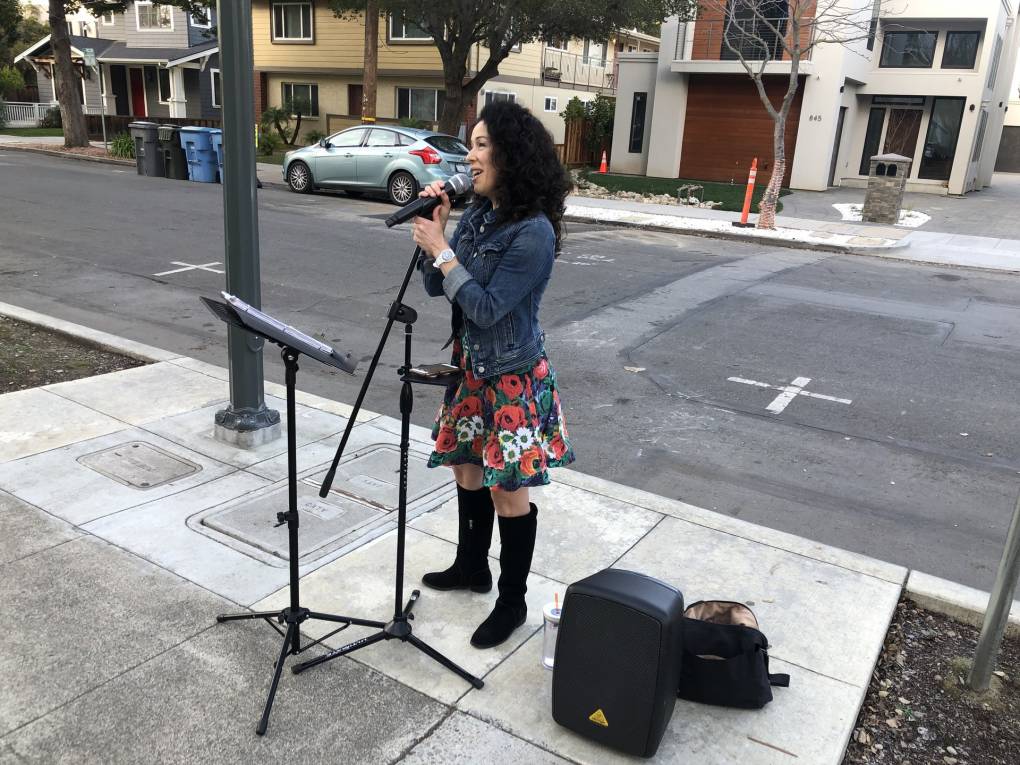
"caption": "Singer Nova Jimenez serenades seniors from the sidewalk outside Channing House, a retirement community in Palo Alto, on Feb. 7, 2021.",
"description": "Singer Nova Jimenez serenades seniors from the sidewalk outside Channing House, a retirement community in Palo Alto, on Feb. 7, 2021.",
"title": "RS47195_nova 1-qut",
"credit": "Chloe Veltman/KQED",
"status": "inherit",
"altTag": null,
"isLoading": false,
"fetchFailed": false
},
"arts_13887613": {
"type": "attachments",
"id": "arts_13887613",
"meta": {
"index": "attachments_1716263798",
"site": "arts",
"id": "13887613",
"found": true
},
"parent": 0,
"imgSizes": {
"twentyfourteen-full-width": {
"file": "https://ww2.kqed.org/app/uploads/sites/2/2020/10/RS40345_PHOTO-DEC-06-10-17-17-AM-qut-e1602106308407-1038x576.jpg",
"width": 1038,
"mimeType": "image/jpeg",
"height": 576
},
"thumbnail": {
"file": "https://ww2.kqed.org/app/uploads/sites/2/2020/10/RS40345_PHOTO-DEC-06-10-17-17-AM-qut-e1602106308407-160x99.jpg",
"width": 160,
"mimeType": "image/jpeg",
"height": 99
},
"post-thumbnail": {
"file": "https://ww2.kqed.org/app/uploads/sites/2/2020/10/RS40345_PHOTO-DEC-06-10-17-17-AM-qut-e1602106308407-672x372.jpg",
"width": 672,
"mimeType": "image/jpeg",
"height": 372
},
"kqedFullSize": {
"file": "https://ww2.kqed.org/app/uploads/sites/2/2020/10/RS40345_PHOTO-DEC-06-10-17-17-AM-qut-e1602106308407.jpg",
"width": 1920,
"height": 1187
},
"large": {
"file": "https://ww2.kqed.org/app/uploads/sites/2/2020/10/RS40345_PHOTO-DEC-06-10-17-17-AM-qut-e1602106308407-1020x631.jpg",
"width": 1020,
"mimeType": "image/jpeg",
"height": 631
},
"1536x1536": {
"file": "https://ww2.kqed.org/app/uploads/sites/2/2020/10/RS40345_PHOTO-DEC-06-10-17-17-AM-qut-e1602106308407-1536x950.jpg",
"width": 1536,
"mimeType": "image/jpeg",
"height": 950
},
"medium": {
"file": "https://ww2.kqed.org/app/uploads/sites/2/2020/10/RS40345_PHOTO-DEC-06-10-17-17-AM-qut-e1602106308407-800x495.jpg",
"width": 800,
"mimeType": "image/jpeg",
"height": 495
},
"medium_large": {
"file": "https://ww2.kqed.org/app/uploads/sites/2/2020/10/RS40345_PHOTO-DEC-06-10-17-17-AM-qut-e1602106308407-768x475.jpg",
"width": 768,
"mimeType": "image/jpeg",
"height": 475
}
},
"publishDate": 1602107326,
"modified": 1602107397,
"caption": "The theme of the 32nd annual Christmas Crèche Exhibit at the Church of Jesus Christ of Latter-day Saints in Palo Alto is \"Star of Wonder, Star of Night.\" This porcelain nativity scene from Bhutan has pride of place in the church's lobby.",
"description": "The theme of the 32nd annual Christmas Crèche Exhibit at the Church of Jesus Christ of Latter-day Saints in Palo Alto is \"Star of Wonder, Star of Night.\" This porcelain nativity scene from Bhutan has pride of place in the church's lobby.",
"title": "RS40345_PHOTO-DEC-06-10-17-17-AM-qut-e1602106308407",
"credit": "Rachael Myrow/KQED",
"status": "inherit",
"isLoading": false,
"fetchFailed": false
},
"arts_13867875": {
"type": "attachments",
"id": "arts_13867875",
"meta": {
"index": "attachments_1716263798",
"site": "arts",
"id": "13867875",
"found": true
},
"parent": 13867857,
"imgSizes": {
"twentyfourteen-full-width": {
"file": "https://ww2.kqed.org/app/uploads/sites/2/2019/10/JonathanCalm-1038x576.jpg",
"width": 1038,
"mimeType": "image/jpeg",
"height": 576
},
"thumbnail": {
"file": "https://ww2.kqed.org/app/uploads/sites/2/2019/10/JonathanCalm-160x90.jpg",
"width": 160,
"mimeType": "image/jpeg",
"height": 90
},
"post-thumbnail": {
"file": "https://ww2.kqed.org/app/uploads/sites/2/2019/10/JonathanCalm-672x372.jpg",
"width": 672,
"mimeType": "image/jpeg",
"height": 372
},
"kqedFullSize": {
"file": "https://ww2.kqed.org/app/uploads/sites/2/2019/10/JonathanCalm.jpg",
"width": 1920,
"height": 1079
},
"large": {
"file": "https://ww2.kqed.org/app/uploads/sites/2/2019/10/JonathanCalm-1020x573.jpg",
"width": 1020,
"mimeType": "image/jpeg",
"height": 573
},
"complete_open_graph": {
"file": "https://ww2.kqed.org/app/uploads/sites/2/2019/10/JonathanCalm-1200x674.jpg",
"width": 1200,
"mimeType": "image/jpeg",
"height": 674
},
"full-width": {
"file": "https://ww2.kqed.org/app/uploads/sites/2/2019/10/JonathanCalm-1920x1079.jpg",
"width": 1920,
"mimeType": "image/jpeg",
"height": 1079
},
"medium": {
"file": "https://ww2.kqed.org/app/uploads/sites/2/2019/10/JonathanCalm-800x450.jpg",
"width": 800,
"mimeType": "image/jpeg",
"height": 450
},
"medium_large": {
"file": "https://ww2.kqed.org/app/uploads/sites/2/2019/10/JonathanCalm-768x432.jpg",
"width": 768,
"mimeType": "image/jpeg",
"height": 432
}
},
"publishDate": 1570564247,
"modified": 1570564305,
"caption": "Photographer Jonathan Calm",
"description": "Photographer Jonathan Calm",
"title": "Photographer Jonathan Calm",
"credit": "Serginho Roosblad",
"status": "inherit",
"isLoading": false,
"fetchFailed": false
},
"arts_13829861": {
"type": "attachments",
"id": "arts_13829861",
"meta": {
"index": "attachments_1716263798",
"site": "arts",
"id": "13829861",
"found": true
},
"parent": 13829679,
"imgSizes": {
"small": {
"file": "https://ww2.kqed.org/app/uploads/sites/2/2018/04/Apple-Park-3-520x293.jpg",
"width": 520,
"mimeType": "image/jpeg",
"height": 293
},
"twentyfourteen-full-width": {
"file": "https://ww2.kqed.org/app/uploads/sites/2/2018/04/Apple-Park-3-1038x576.jpg",
"width": 1038,
"mimeType": "image/jpeg",
"height": 576
},
"thumbnail": {
"file": "https://ww2.kqed.org/app/uploads/sites/2/2018/04/Apple-Park-3-160x90.jpg",
"width": 160,
"mimeType": "image/jpeg",
"height": 90
},
"fd-sm": {
"file": "https://ww2.kqed.org/app/uploads/sites/2/2018/04/Apple-Park-3-960x540.jpg",
"width": 960,
"mimeType": "image/jpeg",
"height": 540
},
"post-thumbnail": {
"file": "https://ww2.kqed.org/app/uploads/sites/2/2018/04/Apple-Park-3-672x372.jpg",
"width": 672,
"mimeType": "image/jpeg",
"height": 372
},
"xsmall": {
"file": "https://ww2.kqed.org/app/uploads/sites/2/2018/04/Apple-Park-3-375x211.jpg",
"width": 375,
"mimeType": "image/jpeg",
"height": 211
},
"kqedFullSize": {
"file": "https://ww2.kqed.org/app/uploads/sites/2/2018/04/Apple-Park-3.jpg",
"width": 1920,
"height": 1080
},
"large": {
"file": "https://ww2.kqed.org/app/uploads/sites/2/2018/04/Apple-Park-3-1020x574.jpg",
"width": 1020,
"mimeType": "image/jpeg",
"height": 574
},
"xlarge": {
"file": "https://ww2.kqed.org/app/uploads/sites/2/2018/04/Apple-Park-3-1180x664.jpg",
"width": 1180,
"mimeType": "image/jpeg",
"height": 664
},
"complete_open_graph": {
"file": "https://ww2.kqed.org/app/uploads/sites/2/2018/04/Apple-Park-3-1200x675.jpg",
"width": 1200,
"mimeType": "image/jpeg",
"height": 675
},
"guest-author-50": {
"file": "https://ww2.kqed.org/app/uploads/sites/2/2018/04/Apple-Park-3-50x50.jpg",
"width": 50,
"mimeType": "image/jpeg",
"height": 50
},
"guest-author-96": {
"file": "https://ww2.kqed.org/app/uploads/sites/2/2018/04/Apple-Park-3-96x96.jpg",
"width": 96,
"mimeType": "image/jpeg",
"height": 96
},
"medium": {
"file": "https://ww2.kqed.org/app/uploads/sites/2/2018/04/Apple-Park-3-800x450.jpg",
"width": 800,
"mimeType": "image/jpeg",
"height": 450
},
"guest-author-64": {
"file": "https://ww2.kqed.org/app/uploads/sites/2/2018/04/Apple-Park-3-64x64.jpg",
"width": 64,
"mimeType": "image/jpeg",
"height": 64
},
"guest-author-32": {
"file": "https://ww2.kqed.org/app/uploads/sites/2/2018/04/Apple-Park-3-32x32.jpg",
"width": 32,
"mimeType": "image/jpeg",
"height": 32
},
"fd-lrg": {
"file": "https://ww2.kqed.org/app/uploads/sites/2/2018/04/Apple-Park-3-1920x1080.jpg",
"width": 1920,
"mimeType": "image/jpeg",
"height": 1080
},
"fd-med": {
"file": "https://ww2.kqed.org/app/uploads/sites/2/2018/04/Apple-Park-3-1180x664.jpg",
"width": 1180,
"mimeType": "image/jpeg",
"height": 664
},
"full-width": {
"file": "https://ww2.kqed.org/app/uploads/sites/2/2018/04/Apple-Park-3-1920x1080.jpg",
"width": 1920,
"mimeType": "image/jpeg",
"height": 1080
},
"detail": {
"file": "https://ww2.kqed.org/app/uploads/sites/2/2018/04/Apple-Park-3-150x150.jpg",
"width": 150,
"mimeType": "image/jpeg",
"height": 150
},
"medium_large": {
"file": "https://ww2.kqed.org/app/uploads/sites/2/2018/04/Apple-Park-3-768x432.jpg",
"width": 768,
"mimeType": "image/jpeg",
"height": 432
},
"guest-author-128": {
"file": "https://ww2.kqed.org/app/uploads/sites/2/2018/04/Apple-Park-3-128x128.jpg",
"width": 128,
"mimeType": "image/jpeg",
"height": 128
},
"xxsmall": {
"file": "https://ww2.kqed.org/app/uploads/sites/2/2018/04/Apple-Park-3-240x135.jpg",
"width": 240,
"mimeType": "image/jpeg",
"height": 135
}
},
"publishDate": 1524097678,
"modified": 1552613863,
"caption": "Apple Park viewed from the air. Is this the best visual symbol of Silicon Valley? Or the South Bay?",
"description": "Apple Park viewed from the air. Is this the best visual symbol of Silicon Valley? Or the South Bay?",
"title": "Apple Park",
"credit": "Photo: Courtesy of Duncan Sinfield",
"status": "inherit",
"isLoading": false,
"fetchFailed": false
},
"arts_13851815": {
"type": "attachments",
"id": "arts_13851815",
"meta": {
"index": "attachments_1716263798",
"site": "arts",
"id": "13851815",
"found": true
},
"parent": 13851676,
"imgSizes": {
"twentyfourteen-full-width": {
"file": "https://ww2.kqed.org/app/uploads/sites/2/2019/02/Oskar4_-ScottDevinePhoto-1038x576.jpg",
"width": 1038,
"mimeType": "image/jpeg",
"height": 576
},
"thumbnail": {
"file": "https://ww2.kqed.org/app/uploads/sites/2/2019/02/Oskar4_-ScottDevinePhoto-160x107.jpg",
"width": 160,
"mimeType": "image/jpeg",
"height": 107
},
"post-thumbnail": {
"file": "https://ww2.kqed.org/app/uploads/sites/2/2019/02/Oskar4_-ScottDevinePhoto-672x372.jpg",
"width": 672,
"mimeType": "image/jpeg",
"height": 372
},
"kqedFullSize": {
"file": "https://ww2.kqed.org/app/uploads/sites/2/2019/02/Oskar4_-ScottDevinePhoto.jpg",
"width": 2048,
"height": 1367
},
"large": {
"file": "https://ww2.kqed.org/app/uploads/sites/2/2019/02/Oskar4_-ScottDevinePhoto-1020x681.jpg",
"width": 1020,
"mimeType": "image/jpeg",
"height": 681
},
"complete_open_graph": {
"file": "https://ww2.kqed.org/app/uploads/sites/2/2019/02/Oskar4_-ScottDevinePhoto-1200x801.jpg",
"width": 1200,
"mimeType": "image/jpeg",
"height": 801
},
"guest-author-50": {
"file": "https://ww2.kqed.org/app/uploads/sites/2/2019/02/Oskar4_-ScottDevinePhoto-50x50.jpg",
"width": 50,
"mimeType": "image/jpeg",
"height": 50
},
"guest-author-96": {
"file": "https://ww2.kqed.org/app/uploads/sites/2/2019/02/Oskar4_-ScottDevinePhoto-96x96.jpg",
"width": 96,
"mimeType": "image/jpeg",
"height": 96
},
"medium": {
"file": "https://ww2.kqed.org/app/uploads/sites/2/2019/02/Oskar4_-ScottDevinePhoto-800x534.jpg",
"width": 800,
"mimeType": "image/jpeg",
"height": 534
},
"guest-author-64": {
"file": "https://ww2.kqed.org/app/uploads/sites/2/2019/02/Oskar4_-ScottDevinePhoto-64x64.jpg",
"width": 64,
"mimeType": "image/jpeg",
"height": 64
},
"guest-author-32": {
"file": "https://ww2.kqed.org/app/uploads/sites/2/2019/02/Oskar4_-ScottDevinePhoto-32x32.jpg",
"width": 32,
"mimeType": "image/jpeg",
"height": 32
},
"full-width": {
"file": "https://ww2.kqed.org/app/uploads/sites/2/2019/02/Oskar4_-ScottDevinePhoto-1920x1282.jpg",
"width": 1920,
"mimeType": "image/jpeg",
"height": 1282
},
"medium_large": {
"file": "https://ww2.kqed.org/app/uploads/sites/2/2019/02/Oskar4_-ScottDevinePhoto-768x513.jpg",
"width": 768,
"mimeType": "image/jpeg",
"height": 513
},
"guest-author-128": {
"file": "https://ww2.kqed.org/app/uploads/sites/2/2019/02/Oskar4_-ScottDevinePhoto-128x128.jpg",
"width": 128,
"mimeType": "image/jpeg",
"height": 128
}
},
"publishDate": 1551331510,
"modified": 1551331620,
"caption": "Jomar Martinez and Filip Hofman share a hug in “Oskar and the Big Bully Battle,” performed by TheatreWorks Silicon Valley in schools throughout the San Francisco Bay Area.",
"description": "Jomar Martinez and Filip Hofman share a hug in “Oskar and the Big Bully Battle,” performed by TheatreWorks Silicon Valley in schools throughout the San Francisco Bay Area.",
"title": "Oskar4_ ScottDevinePhoto",
"credit": "Photo: Courtesy of Scott Devine",
"status": "inherit",
"isLoading": false,
"fetchFailed": false
},
"arts_13842699": {
"type": "attachments",
"id": "arts_13842699",
"meta": {
"index": "attachments_1716263798",
"site": "arts",
"id": "13842699",
"found": true
},
"parent": 13842695,
"imgSizes": {
"small": {
"file": "https://ww2.kqed.org/app/uploads/sites/2/2018/10/RS33217_boheme-9767p-qut-520x347.jpg",
"width": 520,
"mimeType": "image/jpeg",
"height": 347
},
"twentyfourteen-full-width": {
"file": "https://ww2.kqed.org/app/uploads/sites/2/2018/10/RS33217_boheme-9767p-qut-1038x576.jpg",
"width": 1038,
"mimeType": "image/jpeg",
"height": 576
},
"thumbnail": {
"file": "https://ww2.kqed.org/app/uploads/sites/2/2018/10/RS33217_boheme-9767p-qut-160x107.jpg",
"width": 160,
"mimeType": "image/jpeg",
"height": 107
},
"fd-sm": {
"file": "https://ww2.kqed.org/app/uploads/sites/2/2018/10/RS33217_boheme-9767p-qut-960x640.jpg",
"width": 960,
"mimeType": "image/jpeg",
"height": 640
},
"post-thumbnail": {
"file": "https://ww2.kqed.org/app/uploads/sites/2/2018/10/RS33217_boheme-9767p-qut-672x372.jpg",
"width": 672,
"mimeType": "image/jpeg",
"height": 372
},
"xsmall": {
"file": "https://ww2.kqed.org/app/uploads/sites/2/2018/10/RS33217_boheme-9767p-qut-375x250.jpg",
"width": 375,
"mimeType": "image/jpeg",
"height": 250
},
"kqedFullSize": {
"file": "https://ww2.kqed.org/app/uploads/sites/2/2018/10/RS33217_boheme-9767p-qut.jpg",
"width": 1920,
"height": 1280
},
"large": {
"file": "https://ww2.kqed.org/app/uploads/sites/2/2018/10/RS33217_boheme-9767p-qut-1020x680.jpg",
"width": 1020,
"mimeType": "image/jpeg",
"height": 680
},
"xlarge": {
"file": "https://ww2.kqed.org/app/uploads/sites/2/2018/10/RS33217_boheme-9767p-qut-1180x787.jpg",
"width": 1180,
"mimeType": "image/jpeg",
"height": 787
},
"complete_open_graph": {
"file": "https://ww2.kqed.org/app/uploads/sites/2/2018/10/RS33217_boheme-9767p-qut-1200x800.jpg",
"width": 1200,
"mimeType": "image/jpeg",
"height": 800
},
"guest-author-50": {
"file": "https://ww2.kqed.org/app/uploads/sites/2/2018/10/RS33217_boheme-9767p-qut-50x50.jpg",
"width": 50,
"mimeType": "image/jpeg",
"height": 50
},
"guest-author-96": {
"file": "https://ww2.kqed.org/app/uploads/sites/2/2018/10/RS33217_boheme-9767p-qut-96x96.jpg",
"width": 96,
"mimeType": "image/jpeg",
"height": 96
},
"medium": {
"file": "https://ww2.kqed.org/app/uploads/sites/2/2018/10/RS33217_boheme-9767p-qut-800x533.jpg",
"width": 800,
"mimeType": "image/jpeg",
"height": 533
},
"guest-author-64": {
"file": "https://ww2.kqed.org/app/uploads/sites/2/2018/10/RS33217_boheme-9767p-qut-64x64.jpg",
"width": 64,
"mimeType": "image/jpeg",
"height": 64
},
"guest-author-32": {
"file": "https://ww2.kqed.org/app/uploads/sites/2/2018/10/RS33217_boheme-9767p-qut-32x32.jpg",
"width": 32,
"mimeType": "image/jpeg",
"height": 32
},
"fd-lrg": {
"file": "https://ww2.kqed.org/app/uploads/sites/2/2018/10/RS33217_boheme-9767p-qut-1920x1280.jpg",
"width": 1920,
"mimeType": "image/jpeg",
"height": 1280
},
"fd-med": {
"file": "https://ww2.kqed.org/app/uploads/sites/2/2018/10/RS33217_boheme-9767p-qut-1180x787.jpg",
"width": 1180,
"mimeType": "image/jpeg",
"height": 787
},
"full-width": {
"file": "https://ww2.kqed.org/app/uploads/sites/2/2018/10/RS33217_boheme-9767p-qut-1920x1280.jpg",
"width": 1920,
"mimeType": "image/jpeg",
"height": 1280
},
"detail": {
"file": "https://ww2.kqed.org/app/uploads/sites/2/2018/10/RS33217_boheme-9767p-qut-150x150.jpg",
"width": 150,
"mimeType": "image/jpeg",
"height": 150
},
"medium_large": {
"file": "https://ww2.kqed.org/app/uploads/sites/2/2018/10/RS33217_boheme-9767p-qut-768x512.jpg",
"width": 768,
"mimeType": "image/jpeg",
"height": 512
},
"guest-author-128": {
"file": "https://ww2.kqed.org/app/uploads/sites/2/2018/10/RS33217_boheme-9767p-qut-128x128.jpg",
"width": 128,
"mimeType": "image/jpeg",
"height": 128
},
"xxsmall": {
"file": "https://ww2.kqed.org/app/uploads/sites/2/2018/10/RS33217_boheme-9767p-qut-240x160.jpg",
"width": 240,
"mimeType": "image/jpeg",
"height": 160
}
},
"publishDate": 1539381487,
"modified": 1539381518,
"caption": "Soprano Julie Adams and tenor Nathan Granner play Mimi and Rodolfo, the starving, star-crossed lovers of La bohème, put on by West Bay Opera.",
"description": "Soprano Julie Adams and tenor Nathan Granner play Mimi and Rodolfo, the starving, star-crossed lovers of La bohème, put on by West Bay Opera.",
"title": "RS33217_boheme-9767p-qut",
"credit": "Photo: Courtesy of West Bay Opera",
"status": "inherit",
"isLoading": false,
"fetchFailed": false
},
"arts_13841860": {
"type": "attachments",
"id": "arts_13841860",
"meta": {
"index": "attachments_1716263798",
"site": "arts",
"id": "13841860",
"found": true
},
"parent": 13841824,
"imgSizes": {
"small": {
"file": "https://ww2.kqed.org/app/uploads/sites/2/2018/09/RS32991_2-2014.43.2893_Warhol_with_shadow-qut-520x408.jpg",
"width": 520,
"mimeType": "image/jpeg",
"height": 408
},
"twentyfourteen-full-width": {
"file": "https://ww2.kqed.org/app/uploads/sites/2/2018/09/RS32991_2-2014.43.2893_Warhol_with_shadow-qut-1038x576.jpg",
"width": 1038,
"mimeType": "image/jpeg",
"height": 576
},
"thumbnail": {
"file": "https://ww2.kqed.org/app/uploads/sites/2/2018/09/RS32991_2-2014.43.2893_Warhol_with_shadow-qut-160x126.jpg",
"width": 160,
"mimeType": "image/jpeg",
"height": 126
},
"fd-sm": {
"file": "https://ww2.kqed.org/app/uploads/sites/2/2018/09/RS32991_2-2014.43.2893_Warhol_with_shadow-qut-960x753.jpg",
"width": 960,
"mimeType": "image/jpeg",
"height": 753
},
"post-thumbnail": {
"file": "https://ww2.kqed.org/app/uploads/sites/2/2018/09/RS32991_2-2014.43.2893_Warhol_with_shadow-qut-672x372.jpg",
"width": 672,
"mimeType": "image/jpeg",
"height": 372
},
"xsmall": {
"file": "https://ww2.kqed.org/app/uploads/sites/2/2018/09/RS32991_2-2014.43.2893_Warhol_with_shadow-qut-375x294.jpg",
"width": 375,
"mimeType": "image/jpeg",
"height": 294
},
"kqedFullSize": {
"file": "https://ww2.kqed.org/app/uploads/sites/2/2018/09/RS32991_2-2014.43.2893_Warhol_with_shadow-qut.jpg",
"width": 1920,
"height": 1506
},
"large": {
"file": "https://ww2.kqed.org/app/uploads/sites/2/2018/09/RS32991_2-2014.43.2893_Warhol_with_shadow-qut-1020x800.jpg",
"width": 1020,
"mimeType": "image/jpeg",
"height": 800
},
"xlarge": {
"file": "https://ww2.kqed.org/app/uploads/sites/2/2018/09/RS32991_2-2014.43.2893_Warhol_with_shadow-qut-1180x926.jpg",
"width": 1180,
"mimeType": "image/jpeg",
"height": 926
},
"complete_open_graph": {
"file": "https://ww2.kqed.org/app/uploads/sites/2/2018/09/RS32991_2-2014.43.2893_Warhol_with_shadow-qut-1200x941.jpg",
"width": 1200,
"mimeType": "image/jpeg",
"height": 941
},
"guest-author-50": {
"file": "https://ww2.kqed.org/app/uploads/sites/2/2018/09/RS32991_2-2014.43.2893_Warhol_with_shadow-qut-50x50.jpg",
"width": 50,
"mimeType": "image/jpeg",
"height": 50
},
"guest-author-96": {
"file": "https://ww2.kqed.org/app/uploads/sites/2/2018/09/RS32991_2-2014.43.2893_Warhol_with_shadow-qut-96x96.jpg",
"width": 96,
"mimeType": "image/jpeg",
"height": 96
},
"medium": {
"file": "https://ww2.kqed.org/app/uploads/sites/2/2018/09/RS32991_2-2014.43.2893_Warhol_with_shadow-qut-800x628.jpg",
"width": 800,
"mimeType": "image/jpeg",
"height": 628
},
"guest-author-64": {
"file": "https://ww2.kqed.org/app/uploads/sites/2/2018/09/RS32991_2-2014.43.2893_Warhol_with_shadow-qut-64x64.jpg",
"width": 64,
"mimeType": "image/jpeg",
"height": 64
},
"guest-author-32": {
"file": "https://ww2.kqed.org/app/uploads/sites/2/2018/09/RS32991_2-2014.43.2893_Warhol_with_shadow-qut-32x32.jpg",
"width": 32,
"mimeType": "image/jpeg",
"height": 32
},
"fd-lrg": {
"file": "https://ww2.kqed.org/app/uploads/sites/2/2018/09/RS32991_2-2014.43.2893_Warhol_with_shadow-qut-1920x1506.jpg",
"width": 1920,
"mimeType": "image/jpeg",
"height": 1506
},
"fd-med": {
"file": "https://ww2.kqed.org/app/uploads/sites/2/2018/09/RS32991_2-2014.43.2893_Warhol_with_shadow-qut-1180x926.jpg",
"width": 1180,
"mimeType": "image/jpeg",
"height": 926
},
"full-width": {
"file": "https://ww2.kqed.org/app/uploads/sites/2/2018/09/RS32991_2-2014.43.2893_Warhol_with_shadow-qut-1920x1506.jpg",
"width": 1920,
"mimeType": "image/jpeg",
"height": 1506
},
"detail": {
"file": "https://ww2.kqed.org/app/uploads/sites/2/2018/09/RS32991_2-2014.43.2893_Warhol_with_shadow-qut-150x150.jpg",
"width": 150,
"mimeType": "image/jpeg",
"height": 150
},
"medium_large": {
"file": "https://ww2.kqed.org/app/uploads/sites/2/2018/09/RS32991_2-2014.43.2893_Warhol_with_shadow-qut-768x602.jpg",
"width": 768,
"mimeType": "image/jpeg",
"height": 602
},
"guest-author-128": {
"file": "https://ww2.kqed.org/app/uploads/sites/2/2018/09/RS32991_2-2014.43.2893_Warhol_with_shadow-qut-128x128.jpg",
"width": 128,
"mimeType": "image/jpeg",
"height": 128
},
"xxsmall": {
"file": "https://ww2.kqed.org/app/uploads/sites/2/2018/09/RS32991_2-2014.43.2893_Warhol_with_shadow-qut-240x188.jpg",
"width": 240,
"mimeType": "image/jpeg",
"height": 188
}
},
"publishDate": 1538166787,
"modified": 1538166847,
"caption": "Contact Sheet featuring Andy Warhol, 1986. Gelatin silver print. ",
"description": "Contact Sheet featuring Andy Warhol, 1986. Gelatin silver print. ",
"title": "RS32991_2-2014.43.2893_Warhol_with_shadow-qut",
"credit": "Photo: Courtesy of The Andy Warhol Foundation for the Visual Arts, Inc.",
"status": "inherit",
"isLoading": false,
"fetchFailed": false
},
"arts_13837149": {
"type": "attachments",
"id": "arts_13837149",
"meta": {
"index": "attachments_1716263798",
"site": "arts",
"id": "13837149",
"found": true
},
"parent": 13837148,
"imgSizes": {
"small": {
"file": "https://ww2.kqed.org/app/uploads/sites/2/2018/07/RS31792_HTT_KevinBerne11-qut-520x347.jpg",
"width": 520,
"mimeType": "image/jpeg",
"height": 347
},
"twentyfourteen-full-width": {
"file": "https://ww2.kqed.org/app/uploads/sites/2/2018/07/RS31792_HTT_KevinBerne11-qut-1038x576.jpg",
"width": 1038,
"mimeType": "image/jpeg",
"height": 576
},
"thumbnail": {
"file": "https://ww2.kqed.org/app/uploads/sites/2/2018/07/RS31792_HTT_KevinBerne11-qut-160x107.jpg",
"width": 160,
"mimeType": "image/jpeg",
"height": 107
},
"fd-sm": {
"file": "https://ww2.kqed.org/app/uploads/sites/2/2018/07/RS31792_HTT_KevinBerne11-qut-960x641.jpg",
"width": 960,
"mimeType": "image/jpeg",
"height": 641
},
"post-thumbnail": {
"file": "https://ww2.kqed.org/app/uploads/sites/2/2018/07/RS31792_HTT_KevinBerne11-qut-672x372.jpg",
"width": 672,
"mimeType": "image/jpeg",
"height": 372
},
"xsmall": {
"file": "https://ww2.kqed.org/app/uploads/sites/2/2018/07/RS31792_HTT_KevinBerne11-qut-375x250.jpg",
"width": 375,
"mimeType": "image/jpeg",
"height": 250
},
"kqedFullSize": {
"file": "https://ww2.kqed.org/app/uploads/sites/2/2018/07/RS31792_HTT_KevinBerne11-qut.jpg",
"width": 1920,
"height": 1282
},
"large": {
"file": "https://ww2.kqed.org/app/uploads/sites/2/2018/07/RS31792_HTT_KevinBerne11-qut-1020x681.jpg",
"width": 1020,
"mimeType": "image/jpeg",
"height": 681
},
"xlarge": {
"file": "https://ww2.kqed.org/app/uploads/sites/2/2018/07/RS31792_HTT_KevinBerne11-qut-1180x788.jpg",
"width": 1180,
"mimeType": "image/jpeg",
"height": 788
},
"complete_open_graph": {
"file": "https://ww2.kqed.org/app/uploads/sites/2/2018/07/RS31792_HTT_KevinBerne11-qut-1200x801.jpg",
"width": 1200,
"mimeType": "image/jpeg",
"height": 801
},
"guest-author-50": {
"file": "https://ww2.kqed.org/app/uploads/sites/2/2018/07/RS31792_HTT_KevinBerne11-qut-50x50.jpg",
"width": 50,
"mimeType": "image/jpeg",
"height": 50
},
"guest-author-96": {
"file": "https://ww2.kqed.org/app/uploads/sites/2/2018/07/RS31792_HTT_KevinBerne11-qut-96x96.jpg",
"width": 96,
"mimeType": "image/jpeg",
"height": 96
},
"medium": {
"file": "https://ww2.kqed.org/app/uploads/sites/2/2018/07/RS31792_HTT_KevinBerne11-qut-800x534.jpg",
"width": 800,
"mimeType": "image/jpeg",
"height": 534
},
"guest-author-64": {
"file": "https://ww2.kqed.org/app/uploads/sites/2/2018/07/RS31792_HTT_KevinBerne11-qut-64x64.jpg",
"width": 64,
"mimeType": "image/jpeg",
"height": 64
},
"guest-author-32": {
"file": "https://ww2.kqed.org/app/uploads/sites/2/2018/07/RS31792_HTT_KevinBerne11-qut-32x32.jpg",
"width": 32,
"mimeType": "image/jpeg",
"height": 32
},
"fd-lrg": {
"file": "https://ww2.kqed.org/app/uploads/sites/2/2018/07/RS31792_HTT_KevinBerne11-qut-1920x1282.jpg",
"width": 1920,
"mimeType": "image/jpeg",
"height": 1282
},
"fd-med": {
"file": "https://ww2.kqed.org/app/uploads/sites/2/2018/07/RS31792_HTT_KevinBerne11-qut-1180x788.jpg",
"width": 1180,
"mimeType": "image/jpeg",
"height": 788
},
"full-width": {
"file": "https://ww2.kqed.org/app/uploads/sites/2/2018/07/RS31792_HTT_KevinBerne11-qut-1920x1282.jpg",
"width": 1920,
"mimeType": "image/jpeg",
"height": 1282
},
"detail": {
"file": "https://ww2.kqed.org/app/uploads/sites/2/2018/07/RS31792_HTT_KevinBerne11-qut-150x150.jpg",
"width": 150,
"mimeType": "image/jpeg",
"height": 150
},
"medium_large": {
"file": "https://ww2.kqed.org/app/uploads/sites/2/2018/07/RS31792_HTT_KevinBerne11-qut-768x513.jpg",
"width": 768,
"mimeType": "image/jpeg",
"height": 513
},
"guest-author-128": {
"file": "https://ww2.kqed.org/app/uploads/sites/2/2018/07/RS31792_HTT_KevinBerne11-qut-128x128.jpg",
"width": 128,
"mimeType": "image/jpeg",
"height": 128
},
"xxsmall": {
"file": "https://ww2.kqed.org/app/uploads/sites/2/2018/07/RS31792_HTT_KevinBerne11-qut-240x160.jpg",
"width": 240,
"mimeType": "image/jpeg",
"height": 160
}
},
"publishDate": 1531532026,
"modified": 1531532093,
"caption": "Joel de la Fuente stars in TheatreWorks Silicon Valley's 2018/2019 season opener, the Bay Area premiere of Jeanne Sakata's \"Hold These Truths.\"",
"description": "Joel de la Fuente stars in TheatreWorks Silicon Valley's 2018/2019 season opener, the Bay Area premiere of Jeanne Sakata's \"Hold These Truths.\"",
"title": "RS31792_HTT_KevinBerne11-qut",
"credit": "Photo: Courtesy of Kevin Berne",
"status": "inherit",
"isLoading": false,
"fetchFailed": false
},
"arts_13828643": {
"type": "attachments",
"id": "arts_13828643",
"meta": {
"index": "attachments_1716263798",
"site": "arts",
"id": "13828643",
"found": true
},
"parent": 13828637,
"imgSizes": {
"small": {
"file": "https://ww2.kqed.org/app/uploads/sites/2/2018/04/RS30266_TheGreenFog_byPamelaGentile_015-qut-520x347.jpg",
"width": 520,
"mimeType": "image/jpeg",
"height": 347
},
"twentyfourteen-full-width": {
"file": "https://ww2.kqed.org/app/uploads/sites/2/2018/04/RS30266_TheGreenFog_byPamelaGentile_015-qut-1038x576.jpg",
"width": 1038,
"mimeType": "image/jpeg",
"height": 576
},
"thumbnail": {
"file": "https://ww2.kqed.org/app/uploads/sites/2/2018/04/RS30266_TheGreenFog_byPamelaGentile_015-qut-160x107.jpg",
"width": 160,
"mimeType": "image/jpeg",
"height": 107
},
"fd-sm": {
"file": "https://ww2.kqed.org/app/uploads/sites/2/2018/04/RS30266_TheGreenFog_byPamelaGentile_015-qut-960x640.jpg",
"width": 960,
"mimeType": "image/jpeg",
"height": 640
},
"post-thumbnail": {
"file": "https://ww2.kqed.org/app/uploads/sites/2/2018/04/RS30266_TheGreenFog_byPamelaGentile_015-qut-672x372.jpg",
"width": 672,
"mimeType": "image/jpeg",
"height": 372
},
"xsmall": {
"file": "https://ww2.kqed.org/app/uploads/sites/2/2018/04/RS30266_TheGreenFog_byPamelaGentile_015-qut-375x250.jpg",
"width": 375,
"mimeType": "image/jpeg",
"height": 250
},
"kqedFullSize": {
"file": "https://ww2.kqed.org/app/uploads/sites/2/2018/04/RS30266_TheGreenFog_byPamelaGentile_015-qut.jpg",
"width": 1920,
"height": 1280
},
"large": {
"file": "https://ww2.kqed.org/app/uploads/sites/2/2018/04/RS30266_TheGreenFog_byPamelaGentile_015-qut-1020x680.jpg",
"width": 1020,
"mimeType": "image/jpeg",
"height": 680
},
"xlarge": {
"file": "https://ww2.kqed.org/app/uploads/sites/2/2018/04/RS30266_TheGreenFog_byPamelaGentile_015-qut-1180x787.jpg",
"width": 1180,
"mimeType": "image/jpeg",
"height": 787
},
"guest-author-50": {
"file": "https://ww2.kqed.org/app/uploads/sites/2/2018/04/RS30266_TheGreenFog_byPamelaGentile_015-qut-50x50.jpg",
"width": 50,
"mimeType": "image/jpeg",
"height": 50
},
"guest-author-96": {
"file": "https://ww2.kqed.org/app/uploads/sites/2/2018/04/RS30266_TheGreenFog_byPamelaGentile_015-qut-96x96.jpg",
"width": 96,
"mimeType": "image/jpeg",
"height": 96
},
"medium": {
"file": "https://ww2.kqed.org/app/uploads/sites/2/2018/04/RS30266_TheGreenFog_byPamelaGentile_015-qut-800x533.jpg",
"width": 800,
"mimeType": "image/jpeg",
"height": 533
},
"guest-author-64": {
"file": "https://ww2.kqed.org/app/uploads/sites/2/2018/04/RS30266_TheGreenFog_byPamelaGentile_015-qut-64x64.jpg",
"width": 64,
"mimeType": "image/jpeg",
"height": 64
},
"guest-author-32": {
"file": "https://ww2.kqed.org/app/uploads/sites/2/2018/04/RS30266_TheGreenFog_byPamelaGentile_015-qut-32x32.jpg",
"width": 32,
"mimeType": "image/jpeg",
"height": 32
},
"fd-lrg": {
"file": "https://ww2.kqed.org/app/uploads/sites/2/2018/04/RS30266_TheGreenFog_byPamelaGentile_015-qut-1920x1280.jpg",
"width": 1920,
"mimeType": "image/jpeg",
"height": 1280
},
"fd-med": {
"file": "https://ww2.kqed.org/app/uploads/sites/2/2018/04/RS30266_TheGreenFog_byPamelaGentile_015-qut-1180x787.jpg",
"width": 1180,
"mimeType": "image/jpeg",
"height": 787
},
"full-width": {
"file": "https://ww2.kqed.org/app/uploads/sites/2/2018/04/RS30266_TheGreenFog_byPamelaGentile_015-qut-1920x1280.jpg",
"width": 1920,
"mimeType": "image/jpeg",
"height": 1280
},
"detail": {
"file": "https://ww2.kqed.org/app/uploads/sites/2/2018/04/RS30266_TheGreenFog_byPamelaGentile_015-qut-150x150.jpg",
"width": 150,
"mimeType": "image/jpeg",
"height": 150
},
"medium_large": {
"file": "https://ww2.kqed.org/app/uploads/sites/2/2018/04/RS30266_TheGreenFog_byPamelaGentile_015-qut-768x512.jpg",
"width": 768,
"mimeType": "image/jpeg",
"height": 512
},
"guest-author-128": {
"file": "https://ww2.kqed.org/app/uploads/sites/2/2018/04/RS30266_TheGreenFog_byPamelaGentile_015-qut-128x128.jpg",
"width": 128,
"mimeType": "image/jpeg",
"height": 128
},
"xxsmall": {
"file": "https://ww2.kqed.org/app/uploads/sites/2/2018/04/RS30266_TheGreenFog_byPamelaGentile_015-qut-240x160.jpg",
"width": 240,
"mimeType": "image/jpeg",
"height": 160
}
},
"publishDate": 1522879689,
"modified": 1522879728,
"caption": "It's not Hitchcock, but Green Fog, a witty homage built from found footage, pays tribute to the master of noir and to San Francisco, the city that inspired Vertigo.",
"description": "It's not Hitchcock, but Green Fog, a witty homage built from found footage, pays tribute to the master of noir and to San Francisco, the city that inspired Vertigo.",
"title": "RS30266_TheGreenFog_byPamelaGentile_015-qut",
"credit": "Photo: Courtesy of SFFilm",
"status": "inherit",
"isLoading": false,
"fetchFailed": false
},
"arts_13825375": {
"type": "attachments",
"id": "arts_13825375",
"meta": {
"index": "attachments_1716263798",
"site": "arts",
"id": "13825375",
"found": true
},
"parent": 13825367,
"imgSizes": {
"small": {
"file": "https://ww2.kqed.org/app/uploads/sites/2/2018/02/3-Oh-welche-Lust-Mens-Chorus-Jackson-Beaman-1st-prisoner-kneeling-right-ed-520x282.jpg",
"width": 520,
"mimeType": "image/jpeg",
"height": 282
},
"twentyfourteen-full-width": {
"file": "https://ww2.kqed.org/app/uploads/sites/2/2018/02/3-Oh-welche-Lust-Mens-Chorus-Jackson-Beaman-1st-prisoner-kneeling-right-ed-1038x576.jpg",
"width": 1038,
"mimeType": "image/jpeg",
"height": 576
},
"thumbnail": {
"file": "https://ww2.kqed.org/app/uploads/sites/2/2018/02/3-Oh-welche-Lust-Mens-Chorus-Jackson-Beaman-1st-prisoner-kneeling-right-ed-160x87.jpg",
"width": 160,
"mimeType": "image/jpeg",
"height": 87
},
"fd-sm": {
"file": "https://ww2.kqed.org/app/uploads/sites/2/2018/02/3-Oh-welche-Lust-Mens-Chorus-Jackson-Beaman-1st-prisoner-kneeling-right-ed-960x521.jpg",
"width": 960,
"mimeType": "image/jpeg",
"height": 521
},
"post-thumbnail": {
"file": "https://ww2.kqed.org/app/uploads/sites/2/2018/02/3-Oh-welche-Lust-Mens-Chorus-Jackson-Beaman-1st-prisoner-kneeling-right-ed-672x372.jpg",
"width": 672,
"mimeType": "image/jpeg",
"height": 372
},
"xsmall": {
"file": "https://ww2.kqed.org/app/uploads/sites/2/2018/02/3-Oh-welche-Lust-Mens-Chorus-Jackson-Beaman-1st-prisoner-kneeling-right-ed-375x204.jpg",
"width": 375,
"mimeType": "image/jpeg",
"height": 204
},
"kqedFullSize": {
"file": "https://ww2.kqed.org/app/uploads/sites/2/2018/02/3-Oh-welche-Lust-Mens-Chorus-Jackson-Beaman-1st-prisoner-kneeling-right-ed.jpg",
"width": 1871,
"height": 1016
},
"large": {
"file": "https://ww2.kqed.org/app/uploads/sites/2/2018/02/3-Oh-welche-Lust-Mens-Chorus-Jackson-Beaman-1st-prisoner-kneeling-right-ed-1020x554.jpg",
"width": 1020,
"mimeType": "image/jpeg",
"height": 554
},
"xlarge": {
"file": "https://ww2.kqed.org/app/uploads/sites/2/2018/02/3-Oh-welche-Lust-Mens-Chorus-Jackson-Beaman-1st-prisoner-kneeling-right-ed-1180x641.jpg",
"width": 1180,
"mimeType": "image/jpeg",
"height": 641
},
"guest-author-50": {
"file": "https://ww2.kqed.org/app/uploads/sites/2/2018/02/3-Oh-welche-Lust-Mens-Chorus-Jackson-Beaman-1st-prisoner-kneeling-right-ed-50x50.jpg",
"width": 50,
"mimeType": "image/jpeg",
"height": 50
},
"guest-author-96": {
"file": "https://ww2.kqed.org/app/uploads/sites/2/2018/02/3-Oh-welche-Lust-Mens-Chorus-Jackson-Beaman-1st-prisoner-kneeling-right-ed-96x96.jpg",
"width": 96,
"mimeType": "image/jpeg",
"height": 96
},
"medium": {
"file": "https://ww2.kqed.org/app/uploads/sites/2/2018/02/3-Oh-welche-Lust-Mens-Chorus-Jackson-Beaman-1st-prisoner-kneeling-right-ed-800x434.jpg",
"width": 800,
"mimeType": "image/jpeg",
"height": 434
},
"guest-author-64": {
"file": "https://ww2.kqed.org/app/uploads/sites/2/2018/02/3-Oh-welche-Lust-Mens-Chorus-Jackson-Beaman-1st-prisoner-kneeling-right-ed-64x64.jpg",
"width": 64,
"mimeType": "image/jpeg",
"height": 64
},
"guest-author-32": {
"file": "https://ww2.kqed.org/app/uploads/sites/2/2018/02/3-Oh-welche-Lust-Mens-Chorus-Jackson-Beaman-1st-prisoner-kneeling-right-ed-32x32.jpg",
"width": 32,
"mimeType": "image/jpeg",
"height": 32
},
"fd-med": {
"file": "https://ww2.kqed.org/app/uploads/sites/2/2018/02/3-Oh-welche-Lust-Mens-Chorus-Jackson-Beaman-1st-prisoner-kneeling-right-ed-1180x641.jpg",
"width": 1180,
"mimeType": "image/jpeg",
"height": 641
},
"detail": {
"file": "https://ww2.kqed.org/app/uploads/sites/2/2018/02/3-Oh-welche-Lust-Mens-Chorus-Jackson-Beaman-1st-prisoner-kneeling-right-ed-150x150.jpg",
"width": 150,
"mimeType": "image/jpeg",
"height": 150
},
"medium_large": {
"file": "https://ww2.kqed.org/app/uploads/sites/2/2018/02/3-Oh-welche-Lust-Mens-Chorus-Jackson-Beaman-1st-prisoner-kneeling-right-ed-768x417.jpg",
"width": 768,
"mimeType": "image/jpeg",
"height": 417
},
"guest-author-128": {
"file": "https://ww2.kqed.org/app/uploads/sites/2/2018/02/3-Oh-welche-Lust-Mens-Chorus-Jackson-Beaman-1st-prisoner-kneeling-right-ed-128x128.jpg",
"width": 128,
"mimeType": "image/jpeg",
"height": 128
},
"xxsmall": {
"file": "https://ww2.kqed.org/app/uploads/sites/2/2018/02/3-Oh-welche-Lust-Mens-Chorus-Jackson-Beaman-1st-prisoner-kneeling-right-ed-240x130.jpg",
"width": 240,
"mimeType": "image/jpeg",
"height": 130
}
},
"publishDate": 1519349558,
"modified": 1519349661,
"caption": "The chorus for West Coast Opera's production of Fidelio \"bask in the sunshine\" on stage in Palo Alto.",
"description": "The chorus for West Coast Opera's production of Fidelio \"bask in the sunshine\" on stage in Palo Alto.",
"title": "3-Oh welche Lust-Mens Chorus-Jackson Beaman 1st prisoner-kneeling-right-ed",
"credit": "Photo: Courtesy of West Coast Opera",
"status": "inherit",
"isLoading": false,
"fetchFailed": false
},
"arts_13825219": {
"type": "attachments",
"id": "arts_13825219",
"meta": {
"index": "attachments_1716263798",
"site": "arts",
"id": "13825219",
"found": true
},
"parent": 13825218,
"imgSizes": {
"small": {
"file": "https://ww2.kqed.org/app/uploads/sites/2/2018/02/Bumper-Jacksons-e1519257954171-520x293.jpg",
"width": 520,
"mimeType": "image/jpeg",
"height": 293
},
"twentyfourteen-full-width": {
"file": "https://ww2.kqed.org/app/uploads/sites/2/2018/02/Bumper-Jacksons-e1519257954171-1038x576.jpg",
"width": 1038,
"mimeType": "image/jpeg",
"height": 576
},
"thumbnail": {
"file": "https://ww2.kqed.org/app/uploads/sites/2/2018/02/Bumper-Jacksons-e1519257954171-160x90.jpg",
"width": 160,
"mimeType": "image/jpeg",
"height": 90
},
"fd-sm": {
"file": "https://ww2.kqed.org/app/uploads/sites/2/2018/02/Bumper-Jacksons-e1519257954171-960x540.jpg",
"width": 960,
"mimeType": "image/jpeg",
"height": 540
},
"post-thumbnail": {
"file": "https://ww2.kqed.org/app/uploads/sites/2/2018/02/Bumper-Jacksons-e1519257954171-672x372.jpg",
"width": 672,
"mimeType": "image/jpeg",
"height": 372
},
"xsmall": {
"file": "https://ww2.kqed.org/app/uploads/sites/2/2018/02/Bumper-Jacksons-e1519257954171-375x211.jpg",
"width": 375,
"mimeType": "image/jpeg",
"height": 211
},
"kqedFullSize": {
"file": "https://ww2.kqed.org/app/uploads/sites/2/2018/02/Bumper-Jacksons-e1519257954171.jpg",
"width": 2048,
"height": 1152
},
"large": {
"file": "https://ww2.kqed.org/app/uploads/sites/2/2018/02/Bumper-Jacksons-e1519257954171-1020x574.jpg",
"width": 1020,
"mimeType": "image/jpeg",
"height": 574
},
"xlarge": {
"file": "https://ww2.kqed.org/app/uploads/sites/2/2018/02/Bumper-Jacksons-e1519257954171-1180x664.jpg",
"width": 1180,
"mimeType": "image/jpeg",
"height": 664
},
"guest-author-50": {
"file": "https://ww2.kqed.org/app/uploads/sites/2/2018/02/Bumper-Jacksons-e1519257954171-50x50.jpg",
"width": 50,
"mimeType": "image/jpeg",
"height": 50
},
"guest-author-96": {
"file": "https://ww2.kqed.org/app/uploads/sites/2/2018/02/Bumper-Jacksons-e1519257954171-96x96.jpg",
"width": 96,
"mimeType": "image/jpeg",
"height": 96
},
"medium": {
"file": "https://ww2.kqed.org/app/uploads/sites/2/2018/02/Bumper-Jacksons-e1519257954171-800x450.jpg",
"width": 800,
"mimeType": "image/jpeg",
"height": 450
},
"guest-author-64": {
"file": "https://ww2.kqed.org/app/uploads/sites/2/2018/02/Bumper-Jacksons-e1519257954171-64x64.jpg",
"width": 64,
"mimeType": "image/jpeg",
"height": 64
},
"guest-author-32": {
"file": "https://ww2.kqed.org/app/uploads/sites/2/2018/02/Bumper-Jacksons-e1519257954171-32x32.jpg",
"width": 32,
"mimeType": "image/jpeg",
"height": 32
},
"fd-lrg": {
"file": "https://ww2.kqed.org/app/uploads/sites/2/2018/02/Bumper-Jacksons-e1519257954171-1920x1080.jpg",
"width": 1920,
"mimeType": "image/jpeg",
"height": 1080
},
"fd-med": {
"file": "https://ww2.kqed.org/app/uploads/sites/2/2018/02/Bumper-Jacksons-e1519257954171-1180x664.jpg",
"width": 1180,
"mimeType": "image/jpeg",
"height": 664
},
"full-width": {
"file": "https://ww2.kqed.org/app/uploads/sites/2/2018/02/Bumper-Jacksons-e1519257954171-1920x1080.jpg",
"width": 1920,
"mimeType": "image/jpeg",
"height": 1080
},
"detail": {
"file": "https://ww2.kqed.org/app/uploads/sites/2/2018/02/Bumper-Jacksons-e1519257954171-150x150.jpg",
"width": 150,
"mimeType": "image/jpeg",
"height": 150
},
"medium_large": {
"file": "https://ww2.kqed.org/app/uploads/sites/2/2018/02/Bumper-Jacksons-e1519257954171-768x432.jpg",
"width": 768,
"mimeType": "image/jpeg",
"height": 432
},
"guest-author-128": {
"file": "https://ww2.kqed.org/app/uploads/sites/2/2018/02/Bumper-Jacksons-e1519257954171-128x128.jpg",
"width": 128,
"mimeType": "image/jpeg",
"height": 128
},
"xxsmall": {
"file": "https://ww2.kqed.org/app/uploads/sites/2/2018/02/Bumper-Jacksons-e1519257954171-240x135.jpg",
"width": 240,
"mimeType": "image/jpeg",
"height": 135
}
},
"publishDate": 1519257888,
"modified": 1519258106,
"caption": "Bumper Jacksons play the Napa Valley Performing Arts Center in Yountville and Bing Studio at Stanford",
"description": "Bumper Jacksons play the Napa Valley Performing Arts Center in Yountville and Bing Studio at Stanford",
"title": "Bumper Jacksons play the Napa Valley Performing Arts Center in Yountville and Bing Studio at Stanford",
"credit": "Photo: Michael O. Snyder/Bumper Jacksons",
"status": "inherit",
"isLoading": false,
"fetchFailed": false
},
"arts_13824076": {
"type": "attachments",
"id": "arts_13824076",
"meta": {
"index": "attachments_1716263798",
"site": "arts",
"id": "13824076",
"found": true
},
"parent": 13824061,
"imgSizes": {
"small": {
"file": "https://ww2.kqed.org/app/uploads/sites/2/2018/02/RS29326_SweetLand-Press-02-qut-520x347.jpg",
"width": 520,
"mimeType": "image/jpeg",
"height": 347
},
"twentyfourteen-full-width": {
"file": "https://ww2.kqed.org/app/uploads/sites/2/2018/02/RS29326_SweetLand-Press-02-qut-1038x576.jpg",
"width": 1038,
"mimeType": "image/jpeg",
"height": 576
},
"thumbnail": {
"file": "https://ww2.kqed.org/app/uploads/sites/2/2018/02/RS29326_SweetLand-Press-02-qut-160x107.jpg",
"width": 160,
"mimeType": "image/jpeg",
"height": 107
},
"fd-sm": {
"file": "https://ww2.kqed.org/app/uploads/sites/2/2018/02/RS29326_SweetLand-Press-02-qut-960x640.jpg",
"width": 960,
"mimeType": "image/jpeg",
"height": 640
},
"post-thumbnail": {
"file": "https://ww2.kqed.org/app/uploads/sites/2/2018/02/RS29326_SweetLand-Press-02-qut-672x372.jpg",
"width": 672,
"mimeType": "image/jpeg",
"height": 372
},
"xsmall": {
"file": "https://ww2.kqed.org/app/uploads/sites/2/2018/02/RS29326_SweetLand-Press-02-qut-375x250.jpg",
"width": 375,
"mimeType": "image/jpeg",
"height": 250
},
"kqedFullSize": {
"file": "https://ww2.kqed.org/app/uploads/sites/2/2018/02/RS29326_SweetLand-Press-02-qut.jpg",
"width": 1920,
"height": 1280
},
"large": {
"file": "https://ww2.kqed.org/app/uploads/sites/2/2018/02/RS29326_SweetLand-Press-02-qut-1020x680.jpg",
"width": 1020,
"mimeType": "image/jpeg",
"height": 680
},
"xlarge": {
"file": "https://ww2.kqed.org/app/uploads/sites/2/2018/02/RS29326_SweetLand-Press-02-qut-1180x787.jpg",
"width": 1180,
"mimeType": "image/jpeg",
"height": 787
},
"guest-author-50": {
"file": "https://ww2.kqed.org/app/uploads/sites/2/2018/02/RS29326_SweetLand-Press-02-qut-50x50.jpg",
"width": 50,
"mimeType": "image/jpeg",
"height": 50
},
"guest-author-96": {
"file": "https://ww2.kqed.org/app/uploads/sites/2/2018/02/RS29326_SweetLand-Press-02-qut-96x96.jpg",
"width": 96,
"mimeType": "image/jpeg",
"height": 96
},
"medium": {
"file": "https://ww2.kqed.org/app/uploads/sites/2/2018/02/RS29326_SweetLand-Press-02-qut-800x533.jpg",
"width": 800,
"mimeType": "image/jpeg",
"height": 533
},
"guest-author-64": {
"file": "https://ww2.kqed.org/app/uploads/sites/2/2018/02/RS29326_SweetLand-Press-02-qut-64x64.jpg",
"width": 64,
"mimeType": "image/jpeg",
"height": 64
},
"guest-author-32": {
"file": "https://ww2.kqed.org/app/uploads/sites/2/2018/02/RS29326_SweetLand-Press-02-qut-32x32.jpg",
"width": 32,
"mimeType": "image/jpeg",
"height": 32
},
"fd-lrg": {
"file": "https://ww2.kqed.org/app/uploads/sites/2/2018/02/RS29326_SweetLand-Press-02-qut-1920x1280.jpg",
"width": 1920,
"mimeType": "image/jpeg",
"height": 1280
},
"fd-med": {
"file": "https://ww2.kqed.org/app/uploads/sites/2/2018/02/RS29326_SweetLand-Press-02-qut-1180x787.jpg",
"width": 1180,
"mimeType": "image/jpeg",
"height": 787
},
"full-width": {
"file": "https://ww2.kqed.org/app/uploads/sites/2/2018/02/RS29326_SweetLand-Press-02-qut-1920x1280.jpg",
"width": 1920,
"mimeType": "image/jpeg",
"height": 1280
},
"detail": {
"file": "https://ww2.kqed.org/app/uploads/sites/2/2018/02/RS29326_SweetLand-Press-02-qut-150x150.jpg",
"width": 150,
"mimeType": "image/jpeg",
"height": 150
},
"medium_large": {
"file": "https://ww2.kqed.org/app/uploads/sites/2/2018/02/RS29326_SweetLand-Press-02-qut-768x512.jpg",
"width": 768,
"mimeType": "image/jpeg",
"height": 512
},
"guest-author-128": {
"file": "https://ww2.kqed.org/app/uploads/sites/2/2018/02/RS29326_SweetLand-Press-02-qut-128x128.jpg",
"width": 128,
"mimeType": "image/jpeg",
"height": 128
},
"xxsmall": {
"file": "https://ww2.kqed.org/app/uploads/sites/2/2018/02/RS29326_SweetLand-Press-02-qut-240x160.jpg",
"width": 240,
"mimeType": "image/jpeg",
"height": 160
}
},
"publishDate": 1518138808,
"modified": 1518144452,
"caption": "In Oh My Sweet Land, Nora El Samahy plays a Syrian-German woman who relates the story of her affair with a Syrian refugee while she cooks kibbeh. The play is touring San Francisco Bay Area kitchens, restaurants and community spaces.",
"description": "In Oh My Sweet Land, Nora El Samahy plays a Syrian-German woman who relates the story of her affair with a Syrian refugee while she cooks kibbeh. The play is touring San Francisco Bay Area kitchens, restaurants and community spaces.",
"title": "RS29326_SweetLand-Press-02-qut",
"credit": "Photo: Courtesy of David Allen Studio",
"status": "inherit",
"isLoading": false,
"fetchFailed": false
}
},
"audioPlayerReducer": {
"postId": "stream_live",
"isPaused": true,
"isPlaying": false,
"pfsActive": false,
"pledgeModalIsOpen": true,
"playerDrawerIsOpen": false,
"liveAudioPlayStartedAt": 0,
"liveAudioPlayContext": ""
},
"authorsReducer": {
"byline_arts_13867857": {
"type": "authors",
"id": "byline_arts_13867857",
"meta": {
"override": true
},
"slug": "byline_arts_13867857",
"name": "Serginho Roosblad",
"isLoading": false
},
"cmusiker": {
"type": "authors",
"id": "32",
"meta": {
"index": "authors_1716337520",
"id": "32",
"found": true
},
"name": "Cy Musiker",
"firstName": "Cy",
"lastName": "Musiker",
"slug": "cmusiker",
"email": "cmusiker@kqed.org",
"display_author_email": false,
"staff_mastheads": [],
"title": "KQED Contributor",
"bio": "Cy Musiker is a former co-host of The Do List and a former reporter covering the arts for KQED News and The California Report. He loves live performance, especially great theater, jazz, roots music, anything by Mahler. Cy has an MJ from UC Berkeley's School of Journalism, and got his BA from Hampshire College. His work has been recognized by the Society for Professional Journalists with their Sigma Delta Chi Award for Public Service in Journalism. When he can, Cy likes to swim in Tomales Bay, run with his dog in the East Bay Hills, and hike the Sierra.",
"avatar": "https://secure.gravatar.com/avatar/05eaba5c5696ce8f062e4ea2df428a43?s=600&d=blank&r=g",
"twitter": null,
"facebook": null,
"instagram": null,
"linkedin": null,
"sites": [
{
"site": "arts",
"roles": [
"Contributor",
"subscriber"
]
},
{
"site": "news",
"roles": [
"author"
]
},
{
"site": "bayareabites",
"roles": [
"contributor"
]
}
],
"headData": {
"title": "Cy Musiker | KQED",
"description": "KQED Contributor",
"ogImgSrc": "https://secure.gravatar.com/avatar/05eaba5c5696ce8f062e4ea2df428a43?s=600&d=blank&r=g",
"twImgSrc": "https://secure.gravatar.com/avatar/05eaba5c5696ce8f062e4ea2df428a43?s=600&d=blank&r=g"
},
"isLoading": false,
"link": "/author/cmusiker"
},
"rachael-myrow": {
"type": "authors",
"id": "251",
"meta": {
"index": "authors_1716337520",
"id": "251",
"found": true
},
"name": "Rachael Myrow",
"firstName": "Rachael",
"lastName": "Myrow",
"slug": "rachael-myrow",
"email": "rmyrow@kqed.org",
"display_author_email": true,
"staff_mastheads": [
"news"
],
"title": "Senior Editor of KQED's Silicon Valley News Desk",
"bio": "• I write and edit stories about how Silicon Valley power and policies shape everyday life in California. I’m also passionate about making Bay Area history and culture more accessible to a broad public. • I’ve been a journalist for most of my life, starting in high school with The Franklin Press in Los Angeles, where I grew up. While earning my first degree in English at UC Berkeley, I got my start in public radio at KALX-FM. After completing a second degree in journalism at Cal, I landed my first professional job at Marketplace, then moved on to KPCC (now LAist), and then KQED, where I hosted The California Report for more than seven years. • My reporting has appeared on NPR, The World, WBUR’s \u003ci>Here & Now\u003c/i>, and the BBC. I also guest host for KQED’s \u003ci>Forum\u003c/i>, as well as the Commonwealth Club in San Francisco. • I speak periodically on media, democracy and technology issues, and do voiceover work for documentaries and educational video projects. • Outside of the studio, you'll find me hiking Bay Area trails and whipping up Insta-ready meals in my kitchen. • I do not accept gifts, money, or favors from anyone connected to my reporting, I don't pay people for information, and I do not support or donate to political causes. • I strive to treat the people I report on with fairness, honesty, and respect. I also recognize there are often multiple sides to a story and work to verify information through multiple sources and documentation. If I get something wrong, I correct it.",
"avatar": "https://secure.gravatar.com/avatar/3ed8a3c5f26025e4a805ba634cda8cd764906b97438a6d9ce216b044e340da4e?s=600&d=blank&r=g",
"twitter": "rachaelmyrow",
"bluesky": null,
"facebook": null,
"instagram": null,
"linkedin": "https://www.linkedin.com/in/rachaelmyrow/",
"sites": [
{
"site": "arts",
"roles": [
"administrator"
]
},
{
"site": "news",
"roles": [
"edit_others_posts",
"editor"
]
},
{
"site": "futureofyou",
"roles": [
"editor"
]
},
{
"site": "bayareabites",
"roles": [
"editor"
]
},
{
"site": "stateofhealth",
"roles": [
"editor"
]
},
{
"site": "science",
"roles": [
"editor"
]
},
{
"site": "food",
"roles": [
"editor"
]
},
{
"site": "forum",
"roles": [
"editor"
]
},
{
"site": "liveblog",
"roles": [
"author"
]
}
],
"headData": {
"title": "Rachael Myrow | KQED",
"description": "Senior Editor of KQED's Silicon Valley News Desk",
"ogImgSrc": "https://secure.gravatar.com/avatar/3ed8a3c5f26025e4a805ba634cda8cd764906b97438a6d9ce216b044e340da4e?s=600&d=blank&r=g",
"twImgSrc": "https://secure.gravatar.com/avatar/3ed8a3c5f26025e4a805ba634cda8cd764906b97438a6d9ce216b044e340da4e?s=600&d=blank&r=g"
},
"isLoading": false,
"link": "/author/rachael-myrow"
},
"cveltman": {
"type": "authors",
"id": "8608",
"meta": {
"index": "authors_1716337520",
"id": "8608",
"found": true
},
"name": "Chloe Veltman",
"firstName": "Chloe",
"lastName": "Veltman",
"slug": "cveltman",
"email": "cveltman@kqed.org",
"display_author_email": true,
"staff_mastheads": [],
"title": "Arts and Culture Reporter",
"bio": "Chloe Veltman is a former arts and culture reporter for KQED. Prior to joining the organization, she launched and led the arts bureau at Colorado Public Radio, served as the Bay Area's culture columnist for the New York Times, and was the founder, host and executive producer of VoiceBox, a national award-winning weekly podcast/radio show and live events series all about the human voice. Chloe is the recipient of numerous prizes, grants and fellowships including a Webby Award for her work on interactive storytelling, both the John S Knight Journalism Fellowship and Humanities Center Fellowship at Stanford University, the Sundance Arts Writing Fellowship and a Library of Congress Research Fellowship. She is the author of the book \"On Acting\" and has appeared as a guest lecturer at Yale University and the San Francisco Conservatory of Music among other institutions. She holds a BA in english literature from King's College, Cambridge, and a Masters in Dramaturgy from the Central School of Speech and Drama/Harvard Institute for Advanced Theater Training.\r\n\u003ca href=\"https://www.chloeveltman.com\">www.chloeveltman.com\u003c/a>",
"avatar": "https://secure.gravatar.com/avatar/55403394b00a1ddab683952c2eb2cf85?s=600&d=blank&r=g",
"twitter": "chloeveltman",
"facebook": null,
"instagram": null,
"linkedin": null,
"sites": [
{
"site": "arts",
"roles": []
},
{
"site": "news",
"roles": [
"author"
]
},
{
"site": "pop",
"roles": [
"editor"
]
},
{
"site": "science",
"roles": []
}
],
"headData": {
"title": "Chloe Veltman | KQED",
"description": "Arts and Culture Reporter",
"ogImgSrc": "https://secure.gravatar.com/avatar/55403394b00a1ddab683952c2eb2cf85?s=600&d=blank&r=g",
"twImgSrc": "https://secure.gravatar.com/avatar/55403394b00a1ddab683952c2eb2cf85?s=600&d=blank&r=g"
},
"isLoading": false,
"link": "/author/cveltman"
}
},
"pagesReducer": {
"arts_tag_palo-alto": {
"type": "terms",
"id": "arts_1315",
"meta": {
"index": "terms_1716263798",
"site": "arts",
"id": "1315",
"score": 8.560965
},
"featImg": null,
"name": "Palo Alto",
"description": null,
"taxonomy": "tag",
"headData": {
"twImgId": null,
"twTitle": null,
"ogTitle": null,
"ogImgId": null,
"twDescription": null,
"description": null,
"title": "Palo Alto Archives | KQED Arts",
"ogDescription": null
},
"ttid": 1327,
"slug": "palo-alto",
"isLoading": false,
"title": "Palo Alto",
"pageMeta": {
"site": "arts",
"WpPageTemplate": "page-topic-editorial",
"currentPage": 2
},
"blocks": [
{
"blockName": "kqed/post-list",
"attrs": {
"layout": "cardArticle2",
"query": "posts/arts?tag=palo-alto",
"seeMore": false,
"paginated": true,
"page": 2
}
},
{
"blockName": "kqed/ad"
}
]
}
},
"pfsSessionReducer": {},
"postsReducer": {
"stream_live": {
"type": "live",
"id": "stream_live",
"audioUrl": "https://hls.kqed.org/hls/kqed_app/playlist.m3u8",
"title": "Live Stream",
"excerpt": "Live Stream information currently unavailable.",
"link": "/radio",
"featImg": "",
"label": {
"name": "KQED Live",
"link": "/"
}
},
"stream_kqedNewscast": {
"type": "posts",
"id": "stream_kqedNewscast",
"audioUrl": "https://www.kqed.org/.stream/anon/radio/RDnews/newscast.mp3?_=1",
"title": "KQED Newscast",
"featImg": "",
"label": {
"name": "88.5 FM",
"link": "/"
}
},
"arts_13892665": {
"type": "posts",
"id": "arts_13892665",
"meta": {
"index": "posts_1716263798",
"site": "arts",
"id": "13892665",
"score": null,
"sort": [
1613086388000
]
},
"parent": 0,
"labelTerm": {
"site": "arts"
},
"blocks": [],
"publishDate": 1613086388,
"format": "audio",
"title": "Sidewalk Serenade Brings Valentine's Day Spirit to Seniors Stuck Indoors at Channing House",
"headTitle": "Sidewalk Serenade Brings Valentine’s Day Spirit to Seniors Stuck Indoors at Channing House | KQED",
"content": "\u003cp>Nova Jimenez sets up her mic, music stand and portable amp on the sidewalk across the parking lot from \u003ca href=\"https://channinghouse.org/\" target=\"_blank\" rel=\"noopener noreferrer\">Channing House\u003c/a>, where around 250 seniors call the austere, 11-storey concrete building in Palo Alto home.\u003c/p>\n\u003cp>“Hello, Channing House! Oh, dear friends, I’m so happy to see you!” says the singer into her mic. “I come to sing for you a few Valentine’s Day songs and some inspirational songs. Let’s get started!”\u003c/p>\n\u003cp>Jiminez is no stranger to this type of concert — she’s spent nearly every weekend since last May performing her “sidewalk serenades” for frontline workers and isolated individuals in the San Francisco Bay Area as a response to the COVID-19 pandemic.\u003c/p>\n\u003cp>The professional soprano’s varied repertoire includes the Italian opera composer Ruggero Leoncavallo’s “Mattinata,” the vintage American musical number “The Way You Look Tonight” by Jerome Kern and Dorothy Fields, and “Show Yourself” from \u003cem>Frozen 2\u003c/em> by Kristen Anderson-Lopez and Bobby Lopez.\u003c/p>\n\u003cp>https://www.youtube.com/watch?v=FTnuzqNb1JQ\u003c/p>\n\u003cp>[ad fullwidth]\u003c/p>\n\u003cp>This is the third time Jimenez has sung outside Channing House since the pandemic started. She had previously performed \u003cem>inside\u003c/em> the senior residential facility, as part of its live events series. (The series, like all of the facility’s live events, was canceled last spring as lockdown orders went into effect.)\u003c/p>\n\u003cp>Dozens of residents appear on their balconies and in the parking lot to listen, as they did when the singer last serenaded them, around the holidays.\u003c/p>\n\u003cp>“We enjoyed it very much at Christmas!” says resident George Young.\u003c/p>\n\u003cp>“It was just so touching to hear her sing and also to see the residents out on their balconies enjoying her performance,” says Channing House CEO Rhonda Bekkedahl. “Any time we get a little bright spot in our day during these times, it’s just a really wonderful thing.”\u003c/p>\n\u003cfigure id=\"attachment_13892681\" class=\"wp-caption alignright\" style=\"max-width: 800px\">\u003cimg loading=\"lazy\" decoding=\"async\" class=\"size-medium wp-image-13892681\" src=\"https://ww2.kqed.org/app/uploads/sites/2/2021/02/RS47196_channing-house-qut-800x600.jpg\" alt=\"\" width=\"800\" height=\"600\" srcset=\"https://cdn.kqed.org/wp-content/uploads/sites/2/2021/02/RS47196_channing-house-qut-800x600.jpg 800w, https://cdn.kqed.org/wp-content/uploads/sites/2/2021/02/RS47196_channing-house-qut-1020x765.jpg 1020w, https://cdn.kqed.org/wp-content/uploads/sites/2/2021/02/RS47196_channing-house-qut-160x120.jpg 160w, https://cdn.kqed.org/wp-content/uploads/sites/2/2021/02/RS47196_channing-house-qut-768x576.jpg 768w, https://cdn.kqed.org/wp-content/uploads/sites/2/2021/02/RS47196_channing-house-qut-1536x1152.jpg 1536w, https://cdn.kqed.org/wp-content/uploads/sites/2/2021/02/RS47196_channing-house-qut.jpg 1920w\" sizes=\"(max-width: 800px) 100vw, 800px\">\u003cfigcaption class=\"wp-caption-text\">Around 250 seniors live at Channing House in Palo Alto. Some of them took to their balconies to hear Nova Jimenez sing. \u003ccite>(Chloe Veltman/KQED)\u003c/cite>\u003c/figcaption>\u003c/figure>\n\u003cp>This time, wearing a dress emblazoned with red peonies and white daisies, Jimenez exudes the spirit of springtime and romance as she launches into crowd-pleasing classics like “La Vie En Rose.”\u003c/p>\n\u003cp>But life has been far from rosy for the residents of Channing House this past year. They’ve endured two COVID-19 outbreaks. Five people have died. It’s been a time of loss and confinement.\u003c/p>\n\u003cp>“The residents are really limited in what they can do,” says Bekkedahl. “We’re not allowed to permit any visitors to come into the building. So that’s been a real challenge. It’s just been the hardest time.”\u003c/p>\n\u003cp>Jimenez’s sidewalk serenades provide the residents with a much-needed break.\u003c/p>\n\u003cp>“It’s a little bit of a breath of fresh air from the outside world,” says resident Tom Fiene. “We’ve been pretty well isolated here for many months.”\u003c/p>\n\u003cp>“She’s got a lot of pizzazz and she’s just fun,” says his wife, Nancy Fiene. “We were up on our balcony when she was here before and we were dancing up there, but we decided to come down here this time.”\u003c/p>\n\u003cfigure id=\"attachment_13892682\" class=\"wp-caption alignright\" style=\"max-width: 800px\">\u003cimg loading=\"lazy\" decoding=\"async\" class=\"size-medium wp-image-13892682\" src=\"https://ww2.kqed.org/app/uploads/sites/2/2021/02/RS47193_george-nancy-tom-qut-800x600.jpg\" alt=\"\" width=\"800\" height=\"600\" srcset=\"https://cdn.kqed.org/wp-content/uploads/sites/2/2021/02/RS47193_george-nancy-tom-qut-800x600.jpg 800w, https://cdn.kqed.org/wp-content/uploads/sites/2/2021/02/RS47193_george-nancy-tom-qut-1020x765.jpg 1020w, https://cdn.kqed.org/wp-content/uploads/sites/2/2021/02/RS47193_george-nancy-tom-qut-160x120.jpg 160w, https://cdn.kqed.org/wp-content/uploads/sites/2/2021/02/RS47193_george-nancy-tom-qut-768x576.jpg 768w, https://cdn.kqed.org/wp-content/uploads/sites/2/2021/02/RS47193_george-nancy-tom-qut-1536x1152.jpg 1536w, https://cdn.kqed.org/wp-content/uploads/sites/2/2021/02/RS47193_george-nancy-tom-qut.jpg 1920w\" sizes=\"(max-width: 800px) 100vw, 800px\">\u003cfigcaption class=\"wp-caption-text\">Channing House residents George Young, Nancy Fiene and Tom Fiene. \u003ccite>(Chloe Veltman/KQED)\u003c/cite>\u003c/figcaption>\u003c/figure>\n\u003cp>Jimenez says she’s always turned to singing in difficult times. It’s the first thing she did, alone at home, when the pandemic hit.\u003c/p>\n\u003cp>“And then here I am singing by myself, and I thought, well, maybe, maybe someone wants to hear me? I don’t know,” she says.\u003c/p>\n\u003cp>The singer placed an ad on the online community site NextDoor offering her services for free to frontline workers, or anyone homebound or isolated due to the pandemic, and in need of a little uplift.\u003c/p>\n\u003cp>The response has been enthusiastic. Jimenez says she’s performed more than 50 outdoor serenades during the pandemic, for audiences as varied as E.R. doctors and nurses, mail workers and nursery school kids and teachers.\u003c/p>\n\u003cp>The latest concert at Channing House even involves a singalong.\u003c/p>\n\u003cp>“I want you to feel like you’re going to just let it out and sing to the heavens!” instructs Jimenez before explaining how to sing the chorus from “A Brand New Day”, a number from the 1974 musical \u003cem>The Wiz\u003c/em>.\u003c/p>\n\u003cp>This optimistic song might resonate with the residents of Channing House, because they just recently received the COVID-19 vaccine.\u003c/p>\n\u003cp>“I can’t wait till I can come in person and sing for you all in your beautiful auditorium again,” Jimenez tells her audience.\u003c/p>\n\u003cp>\u003c/p>\n\u003cp>Maybe it won’t be too long before the singer will be able to say farewell to the sidewalk and bring her serenade indoors.\u003c/p>\n\n",
"stats": {
"hasVideo": true,
"hasChartOrMap": false,
"hasAudio": false,
"hasPolis": false,
"wordCount": 842,
"hasGoogleForm": false,
"hasGallery": false,
"hasHearkenModule": false,
"iframeSrcs": [],
"paragraphCount": 25
},
"modified": 1705019486,
"excerpt": "Singer Nova Jimenez has spent nearly every weekend since last May performing songs for frontline workers and isolated individuals in the Bay Area as a response to the COVID-19 pandemic.",
"headData": {
"twImgId": "",
"twTitle": "",
"ogTitle": "",
"ogImgId": "",
"twDescription": "",
"description": "Singer Nova Jimenez has spent nearly every weekend since last May performing songs for frontline workers and isolated individuals in the Bay Area as a response to the COVID-19 pandemic.",
"title": "Sidewalk Serenade Brings Valentine's Day Spirit to Seniors Stuck Indoors at Channing House | KQED",
"ogDescription": "",
"schema": {
"@context": "https://schema.org",
"@type": "Article",
"headline": "Sidewalk Serenade Brings Valentine's Day Spirit to Seniors Stuck Indoors at Channing House",
"datePublished": "2021-02-11T15:33:08-08:00",
"dateModified": "2024-01-11T16:31:26-08:00",
"image": "https://cdn.kqed.org/wp-content/uploads/2020/02/KQED-OG-Image@1x.png"
}
},
"guestAuthors": [],
"slug": "sidewalk-serenade-brings-valentines-day-spirit-to-seniors-stuck-indoors-at-channing-house",
"status": "publish",
"templateType": "standard",
"audioUrl": "https://traffic.omny.fm/d/clips/0af137ef-751e-4b19-a055-aaef00d2d578/ffca7e9f-6831-4[…]f-aaef00f5a073/856b885f-9739-482d-ad30-accd010522c0/audio.mp3",
"featuredImageType": "standard",
"sticky": false,
"path": "/arts/13892665/sidewalk-serenade-brings-valentines-day-spirit-to-seniors-stuck-indoors-at-channing-house",
"audioDuration": 221000,
"audioTrackLength": null,
"parsedContent": [
{
"type": "contentString",
"content": "\u003cdiv class=\"post-body\">\u003cp>\u003cp>Nova Jimenez sets up her mic, music stand and portable amp on the sidewalk across the parking lot from \u003ca href=\"https://channinghouse.org/\" target=\"_blank\" rel=\"noopener noreferrer\">Channing House\u003c/a>, where around 250 seniors call the austere, 11-storey concrete building in Palo Alto home.\u003c/p>\n\u003cp>“Hello, Channing House! Oh, dear friends, I’m so happy to see you!” says the singer into her mic. “I come to sing for you a few Valentine’s Day songs and some inspirational songs. Let’s get started!”\u003c/p>\n\u003cp>Jiminez is no stranger to this type of concert — she’s spent nearly every weekend since last May performing her “sidewalk serenades” for frontline workers and isolated individuals in the San Francisco Bay Area as a response to the COVID-19 pandemic.\u003c/p>\n\u003cp>The professional soprano’s varied repertoire includes the Italian opera composer Ruggero Leoncavallo’s “Mattinata,” the vintage American musical number “The Way You Look Tonight” by Jerome Kern and Dorothy Fields, and “Show Yourself” from \u003cem>Frozen 2\u003c/em> by Kristen Anderson-Lopez and Bobby Lopez.\u003c/p>\u003c/p>\u003cp>\u003cspan class='utils-parseShortcode-shortcodes-__youtubeShortcode__embedYoutube'>\n \u003cspan class='utils-parseShortcode-shortcodes-__youtubeShortcode__embedYoutubeInside'>\n \u003ciframe\n loading='lazy'\n class='utils-parseShortcode-shortcodes-__youtubeShortcode__youtubePlayer'\n type='text/html'\n src='//www.youtube.com/embed/FTnuzqNb1JQ'\n title='//www.youtube.com/embed/FTnuzqNb1JQ'\n allowfullscreen='true'\n style='border:0;'>\u003c/iframe>\n \u003c/span>\n \u003c/span>\u003c/p>\u003cp>\u003cp>\u003c/p>\u003c/div>",
"attributes": {
"named": {},
"numeric": []
}
},
{
"type": "component",
"content": "",
"name": "ad",
"attributes": {
"named": {
"label": "fullwidth"
},
"numeric": [
"fullwidth"
]
}
},
{
"type": "contentString",
"content": "\u003cdiv class=\"post-body\">\u003cp>\u003c/p>\n\u003cp>This is the third time Jimenez has sung outside Channing House since the pandemic started. She had previously performed \u003cem>inside\u003c/em> the senior residential facility, as part of its live events series. (The series, like all of the facility’s live events, was canceled last spring as lockdown orders went into effect.)\u003c/p>\n\u003cp>Dozens of residents appear on their balconies and in the parking lot to listen, as they did when the singer last serenaded them, around the holidays.\u003c/p>\n\u003cp>“We enjoyed it very much at Christmas!” says resident George Young.\u003c/p>\n\u003cp>“It was just so touching to hear her sing and also to see the residents out on their balconies enjoying her performance,” says Channing House CEO Rhonda Bekkedahl. “Any time we get a little bright spot in our day during these times, it’s just a really wonderful thing.”\u003c/p>\n\u003cfigure id=\"attachment_13892681\" class=\"wp-caption alignright\" style=\"max-width: 800px\">\u003cimg loading=\"lazy\" decoding=\"async\" class=\"size-medium wp-image-13892681\" src=\"https://ww2.kqed.org/app/uploads/sites/2/2021/02/RS47196_channing-house-qut-800x600.jpg\" alt=\"\" width=\"800\" height=\"600\" srcset=\"https://cdn.kqed.org/wp-content/uploads/sites/2/2021/02/RS47196_channing-house-qut-800x600.jpg 800w, https://cdn.kqed.org/wp-content/uploads/sites/2/2021/02/RS47196_channing-house-qut-1020x765.jpg 1020w, https://cdn.kqed.org/wp-content/uploads/sites/2/2021/02/RS47196_channing-house-qut-160x120.jpg 160w, https://cdn.kqed.org/wp-content/uploads/sites/2/2021/02/RS47196_channing-house-qut-768x576.jpg 768w, https://cdn.kqed.org/wp-content/uploads/sites/2/2021/02/RS47196_channing-house-qut-1536x1152.jpg 1536w, https://cdn.kqed.org/wp-content/uploads/sites/2/2021/02/RS47196_channing-house-qut.jpg 1920w\" sizes=\"(max-width: 800px) 100vw, 800px\">\u003cfigcaption class=\"wp-caption-text\">Around 250 seniors live at Channing House in Palo Alto. Some of them took to their balconies to hear Nova Jimenez sing. \u003ccite>(Chloe Veltman/KQED)\u003c/cite>\u003c/figcaption>\u003c/figure>\n\u003cp>This time, wearing a dress emblazoned with red peonies and white daisies, Jimenez exudes the spirit of springtime and romance as she launches into crowd-pleasing classics like “La Vie En Rose.”\u003c/p>\n\u003cp>But life has been far from rosy for the residents of Channing House this past year. They’ve endured two COVID-19 outbreaks. Five people have died. It’s been a time of loss and confinement.\u003c/p>\n\u003cp>“The residents are really limited in what they can do,” says Bekkedahl. “We’re not allowed to permit any visitors to come into the building. So that’s been a real challenge. It’s just been the hardest time.”\u003c/p>\n\u003cp>Jimenez’s sidewalk serenades provide the residents with a much-needed break.\u003c/p>\n\u003cp>“It’s a little bit of a breath of fresh air from the outside world,” says resident Tom Fiene. “We’ve been pretty well isolated here for many months.”\u003c/p>\n\u003cp>“She’s got a lot of pizzazz and she’s just fun,” says his wife, Nancy Fiene. “We were up on our balcony when she was here before and we were dancing up there, but we decided to come down here this time.”\u003c/p>\n\u003cfigure id=\"attachment_13892682\" class=\"wp-caption alignright\" style=\"max-width: 800px\">\u003cimg loading=\"lazy\" decoding=\"async\" class=\"size-medium wp-image-13892682\" src=\"https://ww2.kqed.org/app/uploads/sites/2/2021/02/RS47193_george-nancy-tom-qut-800x600.jpg\" alt=\"\" width=\"800\" height=\"600\" srcset=\"https://cdn.kqed.org/wp-content/uploads/sites/2/2021/02/RS47193_george-nancy-tom-qut-800x600.jpg 800w, https://cdn.kqed.org/wp-content/uploads/sites/2/2021/02/RS47193_george-nancy-tom-qut-1020x765.jpg 1020w, https://cdn.kqed.org/wp-content/uploads/sites/2/2021/02/RS47193_george-nancy-tom-qut-160x120.jpg 160w, https://cdn.kqed.org/wp-content/uploads/sites/2/2021/02/RS47193_george-nancy-tom-qut-768x576.jpg 768w, https://cdn.kqed.org/wp-content/uploads/sites/2/2021/02/RS47193_george-nancy-tom-qut-1536x1152.jpg 1536w, https://cdn.kqed.org/wp-content/uploads/sites/2/2021/02/RS47193_george-nancy-tom-qut.jpg 1920w\" sizes=\"(max-width: 800px) 100vw, 800px\">\u003cfigcaption class=\"wp-caption-text\">Channing House residents George Young, Nancy Fiene and Tom Fiene. \u003ccite>(Chloe Veltman/KQED)\u003c/cite>\u003c/figcaption>\u003c/figure>\n\u003cp>Jimenez says she’s always turned to singing in difficult times. It’s the first thing she did, alone at home, when the pandemic hit.\u003c/p>\n\u003cp>“And then here I am singing by myself, and I thought, well, maybe, maybe someone wants to hear me? I don’t know,” she says.\u003c/p>\n\u003cp>The singer placed an ad on the online community site NextDoor offering her services for free to frontline workers, or anyone homebound or isolated due to the pandemic, and in need of a little uplift.\u003c/p>\n\u003cp>The response has been enthusiastic. Jimenez says she’s performed more than 50 outdoor serenades during the pandemic, for audiences as varied as E.R. doctors and nurses, mail workers and nursery school kids and teachers.\u003c/p>\n\u003cp>The latest concert at Channing House even involves a singalong.\u003c/p>\n\u003cp>“I want you to feel like you’re going to just let it out and sing to the heavens!” instructs Jimenez before explaining how to sing the chorus from “A Brand New Day”, a number from the 1974 musical \u003cem>The Wiz\u003c/em>.\u003c/p>\n\u003cp>This optimistic song might resonate with the residents of Channing House, because they just recently received the COVID-19 vaccine.\u003c/p>\n\u003cp>“I can’t wait till I can come in person and sing for you all in your beautiful auditorium again,” Jimenez tells her audience.\u003c/p>\n\u003cp>\u003c/p>\n\u003cp>Maybe it won’t be too long before the singer will be able to say farewell to the sidewalk and bring her serenade indoors.\u003c/p>\n\n\u003c/div>\u003c/p>",
"attributes": {
"named": {},
"numeric": []
}
}
],
"link": "/arts/13892665/sidewalk-serenade-brings-valentines-day-spirit-to-seniors-stuck-indoors-at-channing-house",
"authors": [
"8608"
],
"categories": [
"arts_1",
"arts_69"
],
"tags": [
"arts_10126",
"arts_1315"
],
"featImg": "arts_13892667",
"label": "arts"
},
"arts_13871050": {
"type": "posts",
"id": "arts_13871050",
"meta": {
"index": "posts_1716263798",
"site": "arts",
"id": "13871050",
"score": null,
"sort": [
1575727231000
]
},
"guestAuthors": [],
"slug": "make-like-a-wise-man-and-head-to-this-nativity-exhibit-in-palo-alto",
"title": "Make Like a Wise Man and Head to this Nativity Exhibit in Palo Alto",
"publishDate": 1575727231,
"format": "audio",
"headTitle": "Make Like a Wise Man and Head to this Nativity Exhibit in Palo Alto | KQED",
"labelTerm": {
"site": "arts"
},
"content": "\u003cp>You don’t have to be a Christian or given to holiday season kitsch to appreciate the annual \u003ca href=\"http://www.christmascreche.org\" target=\"_blank\" rel=\"noopener noreferrer\">Christmas Crèche Exhibit\u003c/a> at the Church of Jesus Christ of Latter-day Saints in Palo Alto.\u003c/p>\n\u003cp>For a couple thousand years now, the nativity scene has inspired artists all over the world to depict the magic of the Christmas story: Baby Jesus in a Bethlehem manger, surrounded by his parents, Mary and Joseph, the three wise men, shepherds, a host of farm animals and sometimes local villagers, too. It’s an ancient tradition, as open to individual interpretation as there are humans on earth. \u003c/p>\n\u003cp>“It started with just a few people, with a few nativities, from a few places, in one room, and it’s grown to now, where we have it for five days and 10,000 people come every year as a tradition,” says Marguerite Gong Hancock, co-director and co-founder, here all 32 years the church has been putting on this show.\u003c/p>\n\u003cfigure id=\"attachment_13871058\" class=\"wp-caption aligncenter\" style=\"max-width: 1920px\">\u003cimg loading=\"lazy\" decoding=\"async\" class=\"size-full wp-image-13871058\" src=\"https://ww2.kqed.org/app/uploads/sites/2/2019/12/RS40347_PHOTO-DEC-06-10-24-13-AM-qut.jpg\" alt=\"This nativity scene from Ethiopia is painted on goat skin.\" width=\"1920\" height=\"1080\" srcset=\"https://cdn.kqed.org/wp-content/uploads/sites/2/2019/12/RS40347_PHOTO-DEC-06-10-24-13-AM-qut.jpg 1920w, https://cdn.kqed.org/wp-content/uploads/sites/2/2019/12/RS40347_PHOTO-DEC-06-10-24-13-AM-qut-160x90.jpg 160w, https://cdn.kqed.org/wp-content/uploads/sites/2/2019/12/RS40347_PHOTO-DEC-06-10-24-13-AM-qut-800x450.jpg 800w, https://cdn.kqed.org/wp-content/uploads/sites/2/2019/12/RS40347_PHOTO-DEC-06-10-24-13-AM-qut-768x432.jpg 768w, https://cdn.kqed.org/wp-content/uploads/sites/2/2019/12/RS40347_PHOTO-DEC-06-10-24-13-AM-qut-1020x574.jpg 1020w, https://cdn.kqed.org/wp-content/uploads/sites/2/2019/12/RS40347_PHOTO-DEC-06-10-24-13-AM-qut-1200x675.jpg 1200w\" sizes=\"(max-width: 1920px) 100vw, 1920px\">\u003cfigcaption class=\"wp-caption-text\">This nativity scene from Ethiopia is painted on goat skin. \u003ccite>(Rachael Myrow/KQED)\u003c/cite>\u003c/figcaption>\u003c/figure>\n\u003cp>These days, people come by the busload from senior centers and elementary schools all over the San Francisco Bay Area and beyond. Families and book clubs add lunch nearby and make a day of it in Palo Alto.\u003c/p>\n\u003cp>The exhibit now takes over the whole building, from the sanctuary to the basketball court. There are 50 countries represented, with more than 250 nativities in every media imaginable: paint, porcelain, crystal, driftwood, goat skin, tagua nut, recycled bicycle wheels, auto parts, et cetera.\u003c/p>\n\u003cp>[ad fullwidth]\u003c/p>\n\u003cp>“We have a whole range, things that are from artists who may be internationally known to things that are made by school children,” Gong Hancock says.\u003c/p>\n\u003cfigure id=\"attachment_13871059\" class=\"wp-caption aligncenter\" style=\"max-width: 1920px\">\u003cimg loading=\"lazy\" decoding=\"async\" class=\"wp-image-13871059 size-full\" src=\"https://ww2.kqed.org/app/uploads/sites/2/2019/12/RS40348_PHOTO-DEC-06-10-25-49-AM-qut.jpg\" alt=\"This nativity scene from Ecuador is carved out of tagua nut.\" width=\"1920\" height=\"1440\" srcset=\"https://cdn.kqed.org/wp-content/uploads/sites/2/2019/12/RS40348_PHOTO-DEC-06-10-25-49-AM-qut.jpg 1920w, https://cdn.kqed.org/wp-content/uploads/sites/2/2019/12/RS40348_PHOTO-DEC-06-10-25-49-AM-qut-160x120.jpg 160w, https://cdn.kqed.org/wp-content/uploads/sites/2/2019/12/RS40348_PHOTO-DEC-06-10-25-49-AM-qut-800x600.jpg 800w, https://cdn.kqed.org/wp-content/uploads/sites/2/2019/12/RS40348_PHOTO-DEC-06-10-25-49-AM-qut-768x576.jpg 768w, https://cdn.kqed.org/wp-content/uploads/sites/2/2019/12/RS40348_PHOTO-DEC-06-10-25-49-AM-qut-1020x765.jpg 1020w, https://cdn.kqed.org/wp-content/uploads/sites/2/2019/12/RS40348_PHOTO-DEC-06-10-25-49-AM-qut-1200x900.jpg 1200w\" sizes=\"(max-width: 1920px) 100vw, 1920px\">\u003cfigcaption class=\"wp-caption-text\">This nativity scene from Ecuador is carved out of tagua nut. \u003ccite>(Rachael Myrow/KQED)\u003c/cite>\u003c/figcaption>\u003c/figure>\n\u003cp>Straining to remember whether this pastiche reflects the stories told in biblical texts? Better to relax and accept this genre gives wide berth to artistic imagination and cultural diversity.\u003c/p>\n\u003cp>Thousands of people apply to feature their nativity scenes every year, but only ten percent or so are chosen. Gong Hancock and her co-curator try to contain the deluge with an annual theme.\u003c/p>\n\u003cp>This year, the theme is “Star of Wonder, Star of Night,” referencing the popular Christmas carol, \u003ca href=\"https://www.youtube.com/watch?v=fEGHk9LXQSk\" target=\"_blank\" rel=\"noopener noreferrer\">\u003cem>We Three KIngs\u003c/em>\u003c/a>. Of course, that’s a broad theme. To further subcategorize, the church’s seven rooms each focus on a color, media or geographic region, like Asia, or South America.\u003c/p>\n\u003cfigure id=\"attachment_13871060\" class=\"wp-caption aligncenter\" style=\"max-width: 1920px\">\u003cimg loading=\"lazy\" decoding=\"async\" class=\"size-full wp-image-13871060\" src=\"https://ww2.kqed.org/app/uploads/sites/2/2019/12/RS40346_PHOTO-DEC-06-10-23-06-AM-qut.jpg\" alt='This nativity scene, constructed from bicycle parts, is called \"\"The hopes and fears of all the gears.\" ' width=\"1920\" height=\"1755\" srcset=\"https://cdn.kqed.org/wp-content/uploads/sites/2/2019/12/RS40346_PHOTO-DEC-06-10-23-06-AM-qut.jpg 1920w, https://cdn.kqed.org/wp-content/uploads/sites/2/2019/12/RS40346_PHOTO-DEC-06-10-23-06-AM-qut-160x146.jpg 160w, https://cdn.kqed.org/wp-content/uploads/sites/2/2019/12/RS40346_PHOTO-DEC-06-10-23-06-AM-qut-800x731.jpg 800w, https://cdn.kqed.org/wp-content/uploads/sites/2/2019/12/RS40346_PHOTO-DEC-06-10-23-06-AM-qut-768x702.jpg 768w, https://cdn.kqed.org/wp-content/uploads/sites/2/2019/12/RS40346_PHOTO-DEC-06-10-23-06-AM-qut-1020x932.jpg 1020w, https://cdn.kqed.org/wp-content/uploads/sites/2/2019/12/RS40346_PHOTO-DEC-06-10-23-06-AM-qut-1200x1097.jpg 1200w\" sizes=\"(max-width: 1920px) 100vw, 1920px\">\u003cfigcaption class=\"wp-caption-text\">This nativity scene, constructed from bicycle parts, is called “”The hopes and fears of all the gears.” \u003ccite>(Rachael Myrow/KQED)\u003c/cite>\u003c/figcaption>\u003c/figure>\n\u003cp>\u003cb>\u003c/b>Where did this holiday staple begin? Gong Hancock explains, “The story goes that \u003ca href=\"https://slate.com/human-interest/2013/12/history-of-the-christmas-creche-st-francis-invented-the-nativity-scene.html\" target=\"_blank\" rel=\"noopener noreferrer\">St. Francis of Assisi\u003c/a>, in 1223, created the first nativity in Italy, inspired by seeing shepherds in the distance. Over time, people started to make beautiful figurines and statues, and the churches would put them on display. People would tour from church to church to church. So it’s in that spirit that we have gathered nativity scenes and opened wide our doors, so that people can come and enjoy them.”\u003c/p>\n\u003cp>There’s also live art, music, and marionette shows daily, as well as craft workshops for children. Is it over the top? Absolutely, but not in the materialistic way Americans have come to love and/or hate. The exhibit is free, the labor is volunteered, and the art is surprising and delightful, regardless of whether Christianity is your jam.\u003c/p>\n\u003cp>\u003c/p>\n\u003cp>\u003cem>The 32 annual Christmas Crèche Exhibit runs December 7-11, 2019 at the Church of Jesus Christ of Latter-day Saints in Palo Alto. \u003ca href=\"http://www.christmascreche.org\" target=\"_blank\" rel=\"noopener noreferrer\">Details here\u003c/a>.\u003c/em>\u003c/p>\n\n",
"blocks": [],
"excerpt": "The 32 annual Christmas Crèche Exhibit runs December 7-11, 2019 at the Church of Jesus Christ of Latter-day Saints in Palo Alto.",
"status": "publish",
"parent": 0,
"modified": 1726764677,
"stats": {
"hasAudio": false,
"hasVideo": false,
"hasChartOrMap": false,
"iframeSrcs": [],
"hasGoogleForm": false,
"hasGallery": false,
"hasHearkenModule": false,
"hasPolis": false,
"paragraphCount": 14,
"wordCount": 626
},
"headData": {
"title": "Make Like a Wise Man and Head to this Nativity Exhibit in Palo Alto | KQED",
"description": "The 32 annual Christmas Crèche Exhibit runs December 7-11, 2019 at the Church of Jesus Christ of Latter-day Saints in Palo Alto.",
"ogTitle": "",
"ogDescription": "",
"ogImgId": "",
"twTitle": "",
"twDescription": "",
"twImgId": "",
"schema": {
"@context": "https://schema.org",
"@type": "Article",
"headline": "Make Like a Wise Man and Head to this Nativity Exhibit in Palo Alto",
"datePublished": "2019-12-07T06:00:31-08:00",
"dateModified": "2024-09-19T09:51:17-07:00",
"image": "https://cdn.kqed.org/wp-content/uploads/2020/02/KQED-OG-Image@1x.png"
}
},
"audioUrl": "https://www.kqed.org/.stream/anon/radio/RDnews/2019/12/MyrowChristmasCreche.mp3",
"sticky": false,
"templateType": "standard",
"featuredImageType": "standard",
"path": "/arts/13871050/make-like-a-wise-man-and-head-to-this-nativity-exhibit-in-palo-alto",
"audioTrackLength": null,
"parsedContent": [
{
"type": "contentString",
"content": "\u003cdiv class=\"post-body\">\u003cp>\u003cp>You don’t have to be a Christian or given to holiday season kitsch to appreciate the annual \u003ca href=\"http://www.christmascreche.org\" target=\"_blank\" rel=\"noopener noreferrer\">Christmas Crèche Exhibit\u003c/a> at the Church of Jesus Christ of Latter-day Saints in Palo Alto.\u003c/p>\n\u003cp>For a couple thousand years now, the nativity scene has inspired artists all over the world to depict the magic of the Christmas story: Baby Jesus in a Bethlehem manger, surrounded by his parents, Mary and Joseph, the three wise men, shepherds, a host of farm animals and sometimes local villagers, too. It’s an ancient tradition, as open to individual interpretation as there are humans on earth. \u003c/p>\n\u003cp>“It started with just a few people, with a few nativities, from a few places, in one room, and it’s grown to now, where we have it for five days and 10,000 people come every year as a tradition,” says Marguerite Gong Hancock, co-director and co-founder, here all 32 years the church has been putting on this show.\u003c/p>\n\u003cfigure id=\"attachment_13871058\" class=\"wp-caption aligncenter\" style=\"max-width: 1920px\">\u003cimg loading=\"lazy\" decoding=\"async\" class=\"size-full wp-image-13871058\" src=\"https://ww2.kqed.org/app/uploads/sites/2/2019/12/RS40347_PHOTO-DEC-06-10-24-13-AM-qut.jpg\" alt=\"This nativity scene from Ethiopia is painted on goat skin.\" width=\"1920\" height=\"1080\" srcset=\"https://cdn.kqed.org/wp-content/uploads/sites/2/2019/12/RS40347_PHOTO-DEC-06-10-24-13-AM-qut.jpg 1920w, https://cdn.kqed.org/wp-content/uploads/sites/2/2019/12/RS40347_PHOTO-DEC-06-10-24-13-AM-qut-160x90.jpg 160w, https://cdn.kqed.org/wp-content/uploads/sites/2/2019/12/RS40347_PHOTO-DEC-06-10-24-13-AM-qut-800x450.jpg 800w, https://cdn.kqed.org/wp-content/uploads/sites/2/2019/12/RS40347_PHOTO-DEC-06-10-24-13-AM-qut-768x432.jpg 768w, https://cdn.kqed.org/wp-content/uploads/sites/2/2019/12/RS40347_PHOTO-DEC-06-10-24-13-AM-qut-1020x574.jpg 1020w, https://cdn.kqed.org/wp-content/uploads/sites/2/2019/12/RS40347_PHOTO-DEC-06-10-24-13-AM-qut-1200x675.jpg 1200w\" sizes=\"(max-width: 1920px) 100vw, 1920px\">\u003cfigcaption class=\"wp-caption-text\">This nativity scene from Ethiopia is painted on goat skin. \u003ccite>(Rachael Myrow/KQED)\u003c/cite>\u003c/figcaption>\u003c/figure>\n\u003cp>These days, people come by the busload from senior centers and elementary schools all over the San Francisco Bay Area and beyond. Families and book clubs add lunch nearby and make a day of it in Palo Alto.\u003c/p>\n\u003cp>The exhibit now takes over the whole building, from the sanctuary to the basketball court. There are 50 countries represented, with more than 250 nativities in every media imaginable: paint, porcelain, crystal, driftwood, goat skin, tagua nut, recycled bicycle wheels, auto parts, et cetera.\u003c/p>\n\u003cp>\u003c/p>\u003c/div>",
"attributes": {
"named": {},
"numeric": []
}
},
{
"type": "component",
"content": "",
"name": "ad",
"attributes": {
"named": {
"label": "fullwidth"
},
"numeric": [
"fullwidth"
]
}
},
{
"type": "contentString",
"content": "\u003cdiv class=\"post-body\">\u003cp>\u003c/p>\n\u003cp>“We have a whole range, things that are from artists who may be internationally known to things that are made by school children,” Gong Hancock says.\u003c/p>\n\u003cfigure id=\"attachment_13871059\" class=\"wp-caption aligncenter\" style=\"max-width: 1920px\">\u003cimg loading=\"lazy\" decoding=\"async\" class=\"wp-image-13871059 size-full\" src=\"https://ww2.kqed.org/app/uploads/sites/2/2019/12/RS40348_PHOTO-DEC-06-10-25-49-AM-qut.jpg\" alt=\"This nativity scene from Ecuador is carved out of tagua nut.\" width=\"1920\" height=\"1440\" srcset=\"https://cdn.kqed.org/wp-content/uploads/sites/2/2019/12/RS40348_PHOTO-DEC-06-10-25-49-AM-qut.jpg 1920w, https://cdn.kqed.org/wp-content/uploads/sites/2/2019/12/RS40348_PHOTO-DEC-06-10-25-49-AM-qut-160x120.jpg 160w, https://cdn.kqed.org/wp-content/uploads/sites/2/2019/12/RS40348_PHOTO-DEC-06-10-25-49-AM-qut-800x600.jpg 800w, https://cdn.kqed.org/wp-content/uploads/sites/2/2019/12/RS40348_PHOTO-DEC-06-10-25-49-AM-qut-768x576.jpg 768w, https://cdn.kqed.org/wp-content/uploads/sites/2/2019/12/RS40348_PHOTO-DEC-06-10-25-49-AM-qut-1020x765.jpg 1020w, https://cdn.kqed.org/wp-content/uploads/sites/2/2019/12/RS40348_PHOTO-DEC-06-10-25-49-AM-qut-1200x900.jpg 1200w\" sizes=\"(max-width: 1920px) 100vw, 1920px\">\u003cfigcaption class=\"wp-caption-text\">This nativity scene from Ecuador is carved out of tagua nut. \u003ccite>(Rachael Myrow/KQED)\u003c/cite>\u003c/figcaption>\u003c/figure>\n\u003cp>Straining to remember whether this pastiche reflects the stories told in biblical texts? Better to relax and accept this genre gives wide berth to artistic imagination and cultural diversity.\u003c/p>\n\u003cp>Thousands of people apply to feature their nativity scenes every year, but only ten percent or so are chosen. Gong Hancock and her co-curator try to contain the deluge with an annual theme.\u003c/p>\n\u003cp>This year, the theme is “Star of Wonder, Star of Night,” referencing the popular Christmas carol, \u003ca href=\"https://www.youtube.com/watch?v=fEGHk9LXQSk\" target=\"_blank\" rel=\"noopener noreferrer\">\u003cem>We Three KIngs\u003c/em>\u003c/a>. Of course, that’s a broad theme. To further subcategorize, the church’s seven rooms each focus on a color, media or geographic region, like Asia, or South America.\u003c/p>\n\u003cfigure id=\"attachment_13871060\" class=\"wp-caption aligncenter\" style=\"max-width: 1920px\">\u003cimg loading=\"lazy\" decoding=\"async\" class=\"size-full wp-image-13871060\" src=\"https://ww2.kqed.org/app/uploads/sites/2/2019/12/RS40346_PHOTO-DEC-06-10-23-06-AM-qut.jpg\" alt='This nativity scene, constructed from bicycle parts, is called \"\"The hopes and fears of all the gears.\" ' width=\"1920\" height=\"1755\" srcset=\"https://cdn.kqed.org/wp-content/uploads/sites/2/2019/12/RS40346_PHOTO-DEC-06-10-23-06-AM-qut.jpg 1920w, https://cdn.kqed.org/wp-content/uploads/sites/2/2019/12/RS40346_PHOTO-DEC-06-10-23-06-AM-qut-160x146.jpg 160w, https://cdn.kqed.org/wp-content/uploads/sites/2/2019/12/RS40346_PHOTO-DEC-06-10-23-06-AM-qut-800x731.jpg 800w, https://cdn.kqed.org/wp-content/uploads/sites/2/2019/12/RS40346_PHOTO-DEC-06-10-23-06-AM-qut-768x702.jpg 768w, https://cdn.kqed.org/wp-content/uploads/sites/2/2019/12/RS40346_PHOTO-DEC-06-10-23-06-AM-qut-1020x932.jpg 1020w, https://cdn.kqed.org/wp-content/uploads/sites/2/2019/12/RS40346_PHOTO-DEC-06-10-23-06-AM-qut-1200x1097.jpg 1200w\" sizes=\"(max-width: 1920px) 100vw, 1920px\">\u003cfigcaption class=\"wp-caption-text\">This nativity scene, constructed from bicycle parts, is called “”The hopes and fears of all the gears.” \u003ccite>(Rachael Myrow/KQED)\u003c/cite>\u003c/figcaption>\u003c/figure>\n\u003cp>\u003cb>\u003c/b>Where did this holiday staple begin? Gong Hancock explains, “The story goes that \u003ca href=\"https://slate.com/human-interest/2013/12/history-of-the-christmas-creche-st-francis-invented-the-nativity-scene.html\" target=\"_blank\" rel=\"noopener noreferrer\">St. Francis of Assisi\u003c/a>, in 1223, created the first nativity in Italy, inspired by seeing shepherds in the distance. Over time, people started to make beautiful figurines and statues, and the churches would put them on display. People would tour from church to church to church. So it’s in that spirit that we have gathered nativity scenes and opened wide our doors, so that people can come and enjoy them.”\u003c/p>\n\u003cp>There’s also live art, music, and marionette shows daily, as well as craft workshops for children. Is it over the top? Absolutely, but not in the materialistic way Americans have come to love and/or hate. The exhibit is free, the labor is volunteered, and the art is surprising and delightful, regardless of whether Christianity is your jam.\u003c/p>\n\u003cp>\u003c/p>\n\u003cp>\u003cem>The 32 annual Christmas Crèche Exhibit runs December 7-11, 2019 at the Church of Jesus Christ of Latter-day Saints in Palo Alto. \u003ca href=\"http://www.christmascreche.org\" target=\"_blank\" rel=\"noopener noreferrer\">Details here\u003c/a>.\u003c/em>\u003c/p>\n\n\u003c/div>\u003c/p>",
"attributes": {
"named": {},
"numeric": []
}
}
],
"link": "/arts/13871050/make-like-a-wise-man-and-head-to-this-nativity-exhibit-in-palo-alto",
"authors": [
"251"
],
"categories": [
"arts_1",
"arts_235"
],
"tags": [
"arts_3388",
"arts_1118",
"arts_596",
"arts_1315",
"arts_4642"
],
"featImg": "arts_13887613",
"label": "arts"
},
"arts_13867857": {
"type": "posts",
"id": "arts_13867857",
"meta": {
"index": "posts_1716263798",
"site": "arts",
"id": "13867857",
"score": null,
"sort": [
1570571864000
]
},
"guestAuthors": [],
"slug": "jonathan-calm",
"title": "Jonathan Calm Revisits 'Green Book' Locations in Search of America's Past and Present",
"publishDate": 1570571864,
"format": "video",
"headTitle": "Jonathan Calm Revisits ‘Green Book’ Locations in Search of America’s Past and Present | KQED",
"labelTerm": {
"site": "arts"
},
"content": "\u003cp>When African-American travelers wanted to drive across the U.S. in the Jim Crow era, they consulted a guidebook specially made and marketed to the growing Black middle class. \u003ci>The Negro Motorist Green Book\u003c/i>, published between 1936 and 1966, told them where it was safe to stop for gas, where to eat and where to sleep, where they wouldn’t be refused service because of racial discrimination. “Vacation without aggravation” reads one volume’s cover.\u003c/p>\n\u003cfigure id=\"attachment_13867885\" class=\"wp-caption aligncenter\" style=\"max-width: 800px\">\u003cimg loading=\"lazy\" decoding=\"async\" class=\"size-medium wp-image-13867885\" src=\"https://ww2.kqed.org/arts/wp-content/uploads/sites/2/2019/10/GB_Stamped-800x1083.jpg\" alt=\"'The Negro Motorist Green-Book' in 1940\" width=\"800\" height=\"1083\" srcset=\"https://cdn.kqed.org/wp-content/uploads/sites/2/2019/10/GB_Stamped-800x1083.jpg 800w, https://cdn.kqed.org/wp-content/uploads/sites/2/2019/10/GB_Stamped-160x217.jpg 160w, https://cdn.kqed.org/wp-content/uploads/sites/2/2019/10/GB_Stamped-768x1039.jpg 768w, https://cdn.kqed.org/wp-content/uploads/sites/2/2019/10/GB_Stamped-1020x1380.jpg 1020w, https://cdn.kqed.org/wp-content/uploads/sites/2/2019/10/GB_Stamped-887x1200.jpg 887w, https://cdn.kqed.org/wp-content/uploads/sites/2/2019/10/GB_Stamped.jpg 1478w\" sizes=\"(max-width: 800px) 100vw, 800px\">\u003cfigcaption class=\"wp-caption-text\">‘The Negro Motorist Green-Book’ in 1940\u003c/figcaption>\u003c/figure>\n\u003cp>Over half a century later, Palo Alto artist and Stanford University Assistant Professor of Photography \u003ca href=\"https://www.jonathancalm.com/projects\" target=\"_blank\" rel=\"noopener noreferrer\">Jonathan Calm\u003c/a> revisits the sites listed in the \u003ci>Green Book\u003c/i>, photographing them in black and white as part of a growing archive, and exploring the myth of the road trip as a quintessential American freedom.\u003c/p>\n\u003cp>“There were definitely more dangerous times to be a black motorist,” Calm says, “even though it doesn’t feel like that today.” He is acutely aware of the number of Black men and women who have been pulled from their cars and become victims of police violence. In his series \u003ci>\u003ca href=\"https://www.jonathancalm.com/prejudice\" target=\"_blank\" rel=\"noopener noreferrer\">Travel is Fatal to Prejudice\u003c/a>\u003c/i>, Calm superimposes a target symbol on aerial views of cities; names like Sandra Bland and Philando Castille run across the bottom of each print.\u003c/p>\n\u003cp>Driving, stopping, eating, drinking and staying at hotels along the way, Calm enacts a contemporary version of the 20th-century African-American road trip, often finding the places listed in the \u003ci>Green Book\u003c/i> long gone, converted into other businesses, or simply rubble.\u003c/p>\n\u003cfigure id=\"attachment_13867864\" class=\"wp-caption aligncenter\" style=\"max-width: 800px\">\u003cimg loading=\"lazy\" decoding=\"async\" class=\"size-medium wp-image-13867864\" src=\"https://ww2.kqed.org/arts/wp-content/uploads/sites/2/2019/10/GB-Lorraine-Motel-I-800x829.jpg\" alt=\"\" width=\"800\" height=\"829\" srcset=\"https://cdn.kqed.org/wp-content/uploads/sites/2/2019/10/GB-Lorraine-Motel-I-800x829.jpg 800w, https://cdn.kqed.org/wp-content/uploads/sites/2/2019/10/GB-Lorraine-Motel-I-160x166.jpg 160w, https://cdn.kqed.org/wp-content/uploads/sites/2/2019/10/GB-Lorraine-Motel-I-768x796.jpg 768w, https://cdn.kqed.org/wp-content/uploads/sites/2/2019/10/GB-Lorraine-Motel-I-1020x1057.jpg 1020w, https://cdn.kqed.org/wp-content/uploads/sites/2/2019/10/GB-Lorraine-Motel-I-1158x1200.jpg 1158w, https://cdn.kqed.org/wp-content/uploads/sites/2/2019/10/GB-Lorraine-Motel-I.jpg 1853w\" sizes=\"(max-width: 800px) 100vw, 800px\">\u003cfigcaption class=\"wp-caption-text\">The Lorraine Motel in Memphis, photographed by Calm in 2016. The site of Martin Luther King, Jr.’s 1968 assassination was once listed in the ‘Green Book.’\u003c/figcaption>\u003c/figure>\n\u003cp>As a New Yorker, Calm’s journey has also been personally educational—until he drove through the Southern states when he started the project three years ago, his only conception of the region was what he’d learned in school growing up. Visiting sites of Black hospitality in areas marked by past racist violence, there was a constant dissonance with his 2016 present. “I saw a lot of emptiness,” Calm says, “towns and cities that were hollowed out.”\u003c/p>\n\u003cp>[ad fullwidth]\u003c/p>\n\u003cp>Calm’s project isn’t just about photographing historical locations (or their absence); the experience of being a Black man driving on American highways is part of the art-making. “That fear that I have,” he says, “that fear that other people have for me is a very similar fear that people would have had back when the \u003ci>Green Book\u003c/i> was published.”\u003c/p>\n\u003cp>\u003c/p>\n\u003cp>“I want to be free, and this drive is investigating that level of freedom.” —\u003cem>Text by Sarah Hotchkiss\u003c/em>\u003c/p>\n\n",
"blocks": [],
"excerpt": "Watch the Palo Alto artist document sites that once offered safe havens for Black travelers, questioning just how much has changed over half a century later.",
"status": "publish",
"parent": 0,
"modified": 1722555236,
"stats": {
"hasAudio": false,
"hasVideo": false,
"hasChartOrMap": false,
"iframeSrcs": [],
"hasGoogleForm": false,
"hasGallery": false,
"hasHearkenModule": false,
"hasPolis": false,
"paragraphCount": 9,
"wordCount": 471
},
"headData": {
"title": "Jonathan Calm Revisits 'Green Book' Locations in Search of America's Past and Present | KQED",
"description": "Watch the Palo Alto artist document sites that once offered safe havens for Black travelers, questioning just how much has changed over half a century later.",
"ogTitle": "",
"ogDescription": "",
"ogImgId": "",
"twTitle": "",
"twDescription": "",
"twImgId": "",
"schema": {
"@context": "https://schema.org",
"@type": "Article",
"headline": "Jonathan Calm Revisits 'Green Book' Locations in Search of America's Past and Present",
"datePublished": "2019-10-08T14:57:44-07:00",
"dateModified": "2024-08-01T16:33:56-07:00",
"image": "https://cdn.kqed.org/wp-content/uploads/2020/02/KQED-OG-Image@1x.png"
}
},
"videoEmbed": "https://youtu.be/EBw98YDoQkU",
"pbsMediaId": "3071163481",
"sticky": false,
"WpOldSlug": "jonathan-calm-revisits-green-book-locations-in-search-of-americas-past-and-present",
"nprByline": "Serginho Roosblad",
"excludeFromSiteSearch": "Include",
"showOnAuthorArchivePages": "No",
"path": "/arts/13867857/jonathan-calm",
"audioTrackLength": null,
"parsedContent": [
{
"type": "contentString",
"content": "\u003cdiv class=\"post-body\">\u003cp>\u003cp>When African-American travelers wanted to drive across the U.S. in the Jim Crow era, they consulted a guidebook specially made and marketed to the growing Black middle class. \u003ci>The Negro Motorist Green Book\u003c/i>, published between 1936 and 1966, told them where it was safe to stop for gas, where to eat and where to sleep, where they wouldn’t be refused service because of racial discrimination. “Vacation without aggravation” reads one volume’s cover.\u003c/p>\n\u003cfigure id=\"attachment_13867885\" class=\"wp-caption aligncenter\" style=\"max-width: 800px\">\u003cimg loading=\"lazy\" decoding=\"async\" class=\"size-medium wp-image-13867885\" src=\"https://ww2.kqed.org/arts/wp-content/uploads/sites/2/2019/10/GB_Stamped-800x1083.jpg\" alt=\"'The Negro Motorist Green-Book' in 1940\" width=\"800\" height=\"1083\" srcset=\"https://cdn.kqed.org/wp-content/uploads/sites/2/2019/10/GB_Stamped-800x1083.jpg 800w, https://cdn.kqed.org/wp-content/uploads/sites/2/2019/10/GB_Stamped-160x217.jpg 160w, https://cdn.kqed.org/wp-content/uploads/sites/2/2019/10/GB_Stamped-768x1039.jpg 768w, https://cdn.kqed.org/wp-content/uploads/sites/2/2019/10/GB_Stamped-1020x1380.jpg 1020w, https://cdn.kqed.org/wp-content/uploads/sites/2/2019/10/GB_Stamped-887x1200.jpg 887w, https://cdn.kqed.org/wp-content/uploads/sites/2/2019/10/GB_Stamped.jpg 1478w\" sizes=\"(max-width: 800px) 100vw, 800px\">\u003cfigcaption class=\"wp-caption-text\">‘The Negro Motorist Green-Book’ in 1940\u003c/figcaption>\u003c/figure>\n\u003cp>Over half a century later, Palo Alto artist and Stanford University Assistant Professor of Photography \u003ca href=\"https://www.jonathancalm.com/projects\" target=\"_blank\" rel=\"noopener noreferrer\">Jonathan Calm\u003c/a> revisits the sites listed in the \u003ci>Green Book\u003c/i>, photographing them in black and white as part of a growing archive, and exploring the myth of the road trip as a quintessential American freedom.\u003c/p>\n\u003cp>“There were definitely more dangerous times to be a black motorist,” Calm says, “even though it doesn’t feel like that today.” He is acutely aware of the number of Black men and women who have been pulled from their cars and become victims of police violence. In his series \u003ci>\u003ca href=\"https://www.jonathancalm.com/prejudice\" target=\"_blank\" rel=\"noopener noreferrer\">Travel is Fatal to Prejudice\u003c/a>\u003c/i>, Calm superimposes a target symbol on aerial views of cities; names like Sandra Bland and Philando Castille run across the bottom of each print.\u003c/p>\n\u003cp>Driving, stopping, eating, drinking and staying at hotels along the way, Calm enacts a contemporary version of the 20th-century African-American road trip, often finding the places listed in the \u003ci>Green Book\u003c/i> long gone, converted into other businesses, or simply rubble.\u003c/p>\n\u003cfigure id=\"attachment_13867864\" class=\"wp-caption aligncenter\" style=\"max-width: 800px\">\u003cimg loading=\"lazy\" decoding=\"async\" class=\"size-medium wp-image-13867864\" src=\"https://ww2.kqed.org/arts/wp-content/uploads/sites/2/2019/10/GB-Lorraine-Motel-I-800x829.jpg\" alt=\"\" width=\"800\" height=\"829\" srcset=\"https://cdn.kqed.org/wp-content/uploads/sites/2/2019/10/GB-Lorraine-Motel-I-800x829.jpg 800w, https://cdn.kqed.org/wp-content/uploads/sites/2/2019/10/GB-Lorraine-Motel-I-160x166.jpg 160w, https://cdn.kqed.org/wp-content/uploads/sites/2/2019/10/GB-Lorraine-Motel-I-768x796.jpg 768w, https://cdn.kqed.org/wp-content/uploads/sites/2/2019/10/GB-Lorraine-Motel-I-1020x1057.jpg 1020w, https://cdn.kqed.org/wp-content/uploads/sites/2/2019/10/GB-Lorraine-Motel-I-1158x1200.jpg 1158w, https://cdn.kqed.org/wp-content/uploads/sites/2/2019/10/GB-Lorraine-Motel-I.jpg 1853w\" sizes=\"(max-width: 800px) 100vw, 800px\">\u003cfigcaption class=\"wp-caption-text\">The Lorraine Motel in Memphis, photographed by Calm in 2016. The site of Martin Luther King, Jr.’s 1968 assassination was once listed in the ‘Green Book.’\u003c/figcaption>\u003c/figure>\n\u003cp>As a New Yorker, Calm’s journey has also been personally educational—until he drove through the Southern states when he started the project three years ago, his only conception of the region was what he’d learned in school growing up. Visiting sites of Black hospitality in areas marked by past racist violence, there was a constant dissonance with his 2016 present. “I saw a lot of emptiness,” Calm says, “towns and cities that were hollowed out.”\u003c/p>\n\u003cp>\u003c/p>\u003c/div>",
"attributes": {
"named": {},
"numeric": []
}
},
{
"type": "component",
"content": "",
"name": "ad",
"attributes": {
"named": {
"label": "fullwidth"
},
"numeric": [
"fullwidth"
]
}
},
{
"type": "contentString",
"content": "\u003cdiv class=\"post-body\">\u003cp>\u003c/p>\n\u003cp>Calm’s project isn’t just about photographing historical locations (or their absence); the experience of being a Black man driving on American highways is part of the art-making. “That fear that I have,” he says, “that fear that other people have for me is a very similar fear that people would have had back when the \u003ci>Green Book\u003c/i> was published.”\u003c/p>\n\u003cp>\u003c/p>\n\u003cp>“I want to be free, and this drive is investigating that level of freedom.” —\u003cem>Text by Sarah Hotchkiss\u003c/em>\u003c/p>\n\n\u003c/div>\u003c/p>",
"attributes": {
"named": {},
"numeric": []
}
}
],
"link": "/arts/13867857/jonathan-calm",
"authors": [
"byline_arts_13867857"
],
"categories": [
"arts_70"
],
"tags": [
"arts_1331",
"arts_1118",
"arts_5266",
"arts_596",
"arts_1315",
"arts_822",
"arts_3652",
"arts_3126",
"arts_2309",
"arts_4204",
"arts_1007",
"arts_901"
],
"featImg": "arts_13867875",
"label": "arts"
},
"arts_13852981": {
"type": "posts",
"id": "arts_13852981",
"meta": {
"index": "posts_1716263798",
"site": "arts",
"id": "13852981",
"score": null,
"sort": [
1552741217000
]
},
"guestAuthors": [],
"slug": "does-silicon-valley-need-an-instagramable-icon",
"title": "Does Silicon Valley Need an Instagramable Icon?",
"publishDate": 1552741217,
"format": "audio",
"headTitle": "Does Silicon Valley Need an Instagramable Icon? | KQED",
"labelTerm": {
"site": "arts"
},
"content": "\u003cp>Hollywood has the Hollywood Sign. San Francisco has the Golden Gate Bridge.\u003cspan class=\"Apple-converted-space\"> \u003c/span>But there’s no one iconic visual the world recognizes as embodying Silicon Valley. \u003ci>\u003c/i>\u003c/p>\n\u003cp>The garage in Palo Alto where Hewlett Packard began? Too humble, visually speaking.\u003c/p>\n\u003cp>How about Apple’s snazzy new\u003cspan class=\"Apple-converted-space\"> corporate headquarters\u003c/span> in Cupertino? Too corporate, and frankly, a little chilling in this dystopian era of Big Tech choking the San Francisco Bay Area with traffic and rising real estate prices.\u003c/p>\n\u003cp>The Electric Light Tower, a commanding if spindly precursor to the Eiffel Tower championed by the \u003ca href=\"http://www.sanjoselighttower.org\" target=\"_blank\" rel=\"noopener\">San Jose Light Tower Corporation\u003c/a> was inspiring in its day, but a modern version would likely prove more of a nostalgic nod to times past than a cohesive symbol of what we are today.\u003c/p>\n\u003cp>There’s really no one visual that says “Silicon Valley.” Or “South Bay.”\u003cspan class=\"Apple-converted-space\"> \u003c/span>\u003c/p>\n\u003cp>[ad fullwidth]\u003c/p>\n\u003cp>“What are people going to Instagram when they come to San Jose and Silicon Valley?” asks \u003ca href=\"https://www.mercurynews.com/author/sal-pizarro/\" target=\"_blank\" rel=\"noopener\">Sal Pizarro\u003c/a>, Around Town columnist with the \u003ci>Mercury News\u003c/i>. One might argue the region doesn’t need an icon if one hasn’t organically emerged by now.\u003c/p>\n\u003cp>But Pizarro says a \u003ca href=\"https://sanjose.legistar.com/LegislationDetail.aspx?ID=3871636&GUID=6E11BF0F-5D33-4866-80BE-0811F12A3BEC&Options=&Search=\" target=\"_blank\" rel=\"noopener\">new design competition\u003c/a> in San Jose — and the patronizing coverage that followed from various publications led by the \u003ca href=\"https://www.nytimes.com/2019/03/09/technology/silicon-valley-monument-landmark.html\" target=\"_blank\" rel=\"noopener\">\u003cem>New York Times\u003c/em>\u003c/a> this past week — indicates that, perhaps, we do.\u003c/p>\n\u003cfigure id=\"attachment_13853000\" class=\"wp-caption aligncenter\" style=\"max-width: 800px\">\u003cimg loading=\"lazy\" decoding=\"async\" class=\"size-medium wp-image-13853000\" src=\"https://ww2.kqed.org/arts/wp-content/uploads/sites/2/2019/03/5b218a82a2fa13a462b50dbe_Screen-Shot-2018-06-13-at-5.18.57-PM-800x646.png\" alt=\"The Electric Light Tower was proposed by the publisher of the San Jose Mercury, the precursor of the Mercury News. In 1881, the tower was a pioneering use of electricity for municipal purposes. \" width=\"800\" height=\"646\" srcset=\"https://cdn.kqed.org/wp-content/uploads/sites/2/2019/03/5b218a82a2fa13a462b50dbe_Screen-Shot-2018-06-13-at-5.18.57-PM-800x646.png 800w, https://cdn.kqed.org/wp-content/uploads/sites/2/2019/03/5b218a82a2fa13a462b50dbe_Screen-Shot-2018-06-13-at-5.18.57-PM-160x129.png 160w, https://cdn.kqed.org/wp-content/uploads/sites/2/2019/03/5b218a82a2fa13a462b50dbe_Screen-Shot-2018-06-13-at-5.18.57-PM-768x620.png 768w, https://cdn.kqed.org/wp-content/uploads/sites/2/2019/03/5b218a82a2fa13a462b50dbe_Screen-Shot-2018-06-13-at-5.18.57-PM-1020x824.png 1020w, https://cdn.kqed.org/wp-content/uploads/sites/2/2019/03/5b218a82a2fa13a462b50dbe_Screen-Shot-2018-06-13-at-5.18.57-PM-1200x970.png 1200w, https://cdn.kqed.org/wp-content/uploads/sites/2/2019/03/5b218a82a2fa13a462b50dbe_Screen-Shot-2018-06-13-at-5.18.57-PM.png 1260w\" sizes=\"(max-width: 800px) 100vw, 800px\">\u003cfigcaption class=\"wp-caption-text\">The Electric Light Tower was proposed by the publisher of the San Jose Mercury, the precursor of the Mercury News. In 1881, the tower was a pioneering use of electricity for municipal purposes. \u003ccite>(Photo: Courtesy of San Jose State University)\u003c/cite>\u003c/figcaption>\u003c/figure>\n\u003cp>“We do have a problem identifying who we are,” Pizarro acknowledges. “I think we’ve got a great culture, and a great arts scene here, and we have some really wonderful things to do. But when someone comes from out of town, it’s hard to say, ‘We have great Vietnamese restaurants. Take a picture in front of them.’”\u003c/p>\n\u003cp>That works for me. How \u003ci>about\u003c/i> a giant bowl of pho?\u003cspan class=\"Apple-converted-space\"> \u003c/span>\u003c/p>\n\u003cp>Why is it so hard to come up with one idea everyone can get behind?\u003c/p>\n\u003cp>For one thing, there’s a problem conflating San Jose with Silicon Valley. The two aren’t the same thing. Also, there is no disputing in matters of taste.\u003c/p>\n\u003cdiv class=\"page\" title=\"Page 18\">\n\u003cdiv class=\"section\">\n\u003cdiv class=\"layoutArea\">\n\u003cdiv class=\"column\">\n\u003cp>The San Jose Light Tower Corporation’s plan is to hold an international competition to solicit concepts for a “world-class iconic landmark” tentatively intended for Guadalupe River Park at Arena Green.\u003c/p>\n\u003cdiv class=\"page\" title=\"Page 2\">\n\u003cdiv class=\"layoutArea\">\n\u003cdiv class=\"column\">\n\u003cp>Three finalists chosen by a seven-member jury will be awarded a monetary stipend to develop their ideas for further review and selection of the final design. Sometime in early 2020, the nonprofit will return to the San Jose City Council with a recommendation and seek authorization to proceed with design and development.\u003c/p>\n\u003c/div>\n\u003c/div>\n\u003c/div>\n\u003c/div>\n\u003c/div>\n\u003c/div>\n\u003c/div>\n\u003cfigure id=\"attachment_13853002\" class=\"wp-caption aligncenter\" style=\"max-width: 747px\">\u003cimg loading=\"lazy\" decoding=\"async\" class=\"size-full wp-image-13853002\" src=\"https://ww2.kqed.org/arts/wp-content/uploads/sites/2/2019/03/giphy.gif\" alt='How HBO cracked the nut for its \"Silicon Valley\" show open.' width=\"747\" height=\"419\">\u003cfigcaption class=\"wp-caption-text\">How HBO cracked the nut for its “Silicon Valley” show open. \u003ccite>(Photo: Courtesy of HBO)\u003c/cite>\u003c/figcaption>\u003c/figure>\n\u003cp>“I’m confident that no matter how good the design, it will not work for everyone,” says San Jose Mayor Sam Liccardo. “There will be someone who has a reason to object. But that’s OK. We don’t need unanimity to move forward with something that is compelling, and hopefully inspiring.”\u003c/p>\n\u003cp>Yes, he has an idea to submit for the contest, and no, he’s not going to share it with us at this time. “Hell, no! I want it to win!”\u003c/p>\n\u003cp>\u003c/p>\n\u003cp>\u003cimg loading=\"lazy\" decoding=\"async\" class=\"aligncenter size-full wp-image-12127869\" src=\"https://ww2.kqed.org/arts/wp-content/uploads/sites/2/2016/09/Q.Logo_.Break_.jpg\" alt=\"\" width=\"800\" height=\"78\" srcset=\"https://cdn.kqed.org/wp-content/uploads/sites/2/2016/09/Q.Logo_.Break_.jpg 800w, https://cdn.kqed.org/wp-content/uploads/sites/2/2016/09/Q.Logo_.Break_-400x39.jpg 400w, https://cdn.kqed.org/wp-content/uploads/sites/2/2016/09/Q.Logo_.Break_-768x75.jpg 768w\" sizes=\"(max-width: 800px) 100vw, 800px\">\u003c/p>\n\n",
"blocks": [],
"excerpt": "There’s really no single visual that says 'Silicon Valley.' Or 'South Bay.' Is that a problem? Yes, to some.",
"status": "publish",
"parent": 0,
"modified": 1726767193,
"stats": {
"hasAudio": false,
"hasVideo": false,
"hasChartOrMap": false,
"iframeSrcs": [],
"hasGoogleForm": false,
"hasGallery": false,
"hasHearkenModule": false,
"hasPolis": false,
"paragraphCount": 18,
"wordCount": 601
},
"headData": {
"title": "Does Silicon Valley Need an Instagramable Icon? | KQED",
"description": "There’s really no single visual that says 'Silicon Valley.' Or 'South Bay.' Is that a problem? Yes, to some.",
"ogTitle": "",
"ogDescription": "",
"ogImgId": "",
"twTitle": "",
"twDescription": "",
"twImgId": "",
"schema": {
"@context": "https://schema.org",
"@type": "Article",
"headline": "Does Silicon Valley Need an Instagramable Icon?",
"datePublished": "2019-03-16T06:00:17-07:00",
"dateModified": "2024-09-19T10:33:13-07:00",
"image": "https://cdn.kqed.org/wp-content/uploads/2020/02/KQED-OG-Image@1x.png"
}
},
"audioUrl": "https://www.kqed.org/.stream/anon/radio/RDnews/2019/03/SiliconValleySymbol.mp3",
"sticky": false,
"audioTrackLength": 116,
"path": "/arts/13852981/does-silicon-valley-need-an-instagramable-icon",
"parsedContent": [
{
"type": "contentString",
"content": "\u003cdiv class=\"post-body\">\u003cp>\u003cp>Hollywood has the Hollywood Sign. San Francisco has the Golden Gate Bridge.\u003cspan class=\"Apple-converted-space\"> \u003c/span>But there’s no one iconic visual the world recognizes as embodying Silicon Valley. \u003ci>\u003c/i>\u003c/p>\n\u003cp>The garage in Palo Alto where Hewlett Packard began? Too humble, visually speaking.\u003c/p>\n\u003cp>How about Apple’s snazzy new\u003cspan class=\"Apple-converted-space\"> corporate headquarters\u003c/span> in Cupertino? Too corporate, and frankly, a little chilling in this dystopian era of Big Tech choking the San Francisco Bay Area with traffic and rising real estate prices.\u003c/p>\n\u003cp>The Electric Light Tower, a commanding if spindly precursor to the Eiffel Tower championed by the \u003ca href=\"http://www.sanjoselighttower.org\" target=\"_blank\" rel=\"noopener\">San Jose Light Tower Corporation\u003c/a> was inspiring in its day, but a modern version would likely prove more of a nostalgic nod to times past than a cohesive symbol of what we are today.\u003c/p>\n\u003cp>There’s really no one visual that says “Silicon Valley.” Or “South Bay.”\u003cspan class=\"Apple-converted-space\"> \u003c/span>\u003c/p>\n\u003cp>\u003c/p>\u003c/div>",
"attributes": {
"named": {},
"numeric": []
}
},
{
"type": "component",
"content": "",
"name": "ad",
"attributes": {
"named": {
"label": "fullwidth"
},
"numeric": [
"fullwidth"
]
}
},
{
"type": "contentString",
"content": "\u003cdiv class=\"post-body\">\u003cp>\u003c/p>\n\u003cp>“What are people going to Instagram when they come to San Jose and Silicon Valley?” asks \u003ca href=\"https://www.mercurynews.com/author/sal-pizarro/\" target=\"_blank\" rel=\"noopener\">Sal Pizarro\u003c/a>, Around Town columnist with the \u003ci>Mercury News\u003c/i>. One might argue the region doesn’t need an icon if one hasn’t organically emerged by now.\u003c/p>\n\u003cp>But Pizarro says a \u003ca href=\"https://sanjose.legistar.com/LegislationDetail.aspx?ID=3871636&GUID=6E11BF0F-5D33-4866-80BE-0811F12A3BEC&Options=&Search=\" target=\"_blank\" rel=\"noopener\">new design competition\u003c/a> in San Jose — and the patronizing coverage that followed from various publications led by the \u003ca href=\"https://www.nytimes.com/2019/03/09/technology/silicon-valley-monument-landmark.html\" target=\"_blank\" rel=\"noopener\">\u003cem>New York Times\u003c/em>\u003c/a> this past week — indicates that, perhaps, we do.\u003c/p>\n\u003cfigure id=\"attachment_13853000\" class=\"wp-caption aligncenter\" style=\"max-width: 800px\">\u003cimg loading=\"lazy\" decoding=\"async\" class=\"size-medium wp-image-13853000\" src=\"https://ww2.kqed.org/arts/wp-content/uploads/sites/2/2019/03/5b218a82a2fa13a462b50dbe_Screen-Shot-2018-06-13-at-5.18.57-PM-800x646.png\" alt=\"The Electric Light Tower was proposed by the publisher of the San Jose Mercury, the precursor of the Mercury News. In 1881, the tower was a pioneering use of electricity for municipal purposes. \" width=\"800\" height=\"646\" srcset=\"https://cdn.kqed.org/wp-content/uploads/sites/2/2019/03/5b218a82a2fa13a462b50dbe_Screen-Shot-2018-06-13-at-5.18.57-PM-800x646.png 800w, https://cdn.kqed.org/wp-content/uploads/sites/2/2019/03/5b218a82a2fa13a462b50dbe_Screen-Shot-2018-06-13-at-5.18.57-PM-160x129.png 160w, https://cdn.kqed.org/wp-content/uploads/sites/2/2019/03/5b218a82a2fa13a462b50dbe_Screen-Shot-2018-06-13-at-5.18.57-PM-768x620.png 768w, https://cdn.kqed.org/wp-content/uploads/sites/2/2019/03/5b218a82a2fa13a462b50dbe_Screen-Shot-2018-06-13-at-5.18.57-PM-1020x824.png 1020w, https://cdn.kqed.org/wp-content/uploads/sites/2/2019/03/5b218a82a2fa13a462b50dbe_Screen-Shot-2018-06-13-at-5.18.57-PM-1200x970.png 1200w, https://cdn.kqed.org/wp-content/uploads/sites/2/2019/03/5b218a82a2fa13a462b50dbe_Screen-Shot-2018-06-13-at-5.18.57-PM.png 1260w\" sizes=\"(max-width: 800px) 100vw, 800px\">\u003cfigcaption class=\"wp-caption-text\">The Electric Light Tower was proposed by the publisher of the San Jose Mercury, the precursor of the Mercury News. In 1881, the tower was a pioneering use of electricity for municipal purposes. \u003ccite>(Photo: Courtesy of San Jose State University)\u003c/cite>\u003c/figcaption>\u003c/figure>\n\u003cp>“We do have a problem identifying who we are,” Pizarro acknowledges. “I think we’ve got a great culture, and a great arts scene here, and we have some really wonderful things to do. But when someone comes from out of town, it’s hard to say, ‘We have great Vietnamese restaurants. Take a picture in front of them.’”\u003c/p>\n\u003cp>That works for me. How \u003ci>about\u003c/i> a giant bowl of pho?\u003cspan class=\"Apple-converted-space\"> \u003c/span>\u003c/p>\n\u003cp>Why is it so hard to come up with one idea everyone can get behind?\u003c/p>\n\u003cp>For one thing, there’s a problem conflating San Jose with Silicon Valley. The two aren’t the same thing. Also, there is no disputing in matters of taste.\u003c/p>\n\u003cdiv class=\"page\" title=\"Page 18\">\n\u003cdiv class=\"section\">\n\u003cdiv class=\"layoutArea\">\n\u003cdiv class=\"column\">\n\u003cp>The San Jose Light Tower Corporation’s plan is to hold an international competition to solicit concepts for a “world-class iconic landmark” tentatively intended for Guadalupe River Park at Arena Green.\u003c/p>\n\u003cdiv class=\"page\" title=\"Page 2\">\n\u003cdiv class=\"layoutArea\">\n\u003cdiv class=\"column\">\n\u003cp>Three finalists chosen by a seven-member jury will be awarded a monetary stipend to develop their ideas for further review and selection of the final design. Sometime in early 2020, the nonprofit will return to the San Jose City Council with a recommendation and seek authorization to proceed with design and development.\u003c/p>\n\u003c/div>\n\u003c/div>\n\u003c/div>\n\u003c/div>\n\u003c/div>\n\u003c/div>\n\u003c/div>\n\u003cfigure id=\"attachment_13853002\" class=\"wp-caption aligncenter\" style=\"max-width: 747px\">\u003cimg loading=\"lazy\" decoding=\"async\" class=\"size-full wp-image-13853002\" src=\"https://ww2.kqed.org/arts/wp-content/uploads/sites/2/2019/03/giphy.gif\" alt='How HBO cracked the nut for its \"Silicon Valley\" show open.' width=\"747\" height=\"419\">\u003cfigcaption class=\"wp-caption-text\">How HBO cracked the nut for its “Silicon Valley” show open. \u003ccite>(Photo: Courtesy of HBO)\u003c/cite>\u003c/figcaption>\u003c/figure>\n\u003cp>“I’m confident that no matter how good the design, it will not work for everyone,” says San Jose Mayor Sam Liccardo. “There will be someone who has a reason to object. But that’s OK. We don’t need unanimity to move forward with something that is compelling, and hopefully inspiring.”\u003c/p>\n\u003cp>Yes, he has an idea to submit for the contest, and no, he’s not going to share it with us at this time. “Hell, no! I want it to win!”\u003c/p>\n\u003cp>\u003c/p>\n\u003cp>\u003cimg loading=\"lazy\" decoding=\"async\" class=\"aligncenter size-full wp-image-12127869\" src=\"https://ww2.kqed.org/arts/wp-content/uploads/sites/2/2016/09/Q.Logo_.Break_.jpg\" alt=\"\" width=\"800\" height=\"78\" srcset=\"https://cdn.kqed.org/wp-content/uploads/sites/2/2016/09/Q.Logo_.Break_.jpg 800w, https://cdn.kqed.org/wp-content/uploads/sites/2/2016/09/Q.Logo_.Break_-400x39.jpg 400w, https://cdn.kqed.org/wp-content/uploads/sites/2/2016/09/Q.Logo_.Break_-768x75.jpg 768w\" sizes=\"(max-width: 800px) 100vw, 800px\">\u003c/p>\n\n\u003c/div>\u003c/p>",
"attributes": {
"named": {},
"numeric": []
}
}
],
"link": "/arts/13852981/does-silicon-valley-need-an-instagramable-icon",
"authors": [
"251"
],
"categories": [
"arts_235",
"arts_70"
],
"tags": [
"arts_6902",
"arts_1118",
"arts_596",
"arts_1315",
"arts_1084",
"arts_3001"
],
"featImg": "arts_13829861",
"label": "arts"
},
"arts_13851676": {
"type": "posts",
"id": "arts_13851676",
"meta": {
"index": "posts_1716263798",
"site": "arts",
"id": "13851676",
"score": null,
"sort": [
1551362426000
]
},
"guestAuthors": [],
"slug": "theatreworks-silicon-valley-tackles-slings-arrows-of-childhood-with-oskar",
"title": "TheatreWorks Silicon Valley Tackles Slings & Arrows of Childhood With ‘Oskar’",
"publishDate": 1551362426,
"format": "audio",
"headTitle": "TheatreWorks Silicon Valley Tackles Slings & Arrows of Childhood With ‘Oskar’ | KQED",
"labelTerm": {
"site": "arts"
},
"content": "\u003cp>This week marks the start of this year’s season of \u003ca href=\"https://www.theatreworks.org/education/oskar/\" target=\"_blank\" rel=\"noopener\">\u003cem>Oskar\u003c/em>\u003c/a> in schools, community centers and hospitals around the Bay Area. \u003ca href=\"https://www.theatreworks.org/\" target=\"_blank\" rel=\"noopener\">TheatreWorks Silicon Valley\u003c/a> tours with a short list of plays especially focused on the challenges of being a kid today. \u003cb>\u003c/b>\u003c/p>\n\u003cp>\u003cem>Oskar and the Last Straw\u003c/em>, for instance, is about a 10 year-old lugging around what appears to be the biggest backpack known to humankind. He’s got too much to do this week: school, soccer practice, ukulele lessons, buy a present for his friend Molly’s birthday, memorize songs for Mikey’s rock concert, and deal with the pressures of mass media. “Whatever that means!” his friends on stage yell periodically.\u003c/p>\n\u003cp>When a proverbial last straw is added to his pack, Oskar falls over and can’t get up. It may sound a little silly, but the idea behind “drama therapy” — as plays like this one are called — is to introduce coping skills to elementary school kids before they’re really overwhelmed in high school.\u003c/p>\n\u003cp>The Oskar plays — there are now \u003ca href=\"https://www.whatwouldoskardo.org/the-plays-1\" target=\"_blank\" rel=\"noopener\">five in all\u003c/a> — were originally commissioned from playwright \u003ca href=\"https://www.youtube.com/channel/UCDYP5B63aDxdrZ5gPh47Dmw\" target=\"_blank\" rel=\"noopener\">Prince Gomolvilas\u003c/a> by the Palo Alto Unified School District about a decade ago, around the time it began to struggle with teen suicide spikes.\u003c/p>\n\u003cfigure id=\"attachment_13851816\" class=\"wp-caption aligncenter\" style=\"max-width: 800px\">\u003cimg loading=\"lazy\" decoding=\"async\" class=\"size-medium wp-image-13851816\" src=\"https://ww2.kqed.org/arts/wp-content/uploads/sites/2/2019/02/Oskar5_-ScottDevinePhoto-800x757.jpeg\" alt='Jomar Martinez, Vivian Marino, and Filip Hofman perform in “Oskar and the Big Bully Battle,\" touring with TheatreWorks Silicon Valley through April 5, 2019.' width=\"800\" height=\"757\" srcset=\"https://cdn.kqed.org/wp-content/uploads/sites/2/2019/02/Oskar5_-ScottDevinePhoto-800x757.jpeg 800w, https://cdn.kqed.org/wp-content/uploads/sites/2/2019/02/Oskar5_-ScottDevinePhoto-160x151.jpeg 160w, https://cdn.kqed.org/wp-content/uploads/sites/2/2019/02/Oskar5_-ScottDevinePhoto-768x726.jpeg 768w, https://cdn.kqed.org/wp-content/uploads/sites/2/2019/02/Oskar5_-ScottDevinePhoto-1020x965.jpeg 1020w, https://cdn.kqed.org/wp-content/uploads/sites/2/2019/02/Oskar5_-ScottDevinePhoto-1200x1135.jpeg 1200w, https://cdn.kqed.org/wp-content/uploads/sites/2/2019/02/Oskar5_-ScottDevinePhoto-1920x1816.jpeg 1920w, https://cdn.kqed.org/wp-content/uploads/sites/2/2019/02/Oskar5_-ScottDevinePhoto.jpeg 2048w\" sizes=\"(max-width: 800px) 100vw, 800px\">\u003cfigcaption class=\"wp-caption-text\">Jomar Martinez, Vivian Marino, and Filip Hofman perform in “Oskar and the Big Bully Battle,” touring with TheatreWorks Silicon Valley through April 5, 2019. \u003ccite>(Photo: Courtesy of Scott Devine)\u003c/cite>\u003c/figcaption>\u003c/figure>\n\u003cp>“This was a response to community concerns,” said TheatreWorks’ Director of Education Lisa Giglio, who added the play topics come from suggestions forwarded by the schools, including embracing diversity, gender stereotypes and bullying.\u003c/p>\n\u003cp>[ad fullwidth]\u003c/p>\n\u003cp>The other play on tap this year from TheatreWorks is \u003cem>Oskar the Big Bully Battle\u003c/em>. “I think we know it in our bones, sadly, that bullying would be the number one thing that people will relate to.”\u003c/p>\n\u003cp>Or #2, according to recent research from the \u003ca href=\"http://www.pewsocialtrends.org/2019/02/20/most-u-s-teens-see-anxiety-and-depression-as-a-major-problem-among-their-peers/\" target=\"_blank\" rel=\"noopener\">Pew Research Center\u003c/a> that ranks anxiety and depression as #1. Whatever the case, there is a growing body of evidence American teenagers operate under psychological stress. So it stands to reason younger children are just a few years away from needing the tools to cope.\u003c/p>\n\u003cp>“This is happening. How do we convey it to kids that haven’t yet reached that point?” said \u003cem>Oskar\u003c/em> tour stage manager Rachel Spanner, who added the series is designed to plant the seed in children’s minds that they can turn to friends, family and educators for help in later years for “coping strategies that actually work in high school and college.”\u003c/p>\n\u003cp>The plays last a little more than a half hour, and are typically attached to lesson plans ahead of the performance and Q&As after.\u003c/p>\n\u003cp>“Hopefully these plays can provide a way for kids to deal that they either didn’t think of before or were thinking of doing but didn’t know how to approach it,” said \u003ca href=\"https://www.filiphofman.com\" target=\"_blank\" rel=\"noopener\">Filip Hofman\u003c/a>, who plays Oskar this year.\u003c/p>\n\u003cp>Sadly, grown ups are often the primary source of stress in children’s lives, and they often can’t stay off social media unless their goal is total social isolation. But if they leave \u003cem>Oskar\u003c/em> plays thinking they’re not alone, it’s a positive start in the direction of psychological health.\u003c/p>\n\u003cp>\u003cimg loading=\"lazy\" decoding=\"async\" class=\"aligncenter size-full wp-image-12127869\" src=\"https://ww2.kqed.org/arts/wp-content/uploads/sites/2/2016/09/Q.Logo_.Break_.jpg\" alt=\"\" width=\"800\" height=\"78\" srcset=\"https://cdn.kqed.org/wp-content/uploads/sites/2/2016/09/Q.Logo_.Break_.jpg 800w, https://cdn.kqed.org/wp-content/uploads/sites/2/2016/09/Q.Logo_.Break_-400x39.jpg 400w, https://cdn.kqed.org/wp-content/uploads/sites/2/2016/09/Q.Logo_.Break_-768x75.jpg 768w\" sizes=\"(max-width: 800px) 100vw, 800px\">\u003c/p>\n\u003cp>\u003c/p>\n\u003cp>\u003cstrong style=\"font-style: italic\">Oskar the Big Bully Battle\u003c/strong>\u003ci> and\u003c/i>\u003cstrong style=\"font-style: italic\"> Oskar and the Last Straw\u003c/strong>\u003ci> run through April 5, 2019, with TheatreWorks Silicon Valley performances scheduled throughout the San Francisco Bay Area. For more information, click \u003c/i>\u003cstrong style=\"font-style: italic\">\u003ca href=\"https://www.theatreworks.org/education/oskar/\" target=\"_blank\" rel=\"noopener\">here\u003c/a>\u003c/strong>\u003ci>.\u003c/i>\u003c/p>\n\n",
"blocks": [],
"excerpt": "A drama therapy series from TheatreWorks Silicon Valley spreads cheer and good mental health to children throughout the Bay Area.",
"status": "publish",
"parent": 0,
"modified": 1726767256,
"stats": {
"hasAudio": false,
"hasVideo": false,
"hasChartOrMap": false,
"iframeSrcs": [],
"hasGoogleForm": false,
"hasGallery": false,
"hasHearkenModule": false,
"hasPolis": false,
"paragraphCount": 15,
"wordCount": 617
},
"headData": {
"title": "TheatreWorks Silicon Valley Tackles Slings & Arrows of Childhood With ‘Oskar’ | KQED",
"description": "A drama therapy series from TheatreWorks Silicon Valley spreads cheer and good mental health to children throughout the Bay Area.",
"ogTitle": "",
"ogDescription": "",
"ogImgId": "",
"twTitle": "",
"twDescription": "",
"twImgId": "",
"schema": {
"@context": "https://schema.org",
"@type": "Article",
"headline": "TheatreWorks Silicon Valley Tackles Slings & Arrows of Childhood With ‘Oskar’",
"datePublished": "2019-02-28T06:00:26-08:00",
"dateModified": "2024-09-19T10:34:16-07:00",
"image": "https://cdn.kqed.org/wp-content/uploads/2020/02/KQED-OG-Image@1x.png"
}
},
"audioUrl": "https://www.kqed.org/.stream/anon/radio/tcr/2019/03/MyrowDramaTherapy.mp3",
"sticky": false,
"audioTrackLength": 123,
"path": "/arts/13851676/theatreworks-silicon-valley-tackles-slings-arrows-of-childhood-with-oskar",
"parsedContent": [
{
"type": "contentString",
"content": "\u003cdiv class=\"post-body\">\u003cp>\u003cp>This week marks the start of this year’s season of \u003ca href=\"https://www.theatreworks.org/education/oskar/\" target=\"_blank\" rel=\"noopener\">\u003cem>Oskar\u003c/em>\u003c/a> in schools, community centers and hospitals around the Bay Area. \u003ca href=\"https://www.theatreworks.org/\" target=\"_blank\" rel=\"noopener\">TheatreWorks Silicon Valley\u003c/a> tours with a short list of plays especially focused on the challenges of being a kid today. \u003cb>\u003c/b>\u003c/p>\n\u003cp>\u003cem>Oskar and the Last Straw\u003c/em>, for instance, is about a 10 year-old lugging around what appears to be the biggest backpack known to humankind. He’s got too much to do this week: school, soccer practice, ukulele lessons, buy a present for his friend Molly’s birthday, memorize songs for Mikey’s rock concert, and deal with the pressures of mass media. “Whatever that means!” his friends on stage yell periodically.\u003c/p>\n\u003cp>When a proverbial last straw is added to his pack, Oskar falls over and can’t get up. It may sound a little silly, but the idea behind “drama therapy” — as plays like this one are called — is to introduce coping skills to elementary school kids before they’re really overwhelmed in high school.\u003c/p>\n\u003cp>The Oskar plays — there are now \u003ca href=\"https://www.whatwouldoskardo.org/the-plays-1\" target=\"_blank\" rel=\"noopener\">five in all\u003c/a> — were originally commissioned from playwright \u003ca href=\"https://www.youtube.com/channel/UCDYP5B63aDxdrZ5gPh47Dmw\" target=\"_blank\" rel=\"noopener\">Prince Gomolvilas\u003c/a> by the Palo Alto Unified School District about a decade ago, around the time it began to struggle with teen suicide spikes.\u003c/p>\n\u003cfigure id=\"attachment_13851816\" class=\"wp-caption aligncenter\" style=\"max-width: 800px\">\u003cimg loading=\"lazy\" decoding=\"async\" class=\"size-medium wp-image-13851816\" src=\"https://ww2.kqed.org/arts/wp-content/uploads/sites/2/2019/02/Oskar5_-ScottDevinePhoto-800x757.jpeg\" alt='Jomar Martinez, Vivian Marino, and Filip Hofman perform in “Oskar and the Big Bully Battle,\" touring with TheatreWorks Silicon Valley through April 5, 2019.' width=\"800\" height=\"757\" srcset=\"https://cdn.kqed.org/wp-content/uploads/sites/2/2019/02/Oskar5_-ScottDevinePhoto-800x757.jpeg 800w, https://cdn.kqed.org/wp-content/uploads/sites/2/2019/02/Oskar5_-ScottDevinePhoto-160x151.jpeg 160w, https://cdn.kqed.org/wp-content/uploads/sites/2/2019/02/Oskar5_-ScottDevinePhoto-768x726.jpeg 768w, https://cdn.kqed.org/wp-content/uploads/sites/2/2019/02/Oskar5_-ScottDevinePhoto-1020x965.jpeg 1020w, https://cdn.kqed.org/wp-content/uploads/sites/2/2019/02/Oskar5_-ScottDevinePhoto-1200x1135.jpeg 1200w, https://cdn.kqed.org/wp-content/uploads/sites/2/2019/02/Oskar5_-ScottDevinePhoto-1920x1816.jpeg 1920w, https://cdn.kqed.org/wp-content/uploads/sites/2/2019/02/Oskar5_-ScottDevinePhoto.jpeg 2048w\" sizes=\"(max-width: 800px) 100vw, 800px\">\u003cfigcaption class=\"wp-caption-text\">Jomar Martinez, Vivian Marino, and Filip Hofman perform in “Oskar and the Big Bully Battle,” touring with TheatreWorks Silicon Valley through April 5, 2019. \u003ccite>(Photo: Courtesy of Scott Devine)\u003c/cite>\u003c/figcaption>\u003c/figure>\n\u003cp>“This was a response to community concerns,” said TheatreWorks’ Director of Education Lisa Giglio, who added the play topics come from suggestions forwarded by the schools, including embracing diversity, gender stereotypes and bullying.\u003c/p>\n\u003cp>\u003c/p>\u003c/div>",
"attributes": {
"named": {},
"numeric": []
}
},
{
"type": "component",
"content": "",
"name": "ad",
"attributes": {
"named": {
"label": "fullwidth"
},
"numeric": [
"fullwidth"
]
}
},
{
"type": "contentString",
"content": "\u003cdiv class=\"post-body\">\u003cp>\u003c/p>\n\u003cp>The other play on tap this year from TheatreWorks is \u003cem>Oskar the Big Bully Battle\u003c/em>. “I think we know it in our bones, sadly, that bullying would be the number one thing that people will relate to.”\u003c/p>\n\u003cp>Or #2, according to recent research from the \u003ca href=\"http://www.pewsocialtrends.org/2019/02/20/most-u-s-teens-see-anxiety-and-depression-as-a-major-problem-among-their-peers/\" target=\"_blank\" rel=\"noopener\">Pew Research Center\u003c/a> that ranks anxiety and depression as #1. Whatever the case, there is a growing body of evidence American teenagers operate under psychological stress. So it stands to reason younger children are just a few years away from needing the tools to cope.\u003c/p>\n\u003cp>“This is happening. How do we convey it to kids that haven’t yet reached that point?” said \u003cem>Oskar\u003c/em> tour stage manager Rachel Spanner, who added the series is designed to plant the seed in children’s minds that they can turn to friends, family and educators for help in later years for “coping strategies that actually work in high school and college.”\u003c/p>\n\u003cp>The plays last a little more than a half hour, and are typically attached to lesson plans ahead of the performance and Q&As after.\u003c/p>\n\u003cp>“Hopefully these plays can provide a way for kids to deal that they either didn’t think of before or were thinking of doing but didn’t know how to approach it,” said \u003ca href=\"https://www.filiphofman.com\" target=\"_blank\" rel=\"noopener\">Filip Hofman\u003c/a>, who plays Oskar this year.\u003c/p>\n\u003cp>Sadly, grown ups are often the primary source of stress in children’s lives, and they often can’t stay off social media unless their goal is total social isolation. But if they leave \u003cem>Oskar\u003c/em> plays thinking they’re not alone, it’s a positive start in the direction of psychological health.\u003c/p>\n\u003cp>\u003cimg loading=\"lazy\" decoding=\"async\" class=\"aligncenter size-full wp-image-12127869\" src=\"https://ww2.kqed.org/arts/wp-content/uploads/sites/2/2016/09/Q.Logo_.Break_.jpg\" alt=\"\" width=\"800\" height=\"78\" srcset=\"https://cdn.kqed.org/wp-content/uploads/sites/2/2016/09/Q.Logo_.Break_.jpg 800w, https://cdn.kqed.org/wp-content/uploads/sites/2/2016/09/Q.Logo_.Break_-400x39.jpg 400w, https://cdn.kqed.org/wp-content/uploads/sites/2/2016/09/Q.Logo_.Break_-768x75.jpg 768w\" sizes=\"(max-width: 800px) 100vw, 800px\">\u003c/p>\n\u003cp>\u003c/p>\n\u003cp>\u003cstrong style=\"font-style: italic\">Oskar the Big Bully Battle\u003c/strong>\u003ci> and\u003c/i>\u003cstrong style=\"font-style: italic\"> Oskar and the Last Straw\u003c/strong>\u003ci> run through April 5, 2019, with TheatreWorks Silicon Valley performances scheduled throughout the San Francisco Bay Area. For more information, click \u003c/i>\u003cstrong style=\"font-style: italic\">\u003ca href=\"https://www.theatreworks.org/education/oskar/\" target=\"_blank\" rel=\"noopener\">here\u003c/a>\u003c/strong>\u003ci>.\u003c/i>\u003c/p>\n\n\u003c/div>\u003c/p>",
"attributes": {
"named": {},
"numeric": []
}
}
],
"link": "/arts/13851676/theatreworks-silicon-valley-tackles-slings-arrows-of-childhood-with-oskar",
"authors": [
"251"
],
"categories": [
"arts_1",
"arts_235",
"arts_967"
],
"tags": [
"arts_6801",
"arts_6325",
"arts_1118",
"arts_596",
"arts_1315",
"arts_4642",
"arts_5165",
"arts_5164",
"arts_1815"
],
"featImg": "arts_13851815",
"label": "arts"
},
"arts_13842695": {
"type": "posts",
"id": "arts_13842695",
"meta": {
"index": "posts_1716263798",
"site": "arts",
"id": "13842695",
"score": null,
"sort": [
1539435647000
]
},
"parent": 0,
"labelTerm": {
"site": "arts",
"term": 140
},
"blocks": [],
"publishDate": 1539435647,
"format": "audio",
"title": "West Bay Opera's 'La bohème' Moves Starving Artists from Paris to San Francisco",
"headTitle": "West Bay Opera’s ‘La bohème’ Moves Starving Artists from Paris to San Francisco | KQED",
"content": "\u003cp>This weekend and next, \u003ca href=\"https://www.wbopera.org\" target=\"_blank\" rel=\"noopener\">West Bay Opera\u003c/a> of Palo Alto delivers Giacomo Puccini’s classic, \u003cem>La bohème\u003c/em>, set in today’s San Francisco. Which is to say, against a backdrop of extreme economic disparities and epically widespread homelessness.\u003c/p>\n\u003cp>A story originally set in 1830s Paris, bustling with industry and also poverty, makes perfect sense transposed to the Bay Area, given how many people have already been, or are on the verge of, being priced out.\u003c/p>\n\u003cp>West Bay Opera certainly wouldn’t be the first to employ this staging strategy. The opera’s themes have proven resonant over more than a century in many different productions and adaptations. Think of Jonathan Larson’s rock musical \u003cem>RENT,\u003c/em> set in AIDS-riddled 1990’s New York. Or closer to home, \u003ca href=\"https://www.operaontap.org/san-francisco/\" target=\"_blank\" rel=\"noopener\">Opera on Tap\u003c/a>‘s \u003ca href=\"https://www.kqed.org/arts/11320161/struggling-sf-artists-imitate-life-in-la-boheme-and-yes-theres-a-bar\" target=\"_blank\" rel=\"noopener\">San Francisco take\u003c/a> performed at the Tenderloin’s EXIT Theatre in 2016.\u003c/p>\n\u003cp>West Bay Opera’s general director Jose Luis Moscovitch says, “We have parallels that we can certainly highlight to make people aware of the plight of artists; who, after all, are the creative class, the people that make San Francisco and the Bay Area such a unique place. We need to think about what to do to help them stay.”\u003c/p>\n\u003cfigure id=\"attachment_13842742\" class=\"wp-caption aligncenter\" style=\"max-width: 800px\">\u003cimg loading=\"lazy\" decoding=\"async\" class=\"size-medium wp-image-13842742\" src=\"https://ww2.kqed.org/arts/wp-content/uploads/sites/2/2018/10/RS33230_bohecc81me-0389p-qut-800x533.jpg\" alt=\"In West Bay Opera's rendition of La bohème, the action takes place outside San Francisco's City Hall, before homeless people living in tents.\" width=\"800\" height=\"533\" srcset=\"https://cdn.kqed.org/wp-content/uploads/sites/2/2018/10/RS33230_bohecc81me-0389p-qut-800x533.jpg 800w, https://cdn.kqed.org/wp-content/uploads/sites/2/2018/10/RS33230_bohecc81me-0389p-qut-160x107.jpg 160w, https://cdn.kqed.org/wp-content/uploads/sites/2/2018/10/RS33230_bohecc81me-0389p-qut-768x512.jpg 768w, https://cdn.kqed.org/wp-content/uploads/sites/2/2018/10/RS33230_bohecc81me-0389p-qut-1020x680.jpg 1020w, https://cdn.kqed.org/wp-content/uploads/sites/2/2018/10/RS33230_bohecc81me-0389p-qut-1200x800.jpg 1200w, https://cdn.kqed.org/wp-content/uploads/sites/2/2018/10/RS33230_bohecc81me-0389p-qut.jpg 1920w, https://cdn.kqed.org/wp-content/uploads/sites/2/2018/10/RS33230_bohecc81me-0389p-qut-1180x787.jpg 1180w, https://cdn.kqed.org/wp-content/uploads/sites/2/2018/10/RS33230_bohecc81me-0389p-qut-960x640.jpg 960w, https://cdn.kqed.org/wp-content/uploads/sites/2/2018/10/RS33230_bohecc81me-0389p-qut-240x160.jpg 240w, https://cdn.kqed.org/wp-content/uploads/sites/2/2018/10/RS33230_bohecc81me-0389p-qut-375x250.jpg 375w, https://cdn.kqed.org/wp-content/uploads/sites/2/2018/10/RS33230_bohecc81me-0389p-qut-520x347.jpg 520w\" sizes=\"(max-width: 800px) 100vw, 800px\">\u003cfigcaption class=\"wp-caption-text\">In West Bay Opera’s rendition of La bohème, the action takes place outside San Francisco’s City Hall, before homeless people living in tents. \u003ccite>(Photo: Courtesy of West Bay Opera)\u003c/cite>\u003c/figcaption>\u003c/figure>\n\u003cp>That train has largely left the station. In a sense, the most poignant tragedy of West Bay Opera’s staging is the ever-present sense of how hard it is for real artists off-stage to hang on in the Bay Area. We watch a small social circle of friends grasp vainly for happiness in a world indifferent to their slow, grinding starvation. That they laugh and sing Puccini’s soaring melodies along the way is reason enough to break out the Kleenex.\u003c/p>\n\u003cp>[ad fullwidth]\u003c/p>\n\u003cp>The opera’s ill-fated lovers are Mimi (soprano Julie Adams), a sickly yet radiant embroiderer, and Rodolfo (tenor Nathan Granner), a writer so prone to romantic gestures he offers to burn one of his own notebooks to keep him and his flatmates warm in winter. Their rundown Victorian in the Castro may have gorgeous views of Sutro Tower, but you can’t eat that view.\u003c/p>\n\u003cp>More drama ensues against a backdrop of homeless people surviving in tents on Civic Center Plaza. The audience need not stretch mentally to get the hint the artists live one step away from living in tents themselves. Over the course of the opera, different characters obliquely reference their luck winning favors from wealthy lovers or employers, which only emphasizes how close they all live to economic ruin.\u003c/p>\n\u003cp>When the English super-titles display inevitable evidence of dated bits, like joking references to predatory sexual behavior that would get the males fired in a 2018 San Francisco workplace, the singers undercut the bite visually. That and the racially diverse casting signal something along the lines of, “We know. We know. Just focus on the glorious music!”\u003c/p>\n\u003cfigure id=\"attachment_13842712\" class=\"wp-caption aligncenter\" style=\"max-width: 800px\">\u003cimg loading=\"lazy\" decoding=\"async\" class=\"size-medium wp-image-13842712\" src=\"https://ww2.kqed.org/arts/wp-content/uploads/sites/2/2018/10/RS33216_boheme-0026p-qut-800x533.jpg\" alt=\"In this rendition of La bohème, put on by West Bay Opera, the cast congregates in North Beach, instead of the Left Bank in Paris.\" width=\"800\" height=\"533\" srcset=\"https://cdn.kqed.org/wp-content/uploads/sites/2/2018/10/RS33216_boheme-0026p-qut-800x533.jpg 800w, https://cdn.kqed.org/wp-content/uploads/sites/2/2018/10/RS33216_boheme-0026p-qut-160x107.jpg 160w, https://cdn.kqed.org/wp-content/uploads/sites/2/2018/10/RS33216_boheme-0026p-qut-768x512.jpg 768w, https://cdn.kqed.org/wp-content/uploads/sites/2/2018/10/RS33216_boheme-0026p-qut-1020x680.jpg 1020w, https://cdn.kqed.org/wp-content/uploads/sites/2/2018/10/RS33216_boheme-0026p-qut-1200x800.jpg 1200w, https://cdn.kqed.org/wp-content/uploads/sites/2/2018/10/RS33216_boheme-0026p-qut.jpg 1920w, https://cdn.kqed.org/wp-content/uploads/sites/2/2018/10/RS33216_boheme-0026p-qut-1180x787.jpg 1180w, https://cdn.kqed.org/wp-content/uploads/sites/2/2018/10/RS33216_boheme-0026p-qut-960x640.jpg 960w, https://cdn.kqed.org/wp-content/uploads/sites/2/2018/10/RS33216_boheme-0026p-qut-240x160.jpg 240w, https://cdn.kqed.org/wp-content/uploads/sites/2/2018/10/RS33216_boheme-0026p-qut-375x250.jpg 375w, https://cdn.kqed.org/wp-content/uploads/sites/2/2018/10/RS33216_boheme-0026p-qut-520x347.jpg 520w\" sizes=\"(max-width: 800px) 100vw, 800px\">\u003cfigcaption class=\"wp-caption-text\">In this rendition of La bohème, put on by West Bay Opera, the cast congregates in North Beach, instead of the Left Bank in Paris. \u003ccite>(Photo: Courtesy of West Bay Opera)\u003c/cite>\u003c/figcaption>\u003c/figure>\n\u003cp>Lovely touches include Colline (bass baritone Brandon Bell) and Schaunard (baritone Kiril Havezov) playing a gay couple, and Parpignol (tenor Carmello Tringali) stunning the crowd in a dress and heels. Soprano Maya Kherani threatens to steal the stage more than once with her playful rendition of Musetta, a woman torn between her love for a poor painter and the good life wealthier men offer in return for her company.\u003c/p>\n\u003cp>“\u003ci>Bohème\u003c/i> is one of the most popular operas of all times,” says Stage Director Igor Vieira. “Most people have seen it many, many times. So how do you make people want to come see it again? Sure, they come for the music, but they also come for the drama. You need to keep making that drama fresh, and appealing, and something that people can relate to.”\u003c/p>\n\u003cp>\u003c/p>\n\u003cp>\u003cem>West Bay Opera performs \u003cstrong>La bohème\u003c/strong> at the Lucie Stern Theatre in Palo Alto Oct. 12-21, 2018. For more information, click \u003ca href=\"https://www.wbopera.org\" target=\"_blank\" rel=\"noopener\">\u003cstrong>here\u003c/strong>\u003c/a>.\u003c/em>\u003c/p>\n\n",
"stats": {
"hasVideo": false,
"hasChartOrMap": false,
"hasAudio": false,
"hasPolis": false,
"wordCount": 743,
"hasGoogleForm": false,
"hasGallery": false,
"hasHearkenModule": false,
"iframeSrcs": [],
"paragraphCount": 13
},
"modified": 1705027137,
"excerpt": "Desperate poverty and artists on the bring of being priced out make this modern staging of La bohème sing.",
"headData": {
"twImgId": "",
"twTitle": "",
"ogTitle": "",
"ogImgId": "",
"twDescription": "",
"description": "Desperate poverty and artists on the bring of being priced out make this modern staging of La bohème sing.",
"title": "West Bay Opera's 'La bohème' Moves Starving Artists from Paris to San Francisco | KQED",
"ogDescription": "",
"schema": {
"@context": "https://schema.org",
"@type": "Article",
"headline": "West Bay Opera's 'La bohème' Moves Starving Artists from Paris to San Francisco",
"datePublished": "2018-10-13T06:00:47-07:00",
"dateModified": "2024-01-11T18:38:57-08:00",
"image": "https://cdn.kqed.org/wp-content/uploads/2020/02/KQED-OG-Image@1x.png"
}
},
"guestAuthors": [],
"slug": "west-bay-operas-la-boheme-moves-its-starving-artists-from-paris-to-san-francisco",
"status": "publish",
"audioUrl": "https://www.kqed.org/.stream/anon/radio/RDnews/2018/10/MyrowOpera.mp3",
"sticky": false,
"audioTrackLength": 114,
"path": "/arts/13842695/west-bay-operas-la-boheme-moves-its-starving-artists-from-paris-to-san-francisco",
"audioDuration": 121000,
"parsedContent": [
{
"type": "contentString",
"content": "\u003cdiv class=\"post-body\">\u003cp>\u003cp>This weekend and next, \u003ca href=\"https://www.wbopera.org\" target=\"_blank\" rel=\"noopener\">West Bay Opera\u003c/a> of Palo Alto delivers Giacomo Puccini’s classic, \u003cem>La bohème\u003c/em>, set in today’s San Francisco. Which is to say, against a backdrop of extreme economic disparities and epically widespread homelessness.\u003c/p>\n\u003cp>A story originally set in 1830s Paris, bustling with industry and also poverty, makes perfect sense transposed to the Bay Area, given how many people have already been, or are on the verge of, being priced out.\u003c/p>\n\u003cp>West Bay Opera certainly wouldn’t be the first to employ this staging strategy. The opera’s themes have proven resonant over more than a century in many different productions and adaptations. Think of Jonathan Larson’s rock musical \u003cem>RENT,\u003c/em> set in AIDS-riddled 1990’s New York. Or closer to home, \u003ca href=\"https://www.operaontap.org/san-francisco/\" target=\"_blank\" rel=\"noopener\">Opera on Tap\u003c/a>‘s \u003ca href=\"https://www.kqed.org/arts/11320161/struggling-sf-artists-imitate-life-in-la-boheme-and-yes-theres-a-bar\" target=\"_blank\" rel=\"noopener\">San Francisco take\u003c/a> performed at the Tenderloin’s EXIT Theatre in 2016.\u003c/p>\n\u003cp>West Bay Opera’s general director Jose Luis Moscovitch says, “We have parallels that we can certainly highlight to make people aware of the plight of artists; who, after all, are the creative class, the people that make San Francisco and the Bay Area such a unique place. We need to think about what to do to help them stay.”\u003c/p>\n\u003cfigure id=\"attachment_13842742\" class=\"wp-caption aligncenter\" style=\"max-width: 800px\">\u003cimg loading=\"lazy\" decoding=\"async\" class=\"size-medium wp-image-13842742\" src=\"https://ww2.kqed.org/arts/wp-content/uploads/sites/2/2018/10/RS33230_bohecc81me-0389p-qut-800x533.jpg\" alt=\"In West Bay Opera's rendition of La bohème, the action takes place outside San Francisco's City Hall, before homeless people living in tents.\" width=\"800\" height=\"533\" srcset=\"https://cdn.kqed.org/wp-content/uploads/sites/2/2018/10/RS33230_bohecc81me-0389p-qut-800x533.jpg 800w, https://cdn.kqed.org/wp-content/uploads/sites/2/2018/10/RS33230_bohecc81me-0389p-qut-160x107.jpg 160w, https://cdn.kqed.org/wp-content/uploads/sites/2/2018/10/RS33230_bohecc81me-0389p-qut-768x512.jpg 768w, https://cdn.kqed.org/wp-content/uploads/sites/2/2018/10/RS33230_bohecc81me-0389p-qut-1020x680.jpg 1020w, https://cdn.kqed.org/wp-content/uploads/sites/2/2018/10/RS33230_bohecc81me-0389p-qut-1200x800.jpg 1200w, https://cdn.kqed.org/wp-content/uploads/sites/2/2018/10/RS33230_bohecc81me-0389p-qut.jpg 1920w, https://cdn.kqed.org/wp-content/uploads/sites/2/2018/10/RS33230_bohecc81me-0389p-qut-1180x787.jpg 1180w, https://cdn.kqed.org/wp-content/uploads/sites/2/2018/10/RS33230_bohecc81me-0389p-qut-960x640.jpg 960w, https://cdn.kqed.org/wp-content/uploads/sites/2/2018/10/RS33230_bohecc81me-0389p-qut-240x160.jpg 240w, https://cdn.kqed.org/wp-content/uploads/sites/2/2018/10/RS33230_bohecc81me-0389p-qut-375x250.jpg 375w, https://cdn.kqed.org/wp-content/uploads/sites/2/2018/10/RS33230_bohecc81me-0389p-qut-520x347.jpg 520w\" sizes=\"(max-width: 800px) 100vw, 800px\">\u003cfigcaption class=\"wp-caption-text\">In West Bay Opera’s rendition of La bohème, the action takes place outside San Francisco’s City Hall, before homeless people living in tents. \u003ccite>(Photo: Courtesy of West Bay Opera)\u003c/cite>\u003c/figcaption>\u003c/figure>\n\u003cp>That train has largely left the station. In a sense, the most poignant tragedy of West Bay Opera’s staging is the ever-present sense of how hard it is for real artists off-stage to hang on in the Bay Area. We watch a small social circle of friends grasp vainly for happiness in a world indifferent to their slow, grinding starvation. That they laugh and sing Puccini’s soaring melodies along the way is reason enough to break out the Kleenex.\u003c/p>\n\u003cp>\u003c/p>\u003c/div>",
"attributes": {
"named": {},
"numeric": []
}
},
{
"type": "component",
"content": "",
"name": "ad",
"attributes": {
"named": {
"label": "fullwidth"
},
"numeric": [
"fullwidth"
]
}
},
{
"type": "contentString",
"content": "\u003cdiv class=\"post-body\">\u003cp>\u003c/p>\n\u003cp>The opera’s ill-fated lovers are Mimi (soprano Julie Adams), a sickly yet radiant embroiderer, and Rodolfo (tenor Nathan Granner), a writer so prone to romantic gestures he offers to burn one of his own notebooks to keep him and his flatmates warm in winter. Their rundown Victorian in the Castro may have gorgeous views of Sutro Tower, but you can’t eat that view.\u003c/p>\n\u003cp>More drama ensues against a backdrop of homeless people surviving in tents on Civic Center Plaza. The audience need not stretch mentally to get the hint the artists live one step away from living in tents themselves. Over the course of the opera, different characters obliquely reference their luck winning favors from wealthy lovers or employers, which only emphasizes how close they all live to economic ruin.\u003c/p>\n\u003cp>When the English super-titles display inevitable evidence of dated bits, like joking references to predatory sexual behavior that would get the males fired in a 2018 San Francisco workplace, the singers undercut the bite visually. That and the racially diverse casting signal something along the lines of, “We know. We know. Just focus on the glorious music!”\u003c/p>\n\u003cfigure id=\"attachment_13842712\" class=\"wp-caption aligncenter\" style=\"max-width: 800px\">\u003cimg loading=\"lazy\" decoding=\"async\" class=\"size-medium wp-image-13842712\" src=\"https://ww2.kqed.org/arts/wp-content/uploads/sites/2/2018/10/RS33216_boheme-0026p-qut-800x533.jpg\" alt=\"In this rendition of La bohème, put on by West Bay Opera, the cast congregates in North Beach, instead of the Left Bank in Paris.\" width=\"800\" height=\"533\" srcset=\"https://cdn.kqed.org/wp-content/uploads/sites/2/2018/10/RS33216_boheme-0026p-qut-800x533.jpg 800w, https://cdn.kqed.org/wp-content/uploads/sites/2/2018/10/RS33216_boheme-0026p-qut-160x107.jpg 160w, https://cdn.kqed.org/wp-content/uploads/sites/2/2018/10/RS33216_boheme-0026p-qut-768x512.jpg 768w, https://cdn.kqed.org/wp-content/uploads/sites/2/2018/10/RS33216_boheme-0026p-qut-1020x680.jpg 1020w, https://cdn.kqed.org/wp-content/uploads/sites/2/2018/10/RS33216_boheme-0026p-qut-1200x800.jpg 1200w, https://cdn.kqed.org/wp-content/uploads/sites/2/2018/10/RS33216_boheme-0026p-qut.jpg 1920w, https://cdn.kqed.org/wp-content/uploads/sites/2/2018/10/RS33216_boheme-0026p-qut-1180x787.jpg 1180w, https://cdn.kqed.org/wp-content/uploads/sites/2/2018/10/RS33216_boheme-0026p-qut-960x640.jpg 960w, https://cdn.kqed.org/wp-content/uploads/sites/2/2018/10/RS33216_boheme-0026p-qut-240x160.jpg 240w, https://cdn.kqed.org/wp-content/uploads/sites/2/2018/10/RS33216_boheme-0026p-qut-375x250.jpg 375w, https://cdn.kqed.org/wp-content/uploads/sites/2/2018/10/RS33216_boheme-0026p-qut-520x347.jpg 520w\" sizes=\"(max-width: 800px) 100vw, 800px\">\u003cfigcaption class=\"wp-caption-text\">In this rendition of La bohème, put on by West Bay Opera, the cast congregates in North Beach, instead of the Left Bank in Paris. \u003ccite>(Photo: Courtesy of West Bay Opera)\u003c/cite>\u003c/figcaption>\u003c/figure>\n\u003cp>Lovely touches include Colline (bass baritone Brandon Bell) and Schaunard (baritone Kiril Havezov) playing a gay couple, and Parpignol (tenor Carmello Tringali) stunning the crowd in a dress and heels. Soprano Maya Kherani threatens to steal the stage more than once with her playful rendition of Musetta, a woman torn between her love for a poor painter and the good life wealthier men offer in return for her company.\u003c/p>\n\u003cp>“\u003ci>Bohème\u003c/i> is one of the most popular operas of all times,” says Stage Director Igor Vieira. “Most people have seen it many, many times. So how do you make people want to come see it again? Sure, they come for the music, but they also come for the drama. You need to keep making that drama fresh, and appealing, and something that people can relate to.”\u003c/p>\n\u003cp>\u003c/p>\n\u003cp>\u003cem>West Bay Opera performs \u003cstrong>La bohème\u003c/strong> at the Lucie Stern Theatre in Palo Alto Oct. 12-21, 2018. For more information, click \u003ca href=\"https://www.wbopera.org\" target=\"_blank\" rel=\"noopener\">\u003cstrong>here\u003c/strong>\u003c/a>.\u003c/em>\u003c/p>\n\n\u003c/div>\u003c/p>",
"attributes": {
"named": {},
"numeric": []
}
}
],
"link": "/arts/13842695/west-bay-operas-la-boheme-moves-its-starving-artists-from-paris-to-san-francisco",
"authors": [
"251"
],
"programs": [
"arts_140"
],
"categories": [
"arts_1",
"arts_69",
"arts_235"
],
"tags": [
"arts_1118",
"arts_596",
"arts_763",
"arts_1315",
"arts_163",
"arts_4642",
"arts_3001",
"arts_5618"
],
"featImg": "arts_13842699",
"label": "arts_140"
},
"arts_13841824": {
"type": "posts",
"id": "arts_13841824",
"meta": {
"index": "posts_1716263798",
"site": "arts",
"id": "13841824",
"score": null,
"sort": [
1538226001000
]
},
"guestAuthors": [],
"slug": "contact-warhol-dives-into-andys-obsessions-with-sex-and-celebrity",
"title": "'Contact Warhol' Dives into Andy's Obsessions with Sex and Celebrity",
"publishDate": 1538226001,
"format": "audio",
"headTitle": "‘Contact Warhol’ Dives into Andy’s Obsessions with Sex and Celebrity | KQED",
"labelTerm": {
"site": "arts"
},
"content": "\u003cp>Before there was Instagram and Snapchat, there was Andy Warhol.\u003c/p>\n\u003cp>He anticipated the way we would come to openly acknowledge and then celebrate our fascination with pop culture and, really, ourselves.\u003c/p>\n\u003cp>The visual documentation of that life, 1976-1987, is now on view at the \u003ca class=\"profileLink\" href=\"https://www.facebook.com/CantorArtsCenter/?__tn__=K-R-R&eid=ARDBufKIVySDCrgm1CKcVwR5swFlcpRJ_eXA_mxTdI7LfBeIGnp_LeK5a1FQLRQ-QCvdf1EkyBp5zqKo&fref=mentions&__xts__%5B0%5D=68.ARBfSpOt5PqWlm-x9rcXM2KGDtfRn5kYHDlkL-_JT-qPmXDLmWFcmNbZL3wh-fp7UGlvio2k0eC8eHajg4uNE831QsHDGbibGAEys2SFQ9_akn0DlYWeEaW618tOCSbrFNmXEsDgVTUcn6uCSqRYDs55jYD66Bj67xw_r3WO9tN7RiVpEGpBj7c\">Cantor Arts Center at Stanford University\u003c/a> with \u003ca href=\"https://museum.stanford.edu/exhibitions/contact-warhol-photography-without-end\">\u003ci>Contact Warhol: Photography Without End\u003c/i>\u003c/a>, celebrating the digitization of a huge collection of Warhol’s photographs, the vast majority of which have never been available to the public before.\u003c/p>\n\u003cp>It’s part of a deal with \u003ca href=\"https://warholfoundation.org\" target=\"_blank\" rel=\"noopener\">The Andy Warhol Foundation for the Visual Arts\u003c/a> in New York. To land this prize, Stanford digitized the images that expose Warhol’s artistic process.\u003c/p>\n\u003cfigure id=\"attachment_13841852\" class=\"wp-caption aligncenter\" style=\"max-width: 800px\">\u003cimg loading=\"lazy\" decoding=\"async\" class=\"size-medium wp-image-13841852\" src=\"https://ww2.kqed.org/arts/wp-content/uploads/sites/2/2018/09/1-2014.43.2893_detail_Warhol_with_shadow-800x257.jpg\" alt=\"Detail from a contact sheet of Andy Warhol, 1986.\" width=\"800\" height=\"257\" srcset=\"https://cdn.kqed.org/wp-content/uploads/sites/2/2018/09/1-2014.43.2893_detail_Warhol_with_shadow-800x257.jpg 800w, https://cdn.kqed.org/wp-content/uploads/sites/2/2018/09/1-2014.43.2893_detail_Warhol_with_shadow-160x51.jpg 160w, https://cdn.kqed.org/wp-content/uploads/sites/2/2018/09/1-2014.43.2893_detail_Warhol_with_shadow-768x247.jpg 768w, https://cdn.kqed.org/wp-content/uploads/sites/2/2018/09/1-2014.43.2893_detail_Warhol_with_shadow-1020x328.jpg 1020w, https://cdn.kqed.org/wp-content/uploads/sites/2/2018/09/1-2014.43.2893_detail_Warhol_with_shadow-1200x385.jpg 1200w, https://cdn.kqed.org/wp-content/uploads/sites/2/2018/09/1-2014.43.2893_detail_Warhol_with_shadow-1920x617.jpg 1920w, https://cdn.kqed.org/wp-content/uploads/sites/2/2018/09/1-2014.43.2893_detail_Warhol_with_shadow-1180x379.jpg 1180w, https://cdn.kqed.org/wp-content/uploads/sites/2/2018/09/1-2014.43.2893_detail_Warhol_with_shadow-960x308.jpg 960w, https://cdn.kqed.org/wp-content/uploads/sites/2/2018/09/1-2014.43.2893_detail_Warhol_with_shadow-240x77.jpg 240w, https://cdn.kqed.org/wp-content/uploads/sites/2/2018/09/1-2014.43.2893_detail_Warhol_with_shadow-375x120.jpg 375w, https://cdn.kqed.org/wp-content/uploads/sites/2/2018/09/1-2014.43.2893_detail_Warhol_with_shadow-520x167.jpg 520w, https://cdn.kqed.org/wp-content/uploads/sites/2/2018/09/1-2014.43.2893_detail_Warhol_with_shadow.jpg 2048w\" sizes=\"(max-width: 800px) 100vw, 800px\">\u003cfigcaption class=\"wp-caption-text\">Detail from a contact sheet of Andy Warhol, 1986. \u003ccite>(Photo: Courtesy of The Andy Warhol Foundation for the Visual Arts, Inc.)\u003c/cite>\u003c/figcaption>\u003c/figure>\n\u003cp>Reared on the flat, iconic paintings of the Byzantine Catholic church he grew up in, Warhol was quick to identify what and how we worship in the modern era — and then capitalize on that.\u003c/p>\n\u003cp>[ad fullwidth]\u003c/p>\n\u003cp>By the late 1970s, the nation’s premier pop artist was a celebrity himself, cashing in on the appetite he created for iconic portraits of the rich and famous. By night, he was also holding court with his posse, a coterie of hot young men and artists in pre-AIDS Manhattan.\u003c/p>\n\u003cp>“The big revelation for me was how good Warhol was as a director, and indeed, as a performer. What matters isn’t actually the end result, but rather the act of shooting,” says co-curator \u003ca href=\"https://english.stanford.edu/people/peggy-phelan\" target=\"_blank\" rel=\"noopener\">Peggy Phelan\u003c/a>, who directs Stanford’s \u003ca href=\"https://arts.stanford.edu/arts-institute/\" target=\"_blank\" rel=\"noopener\">Arts Institute\u003c/a>.\u003c/p>\n\u003cp>Her co-curator is \u003ca href=\"https://art.stanford.edu/people/richard-meyer\" target=\"_blank\" rel=\"noopener\">Richard Meyer\u003c/a> of Stanford’s School of Humanities and Sciences. “This is an exhibition based on an extraordinary collection of 3,600 contact sheets. Not the Polaroids, but every other single photograph that Warhol took from 1976, the year he bought a Minox — his first camera he had that wasn’t a Polaroid — to his unexpected death in 1987,” Meyer says.\u003c/p>\n\u003cfigure id=\"attachment_13841862\" class=\"wp-caption aligncenter\" style=\"max-width: 730px\">\u003cimg loading=\"lazy\" decoding=\"async\" class=\"size-full wp-image-13841862\" src=\"https://ww2.kqed.org/arts/wp-content/uploads/sites/2/2018/09/4_2014.43.1547_detail_Basquiat_digital.jpg\" alt=\"Detail from Contact Sheet [Jean-Michel Basquiat photo shoot for Polaroid portrait; Andy Warhol, Bruno Bischofberger], 1982. Gelatin silver print. \" width=\"730\" height=\"800\" srcset=\"https://cdn.kqed.org/wp-content/uploads/sites/2/2018/09/4_2014.43.1547_detail_Basquiat_digital.jpg 730w, https://cdn.kqed.org/wp-content/uploads/sites/2/2018/09/4_2014.43.1547_detail_Basquiat_digital-160x175.jpg 160w, https://cdn.kqed.org/wp-content/uploads/sites/2/2018/09/4_2014.43.1547_detail_Basquiat_digital-240x263.jpg 240w, https://cdn.kqed.org/wp-content/uploads/sites/2/2018/09/4_2014.43.1547_detail_Basquiat_digital-375x411.jpg 375w, https://cdn.kqed.org/wp-content/uploads/sites/2/2018/09/4_2014.43.1547_detail_Basquiat_digital-520x570.jpg 520w\" sizes=\"(max-width: 730px) 100vw, 730px\">\u003cfigcaption class=\"wp-caption-text\">Detail from Contact Sheet [Jean-Michel Basquiat photo shoot for Polaroid portrait; Andy Warhol, Bruno Bischofberger], 1982. Gelatin silver print. \u003ccite>(Photo: Courtesy of The Andy Warhol Foundation for the Visual Arts, Inc.)\u003c/cite>\u003c/figcaption>\u003c/figure>\n\u003cp>Phelan says Warhol understood that the back story to his public paintings was something interesting in itself. That’s something we can appreciate in 2018 in way we might not have fully grasped in 1978. “He is anticipating our own habit with our cell phone photographs,” she says.\u003c/p>\n\u003cp>In one gallery suite, you can see the process that went into Warhol’s silkscreen of Liza Minnelli.\u003c/p>\n\u003cp>“Warhol is photographing Liza with a Polaroid camera because Polaroids were the sources of the big paintings that we have,” Phelan explains. “But he made sure that someone with a 35 millimeter camera — his 35 millimeter camera — was photographing him. And in this case, he made sure that there was someone filming both the 35 millimeter camera photographing him and him photographing Liza.”\u003c/p>\n\u003cp>Hinting at the size of the collection, blow-ups of the contact sheets ring the rooms on the walls at knee level. Tables waist-high feature samples of the actual contact sheets under plexiglas.\u003c/p>\n\u003cp>Then, mirroring the kind of work done at the \u003ca href=\"http://library.stanford.edu/rumsey\" target=\"_blank\" rel=\"noopener\">David Rumsey Map Center\u003c/a> at Stanford, there’s an interactive table, allowing you to look at anything in the archive digitized over two-and-a-half years by Cantor archivists.\u003c/p>\n\u003cp>[soundcloud url=”https://api.soundcloud.com/tracks/506663418″ params=”color=#ff5500&auto_play=false&hide_related=false&show_comments=true&show_user=true&show_reposts=false&show_teaser=true&visual=true” width=”100%” height=”300″ iframe=”true” /]\u003c/p>\n\u003cp>“You can zoom in on one contact sheet, and then one frame within that contact sheet, and that zooming in will then be projected on the screen in the middle of the gallery,” Phelan says.\u003c/p>\n\u003cp>So, a warning here to think about who else is in the gallery with you before you zoom in on any of the sexually explicit photos of Warhol’s friends.\u003c/p>\n\u003cp>These photographs document a now lost world of gay culture in the 1970s and ’80s. We see, for example, many shots of Victor Hugo, the window dresser and boyfriend of fashion designer Roy Halston Frowicknot, having sex with different men. Warhol used those images for a series called \u003cem>Sex Parts\u003c/em>.\u003c/p>\n\u003cp>In a nod to modern sensitivities about sexual exploitation, Phelan says she and Meyer chose to crop the heads off of explicit images. “We were quite conscious of the risks of showing the faces of men who were engaged in sex acts 35 years ago who may or may not want to be identified now,” Phelan says.\u003c/p>\n\u003cfigure id=\"attachment_13841865\" class=\"wp-caption aligncenter\" style=\"max-width: 800px\">\u003cimg loading=\"lazy\" decoding=\"async\" class=\"size-medium wp-image-13841865\" src=\"https://ww2.kqed.org/arts/wp-content/uploads/sites/2/2018/09/6-2014.43.688_D_Harry_digital-800x705.jpg\" alt=\"Contact Sheet [Debbie Harry portrait photo shoot, Chris Stein; Victor Hugo, Bianca Jagger, others in club; Dog; Bianca in a kitchen], 1980. Gelatin silver print.\" width=\"800\" height=\"705\" srcset=\"https://cdn.kqed.org/wp-content/uploads/sites/2/2018/09/6-2014.43.688_D_Harry_digital.jpg 800w, https://cdn.kqed.org/wp-content/uploads/sites/2/2018/09/6-2014.43.688_D_Harry_digital-160x141.jpg 160w, https://cdn.kqed.org/wp-content/uploads/sites/2/2018/09/6-2014.43.688_D_Harry_digital-768x677.jpg 768w, https://cdn.kqed.org/wp-content/uploads/sites/2/2018/09/6-2014.43.688_D_Harry_digital-240x212.jpg 240w, https://cdn.kqed.org/wp-content/uploads/sites/2/2018/09/6-2014.43.688_D_Harry_digital-375x330.jpg 375w, https://cdn.kqed.org/wp-content/uploads/sites/2/2018/09/6-2014.43.688_D_Harry_digital-520x458.jpg 520w\" sizes=\"(max-width: 800px) 100vw, 800px\">\u003cfigcaption class=\"wp-caption-text\">Contact Sheet [Debbie Harry portrait photo shoot, Chris Stein; Victor Hugo, Bianca Jagger, others in club; Dog; Bianca in a kitchen], 1980. Gelatin silver print. \u003ccite>(Photo: Courtesy of The Andy Warhol Foundation for the Visual Arts, Inc.)\u003c/cite>\u003c/figcaption>\u003c/figure>\n\u003cp>Those, she means, who are still alive today. “Looking at it in 2018, you can’t but see the kind of sexual freedom and almost jubilation,” Meyer says, before adding “Not Warhol. He’s not jubilant. He very rarely smiles!”\u003c/p>\n\u003cp>Meyer adds something that might not seem obvious in this age: “These were not selfies,” Meyers says. “He was not holding the camera out in front of him. He passed the camera to assistants to other people at the dinner parties, at Studio 54, at the discotheque. But every photograph taken by his camera is considered a Warhol.\u003c/p>\n\u003cp>“Warhol is the most pictured person in the contact sheets, and his boyfriend, John Gould, who was his last boyfriend, [was] the second most photographed.”\u003c/p>\n\u003cp>Gould died of HIV/AIDS-related complications in 1986, a year before Warhol’s death after gallbladder surgery.\u003c/p>\n\u003cp>“He took his tape recorder and his pocket-sized camera with him every night when he went out, and he was very proud of going out every night,” Meyer says.\u003c/p>\n\u003cfigure id=\"attachment_13841864\" class=\"wp-caption aligncenter\" style=\"max-width: 800px\">\u003cimg loading=\"lazy\" decoding=\"async\" class=\"wp-image-13841864 size-medium\" src=\"https://ww2.kqed.org/arts/wp-content/uploads/sites/2/2018/09/RS32998_L.3.56.2018_Basquiat_painting-qut-800x818.jpg\" alt=\"Jean-Michel Basquiat, ca. 1982. Acrylic, silkscreen ink, and urine on canvas. \" width=\"800\" height=\"818\" srcset=\"https://cdn.kqed.org/wp-content/uploads/sites/2/2018/09/RS32998_L.3.56.2018_Basquiat_painting-qut-800x818.jpg 800w, https://cdn.kqed.org/wp-content/uploads/sites/2/2018/09/RS32998_L.3.56.2018_Basquiat_painting-qut-160x164.jpg 160w, https://cdn.kqed.org/wp-content/uploads/sites/2/2018/09/RS32998_L.3.56.2018_Basquiat_painting-qut-768x785.jpg 768w, https://cdn.kqed.org/wp-content/uploads/sites/2/2018/09/RS32998_L.3.56.2018_Basquiat_painting-qut-1020x1042.jpg 1020w, https://cdn.kqed.org/wp-content/uploads/sites/2/2018/09/RS32998_L.3.56.2018_Basquiat_painting-qut-1174x1200.jpg 1174w, https://cdn.kqed.org/wp-content/uploads/sites/2/2018/09/RS32998_L.3.56.2018_Basquiat_painting-qut.jpg 1920w, https://cdn.kqed.org/wp-content/uploads/sites/2/2018/09/RS32998_L.3.56.2018_Basquiat_painting-qut-1180x1206.jpg 1180w, https://cdn.kqed.org/wp-content/uploads/sites/2/2018/09/RS32998_L.3.56.2018_Basquiat_painting-qut-960x981.jpg 960w, https://cdn.kqed.org/wp-content/uploads/sites/2/2018/09/RS32998_L.3.56.2018_Basquiat_painting-qut-240x245.jpg 240w, https://cdn.kqed.org/wp-content/uploads/sites/2/2018/09/RS32998_L.3.56.2018_Basquiat_painting-qut-375x383.jpg 375w, https://cdn.kqed.org/wp-content/uploads/sites/2/2018/09/RS32998_L.3.56.2018_Basquiat_painting-qut-520x531.jpg 520w, https://cdn.kqed.org/wp-content/uploads/sites/2/2018/09/RS32998_L.3.56.2018_Basquiat_painting-qut-32x32.jpg 32w, https://cdn.kqed.org/wp-content/uploads/sites/2/2018/09/RS32998_L.3.56.2018_Basquiat_painting-qut-50x50.jpg 50w, https://cdn.kqed.org/wp-content/uploads/sites/2/2018/09/RS32998_L.3.56.2018_Basquiat_painting-qut-64x64.jpg 64w\" sizes=\"(max-width: 800px) 100vw, 800px\">\u003cfigcaption class=\"wp-caption-text\">Jean-Michel Basquiat, ca. 1982. Acrylic, silkscreen ink, and urine on canvas. \u003ccite>(Photo: Courtesy of The Andy Warhol Foundation for the Visual Arts, Inc.)\u003c/cite>\u003c/figcaption>\u003c/figure>\n\u003cp>Altogether, the exhibition documents a point in time when superstars of that era wanted to be photographed by Warhol, or with him: Debbie Harry, Michael Jackson, John Lennon, Dolly Parton, Keith Haring, Jean-Michel Basquiat, Nancy Reagan, Maria Shriver and Arnold Schwarzenegger, to name a few.\u003c/p>\n\u003cp>They understood instinctively what Warhol was doing, and they wanted to bask in the refracted light of his vision.\u003c/p>\n\u003cp>[ad floatright]\u003c/p>\n\u003cp>\u003cstrong style=\"font-style: italic\">Contact Warhol: Photography Without End \u003c/strong>r\u003ci>uns September 29, 2018 through January 6, 2019 at the Cantor Arts Center on the Stanford campus in Palo Alto. For more information, click \u003ca href=\"https://museum.stanford.edu/exhibitions/contact-warhol-photography-without-end\" target=\"_blank\" rel=\"noopener\">\u003cstrong>here\u003c/strong>\u003c/a>.\u003c/i>\u003c/p>\n\n",
"blocks": [],
"excerpt": "All of the photographs documenting Andy Warhol's last decade are on display at the Cantor Arts Center.",
"status": "publish",
"parent": 0,
"modified": 1726770953,
"stats": {
"hasAudio": false,
"hasVideo": false,
"hasChartOrMap": false,
"iframeSrcs": [],
"hasGoogleForm": false,
"hasGallery": false,
"hasHearkenModule": false,
"hasPolis": false,
"paragraphCount": 28,
"wordCount": 1170
},
"headData": {
"title": "'Contact Warhol' Dives into Andy's Obsessions with Sex and Celebrity | KQED",
"description": "All of the photographs documenting Andy Warhol's last decade are on display at the Cantor Arts Center.",
"ogTitle": "",
"ogDescription": "",
"ogImgId": "",
"twTitle": "",
"twDescription": "",
"twImgId": "",
"schema": {
"@context": "https://schema.org",
"@type": "Article",
"headline": "'Contact Warhol' Dives into Andy's Obsessions with Sex and Celebrity",
"datePublished": "2018-09-29T06:00:01-07:00",
"dateModified": "2024-09-19T11:35:53-07:00",
"image": "https://cdn.kqed.org/wp-content/uploads/2020/02/KQED-OG-Image@1x.png"
}
},
"audioUrl": "https://www.kqed.org/.stream/anon/radio/RDnews/2018/09/MyrowWarhol.mp3",
"sticky": false,
"audioTrackLength": 114,
"path": "/arts/13841824/contact-warhol-dives-into-andys-obsessions-with-sex-and-celebrity",
"parsedContent": [
{
"type": "contentString",
"content": "\u003cdiv class=\"post-body\">\u003cp>\u003cp>Before there was Instagram and Snapchat, there was Andy Warhol.\u003c/p>\n\u003cp>He anticipated the way we would come to openly acknowledge and then celebrate our fascination with pop culture and, really, ourselves.\u003c/p>\n\u003cp>The visual documentation of that life, 1976-1987, is now on view at the \u003ca class=\"profileLink\" href=\"https://www.facebook.com/CantorArtsCenter/?__tn__=K-R-R&eid=ARDBufKIVySDCrgm1CKcVwR5swFlcpRJ_eXA_mxTdI7LfBeIGnp_LeK5a1FQLRQ-QCvdf1EkyBp5zqKo&fref=mentions&__xts__%5B0%5D=68.ARBfSpOt5PqWlm-x9rcXM2KGDtfRn5kYHDlkL-_JT-qPmXDLmWFcmNbZL3wh-fp7UGlvio2k0eC8eHajg4uNE831QsHDGbibGAEys2SFQ9_akn0DlYWeEaW618tOCSbrFNmXEsDgVTUcn6uCSqRYDs55jYD66Bj67xw_r3WO9tN7RiVpEGpBj7c\">Cantor Arts Center at Stanford University\u003c/a> with \u003ca href=\"https://museum.stanford.edu/exhibitions/contact-warhol-photography-without-end\">\u003ci>Contact Warhol: Photography Without End\u003c/i>\u003c/a>, celebrating the digitization of a huge collection of Warhol’s photographs, the vast majority of which have never been available to the public before.\u003c/p>\n\u003cp>It’s part of a deal with \u003ca href=\"https://warholfoundation.org\" target=\"_blank\" rel=\"noopener\">The Andy Warhol Foundation for the Visual Arts\u003c/a> in New York. To land this prize, Stanford digitized the images that expose Warhol’s artistic process.\u003c/p>\n\u003cfigure id=\"attachment_13841852\" class=\"wp-caption aligncenter\" style=\"max-width: 800px\">\u003cimg loading=\"lazy\" decoding=\"async\" class=\"size-medium wp-image-13841852\" src=\"https://ww2.kqed.org/arts/wp-content/uploads/sites/2/2018/09/1-2014.43.2893_detail_Warhol_with_shadow-800x257.jpg\" alt=\"Detail from a contact sheet of Andy Warhol, 1986.\" width=\"800\" height=\"257\" srcset=\"https://cdn.kqed.org/wp-content/uploads/sites/2/2018/09/1-2014.43.2893_detail_Warhol_with_shadow-800x257.jpg 800w, https://cdn.kqed.org/wp-content/uploads/sites/2/2018/09/1-2014.43.2893_detail_Warhol_with_shadow-160x51.jpg 160w, https://cdn.kqed.org/wp-content/uploads/sites/2/2018/09/1-2014.43.2893_detail_Warhol_with_shadow-768x247.jpg 768w, https://cdn.kqed.org/wp-content/uploads/sites/2/2018/09/1-2014.43.2893_detail_Warhol_with_shadow-1020x328.jpg 1020w, https://cdn.kqed.org/wp-content/uploads/sites/2/2018/09/1-2014.43.2893_detail_Warhol_with_shadow-1200x385.jpg 1200w, https://cdn.kqed.org/wp-content/uploads/sites/2/2018/09/1-2014.43.2893_detail_Warhol_with_shadow-1920x617.jpg 1920w, https://cdn.kqed.org/wp-content/uploads/sites/2/2018/09/1-2014.43.2893_detail_Warhol_with_shadow-1180x379.jpg 1180w, https://cdn.kqed.org/wp-content/uploads/sites/2/2018/09/1-2014.43.2893_detail_Warhol_with_shadow-960x308.jpg 960w, https://cdn.kqed.org/wp-content/uploads/sites/2/2018/09/1-2014.43.2893_detail_Warhol_with_shadow-240x77.jpg 240w, https://cdn.kqed.org/wp-content/uploads/sites/2/2018/09/1-2014.43.2893_detail_Warhol_with_shadow-375x120.jpg 375w, https://cdn.kqed.org/wp-content/uploads/sites/2/2018/09/1-2014.43.2893_detail_Warhol_with_shadow-520x167.jpg 520w, https://cdn.kqed.org/wp-content/uploads/sites/2/2018/09/1-2014.43.2893_detail_Warhol_with_shadow.jpg 2048w\" sizes=\"(max-width: 800px) 100vw, 800px\">\u003cfigcaption class=\"wp-caption-text\">Detail from a contact sheet of Andy Warhol, 1986. \u003ccite>(Photo: Courtesy of The Andy Warhol Foundation for the Visual Arts, Inc.)\u003c/cite>\u003c/figcaption>\u003c/figure>\n\u003cp>Reared on the flat, iconic paintings of the Byzantine Catholic church he grew up in, Warhol was quick to identify what and how we worship in the modern era — and then capitalize on that.\u003c/p>\n\u003cp>\u003c/p>\u003c/div>",
"attributes": {
"named": {},
"numeric": []
}
},
{
"type": "component",
"content": "",
"name": "ad",
"attributes": {
"named": {
"label": "fullwidth"
},
"numeric": [
"fullwidth"
]
}
},
{
"type": "contentString",
"content": "\u003cdiv class=\"post-body\">\u003cp>\u003c/p>\n\u003cp>By the late 1970s, the nation’s premier pop artist was a celebrity himself, cashing in on the appetite he created for iconic portraits of the rich and famous. By night, he was also holding court with his posse, a coterie of hot young men and artists in pre-AIDS Manhattan.\u003c/p>\n\u003cp>“The big revelation for me was how good Warhol was as a director, and indeed, as a performer. What matters isn’t actually the end result, but rather the act of shooting,” says co-curator \u003ca href=\"https://english.stanford.edu/people/peggy-phelan\" target=\"_blank\" rel=\"noopener\">Peggy Phelan\u003c/a>, who directs Stanford’s \u003ca href=\"https://arts.stanford.edu/arts-institute/\" target=\"_blank\" rel=\"noopener\">Arts Institute\u003c/a>.\u003c/p>\n\u003cp>Her co-curator is \u003ca href=\"https://art.stanford.edu/people/richard-meyer\" target=\"_blank\" rel=\"noopener\">Richard Meyer\u003c/a> of Stanford’s School of Humanities and Sciences. “This is an exhibition based on an extraordinary collection of 3,600 contact sheets. Not the Polaroids, but every other single photograph that Warhol took from 1976, the year he bought a Minox — his first camera he had that wasn’t a Polaroid — to his unexpected death in 1987,” Meyer says.\u003c/p>\n\u003cfigure id=\"attachment_13841862\" class=\"wp-caption aligncenter\" style=\"max-width: 730px\">\u003cimg loading=\"lazy\" decoding=\"async\" class=\"size-full wp-image-13841862\" src=\"https://ww2.kqed.org/arts/wp-content/uploads/sites/2/2018/09/4_2014.43.1547_detail_Basquiat_digital.jpg\" alt=\"Detail from Contact Sheet [Jean-Michel Basquiat photo shoot for Polaroid portrait; Andy Warhol, Bruno Bischofberger], 1982. Gelatin silver print. \" width=\"730\" height=\"800\" srcset=\"https://cdn.kqed.org/wp-content/uploads/sites/2/2018/09/4_2014.43.1547_detail_Basquiat_digital.jpg 730w, https://cdn.kqed.org/wp-content/uploads/sites/2/2018/09/4_2014.43.1547_detail_Basquiat_digital-160x175.jpg 160w, https://cdn.kqed.org/wp-content/uploads/sites/2/2018/09/4_2014.43.1547_detail_Basquiat_digital-240x263.jpg 240w, https://cdn.kqed.org/wp-content/uploads/sites/2/2018/09/4_2014.43.1547_detail_Basquiat_digital-375x411.jpg 375w, https://cdn.kqed.org/wp-content/uploads/sites/2/2018/09/4_2014.43.1547_detail_Basquiat_digital-520x570.jpg 520w\" sizes=\"(max-width: 730px) 100vw, 730px\">\u003cfigcaption class=\"wp-caption-text\">Detail from Contact Sheet [Jean-Michel Basquiat photo shoot for Polaroid portrait; Andy Warhol, Bruno Bischofberger], 1982. Gelatin silver print. \u003ccite>(Photo: Courtesy of The Andy Warhol Foundation for the Visual Arts, Inc.)\u003c/cite>\u003c/figcaption>\u003c/figure>\n\u003cp>Phelan says Warhol understood that the back story to his public paintings was something interesting in itself. That’s something we can appreciate in 2018 in way we might not have fully grasped in 1978. “He is anticipating our own habit with our cell phone photographs,” she says.\u003c/p>\n\u003cp>In one gallery suite, you can see the process that went into Warhol’s silkscreen of Liza Minnelli.\u003c/p>\n\u003cp>“Warhol is photographing Liza with a Polaroid camera because Polaroids were the sources of the big paintings that we have,” Phelan explains. “But he made sure that someone with a 35 millimeter camera — his 35 millimeter camera — was photographing him. And in this case, he made sure that there was someone filming both the 35 millimeter camera photographing him and him photographing Liza.”\u003c/p>\n\u003cp>Hinting at the size of the collection, blow-ups of the contact sheets ring the rooms on the walls at knee level. Tables waist-high feature samples of the actual contact sheets under plexiglas.\u003c/p>\n\u003cp>Then, mirroring the kind of work done at the \u003ca href=\"http://library.stanford.edu/rumsey\" target=\"_blank\" rel=\"noopener\">David Rumsey Map Center\u003c/a> at Stanford, there’s an interactive table, allowing you to look at anything in the archive digitized over two-and-a-half years by Cantor archivists.\u003c/p>\n\u003cp>\u003c/p>\u003cp>\u003cdiv class='utils-parseShortcode-shortcodes-__shortcodes__shortcodeWrapper'>\n \u003ciframe width='”100%”' height='”300″'\n scrolling='no' frameborder='no'\n src='https://w.soundcloud.com/player/?url=”https://api.soundcloud.com/tracks/506663418″&visual=true&”color=#ff5500&auto_play=false&hide_related=false&show_comments=true&show_user=true&show_reposts=false&show_teaser=true&visual=true”'\n title='”https://api.soundcloud.com/tracks/506663418″'>\n \u003c/iframe>\n \u003c/div>\u003c/p>\u003cp>\u003c/p>\n\u003cp>“You can zoom in on one contact sheet, and then one frame within that contact sheet, and that zooming in will then be projected on the screen in the middle of the gallery,” Phelan says.\u003c/p>\n\u003cp>So, a warning here to think about who else is in the gallery with you before you zoom in on any of the sexually explicit photos of Warhol’s friends.\u003c/p>\n\u003cp>These photographs document a now lost world of gay culture in the 1970s and ’80s. We see, for example, many shots of Victor Hugo, the window dresser and boyfriend of fashion designer Roy Halston Frowicknot, having sex with different men. Warhol used those images for a series called \u003cem>Sex Parts\u003c/em>.\u003c/p>\n\u003cp>In a nod to modern sensitivities about sexual exploitation, Phelan says she and Meyer chose to crop the heads off of explicit images. “We were quite conscious of the risks of showing the faces of men who were engaged in sex acts 35 years ago who may or may not want to be identified now,” Phelan says.\u003c/p>\n\u003cfigure id=\"attachment_13841865\" class=\"wp-caption aligncenter\" style=\"max-width: 800px\">\u003cimg loading=\"lazy\" decoding=\"async\" class=\"size-medium wp-image-13841865\" src=\"https://ww2.kqed.org/arts/wp-content/uploads/sites/2/2018/09/6-2014.43.688_D_Harry_digital-800x705.jpg\" alt=\"Contact Sheet [Debbie Harry portrait photo shoot, Chris Stein; Victor Hugo, Bianca Jagger, others in club; Dog; Bianca in a kitchen], 1980. Gelatin silver print.\" width=\"800\" height=\"705\" srcset=\"https://cdn.kqed.org/wp-content/uploads/sites/2/2018/09/6-2014.43.688_D_Harry_digital.jpg 800w, https://cdn.kqed.org/wp-content/uploads/sites/2/2018/09/6-2014.43.688_D_Harry_digital-160x141.jpg 160w, https://cdn.kqed.org/wp-content/uploads/sites/2/2018/09/6-2014.43.688_D_Harry_digital-768x677.jpg 768w, https://cdn.kqed.org/wp-content/uploads/sites/2/2018/09/6-2014.43.688_D_Harry_digital-240x212.jpg 240w, https://cdn.kqed.org/wp-content/uploads/sites/2/2018/09/6-2014.43.688_D_Harry_digital-375x330.jpg 375w, https://cdn.kqed.org/wp-content/uploads/sites/2/2018/09/6-2014.43.688_D_Harry_digital-520x458.jpg 520w\" sizes=\"(max-width: 800px) 100vw, 800px\">\u003cfigcaption class=\"wp-caption-text\">Contact Sheet [Debbie Harry portrait photo shoot, Chris Stein; Victor Hugo, Bianca Jagger, others in club; Dog; Bianca in a kitchen], 1980. Gelatin silver print. \u003ccite>(Photo: Courtesy of The Andy Warhol Foundation for the Visual Arts, Inc.)\u003c/cite>\u003c/figcaption>\u003c/figure>\n\u003cp>Those, she means, who are still alive today. “Looking at it in 2018, you can’t but see the kind of sexual freedom and almost jubilation,” Meyer says, before adding “Not Warhol. He’s not jubilant. He very rarely smiles!”\u003c/p>\n\u003cp>Meyer adds something that might not seem obvious in this age: “These were not selfies,” Meyers says. “He was not holding the camera out in front of him. He passed the camera to assistants to other people at the dinner parties, at Studio 54, at the discotheque. But every photograph taken by his camera is considered a Warhol.\u003c/p>\n\u003cp>“Warhol is the most pictured person in the contact sheets, and his boyfriend, John Gould, who was his last boyfriend, [was] the second most photographed.”\u003c/p>\n\u003cp>Gould died of HIV/AIDS-related complications in 1986, a year before Warhol’s death after gallbladder surgery.\u003c/p>\n\u003cp>“He took his tape recorder and his pocket-sized camera with him every night when he went out, and he was very proud of going out every night,” Meyer says.\u003c/p>\n\u003cfigure id=\"attachment_13841864\" class=\"wp-caption aligncenter\" style=\"max-width: 800px\">\u003cimg loading=\"lazy\" decoding=\"async\" class=\"wp-image-13841864 size-medium\" src=\"https://ww2.kqed.org/arts/wp-content/uploads/sites/2/2018/09/RS32998_L.3.56.2018_Basquiat_painting-qut-800x818.jpg\" alt=\"Jean-Michel Basquiat, ca. 1982. Acrylic, silkscreen ink, and urine on canvas. \" width=\"800\" height=\"818\" srcset=\"https://cdn.kqed.org/wp-content/uploads/sites/2/2018/09/RS32998_L.3.56.2018_Basquiat_painting-qut-800x818.jpg 800w, https://cdn.kqed.org/wp-content/uploads/sites/2/2018/09/RS32998_L.3.56.2018_Basquiat_painting-qut-160x164.jpg 160w, https://cdn.kqed.org/wp-content/uploads/sites/2/2018/09/RS32998_L.3.56.2018_Basquiat_painting-qut-768x785.jpg 768w, https://cdn.kqed.org/wp-content/uploads/sites/2/2018/09/RS32998_L.3.56.2018_Basquiat_painting-qut-1020x1042.jpg 1020w, https://cdn.kqed.org/wp-content/uploads/sites/2/2018/09/RS32998_L.3.56.2018_Basquiat_painting-qut-1174x1200.jpg 1174w, https://cdn.kqed.org/wp-content/uploads/sites/2/2018/09/RS32998_L.3.56.2018_Basquiat_painting-qut.jpg 1920w, https://cdn.kqed.org/wp-content/uploads/sites/2/2018/09/RS32998_L.3.56.2018_Basquiat_painting-qut-1180x1206.jpg 1180w, https://cdn.kqed.org/wp-content/uploads/sites/2/2018/09/RS32998_L.3.56.2018_Basquiat_painting-qut-960x981.jpg 960w, https://cdn.kqed.org/wp-content/uploads/sites/2/2018/09/RS32998_L.3.56.2018_Basquiat_painting-qut-240x245.jpg 240w, https://cdn.kqed.org/wp-content/uploads/sites/2/2018/09/RS32998_L.3.56.2018_Basquiat_painting-qut-375x383.jpg 375w, https://cdn.kqed.org/wp-content/uploads/sites/2/2018/09/RS32998_L.3.56.2018_Basquiat_painting-qut-520x531.jpg 520w, https://cdn.kqed.org/wp-content/uploads/sites/2/2018/09/RS32998_L.3.56.2018_Basquiat_painting-qut-32x32.jpg 32w, https://cdn.kqed.org/wp-content/uploads/sites/2/2018/09/RS32998_L.3.56.2018_Basquiat_painting-qut-50x50.jpg 50w, https://cdn.kqed.org/wp-content/uploads/sites/2/2018/09/RS32998_L.3.56.2018_Basquiat_painting-qut-64x64.jpg 64w\" sizes=\"(max-width: 800px) 100vw, 800px\">\u003cfigcaption class=\"wp-caption-text\">Jean-Michel Basquiat, ca. 1982. Acrylic, silkscreen ink, and urine on canvas. \u003ccite>(Photo: Courtesy of The Andy Warhol Foundation for the Visual Arts, Inc.)\u003c/cite>\u003c/figcaption>\u003c/figure>\n\u003cp>Altogether, the exhibition documents a point in time when superstars of that era wanted to be photographed by Warhol, or with him: Debbie Harry, Michael Jackson, John Lennon, Dolly Parton, Keith Haring, Jean-Michel Basquiat, Nancy Reagan, Maria Shriver and Arnold Schwarzenegger, to name a few.\u003c/p>\n\u003cp>They understood instinctively what Warhol was doing, and they wanted to bask in the refracted light of his vision.\u003c/p>\n\u003cp>\u003c/p>\u003c/div>",
"attributes": {
"named": {},
"numeric": []
}
},
{
"type": "component",
"content": "",
"name": "ad",
"attributes": {
"named": {
"label": "floatright"
},
"numeric": [
"floatright"
]
}
},
{
"type": "contentString",
"content": "\u003cdiv class=\"post-body\">\u003cp>\u003c/p>\n\u003cp>\u003cstrong style=\"font-style: italic\">Contact Warhol: Photography Without End \u003c/strong>r\u003ci>uns September 29, 2018 through January 6, 2019 at the Cantor Arts Center on the Stanford campus in Palo Alto. For more information, click \u003ca href=\"https://museum.stanford.edu/exhibitions/contact-warhol-photography-without-end\" target=\"_blank\" rel=\"noopener\">\u003cstrong>here\u003c/strong>\u003c/a>.\u003c/i>\u003c/p>\n\n\u003c/div>\u003c/p>",
"attributes": {
"named": {},
"numeric": []
}
}
],
"link": "/arts/13841824/contact-warhol-dives-into-andys-obsessions-with-sex-and-celebrity",
"authors": [
"251"
],
"categories": [
"arts_1",
"arts_235",
"arts_70"
],
"tags": [
"arts_3752",
"arts_3935",
"arts_1255",
"arts_1315",
"arts_5612",
"arts_4642",
"arts_3001",
"arts_2309",
"arts_5165",
"arts_5164"
],
"featImg": "arts_13841860",
"label": "arts"
},
"arts_13837148": {
"type": "posts",
"id": "arts_13837148",
"meta": {
"index": "posts_1716263798",
"site": "arts",
"id": "13837148",
"score": null,
"sort": [
1531573222000
]
},
"guestAuthors": [],
"slug": "hold-these-truths-remembers-one-mans-refusal-to-cede-his-civil-rights-during-wwii",
"title": "'Hold These Truths' Remembers One Man's Refusal to Cede His Civil Rights During WWII",
"publishDate": 1531573222,
"format": "audio",
"headTitle": "‘Hold These Truths’ Remembers One Man’s Refusal to Cede His Civil Rights During WWII | KQED",
"labelTerm": {
"term": 140,
"site": "arts"
},
"content": "\u003cp>The Trump Administration’s policies on travel and immigration have reignited interest in an old precedent from World War II: the mass incarceration of Japanese-Americans by the Roosevelt Administration with Executive Order 9066.\u003c/p>\n\u003cp>Opinion pieces on the right, left and in-between argue over the similarities and differences, but the arguments at the core of the debate are not about the specifics of how people are incarcerated or what legal principle is up for review. We are at a point in time when we are asking as a nation whether it’s OK to target specific ethnic groups to address large and complicated threats to our national welfare. That’s what brings to mind World War II.\u003c/p>\n\u003cp>“Today is the first time, so far as I am aware, that we have sustained a substantial restriction of the personal liberty of citizens of the United States based upon the accident of race or ancestry.” – \u003ci>Hirabayashi v. United States\u003c/i>, 320 U.S. 81 (1943)\u003c/p>\n\u003cp>That political context makes \u003cem>Hold These Truths\u003c/em>, a play written more than a decade ago about that case and the man behind the name Hirabayashi, strikingly resonant as it makes its Bay Area premiere this week with \u003ca href=\"https://theatreworks.org/201819-season/201819-season/hold-these-truths/\" target=\"_blank\" rel=\"noopener\">TheatreWorks Silicon Valley\u003c/a>.\u003c/p>\n\u003cp>Gordon Hirabayashi was a college student in 1942 when he decided to turn himself in for refusing to abide by laws established to isolate Japanese and Japanese-Americans in the Western United States, on no other basis than race.\u003c/p>\n\u003cblockquote>\u003cp>Over sixty percent are American citizens, yet they are denied, without due process of law, the civil liberties which are theirs.\u003cspan class=\"Apple-converted-space\"> \u003c/span>\u003c/p>\n\u003cp>If I were to register and cooperate under these circumstances, I would be giving helpless consent to the denial of practically all of the things which give me incentive to live.\u003cspan class=\"Apple-converted-space\"> \u003c/span>\u003c/p>\n\u003cp>I consider it my duty to maintain the democratic standards for which this nation lives. Therefore–I must refuse this order for evacuation.\u003c/p>\n\u003cp>Signed, Gordon K. Hirabayashi.\u003c/p>\u003c/blockquote>\n\u003cfigure id=\"attachment_13837156\" class=\"wp-caption aligncenter\" style=\"max-width: 800px\">\u003cimg loading=\"lazy\" decoding=\"async\" class=\"size-medium wp-image-13837156\" src=\"https://ww2.kqed.org/arts/wp-content/uploads/sites/2/2018/07/RS31791_HTT_KevinBerne7-qut-800x534.jpg\" alt=\"Joel de la Fuente plays more than 35 characters in the one-man play "Hold These Truths." Director Lisa Rothe says, "It was pretty intense to go through all of those characters and find, you know, the vocal and physical characteristics for each one. That takes [an actor] who's got a tremendous range and flexibility. "\" width=\"800\" height=\"534\" srcset=\"https://cdn.kqed.org/wp-content/uploads/sites/2/2018/07/RS31791_HTT_KevinBerne7-qut-800x534.jpg 800w, https://cdn.kqed.org/wp-content/uploads/sites/2/2018/07/RS31791_HTT_KevinBerne7-qut-160x107.jpg 160w, https://cdn.kqed.org/wp-content/uploads/sites/2/2018/07/RS31791_HTT_KevinBerne7-qut-768x513.jpg 768w, https://cdn.kqed.org/wp-content/uploads/sites/2/2018/07/RS31791_HTT_KevinBerne7-qut-1020x681.jpg 1020w, https://cdn.kqed.org/wp-content/uploads/sites/2/2018/07/RS31791_HTT_KevinBerne7-qut-1200x801.jpg 1200w, https://cdn.kqed.org/wp-content/uploads/sites/2/2018/07/RS31791_HTT_KevinBerne7-qut.jpg 1920w, https://cdn.kqed.org/wp-content/uploads/sites/2/2018/07/RS31791_HTT_KevinBerne7-qut-1180x788.jpg 1180w, https://cdn.kqed.org/wp-content/uploads/sites/2/2018/07/RS31791_HTT_KevinBerne7-qut-960x641.jpg 960w, https://cdn.kqed.org/wp-content/uploads/sites/2/2018/07/RS31791_HTT_KevinBerne7-qut-240x160.jpg 240w, https://cdn.kqed.org/wp-content/uploads/sites/2/2018/07/RS31791_HTT_KevinBerne7-qut-375x250.jpg 375w, https://cdn.kqed.org/wp-content/uploads/sites/2/2018/07/RS31791_HTT_KevinBerne7-qut-520x347.jpg 520w\" sizes=\"(max-width: 800px) 100vw, 800px\">\u003cfigcaption class=\"wp-caption-text\">Joel de la Fuente plays more than 35 characters in the one-man play “Hold These Truths.” Director Lisa Rothe says, “It was pretty intense to go through all of those characters and find, you know, the vocal and physical characteristics for each one. That takes [an actor] who’s got a tremendous range and flexibility. “ \u003ccite>(Photo: Courtesy of Kevin Berne)\u003c/cite>\u003c/figcaption>\u003c/figure>\n\u003cp>\u003cem>Hold These Truths\u003c/em> was written by Watsonville-born, Los Angeles-based actress Jeanne Sakata. As a Japanese-American, she thought she knew the history of the internment camps.\u003cspan class=\"Apple-converted-space\"> So she was surprised to learn about Hirabayashi by watching a 1992 documentary, \u003ca href=\"https://caamedia.org/films/personal-matter-gordon-hirabayashi-vs-the-united-states/\" target=\"_blank\" rel=\"noopener\">\u003cem>A Personal Matter\u003c/em>\u003c/a>.\u003c/span>\u003c/p>\n\u003cp>[ad fullwidth]\u003c/p>\n\u003cp>“It just flabbergasted me that I didn’t know. At the same time, the story itself delighted me,” Sakata says.\u003c/p>\n\u003cp>Three Japanese-Americans took their fight against internment all the way to the U.S. Supreme Court in the 1940s. But most people, if they know about the court cases at all, know about \u003cem>Korematsu v. United States\u003c/em>. (The podcast \u003cem>More Perfect\u003c/em> provides an excellent history of that story \u003ca href=\"https://www.wnycstudios.org/story/radiolab-presents-more-perfect-american-pendulum-i/\" target=\"_blank\" rel=\"noopener\">here\u003c/a>.)\u003c/p>\n\u003cp>Sakata considered writing a play about all three: Korematsu, Hirabayashi and \u003ca href=\"https://www.minoruyasuitribute.org\" target=\"_blank\" rel=\"noopener\">Minoru Yasuri\u003c/a>. But the longtime actress had never written a play before, and that challenge seemed too daunting. “It was just a little too much to handle. So I thought I would just focus on telling this one story that I loved so much, and that I never saw in my history books,” she says.\u003c/p>\n\u003cfigure id=\"attachment_13837158\" class=\"wp-caption aligncenter\" style=\"max-width: 800px\">\u003cimg loading=\"lazy\" decoding=\"async\" class=\"size-medium wp-image-13837158\" src=\"https://ww2.kqed.org/arts/wp-content/uploads/sites/2/2018/07/RS31793_Gordon20Hirabayashi_AP20Photo_1985-qut-800x934.jpg\" alt=\"After World War II and his landmark court battle, Gordon Hirabayashi became a sociologist.\" width=\"800\" height=\"934\" srcset=\"https://cdn.kqed.org/wp-content/uploads/sites/2/2018/07/RS31793_Gordon20Hirabayashi_AP20Photo_1985-qut-800x934.jpg 800w, https://cdn.kqed.org/wp-content/uploads/sites/2/2018/07/RS31793_Gordon20Hirabayashi_AP20Photo_1985-qut-160x187.jpg 160w, https://cdn.kqed.org/wp-content/uploads/sites/2/2018/07/RS31793_Gordon20Hirabayashi_AP20Photo_1985-qut-768x896.jpg 768w, https://cdn.kqed.org/wp-content/uploads/sites/2/2018/07/RS31793_Gordon20Hirabayashi_AP20Photo_1985-qut-1020x1190.jpg 1020w, https://cdn.kqed.org/wp-content/uploads/sites/2/2018/07/RS31793_Gordon20Hirabayashi_AP20Photo_1985-qut-1028x1200.jpg 1028w, https://cdn.kqed.org/wp-content/uploads/sites/2/2018/07/RS31793_Gordon20Hirabayashi_AP20Photo_1985-qut-1180x1377.jpg 1180w, https://cdn.kqed.org/wp-content/uploads/sites/2/2018/07/RS31793_Gordon20Hirabayashi_AP20Photo_1985-qut-960x1120.jpg 960w, https://cdn.kqed.org/wp-content/uploads/sites/2/2018/07/RS31793_Gordon20Hirabayashi_AP20Photo_1985-qut-240x280.jpg 240w, https://cdn.kqed.org/wp-content/uploads/sites/2/2018/07/RS31793_Gordon20Hirabayashi_AP20Photo_1985-qut-375x438.jpg 375w, https://cdn.kqed.org/wp-content/uploads/sites/2/2018/07/RS31793_Gordon20Hirabayashi_AP20Photo_1985-qut-520x607.jpg 520w, https://cdn.kqed.org/wp-content/uploads/sites/2/2018/07/RS31793_Gordon20Hirabayashi_AP20Photo_1985-qut.jpg 1400w\" sizes=\"(max-width: 800px) 100vw, 800px\">\u003cfigcaption class=\"wp-caption-text\">After World War II and his landmark court battle, Gordon Hirabayashi became a sociologist. \u003ccite>(Photo: Courtesy of the Associated Press)\u003c/cite>\u003c/figcaption>\u003c/figure>\n\u003cp>Part of what intrigued Sakata was Hirabayashi’s Quaker faith. “I had grown up in a Japanese-American Presbyterian family, and that’s something I never heard of: a second generation Japanese-American Quaker.” Hirabayashi converted in college, but as Sakata learned, it wasn’t a big stretch, given that his parents were members of a Japanese Christian sect called \u003ci>Mukyōkaishugi\u003c/i>, known for its socially progressive values similar to those of the Quakers.\u003c/p>\n\u003cp>Perhaps it took a man given to iconoclasm to pick a fight with the federal government. He had already joined the Quaker-run \u003ca href=\"https://www.afsc.org\" target=\"_blank\" rel=\"noopener\">American Friends Service Committee\u003c/a> by that point, as the group was helping Japanese-Americans thrown into disarray by Executive Order 9066. Later, the ACLU would help him in court.\u003c/p>\n\u003cp>Like Korematsu and Yasui, Hirabayashi lost before the U.S. Supreme Court. He was legally vindicated in the 1980s, though. Hirabayashi’s convictions on both charges were overturned by the U.S. District Court in Seattle and the federal appeals curt, because evidence arose that the Solicitor General’s office cited examples of Japanese-American sabotage in its Supreme Court arguments, despite having determined the rumored incidents were indeed rumors only.\u003c/p>\n\u003cp>Hirabayashi died in 2012 and received a posthumous Presidential Medal of Freedom from President Barack Obama.\u003c/p>\n\u003ch2>A Showcase for An Asian-American Actor\u003c/h2>\n\u003cp>\u003cem>Hold These Truths\u003c/em> provides plenty of opportunity to stretch for Joel de la Fuente, perhaps best known for his role as Inspector Kido in Amazon’s \u003ca href=\"https://www.amazon.com/Man-High-Castle-Season/dp/B00RSGIVVO\" target=\"_blank\" rel=\"noopener\">\u003cem>The Man in the High Castle\u003c/em>\u003c/a>. He gets to play more than 35 characters, switching between them with impressively deft rapidity, sometimes mid-sentence.\u003c/p>\n\u003cp>Sakata says, “I really wanted one Asian-American actor to have a chance to show his virtuosity. You see him do one role on \u003cem>High Castle,\u003c/em> but in this play, you get to see him play an amazing array.” In a way, the role is a vindication for Sakata, too, she says, having suffered as an actress from the paucity of complex roles written for Asian-Americans during her own career.\u003c/p>\n\u003cp>Watch de la Fuente perform a conversation between Gordon Hirabayashi and his mother in \u003cem>Hold These Truths\u003c/em>.\u003c/p>\n\u003cp>[youtube https://www.youtube.com/watch?v=H-Gi2BMEYqA]\u003c/p>\n\u003cp>\u003cem>Hold These Truths\u003c/em> made its world premiere in 2007 in Los Angeles with \u003ca href=\"http://www.eastwestplayers.org\" target=\"_blank\" rel=\"noopener\">East West Players\u003c/a>, the nation’s oldest Asian-American theater company.\u003c/p>\n\u003cp>Sakata says she originally wrote the play to preserve and celebrate the history, even though now it sounds like it was ripped from today’s news headlines. “We are in a time right now politically where we need some beam of light, some hope, and I hope that the story will provide that, will inspire us to stand for what’s right even when times are going against us.”\u003c/p>\n\u003cp>\u003ca href=\"https://www.lisarothe.com\" target=\"_blank\" rel=\"noopener\">Lisa Rothe\u003c/a>, who’s been directing this play since 2009, agrees that audience reaction has changed markedly over the years the play has traveled the country. Rothe says, “Before the election [of President Donald Trump], the conversation was on a shelf. Like, ‘Aren’t we happy that we’ve moved beyond this?’ Now, to actually see it on the front pages of the newspaper is pretty extraordinary, and depressing.\u003c/p>\n\u003cp>Even if you don’t agree with the politics of the play, it is a rip-roaring ride through a dramatic chapter in American history, and a reminder that the civil liberties promised in this nation’s founding documents are still the subject of continuous debate and conflict.\u003c/p>\n\u003cp>[ad floatright]\u003c/p>\n\u003cp>\u003cem>\u003cstrong>Hold These Truths\u003c/strong> runs through August 5th at the Lucie Stern Theatre in Palo Alto. More info \u003ca href=\"https://theatreworks.org/201819-season/201819-season/hold-these-truths/\" target=\"_blank\" rel=\"noopener\">\u003cstrong>here\u003c/strong>\u003c/a>.\u003c/em>\u003c/p>\n\n",
"blocks": [],
"excerpt": "A new performance of the play revisits the mass incarceration of Japanese Americans by the Roosevelt Administration with Executive Order 9066.",
"status": "publish",
"parent": 0,
"modified": 1726771035,
"stats": {
"hasAudio": false,
"hasVideo": true,
"hasChartOrMap": false,
"iframeSrcs": [],
"hasGoogleForm": false,
"hasGallery": false,
"hasHearkenModule": false,
"hasPolis": false,
"paragraphCount": 28,
"wordCount": 1241
},
"headData": {
"title": "'Hold These Truths' Remembers One Man's Refusal to Cede His Civil Rights During WWII | KQED",
"description": "A new performance of the play revisits the mass incarceration of Japanese Americans by the Roosevelt Administration with Executive Order 9066.",
"ogTitle": "",
"ogDescription": "",
"ogImgId": "",
"twTitle": "",
"twDescription": "",
"twImgId": "",
"schema": {
"@context": "https://schema.org",
"@type": "Article",
"headline": "'Hold These Truths' Remembers One Man's Refusal to Cede His Civil Rights During WWII",
"datePublished": "2018-07-14T06:00:22-07:00",
"dateModified": "2024-09-19T11:37:15-07:00",
"image": "https://cdn.kqed.org/wp-content/uploads/2020/02/KQED-OG-Image@1x.png"
}
},
"audioUrl": "https://www.kqed.org/.stream/anon/radio/RDnews/2018/07/MyrowWWII.mp3",
"sticky": false,
"audioTrackLength": 113,
"path": "/arts/13837148/hold-these-truths-remembers-one-mans-refusal-to-cede-his-civil-rights-during-wwii",
"parsedContent": [
{
"type": "contentString",
"content": "\u003cdiv class=\"post-body\">\u003cp>\u003cp>The Trump Administration’s policies on travel and immigration have reignited interest in an old precedent from World War II: the mass incarceration of Japanese-Americans by the Roosevelt Administration with Executive Order 9066.\u003c/p>\n\u003cp>Opinion pieces on the right, left and in-between argue over the similarities and differences, but the arguments at the core of the debate are not about the specifics of how people are incarcerated or what legal principle is up for review. We are at a point in time when we are asking as a nation whether it’s OK to target specific ethnic groups to address large and complicated threats to our national welfare. That’s what brings to mind World War II.\u003c/p>\n\u003cp>“Today is the first time, so far as I am aware, that we have sustained a substantial restriction of the personal liberty of citizens of the United States based upon the accident of race or ancestry.” – \u003ci>Hirabayashi v. United States\u003c/i>, 320 U.S. 81 (1943)\u003c/p>\n\u003cp>That political context makes \u003cem>Hold These Truths\u003c/em>, a play written more than a decade ago about that case and the man behind the name Hirabayashi, strikingly resonant as it makes its Bay Area premiere this week with \u003ca href=\"https://theatreworks.org/201819-season/201819-season/hold-these-truths/\" target=\"_blank\" rel=\"noopener\">TheatreWorks Silicon Valley\u003c/a>.\u003c/p>\n\u003cp>Gordon Hirabayashi was a college student in 1942 when he decided to turn himself in for refusing to abide by laws established to isolate Japanese and Japanese-Americans in the Western United States, on no other basis than race.\u003c/p>\n\u003cblockquote>\u003cp>Over sixty percent are American citizens, yet they are denied, without due process of law, the civil liberties which are theirs.\u003cspan class=\"Apple-converted-space\"> \u003c/span>\u003c/p>\n\u003cp>If I were to register and cooperate under these circumstances, I would be giving helpless consent to the denial of practically all of the things which give me incentive to live.\u003cspan class=\"Apple-converted-space\"> \u003c/span>\u003c/p>\n\u003cp>I consider it my duty to maintain the democratic standards for which this nation lives. Therefore–I must refuse this order for evacuation.\u003c/p>\n\u003cp>Signed, Gordon K. Hirabayashi.\u003c/p>\u003c/blockquote>\n\u003cfigure id=\"attachment_13837156\" class=\"wp-caption aligncenter\" style=\"max-width: 800px\">\u003cimg loading=\"lazy\" decoding=\"async\" class=\"size-medium wp-image-13837156\" src=\"https://ww2.kqed.org/arts/wp-content/uploads/sites/2/2018/07/RS31791_HTT_KevinBerne7-qut-800x534.jpg\" alt=\"Joel de la Fuente plays more than 35 characters in the one-man play "Hold These Truths." Director Lisa Rothe says, "It was pretty intense to go through all of those characters and find, you know, the vocal and physical characteristics for each one. That takes [an actor] who's got a tremendous range and flexibility. "\" width=\"800\" height=\"534\" srcset=\"https://cdn.kqed.org/wp-content/uploads/sites/2/2018/07/RS31791_HTT_KevinBerne7-qut-800x534.jpg 800w, https://cdn.kqed.org/wp-content/uploads/sites/2/2018/07/RS31791_HTT_KevinBerne7-qut-160x107.jpg 160w, https://cdn.kqed.org/wp-content/uploads/sites/2/2018/07/RS31791_HTT_KevinBerne7-qut-768x513.jpg 768w, https://cdn.kqed.org/wp-content/uploads/sites/2/2018/07/RS31791_HTT_KevinBerne7-qut-1020x681.jpg 1020w, https://cdn.kqed.org/wp-content/uploads/sites/2/2018/07/RS31791_HTT_KevinBerne7-qut-1200x801.jpg 1200w, https://cdn.kqed.org/wp-content/uploads/sites/2/2018/07/RS31791_HTT_KevinBerne7-qut.jpg 1920w, https://cdn.kqed.org/wp-content/uploads/sites/2/2018/07/RS31791_HTT_KevinBerne7-qut-1180x788.jpg 1180w, https://cdn.kqed.org/wp-content/uploads/sites/2/2018/07/RS31791_HTT_KevinBerne7-qut-960x641.jpg 960w, https://cdn.kqed.org/wp-content/uploads/sites/2/2018/07/RS31791_HTT_KevinBerne7-qut-240x160.jpg 240w, https://cdn.kqed.org/wp-content/uploads/sites/2/2018/07/RS31791_HTT_KevinBerne7-qut-375x250.jpg 375w, https://cdn.kqed.org/wp-content/uploads/sites/2/2018/07/RS31791_HTT_KevinBerne7-qut-520x347.jpg 520w\" sizes=\"(max-width: 800px) 100vw, 800px\">\u003cfigcaption class=\"wp-caption-text\">Joel de la Fuente plays more than 35 characters in the one-man play “Hold These Truths.” Director Lisa Rothe says, “It was pretty intense to go through all of those characters and find, you know, the vocal and physical characteristics for each one. That takes [an actor] who’s got a tremendous range and flexibility. “ \u003ccite>(Photo: Courtesy of Kevin Berne)\u003c/cite>\u003c/figcaption>\u003c/figure>\n\u003cp>\u003cem>Hold These Truths\u003c/em> was written by Watsonville-born, Los Angeles-based actress Jeanne Sakata. As a Japanese-American, she thought she knew the history of the internment camps.\u003cspan class=\"Apple-converted-space\"> So she was surprised to learn about Hirabayashi by watching a 1992 documentary, \u003ca href=\"https://caamedia.org/films/personal-matter-gordon-hirabayashi-vs-the-united-states/\" target=\"_blank\" rel=\"noopener\">\u003cem>A Personal Matter\u003c/em>\u003c/a>.\u003c/span>\u003c/p>\n\u003cp>\u003c/p>\u003c/div>",
"attributes": {
"named": {},
"numeric": []
}
},
{
"type": "component",
"content": "",
"name": "ad",
"attributes": {
"named": {
"label": "fullwidth"
},
"numeric": [
"fullwidth"
]
}
},
{
"type": "contentString",
"content": "\u003cdiv class=\"post-body\">\u003cp>\u003c/p>\n\u003cp>“It just flabbergasted me that I didn’t know. At the same time, the story itself delighted me,” Sakata says.\u003c/p>\n\u003cp>Three Japanese-Americans took their fight against internment all the way to the U.S. Supreme Court in the 1940s. But most people, if they know about the court cases at all, know about \u003cem>Korematsu v. United States\u003c/em>. (The podcast \u003cem>More Perfect\u003c/em> provides an excellent history of that story \u003ca href=\"https://www.wnycstudios.org/story/radiolab-presents-more-perfect-american-pendulum-i/\" target=\"_blank\" rel=\"noopener\">here\u003c/a>.)\u003c/p>\n\u003cp>Sakata considered writing a play about all three: Korematsu, Hirabayashi and \u003ca href=\"https://www.minoruyasuitribute.org\" target=\"_blank\" rel=\"noopener\">Minoru Yasuri\u003c/a>. But the longtime actress had never written a play before, and that challenge seemed too daunting. “It was just a little too much to handle. So I thought I would just focus on telling this one story that I loved so much, and that I never saw in my history books,” she says.\u003c/p>\n\u003cfigure id=\"attachment_13837158\" class=\"wp-caption aligncenter\" style=\"max-width: 800px\">\u003cimg loading=\"lazy\" decoding=\"async\" class=\"size-medium wp-image-13837158\" src=\"https://ww2.kqed.org/arts/wp-content/uploads/sites/2/2018/07/RS31793_Gordon20Hirabayashi_AP20Photo_1985-qut-800x934.jpg\" alt=\"After World War II and his landmark court battle, Gordon Hirabayashi became a sociologist.\" width=\"800\" height=\"934\" srcset=\"https://cdn.kqed.org/wp-content/uploads/sites/2/2018/07/RS31793_Gordon20Hirabayashi_AP20Photo_1985-qut-800x934.jpg 800w, https://cdn.kqed.org/wp-content/uploads/sites/2/2018/07/RS31793_Gordon20Hirabayashi_AP20Photo_1985-qut-160x187.jpg 160w, https://cdn.kqed.org/wp-content/uploads/sites/2/2018/07/RS31793_Gordon20Hirabayashi_AP20Photo_1985-qut-768x896.jpg 768w, https://cdn.kqed.org/wp-content/uploads/sites/2/2018/07/RS31793_Gordon20Hirabayashi_AP20Photo_1985-qut-1020x1190.jpg 1020w, https://cdn.kqed.org/wp-content/uploads/sites/2/2018/07/RS31793_Gordon20Hirabayashi_AP20Photo_1985-qut-1028x1200.jpg 1028w, https://cdn.kqed.org/wp-content/uploads/sites/2/2018/07/RS31793_Gordon20Hirabayashi_AP20Photo_1985-qut-1180x1377.jpg 1180w, https://cdn.kqed.org/wp-content/uploads/sites/2/2018/07/RS31793_Gordon20Hirabayashi_AP20Photo_1985-qut-960x1120.jpg 960w, https://cdn.kqed.org/wp-content/uploads/sites/2/2018/07/RS31793_Gordon20Hirabayashi_AP20Photo_1985-qut-240x280.jpg 240w, https://cdn.kqed.org/wp-content/uploads/sites/2/2018/07/RS31793_Gordon20Hirabayashi_AP20Photo_1985-qut-375x438.jpg 375w, https://cdn.kqed.org/wp-content/uploads/sites/2/2018/07/RS31793_Gordon20Hirabayashi_AP20Photo_1985-qut-520x607.jpg 520w, https://cdn.kqed.org/wp-content/uploads/sites/2/2018/07/RS31793_Gordon20Hirabayashi_AP20Photo_1985-qut.jpg 1400w\" sizes=\"(max-width: 800px) 100vw, 800px\">\u003cfigcaption class=\"wp-caption-text\">After World War II and his landmark court battle, Gordon Hirabayashi became a sociologist. \u003ccite>(Photo: Courtesy of the Associated Press)\u003c/cite>\u003c/figcaption>\u003c/figure>\n\u003cp>Part of what intrigued Sakata was Hirabayashi’s Quaker faith. “I had grown up in a Japanese-American Presbyterian family, and that’s something I never heard of: a second generation Japanese-American Quaker.” Hirabayashi converted in college, but as Sakata learned, it wasn’t a big stretch, given that his parents were members of a Japanese Christian sect called \u003ci>Mukyōkaishugi\u003c/i>, known for its socially progressive values similar to those of the Quakers.\u003c/p>\n\u003cp>Perhaps it took a man given to iconoclasm to pick a fight with the federal government. He had already joined the Quaker-run \u003ca href=\"https://www.afsc.org\" target=\"_blank\" rel=\"noopener\">American Friends Service Committee\u003c/a> by that point, as the group was helping Japanese-Americans thrown into disarray by Executive Order 9066. Later, the ACLU would help him in court.\u003c/p>\n\u003cp>Like Korematsu and Yasui, Hirabayashi lost before the U.S. Supreme Court. He was legally vindicated in the 1980s, though. Hirabayashi’s convictions on both charges were overturned by the U.S. District Court in Seattle and the federal appeals curt, because evidence arose that the Solicitor General’s office cited examples of Japanese-American sabotage in its Supreme Court arguments, despite having determined the rumored incidents were indeed rumors only.\u003c/p>\n\u003cp>Hirabayashi died in 2012 and received a posthumous Presidential Medal of Freedom from President Barack Obama.\u003c/p>\n\u003ch2>A Showcase for An Asian-American Actor\u003c/h2>\n\u003cp>\u003cem>Hold These Truths\u003c/em> provides plenty of opportunity to stretch for Joel de la Fuente, perhaps best known for his role as Inspector Kido in Amazon’s \u003ca href=\"https://www.amazon.com/Man-High-Castle-Season/dp/B00RSGIVVO\" target=\"_blank\" rel=\"noopener\">\u003cem>The Man in the High Castle\u003c/em>\u003c/a>. He gets to play more than 35 characters, switching between them with impressively deft rapidity, sometimes mid-sentence.\u003c/p>\n\u003cp>Sakata says, “I really wanted one Asian-American actor to have a chance to show his virtuosity. You see him do one role on \u003cem>High Castle,\u003c/em> but in this play, you get to see him play an amazing array.” In a way, the role is a vindication for Sakata, too, she says, having suffered as an actress from the paucity of complex roles written for Asian-Americans during her own career.\u003c/p>\n\u003cp>Watch de la Fuente perform a conversation between Gordon Hirabayashi and his mother in \u003cem>Hold These Truths\u003c/em>.\u003c/p>\n\u003cp>\u003c/p>\u003cp>\u003cspan class='utils-parseShortcode-shortcodes-__youtubeShortcode__embedYoutube'>\n \u003cspan class='utils-parseShortcode-shortcodes-__youtubeShortcode__embedYoutubeInside'>\n \u003ciframe\n loading='lazy'\n class='utils-parseShortcode-shortcodes-__youtubeShortcode__youtubePlayer'\n type='text/html'\n src='//www.youtube.com/embed/H-Gi2BMEYqA'\n title='//www.youtube.com/embed/H-Gi2BMEYqA'\n allowfullscreen='true'\n style='border:0;'>\u003c/iframe>\n \u003c/span>\n \u003c/span>\u003c/p>\u003cp>\u003c/p>\n\u003cp>\u003cem>Hold These Truths\u003c/em> made its world premiere in 2007 in Los Angeles with \u003ca href=\"http://www.eastwestplayers.org\" target=\"_blank\" rel=\"noopener\">East West Players\u003c/a>, the nation’s oldest Asian-American theater company.\u003c/p>\n\u003cp>Sakata says she originally wrote the play to preserve and celebrate the history, even though now it sounds like it was ripped from today’s news headlines. “We are in a time right now politically where we need some beam of light, some hope, and I hope that the story will provide that, will inspire us to stand for what’s right even when times are going against us.”\u003c/p>\n\u003cp>\u003ca href=\"https://www.lisarothe.com\" target=\"_blank\" rel=\"noopener\">Lisa Rothe\u003c/a>, who’s been directing this play since 2009, agrees that audience reaction has changed markedly over the years the play has traveled the country. Rothe says, “Before the election [of President Donald Trump], the conversation was on a shelf. Like, ‘Aren’t we happy that we’ve moved beyond this?’ Now, to actually see it on the front pages of the newspaper is pretty extraordinary, and depressing.\u003c/p>\n\u003cp>Even if you don’t agree with the politics of the play, it is a rip-roaring ride through a dramatic chapter in American history, and a reminder that the civil liberties promised in this nation’s founding documents are still the subject of continuous debate and conflict.\u003c/p>\n\u003cp>\u003c/p>\u003c/div>",
"attributes": {
"named": {},
"numeric": []
}
},
{
"type": "component",
"content": "",
"name": "ad",
"attributes": {
"named": {
"label": "floatright"
},
"numeric": [
"floatright"
]
}
},
{
"type": "contentString",
"content": "\u003cdiv class=\"post-body\">\u003cp>\u003c/p>\n\u003cp>\u003cem>\u003cstrong>Hold These Truths\u003c/strong> runs through August 5th at the Lucie Stern Theatre in Palo Alto. More info \u003ca href=\"https://theatreworks.org/201819-season/201819-season/hold-these-truths/\" target=\"_blank\" rel=\"noopener\">\u003cstrong>here\u003c/strong>\u003c/a>.\u003c/em>\u003c/p>\n\n\u003c/div>\u003c/p>",
"attributes": {
"named": {},
"numeric": []
}
}
],
"link": "/arts/13837148/hold-these-truths-remembers-one-mans-refusal-to-cede-his-civil-rights-during-wwii",
"authors": [
"251"
],
"programs": [
"arts_140"
],
"categories": [
"arts_235",
"arts_967"
],
"tags": [
"arts_4672",
"arts_1118",
"arts_2640",
"arts_596",
"arts_1315",
"arts_4642",
"arts_3001",
"arts_5166",
"arts_5165",
"arts_5164",
"arts_1815"
],
"featImg": "arts_13837149",
"label": "arts_140"
},
"arts_13828637": {
"type": "posts",
"id": "arts_13828637",
"meta": {
"index": "posts_1716263798",
"site": "arts",
"id": "13828637",
"score": null,
"sort": [
1522885770000
]
},
"guestAuthors": [],
"slug": "kronos-quartet-plays-live-to-a-found-footage-homage-to-hitchcock",
"title": "Kronos Quartet Plays Live to a Found-Footage Homage to Hitchcock",
"publishDate": 1522885770,
"format": "standard",
"headTitle": "Kronos Quartet Plays Live to a Found-Footage Homage to Hitchcock | KQED",
"labelTerm": {
"term": 140,
"site": "arts"
},
"content": "\u003cp>We don’t spend a lot of time these days thinking about San Francisco as an icon of noir, but with the fog and the hills and the crazy quilt-like streets, it was very much that when the great Alfred Hitchcock made the classic 1958 film \u003cem>Vertigo\u003c/em>.\u003c/p>\n\u003cp>So imagine a modern day homage to \u003ci>Vertigo\u003c/i> stitched together from 200-plus snippets of found footage like a crazy quilt. Instead of panels, the quilt it made up of scene from TV and movies that are classic in their own right, like \u003cem>The Lady From Shanghai\u003c/em>, \u003cem>The Conversation\u003c/em>, and \u003cem>Basic Instinct.\u003c/em>\u003c/p>\n\u003cp>The \u003ca href=\"https://www.sffilm.org\" target=\"_blank\" rel=\"noopener\">San Francisco Film Society\u003c/a> and \u003ca href=\"https://live.stanford.edu\" target=\"_blank\" rel=\"noopener\">Stanford Live\u003c/a> co-commissioned \u003cem>Green Fog\u003c/em> from filmmaker \u003ca href=\"https://vimeo.com/user4895266\" target=\"_blank\" rel=\"noopener\">Guy Maddin\u003c/a>, as well as a new score from composer \u003ca href=\"http://jacobgarchik.com/?page_id=8\" target=\"_blank\" rel=\"noopener\">Jacob Garchik\u003c/a> for the \u003ca href=\"http://kronosquartet.org\" target=\"_blank\" rel=\"noopener\">Kronos Quartet\u003c/a> to play live with the film. The first performance was at the 2017 San Francisco International Film Festival.\u003c/p>\n\u003cp>Chris Lorway, Executive Director says this has been making the film festival rounds for good reason. He says when he and Noah Cowen of SFFilm cooked up this idea a little over a year ago, “we had no requirements but that it had to be a love letter to the city.”\u003c/p>\n\u003cp>As Maddin’s interns combed through archival footage and found lots of chasing across rooftops and steep hills, “they realized they could put together the plot of \u003cem>Vertigo\u003c/em>,” Lorway notes, making \u003cem>Green Fog\u003c/em> a love letter to San Francisco, but also Hitchcock.\u003c/p>\n\u003cp>[ad fullwidth]\u003c/p>\n\u003cp>https://www.youtube.com/watch?v=J4LTz4OC3pA\u003c/p>\n\u003cp>Lorway also says the new score delivers a tip of the hat to Bernard Hermann, who wrote the soundtrack to \u003cem>Vertigo\u003c/em>. Ummm, maybe? Some critics say you might hurt your brain trying too hard to make the connections between the originals and the homages, but what is unarguable is that you will be entertained.\u003c/p>\n\u003cp>“It’s pretty fun,” Lorway adds. “It’s got a tongue-in-cheek element to it that was a bit surprising to me.”\u003c/p>\n\u003cp>The Kronos Quartet and throat singer Tanya Tagaq perform live with the movie \u003cem>Green Fog\u003c/em> on April 6 at the Bing Concert Hall. \u003ca href=\"https://live.stanford.edu/calendar/april-2018/kronos-quartet\" target=\"_blank\" rel=\"noopener\">Details here.\u003c/a>\n\u003c/p>\u003cp>\u003c/p>\n\u003cp>\u003cimg loading=\"lazy\" decoding=\"async\" class=\"aligncenter size-full wp-image-12127869\" src=\"https://ww2.kqed.org/arts/wp-content/uploads/sites/2/2016/09/Q.Logo_.Break_.jpg\" alt=\"\" width=\"800\" height=\"78\" srcset=\"https://cdn.kqed.org/wp-content/uploads/sites/2/2016/09/Q.Logo_.Break_.jpg 800w, https://cdn.kqed.org/wp-content/uploads/sites/2/2016/09/Q.Logo_.Break_-400x39.jpg 400w, https://cdn.kqed.org/wp-content/uploads/sites/2/2016/09/Q.Logo_.Break_-768x75.jpg 768w\" sizes=\"(max-width: 800px) 100vw, 800px\">\u003c/p>\n\n",
"blocks": [],
"excerpt": "Don't go to 'Green Fog' expecting Alfred Hitchcock and Bernard Herman. Go with curiosity to see inspired artists responding to the classic film 'Vertigo.'",
"status": "publish",
"parent": 0,
"modified": 1726771176,
"stats": {
"hasAudio": false,
"hasVideo": true,
"hasChartOrMap": false,
"iframeSrcs": [],
"hasGoogleForm": false,
"hasGallery": false,
"hasHearkenModule": false,
"hasPolis": false,
"paragraphCount": 11,
"wordCount": 372
},
"headData": {
"title": "Kronos Quartet Plays Live to a Found-Footage Homage to Hitchcock | KQED",
"description": "Don't go to 'Green Fog' expecting Alfred Hitchcock and Bernard Herman. Go with curiosity to see inspired artists responding to the classic film 'Vertigo.'",
"ogTitle": "",
"ogDescription": "",
"ogImgId": "",
"twTitle": "",
"twDescription": "",
"twImgId": "",
"schema": {
"@context": "https://schema.org",
"@type": "Article",
"headline": "Kronos Quartet Plays Live to a Found-Footage Homage to Hitchcock",
"datePublished": "2018-04-04T16:49:30-07:00",
"dateModified": "2024-09-19T11:39:36-07:00",
"image": "https://cdn.kqed.org/wp-content/uploads/2020/02/KQED-OG-Image@1x.png"
}
},
"sticky": false,
"path": "/arts/13828637/kronos-quartet-plays-live-to-a-found-footage-homage-to-hitchcock",
"audioTrackLength": null,
"parsedContent": [
{
"type": "contentString",
"content": "\u003cdiv class=\"post-body\">\u003cp>\u003cp>We don’t spend a lot of time these days thinking about San Francisco as an icon of noir, but with the fog and the hills and the crazy quilt-like streets, it was very much that when the great Alfred Hitchcock made the classic 1958 film \u003cem>Vertigo\u003c/em>.\u003c/p>\n\u003cp>So imagine a modern day homage to \u003ci>Vertigo\u003c/i> stitched together from 200-plus snippets of found footage like a crazy quilt. Instead of panels, the quilt it made up of scene from TV and movies that are classic in their own right, like \u003cem>The Lady From Shanghai\u003c/em>, \u003cem>The Conversation\u003c/em>, and \u003cem>Basic Instinct.\u003c/em>\u003c/p>\n\u003cp>The \u003ca href=\"https://www.sffilm.org\" target=\"_blank\" rel=\"noopener\">San Francisco Film Society\u003c/a> and \u003ca href=\"https://live.stanford.edu\" target=\"_blank\" rel=\"noopener\">Stanford Live\u003c/a> co-commissioned \u003cem>Green Fog\u003c/em> from filmmaker \u003ca href=\"https://vimeo.com/user4895266\" target=\"_blank\" rel=\"noopener\">Guy Maddin\u003c/a>, as well as a new score from composer \u003ca href=\"http://jacobgarchik.com/?page_id=8\" target=\"_blank\" rel=\"noopener\">Jacob Garchik\u003c/a> for the \u003ca href=\"http://kronosquartet.org\" target=\"_blank\" rel=\"noopener\">Kronos Quartet\u003c/a> to play live with the film. The first performance was at the 2017 San Francisco International Film Festival.\u003c/p>\n\u003cp>Chris Lorway, Executive Director says this has been making the film festival rounds for good reason. He says when he and Noah Cowen of SFFilm cooked up this idea a little over a year ago, “we had no requirements but that it had to be a love letter to the city.”\u003c/p>\n\u003cp>As Maddin’s interns combed through archival footage and found lots of chasing across rooftops and steep hills, “they realized they could put together the plot of \u003cem>Vertigo\u003c/em>,” Lorway notes, making \u003cem>Green Fog\u003c/em> a love letter to San Francisco, but also Hitchcock.\u003c/p>\n\u003cp>\u003c/p>\u003c/div>",
"attributes": {
"named": {},
"numeric": []
}
},
{
"type": "component",
"content": "",
"name": "ad",
"attributes": {
"named": {
"label": "fullwidth"
},
"numeric": [
"fullwidth"
]
}
},
{
"type": "contentString",
"content": "\u003cdiv class=\"post-body\">\u003cp>\u003c/p>\u003c/p>\u003cp>\u003cspan class='utils-parseShortcode-shortcodes-__youtubeShortcode__embedYoutube'>\n \u003cspan class='utils-parseShortcode-shortcodes-__youtubeShortcode__embedYoutubeInside'>\n \u003ciframe\n loading='lazy'\n class='utils-parseShortcode-shortcodes-__youtubeShortcode__youtubePlayer'\n type='text/html'\n src='//www.youtube.com/embed/J4LTz4OC3pA'\n title='//www.youtube.com/embed/J4LTz4OC3pA'\n allowfullscreen='true'\n style='border:0;'>\u003c/iframe>\n \u003c/span>\n \u003c/span>\u003c/p>\u003cp>\u003cp>Lorway also says the new score delivers a tip of the hat to Bernard Hermann, who wrote the soundtrack to \u003cem>Vertigo\u003c/em>. Ummm, maybe? Some critics say you might hurt your brain trying too hard to make the connections between the originals and the homages, but what is unarguable is that you will be entertained.\u003c/p>\n\u003cp>“It’s pretty fun,” Lorway adds. “It’s got a tongue-in-cheek element to it that was a bit surprising to me.”\u003c/p>\n\u003cp>The Kronos Quartet and throat singer Tanya Tagaq perform live with the movie \u003cem>Green Fog\u003c/em> on April 6 at the Bing Concert Hall. \u003ca href=\"https://live.stanford.edu/calendar/april-2018/kronos-quartet\" target=\"_blank\" rel=\"noopener\">Details here.\u003c/a>\n\u003c/p>\u003cp>\u003c/p>\n\u003cp>\u003cimg loading=\"lazy\" decoding=\"async\" class=\"aligncenter size-full wp-image-12127869\" src=\"https://ww2.kqed.org/arts/wp-content/uploads/sites/2/2016/09/Q.Logo_.Break_.jpg\" alt=\"\" width=\"800\" height=\"78\" srcset=\"https://cdn.kqed.org/wp-content/uploads/sites/2/2016/09/Q.Logo_.Break_.jpg 800w, https://cdn.kqed.org/wp-content/uploads/sites/2/2016/09/Q.Logo_.Break_-400x39.jpg 400w, https://cdn.kqed.org/wp-content/uploads/sites/2/2016/09/Q.Logo_.Break_-768x75.jpg 768w\" sizes=\"(max-width: 800px) 100vw, 800px\">\u003c/p>\n\n\u003c/div>\u003c/p>",
"attributes": {
"named": {},
"numeric": []
}
}
],
"link": "/arts/13828637/kronos-quartet-plays-live-to-a-found-footage-homage-to-hitchcock",
"authors": [
"251"
],
"programs": [
"arts_140"
],
"categories": [
"arts_74",
"arts_69"
],
"tags": [
"arts_3669",
"arts_2308",
"arts_977",
"arts_1315",
"arts_3772",
"arts_2265"
],
"featImg": "arts_13828643",
"label": "arts_140"
},
"arts_13825367": {
"type": "posts",
"id": "arts_13825367",
"meta": {
"index": "posts_1716263798",
"site": "arts",
"id": "13825367",
"score": null,
"sort": [
1519416044000
]
},
"parent": 0,
"labelTerm": {
"site": "arts",
"term": 140
},
"blocks": [],
"publishDate": 1519416044,
"format": "standard",
"title": "West Bay Opera Scores With Beethoven's 'Fidelio'",
"headTitle": "West Bay Opera Scores With Beethoven’s ‘Fidelio’ | KQED",
"content": "\u003cp>It’s no secret among those who know me: I don’t generally like opera. But I’ll make exceptions and venture out to a performance of just about anything when a friend makes a personal recommendation.\u003c/p>\n\u003cp>Thus it was that I headed to Lucie Stern Theater in Palo Alto last weekend to see Beethoven’s \u003cem>Fidelio\u003c/em>, presented by \u003ca href=\"http://www.westbayopera.org/189-fidelio-show-page-17-18.html\" target=\"_blank\" rel=\"noopener\">West Bay Opera\u003c/a>.\u003c/p>\n\u003cp>To my utter surprise, I cried at the end.\u003c/p>\n\u003cp>Beethoven only wrote one opera, and what a tragedy for opera it is that he never wrote another. (Though some close students of his work, like Nicholas McGegan of the Philharmonia Baroque Orchestra, argue the great composer \u003ca href=\"https://www.npr.org/templates/story/story.php?storyId=18306733\" target=\"_blank\" rel=\"noopener\">re-tooled \u003cem>Fidelio\u003c/em> so extensively\u003c/a> he essentially did write more than one opera.)\u003c/p>\n\u003cp>The story is fairly simple for an opera: a woman named Leonora goes undercover as a male prison guard to locate her husband and rescue him from certain death. The set design by stage director \u003ca href=\"https://www.ragnarconde.com\" target=\"_blank\" rel=\"noopener\">Ragnar Conde\u003c/a>, a native of Mexico, provocatively updates the scene to something more akin to American prisons today than Vienna in the early 1800s, during the Napoleonic occupation.\u003c/p>\n\u003cp>[ad fullwidth]\u003c/p>\n\u003cp>“All of a sudden, all the institutions are questioned, there’s complete censorship of the press, no assurances exist about anything, the courts don’t function,” says West Bay Opera’s General Director José Luis Moscovich. “It’s a time of uncertainty. Sound familiar?”\u003c/p>\n\u003cp>It sure does. Execution is everything in performance, of course, and the singers, choir and musicians of West Bay Opera delivered on the music’s potential — and on the personal questions raised by the libretto’s story.\u003c/p>\n\u003cp>“How would you cope if your husband, girlfriend or loved one was taken away and you didn’t know where to find them?” says Moscovich. “In an extreme situation like that, when a society is in the grip of injustice and fear, every single person counts, and everyone should be doing something about it.”\u003c/p>\n\u003cfigure id=\"attachment_13825377\" class=\"wp-caption aligncenter\" style=\"max-width: 800px\">\u003cimg loading=\"lazy\" decoding=\"async\" class=\"size-medium wp-image-13825377\" src=\"https://ww2.kqed.org/arts/wp-content/uploads/sites/2/2018/02/2-Pizarro-Ha-Welch-ein-Augenblick-ed-800x426.jpg\" alt=\"'Would you trust our AG today to come in and clean up a prison mess involving political prisoners? That’s food for thought,' says the general director of West Bay Opera, José Luis Moscovich.\" width=\"800\" height=\"426\" srcset=\"https://cdn.kqed.org/wp-content/uploads/sites/2/2018/02/2-Pizarro-Ha-Welch-ein-Augenblick-ed-800x426.jpg 800w, https://cdn.kqed.org/wp-content/uploads/sites/2/2018/02/2-Pizarro-Ha-Welch-ein-Augenblick-ed-160x85.jpg 160w, https://cdn.kqed.org/wp-content/uploads/sites/2/2018/02/2-Pizarro-Ha-Welch-ein-Augenblick-ed-768x409.jpg 768w, https://cdn.kqed.org/wp-content/uploads/sites/2/2018/02/2-Pizarro-Ha-Welch-ein-Augenblick-ed-1020x543.jpg 1020w, https://cdn.kqed.org/wp-content/uploads/sites/2/2018/02/2-Pizarro-Ha-Welch-ein-Augenblick-ed.jpg 1920w, https://cdn.kqed.org/wp-content/uploads/sites/2/2018/02/2-Pizarro-Ha-Welch-ein-Augenblick-ed-1180x629.jpg 1180w, https://cdn.kqed.org/wp-content/uploads/sites/2/2018/02/2-Pizarro-Ha-Welch-ein-Augenblick-ed-960x512.jpg 960w, https://cdn.kqed.org/wp-content/uploads/sites/2/2018/02/2-Pizarro-Ha-Welch-ein-Augenblick-ed-240x128.jpg 240w, https://cdn.kqed.org/wp-content/uploads/sites/2/2018/02/2-Pizarro-Ha-Welch-ein-Augenblick-ed-375x200.jpg 375w, https://cdn.kqed.org/wp-content/uploads/sites/2/2018/02/2-Pizarro-Ha-Welch-ein-Augenblick-ed-520x277.jpg 520w\" sizes=\"(max-width: 800px) 100vw, 800px\">\u003cfigcaption class=\"wp-caption-text\">‘Would you trust our AG today to come in and clean up a prison mess involving political prisoners? That’s food for thought,’ says the general director of West Bay Opera, José Luis Moscovich. \u003ccite>(Courtesy of West Bay Opera)\u003c/cite>\u003c/figcaption>\u003c/figure>\n\u003cp>After the program I attended, there was a Q&A with the principals, and despite the packed seats, the very first question from the audience was about the production’s lack of promotion and press coverage.\u003c/p>\n\u003cp>Moscovich pointed to the full house and remarked that, clearly, people know about West Bay Opera. But the ladies next to me shook their heads and whispered “No, we had no idea.” As Peninsula locals who normally go north to San Francisco for their opera fix, \u003cem>Fidelio\u003c/em> was their first encounter with West Bay Opera.\u003c/p>\n\u003cp>So I asked Moscovich how his company is such a well-kept secret. He replied, “Our operating budget is 140 times smaller than the SF Opera. We can only afford modest advertising, so we tend to target it to the local audience, through print ads in the local papers. To be sure, we could be doing more with social media, but even for that we need more resources.”\u003c/p>\n\u003cp>Perhaps no one was more surprised than he that word-of-mouth spread the way it did for this particular production. “It is astounding that a piece like \u003cem>Fidelio\u003c/em>, which is not a top 20, perhaps not even a top 40 among opera lovers in this country, can get this much interest,” he said. “However, true opera lovers will jump at the chance to see \u003cem>Fidelio\u003c/em> even if they have to travel a few miles out of their comfort zone, because the score is so fantastic and the next best thing might be to travel to another part of the country, or to Europe, to see it.”\u003c/p>\n\u003cp>\u003c/p>\n\u003cp>There’s one more weekend. Intrigued? \u003cem>Fidelio \u003c/em>runs through Feb. 25 at the Lucie Stern Theatre. \u003ca href=\"http://www.westbayopera.org/189-fidelio-show-page-17-18.html\" target=\"_blank\" rel=\"noopener\">Details here\u003c/a>.\u003c/p>\n\n",
"stats": {
"hasVideo": false,
"hasChartOrMap": false,
"hasAudio": false,
"hasPolis": false,
"wordCount": 686,
"hasGoogleForm": false,
"hasGallery": false,
"hasHearkenModule": false,
"iframeSrcs": [],
"paragraphCount": 15
},
"modified": 1705028421,
"excerpt": "The small opera company has a word-of-mouth hit in Palo Alto with its production of Beethoven's sole opera, 'Fidelio.'",
"headData": {
"twImgId": "",
"twTitle": "",
"ogTitle": "",
"ogImgId": "",
"twDescription": "",
"description": "The small opera company has a word-of-mouth hit in Palo Alto with its production of Beethoven's sole opera, 'Fidelio.'",
"title": "West Bay Opera Scores With Beethoven's 'Fidelio' | KQED",
"ogDescription": "",
"schema": {
"@context": "https://schema.org",
"@type": "Article",
"headline": "West Bay Opera Scores With Beethoven's 'Fidelio'",
"datePublished": "2018-02-23T12:00:44-08:00",
"dateModified": "2024-01-11T19:00:21-08:00",
"image": "https://cdn.kqed.org/wp-content/uploads/2020/02/KQED-OG-Image@1x.png"
}
},
"guestAuthors": [],
"slug": "west-bay-opera-scores-with-beethovens-fidelio",
"status": "publish",
"sticky": false,
"path": "/arts/13825367/west-bay-opera-scores-with-beethovens-fidelio",
"audioTrackLength": null,
"parsedContent": [
{
"type": "contentString",
"content": "\u003cdiv class=\"post-body\">\u003cp>\u003cp>It’s no secret among those who know me: I don’t generally like opera. But I’ll make exceptions and venture out to a performance of just about anything when a friend makes a personal recommendation.\u003c/p>\n\u003cp>Thus it was that I headed to Lucie Stern Theater in Palo Alto last weekend to see Beethoven’s \u003cem>Fidelio\u003c/em>, presented by \u003ca href=\"http://www.westbayopera.org/189-fidelio-show-page-17-18.html\" target=\"_blank\" rel=\"noopener\">West Bay Opera\u003c/a>.\u003c/p>\n\u003cp>To my utter surprise, I cried at the end.\u003c/p>\n\u003cp>Beethoven only wrote one opera, and what a tragedy for opera it is that he never wrote another. (Though some close students of his work, like Nicholas McGegan of the Philharmonia Baroque Orchestra, argue the great composer \u003ca href=\"https://www.npr.org/templates/story/story.php?storyId=18306733\" target=\"_blank\" rel=\"noopener\">re-tooled \u003cem>Fidelio\u003c/em> so extensively\u003c/a> he essentially did write more than one opera.)\u003c/p>\n\u003cp>The story is fairly simple for an opera: a woman named Leonora goes undercover as a male prison guard to locate her husband and rescue him from certain death. The set design by stage director \u003ca href=\"https://www.ragnarconde.com\" target=\"_blank\" rel=\"noopener\">Ragnar Conde\u003c/a>, a native of Mexico, provocatively updates the scene to something more akin to American prisons today than Vienna in the early 1800s, during the Napoleonic occupation.\u003c/p>\n\u003cp>\u003c/p>\u003c/div>",
"attributes": {
"named": {},
"numeric": []
}
},
{
"type": "component",
"content": "",
"name": "ad",
"attributes": {
"named": {
"label": "fullwidth"
},
"numeric": [
"fullwidth"
]
}
},
{
"type": "contentString",
"content": "\u003cdiv class=\"post-body\">\u003cp>\u003c/p>\n\u003cp>“All of a sudden, all the institutions are questioned, there’s complete censorship of the press, no assurances exist about anything, the courts don’t function,” says West Bay Opera’s General Director José Luis Moscovich. “It’s a time of uncertainty. Sound familiar?”\u003c/p>\n\u003cp>It sure does. Execution is everything in performance, of course, and the singers, choir and musicians of West Bay Opera delivered on the music’s potential — and on the personal questions raised by the libretto’s story.\u003c/p>\n\u003cp>“How would you cope if your husband, girlfriend or loved one was taken away and you didn’t know where to find them?” says Moscovich. “In an extreme situation like that, when a society is in the grip of injustice and fear, every single person counts, and everyone should be doing something about it.”\u003c/p>\n\u003cfigure id=\"attachment_13825377\" class=\"wp-caption aligncenter\" style=\"max-width: 800px\">\u003cimg loading=\"lazy\" decoding=\"async\" class=\"size-medium wp-image-13825377\" src=\"https://ww2.kqed.org/arts/wp-content/uploads/sites/2/2018/02/2-Pizarro-Ha-Welch-ein-Augenblick-ed-800x426.jpg\" alt=\"'Would you trust our AG today to come in and clean up a prison mess involving political prisoners? That’s food for thought,' says the general director of West Bay Opera, José Luis Moscovich.\" width=\"800\" height=\"426\" srcset=\"https://cdn.kqed.org/wp-content/uploads/sites/2/2018/02/2-Pizarro-Ha-Welch-ein-Augenblick-ed-800x426.jpg 800w, https://cdn.kqed.org/wp-content/uploads/sites/2/2018/02/2-Pizarro-Ha-Welch-ein-Augenblick-ed-160x85.jpg 160w, https://cdn.kqed.org/wp-content/uploads/sites/2/2018/02/2-Pizarro-Ha-Welch-ein-Augenblick-ed-768x409.jpg 768w, https://cdn.kqed.org/wp-content/uploads/sites/2/2018/02/2-Pizarro-Ha-Welch-ein-Augenblick-ed-1020x543.jpg 1020w, https://cdn.kqed.org/wp-content/uploads/sites/2/2018/02/2-Pizarro-Ha-Welch-ein-Augenblick-ed.jpg 1920w, https://cdn.kqed.org/wp-content/uploads/sites/2/2018/02/2-Pizarro-Ha-Welch-ein-Augenblick-ed-1180x629.jpg 1180w, https://cdn.kqed.org/wp-content/uploads/sites/2/2018/02/2-Pizarro-Ha-Welch-ein-Augenblick-ed-960x512.jpg 960w, https://cdn.kqed.org/wp-content/uploads/sites/2/2018/02/2-Pizarro-Ha-Welch-ein-Augenblick-ed-240x128.jpg 240w, https://cdn.kqed.org/wp-content/uploads/sites/2/2018/02/2-Pizarro-Ha-Welch-ein-Augenblick-ed-375x200.jpg 375w, https://cdn.kqed.org/wp-content/uploads/sites/2/2018/02/2-Pizarro-Ha-Welch-ein-Augenblick-ed-520x277.jpg 520w\" sizes=\"(max-width: 800px) 100vw, 800px\">\u003cfigcaption class=\"wp-caption-text\">‘Would you trust our AG today to come in and clean up a prison mess involving political prisoners? That’s food for thought,’ says the general director of West Bay Opera, José Luis Moscovich. \u003ccite>(Courtesy of West Bay Opera)\u003c/cite>\u003c/figcaption>\u003c/figure>\n\u003cp>After the program I attended, there was a Q&A with the principals, and despite the packed seats, the very first question from the audience was about the production’s lack of promotion and press coverage.\u003c/p>\n\u003cp>Moscovich pointed to the full house and remarked that, clearly, people know about West Bay Opera. But the ladies next to me shook their heads and whispered “No, we had no idea.” As Peninsula locals who normally go north to San Francisco for their opera fix, \u003cem>Fidelio\u003c/em> was their first encounter with West Bay Opera.\u003c/p>\n\u003cp>So I asked Moscovich how his company is such a well-kept secret. He replied, “Our operating budget is 140 times smaller than the SF Opera. We can only afford modest advertising, so we tend to target it to the local audience, through print ads in the local papers. To be sure, we could be doing more with social media, but even for that we need more resources.”\u003c/p>\n\u003cp>Perhaps no one was more surprised than he that word-of-mouth spread the way it did for this particular production. “It is astounding that a piece like \u003cem>Fidelio\u003c/em>, which is not a top 20, perhaps not even a top 40 among opera lovers in this country, can get this much interest,” he said. “However, true opera lovers will jump at the chance to see \u003cem>Fidelio\u003c/em> even if they have to travel a few miles out of their comfort zone, because the score is so fantastic and the next best thing might be to travel to another part of the country, or to Europe, to see it.”\u003c/p>\n\u003cp>\u003c/p>\n\u003cp>There’s one more weekend. Intrigued? \u003cem>Fidelio \u003c/em>runs through Feb. 25 at the Lucie Stern Theatre. \u003ca href=\"http://www.westbayopera.org/189-fidelio-show-page-17-18.html\" target=\"_blank\" rel=\"noopener\">Details here\u003c/a>.\u003c/p>\n\n\u003c/div>\u003c/p>",
"attributes": {
"named": {},
"numeric": []
}
}
],
"link": "/arts/13825367/west-bay-opera-scores-with-beethovens-fidelio",
"authors": [
"251"
],
"programs": [
"arts_140"
],
"categories": [
"arts_235",
"arts_967"
],
"tags": [
"arts_15393",
"arts_1118",
"arts_596",
"arts_763",
"arts_1315"
],
"featImg": "arts_13825375",
"label": "arts_140"
},
"arts_13825218": {
"type": "posts",
"id": "arts_13825218",
"meta": {
"index": "posts_1716263798",
"site": "arts",
"id": "13825218",
"score": null,
"sort": [
1519263747000
]
},
"parent": 0,
"labelTerm": {
"site": "arts",
"term": 140
},
"blocks": [],
"publishDate": 1519263747,
"format": "standard",
"title": "The New Orleans and Bluegrass Mashup of Bumper Jacksons",
"headTitle": "The New Orleans and Bluegrass Mashup of Bumper Jacksons | KQED",
"content": "\u003cp>The video for the Bumper Jacksons song “I Never Met a Stranger” shows the band members performing while riding bicycles, but as my co-host Nina Thorsen notes, it isn’t just a gimmick for the cameras. The band’s founders, Jess Myhre (vocals, toy trombone) and Chris Ousley (banjo and guitar), performed their first gig together at what they describe as a radical cycling house in Washington, D.C. What convinced me of this band’s authenticity — mashing up New Orleans jazz, bluegrass and country — was how Myhre invests novelty numbers with real feeling. They play the Napa Valley Performing Arts Center in Yountville on Feb. 23, and then the Bing Studio on the Stanford Campus in Palo Alto on Feb. 24.\u003ca href=\"https://www.bumperjacksons.com/performances\" target=\"_blank\" rel=\"noopener\"> Details here\u003c/a>.\u003c/p>\n\u003cp>https://www.youtube.com/watch?v=Mq9Q7uy_51I\u003c/p>\n\u003cp>[ad fullwidth]\u003c/p>\u003cp>\u003c/p>\n",
"stats": {
"hasVideo": true,
"hasChartOrMap": false,
"hasAudio": false,
"hasPolis": false,
"wordCount": 143,
"hasGoogleForm": false,
"hasGallery": false,
"hasHearkenModule": false,
"iframeSrcs": [],
"paragraphCount": 3
},
"modified": 1705028437,
"excerpt": "Bumper Jacksons bring a fresh take on bluegrass, country and New Orleans jazz.",
"headData": {
"twImgId": "",
"twTitle": "",
"ogTitle": "",
"ogImgId": "",
"twDescription": "",
"description": "Bumper Jacksons bring a fresh take on bluegrass, country and New Orleans jazz.",
"title": "The New Orleans and Bluegrass Mashup of Bumper Jacksons | KQED",
"ogDescription": "",
"schema": {
"@context": "https://schema.org",
"@type": "Article",
"headline": "The New Orleans and Bluegrass Mashup of Bumper Jacksons",
"datePublished": "2018-02-21T17:42:27-08:00",
"dateModified": "2024-01-11T19:00:37-08:00",
"image": "https://cdn.kqed.org/wp-content/uploads/2020/02/KQED-OG-Image@1x.png"
}
},
"guestAuthors": [],
"slug": "the-new-orleans-and-bluegrass-mashup-of-bumper-jacksons",
"status": "publish",
"sticky": false,
"path": "/arts/13825218/the-new-orleans-and-bluegrass-mashup-of-bumper-jacksons",
"audioTrackLength": null,
"parsedContent": [
{
"type": "contentString",
"content": "\u003cdiv class=\"post-body\">\u003cp>\u003cp>The video for the Bumper Jacksons song “I Never Met a Stranger” shows the band members performing while riding bicycles, but as my co-host Nina Thorsen notes, it isn’t just a gimmick for the cameras. The band’s founders, Jess Myhre (vocals, toy trombone) and Chris Ousley (banjo and guitar), performed their first gig together at what they describe as a radical cycling house in Washington, D.C. What convinced me of this band’s authenticity — mashing up New Orleans jazz, bluegrass and country — was how Myhre invests novelty numbers with real feeling. They play the Napa Valley Performing Arts Center in Yountville on Feb. 23, and then the Bing Studio on the Stanford Campus in Palo Alto on Feb. 24.\u003ca href=\"https://www.bumperjacksons.com/performances\" target=\"_blank\" rel=\"noopener\"> Details here\u003c/a>.\u003c/p>\u003c/p>\u003cp>\u003cspan class='utils-parseShortcode-shortcodes-__youtubeShortcode__embedYoutube'>\n \u003cspan class='utils-parseShortcode-shortcodes-__youtubeShortcode__embedYoutubeInside'>\n \u003ciframe\n loading='lazy'\n class='utils-parseShortcode-shortcodes-__youtubeShortcode__youtubePlayer'\n type='text/html'\n src='//www.youtube.com/embed/Mq9Q7uy_51I'\n title='//www.youtube.com/embed/Mq9Q7uy_51I'\n allowfullscreen='true'\n style='border:0;'>\u003c/iframe>\n \u003c/span>\n \u003c/span>\u003c/p>\u003cp>\u003cp>\u003c/p>\u003c/div>",
"attributes": {
"named": {},
"numeric": []
}
},
{
"type": "component",
"content": "",
"name": "ad",
"attributes": {
"named": {
"label": "fullwidth"
},
"numeric": [
"fullwidth"
]
}
},
{
"type": "contentString",
"content": "\u003cdiv class=\"post-body\">\u003cp>\u003c/p>\u003cp>\u003c/p>\n\u003c/div>\u003c/p>",
"attributes": {
"named": {},
"numeric": []
}
}
],
"link": "/arts/13825218/the-new-orleans-and-bluegrass-mashup-of-bumper-jacksons",
"authors": [
"32"
],
"programs": [
"arts_140"
],
"categories": [
"arts_69"
],
"tags": [
"arts_1006",
"arts_596",
"arts_1315"
],
"featImg": "arts_13825219",
"label": "arts_140"
},
"arts_13824061": {
"type": "posts",
"id": "arts_13824061",
"meta": {
"index": "posts_1716263798",
"site": "arts",
"id": "13824061",
"score": null,
"sort": [
1518444038000
]
},
"guestAuthors": [],
"slug": "oh-my-sweet-land-stirs-up-compassion-for-syrian-refugees",
"title": "'Oh My Sweet Land' Stirs Up Compassion For Syrian Refugees",
"publishDate": 1518444038,
"format": "audio",
"headTitle": "‘Oh My Sweet Land’ Stirs Up Compassion For Syrian Refugees | KQED",
"labelTerm": {
"site": "arts"
},
"content": "\u003cp>The Trump Administration \u003ca href=\"https://www.dhs.gov/news/2018/01/31/secretary-homeland-security-kirstjen-m-nielsen-announcement-temporary-protected\" target=\"_blank\" rel=\"noopener\">recently granted\u003c/a> nearly 7,000 Syrians temporary permission to stay in the US for at least another 18 months. The civil war in Syria still rages, though you might not know it, given its absence from our news headlines here. How to stir up interest and compassion in the West? One San Francisco Bay Area theater company has an idea that involves two onions, a quarter cup of pine nuts and one pound of beef.\u003c/p>\n\u003cp>Like the Syrian refugees, \u003cem>\u003ca href=\"http://www.goldenthread.org/2017-season/oh-my-sweet-land/\" target=\"_blank\" rel=\"noopener\">Oh My Sweet Land\u003c/a> \u003c/em>has no fixed address. The one-woman show, written by Palestinian playwright Amir Nizar Zuabi, plays in kitchens, restaurants and community spaces, put on by \u003ca href=\"http://www.goldenthread.org/about/\" target=\"_blank\" rel=\"noopener\">Golden Thread Productions\u003c/a>, a theatre company that focuses on Middle Eastern stories.\u003c/p>\n\u003cp>So it was that a few months ago, during the first run of the play in the Bay Area, two dozen people sat down in fold out chairs in the breakfast nook of a private home in Palo Alto home. Two feet away, on the other side of the kitchen counter, actress Nora el Samahy, began to cook \u003ci>kibbeh: \u003c/i>fried bulgur wheat balls filled with meat and spices. (Recipes vary regionally, but they’re popular throughout the Middle East.)\u003c/p>\n\u003cp>“In the recipes, they say, take an onion. What kind of an onion? Big? Small? An onion is not a unit of measurement. It’s just like saying take a man. But which man?”\u003c/p>\n\u003cp>Right away, we’re transported like Proust to intensely personal memories of watching someone else prepare dinner as we chat in the kitchen.\u003c/p>\n\u003cfigure id=\"attachment_13824084\" class=\"wp-caption aligncenter\" style=\"max-width: 800px\">\u003cimg loading=\"lazy\" decoding=\"async\" class=\"size-medium wp-image-13824084\" src=\"https://ww2.kqed.org/arts/wp-content/uploads/sites/2/2018/02/RS29329_SweetLand-Press-07-qut-800x533.jpg\" alt=\"Depending on where you hail from, you spell it kibbeh, kibbe, kebbah, kubbeh, kubbah, keufteh, koupa, köfte or kubbi. Depending on where you hail from, the stuffing is finely ground lean beef, lamb, goat, or camel meat.\" width=\"800\" height=\"533\" srcset=\"https://cdn.kqed.org/wp-content/uploads/sites/2/2018/02/RS29329_SweetLand-Press-07-qut-800x533.jpg 800w, https://cdn.kqed.org/wp-content/uploads/sites/2/2018/02/RS29329_SweetLand-Press-07-qut-160x107.jpg 160w, https://cdn.kqed.org/wp-content/uploads/sites/2/2018/02/RS29329_SweetLand-Press-07-qut-768x512.jpg 768w, https://cdn.kqed.org/wp-content/uploads/sites/2/2018/02/RS29329_SweetLand-Press-07-qut-1020x680.jpg 1020w, https://cdn.kqed.org/wp-content/uploads/sites/2/2018/02/RS29329_SweetLand-Press-07-qut.jpg 1920w, https://cdn.kqed.org/wp-content/uploads/sites/2/2018/02/RS29329_SweetLand-Press-07-qut-1180x787.jpg 1180w, https://cdn.kqed.org/wp-content/uploads/sites/2/2018/02/RS29329_SweetLand-Press-07-qut-960x640.jpg 960w, https://cdn.kqed.org/wp-content/uploads/sites/2/2018/02/RS29329_SweetLand-Press-07-qut-240x160.jpg 240w, https://cdn.kqed.org/wp-content/uploads/sites/2/2018/02/RS29329_SweetLand-Press-07-qut-375x250.jpg 375w, https://cdn.kqed.org/wp-content/uploads/sites/2/2018/02/RS29329_SweetLand-Press-07-qut-520x347.jpg 520w\" sizes=\"(max-width: 800px) 100vw, 800px\">\u003cfigcaption class=\"wp-caption-text\">Depending on where you hail from, you spell it kibbeh, kibbe, kebbah, kubbeh, kubbah, keufteh, koupa, köfte or kubbi. Depending on where you hail from, the stuffing is finely ground lean beef, lamb, goat, or camel meat. \u003ccite>(Photo: Courtesy of David Allen Studio)\u003c/cite>\u003c/figcaption>\u003c/figure>\n\u003cp>El Samahy plays a Syrian-German woman who relates the story of her affair with a Syrian refugee. The character never gives \u003ci>her\u003c/i> name, but we learn a lot about kibbeh.\u003c/p>\n\u003cp>[ad fullwidth]\u003c/p>\n\u003cp>“Wheat, meat, heat: Syria!” she declares.\u003c/p>\n\u003cp>It’s the character’s reentry point back into the Syrian half of her heritage. She entices a handsome Syrian into her apartment with kibbeh. Later on, when she travels to Lebanon to look him up again … she finds that sharing food with guests is one way the people there cling to their humanity in the midst of a civil war.\u003c/p>\n\u003cp>Why Lebanon? According to the United Nations High Commissioner for Refugees, most of the five and a half million Syrians who fled their country settled \u003ca href=\"http://www.unhcr.org/en-us/syria-emergency.html\" target=\"_blank\" rel=\"noopener\">just over the border\u003c/a> in —Lebanon, Turkey and Jordan. “Every vacant space is now a shelter for the refugees. Every shop or storage room has been rented out. Every room is now shared by many families,” our unnamed character explains. “People spend all day waiting for something to happen.”\u003c/p>\n\u003cp>[youtube https://www.youtube.com/watch?v=uyo5z3X8U1A]\u003c/p>\n\u003cp>El Samahy — who by the way, is half Egyptian — says she hopes \u003cem>Oh My Sweet Land\u003c/em> encourages people to take action while it makes a difference.\u003c/p>\n\u003cp>“This is a way to generate conversation. I also have a kid, and is he going to ask me in 15 years, ‘What did you do?’ You know? I don’t have that answer. I mean, I donate money. We all have our causes, but I don’t want to shut down. That’s why we do this work,” el Samahy says.\u003c/p>\n\u003cp>“When you’re feeding people, they trust you — implicitly, because they’re going to eat your food! There’s a give and take that’s unspoken. It’s relaxing. It’s intimate. It’s all of that,” says Torange Yeghiazarian, the play’s director and artistic director for Golden Thread Productions.\u003c/p>\n\u003cp>Yeghiazarian adds, “Part of what we’re doing by going to people’s homes and workplaces is to say you’re not alone. We’re in this together and we can hold each other, and we talk about it, and possibly somebody will find a solution, you know?”\u003c/p>\n\u003cp>After the play, audience members are invited to hang out, eat Syrian food, and process what they’ve just seen. The smell of spices like cumin and sumac coming to life as they fry in sizzling oil has a way of transcending the walls people build between cultures. It’s also impossible to look away when el Samahy is two feet away, telling you about children killed in chemical weapons attacks.\u003c/p>\n\u003cp>“It’s just such a contrast — the warmth and the security that we have, juxtaposed with what her characters have gone through. It’s visceral,” says Jennifer Pien of Menlo Park.\u003c/p>\n\u003cp>The theatre company encourages those of a mind to donate time or money to consider doing so to the \u003ca href=\"https://www.rescue.org/topic/refugee-crisis\" target=\"_blank\" rel=\"noopener\">International Rescue Committee\u003c/a>, one of a number of organizations that has been resettling Syrian refugees in California.\u003c/p>\n\u003cp>You might think the liberal San Francisco Bay Area already sympathizes with the plight of Syrian refugees, but most Syrian refugees in California are living in relatively conservative San Diego County and the Central Valley.\u003c/p>\n\u003cp>In part, that’s due to the relative prices of real estate. But also, those organizations that settle refugees like to settle them near others from the same region. El Cajon in San Diego County, for instance, is home to a large and growing Arabic-speaking community, including many people from Iraq and Syria.\u003c/p>\n\u003cp>\u003c/p>\n\u003cp>\u003cem>The second Bay Area run of Oh My Sweet Land plays in March, 2018. For more information, click \u003cstrong>\u003ca href=\"http://www.goldenthread.org/2017-season/oh-my-sweet-land/calendar-2018/\" target=\"_blank\" rel=\"noopener\">here\u003c/a>\u003c/strong>.\u003c/em>\u003c/p>\n\n",
"blocks": [],
"excerpt": "The latest play from Golden Thread Productions tackles the Syrian Refugee Crisis over a hot pan full of kibbeh. ",
"status": "publish",
"parent": 0,
"modified": 1726781886,
"stats": {
"hasAudio": false,
"hasVideo": true,
"hasChartOrMap": false,
"iframeSrcs": [],
"hasGoogleForm": false,
"hasGallery": false,
"hasHearkenModule": false,
"hasPolis": false,
"paragraphCount": 22,
"wordCount": 980
},
"headData": {
"title": "'Oh My Sweet Land' Stirs Up Compassion For Syrian Refugees | KQED",
"description": "The latest play from Golden Thread Productions tackles the Syrian Refugee Crisis over a hot pan full of kibbeh. ",
"ogTitle": "",
"ogDescription": "",
"ogImgId": "",
"twTitle": "",
"twDescription": "",
"twImgId": "",
"schema": {
"@context": "https://schema.org",
"@type": "Article",
"headline": "'Oh My Sweet Land' Stirs Up Compassion For Syrian Refugees",
"datePublished": "2018-02-12T06:00:38-08:00",
"dateModified": "2024-09-19T14:38:06-07:00",
"image": "https://cdn.kqed.org/wp-content/uploads/2020/02/KQED-OG-Image@1x.png"
}
},
"audioUrl": "https://www.kqed.org/.stream/anon/radio/tcr/2018/02/OhMySweetLandMyrow180212.mp3",
"sticky": false,
"path": "/arts/13824061/oh-my-sweet-land-stirs-up-compassion-for-syrian-refugees",
"audioTrackLength": null,
"parsedContent": [
{
"type": "contentString",
"content": "\u003cdiv class=\"post-body\">\u003cp>\u003cp>The Trump Administration \u003ca href=\"https://www.dhs.gov/news/2018/01/31/secretary-homeland-security-kirstjen-m-nielsen-announcement-temporary-protected\" target=\"_blank\" rel=\"noopener\">recently granted\u003c/a> nearly 7,000 Syrians temporary permission to stay in the US for at least another 18 months. The civil war in Syria still rages, though you might not know it, given its absence from our news headlines here. How to stir up interest and compassion in the West? One San Francisco Bay Area theater company has an idea that involves two onions, a quarter cup of pine nuts and one pound of beef.\u003c/p>\n\u003cp>Like the Syrian refugees, \u003cem>\u003ca href=\"http://www.goldenthread.org/2017-season/oh-my-sweet-land/\" target=\"_blank\" rel=\"noopener\">Oh My Sweet Land\u003c/a> \u003c/em>has no fixed address. The one-woman show, written by Palestinian playwright Amir Nizar Zuabi, plays in kitchens, restaurants and community spaces, put on by \u003ca href=\"http://www.goldenthread.org/about/\" target=\"_blank\" rel=\"noopener\">Golden Thread Productions\u003c/a>, a theatre company that focuses on Middle Eastern stories.\u003c/p>\n\u003cp>So it was that a few months ago, during the first run of the play in the Bay Area, two dozen people sat down in fold out chairs in the breakfast nook of a private home in Palo Alto home. Two feet away, on the other side of the kitchen counter, actress Nora el Samahy, began to cook \u003ci>kibbeh: \u003c/i>fried bulgur wheat balls filled with meat and spices. (Recipes vary regionally, but they’re popular throughout the Middle East.)\u003c/p>\n\u003cp>“In the recipes, they say, take an onion. What kind of an onion? Big? Small? An onion is not a unit of measurement. It’s just like saying take a man. But which man?”\u003c/p>\n\u003cp>Right away, we’re transported like Proust to intensely personal memories of watching someone else prepare dinner as we chat in the kitchen.\u003c/p>\n\u003cfigure id=\"attachment_13824084\" class=\"wp-caption aligncenter\" style=\"max-width: 800px\">\u003cimg loading=\"lazy\" decoding=\"async\" class=\"size-medium wp-image-13824084\" src=\"https://ww2.kqed.org/arts/wp-content/uploads/sites/2/2018/02/RS29329_SweetLand-Press-07-qut-800x533.jpg\" alt=\"Depending on where you hail from, you spell it kibbeh, kibbe, kebbah, kubbeh, kubbah, keufteh, koupa, köfte or kubbi. Depending on where you hail from, the stuffing is finely ground lean beef, lamb, goat, or camel meat.\" width=\"800\" height=\"533\" srcset=\"https://cdn.kqed.org/wp-content/uploads/sites/2/2018/02/RS29329_SweetLand-Press-07-qut-800x533.jpg 800w, https://cdn.kqed.org/wp-content/uploads/sites/2/2018/02/RS29329_SweetLand-Press-07-qut-160x107.jpg 160w, https://cdn.kqed.org/wp-content/uploads/sites/2/2018/02/RS29329_SweetLand-Press-07-qut-768x512.jpg 768w, https://cdn.kqed.org/wp-content/uploads/sites/2/2018/02/RS29329_SweetLand-Press-07-qut-1020x680.jpg 1020w, https://cdn.kqed.org/wp-content/uploads/sites/2/2018/02/RS29329_SweetLand-Press-07-qut.jpg 1920w, https://cdn.kqed.org/wp-content/uploads/sites/2/2018/02/RS29329_SweetLand-Press-07-qut-1180x787.jpg 1180w, https://cdn.kqed.org/wp-content/uploads/sites/2/2018/02/RS29329_SweetLand-Press-07-qut-960x640.jpg 960w, https://cdn.kqed.org/wp-content/uploads/sites/2/2018/02/RS29329_SweetLand-Press-07-qut-240x160.jpg 240w, https://cdn.kqed.org/wp-content/uploads/sites/2/2018/02/RS29329_SweetLand-Press-07-qut-375x250.jpg 375w, https://cdn.kqed.org/wp-content/uploads/sites/2/2018/02/RS29329_SweetLand-Press-07-qut-520x347.jpg 520w\" sizes=\"(max-width: 800px) 100vw, 800px\">\u003cfigcaption class=\"wp-caption-text\">Depending on where you hail from, you spell it kibbeh, kibbe, kebbah, kubbeh, kubbah, keufteh, koupa, köfte or kubbi. Depending on where you hail from, the stuffing is finely ground lean beef, lamb, goat, or camel meat. \u003ccite>(Photo: Courtesy of David Allen Studio)\u003c/cite>\u003c/figcaption>\u003c/figure>\n\u003cp>El Samahy plays a Syrian-German woman who relates the story of her affair with a Syrian refugee. The character never gives \u003ci>her\u003c/i> name, but we learn a lot about kibbeh.\u003c/p>\n\u003cp>\u003c/p>\u003c/div>",
"attributes": {
"named": {},
"numeric": []
}
},
{
"type": "component",
"content": "",
"name": "ad",
"attributes": {
"named": {
"label": "fullwidth"
},
"numeric": [
"fullwidth"
]
}
},
{
"type": "contentString",
"content": "\u003cdiv class=\"post-body\">\u003cp>\u003c/p>\n\u003cp>“Wheat, meat, heat: Syria!” she declares.\u003c/p>\n\u003cp>It’s the character’s reentry point back into the Syrian half of her heritage. She entices a handsome Syrian into her apartment with kibbeh. Later on, when she travels to Lebanon to look him up again … she finds that sharing food with guests is one way the people there cling to their humanity in the midst of a civil war.\u003c/p>\n\u003cp>Why Lebanon? According to the United Nations High Commissioner for Refugees, most of the five and a half million Syrians who fled their country settled \u003ca href=\"http://www.unhcr.org/en-us/syria-emergency.html\" target=\"_blank\" rel=\"noopener\">just over the border\u003c/a> in —Lebanon, Turkey and Jordan. “Every vacant space is now a shelter for the refugees. Every shop or storage room has been rented out. Every room is now shared by many families,” our unnamed character explains. “People spend all day waiting for something to happen.”\u003c/p>\n\u003cp>\u003c/p>\u003cp>\u003cspan class='utils-parseShortcode-shortcodes-__youtubeShortcode__embedYoutube'>\n \u003cspan class='utils-parseShortcode-shortcodes-__youtubeShortcode__embedYoutubeInside'>\n \u003ciframe\n loading='lazy'\n class='utils-parseShortcode-shortcodes-__youtubeShortcode__youtubePlayer'\n type='text/html'\n src='//www.youtube.com/embed/uyo5z3X8U1A'\n title='//www.youtube.com/embed/uyo5z3X8U1A'\n allowfullscreen='true'\n style='border:0;'>\u003c/iframe>\n \u003c/span>\n \u003c/span>\u003c/p>\u003cp>\u003c/p>\n\u003cp>El Samahy — who by the way, is half Egyptian — says she hopes \u003cem>Oh My Sweet Land\u003c/em> encourages people to take action while it makes a difference.\u003c/p>\n\u003cp>“This is a way to generate conversation. I also have a kid, and is he going to ask me in 15 years, ‘What did you do?’ You know? I don’t have that answer. I mean, I donate money. We all have our causes, but I don’t want to shut down. That’s why we do this work,” el Samahy says.\u003c/p>\n\u003cp>“When you’re feeding people, they trust you — implicitly, because they’re going to eat your food! There’s a give and take that’s unspoken. It’s relaxing. It’s intimate. It’s all of that,” says Torange Yeghiazarian, the play’s director and artistic director for Golden Thread Productions.\u003c/p>\n\u003cp>Yeghiazarian adds, “Part of what we’re doing by going to people’s homes and workplaces is to say you’re not alone. We’re in this together and we can hold each other, and we talk about it, and possibly somebody will find a solution, you know?”\u003c/p>\n\u003cp>After the play, audience members are invited to hang out, eat Syrian food, and process what they’ve just seen. The smell of spices like cumin and sumac coming to life as they fry in sizzling oil has a way of transcending the walls people build between cultures. It’s also impossible to look away when el Samahy is two feet away, telling you about children killed in chemical weapons attacks.\u003c/p>\n\u003cp>“It’s just such a contrast — the warmth and the security that we have, juxtaposed with what her characters have gone through. It’s visceral,” says Jennifer Pien of Menlo Park.\u003c/p>\n\u003cp>The theatre company encourages those of a mind to donate time or money to consider doing so to the \u003ca href=\"https://www.rescue.org/topic/refugee-crisis\" target=\"_blank\" rel=\"noopener\">International Rescue Committee\u003c/a>, one of a number of organizations that has been resettling Syrian refugees in California.\u003c/p>\n\u003cp>You might think the liberal San Francisco Bay Area already sympathizes with the plight of Syrian refugees, but most Syrian refugees in California are living in relatively conservative San Diego County and the Central Valley.\u003c/p>\n\u003cp>In part, that’s due to the relative prices of real estate. But also, those organizations that settle refugees like to settle them near others from the same region. El Cajon in San Diego County, for instance, is home to a large and growing Arabic-speaking community, including many people from Iraq and Syria.\u003c/p>\n\u003cp>\u003c/p>\n\u003cp>\u003cem>The second Bay Area run of Oh My Sweet Land plays in March, 2018. For more information, click \u003cstrong>\u003ca href=\"http://www.goldenthread.org/2017-season/oh-my-sweet-land/calendar-2018/\" target=\"_blank\" rel=\"noopener\">here\u003c/a>\u003c/strong>.\u003c/em>\u003c/p>\n\n\u003c/div>\u003c/p>",
"attributes": {
"named": {},
"numeric": []
}
}
],
"link": "/arts/13824061/oh-my-sweet-land-stirs-up-compassion-for-syrian-refugees",
"authors": [
"251"
],
"categories": [
"arts_235",
"arts_967"
],
"tags": [
"arts_1255",
"arts_1315"
],
"featImg": "arts_13824076",
"label": "arts"
}
},
"podcastsReducer": {
"isFetching": false,
"fetchFailed": false,
"hasFetched": false,
"podcasts": {}
},
"radioProgramsReducer": {
"isFetching": false,
"fetchFailed": false,
"hasFetched": false,
"radioPrograms": {}
},
"radioSearchSegmentsReducer": {},
"programsReducer": {
"all-things-considered": {
"id": "all-things-considered",
"title": "All Things Considered",
"info": "Every weekday, \u003cem>All Things Considered\u003c/em> hosts Robert Siegel, Audie Cornish, Ari Shapiro, and Kelly McEvers present the program's trademark mix of news, interviews, commentaries, reviews, and offbeat features. Michel Martin hosts on the weekends.",
"airtime": "MON-FRI 1pm-2pm, 4:30pm-6:30pm\u003cbr />SAT-SUN 5pm-6pm",
"imageSrc": "https://cdn.kqed.org/wp-content/uploads/2024/04/All-Things-Considered-Podcast-Tile-360x360-1.jpg",
"officialWebsiteLink": "https://www.npr.org/programs/all-things-considered/",
"meta": {
"site": "news",
"source": "npr"
},
"link": "/radio/program/all-things-considered"
},
"american-suburb-podcast": {
"id": "american-suburb-podcast",
"title": "American Suburb: The Podcast",
"tagline": "The flip side of gentrification, told through one town",
"info": "Gentrification is changing cities across America, forcing people from neighborhoods they have long called home. Call them the displaced. Now those priced out of the Bay Area are looking for a better life in an unlikely place. American Suburb follows this migration to one California town along the Delta, 45 miles from San Francisco. But is this once sleepy suburb ready for them?",
"imageSrc": "https://cdn.kqed.org/wp-content/uploads/2024/04/American-Suburb-Podcast-Tile-703x703-1.jpg",
"officialWebsiteLink": "/news/series/american-suburb-podcast",
"meta": {
"site": "news",
"source": "kqed",
"order": 19
},
"link": "/news/series/american-suburb-podcast/",
"subscribe": {
"npr": "https://rpb3r.app.goo.gl/RBrW",
"apple": "https://itunes.apple.com/WebObjects/MZStore.woa/wa/viewPodcast?mt=2&id=1287748328",
"tuneIn": "https://tunein.com/radio/American-Suburb-p1086805/",
"rss": "https://ww2.kqed.org/news/series/american-suburb-podcast/feed/podcast",
"google": "https://podcasts.google.com/feed/aHR0cHM6Ly9mZWVkcy5tZWdhcGhvbmUuZm0vS1FJTkMzMDExODgxNjA5"
}
},
"baycurious": {
"id": "baycurious",
"title": "Bay Curious",
"tagline": "Exploring the Bay Area, one question at a time",
"info": "KQED’s new podcast, Bay Curious, gets to the bottom of the mysteries — both profound and peculiar — that give the Bay Area its unique identity. And we’ll do it with your help! You ask the questions. You decide what Bay Curious investigates. And you join us on the journey to find the answers.",
"imageSrc": "https://cdn.kqed.org/wp-content/uploads/2024/04/Bay-Curious-Podcast-Tile-703x703-1.jpg",
"imageAlt": "KQED Bay Curious",
"officialWebsiteLink": "/news/series/baycurious",
"meta": {
"site": "news",
"source": "kqed",
"order": 3
},
"link": "/podcasts/baycurious",
"subscribe": {
"apple": "https://podcasts.apple.com/us/podcast/bay-curious/id1172473406",
"npr": "https://www.npr.org/podcasts/500557090/bay-curious",
"rss": "https://ww2.kqed.org/news/category/bay-curious-podcast/feed/podcast",
"amazon": "https://music.amazon.com/podcasts/9a90d476-aa04-455d-9a4c-0871ed6216d4/bay-curious",
"stitcher": "https://www.stitcher.com/podcast/kqed/bay-curious",
"spotify": "https://open.spotify.com/show/6O76IdmhixfijmhTZLIJ8k"
}
},
"bbc-world-service": {
"id": "bbc-world-service",
"title": "BBC World Service",
"info": "The day's top stories from BBC News compiled twice daily in the week, once at weekends.",
"airtime": "MON-FRI 9pm-10pm, TUE-FRI 1am-2am",
"imageSrc": "https://cdn.kqed.org/wp-content/uploads/2024/04/BBC-World-Service-Podcast-Tile-360x360-1.jpg",
"officialWebsiteLink": "https://www.bbc.co.uk/sounds/play/live:bbc_world_service",
"meta": {
"site": "news",
"source": "BBC World Service"
},
"link": "/radio/program/bbc-world-service",
"subscribe": {
"apple": "https://itunes.apple.com/us/podcast/global-news-podcast/id135067274?mt=2",
"tuneIn": "https://tunein.com/radio/BBC-World-Service-p455581/",
"rss": "https://podcasts.files.bbci.co.uk/p02nq0gn.rss"
}
},
"californiareport": {
"id": "californiareport",
"title": "The California Report",
"tagline": "California, day by day",
"info": "KQED’s statewide radio news program providing daily coverage of issues, trends and public policy decisions.",
"imageSrc": "https://cdn.kqed.org/wp-content/uploads/2024/04/The-California-Report-Podcast-Tile-703x703-1.jpg",
"imageAlt": "KQED The California Report",
"officialWebsiteLink": "/californiareport",
"meta": {
"site": "news",
"source": "kqed",
"order": 8
},
"link": "/californiareport",
"subscribe": {
"apple": "https://podcasts.apple.com/us/podcast/kqeds-the-california-report/id79681292",
"amazon": "https://music.amazon.com/podcasts/26099305-72af-4542-9dde-ac1807fe36d5/kqed-s-the-california-report",
"npr": "https://www.npr.org/podcasts/432285393/the-california-report",
"stitcher": "https://www.stitcher.com/podcast/kqedfm-kqeds-the-california-report-podcast-8838",
"rss": "https://ww2.kqed.org/news/tag/tcram/feed/podcast"
}
},
"californiareportmagazine": {
"id": "californiareportmagazine",
"title": "The California Report Magazine",
"tagline": "Your state, your stories",
"info": "Every week, The California Report Magazine takes you on a road trip for the ears: to visit the places and meet the people who make California unique. The in-depth storytelling podcast from the California Report.",
"airtime": "FRI 4:30pm-5pm, 6:30pm-7pm, 11pm-11:30pm",
"imageSrc": "https://cdn.kqed.org/wp-content/uploads/2024/04/The-California-Report-Magazine-Podcast-Tile-703x703-1.jpg",
"imageAlt": "KQED The California Report Magazine",
"officialWebsiteLink": "/californiareportmagazine",
"meta": {
"site": "news",
"source": "kqed",
"order": 10
},
"link": "/californiareportmagazine",
"subscribe": {
"apple": "https://podcasts.apple.com/us/podcast/the-california-report-magazine/id1314750545",
"google": "https://podcasts.google.com/feed/aHR0cHM6Ly9mZWVkcy5tZWdhcGhvbmUuZm0vS1FJTkM3NjkwNjk1OTAz",
"npr": "https://www.npr.org/podcasts/564733126/the-california-report-magazine",
"stitcher": "https://www.stitcher.com/podcast/kqed/the-california-report-magazine",
"rss": "https://ww2.kqed.org/news/tag/tcrmag/feed/podcast"
}
},
"city-arts": {
"id": "city-arts",
"title": "City Arts & Lectures",
"info": "A one-hour radio program to hear celebrated writers, artists and thinkers address contemporary ideas and values, often discussing the creative process. Please note: tapes or transcripts are not available",
"imageSrc": "https://ww2.kqed.org/radio/wp-content/uploads/sites/50/2018/05/cityartsandlecture-300x300.jpg",
"officialWebsiteLink": "https://www.cityarts.net/",
"airtime": "SUN 1pm-2pm, TUE 10pm, WED 1am",
"meta": {
"site": "news",
"source": "City Arts & Lectures"
},
"link": "https://www.cityarts.net",
"subscribe": {
"tuneIn": "https://tunein.com/radio/City-Arts-and-Lectures-p692/",
"rss": "https://www.cityarts.net/feed/"
}
},
"closealltabs": {
"id": "closealltabs",
"title": "Close All Tabs",
"tagline": "Your irreverent guide to the trends redefining our world",
"info": "Close All Tabs breaks down how digital culture shapes our world through thoughtful insights and irreverent humor.",
"imageSrc": "https://cdn.kqed.org/wp-content/uploads/2025/02/CAT_2_Tile-scaled.jpg",
"imageAlt": "KQED Close All Tabs",
"officialWebsiteLink": "/podcasts/closealltabs",
"meta": {
"site": "news",
"source": "kqed",
"order": 1
},
"link": "/podcasts/closealltabs",
"subscribe": {
"apple": "https://podcasts.apple.com/us/podcast/close-all-tabs/id214663465",
"rss": "https://feeds.megaphone.fm/KQINC6993880386",
"amazon": "https://music.amazon.com/podcasts/92d9d4ac-67a3-4eed-b10a-fb45d45b1ef2/close-all-tabs",
"spotify": "https://open.spotify.com/show/6LAJFHnGK1pYXYzv6SIol6?si=deb0cae19813417c"
}
},
"code-switch-life-kit": {
"id": "code-switch-life-kit",
"title": "Code Switch / Life Kit",
"info": "\u003cem>Code Switch\u003c/em>, which listeners will hear in the first part of the hour, has fearless and much-needed conversations about race. Hosted by journalists of color, the show tackles the subject of race head-on, exploring how it impacts every part of society — from politics and pop culture to history, sports and more.\u003cbr />\u003cbr />\u003cem>Life Kit\u003c/em>, which will be in the second part of the hour, guides you through spaces and feelings no one prepares you for — from finances to mental health, from workplace microaggressions to imposter syndrome, from relationships to parenting. The show features experts with real world experience and shares their knowledge. Because everyone needs a little help being human.\u003cbr />\u003cbr />\u003ca href=\"https://www.npr.org/podcasts/510312/codeswitch\">\u003cem>Code Switch\u003c/em> offical site and podcast\u003c/a>\u003cbr />\u003ca href=\"https://www.npr.org/lifekit\">\u003cem>Life Kit\u003c/em> offical site and podcast\u003c/a>\u003cbr />",
"airtime": "SUN 9pm-10pm",
"imageSrc": "https://cdn.kqed.org/wp-content/uploads/2024/04/Code-Switch-Life-Kit-Podcast-Tile-360x360-1.jpg",
"meta": {
"site": "radio",
"source": "npr"
},
"link": "/radio/program/code-switch-life-kit",
"subscribe": {
"apple": "https://podcasts.apple.com/podcast/1112190608?mt=2&at=11l79Y&ct=nprdirectory",
"google": "https://podcasts.google.com/feed/aHR0cHM6Ly93d3cubnByLm9yZy9yc3MvcG9kY2FzdC5waHA_aWQ9NTEwMzEy",
"spotify": "https://open.spotify.com/show/3bExJ9JQpkwNhoHvaIIuyV",
"rss": "https://feeds.npr.org/510312/podcast.xml"
}
},
"commonwealth-club": {
"id": "commonwealth-club",
"title": "Commonwealth Club of California Podcast",
"info": "The Commonwealth Club of California is the nation's oldest and largest public affairs forum. As a non-partisan forum, The Club brings to the public airwaves diverse viewpoints on important topics. The Club's weekly radio broadcast - the oldest in the U.S., dating back to 1924 - is carried across the nation on public radio stations and is now podcasting. Our website archive features audio of our recent programs, as well as selected speeches from our long and distinguished history. This podcast feed is usually updated twice a week and is always un-edited.",
"airtime": "THU 10pm, FRI 1am",
"imageSrc": "https://cdn.kqed.org/wp-content/uploads/2024/04/Commonwealth-Club-Podcast-Tile-360x360-1.jpg",
"officialWebsiteLink": "https://www.commonwealthclub.org/podcasts",
"meta": {
"site": "news",
"source": "Commonwealth Club of California"
},
"link": "/radio/program/commonwealth-club",
"subscribe": {
"apple": "https://itunes.apple.com/us/podcast/commonwealth-club-of-california-podcast/id976334034?mt=2",
"google": "https://podcasts.google.com/feed/aHR0cDovL3d3dy5jb21tb253ZWFsdGhjbHViLm9yZy9hdWRpby9wb2RjYXN0L3dlZWtseS54bWw",
"tuneIn": "https://tunein.com/radio/Commonwealth-Club-of-California-p1060/"
}
},
"forum": {
"id": "forum",
"title": "Forum",
"tagline": "The conversation starts here",
"info": "KQED’s live call-in program discussing local, state, national and international issues, as well as in-depth interviews.",
"airtime": "MON-FRI 9am-11am, 10pm-11pm",
"imageSrc": "https://cdn.kqed.org/wp-content/uploads/2024/04/Forum-Podcast-Tile-703x703-1.jpg",
"imageAlt": "KQED Forum with Mina Kim and Alexis Madrigal",
"officialWebsiteLink": "/forum",
"meta": {
"site": "news",
"source": "kqed",
"order": 9
},
"link": "/forum",
"subscribe": {
"apple": "https://podcasts.apple.com/us/podcast/kqeds-forum/id73329719",
"google": "https://podcasts.google.com/feed/aHR0cHM6Ly9mZWVkcy5tZWdhcGhvbmUuZm0vS1FJTkM5NTU3MzgxNjMz",
"npr": "https://www.npr.org/podcasts/432307980/forum",
"stitcher": "https://www.stitcher.com/podcast/kqedfm-kqeds-forum-podcast",
"rss": "https://feeds.megaphone.fm/KQINC9557381633"
}
},
"freakonomics-radio": {
"id": "freakonomics-radio",
"title": "Freakonomics Radio",
"info": "Freakonomics Radio is a one-hour award-winning podcast and public-radio project hosted by Stephen Dubner, with co-author Steve Levitt as a regular guest. It is produced in partnership with WNYC.",
"imageSrc": "https://ww2.kqed.org/news/wp-content/uploads/sites/10/2018/05/freakonomicsRadio.png",
"officialWebsiteLink": "http://freakonomics.com/",
"airtime": "SUN 1am-2am, SAT 3pm-4pm",
"meta": {
"site": "radio",
"source": "WNYC"
},
"link": "/radio/program/freakonomics-radio",
"subscribe": {
"npr": "https://rpb3r.app.goo.gl/4s8b",
"apple": "https://itunes.apple.com/us/podcast/freakonomics-radio/id354668519",
"tuneIn": "https://tunein.com/podcasts/WNYC-Podcasts/Freakonomics-Radio-p272293/",
"rss": "https://feeds.feedburner.com/freakonomicsradio"
}
},
"fresh-air": {
"id": "fresh-air",
"title": "Fresh Air",
"info": "Hosted by Terry Gross, \u003cem>Fresh Air from WHYY\u003c/em> is the Peabody Award-winning weekday magazine of contemporary arts and issues. One of public radio's most popular programs, Fresh Air features intimate conversations with today's biggest luminaries.",
"airtime": "MON-FRI 7pm-8pm",
"imageSrc": "https://cdn.kqed.org/wp-content/uploads/2024/04/Fresh-Air-Podcast-Tile-360x360-1.jpg",
"officialWebsiteLink": "https://www.npr.org/programs/fresh-air/",
"meta": {
"site": "radio",
"source": "npr"
},
"link": "/radio/program/fresh-air",
"subscribe": {
"npr": "https://rpb3r.app.goo.gl/4s8b",
"apple": "https://itunes.apple.com/WebObjects/MZStore.woa/wa/viewPodcast?s=143441&mt=2&id=214089682&at=11l79Y&ct=nprdirectory",
"tuneIn": "https://tunein.com/radio/Fresh-Air-p17/",
"rss": "https://feeds.npr.org/381444908/podcast.xml"
}
},
"here-and-now": {
"id": "here-and-now",
"title": "Here & Now",
"info": "A live production of NPR and WBUR Boston, in collaboration with stations across the country, Here & Now reflects the fluid world of news as it's happening in the middle of the day, with timely, in-depth news, interviews and conversation. Hosted by Robin Young, Jeremy Hobson and Tonya Mosley.",
"airtime": "MON-THU 11am-12pm",
"imageSrc": "https://cdn.kqed.org/wp-content/uploads/2024/04/Here-And-Now-Podcast-Tile-360x360-1.jpg",
"officialWebsiteLink": "http://www.wbur.org/hereandnow",
"meta": {
"site": "news",
"source": "npr"
},
"link": "/radio/program/here-and-now",
"subsdcribe": {
"apple": "https://itunes.apple.com/WebObjects/MZStore.woa/wa/viewPodcast?mt=2&id=426698661",
"tuneIn": "https://tunein.com/radio/Here--Now-p211/",
"rss": "https://feeds.npr.org/510051/podcast.xml"
}
},
"hidden-brain": {
"id": "hidden-brain",
"title": "Hidden Brain",
"info": "Shankar Vedantam uses science and storytelling to reveal the unconscious patterns that drive human behavior, shape our choices and direct our relationships.",
"imageSrc": "https://ww2.kqed.org/radio/wp-content/uploads/sites/50/2018/05/hiddenbrain.jpg",
"officialWebsiteLink": "https://www.npr.org/series/423302056/hidden-brain",
"airtime": "SUN 7pm-8pm",
"meta": {
"site": "news",
"source": "NPR"
},
"link": "/radio/program/hidden-brain",
"subscribe": {
"apple": "https://itunes.apple.com/us/podcast/hidden-brain/id1028908750?mt=2",
"tuneIn": "https://tunein.com/podcasts/Science-Podcasts/Hidden-Brain-p787503/",
"rss": "https://feeds.npr.org/510308/podcast.xml"
}
},
"how-i-built-this": {
"id": "how-i-built-this",
"title": "How I Built This with Guy Raz",
"info": "Guy Raz dives into the stories behind some of the world's best known companies. How I Built This weaves a narrative journey about innovators, entrepreneurs and idealists—and the movements they built.",
"imageSrc": "https://ww2.kqed.org/news/wp-content/uploads/sites/10/2018/05/howIBuiltThis.png",
"officialWebsiteLink": "https://www.npr.org/podcasts/510313/how-i-built-this",
"airtime": "SUN 7:30pm-8pm",
"meta": {
"site": "news",
"source": "npr"
},
"link": "/radio/program/how-i-built-this",
"subscribe": {
"npr": "https://rpb3r.app.goo.gl/3zxy",
"apple": "https://itunes.apple.com/us/podcast/how-i-built-this-with-guy-raz/id1150510297?mt=2",
"tuneIn": "https://tunein.com/podcasts/Arts--Culture-Podcasts/How-I-Built-This-p910896/",
"rss": "https://feeds.npr.org/510313/podcast.xml"
}
},
"hyphenacion": {
"id": "hyphenacion",
"title": "Hyphenación",
"tagline": "Where conversation and cultura meet",
"info": "What kind of no sabo word is Hyphenación? For us, it’s about living within a hyphenation. Like being a third-gen Mexican-American from the Texas border now living that Bay Area Chicano life. Like Xorje! Each week we bring together a couple of hyphenated Latinos to talk all about personal life choices: family, careers, relationships, belonging … everything is on the table. ",
"imageSrc": "https://cdn.kqed.org/wp-content/uploads/2025/03/Hyphenacion_FinalAssets_PodcastTile.png",
"imageAlt": "KQED Hyphenación",
"officialWebsiteLink": "/podcasts/hyphenacion",
"meta": {
"site": "news",
"source": "kqed",
"order": 15
},
"link": "/podcasts/hyphenacion",
"subscribe": {
"apple": "https://podcasts.apple.com/us/podcast/hyphenaci%C3%B3n/id1191591838",
"spotify": "https://open.spotify.com/show/2p3Fifq96nw9BPcmFdIq0o?si=39209f7b25774f38",
"youtube": "https://www.youtube.com/c/kqedarts",
"amazon": "https://music.amazon.com/podcasts/6c3dd23c-93fb-4aab-97ba-1725fa6315f1/hyphenaci%C3%B3n",
"rss": "https://feeds.megaphone.fm/KQINC2275451163"
}
},
"jerrybrown": {
"id": "jerrybrown",
"title": "The Political Mind of Jerry Brown",
"tagline": "Lessons from a lifetime in politics",
"info": "The Political Mind of Jerry Brown brings listeners the wisdom of the former Governor, Mayor, and presidential candidate. Scott Shafer interviewed Brown for more than 40 hours, covering the former governor's life and half-century in the political game – and Brown has some lessons he'd like to share. ",
"imageSrc": "https://cdn.kqed.org/wp-content/uploads/2024/04/The-Political-Mind-of-Jerry-Brown-Podcast-Tile-703x703-1.jpg",
"imageAlt": "KQED The Political Mind of Jerry Brown",
"officialWebsiteLink": "/podcasts/jerrybrown",
"meta": {
"site": "news",
"source": "kqed",
"order": 18
},
"link": "/podcasts/jerrybrown",
"subscribe": {
"npr": "https://www.npr.org/podcasts/790253322/the-political-mind-of-jerry-brown",
"apple": "https://itunes.apple.com/us/podcast/id1492194549",
"rss": "https://ww2.kqed.org/news/series/jerrybrown/feed/podcast/",
"tuneIn": "http://tun.in/pjGcK",
"stitcher": "https://www.stitcher.com/podcast/kqed/the-political-mind-of-jerry-brown",
"spotify": "https://open.spotify.com/show/54C1dmuyFyKMFttY6X2j6r?si=K8SgRCoISNK6ZbjpXrX5-w",
"amazon": "https://music.amazon.com/podcasts/44420f75-3b0e-4301-ab3b-16da6b09e543/the-political-mind-of-jerry-brown"
}
},
"latino-usa": {
"id": "latino-usa",
"title": "Latino USA",
"airtime": "MON 1am-2am, SUN 6pm-7pm",
"info": "Latino USA, the radio journal of news and culture, is the only national, English-language radio program produced from a Latino perspective.",
"imageSrc": "https://ww2.kqed.org/radio/wp-content/uploads/sites/50/2018/04/latinoUsa.jpg",
"officialWebsiteLink": "http://latinousa.org/",
"meta": {
"site": "news",
"source": "npr"
},
"link": "/radio/program/latino-usa",
"subscribe": {
"npr": "https://rpb3r.app.goo.gl/xtTd",
"apple": "https://itunes.apple.com/WebObjects/MZStore.woa/wa/viewPodcast?s=143441&mt=2&id=79681317&at=11l79Y&ct=nprdirectory",
"tuneIn": "https://tunein.com/radio/Latino-USA-p621/",
"rss": "https://feeds.npr.org/510016/podcast.xml"
}
},
"marketplace": {
"id": "marketplace",
"title": "Marketplace",
"info": "Our flagship program, helmed by Kai Ryssdal, examines what the day in money delivered, through stories, conversations, newsworthy numbers and more. Updated Monday through Friday at about 3:30 p.m. PT.",
"airtime": "MON-FRI 4pm-4:30pm, MON-WED 6:30pm-7pm",
"imageSrc": "https://cdn.kqed.org/wp-content/uploads/2024/04/Marketplace-Podcast-Tile-360x360-1.jpg",
"officialWebsiteLink": "https://www.marketplace.org/",
"meta": {
"site": "news",
"source": "American Public Media"
},
"link": "/radio/program/marketplace",
"subscribe": {
"apple": "https://itunes.apple.com/WebObjects/MZStore.woa/wa/viewPodcast?s=143441&mt=2&id=201853034&at=11l79Y&ct=nprdirectory",
"tuneIn": "https://tunein.com/radio/APM-Marketplace-p88/",
"rss": "https://feeds.publicradio.org/public_feeds/marketplace-pm/rss/rss"
}
},
"masters-of-scale": {
"id": "masters-of-scale",
"title": "Masters of Scale",
"info": "Masters of Scale is an original podcast in which LinkedIn co-founder and Greylock Partner Reid Hoffman sets out to describe and prove theories that explain how great entrepreneurs take their companies from zero to a gazillion in ingenious fashion.",
"airtime": "Every other Wednesday June 12 through October 16 at 8pm (repeats Thursdays at 2am)",
"imageSrc": "https://cdn.kqed.org/wp-content/uploads/2024/04/Masters-of-Scale-Podcast-Tile-360x360-1.jpg",
"officialWebsiteLink": "https://mastersofscale.com/",
"meta": {
"site": "radio",
"source": "WaitWhat"
},
"link": "/radio/program/masters-of-scale",
"subscribe": {
"apple": "http://mastersofscale.app.link/",
"rss": "https://rss.art19.com/masters-of-scale"
}
},
"mindshift": {
"id": "mindshift",
"title": "MindShift",
"tagline": "A podcast about the future of learning and how we raise our kids",
"info": "The MindShift podcast explores the innovations in education that are shaping how kids learn. Hosts Ki Sung and Katrina Schwartz introduce listeners to educators, researchers, parents and students who are developing effective ways to improve how kids learn. We cover topics like how fed-up administrators are developing surprising tactics to deal with classroom disruptions; how listening to podcasts are helping kids develop reading skills; the consequences of overparenting; and why interdisciplinary learning can engage students on all ends of the traditional achievement spectrum. This podcast is part of the MindShift education site, a division of KQED News. KQED is an NPR/PBS member station based in San Francisco. You can also visit the MindShift website for episodes and supplemental blog posts or tweet us \u003ca href=\"https://twitter.com/MindShiftKQED\">@MindShiftKQED\u003c/a> or visit us at \u003ca href=\"/mindshift\">MindShift.KQED.org\u003c/a>",
"imageSrc": "https://cdn.kqed.org/wp-content/uploads/2024/04/Mindshift-Podcast-Tile-703x703-1.jpg",
"imageAlt": "KQED MindShift: How We Will Learn",
"officialWebsiteLink": "/mindshift/",
"meta": {
"site": "news",
"source": "kqed",
"order": 12
},
"link": "/podcasts/mindshift",
"subscribe": {
"apple": "https://podcasts.apple.com/us/podcast/mindshift-podcast/id1078765985",
"google": "https://podcasts.google.com/feed/aHR0cHM6Ly9mZWVkcy5tZWdhcGhvbmUuZm0vS1FJTkM1NzY0NjAwNDI5",
"npr": "https://www.npr.org/podcasts/464615685/mind-shift-podcast",
"stitcher": "https://www.stitcher.com/podcast/kqed/stories-teachers-share",
"spotify": "https://open.spotify.com/show/0MxSpNYZKNprFLCl7eEtyx"
}
},
"morning-edition": {
"id": "morning-edition",
"title": "Morning Edition",
"info": "\u003cem>Morning Edition\u003c/em> takes listeners around the country and the world with multi-faceted stories and commentaries every weekday. Hosts Steve Inskeep, David Greene and Rachel Martin bring you the latest breaking news and features to prepare you for the day.",
"airtime": "MON-FRI 3am-9am",
"imageSrc": "https://cdn.kqed.org/wp-content/uploads/2024/04/Morning-Edition-Podcast-Tile-360x360-1.jpg",
"officialWebsiteLink": "https://www.npr.org/programs/morning-edition/",
"meta": {
"site": "news",
"source": "npr"
},
"link": "/radio/program/morning-edition"
},
"onourwatch": {
"id": "onourwatch",
"title": "On Our Watch",
"tagline": "Deeply-reported investigative journalism",
"info": "For decades, the process for how police police themselves has been inconsistent – if not opaque. In some states, like California, these proceedings were completely hidden. After a new police transparency law unsealed scores of internal affairs files, our reporters set out to examine these cases and the shadow world of police discipline. On Our Watch brings listeners into the rooms where officers are questioned and witnesses are interrogated to find out who this system is really protecting. Is it the officers, or the public they've sworn to serve?",
"imageSrc": "https://cdn.kqed.org/wp-content/uploads/2024/04/On-Our-Watch-Podcast-Tile-703x703-1.jpg",
"imageAlt": "On Our Watch from NPR and KQED",
"officialWebsiteLink": "/podcasts/onourwatch",
"meta": {
"site": "news",
"source": "kqed",
"order": 11
},
"link": "/podcasts/onourwatch",
"subscribe": {
"apple": "https://podcasts.apple.com/podcast/id1567098962",
"google": "https://podcasts.google.com/feed/aHR0cHM6Ly9mZWVkcy5ucHIub3JnLzUxMDM2MC9wb2RjYXN0LnhtbD9zYz1nb29nbGVwb2RjYXN0cw",
"npr": "https://rpb3r.app.goo.gl/onourwatch",
"spotify": "https://open.spotify.com/show/0OLWoyizopu6tY1XiuX70x",
"tuneIn": "https://tunein.com/radio/On-Our-Watch-p1436229/",
"stitcher": "https://www.stitcher.com/show/on-our-watch",
"rss": "https://feeds.npr.org/510360/podcast.xml"
}
},
"on-the-media": {
"id": "on-the-media",
"title": "On The Media",
"info": "Our weekly podcast explores how the media 'sausage' is made, casts an incisive eye on fluctuations in the marketplace of ideas, and examines threats to the freedom of information and expression in America and abroad. For one hour a week, the show tries to lift the veil from the process of \"making media,\" especially news media, because it's through that lens that we see the world and the world sees us",
"airtime": "SUN 2pm-3pm, MON 12am-1am",
"imageSrc": "https://ww2.kqed.org/radio/wp-content/uploads/sites/50/2018/04/onTheMedia.png",
"officialWebsiteLink": "https://www.wnycstudios.org/shows/otm",
"meta": {
"site": "news",
"source": "wnyc"
},
"link": "/radio/program/on-the-media",
"subscribe": {
"apple": "https://itunes.apple.com/us/podcast/on-the-media/id73330715?mt=2",
"tuneIn": "https://tunein.com/radio/On-the-Media-p69/",
"rss": "http://feeds.wnyc.org/onthemedia"
}
},
"pbs-newshour": {
"id": "pbs-newshour",
"title": "PBS NewsHour",
"info": "Analysis, background reports and updates from the PBS NewsHour putting today's news in context.",
"airtime": "MON-FRI 3pm-4pm",
"imageSrc": "https://cdn.kqed.org/wp-content/uploads/2024/04/PBS-News-Hour-Podcast-Tile-360x360-1.jpg",
"officialWebsiteLink": "https://www.pbs.org/newshour/",
"meta": {
"site": "news",
"source": "pbs"
},
"link": "/radio/program/pbs-newshour",
"subscribe": {
"apple": "https://itunes.apple.com/us/podcast/pbs-newshour-full-show/id394432287?mt=2",
"tuneIn": "https://tunein.com/radio/PBS-NewsHour---Full-Show-p425698/",
"rss": "https://www.pbs.org/newshour/feeds/rss/podcasts/show"
}
},
"perspectives": {
"id": "perspectives",
"title": "Perspectives",
"tagline": "KQED's series of daily listener commentaries since 1991",
"info": "KQED's series of daily listener commentaries since 1991.",
"imageSrc": "https://cdn.kqed.org/wp-content/uploads/2025/01/Perspectives_Tile_Final.jpg",
"imageAlt": "KQED Perspectives",
"officialWebsiteLink": "/perspectives/",
"meta": {
"site": "radio",
"source": "kqed",
"order": 14
},
"link": "/perspectives",
"subscribe": {
"apple": "https://podcasts.apple.com/us/podcast/id73801135",
"npr": "https://www.npr.org/podcasts/432309616/perspectives",
"rss": "https://ww2.kqed.org/perspectives/category/perspectives/feed/",
"google": "https://podcasts.google.com/feed/aHR0cHM6Ly93dzIua3FlZC5vcmcvcGVyc3BlY3RpdmVzL2NhdGVnb3J5L3BlcnNwZWN0aXZlcy9mZWVkLw"
}
},
"planet-money": {
"id": "planet-money",
"title": "Planet Money",
"info": "The economy explained. Imagine you could call up a friend and say, Meet me at the bar and tell me what's going on with the economy. Now imagine that's actually a fun evening.",
"airtime": "SUN 3pm-4pm",
"imageSrc": "https://ww2.kqed.org/radio/wp-content/uploads/sites/50/2018/04/planetmoney.jpg",
"officialWebsiteLink": "https://www.npr.org/sections/money/",
"meta": {
"site": "news",
"source": "npr"
},
"link": "/radio/program/planet-money",
"subscribe": {
"npr": "https://rpb3r.app.goo.gl/M4f5",
"apple": "https://itunes.apple.com/us/podcast/planet-money/id290783428?mt=2",
"tuneIn": "https://tunein.com/podcasts/Business--Economics-Podcasts/Planet-Money-p164680/",
"rss": "https://feeds.npr.org/510289/podcast.xml"
}
},
"politicalbreakdown": {
"id": "politicalbreakdown",
"title": "Political Breakdown",
"tagline": "Politics from a personal perspective",
"info": "Political Breakdown is a new series that explores the political intersection of California and the nation. Each week hosts Scott Shafer and Marisa Lagos are joined with a new special guest to unpack politics -- with personality — and offer an insider’s glimpse at how politics happens.",
"airtime": "THU 6:30pm-7pm",
"imageSrc": "https://cdn.kqed.org/wp-content/uploads/2024/04/Political-Breakdown-2024-Podcast-Tile-703x703-1.jpg",
"imageAlt": "KQED Political Breakdown",
"officialWebsiteLink": "/podcasts/politicalbreakdown",
"meta": {
"site": "radio",
"source": "kqed",
"order": 5
},
"link": "/podcasts/politicalbreakdown",
"subscribe": {
"apple": "https://podcasts.apple.com/us/podcast/political-breakdown/id1327641087",
"amazon": "https://music.amazon.com/podcasts/e0c2d153-ad36-4c8d-901d-f1da6a724824/political-breakdown",
"npr": "https://www.npr.org/podcasts/572155894/political-breakdown",
"stitcher": "https://www.stitcher.com/podcast/kqed/political-breakdown",
"spotify": "https://open.spotify.com/show/07RVyIjIdk2WDuVehvBMoN",
"rss": "https://ww2.kqed.org/news/tag/political-breakdown/feed/podcast"
}
},
"possible": {
"id": "possible",
"title": "Possible",
"info": "Possible is hosted by entrepreneur Reid Hoffman and writer Aria Finger. Together in Possible, Hoffman and Finger lead enlightening discussions about building a brighter collective future. The show features interviews with visionary guests like Trevor Noah, Sam Altman and Janette Sadik-Khan. Possible paints an optimistic portrait of the world we can create through science, policy, business, art and our shared humanity. It asks: What if everything goes right for once? How can we get there? Each episode also includes a short fiction story generated by advanced AI GPT-4, serving as a thought-provoking springboard to speculate how humanity could leverage technology for good.",
"airtime": "SUN 2pm",
"imageSrc": "https://cdn.kqed.org/wp-content/uploads/2024/04/Possible-Podcast-Tile-360x360-1.jpg",
"officialWebsiteLink": "https://www.possible.fm/",
"meta": {
"site": "news",
"source": "Possible"
},
"link": "/radio/program/possible",
"subscribe": {
"apple": "https://podcasts.apple.com/us/podcast/possible/id1677184070",
"spotify": "https://open.spotify.com/show/730YpdUSNlMyPQwNnyjp4k"
}
},
"pri-the-world": {
"id": "pri-the-world",
"title": "PRI's The World: Latest Edition",
"info": "Each weekday, host Marco Werman and his team of producers bring you the world's most interesting stories in an hour of radio that reminds us just how small our planet really is.",
"airtime": "MON-FRI 2pm-3pm",
"imageSrc": "https://cdn.kqed.org/wp-content/uploads/2024/04/The-World-Podcast-Tile-360x360-1.jpg",
"officialWebsiteLink": "https://www.pri.org/programs/the-world",
"meta": {
"site": "news",
"source": "PRI"
},
"link": "/radio/program/pri-the-world",
"subscribe": {
"apple": "https://itunes.apple.com/us/podcast/pris-the-world-latest-edition/id278196007?mt=2",
"tuneIn": "https://tunein.com/podcasts/News--Politics-Podcasts/PRIs-The-World-p24/",
"rss": "http://feeds.feedburner.com/pri/theworld"
}
},
"radiolab": {
"id": "radiolab",
"title": "Radiolab",
"info": "A two-time Peabody Award-winner, Radiolab is an investigation told through sounds and stories, and centered around one big idea. In the Radiolab world, information sounds like music and science and culture collide. Hosted by Jad Abumrad and Robert Krulwich, the show is designed for listeners who demand skepticism, but appreciate wonder. WNYC Studios is the producer of other leading podcasts including Freakonomics Radio, Death, Sex & Money, On the Media and many more.",
"airtime": "SUN 12am-1am, SAT 2pm-3pm",
"imageSrc": "https://ww2.kqed.org/radio/wp-content/uploads/sites/50/2018/04/radiolab1400.png",
"officialWebsiteLink": "https://www.wnycstudios.org/shows/radiolab/",
"meta": {
"site": "science",
"source": "WNYC"
},
"link": "/radio/program/radiolab",
"subscribe": {
"apple": "https://itunes.apple.com/us/podcast/radiolab/id152249110?mt=2",
"tuneIn": "https://tunein.com/radio/RadioLab-p68032/",
"rss": "https://feeds.wnyc.org/radiolab"
}
},
"reveal": {
"id": "reveal",
"title": "Reveal",
"info": "Created by The Center for Investigative Reporting and PRX, Reveal is public radios first one-hour weekly radio show and podcast dedicated to investigative reporting. Credible, fact based and without a partisan agenda, Reveal combines the power and artistry of driveway moment storytelling with data-rich reporting on critically important issues. The result is stories that inform and inspire, arming our listeners with information to right injustices, hold the powerful accountable and improve lives.Reveal is hosted by Al Letson and showcases the award-winning work of CIR and newsrooms large and small across the nation. In a radio and podcast market crowded with choices, Reveal focuses on important and often surprising stories that illuminate the world for our listeners.",
"airtime": "SAT 4pm-5pm",
"imageSrc": "https://ww2.kqed.org/radio/wp-content/uploads/sites/50/2018/04/reveal300px.png",
"officialWebsiteLink": "https://www.revealnews.org/episodes/",
"meta": {
"site": "news",
"source": "npr"
},
"link": "/radio/program/reveal",
"subscribe": {
"apple": "https://itunes.apple.com/us/podcast/reveal/id886009669",
"tuneIn": "https://tunein.com/radio/Reveal-p679597/",
"rss": "http://feeds.revealradio.org/revealpodcast"
}
},
"rightnowish": {
"id": "rightnowish",
"title": "Rightnowish",
"tagline": "Art is where you find it",
"info": "Rightnowish digs into life in the Bay Area right now… ish. Journalist Pendarvis Harshaw takes us to galleries painted on the sides of liquor stores in West Oakland. We'll dance in warehouses in the Bayview, make smoothies with kids in South Berkeley, and listen to classical music in a 1984 Cutlass Supreme in Richmond. Every week, Pen talks to movers and shakers about how the Bay Area shapes what they create, and how they shape the place we call home.",
"imageSrc": "https://cdn.kqed.org/wp-content/uploads/2024/04/Rightnowish-Podcast-Tile-500x500-1.jpg",
"imageAlt": "KQED Rightnowish with Pendarvis Harshaw",
"officialWebsiteLink": "/podcasts/rightnowish",
"meta": {
"site": "arts",
"source": "kqed",
"order": 16
},
"link": "/podcasts/rightnowish",
"subscribe": {
"npr": "https://www.npr.org/podcasts/721590300/rightnowish",
"rss": "https://ww2.kqed.org/arts/programs/rightnowish/feed/podcast",
"apple": "https://podcasts.apple.com/us/podcast/rightnowish/id1482187648",
"stitcher": "https://www.stitcher.com/podcast/kqed/rightnowish",
"google": "https://podcasts.google.com/feed/aHR0cHM6Ly9mZWVkcy5tZWdhcGhvbmUuZm0vS1FJTkMxMjU5MTY3NDc4",
"spotify": "https://open.spotify.com/show/7kEJuafTzTVan7B78ttz1I"
}
},
"science-friday": {
"id": "science-friday",
"title": "Science Friday",
"info": "Science Friday is a weekly science talk show, broadcast live over public radio stations nationwide. Each week, the show focuses on science topics that are in the news and tries to bring an educated, balanced discussion to bear on the scientific issues at hand. Panels of expert guests join host Ira Flatow, a veteran science journalist, to discuss science and to take questions from listeners during the call-in portion of the program.",
"airtime": "FRI 11am-1pm",
"imageSrc": "https://cdn.kqed.org/wp-content/uploads/2024/04/Science-Friday-Podcast-Tile-360x360-1.jpg",
"officialWebsiteLink": "https://www.wnycstudios.org/shows/science-friday",
"meta": {
"site": "news",
"source": "npr"
},
"link": "/radio/program/science-friday",
"subscribe": {
"apple": "https://itunes.apple.com/WebObjects/MZStore.woa/wa/viewPodcast?s=143441&mt=2&id=73329284&at=11l79Y&ct=nprdirectory",
"tuneIn": "https://tunein.com/radio/Science-Friday-p394/",
"rss": "http://feeds.wnyc.org/science-friday"
}
},
"snap-judgment": {
"id": "snap-judgment",
"title": "Snap Judgment",
"tagline": "Real stories with killer beats",
"info": "The Snap Judgment radio show and podcast mixes real stories with killer beats to produce cinematic, dramatic radio. Snap's musical brand of storytelling dares listeners to see the world through the eyes of another. This is storytelling... with a BEAT!! Snap first aired on public radio stations nationwide in July 2010. Today, Snap Judgment airs on over 450 public radio stations and is brought to the airwaves by KQED & PRX.",
"airtime": "SAT 1pm-2pm, 9pm-10pm",
"imageSrc": "https://cdn.kqed.org/wp-content/uploads/2024/05/Snap-Judgment-Podcast-Tile-703x703-1.jpg",
"imageAlt": "KQED Snap Judgment",
"officialWebsiteLink": "https://snapjudgment.org",
"meta": {
"site": "arts",
"source": "kqed",
"order": 4
},
"link": "https://snapjudgment.org",
"subscribe": {
"apple": "https://podcasts.apple.com/us/podcast/snap-judgment/id283657561",
"npr": "https://www.npr.org/podcasts/449018144/snap-judgment",
"stitcher": "https://www.pandora.com/podcast/snap-judgment/PC:241?source=stitcher-sunset",
"spotify": "https://open.spotify.com/show/3Cct7ZWmxHNAtLgBTqjC5v",
"rss": "https://snap.feed.snapjudgment.org/"
}
},
"soldout": {
"id": "soldout",
"title": "SOLD OUT: Rethinking Housing in America",
"tagline": "A new future for housing",
"info": "Sold Out: Rethinking Housing in America",
"imageSrc": "https://cdn.kqed.org/wp-content/uploads/2024/04/Sold-Out-Podcast-Tile-703x703-1.jpg",
"imageAlt": "KQED Sold Out: Rethinking Housing in America",
"officialWebsiteLink": "/podcasts/soldout",
"meta": {
"site": "news",
"source": "kqed",
"order": 13
},
"link": "/podcasts/soldout",
"subscribe": {
"npr": "https://www.npr.org/podcasts/911586047/s-o-l-d-o-u-t-a-new-future-for-housing",
"apple": "https://podcasts.apple.com/us/podcast/introducing-sold-out-rethinking-housing-in-america/id1531354937",
"rss": "https://feeds.megaphone.fm/soldout",
"spotify": "https://open.spotify.com/show/38dTBSk2ISFoPiyYNoKn1X",
"stitcher": "https://www.stitcher.com/podcast/kqed/sold-out-rethinking-housing-in-america",
"tunein": "https://tunein.com/radio/SOLD-OUT-Rethinking-Housing-in-America-p1365871/"
}
},
"spooked": {
"id": "spooked",
"title": "Spooked",
"tagline": "True-life supernatural stories",
"info": "",
"imageSrc": "https://cdn.kqed.org/wp-content/uploads/2024/10/Spooked-Podcast-Tile-703x703-1.jpg",
"imageAlt": "KQED Spooked",
"officialWebsiteLink": "https://spookedpodcast.org/",
"meta": {
"site": "news",
"source": "kqed",
"order": 7
},
"link": "https://spookedpodcast.org/",
"subscribe": {
"apple": "https://podcasts.apple.com/us/podcast/spooked/id1279361017",
"npr": "https://www.npr.org/podcasts/549547848/snap-judgment-presents-spooked",
"spotify": "https://open.spotify.com/show/76571Rfl3m7PLJQZKQIGCT",
"rss": "https://feeds.simplecast.com/TBotaapn"
}
},
"tech-nation": {
"id": "tech-nation",
"title": "Tech Nation Radio Podcast",
"info": "Tech Nation is a weekly public radio program, hosted by Dr. Moira Gunn. Founded in 1993, it has grown from a simple interview show to a multi-faceted production, featuring conversations with noted technology and science leaders, and a weekly science and technology-related commentary.",
"airtime": "FRI 10pm",
"imageSrc": "https://cdn.kqed.org/wp-content/uploads/2024/04/Tech-Nation-Radio-Podcast-Tile-360x360-1.jpg",
"officialWebsiteLink": "http://technation.podomatic.com/",
"meta": {
"site": "science",
"source": "Tech Nation Media"
},
"link": "/radio/program/tech-nation",
"subscribe": {
"rss": "https://technation.podomatic.com/rss2.xml"
}
},
"ted-radio-hour": {
"id": "ted-radio-hour",
"title": "TED Radio Hour",
"info": "The TED Radio Hour is a journey through fascinating ideas, astonishing inventions, fresh approaches to old problems, and new ways to think and create.",
"airtime": "SUN 3pm-4pm, SAT 10pm-11pm",
"imageSrc": "https://ww2.kqed.org/radio/wp-content/uploads/sites/50/2018/04/tedRadioHour.jpg",
"officialWebsiteLink": "https://www.npr.org/programs/ted-radio-hour/?showDate=2018-06-22",
"meta": {
"site": "news",
"source": "npr"
},
"link": "/radio/program/ted-radio-hour",
"subscribe": {
"npr": "https://rpb3r.app.goo.gl/8vsS",
"apple": "https://itunes.apple.com/WebObjects/MZStore.woa/wa/viewPodcast?s=143441&mt=2&id=523121474&at=11l79Y&ct=nprdirectory",
"tuneIn": "https://tunein.com/radio/TED-Radio-Hour-p418021/",
"rss": "https://feeds.npr.org/510298/podcast.xml"
}
},
"thebay": {
"id": "thebay",
"title": "The Bay",
"tagline": "Local news to keep you rooted",
"info": "Host Devin Katayama walks you through the biggest story of the day with reporters and newsmakers.",
"imageSrc": "https://cdn.kqed.org/wp-content/uploads/2024/04/The-Bay-Podcast-Tile-703x703-1.jpg",
"imageAlt": "KQED The Bay",
"officialWebsiteLink": "/podcasts/thebay",
"meta": {
"site": "radio",
"source": "kqed",
"order": 2
},
"link": "/podcasts/thebay",
"subscribe": {
"apple": "https://podcasts.apple.com/us/podcast/the-bay/id1350043452",
"amazon": "https://music.amazon.com/podcasts/d800ea4c-7a2c-42f2-b861-edaf78a5db0b/the-bay",
"npr": "https://www.npr.org/podcasts/586725995/the-bay",
"stitcher": "https://www.stitcher.com/podcast/kqed/the-bay",
"spotify": "https://open.spotify.com/show/4BIKBKIujizLHlIlBNaAqQ",
"rss": "https://feeds.megaphone.fm/KQINC8259786327"
}
},
"thelatest": {
"id": "thelatest",
"title": "The Latest",
"tagline": "Trusted local news in real time",
"info": "",
"imageSrc": "https://cdn.kqed.org/wp-content/uploads/2025/05/The-Latest-2025-Podcast-Tile-703x703-1.jpg",
"imageAlt": "KQED The Latest",
"officialWebsiteLink": "/thelatest",
"meta": {
"site": "news",
"source": "kqed",
"order": 6
},
"link": "/thelatest",
"subscribe": {
"apple": "https://podcasts.apple.com/us/podcast/the-latest-from-kqed/id1197721799",
"npr": "https://www.npr.org/podcasts/1257949365/the-latest-from-k-q-e-d",
"spotify": "https://open.spotify.com/show/5KIIXMgM9GTi5AepwOYvIZ?si=bd3053fec7244dba",
"rss": "https://feeds.megaphone.fm/KQINC9137121918"
}
},
"theleap": {
"id": "theleap",
"title": "The Leap",
"tagline": "What if you closed your eyes, and jumped?",
"info": "Stories about people making dramatic, risky changes, told by award-winning public radio reporter Judy Campbell.",
"imageSrc": "https://cdn.kqed.org/wp-content/uploads/2024/04/The-Leap-Podcast-Tile-703x703-1.jpg",
"imageAlt": "KQED The Leap",
"officialWebsiteLink": "/podcasts/theleap",
"meta": {
"site": "news",
"source": "kqed",
"order": 17
},
"link": "/podcasts/theleap",
"subscribe": {
"apple": "https://podcasts.apple.com/us/podcast/the-leap/id1046668171",
"npr": "https://www.npr.org/podcasts/447248267/the-leap",
"stitcher": "https://www.stitcher.com/podcast/kqed/the-leap",
"spotify": "https://open.spotify.com/show/3sSlVHHzU0ytLwuGs1SD1U",
"rss": "https://ww2.kqed.org/news/programs/the-leap/feed/podcast"
}
},
"the-moth-radio-hour": {
"id": "the-moth-radio-hour",
"title": "The Moth Radio Hour",
"info": "Since its launch in 1997, The Moth has presented thousands of true stories, told live and without notes, to standing-room-only crowds worldwide. Moth storytellers stand alone, under a spotlight, with only a microphone and a roomful of strangers. The storyteller and the audience embark on a high-wire act of shared experience which is both terrifying and exhilarating. Since 2008, The Moth podcast has featured many of our favorite stories told live on Moth stages around the country. For information on all of our programs and live events, visit themoth.org.",
"airtime": "SAT 8pm-9pm and SUN 11am-12pm",
"imageSrc": "https://ww2.kqed.org/radio/wp-content/uploads/sites/50/2018/04/theMoth.jpg",
"officialWebsiteLink": "https://themoth.org/",
"meta": {
"site": "arts",
"source": "prx"
},
"link": "/radio/program/the-moth-radio-hour",
"subscribe": {
"apple": "https://itunes.apple.com/us/podcast/the-moth-podcast/id275699983?mt=2",
"tuneIn": "https://tunein.com/radio/The-Moth-p273888/",
"rss": "http://feeds.themoth.org/themothpodcast"
}
},
"the-new-yorker-radio-hour": {
"id": "the-new-yorker-radio-hour",
"title": "The New Yorker Radio Hour",
"info": "The New Yorker Radio Hour is a weekly program presented by the magazine's editor, David Remnick, and produced by WNYC Studios and The New Yorker. Each episode features a diverse mix of interviews, profiles, storytelling, and an occasional burst of humor inspired by the magazine, and shaped by its writers, artists, and editors. This isn't a radio version of a magazine, but something all its own, reflecting the rich possibilities of audio storytelling and conversation. Theme music for the show was composed and performed by Merrill Garbus of tUnE-YArDs.",
"airtime": "SAT 10am-11am",
"imageSrc": "https://cdn.kqed.org/wp-content/uploads/2024/04/The-New-Yorker-Podcast-Tile-360x360-1.jpg",
"officialWebsiteLink": "https://www.wnycstudios.org/shows/tnyradiohour",
"meta": {
"site": "arts",
"source": "WNYC"
},
"link": "/radio/program/the-new-yorker-radio-hour",
"subscribe": {
"apple": "https://itunes.apple.com/us/podcast/id1050430296",
"tuneIn": "https://tunein.com/podcasts/WNYC-Podcasts/New-Yorker-Radio-Hour-p803804/",
"rss": "https://feeds.feedburner.com/newyorkerradiohour"
}
},
"the-sam-sanders-show": {
"id": "the-sam-sanders-show",
"title": "The Sam Sanders Show",
"info": "One of public radio's most dynamic voices, Sam Sanders helped launch The NPR Politics Podcast and hosted NPR's hit show It's Been A Minute. Now, the award-winning host returns with something brand new, The Sam Sanders Show. Every week, Sam Sanders and friends dig into the culture that shapes our lives: what's driving the biggest trends, how artists really think, and even the memes you can't stop scrolling past. Sam is beloved for his way of unpacking the world and bringing you up close to fresh currents and engaging conversations. The Sam Sanders Show is smart, funny and always a good time.",
"airtime": "FRI 12-1pm AND SAT 11am-12pm",
"imageSrc": "https://cdn.kqed.org/wp-content/uploads/2025/11/The-Sam-Sanders-Show-Podcast-Tile-400x400-1.jpg",
"officialWebsiteLink": "https://www.kcrw.com/shows/the-sam-sanders-show/latest",
"meta": {
"site": "arts",
"source": "KCRW"
},
"link": "https://www.kcrw.com/shows/the-sam-sanders-show/latest",
"subscribe": {
"rss": "https://feed.cdnstream1.com/zjb/feed/download/ac/28/59/ac28594c-e1d0-4231-8728-61865cdc80e8.xml"
}
},
"the-splendid-table": {
"id": "the-splendid-table",
"title": "The Splendid Table",
"info": "\u003cem>The Splendid Table\u003c/em> hosts our nation's conversations about cooking, sustainability and food culture.",
"imageSrc": "https://cdn.kqed.org/wp-content/uploads/2024/04/The-Splendid-Table-Podcast-Tile-360x360-1.jpg",
"officialWebsiteLink": "https://www.splendidtable.org/",
"airtime": "SUN 10-11 pm",
"meta": {
"site": "radio",
"source": "npr"
},
"link": "/radio/program/the-splendid-table"
},
"this-american-life": {
"id": "this-american-life",
"title": "This American Life",
"info": "This American Life is a weekly public radio show, heard by 2.2 million people on more than 500 stations. Another 2.5 million people download the weekly podcast. It is hosted by Ira Glass, produced in collaboration with Chicago Public Media, delivered to stations by PRX The Public Radio Exchange, and has won all of the major broadcasting awards.",
"airtime": "SAT 12pm-1pm, 7pm-8pm",
"imageSrc": "https://ww2.kqed.org/radio/wp-content/uploads/sites/50/2018/04/thisAmericanLife.png",
"officialWebsiteLink": "https://www.thisamericanlife.org/",
"meta": {
"site": "news",
"source": "wbez"
},
"link": "/radio/program/this-american-life",
"subscribe": {
"apple": "https://itunes.apple.com/WebObjects/MZStore.woa/wa/viewPodcast?s=143441&mt=2&id=201671138&at=11l79Y&ct=nprdirectory",
"rss": "https://www.thisamericanlife.org/podcast/rss.xml"
}
},
"tinydeskradio": {
"id": "tinydeskradio",
"title": "Tiny Desk Radio",
"info": "We're bringing the best of Tiny Desk to the airwaves, only on public radio.",
"airtime": "SUN 8pm and SAT 9pm",
"imageSrc": "https://cdn.kqed.org/wp-content/uploads/2025/04/300x300-For-Member-Station-Logo-Tiny-Desk-Radio-@2x.png",
"officialWebsiteLink": "https://www.npr.org/series/g-s1-52030/tiny-desk-radio",
"meta": {
"site": "news",
"source": "npr"
},
"link": "/radio/program/tinydeskradio",
"subscribe": {
"rss": "https://feeds.npr.org/g-s1-52030/rss.xml"
}
},
"wait-wait-dont-tell-me": {
"id": "wait-wait-dont-tell-me",
"title": "Wait Wait... Don't Tell Me!",
"info": "Peter Sagal and Bill Kurtis host the weekly NPR News quiz show alongside some of the best and brightest news and entertainment personalities.",
"airtime": "SUN 10am-11am, SAT 11am-12pm, SAT 6pm-7pm",
"imageSrc": "https://cdn.kqed.org/wp-content/uploads/2024/04/Wait-Wait-Podcast-Tile-300x300-1.jpg",
"officialWebsiteLink": "https://www.npr.org/programs/wait-wait-dont-tell-me/",
"meta": {
"site": "news",
"source": "npr"
},
"link": "/radio/program/wait-wait-dont-tell-me",
"subscribe": {
"npr": "https://rpb3r.app.goo.gl/Xogv",
"apple": "https://itunes.apple.com/WebObjects/MZStore.woa/wa/viewPodcast?s=143441&mt=2&id=121493804&at=11l79Y&ct=nprdirectory",
"tuneIn": "https://tunein.com/radio/Wait-Wait-Dont-Tell-Me-p46/",
"rss": "https://feeds.npr.org/344098539/podcast.xml"
}
},
"weekend-edition-saturday": {
"id": "weekend-edition-saturday",
"title": "Weekend Edition Saturday",
"info": "Weekend Edition Saturday wraps up the week's news and offers a mix of analysis and features on a wide range of topics, including arts, sports, entertainment, and human interest stories. The two-hour program is hosted by NPR's Peabody Award-winning Scott Simon.",
"airtime": "SAT 5am-10am",
"imageSrc": "https://cdn.kqed.org/wp-content/uploads/2024/04/Weekend-Edition-Podcast-Tile-360x360-1.jpg",
"officialWebsiteLink": "https://www.npr.org/programs/weekend-edition-saturday/",
"meta": {
"site": "news",
"source": "npr"
},
"link": "/radio/program/weekend-edition-saturday"
},
"weekend-edition-sunday": {
"id": "weekend-edition-sunday",
"title": "Weekend Edition Sunday",
"info": "Weekend Edition Sunday features interviews with newsmakers, artists, scientists, politicians, musicians, writers, theologians and historians. The program has covered news events from Nelson Mandela's 1990 release from a South African prison to the capture of Saddam Hussein.",
"airtime": "SUN 5am-10am",
"imageSrc": "https://cdn.kqed.org/wp-content/uploads/2024/04/Weekend-Edition-Podcast-Tile-360x360-1.jpg",
"officialWebsiteLink": "https://www.npr.org/programs/weekend-edition-sunday/",
"meta": {
"site": "news",
"source": "npr"
},
"link": "/radio/program/weekend-edition-sunday"
}
},
"racesReducer": {},
"racesGenElectionReducer": {},
"racesGenElection2026Reducer": {},
"racesGenElection2026PresidentialReducer": {},
"radioSchedulesReducer": {},
"listsReducer": {
"posts/arts?tag=palo-alto": {
"isFetching": false,
"latestQuery": {
"from": 12,
"size": 12
},
"vitalsOnly": false,
"totalRequested": 12,
"isLoading": false,
"isLoadingMore": true,
"total": {
"value": 26,
"relation": "eq"
},
"items": [
"arts_13892665",
"arts_13871050",
"arts_13867857",
"arts_13852981",
"arts_13851676",
"arts_13842695",
"arts_13841824",
"arts_13837148",
"arts_13828637",
"arts_13825367",
"arts_13825218",
"arts_13824061"
],
"complete": true
}
},
"recallGuideReducer": {
"intros": {},
"policy": {},
"candidates": {}
},
"savedArticleReducer": {
"articles": [],
"status": {}
},
"newslettersReducer": {
"isFetching": false,
"fetchFailed": false,
"hasFetched": false,
"newsletters": {},
"isSubscribing": false,
"isUnsubscribing": false,
"subscribedNewsletters": {}
},
"termsReducer": {
"about": {
"name": "About",
"type": "terms",
"id": "about",
"slug": "about",
"link": "/about",
"taxonomy": "site"
},
"arts": {
"name": "Arts & Culture",
"grouping": [
"arts",
"pop",
"trulyca"
],
"description": "KQED Arts provides daily in-depth coverage of the Bay Area's music, art, film, performing arts, literature and arts news, as well as cultural commentary and criticism.",
"type": "terms",
"id": "arts",
"slug": "arts",
"link": "/arts",
"taxonomy": "site"
},
"artschool": {
"name": "Art School",
"parent": "arts",
"type": "terms",
"id": "artschool",
"slug": "artschool",
"link": "/artschool",
"taxonomy": "site"
},
"bayareabites": {
"name": "KQED food",
"grouping": [
"food",
"bayareabites",
"checkplease"
],
"parent": "food",
"type": "terms",
"id": "bayareabites",
"slug": "bayareabites",
"link": "/food",
"taxonomy": "site"
},
"bayareahiphop": {
"name": "Bay Area Hiphop",
"type": "terms",
"id": "bayareahiphop",
"slug": "bayareahiphop",
"link": "/bayareahiphop",
"taxonomy": "site"
},
"campaign21": {
"name": "Campaign 21",
"type": "terms",
"id": "campaign21",
"slug": "campaign21",
"link": "/campaign21",
"taxonomy": "site"
},
"careers": {
"name": "Careers",
"type": "terms",
"id": "careers",
"slug": "careers",
"link": "/careers",
"taxonomy": "site"
},
"checkplease": {
"name": "KQED food",
"grouping": [
"food",
"bayareabites",
"checkplease"
],
"parent": "food",
"type": "terms",
"id": "checkplease",
"slug": "checkplease",
"link": "/food",
"taxonomy": "site"
},
"education": {
"name": "Education",
"grouping": [
"education"
],
"type": "terms",
"id": "education",
"slug": "education",
"link": "/education",
"taxonomy": "site"
},
"elections": {
"name": "Elections",
"type": "terms",
"id": "elections",
"slug": "elections",
"link": "/elections",
"taxonomy": "site"
},
"events": {
"name": "Events",
"type": "terms",
"id": "events",
"slug": "events",
"link": "/events",
"taxonomy": "site"
},
"event": {
"name": "Event",
"alias": "events",
"type": "terms",
"id": "event",
"slug": "event",
"link": "/event",
"taxonomy": "site"
},
"filmschoolshorts": {
"name": "Film School Shorts",
"type": "terms",
"id": "filmschoolshorts",
"slug": "filmschoolshorts",
"link": "/filmschoolshorts",
"taxonomy": "site"
},
"food": {
"name": "KQED food",
"grouping": [
"food",
"bayareabites",
"checkplease"
],
"type": "terms",
"id": "food",
"slug": "food",
"link": "/food",
"taxonomy": "site"
},
"forum": {
"name": "Forum",
"relatedContentQuery": "posts/forum?",
"parent": "news",
"type": "terms",
"id": "forum",
"slug": "forum",
"link": "/forum",
"taxonomy": "site"
},
"futureofyou": {
"name": "Future of You",
"grouping": [
"science",
"futureofyou"
],
"parent": "science",
"type": "terms",
"id": "futureofyou",
"slug": "futureofyou",
"link": "/futureofyou",
"taxonomy": "site"
},
"jpepinheart": {
"name": "KQED food",
"relatedContentQuery": "posts/food,bayareabites,checkplease",
"parent": "food",
"type": "terms",
"id": "jpepinheart",
"slug": "jpepinheart",
"link": "/food",
"taxonomy": "site"
},
"liveblog": {
"name": "Live Blog",
"type": "terms",
"id": "liveblog",
"slug": "liveblog",
"link": "/liveblog",
"taxonomy": "site"
},
"livetv": {
"name": "Live TV",
"parent": "tv",
"type": "terms",
"id": "livetv",
"slug": "livetv",
"link": "/livetv",
"taxonomy": "site"
},
"lowdown": {
"name": "The Lowdown",
"relatedContentQuery": "posts/lowdown?",
"parent": "news",
"type": "terms",
"id": "lowdown",
"slug": "lowdown",
"link": "/lowdown",
"taxonomy": "site"
},
"mindshift": {
"name": "Mindshift",
"parent": "news",
"description": "MindShift explores the future of education by highlighting the innovative – and sometimes counterintuitive – ways educators and parents are helping all children succeed.",
"type": "terms",
"id": "mindshift",
"slug": "mindshift",
"link": "/mindshift",
"taxonomy": "site"
},
"news": {
"name": "News",
"grouping": [
"news",
"forum"
],
"type": "terms",
"id": "news",
"slug": "news",
"link": "/news",
"taxonomy": "site"
},
"newsletters": {
"name": "newsletters",
"type": "terms",
"id": "newsletters",
"slug": "newsletters",
"link": "/newsletters",
"taxonomy": "site"
},
"perspectives": {
"name": "Perspectives",
"parent": "radio",
"type": "terms",
"id": "perspectives",
"slug": "perspectives",
"link": "/perspectives",
"taxonomy": "site"
},
"podcasts": {
"name": "Podcasts",
"type": "terms",
"id": "podcasts",
"slug": "podcasts",
"link": "/podcasts",
"taxonomy": "site"
},
"pop": {
"name": "Pop",
"parent": "arts",
"type": "terms",
"id": "pop",
"slug": "pop",
"link": "/pop",
"taxonomy": "site"
},
"pressroom": {
"name": "Pressroom",
"type": "terms",
"id": "pressroom",
"slug": "pressroom",
"link": "/pressroom",
"taxonomy": "site"
},
"quest": {
"name": "Quest",
"parent": "science",
"type": "terms",
"id": "quest",
"slug": "quest",
"link": "/quest",
"taxonomy": "site"
},
"radio": {
"name": "Radio",
"grouping": [
"forum",
"perspectives"
],
"description": "Listen to KQED Public Radio – home of Forum and The California Report – on 88.5 FM in San Francisco, 89.3 FM in Sacramento, 88.3 FM in Santa Rosa and 88.1 FM in Martinez.",
"type": "terms",
"id": "radio",
"slug": "radio",
"link": "/radio",
"taxonomy": "site"
},
"root": {
"name": "KQED",
"image": "https://ww2.kqed.org/app/uploads/2020/02/KQED-OG-Image@1x.png",
"imageWidth": 1200,
"imageHeight": 630,
"headData": {
"title": "KQED | News, Radio, Podcasts, TV | Public Media for Northern California",
"description": "KQED provides public radio, television, and independent reporting on issues that matter to the Bay Area. We’re the NPR and PBS member station for Northern California."
},
"type": "terms",
"id": "root",
"slug": "root",
"link": "/root",
"taxonomy": "site"
},
"science": {
"name": "Science",
"grouping": [
"science",
"futureofyou"
],
"description": "KQED Science brings you award-winning science and environment coverage from the Bay Area and beyond.",
"type": "terms",
"id": "science",
"slug": "science",
"link": "/science",
"taxonomy": "site"
},
"stateofhealth": {
"name": "State of Health",
"parent": "science",
"type": "terms",
"id": "stateofhealth",
"slug": "stateofhealth",
"link": "/stateofhealth",
"taxonomy": "site"
},
"support": {
"name": "Support",
"type": "terms",
"id": "support",
"slug": "support",
"link": "/support",
"taxonomy": "site"
},
"thedolist": {
"name": "The Do List",
"parent": "arts",
"type": "terms",
"id": "thedolist",
"slug": "thedolist",
"link": "/thedolist",
"taxonomy": "site"
},
"trulyca": {
"name": "Truly CA",
"grouping": [
"arts",
"pop",
"trulyca"
],
"parent": "arts",
"type": "terms",
"id": "trulyca",
"slug": "trulyca",
"link": "/trulyca",
"taxonomy": "site"
},
"tv": {
"name": "TV",
"type": "terms",
"id": "tv",
"slug": "tv",
"link": "/tv",
"taxonomy": "site"
},
"voterguide": {
"name": "Voter Guide",
"parent": "elections",
"alias": "elections",
"type": "terms",
"id": "voterguide",
"slug": "voterguide",
"link": "/voterguide",
"taxonomy": "site"
},
"guiaelectoral": {
"name": "Guia Electoral",
"parent": "elections",
"alias": "elections",
"type": "terms",
"id": "guiaelectoral",
"slug": "guiaelectoral",
"link": "/guiaelectoral",
"taxonomy": "site"
},
"arts_tag_palo-alto": {
"isLoading": true
},
"arts_1315": {
"type": "terms",
"id": "arts_1315",
"meta": {
"index": "terms_1716263798",
"site": "arts",
"id": "1315",
"found": true
},
"relationships": {},
"featImg": null,
"name": "Palo Alto",
"description": null,
"taxonomy": "tag",
"headData": {
"twImgId": null,
"twTitle": null,
"ogTitle": null,
"ogImgId": null,
"twDescription": null,
"description": null,
"title": "Palo Alto Archives | KQED Arts",
"ogDescription": null
},
"ttid": 1327,
"slug": "palo-alto",
"isLoading": false,
"link": "/arts/tag/palo-alto"
},
"arts_1": {
"type": "terms",
"id": "arts_1",
"meta": {
"index": "terms_1716263798",
"site": "arts",
"id": "1",
"found": true
},
"relationships": {},
"featImg": null,
"name": "Arts",
"description": null,
"taxonomy": "category",
"headData": {
"twImgId": null,
"twTitle": null,
"ogTitle": null,
"ogImgId": null,
"twDescription": null,
"description": null,
"title": "Arts Archives | KQED Arts",
"ogDescription": null
},
"ttid": 1,
"slug": "arts",
"isLoading": false,
"link": "/arts/category/arts"
},
"arts_69": {
"type": "terms",
"id": "arts_69",
"meta": {
"index": "terms_1716263798",
"site": "arts",
"id": "69",
"found": true
},
"relationships": {},
"featImg": null,
"name": "Music",
"description": null,
"taxonomy": "category",
"headData": {
"twImgId": null,
"twTitle": null,
"ogTitle": null,
"ogImgId": null,
"twDescription": null,
"description": null,
"title": "Music Archives | KQED Arts",
"ogDescription": null
},
"ttid": 70,
"slug": "music",
"isLoading": false,
"link": "/arts/category/music"
},
"arts_10126": {
"type": "terms",
"id": "arts_10126",
"meta": {
"index": "terms_1716263798",
"site": "arts",
"id": "10126",
"found": true
},
"relationships": {},
"featImg": null,
"name": "coronavirus",
"description": null,
"taxonomy": "tag",
"headData": {
"twImgId": null,
"twTitle": null,
"ogTitle": null,
"ogImgId": null,
"twDescription": null,
"description": null,
"title": "coronavirus Archives | KQED Arts",
"ogDescription": null
},
"ttid": 10138,
"slug": "coronavirus",
"isLoading": false,
"link": "/arts/tag/coronavirus"
},
"arts_235": {
"type": "terms",
"id": "arts_235",
"meta": {
"index": "terms_1716263798",
"site": "arts",
"id": "235",
"found": true
},
"relationships": {},
"featImg": null,
"name": "News",
"description": null,
"taxonomy": "category",
"headData": {
"twImgId": null,
"twTitle": null,
"ogTitle": null,
"ogImgId": null,
"twDescription": null,
"description": null,
"title": "News Archives | KQED Arts",
"ogDescription": null
},
"ttid": 236,
"slug": "news",
"isLoading": false,
"link": "/arts/category/news"
},
"arts_3388": {
"type": "terms",
"id": "arts_3388",
"meta": {
"index": "terms_1716263798",
"site": "arts",
"id": "3388",
"found": true
},
"relationships": {},
"featImg": null,
"name": "christmas",
"description": null,
"taxonomy": "tag",
"headData": {
"twImgId": null,
"twTitle": null,
"ogTitle": null,
"ogImgId": null,
"twDescription": null,
"description": null,
"title": "christmas Archives | KQED Arts",
"ogDescription": null
},
"ttid": 3400,
"slug": "christmas",
"isLoading": false,
"link": "/arts/tag/christmas"
},
"arts_1118": {
"type": "terms",
"id": "arts_1118",
"meta": {
"index": "terms_1716263798",
"site": "arts",
"id": "1118",
"found": true
},
"relationships": {},
"featImg": null,
"name": "featured",
"description": null,
"taxonomy": "tag",
"headData": {
"twImgId": null,
"twTitle": null,
"ogTitle": null,
"ogImgId": null,
"twDescription": null,
"description": null,
"title": "featured Archives | KQED Arts",
"ogDescription": null
},
"ttid": 1135,
"slug": "featured",
"isLoading": false,
"link": "/arts/tag/featured"
},
"arts_596": {
"type": "terms",
"id": "arts_596",
"meta": {
"index": "terms_1716263798",
"site": "arts",
"id": "596",
"found": true
},
"relationships": {},
"featImg": null,
"name": "ntv",
"description": null,
"taxonomy": "tag",
"headData": {
"twImgId": null,
"twTitle": null,
"ogTitle": null,
"ogImgId": null,
"twDescription": null,
"description": null,
"title": "ntv Archives | KQED Arts",
"ogDescription": null
},
"ttid": 602,
"slug": "ntv",
"isLoading": false,
"link": "/arts/tag/ntv"
},
"arts_4642": {
"type": "terms",
"id": "arts_4642",
"meta": {
"index": "terms_1716263798",
"site": "arts",
"id": "4642",
"found": true
},
"relationships": {},
"featImg": null,
"name": "Rachael Myrow",
"description": null,
"taxonomy": "tag",
"headData": {
"twImgId": null,
"twTitle": null,
"ogTitle": null,
"ogImgId": null,
"twDescription": null,
"description": null,
"title": "Rachael Myrow Archives | KQED Arts",
"ogDescription": null
},
"ttid": 4654,
"slug": "rachael-myrow",
"isLoading": false,
"link": "/arts/tag/rachael-myrow"
},
"arts_70": {
"type": "terms",
"id": "arts_70",
"meta": {
"index": "terms_1716263798",
"site": "arts",
"id": "70",
"found": true
},
"relationships": {},
"featImg": null,
"name": "Visual Arts",
"description": null,
"taxonomy": "category",
"headData": {
"twImgId": null,
"twTitle": null,
"ogTitle": null,
"ogImgId": null,
"twDescription": null,
"description": null,
"title": "Visual Arts Archives | KQED Arts",
"ogDescription": null
},
"ttid": 71,
"slug": "visualarts",
"isLoading": false,
"link": "/arts/category/visualarts"
},
"arts_1331": {
"type": "terms",
"id": "arts_1331",
"meta": {
"index": "terms_1716263798",
"site": "arts",
"id": "1331",
"found": true
},
"relationships": {},
"featImg": null,
"name": "bay area",
"description": null,
"taxonomy": "tag",
"headData": {
"twImgId": null,
"twTitle": null,
"ogTitle": null,
"ogImgId": null,
"twDescription": null,
"description": null,
"title": "bay area Archives | KQED Arts",
"ogDescription": null
},
"ttid": 1343,
"slug": "bay-area",
"isLoading": false,
"link": "/arts/tag/bay-area"
},
"arts_5266": {
"type": "terms",
"id": "arts_5266",
"meta": {
"index": "terms_1716263798",
"site": "arts",
"id": "5266",
"found": true
},
"relationships": {},
"featImg": null,
"name": "KQED Arts",
"description": null,
"taxonomy": "tag",
"headData": {
"twImgId": null,
"twTitle": null,
"ogTitle": null,
"ogImgId": null,
"twDescription": null,
"description": null,
"title": "KQED Arts Archives | KQED Arts",
"ogDescription": null
},
"ttid": 5278,
"slug": "kqed-arts",
"isLoading": false,
"link": "/arts/tag/kqed-arts"
},
"arts_822": {
"type": "terms",
"id": "arts_822",
"meta": {
"index": "terms_1716263798",
"site": "arts",
"id": "822",
"found": true
},
"relationships": {},
"featImg": null,
"name": "photography",
"description": null,
"taxonomy": "tag",
"headData": {
"twImgId": null,
"twTitle": null,
"ogTitle": null,
"ogImgId": null,
"twDescription": null,
"description": null,
"title": "photography Archives | KQED Arts",
"ogDescription": null
},
"ttid": 840,
"slug": "photography",
"isLoading": false,
"link": "/arts/tag/photography"
},
"arts_3652": {
"type": "terms",
"id": "arts_3652",
"meta": {
"index": "terms_1716263798",
"site": "arts",
"id": "3652",
"found": true
},
"relationships": {},
"featImg": null,
"name": "racism",
"description": null,
"taxonomy": "tag",
"headData": {
"twImgId": null,
"twTitle": null,
"ogTitle": null,
"ogImgId": null,
"twDescription": null,
"description": null,
"title": "racism Archives | KQED Arts",
"ogDescription": null
},
"ttid": 3664,
"slug": "racism",
"isLoading": false,
"link": "/arts/tag/racism"
},
"arts_3126": {
"type": "terms",
"id": "arts_3126",
"meta": {
"index": "terms_1716263798",
"site": "arts",
"id": "3126",
"found": true
},
"relationships": {},
"featImg": null,
"name": "represent",
"description": null,
"taxonomy": "tag",
"headData": {
"twImgId": null,
"twTitle": null,
"ogTitle": null,
"ogImgId": null,
"twDescription": null,
"description": null,
"title": "represent Archives | KQED Arts",
"ogDescription": null
},
"ttid": 3138,
"slug": "represent",
"isLoading": false,
"link": "/arts/tag/represent"
},
"arts_2309": {
"type": "terms",
"id": "arts_2309",
"meta": {
"index": "terms_1716263798",
"site": "arts",
"id": "2309",
"found": true
},
"relationships": {},
"featImg": null,
"name": "Stanford",
"description": null,
"taxonomy": "tag",
"headData": {
"twImgId": null,
"twTitle": null,
"ogTitle": null,
"ogImgId": null,
"twDescription": null,
"description": null,
"title": "Stanford Archives | KQED Arts",
"ogDescription": null
},
"ttid": 2321,
"slug": "stanford",
"isLoading": false,
"link": "/arts/tag/stanford"
},
"arts_4204": {
"type": "terms",
"id": "arts_4204",
"meta": {
"index": "terms_1716263798",
"site": "arts",
"id": "4204",
"found": true
},
"relationships": {},
"featImg": null,
"name": "top video",
"description": null,
"taxonomy": "tag",
"headData": {
"twImgId": null,
"twTitle": null,
"ogTitle": null,
"ogImgId": null,
"twDescription": null,
"description": null,
"title": "top video Archives | KQED Arts",
"ogDescription": null
},
"ttid": 4216,
"slug": "top-video",
"isLoading": false,
"link": "/arts/tag/top-video"
},
"arts_1007": {
"type": "terms",
"id": "arts_1007",
"meta": {
"index": "terms_1716263798",
"site": "arts",
"id": "1007",
"found": true
},
"relationships": {},
"featImg": null,
"name": "video",
"description": null,
"taxonomy": "tag",
"headData": {
"twImgId": null,
"twTitle": null,
"ogTitle": null,
"ogImgId": null,
"twDescription": null,
"description": null,
"title": "video Archives | KQED Arts",
"ogDescription": null
},
"ttid": 1024,
"slug": "video",
"isLoading": false,
"link": "/arts/tag/video"
},
"arts_901": {
"type": "terms",
"id": "arts_901",
"meta": {
"index": "terms_1716263798",
"site": "arts",
"id": "901",
"found": true
},
"relationships": {},
"featImg": null,
"name": "visual art",
"description": null,
"taxonomy": "tag",
"headData": {
"twImgId": null,
"twTitle": null,
"ogTitle": null,
"ogImgId": null,
"twDescription": null,
"description": null,
"title": "visual art Archives | KQED Arts",
"ogDescription": null
},
"ttid": 919,
"slug": "visual-art",
"isLoading": false,
"link": "/arts/tag/visual-art"
},
"arts_6902": {
"type": "terms",
"id": "arts_6902",
"meta": {
"index": "terms_1716263798",
"site": "arts",
"id": "6902",
"found": true
},
"relationships": {},
"featImg": null,
"name": "Cupertino",
"description": null,
"taxonomy": "tag",
"headData": {
"twImgId": null,
"twTitle": null,
"ogTitle": null,
"ogImgId": null,
"twDescription": null,
"description": null,
"title": "Cupertino Archives | KQED Arts",
"ogDescription": null
},
"ttid": 6914,
"slug": "cupertino",
"isLoading": false,
"link": "/arts/tag/cupertino"
},
"arts_1084": {
"type": "terms",
"id": "arts_1084",
"meta": {
"index": "terms_1716263798",
"site": "arts",
"id": "1084",
"found": true
},
"relationships": {},
"featImg": null,
"name": "San Jose",
"description": null,
"taxonomy": "tag",
"headData": {
"twImgId": null,
"twTitle": null,
"ogTitle": null,
"ogImgId": null,
"twDescription": null,
"description": null,
"title": "San Jose Archives | KQED Arts",
"ogDescription": null
},
"ttid": 1101,
"slug": "san-jose",
"isLoading": false,
"link": "/arts/tag/san-jose"
},
"arts_3001": {
"type": "terms",
"id": "arts_3001",
"meta": {
"index": "terms_1716263798",
"site": "arts",
"id": "3001",
"found": true
},
"relationships": {},
"featImg": null,
"name": "silicon valley",
"description": null,
"taxonomy": "tag",
"headData": {
"twImgId": null,
"twTitle": null,
"ogTitle": null,
"ogImgId": null,
"twDescription": null,
"description": null,
"title": "silicon valley Archives | KQED Arts",
"ogDescription": null
},
"ttid": 3013,
"slug": "silicon-valley",
"isLoading": false,
"link": "/arts/tag/silicon-valley"
},
"arts_967": {
"type": "terms",
"id": "arts_967",
"meta": {
"index": "terms_1716263798",
"site": "arts",
"id": "967",
"found": true
},
"relationships": {},
"featImg": null,
"name": "Theater",
"description": null,
"taxonomy": "category",
"headData": {
"twImgId": null,
"twTitle": null,
"ogTitle": null,
"ogImgId": null,
"twDescription": null,
"description": null,
"title": "Theater Archives | KQED Arts",
"ogDescription": null
},
"ttid": 985,
"slug": "theater",
"isLoading": false,
"link": "/arts/category/theater"
},
"arts_6801": {
"type": "terms",
"id": "arts_6801",
"meta": {
"index": "terms_1716263798",
"site": "arts",
"id": "6801",
"found": true
},
"relationships": {},
"featImg": null,
"name": "anxiety",
"description": null,
"taxonomy": "tag",
"headData": {
"twImgId": null,
"twTitle": null,
"ogTitle": null,
"ogImgId": null,
"twDescription": null,
"description": null,
"title": "anxiety Archives | KQED Arts",
"ogDescription": null
},
"ttid": 6813,
"slug": "anxiety",
"isLoading": false,
"link": "/arts/tag/anxiety"
},
"arts_6325": {
"type": "terms",
"id": "arts_6325",
"meta": {
"index": "terms_1716263798",
"site": "arts",
"id": "6325",
"found": true
},
"relationships": {},
"featImg": null,
"name": "depression",
"description": null,
"taxonomy": "tag",
"headData": {
"twImgId": null,
"twTitle": null,
"ogTitle": null,
"ogImgId": null,
"twDescription": null,
"description": null,
"title": "depression Archives | KQED Arts",
"ogDescription": null
},
"ttid": 6337,
"slug": "depression",
"isLoading": false,
"link": "/arts/tag/depression"
},
"arts_5165": {
"type": "terms",
"id": "arts_5165",
"meta": {
"index": "terms_1716263798",
"site": "arts",
"id": "5165",
"found": true
},
"relationships": {},
"featImg": null,
"name": "SV Feature",
"description": null,
"taxonomy": "tag",
"headData": {
"twImgId": null,
"twTitle": null,
"ogTitle": null,
"ogImgId": null,
"twDescription": null,
"description": null,
"title": "SV Feature Archives | KQED Arts",
"ogDescription": null
},
"ttid": 5177,
"slug": "sv-feature",
"isLoading": false,
"link": "/arts/tag/sv-feature"
},
"arts_5164": {
"type": "terms",
"id": "arts_5164",
"meta": {
"index": "terms_1716263798",
"site": "arts",
"id": "5164",
"found": true
},
"relationships": {},
"featImg": null,
"name": "SVCulture",
"description": null,
"taxonomy": "tag",
"headData": {
"twImgId": null,
"twTitle": null,
"ogTitle": null,
"ogImgId": null,
"twDescription": null,
"description": null,
"title": "SVCulture Archives | KQED Arts",
"ogDescription": null
},
"ttid": 5176,
"slug": "svculture",
"isLoading": false,
"link": "/arts/tag/svculture"
},
"arts_1815": {
"type": "terms",
"id": "arts_1815",
"meta": {
"index": "terms_1716263798",
"site": "arts",
"id": "1815",
"found": true
},
"relationships": {},
"featImg": null,
"name": "theatreworks silicon valley",
"description": null,
"taxonomy": "tag",
"headData": {
"twImgId": null,
"twTitle": null,
"ogTitle": null,
"ogImgId": null,
"twDescription": null,
"description": null,
"title": "theatreworks silicon valley Archives | KQED Arts",
"ogDescription": null
},
"ttid": 1827,
"slug": "theatreworks-silicon-valley",
"isLoading": false,
"link": "/arts/tag/theatreworks-silicon-valley"
},
"arts_140": {
"type": "terms",
"id": "arts_140",
"meta": {
"index": "terms_1716263798",
"site": "arts",
"id": "140",
"found": true
},
"relationships": {},
"name": "The Do List",
"slug": "the-do-list",
"taxonomy": "program",
"description": null,
"featImg": "https://cdn.kqed.org/wp-content/uploads/sites/2/2015/11/The-Do-LIst-logo-2014-horizontal-015.png",
"headData": {
"title": "The Do List Archives | KQED Arts",
"description": null,
"ogTitle": null,
"ogDescription": null,
"ogImgId": null,
"twTitle": null,
"twDescription": null,
"twImgId": null
},
"ttid": 141,
"isLoading": false,
"link": "/arts/program/the-do-list"
},
"arts_763": {
"type": "terms",
"id": "arts_763",
"meta": {
"index": "terms_1716263798",
"site": "arts",
"id": "763",
"found": true
},
"relationships": {},
"featImg": null,
"name": "Opera",
"description": null,
"taxonomy": "tag",
"headData": {
"twImgId": null,
"twTitle": null,
"ogTitle": null,
"ogImgId": null,
"twDescription": null,
"description": null,
"title": "Opera Archives | KQED Arts",
"ogDescription": null
},
"ttid": 781,
"slug": "opera",
"isLoading": false,
"link": "/arts/tag/opera"
},
"arts_163": {
"type": "terms",
"id": "arts_163",
"meta": {
"index": "terms_1716263798",
"site": "arts",
"id": "163",
"found": true
},
"relationships": {},
"featImg": null,
"name": "priced out",
"description": null,
"taxonomy": "tag",
"headData": {
"twImgId": null,
"twTitle": null,
"ogTitle": null,
"ogImgId": null,
"twDescription": null,
"description": null,
"title": "priced out Archives | KQED Arts",
"ogDescription": null
},
"ttid": 164,
"slug": "priced-out",
"isLoading": false,
"link": "/arts/tag/priced-out"
},
"arts_5618": {
"type": "terms",
"id": "arts_5618",
"meta": {
"index": "terms_1716263798",
"site": "arts",
"id": "5618",
"found": true
},
"relationships": {},
"featImg": null,
"name": "SVfeature",
"description": null,
"taxonomy": "tag",
"headData": {
"twImgId": null,
"twTitle": null,
"ogTitle": null,
"ogImgId": null,
"twDescription": null,
"description": null,
"title": "SVfeature Archives | KQED Arts",
"ogDescription": null
},
"ttid": 5630,
"slug": "svfeature",
"isLoading": false,
"link": "/arts/tag/svfeature"
},
"arts_3752": {
"type": "terms",
"id": "arts_3752",
"meta": {
"index": "terms_1716263798",
"site": "arts",
"id": "3752",
"found": true
},
"relationships": {},
"featImg": null,
"name": "Andy Warhol",
"description": null,
"taxonomy": "tag",
"headData": {
"twImgId": null,
"twTitle": null,
"ogTitle": null,
"ogImgId": null,
"twDescription": null,
"description": null,
"title": "Andy Warhol Archives | KQED Arts",
"ogDescription": null
},
"ttid": 3764,
"slug": "andy-warhol",
"isLoading": false,
"link": "/arts/tag/andy-warhol"
},
"arts_3935": {
"type": "terms",
"id": "arts_3935",
"meta": {
"index": "terms_1716263798",
"site": "arts",
"id": "3935",
"found": true
},
"relationships": {},
"featImg": null,
"name": "cantor arts center",
"description": null,
"taxonomy": "tag",
"headData": {
"twImgId": null,
"twTitle": null,
"ogTitle": null,
"ogImgId": null,
"twDescription": null,
"description": null,
"title": "cantor arts center Archives | KQED Arts",
"ogDescription": null
},
"ttid": 3947,
"slug": "cantor-arts-center",
"isLoading": false,
"link": "/arts/tag/cantor-arts-center"
},
"arts_1255": {
"type": "terms",
"id": "arts_1255",
"meta": {
"index": "terms_1716263798",
"site": "arts",
"id": "1255",
"found": true
},
"relationships": {},
"featImg": null,
"name": "feature ntv",
"description": null,
"taxonomy": "tag",
"headData": {
"twImgId": null,
"twTitle": null,
"ogTitle": null,
"ogImgId": null,
"twDescription": null,
"description": null,
"title": "feature ntv Archives | KQED Arts",
"ogDescription": null
},
"ttid": 1267,
"slug": "feature-ntv",
"isLoading": false,
"link": "/arts/tag/feature-ntv"
},
"arts_5612": {
"type": "terms",
"id": "arts_5612",
"meta": {
"index": "terms_1716263798",
"site": "arts",
"id": "5612",
"found": true
},
"relationships": {},
"featImg": null,
"name": "pop culture",
"description": null,
"taxonomy": "tag",
"headData": {
"twImgId": null,
"twTitle": null,
"ogTitle": null,
"ogImgId": null,
"twDescription": null,
"description": null,
"title": "pop culture Archives | KQED Arts",
"ogDescription": null
},
"ttid": 5624,
"slug": "pop-culture",
"isLoading": false,
"link": "/arts/tag/pop-culture"
},
"arts_4672": {
"type": "terms",
"id": "arts_4672",
"meta": {
"index": "terms_1716263798",
"site": "arts",
"id": "4672",
"found": true
},
"relationships": {},
"featImg": null,
"name": "Asian American",
"description": null,
"taxonomy": "tag",
"headData": {
"twImgId": null,
"twTitle": null,
"ogTitle": null,
"ogImgId": null,
"twDescription": null,
"description": null,
"title": "Asian American Archives | KQED Arts",
"ogDescription": null
},
"ttid": 4684,
"slug": "asian-american",
"isLoading": false,
"link": "/arts/tag/asian-american"
},
"arts_2640": {
"type": "terms",
"id": "arts_2640",
"meta": {
"index": "terms_1716263798",
"site": "arts",
"id": "2640",
"found": true
},
"relationships": {},
"featImg": null,
"name": "history",
"description": null,
"taxonomy": "tag",
"headData": {
"twImgId": null,
"twTitle": null,
"ogTitle": null,
"ogImgId": null,
"twDescription": null,
"description": null,
"title": "history Archives | KQED Arts",
"ogDescription": null
},
"ttid": 2652,
"slug": "history",
"isLoading": false,
"link": "/arts/tag/history"
},
"arts_5166": {
"type": "terms",
"id": "arts_5166",
"meta": {
"index": "terms_1716263798",
"site": "arts",
"id": "5166",
"found": true
},
"relationships": {},
"featImg": null,
"name": "SiliconValley",
"description": null,
"taxonomy": "tag",
"headData": {
"twImgId": null,
"twTitle": null,
"ogTitle": null,
"ogImgId": null,
"twDescription": null,
"description": null,
"title": "SiliconValley Archives | KQED Arts",
"ogDescription": null
},
"ttid": 5178,
"slug": "siliconvalley",
"isLoading": false,
"link": "/arts/tag/siliconvalley"
},
"arts_74": {
"type": "terms",
"id": "arts_74",
"meta": {
"index": "terms_1716263798",
"site": "arts",
"id": "74",
"found": true
},
"relationships": {},
"featImg": null,
"name": "Movies",
"description": null,
"taxonomy": "category",
"headData": {
"twImgId": null,
"twTitle": null,
"ogTitle": null,
"ogImgId": null,
"twDescription": null,
"description": null,
"title": "Movies Archives | KQED Arts",
"ogDescription": null
},
"ttid": 75,
"slug": "movies",
"isLoading": false,
"link": "/arts/category/movies"
},
"arts_3669": {
"type": "terms",
"id": "arts_3669",
"meta": {
"index": "terms_1716263798",
"site": "arts",
"id": "3669",
"found": true
},
"relationships": {},
"featImg": null,
"name": "alfred hitchcock",
"description": null,
"taxonomy": "tag",
"headData": {
"twImgId": null,
"twTitle": null,
"ogTitle": null,
"ogImgId": null,
"twDescription": null,
"description": null,
"title": "alfred hitchcock Archives | KQED Arts",
"ogDescription": null
},
"ttid": 3681,
"slug": "alfred-hitchcock",
"isLoading": false,
"link": "/arts/tag/alfred-hitchcock"
},
"arts_2308": {
"type": "terms",
"id": "arts_2308",
"meta": {
"index": "terms_1716263798",
"site": "arts",
"id": "2308",
"found": true
},
"relationships": {},
"featImg": null,
"name": "Bing Concert Hall",
"description": null,
"taxonomy": "tag",
"headData": {
"twImgId": null,
"twTitle": null,
"ogTitle": null,
"ogImgId": null,
"twDescription": null,
"description": null,
"title": "Bing Concert Hall Archives | KQED Arts",
"ogDescription": null
},
"ttid": 2320,
"slug": "bing-concert-hall",
"isLoading": false,
"link": "/arts/tag/bing-concert-hall"
},
"arts_977": {
"type": "terms",
"id": "arts_977",
"meta": {
"index": "terms_1716263798",
"site": "arts",
"id": "977",
"found": true
},
"relationships": {},
"name": "Film",
"slug": "film",
"taxonomy": "tag",
"description": null,
"featImg": null,
"headData": {
"title": "Film Archives | KQED Arts",
"description": null,
"ogTitle": null,
"ogDescription": null,
"ogImgId": null,
"twTitle": null,
"twDescription": null,
"twImgId": null
},
"ttid": 995,
"isLoading": false,
"link": "/arts/tag/film"
},
"arts_3772": {
"type": "terms",
"id": "arts_3772",
"meta": {
"index": "terms_1716263798",
"site": "arts",
"id": "3772",
"found": true
},
"relationships": {},
"name": "SFFILM",
"slug": "sffilm",
"taxonomy": "tag",
"description": null,
"featImg": null,
"headData": {
"title": "SFFILM | KQED Arts",
"description": null,
"ogTitle": null,
"ogDescription": null,
"ogImgId": null,
"twTitle": null,
"twDescription": null,
"twImgId": null
},
"ttid": 3784,
"isLoading": false,
"link": "/arts/tag/sffilm"
},
"arts_2265": {
"type": "terms",
"id": "arts_2265",
"meta": {
"index": "terms_1716263798",
"site": "arts",
"id": "2265",
"found": true
},
"relationships": {},
"featImg": null,
"name": "Stanford Live",
"description": null,
"taxonomy": "tag",
"headData": {
"twImgId": null,
"twTitle": null,
"ogTitle": null,
"ogImgId": null,
"twDescription": null,
"description": null,
"title": "Stanford Live Archives | KQED Arts",
"ogDescription": null
},
"ttid": 2277,
"slug": "stanford-live",
"isLoading": false,
"link": "/arts/tag/stanford-live"
},
"arts_15393": {
"type": "terms",
"id": "arts_15393",
"meta": {
"index": "terms_1716263798",
"site": "arts",
"id": "15393",
"found": true
},
"relationships": {},
"featImg": null,
"name": "classical",
"description": null,
"taxonomy": "tag",
"headData": {
"twImgId": null,
"twTitle": null,
"ogTitle": null,
"ogImgId": null,
"twDescription": null,
"description": null,
"title": "classical Archives | KQED Arts",
"ogDescription": null
},
"ttid": 15405,
"slug": "classical",
"isLoading": false,
"link": "/arts/tag/classical"
},
"arts_1006": {
"type": "terms",
"id": "arts_1006",
"meta": {
"index": "terms_1716263798",
"site": "arts",
"id": "1006",
"found": true
},
"relationships": {},
"featImg": null,
"name": "guide",
"description": null,
"taxonomy": "tag",
"headData": {
"twImgId": null,
"twTitle": null,
"ogTitle": null,
"ogImgId": null,
"twDescription": null,
"description": null,
"title": "guide Archives | KQED Arts",
"ogDescription": null
},
"ttid": 1023,
"slug": "guide",
"isLoading": false,
"link": "/arts/tag/guide"
}
},
"userPermissionsReducer": {
"wpLoggedIn": false
},
"eventsReducer": {},
"fssReducer": {},
"tvDailyScheduleReducer": {},
"tvWeeklyScheduleReducer": {},
"tvPrimetimeScheduleReducer": {},
"tvMonthlyScheduleReducer": {},
"userAccountReducer": {
"user": {
"email": null,
"emailStatus": "EMAIL_UNVALIDATED",
"loggedStatus": "LOGGED_OUT",
"loggingChecked": false,
"articles": [],
"firstName": null,
"lastName": null,
"phoneNumber": null,
"fetchingMembership": false,
"membershipError": false,
"memberships": [
{
"id": null,
"startDate": null,
"firstName": null,
"lastName": null,
"familyNumber": null,
"memberNumber": null,
"memberSince": null,
"expirationDate": null,
"pfsEligible": false,
"isSustaining": false,
"membershipLevel": "Prospect",
"membershipStatus": "Non Member",
"lastGiftDate": null,
"renewalDate": null,
"lastDonationAmount": null
}
]
},
"authModal": {
"isOpen": false,
"view": "LANDING_VIEW"
},
"error": null
},
"youthMediaReducer": {},
"checkPleaseReducer": {
"filterData": {
"region": {
"key": "Restaurant Region",
"filters": [
"Any Region"
]
},
"cuisine": {
"key": "Restaurant Cuisine",
"filters": [
"Any Cuisine"
]
}
},
"restaurantDataById": {},
"restaurantIdsSorted": [],
"error": null
},
"userAgentReducer": {
"userAgent": "Mozilla/5.0 AppleWebKit/537.36 (KHTML, like Gecko; compatible; ClaudeBot/1.0; +claudebot@anthropic.com)",
"isBot": true
},
"requestOutcomesReducer": {
"notFound": []
},
"navPromosReducer": {
"isFetching": false,
"fetchFailed": false,
"hasFetched": true,
"promos": {
"news": {
"name": "2026 Voter Guide",
"link": "/voterguide",
"imageURL": "https://cdn.kqed.org/wp-content/uploads/2026/10/Nav-News-Nov2026ElectionCoverage@2x-7bd4aad4.png",
"description": "Get informed in minutes with our Voter Guide for California’s November 3 election."
},
"podcasts-radio": {},
"video-tv": {},
"events": {},
"support": {}
}
}
}