window.__IS_SSR__=true
window.__INITIAL_STATE__={
"attachmentsReducer": {
"audio_0": {
"type": "attachments",
"id": "audio_0",
"imgSizes": {
"kqedFullSize": {
"file": "https://ww2.kqed.org/news/wp-content/themes/KQED-unified/img/audio_bgs/background0.jpg"
}
}
},
"audio_1": {
"type": "attachments",
"id": "audio_1",
"imgSizes": {
"kqedFullSize": {
"file": "https://ww2.kqed.org/news/wp-content/themes/KQED-unified/img/audio_bgs/background1.jpg"
}
}
},
"audio_2": {
"type": "attachments",
"id": "audio_2",
"imgSizes": {
"kqedFullSize": {
"file": "https://ww2.kqed.org/news/wp-content/themes/KQED-unified/img/audio_bgs/background2.jpg"
}
}
},
"audio_3": {
"type": "attachments",
"id": "audio_3",
"imgSizes": {
"kqedFullSize": {
"file": "https://ww2.kqed.org/news/wp-content/themes/KQED-unified/img/audio_bgs/background3.jpg"
}
}
},
"audio_4": {
"type": "attachments",
"id": "audio_4",
"imgSizes": {
"kqedFullSize": {
"file": "https://ww2.kqed.org/news/wp-content/themes/KQED-unified/img/audio_bgs/background4.jpg"
}
}
},
"placeholder": {
"type": "attachments",
"id": "placeholder",
"imgSizes": {
"thumbnail": {
"file": "https://cdn.kqed.org/wp-content/uploads/2024/12/KQED-Default-Image-816638274-2000x1333-1-160x107.jpg",
"width": 160,
"height": 107,
"mimeType": "image/jpeg"
},
"medium": {
"file": "https://cdn.kqed.org/wp-content/uploads/2024/12/KQED-Default-Image-816638274-2000x1333-1-800x533.jpg",
"width": 800,
"height": 533,
"mimeType": "image/jpeg"
},
"medium_large": {
"file": "https://cdn.kqed.org/wp-content/uploads/2024/12/KQED-Default-Image-816638274-2000x1333-1-768x512.jpg",
"width": 768,
"height": 512,
"mimeType": "image/jpeg"
},
"large": {
"file": "https://cdn.kqed.org/wp-content/uploads/2024/12/KQED-Default-Image-816638274-2000x1333-1-1020x680.jpg",
"width": 1020,
"height": 680,
"mimeType": "image/jpeg"
},
"1536x1536": {
"file": "https://cdn.kqed.org/wp-content/uploads/2024/12/KQED-Default-Image-816638274-2000x1333-1-1536x1024.jpg",
"width": 1536,
"height": 1024,
"mimeType": "image/jpeg"
},
"fd-lrg": {
"file": "https://cdn.kqed.org/wp-content/uploads/2024/12/KQED-Default-Image-816638274-2000x1333-1-1536x1024.jpg",
"width": 1536,
"height": 1024,
"mimeType": "image/jpeg"
},
"fd-med": {
"file": "https://cdn.kqed.org/wp-content/uploads/2024/12/KQED-Default-Image-816638274-2000x1333-1-1020x680.jpg",
"width": 1020,
"height": 680,
"mimeType": "image/jpeg"
},
"fd-sm": {
"file": "https://cdn.kqed.org/wp-content/uploads/2024/12/KQED-Default-Image-816638274-2000x1333-1-800x533.jpg",
"width": 800,
"height": 533,
"mimeType": "image/jpeg"
},
"post-thumbnail": {
"file": "https://cdn.kqed.org/wp-content/uploads/2024/12/KQED-Default-Image-816638274-2000x1333-1-672x372.jpg",
"width": 672,
"height": 372,
"mimeType": "image/jpeg"
},
"twentyfourteen-full-width": {
"file": "https://cdn.kqed.org/wp-content/uploads/2024/12/KQED-Default-Image-816638274-2000x1333-1-1038x576.jpg",
"width": 1038,
"height": 576,
"mimeType": "image/jpeg"
},
"xxsmall": {
"file": "https://cdn.kqed.org/wp-content/uploads/2024/12/KQED-Default-Image-816638274-2000x1333-1-160x107.jpg",
"width": 160,
"height": 107,
"mimeType": "image/jpeg"
},
"xsmall": {
"file": "https://cdn.kqed.org/wp-content/uploads/2024/12/KQED-Default-Image-816638274-2000x1333-1-672x372.jpg",
"width": 672,
"height": 372,
"mimeType": "image/jpeg"
},
"small": {
"file": "https://cdn.kqed.org/wp-content/uploads/2024/12/KQED-Default-Image-816638274-2000x1333-1-672x372.jpg",
"width": 672,
"height": 372,
"mimeType": "image/jpeg"
},
"xlarge": {
"file": "https://cdn.kqed.org/wp-content/uploads/2024/12/KQED-Default-Image-816638274-2000x1333-1-1020x680.jpg",
"width": 1020,
"height": 680,
"mimeType": "image/jpeg"
},
"full-width": {
"file": "https://cdn.kqed.org/wp-content/uploads/2024/12/KQED-Default-Image-816638274-2000x1333-1-1920x1280.jpg",
"width": 1920,
"height": 1280,
"mimeType": "image/jpeg"
},
"guest-author-32": {
"file": "https://cdn.kqed.org/wp-content/uploads/2025/01/KQED-Default-Image-816638274-1333x1333-1-160x160.jpg",
"width": 32,
"height": 32,
"mimeType": "image/jpeg"
},
"guest-author-50": {
"file": "https://cdn.kqed.org/wp-content/uploads/2025/01/KQED-Default-Image-816638274-1333x1333-1-160x160.jpg",
"width": 50,
"height": 50,
"mimeType": "image/jpeg"
},
"guest-author-64": {
"file": "https://cdn.kqed.org/wp-content/uploads/2025/01/KQED-Default-Image-816638274-1333x1333-1-160x160.jpg",
"width": 64,
"height": 64,
"mimeType": "image/jpeg"
},
"guest-author-96": {
"file": "https://cdn.kqed.org/wp-content/uploads/2025/01/KQED-Default-Image-816638274-1333x1333-1-160x160.jpg",
"width": 96,
"height": 96,
"mimeType": "image/jpeg"
},
"guest-author-128": {
"file": "https://cdn.kqed.org/wp-content/uploads/2025/01/KQED-Default-Image-816638274-1333x1333-1-160x160.jpg",
"width": 128,
"height": 128,
"mimeType": "image/jpeg"
},
"detail": {
"file": "https://cdn.kqed.org/wp-content/uploads/2025/01/KQED-Default-Image-816638274-1333x1333-1-160x160.jpg",
"width": 160,
"height": 160,
"mimeType": "image/jpeg"
},
"kqedFullSize": {
"file": "https://cdn.kqed.org/wp-content/uploads/2024/12/KQED-Default-Image-816638274-2000x1333-1.jpg",
"width": 2000,
"height": 1333
}
}
},
"arts_13951314": {
"type": "attachments",
"id": "arts_13951314",
"meta": {
"index": "attachments_1716263798",
"site": "arts",
"id": "13951314",
"found": true
},
"parent": 13951286,
"imgSizes": {
"twentyfourteen-full-width": {
"file": "https://cdn.kqed.org/wp-content/uploads/sites/2/2024/01/Screenshot-2024-01-31-at-12.00.22-PM-1038x576.png",
"width": 1038,
"mimeType": "image/png",
"height": 576
},
"thumbnail": {
"file": "https://cdn.kqed.org/wp-content/uploads/sites/2/2024/01/Screenshot-2024-01-31-at-12.00.22-PM-160x201.png",
"width": 160,
"mimeType": "image/png",
"height": 201
},
"post-thumbnail": {
"file": "https://cdn.kqed.org/wp-content/uploads/sites/2/2024/01/Screenshot-2024-01-31-at-12.00.22-PM-672x372.png",
"width": 672,
"mimeType": "image/png",
"height": 372
},
"kqedFullSize": {
"file": "https://cdn.kqed.org/wp-content/uploads/sites/2/2024/01/Screenshot-2024-01-31-at-12.00.22-PM.png",
"width": 1082,
"height": 1360
},
"large": {
"file": "https://cdn.kqed.org/wp-content/uploads/sites/2/2024/01/Screenshot-2024-01-31-at-12.00.22-PM-1020x1282.png",
"width": 1020,
"mimeType": "image/png",
"height": 1282
},
"medium": {
"file": "https://cdn.kqed.org/wp-content/uploads/sites/2/2024/01/Screenshot-2024-01-31-at-12.00.22-PM-800x1006.png",
"width": 800,
"mimeType": "image/png",
"height": 1006
},
"medium_large": {
"file": "https://cdn.kqed.org/wp-content/uploads/sites/2/2024/01/Screenshot-2024-01-31-at-12.00.22-PM-768x965.png",
"width": 768,
"mimeType": "image/png",
"height": 965
}
},
"publishDate": 1706731245,
"modified": 1706731324,
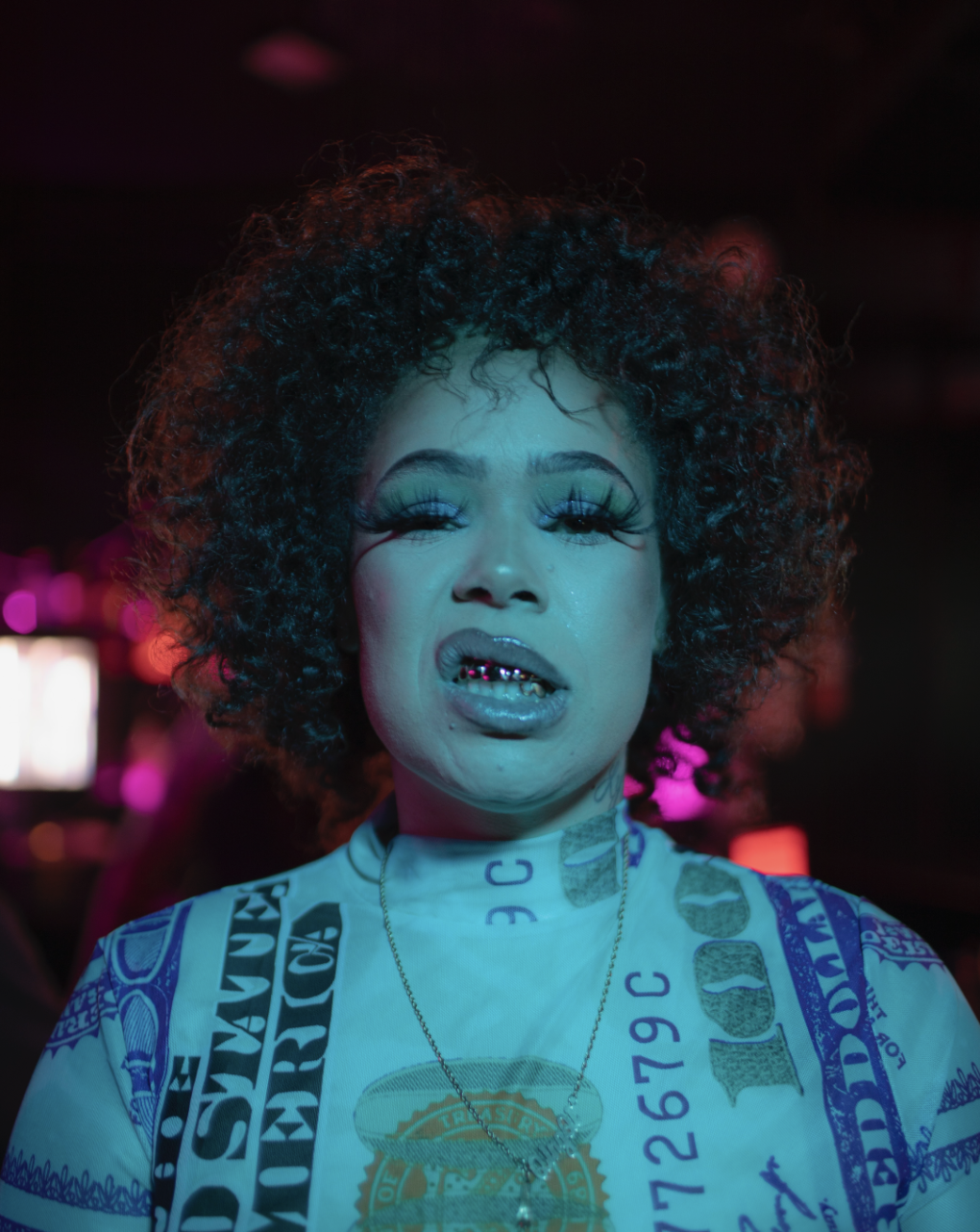
"caption": "Lyricist and actress, Qing Qi.",
"description": "Lyricist and actress, Qing Qi.",
"title": "Lyricist and actress, Qing Qi.",
"credit": "Miss Lopez Media",
"status": "inherit",
"altTag": "Lyricist and actress, Qing Qi.",
"isLoading": false,
"fetchFailed": false
},
"arts_13950930": {
"type": "attachments",
"id": "arts_13950930",
"meta": {
"index": "attachments_1716263798",
"site": "arts",
"id": "13950930",
"found": true
},
"parent": 13950886,
"imgSizes": {
"twentyfourteen-full-width": {
"file": "https://cdn.kqed.org/wp-content/uploads/sites/2/2024/01/02_Woman-downtown-San-Francisco_CROP-1038x576.jpg",
"width": 1038,
"mimeType": "image/jpeg",
"height": 576
},
"thumbnail": {
"file": "https://cdn.kqed.org/wp-content/uploads/sites/2/2024/01/02_Woman-downtown-San-Francisco_CROP-160x90.jpg",
"width": 160,
"mimeType": "image/jpeg",
"height": 90
},
"post-thumbnail": {
"file": "https://cdn.kqed.org/wp-content/uploads/sites/2/2024/01/02_Woman-downtown-San-Francisco_CROP-672x372.jpg",
"width": 672,
"mimeType": "image/jpeg",
"height": 372
},
"kqedFullSize": {
"file": "https://cdn.kqed.org/wp-content/uploads/sites/2/2024/01/02_Woman-downtown-San-Francisco_CROP.jpg",
"width": 2000,
"height": 1125
},
"large": {
"file": "https://cdn.kqed.org/wp-content/uploads/sites/2/2024/01/02_Woman-downtown-San-Francisco_CROP-1020x574.jpg",
"width": 1020,
"mimeType": "image/jpeg",
"height": 574
},
"1536x1536": {
"file": "https://cdn.kqed.org/wp-content/uploads/sites/2/2024/01/02_Woman-downtown-San-Francisco_CROP-1536x864.jpg",
"width": 1536,
"mimeType": "image/jpeg",
"height": 864
},
"full-width": {
"file": "https://cdn.kqed.org/wp-content/uploads/sites/2/2024/01/02_Woman-downtown-San-Francisco_CROP-1920x1080.jpg",
"width": 1920,
"mimeType": "image/jpeg",
"height": 1080
},
"medium": {
"file": "https://cdn.kqed.org/wp-content/uploads/sites/2/2024/01/02_Woman-downtown-San-Francisco_CROP-800x450.jpg",
"width": 800,
"mimeType": "image/jpeg",
"height": 450
},
"medium_large": {
"file": "https://cdn.kqed.org/wp-content/uploads/sites/2/2024/01/02_Woman-downtown-San-Francisco_CROP-768x432.jpg",
"width": 768,
"mimeType": "image/jpeg",
"height": 432
}
},
"publishDate": 1706138963,
"modified": 1706139353,
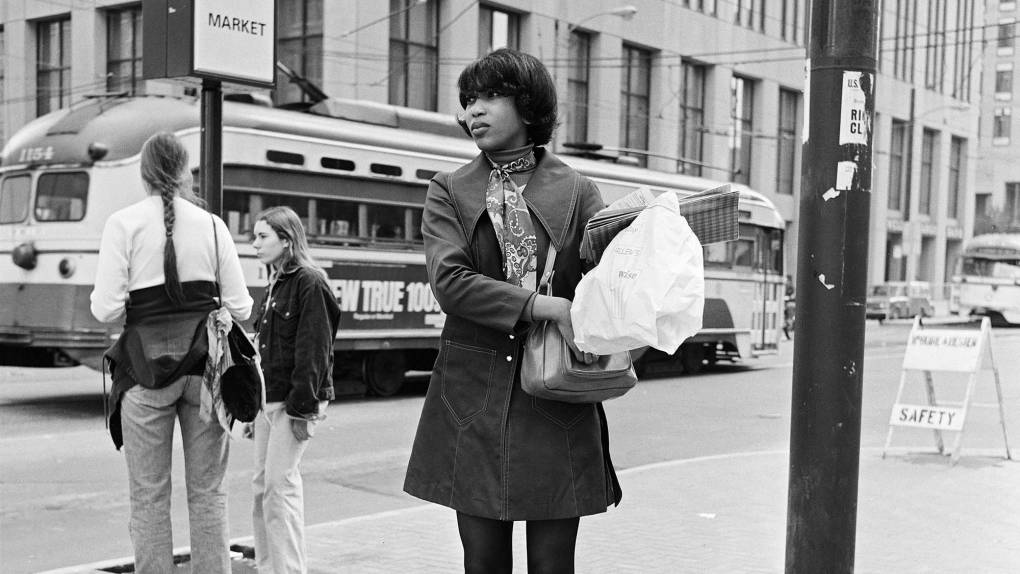
"caption": "Woman in downtown San Francisco on Market Street.",
"description": null,
"title": "02_Woman-downtown-San-Francisco_CROP",
"credit": "Kenneth P. Green Sr.",
"status": "inherit",
"altTag": "A woman wearing black boots and holding a bag stand on the sidewalk surrounded by buildings.",
"isLoading": false,
"fetchFailed": false
},
"arts_13950730": {
"type": "attachments",
"id": "arts_13950730",
"meta": {
"index": "attachments_1716263798",
"site": "arts",
"id": "13950730",
"found": true
},
"parent": 13950431,
"imgSizes": {
"thumbnail": {
"file": "https://cdn.kqed.org/wp-content/uploads/sites/2/2024/01/Kwudi.Hodge_.16x9-160x90.jpg",
"width": 160,
"mimeType": "image/jpeg",
"height": 90
},
"post-thumbnail": {
"file": "https://cdn.kqed.org/wp-content/uploads/sites/2/2024/01/Kwudi.Hodge_.16x9-672x372.jpg",
"width": 672,
"mimeType": "image/jpeg",
"height": 372
},
"kqedFullSize": {
"file": "https://cdn.kqed.org/wp-content/uploads/sites/2/2024/01/Kwudi.Hodge_.16x9.jpg",
"width": 1024,
"height": 576
},
"large": {
"file": "https://cdn.kqed.org/wp-content/uploads/sites/2/2024/01/Kwudi.Hodge_.16x9-1020x574.jpg",
"width": 1020,
"mimeType": "image/jpeg",
"height": 574
},
"medium": {
"file": "https://cdn.kqed.org/wp-content/uploads/sites/2/2024/01/Kwudi.Hodge_.16x9-800x450.jpg",
"width": 800,
"mimeType": "image/jpeg",
"height": 450
},
"medium_large": {
"file": "https://cdn.kqed.org/wp-content/uploads/sites/2/2024/01/Kwudi.Hodge_.16x9-768x432.jpg",
"width": 768,
"mimeType": "image/jpeg",
"height": 432
}
},
"publishDate": 1705951170,
"modified": 1705986371,
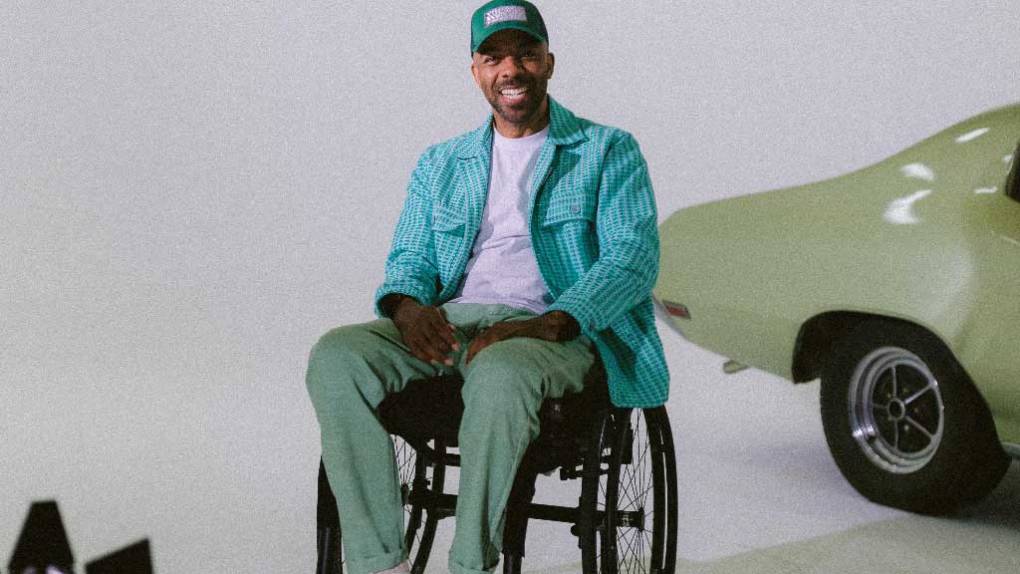
"caption": "Muscian Kwudi Hodge on the set of his music video for “Fast Car.”",
"description": null,
"title": "Kwudi.Hodge.16x9",
"credit": "Jasmyn Bagonghasa ",
"status": "inherit",
"altTag": null,
"isLoading": false,
"fetchFailed": false
},
"arts_13950673": {
"type": "attachments",
"id": "arts_13950673",
"meta": {
"index": "attachments_1716263798",
"site": "arts",
"id": "13950673",
"found": true
},
"parent": 13950436,
"imgSizes": {
"twentyfourteen-full-width": {
"file": "https://cdn.kqed.org/wp-content/uploads/sites/2/2024/01/Hella-Hungry-—-Feature-Image-1920x1080-1-1038x576.jpg",
"width": 1038,
"mimeType": "image/jpeg",
"height": 576
},
"thumbnail": {
"file": "https://cdn.kqed.org/wp-content/uploads/sites/2/2024/01/Hella-Hungry-—-Feature-Image-1920x1080-1-160x90.jpg",
"width": 160,
"mimeType": "image/jpeg",
"height": 90
},
"post-thumbnail": {
"file": "https://cdn.kqed.org/wp-content/uploads/sites/2/2024/01/Hella-Hungry-—-Feature-Image-1920x1080-1-672x372.jpg",
"width": 672,
"mimeType": "image/jpeg",
"height": 372
},
"kqedFullSize": {
"file": "https://cdn.kqed.org/wp-content/uploads/sites/2/2024/01/Hella-Hungry-—-Feature-Image-1920x1080-1.jpg",
"width": 1920,
"height": 1080
},
"large": {
"file": "https://cdn.kqed.org/wp-content/uploads/sites/2/2024/01/Hella-Hungry-—-Feature-Image-1920x1080-1-1020x574.jpg",
"width": 1020,
"mimeType": "image/jpeg",
"height": 574
},
"1536x1536": {
"file": "https://cdn.kqed.org/wp-content/uploads/sites/2/2024/01/Hella-Hungry-—-Feature-Image-1920x1080-1-1536x864.jpg",
"width": 1536,
"mimeType": "image/jpeg",
"height": 864
},
"medium": {
"file": "https://cdn.kqed.org/wp-content/uploads/sites/2/2024/01/Hella-Hungry-—-Feature-Image-1920x1080-1-800x450.jpg",
"width": 800,
"mimeType": "image/jpeg",
"height": 450
},
"medium_large": {
"file": "https://cdn.kqed.org/wp-content/uploads/sites/2/2024/01/Hella-Hungry-—-Feature-Image-1920x1080-1-768x432.jpg",
"width": 768,
"mimeType": "image/jpeg",
"height": 432
}
},
"publishDate": 1705693913,
"modified": 1705694206,
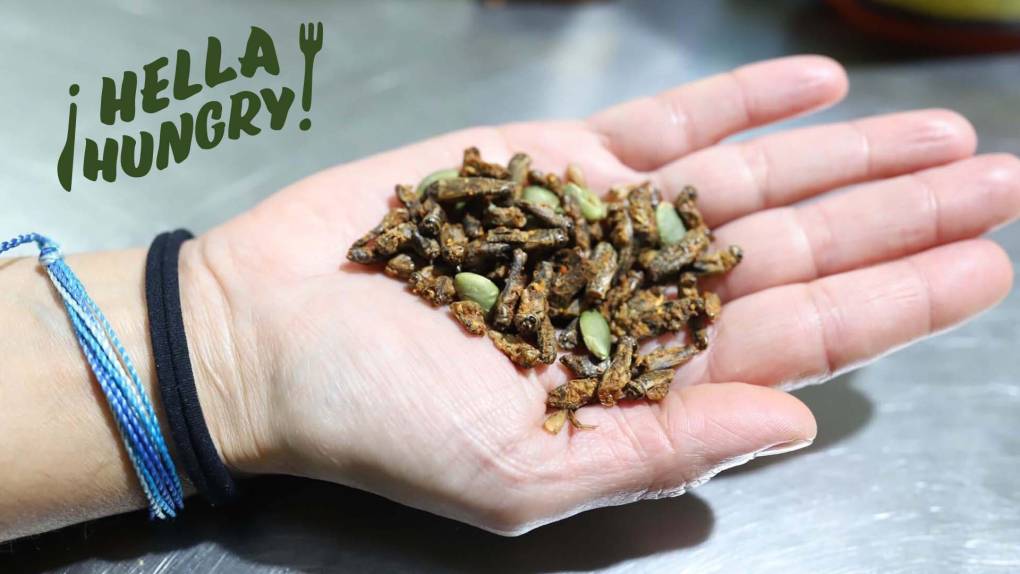
"caption": "Don Bugito founder Monica Martinez believes her edible insect snacks — including the toasted chile-lime crickets with pumpkin seeds pictured here — can be part of a more sustainable food supply.",
"description": null,
"title": "Hella Hungry — Feature Image (1920x1080)",
"credit": "Alan Chazaro/KQED",
"status": "inherit",
"altTag": "An outstretched hand holds dozens of toasted crickets mixed with pumpkin seeds. In the top left there is a \"Hella Hungry\" logo.",
"isLoading": false,
"fetchFailed": false
},
"arts_13950393": {
"type": "attachments",
"id": "arts_13950393",
"meta": {
"index": "attachments_1716263798",
"site": "arts",
"id": "13950393",
"found": true
},
"parent": 13950392,
"imgSizes": {
"twentyfourteen-full-width": {
"file": "https://cdn.kqed.org/wp-content/uploads/sites/2/2024/01/Screenshot-2024-01-16-at-8.53.22-AM-1038x576.png",
"width": 1038,
"mimeType": "image/png",
"height": 576
},
"thumbnail": {
"file": "https://cdn.kqed.org/wp-content/uploads/sites/2/2024/01/Screenshot-2024-01-16-at-8.53.22-AM-160x183.png",
"width": 160,
"mimeType": "image/png",
"height": 183
},
"post-thumbnail": {
"file": "https://cdn.kqed.org/wp-content/uploads/sites/2/2024/01/Screenshot-2024-01-16-at-8.53.22-AM-672x372.png",
"width": 672,
"mimeType": "image/png",
"height": 372
},
"kqedFullSize": {
"file": "https://cdn.kqed.org/wp-content/uploads/sites/2/2024/01/Screenshot-2024-01-16-at-8.53.22-AM.png",
"width": 1096,
"height": 1254
},
"large": {
"file": "https://cdn.kqed.org/wp-content/uploads/sites/2/2024/01/Screenshot-2024-01-16-at-8.53.22-AM-1020x1167.png",
"width": 1020,
"mimeType": "image/png",
"height": 1167
},
"medium": {
"file": "https://cdn.kqed.org/wp-content/uploads/sites/2/2024/01/Screenshot-2024-01-16-at-8.53.22-AM-800x915.png",
"width": 800,
"mimeType": "image/png",
"height": 915
},
"medium_large": {
"file": "https://cdn.kqed.org/wp-content/uploads/sites/2/2024/01/Screenshot-2024-01-16-at-8.53.22-AM-768x879.png",
"width": 768,
"mimeType": "image/png",
"height": 879
}
},
"publishDate": 1705424141,
"modified": 1705424545,
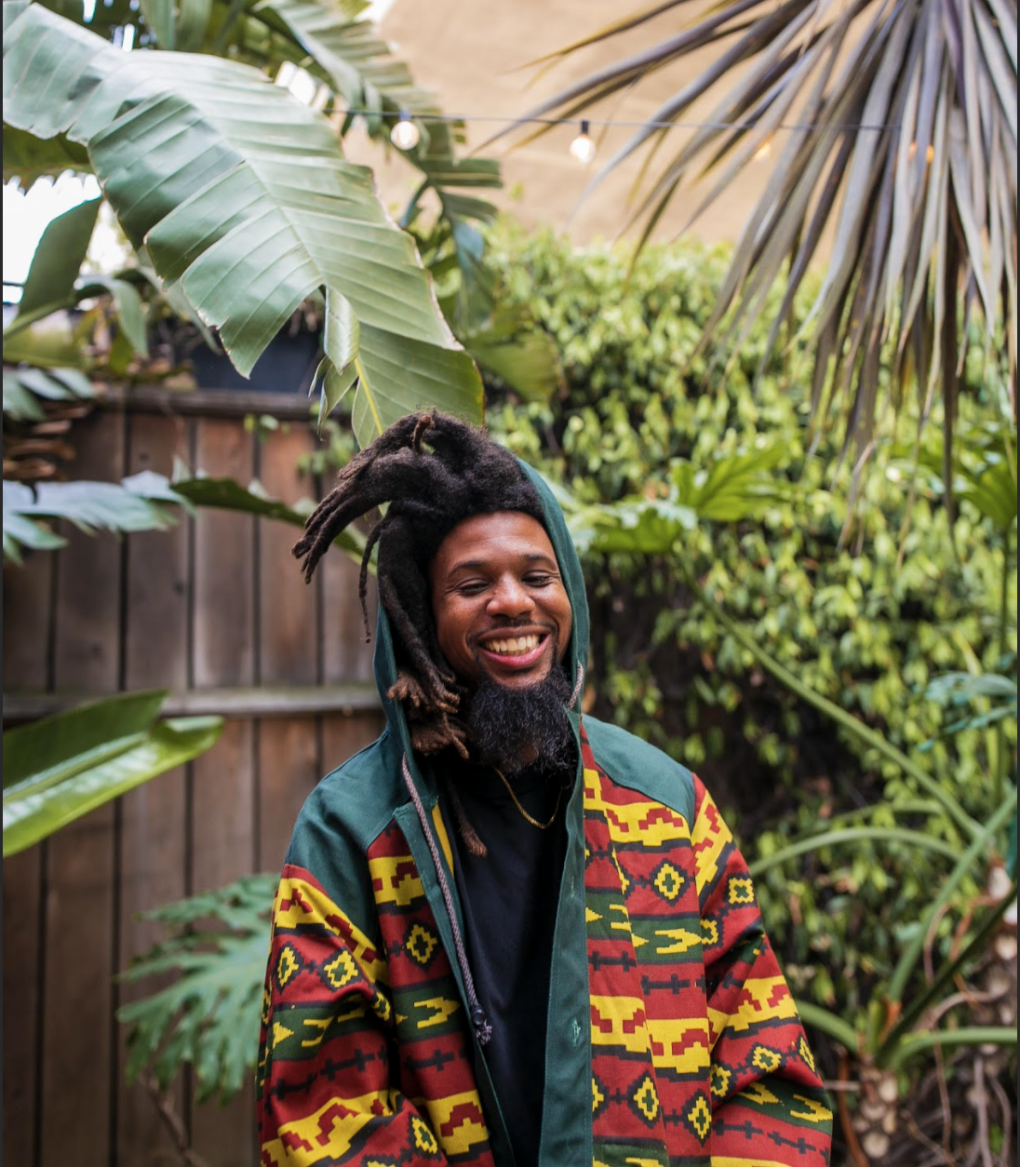
"caption": "Rob Woods.",
"description": "Rob Woods poses for a photo while standing under a large palm leaf and wearing a multicolored hooded jacket. ",
"title": "Rob Woods.",
"credit": "Dorean Raye",
"status": "inherit",
"altTag": "Rob Woods.",
"isLoading": false,
"fetchFailed": false
},
"arts_13950483": {
"type": "attachments",
"id": "arts_13950483",
"meta": {
"index": "attachments_1716263798",
"site": "arts",
"id": "13950483",
"found": true
},
"parent": 13950449,
"imgSizes": {
"twentyfourteen-full-width": {
"file": "https://cdn.kqed.org/wp-content/uploads/sites/2/2024/01/Adjei-Brenyah_Nana-Kwame_Headshot_Photo-Credit-Alex-M-Philip-cropped-1038x576.jpg",
"width": 1038,
"mimeType": "image/jpeg",
"height": 576
},
"thumbnail": {
"file": "https://cdn.kqed.org/wp-content/uploads/sites/2/2024/01/Adjei-Brenyah_Nana-Kwame_Headshot_Photo-Credit-Alex-M-Philip-cropped-160x107.jpg",
"width": 160,
"mimeType": "image/jpeg",
"height": 107
},
"post-thumbnail": {
"file": "https://cdn.kqed.org/wp-content/uploads/sites/2/2024/01/Adjei-Brenyah_Nana-Kwame_Headshot_Photo-Credit-Alex-M-Philip-cropped-672x372.jpg",
"width": 672,
"mimeType": "image/jpeg",
"height": 372
},
"kqedFullSize": {
"file": "https://cdn.kqed.org/wp-content/uploads/sites/2/2024/01/Adjei-Brenyah_Nana-Kwame_Headshot_Photo-Credit-Alex-M-Philip-cropped.jpg",
"width": 1920,
"height": 1280
},
"large": {
"file": "https://cdn.kqed.org/wp-content/uploads/sites/2/2024/01/Adjei-Brenyah_Nana-Kwame_Headshot_Photo-Credit-Alex-M-Philip-cropped-1020x680.jpg",
"width": 1020,
"mimeType": "image/jpeg",
"height": 680
},
"1536x1536": {
"file": "https://cdn.kqed.org/wp-content/uploads/sites/2/2024/01/Adjei-Brenyah_Nana-Kwame_Headshot_Photo-Credit-Alex-M-Philip-cropped-1536x1024.jpg",
"width": 1536,
"mimeType": "image/jpeg",
"height": 1024
},
"medium": {
"file": "https://cdn.kqed.org/wp-content/uploads/sites/2/2024/01/Adjei-Brenyah_Nana-Kwame_Headshot_Photo-Credit-Alex-M-Philip-cropped-800x533.jpg",
"width": 800,
"mimeType": "image/jpeg",
"height": 533
},
"medium_large": {
"file": "https://cdn.kqed.org/wp-content/uploads/sites/2/2024/01/Adjei-Brenyah_Nana-Kwame_Headshot_Photo-Credit-Alex-M-Philip-cropped-768x512.jpg",
"width": 768,
"mimeType": "image/jpeg",
"height": 512
}
},
"publishDate": 1705516164,
"modified": 1705516240,
"caption": "Nana Kwame Adjei-Brenhyah.",
"description": null,
"title": "Adjei-Brenyah_Nana Kwame_Headshot_Photo Credit-Alex M Philip-cropped",
"credit": "Alex M. Philip",
"status": "inherit",
"altTag": "Nana Kwame Adjei-Brenyah sits on a staircase while looking at the camera with one hand on his face.",
"isLoading": false,
"fetchFailed": false
},
"arts_13940518": {
"type": "attachments",
"id": "arts_13940518",
"meta": {
"index": "attachments_1716263798",
"site": "arts",
"id": "13940518",
"found": true
},
"parent": 13940501,
"imgSizes": {
"twentyfourteen-full-width": {
"file": "https://cdn.kqed.org/wp-content/uploads/sites/2/2024/01/rocky-island-spread-1038x576.jpg",
"width": 1038,
"mimeType": "image/jpeg",
"height": 576
},
"thumbnail": {
"file": "https://cdn.kqed.org/wp-content/uploads/sites/2/2024/01/rocky-island-spread-160x90.jpg",
"width": 160,
"mimeType": "image/jpeg",
"height": 90
},
"post-thumbnail": {
"file": "https://cdn.kqed.org/wp-content/uploads/sites/2/2024/01/rocky-island-spread-672x372.jpg",
"width": 672,
"mimeType": "image/jpeg",
"height": 372
},
"kqedFullSize": {
"file": "https://cdn.kqed.org/wp-content/uploads/sites/2/2024/01/rocky-island-spread.jpg",
"width": 2000,
"height": 1125
},
"large": {
"file": "https://cdn.kqed.org/wp-content/uploads/sites/2/2024/01/rocky-island-spread-1020x574.jpg",
"width": 1020,
"mimeType": "image/jpeg",
"height": 574
},
"1536x1536": {
"file": "https://cdn.kqed.org/wp-content/uploads/sites/2/2024/01/rocky-island-spread-1536x864.jpg",
"width": 1536,
"mimeType": "image/jpeg",
"height": 864
},
"full-width": {
"file": "https://cdn.kqed.org/wp-content/uploads/sites/2/2024/01/rocky-island-spread-1920x1080.jpg",
"width": 1920,
"mimeType": "image/jpeg",
"height": 1080
},
"medium": {
"file": "https://cdn.kqed.org/wp-content/uploads/sites/2/2024/01/rocky-island-spread-800x450.jpg",
"width": 800,
"mimeType": "image/jpeg",
"height": 450
},
"medium_large": {
"file": "https://cdn.kqed.org/wp-content/uploads/sites/2/2024/01/rocky-island-spread-768x432.jpg",
"width": 768,
"mimeType": "image/jpeg",
"height": 432
}
},
"publishDate": 1705010629,
"modified": 1705010774,
"caption": "Eating oysters outdoors at Rocky Island Oyster Co. was a quintessential Richmond waterfront experience. The restaurant has reopened as The Salty Pearl, in Oakland's Jack London neighborhood.",
"description": null,
"title": "rocky island spread",
"credit": "Luke Tsai/KQED",
"status": "inherit",
"altTag": "A tray of raw oysters on the half shell and a basket of fried shrimp on a picnic table.",
"isLoading": false,
"fetchFailed": false
},
"arts_13940303": {
"type": "attachments",
"id": "arts_13940303",
"meta": {
"index": "attachments_1716263798",
"site": "arts",
"id": "13940303",
"found": true
},
"parent": 13940221,
"imgSizes": {
"twentyfourteen-full-width": {
"file": "https://cdn.kqed.org/wp-content/uploads/sites/2/2024/01/unnamed-3-1038x576.jpg",
"width": 1038,
"mimeType": "image/jpeg",
"height": 576
},
"thumbnail": {
"file": "https://cdn.kqed.org/wp-content/uploads/sites/2/2024/01/unnamed-3-160x132.jpg",
"width": 160,
"mimeType": "image/jpeg",
"height": 132
},
"post-thumbnail": {
"file": "https://cdn.kqed.org/wp-content/uploads/sites/2/2024/01/unnamed-3-672x372.jpg",
"width": 672,
"mimeType": "image/jpeg",
"height": 372
},
"kqedFullSize": {
"file": "https://cdn.kqed.org/wp-content/uploads/sites/2/2024/01/unnamed-3.jpg",
"width": 2522,
"height": 2075
},
"2048x2048": {
"file": "https://cdn.kqed.org/wp-content/uploads/sites/2/2024/01/unnamed-3-2048x1685.jpg",
"width": 2048,
"mimeType": "image/jpeg",
"height": 1685
},
"large": {
"file": "https://cdn.kqed.org/wp-content/uploads/sites/2/2024/01/unnamed-3-1020x839.jpg",
"width": 1020,
"mimeType": "image/jpeg",
"height": 839
},
"1536x1536": {
"file": "https://cdn.kqed.org/wp-content/uploads/sites/2/2024/01/unnamed-3-1536x1264.jpg",
"width": 1536,
"mimeType": "image/jpeg",
"height": 1264
},
"full-width": {
"file": "https://cdn.kqed.org/wp-content/uploads/sites/2/2024/01/unnamed-3-1920x1580.jpg",
"width": 1920,
"mimeType": "image/jpeg",
"height": 1580
},
"medium": {
"file": "https://cdn.kqed.org/wp-content/uploads/sites/2/2024/01/unnamed-3-800x658.jpg",
"width": 800,
"mimeType": "image/jpeg",
"height": 658
},
"medium_large": {
"file": "https://cdn.kqed.org/wp-content/uploads/sites/2/2024/01/unnamed-3-768x632.jpg",
"width": 768,
"mimeType": "image/jpeg",
"height": 632
}
},
"publishDate": 1704913328,
"modified": 1705003845,
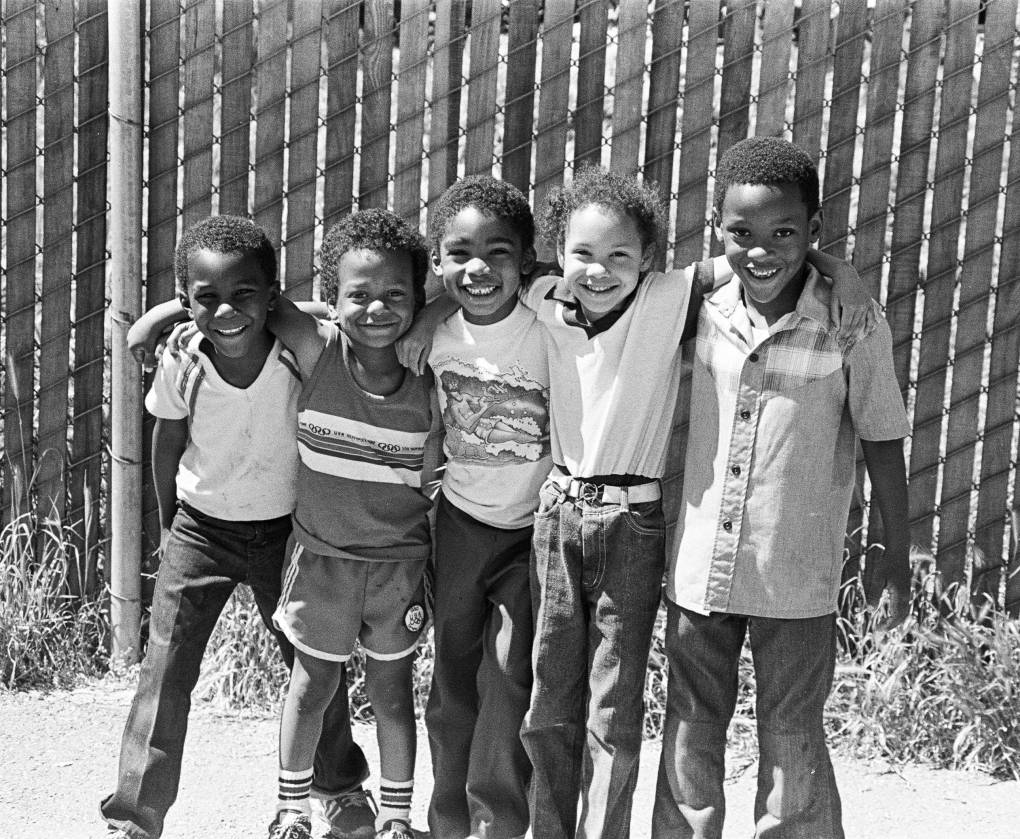
"caption": "Young students at the Oakland Community School, which served as a groundbreaking new model for education nationwide.",
"description": "An archival photo of bright smiles radiating from young scholars at the Oakland Community School.",
"title": "An archival photo of bright smiles radiating from young scholars at the Oakland Community School.",
"credit": "Donald Cunningham Collection",
"status": "inherit",
"altTag": "An archival photo of bright smiles radiating from young Black students against a wood-and-chainlink fence.",
"isLoading": false,
"fetchFailed": false
},
"arts_13940113": {
"type": "attachments",
"id": "arts_13940113",
"meta": {
"index": "attachments_1716263798",
"site": "arts",
"id": "13940113",
"found": true
},
"parent": 13940111,
"imgSizes": {
"twentyfourteen-full-width": {
"file": "https://cdn.kqed.org/wp-content/uploads/sites/2/2024/01/1-4-1038x576.jpg",
"width": 1038,
"mimeType": "image/jpeg",
"height": 576
},
"thumbnail": {
"file": "https://cdn.kqed.org/wp-content/uploads/sites/2/2024/01/1-4-160x107.jpg",
"width": 160,
"mimeType": "image/jpeg",
"height": 107
},
"post-thumbnail": {
"file": "https://cdn.kqed.org/wp-content/uploads/sites/2/2024/01/1-4-672x372.jpg",
"width": 672,
"mimeType": "image/jpeg",
"height": 372
},
"kqedFullSize": {
"file": "https://cdn.kqed.org/wp-content/uploads/sites/2/2024/01/1-4.jpg",
"width": 2415,
"height": 1610
},
"2048x2048": {
"file": "https://cdn.kqed.org/wp-content/uploads/sites/2/2024/01/1-4-2048x1365.jpg",
"width": 2048,
"mimeType": "image/jpeg",
"height": 1365
},
"large": {
"file": "https://cdn.kqed.org/wp-content/uploads/sites/2/2024/01/1-4-1020x680.jpg",
"width": 1020,
"mimeType": "image/jpeg",
"height": 680
},
"1536x1536": {
"file": "https://cdn.kqed.org/wp-content/uploads/sites/2/2024/01/1-4-1536x1024.jpg",
"width": 1536,
"mimeType": "image/jpeg",
"height": 1024
},
"full-width": {
"file": "https://cdn.kqed.org/wp-content/uploads/sites/2/2024/01/1-4-1920x1280.jpg",
"width": 1920,
"mimeType": "image/jpeg",
"height": 1280
},
"medium": {
"file": "https://cdn.kqed.org/wp-content/uploads/sites/2/2024/01/1-4-800x533.jpg",
"width": 800,
"mimeType": "image/jpeg",
"height": 533
},
"medium_large": {
"file": "https://cdn.kqed.org/wp-content/uploads/sites/2/2024/01/1-4-768x512.jpg",
"width": 768,
"mimeType": "image/jpeg",
"height": 512
}
},
"publishDate": 1704733462,
"modified": 1704733737,
"caption": "Telice Summerfield (center) dancing on stage with Keak Da Sneak (left) in Oakland. ",
"description": "Telice Summerfield (center) dancing on stage with Keak Da Sneak (left) in Oakland. ",
"title": "Telice Summerfield (center) dancing on stage with Keak Da Sneak (left) in Oakland.",
"credit": null,
"status": "inherit",
"altTag": "Telice Summerfield (center) dancing on stage with Keak Da Sneak (left) in Oakland.",
"isLoading": false,
"fetchFailed": false
},
"arts_13939983": {
"type": "attachments",
"id": "arts_13939983",
"meta": {
"index": "attachments_1716263798",
"site": "arts",
"id": "13939983",
"found": true
},
"parent": 13939974,
"imgSizes": {
"twentyfourteen-full-width": {
"file": "https://cdn.kqed.org/wp-content/uploads/sites/2/2024/01/VRGO_S1_UT_105_220401_LEEPET_01607RC_3000-1038x576.jpg",
"width": 1038,
"mimeType": "image/jpeg",
"height": 576
},
"thumbnail": {
"file": "https://cdn.kqed.org/wp-content/uploads/sites/2/2024/01/VRGO_S1_UT_105_220401_LEEPET_01607RC_3000-160x107.jpg",
"width": 160,
"mimeType": "image/jpeg",
"height": 107
},
"post-thumbnail": {
"file": "https://cdn.kqed.org/wp-content/uploads/sites/2/2024/01/VRGO_S1_UT_105_220401_LEEPET_01607RC_3000-672x372.jpg",
"width": 672,
"mimeType": "image/jpeg",
"height": 372
},
"kqedFullSize": {
"file": "https://cdn.kqed.org/wp-content/uploads/sites/2/2024/01/VRGO_S1_UT_105_220401_LEEPET_01607RC_3000-scaled.jpg",
"width": 2560,
"height": 1708
},
"2048x2048": {
"file": "https://cdn.kqed.org/wp-content/uploads/sites/2/2024/01/VRGO_S1_UT_105_220401_LEEPET_01607RC_3000-2048x1366.jpg",
"width": 2048,
"mimeType": "image/jpeg",
"height": 1366
},
"large": {
"file": "https://cdn.kqed.org/wp-content/uploads/sites/2/2024/01/VRGO_S1_UT_105_220401_LEEPET_01607RC_3000-1020x680.jpg",
"width": 1020,
"mimeType": "image/jpeg",
"height": 680
},
"1536x1536": {
"file": "https://cdn.kqed.org/wp-content/uploads/sites/2/2024/01/VRGO_S1_UT_105_220401_LEEPET_01607RC_3000-1536x1025.jpg",
"width": 1536,
"mimeType": "image/jpeg",
"height": 1025
},
"full-width": {
"file": "https://cdn.kqed.org/wp-content/uploads/sites/2/2024/01/VRGO_S1_UT_105_220401_LEEPET_01607RC_3000-1920x1281.jpg",
"width": 1920,
"mimeType": "image/jpeg",
"height": 1281
},
"medium": {
"file": "https://cdn.kqed.org/wp-content/uploads/sites/2/2024/01/VRGO_S1_UT_105_220401_LEEPET_01607RC_3000-800x534.jpg",
"width": 800,
"mimeType": "image/jpeg",
"height": 534
},
"medium_large": {
"file": "https://cdn.kqed.org/wp-content/uploads/sites/2/2024/01/VRGO_S1_UT_105_220401_LEEPET_01607RC_3000-768x512.jpg",
"width": 768,
"mimeType": "image/jpeg",
"height": 512
}
},
"publishDate": 1704309696,
"modified": 1704309817,
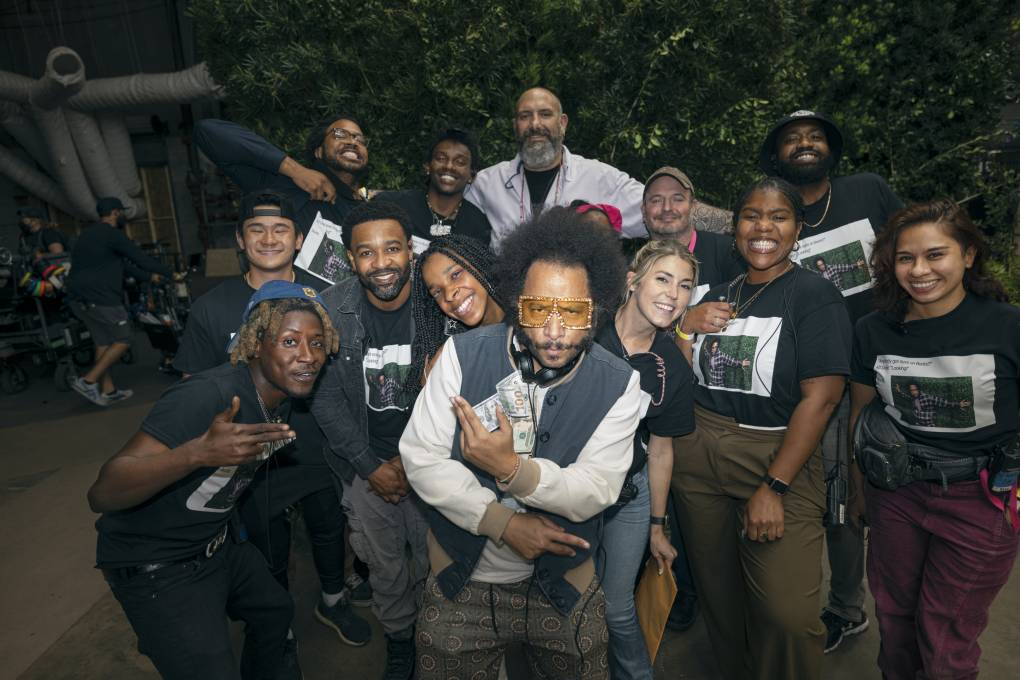
"caption": "Boots Riley and the I'm a Virgo production team. ",
"description": "Boots Riley stands centered with bedazzled glasses and trademark afro, while flanked by a dozen members of the I'm a Virgo production team. ",
"title": "Boots Riley and the I'm a Virgo production team.",
"credit": null,
"status": "inherit",
"altTag": null,
"isLoading": false,
"fetchFailed": false
},
"arts_13939451": {
"type": "attachments",
"id": "arts_13939451",
"meta": {
"index": "attachments_1716263798",
"site": "arts",
"id": "13939451",
"found": true
},
"parent": 13939448,
"imgSizes": {
"twentyfourteen-full-width": {
"file": "https://cdn.kqed.org/wp-content/uploads/sites/2/2023/12/67FE8175-3B33-4695-A257-1BEEA108C59F-1038x576.jpeg",
"width": 1038,
"mimeType": "image/jpeg",
"height": 576
},
"thumbnail": {
"file": "https://cdn.kqed.org/wp-content/uploads/sites/2/2023/12/67FE8175-3B33-4695-A257-1BEEA108C59F-160x106.jpeg",
"width": 160,
"mimeType": "image/jpeg",
"height": 106
},
"post-thumbnail": {
"file": "https://cdn.kqed.org/wp-content/uploads/sites/2/2023/12/67FE8175-3B33-4695-A257-1BEEA108C59F-672x372.jpeg",
"width": 672,
"mimeType": "image/jpeg",
"height": 372
},
"kqedFullSize": {
"file": "https://cdn.kqed.org/wp-content/uploads/sites/2/2023/12/67FE8175-3B33-4695-A257-1BEEA108C59F-scaled.jpeg",
"width": 2560,
"height": 1704
},
"2048x2048": {
"file": "https://cdn.kqed.org/wp-content/uploads/sites/2/2023/12/67FE8175-3B33-4695-A257-1BEEA108C59F-2048x1363.jpeg",
"width": 2048,
"mimeType": "image/jpeg",
"height": 1363
},
"large": {
"file": "https://cdn.kqed.org/wp-content/uploads/sites/2/2023/12/67FE8175-3B33-4695-A257-1BEEA108C59F-1020x679.jpeg",
"width": 1020,
"mimeType": "image/jpeg",
"height": 679
},
"1536x1536": {
"file": "https://cdn.kqed.org/wp-content/uploads/sites/2/2023/12/67FE8175-3B33-4695-A257-1BEEA108C59F-1536x1022.jpeg",
"width": 1536,
"mimeType": "image/jpeg",
"height": 1022
},
"full-width": {
"file": "https://cdn.kqed.org/wp-content/uploads/sites/2/2023/12/67FE8175-3B33-4695-A257-1BEEA108C59F-1920x1278.jpeg",
"width": 1920,
"mimeType": "image/jpeg",
"height": 1278
},
"medium": {
"file": "https://cdn.kqed.org/wp-content/uploads/sites/2/2023/12/67FE8175-3B33-4695-A257-1BEEA108C59F-800x532.jpeg",
"width": 800,
"mimeType": "image/jpeg",
"height": 532
},
"medium_large": {
"file": "https://cdn.kqed.org/wp-content/uploads/sites/2/2023/12/67FE8175-3B33-4695-A257-1BEEA108C59F-768x511.jpeg",
"width": 768,
"mimeType": "image/jpeg",
"height": 511
}
},
"publishDate": 1702583281,
"modified": 1702583608,
"caption": "Oakland's JWalt has performed at venues all over the Bay Area, including Oracle Arena.",
"description": null,
"title": "67FE8175-3B33-4695-A257-1BEEA108C59F",
"credit": "Courtesy of JWalt",
"status": "inherit",
"altTag": "a rap performer stands on stage with a microphone and a hand in the air",
"isLoading": false,
"fetchFailed": false
},
"arts_13329186": {
"type": "attachments",
"id": "arts_13329186",
"meta": {
"index": "attachments_1716263798",
"site": "arts",
"id": "13329186",
"found": true
},
"parent": 13329185,
"imgSizes": {
"small": {
"file": "https://cdn.kqed.org/wp-content/uploads/sites/2/2017/05/BottleRock.BlackThought.Roo_-520x293.jpg",
"width": 520,
"mimeType": "image/jpeg",
"height": 293
},
"twentyfourteen-full-width": {
"file": "https://cdn.kqed.org/wp-content/uploads/sites/2/2017/05/BottleRock.BlackThought.Roo_-1038x576.jpg",
"width": 1038,
"mimeType": "image/jpeg",
"height": 576
},
"thumbnail": {
"file": "https://cdn.kqed.org/wp-content/uploads/sites/2/2017/05/BottleRock.BlackThought.Roo_-160x90.jpg",
"width": 160,
"mimeType": "image/jpeg",
"height": 90
},
"fd-sm": {
"file": "https://cdn.kqed.org/wp-content/uploads/sites/2/2017/05/BottleRock.BlackThought.Roo_-960x540.jpg",
"width": 960,
"mimeType": "image/jpeg",
"height": 540
},
"post-thumbnail": {
"file": "https://cdn.kqed.org/wp-content/uploads/sites/2/2017/05/BottleRock.BlackThought.Roo_-672x372.jpg",
"width": 672,
"mimeType": "image/jpeg",
"height": 372
},
"xsmall": {
"file": "https://cdn.kqed.org/wp-content/uploads/sites/2/2017/05/BottleRock.BlackThought.Roo_-375x211.jpg",
"width": 375,
"mimeType": "image/jpeg",
"height": 211
},
"kqedFullSize": {
"file": "https://cdn.kqed.org/wp-content/uploads/sites/2/2017/05/BottleRock.BlackThought.Roo_.jpg",
"width": 1920,
"height": 1080
},
"large": {
"file": "https://cdn.kqed.org/wp-content/uploads/sites/2/2017/05/BottleRock.BlackThought.Roo_-1020x574.jpg",
"width": 1020,
"mimeType": "image/jpeg",
"height": 574
},
"xlarge": {
"file": "https://cdn.kqed.org/wp-content/uploads/sites/2/2017/05/BottleRock.BlackThought.Roo_-1180x664.jpg",
"width": 1180,
"mimeType": "image/jpeg",
"height": 664
},
"guest-author-50": {
"file": "https://cdn.kqed.org/wp-content/uploads/sites/2/2017/05/BottleRock.BlackThought.Roo_-50x50.jpg",
"width": 50,
"mimeType": "image/jpeg",
"height": 50
},
"guest-author-96": {
"file": "https://cdn.kqed.org/wp-content/uploads/sites/2/2017/05/BottleRock.BlackThought.Roo_-96x96.jpg",
"width": 96,
"mimeType": "image/jpeg",
"height": 96
},
"medium": {
"file": "https://cdn.kqed.org/wp-content/uploads/sites/2/2017/05/BottleRock.BlackThought.Roo_-800x450.jpg",
"width": 800,
"mimeType": "image/jpeg",
"height": 450
},
"guest-author-64": {
"file": "https://cdn.kqed.org/wp-content/uploads/sites/2/2017/05/BottleRock.BlackThought.Roo_-64x64.jpg",
"width": 64,
"mimeType": "image/jpeg",
"height": 64
},
"guest-author-32": {
"file": "https://cdn.kqed.org/wp-content/uploads/sites/2/2017/05/BottleRock.BlackThought.Roo_-32x32.jpg",
"width": 32,
"mimeType": "image/jpeg",
"height": 32
},
"fd-lrg": {
"file": "https://cdn.kqed.org/wp-content/uploads/sites/2/2017/05/BottleRock.BlackThought.Roo_-1920x1080.jpg",
"width": 1920,
"mimeType": "image/jpeg",
"height": 1080
},
"fd-med": {
"file": "https://cdn.kqed.org/wp-content/uploads/sites/2/2017/05/BottleRock.BlackThought.Roo_-1180x664.jpg",
"width": 1180,
"mimeType": "image/jpeg",
"height": 664
},
"full-width": {
"file": "https://cdn.kqed.org/wp-content/uploads/sites/2/2017/05/BottleRock.BlackThought.Roo_-1920x1080.jpg",
"width": 1920,
"mimeType": "image/jpeg",
"height": 1080
},
"detail": {
"file": "https://cdn.kqed.org/wp-content/uploads/sites/2/2017/05/BottleRock.BlackThought.Roo_-150x150.jpg",
"width": 150,
"mimeType": "image/jpeg",
"height": 150
},
"medium_large": {
"file": "https://cdn.kqed.org/wp-content/uploads/sites/2/2017/05/BottleRock.BlackThought.Roo_-768x432.jpg",
"width": 768,
"mimeType": "image/jpeg",
"height": 432
},
"guest-author-128": {
"file": "https://cdn.kqed.org/wp-content/uploads/sites/2/2017/05/BottleRock.BlackThought.Roo_-128x128.jpg",
"width": 128,
"mimeType": "image/jpeg",
"height": 128
},
"xxsmall": {
"file": "https://cdn.kqed.org/wp-content/uploads/sites/2/2017/05/BottleRock.BlackThought.Roo_-240x135.jpg",
"width": 240,
"mimeType": "image/jpeg",
"height": 135
}
},
"publishDate": 1496074356,
"modified": 1702015408,
"caption": "Black Thought of the Roots performs at the BottleRock music festival in Napa, May 28, 2017.",
"description": "Black Thought of the Roots performs at BottleRock in Napa, May 28, 2017.",
"title": "BottleRock.BlackThought.Roo",
"credit": "Estefany Gonzalez for KQED",
"status": "inherit",
"altTag": "Black Thought of the Roots performs at BottleRock in Napa, May 28, 2017.",
"isLoading": false,
"fetchFailed": false
}
},
"audioPlayerReducer": {
"postId": "stream_live",
"isPaused": true,
"isPlaying": false,
"pfsActive": false,
"pledgeModalIsOpen": true,
"playerDrawerIsOpen": false,
"liveAudioPlayStartedAt": 0,
"liveAudioPlayContext": ""
},
"authorsReducer": {
"aproehl": {
"type": "authors",
"id": "11296",
"meta": {
"index": "authors_1716337520",
"id": "11296",
"found": true
},
"name": "Ariana Proehl",
"firstName": "Ariana",
"lastName": "Proehl",
"slug": "aproehl",
"email": "aproehl@KQED.org",
"display_author_email": true,
"staff_mastheads": [
"news"
],
"title": "Culture Reporter, KQED",
"bio": "Ariana Proehl is a Culture Reporter and Host.",
"avatar": "https://secure.gravatar.com/avatar/c96b24567eb5bb3a4f8bb295ed53e232?s=600&d=blank&r=g",
"twitter": "ArianaProehl",
"facebook": null,
"instagram": null,
"linkedin": null,
"sites": [
{
"site": "arts",
"roles": []
},
{
"site": "news",
"roles": []
},
{
"site": "education",
"roles": []
},
{
"site": "forum",
"roles": []
}
],
"headData": {
"title": "Ariana Proehl | KQED",
"description": "Culture Reporter, KQED",
"ogImgSrc": "https://secure.gravatar.com/avatar/c96b24567eb5bb3a4f8bb295ed53e232?s=600&d=blank&r=g",
"twImgSrc": "https://secure.gravatar.com/avatar/c96b24567eb5bb3a4f8bb295ed53e232?s=600&d=blank&r=g"
},
"isLoading": false,
"link": "/author/aproehl"
},
"nvoynovskaya": {
"type": "authors",
"id": "11387",
"meta": {
"index": "authors_1716337520",
"id": "11387",
"found": true
},
"name": "Nastia Voynovskaya",
"firstName": "Nastia",
"lastName": "Voynovskaya",
"slug": "nvoynovskaya",
"email": "nvoynovskaya@kqed.org",
"display_author_email": false,
"staff_mastheads": [
"arts"
],
"title": "Editor and reporter",
"bio": "Nastia Voynovskaya is a reporter and editor at KQED Arts & Culture. She's been covering the arts in the Bay Area for over a decade, with a focus on music, queer culture, labor issues and grassroots organizing. She has edited KQED story series such as Trans Bay: A History of San Francisco's Gender-Diverse Community, and co-created KQED's Bay Area hip-hop history project, That's My Word. Nastia's work has been recognized by the Society of Professional Journalists and San Francisco Press Club. She holds a BA in comparative literature from UC Berkeley.",
"avatar": "https://secure.gravatar.com/avatar/5025ee460e5a85d69ca20ea6c6f2f80d7e17795c828f61ea3aecfcd924e9042e?s=600&d=blank&r=g",
"twitter": null,
"bluesky": null,
"facebook": null,
"instagram": "https://www.instagram.com/nananastia/",
"linkedin": null,
"sites": [
{
"site": "arts",
"roles": [
"administrator"
]
},
{
"site": "news",
"roles": [
"editor"
]
},
{
"site": "pop",
"roles": [
"administrator"
]
},
{
"site": "bayareabites",
"roles": [
"editor"
]
},
{
"site": "podcasts",
"roles": [
"editor"
]
},
{
"site": "hiphop",
"roles": [
"editor"
]
}
],
"headData": {
"title": "Nastia Voynovskaya | KQED",
"description": "Editor and reporter",
"ogImgSrc": "https://secure.gravatar.com/avatar/5025ee460e5a85d69ca20ea6c6f2f80d7e17795c828f61ea3aecfcd924e9042e?s=600&d=blank&r=g",
"twImgSrc": "https://secure.gravatar.com/avatar/5025ee460e5a85d69ca20ea6c6f2f80d7e17795c828f61ea3aecfcd924e9042e?s=600&d=blank&r=g"
},
"isLoading": false,
"link": "/author/nvoynovskaya"
},
"ogpenn": {
"type": "authors",
"id": "11491",
"meta": {
"index": "authors_1716337520",
"id": "11491",
"found": true
},
"name": "Pendarvis Harshaw",
"firstName": "Pendarvis",
"lastName": "Harshaw",
"slug": "ogpenn",
"email": "ogpenn@gmail.com",
"display_author_email": false,
"staff_mastheads": [
"arts"
],
"title": "Community Engagement Reporter",
"bio": "Pendarvis Harshaw is an educator, host and writer with KQED Arts.",
"avatar": "https://secure.gravatar.com/avatar/972b77ee8e3f346ae2b00622661187fbfabd059b5693bbdc1475ea7a722fd4cd?s=600&d=blank&r=g",
"twitter": null,
"bluesky": null,
"facebook": null,
"instagram": "ogpenn",
"linkedin": null,
"sites": [
{
"site": "arts",
"roles": [
"administrator"
]
},
{
"site": "news",
"roles": [
"editor"
]
},
{
"site": "bayareabites",
"roles": [
"author"
]
},
{
"site": "hiphop",
"roles": [
"editor"
]
}
],
"headData": {
"title": "Pendarvis Harshaw | KQED",
"description": "Community Engagement Reporter",
"ogImgSrc": "https://secure.gravatar.com/avatar/972b77ee8e3f346ae2b00622661187fbfabd059b5693bbdc1475ea7a722fd4cd?s=600&d=blank&r=g",
"twImgSrc": "https://secure.gravatar.com/avatar/972b77ee8e3f346ae2b00622661187fbfabd059b5693bbdc1475ea7a722fd4cd?s=600&d=blank&r=g"
},
"isLoading": false,
"link": "/author/ogpenn"
},
"mmedina": {
"type": "authors",
"id": "11528",
"meta": {
"index": "authors_1716337520",
"id": "11528",
"found": true
},
"name": "Marisol Medina-Cadena",
"firstName": "Marisol",
"lastName": "Medina-Cadena",
"slug": "mmedina",
"email": "mmedina@KQED.org",
"display_author_email": true,
"staff_mastheads": [],
"title": "Producer, Rightnowish Podcast",
"bio": "Marisol Medina-Cadena is a radio reporter and podcast producer. Before working at KQED, she produced for PBS member station, KCET, in Los Angeles. In 2017, Marisol won an Emmy Award for her work on the televised documentary, \u003cem>City Rising\u003c/em>, examining California's affordable housing crisis and the historical roots of gentrification.",
"avatar": "https://secure.gravatar.com/avatar/6c3db46a1cabb5e1fe9a365b5f4e681e?s=600&d=blank&r=g",
"twitter": "marisolreports",
"facebook": null,
"instagram": null,
"linkedin": null,
"sites": [
{
"site": "arts",
"roles": []
},
{
"site": "news",
"roles": [
"edit_others_posts"
]
}
],
"headData": {
"title": "Marisol Medina-Cadena | KQED",
"description": "Producer, Rightnowish Podcast",
"ogImgSrc": "https://secure.gravatar.com/avatar/6c3db46a1cabb5e1fe9a365b5f4e681e?s=600&d=blank&r=g",
"twImgSrc": "https://secure.gravatar.com/avatar/6c3db46a1cabb5e1fe9a365b5f4e681e?s=600&d=blank&r=g"
},
"isLoading": false,
"link": "/author/mmedina"
},
"ltsai": {
"type": "authors",
"id": "11743",
"meta": {
"index": "authors_1716337520",
"id": "11743",
"found": true
},
"name": "Luke Tsai",
"firstName": "Luke",
"lastName": "Tsai",
"slug": "ltsai",
"email": "ltsai@kqed.org",
"display_author_email": true,
"staff_mastheads": [
"arts"
],
"title": "Food Editor",
"bio": "Luke Tsai is KQED's food editor and resident stinky tofu connoisseur. Prior to KQED, he was an editor at Eater SF, \u003cem>San Francisco \u003c/em>magazine, and the \u003cem>East Bay Express\u003c/em>, and his work has also appeared in TASTE, the \u003cem>San Francisco Chronicle\u003c/em>, and the \u003cem>Best Food Writing\u003c/em> anthology. When he isn't writing or editing, you'll find him eating most everything he can get his hands on.",
"avatar": "https://secure.gravatar.com/avatar/1e59b45bf191526e7339d6ba46e33a57b2030d25c27660ecc64ea3cb863e34f7?s=600&d=blank&r=g",
"twitter": "theluketsai",
"bluesky": null,
"facebook": null,
"instagram": null,
"linkedin": null,
"sites": [
{
"site": "",
"roles": [
"editor"
]
},
{
"site": "arts",
"roles": [
"administrator"
]
},
{
"site": "news",
"roles": [
"editor",
"contributor"
]
},
{
"site": "bayareabites",
"roles": [
"editor"
]
},
{
"site": "food",
"roles": [
"editor"
]
}
],
"headData": {
"title": "Luke Tsai | KQED",
"description": "Food Editor",
"ogImgSrc": "https://secure.gravatar.com/avatar/1e59b45bf191526e7339d6ba46e33a57b2030d25c27660ecc64ea3cb863e34f7?s=600&d=blank&r=g",
"twImgSrc": "https://secure.gravatar.com/avatar/1e59b45bf191526e7339d6ba46e33a57b2030d25c27660ecc64ea3cb863e34f7?s=600&d=blank&r=g"
},
"isLoading": false,
"link": "/author/ltsai"
},
"achazaro": {
"type": "authors",
"id": "11748",
"meta": {
"index": "authors_1716337520",
"id": "11748",
"found": true
},
"name": "Alan Chazaro",
"firstName": "Alan",
"lastName": "Chazaro",
"slug": "achazaro",
"email": "agchazaro@gmail.com",
"display_author_email": true,
"staff_mastheads": [],
"title": "Food Writer and Reporter",
"bio": "Alan Chazaro is the author of \u003cem>This Is Not a Frank Ocean Cover Album\u003c/em> (Black Lawrence Press, 2019), \u003cem>Piñata Theory\u003c/em> (Black Lawrence Press, 2020), and \u003cem>Notes from the Eastern Span of the Bay Bridge\u003c/em> (Ghost City Press, 2021). He is a graduate of June Jordan’s Poetry for the People program at UC Berkeley and a former Lawrence Ferlinghetti Fellow at the University of San Francisco. He writes about sports, food, art, music, education, and culture while repping the Bay on \u003ca href=\"https://twitter.com/alan_chazaro\">Twitter\u003c/a> and \u003ca href=\"https://www.instagram.com/alan_chazaro/?hl=en\">Instagram\u003c/a> at @alan_chazaro.",
"avatar": "https://secure.gravatar.com/avatar/ea8b6dd970fc5c29e7a188e7d5861df7?s=600&d=blank&r=g",
"twitter": "alan_chazaro",
"facebook": null,
"instagram": null,
"linkedin": null,
"sites": [
{
"site": "arts",
"roles": [
"contributor"
]
},
{
"site": "news",
"roles": [
"editor"
]
}
],
"headData": {
"title": "Alan Chazaro | KQED",
"description": "Food Writer and Reporter",
"ogImgSrc": "https://secure.gravatar.com/avatar/ea8b6dd970fc5c29e7a188e7d5861df7?s=600&d=blank&r=g",
"twImgSrc": "https://secure.gravatar.com/avatar/ea8b6dd970fc5c29e7a188e7d5861df7?s=600&d=blank&r=g"
},
"isLoading": false,
"link": "/author/achazaro"
}
},
"pagesReducer": {
"arts_tag_oakland": {
"type": "terms",
"id": "arts_1143",
"meta": {
"index": "terms_1716263798",
"site": "arts",
"id": "1143",
"score": 6.8845096
},
"featImg": null,
"name": "Oakland",
"description": null,
"taxonomy": "tag",
"headData": {
"twImgId": null,
"twTitle": null,
"ogTitle": null,
"ogImgId": null,
"twDescription": null,
"description": null,
"title": "Oakland Archives | KQED Arts",
"ogDescription": null
},
"ttid": 692,
"slug": "oakland",
"isLoading": false,
"title": "Oakland",
"pageMeta": {
"site": "arts",
"WpPageTemplate": "page-topic-editorial",
"currentPage": 23
},
"blocks": [
{
"blockName": "kqed/post-list",
"attrs": {
"layout": "cardArticle2",
"query": "posts/arts?tag=oakland",
"seeMore": false,
"paginated": true,
"page": 23
}
},
{
"blockName": "kqed/ad"
}
]
}
},
"pfsSessionReducer": {},
"postsReducer": {
"stream_live": {
"type": "live",
"id": "stream_live",
"audioUrl": "https://streams.kqed.org/kqedradio",
"title": "Live Stream",
"excerpt": "Live Stream information currently unavailable.",
"link": "/radio",
"featImg": "",
"label": {
"name": "KQED Live",
"link": "/"
}
},
"stream_kqedNewscast": {
"type": "posts",
"id": "stream_kqedNewscast",
"audioUrl": "https://www.kqed.org/.stream/anon/radio/RDnews/newscast.mp3?_=1",
"title": "KQED Newscast",
"featImg": "",
"label": {
"name": "88.5 FM",
"link": "/"
}
},
"arts_13951286": {
"type": "posts",
"id": "arts_13951286",
"meta": {
"index": "posts_1716263798",
"site": "arts",
"id": "13951286",
"score": null,
"sort": [
1706785253000
]
},
"guestAuthors": [],
"slug": "the-qing-of-queens",
"title": "The ‘Qing’ of Queens",
"publishDate": 1706785253,
"format": "audio",
"headTitle": "The ‘Qing’ of Queens | KQED",
"labelTerm": {
"term": 8720,
"site": "arts"
},
"content": "\u003cp>\u003cem>Warning: This episode contains explicit language.\u003c/em>\u003c/p>\n\u003cp>\u003ca href=\"#episode-transcript\">\u003ci>\u003cspan style=\"font-weight: 400\">View the full episode transcript.\u003c/span>\u003c/i>\u003c/a>\u003c/p>\n\u003cp>\u003ca href=\"https://www.instagram.com/allhailtheqing/\" target=\"_blank\" rel=\"noopener\">Qing Qi\u003c/a>’s lyrics are explicit for a reason.\u003c/p>\n\u003cp>She looks at the atrocities that readily happen in this country and all around the world, from bombings to kidnappings, and asks: what’s wrong with saying a few four letter words or euphemisms for genitalia?\u003c/p>\n\u003cp>Qing Qi also doesn’t shy away from the hardships she’s navigated while living in the Bay Area. She pours her observations and personal experiences into her lyrics, delivering brash bars over bangin’ beats. It doesn’t matter if she’s talking about her “\u003ca href=\"https://www.youtube.com/watch?v=rsMhenbNtjE\" target=\"_blank\" rel=\"noopener\">Big D\u003c/a>” in a song composed by the late \u003ca href=\"https://www.instagram.com/traxamillion/\" target=\"_blank\" rel=\"noopener\">Traxamillion\u003c/a>, or if she’s spitting bars over a \u003ca href=\"https://www.instagram.com/trackademicks/\" target=\"_blank\" rel=\"noopener\">Trackademicks\u003c/a> production, like last year’s release “\u003ca href=\"https://www.youtube.com/watch?app=desktop&v=y0-v8xFUWus\" target=\"_blank\" rel=\"noopener\">Do It All\u003c/a>.”\u003c/p>\n\u003cfigure id=\"attachment_13951317\" class=\"wp-caption aligncenter\" style=\"max-width: 640px\">\u003cimg loading=\"lazy\" decoding=\"async\" class=\"wp-image-13951317 size-large\" src=\"https://cdn.kqed.org/wp-content/uploads/sites/2/2024/01/Screenshot-2024-01-31-at-12.11.10-PM-1020x1414.png\" alt=\"Qing Qi spitting bars in the studio. \" width=\"640\" height=\"887\" srcset=\"https://cdn.kqed.org/wp-content/uploads/sites/2/2024/01/Screenshot-2024-01-31-at-12.11.10-PM-1020x1414.png 1020w, https://cdn.kqed.org/wp-content/uploads/sites/2/2024/01/Screenshot-2024-01-31-at-12.11.10-PM-800x1109.png 800w, https://cdn.kqed.org/wp-content/uploads/sites/2/2024/01/Screenshot-2024-01-31-at-12.11.10-PM-160x222.png 160w, https://cdn.kqed.org/wp-content/uploads/sites/2/2024/01/Screenshot-2024-01-31-at-12.11.10-PM-768x1064.png 768w, https://cdn.kqed.org/wp-content/uploads/sites/2/2024/01/Screenshot-2024-01-31-at-12.11.10-PM.png 1088w\" sizes=\"(max-width: 640px) 100vw, 640px\">\u003cfigcaption class=\"wp-caption-text\">Qing Qi spitting bars in the studio. \u003ccite>(Kayla de Guzman)\u003c/cite>\u003c/figcaption>\u003c/figure>\n\u003cp>Last year she also got into acting, playing the role of Ally in the indie film \u003ca href=\"https://www.kqed.org/arts/13937140/donna-and-ally-movie-review-oakland-cousin-shy-quin-qui\" target=\"_blank\" rel=\"noopener\">\u003cem>Donna and Ally\u003c/em>\u003c/a>. The movie, written by and co-starring \u003ca href=\"https://www.instagram.com/cousinshy/\" target=\"_blank\" rel=\"noopener\">Cousin Shy\u003c/a>, is a dark slapstick comedy rife with underlying messages that critique the sexist and exploitative nature of our society.\u003c/p>\n\u003cp>Much like Qing Qi herself, Ally’s character is witty but prone to finding herself in unfortunate situations; luckily her resilience allows her to persevere.\u003c/p>\n\u003cp>So this week, we talk to Qing Qi about music and movies, as well as the art of using comedy as a stress reliever, and why being real with your children is the best form of parenthood — and she means being \u003cem>really real\u003c/em>.\u003c/p>\n\u003cp>(Qing Qi and the \u003ca href=\"https://www.instagram.com/putangclanofficial/\" target=\"_blank\" rel=\"noopener\">Pu Tang Clan\u003c/a> are throwing their annual “Kill Your Lover” party on Friday, Feb. 16 at \u003ca href=\"https://www.instagram.com/9lives.510/\" target=\"_blank\" rel=\"noopener\">9 Lives in Oakland.\u003c/a> You can find \u003ca href=\"https://www.eventbrite.com/e/kill-your-lover-2024-tickets-800352875997\" target=\"_blank\" rel=\"noopener\">more information here\u003c/a>.)\u003c/p>\n\u003cp>https://www.youtube.com/watch?v=ecQ1AWSz-m8\u003c/p>\n\u003cp>\u003c!-- iframe plugin v.4.3 wordpress.org/plugins/iframe/ -->\u003cbr>\n\u003ciframe loading=\"lazy\" frameborder=\"0\" height=\"200\" scrolling=\"no\" src=\"https://playlist.megaphone.fm/?e=KQINC8892003257&light=true\" width=\"100%\" class=\"iframe-class\">\u003c/iframe>\u003c/p>\n\u003ch2 id=\"episode-transcript\">Episode Transcript\u003c/h2>\n\u003cp> \u003c/p>\n\u003cp>\u003cb>Pendarvis Harshaw, host: \u003c/b>\u003cspan style=\"font-weight: 400\">Wassup yall, It’s ya patna Pen, Pendarvis Harshaw for short. \u003c/span>\u003c/p>\n\u003cp>\u003cspan style=\"font-weight: 400\">Today we’re talking to the one and only Qing Qi. She’s an artist who’s spent time all around the Bay Area soaking up game, now living in Oakland and doing her thang. She’s a talented MC, who has recently hit the big screen while co-starring in the indie film, “Donna and Ally”.\u003c/span>\u003c/p>\n\u003cp>\u003cspan style=\"font-weight: 400\">Qing Qi’s character in the film, Ally, much like Qing Qi herself, is clever, colorful, critical and above all– a real one.\u003c/span>\u003c/p>\n\u003cp>\u003cb>Pendarvis Harshaw, in clip: \u003c/b>\u003cspan style=\"font-weight: 400\">how do you define yourself as an artist? \u003c/span>\u003c/p>\n\u003cp>\u003cspan style=\"font-weight: 400\">\u003cbr>\n\u003c/span>\u003cb>Qing Qi, in clip: \u003c/b>\u003cspan style=\"font-weight: 400\">I’m art man. You know what I’m saying? Like that’s it. We all are born as artists. And then, like, society or life or something beats it out of us, right? Well, I’m one of those people, you can’t beat it out of me, baby. You know, like, I’m here for art. That’s me. Like when I talk, when I walk, when I, uh.uh uh uh. You feel me? But I, I want to be a superstar, you know? So that’s the answer to the question. My question to you is, so how many Qing Qi songs are on your playlist? \u003c/span>\u003c/p>\n\u003cp>\u003cspan style=\"font-weight: 400\">\u003cbr>\n\u003c/span>\u003cb>Pendarvis Harshaw: \u003c/b>\u003cspan style=\"font-weight: 400\">I want to say two right now. \u003c/span>\u003c/p>\n\u003cp>\u003cb>Qing Qi: \u003c/b>\u003cspan style=\"font-weight: 400\">That’s two! Too less. Okay. We need at least 6 to 12. All right.\u003c/span>\u003c/p>\n\u003cp>\u003cb>Pendarvis Harshaw: \u003c/b>\u003cspan style=\"font-weight: 400\">six to twelve. \u003c/span>\u003c/p>\n\u003cp>\u003cb>Pendarvis Harshaw: \u003c/b>\u003cspan style=\"font-weight: 400\">Yeah, by the end of this convo I not only add more songs to my playlist, I also walk away understanding Qing Qi’s utter disdain for bathrooms and her profound perspective on parenthood… You’re gonna wanna stay tuned!\u003c/span>\u003c/p>\n\u003cp>\u003cspan style=\"font-weight: 400\">Where did you grow up and how did you grow up? \u003c/span>\u003c/p>\n\u003cp>\u003cb>Qing Qi, guest: \u003c/b>\u003cspan style=\"font-weight: 400\">I was born in Palo Alto. My dad’s family, my dad is from East Palo Alto and my mom is from Redwood City. So I grew up in both of those places a little bit, but I came to the city when I was 14. That was home. \u003c/span>\u003cspan style=\"font-weight: 400\">\u003cbr>\n\u003c/span>\u003cspan style=\"font-weight: 400\">\u003cbr>\n\u003c/span>\u003cspan style=\"font-weight: 400\">We grew up homeless. So, you know, I was kind of living a nomadic lifestyle, always having to meet new friends, go to different schools. \u003c/span>\u003c/p>\n\u003cp>\u003cspan style=\"font-weight: 400\">\u003cbr>\n\u003c/span>\u003cb>Pendarvis Harshaw: \u003c/b>\u003cspan style=\"font-weight: 400\">Those experiences can be pretty heavy as a child, and I imagine that it informs your art, your view on society. Your views on family, um, and at the same time, you seem to use comedy as like a valve, like a release. And I’m wondering where would you be if you didn’t have comedy as a valve? \u003c/span>\u003c/p>\n\u003cp>\u003cspan style=\"font-weight: 400\">\u003cbr>\n\u003c/span>\u003cb>Qing Qi: \u003c/b>\u003cspan style=\"font-weight: 400\">Killer \u003c/span>\u003ci>\u003cspan style=\"font-weight: 400\">[laughs]\u003c/span>\u003c/i>\u003cspan style=\"font-weight: 400\">. I’d be a murderer or something. I’ll be, probably in the pen, you know, with ten bitches. You feel me? Like this! Working out on the yard like ‘You got my shit today?’ You feel me? \u003c/span>\u003c/p>\n\u003cp>\u003cspan style=\"font-weight: 400\">I think that I probably couldn’t have survived my childhood without comedy. I think, like as an adult now, I’m 30. You know, and I feel like 30 is when you really. Okay, you know, you kind of fucked around in your teens, your 20s, but 30 is when you’re like, let me figure out what I’m doing here. You know, let me try to get on that path. \u003c/span>\u003c/p>\n\u003cp>\u003cspan style=\"font-weight: 400\">And I be thinking about the legacy of trauma and sexual violence and domestic violence and, you know, um, institutionalization in my families on both side of my families. \u003c/span>\u003c/p>\n\u003cp>\u003cspan style=\"font-weight: 400\">You know, you grow up mad at your parents. And then as an adult now I’m like, ‘damn, like y’all did what ya’ll could to survive.’ And thank God, they’re hella funny people, you know, like, they’re mean, trifling, dirty, shady. Don’t leave $5 around… around them people, but they’re fucking hilarious, you know? So, um. Yeah. We don’t want to know where I’d be without comedy. \u003c/span>\u003ci>\u003cspan style=\"font-weight: 400\">[laughs]\u003c/span>\u003c/i>\u003cspan style=\"font-weight: 400\"> \u003c/span>\u003c/p>\n\u003cp>\u003cb>Pendarvis Harshaw: \u003c/b>\u003cspan style=\"font-weight: 400\">You didn’t get into arts until you were in your teenage years. What was your introduction to it? \u003c/span>\u003c/p>\n\u003cp>\u003cb>Qing Qi: \u003c/b>\u003cspan style=\"font-weight: 400\">My family is really musical. Like my brother, he loved Frank Sinatra, my oldest brother.\u003c/span>\u003c/p>\n\u003cp>\u003cb>Qing Qi: \u003c/b>\u003cspan style=\"font-weight: 400\">Like I used to go steal his CDs from, you know, the big CD cases we had that was like a, it was like a book! He had all the NAS, Jay-Z. He had a Will Smith CD, like, you know, all the all the shit.\u003c/span>\u003c/p>\n\u003cp>\u003cspan style=\"font-weight: 400\">I used to always just be influenced by, like, his musical taste, and my mom, Bob Marley, Johnny Cash, like, all the, like, Marvin Gaye, Sam Cooke, you know. \u003c/span>\u003c/p>\n\u003cp>\u003cspan style=\"font-weight: 400\">And I would probably say through poetry and writing I started fucking wit it probably when I was in elementary school. But my brother started rapping at the Boys and Girls Club. They had a like fire studio in the Boys and Girls Club, and he was rapping. So, you know, I… a lot of times I’d see my brother do something I’m like, oh, ‘he could do it, I could do it.’ \u003c/span>\u003c/p>\n\u003cp>\u003cspan style=\"font-weight: 400\">Then I just started rapping. We got a little girl group together. We was writing the songs, you know, and, um, I don’t know, I feel like from starting music, um, like… in the studio at 12 to like 2017, when I really dropped my first project, I was trying to find my voice, you know, and trying to figure out my creative path and then 2017, I found it. \u003c/span>\u003ci>\u003cspan style=\"font-weight: 400\">[snaps]\u003c/span>\u003c/i>\u003cspan style=\"font-weight: 400\"> I ran with it, and now I’m like, on a new exploration, you know, like, as an artist, you always meet yourself every year. You’re a different person, every experience there’s different art.\u003c/span>\u003c/p>\n\u003cp>\u003cb>Pendarvis Harshaw: \u003c/b>\u003cspan style=\"font-weight: 400\">I love the fact that you said you meet yourself, you constantly meet yourself, and you’re growing and you evolve as a person and as an artist. But before we get there, take me back to when you first started. Do you remember what your goal was as an artist? \u003c/span>\u003c/p>\n\u003cp>\u003cb>Qing Qi: \u003c/b>\u003cspan style=\"font-weight: 400\">When I first started, my goal was to find an engineer and a place to record that I felt comfortable and safe as an artist. It was so hard for the first years trying to find a studio where I can make music and explore my sound and get comfortable. \u003c/span>\u003c/p>\n\u003cp>\u003cspan style=\"font-weight: 400\">Now it’s like, that seems so far away from now, where my mind is and what my goals are now, you know? \u003c/span>\u003c/p>\n\u003cp>\u003cb>Pendarvis Harshaw: \u003c/b>\u003cspan style=\"font-weight: 400\">With that said, though, in your music. You talk unapologetically about your appreciation for women, your disdain for sexism and double standards, and you regularly crack jokes about, like, masculine tropes and things like that. And so with that evolution that you’ve experienced in your life, what’s your goal now as an artist? \u003c/span>\u003c/p>\n\u003cp>\u003cb>Qing Qi: \u003c/b>\u003cspan style=\"font-weight: 400\">Challenge myself creatively. You know, like my brother, he always be telling me: “Every morning, get up, move your body in a different way. Like do a weird dance. Listen to a different sound because it affects, like, our brain waves and like our body rhythms. And if you can expose yourself to something different physically or, you know, phonetically, then you can make something new as a musician, as an artist.”\u003c/span>\u003c/p>\n\u003cp>\u003cb>Pendarvis Harshaw: \u003c/b>\u003cspan style=\"font-weight: 400\">I love it, more evolution. You organize events mostly in the Bay, but often in L.A. as well. You have the recurring event “Pussy Function”, which is a rap party, and then show, and then you have the “Kill Your Lover”, which is an event that you throw around Valentine’s Day. And at these events, you’re mindful to work with specifically women, Black women. And I’m wondering what are the highlights of being deeply involved in this circle of Black women creatives in the Bay Area? \u003c/span>\u003c/p>\n\u003cp>\u003ci>\u003cspan style=\"font-weight: 400\">[Music]\u003c/span>\u003c/i>\u003c/p>\n\u003cp>\u003cb>Qing Qi: \u003c/b>\u003cspan style=\"font-weight: 400\">As a little girl, I would look at some women and I would be like, wow, like, look how poppin they are. Like, look how beautiful they are like. \u003c/span>\u003c/p>\n\u003cp>\u003cspan style=\"font-weight: 400\">[Qing Qi, in song]\u003c/span>\u003c/p>\n\u003cp>\u003cspan style=\"font-weight: 400\">I’ve been up and I’ve been down\u003c/span>\u003c/p>\n\u003cp>\u003cspan style=\"font-weight: 400\">I’ve been depressed but I’m okay now\u003c/span>\u003c/p>\n\u003cp>\u003cspan style=\"font-weight: 400\">I’ve been doubted and discouraged\u003c/span>\u003c/p>\n\u003cp>\u003cspan style=\"font-weight: 400\">I’m just tryna make my way out.\u003c/span>\u003cb>\u003c/b>\u003c/p>\n\u003cp>\u003cb>Qing Qi:\u003c/b>\u003cspan style=\"font-weight: 400\"> The number one thing is that I get to experience that every time I throw a show, every time we are in community, like last night we had pussy function and I could stop and do a 360 and be like, oh, boom, she over here is doing this. She does this, she does. And it’s everybody’s hella talented and beautiful and creative and… it just makes me feel like, oh I’m like satisfying that little girl’s dreams of, like, that’s the kind of woman I wanted to be, you know, like, sometimes I stop and I’m like, I am that! Look at all my poppin’ ass friends and look at this sick shit we’re doing, you know? \u003c/span>\u003c/p>\n\u003cp>\u003cspan style=\"font-weight: 400\">[Qing Qi, in song]\u003c/span>\u003c/p>\n\u003cp>\u003cspan style=\"font-weight: 400\">You gon’ make it to the top\u003c/span>\u003c/p>\n\u003cp>\u003cspan style=\"font-weight: 400\">I be like go bitch, go bitch, you got it keep winning\u003c/span>\u003c/p>\n\u003cp>\u003cspan style=\"font-weight: 400\">So that’s the number one thing. And the number two thing is being able to pay my people, you know, like, just like when I get paid for my art, like, I could cry, you know, that somebody feels this is valuable enough to give me money that was their time, you know, and their effort, for me to just show up and talk my shit on a microphone. So to be able to give that feeling to my peers, I don’t know, I just, it makes me feel like this is a success.\u003c/span>\u003cspan style=\"font-weight: 400\"> \u003c/span>\u003c/p>\n\u003cp>\u003cb>Pendarvis Harshaw: \u003c/b>\u003cspan style=\"font-weight: 400\">Like little you is really happy with who big you became?\u003c/span>\u003c/p>\n\u003cp>\u003cb>Qing Qi: \u003c/b>\u003cspan style=\"font-weight: 400\">Every time I’m sad, I think about where I’ve been before, you know? And think about how 15 years ago you would have fucking, uhhhh, what you would have done to be where you are right now, you know? So… \u003c/span>\u003c/p>\n\u003cp>\u003cb>Pendarvis Harshaw: \u003c/b>\u003cspan style=\"font-weight: 400\">Yeah, it made me think of little me as well. Dang! Like, now look at me. \u003c/span>\u003c/p>\n\u003cp>\u003cb>Qing Qi: \u003c/b>\u003cspan style=\"font-weight: 400\">This what you got to do. You got to stop and, like, picture yourself on the beach with little you, and he’s running to you. And he jumps in your arms and you swing him around. You guys are like, ahhhhhh, you know? That’s what you gotta do. That’s how you heal your inner child.\u003c/span>\u003c/p>\n\u003cp>\u003cb>Pendarvis Harshaw: \u003c/b>\u003cspan style=\"font-weight: 400\">I don’t know if current me could carry little me? \u003c/span>\u003ci>\u003cspan style=\"font-weight: 400\">[laughs] \u003c/span>\u003c/i>\u003c/p>\n\u003cp>\u003cb>Qing Qi: \u003c/b>\u003ci>\u003cspan style=\"font-weight: 400\">[laughs]\u003c/span>\u003c/i>\u003c/p>\n\u003cp>\u003cb>Pendarvis Harshaw: \u003c/b>\u003cspan style=\"font-weight: 400\">Yeah yeah, um a lot of elements of your life… things you talked about, The appreciation of Black woman sisterhood, of your experiences growing up, of just being in Oakland. They are elements that also appear in the film that you acted in, \u003c/span>\u003ci>\u003cspan style=\"font-weight: 400\">Donna and Ally,\u003c/span>\u003c/i>\u003cspan style=\"font-weight: 400\"> which is written in and and co-stars Cousin Shy. It was recently released. I won’t give away all the details, but again, it’s about friendship. It dabbles in, uh, professional sex work, dominatrix work. Um, it’s about hustling. It’s about Oakland. Uh, how much of this film is based on your real life experiences? \u003c/span>\u003c/p>\n\u003cp>\u003cb>Qing Qi: \u003c/b>\u003cspan style=\"font-weight: 400\">Well I mean\u003c/span> \u003cspan style=\"font-weight: 400\">when Shy had come to me about doing the film and I didn’t know her at that time, um, she was telling me, like, “I wrote this. I started writing this character around who I see you as on. It’s like Instagram.” You know, like, that’s how she… she had come across me. Um, so when I was, um, getting into the script, I’m like, ‘oh, this ain’t acting. Oh, man. I mean me and Ally ain’t that different,’ You feel me? \u003c/span>\u003c/p>\n\u003cp>\u003cspan style=\"font-weight: 400\">Um, and I never, like, done dominatrix work. But I would say for the most part, all of it is pretty, like, you know, they’re in a group home. I was in foster home. \u003c/span>\u003c/p>\n\u003cp>\u003cspan style=\"font-weight: 400\">Ally trying to make it and having to, like, be in Donna’s ear, like, come on, like we the shit. I’m not going down like this. I’m not going out like this!\u003c/span>\u003c/p>\n\u003cp>\u003cspan style=\"font-weight: 400\">Donna’s she’s kind of like, a little off, kind of getting fucking shit up a lot, you know, dealing with her own, like, issues, like with the PMDD. \u003c/span>\u003c/p>\n\u003cp>\u003ci>\u003cspan style=\"font-weight: 400\">[Movie clip from Donna and Ally]\u003c/span>\u003c/i>\u003c/p>\n\u003cp>\u003cb>Donna: \u003c/b>\u003cspan style=\"font-weight: 400\">“Let me worry about me.”\u003c/span>\u003c/p>\n\u003cp>\u003cb>Ally:\u003c/b>\u003cspan style=\"font-weight: 400\"> “…Not the bitch who was just finna fight Trina over nothing! Look, we can’t fuck this club up, if we fuck this club up, that’s it for us Donna. There’s no give back. It’s done for us.”\u003c/span>\u003c/p>\n\u003cp>\u003cb>Donna:\u003c/b>\u003cspan style=\"font-weight: 400\"> “That’s okay I’ve got it. I can control it. Let me control it. Let me worry about me.”\u003c/span>\u003c/p>\n\u003cp>\u003cb>Ally:\u003c/b>\u003cspan style=\"font-weight: 400\"> “Bitch, let me find out you can control these demonic ass episodes after thirteen years! The fuck?”\u003c/span>\u003c/p>\n\u003cp>\u003cb>Donna:\u003c/b>\u003cspan style=\"font-weight: 400\"> “I’ve been breathing, doing those exercises. Sometimes I sit with my legs crossed, and just sit there and be still and I don’t do nothing…”\u003c/span>\u003c/p>\n\u003cp>\u003cb>Ally:\u003c/b>\u003cspan style=\"font-weight: 400\"> “You mean like, meditate?”\u003c/span>\u003c/p>\n\u003cp>\u003cb>Donna: \u003c/b>\u003cspan style=\"font-weight: 400\">“Yeah, yeah, sometimes I meditate. I’ve got it. Believe in me, like I believe in you.”\u003c/span>\u003c/p>\n\u003cp>\u003cb>Ally: \u003c/b>\u003ci>\u003cspan style=\"font-weight: 400\">[sighs]\u003c/span>\u003c/i>\u003cspan style=\"font-weight: 400\"> “Okay, I guess.”\u003c/span>\u003c/p>\n\u003cp>\u003cb>Qing Qi: \u003c/b>\u003cspan style=\"font-weight: 400\">And, um, so, I don’t know, I feel like it definitely, there’s a lot of similarities, but I think it’s such a relatable experience for young women of color from the Bay area in general, because I have so many people coming… people came up to me at the Oakland premiere and the Memphis premiere, crying like, “Man, like I was feeling it.” I’m like, this was a comedy. Like what? Where is the tears? But, you know, it’s just like people seeing their unique experiences, you know, reflected back to them. \u003c/span>\u003c/p>\n\u003cp>\u003cb>Pendarvis Harshaw: \u003c/b>\u003cspan style=\"font-weight: 400\">Do you have a favorite scene from that film? \u003c/span>\u003c/p>\n\u003cp>\u003cb>Qing Qi: \u003c/b>\u003cspan style=\"font-weight: 400\">The whole scene of Ally and Donna, when they’re kind of at a point where they’re in conflict and what they both need is conflicting, and they’re kind of getting into it. I hated filming that scene, like I hated it! \u003c/span>\u003c/p>\n\u003cp>\u003cspan style=\"font-weight: 400\">Uh, I hate bathrooms. They disgust me. I just like, even my own bathroom. I just be like, fuck, I can’t believe I have to do this so many times a day, you know? And we had to, like, roll around on this bathroom floor near a toilet. Uh uh uh, I was like, uh uh, but I loved seeing it on screen.\u003c/span>\u003c/p>\n\u003cp>\u003ci>\u003cspan style=\"font-weight: 400\">[Movie clip, in which Donna and Ally fight on the ground. Donna is crying.]\u003c/span>\u003c/i>\u003c/p>\n\u003cp>\u003cb>Qing Qi as Ally: \u003c/b>\u003cspan style=\"font-weight: 400\">What happened to all your monster strength, huh? You’re just a basic bitch now.\u003c/span>\u003c/p>\n\u003cp>\u003cb>Qing Qi: \u003c/b>\u003cspan style=\"font-weight: 400\">I don’t know,\u003c/span> \u003cspan style=\"font-weight: 400\">it also made me feel like me and Shy got closer, you know, doing those scenes, where it was like, we were more serious with each other. We were mad at each other. We are fighting. She pees on me, like, you know. So yeah, that’s probably my favorite. And Shy looked good the whole movie but I definitely looked good during those scenes, you know. \u003c/span>\u003ci>\u003cspan style=\"font-weight: 400\">[laughs]\u003c/span>\u003c/i>\u003cspan style=\"font-weight: 400\"> \u003c/span>\u003c/p>\n\u003cp>\u003cb>Pendarvis Harshaw: \u003c/b>\u003cspan style=\"font-weight: 400\">You also have a devout following that has a name, a group. What’s the name of the group that supports you, the collective that supports you?\u003c/span>\u003c/p>\n\u003cp>\u003cb>Qing Qi: \u003c/b>\u003cspan style=\"font-weight: 400\">Pu \u003c/span>\u003cspan style=\"font-weight: 400\">Tang Clan! You feel me? Eyyyy, Taaang Gaaang! \u003c/span>\u003c/p>\n\u003cp>\u003ci>\u003cspan style=\"font-weight: 400\">[Music]\u003c/span>\u003c/i>\u003c/p>\n\u003cp>\u003cspan style=\"font-weight: 400\">I mean, from the jump, it always felt hella tight, you know, like, um, when we started, we were a group of 10 girls who were all rapping and performing. And now we boil down to like, you know, me and my sister are the solid, consistent two and we have a revolving door of artists and creators that support us and are a part of Pu Tang and, you know, really came into a movement for real. Like there’s somebody in Washington and they sent me their tattoo it says “Tang Gang”. Like, you know, people really go hard for it! \u003c/span>\u003c/p>\n\u003cp>\u003ci>\u003cspan style=\"font-weight: 400\">[Music – FWM by Qing Qi]\u003c/span>\u003c/i>\u003c/p>\n\u003cp>\u003cspan style=\"font-weight: 400\">You ain’t gotta hit licks when you fucking with me\u003c/span>\u003c/p>\n\u003cp>\u003cspan style=\"font-weight: 400\">Only bad little chicks when you fucking with Qi\u003c/span>\u003c/p>\n\u003cp>\u003cspan style=\"font-weight: 400\">Niggas all up in my phone, bout seven for free\u003c/span>\u003c/p>\n\u003cp>\u003cspan style=\"font-weight: 400\">Said they never cop a plea but they do it for me\u003c/span>\u003c/p>\n\u003cp>\u003cb>Qing Qi: \u003c/b>\u003cspan style=\"font-weight: 400\">When we was at Pussy Function and my sister was performing, she was like, “I’ma say, Pu, you say Tang! Pu!…” And everybody throwing it up, and it just, it just made me feel like, uh, you know, like, it just makes you feel so happy to be a woman and a femme person. And I just love women. Like, I always thought I was gay, you know, like I always did. And I’m not, you know. I aint …I, you feel me? But it’s just, I love women like, they’re amazing, you know? And so, yeah, it’s just it’s constantly just good, good energy. \u003c/span>\u003c/p>\n\u003cp>\u003cb>Pendarvis Harshaw: \u003c/b>\u003cspan style=\"font-weight: 400\">I love it, I love how outspoken you are and you don’t hold anything back. You’re very clear about who you are, and what you’re projecting, even when you have questions about yourself, you will vocalize that. When I saw you freestyle in 2022, at the second Monday event presented by Gold Beams, your child was there and you didn’t hold anything back, even with him around. What, what does your son make of your performances? \u003c/span>\u003c/p>\n\u003cp>\u003cb>Qing Qi: \u003c/b>\u003cspan style=\"font-weight: 400\">Well\u003c/span> \u003cspan style=\"font-weight: 400\">when he came to the Oakland premiere of \u003c/span>\u003ci>\u003cspan style=\"font-weight: 400\">Donna and Ally\u003c/span>\u003c/i>\u003cspan style=\"font-weight: 400\"> and he was disturbed. He was like, you know, the dildos, the…he looked at me, he said, “I hate this. I absolutely hate this.” \u003c/span>\u003ci>\u003cspan style=\"font-weight: 400\">[laughs]\u003c/span>\u003c/i>\u003c/p>\n\u003cp>\u003cspan style=\"font-weight: 400\">And\u003c/span> \u003cspan style=\"font-weight: 400\">he’s proud of me or whatever but um, and when he was younger, you know, he used to go a lot harder with it, like, “Yeah, turn it up, mom!” But now as he’s growing into, you know, he’s a young man, he has his own thing. He listens to his own music. He’s his…he knows who he is.\u003c/span>\u003c/p>\n\u003cp>\u003ci>\u003cspan style=\"font-weight: 400\">[Music]\u003c/span>\u003c/i>\u003c/p>\n\u003cp>\u003cb>Qing Qi: \u003c/b>\u003cspan style=\"font-weight: 400\">It’s interesting how like, being so vulgar… Like this lady told me last night at the film festival, the Afro Comic Con Fest Film Festival, she said, “I loved your video. I loved your video. Quite vulgar, actually it was really vulgar,” and she was like, “you know, even if you cleaned it up a little bit, like take all the cuss words out, you could show it in schools.” And I’m just like, “Okay, cool. Like, yeah, what a great suggestion.” You know, it’s crazy how much weight people put on cuss words! \u003c/span>\u003c/p>\n\u003cp>\u003cspan style=\"font-weight: 400\">Ya know! When like as we’re chilling, as I’m on my couch, like children are being bombs, you know, and it’s not even like children are being bombed for the first time, you know, and like, women are going missing and like, just mainey shit happens in the world that we support, like, unintentionally or subconsciously or financially every day that you think a kid hearing me say, ‘fuck the DA, the FDA, you know, like fuck a man who give a rapist leeway!’ Like that’s a problem, you know? \u003c/span>\u003c/p>\n\u003cp>\u003cspan style=\"font-weight: 400\">So, I don’t know, I just I think it’s interesting that because, like, you can’t be a good parent or a or a respectable or agreeable parent if you’re so vulgar or explicit, you know, it’s like, “Oh, your son’s around. Don’t say that.” And I’m like, ‘No, my son’s around. I have to say that. Come on, Brody, like.’ \u003c/span>\u003c/p>\n\u003cp>\u003cb>Pendarvis Harshaw: \u003c/b>\u003cspan style=\"font-weight: 400\">Wait, say that again. Say that again. Your son’s around. “I have to say that.” Like that is a profound sentiment. \u003c/span>\u003c/p>\n\u003cp>\u003cb>Qing Qi: \u003c/b>\u003cspan style=\"font-weight: 400\">I’m a profound person nah \u003c/span>\u003ci>\u003cspan style=\"font-weight: 400\">[laughs]\u003c/span>\u003c/i>\u003cspan style=\"font-weight: 400\">. My son, he sees me every day working hard and putting myself out there for something I believe in and something I love, you know? And in a way, it’s like I’m very much the 4 year old, 5 year old, 12 year old child that, you know, experienced these like crazy traumas, you know, so I’m I’m coming into these spaces as that child a lot of times, like healing myself and, you know, being honest with myself and making space and allowing that child to be present. \u003c/span>\u003c/p>\n\u003cp>\u003cspan style=\"font-weight: 400\">When I was growing up, my mom never really told me the truth. Like she used to, I used to walk in on her crying, but she would never, like, sit down and be candid with me or tell me how she felt or how hard it was for her, you know, that affects you as a kid.\u003c/span>\u003c/p>\n\u003cp>\u003cspan style=\"font-weight: 400\">It was so hard for me to see my mother’s humanity because she never had that emotional like connection to, you know, like, let me in, in that way. So I always told myself, you know what, I’m going to tell my son… You know, I ain’t telling him all my business, but I’m going to talk to him truthfully. And I’ma tell him, ahh, look, you know, and like, I smoke weed. My son’s always. He told me he’s like, “you are limiting your potential. You need to put the weed down and you need to get to the gym with me.”\u003c/span>\u003c/p>\n\u003cp>\u003cspan style=\"font-weight: 400\">And I said, ‘Listen, you are right, but I am depressed and therefore I’m gonna make it to the gym when I can. But in the meantime, I’m finna smoke some weed because it helps me get through it for now. Okay?’ And you know, he understands, like I’ve built a foundation for him. He knows who he is. He knows how to process his emotions. He has space to share his emotions and disagree with me. I’m not always right. \u003c/span>\u003c/p>\n\u003cp>\u003cspan style=\"font-weight: 400\">Maybe it’s not something people can believe that you can be like,”Pussy ass bitch. Fuck that nigga there!” And then my son’s like, “Hello? How are you doing? Yes. Nice to meet you. Thank you.” You know, um, but it’s working \u003c/span>\u003ci>\u003cspan style=\"font-weight: 400\">[laughs]\u003c/span>\u003c/i>\u003cspan style=\"font-weight: 400\">. \u003c/span>\u003c/p>\n\u003cp>\u003cb>Pendarvis Harshaw: \u003c/b>\u003cspan style=\"font-weight: 400\">Parenting 101. I did not expect to get that from Qing Qi but also, that’s exactly what you’re saying! Don’t judge someone from the outside. Really take time to understand the method to the madness, especially in this world that’s so full of madness. And you are keeping it 100 with your son, which, honesty is the best policy, like they always say that. \u003c/span>\u003c/p>\n\u003cp>\u003cspan style=\"font-weight: 400\">And so. Yeah. Wow. Well, yeah. I’m sorry, I’m just thinking about how much I shelter my daughter from, like, cuss words or I try, you know, you get uneasy… a romantic scene might come up on the film. It’s not necessarily sex, but it’s like something romantic. You know, you get uneasy when you watch that with your parent. You’re like ehhhh.\u003c/span>\u003c/p>\n\u003cp>\u003cspan style=\"font-weight: 400\">And I’m trying to tell my daughter it’s okay to express love when you’re an adult, you know, and of age and can consent. And at the same time, let’s change the channel. \u003c/span>\u003c/p>\n\u003cp>\u003cb>Qing Qi: \u003c/b>\u003cspan style=\"font-weight: 400\">Right. Right. \u003c/span>\u003c/p>\n\u003cp>\u003cb>Pendarvis Harshaw:\u003c/b>\u003cspan style=\"font-weight: 400\"> But you’re like, nah, let’s talk about it. Let’s be real. \u003c/span>\u003c/p>\n\u003cp>\u003ci>\u003cspan style=\"font-weight: 400\">[Music]\u003c/span>\u003c/i>\u003c/p>\n\u003cp>\u003cb>Pendarvis Harshaw: \u003c/b>\u003cspan style=\"font-weight: 400\"> What’s next for you as an artist? \u003c/span>\u003c/p>\n\u003cp>\u003cb>Qing Qi:\u003c/b>\u003cspan style=\"font-weight: 400\"> I’m a full time student. I go to Laney College. Shout out to the Peralta Community College network. Um, I’m taking, like, digital media classes, theater, um, you know, script writing. I feel like \u003c/span>\u003ci>\u003cspan style=\"font-weight: 400\">Donna and Ally \u003c/span>\u003c/i>\u003cspan style=\"font-weight: 400\">was definitely, like, opened a part of my brain that I didn’t see for myself yet. Um, so I’m getting into film, like script writing and shorts and just trying to immerse myself into that world of acting. And, you know, shit maybe do a little play or something.\u003c/span>\u003c/p>\n\u003cp>\u003cspan style=\"font-weight: 400\">Oh, and Pu-Tang! I am transitioning Pu-Tang Clan into a cooperative, so we are going to transition to event production and, a creative production cooperative. \u003c/span>\u003c/p>\n\u003cp>\u003cb>Pendarvis Harshaw: \u003c/b>\u003cspan style=\"font-weight: 400\">Many hats, I can appreciate it. As an artist that’s the way to keep the ball rolling, like constantly, constantly on the move, constantly growing. Of all those things that you mentioned, do any of them make you nervous? \u003c/span>\u003c/p>\n\u003cp>\u003cb>Qing Qi:\u003c/b>\u003cspan style=\"font-weight: 400\"> Money. Like, that’s cra-… It’s crazy that my first answers are money, but being able to show up financially in that way and keep my word, you know, when somebody shares their art or shares space with me is really important to me.\u003c/span>\u003c/p>\n\u003cp>\u003ci>\u003cspan style=\"font-weight: 400\">[Music]\u003c/span>\u003c/i>\u003c/p>\n\u003cp>\u003cb>Qing Qi: \u003c/b>\u003cspan style=\"font-weight: 400\">My rent going to have to wait, you know? Fuck rent! Art over rent. By the time they try to evict me, I’m already had pay the rent. You feel me? \u003c/span>\u003c/p>\n\u003cp>\u003cb>Pendarvis Harshaw: \u003c/b>\u003cspan style=\"font-weight: 400\">We\u003c/span> \u003cspan style=\"font-weight: 400\">love it. More of it. Um, keep sharing your voice because there’s definitely audiences listening and audiences learning from you. And I’m part of that audience so thank you. For sure\u003c/span>\u003c/p>\n\u003cp>\u003cb>Qing Qi:\u003c/b>\u003cspan style=\"font-weight: 400\"> Right, right. Thank you. \u003c/span>\u003c/p>\n\u003cp>\u003cb>Pendarvis Harshaw: \u003c/b>\u003cspan style=\"font-weight: 400\">Qing Qi, you are as real as they come. Thank you! Thank you for taking time out of your schedule to chop it up, give some insight that I needed to hear and share your story with everyone on the internet, ever. Yeah.\u003c/span>\u003c/p>\n\u003cp>\u003cspan style=\"font-weight: 400\">To keep up with Qing Qi’s events, movies and more, find her on the socials– her IG is allhailtheqing. That’s A-L-L-H-A-i-L-T-H-E-Q-i-N-G. \u003c/span>\u003c/p>\n\u003cp>\u003cspan style=\"font-weight: 400\">Find her music on all streaming platforms, keep in mind that her name is spelled Q-i-N-G Q-i. \u003c/span>\u003c/p>\n\u003cp>\u003cspan style=\"font-weight: 400\">And if you’re in the Bay, pull up to her “Kill Your Lover” party on Feb 16th at 9 Lives in Oakland.\u003c/span>\u003c/p>\n\u003cp>\u003cspan style=\"font-weight: 400\">This episode was hosted by me, Pendarvis Harshaw. \u003c/span>\u003cspan style=\"font-weight: 400\">It was produced by Marisol Medina-Cadena. \u003c/span>\u003cspan style=\"font-weight: 400\">Chris Hambrick is our editor. Sheree Bishop is our production intern. \u003c/span>\u003cspan style=\"font-weight: 400\">Christopher Beale is our engineer. Additional support provided by Jen Chien, Katie Sprenger, Cesar Saldaña, Ugur Dursun and Holly Kernan.\u003c/span>\u003c/p>\n\u003cp>\u003cspan style=\"font-weight: 400\">Thank you all for listening, be sure to tell a friend to tap in, leave a comment, rate the podcast, all of that. Thank you again!\u003c/span>\u003c/p>\n\u003cp>\u003cspan style=\"font-weight: 400\">Rightnowish is a KQED Production.\u003c/span>\u003c/p>\n\u003cp>\u003cspan style=\"font-weight: 400\">Until next time, peace.\u003c/span>\u003c/p>\n\u003cp>\u003cimg loading=\"lazy\" decoding=\"async\" class=\"aligncenter size-full wp-image-12127869\" src=\"https://ww2.kqed.org/app/uploads/sites/2/2016/09/Q.Logo_.Break_.jpg\" alt=\"\" width=\"800\" height=\"78\" srcset=\"https://cdn.kqed.org/wp-content/uploads/sites/2/2016/09/Q.Logo_.Break_.jpg 800w, https://cdn.kqed.org/wp-content/uploads/sites/2/2016/09/Q.Logo_.Break_-400x39.jpg 400w, https://cdn.kqed.org/wp-content/uploads/sites/2/2016/09/Q.Logo_.Break_-768x75.jpg 768w\" sizes=\"(max-width: 800px) 100vw, 800px\">\u003c/p>\n\u003cp>\u003cstrong>\u003cem>Rightnowish is an arts and culture podcast produced at KQED. Listen to it wherever you get your podcasts or click the play button at the top of this page and subscribe to the show on \u003ca href=\"https://www.npr.org/podcasts/721590300/rightnowish\">NPR One\u003c/a>, \u003ca href=\"https://open.spotify.com/show/7kEJuafTzTVan7B78ttz1I\">Spotify\u003c/a>, \u003ca href=\"https://podcasts.apple.com/us/podcast/rightnowish/id1482187648\">Apple Podcasts\u003c/a>, \u003ca href=\"https://tunein.com/podcasts/Arts--Culture-Podcasts/Rightnowish-p1258245/\">TuneIn\u003c/a>, \u003ca href=\"https://www.stitcher.com/podcast/kqed/rightnowish\">Stitcher\u003c/a> or wherever you get your podcasts. \u003c/em>\u003c/strong>\u003c/p>\n\u003cp>[ad fullwidth]=\u003c/p>\n\u003cp>[ad floatright]\u003c/p>\n",
"blocks": [],
"excerpt": "Qing Qi talks about music and movies, as well as the art of using comedy as a stress relief.",
"status": "publish",
"parent": 0,
"modified": 1726875420,
"stats": {
"hasAudio": true,
"hasVideo": true,
"hasChartOrMap": false,
"iframeSrcs": [],
"hasGoogleForm": false,
"hasGallery": false,
"hasHearkenModule": false,
"hasPolis": false,
"paragraphCount": 127,
"wordCount": 5148
},
"headData": {
"title": "The ‘Qing’ of Queens | KQED",
"description": "We talk to Qing Qi about music and movies, as well as the art of using comedy as a stress relief, and why being real with your children is the best form of parenthood-- and she means being really real.",
"ogTitle": "",
"ogDescription": "",
"ogImgId": "",
"twTitle": "",
"twDescription": "",
"twImgId": "",
"socialDescription": "We talk to Qing Qi about music and movies, as well as the art of using comedy as a stress relief, and why being real with your children is the best form of parenthood-- and she means being really real.",
"schema": {
"@context": "https://schema.org",
"@type": "Article",
"headline": "The ‘Qing’ of Queens",
"datePublished": "2024-02-01T03:00:53-08:00",
"dateModified": "2024-09-20T16:37:00-07:00",
"image": "https://cdn.kqed.org/wp-content/uploads/2020/02/KQED-OG-Image@1x.png"
}
},
"audioUrl": "https://www.podtrac.com/pts/redirect.mp3/chrt.fm/track/G6C7C3/traffic.megaphone.fm/KQINC8892003257.mp3?updated=1706754788",
"sticky": false,
"templateType": "standard",
"featuredImageType": "standard",
"excludeFromSiteSearch": "Include",
"articleAge": "0",
"path": "/arts/13951286/the-qing-of-queens",
"audioTrackLength": null,
"parsedContent": [
{
"type": "contentString",
"content": "\u003cdiv class=\"post-body\">\u003cp>\u003cp>\u003cem>Warning: This episode contains explicit language.\u003c/em>\u003c/p>\n\u003cp>\u003ca href=\"#episode-transcript\">\u003ci>\u003cspan style=\"font-weight: 400\">View the full episode transcript.\u003c/span>\u003c/i>\u003c/a>\u003c/p>\n\u003cp>\u003ca href=\"https://www.instagram.com/allhailtheqing/\" target=\"_blank\" rel=\"noopener\">Qing Qi\u003c/a>’s lyrics are explicit for a reason.\u003c/p>\n\u003cp>She looks at the atrocities that readily happen in this country and all around the world, from bombings to kidnappings, and asks: what’s wrong with saying a few four letter words or euphemisms for genitalia?\u003c/p>\n\u003cp>Qing Qi also doesn’t shy away from the hardships she’s navigated while living in the Bay Area. She pours her observations and personal experiences into her lyrics, delivering brash bars over bangin’ beats. It doesn’t matter if she’s talking about her “\u003ca href=\"https://www.youtube.com/watch?v=rsMhenbNtjE\" target=\"_blank\" rel=\"noopener\">Big D\u003c/a>” in a song composed by the late \u003ca href=\"https://www.instagram.com/traxamillion/\" target=\"_blank\" rel=\"noopener\">Traxamillion\u003c/a>, or if she’s spitting bars over a \u003ca href=\"https://www.instagram.com/trackademicks/\" target=\"_blank\" rel=\"noopener\">Trackademicks\u003c/a> production, like last year’s release “\u003ca href=\"https://www.youtube.com/watch?app=desktop&v=y0-v8xFUWus\" target=\"_blank\" rel=\"noopener\">Do It All\u003c/a>.”\u003c/p>\n\u003cfigure id=\"attachment_13951317\" class=\"wp-caption aligncenter\" style=\"max-width: 640px\">\u003cimg loading=\"lazy\" decoding=\"async\" class=\"wp-image-13951317 size-large\" src=\"https://cdn.kqed.org/wp-content/uploads/sites/2/2024/01/Screenshot-2024-01-31-at-12.11.10-PM-1020x1414.png\" alt=\"Qing Qi spitting bars in the studio. \" width=\"640\" height=\"887\" srcset=\"https://cdn.kqed.org/wp-content/uploads/sites/2/2024/01/Screenshot-2024-01-31-at-12.11.10-PM-1020x1414.png 1020w, https://cdn.kqed.org/wp-content/uploads/sites/2/2024/01/Screenshot-2024-01-31-at-12.11.10-PM-800x1109.png 800w, https://cdn.kqed.org/wp-content/uploads/sites/2/2024/01/Screenshot-2024-01-31-at-12.11.10-PM-160x222.png 160w, https://cdn.kqed.org/wp-content/uploads/sites/2/2024/01/Screenshot-2024-01-31-at-12.11.10-PM-768x1064.png 768w, https://cdn.kqed.org/wp-content/uploads/sites/2/2024/01/Screenshot-2024-01-31-at-12.11.10-PM.png 1088w\" sizes=\"(max-width: 640px) 100vw, 640px\">\u003cfigcaption class=\"wp-caption-text\">Qing Qi spitting bars in the studio. \u003ccite>(Kayla de Guzman)\u003c/cite>\u003c/figcaption>\u003c/figure>\n\u003cp>Last year she also got into acting, playing the role of Ally in the indie film \u003ca href=\"https://www.kqed.org/arts/13937140/donna-and-ally-movie-review-oakland-cousin-shy-quin-qui\" target=\"_blank\" rel=\"noopener\">\u003cem>Donna and Ally\u003c/em>\u003c/a>. The movie, written by and co-starring \u003ca href=\"https://www.instagram.com/cousinshy/\" target=\"_blank\" rel=\"noopener\">Cousin Shy\u003c/a>, is a dark slapstick comedy rife with underlying messages that critique the sexist and exploitative nature of our society.\u003c/p>\n\u003cp>Much like Qing Qi herself, Ally’s character is witty but prone to finding herself in unfortunate situations; luckily her resilience allows her to persevere.\u003c/p>\n\u003cp>So this week, we talk to Qing Qi about music and movies, as well as the art of using comedy as a stress reliever, and why being real with your children is the best form of parenthood — and she means being \u003cem>really real\u003c/em>.\u003c/p>\n\u003cp>(Qing Qi and the \u003ca href=\"https://www.instagram.com/putangclanofficial/\" target=\"_blank\" rel=\"noopener\">Pu Tang Clan\u003c/a> are throwing their annual “Kill Your Lover” party on Friday, Feb. 16 at \u003ca href=\"https://www.instagram.com/9lives.510/\" target=\"_blank\" rel=\"noopener\">9 Lives in Oakland.\u003c/a> You can find \u003ca href=\"https://www.eventbrite.com/e/kill-your-lover-2024-tickets-800352875997\" target=\"_blank\" rel=\"noopener\">more information here\u003c/a>.)\u003c/p>\u003c/p>\u003cp>\u003cspan class='utils-parseShortcode-shortcodes-__youtubeShortcode__embedYoutube'>\n \u003cspan class='utils-parseShortcode-shortcodes-__youtubeShortcode__embedYoutubeInside'>\n \u003ciframe\n loading='lazy'\n class='utils-parseShortcode-shortcodes-__youtubeShortcode__youtubePlayer'\n type='text/html'\n src='//www.youtube.com/embed/ecQ1AWSz-m8'\n title='//www.youtube.com/embed/ecQ1AWSz-m8'\n allowfullscreen='true'\n style='border:0;'>\u003c/iframe>\n \u003c/span>\n \u003c/span>\u003c/p>\u003cp>\u003cp>\u003c!-- iframe plugin v.4.3 wordpress.org/plugins/iframe/ -->\u003cbr>\n\u003ciframe loading=\"lazy\" frameborder=\"0\" height=\"200\" scrolling=\"no\" src=\"https://playlist.megaphone.fm/?e=KQINC8892003257&light=true\" width=\"100%\" class=\"iframe-class\">\u003c/iframe>\u003c/div>",
"attributes": {
"named": {},
"numeric": []
}
},
{
"type": "contentString",
"content": "\u003cdiv class=\"post-content post-body\">\u003ch2 id=\"episode-transcript\">Episode Transcript\u003c/h2>\n\u003cp> \u003c/p>\n\u003cp>\u003cb>Pendarvis Harshaw, host: \u003c/b>\u003cspan style=\"font-weight: 400\">Wassup yall, It’s ya patna Pen, Pendarvis Harshaw for short. \u003c/span>\u003c/p>\n\u003cp>\u003cspan style=\"font-weight: 400\">Today we’re talking to the one and only Qing Qi. She’s an artist who’s spent time all around the Bay Area soaking up game, now living in Oakland and doing her thang. She’s a talented MC, who has recently hit the big screen while co-starring in the indie film, “Donna and Ally”.\u003c/span>\u003c/p>\n\u003cp>\u003cspan style=\"font-weight: 400\">Qing Qi’s character in the film, Ally, much like Qing Qi herself, is clever, colorful, critical and above all– a real one.\u003c/span>\u003c/p>\n\u003cp>\u003cb>Pendarvis Harshaw, in clip: \u003c/b>\u003cspan style=\"font-weight: 400\">how do you define yourself as an artist? \u003c/span>\u003c/p>\n\u003cp>\u003cspan style=\"font-weight: 400\">\u003cbr>\n\u003c/span>\u003cb>Qing Qi, in clip: \u003c/b>\u003cspan style=\"font-weight: 400\">I’m art man. You know what I’m saying? Like that’s it. We all are born as artists. And then, like, society or life or something beats it out of us, right? Well, I’m one of those people, you can’t beat it out of me, baby. You know, like, I’m here for art. That’s me. Like when I talk, when I walk, when I, uh.uh uh uh. You feel me? But I, I want to be a superstar, you know? So that’s the answer to the question. My question to you is, so how many Qing Qi songs are on your playlist? \u003c/span>\u003c/p>\n\u003cp>\u003cspan style=\"font-weight: 400\">\u003cbr>\n\u003c/span>\u003cb>Pendarvis Harshaw: \u003c/b>\u003cspan style=\"font-weight: 400\">I want to say two right now. \u003c/span>\u003c/p>\n\u003cp>\u003cb>Qing Qi: \u003c/b>\u003cspan style=\"font-weight: 400\">That’s two! Too less. Okay. We need at least 6 to 12. All right.\u003c/span>\u003c/p>\n\u003cp>\u003cb>Pendarvis Harshaw: \u003c/b>\u003cspan style=\"font-weight: 400\">six to twelve. \u003c/span>\u003c/p>\n\u003cp>\u003cb>Pendarvis Harshaw: \u003c/b>\u003cspan style=\"font-weight: 400\">Yeah, by the end of this convo I not only add more songs to my playlist, I also walk away understanding Qing Qi’s utter disdain for bathrooms and her profound perspective on parenthood… You’re gonna wanna stay tuned!\u003c/span>\u003c/p>\n\u003cp>\u003cspan style=\"font-weight: 400\">Where did you grow up and how did you grow up? \u003c/span>\u003c/p>\n\u003cp>\u003cb>Qing Qi, guest: \u003c/b>\u003cspan style=\"font-weight: 400\">I was born in Palo Alto. My dad’s family, my dad is from East Palo Alto and my mom is from Redwood City. So I grew up in both of those places a little bit, but I came to the city when I was 14. That was home. \u003c/span>\u003cspan style=\"font-weight: 400\">\u003cbr>\n\u003c/span>\u003cspan style=\"font-weight: 400\">\u003cbr>\n\u003c/span>\u003cspan style=\"font-weight: 400\">We grew up homeless. So, you know, I was kind of living a nomadic lifestyle, always having to meet new friends, go to different schools. \u003c/span>\u003c/p>\n\u003cp>\u003cspan style=\"font-weight: 400\">\u003cbr>\n\u003c/span>\u003cb>Pendarvis Harshaw: \u003c/b>\u003cspan style=\"font-weight: 400\">Those experiences can be pretty heavy as a child, and I imagine that it informs your art, your view on society. Your views on family, um, and at the same time, you seem to use comedy as like a valve, like a release. And I’m wondering where would you be if you didn’t have comedy as a valve? \u003c/span>\u003c/p>\n\u003cp>\u003cspan style=\"font-weight: 400\">\u003cbr>\n\u003c/span>\u003cb>Qing Qi: \u003c/b>\u003cspan style=\"font-weight: 400\">Killer \u003c/span>\u003ci>\u003cspan style=\"font-weight: 400\">[laughs]\u003c/span>\u003c/i>\u003cspan style=\"font-weight: 400\">. I’d be a murderer or something. I’ll be, probably in the pen, you know, with ten bitches. You feel me? Like this! Working out on the yard like ‘You got my shit today?’ You feel me? \u003c/span>\u003c/p>\n\u003cp>\u003cspan style=\"font-weight: 400\">I think that I probably couldn’t have survived my childhood without comedy. I think, like as an adult now, I’m 30. You know, and I feel like 30 is when you really. Okay, you know, you kind of fucked around in your teens, your 20s, but 30 is when you’re like, let me figure out what I’m doing here. You know, let me try to get on that path. \u003c/span>\u003c/p>\n\u003cp>\u003cspan style=\"font-weight: 400\">And I be thinking about the legacy of trauma and sexual violence and domestic violence and, you know, um, institutionalization in my families on both side of my families. \u003c/span>\u003c/p>\n\u003cp>\u003cspan style=\"font-weight: 400\">You know, you grow up mad at your parents. And then as an adult now I’m like, ‘damn, like y’all did what ya’ll could to survive.’ And thank God, they’re hella funny people, you know, like, they’re mean, trifling, dirty, shady. Don’t leave $5 around… around them people, but they’re fucking hilarious, you know? So, um. Yeah. We don’t want to know where I’d be without comedy. \u003c/span>\u003ci>\u003cspan style=\"font-weight: 400\">[laughs]\u003c/span>\u003c/i>\u003cspan style=\"font-weight: 400\"> \u003c/span>\u003c/p>\n\u003cp>\u003cb>Pendarvis Harshaw: \u003c/b>\u003cspan style=\"font-weight: 400\">You didn’t get into arts until you were in your teenage years. What was your introduction to it? \u003c/span>\u003c/p>\n\u003cp>\u003cb>Qing Qi: \u003c/b>\u003cspan style=\"font-weight: 400\">My family is really musical. Like my brother, he loved Frank Sinatra, my oldest brother.\u003c/span>\u003c/p>\n\u003cp>\u003cb>Qing Qi: \u003c/b>\u003cspan style=\"font-weight: 400\">Like I used to go steal his CDs from, you know, the big CD cases we had that was like a, it was like a book! He had all the NAS, Jay-Z. He had a Will Smith CD, like, you know, all the all the shit.\u003c/span>\u003c/p>\n\u003cp>\u003cspan style=\"font-weight: 400\">I used to always just be influenced by, like, his musical taste, and my mom, Bob Marley, Johnny Cash, like, all the, like, Marvin Gaye, Sam Cooke, you know. \u003c/span>\u003c/p>\n\u003cp>\u003cspan style=\"font-weight: 400\">And I would probably say through poetry and writing I started fucking wit it probably when I was in elementary school. But my brother started rapping at the Boys and Girls Club. They had a like fire studio in the Boys and Girls Club, and he was rapping. So, you know, I… a lot of times I’d see my brother do something I’m like, oh, ‘he could do it, I could do it.’ \u003c/span>\u003c/p>\n\u003cp>\u003cspan style=\"font-weight: 400\">Then I just started rapping. We got a little girl group together. We was writing the songs, you know, and, um, I don’t know, I feel like from starting music, um, like… in the studio at 12 to like 2017, when I really dropped my first project, I was trying to find my voice, you know, and trying to figure out my creative path and then 2017, I found it. \u003c/span>\u003ci>\u003cspan style=\"font-weight: 400\">[snaps]\u003c/span>\u003c/i>\u003cspan style=\"font-weight: 400\"> I ran with it, and now I’m like, on a new exploration, you know, like, as an artist, you always meet yourself every year. You’re a different person, every experience there’s different art.\u003c/span>\u003c/p>\n\u003cp>\u003cb>Pendarvis Harshaw: \u003c/b>\u003cspan style=\"font-weight: 400\">I love the fact that you said you meet yourself, you constantly meet yourself, and you’re growing and you evolve as a person and as an artist. But before we get there, take me back to when you first started. Do you remember what your goal was as an artist? \u003c/span>\u003c/p>\n\u003cp>\u003cb>Qing Qi: \u003c/b>\u003cspan style=\"font-weight: 400\">When I first started, my goal was to find an engineer and a place to record that I felt comfortable and safe as an artist. It was so hard for the first years trying to find a studio where I can make music and explore my sound and get comfortable. \u003c/span>\u003c/p>\n\u003cp>\u003cspan style=\"font-weight: 400\">Now it’s like, that seems so far away from now, where my mind is and what my goals are now, you know? \u003c/span>\u003c/p>\n\u003cp>\u003cb>Pendarvis Harshaw: \u003c/b>\u003cspan style=\"font-weight: 400\">With that said, though, in your music. You talk unapologetically about your appreciation for women, your disdain for sexism and double standards, and you regularly crack jokes about, like, masculine tropes and things like that. And so with that evolution that you’ve experienced in your life, what’s your goal now as an artist? \u003c/span>\u003c/p>\n\u003cp>\u003cb>Qing Qi: \u003c/b>\u003cspan style=\"font-weight: 400\">Challenge myself creatively. You know, like my brother, he always be telling me: “Every morning, get up, move your body in a different way. Like do a weird dance. Listen to a different sound because it affects, like, our brain waves and like our body rhythms. And if you can expose yourself to something different physically or, you know, phonetically, then you can make something new as a musician, as an artist.”\u003c/span>\u003c/p>\n\u003cp>\u003cb>Pendarvis Harshaw: \u003c/b>\u003cspan style=\"font-weight: 400\">I love it, more evolution. You organize events mostly in the Bay, but often in L.A. as well. You have the recurring event “Pussy Function”, which is a rap party, and then show, and then you have the “Kill Your Lover”, which is an event that you throw around Valentine’s Day. And at these events, you’re mindful to work with specifically women, Black women. And I’m wondering what are the highlights of being deeply involved in this circle of Black women creatives in the Bay Area? \u003c/span>\u003c/p>\n\u003cp>\u003ci>\u003cspan style=\"font-weight: 400\">[Music]\u003c/span>\u003c/i>\u003c/p>\n\u003cp>\u003cb>Qing Qi: \u003c/b>\u003cspan style=\"font-weight: 400\">As a little girl, I would look at some women and I would be like, wow, like, look how poppin they are. Like, look how beautiful they are like. \u003c/span>\u003c/p>\n\u003cp>\u003cspan style=\"font-weight: 400\">[Qing Qi, in song]\u003c/span>\u003c/p>\n\u003cp>\u003cspan style=\"font-weight: 400\">I’ve been up and I’ve been down\u003c/span>\u003c/p>\n\u003cp>\u003cspan style=\"font-weight: 400\">I’ve been depressed but I’m okay now\u003c/span>\u003c/p>\n\u003cp>\u003cspan style=\"font-weight: 400\">I’ve been doubted and discouraged\u003c/span>\u003c/p>\n\u003cp>\u003cspan style=\"font-weight: 400\">I’m just tryna make my way out.\u003c/span>\u003cb>\u003c/b>\u003c/p>\n\u003cp>\u003cb>Qing Qi:\u003c/b>\u003cspan style=\"font-weight: 400\"> The number one thing is that I get to experience that every time I throw a show, every time we are in community, like last night we had pussy function and I could stop and do a 360 and be like, oh, boom, she over here is doing this. She does this, she does. And it’s everybody’s hella talented and beautiful and creative and… it just makes me feel like, oh I’m like satisfying that little girl’s dreams of, like, that’s the kind of woman I wanted to be, you know, like, sometimes I stop and I’m like, I am that! Look at all my poppin’ ass friends and look at this sick shit we’re doing, you know? \u003c/span>\u003c/p>\n\u003cp>\u003cspan style=\"font-weight: 400\">[Qing Qi, in song]\u003c/span>\u003c/p>\n\u003cp>\u003cspan style=\"font-weight: 400\">You gon’ make it to the top\u003c/span>\u003c/p>\n\u003cp>\u003cspan style=\"font-weight: 400\">I be like go bitch, go bitch, you got it keep winning\u003c/span>\u003c/p>\n\u003cp>\u003cspan style=\"font-weight: 400\">So that’s the number one thing. And the number two thing is being able to pay my people, you know, like, just like when I get paid for my art, like, I could cry, you know, that somebody feels this is valuable enough to give me money that was their time, you know, and their effort, for me to just show up and talk my shit on a microphone. So to be able to give that feeling to my peers, I don’t know, I just, it makes me feel like this is a success.\u003c/span>\u003cspan style=\"font-weight: 400\"> \u003c/span>\u003c/p>\n\u003cp>\u003cb>Pendarvis Harshaw: \u003c/b>\u003cspan style=\"font-weight: 400\">Like little you is really happy with who big you became?\u003c/span>\u003c/p>\n\u003cp>\u003cb>Qing Qi: \u003c/b>\u003cspan style=\"font-weight: 400\">Every time I’m sad, I think about where I’ve been before, you know? And think about how 15 years ago you would have fucking, uhhhh, what you would have done to be where you are right now, you know? So… \u003c/span>\u003c/p>\n\u003cp>\u003cb>Pendarvis Harshaw: \u003c/b>\u003cspan style=\"font-weight: 400\">Yeah, it made me think of little me as well. Dang! Like, now look at me. \u003c/span>\u003c/p>\n\u003cp>\u003cb>Qing Qi: \u003c/b>\u003cspan style=\"font-weight: 400\">This what you got to do. You got to stop and, like, picture yourself on the beach with little you, and he’s running to you. And he jumps in your arms and you swing him around. You guys are like, ahhhhhh, you know? That’s what you gotta do. That’s how you heal your inner child.\u003c/span>\u003c/p>\n\u003cp>\u003cb>Pendarvis Harshaw: \u003c/b>\u003cspan style=\"font-weight: 400\">I don’t know if current me could carry little me? \u003c/span>\u003ci>\u003cspan style=\"font-weight: 400\">[laughs] \u003c/span>\u003c/i>\u003c/p>\n\u003cp>\u003cb>Qing Qi: \u003c/b>\u003ci>\u003cspan style=\"font-weight: 400\">[laughs]\u003c/span>\u003c/i>\u003c/p>\n\u003cp>\u003cb>Pendarvis Harshaw: \u003c/b>\u003cspan style=\"font-weight: 400\">Yeah yeah, um a lot of elements of your life… things you talked about, The appreciation of Black woman sisterhood, of your experiences growing up, of just being in Oakland. They are elements that also appear in the film that you acted in, \u003c/span>\u003ci>\u003cspan style=\"font-weight: 400\">Donna and Ally,\u003c/span>\u003c/i>\u003cspan style=\"font-weight: 400\"> which is written in and and co-stars Cousin Shy. It was recently released. I won’t give away all the details, but again, it’s about friendship. It dabbles in, uh, professional sex work, dominatrix work. Um, it’s about hustling. It’s about Oakland. Uh, how much of this film is based on your real life experiences? \u003c/span>\u003c/p>\n\u003cp>\u003cb>Qing Qi: \u003c/b>\u003cspan style=\"font-weight: 400\">Well I mean\u003c/span> \u003cspan style=\"font-weight: 400\">when Shy had come to me about doing the film and I didn’t know her at that time, um, she was telling me, like, “I wrote this. I started writing this character around who I see you as on. It’s like Instagram.” You know, like, that’s how she… she had come across me. Um, so when I was, um, getting into the script, I’m like, ‘oh, this ain’t acting. Oh, man. I mean me and Ally ain’t that different,’ You feel me? \u003c/span>\u003c/p>\n\u003cp>\u003cspan style=\"font-weight: 400\">Um, and I never, like, done dominatrix work. But I would say for the most part, all of it is pretty, like, you know, they’re in a group home. I was in foster home. \u003c/span>\u003c/p>\n\u003cp>\u003cspan style=\"font-weight: 400\">Ally trying to make it and having to, like, be in Donna’s ear, like, come on, like we the shit. I’m not going down like this. I’m not going out like this!\u003c/span>\u003c/p>\n\u003cp>\u003cspan style=\"font-weight: 400\">Donna’s she’s kind of like, a little off, kind of getting fucking shit up a lot, you know, dealing with her own, like, issues, like with the PMDD. \u003c/span>\u003c/p>\n\u003cp>\u003ci>\u003cspan style=\"font-weight: 400\">[Movie clip from Donna and Ally]\u003c/span>\u003c/i>\u003c/p>\n\u003cp>\u003cb>Donna: \u003c/b>\u003cspan style=\"font-weight: 400\">“Let me worry about me.”\u003c/span>\u003c/p>\n\u003cp>\u003cb>Ally:\u003c/b>\u003cspan style=\"font-weight: 400\"> “…Not the bitch who was just finna fight Trina over nothing! Look, we can’t fuck this club up, if we fuck this club up, that’s it for us Donna. There’s no give back. It’s done for us.”\u003c/span>\u003c/p>\n\u003cp>\u003cb>Donna:\u003c/b>\u003cspan style=\"font-weight: 400\"> “That’s okay I’ve got it. I can control it. Let me control it. Let me worry about me.”\u003c/span>\u003c/p>\n\u003cp>\u003cb>Ally:\u003c/b>\u003cspan style=\"font-weight: 400\"> “Bitch, let me find out you can control these demonic ass episodes after thirteen years! The fuck?”\u003c/span>\u003c/p>\n\u003cp>\u003cb>Donna:\u003c/b>\u003cspan style=\"font-weight: 400\"> “I’ve been breathing, doing those exercises. Sometimes I sit with my legs crossed, and just sit there and be still and I don’t do nothing…”\u003c/span>\u003c/p>\n\u003cp>\u003cb>Ally:\u003c/b>\u003cspan style=\"font-weight: 400\"> “You mean like, meditate?”\u003c/span>\u003c/p>\n\u003cp>\u003cb>Donna: \u003c/b>\u003cspan style=\"font-weight: 400\">“Yeah, yeah, sometimes I meditate. I’ve got it. Believe in me, like I believe in you.”\u003c/span>\u003c/p>\n\u003cp>\u003cb>Ally: \u003c/b>\u003ci>\u003cspan style=\"font-weight: 400\">[sighs]\u003c/span>\u003c/i>\u003cspan style=\"font-weight: 400\"> “Okay, I guess.”\u003c/span>\u003c/p>\n\u003cp>\u003cb>Qing Qi: \u003c/b>\u003cspan style=\"font-weight: 400\">And, um, so, I don’t know, I feel like it definitely, there’s a lot of similarities, but I think it’s such a relatable experience for young women of color from the Bay area in general, because I have so many people coming… people came up to me at the Oakland premiere and the Memphis premiere, crying like, “Man, like I was feeling it.” I’m like, this was a comedy. Like what? Where is the tears? But, you know, it’s just like people seeing their unique experiences, you know, reflected back to them. \u003c/span>\u003c/p>\n\u003cp>\u003cb>Pendarvis Harshaw: \u003c/b>\u003cspan style=\"font-weight: 400\">Do you have a favorite scene from that film? \u003c/span>\u003c/p>\n\u003cp>\u003cb>Qing Qi: \u003c/b>\u003cspan style=\"font-weight: 400\">The whole scene of Ally and Donna, when they’re kind of at a point where they’re in conflict and what they both need is conflicting, and they’re kind of getting into it. I hated filming that scene, like I hated it! \u003c/span>\u003c/p>\n\u003cp>\u003cspan style=\"font-weight: 400\">Uh, I hate bathrooms. They disgust me. I just like, even my own bathroom. I just be like, fuck, I can’t believe I have to do this so many times a day, you know? And we had to, like, roll around on this bathroom floor near a toilet. Uh uh uh, I was like, uh uh, but I loved seeing it on screen.\u003c/span>\u003c/p>\n\u003cp>\u003ci>\u003cspan style=\"font-weight: 400\">[Movie clip, in which Donna and Ally fight on the ground. Donna is crying.]\u003c/span>\u003c/i>\u003c/p>\n\u003cp>\u003cb>Qing Qi as Ally: \u003c/b>\u003cspan style=\"font-weight: 400\">What happened to all your monster strength, huh? You’re just a basic bitch now.\u003c/span>\u003c/p>\n\u003cp>\u003cb>Qing Qi: \u003c/b>\u003cspan style=\"font-weight: 400\">I don’t know,\u003c/span> \u003cspan style=\"font-weight: 400\">it also made me feel like me and Shy got closer, you know, doing those scenes, where it was like, we were more serious with each other. We were mad at each other. We are fighting. She pees on me, like, you know. So yeah, that’s probably my favorite. And Shy looked good the whole movie but I definitely looked good during those scenes, you know. \u003c/span>\u003ci>\u003cspan style=\"font-weight: 400\">[laughs]\u003c/span>\u003c/i>\u003cspan style=\"font-weight: 400\"> \u003c/span>\u003c/p>\n\u003cp>\u003cb>Pendarvis Harshaw: \u003c/b>\u003cspan style=\"font-weight: 400\">You also have a devout following that has a name, a group. What’s the name of the group that supports you, the collective that supports you?\u003c/span>\u003c/p>\n\u003cp>\u003cb>Qing Qi: \u003c/b>\u003cspan style=\"font-weight: 400\">Pu \u003c/span>\u003cspan style=\"font-weight: 400\">Tang Clan! You feel me? Eyyyy, Taaang Gaaang! \u003c/span>\u003c/p>\n\u003cp>\u003ci>\u003cspan style=\"font-weight: 400\">[Music]\u003c/span>\u003c/i>\u003c/p>\n\u003cp>\u003cspan style=\"font-weight: 400\">I mean, from the jump, it always felt hella tight, you know, like, um, when we started, we were a group of 10 girls who were all rapping and performing. And now we boil down to like, you know, me and my sister are the solid, consistent two and we have a revolving door of artists and creators that support us and are a part of Pu Tang and, you know, really came into a movement for real. Like there’s somebody in Washington and they sent me their tattoo it says “Tang Gang”. Like, you know, people really go hard for it! \u003c/span>\u003c/p>\n\u003cp>\u003ci>\u003cspan style=\"font-weight: 400\">[Music – FWM by Qing Qi]\u003c/span>\u003c/i>\u003c/p>\n\u003cp>\u003cspan style=\"font-weight: 400\">You ain’t gotta hit licks when you fucking with me\u003c/span>\u003c/p>\n\u003cp>\u003cspan style=\"font-weight: 400\">Only bad little chicks when you fucking with Qi\u003c/span>\u003c/p>\n\u003cp>\u003cspan style=\"font-weight: 400\">Niggas all up in my phone, bout seven for free\u003c/span>\u003c/p>\n\u003cp>\u003cspan style=\"font-weight: 400\">Said they never cop a plea but they do it for me\u003c/span>\u003c/p>\n\u003cp>\u003cb>Qing Qi: \u003c/b>\u003cspan style=\"font-weight: 400\">When we was at Pussy Function and my sister was performing, she was like, “I’ma say, Pu, you say Tang! Pu!…” And everybody throwing it up, and it just, it just made me feel like, uh, you know, like, it just makes you feel so happy to be a woman and a femme person. And I just love women. Like, I always thought I was gay, you know, like I always did. And I’m not, you know. I aint …I, you feel me? But it’s just, I love women like, they’re amazing, you know? And so, yeah, it’s just it’s constantly just good, good energy. \u003c/span>\u003c/p>\n\u003cp>\u003cb>Pendarvis Harshaw: \u003c/b>\u003cspan style=\"font-weight: 400\">I love it, I love how outspoken you are and you don’t hold anything back. You’re very clear about who you are, and what you’re projecting, even when you have questions about yourself, you will vocalize that. When I saw you freestyle in 2022, at the second Monday event presented by Gold Beams, your child was there and you didn’t hold anything back, even with him around. What, what does your son make of your performances? \u003c/span>\u003c/p>\n\u003cp>\u003cb>Qing Qi: \u003c/b>\u003cspan style=\"font-weight: 400\">Well\u003c/span> \u003cspan style=\"font-weight: 400\">when he came to the Oakland premiere of \u003c/span>\u003ci>\u003cspan style=\"font-weight: 400\">Donna and Ally\u003c/span>\u003c/i>\u003cspan style=\"font-weight: 400\"> and he was disturbed. He was like, you know, the dildos, the…he looked at me, he said, “I hate this. I absolutely hate this.” \u003c/span>\u003ci>\u003cspan style=\"font-weight: 400\">[laughs]\u003c/span>\u003c/i>\u003c/p>\n\u003cp>\u003cspan style=\"font-weight: 400\">And\u003c/span> \u003cspan style=\"font-weight: 400\">he’s proud of me or whatever but um, and when he was younger, you know, he used to go a lot harder with it, like, “Yeah, turn it up, mom!” But now as he’s growing into, you know, he’s a young man, he has his own thing. He listens to his own music. He’s his…he knows who he is.\u003c/span>\u003c/p>\n\u003cp>\u003ci>\u003cspan style=\"font-weight: 400\">[Music]\u003c/span>\u003c/i>\u003c/p>\n\u003cp>\u003cb>Qing Qi: \u003c/b>\u003cspan style=\"font-weight: 400\">It’s interesting how like, being so vulgar… Like this lady told me last night at the film festival, the Afro Comic Con Fest Film Festival, she said, “I loved your video. I loved your video. Quite vulgar, actually it was really vulgar,” and she was like, “you know, even if you cleaned it up a little bit, like take all the cuss words out, you could show it in schools.” And I’m just like, “Okay, cool. Like, yeah, what a great suggestion.” You know, it’s crazy how much weight people put on cuss words! \u003c/span>\u003c/p>\n\u003cp>\u003cspan style=\"font-weight: 400\">Ya know! When like as we’re chilling, as I’m on my couch, like children are being bombs, you know, and it’s not even like children are being bombed for the first time, you know, and like, women are going missing and like, just mainey shit happens in the world that we support, like, unintentionally or subconsciously or financially every day that you think a kid hearing me say, ‘fuck the DA, the FDA, you know, like fuck a man who give a rapist leeway!’ Like that’s a problem, you know? \u003c/span>\u003c/p>\n\u003cp>\u003cspan style=\"font-weight: 400\">So, I don’t know, I just I think it’s interesting that because, like, you can’t be a good parent or a or a respectable or agreeable parent if you’re so vulgar or explicit, you know, it’s like, “Oh, your son’s around. Don’t say that.” And I’m like, ‘No, my son’s around. I have to say that. Come on, Brody, like.’ \u003c/span>\u003c/p>\n\u003cp>\u003cb>Pendarvis Harshaw: \u003c/b>\u003cspan style=\"font-weight: 400\">Wait, say that again. Say that again. Your son’s around. “I have to say that.” Like that is a profound sentiment. \u003c/span>\u003c/p>\n\u003cp>\u003cb>Qing Qi: \u003c/b>\u003cspan style=\"font-weight: 400\">I’m a profound person nah \u003c/span>\u003ci>\u003cspan style=\"font-weight: 400\">[laughs]\u003c/span>\u003c/i>\u003cspan style=\"font-weight: 400\">. My son, he sees me every day working hard and putting myself out there for something I believe in and something I love, you know? And in a way, it’s like I’m very much the 4 year old, 5 year old, 12 year old child that, you know, experienced these like crazy traumas, you know, so I’m I’m coming into these spaces as that child a lot of times, like healing myself and, you know, being honest with myself and making space and allowing that child to be present. \u003c/span>\u003c/p>\n\u003cp>\u003cspan style=\"font-weight: 400\">When I was growing up, my mom never really told me the truth. Like she used to, I used to walk in on her crying, but she would never, like, sit down and be candid with me or tell me how she felt or how hard it was for her, you know, that affects you as a kid.\u003c/span>\u003c/p>\n\u003cp>\u003cspan style=\"font-weight: 400\">It was so hard for me to see my mother’s humanity because she never had that emotional like connection to, you know, like, let me in, in that way. So I always told myself, you know what, I’m going to tell my son… You know, I ain’t telling him all my business, but I’m going to talk to him truthfully. And I’ma tell him, ahh, look, you know, and like, I smoke weed. My son’s always. He told me he’s like, “you are limiting your potential. You need to put the weed down and you need to get to the gym with me.”\u003c/span>\u003c/p>\n\u003cp>\u003cspan style=\"font-weight: 400\">And I said, ‘Listen, you are right, but I am depressed and therefore I’m gonna make it to the gym when I can. But in the meantime, I’m finna smoke some weed because it helps me get through it for now. Okay?’ And you know, he understands, like I’ve built a foundation for him. He knows who he is. He knows how to process his emotions. He has space to share his emotions and disagree with me. I’m not always right. \u003c/span>\u003c/p>\n\u003cp>\u003cspan style=\"font-weight: 400\">Maybe it’s not something people can believe that you can be like,”Pussy ass bitch. Fuck that nigga there!” And then my son’s like, “Hello? How are you doing? Yes. Nice to meet you. Thank you.” You know, um, but it’s working \u003c/span>\u003ci>\u003cspan style=\"font-weight: 400\">[laughs]\u003c/span>\u003c/i>\u003cspan style=\"font-weight: 400\">. \u003c/span>\u003c/p>\n\u003cp>\u003cb>Pendarvis Harshaw: \u003c/b>\u003cspan style=\"font-weight: 400\">Parenting 101. I did not expect to get that from Qing Qi but also, that’s exactly what you’re saying! Don’t judge someone from the outside. Really take time to understand the method to the madness, especially in this world that’s so full of madness. And you are keeping it 100 with your son, which, honesty is the best policy, like they always say that. \u003c/span>\u003c/p>\n\u003cp>\u003cspan style=\"font-weight: 400\">And so. Yeah. Wow. Well, yeah. I’m sorry, I’m just thinking about how much I shelter my daughter from, like, cuss words or I try, you know, you get uneasy… a romantic scene might come up on the film. It’s not necessarily sex, but it’s like something romantic. You know, you get uneasy when you watch that with your parent. You’re like ehhhh.\u003c/span>\u003c/p>\n\u003cp>\u003cspan style=\"font-weight: 400\">And I’m trying to tell my daughter it’s okay to express love when you’re an adult, you know, and of age and can consent. And at the same time, let’s change the channel. \u003c/span>\u003c/p>\n\u003cp>\u003cb>Qing Qi: \u003c/b>\u003cspan style=\"font-weight: 400\">Right. Right. \u003c/span>\u003c/p>\n\u003cp>\u003cb>Pendarvis Harshaw:\u003c/b>\u003cspan style=\"font-weight: 400\"> But you’re like, nah, let’s talk about it. Let’s be real. \u003c/span>\u003c/p>\n\u003cp>\u003ci>\u003cspan style=\"font-weight: 400\">[Music]\u003c/span>\u003c/i>\u003c/p>\n\u003cp>\u003cb>Pendarvis Harshaw: \u003c/b>\u003cspan style=\"font-weight: 400\"> What’s next for you as an artist? \u003c/span>\u003c/p>\n\u003cp>\u003cb>Qing Qi:\u003c/b>\u003cspan style=\"font-weight: 400\"> I’m a full time student. I go to Laney College. Shout out to the Peralta Community College network. Um, I’m taking, like, digital media classes, theater, um, you know, script writing. I feel like \u003c/span>\u003ci>\u003cspan style=\"font-weight: 400\">Donna and Ally \u003c/span>\u003c/i>\u003cspan style=\"font-weight: 400\">was definitely, like, opened a part of my brain that I didn’t see for myself yet. Um, so I’m getting into film, like script writing and shorts and just trying to immerse myself into that world of acting. And, you know, shit maybe do a little play or something.\u003c/span>\u003c/p>\n\u003cp>\u003cspan style=\"font-weight: 400\">Oh, and Pu-Tang! I am transitioning Pu-Tang Clan into a cooperative, so we are going to transition to event production and, a creative production cooperative. \u003c/span>\u003c/p>\n\u003cp>\u003cb>Pendarvis Harshaw: \u003c/b>\u003cspan style=\"font-weight: 400\">Many hats, I can appreciate it. As an artist that’s the way to keep the ball rolling, like constantly, constantly on the move, constantly growing. Of all those things that you mentioned, do any of them make you nervous? \u003c/span>\u003c/p>\n\u003cp>\u003cb>Qing Qi:\u003c/b>\u003cspan style=\"font-weight: 400\"> Money. Like, that’s cra-… It’s crazy that my first answers are money, but being able to show up financially in that way and keep my word, you know, when somebody shares their art or shares space with me is really important to me.\u003c/span>\u003c/p>\n\u003cp>\u003ci>\u003cspan style=\"font-weight: 400\">[Music]\u003c/span>\u003c/i>\u003c/p>\n\u003cp>\u003cb>Qing Qi: \u003c/b>\u003cspan style=\"font-weight: 400\">My rent going to have to wait, you know? Fuck rent! Art over rent. By the time they try to evict me, I’m already had pay the rent. You feel me? \u003c/span>\u003c/p>\n\u003cp>\u003cb>Pendarvis Harshaw: \u003c/b>\u003cspan style=\"font-weight: 400\">We\u003c/span> \u003cspan style=\"font-weight: 400\">love it. More of it. Um, keep sharing your voice because there’s definitely audiences listening and audiences learning from you. And I’m part of that audience so thank you. For sure\u003c/span>\u003c/p>\n\u003cp>\u003cb>Qing Qi:\u003c/b>\u003cspan style=\"font-weight: 400\"> Right, right. Thank you. \u003c/span>\u003c/p>\n\u003cp>\u003cb>Pendarvis Harshaw: \u003c/b>\u003cspan style=\"font-weight: 400\">Qing Qi, you are as real as they come. Thank you! Thank you for taking time out of your schedule to chop it up, give some insight that I needed to hear and share your story with everyone on the internet, ever. Yeah.\u003c/span>\u003c/p>\n\u003cp>\u003cspan style=\"font-weight: 400\">To keep up with Qing Qi’s events, movies and more, find her on the socials– her IG is allhailtheqing. That’s A-L-L-H-A-i-L-T-H-E-Q-i-N-G. \u003c/span>\u003c/p>\n\u003cp>\u003cspan style=\"font-weight: 400\">Find her music on all streaming platforms, keep in mind that her name is spelled Q-i-N-G Q-i. \u003c/span>\u003c/p>\n\u003cp>\u003cspan style=\"font-weight: 400\">And if you’re in the Bay, pull up to her “Kill Your Lover” party on Feb 16th at 9 Lives in Oakland.\u003c/span>\u003c/p>\n\u003cp>\u003cspan style=\"font-weight: 400\">This episode was hosted by me, Pendarvis Harshaw. \u003c/span>\u003cspan style=\"font-weight: 400\">It was produced by Marisol Medina-Cadena. \u003c/span>\u003cspan style=\"font-weight: 400\">Chris Hambrick is our editor. Sheree Bishop is our production intern. \u003c/span>\u003cspan style=\"font-weight: 400\">Christopher Beale is our engineer. Additional support provided by Jen Chien, Katie Sprenger, Cesar Saldaña, Ugur Dursun and Holly Kernan.\u003c/span>\u003c/p>\n\u003cp>\u003cspan style=\"font-weight: 400\">Thank you all for listening, be sure to tell a friend to tap in, leave a comment, rate the podcast, all of that. Thank you again!\u003c/span>\u003c/p>\n\u003cp>\u003cspan style=\"font-weight: 400\">Rightnowish is a KQED Production.\u003c/span>\u003c/p>\n\u003cp>\u003cspan style=\"font-weight: 400\">Until next time, peace.\u003c/span>\u003c/p>\n\u003cp>\u003cimg loading=\"lazy\" decoding=\"async\" class=\"aligncenter size-full wp-image-12127869\" src=\"https://ww2.kqed.org/app/uploads/sites/2/2016/09/Q.Logo_.Break_.jpg\" alt=\"\" width=\"800\" height=\"78\" srcset=\"https://cdn.kqed.org/wp-content/uploads/sites/2/2016/09/Q.Logo_.Break_.jpg 800w, https://cdn.kqed.org/wp-content/uploads/sites/2/2016/09/Q.Logo_.Break_-400x39.jpg 400w, https://cdn.kqed.org/wp-content/uploads/sites/2/2016/09/Q.Logo_.Break_-768x75.jpg 768w\" sizes=\"(max-width: 800px) 100vw, 800px\">\u003c/p>\n\u003cp>\u003cstrong>\u003cem>Rightnowish is an arts and culture podcast produced at KQED. Listen to it wherever you get your podcasts or click the play button at the top of this page and subscribe to the show on \u003ca href=\"https://www.npr.org/podcasts/721590300/rightnowish\">NPR One\u003c/a>, \u003ca href=\"https://open.spotify.com/show/7kEJuafTzTVan7B78ttz1I\">Spotify\u003c/a>, \u003ca href=\"https://podcasts.apple.com/us/podcast/rightnowish/id1482187648\">Apple Podcasts\u003c/a>, \u003ca href=\"https://tunein.com/podcasts/Arts--Culture-Podcasts/Rightnowish-p1258245/\">TuneIn\u003c/a>, \u003ca href=\"https://www.stitcher.com/podcast/kqed/rightnowish\">Stitcher\u003c/a> or wherever you get your podcasts. \u003c/em>\u003c/strong>\u003c/p>\n\u003cp>=\u003c/p>\n\u003cp>\u003c/p>\n\u003c/div>"
}
],
"link": "/arts/13951286/the-qing-of-queens",
"authors": [
"11491",
"11528"
],
"programs": [
"arts_8720"
],
"categories": [
"arts_1",
"arts_21759"
],
"tags": [
"arts_10589",
"arts_1331",
"arts_21907",
"arts_831",
"arts_3465",
"arts_1143",
"arts_21906",
"arts_7580",
"arts_21908",
"arts_21909"
],
"featImg": "arts_13951314",
"label": "arts_8720"
},
"arts_13950886": {
"type": "posts",
"id": "arts_13950886",
"meta": {
"index": "posts_1716263798",
"site": "arts",
"id": "13950886",
"score": null,
"sort": [
1706191223000
]
},
"parent": 0,
"labelTerm": {},
"blocks": [],
"publishDate": 1706191223,
"format": "aside",
"title": "The Oakland Tribune’s First Black Photojournalist Captured the ‘Black Aesthetic’ of the ’60s and ’70s",
"headTitle": "The Oakland Tribune’s First Black Photojournalist Captured the ‘Black Aesthetic’ of the ’60s and ’70s | KQED",
"content": "\u003cfigure id=\"attachment_13950890\" class=\"wp-caption alignnone\" style=\"max-width: 2400px\">\u003cimg loading=\"lazy\" decoding=\"async\" class=\"size-full wp-image-13950890\" src=\"https://cdn.kqed.org/wp-content/uploads/sites/2/2024/01/02_Woman-downtown-San-Francisco.-on-Market-Street.jpg\" alt=\"A woman wearing black boots and holding a bag stand on the sidewalk surrounded by buildings.\" width=\"2400\" height=\"2404\" srcset=\"https://cdn.kqed.org/wp-content/uploads/sites/2/2024/01/02_Woman-downtown-San-Francisco.-on-Market-Street.jpg 2400w, https://cdn.kqed.org/wp-content/uploads/sites/2/2024/01/02_Woman-downtown-San-Francisco.-on-Market-Street-800x801.jpg 800w, https://cdn.kqed.org/wp-content/uploads/sites/2/2024/01/02_Woman-downtown-San-Francisco.-on-Market-Street-1020x1022.jpg 1020w, https://cdn.kqed.org/wp-content/uploads/sites/2/2024/01/02_Woman-downtown-San-Francisco.-on-Market-Street-160x160.jpg 160w, https://cdn.kqed.org/wp-content/uploads/sites/2/2024/01/02_Woman-downtown-San-Francisco.-on-Market-Street-768x769.jpg 768w, https://cdn.kqed.org/wp-content/uploads/sites/2/2024/01/02_Woman-downtown-San-Francisco.-on-Market-Street-1533x1536.jpg 1533w, https://cdn.kqed.org/wp-content/uploads/sites/2/2024/01/02_Woman-downtown-San-Francisco.-on-Market-Street-2045x2048.jpg 2045w, https://cdn.kqed.org/wp-content/uploads/sites/2/2024/01/02_Woman-downtown-San-Francisco.-on-Market-Street-1920x1923.jpg 1920w\" sizes=\"(max-width: 2400px) 100vw, 2400px\">\u003cfigcaption class=\"wp-caption-text\">Woman in downtown San Francisco on Market Street. \u003ccite>(Kenneth P. Green Sr.)\u003c/cite>\u003c/figcaption>\u003c/figure>\n\u003cp>\u003cspan style=\"font-weight: 400\">You know that curiosity that pops up sometimes when you’re in a gallery and you’re looking at a \u003c/span>\u003ci>\u003cspan style=\"font-weight: 400\">really good\u003c/span>\u003c/i>\u003cspan style=\"font-weight: 400\"> photo of a stranger? And the spirit of it, the everyday-ness of it, makes you want to know the person’s story? \u003c/span>\u003ci>\u003cspan style=\"font-weight: 400\">Were they happy in life? What were their struggles? What was their day like before and after that picture was taken? Are they still alive? \u003c/span>\u003c/i>\u003c/p>\n\u003cp>\u003cspan style=\"font-weight: 400\">That’s the feeling I had looking at Kenneth P. Green Sr.’s photographs, now on display at the Jewett Gallery in San Francisco’s Main Public Library. \u003c/span>\u003cspan style=\"font-weight: 400\">The exhibition, titled \u003c/span>\u003ca href=\"https://sfpl.org/exhibits/2024/01/25/toward-black-aesthetic-kenneth-p-green-srs-photographs-1960s-and-70s\">\u003ci>\u003cspan style=\"font-weight: 400\">Toward a Black Aesthetic\u003c/span>\u003c/i>\u003c/a>\u003cspan style=\"font-weight: 400\"> and on view through April 21, features Green Sr.’s mostly never-before-seen images capturing Bay Area Black women’s beauty and style in the 1960s and ’70s.\u003c/span>\u003c/p>\n\u003cp>\u003cspan style=\"font-weight: 400\">“There was a certain charisma and fashion that they left the house with, knowing that they had to represent themselves. Otherwise they were going to be ignored,” says Kenneth P. Green Jr., Green Sr.’s son and co-curator of the exhibition. \u003c/span>\u003c/p>\n\u003cfigure id=\"attachment_13950887\" class=\"wp-caption aligncenter\" style=\"max-width: 800px\">\u003cimg loading=\"lazy\" decoding=\"async\" class=\"size-medium wp-image-13950887\" src=\"https://cdn.kqed.org/wp-content/uploads/sites/2/2024/01/01_Joan-modeling-fashion-800x995.jpg\" alt=\"Black and white photo of a Black women in a white hat and stylish clothes draping a fur over her shoulder\" width=\"800\" height=\"995\" srcset=\"https://cdn.kqed.org/wp-content/uploads/sites/2/2024/01/01_Joan-modeling-fashion-800x995.jpg 800w, https://cdn.kqed.org/wp-content/uploads/sites/2/2024/01/01_Joan-modeling-fashion-1020x1269.jpg 1020w, https://cdn.kqed.org/wp-content/uploads/sites/2/2024/01/01_Joan-modeling-fashion-160x199.jpg 160w, https://cdn.kqed.org/wp-content/uploads/sites/2/2024/01/01_Joan-modeling-fashion-768x956.jpg 768w, https://cdn.kqed.org/wp-content/uploads/sites/2/2024/01/01_Joan-modeling-fashion-1235x1536.jpg 1235w, https://cdn.kqed.org/wp-content/uploads/sites/2/2024/01/01_Joan-modeling-fashion-1646x2048.jpg 1646w, https://cdn.kqed.org/wp-content/uploads/sites/2/2024/01/01_Joan-modeling-fashion-1920x2389.jpg 1920w\" sizes=\"(max-width: 800px) 100vw, 800px\">\u003cfigcaption class=\"wp-caption-text\">Joan modeling fashion. \u003ccite>(Kenneth P. Green Sr.)\u003c/cite>\u003c/figcaption>\u003c/figure>\n\u003cp>\u003cspan style=\"font-weight: 400\">Green Jr. \u003c/span>\u003ca href=\"https://www.kennethpgreenphotography.org/\">\u003cspan style=\"font-weight: 400\">manages an archive\u003c/span>\u003c/a>\u003cspan style=\"font-weight: 400\"> of 80-plus-thousand negatives of his father’s photographs (and has digitized over 11,000 of them to date). Many are from Green Sr.’s time as the first Black staff photographer at the \u003cem>Oakland Tribune —\u003c/em> a role he held from 1968 until his untimely death in 1982 at age 40 while on a photo assignment. \u003c/span>\u003c/p>\n\u003cp>\u003cspan style=\"font-weight: 400\">Green Jr. has done exhibitions and projects involving his father’s collection before, mainly involving his father’s photographs of the Black Panther Party — some of which are part of the ongoing \u003c/span>\u003ca href=\"https://museumca.org/on-view/black-power/\">\u003cspan style=\"font-weight: 400\">Black Power exhibition\u003c/span>\u003c/a>\u003cspan style=\"font-weight: 400\"> at the Oakland Museum. But the woman-centered theme of this exhibition emerged when Green Jr. noticed something when looking through his father’s body of work. \u003c/span>\u003c/p>\n\u003cp>[ad fullwidth]\u003c/p>\n\u003cp>\u003cspan style=\"font-weight: 400\">“I had more images, independent profile shots of Black women, than I had most anything,” Green Jr. says.\u003c/span>\u003c/p>\n\u003cp>\u003cspan style=\"font-weight: 400\">Images like a group of Black women, young and old, dressed for church service in West Oakland. Black women running on Ocean Beach with the Cliff House visible in the background. A Black woman in a leopard-print jacket and knee-high boots sitting in the Merritt College cafeteria.\u003c/span>\u003c/p>\n\u003cfigure id=\"attachment_13950888\" class=\"wp-caption aligncenter\" style=\"max-width: 800px\">\u003cimg loading=\"lazy\" decoding=\"async\" class=\"size-medium wp-image-13950888\" src=\"https://cdn.kqed.org/wp-content/uploads/sites/2/2024/01/05_Multiple-woman-dressed-attending-West-Oakland-Methodist-Church-1967_MedRes-800x788.jpg\" alt=\"Seven nicely dressed Black women of various ages stand in a row on the street outside a building.\" width=\"800\" height=\"788\" srcset=\"https://cdn.kqed.org/wp-content/uploads/sites/2/2024/01/05_Multiple-woman-dressed-attending-West-Oakland-Methodist-Church-1967_MedRes-800x788.jpg 800w, https://cdn.kqed.org/wp-content/uploads/sites/2/2024/01/05_Multiple-woman-dressed-attending-West-Oakland-Methodist-Church-1967_MedRes-1020x1005.jpg 1020w, https://cdn.kqed.org/wp-content/uploads/sites/2/2024/01/05_Multiple-woman-dressed-attending-West-Oakland-Methodist-Church-1967_MedRes-160x158.jpg 160w, https://cdn.kqed.org/wp-content/uploads/sites/2/2024/01/05_Multiple-woman-dressed-attending-West-Oakland-Methodist-Church-1967_MedRes-768x757.jpg 768w, https://cdn.kqed.org/wp-content/uploads/sites/2/2024/01/05_Multiple-woman-dressed-attending-West-Oakland-Methodist-Church-1967_MedRes-1536x1513.jpg 1536w, https://cdn.kqed.org/wp-content/uploads/sites/2/2024/01/05_Multiple-woman-dressed-attending-West-Oakland-Methodist-Church-1967_MedRes-2048x2018.jpg 2048w, https://cdn.kqed.org/wp-content/uploads/sites/2/2024/01/05_Multiple-woman-dressed-attending-West-Oakland-Methodist-Church-1967_MedRes-1920x1892.jpg 1920w\" sizes=\"(max-width: 800px) 100vw, 800px\">\u003cfigcaption class=\"wp-caption-text\">Multiple women attending West Oakland Methodist Church in 1967. \u003ccite>(Kenneth P. Green Sr.)\u003c/cite>\u003c/figcaption>\u003c/figure>\n\u003cp>\u003cspan style=\"font-weight: 400\">“I can definitely tell that my dad wanted to leave a record that white America wasn’t focused on documenting Black women in the ’60s and ’70s,” Green Jr. says. “But he made sure that he documented them at their best so that we could have a real record of what a Black woman and the aesthetic looks like.”\u003c/span>\u003cspan style=\"font-weight: 400\"> \u003c/span>\u003c/p>\n\u003cp>\u003cspan style=\"font-weight: 400\">Shawna Sherman, manager of the library’s African American Center, says greenlighting the exhibition was a no-brainer once the team saw the images. \u003c/span>\u003c/p>\n\u003cp>\u003cspan style=\"font-weight: 400\">[aside postID='pop_102326,arts_13936457,arts_13920049']“You could tell that Kenneth Green Sr. really loved the Black community in these photos,” she says. \u003c/span>\u003c/p>\n\u003cp>\u003cspan style=\"font-weight: 400\">Green Sr. knew the community well, too. He grew up in San Francisco, graduating from Balboa High School in 1958 before getting his photography degree from Laney College. He later settled in Oakland on Fruitvale Avenue and 19th Street with his family.\u003c/span>\u003c/p>\n\u003cp>\u003cspan style=\"font-weight: 400\">The African American Center, on the library’s third floor, displays more of Green Sr.’s photos — specifically, rare photos of the African Liberation Day demonstration in San Francisco in 1972 that further underline the significance of his work in capturing Bay Area history. \u003c/span>\u003c/p>\n\u003cp>\u003cspan style=\"font-weight: 400\">“I haven’t been able to find other images of African Liberation Day in San Francisco, you know, besides these photographs,” Sherman says. “We’re very lucky that he was there.”\u003c/span>\u003c/p>\n\u003cfigure id=\"attachment_13950889\" class=\"wp-caption aligncenter\" style=\"max-width: 800px\">\u003cimg loading=\"lazy\" decoding=\"async\" class=\"size-medium wp-image-13950889\" src=\"https://cdn.kqed.org/wp-content/uploads/sites/2/2024/01/07_African-Liberation-Day-Woman-with-Sign-800x1206.jpg\" alt=\"A Black woman holds a sign that reads African Liberation Day May 27, 1972.\" width=\"800\" height=\"1206\" srcset=\"https://cdn.kqed.org/wp-content/uploads/sites/2/2024/01/07_African-Liberation-Day-Woman-with-Sign-800x1206.jpg 800w, https://cdn.kqed.org/wp-content/uploads/sites/2/2024/01/07_African-Liberation-Day-Woman-with-Sign-1020x1538.jpg 1020w, https://cdn.kqed.org/wp-content/uploads/sites/2/2024/01/07_African-Liberation-Day-Woman-with-Sign-160x241.jpg 160w, https://cdn.kqed.org/wp-content/uploads/sites/2/2024/01/07_African-Liberation-Day-Woman-with-Sign-768x1158.jpg 768w, https://cdn.kqed.org/wp-content/uploads/sites/2/2024/01/07_African-Liberation-Day-Woman-with-Sign-1019x1536.jpg 1019w, https://cdn.kqed.org/wp-content/uploads/sites/2/2024/01/07_African-Liberation-Day-Woman-with-Sign-1358x2048.jpg 1358w, https://cdn.kqed.org/wp-content/uploads/sites/2/2024/01/07_African-Liberation-Day-Woman-with-Sign-1920x2895.jpg 1920w, https://cdn.kqed.org/wp-content/uploads/sites/2/2024/01/07_African-Liberation-Day-Woman-with-Sign-scaled.jpg 1698w\" sizes=\"(max-width: 800px) 100vw, 800px\">\u003cfigcaption class=\"wp-caption-text\">A woman holds a sign for African Liberation Day on May 27, 1972. \u003ccite>(Kenneth P. Green Sr.)\u003c/cite>\u003c/figcaption>\u003c/figure>\n\u003cp>\u003cspan style=\"font-weight: 400\">When I ask Green Jr. what he believes his father would think about this exhibition and all the work his son has been doing to keep his memory alive, he says his father would “be speechless.”\u003c/span>\u003c/p>\n\u003cp>\u003cspan style=\"font-weight: 400\">“I think he would literally be shocked and in awe of celebrating the life work of Ken Green,” he adds. “Something that he did from his heart, that was a passion, that led to being really a very important memory and jewel of Bay Area, Oakland, San Francisco history.”\u003c/span>\u003c/p>\n\u003cp>\u003cspan style=\"font-weight: 400\">A history anyone can now see and enjoy, for free.\u003c/span>\u003c/p>\n\u003cp>\u003cimg loading=\"lazy\" decoding=\"async\" class=\"alignnone size-full wp-image-12127869\" src=\"https://cdn.kqed.org/wp-content/uploads/sites/2/2016/09/Q.Logo_.Break_.jpg\" alt=\"\" width=\"800\" height=\"78\" srcset=\"https://cdn.kqed.org/wp-content/uploads/sites/2/2016/09/Q.Logo_.Break_.jpg 800w, https://cdn.kqed.org/wp-content/uploads/sites/2/2016/09/Q.Logo_.Break_-400x39.jpg 400w, https://cdn.kqed.org/wp-content/uploads/sites/2/2016/09/Q.Logo_.Break_-768x75.jpg 768w\" sizes=\"(max-width: 800px) 100vw, 800px\">\u003c/p>\n\u003cp>\u003c/p>\n\u003cp>\u003ci>\u003cspan style=\"font-weight: 400\">“\u003ca href=\"https://sfpl.org/exhibits/2024/01/25/toward-black-aesthetic-kenneth-p-green-srs-photographs-1960s-and-70s\">Toward a Black Aesthetic: Kenneth P. Green Sr.’s Photographs of the 1960s and 70s\u003c/a>” is on view at San Francisco’s Main Public Library through April 21. \u003c/span>\u003c/i>\u003ci>\u003cspan style=\"font-weight: 400\">A related author talk between Dr. Tanisha Ford and Dr. Tiffany E. Barber will be held at the library on Feb. 28.\u003c/span>\u003c/i>\u003c/p>\n\n",
"stats": {
"hasVideo": false,
"hasChartOrMap": false,
"hasAudio": false,
"hasPolis": false,
"wordCount": 843,
"hasGoogleForm": false,
"hasGallery": false,
"hasHearkenModule": false,
"iframeSrcs": [],
"paragraphCount": 20
},
"modified": 1706300777,
"excerpt": "An SF Public Library exhibit spotlights Kenneth Green Sr.'s photos documenting Black women's style.",
"headData": {
"twImgId": "",
"twTitle": "The Oakland Tribune's First Black Photojournalist Captured the 'Black Aesthetic' of the '60s and '70s",
"socialTitle": "The Oakland Tribune's First Black Photojournalist Captured Black Women's Style %%page%% %%sep%% KQED",
"ogTitle": "The Oakland Tribune's First Black Photojournalist Captured the 'Black Aesthetic' of the '60s and '70s",
"ogImgId": "",
"twDescription": "",
"description": "An SF Public Library exhibit spotlights Kenneth Green Sr.'s photos documenting Black women's style.",
"title": "The Oakland Tribune's First Black Photojournalist Captured Black Women's Style | KQED",
"ogDescription": "",
"schema": {
"@context": "https://schema.org",
"@type": "Article",
"headline": "The Oakland Tribune’s First Black Photojournalist Captured the ‘Black Aesthetic’ of the ’60s and ’70s",
"datePublished": "2024-01-25T06:00:23-08:00",
"dateModified": "2024-01-26T12:26:17-08:00",
"image": "https://cdn.kqed.org/wp-content/uploads/2020/02/KQED-OG-Image@1x.png"
}
},
"guestAuthors": [],
"slug": "oakland-tribune-first-black-photojournalist-exhibit-sf-public-library",
"status": "publish",
"sourceUrl": "https://www.kqed.org/arts",
"templateType": "standard",
"audioUrl": "https://traffic.omny.fm/d/clips/0af137ef-751e-4b19-a055-aaef00d2d578/ffca7e9f-6831-41c5-bcaf-aaef00f5a073/fd8ab915-8013-43e0-992b-b102011275f8/audio.mp3",
"excludeFromSiteSearch": "Include",
"featuredImageType": "standard",
"sticky": false,
"source": "Arts",
"articleAge": "0",
"path": "/arts/13950886/oakland-tribune-first-black-photojournalist-exhibit-sf-public-library",
"audioTrackLength": null,
"parsedContent": [
{
"type": "contentString",
"content": "\u003cdiv class=\"post-body\">\u003cp>\u003cfigure id=\"attachment_13950890\" class=\"wp-caption alignnone\" style=\"max-width: 2400px\">\u003cimg loading=\"lazy\" decoding=\"async\" class=\"size-full wp-image-13950890\" src=\"https://cdn.kqed.org/wp-content/uploads/sites/2/2024/01/02_Woman-downtown-San-Francisco.-on-Market-Street.jpg\" alt=\"A woman wearing black boots and holding a bag stand on the sidewalk surrounded by buildings.\" width=\"2400\" height=\"2404\" srcset=\"https://cdn.kqed.org/wp-content/uploads/sites/2/2024/01/02_Woman-downtown-San-Francisco.-on-Market-Street.jpg 2400w, https://cdn.kqed.org/wp-content/uploads/sites/2/2024/01/02_Woman-downtown-San-Francisco.-on-Market-Street-800x801.jpg 800w, https://cdn.kqed.org/wp-content/uploads/sites/2/2024/01/02_Woman-downtown-San-Francisco.-on-Market-Street-1020x1022.jpg 1020w, https://cdn.kqed.org/wp-content/uploads/sites/2/2024/01/02_Woman-downtown-San-Francisco.-on-Market-Street-160x160.jpg 160w, https://cdn.kqed.org/wp-content/uploads/sites/2/2024/01/02_Woman-downtown-San-Francisco.-on-Market-Street-768x769.jpg 768w, https://cdn.kqed.org/wp-content/uploads/sites/2/2024/01/02_Woman-downtown-San-Francisco.-on-Market-Street-1533x1536.jpg 1533w, https://cdn.kqed.org/wp-content/uploads/sites/2/2024/01/02_Woman-downtown-San-Francisco.-on-Market-Street-2045x2048.jpg 2045w, https://cdn.kqed.org/wp-content/uploads/sites/2/2024/01/02_Woman-downtown-San-Francisco.-on-Market-Street-1920x1923.jpg 1920w\" sizes=\"(max-width: 2400px) 100vw, 2400px\">\u003cfigcaption class=\"wp-caption-text\">Woman in downtown San Francisco on Market Street. \u003ccite>(Kenneth P. Green Sr.)\u003c/cite>\u003c/figcaption>\u003c/figure>\n\u003cp>\u003cspan style=\"font-weight: 400\">You know that curiosity that pops up sometimes when you’re in a gallery and you’re looking at a \u003c/span>\u003ci>\u003cspan style=\"font-weight: 400\">really good\u003c/span>\u003c/i>\u003cspan style=\"font-weight: 400\"> photo of a stranger? And the spirit of it, the everyday-ness of it, makes you want to know the person’s story? \u003c/span>\u003ci>\u003cspan style=\"font-weight: 400\">Were they happy in life? What were their struggles? What was their day like before and after that picture was taken? Are they still alive? \u003c/span>\u003c/i>\u003c/p>\n\u003cp>\u003cspan style=\"font-weight: 400\">That’s the feeling I had looking at Kenneth P. Green Sr.’s photographs, now on display at the Jewett Gallery in San Francisco’s Main Public Library. \u003c/span>\u003cspan style=\"font-weight: 400\">The exhibition, titled \u003c/span>\u003ca href=\"https://sfpl.org/exhibits/2024/01/25/toward-black-aesthetic-kenneth-p-green-srs-photographs-1960s-and-70s\">\u003ci>\u003cspan style=\"font-weight: 400\">Toward a Black Aesthetic\u003c/span>\u003c/i>\u003c/a>\u003cspan style=\"font-weight: 400\"> and on view through April 21, features Green Sr.’s mostly never-before-seen images capturing Bay Area Black women’s beauty and style in the 1960s and ’70s.\u003c/span>\u003c/p>\n\u003cp>\u003cspan style=\"font-weight: 400\">“There was a certain charisma and fashion that they left the house with, knowing that they had to represent themselves. Otherwise they were going to be ignored,” says Kenneth P. Green Jr., Green Sr.’s son and co-curator of the exhibition. \u003c/span>\u003c/p>\n\u003cfigure id=\"attachment_13950887\" class=\"wp-caption aligncenter\" style=\"max-width: 800px\">\u003cimg loading=\"lazy\" decoding=\"async\" class=\"size-medium wp-image-13950887\" src=\"https://cdn.kqed.org/wp-content/uploads/sites/2/2024/01/01_Joan-modeling-fashion-800x995.jpg\" alt=\"Black and white photo of a Black women in a white hat and stylish clothes draping a fur over her shoulder\" width=\"800\" height=\"995\" srcset=\"https://cdn.kqed.org/wp-content/uploads/sites/2/2024/01/01_Joan-modeling-fashion-800x995.jpg 800w, https://cdn.kqed.org/wp-content/uploads/sites/2/2024/01/01_Joan-modeling-fashion-1020x1269.jpg 1020w, https://cdn.kqed.org/wp-content/uploads/sites/2/2024/01/01_Joan-modeling-fashion-160x199.jpg 160w, https://cdn.kqed.org/wp-content/uploads/sites/2/2024/01/01_Joan-modeling-fashion-768x956.jpg 768w, https://cdn.kqed.org/wp-content/uploads/sites/2/2024/01/01_Joan-modeling-fashion-1235x1536.jpg 1235w, https://cdn.kqed.org/wp-content/uploads/sites/2/2024/01/01_Joan-modeling-fashion-1646x2048.jpg 1646w, https://cdn.kqed.org/wp-content/uploads/sites/2/2024/01/01_Joan-modeling-fashion-1920x2389.jpg 1920w\" sizes=\"(max-width: 800px) 100vw, 800px\">\u003cfigcaption class=\"wp-caption-text\">Joan modeling fashion. \u003ccite>(Kenneth P. Green Sr.)\u003c/cite>\u003c/figcaption>\u003c/figure>\n\u003cp>\u003cspan style=\"font-weight: 400\">Green Jr. \u003c/span>\u003ca href=\"https://www.kennethpgreenphotography.org/\">\u003cspan style=\"font-weight: 400\">manages an archive\u003c/span>\u003c/a>\u003cspan style=\"font-weight: 400\"> of 80-plus-thousand negatives of his father’s photographs (and has digitized over 11,000 of them to date). Many are from Green Sr.’s time as the first Black staff photographer at the \u003cem>Oakland Tribune —\u003c/em> a role he held from 1968 until his untimely death in 1982 at age 40 while on a photo assignment. \u003c/span>\u003c/p>\n\u003cp>\u003cspan style=\"font-weight: 400\">Green Jr. has done exhibitions and projects involving his father’s collection before, mainly involving his father’s photographs of the Black Panther Party — some of which are part of the ongoing \u003c/span>\u003ca href=\"https://museumca.org/on-view/black-power/\">\u003cspan style=\"font-weight: 400\">Black Power exhibition\u003c/span>\u003c/a>\u003cspan style=\"font-weight: 400\"> at the Oakland Museum. But the woman-centered theme of this exhibition emerged when Green Jr. noticed something when looking through his father’s body of work. \u003c/span>\u003c/p>\n\u003cp>\u003c/p>\u003c/div>",
"attributes": {
"named": {},
"numeric": []
}
},
{
"type": "component",
"content": "",
"name": "ad",
"attributes": {
"named": {
"label": "fullwidth"
},
"numeric": [
"fullwidth"
]
}
},
{
"type": "contentString",
"content": "\u003cdiv class=\"post-body\">\u003cp>\u003c/p>\n\u003cp>\u003cspan style=\"font-weight: 400\">“I had more images, independent profile shots of Black women, than I had most anything,” Green Jr. says.\u003c/span>\u003c/p>\n\u003cp>\u003cspan style=\"font-weight: 400\">Images like a group of Black women, young and old, dressed for church service in West Oakland. Black women running on Ocean Beach with the Cliff House visible in the background. A Black woman in a leopard-print jacket and knee-high boots sitting in the Merritt College cafeteria.\u003c/span>\u003c/p>\n\u003cfigure id=\"attachment_13950888\" class=\"wp-caption aligncenter\" style=\"max-width: 800px\">\u003cimg loading=\"lazy\" decoding=\"async\" class=\"size-medium wp-image-13950888\" src=\"https://cdn.kqed.org/wp-content/uploads/sites/2/2024/01/05_Multiple-woman-dressed-attending-West-Oakland-Methodist-Church-1967_MedRes-800x788.jpg\" alt=\"Seven nicely dressed Black women of various ages stand in a row on the street outside a building.\" width=\"800\" height=\"788\" srcset=\"https://cdn.kqed.org/wp-content/uploads/sites/2/2024/01/05_Multiple-woman-dressed-attending-West-Oakland-Methodist-Church-1967_MedRes-800x788.jpg 800w, https://cdn.kqed.org/wp-content/uploads/sites/2/2024/01/05_Multiple-woman-dressed-attending-West-Oakland-Methodist-Church-1967_MedRes-1020x1005.jpg 1020w, https://cdn.kqed.org/wp-content/uploads/sites/2/2024/01/05_Multiple-woman-dressed-attending-West-Oakland-Methodist-Church-1967_MedRes-160x158.jpg 160w, https://cdn.kqed.org/wp-content/uploads/sites/2/2024/01/05_Multiple-woman-dressed-attending-West-Oakland-Methodist-Church-1967_MedRes-768x757.jpg 768w, https://cdn.kqed.org/wp-content/uploads/sites/2/2024/01/05_Multiple-woman-dressed-attending-West-Oakland-Methodist-Church-1967_MedRes-1536x1513.jpg 1536w, https://cdn.kqed.org/wp-content/uploads/sites/2/2024/01/05_Multiple-woman-dressed-attending-West-Oakland-Methodist-Church-1967_MedRes-2048x2018.jpg 2048w, https://cdn.kqed.org/wp-content/uploads/sites/2/2024/01/05_Multiple-woman-dressed-attending-West-Oakland-Methodist-Church-1967_MedRes-1920x1892.jpg 1920w\" sizes=\"(max-width: 800px) 100vw, 800px\">\u003cfigcaption class=\"wp-caption-text\">Multiple women attending West Oakland Methodist Church in 1967. \u003ccite>(Kenneth P. Green Sr.)\u003c/cite>\u003c/figcaption>\u003c/figure>\n\u003cp>\u003cspan style=\"font-weight: 400\">“I can definitely tell that my dad wanted to leave a record that white America wasn’t focused on documenting Black women in the ’60s and ’70s,” Green Jr. says. “But he made sure that he documented them at their best so that we could have a real record of what a Black woman and the aesthetic looks like.”\u003c/span>\u003cspan style=\"font-weight: 400\"> \u003c/span>\u003c/p>\n\u003cp>\u003cspan style=\"font-weight: 400\">Shawna Sherman, manager of the library’s African American Center, says greenlighting the exhibition was a no-brainer once the team saw the images. \u003c/span>\u003c/p>\n\u003cp>\u003cspan style=\"font-weight: 400\">\u003c/p>\u003c/div>",
"attributes": {
"named": {},
"numeric": []
}
},
{
"type": "component",
"content": "",
"name": "aside",
"attributes": {
"named": {
"postid": "pop_102326,arts_13936457,arts_13920049",
"label": ""
},
"numeric": []
}
},
{
"type": "contentString",
"content": "\u003cdiv class=\"post-body\">\u003cp>“You could tell that Kenneth Green Sr. really loved the Black community in these photos,” she says. \u003c/span>\u003c/p>\n\u003cp>\u003cspan style=\"font-weight: 400\">Green Sr. knew the community well, too. He grew up in San Francisco, graduating from Balboa High School in 1958 before getting his photography degree from Laney College. He later settled in Oakland on Fruitvale Avenue and 19th Street with his family.\u003c/span>\u003c/p>\n\u003cp>\u003cspan style=\"font-weight: 400\">The African American Center, on the library’s third floor, displays more of Green Sr.’s photos — specifically, rare photos of the African Liberation Day demonstration in San Francisco in 1972 that further underline the significance of his work in capturing Bay Area history. \u003c/span>\u003c/p>\n\u003cp>\u003cspan style=\"font-weight: 400\">“I haven’t been able to find other images of African Liberation Day in San Francisco, you know, besides these photographs,” Sherman says. “We’re very lucky that he was there.”\u003c/span>\u003c/p>\n\u003cfigure id=\"attachment_13950889\" class=\"wp-caption aligncenter\" style=\"max-width: 800px\">\u003cimg loading=\"lazy\" decoding=\"async\" class=\"size-medium wp-image-13950889\" src=\"https://cdn.kqed.org/wp-content/uploads/sites/2/2024/01/07_African-Liberation-Day-Woman-with-Sign-800x1206.jpg\" alt=\"A Black woman holds a sign that reads African Liberation Day May 27, 1972.\" width=\"800\" height=\"1206\" srcset=\"https://cdn.kqed.org/wp-content/uploads/sites/2/2024/01/07_African-Liberation-Day-Woman-with-Sign-800x1206.jpg 800w, https://cdn.kqed.org/wp-content/uploads/sites/2/2024/01/07_African-Liberation-Day-Woman-with-Sign-1020x1538.jpg 1020w, https://cdn.kqed.org/wp-content/uploads/sites/2/2024/01/07_African-Liberation-Day-Woman-with-Sign-160x241.jpg 160w, https://cdn.kqed.org/wp-content/uploads/sites/2/2024/01/07_African-Liberation-Day-Woman-with-Sign-768x1158.jpg 768w, https://cdn.kqed.org/wp-content/uploads/sites/2/2024/01/07_African-Liberation-Day-Woman-with-Sign-1019x1536.jpg 1019w, https://cdn.kqed.org/wp-content/uploads/sites/2/2024/01/07_African-Liberation-Day-Woman-with-Sign-1358x2048.jpg 1358w, https://cdn.kqed.org/wp-content/uploads/sites/2/2024/01/07_African-Liberation-Day-Woman-with-Sign-1920x2895.jpg 1920w, https://cdn.kqed.org/wp-content/uploads/sites/2/2024/01/07_African-Liberation-Day-Woman-with-Sign-scaled.jpg 1698w\" sizes=\"(max-width: 800px) 100vw, 800px\">\u003cfigcaption class=\"wp-caption-text\">A woman holds a sign for African Liberation Day on May 27, 1972. \u003ccite>(Kenneth P. Green Sr.)\u003c/cite>\u003c/figcaption>\u003c/figure>\n\u003cp>\u003cspan style=\"font-weight: 400\">When I ask Green Jr. what he believes his father would think about this exhibition and all the work his son has been doing to keep his memory alive, he says his father would “be speechless.”\u003c/span>\u003c/p>\n\u003cp>\u003cspan style=\"font-weight: 400\">“I think he would literally be shocked and in awe of celebrating the life work of Ken Green,” he adds. “Something that he did from his heart, that was a passion, that led to being really a very important memory and jewel of Bay Area, Oakland, San Francisco history.”\u003c/span>\u003c/p>\n\u003cp>\u003cspan style=\"font-weight: 400\">A history anyone can now see and enjoy, for free.\u003c/span>\u003c/p>\n\u003cp>\u003cimg loading=\"lazy\" decoding=\"async\" class=\"alignnone size-full wp-image-12127869\" src=\"https://cdn.kqed.org/wp-content/uploads/sites/2/2016/09/Q.Logo_.Break_.jpg\" alt=\"\" width=\"800\" height=\"78\" srcset=\"https://cdn.kqed.org/wp-content/uploads/sites/2/2016/09/Q.Logo_.Break_.jpg 800w, https://cdn.kqed.org/wp-content/uploads/sites/2/2016/09/Q.Logo_.Break_-400x39.jpg 400w, https://cdn.kqed.org/wp-content/uploads/sites/2/2016/09/Q.Logo_.Break_-768x75.jpg 768w\" sizes=\"(max-width: 800px) 100vw, 800px\">\u003c/p>\n\u003cp>\u003c/p>\n\u003cp>\u003ci>\u003cspan style=\"font-weight: 400\">“\u003ca href=\"https://sfpl.org/exhibits/2024/01/25/toward-black-aesthetic-kenneth-p-green-srs-photographs-1960s-and-70s\">Toward a Black Aesthetic: Kenneth P. Green Sr.’s Photographs of the 1960s and 70s\u003c/a>” is on view at San Francisco’s Main Public Library through April 21. \u003c/span>\u003c/i>\u003ci>\u003cspan style=\"font-weight: 400\">A related author talk between Dr. Tanisha Ford and Dr. Tiffany E. Barber will be held at the library on Feb. 28.\u003c/span>\u003c/i>\u003c/p>\n\n\u003c/div>\u003c/p>",
"attributes": {
"named": {},
"numeric": []
}
}
],
"link": "/arts/13950886/oakland-tribune-first-black-photojournalist-exhibit-sf-public-library",
"authors": [
"11296"
],
"programs": [
"arts_140"
],
"categories": [
"arts_1"
],
"tags": [
"arts_10342",
"arts_10278",
"arts_1143",
"arts_822",
"arts_3573",
"arts_585"
],
"featImg": "arts_13950930",
"label": "source_arts_13950886"
},
"arts_13950431": {
"type": "posts",
"id": "arts_13950431",
"meta": {
"index": "posts_1716263798",
"site": "arts",
"id": "13950431",
"score": null,
"sort": [
1705957746000
]
},
"parent": 0,
"labelTerm": {
"site": "arts"
},
"blocks": [],
"publishDate": 1705957746,
"format": "aside",
"title": "After the Accident, Kwudi's Second Act: Perseverance",
"headTitle": "After the Accident, Kwudi’s Second Act: Perseverance | KQED",
"content": "\u003cfigure id=\"attachment_13950729\" class=\"wp-caption aligncenter\" style=\"max-width: 1024px\">\u003cimg loading=\"lazy\" decoding=\"async\" class=\"size-full wp-image-13950729\" src=\"https://cdn.kqed.org/wp-content/uploads/sites/2/2024/01/Kwudi.Hodge_.1x1.jpg\" alt=\"\" width=\"1024\" height=\"1024\" srcset=\"https://cdn.kqed.org/wp-content/uploads/sites/2/2024/01/Kwudi.Hodge_.1x1.jpg 1024w, https://cdn.kqed.org/wp-content/uploads/sites/2/2024/01/Kwudi.Hodge_.1x1-800x800.jpg 800w, https://cdn.kqed.org/wp-content/uploads/sites/2/2024/01/Kwudi.Hodge_.1x1-1020x1020.jpg 1020w, https://cdn.kqed.org/wp-content/uploads/sites/2/2024/01/Kwudi.Hodge_.1x1-160x160.jpg 160w, https://cdn.kqed.org/wp-content/uploads/sites/2/2024/01/Kwudi.Hodge_.1x1-768x768.jpg 768w\" sizes=\"(max-width: 1024px) 100vw, 1024px\">\u003cfigcaption class=\"wp-caption-text\">Muscian Kwudi on the set of his music video for “Fast Car.” \u003ccite>(Jasmyn Bagonghasa )\u003c/cite>\u003c/figcaption>\u003c/figure>\n\u003cp>We can either go through things, or grow through things. That’s pretty much it. \u003cem>That’s life\u003c/em>.\u003c/p>\n\u003cp>Unforeseen circumstances, often presented as obstacles, \u003ci>can\u003c/i> serve a great purpose. They have the potential to make us better people, if approached properly. And after talking to \u003ca href=\"https://www.instagram.com/callmekwudi/\" target=\"_blank\" rel=\"noopener\">Kwudi\u003c/a>, I’m wondering if maybe, just maybe, that’s the point of life. To grow through the absolute worst thing one can imagine, and to be better because of it.\u003c/p>\n\u003cp>“I remember everything up to getting onto my bike,” Kwudi tells me, recounting the day that changed his life. He adds details for context: that morning his fiancée had gone to her office, and he’d worked on some music in his home studio, including his rendition of “Fast Car,” Tracy Chapman’s 1988 hit song. “It’s crazy to look at the timestamp on my computer,” he says, reflecting on how fast life can change.\u003c/p>\n\u003cp>Kwudi, who lives in Los Angeles, was raised in West Oakland. He’d been playing the drums since he fell in love with the djembe at the age of two, and went on to work with the likes of Logic, Watsky and Kyle. Off the strength of his music, he’s rocked stages at both Madison Square Garden and Red Rocks, and traveled to five different continents. And he used to do a regular gig in our shared hometown back in the day, as part of the house band for the Monday Soul event series at the New Parish in Oakland.\u003c/p>\n\u003cfigure id=\"attachment_13950602\" class=\"wp-caption aligncenter\" style=\"max-width: 1697px\">\u003cimg loading=\"lazy\" decoding=\"async\" class=\"size-full wp-image-13950602\" src=\"https://cdn.kqed.org/wp-content/uploads/sites/2/2024/01/Kwudi-2-by-Jasmine-Bahongsasa-@jasminebphotography--scaled.jpeg\" alt=\"The shadow of Kwudi Hodge's hat brim covers his face as he sits on the set of his music video "Fast Car".\" width=\"1697\" height=\"2560\" srcset=\"https://cdn.kqed.org/wp-content/uploads/sites/2/2024/01/Kwudi-2-by-Jasmine-Bahongsasa-@jasminebphotography--scaled.jpeg 1697w, https://cdn.kqed.org/wp-content/uploads/sites/2/2024/01/Kwudi-2-by-Jasmine-Bahongsasa-@jasminebphotography--800x1207.jpeg 800w, https://cdn.kqed.org/wp-content/uploads/sites/2/2024/01/Kwudi-2-by-Jasmine-Bahongsasa-@jasminebphotography--1020x1539.jpeg 1020w, https://cdn.kqed.org/wp-content/uploads/sites/2/2024/01/Kwudi-2-by-Jasmine-Bahongsasa-@jasminebphotography--160x241.jpeg 160w, https://cdn.kqed.org/wp-content/uploads/sites/2/2024/01/Kwudi-2-by-Jasmine-Bahongsasa-@jasminebphotography--768x1158.jpeg 768w, https://cdn.kqed.org/wp-content/uploads/sites/2/2024/01/Kwudi-2-by-Jasmine-Bahongsasa-@jasminebphotography--1018x1536.jpeg 1018w, https://cdn.kqed.org/wp-content/uploads/sites/2/2024/01/Kwudi-2-by-Jasmine-Bahongsasa-@jasminebphotography--1358x2048.jpeg 1358w, https://cdn.kqed.org/wp-content/uploads/sites/2/2024/01/Kwudi-2-by-Jasmine-Bahongsasa-@jasminebphotography--1920x2896.jpeg 1920w\" sizes=\"(max-width: 1697px) 100vw, 1697px\">\u003cfigcaption class=\"wp-caption-text\">Kwudi on the set of his music video from ‘Fast Car.’ \u003ccite>(Jasmyn Bagonghasa )\u003c/cite>\u003c/figcaption>\u003c/figure>\n\u003cp>Early in his career, Kwudi realized he needed to be stronger to lift his drumming gear, so he became a gym rat. While becoming musclebound and tatted up, he started finding a more appreciation for the great outdoors — particularly through fishing and motorcycling.\u003c/p>\n\u003cp>[ad fullwidth]\u003c/p>\n\u003cp>After constantly traveling and experiencing success through other people’s projects, Kwudi pivoted to focus on his own art. That allowed him to spend more time at home with his then-girlfriend, and now fiancée, Krystal Carpenter.\u003c/p>\n\u003cp>Then, in the early summer of 2022, Kwudi closed his laptop in the studio of the couple’s shared home and jumped on his bike to run an errand. He took a short but scenic cruise through Los Angeles to his sister’s house, and on the return trip, he came to Stocker and Santa Rosalia streets. As Kwudi entered the intersection going straight, so did a woman in oncoming traffic, attempting to make a left turn. Her 2016 Nissan Altima hit Kwudi. According to the police report, he flew over the car, landing about 100 feet away.\u003c/p>\n\u003cp>Kwudi remembers none of this.\u003c/p>\n\u003cp>“The accident was on June 2nd. I remember waking up on June 5th or 6th,” says Kwudi. He awoke to Krystal beside him. A GoFundMe account, started by his friends, had accumulated $50,000 in donations. He’d go on to spend 37 days in the hospital, and another month doing inpatient rehab.\u003c/p>\n\u003cp>Kwudi emerged from the accident hazy and unable to move, but as far he could see, he only had some minor bruises and scrapes on his legs. The physicians told him that he had a serious concussion and a spinal cord injury that was initially listed as “complete” before being changed to “incomplete.”\u003c/p>\n\u003cp>https://www.youtube.com/watch?v=nV5izvWt9RE\u003c/p>\n\u003cp> \u003c/p>\n\u003cp>Kwudi says that “complete” spinal cord injury means he’d never feel anything below the neck again, and an “incomplete” injury means there’s a chance he could one day regain the ability to walk.\u003c/p>\n\u003cp>“A spinal cord injury is really complex,” Kwudi tells me during a video chat. He lays it out like this: “If you break your arm, you’re in cast for three to four weeks, and then you heal, boom. … A spinal cord injury is as opposite of that as it could possibly be.”\u003c/p>\n\u003cp>[aside postID='arts_13875507']I squirmed in my seat as he told me the details of how the doctors performed surgery on his C2 vertebrae, shaving down the bone that was impinging on the nerves, leaving a sizable vertical scar on the back of his neck in a spot that he can’t see.\u003c/p>\n\u003cp>Being seriously hurt while not being able see the scar led to a state of denial. “I was like, ‘I’ll be cool,’” Kwudi says with unfettered confidence. He wasn’t in a ton of pain, so he figured his inability to move or feel his feet was simply due to the pain medication he was taking. “But coming home and needing help to do \u003cem>everything\u003c/em>,” Kwudi says, “that was the ‘ton of bricks’ moment.”\u003c/p>\n\u003cp>His family assisted in redecorating and remodeling portions of his home, making a work desk at a reasonable height for a guy his size. From there, he began the real labor. He had to re-learn how to dress himself. He started spending his days watching classic movies, finding comfort in stories he knew well. At 34 years old, he suddenly felt unattractive because of his accident, and found himself not wanting to be seen. He had to learn how to see himself again, and how to show himself to the world.\u003c/p>\n\u003cfigure id=\"attachment_13950611\" class=\"wp-caption aligncenter\" style=\"max-width: 2560px\">\u003cimg loading=\"lazy\" decoding=\"async\" class=\"size-full wp-image-13950611\" src=\"https://cdn.kqed.org/wp-content/uploads/sites/2/2024/01/Kwudi-3-by-Jasmine-Bahongsasa-@jasminebphotography--scaled.jpeg\" alt=\"A candid shot of musician Kwudi Hodge.\" width=\"2560\" height=\"1707\" srcset=\"https://cdn.kqed.org/wp-content/uploads/sites/2/2024/01/Kwudi-3-by-Jasmine-Bahongsasa-@jasminebphotography--scaled.jpeg 2560w, https://cdn.kqed.org/wp-content/uploads/sites/2/2024/01/Kwudi-3-by-Jasmine-Bahongsasa-@jasminebphotography--800x533.jpeg 800w, https://cdn.kqed.org/wp-content/uploads/sites/2/2024/01/Kwudi-3-by-Jasmine-Bahongsasa-@jasminebphotography--1020x680.jpeg 1020w, https://cdn.kqed.org/wp-content/uploads/sites/2/2024/01/Kwudi-3-by-Jasmine-Bahongsasa-@jasminebphotography--160x107.jpeg 160w, https://cdn.kqed.org/wp-content/uploads/sites/2/2024/01/Kwudi-3-by-Jasmine-Bahongsasa-@jasminebphotography--768x512.jpeg 768w, https://cdn.kqed.org/wp-content/uploads/sites/2/2024/01/Kwudi-3-by-Jasmine-Bahongsasa-@jasminebphotography--1536x1024.jpeg 1536w, https://cdn.kqed.org/wp-content/uploads/sites/2/2024/01/Kwudi-3-by-Jasmine-Bahongsasa-@jasminebphotography--2048x1365.jpeg 2048w, https://cdn.kqed.org/wp-content/uploads/sites/2/2024/01/Kwudi-3-by-Jasmine-Bahongsasa-@jasminebphotography--1920x1280.jpeg 1920w\" sizes=\"(max-width: 2560px) 100vw, 2560px\">\u003cfigcaption class=\"wp-caption-text\">Kwudi. \u003ccite>(Jasmyn Bagonghasa )\u003c/cite>\u003c/figcaption>\u003c/figure>\n\u003cp>On top of not wanting to be social, he could no longer do the things he loved doing on his own time — no fishing, bodybuilding or bike riding. He almost lost music as well. “The doctors were like, ‘You could’ve lost your sense of rhythm,’” Kwudi tells me, his big eyes growing even larger as he expressed what was at stake. “‘You could’ve woken up and not been able to feel one-two-three-four in the same way. You could’ve woken up and been deaf.’”\u003c/p>\n\u003cp>Although Kwudi can’t play the drums right now, he has mobility of his arms and use of his voice — plus the passion to make music. He came up with a different style of producing that allows him to do so from his wheelchair. He’s altered his approach to the craft, but his love of the art is the same. “It feels like that’s why I’m here,” he says about music. “That hasn’t changed.”\u003c/p>\n\u003cp>Around the end of the summer of 2022, he finally reopened his laptop and saw the timestamp of his last song before the accident, “Fast Car,” and started working on it again. In late 2023, he debuted the song with a music video depicting him in his wheelchair with a plain white studio backdrop, posted in front of car that had clearly been in an accident — an image directly reflective of what he’s gone through; or \u003cem>grown\u003c/em> through.\u003c/p>\n\u003cp>“Fast Car” is the leadoff track to \u003ca href=\"https://ffm.bio/everythingkwudi\" target=\"_blank\" rel=\"noopener\">Kwudi’s new four-song EP, \u003cem>It’s Just a Scratch\u003c/em>\u003c/a>. The majority of the music on the project has a future-funk flavor, with live bass lines and energetic drums that are just short of “fist pumping” tempo. Overall it’s a surprisingly fun listen, complete with a verse from actor and lyricist \u003ca href=\"https://www.instagram.com/benjaminearlturner/?hl=en\" target=\"_blank\" rel=\"noopener\">Benjamin Earl Turner\u003c/a>, and the standout track, “\u003ca href=\"https://www.youtube.com/watch?v=bxMcqSEote4\">Pretty Lil’ Lie\u003c/a>.” The tone of the EP isn’t sad, or directly reflective of his accident, despite it being made during the aftermath of a life-changing experience.\u003c/p>\n\u003cp>That’s intentional. Kwudi doesn’t want to harp on his circumstances. He understands that what he’s encountered over the past two years is an essential part of human life.\u003c/p>\n\u003cp>https://www.youtube.com/watch?v=fGOJirc9MEo&list=PLQoIYChY21ZBQ_dtVpPJZxr_K44T2-ZVT\u003c/p>\n\u003cp> \u003c/p>\n\u003cp>When people tell him “I can’t imagine what you’re going through,” Kwudi says that maybe, on a physical level, they can’t. “But mentally, I find that all I’m going through is something unexpected and really, really different. And depending on how our lives are set up, that could be anything. That could be like, the divorce, or the depression or food insecurity.”\u003c/p>\n\u003cp>Kwudi says that through dealing with unforeseen circumstances that have forced him to live differently, he’s found a deeper connection with his family. He’s gained a redefined love of music. And he’s found a layer of human empathy he’s never experienced.\u003c/p>\n\u003cp>[aside postID='arts_13861305']People go through “the worst thing in their life” all the time. His experience may have unique details in the particulars of how it happened, but he says it’s no different than someone living through war, marrying the wrong person, or losing a parent before making peace.\u003c/p>\n\u003cp>Kwudi believes that most humans go through “the thing” before they get out of here; we’re all plagued with that one problem, \u003cem>the thing\u003c/em> that we have to grow through. And in knowing that, Kwudi has a bit of hope.\u003c/p>\n\u003cp>[ad floatright]\u003c/p>\n\u003cp>“I feel like if this is going to be the biggest problem I’m going to have in my life, it’s not that bad,” he says. “That means I only have better things coming.”\u003c/p>\n\n",
"stats": {
"hasVideo": true,
"hasChartOrMap": false,
"hasAudio": false,
"hasPolis": false,
"wordCount": 1639,
"hasGoogleForm": false,
"hasGallery": false,
"hasHearkenModule": false,
"iframeSrcs": [],
"paragraphCount": 27
},
"modified": 1706300739,
"excerpt": "Kwudi could have given up music forever. Instead, he’s just dropped a new EP, ‘It's Just a Scratch.’",
"headData": {
"twImgId": "",
"twTitle": "",
"ogTitle": "",
"ogImgId": "",
"twDescription": "",
"description": "Kwudi could have given up music forever. Instead, he’s just dropped a new EP, ‘It's Just a Scratch.’",
"title": "After the Accident, Kwudi's Second Act: Perseverance | KQED",
"ogDescription": "",
"schema": {
"@context": "https://schema.org",
"@type": "Article",
"headline": "After the Accident, Kwudi's Second Act: Perseverance",
"datePublished": "2024-01-22T13:09:06-08:00",
"dateModified": "2024-01-26T12:25:39-08:00",
"image": "https://cdn.kqed.org/wp-content/uploads/2020/02/KQED-OG-Image@1x.png"
}
},
"guestAuthors": [],
"slug": "kwudi-its-just-a-scratch",
"status": "publish",
"templateType": "standard",
"excludeFromSiteSearch": "Include",
"featuredImageType": "standard",
"sticky": false,
"WpOldSlug": "kwudi-hodge-its-just-a-scratch",
"articleAge": "0",
"path": "/arts/13950431/kwudi-its-just-a-scratch",
"audioTrackLength": null,
"parsedContent": [
{
"type": "contentString",
"content": "\u003cdiv class=\"post-body\">\u003cp>\u003cfigure id=\"attachment_13950729\" class=\"wp-caption aligncenter\" style=\"max-width: 1024px\">\u003cimg loading=\"lazy\" decoding=\"async\" class=\"size-full wp-image-13950729\" src=\"https://cdn.kqed.org/wp-content/uploads/sites/2/2024/01/Kwudi.Hodge_.1x1.jpg\" alt=\"\" width=\"1024\" height=\"1024\" srcset=\"https://cdn.kqed.org/wp-content/uploads/sites/2/2024/01/Kwudi.Hodge_.1x1.jpg 1024w, https://cdn.kqed.org/wp-content/uploads/sites/2/2024/01/Kwudi.Hodge_.1x1-800x800.jpg 800w, https://cdn.kqed.org/wp-content/uploads/sites/2/2024/01/Kwudi.Hodge_.1x1-1020x1020.jpg 1020w, https://cdn.kqed.org/wp-content/uploads/sites/2/2024/01/Kwudi.Hodge_.1x1-160x160.jpg 160w, https://cdn.kqed.org/wp-content/uploads/sites/2/2024/01/Kwudi.Hodge_.1x1-768x768.jpg 768w\" sizes=\"(max-width: 1024px) 100vw, 1024px\">\u003cfigcaption class=\"wp-caption-text\">Muscian Kwudi on the set of his music video for “Fast Car.” \u003ccite>(Jasmyn Bagonghasa )\u003c/cite>\u003c/figcaption>\u003c/figure>\n\u003cp>We can either go through things, or grow through things. That’s pretty much it. \u003cem>That’s life\u003c/em>.\u003c/p>\n\u003cp>Unforeseen circumstances, often presented as obstacles, \u003ci>can\u003c/i> serve a great purpose. They have the potential to make us better people, if approached properly. And after talking to \u003ca href=\"https://www.instagram.com/callmekwudi/\" target=\"_blank\" rel=\"noopener\">Kwudi\u003c/a>, I’m wondering if maybe, just maybe, that’s the point of life. To grow through the absolute worst thing one can imagine, and to be better because of it.\u003c/p>\n\u003cp>“I remember everything up to getting onto my bike,” Kwudi tells me, recounting the day that changed his life. He adds details for context: that morning his fiancée had gone to her office, and he’d worked on some music in his home studio, including his rendition of “Fast Car,” Tracy Chapman’s 1988 hit song. “It’s crazy to look at the timestamp on my computer,” he says, reflecting on how fast life can change.\u003c/p>\n\u003cp>Kwudi, who lives in Los Angeles, was raised in West Oakland. He’d been playing the drums since he fell in love with the djembe at the age of two, and went on to work with the likes of Logic, Watsky and Kyle. Off the strength of his music, he’s rocked stages at both Madison Square Garden and Red Rocks, and traveled to five different continents. And he used to do a regular gig in our shared hometown back in the day, as part of the house band for the Monday Soul event series at the New Parish in Oakland.\u003c/p>\n\u003cfigure id=\"attachment_13950602\" class=\"wp-caption aligncenter\" style=\"max-width: 1697px\">\u003cimg loading=\"lazy\" decoding=\"async\" class=\"size-full wp-image-13950602\" src=\"https://cdn.kqed.org/wp-content/uploads/sites/2/2024/01/Kwudi-2-by-Jasmine-Bahongsasa-@jasminebphotography--scaled.jpeg\" alt=\"The shadow of Kwudi Hodge's hat brim covers his face as he sits on the set of his music video "Fast Car".\" width=\"1697\" height=\"2560\" srcset=\"https://cdn.kqed.org/wp-content/uploads/sites/2/2024/01/Kwudi-2-by-Jasmine-Bahongsasa-@jasminebphotography--scaled.jpeg 1697w, https://cdn.kqed.org/wp-content/uploads/sites/2/2024/01/Kwudi-2-by-Jasmine-Bahongsasa-@jasminebphotography--800x1207.jpeg 800w, https://cdn.kqed.org/wp-content/uploads/sites/2/2024/01/Kwudi-2-by-Jasmine-Bahongsasa-@jasminebphotography--1020x1539.jpeg 1020w, https://cdn.kqed.org/wp-content/uploads/sites/2/2024/01/Kwudi-2-by-Jasmine-Bahongsasa-@jasminebphotography--160x241.jpeg 160w, https://cdn.kqed.org/wp-content/uploads/sites/2/2024/01/Kwudi-2-by-Jasmine-Bahongsasa-@jasminebphotography--768x1158.jpeg 768w, https://cdn.kqed.org/wp-content/uploads/sites/2/2024/01/Kwudi-2-by-Jasmine-Bahongsasa-@jasminebphotography--1018x1536.jpeg 1018w, https://cdn.kqed.org/wp-content/uploads/sites/2/2024/01/Kwudi-2-by-Jasmine-Bahongsasa-@jasminebphotography--1358x2048.jpeg 1358w, https://cdn.kqed.org/wp-content/uploads/sites/2/2024/01/Kwudi-2-by-Jasmine-Bahongsasa-@jasminebphotography--1920x2896.jpeg 1920w\" sizes=\"(max-width: 1697px) 100vw, 1697px\">\u003cfigcaption class=\"wp-caption-text\">Kwudi on the set of his music video from ‘Fast Car.’ \u003ccite>(Jasmyn Bagonghasa )\u003c/cite>\u003c/figcaption>\u003c/figure>\n\u003cp>Early in his career, Kwudi realized he needed to be stronger to lift his drumming gear, so he became a gym rat. While becoming musclebound and tatted up, he started finding a more appreciation for the great outdoors — particularly through fishing and motorcycling.\u003c/p>\n\u003cp>\u003c/p>\u003c/div>",
"attributes": {
"named": {},
"numeric": []
}
},
{
"type": "component",
"content": "",
"name": "ad",
"attributes": {
"named": {
"label": "fullwidth"
},
"numeric": [
"fullwidth"
]
}
},
{
"type": "contentString",
"content": "\u003cdiv class=\"post-body\">\u003cp>\u003c/p>\n\u003cp>After constantly traveling and experiencing success through other people’s projects, Kwudi pivoted to focus on his own art. That allowed him to spend more time at home with his then-girlfriend, and now fiancée, Krystal Carpenter.\u003c/p>\n\u003cp>Then, in the early summer of 2022, Kwudi closed his laptop in the studio of the couple’s shared home and jumped on his bike to run an errand. He took a short but scenic cruise through Los Angeles to his sister’s house, and on the return trip, he came to Stocker and Santa Rosalia streets. As Kwudi entered the intersection going straight, so did a woman in oncoming traffic, attempting to make a left turn. Her 2016 Nissan Altima hit Kwudi. According to the police report, he flew over the car, landing about 100 feet away.\u003c/p>\n\u003cp>Kwudi remembers none of this.\u003c/p>\n\u003cp>“The accident was on June 2nd. I remember waking up on June 5th or 6th,” says Kwudi. He awoke to Krystal beside him. A GoFundMe account, started by his friends, had accumulated $50,000 in donations. He’d go on to spend 37 days in the hospital, and another month doing inpatient rehab.\u003c/p>\n\u003cp>Kwudi emerged from the accident hazy and unable to move, but as far he could see, he only had some minor bruises and scrapes on his legs. The physicians told him that he had a serious concussion and a spinal cord injury that was initially listed as “complete” before being changed to “incomplete.”\u003c/p>\u003c/p>\u003cp>\u003cspan class='utils-parseShortcode-shortcodes-__youtubeShortcode__embedYoutube'>\n \u003cspan class='utils-parseShortcode-shortcodes-__youtubeShortcode__embedYoutubeInside'>\n \u003ciframe\n loading='lazy'\n class='utils-parseShortcode-shortcodes-__youtubeShortcode__youtubePlayer'\n type='text/html'\n src='//www.youtube.com/embed/nV5izvWt9RE'\n title='//www.youtube.com/embed/nV5izvWt9RE'\n allowfullscreen='true'\n style='border:0;'>\u003c/iframe>\n \u003c/span>\n \u003c/span>\u003c/p>\u003cp>\u003cp> \u003c/p>\n\u003cp>Kwudi says that “complete” spinal cord injury means he’d never feel anything below the neck again, and an “incomplete” injury means there’s a chance he could one day regain the ability to walk.\u003c/p>\n\u003cp>“A spinal cord injury is really complex,” Kwudi tells me during a video chat. He lays it out like this: “If you break your arm, you’re in cast for three to four weeks, and then you heal, boom. … A spinal cord injury is as opposite of that as it could possibly be.”\u003c/p>\n\u003cp>\u003c/p>\u003c/div>",
"attributes": {
"named": {},
"numeric": []
}
},
{
"type": "component",
"content": "",
"name": "aside",
"attributes": {
"named": {
"postid": "arts_13875507",
"label": ""
},
"numeric": []
}
},
{
"type": "contentString",
"content": "\u003cdiv class=\"post-body\">\u003cp>I squirmed in my seat as he told me the details of how the doctors performed surgery on his C2 vertebrae, shaving down the bone that was impinging on the nerves, leaving a sizable vertical scar on the back of his neck in a spot that he can’t see.\u003c/p>\n\u003cp>Being seriously hurt while not being able see the scar led to a state of denial. “I was like, ‘I’ll be cool,’” Kwudi says with unfettered confidence. He wasn’t in a ton of pain, so he figured his inability to move or feel his feet was simply due to the pain medication he was taking. “But coming home and needing help to do \u003cem>everything\u003c/em>,” Kwudi says, “that was the ‘ton of bricks’ moment.”\u003c/p>\n\u003cp>His family assisted in redecorating and remodeling portions of his home, making a work desk at a reasonable height for a guy his size. From there, he began the real labor. He had to re-learn how to dress himself. He started spending his days watching classic movies, finding comfort in stories he knew well. At 34 years old, he suddenly felt unattractive because of his accident, and found himself not wanting to be seen. He had to learn how to see himself again, and how to show himself to the world.\u003c/p>\n\u003cfigure id=\"attachment_13950611\" class=\"wp-caption aligncenter\" style=\"max-width: 2560px\">\u003cimg loading=\"lazy\" decoding=\"async\" class=\"size-full wp-image-13950611\" src=\"https://cdn.kqed.org/wp-content/uploads/sites/2/2024/01/Kwudi-3-by-Jasmine-Bahongsasa-@jasminebphotography--scaled.jpeg\" alt=\"A candid shot of musician Kwudi Hodge.\" width=\"2560\" height=\"1707\" srcset=\"https://cdn.kqed.org/wp-content/uploads/sites/2/2024/01/Kwudi-3-by-Jasmine-Bahongsasa-@jasminebphotography--scaled.jpeg 2560w, https://cdn.kqed.org/wp-content/uploads/sites/2/2024/01/Kwudi-3-by-Jasmine-Bahongsasa-@jasminebphotography--800x533.jpeg 800w, https://cdn.kqed.org/wp-content/uploads/sites/2/2024/01/Kwudi-3-by-Jasmine-Bahongsasa-@jasminebphotography--1020x680.jpeg 1020w, https://cdn.kqed.org/wp-content/uploads/sites/2/2024/01/Kwudi-3-by-Jasmine-Bahongsasa-@jasminebphotography--160x107.jpeg 160w, https://cdn.kqed.org/wp-content/uploads/sites/2/2024/01/Kwudi-3-by-Jasmine-Bahongsasa-@jasminebphotography--768x512.jpeg 768w, https://cdn.kqed.org/wp-content/uploads/sites/2/2024/01/Kwudi-3-by-Jasmine-Bahongsasa-@jasminebphotography--1536x1024.jpeg 1536w, https://cdn.kqed.org/wp-content/uploads/sites/2/2024/01/Kwudi-3-by-Jasmine-Bahongsasa-@jasminebphotography--2048x1365.jpeg 2048w, https://cdn.kqed.org/wp-content/uploads/sites/2/2024/01/Kwudi-3-by-Jasmine-Bahongsasa-@jasminebphotography--1920x1280.jpeg 1920w\" sizes=\"(max-width: 2560px) 100vw, 2560px\">\u003cfigcaption class=\"wp-caption-text\">Kwudi. \u003ccite>(Jasmyn Bagonghasa )\u003c/cite>\u003c/figcaption>\u003c/figure>\n\u003cp>On top of not wanting to be social, he could no longer do the things he loved doing on his own time — no fishing, bodybuilding or bike riding. He almost lost music as well. “The doctors were like, ‘You could’ve lost your sense of rhythm,’” Kwudi tells me, his big eyes growing even larger as he expressed what was at stake. “‘You could’ve woken up and not been able to feel one-two-three-four in the same way. You could’ve woken up and been deaf.’”\u003c/p>\n\u003cp>Although Kwudi can’t play the drums right now, he has mobility of his arms and use of his voice — plus the passion to make music. He came up with a different style of producing that allows him to do so from his wheelchair. He’s altered his approach to the craft, but his love of the art is the same. “It feels like that’s why I’m here,” he says about music. “That hasn’t changed.”\u003c/p>\n\u003cp>Around the end of the summer of 2022, he finally reopened his laptop and saw the timestamp of his last song before the accident, “Fast Car,” and started working on it again. In late 2023, he debuted the song with a music video depicting him in his wheelchair with a plain white studio backdrop, posted in front of car that had clearly been in an accident — an image directly reflective of what he’s gone through; or \u003cem>grown\u003c/em> through.\u003c/p>\n\u003cp>“Fast Car” is the leadoff track to \u003ca href=\"https://ffm.bio/everythingkwudi\" target=\"_blank\" rel=\"noopener\">Kwudi’s new four-song EP, \u003cem>It’s Just a Scratch\u003c/em>\u003c/a>. The majority of the music on the project has a future-funk flavor, with live bass lines and energetic drums that are just short of “fist pumping” tempo. Overall it’s a surprisingly fun listen, complete with a verse from actor and lyricist \u003ca href=\"https://www.instagram.com/benjaminearlturner/?hl=en\" target=\"_blank\" rel=\"noopener\">Benjamin Earl Turner\u003c/a>, and the standout track, “\u003ca href=\"https://www.youtube.com/watch?v=bxMcqSEote4\">Pretty Lil’ Lie\u003c/a>.” The tone of the EP isn’t sad, or directly reflective of his accident, despite it being made during the aftermath of a life-changing experience.\u003c/p>\n\u003cp>That’s intentional. Kwudi doesn’t want to harp on his circumstances. He understands that what he’s encountered over the past two years is an essential part of human life.\u003c/p>\u003c/p>\u003cp>\u003cspan class='utils-parseShortcode-shortcodes-__youtubeShortcode__embedYoutube'>\n \u003cspan class='utils-parseShortcode-shortcodes-__youtubeShortcode__embedYoutubeInside'>\n \u003ciframe\n loading='lazy'\n class='utils-parseShortcode-shortcodes-__youtubeShortcode__youtubePlayer'\n type='text/html'\n src='//www.youtube.com/embed/fGOJirc9MEo'\n title='//www.youtube.com/embed/fGOJirc9MEo'\n allowfullscreen='true'\n style='border:0;'>\u003c/iframe>\n \u003c/span>\n \u003c/span>\u003c/p>\u003cp>\u003cp> \u003c/p>\n\u003cp>When people tell him “I can’t imagine what you’re going through,” Kwudi says that maybe, on a physical level, they can’t. “But mentally, I find that all I’m going through is something unexpected and really, really different. And depending on how our lives are set up, that could be anything. That could be like, the divorce, or the depression or food insecurity.”\u003c/p>\n\u003cp>Kwudi says that through dealing with unforeseen circumstances that have forced him to live differently, he’s found a deeper connection with his family. He’s gained a redefined love of music. And he’s found a layer of human empathy he’s never experienced.\u003c/p>\n\u003cp>\u003c/p>\u003c/div>",
"attributes": {
"named": {},
"numeric": []
}
},
{
"type": "component",
"content": "",
"name": "aside",
"attributes": {
"named": {
"postid": "arts_13861305",
"label": ""
},
"numeric": []
}
},
{
"type": "contentString",
"content": "\u003cdiv class=\"post-body\">\u003cp>People go through “the worst thing in their life” all the time. His experience may have unique details in the particulars of how it happened, but he says it’s no different than someone living through war, marrying the wrong person, or losing a parent before making peace.\u003c/p>\n\u003cp>Kwudi believes that most humans go through “the thing” before they get out of here; we’re all plagued with that one problem, \u003cem>the thing\u003c/em> that we have to grow through. And in knowing that, Kwudi has a bit of hope.\u003c/p>\n\u003cp>\u003c/p>\u003c/div>",
"attributes": {
"named": {},
"numeric": []
}
},
{
"type": "component",
"content": "",
"name": "ad",
"attributes": {
"named": {
"label": "floatright"
},
"numeric": [
"floatright"
]
}
},
{
"type": "contentString",
"content": "\u003cdiv class=\"post-body\">\u003cp>\u003c/p>\n\u003cp>“I feel like if this is going to be the biggest problem I’m going to have in my life, it’s not that bad,” he says. “That means I only have better things coming.”\u003c/p>\n\n\u003c/div>\u003c/p>",
"attributes": {
"named": {},
"numeric": []
}
}
],
"link": "/arts/13950431/kwudi-its-just-a-scratch",
"authors": [
"11491"
],
"categories": [
"arts_1",
"arts_69"
],
"tags": [
"arts_21849",
"arts_21850",
"arts_21847",
"arts_10342",
"arts_10278",
"arts_4681",
"arts_1143"
],
"featImg": "arts_13950730",
"label": "arts"
},
"arts_13950436": {
"type": "posts",
"id": "arts_13950436",
"meta": {
"index": "posts_1716263798",
"site": "arts",
"id": "13950436",
"score": null,
"sort": [
1705695097000
]
},
"guestAuthors": [],
"slug": "edible-insects-don-bugito-crickets-mealworms-snacks-san-mateo-hella-hungry",
"title": "This San Mateo ‘Snackeria’ Wants to Popularize Edible Insects",
"publishDate": 1705695097,
"format": "standard",
"headTitle": "This San Mateo ‘Snackeria’ Wants to Popularize Edible Insects | KQED",
"labelTerm": {},
"content": "\u003cp>\u003cstrong>\u003ci>¡Hella Hungry! is a series of interviews with Bay Area foodmakers exploring the region’s culinary innovations through the mouth of a first-generation local.\u003c/i>\u003c/strong>\u003c/p>\n\u003cp>If you live in the Bay Area, you probably don’t think of crickets and mealworms as snacks. That’s because munching on insects isn’t particularly accessible or socially commonplace for most Californians.\u003c/p>\n\u003cp>But with her snack company, \u003ca href=\"https://www.instagram.com/donbugito/?hl=en\">Don Bugito\u003c/a>, Monica Martinez is modernizing the Mesoamerican insect diet for today’s eaters — and it’s more delicious than you might imagine.\u003c/p>\n\u003cp>As the founder of one of the region’s only edible insect companies, Martinez has steadily grown her vision to expand North America’s palate. After immigrating from Mexico City to attend design school on the East Coast, Martinez anchored herself along San Francisco’s shores over a decade ago, teaching courses on industrial design and insect-based alternative diets at the California College of Arts. She currently operates the only mealworm (i.e., dark beetle larva) farm in the Bay Area — in Oakland — where her small team cultivates insects to produce snacks like toasted mealworms, coconut brittle crickets with amaranth, chile-lime crickets with pumpkin seeds and chocolate-covered crickets.\u003c/p>\n\u003cfigure id=\"attachment_13950661\" class=\"wp-caption alignnone\" style=\"max-width: 2000px\">\u003cimg loading=\"lazy\" decoding=\"async\" class=\"size-full wp-image-13950661\" src=\"https://cdn.kqed.org/wp-content/uploads/sites/2/2024/01/don-bugito_monica.jpg\" alt=\"\" width=\"2000\" height=\"1333\" srcset=\"https://cdn.kqed.org/wp-content/uploads/sites/2/2024/01/don-bugito_monica.jpg 2000w, https://cdn.kqed.org/wp-content/uploads/sites/2/2024/01/don-bugito_monica-800x533.jpg 800w, https://cdn.kqed.org/wp-content/uploads/sites/2/2024/01/don-bugito_monica-1020x680.jpg 1020w, https://cdn.kqed.org/wp-content/uploads/sites/2/2024/01/don-bugito_monica-160x107.jpg 160w, https://cdn.kqed.org/wp-content/uploads/sites/2/2024/01/don-bugito_monica-768x512.jpg 768w, https://cdn.kqed.org/wp-content/uploads/sites/2/2024/01/don-bugito_monica-1536x1024.jpg 1536w, https://cdn.kqed.org/wp-content/uploads/sites/2/2024/01/don-bugito_monica-1920x1280.jpg 1920w\" sizes=\"(max-width: 2000px) 100vw, 2000px\">\u003cfigcaption class=\"wp-caption-text\">Martinez has been an innovator in the edible insect movement for over a decade. \u003ccite>(Alan Chazaro/KQED)\u003c/cite>\u003c/figcaption>\u003c/figure>\n\u003cp>Martinez’s innovative approach has attracted attention from outlets like the \u003ca href=\"https://www.nytimes.com/2010/09/22/dining/22bug.html\">\u003ci>New York Times\u003c/i>\u003c/a>\u003ci>, \u003c/i>\u003ca href=\"https://video.vice.com/en_us/video/eating-insects-to-save-the-world/60dcaea6c0270c3fe86479b1\">\u003ci>VICE\u003c/i>\u003c/a> and \u003ca href=\"https://www.cnbc.com/2020/02/14/bug-protein-how-entrepreneurs-are-persuading-americans-to-eat-insects.html\">\u003ci>CNBC\u003c/i>\u003c/a>, but she says the Bay Area hasn’t fully caught on yet — ironically, most of her business comes from outside this region. But that lack of local awareness hasn’t prevented her from distributing her culinary passion from her chic food innovation space in San Mateo.\u003c/p>\n\u003cp>[ad fullwidth]\u003c/p>\n\u003cp>You may not be used to seeing your housemates munch on a chile-doused cricket yet. But that doesn’t mean it isn’t a viable option — one report predicts that \u003ca href=\"https://www.businessinsider.com/eating-insects-set-to-become-8-billion-business-barclays-2019-6#:~:text=Edible%20insects%20are%20set%20to,sustainable%20alternatives%20to%20traditional%20meat.\">the edible bug business could be worth $8 billion by 2030\u003c/a>. It isn’t about the profit for Martinez, though. She’s more concerned with providing an alternative to the planet’s current, unsustainable food sources. In Mexico, for example, chapulines (large grasshoppers) have long been a prevalent botana. The tradition just hasn’t migrated across the border in the same way that tamales, tostadas, tortas and other forms of Mexican cuisine have. Martinez wants to change that. And I’m all for it.\u003c/p>\n\u003cp>With the New Year underway, I visited the madly creative, ever-hungry insect advocate at her production plant to learn more about the joys and challenges of convincing Bay Area eaters to snack on toasted crickets instead of Hot Cheetos. The former professor schooled me on all of that — and so much more.\u003c/p>\n\u003cp>\u003ci>This interview has been edited for length and clarity.\u003c/i>\u003c/p>\n\u003cp style=\"text-align: center\">********\u003c/p>\n\u003cp>\u003cb>ALAN CHAZARO: Where does the name Don Bugito come from? And how do you explain what you do as a foodmaker?\u003c/b>\u003c/p>\n\u003cp>\u003cb>MONICA MARTINEZ:\u003c/b> Don Bugito, as a name, is a play on words. It comes from “don.” In Mexico, that’s how you address an elder with respect. Bugito comes from bug and “ito,” which means small in Spanish. It’s like the big little guy — it’s little but is such a big, powerful food. We’re a business trying to bring diversity into our food systems. Reviving native American ingredients and celebrating the tradition of entomophagy.\u003c/p>\n\u003cp>\u003cb>Sorry, ento-what?\u003c/b>\u003c/p>\n\u003cp>Entomophagy. There’s a line of academia that studies the culture of eating insects. In Mexico, it’s very common. We want to revive that — pre-Columbian, pre-Hispanic cuisines that aren’t well known in the United States. [U.S. residents] are not aware of indigenous Mexican culinary traditions outside of tacos and tamales. There’s also venison, rabbit, fish, insects — all these proteins that were here before we had pork, cows, chicken. That includes North American Native people. We’re celebrating that.\u003c/p>\n\u003cfigure id=\"attachment_13950669\" class=\"wp-caption alignnone\" style=\"max-width: 2000px\">\u003cimg loading=\"lazy\" decoding=\"async\" class=\"size-full wp-image-13950669\" src=\"https://cdn.kqed.org/wp-content/uploads/sites/2/2024/01/don-bugito-snack.jpg\" alt=\"a foodmaker displays edible insects in her hands\" width=\"2000\" height=\"1333\" srcset=\"https://cdn.kqed.org/wp-content/uploads/sites/2/2024/01/don-bugito-snack.jpg 2000w, https://cdn.kqed.org/wp-content/uploads/sites/2/2024/01/don-bugito-snack-800x533.jpg 800w, https://cdn.kqed.org/wp-content/uploads/sites/2/2024/01/don-bugito-snack-1020x680.jpg 1020w, https://cdn.kqed.org/wp-content/uploads/sites/2/2024/01/don-bugito-snack-160x107.jpg 160w, https://cdn.kqed.org/wp-content/uploads/sites/2/2024/01/don-bugito-snack-768x512.jpg 768w, https://cdn.kqed.org/wp-content/uploads/sites/2/2024/01/don-bugito-snack-1536x1024.jpg 1536w, https://cdn.kqed.org/wp-content/uploads/sites/2/2024/01/don-bugito-snack-1920x1280.jpg 1920w\" sizes=\"(max-width: 2000px) 100vw, 2000px\">\u003cfigcaption class=\"wp-caption-text\">Martinez shows a piece of coconut brittle baked with crickets. \u003ccite>(Alan Chazaro/KQED)\u003c/cite>\u003c/figcaption>\u003c/figure>\n\u003cp>\u003cb>I don’t know any other edible insect food companies in the Bay Area. How did you start out? \u003c/b>\u003c/p>\n\u003cp>We launched in 2011 at the SF Street Food Festival. I was a street food vendor making tacos and tostadas with chile-lime crickets, larvae tacos and mealworm vanilla ice cream.\u003c/p>\n\u003cp>\u003cb>Do you still serve insect-based dinners?\u003c/b>\u003c/p>\n\u003cp>I sometimes host private dinners, but it’s a lot of work. That’s how I started out though. It was a great way to test if Americans were ready for insects, and we sold out. It made me realize Americans will eat insects (laughs). When I worked as a street vendor, I was one of the only ones selling organic [insect-based meals] at the time, competing with fried chicken. It wasn’t easy.\u003c/p>\n\u003cp>\u003cb>How did your upbringing influence your food making?\u003c/b>\u003c/p>\n\u003cp>When I moved from Mexico City to Boston for school, the first thing I felt was homesick for food. No avocados, no Mexican restaurants. There was just one outside of the city, and it was owned by Indians. It wasn’t even Mexican food. I remember the cafe on campus and had culture shock because the food was horrible. I asked the chef why it was so bad and where it came from. He pointed at the freezer. That made me realize like, wait a minute, there’s a disconnect where our food comes from in New England versus Mexico. My practice started to evolve from there.\u003c/p>\n\u003cp>\u003cspan style=\"font-weight: 400\">[aside postID='arts_13925233,arts_13903531,arts_13922141']\u003c/span>When I went back to Mexico to visit, I would go to markets and ask about everything. I’ve been going to farmers markets since growing up. There’s people giving you fresh crema and tostadas, smelling fresh cilantro, preparing fresh meat. That was growing up in Mexico City, an immense city with incredibly fresh, fast-moving food. There is so much demand that the freshness there can’t be replicated anywhere. So I was feeling miserable with the frozen foods in Boston. I was thinking about how food moves in a city. How many tons of product come in and get distributed to supply millions?\u003c/p>\n\u003cp>There’s a super large market in Mexico City called Central de Abasto. They have a school, a hospital; it’s like a city that’s probably bigger than San Francisco (laughs). That’s where I started to get an understanding. When I decided to do Don Bugito, I didn’t have a culinary background. I only had memories from childhood, and that was the flavors I grew up with in Mexico. I knew crunchy things: chile, lime, amaranth, nuts, chocolate, paletas, alegrias. That’s sold on every corner in the city. Don Bugito started with that.\u003c/p>\n\u003cfigure id=\"attachment_13950671\" class=\"wp-caption alignnone\" style=\"max-width: 2000px\">\u003cimg loading=\"lazy\" decoding=\"async\" class=\"size-full wp-image-13950671\" src=\"https://cdn.kqed.org/wp-content/uploads/sites/2/2024/01/don-bugito-tacos.jpg\" alt=\"a plate of two tacos topped with edible insects\" width=\"2000\" height=\"1331\" srcset=\"https://cdn.kqed.org/wp-content/uploads/sites/2/2024/01/don-bugito-tacos.jpg 2000w, https://cdn.kqed.org/wp-content/uploads/sites/2/2024/01/don-bugito-tacos-800x532.jpg 800w, https://cdn.kqed.org/wp-content/uploads/sites/2/2024/01/don-bugito-tacos-1020x679.jpg 1020w, https://cdn.kqed.org/wp-content/uploads/sites/2/2024/01/don-bugito-tacos-160x106.jpg 160w, https://cdn.kqed.org/wp-content/uploads/sites/2/2024/01/don-bugito-tacos-768x511.jpg 768w, https://cdn.kqed.org/wp-content/uploads/sites/2/2024/01/don-bugito-tacos-1536x1022.jpg 1536w, https://cdn.kqed.org/wp-content/uploads/sites/2/2024/01/don-bugito-tacos-1920x1278.jpg 1920w\" sizes=\"(max-width: 2000px) 100vw, 2000px\">\u003cfigcaption class=\"wp-caption-text\">Martinez started out by selling insect-topped tacos around San Francisco as a graduate of La Cocina. \u003ccite>(Courtesy of La Cocina)\u003c/cite>\u003c/figcaption>\u003c/figure>\n\u003cp>\u003cb>How has being in the Bay Area shaped Don Bugito, and how has your business model changed in the past 13 years?\u003c/b>\u003c/p>\n\u003cp>We went from street vending to packaging online deliveries in an organic way. There was no Shopify when I started. But that’s huge now for businesses. We were one of the first to do that. Square, too. I remember talking to three engineers at Square when they first started out about getting into their system. They invited me and gave lessons on how to use their gadget to charge people, step by step. Being in the Bay Area helped with that. It was a smooth process and in our backyard. I see how big it’s all grown since then. Everything moves way faster now. There was Amazon, but you couldn’t sell edible insect snacks 13 years ago. It wasn’t that kind of platform. Now I can’t imagine my business without any of those.\u003c/p>\n\u003cp>I didn’t come here to run a food business. But here, I can celebrate local farming. Support local systems. Create jobs. It does suit me very well to be here. Now we have a farm in Oakland.\u003c/p>\n\u003cp>\u003cb>Tell me more about your insect farm.\u003c/b>\u003c/p>\n\u003cp>We have an urban farm in shipping containers. Our goal is not to replicate industrial farming practices. We use modular systems for small batches. No hormones or antibiotics. We allow the insects to follow their natural life cycles. We respect that. We tap into that to save resources. We call our farm a “holistic farm.” We are an organic farm, zero waste. Nothing gets thrown out. The poop is fertilizer. We are the only insect farm around here.\u003c/p>\n\u003cp>\u003cb>What are the challenges of running the only urban edible insect farm in the Bay Area, and how has it helped your business grow?\u003c/b>\u003c/p>\n\u003cp>A challenge for us has always been sourcing insects. I worked with a couple insect farms in Texas at the beginning, but I was concerned with sustainability. They supplied crickets. I wanted non-GMO and organic insects, but it wasn’t offered back then. In 2017, I launched Mighty Bugito Farms — we just finally launched the domain and are developing the brand. We farm organic crickets and organic mealworms. Don Bugito will become a smaller brand within that. We also make fertilizer from insect poop. We’re also launching a pet food line.\u003c/p>\n\u003cfigure id=\"attachment_13950670\" class=\"wp-caption alignnone\" style=\"max-width: 2000px\">\u003cimg loading=\"lazy\" decoding=\"async\" class=\"size-full wp-image-13950670\" src=\"https://cdn.kqed.org/wp-content/uploads/sites/2/2024/01/don-bugito_packages.jpg\" alt=\"Insect snacks in colorful packaging displayed on a table.\" width=\"2000\" height=\"1333\" srcset=\"https://cdn.kqed.org/wp-content/uploads/sites/2/2024/01/don-bugito_packages.jpg 2000w, https://cdn.kqed.org/wp-content/uploads/sites/2/2024/01/don-bugito_packages-800x533.jpg 800w, https://cdn.kqed.org/wp-content/uploads/sites/2/2024/01/don-bugito_packages-1020x680.jpg 1020w, https://cdn.kqed.org/wp-content/uploads/sites/2/2024/01/don-bugito_packages-160x107.jpg 160w, https://cdn.kqed.org/wp-content/uploads/sites/2/2024/01/don-bugito_packages-768x512.jpg 768w, https://cdn.kqed.org/wp-content/uploads/sites/2/2024/01/don-bugito_packages-1536x1024.jpg 1536w, https://cdn.kqed.org/wp-content/uploads/sites/2/2024/01/don-bugito_packages-1920x1280.jpg 1920w\" sizes=\"(max-width: 2000px) 100vw, 2000px\">\u003cfigcaption class=\"wp-caption-text\">Don Bugito distributes a range of insect-based snacks nationally. \u003ccite>(Alan Chazaro/KQED)\u003c/cite>\u003c/figcaption>\u003c/figure>\n\u003cp>\u003cb>You have a background in visual art and also taught design at the California College of Arts for nearly a decade. How does that influence your culinary art?\u003c/b>\u003c/p>\n\u003cp>Don Bugito came out as a project for alternative farming — for farms to cultivate their own insects for alternative kitchens. I presented that at a gallery in New York when I was an artist. Next door, there was a place called Brooklyn Kitchen. Now it’s super famous. They found out about the edible insects exhibit and hosted a dinner. The\u003ci> New York Times\u003c/i> found out, and we did an exclusive during the beginning of the edible insect movement in the U.S., around 2009, 2010. Andrew Zimmern from Food Network’s \u003ci>Bizarre Foods\u003c/i> read the story and asked me to cook lunch for him. We cooked for him in our apartment in San Francisco. I told him I wanted to launch a food truck. I felt like I had to deliver, since it was on national TV (laughs). I joined La Cocina and enrolled. They were like “What? Edible insects?” And that’s how we became a business.\u003c/p>\n\u003cp>[pullquote size=\"large\" align=\"right\" citation=\"Monica Martinez\"]‘We don’t preach about only eating insects. … But if you have one cricket salad a week, that makes an impact in the long run.’[/pullquote]But it hasn’t been easy. I never left art. My career is an artistic endeavor, not always about making money. I still feel like an artist. I have a good friend [who is] a designer, and I told her I don’t have studio practice, so I’m not an artist. And she told me my studio is my insect farm. Before Don Bugito, I wasn’t in an industrial kitchen, and so I burned my hand in a steamer. I was used to being in shops and galleries. So I switched my mindset and started to treat my business like an art design project. I’ve been teaching classes on food systems the whole time: the future of foods, biodesign, everything related to the environment, agriculture, food. Agriculture. It goes beyond having a snack package. How does it affect us? Our health? Our environment?\u003c/p>\n\u003cp>\u003cb>Why are insects the right solution for our future in food?\u003c/b>\u003c/p>\n\u003cp>I don’t want the world to start eating only insects because that can be catastrophic. We don’t preach about only eating insects. We want a balanced diet and respect for the environment. You can eat meat — go for it. But if you have one cricket salad a week, that makes an impact in the long run.\u003c/p>\n\u003cp>Insects are the future of food because they’re sustainable. They use little energy to yield large amounts of protein. You can replace conventional protein with insects. Again, we don’t preach only that, but it’s possible. If the world collapses tomorrow, I have an insect farm that barely uses any resources to create protein. Insects don’t need water. Very little amounts. The amount of food they need is very little in comparison to a cow. They eat a diet of cereals and can even eat waste if needed. We have thousands of mealworms in a small amount of space. They’re easy to store.\u003c/p>\n\u003cfigure id=\"attachment_13950672\" class=\"wp-caption alignnone\" style=\"max-width: 2000px\">\u003cimg loading=\"lazy\" decoding=\"async\" class=\"size-full wp-image-13950672\" src=\"https://cdn.kqed.org/wp-content/uploads/sites/2/2024/01/don-bugito-mealworms.jpg\" alt=\"A plastic bin full of thousands of frozen mealworms.\" width=\"2000\" height=\"1333\" srcset=\"https://cdn.kqed.org/wp-content/uploads/sites/2/2024/01/don-bugito-mealworms.jpg 2000w, https://cdn.kqed.org/wp-content/uploads/sites/2/2024/01/don-bugito-mealworms-800x533.jpg 800w, https://cdn.kqed.org/wp-content/uploads/sites/2/2024/01/don-bugito-mealworms-1020x680.jpg 1020w, https://cdn.kqed.org/wp-content/uploads/sites/2/2024/01/don-bugito-mealworms-160x107.jpg 160w, https://cdn.kqed.org/wp-content/uploads/sites/2/2024/01/don-bugito-mealworms-768x512.jpg 768w, https://cdn.kqed.org/wp-content/uploads/sites/2/2024/01/don-bugito-mealworms-1536x1024.jpg 1536w, https://cdn.kqed.org/wp-content/uploads/sites/2/2024/01/don-bugito-mealworms-1920x1280.jpg 1920w\" sizes=\"(max-width: 2000px) 100vw, 2000px\">\u003cfigcaption class=\"wp-caption-text\">A freshly frozen batch of mealworms arrive for preparation at Don Bugito’s San Mateo facility. \u003ccite>(Alan Chazaro/KQED)\u003c/cite>\u003c/figcaption>\u003c/figure>\n\u003cp>When we were cooking at the SF Street Food Festival, we used to arrive with a few boxes, but my neighbors carried large containers of heavy meat. How far do you transport that? How much energy does that take? Insects can be cultivated anywhere, in small spaces, and moved easily. Genetically, they are far more removed from humans so there’s less risk of cross contamination. You’ve heard of avian flu, mad cow disease. That affects humans. There is less risk of that with bugs. That’s all very positive.\u003c/p>\n\u003cp>\u003cimg loading=\"lazy\" decoding=\"async\" class=\"alignnone size-full wp-image-12127869\" src=\"https://cdn.kqed.org/wp-content/uploads/sites/2/2016/09/Q.Logo_.Break_.jpg\" alt=\"\" width=\"800\" height=\"78\" srcset=\"https://cdn.kqed.org/wp-content/uploads/sites/2/2016/09/Q.Logo_.Break_.jpg 800w, https://cdn.kqed.org/wp-content/uploads/sites/2/2016/09/Q.Logo_.Break_-400x39.jpg 400w, https://cdn.kqed.org/wp-content/uploads/sites/2/2016/09/Q.Logo_.Break_-768x75.jpg 768w\" sizes=\"(max-width: 800px) 100vw, 800px\">\u003c/p>\n\u003cp>[ad floatright]\u003c/p>\n\u003cp>\u003ca href=\"https://www.instagram.com/donbugito/?hl=en\">\u003ci>Don Bugito\u003c/i>\u003c/a>\u003ci> is based in San Mateo and \u003c/i>\u003ca href=\"https://www.donbugito.com/collections/all\">\u003ci>available online\u003c/i>\u003c/a>\u003ci>. Its products can also be purchased locally at Berkeley Bowl (Berkeley), Foodhall (SF), Casa Lucas (SF), the Ferry Building (SF), Mandela (Oakland) and Rancho Gordo (Napa).\u003c/i>\u003c/p>\n\n",
"blocks": [],
"excerpt": "Don Bugito has been leading the edible insect movement in the U.S. for over a decade — and it's expanding.",
"status": "publish",
"parent": 0,
"modified": 1727131781,
"stats": {
"hasAudio": false,
"hasVideo": false,
"hasChartOrMap": false,
"iframeSrcs": [],
"hasGoogleForm": false,
"hasGallery": false,
"hasHearkenModule": false,
"hasPolis": false,
"paragraphCount": 38,
"wordCount": 2330
},
"headData": {
"title": "Don Bugito Is Making Edible Insect Snacks in San Mateo | KQED",
"description": "Don Bugito has been leading the edible insect movement in the U.S. for over a decade — and it's expanding.",
"ogTitle": "This San Mateo ‘Snackeria’ Wants to Popularize Edible Insects",
"ogDescription": "",
"ogImgId": "",
"twTitle": "This San Mateo ‘Snackeria’ Wants to Popularize Edible Insects",
"twDescription": "",
"twImgId": "",
"socialTitle": "Don Bugito Is Making Edible Insect Snacks in San Mateo %%page%% %%sep%% KQED",
"schema": {
"@context": "https://schema.org",
"@type": "Article",
"headline": "This San Mateo ‘Snackeria’ Wants to Popularize Edible Insects",
"datePublished": "2024-01-19T12:11:37-08:00",
"dateModified": "2024-09-23T15:49:41-07:00",
"image": "https://cdn.kqed.org/wp-content/uploads/2020/02/KQED-OG-Image@1x.png"
}
},
"source": "Food",
"sourceUrl": "https://www.kqed.org/food",
"sticky": false,
"excludeFromSiteSearch": "Include",
"articleAge": "0",
"path": "/arts/13950436/edible-insects-don-bugito-crickets-mealworms-snacks-san-mateo-hella-hungry",
"audioTrackLength": null,
"parsedContent": [
{
"type": "contentString",
"content": "\u003cdiv class=\"post-body\">\u003cp>\u003cp>\u003cstrong>\u003ci>¡Hella Hungry! is a series of interviews with Bay Area foodmakers exploring the region’s culinary innovations through the mouth of a first-generation local.\u003c/i>\u003c/strong>\u003c/p>\n\u003cp>If you live in the Bay Area, you probably don’t think of crickets and mealworms as snacks. That’s because munching on insects isn’t particularly accessible or socially commonplace for most Californians.\u003c/p>\n\u003cp>But with her snack company, \u003ca href=\"https://www.instagram.com/donbugito/?hl=en\">Don Bugito\u003c/a>, Monica Martinez is modernizing the Mesoamerican insect diet for today’s eaters — and it’s more delicious than you might imagine.\u003c/p>\n\u003cp>As the founder of one of the region’s only edible insect companies, Martinez has steadily grown her vision to expand North America’s palate. After immigrating from Mexico City to attend design school on the East Coast, Martinez anchored herself along San Francisco’s shores over a decade ago, teaching courses on industrial design and insect-based alternative diets at the California College of Arts. She currently operates the only mealworm (i.e., dark beetle larva) farm in the Bay Area — in Oakland — where her small team cultivates insects to produce snacks like toasted mealworms, coconut brittle crickets with amaranth, chile-lime crickets with pumpkin seeds and chocolate-covered crickets.\u003c/p>\n\u003cfigure id=\"attachment_13950661\" class=\"wp-caption alignnone\" style=\"max-width: 2000px\">\u003cimg loading=\"lazy\" decoding=\"async\" class=\"size-full wp-image-13950661\" src=\"https://cdn.kqed.org/wp-content/uploads/sites/2/2024/01/don-bugito_monica.jpg\" alt=\"\" width=\"2000\" height=\"1333\" srcset=\"https://cdn.kqed.org/wp-content/uploads/sites/2/2024/01/don-bugito_monica.jpg 2000w, https://cdn.kqed.org/wp-content/uploads/sites/2/2024/01/don-bugito_monica-800x533.jpg 800w, https://cdn.kqed.org/wp-content/uploads/sites/2/2024/01/don-bugito_monica-1020x680.jpg 1020w, https://cdn.kqed.org/wp-content/uploads/sites/2/2024/01/don-bugito_monica-160x107.jpg 160w, https://cdn.kqed.org/wp-content/uploads/sites/2/2024/01/don-bugito_monica-768x512.jpg 768w, https://cdn.kqed.org/wp-content/uploads/sites/2/2024/01/don-bugito_monica-1536x1024.jpg 1536w, https://cdn.kqed.org/wp-content/uploads/sites/2/2024/01/don-bugito_monica-1920x1280.jpg 1920w\" sizes=\"(max-width: 2000px) 100vw, 2000px\">\u003cfigcaption class=\"wp-caption-text\">Martinez has been an innovator in the edible insect movement for over a decade. \u003ccite>(Alan Chazaro/KQED)\u003c/cite>\u003c/figcaption>\u003c/figure>\n\u003cp>Martinez’s innovative approach has attracted attention from outlets like the \u003ca href=\"https://www.nytimes.com/2010/09/22/dining/22bug.html\">\u003ci>New York Times\u003c/i>\u003c/a>\u003ci>, \u003c/i>\u003ca href=\"https://video.vice.com/en_us/video/eating-insects-to-save-the-world/60dcaea6c0270c3fe86479b1\">\u003ci>VICE\u003c/i>\u003c/a> and \u003ca href=\"https://www.cnbc.com/2020/02/14/bug-protein-how-entrepreneurs-are-persuading-americans-to-eat-insects.html\">\u003ci>CNBC\u003c/i>\u003c/a>, but she says the Bay Area hasn’t fully caught on yet — ironically, most of her business comes from outside this region. But that lack of local awareness hasn’t prevented her from distributing her culinary passion from her chic food innovation space in San Mateo.\u003c/p>\n\u003cp>\u003c/p>\u003c/div>",
"attributes": {
"named": {},
"numeric": []
}
},
{
"type": "component",
"content": "",
"name": "ad",
"attributes": {
"named": {
"label": "fullwidth"
},
"numeric": [
"fullwidth"
]
}
},
{
"type": "contentString",
"content": "\u003cdiv class=\"post-body\">\u003cp>\u003c/p>\n\u003cp>You may not be used to seeing your housemates munch on a chile-doused cricket yet. But that doesn’t mean it isn’t a viable option — one report predicts that \u003ca href=\"https://www.businessinsider.com/eating-insects-set-to-become-8-billion-business-barclays-2019-6#:~:text=Edible%20insects%20are%20set%20to,sustainable%20alternatives%20to%20traditional%20meat.\">the edible bug business could be worth $8 billion by 2030\u003c/a>. It isn’t about the profit for Martinez, though. She’s more concerned with providing an alternative to the planet’s current, unsustainable food sources. In Mexico, for example, chapulines (large grasshoppers) have long been a prevalent botana. The tradition just hasn’t migrated across the border in the same way that tamales, tostadas, tortas and other forms of Mexican cuisine have. Martinez wants to change that. And I’m all for it.\u003c/p>\n\u003cp>With the New Year underway, I visited the madly creative, ever-hungry insect advocate at her production plant to learn more about the joys and challenges of convincing Bay Area eaters to snack on toasted crickets instead of Hot Cheetos. The former professor schooled me on all of that — and so much more.\u003c/p>\n\u003cp>\u003ci>This interview has been edited for length and clarity.\u003c/i>\u003c/p>\n\u003cp style=\"text-align: center\">********\u003c/p>\n\u003cp>\u003cb>ALAN CHAZARO: Where does the name Don Bugito come from? And how do you explain what you do as a foodmaker?\u003c/b>\u003c/p>\n\u003cp>\u003cb>MONICA MARTINEZ:\u003c/b> Don Bugito, as a name, is a play on words. It comes from “don.” In Mexico, that’s how you address an elder with respect. Bugito comes from bug and “ito,” which means small in Spanish. It’s like the big little guy — it’s little but is such a big, powerful food. We’re a business trying to bring diversity into our food systems. Reviving native American ingredients and celebrating the tradition of entomophagy.\u003c/p>\n\u003cp>\u003cb>Sorry, ento-what?\u003c/b>\u003c/p>\n\u003cp>Entomophagy. There’s a line of academia that studies the culture of eating insects. In Mexico, it’s very common. We want to revive that — pre-Columbian, pre-Hispanic cuisines that aren’t well known in the United States. [U.S. residents] are not aware of indigenous Mexican culinary traditions outside of tacos and tamales. There’s also venison, rabbit, fish, insects — all these proteins that were here before we had pork, cows, chicken. That includes North American Native people. We’re celebrating that.\u003c/p>\n\u003cfigure id=\"attachment_13950669\" class=\"wp-caption alignnone\" style=\"max-width: 2000px\">\u003cimg loading=\"lazy\" decoding=\"async\" class=\"size-full wp-image-13950669\" src=\"https://cdn.kqed.org/wp-content/uploads/sites/2/2024/01/don-bugito-snack.jpg\" alt=\"a foodmaker displays edible insects in her hands\" width=\"2000\" height=\"1333\" srcset=\"https://cdn.kqed.org/wp-content/uploads/sites/2/2024/01/don-bugito-snack.jpg 2000w, https://cdn.kqed.org/wp-content/uploads/sites/2/2024/01/don-bugito-snack-800x533.jpg 800w, https://cdn.kqed.org/wp-content/uploads/sites/2/2024/01/don-bugito-snack-1020x680.jpg 1020w, https://cdn.kqed.org/wp-content/uploads/sites/2/2024/01/don-bugito-snack-160x107.jpg 160w, https://cdn.kqed.org/wp-content/uploads/sites/2/2024/01/don-bugito-snack-768x512.jpg 768w, https://cdn.kqed.org/wp-content/uploads/sites/2/2024/01/don-bugito-snack-1536x1024.jpg 1536w, https://cdn.kqed.org/wp-content/uploads/sites/2/2024/01/don-bugito-snack-1920x1280.jpg 1920w\" sizes=\"(max-width: 2000px) 100vw, 2000px\">\u003cfigcaption class=\"wp-caption-text\">Martinez shows a piece of coconut brittle baked with crickets. \u003ccite>(Alan Chazaro/KQED)\u003c/cite>\u003c/figcaption>\u003c/figure>\n\u003cp>\u003cb>I don’t know any other edible insect food companies in the Bay Area. How did you start out? \u003c/b>\u003c/p>\n\u003cp>We launched in 2011 at the SF Street Food Festival. I was a street food vendor making tacos and tostadas with chile-lime crickets, larvae tacos and mealworm vanilla ice cream.\u003c/p>\n\u003cp>\u003cb>Do you still serve insect-based dinners?\u003c/b>\u003c/p>\n\u003cp>I sometimes host private dinners, but it’s a lot of work. That’s how I started out though. It was a great way to test if Americans were ready for insects, and we sold out. It made me realize Americans will eat insects (laughs). When I worked as a street vendor, I was one of the only ones selling organic [insect-based meals] at the time, competing with fried chicken. It wasn’t easy.\u003c/p>\n\u003cp>\u003cb>How did your upbringing influence your food making?\u003c/b>\u003c/p>\n\u003cp>When I moved from Mexico City to Boston for school, the first thing I felt was homesick for food. No avocados, no Mexican restaurants. There was just one outside of the city, and it was owned by Indians. It wasn’t even Mexican food. I remember the cafe on campus and had culture shock because the food was horrible. I asked the chef why it was so bad and where it came from. He pointed at the freezer. That made me realize like, wait a minute, there’s a disconnect where our food comes from in New England versus Mexico. My practice started to evolve from there.\u003c/p>\n\u003cp>\u003cspan style=\"font-weight: 400\">\u003c/p>\u003c/div>",
"attributes": {
"named": {},
"numeric": []
}
},
{
"type": "component",
"content": "",
"name": "aside",
"attributes": {
"named": {
"postid": "arts_13925233,arts_13903531,arts_13922141",
"label": ""
},
"numeric": []
}
},
{
"type": "contentString",
"content": "\u003cdiv class=\"post-body\">\u003cp>\u003c/span>When I went back to Mexico to visit, I would go to markets and ask about everything. I’ve been going to farmers markets since growing up. There’s people giving you fresh crema and tostadas, smelling fresh cilantro, preparing fresh meat. That was growing up in Mexico City, an immense city with incredibly fresh, fast-moving food. There is so much demand that the freshness there can’t be replicated anywhere. So I was feeling miserable with the frozen foods in Boston. I was thinking about how food moves in a city. How many tons of product come in and get distributed to supply millions?\u003c/p>\n\u003cp>There’s a super large market in Mexico City called Central de Abasto. They have a school, a hospital; it’s like a city that’s probably bigger than San Francisco (laughs). That’s where I started to get an understanding. When I decided to do Don Bugito, I didn’t have a culinary background. I only had memories from childhood, and that was the flavors I grew up with in Mexico. I knew crunchy things: chile, lime, amaranth, nuts, chocolate, paletas, alegrias. That’s sold on every corner in the city. Don Bugito started with that.\u003c/p>\n\u003cfigure id=\"attachment_13950671\" class=\"wp-caption alignnone\" style=\"max-width: 2000px\">\u003cimg loading=\"lazy\" decoding=\"async\" class=\"size-full wp-image-13950671\" src=\"https://cdn.kqed.org/wp-content/uploads/sites/2/2024/01/don-bugito-tacos.jpg\" alt=\"a plate of two tacos topped with edible insects\" width=\"2000\" height=\"1331\" srcset=\"https://cdn.kqed.org/wp-content/uploads/sites/2/2024/01/don-bugito-tacos.jpg 2000w, https://cdn.kqed.org/wp-content/uploads/sites/2/2024/01/don-bugito-tacos-800x532.jpg 800w, https://cdn.kqed.org/wp-content/uploads/sites/2/2024/01/don-bugito-tacos-1020x679.jpg 1020w, https://cdn.kqed.org/wp-content/uploads/sites/2/2024/01/don-bugito-tacos-160x106.jpg 160w, https://cdn.kqed.org/wp-content/uploads/sites/2/2024/01/don-bugito-tacos-768x511.jpg 768w, https://cdn.kqed.org/wp-content/uploads/sites/2/2024/01/don-bugito-tacos-1536x1022.jpg 1536w, https://cdn.kqed.org/wp-content/uploads/sites/2/2024/01/don-bugito-tacos-1920x1278.jpg 1920w\" sizes=\"(max-width: 2000px) 100vw, 2000px\">\u003cfigcaption class=\"wp-caption-text\">Martinez started out by selling insect-topped tacos around San Francisco as a graduate of La Cocina. \u003ccite>(Courtesy of La Cocina)\u003c/cite>\u003c/figcaption>\u003c/figure>\n\u003cp>\u003cb>How has being in the Bay Area shaped Don Bugito, and how has your business model changed in the past 13 years?\u003c/b>\u003c/p>\n\u003cp>We went from street vending to packaging online deliveries in an organic way. There was no Shopify when I started. But that’s huge now for businesses. We were one of the first to do that. Square, too. I remember talking to three engineers at Square when they first started out about getting into their system. They invited me and gave lessons on how to use their gadget to charge people, step by step. Being in the Bay Area helped with that. It was a smooth process and in our backyard. I see how big it’s all grown since then. Everything moves way faster now. There was Amazon, but you couldn’t sell edible insect snacks 13 years ago. It wasn’t that kind of platform. Now I can’t imagine my business without any of those.\u003c/p>\n\u003cp>I didn’t come here to run a food business. But here, I can celebrate local farming. Support local systems. Create jobs. It does suit me very well to be here. Now we have a farm in Oakland.\u003c/p>\n\u003cp>\u003cb>Tell me more about your insect farm.\u003c/b>\u003c/p>\n\u003cp>We have an urban farm in shipping containers. Our goal is not to replicate industrial farming practices. We use modular systems for small batches. No hormones or antibiotics. We allow the insects to follow their natural life cycles. We respect that. We tap into that to save resources. We call our farm a “holistic farm.” We are an organic farm, zero waste. Nothing gets thrown out. The poop is fertilizer. We are the only insect farm around here.\u003c/p>\n\u003cp>\u003cb>What are the challenges of running the only urban edible insect farm in the Bay Area, and how has it helped your business grow?\u003c/b>\u003c/p>\n\u003cp>A challenge for us has always been sourcing insects. I worked with a couple insect farms in Texas at the beginning, but I was concerned with sustainability. They supplied crickets. I wanted non-GMO and organic insects, but it wasn’t offered back then. In 2017, I launched Mighty Bugito Farms — we just finally launched the domain and are developing the brand. We farm organic crickets and organic mealworms. Don Bugito will become a smaller brand within that. We also make fertilizer from insect poop. We’re also launching a pet food line.\u003c/p>\n\u003cfigure id=\"attachment_13950670\" class=\"wp-caption alignnone\" style=\"max-width: 2000px\">\u003cimg loading=\"lazy\" decoding=\"async\" class=\"size-full wp-image-13950670\" src=\"https://cdn.kqed.org/wp-content/uploads/sites/2/2024/01/don-bugito_packages.jpg\" alt=\"Insect snacks in colorful packaging displayed on a table.\" width=\"2000\" height=\"1333\" srcset=\"https://cdn.kqed.org/wp-content/uploads/sites/2/2024/01/don-bugito_packages.jpg 2000w, https://cdn.kqed.org/wp-content/uploads/sites/2/2024/01/don-bugito_packages-800x533.jpg 800w, https://cdn.kqed.org/wp-content/uploads/sites/2/2024/01/don-bugito_packages-1020x680.jpg 1020w, https://cdn.kqed.org/wp-content/uploads/sites/2/2024/01/don-bugito_packages-160x107.jpg 160w, https://cdn.kqed.org/wp-content/uploads/sites/2/2024/01/don-bugito_packages-768x512.jpg 768w, https://cdn.kqed.org/wp-content/uploads/sites/2/2024/01/don-bugito_packages-1536x1024.jpg 1536w, https://cdn.kqed.org/wp-content/uploads/sites/2/2024/01/don-bugito_packages-1920x1280.jpg 1920w\" sizes=\"(max-width: 2000px) 100vw, 2000px\">\u003cfigcaption class=\"wp-caption-text\">Don Bugito distributes a range of insect-based snacks nationally. \u003ccite>(Alan Chazaro/KQED)\u003c/cite>\u003c/figcaption>\u003c/figure>\n\u003cp>\u003cb>You have a background in visual art and also taught design at the California College of Arts for nearly a decade. How does that influence your culinary art?\u003c/b>\u003c/p>\n\u003cp>Don Bugito came out as a project for alternative farming — for farms to cultivate their own insects for alternative kitchens. I presented that at a gallery in New York when I was an artist. Next door, there was a place called Brooklyn Kitchen. Now it’s super famous. They found out about the edible insects exhibit and hosted a dinner. The\u003ci> New York Times\u003c/i> found out, and we did an exclusive during the beginning of the edible insect movement in the U.S., around 2009, 2010. Andrew Zimmern from Food Network’s \u003ci>Bizarre Foods\u003c/i> read the story and asked me to cook lunch for him. We cooked for him in our apartment in San Francisco. I told him I wanted to launch a food truck. I felt like I had to deliver, since it was on national TV (laughs). I joined La Cocina and enrolled. They were like “What? Edible insects?” And that’s how we became a business.\u003c/p>\n\u003cp>\u003c/p>\u003c/div>",
"attributes": {
"named": {},
"numeric": []
}
},
{
"type": "component",
"content": "‘We don’t preach about only eating insects. … But if you have one cricket salad a week, that makes an impact in the long run.’",
"name": "pullquote",
"attributes": {
"named": {
"size": "large",
"align": "right",
"citation": "Monica Martinez",
"label": ""
},
"numeric": []
}
},
{
"type": "contentString",
"content": "\u003cdiv class=\"post-body\">\u003cp>But it hasn’t been easy. I never left art. My career is an artistic endeavor, not always about making money. I still feel like an artist. I have a good friend [who is] a designer, and I told her I don’t have studio practice, so I’m not an artist. And she told me my studio is my insect farm. Before Don Bugito, I wasn’t in an industrial kitchen, and so I burned my hand in a steamer. I was used to being in shops and galleries. So I switched my mindset and started to treat my business like an art design project. I’ve been teaching classes on food systems the whole time: the future of foods, biodesign, everything related to the environment, agriculture, food. Agriculture. It goes beyond having a snack package. How does it affect us? Our health? Our environment?\u003c/p>\n\u003cp>\u003cb>Why are insects the right solution for our future in food?\u003c/b>\u003c/p>\n\u003cp>I don’t want the world to start eating only insects because that can be catastrophic. We don’t preach about only eating insects. We want a balanced diet and respect for the environment. You can eat meat — go for it. But if you have one cricket salad a week, that makes an impact in the long run.\u003c/p>\n\u003cp>Insects are the future of food because they’re sustainable. They use little energy to yield large amounts of protein. You can replace conventional protein with insects. Again, we don’t preach only that, but it’s possible. If the world collapses tomorrow, I have an insect farm that barely uses any resources to create protein. Insects don’t need water. Very little amounts. The amount of food they need is very little in comparison to a cow. They eat a diet of cereals and can even eat waste if needed. We have thousands of mealworms in a small amount of space. They’re easy to store.\u003c/p>\n\u003cfigure id=\"attachment_13950672\" class=\"wp-caption alignnone\" style=\"max-width: 2000px\">\u003cimg loading=\"lazy\" decoding=\"async\" class=\"size-full wp-image-13950672\" src=\"https://cdn.kqed.org/wp-content/uploads/sites/2/2024/01/don-bugito-mealworms.jpg\" alt=\"A plastic bin full of thousands of frozen mealworms.\" width=\"2000\" height=\"1333\" srcset=\"https://cdn.kqed.org/wp-content/uploads/sites/2/2024/01/don-bugito-mealworms.jpg 2000w, https://cdn.kqed.org/wp-content/uploads/sites/2/2024/01/don-bugito-mealworms-800x533.jpg 800w, https://cdn.kqed.org/wp-content/uploads/sites/2/2024/01/don-bugito-mealworms-1020x680.jpg 1020w, https://cdn.kqed.org/wp-content/uploads/sites/2/2024/01/don-bugito-mealworms-160x107.jpg 160w, https://cdn.kqed.org/wp-content/uploads/sites/2/2024/01/don-bugito-mealworms-768x512.jpg 768w, https://cdn.kqed.org/wp-content/uploads/sites/2/2024/01/don-bugito-mealworms-1536x1024.jpg 1536w, https://cdn.kqed.org/wp-content/uploads/sites/2/2024/01/don-bugito-mealworms-1920x1280.jpg 1920w\" sizes=\"(max-width: 2000px) 100vw, 2000px\">\u003cfigcaption class=\"wp-caption-text\">A freshly frozen batch of mealworms arrive for preparation at Don Bugito’s San Mateo facility. \u003ccite>(Alan Chazaro/KQED)\u003c/cite>\u003c/figcaption>\u003c/figure>\n\u003cp>When we were cooking at the SF Street Food Festival, we used to arrive with a few boxes, but my neighbors carried large containers of heavy meat. How far do you transport that? How much energy does that take? Insects can be cultivated anywhere, in small spaces, and moved easily. Genetically, they are far more removed from humans so there’s less risk of cross contamination. You’ve heard of avian flu, mad cow disease. That affects humans. There is less risk of that with bugs. That’s all very positive.\u003c/p>\n\u003cp>\u003cimg loading=\"lazy\" decoding=\"async\" class=\"alignnone size-full wp-image-12127869\" src=\"https://cdn.kqed.org/wp-content/uploads/sites/2/2016/09/Q.Logo_.Break_.jpg\" alt=\"\" width=\"800\" height=\"78\" srcset=\"https://cdn.kqed.org/wp-content/uploads/sites/2/2016/09/Q.Logo_.Break_.jpg 800w, https://cdn.kqed.org/wp-content/uploads/sites/2/2016/09/Q.Logo_.Break_-400x39.jpg 400w, https://cdn.kqed.org/wp-content/uploads/sites/2/2016/09/Q.Logo_.Break_-768x75.jpg 768w\" sizes=\"(max-width: 800px) 100vw, 800px\">\u003c/p>\n\u003cp>\u003c/p>\u003c/div>",
"attributes": {
"named": {},
"numeric": []
}
},
{
"type": "component",
"content": "",
"name": "ad",
"attributes": {
"named": {
"label": "floatright"
},
"numeric": [
"floatright"
]
}
},
{
"type": "contentString",
"content": "\u003cdiv class=\"post-body\">\u003cp>\u003c/p>\n\u003cp>\u003ca href=\"https://www.instagram.com/donbugito/?hl=en\">\u003ci>Don Bugito\u003c/i>\u003c/a>\u003ci> is based in San Mateo and \u003c/i>\u003ca href=\"https://www.donbugito.com/collections/all\">\u003ci>available online\u003c/i>\u003c/a>\u003ci>. Its products can also be purchased locally at Berkeley Bowl (Berkeley), Foodhall (SF), Casa Lucas (SF), the Ferry Building (SF), Mandela (Oakland) and Rancho Gordo (Napa).\u003c/i>\u003c/p>\n\n\u003c/div>\u003c/p>",
"attributes": {
"named": {},
"numeric": []
}
}
],
"link": "/arts/13950436/edible-insects-don-bugito-crickets-mealworms-snacks-san-mateo-hella-hungry",
"authors": [
"11748"
],
"series": [
"arts_22307"
],
"categories": [
"arts_1",
"arts_12276"
],
"tags": [
"arts_14476",
"arts_10278",
"arts_1297",
"arts_17573",
"arts_7005",
"arts_14985",
"arts_1143",
"arts_21881",
"arts_11711"
],
"featImg": "arts_13950673",
"label": "source_arts_13950436"
},
"arts_13950392": {
"type": "posts",
"id": "arts_13950392",
"meta": {
"index": "posts_1716263798",
"site": "arts",
"id": "13950392",
"score": null,
"sort": [
1705575615000
]
},
"guestAuthors": [],
"slug": "rob-woods",
"title": "Rob Woods Knows You Are Worthy",
"publishDate": 1705575615,
"format": "audio",
"headTitle": "Rob Woods Knows You Are Worthy | KQED",
"labelTerm": {
"term": 8720,
"site": "arts"
},
"content": "\u003cp>\u003ca href=\"#episode-transcript\">\u003ci>\u003cspan style=\"font-weight: 400\">View the full episode transcript.\u003c/span>\u003c/i>\u003c/a>\u003c/p>\n\u003cp>“Been through it all but I feel like it was worth it, not a perfect man but I feel like I am worthy,” sings musician \u003ca href=\"https://linktr.ee/Robwoods\" target=\"_blank\" rel=\"noopener\">Rob Woods\u003c/a> in a raspy yet uplifting tone that’s reflective of the sentiment in his trademark song, “\u003ca href=\"https://www.youtube.com/watch?v=jlKqjbf8u10&t=2s\" target=\"_blank\" rel=\"noopener\">Worthy\u003c/a>.”\u003c/p>\n\u003cp>Woods wrote the song in collaboration with Ricky Jassal, who he met while incarcerated in a California state prison. Since his release, Woods has been traveling around this state reminding people that no matter what they’ve been through, they too are worthy.\u003c/p>\n\u003cfigure id=\"attachment_13950397\" class=\"wp-caption aligncenter\" style=\"max-width: 800px\">\u003cimg loading=\"lazy\" decoding=\"async\" class=\"size-medium wp-image-13950397\" src=\"https://cdn.kqed.org/wp-content/uploads/sites/2/2024/01/Rob-Woods_-Photo_by_David_Chatman-800x531.jpg\" alt=\"Rob Woods talking to people at San Quentin State Prison about the idea of being worthy. \" width=\"800\" height=\"531\" srcset=\"https://cdn.kqed.org/wp-content/uploads/sites/2/2024/01/Rob-Woods_-Photo_by_David_Chatman-800x531.jpg 800w, https://cdn.kqed.org/wp-content/uploads/sites/2/2024/01/Rob-Woods_-Photo_by_David_Chatman-1020x677.jpg 1020w, https://cdn.kqed.org/wp-content/uploads/sites/2/2024/01/Rob-Woods_-Photo_by_David_Chatman-160x106.jpg 160w, https://cdn.kqed.org/wp-content/uploads/sites/2/2024/01/Rob-Woods_-Photo_by_David_Chatman-768x510.jpg 768w, https://cdn.kqed.org/wp-content/uploads/sites/2/2024/01/Rob-Woods_-Photo_by_David_Chatman-1536x1020.jpg 1536w, https://cdn.kqed.org/wp-content/uploads/sites/2/2024/01/Rob-Woods_-Photo_by_David_Chatman-2048x1360.jpg 2048w, https://cdn.kqed.org/wp-content/uploads/sites/2/2024/01/Rob-Woods_-Photo_by_David_Chatman-1920x1275.jpg 1920w\" sizes=\"(max-width: 800px) 100vw, 800px\">\u003cfigcaption class=\"wp-caption-text\">Rob Woods talking to people at San Quentin State Prison about the idea of being worthy. \u003ccite>(David Chatman)\u003c/cite>\u003c/figcaption>\u003c/figure>\n\u003cp>Through the \u003ca href=\"https://worthyfoundation.myshopify.com/\" target=\"_blank\" rel=\"noopener\">Worthy Foundation\u003c/a>, which Woods runs along with Quinton Jackson, Jacob Moynihan and Derek Foster, they have partnered with other volunteers to give free haircuts and resources to people living near the well-known unhoused community of Skid Row in Los Angeles. While there, his message was amplified when local artists painted the word “worthy” on a nearby wall. He’s also gone back behind the prison walls to do work, as he’s held workshops and performances at San Quentin in an effort to remind people of their value. And during a “Worthy Hour” show in his hometown of Sacramento, I got to see firsthand why Woods is so grounded, as his friends and family boisterously cheered in support of his art.\u003c/p>\n\u003cp>Woods’ work is important, especially here in California. This state is home to the \u003ca href=\"https://www.statista.com/statistics/203757/number-of-prisoners-in-the-us-by-states/\" target=\"_blank\" rel=\"noopener\">second largest population of imprisoned people\u003c/a> and \u003ca href=\"https://worldpopulationreview.com/state-rankings/homeless-population-by-state\" target=\"_blank\" rel=\"noopener\">the country’s largest unhoused population\u003c/a>. And for many people, even those who aren’t living behind bars or sleeping on the streets, times are hard. In the scramble to pay bills and make ends meet, our inherent value as human beings often gets lost. So this week we talk to Rob Woods for a simple but profound reminder that you too are worthy.\u003c/p>\n\u003cp>\u003c!-- iframe plugin v.4.3 wordpress.org/plugins/iframe/ -->\u003cbr>\n\u003ciframe loading=\"lazy\" frameborder=\"0\" height=\"200\" scrolling=\"no\" src=\"https://playlist.megaphone.fm/?e=KQINC3473309213&light=true\" width=\"100%\" class=\"iframe-class\">\u003c/iframe>\u003c/p>\n\u003cp> \u003c/p>\n\u003ch2 id=\"episode-transcript\">Episode Transcript\u003c/h2>\n\u003cp>\u003cb>Pendarvis Harshaw, host: \u003c/b>\u003cspan style=\"font-weight: 400\">Welcome to Rightnowish. \u003c/span>\u003c/p>\n\u003cp>\u003cspan style=\"font-weight: 400\">I’m your host Pendarvis Harshaw, bringing you a conversation I recently had with a talented musician by the name of Rob Woods. \u003c/span>\u003c/p>\n\u003cp>\u003cspan style=\"font-weight: 400\">Rob is an MC whose poetic lyrics speak of hard times and hope, the central idea in his music is that we’re all worthy beings. It’s best exemplified in his 2020 song titled, “Worthy,” a melodic and contemplative piece, with soulful lyrics about redemption.\u003c/span>\u003c/p>\n\u003cp>\u003cspan style=\"font-weight: 400\">This concept of worthiness, something he learned while incarcerated, also shows up in Rob’s approach to how he now serves the community. \u003c/span>\u003c/p>\n\u003cp>\u003cspan style=\"font-weight: 400\">He organizes with other volunteers to give haircuts to unhoused folks on Skid Row in Los Angeles. He also volunteers behind bars, speaking to people who are incarcerated in places like Marin County’s San Quentin State prison. And the idea of worthiness even shows up in his series of statewide live performances, which he calls, “The Worthy Hour.” \u003c/span>\u003c/p>\n\u003cp>\u003cspan style=\"font-weight: 400\">Rob knows what it’s like to be at your worst, and then grow to be the best version of yourself. So this week we talk about music, meaningful messages, and his movement to remind people that no matter what you’ve been through, you are worthy. Stay tuned.\u003c/span>\u003c/p>\n\u003cp>\u003cspan style=\"font-weight: 400\">Recently, I saw you perform in Sacramento at the Guild Theater as a part of your show called The Worthy Hour. What is the worthy hour?\u003c/span>\u003c/p>\n\u003cp>\u003cb>Rob Woods, guest: \u003c/b>\u003cspan style=\"font-weight: 400\">It’s exactly what it is. It’s for one hour. You know, I’m trying to pour into those that are, you know, there in attendance, making sure that they feel worthy, that they hear the word worthy, that they understand the meaning behind it, which is for me, it’s knowing that you are loved, knowing that you are worth it, your worth, that you’re worth everything, everything that you want and you desire. I feel like people need to hear that. \u003c/span>\u003c/p>\n\u003cp>\u003cspan style=\"font-weight: 400\">And, you know, I just been able to do it through a musical display most recently, you know, being able to capture a dope audience and sit there with them for the hour and make sure that they’re hearing this, feeling this. And it’s not all just rap. You know, I try to assemble some musicians like my buddy K.J. Focus, who’s just really, really mean on the saxophone. He pulls up and he’s able to convey that same message to you without saying a word, just through his instrument.\u003c/span>\u003c/p>\n\u003cp>\u003cspan style=\"font-weight: 400\">It started with me doing it only inside of prisons. But, I soon realized that even us out here, we need to hear that we’re worthy. It’s not just… some people that are going through things behind bars, like in all reality, we are all in need of hearing this word on the daily. So, you know, I just, you know, take pride in making it my job and doing it.\u003c/span>\u003c/p>\n\u003cp>\u003cspan style=\"font-weight: 400\">\u003cbr>\n\u003c/span>\u003cb>Pendarvis Harshaw: \u003c/b>\u003cspan style=\"font-weight: 400\">What was going on in your life when you wrote the song “Worthy”?\u003c/span>\u003c/p>\n\u003cp>\u003cb>Rob Woods: \u003c/b>\u003cspan style=\"font-weight: 400\">I was finishing up my prison bid sitting on the top of my bunk. I was confused a little bit on like where where I was at, you know. I kind of didn’t even understand, like, damn, you fucked up so bad that you got here. But at that same moment, I did feel that like, God was with me. I’ve never done anything on my own. I felt the power of like prayers, you know, I had a really powerful prayer team. My great aunties came to visit me in prison. They would pray on me. And now I feel like I have just like these angels. You know, I had angels on earth, I have angels above. And it made me feel like I knew I was going to be okay no matter what.\u003c/span>\u003c/p>\n\u003cp>\u003ci>\u003cspan style=\"font-weight: 400\">[Music]\u003c/span>\u003c/i>\u003c/p>\n\u003cp>\u003cb>Rob Woods:\u003c/b>\u003cspan style=\"font-weight: 400\"> You know, the words are “I admit that I did a lot of shit and I never been perfect, been through it all, but I feel like it was worth it. I’m not a perfect man, but I feel like I’m worthy. And if I’m worthy, then Lord, please have mercy on me.”\u003c/span>\u003c/p>\n\u003cp>\u003cb>Clip from Worthy by Rob Woods: \u003c/b>\u003c/p>\n\u003cp>\u003cspan style=\"font-weight: 400\">`\u003c/span> \u003cspan style=\"font-weight: 400\">I admit that I did a lot of shit and I never been perfect, \u003c/span>\u003c/p>\n\u003cp>\u003cspan style=\"font-weight: 400\">been through it all, but I feel like it was worth it. \u003c/span>\u003c/p>\n\u003cp>\u003cspan style=\"font-weight: 400\">Not a perfect man, but I feel like I’m worthy. \u003c/span>\u003c/p>\n\u003cp>\u003cspan style=\"font-weight: 400\">And if I’m worthy, then Lord, please have mercy…\u003c/span>\u003c/p>\n\u003cp>\u003cspan style=\"font-weight: 400\">With the song, I just, I don’t know man, I just heard it in my head. I had a calling for it to write the music. I didn’t, I did not find it, the beats and all that until later on in life. But the initial template was just me writing in my journal.\u003c/span>\u003c/p>\n\u003cp>\u003cb>Pendarvis Harshaw: \u003c/b>\u003cspan style=\"font-weight: 400\">You have a new song with LaRussell, who’s had immense success with putting heavy messages in his music and the Co-LLAB Choir. What was the conversation like leading up to that song?\u003c/span>\u003c/p>\n\u003cp>\u003ci>\u003cspan style=\"font-weight: 400\">[Music]\u003c/span>\u003c/i>\u003c/p>\n\u003cp>\u003cb>Rob Woods: \u003c/b>\u003cspan style=\"font-weight: 400\">It was a genuine approach on all fronts. You know, for me and… me and LaRussell it was just simply, you know we had done some shows. Pre-pandemic, you know, we did some shows where like we were just crossing paths, opening up for other artists and things of that nature. And, you know, we just had a chance to build a cool little rapport and a, you know, friendship through the music. And we waited until we found a track that actually just felt good for both of us.\u003c/span>\u003c/p>\n\u003cp>\u003cb>Clip from The Road by Rob Woods:\u003c/b>\u003c/p>\n\u003cp>\u003cspan style=\"font-weight: 400\">I feel like I got the weight of the world on my shoulders but finally here\u003c/span>\u003c/p>\n\u003cp>\u003cspan style=\"font-weight: 400\">Been through the winter, the stormiest weather but we made out to the clear\u003c/span>\u003c/p>\n\u003cp>\u003cspan style=\"font-weight: 400\">I put my foot on the gas, I ain’t comin’ off, we bout to switch up the gears\u003c/span>\u003c/p>\n\u003cp>\u003cspan style=\"font-weight: 400\">I was locked in the cell, wasn’t worried ‘bout bail but the failure was my only fear\u003c/span>\u003c/p>\n\u003cp>\u003cspan style=\"font-weight: 400\">And I’m back on the road (Back on the road)\u003c/span>\u003c/p>\n\u003cp>\u003cspan style=\"font-weight: 400\">Back in my mode (Back in my mode)\u003c/span>\u003c/p>\n\u003cp>\u003cspan style=\"font-weight: 400\">Back in my zone (Back in my zone)\u003c/span>\u003c/p>\n\u003cp>\u003cspan style=\"font-weight: 400\">Chasing the gold (Chasing)\u003c/span>\u003c/p>\n\u003cp>\u003cb>Rob Woods: \u003c/b>\u003cspan style=\"font-weight: 400\">The song is called The Road. You know, it hit… it hit for him. It hit for me. The beat maker, Beau Knows Beats, it hit for him. It was just very, very once- once we got the correct beat, it was easy, easy flowing. For the Co-LLAB choir…I had no… I didn’t know anything about it. But once they brought it to my attention on my damn this choir is so dope. And um, they jumped on another song with us with me and Gunna Goes Global called I Know. \u003c/span>\u003c/p>\n\u003cp>\u003ci>\u003cspan style=\"font-weight: 400\">[Music]\u003c/span>\u003c/i>\u003c/p>\n\u003cp>\u003cb>Rob Woods: \u003c/b>\u003cspan style=\"font-weight: 400\">And it was a heavy message based song but they elevated.. they elevated the sound. Took them\u003c/span> \u003cspan style=\"font-weight: 400\">no time for them to come back with their own versions of like how the song should sound and they amplified it in a way that I just can’t do on my own. I can’t do it myself, you know? I’m good with writing, I’m good with rapping. I think I can hold a note or two, but the power behind that choir and their willingness to be a part of this was like something that really amplified the track.\u003c/span>\u003c/p>\n\u003cp>\u003cb>Clip from I Know by Gunna Goes Global:\u003c/b>\u003c/p>\n\u003cp>\u003cspan style=\"font-weight: 400\">People always judged you\u003c/span>\u003c/p>\n\u003cp>\u003cspan style=\"font-weight: 400\">You ain’t want nothin’ but somebody to hug you\u003c/span>\u003c/p>\n\u003cp>\u003cspan style=\"font-weight: 400\">Bills got you stressin’ it’s heavy on your back\u003c/span>\u003c/p>\n\u003cp>\u003cspan style=\"font-weight: 400\">You tried to borrow money but they said they’d call you back\u003c/span>\u003c/p>\n\u003cp>\u003cb>Pendarvis Harshaw: \u003c/b>\u003cspan style=\"font-weight: 400\">Hip hop has long had this issue with some music being, um, lighter. It serves a purpose, but it can be overly.. like we’re overly saturated with music that isn’t um, of high intelligence, I’ll say or isn’t um, relating to the soul and so, how do you go about putting substance in your music and making sure that it reaches people?\u003c/span>\u003c/p>\n\u003cp>\u003cb>Rob Woods: \u003c/b>\u003cspan style=\"font-weight: 400\">The first thing that I want to do is make music that I care about and that I love. If I can’t do that, it can’t happen. Very hard for me to do that. So I just try to stay the course of like, do you believe in what you’re saying? Like the stuff that you’re writing about. Is this really you, is that really your life? Is that the image that you are putting out there, does that line up with the person that you are?\u003c/span>\u003c/p>\n\u003cp>\u003cspan style=\"font-weight: 400\">I know what I believe in and what I don’t believe in. And I don’t believe in putting negative things out there. I don’t believe in hurting my brother or my sister in any way. I don’t believe in down talk of any kind to my people. So, you know, with this music, I just make sure that those things are checked off. Does this make a person… how does it make a person feel? Because this isn’t for me. It’s for someone else. I’m giving it to them. How does it make them feel? What did they take away from it? What effect does it have on them, during the, you know, the course of them listening? And that has just been my, you know, my rule of thumb in creating.\u003c/span>\u003c/p>\n\u003cp>\u003ci>\u003cspan style=\"font-weight: 400\">[Music]\u003c/span>\u003c/i>\u003c/p>\n\u003cp>\u003cb>Pendarvis Harshaw: \u003c/b>\u003cspan style=\"font-weight: 400\">Your music is steeped in hope. Like, as I’ve listened, the first song that I really latched onto that black gold track, like I needed to hear that personally. It was, you know, around 2020 where things were pretty heavy. Thank you for that. And why does it feel important for you to have hope at the center of your art?\u003c/span>\u003c/p>\n\u003cp>\u003cb>Rob Woods: \u003c/b>\u003cspan style=\"font-weight: 400\">I think it’s important to implement hope at the inside of the track because that’s all I am you know, that’s all I’ve been. And even the track Black Gold, that was not my original track. It’s actually a guy that I met when I was doing a tour into San Quentin Prison. He was very talented, his name is Antwan Banks. When he got out, he reached out was like, “Hey, I love to connect, let’s do some music.” He came to me with this idea of black gold, like that’s him on the hook \u003c/span>\u003c/p>\n\u003cp>\u003cb>Antwan Banks in a clip from Black Gold by Rob Woods:\u003c/b>\u003c/p>\n\u003cp>\u003cb>“\u003c/b>\u003cspan style=\"font-weight: 400\">I know the price of black gold (Black gold, black gold, black gold)\u003c/span>\u003c/p>\n\u003cp>\u003cspan style=\"font-weight: 400\">I know the price of black gold (Black gold, black gold, black gold)…”\u003c/span>\u003c/p>\n\u003cp>\u003cb>Rob Woods: \u003c/b>\u003cspan style=\"font-weight: 400\">Us as black individuals and… We’ve been painted a different color. You know what I mean. We’ve been painted a different light and it’s negative. But, you know, I really, really want to do my job in reminding us, like, how beautiful black is.\u003c/span>\u003c/p>\n\u003cp>\u003cb>Clip from Black Gold by Rob Woods:\u003c/b>\u003c/p>\n\u003cp>\u003cspan style=\"font-weight: 400\">King like Nat Cole \u003c/span>\u003c/p>\n\u003cp>\u003cspan style=\"font-weight: 400\">Beautiful Black queens, all black bathrobes\u003c/span>\u003c/p>\n\u003cp>\u003cspan style=\"font-weight: 400\">All that Black soul, sound like…\u003c/span>\u003c/p>\n\u003cp>\u003cb>Rob Woods: \u003c/b>\u003cspan style=\"font-weight: 400\">I know that music is… it’s very, very, very, very powerful and it’s dangerous at the same time. I want to be on the side that’s putting something out there that people can take and that they can use in a way that it’s going to help, not hinder.\u003c/span>\u003c/p>\n\u003cp>\u003cb>Pendarvis Harshaw: \u003c/b>\u003cspan style=\"font-weight: 400\">As I’ve done work with folks who’ve been incarcerated in different institutions throughout the state as well as people reentering society, it’s been clear to me that that network, that community is essential in making sure that people get on their feet and reestablish themselves. Is this something you’ve experienced of seeing that… that network of even, um the kind of fraternal group of people you were incarcerated with even, have you experienced that as well?\u003c/span>\u003c/p>\n\u003cp>\u003cb>Rob Woods: \u003c/b>\u003cspan style=\"font-weight: 400\">The formerly incarcerated, I have seen what it looks like when they get out. There’s just absolutely nobody there. You know, I did my… my halfway house in the Tenderloin, you know. Very, very weird place for a prison to place a man after he’s doing prison time. You know, this is supposed to be a rehabilitation time of your life, but the halfway house in the Tenderloin, and we all know what it’s like there. You look to the left, you gon’ see a lot. You look to the right, you see a lot. It’s very hard to just get out and keep a straight path.\u003c/span>\u003c/p>\n\u003cp>\u003cspan style=\"font-weight: 400\">My sister was close to me, you know, like, literally right down the street. She lived in the Tenderloin too somehow and uh… I knew that that helped me a lot. She helped me with getting my first job, references. My other buddy Gunna Goes Global, he was in the halfway house when I got out with me, cause we met in prison. He gave me my first studio for $25 an hour. You know, everything that I really, really needed, it came from other individuals that wanted to help and just be a resource. And I feel like we all need that some times in our life, but definitely a person that has been going through incarceration. When they get home, they need all the help they can get. Positive reinforcements.\u003c/span>\u003c/p>\n\u003cp>\u003cb>Pendarvis Harshaw: \u003c/b>\u003cspan style=\"font-weight: 400\">People showing up for other people who might otherwise slip through the cracks of society. That’s…\u003c/span>\u003c/p>\n\u003cp>\u003cb>Rob Woods: \u003c/b>\u003cspan style=\"font-weight: 400\">Yep\u003c/span>\u003c/p>\n\u003cp>\u003cb>Pendarvis Harshaw:\u003c/b>\u003cspan style=\"font-weight: 400\"> That’s definitely what I’ve seen as well and so…\u003c/span> \u003cspan style=\"font-weight: 400\">thank you for sharing that experience. \u003c/span>\u003c/p>\n\u003cp>\u003cspan style=\"font-weight: 400\">Kind of fast forwarding a little bit. I understand that you grew up in Sacramento, you spent time in the Bay Area, then you moved to L.A. and when you, when you got there, you began working with the unhoused population, specifically around Skid Row. What did you see? What were your like, broad observations when you first got there?\u003c/span>\u003c/p>\n\u003cp>\u003cb>Rob Woods: \u003c/b>\u003cspan style=\"font-weight: 400\">You know, it’s very sad. \u003c/span>\u003c/p>\n\u003cp>\u003ci>\u003cspan style=\"font-weight: 400\">[Music]\u003c/span>\u003c/i>\u003c/p>\n\u003cp>\u003cb>Rob Woods:\u003c/b>\u003cspan style=\"font-weight: 400\"> Very much like how it is down there in San Francisco area where you have Taylor Street, where it’s one street, at the bottom of the street, it’s the Tenderloin. It’s poverty. It’s homelessness. It’s… it’s, you know, it’s just a totally different world from the top of the hill. Here in Los Angeles, it’s the same way. You got your downtown area. You have a very rich area where people are thriving and like just three blocks over you have Skid Row, which is five to seven blocks of just total opposite of that. And\u003c/span> \u003cspan style=\"font-weight: 400\">I saw people turning a blind eye. I saw people making a point to go around these areas. \u003c/span>\u003c/p>\n\u003cp>\u003cspan style=\"font-weight: 400\">The arts district is on the outside of Skid Row. Downtown is on the outside of Skid Row. Skid Row’s almost in the heart of the downtown area, but we make sure to go around it. And I didn’t feel good going around it. Man you know, I didn’t. I had to go in there. I had and it was during me making the video for Worthy, looking for all these dope beautiful spots to do the video. And I’m like, why are we going around what needs us the most?\u003c/span>\u003c/p>\n\u003cp>\u003cspan style=\"font-weight: 400\">Like we went in there and we had. We had our brotherhood, we had our sisterhood. We had people that actually wanted to hear the message. That was eye opening. That was very awakening to me to like, physically see people wanting this message. I feel like that is the place that needs it the most. Let’s… let’s come together in a place that needs us.\u003c/span>\u003c/p>\n\u003cp>\u003cb>Pendarvis Harshaw: \u003c/b>\u003cspan style=\"font-weight: 400\">One of the earlier parts of your volunteer work was around haircuts. Why did you see it as important to give people haircuts in effort to show them that they’re worthy?\u003c/span>\u003c/p>\n\u003cp>\u003cb>Rob Woods: \u003c/b>\u003cspan style=\"font-weight: 400\">You know, the feeling of when you get a haircut, you feel like, ‘Aye, damn, you know, like I feel good. I look good.’\u003c/span>\u003c/p>\n\u003cp>\u003ci>\u003cspan style=\"font-weight: 400\">[Music]\u003c/span>\u003c/i>\u003c/p>\n\u003cp>\u003cb>Rob Woods: ‘\u003c/b>\u003cspan style=\"font-weight: 400\">I don’t have a dime in my pocket, but I feel good, like, let’s go get it.’ You know, that is the energy that I was able to get, even when I was locked up. I get a haircut. I feel good. I still got some years, but looking in the mirror, I’mma be alright. I’m okay.\u003c/span>\u003c/p>\n\u003cp>\u003cspan style=\"font-weight: 400\">When I had the opportunity to do the haircuts in Skid Row, I wanted to give that same energy. You know, and it was beautiful to see.\u003c/span>\u003c/p>\n\u003cp>\u003cspan style=\"font-weight: 400\">One guy flew out from Washington. His name is Juice and he was also incarcerated with me, but he’s a barber. He flew himself out. He stayed for a weekend, and then two other barbers from the L.A. area just.. they banded together and they sat on that corner and they gave up as many free haircuts as possible. And we literally watched… It was a transition, it was a transformation from no smile, to haircut, to mirror, to smile, to walking off, and feeling good, and attacking the day.\u003c/span>\u003c/p>\n\u003cp>\u003cspan style=\"font-weight: 400\">And that’s like what my barber buddies were saying, they’re like, “Hey man we could give this freely. Like, this is the one thing that we possess that doesn’t cost us anything that we want to give away freely.”\u003c/span>\u003c/p>\n\u003cp> \u003c/p>\n\u003cp>\u003cb>Pendarvis Harshaw: \u003c/b>\u003cspan style=\"font-weight: 400\">Based on your firsthand experience in these two environments, prison and then working on the streets with folks who are unhoused. What parallels or overlaps have you seen?\u003c/span>\u003c/p>\n\u003cp> \u003c/p>\n\u003cp>\u003cb>Rob Woods: \u003c/b>\u003cspan style=\"font-weight: 400\">These are two places where it’s clear that they need, they need somebody. They need help, right? You’re dealing and you’re doing with the least amount of resources possible. They don’t have a lot. They might not even want a lot anymore, but they’re making it work and they are trying. But I also see a community of people that have each other’s backs. You know, that’s one thing that really drew me to the area was like, even though they don’t have homes and houses and cars, what they do have is like a heart and a smile and they’re sharing. They don’t have shit, but they’re still sharing!\u003c/span>\u003c/p>\n\u003cp>\u003cspan style=\"font-weight: 400\">\u003cbr>\n\u003c/span>\u003cspan style=\"font-weight: 400\">There’s some things that we need in society. We need, even in the prison system, it sucks to say, bro like the, the structure, the organization, the discipline that it- that they have in there, we need some of that out here. The minimal hopping on the phone to talk to people and the scrolling through our instagrams that they can’t do in there, I feel like we need a little bit of that out here to help balance you know, and keep us focused and stay on track.\u003c/span>\u003c/p>\n\u003cp>\u003cb>Pendarvis Harshaw: \u003c/b>\u003cspan style=\"font-weight: 400\">On a personal note, I know that the work that you do both as entertainment and also the work that you do, the social work that you do, can be draining. And this world just in general is taxing. And so I’m wondering, like when you’re down, what’s your… what’s your personal ritual to remind yourself that you’re worthy? \u003c/span>\u003c/p>\n\u003cp> \u003c/p>\n\u003cp>\u003cb>Rob Woods: \u003c/b>\u003cspan style=\"font-weight: 400\">I just remind myself, like first off, it’s all in my name. I’m named after my grandfather. Very, very, very great man, he led the family, 11 children. I have 11 aunties and uncles. And uh, he was a great man. And I always just try to remind myself like… Will he be proud, you know what I mean, of the work I’m doing? I think so. You know, even with like, the distribution, this stuff I’m doing with the community, I learned that from him. You know, I used to ride around in the back of his truck and he would stop at food banks and grab bread and stuff after work. We’d pass it out, and um, so a little piece of this, like I don’t get drained when it comes to that is what I’m trying to say. I get, I’m very excited because that’s my.. that’s my work. That’s my connection with him. We just keeping it, we just keeping it alive.\u003c/span>\u003c/p>\n\u003cp> \u003c/p>\n\u003cp>\u003cspan style=\"font-weight: 400\">For me, it’s a bit of a blessing. I’ve never not felt it. I’ve never not felt like God loves me, never not felt like my family loves me. To remind myself I literally just have to just speak, speak back to myself, speak to God, just being thankful.\u003c/span>\u003c/p>\n\u003cp>\u003cspan style=\"font-weight: 400\">\u003cbr>\n\u003c/span>\u003cb>Pendarvis Harshaw: \u003c/b>\u003cspan style=\"font-weight: 400\">How was it felt for you personally, seeing your message resonating with folks?\u003c/span>\u003c/p>\n\u003cp>\u003cspan style=\"font-weight: 400\"> \u003c/span>\u003cb>Rob Woods: \u003c/b>\u003cspan style=\"font-weight: 400\">You know I’m a solo artist, I’m not signed or none of that stuff. Bro I just literally like, I have the opportunity and the ability to create something and people actually like it. People actually love it. Some people actually take it and it’s helping them. And that is like, the hugest payoff for me. \u003c/span>\u003c/p>\n\u003cp>\u003cb>Rob Woods: \u003c/b>\u003cspan style=\"font-weight: 400\">It’s like cooking good food, man. And watching everybody at the table eat and get full and say it’s good. And then, you know, catch the itis and doze off, right? Like, I did it the right way. I feel like the same way with my music, and my message when I’m able to put it out there and the…. Man, it’s just… It’s… it’s amazing.\u003c/span>\u003c/p>\n\u003cp>\u003cb>Pendarvis Harshaw:\u003c/b>\u003cspan style=\"font-weight: 400\"> Indeed it is. Rob, thank you. Thank you for your message, your work and your music. \u003c/span>\u003c/p>\n\u003cp>\u003cspan style=\"font-weight: 400\">The service of reminding people of their worth– that we are all worthy– is such a unique thing that can be easily overlooked, especially when so much is needed: housing, mental health resources, changes to laws, you name it. But if you, as an individual, don’t think you’re worthy, you could have the world and it would mean nothing. So, it’s a universal message and I hope you all gained something from this conversation. \u003c/span>\u003c/p>\n\u003cp>\u003cspan style=\"font-weight: 400\">I invite you to check out Rob’s music, including his latest single, “The Road,” which is done in collaboration with Vallejo’s LaRussell and The Co-LLAB Choir, find it wherever you stream music. \u003c/span>\u003c/p>\n\u003cp>\u003cspan style=\"font-weight: 400\">And you can keep up with Rob Woods on instagram, at robwooods, all one word. Rob R-O-B. Woods is spelled with three O’s. That’s W-O-O-O-D-S.\u003c/span>\u003c/p>\n\u003cp>\u003ci>\u003cspan style=\"font-weight: 400\">[Music]\u003c/span>\u003c/i>\u003c/p>\n\u003cp> \u003c/p>\n\u003cp>\u003cspan style=\"font-weight: 400\">This episode was hosted by me, Pendarvis Harshaw.\u003c/span>\u003c/p>\n\u003cp>\u003cspan style=\"font-weight: 400\">It was produced by Marisol Medina-Cadena and Sheree Bishop.\u003c/span>\u003c/p>\n\u003cp>\u003cspan style=\"font-weight: 400\">Chris Hambrick is our editor.\u003c/span>\u003c/p>\n\u003cp>\u003cspan style=\"font-weight: 400\">Our engineer is Christopher Beale.\u003c/span>\u003c/p>\n\u003cp>\u003cspan style=\"font-weight: 400\">Rightnowish is also supported by Ugur Dursun, Cesar Saldana, Katie Sprenger, Jen Chien, and Holly Kernan.\u003c/span>\u003c/p>\n\u003cp>\u003cspan style=\"font-weight: 400\">Rightnowish is a KQED production.\u003c/span>\u003c/p>\n\u003cp>\u003cspan style=\"font-weight: 400\">Take it easy. Keep it lit. Be nice to people and don’t forget to pay it forward. Peace. \u003c/span>\u003c/p>\n\u003cp>\u003cimg loading=\"lazy\" decoding=\"async\" class=\"aligncenter size-full wp-image-12127869\" src=\"https://ww2.kqed.org/app/uploads/sites/2/2016/09/Q.Logo_.Break_.jpg\" alt=\"\" width=\"800\" height=\"78\" srcset=\"https://cdn.kqed.org/wp-content/uploads/sites/2/2016/09/Q.Logo_.Break_.jpg 800w, https://cdn.kqed.org/wp-content/uploads/sites/2/2016/09/Q.Logo_.Break_-400x39.jpg 400w, https://cdn.kqed.org/wp-content/uploads/sites/2/2016/09/Q.Logo_.Break_-768x75.jpg 768w\" sizes=\"(max-width: 800px) 100vw, 800px\">\u003c/p>\n\u003cp>\u003cstrong>\u003cem>Rightnowish is an arts and culture podcast produced at KQED. Listen to it wherever you get your podcasts or click the play button at the top of this page and subscribe to the show on \u003ca href=\"https://www.npr.org/podcasts/721590300/rightnowish\">NPR One\u003c/a>, \u003ca href=\"https://open.spotify.com/show/7kEJuafTzTVan7B78ttz1I\">Spotify\u003c/a>, \u003ca href=\"https://podcasts.apple.com/us/podcast/rightnowish/id1482187648\">Apple Podcasts\u003c/a>, \u003ca href=\"https://tunein.com/podcasts/Arts--Culture-Podcasts/Rightnowish-p1258245/\">TuneIn\u003c/a>, \u003ca href=\"https://www.stitcher.com/podcast/kqed/rightnowish\">Stitcher\u003c/a> or wherever you get your podcasts. \u003c/em>\u003c/strong>\u003c/p>\n\u003cp>[ad fullwidth]=\u003c/p>\n\u003cp>[ad floatright]\u003c/p>\n",
"blocks": [],
"excerpt": "Musician Rob Woods spreads the message that everyone from San Quentin prison to Skid Row is worthy.",
"status": "publish",
"parent": 0,
"modified": 1726875424,
"stats": {
"hasAudio": true,
"hasVideo": false,
"hasChartOrMap": false,
"iframeSrcs": [],
"hasGoogleForm": false,
"hasGallery": false,
"hasHearkenModule": false,
"hasPolis": false,
"paragraphCount": 104,
"wordCount": 4485
},
"headData": {
"title": "Rob Woods Knows You Are Worthy | KQED",
"description": ""Been through it all but I feel like it was worth it, not a perfect man but I feel like I am worthy," sings musician Rob Woods in a raspy yet uplifting tone that's reflective of the sentiment in his trademark song, "Worthy." Woods wrote the song in collaboration with Ricky Jassal, who he met while incarcerated in a California state prison. Since his release, Woods has been traveling around this state reminding people that no matter what they've been through, they too are worthy.",
"ogTitle": "",
"ogDescription": "",
"ogImgId": "",
"twTitle": "",
"twDescription": "",
"twImgId": "",
"socialDescription": ""Been through it all but I feel like it was worth it, not a perfect man but I feel like I am worthy," sings musician Rob Woods in a raspy yet uplifting tone that's reflective of the sentiment in his trademark song, "Worthy." Woods wrote the song in collaboration with Ricky Jassal, who he met while incarcerated in a California state prison. Since his release, Woods has been traveling around this state reminding people that no matter what they've been through, they too are worthy.",
"schema": {
"@context": "https://schema.org",
"@type": "Article",
"headline": "Rob Woods Knows You Are Worthy",
"datePublished": "2024-01-18T03:00:15-08:00",
"dateModified": "2024-09-20T16:37:04-07:00",
"image": "https://cdn.kqed.org/wp-content/uploads/2020/02/KQED-OG-Image@1x.png"
}
},
"audioUrl": "https://www.podtrac.com/pts/redirect.mp3/chrt.fm/track/G6C7C3/traffic.megaphone.fm/KQINC3473309213.mp3?updated=1705530491",
"sticky": false,
"templateType": "standard",
"featuredImageType": "standard",
"excludeFromSiteSearch": "Include",
"articleAge": "0",
"path": "/arts/13950392/rob-woods",
"audioTrackLength": null,
"parsedContent": [
{
"type": "contentString",
"content": "\u003cdiv class=\"post-body\">\u003cp>\u003cp>\u003ca href=\"#episode-transcript\">\u003ci>\u003cspan style=\"font-weight: 400\">View the full episode transcript.\u003c/span>\u003c/i>\u003c/a>\u003c/p>\n\u003cp>“Been through it all but I feel like it was worth it, not a perfect man but I feel like I am worthy,” sings musician \u003ca href=\"https://linktr.ee/Robwoods\" target=\"_blank\" rel=\"noopener\">Rob Woods\u003c/a> in a raspy yet uplifting tone that’s reflective of the sentiment in his trademark song, “\u003ca href=\"https://www.youtube.com/watch?v=jlKqjbf8u10&t=2s\" target=\"_blank\" rel=\"noopener\">Worthy\u003c/a>.”\u003c/p>\n\u003cp>Woods wrote the song in collaboration with Ricky Jassal, who he met while incarcerated in a California state prison. Since his release, Woods has been traveling around this state reminding people that no matter what they’ve been through, they too are worthy.\u003c/p>\n\u003cfigure id=\"attachment_13950397\" class=\"wp-caption aligncenter\" style=\"max-width: 800px\">\u003cimg loading=\"lazy\" decoding=\"async\" class=\"size-medium wp-image-13950397\" src=\"https://cdn.kqed.org/wp-content/uploads/sites/2/2024/01/Rob-Woods_-Photo_by_David_Chatman-800x531.jpg\" alt=\"Rob Woods talking to people at San Quentin State Prison about the idea of being worthy. \" width=\"800\" height=\"531\" srcset=\"https://cdn.kqed.org/wp-content/uploads/sites/2/2024/01/Rob-Woods_-Photo_by_David_Chatman-800x531.jpg 800w, https://cdn.kqed.org/wp-content/uploads/sites/2/2024/01/Rob-Woods_-Photo_by_David_Chatman-1020x677.jpg 1020w, https://cdn.kqed.org/wp-content/uploads/sites/2/2024/01/Rob-Woods_-Photo_by_David_Chatman-160x106.jpg 160w, https://cdn.kqed.org/wp-content/uploads/sites/2/2024/01/Rob-Woods_-Photo_by_David_Chatman-768x510.jpg 768w, https://cdn.kqed.org/wp-content/uploads/sites/2/2024/01/Rob-Woods_-Photo_by_David_Chatman-1536x1020.jpg 1536w, https://cdn.kqed.org/wp-content/uploads/sites/2/2024/01/Rob-Woods_-Photo_by_David_Chatman-2048x1360.jpg 2048w, https://cdn.kqed.org/wp-content/uploads/sites/2/2024/01/Rob-Woods_-Photo_by_David_Chatman-1920x1275.jpg 1920w\" sizes=\"(max-width: 800px) 100vw, 800px\">\u003cfigcaption class=\"wp-caption-text\">Rob Woods talking to people at San Quentin State Prison about the idea of being worthy. \u003ccite>(David Chatman)\u003c/cite>\u003c/figcaption>\u003c/figure>\n\u003cp>Through the \u003ca href=\"https://worthyfoundation.myshopify.com/\" target=\"_blank\" rel=\"noopener\">Worthy Foundation\u003c/a>, which Woods runs along with Quinton Jackson, Jacob Moynihan and Derek Foster, they have partnered with other volunteers to give free haircuts and resources to people living near the well-known unhoused community of Skid Row in Los Angeles. While there, his message was amplified when local artists painted the word “worthy” on a nearby wall. He’s also gone back behind the prison walls to do work, as he’s held workshops and performances at San Quentin in an effort to remind people of their value. And during a “Worthy Hour” show in his hometown of Sacramento, I got to see firsthand why Woods is so grounded, as his friends and family boisterously cheered in support of his art.\u003c/p>\n\u003cp>Woods’ work is important, especially here in California. This state is home to the \u003ca href=\"https://www.statista.com/statistics/203757/number-of-prisoners-in-the-us-by-states/\" target=\"_blank\" rel=\"noopener\">second largest population of imprisoned people\u003c/a> and \u003ca href=\"https://worldpopulationreview.com/state-rankings/homeless-population-by-state\" target=\"_blank\" rel=\"noopener\">the country’s largest unhoused population\u003c/a>. And for many people, even those who aren’t living behind bars or sleeping on the streets, times are hard. In the scramble to pay bills and make ends meet, our inherent value as human beings often gets lost. So this week we talk to Rob Woods for a simple but profound reminder that you too are worthy.\u003c/p>\n\u003cp>\u003c!-- iframe plugin v.4.3 wordpress.org/plugins/iframe/ -->\u003cbr>\n\u003ciframe loading=\"lazy\" frameborder=\"0\" height=\"200\" scrolling=\"no\" src=\"https://playlist.megaphone.fm/?e=KQINC3473309213&light=true\" width=\"100%\" class=\"iframe-class\">\u003c/iframe>\u003c/div>",
"attributes": {
"named": {},
"numeric": []
}
},
{
"type": "contentString",
"content": "\u003cdiv class=\"post-content post-body\">\u003ch2 id=\"episode-transcript\">Episode Transcript\u003c/h2>\n\u003cp>\u003cb>Pendarvis Harshaw, host: \u003c/b>\u003cspan style=\"font-weight: 400\">Welcome to Rightnowish. \u003c/span>\u003c/p>\n\u003cp>\u003cspan style=\"font-weight: 400\">I’m your host Pendarvis Harshaw, bringing you a conversation I recently had with a talented musician by the name of Rob Woods. \u003c/span>\u003c/p>\n\u003cp>\u003cspan style=\"font-weight: 400\">Rob is an MC whose poetic lyrics speak of hard times and hope, the central idea in his music is that we’re all worthy beings. It’s best exemplified in his 2020 song titled, “Worthy,” a melodic and contemplative piece, with soulful lyrics about redemption.\u003c/span>\u003c/p>\n\u003cp>\u003cspan style=\"font-weight: 400\">This concept of worthiness, something he learned while incarcerated, also shows up in Rob’s approach to how he now serves the community. \u003c/span>\u003c/p>\n\u003cp>\u003cspan style=\"font-weight: 400\">He organizes with other volunteers to give haircuts to unhoused folks on Skid Row in Los Angeles. He also volunteers behind bars, speaking to people who are incarcerated in places like Marin County’s San Quentin State prison. And the idea of worthiness even shows up in his series of statewide live performances, which he calls, “The Worthy Hour.” \u003c/span>\u003c/p>\n\u003cp>\u003cspan style=\"font-weight: 400\">Rob knows what it’s like to be at your worst, and then grow to be the best version of yourself. So this week we talk about music, meaningful messages, and his movement to remind people that no matter what you’ve been through, you are worthy. Stay tuned.\u003c/span>\u003c/p>\n\u003cp>\u003cspan style=\"font-weight: 400\">Recently, I saw you perform in Sacramento at the Guild Theater as a part of your show called The Worthy Hour. What is the worthy hour?\u003c/span>\u003c/p>\n\u003cp>\u003cb>Rob Woods, guest: \u003c/b>\u003cspan style=\"font-weight: 400\">It’s exactly what it is. It’s for one hour. You know, I’m trying to pour into those that are, you know, there in attendance, making sure that they feel worthy, that they hear the word worthy, that they understand the meaning behind it, which is for me, it’s knowing that you are loved, knowing that you are worth it, your worth, that you’re worth everything, everything that you want and you desire. I feel like people need to hear that. \u003c/span>\u003c/p>\n\u003cp>\u003cspan style=\"font-weight: 400\">And, you know, I just been able to do it through a musical display most recently, you know, being able to capture a dope audience and sit there with them for the hour and make sure that they’re hearing this, feeling this. And it’s not all just rap. You know, I try to assemble some musicians like my buddy K.J. Focus, who’s just really, really mean on the saxophone. He pulls up and he’s able to convey that same message to you without saying a word, just through his instrument.\u003c/span>\u003c/p>\n\u003cp>\u003cspan style=\"font-weight: 400\">It started with me doing it only inside of prisons. But, I soon realized that even us out here, we need to hear that we’re worthy. It’s not just… some people that are going through things behind bars, like in all reality, we are all in need of hearing this word on the daily. So, you know, I just, you know, take pride in making it my job and doing it.\u003c/span>\u003c/p>\n\u003cp>\u003cspan style=\"font-weight: 400\">\u003cbr>\n\u003c/span>\u003cb>Pendarvis Harshaw: \u003c/b>\u003cspan style=\"font-weight: 400\">What was going on in your life when you wrote the song “Worthy”?\u003c/span>\u003c/p>\n\u003cp>\u003cb>Rob Woods: \u003c/b>\u003cspan style=\"font-weight: 400\">I was finishing up my prison bid sitting on the top of my bunk. I was confused a little bit on like where where I was at, you know. I kind of didn’t even understand, like, damn, you fucked up so bad that you got here. But at that same moment, I did feel that like, God was with me. I’ve never done anything on my own. I felt the power of like prayers, you know, I had a really powerful prayer team. My great aunties came to visit me in prison. They would pray on me. And now I feel like I have just like these angels. You know, I had angels on earth, I have angels above. And it made me feel like I knew I was going to be okay no matter what.\u003c/span>\u003c/p>\n\u003cp>\u003ci>\u003cspan style=\"font-weight: 400\">[Music]\u003c/span>\u003c/i>\u003c/p>\n\u003cp>\u003cb>Rob Woods:\u003c/b>\u003cspan style=\"font-weight: 400\"> You know, the words are “I admit that I did a lot of shit and I never been perfect, been through it all, but I feel like it was worth it. I’m not a perfect man, but I feel like I’m worthy. And if I’m worthy, then Lord, please have mercy on me.”\u003c/span>\u003c/p>\n\u003cp>\u003cb>Clip from Worthy by Rob Woods: \u003c/b>\u003c/p>\n\u003cp>\u003cspan style=\"font-weight: 400\">`\u003c/span> \u003cspan style=\"font-weight: 400\">I admit that I did a lot of shit and I never been perfect, \u003c/span>\u003c/p>\n\u003cp>\u003cspan style=\"font-weight: 400\">been through it all, but I feel like it was worth it. \u003c/span>\u003c/p>\n\u003cp>\u003cspan style=\"font-weight: 400\">Not a perfect man, but I feel like I’m worthy. \u003c/span>\u003c/p>\n\u003cp>\u003cspan style=\"font-weight: 400\">And if I’m worthy, then Lord, please have mercy…\u003c/span>\u003c/p>\n\u003cp>\u003cspan style=\"font-weight: 400\">With the song, I just, I don’t know man, I just heard it in my head. I had a calling for it to write the music. I didn’t, I did not find it, the beats and all that until later on in life. But the initial template was just me writing in my journal.\u003c/span>\u003c/p>\n\u003cp>\u003cb>Pendarvis Harshaw: \u003c/b>\u003cspan style=\"font-weight: 400\">You have a new song with LaRussell, who’s had immense success with putting heavy messages in his music and the Co-LLAB Choir. What was the conversation like leading up to that song?\u003c/span>\u003c/p>\n\u003cp>\u003ci>\u003cspan style=\"font-weight: 400\">[Music]\u003c/span>\u003c/i>\u003c/p>\n\u003cp>\u003cb>Rob Woods: \u003c/b>\u003cspan style=\"font-weight: 400\">It was a genuine approach on all fronts. You know, for me and… me and LaRussell it was just simply, you know we had done some shows. Pre-pandemic, you know, we did some shows where like we were just crossing paths, opening up for other artists and things of that nature. And, you know, we just had a chance to build a cool little rapport and a, you know, friendship through the music. And we waited until we found a track that actually just felt good for both of us.\u003c/span>\u003c/p>\n\u003cp>\u003cb>Clip from The Road by Rob Woods:\u003c/b>\u003c/p>\n\u003cp>\u003cspan style=\"font-weight: 400\">I feel like I got the weight of the world on my shoulders but finally here\u003c/span>\u003c/p>\n\u003cp>\u003cspan style=\"font-weight: 400\">Been through the winter, the stormiest weather but we made out to the clear\u003c/span>\u003c/p>\n\u003cp>\u003cspan style=\"font-weight: 400\">I put my foot on the gas, I ain’t comin’ off, we bout to switch up the gears\u003c/span>\u003c/p>\n\u003cp>\u003cspan style=\"font-weight: 400\">I was locked in the cell, wasn’t worried ‘bout bail but the failure was my only fear\u003c/span>\u003c/p>\n\u003cp>\u003cspan style=\"font-weight: 400\">And I’m back on the road (Back on the road)\u003c/span>\u003c/p>\n\u003cp>\u003cspan style=\"font-weight: 400\">Back in my mode (Back in my mode)\u003c/span>\u003c/p>\n\u003cp>\u003cspan style=\"font-weight: 400\">Back in my zone (Back in my zone)\u003c/span>\u003c/p>\n\u003cp>\u003cspan style=\"font-weight: 400\">Chasing the gold (Chasing)\u003c/span>\u003c/p>\n\u003cp>\u003cb>Rob Woods: \u003c/b>\u003cspan style=\"font-weight: 400\">The song is called The Road. You know, it hit… it hit for him. It hit for me. The beat maker, Beau Knows Beats, it hit for him. It was just very, very once- once we got the correct beat, it was easy, easy flowing. For the Co-LLAB choir…I had no… I didn’t know anything about it. But once they brought it to my attention on my damn this choir is so dope. And um, they jumped on another song with us with me and Gunna Goes Global called I Know. \u003c/span>\u003c/p>\n\u003cp>\u003ci>\u003cspan style=\"font-weight: 400\">[Music]\u003c/span>\u003c/i>\u003c/p>\n\u003cp>\u003cb>Rob Woods: \u003c/b>\u003cspan style=\"font-weight: 400\">And it was a heavy message based song but they elevated.. they elevated the sound. Took them\u003c/span> \u003cspan style=\"font-weight: 400\">no time for them to come back with their own versions of like how the song should sound and they amplified it in a way that I just can’t do on my own. I can’t do it myself, you know? I’m good with writing, I’m good with rapping. I think I can hold a note or two, but the power behind that choir and their willingness to be a part of this was like something that really amplified the track.\u003c/span>\u003c/p>\n\u003cp>\u003cb>Clip from I Know by Gunna Goes Global:\u003c/b>\u003c/p>\n\u003cp>\u003cspan style=\"font-weight: 400\">People always judged you\u003c/span>\u003c/p>\n\u003cp>\u003cspan style=\"font-weight: 400\">You ain’t want nothin’ but somebody to hug you\u003c/span>\u003c/p>\n\u003cp>\u003cspan style=\"font-weight: 400\">Bills got you stressin’ it’s heavy on your back\u003c/span>\u003c/p>\n\u003cp>\u003cspan style=\"font-weight: 400\">You tried to borrow money but they said they’d call you back\u003c/span>\u003c/p>\n\u003cp>\u003cb>Pendarvis Harshaw: \u003c/b>\u003cspan style=\"font-weight: 400\">Hip hop has long had this issue with some music being, um, lighter. It serves a purpose, but it can be overly.. like we’re overly saturated with music that isn’t um, of high intelligence, I’ll say or isn’t um, relating to the soul and so, how do you go about putting substance in your music and making sure that it reaches people?\u003c/span>\u003c/p>\n\u003cp>\u003cb>Rob Woods: \u003c/b>\u003cspan style=\"font-weight: 400\">The first thing that I want to do is make music that I care about and that I love. If I can’t do that, it can’t happen. Very hard for me to do that. So I just try to stay the course of like, do you believe in what you’re saying? Like the stuff that you’re writing about. Is this really you, is that really your life? Is that the image that you are putting out there, does that line up with the person that you are?\u003c/span>\u003c/p>\n\u003cp>\u003cspan style=\"font-weight: 400\">I know what I believe in and what I don’t believe in. And I don’t believe in putting negative things out there. I don’t believe in hurting my brother or my sister in any way. I don’t believe in down talk of any kind to my people. So, you know, with this music, I just make sure that those things are checked off. Does this make a person… how does it make a person feel? Because this isn’t for me. It’s for someone else. I’m giving it to them. How does it make them feel? What did they take away from it? What effect does it have on them, during the, you know, the course of them listening? And that has just been my, you know, my rule of thumb in creating.\u003c/span>\u003c/p>\n\u003cp>\u003ci>\u003cspan style=\"font-weight: 400\">[Music]\u003c/span>\u003c/i>\u003c/p>\n\u003cp>\u003cb>Pendarvis Harshaw: \u003c/b>\u003cspan style=\"font-weight: 400\">Your music is steeped in hope. Like, as I’ve listened, the first song that I really latched onto that black gold track, like I needed to hear that personally. It was, you know, around 2020 where things were pretty heavy. Thank you for that. And why does it feel important for you to have hope at the center of your art?\u003c/span>\u003c/p>\n\u003cp>\u003cb>Rob Woods: \u003c/b>\u003cspan style=\"font-weight: 400\">I think it’s important to implement hope at the inside of the track because that’s all I am you know, that’s all I’ve been. And even the track Black Gold, that was not my original track. It’s actually a guy that I met when I was doing a tour into San Quentin Prison. He was very talented, his name is Antwan Banks. When he got out, he reached out was like, “Hey, I love to connect, let’s do some music.” He came to me with this idea of black gold, like that’s him on the hook \u003c/span>\u003c/p>\n\u003cp>\u003cb>Antwan Banks in a clip from Black Gold by Rob Woods:\u003c/b>\u003c/p>\n\u003cp>\u003cb>“\u003c/b>\u003cspan style=\"font-weight: 400\">I know the price of black gold (Black gold, black gold, black gold)\u003c/span>\u003c/p>\n\u003cp>\u003cspan style=\"font-weight: 400\">I know the price of black gold (Black gold, black gold, black gold)…”\u003c/span>\u003c/p>\n\u003cp>\u003cb>Rob Woods: \u003c/b>\u003cspan style=\"font-weight: 400\">Us as black individuals and… We’ve been painted a different color. You know what I mean. We’ve been painted a different light and it’s negative. But, you know, I really, really want to do my job in reminding us, like, how beautiful black is.\u003c/span>\u003c/p>\n\u003cp>\u003cb>Clip from Black Gold by Rob Woods:\u003c/b>\u003c/p>\n\u003cp>\u003cspan style=\"font-weight: 400\">King like Nat Cole \u003c/span>\u003c/p>\n\u003cp>\u003cspan style=\"font-weight: 400\">Beautiful Black queens, all black bathrobes\u003c/span>\u003c/p>\n\u003cp>\u003cspan style=\"font-weight: 400\">All that Black soul, sound like…\u003c/span>\u003c/p>\n\u003cp>\u003cb>Rob Woods: \u003c/b>\u003cspan style=\"font-weight: 400\">I know that music is… it’s very, very, very, very powerful and it’s dangerous at the same time. I want to be on the side that’s putting something out there that people can take and that they can use in a way that it’s going to help, not hinder.\u003c/span>\u003c/p>\n\u003cp>\u003cb>Pendarvis Harshaw: \u003c/b>\u003cspan style=\"font-weight: 400\">As I’ve done work with folks who’ve been incarcerated in different institutions throughout the state as well as people reentering society, it’s been clear to me that that network, that community is essential in making sure that people get on their feet and reestablish themselves. Is this something you’ve experienced of seeing that… that network of even, um the kind of fraternal group of people you were incarcerated with even, have you experienced that as well?\u003c/span>\u003c/p>\n\u003cp>\u003cb>Rob Woods: \u003c/b>\u003cspan style=\"font-weight: 400\">The formerly incarcerated, I have seen what it looks like when they get out. There’s just absolutely nobody there. You know, I did my… my halfway house in the Tenderloin, you know. Very, very weird place for a prison to place a man after he’s doing prison time. You know, this is supposed to be a rehabilitation time of your life, but the halfway house in the Tenderloin, and we all know what it’s like there. You look to the left, you gon’ see a lot. You look to the right, you see a lot. It’s very hard to just get out and keep a straight path.\u003c/span>\u003c/p>\n\u003cp>\u003cspan style=\"font-weight: 400\">My sister was close to me, you know, like, literally right down the street. She lived in the Tenderloin too somehow and uh… I knew that that helped me a lot. She helped me with getting my first job, references. My other buddy Gunna Goes Global, he was in the halfway house when I got out with me, cause we met in prison. He gave me my first studio for $25 an hour. You know, everything that I really, really needed, it came from other individuals that wanted to help and just be a resource. And I feel like we all need that some times in our life, but definitely a person that has been going through incarceration. When they get home, they need all the help they can get. Positive reinforcements.\u003c/span>\u003c/p>\n\u003cp>\u003cb>Pendarvis Harshaw: \u003c/b>\u003cspan style=\"font-weight: 400\">People showing up for other people who might otherwise slip through the cracks of society. That’s…\u003c/span>\u003c/p>\n\u003cp>\u003cb>Rob Woods: \u003c/b>\u003cspan style=\"font-weight: 400\">Yep\u003c/span>\u003c/p>\n\u003cp>\u003cb>Pendarvis Harshaw:\u003c/b>\u003cspan style=\"font-weight: 400\"> That’s definitely what I’ve seen as well and so…\u003c/span> \u003cspan style=\"font-weight: 400\">thank you for sharing that experience. \u003c/span>\u003c/p>\n\u003cp>\u003cspan style=\"font-weight: 400\">Kind of fast forwarding a little bit. I understand that you grew up in Sacramento, you spent time in the Bay Area, then you moved to L.A. and when you, when you got there, you began working with the unhoused population, specifically around Skid Row. What did you see? What were your like, broad observations when you first got there?\u003c/span>\u003c/p>\n\u003cp>\u003cb>Rob Woods: \u003c/b>\u003cspan style=\"font-weight: 400\">You know, it’s very sad. \u003c/span>\u003c/p>\n\u003cp>\u003ci>\u003cspan style=\"font-weight: 400\">[Music]\u003c/span>\u003c/i>\u003c/p>\n\u003cp>\u003cb>Rob Woods:\u003c/b>\u003cspan style=\"font-weight: 400\"> Very much like how it is down there in San Francisco area where you have Taylor Street, where it’s one street, at the bottom of the street, it’s the Tenderloin. It’s poverty. It’s homelessness. It’s… it’s, you know, it’s just a totally different world from the top of the hill. Here in Los Angeles, it’s the same way. You got your downtown area. You have a very rich area where people are thriving and like just three blocks over you have Skid Row, which is five to seven blocks of just total opposite of that. And\u003c/span> \u003cspan style=\"font-weight: 400\">I saw people turning a blind eye. I saw people making a point to go around these areas. \u003c/span>\u003c/p>\n\u003cp>\u003cspan style=\"font-weight: 400\">The arts district is on the outside of Skid Row. Downtown is on the outside of Skid Row. Skid Row’s almost in the heart of the downtown area, but we make sure to go around it. And I didn’t feel good going around it. Man you know, I didn’t. I had to go in there. I had and it was during me making the video for Worthy, looking for all these dope beautiful spots to do the video. And I’m like, why are we going around what needs us the most?\u003c/span>\u003c/p>\n\u003cp>\u003cspan style=\"font-weight: 400\">Like we went in there and we had. We had our brotherhood, we had our sisterhood. We had people that actually wanted to hear the message. That was eye opening. That was very awakening to me to like, physically see people wanting this message. I feel like that is the place that needs it the most. Let’s… let’s come together in a place that needs us.\u003c/span>\u003c/p>\n\u003cp>\u003cb>Pendarvis Harshaw: \u003c/b>\u003cspan style=\"font-weight: 400\">One of the earlier parts of your volunteer work was around haircuts. Why did you see it as important to give people haircuts in effort to show them that they’re worthy?\u003c/span>\u003c/p>\n\u003cp>\u003cb>Rob Woods: \u003c/b>\u003cspan style=\"font-weight: 400\">You know, the feeling of when you get a haircut, you feel like, ‘Aye, damn, you know, like I feel good. I look good.’\u003c/span>\u003c/p>\n\u003cp>\u003ci>\u003cspan style=\"font-weight: 400\">[Music]\u003c/span>\u003c/i>\u003c/p>\n\u003cp>\u003cb>Rob Woods: ‘\u003c/b>\u003cspan style=\"font-weight: 400\">I don’t have a dime in my pocket, but I feel good, like, let’s go get it.’ You know, that is the energy that I was able to get, even when I was locked up. I get a haircut. I feel good. I still got some years, but looking in the mirror, I’mma be alright. I’m okay.\u003c/span>\u003c/p>\n\u003cp>\u003cspan style=\"font-weight: 400\">When I had the opportunity to do the haircuts in Skid Row, I wanted to give that same energy. You know, and it was beautiful to see.\u003c/span>\u003c/p>\n\u003cp>\u003cspan style=\"font-weight: 400\">One guy flew out from Washington. His name is Juice and he was also incarcerated with me, but he’s a barber. He flew himself out. He stayed for a weekend, and then two other barbers from the L.A. area just.. they banded together and they sat on that corner and they gave up as many free haircuts as possible. And we literally watched… It was a transition, it was a transformation from no smile, to haircut, to mirror, to smile, to walking off, and feeling good, and attacking the day.\u003c/span>\u003c/p>\n\u003cp>\u003cspan style=\"font-weight: 400\">And that’s like what my barber buddies were saying, they’re like, “Hey man we could give this freely. Like, this is the one thing that we possess that doesn’t cost us anything that we want to give away freely.”\u003c/span>\u003c/p>\n\u003cp> \u003c/p>\n\u003cp>\u003cb>Pendarvis Harshaw: \u003c/b>\u003cspan style=\"font-weight: 400\">Based on your firsthand experience in these two environments, prison and then working on the streets with folks who are unhoused. What parallels or overlaps have you seen?\u003c/span>\u003c/p>\n\u003cp> \u003c/p>\n\u003cp>\u003cb>Rob Woods: \u003c/b>\u003cspan style=\"font-weight: 400\">These are two places where it’s clear that they need, they need somebody. They need help, right? You’re dealing and you’re doing with the least amount of resources possible. They don’t have a lot. They might not even want a lot anymore, but they’re making it work and they are trying. But I also see a community of people that have each other’s backs. You know, that’s one thing that really drew me to the area was like, even though they don’t have homes and houses and cars, what they do have is like a heart and a smile and they’re sharing. They don’t have shit, but they’re still sharing!\u003c/span>\u003c/p>\n\u003cp>\u003cspan style=\"font-weight: 400\">\u003cbr>\n\u003c/span>\u003cspan style=\"font-weight: 400\">There’s some things that we need in society. We need, even in the prison system, it sucks to say, bro like the, the structure, the organization, the discipline that it- that they have in there, we need some of that out here. The minimal hopping on the phone to talk to people and the scrolling through our instagrams that they can’t do in there, I feel like we need a little bit of that out here to help balance you know, and keep us focused and stay on track.\u003c/span>\u003c/p>\n\u003cp>\u003cb>Pendarvis Harshaw: \u003c/b>\u003cspan style=\"font-weight: 400\">On a personal note, I know that the work that you do both as entertainment and also the work that you do, the social work that you do, can be draining. And this world just in general is taxing. And so I’m wondering, like when you’re down, what’s your… what’s your personal ritual to remind yourself that you’re worthy? \u003c/span>\u003c/p>\n\u003cp> \u003c/p>\n\u003cp>\u003cb>Rob Woods: \u003c/b>\u003cspan style=\"font-weight: 400\">I just remind myself, like first off, it’s all in my name. I’m named after my grandfather. Very, very, very great man, he led the family, 11 children. I have 11 aunties and uncles. And uh, he was a great man. And I always just try to remind myself like… Will he be proud, you know what I mean, of the work I’m doing? I think so. You know, even with like, the distribution, this stuff I’m doing with the community, I learned that from him. You know, I used to ride around in the back of his truck and he would stop at food banks and grab bread and stuff after work. We’d pass it out, and um, so a little piece of this, like I don’t get drained when it comes to that is what I’m trying to say. I get, I’m very excited because that’s my.. that’s my work. That’s my connection with him. We just keeping it, we just keeping it alive.\u003c/span>\u003c/p>\n\u003cp> \u003c/p>\n\u003cp>\u003cspan style=\"font-weight: 400\">For me, it’s a bit of a blessing. I’ve never not felt it. I’ve never not felt like God loves me, never not felt like my family loves me. To remind myself I literally just have to just speak, speak back to myself, speak to God, just being thankful.\u003c/span>\u003c/p>\n\u003cp>\u003cspan style=\"font-weight: 400\">\u003cbr>\n\u003c/span>\u003cb>Pendarvis Harshaw: \u003c/b>\u003cspan style=\"font-weight: 400\">How was it felt for you personally, seeing your message resonating with folks?\u003c/span>\u003c/p>\n\u003cp>\u003cspan style=\"font-weight: 400\"> \u003c/span>\u003cb>Rob Woods: \u003c/b>\u003cspan style=\"font-weight: 400\">You know I’m a solo artist, I’m not signed or none of that stuff. Bro I just literally like, I have the opportunity and the ability to create something and people actually like it. People actually love it. Some people actually take it and it’s helping them. And that is like, the hugest payoff for me. \u003c/span>\u003c/p>\n\u003cp>\u003cb>Rob Woods: \u003c/b>\u003cspan style=\"font-weight: 400\">It’s like cooking good food, man. And watching everybody at the table eat and get full and say it’s good. And then, you know, catch the itis and doze off, right? Like, I did it the right way. I feel like the same way with my music, and my message when I’m able to put it out there and the…. Man, it’s just… It’s… it’s amazing.\u003c/span>\u003c/p>\n\u003cp>\u003cb>Pendarvis Harshaw:\u003c/b>\u003cspan style=\"font-weight: 400\"> Indeed it is. Rob, thank you. Thank you for your message, your work and your music. \u003c/span>\u003c/p>\n\u003cp>\u003cspan style=\"font-weight: 400\">The service of reminding people of their worth– that we are all worthy– is such a unique thing that can be easily overlooked, especially when so much is needed: housing, mental health resources, changes to laws, you name it. But if you, as an individual, don’t think you’re worthy, you could have the world and it would mean nothing. So, it’s a universal message and I hope you all gained something from this conversation. \u003c/span>\u003c/p>\n\u003cp>\u003cspan style=\"font-weight: 400\">I invite you to check out Rob’s music, including his latest single, “The Road,” which is done in collaboration with Vallejo’s LaRussell and The Co-LLAB Choir, find it wherever you stream music. \u003c/span>\u003c/p>\n\u003cp>\u003cspan style=\"font-weight: 400\">And you can keep up with Rob Woods on instagram, at robwooods, all one word. Rob R-O-B. Woods is spelled with three O’s. That’s W-O-O-O-D-S.\u003c/span>\u003c/p>\n\u003cp>\u003ci>\u003cspan style=\"font-weight: 400\">[Music]\u003c/span>\u003c/i>\u003c/p>\n\u003cp> \u003c/p>\n\u003cp>\u003cspan style=\"font-weight: 400\">This episode was hosted by me, Pendarvis Harshaw.\u003c/span>\u003c/p>\n\u003cp>\u003cspan style=\"font-weight: 400\">It was produced by Marisol Medina-Cadena and Sheree Bishop.\u003c/span>\u003c/p>\n\u003cp>\u003cspan style=\"font-weight: 400\">Chris Hambrick is our editor.\u003c/span>\u003c/p>\n\u003cp>\u003cspan style=\"font-weight: 400\">Our engineer is Christopher Beale.\u003c/span>\u003c/p>\n\u003cp>\u003cspan style=\"font-weight: 400\">Rightnowish is also supported by Ugur Dursun, Cesar Saldana, Katie Sprenger, Jen Chien, and Holly Kernan.\u003c/span>\u003c/p>\n\u003cp>\u003cspan style=\"font-weight: 400\">Rightnowish is a KQED production.\u003c/span>\u003c/p>\n\u003cp>\u003cspan style=\"font-weight: 400\">Take it easy. Keep it lit. Be nice to people and don’t forget to pay it forward. Peace. \u003c/span>\u003c/p>\n\u003cp>\u003cimg loading=\"lazy\" decoding=\"async\" class=\"aligncenter size-full wp-image-12127869\" src=\"https://ww2.kqed.org/app/uploads/sites/2/2016/09/Q.Logo_.Break_.jpg\" alt=\"\" width=\"800\" height=\"78\" srcset=\"https://cdn.kqed.org/wp-content/uploads/sites/2/2016/09/Q.Logo_.Break_.jpg 800w, https://cdn.kqed.org/wp-content/uploads/sites/2/2016/09/Q.Logo_.Break_-400x39.jpg 400w, https://cdn.kqed.org/wp-content/uploads/sites/2/2016/09/Q.Logo_.Break_-768x75.jpg 768w\" sizes=\"(max-width: 800px) 100vw, 800px\">\u003c/p>\n\u003cp>\u003cstrong>\u003cem>Rightnowish is an arts and culture podcast produced at KQED. Listen to it wherever you get your podcasts or click the play button at the top of this page and subscribe to the show on \u003ca href=\"https://www.npr.org/podcasts/721590300/rightnowish\">NPR One\u003c/a>, \u003ca href=\"https://open.spotify.com/show/7kEJuafTzTVan7B78ttz1I\">Spotify\u003c/a>, \u003ca href=\"https://podcasts.apple.com/us/podcast/rightnowish/id1482187648\">Apple Podcasts\u003c/a>, \u003ca href=\"https://tunein.com/podcasts/Arts--Culture-Podcasts/Rightnowish-p1258245/\">TuneIn\u003c/a>, \u003ca href=\"https://www.stitcher.com/podcast/kqed/rightnowish\">Stitcher\u003c/a> or wherever you get your podcasts. \u003c/em>\u003c/strong>\u003c/p>\n\u003cp>=\u003c/p>\n\u003cp>\u003c/p>\n\u003c/div>"
}
],
"link": "/arts/13950392/rob-woods",
"authors": [
"11491",
"11528"
],
"programs": [
"arts_8720"
],
"categories": [
"arts_1",
"arts_69",
"arts_21759"
],
"tags": [
"arts_831",
"arts_1355",
"arts_4681",
"arts_4773",
"arts_1143",
"arts_1526",
"arts_21842",
"arts_5779",
"arts_1146",
"arts_1985",
"arts_21843",
"arts_21844"
],
"featImg": "arts_13950393",
"label": "arts_8720"
},
"arts_13950449": {
"type": "posts",
"id": "arts_13950449",
"meta": {
"index": "posts_1716263798",
"site": "arts",
"id": "13950449",
"score": null,
"sort": [
1705517522000
]
},
"guestAuthors": [],
"slug": "oakland-arts-lectures-sistah-scifi-chain-gang-all-stars",
"title": "‘Chain-Gang All-Stars’ Author Talks Abolition and Sci-Fi at Oakland Arts & Lectures",
"publishDate": 1705517522,
"format": "audio",
"headTitle": "‘Chain-Gang All-Stars’ Author Talks Abolition and Sci-Fi at Oakland Arts & Lectures | KQED",
"labelTerm": {
"term": 140,
"site": "arts"
},
"content": "\u003cp>In \u003ca href=\"https://www.nanakwameadjei-brenyah.com/\">Nana Kwame Adjei-Brenyah\u003c/a>’s debut novel, \u003ci>Chain-Gang All-Stars\u003c/i>, incarcerated people fight to the death for a chance at freedom in televised gladiator matches. These “hard action-sports” have become a wildly popular — and extremely profitable — form of entertainment in a not-so-distant, technologically advanced future.\u003c/p>\n\u003cp>The story is a searing indictment not only of the American prison system, but of the general public’s complicity in exploitation and injustice. And given that the Bay Area is a hub for abolitionist activism — and the place where many real-life dystopian \u003ca href=\"https://www.kqed.org/news/11969898/protesters-outside-google-in-san-francisco-call-for-immediate-end-to-project-nimbus\">technologies are developed\u003c/a> — \u003ci>Chain-Gang All-Stars\u003c/i> makes a fascinating subject for the Feb. 4 launch of a new speaker series called \u003ca href=\"https://www.eventbrite.com/e/oakland-arts-and-lectures-nana-kwame-adjei-brenyah-tickets-769413044127\">Oakland Arts & Lectures\u003c/a>.\u003c/p>\n\u003cfigure id=\"attachment_13950484\" class=\"wp-caption alignright\" style=\"max-width: 641px\">\u003cimg loading=\"lazy\" decoding=\"async\" class=\"size-full wp-image-13950484\" src=\"https://cdn.kqed.org/wp-content/uploads/sites/2/2024/01/chain-gang-all-stars-cover.jpg\" alt=\"The cover of 'Chain-Gang All-Stars' features an abstract painting of a scythe with multicolored blood spraying from it.\" width=\"641\" height=\"1000\" srcset=\"https://cdn.kqed.org/wp-content/uploads/sites/2/2024/01/chain-gang-all-stars-cover.jpg 641w, https://cdn.kqed.org/wp-content/uploads/sites/2/2024/01/chain-gang-all-stars-cover-160x250.jpg 160w\" sizes=\"(max-width: 641px) 100vw, 641px\">\u003cfigcaption class=\"wp-caption-text\">‘Chain-Gang All-Stars’ by Nana Kwame Adjei-Brenyah. \u003ccite>(Pantheon)\u003c/cite>\u003c/figcaption>\u003c/figure>\n\u003cp>While the premise of \u003ci>Chain-Gang All-Stars\u003c/i> may sound bleak, the 2023 bestseller has a rich emotional core. At its center, two Black women in love reach for connection despite their dehumanizing circumstances. It’s those seeds of hope that remind the reader that though our political landscape might feel like a flaming dumpster careening towards an abyss, there’s still good in humanity, and the potential to fight for a better world.\u003c/p>\n\u003cp>“My work is to try to remind us that we are \u003ci>it\u003c/i>,” says Adjei-Brenyah from his book-filled New York office over Zoom. “Even if we’re not the rule makers, we’re the rule carry-out-ers. We’re not only the victims, we are also the hand that’s holding the hammer. It can be scary, but it’s also powerful as well.”\u003c/p>\n\u003cp>“We \u003ci>are\u003c/i> the power to change things,” the 33-year-old author adds.\u003c/p>\n\u003cp>At Oakland Arts & Lectures, Adjei-Brenyah will take the stage at Oakstop’s \u003ca href=\"https://oakstop.com/portfolio-item/gaines-gallery-suite/\">Gaines Gallery\u003c/a> in a conversation with Isis Asare, founder of \u003ca href=\"https://sistahscifi.com/\">Sistah Scifi\u003c/a>, an online bookstore and community centered on Black and Indigenous speculative fiction.\u003c/p>\n\u003cp>Sistah Scifi is helming the programming at Oakland Arts & Lectures. Inspired by City Arts & Lectures across the bridge in San Francisco, the City of Oakland-funded program’s aim is to connect the Town’s literary community to the national scene. That dovetails with Sistah Scifi’s mission of using speculative fiction to fuel activists’ imaginations. [aside postid='news_11941785']\u003c/p>\n\u003cp>“We can begin with talking about the book, but then also talk about larger societal themes and do that in community,” says Asare, who is also hosting upcoming in-person Sistah Scifi events in \u003ca href=\"https://www.eventbrite.com/checkout-external?eid=769874975777\">San Francisco\u003c/a> and \u003ca href=\"https://www.eventbrite.com/checkout-external?eid=782303138747\">Seattle\u003c/a>. “Once those conversations happen, it’s like, how can we move forward? How can we mobilize? How can we organize?”\u003c/p>\n\u003cp>Indeed, \u003ci>Chain-Gang All-Stars\u003c/i> lends itself to those nuanced conversations. Far from a straightforward allegory of good versus evil, the novel gets under readers’ skin and forces us to examine our own capacity for violence. Adjei-Brenyah writes engrossing battle scenes that glue readers to the page while also implicating them, making horrifically clear how despicable forms of entertainment can become normalized. And though we root for the main characters, they’re not without deep flaws and dark pasts. By allowing us to see their complicated humanity, the novel affirms people’s capacity for remorse, healing and positive change. [aside postid='arts_13940524']\u003c/p>\n\u003cp>Today’s social-justice movements and speculative fiction have a symbiotic relationship. \u003ci>Chain-Gang All-Stars\u003c/i> references activist-scholar \u003ca href=\"https://www.nytimes.com/2019/04/17/magazine/prison-abolition-ruth-wilson-gilmore.html\">Ruth Wilson Gilmore\u003c/a> as characters grapple with how society should address interpersonal violence. And abolitionists like \u003ca href=\"https://www.kqed.org/arts/13893734/a-roadmap-away-from-cancel-culture-and-towards-transformative-justice\">adrienne maree brown\u003c/a> regularly turn to Octavia Butler, whose canonical novels grapple with the legacy of slavery and imagine futures in which Black people are liberators and change agents.\u003c/p>\n\u003cp>“To me, activism is really like love taking action in the world,” Adjei-Brenyah says. Much like speculative fiction, “It requires you to see what’s in front of you and take an imaginative leap towards what could be instead.” [ad fullwidth]\u003c/p>\n\u003cp>By putting Black and Indigenous sci-fi authors at the center, Sistah Scifi is creating intentional space for dialogues that encourage building new worlds both on and off the page.\u003c/p>\n\u003cp>As Adjei-Brenyah puts it, “That perspective is exactly what we actually need to transform this world because of not only the way we’ve been oppressed, but also because of the way we thrive and how often that story is not told.”\u003c/p>\n\u003cp>\u003cimg loading=\"lazy\" decoding=\"async\" class=\"aligncenter size-full wp-image-12127869\" src=\"https://cdn.kqed.org/wp-content/uploads/sites/2/2016/09/Q.Logo_.Break_.jpg\" alt=\"\" width=\"800\" height=\"78\" srcset=\"https://cdn.kqed.org/wp-content/uploads/sites/2/2016/09/Q.Logo_.Break_.jpg 800w, https://cdn.kqed.org/wp-content/uploads/sites/2/2016/09/Q.Logo_.Break_-400x39.jpg 400w, https://cdn.kqed.org/wp-content/uploads/sites/2/2016/09/Q.Logo_.Break_-768x75.jpg 768w\" sizes=\"(max-width: 800px) 100vw, 800px\">\u003c/p>\n\u003cp>\u003cem>\u003ca href=\"https://www.eventbrite.com/e/oakland-arts-and-lectures-nana-kwame-adjei-brenyah-tickets-769413044127\">Oakland Arts & Lectures with Nana Kwame Adjei-Brenyah and Sistah Scifi\u003c/a> takes place on Feb. 4 at Oakstop’s Gaines Gallery (1740 Telegraph Ave., Oakland). Free.\u003c/em>\u003c/p>\n\u003cp>\u003c/p>\n",
"blocks": [],
"excerpt": "Nana Kwame Adjei-Brenyah’s provocative bestseller kicks off the new event series Oakland Arts & Lectures. ",
"status": "publish",
"parent": 0,
"modified": 1726757343,
"stats": {
"hasAudio": false,
"hasVideo": false,
"hasChartOrMap": false,
"iframeSrcs": [],
"hasGoogleForm": false,
"hasGallery": false,
"hasHearkenModule": false,
"hasPolis": false,
"paragraphCount": 16,
"wordCount": 795
},
"headData": {
"title": "‘Chain-Gang All-Stars’ Author Talks Abolition, Sci-Fi in Oakland | KQED",
"description": "Nana Kwame Adjei-Brenyah’s provocative bestseller kicks off the new event series Oakland Arts & Lectures. ",
"ogTitle": "",
"ogDescription": "",
"ogImgId": "",
"twTitle": "",
"twDescription": "",
"twImgId": "",
"socialTitle": "‘Chain-Gang All-Stars’ Author Talks Abolition, Sci-Fi in Oakland %%page%% %%sep%% KQED",
"schema": {
"@context": "https://schema.org",
"@type": "Article",
"headline": "‘Chain-Gang All-Stars’ Author Talks Abolition and Sci-Fi at Oakland Arts & Lectures",
"datePublished": "2024-01-17T10:52:02-08:00",
"dateModified": "2024-09-19T07:49:03-07:00",
"image": "https://cdn.kqed.org/wp-content/uploads/2020/02/KQED-OG-Image@1x.png"
}
},
"audioUrl": "https://traffic.omny.fm/d/clips/0af137ef-751e-4b19-a055-aaef00d2d578/ffca7e9f-6831-41c5-bcaf-aaef00f5a073/30703e54-13b1-44de-95d6-b10001358a78/audio.mp3",
"sticky": false,
"templateType": "standard",
"featuredImageType": "standard",
"excludeFromSiteSearch": "Include",
"articleAge": "0",
"path": "/arts/13950449/oakland-arts-lectures-sistah-scifi-chain-gang-all-stars",
"audioTrackLength": null,
"parsedContent": [
{
"type": "contentString",
"content": "\u003cdiv class=\"post-body\">\u003cp>\u003cp>In \u003ca href=\"https://www.nanakwameadjei-brenyah.com/\">Nana Kwame Adjei-Brenyah\u003c/a>’s debut novel, \u003ci>Chain-Gang All-Stars\u003c/i>, incarcerated people fight to the death for a chance at freedom in televised gladiator matches. These “hard action-sports” have become a wildly popular — and extremely profitable — form of entertainment in a not-so-distant, technologically advanced future.\u003c/p>\n\u003cp>The story is a searing indictment not only of the American prison system, but of the general public’s complicity in exploitation and injustice. And given that the Bay Area is a hub for abolitionist activism — and the place where many real-life dystopian \u003ca href=\"https://www.kqed.org/news/11969898/protesters-outside-google-in-san-francisco-call-for-immediate-end-to-project-nimbus\">technologies are developed\u003c/a> — \u003ci>Chain-Gang All-Stars\u003c/i> makes a fascinating subject for the Feb. 4 launch of a new speaker series called \u003ca href=\"https://www.eventbrite.com/e/oakland-arts-and-lectures-nana-kwame-adjei-brenyah-tickets-769413044127\">Oakland Arts & Lectures\u003c/a>.\u003c/p>\n\u003cfigure id=\"attachment_13950484\" class=\"wp-caption alignright\" style=\"max-width: 641px\">\u003cimg loading=\"lazy\" decoding=\"async\" class=\"size-full wp-image-13950484\" src=\"https://cdn.kqed.org/wp-content/uploads/sites/2/2024/01/chain-gang-all-stars-cover.jpg\" alt=\"The cover of 'Chain-Gang All-Stars' features an abstract painting of a scythe with multicolored blood spraying from it.\" width=\"641\" height=\"1000\" srcset=\"https://cdn.kqed.org/wp-content/uploads/sites/2/2024/01/chain-gang-all-stars-cover.jpg 641w, https://cdn.kqed.org/wp-content/uploads/sites/2/2024/01/chain-gang-all-stars-cover-160x250.jpg 160w\" sizes=\"(max-width: 641px) 100vw, 641px\">\u003cfigcaption class=\"wp-caption-text\">‘Chain-Gang All-Stars’ by Nana Kwame Adjei-Brenyah. \u003ccite>(Pantheon)\u003c/cite>\u003c/figcaption>\u003c/figure>\n\u003cp>While the premise of \u003ci>Chain-Gang All-Stars\u003c/i> may sound bleak, the 2023 bestseller has a rich emotional core. At its center, two Black women in love reach for connection despite their dehumanizing circumstances. It’s those seeds of hope that remind the reader that though our political landscape might feel like a flaming dumpster careening towards an abyss, there’s still good in humanity, and the potential to fight for a better world.\u003c/p>\n\u003cp>“My work is to try to remind us that we are \u003ci>it\u003c/i>,” says Adjei-Brenyah from his book-filled New York office over Zoom. “Even if we’re not the rule makers, we’re the rule carry-out-ers. We’re not only the victims, we are also the hand that’s holding the hammer. It can be scary, but it’s also powerful as well.”\u003c/p>\n\u003cp>“We \u003ci>are\u003c/i> the power to change things,” the 33-year-old author adds.\u003c/p>\n\u003cp>At Oakland Arts & Lectures, Adjei-Brenyah will take the stage at Oakstop’s \u003ca href=\"https://oakstop.com/portfolio-item/gaines-gallery-suite/\">Gaines Gallery\u003c/a> in a conversation with Isis Asare, founder of \u003ca href=\"https://sistahscifi.com/\">Sistah Scifi\u003c/a>, an online bookstore and community centered on Black and Indigenous speculative fiction.\u003c/p>\n\u003cp>Sistah Scifi is helming the programming at Oakland Arts & Lectures. Inspired by City Arts & Lectures across the bridge in San Francisco, the City of Oakland-funded program’s aim is to connect the Town’s literary community to the national scene. That dovetails with Sistah Scifi’s mission of using speculative fiction to fuel activists’ imaginations. \u003c/p>\u003c/div>",
"attributes": {
"named": {},
"numeric": []
}
},
{
"type": "component",
"content": "",
"name": "aside",
"attributes": {
"named": {
"postid": "news_11941785",
"label": ""
},
"numeric": []
}
},
{
"type": "contentString",
"content": "\u003cdiv class=\"post-body\">\u003cp>\u003c/p>\n\u003cp>“We can begin with talking about the book, but then also talk about larger societal themes and do that in community,” says Asare, who is also hosting upcoming in-person Sistah Scifi events in \u003ca href=\"https://www.eventbrite.com/checkout-external?eid=769874975777\">San Francisco\u003c/a> and \u003ca href=\"https://www.eventbrite.com/checkout-external?eid=782303138747\">Seattle\u003c/a>. “Once those conversations happen, it’s like, how can we move forward? How can we mobilize? How can we organize?”\u003c/p>\n\u003cp>Indeed, \u003ci>Chain-Gang All-Stars\u003c/i> lends itself to those nuanced conversations. Far from a straightforward allegory of good versus evil, the novel gets under readers’ skin and forces us to examine our own capacity for violence. Adjei-Brenyah writes engrossing battle scenes that glue readers to the page while also implicating them, making horrifically clear how despicable forms of entertainment can become normalized. And though we root for the main characters, they’re not without deep flaws and dark pasts. By allowing us to see their complicated humanity, the novel affirms people’s capacity for remorse, healing and positive change. \u003c/p>\u003c/div>",
"attributes": {
"named": {},
"numeric": []
}
},
{
"type": "component",
"content": "",
"name": "aside",
"attributes": {
"named": {
"postid": "arts_13940524",
"label": ""
},
"numeric": []
}
},
{
"type": "contentString",
"content": "\u003cdiv class=\"post-body\">\u003cp>\u003c/p>\n\u003cp>Today’s social-justice movements and speculative fiction have a symbiotic relationship. \u003ci>Chain-Gang All-Stars\u003c/i> references activist-scholar \u003ca href=\"https://www.nytimes.com/2019/04/17/magazine/prison-abolition-ruth-wilson-gilmore.html\">Ruth Wilson Gilmore\u003c/a> as characters grapple with how society should address interpersonal violence. And abolitionists like \u003ca href=\"https://www.kqed.org/arts/13893734/a-roadmap-away-from-cancel-culture-and-towards-transformative-justice\">adrienne maree brown\u003c/a> regularly turn to Octavia Butler, whose canonical novels grapple with the legacy of slavery and imagine futures in which Black people are liberators and change agents.\u003c/p>\n\u003cp>“To me, activism is really like love taking action in the world,” Adjei-Brenyah says. Much like speculative fiction, “It requires you to see what’s in front of you and take an imaginative leap towards what could be instead.” \u003c/p>\u003c/div>",
"attributes": {
"named": {},
"numeric": []
}
},
{
"type": "component",
"content": "",
"name": "ad",
"attributes": {
"named": {
"label": "fullwidth"
},
"numeric": [
"fullwidth"
]
}
},
{
"type": "contentString",
"content": "\u003cdiv class=\"post-body\">\u003cp>\u003c/p>\n\u003cp>By putting Black and Indigenous sci-fi authors at the center, Sistah Scifi is creating intentional space for dialogues that encourage building new worlds both on and off the page.\u003c/p>\n\u003cp>As Adjei-Brenyah puts it, “That perspective is exactly what we actually need to transform this world because of not only the way we’ve been oppressed, but also because of the way we thrive and how often that story is not told.”\u003c/p>\n\u003cp>\u003cimg loading=\"lazy\" decoding=\"async\" class=\"aligncenter size-full wp-image-12127869\" src=\"https://cdn.kqed.org/wp-content/uploads/sites/2/2016/09/Q.Logo_.Break_.jpg\" alt=\"\" width=\"800\" height=\"78\" srcset=\"https://cdn.kqed.org/wp-content/uploads/sites/2/2016/09/Q.Logo_.Break_.jpg 800w, https://cdn.kqed.org/wp-content/uploads/sites/2/2016/09/Q.Logo_.Break_-400x39.jpg 400w, https://cdn.kqed.org/wp-content/uploads/sites/2/2016/09/Q.Logo_.Break_-768x75.jpg 768w\" sizes=\"(max-width: 800px) 100vw, 800px\">\u003c/p>\n\u003cp>\u003cem>\u003ca href=\"https://www.eventbrite.com/e/oakland-arts-and-lectures-nana-kwame-adjei-brenyah-tickets-769413044127\">Oakland Arts & Lectures with Nana Kwame Adjei-Brenyah and Sistah Scifi\u003c/a> takes place on Feb. 4 at Oakstop’s Gaines Gallery (1740 Telegraph Ave., Oakland). Free.\u003c/em>\u003c/p>\n\u003cp>\u003c/p>\n\u003c/div>\u003c/p>",
"attributes": {
"named": {},
"numeric": []
}
}
],
"link": "/arts/13950449/oakland-arts-lectures-sistah-scifi-chain-gang-all-stars",
"authors": [
"11387"
],
"programs": [
"arts_140"
],
"categories": [
"arts_1",
"arts_73"
],
"tags": [
"arts_928",
"arts_10278",
"arts_1143",
"arts_3797",
"arts_585"
],
"featImg": "arts_13950483",
"label": "arts_140"
},
"arts_13940501": {
"type": "posts",
"id": "arts_13940501",
"meta": {
"index": "posts_1716263798",
"site": "arts",
"id": "13940501",
"score": null,
"sort": [
1705014833000
]
},
"guestAuthors": [],
"slug": "oysters-oakland-rocky-island-salty-pearl-jack-london",
"title": "One of the Bay Area’s Best Oyster Shacks Is Reopening in Oakland",
"publishDate": 1705014833,
"format": "standard",
"headTitle": "One of the Bay Area’s Best Oyster Shacks Is Reopening in Oakland | KQED",
"labelTerm": {},
"content": "\u003cp>During its brief heyday on the \u003ca href=\"https://www.kqed.org/arts/tag/richmond\">Richmond\u003c/a> waterfront, \u003ca href=\"https://www.instagram.com/rockyislandoysterco/?hl=en\">Rocky Island Oyster Co\u003c/a>. offered one of the most gorgeous outdoor dining experiences in the entire Bay. You’d sit outside at a picnic table slurping up a big tray of bracingly briny Massachusetts oysters, with a picture-perfect panoramic view of the Bay in front of you and a string of twinkle lights casting their little spell overhead.\u003c/p>\n\u003cp>It was, as they say, a whole vibe.\u003c/p>\n\u003cp>\u003cspan style=\"font-weight: 400\">[aside postID='arts_13909648,arts_13921917']\u003c/span>And, unfortunately, it turned out to be short-lived, when Rocky Island and all of the other restaurants that shared the \u003ca href=\"https://www.facebook.com/p/Assemble-Marketplace-100083072865350/?paipv=0&eav=AfYNFMuhq2g6gSGS9gJiBhUggidkFdo7U4PKHl130lqtQTzzLZQdBQaiVBJ5-V8WiME&_rdr\">Craneway Pavilion’s food hall\u003c/a> were pushed out last summer in favor of a \u003ca href=\"https://www.sfchronicle.com/bayarea/article/pickleball-craneway-pavilion-richmond-18201808.php\">45,000-foot private pickleball club\u003c/a> with an attached restaurant claiming to offer a more “\u003ca href=\"https://www.facebook.com/photo/?fbid=242759525169808&set=pcb.242759641836463\">elevated dining experience\u003c/a>.” (Now, the future of said pickleball club is up in the air, after the city of Richmond rejected its \u003ca href=\"https://www.pbdevgroup.com/pbccraneway\">Orange County-based developer’s\u003c/a> plans for being \u003ca href=\"https://www.sfchronicle.com/bayarea/article/pickleball-center-nixed-east-bay-18289756.php\">insufficiently beneficial to the general public\u003c/a>.)\u003c/p>\n\u003cp>“It was pretty dark for a little while,” Rocky Island owner Danny Pirello says about suddenly being forced to close up shop.\u003c/p>\n\u003cp>The good news is that it didn’t take Pirello too long to find a new home for his business. This weekend, his new restaurant, \u003ca href=\"https://www.instagram.com/thesalty_pearl/?hl=en\">The Salty Pearl\u003c/a>, will open in Oakland, just a block away from the Jack London waterfront in a space that Pirello and his team will sublease from a longtime \u003ca href=\"https://plantedtable.com/\">vegan catering company\u003c/a>.\u003c/p>\n\u003cfigure id=\"attachment_13940512\" class=\"wp-caption alignnone\" style=\"max-width: 2000px\">\u003cimg loading=\"lazy\" decoding=\"async\" class=\"size-full wp-image-13940512\" src=\"https://cdn.kqed.org/wp-content/uploads/sites/2/2024/01/rocky-island-crudo.jpg\" alt=\"Seafood crudo topped with capers and red onions, served in a shallow white bowl.\" width=\"2000\" height=\"1500\" srcset=\"https://cdn.kqed.org/wp-content/uploads/sites/2/2024/01/rocky-island-crudo.jpg 2000w, https://cdn.kqed.org/wp-content/uploads/sites/2/2024/01/rocky-island-crudo-800x600.jpg 800w, https://cdn.kqed.org/wp-content/uploads/sites/2/2024/01/rocky-island-crudo-1020x765.jpg 1020w, https://cdn.kqed.org/wp-content/uploads/sites/2/2024/01/rocky-island-crudo-160x120.jpg 160w, https://cdn.kqed.org/wp-content/uploads/sites/2/2024/01/rocky-island-crudo-768x576.jpg 768w, https://cdn.kqed.org/wp-content/uploads/sites/2/2024/01/rocky-island-crudo-1536x1152.jpg 1536w, https://cdn.kqed.org/wp-content/uploads/sites/2/2024/01/rocky-island-crudo-1920x1440.jpg 1920w\" sizes=\"auto, (max-width: 2000px) 100vw, 2000px\">\u003cfigcaption class=\"wp-caption-text\">The Italian-style fish crudo at Rocky Island — now The Salty Dog — is a knockout. \u003ccite>(Luke Tsai/KQED)\u003c/cite>\u003c/figcaption>\u003c/figure>\n\u003cp>The \u003ca href=\"https://www.saltypearl.us/menus\">menu\u003c/a> will be largely the same as Rocky Island’s. The oysters — mostly varieties that Pirello ships in overnight from New England, where he grew up — and the stunning, Swan Oyster Depot–inspired fish crudo are the headliners. There won’t be fish and chips until the restaurant installs a deep fryer, and in the meantime Pirello has added a burger, clams casino and a couple of additional salads.\u003c/p>\n\u003cp>[ad fullwidth]\u003c/p>\n\u003cp>For now, most of the seating is indoors, but by the summertime, when the weather gets nicer, he hopes to set up seven or eight tables outside.\u003c/p>\n\u003cp>As Pirello puts it, “We want The Salty Pearl to be a cute date spot version of what we were doing at Rocky Island.”\u003c/p>\n\u003cfigure id=\"attachment_13940519\" class=\"wp-caption alignnone\" style=\"max-width: 2000px\">\u003cimg loading=\"lazy\" decoding=\"async\" class=\"size-full wp-image-13940519\" src=\"https://cdn.kqed.org/wp-content/uploads/sites/2/2024/01/rocky-island-platter.jpg\" alt=\"A big tray of oysters, crudo, and shrimp cocktail.\" width=\"2000\" height=\"1500\" srcset=\"https://cdn.kqed.org/wp-content/uploads/sites/2/2024/01/rocky-island-platter.jpg 2000w, https://cdn.kqed.org/wp-content/uploads/sites/2/2024/01/rocky-island-platter-800x600.jpg 800w, https://cdn.kqed.org/wp-content/uploads/sites/2/2024/01/rocky-island-platter-1020x765.jpg 1020w, https://cdn.kqed.org/wp-content/uploads/sites/2/2024/01/rocky-island-platter-160x120.jpg 160w, https://cdn.kqed.org/wp-content/uploads/sites/2/2024/01/rocky-island-platter-768x576.jpg 768w, https://cdn.kqed.org/wp-content/uploads/sites/2/2024/01/rocky-island-platter-1536x1152.jpg 1536w, https://cdn.kqed.org/wp-content/uploads/sites/2/2024/01/rocky-island-platter-1920x1440.jpg 1920w\" sizes=\"auto, (max-width: 2000px) 100vw, 2000px\">\u003cfigcaption class=\"wp-caption-text\">Like Rocky Island before it, The Salty Dog will specialize in abundant trays of fresh seafood. \u003ccite>(Luke Tsai/KQED)\u003c/cite>\u003c/figcaption>\u003c/figure>\n\u003cp>In many ways, however, Pirello’s heart is still in Richmond, where \u003ca href=\"https://www.kqed.org/arts/13909648/rocky-island-oyster-bar-richmond-waterfront-view-lobster-roll\">his dream of bringing a New England–style oyster shack to the East Bay\u003c/a> first came to fruition. It was amazing, he says, to have the local community so wholeheartedly embrace that vision, even if the restaurant was only able to stay open for a year and a half. As a result, Pirello says he’s committed to doing whatever it takes to open a new iteration of Rocky Island in Richmond someday down the road.\u003c/p>\n\u003cp>Meanwhile, Rich City oyster lovers haven’t been left entirely in the lurch: Not long after the restaurant closed, Pirello started operating Rocky Island as a weekend food truck pop-up at \u003ca href=\"https://www.instagram.com/windchaserwineco/?hl=en\">Windchaser Wine Co.\u003c/a>, just a little further down the Richmond waterfront, with live music and dollar oyster specials. Those pop-ups will start up again on Sundays in March.\u003c/p>\n\u003cp>“It’s become this cool Richmond hang,” Pirello says.\u003c/p>\n\u003cp>\u003cimg loading=\"lazy\" decoding=\"async\" class=\"alignnone size-full wp-image-12127869\" src=\"https://cdn.kqed.org/wp-content/uploads/sites/2/2016/09/Q.Logo_.Break_.jpg\" alt=\"\" width=\"800\" height=\"78\" srcset=\"https://cdn.kqed.org/wp-content/uploads/sites/2/2016/09/Q.Logo_.Break_.jpg 800w, https://cdn.kqed.org/wp-content/uploads/sites/2/2016/09/Q.Logo_.Break_-400x39.jpg 400w, https://cdn.kqed.org/wp-content/uploads/sites/2/2016/09/Q.Logo_.Break_-768x75.jpg 768w\" sizes=\"auto, (max-width: 800px) 100vw, 800px\">\u003c/p>\n\u003cp>\u003c/p>\n\u003cp>\u003cem>\u003ca href=\"https://www.saltypearl.us/\">The Salty Pearl’s\u003c/a> grand opening will be held on Friday, Jan. 12, 4–9 p.m., and Saturday, Jan. 13, 5–9 p.m. Moving forward the restaurant will be open at 550 2nd St. in Oakland Thursdays and Fridays, 4–9 p.m., and Saturdays from 5–9 p.m.\u003c/em>\u003c/p>\n\n",
"blocks": [],
"excerpt": "The Salty Pearl debuts in Oakland this weekend. ",
"status": "publish",
"parent": 0,
"modified": 1734120733,
"stats": {
"hasAudio": false,
"hasVideo": false,
"hasChartOrMap": false,
"iframeSrcs": [],
"hasGoogleForm": false,
"hasGallery": false,
"hasHearkenModule": false,
"hasPolis": false,
"paragraphCount": 15,
"wordCount": 643
},
"headData": {
"title": "One of the Best Oyster Bars In the Bay Area Reopens in Oakland | KQED",
"description": "The Salty Pearl debuts in Oakland this weekend. ",
"ogTitle": "One of the Bay Area’s Best Oyster Shacks Is Reopening in Oakland",
"ogDescription": "",
"ogImgId": "",
"twTitle": "One of the Bay Area’s Best Oyster Shacks Is Reopening in Oakland",
"twDescription": "",
"twImgId": "",
"socialTitle": "One of the Best Oyster Bars In the Bay Area Reopens in Oakland %%page%% %%sep%% KQED",
"schema": {
"@context": "https://schema.org",
"@type": "Article",
"headline": "One of the Bay Area’s Best Oyster Shacks Is Reopening in Oakland",
"datePublished": "2024-01-11T15:13:53-08:00",
"dateModified": "2024-12-13T12:12:13-08:00",
"image": "https://cdn.kqed.org/wp-content/uploads/2020/02/KQED-OG-Image@1x.png"
}
},
"source": "Food",
"sourceUrl": "https://www.kqed.org/food",
"sticky": false,
"templateType": "standard",
"featuredImageType": "standard",
"excludeFromSiteSearch": "Include",
"articleAge": "0",
"path": "/arts/13940501/oysters-oakland-rocky-island-salty-pearl-jack-london",
"audioTrackLength": null,
"parsedContent": [
{
"type": "contentString",
"content": "\u003cdiv class=\"post-body\">\u003cp>\u003cp>During its brief heyday on the \u003ca href=\"https://www.kqed.org/arts/tag/richmond\">Richmond\u003c/a> waterfront, \u003ca href=\"https://www.instagram.com/rockyislandoysterco/?hl=en\">Rocky Island Oyster Co\u003c/a>. offered one of the most gorgeous outdoor dining experiences in the entire Bay. You’d sit outside at a picnic table slurping up a big tray of bracingly briny Massachusetts oysters, with a picture-perfect panoramic view of the Bay in front of you and a string of twinkle lights casting their little spell overhead.\u003c/p>\n\u003cp>It was, as they say, a whole vibe.\u003c/p>\n\u003cp>\u003cspan style=\"font-weight: 400\">\u003c/p>\u003c/div>",
"attributes": {
"named": {},
"numeric": []
}
},
{
"type": "component",
"content": "",
"name": "aside",
"attributes": {
"named": {
"postid": "arts_13909648,arts_13921917",
"label": ""
},
"numeric": []
}
},
{
"type": "contentString",
"content": "\u003cdiv class=\"post-body\">\u003cp>\u003c/span>And, unfortunately, it turned out to be short-lived, when Rocky Island and all of the other restaurants that shared the \u003ca href=\"https://www.facebook.com/p/Assemble-Marketplace-100083072865350/?paipv=0&eav=AfYNFMuhq2g6gSGS9gJiBhUggidkFdo7U4PKHl130lqtQTzzLZQdBQaiVBJ5-V8WiME&_rdr\">Craneway Pavilion’s food hall\u003c/a> were pushed out last summer in favor of a \u003ca href=\"https://www.sfchronicle.com/bayarea/article/pickleball-craneway-pavilion-richmond-18201808.php\">45,000-foot private pickleball club\u003c/a> with an attached restaurant claiming to offer a more “\u003ca href=\"https://www.facebook.com/photo/?fbid=242759525169808&set=pcb.242759641836463\">elevated dining experience\u003c/a>.” (Now, the future of said pickleball club is up in the air, after the city of Richmond rejected its \u003ca href=\"https://www.pbdevgroup.com/pbccraneway\">Orange County-based developer’s\u003c/a> plans for being \u003ca href=\"https://www.sfchronicle.com/bayarea/article/pickleball-center-nixed-east-bay-18289756.php\">insufficiently beneficial to the general public\u003c/a>.)\u003c/p>\n\u003cp>“It was pretty dark for a little while,” Rocky Island owner Danny Pirello says about suddenly being forced to close up shop.\u003c/p>\n\u003cp>The good news is that it didn’t take Pirello too long to find a new home for his business. This weekend, his new restaurant, \u003ca href=\"https://www.instagram.com/thesalty_pearl/?hl=en\">The Salty Pearl\u003c/a>, will open in Oakland, just a block away from the Jack London waterfront in a space that Pirello and his team will sublease from a longtime \u003ca href=\"https://plantedtable.com/\">vegan catering company\u003c/a>.\u003c/p>\n\u003cfigure id=\"attachment_13940512\" class=\"wp-caption alignnone\" style=\"max-width: 2000px\">\u003cimg loading=\"lazy\" decoding=\"async\" class=\"size-full wp-image-13940512\" src=\"https://cdn.kqed.org/wp-content/uploads/sites/2/2024/01/rocky-island-crudo.jpg\" alt=\"Seafood crudo topped with capers and red onions, served in a shallow white bowl.\" width=\"2000\" height=\"1500\" srcset=\"https://cdn.kqed.org/wp-content/uploads/sites/2/2024/01/rocky-island-crudo.jpg 2000w, https://cdn.kqed.org/wp-content/uploads/sites/2/2024/01/rocky-island-crudo-800x600.jpg 800w, https://cdn.kqed.org/wp-content/uploads/sites/2/2024/01/rocky-island-crudo-1020x765.jpg 1020w, https://cdn.kqed.org/wp-content/uploads/sites/2/2024/01/rocky-island-crudo-160x120.jpg 160w, https://cdn.kqed.org/wp-content/uploads/sites/2/2024/01/rocky-island-crudo-768x576.jpg 768w, https://cdn.kqed.org/wp-content/uploads/sites/2/2024/01/rocky-island-crudo-1536x1152.jpg 1536w, https://cdn.kqed.org/wp-content/uploads/sites/2/2024/01/rocky-island-crudo-1920x1440.jpg 1920w\" sizes=\"auto, (max-width: 2000px) 100vw, 2000px\">\u003cfigcaption class=\"wp-caption-text\">The Italian-style fish crudo at Rocky Island — now The Salty Dog — is a knockout. \u003ccite>(Luke Tsai/KQED)\u003c/cite>\u003c/figcaption>\u003c/figure>\n\u003cp>The \u003ca href=\"https://www.saltypearl.us/menus\">menu\u003c/a> will be largely the same as Rocky Island’s. The oysters — mostly varieties that Pirello ships in overnight from New England, where he grew up — and the stunning, Swan Oyster Depot–inspired fish crudo are the headliners. There won’t be fish and chips until the restaurant installs a deep fryer, and in the meantime Pirello has added a burger, clams casino and a couple of additional salads.\u003c/p>\n\u003cp>\u003c/p>\u003c/div>",
"attributes": {
"named": {},
"numeric": []
}
},
{
"type": "component",
"content": "",
"name": "ad",
"attributes": {
"named": {
"label": "fullwidth"
},
"numeric": [
"fullwidth"
]
}
},
{
"type": "contentString",
"content": "\u003cdiv class=\"post-body\">\u003cp>\u003c/p>\n\u003cp>For now, most of the seating is indoors, but by the summertime, when the weather gets nicer, he hopes to set up seven or eight tables outside.\u003c/p>\n\u003cp>As Pirello puts it, “We want The Salty Pearl to be a cute date spot version of what we were doing at Rocky Island.”\u003c/p>\n\u003cfigure id=\"attachment_13940519\" class=\"wp-caption alignnone\" style=\"max-width: 2000px\">\u003cimg loading=\"lazy\" decoding=\"async\" class=\"size-full wp-image-13940519\" src=\"https://cdn.kqed.org/wp-content/uploads/sites/2/2024/01/rocky-island-platter.jpg\" alt=\"A big tray of oysters, crudo, and shrimp cocktail.\" width=\"2000\" height=\"1500\" srcset=\"https://cdn.kqed.org/wp-content/uploads/sites/2/2024/01/rocky-island-platter.jpg 2000w, https://cdn.kqed.org/wp-content/uploads/sites/2/2024/01/rocky-island-platter-800x600.jpg 800w, https://cdn.kqed.org/wp-content/uploads/sites/2/2024/01/rocky-island-platter-1020x765.jpg 1020w, https://cdn.kqed.org/wp-content/uploads/sites/2/2024/01/rocky-island-platter-160x120.jpg 160w, https://cdn.kqed.org/wp-content/uploads/sites/2/2024/01/rocky-island-platter-768x576.jpg 768w, https://cdn.kqed.org/wp-content/uploads/sites/2/2024/01/rocky-island-platter-1536x1152.jpg 1536w, https://cdn.kqed.org/wp-content/uploads/sites/2/2024/01/rocky-island-platter-1920x1440.jpg 1920w\" sizes=\"auto, (max-width: 2000px) 100vw, 2000px\">\u003cfigcaption class=\"wp-caption-text\">Like Rocky Island before it, The Salty Dog will specialize in abundant trays of fresh seafood. \u003ccite>(Luke Tsai/KQED)\u003c/cite>\u003c/figcaption>\u003c/figure>\n\u003cp>In many ways, however, Pirello’s heart is still in Richmond, where \u003ca href=\"https://www.kqed.org/arts/13909648/rocky-island-oyster-bar-richmond-waterfront-view-lobster-roll\">his dream of bringing a New England–style oyster shack to the East Bay\u003c/a> first came to fruition. It was amazing, he says, to have the local community so wholeheartedly embrace that vision, even if the restaurant was only able to stay open for a year and a half. As a result, Pirello says he’s committed to doing whatever it takes to open a new iteration of Rocky Island in Richmond someday down the road.\u003c/p>\n\u003cp>Meanwhile, Rich City oyster lovers haven’t been left entirely in the lurch: Not long after the restaurant closed, Pirello started operating Rocky Island as a weekend food truck pop-up at \u003ca href=\"https://www.instagram.com/windchaserwineco/?hl=en\">Windchaser Wine Co.\u003c/a>, just a little further down the Richmond waterfront, with live music and dollar oyster specials. Those pop-ups will start up again on Sundays in March.\u003c/p>\n\u003cp>“It’s become this cool Richmond hang,” Pirello says.\u003c/p>\n\u003cp>\u003cimg loading=\"lazy\" decoding=\"async\" class=\"alignnone size-full wp-image-12127869\" src=\"https://cdn.kqed.org/wp-content/uploads/sites/2/2016/09/Q.Logo_.Break_.jpg\" alt=\"\" width=\"800\" height=\"78\" srcset=\"https://cdn.kqed.org/wp-content/uploads/sites/2/2016/09/Q.Logo_.Break_.jpg 800w, https://cdn.kqed.org/wp-content/uploads/sites/2/2016/09/Q.Logo_.Break_-400x39.jpg 400w, https://cdn.kqed.org/wp-content/uploads/sites/2/2016/09/Q.Logo_.Break_-768x75.jpg 768w\" sizes=\"auto, (max-width: 800px) 100vw, 800px\">\u003c/p>\n\u003cp>\u003c/p>\n\u003cp>\u003cem>\u003ca href=\"https://www.saltypearl.us/\">The Salty Pearl’s\u003c/a> grand opening will be held on Friday, Jan. 12, 4–9 p.m., and Saturday, Jan. 13, 5–9 p.m. Moving forward the restaurant will be open at 550 2nd St. in Oakland Thursdays and Fridays, 4–9 p.m., and Saturdays from 5–9 p.m.\u003c/em>\u003c/p>\n\n\u003c/div>\u003c/p>",
"attributes": {
"named": {},
"numeric": []
}
}
],
"link": "/arts/13940501/oysters-oakland-rocky-island-salty-pearl-jack-london",
"authors": [
"11743"
],
"programs": [
"arts_140"
],
"categories": [
"arts_1",
"arts_12276"
],
"tags": [
"arts_10278",
"arts_1297",
"arts_1143",
"arts_22384",
"arts_14089",
"arts_10902",
"arts_2479",
"arts_585"
],
"featImg": "arts_13940518",
"label": "source_arts_13940501"
},
"arts_13940221": {
"type": "posts",
"id": "arts_13940221",
"meta": {
"index": "posts_1716263798",
"site": "arts",
"id": "13940221",
"score": null,
"sort": [
1705006717000
]
},
"guestAuthors": [],
"slug": "black-panthers-oakland-community-school-50th-anniversary",
"title": "Celebrating The Black Panthers’ Oakland Community School",
"publishDate": 1705006717,
"format": "standard",
"headTitle": "Celebrating The Black Panthers’ Oakland Community School | KQED",
"labelTerm": {},
"content": "\u003cp>“A school to serve the people.”\u003c/p>\n\u003cp>These are the words written boldly on a wall at the \u003ca href=\"https://hueypnewtonfoundation.org/\" target=\"_blank\" rel=\"noopener\">Huey P. Newtown Foundation\u003c/a>’s headquarters in downtown Oakland, where they’re surrounded by a wealth of artifacts from the Black Panther Party’s Oakland Community School’s archives.\u003c/p>\n\u003cp>There are notes on the school’s pedagogy and practice, and clippings from old periodicals. A black-and-white photo of Rosa Parks accepting flowers from a young student. A list of cultural icons — James Baldwin, Willie Mays, Maya Angelou, to name a few — who once visited the campus.\u003c/p>\n\u003cp>The Oakland Community School, preceded by other Black Panther led-schools (The Children’s House and the Intercommunal Youth Institute), opened in 1973 at 6118 E. 14th Street in East Oakland, where it operated until its closure in 1982. At its height it enrolled more than 150 students, and throughout its tenure maintained a waitlist that included unborn children, \u003ca href=\"https://archive.curbed.com/2016/6/29/12010106/black-panther-school-mova-oakland\" target=\"_blank\" rel=\"noopener\">according to school director Ericka Huggins\u003c/a>. A partial list of its alumni boasts San Francisco Foundation CEO Fred Blackwell, actress Kellita Smith (\u003cem>The Bernie Mac Show\u003c/em>, \u003cem>Roll Bounce\u003c/em>) and Money B of Digital Underground.\u003c/p>\n\u003cp>More impressive are the ways in which the school changed American education.\u003c/p>\n\u003cfigure id=\"attachment_13940316\" class=\"wp-caption aligncenter\" style=\"max-width: 2560px\">\u003cimg loading=\"lazy\" decoding=\"async\" class=\"size-full wp-image-13940316\" src=\"https://cdn.kqed.org/wp-content/uploads/sites/2/2024/01/unnamed-2-scaled.jpg\" alt=\"schoolchildren sit at a table as staff feed them lunch\" width=\"2560\" height=\"2048\" srcset=\"https://cdn.kqed.org/wp-content/uploads/sites/2/2024/01/unnamed-2-scaled.jpg 2560w, https://cdn.kqed.org/wp-content/uploads/sites/2/2024/01/unnamed-2-800x640.jpg 800w, https://cdn.kqed.org/wp-content/uploads/sites/2/2024/01/unnamed-2-1020x816.jpg 1020w, https://cdn.kqed.org/wp-content/uploads/sites/2/2024/01/unnamed-2-160x128.jpg 160w, https://cdn.kqed.org/wp-content/uploads/sites/2/2024/01/unnamed-2-768x614.jpg 768w, https://cdn.kqed.org/wp-content/uploads/sites/2/2024/01/unnamed-2-1536x1229.jpg 1536w, https://cdn.kqed.org/wp-content/uploads/sites/2/2024/01/unnamed-2-2048x1638.jpg 2048w, https://cdn.kqed.org/wp-content/uploads/sites/2/2024/01/unnamed-2-1920x1536.jpg 1920w\" sizes=\"(max-width: 2560px) 100vw, 2560px\">\u003cfigcaption class=\"wp-caption-text\">Lunch is served at the Oakland Community School. \u003ccite>(Donald Cunningham Collection)\u003c/cite>\u003c/figcaption>\u003c/figure>\n\u003cp>The Panthers, whose \u003ca href=\"https://www.history.com/news/free-school-breakfast-black-panther-party\" target=\"_blank\" rel=\"noopener\">free breakfast program for schoolchildren\u003c/a> pushed the U.S. government to adopt a similar policy, are credited with designing an education system in which the community and school are not separate, but united. This paved the way for the model formally adopted by the Oakland Unified District in 2010, with its initiative to transform all schools into “\u003ca href=\"https://files.eric.ed.gov/fulltext/ED573276.pdf\" target=\"_blank\" rel=\"noopener\">full service community schools\u003c/a>.”\u003c/p>\n\u003cp>[ad fullwidth]\u003c/p>\n\u003cp>In 1977, the State of California’s deputy superintendent William Whiteneck noted that the Oakland Community School was \u003ca href=\"https://oaklandnorth.net/2016/12/15/at-historic-black-panthers-school-black-teachers-were-key-to-student-success/\" target=\"_blank\" rel=\"noopener\">a model educational institution\u003c/a>. Today, 50 years after it opened in East Oakland, the California Department of Education is still incorporating elements from the Black Panther Party’s vision.\u003c/p>\n\u003cp>\u003ciframe loading=\"lazy\" title=\"Oakland Community School Huey P. Newton Interview\" width=\"640\" height=\"480\" src=\"https://www.youtube.com/embed/f9e9-oTMghc?feature=oembed\" frameborder=\"0\" allow=\"accelerometer; autoplay; clipboard-write; encrypted-media; gyroscope; picture-in-picture; web-share\" referrerpolicy=\"strict-origin-when-cross-origin\" allowfullscreen>\u003c/iframe>\u003c/p>\n\u003cp>On Saturday, Jan. 13, this vision is celebrated during the grand opening of a year-long exhibit, \u003cem>Each One Teach One: The History of the Oakland Community School\u003c/em>, curated by Jahi and housed at the Huey P. Newtown Foundation headquarters. Along with rare images of the school from photographer Donald Cunningham and original excerpts from \u003cem>The Black Panther\u003c/em> newspaper, attendees will hear from those who played a significant role in the development of the revolutionary academic curriculum — and the archivists who’ve kept their legacy alive.\u003c/p>\n\u003cp>\u003cimg loading=\"lazy\" decoding=\"async\" class=\"aligncenter size-full wp-image-12127869\" src=\"https://cdn.kqed.org/wp-content/uploads/sites/2/2016/09/Q.Logo_.Break_.jpg\" alt=\"\" width=\"800\" height=\"78\" srcset=\"https://cdn.kqed.org/wp-content/uploads/sites/2/2016/09/Q.Logo_.Break_.jpg 800w, https://cdn.kqed.org/wp-content/uploads/sites/2/2016/09/Q.Logo_.Break_-400x39.jpg 400w, https://cdn.kqed.org/wp-content/uploads/sites/2/2016/09/Q.Logo_.Break_-768x75.jpg 768w\" sizes=\"(max-width: 800px) 100vw, 800px\">\u003c/p>\n\u003cp>\u003c/p>\n\u003cp>\u003cem>‘Each One Teach One: The History of the Oakland Community School’ opens on Saturday, Jan. 13, at 1427 Broadway in downtown Oakland, with a free opening reception from 7 p.m.–10 p.m. \u003ca href=\"https://www.ticketsource.us/whats-on/ca/black-panther-party-museum/opening-reception-each-one-teach-one-the-history-of-the-oakland-community-school/e-bkxoer\" target=\"_blank\" rel=\"noopener\">Details here\u003c/a>.\u003c/em>\u003c/p>\n\n",
"blocks": [],
"excerpt": "A year-long exhibit, ‘Each One Teach One: The History of the Oakland Community School,’ opens in downtown Oakland.",
"status": "publish",
"parent": 0,
"modified": 1726757357,
"stats": {
"hasAudio": false,
"hasVideo": true,
"hasChartOrMap": false,
"iframeSrcs": [],
"hasGoogleForm": false,
"hasGallery": false,
"hasHearkenModule": false,
"hasPolis": false,
"paragraphCount": 13,
"wordCount": 465
},
"headData": {
"title": "Celebrating The Black Panthers’ Oakland Community School | KQED",
"description": "A year-long exhibit, ‘Each One Teach One: The History of the Oakland Community School,’ opens in downtown Oakland.",
"ogTitle": "",
"ogDescription": "",
"ogImgId": "",
"twTitle": "",
"twDescription": "",
"twImgId": "",
"schema": {
"@context": "https://schema.org",
"@type": "Article",
"headline": "Celebrating The Black Panthers’ Oakland Community School",
"datePublished": "2024-01-11T12:58:37-08:00",
"dateModified": "2024-09-19T07:49:17-07:00",
"image": "https://cdn.kqed.org/wp-content/uploads/2020/02/KQED-OG-Image@1x.png"
}
},
"source": "Food",
"sourceUrl": "https://www.kqed.org/food",
"sticky": false,
"templateType": "standard",
"featuredImageType": "standard",
"excludeFromSiteSearch": "Include",
"articleAge": "0",
"path": "/arts/13940221/black-panthers-oakland-community-school-50th-anniversary",
"audioTrackLength": null,
"parsedContent": [
{
"type": "contentString",
"content": "\u003cdiv class=\"post-body\">\u003cp>\u003cp>“A school to serve the people.”\u003c/p>\n\u003cp>These are the words written boldly on a wall at the \u003ca href=\"https://hueypnewtonfoundation.org/\" target=\"_blank\" rel=\"noopener\">Huey P. Newtown Foundation\u003c/a>’s headquarters in downtown Oakland, where they’re surrounded by a wealth of artifacts from the Black Panther Party’s Oakland Community School’s archives.\u003c/p>\n\u003cp>There are notes on the school’s pedagogy and practice, and clippings from old periodicals. A black-and-white photo of Rosa Parks accepting flowers from a young student. A list of cultural icons — James Baldwin, Willie Mays, Maya Angelou, to name a few — who once visited the campus.\u003c/p>\n\u003cp>The Oakland Community School, preceded by other Black Panther led-schools (The Children’s House and the Intercommunal Youth Institute), opened in 1973 at 6118 E. 14th Street in East Oakland, where it operated until its closure in 1982. At its height it enrolled more than 150 students, and throughout its tenure maintained a waitlist that included unborn children, \u003ca href=\"https://archive.curbed.com/2016/6/29/12010106/black-panther-school-mova-oakland\" target=\"_blank\" rel=\"noopener\">according to school director Ericka Huggins\u003c/a>. A partial list of its alumni boasts San Francisco Foundation CEO Fred Blackwell, actress Kellita Smith (\u003cem>The Bernie Mac Show\u003c/em>, \u003cem>Roll Bounce\u003c/em>) and Money B of Digital Underground.\u003c/p>\n\u003cp>More impressive are the ways in which the school changed American education.\u003c/p>\n\u003cfigure id=\"attachment_13940316\" class=\"wp-caption aligncenter\" style=\"max-width: 2560px\">\u003cimg loading=\"lazy\" decoding=\"async\" class=\"size-full wp-image-13940316\" src=\"https://cdn.kqed.org/wp-content/uploads/sites/2/2024/01/unnamed-2-scaled.jpg\" alt=\"schoolchildren sit at a table as staff feed them lunch\" width=\"2560\" height=\"2048\" srcset=\"https://cdn.kqed.org/wp-content/uploads/sites/2/2024/01/unnamed-2-scaled.jpg 2560w, https://cdn.kqed.org/wp-content/uploads/sites/2/2024/01/unnamed-2-800x640.jpg 800w, https://cdn.kqed.org/wp-content/uploads/sites/2/2024/01/unnamed-2-1020x816.jpg 1020w, https://cdn.kqed.org/wp-content/uploads/sites/2/2024/01/unnamed-2-160x128.jpg 160w, https://cdn.kqed.org/wp-content/uploads/sites/2/2024/01/unnamed-2-768x614.jpg 768w, https://cdn.kqed.org/wp-content/uploads/sites/2/2024/01/unnamed-2-1536x1229.jpg 1536w, https://cdn.kqed.org/wp-content/uploads/sites/2/2024/01/unnamed-2-2048x1638.jpg 2048w, https://cdn.kqed.org/wp-content/uploads/sites/2/2024/01/unnamed-2-1920x1536.jpg 1920w\" sizes=\"(max-width: 2560px) 100vw, 2560px\">\u003cfigcaption class=\"wp-caption-text\">Lunch is served at the Oakland Community School. \u003ccite>(Donald Cunningham Collection)\u003c/cite>\u003c/figcaption>\u003c/figure>\n\u003cp>The Panthers, whose \u003ca href=\"https://www.history.com/news/free-school-breakfast-black-panther-party\" target=\"_blank\" rel=\"noopener\">free breakfast program for schoolchildren\u003c/a> pushed the U.S. government to adopt a similar policy, are credited with designing an education system in which the community and school are not separate, but united. This paved the way for the model formally adopted by the Oakland Unified District in 2010, with its initiative to transform all schools into “\u003ca href=\"https://files.eric.ed.gov/fulltext/ED573276.pdf\" target=\"_blank\" rel=\"noopener\">full service community schools\u003c/a>.”\u003c/p>\n\u003cp>\u003c/p>\u003c/div>",
"attributes": {
"named": {},
"numeric": []
}
},
{
"type": "component",
"content": "",
"name": "ad",
"attributes": {
"named": {
"label": "fullwidth"
},
"numeric": [
"fullwidth"
]
}
},
{
"type": "contentString",
"content": "\u003cdiv class=\"post-body\">\u003cp>\u003c/p>\n\u003cp>In 1977, the State of California’s deputy superintendent William Whiteneck noted that the Oakland Community School was \u003ca href=\"https://oaklandnorth.net/2016/12/15/at-historic-black-panthers-school-black-teachers-were-key-to-student-success/\" target=\"_blank\" rel=\"noopener\">a model educational institution\u003c/a>. Today, 50 years after it opened in East Oakland, the California Department of Education is still incorporating elements from the Black Panther Party’s vision.\u003c/p>\n\u003cp>\u003ciframe loading=\"lazy\" title=\"Oakland Community School Huey P. Newton Interview\" width=\"640\" height=\"480\" src=\"https://www.youtube.com/embed/f9e9-oTMghc?feature=oembed\" frameborder=\"0\" allow=\"accelerometer; autoplay; clipboard-write; encrypted-media; gyroscope; picture-in-picture; web-share\" referrerpolicy=\"strict-origin-when-cross-origin\" allowfullscreen>\u003c/iframe>\u003c/p>\n\u003cp>On Saturday, Jan. 13, this vision is celebrated during the grand opening of a year-long exhibit, \u003cem>Each One Teach One: The History of the Oakland Community School\u003c/em>, curated by Jahi and housed at the Huey P. Newtown Foundation headquarters. Along with rare images of the school from photographer Donald Cunningham and original excerpts from \u003cem>The Black Panther\u003c/em> newspaper, attendees will hear from those who played a significant role in the development of the revolutionary academic curriculum — and the archivists who’ve kept their legacy alive.\u003c/p>\n\u003cp>\u003cimg loading=\"lazy\" decoding=\"async\" class=\"aligncenter size-full wp-image-12127869\" src=\"https://cdn.kqed.org/wp-content/uploads/sites/2/2016/09/Q.Logo_.Break_.jpg\" alt=\"\" width=\"800\" height=\"78\" srcset=\"https://cdn.kqed.org/wp-content/uploads/sites/2/2016/09/Q.Logo_.Break_.jpg 800w, https://cdn.kqed.org/wp-content/uploads/sites/2/2016/09/Q.Logo_.Break_-400x39.jpg 400w, https://cdn.kqed.org/wp-content/uploads/sites/2/2016/09/Q.Logo_.Break_-768x75.jpg 768w\" sizes=\"(max-width: 800px) 100vw, 800px\">\u003c/p>\n\u003cp>\u003c/p>\n\u003cp>\u003cem>‘Each One Teach One: The History of the Oakland Community School’ opens on Saturday, Jan. 13, at 1427 Broadway in downtown Oakland, with a free opening reception from 7 p.m.–10 p.m. \u003ca href=\"https://www.ticketsource.us/whats-on/ca/black-panther-party-museum/opening-reception-each-one-teach-one-the-history-of-the-oakland-community-school/e-bkxoer\" target=\"_blank\" rel=\"noopener\">Details here\u003c/a>.\u003c/em>\u003c/p>\n\n\u003c/div>\u003c/p>",
"attributes": {
"named": {},
"numeric": []
}
}
],
"link": "/arts/13940221/black-panthers-oakland-community-school-50th-anniversary",
"authors": [
"11491"
],
"programs": [
"arts_140"
],
"categories": [
"arts_1",
"arts_70"
],
"tags": [
"arts_6775",
"arts_1346",
"arts_5016",
"arts_21833",
"arts_21831",
"arts_1143",
"arts_585"
],
"featImg": "arts_13940303",
"label": "source_arts_13940221"
},
"arts_13940111": {
"type": "posts",
"id": "arts_13940111",
"meta": {
"index": "posts_1716263798",
"site": "arts",
"id": "13940111",
"score": null,
"sort": [
1704970807000
]
},
"guestAuthors": [],
"slug": "from-buskin-on-bart-to-teaching-turfin",
"title": "From Buskin’ on BART to Teaching Turfin’",
"publishDate": 1704970807,
"format": "audio",
"headTitle": "From Buskin’ on BART to Teaching Turfin’ | KQED",
"labelTerm": {
"term": 8720,
"site": "arts"
},
"content": "\u003cp>\u003ca href=\"#episode-transcript\">\u003ci>\u003cspan style=\"font-weight: 400\">View the full episode transcript.\u003c/span>\u003c/i>\u003c/a>\u003c/p>\n\u003cp>“T\u003cspan style=\"font-weight: 400\">urfin’ is a way of life for me,” says \u003c/span>Telice Summerfield, a dancer who has the ability turn a BART platform into a stage where she can glide, tut, bend and bone break on beat. She exchanges energy with onlookers; they get entertained and she gets empowered. The dance is an art. It’s also a political act, as she takes up space at will.\u003c/p>\n\u003cp>\u003ca href=\"https://www.kqed.org/arts/13932887/turf-dancing-oakland-street-dance\" target=\"_blank\" rel=\"noopener\">Turf, \u003c/a>an acronym that stands for “taking up room on the floor,” is a style of dance that’s native to Oakland. During the hyphy movement of the early 2000s, the moves people were doing at house parties and in music videos left an indelible impression on Telice, as a youngster growing up in South Sacramento. When she was a teenager, her mother would drive her to functions in the Bay Area so she could be a part of the action. And as a young adult attending UC Berkeley, Telice found a home in Oakland’s turf dancing community.\u003c/p>\n\u003cfigure id=\"attachment_13940115\" class=\"wp-caption aligncenter\" style=\"max-width: 800px\">\u003cimg loading=\"lazy\" decoding=\"async\" class=\"wp-image-13940115 size-medium\" src=\"https://cdn.kqed.org/wp-content/uploads/sites/2/2024/01/1-3-800x533.jpg\" alt=\"Telice Summerfield's hair swings as she gigs in the center of a crowd during a recent battle.\" width=\"800\" height=\"533\" srcset=\"https://cdn.kqed.org/wp-content/uploads/sites/2/2024/01/1-3-800x533.jpg 800w, https://cdn.kqed.org/wp-content/uploads/sites/2/2024/01/1-3-1020x680.jpg 1020w, https://cdn.kqed.org/wp-content/uploads/sites/2/2024/01/1-3-160x107.jpg 160w, https://cdn.kqed.org/wp-content/uploads/sites/2/2024/01/1-3-768x512.jpg 768w, https://cdn.kqed.org/wp-content/uploads/sites/2/2024/01/1-3.jpg 1280w\" sizes=\"(max-width: 800px) 100vw, 800px\">\u003cfigcaption class=\"wp-caption-text\">Telice Summerfield’s hair swings as she gigs in the center of a crowd during a recent battle. \u003ccite>(Amy Marie Elmer / Artful Eye Studios)\u003c/cite>\u003c/figcaption>\u003c/figure>\n\u003cp>Through this community, Telice has built a career in dance. Last year alone she hosted the 2023 Red Bull Dance Your Style Competition, taught turf dancing to young folks at an elementary school in West Oakland, and led lessons on dance at the Oakland Museum of California.\u003c/p>\n\u003cp>Today we discuss how the hyphy movement opened her eyes to the arts as a child, how her experience at UC Berkeley exposed her to inequalities on campus as a young adult, and what dancing on BART has taught her about sociology. Now that Telice is a known name in the dancing world, she also gives us some insight on her plans to take the culture even further.\u003c/p>\n\u003cp>https://www.instagram.com/reel/ClfT3U6Dw3_/\u003c/p>\n\u003cp>\u003c!-- iframe plugin v.4.3 wordpress.org/plugins/iframe/ -->\u003cbr>\n\u003ciframe loading=\"lazy\" frameborder=\"0\" height=\"200\" scrolling=\"no\" src=\"https://playlist.megaphone.fm/?e=KQINC7950103605&light=true\" width=\"100%\" class=\"iframe-class\">\u003c/iframe>\u003c/p>\n\u003ch2 id=\"episode-transcript\">Episode Transcript\u003c/h2>\n\u003cp>\u003cem>[Music]\u003c/em>\u003c/p>\n\u003cp>\u003cstrong>Pendarvis Harshaw, host:\u003c/strong> Hey, what’s up family, welcome to Rightnowish. I’m your host, Pendarvis Harshaw, sliding in the studio to bring you a story that’s for sure going to get you moving.\u003c/p>\n\u003cp>If you’re an avid BART rider, chances are you’ve seen folks dancing on the train to make a lil change. The style of dance most people do on BART is T.U.R.F. Dancing, a type of dance that emerged from Oakland in the late 90s and early 2000s. It was popularized during the hyphy movement, and in many ways it carried the culture.\u003c/p>\n\u003cp>More than just going dumb, T.U.R.F. Dancing is about the smooth footwork, pantomiming and making facial expressions. It’s about the bone-breaking, tutting, and pop-locking. It’s storytelling on beat, and being player about it.\u003c/p>\n\u003cp>This week we’re talking to Telice Summerfield, a T.U.R.F. dancer who takes the meaning behind the acronym T.U.R.F.– taking up room on the floor– seriously.\u003c/p>\n\u003cp>Originally from South Sacramento, Telice was a kid when the hyphy movement kicked off. But she took note of it all: the good, the bad, and the dance moves.\u003c/p>\n\u003cp>And since then she’s gone on to teach dance classes in schools, host events at the Oakland Museum of California, and shine on stage at Red Bull’s Dance Your Style competition.\u003c/p>\n\u003cp>If you’re lucky enough to get on the right BART train, you’ll find Telice going from station to station, giggin’, doing bone-breaking contortions, and acrobatic moves as she performs on public transit. It’s because of this work ethic and talent that Telice’s name now rings bells in the Bay and beyond.\u003c/p>\n\u003cp>Today on Rightnowish, Telice shares a bit about her upbringing in Sacramento, her affection for the Town and how she’s T.U.R.F. danced all over Northern California– carrying the hyphy flag with her, and keeping the culture lit for the next generation.\u003c/p>\n\u003cp>All of that and more, right after this.\u003c/p>\n\u003cp>What’s your earliest memory of turf dancing, when was the first time you saw it?\u003c/p>\n\u003cp>\u003cem>[Music]\u003c/em>\u003c/p>\n\u003cp>\u003cstrong>Telice Summerfield:\u003c/strong> So when I was 11, my.. I want to call her my cousin, but she really like my little brother’s auntie. She were not, like, blood re-. Anyways, she threw a party. I want to say she was like a junior or senior in high school, and she threw a big ass party right there in Meadowview and it was so lit. It was like my first function. And in there they was fuckin wit’ it they was turfin’. And Iike it just was… it so lit. It was like one of the most hyphiest young moments of my life.\u003c/p>\n\u003cp>By, like, my junior year of high school, I was like ditching school to go to the battles or I would like, leave whatever school event. I was into extracurriculars, very studious, very smart. But I would be leaving the school shit to go dance because that’s really where my heart was.\u003c/p>\n\u003cp>\u003cstrong>Pendarvis Harshaw:\u003c/strong> During that time period, we have this thing called the hyphy movement. And through that, it furthered the cultural identity of Northern California hip hop. And it spoke to you in Sacramento. You latched on to it. What was it about the hyphy movement that spoke to you?\u003c/p>\n\u003cp>\u003cstrong>Telice Summerfield:\u003c/strong> Oh, my goodness. I felt a sense of like, ‘ooh, that’s me.’ Like, it was just like a sense of resonance, you know? Um, it allowed me to be free.\u003c/p>\n\u003cp>With the hyphy movement and with hyphy culture and like just the energy behind it, there’s a sense of like, relief and freedom and like, “Oh, you don’t actually got to sit like this and eat like this and do this.” And there’s no supposed to. You know, you could just like fuck with it, you feel me. And like it was very electric for me. Like I will always turn up. The Federation was my favorite. And whenever I felt constrained by rules or by circumstance or by um, obstacles, I could always turn on some hyphy slaps and it would just be lit like, I just would feel better, you know?\u003c/p>\n\u003cp>\u003cstrong>Pendarvis Harshaw:\u003c/strong> Something that I really wanted to touch on, is the fact that your mother would drive you and sometimes even your siblings to functions in Oakland so that you could dance. What did her belief in you do for you as a burgeoning dancer?\u003c/p>\n\u003cp>\u003cstrong>Telice Summerfield:\u003c/strong> She would do all of that sacrificing, and mind you she was like… the battles back in the day was like 25 dollars, maybe 20, 25 dollars. And she couldn’t afford to get us all if she would drive all the way from Sac, maybe with my siblings in a car, if they was around, if not, they was at home or whatever. But they would all wait outside for me and she would pay for me to get into battles and wait hours, hours for me to just be exposed, like maybe, maybe not cypher, maybe, maybe not meet a few people. You know what I mean?\u003c/p>\n\u003cp>Like, I was a lot more reserved and a lot less confident at the time, and so she would go the extra mile just for me to have the exposure to what I love most. And for me, like, especially in hindsight, I can never pay her back for that. You know, it’s like an investment that, like, she really believes in me and it’s paid off. You know, I’m able to pay my bills now off of dance, just off of me being who I am. And like, that’s a blessing. That is… that’s irreplaceable. You know, you can’t put a price tag on that. So, her investment in me way back when just showed me that she believed in whatever I decide to do, she gon’ stand ten toes behind me.\u003c/p>\n\u003cp>\u003cstrong>Pendarvis Harshaw:\u003c/strong> That’s beautiful. As a parent I know that that’s something that, yeah, you kind of live through your child in a lot of ways. And… and so seeing you pursue your dreams and be successful, I’m sure she’s proud of you.\u003c/p>\n\u003cp>Something I got to get here because this is an important part of your story. You get into UC Berkeley, you move to the Bay Area. You study social welfare as well as Spanish, and at the same time you weren’t all the way feeling what UC Berkeley was in terms of the social life on campus. So you ended up in Oakland. What did Oakland provide for you as an outlet during that time period?\u003c/p>\n\u003cp>\u003cstrong>Telice Summerfield:\u003c/strong> Oakland provided a sense of like home. Like it didn’t feel like there were as many social expectations or regulations. Racism wasn’t as heavy as it was in Berkeley. My craft held more weight in Oakland, you know, like I feel like my… I could take my craft to Oakland anywhere, you know, especially on the trains. Well, like, anywhere really and be recognized for what I do and, like, really be affirmed in what I do. Whereas like in Berkeley, it just was like, “Oh, that’s cool,” you know?\u003c/p>\n\u003cp>\u003cstrong>Pendarvis Harshaw:\u003c/strong> Very much so. I went to Berkeley for grad school. Similar situation where on Fridays I would drop my backpack off and just be in the town and I… It was a release, I could breathe again.\u003c/p>\n\u003cp>\u003cstrong>Telice Summerfield:\u003c/strong> And that’s a lot of the reason why I would either if I was in Berkeley, I was either at home, in class, or on my way to the BART.\u003cem> [chuckles]\u003c/em> Like, I was never really kickin’ it in Berkeley. I never really was fucking with the parties like that, like none of that, because I didn’t feel a sense of belonging. I didn’t feel like there was room for, like, real black girls, like.\u003c/p>\n\u003cp>Berkeley is well known for its political activism, its progressive activism, but there also still exists a lot of hegemony and hierarchy in that arena just to even have access to it, you know. So I felt that a lot and just Oakland gave me an escape. It gave me access to myself.\u003c/p>\n\u003cp>\u003cstrong>Pendarvis Harshaw:\u003c/strong> That makes perfect sense then. And that investment in yourself paid dividends. You furthered your community. You met folks who were into dance just like you were. You met my best friend in the world, Jesus.. Zeus El, who’s a legendary turf dancer. And so I’ve known Zeus since seventh grade, and I’ve seen him develop this turf dance family kind of from the outside. You know, I know a lot of the people, but I’m not a dancer, so I’m not in it. And so I’m wondering, what is it like being inside of that turf dancing family?\u003c/p>\n\u003cp>\u003cstrong>Telice Summerfield:\u003c/strong> First of all, shout out to Zeus. I love him so much. That’s big bro.\u003c/p>\n\u003cp>He’s incredible. He takes everybody in with open arms. And that’s not the case for all the turfers. And that’s not… that’s not our general standard of embracing people. You know, a lot of times people have to earn it. But he just like, welcomed me and I just- I’m so grateful.\u003c/p>\n\u003cp>\u003cem>[Music]\u003c/em>\u003c/p>\n\u003cp>\u003cstrong>Telice Summerfield:\u003c/strong> Being inside of that family is like it’s very nuanced. Like there’s very, very high highs and the lows really kick you in your ass and there’s a lot of politics too, that are not easily, uh, legible to an onlooker, right or somebody who just whose perspective is from the outside in.\u003c/p>\n\u003cp>It’s very critical that we stay connected, even if we don’t see eye to eye or even if we don’t agree on a topic. Being in that family is not easy, but Zeus made it a lot easier. Like I met, he was one of the first people I met in my first, like, day of being in Berkeley by myself without my family, you know. Like I went to the gym and I went to go flip with him. And that also gave me a sense of myself because I’ve been an athlete for a long time. And it just reminded me like, there’s not… you don’t have to separate your identity into categories, like they can all blend and serve your purpose for who you are.\u003c/p>\n\u003cp>\u003cstrong>Pendarvis Harshaw:\u003c/strong> You came out and you stole the show at a KQED event. We were honoring dancers from… basically 100 years worth of dancing told through this show. And toward the end, we invited folks to come up on stage and start hittin it, and you came out there, giggin, you knew a little bit of everybody and folks knew you.\u003c/p>\n\u003cp>\u003cstrong>Telice Summerfield:\u003c/strong> Being integral to what I love most has earned me the opportunity of getting to be who I am authentically, everywhere I go.\u003c/p>\n\u003cp>When you see me interacting with people and you see me like…. Like you said, I knew a little bit of everybody. Someone that I met from years ago in school could be at a KQED event and remember me or recognize me. Right. Or someone that I met through a village auntie can be at another event and remember me. You know what I mean? And so I think just like, developing authentic relationships and being authentic to who I am has allowed me to earn my name and earn like the…honor behind it.\u003c/p>\n\u003cp>\u003cstrong>Pendarvis Harshaw:\u003c/strong> You mentioned dancing in different places and people knowing you from the different hats that you wear. Do you have a different approach when you’re dancing on big stages or community events or even on BART?\u003c/p>\n\u003cp>\u003cstrong>Telice Summerfield:\u003c/strong> Dancing on big stages is really fun. It’s really fun because the support is for the most part, it’s overwhelming.\u003c/p>\n\u003cp>\u003cem>[Music]\u003c/em>\u003c/p>\n\u003cp>\u003cstrong>Telice Summerfield:\u003c/strong> It allows me to expose the culture to a larger amount of people and the way that I do it, is unique because I wasn’t here, you know, I wasn’t in the Town in 2006, 2007, 2008, right? So the way that I do it has to be genuine to who I am.\u003c/p>\n\u003cp>It feels empowering to dance on BART because I know that I can always feed myself off my craft, you know? But there’s… there’s, like, nuances, right? Like, there’s the good with the bad. Like, BART is not the cleanest place to be hustling. It’s not the cleanest place to be dancing, you know? So I don’t sit down when I’m dancing on BART. Like I don’t sit down on BART, period.\u003c/p>\n\u003cp>Most people who see dancers on BART, they rarely see girls. They rarely see girls who are raw. I don’t know, I don’t even really see girls like that and I be out there! So, like…\u003c/p>\n\u003cp>Turfing in itself is taken up from on a floor, right? And it’s like radical, it’s political. It’s not- it’s not just dance moves Like you can feel it, it pierces you, you know, And whether I’m dancing on BART, whether I’m dancing in a battle, whether I’m dancing at first Friday, whether I’m dancing at a music festival, like people can feel that.\u003c/p>\n\u003cp>\u003cstrong>Pendarvis Harshaw:\u003c/strong> That’s dope, Okay.\u003c/p>\n\u003cp>\u003cem>[Music]\u003c/em>\u003c/p>\n\u003cp>\u003cstrong>Pendarvis Harshaw:\u003c/strong> And, in terms of that validity in developing community and reaching folks during the pandemic, BART ridership took a dive. You pivoted and started doing work online. You developed a dance club called “Pussy Power Dance” and it became popular. Why do you think folks latched onto it?\u003c/p>\n\u003cp>\u003cstrong>Telice Summerfield:\u003c/strong> Well, I created Pussy Power out of a deficit of platform, right. Each month I would host a IG live session and it would last for about an hour and I would invite girls to come and perform on Pussy Power and, um, they would take 3 to 5 minutes to dance and they would just showcase. And I made it a showcase on purpose so that it was more open to all level styles, backgrounds, like I didn’t want it to feel like a competition or like a battle or like you’re going against all these girls in the live, right?\u003c/p>\n\u003cp>And I think that people latched on to it because they probably felt the same way and also because they saw how unifying it was from like, the barriers of time, space, language, level of dance, and any other constraints that could keep us away from each other, they- those obstacles didn’t limit us when we were on pussy power. So like, every episode was so inspiring, and all the girls were like, ‘oh my goodness!’ It was just so cool.\u003c/p>\n\u003cp>To me, giving back is a part of why I do everything that I do. Like I want everyone to walk away with something, even if it’s inspiration or hopefully it’s tangible. And so through Pussy Power, even though there was all these dimensions that kept us apart, I still was able to give back in tangible ways and that made it more popular.\u003c/p>\n\u003cp>\u003cstrong>Pendarvis Harshaw:\u003c/strong> It’s something, you seem like you’ve etched out a career path. Now you’re working in education as well, teaching young folks dance in West Oakland. Tell me more about your day job.\u003c/p>\n\u003cp>\u003cstrong>Telice Summerfield:\u003c/strong> My day job is teaching dance at an elementary school in West Oakland. And I teach from preschool up until fourth grade. Basically, there’s two classes of each grade and each class like, circulates through my class,\u003c/p>\n\u003cp>In my class we do, like it’s not elite dancing at all, you know, it’s not like it’s not “traditional” what traditional dance classes would look like, where like they’re learning a choreography and then they’re doing the choreography, right?\u003c/p>\n\u003cp>It’s more of like embracing movement as a creative expression of empowerment. You know, it’s like confidence building. It’s like them embracing that dance culture is really fun.\u003c/p>\n\u003cp>What I do, like, my role is to, like, uplift them and empower them and like, show them like, even if you don’t feel like the best dancer in the world, you can still come touch the stage and show some poses. And, you know, you can walk down a Soul Train line like the queen that you are. And so that allows them to share information of movement with each other, um, back and forth and just like embrace each other, you know, really see each other.\u003c/p>\n\u003cp>\u003cstrong>Pendarvis Harshaw:\u003c/strong> And then beyond that, you also do workshops with folks of all ages through the Oakland Museum of California. What’s that experience been like?\u003c/p>\n\u003cp>\u003cstrong>Telice Summerfield:\u003c/strong> The Oakland Museum, shout out to them. I love them so much. The workshop that I taught recently, it did have a diverse age group and I’m grateful for that because the movement and the information that I have to offer. I do want it to be accessible to everyone. And so I hosted a dance workshop on the front steps in the front patio of the Oakland Museum. And at first it was like only a few people. And like, there was some people who were feeling shy so they just wanted to watch. And then there are some people who are like, “Yeah, I’ll do it..I come fuck with y’all.” But by the end of the class it was like a good 15, 20 people and they all like, “Yeah!” You know, they’re all really excited.\u003c/p>\n\u003cp>And I like to end with uh, activities, games, you know, dance circles, things like that, because it… it’s not so like… accomplished-based. It’s actually about how you feel because it’s not just a dance move. It’s not just a dance style. It’s like a… It’s a feeling, you know what I mean? It’s like a… it’s like a radical act, it’s a radical practice. So people feel that when they’re in my classes, in my space, learning from me, they always leave with smiles. And that just makes me feel like, oh my goodness.\u003c/p>\n\u003cp>\u003cstrong>Pendarvis Harshaw:\u003c/strong> You’re doing the work. You’re doing the work. And it’s, I mean, the smiles and also like having income based on it, being able to make a living off of dance, that’s a sign that you’re on the right path. With that said, why do you personally think it’s important to pass down these lessons to the next generation?\u003c/p>\n\u003cp>\u003cstrong>Telice Summerfield:\u003c/strong> Several reasons, I really in my heart, I know that if we don’t pay it forward, the culture will die, like, just period.\u003c/p>\n\u003cp>\u003cem>[Music]\u003c/em>\u003c/p>\n\u003cp>\u003cstrong>Telice Summerfield:\u003c/strong> You know, and so, I really, as someone who’s really passionate about it and who cares about this a lot and like who makes a living and defines my path with this turfin’ shit, like turfing is a way of life for me. And as someone who uses this practice as a way of life, it’s critical to pass it down. It’s critical to pay it forward. So that way I’m not always… the burden isn’t always on me to keep this alive. Like, you know, it’s not just on any of us. Like we have a whole ‘nother generation of people who are emerging and maybe they can do a little bit more with this practice, with this community than we were able to do. You know, maybe they can reach farther than we were able to reach, you know?\u003c/p>\n\u003cp>Like there’s a lot of people around the world who want to learn turfing, you know, and we have it. It’s not like we’re not capable. There’s just some disconnects that I want to, like, connect so that not only I can get paid boucou money to travel the world, to teach and learn turfing. But my peers and my… my youngins can also do the same and see tangible opportunity from this, you know?\u003c/p>\n\u003cp>\u003cstrong>Pendarvis Harshaw:\u003c/strong> Everybody eats, B.\u003c/p>\n\u003cp>\u003cstrong>Telice Summerfield:\u003c/strong> Everybody eats. Everybody walks away with something.\u003c/p>\n\u003cp>\u003cem>[Music]\u003c/em>\u003c/p>\n\u003cp>\u003cstrong>Pendarvis Harshaw:\u003c/strong> I want to give a huge shoutout to Telice Summerfield. You’ve found your path, and you’ve simultaneously carried the culture with you! Thank you. Thank you for taking it even further!\u003c/p>\n\u003cp>You all can follow her on Instagram at tuuhleacee spelled T-U-U-H-L-E-A-C-E-E. And that’s the best way to stay updated on Telice’s upcoming performances, classes and more.\u003c/p>\n\u003cp>This episode was hosted by me, Pendarvis Harshaw.\u003c/p>\n\u003cp>It was produced by Marisol Medina-Cadena and Sheree Bishop.\u003c/p>\n\u003cp>Chris Hambrick is our editor.\u003c/p>\n\u003cp>Christopher Beale is our engineer.\u003c/p>\n\u003cp>Additional support provided by Jen Chien, Katie Sprenger, Cesar Saldaña, Ugur Dursun and Holly Kernan.\u003c/p>\n\u003cp>If you liked this episode, please share it with a friend, or write a review on your favorite podcast platform. It helps more people find us. Thanks y’all.\u003c/p>\n\u003cp>Rightnowish is a KQED Production.\u003c/p>\n\u003cp>Peace.\u003c/p>\n\u003cp>\u003cimg loading=\"lazy\" decoding=\"async\" class=\"aligncenter size-full wp-image-12127869\" src=\"https://ww2.kqed.org/app/uploads/sites/2/2016/09/Q.Logo_.Break_.jpg\" alt=\"\" width=\"800\" height=\"78\" srcset=\"https://cdn.kqed.org/wp-content/uploads/sites/2/2016/09/Q.Logo_.Break_.jpg 800w, https://cdn.kqed.org/wp-content/uploads/sites/2/2016/09/Q.Logo_.Break_-400x39.jpg 400w, https://cdn.kqed.org/wp-content/uploads/sites/2/2016/09/Q.Logo_.Break_-768x75.jpg 768w\" sizes=\"(max-width: 800px) 100vw, 800px\">\u003c/p>\n\u003cp>\u003cstrong>\u003cem>Rightnowish is an arts and culture podcast produced at KQED. Listen to it wherever you get your podcasts or click the play button at the top of this page and subscribe to the show on \u003ca href=\"https://www.npr.org/podcasts/721590300/rightnowish\">NPR One\u003c/a>, \u003ca href=\"https://open.spotify.com/show/7kEJuafTzTVan7B78ttz1I\">Spotify\u003c/a>, \u003ca href=\"https://podcasts.apple.com/us/podcast/rightnowish/id1482187648\">Apple Podcasts\u003c/a>, \u003ca href=\"https://tunein.com/podcasts/Arts--Culture-Podcasts/Rightnowish-p1258245/\">TuneIn\u003c/a>, \u003ca href=\"https://www.stitcher.com/podcast/kqed/rightnowish\">Stitcher\u003c/a> or wherever you get your podcasts. \u003c/em>\u003c/strong>\u003c/p>\n\u003cp>[ad fullwidth]=\u003c/p>\n\u003cp>[ad floatright]\u003c/p>\n",
"blocks": [],
"excerpt": "Telice Summerfield discusses the hyphy movement and her plans to take turf dancing culture even further.",
"status": "publish",
"parent": 0,
"modified": 1726875426,
"stats": {
"hasAudio": true,
"hasVideo": false,
"hasChartOrMap": false,
"iframeSrcs": [],
"hasGoogleForm": false,
"hasGallery": false,
"hasHearkenModule": false,
"hasPolis": false,
"paragraphCount": 84,
"wordCount": 4155
},
"headData": {
"title": "From Buskin’ on BART to Teaching Turfin’ | KQED",
"description": ""Turfin' is a way of life for me," says Telice Summerfield, a dancer who has the ability turn a BART platform into a stage where she can glide, tut, bend and bone break on beat. She exchanges energy with onlookers; they get entertained and she gets empowered. The dance is an art. It's also a political act, as she takes up space at will.",
"ogTitle": "",
"ogDescription": "",
"ogImgId": "",
"twTitle": "",
"twDescription": "",
"twImgId": "",
"socialDescription": ""Turfin' is a way of life for me," says Telice Summerfield, a dancer who has the ability turn a BART platform into a stage where she can glide, tut, bend and bone break on beat. She exchanges energy with onlookers; they get entertained and she gets empowered. The dance is an art. It's also a political act, as she takes up space at will.",
"schema": {
"@context": "https://schema.org",
"@type": "Article",
"headline": "From Buskin’ on BART to Teaching Turfin’",
"datePublished": "2024-01-11T03:00:07-08:00",
"dateModified": "2024-09-20T16:37:06-07:00",
"image": "https://cdn.kqed.org/wp-content/uploads/2020/02/KQED-OG-Image@1x.png"
}
},
"audioUrl": "https://www.podtrac.com/pts/redirect.mp3/chrt.fm/track/G6C7C3/traffic.megaphone.fm/KQINC7950103605.mp3?updated=1704930857",
"sticky": false,
"templateType": "standard",
"featuredImageType": "standard",
"excludeFromSiteSearch": "Include",
"articleAge": "0",
"path": "/arts/13940111/from-buskin-on-bart-to-teaching-turfin",
"audioTrackLength": null,
"parsedContent": [
{
"type": "contentString",
"content": "\u003cdiv class=\"post-body\">\u003cp>\u003cp>\u003ca href=\"#episode-transcript\">\u003ci>\u003cspan style=\"font-weight: 400\">View the full episode transcript.\u003c/span>\u003c/i>\u003c/a>\u003c/p>\n\u003cp>“T\u003cspan style=\"font-weight: 400\">urfin’ is a way of life for me,” says \u003c/span>Telice Summerfield, a dancer who has the ability turn a BART platform into a stage where she can glide, tut, bend and bone break on beat. She exchanges energy with onlookers; they get entertained and she gets empowered. The dance is an art. It’s also a political act, as she takes up space at will.\u003c/p>\n\u003cp>\u003ca href=\"https://www.kqed.org/arts/13932887/turf-dancing-oakland-street-dance\" target=\"_blank\" rel=\"noopener\">Turf, \u003c/a>an acronym that stands for “taking up room on the floor,” is a style of dance that’s native to Oakland. During the hyphy movement of the early 2000s, the moves people were doing at house parties and in music videos left an indelible impression on Telice, as a youngster growing up in South Sacramento. When she was a teenager, her mother would drive her to functions in the Bay Area so she could be a part of the action. And as a young adult attending UC Berkeley, Telice found a home in Oakland’s turf dancing community.\u003c/p>\n\u003cfigure id=\"attachment_13940115\" class=\"wp-caption aligncenter\" style=\"max-width: 800px\">\u003cimg loading=\"lazy\" decoding=\"async\" class=\"wp-image-13940115 size-medium\" src=\"https://cdn.kqed.org/wp-content/uploads/sites/2/2024/01/1-3-800x533.jpg\" alt=\"Telice Summerfield's hair swings as she gigs in the center of a crowd during a recent battle.\" width=\"800\" height=\"533\" srcset=\"https://cdn.kqed.org/wp-content/uploads/sites/2/2024/01/1-3-800x533.jpg 800w, https://cdn.kqed.org/wp-content/uploads/sites/2/2024/01/1-3-1020x680.jpg 1020w, https://cdn.kqed.org/wp-content/uploads/sites/2/2024/01/1-3-160x107.jpg 160w, https://cdn.kqed.org/wp-content/uploads/sites/2/2024/01/1-3-768x512.jpg 768w, https://cdn.kqed.org/wp-content/uploads/sites/2/2024/01/1-3.jpg 1280w\" sizes=\"(max-width: 800px) 100vw, 800px\">\u003cfigcaption class=\"wp-caption-text\">Telice Summerfield’s hair swings as she gigs in the center of a crowd during a recent battle. \u003ccite>(Amy Marie Elmer / Artful Eye Studios)\u003c/cite>\u003c/figcaption>\u003c/figure>\n\u003cp>Through this community, Telice has built a career in dance. Last year alone she hosted the 2023 Red Bull Dance Your Style Competition, taught turf dancing to young folks at an elementary school in West Oakland, and led lessons on dance at the Oakland Museum of California.\u003c/p>\n\u003cp>Today we discuss how the hyphy movement opened her eyes to the arts as a child, how her experience at UC Berkeley exposed her to inequalities on campus as a young adult, and what dancing on BART has taught her about sociology. Now that Telice is a known name in the dancing world, she also gives us some insight on her plans to take the culture even further.\u003c/p>\u003c/p>\u003c/div>",
"attributes": {
"named": {},
"numeric": []
}
},
{
"type": "component",
"content": "",
"name": "instagramLink",
"attributes": {
"named": {
"instagramUrl": "https://www.instagram.com/reel/ClfT3U6Dw3_/"
},
"numeric": []
}
},
{
"type": "contentString",
"content": "\u003cdiv class=\"post-body\">\u003cp>\u003cp>\u003c!-- iframe plugin v.4.3 wordpress.org/plugins/iframe/ -->\u003cbr>\n\u003ciframe loading=\"lazy\" frameborder=\"0\" height=\"200\" scrolling=\"no\" src=\"https://playlist.megaphone.fm/?e=KQINC7950103605&light=true\" width=\"100%\" class=\"iframe-class\">\u003c/iframe>\u003c/div>",
"attributes": {
"named": {},
"numeric": []
}
},
{
"type": "contentString",
"content": "\u003cdiv class=\"post-content post-body\">\u003ch2 id=\"episode-transcript\">Episode Transcript\u003c/h2>\n\u003cp>\u003cem>[Music]\u003c/em>\u003c/p>\n\u003cp>\u003cstrong>Pendarvis Harshaw, host:\u003c/strong> Hey, what’s up family, welcome to Rightnowish. I’m your host, Pendarvis Harshaw, sliding in the studio to bring you a story that’s for sure going to get you moving.\u003c/p>\n\u003cp>If you’re an avid BART rider, chances are you’ve seen folks dancing on the train to make a lil change. The style of dance most people do on BART is T.U.R.F. Dancing, a type of dance that emerged from Oakland in the late 90s and early 2000s. It was popularized during the hyphy movement, and in many ways it carried the culture.\u003c/p>\n\u003cp>More than just going dumb, T.U.R.F. Dancing is about the smooth footwork, pantomiming and making facial expressions. It’s about the bone-breaking, tutting, and pop-locking. It’s storytelling on beat, and being player about it.\u003c/p>\n\u003cp>This week we’re talking to Telice Summerfield, a T.U.R.F. dancer who takes the meaning behind the acronym T.U.R.F.– taking up room on the floor– seriously.\u003c/p>\n\u003cp>Originally from South Sacramento, Telice was a kid when the hyphy movement kicked off. But she took note of it all: the good, the bad, and the dance moves.\u003c/p>\n\u003cp>And since then she’s gone on to teach dance classes in schools, host events at the Oakland Museum of California, and shine on stage at Red Bull’s Dance Your Style competition.\u003c/p>\n\u003cp>If you’re lucky enough to get on the right BART train, you’ll find Telice going from station to station, giggin’, doing bone-breaking contortions, and acrobatic moves as she performs on public transit. It’s because of this work ethic and talent that Telice’s name now rings bells in the Bay and beyond.\u003c/p>\n\u003cp>Today on Rightnowish, Telice shares a bit about her upbringing in Sacramento, her affection for the Town and how she’s T.U.R.F. danced all over Northern California– carrying the hyphy flag with her, and keeping the culture lit for the next generation.\u003c/p>\n\u003cp>All of that and more, right after this.\u003c/p>\n\u003cp>What’s your earliest memory of turf dancing, when was the first time you saw it?\u003c/p>\n\u003cp>\u003cem>[Music]\u003c/em>\u003c/p>\n\u003cp>\u003cstrong>Telice Summerfield:\u003c/strong> So when I was 11, my.. I want to call her my cousin, but she really like my little brother’s auntie. She were not, like, blood re-. Anyways, she threw a party. I want to say she was like a junior or senior in high school, and she threw a big ass party right there in Meadowview and it was so lit. It was like my first function. And in there they was fuckin wit’ it they was turfin’. And Iike it just was… it so lit. It was like one of the most hyphiest young moments of my life.\u003c/p>\n\u003cp>By, like, my junior year of high school, I was like ditching school to go to the battles or I would like, leave whatever school event. I was into extracurriculars, very studious, very smart. But I would be leaving the school shit to go dance because that’s really where my heart was.\u003c/p>\n\u003cp>\u003cstrong>Pendarvis Harshaw:\u003c/strong> During that time period, we have this thing called the hyphy movement. And through that, it furthered the cultural identity of Northern California hip hop. And it spoke to you in Sacramento. You latched on to it. What was it about the hyphy movement that spoke to you?\u003c/p>\n\u003cp>\u003cstrong>Telice Summerfield:\u003c/strong> Oh, my goodness. I felt a sense of like, ‘ooh, that’s me.’ Like, it was just like a sense of resonance, you know? Um, it allowed me to be free.\u003c/p>\n\u003cp>With the hyphy movement and with hyphy culture and like just the energy behind it, there’s a sense of like, relief and freedom and like, “Oh, you don’t actually got to sit like this and eat like this and do this.” And there’s no supposed to. You know, you could just like fuck with it, you feel me. And like it was very electric for me. Like I will always turn up. The Federation was my favorite. And whenever I felt constrained by rules or by circumstance or by um, obstacles, I could always turn on some hyphy slaps and it would just be lit like, I just would feel better, you know?\u003c/p>\n\u003cp>\u003cstrong>Pendarvis Harshaw:\u003c/strong> Something that I really wanted to touch on, is the fact that your mother would drive you and sometimes even your siblings to functions in Oakland so that you could dance. What did her belief in you do for you as a burgeoning dancer?\u003c/p>\n\u003cp>\u003cstrong>Telice Summerfield:\u003c/strong> She would do all of that sacrificing, and mind you she was like… the battles back in the day was like 25 dollars, maybe 20, 25 dollars. And she couldn’t afford to get us all if she would drive all the way from Sac, maybe with my siblings in a car, if they was around, if not, they was at home or whatever. But they would all wait outside for me and she would pay for me to get into battles and wait hours, hours for me to just be exposed, like maybe, maybe not cypher, maybe, maybe not meet a few people. You know what I mean?\u003c/p>\n\u003cp>Like, I was a lot more reserved and a lot less confident at the time, and so she would go the extra mile just for me to have the exposure to what I love most. And for me, like, especially in hindsight, I can never pay her back for that. You know, it’s like an investment that, like, she really believes in me and it’s paid off. You know, I’m able to pay my bills now off of dance, just off of me being who I am. And like, that’s a blessing. That is… that’s irreplaceable. You know, you can’t put a price tag on that. So, her investment in me way back when just showed me that she believed in whatever I decide to do, she gon’ stand ten toes behind me.\u003c/p>\n\u003cp>\u003cstrong>Pendarvis Harshaw:\u003c/strong> That’s beautiful. As a parent I know that that’s something that, yeah, you kind of live through your child in a lot of ways. And… and so seeing you pursue your dreams and be successful, I’m sure she’s proud of you.\u003c/p>\n\u003cp>Something I got to get here because this is an important part of your story. You get into UC Berkeley, you move to the Bay Area. You study social welfare as well as Spanish, and at the same time you weren’t all the way feeling what UC Berkeley was in terms of the social life on campus. So you ended up in Oakland. What did Oakland provide for you as an outlet during that time period?\u003c/p>\n\u003cp>\u003cstrong>Telice Summerfield:\u003c/strong> Oakland provided a sense of like home. Like it didn’t feel like there were as many social expectations or regulations. Racism wasn’t as heavy as it was in Berkeley. My craft held more weight in Oakland, you know, like I feel like my… I could take my craft to Oakland anywhere, you know, especially on the trains. Well, like, anywhere really and be recognized for what I do and, like, really be affirmed in what I do. Whereas like in Berkeley, it just was like, “Oh, that’s cool,” you know?\u003c/p>\n\u003cp>\u003cstrong>Pendarvis Harshaw:\u003c/strong> Very much so. I went to Berkeley for grad school. Similar situation where on Fridays I would drop my backpack off and just be in the town and I… It was a release, I could breathe again.\u003c/p>\n\u003cp>\u003cstrong>Telice Summerfield:\u003c/strong> And that’s a lot of the reason why I would either if I was in Berkeley, I was either at home, in class, or on my way to the BART.\u003cem> [chuckles]\u003c/em> Like, I was never really kickin’ it in Berkeley. I never really was fucking with the parties like that, like none of that, because I didn’t feel a sense of belonging. I didn’t feel like there was room for, like, real black girls, like.\u003c/p>\n\u003cp>Berkeley is well known for its political activism, its progressive activism, but there also still exists a lot of hegemony and hierarchy in that arena just to even have access to it, you know. So I felt that a lot and just Oakland gave me an escape. It gave me access to myself.\u003c/p>\n\u003cp>\u003cstrong>Pendarvis Harshaw:\u003c/strong> That makes perfect sense then. And that investment in yourself paid dividends. You furthered your community. You met folks who were into dance just like you were. You met my best friend in the world, Jesus.. Zeus El, who’s a legendary turf dancer. And so I’ve known Zeus since seventh grade, and I’ve seen him develop this turf dance family kind of from the outside. You know, I know a lot of the people, but I’m not a dancer, so I’m not in it. And so I’m wondering, what is it like being inside of that turf dancing family?\u003c/p>\n\u003cp>\u003cstrong>Telice Summerfield:\u003c/strong> First of all, shout out to Zeus. I love him so much. That’s big bro.\u003c/p>\n\u003cp>He’s incredible. He takes everybody in with open arms. And that’s not the case for all the turfers. And that’s not… that’s not our general standard of embracing people. You know, a lot of times people have to earn it. But he just like, welcomed me and I just- I’m so grateful.\u003c/p>\n\u003cp>\u003cem>[Music]\u003c/em>\u003c/p>\n\u003cp>\u003cstrong>Telice Summerfield:\u003c/strong> Being inside of that family is like it’s very nuanced. Like there’s very, very high highs and the lows really kick you in your ass and there’s a lot of politics too, that are not easily, uh, legible to an onlooker, right or somebody who just whose perspective is from the outside in.\u003c/p>\n\u003cp>It’s very critical that we stay connected, even if we don’t see eye to eye or even if we don’t agree on a topic. Being in that family is not easy, but Zeus made it a lot easier. Like I met, he was one of the first people I met in my first, like, day of being in Berkeley by myself without my family, you know. Like I went to the gym and I went to go flip with him. And that also gave me a sense of myself because I’ve been an athlete for a long time. And it just reminded me like, there’s not… you don’t have to separate your identity into categories, like they can all blend and serve your purpose for who you are.\u003c/p>\n\u003cp>\u003cstrong>Pendarvis Harshaw:\u003c/strong> You came out and you stole the show at a KQED event. We were honoring dancers from… basically 100 years worth of dancing told through this show. And toward the end, we invited folks to come up on stage and start hittin it, and you came out there, giggin, you knew a little bit of everybody and folks knew you.\u003c/p>\n\u003cp>\u003cstrong>Telice Summerfield:\u003c/strong> Being integral to what I love most has earned me the opportunity of getting to be who I am authentically, everywhere I go.\u003c/p>\n\u003cp>When you see me interacting with people and you see me like…. Like you said, I knew a little bit of everybody. Someone that I met from years ago in school could be at a KQED event and remember me or recognize me. Right. Or someone that I met through a village auntie can be at another event and remember me. You know what I mean? And so I think just like, developing authentic relationships and being authentic to who I am has allowed me to earn my name and earn like the…honor behind it.\u003c/p>\n\u003cp>\u003cstrong>Pendarvis Harshaw:\u003c/strong> You mentioned dancing in different places and people knowing you from the different hats that you wear. Do you have a different approach when you’re dancing on big stages or community events or even on BART?\u003c/p>\n\u003cp>\u003cstrong>Telice Summerfield:\u003c/strong> Dancing on big stages is really fun. It’s really fun because the support is for the most part, it’s overwhelming.\u003c/p>\n\u003cp>\u003cem>[Music]\u003c/em>\u003c/p>\n\u003cp>\u003cstrong>Telice Summerfield:\u003c/strong> It allows me to expose the culture to a larger amount of people and the way that I do it, is unique because I wasn’t here, you know, I wasn’t in the Town in 2006, 2007, 2008, right? So the way that I do it has to be genuine to who I am.\u003c/p>\n\u003cp>It feels empowering to dance on BART because I know that I can always feed myself off my craft, you know? But there’s… there’s, like, nuances, right? Like, there’s the good with the bad. Like, BART is not the cleanest place to be hustling. It’s not the cleanest place to be dancing, you know? So I don’t sit down when I’m dancing on BART. Like I don’t sit down on BART, period.\u003c/p>\n\u003cp>Most people who see dancers on BART, they rarely see girls. They rarely see girls who are raw. I don’t know, I don’t even really see girls like that and I be out there! So, like…\u003c/p>\n\u003cp>Turfing in itself is taken up from on a floor, right? And it’s like radical, it’s political. It’s not- it’s not just dance moves Like you can feel it, it pierces you, you know, And whether I’m dancing on BART, whether I’m dancing in a battle, whether I’m dancing at first Friday, whether I’m dancing at a music festival, like people can feel that.\u003c/p>\n\u003cp>\u003cstrong>Pendarvis Harshaw:\u003c/strong> That’s dope, Okay.\u003c/p>\n\u003cp>\u003cem>[Music]\u003c/em>\u003c/p>\n\u003cp>\u003cstrong>Pendarvis Harshaw:\u003c/strong> And, in terms of that validity in developing community and reaching folks during the pandemic, BART ridership took a dive. You pivoted and started doing work online. You developed a dance club called “Pussy Power Dance” and it became popular. Why do you think folks latched onto it?\u003c/p>\n\u003cp>\u003cstrong>Telice Summerfield:\u003c/strong> Well, I created Pussy Power out of a deficit of platform, right. Each month I would host a IG live session and it would last for about an hour and I would invite girls to come and perform on Pussy Power and, um, they would take 3 to 5 minutes to dance and they would just showcase. And I made it a showcase on purpose so that it was more open to all level styles, backgrounds, like I didn’t want it to feel like a competition or like a battle or like you’re going against all these girls in the live, right?\u003c/p>\n\u003cp>And I think that people latched on to it because they probably felt the same way and also because they saw how unifying it was from like, the barriers of time, space, language, level of dance, and any other constraints that could keep us away from each other, they- those obstacles didn’t limit us when we were on pussy power. So like, every episode was so inspiring, and all the girls were like, ‘oh my goodness!’ It was just so cool.\u003c/p>\n\u003cp>To me, giving back is a part of why I do everything that I do. Like I want everyone to walk away with something, even if it’s inspiration or hopefully it’s tangible. And so through Pussy Power, even though there was all these dimensions that kept us apart, I still was able to give back in tangible ways and that made it more popular.\u003c/p>\n\u003cp>\u003cstrong>Pendarvis Harshaw:\u003c/strong> It’s something, you seem like you’ve etched out a career path. Now you’re working in education as well, teaching young folks dance in West Oakland. Tell me more about your day job.\u003c/p>\n\u003cp>\u003cstrong>Telice Summerfield:\u003c/strong> My day job is teaching dance at an elementary school in West Oakland. And I teach from preschool up until fourth grade. Basically, there’s two classes of each grade and each class like, circulates through my class,\u003c/p>\n\u003cp>In my class we do, like it’s not elite dancing at all, you know, it’s not like it’s not “traditional” what traditional dance classes would look like, where like they’re learning a choreography and then they’re doing the choreography, right?\u003c/p>\n\u003cp>It’s more of like embracing movement as a creative expression of empowerment. You know, it’s like confidence building. It’s like them embracing that dance culture is really fun.\u003c/p>\n\u003cp>What I do, like, my role is to, like, uplift them and empower them and like, show them like, even if you don’t feel like the best dancer in the world, you can still come touch the stage and show some poses. And, you know, you can walk down a Soul Train line like the queen that you are. And so that allows them to share information of movement with each other, um, back and forth and just like embrace each other, you know, really see each other.\u003c/p>\n\u003cp>\u003cstrong>Pendarvis Harshaw:\u003c/strong> And then beyond that, you also do workshops with folks of all ages through the Oakland Museum of California. What’s that experience been like?\u003c/p>\n\u003cp>\u003cstrong>Telice Summerfield:\u003c/strong> The Oakland Museum, shout out to them. I love them so much. The workshop that I taught recently, it did have a diverse age group and I’m grateful for that because the movement and the information that I have to offer. I do want it to be accessible to everyone. And so I hosted a dance workshop on the front steps in the front patio of the Oakland Museum. And at first it was like only a few people. And like, there was some people who were feeling shy so they just wanted to watch. And then there are some people who are like, “Yeah, I’ll do it..I come fuck with y’all.” But by the end of the class it was like a good 15, 20 people and they all like, “Yeah!” You know, they’re all really excited.\u003c/p>\n\u003cp>And I like to end with uh, activities, games, you know, dance circles, things like that, because it… it’s not so like… accomplished-based. It’s actually about how you feel because it’s not just a dance move. It’s not just a dance style. It’s like a… It’s a feeling, you know what I mean? It’s like a… it’s like a radical act, it’s a radical practice. So people feel that when they’re in my classes, in my space, learning from me, they always leave with smiles. And that just makes me feel like, oh my goodness.\u003c/p>\n\u003cp>\u003cstrong>Pendarvis Harshaw:\u003c/strong> You’re doing the work. You’re doing the work. And it’s, I mean, the smiles and also like having income based on it, being able to make a living off of dance, that’s a sign that you’re on the right path. With that said, why do you personally think it’s important to pass down these lessons to the next generation?\u003c/p>\n\u003cp>\u003cstrong>Telice Summerfield:\u003c/strong> Several reasons, I really in my heart, I know that if we don’t pay it forward, the culture will die, like, just period.\u003c/p>\n\u003cp>\u003cem>[Music]\u003c/em>\u003c/p>\n\u003cp>\u003cstrong>Telice Summerfield:\u003c/strong> You know, and so, I really, as someone who’s really passionate about it and who cares about this a lot and like who makes a living and defines my path with this turfin’ shit, like turfing is a way of life for me. And as someone who uses this practice as a way of life, it’s critical to pass it down. It’s critical to pay it forward. So that way I’m not always… the burden isn’t always on me to keep this alive. Like, you know, it’s not just on any of us. Like we have a whole ‘nother generation of people who are emerging and maybe they can do a little bit more with this practice, with this community than we were able to do. You know, maybe they can reach farther than we were able to reach, you know?\u003c/p>\n\u003cp>Like there’s a lot of people around the world who want to learn turfing, you know, and we have it. It’s not like we’re not capable. There’s just some disconnects that I want to, like, connect so that not only I can get paid boucou money to travel the world, to teach and learn turfing. But my peers and my… my youngins can also do the same and see tangible opportunity from this, you know?\u003c/p>\n\u003cp>\u003cstrong>Pendarvis Harshaw:\u003c/strong> Everybody eats, B.\u003c/p>\n\u003cp>\u003cstrong>Telice Summerfield:\u003c/strong> Everybody eats. Everybody walks away with something.\u003c/p>\n\u003cp>\u003cem>[Music]\u003c/em>\u003c/p>\n\u003cp>\u003cstrong>Pendarvis Harshaw:\u003c/strong> I want to give a huge shoutout to Telice Summerfield. You’ve found your path, and you’ve simultaneously carried the culture with you! Thank you. Thank you for taking it even further!\u003c/p>\n\u003cp>You all can follow her on Instagram at tuuhleacee spelled T-U-U-H-L-E-A-C-E-E. And that’s the best way to stay updated on Telice’s upcoming performances, classes and more.\u003c/p>\n\u003cp>This episode was hosted by me, Pendarvis Harshaw.\u003c/p>\n\u003cp>It was produced by Marisol Medina-Cadena and Sheree Bishop.\u003c/p>\n\u003cp>Chris Hambrick is our editor.\u003c/p>\n\u003cp>Christopher Beale is our engineer.\u003c/p>\n\u003cp>Additional support provided by Jen Chien, Katie Sprenger, Cesar Saldaña, Ugur Dursun and Holly Kernan.\u003c/p>\n\u003cp>If you liked this episode, please share it with a friend, or write a review on your favorite podcast platform. It helps more people find us. Thanks y’all.\u003c/p>\n\u003cp>Rightnowish is a KQED Production.\u003c/p>\n\u003cp>Peace.\u003c/p>\n\u003cp>\u003cimg loading=\"lazy\" decoding=\"async\" class=\"aligncenter size-full wp-image-12127869\" src=\"https://ww2.kqed.org/app/uploads/sites/2/2016/09/Q.Logo_.Break_.jpg\" alt=\"\" width=\"800\" height=\"78\" srcset=\"https://cdn.kqed.org/wp-content/uploads/sites/2/2016/09/Q.Logo_.Break_.jpg 800w, https://cdn.kqed.org/wp-content/uploads/sites/2/2016/09/Q.Logo_.Break_-400x39.jpg 400w, https://cdn.kqed.org/wp-content/uploads/sites/2/2016/09/Q.Logo_.Break_-768x75.jpg 768w\" sizes=\"(max-width: 800px) 100vw, 800px\">\u003c/p>\n\u003cp>\u003cstrong>\u003cem>Rightnowish is an arts and culture podcast produced at KQED. Listen to it wherever you get your podcasts or click the play button at the top of this page and subscribe to the show on \u003ca href=\"https://www.npr.org/podcasts/721590300/rightnowish\">NPR One\u003c/a>, \u003ca href=\"https://open.spotify.com/show/7kEJuafTzTVan7B78ttz1I\">Spotify\u003c/a>, \u003ca href=\"https://podcasts.apple.com/us/podcast/rightnowish/id1482187648\">Apple Podcasts\u003c/a>, \u003ca href=\"https://tunein.com/podcasts/Arts--Culture-Podcasts/Rightnowish-p1258245/\">TuneIn\u003c/a>, \u003ca href=\"https://www.stitcher.com/podcast/kqed/rightnowish\">Stitcher\u003c/a> or wherever you get your podcasts. \u003c/em>\u003c/strong>\u003c/p>\n\u003cp>=\u003c/p>\n\u003cp>\u003c/p>\n\u003c/div>"
}
],
"link": "/arts/13940111/from-buskin-on-bart-to-teaching-turfin",
"authors": [
"11491",
"11528"
],
"programs": [
"arts_8720"
],
"series": [
"arts_22314"
],
"categories": [
"arts_1",
"arts_966",
"arts_21759"
],
"tags": [
"arts_5814",
"arts_879",
"arts_6975",
"arts_1143",
"arts_21830",
"arts_5779",
"arts_19347",
"arts_21840",
"arts_21829"
],
"featImg": "arts_13940113",
"label": "arts_8720"
},
"arts_13939974": {
"type": "posts",
"id": "arts_13939974",
"meta": {
"index": "posts_1716263798",
"site": "arts",
"id": "13939974",
"score": null,
"sort": [
1704366059000
]
},
"guestAuthors": [],
"slug": "boots-riley-is-directing-the-future",
"title": "Boots Riley is Directing the Future",
"publishDate": 1704366059,
"format": "audio",
"headTitle": "Boots Riley is Directing the Future | KQED",
"labelTerm": {
"term": 8720,
"site": "arts"
},
"content": "\u003cp>\u003ca href=\"#episode-transcript\">\u003ci>\u003cspan style=\"font-weight: 400\">View the full episode transcript.\u003c/span>\u003c/i>\u003c/a>\u003c/p>\n\u003cp>Filmmaker Boots Riley has a knack for being in the middle of major events– local, national or worldwide. Hell, he’s even tapped into the future. As we begin a new year, who better to talk to?\u003c/p>\n\u003cp>In 2023\u003ca href=\"https://www.instagram.com/bootsriley/?hl=en\" target=\"_blank\" rel=\"noopener\"> Boots Riley\u003c/a> released \u003ca href=\"https://www.imdb.com/title/tt13649510/\" target=\"_blank\" rel=\"noopener\">\u003cem>I’m a Virgo\u003c/em>\u003c/a>, a seven-part television miniseries centered on the tale of a 13-foot tall Black man from Oakland. The main character, Cootie, is rudely awakened to the ways of the world, and its perception of him.\u003c/p>\n\u003cp>Behind the scenes in Hollywood,\u003ca href=\"https://www.kqed.org/arts/13933709/boots-riley-hollywood-strikes\" target=\"_blank\" rel=\"noopener\"> Boots stood alongside Writers Guild of America union members\u003c/a> as they took to the picket lines protesting for better wages and job security, amongst other things.\u003c/p>\n\u003cp>Back home in Oakland, Boots has been working with local filmmakers to develop a hub for people interested in learning more about the industry, it’s called \u003ca href=\"https://cinemamafilm.com/\" target=\"_blank\" rel=\"noopener\">Cinemama\u003c/a>. But his community work didn’t stop there, as \u003ca href=\"https://twitter.com/BootsRiley/status/1706484617757565138?s=20\" target=\"_blank\" rel=\"noopener\">Boots also pounded the pavement\u003c/a> in an effort to separate the truth from the falsehoods around the supposed connections between crime and the closure of local businesses. And then he got online to provide \u003ca href=\"https://www.instagram.com/p/Cxdu9v8vb6e/?img_index=5\" target=\"_blank\" rel=\"noopener\">some clarity on the Town’s “crime wave.”\u003c/a>\u003c/p>\n\u003cfigure id=\"attachment_13939981\" class=\"wp-caption aligncenter\" style=\"max-width: 800px\">\u003cimg loading=\"lazy\" decoding=\"async\" class=\"size-medium wp-image-13939981\" src=\"https://cdn.kqed.org/wp-content/uploads/sites/2/2024/01/dsc06742-copy-800x535.jpg\" alt=\"Boots Riley wears a signature hat and holds a mic as he stands on stage at the Oakland Museum of California during an event honoring the 50th anniversary of hip-hop.\" width=\"800\" height=\"535\" srcset=\"https://cdn.kqed.org/wp-content/uploads/sites/2/2024/01/dsc06742-copy-800x535.jpg 800w, https://cdn.kqed.org/wp-content/uploads/sites/2/2024/01/dsc06742-copy-1020x682.jpg 1020w, https://cdn.kqed.org/wp-content/uploads/sites/2/2024/01/dsc06742-copy-160x107.jpg 160w, https://cdn.kqed.org/wp-content/uploads/sites/2/2024/01/dsc06742-copy-768x513.jpg 768w, https://cdn.kqed.org/wp-content/uploads/sites/2/2024/01/dsc06742-copy-1536x1027.jpg 1536w, https://cdn.kqed.org/wp-content/uploads/sites/2/2024/01/dsc06742-copy.jpg 1616w\" sizes=\"(max-width: 800px) 100vw, 800px\">\u003cfigcaption class=\"wp-caption-text\">Boots Riley wears a signature hat and holds a mic as he stands on stage at the Oakland Museum of California during an event honoring the 50th anniversary of hip-hop. \u003ccite>(Pendarvis Harshaw)\u003c/cite>\u003c/figcaption>\u003c/figure>\n\u003cp>On August 11th of last year, Boots was honored for his work as the lead MC for the hip-hop collective \u003ca href=\"https://thisisthecoup.com/\">The Coup\u003c/a> during a celebration for hip-hop’s 50th birthday. And a few weeks later, Boots and a number of people who identify as Jewish took to Oakland’s federal building \u003ca href=\"https://oaklandside.org/2023/11/14/jewish-protest-oakland-ceasefire-gaza/\" target=\"_blank\" rel=\"noopener\">in protest of the Israel Defense Forces indiscriminate bombing of civilians in Gaza.\u003c/a>\u003c/p>\n\u003cp>From global issues to community conflicts, Boots has had a foot in a number of the major current events of the past year, and he says he’s not done yet. So we’re kicking off 2024 by talking to someone who has their finger on the pulse of the culture, and a hand in directing the future.\u003c/p>\n\u003cp>\u003c!-- iframe plugin v.4.3 wordpress.org/plugins/iframe/ -->\u003cbr>\n\u003ciframe loading=\"lazy\" frameborder=\"0\" height=\"200\" scrolling=\"no\" src=\"https://playlist.megaphone.fm/?e=KQINC3657928300&light=true\" width=\"100%\" class=\"iframe-class\">\u003c/iframe>\u003c/p>\n\u003ch2 id=\"episode-transcript\">Episode Transcript\u003c/h2>\n\u003cp> \u003c/p>\n\u003cp>\u003cb>Pendarvis Harshaw, host:\u003c/b>\u003cspan style=\"font-weight: 400\"> Open the door 2024, let’s get it started, man! Happy new year, ya’ll! Hope you all are well, and warm. Many blessings on this new campaign. \u003c/span>\u003c/p>\n\u003cp>\u003cspan style=\"font-weight: 400\">Welcome to Rightnowish, I’m your host Pendarvis Harshaw. We’re getting this year started by talking to someone who had a wild 2023.\u003c/span>\u003c/p>\n\u003cp>\u003cspan style=\"font-weight: 400\">Last year, Oakland filmmaker, organizer and MC, Boots Riley got active! He created a sci-fi show called \u003c/span>\u003ci>\u003cspan style=\"font-weight: 400\">I’m A Virgo\u003c/span>\u003c/i>\u003cspan style=\"font-weight: 400\">. It’s about a 13-foot tall Black man from East Oakland. \u003c/span>\u003c/p>\n\u003cp>\u003cspan style=\"font-weight: 400\">And behind the scenes, Boots stood alongside members of the Writers Guild of America as they protested for major changes that’ll benefit the work that they do. \u003c/span>\u003c/p>\n\u003cp>\u003cspan style=\"font-weight: 400\">Boots \u003c/span>\u003cspan style=\"font-weight: 400\">also\u003c/span>\u003cspan style=\"font-weight: 400\"> talked to business owners in Oakland about commerce, violence and how it’s all being portrayed in the media. \u003c/span>\u003c/p>\n\u003cp>\u003cspan style=\"font-weight: 400\">\u003cbr>\n\u003c/span>\u003cspan style=\"font-weight: 400\">This week, we discuss community, the art of storytelling, and some of the more oppressive elements in our society– in the unique way that only Boots can:\u003c/span>\u003c/p>\n\u003cp> \u003c/p>\n\u003cp>\u003cspan style=\"font-weight: 400\">\u003cstrong>Boots Riley,\u003c/strong> in clip: uh, what do you call a bass player without a girlfriend?\u003c/span>\u003c/p>\n\u003cp>\u003cspan style=\"font-weight: 400\">\u003cstrong>Pendarvis Harshaw:\u003c/strong> uhh…I don’t\u003c/span>\u003c/p>\n\u003cp>\u003cspan style=\"font-weight: 400\">\u003cstrong>Boots:\u003c/strong> Homeless!\u003c/span>\u003c/p>\n\u003cp>\u003cspan style=\"font-weight: 400\">\u003cstrong>Pendarvis Harshaw:\u003c/strong> [Laughs]\u003c/span>\u003c/p>\n\u003cp>\u003cspan style=\"font-weight: 400\">\u003cstrong>Boots Riley:\u003c/strong> And that’s because there’s some truth in that!\u003c/span>\u003c/p>\n\u003cp> \u003c/p>\n\u003cp>\u003cspan style=\"font-weight: 400\">\u003cstrong>Pendarvis Harshaw:\u003c/strong> Comin’ in hot, right after this. \u003c/span>\u003c/p>\n\u003cp> \u003c/p>\n\u003cp>\u003cb>Pendarvis Harshaw: \u003c/b>\u003cspan style=\"font-weight: 400\">So in 2023, you dropped this magnificent series, \u003cem>I’m A Virgo,\u003c/em> a show about a 13 foot Black man from Oakland and how society responded to him. It’s been a few months… The first thing that jumped out at me from watching the series is symbolism. And I’m wondering, did your symbolism ever go over people’s heads?\u003c/span>\u003c/p>\n\u003cp>\u003cb> \u003c/b>\u003cb>\u003cbr>\n\u003c/b>\u003cb>Boots Riley, guest: \u003c/b>\u003cspan style=\"font-weight: 400\">The symbolism that I use is pretty overt. It’s pretty like, you know, hits you in the head. Critiques I see is like, “that was too much or this was…” \u003c/span>\u003c/p>\n\u003cp>\u003cspan style=\"font-weight: 400\">You know I, I try to make art that’s a little unsettling at times, right? That can even be repulsive a little bit so that, you know, I want to bring you into a world and then push you back a little to where you like, “whoa, what’s going on?” Hopefully, I’m not- I don’t push you back too far to where you don’t re-engage. But to me, um, that is part of like, the art being more honest where you know it’s a piece of art and it is not just the world as it is.\u003c/span>\u003cb>\u003c/b>\u003c/p>\n\u003cp> \u003c/p>\n\u003cp>\u003cb>Pendarvis Harshaw: \u003c/b>\u003cspan style=\"font-weight: 400\">That makes sense that’s the purpose of art, of education, of entertainment, is to take people out of their world, expose them to something that would then drop them back off, but, new enlightened with a new kind of mind frame. \u003c/span>\u003c/p>\n\u003cp> \u003c/p>\n\u003cp>\u003cspan style=\"font-weight: 400\">I experienced that in watching \u003c/span>\u003ci>\u003cspan style=\"font-weight: 400\">I’m a Virgo\u003c/span>\u003c/i>\u003cspan style=\"font-weight: 400\">, you know, where I’m familiar with stories of giants from ancient times but I had never conceived of a giant in the neighborhood where I spent time growing up, the Dubs. And being like “oh wait, hold on, mind blown!” \u003c/span>\u003c/p>\n\u003cp>\u003cspan style=\"font-weight: 400\">And so that was that was an example of the symbolism that I saw. I guess in some ways we were kind of giants because of how society treated us… like we were weird. You know, like, we stood out in the crowds, if you will. Did you have any personal experiences that inform the show or the characters in it?\u003c/span>\u003c/p>\n\u003cp>\u003cb> \u003c/b>\u003cb>\u003cbr>\n\u003c/b>\u003cb>Boots Riley: \u003c/b>\u003cspan style=\"font-weight: 400\">I think that’s the only way to be an artist is if your personal life influences it. So, when I write like every character is me, but me with certain parameters, like I’d been through these experiences, you know, it’s a way that that I can make the characters more human, right? So… or every character is a piece of me.\u003c/span>\u003c/p>\n\u003cp>\u003cspan style=\"font-weight: 400\">\u003cbr>\n\u003c/span>\u003cb>Pendarvis Harshaw: \u003c/b>\u003cspan style=\"font-weight: 400\">That makes perfect sense, it’s all coming from your mind, so yeah, it has to be you that pours into it\u003c/span>\u003cb>.\u003c/b>\u003cspan style=\"font-weight: 400\"> And you pour heavily into the Oakland bucket in this series. And there’s references both to the Dubs as I mentioned as well as the Lower Bottoms, there’s sideshows, there’s music. There’s people who even remind me of folks from the Town. How has the community received this series?\u003c/span>\u003c/p>\n\u003cp>\u003cspan style=\"font-weight: 400\"> \u003c/span>\u003cspan style=\"font-weight: 400\">\u003cbr>\n\u003c/span>\u003cb>Boots Riley: \u003c/b>\u003cspan style=\"font-weight: 400\">Having something so specifically about Oakland, not only, you know, is something that [stutter] people from Oakland feel excited about, but even if someone’s not from Oakland or has never been, it makes it feel more fantastical, actually, because you have some real things to ground it and so everything else feels more special.\u003c/span>\u003c/p>\n\u003cp> \u003c/p>\n\u003cp>\u003cb>Audio from I’m A Virgo Clip\u003c/b>\u003c/p>\n\u003cp>\u003ci>\u003cspan style=\"font-weight: 400\">[door creaking open]\u003c/span>\u003c/i>\u003c/p>\n\u003cp>\u003cspan style=\"font-weight: 400\">Dad: What the hell is wrong with you coming in…? \u003c/span>\u003c/p>\n\u003cp>\u003cspan style=\"font-weight: 400\">Mom: Shh– What are you thinking? \u003c/span>\u003c/p>\n\u003cp>\u003cspan style=\"font-weight: 400\">Cootie: What? \u003c/span>\u003c/p>\n\u003cp>\u003cspan style=\"font-weight: 400\">Mom: What do you mean, what?! \u003c/span>\u003c/p>\n\u003cp>\u003cspan style=\"font-weight: 400\">Cootie: It’s a word attempting to specifically locate the object of one’s inquiry. \u003c/span>\u003c/p>\n\u003cp>\u003cspan style=\"font-weight: 400\">Dad: Boy, I wish I was eight foot taller. \u003c/span>\u003c/p>\n\u003cp>\u003cspan style=\"font-weight: 400\">Mom: Have you been listening to me? Have I been wasting my breath? \u003c/span>\u003c/p>\n\u003cp>\u003cspan style=\"font-weight: 400\">Cootie: You can’t waste or save it because it comes out either way. \u003c/span>\u003c/p>\n\u003cp>\u003cspan style=\"font-weight: 400\">Dad: Man, this dude is crazy.\u003c/span>\u003c/p>\n\u003cp>\u003cspan style=\"font-weight: 400\">Mom: You do not appreciate what we put aside to keep you safe, to keep you fed, to become the man that you are! I gave up- \u003c/span>\u003c/p>\n\u003cp>\u003cspan style=\"font-weight: 400\">Cootie: What, Bing Bang burgers? hmm? Ya’ll used to eat bing bang burgers! \u003c/span>\u003c/p>\n\u003cp>\u003cspan style=\"font-weight: 400\">Dad: Yes, I did. I did eat Bing Bang burgers. But I stopped. \u003c/span>\u003c/p>\n\u003cp>\u003cspan style=\"font-weight: 400\">Cootie: Okay. How about subwoofers then, huh? You guys always play music from these tiny little speakers so you basically kept one of the greatest inventions from me! It moves through your body like, like waves, okay and it sings to your bones! And you can feel the ground and the sky at the same time! As if, as if, as if you’re the thing that’s keeping it together, you know? I’m 19! And I heard bass for the first time? That’s abuse! \u003c/span>\u003c/p>\n\u003cp>\u003cb>Pendarvis Harshaw: \u003c/b>\u003cspan style=\"font-weight: 400\">The surrealism definitely makes you feel detached from the experience of being in Oakland. You know like, I could say that, ‘That would never really happen.’ And also the things that really are reference points are like, okay, I know what he’s going for. I know what this is a reference to. And so that’s the balance. Is that intentional?\u003c/span>\u003cspan style=\"font-weight: 400\">\u003cbr>\n\u003c/span>\u003cb>\u003cbr>\n\u003c/b>\u003cb>Boots Riley: \u003c/b>\u003cspan style=\"font-weight: 400\">I always say, I think the more specific you are, the more universal you are… Often the way film is made these days, because it’s kind of done on a production line sort of thing, everything is any-place-USA. Okay, they’re supposed to be in Ohio, but they’re filming in Vancouver… And everything becomes devoid of the specificity.\u003c/span>\u003c/p>\n\u003cp>\u003ci>\u003cspan style=\"font-weight: 400\">[Music]\u003c/span>\u003c/i>\u003cb>\u003cbr>\n\u003c/b>\u003cb>\u003c/b>\u003c/p>\n\u003cp>\u003cb>Pendarvis Harshaw:\u003c/b>\u003cspan style=\"font-weight: 400\"> Beyond the work that you’ve done that’s flourished on the screen you’ve been heavily involved with work happening behind the scenes. 2023 saw a number of major labor movements. One of them, more notable ones, was in Hollywood, the writers strike. I wanted to know your perspective on what the agreement from the writers strike. What do you think came out of the writers strike in the agreement?\u003c/span>\u003c/p>\n\u003cp>\u003cb>Boots Riley:\u003c/b>\u003cspan style=\"font-weight: 400\"> There were significant gains made around AI and things that they didn’t think we could get, that people said we couldn’t get. There were gains made around residuals, around streaming, significant gains that we wouldn’t have gotten at all without a strike.\u003c/span>\u003c/p>\n\u003cp>\u003cspan style=\"font-weight: 400\">One of the wins was, uh, what we talk about as “transparency.“\u003c/span> \u003cspan style=\"font-weight: 400\">At first it was with reruns. We keep playing your thing, more people see it. and they’re making more money with it. So you get more, you get more back end. With streaming they’re making more money than they did the other way and they’re also having to pay out much less. \u003c/span>\u003c/p>\n\u003cp>\u003cspan style=\"font-weight: 400\">And\u003c/span> \u003cspan style=\"font-weight: 400\">so the idea was like, hey, if you have a TV show or a movie that a lot of people are watching, you should get something extra on top of that. But there was never a way because they never told anybody those numbers.\u003c/span>\u003c/p>\n\u003cp>\u003cspan style=\"font-weight: 400\">What was won on the WGA side was the idea that they will share the numbers with WGA representatives who will then collect fees for the writers based on that and distribute it. \u003c/span>\u003c/p>\n\u003cp>\u003cspan style=\"font-weight: 400\">The other unprecedented things: demanding the amount of people employed on a show. So they, we have these “writers room minimums” you know, is like saying you’ve got to hire at least this many people at this level. That sort of thinking is one where it’s saying like, ‘You’re making all this money. Share it more with us. Make this a safer job to have,’ you know, financially safer job to have by employing more people.\u003c/span>\u003c/p>\n\u003cp>\u003cb> \u003c/b>\u003cspan style=\"font-weight: 400\">The strikes happening in Hollywood have been part of this movement of the working class, moving to the left and becoming more militant and more radical in many areas.\u003c/span>\u003c/p>\n\u003cp>\u003cspan style=\"font-weight: 400\"> The folks that are making more and don’t really need the strike, in case of the writers and showrunners and the big stars with SAG, some of the big directors. They’re striking on behalf of the folks that are at the bottom rungs. Right? And there’s a radical solidarity that’s happening in those cases.\u003c/span>\u003c/p>\n\u003cp>\u003cspan style=\"font-weight: 400\">Similarly, we see those things happening with stuff like the UPS strike where they were all willing to go on strike: the full timers were going on… they were going to go on strike on behalf of the part timers.\u003c/span>\u003c/p>\n\u003cp>\u003cspan style=\"font-weight: 400\">I think, those are the things that people are gleaning that people sticking together, you know, even when they feel like, ‘okay, this is not necessarily benefiting me as much directly right now.’ They understand that that strength grows and benefits them in more significant ways… later.\u003c/span>\u003c/p>\n\u003cp>\u003cb>Pendarvis Harshaw: \u003c/b>\u003cspan style=\"font-weight: 400\">At the intersection of entertainment and economic justice in Oakland, you’re doing work with an org called “\u003c/span>\u003ca href=\"https://cinemamafilm.com/\">\u003cspan style=\"font-weight: 400\">Cinemama\u003c/span>\u003c/a>\u003cspan style=\"font-weight: 400\">.” Can you tell us about the organization and what the big goal is?\u003c/span>\u003c/p>\n\u003cp>\u003ci>\u003cspan style=\"font-weight: 400\"> \u003c/span>\u003c/i>\u003cb>Boots Riley: \u003c/b>\u003cspan style=\"font-weight: 400\">There are there are some filmmakers from around the Bay Area. And we started talking about how a lot of filmmakers will be in the Bay Area working in their cubbyholes and not knowing each other are around and end up moving to L.A. because they think that there’s more opportunities for them there.\u003c/span>\u003c/p>\n\u003cp>\u003cspan style=\"font-weight: 400\">Another reason that people move from here that are artists or are filmmakers is because the rent is so damn high. So there’s a couple of things. One, we want to create \u003c/span>\u003ci>\u003cspan style=\"font-weight: 400\">actual\u003c/span>\u003c/i>\u003cspan style=\"font-weight: 400\"> spaces for filmmakers in the East Bay, specifically in Oakland, to be able to work together if they need if they want to meet each other, show their work, and also develop themselves.\u003c/span>\u003c/p>\n\u003cp>\u003cspan style=\"font-weight: 400\">We’re working to get a screening room and connect it with a social space of some kind, whether that’s a cafe or bar or something like that, and have these spaces, but to also advocate for things that will make there be able to be more space for people to be artists.\u003c/span> \u003cspan style=\"font-weight: 400\"> \u003c/span>\u003c/p>\n\u003cp>\u003cb> \u003c/b>\u003cb>\u003cbr>\n\u003c/b>\u003cb>Pendarvis Harshaw: \u003c/b>\u003cspan style=\"font-weight: 400\">All those actions are stimulating the artistic community, like clear across the board, and as well as like, stimulating the economy…I know that Oakland as a whole has been on your radar. The work that you do, we both work in the community. There’s been- long been an issue of violence, I put “violence” in air quotes. And I make like a horizontal sign because in my mind, violence is horizontal. It’s not just the violent act. It’s also the things that put people in position to take acts. And I was following some work that you were doing, where you were looking at this rise of “violence” in Oakland and how it’s been communicated in the media. And I’m wondering from your perspective, how can you combat both the misinformation and the violence?\u003c/span>\u003c/p>\n\u003cp> \u003c/p>\n\u003cp>\u003cb>Boots Riley: \u003c/b>\u003cspan style=\"font-weight: 400\">When you look at \u003c/span>\u003ca href=\"https://stacks.cdc.gov/view/cdc/12871\">\u003cspan style=\"font-weight: 400\">CDC statistics of homicides, 1950,\u003c/span>\u003c/a>\u003cspan style=\"font-weight: 400\"> “Black on Black murder” was 50% more than it was around these ages at times. It went up steadily till the year 1970 where it was 75% more than it is in these days. \u003c/span>\u003c/p>\n\u003cp>\u003cspan style=\"font-weight: 400\">Since then, there’s been this bumpy road down. It’s gone up and down, but it’s been the more- the curve of it has been down. Times when violence has gone down, it’s been because pay has gone up. It’s been because of of all these things that you might call “social justice,” quality of life, where people don’t have to hustle as much.\u003c/span>\u003c/p>\n\u003cp>\u003cspan style=\"font-weight: 400\">When the quarantine happened, many people, including myself, called out that if you have a quarantine, you have people not being able to work and not getting paid. People are going to have to get money from somewhere.\u003c/span>\u003c/p>\n\u003cp>\u003cspan style=\"font-weight: 400\">So if you wanted to reduce the violence, you have a bigger shot at reducing violence by supporting, uh, supporting labor movements that are striking to raise wages, and striking, as WGA did, to expand hiring.\u003c/span>\u003c/p>\n\u003cp>\u003cspan style=\"font-weight: 400\">The Fed to other financial gurus recommended recently that there be a \u003c/span>\u003cspan style=\"font-weight: 400\">5% lay off to raise unemployment \u003c/span>\u003cspan style=\"font-weight: 400\">because the raise in unemployment causes a desperation in which people will accept lower pay. \u003c/span>\u003c/p>\n\u003cp>\u003cspan style=\"font-weight: 400\">They say this out in the open. It sounds crazy. They say this and they did it, they did it: 5% across a whole bunch of industries after these recommendations came down.\u003c/span> \u003cspan style=\"font-weight: 400\">Now, that desperation that causes people to accept lower pay is a desperation that will also cause them to be like, ‘I can steal a laptop.’ \u003c/span>\u003c/p>\n\u003cp>\u003cspan style=\"font-weight: 400\">Also, there’s an organization called \u003c/span>\u003ca href=\"https://www.neighborstogetheroakland.org/\">\u003cspan style=\"font-weight: 400\">Neighbors Together Oakland\u003c/span>\u003c/a>\u003cspan style=\"font-weight: 400\">, putting out this idea that the crime rate has risen. \u003c/span>\u003ca href=\"https://www.cbsnews.com/sanfrancisco/news/despite-neighborhood-spikes-violent-crime-oakland-decline/\">\u003cspan style=\"font-weight: 400\"> It’s gone down for two years since 2021\u003c/span>\u003c/a>\u003cspan style=\"font-weight: 400\">, apparently, and it only went up for a couple of years before that.\u003c/span>\u003c/p>\n\u003cp>\u003cspan style=\"font-weight: 400\">It is funded by a woman who is heir to the Bay Alarm Company who’s also a major real estate developer. \u003c/span>\u003cb> \u003c/b>\u003cspan style=\"font-weight: 400\">So the same group that is calling, that is saying we need more police because there’s higher crime are also the ones who lobby to end the eviction moratorium, kicking families out onto the street. They’re also the same ones who are complaining that homeless people are in Oakland and trying to get them swept off of Wood Street!\u003c/span>\u003c/p>\n\u003cp>\u003cspan style=\"font-weight: 400\">So, you have a real estate developer and an alarm company heiress who funds a neighborhood organization to kick people out onto the street, say there shouldn’t be homeless here, say that there’s too much crime and everybody should be locked up because all of these things benefit further gentrifying Oakland. And they benefit a narrative that says poverty is only coming from these choices people are making. \u003c/span>\u003c/p>\n\u003cp> \u003c/p>\n\u003cp>\u003cb>Pendarvis Harshaw: \u003c/b>\u003cspan style=\"font-weight: 400\">You went on a bit of investigative reporting spree, in the summer of 2023. The connections that you just pointed out, is that some of which stumbled across when you were looking at businesses that were saying that they were going on strike because of the ‘rise in crime?’\u003c/span>\u003c/p>\n\u003cp>\u003cb>Boots Riley: \u003c/b>\u003cspan style=\"font-weight: 400\">That’s a whole even separate thing but yes, when a group, I forget the name of the group, said that… \u003c/span>\u003ca href=\"https://www.ktvu.com/news/more-than-200-oakland-businesses-plan-to-strike-on-tuesday-demand-public-safety-resources?taid=650e6930a284870001102f81&utm_campaign=trueanthem&utm_medium=trueanthem&utm_source=twitter\">\u003cspan style=\"font-weight: 400\">that businesses in Oakland were going on strike.\u003c/span>\u003c/a>\u003c/p>\n\u003cp>\u003ci>\u003cspan style=\"font-weight: 400\">[Music]\u003c/span>\u003c/i>\u003c/p>\n\u003cp>\u003cb>\u003cbr>\n\u003c/b>\u003cb>Boots Riley: \u003c/b>\u003cspan style=\"font-weight: 400\">First they started claiming that Oakland businesses were shutting down because of crime. There’s been no proof that more businesses have shut down at a faster rate than they have ever been shutting down. Restaurants open and they shut down. That’s just how things happen.\u003c/span>\u003c/p>\n\u003cp>\u003cspan style=\"font-weight: 400\">You have folks like Target who opened up these experimental things to compete with CVS, and they were small things, they didn’t work and they didn’t work across the country and they shut them down. But here’s the thing is, they’ve been used as political fodder.\u003c/span>\u003c/p>\n\u003cp>\u003cspan style=\"font-weight: 400\">Somebody, you know, shutting down will be like, ‘Oh, my business didn’t work because people didn’t come to it. And I think it’s ‘cause of crime in Oakland.’ That’s not a fact. That’s just them saying that.\u003c/span>\u003c/p>\n\u003cp>\u003cspan style=\"font-weight: 400\">Anyway, so they started saying, okay, these businesses are going on a 1 day strike against the crime, the rising in “crime” in Oakland. They kept saying 200 businesses, 200 businesses, and they wouldn’t say which businesses. And the couple of businesses, they said, at first, weren’t going on strike. And then one of them said they were going to open up two hours later in response to that. Another one that said that they were going on strike, they never were open on that day of the week anyway.\u003c/span>\u003c/p>\n\u003cp>\u003cspan style=\"font-weight: 400\">So then there was a… I don’t remember what publication but they, they showed a list of, uh, of businesses that were provided by this group saying they were all going on strike and I just called them up. And, you know, uh, all except for one had said either they didn’t- had never heard of it or they had never heard of it, they weren’t going on strike and they were mad that their name was being used for that.\u003c/span>\u003c/p>\n\u003cp> \u003c/p>\n\u003cp>\u003ca href=\"https://oaklandside.org/2023/09/27/strike-oakland-business-closure-protest/\">\u003cspan style=\"font-weight: 400\">It was fake!\u003c/span>\u003c/a>\u003cspan style=\"font-weight: 400\"> But so it goes along with this this narrative and there’s very \u003c/span>\u003ci>\u003cspan style=\"font-weight: 400\">little\u003c/span>\u003c/i>\u003cspan style=\"font-weight: 400\"> journalism being done against the narrative. So, so much of the narrative about crime is ‘whatever the police say’ is said as fact, like as if they have no motivations that are political. \u003c/span>\u003c/p>\n\u003cp> \u003c/p>\n\u003cp>\u003cspan style=\"font-weight: 400\">Journalists should qualify that this is what the police are saying and put that in context of everything else that’s going on. We know… way more than enough about the history of police and specifically the history of the Oakland Police Department, themselves. So much so, that I actually… people think of me as fearless but I’m afraid of saying some of this stuff because some people get killed!\u003c/span>\u003c/p>\n\u003cp>\u003cb>\u003cbr>\n\u003c/b> \u003ci>\u003cspan style=\"font-weight: 400\">[Music]\u003c/span>\u003c/i>\u003c/p>\n\u003cp>\u003cb> \u003c/b>\u003cb>\u003cbr>\n\u003c/b>\u003cb>Pendarvis Harshaw: \u003c/b>\u003cspan style=\"font-weight: 400\">We’ve touched on a number of things, like everything from economic disparities to entertainment, mass organizing, misinformation. I’m thinking about 2024 and what’s to come everything from: it’s an election year to multiple wars going on overseas. I’ll ask you this: Is there anything that you’re specifically looking forward to in 2024, as it relates to your work?\u003c/span>\u003c/p>\n\u003cp>\u003cspan style=\"font-weight: 400\"> \u003c/span>\u003cspan style=\"font-weight: 400\">\u003cbr>\n\u003c/span>\u003cb>Boots Riley:\u003c/b>\u003cspan style=\"font-weight: 400\"> I’m really hopeful about this strike wave that’s happening. A lot of the strike wave has been from places that were otherwise unorganized. They didn’t have a union. And often people organizing without the help of any traditional union and sometimes joining the traditional unions, sometimes joining less traditional unions. But that is also making the larger traditional unions more militant. And radicals that are inside of those places kind of coming to the fore. And so there’s a lot of possibility.\u003c/span>\u003c/p>\n\u003cp>\u003cspan style=\"font-weight: 400\">You know\u003c/span>\u003cb>, \u003c/b>\u003cspan style=\"font-weight: 400\">average everyday people saying, ‘well, can you really do something? You know, like, is that possible?’ And the truth is that if you can organize and shut an industry down, you can demand all sorts of things and get get it because you’re making them choose between no profit and less profit. \u003c/span>\u003c/p>\n\u003cp>\u003cb> \u003c/b>\u003ci>\u003cspan style=\"font-weight: 400\">[Music]\u003c/span>\u003c/i>\u003c/p>\n\u003ch2>\u003cb style=\"font-size: 16px\">\u003cspan style=\"font-weight: 400\">\u003cstrong>Pendarvis Harshaw:\u003c/strong> Boots! Thank you, you clearly are a busy guy, thank you for taking time to talk. Good luck in the new year, and we are looking forward to the next production!\u003c/span>\u003c/b>\u003c/h2>\n\u003cp>\u003cspan style=\"font-weight: 400\">\u003cstrong>Boots Riley:\u003c/strong> I’ll be shooting another movie in March. I’ll just say this: it’s about a group of professional shoplifters who find a device called the “situational accelerator.”\u003c/span>\u003c/p>\n\u003cp>\u003cb>Pendarvis Harshaw: \u003c/b>\u003cspan style=\"font-weight: 400\">For all of you listening out there, do yourself a favor and follow Boots on social media, you can find him on any platform under his name Boots Riley, and Riley is spelled R-I-L-E-Y. And check out his films and his music too!\u003c/span>\u003c/p>\n\u003cp>\u003cspan style=\"font-weight: 400\">This episode was hosted by me, Pendarvis Harshaw.\u003c/span>\u003c/p>\n\u003cp>\u003cspan style=\"font-weight: 400\">It was produced by Marisol Medina-Cadena \u003c/span>\u003c/p>\n\u003cp>\u003cspan style=\"font-weight: 400\">Chris Hambrick is our editor.\u003c/span>\u003c/p>\n\u003cp>\u003cspan style=\"font-weight: 400\">Sheree Bishop is our production intern. \u003c/span>\u003c/p>\n\u003cp>\u003cspan style=\"font-weight: 400\">Christopher Beale is our engineer.\u003c/span>\u003c/p>\n\u003cp>\u003cspan style=\"font-weight: 400\">Additional support provided by Jen Chien, Katie Sprenger, Cesar Saldaña, Ugur Dursun, and Holly Kernan.\u003c/span>\u003c/p>\n\u003cp>\u003cspan style=\"font-weight: 400\">We, at the Rightnowish team, are looking forward to bringing you some dope stories this year. And all that we ask in return is that you drop a comment, rate the show, tell a friend or share an episode with a colleague! Thank you in advance. \u003c/span>\u003c/p>\n\u003cp>\u003cspan style=\"font-weight: 400\">Rightnowish is a KQED Production.\u003c/span>\u003c/p>\n\u003cp>\u003cspan style=\"font-weight: 400\">Until next time, peace.\u003c/span>\u003cbr>\n\u003cimg loading=\"lazy\" decoding=\"async\" class=\"aligncenter size-full wp-image-12127869\" src=\"https://ww2.kqed.org/app/uploads/sites/2/2016/09/Q.Logo_.Break_.jpg\" alt=\"\" width=\"800\" height=\"78\" srcset=\"https://cdn.kqed.org/wp-content/uploads/sites/2/2016/09/Q.Logo_.Break_.jpg 800w, https://cdn.kqed.org/wp-content/uploads/sites/2/2016/09/Q.Logo_.Break_-400x39.jpg 400w, https://cdn.kqed.org/wp-content/uploads/sites/2/2016/09/Q.Logo_.Break_-768x75.jpg 768w\" sizes=\"(max-width: 800px) 100vw, 800px\">\u003c/p>\n\u003cp>\u003cstrong>\u003cem>Rightnowish is an arts and culture podcast produced at KQED. Listen to it wherever you get your podcasts or click the play button at the top of this page and subscribe to the show on \u003ca href=\"https://www.npr.org/podcasts/721590300/rightnowish\">NPR One\u003c/a>, \u003ca href=\"https://open.spotify.com/show/7kEJuafTzTVan7B78ttz1I\">Spotify\u003c/a>, \u003ca href=\"https://podcasts.apple.com/us/podcast/rightnowish/id1482187648\">Apple Podcasts\u003c/a>, \u003ca href=\"https://tunein.com/podcasts/Arts--Culture-Podcasts/Rightnowish-p1258245/\">TuneIn\u003c/a>, \u003ca href=\"https://www.stitcher.com/podcast/kqed/rightnowish\">Stitcher\u003c/a> or wherever you get your podcasts. \u003c/em>\u003c/strong>\u003c/p>\n\u003cp>[ad fullwidth]=\u003c/p>\n\u003cp>[ad floatright]\u003c/p>\n",
"blocks": [],
"excerpt": " We're kicking off 2024 by talking to filmmaker, MC and activist Boots Riley.",
"status": "publish",
"parent": 0,
"modified": 1726875428,
"stats": {
"hasAudio": true,
"hasVideo": false,
"hasChartOrMap": false,
"iframeSrcs": [],
"hasGoogleForm": false,
"hasGallery": false,
"hasHearkenModule": false,
"hasPolis": false,
"paragraphCount": 89,
"wordCount": 4092
},
"headData": {
"title": "Boots Riley is Directing the Future | KQED",
"description": "From global issues to community conflicts, Boots has had a foot in a number of the major current events of the past year, and he says he's not done yet. So we're kicking off 2024 by talking to someone who has their finger on the pulse of the culture, and a hand in directing the future.",
"ogTitle": "",
"ogDescription": "",
"ogImgId": "",
"twTitle": "",
"twDescription": "",
"twImgId": "",
"socialDescription": "From global issues to community conflicts, Boots has had a foot in a number of the major current events of the past year, and he says he's not done yet. So we're kicking off 2024 by talking to someone who has their finger on the pulse of the culture, and a hand in directing the future.",
"schema": {
"@context": "https://schema.org",
"@type": "Article",
"headline": "Boots Riley is Directing the Future",
"datePublished": "2024-01-04T03:00:59-08:00",
"dateModified": "2024-09-20T16:37:08-07:00",
"image": "https://cdn.kqed.org/wp-content/uploads/2020/02/KQED-OG-Image@1x.png"
}
},
"audioUrl": "https://www.podtrac.com/pts/redirect.mp3/chrt.fm/track/G6C7C3/traffic.megaphone.fm/KQINC3657928300.mp3?updated=1704332997",
"sticky": false,
"subhead": "After an active 2023, he’s not done yet",
"excludeFromSiteSearch": "Include",
"articleAge": "0",
"path": "/arts/13939974/boots-riley-is-directing-the-future",
"audioTrackLength": null,
"parsedContent": [
{
"type": "contentString",
"content": "\u003cdiv class=\"post-body\">\u003cp>\u003cp>\u003ca href=\"#episode-transcript\">\u003ci>\u003cspan style=\"font-weight: 400\">View the full episode transcript.\u003c/span>\u003c/i>\u003c/a>\u003c/p>\n\u003cp>Filmmaker Boots Riley has a knack for being in the middle of major events– local, national or worldwide. Hell, he’s even tapped into the future. As we begin a new year, who better to talk to?\u003c/p>\n\u003cp>In 2023\u003ca href=\"https://www.instagram.com/bootsriley/?hl=en\" target=\"_blank\" rel=\"noopener\"> Boots Riley\u003c/a> released \u003ca href=\"https://www.imdb.com/title/tt13649510/\" target=\"_blank\" rel=\"noopener\">\u003cem>I’m a Virgo\u003c/em>\u003c/a>, a seven-part television miniseries centered on the tale of a 13-foot tall Black man from Oakland. The main character, Cootie, is rudely awakened to the ways of the world, and its perception of him.\u003c/p>\n\u003cp>Behind the scenes in Hollywood,\u003ca href=\"https://www.kqed.org/arts/13933709/boots-riley-hollywood-strikes\" target=\"_blank\" rel=\"noopener\"> Boots stood alongside Writers Guild of America union members\u003c/a> as they took to the picket lines protesting for better wages and job security, amongst other things.\u003c/p>\n\u003cp>Back home in Oakland, Boots has been working with local filmmakers to develop a hub for people interested in learning more about the industry, it’s called \u003ca href=\"https://cinemamafilm.com/\" target=\"_blank\" rel=\"noopener\">Cinemama\u003c/a>. But his community work didn’t stop there, as \u003ca href=\"https://twitter.com/BootsRiley/status/1706484617757565138?s=20\" target=\"_blank\" rel=\"noopener\">Boots also pounded the pavement\u003c/a> in an effort to separate the truth from the falsehoods around the supposed connections between crime and the closure of local businesses. And then he got online to provide \u003ca href=\"https://www.instagram.com/p/Cxdu9v8vb6e/?img_index=5\" target=\"_blank\" rel=\"noopener\">some clarity on the Town’s “crime wave.”\u003c/a>\u003c/p>\n\u003cfigure id=\"attachment_13939981\" class=\"wp-caption aligncenter\" style=\"max-width: 800px\">\u003cimg loading=\"lazy\" decoding=\"async\" class=\"size-medium wp-image-13939981\" src=\"https://cdn.kqed.org/wp-content/uploads/sites/2/2024/01/dsc06742-copy-800x535.jpg\" alt=\"Boots Riley wears a signature hat and holds a mic as he stands on stage at the Oakland Museum of California during an event honoring the 50th anniversary of hip-hop.\" width=\"800\" height=\"535\" srcset=\"https://cdn.kqed.org/wp-content/uploads/sites/2/2024/01/dsc06742-copy-800x535.jpg 800w, https://cdn.kqed.org/wp-content/uploads/sites/2/2024/01/dsc06742-copy-1020x682.jpg 1020w, https://cdn.kqed.org/wp-content/uploads/sites/2/2024/01/dsc06742-copy-160x107.jpg 160w, https://cdn.kqed.org/wp-content/uploads/sites/2/2024/01/dsc06742-copy-768x513.jpg 768w, https://cdn.kqed.org/wp-content/uploads/sites/2/2024/01/dsc06742-copy-1536x1027.jpg 1536w, https://cdn.kqed.org/wp-content/uploads/sites/2/2024/01/dsc06742-copy.jpg 1616w\" sizes=\"(max-width: 800px) 100vw, 800px\">\u003cfigcaption class=\"wp-caption-text\">Boots Riley wears a signature hat and holds a mic as he stands on stage at the Oakland Museum of California during an event honoring the 50th anniversary of hip-hop. \u003ccite>(Pendarvis Harshaw)\u003c/cite>\u003c/figcaption>\u003c/figure>\n\u003cp>On August 11th of last year, Boots was honored for his work as the lead MC for the hip-hop collective \u003ca href=\"https://thisisthecoup.com/\">The Coup\u003c/a> during a celebration for hip-hop’s 50th birthday. And a few weeks later, Boots and a number of people who identify as Jewish took to Oakland’s federal building \u003ca href=\"https://oaklandside.org/2023/11/14/jewish-protest-oakland-ceasefire-gaza/\" target=\"_blank\" rel=\"noopener\">in protest of the Israel Defense Forces indiscriminate bombing of civilians in Gaza.\u003c/a>\u003c/p>\n\u003cp>From global issues to community conflicts, Boots has had a foot in a number of the major current events of the past year, and he says he’s not done yet. So we’re kicking off 2024 by talking to someone who has their finger on the pulse of the culture, and a hand in directing the future.\u003c/p>\n\u003cp>\u003c!-- iframe plugin v.4.3 wordpress.org/plugins/iframe/ -->\u003cbr>\n\u003ciframe loading=\"lazy\" frameborder=\"0\" height=\"200\" scrolling=\"no\" src=\"https://playlist.megaphone.fm/?e=KQINC3657928300&light=true\" width=\"100%\" class=\"iframe-class\">\u003c/iframe>\u003c/div>",
"attributes": {
"named": {},
"numeric": []
}
},
{
"type": "contentString",
"content": "\u003cdiv class=\"post-content post-body\">\u003ch2 id=\"episode-transcript\">Episode Transcript\u003c/h2>\n\u003cp> \u003c/p>\n\u003cp>\u003cb>Pendarvis Harshaw, host:\u003c/b>\u003cspan style=\"font-weight: 400\"> Open the door 2024, let’s get it started, man! Happy new year, ya’ll! Hope you all are well, and warm. Many blessings on this new campaign. \u003c/span>\u003c/p>\n\u003cp>\u003cspan style=\"font-weight: 400\">Welcome to Rightnowish, I’m your host Pendarvis Harshaw. We’re getting this year started by talking to someone who had a wild 2023.\u003c/span>\u003c/p>\n\u003cp>\u003cspan style=\"font-weight: 400\">Last year, Oakland filmmaker, organizer and MC, Boots Riley got active! He created a sci-fi show called \u003c/span>\u003ci>\u003cspan style=\"font-weight: 400\">I’m A Virgo\u003c/span>\u003c/i>\u003cspan style=\"font-weight: 400\">. It’s about a 13-foot tall Black man from East Oakland. \u003c/span>\u003c/p>\n\u003cp>\u003cspan style=\"font-weight: 400\">And behind the scenes, Boots stood alongside members of the Writers Guild of America as they protested for major changes that’ll benefit the work that they do. \u003c/span>\u003c/p>\n\u003cp>\u003cspan style=\"font-weight: 400\">Boots \u003c/span>\u003cspan style=\"font-weight: 400\">also\u003c/span>\u003cspan style=\"font-weight: 400\"> talked to business owners in Oakland about commerce, violence and how it’s all being portrayed in the media. \u003c/span>\u003c/p>\n\u003cp>\u003cspan style=\"font-weight: 400\">\u003cbr>\n\u003c/span>\u003cspan style=\"font-weight: 400\">This week, we discuss community, the art of storytelling, and some of the more oppressive elements in our society– in the unique way that only Boots can:\u003c/span>\u003c/p>\n\u003cp> \u003c/p>\n\u003cp>\u003cspan style=\"font-weight: 400\">\u003cstrong>Boots Riley,\u003c/strong> in clip: uh, what do you call a bass player without a girlfriend?\u003c/span>\u003c/p>\n\u003cp>\u003cspan style=\"font-weight: 400\">\u003cstrong>Pendarvis Harshaw:\u003c/strong> uhh…I don’t\u003c/span>\u003c/p>\n\u003cp>\u003cspan style=\"font-weight: 400\">\u003cstrong>Boots:\u003c/strong> Homeless!\u003c/span>\u003c/p>\n\u003cp>\u003cspan style=\"font-weight: 400\">\u003cstrong>Pendarvis Harshaw:\u003c/strong> [Laughs]\u003c/span>\u003c/p>\n\u003cp>\u003cspan style=\"font-weight: 400\">\u003cstrong>Boots Riley:\u003c/strong> And that’s because there’s some truth in that!\u003c/span>\u003c/p>\n\u003cp> \u003c/p>\n\u003cp>\u003cspan style=\"font-weight: 400\">\u003cstrong>Pendarvis Harshaw:\u003c/strong> Comin’ in hot, right after this. \u003c/span>\u003c/p>\n\u003cp> \u003c/p>\n\u003cp>\u003cb>Pendarvis Harshaw: \u003c/b>\u003cspan style=\"font-weight: 400\">So in 2023, you dropped this magnificent series, \u003cem>I’m A Virgo,\u003c/em> a show about a 13 foot Black man from Oakland and how society responded to him. It’s been a few months… The first thing that jumped out at me from watching the series is symbolism. And I’m wondering, did your symbolism ever go over people’s heads?\u003c/span>\u003c/p>\n\u003cp>\u003cb> \u003c/b>\u003cb>\u003cbr>\n\u003c/b>\u003cb>Boots Riley, guest: \u003c/b>\u003cspan style=\"font-weight: 400\">The symbolism that I use is pretty overt. It’s pretty like, you know, hits you in the head. Critiques I see is like, “that was too much or this was…” \u003c/span>\u003c/p>\n\u003cp>\u003cspan style=\"font-weight: 400\">You know I, I try to make art that’s a little unsettling at times, right? That can even be repulsive a little bit so that, you know, I want to bring you into a world and then push you back a little to where you like, “whoa, what’s going on?” Hopefully, I’m not- I don’t push you back too far to where you don’t re-engage. But to me, um, that is part of like, the art being more honest where you know it’s a piece of art and it is not just the world as it is.\u003c/span>\u003cb>\u003c/b>\u003c/p>\n\u003cp> \u003c/p>\n\u003cp>\u003cb>Pendarvis Harshaw: \u003c/b>\u003cspan style=\"font-weight: 400\">That makes sense that’s the purpose of art, of education, of entertainment, is to take people out of their world, expose them to something that would then drop them back off, but, new enlightened with a new kind of mind frame. \u003c/span>\u003c/p>\n\u003cp> \u003c/p>\n\u003cp>\u003cspan style=\"font-weight: 400\">I experienced that in watching \u003c/span>\u003ci>\u003cspan style=\"font-weight: 400\">I’m a Virgo\u003c/span>\u003c/i>\u003cspan style=\"font-weight: 400\">, you know, where I’m familiar with stories of giants from ancient times but I had never conceived of a giant in the neighborhood where I spent time growing up, the Dubs. And being like “oh wait, hold on, mind blown!” \u003c/span>\u003c/p>\n\u003cp>\u003cspan style=\"font-weight: 400\">And so that was that was an example of the symbolism that I saw. I guess in some ways we were kind of giants because of how society treated us… like we were weird. You know, like, we stood out in the crowds, if you will. Did you have any personal experiences that inform the show or the characters in it?\u003c/span>\u003c/p>\n\u003cp>\u003cb> \u003c/b>\u003cb>\u003cbr>\n\u003c/b>\u003cb>Boots Riley: \u003c/b>\u003cspan style=\"font-weight: 400\">I think that’s the only way to be an artist is if your personal life influences it. So, when I write like every character is me, but me with certain parameters, like I’d been through these experiences, you know, it’s a way that that I can make the characters more human, right? So… or every character is a piece of me.\u003c/span>\u003c/p>\n\u003cp>\u003cspan style=\"font-weight: 400\">\u003cbr>\n\u003c/span>\u003cb>Pendarvis Harshaw: \u003c/b>\u003cspan style=\"font-weight: 400\">That makes perfect sense, it’s all coming from your mind, so yeah, it has to be you that pours into it\u003c/span>\u003cb>.\u003c/b>\u003cspan style=\"font-weight: 400\"> And you pour heavily into the Oakland bucket in this series. And there’s references both to the Dubs as I mentioned as well as the Lower Bottoms, there’s sideshows, there’s music. There’s people who even remind me of folks from the Town. How has the community received this series?\u003c/span>\u003c/p>\n\u003cp>\u003cspan style=\"font-weight: 400\"> \u003c/span>\u003cspan style=\"font-weight: 400\">\u003cbr>\n\u003c/span>\u003cb>Boots Riley: \u003c/b>\u003cspan style=\"font-weight: 400\">Having something so specifically about Oakland, not only, you know, is something that [stutter] people from Oakland feel excited about, but even if someone’s not from Oakland or has never been, it makes it feel more fantastical, actually, because you have some real things to ground it and so everything else feels more special.\u003c/span>\u003c/p>\n\u003cp> \u003c/p>\n\u003cp>\u003cb>Audio from I’m A Virgo Clip\u003c/b>\u003c/p>\n\u003cp>\u003ci>\u003cspan style=\"font-weight: 400\">[door creaking open]\u003c/span>\u003c/i>\u003c/p>\n\u003cp>\u003cspan style=\"font-weight: 400\">Dad: What the hell is wrong with you coming in…? \u003c/span>\u003c/p>\n\u003cp>\u003cspan style=\"font-weight: 400\">Mom: Shh– What are you thinking? \u003c/span>\u003c/p>\n\u003cp>\u003cspan style=\"font-weight: 400\">Cootie: What? \u003c/span>\u003c/p>\n\u003cp>\u003cspan style=\"font-weight: 400\">Mom: What do you mean, what?! \u003c/span>\u003c/p>\n\u003cp>\u003cspan style=\"font-weight: 400\">Cootie: It’s a word attempting to specifically locate the object of one’s inquiry. \u003c/span>\u003c/p>\n\u003cp>\u003cspan style=\"font-weight: 400\">Dad: Boy, I wish I was eight foot taller. \u003c/span>\u003c/p>\n\u003cp>\u003cspan style=\"font-weight: 400\">Mom: Have you been listening to me? Have I been wasting my breath? \u003c/span>\u003c/p>\n\u003cp>\u003cspan style=\"font-weight: 400\">Cootie: You can’t waste or save it because it comes out either way. \u003c/span>\u003c/p>\n\u003cp>\u003cspan style=\"font-weight: 400\">Dad: Man, this dude is crazy.\u003c/span>\u003c/p>\n\u003cp>\u003cspan style=\"font-weight: 400\">Mom: You do not appreciate what we put aside to keep you safe, to keep you fed, to become the man that you are! I gave up- \u003c/span>\u003c/p>\n\u003cp>\u003cspan style=\"font-weight: 400\">Cootie: What, Bing Bang burgers? hmm? Ya’ll used to eat bing bang burgers! \u003c/span>\u003c/p>\n\u003cp>\u003cspan style=\"font-weight: 400\">Dad: Yes, I did. I did eat Bing Bang burgers. But I stopped. \u003c/span>\u003c/p>\n\u003cp>\u003cspan style=\"font-weight: 400\">Cootie: Okay. How about subwoofers then, huh? You guys always play music from these tiny little speakers so you basically kept one of the greatest inventions from me! It moves through your body like, like waves, okay and it sings to your bones! And you can feel the ground and the sky at the same time! As if, as if, as if you’re the thing that’s keeping it together, you know? I’m 19! And I heard bass for the first time? That’s abuse! \u003c/span>\u003c/p>\n\u003cp>\u003cb>Pendarvis Harshaw: \u003c/b>\u003cspan style=\"font-weight: 400\">The surrealism definitely makes you feel detached from the experience of being in Oakland. You know like, I could say that, ‘That would never really happen.’ And also the things that really are reference points are like, okay, I know what he’s going for. I know what this is a reference to. And so that’s the balance. Is that intentional?\u003c/span>\u003cspan style=\"font-weight: 400\">\u003cbr>\n\u003c/span>\u003cb>\u003cbr>\n\u003c/b>\u003cb>Boots Riley: \u003c/b>\u003cspan style=\"font-weight: 400\">I always say, I think the more specific you are, the more universal you are… Often the way film is made these days, because it’s kind of done on a production line sort of thing, everything is any-place-USA. Okay, they’re supposed to be in Ohio, but they’re filming in Vancouver… And everything becomes devoid of the specificity.\u003c/span>\u003c/p>\n\u003cp>\u003ci>\u003cspan style=\"font-weight: 400\">[Music]\u003c/span>\u003c/i>\u003cb>\u003cbr>\n\u003c/b>\u003cb>\u003c/b>\u003c/p>\n\u003cp>\u003cb>Pendarvis Harshaw:\u003c/b>\u003cspan style=\"font-weight: 400\"> Beyond the work that you’ve done that’s flourished on the screen you’ve been heavily involved with work happening behind the scenes. 2023 saw a number of major labor movements. One of them, more notable ones, was in Hollywood, the writers strike. I wanted to know your perspective on what the agreement from the writers strike. What do you think came out of the writers strike in the agreement?\u003c/span>\u003c/p>\n\u003cp>\u003cb>Boots Riley:\u003c/b>\u003cspan style=\"font-weight: 400\"> There were significant gains made around AI and things that they didn’t think we could get, that people said we couldn’t get. There were gains made around residuals, around streaming, significant gains that we wouldn’t have gotten at all without a strike.\u003c/span>\u003c/p>\n\u003cp>\u003cspan style=\"font-weight: 400\">One of the wins was, uh, what we talk about as “transparency.“\u003c/span> \u003cspan style=\"font-weight: 400\">At first it was with reruns. We keep playing your thing, more people see it. and they’re making more money with it. So you get more, you get more back end. With streaming they’re making more money than they did the other way and they’re also having to pay out much less. \u003c/span>\u003c/p>\n\u003cp>\u003cspan style=\"font-weight: 400\">And\u003c/span> \u003cspan style=\"font-weight: 400\">so the idea was like, hey, if you have a TV show or a movie that a lot of people are watching, you should get something extra on top of that. But there was never a way because they never told anybody those numbers.\u003c/span>\u003c/p>\n\u003cp>\u003cspan style=\"font-weight: 400\">What was won on the WGA side was the idea that they will share the numbers with WGA representatives who will then collect fees for the writers based on that and distribute it. \u003c/span>\u003c/p>\n\u003cp>\u003cspan style=\"font-weight: 400\">The other unprecedented things: demanding the amount of people employed on a show. So they, we have these “writers room minimums” you know, is like saying you’ve got to hire at least this many people at this level. That sort of thinking is one where it’s saying like, ‘You’re making all this money. Share it more with us. Make this a safer job to have,’ you know, financially safer job to have by employing more people.\u003c/span>\u003c/p>\n\u003cp>\u003cb> \u003c/b>\u003cspan style=\"font-weight: 400\">The strikes happening in Hollywood have been part of this movement of the working class, moving to the left and becoming more militant and more radical in many areas.\u003c/span>\u003c/p>\n\u003cp>\u003cspan style=\"font-weight: 400\"> The folks that are making more and don’t really need the strike, in case of the writers and showrunners and the big stars with SAG, some of the big directors. They’re striking on behalf of the folks that are at the bottom rungs. Right? And there’s a radical solidarity that’s happening in those cases.\u003c/span>\u003c/p>\n\u003cp>\u003cspan style=\"font-weight: 400\">Similarly, we see those things happening with stuff like the UPS strike where they were all willing to go on strike: the full timers were going on… they were going to go on strike on behalf of the part timers.\u003c/span>\u003c/p>\n\u003cp>\u003cspan style=\"font-weight: 400\">I think, those are the things that people are gleaning that people sticking together, you know, even when they feel like, ‘okay, this is not necessarily benefiting me as much directly right now.’ They understand that that strength grows and benefits them in more significant ways… later.\u003c/span>\u003c/p>\n\u003cp>\u003cb>Pendarvis Harshaw: \u003c/b>\u003cspan style=\"font-weight: 400\">At the intersection of entertainment and economic justice in Oakland, you’re doing work with an org called “\u003c/span>\u003ca href=\"https://cinemamafilm.com/\">\u003cspan style=\"font-weight: 400\">Cinemama\u003c/span>\u003c/a>\u003cspan style=\"font-weight: 400\">.” Can you tell us about the organization and what the big goal is?\u003c/span>\u003c/p>\n\u003cp>\u003ci>\u003cspan style=\"font-weight: 400\"> \u003c/span>\u003c/i>\u003cb>Boots Riley: \u003c/b>\u003cspan style=\"font-weight: 400\">There are there are some filmmakers from around the Bay Area. And we started talking about how a lot of filmmakers will be in the Bay Area working in their cubbyholes and not knowing each other are around and end up moving to L.A. because they think that there’s more opportunities for them there.\u003c/span>\u003c/p>\n\u003cp>\u003cspan style=\"font-weight: 400\">Another reason that people move from here that are artists or are filmmakers is because the rent is so damn high. So there’s a couple of things. One, we want to create \u003c/span>\u003ci>\u003cspan style=\"font-weight: 400\">actual\u003c/span>\u003c/i>\u003cspan style=\"font-weight: 400\"> spaces for filmmakers in the East Bay, specifically in Oakland, to be able to work together if they need if they want to meet each other, show their work, and also develop themselves.\u003c/span>\u003c/p>\n\u003cp>\u003cspan style=\"font-weight: 400\">We’re working to get a screening room and connect it with a social space of some kind, whether that’s a cafe or bar or something like that, and have these spaces, but to also advocate for things that will make there be able to be more space for people to be artists.\u003c/span> \u003cspan style=\"font-weight: 400\"> \u003c/span>\u003c/p>\n\u003cp>\u003cb> \u003c/b>\u003cb>\u003cbr>\n\u003c/b>\u003cb>Pendarvis Harshaw: \u003c/b>\u003cspan style=\"font-weight: 400\">All those actions are stimulating the artistic community, like clear across the board, and as well as like, stimulating the economy…I know that Oakland as a whole has been on your radar. The work that you do, we both work in the community. There’s been- long been an issue of violence, I put “violence” in air quotes. And I make like a horizontal sign because in my mind, violence is horizontal. It’s not just the violent act. It’s also the things that put people in position to take acts. And I was following some work that you were doing, where you were looking at this rise of “violence” in Oakland and how it’s been communicated in the media. And I’m wondering from your perspective, how can you combat both the misinformation and the violence?\u003c/span>\u003c/p>\n\u003cp> \u003c/p>\n\u003cp>\u003cb>Boots Riley: \u003c/b>\u003cspan style=\"font-weight: 400\">When you look at \u003c/span>\u003ca href=\"https://stacks.cdc.gov/view/cdc/12871\">\u003cspan style=\"font-weight: 400\">CDC statistics of homicides, 1950,\u003c/span>\u003c/a>\u003cspan style=\"font-weight: 400\"> “Black on Black murder” was 50% more than it was around these ages at times. It went up steadily till the year 1970 where it was 75% more than it is in these days. \u003c/span>\u003c/p>\n\u003cp>\u003cspan style=\"font-weight: 400\">Since then, there’s been this bumpy road down. It’s gone up and down, but it’s been the more- the curve of it has been down. Times when violence has gone down, it’s been because pay has gone up. It’s been because of of all these things that you might call “social justice,” quality of life, where people don’t have to hustle as much.\u003c/span>\u003c/p>\n\u003cp>\u003cspan style=\"font-weight: 400\">When the quarantine happened, many people, including myself, called out that if you have a quarantine, you have people not being able to work and not getting paid. People are going to have to get money from somewhere.\u003c/span>\u003c/p>\n\u003cp>\u003cspan style=\"font-weight: 400\">So if you wanted to reduce the violence, you have a bigger shot at reducing violence by supporting, uh, supporting labor movements that are striking to raise wages, and striking, as WGA did, to expand hiring.\u003c/span>\u003c/p>\n\u003cp>\u003cspan style=\"font-weight: 400\">The Fed to other financial gurus recommended recently that there be a \u003c/span>\u003cspan style=\"font-weight: 400\">5% lay off to raise unemployment \u003c/span>\u003cspan style=\"font-weight: 400\">because the raise in unemployment causes a desperation in which people will accept lower pay. \u003c/span>\u003c/p>\n\u003cp>\u003cspan style=\"font-weight: 400\">They say this out in the open. It sounds crazy. They say this and they did it, they did it: 5% across a whole bunch of industries after these recommendations came down.\u003c/span> \u003cspan style=\"font-weight: 400\">Now, that desperation that causes people to accept lower pay is a desperation that will also cause them to be like, ‘I can steal a laptop.’ \u003c/span>\u003c/p>\n\u003cp>\u003cspan style=\"font-weight: 400\">Also, there’s an organization called \u003c/span>\u003ca href=\"https://www.neighborstogetheroakland.org/\">\u003cspan style=\"font-weight: 400\">Neighbors Together Oakland\u003c/span>\u003c/a>\u003cspan style=\"font-weight: 400\">, putting out this idea that the crime rate has risen. \u003c/span>\u003ca href=\"https://www.cbsnews.com/sanfrancisco/news/despite-neighborhood-spikes-violent-crime-oakland-decline/\">\u003cspan style=\"font-weight: 400\"> It’s gone down for two years since 2021\u003c/span>\u003c/a>\u003cspan style=\"font-weight: 400\">, apparently, and it only went up for a couple of years before that.\u003c/span>\u003c/p>\n\u003cp>\u003cspan style=\"font-weight: 400\">It is funded by a woman who is heir to the Bay Alarm Company who’s also a major real estate developer. \u003c/span>\u003cb> \u003c/b>\u003cspan style=\"font-weight: 400\">So the same group that is calling, that is saying we need more police because there’s higher crime are also the ones who lobby to end the eviction moratorium, kicking families out onto the street. They’re also the same ones who are complaining that homeless people are in Oakland and trying to get them swept off of Wood Street!\u003c/span>\u003c/p>\n\u003cp>\u003cspan style=\"font-weight: 400\">So, you have a real estate developer and an alarm company heiress who funds a neighborhood organization to kick people out onto the street, say there shouldn’t be homeless here, say that there’s too much crime and everybody should be locked up because all of these things benefit further gentrifying Oakland. And they benefit a narrative that says poverty is only coming from these choices people are making. \u003c/span>\u003c/p>\n\u003cp> \u003c/p>\n\u003cp>\u003cb>Pendarvis Harshaw: \u003c/b>\u003cspan style=\"font-weight: 400\">You went on a bit of investigative reporting spree, in the summer of 2023. The connections that you just pointed out, is that some of which stumbled across when you were looking at businesses that were saying that they were going on strike because of the ‘rise in crime?’\u003c/span>\u003c/p>\n\u003cp>\u003cb>Boots Riley: \u003c/b>\u003cspan style=\"font-weight: 400\">That’s a whole even separate thing but yes, when a group, I forget the name of the group, said that… \u003c/span>\u003ca href=\"https://www.ktvu.com/news/more-than-200-oakland-businesses-plan-to-strike-on-tuesday-demand-public-safety-resources?taid=650e6930a284870001102f81&utm_campaign=trueanthem&utm_medium=trueanthem&utm_source=twitter\">\u003cspan style=\"font-weight: 400\">that businesses in Oakland were going on strike.\u003c/span>\u003c/a>\u003c/p>\n\u003cp>\u003ci>\u003cspan style=\"font-weight: 400\">[Music]\u003c/span>\u003c/i>\u003c/p>\n\u003cp>\u003cb>\u003cbr>\n\u003c/b>\u003cb>Boots Riley: \u003c/b>\u003cspan style=\"font-weight: 400\">First they started claiming that Oakland businesses were shutting down because of crime. There’s been no proof that more businesses have shut down at a faster rate than they have ever been shutting down. Restaurants open and they shut down. That’s just how things happen.\u003c/span>\u003c/p>\n\u003cp>\u003cspan style=\"font-weight: 400\">You have folks like Target who opened up these experimental things to compete with CVS, and they were small things, they didn’t work and they didn’t work across the country and they shut them down. But here’s the thing is, they’ve been used as political fodder.\u003c/span>\u003c/p>\n\u003cp>\u003cspan style=\"font-weight: 400\">Somebody, you know, shutting down will be like, ‘Oh, my business didn’t work because people didn’t come to it. And I think it’s ‘cause of crime in Oakland.’ That’s not a fact. That’s just them saying that.\u003c/span>\u003c/p>\n\u003cp>\u003cspan style=\"font-weight: 400\">Anyway, so they started saying, okay, these businesses are going on a 1 day strike against the crime, the rising in “crime” in Oakland. They kept saying 200 businesses, 200 businesses, and they wouldn’t say which businesses. And the couple of businesses, they said, at first, weren’t going on strike. And then one of them said they were going to open up two hours later in response to that. Another one that said that they were going on strike, they never were open on that day of the week anyway.\u003c/span>\u003c/p>\n\u003cp>\u003cspan style=\"font-weight: 400\">So then there was a… I don’t remember what publication but they, they showed a list of, uh, of businesses that were provided by this group saying they were all going on strike and I just called them up. And, you know, uh, all except for one had said either they didn’t- had never heard of it or they had never heard of it, they weren’t going on strike and they were mad that their name was being used for that.\u003c/span>\u003c/p>\n\u003cp> \u003c/p>\n\u003cp>\u003ca href=\"https://oaklandside.org/2023/09/27/strike-oakland-business-closure-protest/\">\u003cspan style=\"font-weight: 400\">It was fake!\u003c/span>\u003c/a>\u003cspan style=\"font-weight: 400\"> But so it goes along with this this narrative and there’s very \u003c/span>\u003ci>\u003cspan style=\"font-weight: 400\">little\u003c/span>\u003c/i>\u003cspan style=\"font-weight: 400\"> journalism being done against the narrative. So, so much of the narrative about crime is ‘whatever the police say’ is said as fact, like as if they have no motivations that are political. \u003c/span>\u003c/p>\n\u003cp> \u003c/p>\n\u003cp>\u003cspan style=\"font-weight: 400\">Journalists should qualify that this is what the police are saying and put that in context of everything else that’s going on. We know… way more than enough about the history of police and specifically the history of the Oakland Police Department, themselves. So much so, that I actually… people think of me as fearless but I’m afraid of saying some of this stuff because some people get killed!\u003c/span>\u003c/p>\n\u003cp>\u003cb>\u003cbr>\n\u003c/b> \u003ci>\u003cspan style=\"font-weight: 400\">[Music]\u003c/span>\u003c/i>\u003c/p>\n\u003cp>\u003cb> \u003c/b>\u003cb>\u003cbr>\n\u003c/b>\u003cb>Pendarvis Harshaw: \u003c/b>\u003cspan style=\"font-weight: 400\">We’ve touched on a number of things, like everything from economic disparities to entertainment, mass organizing, misinformation. I’m thinking about 2024 and what’s to come everything from: it’s an election year to multiple wars going on overseas. I’ll ask you this: Is there anything that you’re specifically looking forward to in 2024, as it relates to your work?\u003c/span>\u003c/p>\n\u003cp>\u003cspan style=\"font-weight: 400\"> \u003c/span>\u003cspan style=\"font-weight: 400\">\u003cbr>\n\u003c/span>\u003cb>Boots Riley:\u003c/b>\u003cspan style=\"font-weight: 400\"> I’m really hopeful about this strike wave that’s happening. A lot of the strike wave has been from places that were otherwise unorganized. They didn’t have a union. And often people organizing without the help of any traditional union and sometimes joining the traditional unions, sometimes joining less traditional unions. But that is also making the larger traditional unions more militant. And radicals that are inside of those places kind of coming to the fore. And so there’s a lot of possibility.\u003c/span>\u003c/p>\n\u003cp>\u003cspan style=\"font-weight: 400\">You know\u003c/span>\u003cb>, \u003c/b>\u003cspan style=\"font-weight: 400\">average everyday people saying, ‘well, can you really do something? You know, like, is that possible?’ And the truth is that if you can organize and shut an industry down, you can demand all sorts of things and get get it because you’re making them choose between no profit and less profit. \u003c/span>\u003c/p>\n\u003cp>\u003cb> \u003c/b>\u003ci>\u003cspan style=\"font-weight: 400\">[Music]\u003c/span>\u003c/i>\u003c/p>\n\u003ch2>\u003cb style=\"font-size: 16px\">\u003cspan style=\"font-weight: 400\">\u003cstrong>Pendarvis Harshaw:\u003c/strong> Boots! Thank you, you clearly are a busy guy, thank you for taking time to talk. Good luck in the new year, and we are looking forward to the next production!\u003c/span>\u003c/b>\u003c/h2>\n\u003cp>\u003cspan style=\"font-weight: 400\">\u003cstrong>Boots Riley:\u003c/strong> I’ll be shooting another movie in March. I’ll just say this: it’s about a group of professional shoplifters who find a device called the “situational accelerator.”\u003c/span>\u003c/p>\n\u003cp>\u003cb>Pendarvis Harshaw: \u003c/b>\u003cspan style=\"font-weight: 400\">For all of you listening out there, do yourself a favor and follow Boots on social media, you can find him on any platform under his name Boots Riley, and Riley is spelled R-I-L-E-Y. And check out his films and his music too!\u003c/span>\u003c/p>\n\u003cp>\u003cspan style=\"font-weight: 400\">This episode was hosted by me, Pendarvis Harshaw.\u003c/span>\u003c/p>\n\u003cp>\u003cspan style=\"font-weight: 400\">It was produced by Marisol Medina-Cadena \u003c/span>\u003c/p>\n\u003cp>\u003cspan style=\"font-weight: 400\">Chris Hambrick is our editor.\u003c/span>\u003c/p>\n\u003cp>\u003cspan style=\"font-weight: 400\">Sheree Bishop is our production intern. \u003c/span>\u003c/p>\n\u003cp>\u003cspan style=\"font-weight: 400\">Christopher Beale is our engineer.\u003c/span>\u003c/p>\n\u003cp>\u003cspan style=\"font-weight: 400\">Additional support provided by Jen Chien, Katie Sprenger, Cesar Saldaña, Ugur Dursun, and Holly Kernan.\u003c/span>\u003c/p>\n\u003cp>\u003cspan style=\"font-weight: 400\">We, at the Rightnowish team, are looking forward to bringing you some dope stories this year. And all that we ask in return is that you drop a comment, rate the show, tell a friend or share an episode with a colleague! Thank you in advance. \u003c/span>\u003c/p>\n\u003cp>\u003cspan style=\"font-weight: 400\">Rightnowish is a KQED Production.\u003c/span>\u003c/p>\n\u003cp>\u003cspan style=\"font-weight: 400\">Until next time, peace.\u003c/span>\u003cbr>\n\u003cimg loading=\"lazy\" decoding=\"async\" class=\"aligncenter size-full wp-image-12127869\" src=\"https://ww2.kqed.org/app/uploads/sites/2/2016/09/Q.Logo_.Break_.jpg\" alt=\"\" width=\"800\" height=\"78\" srcset=\"https://cdn.kqed.org/wp-content/uploads/sites/2/2016/09/Q.Logo_.Break_.jpg 800w, https://cdn.kqed.org/wp-content/uploads/sites/2/2016/09/Q.Logo_.Break_-400x39.jpg 400w, https://cdn.kqed.org/wp-content/uploads/sites/2/2016/09/Q.Logo_.Break_-768x75.jpg 768w\" sizes=\"(max-width: 800px) 100vw, 800px\">\u003c/p>\n\u003cp>\u003cstrong>\u003cem>Rightnowish is an arts and culture podcast produced at KQED. Listen to it wherever you get your podcasts or click the play button at the top of this page and subscribe to the show on \u003ca href=\"https://www.npr.org/podcasts/721590300/rightnowish\">NPR One\u003c/a>, \u003ca href=\"https://open.spotify.com/show/7kEJuafTzTVan7B78ttz1I\">Spotify\u003c/a>, \u003ca href=\"https://podcasts.apple.com/us/podcast/rightnowish/id1482187648\">Apple Podcasts\u003c/a>, \u003ca href=\"https://tunein.com/podcasts/Arts--Culture-Podcasts/Rightnowish-p1258245/\">TuneIn\u003c/a>, \u003ca href=\"https://www.stitcher.com/podcast/kqed/rightnowish\">Stitcher\u003c/a> or wherever you get your podcasts. \u003c/em>\u003c/strong>\u003c/p>\n\u003cp>=\u003c/p>\n\u003cp>\u003c/p>\n\u003c/div>"
}
],
"link": "/arts/13939974/boots-riley-is-directing-the-future",
"authors": [
"11491",
"11528"
],
"programs": [
"arts_8720"
],
"categories": [
"arts_1",
"arts_21759"
],
"tags": [
"arts_19375",
"arts_21823",
"arts_1998",
"arts_21822",
"arts_21821",
"arts_21824",
"arts_1143",
"arts_6764",
"arts_20435",
"arts_20434"
],
"featImg": "arts_13939983",
"label": "arts_8720"
},
"arts_13939448": {
"type": "posts",
"id": "arts_13939448",
"meta": {
"index": "posts_1716263798",
"site": "arts",
"id": "13939448",
"score": null,
"sort": [
1703188811000
]
},
"parent": 0,
"labelTerm": {
"site": "arts",
"term": 140
},
"blocks": [],
"publishDate": 1703188811,
"format": "standard",
"title": "Oakland-Grown Wordsmith JWalt Returns to the Bay",
"headTitle": "Oakland-Grown Wordsmith JWalt Returns to the Bay | KQED",
"content": "\u003cp>When you’re an adult wielding a clipboard, most teenagers pretend you don’t exist. I learned that on my first day of teaching at Oakland School for the Arts, when a flock of chattering high schoolers streamed into my classroom.\u003c/p>\n\u003cp>Justin Walton was different. He gave me a smooth head nod, said good morning and coolly took his seat while his peers filled the chairs around him. An aspiring poet, he would later go on to ace my class and create the school’s first and only support group for male artists of color.\u003c/p>\n\u003cp>[aside postID='arts_13936865']Now, Justin — who goes by the stage name \u003ca href=\"https://www.instagram.com/official.jwalt/\">JWalt\u003c/a> — is acing it in the entertainment industry. After publishing a book of poems titled \u003ca href=\"https://www.barnesandnoble.com/w/ahmads-song-justin-walton/1137869058\">\u003ci>Ahmad’s Songs\u003c/i>\u003c/a> in 2019 and debuting his full-length album, \u003ci>Yours Truly\u003c/i>, in 2020, \u003ca href=\"https://eastbayexpress.com/spitting-game/\">the Gen Z wordsmith\u003c/a> continues to express himself lyrically — to powerful effect. In 2023 he released a slew of singles, including “Like That” with Berkeley’s \u003ca href=\"https://www.kqed.org/arts/13936865/berkeleys-rexx-life-raj-administers-medicine-for-the-soul-on-california-poppy-3\">Rexx Life Raj\u003c/a>, which was considered on the Grammy ballot for Best Rap Song. He also performed at an Oakland Roots game, adding to a resume that has drawn praise from notable music veterans like Daveed Diggs, E-40, Mistah F.A.B., G-Eazy, Raekwon and Sway Calloway.\u003c/p>\n\u003cp>https://www.youtube.com/watch?v=jnQBe1sL5kU\u003c/p>\n\u003cp>\u003cspan style=\"color: #ffffff\">p\u003c/span>\u003cbr>\nNext up? The 21-year-old will be taking a break from his undergraduate classes at NYU’s Clive Davis Institute of Recorded Music to headline “Homecoming,” a rap show taking place at Brick and Mortar Music Hall in San Francisco on Dec. 30.\u003c/p>\n\u003cp>While he grew up in Oakland, “Playing in the Mission is full circle for me, because in high school I would come out there to work at the Youth Speaks building,” he says. “So everything just feels aligned.”\u003c/p>\n\u003cp>The venue is also especially meaningful for the artist: Four years ago, when JWalt performed his first-ever headline show, it was at Brick and Mortar. Since then, the young artist has continued to develop his voice, touching on topics including dating, mental health, anxiety traveling, and everyday Bay Area life. Through it all, JWalt has remained true to his origins, delivering the same level of genuine, thoughtful discourse that made him a standout student in high school. But now, he’s representing his community on a bigger stage.\u003c/p>\n\u003cp>“This is where I got my start. This is where it all began,” he says. “I would not be where I am today if it wasn’t for the Bay Area, so it is only right I end the year off doing a show on the soil for the ones who have been there from the beginning.”\u003c/p>\n\u003cp>\u003cimg loading=\"lazy\" decoding=\"async\" class=\"alignnone size-full wp-image-12127869\" src=\"https://cdn.kqed.org/wp-content/uploads/sites/2/2016/09/Q.Logo_.Break_.jpg\" alt=\"\" width=\"800\" height=\"78\" srcset=\"https://cdn.kqed.org/wp-content/uploads/sites/2/2016/09/Q.Logo_.Break_.jpg 800w, https://cdn.kqed.org/wp-content/uploads/sites/2/2016/09/Q.Logo_.Break_-400x39.jpg 400w, https://cdn.kqed.org/wp-content/uploads/sites/2/2016/09/Q.Logo_.Break_-768x75.jpg 768w\" sizes=\"(max-width: 800px) 100vw, 800px\">\u003c/p>\n\u003cp>\u003cem>‘Homecoming,’ with openers Danny Ali, Cilo and Devonte Mcclain, will take place at 8:30 p.m. Dec. 30 at \u003ca href=\"https://www.brickandmortarmusic.com/\">Brick and Mortar Music Hall\u003c/a> (1710 Mission St., San Francisco). \u003ca href=\"https://www.ticketweb.com/event/j-walt-brick-and-mortar-music-hall-tickets/13276573?pl=brickmortar&REFID=clientsitewp\">Tickets are $15\u003c/a>.\u003c/em>\u003c/p>\n\u003cp>[ad fullwidth]\u003c/p>\n\u003cp>\u003c/p>\n",
"stats": {
"hasVideo": true,
"hasChartOrMap": false,
"hasAudio": false,
"hasPolis": false,
"wordCount": 507,
"hasGoogleForm": false,
"hasGallery": false,
"hasHearkenModule": false,
"iframeSrcs": [],
"paragraphCount": 11
},
"modified": 1705002948,
"excerpt": "The young poet and rapper lives in NYC now, but he'll perform a Mission District show to close out the year.",
"headData": {
"twImgId": "",
"twTitle": "",
"ogTitle": "",
"ogImgId": "",
"twDescription": "",
"description": "The young poet and rapper lives in NYC now, but he'll perform a Mission District show to close out the year.",
"title": "Oakland-Grown Wordsmith JWalt Returns to the Bay | KQED",
"ogDescription": "",
"schema": {
"@context": "https://schema.org",
"@type": "Article",
"headline": "Oakland-Grown Wordsmith JWalt Returns to the Bay",
"datePublished": "2023-12-21T12:00:11-08:00",
"dateModified": "2024-01-11T11:55:48-08:00",
"image": "https://cdn.kqed.org/wp-content/uploads/2020/02/KQED-OG-Image@1x.png"
}
},
"guestAuthors": [],
"slug": "oakland-grown-wordsmith-jwalt-returns-to-the-bay-with-homecoming",
"status": "publish",
"excludeFromSiteSearch": "Include",
"sticky": false,
"articleAge": "0",
"path": "/arts/13939448/oakland-grown-wordsmith-jwalt-returns-to-the-bay-with-homecoming",
"audioTrackLength": null,
"parsedContent": [
{
"type": "contentString",
"content": "\u003cdiv class=\"post-body\">\u003cp>\u003cp>When you’re an adult wielding a clipboard, most teenagers pretend you don’t exist. I learned that on my first day of teaching at Oakland School for the Arts, when a flock of chattering high schoolers streamed into my classroom.\u003c/p>\n\u003cp>Justin Walton was different. He gave me a smooth head nod, said good morning and coolly took his seat while his peers filled the chairs around him. An aspiring poet, he would later go on to ace my class and create the school’s first and only support group for male artists of color.\u003c/p>\n\u003cp>\u003c/p>\u003c/div>",
"attributes": {
"named": {},
"numeric": []
}
},
{
"type": "component",
"content": "",
"name": "aside",
"attributes": {
"named": {
"postid": "arts_13936865",
"label": ""
},
"numeric": []
}
},
{
"type": "contentString",
"content": "\u003cdiv class=\"post-body\">\u003cp>Now, Justin — who goes by the stage name \u003ca href=\"https://www.instagram.com/official.jwalt/\">JWalt\u003c/a> — is acing it in the entertainment industry. After publishing a book of poems titled \u003ca href=\"https://www.barnesandnoble.com/w/ahmads-song-justin-walton/1137869058\">\u003ci>Ahmad’s Songs\u003c/i>\u003c/a> in 2019 and debuting his full-length album, \u003ci>Yours Truly\u003c/i>, in 2020, \u003ca href=\"https://eastbayexpress.com/spitting-game/\">the Gen Z wordsmith\u003c/a> continues to express himself lyrically — to powerful effect. In 2023 he released a slew of singles, including “Like That” with Berkeley’s \u003ca href=\"https://www.kqed.org/arts/13936865/berkeleys-rexx-life-raj-administers-medicine-for-the-soul-on-california-poppy-3\">Rexx Life Raj\u003c/a>, which was considered on the Grammy ballot for Best Rap Song. He also performed at an Oakland Roots game, adding to a resume that has drawn praise from notable music veterans like Daveed Diggs, E-40, Mistah F.A.B., G-Eazy, Raekwon and Sway Calloway.\u003c/p>\u003c/p>\u003cp>\u003cspan class='utils-parseShortcode-shortcodes-__youtubeShortcode__embedYoutube'>\n \u003cspan class='utils-parseShortcode-shortcodes-__youtubeShortcode__embedYoutubeInside'>\n \u003ciframe\n loading='lazy'\n class='utils-parseShortcode-shortcodes-__youtubeShortcode__youtubePlayer'\n type='text/html'\n src='//www.youtube.com/embed/jnQBe1sL5kU'\n title='//www.youtube.com/embed/jnQBe1sL5kU'\n allowfullscreen='true'\n style='border:0;'>\u003c/iframe>\n \u003c/span>\n \u003c/span>\u003c/p>\u003cp>\u003cp>\u003cspan style=\"color: #ffffff\">p\u003c/span>\u003cbr>\nNext up? The 21-year-old will be taking a break from his undergraduate classes at NYU’s Clive Davis Institute of Recorded Music to headline “Homecoming,” a rap show taking place at Brick and Mortar Music Hall in San Francisco on Dec. 30.\u003c/p>\n\u003cp>While he grew up in Oakland, “Playing in the Mission is full circle for me, because in high school I would come out there to work at the Youth Speaks building,” he says. “So everything just feels aligned.”\u003c/p>\n\u003cp>The venue is also especially meaningful for the artist: Four years ago, when JWalt performed his first-ever headline show, it was at Brick and Mortar. Since then, the young artist has continued to develop his voice, touching on topics including dating, mental health, anxiety traveling, and everyday Bay Area life. Through it all, JWalt has remained true to his origins, delivering the same level of genuine, thoughtful discourse that made him a standout student in high school. But now, he’s representing his community on a bigger stage.\u003c/p>\n\u003cp>“This is where I got my start. This is where it all began,” he says. “I would not be where I am today if it wasn’t for the Bay Area, so it is only right I end the year off doing a show on the soil for the ones who have been there from the beginning.”\u003c/p>\n\u003cp>\u003cimg loading=\"lazy\" decoding=\"async\" class=\"alignnone size-full wp-image-12127869\" src=\"https://cdn.kqed.org/wp-content/uploads/sites/2/2016/09/Q.Logo_.Break_.jpg\" alt=\"\" width=\"800\" height=\"78\" srcset=\"https://cdn.kqed.org/wp-content/uploads/sites/2/2016/09/Q.Logo_.Break_.jpg 800w, https://cdn.kqed.org/wp-content/uploads/sites/2/2016/09/Q.Logo_.Break_-400x39.jpg 400w, https://cdn.kqed.org/wp-content/uploads/sites/2/2016/09/Q.Logo_.Break_-768x75.jpg 768w\" sizes=\"(max-width: 800px) 100vw, 800px\">\u003c/p>\n\u003cp>\u003cem>‘Homecoming,’ with openers Danny Ali, Cilo and Devonte Mcclain, will take place at 8:30 p.m. Dec. 30 at \u003ca href=\"https://www.brickandmortarmusic.com/\">Brick and Mortar Music Hall\u003c/a> (1710 Mission St., San Francisco). \u003ca href=\"https://www.ticketweb.com/event/j-walt-brick-and-mortar-music-hall-tickets/13276573?pl=brickmortar&REFID=clientsitewp\">Tickets are $15\u003c/a>.\u003c/em>\u003c/p>\n\u003cp>\u003c/p>\u003c/div>",
"attributes": {
"named": {},
"numeric": []
}
},
{
"type": "component",
"content": "",
"name": "ad",
"attributes": {
"named": {
"label": "fullwidth"
},
"numeric": [
"fullwidth"
]
}
},
{
"type": "contentString",
"content": "\u003cdiv class=\"post-body\">\u003cp>\u003c/p>\n\u003cp>\u003c/p>\n\u003c/div>\u003c/p>",
"attributes": {
"named": {},
"numeric": []
}
}
],
"link": "/arts/13939448/oakland-grown-wordsmith-jwalt-returns-to-the-bay-with-homecoming",
"authors": [
"11748"
],
"programs": [
"arts_140"
],
"categories": [
"arts_1",
"arts_69"
],
"tags": [
"arts_8505",
"arts_21801",
"arts_1143"
],
"featImg": "arts_13939451",
"label": "arts_140"
},
"arts_13939056": {
"type": "posts",
"id": "arts_13939056",
"meta": {
"index": "posts_1716263798",
"site": "arts",
"id": "13939056",
"score": null,
"sort": [
1702051219000
]
},
"guestAuthors": [],
"slug": "the-maturation-of-your-favorite-artists-and-a-look-back-at-hip-hop-50",
"title": "You Never Thought That Hip-Hop Could Take It This Far",
"publishDate": 1702051219,
"format": "standard",
"headTitle": "You Never Thought That Hip-Hop Could Take It This Far | KQED",
"labelTerm": {
"site": "arts"
},
"content": "\u003cp>\u003cspan style=\"font-size: 4.6875em;float: left;line-height: 0.733em;padding: 0.05em 0.1em 0 0;font-family: times, serif, georgia\">“W\u003c/span>hat drew me into hip-hop,” said Tariq Trotter, widely known as Black Thought of the legendary Roots crew, “was that it was, you know, spoken in a language that, you know, people who were 30, 40, 50 years old didn’t understand.”\u003c/p>\n\u003cp>\u003cimg loading=\"lazy\" decoding=\"async\" class=\"alignright size-thumbnail wp-image-13833985\" src=\"https://ww2.kqed.org/arts/wp-content/uploads/sites/2/2018/05/OGPenn.Cap_-160x184.jpg\" alt=\"\" width=\"160\" height=\"184\" srcset=\"https://cdn.kqed.org/wp-content/uploads/sites/2/2018/05/OGPenn.Cap_-160x184.jpg 160w, https://cdn.kqed.org/wp-content/uploads/sites/2/2018/05/OGPenn.Cap_.jpg 180w\" sizes=\"(max-width: 160px) 100vw, 160px\">Trotter was \u003ca href=\"https://www.npr.org/2023/11/07/1211025998/tariq-trotter-black-thought-the-roots-questlove-upcycled-self\">in conversation with NPR’s Tonya Mosely\u003c/a> as the two discussed Trotter’s new memoir, \u003cem>The Upcycled Self\u003c/em>. The book charts his path both as an artist and an individual; it includes heavy details about his life, including the murders of both his parents, as well a fire he set in his house at the age of six. Trotter, now 52, is clear about his personal maturation process, and how the culture of hip-hop has grown as well.\u003c/p>\n\u003cp>Trotter appreciates the many subgenres within hip-hop, even if he doesn’t understand them; and that’s because he’s not supposed to. The popular sound of today, drill music, isn’t made for people his age. Trotter, who will be \u003ca href=\"https://www.cityboxoffice.com/ordertickets.asp?p=13941\">in discussion with Jelani Cobb at San Francisco’s City Arts & Lectures\u003c/a> on Saturday, Feb. 24, concluded his point by telling Mosely, “We’ve become our parents and grandparents at this point, you know?”\u003c/p>\n\u003cfigure id=\"attachment_13939084\" class=\"wp-caption aligncenter\" style=\"max-width: 800px\">\u003cimg loading=\"lazy\" decoding=\"async\" class=\"size-full wp-image-13939084\" src=\"https://cdn.kqed.org/wp-content/uploads/sites/2/2023/12/Andre.3000.jpg\" alt=\"\" width=\"800\" height=\"1200\" srcset=\"https://cdn.kqed.org/wp-content/uploads/sites/2/2023/12/Andre.3000.jpg 800w, https://cdn.kqed.org/wp-content/uploads/sites/2/2023/12/Andre.3000-160x240.jpg 160w, https://cdn.kqed.org/wp-content/uploads/sites/2/2023/12/Andre.3000-768x1152.jpg 768w\" sizes=\"(max-width: 800px) 100vw, 800px\">\u003cfigcaption class=\"wp-caption-text\">Andre 3000 attends the GQ Men of the Year Party 2023 VIP dinner at Chateau Marmont on Nov. 16, 2023 in Los Angeles. \u003ccite>(Emma McIntyre/Getty Images)\u003c/cite>\u003c/figcaption>\u003c/figure>\n\u003cp>As the celebration of what’s widely regarded as hip-hop’s 50th anniversary year comes to an end, I’m waiting for someone to make one of those montages that plays at the end of a movie. You know, where they show a sepia-colored portrait of each prominent character, overlaid with a couple lines about what eventually came of their lives.\u003c/p>\n\u003cp>When the cheesy music starts, the first image could be of OutKast, the famed Atlanta duo who showed the world that you can rhyme about Cadillacs and spaceships in the same breath. André 3000, who made his mark at the 1995 Source Awards (“\u003ca href=\"https://www.youtube.com/watch?v=jyxaYc9F48Y\">the south got something to say\u003c/a>”), is now a world-traveling flutist who dropped a full-length jazz album. Meanwhile, his former partner in rhyme, Big Boi, a renowned lyricist and actor who played the role of a dope dealer named Marcus in the hit movie \u003cem>ATL\u003c/em>, has become \u003ca href=\"https://www.revolt.tv/article/2022-09-29/213913/big-boi-trends-as-stunned-fans-marvel-over-his-owl-collection/\">an owler\u003c/a>.\u003c/p>\n\u003cp>[ad fullwidth]\u003c/p>\n\u003cp>Members of the collective that birthed OutKast, the Dungeon Family, have also gone on to \u003ca href=\"https://www.youtube.com/watch?v=-N4jf6rtyuw\">notable\u003c/a> \u003ca href=\"https://beats-rhymes-lists.com/facts/future-originally-member-atlanta-dungeon-family/\">things\u003c/a>. Just a few years after a \u003ca href=\"https://www.npr.org/sections/therecord/2018/03/26/596988606/killer-mike-apologizes-for-interview-with-nra-claims-it-was-misused\">controversial interview with the NRA\u003c/a>, and forming an odd-couple partnership with Senator Bernie Sanders during his 2020 presidential run, lyricist Killer Mike dropped Michael, one of the most critically acclaimed albums of the year. Even at the big age of 48, folks can still rap.\u003c/p>\n\u003cfigure id=\"attachment_13828022\" class=\"wp-caption aligncenter\" style=\"max-width: 2048px\">\u003cimg loading=\"lazy\" decoding=\"async\" class=\"size-full wp-image-13828022\" src=\"https://cdn.kqed.org/wp-content/uploads/sites/2/2018/03/gettyimages-632359900_wide-75cfc86b44dfbaea982eba0457af104c57871411.jpg\" alt=\"\" width=\"2048\" height=\"1152\" srcset=\"https://cdn.kqed.org/wp-content/uploads/sites/2/2018/03/gettyimages-632359900_wide-75cfc86b44dfbaea982eba0457af104c57871411.jpg 2048w, https://cdn.kqed.org/wp-content/uploads/sites/2/2018/03/gettyimages-632359900_wide-75cfc86b44dfbaea982eba0457af104c57871411-160x90.jpg 160w, https://cdn.kqed.org/wp-content/uploads/sites/2/2018/03/gettyimages-632359900_wide-75cfc86b44dfbaea982eba0457af104c57871411-800x450.jpg 800w, https://cdn.kqed.org/wp-content/uploads/sites/2/2018/03/gettyimages-632359900_wide-75cfc86b44dfbaea982eba0457af104c57871411-768x432.jpg 768w, https://cdn.kqed.org/wp-content/uploads/sites/2/2018/03/gettyimages-632359900_wide-75cfc86b44dfbaea982eba0457af104c57871411-1020x574.jpg 1020w, https://cdn.kqed.org/wp-content/uploads/sites/2/2018/03/gettyimages-632359900_wide-75cfc86b44dfbaea982eba0457af104c57871411-1920x1080.jpg 1920w, https://cdn.kqed.org/wp-content/uploads/sites/2/2018/03/gettyimages-632359900_wide-75cfc86b44dfbaea982eba0457af104c57871411-1180x664.jpg 1180w, https://cdn.kqed.org/wp-content/uploads/sites/2/2018/03/gettyimages-632359900_wide-75cfc86b44dfbaea982eba0457af104c57871411-960x540.jpg 960w, https://cdn.kqed.org/wp-content/uploads/sites/2/2018/03/gettyimages-632359900_wide-75cfc86b44dfbaea982eba0457af104c57871411-240x135.jpg 240w, https://cdn.kqed.org/wp-content/uploads/sites/2/2018/03/gettyimages-632359900_wide-75cfc86b44dfbaea982eba0457af104c57871411-375x211.jpg 375w, https://cdn.kqed.org/wp-content/uploads/sites/2/2018/03/gettyimages-632359900_wide-75cfc86b44dfbaea982eba0457af104c57871411-520x293.jpg 520w\" sizes=\"(max-width: 2048px) 100vw, 2048px\">\u003cfigcaption class=\"wp-caption-text\">Killer Mike performing in Atlanta in 2017. \u003ccite>(David A. Smith/Getty Images)\u003c/cite>\u003c/figcaption>\u003c/figure>\n\u003cp>Speaking of old heads from Atlanta who can still gas a track: Ludacris has entered the chat. In addition to co-starring in the Christmas film \u003cem>\u003ca href=\"https://www.imdb.com/title/tt5608166/\">Dashing Through The Snow\u003c/a>\u003c/em>, creating a charming children’s show called \u003cem>\u003ca href=\"https://www.karmasworld.com/p/1\">Karma’s World\u003c/a>\u003c/em>, and doing \u003ca href=\"https://www.youtube.com/watch?v=c3WaUZhvjK4\">commercials for State Farm Insurance\u003c/a>, at age 46 Luda is reportedly \u003ca href=\"https://people.com/ludacris-to-release-new-music-2024-after-taking-step-back-8405825\">working on an album\u003c/a> for 2024. (\u003ca href=\"https://www.instagram.com/reel/CoL-fnvAlAq/?utm_source=ig_web_copy_link\">He still has bars\u003c/a>.)\u003c/p>\n\u003cp>But not everyone is doing well with maturation. Again in Atlanta, rapper T.I.’s life has become a bit of a walking reality show. Despite his large vocabulary and investment in \u003ca href=\"https://www.wsbtv.com/news/local/atlanta/atlanta-rapper-ti-celebrates-opening-his-first-affordable-housing-development/5IYPKMYWTJB33KHSZX3VK6XHN4/\">real estate properties\u003c/a>, T.I., who at the age of 43 recently announced an impending double album and subsequent \u003ca href=\"https://allrapnews.com/news/t-i-to-retire-from-rap-with-final-double-album-featuring-nba-youngboy/\">retirement from rap\u003c/a>, has been the butt of jokes about \u003ca href=\"https://globalnews.ca/news/6214889/ti-daughter-hymen-controversy/\">family issues\u003c/a>. Most recently, the King of the South had to deal with a \u003ca href=\"https://theshaderoom.com/settin-things-straight-t-i-addresses-viral-scuffle-with-son-king-harris/\">recorded altercation with his son\u003c/a>.\u003c/p>\n\u003cp>[aside postID='arts_13923938']Speaking of hip-hop icons and domestic disputes: Diddy.\u003c/p>\n\u003cp>After changing his name again, this time to “Brother Love,” and dropping an album titled \u003cem>The Love Album: Off the Grid\u003c/em>, it’s become extremely apparent that 54 year-old Diddy, real name Sean Combs, is the polar opposite of love. Just days after being \u003ca href=\"https://www.npr.org/2023/11/17/1213684443/lawsuit-accuses-sean-diddy-combs-of-trafficking-sexual-assault-and-abuse\">sued by musician and former girlfriend Cassie\u003c/a> for trafficking, rape, assault and more, Combs settled the case out of court, expeditiously. A few days later, Combs, who recently stepped down as Chairman of Revolt TV, was served with additional lawsuits from different women who alleged similar crimes. \u003cem>More money, more problems\u003c/em>.\u003c/p>\n\u003cp>On the topic of people involved in the mid-’90s East Coast / West Coast beef and the law: \u003ca href=\"https://www.npr.org/2023/09/29/1202716171/tupac-shakur-killing-duane-davis-indicted\">Duane “Keffe D” Davis\u003c/a> is now in prison for charges related to the murder of Tupac Shakur after his arrest earlier this fall. Just a few months later, in an unrelated but relevant story, \u003ca href=\"https://www.kqed.org/arts/13937563/tupac-shakur-way-oakland-street-renaming\">Tupac Shakur’s name was immortalized\u003c/a> during a street naming ceremony in \u003ca href=\"https://www.youtube.com/watch?v=yCYT3T3UBdw\">the city he got his game from\u003c/a>, Oakland.\u003c/p>\n\u003cfigure id=\"attachment_13937625\" class=\"wp-caption aligncenter\" style=\"max-width: 1920px\">\u003cimg loading=\"lazy\" decoding=\"async\" class=\"size-full wp-image-13937625\" src=\"https://cdn.kqed.org/wp-content/uploads/sites/2/2023/11/231103-TupakShakurWay-27-BL-qut.jpg\" alt=\"\" width=\"1920\" height=\"1280\" srcset=\"https://cdn.kqed.org/wp-content/uploads/sites/2/2023/11/231103-TupakShakurWay-27-BL-qut.jpg 1920w, https://cdn.kqed.org/wp-content/uploads/sites/2/2023/11/231103-TupakShakurWay-27-BL-qut-800x533.jpg 800w, https://cdn.kqed.org/wp-content/uploads/sites/2/2023/11/231103-TupakShakurWay-27-BL-qut-1020x680.jpg 1020w, https://cdn.kqed.org/wp-content/uploads/sites/2/2023/11/231103-TupakShakurWay-27-BL-qut-160x107.jpg 160w, https://cdn.kqed.org/wp-content/uploads/sites/2/2023/11/231103-TupakShakurWay-27-BL-qut-768x512.jpg 768w, https://cdn.kqed.org/wp-content/uploads/sites/2/2023/11/231103-TupakShakurWay-27-BL-qut-1536x1024.jpg 1536w\" sizes=\"(max-width: 1920px) 100vw, 1920px\">\u003cfigcaption class=\"wp-caption-text\">The sign for ‘Tupac Shakur Way’ is unveiled during a renaming ceremony in Oakland, Calif., on Nov. 3, 2023. \u003ccite>(Beth LaBerge/KQED)\u003c/cite>\u003c/figcaption>\u003c/figure>\n\u003cp>Late last year, the City of Oakland also unveiled \u003ca href=\"https://www.kqed.org/arts/13922616/too-short-way-street-sign-unveiled-oakland\">a street sign recognizing 57 year-old Too Short’s contributions\u003c/a> to the culture in front of his alma mater, Fremont High School. Additionally, while dropping an album, releasing a cookbook, and selling enough liquor to sink a ship, 56 year-old entrepreneur \u003ca href=\"https://www.kqed.org/arts/13936776/e-40-gets-the-key-to-the-city-of-vallejo-and-a-street-named-in-his-honor\">E-40 got a part of Magazine Street in Vallejo named in his honor\u003c/a>.\u003c/p>\n\u003cp>Staying in the Bay, the Hieroglyphics crew’s Souls of Mischief, who three decades ago famously predicted that they’d be chillin’ until the clock strikes infinity, are doing a lot more than just chillin’. They initially set out to do 93 shows this year to celebrate the 30th anniversary of their song “93 ’Til Infinity.” As of today, they’ve done 117 shows across multiple continents, and they’ve also \u003ca href=\"https://www.kqed.org/arts/13932471/souls-of-mischief-freestyle-93-til-infinity\">recorded new verses over the “93 ’Til Infinity” instrumental\u003c/a>.\u003c/p>\n\u003cp>Another member of \u003ca href=\"https://www.npr.org/sections/therecord/2013/04/17/177326079/this-was-1993-20-years-ago-i-heard-the-perfect-rap-song\">the class of ’93\u003c/a> from Oakland, 52 year-old Boots Riley, has been on a run. His 2023 TV series about a giant Black man from East Oakland, \u003cem>I’m A Virgo\u003c/em>, has been nominated for multiple awards. Behind the scenes, Boots has continued to point out injustices in our society, with a focus on the predatory nature of capitalism.\u003c/p>\n\u003cfigure id=\"attachment_13933475\" class=\"wp-caption aligncenter\" style=\"max-width: 2000px\">\u003cimg loading=\"lazy\" decoding=\"async\" class=\"size-full wp-image-13933475\" src=\"https://cdn.kqed.org/wp-content/uploads/sites/2/2023/08/230818-BOOTS-RILEY-Getty-MM-KQED.jpg\" alt=\"A person in a very tall hat speaks in to a set of microphones at a podium in an outdoor setting.\" width=\"2000\" height=\"1333\" srcset=\"https://cdn.kqed.org/wp-content/uploads/sites/2/2023/08/230818-BOOTS-RILEY-Getty-MM-KQED.jpg 2000w, https://cdn.kqed.org/wp-content/uploads/sites/2/2023/08/230818-BOOTS-RILEY-Getty-MM-KQED-800x533.jpg 800w, https://cdn.kqed.org/wp-content/uploads/sites/2/2023/08/230818-BOOTS-RILEY-Getty-MM-KQED-1020x680.jpg 1020w, https://cdn.kqed.org/wp-content/uploads/sites/2/2023/08/230818-BOOTS-RILEY-Getty-MM-KQED-160x107.jpg 160w, https://cdn.kqed.org/wp-content/uploads/sites/2/2023/08/230818-BOOTS-RILEY-Getty-MM-KQED-768x512.jpg 768w, https://cdn.kqed.org/wp-content/uploads/sites/2/2023/08/230818-BOOTS-RILEY-Getty-MM-KQED-1536x1024.jpg 1536w, https://cdn.kqed.org/wp-content/uploads/sites/2/2023/08/230818-BOOTS-RILEY-Getty-MM-KQED-1920x1280.jpg 1920w\" sizes=\"(max-width: 2000px) 100vw, 2000px\">\u003cfigcaption class=\"wp-caption-text\">Boots Riley speaks at the 2023 Writers Guild Of America Strike: Rally And March at Pan Pacific Park on June 21, 2023 in Los Angeles. \u003ccite>(Momodu Mansaray/Getty Images)\u003c/cite>\u003c/figcaption>\u003c/figure>\n\u003cp>On the subject of early ’90s West Coast MCs who once used their music to give the middle finger to Uncle Sam before turning to film, there’s Ice Cube. The good news is that Cube, the 54 year-old founder of the Big3 basketball league, is still making music and movies, just as he did three decades ago. The bad news? \u003ca href=\"https://www.vibe.com/news/entertainment/ice-cube-tucker-carlson-interview-many-fans-disappointed-1234775390/\">He’s also giving tours of the hood to conservative white folks\u003c/a>. Then again, that’s kind of what mainstream “gangsta rappers” have always done, right?\u003c/p>\n\u003cp>Politics hasn’t always been the most welcoming arena for hip-hop artists, but just this past week, 53 year-old \u003ca href=\"https://www.npr.org/2023/12/04/1215901880/queen-latifah-billy-crystal-and-others-celebrated-at-kennedy-center-honors\">Queen Latifah\u003c/a> received praise from President Joe Biden as she became the first female rap artist to receive the prestigious Kennedy Center Honor.\u003c/p>\n\u003cp>While we’re awarding artists who’ve done the work and then some, let’s talk about the ever-influential \u003ca href=\"https://www.rockhall.com/inductees/missy-elliott?gad_source=1&gclid=Cj0KCQiAsburBhCIARIsAExmsu7TtF4zNeILr0texP3h8TsAue-XEitgt7gIgGsbddEAcVvheVatO24aAokcEALw_wcB\">Missy Elliott\u003c/a>, who at the age of 52 was inducted into the Rock & Roll Hall of Fame this year. (68 year-old DJ Kool Herc, a founding father of hip-hop, joined her as a 2023 inductee.)\u003c/p>\n\u003cfigure id=\"attachment_13915629\" class=\"wp-caption aligncenter\" style=\"max-width: 2560px\">\u003cimg loading=\"lazy\" decoding=\"async\" class=\"size-full wp-image-13915629\" src=\"https://cdn.kqed.org/wp-content/uploads/sites/2/2022/06/GettyImages-57095278-scaled.jpg\" alt=\"A close-up of a Black woman's face with colorful eyeliner, as she sings into a microphone\" width=\"2560\" height=\"1725\" srcset=\"https://cdn.kqed.org/wp-content/uploads/sites/2/2022/06/GettyImages-57095278-scaled.jpg 2560w, https://cdn.kqed.org/wp-content/uploads/sites/2/2022/06/GettyImages-57095278-800x539.jpg 800w, https://cdn.kqed.org/wp-content/uploads/sites/2/2022/06/GettyImages-57095278-1020x687.jpg 1020w, https://cdn.kqed.org/wp-content/uploads/sites/2/2022/06/GettyImages-57095278-160x108.jpg 160w, https://cdn.kqed.org/wp-content/uploads/sites/2/2022/06/GettyImages-57095278-768x518.jpg 768w, https://cdn.kqed.org/wp-content/uploads/sites/2/2022/06/GettyImages-57095278-1536x1035.jpg 1536w, https://cdn.kqed.org/wp-content/uploads/sites/2/2022/06/GettyImages-57095278-2048x1380.jpg 2048w, https://cdn.kqed.org/wp-content/uploads/sites/2/2022/06/GettyImages-57095278-1920x1294.jpg 1920w\" sizes=\"(max-width: 2560px) 100vw, 2560px\">\u003cfigcaption class=\"wp-caption-text\">Lauryn Hill has written about feeling pressured to choose between her career and motherhood. \u003ccite>(Paul Hawthorne/Getty Images)\u003c/cite>\u003c/figcaption>\u003c/figure>\n\u003cp>Despite the revelation that Fugees member \u003ca href=\"https://www.npr.org/2023/04/26/1172368058/former-fugees-musician-pras-michel-found-guilty-of-10-criminal-charges\">Pras was once a federal agent\u003c/a>, that didn’t stop 48 year-old Lauryn Hill and the crew from reuniting for a few shows around the country, \u003ca href=\"https://www.sfchronicle.com/entertainment/article/lauryn-hill-oakland-concert-18467645.php\">including one last month in Oakland\u003c/a>.\u003c/p>\n\u003cp>There are veteran artists doing completely unforeseen things, like \u003ca href=\"https://www.xxlmag.com/redman-licensed-skydiver/\">Redman (age 53) becoming a licensed skydiver\u003c/a> or \u003ca href=\"https://www.complex.com/music/a/jaelaniturnerwilliams/twista-raps-overnight-celebrity-over-gun-shots\">Twista (age 50) teaching firearm safety and rapping to the sound of bullets flying\u003c/a> at a shooting range. And then there are artists continuing what they’ve been doing, just at a higher level. Method Man is a certified actor who still periodically drops a verse here and there, and at the age of 52 \u003ca href=\"https://www.menshealth.com/health/a44665280/method-man-hip-hop-50-interview/\">moonlights as a sex symbol\u003c/a>. Lil Kim, who at 49 has her own claim as a sex symbol, just \u003ca href=\"https://www.porchlightbooks.com/product/queen-bee_4--lil-kim\">penned a memoir\u003c/a> that’s set to release next year. Texas OG Bun B, a 50 year-old who \u003ca href=\"https://www.youtube.com/watch?v=UMCSP5yNLQk\">knows his way around the kitchen\u003c/a>, has opened a restaurant called \u003ca href=\"https://www.houstonpublicmedia.org/articles/arts-culture/food/2023/06/07/453856/bun-bs-trill-burgers-launches-first-brick-and-mortar-location-in-houston/\">Trill Burgers\u003c/a>. The ever-fashionable megaproducer Pharrell, who doesn’t age despite government records showing he’s 50, is now \u003ca href=\"https://www.nytimes.com/2023/06/18/style/louis-vuitton-menswear-pharrell-williams-louis-vuittons.html\">designing for Louis Vuitton\u003c/a>. And 53 year-old MC Lyte, whose voice dropped rock-heavy flows when hip-hop was in its nascent form and has since gone on to host award shows, is now using her voice to talk to the \u003ca href=\"https://afrotech.com/mc-lyte-supporting-black-girls-in-tech/\">next generation of Black girls interested in coding\u003c/a>.\u003c/p>\n\u003cfigure id=\"attachment_13932398\" class=\"wp-caption aligncenter\" style=\"max-width: 2560px\">\u003cimg loading=\"lazy\" decoding=\"async\" class=\"size-full wp-image-13932398\" src=\"https://cdn.kqed.org/wp-content/uploads/sites/2/2023/07/Rakim-2-scaled.jpg\" alt=\"\" width=\"2560\" height=\"1920\" srcset=\"https://cdn.kqed.org/wp-content/uploads/sites/2/2023/07/Rakim-2-scaled.jpg 2560w, https://cdn.kqed.org/wp-content/uploads/sites/2/2023/07/Rakim-2-800x600.jpg 800w, https://cdn.kqed.org/wp-content/uploads/sites/2/2023/07/Rakim-2-1020x765.jpg 1020w, https://cdn.kqed.org/wp-content/uploads/sites/2/2023/07/Rakim-2-160x120.jpg 160w, https://cdn.kqed.org/wp-content/uploads/sites/2/2023/07/Rakim-2-768x576.jpg 768w, https://cdn.kqed.org/wp-content/uploads/sites/2/2023/07/Rakim-2-1536x1152.jpg 1536w, https://cdn.kqed.org/wp-content/uploads/sites/2/2023/07/Rakim-2-2048x1536.jpg 2048w, https://cdn.kqed.org/wp-content/uploads/sites/2/2023/07/Rakim-2-1920x1440.jpg 1920w\" sizes=\"(max-width: 2560px) 100vw, 2560px\">\u003cfigcaption class=\"wp-caption-text\">Rakim performs at Blue Note Jazz Festival on Sunday, July 30, 2023. \u003ccite>(Eric Arnold)\u003c/cite>\u003c/figcaption>\u003c/figure>\n\u003cp>Let’s take a second to pause, and acknowledge the many hip-hop artists who’ve died at a young age due to poor health. And follow that by celebrating and supporting the legends who are living, like \u003ca href=\"https://www.vibe.com/gallery/paid-in-full-foundations-inaugural-hip-hop-grandmaster-awards-rakim-nas-1234814725/\">Scarface (53) and Rakim (55)\u003c/a>, who both recently received healthcare benefits and financial support from the Paid in Full Foundation. Health concerns for our aging icons are also part of the reason folks’ ears perked up when 52 year-old Snoop Dogg posted on social media that he’s “done with smoke.” And, because he’s Snoop, we weren’t surprised when the news turned out to be a commercial for \u003ca href=\"https://people.com/snoop-dogg-not-giving-up-weed-announces-collaboration-with-smokeless-fire-pit-brand-8404736\">a smoke-free fire pit\u003c/a>.\u003c/p>\n\u003cp>[aside postID='arts_13934874']In this 50th year of hip-hop, we’re grateful to see the resolution of feuds between artists. \u003ca href=\"https://www.vibe.com/news/entertainment/camron-mase-sign-talk-show-deal-1234782595/\">Ma$e (48) and Cam’ron (47) reunited\u003c/a> and created “It Is What It Is,” a talk show that’s full of laughs and insight on current events. North Carolina’s hip-hop duo Little Brother recently released a documentary film, \u003cem>\u003ca href=\"https://www.youtube.com/watch?v=H_LQmpx5l-E\">May the Lord Watch: The Little Brother Story\u003c/a>\u003c/em>, highlighting their friendship’s trajectory. And on the more romantic side of reunions, Nelly and Ashanti got back together, and are expecting their first child.\u003c/p>\n\u003cp>That’s a good segue to the news that at the age of 48, the first woman to go platinum as a rap artist, Da Brat, \u003ca href=\"https://www.ajc.com/life/radiotvtalk-blog/da-brat-amazed-and-grateful-for-baby-son-at-age-48/QLNVH4K4I5FWRLJ6FDTNEQAMVU/\">just gave birth to a baby boy\u003c/a>.\u003c/p>\n\u003cp>You never thought that hip-hop would take it this far.\u003c/p>\n\u003cfigure id=\"attachment_13939085\" class=\"wp-caption aligncenter\" style=\"max-width: 1400px\">\u003cimg loading=\"lazy\" decoding=\"async\" class=\"size-full wp-image-13939085\" src=\"https://cdn.kqed.org/wp-content/uploads/sites/2/2023/12/Juvenile.TinyDesk.jpg\" alt=\"\" width=\"1400\" height=\"787\" srcset=\"https://cdn.kqed.org/wp-content/uploads/sites/2/2023/12/Juvenile.TinyDesk.jpg 1400w, https://cdn.kqed.org/wp-content/uploads/sites/2/2023/12/Juvenile.TinyDesk-800x450.jpg 800w, https://cdn.kqed.org/wp-content/uploads/sites/2/2023/12/Juvenile.TinyDesk-1020x573.jpg 1020w, https://cdn.kqed.org/wp-content/uploads/sites/2/2023/12/Juvenile.TinyDesk-160x90.jpg 160w, https://cdn.kqed.org/wp-content/uploads/sites/2/2023/12/Juvenile.TinyDesk-768x432.jpg 768w\" sizes=\"(max-width: 1400px) 100vw, 1400px\">\u003cfigcaption class=\"wp-caption-text\">Juvenile performs with Mannie Fresh and an all-star band at the NPR offices in a Tiny Desk Concert. \u003ccite>(Catie Dull/NPR)\u003c/cite>\u003c/figcaption>\u003c/figure>\n\u003cp>Neither could we have imagined that at the age 45, Trina, Ms. “\u003ca href=\"https://www.youtube.com/watch?v=BvsPwwphxrg\">Whoop-whoop, pull over, that ass is too fat\u003c/a>,” would be performing at the offices of National Public Radio. Nor \u003ca href=\"https://www.youtube.com/watch?v=kes2P4IC2bQ\">Mr. Back That Azz Up\u003c/a>, a.k.a. Juvenile (48), for that matter. But yes, both happened this year.\u003c/p>\n\u003cp>A half-century since hip-hop started and there are many reasons to rejoice, despite some of the unsavory news. As fans, we’re appreciative that the catalogs of Young Jeezy and De La Soul are now on streaming sites. And we’re equally appreciative that there’s new music from the likes of J.Cole, Lil Wayne and Nas, who at age 50, has dropped multiple award-winning albums in the past five years and had a resurrection unlike anyone else in the game—with the possible exception of Black Thought.\u003c/p>\n\u003cp>When Tariq Trotter isn’t rocking as a part of the house band for \u003cem>Late Night with Jimmy Fallon\u003c/em>, he’s writing off-Broadway plays and acting in films. But don’t think for a second he can’t spit a \u003ca href=\"https://www.youtube.com/watch?v=prmQgSpV3fA\">scorching freestyle\u003c/a>, too. He’s dropped verses on projects with younger rappers that show he hasn’t lost a step. And he’s put out a few highly acclaimed projects over the past couple years — arguably some of his best work — with music that speaks to middle-aged hip-hop heads.\u003c/p>\n\u003cfigure id=\"attachment_13840236\" class=\"wp-caption aligncenter\" style=\"max-width: 800px\">\u003cimg loading=\"lazy\" decoding=\"async\" class=\"size-full wp-image-13840236\" src=\"https://cdn.kqed.org/wp-content/uploads/sites/2/2018/09/MG_9583.jpg\" alt=\"Black Thought plays Hiero Day in Oakland on Monday, September 3, 2018.\" width=\"800\" height=\"533\" srcset=\"https://cdn.kqed.org/wp-content/uploads/sites/2/2018/09/MG_9583.jpg 800w, https://cdn.kqed.org/wp-content/uploads/sites/2/2018/09/MG_9583-160x107.jpg 160w, https://cdn.kqed.org/wp-content/uploads/sites/2/2018/09/MG_9583-768x512.jpg 768w, https://cdn.kqed.org/wp-content/uploads/sites/2/2018/09/MG_9583-240x160.jpg 240w, https://cdn.kqed.org/wp-content/uploads/sites/2/2018/09/MG_9583-375x250.jpg 375w, https://cdn.kqed.org/wp-content/uploads/sites/2/2018/09/MG_9583-520x346.jpg 520w\" sizes=\"(max-width: 800px) 100vw, 800px\">\u003cfigcaption class=\"wp-caption-text\">Black Thought plays Hiero Day in Oakland on Monday, September 3, 2018. \u003ccite>(Estefany Gonzalez )\u003c/cite>\u003c/figcaption>\u003c/figure>\n\u003cp>During his interview with NPR, Black Thought talked about maturing, and that he feels more comfortable sharing more intimate details of his life. “As artists, there’s a dance, there’s a negotiation that takes place,” Trotter told Mosely. “But it’s the sort of thing that I was holding on to for the right moment — you know what I mean? For when it made the most sense. And that’s right now.”\u003c/p>\n\u003cp>And that right there is all the more reason to appreciate the aging process.\u003c/p>\n\u003cp>\u003cimg loading=\"lazy\" decoding=\"async\" class=\"aligncenter size-full wp-image-12127869\" src=\"https://cdn.kqed.org/wp-content/uploads/sites/2/2016/09/Q.Logo_.Break_.jpg\" alt=\"\" width=\"800\" height=\"78\" srcset=\"https://cdn.kqed.org/wp-content/uploads/sites/2/2016/09/Q.Logo_.Break_.jpg 800w, https://cdn.kqed.org/wp-content/uploads/sites/2/2016/09/Q.Logo_.Break_-400x39.jpg 400w, https://cdn.kqed.org/wp-content/uploads/sites/2/2016/09/Q.Logo_.Break_-768x75.jpg 768w\" sizes=\"(max-width: 800px) 100vw, 800px\">\u003c/p>\n\u003cp>[ad floatright]\u003c/p>\n\u003cp>\u003cem>Black Thought appears in discussion with Jelani Cobb on Saturday, Feb. 24, at the Sydney Goldstein Theatre in San Francisco as part of City Arts & Lectures. \u003ca href=\"https://www.cityboxoffice.com/ordertickets.asp?p=13941\">Details and ticket info here\u003c/a>. \u003c/em>\u003c/p>\n\n",
"blocks": [],
"excerpt": "Hip-Hop at 50 and the maturation of your favorite artists.",
"status": "publish",
"parent": 0,
"modified": 1726757462,
"stats": {
"hasAudio": false,
"hasVideo": false,
"hasChartOrMap": false,
"iframeSrcs": [],
"hasGoogleForm": false,
"hasGallery": false,
"hasHearkenModule": false,
"hasPolis": false,
"paragraphCount": 32,
"wordCount": 2251
},
"headData": {
"title": "You Never Thought That Hip-Hop Could Take It This Far | KQED",
"description": "Hip-Hop at 50 and the maturation of your favorite artists.",
"ogTitle": "",
"ogDescription": "",
"ogImgId": "",
"twTitle": "",
"twDescription": "",
"twImgId": "",
"schema": {
"@context": "https://schema.org",
"@type": "Article",
"headline": "You Never Thought That Hip-Hop Could Take It This Far",
"datePublished": "2023-12-08T08:00:19-08:00",
"dateModified": "2024-09-19T07:51:02-07:00",
"image": "https://cdn.kqed.org/wp-content/uploads/2020/02/KQED-OG-Image@1x.png"
}
},
"sticky": false,
"templateType": "standard",
"featuredImageType": "standard",
"excludeFromSiteSearch": "Include",
"articleAge": "0",
"path": "/arts/13939056/the-maturation-of-your-favorite-artists-and-a-look-back-at-hip-hop-50",
"audioTrackLength": null,
"parsedContent": [
{
"type": "contentString",
"content": "\u003cdiv class=\"post-body\">\u003cp>\u003cp>\u003cspan style=\"font-size: 4.6875em;float: left;line-height: 0.733em;padding: 0.05em 0.1em 0 0;font-family: times, serif, georgia\">“W\u003c/span>hat drew me into hip-hop,” said Tariq Trotter, widely known as Black Thought of the legendary Roots crew, “was that it was, you know, spoken in a language that, you know, people who were 30, 40, 50 years old didn’t understand.”\u003c/p>\n\u003cp>\u003cimg loading=\"lazy\" decoding=\"async\" class=\"alignright size-thumbnail wp-image-13833985\" src=\"https://ww2.kqed.org/arts/wp-content/uploads/sites/2/2018/05/OGPenn.Cap_-160x184.jpg\" alt=\"\" width=\"160\" height=\"184\" srcset=\"https://cdn.kqed.org/wp-content/uploads/sites/2/2018/05/OGPenn.Cap_-160x184.jpg 160w, https://cdn.kqed.org/wp-content/uploads/sites/2/2018/05/OGPenn.Cap_.jpg 180w\" sizes=\"(max-width: 160px) 100vw, 160px\">Trotter was \u003ca href=\"https://www.npr.org/2023/11/07/1211025998/tariq-trotter-black-thought-the-roots-questlove-upcycled-self\">in conversation with NPR’s Tonya Mosely\u003c/a> as the two discussed Trotter’s new memoir, \u003cem>The Upcycled Self\u003c/em>. The book charts his path both as an artist and an individual; it includes heavy details about his life, including the murders of both his parents, as well a fire he set in his house at the age of six. Trotter, now 52, is clear about his personal maturation process, and how the culture of hip-hop has grown as well.\u003c/p>\n\u003cp>Trotter appreciates the many subgenres within hip-hop, even if he doesn’t understand them; and that’s because he’s not supposed to. The popular sound of today, drill music, isn’t made for people his age. Trotter, who will be \u003ca href=\"https://www.cityboxoffice.com/ordertickets.asp?p=13941\">in discussion with Jelani Cobb at San Francisco’s City Arts & Lectures\u003c/a> on Saturday, Feb. 24, concluded his point by telling Mosely, “We’ve become our parents and grandparents at this point, you know?”\u003c/p>\n\u003cfigure id=\"attachment_13939084\" class=\"wp-caption aligncenter\" style=\"max-width: 800px\">\u003cimg loading=\"lazy\" decoding=\"async\" class=\"size-full wp-image-13939084\" src=\"https://cdn.kqed.org/wp-content/uploads/sites/2/2023/12/Andre.3000.jpg\" alt=\"\" width=\"800\" height=\"1200\" srcset=\"https://cdn.kqed.org/wp-content/uploads/sites/2/2023/12/Andre.3000.jpg 800w, https://cdn.kqed.org/wp-content/uploads/sites/2/2023/12/Andre.3000-160x240.jpg 160w, https://cdn.kqed.org/wp-content/uploads/sites/2/2023/12/Andre.3000-768x1152.jpg 768w\" sizes=\"(max-width: 800px) 100vw, 800px\">\u003cfigcaption class=\"wp-caption-text\">Andre 3000 attends the GQ Men of the Year Party 2023 VIP dinner at Chateau Marmont on Nov. 16, 2023 in Los Angeles. \u003ccite>(Emma McIntyre/Getty Images)\u003c/cite>\u003c/figcaption>\u003c/figure>\n\u003cp>As the celebration of what’s widely regarded as hip-hop’s 50th anniversary year comes to an end, I’m waiting for someone to make one of those montages that plays at the end of a movie. You know, where they show a sepia-colored portrait of each prominent character, overlaid with a couple lines about what eventually came of their lives.\u003c/p>\n\u003cp>When the cheesy music starts, the first image could be of OutKast, the famed Atlanta duo who showed the world that you can rhyme about Cadillacs and spaceships in the same breath. André 3000, who made his mark at the 1995 Source Awards (“\u003ca href=\"https://www.youtube.com/watch?v=jyxaYc9F48Y\">the south got something to say\u003c/a>”), is now a world-traveling flutist who dropped a full-length jazz album. Meanwhile, his former partner in rhyme, Big Boi, a renowned lyricist and actor who played the role of a dope dealer named Marcus in the hit movie \u003cem>ATL\u003c/em>, has become \u003ca href=\"https://www.revolt.tv/article/2022-09-29/213913/big-boi-trends-as-stunned-fans-marvel-over-his-owl-collection/\">an owler\u003c/a>.\u003c/p>\n\u003cp>\u003c/p>\u003c/div>",
"attributes": {
"named": {},
"numeric": []
}
},
{
"type": "component",
"content": "",
"name": "ad",
"attributes": {
"named": {
"label": "fullwidth"
},
"numeric": [
"fullwidth"
]
}
},
{
"type": "contentString",
"content": "\u003cdiv class=\"post-body\">\u003cp>\u003c/p>\n\u003cp>Members of the collective that birthed OutKast, the Dungeon Family, have also gone on to \u003ca href=\"https://www.youtube.com/watch?v=-N4jf6rtyuw\">notable\u003c/a> \u003ca href=\"https://beats-rhymes-lists.com/facts/future-originally-member-atlanta-dungeon-family/\">things\u003c/a>. Just a few years after a \u003ca href=\"https://www.npr.org/sections/therecord/2018/03/26/596988606/killer-mike-apologizes-for-interview-with-nra-claims-it-was-misused\">controversial interview with the NRA\u003c/a>, and forming an odd-couple partnership with Senator Bernie Sanders during his 2020 presidential run, lyricist Killer Mike dropped Michael, one of the most critically acclaimed albums of the year. Even at the big age of 48, folks can still rap.\u003c/p>\n\u003cfigure id=\"attachment_13828022\" class=\"wp-caption aligncenter\" style=\"max-width: 2048px\">\u003cimg loading=\"lazy\" decoding=\"async\" class=\"size-full wp-image-13828022\" src=\"https://cdn.kqed.org/wp-content/uploads/sites/2/2018/03/gettyimages-632359900_wide-75cfc86b44dfbaea982eba0457af104c57871411.jpg\" alt=\"\" width=\"2048\" height=\"1152\" srcset=\"https://cdn.kqed.org/wp-content/uploads/sites/2/2018/03/gettyimages-632359900_wide-75cfc86b44dfbaea982eba0457af104c57871411.jpg 2048w, https://cdn.kqed.org/wp-content/uploads/sites/2/2018/03/gettyimages-632359900_wide-75cfc86b44dfbaea982eba0457af104c57871411-160x90.jpg 160w, https://cdn.kqed.org/wp-content/uploads/sites/2/2018/03/gettyimages-632359900_wide-75cfc86b44dfbaea982eba0457af104c57871411-800x450.jpg 800w, https://cdn.kqed.org/wp-content/uploads/sites/2/2018/03/gettyimages-632359900_wide-75cfc86b44dfbaea982eba0457af104c57871411-768x432.jpg 768w, https://cdn.kqed.org/wp-content/uploads/sites/2/2018/03/gettyimages-632359900_wide-75cfc86b44dfbaea982eba0457af104c57871411-1020x574.jpg 1020w, https://cdn.kqed.org/wp-content/uploads/sites/2/2018/03/gettyimages-632359900_wide-75cfc86b44dfbaea982eba0457af104c57871411-1920x1080.jpg 1920w, https://cdn.kqed.org/wp-content/uploads/sites/2/2018/03/gettyimages-632359900_wide-75cfc86b44dfbaea982eba0457af104c57871411-1180x664.jpg 1180w, https://cdn.kqed.org/wp-content/uploads/sites/2/2018/03/gettyimages-632359900_wide-75cfc86b44dfbaea982eba0457af104c57871411-960x540.jpg 960w, https://cdn.kqed.org/wp-content/uploads/sites/2/2018/03/gettyimages-632359900_wide-75cfc86b44dfbaea982eba0457af104c57871411-240x135.jpg 240w, https://cdn.kqed.org/wp-content/uploads/sites/2/2018/03/gettyimages-632359900_wide-75cfc86b44dfbaea982eba0457af104c57871411-375x211.jpg 375w, https://cdn.kqed.org/wp-content/uploads/sites/2/2018/03/gettyimages-632359900_wide-75cfc86b44dfbaea982eba0457af104c57871411-520x293.jpg 520w\" sizes=\"(max-width: 2048px) 100vw, 2048px\">\u003cfigcaption class=\"wp-caption-text\">Killer Mike performing in Atlanta in 2017. \u003ccite>(David A. Smith/Getty Images)\u003c/cite>\u003c/figcaption>\u003c/figure>\n\u003cp>Speaking of old heads from Atlanta who can still gas a track: Ludacris has entered the chat. In addition to co-starring in the Christmas film \u003cem>\u003ca href=\"https://www.imdb.com/title/tt5608166/\">Dashing Through The Snow\u003c/a>\u003c/em>, creating a charming children’s show called \u003cem>\u003ca href=\"https://www.karmasworld.com/p/1\">Karma’s World\u003c/a>\u003c/em>, and doing \u003ca href=\"https://www.youtube.com/watch?v=c3WaUZhvjK4\">commercials for State Farm Insurance\u003c/a>, at age 46 Luda is reportedly \u003ca href=\"https://people.com/ludacris-to-release-new-music-2024-after-taking-step-back-8405825\">working on an album\u003c/a> for 2024. (\u003ca href=\"https://www.instagram.com/reel/CoL-fnvAlAq/?utm_source=ig_web_copy_link\">He still has bars\u003c/a>.)\u003c/p>\n\u003cp>But not everyone is doing well with maturation. Again in Atlanta, rapper T.I.’s life has become a bit of a walking reality show. Despite his large vocabulary and investment in \u003ca href=\"https://www.wsbtv.com/news/local/atlanta/atlanta-rapper-ti-celebrates-opening-his-first-affordable-housing-development/5IYPKMYWTJB33KHSZX3VK6XHN4/\">real estate properties\u003c/a>, T.I., who at the age of 43 recently announced an impending double album and subsequent \u003ca href=\"https://allrapnews.com/news/t-i-to-retire-from-rap-with-final-double-album-featuring-nba-youngboy/\">retirement from rap\u003c/a>, has been the butt of jokes about \u003ca href=\"https://globalnews.ca/news/6214889/ti-daughter-hymen-controversy/\">family issues\u003c/a>. Most recently, the King of the South had to deal with a \u003ca href=\"https://theshaderoom.com/settin-things-straight-t-i-addresses-viral-scuffle-with-son-king-harris/\">recorded altercation with his son\u003c/a>.\u003c/p>\n\u003cp>\u003c/p>\u003c/div>",
"attributes": {
"named": {},
"numeric": []
}
},
{
"type": "component",
"content": "",
"name": "aside",
"attributes": {
"named": {
"postid": "arts_13923938",
"label": ""
},
"numeric": []
}
},
{
"type": "contentString",
"content": "\u003cdiv class=\"post-body\">\u003cp>Speaking of hip-hop icons and domestic disputes: Diddy.\u003c/p>\n\u003cp>After changing his name again, this time to “Brother Love,” and dropping an album titled \u003cem>The Love Album: Off the Grid\u003c/em>, it’s become extremely apparent that 54 year-old Diddy, real name Sean Combs, is the polar opposite of love. Just days after being \u003ca href=\"https://www.npr.org/2023/11/17/1213684443/lawsuit-accuses-sean-diddy-combs-of-trafficking-sexual-assault-and-abuse\">sued by musician and former girlfriend Cassie\u003c/a> for trafficking, rape, assault and more, Combs settled the case out of court, expeditiously. A few days later, Combs, who recently stepped down as Chairman of Revolt TV, was served with additional lawsuits from different women who alleged similar crimes. \u003cem>More money, more problems\u003c/em>.\u003c/p>\n\u003cp>On the topic of people involved in the mid-’90s East Coast / West Coast beef and the law: \u003ca href=\"https://www.npr.org/2023/09/29/1202716171/tupac-shakur-killing-duane-davis-indicted\">Duane “Keffe D” Davis\u003c/a> is now in prison for charges related to the murder of Tupac Shakur after his arrest earlier this fall. Just a few months later, in an unrelated but relevant story, \u003ca href=\"https://www.kqed.org/arts/13937563/tupac-shakur-way-oakland-street-renaming\">Tupac Shakur’s name was immortalized\u003c/a> during a street naming ceremony in \u003ca href=\"https://www.youtube.com/watch?v=yCYT3T3UBdw\">the city he got his game from\u003c/a>, Oakland.\u003c/p>\n\u003cfigure id=\"attachment_13937625\" class=\"wp-caption aligncenter\" style=\"max-width: 1920px\">\u003cimg loading=\"lazy\" decoding=\"async\" class=\"size-full wp-image-13937625\" src=\"https://cdn.kqed.org/wp-content/uploads/sites/2/2023/11/231103-TupakShakurWay-27-BL-qut.jpg\" alt=\"\" width=\"1920\" height=\"1280\" srcset=\"https://cdn.kqed.org/wp-content/uploads/sites/2/2023/11/231103-TupakShakurWay-27-BL-qut.jpg 1920w, https://cdn.kqed.org/wp-content/uploads/sites/2/2023/11/231103-TupakShakurWay-27-BL-qut-800x533.jpg 800w, https://cdn.kqed.org/wp-content/uploads/sites/2/2023/11/231103-TupakShakurWay-27-BL-qut-1020x680.jpg 1020w, https://cdn.kqed.org/wp-content/uploads/sites/2/2023/11/231103-TupakShakurWay-27-BL-qut-160x107.jpg 160w, https://cdn.kqed.org/wp-content/uploads/sites/2/2023/11/231103-TupakShakurWay-27-BL-qut-768x512.jpg 768w, https://cdn.kqed.org/wp-content/uploads/sites/2/2023/11/231103-TupakShakurWay-27-BL-qut-1536x1024.jpg 1536w\" sizes=\"(max-width: 1920px) 100vw, 1920px\">\u003cfigcaption class=\"wp-caption-text\">The sign for ‘Tupac Shakur Way’ is unveiled during a renaming ceremony in Oakland, Calif., on Nov. 3, 2023. \u003ccite>(Beth LaBerge/KQED)\u003c/cite>\u003c/figcaption>\u003c/figure>\n\u003cp>Late last year, the City of Oakland also unveiled \u003ca href=\"https://www.kqed.org/arts/13922616/too-short-way-street-sign-unveiled-oakland\">a street sign recognizing 57 year-old Too Short’s contributions\u003c/a> to the culture in front of his alma mater, Fremont High School. Additionally, while dropping an album, releasing a cookbook, and selling enough liquor to sink a ship, 56 year-old entrepreneur \u003ca href=\"https://www.kqed.org/arts/13936776/e-40-gets-the-key-to-the-city-of-vallejo-and-a-street-named-in-his-honor\">E-40 got a part of Magazine Street in Vallejo named in his honor\u003c/a>.\u003c/p>\n\u003cp>Staying in the Bay, the Hieroglyphics crew’s Souls of Mischief, who three decades ago famously predicted that they’d be chillin’ until the clock strikes infinity, are doing a lot more than just chillin’. They initially set out to do 93 shows this year to celebrate the 30th anniversary of their song “93 ’Til Infinity.” As of today, they’ve done 117 shows across multiple continents, and they’ve also \u003ca href=\"https://www.kqed.org/arts/13932471/souls-of-mischief-freestyle-93-til-infinity\">recorded new verses over the “93 ’Til Infinity” instrumental\u003c/a>.\u003c/p>\n\u003cp>Another member of \u003ca href=\"https://www.npr.org/sections/therecord/2013/04/17/177326079/this-was-1993-20-years-ago-i-heard-the-perfect-rap-song\">the class of ’93\u003c/a> from Oakland, 52 year-old Boots Riley, has been on a run. His 2023 TV series about a giant Black man from East Oakland, \u003cem>I’m A Virgo\u003c/em>, has been nominated for multiple awards. Behind the scenes, Boots has continued to point out injustices in our society, with a focus on the predatory nature of capitalism.\u003c/p>\n\u003cfigure id=\"attachment_13933475\" class=\"wp-caption aligncenter\" style=\"max-width: 2000px\">\u003cimg loading=\"lazy\" decoding=\"async\" class=\"size-full wp-image-13933475\" src=\"https://cdn.kqed.org/wp-content/uploads/sites/2/2023/08/230818-BOOTS-RILEY-Getty-MM-KQED.jpg\" alt=\"A person in a very tall hat speaks in to a set of microphones at a podium in an outdoor setting.\" width=\"2000\" height=\"1333\" srcset=\"https://cdn.kqed.org/wp-content/uploads/sites/2/2023/08/230818-BOOTS-RILEY-Getty-MM-KQED.jpg 2000w, https://cdn.kqed.org/wp-content/uploads/sites/2/2023/08/230818-BOOTS-RILEY-Getty-MM-KQED-800x533.jpg 800w, https://cdn.kqed.org/wp-content/uploads/sites/2/2023/08/230818-BOOTS-RILEY-Getty-MM-KQED-1020x680.jpg 1020w, https://cdn.kqed.org/wp-content/uploads/sites/2/2023/08/230818-BOOTS-RILEY-Getty-MM-KQED-160x107.jpg 160w, https://cdn.kqed.org/wp-content/uploads/sites/2/2023/08/230818-BOOTS-RILEY-Getty-MM-KQED-768x512.jpg 768w, https://cdn.kqed.org/wp-content/uploads/sites/2/2023/08/230818-BOOTS-RILEY-Getty-MM-KQED-1536x1024.jpg 1536w, https://cdn.kqed.org/wp-content/uploads/sites/2/2023/08/230818-BOOTS-RILEY-Getty-MM-KQED-1920x1280.jpg 1920w\" sizes=\"(max-width: 2000px) 100vw, 2000px\">\u003cfigcaption class=\"wp-caption-text\">Boots Riley speaks at the 2023 Writers Guild Of America Strike: Rally And March at Pan Pacific Park on June 21, 2023 in Los Angeles. \u003ccite>(Momodu Mansaray/Getty Images)\u003c/cite>\u003c/figcaption>\u003c/figure>\n\u003cp>On the subject of early ’90s West Coast MCs who once used their music to give the middle finger to Uncle Sam before turning to film, there’s Ice Cube. The good news is that Cube, the 54 year-old founder of the Big3 basketball league, is still making music and movies, just as he did three decades ago. The bad news? \u003ca href=\"https://www.vibe.com/news/entertainment/ice-cube-tucker-carlson-interview-many-fans-disappointed-1234775390/\">He’s also giving tours of the hood to conservative white folks\u003c/a>. Then again, that’s kind of what mainstream “gangsta rappers” have always done, right?\u003c/p>\n\u003cp>Politics hasn’t always been the most welcoming arena for hip-hop artists, but just this past week, 53 year-old \u003ca href=\"https://www.npr.org/2023/12/04/1215901880/queen-latifah-billy-crystal-and-others-celebrated-at-kennedy-center-honors\">Queen Latifah\u003c/a> received praise from President Joe Biden as she became the first female rap artist to receive the prestigious Kennedy Center Honor.\u003c/p>\n\u003cp>While we’re awarding artists who’ve done the work and then some, let’s talk about the ever-influential \u003ca href=\"https://www.rockhall.com/inductees/missy-elliott?gad_source=1&gclid=Cj0KCQiAsburBhCIARIsAExmsu7TtF4zNeILr0texP3h8TsAue-XEitgt7gIgGsbddEAcVvheVatO24aAokcEALw_wcB\">Missy Elliott\u003c/a>, who at the age of 52 was inducted into the Rock & Roll Hall of Fame this year. (68 year-old DJ Kool Herc, a founding father of hip-hop, joined her as a 2023 inductee.)\u003c/p>\n\u003cfigure id=\"attachment_13915629\" class=\"wp-caption aligncenter\" style=\"max-width: 2560px\">\u003cimg loading=\"lazy\" decoding=\"async\" class=\"size-full wp-image-13915629\" src=\"https://cdn.kqed.org/wp-content/uploads/sites/2/2022/06/GettyImages-57095278-scaled.jpg\" alt=\"A close-up of a Black woman's face with colorful eyeliner, as she sings into a microphone\" width=\"2560\" height=\"1725\" srcset=\"https://cdn.kqed.org/wp-content/uploads/sites/2/2022/06/GettyImages-57095278-scaled.jpg 2560w, https://cdn.kqed.org/wp-content/uploads/sites/2/2022/06/GettyImages-57095278-800x539.jpg 800w, https://cdn.kqed.org/wp-content/uploads/sites/2/2022/06/GettyImages-57095278-1020x687.jpg 1020w, https://cdn.kqed.org/wp-content/uploads/sites/2/2022/06/GettyImages-57095278-160x108.jpg 160w, https://cdn.kqed.org/wp-content/uploads/sites/2/2022/06/GettyImages-57095278-768x518.jpg 768w, https://cdn.kqed.org/wp-content/uploads/sites/2/2022/06/GettyImages-57095278-1536x1035.jpg 1536w, https://cdn.kqed.org/wp-content/uploads/sites/2/2022/06/GettyImages-57095278-2048x1380.jpg 2048w, https://cdn.kqed.org/wp-content/uploads/sites/2/2022/06/GettyImages-57095278-1920x1294.jpg 1920w\" sizes=\"(max-width: 2560px) 100vw, 2560px\">\u003cfigcaption class=\"wp-caption-text\">Lauryn Hill has written about feeling pressured to choose between her career and motherhood. \u003ccite>(Paul Hawthorne/Getty Images)\u003c/cite>\u003c/figcaption>\u003c/figure>\n\u003cp>Despite the revelation that Fugees member \u003ca href=\"https://www.npr.org/2023/04/26/1172368058/former-fugees-musician-pras-michel-found-guilty-of-10-criminal-charges\">Pras was once a federal agent\u003c/a>, that didn’t stop 48 year-old Lauryn Hill and the crew from reuniting for a few shows around the country, \u003ca href=\"https://www.sfchronicle.com/entertainment/article/lauryn-hill-oakland-concert-18467645.php\">including one last month in Oakland\u003c/a>.\u003c/p>\n\u003cp>There are veteran artists doing completely unforeseen things, like \u003ca href=\"https://www.xxlmag.com/redman-licensed-skydiver/\">Redman (age 53) becoming a licensed skydiver\u003c/a> or \u003ca href=\"https://www.complex.com/music/a/jaelaniturnerwilliams/twista-raps-overnight-celebrity-over-gun-shots\">Twista (age 50) teaching firearm safety and rapping to the sound of bullets flying\u003c/a> at a shooting range. And then there are artists continuing what they’ve been doing, just at a higher level. Method Man is a certified actor who still periodically drops a verse here and there, and at the age of 52 \u003ca href=\"https://www.menshealth.com/health/a44665280/method-man-hip-hop-50-interview/\">moonlights as a sex symbol\u003c/a>. Lil Kim, who at 49 has her own claim as a sex symbol, just \u003ca href=\"https://www.porchlightbooks.com/product/queen-bee_4--lil-kim\">penned a memoir\u003c/a> that’s set to release next year. Texas OG Bun B, a 50 year-old who \u003ca href=\"https://www.youtube.com/watch?v=UMCSP5yNLQk\">knows his way around the kitchen\u003c/a>, has opened a restaurant called \u003ca href=\"https://www.houstonpublicmedia.org/articles/arts-culture/food/2023/06/07/453856/bun-bs-trill-burgers-launches-first-brick-and-mortar-location-in-houston/\">Trill Burgers\u003c/a>. The ever-fashionable megaproducer Pharrell, who doesn’t age despite government records showing he’s 50, is now \u003ca href=\"https://www.nytimes.com/2023/06/18/style/louis-vuitton-menswear-pharrell-williams-louis-vuittons.html\">designing for Louis Vuitton\u003c/a>. And 53 year-old MC Lyte, whose voice dropped rock-heavy flows when hip-hop was in its nascent form and has since gone on to host award shows, is now using her voice to talk to the \u003ca href=\"https://afrotech.com/mc-lyte-supporting-black-girls-in-tech/\">next generation of Black girls interested in coding\u003c/a>.\u003c/p>\n\u003cfigure id=\"attachment_13932398\" class=\"wp-caption aligncenter\" style=\"max-width: 2560px\">\u003cimg loading=\"lazy\" decoding=\"async\" class=\"size-full wp-image-13932398\" src=\"https://cdn.kqed.org/wp-content/uploads/sites/2/2023/07/Rakim-2-scaled.jpg\" alt=\"\" width=\"2560\" height=\"1920\" srcset=\"https://cdn.kqed.org/wp-content/uploads/sites/2/2023/07/Rakim-2-scaled.jpg 2560w, https://cdn.kqed.org/wp-content/uploads/sites/2/2023/07/Rakim-2-800x600.jpg 800w, https://cdn.kqed.org/wp-content/uploads/sites/2/2023/07/Rakim-2-1020x765.jpg 1020w, https://cdn.kqed.org/wp-content/uploads/sites/2/2023/07/Rakim-2-160x120.jpg 160w, https://cdn.kqed.org/wp-content/uploads/sites/2/2023/07/Rakim-2-768x576.jpg 768w, https://cdn.kqed.org/wp-content/uploads/sites/2/2023/07/Rakim-2-1536x1152.jpg 1536w, https://cdn.kqed.org/wp-content/uploads/sites/2/2023/07/Rakim-2-2048x1536.jpg 2048w, https://cdn.kqed.org/wp-content/uploads/sites/2/2023/07/Rakim-2-1920x1440.jpg 1920w\" sizes=\"(max-width: 2560px) 100vw, 2560px\">\u003cfigcaption class=\"wp-caption-text\">Rakim performs at Blue Note Jazz Festival on Sunday, July 30, 2023. \u003ccite>(Eric Arnold)\u003c/cite>\u003c/figcaption>\u003c/figure>\n\u003cp>Let’s take a second to pause, and acknowledge the many hip-hop artists who’ve died at a young age due to poor health. And follow that by celebrating and supporting the legends who are living, like \u003ca href=\"https://www.vibe.com/gallery/paid-in-full-foundations-inaugural-hip-hop-grandmaster-awards-rakim-nas-1234814725/\">Scarface (53) and Rakim (55)\u003c/a>, who both recently received healthcare benefits and financial support from the Paid in Full Foundation. Health concerns for our aging icons are also part of the reason folks’ ears perked up when 52 year-old Snoop Dogg posted on social media that he’s “done with smoke.” And, because he’s Snoop, we weren’t surprised when the news turned out to be a commercial for \u003ca href=\"https://people.com/snoop-dogg-not-giving-up-weed-announces-collaboration-with-smokeless-fire-pit-brand-8404736\">a smoke-free fire pit\u003c/a>.\u003c/p>\n\u003cp>\u003c/p>\u003c/div>",
"attributes": {
"named": {},
"numeric": []
}
},
{
"type": "component",
"content": "",
"name": "aside",
"attributes": {
"named": {
"postid": "arts_13934874",
"label": ""
},
"numeric": []
}
},
{
"type": "contentString",
"content": "\u003cdiv class=\"post-body\">\u003cp>In this 50th year of hip-hop, we’re grateful to see the resolution of feuds between artists. \u003ca href=\"https://www.vibe.com/news/entertainment/camron-mase-sign-talk-show-deal-1234782595/\">Ma$e (48) and Cam’ron (47) reunited\u003c/a> and created “It Is What It Is,” a talk show that’s full of laughs and insight on current events. North Carolina’s hip-hop duo Little Brother recently released a documentary film, \u003cem>\u003ca href=\"https://www.youtube.com/watch?v=H_LQmpx5l-E\">May the Lord Watch: The Little Brother Story\u003c/a>\u003c/em>, highlighting their friendship’s trajectory. And on the more romantic side of reunions, Nelly and Ashanti got back together, and are expecting their first child.\u003c/p>\n\u003cp>That’s a good segue to the news that at the age of 48, the first woman to go platinum as a rap artist, Da Brat, \u003ca href=\"https://www.ajc.com/life/radiotvtalk-blog/da-brat-amazed-and-grateful-for-baby-son-at-age-48/QLNVH4K4I5FWRLJ6FDTNEQAMVU/\">just gave birth to a baby boy\u003c/a>.\u003c/p>\n\u003cp>You never thought that hip-hop would take it this far.\u003c/p>\n\u003cfigure id=\"attachment_13939085\" class=\"wp-caption aligncenter\" style=\"max-width: 1400px\">\u003cimg loading=\"lazy\" decoding=\"async\" class=\"size-full wp-image-13939085\" src=\"https://cdn.kqed.org/wp-content/uploads/sites/2/2023/12/Juvenile.TinyDesk.jpg\" alt=\"\" width=\"1400\" height=\"787\" srcset=\"https://cdn.kqed.org/wp-content/uploads/sites/2/2023/12/Juvenile.TinyDesk.jpg 1400w, https://cdn.kqed.org/wp-content/uploads/sites/2/2023/12/Juvenile.TinyDesk-800x450.jpg 800w, https://cdn.kqed.org/wp-content/uploads/sites/2/2023/12/Juvenile.TinyDesk-1020x573.jpg 1020w, https://cdn.kqed.org/wp-content/uploads/sites/2/2023/12/Juvenile.TinyDesk-160x90.jpg 160w, https://cdn.kqed.org/wp-content/uploads/sites/2/2023/12/Juvenile.TinyDesk-768x432.jpg 768w\" sizes=\"(max-width: 1400px) 100vw, 1400px\">\u003cfigcaption class=\"wp-caption-text\">Juvenile performs with Mannie Fresh and an all-star band at the NPR offices in a Tiny Desk Concert. \u003ccite>(Catie Dull/NPR)\u003c/cite>\u003c/figcaption>\u003c/figure>\n\u003cp>Neither could we have imagined that at the age 45, Trina, Ms. “\u003ca href=\"https://www.youtube.com/watch?v=BvsPwwphxrg\">Whoop-whoop, pull over, that ass is too fat\u003c/a>,” would be performing at the offices of National Public Radio. Nor \u003ca href=\"https://www.youtube.com/watch?v=kes2P4IC2bQ\">Mr. Back That Azz Up\u003c/a>, a.k.a. Juvenile (48), for that matter. But yes, both happened this year.\u003c/p>\n\u003cp>A half-century since hip-hop started and there are many reasons to rejoice, despite some of the unsavory news. As fans, we’re appreciative that the catalogs of Young Jeezy and De La Soul are now on streaming sites. And we’re equally appreciative that there’s new music from the likes of J.Cole, Lil Wayne and Nas, who at age 50, has dropped multiple award-winning albums in the past five years and had a resurrection unlike anyone else in the game—with the possible exception of Black Thought.\u003c/p>\n\u003cp>When Tariq Trotter isn’t rocking as a part of the house band for \u003cem>Late Night with Jimmy Fallon\u003c/em>, he’s writing off-Broadway plays and acting in films. But don’t think for a second he can’t spit a \u003ca href=\"https://www.youtube.com/watch?v=prmQgSpV3fA\">scorching freestyle\u003c/a>, too. He’s dropped verses on projects with younger rappers that show he hasn’t lost a step. And he’s put out a few highly acclaimed projects over the past couple years — arguably some of his best work — with music that speaks to middle-aged hip-hop heads.\u003c/p>\n\u003cfigure id=\"attachment_13840236\" class=\"wp-caption aligncenter\" style=\"max-width: 800px\">\u003cimg loading=\"lazy\" decoding=\"async\" class=\"size-full wp-image-13840236\" src=\"https://cdn.kqed.org/wp-content/uploads/sites/2/2018/09/MG_9583.jpg\" alt=\"Black Thought plays Hiero Day in Oakland on Monday, September 3, 2018.\" width=\"800\" height=\"533\" srcset=\"https://cdn.kqed.org/wp-content/uploads/sites/2/2018/09/MG_9583.jpg 800w, https://cdn.kqed.org/wp-content/uploads/sites/2/2018/09/MG_9583-160x107.jpg 160w, https://cdn.kqed.org/wp-content/uploads/sites/2/2018/09/MG_9583-768x512.jpg 768w, https://cdn.kqed.org/wp-content/uploads/sites/2/2018/09/MG_9583-240x160.jpg 240w, https://cdn.kqed.org/wp-content/uploads/sites/2/2018/09/MG_9583-375x250.jpg 375w, https://cdn.kqed.org/wp-content/uploads/sites/2/2018/09/MG_9583-520x346.jpg 520w\" sizes=\"(max-width: 800px) 100vw, 800px\">\u003cfigcaption class=\"wp-caption-text\">Black Thought plays Hiero Day in Oakland on Monday, September 3, 2018. \u003ccite>(Estefany Gonzalez )\u003c/cite>\u003c/figcaption>\u003c/figure>\n\u003cp>During his interview with NPR, Black Thought talked about maturing, and that he feels more comfortable sharing more intimate details of his life. “As artists, there’s a dance, there’s a negotiation that takes place,” Trotter told Mosely. “But it’s the sort of thing that I was holding on to for the right moment — you know what I mean? For when it made the most sense. And that’s right now.”\u003c/p>\n\u003cp>And that right there is all the more reason to appreciate the aging process.\u003c/p>\n\u003cp>\u003cimg loading=\"lazy\" decoding=\"async\" class=\"aligncenter size-full wp-image-12127869\" src=\"https://cdn.kqed.org/wp-content/uploads/sites/2/2016/09/Q.Logo_.Break_.jpg\" alt=\"\" width=\"800\" height=\"78\" srcset=\"https://cdn.kqed.org/wp-content/uploads/sites/2/2016/09/Q.Logo_.Break_.jpg 800w, https://cdn.kqed.org/wp-content/uploads/sites/2/2016/09/Q.Logo_.Break_-400x39.jpg 400w, https://cdn.kqed.org/wp-content/uploads/sites/2/2016/09/Q.Logo_.Break_-768x75.jpg 768w\" sizes=\"(max-width: 800px) 100vw, 800px\">\u003c/p>\n\u003cp>\u003c/p>\u003c/div>",
"attributes": {
"named": {},
"numeric": []
}
},
{
"type": "component",
"content": "",
"name": "ad",
"attributes": {
"named": {
"label": "floatright"
},
"numeric": [
"floatright"
]
}
},
{
"type": "contentString",
"content": "\u003cdiv class=\"post-body\">\u003cp>\u003c/p>\n\u003cp>\u003cem>Black Thought appears in discussion with Jelani Cobb on Saturday, Feb. 24, at the Sydney Goldstein Theatre in San Francisco as part of City Arts & Lectures. \u003ca href=\"https://www.cityboxoffice.com/ordertickets.asp?p=13941\">Details and ticket info here\u003c/a>. \u003c/em>\u003c/p>\n\n\u003c/div>\u003c/p>",
"attributes": {
"named": {},
"numeric": []
}
}
],
"link": "/arts/13939056/the-maturation-of-your-favorite-artists-and-a-look-back-at-hip-hop-50",
"authors": [
"11491"
],
"categories": [
"arts_1",
"arts_2303",
"arts_69"
],
"tags": [
"arts_11374",
"arts_1998",
"arts_1601",
"arts_10278",
"arts_2284",
"arts_831",
"arts_1143",
"arts_21785",
"arts_3478",
"arts_4269",
"arts_3800"
],
"featImg": "arts_13329186",
"label": "arts"
}
},
"podcastsReducer": {
"isFetching": false,
"fetchFailed": false,
"hasFetched": false,
"podcasts": {}
},
"radioProgramsReducer": {
"isFetching": false,
"fetchFailed": false,
"hasFetched": false,
"radioPrograms": {}
},
"programsReducer": {
"all-things-considered": {
"id": "all-things-considered",
"title": "All Things Considered",
"info": "Every weekday, \u003cem>All Things Considered\u003c/em> hosts Robert Siegel, Audie Cornish, Ari Shapiro, and Kelly McEvers present the program's trademark mix of news, interviews, commentaries, reviews, and offbeat features. Michel Martin hosts on the weekends.",
"airtime": "MON-FRI 1pm-2pm, 4:30pm-6:30pm\u003cbr />SAT-SUN 5pm-6pm",
"imageSrc": "https://cdn.kqed.org/wp-content/uploads/2024/04/All-Things-Considered-Podcast-Tile-360x360-1.jpg",
"officialWebsiteLink": "https://www.npr.org/programs/all-things-considered/",
"meta": {
"site": "news",
"source": "npr"
},
"link": "/radio/program/all-things-considered"
},
"american-suburb-podcast": {
"id": "american-suburb-podcast",
"title": "American Suburb: The Podcast",
"tagline": "The flip side of gentrification, told through one town",
"info": "Gentrification is changing cities across America, forcing people from neighborhoods they have long called home. Call them the displaced. Now those priced out of the Bay Area are looking for a better life in an unlikely place. American Suburb follows this migration to one California town along the Delta, 45 miles from San Francisco. But is this once sleepy suburb ready for them?",
"imageSrc": "https://cdn.kqed.org/wp-content/uploads/2024/04/American-Suburb-Podcast-Tile-703x703-1.jpg",
"officialWebsiteLink": "/news/series/american-suburb-podcast",
"meta": {
"site": "news",
"source": "kqed",
"order": 19
},
"link": "/news/series/american-suburb-podcast/",
"subscribe": {
"npr": "https://rpb3r.app.goo.gl/RBrW",
"apple": "https://itunes.apple.com/WebObjects/MZStore.woa/wa/viewPodcast?mt=2&id=1287748328",
"tuneIn": "https://tunein.com/radio/American-Suburb-p1086805/",
"rss": "https://ww2.kqed.org/news/series/american-suburb-podcast/feed/podcast",
"google": "https://podcasts.google.com/feed/aHR0cHM6Ly9mZWVkcy5tZWdhcGhvbmUuZm0vS1FJTkMzMDExODgxNjA5"
}
},
"baycurious": {
"id": "baycurious",
"title": "Bay Curious",
"tagline": "Exploring the Bay Area, one question at a time",
"info": "KQED’s new podcast, Bay Curious, gets to the bottom of the mysteries — both profound and peculiar — that give the Bay Area its unique identity. And we’ll do it with your help! You ask the questions. You decide what Bay Curious investigates. And you join us on the journey to find the answers.",
"imageSrc": "https://cdn.kqed.org/wp-content/uploads/2024/04/Bay-Curious-Podcast-Tile-703x703-1.jpg",
"imageAlt": "KQED Bay Curious",
"officialWebsiteLink": "/news/series/baycurious",
"meta": {
"site": "news",
"source": "kqed",
"order": 3
},
"link": "/podcasts/baycurious",
"subscribe": {
"apple": "https://podcasts.apple.com/us/podcast/bay-curious/id1172473406",
"npr": "https://www.npr.org/podcasts/500557090/bay-curious",
"rss": "https://ww2.kqed.org/news/category/bay-curious-podcast/feed/podcast",
"amazon": "https://music.amazon.com/podcasts/9a90d476-aa04-455d-9a4c-0871ed6216d4/bay-curious",
"stitcher": "https://www.stitcher.com/podcast/kqed/bay-curious",
"spotify": "https://open.spotify.com/show/6O76IdmhixfijmhTZLIJ8k"
}
},
"bbc-world-service": {
"id": "bbc-world-service",
"title": "BBC World Service",
"info": "The day's top stories from BBC News compiled twice daily in the week, once at weekends.",
"airtime": "MON-FRI 9pm-10pm, TUE-FRI 1am-2am",
"imageSrc": "https://cdn.kqed.org/wp-content/uploads/2024/04/BBC-World-Service-Podcast-Tile-360x360-1.jpg",
"officialWebsiteLink": "https://www.bbc.co.uk/sounds/play/live:bbc_world_service",
"meta": {
"site": "news",
"source": "BBC World Service"
},
"link": "/radio/program/bbc-world-service",
"subscribe": {
"apple": "https://itunes.apple.com/us/podcast/global-news-podcast/id135067274?mt=2",
"tuneIn": "https://tunein.com/radio/BBC-World-Service-p455581/",
"rss": "https://podcasts.files.bbci.co.uk/p02nq0gn.rss"
}
},
"californiareport": {
"id": "californiareport",
"title": "The California Report",
"tagline": "California, day by day",
"info": "KQED’s statewide radio news program providing daily coverage of issues, trends and public policy decisions.",
"imageSrc": "https://cdn.kqed.org/wp-content/uploads/2024/04/The-California-Report-Podcast-Tile-703x703-1.jpg",
"imageAlt": "KQED The California Report",
"officialWebsiteLink": "/californiareport",
"meta": {
"site": "news",
"source": "kqed",
"order": 8
},
"link": "/californiareport",
"subscribe": {
"apple": "https://podcasts.apple.com/us/podcast/kqeds-the-california-report/id79681292",
"amazon": "https://music.amazon.com/podcasts/26099305-72af-4542-9dde-ac1807fe36d5/kqed-s-the-california-report",
"npr": "https://www.npr.org/podcasts/432285393/the-california-report",
"stitcher": "https://www.stitcher.com/podcast/kqedfm-kqeds-the-california-report-podcast-8838",
"rss": "https://ww2.kqed.org/news/tag/tcram/feed/podcast"
}
},
"californiareportmagazine": {
"id": "californiareportmagazine",
"title": "The California Report Magazine",
"tagline": "Your state, your stories",
"info": "Every week, The California Report Magazine takes you on a road trip for the ears: to visit the places and meet the people who make California unique. The in-depth storytelling podcast from the California Report.",
"airtime": "FRI 4:30pm-5pm, 6:30pm-7pm, 11pm-11:30pm",
"imageSrc": "https://cdn.kqed.org/wp-content/uploads/2024/04/The-California-Report-Magazine-Podcast-Tile-703x703-1.jpg",
"imageAlt": "KQED The California Report Magazine",
"officialWebsiteLink": "/californiareportmagazine",
"meta": {
"site": "news",
"source": "kqed",
"order": 10
},
"link": "/californiareportmagazine",
"subscribe": {
"apple": "https://podcasts.apple.com/us/podcast/the-california-report-magazine/id1314750545",
"google": "https://podcasts.google.com/feed/aHR0cHM6Ly9mZWVkcy5tZWdhcGhvbmUuZm0vS1FJTkM3NjkwNjk1OTAz",
"npr": "https://www.npr.org/podcasts/564733126/the-california-report-magazine",
"stitcher": "https://www.stitcher.com/podcast/kqed/the-california-report-magazine",
"rss": "https://ww2.kqed.org/news/tag/tcrmag/feed/podcast"
}
},
"city-arts": {
"id": "city-arts",
"title": "City Arts & Lectures",
"info": "A one-hour radio program to hear celebrated writers, artists and thinkers address contemporary ideas and values, often discussing the creative process. Please note: tapes or transcripts are not available",
"imageSrc": "https://ww2.kqed.org/radio/wp-content/uploads/sites/50/2018/05/cityartsandlecture-300x300.jpg",
"officialWebsiteLink": "https://www.cityarts.net/",
"airtime": "SUN 1pm-2pm, TUE 10pm, WED 1am",
"meta": {
"site": "news",
"source": "City Arts & Lectures"
},
"link": "https://www.cityarts.net",
"subscribe": {
"tuneIn": "https://tunein.com/radio/City-Arts-and-Lectures-p692/",
"rss": "https://www.cityarts.net/feed/"
}
},
"closealltabs": {
"id": "closealltabs",
"title": "Close All Tabs",
"tagline": "Your irreverent guide to the trends redefining our world",
"info": "Close All Tabs breaks down how digital culture shapes our world through thoughtful insights and irreverent humor.",
"imageSrc": "https://cdn.kqed.org/wp-content/uploads/2025/02/CAT_2_Tile-scaled.jpg",
"imageAlt": "KQED Close All Tabs",
"officialWebsiteLink": "/podcasts/closealltabs",
"meta": {
"site": "news",
"source": "kqed",
"order": 1
},
"link": "/podcasts/closealltabs",
"subscribe": {
"apple": "https://podcasts.apple.com/us/podcast/close-all-tabs/id214663465",
"rss": "https://feeds.megaphone.fm/KQINC6993880386",
"amazon": "https://music.amazon.com/podcasts/92d9d4ac-67a3-4eed-b10a-fb45d45b1ef2/close-all-tabs",
"spotify": "https://open.spotify.com/show/6LAJFHnGK1pYXYzv6SIol6?si=deb0cae19813417c"
}
},
"code-switch-life-kit": {
"id": "code-switch-life-kit",
"title": "Code Switch / Life Kit",
"info": "\u003cem>Code Switch\u003c/em>, which listeners will hear in the first part of the hour, has fearless and much-needed conversations about race. Hosted by journalists of color, the show tackles the subject of race head-on, exploring how it impacts every part of society — from politics and pop culture to history, sports and more.\u003cbr />\u003cbr />\u003cem>Life Kit\u003c/em>, which will be in the second part of the hour, guides you through spaces and feelings no one prepares you for — from finances to mental health, from workplace microaggressions to imposter syndrome, from relationships to parenting. The show features experts with real world experience and shares their knowledge. Because everyone needs a little help being human.\u003cbr />\u003cbr />\u003ca href=\"https://www.npr.org/podcasts/510312/codeswitch\">\u003cem>Code Switch\u003c/em> offical site and podcast\u003c/a>\u003cbr />\u003ca href=\"https://www.npr.org/lifekit\">\u003cem>Life Kit\u003c/em> offical site and podcast\u003c/a>\u003cbr />",
"airtime": "SUN 9pm-10pm",
"imageSrc": "https://cdn.kqed.org/wp-content/uploads/2024/04/Code-Switch-Life-Kit-Podcast-Tile-360x360-1.jpg",
"meta": {
"site": "radio",
"source": "npr"
},
"link": "/radio/program/code-switch-life-kit",
"subscribe": {
"apple": "https://podcasts.apple.com/podcast/1112190608?mt=2&at=11l79Y&ct=nprdirectory",
"google": "https://podcasts.google.com/feed/aHR0cHM6Ly93d3cubnByLm9yZy9yc3MvcG9kY2FzdC5waHA_aWQ9NTEwMzEy",
"spotify": "https://open.spotify.com/show/3bExJ9JQpkwNhoHvaIIuyV",
"rss": "https://feeds.npr.org/510312/podcast.xml"
}
},
"commonwealth-club": {
"id": "commonwealth-club",
"title": "Commonwealth Club of California Podcast",
"info": "The Commonwealth Club of California is the nation's oldest and largest public affairs forum. As a non-partisan forum, The Club brings to the public airwaves diverse viewpoints on important topics. The Club's weekly radio broadcast - the oldest in the U.S., dating back to 1924 - is carried across the nation on public radio stations and is now podcasting. Our website archive features audio of our recent programs, as well as selected speeches from our long and distinguished history. This podcast feed is usually updated twice a week and is always un-edited.",
"airtime": "THU 10pm, FRI 1am",
"imageSrc": "https://cdn.kqed.org/wp-content/uploads/2024/04/Commonwealth-Club-Podcast-Tile-360x360-1.jpg",
"officialWebsiteLink": "https://www.commonwealthclub.org/podcasts",
"meta": {
"site": "news",
"source": "Commonwealth Club of California"
},
"link": "/radio/program/commonwealth-club",
"subscribe": {
"apple": "https://itunes.apple.com/us/podcast/commonwealth-club-of-california-podcast/id976334034?mt=2",
"google": "https://podcasts.google.com/feed/aHR0cDovL3d3dy5jb21tb253ZWFsdGhjbHViLm9yZy9hdWRpby9wb2RjYXN0L3dlZWtseS54bWw",
"tuneIn": "https://tunein.com/radio/Commonwealth-Club-of-California-p1060/"
}
},
"forum": {
"id": "forum",
"title": "Forum",
"tagline": "The conversation starts here",
"info": "KQED’s live call-in program discussing local, state, national and international issues, as well as in-depth interviews.",
"airtime": "MON-FRI 9am-11am, 10pm-11pm",
"imageSrc": "https://cdn.kqed.org/wp-content/uploads/2024/04/Forum-Podcast-Tile-703x703-1.jpg",
"imageAlt": "KQED Forum with Mina Kim and Alexis Madrigal",
"officialWebsiteLink": "/forum",
"meta": {
"site": "news",
"source": "kqed",
"order": 9
},
"link": "/forum",
"subscribe": {
"apple": "https://podcasts.apple.com/us/podcast/kqeds-forum/id73329719",
"google": "https://podcasts.google.com/feed/aHR0cHM6Ly9mZWVkcy5tZWdhcGhvbmUuZm0vS1FJTkM5NTU3MzgxNjMz",
"npr": "https://www.npr.org/podcasts/432307980/forum",
"stitcher": "https://www.stitcher.com/podcast/kqedfm-kqeds-forum-podcast",
"rss": "https://feeds.megaphone.fm/KQINC9557381633"
}
},
"freakonomics-radio": {
"id": "freakonomics-radio",
"title": "Freakonomics Radio",
"info": "Freakonomics Radio is a one-hour award-winning podcast and public-radio project hosted by Stephen Dubner, with co-author Steve Levitt as a regular guest. It is produced in partnership with WNYC.",
"imageSrc": "https://ww2.kqed.org/news/wp-content/uploads/sites/10/2018/05/freakonomicsRadio.png",
"officialWebsiteLink": "http://freakonomics.com/",
"airtime": "SUN 1am-2am, SAT 3pm-4pm",
"meta": {
"site": "radio",
"source": "WNYC"
},
"link": "/radio/program/freakonomics-radio",
"subscribe": {
"npr": "https://rpb3r.app.goo.gl/4s8b",
"apple": "https://itunes.apple.com/us/podcast/freakonomics-radio/id354668519",
"tuneIn": "https://tunein.com/podcasts/WNYC-Podcasts/Freakonomics-Radio-p272293/",
"rss": "https://feeds.feedburner.com/freakonomicsradio"
}
},
"fresh-air": {
"id": "fresh-air",
"title": "Fresh Air",
"info": "Hosted by Terry Gross, \u003cem>Fresh Air from WHYY\u003c/em> is the Peabody Award-winning weekday magazine of contemporary arts and issues. One of public radio's most popular programs, Fresh Air features intimate conversations with today's biggest luminaries.",
"airtime": "MON-FRI 7pm-8pm",
"imageSrc": "https://cdn.kqed.org/wp-content/uploads/2024/04/Fresh-Air-Podcast-Tile-360x360-1.jpg",
"officialWebsiteLink": "https://www.npr.org/programs/fresh-air/",
"meta": {
"site": "radio",
"source": "npr"
},
"link": "/radio/program/fresh-air",
"subscribe": {
"npr": "https://rpb3r.app.goo.gl/4s8b",
"apple": "https://itunes.apple.com/WebObjects/MZStore.woa/wa/viewPodcast?s=143441&mt=2&id=214089682&at=11l79Y&ct=nprdirectory",
"tuneIn": "https://tunein.com/radio/Fresh-Air-p17/",
"rss": "https://feeds.npr.org/381444908/podcast.xml"
}
},
"here-and-now": {
"id": "here-and-now",
"title": "Here & Now",
"info": "A live production of NPR and WBUR Boston, in collaboration with stations across the country, Here & Now reflects the fluid world of news as it's happening in the middle of the day, with timely, in-depth news, interviews and conversation. Hosted by Robin Young, Jeremy Hobson and Tonya Mosley.",
"airtime": "MON-THU 11am-12pm",
"imageSrc": "https://cdn.kqed.org/wp-content/uploads/2024/04/Here-And-Now-Podcast-Tile-360x360-1.jpg",
"officialWebsiteLink": "http://www.wbur.org/hereandnow",
"meta": {
"site": "news",
"source": "npr"
},
"link": "/radio/program/here-and-now",
"subsdcribe": {
"apple": "https://itunes.apple.com/WebObjects/MZStore.woa/wa/viewPodcast?mt=2&id=426698661",
"tuneIn": "https://tunein.com/radio/Here--Now-p211/",
"rss": "https://feeds.npr.org/510051/podcast.xml"
}
},
"hidden-brain": {
"id": "hidden-brain",
"title": "Hidden Brain",
"info": "Shankar Vedantam uses science and storytelling to reveal the unconscious patterns that drive human behavior, shape our choices and direct our relationships.",
"imageSrc": "https://ww2.kqed.org/radio/wp-content/uploads/sites/50/2018/05/hiddenbrain.jpg",
"officialWebsiteLink": "https://www.npr.org/series/423302056/hidden-brain",
"airtime": "SUN 7pm-8pm",
"meta": {
"site": "news",
"source": "NPR"
},
"link": "/radio/program/hidden-brain",
"subscribe": {
"apple": "https://itunes.apple.com/us/podcast/hidden-brain/id1028908750?mt=2",
"tuneIn": "https://tunein.com/podcasts/Science-Podcasts/Hidden-Brain-p787503/",
"rss": "https://feeds.npr.org/510308/podcast.xml"
}
},
"how-i-built-this": {
"id": "how-i-built-this",
"title": "How I Built This with Guy Raz",
"info": "Guy Raz dives into the stories behind some of the world's best known companies. How I Built This weaves a narrative journey about innovators, entrepreneurs and idealists—and the movements they built.",
"imageSrc": "https://ww2.kqed.org/news/wp-content/uploads/sites/10/2018/05/howIBuiltThis.png",
"officialWebsiteLink": "https://www.npr.org/podcasts/510313/how-i-built-this",
"airtime": "SUN 7:30pm-8pm",
"meta": {
"site": "news",
"source": "npr"
},
"link": "/radio/program/how-i-built-this",
"subscribe": {
"npr": "https://rpb3r.app.goo.gl/3zxy",
"apple": "https://itunes.apple.com/us/podcast/how-i-built-this-with-guy-raz/id1150510297?mt=2",
"tuneIn": "https://tunein.com/podcasts/Arts--Culture-Podcasts/How-I-Built-This-p910896/",
"rss": "https://feeds.npr.org/510313/podcast.xml"
}
},
"hyphenacion": {
"id": "hyphenacion",
"title": "Hyphenación",
"tagline": "Where conversation and cultura meet",
"info": "What kind of no sabo word is Hyphenación? For us, it’s about living within a hyphenation. Like being a third-gen Mexican-American from the Texas border now living that Bay Area Chicano life. Like Xorje! Each week we bring together a couple of hyphenated Latinos to talk all about personal life choices: family, careers, relationships, belonging … everything is on the table. ",
"imageSrc": "https://cdn.kqed.org/wp-content/uploads/2025/03/Hyphenacion_FinalAssets_PodcastTile.png",
"imageAlt": "KQED Hyphenación",
"officialWebsiteLink": "/podcasts/hyphenacion",
"meta": {
"site": "news",
"source": "kqed",
"order": 15
},
"link": "/podcasts/hyphenacion",
"subscribe": {
"apple": "https://podcasts.apple.com/us/podcast/hyphenaci%C3%B3n/id1191591838",
"spotify": "https://open.spotify.com/show/2p3Fifq96nw9BPcmFdIq0o?si=39209f7b25774f38",
"youtube": "https://www.youtube.com/c/kqedarts",
"amazon": "https://music.amazon.com/podcasts/6c3dd23c-93fb-4aab-97ba-1725fa6315f1/hyphenaci%C3%B3n",
"rss": "https://feeds.megaphone.fm/KQINC2275451163"
}
},
"jerrybrown": {
"id": "jerrybrown",
"title": "The Political Mind of Jerry Brown",
"tagline": "Lessons from a lifetime in politics",
"info": "The Political Mind of Jerry Brown brings listeners the wisdom of the former Governor, Mayor, and presidential candidate. Scott Shafer interviewed Brown for more than 40 hours, covering the former governor's life and half-century in the political game – and Brown has some lessons he'd like to share. ",
"imageSrc": "https://cdn.kqed.org/wp-content/uploads/2024/04/The-Political-Mind-of-Jerry-Brown-Podcast-Tile-703x703-1.jpg",
"imageAlt": "KQED The Political Mind of Jerry Brown",
"officialWebsiteLink": "/podcasts/jerrybrown",
"meta": {
"site": "news",
"source": "kqed",
"order": 18
},
"link": "/podcasts/jerrybrown",
"subscribe": {
"npr": "https://www.npr.org/podcasts/790253322/the-political-mind-of-jerry-brown",
"apple": "https://itunes.apple.com/us/podcast/id1492194549",
"rss": "https://ww2.kqed.org/news/series/jerrybrown/feed/podcast/",
"tuneIn": "http://tun.in/pjGcK",
"stitcher": "https://www.stitcher.com/podcast/kqed/the-political-mind-of-jerry-brown",
"spotify": "https://open.spotify.com/show/54C1dmuyFyKMFttY6X2j6r?si=K8SgRCoISNK6ZbjpXrX5-w",
"amazon": "https://music.amazon.com/podcasts/44420f75-3b0e-4301-ab3b-16da6b09e543/the-political-mind-of-jerry-brown"
}
},
"latino-usa": {
"id": "latino-usa",
"title": "Latino USA",
"airtime": "MON 1am-2am, SUN 6pm-7pm",
"info": "Latino USA, the radio journal of news and culture, is the only national, English-language radio program produced from a Latino perspective.",
"imageSrc": "https://ww2.kqed.org/radio/wp-content/uploads/sites/50/2018/04/latinoUsa.jpg",
"officialWebsiteLink": "http://latinousa.org/",
"meta": {
"site": "news",
"source": "npr"
},
"link": "/radio/program/latino-usa",
"subscribe": {
"npr": "https://rpb3r.app.goo.gl/xtTd",
"apple": "https://itunes.apple.com/WebObjects/MZStore.woa/wa/viewPodcast?s=143441&mt=2&id=79681317&at=11l79Y&ct=nprdirectory",
"tuneIn": "https://tunein.com/radio/Latino-USA-p621/",
"rss": "https://feeds.npr.org/510016/podcast.xml"
}
},
"marketplace": {
"id": "marketplace",
"title": "Marketplace",
"info": "Our flagship program, helmed by Kai Ryssdal, examines what the day in money delivered, through stories, conversations, newsworthy numbers and more. Updated Monday through Friday at about 3:30 p.m. PT.",
"airtime": "MON-FRI 4pm-4:30pm, MON-WED 6:30pm-7pm",
"imageSrc": "https://cdn.kqed.org/wp-content/uploads/2024/04/Marketplace-Podcast-Tile-360x360-1.jpg",
"officialWebsiteLink": "https://www.marketplace.org/",
"meta": {
"site": "news",
"source": "American Public Media"
},
"link": "/radio/program/marketplace",
"subscribe": {
"apple": "https://itunes.apple.com/WebObjects/MZStore.woa/wa/viewPodcast?s=143441&mt=2&id=201853034&at=11l79Y&ct=nprdirectory",
"tuneIn": "https://tunein.com/radio/APM-Marketplace-p88/",
"rss": "https://feeds.publicradio.org/public_feeds/marketplace-pm/rss/rss"
}
},
"masters-of-scale": {
"id": "masters-of-scale",
"title": "Masters of Scale",
"info": "Masters of Scale is an original podcast in which LinkedIn co-founder and Greylock Partner Reid Hoffman sets out to describe and prove theories that explain how great entrepreneurs take their companies from zero to a gazillion in ingenious fashion.",
"airtime": "Every other Wednesday June 12 through October 16 at 8pm (repeats Thursdays at 2am)",
"imageSrc": "https://cdn.kqed.org/wp-content/uploads/2024/04/Masters-of-Scale-Podcast-Tile-360x360-1.jpg",
"officialWebsiteLink": "https://mastersofscale.com/",
"meta": {
"site": "radio",
"source": "WaitWhat"
},
"link": "/radio/program/masters-of-scale",
"subscribe": {
"apple": "http://mastersofscale.app.link/",
"rss": "https://rss.art19.com/masters-of-scale"
}
},
"mindshift": {
"id": "mindshift",
"title": "MindShift",
"tagline": "A podcast about the future of learning and how we raise our kids",
"info": "The MindShift podcast explores the innovations in education that are shaping how kids learn. Hosts Ki Sung and Katrina Schwartz introduce listeners to educators, researchers, parents and students who are developing effective ways to improve how kids learn. We cover topics like how fed-up administrators are developing surprising tactics to deal with classroom disruptions; how listening to podcasts are helping kids develop reading skills; the consequences of overparenting; and why interdisciplinary learning can engage students on all ends of the traditional achievement spectrum. This podcast is part of the MindShift education site, a division of KQED News. KQED is an NPR/PBS member station based in San Francisco. You can also visit the MindShift website for episodes and supplemental blog posts or tweet us \u003ca href=\"https://twitter.com/MindShiftKQED\">@MindShiftKQED\u003c/a> or visit us at \u003ca href=\"/mindshift\">MindShift.KQED.org\u003c/a>",
"imageSrc": "https://cdn.kqed.org/wp-content/uploads/2024/04/Mindshift-Podcast-Tile-703x703-1.jpg",
"imageAlt": "KQED MindShift: How We Will Learn",
"officialWebsiteLink": "/mindshift/",
"meta": {
"site": "news",
"source": "kqed",
"order": 12
},
"link": "/podcasts/mindshift",
"subscribe": {
"apple": "https://podcasts.apple.com/us/podcast/mindshift-podcast/id1078765985",
"google": "https://podcasts.google.com/feed/aHR0cHM6Ly9mZWVkcy5tZWdhcGhvbmUuZm0vS1FJTkM1NzY0NjAwNDI5",
"npr": "https://www.npr.org/podcasts/464615685/mind-shift-podcast",
"stitcher": "https://www.stitcher.com/podcast/kqed/stories-teachers-share",
"spotify": "https://open.spotify.com/show/0MxSpNYZKNprFLCl7eEtyx"
}
},
"morning-edition": {
"id": "morning-edition",
"title": "Morning Edition",
"info": "\u003cem>Morning Edition\u003c/em> takes listeners around the country and the world with multi-faceted stories and commentaries every weekday. Hosts Steve Inskeep, David Greene and Rachel Martin bring you the latest breaking news and features to prepare you for the day.",
"airtime": "MON-FRI 3am-9am",
"imageSrc": "https://cdn.kqed.org/wp-content/uploads/2024/04/Morning-Edition-Podcast-Tile-360x360-1.jpg",
"officialWebsiteLink": "https://www.npr.org/programs/morning-edition/",
"meta": {
"site": "news",
"source": "npr"
},
"link": "/radio/program/morning-edition"
},
"onourwatch": {
"id": "onourwatch",
"title": "On Our Watch",
"tagline": "Deeply-reported investigative journalism",
"info": "For decades, the process for how police police themselves has been inconsistent – if not opaque. In some states, like California, these proceedings were completely hidden. After a new police transparency law unsealed scores of internal affairs files, our reporters set out to examine these cases and the shadow world of police discipline. On Our Watch brings listeners into the rooms where officers are questioned and witnesses are interrogated to find out who this system is really protecting. Is it the officers, or the public they've sworn to serve?",
"imageSrc": "https://cdn.kqed.org/wp-content/uploads/2024/04/On-Our-Watch-Podcast-Tile-703x703-1.jpg",
"imageAlt": "On Our Watch from NPR and KQED",
"officialWebsiteLink": "/podcasts/onourwatch",
"meta": {
"site": "news",
"source": "kqed",
"order": 11
},
"link": "/podcasts/onourwatch",
"subscribe": {
"apple": "https://podcasts.apple.com/podcast/id1567098962",
"google": "https://podcasts.google.com/feed/aHR0cHM6Ly9mZWVkcy5ucHIub3JnLzUxMDM2MC9wb2RjYXN0LnhtbD9zYz1nb29nbGVwb2RjYXN0cw",
"npr": "https://rpb3r.app.goo.gl/onourwatch",
"spotify": "https://open.spotify.com/show/0OLWoyizopu6tY1XiuX70x",
"tuneIn": "https://tunein.com/radio/On-Our-Watch-p1436229/",
"stitcher": "https://www.stitcher.com/show/on-our-watch",
"rss": "https://feeds.npr.org/510360/podcast.xml"
}
},
"on-the-media": {
"id": "on-the-media",
"title": "On The Media",
"info": "Our weekly podcast explores how the media 'sausage' is made, casts an incisive eye on fluctuations in the marketplace of ideas, and examines threats to the freedom of information and expression in America and abroad. For one hour a week, the show tries to lift the veil from the process of \"making media,\" especially news media, because it's through that lens that we see the world and the world sees us",
"airtime": "SUN 2pm-3pm, MON 12am-1am",
"imageSrc": "https://ww2.kqed.org/radio/wp-content/uploads/sites/50/2018/04/onTheMedia.png",
"officialWebsiteLink": "https://www.wnycstudios.org/shows/otm",
"meta": {
"site": "news",
"source": "wnyc"
},
"link": "/radio/program/on-the-media",
"subscribe": {
"apple": "https://itunes.apple.com/us/podcast/on-the-media/id73330715?mt=2",
"tuneIn": "https://tunein.com/radio/On-the-Media-p69/",
"rss": "http://feeds.wnyc.org/onthemedia"
}
},
"pbs-newshour": {
"id": "pbs-newshour",
"title": "PBS NewsHour",
"info": "Analysis, background reports and updates from the PBS NewsHour putting today's news in context.",
"airtime": "MON-FRI 3pm-4pm",
"imageSrc": "https://cdn.kqed.org/wp-content/uploads/2024/04/PBS-News-Hour-Podcast-Tile-360x360-1.jpg",
"officialWebsiteLink": "https://www.pbs.org/newshour/",
"meta": {
"site": "news",
"source": "pbs"
},
"link": "/radio/program/pbs-newshour",
"subscribe": {
"apple": "https://itunes.apple.com/us/podcast/pbs-newshour-full-show/id394432287?mt=2",
"tuneIn": "https://tunein.com/radio/PBS-NewsHour---Full-Show-p425698/",
"rss": "https://www.pbs.org/newshour/feeds/rss/podcasts/show"
}
},
"perspectives": {
"id": "perspectives",
"title": "Perspectives",
"tagline": "KQED's series of daily listener commentaries since 1991",
"info": "KQED's series of daily listener commentaries since 1991.",
"imageSrc": "https://cdn.kqed.org/wp-content/uploads/2025/01/Perspectives_Tile_Final.jpg",
"imageAlt": "KQED Perspectives",
"officialWebsiteLink": "/perspectives/",
"meta": {
"site": "radio",
"source": "kqed",
"order": 14
},
"link": "/perspectives",
"subscribe": {
"apple": "https://podcasts.apple.com/us/podcast/id73801135",
"npr": "https://www.npr.org/podcasts/432309616/perspectives",
"rss": "https://ww2.kqed.org/perspectives/category/perspectives/feed/",
"google": "https://podcasts.google.com/feed/aHR0cHM6Ly93dzIua3FlZC5vcmcvcGVyc3BlY3RpdmVzL2NhdGVnb3J5L3BlcnNwZWN0aXZlcy9mZWVkLw"
}
},
"planet-money": {
"id": "planet-money",
"title": "Planet Money",
"info": "The economy explained. Imagine you could call up a friend and say, Meet me at the bar and tell me what's going on with the economy. Now imagine that's actually a fun evening.",
"airtime": "SUN 3pm-4pm",
"imageSrc": "https://ww2.kqed.org/radio/wp-content/uploads/sites/50/2018/04/planetmoney.jpg",
"officialWebsiteLink": "https://www.npr.org/sections/money/",
"meta": {
"site": "news",
"source": "npr"
},
"link": "/radio/program/planet-money",
"subscribe": {
"npr": "https://rpb3r.app.goo.gl/M4f5",
"apple": "https://itunes.apple.com/us/podcast/planet-money/id290783428?mt=2",
"tuneIn": "https://tunein.com/podcasts/Business--Economics-Podcasts/Planet-Money-p164680/",
"rss": "https://feeds.npr.org/510289/podcast.xml"
}
},
"politicalbreakdown": {
"id": "politicalbreakdown",
"title": "Political Breakdown",
"tagline": "Politics from a personal perspective",
"info": "Political Breakdown is a new series that explores the political intersection of California and the nation. Each week hosts Scott Shafer and Marisa Lagos are joined with a new special guest to unpack politics -- with personality — and offer an insider’s glimpse at how politics happens.",
"airtime": "THU 6:30pm-7pm",
"imageSrc": "https://cdn.kqed.org/wp-content/uploads/2024/04/Political-Breakdown-2024-Podcast-Tile-703x703-1.jpg",
"imageAlt": "KQED Political Breakdown",
"officialWebsiteLink": "/podcasts/politicalbreakdown",
"meta": {
"site": "radio",
"source": "kqed",
"order": 5
},
"link": "/podcasts/politicalbreakdown",
"subscribe": {
"apple": "https://podcasts.apple.com/us/podcast/political-breakdown/id1327641087",
"amazon": "https://music.amazon.com/podcasts/e0c2d153-ad36-4c8d-901d-f1da6a724824/political-breakdown",
"npr": "https://www.npr.org/podcasts/572155894/political-breakdown",
"stitcher": "https://www.stitcher.com/podcast/kqed/political-breakdown",
"spotify": "https://open.spotify.com/show/07RVyIjIdk2WDuVehvBMoN",
"rss": "https://ww2.kqed.org/news/tag/political-breakdown/feed/podcast"
}
},
"possible": {
"id": "possible",
"title": "Possible",
"info": "Possible is hosted by entrepreneur Reid Hoffman and writer Aria Finger. Together in Possible, Hoffman and Finger lead enlightening discussions about building a brighter collective future. The show features interviews with visionary guests like Trevor Noah, Sam Altman and Janette Sadik-Khan. Possible paints an optimistic portrait of the world we can create through science, policy, business, art and our shared humanity. It asks: What if everything goes right for once? How can we get there? Each episode also includes a short fiction story generated by advanced AI GPT-4, serving as a thought-provoking springboard to speculate how humanity could leverage technology for good.",
"airtime": "SUN 2pm",
"imageSrc": "https://cdn.kqed.org/wp-content/uploads/2024/04/Possible-Podcast-Tile-360x360-1.jpg",
"officialWebsiteLink": "https://www.possible.fm/",
"meta": {
"site": "news",
"source": "Possible"
},
"link": "/radio/program/possible",
"subscribe": {
"apple": "https://podcasts.apple.com/us/podcast/possible/id1677184070",
"spotify": "https://open.spotify.com/show/730YpdUSNlMyPQwNnyjp4k"
}
},
"pri-the-world": {
"id": "pri-the-world",
"title": "PRI's The World: Latest Edition",
"info": "Each weekday, host Marco Werman and his team of producers bring you the world's most interesting stories in an hour of radio that reminds us just how small our planet really is.",
"airtime": "MON-FRI 2pm-3pm",
"imageSrc": "https://cdn.kqed.org/wp-content/uploads/2024/04/The-World-Podcast-Tile-360x360-1.jpg",
"officialWebsiteLink": "https://www.pri.org/programs/the-world",
"meta": {
"site": "news",
"source": "PRI"
},
"link": "/radio/program/pri-the-world",
"subscribe": {
"apple": "https://itunes.apple.com/us/podcast/pris-the-world-latest-edition/id278196007?mt=2",
"tuneIn": "https://tunein.com/podcasts/News--Politics-Podcasts/PRIs-The-World-p24/",
"rss": "http://feeds.feedburner.com/pri/theworld"
}
},
"radiolab": {
"id": "radiolab",
"title": "Radiolab",
"info": "A two-time Peabody Award-winner, Radiolab is an investigation told through sounds and stories, and centered around one big idea. In the Radiolab world, information sounds like music and science and culture collide. Hosted by Jad Abumrad and Robert Krulwich, the show is designed for listeners who demand skepticism, but appreciate wonder. WNYC Studios is the producer of other leading podcasts including Freakonomics Radio, Death, Sex & Money, On the Media and many more.",
"airtime": "SUN 12am-1am, SAT 2pm-3pm",
"imageSrc": "https://ww2.kqed.org/radio/wp-content/uploads/sites/50/2018/04/radiolab1400.png",
"officialWebsiteLink": "https://www.wnycstudios.org/shows/radiolab/",
"meta": {
"site": "science",
"source": "WNYC"
},
"link": "/radio/program/radiolab",
"subscribe": {
"apple": "https://itunes.apple.com/us/podcast/radiolab/id152249110?mt=2",
"tuneIn": "https://tunein.com/radio/RadioLab-p68032/",
"rss": "https://feeds.wnyc.org/radiolab"
}
},
"reveal": {
"id": "reveal",
"title": "Reveal",
"info": "Created by The Center for Investigative Reporting and PRX, Reveal is public radios first one-hour weekly radio show and podcast dedicated to investigative reporting. Credible, fact based and without a partisan agenda, Reveal combines the power and artistry of driveway moment storytelling with data-rich reporting on critically important issues. The result is stories that inform and inspire, arming our listeners with information to right injustices, hold the powerful accountable and improve lives.Reveal is hosted by Al Letson and showcases the award-winning work of CIR and newsrooms large and small across the nation. In a radio and podcast market crowded with choices, Reveal focuses on important and often surprising stories that illuminate the world for our listeners.",
"airtime": "SAT 4pm-5pm",
"imageSrc": "https://ww2.kqed.org/radio/wp-content/uploads/sites/50/2018/04/reveal300px.png",
"officialWebsiteLink": "https://www.revealnews.org/episodes/",
"meta": {
"site": "news",
"source": "npr"
},
"link": "/radio/program/reveal",
"subscribe": {
"apple": "https://itunes.apple.com/us/podcast/reveal/id886009669",
"tuneIn": "https://tunein.com/radio/Reveal-p679597/",
"rss": "http://feeds.revealradio.org/revealpodcast"
}
},
"rightnowish": {
"id": "rightnowish",
"title": "Rightnowish",
"tagline": "Art is where you find it",
"info": "Rightnowish digs into life in the Bay Area right now… ish. Journalist Pendarvis Harshaw takes us to galleries painted on the sides of liquor stores in West Oakland. We'll dance in warehouses in the Bayview, make smoothies with kids in South Berkeley, and listen to classical music in a 1984 Cutlass Supreme in Richmond. Every week, Pen talks to movers and shakers about how the Bay Area shapes what they create, and how they shape the place we call home.",
"imageSrc": "https://cdn.kqed.org/wp-content/uploads/2024/04/Rightnowish-Podcast-Tile-500x500-1.jpg",
"imageAlt": "KQED Rightnowish with Pendarvis Harshaw",
"officialWebsiteLink": "/podcasts/rightnowish",
"meta": {
"site": "arts",
"source": "kqed",
"order": 16
},
"link": "/podcasts/rightnowish",
"subscribe": {
"npr": "https://www.npr.org/podcasts/721590300/rightnowish",
"rss": "https://ww2.kqed.org/arts/programs/rightnowish/feed/podcast",
"apple": "https://podcasts.apple.com/us/podcast/rightnowish/id1482187648",
"stitcher": "https://www.stitcher.com/podcast/kqed/rightnowish",
"google": "https://podcasts.google.com/feed/aHR0cHM6Ly9mZWVkcy5tZWdhcGhvbmUuZm0vS1FJTkMxMjU5MTY3NDc4",
"spotify": "https://open.spotify.com/show/7kEJuafTzTVan7B78ttz1I"
}
},
"science-friday": {
"id": "science-friday",
"title": "Science Friday",
"info": "Science Friday is a weekly science talk show, broadcast live over public radio stations nationwide. Each week, the show focuses on science topics that are in the news and tries to bring an educated, balanced discussion to bear on the scientific issues at hand. Panels of expert guests join host Ira Flatow, a veteran science journalist, to discuss science and to take questions from listeners during the call-in portion of the program.",
"airtime": "FRI 11am-1pm",
"imageSrc": "https://cdn.kqed.org/wp-content/uploads/2024/04/Science-Friday-Podcast-Tile-360x360-1.jpg",
"officialWebsiteLink": "https://www.wnycstudios.org/shows/science-friday",
"meta": {
"site": "news",
"source": "npr"
},
"link": "/radio/program/science-friday",
"subscribe": {
"apple": "https://itunes.apple.com/WebObjects/MZStore.woa/wa/viewPodcast?s=143441&mt=2&id=73329284&at=11l79Y&ct=nprdirectory",
"tuneIn": "https://tunein.com/radio/Science-Friday-p394/",
"rss": "http://feeds.wnyc.org/science-friday"
}
},
"snap-judgment": {
"id": "snap-judgment",
"title": "Snap Judgment",
"tagline": "Real stories with killer beats",
"info": "The Snap Judgment radio show and podcast mixes real stories with killer beats to produce cinematic, dramatic radio. Snap's musical brand of storytelling dares listeners to see the world through the eyes of another. This is storytelling... with a BEAT!! Snap first aired on public radio stations nationwide in July 2010. Today, Snap Judgment airs on over 450 public radio stations and is brought to the airwaves by KQED & PRX.",
"airtime": "SAT 1pm-2pm, 9pm-10pm",
"imageSrc": "https://cdn.kqed.org/wp-content/uploads/2024/05/Snap-Judgment-Podcast-Tile-703x703-1.jpg",
"imageAlt": "KQED Snap Judgment",
"officialWebsiteLink": "https://snapjudgment.org",
"meta": {
"site": "arts",
"source": "kqed",
"order": 4
},
"link": "https://snapjudgment.org",
"subscribe": {
"apple": "https://podcasts.apple.com/us/podcast/snap-judgment/id283657561",
"npr": "https://www.npr.org/podcasts/449018144/snap-judgment",
"stitcher": "https://www.pandora.com/podcast/snap-judgment/PC:241?source=stitcher-sunset",
"spotify": "https://open.spotify.com/show/3Cct7ZWmxHNAtLgBTqjC5v",
"rss": "https://snap.feed.snapjudgment.org/"
}
},
"soldout": {
"id": "soldout",
"title": "SOLD OUT: Rethinking Housing in America",
"tagline": "A new future for housing",
"info": "Sold Out: Rethinking Housing in America",
"imageSrc": "https://cdn.kqed.org/wp-content/uploads/2024/04/Sold-Out-Podcast-Tile-703x703-1.jpg",
"imageAlt": "KQED Sold Out: Rethinking Housing in America",
"officialWebsiteLink": "/podcasts/soldout",
"meta": {
"site": "news",
"source": "kqed",
"order": 13
},
"link": "/podcasts/soldout",
"subscribe": {
"npr": "https://www.npr.org/podcasts/911586047/s-o-l-d-o-u-t-a-new-future-for-housing",
"apple": "https://podcasts.apple.com/us/podcast/introducing-sold-out-rethinking-housing-in-america/id1531354937",
"rss": "https://feeds.megaphone.fm/soldout",
"spotify": "https://open.spotify.com/show/38dTBSk2ISFoPiyYNoKn1X",
"stitcher": "https://www.stitcher.com/podcast/kqed/sold-out-rethinking-housing-in-america",
"tunein": "https://tunein.com/radio/SOLD-OUT-Rethinking-Housing-in-America-p1365871/"
}
},
"spooked": {
"id": "spooked",
"title": "Spooked",
"tagline": "True-life supernatural stories",
"info": "",
"imageSrc": "https://cdn.kqed.org/wp-content/uploads/2024/10/Spooked-Podcast-Tile-703x703-1.jpg",
"imageAlt": "KQED Spooked",
"officialWebsiteLink": "https://spookedpodcast.org/",
"meta": {
"site": "news",
"source": "kqed",
"order": 7
},
"link": "https://spookedpodcast.org/",
"subscribe": {
"apple": "https://podcasts.apple.com/us/podcast/spooked/id1279361017",
"npr": "https://www.npr.org/podcasts/549547848/snap-judgment-presents-spooked",
"spotify": "https://open.spotify.com/show/76571Rfl3m7PLJQZKQIGCT",
"rss": "https://feeds.simplecast.com/TBotaapn"
}
},
"tech-nation": {
"id": "tech-nation",
"title": "Tech Nation Radio Podcast",
"info": "Tech Nation is a weekly public radio program, hosted by Dr. Moira Gunn. Founded in 1993, it has grown from a simple interview show to a multi-faceted production, featuring conversations with noted technology and science leaders, and a weekly science and technology-related commentary.",
"airtime": "FRI 10pm",
"imageSrc": "https://cdn.kqed.org/wp-content/uploads/2024/04/Tech-Nation-Radio-Podcast-Tile-360x360-1.jpg",
"officialWebsiteLink": "http://technation.podomatic.com/",
"meta": {
"site": "science",
"source": "Tech Nation Media"
},
"link": "/radio/program/tech-nation",
"subscribe": {
"rss": "https://technation.podomatic.com/rss2.xml"
}
},
"ted-radio-hour": {
"id": "ted-radio-hour",
"title": "TED Radio Hour",
"info": "The TED Radio Hour is a journey through fascinating ideas, astonishing inventions, fresh approaches to old problems, and new ways to think and create.",
"airtime": "SUN 3pm-4pm, SAT 10pm-11pm",
"imageSrc": "https://ww2.kqed.org/radio/wp-content/uploads/sites/50/2018/04/tedRadioHour.jpg",
"officialWebsiteLink": "https://www.npr.org/programs/ted-radio-hour/?showDate=2018-06-22",
"meta": {
"site": "news",
"source": "npr"
},
"link": "/radio/program/ted-radio-hour",
"subscribe": {
"npr": "https://rpb3r.app.goo.gl/8vsS",
"apple": "https://itunes.apple.com/WebObjects/MZStore.woa/wa/viewPodcast?s=143441&mt=2&id=523121474&at=11l79Y&ct=nprdirectory",
"tuneIn": "https://tunein.com/radio/TED-Radio-Hour-p418021/",
"rss": "https://feeds.npr.org/510298/podcast.xml"
}
},
"thebay": {
"id": "thebay",
"title": "The Bay",
"tagline": "Local news to keep you rooted",
"info": "Host Devin Katayama walks you through the biggest story of the day with reporters and newsmakers.",
"imageSrc": "https://cdn.kqed.org/wp-content/uploads/2024/04/The-Bay-Podcast-Tile-703x703-1.jpg",
"imageAlt": "KQED The Bay",
"officialWebsiteLink": "/podcasts/thebay",
"meta": {
"site": "radio",
"source": "kqed",
"order": 2
},
"link": "/podcasts/thebay",
"subscribe": {
"apple": "https://podcasts.apple.com/us/podcast/the-bay/id1350043452",
"amazon": "https://music.amazon.com/podcasts/d800ea4c-7a2c-42f2-b861-edaf78a5db0b/the-bay",
"npr": "https://www.npr.org/podcasts/586725995/the-bay",
"stitcher": "https://www.stitcher.com/podcast/kqed/the-bay",
"spotify": "https://open.spotify.com/show/4BIKBKIujizLHlIlBNaAqQ",
"rss": "https://feeds.megaphone.fm/KQINC8259786327"
}
},
"thelatest": {
"id": "thelatest",
"title": "The Latest",
"tagline": "Trusted local news in real time",
"info": "",
"imageSrc": "https://cdn.kqed.org/wp-content/uploads/2025/05/The-Latest-2025-Podcast-Tile-703x703-1.jpg",
"imageAlt": "KQED The Latest",
"officialWebsiteLink": "/thelatest",
"meta": {
"site": "news",
"source": "kqed",
"order": 6
},
"link": "/thelatest",
"subscribe": {
"apple": "https://podcasts.apple.com/us/podcast/the-latest-from-kqed/id1197721799",
"npr": "https://www.npr.org/podcasts/1257949365/the-latest-from-k-q-e-d",
"spotify": "https://open.spotify.com/show/5KIIXMgM9GTi5AepwOYvIZ?si=bd3053fec7244dba",
"rss": "https://feeds.megaphone.fm/KQINC9137121918"
}
},
"theleap": {
"id": "theleap",
"title": "The Leap",
"tagline": "What if you closed your eyes, and jumped?",
"info": "Stories about people making dramatic, risky changes, told by award-winning public radio reporter Judy Campbell.",
"imageSrc": "https://cdn.kqed.org/wp-content/uploads/2024/04/The-Leap-Podcast-Tile-703x703-1.jpg",
"imageAlt": "KQED The Leap",
"officialWebsiteLink": "/podcasts/theleap",
"meta": {
"site": "news",
"source": "kqed",
"order": 17
},
"link": "/podcasts/theleap",
"subscribe": {
"apple": "https://podcasts.apple.com/us/podcast/the-leap/id1046668171",
"npr": "https://www.npr.org/podcasts/447248267/the-leap",
"stitcher": "https://www.stitcher.com/podcast/kqed/the-leap",
"spotify": "https://open.spotify.com/show/3sSlVHHzU0ytLwuGs1SD1U",
"rss": "https://ww2.kqed.org/news/programs/the-leap/feed/podcast"
}
},
"the-moth-radio-hour": {
"id": "the-moth-radio-hour",
"title": "The Moth Radio Hour",
"info": "Since its launch in 1997, The Moth has presented thousands of true stories, told live and without notes, to standing-room-only crowds worldwide. Moth storytellers stand alone, under a spotlight, with only a microphone and a roomful of strangers. The storyteller and the audience embark on a high-wire act of shared experience which is both terrifying and exhilarating. Since 2008, The Moth podcast has featured many of our favorite stories told live on Moth stages around the country. For information on all of our programs and live events, visit themoth.org.",
"airtime": "SAT 8pm-9pm and SUN 11am-12pm",
"imageSrc": "https://ww2.kqed.org/radio/wp-content/uploads/sites/50/2018/04/theMoth.jpg",
"officialWebsiteLink": "https://themoth.org/",
"meta": {
"site": "arts",
"source": "prx"
},
"link": "/radio/program/the-moth-radio-hour",
"subscribe": {
"apple": "https://itunes.apple.com/us/podcast/the-moth-podcast/id275699983?mt=2",
"tuneIn": "https://tunein.com/radio/The-Moth-p273888/",
"rss": "http://feeds.themoth.org/themothpodcast"
}
},
"the-new-yorker-radio-hour": {
"id": "the-new-yorker-radio-hour",
"title": "The New Yorker Radio Hour",
"info": "The New Yorker Radio Hour is a weekly program presented by the magazine's editor, David Remnick, and produced by WNYC Studios and The New Yorker. Each episode features a diverse mix of interviews, profiles, storytelling, and an occasional burst of humor inspired by the magazine, and shaped by its writers, artists, and editors. This isn't a radio version of a magazine, but something all its own, reflecting the rich possibilities of audio storytelling and conversation. Theme music for the show was composed and performed by Merrill Garbus of tUnE-YArDs.",
"airtime": "SAT 10am-11am",
"imageSrc": "https://cdn.kqed.org/wp-content/uploads/2024/04/The-New-Yorker-Podcast-Tile-360x360-1.jpg",
"officialWebsiteLink": "https://www.wnycstudios.org/shows/tnyradiohour",
"meta": {
"site": "arts",
"source": "WNYC"
},
"link": "/radio/program/the-new-yorker-radio-hour",
"subscribe": {
"apple": "https://itunes.apple.com/us/podcast/id1050430296",
"tuneIn": "https://tunein.com/podcasts/WNYC-Podcasts/New-Yorker-Radio-Hour-p803804/",
"rss": "https://feeds.feedburner.com/newyorkerradiohour"
}
},
"the-sam-sanders-show": {
"id": "the-sam-sanders-show",
"title": "The Sam Sanders Show",
"info": "One of public radio's most dynamic voices, Sam Sanders helped launch The NPR Politics Podcast and hosted NPR's hit show It's Been A Minute. Now, the award-winning host returns with something brand new, The Sam Sanders Show. Every week, Sam Sanders and friends dig into the culture that shapes our lives: what's driving the biggest trends, how artists really think, and even the memes you can't stop scrolling past. Sam is beloved for his way of unpacking the world and bringing you up close to fresh currents and engaging conversations. The Sam Sanders Show is smart, funny and always a good time.",
"airtime": "FRI 12-1pm AND SAT 11am-12pm",
"imageSrc": "https://cdn.kqed.org/wp-content/uploads/2025/11/The-Sam-Sanders-Show-Podcast-Tile-400x400-1.jpg",
"officialWebsiteLink": "https://www.kcrw.com/shows/the-sam-sanders-show/latest",
"meta": {
"site": "arts",
"source": "KCRW"
},
"link": "https://www.kcrw.com/shows/the-sam-sanders-show/latest",
"subscribe": {
"rss": "https://feed.cdnstream1.com/zjb/feed/download/ac/28/59/ac28594c-e1d0-4231-8728-61865cdc80e8.xml"
}
},
"the-splendid-table": {
"id": "the-splendid-table",
"title": "The Splendid Table",
"info": "\u003cem>The Splendid Table\u003c/em> hosts our nation's conversations about cooking, sustainability and food culture.",
"imageSrc": "https://cdn.kqed.org/wp-content/uploads/2024/04/The-Splendid-Table-Podcast-Tile-360x360-1.jpg",
"officialWebsiteLink": "https://www.splendidtable.org/",
"airtime": "SUN 10-11 pm",
"meta": {
"site": "radio",
"source": "npr"
},
"link": "/radio/program/the-splendid-table"
},
"this-american-life": {
"id": "this-american-life",
"title": "This American Life",
"info": "This American Life is a weekly public radio show, heard by 2.2 million people on more than 500 stations. Another 2.5 million people download the weekly podcast. It is hosted by Ira Glass, produced in collaboration with Chicago Public Media, delivered to stations by PRX The Public Radio Exchange, and has won all of the major broadcasting awards.",
"airtime": "SAT 12pm-1pm, 7pm-8pm",
"imageSrc": "https://ww2.kqed.org/radio/wp-content/uploads/sites/50/2018/04/thisAmericanLife.png",
"officialWebsiteLink": "https://www.thisamericanlife.org/",
"meta": {
"site": "news",
"source": "wbez"
},
"link": "/radio/program/this-american-life",
"subscribe": {
"apple": "https://itunes.apple.com/WebObjects/MZStore.woa/wa/viewPodcast?s=143441&mt=2&id=201671138&at=11l79Y&ct=nprdirectory",
"rss": "https://www.thisamericanlife.org/podcast/rss.xml"
}
},
"tinydeskradio": {
"id": "tinydeskradio",
"title": "Tiny Desk Radio",
"info": "We're bringing the best of Tiny Desk to the airwaves, only on public radio.",
"airtime": "SUN 8pm and SAT 9pm",
"imageSrc": "https://cdn.kqed.org/wp-content/uploads/2025/04/300x300-For-Member-Station-Logo-Tiny-Desk-Radio-@2x.png",
"officialWebsiteLink": "https://www.npr.org/series/g-s1-52030/tiny-desk-radio",
"meta": {
"site": "news",
"source": "npr"
},
"link": "/radio/program/tinydeskradio",
"subscribe": {
"rss": "https://feeds.npr.org/g-s1-52030/rss.xml"
}
},
"wait-wait-dont-tell-me": {
"id": "wait-wait-dont-tell-me",
"title": "Wait Wait... Don't Tell Me!",
"info": "Peter Sagal and Bill Kurtis host the weekly NPR News quiz show alongside some of the best and brightest news and entertainment personalities.",
"airtime": "SUN 10am-11am, SAT 11am-12pm, SAT 6pm-7pm",
"imageSrc": "https://cdn.kqed.org/wp-content/uploads/2024/04/Wait-Wait-Podcast-Tile-300x300-1.jpg",
"officialWebsiteLink": "https://www.npr.org/programs/wait-wait-dont-tell-me/",
"meta": {
"site": "news",
"source": "npr"
},
"link": "/radio/program/wait-wait-dont-tell-me",
"subscribe": {
"npr": "https://rpb3r.app.goo.gl/Xogv",
"apple": "https://itunes.apple.com/WebObjects/MZStore.woa/wa/viewPodcast?s=143441&mt=2&id=121493804&at=11l79Y&ct=nprdirectory",
"tuneIn": "https://tunein.com/radio/Wait-Wait-Dont-Tell-Me-p46/",
"rss": "https://feeds.npr.org/344098539/podcast.xml"
}
},
"weekend-edition-saturday": {
"id": "weekend-edition-saturday",
"title": "Weekend Edition Saturday",
"info": "Weekend Edition Saturday wraps up the week's news and offers a mix of analysis and features on a wide range of topics, including arts, sports, entertainment, and human interest stories. The two-hour program is hosted by NPR's Peabody Award-winning Scott Simon.",
"airtime": "SAT 5am-10am",
"imageSrc": "https://cdn.kqed.org/wp-content/uploads/2024/04/Weekend-Edition-Podcast-Tile-360x360-1.jpg",
"officialWebsiteLink": "https://www.npr.org/programs/weekend-edition-saturday/",
"meta": {
"site": "news",
"source": "npr"
},
"link": "/radio/program/weekend-edition-saturday"
},
"weekend-edition-sunday": {
"id": "weekend-edition-sunday",
"title": "Weekend Edition Sunday",
"info": "Weekend Edition Sunday features interviews with newsmakers, artists, scientists, politicians, musicians, writers, theologians and historians. The program has covered news events from Nelson Mandela's 1990 release from a South African prison to the capture of Saddam Hussein.",
"airtime": "SUN 5am-10am",
"imageSrc": "https://cdn.kqed.org/wp-content/uploads/2024/04/Weekend-Edition-Podcast-Tile-360x360-1.jpg",
"officialWebsiteLink": "https://www.npr.org/programs/weekend-edition-sunday/",
"meta": {
"site": "news",
"source": "npr"
},
"link": "/radio/program/weekend-edition-sunday"
}
},
"racesReducer": {},
"racesGenElectionReducer": {},
"racesGenElection2026Reducer": {},
"radioSchedulesReducer": {},
"listsReducer": {
"posts/arts?tag=oakland": {
"isFetching": false,
"latestQuery": {
"from": 264,
"size": 12
},
"vitalsOnly": false,
"totalRequested": 12,
"isLoading": false,
"isLoadingMore": true,
"total": {
"value": 791,
"relation": "eq"
},
"items": [
"arts_13951286",
"arts_13950886",
"arts_13950431",
"arts_13950436",
"arts_13950392",
"arts_13950449",
"arts_13940501",
"arts_13940221",
"arts_13940111",
"arts_13939974",
"arts_13939448",
"arts_13939056"
],
"complete": true
}
},
"recallGuideReducer": {
"intros": {},
"policy": {},
"candidates": {}
},
"savedArticleReducer": {
"articles": [],
"status": {}
},
"newslettersReducer": {
"isFetching": false,
"fetchFailed": false,
"hasFetched": false,
"newsletters": {},
"isSubscribing": false,
"isUnsubscribing": false,
"subscribedNewsletters": {}
},
"termsReducer": {
"about": {
"name": "About",
"type": "terms",
"id": "about",
"slug": "about",
"link": "/about",
"taxonomy": "site"
},
"arts": {
"name": "Arts & Culture",
"grouping": [
"arts",
"pop",
"trulyca"
],
"description": "KQED Arts provides daily in-depth coverage of the Bay Area's music, art, film, performing arts, literature and arts news, as well as cultural commentary and criticism.",
"type": "terms",
"id": "arts",
"slug": "arts",
"link": "/arts",
"taxonomy": "site"
},
"artschool": {
"name": "Art School",
"parent": "arts",
"type": "terms",
"id": "artschool",
"slug": "artschool",
"link": "/artschool",
"taxonomy": "site"
},
"bayareabites": {
"name": "KQED food",
"grouping": [
"food",
"bayareabites",
"checkplease"
],
"parent": "food",
"type": "terms",
"id": "bayareabites",
"slug": "bayareabites",
"link": "/food",
"taxonomy": "site"
},
"bayareahiphop": {
"name": "Bay Area Hiphop",
"type": "terms",
"id": "bayareahiphop",
"slug": "bayareahiphop",
"link": "/bayareahiphop",
"taxonomy": "site"
},
"campaign21": {
"name": "Campaign 21",
"type": "terms",
"id": "campaign21",
"slug": "campaign21",
"link": "/campaign21",
"taxonomy": "site"
},
"careers": {
"name": "Careers",
"type": "terms",
"id": "careers",
"slug": "careers",
"link": "/careers",
"taxonomy": "site"
},
"checkplease": {
"name": "KQED food",
"grouping": [
"food",
"bayareabites",
"checkplease"
],
"parent": "food",
"type": "terms",
"id": "checkplease",
"slug": "checkplease",
"link": "/food",
"taxonomy": "site"
},
"education": {
"name": "Education",
"grouping": [
"education"
],
"type": "terms",
"id": "education",
"slug": "education",
"link": "/education",
"taxonomy": "site"
},
"elections": {
"name": "Elections",
"type": "terms",
"id": "elections",
"slug": "elections",
"link": "/elections",
"taxonomy": "site"
},
"events": {
"name": "Events",
"type": "terms",
"id": "events",
"slug": "events",
"link": "/events",
"taxonomy": "site"
},
"event": {
"name": "Event",
"alias": "events",
"type": "terms",
"id": "event",
"slug": "event",
"link": "/event",
"taxonomy": "site"
},
"filmschoolshorts": {
"name": "Film School Shorts",
"type": "terms",
"id": "filmschoolshorts",
"slug": "filmschoolshorts",
"link": "/filmschoolshorts",
"taxonomy": "site"
},
"food": {
"name": "KQED food",
"grouping": [
"food",
"bayareabites",
"checkplease"
],
"type": "terms",
"id": "food",
"slug": "food",
"link": "/food",
"taxonomy": "site"
},
"forum": {
"name": "Forum",
"relatedContentQuery": "posts/forum?",
"parent": "news",
"type": "terms",
"id": "forum",
"slug": "forum",
"link": "/forum",
"taxonomy": "site"
},
"futureofyou": {
"name": "Future of You",
"grouping": [
"science",
"futureofyou"
],
"parent": "science",
"type": "terms",
"id": "futureofyou",
"slug": "futureofyou",
"link": "/futureofyou",
"taxonomy": "site"
},
"jpepinheart": {
"name": "KQED food",
"relatedContentQuery": "posts/food,bayareabites,checkplease",
"parent": "food",
"type": "terms",
"id": "jpepinheart",
"slug": "jpepinheart",
"link": "/food",
"taxonomy": "site"
},
"liveblog": {
"name": "Live Blog",
"type": "terms",
"id": "liveblog",
"slug": "liveblog",
"link": "/liveblog",
"taxonomy": "site"
},
"livetv": {
"name": "Live TV",
"parent": "tv",
"type": "terms",
"id": "livetv",
"slug": "livetv",
"link": "/livetv",
"taxonomy": "site"
},
"lowdown": {
"name": "The Lowdown",
"relatedContentQuery": "posts/lowdown?",
"parent": "news",
"type": "terms",
"id": "lowdown",
"slug": "lowdown",
"link": "/lowdown",
"taxonomy": "site"
},
"mindshift": {
"name": "Mindshift",
"parent": "news",
"description": "MindShift explores the future of education by highlighting the innovative – and sometimes counterintuitive – ways educators and parents are helping all children succeed.",
"type": "terms",
"id": "mindshift",
"slug": "mindshift",
"link": "/mindshift",
"taxonomy": "site"
},
"news": {
"name": "News",
"grouping": [
"news",
"forum"
],
"type": "terms",
"id": "news",
"slug": "news",
"link": "/news",
"taxonomy": "site"
},
"newsletters": {
"name": "newsletters",
"type": "terms",
"id": "newsletters",
"slug": "newsletters",
"link": "/newsletters",
"taxonomy": "site"
},
"perspectives": {
"name": "Perspectives",
"parent": "radio",
"type": "terms",
"id": "perspectives",
"slug": "perspectives",
"link": "/perspectives",
"taxonomy": "site"
},
"podcasts": {
"name": "Podcasts",
"type": "terms",
"id": "podcasts",
"slug": "podcasts",
"link": "/podcasts",
"taxonomy": "site"
},
"pop": {
"name": "Pop",
"parent": "arts",
"type": "terms",
"id": "pop",
"slug": "pop",
"link": "/pop",
"taxonomy": "site"
},
"pressroom": {
"name": "Pressroom",
"type": "terms",
"id": "pressroom",
"slug": "pressroom",
"link": "/pressroom",
"taxonomy": "site"
},
"quest": {
"name": "Quest",
"parent": "science",
"type": "terms",
"id": "quest",
"slug": "quest",
"link": "/quest",
"taxonomy": "site"
},
"radio": {
"name": "Radio",
"grouping": [
"forum",
"perspectives"
],
"description": "Listen to KQED Public Radio – home of Forum and The California Report – on 88.5 FM in San Francisco, 89.3 FM in Sacramento, 88.3 FM in Santa Rosa and 88.1 FM in Martinez.",
"type": "terms",
"id": "radio",
"slug": "radio",
"link": "/radio",
"taxonomy": "site"
},
"root": {
"name": "KQED",
"image": "https://ww2.kqed.org/app/uploads/2020/02/KQED-OG-Image@1x.png",
"imageWidth": 1200,
"imageHeight": 630,
"headData": {
"title": "KQED | News, Radio, Podcasts, TV | Public Media for Northern California",
"description": "KQED provides public radio, television, and independent reporting on issues that matter to the Bay Area. We’re the NPR and PBS member station for Northern California."
},
"type": "terms",
"id": "root",
"slug": "root",
"link": "/root",
"taxonomy": "site"
},
"science": {
"name": "Science",
"grouping": [
"science",
"futureofyou"
],
"description": "KQED Science brings you award-winning science and environment coverage from the Bay Area and beyond.",
"type": "terms",
"id": "science",
"slug": "science",
"link": "/science",
"taxonomy": "site"
},
"stateofhealth": {
"name": "State of Health",
"parent": "science",
"type": "terms",
"id": "stateofhealth",
"slug": "stateofhealth",
"link": "/stateofhealth",
"taxonomy": "site"
},
"support": {
"name": "Support",
"type": "terms",
"id": "support",
"slug": "support",
"link": "/support",
"taxonomy": "site"
},
"thedolist": {
"name": "The Do List",
"parent": "arts",
"type": "terms",
"id": "thedolist",
"slug": "thedolist",
"link": "/thedolist",
"taxonomy": "site"
},
"trulyca": {
"name": "Truly CA",
"grouping": [
"arts",
"pop",
"trulyca"
],
"parent": "arts",
"type": "terms",
"id": "trulyca",
"slug": "trulyca",
"link": "/trulyca",
"taxonomy": "site"
},
"tv": {
"name": "TV",
"type": "terms",
"id": "tv",
"slug": "tv",
"link": "/tv",
"taxonomy": "site"
},
"voterguide": {
"name": "Voter Guide",
"parent": "elections",
"alias": "elections",
"type": "terms",
"id": "voterguide",
"slug": "voterguide",
"link": "/voterguide",
"taxonomy": "site"
},
"guiaelectoral": {
"name": "Guia Electoral",
"parent": "elections",
"alias": "elections",
"type": "terms",
"id": "guiaelectoral",
"slug": "guiaelectoral",
"link": "/guiaelectoral",
"taxonomy": "site"
},
"arts_tag_oakland": {
"isLoading": true
},
"arts_1143": {
"type": "terms",
"id": "arts_1143",
"meta": {
"index": "terms_1716263798",
"site": "arts",
"id": "1143",
"found": true
},
"relationships": {},
"featImg": null,
"name": "Oakland",
"description": null,
"taxonomy": "tag",
"headData": {
"twImgId": null,
"twTitle": null,
"ogTitle": null,
"ogImgId": null,
"twDescription": null,
"description": null,
"title": "Oakland Archives | KQED Arts",
"ogDescription": null
},
"ttid": 692,
"slug": "oakland",
"isLoading": false,
"link": "/arts/tag/oakland"
},
"source_arts_13950886": {
"type": "terms",
"id": "source_arts_13950886",
"meta": {
"override": true
},
"name": "Arts",
"link": "https://www.kqed.org/arts",
"isLoading": false
},
"source_arts_13950436": {
"type": "terms",
"id": "source_arts_13950436",
"meta": {
"override": true
},
"name": "Food",
"link": "https://www.kqed.org/food",
"isLoading": false
},
"source_arts_13940501": {
"type": "terms",
"id": "source_arts_13940501",
"meta": {
"override": true
},
"name": "Food",
"link": "https://www.kqed.org/food",
"isLoading": false
},
"source_arts_13940221": {
"type": "terms",
"id": "source_arts_13940221",
"meta": {
"override": true
},
"name": "Food",
"link": "https://www.kqed.org/food",
"isLoading": false
},
"arts_8720": {
"type": "terms",
"id": "arts_8720",
"meta": {
"index": "terms_1716263798",
"site": "arts",
"id": "8720",
"found": true
},
"relationships": {},
"featImg": null,
"name": "Rightnowish",
"description": null,
"taxonomy": "program",
"headData": {
"twImgId": null,
"twTitle": null,
"ogTitle": null,
"ogImgId": null,
"twDescription": null,
"description": null,
"title": "Rightnowish Archives | KQED Arts",
"ogDescription": null
},
"ttid": 8732,
"slug": "rightnowish",
"isLoading": false,
"link": "/arts/program/rightnowish"
},
"arts_1": {
"type": "terms",
"id": "arts_1",
"meta": {
"index": "terms_1716263798",
"site": "arts",
"id": "1",
"found": true
},
"relationships": {},
"featImg": null,
"name": "Arts",
"description": null,
"taxonomy": "category",
"headData": {
"twImgId": null,
"twTitle": null,
"ogTitle": null,
"ogImgId": null,
"twDescription": null,
"description": null,
"title": "Arts Archives | KQED Arts",
"ogDescription": null
},
"ttid": 1,
"slug": "arts",
"isLoading": false,
"link": "/arts/category/arts"
},
"arts_21759": {
"type": "terms",
"id": "arts_21759",
"meta": {
"index": "terms_1716263798",
"site": "arts",
"id": "21759",
"found": true
},
"relationships": {},
"featImg": null,
"name": "Podcast",
"description": null,
"taxonomy": "category",
"headData": {
"twImgId": null,
"twTitle": null,
"ogTitle": null,
"ogImgId": null,
"twDescription": null,
"description": null,
"title": "Podcast Archives | KQED Arts",
"ogDescription": null
},
"ttid": 21771,
"slug": "podcast",
"isLoading": false,
"link": "/arts/category/podcast"
},
"arts_10589": {
"type": "terms",
"id": "arts_10589",
"meta": {
"index": "terms_1716263798",
"site": "arts",
"id": "10589",
"found": true
},
"relationships": {},
"featImg": null,
"name": "&Music",
"description": null,
"taxonomy": "tag",
"headData": {
"twImgId": null,
"twTitle": null,
"ogTitle": null,
"ogImgId": null,
"twDescription": null,
"description": null,
"title": "&Music Archives | KQED Arts",
"ogDescription": null
},
"ttid": 10601,
"slug": "music",
"isLoading": false,
"link": "/arts/tag/music"
},
"arts_1331": {
"type": "terms",
"id": "arts_1331",
"meta": {
"index": "terms_1716263798",
"site": "arts",
"id": "1331",
"found": true
},
"relationships": {},
"featImg": null,
"name": "bay area",
"description": null,
"taxonomy": "tag",
"headData": {
"twImgId": null,
"twTitle": null,
"ogTitle": null,
"ogImgId": null,
"twDescription": null,
"description": null,
"title": "bay area Archives | KQED Arts",
"ogDescription": null
},
"ttid": 1343,
"slug": "bay-area",
"isLoading": false,
"link": "/arts/tag/bay-area"
},
"arts_21907": {
"type": "terms",
"id": "arts_21907",
"meta": {
"index": "terms_1716263798",
"site": "arts",
"id": "21907",
"found": true
},
"relationships": {},
"featImg": null,
"name": "Donna and Ally",
"description": null,
"taxonomy": "tag",
"headData": {
"twImgId": null,
"twTitle": null,
"ogTitle": null,
"ogImgId": null,
"twDescription": null,
"description": null,
"title": "Donna and Ally Archives | KQED Arts",
"ogDescription": null
},
"ttid": 21919,
"slug": "donna-and-ally",
"isLoading": false,
"link": "/arts/tag/donna-and-ally"
},
"arts_831": {
"type": "terms",
"id": "arts_831",
"meta": {
"index": "terms_1716263798",
"site": "arts",
"id": "831",
"found": true
},
"relationships": {},
"featImg": null,
"name": "Hip Hop",
"description": null,
"taxonomy": "tag",
"headData": {
"twImgId": null,
"twTitle": null,
"socialTitle": "Fresh Off the Streets: Get Amped by the Bay's Hottest Hip-Hop Stories",
"ogTitle": null,
"ogImgId": null,
"twDescription": null,
"description": "Discover rising stars, hidden gems, and live events that'll keep your head nodding. Find your next favorite local hip hop artist right here.",
"metaRobotsNoIndex": "index",
"title": "Fresh Off the Streets: Get Amped by the Bay's Hottest Hip-Hop Stories",
"ogDescription": null
},
"ttid": 849,
"slug": "hip-hop",
"isLoading": false,
"link": "/arts/tag/hip-hop"
},
"arts_3465": {
"type": "terms",
"id": "arts_3465",
"meta": {
"index": "terms_1716263798",
"site": "arts",
"id": "3465",
"found": true
},
"relationships": {},
"featImg": null,
"name": "movies",
"description": null,
"taxonomy": "tag",
"headData": {
"twImgId": null,
"twTitle": null,
"ogTitle": null,
"ogImgId": null,
"twDescription": null,
"description": null,
"title": "movies Archives | KQED Arts",
"ogDescription": null
},
"ttid": 3477,
"slug": "movies",
"isLoading": false,
"link": "/arts/tag/movies"
},
"arts_21906": {
"type": "terms",
"id": "arts_21906",
"meta": {
"index": "terms_1716263798",
"site": "arts",
"id": "21906",
"found": true
},
"relationships": {},
"featImg": null,
"name": "Qing Qi",
"description": null,
"taxonomy": "tag",
"headData": {
"twImgId": null,
"twTitle": null,
"ogTitle": null,
"ogImgId": null,
"twDescription": null,
"description": null,
"title": "Qing Qi Archives | KQED Arts",
"ogDescription": null
},
"ttid": 21918,
"slug": "qing-qi",
"isLoading": false,
"link": "/arts/tag/qing-qi"
},
"arts_7580": {
"type": "terms",
"id": "arts_7580",
"meta": {
"index": "terms_1716263798",
"site": "arts",
"id": "7580",
"found": true
},
"relationships": {},
"featImg": null,
"name": "sexism",
"description": null,
"taxonomy": "tag",
"headData": {
"twImgId": null,
"twTitle": null,
"ogTitle": null,
"ogImgId": null,
"twDescription": null,
"description": null,
"title": "sexism Archives | KQED Arts",
"ogDescription": null
},
"ttid": 7592,
"slug": "sexism",
"isLoading": false,
"link": "/arts/tag/sexism"
},
"arts_21908": {
"type": "terms",
"id": "arts_21908",
"meta": {
"index": "terms_1716263798",
"site": "arts",
"id": "21908",
"found": true
},
"relationships": {},
"featImg": null,
"name": "Trackademicks",
"description": null,
"taxonomy": "tag",
"headData": {
"twImgId": null,
"twTitle": null,
"ogTitle": null,
"ogImgId": null,
"twDescription": null,
"description": null,
"title": "Trackademicks Archives | KQED Arts",
"ogDescription": null
},
"ttid": 21920,
"slug": "trackademicks",
"isLoading": false,
"link": "/arts/tag/trackademicks"
},
"arts_21909": {
"type": "terms",
"id": "arts_21909",
"meta": {
"index": "terms_1716263798",
"site": "arts",
"id": "21909",
"found": true
},
"relationships": {},
"featImg": null,
"name": "Traxamillion",
"description": null,
"taxonomy": "tag",
"headData": {
"twImgId": null,
"twTitle": null,
"ogTitle": null,
"ogImgId": null,
"twDescription": null,
"description": null,
"title": "Traxamillion Archives | KQED Arts",
"ogDescription": null
},
"ttid": 21921,
"slug": "traxamillion",
"isLoading": false,
"link": "/arts/tag/traxamillion"
},
"arts_140": {
"type": "terms",
"id": "arts_140",
"meta": {
"index": "terms_1716263798",
"site": "arts",
"id": "140",
"found": true
},
"relationships": {},
"name": "The Do List",
"slug": "the-do-list",
"taxonomy": "program",
"description": null,
"featImg": "https://cdn.kqed.org/wp-content/uploads/sites/2/2015/11/The-Do-LIst-logo-2014-horizontal-015.png",
"headData": {
"title": "The Do List Archives | KQED Arts",
"description": null,
"ogTitle": null,
"ogDescription": null,
"ogImgId": null,
"twTitle": null,
"twDescription": null,
"twImgId": null
},
"ttid": 141,
"isLoading": false,
"link": "/arts/program/the-do-list"
},
"arts_10342": {
"type": "terms",
"id": "arts_10342",
"meta": {
"index": "terms_1716263798",
"site": "arts",
"id": "10342",
"found": true
},
"relationships": {},
"featImg": null,
"name": "editorspick",
"description": null,
"taxonomy": "tag",
"headData": {
"twImgId": null,
"twTitle": null,
"ogTitle": null,
"ogImgId": null,
"twDescription": null,
"description": null,
"title": "editorspick Archives | KQED Arts",
"ogDescription": null
},
"ttid": 10354,
"slug": "editorspick",
"isLoading": false,
"link": "/arts/tag/editorspick"
},
"arts_10278": {
"type": "terms",
"id": "arts_10278",
"meta": {
"index": "terms_1716263798",
"site": "arts",
"id": "10278",
"found": true
},
"relationships": {},
"featImg": null,
"name": "featured-arts",
"description": null,
"taxonomy": "tag",
"headData": {
"twImgId": null,
"twTitle": null,
"ogTitle": null,
"ogImgId": null,
"twDescription": null,
"description": null,
"title": "featured-arts Archives | KQED Arts",
"ogDescription": null
},
"ttid": 10290,
"slug": "featured-arts",
"isLoading": false,
"link": "/arts/tag/featured-arts"
},
"arts_822": {
"type": "terms",
"id": "arts_822",
"meta": {
"index": "terms_1716263798",
"site": "arts",
"id": "822",
"found": true
},
"relationships": {},
"featImg": null,
"name": "photography",
"description": null,
"taxonomy": "tag",
"headData": {
"twImgId": null,
"twTitle": null,
"ogTitle": null,
"ogImgId": null,
"twDescription": null,
"description": null,
"title": "photography Archives | KQED Arts",
"ogDescription": null
},
"ttid": 840,
"slug": "photography",
"isLoading": false,
"link": "/arts/tag/photography"
},
"arts_3573": {
"type": "terms",
"id": "arts_3573",
"meta": {
"index": "terms_1716263798",
"site": "arts",
"id": "3573",
"found": true
},
"relationships": {},
"featImg": null,
"name": "San Francisco Public Library",
"description": null,
"taxonomy": "tag",
"headData": {
"twImgId": null,
"twTitle": null,
"ogTitle": null,
"ogImgId": null,
"twDescription": null,
"description": null,
"title": "San Francisco Public Library Archives | KQED Arts",
"ogDescription": null
},
"ttid": 3585,
"slug": "san-francisco-public-library",
"isLoading": false,
"link": "/arts/tag/san-francisco-public-library"
},
"arts_585": {
"type": "terms",
"id": "arts_585",
"meta": {
"index": "terms_1716263798",
"site": "arts",
"id": "585",
"found": true
},
"relationships": {},
"featImg": null,
"name": "thedolist",
"description": null,
"taxonomy": "tag",
"headData": {
"twImgId": null,
"twTitle": null,
"ogTitle": null,
"ogImgId": null,
"twDescription": null,
"description": null,
"title": "thedolist Archives | KQED Arts",
"ogDescription": null
},
"ttid": 590,
"slug": "thedolist",
"isLoading": false,
"link": "/arts/tag/thedolist"
},
"arts_69": {
"type": "terms",
"id": "arts_69",
"meta": {
"index": "terms_1716263798",
"site": "arts",
"id": "69",
"found": true
},
"relationships": {},
"featImg": null,
"name": "Music",
"description": null,
"taxonomy": "category",
"headData": {
"twImgId": null,
"twTitle": null,
"ogTitle": null,
"ogImgId": null,
"twDescription": null,
"description": null,
"title": "Music Archives | KQED Arts",
"ogDescription": null
},
"ttid": 70,
"slug": "music",
"isLoading": false,
"link": "/arts/category/music"
},
"arts_21849": {
"type": "terms",
"id": "arts_21849",
"meta": {
"index": "terms_1716263798",
"site": "arts",
"id": "21849",
"found": true
},
"relationships": {},
"featImg": null,
"name": "Car Accident",
"description": null,
"taxonomy": "tag",
"headData": {
"twImgId": null,
"twTitle": null,
"ogTitle": null,
"ogImgId": null,
"twDescription": null,
"description": null,
"title": "Car Accident Archives | KQED Arts",
"ogDescription": null
},
"ttid": 21861,
"slug": "car-accident",
"isLoading": false,
"link": "/arts/tag/car-accident"
},
"arts_21850": {
"type": "terms",
"id": "arts_21850",
"meta": {
"index": "terms_1716263798",
"site": "arts",
"id": "21850",
"found": true
},
"relationships": {},
"featImg": null,
"name": "Disabilities",
"description": null,
"taxonomy": "tag",
"headData": {
"twImgId": null,
"twTitle": null,
"ogTitle": null,
"ogImgId": null,
"twDescription": null,
"description": null,
"title": "Disabilities Archives | KQED Arts",
"ogDescription": null
},
"ttid": 21862,
"slug": "disabilities",
"isLoading": false,
"link": "/arts/tag/disabilities"
},
"arts_21847": {
"type": "terms",
"id": "arts_21847",
"meta": {
"index": "terms_1716263798",
"site": "arts",
"id": "21847",
"found": true
},
"relationships": {},
"featImg": null,
"name": "Drummer",
"description": null,
"taxonomy": "tag",
"headData": {
"twImgId": null,
"twTitle": null,
"ogTitle": null,
"ogImgId": null,
"twDescription": null,
"description": null,
"title": "Drummer Archives | KQED Arts",
"ogDescription": null
},
"ttid": 21859,
"slug": "drummer",
"isLoading": false,
"link": "/arts/tag/drummer"
},
"arts_4681": {
"type": "terms",
"id": "arts_4681",
"meta": {
"index": "terms_1716263798",
"site": "arts",
"id": "4681",
"found": true
},
"relationships": {},
"featImg": null,
"name": "los angeles",
"description": null,
"taxonomy": "tag",
"headData": {
"twImgId": null,
"twTitle": null,
"ogTitle": null,
"ogImgId": null,
"twDescription": null,
"description": null,
"title": "los angeles Archives | KQED Arts",
"ogDescription": null
},
"ttid": 4693,
"slug": "los-angeles",
"isLoading": false,
"link": "/arts/tag/los-angeles"
},
"arts_22307": {
"type": "terms",
"id": "arts_22307",
"meta": {
"index": "terms_1716263798",
"site": "arts",
"id": "22307",
"found": true
},
"relationships": {},
"name": "¡Hella Hungry!",
"slug": "hella-hungry",
"taxonomy": "series",
"description": null,
"featImg": null,
"headData": {
"title": "¡Hella Hungry! | KQED Arts",
"description": null,
"ogTitle": null,
"ogDescription": null,
"ogImgId": null,
"twTitle": null,
"twDescription": null,
"twImgId": null
},
"ttid": 22319,
"isLoading": false,
"link": "/arts/series/hella-hungry"
},
"arts_12276": {
"type": "terms",
"id": "arts_12276",
"meta": {
"index": "terms_1716263798",
"site": "arts",
"id": "12276",
"found": true
},
"relationships": {},
"featImg": null,
"name": "Food",
"description": null,
"taxonomy": "category",
"headData": {
"twImgId": null,
"twTitle": null,
"ogTitle": null,
"ogImgId": null,
"twDescription": null,
"description": "Explore the Bay Area culinary scene through KQED's food stories, recipes, dining experiences, and stories from the diverse tastemakers that define the Bay's cuisines.",
"title": "Bay Area Food Archives, Articles, News, and Reviews | KQED",
"ogDescription": null
},
"ttid": 12288,
"slug": "food",
"isLoading": false,
"link": "/arts/category/food"
},
"arts_14476": {
"type": "terms",
"id": "arts_14476",
"meta": {
"index": "terms_1716263798",
"site": "arts",
"id": "14476",
"found": true
},
"relationships": {},
"featImg": null,
"name": "farm",
"description": null,
"taxonomy": "tag",
"headData": {
"twImgId": null,
"twTitle": null,
"ogTitle": null,
"ogImgId": null,
"twDescription": null,
"description": null,
"title": "farm Archives | KQED Arts",
"ogDescription": null
},
"ttid": 14488,
"slug": "farm",
"isLoading": false,
"link": "/arts/tag/farm"
},
"arts_1297": {
"type": "terms",
"id": "arts_1297",
"meta": {
"index": "terms_1716263798",
"site": "arts",
"id": "1297",
"found": true
},
"relationships": {},
"featImg": null,
"name": "food",
"description": null,
"taxonomy": "tag",
"headData": {
"twImgId": null,
"twTitle": null,
"ogTitle": null,
"ogImgId": null,
"twDescription": null,
"description": null,
"title": "food Archives | KQED Arts",
"ogDescription": null
},
"ttid": 1309,
"slug": "food",
"isLoading": false,
"link": "/arts/tag/food"
},
"arts_17573": {
"type": "terms",
"id": "arts_17573",
"meta": {
"index": "terms_1716263798",
"site": "arts",
"id": "17573",
"found": true
},
"relationships": {},
"featImg": null,
"name": "hella hungry",
"description": null,
"taxonomy": "tag",
"headData": {
"twImgId": null,
"twTitle": null,
"socialTitle": "From Tamales to Trendy Toasts: Hella Hungry Tours Bay Area Flavors",
"ogTitle": null,
"ogImgId": null,
"twDescription": null,
"description": "KQED's food blog, Hella Hungry, dives into the Bay Area's diverse culinary scene. Discover hidden gems, meet passionate chefs, and explore the stories behind the flavors.",
"metaRobotsNoIndex": "index",
"title": "From Tamales to Trendy Toasts: Hella Hungry Tours Bay Area Flavors",
"ogDescription": null
},
"ttid": 17585,
"slug": "hella-hungry",
"isLoading": false,
"link": "/arts/tag/hella-hungry"
},
"arts_7005": {
"type": "terms",
"id": "arts_7005",
"meta": {
"index": "terms_1716263798",
"site": "arts",
"id": "7005",
"found": true
},
"relationships": {},
"featImg": null,
"name": "Indigenous",
"description": null,
"taxonomy": "tag",
"headData": {
"twImgId": null,
"twTitle": null,
"ogTitle": null,
"ogImgId": null,
"twDescription": null,
"description": null,
"title": "Indigenous Archives | KQED Arts",
"ogDescription": null
},
"ttid": 7017,
"slug": "indigenous",
"isLoading": false,
"link": "/arts/tag/indigenous"
},
"arts_14985": {
"type": "terms",
"id": "arts_14985",
"meta": {
"index": "terms_1716263798",
"site": "arts",
"id": "14985",
"found": true
},
"relationships": {},
"featImg": null,
"name": "mexican food",
"description": null,
"taxonomy": "tag",
"headData": {
"twImgId": null,
"twTitle": null,
"ogTitle": null,
"ogImgId": null,
"twDescription": null,
"description": null,
"title": "mexican food Archives | KQED Arts",
"ogDescription": null
},
"ttid": 14997,
"slug": "mexican-food",
"isLoading": false,
"link": "/arts/tag/mexican-food"
},
"arts_21881": {
"type": "terms",
"id": "arts_21881",
"meta": {
"index": "terms_1716263798",
"site": "arts",
"id": "21881",
"found": true
},
"relationships": {},
"featImg": null,
"name": "San Mateo",
"description": null,
"taxonomy": "tag",
"headData": {
"twImgId": null,
"twTitle": null,
"ogTitle": null,
"ogImgId": null,
"twDescription": null,
"description": null,
"title": "San Mateo Archives | KQED Arts",
"ogDescription": null
},
"ttid": 21893,
"slug": "san-mateo",
"isLoading": false,
"link": "/arts/tag/san-mateo"
},
"arts_11711": {
"type": "terms",
"id": "arts_11711",
"meta": {
"index": "terms_1716263798",
"site": "arts",
"id": "11711",
"found": true
},
"relationships": {},
"featImg": null,
"name": "sustainability",
"description": null,
"taxonomy": "tag",
"headData": {
"twImgId": null,
"twTitle": null,
"ogTitle": null,
"ogImgId": null,
"twDescription": null,
"description": null,
"title": "sustainability Archives | KQED Arts",
"ogDescription": null
},
"ttid": 11723,
"slug": "sustainability",
"isLoading": false,
"link": "/arts/tag/sustainability"
},
"arts_1355": {
"type": "terms",
"id": "arts_1355",
"meta": {
"index": "terms_1716263798",
"site": "arts",
"id": "1355",
"found": true
},
"relationships": {},
"featImg": null,
"name": "homelessness",
"description": null,
"taxonomy": "tag",
"headData": {
"twImgId": null,
"twTitle": null,
"ogTitle": null,
"ogImgId": null,
"twDescription": null,
"description": null,
"title": "homelessness Archives | KQED Arts",
"ogDescription": null
},
"ttid": 1367,
"slug": "homelessness",
"isLoading": false,
"link": "/arts/tag/homelessness"
},
"arts_4773": {
"type": "terms",
"id": "arts_4773",
"meta": {
"index": "terms_1716263798",
"site": "arts",
"id": "4773",
"found": true
},
"relationships": {},
"featImg": null,
"name": "mental health",
"description": null,
"taxonomy": "tag",
"headData": {
"twImgId": null,
"twTitle": null,
"ogTitle": null,
"ogImgId": null,
"twDescription": null,
"description": null,
"title": "mental health Archives | KQED Arts",
"ogDescription": null
},
"ttid": 4785,
"slug": "mental-health",
"isLoading": false,
"link": "/arts/tag/mental-health"
},
"arts_1526": {
"type": "terms",
"id": "arts_1526",
"meta": {
"index": "terms_1716263798",
"site": "arts",
"id": "1526",
"found": true
},
"relationships": {},
"featImg": null,
"name": "prison",
"description": null,
"taxonomy": "tag",
"headData": {
"twImgId": null,
"twTitle": null,
"ogTitle": null,
"ogImgId": null,
"twDescription": null,
"description": null,
"title": "prison Archives | KQED Arts",
"ogDescription": null
},
"ttid": 1538,
"slug": "prison",
"isLoading": false,
"link": "/arts/tag/prison"
},
"arts_21842": {
"type": "terms",
"id": "arts_21842",
"meta": {
"index": "terms_1716263798",
"site": "arts",
"id": "21842",
"found": true
},
"relationships": {},
"featImg": null,
"name": "Rob Woods",
"description": null,
"taxonomy": "tag",
"headData": {
"twImgId": null,
"twTitle": null,
"ogTitle": null,
"ogImgId": null,
"twDescription": null,
"description": null,
"title": "Rob Woods Archives | KQED Arts",
"ogDescription": null
},
"ttid": 21854,
"slug": "rob-woods",
"isLoading": false,
"link": "/arts/tag/rob-woods"
},
"arts_5779": {
"type": "terms",
"id": "arts_5779",
"meta": {
"index": "terms_1716263798",
"site": "arts",
"id": "5779",
"found": true
},
"relationships": {},
"featImg": null,
"name": "sacramento",
"description": null,
"taxonomy": "tag",
"headData": {
"twImgId": null,
"twTitle": null,
"ogTitle": null,
"ogImgId": null,
"twDescription": null,
"description": null,
"title": "sacramento Archives | KQED Arts",
"ogDescription": null
},
"ttid": 5791,
"slug": "sacramento",
"isLoading": false,
"link": "/arts/tag/sacramento"
},
"arts_1146": {
"type": "terms",
"id": "arts_1146",
"meta": {
"index": "terms_1716263798",
"site": "arts",
"id": "1146",
"found": true
},
"relationships": {},
"featImg": null,
"name": "San Francisco",
"description": null,
"taxonomy": "tag",
"headData": {
"twImgId": null,
"twTitle": null,
"ogTitle": null,
"ogImgId": null,
"twDescription": null,
"description": null,
"title": "San Francisco Archives | KQED Arts",
"ogDescription": null
},
"ttid": 701,
"slug": "san-francisco",
"isLoading": false,
"link": "/arts/tag/san-francisco"
},
"arts_1985": {
"type": "terms",
"id": "arts_1985",
"meta": {
"index": "terms_1716263798",
"site": "arts",
"id": "1985",
"found": true
},
"relationships": {},
"featImg": null,
"name": "San Quentin",
"description": null,
"taxonomy": "tag",
"headData": {
"twImgId": null,
"twTitle": null,
"ogTitle": null,
"ogImgId": null,
"twDescription": null,
"description": null,
"title": "San Quentin Archives | KQED Arts",
"ogDescription": null
},
"ttid": 1997,
"slug": "san-quentin",
"isLoading": false,
"link": "/arts/tag/san-quentin"
},
"arts_21843": {
"type": "terms",
"id": "arts_21843",
"meta": {
"index": "terms_1716263798",
"site": "arts",
"id": "21843",
"found": true
},
"relationships": {},
"featImg": null,
"name": "Skid Row",
"description": null,
"taxonomy": "tag",
"headData": {
"twImgId": null,
"twTitle": null,
"ogTitle": null,
"ogImgId": null,
"twDescription": null,
"description": null,
"title": "Skid Row Archives | KQED Arts",
"ogDescription": null
},
"ttid": 21855,
"slug": "skid-row",
"isLoading": false,
"link": "/arts/tag/skid-row"
},
"arts_21844": {
"type": "terms",
"id": "arts_21844",
"meta": {
"index": "terms_1716263798",
"site": "arts",
"id": "21844",
"found": true
},
"relationships": {},
"featImg": null,
"name": "worthy",
"description": null,
"taxonomy": "tag",
"headData": {
"twImgId": null,
"twTitle": null,
"ogTitle": null,
"ogImgId": null,
"twDescription": null,
"description": null,
"title": "worthy Archives | KQED Arts",
"ogDescription": null
},
"ttid": 21856,
"slug": "worthy",
"isLoading": false,
"link": "/arts/tag/worthy"
},
"arts_73": {
"type": "terms",
"id": "arts_73",
"meta": {
"index": "terms_1716263798",
"site": "arts",
"id": "73",
"found": true
},
"relationships": {},
"featImg": null,
"name": "Books",
"description": null,
"taxonomy": "category",
"headData": {
"twImgId": null,
"twTitle": null,
"ogTitle": null,
"ogImgId": null,
"twDescription": null,
"description": null,
"title": "Books Archives | KQED Arts",
"ogDescription": null
},
"ttid": 74,
"slug": "literature",
"isLoading": false,
"link": "/arts/category/literature"
},
"arts_928": {
"type": "terms",
"id": "arts_928",
"meta": {
"index": "terms_1716263798",
"site": "arts",
"id": "928",
"found": true
},
"relationships": {},
"featImg": null,
"name": "books",
"description": null,
"taxonomy": "tag",
"headData": {
"twImgId": null,
"twTitle": null,
"ogTitle": null,
"ogImgId": null,
"twDescription": null,
"description": null,
"title": "books Archives | KQED Arts",
"ogDescription": null
},
"ttid": 946,
"slug": "books",
"isLoading": false,
"link": "/arts/tag/books"
},
"arts_3797": {
"type": "terms",
"id": "arts_3797",
"meta": {
"index": "terms_1716263798",
"site": "arts",
"id": "3797",
"found": true
},
"relationships": {},
"featImg": null,
"name": "sci-fi",
"description": null,
"taxonomy": "tag",
"headData": {
"twImgId": null,
"twTitle": null,
"ogTitle": null,
"ogImgId": null,
"twDescription": null,
"description": null,
"title": "sci-fi Archives | KQED Arts",
"ogDescription": null
},
"ttid": 3809,
"slug": "sci-fi",
"isLoading": false,
"link": "/arts/tag/sci-fi"
},
"arts_22384": {
"type": "terms",
"id": "arts_22384",
"meta": {
"index": "terms_1716263798",
"site": "arts",
"id": "22384",
"found": true
},
"relationships": {},
"name": "oysters",
"slug": "oysters",
"taxonomy": "tag",
"description": null,
"featImg": null,
"headData": {
"title": "oysters | KQED Arts",
"description": null,
"ogTitle": null,
"ogDescription": null,
"ogImgId": null,
"twTitle": null,
"twDescription": null,
"twImgId": null
},
"ttid": 22396,
"isLoading": false,
"link": "/arts/tag/oysters"
},
"arts_14089": {
"type": "terms",
"id": "arts_14089",
"meta": {
"index": "terms_1716263798",
"site": "arts",
"id": "14089",
"found": true
},
"relationships": {},
"featImg": null,
"name": "pop-up",
"description": null,
"taxonomy": "tag",
"headData": {
"twImgId": null,
"twTitle": null,
"ogTitle": null,
"ogImgId": null,
"twDescription": null,
"description": null,
"title": "pop-up Archives | KQED Arts",
"ogDescription": null
},
"ttid": 14101,
"slug": "pop-up",
"isLoading": false,
"link": "/arts/tag/pop-up"
},
"arts_10902": {
"type": "terms",
"id": "arts_10902",
"meta": {
"index": "terms_1716263798",
"site": "arts",
"id": "10902",
"found": true
},
"relationships": {},
"featImg": null,
"name": "reopening",
"description": null,
"taxonomy": "tag",
"headData": {
"twImgId": null,
"twTitle": null,
"ogTitle": null,
"ogImgId": null,
"twDescription": null,
"description": null,
"title": "reopening Archives | KQED Arts",
"ogDescription": null
},
"ttid": 10914,
"slug": "reopening",
"isLoading": false,
"link": "/arts/tag/reopening"
},
"arts_2479": {
"type": "terms",
"id": "arts_2479",
"meta": {
"index": "terms_1716263798",
"site": "arts",
"id": "2479",
"found": true
},
"relationships": {},
"featImg": null,
"name": "Richmond",
"description": null,
"taxonomy": "tag",
"headData": {
"twImgId": null,
"twTitle": null,
"ogTitle": null,
"ogImgId": null,
"twDescription": null,
"description": null,
"title": "Richmond Archives | KQED Arts",
"ogDescription": null
},
"ttid": 2491,
"slug": "richmond",
"isLoading": false,
"link": "/arts/tag/richmond"
},
"arts_70": {
"type": "terms",
"id": "arts_70",
"meta": {
"index": "terms_1716263798",
"site": "arts",
"id": "70",
"found": true
},
"relationships": {},
"featImg": null,
"name": "Visual Arts",
"description": null,
"taxonomy": "category",
"headData": {
"twImgId": null,
"twTitle": null,
"ogTitle": null,
"ogImgId": null,
"twDescription": null,
"description": null,
"title": "Visual Arts Archives | KQED Arts",
"ogDescription": null
},
"ttid": 71,
"slug": "visualarts",
"isLoading": false,
"link": "/arts/category/visualarts"
},
"arts_6775": {
"type": "terms",
"id": "arts_6775",
"meta": {
"index": "terms_1716263798",
"site": "arts",
"id": "6775",
"found": true
},
"relationships": {},
"featImg": null,
"name": "black panther party",
"description": null,
"taxonomy": "tag",
"headData": {
"twImgId": null,
"twTitle": null,
"ogTitle": null,
"ogImgId": null,
"twDescription": null,
"description": null,
"title": "black panther party Archives | KQED Arts",
"ogDescription": null
},
"ttid": 6787,
"slug": "black-panther-party",
"isLoading": false,
"link": "/arts/tag/black-panther-party"
},
"arts_1346": {
"type": "terms",
"id": "arts_1346",
"meta": {
"index": "terms_1716263798",
"site": "arts",
"id": "1346",
"found": true
},
"relationships": {},
"featImg": null,
"name": "Black Panthers",
"description": null,
"taxonomy": "tag",
"headData": {
"twImgId": null,
"twTitle": null,
"ogTitle": null,
"ogImgId": null,
"twDescription": null,
"description": null,
"title": "Black Panthers Archives | KQED Arts",
"ogDescription": null
},
"ttid": 1358,
"slug": "black-panthers",
"isLoading": false,
"link": "/arts/tag/black-panthers"
},
"arts_5016": {
"type": "terms",
"id": "arts_5016",
"meta": {
"index": "terms_1716263798",
"site": "arts",
"id": "5016",
"found": true
},
"relationships": {},
"featImg": null,
"name": "east oakland",
"description": null,
"taxonomy": "tag",
"headData": {
"twImgId": null,
"twTitle": null,
"ogTitle": null,
"ogImgId": null,
"twDescription": null,
"description": null,
"title": "east oakland Archives | KQED Arts",
"ogDescription": null
},
"ttid": 5028,
"slug": "east-oakland",
"isLoading": false,
"link": "/arts/tag/east-oakland"
},
"arts_21833": {
"type": "terms",
"id": "arts_21833",
"meta": {
"index": "terms_1716263798",
"site": "arts",
"id": "21833",
"found": true
},
"relationships": {},
"featImg": null,
"name": "Ericka Huggins",
"description": null,
"taxonomy": "tag",
"headData": {
"twImgId": null,
"twTitle": null,
"ogTitle": null,
"ogImgId": null,
"twDescription": null,
"description": null,
"title": "Ericka Huggins Archives | KQED Arts",
"ogDescription": null
},
"ttid": 21845,
"slug": "ericka-huggins",
"isLoading": false,
"link": "/arts/tag/ericka-huggins"
},
"arts_21831": {
"type": "terms",
"id": "arts_21831",
"meta": {
"index": "terms_1716263798",
"site": "arts",
"id": "21831",
"found": true
},
"relationships": {},
"featImg": null,
"name": "Huey P. Newton Foundation",
"description": null,
"taxonomy": "tag",
"headData": {
"twImgId": null,
"twTitle": null,
"ogTitle": null,
"ogImgId": null,
"twDescription": null,
"description": null,
"title": "Huey P. Newton Foundation Archives | KQED Arts",
"ogDescription": null
},
"ttid": 21843,
"slug": "huey-p-newton-foundation",
"isLoading": false,
"link": "/arts/tag/huey-p-newton-foundation"
},
"arts_22314": {
"type": "terms",
"id": "arts_22314",
"meta": {
"index": "terms_1716263798",
"site": "arts",
"id": "22314",
"found": true
},
"relationships": {},
"name": "That’s My Word",
"slug": "thats-my-word",
"taxonomy": "series",
"description": null,
"featImg": null,
"headData": {
"title": "That’s My Word | KQED Arts",
"description": null,
"ogTitle": null,
"ogDescription": null,
"ogImgId": null,
"twTitle": null,
"twDescription": null,
"twImgId": null
},
"ttid": 22326,
"isLoading": false,
"link": "/arts/series/thats-my-word"
},
"arts_966": {
"type": "terms",
"id": "arts_966",
"meta": {
"index": "terms_1716263798",
"site": "arts",
"id": "966",
"found": true
},
"relationships": {},
"featImg": null,
"name": "Dance",
"description": null,
"taxonomy": "category",
"headData": {
"twImgId": null,
"twTitle": null,
"ogTitle": null,
"ogImgId": null,
"twDescription": null,
"description": null,
"title": "Dance Archives | KQED Arts",
"ogDescription": null
},
"ttid": 984,
"slug": "dance",
"isLoading": false,
"link": "/arts/category/dance"
},
"arts_5814": {
"type": "terms",
"id": "arts_5814",
"meta": {
"index": "terms_1716263798",
"site": "arts",
"id": "5814",
"found": true
},
"relationships": {},
"featImg": null,
"name": "BART",
"description": null,
"taxonomy": "tag",
"headData": {
"twImgId": null,
"twTitle": null,
"ogTitle": null,
"ogImgId": null,
"twDescription": null,
"description": null,
"title": "BART Archives | KQED Arts",
"ogDescription": null
},
"ttid": 5826,
"slug": "bart",
"isLoading": false,
"link": "/arts/tag/bart"
},
"arts_879": {
"type": "terms",
"id": "arts_879",
"meta": {
"index": "terms_1716263798",
"site": "arts",
"id": "879",
"found": true
},
"relationships": {},
"featImg": null,
"name": "dance",
"description": "Covering dance events in the Bay Area and more.",
"taxonomy": "tag",
"headData": {
"twImgId": null,
"twTitle": null,
"ogTitle": null,
"ogImgId": null,
"twDescription": null,
"description": "Covering dance events in the Bay Area and more.",
"title": "dance Archives | KQED Arts",
"ogDescription": null
},
"ttid": 897,
"slug": "dance",
"isLoading": false,
"link": "/arts/tag/dance"
},
"arts_6975": {
"type": "terms",
"id": "arts_6975",
"meta": {
"index": "terms_1716263798",
"site": "arts",
"id": "6975",
"found": true
},
"relationships": {},
"featImg": null,
"name": "Hyphy",
"description": null,
"taxonomy": "tag",
"headData": {
"twImgId": null,
"twTitle": null,
"ogTitle": null,
"ogImgId": null,
"twDescription": null,
"description": null,
"title": "Hyphy Archives | KQED Arts",
"ogDescription": null
},
"ttid": 6987,
"slug": "hyphy",
"isLoading": false,
"link": "/arts/tag/hyphy"
},
"arts_21830": {
"type": "terms",
"id": "arts_21830",
"meta": {
"index": "terms_1716263798",
"site": "arts",
"id": "21830",
"found": true
},
"relationships": {},
"featImg": null,
"name": "OMCA",
"description": null,
"taxonomy": "tag",
"headData": {
"twImgId": null,
"twTitle": null,
"ogTitle": null,
"ogImgId": null,
"twDescription": null,
"description": null,
"title": "OMCA Archives | KQED Arts",
"ogDescription": null
},
"ttid": 21842,
"slug": "omca",
"isLoading": false,
"link": "/arts/tag/omca"
},
"arts_19347": {
"type": "terms",
"id": "arts_19347",
"meta": {
"index": "terms_1716263798",
"site": "arts",
"id": "19347",
"found": true
},
"relationships": {},
"featImg": null,
"name": "tmw-latest",
"description": null,
"taxonomy": "tag",
"headData": {
"twImgId": null,
"twTitle": null,
"ogTitle": null,
"ogImgId": null,
"twDescription": null,
"description": null,
"title": "tmw-latest Archives | KQED Arts",
"ogDescription": null
},
"ttid": 19359,
"slug": "tmw-latest",
"isLoading": false,
"link": "/arts/tag/tmw-latest"
},
"arts_21840": {
"type": "terms",
"id": "arts_21840",
"meta": {
"index": "terms_1716263798",
"site": "arts",
"id": "21840",
"found": true
},
"relationships": {},
"featImg": null,
"name": "turf dancing",
"description": null,
"taxonomy": "tag",
"headData": {
"twImgId": null,
"twTitle": null,
"ogTitle": null,
"ogImgId": null,
"twDescription": null,
"description": null,
"title": "turf dancing Archives | KQED Arts",
"ogDescription": null
},
"ttid": 21852,
"slug": "turf-dancing",
"isLoading": false,
"link": "/arts/tag/turf-dancing"
},
"arts_21829": {
"type": "terms",
"id": "arts_21829",
"meta": {
"index": "terms_1716263798",
"site": "arts",
"id": "21829",
"found": true
},
"relationships": {},
"featImg": null,
"name": "UC Berkeley",
"description": null,
"taxonomy": "tag",
"headData": {
"twImgId": null,
"twTitle": null,
"ogTitle": null,
"ogImgId": null,
"twDescription": null,
"description": null,
"title": "UC Berkeley Archives | KQED Arts",
"ogDescription": null
},
"ttid": 21841,
"slug": "uc-berkeley",
"isLoading": false,
"link": "/arts/tag/uc-berkeley"
},
"arts_19375": {
"type": "terms",
"id": "arts_19375",
"meta": {
"index": "terms_1716263798",
"site": "arts",
"id": "19375",
"found": true
},
"relationships": {},
"featImg": null,
"name": "2023",
"description": null,
"taxonomy": "tag",
"headData": {
"twImgId": null,
"twTitle": null,
"ogTitle": null,
"ogImgId": null,
"twDescription": null,
"description": null,
"title": "2023 Archives | KQED Arts",
"ogDescription": null
},
"ttid": 19387,
"slug": "2023",
"isLoading": false,
"link": "/arts/tag/2023"
},
"arts_21823": {
"type": "terms",
"id": "arts_21823",
"meta": {
"index": "terms_1716263798",
"site": "arts",
"id": "21823",
"found": true
},
"relationships": {},
"featImg": null,
"name": "2024",
"description": null,
"taxonomy": "tag",
"headData": {
"twImgId": null,
"twTitle": null,
"ogTitle": null,
"ogImgId": null,
"twDescription": null,
"description": null,
"title": "2024 Archives | KQED Arts",
"ogDescription": null
},
"ttid": 21835,
"slug": "2024",
"isLoading": false,
"link": "/arts/tag/2024"
},
"arts_1998": {
"type": "terms",
"id": "arts_1998",
"meta": {
"index": "terms_1716263798",
"site": "arts",
"id": "1998",
"found": true
},
"relationships": {},
"featImg": null,
"name": "Boots Riley",
"description": null,
"taxonomy": "tag",
"headData": {
"twImgId": null,
"twTitle": null,
"ogTitle": null,
"ogImgId": null,
"twDescription": null,
"description": null,
"title": "Boots Riley Archives | KQED Arts",
"ogDescription": null
},
"ttid": 2010,
"slug": "boots-riley",
"isLoading": false,
"link": "/arts/tag/boots-riley"
},
"arts_21822": {
"type": "terms",
"id": "arts_21822",
"meta": {
"index": "terms_1716263798",
"site": "arts",
"id": "21822",
"found": true
},
"relationships": {},
"featImg": null,
"name": "Crime",
"description": null,
"taxonomy": "tag",
"headData": {
"twImgId": null,
"twTitle": null,
"ogTitle": null,
"ogImgId": null,
"twDescription": null,
"description": null,
"title": "Crime Archives | KQED Arts",
"ogDescription": null
},
"ttid": 21834,
"slug": "crime",
"isLoading": false,
"link": "/arts/tag/crime"
},
"arts_21821": {
"type": "terms",
"id": "arts_21821",
"meta": {
"index": "terms_1716263798",
"site": "arts",
"id": "21821",
"found": true
},
"relationships": {},
"featImg": null,
"name": "I'm a Virgo",
"description": null,
"taxonomy": "tag",
"headData": {
"twImgId": null,
"twTitle": null,
"ogTitle": null,
"ogImgId": null,
"twDescription": null,
"description": null,
"title": "I'm a Virgo Archives | KQED Arts",
"ogDescription": null
},
"ttid": 21833,
"slug": "im-a-virgo",
"isLoading": false,
"link": "/arts/tag/im-a-virgo"
},
"arts_21824": {
"type": "terms",
"id": "arts_21824",
"meta": {
"index": "terms_1716263798",
"site": "arts",
"id": "21824",
"found": true
},
"relationships": {},
"featImg": null,
"name": "New Year",
"description": null,
"taxonomy": "tag",
"headData": {
"twImgId": null,
"twTitle": null,
"ogTitle": null,
"ogImgId": null,
"twDescription": null,
"description": null,
"title": "New Year Archives | KQED Arts",
"ogDescription": null
},
"ttid": 21836,
"slug": "new-year",
"isLoading": false,
"link": "/arts/tag/new-year"
},
"arts_6764": {
"type": "terms",
"id": "arts_6764",
"meta": {
"index": "terms_1716263798",
"site": "arts",
"id": "6764",
"found": true
},
"relationships": {},
"featImg": "https://ww2.kqed.org/app/uploads/sites/2/2019/02/Rightnowish-Link-for-Social.jpg",
"name": "Rightnowish",
"description": "Art is where you find it. Each week, follow lifelong Oaklander, Pendarvis Harshaw, on a brief but memorable trip through the Bay Area’s creative hubs. ",
"taxonomy": "tag",
"headData": {
"twImgId": null,
"twTitle": null,
"ogTitle": null,
"ogImgId": null,
"twDescription": null,
"description": "Art is where you find it. Each week, follow lifelong Oaklander, Pendarvis Harshaw, on a brief but memorable trip through the Bay Area’s creative hubs.",
"title": "Rightnowish Archives | KQED Arts",
"ogDescription": null
},
"ttid": 6776,
"slug": "rightnowish",
"isLoading": false,
"link": "/arts/tag/rightnowish"
},
"arts_20435": {
"type": "terms",
"id": "arts_20435",
"meta": {
"index": "terms_1716263798",
"site": "arts",
"id": "20435",
"found": true
},
"relationships": {},
"featImg": null,
"name": "Writers Guild of America",
"description": null,
"taxonomy": "tag",
"headData": {
"twImgId": null,
"twTitle": null,
"ogTitle": null,
"ogImgId": null,
"twDescription": null,
"description": null,
"title": "Writers Guild of America Archives | KQED Arts",
"ogDescription": null
},
"ttid": 20447,
"slug": "writers-guild-of-america",
"isLoading": false,
"link": "/arts/tag/writers-guild-of-america"
},
"arts_20434": {
"type": "terms",
"id": "arts_20434",
"meta": {
"index": "terms_1716263798",
"site": "arts",
"id": "20434",
"found": true
},
"relationships": {},
"featImg": null,
"name": "writers strike",
"description": null,
"taxonomy": "tag",
"headData": {
"twImgId": null,
"twTitle": null,
"ogTitle": null,
"ogImgId": null,
"twDescription": null,
"description": null,
"title": "writers strike Archives | KQED Arts",
"ogDescription": null
},
"ttid": 20446,
"slug": "writers-strike",
"isLoading": false,
"link": "/arts/tag/writers-strike"
},
"arts_8505": {
"type": "terms",
"id": "arts_8505",
"meta": {
"index": "terms_1716263798",
"site": "arts",
"id": "8505",
"found": true
},
"relationships": {},
"featImg": null,
"name": "bay area hip-hop",
"description": null,
"taxonomy": "tag",
"headData": {
"twImgId": null,
"twTitle": null,
"ogTitle": null,
"ogImgId": null,
"twDescription": null,
"description": null,
"title": "bay area hip-hop Archives | KQED Arts",
"ogDescription": null
},
"ttid": 8517,
"slug": "bay-area-hip-hop",
"isLoading": false,
"link": "/arts/tag/bay-area-hip-hop"
},
"arts_21801": {
"type": "terms",
"id": "arts_21801",
"meta": {
"index": "terms_1716263798",
"site": "arts",
"id": "21801",
"found": true
},
"relationships": {},
"featImg": null,
"name": "JWalt",
"description": null,
"taxonomy": "tag",
"headData": {
"twImgId": null,
"twTitle": null,
"ogTitle": null,
"ogImgId": null,
"twDescription": null,
"description": null,
"title": "JWalt Archives | KQED Arts",
"ogDescription": null
},
"ttid": 21813,
"slug": "jwalt",
"isLoading": false,
"link": "/arts/tag/jwalt"
},
"arts_2303": {
"type": "terms",
"id": "arts_2303",
"meta": {
"index": "terms_1716263798",
"site": "arts",
"id": "2303",
"found": true
},
"relationships": {},
"featImg": null,
"name": "Commentary",
"description": null,
"taxonomy": "category",
"headData": {
"twImgId": null,
"twTitle": null,
"ogTitle": null,
"ogImgId": null,
"twDescription": null,
"description": null,
"title": "Commentary Archives | KQED Arts",
"ogDescription": null
},
"ttid": 2315,
"slug": "commentary",
"isLoading": false,
"link": "/arts/category/commentary"
},
"arts_11374": {
"type": "terms",
"id": "arts_11374",
"meta": {
"index": "terms_1716263798",
"site": "arts",
"id": "11374",
"found": true
},
"relationships": {},
"featImg": null,
"name": "arts-featured",
"description": null,
"taxonomy": "tag",
"headData": {
"twImgId": null,
"twTitle": null,
"ogTitle": null,
"ogImgId": null,
"twDescription": null,
"description": null,
"title": "arts-featured Archives | KQED Arts",
"ogDescription": null
},
"ttid": 11386,
"slug": "arts-featured",
"isLoading": false,
"link": "/arts/tag/arts-featured"
},
"arts_1601": {
"type": "terms",
"id": "arts_1601",
"meta": {
"index": "terms_1716263798",
"site": "arts",
"id": "1601",
"found": true
},
"relationships": {},
"featImg": null,
"name": "E-40",
"description": null,
"taxonomy": "tag",
"headData": {
"twImgId": null,
"twTitle": null,
"ogTitle": null,
"ogImgId": null,
"twDescription": null,
"description": null,
"title": "E-40 Archives | KQED Arts",
"ogDescription": null
},
"ttid": 1613,
"slug": "e-40",
"isLoading": false,
"link": "/arts/tag/e-40"
},
"arts_2284": {
"type": "terms",
"id": "arts_2284",
"meta": {
"index": "terms_1716263798",
"site": "arts",
"id": "2284",
"found": true
},
"relationships": {},
"featImg": null,
"name": "Hieroglyphics",
"description": null,
"taxonomy": "tag",
"headData": {
"twImgId": null,
"twTitle": null,
"ogTitle": null,
"ogImgId": null,
"twDescription": null,
"description": null,
"title": "Hieroglyphics Archives | KQED Arts",
"ogDescription": null
},
"ttid": 2296,
"slug": "hieroglyphics",
"isLoading": false,
"link": "/arts/tag/hieroglyphics"
},
"arts_21785": {
"type": "terms",
"id": "arts_21785",
"meta": {
"index": "terms_1716263798",
"site": "arts",
"id": "21785",
"found": true
},
"relationships": {},
"featImg": null,
"name": "souls of mischief",
"description": null,
"taxonomy": "tag",
"headData": {
"twImgId": null,
"twTitle": null,
"ogTitle": null,
"ogImgId": null,
"twDescription": null,
"description": null,
"title": "souls of mischief Archives | KQED Arts",
"ogDescription": null
},
"ttid": 21797,
"slug": "souls-of-mischief",
"isLoading": false,
"link": "/arts/tag/souls-of-mischief"
},
"arts_3478": {
"type": "terms",
"id": "arts_3478",
"meta": {
"index": "terms_1716263798",
"site": "arts",
"id": "3478",
"found": true
},
"relationships": {},
"featImg": null,
"name": "Too Short",
"description": null,
"taxonomy": "tag",
"headData": {
"twImgId": null,
"twTitle": null,
"ogTitle": null,
"ogImgId": null,
"twDescription": null,
"description": null,
"title": "Too Short Archives | KQED Arts",
"ogDescription": null
},
"ttid": 3490,
"slug": "too-short",
"isLoading": false,
"link": "/arts/tag/too-short"
},
"arts_4269": {
"type": "terms",
"id": "arts_4269",
"meta": {
"index": "terms_1716263798",
"site": "arts",
"id": "4269",
"found": true
},
"relationships": {},
"featImg": null,
"name": "tupac shakur",
"description": null,
"taxonomy": "tag",
"headData": {
"twImgId": null,
"twTitle": null,
"ogTitle": null,
"ogImgId": null,
"twDescription": null,
"description": null,
"title": "tupac shakur Archives | KQED Arts",
"ogDescription": null
},
"ttid": 4281,
"slug": "tupac-shakur",
"isLoading": false,
"link": "/arts/tag/tupac-shakur"
},
"arts_3800": {
"type": "terms",
"id": "arts_3800",
"meta": {
"index": "terms_1716263798",
"site": "arts",
"id": "3800",
"found": true
},
"relationships": {},
"featImg": null,
"name": "vallejo",
"description": null,
"taxonomy": "tag",
"headData": {
"twImgId": null,
"twTitle": null,
"ogTitle": null,
"ogImgId": null,
"twDescription": null,
"description": null,
"title": "vallejo Archives | KQED Arts",
"ogDescription": null
},
"ttid": 3812,
"slug": "vallejo",
"isLoading": false,
"link": "/arts/tag/vallejo"
}
},
"userPermissionsReducer": {
"wpLoggedIn": false
},
"eventsReducer": {},
"fssReducer": {},
"tvDailyScheduleReducer": {},
"tvWeeklyScheduleReducer": {},
"tvPrimetimeScheduleReducer": {},
"tvMonthlyScheduleReducer": {},
"userAccountReducer": {
"user": {
"email": null,
"emailStatus": "EMAIL_UNVALIDATED",
"loggedStatus": "LOGGED_OUT",
"loggingChecked": false,
"articles": [],
"firstName": null,
"lastName": null,
"phoneNumber": null,
"fetchingMembership": false,
"membershipError": false,
"memberships": [
{
"id": null,
"startDate": null,
"firstName": null,
"lastName": null,
"familyNumber": null,
"memberNumber": null,
"memberSince": null,
"expirationDate": null,
"pfsEligible": false,
"isSustaining": false,
"membershipLevel": "Prospect",
"membershipStatus": "Non Member",
"lastGiftDate": null,
"renewalDate": null,
"lastDonationAmount": null
}
]
},
"authModal": {
"isOpen": false,
"view": "LANDING_VIEW"
},
"error": null
},
"youthMediaReducer": {},
"checkPleaseReducer": {
"filterData": {
"region": {
"key": "Restaurant Region",
"filters": [
"Any Region"
]
},
"cuisine": {
"key": "Restaurant Cuisine",
"filters": [
"Any Cuisine"
]
}
},
"restaurantDataById": {},
"restaurantIdsSorted": [],
"error": null
},
"userAgentReducer": {
"userAgent": "Mozilla/5.0 AppleWebKit/537.36 (KHTML, like Gecko; compatible; ClaudeBot/1.0; +claudebot@anthropic.com)",
"isBot": true
}
}