window.__IS_SSR__=true
window.__INITIAL_STATE__={
"attachmentsReducer": {
"audio_0": {
"type": "attachments",
"id": "audio_0",
"imgSizes": {
"kqedFullSize": {
"file": "https://ww2.kqed.org/news/wp-content/themes/KQED-unified/img/audio_bgs/background0.jpg"
}
}
},
"audio_1": {
"type": "attachments",
"id": "audio_1",
"imgSizes": {
"kqedFullSize": {
"file": "https://ww2.kqed.org/news/wp-content/themes/KQED-unified/img/audio_bgs/background1.jpg"
}
}
},
"audio_2": {
"type": "attachments",
"id": "audio_2",
"imgSizes": {
"kqedFullSize": {
"file": "https://ww2.kqed.org/news/wp-content/themes/KQED-unified/img/audio_bgs/background2.jpg"
}
}
},
"audio_3": {
"type": "attachments",
"id": "audio_3",
"imgSizes": {
"kqedFullSize": {
"file": "https://ww2.kqed.org/news/wp-content/themes/KQED-unified/img/audio_bgs/background3.jpg"
}
}
},
"audio_4": {
"type": "attachments",
"id": "audio_4",
"imgSizes": {
"kqedFullSize": {
"file": "https://ww2.kqed.org/news/wp-content/themes/KQED-unified/img/audio_bgs/background4.jpg"
}
}
},
"placeholder": {
"type": "attachments",
"id": "placeholder",
"imgSizes": {
"thumbnail": {
"file": "https://cdn.kqed.org/wp-content/uploads/2024/12/KQED-Default-Image-816638274-2000x1333-1-160x107.jpg",
"width": 160,
"height": 107,
"mimeType": "image/jpeg"
},
"medium": {
"file": "https://cdn.kqed.org/wp-content/uploads/2024/12/KQED-Default-Image-816638274-2000x1333-1-800x533.jpg",
"width": 800,
"height": 533,
"mimeType": "image/jpeg"
},
"medium_large": {
"file": "https://cdn.kqed.org/wp-content/uploads/2024/12/KQED-Default-Image-816638274-2000x1333-1-768x512.jpg",
"width": 768,
"height": 512,
"mimeType": "image/jpeg"
},
"large": {
"file": "https://cdn.kqed.org/wp-content/uploads/2024/12/KQED-Default-Image-816638274-2000x1333-1-1020x680.jpg",
"width": 1020,
"height": 680,
"mimeType": "image/jpeg"
},
"1536x1536": {
"file": "https://cdn.kqed.org/wp-content/uploads/2024/12/KQED-Default-Image-816638274-2000x1333-1-1536x1024.jpg",
"width": 1536,
"height": 1024,
"mimeType": "image/jpeg"
},
"fd-lrg": {
"file": "https://cdn.kqed.org/wp-content/uploads/2024/12/KQED-Default-Image-816638274-2000x1333-1-1536x1024.jpg",
"width": 1536,
"height": 1024,
"mimeType": "image/jpeg"
},
"fd-med": {
"file": "https://cdn.kqed.org/wp-content/uploads/2024/12/KQED-Default-Image-816638274-2000x1333-1-1020x680.jpg",
"width": 1020,
"height": 680,
"mimeType": "image/jpeg"
},
"fd-sm": {
"file": "https://cdn.kqed.org/wp-content/uploads/2024/12/KQED-Default-Image-816638274-2000x1333-1-800x533.jpg",
"width": 800,
"height": 533,
"mimeType": "image/jpeg"
},
"post-thumbnail": {
"file": "https://cdn.kqed.org/wp-content/uploads/2024/12/KQED-Default-Image-816638274-2000x1333-1-672x372.jpg",
"width": 672,
"height": 372,
"mimeType": "image/jpeg"
},
"twentyfourteen-full-width": {
"file": "https://cdn.kqed.org/wp-content/uploads/2024/12/KQED-Default-Image-816638274-2000x1333-1-1038x576.jpg",
"width": 1038,
"height": 576,
"mimeType": "image/jpeg"
},
"xxsmall": {
"file": "https://cdn.kqed.org/wp-content/uploads/2024/12/KQED-Default-Image-816638274-2000x1333-1-160x107.jpg",
"width": 160,
"height": 107,
"mimeType": "image/jpeg"
},
"xsmall": {
"file": "https://cdn.kqed.org/wp-content/uploads/2024/12/KQED-Default-Image-816638274-2000x1333-1-672x372.jpg",
"width": 672,
"height": 372,
"mimeType": "image/jpeg"
},
"small": {
"file": "https://cdn.kqed.org/wp-content/uploads/2024/12/KQED-Default-Image-816638274-2000x1333-1-672x372.jpg",
"width": 672,
"height": 372,
"mimeType": "image/jpeg"
},
"xlarge": {
"file": "https://cdn.kqed.org/wp-content/uploads/2024/12/KQED-Default-Image-816638274-2000x1333-1-1020x680.jpg",
"width": 1020,
"height": 680,
"mimeType": "image/jpeg"
},
"full-width": {
"file": "https://cdn.kqed.org/wp-content/uploads/2024/12/KQED-Default-Image-816638274-2000x1333-1-1920x1280.jpg",
"width": 1920,
"height": 1280,
"mimeType": "image/jpeg"
},
"guest-author-32": {
"file": "https://cdn.kqed.org/wp-content/uploads/2025/01/KQED-Default-Image-816638274-1333x1333-1-160x160.jpg",
"width": 32,
"height": 32,
"mimeType": "image/jpeg"
},
"guest-author-50": {
"file": "https://cdn.kqed.org/wp-content/uploads/2025/01/KQED-Default-Image-816638274-1333x1333-1-160x160.jpg",
"width": 50,
"height": 50,
"mimeType": "image/jpeg"
},
"guest-author-64": {
"file": "https://cdn.kqed.org/wp-content/uploads/2025/01/KQED-Default-Image-816638274-1333x1333-1-160x160.jpg",
"width": 64,
"height": 64,
"mimeType": "image/jpeg"
},
"guest-author-96": {
"file": "https://cdn.kqed.org/wp-content/uploads/2025/01/KQED-Default-Image-816638274-1333x1333-1-160x160.jpg",
"width": 96,
"height": 96,
"mimeType": "image/jpeg"
},
"guest-author-128": {
"file": "https://cdn.kqed.org/wp-content/uploads/2025/01/KQED-Default-Image-816638274-1333x1333-1-160x160.jpg",
"width": 128,
"height": 128,
"mimeType": "image/jpeg"
},
"detail": {
"file": "https://cdn.kqed.org/wp-content/uploads/2025/01/KQED-Default-Image-816638274-1333x1333-1-160x160.jpg",
"width": 160,
"height": 160,
"mimeType": "image/jpeg"
},
"kqedFullSize": {
"file": "https://cdn.kqed.org/wp-content/uploads/2024/12/KQED-Default-Image-816638274-2000x1333-1.jpg",
"width": 2000,
"height": 1333
}
}
},
"arts_13969053": {
"type": "attachments",
"id": "arts_13969053",
"meta": {
"index": "attachments_1716263798",
"site": "arts",
"id": "13969053",
"found": true
},
"title": "sorry-to-bother-you_featured",
"publishDate": 1733360417,
"status": "inherit",
"parent": 13969048,
"modified": 1733360560,
"caption": "LaKeith Stanfield and Tessa Thompson on set in Oakland in a still from 'Sorry to Bother You.'",
"credit": "Courtesy of SFFILM",
"altTag": "Actors LaKeith Stanfield and Tessa Thompson in a still from 'Sorry to Bother You.' Thompson's white T-shirt reads, 'The Future Is Female Ejaculation.'",
"description": null,
"imgSizes": {
"medium": {
"file": "https://cdn.kqed.org/wp-content/uploads/sites/2/2024/12/sorry-to-bother-you_featured-800x450.jpg",
"width": 800,
"height": 450,
"mimeType": "image/jpeg"
},
"large": {
"file": "https://cdn.kqed.org/wp-content/uploads/sites/2/2024/12/sorry-to-bother-you_featured-1020x574.jpg",
"width": 1020,
"height": 574,
"mimeType": "image/jpeg"
},
"thumbnail": {
"file": "https://cdn.kqed.org/wp-content/uploads/sites/2/2024/12/sorry-to-bother-you_featured-160x90.jpg",
"width": 160,
"height": 90,
"mimeType": "image/jpeg"
},
"medium_large": {
"file": "https://cdn.kqed.org/wp-content/uploads/sites/2/2024/12/sorry-to-bother-you_featured-768x432.jpg",
"width": 768,
"height": 432,
"mimeType": "image/jpeg"
},
"1536x1536": {
"file": "https://cdn.kqed.org/wp-content/uploads/sites/2/2024/12/sorry-to-bother-you_featured-1536x864.jpg",
"width": 1536,
"height": 864,
"mimeType": "image/jpeg"
},
"post-thumbnail": {
"file": "https://cdn.kqed.org/wp-content/uploads/sites/2/2024/12/sorry-to-bother-you_featured-672x372.jpg",
"width": 672,
"height": 372,
"mimeType": "image/jpeg"
},
"twentyfourteen-full-width": {
"file": "https://cdn.kqed.org/wp-content/uploads/sites/2/2024/12/sorry-to-bother-you_featured-1038x576.jpg",
"width": 1038,
"height": 576,
"mimeType": "image/jpeg"
},
"full-width": {
"file": "https://cdn.kqed.org/wp-content/uploads/sites/2/2024/12/sorry-to-bother-you_featured-1920x1080.jpg",
"width": 1920,
"height": 1080,
"mimeType": "image/jpeg"
},
"kqedFullSize": {
"file": "https://cdn.kqed.org/wp-content/uploads/sites/2/2024/12/sorry-to-bother-you_featured.jpg",
"width": 2000,
"height": 1125
}
},
"isLoading": false,
"fetchFailed": false
},
"arts_13962177": {
"type": "attachments",
"id": "arts_13962177",
"meta": {
"index": "attachments_1716263798",
"site": "arts",
"id": "13962177",
"found": true
},
"title": "20240804_KQED_FIKSCUE_ML_0223-KQED_1",
"publishDate": 1722981312,
"status": "inherit",
"parent": 13962220,
"modified": 1723059680,
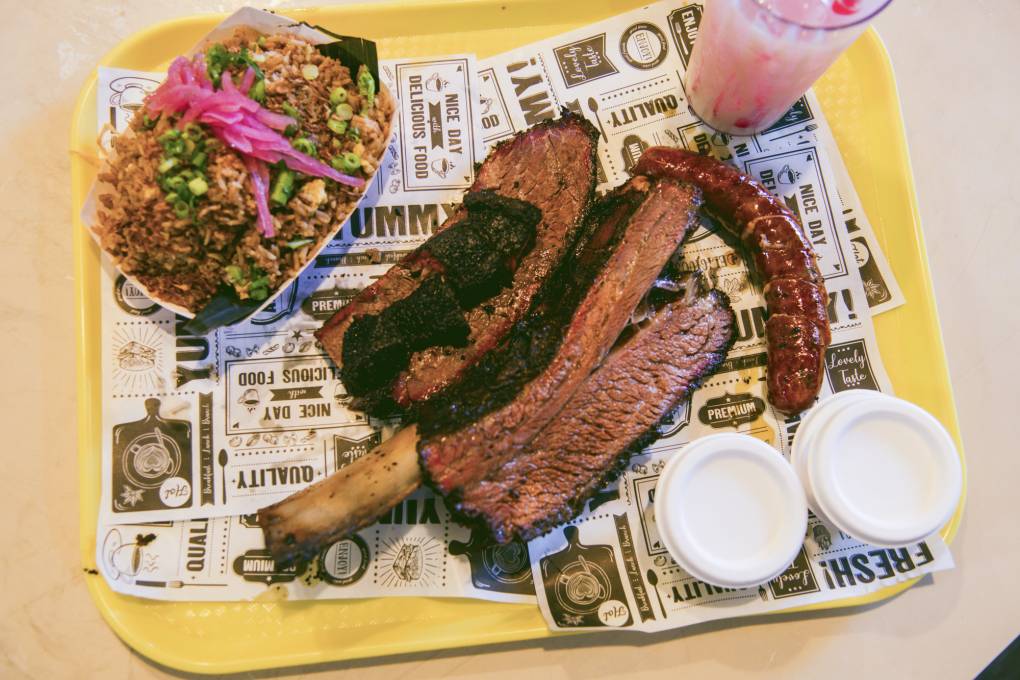
"caption": "A tray with fried rice, smoked brisket, a dino beef rib bone and jalapeño-cheese beef sausage is seen at Fikscue Craft BBQ in Alameda on August 4, 2024. Husband-and-wife team Fik and Reka Saleh opened Fikscue as a pop-up in 2020 before they began serving Texas-style barbecue and Indonesian dishes from their current brick-and-mortar restaurant in Alameda last November. ",
"credit": "Marissa Leshnov for KQED",
"altTag": "A tray of barbecue includes a dino beef rib, a slice of brisket, a sausage, and a cardboard try of fried rice.",
"description": null,
"imgSizes": {
"medium": {
"file": "https://cdn.kqed.org/wp-content/uploads/sites/2/2024/08/20240804_KQED_FIKSCUE_ML_0223-KQED_1-800x533.jpg",
"width": 800,
"height": 533,
"mimeType": "image/jpeg"
},
"large": {
"file": "https://cdn.kqed.org/wp-content/uploads/sites/2/2024/08/20240804_KQED_FIKSCUE_ML_0223-KQED_1-1020x680.jpg",
"width": 1020,
"height": 680,
"mimeType": "image/jpeg"
},
"thumbnail": {
"file": "https://cdn.kqed.org/wp-content/uploads/sites/2/2024/08/20240804_KQED_FIKSCUE_ML_0223-KQED_1-160x107.jpg",
"width": 160,
"height": 107,
"mimeType": "image/jpeg"
},
"medium_large": {
"file": "https://cdn.kqed.org/wp-content/uploads/sites/2/2024/08/20240804_KQED_FIKSCUE_ML_0223-KQED_1-768x512.jpg",
"width": 768,
"height": 512,
"mimeType": "image/jpeg"
},
"1536x1536": {
"file": "https://cdn.kqed.org/wp-content/uploads/sites/2/2024/08/20240804_KQED_FIKSCUE_ML_0223-KQED_1-1536x1024.jpg",
"width": 1536,
"height": 1024,
"mimeType": "image/jpeg"
},
"post-thumbnail": {
"file": "https://cdn.kqed.org/wp-content/uploads/sites/2/2024/08/20240804_KQED_FIKSCUE_ML_0223-KQED_1-672x372.jpg",
"width": 672,
"height": 372,
"mimeType": "image/jpeg"
},
"twentyfourteen-full-width": {
"file": "https://cdn.kqed.org/wp-content/uploads/sites/2/2024/08/20240804_KQED_FIKSCUE_ML_0223-KQED_1-1038x576.jpg",
"width": 1038,
"height": 576,
"mimeType": "image/jpeg"
},
"full-width": {
"file": "https://cdn.kqed.org/wp-content/uploads/sites/2/2024/08/20240804_KQED_FIKSCUE_ML_0223-KQED_1-1920x1280.jpg",
"width": 1920,
"height": 1280,
"mimeType": "image/jpeg"
},
"kqedFullSize": {
"file": "https://cdn.kqed.org/wp-content/uploads/sites/2/2024/08/20240804_KQED_FIKSCUE_ML_0223-KQED_1.jpg",
"width": 2000,
"height": 1333
}
},
"isLoading": false,
"fetchFailed": false
},
"arts_13968506": {
"type": "attachments",
"id": "arts_13968506",
"meta": {
"index": "attachments_1716263798",
"site": "arts",
"id": "13968506",
"found": true
},
"title": "KQEDBALL_EstefanyGonzalez14",
"publishDate": 1732303278,
"status": "inherit",
"parent": 13968489,
"modified": 1732309419,
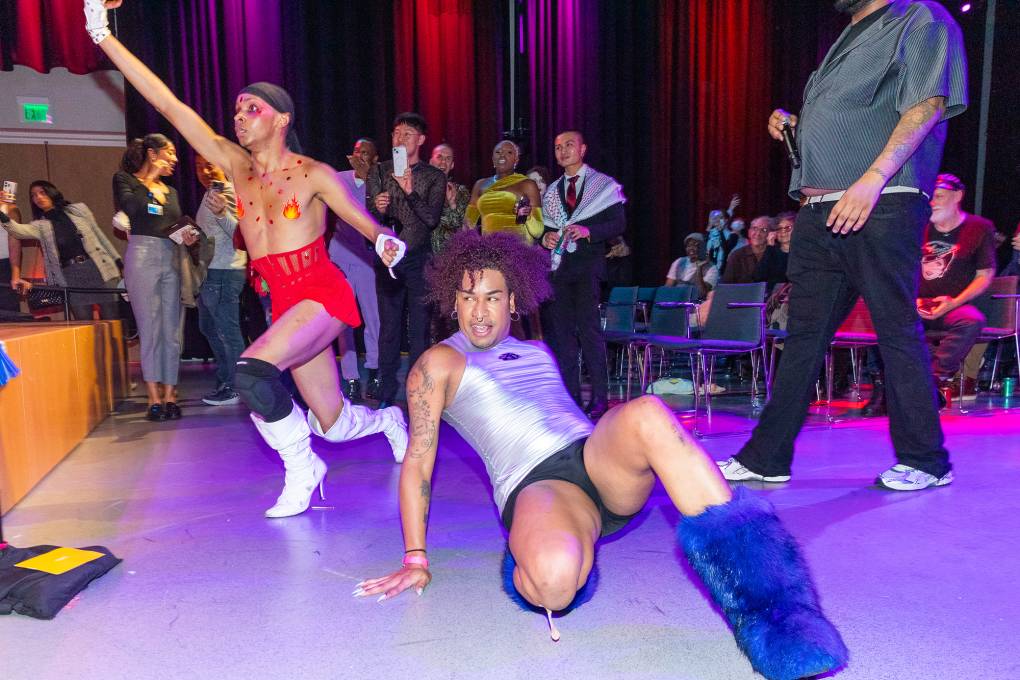
"caption": "\"Performance — Climate Change\" was the last category in Oakland to All's Mini-Ball held at KQED Commons in San Francisco, Calif., on Nov, 21, 2024. Event organizers wanted participants in this category to \"STORM the runway inspired by one of the 5 components of nature: Earth, Water, Fire, Air, or Space,\" and take into account the impacts of climate change in their performance.",
"credit": "Estefany Gonzalez for KQED",
"altTag": "Two people dance in the middle of a crowded auditorium.",
"description": null,
"imgSizes": {
"medium": {
"file": "https://cdn.kqed.org/wp-content/uploads/sites/2/2024/11/KQEDBALL_EstefanyGonzalez14-800x533.jpg",
"width": 800,
"height": 533,
"mimeType": "image/jpeg"
},
"large": {
"file": "https://cdn.kqed.org/wp-content/uploads/sites/2/2024/11/KQEDBALL_EstefanyGonzalez14-1020x680.jpg",
"width": 1020,
"height": 680,
"mimeType": "image/jpeg"
},
"thumbnail": {
"file": "https://cdn.kqed.org/wp-content/uploads/sites/2/2024/11/KQEDBALL_EstefanyGonzalez14-160x107.jpg",
"width": 160,
"height": 107,
"mimeType": "image/jpeg"
},
"medium_large": {
"file": "https://cdn.kqed.org/wp-content/uploads/sites/2/2024/11/KQEDBALL_EstefanyGonzalez14-768x512.jpg",
"width": 768,
"height": 512,
"mimeType": "image/jpeg"
},
"1536x1536": {
"file": "https://cdn.kqed.org/wp-content/uploads/sites/2/2024/11/KQEDBALL_EstefanyGonzalez14-1536x1024.jpg",
"width": 1536,
"height": 1024,
"mimeType": "image/jpeg"
},
"post-thumbnail": {
"file": "https://cdn.kqed.org/wp-content/uploads/sites/2/2024/11/KQEDBALL_EstefanyGonzalez14-672x372.jpg",
"width": 672,
"height": 372,
"mimeType": "image/jpeg"
},
"twentyfourteen-full-width": {
"file": "https://cdn.kqed.org/wp-content/uploads/sites/2/2024/11/KQEDBALL_EstefanyGonzalez14-1038x576.jpg",
"width": 1038,
"height": 576,
"mimeType": "image/jpeg"
},
"full-width": {
"file": "https://cdn.kqed.org/wp-content/uploads/sites/2/2024/11/KQEDBALL_EstefanyGonzalez14-1920x1280.jpg",
"width": 1920,
"height": 1280,
"mimeType": "image/jpeg"
},
"kqedFullSize": {
"file": "https://cdn.kqed.org/wp-content/uploads/sites/2/2024/11/KQEDBALL_EstefanyGonzalez14.jpg",
"width": 2000,
"height": 1333
}
},
"isLoading": false,
"fetchFailed": false
},
"arts_13968307": {
"type": "attachments",
"id": "arts_13968307",
"meta": {
"index": "attachments_1716263798",
"site": "arts",
"id": "13968307",
"found": true
},
"title": "Parkway.16x9.MAIN",
"publishDate": 1732035253,
"status": "inherit",
"parent": 0,
"modified": 1732035440,
"caption": null,
"credit": "Briana Loewinsohn",
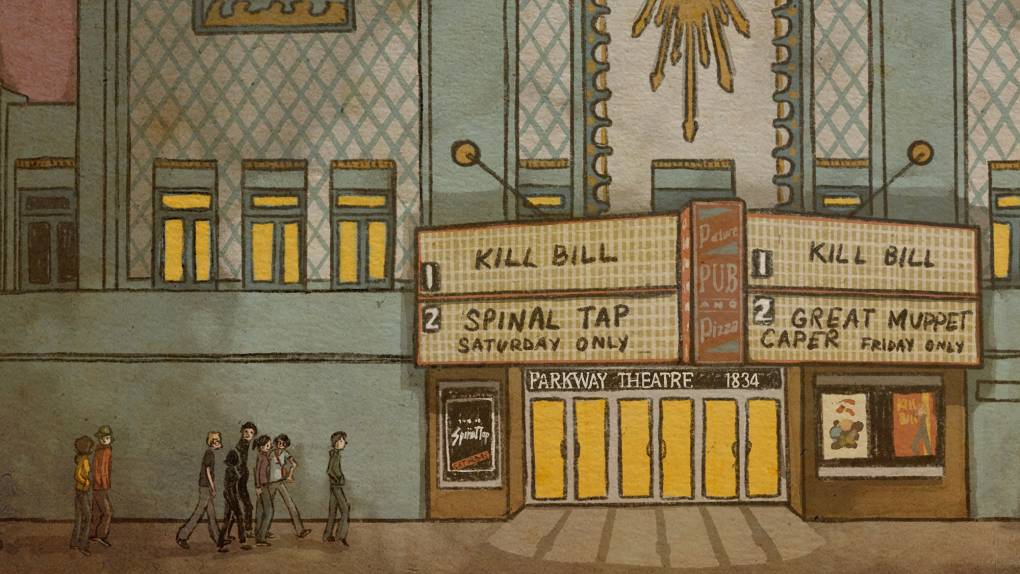
"altTag": "A baby blue movie theater with gold adornments pictured at night, with a marquee advertising 'kill bill' and 'the great muppet caper'",
"description": null,
"imgSizes": {
"medium": {
"file": "https://cdn.kqed.org/wp-content/uploads/sites/2/2024/11/Parkway.16x9.MAIN_-800x450.jpg",
"width": 800,
"height": 450,
"mimeType": "image/jpeg"
},
"large": {
"file": "https://cdn.kqed.org/wp-content/uploads/sites/2/2024/11/Parkway.16x9.MAIN_-1020x574.jpg",
"width": 1020,
"height": 574,
"mimeType": "image/jpeg"
},
"thumbnail": {
"file": "https://cdn.kqed.org/wp-content/uploads/sites/2/2024/11/Parkway.16x9.MAIN_-160x90.jpg",
"width": 160,
"height": 90,
"mimeType": "image/jpeg"
},
"medium_large": {
"file": "https://cdn.kqed.org/wp-content/uploads/sites/2/2024/11/Parkway.16x9.MAIN_-768x432.jpg",
"width": 768,
"height": 432,
"mimeType": "image/jpeg"
},
"1536x1536": {
"file": "https://cdn.kqed.org/wp-content/uploads/sites/2/2024/11/Parkway.16x9.MAIN_-1536x864.jpg",
"width": 1536,
"height": 864,
"mimeType": "image/jpeg"
},
"post-thumbnail": {
"file": "https://cdn.kqed.org/wp-content/uploads/sites/2/2024/11/Parkway.16x9.MAIN_-672x372.jpg",
"width": 672,
"height": 372,
"mimeType": "image/jpeg"
},
"twentyfourteen-full-width": {
"file": "https://cdn.kqed.org/wp-content/uploads/sites/2/2024/11/Parkway.16x9.MAIN_-1038x576.jpg",
"width": 1038,
"height": 576,
"mimeType": "image/jpeg"
},
"full-width": {
"file": "https://cdn.kqed.org/wp-content/uploads/sites/2/2024/11/Parkway.16x9.MAIN_-1920x1080.jpg",
"width": 1920,
"height": 1080,
"mimeType": "image/jpeg"
},
"kqedFullSize": {
"file": "https://cdn.kqed.org/wp-content/uploads/sites/2/2024/11/Parkway.16x9.MAIN_.jpg",
"width": 2000,
"height": 1125
}
},
"isLoading": false,
"fetchFailed": false
},
"arts_13968425": {
"type": "attachments",
"id": "arts_13968425",
"meta": {
"index": "attachments_1716263798",
"site": "arts",
"id": "13968425",
"found": true
},
"title": "monster pho-lead",
"publishDate": 1732152973,
"status": "inherit",
"parent": 13968422,
"modified": 1732153104,
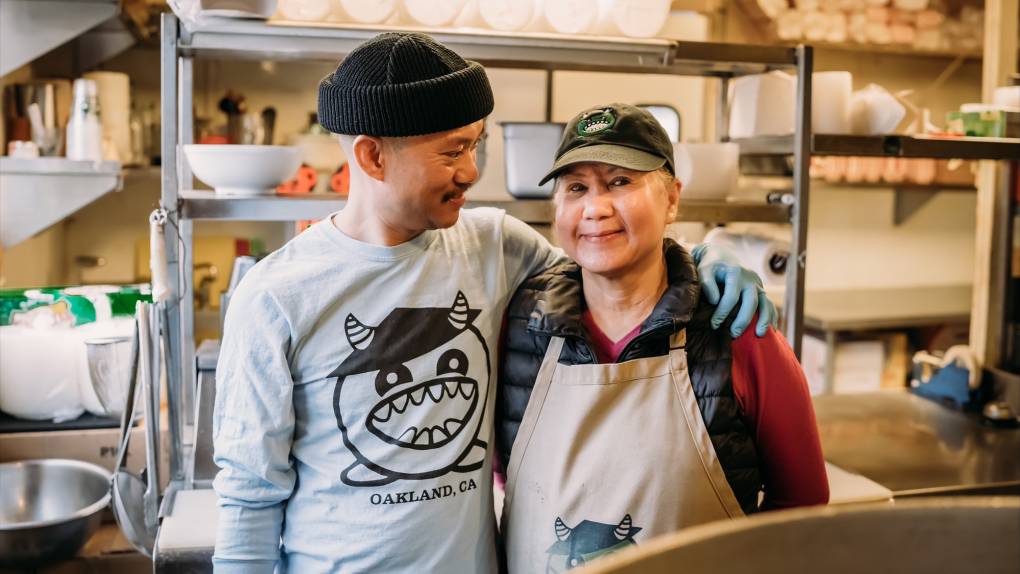
"caption": "Tee Tran (left) started Monster Pho along with his mother, Tina Le, in 2014. The Oakland restaurant is known for its annual pho giveaway event.",
"credit": "Lori Eanes",
"altTag": "A mother and son pose for a portrait inside their restaurant kitchen.",
"description": null,
"imgSizes": {
"medium": {
"file": "https://cdn.kqed.org/wp-content/uploads/sites/2/2024/11/monster-pho-lead-800x450.jpg",
"width": 800,
"height": 450,
"mimeType": "image/jpeg"
},
"large": {
"file": "https://cdn.kqed.org/wp-content/uploads/sites/2/2024/11/monster-pho-lead-1020x574.jpg",
"width": 1020,
"height": 574,
"mimeType": "image/jpeg"
},
"thumbnail": {
"file": "https://cdn.kqed.org/wp-content/uploads/sites/2/2024/11/monster-pho-lead-160x90.jpg",
"width": 160,
"height": 90,
"mimeType": "image/jpeg"
},
"medium_large": {
"file": "https://cdn.kqed.org/wp-content/uploads/sites/2/2024/11/monster-pho-lead-768x432.jpg",
"width": 768,
"height": 432,
"mimeType": "image/jpeg"
},
"1536x1536": {
"file": "https://cdn.kqed.org/wp-content/uploads/sites/2/2024/11/monster-pho-lead-1536x864.jpg",
"width": 1536,
"height": 864,
"mimeType": "image/jpeg"
},
"post-thumbnail": {
"file": "https://cdn.kqed.org/wp-content/uploads/sites/2/2024/11/monster-pho-lead-672x372.jpg",
"width": 672,
"height": 372,
"mimeType": "image/jpeg"
},
"twentyfourteen-full-width": {
"file": "https://cdn.kqed.org/wp-content/uploads/sites/2/2024/11/monster-pho-lead-1038x576.jpg",
"width": 1038,
"height": 576,
"mimeType": "image/jpeg"
},
"full-width": {
"file": "https://cdn.kqed.org/wp-content/uploads/sites/2/2024/11/monster-pho-lead-1920x1080.jpg",
"width": 1920,
"height": 1080,
"mimeType": "image/jpeg"
},
"kqedFullSize": {
"file": "https://cdn.kqed.org/wp-content/uploads/sites/2/2024/11/monster-pho-lead.jpg",
"width": 2000,
"height": 1125
}
},
"isLoading": false,
"fetchFailed": false
},
"arts_13968275": {
"type": "attachments",
"id": "arts_13968275",
"meta": {
"index": "attachments_1716263798",
"site": "arts",
"id": "13968275",
"found": true
},
"title": "Pussycat.16x9.MAIN",
"publishDate": 1732001328,
"status": "inherit",
"parent": 0,
"modified": 1732001510,
"caption": null,
"credit": "Briana Loewinsohn",
"altTag": "A movie theater called the Pussycat, with a protruding marquee advertising \"Saddle Tramp\" and \"Scoundrels of Sin,\" and with three scantily-clad girls in neon clothes smoking out front.",
"description": null,
"imgSizes": {
"medium": {
"file": "https://cdn.kqed.org/wp-content/uploads/sites/2/2024/11/Pussycat.16x9.MAIN_-800x450.jpg",
"width": 800,
"height": 450,
"mimeType": "image/jpeg"
},
"large": {
"file": "https://cdn.kqed.org/wp-content/uploads/sites/2/2024/11/Pussycat.16x9.MAIN_-1020x574.jpg",
"width": 1020,
"height": 574,
"mimeType": "image/jpeg"
},
"thumbnail": {
"file": "https://cdn.kqed.org/wp-content/uploads/sites/2/2024/11/Pussycat.16x9.MAIN_-160x90.jpg",
"width": 160,
"height": 90,
"mimeType": "image/jpeg"
},
"medium_large": {
"file": "https://cdn.kqed.org/wp-content/uploads/sites/2/2024/11/Pussycat.16x9.MAIN_-768x432.jpg",
"width": 768,
"height": 432,
"mimeType": "image/jpeg"
},
"1536x1536": {
"file": "https://cdn.kqed.org/wp-content/uploads/sites/2/2024/11/Pussycat.16x9.MAIN_-1536x864.jpg",
"width": 1536,
"height": 864,
"mimeType": "image/jpeg"
},
"post-thumbnail": {
"file": "https://cdn.kqed.org/wp-content/uploads/sites/2/2024/11/Pussycat.16x9.MAIN_-672x372.jpg",
"width": 672,
"height": 372,
"mimeType": "image/jpeg"
},
"twentyfourteen-full-width": {
"file": "https://cdn.kqed.org/wp-content/uploads/sites/2/2024/11/Pussycat.16x9.MAIN_-1038x576.jpg",
"width": 1038,
"height": 576,
"mimeType": "image/jpeg"
},
"full-width": {
"file": "https://cdn.kqed.org/wp-content/uploads/sites/2/2024/11/Pussycat.16x9.MAIN_-1920x1080.jpg",
"width": 1920,
"height": 1080,
"mimeType": "image/jpeg"
},
"kqedFullSize": {
"file": "https://cdn.kqed.org/wp-content/uploads/sites/2/2024/11/Pussycat.16x9.MAIN_.jpg",
"width": 2000,
"height": 1125
}
},
"isLoading": false,
"fetchFailed": false
},
"arts_13968344": {
"type": "attachments",
"id": "arts_13968344",
"meta": {
"index": "attachments_1716263798",
"site": "arts",
"id": "13968344",
"found": true
},
"title": "GettyImages-181801602",
"publishDate": 1732044036,
"status": "inherit",
"parent": 13968340,
"modified": 1732044071,
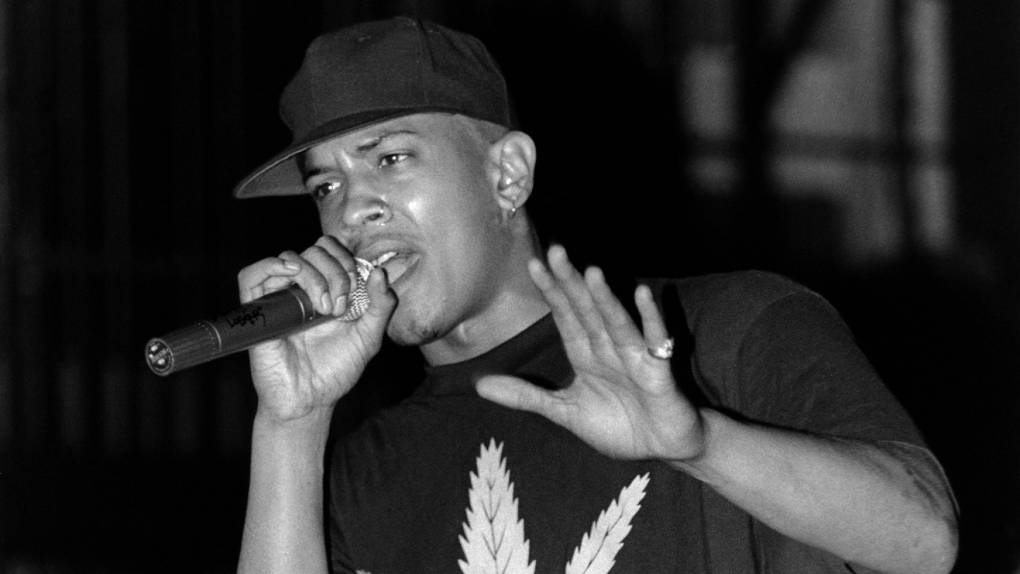
"caption": "Rapper Saafir performs at the Riviera Theater in Chicago, Illinois in 1994. Saafir died on Tuesday at the age of 54.",
"credit": "Raymond Boyd/Michael Ochs Archives/Getty Images",
"altTag": null,
"description": null,
"imgSizes": {
"medium": {
"file": "https://cdn.kqed.org/wp-content/uploads/sites/2/2024/11/GettyImages-181801602-800x450.jpg",
"width": 800,
"height": 450,
"mimeType": "image/jpeg"
},
"large": {
"file": "https://cdn.kqed.org/wp-content/uploads/sites/2/2024/11/GettyImages-181801602-1020x574.jpg",
"width": 1020,
"height": 574,
"mimeType": "image/jpeg"
},
"thumbnail": {
"file": "https://cdn.kqed.org/wp-content/uploads/sites/2/2024/11/GettyImages-181801602-160x90.jpg",
"width": 160,
"height": 90,
"mimeType": "image/jpeg"
},
"medium_large": {
"file": "https://cdn.kqed.org/wp-content/uploads/sites/2/2024/11/GettyImages-181801602-768x432.jpg",
"width": 768,
"height": 432,
"mimeType": "image/jpeg"
},
"1536x1536": {
"file": "https://cdn.kqed.org/wp-content/uploads/sites/2/2024/11/GettyImages-181801602-1536x864.jpg",
"width": 1536,
"height": 864,
"mimeType": "image/jpeg"
},
"post-thumbnail": {
"file": "https://cdn.kqed.org/wp-content/uploads/sites/2/2024/11/GettyImages-181801602-672x372.jpg",
"width": 672,
"height": 372,
"mimeType": "image/jpeg"
},
"twentyfourteen-full-width": {
"file": "https://cdn.kqed.org/wp-content/uploads/sites/2/2024/11/GettyImages-181801602-1038x576.jpg",
"width": 1038,
"height": 576,
"mimeType": "image/jpeg"
},
"full-width": {
"file": "https://cdn.kqed.org/wp-content/uploads/sites/2/2024/11/GettyImages-181801602-1920x1080.jpg",
"width": 1920,
"height": 1080,
"mimeType": "image/jpeg"
},
"kqedFullSize": {
"file": "https://cdn.kqed.org/wp-content/uploads/sites/2/2024/11/GettyImages-181801602.jpg",
"width": 2000,
"height": 1125
}
},
"isLoading": false,
"fetchFailed": false
},
"arts_13968023": {
"type": "attachments",
"id": "arts_13968023",
"meta": {
"index": "attachments_1716263798",
"site": "arts",
"id": "13968023",
"found": true
},
"title": "LaRussell x Richie Rich - New Parish - Richie Rich - 111024-19",
"publishDate": 1731529688,
"status": "inherit",
"parent": 13967973,
"modified": 1731612755,
"caption": "After an onstage fall, 56-year-old Oakland rap legend Richie Rich is proving he's still got plenty of gas in the tank.",
"credit": "Jason Hayes / \u003ca href=\"https://www.instagram.com/j.castae/?hl=en\" target=\"_blank\">J.Castae\u003c/a>",
"altTag": "Richard Serrell, better known as Richie Rich.",
"description": null,
"imgSizes": {
"medium": {
"file": "https://cdn.kqed.org/wp-content/uploads/sites/2/2024/11/LaRussell-x-Richie-Rich-New-Parish-Richie-Rich-111024-19-800x533.jpeg",
"width": 800,
"height": 533,
"mimeType": "image/jpeg"
},
"large": {
"file": "https://cdn.kqed.org/wp-content/uploads/sites/2/2024/11/LaRussell-x-Richie-Rich-New-Parish-Richie-Rich-111024-19-1020x680.jpeg",
"width": 1020,
"height": 680,
"mimeType": "image/jpeg"
},
"thumbnail": {
"file": "https://cdn.kqed.org/wp-content/uploads/sites/2/2024/11/LaRussell-x-Richie-Rich-New-Parish-Richie-Rich-111024-19-160x107.jpeg",
"width": 160,
"height": 107,
"mimeType": "image/jpeg"
},
"medium_large": {
"file": "https://cdn.kqed.org/wp-content/uploads/sites/2/2024/11/LaRussell-x-Richie-Rich-New-Parish-Richie-Rich-111024-19-768x512.jpeg",
"width": 768,
"height": 512,
"mimeType": "image/jpeg"
},
"1536x1536": {
"file": "https://cdn.kqed.org/wp-content/uploads/sites/2/2024/11/LaRussell-x-Richie-Rich-New-Parish-Richie-Rich-111024-19-1536x1024.jpeg",
"width": 1536,
"height": 1024,
"mimeType": "image/jpeg"
},
"2048x2048": {
"file": "https://cdn.kqed.org/wp-content/uploads/sites/2/2024/11/LaRussell-x-Richie-Rich-New-Parish-Richie-Rich-111024-19-2048x1365.jpeg",
"width": 2048,
"height": 1365,
"mimeType": "image/jpeg"
},
"post-thumbnail": {
"file": "https://cdn.kqed.org/wp-content/uploads/sites/2/2024/11/LaRussell-x-Richie-Rich-New-Parish-Richie-Rich-111024-19-672x372.jpeg",
"width": 672,
"height": 372,
"mimeType": "image/jpeg"
},
"twentyfourteen-full-width": {
"file": "https://cdn.kqed.org/wp-content/uploads/sites/2/2024/11/LaRussell-x-Richie-Rich-New-Parish-Richie-Rich-111024-19-1038x576.jpeg",
"width": 1038,
"height": 576,
"mimeType": "image/jpeg"
},
"full-width": {
"file": "https://cdn.kqed.org/wp-content/uploads/sites/2/2024/11/LaRussell-x-Richie-Rich-New-Parish-Richie-Rich-111024-19-1920x1280.jpeg",
"width": 1920,
"height": 1280,
"mimeType": "image/jpeg"
},
"kqedFullSize": {
"file": "https://cdn.kqed.org/wp-content/uploads/sites/2/2024/11/LaRussell-x-Richie-Rich-New-Parish-Richie-Rich-111024-19-scaled.jpeg",
"width": 2560,
"height": 1706
}
},
"isLoading": false,
"fetchFailed": false
},
"arts_13968064": {
"type": "attachments",
"id": "arts_13968064",
"meta": {
"index": "attachments_1716263798",
"site": "arts",
"id": "13968064",
"found": true
},
"title": "2024 Ohana Music Festival",
"publishDate": 1731605810,
"status": "inherit",
"parent": 13968062,
"modified": 1747777736,
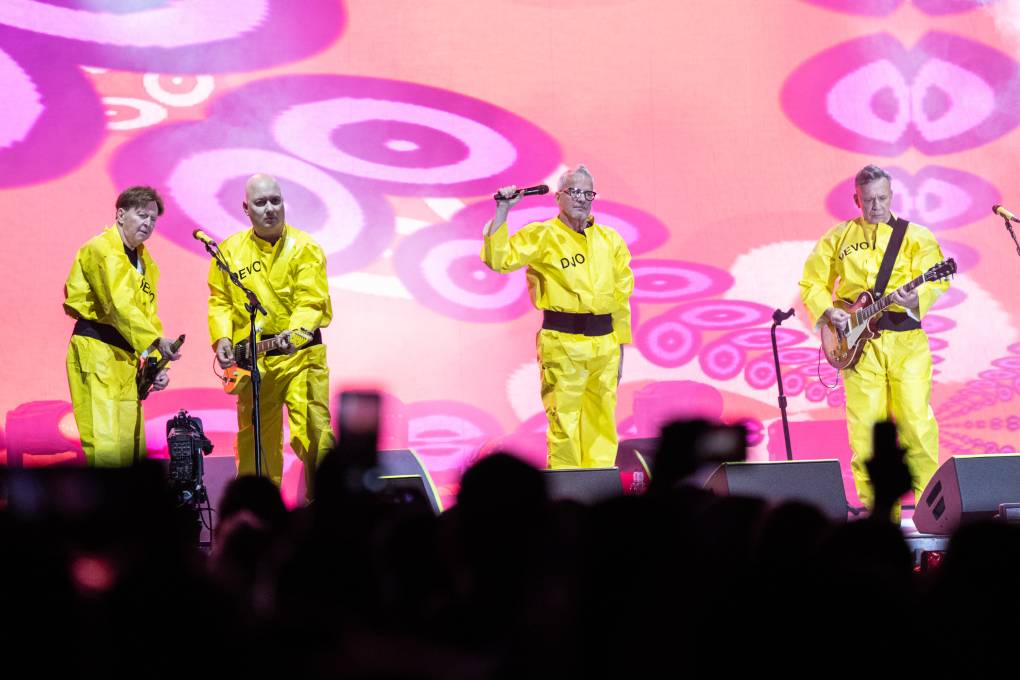
"caption": "Gerald Casale, Josh Hager, Mark Mothersbaugh and Bob Mothersbaugh of Devo perform live on stage during Ohana Festival at Doheny State Beach on Sept. 27, 2024 in Dana Point, California. ",
"credit": "Jim Bennett/WireImage",
"altTag": "a band of four men in yellow jumpsuits on stage against pink screen",
"description": null,
"imgSizes": {
"medium": {
"file": "https://cdn.kqed.org/wp-content/uploads/sites/2/2024/11/GettyImages-2175203603-800x533.jpg",
"width": 800,
"height": 533,
"mimeType": "image/jpeg"
},
"large": {
"file": "https://cdn.kqed.org/wp-content/uploads/sites/2/2024/11/GettyImages-2175203603-1020x680.jpg",
"width": 1020,
"height": 680,
"mimeType": "image/jpeg"
},
"thumbnail": {
"file": "https://cdn.kqed.org/wp-content/uploads/sites/2/2024/11/GettyImages-2175203603-160x107.jpg",
"width": 160,
"height": 107,
"mimeType": "image/jpeg"
},
"medium_large": {
"file": "https://cdn.kqed.org/wp-content/uploads/sites/2/2024/11/GettyImages-2175203603-768x512.jpg",
"width": 768,
"height": 512,
"mimeType": "image/jpeg"
},
"1536x1536": {
"file": "https://cdn.kqed.org/wp-content/uploads/sites/2/2024/11/GettyImages-2175203603-1536x1024.jpg",
"width": 1536,
"height": 1024,
"mimeType": "image/jpeg"
},
"2048x2048": {
"file": "https://cdn.kqed.org/wp-content/uploads/sites/2/2024/11/GettyImages-2175203603-2048x1365.jpg",
"width": 2048,
"height": 1365,
"mimeType": "image/jpeg"
},
"post-thumbnail": {
"file": "https://cdn.kqed.org/wp-content/uploads/sites/2/2024/11/GettyImages-2175203603-672x372.jpg",
"width": 672,
"height": 372,
"mimeType": "image/jpeg"
},
"twentyfourteen-full-width": {
"file": "https://cdn.kqed.org/wp-content/uploads/sites/2/2024/11/GettyImages-2175203603-1038x576.jpg",
"width": 1038,
"height": 576,
"mimeType": "image/jpeg"
},
"full-width": {
"file": "https://cdn.kqed.org/wp-content/uploads/sites/2/2024/11/GettyImages-2175203603-1920x1280.jpg",
"width": 1920,
"height": 1280,
"mimeType": "image/jpeg"
},
"kqedFullSize": {
"file": "https://cdn.kqed.org/wp-content/uploads/sites/2/2024/11/GettyImages-2175203603-scaled.jpg",
"width": 2560,
"height": 1707
}
},
"isLoading": false,
"fetchFailed": false
},
"arts_13967971": {
"type": "attachments",
"id": "arts_13967971",
"meta": {
"index": "attachments_1716263798",
"site": "arts",
"id": "13967971",
"found": true
},
"title": "OaktownJazz.16x9",
"publishDate": 1731436071,
"status": "inherit",
"parent": 13967867,
"modified": 1731436183,
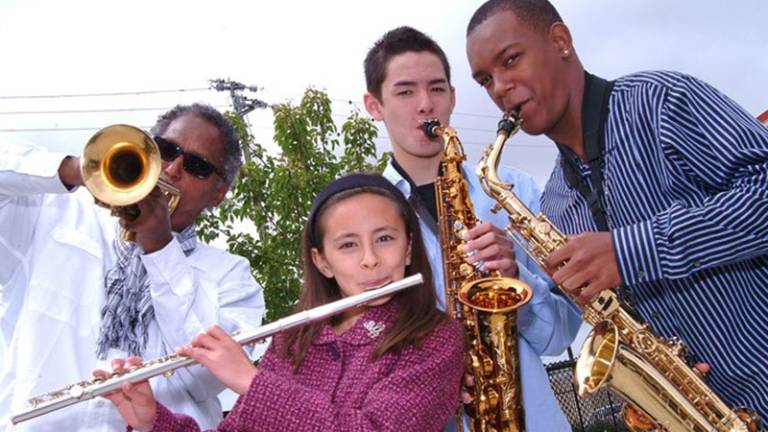
"caption": "Oaktown Jazz Workshops’ late Founding Director Khalil Shaheed poses with students, circa 2008. ",
"credit": "Courtesy of Oaktown Jazz Workshops",
"altTag": "Oaktown Jazz Workshops’ late Founding Director Khalil Shaheed poses next to a handful of students, as they all hold an assortment of instruments, circa 2008.",
"description": null,
"imgSizes": {
"thumbnail": {
"file": "https://cdn.kqed.org/wp-content/uploads/sites/2/2024/11/OaktownJazz.16x9-160x90.jpg",
"width": 160,
"height": 90,
"mimeType": "image/jpeg"
},
"medium_large": {
"file": "https://cdn.kqed.org/wp-content/uploads/sites/2/2024/11/OaktownJazz.16x9-768x432.jpg",
"width": 768,
"height": 432,
"mimeType": "image/jpeg"
},
"post-thumbnail": {
"file": "https://cdn.kqed.org/wp-content/uploads/sites/2/2024/11/OaktownJazz.16x9-672x372.jpg",
"width": 672,
"height": 372,
"mimeType": "image/jpeg"
},
"kqedFullSize": {
"file": "https://cdn.kqed.org/wp-content/uploads/sites/2/2024/11/OaktownJazz.16x9.jpg",
"width": 800,
"height": 450
}
},
"isLoading": false,
"fetchFailed": false
},
"arts_13967818": {
"type": "attachments",
"id": "arts_13967818",
"meta": {
"index": "attachments_1716263798",
"site": "arts",
"id": "13967818",
"found": true
},
"title": "Plunkett1",
"publishDate": 1730996118,
"status": "inherit",
"parent": 13967817,
"modified": 1730996425,
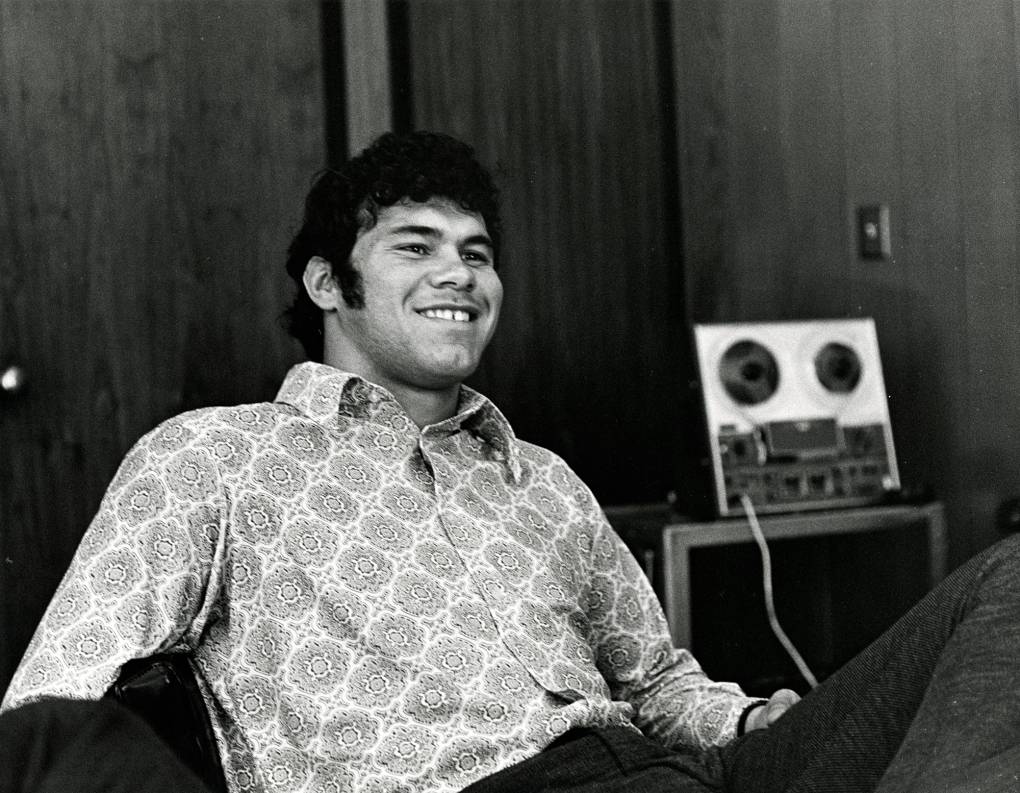
"caption": "The child of Mexican and Cherokee parents, Plunkett led the Oakland Raiders to two Super Bowl victories. The former quarterback is being considered for induction into the NFL Hall of Fame, an honor supported by Bay Area politicians, historians and fans. He is pictured here in 1972. ",
"credit": "Courtesy Stanford University Special Collections",
"altTag": null,
"description": null,
"imgSizes": {
"medium": {
"file": "https://cdn.kqed.org/wp-content/uploads/sites/2/2024/11/Plunkett1-800x622.jpg",
"width": 800,
"height": 622,
"mimeType": "image/jpeg"
},
"large": {
"file": "https://cdn.kqed.org/wp-content/uploads/sites/2/2024/11/Plunkett1-1020x793.jpg",
"width": 1020,
"height": 793,
"mimeType": "image/jpeg"
},
"thumbnail": {
"file": "https://cdn.kqed.org/wp-content/uploads/sites/2/2024/11/Plunkett1-160x124.jpg",
"width": 160,
"height": 124,
"mimeType": "image/jpeg"
},
"medium_large": {
"file": "https://cdn.kqed.org/wp-content/uploads/sites/2/2024/11/Plunkett1-768x597.jpg",
"width": 768,
"height": 597,
"mimeType": "image/jpeg"
},
"1536x1536": {
"file": "https://cdn.kqed.org/wp-content/uploads/sites/2/2024/11/Plunkett1-1536x1193.jpg",
"width": 1536,
"height": 1193,
"mimeType": "image/jpeg"
},
"post-thumbnail": {
"file": "https://cdn.kqed.org/wp-content/uploads/sites/2/2024/11/Plunkett1-672x372.jpg",
"width": 672,
"height": 372,
"mimeType": "image/jpeg"
},
"twentyfourteen-full-width": {
"file": "https://cdn.kqed.org/wp-content/uploads/sites/2/2024/11/Plunkett1-1038x576.jpg",
"width": 1038,
"height": 576,
"mimeType": "image/jpeg"
},
"full-width": {
"file": "https://cdn.kqed.org/wp-content/uploads/sites/2/2024/11/Plunkett1-1920x1492.jpg",
"width": 1920,
"height": 1492,
"mimeType": "image/jpeg"
},
"kqedFullSize": {
"file": "https://cdn.kqed.org/wp-content/uploads/sites/2/2024/11/Plunkett1.jpg",
"width": 2000,
"height": 1554
}
},
"isLoading": false,
"fetchFailed": false
},
"arts_13967797": {
"type": "attachments",
"id": "arts_13967797",
"meta": {
"index": "attachments_1716263798",
"site": "arts",
"id": "13967797",
"found": true
},
"title": "An illustration of NBA star and boat owner Klay Thompson with his pup, Rocco.",
"publishDate": 1730929523,
"status": "inherit",
"parent": 13967748,
"modified": 1731004827,
"caption": "An illustration of NBA star and boat owner Klay Thompson with his pup, Rocco.",
"credit": "\u003ca href=\"https://www.instagram.com/bunnieeatmuffin/\" target=\"_blank\">Kaitlyn Joe-Johnson\u003c/a>",
"altTag": "An illustration of NBA star and boat owner Klay Thompson with his pup, Rocco.",
"description": "An illustration of NBA star and boat owner Klay Thompson with his pup, Rocco.",
"imgSizes": {
"medium": {
"file": "https://cdn.kqed.org/wp-content/uploads/sites/2/2024/11/KlayThompson.solespace.16x9-800x450.jpg",
"width": 800,
"height": 450,
"mimeType": "image/jpeg"
},
"large": {
"file": "https://cdn.kqed.org/wp-content/uploads/sites/2/2024/11/KlayThompson.solespace.16x9-1020x574.jpg",
"width": 1020,
"height": 574,
"mimeType": "image/jpeg"
},
"thumbnail": {
"file": "https://cdn.kqed.org/wp-content/uploads/sites/2/2024/11/KlayThompson.solespace.16x9-160x90.jpg",
"width": 160,
"height": 90,
"mimeType": "image/jpeg"
},
"medium_large": {
"file": "https://cdn.kqed.org/wp-content/uploads/sites/2/2024/11/KlayThompson.solespace.16x9-768x432.jpg",
"width": 768,
"height": 432,
"mimeType": "image/jpeg"
},
"post-thumbnail": {
"file": "https://cdn.kqed.org/wp-content/uploads/sites/2/2024/11/KlayThompson.solespace.16x9-672x372.jpg",
"width": 672,
"height": 372,
"mimeType": "image/jpeg"
},
"twentyfourteen-full-width": {
"file": "https://cdn.kqed.org/wp-content/uploads/sites/2/2024/11/KlayThompson.solespace.16x9-1038x576.jpg",
"width": 1038,
"height": 576,
"mimeType": "image/jpeg"
},
"kqedFullSize": {
"file": "https://cdn.kqed.org/wp-content/uploads/sites/2/2024/11/KlayThompson.solespace.16x9.jpg",
"width": 1164,
"height": 655
}
},
"isLoading": false,
"fetchFailed": false
}
},
"audioPlayerReducer": {
"postId": "stream_live",
"isPaused": true,
"isPlaying": false,
"pfsActive": false,
"pledgeModalIsOpen": true,
"playerDrawerIsOpen": false,
"liveAudioPlayStartedAt": 0,
"liveAudioPlayContext": ""
},
"authorsReducer": {
"byline_arts_13967817": {
"type": "authors",
"id": "byline_arts_13967817",
"meta": {
"override": true
},
"slug": "byline_arts_13967817",
"name": "Nick Lozito",
"isLoading": false
},
"gmeline": {
"type": "authors",
"id": "185",
"meta": {
"index": "authors_1716337520",
"id": "185",
"found": true
},
"name": "Gabe Meline",
"firstName": "Gabe",
"lastName": "Meline",
"slug": "gmeline",
"email": "gmeline@kqed.org",
"display_author_email": true,
"staff_mastheads": [
"arts"
],
"title": "Senior Editor, KQED Arts & Culture",
"bio": "Gabe Meline entered journalism at age 15 making photocopied zines, and has since earned awards from the Edward R. Murrow Awards, the Society for Professional Journalists, the Online Journalism Awards, the Association of Alternative Newsweeklies and the California Newspaper Publishers Association. Prior to KQED, he was the editor of the \u003cem>North Bay Bohemian\u003c/em> and a touring musician. He lives with his wife and daughter in his hometown of Santa Rosa, CA.",
"avatar": "https://secure.gravatar.com/avatar/5bebe57be0d8bc2dd318934feb47299e2d2d10cba28d09d8d7afb389a2ce2bdd?s=600&d=blank&r=g",
"twitter": null,
"bluesky": null,
"facebook": null,
"instagram": null,
"linkedin": null,
"sites": [
{
"site": "",
"roles": [
"editor"
]
},
{
"site": "arts",
"roles": [
"administrator"
]
},
{
"site": "artschool",
"roles": [
"editor"
]
},
{
"site": "news",
"roles": [
"author"
]
},
{
"site": "pop",
"roles": [
"editor"
]
},
{
"site": "bayareabites",
"roles": [
"editor"
]
},
{
"site": "food",
"roles": [
"editor"
]
},
{
"site": "liveblog",
"roles": [
"editor"
]
},
{
"site": "hiphop",
"roles": [
"editor"
]
}
],
"headData": {
"title": "Gabe Meline | KQED",
"description": "Senior Editor, KQED Arts & Culture",
"ogImgSrc": "https://secure.gravatar.com/avatar/5bebe57be0d8bc2dd318934feb47299e2d2d10cba28d09d8d7afb389a2ce2bdd?s=600&d=blank&r=g",
"twImgSrc": "https://secure.gravatar.com/avatar/5bebe57be0d8bc2dd318934feb47299e2d2d10cba28d09d8d7afb389a2ce2bdd?s=600&d=blank&r=g"
},
"isLoading": false,
"link": "/author/gmeline"
},
"nvoynovskaya": {
"type": "authors",
"id": "11387",
"meta": {
"index": "authors_1716337520",
"id": "11387",
"found": true
},
"name": "Nastia Voynovskaya",
"firstName": "Nastia",
"lastName": "Voynovskaya",
"slug": "nvoynovskaya",
"email": "nvoynovskaya@kqed.org",
"display_author_email": false,
"staff_mastheads": [
"arts"
],
"title": "Editor and reporter",
"bio": "Nastia Voynovskaya is a reporter and editor at KQED Arts & Culture. She's been covering the arts in the Bay Area for over a decade, with a focus on music, queer culture, labor issues and grassroots organizing. She has edited KQED story series such as Trans Bay: A History of San Francisco's Gender-Diverse Community, and co-created KQED's Bay Area hip-hop history project, That's My Word. Nastia's work has been recognized by the Society of Professional Journalists and San Francisco Press Club. She holds a BA in comparative literature from UC Berkeley.",
"avatar": "https://secure.gravatar.com/avatar/5025ee460e5a85d69ca20ea6c6f2f80d7e17795c828f61ea3aecfcd924e9042e?s=600&d=blank&r=g",
"twitter": null,
"bluesky": null,
"facebook": null,
"instagram": "https://www.instagram.com/nananastia/",
"linkedin": null,
"sites": [
{
"site": "arts",
"roles": [
"administrator"
]
},
{
"site": "news",
"roles": [
"editor"
]
},
{
"site": "pop",
"roles": [
"administrator"
]
},
{
"site": "bayareabites",
"roles": [
"editor"
]
},
{
"site": "podcasts",
"roles": [
"editor"
]
},
{
"site": "hiphop",
"roles": [
"editor"
]
}
],
"headData": {
"title": "Nastia Voynovskaya | KQED",
"description": "Editor and reporter",
"ogImgSrc": "https://secure.gravatar.com/avatar/5025ee460e5a85d69ca20ea6c6f2f80d7e17795c828f61ea3aecfcd924e9042e?s=600&d=blank&r=g",
"twImgSrc": "https://secure.gravatar.com/avatar/5025ee460e5a85d69ca20ea6c6f2f80d7e17795c828f61ea3aecfcd924e9042e?s=600&d=blank&r=g"
},
"isLoading": false,
"link": "/author/nvoynovskaya"
},
"ogpenn": {
"type": "authors",
"id": "11491",
"meta": {
"index": "authors_1716337520",
"id": "11491",
"found": true
},
"name": "Pendarvis Harshaw",
"firstName": "Pendarvis",
"lastName": "Harshaw",
"slug": "ogpenn",
"email": "ogpenn@gmail.com",
"display_author_email": false,
"staff_mastheads": [
"arts"
],
"title": "Community Engagement Reporter",
"bio": "Pendarvis Harshaw is an educator, host and writer with KQED Arts.",
"avatar": "https://secure.gravatar.com/avatar/972b77ee8e3f346ae2b00622661187fbfabd059b5693bbdc1475ea7a722fd4cd?s=600&d=blank&r=g",
"twitter": null,
"bluesky": null,
"facebook": null,
"instagram": "ogpenn",
"linkedin": null,
"sites": [
{
"site": "arts",
"roles": [
"administrator"
]
},
{
"site": "news",
"roles": [
"editor"
]
},
{
"site": "bayareabites",
"roles": [
"author"
]
},
{
"site": "hiphop",
"roles": [
"editor"
]
}
],
"headData": {
"title": "Pendarvis Harshaw | KQED",
"description": "Community Engagement Reporter",
"ogImgSrc": "https://secure.gravatar.com/avatar/972b77ee8e3f346ae2b00622661187fbfabd059b5693bbdc1475ea7a722fd4cd?s=600&d=blank&r=g",
"twImgSrc": "https://secure.gravatar.com/avatar/972b77ee8e3f346ae2b00622661187fbfabd059b5693bbdc1475ea7a722fd4cd?s=600&d=blank&r=g"
},
"isLoading": false,
"link": "/author/ogpenn"
},
"ccabreralomeli": {
"type": "authors",
"id": "11708",
"meta": {
"index": "authors_1716337520",
"id": "11708",
"found": true
},
"name": "Carlos Cabrera-Lomelí",
"firstName": "Carlos",
"lastName": "Cabrera-Lomelí",
"slug": "ccabreralomeli",
"email": "ccabreralomeli@KQED.org",
"display_author_email": true,
"staff_mastheads": [
"news"
],
"title": "Community Reporter",
"bio": "Carlos Cabrera-Lomelí is a community reporter with KQED's digital engagement team. He also reports and co-produces for KQED's bilingual news hub KQED en Español. He grew up in San Francisco's Mission District and has previously worked with Univision, 48 Hills and REFORMA in Mexico City.",
"avatar": "https://secure.gravatar.com/avatar/e95ff80bb2eaf18a8f2af4dcf7ffb54b?s=600&d=mm&r=g",
"twitter": "@LomeliCabrera",
"facebook": null,
"instagram": null,
"linkedin": null,
"sites": [
{
"site": "arts",
"roles": [
"editor"
]
},
{
"site": "news",
"roles": [
"editor"
]
},
{
"site": "about",
"roles": [
"editor"
]
},
{
"site": "science",
"roles": [
"editor"
]
},
{
"site": "perspectives",
"roles": [
"editor"
]
},
{
"site": "elections",
"roles": [
"editor"
]
},
{
"site": "liveblog",
"roles": [
"contributor"
]
}
],
"headData": {
"title": "Carlos Cabrera-Lomelí | KQED",
"description": "Community Reporter",
"ogImgSrc": "https://secure.gravatar.com/avatar/e95ff80bb2eaf18a8f2af4dcf7ffb54b?s=600&d=mm&r=g",
"twImgSrc": "https://secure.gravatar.com/avatar/e95ff80bb2eaf18a8f2af4dcf7ffb54b?s=600&d=mm&r=g"
},
"isLoading": false,
"link": "/author/ccabreralomeli"
},
"ltsai": {
"type": "authors",
"id": "11743",
"meta": {
"index": "authors_1716337520",
"id": "11743",
"found": true
},
"name": "Luke Tsai",
"firstName": "Luke",
"lastName": "Tsai",
"slug": "ltsai",
"email": "ltsai@kqed.org",
"display_author_email": true,
"staff_mastheads": [
"arts"
],
"title": "Food Editor",
"bio": "Luke Tsai is KQED's food editor and resident stinky tofu connoisseur. Prior to KQED, he was an editor at Eater SF, \u003cem>San Francisco \u003c/em>magazine, and the \u003cem>East Bay Express\u003c/em>, and his work has also appeared in TASTE, the \u003cem>San Francisco Chronicle\u003c/em>, and the \u003cem>Best Food Writing\u003c/em> anthology. When he isn't writing or editing, you'll find him eating most everything he can get his hands on.",
"avatar": "https://secure.gravatar.com/avatar/1e59b45bf191526e7339d6ba46e33a57b2030d25c27660ecc64ea3cb863e34f7?s=600&d=blank&r=g",
"twitter": "theluketsai",
"bluesky": null,
"facebook": null,
"instagram": null,
"linkedin": null,
"sites": [
{
"site": "",
"roles": [
"editor"
]
},
{
"site": "arts",
"roles": [
"administrator"
]
},
{
"site": "news",
"roles": [
"editor",
"contributor"
]
},
{
"site": "bayareabites",
"roles": [
"editor"
]
},
{
"site": "food",
"roles": [
"editor"
]
}
],
"headData": {
"title": "Luke Tsai | KQED",
"description": "Food Editor",
"ogImgSrc": "https://secure.gravatar.com/avatar/1e59b45bf191526e7339d6ba46e33a57b2030d25c27660ecc64ea3cb863e34f7?s=600&d=blank&r=g",
"twImgSrc": "https://secure.gravatar.com/avatar/1e59b45bf191526e7339d6ba46e33a57b2030d25c27660ecc64ea3cb863e34f7?s=600&d=blank&r=g"
},
"isLoading": false,
"link": "/author/ltsai"
},
"bloewinsohn": {
"type": "authors",
"id": "11904",
"meta": {
"index": "authors_1716337520",
"id": "11904",
"found": true
},
"name": "Briana Loewinsohn",
"firstName": "Briana",
"lastName": "Loewinsohn",
"slug": "bloewinsohn",
"email": "brianabreaks@gmail.com",
"display_author_email": false,
"staff_mastheads": [],
"title": "KQED Contributor",
"bio": null,
"avatar": "https://secure.gravatar.com/avatar/3d271841017c9b3e8fd8bf5552758c08?s=600&d=blank&r=g",
"twitter": null,
"facebook": null,
"instagram": null,
"linkedin": null,
"sites": [
{
"site": "arts",
"roles": [
"author"
]
}
],
"headData": {
"title": "Briana Loewinsohn | KQED",
"description": "KQED Contributor",
"ogImgSrc": "https://secure.gravatar.com/avatar/3d271841017c9b3e8fd8bf5552758c08?s=600&d=blank&r=g",
"twImgSrc": "https://secure.gravatar.com/avatar/3d271841017c9b3e8fd8bf5552758c08?s=600&d=blank&r=g"
},
"isLoading": false,
"link": "/author/bloewinsohn"
}
},
"pagesReducer": {
"arts_tag_oakland": {
"type": "terms",
"id": "arts_1143",
"meta": {
"index": "terms_1716263798",
"site": "arts",
"id": "1143",
"score": 6.883923
},
"featImg": null,
"name": "Oakland",
"description": null,
"taxonomy": "tag",
"headData": {
"twImgId": null,
"twTitle": null,
"ogTitle": null,
"ogImgId": null,
"twDescription": null,
"description": null,
"title": "Oakland Archives | KQED Arts",
"ogDescription": null
},
"ttid": 692,
"slug": "oakland",
"isLoading": false,
"title": "Oakland",
"pageMeta": {
"site": "arts",
"WpPageTemplate": "page-topic-editorial",
"currentPage": 14
},
"blocks": [
{
"blockName": "kqed/post-list",
"attrs": {
"layout": "cardArticle2",
"query": "posts/arts?tag=oakland",
"seeMore": false,
"paginated": true,
"page": 14
}
},
{
"blockName": "kqed/ad"
}
]
}
},
"pfsSessionReducer": {},
"postsReducer": {
"stream_live": {
"type": "live",
"id": "stream_live",
"audioUrl": "https://streams.kqed.org/kqedradio",
"title": "Live Stream",
"excerpt": "Live Stream information currently unavailable.",
"link": "/radio",
"featImg": "",
"label": {
"name": "KQED Live",
"link": "/"
}
},
"stream_kqedNewscast": {
"type": "posts",
"id": "stream_kqedNewscast",
"audioUrl": "https://www.kqed.org/.stream/anon/radio/RDnews/newscast.mp3?_=1",
"title": "KQED Newscast",
"featImg": "",
"label": {
"name": "88.5 FM",
"link": "/"
}
},
"arts_13969048": {
"type": "posts",
"id": "arts_13969048",
"meta": {
"index": "posts_1716263798",
"site": "arts",
"id": "13969048",
"score": null,
"sort": [
1733414423000
]
},
"guestAuthors": [],
"slug": "oakland-film-rebate-program-budget-cuts",
"title": "Oakland’s Budget Woes Might Kill Off a Promising Film Initiative",
"publishDate": 1733414423,
"format": "standard",
"headTitle": "Oakland’s Budget Woes Might Kill Off a Promising Film Initiative | KQED",
"labelTerm": {
"site": "arts"
},
"content": "\u003cp>Oakland has never exactly been viewed as a filmmakers’ paradise. Despite the success of a handful of homegrown, Oakland-filmed standouts, like \u003ci>Fruitvale Station \u003c/i>and \u003ci>Sorry to Bother You\u003c/i>, Bay Area creatives with film or television aspirations usually face an inevitable choice: They have to go somewhere else.\u003c/p>\n\u003cp>In July, the Oakland City Council unanimously passed a new initiative that was meant to help change that: The \u003ca href=\"https://www.kqed.org/arts/13961266/oakland-film-initiative-rebate-program\">Oakland Film Initiative\u003c/a> would provide a \u003ca href=\"https://www.makeitbay.org/rebate\">10–15% refund\u003c/a> to filmmakers on qualified local spending on purchased or rented items, contracted services and wages for Oakland residents. The idea was to help subsidize the cost of shooting a movie in Oakland — and, in that way, provide an incentive for stories that take place in The Town to actually get filmed there, instead of in \u003ca href=\"https://www.sfchronicle.com/bayarea/article/Oakland-embraces-Black-Panther-and-its-12620797.php\">Atlanta\u003c/a>, \u003ca href=\"https://montecristomagazine.com/arts/vancouver-shot-kung-fu-hip-hop-film-almost-cultural-sensation\">Vancouver\u003c/a> or elsewhere.\u003c/p>\n\u003cp>The rebate program was widely celebrated by Bay Area culture makers when it was first announced. But now, Oakland’s budget woes have put the program in peril before it ever had a chance to get off the ground. When \u003ca href=\"https://oaklandside.org/2024/11/19/oakland-city-council-deficit-plan-2024/\">delayed payments on the sale of the Coliseum\u003c/a> triggered Oakland’s “contingency budget” — and a $63 million shortfall — earlier this fall, the film initiative was one of programs slated to be cut.\u003c/p>\n\u003cp>That would be a big mistake, say local film industry advocates like Sam Bempong, a lead organizer for the \u003ca href=\"https://www.instagram.com/MakeItBay/?__d=1\">East Bay Film Collective\u003c/a>, which helped craft the film rebate initiative.\u003c/p>\n\u003cp>“We’ve already got productions that are willing to come here, businesses that want to relocate here. So we know that this [program] is revenue generating,” Bempong says. If the city reneges on its promise, not only would it be forfeiting the millions of dollars those film companies would have spent in the local economy, but Oakland’s reputation would also take a hit.\u003c/p>\n\u003cp>[ad fullwidth]\u003c/p>\n\u003cp>“You’re going to lose face,” Bempong says, arguing that high-profile film and TV productions would be even less likely to want to work with the city in the future.\u003c/p>\n\u003cp>The Collective is asking supporters of the program — and of Oakland’s creative and cultural scenes — to contact their City Councilmember ahead of the City Council meeting on Monday, Dec. 9, when the future of the film initiative is expected to be on the agenda.\u003c/p>\n\u003cfigure id=\"attachment_13837233\" class=\"wp-caption alignnone\" style=\"max-width: 1920px\">\u003cimg loading=\"lazy\" decoding=\"async\" class=\"size-full wp-image-13837233\" src=\"https://cdn.kqed.org/wp-content/uploads/sites/2/2018/07/044Blindspotting_252_C.jpg\" alt=\"Diggs and Casal play best friends who work together as movers.\" width=\"1920\" height=\"1080\" srcset=\"https://cdn.kqed.org/wp-content/uploads/sites/2/2018/07/044Blindspotting_252_C.jpg 1920w, https://cdn.kqed.org/wp-content/uploads/sites/2/2018/07/044Blindspotting_252_C-160x90.jpg 160w, https://cdn.kqed.org/wp-content/uploads/sites/2/2018/07/044Blindspotting_252_C-800x450.jpg 800w, https://cdn.kqed.org/wp-content/uploads/sites/2/2018/07/044Blindspotting_252_C-768x432.jpg 768w, https://cdn.kqed.org/wp-content/uploads/sites/2/2018/07/044Blindspotting_252_C-1020x574.jpg 1020w, https://cdn.kqed.org/wp-content/uploads/sites/2/2018/07/044Blindspotting_252_C-1200x675.jpg 1200w, https://cdn.kqed.org/wp-content/uploads/sites/2/2018/07/044Blindspotting_252_C-1180x664.jpg 1180w, https://cdn.kqed.org/wp-content/uploads/sites/2/2018/07/044Blindspotting_252_C-960x540.jpg 960w, https://cdn.kqed.org/wp-content/uploads/sites/2/2018/07/044Blindspotting_252_C-240x135.jpg 240w, https://cdn.kqed.org/wp-content/uploads/sites/2/2018/07/044Blindspotting_252_C-375x211.jpg 375w, https://cdn.kqed.org/wp-content/uploads/sites/2/2018/07/044Blindspotting_252_C-520x293.jpg 520w\" sizes=\"(max-width: 1920px) 100vw, 1920px\">\u003cfigcaption class=\"wp-caption-text\">Daveed Diggs and Rafael Casal in 2018’s ‘Blindspotting,.’ which was shot in Oakland. \u003ccite>(Ariel Nava)\u003c/cite>\u003c/figcaption>\u003c/figure>\n\u003cp>According to Bempong, the idea for the rebate program came about a couple of years ago when Bay Area creatives wanted to film a number of big-budget television series in Oakland but wound up deciding not to. The short answer for why, Bempong says, is that other cities offered much better financial incentives.\u003c/p>\n\u003cp>“You have to make it make sense from a financial production standpoint to get [filmmakers] to come here and spend their money,” Bempong says. “But once they’re here, you’re creating an inclusive cultural economy where creatives thrive, where they can use local catering services, dry cleaning services and truck drivers. It is an economy that creates jobs across multiple sectors and spreads money in a way that no other sector does.”\u003c/p>\n\u003cp>But without any financial incentives, Bempong believes there’s no way for Oakland to build itself up as a vibrant filmmaking hub. And then all of the Bay Area’s own talented homegrown filmmakers and other creatives wind up moving away.\u003c/p>\n\u003cp>\u003cspan style=\"font-weight: 400\">\u003cspan style=\"color: #2b2b2b;font-weight: 400\">[aside postID='arts_13961266,arts_13968201,arts_13939974']\u003c/span>\u003c/span>That was the case for Grace Porras, who left the Bay Area to pursue a 15-year career as a television producer in New York and Los Angeles before finally returning to Oakland last year because, she says, “I really felt like there was a possibility for us to create a robust film scene here.” To help make that a reality, she co-founded the East Bay Film Collective along with comedian W. Kamau Bell, actor-producer Rafael Casal and others.\u003c/p>\n\u003cp>Quoting Oakland filmmaker \u003ca href=\"https://www.niemajordan.com/\">Niema Jordan\u003c/a>, Bempong says, “We all came together to say, ‘How do we make home an option?’”\u003c/p>\n\u003cp>The film rebate initiative was one of the collective’s first big steps toward making that goal a reality. In the months since Oakland City Council approved the program, Porras and Bempong say they’ve been in active conversations with producers who are interested in filming in Oakland — assuming they’d be eligible for the \u003ca href=\"https://www.makeitbay.org/rebate\">rebate incentive\u003c/a>. “We’ve gathered letters of intent from producers and productions who would spend upwards of $10 million in our local economy,” Porras says.\u003c/p>\n\u003cp>“There’s money in hand. They want to spend it,” Bempong says. “Are we going to make it so they can spend it here?”\u003c/p>\n\u003cp>Bempong stresses that she understands the series of difficult choices Oakland faces now that the contingency budget has kicked in, \u003ca href=\"https://oaklandside.org/2024/10/22/oakland-police-fire-budget-cuts-unavoidable-2024/\">including potential cuts to police and fire services\u003c/a>. “We don’t want the city to suffer,” she says. In fact, the rebate initiative’s supporters aren’t asking the city to fund the program out of the contingency budget. Instead, Bempong says, they’re just asking City Council to restore the program’s funding as soon as the money from the Coliseum sale comes through.\u003c/p>\n\u003cp>“We’re not asking for any money that wasn’t already promised us, or isn’t already coming into the city, in a way that would stop it from being spent elsewhere,” she says.\u003c/p>\n\u003cp>For now, the East Bay Film Collective is asking supporters of Oakland’s creative scenes to call or email their City Councilmember in advance of the Council’s meeting on Monday, Dec. 9, at 9:30 a.m. — they’ve provided \u003ca href=\"https://www.instagram.com/p/DDGAGHySAU1/?__d=1&img_index=2\">a script for callers and letter writers to follow\u003c/a>. Supporters can also go to City Hall (1 Frank Ogawa Plaza, Oakland) to attend that City Council meeting and offer a public comment in favor of the film rebate initiative.\u003c/p>\n\u003cp>\u003c/p>\n\u003cp>No matter what happens with the City Council meeting, though, the Collective isn’t giving up on the rebate program — or its ongoing work to build up the Bay Area film scene. “We’ll find another way to fund it,” Bempong says.\u003c/p>\n\n",
"blocks": [],
"excerpt": "Local advocates are pushing City Council to restore a program that encourages filmmakers to shoot in Oakland.",
"status": "publish",
"parent": 0,
"modified": 1733434746,
"stats": {
"hasAudio": false,
"hasVideo": false,
"hasChartOrMap": false,
"iframeSrcs": [],
"hasGoogleForm": false,
"hasGallery": false,
"hasHearkenModule": false,
"hasPolis": false,
"paragraphCount": 20,
"wordCount": 1083
},
"headData": {
"title": "Oakland’s Budget Woes Might Kill Its New Film Rebate Program | KQED",
"description": "Local advocates are pushing City Council to restore a program that encourages filmmakers to shoot in Oakland.",
"ogTitle": "Oakland’s Budget Woes Might Kill Off a Promising Film Initiative",
"ogDescription": "",
"ogImgId": "",
"twTitle": "Oakland’s Budget Woes Might Kill Off a Promising Film Initiative",
"twDescription": "",
"twImgId": "",
"socialTitle": "Oakland’s Budget Woes Might Kill Its New Film Rebate Program %%page%% %%sep%% KQED",
"schema": {
"@context": "https://schema.org",
"@type": "Article",
"headline": "Oakland’s Budget Woes Might Kill Off a Promising Film Initiative",
"datePublished": "2024-12-05T08:00:23-08:00",
"dateModified": "2024-12-05T13:39:06-08:00",
"image": "https://cdn.kqed.org/wp-content/uploads/2020/02/KQED-OG-Image@1x.png"
}
},
"sticky": false,
"nprStoryId": "kqed-13969048",
"templateType": "standard",
"featuredImageType": "standard",
"excludeFromSiteSearch": "Include",
"articleAge": "0",
"path": "/arts/13969048/oakland-film-rebate-program-budget-cuts",
"audioTrackLength": null,
"parsedContent": [
{
"type": "contentString",
"content": "\u003cdiv class=\"post-body\">\u003cp>\u003cp>Oakland has never exactly been viewed as a filmmakers’ paradise. Despite the success of a handful of homegrown, Oakland-filmed standouts, like \u003ci>Fruitvale Station \u003c/i>and \u003ci>Sorry to Bother You\u003c/i>, Bay Area creatives with film or television aspirations usually face an inevitable choice: They have to go somewhere else.\u003c/p>\n\u003cp>In July, the Oakland City Council unanimously passed a new initiative that was meant to help change that: The \u003ca href=\"https://www.kqed.org/arts/13961266/oakland-film-initiative-rebate-program\">Oakland Film Initiative\u003c/a> would provide a \u003ca href=\"https://www.makeitbay.org/rebate\">10–15% refund\u003c/a> to filmmakers on qualified local spending on purchased or rented items, contracted services and wages for Oakland residents. The idea was to help subsidize the cost of shooting a movie in Oakland — and, in that way, provide an incentive for stories that take place in The Town to actually get filmed there, instead of in \u003ca href=\"https://www.sfchronicle.com/bayarea/article/Oakland-embraces-Black-Panther-and-its-12620797.php\">Atlanta\u003c/a>, \u003ca href=\"https://montecristomagazine.com/arts/vancouver-shot-kung-fu-hip-hop-film-almost-cultural-sensation\">Vancouver\u003c/a> or elsewhere.\u003c/p>\n\u003cp>The rebate program was widely celebrated by Bay Area culture makers when it was first announced. But now, Oakland’s budget woes have put the program in peril before it ever had a chance to get off the ground. When \u003ca href=\"https://oaklandside.org/2024/11/19/oakland-city-council-deficit-plan-2024/\">delayed payments on the sale of the Coliseum\u003c/a> triggered Oakland’s “contingency budget” — and a $63 million shortfall — earlier this fall, the film initiative was one of programs slated to be cut.\u003c/p>\n\u003cp>That would be a big mistake, say local film industry advocates like Sam Bempong, a lead organizer for the \u003ca href=\"https://www.instagram.com/MakeItBay/?__d=1\">East Bay Film Collective\u003c/a>, which helped craft the film rebate initiative.\u003c/p>\n\u003cp>“We’ve already got productions that are willing to come here, businesses that want to relocate here. So we know that this [program] is revenue generating,” Bempong says. If the city reneges on its promise, not only would it be forfeiting the millions of dollars those film companies would have spent in the local economy, but Oakland’s reputation would also take a hit.\u003c/p>\n\u003cp>\u003c/p>\u003c/div>",
"attributes": {
"named": {},
"numeric": []
}
},
{
"type": "component",
"content": "",
"name": "ad",
"attributes": {
"named": {
"label": "fullwidth"
},
"numeric": [
"fullwidth"
]
}
},
{
"type": "contentString",
"content": "\u003cdiv class=\"post-body\">\u003cp>\u003c/p>\n\u003cp>“You’re going to lose face,” Bempong says, arguing that high-profile film and TV productions would be even less likely to want to work with the city in the future.\u003c/p>\n\u003cp>The Collective is asking supporters of the program — and of Oakland’s creative and cultural scenes — to contact their City Councilmember ahead of the City Council meeting on Monday, Dec. 9, when the future of the film initiative is expected to be on the agenda.\u003c/p>\n\u003cfigure id=\"attachment_13837233\" class=\"wp-caption alignnone\" style=\"max-width: 1920px\">\u003cimg loading=\"lazy\" decoding=\"async\" class=\"size-full wp-image-13837233\" src=\"https://cdn.kqed.org/wp-content/uploads/sites/2/2018/07/044Blindspotting_252_C.jpg\" alt=\"Diggs and Casal play best friends who work together as movers.\" width=\"1920\" height=\"1080\" srcset=\"https://cdn.kqed.org/wp-content/uploads/sites/2/2018/07/044Blindspotting_252_C.jpg 1920w, https://cdn.kqed.org/wp-content/uploads/sites/2/2018/07/044Blindspotting_252_C-160x90.jpg 160w, https://cdn.kqed.org/wp-content/uploads/sites/2/2018/07/044Blindspotting_252_C-800x450.jpg 800w, https://cdn.kqed.org/wp-content/uploads/sites/2/2018/07/044Blindspotting_252_C-768x432.jpg 768w, https://cdn.kqed.org/wp-content/uploads/sites/2/2018/07/044Blindspotting_252_C-1020x574.jpg 1020w, https://cdn.kqed.org/wp-content/uploads/sites/2/2018/07/044Blindspotting_252_C-1200x675.jpg 1200w, https://cdn.kqed.org/wp-content/uploads/sites/2/2018/07/044Blindspotting_252_C-1180x664.jpg 1180w, https://cdn.kqed.org/wp-content/uploads/sites/2/2018/07/044Blindspotting_252_C-960x540.jpg 960w, https://cdn.kqed.org/wp-content/uploads/sites/2/2018/07/044Blindspotting_252_C-240x135.jpg 240w, https://cdn.kqed.org/wp-content/uploads/sites/2/2018/07/044Blindspotting_252_C-375x211.jpg 375w, https://cdn.kqed.org/wp-content/uploads/sites/2/2018/07/044Blindspotting_252_C-520x293.jpg 520w\" sizes=\"(max-width: 1920px) 100vw, 1920px\">\u003cfigcaption class=\"wp-caption-text\">Daveed Diggs and Rafael Casal in 2018’s ‘Blindspotting,.’ which was shot in Oakland. \u003ccite>(Ariel Nava)\u003c/cite>\u003c/figcaption>\u003c/figure>\n\u003cp>According to Bempong, the idea for the rebate program came about a couple of years ago when Bay Area creatives wanted to film a number of big-budget television series in Oakland but wound up deciding not to. The short answer for why, Bempong says, is that other cities offered much better financial incentives.\u003c/p>\n\u003cp>“You have to make it make sense from a financial production standpoint to get [filmmakers] to come here and spend their money,” Bempong says. “But once they’re here, you’re creating an inclusive cultural economy where creatives thrive, where they can use local catering services, dry cleaning services and truck drivers. It is an economy that creates jobs across multiple sectors and spreads money in a way that no other sector does.”\u003c/p>\n\u003cp>But without any financial incentives, Bempong believes there’s no way for Oakland to build itself up as a vibrant filmmaking hub. And then all of the Bay Area’s own talented homegrown filmmakers and other creatives wind up moving away.\u003c/p>\n\u003cp>\u003cspan style=\"font-weight: 400\">\u003cspan style=\"color: #2b2b2b;font-weight: 400\">\u003c/p>\u003c/div>",
"attributes": {
"named": {},
"numeric": []
}
},
{
"type": "component",
"content": "",
"name": "aside",
"attributes": {
"named": {
"postid": "arts_13961266,arts_13968201,arts_13939974",
"label": ""
},
"numeric": []
}
},
{
"type": "contentString",
"content": "\u003cdiv class=\"post-body\">\u003cp>\u003c/span>\u003c/span>That was the case for Grace Porras, who left the Bay Area to pursue a 15-year career as a television producer in New York and Los Angeles before finally returning to Oakland last year because, she says, “I really felt like there was a possibility for us to create a robust film scene here.” To help make that a reality, she co-founded the East Bay Film Collective along with comedian W. Kamau Bell, actor-producer Rafael Casal and others.\u003c/p>\n\u003cp>Quoting Oakland filmmaker \u003ca href=\"https://www.niemajordan.com/\">Niema Jordan\u003c/a>, Bempong says, “We all came together to say, ‘How do we make home an option?’”\u003c/p>\n\u003cp>The film rebate initiative was one of the collective’s first big steps toward making that goal a reality. In the months since Oakland City Council approved the program, Porras and Bempong say they’ve been in active conversations with producers who are interested in filming in Oakland — assuming they’d be eligible for the \u003ca href=\"https://www.makeitbay.org/rebate\">rebate incentive\u003c/a>. “We’ve gathered letters of intent from producers and productions who would spend upwards of $10 million in our local economy,” Porras says.\u003c/p>\n\u003cp>“There’s money in hand. They want to spend it,” Bempong says. “Are we going to make it so they can spend it here?”\u003c/p>\n\u003cp>Bempong stresses that she understands the series of difficult choices Oakland faces now that the contingency budget has kicked in, \u003ca href=\"https://oaklandside.org/2024/10/22/oakland-police-fire-budget-cuts-unavoidable-2024/\">including potential cuts to police and fire services\u003c/a>. “We don’t want the city to suffer,” she says. In fact, the rebate initiative’s supporters aren’t asking the city to fund the program out of the contingency budget. Instead, Bempong says, they’re just asking City Council to restore the program’s funding as soon as the money from the Coliseum sale comes through.\u003c/p>\n\u003cp>“We’re not asking for any money that wasn’t already promised us, or isn’t already coming into the city, in a way that would stop it from being spent elsewhere,” she says.\u003c/p>\n\u003cp>For now, the East Bay Film Collective is asking supporters of Oakland’s creative scenes to call or email their City Councilmember in advance of the Council’s meeting on Monday, Dec. 9, at 9:30 a.m. — they’ve provided \u003ca href=\"https://www.instagram.com/p/DDGAGHySAU1/?__d=1&img_index=2\">a script for callers and letter writers to follow\u003c/a>. Supporters can also go to City Hall (1 Frank Ogawa Plaza, Oakland) to attend that City Council meeting and offer a public comment in favor of the film rebate initiative.\u003c/p>\n\u003cp>\u003c/p>\n\u003cp>No matter what happens with the City Council meeting, though, the Collective isn’t giving up on the rebate program — or its ongoing work to build up the Bay Area film scene. “We’ll find another way to fund it,” Bempong says.\u003c/p>\n\n\u003c/div>\u003c/p>",
"attributes": {
"named": {},
"numeric": []
}
}
],
"link": "/arts/13969048/oakland-film-rebate-program-budget-cuts",
"authors": [
"11743"
],
"categories": [
"arts_1",
"arts_235"
],
"tags": [
"arts_977",
"arts_3465",
"arts_1143"
],
"featImg": "arts_13969053",
"label": "arts"
},
"arts_13968986": {
"type": "posts",
"id": "arts_13968986",
"meta": {
"index": "posts_1716263798",
"site": "arts",
"id": "13968986",
"score": null,
"sort": [
1733337701000
]
},
"guestAuthors": [],
"slug": "best-dishes-bay-area-2024",
"title": "The Best Dishes I Ate in 2024",
"publishDate": 1733337701,
"format": "standard",
"headTitle": "The Best Dishes I Ate in 2024 | KQED",
"labelTerm": {},
"content": "\u003cp>For me, the first four years (!) of this decade in Bay Area food were largely defined by \u003ca href=\"https://www.kqed.org/arts/13907197/best-dishes-bay-area-2021\">pandemic-era\u003c/a> \u003ca href=\"https://www.kqed.org/arts/13921917/best-dishes-bay-area-2022\">takeout\u003c/a> and \u003ca href=\"https://www.kqed.org/arts/13939138/best-dishes-sf-bay-area-2023\">cozy meals eaten close to home\u003c/a>. In many ways, I felt as though my whole world had contracted, as more and more interactions were filtered through Zoom meetings, QR codes and delivery apps. So, this year I really wanted to get back to exploring the entirety of the Bay Area food scene in a more robust and deliberate way — its creative pop-ups; its distant, outer-suburban enclaves; and, especially, its underappreciated \u003ca href=\"https://www.kqed.org/arts/tag/the-midnight-diners\">late-night haunts\u003c/a>.\u003c/p>\n\u003cp>The good news? The scene is just as delicious and joyous as ever. Here, then, are 10 of my favorite dishes from 2024, presented in roughly the chronological order in which I ate them:\u003c/p>\n\u003cfigure id=\"attachment_13968991\" class=\"wp-caption alignnone\" style=\"max-width: 2000px\">\u003cimg loading=\"lazy\" decoding=\"async\" class=\"size-full wp-image-13968991\" src=\"https://cdn.kqed.org/wp-content/uploads/sites/2/2024/12/egglicious-gotala.jpg\" alt=\"A large platter topped with grated hard-boiled eggs in green sauce, a fried egg, and two rolls.\" width=\"2000\" height=\"1500\" srcset=\"https://cdn.kqed.org/wp-content/uploads/sites/2/2024/12/egglicious-gotala.jpg 2000w, https://cdn.kqed.org/wp-content/uploads/sites/2/2024/12/egglicious-gotala-800x600.jpg 800w, https://cdn.kqed.org/wp-content/uploads/sites/2/2024/12/egglicious-gotala-1020x765.jpg 1020w, https://cdn.kqed.org/wp-content/uploads/sites/2/2024/12/egglicious-gotala-160x120.jpg 160w, https://cdn.kqed.org/wp-content/uploads/sites/2/2024/12/egglicious-gotala-768x576.jpg 768w, https://cdn.kqed.org/wp-content/uploads/sites/2/2024/12/egglicious-gotala-1536x1152.jpg 1536w, https://cdn.kqed.org/wp-content/uploads/sites/2/2024/12/egglicious-gotala-1920x1440.jpg 1920w\" sizes=\"auto, (max-width: 2000px) 100vw, 2000px\">\u003cfigcaption class=\"wp-caption-text\">The egg gotala is a star of Egglicious’s egg-centric menu. \u003ccite>(Luke Tsai/KQED)\u003c/cite>\u003c/figcaption>\u003c/figure>\n\u003ch2>1. Surti egg gotala at Egglicious India\u003c/h2>\n\u003cp>\u003cem>4996 Stevens Creek Blvd., San Jose\u003c/em>\u003c/p>\n\u003cp>I’ve always been a big egg person, but no restaurant exploded my view of how many different ways you might cook a chicken egg than Egglicious, San Jose’s fully “eggetarian” Indian restaurant, where a single dish might include three or four different imaginative egg preparations. I was especially amazed by the Surti egg gotala, a kind of thick curry topped with both a runny-yolked fried egg and a couple of hard-boiled eggs grated into coarse white shavings that resembled shredded mozzarella cheese. Scooped up with fluffy pav rolls, it was the most flavorful three-egg plate I’d eaten in years.\u003c/p>\n\u003cfigure id=\"attachment_13968993\" class=\"wp-caption alignnone\" style=\"max-width: 2000px\">\u003cimg loading=\"lazy\" decoding=\"async\" class=\"size-full wp-image-13968993\" src=\"https://cdn.kqed.org/wp-content/uploads/sites/2/2024/12/a-one-crab.jpg\" alt=\"A whole Dungeness crab served on a plate over a bed of French fries.\" width=\"2000\" height=\"1500\" srcset=\"https://cdn.kqed.org/wp-content/uploads/sites/2/2024/12/a-one-crab.jpg 2000w, https://cdn.kqed.org/wp-content/uploads/sites/2/2024/12/a-one-crab-800x600.jpg 800w, https://cdn.kqed.org/wp-content/uploads/sites/2/2024/12/a-one-crab-1020x765.jpg 1020w, https://cdn.kqed.org/wp-content/uploads/sites/2/2024/12/a-one-crab-160x120.jpg 160w, https://cdn.kqed.org/wp-content/uploads/sites/2/2024/12/a-one-crab-768x576.jpg 768w, https://cdn.kqed.org/wp-content/uploads/sites/2/2024/12/a-one-crab-1536x1152.jpg 1536w, https://cdn.kqed.org/wp-content/uploads/sites/2/2024/12/a-one-crab-1920x1440.jpg 1920w\" sizes=\"auto, (max-width: 2000px) 100vw, 2000px\">\u003cfigcaption class=\"wp-caption-text\">A-One Kitchen serves one of the best garlic butter Dungeness crabs in the Bay. \u003ccite>(Luke Tsai/KQED)\u003c/cite>\u003c/figcaption>\u003c/figure>\n\u003ch2>2. Garlic butter crab at A-One Kitchen\u003c/h2>\n\u003cp>\u003cem>677 San Mateo Ave., San Bruno\u003c/em>\u003c/p>\n\u003cp>[ad fullwidth]\u003c/p>\n\u003cp>Because of my ongoing \u003ca href=\"https://www.kqed.org/arts/tag/the-midnight-diners\">Midnight Diners\u003c/a> series, this has largely been a year of exploring the Bay Area’s much-disparaged late-night food scene, which, to be totally transparent, I only had modest hopes for at the start of the project. But I remember exactly when my expectations flipped on their head: dinner at \u003ca href=\"https://www.kqed.org/arts/13951914/dungeness-crab-garlic-noodles-san-bruno-late-night\">A-One Kitchen\u003c/a>, a festive Thai-Chinese spot across the street from the Artichoke Joe’s casino that stays open until 1 a.m. We feasted on garlicky, butter-soaked roast Dungeness crab and heaping plates of garlic noodles, and everything was so delicious, it made me realize that in some cases the Bay Area’s late-night food is also its best food — straight up. No caveats necessary.\u003c/p>\n\u003cfigure id=\"attachment_13968994\" class=\"wp-caption alignnone\" style=\"max-width: 2000px\">\u003cimg loading=\"lazy\" decoding=\"async\" class=\"size-full wp-image-13968994\" src=\"https://cdn.kqed.org/wp-content/uploads/sites/2/2024/12/e-lade-suya.jpg\" alt=\"A fried meat pie, plated elegantly next to a sprig of green herbs.\" width=\"2000\" height=\"1500\" srcset=\"https://cdn.kqed.org/wp-content/uploads/sites/2/2024/12/e-lade-suya.jpg 2000w, https://cdn.kqed.org/wp-content/uploads/sites/2/2024/12/e-lade-suya-800x600.jpg 800w, https://cdn.kqed.org/wp-content/uploads/sites/2/2024/12/e-lade-suya-1020x765.jpg 1020w, https://cdn.kqed.org/wp-content/uploads/sites/2/2024/12/e-lade-suya-160x120.jpg 160w, https://cdn.kqed.org/wp-content/uploads/sites/2/2024/12/e-lade-suya-768x576.jpg 768w, https://cdn.kqed.org/wp-content/uploads/sites/2/2024/12/e-lade-suya-1536x1152.jpg 1536w, https://cdn.kqed.org/wp-content/uploads/sites/2/2024/12/e-lade-suya-1920x1440.jpg 1920w\" sizes=\"auto, (max-width: 2000px) 100vw, 2000px\">\u003cfigcaption class=\"wp-caption-text\">The suya meat pie at E Le Aɖe’s Ghanaian-Ethiopian pop-up. \u003ccite>(Luke Tsai/KQED)\u003c/cite>\u003c/figcaption>\u003c/figure>\n\u003ch2>3. Meat pie at E Le Aɖe Test Kitchen Pop-Up at Cafe Colucci\u003c/h2>\n\u003cp>\u003cem>5849 San Pablo Ave., Oakland\u003c/em>\u003c/p>\n\u003cp>My favorite fine dining meal of the year was a Ghanaian-Ethiopian fusion pop-up by Chef Selasie Dotse, hosted on the back patio at Cafe Colucci. As a person who sometimes finds tasting menu food a little bit samey-samey, this was the cannon blast of bold diasporic flavors I was looking for: a yam pave spiked with fiery chile-and-tomato hot sauce that knocked me upside the head, rockfish “kitfo” and injera reimagined as a kind of fish taco, and on and on. My favorite was the chef’s take on suya — the spice rub applied, in this case, to braised oxtail that was stuffed inside a gorgeous, flaky pastry, with a side of zippy peanut romesco sauce for dipping. Delicious. (Unfortunately, Dotse’s \u003ca href=\"https://www.kqed.org/arts/13938506/cafe-colucci-pop-up-oakland-ethiopian-ghanaian-selasie-dotse\">E Le Aɖe pop-up series\u003c/a> ended shortly after the dinner I attended, and the chef is \u003ca href=\"https://www.instagram.com/p/DDEGI77xeXd/?img_index=1\">moving to the East Coast\u003c/a>. But \u003ca href=\"https://www.instagram.com/cafecolucci/?hl=en\">Cafe Colucci’s\u003c/a> patio is worth keeping an eye on as it’s become a regular landing spot for similarly audacious pop-ups.)\u003c/p>\n\u003cfigure id=\"attachment_13968995\" class=\"wp-caption alignnone\" style=\"max-width: 2000px\">\u003cimg loading=\"lazy\" decoding=\"async\" class=\"size-full wp-image-13968995\" src=\"https://cdn.kqed.org/wp-content/uploads/sites/2/2024/12/cajun-bistro-7-crawfish.jpg\" alt=\"Crawfish boil in a plastic bag.\" width=\"2000\" height=\"1500\" srcset=\"https://cdn.kqed.org/wp-content/uploads/sites/2/2024/12/cajun-bistro-7-crawfish.jpg 2000w, https://cdn.kqed.org/wp-content/uploads/sites/2/2024/12/cajun-bistro-7-crawfish-800x600.jpg 800w, https://cdn.kqed.org/wp-content/uploads/sites/2/2024/12/cajun-bistro-7-crawfish-1020x765.jpg 1020w, https://cdn.kqed.org/wp-content/uploads/sites/2/2024/12/cajun-bistro-7-crawfish-160x120.jpg 160w, https://cdn.kqed.org/wp-content/uploads/sites/2/2024/12/cajun-bistro-7-crawfish-768x576.jpg 768w, https://cdn.kqed.org/wp-content/uploads/sites/2/2024/12/cajun-bistro-7-crawfish-1536x1152.jpg 1536w, https://cdn.kqed.org/wp-content/uploads/sites/2/2024/12/cajun-bistro-7-crawfish-1920x1440.jpg 1920w\" sizes=\"auto, (max-width: 2000px) 100vw, 2000px\">\u003cfigcaption class=\"wp-caption-text\">A bag of goodness at Cajun Bistro 7. \u003ccite>(Luke Tsai/KQED)\u003c/cite>\u003c/figcaption>\u003c/figure>\n\u003ch2>4. Crawfish boil at Cajun Bistro 7\u003c/h2>\n\u003cp>\u003cem>3005 Silver Creek Rd. Ste. 116, San Jose\u003c/em>\u003c/p>\n\u003cp>Maybe the best crawfish I’ve ever eaten in my life can be found at this little San Jose strip mall spot that serves \u003ca href=\"https://www.kqed.org/arts/13954983/viet-cajun-seafood-crawfish-boil-san-jose-late-night\">Viet-Cajun seafood boils until 4 a.m. every night\u003c/a> (because each day’s shipment of live crawfish comes in from Louisiana — or the Sacramento delta during the off season — at 5). Cajun Bistro 7’s creamy, garlicky seafood-boil sauces are extremely addicting, but it was the freshness of the little crustaceans themselves that blew my mind — so plump, toothsome and naturally sweet.\u003c/p>\n\u003cfigure id=\"attachment_13968996\" class=\"wp-caption alignnone\" style=\"max-width: 2000px\">\u003cimg loading=\"lazy\" decoding=\"async\" class=\"size-full wp-image-13968996\" src=\"https://cdn.kqed.org/wp-content/uploads/sites/2/2024/12/ping-yang-bing-soo.jpg\" alt=\"Watermelon balls and shave ice served inside the watermelon rind.\" width=\"2000\" height=\"1500\" srcset=\"https://cdn.kqed.org/wp-content/uploads/sites/2/2024/12/ping-yang-bing-soo.jpg 2000w, https://cdn.kqed.org/wp-content/uploads/sites/2/2024/12/ping-yang-bing-soo-800x600.jpg 800w, https://cdn.kqed.org/wp-content/uploads/sites/2/2024/12/ping-yang-bing-soo-1020x765.jpg 1020w, https://cdn.kqed.org/wp-content/uploads/sites/2/2024/12/ping-yang-bing-soo-160x120.jpg 160w, https://cdn.kqed.org/wp-content/uploads/sites/2/2024/12/ping-yang-bing-soo-768x576.jpg 768w, https://cdn.kqed.org/wp-content/uploads/sites/2/2024/12/ping-yang-bing-soo-1536x1152.jpg 1536w, https://cdn.kqed.org/wp-content/uploads/sites/2/2024/12/ping-yang-bing-soo-1920x1440.jpg 1920w\" sizes=\"auto, (max-width: 2000px) 100vw, 2000px\">\u003cfigcaption class=\"wp-caption-text\">The watermelon bing soo at Ping Yang is a showstopper. \u003ccite>(Luke Tsai/KQED)\u003c/cite>\u003c/figcaption>\u003c/figure>\n\u003ch2>5. Watermelon bing soo at Ping Yang\u003c/h2>\n\u003cp>\u003cem>955 Larkin St., San Francisco\u003c/em>\u003c/p>\n\u003cp>It would be hard to orchestrate a more perfect meal of homey comfort food than \u003ca href=\"https://www.kqed.org/arts/13957599/late-night-thai-food-dessert-sf-ping-yang\">the dinner I had at this cozy Thai cafe\u003c/a> this spring: pad see ew topped with wok-seared pork jowl and a simple Thai omelette over jasmine rice. Dessert, on the other hand, was a straight-up showstopper: a giant bing soo (Korean shaved ice) served inside a hollowed-out watermelon rind and piled high with melon balls that looked like gleaming bright red jewels. But while the presentation may have been flashy, the pleasures of this bing soo were just as plain and comforting as the rest of the meal — ripe, juicy fruit and sweet, condensed milk–infused ice shaved so finely it was like digging my spoon into the fluffiest freshly fallen powder snow.\u003c/p>\n\u003cfigure id=\"attachment_13968997\" class=\"wp-caption alignnone\" style=\"max-width: 2000px\">\u003cimg loading=\"lazy\" decoding=\"async\" class=\"size-full wp-image-13968997\" src=\"https://cdn.kqed.org/wp-content/uploads/sites/2/2024/12/piglet-douhua.jpg\" alt=\"Whipped tofu pudding topped with crushed sesame brittle.\" width=\"2000\" height=\"1500\" srcset=\"https://cdn.kqed.org/wp-content/uploads/sites/2/2024/12/piglet-douhua.jpg 2000w, https://cdn.kqed.org/wp-content/uploads/sites/2/2024/12/piglet-douhua-800x600.jpg 800w, https://cdn.kqed.org/wp-content/uploads/sites/2/2024/12/piglet-douhua-1020x765.jpg 1020w, https://cdn.kqed.org/wp-content/uploads/sites/2/2024/12/piglet-douhua-160x120.jpg 160w, https://cdn.kqed.org/wp-content/uploads/sites/2/2024/12/piglet-douhua-768x576.jpg 768w, https://cdn.kqed.org/wp-content/uploads/sites/2/2024/12/piglet-douhua-1536x1152.jpg 1536w, https://cdn.kqed.org/wp-content/uploads/sites/2/2024/12/piglet-douhua-1920x1440.jpg 1920w\" sizes=\"auto, (max-width: 2000px) 100vw, 2000px\">\u003cfigcaption class=\"wp-caption-text\">Piglet & Co.’s take on dou hua, or tofu pudding, made for an ingenious dessert. \u003ccite>(Luke Tsai/KQED)\u003c/cite>\u003c/figcaption>\u003c/figure>\n\u003ch2>6. Strawberry and dou hua at Piglet & Co.\u003c/h2>\n\u003cp>\u003cem>2170 Mission St., San Francisco\u003c/em>\u003c/p>\n\u003cp>Speaking of dessert, the most memorable dish of my first meal at Piglet & Co. — a stylish, Taiwanese-inspired fusion spot in the Mission — was the chefs’ take on douhua, or tofu pudding, a ginger-syrup-soaked treat I’d enjoyed, hot or cold, during trips to Taipei ever since I was a kid. In Piglet & Co.’s ingenious version, the tofu was blended and whipped, so that it took on the texture of an airy mousse. On top, there was a layer of crushed sesame brittle and a few sprigs of fresh mint; fresh strawberries were hidden underneath. The overall effect was magical: like a nostalgic bowl of Lunar New Year’s tangyuan zhuzhed up with a dash of Bay Area summer.\u003c/p>\n\u003cfigure id=\"attachment_13962178\" class=\"wp-caption alignnone\" style=\"max-width: 2000px\">\u003cimg loading=\"lazy\" decoding=\"async\" class=\"size-full wp-image-13962178\" src=\"https://cdn.kqed.org/wp-content/uploads/sites/2/2024/08/20240804_KQED_FIKSCUE_ML_0219-KQED-2.jpg\" alt='A huge smoked \"dinosaur\" beef rib on a paper-lined tray.' width=\"2000\" height=\"1333\" srcset=\"https://cdn.kqed.org/wp-content/uploads/sites/2/2024/08/20240804_KQED_FIKSCUE_ML_0219-KQED-2.jpg 2000w, https://cdn.kqed.org/wp-content/uploads/sites/2/2024/08/20240804_KQED_FIKSCUE_ML_0219-KQED-2-800x533.jpg 800w, https://cdn.kqed.org/wp-content/uploads/sites/2/2024/08/20240804_KQED_FIKSCUE_ML_0219-KQED-2-1020x680.jpg 1020w, https://cdn.kqed.org/wp-content/uploads/sites/2/2024/08/20240804_KQED_FIKSCUE_ML_0219-KQED-2-160x107.jpg 160w, https://cdn.kqed.org/wp-content/uploads/sites/2/2024/08/20240804_KQED_FIKSCUE_ML_0219-KQED-2-768x512.jpg 768w, https://cdn.kqed.org/wp-content/uploads/sites/2/2024/08/20240804_KQED_FIKSCUE_ML_0219-KQED-2-1536x1024.jpg 1536w, https://cdn.kqed.org/wp-content/uploads/sites/2/2024/08/20240804_KQED_FIKSCUE_ML_0219-KQED-2-1920x1280.jpg 1920w\" sizes=\"auto, (max-width: 2000px) 100vw, 2000px\">\u003cfigcaption class=\"wp-caption-text\">A dino beef rib at Fikscue in Alameda. \u003ccite>(Marissa Leshnov for KQED)\u003c/cite>\u003c/figcaption>\u003c/figure>\n\u003ch2>7. Dino beef rib at Fikscue\u003c/h2>\n\u003cp>\u003cem>1708 Park St., Alameda\u003c/em>\u003c/p>\n\u003cp>In the months since I \u003ca href=\"https://www.kqed.org/arts/13962220/fikscue-best-indonesian-texas-barbecue-smoked-brisket-alameda\">first wrote about it\u003c/a>, this scrappy, self-styled “Indo-Tex” barbecue spot in Alameda has blown up even more, getting named one of the best new restaurants in the entire country by national outlets like \u003ca href=\"https://www.eater.com/24282771/best-new-restaurants-america-2024\">Eater\u003c/a> and \u003ca href=\"https://www.nytimes.com/interactive/2024/dining/best-restaurants-america.html#fikscue\">\u003ci>The New York Times\u003c/i>\u003c/a>, and gearing up to open a flashy \u003ca href=\"https://chasecenter.com/news/thrive-city-announces-addition-of-fikscue-craft-barbecue-20240816/\">new location at the Chase Center\u003c/a>. The thing about Fikscue is that Chef Fik Saleh’s Texas-style ’cue is good enough to make this list all on its own — I still daydream about the gigantic dino beef rib, which was so tender and fatty that it wobbled obscenely each time I nudged the meat with my fork. But the genius of Fikscue is how well the barbecue goes with all of the Indonesian side dishes — the peanut slaw, creamy kale curry and smoke-kissed nasi goreng fried rice.\u003c/p>\n\u003cfigure id=\"attachment_13968998\" class=\"wp-caption alignnone\" style=\"max-width: 2000px\">\u003cimg loading=\"lazy\" decoding=\"async\" class=\"size-full wp-image-13968998\" src=\"https://cdn.kqed.org/wp-content/uploads/sites/2/2024/12/go-duck-yourself-duck.jpg\" alt=\"A plate of Cantonese roast duck.\" width=\"2000\" height=\"1500\" srcset=\"https://cdn.kqed.org/wp-content/uploads/sites/2/2024/12/go-duck-yourself-duck.jpg 2000w, https://cdn.kqed.org/wp-content/uploads/sites/2/2024/12/go-duck-yourself-duck-800x600.jpg 800w, https://cdn.kqed.org/wp-content/uploads/sites/2/2024/12/go-duck-yourself-duck-1020x765.jpg 1020w, https://cdn.kqed.org/wp-content/uploads/sites/2/2024/12/go-duck-yourself-duck-160x120.jpg 160w, https://cdn.kqed.org/wp-content/uploads/sites/2/2024/12/go-duck-yourself-duck-768x576.jpg 768w, https://cdn.kqed.org/wp-content/uploads/sites/2/2024/12/go-duck-yourself-duck-1536x1152.jpg 1536w, https://cdn.kqed.org/wp-content/uploads/sites/2/2024/12/go-duck-yourself-duck-1920x1440.jpg 1920w\" sizes=\"auto, (max-width: 2000px) 100vw, 2000px\">\u003cfigcaption class=\"wp-caption-text\">Go Duck Yourself’s signature Cantonese roast duck. \u003ccite>(Luke Tsai/KQED)\u003c/cite>\u003c/figcaption>\u003c/figure>\n\u003ch2>8. Cantonese barbecue at Go Duck Yourself\u003c/h2>\n\u003cp>\u003cem>439 Cortland Ave., San Francisco\u003c/em>\u003c/p>\n\u003cp>Late in the pandemic, my favorite old-school SF Chinatown butcher shop, \u003ca href=\"https://www.kqed.org/arts/13913478/bird-flu-duck-shortage-san-francisco-chinatown-hing-lung\">Hing Lung Company\u003c/a>, relocated to Bernal Heights, built out a handsome new dining room, adopted a jokey new moniker — and somehow the food got even better?? Maybe it’s because I finally got to taste the \u003ca href=\"https://www.sfchronicle.com/food/article/Brothers-reinvent-their-father-s-meat-shop-in-12375005.php\">Cheung brothers’\u003c/a> Cantonese barbecue the way God intended it to be eaten: hot and fresh without having sat for 20 minutes in a takeout box. What I still can’t decide for the life of me, though, is which I love more: the roast pork belly, with its immaculately crunchy skin, or the absurdly juicy (and conveniently deboned) duck, which was especially delicious drizzled with soy sauce and rendered fat over hot white rice. Luckily, you don’t have to choose.\u003c/p>\n\u003cfigure id=\"attachment_13968999\" class=\"wp-caption alignnone\" style=\"max-width: 2000px\">\u003cimg loading=\"lazy\" decoding=\"async\" class=\"size-full wp-image-13968999\" src=\"https://cdn.kqed.org/wp-content/uploads/sites/2/2024/12/het-say-stall.jpg\" alt='A night market stall with a hand-written sign that reads, \"Het Say.\"' width=\"2000\" height=\"1500\" srcset=\"https://cdn.kqed.org/wp-content/uploads/sites/2/2024/12/het-say-stall.jpg 2000w, https://cdn.kqed.org/wp-content/uploads/sites/2/2024/12/het-say-stall-800x600.jpg 800w, https://cdn.kqed.org/wp-content/uploads/sites/2/2024/12/het-say-stall-1020x765.jpg 1020w, https://cdn.kqed.org/wp-content/uploads/sites/2/2024/12/het-say-stall-160x120.jpg 160w, https://cdn.kqed.org/wp-content/uploads/sites/2/2024/12/het-say-stall-768x576.jpg 768w, https://cdn.kqed.org/wp-content/uploads/sites/2/2024/12/het-say-stall-1536x1152.jpg 1536w, https://cdn.kqed.org/wp-content/uploads/sites/2/2024/12/het-say-stall-1920x1440.jpg 1920w\" sizes=\"auto, (max-width: 2000px) 100vw, 2000px\">\u003cfigcaption class=\"wp-caption-text\">Hết Sẩy’s stall at the Story Road Night Market in October 2024. \u003ccite>(Luke Tsai/KQED)\u003c/cite>\u003c/figcaption>\u003c/figure>\n\u003ch2>9. Charcoal-grilled ribs at Hết Sẩy\u003c/h2>\n\u003cp>\u003cem>Various locations, San Jose\u003c/em>\u003c/p>\n\u003cp>After years of reading rave reviews of this \u003ca href=\"https://www.kqed.org/news/11963136/flavor-profile-beyond-banh-mi-san-jose-pop-up-plays-with-classics-of-vietnamese-cuisine\">homegrown Vietnamese pop-up\u003c/a>, I had my first Hết Sẩy experience at San Jose’s new \u003ca href=\"https://www.kqed.org/arts/13961537/san-jose-night-market-vietnamese-grand-century-mall\">Story Road Night Market\u003c/a> — easily the \u003ca href=\"https://www.kqed.org/arts/13961537/san-jose-night-market-vietnamese-grand-century-mall\">most night market-y night market\u003c/a> I’ve been to in the Bay. And Hết Sẩy’s offerings were the best dishes we ate all night: the flaky little curry-chicken hand pie, fragrant with lemongrass, and most delicious of all, the pork ribs, grilled over a charcoal fire that one of Hết Sẩy’s chefs tended to lovingly with a bamboo fan so that the entire mall parking lot was suffused with the seductive smell of charred meat. Old-school cooking! The ribs were impossibly succulent and savory, topped with a bright and funky fish sauce and calamansi dressing that lingered on my fingers deliciously for the rest of the night.\u003c/p>\n\u003cfigure id=\"attachment_13969000\" class=\"wp-caption alignnone\" style=\"max-width: 2000px\">\u003cimg loading=\"lazy\" decoding=\"async\" class=\"size-full wp-image-13969000\" src=\"https://cdn.kqed.org/wp-content/uploads/sites/2/2024/12/taishan-eel-claypot-rice.jpg\" alt=\"Cooked rice in a claypot.\" width=\"2000\" height=\"1500\" srcset=\"https://cdn.kqed.org/wp-content/uploads/sites/2/2024/12/taishan-eel-claypot-rice.jpg 2000w, https://cdn.kqed.org/wp-content/uploads/sites/2/2024/12/taishan-eel-claypot-rice-800x600.jpg 800w, https://cdn.kqed.org/wp-content/uploads/sites/2/2024/12/taishan-eel-claypot-rice-1020x765.jpg 1020w, https://cdn.kqed.org/wp-content/uploads/sites/2/2024/12/taishan-eel-claypot-rice-160x120.jpg 160w, https://cdn.kqed.org/wp-content/uploads/sites/2/2024/12/taishan-eel-claypot-rice-768x576.jpg 768w, https://cdn.kqed.org/wp-content/uploads/sites/2/2024/12/taishan-eel-claypot-rice-1536x1152.jpg 1536w, https://cdn.kqed.org/wp-content/uploads/sites/2/2024/12/taishan-eel-claypot-rice-1920x1440.jpg 1920w\" sizes=\"auto, (max-width: 2000px) 100vw, 2000px\">\u003cfigcaption class=\"wp-caption-text\">The yellow eel claypot rice is one of Taishan Cuisine’s signature dishes. \u003ccite>(Luke Tsai/KQED)\u003c/cite>\u003c/figcaption>\u003c/figure>\n\u003ch2>10. Yellow eel claypot rice at Taishan Cuisine\u003c/h2>\n\u003cp>\u003cem>781 Broadway, San Francisco\u003c/em>\u003c/p>\n\u003cp>[ad floatright]\u003c/p>\n\u003cp>Another \u003ca href=\"https://www.kqed.org/arts/13967564/taishan-cuisine-san-francisco-chinatown-late-night-food\">Midnight Diners fave\u003c/a>, Taishan Cuisine is a repository of homey, comforting Toisan dishes — the cuisine of San Francisco’s earliest Chinese immigrants. Of particular note: the yellow eel claypot rice (or any of the other claypot rice dishes, really), which glistens with the uber-aromatic sheen of rendered fish fat. I loved breaking off shards of the crispy, toasty rice crust at the bottom of the pot to eat over the course of the meal. To be able to enjoy such a dish at 3 a.m. on any night of the week? What a dream.\u003c/p>\n\n",
"blocks": [],
"excerpt": "A year of crispy claypot rice, Indo-Tex barbecue and late-night crawfish boils.",
"status": "publish",
"parent": 0,
"modified": 1733337701,
"stats": {
"hasAudio": false,
"hasVideo": false,
"hasChartOrMap": false,
"iframeSrcs": [],
"hasGoogleForm": false,
"hasGallery": false,
"hasHearkenModule": false,
"hasPolis": false,
"paragraphCount": 24,
"wordCount": 1749
},
"headData": {
"title": "The Best Dishes I Ate in 2024 | KQED",
"description": "A year of crispy claypot rice, Indo-Tex barbecue and late-night crawfish boils.",
"ogTitle": "",
"ogDescription": "",
"ogImgId": "",
"twTitle": "",
"twDescription": "",
"twImgId": "",
"schema": {
"@context": "https://schema.org",
"@type": "Article",
"headline": "The Best Dishes I Ate in 2024",
"datePublished": "2024-12-04T10:41:41-08:00",
"dateModified": "2024-12-04T10:41:41-08:00",
"image": "https://cdn.kqed.org/wp-content/uploads/2020/02/KQED-OG-Image@1x.png"
}
},
"primaryCategory": {
"termId": 12276,
"slug": "food",
"name": "Food"
},
"source": "Food",
"sourceUrl": "https://www.kqed.org/food",
"sticky": false,
"nprStoryId": "kqed-13968986",
"excludeFromSiteSearch": "Include",
"articleAge": "0",
"path": "/arts/13968986/best-dishes-bay-area-2024",
"audioTrackLength": null,
"parsedContent": [
{
"type": "contentString",
"content": "\u003cdiv class=\"post-body\">\u003cp>\u003cp>For me, the first four years (!) of this decade in Bay Area food were largely defined by \u003ca href=\"https://www.kqed.org/arts/13907197/best-dishes-bay-area-2021\">pandemic-era\u003c/a> \u003ca href=\"https://www.kqed.org/arts/13921917/best-dishes-bay-area-2022\">takeout\u003c/a> and \u003ca href=\"https://www.kqed.org/arts/13939138/best-dishes-sf-bay-area-2023\">cozy meals eaten close to home\u003c/a>. In many ways, I felt as though my whole world had contracted, as more and more interactions were filtered through Zoom meetings, QR codes and delivery apps. So, this year I really wanted to get back to exploring the entirety of the Bay Area food scene in a more robust and deliberate way — its creative pop-ups; its distant, outer-suburban enclaves; and, especially, its underappreciated \u003ca href=\"https://www.kqed.org/arts/tag/the-midnight-diners\">late-night haunts\u003c/a>.\u003c/p>\n\u003cp>The good news? The scene is just as delicious and joyous as ever. Here, then, are 10 of my favorite dishes from 2024, presented in roughly the chronological order in which I ate them:\u003c/p>\n\u003cfigure id=\"attachment_13968991\" class=\"wp-caption alignnone\" style=\"max-width: 2000px\">\u003cimg loading=\"lazy\" decoding=\"async\" class=\"size-full wp-image-13968991\" src=\"https://cdn.kqed.org/wp-content/uploads/sites/2/2024/12/egglicious-gotala.jpg\" alt=\"A large platter topped with grated hard-boiled eggs in green sauce, a fried egg, and two rolls.\" width=\"2000\" height=\"1500\" srcset=\"https://cdn.kqed.org/wp-content/uploads/sites/2/2024/12/egglicious-gotala.jpg 2000w, https://cdn.kqed.org/wp-content/uploads/sites/2/2024/12/egglicious-gotala-800x600.jpg 800w, https://cdn.kqed.org/wp-content/uploads/sites/2/2024/12/egglicious-gotala-1020x765.jpg 1020w, https://cdn.kqed.org/wp-content/uploads/sites/2/2024/12/egglicious-gotala-160x120.jpg 160w, https://cdn.kqed.org/wp-content/uploads/sites/2/2024/12/egglicious-gotala-768x576.jpg 768w, https://cdn.kqed.org/wp-content/uploads/sites/2/2024/12/egglicious-gotala-1536x1152.jpg 1536w, https://cdn.kqed.org/wp-content/uploads/sites/2/2024/12/egglicious-gotala-1920x1440.jpg 1920w\" sizes=\"auto, (max-width: 2000px) 100vw, 2000px\">\u003cfigcaption class=\"wp-caption-text\">The egg gotala is a star of Egglicious’s egg-centric menu. \u003ccite>(Luke Tsai/KQED)\u003c/cite>\u003c/figcaption>\u003c/figure>\n\u003ch2>1. Surti egg gotala at Egglicious India\u003c/h2>\n\u003cp>\u003cem>4996 Stevens Creek Blvd., San Jose\u003c/em>\u003c/p>\n\u003cp>I’ve always been a big egg person, but no restaurant exploded my view of how many different ways you might cook a chicken egg than Egglicious, San Jose’s fully “eggetarian” Indian restaurant, where a single dish might include three or four different imaginative egg preparations. I was especially amazed by the Surti egg gotala, a kind of thick curry topped with both a runny-yolked fried egg and a couple of hard-boiled eggs grated into coarse white shavings that resembled shredded mozzarella cheese. Scooped up with fluffy pav rolls, it was the most flavorful three-egg plate I’d eaten in years.\u003c/p>\n\u003cfigure id=\"attachment_13968993\" class=\"wp-caption alignnone\" style=\"max-width: 2000px\">\u003cimg loading=\"lazy\" decoding=\"async\" class=\"size-full wp-image-13968993\" src=\"https://cdn.kqed.org/wp-content/uploads/sites/2/2024/12/a-one-crab.jpg\" alt=\"A whole Dungeness crab served on a plate over a bed of French fries.\" width=\"2000\" height=\"1500\" srcset=\"https://cdn.kqed.org/wp-content/uploads/sites/2/2024/12/a-one-crab.jpg 2000w, https://cdn.kqed.org/wp-content/uploads/sites/2/2024/12/a-one-crab-800x600.jpg 800w, https://cdn.kqed.org/wp-content/uploads/sites/2/2024/12/a-one-crab-1020x765.jpg 1020w, https://cdn.kqed.org/wp-content/uploads/sites/2/2024/12/a-one-crab-160x120.jpg 160w, https://cdn.kqed.org/wp-content/uploads/sites/2/2024/12/a-one-crab-768x576.jpg 768w, https://cdn.kqed.org/wp-content/uploads/sites/2/2024/12/a-one-crab-1536x1152.jpg 1536w, https://cdn.kqed.org/wp-content/uploads/sites/2/2024/12/a-one-crab-1920x1440.jpg 1920w\" sizes=\"auto, (max-width: 2000px) 100vw, 2000px\">\u003cfigcaption class=\"wp-caption-text\">A-One Kitchen serves one of the best garlic butter Dungeness crabs in the Bay. \u003ccite>(Luke Tsai/KQED)\u003c/cite>\u003c/figcaption>\u003c/figure>\n\u003ch2>2. Garlic butter crab at A-One Kitchen\u003c/h2>\n\u003cp>\u003cem>677 San Mateo Ave., San Bruno\u003c/em>\u003c/p>\n\u003cp>\u003c/p>\u003c/div>",
"attributes": {
"named": {},
"numeric": []
}
},
{
"type": "component",
"content": "",
"name": "ad",
"attributes": {
"named": {
"label": "fullwidth"
},
"numeric": [
"fullwidth"
]
}
},
{
"type": "contentString",
"content": "\u003cdiv class=\"post-body\">\u003cp>\u003c/p>\n\u003cp>Because of my ongoing \u003ca href=\"https://www.kqed.org/arts/tag/the-midnight-diners\">Midnight Diners\u003c/a> series, this has largely been a year of exploring the Bay Area’s much-disparaged late-night food scene, which, to be totally transparent, I only had modest hopes for at the start of the project. But I remember exactly when my expectations flipped on their head: dinner at \u003ca href=\"https://www.kqed.org/arts/13951914/dungeness-crab-garlic-noodles-san-bruno-late-night\">A-One Kitchen\u003c/a>, a festive Thai-Chinese spot across the street from the Artichoke Joe’s casino that stays open until 1 a.m. We feasted on garlicky, butter-soaked roast Dungeness crab and heaping plates of garlic noodles, and everything was so delicious, it made me realize that in some cases the Bay Area’s late-night food is also its best food — straight up. No caveats necessary.\u003c/p>\n\u003cfigure id=\"attachment_13968994\" class=\"wp-caption alignnone\" style=\"max-width: 2000px\">\u003cimg loading=\"lazy\" decoding=\"async\" class=\"size-full wp-image-13968994\" src=\"https://cdn.kqed.org/wp-content/uploads/sites/2/2024/12/e-lade-suya.jpg\" alt=\"A fried meat pie, plated elegantly next to a sprig of green herbs.\" width=\"2000\" height=\"1500\" srcset=\"https://cdn.kqed.org/wp-content/uploads/sites/2/2024/12/e-lade-suya.jpg 2000w, https://cdn.kqed.org/wp-content/uploads/sites/2/2024/12/e-lade-suya-800x600.jpg 800w, https://cdn.kqed.org/wp-content/uploads/sites/2/2024/12/e-lade-suya-1020x765.jpg 1020w, https://cdn.kqed.org/wp-content/uploads/sites/2/2024/12/e-lade-suya-160x120.jpg 160w, https://cdn.kqed.org/wp-content/uploads/sites/2/2024/12/e-lade-suya-768x576.jpg 768w, https://cdn.kqed.org/wp-content/uploads/sites/2/2024/12/e-lade-suya-1536x1152.jpg 1536w, https://cdn.kqed.org/wp-content/uploads/sites/2/2024/12/e-lade-suya-1920x1440.jpg 1920w\" sizes=\"auto, (max-width: 2000px) 100vw, 2000px\">\u003cfigcaption class=\"wp-caption-text\">The suya meat pie at E Le Aɖe’s Ghanaian-Ethiopian pop-up. \u003ccite>(Luke Tsai/KQED)\u003c/cite>\u003c/figcaption>\u003c/figure>\n\u003ch2>3. Meat pie at E Le Aɖe Test Kitchen Pop-Up at Cafe Colucci\u003c/h2>\n\u003cp>\u003cem>5849 San Pablo Ave., Oakland\u003c/em>\u003c/p>\n\u003cp>My favorite fine dining meal of the year was a Ghanaian-Ethiopian fusion pop-up by Chef Selasie Dotse, hosted on the back patio at Cafe Colucci. As a person who sometimes finds tasting menu food a little bit samey-samey, this was the cannon blast of bold diasporic flavors I was looking for: a yam pave spiked with fiery chile-and-tomato hot sauce that knocked me upside the head, rockfish “kitfo” and injera reimagined as a kind of fish taco, and on and on. My favorite was the chef’s take on suya — the spice rub applied, in this case, to braised oxtail that was stuffed inside a gorgeous, flaky pastry, with a side of zippy peanut romesco sauce for dipping. Delicious. (Unfortunately, Dotse’s \u003ca href=\"https://www.kqed.org/arts/13938506/cafe-colucci-pop-up-oakland-ethiopian-ghanaian-selasie-dotse\">E Le Aɖe pop-up series\u003c/a> ended shortly after the dinner I attended, and the chef is \u003ca href=\"https://www.instagram.com/p/DDEGI77xeXd/?img_index=1\">moving to the East Coast\u003c/a>. But \u003ca href=\"https://www.instagram.com/cafecolucci/?hl=en\">Cafe Colucci’s\u003c/a> patio is worth keeping an eye on as it’s become a regular landing spot for similarly audacious pop-ups.)\u003c/p>\n\u003cfigure id=\"attachment_13968995\" class=\"wp-caption alignnone\" style=\"max-width: 2000px\">\u003cimg loading=\"lazy\" decoding=\"async\" class=\"size-full wp-image-13968995\" src=\"https://cdn.kqed.org/wp-content/uploads/sites/2/2024/12/cajun-bistro-7-crawfish.jpg\" alt=\"Crawfish boil in a plastic bag.\" width=\"2000\" height=\"1500\" srcset=\"https://cdn.kqed.org/wp-content/uploads/sites/2/2024/12/cajun-bistro-7-crawfish.jpg 2000w, https://cdn.kqed.org/wp-content/uploads/sites/2/2024/12/cajun-bistro-7-crawfish-800x600.jpg 800w, https://cdn.kqed.org/wp-content/uploads/sites/2/2024/12/cajun-bistro-7-crawfish-1020x765.jpg 1020w, https://cdn.kqed.org/wp-content/uploads/sites/2/2024/12/cajun-bistro-7-crawfish-160x120.jpg 160w, https://cdn.kqed.org/wp-content/uploads/sites/2/2024/12/cajun-bistro-7-crawfish-768x576.jpg 768w, https://cdn.kqed.org/wp-content/uploads/sites/2/2024/12/cajun-bistro-7-crawfish-1536x1152.jpg 1536w, https://cdn.kqed.org/wp-content/uploads/sites/2/2024/12/cajun-bistro-7-crawfish-1920x1440.jpg 1920w\" sizes=\"auto, (max-width: 2000px) 100vw, 2000px\">\u003cfigcaption class=\"wp-caption-text\">A bag of goodness at Cajun Bistro 7. \u003ccite>(Luke Tsai/KQED)\u003c/cite>\u003c/figcaption>\u003c/figure>\n\u003ch2>4. Crawfish boil at Cajun Bistro 7\u003c/h2>\n\u003cp>\u003cem>3005 Silver Creek Rd. Ste. 116, San Jose\u003c/em>\u003c/p>\n\u003cp>Maybe the best crawfish I’ve ever eaten in my life can be found at this little San Jose strip mall spot that serves \u003ca href=\"https://www.kqed.org/arts/13954983/viet-cajun-seafood-crawfish-boil-san-jose-late-night\">Viet-Cajun seafood boils until 4 a.m. every night\u003c/a> (because each day’s shipment of live crawfish comes in from Louisiana — or the Sacramento delta during the off season — at 5). Cajun Bistro 7’s creamy, garlicky seafood-boil sauces are extremely addicting, but it was the freshness of the little crustaceans themselves that blew my mind — so plump, toothsome and naturally sweet.\u003c/p>\n\u003cfigure id=\"attachment_13968996\" class=\"wp-caption alignnone\" style=\"max-width: 2000px\">\u003cimg loading=\"lazy\" decoding=\"async\" class=\"size-full wp-image-13968996\" src=\"https://cdn.kqed.org/wp-content/uploads/sites/2/2024/12/ping-yang-bing-soo.jpg\" alt=\"Watermelon balls and shave ice served inside the watermelon rind.\" width=\"2000\" height=\"1500\" srcset=\"https://cdn.kqed.org/wp-content/uploads/sites/2/2024/12/ping-yang-bing-soo.jpg 2000w, https://cdn.kqed.org/wp-content/uploads/sites/2/2024/12/ping-yang-bing-soo-800x600.jpg 800w, https://cdn.kqed.org/wp-content/uploads/sites/2/2024/12/ping-yang-bing-soo-1020x765.jpg 1020w, https://cdn.kqed.org/wp-content/uploads/sites/2/2024/12/ping-yang-bing-soo-160x120.jpg 160w, https://cdn.kqed.org/wp-content/uploads/sites/2/2024/12/ping-yang-bing-soo-768x576.jpg 768w, https://cdn.kqed.org/wp-content/uploads/sites/2/2024/12/ping-yang-bing-soo-1536x1152.jpg 1536w, https://cdn.kqed.org/wp-content/uploads/sites/2/2024/12/ping-yang-bing-soo-1920x1440.jpg 1920w\" sizes=\"auto, (max-width: 2000px) 100vw, 2000px\">\u003cfigcaption class=\"wp-caption-text\">The watermelon bing soo at Ping Yang is a showstopper. \u003ccite>(Luke Tsai/KQED)\u003c/cite>\u003c/figcaption>\u003c/figure>\n\u003ch2>5. Watermelon bing soo at Ping Yang\u003c/h2>\n\u003cp>\u003cem>955 Larkin St., San Francisco\u003c/em>\u003c/p>\n\u003cp>It would be hard to orchestrate a more perfect meal of homey comfort food than \u003ca href=\"https://www.kqed.org/arts/13957599/late-night-thai-food-dessert-sf-ping-yang\">the dinner I had at this cozy Thai cafe\u003c/a> this spring: pad see ew topped with wok-seared pork jowl and a simple Thai omelette over jasmine rice. Dessert, on the other hand, was a straight-up showstopper: a giant bing soo (Korean shaved ice) served inside a hollowed-out watermelon rind and piled high with melon balls that looked like gleaming bright red jewels. But while the presentation may have been flashy, the pleasures of this bing soo were just as plain and comforting as the rest of the meal — ripe, juicy fruit and sweet, condensed milk–infused ice shaved so finely it was like digging my spoon into the fluffiest freshly fallen powder snow.\u003c/p>\n\u003cfigure id=\"attachment_13968997\" class=\"wp-caption alignnone\" style=\"max-width: 2000px\">\u003cimg loading=\"lazy\" decoding=\"async\" class=\"size-full wp-image-13968997\" src=\"https://cdn.kqed.org/wp-content/uploads/sites/2/2024/12/piglet-douhua.jpg\" alt=\"Whipped tofu pudding topped with crushed sesame brittle.\" width=\"2000\" height=\"1500\" srcset=\"https://cdn.kqed.org/wp-content/uploads/sites/2/2024/12/piglet-douhua.jpg 2000w, https://cdn.kqed.org/wp-content/uploads/sites/2/2024/12/piglet-douhua-800x600.jpg 800w, https://cdn.kqed.org/wp-content/uploads/sites/2/2024/12/piglet-douhua-1020x765.jpg 1020w, https://cdn.kqed.org/wp-content/uploads/sites/2/2024/12/piglet-douhua-160x120.jpg 160w, https://cdn.kqed.org/wp-content/uploads/sites/2/2024/12/piglet-douhua-768x576.jpg 768w, https://cdn.kqed.org/wp-content/uploads/sites/2/2024/12/piglet-douhua-1536x1152.jpg 1536w, https://cdn.kqed.org/wp-content/uploads/sites/2/2024/12/piglet-douhua-1920x1440.jpg 1920w\" sizes=\"auto, (max-width: 2000px) 100vw, 2000px\">\u003cfigcaption class=\"wp-caption-text\">Piglet & Co.’s take on dou hua, or tofu pudding, made for an ingenious dessert. \u003ccite>(Luke Tsai/KQED)\u003c/cite>\u003c/figcaption>\u003c/figure>\n\u003ch2>6. Strawberry and dou hua at Piglet & Co.\u003c/h2>\n\u003cp>\u003cem>2170 Mission St., San Francisco\u003c/em>\u003c/p>\n\u003cp>Speaking of dessert, the most memorable dish of my first meal at Piglet & Co. — a stylish, Taiwanese-inspired fusion spot in the Mission — was the chefs’ take on douhua, or tofu pudding, a ginger-syrup-soaked treat I’d enjoyed, hot or cold, during trips to Taipei ever since I was a kid. In Piglet & Co.’s ingenious version, the tofu was blended and whipped, so that it took on the texture of an airy mousse. On top, there was a layer of crushed sesame brittle and a few sprigs of fresh mint; fresh strawberries were hidden underneath. The overall effect was magical: like a nostalgic bowl of Lunar New Year’s tangyuan zhuzhed up with a dash of Bay Area summer.\u003c/p>\n\u003cfigure id=\"attachment_13962178\" class=\"wp-caption alignnone\" style=\"max-width: 2000px\">\u003cimg loading=\"lazy\" decoding=\"async\" class=\"size-full wp-image-13962178\" src=\"https://cdn.kqed.org/wp-content/uploads/sites/2/2024/08/20240804_KQED_FIKSCUE_ML_0219-KQED-2.jpg\" alt='A huge smoked \"dinosaur\" beef rib on a paper-lined tray.' width=\"2000\" height=\"1333\" srcset=\"https://cdn.kqed.org/wp-content/uploads/sites/2/2024/08/20240804_KQED_FIKSCUE_ML_0219-KQED-2.jpg 2000w, https://cdn.kqed.org/wp-content/uploads/sites/2/2024/08/20240804_KQED_FIKSCUE_ML_0219-KQED-2-800x533.jpg 800w, https://cdn.kqed.org/wp-content/uploads/sites/2/2024/08/20240804_KQED_FIKSCUE_ML_0219-KQED-2-1020x680.jpg 1020w, https://cdn.kqed.org/wp-content/uploads/sites/2/2024/08/20240804_KQED_FIKSCUE_ML_0219-KQED-2-160x107.jpg 160w, https://cdn.kqed.org/wp-content/uploads/sites/2/2024/08/20240804_KQED_FIKSCUE_ML_0219-KQED-2-768x512.jpg 768w, https://cdn.kqed.org/wp-content/uploads/sites/2/2024/08/20240804_KQED_FIKSCUE_ML_0219-KQED-2-1536x1024.jpg 1536w, https://cdn.kqed.org/wp-content/uploads/sites/2/2024/08/20240804_KQED_FIKSCUE_ML_0219-KQED-2-1920x1280.jpg 1920w\" sizes=\"auto, (max-width: 2000px) 100vw, 2000px\">\u003cfigcaption class=\"wp-caption-text\">A dino beef rib at Fikscue in Alameda. \u003ccite>(Marissa Leshnov for KQED)\u003c/cite>\u003c/figcaption>\u003c/figure>\n\u003ch2>7. Dino beef rib at Fikscue\u003c/h2>\n\u003cp>\u003cem>1708 Park St., Alameda\u003c/em>\u003c/p>\n\u003cp>In the months since I \u003ca href=\"https://www.kqed.org/arts/13962220/fikscue-best-indonesian-texas-barbecue-smoked-brisket-alameda\">first wrote about it\u003c/a>, this scrappy, self-styled “Indo-Tex” barbecue spot in Alameda has blown up even more, getting named one of the best new restaurants in the entire country by national outlets like \u003ca href=\"https://www.eater.com/24282771/best-new-restaurants-america-2024\">Eater\u003c/a> and \u003ca href=\"https://www.nytimes.com/interactive/2024/dining/best-restaurants-america.html#fikscue\">\u003ci>The New York Times\u003c/i>\u003c/a>, and gearing up to open a flashy \u003ca href=\"https://chasecenter.com/news/thrive-city-announces-addition-of-fikscue-craft-barbecue-20240816/\">new location at the Chase Center\u003c/a>. The thing about Fikscue is that Chef Fik Saleh’s Texas-style ’cue is good enough to make this list all on its own — I still daydream about the gigantic dino beef rib, which was so tender and fatty that it wobbled obscenely each time I nudged the meat with my fork. But the genius of Fikscue is how well the barbecue goes with all of the Indonesian side dishes — the peanut slaw, creamy kale curry and smoke-kissed nasi goreng fried rice.\u003c/p>\n\u003cfigure id=\"attachment_13968998\" class=\"wp-caption alignnone\" style=\"max-width: 2000px\">\u003cimg loading=\"lazy\" decoding=\"async\" class=\"size-full wp-image-13968998\" src=\"https://cdn.kqed.org/wp-content/uploads/sites/2/2024/12/go-duck-yourself-duck.jpg\" alt=\"A plate of Cantonese roast duck.\" width=\"2000\" height=\"1500\" srcset=\"https://cdn.kqed.org/wp-content/uploads/sites/2/2024/12/go-duck-yourself-duck.jpg 2000w, https://cdn.kqed.org/wp-content/uploads/sites/2/2024/12/go-duck-yourself-duck-800x600.jpg 800w, https://cdn.kqed.org/wp-content/uploads/sites/2/2024/12/go-duck-yourself-duck-1020x765.jpg 1020w, https://cdn.kqed.org/wp-content/uploads/sites/2/2024/12/go-duck-yourself-duck-160x120.jpg 160w, https://cdn.kqed.org/wp-content/uploads/sites/2/2024/12/go-duck-yourself-duck-768x576.jpg 768w, https://cdn.kqed.org/wp-content/uploads/sites/2/2024/12/go-duck-yourself-duck-1536x1152.jpg 1536w, https://cdn.kqed.org/wp-content/uploads/sites/2/2024/12/go-duck-yourself-duck-1920x1440.jpg 1920w\" sizes=\"auto, (max-width: 2000px) 100vw, 2000px\">\u003cfigcaption class=\"wp-caption-text\">Go Duck Yourself’s signature Cantonese roast duck. \u003ccite>(Luke Tsai/KQED)\u003c/cite>\u003c/figcaption>\u003c/figure>\n\u003ch2>8. Cantonese barbecue at Go Duck Yourself\u003c/h2>\n\u003cp>\u003cem>439 Cortland Ave., San Francisco\u003c/em>\u003c/p>\n\u003cp>Late in the pandemic, my favorite old-school SF Chinatown butcher shop, \u003ca href=\"https://www.kqed.org/arts/13913478/bird-flu-duck-shortage-san-francisco-chinatown-hing-lung\">Hing Lung Company\u003c/a>, relocated to Bernal Heights, built out a handsome new dining room, adopted a jokey new moniker — and somehow the food got even better?? Maybe it’s because I finally got to taste the \u003ca href=\"https://www.sfchronicle.com/food/article/Brothers-reinvent-their-father-s-meat-shop-in-12375005.php\">Cheung brothers’\u003c/a> Cantonese barbecue the way God intended it to be eaten: hot and fresh without having sat for 20 minutes in a takeout box. What I still can’t decide for the life of me, though, is which I love more: the roast pork belly, with its immaculately crunchy skin, or the absurdly juicy (and conveniently deboned) duck, which was especially delicious drizzled with soy sauce and rendered fat over hot white rice. Luckily, you don’t have to choose.\u003c/p>\n\u003cfigure id=\"attachment_13968999\" class=\"wp-caption alignnone\" style=\"max-width: 2000px\">\u003cimg loading=\"lazy\" decoding=\"async\" class=\"size-full wp-image-13968999\" src=\"https://cdn.kqed.org/wp-content/uploads/sites/2/2024/12/het-say-stall.jpg\" alt='A night market stall with a hand-written sign that reads, \"Het Say.\"' width=\"2000\" height=\"1500\" srcset=\"https://cdn.kqed.org/wp-content/uploads/sites/2/2024/12/het-say-stall.jpg 2000w, https://cdn.kqed.org/wp-content/uploads/sites/2/2024/12/het-say-stall-800x600.jpg 800w, https://cdn.kqed.org/wp-content/uploads/sites/2/2024/12/het-say-stall-1020x765.jpg 1020w, https://cdn.kqed.org/wp-content/uploads/sites/2/2024/12/het-say-stall-160x120.jpg 160w, https://cdn.kqed.org/wp-content/uploads/sites/2/2024/12/het-say-stall-768x576.jpg 768w, https://cdn.kqed.org/wp-content/uploads/sites/2/2024/12/het-say-stall-1536x1152.jpg 1536w, https://cdn.kqed.org/wp-content/uploads/sites/2/2024/12/het-say-stall-1920x1440.jpg 1920w\" sizes=\"auto, (max-width: 2000px) 100vw, 2000px\">\u003cfigcaption class=\"wp-caption-text\">Hết Sẩy’s stall at the Story Road Night Market in October 2024. \u003ccite>(Luke Tsai/KQED)\u003c/cite>\u003c/figcaption>\u003c/figure>\n\u003ch2>9. Charcoal-grilled ribs at Hết Sẩy\u003c/h2>\n\u003cp>\u003cem>Various locations, San Jose\u003c/em>\u003c/p>\n\u003cp>After years of reading rave reviews of this \u003ca href=\"https://www.kqed.org/news/11963136/flavor-profile-beyond-banh-mi-san-jose-pop-up-plays-with-classics-of-vietnamese-cuisine\">homegrown Vietnamese pop-up\u003c/a>, I had my first Hết Sẩy experience at San Jose’s new \u003ca href=\"https://www.kqed.org/arts/13961537/san-jose-night-market-vietnamese-grand-century-mall\">Story Road Night Market\u003c/a> — easily the \u003ca href=\"https://www.kqed.org/arts/13961537/san-jose-night-market-vietnamese-grand-century-mall\">most night market-y night market\u003c/a> I’ve been to in the Bay. And Hết Sẩy’s offerings were the best dishes we ate all night: the flaky little curry-chicken hand pie, fragrant with lemongrass, and most delicious of all, the pork ribs, grilled over a charcoal fire that one of Hết Sẩy’s chefs tended to lovingly with a bamboo fan so that the entire mall parking lot was suffused with the seductive smell of charred meat. Old-school cooking! The ribs were impossibly succulent and savory, topped with a bright and funky fish sauce and calamansi dressing that lingered on my fingers deliciously for the rest of the night.\u003c/p>\n\u003cfigure id=\"attachment_13969000\" class=\"wp-caption alignnone\" style=\"max-width: 2000px\">\u003cimg loading=\"lazy\" decoding=\"async\" class=\"size-full wp-image-13969000\" src=\"https://cdn.kqed.org/wp-content/uploads/sites/2/2024/12/taishan-eel-claypot-rice.jpg\" alt=\"Cooked rice in a claypot.\" width=\"2000\" height=\"1500\" srcset=\"https://cdn.kqed.org/wp-content/uploads/sites/2/2024/12/taishan-eel-claypot-rice.jpg 2000w, https://cdn.kqed.org/wp-content/uploads/sites/2/2024/12/taishan-eel-claypot-rice-800x600.jpg 800w, https://cdn.kqed.org/wp-content/uploads/sites/2/2024/12/taishan-eel-claypot-rice-1020x765.jpg 1020w, https://cdn.kqed.org/wp-content/uploads/sites/2/2024/12/taishan-eel-claypot-rice-160x120.jpg 160w, https://cdn.kqed.org/wp-content/uploads/sites/2/2024/12/taishan-eel-claypot-rice-768x576.jpg 768w, https://cdn.kqed.org/wp-content/uploads/sites/2/2024/12/taishan-eel-claypot-rice-1536x1152.jpg 1536w, https://cdn.kqed.org/wp-content/uploads/sites/2/2024/12/taishan-eel-claypot-rice-1920x1440.jpg 1920w\" sizes=\"auto, (max-width: 2000px) 100vw, 2000px\">\u003cfigcaption class=\"wp-caption-text\">The yellow eel claypot rice is one of Taishan Cuisine’s signature dishes. \u003ccite>(Luke Tsai/KQED)\u003c/cite>\u003c/figcaption>\u003c/figure>\n\u003ch2>10. Yellow eel claypot rice at Taishan Cuisine\u003c/h2>\n\u003cp>\u003cem>781 Broadway, San Francisco\u003c/em>\u003c/p>\n\u003cp>\u003c/p>\u003c/div>",
"attributes": {
"named": {},
"numeric": []
}
},
{
"type": "component",
"content": "",
"name": "ad",
"attributes": {
"named": {
"label": "floatright"
},
"numeric": [
"floatright"
]
}
},
{
"type": "contentString",
"content": "\u003cdiv class=\"post-body\">\u003cp>\u003c/p>\n\u003cp>Another \u003ca href=\"https://www.kqed.org/arts/13967564/taishan-cuisine-san-francisco-chinatown-late-night-food\">Midnight Diners fave\u003c/a>, Taishan Cuisine is a repository of homey, comforting Toisan dishes — the cuisine of San Francisco’s earliest Chinese immigrants. Of particular note: the yellow eel claypot rice (or any of the other claypot rice dishes, really), which glistens with the uber-aromatic sheen of rendered fish fat. I loved breaking off shards of the crispy, toasty rice crust at the bottom of the pot to eat over the course of the meal. To be able to enjoy such a dish at 3 a.m. on any night of the week? What a dream.\u003c/p>\n\n\u003c/div>\u003c/p>",
"attributes": {
"named": {},
"numeric": []
}
}
],
"link": "/arts/13968986/best-dishes-bay-area-2024",
"authors": [
"11743"
],
"categories": [
"arts_1",
"arts_12276"
],
"tags": [
"arts_14987",
"arts_16293",
"arts_22377",
"arts_10278",
"arts_1297",
"arts_1143",
"arts_21929",
"arts_1146",
"arts_1084",
"arts_2475"
],
"featImg": "arts_13962177",
"label": "source_arts_13968986"
},
"arts_13968489": {
"type": "posts",
"id": "arts_13968489",
"meta": {
"index": "posts_1716263798",
"site": "arts",
"id": "13968489",
"score": null,
"sort": [
1732315105000
]
},
"guestAuthors": [],
"slug": "bay-area-ballroom-vogueing-oakland-to-all-ball",
"title": "Watch a Ballroom Takeover at KQED’s Headquarters",
"publishDate": 1732315105,
"format": "video",
"headTitle": "Watch a Ballroom Takeover at KQED’s Headquarters | KQED",
"labelTerm": {
"site": "arts"
},
"content": "\u003cp>With style, dips and duckwalks, Oakland to All \u003ca href=\"https://www.kqed.org/event/4650\">took over KQED’s San Francisco headquarters\u003c/a> on Nov. 21 for a panel discussion on the state of the ballroom scene in the Bay Area. The night also featured the first-ever ballroom competition held at Northern California’s largest public media station.\u003c/p>\n\u003cp>Founded in 2020 by Shireen Rahimi, Ashlee Banks, Guerrilla Davis and Tremaine Wheaton, \u003ca href=\"https://www.kqed.org/arts/13913584/oakland-to-all-ballroom-vogue-lgbtq-mental-health\">Oakland to All\u003c/a> promotes ballroom, an artistic and cultural movement first formed in 1970s New York City by queer and trans people of color seeking spaces for creative expression safe from homophobia and transphobia. Ballroom has since expanded around the globe with the mainstream success of documentaries like \u003cem>\u003ca href=\"https://www.youtube.com/watch?v=9SqvD1-0odY\">Paris is Burning\u003c/a>\u003c/em> and FX’s Emmy Award-winning show \u003cem>Pose\u003c/em>.\u003c/p>\n\u003cp>Within ballroom, queer people from different generations come together to form houses — chosen families that provide emotional and material support and celebrate each other’s growth as dancers, musicians and artists. Houses face off in competitions known as balls, where members compete across different categories like vogue performance, runway, face and realness, while an MC keeps the energy high with fast-paced rhymes and quick-witted commentary.\u003c/p>\n\u003cfigure id=\"attachment_13968493\" class=\"wp-caption aligncenter\" style=\"max-width: 2000px\">\u003cimg loading=\"lazy\" decoding=\"async\" class=\"wp-image-13968493 size-full\" src=\"https://cdn.kqed.org/wp-content/uploads/sites/2/2024/11/KQEDBALL_EstefanyGonzalez001.jpg\" alt=\"Three people stand on a large indoor stage. They smile and look away from the camera.\" width=\"2000\" height=\"1333\" srcset=\"https://cdn.kqed.org/wp-content/uploads/sites/2/2024/11/KQEDBALL_EstefanyGonzalez001.jpg 2000w, https://cdn.kqed.org/wp-content/uploads/sites/2/2024/11/KQEDBALL_EstefanyGonzalez001-800x533.jpg 800w, https://cdn.kqed.org/wp-content/uploads/sites/2/2024/11/KQEDBALL_EstefanyGonzalez001-1020x680.jpg 1020w, https://cdn.kqed.org/wp-content/uploads/sites/2/2024/11/KQEDBALL_EstefanyGonzalez001-160x107.jpg 160w, https://cdn.kqed.org/wp-content/uploads/sites/2/2024/11/KQEDBALL_EstefanyGonzalez001-768x512.jpg 768w, https://cdn.kqed.org/wp-content/uploads/sites/2/2024/11/KQEDBALL_EstefanyGonzalez001-1536x1024.jpg 1536w, https://cdn.kqed.org/wp-content/uploads/sites/2/2024/11/KQEDBALL_EstefanyGonzalez001-1920x1280.jpg 1920w\" sizes=\"auto, (max-width: 2000px) 100vw, 2000px\">\u003cfigcaption class=\"wp-caption-text\">From left to right: Ashlee Banks, Shireen Rahimi and Guerrilla Davis., at KQED Commons in San Francisco, Calif., on Nov. 21, 2024 The three, along with Tremaine Wheaton founded Oakland to All in 2020. \u003ccite>(Estefany Gonzalez for KQED)\u003c/cite>\u003c/figcaption>\u003c/figure>\n\u003cp>“Oakland has a ballroom scene again. It did not just die down,” said Rahimi, on stage at the start of the event, with Banks and Davis standing next to her. “We are here, and what you’re going to see today is a whole new generation.”\u003c/p>\n\u003cp>Before the competition, Rahimi clarified that its common description as a “Vogue Ball” is a misnomer, and that voguing is just one part of ballroom. Then Davis — along with \u003ca href=\"https://www.npr.org/people/1143683347/corey-antonio-rose\">NPR’s Corey Antonio Rose\u003c/a>, who has recently become part of the ballroom scene — moderated a panel discussion with four key figures in the development of ballroom in Northern California: Envy Tisci, father of the Bay Area House of Tisci, ballroom icon Dhalimu Moschino, and OTA’s Banks and Wheaton.\u003c/p>\n\u003cfigure id=\"attachment_13968496\" class=\"wp-caption aligncenter\" style=\"max-width: 2000px\">\u003cimg loading=\"lazy\" decoding=\"async\" class=\"size-full wp-image-13968496\" src=\"https://cdn.kqed.org/wp-content/uploads/sites/2/2024/11/KQEDBALL_EstefanyGonzalez04.jpg\" alt='Six people sit on chairs on an indoor stage with a large projection behind them that reads, \"Oakland to All.\"' width=\"2000\" height=\"1333\" srcset=\"https://cdn.kqed.org/wp-content/uploads/sites/2/2024/11/KQEDBALL_EstefanyGonzalez04.jpg 2000w, https://cdn.kqed.org/wp-content/uploads/sites/2/2024/11/KQEDBALL_EstefanyGonzalez04-800x533.jpg 800w, https://cdn.kqed.org/wp-content/uploads/sites/2/2024/11/KQEDBALL_EstefanyGonzalez04-1020x680.jpg 1020w, https://cdn.kqed.org/wp-content/uploads/sites/2/2024/11/KQEDBALL_EstefanyGonzalez04-160x107.jpg 160w, https://cdn.kqed.org/wp-content/uploads/sites/2/2024/11/KQEDBALL_EstefanyGonzalez04-768x512.jpg 768w, https://cdn.kqed.org/wp-content/uploads/sites/2/2024/11/KQEDBALL_EstefanyGonzalez04-1536x1024.jpg 1536w, https://cdn.kqed.org/wp-content/uploads/sites/2/2024/11/KQEDBALL_EstefanyGonzalez04-1920x1280.jpg 1920w\" sizes=\"auto, (max-width: 2000px) 100vw, 2000px\">\u003cfigcaption class=\"wp-caption-text\">From left to right: Dhalimu Moschino, Envy Tisci, Ashlee Basquiat, Tremaine Wheaton, Guerrilla Davis and Corey Antonio Rose, at KQED Commons in San Francisco, Calif., on Nov. 21, 2024. \u003ccite>(Estefany Gonzalez for KQED)\u003c/cite>\u003c/figcaption>\u003c/figure>\n\u003cp>One of the topics in the hour-long conversation was the pivotal role of SMAAC (Sexual Minority Alliance of Alameda County) played in the early ballroom scene in the Bay Area during the 1990s and early 2000s. SMAAC was an Oakland-based nonprofit that offered mentorship and public health services to thousands of young queer people, as well as a physical space for folks to practice and teach each other about ballroom.\u003c/p>\n\u003cp>In 2012, a fire \u003ca href=\"https://www.ebar.com/story.php?ch=news&id=242732\">destroyed the building that housed SMAAC\u003c/a>. The group was unable to recover, and the Bay Area’s ballroom scene had a hard time bouncing back, Banks said. “That time when SMAAC was gone, there was no way for the community to congregate,” she explained. “That safe space wasn’t there.”\u003c/p>\n\u003cp>[ad fullwidth]\u003c/p>\n\u003cp>When she and other OTA founders began organizing outdoor practice sessions at Lake Merritt in 2020, Banks says the group wanted to recreate that same sense of safety and trust SMAAC had provided.\u003c/p>\n\u003cp>“We have to engage with the youth, and they have to want to trust us,” she said. “They have to trust that where they’re going is a safe place: ‘When I come to vogue class, I’ll be able to vogue and feel comfortable and feel safe and be able to go home after.’”\u003c/p>\n\u003cfigure id=\"attachment_13968494\" class=\"wp-caption aligncenter\" style=\"max-width: 2000px\">\u003cimg loading=\"lazy\" decoding=\"async\" class=\"wp-image-13968494 size-full\" src=\"https://cdn.kqed.org/wp-content/uploads/sites/2/2024/11/KQEDBALL_EstefanyGonzalez002.jpg\" alt=\"One person wearing a suit and holding a microphone stands on an indoor stage in front of a crowd. There is another person to the side sitting in front of a DJ table.\" width=\"2000\" height=\"1333\" srcset=\"https://cdn.kqed.org/wp-content/uploads/sites/2/2024/11/KQEDBALL_EstefanyGonzalez002.jpg 2000w, https://cdn.kqed.org/wp-content/uploads/sites/2/2024/11/KQEDBALL_EstefanyGonzalez002-800x533.jpg 800w, https://cdn.kqed.org/wp-content/uploads/sites/2/2024/11/KQEDBALL_EstefanyGonzalez002-1020x680.jpg 1020w, https://cdn.kqed.org/wp-content/uploads/sites/2/2024/11/KQEDBALL_EstefanyGonzalez002-160x107.jpg 160w, https://cdn.kqed.org/wp-content/uploads/sites/2/2024/11/KQEDBALL_EstefanyGonzalez002-768x512.jpg 768w, https://cdn.kqed.org/wp-content/uploads/sites/2/2024/11/KQEDBALL_EstefanyGonzalez002-1536x1024.jpg 1536w, https://cdn.kqed.org/wp-content/uploads/sites/2/2024/11/KQEDBALL_EstefanyGonzalez002-1920x1280.jpg 1920w\" sizes=\"auto, (max-width: 2000px) 100vw, 2000px\">\u003cfigcaption class=\"wp-caption-text\">Corey Antonio Rose, standing, welcomes the audience to the event, “Oakland to All Mini-Ball: Fashion, Runway and Vogue Competition,” held at KQED Commons in San Francisco, Calif., on Nov. 21, 2024. To the right, Alora LeMalu, alias DJ Blossom Chanel, performed as DJ throughout the night. \u003ccite>(Estefany Gonzalez for KQED)\u003c/cite>\u003c/figcaption>\u003c/figure>\n\u003cp>In the past four years, OTA has grown from practice sessions once a month to organizing dozens of events, including the annual Hella Hyphy Ball, the region’s first and only annual ball — now \u003ca href=\"https://oaklandside.org/2024/09/10/hella-hyphy-ball-oakland-pride/\">a major event\u003c/a> with competitors from all over the West Coast.\u003c/p>\n\u003cp>Many young people who didn’t have prior ballroom experience but got involved through OTA have become so skilled that they’re now part of nationally recognized houses. OTA’s goal is to eventually register as a nonprofit that can connect queer youth to housing and other social services, in line with OTA’s mission to \u003ca href=\"https://www.kqed.org/arts/13913584/oakland-to-all-ballroom-vogue-lgbtq-mental-health\">connect ballroom to the issues that impact its participants\u003c/a>.\u003c/p>\n\u003cp>[aside postID=\"arts_13913584\" hero=\"https://ww2.kqed.org/app/uploads/sites/2/2022/05/WORKING-FILE-Our-Creative-Futures-Featured-Image-1-1020x574.jpg\"]\u003c/p>\n\u003cp>Even ballroom veterans such as Dhalimu Moschino, who came up in the New York scene, have once again found a safe space in ballroom through OTA. “There is such a love of the art form … [it] is not taken advantage of, it is not appropriated, it’s just really, really beautiful to see,” he said, adding jokingly that, “The Bay Area has made New York jealous.”\u003c/p>\n\u003cp>But the Bay is not just talk — the future of the region’s ballroom scene \u003cem>showed up\u003c/em> after the panel to compete in four categories, each inspired by a different facet of journalism and mass media (we’re at KQED, after all). With Karma Versace as the MC, the categories were face, realness, runway and vogue performance.\u003c/p>\n\u003cp>KQED spoke with the winners from each category, all hailing from a different part of the Bay Area — a reflection of the impact Oakland to All has had beyond the East Bay.\u003c/p>\n\u003ch2>OTA FACE — News Break\u003c/h2>\n\u003cp>Category description: Politicians are utilizing beauty influencers to increase their reach across different demographics and persuade younger U.S. citizens to vote. Bring us your beautiful face and incorporate a political message, and no beauty influencer is set without product placement.\u003c/p>\n\u003cfigure id=\"attachment_13968498\" class=\"wp-caption aligncenter\" style=\"max-width: 2000px\">\u003cimg loading=\"lazy\" decoding=\"async\" class=\"wp-image-13968498 size-full\" src=\"https://cdn.kqed.org/wp-content/uploads/sites/2/2024/11/KQEDBALL_EstefanyGonzalez06.jpg\" alt=\"\" width=\"2000\" height=\"1333\" srcset=\"https://cdn.kqed.org/wp-content/uploads/sites/2/2024/11/KQEDBALL_EstefanyGonzalez06.jpg 2000w, https://cdn.kqed.org/wp-content/uploads/sites/2/2024/11/KQEDBALL_EstefanyGonzalez06-800x533.jpg 800w, https://cdn.kqed.org/wp-content/uploads/sites/2/2024/11/KQEDBALL_EstefanyGonzalez06-1020x680.jpg 1020w, https://cdn.kqed.org/wp-content/uploads/sites/2/2024/11/KQEDBALL_EstefanyGonzalez06-160x107.jpg 160w, https://cdn.kqed.org/wp-content/uploads/sites/2/2024/11/KQEDBALL_EstefanyGonzalez06-768x512.jpg 768w, https://cdn.kqed.org/wp-content/uploads/sites/2/2024/11/KQEDBALL_EstefanyGonzalez06-1536x1024.jpg 1536w, https://cdn.kqed.org/wp-content/uploads/sites/2/2024/11/KQEDBALL_EstefanyGonzalez06-1920x1280.jpg 1920w\" sizes=\"auto, (max-width: 2000px) 100vw, 2000px\">\u003cfigcaption class=\"wp-caption-text\">Tyler-Avery Lewis, alias Butterfly Garçon, to the right in the foreground, won the “Face — News Break” category at Oakland to All’s Mini-Ball held at KQED Commons in San Francisco, Calif., on Nov. 21, 2024. \u003ccite>(Estefany Gonzalez for KQED)\u003c/cite>\u003c/figcaption>\u003c/figure>\n\u003cp>\u003cstrong>Winner: Tyler-Avery Lewis, alias Butterfly Garçon\u003c/strong>\u003cbr>\n\u003cem>From New Iberia, Louisiana; now living in Santa Rosa\u003c/em>\u003c/p>\n\u003cp>Lewis participated in the face category to bring attention to mass incarceration, an issue she says is prevalent in her home state of Louisiana. “My category called for a political statement with product placement,” she said. “I wore a green dress to represent money. I wore chains to represent mass incarceration and my product was some setting spray because if you don’t have it, your face will melt.”\u003c/p>\n\u003cfigure id=\"attachment_13968501\" class=\"wp-caption aligncenter\" style=\"max-width: 2000px\">\u003cimg loading=\"lazy\" decoding=\"async\" class=\"wp-image-13968501 size-full\" src=\"https://cdn.kqed.org/wp-content/uploads/sites/2/2024/11/KQEDBALL_EstefanyGonzalez09.jpg\" alt=\"Two people perform in front of a group of judges that are sitting down inside an indoor auditorium. A large crowd sits behind them.\" width=\"2000\" height=\"1333\" srcset=\"https://cdn.kqed.org/wp-content/uploads/sites/2/2024/11/KQEDBALL_EstefanyGonzalez09.jpg 2000w, https://cdn.kqed.org/wp-content/uploads/sites/2/2024/11/KQEDBALL_EstefanyGonzalez09-800x533.jpg 800w, https://cdn.kqed.org/wp-content/uploads/sites/2/2024/11/KQEDBALL_EstefanyGonzalez09-1020x680.jpg 1020w, https://cdn.kqed.org/wp-content/uploads/sites/2/2024/11/KQEDBALL_EstefanyGonzalez09-160x107.jpg 160w, https://cdn.kqed.org/wp-content/uploads/sites/2/2024/11/KQEDBALL_EstefanyGonzalez09-768x512.jpg 768w, https://cdn.kqed.org/wp-content/uploads/sites/2/2024/11/KQEDBALL_EstefanyGonzalez09-1536x1024.jpg 1536w, https://cdn.kqed.org/wp-content/uploads/sites/2/2024/11/KQEDBALL_EstefanyGonzalez09-1920x1280.jpg 1920w\" sizes=\"auto, (max-width: 2000px) 100vw, 2000px\">\u003cfigcaption class=\"wp-caption-text\">One of the categories in Oakland to All’s Mini-Ball held at KQED Commons on Nov. 21, 2024, in San Francisco, Calif., was “Realness — Inside Scoop,” where participants needed to “bring it as a broadcast journalist.” \u003ccite>(Estefany Gonzalez for KQED)\u003c/cite>\u003c/figcaption>\u003c/figure>\n\u003ch2>OTA REALNESS — Inside Scoop\u003c/h2>\n\u003cp>Category description: Queer icons Don Lemon and Anderson Cooper brought us the hottest topics at CNN. This powerful commentary served its right-wingers left & right. But behind the scenes, though they both fought for what’s right (or left if you will), they had a strained relationship at CNN. Tonight, bring it as a broadcast journalist.\u003c/p>\n\u003cfigure id=\"attachment_13968502\" class=\"wp-caption aligncenter\" style=\"max-width: 2000px\">\u003cimg loading=\"lazy\" decoding=\"async\" class=\"wp-image-13968502 size-full\" src=\"https://cdn.kqed.org/wp-content/uploads/sites/2/2024/11/KQEDBALL_EstefanyGonzalez10.jpg\" alt=\"A person holds up a plaque in a crowded auditorium and smiles at the camera.\" width=\"2000\" height=\"1333\" srcset=\"https://cdn.kqed.org/wp-content/uploads/sites/2/2024/11/KQEDBALL_EstefanyGonzalez10.jpg 2000w, https://cdn.kqed.org/wp-content/uploads/sites/2/2024/11/KQEDBALL_EstefanyGonzalez10-800x533.jpg 800w, https://cdn.kqed.org/wp-content/uploads/sites/2/2024/11/KQEDBALL_EstefanyGonzalez10-1020x680.jpg 1020w, https://cdn.kqed.org/wp-content/uploads/sites/2/2024/11/KQEDBALL_EstefanyGonzalez10-160x107.jpg 160w, https://cdn.kqed.org/wp-content/uploads/sites/2/2024/11/KQEDBALL_EstefanyGonzalez10-768x512.jpg 768w, https://cdn.kqed.org/wp-content/uploads/sites/2/2024/11/KQEDBALL_EstefanyGonzalez10-1536x1024.jpg 1536w, https://cdn.kqed.org/wp-content/uploads/sites/2/2024/11/KQEDBALL_EstefanyGonzalez10-1920x1280.jpg 1920w\" sizes=\"auto, (max-width: 2000px) 100vw, 2000px\">\u003cfigcaption class=\"wp-caption-text\">Kyla Kitagawa, alias Kyla Celine Saint Laurent, won the “Realness — Inside Scoop” category at Oakland to All’s Mini-Ball held at KQED Commons in San Francisco, Calif., on Nov. 21, 2024. \u003ccite>(Estefany Gonzalez for KQED)\u003c/cite>\u003c/figcaption>\u003c/figure>\n\u003cp>\u003cstrong>Winner: Kyla Kitagawa, alias Kyla Celine Saint Laurent\u003c/strong>\u003cbr>\n\u003cem>From San José and Oakland\u003c/em>\u003c/p>\n\u003cp>Kitagawa says it’s rare to see categories that require business formal presentation in the Bay Area, but adds that because she has recently started a “more corporate job,” this was her chance to bring together her professional and ballroom universes. She says that she’s been involved with OTA for a few years now, thanks to her sister who got her involved. “She knew that this was a space that was meant for me as well,” she added. “It’s addictive. The community feels right.”\u003c/p>\n\u003ch2>OTA RUNWAY — Fake News\u003c/h2>\n\u003cp>Category description: The FIDM museum has decided to curate a Musical Legends Retrospective that will include stage costumes of the most inspirational artists from each decade. Some of the most outrageous costumes from the likes of David Bowie, Michael Jackson, Little Richard, and more will be a part of the exhibit. Recreate a look worn by a departed music legend and bring it to the runway.\u003c/p>\n\u003cfigure id=\"attachment_13968504\" class=\"wp-caption aligncenter\" style=\"max-width: 2000px\">\u003cimg loading=\"lazy\" decoding=\"async\" class=\"wp-image-13968504 size-full\" src=\"https://cdn.kqed.org/wp-content/uploads/sites/2/2024/11/KQEDBALL_EstefanyGonzalez12.jpg\" alt=\"Two people stand in the middle of an auditorium and hold a plaque.\" width=\"2000\" height=\"1333\" srcset=\"https://cdn.kqed.org/wp-content/uploads/sites/2/2024/11/KQEDBALL_EstefanyGonzalez12.jpg 2000w, https://cdn.kqed.org/wp-content/uploads/sites/2/2024/11/KQEDBALL_EstefanyGonzalez12-800x533.jpg 800w, https://cdn.kqed.org/wp-content/uploads/sites/2/2024/11/KQEDBALL_EstefanyGonzalez12-1020x680.jpg 1020w, https://cdn.kqed.org/wp-content/uploads/sites/2/2024/11/KQEDBALL_EstefanyGonzalez12-160x107.jpg 160w, https://cdn.kqed.org/wp-content/uploads/sites/2/2024/11/KQEDBALL_EstefanyGonzalez12-768x512.jpg 768w, https://cdn.kqed.org/wp-content/uploads/sites/2/2024/11/KQEDBALL_EstefanyGonzalez12-1536x1024.jpg 1536w, https://cdn.kqed.org/wp-content/uploads/sites/2/2024/11/KQEDBALL_EstefanyGonzalez12-1920x1280.jpg 1920w\" sizes=\"auto, (max-width: 2000px) 100vw, 2000px\">\u003cfigcaption class=\"wp-caption-text\">Scarlet, left, and Soho Tisci, right, both won the “Runway — Fake News” category at Oakland to All’s Mini-Ball held at KQED Commons in San Francisco, Calif., on Nov. 21, 2024. \u003ccite>(Estefany Gonzalez for KQED)\u003c/cite>\u003c/figcaption>\u003c/figure>\n\u003cp>\u003cstrong>Winner: Scarlet Tisci and Soho Tisci\u003c/strong>\u003cbr>\n\u003cem>From San José and Richmond, respectively\u003c/em>\u003c/p>\n\u003cp>Scarlet says that she actually didn’t expect to participate in this ball as she had just flown in from New York, but after looking at the category description, thought of Tina Turner as someone she could quickly embody. Soho, who competed in the category as their version of David Bowie, says that they first got involved in ballroom 15 years ago in New York. “Ballroom has always been about the community at the end of the day,” they say, “providing a safe space for them to come and be themselves while also helping with daily life.”\u003c/p>\n\u003cfigure id=\"attachment_13968506\" class=\"wp-caption aligncenter\" style=\"max-width: 2000px\">\u003cimg loading=\"lazy\" decoding=\"async\" class=\"size-full wp-image-13968506\" src=\"https://cdn.kqed.org/wp-content/uploads/sites/2/2024/11/KQEDBALL_EstefanyGonzalez14.jpg\" alt=\"Two people dance in the middle of a crowded auditorium.\" width=\"2000\" height=\"1333\" srcset=\"https://cdn.kqed.org/wp-content/uploads/sites/2/2024/11/KQEDBALL_EstefanyGonzalez14.jpg 2000w, https://cdn.kqed.org/wp-content/uploads/sites/2/2024/11/KQEDBALL_EstefanyGonzalez14-800x533.jpg 800w, https://cdn.kqed.org/wp-content/uploads/sites/2/2024/11/KQEDBALL_EstefanyGonzalez14-1020x680.jpg 1020w, https://cdn.kqed.org/wp-content/uploads/sites/2/2024/11/KQEDBALL_EstefanyGonzalez14-160x107.jpg 160w, https://cdn.kqed.org/wp-content/uploads/sites/2/2024/11/KQEDBALL_EstefanyGonzalez14-768x512.jpg 768w, https://cdn.kqed.org/wp-content/uploads/sites/2/2024/11/KQEDBALL_EstefanyGonzalez14-1536x1024.jpg 1536w, https://cdn.kqed.org/wp-content/uploads/sites/2/2024/11/KQEDBALL_EstefanyGonzalez14-1920x1280.jpg 1920w\" sizes=\"auto, (max-width: 2000px) 100vw, 2000px\">\u003cfigcaption class=\"wp-caption-text\">“Performance — Climate Change” was the last category in Oakland to All’s Mini-Ball held at KQED Commons in San Francisco, Calif., on Nov, 21, 2024. Event organizers wanted participants in this category to “STORM the runway inspired by one of the 5 components of nature: Earth, Water, Fire, Air, or Space,” and take into account the impacts of climate change in their performance. \u003ccite>(Estefany Gonzalez for KQED)\u003c/cite>\u003c/figcaption>\u003c/figure>\n\u003ch2>OTA PERFORMANCE — Climate Change\u003c/h2>\n\u003cp>Category description: Deforestation and climate change have tree huggers on edge! Activists are seeking more executive orders to protect forests across the country that would aid their mission of environmental activism. For this category we want to see you STORM the runway inspired by one of the 5 components of nature: Earth, Water, Fire, Air, or Space.\u003c/p>\n\u003cfigure id=\"attachment_13968508\" class=\"wp-caption aligncenter\" style=\"max-width: 2000px\">\u003cimg loading=\"lazy\" decoding=\"async\" class=\"wp-image-13968508 size-full\" src=\"https://cdn.kqed.org/wp-content/uploads/sites/2/2024/11/KQEDBALL_EstefanyGonzalez16.jpg\" alt=\"A person poses on top of a stage in an auditorium and holds up a plaque.\" width=\"2000\" height=\"1333\" srcset=\"https://cdn.kqed.org/wp-content/uploads/sites/2/2024/11/KQEDBALL_EstefanyGonzalez16.jpg 2000w, https://cdn.kqed.org/wp-content/uploads/sites/2/2024/11/KQEDBALL_EstefanyGonzalez16-800x533.jpg 800w, https://cdn.kqed.org/wp-content/uploads/sites/2/2024/11/KQEDBALL_EstefanyGonzalez16-1020x680.jpg 1020w, https://cdn.kqed.org/wp-content/uploads/sites/2/2024/11/KQEDBALL_EstefanyGonzalez16-160x107.jpg 160w, https://cdn.kqed.org/wp-content/uploads/sites/2/2024/11/KQEDBALL_EstefanyGonzalez16-768x512.jpg 768w, https://cdn.kqed.org/wp-content/uploads/sites/2/2024/11/KQEDBALL_EstefanyGonzalez16-1536x1024.jpg 1536w, https://cdn.kqed.org/wp-content/uploads/sites/2/2024/11/KQEDBALL_EstefanyGonzalez16-1920x1280.jpg 1920w\" sizes=\"auto, (max-width: 2000px) 100vw, 2000px\">\u003cfigcaption class=\"wp-caption-text\">Aurris Garçon won the “Performance — Climate Change” category at Oakland to All’s Mini-Ball held at KQED Commons in San Francisco, Calif., on Nov. 21, 2024. \u003ccite>(Estefany Gonzalez for KQED)\u003c/cite>\u003c/figcaption>\u003c/figure>\n\u003cp>\u003cstrong>Winner: Aurris Garçon\u003c/strong>\u003cbr>\n\u003cem>From San Francisco and Oakland\u003c/em>\u003c/p>\n\u003cp>For the final event of the night, Garçon brought the heat — literally. In response the category, Garçon wanted to embody the “ever-increasing heat” California is experiencing due to climate change. “Global warming is probably one of the biggest issues in our world today, but yet we’re focused on who’s fighting who for political office,” Garçon said. “And in reality, we only got about 15 years left on this bitch before we burn up.”\u003c/p>\n\u003cp>[ad fullwidth]\u003c/p>\n\u003cp>[ad floatright]\u003c/p>\n",
"blocks": [],
"excerpt": "A ballroom competition and panel discussion led by Oakland To All showed that the scene is stronger than ever in the Bay Area.",
"status": "publish",
"parent": 0,
"modified": 1733611294,
"stats": {
"hasAudio": false,
"hasVideo": false,
"hasChartOrMap": false,
"iframeSrcs": [],
"hasGoogleForm": false,
"hasGallery": false,
"hasHearkenModule": false,
"hasPolis": false,
"paragraphCount": 30,
"wordCount": 1939
},
"headData": {
"title": "Watch a Ballroom Takeover at KQED’s Headquarters | KQED",
"description": "A ballroom competition and panel discussion led by Oakland To All showed that the scene is stronger than ever in the Bay Area.",
"ogTitle": "",
"ogDescription": "",
"ogImgId": "",
"twTitle": "",
"twDescription": "",
"twImgId": "",
"schema": {
"@context": "https://schema.org",
"@type": "Article",
"headline": "Watch a Ballroom Takeover at KQED’s Headquarters",
"datePublished": "2024-11-22T14:38:25-08:00",
"dateModified": "2024-12-07T14:41:34-08:00",
"image": "https://cdn.kqed.org/wp-content/uploads/2020/02/KQED-OG-Image@1x.png"
}
},
"videoEmbed": "https://www.youtube.com/watch?v=ww6QZTdETn4",
"sticky": false,
"nprStoryId": "kqed-13968489",
"templateType": "standard",
"featuredImageType": "standard",
"excludeFromSiteSearch": "Include",
"articleAge": "0",
"path": "/arts/13968489/bay-area-ballroom-vogueing-oakland-to-all-ball",
"audioTrackLength": null,
"parsedContent": [
{
"type": "contentString",
"content": "\u003cdiv class=\"post-body\">\u003cp>\u003cp>With style, dips and duckwalks, Oakland to All \u003ca href=\"https://www.kqed.org/event/4650\">took over KQED’s San Francisco headquarters\u003c/a> on Nov. 21 for a panel discussion on the state of the ballroom scene in the Bay Area. The night also featured the first-ever ballroom competition held at Northern California’s largest public media station.\u003c/p>\n\u003cp>Founded in 2020 by Shireen Rahimi, Ashlee Banks, Guerrilla Davis and Tremaine Wheaton, \u003ca href=\"https://www.kqed.org/arts/13913584/oakland-to-all-ballroom-vogue-lgbtq-mental-health\">Oakland to All\u003c/a> promotes ballroom, an artistic and cultural movement first formed in 1970s New York City by queer and trans people of color seeking spaces for creative expression safe from homophobia and transphobia. Ballroom has since expanded around the globe with the mainstream success of documentaries like \u003cem>\u003ca href=\"https://www.youtube.com/watch?v=9SqvD1-0odY\">Paris is Burning\u003c/a>\u003c/em> and FX’s Emmy Award-winning show \u003cem>Pose\u003c/em>.\u003c/p>\n\u003cp>Within ballroom, queer people from different generations come together to form houses — chosen families that provide emotional and material support and celebrate each other’s growth as dancers, musicians and artists. Houses face off in competitions known as balls, where members compete across different categories like vogue performance, runway, face and realness, while an MC keeps the energy high with fast-paced rhymes and quick-witted commentary.\u003c/p>\n\u003cfigure id=\"attachment_13968493\" class=\"wp-caption aligncenter\" style=\"max-width: 2000px\">\u003cimg loading=\"lazy\" decoding=\"async\" class=\"wp-image-13968493 size-full\" src=\"https://cdn.kqed.org/wp-content/uploads/sites/2/2024/11/KQEDBALL_EstefanyGonzalez001.jpg\" alt=\"Three people stand on a large indoor stage. They smile and look away from the camera.\" width=\"2000\" height=\"1333\" srcset=\"https://cdn.kqed.org/wp-content/uploads/sites/2/2024/11/KQEDBALL_EstefanyGonzalez001.jpg 2000w, https://cdn.kqed.org/wp-content/uploads/sites/2/2024/11/KQEDBALL_EstefanyGonzalez001-800x533.jpg 800w, https://cdn.kqed.org/wp-content/uploads/sites/2/2024/11/KQEDBALL_EstefanyGonzalez001-1020x680.jpg 1020w, https://cdn.kqed.org/wp-content/uploads/sites/2/2024/11/KQEDBALL_EstefanyGonzalez001-160x107.jpg 160w, https://cdn.kqed.org/wp-content/uploads/sites/2/2024/11/KQEDBALL_EstefanyGonzalez001-768x512.jpg 768w, https://cdn.kqed.org/wp-content/uploads/sites/2/2024/11/KQEDBALL_EstefanyGonzalez001-1536x1024.jpg 1536w, https://cdn.kqed.org/wp-content/uploads/sites/2/2024/11/KQEDBALL_EstefanyGonzalez001-1920x1280.jpg 1920w\" sizes=\"auto, (max-width: 2000px) 100vw, 2000px\">\u003cfigcaption class=\"wp-caption-text\">From left to right: Ashlee Banks, Shireen Rahimi and Guerrilla Davis., at KQED Commons in San Francisco, Calif., on Nov. 21, 2024 The three, along with Tremaine Wheaton founded Oakland to All in 2020. \u003ccite>(Estefany Gonzalez for KQED)\u003c/cite>\u003c/figcaption>\u003c/figure>\n\u003cp>“Oakland has a ballroom scene again. It did not just die down,” said Rahimi, on stage at the start of the event, with Banks and Davis standing next to her. “We are here, and what you’re going to see today is a whole new generation.”\u003c/p>\n\u003cp>Before the competition, Rahimi clarified that its common description as a “Vogue Ball” is a misnomer, and that voguing is just one part of ballroom. Then Davis — along with \u003ca href=\"https://www.npr.org/people/1143683347/corey-antonio-rose\">NPR’s Corey Antonio Rose\u003c/a>, who has recently become part of the ballroom scene — moderated a panel discussion with four key figures in the development of ballroom in Northern California: Envy Tisci, father of the Bay Area House of Tisci, ballroom icon Dhalimu Moschino, and OTA’s Banks and Wheaton.\u003c/p>\n\u003cfigure id=\"attachment_13968496\" class=\"wp-caption aligncenter\" style=\"max-width: 2000px\">\u003cimg loading=\"lazy\" decoding=\"async\" class=\"size-full wp-image-13968496\" src=\"https://cdn.kqed.org/wp-content/uploads/sites/2/2024/11/KQEDBALL_EstefanyGonzalez04.jpg\" alt='Six people sit on chairs on an indoor stage with a large projection behind them that reads, \"Oakland to All.\"' width=\"2000\" height=\"1333\" srcset=\"https://cdn.kqed.org/wp-content/uploads/sites/2/2024/11/KQEDBALL_EstefanyGonzalez04.jpg 2000w, https://cdn.kqed.org/wp-content/uploads/sites/2/2024/11/KQEDBALL_EstefanyGonzalez04-800x533.jpg 800w, https://cdn.kqed.org/wp-content/uploads/sites/2/2024/11/KQEDBALL_EstefanyGonzalez04-1020x680.jpg 1020w, https://cdn.kqed.org/wp-content/uploads/sites/2/2024/11/KQEDBALL_EstefanyGonzalez04-160x107.jpg 160w, https://cdn.kqed.org/wp-content/uploads/sites/2/2024/11/KQEDBALL_EstefanyGonzalez04-768x512.jpg 768w, https://cdn.kqed.org/wp-content/uploads/sites/2/2024/11/KQEDBALL_EstefanyGonzalez04-1536x1024.jpg 1536w, https://cdn.kqed.org/wp-content/uploads/sites/2/2024/11/KQEDBALL_EstefanyGonzalez04-1920x1280.jpg 1920w\" sizes=\"auto, (max-width: 2000px) 100vw, 2000px\">\u003cfigcaption class=\"wp-caption-text\">From left to right: Dhalimu Moschino, Envy Tisci, Ashlee Basquiat, Tremaine Wheaton, Guerrilla Davis and Corey Antonio Rose, at KQED Commons in San Francisco, Calif., on Nov. 21, 2024. \u003ccite>(Estefany Gonzalez for KQED)\u003c/cite>\u003c/figcaption>\u003c/figure>\n\u003cp>One of the topics in the hour-long conversation was the pivotal role of SMAAC (Sexual Minority Alliance of Alameda County) played in the early ballroom scene in the Bay Area during the 1990s and early 2000s. SMAAC was an Oakland-based nonprofit that offered mentorship and public health services to thousands of young queer people, as well as a physical space for folks to practice and teach each other about ballroom.\u003c/p>\n\u003cp>In 2012, a fire \u003ca href=\"https://www.ebar.com/story.php?ch=news&id=242732\">destroyed the building that housed SMAAC\u003c/a>. The group was unable to recover, and the Bay Area’s ballroom scene had a hard time bouncing back, Banks said. “That time when SMAAC was gone, there was no way for the community to congregate,” she explained. “That safe space wasn’t there.”\u003c/p>\n\u003cp>\u003c/p>\u003c/div>",
"attributes": {
"named": {},
"numeric": []
}
},
{
"type": "component",
"content": "",
"name": "ad",
"attributes": {
"named": {
"label": "fullwidth"
},
"numeric": [
"fullwidth"
]
}
},
{
"type": "contentString",
"content": "\u003cdiv class=\"post-body\">\u003cp>\u003c/p>\n\u003cp>When she and other OTA founders began organizing outdoor practice sessions at Lake Merritt in 2020, Banks says the group wanted to recreate that same sense of safety and trust SMAAC had provided.\u003c/p>\n\u003cp>“We have to engage with the youth, and they have to want to trust us,” she said. “They have to trust that where they’re going is a safe place: ‘When I come to vogue class, I’ll be able to vogue and feel comfortable and feel safe and be able to go home after.’”\u003c/p>\n\u003cfigure id=\"attachment_13968494\" class=\"wp-caption aligncenter\" style=\"max-width: 2000px\">\u003cimg loading=\"lazy\" decoding=\"async\" class=\"wp-image-13968494 size-full\" src=\"https://cdn.kqed.org/wp-content/uploads/sites/2/2024/11/KQEDBALL_EstefanyGonzalez002.jpg\" alt=\"One person wearing a suit and holding a microphone stands on an indoor stage in front of a crowd. There is another person to the side sitting in front of a DJ table.\" width=\"2000\" height=\"1333\" srcset=\"https://cdn.kqed.org/wp-content/uploads/sites/2/2024/11/KQEDBALL_EstefanyGonzalez002.jpg 2000w, https://cdn.kqed.org/wp-content/uploads/sites/2/2024/11/KQEDBALL_EstefanyGonzalez002-800x533.jpg 800w, https://cdn.kqed.org/wp-content/uploads/sites/2/2024/11/KQEDBALL_EstefanyGonzalez002-1020x680.jpg 1020w, https://cdn.kqed.org/wp-content/uploads/sites/2/2024/11/KQEDBALL_EstefanyGonzalez002-160x107.jpg 160w, https://cdn.kqed.org/wp-content/uploads/sites/2/2024/11/KQEDBALL_EstefanyGonzalez002-768x512.jpg 768w, https://cdn.kqed.org/wp-content/uploads/sites/2/2024/11/KQEDBALL_EstefanyGonzalez002-1536x1024.jpg 1536w, https://cdn.kqed.org/wp-content/uploads/sites/2/2024/11/KQEDBALL_EstefanyGonzalez002-1920x1280.jpg 1920w\" sizes=\"auto, (max-width: 2000px) 100vw, 2000px\">\u003cfigcaption class=\"wp-caption-text\">Corey Antonio Rose, standing, welcomes the audience to the event, “Oakland to All Mini-Ball: Fashion, Runway and Vogue Competition,” held at KQED Commons in San Francisco, Calif., on Nov. 21, 2024. To the right, Alora LeMalu, alias DJ Blossom Chanel, performed as DJ throughout the night. \u003ccite>(Estefany Gonzalez for KQED)\u003c/cite>\u003c/figcaption>\u003c/figure>\n\u003cp>In the past four years, OTA has grown from practice sessions once a month to organizing dozens of events, including the annual Hella Hyphy Ball, the region’s first and only annual ball — now \u003ca href=\"https://oaklandside.org/2024/09/10/hella-hyphy-ball-oakland-pride/\">a major event\u003c/a> with competitors from all over the West Coast.\u003c/p>\n\u003cp>Many young people who didn’t have prior ballroom experience but got involved through OTA have become so skilled that they’re now part of nationally recognized houses. OTA’s goal is to eventually register as a nonprofit that can connect queer youth to housing and other social services, in line with OTA’s mission to \u003ca href=\"https://www.kqed.org/arts/13913584/oakland-to-all-ballroom-vogue-lgbtq-mental-health\">connect ballroom to the issues that impact its participants\u003c/a>.\u003c/p>\n\u003cp>\u003c/p>\u003c/div>",
"attributes": {
"named": {},
"numeric": []
}
},
{
"type": "component",
"content": "",
"name": "aside",
"attributes": {
"named": {
"postid": "arts_13913584",
"hero": "https://ww2.kqed.org/app/uploads/sites/2/2022/05/WORKING-FILE-Our-Creative-Futures-Featured-Image-1-1020x574.jpg",
"label": ""
},
"numeric": []
}
},
{
"type": "contentString",
"content": "\u003cdiv class=\"post-body\">\u003cp>\u003c/p>\n\u003cp>Even ballroom veterans such as Dhalimu Moschino, who came up in the New York scene, have once again found a safe space in ballroom through OTA. “There is such a love of the art form … [it] is not taken advantage of, it is not appropriated, it’s just really, really beautiful to see,” he said, adding jokingly that, “The Bay Area has made New York jealous.”\u003c/p>\n\u003cp>But the Bay is not just talk — the future of the region’s ballroom scene \u003cem>showed up\u003c/em> after the panel to compete in four categories, each inspired by a different facet of journalism and mass media (we’re at KQED, after all). With Karma Versace as the MC, the categories were face, realness, runway and vogue performance.\u003c/p>\n\u003cp>KQED spoke with the winners from each category, all hailing from a different part of the Bay Area — a reflection of the impact Oakland to All has had beyond the East Bay.\u003c/p>\n\u003ch2>OTA FACE — News Break\u003c/h2>\n\u003cp>Category description: Politicians are utilizing beauty influencers to increase their reach across different demographics and persuade younger U.S. citizens to vote. Bring us your beautiful face and incorporate a political message, and no beauty influencer is set without product placement.\u003c/p>\n\u003cfigure id=\"attachment_13968498\" class=\"wp-caption aligncenter\" style=\"max-width: 2000px\">\u003cimg loading=\"lazy\" decoding=\"async\" class=\"wp-image-13968498 size-full\" src=\"https://cdn.kqed.org/wp-content/uploads/sites/2/2024/11/KQEDBALL_EstefanyGonzalez06.jpg\" alt=\"\" width=\"2000\" height=\"1333\" srcset=\"https://cdn.kqed.org/wp-content/uploads/sites/2/2024/11/KQEDBALL_EstefanyGonzalez06.jpg 2000w, https://cdn.kqed.org/wp-content/uploads/sites/2/2024/11/KQEDBALL_EstefanyGonzalez06-800x533.jpg 800w, https://cdn.kqed.org/wp-content/uploads/sites/2/2024/11/KQEDBALL_EstefanyGonzalez06-1020x680.jpg 1020w, https://cdn.kqed.org/wp-content/uploads/sites/2/2024/11/KQEDBALL_EstefanyGonzalez06-160x107.jpg 160w, https://cdn.kqed.org/wp-content/uploads/sites/2/2024/11/KQEDBALL_EstefanyGonzalez06-768x512.jpg 768w, https://cdn.kqed.org/wp-content/uploads/sites/2/2024/11/KQEDBALL_EstefanyGonzalez06-1536x1024.jpg 1536w, https://cdn.kqed.org/wp-content/uploads/sites/2/2024/11/KQEDBALL_EstefanyGonzalez06-1920x1280.jpg 1920w\" sizes=\"auto, (max-width: 2000px) 100vw, 2000px\">\u003cfigcaption class=\"wp-caption-text\">Tyler-Avery Lewis, alias Butterfly Garçon, to the right in the foreground, won the “Face — News Break” category at Oakland to All’s Mini-Ball held at KQED Commons in San Francisco, Calif., on Nov. 21, 2024. \u003ccite>(Estefany Gonzalez for KQED)\u003c/cite>\u003c/figcaption>\u003c/figure>\n\u003cp>\u003cstrong>Winner: Tyler-Avery Lewis, alias Butterfly Garçon\u003c/strong>\u003cbr>\n\u003cem>From New Iberia, Louisiana; now living in Santa Rosa\u003c/em>\u003c/p>\n\u003cp>Lewis participated in the face category to bring attention to mass incarceration, an issue she says is prevalent in her home state of Louisiana. “My category called for a political statement with product placement,” she said. “I wore a green dress to represent money. I wore chains to represent mass incarceration and my product was some setting spray because if you don’t have it, your face will melt.”\u003c/p>\n\u003cfigure id=\"attachment_13968501\" class=\"wp-caption aligncenter\" style=\"max-width: 2000px\">\u003cimg loading=\"lazy\" decoding=\"async\" class=\"wp-image-13968501 size-full\" src=\"https://cdn.kqed.org/wp-content/uploads/sites/2/2024/11/KQEDBALL_EstefanyGonzalez09.jpg\" alt=\"Two people perform in front of a group of judges that are sitting down inside an indoor auditorium. A large crowd sits behind them.\" width=\"2000\" height=\"1333\" srcset=\"https://cdn.kqed.org/wp-content/uploads/sites/2/2024/11/KQEDBALL_EstefanyGonzalez09.jpg 2000w, https://cdn.kqed.org/wp-content/uploads/sites/2/2024/11/KQEDBALL_EstefanyGonzalez09-800x533.jpg 800w, https://cdn.kqed.org/wp-content/uploads/sites/2/2024/11/KQEDBALL_EstefanyGonzalez09-1020x680.jpg 1020w, https://cdn.kqed.org/wp-content/uploads/sites/2/2024/11/KQEDBALL_EstefanyGonzalez09-160x107.jpg 160w, https://cdn.kqed.org/wp-content/uploads/sites/2/2024/11/KQEDBALL_EstefanyGonzalez09-768x512.jpg 768w, https://cdn.kqed.org/wp-content/uploads/sites/2/2024/11/KQEDBALL_EstefanyGonzalez09-1536x1024.jpg 1536w, https://cdn.kqed.org/wp-content/uploads/sites/2/2024/11/KQEDBALL_EstefanyGonzalez09-1920x1280.jpg 1920w\" sizes=\"auto, (max-width: 2000px) 100vw, 2000px\">\u003cfigcaption class=\"wp-caption-text\">One of the categories in Oakland to All’s Mini-Ball held at KQED Commons on Nov. 21, 2024, in San Francisco, Calif., was “Realness — Inside Scoop,” where participants needed to “bring it as a broadcast journalist.” \u003ccite>(Estefany Gonzalez for KQED)\u003c/cite>\u003c/figcaption>\u003c/figure>\n\u003ch2>OTA REALNESS — Inside Scoop\u003c/h2>\n\u003cp>Category description: Queer icons Don Lemon and Anderson Cooper brought us the hottest topics at CNN. This powerful commentary served its right-wingers left & right. But behind the scenes, though they both fought for what’s right (or left if you will), they had a strained relationship at CNN. Tonight, bring it as a broadcast journalist.\u003c/p>\n\u003cfigure id=\"attachment_13968502\" class=\"wp-caption aligncenter\" style=\"max-width: 2000px\">\u003cimg loading=\"lazy\" decoding=\"async\" class=\"wp-image-13968502 size-full\" src=\"https://cdn.kqed.org/wp-content/uploads/sites/2/2024/11/KQEDBALL_EstefanyGonzalez10.jpg\" alt=\"A person holds up a plaque in a crowded auditorium and smiles at the camera.\" width=\"2000\" height=\"1333\" srcset=\"https://cdn.kqed.org/wp-content/uploads/sites/2/2024/11/KQEDBALL_EstefanyGonzalez10.jpg 2000w, https://cdn.kqed.org/wp-content/uploads/sites/2/2024/11/KQEDBALL_EstefanyGonzalez10-800x533.jpg 800w, https://cdn.kqed.org/wp-content/uploads/sites/2/2024/11/KQEDBALL_EstefanyGonzalez10-1020x680.jpg 1020w, https://cdn.kqed.org/wp-content/uploads/sites/2/2024/11/KQEDBALL_EstefanyGonzalez10-160x107.jpg 160w, https://cdn.kqed.org/wp-content/uploads/sites/2/2024/11/KQEDBALL_EstefanyGonzalez10-768x512.jpg 768w, https://cdn.kqed.org/wp-content/uploads/sites/2/2024/11/KQEDBALL_EstefanyGonzalez10-1536x1024.jpg 1536w, https://cdn.kqed.org/wp-content/uploads/sites/2/2024/11/KQEDBALL_EstefanyGonzalez10-1920x1280.jpg 1920w\" sizes=\"auto, (max-width: 2000px) 100vw, 2000px\">\u003cfigcaption class=\"wp-caption-text\">Kyla Kitagawa, alias Kyla Celine Saint Laurent, won the “Realness — Inside Scoop” category at Oakland to All’s Mini-Ball held at KQED Commons in San Francisco, Calif., on Nov. 21, 2024. \u003ccite>(Estefany Gonzalez for KQED)\u003c/cite>\u003c/figcaption>\u003c/figure>\n\u003cp>\u003cstrong>Winner: Kyla Kitagawa, alias Kyla Celine Saint Laurent\u003c/strong>\u003cbr>\n\u003cem>From San José and Oakland\u003c/em>\u003c/p>\n\u003cp>Kitagawa says it’s rare to see categories that require business formal presentation in the Bay Area, but adds that because she has recently started a “more corporate job,” this was her chance to bring together her professional and ballroom universes. She says that she’s been involved with OTA for a few years now, thanks to her sister who got her involved. “She knew that this was a space that was meant for me as well,” she added. “It’s addictive. The community feels right.”\u003c/p>\n\u003ch2>OTA RUNWAY — Fake News\u003c/h2>\n\u003cp>Category description: The FIDM museum has decided to curate a Musical Legends Retrospective that will include stage costumes of the most inspirational artists from each decade. Some of the most outrageous costumes from the likes of David Bowie, Michael Jackson, Little Richard, and more will be a part of the exhibit. Recreate a look worn by a departed music legend and bring it to the runway.\u003c/p>\n\u003cfigure id=\"attachment_13968504\" class=\"wp-caption aligncenter\" style=\"max-width: 2000px\">\u003cimg loading=\"lazy\" decoding=\"async\" class=\"wp-image-13968504 size-full\" src=\"https://cdn.kqed.org/wp-content/uploads/sites/2/2024/11/KQEDBALL_EstefanyGonzalez12.jpg\" alt=\"Two people stand in the middle of an auditorium and hold a plaque.\" width=\"2000\" height=\"1333\" srcset=\"https://cdn.kqed.org/wp-content/uploads/sites/2/2024/11/KQEDBALL_EstefanyGonzalez12.jpg 2000w, https://cdn.kqed.org/wp-content/uploads/sites/2/2024/11/KQEDBALL_EstefanyGonzalez12-800x533.jpg 800w, https://cdn.kqed.org/wp-content/uploads/sites/2/2024/11/KQEDBALL_EstefanyGonzalez12-1020x680.jpg 1020w, https://cdn.kqed.org/wp-content/uploads/sites/2/2024/11/KQEDBALL_EstefanyGonzalez12-160x107.jpg 160w, https://cdn.kqed.org/wp-content/uploads/sites/2/2024/11/KQEDBALL_EstefanyGonzalez12-768x512.jpg 768w, https://cdn.kqed.org/wp-content/uploads/sites/2/2024/11/KQEDBALL_EstefanyGonzalez12-1536x1024.jpg 1536w, https://cdn.kqed.org/wp-content/uploads/sites/2/2024/11/KQEDBALL_EstefanyGonzalez12-1920x1280.jpg 1920w\" sizes=\"auto, (max-width: 2000px) 100vw, 2000px\">\u003cfigcaption class=\"wp-caption-text\">Scarlet, left, and Soho Tisci, right, both won the “Runway — Fake News” category at Oakland to All’s Mini-Ball held at KQED Commons in San Francisco, Calif., on Nov. 21, 2024. \u003ccite>(Estefany Gonzalez for KQED)\u003c/cite>\u003c/figcaption>\u003c/figure>\n\u003cp>\u003cstrong>Winner: Scarlet Tisci and Soho Tisci\u003c/strong>\u003cbr>\n\u003cem>From San José and Richmond, respectively\u003c/em>\u003c/p>\n\u003cp>Scarlet says that she actually didn’t expect to participate in this ball as she had just flown in from New York, but after looking at the category description, thought of Tina Turner as someone she could quickly embody. Soho, who competed in the category as their version of David Bowie, says that they first got involved in ballroom 15 years ago in New York. “Ballroom has always been about the community at the end of the day,” they say, “providing a safe space for them to come and be themselves while also helping with daily life.”\u003c/p>\n\u003cfigure id=\"attachment_13968506\" class=\"wp-caption aligncenter\" style=\"max-width: 2000px\">\u003cimg loading=\"lazy\" decoding=\"async\" class=\"size-full wp-image-13968506\" src=\"https://cdn.kqed.org/wp-content/uploads/sites/2/2024/11/KQEDBALL_EstefanyGonzalez14.jpg\" alt=\"Two people dance in the middle of a crowded auditorium.\" width=\"2000\" height=\"1333\" srcset=\"https://cdn.kqed.org/wp-content/uploads/sites/2/2024/11/KQEDBALL_EstefanyGonzalez14.jpg 2000w, https://cdn.kqed.org/wp-content/uploads/sites/2/2024/11/KQEDBALL_EstefanyGonzalez14-800x533.jpg 800w, https://cdn.kqed.org/wp-content/uploads/sites/2/2024/11/KQEDBALL_EstefanyGonzalez14-1020x680.jpg 1020w, https://cdn.kqed.org/wp-content/uploads/sites/2/2024/11/KQEDBALL_EstefanyGonzalez14-160x107.jpg 160w, https://cdn.kqed.org/wp-content/uploads/sites/2/2024/11/KQEDBALL_EstefanyGonzalez14-768x512.jpg 768w, https://cdn.kqed.org/wp-content/uploads/sites/2/2024/11/KQEDBALL_EstefanyGonzalez14-1536x1024.jpg 1536w, https://cdn.kqed.org/wp-content/uploads/sites/2/2024/11/KQEDBALL_EstefanyGonzalez14-1920x1280.jpg 1920w\" sizes=\"auto, (max-width: 2000px) 100vw, 2000px\">\u003cfigcaption class=\"wp-caption-text\">“Performance — Climate Change” was the last category in Oakland to All’s Mini-Ball held at KQED Commons in San Francisco, Calif., on Nov, 21, 2024. Event organizers wanted participants in this category to “STORM the runway inspired by one of the 5 components of nature: Earth, Water, Fire, Air, or Space,” and take into account the impacts of climate change in their performance. \u003ccite>(Estefany Gonzalez for KQED)\u003c/cite>\u003c/figcaption>\u003c/figure>\n\u003ch2>OTA PERFORMANCE — Climate Change\u003c/h2>\n\u003cp>Category description: Deforestation and climate change have tree huggers on edge! Activists are seeking more executive orders to protect forests across the country that would aid their mission of environmental activism. For this category we want to see you STORM the runway inspired by one of the 5 components of nature: Earth, Water, Fire, Air, or Space.\u003c/p>\n\u003cfigure id=\"attachment_13968508\" class=\"wp-caption aligncenter\" style=\"max-width: 2000px\">\u003cimg loading=\"lazy\" decoding=\"async\" class=\"wp-image-13968508 size-full\" src=\"https://cdn.kqed.org/wp-content/uploads/sites/2/2024/11/KQEDBALL_EstefanyGonzalez16.jpg\" alt=\"A person poses on top of a stage in an auditorium and holds up a plaque.\" width=\"2000\" height=\"1333\" srcset=\"https://cdn.kqed.org/wp-content/uploads/sites/2/2024/11/KQEDBALL_EstefanyGonzalez16.jpg 2000w, https://cdn.kqed.org/wp-content/uploads/sites/2/2024/11/KQEDBALL_EstefanyGonzalez16-800x533.jpg 800w, https://cdn.kqed.org/wp-content/uploads/sites/2/2024/11/KQEDBALL_EstefanyGonzalez16-1020x680.jpg 1020w, https://cdn.kqed.org/wp-content/uploads/sites/2/2024/11/KQEDBALL_EstefanyGonzalez16-160x107.jpg 160w, https://cdn.kqed.org/wp-content/uploads/sites/2/2024/11/KQEDBALL_EstefanyGonzalez16-768x512.jpg 768w, https://cdn.kqed.org/wp-content/uploads/sites/2/2024/11/KQEDBALL_EstefanyGonzalez16-1536x1024.jpg 1536w, https://cdn.kqed.org/wp-content/uploads/sites/2/2024/11/KQEDBALL_EstefanyGonzalez16-1920x1280.jpg 1920w\" sizes=\"auto, (max-width: 2000px) 100vw, 2000px\">\u003cfigcaption class=\"wp-caption-text\">Aurris Garçon won the “Performance — Climate Change” category at Oakland to All’s Mini-Ball held at KQED Commons in San Francisco, Calif., on Nov. 21, 2024. \u003ccite>(Estefany Gonzalez for KQED)\u003c/cite>\u003c/figcaption>\u003c/figure>\n\u003cp>\u003cstrong>Winner: Aurris Garçon\u003c/strong>\u003cbr>\n\u003cem>From San Francisco and Oakland\u003c/em>\u003c/p>\n\u003cp>For the final event of the night, Garçon brought the heat — literally. In response the category, Garçon wanted to embody the “ever-increasing heat” California is experiencing due to climate change. “Global warming is probably one of the biggest issues in our world today, but yet we’re focused on who’s fighting who for political office,” Garçon said. “And in reality, we only got about 15 years left on this bitch before we burn up.”\u003c/p>\n\u003cp>\u003c/p>\u003c/div>",
"attributes": {
"named": {},
"numeric": []
}
},
{
"type": "component",
"content": "",
"name": "ad",
"attributes": {
"named": {
"label": "fullwidth"
},
"numeric": [
"fullwidth"
]
}
},
{
"type": "contentString",
"content": "\u003cdiv class=\"post-body\">\u003cp>\u003c/p>\n\u003cp>\u003c/p>\u003c/div>",
"attributes": {
"named": {},
"numeric": []
}
},
{
"type": "component",
"content": "",
"name": "ad",
"attributes": {
"named": {
"label": "floatright"
},
"numeric": [
"floatright"
]
}
},
{
"type": "contentString",
"content": "\u003cdiv class=\"post-body\">\u003cp>\u003c/p>\n\u003c/div>\u003c/p>",
"attributes": {
"named": {},
"numeric": []
}
}
],
"link": "/arts/13968489/bay-area-ballroom-vogueing-oakland-to-all-ball",
"authors": [
"11708"
],
"categories": [
"arts_1",
"arts_966",
"arts_76",
"arts_75"
],
"tags": [
"arts_22372",
"arts_10278",
"arts_3226",
"arts_1143"
],
"featImg": "arts_13968506",
"label": "arts"
},
"arts_13968359": {
"type": "posts",
"id": "arts_13968359",
"meta": {
"index": "posts_1716263798",
"site": "arts",
"id": "13968359",
"score": null,
"sort": [
1732287649000
]
},
"guestAuthors": [],
"slug": "closed-movie-theaters-parkway-oakland",
"title": "‘Movie Theaters We Have Lost’: The Parkway in Oakland",
"publishDate": 1732287649,
"format": "aside",
"headTitle": "‘Movie Theaters We Have Lost’: The Parkway in Oakland | KQED",
"labelTerm": {
"site": "arts"
},
"content": "\u003cp>\u003cem>This week, KQED is proud to present \u003c/em>\u003ca href=\"https://www.kqed.org/arts/tag/movie-theaters-we-have-lost\">Movie Theaters We Have Lost\u003c/a>\u003cem> by Briana Loewinsohn, a cartoonist, teacher and author of the upcoming graphic memoir \u003c/em>\u003ca href=\"https://www.fantagraphics.com/collections/briana-loewinsohn/products/raised-by-ghosts\">Raised By Ghosts\u003c/a>\u003cem>, about growing up in the East Bay.\u003c/em>\u003c/p>\n\u003cp>\u003cem>At a time of \u003ca href=\"https://www.kqed.org/forum/2010101893696/the-pandemic-took-a-number-of-bay-area-movie-theaters-whats-working-for-the-theaters-that-survived\">unprecedented movie theater closures\u003c/a>, Briana illustrates her memories of shuttered East Bay theaters, and the ways they adorned our lives. Today’s installment is The Parkway in Oakland, which closed in 2009 (and was reborn three years later in \u003ca href=\"https://www.thenewparkway.com/\">a new location\u003c/a>).\u003c/em>\u003c/p>\n\u003cp>\u003cimg loading=\"lazy\" decoding=\"async\" src=\"https://cdn.kqed.org/wp-content/uploads/sites/2/2024/11/Parkway_0.jpg\" alt=\"\" width=\"2000\" height=\"2000\" class=\"aligncenter size-full wp-image-13968308\" srcset=\"https://cdn.kqed.org/wp-content/uploads/sites/2/2024/11/Parkway_0.jpg 2000w, https://cdn.kqed.org/wp-content/uploads/sites/2/2024/11/Parkway_0-800x800.jpg 800w, https://cdn.kqed.org/wp-content/uploads/sites/2/2024/11/Parkway_0-1020x1020.jpg 1020w, https://cdn.kqed.org/wp-content/uploads/sites/2/2024/11/Parkway_0-160x160.jpg 160w, https://cdn.kqed.org/wp-content/uploads/sites/2/2024/11/Parkway_0-768x768.jpg 768w, https://cdn.kqed.org/wp-content/uploads/sites/2/2024/11/Parkway_0-1536x1536.jpg 1536w, https://cdn.kqed.org/wp-content/uploads/sites/2/2024/11/Parkway_0-1920x1920.jpg 1920w\" sizes=\"(max-width: 2000px) 100vw, 2000px\">\u003c/p>\n\u003cp>\u003cimg loading=\"lazy\" decoding=\"async\" src=\"https://cdn.kqed.org/wp-content/uploads/sites/2/2024/11/Parkway_1.jpg\" alt=\"\" width=\"2000\" height=\"2000\" class=\"aligncenter size-full wp-image-13968305\" srcset=\"https://cdn.kqed.org/wp-content/uploads/sites/2/2024/11/Parkway_1.jpg 2000w, https://cdn.kqed.org/wp-content/uploads/sites/2/2024/11/Parkway_1-800x800.jpg 800w, https://cdn.kqed.org/wp-content/uploads/sites/2/2024/11/Parkway_1-1020x1020.jpg 1020w, https://cdn.kqed.org/wp-content/uploads/sites/2/2024/11/Parkway_1-160x160.jpg 160w, https://cdn.kqed.org/wp-content/uploads/sites/2/2024/11/Parkway_1-768x768.jpg 768w, https://cdn.kqed.org/wp-content/uploads/sites/2/2024/11/Parkway_1-1536x1536.jpg 1536w, https://cdn.kqed.org/wp-content/uploads/sites/2/2024/11/Parkway_1-1920x1920.jpg 1920w\" sizes=\"(max-width: 2000px) 100vw, 2000px\">\u003c/p>\n\u003cp>\u003cimg loading=\"lazy\" decoding=\"async\" src=\"https://cdn.kqed.org/wp-content/uploads/sites/2/2024/11/Parkway_2.jpg\" alt=\"\" width=\"2000\" height=\"2000\" class=\"aligncenter size-full wp-image-13968310\" srcset=\"https://cdn.kqed.org/wp-content/uploads/sites/2/2024/11/Parkway_2.jpg 2000w, https://cdn.kqed.org/wp-content/uploads/sites/2/2024/11/Parkway_2-800x800.jpg 800w, https://cdn.kqed.org/wp-content/uploads/sites/2/2024/11/Parkway_2-1020x1020.jpg 1020w, https://cdn.kqed.org/wp-content/uploads/sites/2/2024/11/Parkway_2-160x160.jpg 160w, https://cdn.kqed.org/wp-content/uploads/sites/2/2024/11/Parkway_2-768x768.jpg 768w, https://cdn.kqed.org/wp-content/uploads/sites/2/2024/11/Parkway_2-1536x1536.jpg 1536w, https://cdn.kqed.org/wp-content/uploads/sites/2/2024/11/Parkway_2-1920x1920.jpg 1920w\" sizes=\"(max-width: 2000px) 100vw, 2000px\">\u003c/p>\n\u003cp>[ad fullwidth]\u003c/p>\n\u003cp>\u003cimg loading=\"lazy\" decoding=\"async\" src=\"https://cdn.kqed.org/wp-content/uploads/sites/2/2024/11/Parkway_3.jpg\" alt=\"\" width=\"2000\" height=\"2000\" class=\"aligncenter size-full wp-image-13968304\" srcset=\"https://cdn.kqed.org/wp-content/uploads/sites/2/2024/11/Parkway_3.jpg 2000w, https://cdn.kqed.org/wp-content/uploads/sites/2/2024/11/Parkway_3-800x800.jpg 800w, https://cdn.kqed.org/wp-content/uploads/sites/2/2024/11/Parkway_3-1020x1020.jpg 1020w, https://cdn.kqed.org/wp-content/uploads/sites/2/2024/11/Parkway_3-160x160.jpg 160w, https://cdn.kqed.org/wp-content/uploads/sites/2/2024/11/Parkway_3-768x768.jpg 768w, https://cdn.kqed.org/wp-content/uploads/sites/2/2024/11/Parkway_3-1536x1536.jpg 1536w, https://cdn.kqed.org/wp-content/uploads/sites/2/2024/11/Parkway_3-1920x1920.jpg 1920w\" sizes=\"(max-width: 2000px) 100vw, 2000px\">\u003c/p>\n\u003cp>\u003cimg loading=\"lazy\" decoding=\"async\" src=\"https://cdn.kqed.org/wp-content/uploads/sites/2/2024/11/Parkway_4.jpg\" alt=\"\" width=\"2000\" height=\"2000\" class=\"aligncenter size-full wp-image-13968303\" srcset=\"https://cdn.kqed.org/wp-content/uploads/sites/2/2024/11/Parkway_4.jpg 2000w, https://cdn.kqed.org/wp-content/uploads/sites/2/2024/11/Parkway_4-800x800.jpg 800w, https://cdn.kqed.org/wp-content/uploads/sites/2/2024/11/Parkway_4-1020x1020.jpg 1020w, https://cdn.kqed.org/wp-content/uploads/sites/2/2024/11/Parkway_4-160x160.jpg 160w, https://cdn.kqed.org/wp-content/uploads/sites/2/2024/11/Parkway_4-768x768.jpg 768w, https://cdn.kqed.org/wp-content/uploads/sites/2/2024/11/Parkway_4-1536x1536.jpg 1536w, https://cdn.kqed.org/wp-content/uploads/sites/2/2024/11/Parkway_4-1920x1920.jpg 1920w\" sizes=\"(max-width: 2000px) 100vw, 2000px\">\u003c/p>\n\u003cp>\u003cimg loading=\"lazy\" decoding=\"async\" src=\"https://cdn.kqed.org/wp-content/uploads/sites/2/2024/11/Parkway_5.jpg\" alt=\"\" width=\"2000\" height=\"2000\" class=\"aligncenter size-full wp-image-13968311\" srcset=\"https://cdn.kqed.org/wp-content/uploads/sites/2/2024/11/Parkway_5.jpg 2000w, https://cdn.kqed.org/wp-content/uploads/sites/2/2024/11/Parkway_5-800x800.jpg 800w, https://cdn.kqed.org/wp-content/uploads/sites/2/2024/11/Parkway_5-1020x1020.jpg 1020w, https://cdn.kqed.org/wp-content/uploads/sites/2/2024/11/Parkway_5-160x160.jpg 160w, https://cdn.kqed.org/wp-content/uploads/sites/2/2024/11/Parkway_5-768x768.jpg 768w, https://cdn.kqed.org/wp-content/uploads/sites/2/2024/11/Parkway_5-1536x1536.jpg 1536w, https://cdn.kqed.org/wp-content/uploads/sites/2/2024/11/Parkway_5-1920x1920.jpg 1920w\" sizes=\"(max-width: 2000px) 100vw, 2000px\">\u003c/p>\n\u003cp>\u003cimg loading=\"lazy\" decoding=\"async\" src=\"https://cdn.kqed.org/wp-content/uploads/sites/2/2024/11/Parkway_6.jpg\" alt=\"\" width=\"2000\" height=\"2000\" class=\"aligncenter size-full wp-image-13968306\" srcset=\"https://cdn.kqed.org/wp-content/uploads/sites/2/2024/11/Parkway_6.jpg 2000w, https://cdn.kqed.org/wp-content/uploads/sites/2/2024/11/Parkway_6-800x800.jpg 800w, https://cdn.kqed.org/wp-content/uploads/sites/2/2024/11/Parkway_6-1020x1020.jpg 1020w, https://cdn.kqed.org/wp-content/uploads/sites/2/2024/11/Parkway_6-160x160.jpg 160w, https://cdn.kqed.org/wp-content/uploads/sites/2/2024/11/Parkway_6-768x768.jpg 768w, https://cdn.kqed.org/wp-content/uploads/sites/2/2024/11/Parkway_6-1536x1536.jpg 1536w, https://cdn.kqed.org/wp-content/uploads/sites/2/2024/11/Parkway_6-1920x1920.jpg 1920w\" sizes=\"(max-width: 2000px) 100vw, 2000px\">\u003c/p>\n\u003cp>\u003cimg loading=\"lazy\" decoding=\"async\" src=\"https://cdn.kqed.org/wp-content/uploads/sites/2/2024/11/Parkway_7-1-scaled.jpg\" alt=\"\" width=\"2560\" height=\"2560\" class=\"aligncenter size-full wp-image-13968393\" srcset=\"https://cdn.kqed.org/wp-content/uploads/sites/2/2024/11/Parkway_7-1-scaled.jpg 2560w, https://cdn.kqed.org/wp-content/uploads/sites/2/2024/11/Parkway_7-1-800x800.jpg 800w, https://cdn.kqed.org/wp-content/uploads/sites/2/2024/11/Parkway_7-1-1020x1020.jpg 1020w, https://cdn.kqed.org/wp-content/uploads/sites/2/2024/11/Parkway_7-1-160x160.jpg 160w, https://cdn.kqed.org/wp-content/uploads/sites/2/2024/11/Parkway_7-1-768x768.jpg 768w, https://cdn.kqed.org/wp-content/uploads/sites/2/2024/11/Parkway_7-1-1536x1536.jpg 1536w, https://cdn.kqed.org/wp-content/uploads/sites/2/2024/11/Parkway_7-1-2048x2048.jpg 2048w, https://cdn.kqed.org/wp-content/uploads/sites/2/2024/11/Parkway_7-1-1920x1920.jpg 1920w\" sizes=\"(max-width: 2560px) 100vw, 2560px\">\u003c/p>\n\u003cp>\u003cimg loading=\"lazy\" decoding=\"async\" src=\"https://cdn.kqed.org/wp-content/uploads/sites/2/2024/11/Parkway_8.jpg\" alt=\"\" width=\"2000\" height=\"2000\" class=\"aligncenter size-full wp-image-13968312\" srcset=\"https://cdn.kqed.org/wp-content/uploads/sites/2/2024/11/Parkway_8.jpg 2000w, https://cdn.kqed.org/wp-content/uploads/sites/2/2024/11/Parkway_8-800x800.jpg 800w, https://cdn.kqed.org/wp-content/uploads/sites/2/2024/11/Parkway_8-1020x1020.jpg 1020w, https://cdn.kqed.org/wp-content/uploads/sites/2/2024/11/Parkway_8-160x160.jpg 160w, https://cdn.kqed.org/wp-content/uploads/sites/2/2024/11/Parkway_8-768x768.jpg 768w, https://cdn.kqed.org/wp-content/uploads/sites/2/2024/11/Parkway_8-1536x1536.jpg 1536w, https://cdn.kqed.org/wp-content/uploads/sites/2/2024/11/Parkway_8-1920x1920.jpg 1920w\" sizes=\"(max-width: 2000px) 100vw, 2000px\">\u003c/p>\n\u003cp>\u003c/p>\n\u003cp>\u003cimg loading=\"lazy\" decoding=\"async\" src=\"https://cdn.kqed.org/wp-content/uploads/sites/2/2024/11/Parkway_Note.jpg\" alt=\"\" width=\"2000\" height=\"2000\" class=\"aligncenter size-full wp-image-13968313\" srcset=\"https://cdn.kqed.org/wp-content/uploads/sites/2/2024/11/Parkway_Note.jpg 2000w, https://cdn.kqed.org/wp-content/uploads/sites/2/2024/11/Parkway_Note-800x800.jpg 800w, https://cdn.kqed.org/wp-content/uploads/sites/2/2024/11/Parkway_Note-1020x1020.jpg 1020w, https://cdn.kqed.org/wp-content/uploads/sites/2/2024/11/Parkway_Note-160x160.jpg 160w, https://cdn.kqed.org/wp-content/uploads/sites/2/2024/11/Parkway_Note-768x768.jpg 768w, https://cdn.kqed.org/wp-content/uploads/sites/2/2024/11/Parkway_Note-1536x1536.jpg 1536w, https://cdn.kqed.org/wp-content/uploads/sites/2/2024/11/Parkway_Note-1920x1920.jpg 1920w\" sizes=\"(max-width: 2000px) 100vw, 2000px\">\u003c/p>\n\n",
"blocks": [],
"excerpt": "Briana Loewinsohn illustrates the Parkway's closure, and the new life that followed — in more ways than one.",
"status": "publish",
"parent": 0,
"modified": 1732131121,
"stats": {
"hasAudio": false,
"hasVideo": false,
"hasChartOrMap": false,
"iframeSrcs": [],
"hasGoogleForm": false,
"hasGallery": false,
"hasHearkenModule": false,
"hasPolis": false,
"paragraphCount": 14,
"wordCount": 84
},
"headData": {
"title": "Remembering the Parkway Movie Theater in Oakland | KQED",
"description": "Briana Loewinsohn illustrates the Parkway's closure, and the new life that followed — in more ways than one.",
"ogTitle": "",
"ogDescription": "",
"ogImgId": "",
"twTitle": "",
"twDescription": "",
"twImgId": "",
"socialTitle": "Remembering the Parkway Movie Theater in Oakland %%page%% %%sep%% KQED",
"schema": {
"@context": "https://schema.org",
"@type": "Article",
"headline": "‘Movie Theaters We Have Lost’: The Parkway in Oakland",
"datePublished": "2024-11-22T07:00:49-08:00",
"dateModified": "2024-11-20T11:32:01-08:00",
"image": "https://cdn.kqed.org/wp-content/uploads/2020/02/KQED-OG-Image@1x.png"
}
},
"sticky": false,
"templateType": "standard",
"featuredImageType": "standard",
"excludeFromSiteSearch": "Include",
"articleAge": "0",
"path": "/arts/13968359/closed-movie-theaters-parkway-oakland",
"audioTrackLength": null,
"parsedContent": [
{
"type": "contentString",
"content": "\u003cdiv class=\"post-body\">\u003cp>\u003cp>\u003cem>This week, KQED is proud to present \u003c/em>\u003ca href=\"https://www.kqed.org/arts/tag/movie-theaters-we-have-lost\">Movie Theaters We Have Lost\u003c/a>\u003cem> by Briana Loewinsohn, a cartoonist, teacher and author of the upcoming graphic memoir \u003c/em>\u003ca href=\"https://www.fantagraphics.com/collections/briana-loewinsohn/products/raised-by-ghosts\">Raised By Ghosts\u003c/a>\u003cem>, about growing up in the East Bay.\u003c/em>\u003c/p>\n\u003cp>\u003cem>At a time of \u003ca href=\"https://www.kqed.org/forum/2010101893696/the-pandemic-took-a-number-of-bay-area-movie-theaters-whats-working-for-the-theaters-that-survived\">unprecedented movie theater closures\u003c/a>, Briana illustrates her memories of shuttered East Bay theaters, and the ways they adorned our lives. Today’s installment is The Parkway in Oakland, which closed in 2009 (and was reborn three years later in \u003ca href=\"https://www.thenewparkway.com/\">a new location\u003c/a>).\u003c/em>\u003c/p>\n\u003cp>\u003cimg loading=\"lazy\" decoding=\"async\" src=\"https://cdn.kqed.org/wp-content/uploads/sites/2/2024/11/Parkway_0.jpg\" alt=\"\" width=\"2000\" height=\"2000\" class=\"aligncenter size-full wp-image-13968308\" srcset=\"https://cdn.kqed.org/wp-content/uploads/sites/2/2024/11/Parkway_0.jpg 2000w, https://cdn.kqed.org/wp-content/uploads/sites/2/2024/11/Parkway_0-800x800.jpg 800w, https://cdn.kqed.org/wp-content/uploads/sites/2/2024/11/Parkway_0-1020x1020.jpg 1020w, https://cdn.kqed.org/wp-content/uploads/sites/2/2024/11/Parkway_0-160x160.jpg 160w, https://cdn.kqed.org/wp-content/uploads/sites/2/2024/11/Parkway_0-768x768.jpg 768w, https://cdn.kqed.org/wp-content/uploads/sites/2/2024/11/Parkway_0-1536x1536.jpg 1536w, https://cdn.kqed.org/wp-content/uploads/sites/2/2024/11/Parkway_0-1920x1920.jpg 1920w\" sizes=\"(max-width: 2000px) 100vw, 2000px\">\u003c/p>\n\u003cp>\u003cimg loading=\"lazy\" decoding=\"async\" src=\"https://cdn.kqed.org/wp-content/uploads/sites/2/2024/11/Parkway_1.jpg\" alt=\"\" width=\"2000\" height=\"2000\" class=\"aligncenter size-full wp-image-13968305\" srcset=\"https://cdn.kqed.org/wp-content/uploads/sites/2/2024/11/Parkway_1.jpg 2000w, https://cdn.kqed.org/wp-content/uploads/sites/2/2024/11/Parkway_1-800x800.jpg 800w, https://cdn.kqed.org/wp-content/uploads/sites/2/2024/11/Parkway_1-1020x1020.jpg 1020w, https://cdn.kqed.org/wp-content/uploads/sites/2/2024/11/Parkway_1-160x160.jpg 160w, https://cdn.kqed.org/wp-content/uploads/sites/2/2024/11/Parkway_1-768x768.jpg 768w, https://cdn.kqed.org/wp-content/uploads/sites/2/2024/11/Parkway_1-1536x1536.jpg 1536w, https://cdn.kqed.org/wp-content/uploads/sites/2/2024/11/Parkway_1-1920x1920.jpg 1920w\" sizes=\"(max-width: 2000px) 100vw, 2000px\">\u003c/p>\n\u003cp>\u003cimg loading=\"lazy\" decoding=\"async\" src=\"https://cdn.kqed.org/wp-content/uploads/sites/2/2024/11/Parkway_2.jpg\" alt=\"\" width=\"2000\" height=\"2000\" class=\"aligncenter size-full wp-image-13968310\" srcset=\"https://cdn.kqed.org/wp-content/uploads/sites/2/2024/11/Parkway_2.jpg 2000w, https://cdn.kqed.org/wp-content/uploads/sites/2/2024/11/Parkway_2-800x800.jpg 800w, https://cdn.kqed.org/wp-content/uploads/sites/2/2024/11/Parkway_2-1020x1020.jpg 1020w, https://cdn.kqed.org/wp-content/uploads/sites/2/2024/11/Parkway_2-160x160.jpg 160w, https://cdn.kqed.org/wp-content/uploads/sites/2/2024/11/Parkway_2-768x768.jpg 768w, https://cdn.kqed.org/wp-content/uploads/sites/2/2024/11/Parkway_2-1536x1536.jpg 1536w, https://cdn.kqed.org/wp-content/uploads/sites/2/2024/11/Parkway_2-1920x1920.jpg 1920w\" sizes=\"(max-width: 2000px) 100vw, 2000px\">\u003c/p>\n\u003cp>\u003c/p>\u003c/div>",
"attributes": {
"named": {},
"numeric": []
}
},
{
"type": "component",
"content": "",
"name": "ad",
"attributes": {
"named": {
"label": "fullwidth"
},
"numeric": [
"fullwidth"
]
}
},
{
"type": "contentString",
"content": "\u003cdiv class=\"post-body\">\u003cp>\u003c/p>\n\u003cp>\u003cimg loading=\"lazy\" decoding=\"async\" src=\"https://cdn.kqed.org/wp-content/uploads/sites/2/2024/11/Parkway_3.jpg\" alt=\"\" width=\"2000\" height=\"2000\" class=\"aligncenter size-full wp-image-13968304\" srcset=\"https://cdn.kqed.org/wp-content/uploads/sites/2/2024/11/Parkway_3.jpg 2000w, https://cdn.kqed.org/wp-content/uploads/sites/2/2024/11/Parkway_3-800x800.jpg 800w, https://cdn.kqed.org/wp-content/uploads/sites/2/2024/11/Parkway_3-1020x1020.jpg 1020w, https://cdn.kqed.org/wp-content/uploads/sites/2/2024/11/Parkway_3-160x160.jpg 160w, https://cdn.kqed.org/wp-content/uploads/sites/2/2024/11/Parkway_3-768x768.jpg 768w, https://cdn.kqed.org/wp-content/uploads/sites/2/2024/11/Parkway_3-1536x1536.jpg 1536w, https://cdn.kqed.org/wp-content/uploads/sites/2/2024/11/Parkway_3-1920x1920.jpg 1920w\" sizes=\"(max-width: 2000px) 100vw, 2000px\">\u003c/p>\n\u003cp>\u003cimg loading=\"lazy\" decoding=\"async\" src=\"https://cdn.kqed.org/wp-content/uploads/sites/2/2024/11/Parkway_4.jpg\" alt=\"\" width=\"2000\" height=\"2000\" class=\"aligncenter size-full wp-image-13968303\" srcset=\"https://cdn.kqed.org/wp-content/uploads/sites/2/2024/11/Parkway_4.jpg 2000w, https://cdn.kqed.org/wp-content/uploads/sites/2/2024/11/Parkway_4-800x800.jpg 800w, https://cdn.kqed.org/wp-content/uploads/sites/2/2024/11/Parkway_4-1020x1020.jpg 1020w, https://cdn.kqed.org/wp-content/uploads/sites/2/2024/11/Parkway_4-160x160.jpg 160w, https://cdn.kqed.org/wp-content/uploads/sites/2/2024/11/Parkway_4-768x768.jpg 768w, https://cdn.kqed.org/wp-content/uploads/sites/2/2024/11/Parkway_4-1536x1536.jpg 1536w, https://cdn.kqed.org/wp-content/uploads/sites/2/2024/11/Parkway_4-1920x1920.jpg 1920w\" sizes=\"(max-width: 2000px) 100vw, 2000px\">\u003c/p>\n\u003cp>\u003cimg loading=\"lazy\" decoding=\"async\" src=\"https://cdn.kqed.org/wp-content/uploads/sites/2/2024/11/Parkway_5.jpg\" alt=\"\" width=\"2000\" height=\"2000\" class=\"aligncenter size-full wp-image-13968311\" srcset=\"https://cdn.kqed.org/wp-content/uploads/sites/2/2024/11/Parkway_5.jpg 2000w, https://cdn.kqed.org/wp-content/uploads/sites/2/2024/11/Parkway_5-800x800.jpg 800w, https://cdn.kqed.org/wp-content/uploads/sites/2/2024/11/Parkway_5-1020x1020.jpg 1020w, https://cdn.kqed.org/wp-content/uploads/sites/2/2024/11/Parkway_5-160x160.jpg 160w, https://cdn.kqed.org/wp-content/uploads/sites/2/2024/11/Parkway_5-768x768.jpg 768w, https://cdn.kqed.org/wp-content/uploads/sites/2/2024/11/Parkway_5-1536x1536.jpg 1536w, https://cdn.kqed.org/wp-content/uploads/sites/2/2024/11/Parkway_5-1920x1920.jpg 1920w\" sizes=\"(max-width: 2000px) 100vw, 2000px\">\u003c/p>\n\u003cp>\u003cimg loading=\"lazy\" decoding=\"async\" src=\"https://cdn.kqed.org/wp-content/uploads/sites/2/2024/11/Parkway_6.jpg\" alt=\"\" width=\"2000\" height=\"2000\" class=\"aligncenter size-full wp-image-13968306\" srcset=\"https://cdn.kqed.org/wp-content/uploads/sites/2/2024/11/Parkway_6.jpg 2000w, https://cdn.kqed.org/wp-content/uploads/sites/2/2024/11/Parkway_6-800x800.jpg 800w, https://cdn.kqed.org/wp-content/uploads/sites/2/2024/11/Parkway_6-1020x1020.jpg 1020w, https://cdn.kqed.org/wp-content/uploads/sites/2/2024/11/Parkway_6-160x160.jpg 160w, https://cdn.kqed.org/wp-content/uploads/sites/2/2024/11/Parkway_6-768x768.jpg 768w, https://cdn.kqed.org/wp-content/uploads/sites/2/2024/11/Parkway_6-1536x1536.jpg 1536w, https://cdn.kqed.org/wp-content/uploads/sites/2/2024/11/Parkway_6-1920x1920.jpg 1920w\" sizes=\"(max-width: 2000px) 100vw, 2000px\">\u003c/p>\n\u003cp>\u003cimg loading=\"lazy\" decoding=\"async\" src=\"https://cdn.kqed.org/wp-content/uploads/sites/2/2024/11/Parkway_7-1-scaled.jpg\" alt=\"\" width=\"2560\" height=\"2560\" class=\"aligncenter size-full wp-image-13968393\" srcset=\"https://cdn.kqed.org/wp-content/uploads/sites/2/2024/11/Parkway_7-1-scaled.jpg 2560w, https://cdn.kqed.org/wp-content/uploads/sites/2/2024/11/Parkway_7-1-800x800.jpg 800w, https://cdn.kqed.org/wp-content/uploads/sites/2/2024/11/Parkway_7-1-1020x1020.jpg 1020w, https://cdn.kqed.org/wp-content/uploads/sites/2/2024/11/Parkway_7-1-160x160.jpg 160w, https://cdn.kqed.org/wp-content/uploads/sites/2/2024/11/Parkway_7-1-768x768.jpg 768w, https://cdn.kqed.org/wp-content/uploads/sites/2/2024/11/Parkway_7-1-1536x1536.jpg 1536w, https://cdn.kqed.org/wp-content/uploads/sites/2/2024/11/Parkway_7-1-2048x2048.jpg 2048w, https://cdn.kqed.org/wp-content/uploads/sites/2/2024/11/Parkway_7-1-1920x1920.jpg 1920w\" sizes=\"(max-width: 2560px) 100vw, 2560px\">\u003c/p>\n\u003cp>\u003cimg loading=\"lazy\" decoding=\"async\" src=\"https://cdn.kqed.org/wp-content/uploads/sites/2/2024/11/Parkway_8.jpg\" alt=\"\" width=\"2000\" height=\"2000\" class=\"aligncenter size-full wp-image-13968312\" srcset=\"https://cdn.kqed.org/wp-content/uploads/sites/2/2024/11/Parkway_8.jpg 2000w, https://cdn.kqed.org/wp-content/uploads/sites/2/2024/11/Parkway_8-800x800.jpg 800w, https://cdn.kqed.org/wp-content/uploads/sites/2/2024/11/Parkway_8-1020x1020.jpg 1020w, https://cdn.kqed.org/wp-content/uploads/sites/2/2024/11/Parkway_8-160x160.jpg 160w, https://cdn.kqed.org/wp-content/uploads/sites/2/2024/11/Parkway_8-768x768.jpg 768w, https://cdn.kqed.org/wp-content/uploads/sites/2/2024/11/Parkway_8-1536x1536.jpg 1536w, https://cdn.kqed.org/wp-content/uploads/sites/2/2024/11/Parkway_8-1920x1920.jpg 1920w\" sizes=\"(max-width: 2000px) 100vw, 2000px\">\u003c/p>\n\u003cp>\u003c/p>\n\u003cp>\u003cimg loading=\"lazy\" decoding=\"async\" src=\"https://cdn.kqed.org/wp-content/uploads/sites/2/2024/11/Parkway_Note.jpg\" alt=\"\" width=\"2000\" height=\"2000\" class=\"aligncenter size-full wp-image-13968313\" srcset=\"https://cdn.kqed.org/wp-content/uploads/sites/2/2024/11/Parkway_Note.jpg 2000w, https://cdn.kqed.org/wp-content/uploads/sites/2/2024/11/Parkway_Note-800x800.jpg 800w, https://cdn.kqed.org/wp-content/uploads/sites/2/2024/11/Parkway_Note-1020x1020.jpg 1020w, https://cdn.kqed.org/wp-content/uploads/sites/2/2024/11/Parkway_Note-160x160.jpg 160w, https://cdn.kqed.org/wp-content/uploads/sites/2/2024/11/Parkway_Note-768x768.jpg 768w, https://cdn.kqed.org/wp-content/uploads/sites/2/2024/11/Parkway_Note-1536x1536.jpg 1536w, https://cdn.kqed.org/wp-content/uploads/sites/2/2024/11/Parkway_Note-1920x1920.jpg 1920w\" sizes=\"(max-width: 2000px) 100vw, 2000px\">\u003c/p>\n\n\u003c/div>\u003c/p>",
"attributes": {
"named": {},
"numeric": []
}
}
],
"link": "/arts/13968359/closed-movie-theaters-parkway-oakland",
"authors": [
"11904"
],
"categories": [
"arts_1",
"arts_74",
"arts_1564",
"arts_70"
],
"tags": [
"arts_10331",
"arts_10278",
"arts_5544",
"arts_22368",
"arts_2196",
"arts_1143"
],
"featImg": "arts_13968307",
"label": "arts"
},
"arts_13968422": {
"type": "posts",
"id": "arts_13968422",
"meta": {
"index": "posts_1716263798",
"site": "arts",
"id": "13968422",
"score": null,
"sort": [
1732204846000
]
},
"guestAuthors": [],
"slug": "free-pho-oakland-monster-pho-seiji-oda",
"title": "This Oakland Restaurant Is Giving Away Free Phở",
"publishDate": 1732204846,
"format": "standard",
"headTitle": "This Oakland Restaurant Is Giving Away Free Phở | KQED",
"labelTerm": {},
"content": "\u003cp>Back in November of 2020, during those calamitous peak-pandemic days when nearly every Bay Area restaurant seemed to teeter on the brink of collapse, Tee Tran made one of the most consequential decisions of his cooking career: He decided that his Oakland restaurant, \u003ca href=\"https://www.instagram.com/monsterpho/\">Monster Phở\u003c/a>, would give away its phở for free.\u003c/p>\n\u003cp>For one day, anyway, Tran would serve free phở to regular customers, houseless folks, foodies, people who’d lost their jobs or were otherwise down on their luck, or anyone else whose day might be brightened by a free hot meal. No questions asked.\u003c/p>\n\u003cp>It should come as no surprise that free phở day, a.k.a. \u003ca href=\"https://www.instagram.com/p/DCGETnjpJwp/\">Phở for the People\u003c/a>, was a hit. And over the years, the giveaway has become Monster Phở’s signature event. The annual tradition heads into its fifth year this coming Monday, Nov. 25, from 10 a.m.–3 p.m. — this time featuring a guest performance by \u003ca href=\"https://www.instagram.com/p/DCXO6RqyU4p/\">Seiji Oda\u003c/a>, one of the Bay Area rap scene’s rising stars.\u003c/p>\n\u003cp>The event is the one day a year Tran believes most directly expresses his values as a restaurateur and a son of Oakland.\u003c/p>\n\u003cp>“I just open the doors to everybody,” Tran says. “We have people who’ve never tried us before who stop on by. Less fortunate people still show up — they take buses here or they share a car. They bring their cousins and their little sisters.”\u003c/p>\n\u003cp>[ad fullwidth]\u003c/p>\n\u003cp>“This is what Monster Phở is known for,” he says.\u003c/p>\n\u003cfigure id=\"attachment_13968426\" class=\"wp-caption alignnone\" style=\"max-width: 2000px\">\u003cimg loading=\"lazy\" decoding=\"async\" class=\"size-full wp-image-13968426\" src=\"https://cdn.kqed.org/wp-content/uploads/sites/2/2024/11/monster-pho-free-event.jpg\" alt='A man gestures toward a sign that reads, \"Pho for the People.\" An older woman next to him smiles for the camera.' width=\"2000\" height=\"1856\" srcset=\"https://cdn.kqed.org/wp-content/uploads/sites/2/2024/11/monster-pho-free-event.jpg 2000w, https://cdn.kqed.org/wp-content/uploads/sites/2/2024/11/monster-pho-free-event-800x742.jpg 800w, https://cdn.kqed.org/wp-content/uploads/sites/2/2024/11/monster-pho-free-event-1020x947.jpg 1020w, https://cdn.kqed.org/wp-content/uploads/sites/2/2024/11/monster-pho-free-event-160x148.jpg 160w, https://cdn.kqed.org/wp-content/uploads/sites/2/2024/11/monster-pho-free-event-768x713.jpg 768w, https://cdn.kqed.org/wp-content/uploads/sites/2/2024/11/monster-pho-free-event-1536x1425.jpg 1536w, https://cdn.kqed.org/wp-content/uploads/sites/2/2024/11/monster-pho-free-event-1920x1782.jpg 1920w\" sizes=\"(max-width: 2000px) 100vw, 2000px\">\u003cfigcaption class=\"wp-caption-text\">Tran (right) and his mother at the inaugural Phở for the People event, in November 2020. \u003ccite>(Lori Eanes)\u003c/cite>\u003c/figcaption>\u003c/figure>\n\u003cp>Of course, back during the seemingly endless restaurant shutdowns of 2020, Monster Phở itself had months where business shriveled down to almost nothing. It was during those hard times, however, that Tran says he remembered how his mother, Tina Le — whose recipes are the inspiration for Monster Phở — had raised him since their family \u003ca href=\"https://www.kqed.org/bayareabites/99879/tee-trans-monster-pho-conquers-oakland-with-traditional-vietnamese-cooking\">first settled in Oakland as refugees in 1989\u003c/a>, when Tran was five years old.\u003c/p>\n\u003cp>“She taught me to be grateful for what we have, and if we have extra, we have to help other people,” Tran says. “She’s like my boxing coach on the corner. She’s teaching me and training me to be a better human being.”\u003c/p>\n\u003cp>So, even as he struggled to keep Monster Phở afloat, Tran started looking for ways he could give back to the community — to all the people in Oakland who were hurting at that time. According to Tran, Monster Phở had always prided itself in being the kind of place that would welcome houseless folks in for a free meal or drink from time to time. Now, during the pandemic, he formalized those efforts. The restaurant started giving away bags of free produce to elderly and immunocompromised people who were isolated at home. And right around Thanksgiving time in 2020, it hosted its first phở giveaway.\u003c/p>\n\u003cp>At least two notable East Bay residents noticed Monster Phở’s extensive community work: In a moving \u003ca href=\"https://www.youtube.com/watch?v=PCbW0kKDTA0\">segment of the \u003ci>Tamron Hall Show\u003c/i>\u003c/a>, Steph and Ayesha Curry sang Tran’s praises and surprised him with a $25,000 check — ostensibly to help save his restaurant. Instead, Tran decided to use every cent of that money to give away even more phở. And so, over the course of about three weeks, Monster Phở gave away nearly 2,500 meals, many of them going to some of Oakland’s most vulnerable residents.\u003c/p>\n\u003cfigure id=\"attachment_13968429\" class=\"wp-caption alignnone\" style=\"max-width: 2000px\">\u003cimg loading=\"lazy\" decoding=\"async\" class=\"size-full wp-image-13968429\" src=\"https://cdn.kqed.org/wp-content/uploads/sites/2/2024/11/monster-pho-beef.jpg\" alt=\"A bowl of beef pho.\" width=\"2000\" height=\"1334\" srcset=\"https://cdn.kqed.org/wp-content/uploads/sites/2/2024/11/monster-pho-beef.jpg 2000w, https://cdn.kqed.org/wp-content/uploads/sites/2/2024/11/monster-pho-beef-800x534.jpg 800w, https://cdn.kqed.org/wp-content/uploads/sites/2/2024/11/monster-pho-beef-1020x680.jpg 1020w, https://cdn.kqed.org/wp-content/uploads/sites/2/2024/11/monster-pho-beef-160x107.jpg 160w, https://cdn.kqed.org/wp-content/uploads/sites/2/2024/11/monster-pho-beef-768x512.jpg 768w, https://cdn.kqed.org/wp-content/uploads/sites/2/2024/11/monster-pho-beef-1536x1025.jpg 1536w, https://cdn.kqed.org/wp-content/uploads/sites/2/2024/11/monster-pho-beef-1920x1281.jpg 1920w\" sizes=\"(max-width: 2000px) 100vw, 2000px\">\u003cfigcaption class=\"wp-caption-text\">The beef pho at Monster Pho. \u003ccite>(Courtesy of Monster Pho)\u003c/cite>\u003c/figcaption>\u003c/figure>\n\u003cp>It isn’t lost on Tran, either, that what he’s giving away isn’t just any food item. It’s phở, a soup that’s so deeply comforting and wholesome that many enthusiasts ascribe to it almost magical healing properties.\u003c/p>\n\u003cp>“I think about it every single day. The process to make phở can take up to 24 hours to do it correctly — to cook the bones thoroughly and clean them, to taste and retaste and get everything to the right temperature,” he says. “It’s a rare amenity. To give that away? Oh my God, it’s the best feeling in the world.”\u003c/p>\n\u003cp>\u003cspan style=\"font-weight: 400\">\u003cspan style=\"color: #2b2b2b;font-weight: 400\">[aside postID='arts_13967120,arts_13930458,arts_13957194']\u003c/span>\u003c/span>While $25,000 worth of free phở will be hard to ever top, Tran has looked for ways to make Phở for the People even more impactful with each passing year. This year, in addition to the phở giveaway, Tran is also hosting a \u003ca href=\"https://www.instagram.com/p/DB2UmnOyuq4/?img_index=1\">toy drive\u003c/a> at the restaurant during the entire month of November — inspired, he says, by the one he remembers from his first Christmas in the U.S., when his own parents didn’t have money to buy him presents.\u003c/p>\n\u003cp>Oakland rapper Seiji Oda was so inspired by the toy drive idea that he reached out to Tran and offered to help promote it. So, this year’s Phở for the People will be a concert too: The \u003ca href=\"https://www.kqed.org/arts/13957194/seiji-oda-bay-area-rap-lo-fi-minimalist-hyphy\">idiosyncratic, “lo-fi” hip-hop star\u003c/a> will take the stage for an outdoor performance at noon.\u003c/p>\n\u003cp>Meanwhile, the phở giveaway itself will be set up outside, takeaway style. Everyone in line will get their choice of beef, chicken or vegetarian phở packed up to go, plus a bottle of water. “There’s no judgment,” Tran says.\u003c/p>\n\u003cp>Tran acknowledges that the tenor of the public conversations around issues like homelessness and public safety in Oakland isn’t always characterized by a lot of empathy, but he says he tries not to get involved in the politics of today’s news cycle. Instead, his goal is just to do “one good deed” — and hopefully, in the process, to inspire others, especially young people, to do the same.\u003c/p>\n\u003cp>“I feel like it’s my calling, if I have an opportunity to help the community that helped raise me,” Tran says.\u003c/p>\n\u003chr>\n\u003cp>[ad floatright]\u003c/p>\n\u003cp>\u003ci>Phở for the People will take place on Monday, Nov. 25, 10 a.m.–3 p.m. (or as long as supplies last) at Monster Phở (360 40th St., Oakland). Monster Phở will be collecting toys through the end of November. To nominate a child to receive presents during the restaurant’s Christmas event, on Dec. 15, email care@monsterpho.com or send the restaurant an \u003c/i>\u003ca href=\"https://www.instagram.com/monsterpho/\">\u003ci>Instagram DM\u003c/i>\u003c/a>\u003ci>.\u003c/i>\u003c/p>\n\n",
"blocks": [],
"excerpt": "Monster Pho’s annual ‘Pho for the People’ event is on Monday, Nov. 25.",
"status": "publish",
"parent": 0,
"modified": 1732154212,
"stats": {
"hasAudio": false,
"hasVideo": false,
"hasChartOrMap": false,
"iframeSrcs": [],
"hasGoogleForm": false,
"hasGallery": false,
"hasHearkenModule": false,
"hasPolis": false,
"paragraphCount": 20,
"wordCount": 1115
},
"headData": {
"title": "Monster Pho in Oakland Is Giving Away Free Pho | KQED",
"description": "Monster Pho’s annual ‘Pho for the People’ event is on Monday, Nov. 25.",
"ogTitle": "This Oakland Restaurant Is Giving Away Free Pho",
"ogDescription": "",
"ogImgId": "",
"twTitle": "This Oakland Restaurant Is Giving Away Free Pho",
"twDescription": "",
"twImgId": "",
"socialTitle": "Monster Pho in Oakland Is Giving Away Free Pho %%page%% %%sep%% KQED",
"schema": {
"@context": "https://schema.org",
"@type": "Article",
"headline": "This Oakland Restaurant Is Giving Away Free Phở",
"datePublished": "2024-11-21T08:00:46-08:00",
"dateModified": "2024-11-20T17:56:52-08:00",
"image": "https://cdn.kqed.org/wp-content/uploads/2020/02/KQED-OG-Image@1x.png"
}
},
"source": "Food",
"sourceUrl": "https://www.kqed.org/food",
"sticky": false,
"excludeFromSiteSearch": "Include",
"articleAge": "0",
"path": "/arts/13968422/free-pho-oakland-monster-pho-seiji-oda",
"audioTrackLength": null,
"parsedContent": [
{
"type": "contentString",
"content": "\u003cdiv class=\"post-body\">\u003cp>\u003cp>Back in November of 2020, during those calamitous peak-pandemic days when nearly every Bay Area restaurant seemed to teeter on the brink of collapse, Tee Tran made one of the most consequential decisions of his cooking career: He decided that his Oakland restaurant, \u003ca href=\"https://www.instagram.com/monsterpho/\">Monster Phở\u003c/a>, would give away its phở for free.\u003c/p>\n\u003cp>For one day, anyway, Tran would serve free phở to regular customers, houseless folks, foodies, people who’d lost their jobs or were otherwise down on their luck, or anyone else whose day might be brightened by a free hot meal. No questions asked.\u003c/p>\n\u003cp>It should come as no surprise that free phở day, a.k.a. \u003ca href=\"https://www.instagram.com/p/DCGETnjpJwp/\">Phở for the People\u003c/a>, was a hit. And over the years, the giveaway has become Monster Phở’s signature event. The annual tradition heads into its fifth year this coming Monday, Nov. 25, from 10 a.m.–3 p.m. — this time featuring a guest performance by \u003ca href=\"https://www.instagram.com/p/DCXO6RqyU4p/\">Seiji Oda\u003c/a>, one of the Bay Area rap scene’s rising stars.\u003c/p>\n\u003cp>The event is the one day a year Tran believes most directly expresses his values as a restaurateur and a son of Oakland.\u003c/p>\n\u003cp>“I just open the doors to everybody,” Tran says. “We have people who’ve never tried us before who stop on by. Less fortunate people still show up — they take buses here or they share a car. They bring their cousins and their little sisters.”\u003c/p>\n\u003cp>\u003c/p>\u003c/div>",
"attributes": {
"named": {},
"numeric": []
}
},
{
"type": "component",
"content": "",
"name": "ad",
"attributes": {
"named": {
"label": "fullwidth"
},
"numeric": [
"fullwidth"
]
}
},
{
"type": "contentString",
"content": "\u003cdiv class=\"post-body\">\u003cp>\u003c/p>\n\u003cp>“This is what Monster Phở is known for,” he says.\u003c/p>\n\u003cfigure id=\"attachment_13968426\" class=\"wp-caption alignnone\" style=\"max-width: 2000px\">\u003cimg loading=\"lazy\" decoding=\"async\" class=\"size-full wp-image-13968426\" src=\"https://cdn.kqed.org/wp-content/uploads/sites/2/2024/11/monster-pho-free-event.jpg\" alt='A man gestures toward a sign that reads, \"Pho for the People.\" An older woman next to him smiles for the camera.' width=\"2000\" height=\"1856\" srcset=\"https://cdn.kqed.org/wp-content/uploads/sites/2/2024/11/monster-pho-free-event.jpg 2000w, https://cdn.kqed.org/wp-content/uploads/sites/2/2024/11/monster-pho-free-event-800x742.jpg 800w, https://cdn.kqed.org/wp-content/uploads/sites/2/2024/11/monster-pho-free-event-1020x947.jpg 1020w, https://cdn.kqed.org/wp-content/uploads/sites/2/2024/11/monster-pho-free-event-160x148.jpg 160w, https://cdn.kqed.org/wp-content/uploads/sites/2/2024/11/monster-pho-free-event-768x713.jpg 768w, https://cdn.kqed.org/wp-content/uploads/sites/2/2024/11/monster-pho-free-event-1536x1425.jpg 1536w, https://cdn.kqed.org/wp-content/uploads/sites/2/2024/11/monster-pho-free-event-1920x1782.jpg 1920w\" sizes=\"(max-width: 2000px) 100vw, 2000px\">\u003cfigcaption class=\"wp-caption-text\">Tran (right) and his mother at the inaugural Phở for the People event, in November 2020. \u003ccite>(Lori Eanes)\u003c/cite>\u003c/figcaption>\u003c/figure>\n\u003cp>Of course, back during the seemingly endless restaurant shutdowns of 2020, Monster Phở itself had months where business shriveled down to almost nothing. It was during those hard times, however, that Tran says he remembered how his mother, Tina Le — whose recipes are the inspiration for Monster Phở — had raised him since their family \u003ca href=\"https://www.kqed.org/bayareabites/99879/tee-trans-monster-pho-conquers-oakland-with-traditional-vietnamese-cooking\">first settled in Oakland as refugees in 1989\u003c/a>, when Tran was five years old.\u003c/p>\n\u003cp>“She taught me to be grateful for what we have, and if we have extra, we have to help other people,” Tran says. “She’s like my boxing coach on the corner. She’s teaching me and training me to be a better human being.”\u003c/p>\n\u003cp>So, even as he struggled to keep Monster Phở afloat, Tran started looking for ways he could give back to the community — to all the people in Oakland who were hurting at that time. According to Tran, Monster Phở had always prided itself in being the kind of place that would welcome houseless folks in for a free meal or drink from time to time. Now, during the pandemic, he formalized those efforts. The restaurant started giving away bags of free produce to elderly and immunocompromised people who were isolated at home. And right around Thanksgiving time in 2020, it hosted its first phở giveaway.\u003c/p>\n\u003cp>At least two notable East Bay residents noticed Monster Phở’s extensive community work: In a moving \u003ca href=\"https://www.youtube.com/watch?v=PCbW0kKDTA0\">segment of the \u003ci>Tamron Hall Show\u003c/i>\u003c/a>, Steph and Ayesha Curry sang Tran’s praises and surprised him with a $25,000 check — ostensibly to help save his restaurant. Instead, Tran decided to use every cent of that money to give away even more phở. And so, over the course of about three weeks, Monster Phở gave away nearly 2,500 meals, many of them going to some of Oakland’s most vulnerable residents.\u003c/p>\n\u003cfigure id=\"attachment_13968429\" class=\"wp-caption alignnone\" style=\"max-width: 2000px\">\u003cimg loading=\"lazy\" decoding=\"async\" class=\"size-full wp-image-13968429\" src=\"https://cdn.kqed.org/wp-content/uploads/sites/2/2024/11/monster-pho-beef.jpg\" alt=\"A bowl of beef pho.\" width=\"2000\" height=\"1334\" srcset=\"https://cdn.kqed.org/wp-content/uploads/sites/2/2024/11/monster-pho-beef.jpg 2000w, https://cdn.kqed.org/wp-content/uploads/sites/2/2024/11/monster-pho-beef-800x534.jpg 800w, https://cdn.kqed.org/wp-content/uploads/sites/2/2024/11/monster-pho-beef-1020x680.jpg 1020w, https://cdn.kqed.org/wp-content/uploads/sites/2/2024/11/monster-pho-beef-160x107.jpg 160w, https://cdn.kqed.org/wp-content/uploads/sites/2/2024/11/monster-pho-beef-768x512.jpg 768w, https://cdn.kqed.org/wp-content/uploads/sites/2/2024/11/monster-pho-beef-1536x1025.jpg 1536w, https://cdn.kqed.org/wp-content/uploads/sites/2/2024/11/monster-pho-beef-1920x1281.jpg 1920w\" sizes=\"(max-width: 2000px) 100vw, 2000px\">\u003cfigcaption class=\"wp-caption-text\">The beef pho at Monster Pho. \u003ccite>(Courtesy of Monster Pho)\u003c/cite>\u003c/figcaption>\u003c/figure>\n\u003cp>It isn’t lost on Tran, either, that what he’s giving away isn’t just any food item. It’s phở, a soup that’s so deeply comforting and wholesome that many enthusiasts ascribe to it almost magical healing properties.\u003c/p>\n\u003cp>“I think about it every single day. The process to make phở can take up to 24 hours to do it correctly — to cook the bones thoroughly and clean them, to taste and retaste and get everything to the right temperature,” he says. “It’s a rare amenity. To give that away? Oh my God, it’s the best feeling in the world.”\u003c/p>\n\u003cp>\u003cspan style=\"font-weight: 400\">\u003cspan style=\"color: #2b2b2b;font-weight: 400\">\u003c/p>\u003c/div>",
"attributes": {
"named": {},
"numeric": []
}
},
{
"type": "component",
"content": "",
"name": "aside",
"attributes": {
"named": {
"postid": "arts_13967120,arts_13930458,arts_13957194",
"label": ""
},
"numeric": []
}
},
{
"type": "contentString",
"content": "\u003cdiv class=\"post-body\">\u003cp>\u003c/span>\u003c/span>While $25,000 worth of free phở will be hard to ever top, Tran has looked for ways to make Phở for the People even more impactful with each passing year. This year, in addition to the phở giveaway, Tran is also hosting a \u003ca href=\"https://www.instagram.com/p/DB2UmnOyuq4/?img_index=1\">toy drive\u003c/a> at the restaurant during the entire month of November — inspired, he says, by the one he remembers from his first Christmas in the U.S., when his own parents didn’t have money to buy him presents.\u003c/p>\n\u003cp>Oakland rapper Seiji Oda was so inspired by the toy drive idea that he reached out to Tran and offered to help promote it. So, this year’s Phở for the People will be a concert too: The \u003ca href=\"https://www.kqed.org/arts/13957194/seiji-oda-bay-area-rap-lo-fi-minimalist-hyphy\">idiosyncratic, “lo-fi” hip-hop star\u003c/a> will take the stage for an outdoor performance at noon.\u003c/p>\n\u003cp>Meanwhile, the phở giveaway itself will be set up outside, takeaway style. Everyone in line will get their choice of beef, chicken or vegetarian phở packed up to go, plus a bottle of water. “There’s no judgment,” Tran says.\u003c/p>\n\u003cp>Tran acknowledges that the tenor of the public conversations around issues like homelessness and public safety in Oakland isn’t always characterized by a lot of empathy, but he says he tries not to get involved in the politics of today’s news cycle. Instead, his goal is just to do “one good deed” — and hopefully, in the process, to inspire others, especially young people, to do the same.\u003c/p>\n\u003cp>“I feel like it’s my calling, if I have an opportunity to help the community that helped raise me,” Tran says.\u003c/p>\n\u003chr>\n\u003cp>\u003c/p>\u003c/div>",
"attributes": {
"named": {},
"numeric": []
}
},
{
"type": "component",
"content": "",
"name": "ad",
"attributes": {
"named": {
"label": "floatright"
},
"numeric": [
"floatright"
]
}
},
{
"type": "contentString",
"content": "\u003cdiv class=\"post-body\">\u003cp>\u003c/p>\n\u003cp>\u003ci>Phở for the People will take place on Monday, Nov. 25, 10 a.m.–3 p.m. (or as long as supplies last) at Monster Phở (360 40th St., Oakland). Monster Phở will be collecting toys through the end of November. To nominate a child to receive presents during the restaurant’s Christmas event, on Dec. 15, email care@monsterpho.com or send the restaurant an \u003c/i>\u003ca href=\"https://www.instagram.com/monsterpho/\">\u003ci>Instagram DM\u003c/i>\u003c/a>\u003ci>.\u003c/i>\u003c/p>\n\n\u003c/div>\u003c/p>",
"attributes": {
"named": {},
"numeric": []
}
}
],
"link": "/arts/13968422/free-pho-oakland-monster-pho-seiji-oda",
"authors": [
"11743"
],
"programs": [
"arts_140"
],
"categories": [
"arts_1",
"arts_12276",
"arts_22313"
],
"tags": [
"arts_10278",
"arts_1297",
"arts_659",
"arts_1143",
"arts_10166",
"arts_19019",
"arts_15126"
],
"featImg": "arts_13968425",
"label": "source_arts_13968422"
},
"arts_13968285": {
"type": "posts",
"id": "arts_13968285",
"meta": {
"index": "posts_1716263798",
"site": "arts",
"id": "13968285",
"score": null,
"sort": [
1732114854000
]
},
"guestAuthors": [],
"slug": "movie-theaters-closed-pussycat-theater-adult-films-oakland",
"title": "‘Movie Theaters We Have Lost’: The Pussycat Theater in Oakland",
"publishDate": 1732114854,
"format": "aside",
"headTitle": "‘Movie Theaters We Have Lost’: The Pussycat Theater in Oakland | KQED",
"labelTerm": {
"site": "arts"
},
"content": "\u003cp>\u003cem>This week, KQED is proud to present \u003c/em>\u003ca href=\"https://www.kqed.org/arts/tag/movie-theaters-we-have-lost\">Movie Theaters We Have Lost\u003c/a>\u003cem> by Briana Loewinsohn, a cartoonist, teacher and author of the upcoming graphic memoir \u003c/em>\u003ca href=\"https://www.fantagraphics.com/collections/briana-loewinsohn/products/raised-by-ghosts\">Raised By Ghosts\u003c/a>\u003cem>, about growing up in the East Bay.\u003c/em>\u003c/p>\n\u003cp>\u003cem>At a time of \u003ca href=\"https://www.kqed.org/forum/2010101893696/the-pandemic-took-a-number-of-bay-area-movie-theaters-whats-working-for-the-theaters-that-survived\">unprecedented movie theater closures\u003c/a>, Briana illustrates her memories of shuttered East Bay theaters, and the ways they adorned our lives. Today’s installment is the Pussycat Theater in Oakland, which showed adult films before it closed in 1989.\u003c/em>\u003c/p>\n\u003cp>\u003cimg loading=\"lazy\" decoding=\"async\" src=\"https://cdn.kqed.org/wp-content/uploads/sites/2/2024/11/Pussycat_0.jpg\" alt=\"\" width=\"2000\" height=\"2000\" class=\"aligncenter size-full wp-image-13968277\" srcset=\"https://cdn.kqed.org/wp-content/uploads/sites/2/2024/11/Pussycat_0.jpg 2000w, https://cdn.kqed.org/wp-content/uploads/sites/2/2024/11/Pussycat_0-800x800.jpg 800w, https://cdn.kqed.org/wp-content/uploads/sites/2/2024/11/Pussycat_0-1020x1020.jpg 1020w, https://cdn.kqed.org/wp-content/uploads/sites/2/2024/11/Pussycat_0-160x160.jpg 160w, https://cdn.kqed.org/wp-content/uploads/sites/2/2024/11/Pussycat_0-768x768.jpg 768w, https://cdn.kqed.org/wp-content/uploads/sites/2/2024/11/Pussycat_0-1536x1536.jpg 1536w, https://cdn.kqed.org/wp-content/uploads/sites/2/2024/11/Pussycat_0-1920x1920.jpg 1920w\" sizes=\"(max-width: 2000px) 100vw, 2000px\">\u003c/p>\n\u003cp>\u003cimg loading=\"lazy\" decoding=\"async\" src=\"https://cdn.kqed.org/wp-content/uploads/sites/2/2024/11/Pussycat_1.jpg\" alt=\"\" width=\"2000\" height=\"2000\" class=\"aligncenter size-full wp-image-13968278\" srcset=\"https://cdn.kqed.org/wp-content/uploads/sites/2/2024/11/Pussycat_1.jpg 2000w, https://cdn.kqed.org/wp-content/uploads/sites/2/2024/11/Pussycat_1-800x800.jpg 800w, https://cdn.kqed.org/wp-content/uploads/sites/2/2024/11/Pussycat_1-1020x1020.jpg 1020w, https://cdn.kqed.org/wp-content/uploads/sites/2/2024/11/Pussycat_1-160x160.jpg 160w, https://cdn.kqed.org/wp-content/uploads/sites/2/2024/11/Pussycat_1-768x768.jpg 768w, https://cdn.kqed.org/wp-content/uploads/sites/2/2024/11/Pussycat_1-1536x1536.jpg 1536w, https://cdn.kqed.org/wp-content/uploads/sites/2/2024/11/Pussycat_1-1920x1920.jpg 1920w\" sizes=\"(max-width: 2000px) 100vw, 2000px\">\u003c/p>\n\u003cp>\u003cimg loading=\"lazy\" decoding=\"async\" src=\"https://cdn.kqed.org/wp-content/uploads/sites/2/2024/11/Pussycat_3.jpg\" alt=\"\" width=\"2000\" height=\"2000\" class=\"aligncenter size-full wp-image-13968276\" srcset=\"https://cdn.kqed.org/wp-content/uploads/sites/2/2024/11/Pussycat_3.jpg 2000w, https://cdn.kqed.org/wp-content/uploads/sites/2/2024/11/Pussycat_3-800x800.jpg 800w, https://cdn.kqed.org/wp-content/uploads/sites/2/2024/11/Pussycat_3-1020x1020.jpg 1020w, https://cdn.kqed.org/wp-content/uploads/sites/2/2024/11/Pussycat_3-160x160.jpg 160w, https://cdn.kqed.org/wp-content/uploads/sites/2/2024/11/Pussycat_3-768x768.jpg 768w, https://cdn.kqed.org/wp-content/uploads/sites/2/2024/11/Pussycat_3-1536x1536.jpg 1536w, https://cdn.kqed.org/wp-content/uploads/sites/2/2024/11/Pussycat_3-1920x1920.jpg 1920w\" sizes=\"(max-width: 2000px) 100vw, 2000px\">\u003c/p>\n\u003cp>[ad fullwidth]\u003c/p>\n\u003cp>\u003cimg loading=\"lazy\" decoding=\"async\" src=\"https://cdn.kqed.org/wp-content/uploads/sites/2/2024/11/Pussycat_4.jpg\" alt=\"\" width=\"2000\" height=\"2000\" class=\"aligncenter size-full wp-image-13968280\" srcset=\"https://cdn.kqed.org/wp-content/uploads/sites/2/2024/11/Pussycat_4.jpg 2000w, https://cdn.kqed.org/wp-content/uploads/sites/2/2024/11/Pussycat_4-800x800.jpg 800w, https://cdn.kqed.org/wp-content/uploads/sites/2/2024/11/Pussycat_4-1020x1020.jpg 1020w, https://cdn.kqed.org/wp-content/uploads/sites/2/2024/11/Pussycat_4-160x160.jpg 160w, https://cdn.kqed.org/wp-content/uploads/sites/2/2024/11/Pussycat_4-768x768.jpg 768w, https://cdn.kqed.org/wp-content/uploads/sites/2/2024/11/Pussycat_4-1536x1536.jpg 1536w, https://cdn.kqed.org/wp-content/uploads/sites/2/2024/11/Pussycat_4-1920x1920.jpg 1920w\" sizes=\"(max-width: 2000px) 100vw, 2000px\">\u003c/p>\n\u003cp>\u003cimg loading=\"lazy\" decoding=\"async\" src=\"https://cdn.kqed.org/wp-content/uploads/sites/2/2024/11/Pussycat_5.jpg\" alt=\"\" width=\"2000\" height=\"2000\" class=\"aligncenter size-full wp-image-13968281\" srcset=\"https://cdn.kqed.org/wp-content/uploads/sites/2/2024/11/Pussycat_5.jpg 2000w, https://cdn.kqed.org/wp-content/uploads/sites/2/2024/11/Pussycat_5-800x800.jpg 800w, https://cdn.kqed.org/wp-content/uploads/sites/2/2024/11/Pussycat_5-1020x1020.jpg 1020w, https://cdn.kqed.org/wp-content/uploads/sites/2/2024/11/Pussycat_5-160x160.jpg 160w, https://cdn.kqed.org/wp-content/uploads/sites/2/2024/11/Pussycat_5-768x768.jpg 768w, https://cdn.kqed.org/wp-content/uploads/sites/2/2024/11/Pussycat_5-1536x1536.jpg 1536w, https://cdn.kqed.org/wp-content/uploads/sites/2/2024/11/Pussycat_5-1920x1920.jpg 1920w\" sizes=\"(max-width: 2000px) 100vw, 2000px\">\u003c/p>\n\u003cp>\u003cimg loading=\"lazy\" decoding=\"async\" src=\"https://cdn.kqed.org/wp-content/uploads/sites/2/2024/11/Pussycat_6.jpg\" alt=\"\" width=\"2000\" height=\"2000\" class=\"aligncenter size-full wp-image-13968282\" srcset=\"https://cdn.kqed.org/wp-content/uploads/sites/2/2024/11/Pussycat_6.jpg 2000w, https://cdn.kqed.org/wp-content/uploads/sites/2/2024/11/Pussycat_6-800x800.jpg 800w, https://cdn.kqed.org/wp-content/uploads/sites/2/2024/11/Pussycat_6-1020x1020.jpg 1020w, https://cdn.kqed.org/wp-content/uploads/sites/2/2024/11/Pussycat_6-160x160.jpg 160w, https://cdn.kqed.org/wp-content/uploads/sites/2/2024/11/Pussycat_6-768x768.jpg 768w, https://cdn.kqed.org/wp-content/uploads/sites/2/2024/11/Pussycat_6-1536x1536.jpg 1536w, https://cdn.kqed.org/wp-content/uploads/sites/2/2024/11/Pussycat_6-1920x1920.jpg 1920w\" sizes=\"(max-width: 2000px) 100vw, 2000px\">\u003c/p>\n\u003cp>\u003cimg loading=\"lazy\" decoding=\"async\" src=\"https://cdn.kqed.org/wp-content/uploads/sites/2/2024/11/Pussycat_7.jpg\" alt=\"\" width=\"2000\" height=\"2000\" class=\"aligncenter size-full wp-image-13968284\" srcset=\"https://cdn.kqed.org/wp-content/uploads/sites/2/2024/11/Pussycat_7.jpg 2000w, https://cdn.kqed.org/wp-content/uploads/sites/2/2024/11/Pussycat_7-800x800.jpg 800w, https://cdn.kqed.org/wp-content/uploads/sites/2/2024/11/Pussycat_7-1020x1020.jpg 1020w, https://cdn.kqed.org/wp-content/uploads/sites/2/2024/11/Pussycat_7-160x160.jpg 160w, https://cdn.kqed.org/wp-content/uploads/sites/2/2024/11/Pussycat_7-768x768.jpg 768w, https://cdn.kqed.org/wp-content/uploads/sites/2/2024/11/Pussycat_7-1536x1536.jpg 1536w, https://cdn.kqed.org/wp-content/uploads/sites/2/2024/11/Pussycat_7-1920x1920.jpg 1920w\" sizes=\"(max-width: 2000px) 100vw, 2000px\">\u003c/p>\n\u003cp>\u003cimg loading=\"lazy\" decoding=\"async\" src=\"https://cdn.kqed.org/wp-content/uploads/sites/2/2024/11/Pussycat_8.jpg\" alt=\"\" width=\"2000\" height=\"2000\" class=\"aligncenter size-full wp-image-13968279\" srcset=\"https://cdn.kqed.org/wp-content/uploads/sites/2/2024/11/Pussycat_8.jpg 2000w, https://cdn.kqed.org/wp-content/uploads/sites/2/2024/11/Pussycat_8-800x800.jpg 800w, https://cdn.kqed.org/wp-content/uploads/sites/2/2024/11/Pussycat_8-1020x1020.jpg 1020w, https://cdn.kqed.org/wp-content/uploads/sites/2/2024/11/Pussycat_8-160x160.jpg 160w, https://cdn.kqed.org/wp-content/uploads/sites/2/2024/11/Pussycat_8-768x768.jpg 768w, https://cdn.kqed.org/wp-content/uploads/sites/2/2024/11/Pussycat_8-1536x1536.jpg 1536w, https://cdn.kqed.org/wp-content/uploads/sites/2/2024/11/Pussycat_8-1920x1920.jpg 1920w\" sizes=\"(max-width: 2000px) 100vw, 2000px\">\u003c/p>\n\u003cp>\u003c/p>\n\u003cp>\u003cimg loading=\"lazy\" decoding=\"async\" src=\"https://cdn.kqed.org/wp-content/uploads/sites/2/2024/11/Pussycat_Note.jpg\" alt=\"\" width=\"2000\" height=\"2000\" class=\"aligncenter size-full wp-image-13968283\" srcset=\"https://cdn.kqed.org/wp-content/uploads/sites/2/2024/11/Pussycat_Note.jpg 2000w, https://cdn.kqed.org/wp-content/uploads/sites/2/2024/11/Pussycat_Note-800x800.jpg 800w, https://cdn.kqed.org/wp-content/uploads/sites/2/2024/11/Pussycat_Note-1020x1020.jpg 1020w, https://cdn.kqed.org/wp-content/uploads/sites/2/2024/11/Pussycat_Note-160x160.jpg 160w, https://cdn.kqed.org/wp-content/uploads/sites/2/2024/11/Pussycat_Note-768x768.jpg 768w, https://cdn.kqed.org/wp-content/uploads/sites/2/2024/11/Pussycat_Note-1536x1536.jpg 1536w, https://cdn.kqed.org/wp-content/uploads/sites/2/2024/11/Pussycat_Note-1920x1920.jpg 1920w\" sizes=\"(max-width: 2000px) 100vw, 2000px\">\u003c/p>\n\n",
"blocks": [],
"excerpt": "Briana Loewinsohn illustrates Oakland's Pussycat Theater, which showed adult films before it closed in 1989.",
"status": "publish",
"parent": 0,
"modified": 1732002227,
"stats": {
"hasAudio": false,
"hasVideo": false,
"hasChartOrMap": false,
"iframeSrcs": [],
"hasGoogleForm": false,
"hasGallery": false,
"hasHearkenModule": false,
"hasPolis": false,
"paragraphCount": 13,
"wordCount": 80
},
"headData": {
"title": "Remembering the Pussycat Movie Theater in Oakland | KQED",
"description": "Briana Loewinsohn illustrates Oakland's Pussycat Theater, which showed adult films before it closed in 1989.",
"ogTitle": "Remembering the Pussycat Movie Theater in Oakland",
"ogDescription": "Briana Loewinsohn illustrates Oakland's Pussycat Theater, which showed adult films before it closed in 1989.",
"ogImgId": "",
"twTitle": "Remembering the Pussycat Movie Theater in Oakland",
"twDescription": "Briana Loewinsohn illustrates Oakland's Pussycat Theater, which showed adult films before it closed in 1989.",
"twImgId": "",
"socialTitle": "Remembering the Pussycat Movie Theater in Oakland %%page%% %%sep%% KQED",
"socialDescription": "Briana Loewinsohn illustrates Oakland's Pussycat Theater, which showed adult films before it closed in 1989.",
"schema": {
"@context": "https://schema.org",
"@type": "Article",
"headline": "‘Movie Theaters We Have Lost’: The Pussycat Theater in Oakland",
"datePublished": "2024-11-20T07:00:54-08:00",
"dateModified": "2024-11-18T23:43:47-08:00",
"image": "https://cdn.kqed.org/wp-content/uploads/2020/02/KQED-OG-Image@1x.png"
}
},
"sticky": false,
"templateType": "standard",
"featuredImageType": "standard",
"excludeFromSiteSearch": "Include",
"articleAge": "0",
"path": "/arts/13968285/movie-theaters-closed-pussycat-theater-adult-films-oakland",
"audioTrackLength": null,
"parsedContent": [
{
"type": "contentString",
"content": "\u003cdiv class=\"post-body\">\u003cp>\u003cp>\u003cem>This week, KQED is proud to present \u003c/em>\u003ca href=\"https://www.kqed.org/arts/tag/movie-theaters-we-have-lost\">Movie Theaters We Have Lost\u003c/a>\u003cem> by Briana Loewinsohn, a cartoonist, teacher and author of the upcoming graphic memoir \u003c/em>\u003ca href=\"https://www.fantagraphics.com/collections/briana-loewinsohn/products/raised-by-ghosts\">Raised By Ghosts\u003c/a>\u003cem>, about growing up in the East Bay.\u003c/em>\u003c/p>\n\u003cp>\u003cem>At a time of \u003ca href=\"https://www.kqed.org/forum/2010101893696/the-pandemic-took-a-number-of-bay-area-movie-theaters-whats-working-for-the-theaters-that-survived\">unprecedented movie theater closures\u003c/a>, Briana illustrates her memories of shuttered East Bay theaters, and the ways they adorned our lives. Today’s installment is the Pussycat Theater in Oakland, which showed adult films before it closed in 1989.\u003c/em>\u003c/p>\n\u003cp>\u003cimg loading=\"lazy\" decoding=\"async\" src=\"https://cdn.kqed.org/wp-content/uploads/sites/2/2024/11/Pussycat_0.jpg\" alt=\"\" width=\"2000\" height=\"2000\" class=\"aligncenter size-full wp-image-13968277\" srcset=\"https://cdn.kqed.org/wp-content/uploads/sites/2/2024/11/Pussycat_0.jpg 2000w, https://cdn.kqed.org/wp-content/uploads/sites/2/2024/11/Pussycat_0-800x800.jpg 800w, https://cdn.kqed.org/wp-content/uploads/sites/2/2024/11/Pussycat_0-1020x1020.jpg 1020w, https://cdn.kqed.org/wp-content/uploads/sites/2/2024/11/Pussycat_0-160x160.jpg 160w, https://cdn.kqed.org/wp-content/uploads/sites/2/2024/11/Pussycat_0-768x768.jpg 768w, https://cdn.kqed.org/wp-content/uploads/sites/2/2024/11/Pussycat_0-1536x1536.jpg 1536w, https://cdn.kqed.org/wp-content/uploads/sites/2/2024/11/Pussycat_0-1920x1920.jpg 1920w\" sizes=\"(max-width: 2000px) 100vw, 2000px\">\u003c/p>\n\u003cp>\u003cimg loading=\"lazy\" decoding=\"async\" src=\"https://cdn.kqed.org/wp-content/uploads/sites/2/2024/11/Pussycat_1.jpg\" alt=\"\" width=\"2000\" height=\"2000\" class=\"aligncenter size-full wp-image-13968278\" srcset=\"https://cdn.kqed.org/wp-content/uploads/sites/2/2024/11/Pussycat_1.jpg 2000w, https://cdn.kqed.org/wp-content/uploads/sites/2/2024/11/Pussycat_1-800x800.jpg 800w, https://cdn.kqed.org/wp-content/uploads/sites/2/2024/11/Pussycat_1-1020x1020.jpg 1020w, https://cdn.kqed.org/wp-content/uploads/sites/2/2024/11/Pussycat_1-160x160.jpg 160w, https://cdn.kqed.org/wp-content/uploads/sites/2/2024/11/Pussycat_1-768x768.jpg 768w, https://cdn.kqed.org/wp-content/uploads/sites/2/2024/11/Pussycat_1-1536x1536.jpg 1536w, https://cdn.kqed.org/wp-content/uploads/sites/2/2024/11/Pussycat_1-1920x1920.jpg 1920w\" sizes=\"(max-width: 2000px) 100vw, 2000px\">\u003c/p>\n\u003cp>\u003cimg loading=\"lazy\" decoding=\"async\" src=\"https://cdn.kqed.org/wp-content/uploads/sites/2/2024/11/Pussycat_3.jpg\" alt=\"\" width=\"2000\" height=\"2000\" class=\"aligncenter size-full wp-image-13968276\" srcset=\"https://cdn.kqed.org/wp-content/uploads/sites/2/2024/11/Pussycat_3.jpg 2000w, https://cdn.kqed.org/wp-content/uploads/sites/2/2024/11/Pussycat_3-800x800.jpg 800w, https://cdn.kqed.org/wp-content/uploads/sites/2/2024/11/Pussycat_3-1020x1020.jpg 1020w, https://cdn.kqed.org/wp-content/uploads/sites/2/2024/11/Pussycat_3-160x160.jpg 160w, https://cdn.kqed.org/wp-content/uploads/sites/2/2024/11/Pussycat_3-768x768.jpg 768w, https://cdn.kqed.org/wp-content/uploads/sites/2/2024/11/Pussycat_3-1536x1536.jpg 1536w, https://cdn.kqed.org/wp-content/uploads/sites/2/2024/11/Pussycat_3-1920x1920.jpg 1920w\" sizes=\"(max-width: 2000px) 100vw, 2000px\">\u003c/p>\n\u003cp>\u003c/p>\u003c/div>",
"attributes": {
"named": {},
"numeric": []
}
},
{
"type": "component",
"content": "",
"name": "ad",
"attributes": {
"named": {
"label": "fullwidth"
},
"numeric": [
"fullwidth"
]
}
},
{
"type": "contentString",
"content": "\u003cdiv class=\"post-body\">\u003cp>\u003c/p>\n\u003cp>\u003cimg loading=\"lazy\" decoding=\"async\" src=\"https://cdn.kqed.org/wp-content/uploads/sites/2/2024/11/Pussycat_4.jpg\" alt=\"\" width=\"2000\" height=\"2000\" class=\"aligncenter size-full wp-image-13968280\" srcset=\"https://cdn.kqed.org/wp-content/uploads/sites/2/2024/11/Pussycat_4.jpg 2000w, https://cdn.kqed.org/wp-content/uploads/sites/2/2024/11/Pussycat_4-800x800.jpg 800w, https://cdn.kqed.org/wp-content/uploads/sites/2/2024/11/Pussycat_4-1020x1020.jpg 1020w, https://cdn.kqed.org/wp-content/uploads/sites/2/2024/11/Pussycat_4-160x160.jpg 160w, https://cdn.kqed.org/wp-content/uploads/sites/2/2024/11/Pussycat_4-768x768.jpg 768w, https://cdn.kqed.org/wp-content/uploads/sites/2/2024/11/Pussycat_4-1536x1536.jpg 1536w, https://cdn.kqed.org/wp-content/uploads/sites/2/2024/11/Pussycat_4-1920x1920.jpg 1920w\" sizes=\"(max-width: 2000px) 100vw, 2000px\">\u003c/p>\n\u003cp>\u003cimg loading=\"lazy\" decoding=\"async\" src=\"https://cdn.kqed.org/wp-content/uploads/sites/2/2024/11/Pussycat_5.jpg\" alt=\"\" width=\"2000\" height=\"2000\" class=\"aligncenter size-full wp-image-13968281\" srcset=\"https://cdn.kqed.org/wp-content/uploads/sites/2/2024/11/Pussycat_5.jpg 2000w, https://cdn.kqed.org/wp-content/uploads/sites/2/2024/11/Pussycat_5-800x800.jpg 800w, https://cdn.kqed.org/wp-content/uploads/sites/2/2024/11/Pussycat_5-1020x1020.jpg 1020w, https://cdn.kqed.org/wp-content/uploads/sites/2/2024/11/Pussycat_5-160x160.jpg 160w, https://cdn.kqed.org/wp-content/uploads/sites/2/2024/11/Pussycat_5-768x768.jpg 768w, https://cdn.kqed.org/wp-content/uploads/sites/2/2024/11/Pussycat_5-1536x1536.jpg 1536w, https://cdn.kqed.org/wp-content/uploads/sites/2/2024/11/Pussycat_5-1920x1920.jpg 1920w\" sizes=\"(max-width: 2000px) 100vw, 2000px\">\u003c/p>\n\u003cp>\u003cimg loading=\"lazy\" decoding=\"async\" src=\"https://cdn.kqed.org/wp-content/uploads/sites/2/2024/11/Pussycat_6.jpg\" alt=\"\" width=\"2000\" height=\"2000\" class=\"aligncenter size-full wp-image-13968282\" srcset=\"https://cdn.kqed.org/wp-content/uploads/sites/2/2024/11/Pussycat_6.jpg 2000w, https://cdn.kqed.org/wp-content/uploads/sites/2/2024/11/Pussycat_6-800x800.jpg 800w, https://cdn.kqed.org/wp-content/uploads/sites/2/2024/11/Pussycat_6-1020x1020.jpg 1020w, https://cdn.kqed.org/wp-content/uploads/sites/2/2024/11/Pussycat_6-160x160.jpg 160w, https://cdn.kqed.org/wp-content/uploads/sites/2/2024/11/Pussycat_6-768x768.jpg 768w, https://cdn.kqed.org/wp-content/uploads/sites/2/2024/11/Pussycat_6-1536x1536.jpg 1536w, https://cdn.kqed.org/wp-content/uploads/sites/2/2024/11/Pussycat_6-1920x1920.jpg 1920w\" sizes=\"(max-width: 2000px) 100vw, 2000px\">\u003c/p>\n\u003cp>\u003cimg loading=\"lazy\" decoding=\"async\" src=\"https://cdn.kqed.org/wp-content/uploads/sites/2/2024/11/Pussycat_7.jpg\" alt=\"\" width=\"2000\" height=\"2000\" class=\"aligncenter size-full wp-image-13968284\" srcset=\"https://cdn.kqed.org/wp-content/uploads/sites/2/2024/11/Pussycat_7.jpg 2000w, https://cdn.kqed.org/wp-content/uploads/sites/2/2024/11/Pussycat_7-800x800.jpg 800w, https://cdn.kqed.org/wp-content/uploads/sites/2/2024/11/Pussycat_7-1020x1020.jpg 1020w, https://cdn.kqed.org/wp-content/uploads/sites/2/2024/11/Pussycat_7-160x160.jpg 160w, https://cdn.kqed.org/wp-content/uploads/sites/2/2024/11/Pussycat_7-768x768.jpg 768w, https://cdn.kqed.org/wp-content/uploads/sites/2/2024/11/Pussycat_7-1536x1536.jpg 1536w, https://cdn.kqed.org/wp-content/uploads/sites/2/2024/11/Pussycat_7-1920x1920.jpg 1920w\" sizes=\"(max-width: 2000px) 100vw, 2000px\">\u003c/p>\n\u003cp>\u003cimg loading=\"lazy\" decoding=\"async\" src=\"https://cdn.kqed.org/wp-content/uploads/sites/2/2024/11/Pussycat_8.jpg\" alt=\"\" width=\"2000\" height=\"2000\" class=\"aligncenter size-full wp-image-13968279\" srcset=\"https://cdn.kqed.org/wp-content/uploads/sites/2/2024/11/Pussycat_8.jpg 2000w, https://cdn.kqed.org/wp-content/uploads/sites/2/2024/11/Pussycat_8-800x800.jpg 800w, https://cdn.kqed.org/wp-content/uploads/sites/2/2024/11/Pussycat_8-1020x1020.jpg 1020w, https://cdn.kqed.org/wp-content/uploads/sites/2/2024/11/Pussycat_8-160x160.jpg 160w, https://cdn.kqed.org/wp-content/uploads/sites/2/2024/11/Pussycat_8-768x768.jpg 768w, https://cdn.kqed.org/wp-content/uploads/sites/2/2024/11/Pussycat_8-1536x1536.jpg 1536w, https://cdn.kqed.org/wp-content/uploads/sites/2/2024/11/Pussycat_8-1920x1920.jpg 1920w\" sizes=\"(max-width: 2000px) 100vw, 2000px\">\u003c/p>\n\u003cp>\u003c/p>\n\u003cp>\u003cimg loading=\"lazy\" decoding=\"async\" src=\"https://cdn.kqed.org/wp-content/uploads/sites/2/2024/11/Pussycat_Note.jpg\" alt=\"\" width=\"2000\" height=\"2000\" class=\"aligncenter size-full wp-image-13968283\" srcset=\"https://cdn.kqed.org/wp-content/uploads/sites/2/2024/11/Pussycat_Note.jpg 2000w, https://cdn.kqed.org/wp-content/uploads/sites/2/2024/11/Pussycat_Note-800x800.jpg 800w, https://cdn.kqed.org/wp-content/uploads/sites/2/2024/11/Pussycat_Note-1020x1020.jpg 1020w, https://cdn.kqed.org/wp-content/uploads/sites/2/2024/11/Pussycat_Note-160x160.jpg 160w, https://cdn.kqed.org/wp-content/uploads/sites/2/2024/11/Pussycat_Note-768x768.jpg 768w, https://cdn.kqed.org/wp-content/uploads/sites/2/2024/11/Pussycat_Note-1536x1536.jpg 1536w, https://cdn.kqed.org/wp-content/uploads/sites/2/2024/11/Pussycat_Note-1920x1920.jpg 1920w\" sizes=\"(max-width: 2000px) 100vw, 2000px\">\u003c/p>\n\n\u003c/div>\u003c/p>",
"attributes": {
"named": {},
"numeric": []
}
}
],
"link": "/arts/13968285/movie-theaters-closed-pussycat-theater-adult-films-oakland",
"authors": [
"11904"
],
"categories": [
"arts_1",
"arts_74",
"arts_1564",
"arts_70"
],
"tags": [
"arts_10331",
"arts_10278",
"arts_5544",
"arts_22368",
"arts_1143",
"arts_22369"
],
"featImg": "arts_13968275",
"label": "arts"
},
"arts_13968340": {
"type": "posts",
"id": "arts_13968340",
"meta": {
"index": "posts_1716263798",
"site": "arts",
"id": "13968340",
"score": null,
"sort": [
1732044346000
]
},
"guestAuthors": [],
"slug": "saafir-dead-oakland-rapper-dies-at-54",
"title": "Saafir, Inventive and Dextrous Oakland Rapper, Dies at 54",
"publishDate": 1732044346,
"format": "standard",
"headTitle": "Saafir, Inventive and Dextrous Oakland Rapper, Dies at 54 | KQED",
"labelTerm": {
"site": "arts"
},
"content": "\u003cp>Saafir, the raspy-voiced Oakland rapper who infused the rhythms of avant-garde jazz into his rhymes, died on Tuesday morning, according to family. He was 54.\u003c/p>\n\u003cp>A joint \u003ca href=\"https://www.instagram.com/p/DCj_iNlS5aE/\">Instagram post\u003c/a> by the rapper Xzibit and Saafir’s son explained that the rapper born Reggie Gibson died at 8:45 a.m., surrounded by friends and family.\u003c/p>\n\u003cp>“We surrounded him and let him know how much we loved him,” the post read. “He can rest now.”\u003c/p>\n\u003cp>No cause of death was announced. Saafir had long struggled with complications from a spinal surgery and other health problems.\u003c/p>\n\u003cfigure id=\"attachment_13968341\" class=\"wp-caption aligncenter\" style=\"max-width: 1122px\">\u003cimg loading=\"lazy\" decoding=\"async\" class=\"size-full wp-image-13968341\" src=\"https://cdn.kqed.org/wp-content/uploads/sites/2/2024/11/Saafir.jpg\" alt=\"\" width=\"1122\" height=\"1244\" srcset=\"https://cdn.kqed.org/wp-content/uploads/sites/2/2024/11/Saafir.jpg 1122w, https://cdn.kqed.org/wp-content/uploads/sites/2/2024/11/Saafir-800x887.jpg 800w, https://cdn.kqed.org/wp-content/uploads/sites/2/2024/11/Saafir-1020x1131.jpg 1020w, https://cdn.kqed.org/wp-content/uploads/sites/2/2024/11/Saafir-160x177.jpg 160w, https://cdn.kqed.org/wp-content/uploads/sites/2/2024/11/Saafir-768x852.jpg 768w\" sizes=\"(max-width: 1122px) 100vw, 1122px\">\u003cfigcaption class=\"wp-caption-text\">Saafir.\u003c/figcaption>\u003c/figure>\n\u003cp>With his early 1990s hip-hop group Hobo Junction, Saafir made a name for himself as a lyrically dextrous and inventive rapper with a distinct, guttural style. He is remembered by hip-hop fans nationwide, and especially in the Bay Area, for incandescently propelling a \u003ca href=\"https://www.kqed.org/arts/13924170/the-bay-area-rap-battle-heard-round-the-world\">legendary 1994 on-air freestyle battle\u003c/a> between his Hobo Junction crew and fellow East Bay collective Hieroglyphics that lasted more than 40 minutes.\u003c/p>\n\u003cp>[ad fullwidth]\u003c/p>\n\u003cp>Saafir spent his early teenage years in and out of group homes in Oakland, with at least one stint in jail. Inspired by early rappers like Too Short and LL Cool J, he began writing raps and developing a cadence that frequently avoided the downbeat.\u003c/p>\n\u003cp>While working with \u003ca href=\"https://www.kqed.org/arts/tag/digital-underground\">Digital Underground\u003c/a>, Saafir was onetime roommates with \u003ca href=\"https://www.kqed.org/arts/tag/tupac-shakur\">Tupac Shakur\u003c/a>, who introduced the West Oakland-bred young talent to Hollywood movie directors Albert and Allen Hughes. Saafir appeared in their 1993 film \u003cem>Menace II Society\u003c/em> as the character cousin Harold.\u003c/p>\n\u003cp>Before long, Saafir was offered a major record deal from music industry titan Quincy Jones. The resulting album, \u003cem>Boxcar Sessions\u003c/em>, bridged the dynamism of jazz innovators like Eric Dolphy and Andrew Hill with the streetwise sounds and themes of crack-era Oakland. To celebrate its release, Saafir performed a \u003ca href=\"https://www.youtube.com/watch?v=ww82T3UmSEU\">free show\u003c/a> in front of Leopold’s Records, just off Telegraph Avenue in Berkeley, where Hobo Junction first began selling underground tapes.\u003c/p>\n\u003cp>https://www.youtube.com/watch?v=lfQWH8QsNjA\u003c/p>\n\u003cp>Only a handful of albums followed. In 2013, on the blog of hip-hop historian Davey D, Shock G from Digital Underground explained Saafir’s absence from the scene in a \u003ca href=\"https://hiphopandpolitics.com/2013/02/12/shock-g-of-digital-underground-explains-why-saafir-is-bound-to-a-wheelchair/\">sprawling list of accidents, afflictions and obstacles\u003c/a> that went viral among diehard fans. Saafir later clarified parts of Shock G’s recollection in an interview with the \u003ca href=\"https://sfbgarchive.48hills.org/sfbgarchive/2013/03/27/reality-rap-qa-saafir-saucee-nomad/\">\u003cem>San Francisco Bay Guardian\u003c/em>\u003c/a>, where he detailed the challenges of navigating the healthcare system.\u003c/p>\n\u003cp>[aside postID='arts_13924170']Saafir, who used a wheelchair after his spinal surgery, made very few public appearances over the past 15 years. He often made an exception, however, for \u003ca href=\"https://www.kqed.org/arts/13863999/dream-day-2019-celebrating-mike-dream-franciscos-50th-birthday\">Dream Day\u003c/a> — an annual tribute to his late friend and graffiti artist \u003ca href=\"https://www.kqed.org/arts/10141391/dream-but-dont-sleep-remembering-mike-dream-francisco\">Mike “Dream” Francisco\u003c/a>. In 2014, he appeared onstage in San Francisco to perform his hit “Light Sleeper,” supported by the show’s headliner and his former battle nemesis from Hieroglyphics, Casual.\u003c/p>\n\u003cp>Though their famous freestyle battle hosted by Sway on KMEL’s \u003cem>The Wake Up Show\u003c/em> painted Saafir and Casual as enemies in the public imagination, the two retained their respect for each other.\u003c/p>\n\u003cp>In a short documentary, \u003cem>\u003ca href=\"https://www.youtube.com/watch?v=QC7OtfYxDaQ\">The Battle\u003c/a>\u003c/em>, Saafir commended Casual: “You really brought out the best. You made me wanna be a monster, and I respect it.”\u003c/p>\n\u003cp>\u003c/p>\n\u003cp>Saafir is survived by a son — the rapper known as Lil Saafir — and a brother. No services have yet been announced.\u003c/p>\n\n",
"blocks": [],
"excerpt": "Saafir died on Tuesday morning, according to family — leaving a distinct, creative mark on Bay Area rap.",
"status": "publish",
"parent": 0,
"modified": 1732128010,
"stats": {
"hasAudio": false,
"hasVideo": true,
"hasChartOrMap": false,
"iframeSrcs": [],
"hasGoogleForm": false,
"hasGallery": false,
"hasHearkenModule": false,
"hasPolis": false,
"paragraphCount": 15,
"wordCount": 575
},
"headData": {
"title": "Saafir, Inventive and Dextrous Oakland Rapper, Dies at 54 | KQED",
"description": "Saafir died on Tuesday morning, according to family — leaving a distinct, creative mark on Bay Area rap.",
"ogTitle": "",
"ogDescription": "",
"ogImgId": "",
"twTitle": "",
"twDescription": "",
"twImgId": "",
"schema": {
"@context": "https://schema.org",
"@type": "Article",
"headline": "Saafir, Inventive and Dextrous Oakland Rapper, Dies at 54",
"datePublished": "2024-11-19T11:25:46-08:00",
"dateModified": "2024-11-20T10:40:10-08:00",
"image": "https://cdn.kqed.org/wp-content/uploads/2020/02/KQED-OG-Image@1x.png"
}
},
"sticky": false,
"WpOldSlug": "saafir-inventive-and-dextrous-oakland-rapper-dies-at-54",
"nprStoryId": "kqed-13968340",
"templateType": "standard",
"featuredImageType": "standard",
"excludeFromSiteSearch": "Include",
"articleAge": "0",
"path": "/arts/13968340/saafir-dead-oakland-rapper-dies-at-54",
"audioTrackLength": null,
"parsedContent": [
{
"type": "contentString",
"content": "\u003cdiv class=\"post-body\">\u003cp>\u003cp>Saafir, the raspy-voiced Oakland rapper who infused the rhythms of avant-garde jazz into his rhymes, died on Tuesday morning, according to family. He was 54.\u003c/p>\n\u003cp>A joint \u003ca href=\"https://www.instagram.com/p/DCj_iNlS5aE/\">Instagram post\u003c/a> by the rapper Xzibit and Saafir’s son explained that the rapper born Reggie Gibson died at 8:45 a.m., surrounded by friends and family.\u003c/p>\n\u003cp>“We surrounded him and let him know how much we loved him,” the post read. “He can rest now.”\u003c/p>\n\u003cp>No cause of death was announced. Saafir had long struggled with complications from a spinal surgery and other health problems.\u003c/p>\n\u003cfigure id=\"attachment_13968341\" class=\"wp-caption aligncenter\" style=\"max-width: 1122px\">\u003cimg loading=\"lazy\" decoding=\"async\" class=\"size-full wp-image-13968341\" src=\"https://cdn.kqed.org/wp-content/uploads/sites/2/2024/11/Saafir.jpg\" alt=\"\" width=\"1122\" height=\"1244\" srcset=\"https://cdn.kqed.org/wp-content/uploads/sites/2/2024/11/Saafir.jpg 1122w, https://cdn.kqed.org/wp-content/uploads/sites/2/2024/11/Saafir-800x887.jpg 800w, https://cdn.kqed.org/wp-content/uploads/sites/2/2024/11/Saafir-1020x1131.jpg 1020w, https://cdn.kqed.org/wp-content/uploads/sites/2/2024/11/Saafir-160x177.jpg 160w, https://cdn.kqed.org/wp-content/uploads/sites/2/2024/11/Saafir-768x852.jpg 768w\" sizes=\"(max-width: 1122px) 100vw, 1122px\">\u003cfigcaption class=\"wp-caption-text\">Saafir.\u003c/figcaption>\u003c/figure>\n\u003cp>With his early 1990s hip-hop group Hobo Junction, Saafir made a name for himself as a lyrically dextrous and inventive rapper with a distinct, guttural style. He is remembered by hip-hop fans nationwide, and especially in the Bay Area, for incandescently propelling a \u003ca href=\"https://www.kqed.org/arts/13924170/the-bay-area-rap-battle-heard-round-the-world\">legendary 1994 on-air freestyle battle\u003c/a> between his Hobo Junction crew and fellow East Bay collective Hieroglyphics that lasted more than 40 minutes.\u003c/p>\n\u003cp>\u003c/p>\u003c/div>",
"attributes": {
"named": {},
"numeric": []
}
},
{
"type": "component",
"content": "",
"name": "ad",
"attributes": {
"named": {
"label": "fullwidth"
},
"numeric": [
"fullwidth"
]
}
},
{
"type": "contentString",
"content": "\u003cdiv class=\"post-body\">\u003cp>\u003c/p>\n\u003cp>Saafir spent his early teenage years in and out of group homes in Oakland, with at least one stint in jail. Inspired by early rappers like Too Short and LL Cool J, he began writing raps and developing a cadence that frequently avoided the downbeat.\u003c/p>\n\u003cp>While working with \u003ca href=\"https://www.kqed.org/arts/tag/digital-underground\">Digital Underground\u003c/a>, Saafir was onetime roommates with \u003ca href=\"https://www.kqed.org/arts/tag/tupac-shakur\">Tupac Shakur\u003c/a>, who introduced the West Oakland-bred young talent to Hollywood movie directors Albert and Allen Hughes. Saafir appeared in their 1993 film \u003cem>Menace II Society\u003c/em> as the character cousin Harold.\u003c/p>\n\u003cp>Before long, Saafir was offered a major record deal from music industry titan Quincy Jones. The resulting album, \u003cem>Boxcar Sessions\u003c/em>, bridged the dynamism of jazz innovators like Eric Dolphy and Andrew Hill with the streetwise sounds and themes of crack-era Oakland. To celebrate its release, Saafir performed a \u003ca href=\"https://www.youtube.com/watch?v=ww82T3UmSEU\">free show\u003c/a> in front of Leopold’s Records, just off Telegraph Avenue in Berkeley, where Hobo Junction first began selling underground tapes.\u003c/p>\u003c/p>\u003cp>\u003cspan class='utils-parseShortcode-shortcodes-__youtubeShortcode__embedYoutube'>\n \u003cspan class='utils-parseShortcode-shortcodes-__youtubeShortcode__embedYoutubeInside'>\n \u003ciframe\n loading='lazy'\n class='utils-parseShortcode-shortcodes-__youtubeShortcode__youtubePlayer'\n type='text/html'\n src='//www.youtube.com/embed/lfQWH8QsNjA'\n title='//www.youtube.com/embed/lfQWH8QsNjA'\n allowfullscreen='true'\n style='border:0;'>\u003c/iframe>\n \u003c/span>\n \u003c/span>\u003c/p>\u003cp>\u003cp>Only a handful of albums followed. In 2013, on the blog of hip-hop historian Davey D, Shock G from Digital Underground explained Saafir’s absence from the scene in a \u003ca href=\"https://hiphopandpolitics.com/2013/02/12/shock-g-of-digital-underground-explains-why-saafir-is-bound-to-a-wheelchair/\">sprawling list of accidents, afflictions and obstacles\u003c/a> that went viral among diehard fans. Saafir later clarified parts of Shock G’s recollection in an interview with the \u003ca href=\"https://sfbgarchive.48hills.org/sfbgarchive/2013/03/27/reality-rap-qa-saafir-saucee-nomad/\">\u003cem>San Francisco Bay Guardian\u003c/em>\u003c/a>, where he detailed the challenges of navigating the healthcare system.\u003c/p>\n\u003cp>\u003c/p>\u003c/div>",
"attributes": {
"named": {},
"numeric": []
}
},
{
"type": "component",
"content": "",
"name": "aside",
"attributes": {
"named": {
"postid": "arts_13924170",
"label": ""
},
"numeric": []
}
},
{
"type": "contentString",
"content": "\u003cdiv class=\"post-body\">\u003cp>Saafir, who used a wheelchair after his spinal surgery, made very few public appearances over the past 15 years. He often made an exception, however, for \u003ca href=\"https://www.kqed.org/arts/13863999/dream-day-2019-celebrating-mike-dream-franciscos-50th-birthday\">Dream Day\u003c/a> — an annual tribute to his late friend and graffiti artist \u003ca href=\"https://www.kqed.org/arts/10141391/dream-but-dont-sleep-remembering-mike-dream-francisco\">Mike “Dream” Francisco\u003c/a>. In 2014, he appeared onstage in San Francisco to perform his hit “Light Sleeper,” supported by the show’s headliner and his former battle nemesis from Hieroglyphics, Casual.\u003c/p>\n\u003cp>Though their famous freestyle battle hosted by Sway on KMEL’s \u003cem>The Wake Up Show\u003c/em> painted Saafir and Casual as enemies in the public imagination, the two retained their respect for each other.\u003c/p>\n\u003cp>In a short documentary, \u003cem>\u003ca href=\"https://www.youtube.com/watch?v=QC7OtfYxDaQ\">The Battle\u003c/a>\u003c/em>, Saafir commended Casual: “You really brought out the best. You made me wanna be a monster, and I respect it.”\u003c/p>\n\u003cp>\u003c/p>\n\u003cp>Saafir is survived by a son — the rapper known as Lil Saafir — and a brother. No services have yet been announced.\u003c/p>\n\n\u003c/div>\u003c/p>",
"attributes": {
"named": {},
"numeric": []
}
}
],
"link": "/arts/13968340/saafir-dead-oakland-rapper-dies-at-54",
"authors": [
"185"
],
"categories": [
"arts_1",
"arts_69",
"arts_235",
"arts_1564"
],
"tags": [
"arts_10278",
"arts_2284",
"arts_831",
"arts_1143",
"arts_22370",
"arts_19347"
],
"featImg": "arts_13968344",
"label": "arts"
},
"arts_13967973": {
"type": "posts",
"id": "arts_13967973",
"meta": {
"index": "posts_1716263798",
"site": "arts",
"id": "13967973",
"score": null,
"sort": [
1731616116000
]
},
"guestAuthors": [],
"slug": "richie-rich-oakland-rap-larussell-second-act",
"title": "‘Never Underestimate the OG’: Richie Rich's Second Act",
"publishDate": 1731616116,
"format": "standard",
"headTitle": "‘Never Underestimate the OG’: Richie Rich’s Second Act | KQED",
"labelTerm": {
"site": "arts"
},
"content": "\u003cp>[dropcap]O[/dropcap]n a Sunday afternoon in mid-November, \u003ca href=\"https://www.instagram.com/larussell/?hl=en\" target=\"_blank\" rel=\"noopener\">LaRussell\u003c/a> is onstage at The New Parish in Oakland, energetically hurling rhyme pyrotechnics, just days after the premiere of \u003ca href=\"https://www.youtube.com/watch?v=w40XbPyotj8\" target=\"_blank\" rel=\"noopener\">his NPR \u003cem>Tiny Desk\u003c/em> concert\u003c/a>.\u003c/p>\n\u003cp>Known for his clever lyrics, charismatic personality and nonstop production, LaRussell has \u003ca href=\"https://www.kqed.org/arts/13937331/larussell-vallejo-def-jam-record-deal\">refused to sign with a major label\u003c/a>. He hosts sold-out shows at a small venue, The Pergola, built in his backyard. Staunchly independent, he’s paved his own lane in the rap game by investing in himself, his community and his culture.\u003c/p>\n\u003cp>His latest investment: the reintroduction of \u003ca href=\"https://www.instagram.com/tharealrichierich/\" target=\"_blank\" rel=\"noopener\">Richie Rich\u003c/a>.\u003c/p>\n\u003cfigure id=\"attachment_13968024\" class=\"wp-caption aligncenter\" style=\"max-width: 2560px\">\u003cimg loading=\"lazy\" decoding=\"async\" class=\"size-full wp-image-13968024\" src=\"https://cdn.kqed.org/wp-content/uploads/sites/2/2024/11/LaRussell-x-Richie-Rich-New-Parish-Richie-Rich-111024-66-scaled.jpeg\" alt='While on stage with rising Vallejo rap star LaRussell at the New Parish in Oakland, veteran rapper Richie Rich tells the crowd that \"Double R\" now stands for LaRussell and Rich.' width=\"2560\" height=\"1707\" srcset=\"https://cdn.kqed.org/wp-content/uploads/sites/2/2024/11/LaRussell-x-Richie-Rich-New-Parish-Richie-Rich-111024-66-scaled.jpeg 2560w, https://cdn.kqed.org/wp-content/uploads/sites/2/2024/11/LaRussell-x-Richie-Rich-New-Parish-Richie-Rich-111024-66-800x533.jpeg 800w, https://cdn.kqed.org/wp-content/uploads/sites/2/2024/11/LaRussell-x-Richie-Rich-New-Parish-Richie-Rich-111024-66-1020x680.jpeg 1020w, https://cdn.kqed.org/wp-content/uploads/sites/2/2024/11/LaRussell-x-Richie-Rich-New-Parish-Richie-Rich-111024-66-160x107.jpeg 160w, https://cdn.kqed.org/wp-content/uploads/sites/2/2024/11/LaRussell-x-Richie-Rich-New-Parish-Richie-Rich-111024-66-768x512.jpeg 768w, https://cdn.kqed.org/wp-content/uploads/sites/2/2024/11/LaRussell-x-Richie-Rich-New-Parish-Richie-Rich-111024-66-1536x1024.jpeg 1536w, https://cdn.kqed.org/wp-content/uploads/sites/2/2024/11/LaRussell-x-Richie-Rich-New-Parish-Richie-Rich-111024-66-2048x1365.jpeg 2048w, https://cdn.kqed.org/wp-content/uploads/sites/2/2024/11/LaRussell-x-Richie-Rich-New-Parish-Richie-Rich-111024-66-1920x1280.jpeg 1920w\" sizes=\"(max-width: 2560px) 100vw, 2560px\">\u003cfigcaption class=\"wp-caption-text\">At the New Parish in Oakland on Nov. 10, 2024, veteran rapper Richie Rich tells the crowd that “Double R” now stands for LaRussell and Rich. \u003ccite>(Jason Hayes / \u003ca href=\"https://www.instagram.com/j.castae/?hl=en\" target=\"_blank\">J.Castae\u003c/a>)\u003c/cite>\u003c/figcaption>\u003c/figure>\n\u003cp>Minutes into Sunday’s show, after LaRussell warms up the crowd with violinist \u003ca href=\"https://www.instagram.com/michaelprinceviolin/?hl=en\" target=\"_blank\" rel=\"noopener\">Michael Prince\u003c/a> and vocalist \u003ca href=\"https://www.instagram.com/shante_music/\" target=\"_blank\" rel=\"noopener\">Shanté\u003c/a>, Rich walks out on stage.\u003c/p>\n\u003cp>Richie Rich’s pedigree is \u003cem>deep\u003c/em>. He’s a former Def Jam signee who influenced Snoop Dogg and was friends with Tupac. He had songs on \u003ca href=\"https://www.youtube.com/watch?v=YC_RQEby1JQ\" target=\"_blank\" rel=\"noopener\">\u003cem>The Nutty Professor\u003c/em>\u003c/a> and \u003ca href=\"https://open.spotify.com/track/3EcVo3nMBveyqGi7MzTZdM\" target=\"_blank\" rel=\"noopener\">\u003cem>How To Be A Player\u003c/em>\u003c/a> soundtracks. His 1996 album \u003cem>Seasoned Veteran\u003c/em> spawned two singles on the Billboard Top 100. And his verse on \u003ca href=\"http://www.kqed.org/bayareahiphop/timeline#i-got-5-on-it-remix-a-meeting-of-greats-recorded-in-alameda\">the remix to the Luniz’ anthem “I Got 5 On It”\u003c/a> provided the Town with the classic line: “Where you from? Oakland. Smokin’.”\u003c/p>\n\u003cp>[ad fullwidth]\u003c/p>\n\u003cp>Fittingly, at the New Parish, the artist who founded the pioneering rap group 415 enters to the beat of one of his group’s best-known songs, 1990’s “\u003ca href=\"https://www.youtube.com/watch?v=UsOeXoZoYPo\" target=\"_blank\" rel=\"noopener\">Side Show\u003c/a>.”\u003c/p>\n\u003cp>https://www.youtube.com/watch?v=SQGqYHg-uyI\u003c/p>\n\u003cp>Over a stripped-down instrumental on live keyboard, Rich raps bar-for-bar in his raspy, laid-back flow, crisp and clear, without any background vocals. When the chorus hits, LaRussell steps in and remixes it, pulling from \u003ca href=\"https://www.youtube.com/watch?v=h4d7UwaNrIQ\" target=\"_blank\" rel=\"noopener\">the 2006 remake, “The Sideshow,”\u003c/a> by the late Traxamillion, Too Short and Mistah FAB.\u003c/p>\n\u003cp>It becomes clear: this isn’t just a guest appearance of Richie Rich at a LaRussell show. No, this is two emcees, with an age gap of over 20 years, trading bars, innovating on stage and moving the crowd.\u003c/p>\n\u003cp>As the audience recites the lyrics, the energy builds. LaRussell and \u003ca href=\"https://www.instagram.com/splashthakidd/\" target=\"_blank\" rel=\"noopener\">Splash Tha Kidd\u003c/a> are on stage giggin’, jumping as they dance. After the second verse, the crowd is turned up.\u003c/p>\n\u003cp>Richie Rich, grounded, laughs and calmly says, “Na… that’s how you got me last time.”\u003c/p>\n\u003cp>https://www.youtube.com/watch?v=s3TM5WSCvZs\u003c/p>\n\u003cp>[dropcap]F[/dropcap]our months prior in LaRussell’s backyard, onstage at the Pergola, the energy got the best of Rich.\u003c/p>\n\u003cp>During a performance of the song “What We Doin!?” which features Richie Rich alongside LaRussell and \u003ca href=\"https://www.instagram.com/mal4chii/\" target=\"_blank\" rel=\"noopener\">an 18 year-old MC named MALACHI,\u003c/a> Rich was in go mode. The P-Lo–produced track, full of high energy, is the type of song that makes one jump on stage — even if they know damn well they shouldn’t.\u003c/p>\n\u003cp>Under the scorching August sun, Rich was a few bars into his verse when the 56-year-old rapper, bouncing alongside the crowd, turned to his left. Suddenly, his knee popped. Falling to the ground, he kept rapping without missing a beat, freestyling new lyrics to communicate what’d just happened to his leg — “blew my knee actin’ out my age” — and even diagnosing it as a torn lower patella.\u003c/p>\n\u003cp>https://www.youtube.com/watch?v=YGqKGhZkuug\u003c/p>\n\u003cp>All of this could’ve easily become a huge setback. Instead, in a world where the elements of hip-hop have expanded to include viral moments and social media influence, the widely viewed footage of Richie Rich kicking culture while sustaining a painful injury only helped reestablish his footprint in the rap game.\u003c/p>\n\u003cp>I recently caught up with Rich for a long conversation at his home in the East Bay, his leg in a brace as he sat across from me. Rich is a mild-mannered person who was raised by well-to-do parents, but despite his upbringing — and lifelong issues with his knees — he ran the streets.\u003c/p>\n\u003cfigure id=\"attachment_13968025\" class=\"wp-caption aligncenter\" style=\"max-width: 1180px\">\u003cimg loading=\"lazy\" decoding=\"async\" class=\"size-full wp-image-13968025\" src=\"https://cdn.kqed.org/wp-content/uploads/sites/2/2024/11/IMG_6004-e1731530175543.jpg\" alt=\"With a scar on one knee and the other in a brace, you can tell that Richie Rich has had some conversations with his knees-- and they've done most of the talking.\" width=\"1180\" height=\"1554\" srcset=\"https://cdn.kqed.org/wp-content/uploads/sites/2/2024/11/IMG_6004-e1731530175543.jpg 1180w, https://cdn.kqed.org/wp-content/uploads/sites/2/2024/11/IMG_6004-e1731530175543-800x1054.jpg 800w, https://cdn.kqed.org/wp-content/uploads/sites/2/2024/11/IMG_6004-e1731530175543-1020x1343.jpg 1020w, https://cdn.kqed.org/wp-content/uploads/sites/2/2024/11/IMG_6004-e1731530175543-160x211.jpg 160w, https://cdn.kqed.org/wp-content/uploads/sites/2/2024/11/IMG_6004-e1731530175543-768x1011.jpg 768w, https://cdn.kqed.org/wp-content/uploads/sites/2/2024/11/IMG_6004-e1731530175543-1166x1536.jpg 1166w\" sizes=\"(max-width: 1180px) 100vw, 1180px\">\u003cfigcaption class=\"wp-caption-text\">With a scar on one knee and the other in a brace, it’s clear Richie Rich has had some conversations with his knees — and they’ve done most of the talking. \u003ccite>(Courtesy of Richie Rich)\u003c/cite>\u003c/figcaption>\u003c/figure>\n\u003cp>“I’m from up the hill, I’m not even from the flats,” says Rich, explaining his childhood and the topography of Deep East Oakland in one statement. “I went down the hill, and that shit changed me, bro,” he says.\u003c/p>\n\u003cp>“Them spokes that you see on that car out here?” Rich says, pointing to the gold rims of his cognac-colored 1972 Cutlass Oldsmobile. He first saw them, he explains, on a Falcon when he was 12. Little Rich ran to tell the driver how clean they were, but the light turned green and the driver pulled off. A few weeks later, Rich caught the driver at a red light and properly complemented him. The driver thanked him, and suggested he could one day have a car like that, too, before tapping the gas pedal and leaving tire treads in the intersection.\u003c/p>\n\u003cp>“If I live to be 90,” says Rich, fully committed to his cars, “I’ma have some gold ones and Vogues, you better know.”\u003c/p>\n\u003cfigure id=\"attachment_13968026\" class=\"wp-caption aligncenter\" style=\"max-width: 2560px\">\u003cimg loading=\"lazy\" decoding=\"async\" class=\"size-full wp-image-13968026\" src=\"https://cdn.kqed.org/wp-content/uploads/sites/2/2024/11/IMG_6682-scaled.jpg\" alt=\"Rapper Richie Rich poses in a Raiders Bo Jackson jersey, while standing in front of his Cutlass Oldsmobile.\" width=\"2560\" height=\"1920\" srcset=\"https://cdn.kqed.org/wp-content/uploads/sites/2/2024/11/IMG_6682-scaled.jpg 2560w, https://cdn.kqed.org/wp-content/uploads/sites/2/2024/11/IMG_6682-800x600.jpg 800w, https://cdn.kqed.org/wp-content/uploads/sites/2/2024/11/IMG_6682-1020x765.jpg 1020w, https://cdn.kqed.org/wp-content/uploads/sites/2/2024/11/IMG_6682-160x120.jpg 160w, https://cdn.kqed.org/wp-content/uploads/sites/2/2024/11/IMG_6682-768x576.jpg 768w, https://cdn.kqed.org/wp-content/uploads/sites/2/2024/11/IMG_6682-1536x1152.jpg 1536w, https://cdn.kqed.org/wp-content/uploads/sites/2/2024/11/IMG_6682-2048x1536.jpg 2048w, https://cdn.kqed.org/wp-content/uploads/sites/2/2024/11/IMG_6682-1920x1440.jpg 1920w\" sizes=\"(max-width: 2560px) 100vw, 2560px\">\u003cfigcaption class=\"wp-caption-text\">In a Raiders Bo Jackson jersey, Richie Rich poses with his 1972 Oldsmobile Cutlass Supreme. \u003ccite>(Courtesy of Richie Rich)\u003c/cite>\u003c/figcaption>\u003c/figure>\n\u003cp>Rich’s street life and hillside upbringing brought about different perspectives. He had run-ins with the law, though he often evaded them. But the culture had a grip on him.\u003c/p>\n\u003cp>“I was two people,” says Rich, from behind dark sunglasses. “I was Richie Rich and I was Double R.”\u003c/p>\n\u003cp>He elaborates: “Double R was the dude who went down the hill, Richie Rich was the dude who lived up the hill. So Richie Rich wrote ‘Do G’s Get to Go to Heaven,’” he says. “Double R wrote ‘Side Show’ and ‘Snitches and Bitches.'”\u003c/p>\n\u003cp>There’s always been a tug-of-war between these two sides, he says. Fortunately his dad gave him constant reassurance, and his mom gave him spiritual guidance, even if it came in the form of heavy-handed discipline.\u003c/p>\n\u003cp>“My mom was so strict,” Rich reflects, “that when I got caught stealing at Longs Drugs and they told me they was going to call my mom, I said, ‘Na, call the police. Don’t call my momma!'”\u003c/p>\n\u003cp>Once his mother found the Lord, “she brought that spirituality to us and locked us in with it,” says Rich. A sweet woman who was very hard to impress, Rich says he’d get good grades and his mother would remark, “Want to impress me? Show me that you can fly.”\u003c/p>\n\u003cp>When Rich signed with Def Jam, the label sent a car to take him to the airport. Misty-eyed, he reflects on his mother’s reaction. “She knocked on my door, and said, ‘There’s a limousine out front, Richie.’” Fanning out, she asked, “Can I go outside and see?”\u003c/p>\n\u003cp>Rich recalls her floating out the door in her trademark blue robe, sitting in the stretch limo, finally understanding that her son had made something of himself.\u003c/p>\n\u003cfigure id=\"attachment_13968116\" class=\"wp-caption aligncenter\" style=\"max-width: 2000px\">\u003cimg loading=\"lazy\" decoding=\"async\" class=\"size-full wp-image-13968116\" src=\"https://cdn.kqed.org/wp-content/uploads/sites/2/2024/11/GettyImages-1293520518.jpg\" alt=\"\" width=\"2000\" height=\"1353\" srcset=\"https://cdn.kqed.org/wp-content/uploads/sites/2/2024/11/GettyImages-1293520518.jpg 2000w, https://cdn.kqed.org/wp-content/uploads/sites/2/2024/11/GettyImages-1293520518-800x541.jpg 800w, https://cdn.kqed.org/wp-content/uploads/sites/2/2024/11/GettyImages-1293520518-1020x690.jpg 1020w, https://cdn.kqed.org/wp-content/uploads/sites/2/2024/11/GettyImages-1293520518-160x108.jpg 160w, https://cdn.kqed.org/wp-content/uploads/sites/2/2024/11/GettyImages-1293520518-768x520.jpg 768w, https://cdn.kqed.org/wp-content/uploads/sites/2/2024/11/GettyImages-1293520518-1536x1039.jpg 1536w, https://cdn.kqed.org/wp-content/uploads/sites/2/2024/11/GettyImages-1293520518-1920x1299.jpg 1920w\" sizes=\"(max-width: 2000px) 100vw, 2000px\">\u003cfigcaption class=\"wp-caption-text\">Richie Rich pictured in New York City on Aug. 10, 1996, the day he signed with Def Jam Records. \u003ccite>(Al Pereira/Getty Images/Michael Ochs Archives)\u003c/cite>\u003c/figcaption>\u003c/figure>\n\u003cp>[dropcap]R[/dropcap]ich had a conversation with his knees when he was a kid. They told him, “We’re gonna hold you down if the red and blue lights get behind you, or the dogs get to chasing you. Outside of that, don’t be attending those softball games and don’t play no three-on-threes,” he recalls.\u003c/p>\n\u003cp>Years later, Rich still has trouble walking in his own legacy. Almost 35 years since his 1990 debut solo album, \u003cem>Don’t Do It\u003c/em>, he’s on the verge of dropping a new project titled \u003cem>Richard\u003c/em>.\u003c/p>\n\u003cp>The album, set to release on the platform \u003ca href=\"https://get.even.biz/\" target=\"_blank\" rel=\"noopener\">Even\u003c/a> next month and then to all streaming services in January, features \u003ca href=\"https://www.instagram.com/larryjunetfm/?hl=en\" target=\"_blank\" rel=\"noopener\">Larry June\u003c/a>, \u003ca href=\"https://www.instagram.com/youngjr/?hl=en\" target=\"_blank\" rel=\"noopener\">Young JR\u003c/a>, \u003ca href=\"https://www.instagram.com/msjanehandcock/?hl=en\" target=\"_blank\" rel=\"noopener\">Jane Handcock\u003c/a>, \u003ca href=\"https://www.kqed.org/arts/tag/e-40\">E-40\u003c/a> and \u003ca href=\"https://www.instagram.com/thedelinquents86/?hl=en\">V. White of The Delinquents\u003c/a>. There’s a track where Rich pays homage to the slick players who came before him, as well as one with open critiques of current Oakland culture.\u003c/p>\n\u003cfigure id=\"attachment_13968027\" class=\"wp-caption aligncenter\" style=\"max-width: 1920px\">\u003cimg loading=\"lazy\" decoding=\"async\" class=\"size-full wp-image-13968027\" src=\"https://cdn.kqed.org/wp-content/uploads/sites/2/2024/11/IMG_6378-scaled.jpg\" alt='\"Top of the Rolex, top of the Rolex,\" Richie says as he addresses people during his regular social media video check-ins.' width=\"1920\" height=\"2560\" srcset=\"https://cdn.kqed.org/wp-content/uploads/sites/2/2024/11/IMG_6378-scaled.jpg 1920w, https://cdn.kqed.org/wp-content/uploads/sites/2/2024/11/IMG_6378-800x1067.jpg 800w, https://cdn.kqed.org/wp-content/uploads/sites/2/2024/11/IMG_6378-1020x1360.jpg 1020w, https://cdn.kqed.org/wp-content/uploads/sites/2/2024/11/IMG_6378-160x213.jpg 160w, https://cdn.kqed.org/wp-content/uploads/sites/2/2024/11/IMG_6378-768x1024.jpg 768w, https://cdn.kqed.org/wp-content/uploads/sites/2/2024/11/IMG_6378-1152x1536.jpg 1152w, https://cdn.kqed.org/wp-content/uploads/sites/2/2024/11/IMG_6378-1536x2048.jpg 1536w\" sizes=\"(max-width: 1920px) 100vw, 1920px\">\u003cfigcaption class=\"wp-caption-text\">‘Top of the Rolex, top of the Rolex,’ Richie says as he addresses people during regular social media video check-ins. \u003ccite>(Richie Rich)\u003c/cite>\u003c/figcaption>\u003c/figure>\n\u003cp>Rich has been open about his issues with the place that raised him. In January of this year the rapper made headlines for \u003ca href=\"https://www.tmz.com/watch/2024-01-19-011924-richie-rich-1761556-305/\" target=\"_blank\" rel=\"noopener\">a rant he posted on social media\u003c/a>, proclaiming that he was leaving California. “The cost of living here is going up, but the chances of living is going down,” he says in the video.\u003c/p>\n\u003cp>Today, he explains that Oakland losing its pro sports teams and his favorite restaurants hurts. He adds that it’s very clear that the chasm between classes is growing, and when the haves and have-nots are at odds it makes it hard to own nice things without becoming a target. (And being a known rapper from that place adds another layer.)\u003c/p>\n\u003cp>He stands by many of the things he said in the post, but given time to reflect, he says it’s more about where he’s at this point in life than the Golden State. “I think it’s the invisibility that I’m chasing, not so much a disdain for California,” he says.\u003c/p>\n\u003cp>Rich’s California love is motivated by his ties to the people, from family members to world renowned artists.\u003c/p>\n\u003cfigure id=\"attachment_13968115\" class=\"wp-caption aligncenter\" style=\"max-width: 2000px\">\u003cimg loading=\"lazy\" decoding=\"async\" class=\"size-full wp-image-13968115\" src=\"https://cdn.kqed.org/wp-content/uploads/sites/2/2024/11/screenshot_2024-11-13_at_12.52.25___pm.jpg\" alt=\"\" width=\"2000\" height=\"1499\" srcset=\"https://cdn.kqed.org/wp-content/uploads/sites/2/2024/11/screenshot_2024-11-13_at_12.52.25___pm.jpg 2000w, https://cdn.kqed.org/wp-content/uploads/sites/2/2024/11/screenshot_2024-11-13_at_12.52.25___pm-800x600.jpg 800w, https://cdn.kqed.org/wp-content/uploads/sites/2/2024/11/screenshot_2024-11-13_at_12.52.25___pm-1020x764.jpg 1020w, https://cdn.kqed.org/wp-content/uploads/sites/2/2024/11/screenshot_2024-11-13_at_12.52.25___pm-160x120.jpg 160w, https://cdn.kqed.org/wp-content/uploads/sites/2/2024/11/screenshot_2024-11-13_at_12.52.25___pm-768x576.jpg 768w, https://cdn.kqed.org/wp-content/uploads/sites/2/2024/11/screenshot_2024-11-13_at_12.52.25___pm-1536x1151.jpg 1536w, https://cdn.kqed.org/wp-content/uploads/sites/2/2024/11/screenshot_2024-11-13_at_12.52.25___pm-1920x1439.jpg 1920w\" sizes=\"(max-width: 2000px) 100vw, 2000px\">\u003cfigcaption class=\"wp-caption-text\">Richie Rich’s motorcycle, Makaveli, bears a portrait tribute to his late friend, Tupac Shakur. \u003ccite>(Courtesy of Richie Rich )\u003c/cite>\u003c/figcaption>\u003c/figure>\n\u003cp>He says he’s appreciative that his friend, the late Tupac Shakur, has \u003ca href=\"https://www.kqed.org/arts/13929233/tupac-shakur-street-oakland-tupac-shakur-way\" target=\"_blank\" rel=\"noopener\">a street named in his honor\u003c/a> and that there’s been \u003ca href=\"https://www.npr.org/2023/09/29/1202754616/suspect-in-tupac-shakur-murder-arrested\" target=\"_blank\" rel=\"noopener\">an arrest in connection to his murder\u003c/a>. But Rich would prefer to see Pac alive now, enjoying all he accomplished.\u003c/p>\n\u003cp>Rich and Pac met around ’91 through a common friend, and became homies; not making music, just hanging out. As Rich’s career was in full swing and Shakur’s was just getting off the ground, Pac asked to be on a track with Rich. “Na, we’re doing gangsta music,” the rapper from the Rolling Hundreds told the young MC from Marin. “You on that Black Power shit.”\u003c/p>\n\u003cp>[aside postID='arts_13927810']The two stayed in contact, though, and Rich watched Tupac’s career explode. When Pac was incarcerated, they exchanged letters; mail that Rich wishes he would’ve kept. With a custom Harley motorcycle parked behind him, painted with Tupac’s face on it, Rich says, “When it’s your homeboy, you not planning on him dying and being one of the most famous people in the world.”\u003c/p>\n\u003cp>Before his death, Rich saw visible changes in Tupac. “He was moving too fast,” says Rich, who urged him to lead a more private life. But that didn’t happen. Rich had to accept that “my little homie became my big homie,” as he says. So Rich did his best to look out for him in life, and continues to represent for him after his death.\u003c/p>\n\u003cp>In addition to the customized motorcycle — named Makaveli — Rich has photos, a framed plaque of albums commemorating the songs they recorded together, and a set of coat hangers in the form of middle fingers. (Tupac loved flipping people off.) Rich also has a handwritten contract ensuring songwriting royalties for his contribution to the song “Heavy in the Game,” framed and mounted on the wall in his house — signed by Tupac and his late mother, Afeni Shakur, just months before Tupac’s death.\u003c/p>\n\u003cfigure id=\"attachment_13968028\" class=\"wp-caption aligncenter\" style=\"max-width: 1800px\">\u003cimg loading=\"lazy\" decoding=\"async\" class=\"size-full wp-image-13968028\" src=\"https://cdn.kqed.org/wp-content/uploads/sites/2/2024/11/IMG_7651-scaled-e1731531563979.jpg\" alt=\"A handwritten contract by Tupac Shakur, ensuring Richie Rich gets royalties for their work together; written just months before Tupac's death.\" width=\"1800\" height=\"1510\" srcset=\"https://cdn.kqed.org/wp-content/uploads/sites/2/2024/11/IMG_7651-scaled-e1731531563979.jpg 1800w, https://cdn.kqed.org/wp-content/uploads/sites/2/2024/11/IMG_7651-scaled-e1731531563979-800x671.jpg 800w, https://cdn.kqed.org/wp-content/uploads/sites/2/2024/11/IMG_7651-scaled-e1731531563979-1020x856.jpg 1020w, https://cdn.kqed.org/wp-content/uploads/sites/2/2024/11/IMG_7651-scaled-e1731531563979-160x134.jpg 160w, https://cdn.kqed.org/wp-content/uploads/sites/2/2024/11/IMG_7651-scaled-e1731531563979-768x644.jpg 768w, https://cdn.kqed.org/wp-content/uploads/sites/2/2024/11/IMG_7651-scaled-e1731531563979-1536x1289.jpg 1536w\" sizes=\"(max-width: 1800px) 100vw, 1800px\">\u003cfigcaption class=\"wp-caption-text\">A handwritten contract by Tupac Shakur, ensuring that Richie Rich received royalties for their work together, written just months before Tupac’s death. \u003ccite>(Pendarvis Harshaw/KQED)\u003c/cite>\u003c/figcaption>\u003c/figure>\n\u003cp>[dropcap]A[/dropcap]ll of the art in Rich’s house is properly positioned. His crib is well-kept and organized. His cars are pristine and his head is shaved clean. It’s all a reflection of who he is, and an extension of the discipline his mother instilled in him.\u003c/p>\n\u003cp>But there are still times when everything isn’t all put together. Instances when the unpredictable happens, like when he hits the stage and literally breaks a leg. That’s when the cool, calm, collected Rich takes a backseat, and Double R comes out.\u003c/p>\n\u003cp>“I know what happened that day,” says Rich, reflecting on the day he fell at the Pergola. He suspects that someone else showed up inside of him — someone he’s known for a while.\u003c/p>\n\u003cp>“He always shows up when I’m in distress,” says Rich. The persona never stays there long enough to introduce himself, but Rich brags, “He’s raw. He knows how to rap, how to ride motorcycles, he knows how to drive cars. Yeah, he’s good at a lot of things.”\u003c/p>\n\u003cfigure id=\"attachment_13968029\" class=\"wp-caption aligncenter\" style=\"max-width: 2560px\">\u003cimg loading=\"lazy\" decoding=\"async\" class=\"size-full wp-image-13968029\" src=\"https://cdn.kqed.org/wp-content/uploads/sites/2/2024/11/LaRussell-x-Richie-Rich-New-Parish-Richie-Rich-111024-74-scaled.jpeg\" alt=\"LaRussell, excited to see Richie Rich perform again, says this show was extra-special for his mother and father who were in the audience at The New Parish during the show.\" width=\"2560\" height=\"1707\" srcset=\"https://cdn.kqed.org/wp-content/uploads/sites/2/2024/11/LaRussell-x-Richie-Rich-New-Parish-Richie-Rich-111024-74-scaled.jpeg 2560w, https://cdn.kqed.org/wp-content/uploads/sites/2/2024/11/LaRussell-x-Richie-Rich-New-Parish-Richie-Rich-111024-74-800x533.jpeg 800w, https://cdn.kqed.org/wp-content/uploads/sites/2/2024/11/LaRussell-x-Richie-Rich-New-Parish-Richie-Rich-111024-74-1020x680.jpeg 1020w, https://cdn.kqed.org/wp-content/uploads/sites/2/2024/11/LaRussell-x-Richie-Rich-New-Parish-Richie-Rich-111024-74-160x107.jpeg 160w, https://cdn.kqed.org/wp-content/uploads/sites/2/2024/11/LaRussell-x-Richie-Rich-New-Parish-Richie-Rich-111024-74-768x512.jpeg 768w, https://cdn.kqed.org/wp-content/uploads/sites/2/2024/11/LaRussell-x-Richie-Rich-New-Parish-Richie-Rich-111024-74-1536x1024.jpeg 1536w, https://cdn.kqed.org/wp-content/uploads/sites/2/2024/11/LaRussell-x-Richie-Rich-New-Parish-Richie-Rich-111024-74-2048x1365.jpeg 2048w, https://cdn.kqed.org/wp-content/uploads/sites/2/2024/11/LaRussell-x-Richie-Rich-New-Parish-Richie-Rich-111024-74-1920x1280.jpeg 1920w\" sizes=\"(max-width: 2560px) 100vw, 2560px\">\u003cfigcaption class=\"wp-caption-text\">LaRussell, excited to see Richie Rich perform again, says the New Parish show was extra-special for his mother and father, who were in the audience. \u003ccite>(Jason Hayes / \u003ca href=\"https://www.instagram.com/j.castae/?hl=en\" target=\"_blank\">J.Castae\u003c/a>)\u003c/cite>\u003c/figcaption>\u003c/figure>\n\u003cp>The song that started all of this, “What We Doin!?,” was released in June 2024 — with some subtly prophetic lines. On the first verse, recorded weeks before Rich injured his leg while performing the song, LaRussell says “Broke a leg, re-learned how to stand.” In the third verse, Rich advises: “If you know me, never underestimate the OG.” Doctors told him it would take eight months to heal. Four months later he was back on stage.\u003c/p>\n\u003cp>At The New Parish on that Sunday afternoon in Oakland, Rich was sharp throughout the hour-long performance. A few weeks before the show, LaRussell had pulled some of his favorite Richie Rich tracks and asked if he could add them to the setlist. And though they didn’t rehearse beforehand, the two didn’t miss a beat, going through hit after hit, like Rich’s 2000 track “Playboy” and LaRussell’s 2021 song “GT Coupe.” They reimagined songs in never-before-heard iterations, spanning generations.\u003c/p>\n\u003cp>The following day, Rich tells me his leg is doing fine. Talking just after getting off the phone with LaRussell, he adds that the younger rapper discussed future collaborations and offered continued encouragement to the rapper who, nearly 30 years after his Def Jam debut, has more than earned the title \u003cem>Seasoned Veteran\u003c/em>.\u003c/p>\n\u003cp>[ad floatright]\u003c/p>\n\u003cp>“I didn’t know you was a dog like that, Double,” LaRussell told him. “A unc, you still got it.”\u003c/p>\n\n",
"blocks": [],
"excerpt": "After an onstage fall, the 56-year-old Oakland rap legend is proving he's still got plenty of gas in the tank.",
"status": "publish",
"parent": 0,
"modified": 1731623652,
"stats": {
"hasAudio": false,
"hasVideo": true,
"hasChartOrMap": false,
"iframeSrcs": [],
"hasGoogleForm": false,
"hasGallery": false,
"hasHearkenModule": false,
"hasPolis": false,
"paragraphCount": 48,
"wordCount": 2597
},
"headData": {
"title": "How Oakland's Richie Rich Got Back in the Rap Game | KQED",
"description": "After an onstage fall, the 56-year-old legend is proving he's still got plenty of gas left in the tank.",
"ogTitle": "How Oakland's Richie Rich Got Back in the Rap Game",
"ogDescription": "After an onstage fall, the 56-year-old Oakland rap legend is proving he's still got plenty of gas in the tank.",
"ogImgId": "",
"twTitle": "‘Never Underestimate the OG’: Richie Rich's Second Act",
"twDescription": "After an onstage fall, the 56-year-old Oakland rap legend is proving he's still got plenty of gas in the tank.",
"twImgId": "",
"socialTitle": "How Oakland's Richie Rich Got Back in the Rap Game %%page%% %%sep%% KQED",
"socialDescription": "After an onstage fall, the 56-year-old legend is proving he's still got plenty of gas left in the tank.",
"schema": {
"@context": "https://schema.org",
"@type": "Article",
"headline": "‘Never Underestimate the OG’: Richie Rich's Second Act",
"datePublished": "2024-11-14T12:28:36-08:00",
"dateModified": "2024-11-14T14:34:12-08:00",
"image": "https://cdn.kqed.org/wp-content/uploads/2020/02/KQED-OG-Image@1x.png"
}
},
"sticky": false,
"nprStoryId": "kqed-13967973",
"templateType": "standard",
"featuredImageType": "standard",
"excludeFromSiteSearch": "Include",
"articleAge": "0",
"path": "/arts/13967973/richie-rich-oakland-rap-larussell-second-act",
"audioTrackLength": null,
"parsedContent": [
{
"type": "contentString",
"content": "\u003cdiv class=\"post-body\">\u003cp>\u003cp>\u003c/p>\u003cp>\u003cspan class=\"utils-parseShortcode-shortcodes-__dropcapShortcode__dropcap\">O\u003c/span>\u003c/p>\u003cp>n a Sunday afternoon in mid-November, \u003ca href=\"https://www.instagram.com/larussell/?hl=en\" target=\"_blank\" rel=\"noopener\">LaRussell\u003c/a> is onstage at The New Parish in Oakland, energetically hurling rhyme pyrotechnics, just days after the premiere of \u003ca href=\"https://www.youtube.com/watch?v=w40XbPyotj8\" target=\"_blank\" rel=\"noopener\">his NPR \u003cem>Tiny Desk\u003c/em> concert\u003c/a>.\u003c/p>\n\u003cp>Known for his clever lyrics, charismatic personality and nonstop production, LaRussell has \u003ca href=\"https://www.kqed.org/arts/13937331/larussell-vallejo-def-jam-record-deal\">refused to sign with a major label\u003c/a>. He hosts sold-out shows at a small venue, The Pergola, built in his backyard. Staunchly independent, he’s paved his own lane in the rap game by investing in himself, his community and his culture.\u003c/p>\n\u003cp>His latest investment: the reintroduction of \u003ca href=\"https://www.instagram.com/tharealrichierich/\" target=\"_blank\" rel=\"noopener\">Richie Rich\u003c/a>.\u003c/p>\n\u003cfigure id=\"attachment_13968024\" class=\"wp-caption aligncenter\" style=\"max-width: 2560px\">\u003cimg loading=\"lazy\" decoding=\"async\" class=\"size-full wp-image-13968024\" src=\"https://cdn.kqed.org/wp-content/uploads/sites/2/2024/11/LaRussell-x-Richie-Rich-New-Parish-Richie-Rich-111024-66-scaled.jpeg\" alt='While on stage with rising Vallejo rap star LaRussell at the New Parish in Oakland, veteran rapper Richie Rich tells the crowd that \"Double R\" now stands for LaRussell and Rich.' width=\"2560\" height=\"1707\" srcset=\"https://cdn.kqed.org/wp-content/uploads/sites/2/2024/11/LaRussell-x-Richie-Rich-New-Parish-Richie-Rich-111024-66-scaled.jpeg 2560w, https://cdn.kqed.org/wp-content/uploads/sites/2/2024/11/LaRussell-x-Richie-Rich-New-Parish-Richie-Rich-111024-66-800x533.jpeg 800w, https://cdn.kqed.org/wp-content/uploads/sites/2/2024/11/LaRussell-x-Richie-Rich-New-Parish-Richie-Rich-111024-66-1020x680.jpeg 1020w, https://cdn.kqed.org/wp-content/uploads/sites/2/2024/11/LaRussell-x-Richie-Rich-New-Parish-Richie-Rich-111024-66-160x107.jpeg 160w, https://cdn.kqed.org/wp-content/uploads/sites/2/2024/11/LaRussell-x-Richie-Rich-New-Parish-Richie-Rich-111024-66-768x512.jpeg 768w, https://cdn.kqed.org/wp-content/uploads/sites/2/2024/11/LaRussell-x-Richie-Rich-New-Parish-Richie-Rich-111024-66-1536x1024.jpeg 1536w, https://cdn.kqed.org/wp-content/uploads/sites/2/2024/11/LaRussell-x-Richie-Rich-New-Parish-Richie-Rich-111024-66-2048x1365.jpeg 2048w, https://cdn.kqed.org/wp-content/uploads/sites/2/2024/11/LaRussell-x-Richie-Rich-New-Parish-Richie-Rich-111024-66-1920x1280.jpeg 1920w\" sizes=\"(max-width: 2560px) 100vw, 2560px\">\u003cfigcaption class=\"wp-caption-text\">At the New Parish in Oakland on Nov. 10, 2024, veteran rapper Richie Rich tells the crowd that “Double R” now stands for LaRussell and Rich. \u003ccite>(Jason Hayes / \u003ca href=\"https://www.instagram.com/j.castae/?hl=en\" target=\"_blank\">J.Castae\u003c/a>)\u003c/cite>\u003c/figcaption>\u003c/figure>\n\u003cp>Minutes into Sunday’s show, after LaRussell warms up the crowd with violinist \u003ca href=\"https://www.instagram.com/michaelprinceviolin/?hl=en\" target=\"_blank\" rel=\"noopener\">Michael Prince\u003c/a> and vocalist \u003ca href=\"https://www.instagram.com/shante_music/\" target=\"_blank\" rel=\"noopener\">Shanté\u003c/a>, Rich walks out on stage.\u003c/p>\n\u003cp>Richie Rich’s pedigree is \u003cem>deep\u003c/em>. He’s a former Def Jam signee who influenced Snoop Dogg and was friends with Tupac. He had songs on \u003ca href=\"https://www.youtube.com/watch?v=YC_RQEby1JQ\" target=\"_blank\" rel=\"noopener\">\u003cem>The Nutty Professor\u003c/em>\u003c/a> and \u003ca href=\"https://open.spotify.com/track/3EcVo3nMBveyqGi7MzTZdM\" target=\"_blank\" rel=\"noopener\">\u003cem>How To Be A Player\u003c/em>\u003c/a> soundtracks. His 1996 album \u003cem>Seasoned Veteran\u003c/em> spawned two singles on the Billboard Top 100. And his verse on \u003ca href=\"http://www.kqed.org/bayareahiphop/timeline#i-got-5-on-it-remix-a-meeting-of-greats-recorded-in-alameda\">the remix to the Luniz’ anthem “I Got 5 On It”\u003c/a> provided the Town with the classic line: “Where you from? Oakland. Smokin’.”\u003c/p>\n\u003cp>\u003c/p>\u003c/div>",
"attributes": {
"named": {},
"numeric": []
}
},
{
"type": "component",
"content": "",
"name": "ad",
"attributes": {
"named": {
"label": "fullwidth"
},
"numeric": [
"fullwidth"
]
}
},
{
"type": "contentString",
"content": "\u003cdiv class=\"post-body\">\u003cp>\u003c/p>\n\u003cp>Fittingly, at the New Parish, the artist who founded the pioneering rap group 415 enters to the beat of one of his group’s best-known songs, 1990’s “\u003ca href=\"https://www.youtube.com/watch?v=UsOeXoZoYPo\" target=\"_blank\" rel=\"noopener\">Side Show\u003c/a>.”\u003c/p>\u003c/p>\u003cp>\u003cspan class='utils-parseShortcode-shortcodes-__youtubeShortcode__embedYoutube'>\n \u003cspan class='utils-parseShortcode-shortcodes-__youtubeShortcode__embedYoutubeInside'>\n \u003ciframe\n loading='lazy'\n class='utils-parseShortcode-shortcodes-__youtubeShortcode__youtubePlayer'\n type='text/html'\n src='//www.youtube.com/embed/SQGqYHg-uyI'\n title='//www.youtube.com/embed/SQGqYHg-uyI'\n allowfullscreen='true'\n style='border:0;'>\u003c/iframe>\n \u003c/span>\n \u003c/span>\u003c/p>\u003cp>\u003cp>Over a stripped-down instrumental on live keyboard, Rich raps bar-for-bar in his raspy, laid-back flow, crisp and clear, without any background vocals. When the chorus hits, LaRussell steps in and remixes it, pulling from \u003ca href=\"https://www.youtube.com/watch?v=h4d7UwaNrIQ\" target=\"_blank\" rel=\"noopener\">the 2006 remake, “The Sideshow,”\u003c/a> by the late Traxamillion, Too Short and Mistah FAB.\u003c/p>\n\u003cp>It becomes clear: this isn’t just a guest appearance of Richie Rich at a LaRussell show. No, this is two emcees, with an age gap of over 20 years, trading bars, innovating on stage and moving the crowd.\u003c/p>\n\u003cp>As the audience recites the lyrics, the energy builds. LaRussell and \u003ca href=\"https://www.instagram.com/splashthakidd/\" target=\"_blank\" rel=\"noopener\">Splash Tha Kidd\u003c/a> are on stage giggin’, jumping as they dance. After the second verse, the crowd is turned up.\u003c/p>\n\u003cp>Richie Rich, grounded, laughs and calmly says, “Na… that’s how you got me last time.”\u003c/p>\u003c/p>\u003cp>\u003cspan class='utils-parseShortcode-shortcodes-__youtubeShortcode__embedYoutube'>\n \u003cspan class='utils-parseShortcode-shortcodes-__youtubeShortcode__embedYoutubeInside'>\n \u003ciframe\n loading='lazy'\n class='utils-parseShortcode-shortcodes-__youtubeShortcode__youtubePlayer'\n type='text/html'\n src='//www.youtube.com/embed/s3TM5WSCvZs'\n title='//www.youtube.com/embed/s3TM5WSCvZs'\n allowfullscreen='true'\n style='border:0;'>\u003c/iframe>\n \u003c/span>\n \u003c/span>\u003c/p>\u003cp>\u003cp>\u003c/p>\u003cp>\u003cspan class=\"utils-parseShortcode-shortcodes-__dropcapShortcode__dropcap\">F\u003c/span>\u003c/p>\u003cp>our months prior in LaRussell’s backyard, onstage at the Pergola, the energy got the best of Rich.\u003c/p>\n\u003cp>During a performance of the song “What We Doin!?” which features Richie Rich alongside LaRussell and \u003ca href=\"https://www.instagram.com/mal4chii/\" target=\"_blank\" rel=\"noopener\">an 18 year-old MC named MALACHI,\u003c/a> Rich was in go mode. The P-Lo–produced track, full of high energy, is the type of song that makes one jump on stage — even if they know damn well they shouldn’t.\u003c/p>\n\u003cp>Under the scorching August sun, Rich was a few bars into his verse when the 56-year-old rapper, bouncing alongside the crowd, turned to his left. Suddenly, his knee popped. Falling to the ground, he kept rapping without missing a beat, freestyling new lyrics to communicate what’d just happened to his leg — “blew my knee actin’ out my age” — and even diagnosing it as a torn lower patella.\u003c/p>\u003c/p>\u003cp>\u003cspan class='utils-parseShortcode-shortcodes-__youtubeShortcode__embedYoutube'>\n \u003cspan class='utils-parseShortcode-shortcodes-__youtubeShortcode__embedYoutubeInside'>\n \u003ciframe\n loading='lazy'\n class='utils-parseShortcode-shortcodes-__youtubeShortcode__youtubePlayer'\n type='text/html'\n src='//www.youtube.com/embed/YGqKGhZkuug'\n title='//www.youtube.com/embed/YGqKGhZkuug'\n allowfullscreen='true'\n style='border:0;'>\u003c/iframe>\n \u003c/span>\n \u003c/span>\u003c/p>\u003cp>\u003cp>All of this could’ve easily become a huge setback. Instead, in a world where the elements of hip-hop have expanded to include viral moments and social media influence, the widely viewed footage of Richie Rich kicking culture while sustaining a painful injury only helped reestablish his footprint in the rap game.\u003c/p>\n\u003cp>I recently caught up with Rich for a long conversation at his home in the East Bay, his leg in a brace as he sat across from me. Rich is a mild-mannered person who was raised by well-to-do parents, but despite his upbringing — and lifelong issues with his knees — he ran the streets.\u003c/p>\n\u003cfigure id=\"attachment_13968025\" class=\"wp-caption aligncenter\" style=\"max-width: 1180px\">\u003cimg loading=\"lazy\" decoding=\"async\" class=\"size-full wp-image-13968025\" src=\"https://cdn.kqed.org/wp-content/uploads/sites/2/2024/11/IMG_6004-e1731530175543.jpg\" alt=\"With a scar on one knee and the other in a brace, you can tell that Richie Rich has had some conversations with his knees-- and they've done most of the talking.\" width=\"1180\" height=\"1554\" srcset=\"https://cdn.kqed.org/wp-content/uploads/sites/2/2024/11/IMG_6004-e1731530175543.jpg 1180w, https://cdn.kqed.org/wp-content/uploads/sites/2/2024/11/IMG_6004-e1731530175543-800x1054.jpg 800w, https://cdn.kqed.org/wp-content/uploads/sites/2/2024/11/IMG_6004-e1731530175543-1020x1343.jpg 1020w, https://cdn.kqed.org/wp-content/uploads/sites/2/2024/11/IMG_6004-e1731530175543-160x211.jpg 160w, https://cdn.kqed.org/wp-content/uploads/sites/2/2024/11/IMG_6004-e1731530175543-768x1011.jpg 768w, https://cdn.kqed.org/wp-content/uploads/sites/2/2024/11/IMG_6004-e1731530175543-1166x1536.jpg 1166w\" sizes=\"(max-width: 1180px) 100vw, 1180px\">\u003cfigcaption class=\"wp-caption-text\">With a scar on one knee and the other in a brace, it’s clear Richie Rich has had some conversations with his knees — and they’ve done most of the talking. \u003ccite>(Courtesy of Richie Rich)\u003c/cite>\u003c/figcaption>\u003c/figure>\n\u003cp>“I’m from up the hill, I’m not even from the flats,” says Rich, explaining his childhood and the topography of Deep East Oakland in one statement. “I went down the hill, and that shit changed me, bro,” he says.\u003c/p>\n\u003cp>“Them spokes that you see on that car out here?” Rich says, pointing to the gold rims of his cognac-colored 1972 Cutlass Oldsmobile. He first saw them, he explains, on a Falcon when he was 12. Little Rich ran to tell the driver how clean they were, but the light turned green and the driver pulled off. A few weeks later, Rich caught the driver at a red light and properly complemented him. The driver thanked him, and suggested he could one day have a car like that, too, before tapping the gas pedal and leaving tire treads in the intersection.\u003c/p>\n\u003cp>“If I live to be 90,” says Rich, fully committed to his cars, “I’ma have some gold ones and Vogues, you better know.”\u003c/p>\n\u003cfigure id=\"attachment_13968026\" class=\"wp-caption aligncenter\" style=\"max-width: 2560px\">\u003cimg loading=\"lazy\" decoding=\"async\" class=\"size-full wp-image-13968026\" src=\"https://cdn.kqed.org/wp-content/uploads/sites/2/2024/11/IMG_6682-scaled.jpg\" alt=\"Rapper Richie Rich poses in a Raiders Bo Jackson jersey, while standing in front of his Cutlass Oldsmobile.\" width=\"2560\" height=\"1920\" srcset=\"https://cdn.kqed.org/wp-content/uploads/sites/2/2024/11/IMG_6682-scaled.jpg 2560w, https://cdn.kqed.org/wp-content/uploads/sites/2/2024/11/IMG_6682-800x600.jpg 800w, https://cdn.kqed.org/wp-content/uploads/sites/2/2024/11/IMG_6682-1020x765.jpg 1020w, https://cdn.kqed.org/wp-content/uploads/sites/2/2024/11/IMG_6682-160x120.jpg 160w, https://cdn.kqed.org/wp-content/uploads/sites/2/2024/11/IMG_6682-768x576.jpg 768w, https://cdn.kqed.org/wp-content/uploads/sites/2/2024/11/IMG_6682-1536x1152.jpg 1536w, https://cdn.kqed.org/wp-content/uploads/sites/2/2024/11/IMG_6682-2048x1536.jpg 2048w, https://cdn.kqed.org/wp-content/uploads/sites/2/2024/11/IMG_6682-1920x1440.jpg 1920w\" sizes=\"(max-width: 2560px) 100vw, 2560px\">\u003cfigcaption class=\"wp-caption-text\">In a Raiders Bo Jackson jersey, Richie Rich poses with his 1972 Oldsmobile Cutlass Supreme. \u003ccite>(Courtesy of Richie Rich)\u003c/cite>\u003c/figcaption>\u003c/figure>\n\u003cp>Rich’s street life and hillside upbringing brought about different perspectives. He had run-ins with the law, though he often evaded them. But the culture had a grip on him.\u003c/p>\n\u003cp>“I was two people,” says Rich, from behind dark sunglasses. “I was Richie Rich and I was Double R.”\u003c/p>\n\u003cp>He elaborates: “Double R was the dude who went down the hill, Richie Rich was the dude who lived up the hill. So Richie Rich wrote ‘Do G’s Get to Go to Heaven,’” he says. “Double R wrote ‘Side Show’ and ‘Snitches and Bitches.'”\u003c/p>\n\u003cp>There’s always been a tug-of-war between these two sides, he says. Fortunately his dad gave him constant reassurance, and his mom gave him spiritual guidance, even if it came in the form of heavy-handed discipline.\u003c/p>\n\u003cp>“My mom was so strict,” Rich reflects, “that when I got caught stealing at Longs Drugs and they told me they was going to call my mom, I said, ‘Na, call the police. Don’t call my momma!'”\u003c/p>\n\u003cp>Once his mother found the Lord, “she brought that spirituality to us and locked us in with it,” says Rich. A sweet woman who was very hard to impress, Rich says he’d get good grades and his mother would remark, “Want to impress me? Show me that you can fly.”\u003c/p>\n\u003cp>When Rich signed with Def Jam, the label sent a car to take him to the airport. Misty-eyed, he reflects on his mother’s reaction. “She knocked on my door, and said, ‘There’s a limousine out front, Richie.’” Fanning out, she asked, “Can I go outside and see?”\u003c/p>\n\u003cp>Rich recalls her floating out the door in her trademark blue robe, sitting in the stretch limo, finally understanding that her son had made something of himself.\u003c/p>\n\u003cfigure id=\"attachment_13968116\" class=\"wp-caption aligncenter\" style=\"max-width: 2000px\">\u003cimg loading=\"lazy\" decoding=\"async\" class=\"size-full wp-image-13968116\" src=\"https://cdn.kqed.org/wp-content/uploads/sites/2/2024/11/GettyImages-1293520518.jpg\" alt=\"\" width=\"2000\" height=\"1353\" srcset=\"https://cdn.kqed.org/wp-content/uploads/sites/2/2024/11/GettyImages-1293520518.jpg 2000w, https://cdn.kqed.org/wp-content/uploads/sites/2/2024/11/GettyImages-1293520518-800x541.jpg 800w, https://cdn.kqed.org/wp-content/uploads/sites/2/2024/11/GettyImages-1293520518-1020x690.jpg 1020w, https://cdn.kqed.org/wp-content/uploads/sites/2/2024/11/GettyImages-1293520518-160x108.jpg 160w, https://cdn.kqed.org/wp-content/uploads/sites/2/2024/11/GettyImages-1293520518-768x520.jpg 768w, https://cdn.kqed.org/wp-content/uploads/sites/2/2024/11/GettyImages-1293520518-1536x1039.jpg 1536w, https://cdn.kqed.org/wp-content/uploads/sites/2/2024/11/GettyImages-1293520518-1920x1299.jpg 1920w\" sizes=\"(max-width: 2000px) 100vw, 2000px\">\u003cfigcaption class=\"wp-caption-text\">Richie Rich pictured in New York City on Aug. 10, 1996, the day he signed with Def Jam Records. \u003ccite>(Al Pereira/Getty Images/Michael Ochs Archives)\u003c/cite>\u003c/figcaption>\u003c/figure>\n\u003cp>\u003c/p>\u003cp>\u003cspan class=\"utils-parseShortcode-shortcodes-__dropcapShortcode__dropcap\">R\u003c/span>\u003c/p>\u003cp>ich had a conversation with his knees when he was a kid. They told him, “We’re gonna hold you down if the red and blue lights get behind you, or the dogs get to chasing you. Outside of that, don’t be attending those softball games and don’t play no three-on-threes,” he recalls.\u003c/p>\n\u003cp>Years later, Rich still has trouble walking in his own legacy. Almost 35 years since his 1990 debut solo album, \u003cem>Don’t Do It\u003c/em>, he’s on the verge of dropping a new project titled \u003cem>Richard\u003c/em>.\u003c/p>\n\u003cp>The album, set to release on the platform \u003ca href=\"https://get.even.biz/\" target=\"_blank\" rel=\"noopener\">Even\u003c/a> next month and then to all streaming services in January, features \u003ca href=\"https://www.instagram.com/larryjunetfm/?hl=en\" target=\"_blank\" rel=\"noopener\">Larry June\u003c/a>, \u003ca href=\"https://www.instagram.com/youngjr/?hl=en\" target=\"_blank\" rel=\"noopener\">Young JR\u003c/a>, \u003ca href=\"https://www.instagram.com/msjanehandcock/?hl=en\" target=\"_blank\" rel=\"noopener\">Jane Handcock\u003c/a>, \u003ca href=\"https://www.kqed.org/arts/tag/e-40\">E-40\u003c/a> and \u003ca href=\"https://www.instagram.com/thedelinquents86/?hl=en\">V. White of The Delinquents\u003c/a>. There’s a track where Rich pays homage to the slick players who came before him, as well as one with open critiques of current Oakland culture.\u003c/p>\n\u003cfigure id=\"attachment_13968027\" class=\"wp-caption aligncenter\" style=\"max-width: 1920px\">\u003cimg loading=\"lazy\" decoding=\"async\" class=\"size-full wp-image-13968027\" src=\"https://cdn.kqed.org/wp-content/uploads/sites/2/2024/11/IMG_6378-scaled.jpg\" alt='\"Top of the Rolex, top of the Rolex,\" Richie says as he addresses people during his regular social media video check-ins.' width=\"1920\" height=\"2560\" srcset=\"https://cdn.kqed.org/wp-content/uploads/sites/2/2024/11/IMG_6378-scaled.jpg 1920w, https://cdn.kqed.org/wp-content/uploads/sites/2/2024/11/IMG_6378-800x1067.jpg 800w, https://cdn.kqed.org/wp-content/uploads/sites/2/2024/11/IMG_6378-1020x1360.jpg 1020w, https://cdn.kqed.org/wp-content/uploads/sites/2/2024/11/IMG_6378-160x213.jpg 160w, https://cdn.kqed.org/wp-content/uploads/sites/2/2024/11/IMG_6378-768x1024.jpg 768w, https://cdn.kqed.org/wp-content/uploads/sites/2/2024/11/IMG_6378-1152x1536.jpg 1152w, https://cdn.kqed.org/wp-content/uploads/sites/2/2024/11/IMG_6378-1536x2048.jpg 1536w\" sizes=\"(max-width: 1920px) 100vw, 1920px\">\u003cfigcaption class=\"wp-caption-text\">‘Top of the Rolex, top of the Rolex,’ Richie says as he addresses people during regular social media video check-ins. \u003ccite>(Richie Rich)\u003c/cite>\u003c/figcaption>\u003c/figure>\n\u003cp>Rich has been open about his issues with the place that raised him. In January of this year the rapper made headlines for \u003ca href=\"https://www.tmz.com/watch/2024-01-19-011924-richie-rich-1761556-305/\" target=\"_blank\" rel=\"noopener\">a rant he posted on social media\u003c/a>, proclaiming that he was leaving California. “The cost of living here is going up, but the chances of living is going down,” he says in the video.\u003c/p>\n\u003cp>Today, he explains that Oakland losing its pro sports teams and his favorite restaurants hurts. He adds that it’s very clear that the chasm between classes is growing, and when the haves and have-nots are at odds it makes it hard to own nice things without becoming a target. (And being a known rapper from that place adds another layer.)\u003c/p>\n\u003cp>He stands by many of the things he said in the post, but given time to reflect, he says it’s more about where he’s at this point in life than the Golden State. “I think it’s the invisibility that I’m chasing, not so much a disdain for California,” he says.\u003c/p>\n\u003cp>Rich’s California love is motivated by his ties to the people, from family members to world renowned artists.\u003c/p>\n\u003cfigure id=\"attachment_13968115\" class=\"wp-caption aligncenter\" style=\"max-width: 2000px\">\u003cimg loading=\"lazy\" decoding=\"async\" class=\"size-full wp-image-13968115\" src=\"https://cdn.kqed.org/wp-content/uploads/sites/2/2024/11/screenshot_2024-11-13_at_12.52.25___pm.jpg\" alt=\"\" width=\"2000\" height=\"1499\" srcset=\"https://cdn.kqed.org/wp-content/uploads/sites/2/2024/11/screenshot_2024-11-13_at_12.52.25___pm.jpg 2000w, https://cdn.kqed.org/wp-content/uploads/sites/2/2024/11/screenshot_2024-11-13_at_12.52.25___pm-800x600.jpg 800w, https://cdn.kqed.org/wp-content/uploads/sites/2/2024/11/screenshot_2024-11-13_at_12.52.25___pm-1020x764.jpg 1020w, https://cdn.kqed.org/wp-content/uploads/sites/2/2024/11/screenshot_2024-11-13_at_12.52.25___pm-160x120.jpg 160w, https://cdn.kqed.org/wp-content/uploads/sites/2/2024/11/screenshot_2024-11-13_at_12.52.25___pm-768x576.jpg 768w, https://cdn.kqed.org/wp-content/uploads/sites/2/2024/11/screenshot_2024-11-13_at_12.52.25___pm-1536x1151.jpg 1536w, https://cdn.kqed.org/wp-content/uploads/sites/2/2024/11/screenshot_2024-11-13_at_12.52.25___pm-1920x1439.jpg 1920w\" sizes=\"(max-width: 2000px) 100vw, 2000px\">\u003cfigcaption class=\"wp-caption-text\">Richie Rich’s motorcycle, Makaveli, bears a portrait tribute to his late friend, Tupac Shakur. \u003ccite>(Courtesy of Richie Rich )\u003c/cite>\u003c/figcaption>\u003c/figure>\n\u003cp>He says he’s appreciative that his friend, the late Tupac Shakur, has \u003ca href=\"https://www.kqed.org/arts/13929233/tupac-shakur-street-oakland-tupac-shakur-way\" target=\"_blank\" rel=\"noopener\">a street named in his honor\u003c/a> and that there’s been \u003ca href=\"https://www.npr.org/2023/09/29/1202754616/suspect-in-tupac-shakur-murder-arrested\" target=\"_blank\" rel=\"noopener\">an arrest in connection to his murder\u003c/a>. But Rich would prefer to see Pac alive now, enjoying all he accomplished.\u003c/p>\n\u003cp>Rich and Pac met around ’91 through a common friend, and became homies; not making music, just hanging out. As Rich’s career was in full swing and Shakur’s was just getting off the ground, Pac asked to be on a track with Rich. “Na, we’re doing gangsta music,” the rapper from the Rolling Hundreds told the young MC from Marin. “You on that Black Power shit.”\u003c/p>\n\u003cp>\u003c/p>\u003c/div>",
"attributes": {
"named": {},
"numeric": []
}
},
{
"type": "component",
"content": "",
"name": "aside",
"attributes": {
"named": {
"postid": "arts_13927810",
"label": ""
},
"numeric": []
}
},
{
"type": "contentString",
"content": "\u003cdiv class=\"post-body\">\u003cp>The two stayed in contact, though, and Rich watched Tupac’s career explode. When Pac was incarcerated, they exchanged letters; mail that Rich wishes he would’ve kept. With a custom Harley motorcycle parked behind him, painted with Tupac’s face on it, Rich says, “When it’s your homeboy, you not planning on him dying and being one of the most famous people in the world.”\u003c/p>\n\u003cp>Before his death, Rich saw visible changes in Tupac. “He was moving too fast,” says Rich, who urged him to lead a more private life. But that didn’t happen. Rich had to accept that “my little homie became my big homie,” as he says. So Rich did his best to look out for him in life, and continues to represent for him after his death.\u003c/p>\n\u003cp>In addition to the customized motorcycle — named Makaveli — Rich has photos, a framed plaque of albums commemorating the songs they recorded together, and a set of coat hangers in the form of middle fingers. (Tupac loved flipping people off.) Rich also has a handwritten contract ensuring songwriting royalties for his contribution to the song “Heavy in the Game,” framed and mounted on the wall in his house — signed by Tupac and his late mother, Afeni Shakur, just months before Tupac’s death.\u003c/p>\n\u003cfigure id=\"attachment_13968028\" class=\"wp-caption aligncenter\" style=\"max-width: 1800px\">\u003cimg loading=\"lazy\" decoding=\"async\" class=\"size-full wp-image-13968028\" src=\"https://cdn.kqed.org/wp-content/uploads/sites/2/2024/11/IMG_7651-scaled-e1731531563979.jpg\" alt=\"A handwritten contract by Tupac Shakur, ensuring Richie Rich gets royalties for their work together; written just months before Tupac's death.\" width=\"1800\" height=\"1510\" srcset=\"https://cdn.kqed.org/wp-content/uploads/sites/2/2024/11/IMG_7651-scaled-e1731531563979.jpg 1800w, https://cdn.kqed.org/wp-content/uploads/sites/2/2024/11/IMG_7651-scaled-e1731531563979-800x671.jpg 800w, https://cdn.kqed.org/wp-content/uploads/sites/2/2024/11/IMG_7651-scaled-e1731531563979-1020x856.jpg 1020w, https://cdn.kqed.org/wp-content/uploads/sites/2/2024/11/IMG_7651-scaled-e1731531563979-160x134.jpg 160w, https://cdn.kqed.org/wp-content/uploads/sites/2/2024/11/IMG_7651-scaled-e1731531563979-768x644.jpg 768w, https://cdn.kqed.org/wp-content/uploads/sites/2/2024/11/IMG_7651-scaled-e1731531563979-1536x1289.jpg 1536w\" sizes=\"(max-width: 1800px) 100vw, 1800px\">\u003cfigcaption class=\"wp-caption-text\">A handwritten contract by Tupac Shakur, ensuring that Richie Rich received royalties for their work together, written just months before Tupac’s death. \u003ccite>(Pendarvis Harshaw/KQED)\u003c/cite>\u003c/figcaption>\u003c/figure>\n\u003cp>\u003c/p>\u003cp>\u003cspan class=\"utils-parseShortcode-shortcodes-__dropcapShortcode__dropcap\">A\u003c/span>\u003c/p>\u003cp>ll of the art in Rich’s house is properly positioned. His crib is well-kept and organized. His cars are pristine and his head is shaved clean. It’s all a reflection of who he is, and an extension of the discipline his mother instilled in him.\u003c/p>\n\u003cp>But there are still times when everything isn’t all put together. Instances when the unpredictable happens, like when he hits the stage and literally breaks a leg. That’s when the cool, calm, collected Rich takes a backseat, and Double R comes out.\u003c/p>\n\u003cp>“I know what happened that day,” says Rich, reflecting on the day he fell at the Pergola. He suspects that someone else showed up inside of him — someone he’s known for a while.\u003c/p>\n\u003cp>“He always shows up when I’m in distress,” says Rich. The persona never stays there long enough to introduce himself, but Rich brags, “He’s raw. He knows how to rap, how to ride motorcycles, he knows how to drive cars. Yeah, he’s good at a lot of things.”\u003c/p>\n\u003cfigure id=\"attachment_13968029\" class=\"wp-caption aligncenter\" style=\"max-width: 2560px\">\u003cimg loading=\"lazy\" decoding=\"async\" class=\"size-full wp-image-13968029\" src=\"https://cdn.kqed.org/wp-content/uploads/sites/2/2024/11/LaRussell-x-Richie-Rich-New-Parish-Richie-Rich-111024-74-scaled.jpeg\" alt=\"LaRussell, excited to see Richie Rich perform again, says this show was extra-special for his mother and father who were in the audience at The New Parish during the show.\" width=\"2560\" height=\"1707\" srcset=\"https://cdn.kqed.org/wp-content/uploads/sites/2/2024/11/LaRussell-x-Richie-Rich-New-Parish-Richie-Rich-111024-74-scaled.jpeg 2560w, https://cdn.kqed.org/wp-content/uploads/sites/2/2024/11/LaRussell-x-Richie-Rich-New-Parish-Richie-Rich-111024-74-800x533.jpeg 800w, https://cdn.kqed.org/wp-content/uploads/sites/2/2024/11/LaRussell-x-Richie-Rich-New-Parish-Richie-Rich-111024-74-1020x680.jpeg 1020w, https://cdn.kqed.org/wp-content/uploads/sites/2/2024/11/LaRussell-x-Richie-Rich-New-Parish-Richie-Rich-111024-74-160x107.jpeg 160w, https://cdn.kqed.org/wp-content/uploads/sites/2/2024/11/LaRussell-x-Richie-Rich-New-Parish-Richie-Rich-111024-74-768x512.jpeg 768w, https://cdn.kqed.org/wp-content/uploads/sites/2/2024/11/LaRussell-x-Richie-Rich-New-Parish-Richie-Rich-111024-74-1536x1024.jpeg 1536w, https://cdn.kqed.org/wp-content/uploads/sites/2/2024/11/LaRussell-x-Richie-Rich-New-Parish-Richie-Rich-111024-74-2048x1365.jpeg 2048w, https://cdn.kqed.org/wp-content/uploads/sites/2/2024/11/LaRussell-x-Richie-Rich-New-Parish-Richie-Rich-111024-74-1920x1280.jpeg 1920w\" sizes=\"(max-width: 2560px) 100vw, 2560px\">\u003cfigcaption class=\"wp-caption-text\">LaRussell, excited to see Richie Rich perform again, says the New Parish show was extra-special for his mother and father, who were in the audience. \u003ccite>(Jason Hayes / \u003ca href=\"https://www.instagram.com/j.castae/?hl=en\" target=\"_blank\">J.Castae\u003c/a>)\u003c/cite>\u003c/figcaption>\u003c/figure>\n\u003cp>The song that started all of this, “What We Doin!?,” was released in June 2024 — with some subtly prophetic lines. On the first verse, recorded weeks before Rich injured his leg while performing the song, LaRussell says “Broke a leg, re-learned how to stand.” In the third verse, Rich advises: “If you know me, never underestimate the OG.” Doctors told him it would take eight months to heal. Four months later he was back on stage.\u003c/p>\n\u003cp>At The New Parish on that Sunday afternoon in Oakland, Rich was sharp throughout the hour-long performance. A few weeks before the show, LaRussell had pulled some of his favorite Richie Rich tracks and asked if he could add them to the setlist. And though they didn’t rehearse beforehand, the two didn’t miss a beat, going through hit after hit, like Rich’s 2000 track “Playboy” and LaRussell’s 2021 song “GT Coupe.” They reimagined songs in never-before-heard iterations, spanning generations.\u003c/p>\n\u003cp>The following day, Rich tells me his leg is doing fine. Talking just after getting off the phone with LaRussell, he adds that the younger rapper discussed future collaborations and offered continued encouragement to the rapper who, nearly 30 years after his Def Jam debut, has more than earned the title \u003cem>Seasoned Veteran\u003c/em>.\u003c/p>\n\u003cp>\u003c/p>\u003c/div>",
"attributes": {
"named": {},
"numeric": []
}
},
{
"type": "component",
"content": "",
"name": "ad",
"attributes": {
"named": {
"label": "floatright"
},
"numeric": [
"floatright"
]
}
},
{
"type": "contentString",
"content": "\u003cdiv class=\"post-body\">\u003cp>\u003c/p>\n\u003cp>“I didn’t know you was a dog like that, Double,” LaRussell told him. “A unc, you still got it.”\u003c/p>\n\n\u003c/div>\u003c/p>",
"attributes": {
"named": {},
"numeric": []
}
}
],
"link": "/arts/13967973/richie-rich-oakland-rap-larussell-second-act",
"authors": [
"11491"
],
"categories": [
"arts_1",
"arts_69"
],
"tags": [
"arts_10342",
"arts_10278",
"arts_831",
"arts_13246",
"arts_1143",
"arts_974",
"arts_19347",
"arts_4269",
"arts_3800"
],
"featImg": "arts_13968023",
"label": "arts"
},
"arts_13968062": {
"type": "posts",
"id": "arts_13968062",
"meta": {
"index": "posts_1716263798",
"site": "arts",
"id": "13968062",
"score": null,
"sort": [
1731607517000
]
},
"guestAuthors": [],
"slug": "mosswood-meltdown-oakland-lineup-2025",
"title": "Mosswood Meltdown Returns with Devo, Kreayshawn and More in 2025",
"publishDate": 1731607517,
"format": "standard",
"headTitle": "Mosswood Meltdown Returns with Devo, Kreayshawn and More in 2025 | KQED",
"labelTerm": {},
"content": "\u003cp>New wave icons Devo will headline \u003ca href=\"https://mosswoodmeltdown.com/\">Mosswood Meltdown\u003c/a> when the festival returns to Oakland’s Mosswood Park July 19–20, 2025. The off-kilter hitmakers have enjoyed a strong 2024: Earlier this year, they released \u003ci>Art Devo\u003c/i>, a compilation of early, out-there tracks from 1973-1977, years before “Whip It” catapulted them into international fame. Hot off a \u003ca href=\"https://www.youtube.com/watch?v=VKvYRDhPt_0\">Tiny Desk concert\u003c/a> that showed the group in top form and playful as ever, Devo will make their Mosswood appearance between tour stops with My Chemical Romance.\u003c/p>\n\u003cp>Also announced on the Mosswood Meltdown lineup is “\u003ca href=\"https://youtu.be/6WJFjXtHcy4?si=RCxrzDm19FlOl0O9\">Gucci Gucci\u003c/a>” rapper Kreayshawn, who will perform live in her hometown for the first time in 10 years. Joining her are Osees, the ever-shifting indie rock band that got their start in San Francisco in the late ’90s and recently released the sci-fi punk album \u003ca href=\"https://ohsees.bandcamp.com/album/sorcs-80\">\u003ci>Sorcs 80\u003c/i>\u003c/a>.\u003c/p>\n\u003cp>Belgian punk band The Kids, who came onto the scene in the ’70s, and 2000s punk band The Exploding Hearts are also on the bill. Mosswood Meltdown will once again be hosted by filmmaker-provocateur John Waters. More acts will soon be announced, and \u003ca href=\"https://wl.seetickets.us/event/Mosswood-Meltdown-2025-Early-Bird-Tickets/608893?afflky=MosswoodMeltdown&utm_source=hive&utm_medium=email&utm_campaign=hive_email_id_318862_mosswood-meltdown-early-birds&h_sid=f92278aaac-863d2e3a2d3d345cc113439d&h_slt=eyJoYXNoIjoiZjgxYzk0YTlhZWE0NTMyIiwiaGl2ZV91c2VyX2lkIjoyMzY5MDQ4Nn0%3D'\">early bird tickets\u003c/a> are on sale starting at $119.\u003c/p>\n\u003cp>[ad fullwidth]\u003c/p>\u003cp>\u003c/p>\n",
"blocks": [],
"excerpt": "The beloved Oakland punk and alternative music festival announced its initial lineup for July 19–20, 2025.",
"status": "publish",
"parent": 0,
"modified": 1752688128,
"stats": {
"hasAudio": false,
"hasVideo": false,
"hasChartOrMap": false,
"iframeSrcs": [],
"hasGoogleForm": false,
"hasGallery": false,
"hasHearkenModule": false,
"hasPolis": false,
"paragraphCount": 5,
"wordCount": 206
},
"headData": {
"title": "Mosswood Meltdown Returns with Devo, Kreayshawn and More in 2025 | KQED",
"description": "The beloved Oakland punk and alternative music festival announced its initial lineup for July 19–20, 2025.",
"ogTitle": "",
"ogDescription": "",
"ogImgId": "",
"twTitle": "",
"twDescription": "",
"twImgId": "",
"schema": {
"@context": "https://schema.org",
"@type": "Article",
"headline": "Mosswood Meltdown Returns with Devo, Kreayshawn and More in 2025",
"datePublished": "2024-11-14T10:05:17-08:00",
"dateModified": "2025-07-16T10:48:48-07:00",
"image": "https://cdn.kqed.org/wp-content/uploads/2020/02/KQED-OG-Image@1x.png"
}
},
"primaryCategory": {
"termId": 1,
"slug": "arts",
"name": "Arts"
},
"source": "The Do List",
"sourceUrl": "https://www.kqed.org/thedolist",
"sticky": false,
"nprStoryId": "kqed-13968062",
"templateType": "standard",
"featuredImageType": "standard",
"excludeFromSiteSearch": "Include",
"articleAge": "0",
"path": "/arts/13968062/mosswood-meltdown-oakland-lineup-2025",
"audioTrackLength": null,
"parsedContent": [
{
"type": "contentString",
"content": "\u003cdiv class=\"post-body\">\u003cp>\u003cp>New wave icons Devo will headline \u003ca href=\"https://mosswoodmeltdown.com/\">Mosswood Meltdown\u003c/a> when the festival returns to Oakland’s Mosswood Park July 19–20, 2025. The off-kilter hitmakers have enjoyed a strong 2024: Earlier this year, they released \u003ci>Art Devo\u003c/i>, a compilation of early, out-there tracks from 1973-1977, years before “Whip It” catapulted them into international fame. Hot off a \u003ca href=\"https://www.youtube.com/watch?v=VKvYRDhPt_0\">Tiny Desk concert\u003c/a> that showed the group in top form and playful as ever, Devo will make their Mosswood appearance between tour stops with My Chemical Romance.\u003c/p>\n\u003cp>Also announced on the Mosswood Meltdown lineup is “\u003ca href=\"https://youtu.be/6WJFjXtHcy4?si=RCxrzDm19FlOl0O9\">Gucci Gucci\u003c/a>” rapper Kreayshawn, who will perform live in her hometown for the first time in 10 years. Joining her are Osees, the ever-shifting indie rock band that got their start in San Francisco in the late ’90s and recently released the sci-fi punk album \u003ca href=\"https://ohsees.bandcamp.com/album/sorcs-80\">\u003ci>Sorcs 80\u003c/i>\u003c/a>.\u003c/p>\n\u003cp>Belgian punk band The Kids, who came onto the scene in the ’70s, and 2000s punk band The Exploding Hearts are also on the bill. Mosswood Meltdown will once again be hosted by filmmaker-provocateur John Waters. More acts will soon be announced, and \u003ca href=\"https://wl.seetickets.us/event/Mosswood-Meltdown-2025-Early-Bird-Tickets/608893?afflky=MosswoodMeltdown&utm_source=hive&utm_medium=email&utm_campaign=hive_email_id_318862_mosswood-meltdown-early-birds&h_sid=f92278aaac-863d2e3a2d3d345cc113439d&h_slt=eyJoYXNoIjoiZjgxYzk0YTlhZWE0NTMyIiwiaGl2ZV91c2VyX2lkIjoyMzY5MDQ4Nn0%3D'\">early bird tickets\u003c/a> are on sale starting at $119.\u003c/p>\n\u003cp>\u003c/p>\u003c/div>",
"attributes": {
"named": {},
"numeric": []
}
},
{
"type": "component",
"content": "",
"name": "ad",
"attributes": {
"named": {
"label": "fullwidth"
},
"numeric": [
"fullwidth"
]
}
},
{
"type": "contentString",
"content": "\u003cdiv class=\"post-body\">\u003cp>\u003c/p>\u003cp>\u003c/p>\n\u003c/div>\u003c/p>",
"attributes": {
"named": {},
"numeric": []
}
}
],
"link": "/arts/13968062/mosswood-meltdown-oakland-lineup-2025",
"authors": [
"11387"
],
"programs": [
"arts_140"
],
"categories": [
"arts_1",
"arts_69",
"arts_22313"
],
"tags": [
"arts_10278",
"arts_3541",
"arts_21910",
"arts_1143",
"arts_585"
],
"featImg": "arts_13968064",
"label": "source_arts_13968062"
},
"arts_13967867": {
"type": "posts",
"id": "arts_13967867",
"meta": {
"index": "posts_1716263798",
"site": "arts",
"id": "13967867",
"score": null,
"sort": [
1731438901000
]
},
"guestAuthors": [],
"slug": "oaktown-jazz-workshops-30th-anniversary-yoshis",
"title": "Oaktown Jazz Workshops Celebrates 30th Anniversary",
"publishDate": 1731438901,
"format": "aside",
"headTitle": "Oaktown Jazz Workshops Celebrates 30th Anniversary | KQED",
"labelTerm": {
"term": 140,
"site": "arts"
},
"content": "\u003cfigure id=\"attachment_13967868\" class=\"wp-caption aligncenter\" style=\"max-width: 700px\">\u003cimg loading=\"lazy\" decoding=\"async\" class=\"size-full wp-image-13967868\" src=\"https://cdn.kqed.org/wp-content/uploads/sites/2/2024/11/579111_316065341800008_155798527826691_764175_524412414_n.jpg\" alt=\"Oaktown Jazz Workshops’ late Founding Director Khalil Shaheed poses next to a handful of students, as they all hold an assortment of instruments, circa 2008.\" width=\"700\" height=\"500\" srcset=\"https://cdn.kqed.org/wp-content/uploads/sites/2/2024/11/579111_316065341800008_155798527826691_764175_524412414_n.jpg 700w, https://cdn.kqed.org/wp-content/uploads/sites/2/2024/11/579111_316065341800008_155798527826691_764175_524412414_n-160x114.jpg 160w\" sizes=\"(max-width: 700px) 100vw, 700px\">\u003cfigcaption class=\"wp-caption-text\">Oaktown Jazz Workshops’ late Founding Director Khalil Shaheed poses with students, circa 2008. \u003ccite>(Courtesy of Oaktown Jazz Workshops)\u003c/cite>\u003c/figcaption>\u003c/figure>\n\u003cp>When Ravi Abcarian, the executive director of \u003ca href=\"https://www.oaktownjazz.org/main/\" target=\"_blank\" rel=\"noopener\">Oaktown Jazz Workshops\u003c/a>, names artists who’ve honed their craft by participating in the program over the years, he unleashes an all-star roster of musicians.\u003c/p>\n\u003cp>\u003cspan style=\"font-weight: 400\">“\u003ca href=\"https://www.ambroseakinmusire.com/\" target=\"_blank\" rel=\"noopener\">Ambrose Akinmusire\u003c/a> was really the first generation, \u003ca href=\"https://www.daynastephens.net/\">Dayna Stephens\u003c/a> along with him,” Abcarian says, on a recent Zoom call. \u003c/span>\u003cspan style=\"font-weight: 400\">He adds acclaimed trumpeter \u003c/span>\u003ca href=\"http://jonathanfinlayson.com/\" target=\"_blank\" rel=\"noopener\">Jonathan Finlayson\u003c/a> and renowned drummer \u003ca href=\"https://www.instagram.com/savvyknows/?hl=en\" target=\"_blank\" rel=\"noopener\">Savannah Harris.\u003c/a> He mentions educator and sound effects specialist for\u003cem> Saturday Night Live, \u003c/em>\u003ca href=\"https://www.geoffcountryman.com/bio\" target=\"_blank\" rel=\"noopener\">Geoffrey Countryman.\u003c/a> There’s \u003ca href=\"https://www.instagram.com/josiahwoodson/\" target=\"_blank\" rel=\"noopener\">Josiah Woodson,\u003c/a> who played trumpet on the song “Love on Top” by Beyoncé.\u003c/p>\n\u003cp>[aside postID='arts_13931138']“And of course, \u003ca href=\"https://www.instagram.com/aneesastrings/\" target=\"_blank\" rel=\"noopener\">Aneesa Strings\u003c/a>,” says Abcarian, adding the superstar upright bassist to the mix.\u003c/p>\n\u003cp>On Saturday, Nov. 16, \u003ca href=\"https://www.etix.com/ticket/p/56930736/oaktown-jazz-30th-anniversary-celebration-oakland-yoshis\" target=\"_blank\" rel=\"noopener\">Oaktown Jazz Workshops will celebrate its 30th anniversary\u003c/a> with a show at Yoshi’s in Oakland. In true Oaktown Jazz Workshops fashion, Abcarian says, the event will have a deep community presence, conversations about ensuring access to jazz music for future generations and guest appearances from artists who’ve come through the program over the past three decades.\u003c/p>\n\u003cfigure id=\"attachment_13967940\" class=\"wp-caption aligncenter\" style=\"max-width: 800px\">\u003cimg loading=\"lazy\" decoding=\"async\" class=\"wp-image-13967940 size-medium\" src=\"https://cdn.kqed.org/wp-content/uploads/sites/2/2024/11/Oaktown-Bandcamp-LIve-3549-800x464.jpg\" alt=\"Oaktown Jazz Workshops' Performance Ensemble at Bandcamp Record Store and Performance Space in Oakland (left to right: Jayla Hernandez, Ayo Brame, Geachi Taylor and Ben Eichel).\" width=\"800\" height=\"464\" srcset=\"https://cdn.kqed.org/wp-content/uploads/sites/2/2024/11/Oaktown-Bandcamp-LIve-3549-800x464.jpg 800w, https://cdn.kqed.org/wp-content/uploads/sites/2/2024/11/Oaktown-Bandcamp-LIve-3549-1020x591.jpg 1020w, https://cdn.kqed.org/wp-content/uploads/sites/2/2024/11/Oaktown-Bandcamp-LIve-3549-160x93.jpg 160w, https://cdn.kqed.org/wp-content/uploads/sites/2/2024/11/Oaktown-Bandcamp-LIve-3549-768x445.jpg 768w, https://cdn.kqed.org/wp-content/uploads/sites/2/2024/11/Oaktown-Bandcamp-LIve-3549.jpg 1280w\" sizes=\"(max-width: 800px) 100vw, 800px\">\u003cfigcaption class=\"wp-caption-text\">Oaktown Jazz Workshops’ Performance Ensemble at Bandcamp in Oakland. Left to right: Jayla Hernandez, Ayo Brame, Geachi Taylor and Ben Eichel. \u003ccite>(David De Hart)\u003c/cite>\u003c/figcaption>\u003c/figure>\n\u003cp>Founded by the late trumpeter and educator Khalil Shaheed, Oaktown Jazz Workshops is a nonprofit originally created in response to the lack of music classes in public schools. An added layer to the organization’s mission: bringing jazz directly to the community.\u003c/p>\n\u003cp>[ad fullwidth]\u003c/p>\n\u003cp>In fact, they were so committed to that idea that at one point they booked artists like \u003ca href=\"https://www.kqed.org/arts/13924370/at-90-bay-area-sax-great-john-handy-is-still-composing-his-legacy\">saxophone legend John Handy\u003c/a> on a flatbed truck to hold live performances at neighborhood parks.\u003c/p>\n\u003cp>“That was the Groovemobile,” says Abcarian of the truck. He explains how artists like a young, soon-to-be Grammy award-winning singer \u003ca href=\"https://www.ledisi.com/\" target=\"_blank\" rel=\"noopener\">Ledisi\u003c/a> or renowned percussionist \u003cspan style=\"font-weight: 400\">\u003ca href=\"https://johnsantosofficial.com/\" target=\"_blank\" rel=\"noopener\">John Santos\u003c/a> (performing at the Yoshi’s show), were conduits, bringing jazz to the community by playing on Saturday mornings at public parks and recreation centers.\u003c/span>\u003c/p>\n\u003cp>\u003cspan style=\"font-weight: 400\">“It brings a tear to my eyes as I think about the infancy of what Khalil was doing,” says tenor saxophonist and educator \u003ca href=\"https://www.richardhowellandsuddenchanges.com/\" target=\"_blank\" rel=\"noopener\">Richard Howell\u003c/a>, also on the Zoom call. \u003c/span>\u003c/p>\n\u003cp>\u003cspan style=\"font-weight: 400\">He\u003c/span>\u003cspan style=\"font-weight: 400\"> and Shaheed were close friends who played in many horn sections together. Shaheed died in 2012 at age 63. \u003c/span>\u003c/p>\n\u003cfigure id=\"attachment_13967949\" class=\"wp-caption aligncenter\" style=\"max-width: 800px\">\u003cimg loading=\"lazy\" decoding=\"async\" class=\"wp-image-13967949 size-medium\" src=\"https://cdn.kqed.org/wp-content/uploads/sites/2/2024/11/Oaktown-Jazz-Benefit-3-800x536.jpg\" alt=\"Oaktown Jazz Workshops' Lead Instructor, Richard Howell and students.\" width=\"800\" height=\"536\" srcset=\"https://cdn.kqed.org/wp-content/uploads/sites/2/2024/11/Oaktown-Jazz-Benefit-3-800x536.jpg 800w, https://cdn.kqed.org/wp-content/uploads/sites/2/2024/11/Oaktown-Jazz-Benefit-3-1020x683.jpg 1020w, https://cdn.kqed.org/wp-content/uploads/sites/2/2024/11/Oaktown-Jazz-Benefit-3-160x107.jpg 160w, https://cdn.kqed.org/wp-content/uploads/sites/2/2024/11/Oaktown-Jazz-Benefit-3-768x514.jpg 768w, https://cdn.kqed.org/wp-content/uploads/sites/2/2024/11/Oaktown-Jazz-Benefit-3.jpg 1280w\" sizes=\"(max-width: 800px) 100vw, 800px\">\u003cfigcaption class=\"wp-caption-text\">Oaktown Jazz Workshops’ Lead Instructor Richard Howell and students. \u003ccite>(David De Hart)\u003c/cite>\u003c/figcaption>\u003c/figure>\n\u003cp>When Shaheed first told Howell about the original idea for Oaktown Jazz Workshops, Howell says, “\u003cspan style=\"font-weight: 400\">I told him ‘I don’t want to teach any kids.’” \u003c/span>\u003cspan style=\"font-weight: 400\">But Howell soon folded, and when he’d step in to teach a class, Shaheed would find a way to step out.\u003c/span>\u003c/p>\n\u003cp>“He would disappear after he asked me to join him,” says Howell with a laugh, noting that it gave him a chance to share with the students the importance of improvisation. Now the program’s lead instructor, Howell says, “I love it with all my heart… This is one of the most rewarding things I’ve been doing for the last 15, 16 years.”\u003c/p>\n\u003cp>[aside postID='arts_13925710']Abcarian says the learning goes both ways in Oaktown Jazz, between students and teachers. Howell adds that being able to bring legendary artists into classes is a bonus.\u003c/p>\n\u003cp>“The great bassist Reggie Workman invited us, and we had the entire class in this one particular room,” says Howell, recalling one lecture where the students were left in disbelief. “The surprise of the day was that Sonny Rollins was on the Zoom call.”\u003c/p>\n\u003cfigure id=\"attachment_13967950\" class=\"wp-caption aligncenter\" style=\"max-width: 800px\">\u003cimg loading=\"lazy\" decoding=\"async\" class=\"wp-image-13967950 size-medium\" src=\"https://cdn.kqed.org/wp-content/uploads/sites/2/2024/11/Oaktown-Hecules-5-23-9217-800x749.jpg\" alt=\"Oaktown Jazz Workshops' Performance Ensemble at the Hercules Public Library (left to right: Jordon Dabney, Teo Quale and Jayla Hernandez).\" width=\"800\" height=\"749\" srcset=\"https://cdn.kqed.org/wp-content/uploads/sites/2/2024/11/Oaktown-Hecules-5-23-9217-800x749.jpg 800w, https://cdn.kqed.org/wp-content/uploads/sites/2/2024/11/Oaktown-Hecules-5-23-9217-1020x954.jpg 1020w, https://cdn.kqed.org/wp-content/uploads/sites/2/2024/11/Oaktown-Hecules-5-23-9217-160x150.jpg 160w, https://cdn.kqed.org/wp-content/uploads/sites/2/2024/11/Oaktown-Hecules-5-23-9217-768x719.jpg 768w, https://cdn.kqed.org/wp-content/uploads/sites/2/2024/11/Oaktown-Hecules-5-23-9217.jpg 1026w\" sizes=\"(max-width: 800px) 100vw, 800px\">\u003cfigcaption class=\"wp-caption-text\">Oaktown Jazz Workshops’ Performance Ensemble at the Hercules Public Library. Left to right: Jordon Dabney, Teo Quale and Jayla Hernandez. \u003ccite>(David De Hart)\u003c/cite>\u003c/figcaption>\u003c/figure>\n\u003cp>The program offers a variety of jazz lessons to students between the ages of 10 and 18, with new classes for young adults as well. Performances are held periodically, including some Sunday shows near their headquarters in Oakland’s Jack London Square.\u003c/p>\n\u003cp>“We get a lot of tourists coming through the area, and they see the kids playing, and the kids sound good,” exclaims Abcarian, “These people that are visiting the Bay Area, they hear it and they start tearing up, and they say ‘This reminds me of my neighborhood when I was growing up.’”\u003c/p>\n\u003cp>With jazz, community and education at the forefront, Oaktown Jazz Workshops looks to continue their work for years to come.\u003c/p>\n\u003chr>\n\u003cp>\u003c/p>\n\u003cp>\u003cem>Oaktown Jazz Workshops’ 30th anniversary event is Saturday, Nov. 16, at Yoshi’s in Oakland. Hosted by KCSM’s Jesse “Chuy” Varela, the evening features live performances by Erika Oba, Jesse Levit, the John Santos Sextet, Richard Howell and more. \u003ca href=\"https://www.instagram.com/oaktownjazz/\" target=\"_blank\" rel=\"noopener\">Details here\u003c/a>. \u003c/em>\u003c/p>\n\n",
"blocks": [],
"excerpt": "Founded to fill the gaps in public music education, the jazz program celebrates with a show at Yoshi's. ",
"status": "publish",
"parent": 0,
"modified": 1731697174,
"stats": {
"hasAudio": false,
"hasVideo": false,
"hasChartOrMap": false,
"iframeSrcs": [],
"hasGoogleForm": false,
"hasGallery": false,
"hasHearkenModule": false,
"hasPolis": false,
"paragraphCount": 19,
"wordCount": 826
},
"headData": {
"title": "Oaktown Jazz Workshops Celebrates 30th Anniversary | KQED",
"description": "Founded to fill the gaps in public music education, the jazz program celebrates with a show at Yoshi's. ",
"ogTitle": "",
"ogDescription": "",
"ogImgId": "",
"twTitle": "",
"twDescription": "",
"twImgId": "",
"schema": {
"@context": "https://schema.org",
"@type": "Article",
"headline": "Oaktown Jazz Workshops Celebrates 30th Anniversary",
"datePublished": "2024-11-12T11:15:01-08:00",
"dateModified": "2024-11-15T10:59:34-08:00",
"image": "https://cdn.kqed.org/wp-content/uploads/2020/02/KQED-OG-Image@1x.png"
}
},
"sticky": false,
"nprStoryId": "kqed-13967867",
"templateType": "standard",
"featuredImageType": "standard",
"excludeFromSiteSearch": "Include",
"articleAge": "0",
"path": "/arts/13967867/oaktown-jazz-workshops-30th-anniversary-yoshis",
"audioTrackLength": null,
"parsedContent": [
{
"type": "contentString",
"content": "\u003cdiv class=\"post-body\">\u003cp>\u003cfigure id=\"attachment_13967868\" class=\"wp-caption aligncenter\" style=\"max-width: 700px\">\u003cimg loading=\"lazy\" decoding=\"async\" class=\"size-full wp-image-13967868\" src=\"https://cdn.kqed.org/wp-content/uploads/sites/2/2024/11/579111_316065341800008_155798527826691_764175_524412414_n.jpg\" alt=\"Oaktown Jazz Workshops’ late Founding Director Khalil Shaheed poses next to a handful of students, as they all hold an assortment of instruments, circa 2008.\" width=\"700\" height=\"500\" srcset=\"https://cdn.kqed.org/wp-content/uploads/sites/2/2024/11/579111_316065341800008_155798527826691_764175_524412414_n.jpg 700w, https://cdn.kqed.org/wp-content/uploads/sites/2/2024/11/579111_316065341800008_155798527826691_764175_524412414_n-160x114.jpg 160w\" sizes=\"(max-width: 700px) 100vw, 700px\">\u003cfigcaption class=\"wp-caption-text\">Oaktown Jazz Workshops’ late Founding Director Khalil Shaheed poses with students, circa 2008. \u003ccite>(Courtesy of Oaktown Jazz Workshops)\u003c/cite>\u003c/figcaption>\u003c/figure>\n\u003cp>When Ravi Abcarian, the executive director of \u003ca href=\"https://www.oaktownjazz.org/main/\" target=\"_blank\" rel=\"noopener\">Oaktown Jazz Workshops\u003c/a>, names artists who’ve honed their craft by participating in the program over the years, he unleashes an all-star roster of musicians.\u003c/p>\n\u003cp>\u003cspan style=\"font-weight: 400\">“\u003ca href=\"https://www.ambroseakinmusire.com/\" target=\"_blank\" rel=\"noopener\">Ambrose Akinmusire\u003c/a> was really the first generation, \u003ca href=\"https://www.daynastephens.net/\">Dayna Stephens\u003c/a> along with him,” Abcarian says, on a recent Zoom call. \u003c/span>\u003cspan style=\"font-weight: 400\">He adds acclaimed trumpeter \u003c/span>\u003ca href=\"http://jonathanfinlayson.com/\" target=\"_blank\" rel=\"noopener\">Jonathan Finlayson\u003c/a> and renowned drummer \u003ca href=\"https://www.instagram.com/savvyknows/?hl=en\" target=\"_blank\" rel=\"noopener\">Savannah Harris.\u003c/a> He mentions educator and sound effects specialist for\u003cem> Saturday Night Live, \u003c/em>\u003ca href=\"https://www.geoffcountryman.com/bio\" target=\"_blank\" rel=\"noopener\">Geoffrey Countryman.\u003c/a> There’s \u003ca href=\"https://www.instagram.com/josiahwoodson/\" target=\"_blank\" rel=\"noopener\">Josiah Woodson,\u003c/a> who played trumpet on the song “Love on Top” by Beyoncé.\u003c/p>\n\u003cp>\u003c/p>\u003c/div>",
"attributes": {
"named": {},
"numeric": []
}
},
{
"type": "component",
"content": "",
"name": "aside",
"attributes": {
"named": {
"postid": "arts_13931138",
"label": ""
},
"numeric": []
}
},
{
"type": "contentString",
"content": "\u003cdiv class=\"post-body\">\u003cp>“And of course, \u003ca href=\"https://www.instagram.com/aneesastrings/\" target=\"_blank\" rel=\"noopener\">Aneesa Strings\u003c/a>,” says Abcarian, adding the superstar upright bassist to the mix.\u003c/p>\n\u003cp>On Saturday, Nov. 16, \u003ca href=\"https://www.etix.com/ticket/p/56930736/oaktown-jazz-30th-anniversary-celebration-oakland-yoshis\" target=\"_blank\" rel=\"noopener\">Oaktown Jazz Workshops will celebrate its 30th anniversary\u003c/a> with a show at Yoshi’s in Oakland. In true Oaktown Jazz Workshops fashion, Abcarian says, the event will have a deep community presence, conversations about ensuring access to jazz music for future generations and guest appearances from artists who’ve come through the program over the past three decades.\u003c/p>\n\u003cfigure id=\"attachment_13967940\" class=\"wp-caption aligncenter\" style=\"max-width: 800px\">\u003cimg loading=\"lazy\" decoding=\"async\" class=\"wp-image-13967940 size-medium\" src=\"https://cdn.kqed.org/wp-content/uploads/sites/2/2024/11/Oaktown-Bandcamp-LIve-3549-800x464.jpg\" alt=\"Oaktown Jazz Workshops' Performance Ensemble at Bandcamp Record Store and Performance Space in Oakland (left to right: Jayla Hernandez, Ayo Brame, Geachi Taylor and Ben Eichel).\" width=\"800\" height=\"464\" srcset=\"https://cdn.kqed.org/wp-content/uploads/sites/2/2024/11/Oaktown-Bandcamp-LIve-3549-800x464.jpg 800w, https://cdn.kqed.org/wp-content/uploads/sites/2/2024/11/Oaktown-Bandcamp-LIve-3549-1020x591.jpg 1020w, https://cdn.kqed.org/wp-content/uploads/sites/2/2024/11/Oaktown-Bandcamp-LIve-3549-160x93.jpg 160w, https://cdn.kqed.org/wp-content/uploads/sites/2/2024/11/Oaktown-Bandcamp-LIve-3549-768x445.jpg 768w, https://cdn.kqed.org/wp-content/uploads/sites/2/2024/11/Oaktown-Bandcamp-LIve-3549.jpg 1280w\" sizes=\"(max-width: 800px) 100vw, 800px\">\u003cfigcaption class=\"wp-caption-text\">Oaktown Jazz Workshops’ Performance Ensemble at Bandcamp in Oakland. Left to right: Jayla Hernandez, Ayo Brame, Geachi Taylor and Ben Eichel. \u003ccite>(David De Hart)\u003c/cite>\u003c/figcaption>\u003c/figure>\n\u003cp>Founded by the late trumpeter and educator Khalil Shaheed, Oaktown Jazz Workshops is a nonprofit originally created in response to the lack of music classes in public schools. An added layer to the organization’s mission: bringing jazz directly to the community.\u003c/p>\n\u003cp>\u003c/p>\u003c/div>",
"attributes": {
"named": {},
"numeric": []
}
},
{
"type": "component",
"content": "",
"name": "ad",
"attributes": {
"named": {
"label": "fullwidth"
},
"numeric": [
"fullwidth"
]
}
},
{
"type": "contentString",
"content": "\u003cdiv class=\"post-body\">\u003cp>\u003c/p>\n\u003cp>In fact, they were so committed to that idea that at one point they booked artists like \u003ca href=\"https://www.kqed.org/arts/13924370/at-90-bay-area-sax-great-john-handy-is-still-composing-his-legacy\">saxophone legend John Handy\u003c/a> on a flatbed truck to hold live performances at neighborhood parks.\u003c/p>\n\u003cp>“That was the Groovemobile,” says Abcarian of the truck. He explains how artists like a young, soon-to-be Grammy award-winning singer \u003ca href=\"https://www.ledisi.com/\" target=\"_blank\" rel=\"noopener\">Ledisi\u003c/a> or renowned percussionist \u003cspan style=\"font-weight: 400\">\u003ca href=\"https://johnsantosofficial.com/\" target=\"_blank\" rel=\"noopener\">John Santos\u003c/a> (performing at the Yoshi’s show), were conduits, bringing jazz to the community by playing on Saturday mornings at public parks and recreation centers.\u003c/span>\u003c/p>\n\u003cp>\u003cspan style=\"font-weight: 400\">“It brings a tear to my eyes as I think about the infancy of what Khalil was doing,” says tenor saxophonist and educator \u003ca href=\"https://www.richardhowellandsuddenchanges.com/\" target=\"_blank\" rel=\"noopener\">Richard Howell\u003c/a>, also on the Zoom call. \u003c/span>\u003c/p>\n\u003cp>\u003cspan style=\"font-weight: 400\">He\u003c/span>\u003cspan style=\"font-weight: 400\"> and Shaheed were close friends who played in many horn sections together. Shaheed died in 2012 at age 63. \u003c/span>\u003c/p>\n\u003cfigure id=\"attachment_13967949\" class=\"wp-caption aligncenter\" style=\"max-width: 800px\">\u003cimg loading=\"lazy\" decoding=\"async\" class=\"wp-image-13967949 size-medium\" src=\"https://cdn.kqed.org/wp-content/uploads/sites/2/2024/11/Oaktown-Jazz-Benefit-3-800x536.jpg\" alt=\"Oaktown Jazz Workshops' Lead Instructor, Richard Howell and students.\" width=\"800\" height=\"536\" srcset=\"https://cdn.kqed.org/wp-content/uploads/sites/2/2024/11/Oaktown-Jazz-Benefit-3-800x536.jpg 800w, https://cdn.kqed.org/wp-content/uploads/sites/2/2024/11/Oaktown-Jazz-Benefit-3-1020x683.jpg 1020w, https://cdn.kqed.org/wp-content/uploads/sites/2/2024/11/Oaktown-Jazz-Benefit-3-160x107.jpg 160w, https://cdn.kqed.org/wp-content/uploads/sites/2/2024/11/Oaktown-Jazz-Benefit-3-768x514.jpg 768w, https://cdn.kqed.org/wp-content/uploads/sites/2/2024/11/Oaktown-Jazz-Benefit-3.jpg 1280w\" sizes=\"(max-width: 800px) 100vw, 800px\">\u003cfigcaption class=\"wp-caption-text\">Oaktown Jazz Workshops’ Lead Instructor Richard Howell and students. \u003ccite>(David De Hart)\u003c/cite>\u003c/figcaption>\u003c/figure>\n\u003cp>When Shaheed first told Howell about the original idea for Oaktown Jazz Workshops, Howell says, “\u003cspan style=\"font-weight: 400\">I told him ‘I don’t want to teach any kids.’” \u003c/span>\u003cspan style=\"font-weight: 400\">But Howell soon folded, and when he’d step in to teach a class, Shaheed would find a way to step out.\u003c/span>\u003c/p>\n\u003cp>“He would disappear after he asked me to join him,” says Howell with a laugh, noting that it gave him a chance to share with the students the importance of improvisation. Now the program’s lead instructor, Howell says, “I love it with all my heart… This is one of the most rewarding things I’ve been doing for the last 15, 16 years.”\u003c/p>\n\u003cp>\u003c/p>\u003c/div>",
"attributes": {
"named": {},
"numeric": []
}
},
{
"type": "component",
"content": "",
"name": "aside",
"attributes": {
"named": {
"postid": "arts_13925710",
"label": ""
},
"numeric": []
}
},
{
"type": "contentString",
"content": "\u003cdiv class=\"post-body\">\u003cp>Abcarian says the learning goes both ways in Oaktown Jazz, between students and teachers. Howell adds that being able to bring legendary artists into classes is a bonus.\u003c/p>\n\u003cp>“The great bassist Reggie Workman invited us, and we had the entire class in this one particular room,” says Howell, recalling one lecture where the students were left in disbelief. “The surprise of the day was that Sonny Rollins was on the Zoom call.”\u003c/p>\n\u003cfigure id=\"attachment_13967950\" class=\"wp-caption aligncenter\" style=\"max-width: 800px\">\u003cimg loading=\"lazy\" decoding=\"async\" class=\"wp-image-13967950 size-medium\" src=\"https://cdn.kqed.org/wp-content/uploads/sites/2/2024/11/Oaktown-Hecules-5-23-9217-800x749.jpg\" alt=\"Oaktown Jazz Workshops' Performance Ensemble at the Hercules Public Library (left to right: Jordon Dabney, Teo Quale and Jayla Hernandez).\" width=\"800\" height=\"749\" srcset=\"https://cdn.kqed.org/wp-content/uploads/sites/2/2024/11/Oaktown-Hecules-5-23-9217-800x749.jpg 800w, https://cdn.kqed.org/wp-content/uploads/sites/2/2024/11/Oaktown-Hecules-5-23-9217-1020x954.jpg 1020w, https://cdn.kqed.org/wp-content/uploads/sites/2/2024/11/Oaktown-Hecules-5-23-9217-160x150.jpg 160w, https://cdn.kqed.org/wp-content/uploads/sites/2/2024/11/Oaktown-Hecules-5-23-9217-768x719.jpg 768w, https://cdn.kqed.org/wp-content/uploads/sites/2/2024/11/Oaktown-Hecules-5-23-9217.jpg 1026w\" sizes=\"(max-width: 800px) 100vw, 800px\">\u003cfigcaption class=\"wp-caption-text\">Oaktown Jazz Workshops’ Performance Ensemble at the Hercules Public Library. Left to right: Jordon Dabney, Teo Quale and Jayla Hernandez. \u003ccite>(David De Hart)\u003c/cite>\u003c/figcaption>\u003c/figure>\n\u003cp>The program offers a variety of jazz lessons to students between the ages of 10 and 18, with new classes for young adults as well. Performances are held periodically, including some Sunday shows near their headquarters in Oakland’s Jack London Square.\u003c/p>\n\u003cp>“We get a lot of tourists coming through the area, and they see the kids playing, and the kids sound good,” exclaims Abcarian, “These people that are visiting the Bay Area, they hear it and they start tearing up, and they say ‘This reminds me of my neighborhood when I was growing up.’”\u003c/p>\n\u003cp>With jazz, community and education at the forefront, Oaktown Jazz Workshops looks to continue their work for years to come.\u003c/p>\n\u003chr>\n\u003cp>\u003c/p>\n\u003cp>\u003cem>Oaktown Jazz Workshops’ 30th anniversary event is Saturday, Nov. 16, at Yoshi’s in Oakland. Hosted by KCSM’s Jesse “Chuy” Varela, the evening features live performances by Erika Oba, Jesse Levit, the John Santos Sextet, Richard Howell and more. \u003ca href=\"https://www.instagram.com/oaktownjazz/\" target=\"_blank\" rel=\"noopener\">Details here\u003c/a>. \u003c/em>\u003c/p>\n\n\u003c/div>\u003c/p>",
"attributes": {
"named": {},
"numeric": []
}
}
],
"link": "/arts/13967867/oaktown-jazz-workshops-30th-anniversary-yoshis",
"authors": [
"11491"
],
"programs": [
"arts_140"
],
"categories": [
"arts_1",
"arts_69",
"arts_22313"
],
"tags": [
"arts_10278",
"arts_1420",
"arts_1143",
"arts_585",
"arts_4107"
],
"featImg": "arts_13967971",
"label": "arts_140"
},
"arts_13967817": {
"type": "posts",
"id": "arts_13967817",
"meta": {
"index": "posts_1716263798",
"site": "arts",
"id": "13967817",
"score": null,
"sort": [
1730998972000
]
},
"guestAuthors": [],
"slug": "jim-plunkett-oakland-raiders-san-jose-football-hall-of-fame",
"title": "Jim Plunkett, Raised in East San Jose, Considered for NFL Hall of Fame",
"publishDate": 1730998972,
"format": "standard",
"headTitle": "Jim Plunkett, Raised in East San Jose, Considered for NFL Hall of Fame | KQED",
"labelTerm": {
"site": "arts"
},
"content": "\u003cp>Jim Plunkett made the case for his football legacy long ago.\u003c/p>\n\u003cp>First at James Lick High School in East San Jose, where the campus quad is adorned with a mural of the two-time Super Bowl champion. Then at the 1971 Rose Bowl, where the Stanford quarterback capped a Heisman Trophy season by thumping Ohio State. And a decade later in New Orleans, where as an Oakland Raider he was named MVP of Super Bowl XV after toppling the favored Philadelphia Eagles.\u003c/p>\n\u003cp>A Pro Football Hall of Fame committee has recently named Plunkett — the only eligible player with two Super Bowl rings as a starting quarterback yet isn’t enshrined — among 31 Seniors category players in consideration for the 2025 class. But Plunkett says he isn’t thinking much about his football bona fides.\u003c/p>\n\u003cfigure id=\"attachment_13967820\" class=\"wp-caption aligncenter\" style=\"max-width: 2000px\">\u003cimg loading=\"lazy\" decoding=\"async\" src=\"https://cdn.kqed.org/wp-content/uploads/sites/2/2024/11/GettyImages-1856820107.jpg\" alt=\"\" width=\"2000\" height=\"1488\" class=\"size-full wp-image-13967820\" srcset=\"https://cdn.kqed.org/wp-content/uploads/sites/2/2024/11/GettyImages-1856820107.jpg 2000w, https://cdn.kqed.org/wp-content/uploads/sites/2/2024/11/GettyImages-1856820107-800x595.jpg 800w, https://cdn.kqed.org/wp-content/uploads/sites/2/2024/11/GettyImages-1856820107-1020x759.jpg 1020w, https://cdn.kqed.org/wp-content/uploads/sites/2/2024/11/GettyImages-1856820107-160x119.jpg 160w, https://cdn.kqed.org/wp-content/uploads/sites/2/2024/11/GettyImages-1856820107-768x571.jpg 768w, https://cdn.kqed.org/wp-content/uploads/sites/2/2024/11/GettyImages-1856820107-1536x1143.jpg 1536w, https://cdn.kqed.org/wp-content/uploads/sites/2/2024/11/GettyImages-1856820107-1920x1428.jpg 1920w\" sizes=\"(max-width: 2000px) 100vw, 2000px\">\u003cfigcaption class=\"wp-caption-text\">Jim Plunkett looks on before the Las Vegas Raiders’ game against the Los Angeles Chargers on December 14, 2023 in Las Vegas, Nevada. The Raiders defeated the Chargers 63-21. \u003ccite>(Ethan Miller/Getty Images)\u003c/cite>\u003c/figcaption>\u003c/figure>\n\u003cp>Speaking by phone Monday, Plunkett, 76, said he appreciates the Bay Area politicians, historians and fans who are championing his legacy and advocating for his induction.\u003c/p>\n\u003cp>It’s not a tough sell. Plunkett was an East San Jose child, born to blind parents of Mexican and Cherokee heritage, who attended Stanford on scholarship and became the first non-white starting quarterback to capture a Super Bowl — and then, three years later, won another.\u003c/p>\n\u003cp>[ad fullwidth]\u003c/p>\n\u003cp>[aside postID='arts_13920367']Plunkett’s thoughts are instead with 87-year-old Tom Flores, his former coach, whose long-awaited Pro Football Hall of Fame induction came in 2021. Plunkett said Flores is struggling with health issues after back surgeries. “I mostly talked with him about health and family,” Plunkett said about his recent visit to Flores’ home. “A little about our careers.”\u003c/p>\n\u003cp>Decades ago, Flores and the Raiders gave Plunkett a chance at career redemption. The quarterback had endured tough stints with the Patriots and 49ers when Oakland Raiders owner Al Davis signed the 30-year-old as a backup in 1978. After starter Dan Pastorini broke his leg early in the 1980 season, Plunkett won nine of the final 11 regular season games, and three more for a Super Bowl berth.\u003c/p>\n\u003cfigure id=\"attachment_13967821\" class=\"wp-caption aligncenter\" style=\"max-width: 2000px\">\u003cimg loading=\"lazy\" decoding=\"async\" src=\"https://cdn.kqed.org/wp-content/uploads/sites/2/2024/11/GettyImages-2152050290.jpg\" alt=\"\" width=\"2000\" height=\"1341\" class=\"size-full wp-image-13967821\" srcset=\"https://cdn.kqed.org/wp-content/uploads/sites/2/2024/11/GettyImages-2152050290.jpg 2000w, https://cdn.kqed.org/wp-content/uploads/sites/2/2024/11/GettyImages-2152050290-800x536.jpg 800w, https://cdn.kqed.org/wp-content/uploads/sites/2/2024/11/GettyImages-2152050290-1020x684.jpg 1020w, https://cdn.kqed.org/wp-content/uploads/sites/2/2024/11/GettyImages-2152050290-160x107.jpg 160w, https://cdn.kqed.org/wp-content/uploads/sites/2/2024/11/GettyImages-2152050290-768x515.jpg 768w, https://cdn.kqed.org/wp-content/uploads/sites/2/2024/11/GettyImages-2152050290-1536x1030.jpg 1536w, https://cdn.kqed.org/wp-content/uploads/sites/2/2024/11/GettyImages-2152050290-1920x1287.jpg 1920w\" sizes=\"(max-width: 2000px) 100vw, 2000px\">\u003cfigcaption class=\"wp-caption-text\">Jim Plunkett drops back to pass during a game against the Philadelphia Eagles at Veterans Stadium in Philadelphia, Pennsylvania on November 23, 1980. The Eagles defeated the Raiders 10-7, but the Raiders would get a rematch. The two teams met again in January in Super Bowl XV, where the Raiders won 27-10. \u003ccite>(James Drake/Getty Images)\u003c/cite>\u003c/figcaption>\u003c/figure>\n\u003cp>Gilroy native Michael Trevino, then 19, took a Greyhound bus with three friends to attend that Super Bowl, using connections with some New Orleans produce farmers to score $40 tickets on the 20-yard-line of the Superdome. Wearing a “Mr. Garlic” costume from the Gilroy Garlic Festival, Trevino watched Plunkett throw three touchdowns, carrying the Raiders to victory. The quarterback was named Super Bowl MVP. \u003c/p>\n\u003cp>Three years later, Plunkett and the relocated L.A. Raiders thumped Washington in Super Bowl XVIII.\u003c/p>\n\u003cp>“It would mean everything,” said Trevino, now co-chair of the Chicano-Latino Alumni Chapter at UC Berkeley, of Plunkett being inducted into the Pro Football Hall of Fame. “It’s not only due on merits, but it would mean something for the Latino community. We did not have many Mexican-American football players. It was inspiring. For the Raiders, the Latino community blossomed with Flores and Plunkett. These were our players. This was our team.”\u003c/p>\n\u003cp>Lick High Principal Honey Gubuan wrote in an email that Plunkett’s induction “would serve as a powerful reminder of what’s possible for our students, no matter their background or challenges.”\u003c/p>\n\u003cfigure id=\"attachment_13967822\" class=\"wp-caption aligncenter\" style=\"max-width: 1340px\">\u003cimg loading=\"lazy\" decoding=\"async\" src=\"https://cdn.kqed.org/wp-content/uploads/sites/2/2024/11/GettyImages-78189009.jpg\" alt=\"\" width=\"1340\" height=\"2000\" class=\"size-full wp-image-13967822\" srcset=\"https://cdn.kqed.org/wp-content/uploads/sites/2/2024/11/GettyImages-78189009.jpg 1340w, https://cdn.kqed.org/wp-content/uploads/sites/2/2024/11/GettyImages-78189009-800x1194.jpg 800w, https://cdn.kqed.org/wp-content/uploads/sites/2/2024/11/GettyImages-78189009-1020x1522.jpg 1020w, https://cdn.kqed.org/wp-content/uploads/sites/2/2024/11/GettyImages-78189009-160x239.jpg 160w, https://cdn.kqed.org/wp-content/uploads/sites/2/2024/11/GettyImages-78189009-768x1146.jpg 768w, https://cdn.kqed.org/wp-content/uploads/sites/2/2024/11/GettyImages-78189009-1029x1536.jpg 1029w\" sizes=\"(max-width: 1340px) 100vw, 1340px\">\u003cfigcaption class=\"wp-caption-text\">Jim Plunkett talks to a coach on the sidelines during an NFL football game in the early 1980s. Plunkett played for the Raiders from 1979-84. \u003ccite>(Focus on Sport/Getty Images)\u003c/cite>\u003c/figcaption>\u003c/figure>\n\u003cp>California State Senator Dave Cortese (D-Silicon Valley) was raised by a San Jose orchard farming family, not far from Lick High. “The guy’s an icon here,” Cortese explained of Plunkett. “All of the hardships aside, he was just a neighborhood guy. His whole life had that magical trajectory.”\u003c/p>\n\u003cp>As a teenager, Cortese attended the 1971 Rose Bowl when his father bought last-minute tickets in the stadium parking lot. Squeezed into a stairwell above one of the Rose Bowl end zones, Cortese watched Plunkett seal the Stanford victory with a fourth-quarter touchdown pass. The next morning, the Cortese family stumbled upon the Stanford football team at a hotel in nearby San Pedro. Plunkett was saddled up to a diner outside the hotel restaurant. He signed Dave’s game ticket.\u003c/p>\n\u003cp>“It’s time,” Cortese said of Plunkett’s enshrinement, pointing to his resurgence with a Raiders team that had missed the 1978 and 1979 playoffs. “It wasn’t just a major comeback for himself, but the whole team was struggling.”\u003c/p>\n\u003cfigure id=\"attachment_13967819\" class=\"wp-caption aligncenter\" style=\"max-width: 2000px\">\u003cimg loading=\"lazy\" decoding=\"async\" src=\"https://cdn.kqed.org/wp-content/uploads/sites/2/2024/11/PlunkettMural.jpg\" alt=\"\" width=\"2000\" height=\"1125\" class=\"size-full wp-image-13967819\" srcset=\"https://cdn.kqed.org/wp-content/uploads/sites/2/2024/11/PlunkettMural.jpg 2000w, https://cdn.kqed.org/wp-content/uploads/sites/2/2024/11/PlunkettMural-800x450.jpg 800w, https://cdn.kqed.org/wp-content/uploads/sites/2/2024/11/PlunkettMural-1020x574.jpg 1020w, https://cdn.kqed.org/wp-content/uploads/sites/2/2024/11/PlunkettMural-160x90.jpg 160w, https://cdn.kqed.org/wp-content/uploads/sites/2/2024/11/PlunkettMural-768x432.jpg 768w, https://cdn.kqed.org/wp-content/uploads/sites/2/2024/11/PlunkettMural-1536x864.jpg 1536w, https://cdn.kqed.org/wp-content/uploads/sites/2/2024/11/PlunkettMural-1920x1080.jpg 1920w\" sizes=\"(max-width: 2000px) 100vw, 2000px\">\u003cfigcaption class=\"wp-caption-text\">A mural at Jim Plunkett’s former high school, James Lick High School in East San Jose, depicts Plunkett at right. \u003ccite>(Courtesy James Lick High School)\u003c/cite>\u003c/figcaption>\u003c/figure>\n\u003cp>Plunkett admits he was “very fortunate” to wind up playing in Oakland. “I struggled for a long time,” he says of his early years as a pro. “I found a career with the Raiders. I’m glad it worked out the way it did.” Plunkett appreciates the support he received from Oakland fans before the team moved in 1982.\u003c/p>\n\u003cp>\u003c/p>\n\u003cp>The 31 remaining players in the Seniors category \u003ca href=\"https://www.profootballhof.com/news/2024/10/31-seniors-remain-in-consideration-for-hall%E2%80%99s-class-of-2025-after-second-reduction-vote/\">will soon be trimmed to nine\u003c/a>, according to the Pro Football Hall of Fame. Other quarterbacks under consideration are Ken Anderson and Charlie Conerly. Only on-the-field accomplishments are considered. Of the remaining nine players, the committee will select three for possible induction. The Pro Football Hall of Fame Class of 2025 will be announced in February in New Orleans. The enshrinement is in August in Canton, Ohio.\u003c/p>\n\n",
"blocks": [],
"excerpt": "The child of Cherokee and Mexican parents, Plunkett led the Raiders to two Super Bowl victories.",
"status": "publish",
"parent": 0,
"modified": 1731692158,
"stats": {
"hasAudio": false,
"hasVideo": false,
"hasChartOrMap": false,
"iframeSrcs": [],
"hasGoogleForm": false,
"hasGallery": false,
"hasHearkenModule": false,
"hasPolis": false,
"paragraphCount": 18,
"wordCount": 1034
},
"headData": {
"title": "Jim Plunkett, Raised in East San Jose, Considered for NFL Hall of Fame | KQED",
"description": "The child of Cherokee and Mexican parents, Plunkett led the Raiders to two Super Bowl victories.",
"ogTitle": "",
"ogDescription": "",
"ogImgId": "",
"twTitle": "",
"twDescription": "",
"twImgId": "",
"schema": {
"@context": "https://schema.org",
"@type": "Article",
"headline": "Jim Plunkett, Raised in East San Jose, Considered for NFL Hall of Fame",
"datePublished": "2024-11-07T09:02:52-08:00",
"dateModified": "2024-11-15T09:35:58-08:00",
"image": "https://cdn.kqed.org/wp-content/uploads/2020/02/KQED-OG-Image@1x.png"
}
},
"sticky": false,
"nprByline": "Nick Lozito",
"nprStoryId": "kqed-13967817",
"templateType": "standard",
"featuredImageType": "standard",
"excludeFromSiteSearch": "Include",
"showOnAuthorArchivePages": "No",
"articleAge": "0",
"path": "/arts/13967817/jim-plunkett-oakland-raiders-san-jose-football-hall-of-fame",
"audioTrackLength": null,
"parsedContent": [
{
"type": "contentString",
"content": "\u003cdiv class=\"post-body\">\u003cp>\u003cp>Jim Plunkett made the case for his football legacy long ago.\u003c/p>\n\u003cp>First at James Lick High School in East San Jose, where the campus quad is adorned with a mural of the two-time Super Bowl champion. Then at the 1971 Rose Bowl, where the Stanford quarterback capped a Heisman Trophy season by thumping Ohio State. And a decade later in New Orleans, where as an Oakland Raider he was named MVP of Super Bowl XV after toppling the favored Philadelphia Eagles.\u003c/p>\n\u003cp>A Pro Football Hall of Fame committee has recently named Plunkett — the only eligible player with two Super Bowl rings as a starting quarterback yet isn’t enshrined — among 31 Seniors category players in consideration for the 2025 class. But Plunkett says he isn’t thinking much about his football bona fides.\u003c/p>\n\u003cfigure id=\"attachment_13967820\" class=\"wp-caption aligncenter\" style=\"max-width: 2000px\">\u003cimg loading=\"lazy\" decoding=\"async\" src=\"https://cdn.kqed.org/wp-content/uploads/sites/2/2024/11/GettyImages-1856820107.jpg\" alt=\"\" width=\"2000\" height=\"1488\" class=\"size-full wp-image-13967820\" srcset=\"https://cdn.kqed.org/wp-content/uploads/sites/2/2024/11/GettyImages-1856820107.jpg 2000w, https://cdn.kqed.org/wp-content/uploads/sites/2/2024/11/GettyImages-1856820107-800x595.jpg 800w, https://cdn.kqed.org/wp-content/uploads/sites/2/2024/11/GettyImages-1856820107-1020x759.jpg 1020w, https://cdn.kqed.org/wp-content/uploads/sites/2/2024/11/GettyImages-1856820107-160x119.jpg 160w, https://cdn.kqed.org/wp-content/uploads/sites/2/2024/11/GettyImages-1856820107-768x571.jpg 768w, https://cdn.kqed.org/wp-content/uploads/sites/2/2024/11/GettyImages-1856820107-1536x1143.jpg 1536w, https://cdn.kqed.org/wp-content/uploads/sites/2/2024/11/GettyImages-1856820107-1920x1428.jpg 1920w\" sizes=\"(max-width: 2000px) 100vw, 2000px\">\u003cfigcaption class=\"wp-caption-text\">Jim Plunkett looks on before the Las Vegas Raiders’ game against the Los Angeles Chargers on December 14, 2023 in Las Vegas, Nevada. The Raiders defeated the Chargers 63-21. \u003ccite>(Ethan Miller/Getty Images)\u003c/cite>\u003c/figcaption>\u003c/figure>\n\u003cp>Speaking by phone Monday, Plunkett, 76, said he appreciates the Bay Area politicians, historians and fans who are championing his legacy and advocating for his induction.\u003c/p>\n\u003cp>It’s not a tough sell. Plunkett was an East San Jose child, born to blind parents of Mexican and Cherokee heritage, who attended Stanford on scholarship and became the first non-white starting quarterback to capture a Super Bowl — and then, three years later, won another.\u003c/p>\n\u003cp>\u003c/p>\u003c/div>",
"attributes": {
"named": {},
"numeric": []
}
},
{
"type": "component",
"content": "",
"name": "ad",
"attributes": {
"named": {
"label": "fullwidth"
},
"numeric": [
"fullwidth"
]
}
},
{
"type": "contentString",
"content": "\u003cdiv class=\"post-body\">\u003cp>\u003c/p>\n\u003cp>\u003c/p>\u003c/div>",
"attributes": {
"named": {},
"numeric": []
}
},
{
"type": "component",
"content": "",
"name": "aside",
"attributes": {
"named": {
"postid": "arts_13920367",
"label": ""
},
"numeric": []
}
},
{
"type": "contentString",
"content": "\u003cdiv class=\"post-body\">\u003cp>Plunkett’s thoughts are instead with 87-year-old Tom Flores, his former coach, whose long-awaited Pro Football Hall of Fame induction came in 2021. Plunkett said Flores is struggling with health issues after back surgeries. “I mostly talked with him about health and family,” Plunkett said about his recent visit to Flores’ home. “A little about our careers.”\u003c/p>\n\u003cp>Decades ago, Flores and the Raiders gave Plunkett a chance at career redemption. The quarterback had endured tough stints with the Patriots and 49ers when Oakland Raiders owner Al Davis signed the 30-year-old as a backup in 1978. After starter Dan Pastorini broke his leg early in the 1980 season, Plunkett won nine of the final 11 regular season games, and three more for a Super Bowl berth.\u003c/p>\n\u003cfigure id=\"attachment_13967821\" class=\"wp-caption aligncenter\" style=\"max-width: 2000px\">\u003cimg loading=\"lazy\" decoding=\"async\" src=\"https://cdn.kqed.org/wp-content/uploads/sites/2/2024/11/GettyImages-2152050290.jpg\" alt=\"\" width=\"2000\" height=\"1341\" class=\"size-full wp-image-13967821\" srcset=\"https://cdn.kqed.org/wp-content/uploads/sites/2/2024/11/GettyImages-2152050290.jpg 2000w, https://cdn.kqed.org/wp-content/uploads/sites/2/2024/11/GettyImages-2152050290-800x536.jpg 800w, https://cdn.kqed.org/wp-content/uploads/sites/2/2024/11/GettyImages-2152050290-1020x684.jpg 1020w, https://cdn.kqed.org/wp-content/uploads/sites/2/2024/11/GettyImages-2152050290-160x107.jpg 160w, https://cdn.kqed.org/wp-content/uploads/sites/2/2024/11/GettyImages-2152050290-768x515.jpg 768w, https://cdn.kqed.org/wp-content/uploads/sites/2/2024/11/GettyImages-2152050290-1536x1030.jpg 1536w, https://cdn.kqed.org/wp-content/uploads/sites/2/2024/11/GettyImages-2152050290-1920x1287.jpg 1920w\" sizes=\"(max-width: 2000px) 100vw, 2000px\">\u003cfigcaption class=\"wp-caption-text\">Jim Plunkett drops back to pass during a game against the Philadelphia Eagles at Veterans Stadium in Philadelphia, Pennsylvania on November 23, 1980. The Eagles defeated the Raiders 10-7, but the Raiders would get a rematch. The two teams met again in January in Super Bowl XV, where the Raiders won 27-10. \u003ccite>(James Drake/Getty Images)\u003c/cite>\u003c/figcaption>\u003c/figure>\n\u003cp>Gilroy native Michael Trevino, then 19, took a Greyhound bus with three friends to attend that Super Bowl, using connections with some New Orleans produce farmers to score $40 tickets on the 20-yard-line of the Superdome. Wearing a “Mr. Garlic” costume from the Gilroy Garlic Festival, Trevino watched Plunkett throw three touchdowns, carrying the Raiders to victory. The quarterback was named Super Bowl MVP. \u003c/p>\n\u003cp>Three years later, Plunkett and the relocated L.A. Raiders thumped Washington in Super Bowl XVIII.\u003c/p>\n\u003cp>“It would mean everything,” said Trevino, now co-chair of the Chicano-Latino Alumni Chapter at UC Berkeley, of Plunkett being inducted into the Pro Football Hall of Fame. “It’s not only due on merits, but it would mean something for the Latino community. We did not have many Mexican-American football players. It was inspiring. For the Raiders, the Latino community blossomed with Flores and Plunkett. These were our players. This was our team.”\u003c/p>\n\u003cp>Lick High Principal Honey Gubuan wrote in an email that Plunkett’s induction “would serve as a powerful reminder of what’s possible for our students, no matter their background or challenges.”\u003c/p>\n\u003cfigure id=\"attachment_13967822\" class=\"wp-caption aligncenter\" style=\"max-width: 1340px\">\u003cimg loading=\"lazy\" decoding=\"async\" src=\"https://cdn.kqed.org/wp-content/uploads/sites/2/2024/11/GettyImages-78189009.jpg\" alt=\"\" width=\"1340\" height=\"2000\" class=\"size-full wp-image-13967822\" srcset=\"https://cdn.kqed.org/wp-content/uploads/sites/2/2024/11/GettyImages-78189009.jpg 1340w, https://cdn.kqed.org/wp-content/uploads/sites/2/2024/11/GettyImages-78189009-800x1194.jpg 800w, https://cdn.kqed.org/wp-content/uploads/sites/2/2024/11/GettyImages-78189009-1020x1522.jpg 1020w, https://cdn.kqed.org/wp-content/uploads/sites/2/2024/11/GettyImages-78189009-160x239.jpg 160w, https://cdn.kqed.org/wp-content/uploads/sites/2/2024/11/GettyImages-78189009-768x1146.jpg 768w, https://cdn.kqed.org/wp-content/uploads/sites/2/2024/11/GettyImages-78189009-1029x1536.jpg 1029w\" sizes=\"(max-width: 1340px) 100vw, 1340px\">\u003cfigcaption class=\"wp-caption-text\">Jim Plunkett talks to a coach on the sidelines during an NFL football game in the early 1980s. Plunkett played for the Raiders from 1979-84. \u003ccite>(Focus on Sport/Getty Images)\u003c/cite>\u003c/figcaption>\u003c/figure>\n\u003cp>California State Senator Dave Cortese (D-Silicon Valley) was raised by a San Jose orchard farming family, not far from Lick High. “The guy’s an icon here,” Cortese explained of Plunkett. “All of the hardships aside, he was just a neighborhood guy. His whole life had that magical trajectory.”\u003c/p>\n\u003cp>As a teenager, Cortese attended the 1971 Rose Bowl when his father bought last-minute tickets in the stadium parking lot. Squeezed into a stairwell above one of the Rose Bowl end zones, Cortese watched Plunkett seal the Stanford victory with a fourth-quarter touchdown pass. The next morning, the Cortese family stumbled upon the Stanford football team at a hotel in nearby San Pedro. Plunkett was saddled up to a diner outside the hotel restaurant. He signed Dave’s game ticket.\u003c/p>\n\u003cp>“It’s time,” Cortese said of Plunkett’s enshrinement, pointing to his resurgence with a Raiders team that had missed the 1978 and 1979 playoffs. “It wasn’t just a major comeback for himself, but the whole team was struggling.”\u003c/p>\n\u003cfigure id=\"attachment_13967819\" class=\"wp-caption aligncenter\" style=\"max-width: 2000px\">\u003cimg loading=\"lazy\" decoding=\"async\" src=\"https://cdn.kqed.org/wp-content/uploads/sites/2/2024/11/PlunkettMural.jpg\" alt=\"\" width=\"2000\" height=\"1125\" class=\"size-full wp-image-13967819\" srcset=\"https://cdn.kqed.org/wp-content/uploads/sites/2/2024/11/PlunkettMural.jpg 2000w, https://cdn.kqed.org/wp-content/uploads/sites/2/2024/11/PlunkettMural-800x450.jpg 800w, https://cdn.kqed.org/wp-content/uploads/sites/2/2024/11/PlunkettMural-1020x574.jpg 1020w, https://cdn.kqed.org/wp-content/uploads/sites/2/2024/11/PlunkettMural-160x90.jpg 160w, https://cdn.kqed.org/wp-content/uploads/sites/2/2024/11/PlunkettMural-768x432.jpg 768w, https://cdn.kqed.org/wp-content/uploads/sites/2/2024/11/PlunkettMural-1536x864.jpg 1536w, https://cdn.kqed.org/wp-content/uploads/sites/2/2024/11/PlunkettMural-1920x1080.jpg 1920w\" sizes=\"(max-width: 2000px) 100vw, 2000px\">\u003cfigcaption class=\"wp-caption-text\">A mural at Jim Plunkett’s former high school, James Lick High School in East San Jose, depicts Plunkett at right. \u003ccite>(Courtesy James Lick High School)\u003c/cite>\u003c/figcaption>\u003c/figure>\n\u003cp>Plunkett admits he was “very fortunate” to wind up playing in Oakland. “I struggled for a long time,” he says of his early years as a pro. “I found a career with the Raiders. I’m glad it worked out the way it did.” Plunkett appreciates the support he received from Oakland fans before the team moved in 1982.\u003c/p>\n\u003cp>\u003c/p>\n\u003cp>The 31 remaining players in the Seniors category \u003ca href=\"https://www.profootballhof.com/news/2024/10/31-seniors-remain-in-consideration-for-hall%E2%80%99s-class-of-2025-after-second-reduction-vote/\">will soon be trimmed to nine\u003c/a>, according to the Pro Football Hall of Fame. Other quarterbacks under consideration are Ken Anderson and Charlie Conerly. Only on-the-field accomplishments are considered. Of the remaining nine players, the committee will select three for possible induction. The Pro Football Hall of Fame Class of 2025 will be announced in February in New Orleans. The enshrinement is in August in Canton, Ohio.\u003c/p>\n\n\u003c/div>\u003c/p>",
"attributes": {
"named": {},
"numeric": []
}
}
],
"link": "/arts/13967817/jim-plunkett-oakland-raiders-san-jose-football-hall-of-fame",
"authors": [
"byline_arts_13967817"
],
"categories": [
"arts_1",
"arts_235",
"arts_13238"
],
"tags": [
"arts_10342",
"arts_10278",
"arts_8273",
"arts_1256",
"arts_3178",
"arts_1143",
"arts_1084",
"arts_2309"
],
"featImg": "arts_13967818",
"label": "arts"
},
"arts_13967748": {
"type": "posts",
"id": "arts_13967748",
"meta": {
"index": "posts_1716263798",
"site": "arts",
"id": "13967748",
"score": null,
"sort": [
1730937660000
]
},
"guestAuthors": [],
"slug": "klay-thompson-art-show",
"title": "Welcome Back to the Klay Area, Mr. Thompson",
"publishDate": 1730937660,
"format": "aside",
"headTitle": "Welcome Back to the Klay Area, Mr. Thompson | KQED",
"labelTerm": {
"term": 140,
"site": "arts"
},
"content": "\u003cfigure id=\"attachment_13967753\" class=\"wp-caption aligncenter\" style=\"max-width: 748px\">\u003cimg loading=\"lazy\" decoding=\"async\" class=\"size-full wp-image-13967753\" src=\"https://cdn.kqed.org/wp-content/uploads/sites/2/2024/11/Screenshot-2024-11-05-at-2.18.35%E2%80%AFPM.png\" alt=\"\" width=\"748\" height=\"880\" srcset=\"https://cdn.kqed.org/wp-content/uploads/sites/2/2024/11/Screenshot-2024-11-05-at-2.18.35 PM.png 748w, https://cdn.kqed.org/wp-content/uploads/sites/2/2024/11/Screenshot-2024-11-05-at-2.18.35 PM-160x188.png 160w\" sizes=\"(max-width: 748px) 100vw, 748px\">\u003cfigcaption class=\"wp-caption-text\">An illustration of NBA star (and boat owner) Klay Thompson with his pup, Rocco. \u003ccite>(\u003ca href=\"https://www.instagram.com/bunnieeatmuffin/\" target=\"_blank\">Kaitlyn Joe-Johnson\u003c/a>)\u003c/cite>\u003c/figcaption>\u003c/figure>\n\u003cp>The NBA season is in full swing, and with a 7-1 record, the Golden State Warriors are balling.\u003c/p>\n\u003cp>As the Bay Area prepares to \u003ca href=\"https://www.nba.com/warriors/2025-allstar\" target=\"_blank\" rel=\"noopener\">host the NBA All-Star game in February\u003c/a>, and with the WNBA’s latest expansion team \u003ca href=\"https://valkyries.com/\" target=\"_blank\" rel=\"noopener\">the Golden State Valkyries\u003c/a> set to debut in May, it’s a good time to be a local hoops fan.\u003c/p>\n\u003cp>That is, unless you’re a big \u003ca href=\"https://www.si.com/nba/mavericks/news/former-warriors-star-klay-thompson-reveals-why-he-signed-with-dallas-mavericks\">Klay Thompson fan\u003c/a>. But don’t worry. After his \u003ca href=\"https://www.nba.com/news/klay-thompson-2024-free-agency\" target=\"_blank\" rel=\"noopener\">sign-and-trade\u003c/a> deal this past off-season, the beloved former Golden State Warriors shooting guard makes his return to the Bay as a member of the Dallas Mavericks to play the Warriors on Nov. 12.\u003c/p>\n\u003cfigure id=\"attachment_13967760\" class=\"wp-caption aligncenter\" style=\"max-width: 934px\">\u003cimg loading=\"lazy\" decoding=\"async\" class=\"size-full wp-image-13967760\" src=\"https://cdn.kqed.org/wp-content/uploads/sites/2/2024/11/IMG_1592.jpg\" alt=\"Splash Brother Klay Thompson illustrated in the spirit of the Super Mario Bros.\" width=\"934\" height=\"1236\" srcset=\"https://cdn.kqed.org/wp-content/uploads/sites/2/2024/11/IMG_1592.jpg 934w, https://cdn.kqed.org/wp-content/uploads/sites/2/2024/11/IMG_1592-800x1059.jpg 800w, https://cdn.kqed.org/wp-content/uploads/sites/2/2024/11/IMG_1592-160x212.jpg 160w, https://cdn.kqed.org/wp-content/uploads/sites/2/2024/11/IMG_1592-768x1016.jpg 768w\" sizes=\"(max-width: 934px) 100vw, 934px\">\u003cfigcaption class=\"wp-caption-text\">Splash Brother Klay Thompson illustrated in the spirit of Super Mario Bros. \u003ccite>(\u003ca href=\"https://www.instagram.com/raystation/?hl=en\" target=\"_blank\">Ray Yuen\u003c/a>)\u003c/cite>\u003c/figcaption>\u003c/figure>\n\u003cp>Amidst the mixed emotions, there’s no denying that Captain Klay played a huge part in the Dubs dynasty that brought about four championship titles over the past decade.\u003c/p>\n\u003cp>To recognize that fact ahead of the splash brother reunion, Oakland’s SoleSpace — a sneaker store and creative lab — hosts a weekend-long art tribute to Klay Thompson called \u003ca href=\"https://www.instagram.com/p/DCAROFHSbW7/?igsh=MWQ1ZGUxMzBkMA%3D%3D\" target=\"_blank\" rel=\"noopener\">Klay Area\u003c/a>.\u003c/p>\n\u003cp>[ad fullwidth]\u003c/p>\n\u003cp>Co-coordinated by \u003ca href=\"https://www.instagram.com/solespacelab/\" target=\"_blank\" rel=\"noopener\">SoleSpace\u003c/a> owner \u003ca href=\"https://www.kqed.org/arts/13958896/solespace-lab-oakland-sneakers-sustainability\" target=\"_blank\" rel=\"noopener\">Jeff Perlstein\u003c/a> and artist \u003ca href=\"https://jonathanchan.com/?fbclid=PAZXh0bgNhZW0CMTEAAaYiXEyUsKxhuCHAC8onc6J3SItLgahwTHwC9lPXYmCjdJ9SovfAD-jDZ0k_aem_OBVCHlvA2mEAzbZZMsLSlA\" target=\"_blank\" rel=\"noopener\">Jonathan Chan\u003c/a>, the event will feature visual art pieces paying homage to Thompson, who holds the NBA record for \u003ca href=\"https://www.nba.com/news/nba-flashback-klay-thompson\" target=\"_blank\" rel=\"noopener\">points scored in a single quarter\u003c/a> (37) and \u003ca href=\"https://www.nba.com/news/most-3-pointers-made-single-game-nba-history\" target=\"_blank\" rel=\"noopener\">the most three-pointers made in a game\u003c/a> (14).\u003c/p>\n\u003cfigure id=\"attachment_13967761\" class=\"wp-caption aligncenter\" style=\"max-width: 746px\">\u003cimg loading=\"lazy\" decoding=\"async\" class=\"size-full wp-image-13967761\" src=\"https://cdn.kqed.org/wp-content/uploads/sites/2/2024/11/Screenshot-2024-11-05-at-2.39.12%E2%80%AFPM.png\" alt='\"China Klay,\" immortalized in artwork.' width=\"746\" height=\"976\" srcset=\"https://cdn.kqed.org/wp-content/uploads/sites/2/2024/11/Screenshot-2024-11-05-at-2.39.12 PM.png 746w, https://cdn.kqed.org/wp-content/uploads/sites/2/2024/11/Screenshot-2024-11-05-at-2.39.12 PM-160x209.png 160w\" sizes=\"(max-width: 746px) 100vw, 746px\">\u003cfigcaption class=\"wp-caption-text\">“China Klay,” immortalized in artwork. \u003ccite>(\u003ca href=\"https://www.instagram.com/thecitygfx/\" target=\"_blank\">Jason Wong\u003c/a>)\u003c/cite>\u003c/figcaption>\u003c/figure>\n\u003cp>Works from \u003ca href=\"https://www.instagram.com/bunnieeatmuffin/\" target=\"_blank\" rel=\"noopener\">Kaitlyn Joe-Johnson\u003c/a>, \u003ca href=\"https://www.instagram.com/shomari7382/\" target=\"_blank\" rel=\"noopener\">Shomari Smith\u003c/a>, \u003ca href=\"https://www.instagram.com/thecitygfx/\" target=\"_blank\" rel=\"noopener\">Jason Wong\u003c/a>, \u003ca href=\"https://www.instagram.com/raystation/\" target=\"_blank\" rel=\"noopener\">Ray Yuen\u003c/a>, Joel Rebello and more will be on display inside of the building on 9th Street in Old Oakland. Bright illustrations, creative remixes of images from popular culture and \u003ca href=\"https://www.youtube.com/watch?v=FG_IJYAb6TU\" target=\"_blank\" rel=\"noopener\">a dig at Klay’s comedic time in China\u003c/a> are among the pieces included.\u003c/p>\n\u003chr>\n\u003cp>\u003c/p>\n\u003cp>\u003cem>‘Klay Area,’ an all-ages exhibition, opens Friday, Nov. 8, and runs through Saturday and Sunday. Entry is donation-based. For more details check SoleSpace’s \u003ca href=\"https://www.instagram.com/p/DCAROFHSbW7/?igsh=MWQ1ZGUxMzBkMA%3D%3D\" target=\"_blank\" rel=\"noopener\">Instagram\u003c/a>. \u003c/em>\u003c/p>\n\n",
"blocks": [],
"excerpt": "An exhibition honoring former Warriors star Klay Thompson opens just in time for his return to the Bay Area. ",
"status": "publish",
"parent": 0,
"modified": 1731016773,
"stats": {
"hasAudio": false,
"hasVideo": false,
"hasChartOrMap": false,
"iframeSrcs": [],
"hasGoogleForm": false,
"hasGallery": false,
"hasHearkenModule": false,
"hasPolis": false,
"paragraphCount": 10,
"wordCount": 353
},
"headData": {
"title": "Welcome Back to the Klay Area, Mr. Thompson | KQED",
"description": "An exhibition honoring former Warriors star Klay Thompson opens just in time for his return to the Bay Area. ",
"ogTitle": "",
"ogDescription": "",
"ogImgId": "",
"twTitle": "",
"twDescription": "",
"twImgId": "",
"schema": {
"@context": "https://schema.org",
"@type": "Article",
"headline": "Welcome Back to the Klay Area, Mr. Thompson",
"datePublished": "2024-11-06T16:01:00-08:00",
"dateModified": "2024-11-07T13:59:33-08:00",
"image": "https://cdn.kqed.org/wp-content/uploads/2020/02/KQED-OG-Image@1x.png"
}
},
"sticky": false,
"nprStoryId": "kqed-13967748",
"templateType": "standard",
"featuredImageType": "standard",
"excludeFromSiteSearch": "Include",
"articleAge": "0",
"path": "/arts/13967748/klay-thompson-art-show",
"audioTrackLength": null,
"parsedContent": [
{
"type": "contentString",
"content": "\u003cdiv class=\"post-body\">\u003cp>\u003cfigure id=\"attachment_13967753\" class=\"wp-caption aligncenter\" style=\"max-width: 748px\">\u003cimg loading=\"lazy\" decoding=\"async\" class=\"size-full wp-image-13967753\" src=\"https://cdn.kqed.org/wp-content/uploads/sites/2/2024/11/Screenshot-2024-11-05-at-2.18.35%E2%80%AFPM.png\" alt=\"\" width=\"748\" height=\"880\" srcset=\"https://cdn.kqed.org/wp-content/uploads/sites/2/2024/11/Screenshot-2024-11-05-at-2.18.35 PM.png 748w, https://cdn.kqed.org/wp-content/uploads/sites/2/2024/11/Screenshot-2024-11-05-at-2.18.35 PM-160x188.png 160w\" sizes=\"(max-width: 748px) 100vw, 748px\">\u003cfigcaption class=\"wp-caption-text\">An illustration of NBA star (and boat owner) Klay Thompson with his pup, Rocco. \u003ccite>(\u003ca href=\"https://www.instagram.com/bunnieeatmuffin/\" target=\"_blank\">Kaitlyn Joe-Johnson\u003c/a>)\u003c/cite>\u003c/figcaption>\u003c/figure>\n\u003cp>The NBA season is in full swing, and with a 7-1 record, the Golden State Warriors are balling.\u003c/p>\n\u003cp>As the Bay Area prepares to \u003ca href=\"https://www.nba.com/warriors/2025-allstar\" target=\"_blank\" rel=\"noopener\">host the NBA All-Star game in February\u003c/a>, and with the WNBA’s latest expansion team \u003ca href=\"https://valkyries.com/\" target=\"_blank\" rel=\"noopener\">the Golden State Valkyries\u003c/a> set to debut in May, it’s a good time to be a local hoops fan.\u003c/p>\n\u003cp>That is, unless you’re a big \u003ca href=\"https://www.si.com/nba/mavericks/news/former-warriors-star-klay-thompson-reveals-why-he-signed-with-dallas-mavericks\">Klay Thompson fan\u003c/a>. But don’t worry. After his \u003ca href=\"https://www.nba.com/news/klay-thompson-2024-free-agency\" target=\"_blank\" rel=\"noopener\">sign-and-trade\u003c/a> deal this past off-season, the beloved former Golden State Warriors shooting guard makes his return to the Bay as a member of the Dallas Mavericks to play the Warriors on Nov. 12.\u003c/p>\n\u003cfigure id=\"attachment_13967760\" class=\"wp-caption aligncenter\" style=\"max-width: 934px\">\u003cimg loading=\"lazy\" decoding=\"async\" class=\"size-full wp-image-13967760\" src=\"https://cdn.kqed.org/wp-content/uploads/sites/2/2024/11/IMG_1592.jpg\" alt=\"Splash Brother Klay Thompson illustrated in the spirit of the Super Mario Bros.\" width=\"934\" height=\"1236\" srcset=\"https://cdn.kqed.org/wp-content/uploads/sites/2/2024/11/IMG_1592.jpg 934w, https://cdn.kqed.org/wp-content/uploads/sites/2/2024/11/IMG_1592-800x1059.jpg 800w, https://cdn.kqed.org/wp-content/uploads/sites/2/2024/11/IMG_1592-160x212.jpg 160w, https://cdn.kqed.org/wp-content/uploads/sites/2/2024/11/IMG_1592-768x1016.jpg 768w\" sizes=\"(max-width: 934px) 100vw, 934px\">\u003cfigcaption class=\"wp-caption-text\">Splash Brother Klay Thompson illustrated in the spirit of Super Mario Bros. \u003ccite>(\u003ca href=\"https://www.instagram.com/raystation/?hl=en\" target=\"_blank\">Ray Yuen\u003c/a>)\u003c/cite>\u003c/figcaption>\u003c/figure>\n\u003cp>Amidst the mixed emotions, there’s no denying that Captain Klay played a huge part in the Dubs dynasty that brought about four championship titles over the past decade.\u003c/p>\n\u003cp>To recognize that fact ahead of the splash brother reunion, Oakland’s SoleSpace — a sneaker store and creative lab — hosts a weekend-long art tribute to Klay Thompson called \u003ca href=\"https://www.instagram.com/p/DCAROFHSbW7/?igsh=MWQ1ZGUxMzBkMA%3D%3D\" target=\"_blank\" rel=\"noopener\">Klay Area\u003c/a>.\u003c/p>\n\u003cp>\u003c/p>\u003c/div>",
"attributes": {
"named": {},
"numeric": []
}
},
{
"type": "component",
"content": "",
"name": "ad",
"attributes": {
"named": {
"label": "fullwidth"
},
"numeric": [
"fullwidth"
]
}
},
{
"type": "contentString",
"content": "\u003cdiv class=\"post-body\">\u003cp>\u003c/p>\n\u003cp>Co-coordinated by \u003ca href=\"https://www.instagram.com/solespacelab/\" target=\"_blank\" rel=\"noopener\">SoleSpace\u003c/a> owner \u003ca href=\"https://www.kqed.org/arts/13958896/solespace-lab-oakland-sneakers-sustainability\" target=\"_blank\" rel=\"noopener\">Jeff Perlstein\u003c/a> and artist \u003ca href=\"https://jonathanchan.com/?fbclid=PAZXh0bgNhZW0CMTEAAaYiXEyUsKxhuCHAC8onc6J3SItLgahwTHwC9lPXYmCjdJ9SovfAD-jDZ0k_aem_OBVCHlvA2mEAzbZZMsLSlA\" target=\"_blank\" rel=\"noopener\">Jonathan Chan\u003c/a>, the event will feature visual art pieces paying homage to Thompson, who holds the NBA record for \u003ca href=\"https://www.nba.com/news/nba-flashback-klay-thompson\" target=\"_blank\" rel=\"noopener\">points scored in a single quarter\u003c/a> (37) and \u003ca href=\"https://www.nba.com/news/most-3-pointers-made-single-game-nba-history\" target=\"_blank\" rel=\"noopener\">the most three-pointers made in a game\u003c/a> (14).\u003c/p>\n\u003cfigure id=\"attachment_13967761\" class=\"wp-caption aligncenter\" style=\"max-width: 746px\">\u003cimg loading=\"lazy\" decoding=\"async\" class=\"size-full wp-image-13967761\" src=\"https://cdn.kqed.org/wp-content/uploads/sites/2/2024/11/Screenshot-2024-11-05-at-2.39.12%E2%80%AFPM.png\" alt='\"China Klay,\" immortalized in artwork.' width=\"746\" height=\"976\" srcset=\"https://cdn.kqed.org/wp-content/uploads/sites/2/2024/11/Screenshot-2024-11-05-at-2.39.12 PM.png 746w, https://cdn.kqed.org/wp-content/uploads/sites/2/2024/11/Screenshot-2024-11-05-at-2.39.12 PM-160x209.png 160w\" sizes=\"(max-width: 746px) 100vw, 746px\">\u003cfigcaption class=\"wp-caption-text\">“China Klay,” immortalized in artwork. \u003ccite>(\u003ca href=\"https://www.instagram.com/thecitygfx/\" target=\"_blank\">Jason Wong\u003c/a>)\u003c/cite>\u003c/figcaption>\u003c/figure>\n\u003cp>Works from \u003ca href=\"https://www.instagram.com/bunnieeatmuffin/\" target=\"_blank\" rel=\"noopener\">Kaitlyn Joe-Johnson\u003c/a>, \u003ca href=\"https://www.instagram.com/shomari7382/\" target=\"_blank\" rel=\"noopener\">Shomari Smith\u003c/a>, \u003ca href=\"https://www.instagram.com/thecitygfx/\" target=\"_blank\" rel=\"noopener\">Jason Wong\u003c/a>, \u003ca href=\"https://www.instagram.com/raystation/\" target=\"_blank\" rel=\"noopener\">Ray Yuen\u003c/a>, Joel Rebello and more will be on display inside of the building on 9th Street in Old Oakland. Bright illustrations, creative remixes of images from popular culture and \u003ca href=\"https://www.youtube.com/watch?v=FG_IJYAb6TU\" target=\"_blank\" rel=\"noopener\">a dig at Klay’s comedic time in China\u003c/a> are among the pieces included.\u003c/p>\n\u003chr>\n\u003cp>\u003c/p>\n\u003cp>\u003cem>‘Klay Area,’ an all-ages exhibition, opens Friday, Nov. 8, and runs through Saturday and Sunday. Entry is donation-based. For more details check SoleSpace’s \u003ca href=\"https://www.instagram.com/p/DCAROFHSbW7/?igsh=MWQ1ZGUxMzBkMA%3D%3D\" target=\"_blank\" rel=\"noopener\">Instagram\u003c/a>. \u003c/em>\u003c/p>\n\n\u003c/div>\u003c/p>",
"attributes": {
"named": {},
"numeric": []
}
}
],
"link": "/arts/13967748/klay-thompson-art-show",
"authors": [
"11491"
],
"programs": [
"arts_140"
],
"categories": [
"arts_1",
"arts_13238",
"arts_22313",
"arts_70"
],
"tags": [
"arts_10278",
"arts_1143",
"arts_585"
],
"featImg": "arts_13967797",
"label": "arts_140"
}
},
"podcastsReducer": {
"isFetching": false,
"fetchFailed": false,
"hasFetched": false,
"podcasts": {}
},
"radioProgramsReducer": {
"isFetching": false,
"fetchFailed": false,
"hasFetched": false,
"radioPrograms": {}
},
"programsReducer": {
"all-things-considered": {
"id": "all-things-considered",
"title": "All Things Considered",
"info": "Every weekday, \u003cem>All Things Considered\u003c/em> hosts Robert Siegel, Audie Cornish, Ari Shapiro, and Kelly McEvers present the program's trademark mix of news, interviews, commentaries, reviews, and offbeat features. Michel Martin hosts on the weekends.",
"airtime": "MON-FRI 1pm-2pm, 4:30pm-6:30pm\u003cbr />SAT-SUN 5pm-6pm",
"imageSrc": "https://cdn.kqed.org/wp-content/uploads/2024/04/All-Things-Considered-Podcast-Tile-360x360-1.jpg",
"officialWebsiteLink": "https://www.npr.org/programs/all-things-considered/",
"meta": {
"site": "news",
"source": "npr"
},
"link": "/radio/program/all-things-considered"
},
"american-suburb-podcast": {
"id": "american-suburb-podcast",
"title": "American Suburb: The Podcast",
"tagline": "The flip side of gentrification, told through one town",
"info": "Gentrification is changing cities across America, forcing people from neighborhoods they have long called home. Call them the displaced. Now those priced out of the Bay Area are looking for a better life in an unlikely place. American Suburb follows this migration to one California town along the Delta, 45 miles from San Francisco. But is this once sleepy suburb ready for them?",
"imageSrc": "https://cdn.kqed.org/wp-content/uploads/2024/04/American-Suburb-Podcast-Tile-703x703-1.jpg",
"officialWebsiteLink": "/news/series/american-suburb-podcast",
"meta": {
"site": "news",
"source": "kqed",
"order": 19
},
"link": "/news/series/american-suburb-podcast/",
"subscribe": {
"npr": "https://rpb3r.app.goo.gl/RBrW",
"apple": "https://itunes.apple.com/WebObjects/MZStore.woa/wa/viewPodcast?mt=2&id=1287748328",
"tuneIn": "https://tunein.com/radio/American-Suburb-p1086805/",
"rss": "https://ww2.kqed.org/news/series/american-suburb-podcast/feed/podcast",
"google": "https://podcasts.google.com/feed/aHR0cHM6Ly9mZWVkcy5tZWdhcGhvbmUuZm0vS1FJTkMzMDExODgxNjA5"
}
},
"baycurious": {
"id": "baycurious",
"title": "Bay Curious",
"tagline": "Exploring the Bay Area, one question at a time",
"info": "KQED’s new podcast, Bay Curious, gets to the bottom of the mysteries — both profound and peculiar — that give the Bay Area its unique identity. And we’ll do it with your help! You ask the questions. You decide what Bay Curious investigates. And you join us on the journey to find the answers.",
"imageSrc": "https://cdn.kqed.org/wp-content/uploads/2024/04/Bay-Curious-Podcast-Tile-703x703-1.jpg",
"imageAlt": "KQED Bay Curious",
"officialWebsiteLink": "/news/series/baycurious",
"meta": {
"site": "news",
"source": "kqed",
"order": 3
},
"link": "/podcasts/baycurious",
"subscribe": {
"apple": "https://podcasts.apple.com/us/podcast/bay-curious/id1172473406",
"npr": "https://www.npr.org/podcasts/500557090/bay-curious",
"rss": "https://ww2.kqed.org/news/category/bay-curious-podcast/feed/podcast",
"amazon": "https://music.amazon.com/podcasts/9a90d476-aa04-455d-9a4c-0871ed6216d4/bay-curious",
"stitcher": "https://www.stitcher.com/podcast/kqed/bay-curious",
"spotify": "https://open.spotify.com/show/6O76IdmhixfijmhTZLIJ8k"
}
},
"bbc-world-service": {
"id": "bbc-world-service",
"title": "BBC World Service",
"info": "The day's top stories from BBC News compiled twice daily in the week, once at weekends.",
"airtime": "MON-FRI 9pm-10pm, TUE-FRI 1am-2am",
"imageSrc": "https://cdn.kqed.org/wp-content/uploads/2024/04/BBC-World-Service-Podcast-Tile-360x360-1.jpg",
"officialWebsiteLink": "https://www.bbc.co.uk/sounds/play/live:bbc_world_service",
"meta": {
"site": "news",
"source": "BBC World Service"
},
"link": "/radio/program/bbc-world-service",
"subscribe": {
"apple": "https://itunes.apple.com/us/podcast/global-news-podcast/id135067274?mt=2",
"tuneIn": "https://tunein.com/radio/BBC-World-Service-p455581/",
"rss": "https://podcasts.files.bbci.co.uk/p02nq0gn.rss"
}
},
"californiareport": {
"id": "californiareport",
"title": "The California Report",
"tagline": "California, day by day",
"info": "KQED’s statewide radio news program providing daily coverage of issues, trends and public policy decisions.",
"imageSrc": "https://cdn.kqed.org/wp-content/uploads/2024/04/The-California-Report-Podcast-Tile-703x703-1.jpg",
"imageAlt": "KQED The California Report",
"officialWebsiteLink": "/californiareport",
"meta": {
"site": "news",
"source": "kqed",
"order": 8
},
"link": "/californiareport",
"subscribe": {
"apple": "https://podcasts.apple.com/us/podcast/kqeds-the-california-report/id79681292",
"amazon": "https://music.amazon.com/podcasts/26099305-72af-4542-9dde-ac1807fe36d5/kqed-s-the-california-report",
"npr": "https://www.npr.org/podcasts/432285393/the-california-report",
"stitcher": "https://www.stitcher.com/podcast/kqedfm-kqeds-the-california-report-podcast-8838",
"rss": "https://ww2.kqed.org/news/tag/tcram/feed/podcast"
}
},
"californiareportmagazine": {
"id": "californiareportmagazine",
"title": "The California Report Magazine",
"tagline": "Your state, your stories",
"info": "Every week, The California Report Magazine takes you on a road trip for the ears: to visit the places and meet the people who make California unique. The in-depth storytelling podcast from the California Report.",
"airtime": "FRI 4:30pm-5pm, 6:30pm-7pm, 11pm-11:30pm",
"imageSrc": "https://cdn.kqed.org/wp-content/uploads/2024/04/The-California-Report-Magazine-Podcast-Tile-703x703-1.jpg",
"imageAlt": "KQED The California Report Magazine",
"officialWebsiteLink": "/californiareportmagazine",
"meta": {
"site": "news",
"source": "kqed",
"order": 10
},
"link": "/californiareportmagazine",
"subscribe": {
"apple": "https://podcasts.apple.com/us/podcast/the-california-report-magazine/id1314750545",
"google": "https://podcasts.google.com/feed/aHR0cHM6Ly9mZWVkcy5tZWdhcGhvbmUuZm0vS1FJTkM3NjkwNjk1OTAz",
"npr": "https://www.npr.org/podcasts/564733126/the-california-report-magazine",
"stitcher": "https://www.stitcher.com/podcast/kqed/the-california-report-magazine",
"rss": "https://ww2.kqed.org/news/tag/tcrmag/feed/podcast"
}
},
"city-arts": {
"id": "city-arts",
"title": "City Arts & Lectures",
"info": "A one-hour radio program to hear celebrated writers, artists and thinkers address contemporary ideas and values, often discussing the creative process. Please note: tapes or transcripts are not available",
"imageSrc": "https://ww2.kqed.org/radio/wp-content/uploads/sites/50/2018/05/cityartsandlecture-300x300.jpg",
"officialWebsiteLink": "https://www.cityarts.net/",
"airtime": "SUN 1pm-2pm, TUE 10pm, WED 1am",
"meta": {
"site": "news",
"source": "City Arts & Lectures"
},
"link": "https://www.cityarts.net",
"subscribe": {
"tuneIn": "https://tunein.com/radio/City-Arts-and-Lectures-p692/",
"rss": "https://www.cityarts.net/feed/"
}
},
"closealltabs": {
"id": "closealltabs",
"title": "Close All Tabs",
"tagline": "Your irreverent guide to the trends redefining our world",
"info": "Close All Tabs breaks down how digital culture shapes our world through thoughtful insights and irreverent humor.",
"imageSrc": "https://cdn.kqed.org/wp-content/uploads/2025/02/CAT_2_Tile-scaled.jpg",
"imageAlt": "KQED Close All Tabs",
"officialWebsiteLink": "/podcasts/closealltabs",
"meta": {
"site": "news",
"source": "kqed",
"order": 1
},
"link": "/podcasts/closealltabs",
"subscribe": {
"apple": "https://podcasts.apple.com/us/podcast/close-all-tabs/id214663465",
"rss": "https://feeds.megaphone.fm/KQINC6993880386",
"amazon": "https://music.amazon.com/podcasts/92d9d4ac-67a3-4eed-b10a-fb45d45b1ef2/close-all-tabs",
"spotify": "https://open.spotify.com/show/6LAJFHnGK1pYXYzv6SIol6?si=deb0cae19813417c"
}
},
"code-switch-life-kit": {
"id": "code-switch-life-kit",
"title": "Code Switch / Life Kit",
"info": "\u003cem>Code Switch\u003c/em>, which listeners will hear in the first part of the hour, has fearless and much-needed conversations about race. Hosted by journalists of color, the show tackles the subject of race head-on, exploring how it impacts every part of society — from politics and pop culture to history, sports and more.\u003cbr />\u003cbr />\u003cem>Life Kit\u003c/em>, which will be in the second part of the hour, guides you through spaces and feelings no one prepares you for — from finances to mental health, from workplace microaggressions to imposter syndrome, from relationships to parenting. The show features experts with real world experience and shares their knowledge. Because everyone needs a little help being human.\u003cbr />\u003cbr />\u003ca href=\"https://www.npr.org/podcasts/510312/codeswitch\">\u003cem>Code Switch\u003c/em> offical site and podcast\u003c/a>\u003cbr />\u003ca href=\"https://www.npr.org/lifekit\">\u003cem>Life Kit\u003c/em> offical site and podcast\u003c/a>\u003cbr />",
"airtime": "SUN 9pm-10pm",
"imageSrc": "https://cdn.kqed.org/wp-content/uploads/2024/04/Code-Switch-Life-Kit-Podcast-Tile-360x360-1.jpg",
"meta": {
"site": "radio",
"source": "npr"
},
"link": "/radio/program/code-switch-life-kit",
"subscribe": {
"apple": "https://podcasts.apple.com/podcast/1112190608?mt=2&at=11l79Y&ct=nprdirectory",
"google": "https://podcasts.google.com/feed/aHR0cHM6Ly93d3cubnByLm9yZy9yc3MvcG9kY2FzdC5waHA_aWQ9NTEwMzEy",
"spotify": "https://open.spotify.com/show/3bExJ9JQpkwNhoHvaIIuyV",
"rss": "https://feeds.npr.org/510312/podcast.xml"
}
},
"commonwealth-club": {
"id": "commonwealth-club",
"title": "Commonwealth Club of California Podcast",
"info": "The Commonwealth Club of California is the nation's oldest and largest public affairs forum. As a non-partisan forum, The Club brings to the public airwaves diverse viewpoints on important topics. The Club's weekly radio broadcast - the oldest in the U.S., dating back to 1924 - is carried across the nation on public radio stations and is now podcasting. Our website archive features audio of our recent programs, as well as selected speeches from our long and distinguished history. This podcast feed is usually updated twice a week and is always un-edited.",
"airtime": "THU 10pm, FRI 1am",
"imageSrc": "https://cdn.kqed.org/wp-content/uploads/2024/04/Commonwealth-Club-Podcast-Tile-360x360-1.jpg",
"officialWebsiteLink": "https://www.commonwealthclub.org/podcasts",
"meta": {
"site": "news",
"source": "Commonwealth Club of California"
},
"link": "/radio/program/commonwealth-club",
"subscribe": {
"apple": "https://itunes.apple.com/us/podcast/commonwealth-club-of-california-podcast/id976334034?mt=2",
"google": "https://podcasts.google.com/feed/aHR0cDovL3d3dy5jb21tb253ZWFsdGhjbHViLm9yZy9hdWRpby9wb2RjYXN0L3dlZWtseS54bWw",
"tuneIn": "https://tunein.com/radio/Commonwealth-Club-of-California-p1060/"
}
},
"forum": {
"id": "forum",
"title": "Forum",
"tagline": "The conversation starts here",
"info": "KQED’s live call-in program discussing local, state, national and international issues, as well as in-depth interviews.",
"airtime": "MON-FRI 9am-11am, 10pm-11pm",
"imageSrc": "https://cdn.kqed.org/wp-content/uploads/2024/04/Forum-Podcast-Tile-703x703-1.jpg",
"imageAlt": "KQED Forum with Mina Kim and Alexis Madrigal",
"officialWebsiteLink": "/forum",
"meta": {
"site": "news",
"source": "kqed",
"order": 9
},
"link": "/forum",
"subscribe": {
"apple": "https://podcasts.apple.com/us/podcast/kqeds-forum/id73329719",
"google": "https://podcasts.google.com/feed/aHR0cHM6Ly9mZWVkcy5tZWdhcGhvbmUuZm0vS1FJTkM5NTU3MzgxNjMz",
"npr": "https://www.npr.org/podcasts/432307980/forum",
"stitcher": "https://www.stitcher.com/podcast/kqedfm-kqeds-forum-podcast",
"rss": "https://feeds.megaphone.fm/KQINC9557381633"
}
},
"freakonomics-radio": {
"id": "freakonomics-radio",
"title": "Freakonomics Radio",
"info": "Freakonomics Radio is a one-hour award-winning podcast and public-radio project hosted by Stephen Dubner, with co-author Steve Levitt as a regular guest. It is produced in partnership with WNYC.",
"imageSrc": "https://ww2.kqed.org/news/wp-content/uploads/sites/10/2018/05/freakonomicsRadio.png",
"officialWebsiteLink": "http://freakonomics.com/",
"airtime": "SUN 1am-2am, SAT 3pm-4pm",
"meta": {
"site": "radio",
"source": "WNYC"
},
"link": "/radio/program/freakonomics-radio",
"subscribe": {
"npr": "https://rpb3r.app.goo.gl/4s8b",
"apple": "https://itunes.apple.com/us/podcast/freakonomics-radio/id354668519",
"tuneIn": "https://tunein.com/podcasts/WNYC-Podcasts/Freakonomics-Radio-p272293/",
"rss": "https://feeds.feedburner.com/freakonomicsradio"
}
},
"fresh-air": {
"id": "fresh-air",
"title": "Fresh Air",
"info": "Hosted by Terry Gross, \u003cem>Fresh Air from WHYY\u003c/em> is the Peabody Award-winning weekday magazine of contemporary arts and issues. One of public radio's most popular programs, Fresh Air features intimate conversations with today's biggest luminaries.",
"airtime": "MON-FRI 7pm-8pm",
"imageSrc": "https://cdn.kqed.org/wp-content/uploads/2024/04/Fresh-Air-Podcast-Tile-360x360-1.jpg",
"officialWebsiteLink": "https://www.npr.org/programs/fresh-air/",
"meta": {
"site": "radio",
"source": "npr"
},
"link": "/radio/program/fresh-air",
"subscribe": {
"npr": "https://rpb3r.app.goo.gl/4s8b",
"apple": "https://itunes.apple.com/WebObjects/MZStore.woa/wa/viewPodcast?s=143441&mt=2&id=214089682&at=11l79Y&ct=nprdirectory",
"tuneIn": "https://tunein.com/radio/Fresh-Air-p17/",
"rss": "https://feeds.npr.org/381444908/podcast.xml"
}
},
"here-and-now": {
"id": "here-and-now",
"title": "Here & Now",
"info": "A live production of NPR and WBUR Boston, in collaboration with stations across the country, Here & Now reflects the fluid world of news as it's happening in the middle of the day, with timely, in-depth news, interviews and conversation. Hosted by Robin Young, Jeremy Hobson and Tonya Mosley.",
"airtime": "MON-THU 11am-12pm",
"imageSrc": "https://cdn.kqed.org/wp-content/uploads/2024/04/Here-And-Now-Podcast-Tile-360x360-1.jpg",
"officialWebsiteLink": "http://www.wbur.org/hereandnow",
"meta": {
"site": "news",
"source": "npr"
},
"link": "/radio/program/here-and-now",
"subsdcribe": {
"apple": "https://itunes.apple.com/WebObjects/MZStore.woa/wa/viewPodcast?mt=2&id=426698661",
"tuneIn": "https://tunein.com/radio/Here--Now-p211/",
"rss": "https://feeds.npr.org/510051/podcast.xml"
}
},
"hidden-brain": {
"id": "hidden-brain",
"title": "Hidden Brain",
"info": "Shankar Vedantam uses science and storytelling to reveal the unconscious patterns that drive human behavior, shape our choices and direct our relationships.",
"imageSrc": "https://ww2.kqed.org/radio/wp-content/uploads/sites/50/2018/05/hiddenbrain.jpg",
"officialWebsiteLink": "https://www.npr.org/series/423302056/hidden-brain",
"airtime": "SUN 7pm-8pm",
"meta": {
"site": "news",
"source": "NPR"
},
"link": "/radio/program/hidden-brain",
"subscribe": {
"apple": "https://itunes.apple.com/us/podcast/hidden-brain/id1028908750?mt=2",
"tuneIn": "https://tunein.com/podcasts/Science-Podcasts/Hidden-Brain-p787503/",
"rss": "https://feeds.npr.org/510308/podcast.xml"
}
},
"how-i-built-this": {
"id": "how-i-built-this",
"title": "How I Built This with Guy Raz",
"info": "Guy Raz dives into the stories behind some of the world's best known companies. How I Built This weaves a narrative journey about innovators, entrepreneurs and idealists—and the movements they built.",
"imageSrc": "https://ww2.kqed.org/news/wp-content/uploads/sites/10/2018/05/howIBuiltThis.png",
"officialWebsiteLink": "https://www.npr.org/podcasts/510313/how-i-built-this",
"airtime": "SUN 7:30pm-8pm",
"meta": {
"site": "news",
"source": "npr"
},
"link": "/radio/program/how-i-built-this",
"subscribe": {
"npr": "https://rpb3r.app.goo.gl/3zxy",
"apple": "https://itunes.apple.com/us/podcast/how-i-built-this-with-guy-raz/id1150510297?mt=2",
"tuneIn": "https://tunein.com/podcasts/Arts--Culture-Podcasts/How-I-Built-This-p910896/",
"rss": "https://feeds.npr.org/510313/podcast.xml"
}
},
"hyphenacion": {
"id": "hyphenacion",
"title": "Hyphenación",
"tagline": "Where conversation and cultura meet",
"info": "What kind of no sabo word is Hyphenación? For us, it’s about living within a hyphenation. Like being a third-gen Mexican-American from the Texas border now living that Bay Area Chicano life. Like Xorje! Each week we bring together a couple of hyphenated Latinos to talk all about personal life choices: family, careers, relationships, belonging … everything is on the table. ",
"imageSrc": "https://cdn.kqed.org/wp-content/uploads/2025/03/Hyphenacion_FinalAssets_PodcastTile.png",
"imageAlt": "KQED Hyphenación",
"officialWebsiteLink": "/podcasts/hyphenacion",
"meta": {
"site": "news",
"source": "kqed",
"order": 15
},
"link": "/podcasts/hyphenacion",
"subscribe": {
"apple": "https://podcasts.apple.com/us/podcast/hyphenaci%C3%B3n/id1191591838",
"spotify": "https://open.spotify.com/show/2p3Fifq96nw9BPcmFdIq0o?si=39209f7b25774f38",
"youtube": "https://www.youtube.com/c/kqedarts",
"amazon": "https://music.amazon.com/podcasts/6c3dd23c-93fb-4aab-97ba-1725fa6315f1/hyphenaci%C3%B3n",
"rss": "https://feeds.megaphone.fm/KQINC2275451163"
}
},
"jerrybrown": {
"id": "jerrybrown",
"title": "The Political Mind of Jerry Brown",
"tagline": "Lessons from a lifetime in politics",
"info": "The Political Mind of Jerry Brown brings listeners the wisdom of the former Governor, Mayor, and presidential candidate. Scott Shafer interviewed Brown for more than 40 hours, covering the former governor's life and half-century in the political game – and Brown has some lessons he'd like to share. ",
"imageSrc": "https://cdn.kqed.org/wp-content/uploads/2024/04/The-Political-Mind-of-Jerry-Brown-Podcast-Tile-703x703-1.jpg",
"imageAlt": "KQED The Political Mind of Jerry Brown",
"officialWebsiteLink": "/podcasts/jerrybrown",
"meta": {
"site": "news",
"source": "kqed",
"order": 18
},
"link": "/podcasts/jerrybrown",
"subscribe": {
"npr": "https://www.npr.org/podcasts/790253322/the-political-mind-of-jerry-brown",
"apple": "https://itunes.apple.com/us/podcast/id1492194549",
"rss": "https://ww2.kqed.org/news/series/jerrybrown/feed/podcast/",
"tuneIn": "http://tun.in/pjGcK",
"stitcher": "https://www.stitcher.com/podcast/kqed/the-political-mind-of-jerry-brown",
"spotify": "https://open.spotify.com/show/54C1dmuyFyKMFttY6X2j6r?si=K8SgRCoISNK6ZbjpXrX5-w",
"amazon": "https://music.amazon.com/podcasts/44420f75-3b0e-4301-ab3b-16da6b09e543/the-political-mind-of-jerry-brown"
}
},
"latino-usa": {
"id": "latino-usa",
"title": "Latino USA",
"airtime": "MON 1am-2am, SUN 6pm-7pm",
"info": "Latino USA, the radio journal of news and culture, is the only national, English-language radio program produced from a Latino perspective.",
"imageSrc": "https://ww2.kqed.org/radio/wp-content/uploads/sites/50/2018/04/latinoUsa.jpg",
"officialWebsiteLink": "http://latinousa.org/",
"meta": {
"site": "news",
"source": "npr"
},
"link": "/radio/program/latino-usa",
"subscribe": {
"npr": "https://rpb3r.app.goo.gl/xtTd",
"apple": "https://itunes.apple.com/WebObjects/MZStore.woa/wa/viewPodcast?s=143441&mt=2&id=79681317&at=11l79Y&ct=nprdirectory",
"tuneIn": "https://tunein.com/radio/Latino-USA-p621/",
"rss": "https://feeds.npr.org/510016/podcast.xml"
}
},
"marketplace": {
"id": "marketplace",
"title": "Marketplace",
"info": "Our flagship program, helmed by Kai Ryssdal, examines what the day in money delivered, through stories, conversations, newsworthy numbers and more. Updated Monday through Friday at about 3:30 p.m. PT.",
"airtime": "MON-FRI 4pm-4:30pm, MON-WED 6:30pm-7pm",
"imageSrc": "https://cdn.kqed.org/wp-content/uploads/2024/04/Marketplace-Podcast-Tile-360x360-1.jpg",
"officialWebsiteLink": "https://www.marketplace.org/",
"meta": {
"site": "news",
"source": "American Public Media"
},
"link": "/radio/program/marketplace",
"subscribe": {
"apple": "https://itunes.apple.com/WebObjects/MZStore.woa/wa/viewPodcast?s=143441&mt=2&id=201853034&at=11l79Y&ct=nprdirectory",
"tuneIn": "https://tunein.com/radio/APM-Marketplace-p88/",
"rss": "https://feeds.publicradio.org/public_feeds/marketplace-pm/rss/rss"
}
},
"masters-of-scale": {
"id": "masters-of-scale",
"title": "Masters of Scale",
"info": "Masters of Scale is an original podcast in which LinkedIn co-founder and Greylock Partner Reid Hoffman sets out to describe and prove theories that explain how great entrepreneurs take their companies from zero to a gazillion in ingenious fashion.",
"airtime": "Every other Wednesday June 12 through October 16 at 8pm (repeats Thursdays at 2am)",
"imageSrc": "https://cdn.kqed.org/wp-content/uploads/2024/04/Masters-of-Scale-Podcast-Tile-360x360-1.jpg",
"officialWebsiteLink": "https://mastersofscale.com/",
"meta": {
"site": "radio",
"source": "WaitWhat"
},
"link": "/radio/program/masters-of-scale",
"subscribe": {
"apple": "http://mastersofscale.app.link/",
"rss": "https://rss.art19.com/masters-of-scale"
}
},
"mindshift": {
"id": "mindshift",
"title": "MindShift",
"tagline": "A podcast about the future of learning and how we raise our kids",
"info": "The MindShift podcast explores the innovations in education that are shaping how kids learn. Hosts Ki Sung and Katrina Schwartz introduce listeners to educators, researchers, parents and students who are developing effective ways to improve how kids learn. We cover topics like how fed-up administrators are developing surprising tactics to deal with classroom disruptions; how listening to podcasts are helping kids develop reading skills; the consequences of overparenting; and why interdisciplinary learning can engage students on all ends of the traditional achievement spectrum. This podcast is part of the MindShift education site, a division of KQED News. KQED is an NPR/PBS member station based in San Francisco. You can also visit the MindShift website for episodes and supplemental blog posts or tweet us \u003ca href=\"https://twitter.com/MindShiftKQED\">@MindShiftKQED\u003c/a> or visit us at \u003ca href=\"/mindshift\">MindShift.KQED.org\u003c/a>",
"imageSrc": "https://cdn.kqed.org/wp-content/uploads/2024/04/Mindshift-Podcast-Tile-703x703-1.jpg",
"imageAlt": "KQED MindShift: How We Will Learn",
"officialWebsiteLink": "/mindshift/",
"meta": {
"site": "news",
"source": "kqed",
"order": 12
},
"link": "/podcasts/mindshift",
"subscribe": {
"apple": "https://podcasts.apple.com/us/podcast/mindshift-podcast/id1078765985",
"google": "https://podcasts.google.com/feed/aHR0cHM6Ly9mZWVkcy5tZWdhcGhvbmUuZm0vS1FJTkM1NzY0NjAwNDI5",
"npr": "https://www.npr.org/podcasts/464615685/mind-shift-podcast",
"stitcher": "https://www.stitcher.com/podcast/kqed/stories-teachers-share",
"spotify": "https://open.spotify.com/show/0MxSpNYZKNprFLCl7eEtyx"
}
},
"morning-edition": {
"id": "morning-edition",
"title": "Morning Edition",
"info": "\u003cem>Morning Edition\u003c/em> takes listeners around the country and the world with multi-faceted stories and commentaries every weekday. Hosts Steve Inskeep, David Greene and Rachel Martin bring you the latest breaking news and features to prepare you for the day.",
"airtime": "MON-FRI 3am-9am",
"imageSrc": "https://cdn.kqed.org/wp-content/uploads/2024/04/Morning-Edition-Podcast-Tile-360x360-1.jpg",
"officialWebsiteLink": "https://www.npr.org/programs/morning-edition/",
"meta": {
"site": "news",
"source": "npr"
},
"link": "/radio/program/morning-edition"
},
"onourwatch": {
"id": "onourwatch",
"title": "On Our Watch",
"tagline": "Deeply-reported investigative journalism",
"info": "For decades, the process for how police police themselves has been inconsistent – if not opaque. In some states, like California, these proceedings were completely hidden. After a new police transparency law unsealed scores of internal affairs files, our reporters set out to examine these cases and the shadow world of police discipline. On Our Watch brings listeners into the rooms where officers are questioned and witnesses are interrogated to find out who this system is really protecting. Is it the officers, or the public they've sworn to serve?",
"imageSrc": "https://cdn.kqed.org/wp-content/uploads/2024/04/On-Our-Watch-Podcast-Tile-703x703-1.jpg",
"imageAlt": "On Our Watch from NPR and KQED",
"officialWebsiteLink": "/podcasts/onourwatch",
"meta": {
"site": "news",
"source": "kqed",
"order": 11
},
"link": "/podcasts/onourwatch",
"subscribe": {
"apple": "https://podcasts.apple.com/podcast/id1567098962",
"google": "https://podcasts.google.com/feed/aHR0cHM6Ly9mZWVkcy5ucHIub3JnLzUxMDM2MC9wb2RjYXN0LnhtbD9zYz1nb29nbGVwb2RjYXN0cw",
"npr": "https://rpb3r.app.goo.gl/onourwatch",
"spotify": "https://open.spotify.com/show/0OLWoyizopu6tY1XiuX70x",
"tuneIn": "https://tunein.com/radio/On-Our-Watch-p1436229/",
"stitcher": "https://www.stitcher.com/show/on-our-watch",
"rss": "https://feeds.npr.org/510360/podcast.xml"
}
},
"on-the-media": {
"id": "on-the-media",
"title": "On The Media",
"info": "Our weekly podcast explores how the media 'sausage' is made, casts an incisive eye on fluctuations in the marketplace of ideas, and examines threats to the freedom of information and expression in America and abroad. For one hour a week, the show tries to lift the veil from the process of \"making media,\" especially news media, because it's through that lens that we see the world and the world sees us",
"airtime": "SUN 2pm-3pm, MON 12am-1am",
"imageSrc": "https://ww2.kqed.org/radio/wp-content/uploads/sites/50/2018/04/onTheMedia.png",
"officialWebsiteLink": "https://www.wnycstudios.org/shows/otm",
"meta": {
"site": "news",
"source": "wnyc"
},
"link": "/radio/program/on-the-media",
"subscribe": {
"apple": "https://itunes.apple.com/us/podcast/on-the-media/id73330715?mt=2",
"tuneIn": "https://tunein.com/radio/On-the-Media-p69/",
"rss": "http://feeds.wnyc.org/onthemedia"
}
},
"pbs-newshour": {
"id": "pbs-newshour",
"title": "PBS NewsHour",
"info": "Analysis, background reports and updates from the PBS NewsHour putting today's news in context.",
"airtime": "MON-FRI 3pm-4pm",
"imageSrc": "https://cdn.kqed.org/wp-content/uploads/2024/04/PBS-News-Hour-Podcast-Tile-360x360-1.jpg",
"officialWebsiteLink": "https://www.pbs.org/newshour/",
"meta": {
"site": "news",
"source": "pbs"
},
"link": "/radio/program/pbs-newshour",
"subscribe": {
"apple": "https://itunes.apple.com/us/podcast/pbs-newshour-full-show/id394432287?mt=2",
"tuneIn": "https://tunein.com/radio/PBS-NewsHour---Full-Show-p425698/",
"rss": "https://www.pbs.org/newshour/feeds/rss/podcasts/show"
}
},
"perspectives": {
"id": "perspectives",
"title": "Perspectives",
"tagline": "KQED's series of daily listener commentaries since 1991",
"info": "KQED's series of daily listener commentaries since 1991.",
"imageSrc": "https://cdn.kqed.org/wp-content/uploads/2025/01/Perspectives_Tile_Final.jpg",
"imageAlt": "KQED Perspectives",
"officialWebsiteLink": "/perspectives/",
"meta": {
"site": "radio",
"source": "kqed",
"order": 14
},
"link": "/perspectives",
"subscribe": {
"apple": "https://podcasts.apple.com/us/podcast/id73801135",
"npr": "https://www.npr.org/podcasts/432309616/perspectives",
"rss": "https://ww2.kqed.org/perspectives/category/perspectives/feed/",
"google": "https://podcasts.google.com/feed/aHR0cHM6Ly93dzIua3FlZC5vcmcvcGVyc3BlY3RpdmVzL2NhdGVnb3J5L3BlcnNwZWN0aXZlcy9mZWVkLw"
}
},
"planet-money": {
"id": "planet-money",
"title": "Planet Money",
"info": "The economy explained. Imagine you could call up a friend and say, Meet me at the bar and tell me what's going on with the economy. Now imagine that's actually a fun evening.",
"airtime": "SUN 3pm-4pm",
"imageSrc": "https://ww2.kqed.org/radio/wp-content/uploads/sites/50/2018/04/planetmoney.jpg",
"officialWebsiteLink": "https://www.npr.org/sections/money/",
"meta": {
"site": "news",
"source": "npr"
},
"link": "/radio/program/planet-money",
"subscribe": {
"npr": "https://rpb3r.app.goo.gl/M4f5",
"apple": "https://itunes.apple.com/us/podcast/planet-money/id290783428?mt=2",
"tuneIn": "https://tunein.com/podcasts/Business--Economics-Podcasts/Planet-Money-p164680/",
"rss": "https://feeds.npr.org/510289/podcast.xml"
}
},
"politicalbreakdown": {
"id": "politicalbreakdown",
"title": "Political Breakdown",
"tagline": "Politics from a personal perspective",
"info": "Political Breakdown is a new series that explores the political intersection of California and the nation. Each week hosts Scott Shafer and Marisa Lagos are joined with a new special guest to unpack politics -- with personality — and offer an insider’s glimpse at how politics happens.",
"airtime": "THU 6:30pm-7pm",
"imageSrc": "https://cdn.kqed.org/wp-content/uploads/2024/04/Political-Breakdown-2024-Podcast-Tile-703x703-1.jpg",
"imageAlt": "KQED Political Breakdown",
"officialWebsiteLink": "/podcasts/politicalbreakdown",
"meta": {
"site": "radio",
"source": "kqed",
"order": 5
},
"link": "/podcasts/politicalbreakdown",
"subscribe": {
"apple": "https://podcasts.apple.com/us/podcast/political-breakdown/id1327641087",
"amazon": "https://music.amazon.com/podcasts/e0c2d153-ad36-4c8d-901d-f1da6a724824/political-breakdown",
"npr": "https://www.npr.org/podcasts/572155894/political-breakdown",
"stitcher": "https://www.stitcher.com/podcast/kqed/political-breakdown",
"spotify": "https://open.spotify.com/show/07RVyIjIdk2WDuVehvBMoN",
"rss": "https://ww2.kqed.org/news/tag/political-breakdown/feed/podcast"
}
},
"possible": {
"id": "possible",
"title": "Possible",
"info": "Possible is hosted by entrepreneur Reid Hoffman and writer Aria Finger. Together in Possible, Hoffman and Finger lead enlightening discussions about building a brighter collective future. The show features interviews with visionary guests like Trevor Noah, Sam Altman and Janette Sadik-Khan. Possible paints an optimistic portrait of the world we can create through science, policy, business, art and our shared humanity. It asks: What if everything goes right for once? How can we get there? Each episode also includes a short fiction story generated by advanced AI GPT-4, serving as a thought-provoking springboard to speculate how humanity could leverage technology for good.",
"airtime": "SUN 2pm",
"imageSrc": "https://cdn.kqed.org/wp-content/uploads/2024/04/Possible-Podcast-Tile-360x360-1.jpg",
"officialWebsiteLink": "https://www.possible.fm/",
"meta": {
"site": "news",
"source": "Possible"
},
"link": "/radio/program/possible",
"subscribe": {
"apple": "https://podcasts.apple.com/us/podcast/possible/id1677184070",
"spotify": "https://open.spotify.com/show/730YpdUSNlMyPQwNnyjp4k"
}
},
"pri-the-world": {
"id": "pri-the-world",
"title": "PRI's The World: Latest Edition",
"info": "Each weekday, host Marco Werman and his team of producers bring you the world's most interesting stories in an hour of radio that reminds us just how small our planet really is.",
"airtime": "MON-FRI 2pm-3pm",
"imageSrc": "https://cdn.kqed.org/wp-content/uploads/2024/04/The-World-Podcast-Tile-360x360-1.jpg",
"officialWebsiteLink": "https://www.pri.org/programs/the-world",
"meta": {
"site": "news",
"source": "PRI"
},
"link": "/radio/program/pri-the-world",
"subscribe": {
"apple": "https://itunes.apple.com/us/podcast/pris-the-world-latest-edition/id278196007?mt=2",
"tuneIn": "https://tunein.com/podcasts/News--Politics-Podcasts/PRIs-The-World-p24/",
"rss": "http://feeds.feedburner.com/pri/theworld"
}
},
"radiolab": {
"id": "radiolab",
"title": "Radiolab",
"info": "A two-time Peabody Award-winner, Radiolab is an investigation told through sounds and stories, and centered around one big idea. In the Radiolab world, information sounds like music and science and culture collide. Hosted by Jad Abumrad and Robert Krulwich, the show is designed for listeners who demand skepticism, but appreciate wonder. WNYC Studios is the producer of other leading podcasts including Freakonomics Radio, Death, Sex & Money, On the Media and many more.",
"airtime": "SUN 12am-1am, SAT 2pm-3pm",
"imageSrc": "https://ww2.kqed.org/radio/wp-content/uploads/sites/50/2018/04/radiolab1400.png",
"officialWebsiteLink": "https://www.wnycstudios.org/shows/radiolab/",
"meta": {
"site": "science",
"source": "WNYC"
},
"link": "/radio/program/radiolab",
"subscribe": {
"apple": "https://itunes.apple.com/us/podcast/radiolab/id152249110?mt=2",
"tuneIn": "https://tunein.com/radio/RadioLab-p68032/",
"rss": "https://feeds.wnyc.org/radiolab"
}
},
"reveal": {
"id": "reveal",
"title": "Reveal",
"info": "Created by The Center for Investigative Reporting and PRX, Reveal is public radios first one-hour weekly radio show and podcast dedicated to investigative reporting. Credible, fact based and without a partisan agenda, Reveal combines the power and artistry of driveway moment storytelling with data-rich reporting on critically important issues. The result is stories that inform and inspire, arming our listeners with information to right injustices, hold the powerful accountable and improve lives.Reveal is hosted by Al Letson and showcases the award-winning work of CIR and newsrooms large and small across the nation. In a radio and podcast market crowded with choices, Reveal focuses on important and often surprising stories that illuminate the world for our listeners.",
"airtime": "SAT 4pm-5pm",
"imageSrc": "https://ww2.kqed.org/radio/wp-content/uploads/sites/50/2018/04/reveal300px.png",
"officialWebsiteLink": "https://www.revealnews.org/episodes/",
"meta": {
"site": "news",
"source": "npr"
},
"link": "/radio/program/reveal",
"subscribe": {
"apple": "https://itunes.apple.com/us/podcast/reveal/id886009669",
"tuneIn": "https://tunein.com/radio/Reveal-p679597/",
"rss": "http://feeds.revealradio.org/revealpodcast"
}
},
"rightnowish": {
"id": "rightnowish",
"title": "Rightnowish",
"tagline": "Art is where you find it",
"info": "Rightnowish digs into life in the Bay Area right now… ish. Journalist Pendarvis Harshaw takes us to galleries painted on the sides of liquor stores in West Oakland. We'll dance in warehouses in the Bayview, make smoothies with kids in South Berkeley, and listen to classical music in a 1984 Cutlass Supreme in Richmond. Every week, Pen talks to movers and shakers about how the Bay Area shapes what they create, and how they shape the place we call home.",
"imageSrc": "https://cdn.kqed.org/wp-content/uploads/2024/04/Rightnowish-Podcast-Tile-500x500-1.jpg",
"imageAlt": "KQED Rightnowish with Pendarvis Harshaw",
"officialWebsiteLink": "/podcasts/rightnowish",
"meta": {
"site": "arts",
"source": "kqed",
"order": 16
},
"link": "/podcasts/rightnowish",
"subscribe": {
"npr": "https://www.npr.org/podcasts/721590300/rightnowish",
"rss": "https://ww2.kqed.org/arts/programs/rightnowish/feed/podcast",
"apple": "https://podcasts.apple.com/us/podcast/rightnowish/id1482187648",
"stitcher": "https://www.stitcher.com/podcast/kqed/rightnowish",
"google": "https://podcasts.google.com/feed/aHR0cHM6Ly9mZWVkcy5tZWdhcGhvbmUuZm0vS1FJTkMxMjU5MTY3NDc4",
"spotify": "https://open.spotify.com/show/7kEJuafTzTVan7B78ttz1I"
}
},
"science-friday": {
"id": "science-friday",
"title": "Science Friday",
"info": "Science Friday is a weekly science talk show, broadcast live over public radio stations nationwide. Each week, the show focuses on science topics that are in the news and tries to bring an educated, balanced discussion to bear on the scientific issues at hand. Panels of expert guests join host Ira Flatow, a veteran science journalist, to discuss science and to take questions from listeners during the call-in portion of the program.",
"airtime": "FRI 11am-1pm",
"imageSrc": "https://cdn.kqed.org/wp-content/uploads/2024/04/Science-Friday-Podcast-Tile-360x360-1.jpg",
"officialWebsiteLink": "https://www.wnycstudios.org/shows/science-friday",
"meta": {
"site": "news",
"source": "npr"
},
"link": "/radio/program/science-friday",
"subscribe": {
"apple": "https://itunes.apple.com/WebObjects/MZStore.woa/wa/viewPodcast?s=143441&mt=2&id=73329284&at=11l79Y&ct=nprdirectory",
"tuneIn": "https://tunein.com/radio/Science-Friday-p394/",
"rss": "http://feeds.wnyc.org/science-friday"
}
},
"snap-judgment": {
"id": "snap-judgment",
"title": "Snap Judgment",
"tagline": "Real stories with killer beats",
"info": "The Snap Judgment radio show and podcast mixes real stories with killer beats to produce cinematic, dramatic radio. Snap's musical brand of storytelling dares listeners to see the world through the eyes of another. This is storytelling... with a BEAT!! Snap first aired on public radio stations nationwide in July 2010. Today, Snap Judgment airs on over 450 public radio stations and is brought to the airwaves by KQED & PRX.",
"airtime": "SAT 1pm-2pm, 9pm-10pm",
"imageSrc": "https://cdn.kqed.org/wp-content/uploads/2024/05/Snap-Judgment-Podcast-Tile-703x703-1.jpg",
"imageAlt": "KQED Snap Judgment",
"officialWebsiteLink": "https://snapjudgment.org",
"meta": {
"site": "arts",
"source": "kqed",
"order": 4
},
"link": "https://snapjudgment.org",
"subscribe": {
"apple": "https://podcasts.apple.com/us/podcast/snap-judgment/id283657561",
"npr": "https://www.npr.org/podcasts/449018144/snap-judgment",
"stitcher": "https://www.pandora.com/podcast/snap-judgment/PC:241?source=stitcher-sunset",
"spotify": "https://open.spotify.com/show/3Cct7ZWmxHNAtLgBTqjC5v",
"rss": "https://snap.feed.snapjudgment.org/"
}
},
"soldout": {
"id": "soldout",
"title": "SOLD OUT: Rethinking Housing in America",
"tagline": "A new future for housing",
"info": "Sold Out: Rethinking Housing in America",
"imageSrc": "https://cdn.kqed.org/wp-content/uploads/2024/04/Sold-Out-Podcast-Tile-703x703-1.jpg",
"imageAlt": "KQED Sold Out: Rethinking Housing in America",
"officialWebsiteLink": "/podcasts/soldout",
"meta": {
"site": "news",
"source": "kqed",
"order": 13
},
"link": "/podcasts/soldout",
"subscribe": {
"npr": "https://www.npr.org/podcasts/911586047/s-o-l-d-o-u-t-a-new-future-for-housing",
"apple": "https://podcasts.apple.com/us/podcast/introducing-sold-out-rethinking-housing-in-america/id1531354937",
"rss": "https://feeds.megaphone.fm/soldout",
"spotify": "https://open.spotify.com/show/38dTBSk2ISFoPiyYNoKn1X",
"stitcher": "https://www.stitcher.com/podcast/kqed/sold-out-rethinking-housing-in-america",
"tunein": "https://tunein.com/radio/SOLD-OUT-Rethinking-Housing-in-America-p1365871/"
}
},
"spooked": {
"id": "spooked",
"title": "Spooked",
"tagline": "True-life supernatural stories",
"info": "",
"imageSrc": "https://cdn.kqed.org/wp-content/uploads/2024/10/Spooked-Podcast-Tile-703x703-1.jpg",
"imageAlt": "KQED Spooked",
"officialWebsiteLink": "https://spookedpodcast.org/",
"meta": {
"site": "news",
"source": "kqed",
"order": 7
},
"link": "https://spookedpodcast.org/",
"subscribe": {
"apple": "https://podcasts.apple.com/us/podcast/spooked/id1279361017",
"npr": "https://www.npr.org/podcasts/549547848/snap-judgment-presents-spooked",
"spotify": "https://open.spotify.com/show/76571Rfl3m7PLJQZKQIGCT",
"rss": "https://feeds.simplecast.com/TBotaapn"
}
},
"tech-nation": {
"id": "tech-nation",
"title": "Tech Nation Radio Podcast",
"info": "Tech Nation is a weekly public radio program, hosted by Dr. Moira Gunn. Founded in 1993, it has grown from a simple interview show to a multi-faceted production, featuring conversations with noted technology and science leaders, and a weekly science and technology-related commentary.",
"airtime": "FRI 10pm",
"imageSrc": "https://cdn.kqed.org/wp-content/uploads/2024/04/Tech-Nation-Radio-Podcast-Tile-360x360-1.jpg",
"officialWebsiteLink": "http://technation.podomatic.com/",
"meta": {
"site": "science",
"source": "Tech Nation Media"
},
"link": "/radio/program/tech-nation",
"subscribe": {
"rss": "https://technation.podomatic.com/rss2.xml"
}
},
"ted-radio-hour": {
"id": "ted-radio-hour",
"title": "TED Radio Hour",
"info": "The TED Radio Hour is a journey through fascinating ideas, astonishing inventions, fresh approaches to old problems, and new ways to think and create.",
"airtime": "SUN 3pm-4pm, SAT 10pm-11pm",
"imageSrc": "https://ww2.kqed.org/radio/wp-content/uploads/sites/50/2018/04/tedRadioHour.jpg",
"officialWebsiteLink": "https://www.npr.org/programs/ted-radio-hour/?showDate=2018-06-22",
"meta": {
"site": "news",
"source": "npr"
},
"link": "/radio/program/ted-radio-hour",
"subscribe": {
"npr": "https://rpb3r.app.goo.gl/8vsS",
"apple": "https://itunes.apple.com/WebObjects/MZStore.woa/wa/viewPodcast?s=143441&mt=2&id=523121474&at=11l79Y&ct=nprdirectory",
"tuneIn": "https://tunein.com/radio/TED-Radio-Hour-p418021/",
"rss": "https://feeds.npr.org/510298/podcast.xml"
}
},
"thebay": {
"id": "thebay",
"title": "The Bay",
"tagline": "Local news to keep you rooted",
"info": "Host Devin Katayama walks you through the biggest story of the day with reporters and newsmakers.",
"imageSrc": "https://cdn.kqed.org/wp-content/uploads/2024/04/The-Bay-Podcast-Tile-703x703-1.jpg",
"imageAlt": "KQED The Bay",
"officialWebsiteLink": "/podcasts/thebay",
"meta": {
"site": "radio",
"source": "kqed",
"order": 2
},
"link": "/podcasts/thebay",
"subscribe": {
"apple": "https://podcasts.apple.com/us/podcast/the-bay/id1350043452",
"amazon": "https://music.amazon.com/podcasts/d800ea4c-7a2c-42f2-b861-edaf78a5db0b/the-bay",
"npr": "https://www.npr.org/podcasts/586725995/the-bay",
"stitcher": "https://www.stitcher.com/podcast/kqed/the-bay",
"spotify": "https://open.spotify.com/show/4BIKBKIujizLHlIlBNaAqQ",
"rss": "https://feeds.megaphone.fm/KQINC8259786327"
}
},
"thelatest": {
"id": "thelatest",
"title": "The Latest",
"tagline": "Trusted local news in real time",
"info": "",
"imageSrc": "https://cdn.kqed.org/wp-content/uploads/2025/05/The-Latest-2025-Podcast-Tile-703x703-1.jpg",
"imageAlt": "KQED The Latest",
"officialWebsiteLink": "/thelatest",
"meta": {
"site": "news",
"source": "kqed",
"order": 6
},
"link": "/thelatest",
"subscribe": {
"apple": "https://podcasts.apple.com/us/podcast/the-latest-from-kqed/id1197721799",
"npr": "https://www.npr.org/podcasts/1257949365/the-latest-from-k-q-e-d",
"spotify": "https://open.spotify.com/show/5KIIXMgM9GTi5AepwOYvIZ?si=bd3053fec7244dba",
"rss": "https://feeds.megaphone.fm/KQINC9137121918"
}
},
"theleap": {
"id": "theleap",
"title": "The Leap",
"tagline": "What if you closed your eyes, and jumped?",
"info": "Stories about people making dramatic, risky changes, told by award-winning public radio reporter Judy Campbell.",
"imageSrc": "https://cdn.kqed.org/wp-content/uploads/2024/04/The-Leap-Podcast-Tile-703x703-1.jpg",
"imageAlt": "KQED The Leap",
"officialWebsiteLink": "/podcasts/theleap",
"meta": {
"site": "news",
"source": "kqed",
"order": 17
},
"link": "/podcasts/theleap",
"subscribe": {
"apple": "https://podcasts.apple.com/us/podcast/the-leap/id1046668171",
"npr": "https://www.npr.org/podcasts/447248267/the-leap",
"stitcher": "https://www.stitcher.com/podcast/kqed/the-leap",
"spotify": "https://open.spotify.com/show/3sSlVHHzU0ytLwuGs1SD1U",
"rss": "https://ww2.kqed.org/news/programs/the-leap/feed/podcast"
}
},
"the-moth-radio-hour": {
"id": "the-moth-radio-hour",
"title": "The Moth Radio Hour",
"info": "Since its launch in 1997, The Moth has presented thousands of true stories, told live and without notes, to standing-room-only crowds worldwide. Moth storytellers stand alone, under a spotlight, with only a microphone and a roomful of strangers. The storyteller and the audience embark on a high-wire act of shared experience which is both terrifying and exhilarating. Since 2008, The Moth podcast has featured many of our favorite stories told live on Moth stages around the country. For information on all of our programs and live events, visit themoth.org.",
"airtime": "SAT 8pm-9pm and SUN 11am-12pm",
"imageSrc": "https://ww2.kqed.org/radio/wp-content/uploads/sites/50/2018/04/theMoth.jpg",
"officialWebsiteLink": "https://themoth.org/",
"meta": {
"site": "arts",
"source": "prx"
},
"link": "/radio/program/the-moth-radio-hour",
"subscribe": {
"apple": "https://itunes.apple.com/us/podcast/the-moth-podcast/id275699983?mt=2",
"tuneIn": "https://tunein.com/radio/The-Moth-p273888/",
"rss": "http://feeds.themoth.org/themothpodcast"
}
},
"the-new-yorker-radio-hour": {
"id": "the-new-yorker-radio-hour",
"title": "The New Yorker Radio Hour",
"info": "The New Yorker Radio Hour is a weekly program presented by the magazine's editor, David Remnick, and produced by WNYC Studios and The New Yorker. Each episode features a diverse mix of interviews, profiles, storytelling, and an occasional burst of humor inspired by the magazine, and shaped by its writers, artists, and editors. This isn't a radio version of a magazine, but something all its own, reflecting the rich possibilities of audio storytelling and conversation. Theme music for the show was composed and performed by Merrill Garbus of tUnE-YArDs.",
"airtime": "SAT 10am-11am",
"imageSrc": "https://cdn.kqed.org/wp-content/uploads/2024/04/The-New-Yorker-Podcast-Tile-360x360-1.jpg",
"officialWebsiteLink": "https://www.wnycstudios.org/shows/tnyradiohour",
"meta": {
"site": "arts",
"source": "WNYC"
},
"link": "/radio/program/the-new-yorker-radio-hour",
"subscribe": {
"apple": "https://itunes.apple.com/us/podcast/id1050430296",
"tuneIn": "https://tunein.com/podcasts/WNYC-Podcasts/New-Yorker-Radio-Hour-p803804/",
"rss": "https://feeds.feedburner.com/newyorkerradiohour"
}
},
"the-sam-sanders-show": {
"id": "the-sam-sanders-show",
"title": "The Sam Sanders Show",
"info": "One of public radio's most dynamic voices, Sam Sanders helped launch The NPR Politics Podcast and hosted NPR's hit show It's Been A Minute. Now, the award-winning host returns with something brand new, The Sam Sanders Show. Every week, Sam Sanders and friends dig into the culture that shapes our lives: what's driving the biggest trends, how artists really think, and even the memes you can't stop scrolling past. Sam is beloved for his way of unpacking the world and bringing you up close to fresh currents and engaging conversations. The Sam Sanders Show is smart, funny and always a good time.",
"airtime": "FRI 12-1pm AND SAT 11am-12pm",
"imageSrc": "https://cdn.kqed.org/wp-content/uploads/2025/11/The-Sam-Sanders-Show-Podcast-Tile-400x400-1.jpg",
"officialWebsiteLink": "https://www.kcrw.com/shows/the-sam-sanders-show/latest",
"meta": {
"site": "arts",
"source": "KCRW"
},
"link": "https://www.kcrw.com/shows/the-sam-sanders-show/latest",
"subscribe": {
"rss": "https://feed.cdnstream1.com/zjb/feed/download/ac/28/59/ac28594c-e1d0-4231-8728-61865cdc80e8.xml"
}
},
"the-splendid-table": {
"id": "the-splendid-table",
"title": "The Splendid Table",
"info": "\u003cem>The Splendid Table\u003c/em> hosts our nation's conversations about cooking, sustainability and food culture.",
"imageSrc": "https://cdn.kqed.org/wp-content/uploads/2024/04/The-Splendid-Table-Podcast-Tile-360x360-1.jpg",
"officialWebsiteLink": "https://www.splendidtable.org/",
"airtime": "SUN 10-11 pm",
"meta": {
"site": "radio",
"source": "npr"
},
"link": "/radio/program/the-splendid-table"
},
"this-american-life": {
"id": "this-american-life",
"title": "This American Life",
"info": "This American Life is a weekly public radio show, heard by 2.2 million people on more than 500 stations. Another 2.5 million people download the weekly podcast. It is hosted by Ira Glass, produced in collaboration with Chicago Public Media, delivered to stations by PRX The Public Radio Exchange, and has won all of the major broadcasting awards.",
"airtime": "SAT 12pm-1pm, 7pm-8pm",
"imageSrc": "https://ww2.kqed.org/radio/wp-content/uploads/sites/50/2018/04/thisAmericanLife.png",
"officialWebsiteLink": "https://www.thisamericanlife.org/",
"meta": {
"site": "news",
"source": "wbez"
},
"link": "/radio/program/this-american-life",
"subscribe": {
"apple": "https://itunes.apple.com/WebObjects/MZStore.woa/wa/viewPodcast?s=143441&mt=2&id=201671138&at=11l79Y&ct=nprdirectory",
"rss": "https://www.thisamericanlife.org/podcast/rss.xml"
}
},
"tinydeskradio": {
"id": "tinydeskradio",
"title": "Tiny Desk Radio",
"info": "We're bringing the best of Tiny Desk to the airwaves, only on public radio.",
"airtime": "SUN 8pm and SAT 9pm",
"imageSrc": "https://cdn.kqed.org/wp-content/uploads/2025/04/300x300-For-Member-Station-Logo-Tiny-Desk-Radio-@2x.png",
"officialWebsiteLink": "https://www.npr.org/series/g-s1-52030/tiny-desk-radio",
"meta": {
"site": "news",
"source": "npr"
},
"link": "/radio/program/tinydeskradio",
"subscribe": {
"rss": "https://feeds.npr.org/g-s1-52030/rss.xml"
}
},
"wait-wait-dont-tell-me": {
"id": "wait-wait-dont-tell-me",
"title": "Wait Wait... Don't Tell Me!",
"info": "Peter Sagal and Bill Kurtis host the weekly NPR News quiz show alongside some of the best and brightest news and entertainment personalities.",
"airtime": "SUN 10am-11am, SAT 11am-12pm, SAT 6pm-7pm",
"imageSrc": "https://cdn.kqed.org/wp-content/uploads/2024/04/Wait-Wait-Podcast-Tile-300x300-1.jpg",
"officialWebsiteLink": "https://www.npr.org/programs/wait-wait-dont-tell-me/",
"meta": {
"site": "news",
"source": "npr"
},
"link": "/radio/program/wait-wait-dont-tell-me",
"subscribe": {
"npr": "https://rpb3r.app.goo.gl/Xogv",
"apple": "https://itunes.apple.com/WebObjects/MZStore.woa/wa/viewPodcast?s=143441&mt=2&id=121493804&at=11l79Y&ct=nprdirectory",
"tuneIn": "https://tunein.com/radio/Wait-Wait-Dont-Tell-Me-p46/",
"rss": "https://feeds.npr.org/344098539/podcast.xml"
}
},
"weekend-edition-saturday": {
"id": "weekend-edition-saturday",
"title": "Weekend Edition Saturday",
"info": "Weekend Edition Saturday wraps up the week's news and offers a mix of analysis and features on a wide range of topics, including arts, sports, entertainment, and human interest stories. The two-hour program is hosted by NPR's Peabody Award-winning Scott Simon.",
"airtime": "SAT 5am-10am",
"imageSrc": "https://cdn.kqed.org/wp-content/uploads/2024/04/Weekend-Edition-Podcast-Tile-360x360-1.jpg",
"officialWebsiteLink": "https://www.npr.org/programs/weekend-edition-saturday/",
"meta": {
"site": "news",
"source": "npr"
},
"link": "/radio/program/weekend-edition-saturday"
},
"weekend-edition-sunday": {
"id": "weekend-edition-sunday",
"title": "Weekend Edition Sunday",
"info": "Weekend Edition Sunday features interviews with newsmakers, artists, scientists, politicians, musicians, writers, theologians and historians. The program has covered news events from Nelson Mandela's 1990 release from a South African prison to the capture of Saddam Hussein.",
"airtime": "SUN 5am-10am",
"imageSrc": "https://cdn.kqed.org/wp-content/uploads/2024/04/Weekend-Edition-Podcast-Tile-360x360-1.jpg",
"officialWebsiteLink": "https://www.npr.org/programs/weekend-edition-sunday/",
"meta": {
"site": "news",
"source": "npr"
},
"link": "/radio/program/weekend-edition-sunday"
}
},
"racesReducer": {},
"racesGenElectionReducer": {},
"racesGenElection2026Reducer": {},
"radioSchedulesReducer": {},
"listsReducer": {
"posts/arts?tag=oakland": {
"isFetching": false,
"latestQuery": {
"from": 156,
"size": 12
},
"vitalsOnly": false,
"totalRequested": 12,
"isLoading": false,
"isLoadingMore": true,
"total": {
"value": 791,
"relation": "eq"
},
"items": [
"arts_13969048",
"arts_13968986",
"arts_13968489",
"arts_13968359",
"arts_13968422",
"arts_13968285",
"arts_13968340",
"arts_13967973",
"arts_13968062",
"arts_13967867",
"arts_13967817",
"arts_13967748"
],
"complete": true
}
},
"recallGuideReducer": {
"intros": {},
"policy": {},
"candidates": {}
},
"savedArticleReducer": {
"articles": [],
"status": {}
},
"newslettersReducer": {
"isFetching": false,
"fetchFailed": false,
"hasFetched": false,
"newsletters": {},
"isSubscribing": false,
"isUnsubscribing": false,
"subscribedNewsletters": {}
},
"termsReducer": {
"about": {
"name": "About",
"type": "terms",
"id": "about",
"slug": "about",
"link": "/about",
"taxonomy": "site"
},
"arts": {
"name": "Arts & Culture",
"grouping": [
"arts",
"pop",
"trulyca"
],
"description": "KQED Arts provides daily in-depth coverage of the Bay Area's music, art, film, performing arts, literature and arts news, as well as cultural commentary and criticism.",
"type": "terms",
"id": "arts",
"slug": "arts",
"link": "/arts",
"taxonomy": "site"
},
"artschool": {
"name": "Art School",
"parent": "arts",
"type": "terms",
"id": "artschool",
"slug": "artschool",
"link": "/artschool",
"taxonomy": "site"
},
"bayareabites": {
"name": "KQED food",
"grouping": [
"food",
"bayareabites",
"checkplease"
],
"parent": "food",
"type": "terms",
"id": "bayareabites",
"slug": "bayareabites",
"link": "/food",
"taxonomy": "site"
},
"bayareahiphop": {
"name": "Bay Area Hiphop",
"type": "terms",
"id": "bayareahiphop",
"slug": "bayareahiphop",
"link": "/bayareahiphop",
"taxonomy": "site"
},
"campaign21": {
"name": "Campaign 21",
"type": "terms",
"id": "campaign21",
"slug": "campaign21",
"link": "/campaign21",
"taxonomy": "site"
},
"careers": {
"name": "Careers",
"type": "terms",
"id": "careers",
"slug": "careers",
"link": "/careers",
"taxonomy": "site"
},
"checkplease": {
"name": "KQED food",
"grouping": [
"food",
"bayareabites",
"checkplease"
],
"parent": "food",
"type": "terms",
"id": "checkplease",
"slug": "checkplease",
"link": "/food",
"taxonomy": "site"
},
"education": {
"name": "Education",
"grouping": [
"education"
],
"type": "terms",
"id": "education",
"slug": "education",
"link": "/education",
"taxonomy": "site"
},
"elections": {
"name": "Elections",
"type": "terms",
"id": "elections",
"slug": "elections",
"link": "/elections",
"taxonomy": "site"
},
"events": {
"name": "Events",
"type": "terms",
"id": "events",
"slug": "events",
"link": "/events",
"taxonomy": "site"
},
"event": {
"name": "Event",
"alias": "events",
"type": "terms",
"id": "event",
"slug": "event",
"link": "/event",
"taxonomy": "site"
},
"filmschoolshorts": {
"name": "Film School Shorts",
"type": "terms",
"id": "filmschoolshorts",
"slug": "filmschoolshorts",
"link": "/filmschoolshorts",
"taxonomy": "site"
},
"food": {
"name": "KQED food",
"grouping": [
"food",
"bayareabites",
"checkplease"
],
"type": "terms",
"id": "food",
"slug": "food",
"link": "/food",
"taxonomy": "site"
},
"forum": {
"name": "Forum",
"relatedContentQuery": "posts/forum?",
"parent": "news",
"type": "terms",
"id": "forum",
"slug": "forum",
"link": "/forum",
"taxonomy": "site"
},
"futureofyou": {
"name": "Future of You",
"grouping": [
"science",
"futureofyou"
],
"parent": "science",
"type": "terms",
"id": "futureofyou",
"slug": "futureofyou",
"link": "/futureofyou",
"taxonomy": "site"
},
"jpepinheart": {
"name": "KQED food",
"relatedContentQuery": "posts/food,bayareabites,checkplease",
"parent": "food",
"type": "terms",
"id": "jpepinheart",
"slug": "jpepinheart",
"link": "/food",
"taxonomy": "site"
},
"liveblog": {
"name": "Live Blog",
"type": "terms",
"id": "liveblog",
"slug": "liveblog",
"link": "/liveblog",
"taxonomy": "site"
},
"livetv": {
"name": "Live TV",
"parent": "tv",
"type": "terms",
"id": "livetv",
"slug": "livetv",
"link": "/livetv",
"taxonomy": "site"
},
"lowdown": {
"name": "The Lowdown",
"relatedContentQuery": "posts/lowdown?",
"parent": "news",
"type": "terms",
"id": "lowdown",
"slug": "lowdown",
"link": "/lowdown",
"taxonomy": "site"
},
"mindshift": {
"name": "Mindshift",
"parent": "news",
"description": "MindShift explores the future of education by highlighting the innovative – and sometimes counterintuitive – ways educators and parents are helping all children succeed.",
"type": "terms",
"id": "mindshift",
"slug": "mindshift",
"link": "/mindshift",
"taxonomy": "site"
},
"news": {
"name": "News",
"grouping": [
"news",
"forum"
],
"type": "terms",
"id": "news",
"slug": "news",
"link": "/news",
"taxonomy": "site"
},
"newsletters": {
"name": "newsletters",
"type": "terms",
"id": "newsletters",
"slug": "newsletters",
"link": "/newsletters",
"taxonomy": "site"
},
"perspectives": {
"name": "Perspectives",
"parent": "radio",
"type": "terms",
"id": "perspectives",
"slug": "perspectives",
"link": "/perspectives",
"taxonomy": "site"
},
"podcasts": {
"name": "Podcasts",
"type": "terms",
"id": "podcasts",
"slug": "podcasts",
"link": "/podcasts",
"taxonomy": "site"
},
"pop": {
"name": "Pop",
"parent": "arts",
"type": "terms",
"id": "pop",
"slug": "pop",
"link": "/pop",
"taxonomy": "site"
},
"pressroom": {
"name": "Pressroom",
"type": "terms",
"id": "pressroom",
"slug": "pressroom",
"link": "/pressroom",
"taxonomy": "site"
},
"quest": {
"name": "Quest",
"parent": "science",
"type": "terms",
"id": "quest",
"slug": "quest",
"link": "/quest",
"taxonomy": "site"
},
"radio": {
"name": "Radio",
"grouping": [
"forum",
"perspectives"
],
"description": "Listen to KQED Public Radio – home of Forum and The California Report – on 88.5 FM in San Francisco, 89.3 FM in Sacramento, 88.3 FM in Santa Rosa and 88.1 FM in Martinez.",
"type": "terms",
"id": "radio",
"slug": "radio",
"link": "/radio",
"taxonomy": "site"
},
"root": {
"name": "KQED",
"image": "https://ww2.kqed.org/app/uploads/2020/02/KQED-OG-Image@1x.png",
"imageWidth": 1200,
"imageHeight": 630,
"headData": {
"title": "KQED | News, Radio, Podcasts, TV | Public Media for Northern California",
"description": "KQED provides public radio, television, and independent reporting on issues that matter to the Bay Area. We’re the NPR and PBS member station for Northern California."
},
"type": "terms",
"id": "root",
"slug": "root",
"link": "/root",
"taxonomy": "site"
},
"science": {
"name": "Science",
"grouping": [
"science",
"futureofyou"
],
"description": "KQED Science brings you award-winning science and environment coverage from the Bay Area and beyond.",
"type": "terms",
"id": "science",
"slug": "science",
"link": "/science",
"taxonomy": "site"
},
"stateofhealth": {
"name": "State of Health",
"parent": "science",
"type": "terms",
"id": "stateofhealth",
"slug": "stateofhealth",
"link": "/stateofhealth",
"taxonomy": "site"
},
"support": {
"name": "Support",
"type": "terms",
"id": "support",
"slug": "support",
"link": "/support",
"taxonomy": "site"
},
"thedolist": {
"name": "The Do List",
"parent": "arts",
"type": "terms",
"id": "thedolist",
"slug": "thedolist",
"link": "/thedolist",
"taxonomy": "site"
},
"trulyca": {
"name": "Truly CA",
"grouping": [
"arts",
"pop",
"trulyca"
],
"parent": "arts",
"type": "terms",
"id": "trulyca",
"slug": "trulyca",
"link": "/trulyca",
"taxonomy": "site"
},
"tv": {
"name": "TV",
"type": "terms",
"id": "tv",
"slug": "tv",
"link": "/tv",
"taxonomy": "site"
},
"voterguide": {
"name": "Voter Guide",
"parent": "elections",
"alias": "elections",
"type": "terms",
"id": "voterguide",
"slug": "voterguide",
"link": "/voterguide",
"taxonomy": "site"
},
"guiaelectoral": {
"name": "Guia Electoral",
"parent": "elections",
"alias": "elections",
"type": "terms",
"id": "guiaelectoral",
"slug": "guiaelectoral",
"link": "/guiaelectoral",
"taxonomy": "site"
},
"arts_tag_oakland": {
"isLoading": true
},
"arts_1143": {
"type": "terms",
"id": "arts_1143",
"meta": {
"index": "terms_1716263798",
"site": "arts",
"id": "1143",
"found": true
},
"relationships": {},
"featImg": null,
"name": "Oakland",
"description": null,
"taxonomy": "tag",
"headData": {
"twImgId": null,
"twTitle": null,
"ogTitle": null,
"ogImgId": null,
"twDescription": null,
"description": null,
"title": "Oakland Archives | KQED Arts",
"ogDescription": null
},
"ttid": 692,
"slug": "oakland",
"isLoading": false,
"link": "/arts/tag/oakland"
},
"source_arts_13968986": {
"type": "terms",
"id": "source_arts_13968986",
"meta": {
"override": true
},
"name": "Food",
"link": "https://www.kqed.org/food",
"isLoading": false
},
"source_arts_13968422": {
"type": "terms",
"id": "source_arts_13968422",
"meta": {
"override": true
},
"name": "Food",
"link": "https://www.kqed.org/food",
"isLoading": false
},
"source_arts_13968062": {
"type": "terms",
"id": "source_arts_13968062",
"meta": {
"override": true
},
"name": "The Do List",
"link": "https://www.kqed.org/thedolist",
"isLoading": false
},
"arts_1": {
"type": "terms",
"id": "arts_1",
"meta": {
"index": "terms_1716263798",
"site": "arts",
"id": "1",
"found": true
},
"relationships": {},
"featImg": null,
"name": "Arts",
"description": null,
"taxonomy": "category",
"headData": {
"twImgId": null,
"twTitle": null,
"ogTitle": null,
"ogImgId": null,
"twDescription": null,
"description": null,
"title": "Arts Archives | KQED Arts",
"ogDescription": null
},
"ttid": 1,
"slug": "arts",
"isLoading": false,
"link": "/arts/category/arts"
},
"arts_235": {
"type": "terms",
"id": "arts_235",
"meta": {
"index": "terms_1716263798",
"site": "arts",
"id": "235",
"found": true
},
"relationships": {},
"featImg": null,
"name": "News",
"description": null,
"taxonomy": "category",
"headData": {
"twImgId": null,
"twTitle": null,
"ogTitle": null,
"ogImgId": null,
"twDescription": null,
"description": null,
"title": "News Archives | KQED Arts",
"ogDescription": null
},
"ttid": 236,
"slug": "news",
"isLoading": false,
"link": "/arts/category/news"
},
"arts_977": {
"type": "terms",
"id": "arts_977",
"meta": {
"index": "terms_1716263798",
"site": "arts",
"id": "977",
"found": true
},
"relationships": {},
"name": "Film",
"slug": "film",
"taxonomy": "tag",
"description": null,
"featImg": null,
"headData": {
"title": "Film Archives | KQED Arts",
"description": null,
"ogTitle": null,
"ogDescription": null,
"ogImgId": null,
"twTitle": null,
"twDescription": null,
"twImgId": null
},
"ttid": 995,
"isLoading": false,
"link": "/arts/tag/film"
},
"arts_3465": {
"type": "terms",
"id": "arts_3465",
"meta": {
"index": "terms_1716263798",
"site": "arts",
"id": "3465",
"found": true
},
"relationships": {},
"featImg": null,
"name": "movies",
"description": null,
"taxonomy": "tag",
"headData": {
"twImgId": null,
"twTitle": null,
"ogTitle": null,
"ogImgId": null,
"twDescription": null,
"description": null,
"title": "movies Archives | KQED Arts",
"ogDescription": null
},
"ttid": 3477,
"slug": "movies",
"isLoading": false,
"link": "/arts/tag/movies"
},
"arts_21866": {
"type": "terms",
"id": "arts_21866",
"meta": {
"index": "terms_1716263798",
"site": "arts",
"id": "21866",
"found": true
},
"relationships": {},
"featImg": null,
"name": "Arts and Culture",
"description": null,
"taxonomy": "interest",
"headData": {
"twImgId": null,
"twTitle": null,
"ogTitle": null,
"ogImgId": null,
"twDescription": null,
"description": null,
"title": "Arts and Culture Archives | KQED Arts",
"ogDescription": null
},
"ttid": 21878,
"slug": "arts-and-culture",
"isLoading": false,
"link": "/arts/interest/arts-and-culture"
},
"arts_21871": {
"type": "terms",
"id": "arts_21871",
"meta": {
"index": "terms_1716263798",
"site": "arts",
"id": "21871",
"found": true
},
"relationships": {},
"featImg": null,
"name": "East Bay",
"description": null,
"taxonomy": "interest",
"headData": {
"twImgId": null,
"twTitle": null,
"ogTitle": null,
"ogImgId": null,
"twDescription": null,
"description": null,
"title": "East Bay Archives | KQED Arts",
"ogDescription": null
},
"ttid": 21883,
"slug": "east-bay",
"isLoading": false,
"link": "/arts/interest/east-bay"
},
"arts_21863": {
"type": "terms",
"id": "arts_21863",
"meta": {
"index": "terms_1716263798",
"site": "arts",
"id": "21863",
"found": true
},
"relationships": {},
"featImg": null,
"name": "News",
"description": null,
"taxonomy": "interest",
"headData": {
"twImgId": null,
"twTitle": null,
"ogTitle": null,
"ogImgId": null,
"twDescription": null,
"description": null,
"title": "News Archives | KQED Arts",
"ogDescription": null
},
"ttid": 21875,
"slug": "news",
"isLoading": false,
"link": "/arts/interest/news"
},
"arts_21860": {
"type": "terms",
"id": "arts_21860",
"meta": {
"index": "terms_1716263798",
"site": "arts",
"id": "21860",
"found": true
},
"relationships": {},
"featImg": null,
"name": "Oakland",
"description": null,
"taxonomy": "interest",
"headData": {
"twImgId": null,
"twTitle": null,
"ogTitle": null,
"ogImgId": null,
"twDescription": null,
"description": null,
"title": "Oakland Archives | KQED Arts",
"ogDescription": null
},
"ttid": 21872,
"slug": "oakland",
"isLoading": false,
"link": "/arts/interest/oakland"
},
"arts_12276": {
"type": "terms",
"id": "arts_12276",
"meta": {
"index": "terms_1716263798",
"site": "arts",
"id": "12276",
"found": true
},
"relationships": {},
"featImg": null,
"name": "Food",
"description": null,
"taxonomy": "category",
"headData": {
"twImgId": null,
"twTitle": null,
"ogTitle": null,
"ogImgId": null,
"twDescription": null,
"description": "Explore the Bay Area culinary scene through KQED's food stories, recipes, dining experiences, and stories from the diverse tastemakers that define the Bay's cuisines.",
"title": "Bay Area Food Archives, Articles, News, and Reviews | KQED",
"ogDescription": null
},
"ttid": 12288,
"slug": "food",
"isLoading": false,
"link": "/arts/category/food"
},
"arts_14987": {
"type": "terms",
"id": "arts_14987",
"meta": {
"index": "terms_1716263798",
"site": "arts",
"id": "14987",
"found": true
},
"relationships": {},
"featImg": null,
"name": "Alameda",
"description": null,
"taxonomy": "tag",
"headData": {
"twImgId": null,
"twTitle": null,
"ogTitle": null,
"ogImgId": null,
"twDescription": null,
"description": null,
"title": "Alameda Archives | KQED Arts",
"ogDescription": null
},
"ttid": 14999,
"slug": "alameda",
"isLoading": false,
"link": "/arts/tag/alameda"
},
"arts_16293": {
"type": "terms",
"id": "arts_16293",
"meta": {
"index": "terms_1716263798",
"site": "arts",
"id": "16293",
"found": true
},
"relationships": {},
"featImg": null,
"name": "best dishes",
"description": null,
"taxonomy": "tag",
"headData": {
"twImgId": null,
"twTitle": null,
"ogTitle": null,
"ogImgId": null,
"twDescription": null,
"description": null,
"title": "best dishes Archives | KQED Arts",
"ogDescription": null
},
"ttid": 16305,
"slug": "best-dishes",
"isLoading": false,
"link": "/arts/tag/best-dishes"
},
"arts_22377": {
"type": "terms",
"id": "arts_22377",
"meta": {
"index": "terms_1716263798",
"site": "arts",
"id": "22377",
"found": true
},
"relationships": {},
"name": "Best of 2024",
"slug": "best-of-2024",
"taxonomy": "tag",
"description": null,
"featImg": null,
"headData": {
"title": "Best of 2024 | KQED Arts",
"description": null,
"ogTitle": null,
"ogDescription": null,
"ogImgId": null,
"twTitle": null,
"twDescription": null,
"twImgId": null
},
"ttid": 22389,
"isLoading": false,
"link": "/arts/tag/best-of-2024"
},
"arts_10278": {
"type": "terms",
"id": "arts_10278",
"meta": {
"index": "terms_1716263798",
"site": "arts",
"id": "10278",
"found": true
},
"relationships": {},
"featImg": null,
"name": "featured-arts",
"description": null,
"taxonomy": "tag",
"headData": {
"twImgId": null,
"twTitle": null,
"ogTitle": null,
"ogImgId": null,
"twDescription": null,
"description": null,
"title": "featured-arts Archives | KQED Arts",
"ogDescription": null
},
"ttid": 10290,
"slug": "featured-arts",
"isLoading": false,
"link": "/arts/tag/featured-arts"
},
"arts_1297": {
"type": "terms",
"id": "arts_1297",
"meta": {
"index": "terms_1716263798",
"site": "arts",
"id": "1297",
"found": true
},
"relationships": {},
"featImg": null,
"name": "food",
"description": null,
"taxonomy": "tag",
"headData": {
"twImgId": null,
"twTitle": null,
"ogTitle": null,
"ogImgId": null,
"twDescription": null,
"description": null,
"title": "food Archives | KQED Arts",
"ogDescription": null
},
"ttid": 1309,
"slug": "food",
"isLoading": false,
"link": "/arts/tag/food"
},
"arts_21929": {
"type": "terms",
"id": "arts_21929",
"meta": {
"index": "terms_1716263798",
"site": "arts",
"id": "21929",
"found": true
},
"relationships": {},
"featImg": null,
"name": "San Bruno",
"description": null,
"taxonomy": "tag",
"headData": {
"twImgId": null,
"twTitle": null,
"ogTitle": null,
"ogImgId": null,
"twDescription": null,
"description": null,
"title": "San Bruno Archives | KQED Arts",
"ogDescription": null
},
"ttid": 21941,
"slug": "san-bruno",
"isLoading": false,
"link": "/arts/tag/san-bruno"
},
"arts_1146": {
"type": "terms",
"id": "arts_1146",
"meta": {
"index": "terms_1716263798",
"site": "arts",
"id": "1146",
"found": true
},
"relationships": {},
"featImg": null,
"name": "San Francisco",
"description": null,
"taxonomy": "tag",
"headData": {
"twImgId": null,
"twTitle": null,
"ogTitle": null,
"ogImgId": null,
"twDescription": null,
"description": null,
"title": "San Francisco Archives | KQED Arts",
"ogDescription": null
},
"ttid": 701,
"slug": "san-francisco",
"isLoading": false,
"link": "/arts/tag/san-francisco"
},
"arts_1084": {
"type": "terms",
"id": "arts_1084",
"meta": {
"index": "terms_1716263798",
"site": "arts",
"id": "1084",
"found": true
},
"relationships": {},
"featImg": null,
"name": "San Jose",
"description": null,
"taxonomy": "tag",
"headData": {
"twImgId": null,
"twTitle": null,
"ogTitle": null,
"ogImgId": null,
"twDescription": null,
"description": null,
"title": "San Jose Archives | KQED Arts",
"ogDescription": null
},
"ttid": 1101,
"slug": "san-jose",
"isLoading": false,
"link": "/arts/tag/san-jose"
},
"arts_2475": {
"type": "terms",
"id": "arts_2475",
"meta": {
"index": "terms_1716263798",
"site": "arts",
"id": "2475",
"found": true
},
"relationships": {},
"featImg": null,
"name": "South Bay",
"description": null,
"taxonomy": "tag",
"headData": {
"twImgId": null,
"twTitle": null,
"ogTitle": null,
"ogImgId": null,
"twDescription": null,
"description": null,
"title": "South Bay Archives | KQED Arts",
"ogDescription": null
},
"ttid": 2487,
"slug": "south-bay",
"isLoading": false,
"link": "/arts/tag/south-bay"
},
"arts_21868": {
"type": "terms",
"id": "arts_21868",
"meta": {
"index": "terms_1716263798",
"site": "arts",
"id": "21868",
"found": true
},
"relationships": {},
"featImg": null,
"name": "California",
"description": null,
"taxonomy": "interest",
"headData": {
"twImgId": null,
"twTitle": null,
"ogTitle": null,
"ogImgId": null,
"twDescription": null,
"description": null,
"title": "California Archives | KQED Arts",
"ogDescription": null
},
"ttid": 21880,
"slug": "california",
"isLoading": false,
"link": "/arts/interest/california"
},
"arts_21865": {
"type": "terms",
"id": "arts_21865",
"meta": {
"index": "terms_1716263798",
"site": "arts",
"id": "21865",
"found": true
},
"relationships": {},
"featImg": null,
"name": "Food and Drink",
"description": null,
"taxonomy": "interest",
"headData": {
"twImgId": null,
"twTitle": null,
"ogTitle": null,
"ogImgId": null,
"twDescription": null,
"description": null,
"title": "Food and Drink Archives | KQED Arts",
"ogDescription": null
},
"ttid": 21877,
"slug": "food-and-drink",
"isLoading": false,
"link": "/arts/interest/food-and-drink"
},
"arts_21874": {
"type": "terms",
"id": "arts_21874",
"meta": {
"index": "terms_1716263798",
"site": "arts",
"id": "21874",
"found": true
},
"relationships": {},
"featImg": null,
"name": "Peninsula",
"description": null,
"taxonomy": "interest",
"headData": {
"twImgId": null,
"twTitle": null,
"ogTitle": null,
"ogImgId": null,
"twDescription": null,
"description": null,
"title": "Peninsula Archives | KQED Arts",
"ogDescription": null
},
"ttid": 21886,
"slug": "peninsula",
"isLoading": false,
"link": "/arts/interest/peninsula"
},
"arts_21859": {
"type": "terms",
"id": "arts_21859",
"meta": {
"index": "terms_1716263798",
"site": "arts",
"id": "21859",
"found": true
},
"relationships": {},
"featImg": null,
"name": "San Francisco",
"description": null,
"taxonomy": "interest",
"headData": {
"twImgId": null,
"twTitle": null,
"ogTitle": null,
"ogImgId": null,
"twDescription": null,
"description": null,
"title": "San Francisco Archives | KQED Arts",
"ogDescription": null
},
"ttid": 21871,
"slug": "san-francisco",
"isLoading": false,
"link": "/arts/interest/san-francisco"
},
"arts_21861": {
"type": "terms",
"id": "arts_21861",
"meta": {
"index": "terms_1716263798",
"site": "arts",
"id": "21861",
"found": true
},
"relationships": {},
"featImg": null,
"name": "South Bay",
"description": null,
"taxonomy": "interest",
"headData": {
"twImgId": null,
"twTitle": null,
"ogTitle": null,
"ogImgId": null,
"twDescription": null,
"description": null,
"title": "South Bay Archives | KQED Arts",
"ogDescription": null
},
"ttid": 21873,
"slug": "south-bay",
"isLoading": false,
"link": "/arts/interest/south-bay"
},
"arts_966": {
"type": "terms",
"id": "arts_966",
"meta": {
"index": "terms_1716263798",
"site": "arts",
"id": "966",
"found": true
},
"relationships": {},
"featImg": null,
"name": "Dance",
"description": null,
"taxonomy": "category",
"headData": {
"twImgId": null,
"twTitle": null,
"ogTitle": null,
"ogImgId": null,
"twDescription": null,
"description": null,
"title": "Dance Archives | KQED Arts",
"ogDescription": null
},
"ttid": 984,
"slug": "dance",
"isLoading": false,
"link": "/arts/category/dance"
},
"arts_76": {
"type": "terms",
"id": "arts_76",
"meta": {
"index": "terms_1716263798",
"site": "arts",
"id": "76",
"found": true
},
"relationships": {},
"featImg": null,
"name": "Fashion/Design",
"description": null,
"taxonomy": "category",
"headData": {
"twImgId": null,
"twTitle": null,
"ogTitle": null,
"ogImgId": null,
"twDescription": null,
"description": null,
"title": "Fashion/Design Archives | KQED Arts",
"ogDescription": null
},
"ttid": 77,
"slug": "design",
"isLoading": false,
"link": "/arts/category/design"
},
"arts_75": {
"type": "terms",
"id": "arts_75",
"meta": {
"index": "terms_1716263798",
"site": "arts",
"id": "75",
"found": true
},
"relationships": {},
"featImg": null,
"name": "Pop Culture",
"description": null,
"taxonomy": "category",
"headData": {
"twImgId": null,
"twTitle": null,
"ogTitle": null,
"ogImgId": null,
"twDescription": null,
"description": null,
"title": "Pop Culture Archives | KQED Arts",
"ogDescription": null
},
"ttid": 76,
"slug": "popculture",
"isLoading": false,
"link": "/arts/category/popculture"
},
"arts_22372": {
"type": "terms",
"id": "arts_22372",
"meta": {
"index": "terms_1716263798",
"site": "arts",
"id": "22372",
"found": true
},
"relationships": {},
"name": "ballroom",
"slug": "ballroom",
"taxonomy": "tag",
"description": null,
"featImg": null,
"headData": {
"title": "ballroom | KQED Arts",
"description": null,
"ogTitle": null,
"ogDescription": null,
"ogImgId": null,
"twTitle": null,
"twDescription": null,
"twImgId": null
},
"ttid": 22384,
"isLoading": false,
"link": "/arts/tag/ballroom"
},
"arts_3226": {
"type": "terms",
"id": "arts_3226",
"meta": {
"index": "terms_1716263798",
"site": "arts",
"id": "3226",
"found": true
},
"relationships": {},
"name": "LGBTQ+",
"slug": "lgbtq",
"taxonomy": "tag",
"description": null,
"featImg": null,
"headData": {
"title": "LGBTQ+ | KQED Arts",
"description": null,
"ogTitle": null,
"ogDescription": null,
"ogImgId": null,
"twTitle": null,
"twDescription": null,
"twImgId": null
},
"ttid": 3238,
"isLoading": false,
"link": "/arts/tag/lgbtq"
},
"arts_21879": {
"type": "terms",
"id": "arts_21879",
"meta": {
"index": "terms_1716263798",
"site": "arts",
"id": "21879",
"found": true
},
"relationships": {},
"featImg": null,
"name": "Entertainment",
"description": null,
"taxonomy": "interest",
"headData": {
"twImgId": null,
"twTitle": null,
"ogTitle": null,
"ogImgId": null,
"twDescription": null,
"description": null,
"title": "Entertainment Archives | KQED Arts",
"ogDescription": null
},
"ttid": 21891,
"slug": "entertainment",
"isLoading": false,
"link": "/arts/interest/entertainment"
},
"arts_21870": {
"type": "terms",
"id": "arts_21870",
"meta": {
"index": "terms_1716263798",
"site": "arts",
"id": "21870",
"found": true
},
"relationships": {},
"featImg": null,
"name": "Events",
"description": null,
"taxonomy": "interest",
"headData": {
"twImgId": null,
"twTitle": null,
"ogTitle": null,
"ogImgId": null,
"twDescription": null,
"description": null,
"title": "Events Archives | KQED Arts",
"ogDescription": null
},
"ttid": 21882,
"slug": "events",
"isLoading": false,
"link": "/arts/interest/events"
},
"arts_74": {
"type": "terms",
"id": "arts_74",
"meta": {
"index": "terms_1716263798",
"site": "arts",
"id": "74",
"found": true
},
"relationships": {},
"featImg": null,
"name": "Movies",
"description": null,
"taxonomy": "category",
"headData": {
"twImgId": null,
"twTitle": null,
"ogTitle": null,
"ogImgId": null,
"twDescription": null,
"description": null,
"title": "Movies Archives | KQED Arts",
"ogDescription": null
},
"ttid": 75,
"slug": "movies",
"isLoading": false,
"link": "/arts/category/movies"
},
"arts_1564": {
"type": "terms",
"id": "arts_1564",
"meta": {
"index": "terms_1716263798",
"site": "arts",
"id": "1564",
"found": true
},
"relationships": {},
"featImg": null,
"name": "Remembrance",
"description": null,
"taxonomy": "category",
"headData": {
"twImgId": null,
"twTitle": null,
"ogTitle": null,
"ogImgId": null,
"twDescription": null,
"description": null,
"title": "Remembrance Archives | KQED Arts",
"ogDescription": null
},
"ttid": 1576,
"slug": "remembrance",
"isLoading": false,
"link": "/arts/category/remembrance"
},
"arts_70": {
"type": "terms",
"id": "arts_70",
"meta": {
"index": "terms_1716263798",
"site": "arts",
"id": "70",
"found": true
},
"relationships": {},
"featImg": null,
"name": "Visual Arts",
"description": null,
"taxonomy": "category",
"headData": {
"twImgId": null,
"twTitle": null,
"ogTitle": null,
"ogImgId": null,
"twDescription": null,
"description": null,
"title": "Visual Arts Archives | KQED Arts",
"ogDescription": null
},
"ttid": 71,
"slug": "visualarts",
"isLoading": false,
"link": "/arts/category/visualarts"
},
"arts_10331": {
"type": "terms",
"id": "arts_10331",
"meta": {
"index": "terms_1716263798",
"site": "arts",
"id": "10331",
"found": true
},
"relationships": {},
"featImg": null,
"name": "closures",
"description": null,
"taxonomy": "tag",
"headData": {
"twImgId": null,
"twTitle": null,
"ogTitle": null,
"ogImgId": null,
"twDescription": null,
"description": null,
"title": "closures Archives | KQED Arts",
"ogDescription": null
},
"ttid": 10343,
"slug": "closures",
"isLoading": false,
"link": "/arts/tag/closures"
},
"arts_5544": {
"type": "terms",
"id": "arts_5544",
"meta": {
"index": "terms_1716263798",
"site": "arts",
"id": "5544",
"found": true
},
"relationships": {},
"featImg": null,
"name": "movie theaters",
"description": null,
"taxonomy": "tag",
"headData": {
"twImgId": null,
"twTitle": null,
"ogTitle": null,
"ogImgId": null,
"twDescription": null,
"description": null,
"title": "movie theaters Archives | KQED Arts",
"ogDescription": null
},
"ttid": 5556,
"slug": "movie-theaters",
"isLoading": false,
"link": "/arts/tag/movie-theaters"
},
"arts_22368": {
"type": "terms",
"id": "arts_22368",
"meta": {
"index": "terms_1716263798",
"site": "arts",
"id": "22368",
"found": true
},
"relationships": {},
"name": "Movie Theaters We Have Lost",
"slug": "movie-theaters-we-have-lost",
"taxonomy": "tag",
"description": null,
"featImg": null,
"headData": {
"title": "Movie Theaters We Have Lost | KQED Arts",
"description": null,
"ogTitle": null,
"ogDescription": null,
"ogImgId": null,
"twTitle": null,
"twDescription": null,
"twImgId": null
},
"ttid": 22380,
"isLoading": false,
"link": "/arts/tag/movie-theaters-we-have-lost"
},
"arts_2196": {
"type": "terms",
"id": "arts_2196",
"meta": {
"index": "terms_1716263798",
"site": "arts",
"id": "2196",
"found": true
},
"relationships": {},
"featImg": null,
"name": "New Parkway",
"description": null,
"taxonomy": "tag",
"headData": {
"twImgId": null,
"twTitle": null,
"ogTitle": null,
"ogImgId": null,
"twDescription": null,
"description": null,
"title": "New Parkway Archives | KQED Arts",
"ogDescription": null
},
"ttid": 2208,
"slug": "new-parkway",
"isLoading": false,
"link": "/arts/tag/new-parkway"
},
"arts_140": {
"type": "terms",
"id": "arts_140",
"meta": {
"index": "terms_1716263798",
"site": "arts",
"id": "140",
"found": true
},
"relationships": {},
"name": "The Do List",
"slug": "the-do-list",
"taxonomy": "program",
"description": null,
"featImg": "https://cdn.kqed.org/wp-content/uploads/sites/2/2015/11/The-Do-LIst-logo-2014-horizontal-015.png",
"headData": {
"title": "The Do List Archives | KQED Arts",
"description": null,
"ogTitle": null,
"ogDescription": null,
"ogImgId": null,
"twTitle": null,
"twDescription": null,
"twImgId": null
},
"ttid": 141,
"isLoading": false,
"link": "/arts/program/the-do-list"
},
"arts_22313": {
"type": "terms",
"id": "arts_22313",
"meta": {
"index": "terms_1716263798",
"site": "arts",
"id": "22313",
"found": true
},
"relationships": {},
"name": "The Do List",
"slug": "the-do-list",
"taxonomy": "category",
"description": null,
"featImg": null,
"headData": {
"title": "The Do List | KQED Arts",
"description": null,
"ogTitle": null,
"ogDescription": null,
"ogImgId": null,
"twTitle": null,
"twDescription": null,
"twImgId": null
},
"ttid": 22325,
"isLoading": false,
"link": "/arts/category/the-do-list"
},
"arts_659": {
"type": "terms",
"id": "arts_659",
"meta": {
"index": "terms_1716263798",
"site": "arts",
"id": "659",
"found": true
},
"relationships": {},
"featImg": null,
"name": "free",
"description": null,
"taxonomy": "tag",
"headData": {
"twImgId": null,
"twTitle": null,
"ogTitle": null,
"ogImgId": null,
"twDescription": null,
"description": null,
"title": "free Archives | KQED Arts",
"ogDescription": null
},
"ttid": 668,
"slug": "free",
"isLoading": false,
"link": "/arts/tag/free"
},
"arts_10166": {
"type": "terms",
"id": "arts_10166",
"meta": {
"index": "terms_1716263798",
"site": "arts",
"id": "10166",
"found": true
},
"relationships": {},
"featImg": null,
"name": "pandemic",
"description": null,
"taxonomy": "tag",
"headData": {
"twImgId": null,
"twTitle": null,
"ogTitle": null,
"ogImgId": null,
"twDescription": null,
"description": null,
"title": "pandemic Archives | KQED Arts",
"ogDescription": null
},
"ttid": 10178,
"slug": "pandemic",
"isLoading": false,
"link": "/arts/tag/pandemic"
},
"arts_19019": {
"type": "terms",
"id": "arts_19019",
"meta": {
"index": "terms_1716263798",
"site": "arts",
"id": "19019",
"found": true
},
"relationships": {},
"featImg": null,
"name": "pho",
"description": null,
"taxonomy": "tag",
"headData": {
"twImgId": null,
"twTitle": null,
"ogTitle": null,
"ogImgId": null,
"twDescription": null,
"description": null,
"title": "pho Archives | KQED Arts",
"ogDescription": null
},
"ttid": 19031,
"slug": "pho",
"isLoading": false,
"link": "/arts/tag/pho"
},
"arts_15126": {
"type": "terms",
"id": "arts_15126",
"meta": {
"index": "terms_1716263798",
"site": "arts",
"id": "15126",
"found": true
},
"relationships": {},
"featImg": null,
"name": "vietnamese food",
"description": null,
"taxonomy": "tag",
"headData": {
"twImgId": null,
"twTitle": null,
"ogTitle": null,
"ogImgId": null,
"twDescription": null,
"description": null,
"title": "vietnamese food Archives | KQED Arts",
"ogDescription": null
},
"ttid": 15138,
"slug": "vietnamese-food",
"isLoading": false,
"link": "/arts/tag/vietnamese-food"
},
"arts_22369": {
"type": "terms",
"id": "arts_22369",
"meta": {
"index": "terms_1716263798",
"site": "arts",
"id": "22369",
"found": true
},
"relationships": {},
"name": "porn",
"slug": "porn",
"taxonomy": "tag",
"description": null,
"featImg": null,
"headData": {
"title": "porn | KQED Arts",
"description": null,
"ogTitle": null,
"ogDescription": null,
"ogImgId": null,
"twTitle": null,
"twDescription": null,
"twImgId": null
},
"ttid": 22381,
"isLoading": false,
"link": "/arts/tag/porn"
},
"arts_69": {
"type": "terms",
"id": "arts_69",
"meta": {
"index": "terms_1716263798",
"site": "arts",
"id": "69",
"found": true
},
"relationships": {},
"featImg": null,
"name": "Music",
"description": null,
"taxonomy": "category",
"headData": {
"twImgId": null,
"twTitle": null,
"ogTitle": null,
"ogImgId": null,
"twDescription": null,
"description": null,
"title": "Music Archives | KQED Arts",
"ogDescription": null
},
"ttid": 70,
"slug": "music",
"isLoading": false,
"link": "/arts/category/music"
},
"arts_2284": {
"type": "terms",
"id": "arts_2284",
"meta": {
"index": "terms_1716263798",
"site": "arts",
"id": "2284",
"found": true
},
"relationships": {},
"featImg": null,
"name": "Hieroglyphics",
"description": null,
"taxonomy": "tag",
"headData": {
"twImgId": null,
"twTitle": null,
"ogTitle": null,
"ogImgId": null,
"twDescription": null,
"description": null,
"title": "Hieroglyphics Archives | KQED Arts",
"ogDescription": null
},
"ttid": 2296,
"slug": "hieroglyphics",
"isLoading": false,
"link": "/arts/tag/hieroglyphics"
},
"arts_831": {
"type": "terms",
"id": "arts_831",
"meta": {
"index": "terms_1716263798",
"site": "arts",
"id": "831",
"found": true
},
"relationships": {},
"featImg": null,
"name": "Hip Hop",
"description": null,
"taxonomy": "tag",
"headData": {
"twImgId": null,
"twTitle": null,
"socialTitle": "Fresh Off the Streets: Get Amped by the Bay's Hottest Hip-Hop Stories",
"ogTitle": null,
"ogImgId": null,
"twDescription": null,
"description": "Discover rising stars, hidden gems, and live events that'll keep your head nodding. Find your next favorite local hip hop artist right here.",
"metaRobotsNoIndex": "index",
"title": "Fresh Off the Streets: Get Amped by the Bay's Hottest Hip-Hop Stories",
"ogDescription": null
},
"ttid": 849,
"slug": "hip-hop",
"isLoading": false,
"link": "/arts/tag/hip-hop"
},
"arts_22370": {
"type": "terms",
"id": "arts_22370",
"meta": {
"index": "terms_1716263798",
"site": "arts",
"id": "22370",
"found": true
},
"relationships": {},
"name": "saafir",
"slug": "saafir",
"taxonomy": "tag",
"description": null,
"featImg": null,
"headData": {
"title": "saafir | KQED Arts",
"description": null,
"ogTitle": null,
"ogDescription": null,
"ogImgId": null,
"twTitle": null,
"twDescription": null,
"twImgId": null
},
"ttid": 22382,
"isLoading": false,
"link": "/arts/tag/saafir"
},
"arts_19347": {
"type": "terms",
"id": "arts_19347",
"meta": {
"index": "terms_1716263798",
"site": "arts",
"id": "19347",
"found": true
},
"relationships": {},
"featImg": null,
"name": "tmw-latest",
"description": null,
"taxonomy": "tag",
"headData": {
"twImgId": null,
"twTitle": null,
"ogTitle": null,
"ogImgId": null,
"twDescription": null,
"description": null,
"title": "tmw-latest Archives | KQED Arts",
"ogDescription": null
},
"ttid": 19359,
"slug": "tmw-latest",
"isLoading": false,
"link": "/arts/tag/tmw-latest"
},
"arts_10342": {
"type": "terms",
"id": "arts_10342",
"meta": {
"index": "terms_1716263798",
"site": "arts",
"id": "10342",
"found": true
},
"relationships": {},
"featImg": null,
"name": "editorspick",
"description": null,
"taxonomy": "tag",
"headData": {
"twImgId": null,
"twTitle": null,
"ogTitle": null,
"ogImgId": null,
"twDescription": null,
"description": null,
"title": "editorspick Archives | KQED Arts",
"ogDescription": null
},
"ttid": 10354,
"slug": "editorspick",
"isLoading": false,
"link": "/arts/tag/editorspick"
},
"arts_13246": {
"type": "terms",
"id": "arts_13246",
"meta": {
"index": "terms_1716263798",
"site": "arts",
"id": "13246",
"found": true
},
"relationships": {},
"featImg": null,
"name": "LaRussell",
"description": null,
"taxonomy": "tag",
"headData": {
"twImgId": null,
"twTitle": null,
"ogTitle": null,
"ogImgId": null,
"twDescription": null,
"description": null,
"title": "LaRussell Archives | KQED Arts",
"ogDescription": null
},
"ttid": 13258,
"slug": "larussell",
"isLoading": false,
"link": "/arts/tag/larussell"
},
"arts_974": {
"type": "terms",
"id": "arts_974",
"meta": {
"index": "terms_1716263798",
"site": "arts",
"id": "974",
"found": true
},
"relationships": {},
"featImg": null,
"name": "rap",
"description": null,
"taxonomy": "tag",
"headData": {
"twImgId": null,
"twTitle": null,
"ogTitle": null,
"ogImgId": null,
"twDescription": null,
"description": null,
"title": "rap Archives | KQED Arts",
"ogDescription": null
},
"ttid": 992,
"slug": "rap",
"isLoading": false,
"link": "/arts/tag/rap"
},
"arts_4269": {
"type": "terms",
"id": "arts_4269",
"meta": {
"index": "terms_1716263798",
"site": "arts",
"id": "4269",
"found": true
},
"relationships": {},
"featImg": null,
"name": "tupac shakur",
"description": null,
"taxonomy": "tag",
"headData": {
"twImgId": null,
"twTitle": null,
"ogTitle": null,
"ogImgId": null,
"twDescription": null,
"description": null,
"title": "tupac shakur Archives | KQED Arts",
"ogDescription": null
},
"ttid": 4281,
"slug": "tupac-shakur",
"isLoading": false,
"link": "/arts/tag/tupac-shakur"
},
"arts_3800": {
"type": "terms",
"id": "arts_3800",
"meta": {
"index": "terms_1716263798",
"site": "arts",
"id": "3800",
"found": true
},
"relationships": {},
"featImg": null,
"name": "vallejo",
"description": null,
"taxonomy": "tag",
"headData": {
"twImgId": null,
"twTitle": null,
"ogTitle": null,
"ogImgId": null,
"twDescription": null,
"description": null,
"title": "vallejo Archives | KQED Arts",
"ogDescription": null
},
"ttid": 3812,
"slug": "vallejo",
"isLoading": false,
"link": "/arts/tag/vallejo"
},
"arts_3541": {
"type": "terms",
"id": "arts_3541",
"meta": {
"index": "terms_1716263798",
"site": "arts",
"id": "3541",
"found": true
},
"relationships": {},
"featImg": null,
"name": "lineup announcement",
"description": null,
"taxonomy": "tag",
"headData": {
"twImgId": null,
"twTitle": null,
"ogTitle": null,
"ogImgId": null,
"twDescription": null,
"description": null,
"title": "lineup announcement Archives | KQED Arts",
"ogDescription": null
},
"ttid": 3553,
"slug": "lineup-announcement",
"isLoading": false,
"link": "/arts/tag/lineup-announcement"
},
"arts_21910": {
"type": "terms",
"id": "arts_21910",
"meta": {
"index": "terms_1716263798",
"site": "arts",
"id": "21910",
"found": true
},
"relationships": {},
"featImg": null,
"name": "Mosswood Meltdown",
"description": null,
"taxonomy": "tag",
"headData": {
"twImgId": null,
"twTitle": null,
"ogTitle": null,
"ogImgId": null,
"twDescription": null,
"description": null,
"title": "Mosswood Meltdown Archives | KQED Arts",
"ogDescription": null
},
"ttid": 21922,
"slug": "mosswood-meltdown",
"isLoading": false,
"link": "/arts/tag/mosswood-meltdown"
},
"arts_585": {
"type": "terms",
"id": "arts_585",
"meta": {
"index": "terms_1716263798",
"site": "arts",
"id": "585",
"found": true
},
"relationships": {},
"featImg": null,
"name": "thedolist",
"description": null,
"taxonomy": "tag",
"headData": {
"twImgId": null,
"twTitle": null,
"ogTitle": null,
"ogImgId": null,
"twDescription": null,
"description": null,
"title": "thedolist Archives | KQED Arts",
"ogDescription": null
},
"ttid": 590,
"slug": "thedolist",
"isLoading": false,
"link": "/arts/tag/thedolist"
},
"arts_1420": {
"type": "terms",
"id": "arts_1420",
"meta": {
"index": "terms_1716263798",
"site": "arts",
"id": "1420",
"found": true
},
"relationships": {},
"featImg": null,
"name": "jazz",
"description": null,
"taxonomy": "tag",
"headData": {
"twImgId": null,
"twTitle": null,
"ogTitle": null,
"ogImgId": null,
"twDescription": null,
"description": null,
"title": "jazz Archives | KQED Arts",
"ogDescription": null
},
"ttid": 1432,
"slug": "jazz",
"isLoading": false,
"link": "/arts/tag/jazz"
},
"arts_4107": {
"type": "terms",
"id": "arts_4107",
"meta": {
"index": "terms_1716263798",
"site": "arts",
"id": "4107",
"found": true
},
"relationships": {},
"featImg": null,
"name": "Yoshis",
"description": null,
"taxonomy": "tag",
"headData": {
"twImgId": null,
"twTitle": null,
"ogTitle": null,
"ogImgId": null,
"twDescription": null,
"description": null,
"title": "Yoshis Archives | KQED Arts",
"ogDescription": null
},
"ttid": 4119,
"slug": "yoshis",
"isLoading": false,
"link": "/arts/tag/yoshis"
},
"arts_21872": {
"type": "terms",
"id": "arts_21872",
"meta": {
"index": "terms_1716263798",
"site": "arts",
"id": "21872",
"found": true
},
"relationships": {},
"featImg": null,
"name": "Berkeley",
"description": null,
"taxonomy": "interest",
"headData": {
"twImgId": null,
"twTitle": null,
"ogTitle": null,
"ogImgId": null,
"twDescription": null,
"description": null,
"title": "Berkeley Archives | KQED Arts",
"ogDescription": null
},
"ttid": 21884,
"slug": "berkeley",
"isLoading": false,
"link": "/arts/interest/berkeley"
},
"arts_21876": {
"type": "terms",
"id": "arts_21876",
"meta": {
"index": "terms_1716263798",
"site": "arts",
"id": "21876",
"found": true
},
"relationships": {},
"featImg": null,
"name": "Education",
"description": null,
"taxonomy": "interest",
"headData": {
"twImgId": null,
"twTitle": null,
"ogTitle": null,
"ogImgId": null,
"twDescription": null,
"description": null,
"title": "Education Archives | KQED Arts",
"ogDescription": null
},
"ttid": 21888,
"slug": "education",
"isLoading": false,
"link": "/arts/interest/education"
},
"arts_13238": {
"type": "terms",
"id": "arts_13238",
"meta": {
"index": "terms_1716263798",
"site": "arts",
"id": "13238",
"found": true
},
"relationships": {},
"featImg": null,
"name": "Sports",
"description": null,
"taxonomy": "category",
"headData": {
"twImgId": null,
"twTitle": null,
"ogTitle": null,
"ogImgId": null,
"twDescription": null,
"description": null,
"title": "Sports Archives | KQED Arts",
"ogDescription": null
},
"ttid": 13250,
"slug": "sports",
"isLoading": false,
"link": "/arts/category/sports"
},
"arts_8273": {
"type": "terms",
"id": "arts_8273",
"meta": {
"index": "terms_1716263798",
"site": "arts",
"id": "8273",
"found": true
},
"relationships": {},
"featImg": null,
"name": "football",
"description": null,
"taxonomy": "tag",
"headData": {
"twImgId": null,
"twTitle": null,
"ogTitle": null,
"ogImgId": null,
"twDescription": null,
"description": null,
"title": "football Archives | KQED Arts",
"ogDescription": null
},
"ttid": 8285,
"slug": "football",
"isLoading": false,
"link": "/arts/tag/football"
},
"arts_1256": {
"type": "terms",
"id": "arts_1256",
"meta": {
"index": "terms_1716263798",
"site": "arts",
"id": "1256",
"found": true
},
"relationships": {},
"featImg": null,
"name": "Latino",
"description": null,
"taxonomy": "tag",
"headData": {
"twImgId": null,
"twTitle": null,
"ogTitle": null,
"ogImgId": null,
"twDescription": null,
"description": null,
"title": "Latino Archives | KQED Arts",
"ogDescription": null
},
"ttid": 1268,
"slug": "latino",
"isLoading": false,
"link": "/arts/tag/latino"
},
"arts_3178": {
"type": "terms",
"id": "arts_3178",
"meta": {
"index": "terms_1716263798",
"site": "arts",
"id": "3178",
"found": true
},
"relationships": {},
"featImg": null,
"name": "native american",
"description": null,
"taxonomy": "tag",
"headData": {
"twImgId": null,
"twTitle": null,
"ogTitle": null,
"ogImgId": null,
"twDescription": null,
"description": null,
"title": "native american Archives | KQED Arts",
"ogDescription": null
},
"ttid": 3190,
"slug": "native-american",
"isLoading": false,
"link": "/arts/tag/native-american"
},
"arts_2309": {
"type": "terms",
"id": "arts_2309",
"meta": {
"index": "terms_1716263798",
"site": "arts",
"id": "2309",
"found": true
},
"relationships": {},
"featImg": null,
"name": "Stanford",
"description": null,
"taxonomy": "tag",
"headData": {
"twImgId": null,
"twTitle": null,
"ogTitle": null,
"ogImgId": null,
"twDescription": null,
"description": null,
"title": "Stanford Archives | KQED Arts",
"ogDescription": null
},
"ttid": 2321,
"slug": "stanford",
"isLoading": false,
"link": "/arts/tag/stanford"
}
},
"userPermissionsReducer": {
"wpLoggedIn": false
},
"eventsReducer": {},
"fssReducer": {},
"tvDailyScheduleReducer": {},
"tvWeeklyScheduleReducer": {},
"tvPrimetimeScheduleReducer": {},
"tvMonthlyScheduleReducer": {},
"userAccountReducer": {
"user": {
"email": null,
"emailStatus": "EMAIL_UNVALIDATED",
"loggedStatus": "LOGGED_OUT",
"loggingChecked": false,
"articles": [],
"firstName": null,
"lastName": null,
"phoneNumber": null,
"fetchingMembership": false,
"membershipError": false,
"memberships": [
{
"id": null,
"startDate": null,
"firstName": null,
"lastName": null,
"familyNumber": null,
"memberNumber": null,
"memberSince": null,
"expirationDate": null,
"pfsEligible": false,
"isSustaining": false,
"membershipLevel": "Prospect",
"membershipStatus": "Non Member",
"lastGiftDate": null,
"renewalDate": null,
"lastDonationAmount": null
}
]
},
"authModal": {
"isOpen": false,
"view": "LANDING_VIEW"
},
"error": null
},
"youthMediaReducer": {},
"checkPleaseReducer": {
"filterData": {
"region": {
"key": "Restaurant Region",
"filters": [
"Any Region"
]
},
"cuisine": {
"key": "Restaurant Cuisine",
"filters": [
"Any Cuisine"
]
}
},
"restaurantDataById": {},
"restaurantIdsSorted": [],
"error": null
},
"userAgentReducer": {
"userAgent": "Mozilla/5.0 AppleWebKit/537.36 (KHTML, like Gecko; compatible; ClaudeBot/1.0; +claudebot@anthropic.com)",
"isBot": true
}
}