window.__IS_SSR__=true
window.__INITIAL_STATE__={
"attachmentsReducer": {
"audio_0": {
"type": "attachments",
"id": "audio_0",
"imgSizes": {
"kqedFullSize": {
"file": "https://ww2.kqed.org/news/wp-content/themes/KQED-unified/img/audio_bgs/background0.jpg"
}
}
},
"audio_1": {
"type": "attachments",
"id": "audio_1",
"imgSizes": {
"kqedFullSize": {
"file": "https://ww2.kqed.org/news/wp-content/themes/KQED-unified/img/audio_bgs/background1.jpg"
}
}
},
"audio_2": {
"type": "attachments",
"id": "audio_2",
"imgSizes": {
"kqedFullSize": {
"file": "https://ww2.kqed.org/news/wp-content/themes/KQED-unified/img/audio_bgs/background2.jpg"
}
}
},
"audio_3": {
"type": "attachments",
"id": "audio_3",
"imgSizes": {
"kqedFullSize": {
"file": "https://ww2.kqed.org/news/wp-content/themes/KQED-unified/img/audio_bgs/background3.jpg"
}
}
},
"audio_4": {
"type": "attachments",
"id": "audio_4",
"imgSizes": {
"kqedFullSize": {
"file": "https://ww2.kqed.org/news/wp-content/themes/KQED-unified/img/audio_bgs/background4.jpg"
}
}
},
"placeholder": {
"type": "attachments",
"id": "placeholder",
"imgSizes": {
"thumbnail": {
"file": "https://cdn.kqed.org/wp-content/uploads/2024/12/KQED-Default-Image-816638274-2000x1333-1-160x107.jpg",
"width": 160,
"height": 107,
"mimeType": "image/jpeg"
},
"medium": {
"file": "https://cdn.kqed.org/wp-content/uploads/2024/12/KQED-Default-Image-816638274-2000x1333-1-800x533.jpg",
"width": 800,
"height": 533,
"mimeType": "image/jpeg"
},
"medium_large": {
"file": "https://cdn.kqed.org/wp-content/uploads/2024/12/KQED-Default-Image-816638274-2000x1333-1-768x512.jpg",
"width": 768,
"height": 512,
"mimeType": "image/jpeg"
},
"large": {
"file": "https://cdn.kqed.org/wp-content/uploads/2024/12/KQED-Default-Image-816638274-2000x1333-1-1020x680.jpg",
"width": 1020,
"height": 680,
"mimeType": "image/jpeg"
},
"1536x1536": {
"file": "https://cdn.kqed.org/wp-content/uploads/2024/12/KQED-Default-Image-816638274-2000x1333-1-1536x1024.jpg",
"width": 1536,
"height": 1024,
"mimeType": "image/jpeg"
},
"fd-lrg": {
"file": "https://cdn.kqed.org/wp-content/uploads/2024/12/KQED-Default-Image-816638274-2000x1333-1-1536x1024.jpg",
"width": 1536,
"height": 1024,
"mimeType": "image/jpeg"
},
"fd-med": {
"file": "https://cdn.kqed.org/wp-content/uploads/2024/12/KQED-Default-Image-816638274-2000x1333-1-1020x680.jpg",
"width": 1020,
"height": 680,
"mimeType": "image/jpeg"
},
"fd-sm": {
"file": "https://cdn.kqed.org/wp-content/uploads/2024/12/KQED-Default-Image-816638274-2000x1333-1-800x533.jpg",
"width": 800,
"height": 533,
"mimeType": "image/jpeg"
},
"post-thumbnail": {
"file": "https://cdn.kqed.org/wp-content/uploads/2024/12/KQED-Default-Image-816638274-2000x1333-1-672x372.jpg",
"width": 672,
"height": 372,
"mimeType": "image/jpeg"
},
"twentyfourteen-full-width": {
"file": "https://cdn.kqed.org/wp-content/uploads/2024/12/KQED-Default-Image-816638274-2000x1333-1-1038x576.jpg",
"width": 1038,
"height": 576,
"mimeType": "image/jpeg"
},
"xxsmall": {
"file": "https://cdn.kqed.org/wp-content/uploads/2024/12/KQED-Default-Image-816638274-2000x1333-1-160x107.jpg",
"width": 160,
"height": 107,
"mimeType": "image/jpeg"
},
"xsmall": {
"file": "https://cdn.kqed.org/wp-content/uploads/2024/12/KQED-Default-Image-816638274-2000x1333-1-672x372.jpg",
"width": 672,
"height": 372,
"mimeType": "image/jpeg"
},
"small": {
"file": "https://cdn.kqed.org/wp-content/uploads/2024/12/KQED-Default-Image-816638274-2000x1333-1-672x372.jpg",
"width": 672,
"height": 372,
"mimeType": "image/jpeg"
},
"xlarge": {
"file": "https://cdn.kqed.org/wp-content/uploads/2024/12/KQED-Default-Image-816638274-2000x1333-1-1020x680.jpg",
"width": 1020,
"height": 680,
"mimeType": "image/jpeg"
},
"full-width": {
"file": "https://cdn.kqed.org/wp-content/uploads/2024/12/KQED-Default-Image-816638274-2000x1333-1-1920x1280.jpg",
"width": 1920,
"height": 1280,
"mimeType": "image/jpeg"
},
"guest-author-32": {
"file": "https://cdn.kqed.org/wp-content/uploads/2025/01/KQED-Default-Image-816638274-1333x1333-1-160x160.jpg",
"width": 32,
"height": 32,
"mimeType": "image/jpeg"
},
"guest-author-50": {
"file": "https://cdn.kqed.org/wp-content/uploads/2025/01/KQED-Default-Image-816638274-1333x1333-1-160x160.jpg",
"width": 50,
"height": 50,
"mimeType": "image/jpeg"
},
"guest-author-64": {
"file": "https://cdn.kqed.org/wp-content/uploads/2025/01/KQED-Default-Image-816638274-1333x1333-1-160x160.jpg",
"width": 64,
"height": 64,
"mimeType": "image/jpeg"
},
"guest-author-96": {
"file": "https://cdn.kqed.org/wp-content/uploads/2025/01/KQED-Default-Image-816638274-1333x1333-1-160x160.jpg",
"width": 96,
"height": 96,
"mimeType": "image/jpeg"
},
"guest-author-128": {
"file": "https://cdn.kqed.org/wp-content/uploads/2025/01/KQED-Default-Image-816638274-1333x1333-1-160x160.jpg",
"width": 128,
"height": 128,
"mimeType": "image/jpeg"
},
"detail": {
"file": "https://cdn.kqed.org/wp-content/uploads/2025/01/KQED-Default-Image-816638274-1333x1333-1-160x160.jpg",
"width": 160,
"height": 160,
"mimeType": "image/jpeg"
},
"kqedFullSize": {
"file": "https://cdn.kqed.org/wp-content/uploads/2024/12/KQED-Default-Image-816638274-2000x1333-1.jpg",
"width": 2000,
"height": 1333
}
}
},
"arts_13849293": {
"type": "attachments",
"id": "arts_13849293",
"meta": {
"index": "attachments_1716263798",
"site": "arts",
"id": "13849293",
"found": true
},
"parent": 13849264,
"imgSizes": {
"thumbnail": {
"file": "https://ww2.kqed.org/app/uploads/sites/2/2019/01/JulieFry-160x90.jpg",
"width": 160,
"mimeType": "image/jpeg",
"height": 90
},
"post-thumbnail": {
"file": "https://ww2.kqed.org/app/uploads/sites/2/2019/01/JulieFry-672x372.jpg",
"width": 672,
"mimeType": "image/jpeg",
"height": 372
},
"kqedFullSize": {
"file": "https://ww2.kqed.org/app/uploads/sites/2/2019/01/JulieFry.jpg",
"width": 800,
"height": 451
},
"guest-author-50": {
"file": "https://ww2.kqed.org/app/uploads/sites/2/2019/01/JulieFry-50x50.jpg",
"width": 50,
"mimeType": "image/jpeg",
"height": 50
},
"guest-author-96": {
"file": "https://ww2.kqed.org/app/uploads/sites/2/2019/01/JulieFry-96x96.jpg",
"width": 96,
"mimeType": "image/jpeg",
"height": 96
},
"medium": {
"file": "https://ww2.kqed.org/app/uploads/sites/2/2019/01/JulieFry-800x451.jpg",
"width": 800,
"mimeType": "image/jpeg",
"height": 451
},
"guest-author-64": {
"file": "https://ww2.kqed.org/app/uploads/sites/2/2019/01/JulieFry-64x64.jpg",
"width": 64,
"mimeType": "image/jpeg",
"height": 64
},
"detail": {
"file": "https://ww2.kqed.org/app/uploads/sites/2/2019/01/JulieFry-150x150.jpg",
"width": 150,
"mimeType": "image/jpeg",
"height": 150
},
"guest-author-32": {
"file": "https://ww2.kqed.org/app/uploads/sites/2/2019/01/JulieFry-32x32.jpg",
"width": 32,
"mimeType": "image/jpeg",
"height": 32
},
"medium_large": {
"file": "https://ww2.kqed.org/app/uploads/sites/2/2019/01/JulieFry-768x433.jpg",
"width": 768,
"mimeType": "image/jpeg",
"height": 433
},
"guest-author-128": {
"file": "https://ww2.kqed.org/app/uploads/sites/2/2019/01/JulieFry-128x128.jpg",
"width": 128,
"mimeType": "image/jpeg",
"height": 128
}
},
"publishDate": 1548279798,
"modified": 1548279838,
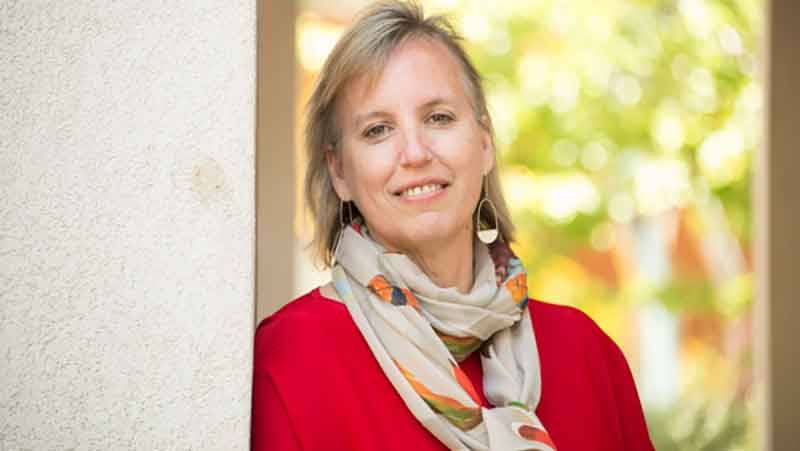
"caption": "Julie Fry, president and CEO of California Humanities: 'We’re making do with what paper towels we already have.'",
"description": "Julie Fry, president and CEO of California Humanities: 'We’re making do with what paper towels we already have.'",
"title": "JulieFry",
"credit": "Terry Lorant / Courtesy California Humanities ",
"status": "inherit",
"isLoading": false,
"fetchFailed": false
},
"arts_13848854": {
"type": "attachments",
"id": "arts_13848854",
"meta": {
"index": "attachments_1716263798",
"site": "arts",
"id": "13848854",
"found": true
},
"parent": 13848850,
"imgSizes": {
"small": {
"file": "https://ww2.kqed.org/app/uploads/sites/2/2019/01/Kronos_2014_a_creditWojciechWandzel-520x293.jpg",
"width": 520,
"mimeType": "image/jpeg",
"height": 293
},
"twentyfourteen-full-width": {
"file": "https://ww2.kqed.org/app/uploads/sites/2/2019/01/Kronos_2014_a_creditWojciechWandzel-1038x576.jpg",
"width": 1038,
"mimeType": "image/jpeg",
"height": 576
},
"thumbnail": {
"file": "https://ww2.kqed.org/app/uploads/sites/2/2019/01/Kronos_2014_a_creditWojciechWandzel-160x90.jpg",
"width": 160,
"mimeType": "image/jpeg",
"height": 90
},
"fd-sm": {
"file": "https://ww2.kqed.org/app/uploads/sites/2/2019/01/Kronos_2014_a_creditWojciechWandzel-960x540.jpg",
"width": 960,
"mimeType": "image/jpeg",
"height": 540
},
"post-thumbnail": {
"file": "https://ww2.kqed.org/app/uploads/sites/2/2019/01/Kronos_2014_a_creditWojciechWandzel-672x372.jpg",
"width": 672,
"mimeType": "image/jpeg",
"height": 372
},
"xsmall": {
"file": "https://ww2.kqed.org/app/uploads/sites/2/2019/01/Kronos_2014_a_creditWojciechWandzel-375x211.jpg",
"width": 375,
"mimeType": "image/jpeg",
"height": 211
},
"kqedFullSize": {
"file": "https://ww2.kqed.org/app/uploads/sites/2/2019/01/Kronos_2014_a_creditWojciechWandzel.jpg",
"width": 1920,
"height": 1080
},
"large": {
"file": "https://ww2.kqed.org/app/uploads/sites/2/2019/01/Kronos_2014_a_creditWojciechWandzel-1020x574.jpg",
"width": 1020,
"mimeType": "image/jpeg",
"height": 574
},
"xlarge": {
"file": "https://ww2.kqed.org/app/uploads/sites/2/2019/01/Kronos_2014_a_creditWojciechWandzel-1180x664.jpg",
"width": 1180,
"mimeType": "image/jpeg",
"height": 664
},
"complete_open_graph": {
"file": "https://ww2.kqed.org/app/uploads/sites/2/2019/01/Kronos_2014_a_creditWojciechWandzel-1200x675.jpg",
"width": 1200,
"mimeType": "image/jpeg",
"height": 675
},
"guest-author-50": {
"file": "https://ww2.kqed.org/app/uploads/sites/2/2019/01/Kronos_2014_a_creditWojciechWandzel-50x50.jpg",
"width": 50,
"mimeType": "image/jpeg",
"height": 50
},
"guest-author-96": {
"file": "https://ww2.kqed.org/app/uploads/sites/2/2019/01/Kronos_2014_a_creditWojciechWandzel-96x96.jpg",
"width": 96,
"mimeType": "image/jpeg",
"height": 96
},
"medium": {
"file": "https://ww2.kqed.org/app/uploads/sites/2/2019/01/Kronos_2014_a_creditWojciechWandzel-800x450.jpg",
"width": 800,
"mimeType": "image/jpeg",
"height": 450
},
"guest-author-64": {
"file": "https://ww2.kqed.org/app/uploads/sites/2/2019/01/Kronos_2014_a_creditWojciechWandzel-64x64.jpg",
"width": 64,
"mimeType": "image/jpeg",
"height": 64
},
"guest-author-32": {
"file": "https://ww2.kqed.org/app/uploads/sites/2/2019/01/Kronos_2014_a_creditWojciechWandzel-32x32.jpg",
"width": 32,
"mimeType": "image/jpeg",
"height": 32
},
"fd-lrg": {
"file": "https://ww2.kqed.org/app/uploads/sites/2/2019/01/Kronos_2014_a_creditWojciechWandzel-1920x1080.jpg",
"width": 1920,
"mimeType": "image/jpeg",
"height": 1080
},
"fd-med": {
"file": "https://ww2.kqed.org/app/uploads/sites/2/2019/01/Kronos_2014_a_creditWojciechWandzel-1180x664.jpg",
"width": 1180,
"mimeType": "image/jpeg",
"height": 664
},
"full-width": {
"file": "https://ww2.kqed.org/app/uploads/sites/2/2019/01/Kronos_2014_a_creditWojciechWandzel-1920x1080.jpg",
"width": 1920,
"mimeType": "image/jpeg",
"height": 1080
},
"detail": {
"file": "https://ww2.kqed.org/app/uploads/sites/2/2019/01/Kronos_2014_a_creditWojciechWandzel-150x150.jpg",
"width": 150,
"mimeType": "image/jpeg",
"height": 150
},
"medium_large": {
"file": "https://ww2.kqed.org/app/uploads/sites/2/2019/01/Kronos_2014_a_creditWojciechWandzel-768x432.jpg",
"width": 768,
"mimeType": "image/jpeg",
"height": 432
},
"guest-author-128": {
"file": "https://ww2.kqed.org/app/uploads/sites/2/2019/01/Kronos_2014_a_creditWojciechWandzel-128x128.jpg",
"width": 128,
"mimeType": "image/jpeg",
"height": 128
},
"xxsmall": {
"file": "https://ww2.kqed.org/app/uploads/sites/2/2019/01/Kronos_2014_a_creditWojciechWandzel-240x135.jpg",
"width": 240,
"mimeType": "image/jpeg",
"height": 135
}
},
"publishDate": 1547666906,
"modified": 1648152086,
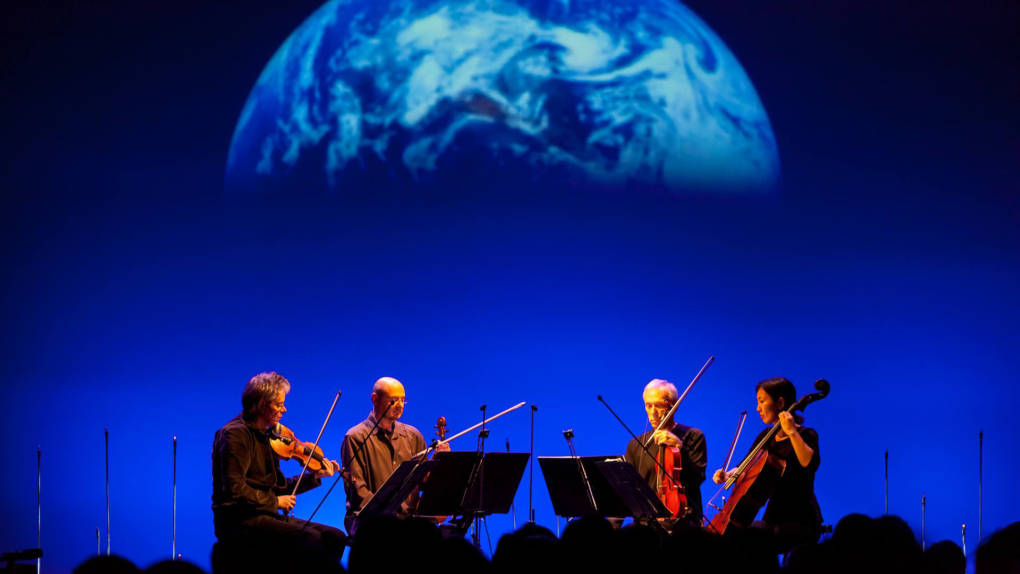
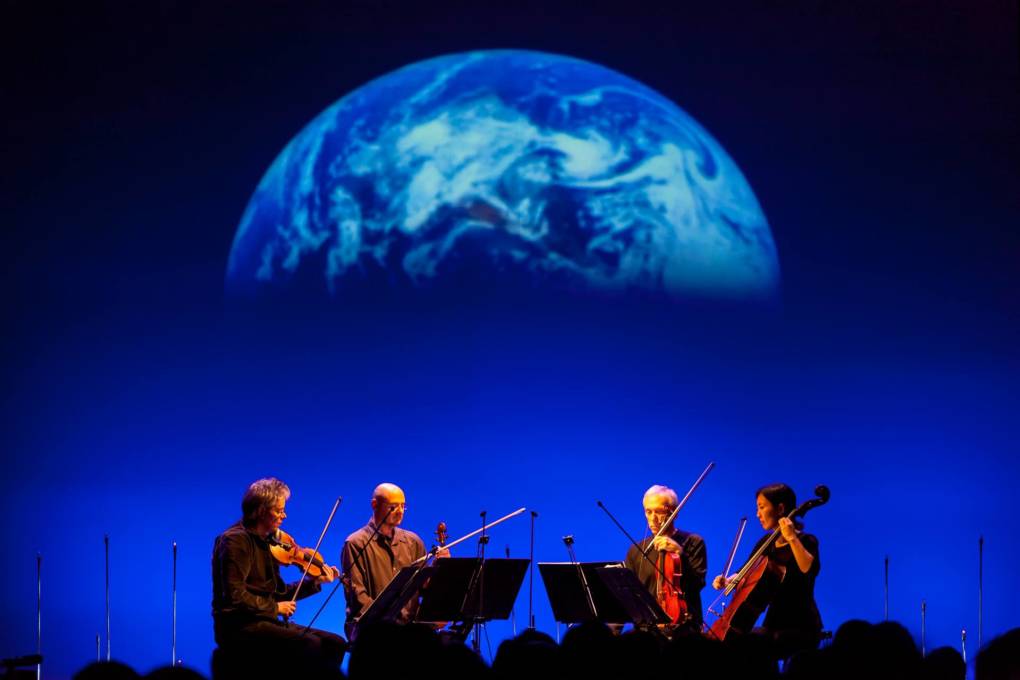
"caption": "Kronos Quartet.",
"description": "Kronos Quartet. ",
"title": "Kronos_2014_a_creditWojciechWandzel",
"credit": "Wojciech Wandzel",
"status": "inherit",
"altTag": "Kronos Quartet.",
"isLoading": false,
"fetchFailed": false
},
"arts_13843222": {
"type": "attachments",
"id": "arts_13843222",
"meta": {
"index": "attachments_1716263798",
"site": "arts",
"id": "13843222",
"found": true
},
"parent": 13843220,
"imgSizes": {
"small": {
"file": "https://ww2.kqed.org/app/uploads/sites/2/2018/10/SunRingsAtSacrumProfanum_Krakow_2014_a_creditWojciechWandzel-520x347.jpg",
"width": 520,
"mimeType": "image/jpeg",
"height": 347
},
"twentyfourteen-full-width": {
"file": "https://ww2.kqed.org/app/uploads/sites/2/2018/10/SunRingsAtSacrumProfanum_Krakow_2014_a_creditWojciechWandzel-1038x576.jpg",
"width": 1038,
"mimeType": "image/jpeg",
"height": 576
},
"thumbnail": {
"file": "https://ww2.kqed.org/app/uploads/sites/2/2018/10/SunRingsAtSacrumProfanum_Krakow_2014_a_creditWojciechWandzel-160x107.jpg",
"width": 160,
"mimeType": "image/jpeg",
"height": 107
},
"fd-sm": {
"file": "https://ww2.kqed.org/app/uploads/sites/2/2018/10/SunRingsAtSacrumProfanum_Krakow_2014_a_creditWojciechWandzel-960x640.jpg",
"width": 960,
"mimeType": "image/jpeg",
"height": 640
},
"post-thumbnail": {
"file": "https://ww2.kqed.org/app/uploads/sites/2/2018/10/SunRingsAtSacrumProfanum_Krakow_2014_a_creditWojciechWandzel-672x372.jpg",
"width": 672,
"mimeType": "image/jpeg",
"height": 372
},
"xsmall": {
"file": "https://ww2.kqed.org/app/uploads/sites/2/2018/10/SunRingsAtSacrumProfanum_Krakow_2014_a_creditWojciechWandzel-375x250.jpg",
"width": 375,
"mimeType": "image/jpeg",
"height": 250
},
"kqedFullSize": {
"file": "https://ww2.kqed.org/app/uploads/sites/2/2018/10/SunRingsAtSacrumProfanum_Krakow_2014_a_creditWojciechWandzel.jpg",
"width": 1920,
"height": 1280
},
"large": {
"file": "https://ww2.kqed.org/app/uploads/sites/2/2018/10/SunRingsAtSacrumProfanum_Krakow_2014_a_creditWojciechWandzel-1020x680.jpg",
"width": 1020,
"mimeType": "image/jpeg",
"height": 680
},
"xlarge": {
"file": "https://ww2.kqed.org/app/uploads/sites/2/2018/10/SunRingsAtSacrumProfanum_Krakow_2014_a_creditWojciechWandzel-1180x787.jpg",
"width": 1180,
"mimeType": "image/jpeg",
"height": 787
},
"complete_open_graph": {
"file": "https://ww2.kqed.org/app/uploads/sites/2/2018/10/SunRingsAtSacrumProfanum_Krakow_2014_a_creditWojciechWandzel-1200x800.jpg",
"width": 1200,
"mimeType": "image/jpeg",
"height": 800
},
"guest-author-50": {
"file": "https://ww2.kqed.org/app/uploads/sites/2/2018/10/SunRingsAtSacrumProfanum_Krakow_2014_a_creditWojciechWandzel-50x50.jpg",
"width": 50,
"mimeType": "image/jpeg",
"height": 50
},
"guest-author-96": {
"file": "https://ww2.kqed.org/app/uploads/sites/2/2018/10/SunRingsAtSacrumProfanum_Krakow_2014_a_creditWojciechWandzel-96x96.jpg",
"width": 96,
"mimeType": "image/jpeg",
"height": 96
},
"medium": {
"file": "https://ww2.kqed.org/app/uploads/sites/2/2018/10/SunRingsAtSacrumProfanum_Krakow_2014_a_creditWojciechWandzel-800x533.jpg",
"width": 800,
"mimeType": "image/jpeg",
"height": 533
},
"guest-author-64": {
"file": "https://ww2.kqed.org/app/uploads/sites/2/2018/10/SunRingsAtSacrumProfanum_Krakow_2014_a_creditWojciechWandzel-64x64.jpg",
"width": 64,
"mimeType": "image/jpeg",
"height": 64
},
"guest-author-32": {
"file": "https://ww2.kqed.org/app/uploads/sites/2/2018/10/SunRingsAtSacrumProfanum_Krakow_2014_a_creditWojciechWandzel-32x32.jpg",
"width": 32,
"mimeType": "image/jpeg",
"height": 32
},
"fd-lrg": {
"file": "https://ww2.kqed.org/app/uploads/sites/2/2018/10/SunRingsAtSacrumProfanum_Krakow_2014_a_creditWojciechWandzel-1920x1280.jpg",
"width": 1920,
"mimeType": "image/jpeg",
"height": 1280
},
"fd-med": {
"file": "https://ww2.kqed.org/app/uploads/sites/2/2018/10/SunRingsAtSacrumProfanum_Krakow_2014_a_creditWojciechWandzel-1180x787.jpg",
"width": 1180,
"mimeType": "image/jpeg",
"height": 787
},
"full-width": {
"file": "https://ww2.kqed.org/app/uploads/sites/2/2018/10/SunRingsAtSacrumProfanum_Krakow_2014_a_creditWojciechWandzel-1920x1280.jpg",
"width": 1920,
"mimeType": "image/jpeg",
"height": 1280
},
"detail": {
"file": "https://ww2.kqed.org/app/uploads/sites/2/2018/10/SunRingsAtSacrumProfanum_Krakow_2014_a_creditWojciechWandzel-150x150.jpg",
"width": 150,
"mimeType": "image/jpeg",
"height": 150
},
"medium_large": {
"file": "https://ww2.kqed.org/app/uploads/sites/2/2018/10/SunRingsAtSacrumProfanum_Krakow_2014_a_creditWojciechWandzel-768x512.jpg",
"width": 768,
"mimeType": "image/jpeg",
"height": 512
},
"guest-author-128": {
"file": "https://ww2.kqed.org/app/uploads/sites/2/2018/10/SunRingsAtSacrumProfanum_Krakow_2014_a_creditWojciechWandzel-128x128.jpg",
"width": 128,
"mimeType": "image/jpeg",
"height": 128
},
"xxsmall": {
"file": "https://ww2.kqed.org/app/uploads/sites/2/2018/10/SunRingsAtSacrumProfanum_Krakow_2014_a_creditWojciechWandzel-240x160.jpg",
"width": 240,
"mimeType": "image/jpeg",
"height": 160
}
},
"publishDate": 1539997608,
"modified": 1539997708,
"caption": "In response to the 2017 Executive Orders limiting travel to the US by people from largely Muslim-majority countries, the Kronos Quartet performs music from the original seven “banned” countries—Iran, Iraq, Libya, Somalia, Sudan, Syria, and Yemen. ",
"description": "In response to the 2017 Executive Orders limiting travel to the US by people from largely Muslim-majority countries, the Kronos Quartet performs music from the original seven “banned” countries—Iran, Iraq, Libya, Somalia, Sudan, Syria, and Yemen. ",
"title": "SunRingsAtSacrumProfanum_Krakow_2014_a_creditWojciechWandzel",
"credit": "Photo: Courtesy of the Kronos Quartet",
"status": "inherit",
"isLoading": false,
"fetchFailed": false
},
"arts_13830220": {
"type": "attachments",
"id": "arts_13830220",
"meta": {
"index": "attachments_1716263798",
"site": "arts",
"id": "13830220",
"found": true
},
"parent": 13830208,
"imgSizes": {
"small": {
"file": "https://ww2.kqed.org/app/uploads/sites/2/2018/04/credit_Lenny_Gonzalez_13_12.7_0450B-520x293.jpg",
"width": 520,
"mimeType": "image/jpeg",
"height": 293
},
"twentyfourteen-full-width": {
"file": "https://ww2.kqed.org/app/uploads/sites/2/2018/04/credit_Lenny_Gonzalez_13_12.7_0450B-1038x576.jpg",
"width": 1038,
"mimeType": "image/jpeg",
"height": 576
},
"thumbnail": {
"file": "https://ww2.kqed.org/app/uploads/sites/2/2018/04/credit_Lenny_Gonzalez_13_12.7_0450B-160x90.jpg",
"width": 160,
"mimeType": "image/jpeg",
"height": 90
},
"fd-sm": {
"file": "https://ww2.kqed.org/app/uploads/sites/2/2018/04/credit_Lenny_Gonzalez_13_12.7_0450B-960x540.jpg",
"width": 960,
"mimeType": "image/jpeg",
"height": 540
},
"post-thumbnail": {
"file": "https://ww2.kqed.org/app/uploads/sites/2/2018/04/credit_Lenny_Gonzalez_13_12.7_0450B-672x372.jpg",
"width": 672,
"mimeType": "image/jpeg",
"height": 372
},
"xsmall": {
"file": "https://ww2.kqed.org/app/uploads/sites/2/2018/04/credit_Lenny_Gonzalez_13_12.7_0450B-375x211.jpg",
"width": 375,
"mimeType": "image/jpeg",
"height": 211
},
"kqedFullSize": {
"file": "https://ww2.kqed.org/app/uploads/sites/2/2018/04/credit_Lenny_Gonzalez_13_12.7_0450B.jpg",
"width": 1920,
"height": 1080
},
"large": {
"file": "https://ww2.kqed.org/app/uploads/sites/2/2018/04/credit_Lenny_Gonzalez_13_12.7_0450B-1020x574.jpg",
"width": 1020,
"mimeType": "image/jpeg",
"height": 574
},
"xlarge": {
"file": "https://ww2.kqed.org/app/uploads/sites/2/2018/04/credit_Lenny_Gonzalez_13_12.7_0450B-1180x664.jpg",
"width": 1180,
"mimeType": "image/jpeg",
"height": 664
},
"complete_open_graph": {
"file": "https://ww2.kqed.org/app/uploads/sites/2/2018/04/credit_Lenny_Gonzalez_13_12.7_0450B-1200x675.jpg",
"width": 1200,
"mimeType": "image/jpeg",
"height": 675
},
"guest-author-50": {
"file": "https://ww2.kqed.org/app/uploads/sites/2/2018/04/credit_Lenny_Gonzalez_13_12.7_0450B-50x50.jpg",
"width": 50,
"mimeType": "image/jpeg",
"height": 50
},
"guest-author-96": {
"file": "https://ww2.kqed.org/app/uploads/sites/2/2018/04/credit_Lenny_Gonzalez_13_12.7_0450B-96x96.jpg",
"width": 96,
"mimeType": "image/jpeg",
"height": 96
},
"medium": {
"file": "https://ww2.kqed.org/app/uploads/sites/2/2018/04/credit_Lenny_Gonzalez_13_12.7_0450B-800x450.jpg",
"width": 800,
"mimeType": "image/jpeg",
"height": 450
},
"guest-author-64": {
"file": "https://ww2.kqed.org/app/uploads/sites/2/2018/04/credit_Lenny_Gonzalez_13_12.7_0450B-64x64.jpg",
"width": 64,
"mimeType": "image/jpeg",
"height": 64
},
"guest-author-32": {
"file": "https://ww2.kqed.org/app/uploads/sites/2/2018/04/credit_Lenny_Gonzalez_13_12.7_0450B-32x32.jpg",
"width": 32,
"mimeType": "image/jpeg",
"height": 32
},
"fd-lrg": {
"file": "https://ww2.kqed.org/app/uploads/sites/2/2018/04/credit_Lenny_Gonzalez_13_12.7_0450B-1920x1080.jpg",
"width": 1920,
"mimeType": "image/jpeg",
"height": 1080
},
"fd-med": {
"file": "https://ww2.kqed.org/app/uploads/sites/2/2018/04/credit_Lenny_Gonzalez_13_12.7_0450B-1180x664.jpg",
"width": 1180,
"mimeType": "image/jpeg",
"height": 664
},
"full-width": {
"file": "https://ww2.kqed.org/app/uploads/sites/2/2018/04/credit_Lenny_Gonzalez_13_12.7_0450B-1920x1080.jpg",
"width": 1920,
"mimeType": "image/jpeg",
"height": 1080
},
"detail": {
"file": "https://ww2.kqed.org/app/uploads/sites/2/2018/04/credit_Lenny_Gonzalez_13_12.7_0450B-150x150.jpg",
"width": 150,
"mimeType": "image/jpeg",
"height": 150
},
"medium_large": {
"file": "https://ww2.kqed.org/app/uploads/sites/2/2018/04/credit_Lenny_Gonzalez_13_12.7_0450B-768x432.jpg",
"width": 768,
"mimeType": "image/jpeg",
"height": 432
},
"guest-author-128": {
"file": "https://ww2.kqed.org/app/uploads/sites/2/2018/04/credit_Lenny_Gonzalez_13_12.7_0450B-128x128.jpg",
"width": 128,
"mimeType": "image/jpeg",
"height": 128
},
"xxsmall": {
"file": "https://ww2.kqed.org/app/uploads/sites/2/2018/04/credit_Lenny_Gonzalez_13_12.7_0450B-240x135.jpg",
"width": 240,
"mimeType": "image/jpeg",
"height": 135
}
},
"publishDate": 1524520909,
"modified": 1524520998,
"caption": "Kronos Quartet performs with Trio Da Kali.",
"description": "Kronos Quartet performs with Trio Da Kali.",
"title": "credit_Lenny_Gonzalez_13_12.7_0450B",
"credit": "Lenny Gonzalez",
"status": "inherit",
"isLoading": false,
"fetchFailed": false
},
"arts_13828738": {
"type": "attachments",
"id": "arts_13828738",
"meta": {
"index": "attachments_1716263798",
"site": "arts",
"id": "13828738",
"found": true
},
"parent": 13828633,
"imgSizes": {
"small": {
"file": "https://ww2.kqed.org/app/uploads/sites/2/2018/04/RS30274_Carter-War-Bride-1940-qut-520x346.jpg",
"width": 520,
"mimeType": "image/jpeg",
"height": 346
},
"twentyfourteen-full-width": {
"file": "https://ww2.kqed.org/app/uploads/sites/2/2018/04/RS30274_Carter-War-Bride-1940-qut-1038x576.jpg",
"width": 1038,
"mimeType": "image/jpeg",
"height": 576
},
"thumbnail": {
"file": "https://ww2.kqed.org/app/uploads/sites/2/2018/04/RS30274_Carter-War-Bride-1940-qut-160x107.jpg",
"width": 160,
"mimeType": "image/jpeg",
"height": 107
},
"fd-sm": {
"file": "https://ww2.kqed.org/app/uploads/sites/2/2018/04/RS30274_Carter-War-Bride-1940-qut-960x640.jpg",
"width": 960,
"mimeType": "image/jpeg",
"height": 640
},
"post-thumbnail": {
"file": "https://ww2.kqed.org/app/uploads/sites/2/2018/04/RS30274_Carter-War-Bride-1940-qut-672x372.jpg",
"width": 672,
"mimeType": "image/jpeg",
"height": 372
},
"xsmall": {
"file": "https://ww2.kqed.org/app/uploads/sites/2/2018/04/RS30274_Carter-War-Bride-1940-qut-375x250.jpg",
"width": 375,
"mimeType": "image/jpeg",
"height": 250
},
"kqedFullSize": {
"file": "https://ww2.kqed.org/app/uploads/sites/2/2018/04/RS30274_Carter-War-Bride-1940-qut.jpg",
"width": 1920,
"height": 1279
},
"large": {
"file": "https://ww2.kqed.org/app/uploads/sites/2/2018/04/RS30274_Carter-War-Bride-1940-qut-1020x679.jpg",
"width": 1020,
"mimeType": "image/jpeg",
"height": 679
},
"xlarge": {
"file": "https://ww2.kqed.org/app/uploads/sites/2/2018/04/RS30274_Carter-War-Bride-1940-qut-1180x786.jpg",
"width": 1180,
"mimeType": "image/jpeg",
"height": 786
},
"guest-author-50": {
"file": "https://ww2.kqed.org/app/uploads/sites/2/2018/04/RS30274_Carter-War-Bride-1940-qut-50x50.jpg",
"width": 50,
"mimeType": "image/jpeg",
"height": 50
},
"guest-author-96": {
"file": "https://ww2.kqed.org/app/uploads/sites/2/2018/04/RS30274_Carter-War-Bride-1940-qut-96x96.jpg",
"width": 96,
"mimeType": "image/jpeg",
"height": 96
},
"medium": {
"file": "https://ww2.kqed.org/app/uploads/sites/2/2018/04/RS30274_Carter-War-Bride-1940-qut-800x533.jpg",
"width": 800,
"mimeType": "image/jpeg",
"height": 533
},
"guest-author-64": {
"file": "https://ww2.kqed.org/app/uploads/sites/2/2018/04/RS30274_Carter-War-Bride-1940-qut-64x64.jpg",
"width": 64,
"mimeType": "image/jpeg",
"height": 64
},
"guest-author-32": {
"file": "https://ww2.kqed.org/app/uploads/sites/2/2018/04/RS30274_Carter-War-Bride-1940-qut-32x32.jpg",
"width": 32,
"mimeType": "image/jpeg",
"height": 32
},
"fd-lrg": {
"file": "https://ww2.kqed.org/app/uploads/sites/2/2018/04/RS30274_Carter-War-Bride-1940-qut-1920x1279.jpg",
"width": 1920,
"mimeType": "image/jpeg",
"height": 1279
},
"fd-med": {
"file": "https://ww2.kqed.org/app/uploads/sites/2/2018/04/RS30274_Carter-War-Bride-1940-qut-1180x786.jpg",
"width": 1180,
"mimeType": "image/jpeg",
"height": 786
},
"full-width": {
"file": "https://ww2.kqed.org/app/uploads/sites/2/2018/04/RS30274_Carter-War-Bride-1940-qut-1920x1279.jpg",
"width": 1920,
"mimeType": "image/jpeg",
"height": 1279
},
"detail": {
"file": "https://ww2.kqed.org/app/uploads/sites/2/2018/04/RS30274_Carter-War-Bride-1940-qut-150x150.jpg",
"width": 150,
"mimeType": "image/jpeg",
"height": 150
},
"medium_large": {
"file": "https://ww2.kqed.org/app/uploads/sites/2/2018/04/RS30274_Carter-War-Bride-1940-qut-768x512.jpg",
"width": 768,
"mimeType": "image/jpeg",
"height": 512
},
"guest-author-128": {
"file": "https://ww2.kqed.org/app/uploads/sites/2/2018/04/RS30274_Carter-War-Bride-1940-qut-128x128.jpg",
"width": 128,
"mimeType": "image/jpeg",
"height": 128
},
"xxsmall": {
"file": "https://ww2.kqed.org/app/uploads/sites/2/2018/04/RS30274_Carter-War-Bride-1940-qut-240x160.jpg",
"width": 240,
"mimeType": "image/jpeg",
"height": 160
}
},
"publishDate": 1522897251,
"modified": 1522897282,
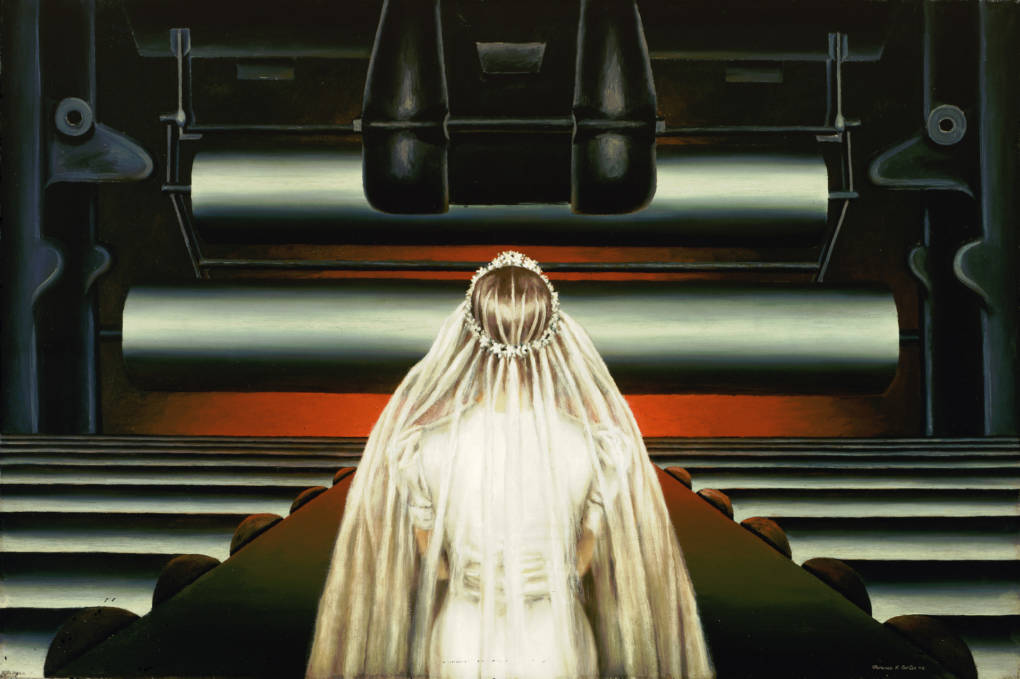
"caption": "Clarence Holbrook Carter's \"War Bride\" (1940) captures a moment in time when American artists began to fear industrialization and its present and future impact on humankind. The painting ends the exhibition \"Cult of the Machine\" at the de Young Museum in San Francisco.",
"description": "Clarence Holbrook Carter's \"War Bride\" (1940) captures a moment in time when American artists began to fear industrialization and its present and future impact on humankind. The painting ends the exhibition \"Cult of the Machine\" at the de Young Museum in San Francisco.",
"title": "Clarence Holbrook Carter (American, 1904–2000)",
"credit": "Photo: Courtesy of the de Young Museum",
"status": "inherit",
"isLoading": false,
"fetchFailed": false
},
"arts_13823444": {
"type": "attachments",
"id": "arts_13823444",
"meta": {
"index": "attachments_1716263798",
"site": "arts",
"id": "13823444",
"found": true
},
"parent": 13823426,
"imgSizes": {
"small": {
"file": "https://ww2.kqed.org/app/uploads/sites/2/2018/01/trouble1764-520x310.jpg",
"width": 520,
"mimeType": "image/jpeg",
"height": 310
},
"thumbnail": {
"file": "https://ww2.kqed.org/app/uploads/sites/2/2018/01/trouble1764-160x95.jpg",
"width": 160,
"mimeType": "image/jpeg",
"height": 95
},
"post-thumbnail": {
"file": "https://ww2.kqed.org/app/uploads/sites/2/2018/01/trouble1764-640x372.jpg",
"width": 640,
"mimeType": "image/jpeg",
"height": 372
},
"xsmall": {
"file": "https://ww2.kqed.org/app/uploads/sites/2/2018/01/trouble1764-375x223.jpg",
"width": 375,
"mimeType": "image/jpeg",
"height": 223
},
"kqedFullSize": {
"file": "https://ww2.kqed.org/app/uploads/sites/2/2018/01/trouble1764.jpg",
"width": 640,
"height": 381
},
"guest-author-50": {
"file": "https://ww2.kqed.org/app/uploads/sites/2/2018/01/trouble1764-50x50.jpg",
"width": 50,
"mimeType": "image/jpeg",
"height": 50
},
"guest-author-96": {
"file": "https://ww2.kqed.org/app/uploads/sites/2/2018/01/trouble1764-96x96.jpg",
"width": 96,
"mimeType": "image/jpeg",
"height": 96
},
"guest-author-64": {
"file": "https://ww2.kqed.org/app/uploads/sites/2/2018/01/trouble1764-64x64.jpg",
"width": 64,
"mimeType": "image/jpeg",
"height": 64
},
"detail": {
"file": "https://ww2.kqed.org/app/uploads/sites/2/2018/01/trouble1764-150x150.jpg",
"width": 150,
"mimeType": "image/jpeg",
"height": 150
},
"guest-author-32": {
"file": "https://ww2.kqed.org/app/uploads/sites/2/2018/01/trouble1764-32x32.jpg",
"width": 32,
"mimeType": "image/jpeg",
"height": 32
},
"guest-author-128": {
"file": "https://ww2.kqed.org/app/uploads/sites/2/2018/01/trouble1764-128x128.jpg",
"width": 128,
"mimeType": "image/jpeg",
"height": 128
},
"xxsmall": {
"file": "https://ww2.kqed.org/app/uploads/sites/2/2018/01/trouble1764-240x143.jpg",
"width": 240,
"mimeType": "image/jpeg",
"height": 143
}
},
"publishDate": 1517448824,
"modified": 1517448902,
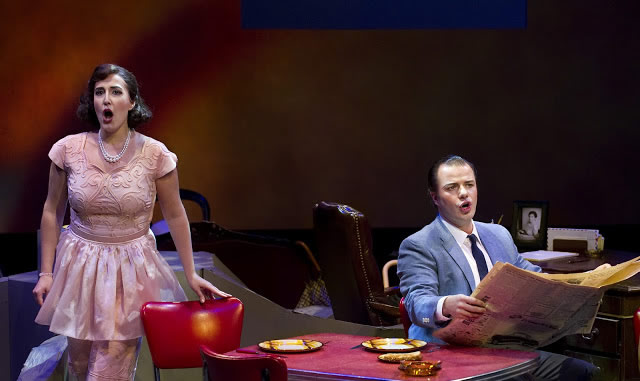
"caption": "Krista Wigle and Andres Ramirez dazzle as a jazzy Greek chorus in Leonard Bernstein’s 'Trouble in Tahiti' at Opera Parallèle.",
"description": "Krista Wigle and Andres Ramirez dazzle as a jazzy Greek chorus in Leonard Bernstein’s “Trouble in Tahiti” at Opera Parallèle.",
"title": "trouble1764",
"credit": "Steve DiBartolomeo",
"status": "inherit",
"isLoading": false,
"fetchFailed": false
},
"arts_13823392": {
"type": "attachments",
"id": "arts_13823392",
"meta": {
"index": "attachments_1716263798",
"site": "arts",
"id": "13823392",
"found": true
},
"parent": 13823379,
"imgSizes": {
"small": {
"file": "https://ww2.kqed.org/app/uploads/sites/2/2018/01/Philip-Glass-at-the-Piano-e1517441401968-520x292.jpg",
"width": 520,
"mimeType": "image/jpeg",
"height": 292
},
"twentyfourteen-full-width": {
"file": "https://ww2.kqed.org/app/uploads/sites/2/2018/01/Philip-Glass-at-the-Piano-e1517441401968-1038x576.jpg",
"width": 1038,
"mimeType": "image/jpeg",
"height": 576
},
"thumbnail": {
"file": "https://ww2.kqed.org/app/uploads/sites/2/2018/01/Philip-Glass-at-the-Piano-e1517441401968-160x90.jpg",
"width": 160,
"mimeType": "image/jpeg",
"height": 90
},
"fd-sm": {
"file": "https://ww2.kqed.org/app/uploads/sites/2/2018/01/Philip-Glass-at-the-Piano-e1517441401968-960x540.jpg",
"width": 960,
"mimeType": "image/jpeg",
"height": 540
},
"post-thumbnail": {
"file": "https://ww2.kqed.org/app/uploads/sites/2/2018/01/Philip-Glass-at-the-Piano-e1517441401968-672x372.jpg",
"width": 672,
"mimeType": "image/jpeg",
"height": 372
},
"xsmall": {
"file": "https://ww2.kqed.org/app/uploads/sites/2/2018/01/Philip-Glass-at-the-Piano-e1517441401968-375x211.jpg",
"width": 375,
"mimeType": "image/jpeg",
"height": 211
},
"kqedFullSize": {
"file": "https://ww2.kqed.org/app/uploads/sites/2/2018/01/Philip-Glass-at-the-Piano-e1517441401968.jpg",
"width": 1400,
"height": 787
},
"large": {
"file": "https://ww2.kqed.org/app/uploads/sites/2/2018/01/Philip-Glass-at-the-Piano-e1517441401968-1020x573.jpg",
"width": 1020,
"mimeType": "image/jpeg",
"height": 573
},
"xlarge": {
"file": "https://ww2.kqed.org/app/uploads/sites/2/2018/01/Philip-Glass-at-the-Piano-e1517441401968-1180x663.jpg",
"width": 1180,
"mimeType": "image/jpeg",
"height": 663
},
"guest-author-50": {
"file": "https://ww2.kqed.org/app/uploads/sites/2/2018/01/Philip-Glass-at-the-Piano-e1517441401968-50x50.jpg",
"width": 50,
"mimeType": "image/jpeg",
"height": 50
},
"guest-author-96": {
"file": "https://ww2.kqed.org/app/uploads/sites/2/2018/01/Philip-Glass-at-the-Piano-e1517441401968-96x96.jpg",
"width": 96,
"mimeType": "image/jpeg",
"height": 96
},
"medium": {
"file": "https://ww2.kqed.org/app/uploads/sites/2/2018/01/Philip-Glass-at-the-Piano-e1517441401968-800x450.jpg",
"width": 800,
"mimeType": "image/jpeg",
"height": 450
},
"guest-author-64": {
"file": "https://ww2.kqed.org/app/uploads/sites/2/2018/01/Philip-Glass-at-the-Piano-e1517441401968-64x64.jpg",
"width": 64,
"mimeType": "image/jpeg",
"height": 64
},
"guest-author-32": {
"file": "https://ww2.kqed.org/app/uploads/sites/2/2018/01/Philip-Glass-at-the-Piano-e1517441401968-32x32.jpg",
"width": 32,
"mimeType": "image/jpeg",
"height": 32
},
"fd-med": {
"file": "https://ww2.kqed.org/app/uploads/sites/2/2018/01/Philip-Glass-at-the-Piano-e1517441401968-1180x663.jpg",
"width": 1180,
"mimeType": "image/jpeg",
"height": 663
},
"detail": {
"file": "https://ww2.kqed.org/app/uploads/sites/2/2018/01/Philip-Glass-at-the-Piano-e1517441401968-150x150.jpg",
"width": 150,
"mimeType": "image/jpeg",
"height": 150
},
"medium_large": {
"file": "https://ww2.kqed.org/app/uploads/sites/2/2018/01/Philip-Glass-at-the-Piano-e1517441401968-768x432.jpg",
"width": 768,
"mimeType": "image/jpeg",
"height": 432
},
"guest-author-128": {
"file": "https://ww2.kqed.org/app/uploads/sites/2/2018/01/Philip-Glass-at-the-Piano-e1517441401968-128x128.jpg",
"width": 128,
"mimeType": "image/jpeg",
"height": 128
},
"xxsmall": {
"file": "https://ww2.kqed.org/app/uploads/sites/2/2018/01/Philip-Glass-at-the-Piano-e1517441401968-240x135.jpg",
"width": 240,
"mimeType": "image/jpeg",
"height": 135
}
},
"publishDate": 1517441277,
"modified": 1517441506,
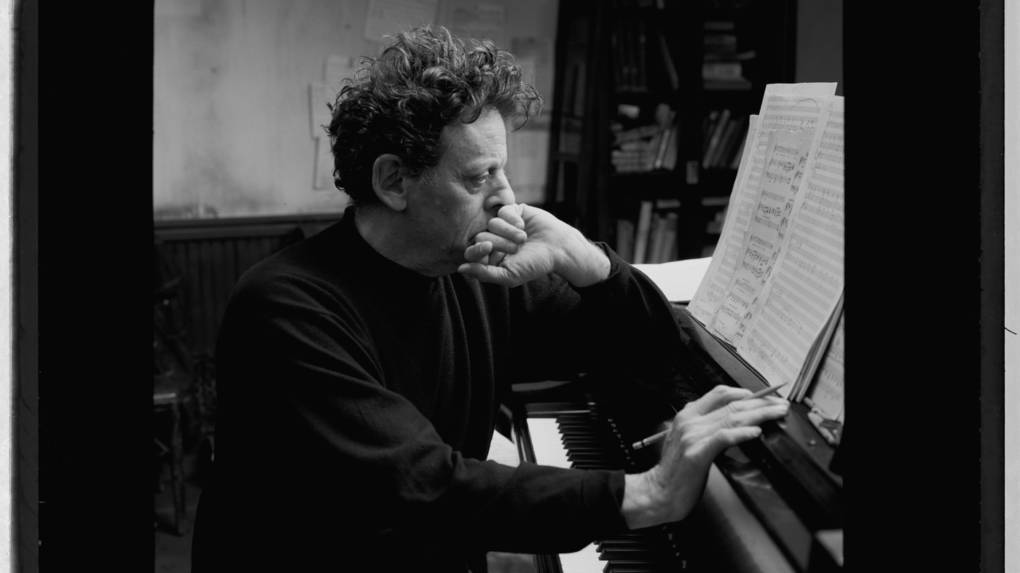
"caption": "Philip Glass will be performing his monumental ‘Music with Changing Parts‘ at Davies Hall Feb. 20 ",
"description": "Philip Glass will be performing his monumental ‘Music with Changing Parts‘ at Davies Hall Feb. 20 ",
"title": "Philip Glass will be performing his monumental ‘Music with Changing Parts‘ at Davies Hall Feb. 20",
"credit": "Photo: Courtesy of SF Performances",
"status": "inherit",
"isLoading": false,
"fetchFailed": false
},
"arts_13819437": {
"type": "attachments",
"id": "arts_13819437",
"meta": {
"index": "attachments_1716263798",
"site": "arts",
"id": "13819437",
"found": true
},
"parent": 13819256,
"imgSizes": {
"small": {
"file": "https://ww2.kqed.org/app/uploads/sites/2/2018/01/GettyImages-176910681-520x293.jpg",
"width": 520,
"mimeType": "image/jpeg",
"height": 293
},
"twentyfourteen-full-width": {
"file": "https://ww2.kqed.org/app/uploads/sites/2/2018/01/GettyImages-176910681-1038x576.jpg",
"width": 1038,
"mimeType": "image/jpeg",
"height": 576
},
"thumbnail": {
"file": "https://ww2.kqed.org/app/uploads/sites/2/2018/01/GettyImages-176910681-160x90.jpg",
"width": 160,
"mimeType": "image/jpeg",
"height": 90
},
"fd-sm": {
"file": "https://ww2.kqed.org/app/uploads/sites/2/2018/01/GettyImages-176910681-960x540.jpg",
"width": 960,
"mimeType": "image/jpeg",
"height": 540
},
"post-thumbnail": {
"file": "https://ww2.kqed.org/app/uploads/sites/2/2018/01/GettyImages-176910681-672x372.jpg",
"width": 672,
"mimeType": "image/jpeg",
"height": 372
},
"xsmall": {
"file": "https://ww2.kqed.org/app/uploads/sites/2/2018/01/GettyImages-176910681-375x211.jpg",
"width": 375,
"mimeType": "image/jpeg",
"height": 211
},
"kqedFullSize": {
"file": "https://ww2.kqed.org/app/uploads/sites/2/2018/01/GettyImages-176910681.jpg",
"width": 1920,
"height": 1080
},
"large": {
"file": "https://ww2.kqed.org/app/uploads/sites/2/2018/01/GettyImages-176910681-1020x574.jpg",
"width": 1020,
"mimeType": "image/jpeg",
"height": 574
},
"xlarge": {
"file": "https://ww2.kqed.org/app/uploads/sites/2/2018/01/GettyImages-176910681-1180x664.jpg",
"width": 1180,
"mimeType": "image/jpeg",
"height": 664
},
"guest-author-50": {
"file": "https://ww2.kqed.org/app/uploads/sites/2/2018/01/GettyImages-176910681-50x50.jpg",
"width": 50,
"mimeType": "image/jpeg",
"height": 50
},
"guest-author-96": {
"file": "https://ww2.kqed.org/app/uploads/sites/2/2018/01/GettyImages-176910681-96x96.jpg",
"width": 96,
"mimeType": "image/jpeg",
"height": 96
},
"medium": {
"file": "https://ww2.kqed.org/app/uploads/sites/2/2018/01/GettyImages-176910681-800x450.jpg",
"width": 800,
"mimeType": "image/jpeg",
"height": 450
},
"guest-author-64": {
"file": "https://ww2.kqed.org/app/uploads/sites/2/2018/01/GettyImages-176910681-64x64.jpg",
"width": 64,
"mimeType": "image/jpeg",
"height": 64
},
"guest-author-32": {
"file": "https://ww2.kqed.org/app/uploads/sites/2/2018/01/GettyImages-176910681-32x32.jpg",
"width": 32,
"mimeType": "image/jpeg",
"height": 32
},
"fd-lrg": {
"file": "https://ww2.kqed.org/app/uploads/sites/2/2018/01/GettyImages-176910681-1920x1080.jpg",
"width": 1920,
"mimeType": "image/jpeg",
"height": 1080
},
"fd-med": {
"file": "https://ww2.kqed.org/app/uploads/sites/2/2018/01/GettyImages-176910681-1180x664.jpg",
"width": 1180,
"mimeType": "image/jpeg",
"height": 664
},
"full-width": {
"file": "https://ww2.kqed.org/app/uploads/sites/2/2018/01/GettyImages-176910681-1920x1080.jpg",
"width": 1920,
"mimeType": "image/jpeg",
"height": 1080
},
"detail": {
"file": "https://ww2.kqed.org/app/uploads/sites/2/2018/01/GettyImages-176910681-150x150.jpg",
"width": 150,
"mimeType": "image/jpeg",
"height": 150
},
"medium_large": {
"file": "https://ww2.kqed.org/app/uploads/sites/2/2018/01/GettyImages-176910681-768x432.jpg",
"width": 768,
"mimeType": "image/jpeg",
"height": 432
},
"guest-author-128": {
"file": "https://ww2.kqed.org/app/uploads/sites/2/2018/01/GettyImages-176910681-128x128.jpg",
"width": 128,
"mimeType": "image/jpeg",
"height": 128
},
"xxsmall": {
"file": "https://ww2.kqed.org/app/uploads/sites/2/2018/01/GettyImages-176910681-240x135.jpg",
"width": 240,
"mimeType": "image/jpeg",
"height": 135
}
},
"publishDate": 1516236206,
"modified": 1516236301,
"caption": "The civil rights leader Martin Luther King waves to supporters on Aug. 28, 1963 at the March on Washington. ",
"description": "The civil rights leader Martin Luther King waves to supporters on Aug. 28, 1963 at the March on Washington. ",
"title": "BIO-MARTIN LUTHER KING-MARCH ON WASHINGTON",
"credit": "AFP/Getty Images",
"status": "inherit",
"isLoading": false,
"fetchFailed": false
},
"arts_13811019": {
"type": "attachments",
"id": "arts_13811019",
"meta": {
"index": "attachments_1716263798",
"site": "arts",
"id": "13811019",
"found": true
},
"parent": 13811004,
"imgSizes": {
"small": {
"file": "https://ww2.kqed.org/app/uploads/sites/2/2017/10/DSC_0184-520x293.jpg",
"width": 520,
"mimeType": "image/jpeg",
"height": 293
},
"twentyfourteen-full-width": {
"file": "https://ww2.kqed.org/app/uploads/sites/2/2017/10/DSC_0184-1038x576.jpg",
"width": 1038,
"mimeType": "image/jpeg",
"height": 576
},
"thumbnail": {
"file": "https://ww2.kqed.org/app/uploads/sites/2/2017/10/DSC_0184-160x90.jpg",
"width": 160,
"mimeType": "image/jpeg",
"height": 90
},
"fd-sm": {
"file": "https://ww2.kqed.org/app/uploads/sites/2/2017/10/DSC_0184-960x540.jpg",
"width": 960,
"mimeType": "image/jpeg",
"height": 540
},
"post-thumbnail": {
"file": "https://ww2.kqed.org/app/uploads/sites/2/2017/10/DSC_0184-672x372.jpg",
"width": 672,
"mimeType": "image/jpeg",
"height": 372
},
"xsmall": {
"file": "https://ww2.kqed.org/app/uploads/sites/2/2017/10/DSC_0184-375x211.jpg",
"width": 375,
"mimeType": "image/jpeg",
"height": 211
},
"kqedFullSize": {
"file": "https://ww2.kqed.org/app/uploads/sites/2/2017/10/DSC_0184.jpg",
"width": 1920,
"height": 1080
},
"large": {
"file": "https://ww2.kqed.org/app/uploads/sites/2/2017/10/DSC_0184-1020x574.jpg",
"width": 1020,
"mimeType": "image/jpeg",
"height": 574
},
"xlarge": {
"file": "https://ww2.kqed.org/app/uploads/sites/2/2017/10/DSC_0184-1180x664.jpg",
"width": 1180,
"mimeType": "image/jpeg",
"height": 664
},
"guest-author-50": {
"file": "https://ww2.kqed.org/app/uploads/sites/2/2017/10/DSC_0184-50x50.jpg",
"width": 50,
"mimeType": "image/jpeg",
"height": 50
},
"guest-author-96": {
"file": "https://ww2.kqed.org/app/uploads/sites/2/2017/10/DSC_0184-96x96.jpg",
"width": 96,
"mimeType": "image/jpeg",
"height": 96
},
"medium": {
"file": "https://ww2.kqed.org/app/uploads/sites/2/2017/10/DSC_0184-800x450.jpg",
"width": 800,
"mimeType": "image/jpeg",
"height": 450
},
"guest-author-64": {
"file": "https://ww2.kqed.org/app/uploads/sites/2/2017/10/DSC_0184-64x64.jpg",
"width": 64,
"mimeType": "image/jpeg",
"height": 64
},
"guest-author-32": {
"file": "https://ww2.kqed.org/app/uploads/sites/2/2017/10/DSC_0184-32x32.jpg",
"width": 32,
"mimeType": "image/jpeg",
"height": 32
},
"fd-lrg": {
"file": "https://ww2.kqed.org/app/uploads/sites/2/2017/10/DSC_0184-1920x1080.jpg",
"width": 1920,
"mimeType": "image/jpeg",
"height": 1080
},
"fd-med": {
"file": "https://ww2.kqed.org/app/uploads/sites/2/2017/10/DSC_0184-1180x664.jpg",
"width": 1180,
"mimeType": "image/jpeg",
"height": 664
},
"full-width": {
"file": "https://ww2.kqed.org/app/uploads/sites/2/2017/10/DSC_0184-1920x1080.jpg",
"width": 1920,
"mimeType": "image/jpeg",
"height": 1080
},
"detail": {
"file": "https://ww2.kqed.org/app/uploads/sites/2/2017/10/DSC_0184-150x150.jpg",
"width": 150,
"mimeType": "image/jpeg",
"height": 150
},
"medium_large": {
"file": "https://ww2.kqed.org/app/uploads/sites/2/2017/10/DSC_0184-768x432.jpg",
"width": 768,
"mimeType": "image/jpeg",
"height": 432
},
"guest-author-128": {
"file": "https://ww2.kqed.org/app/uploads/sites/2/2017/10/DSC_0184-128x128.jpg",
"width": 128,
"mimeType": "image/jpeg",
"height": 128
},
"xxsmall": {
"file": "https://ww2.kqed.org/app/uploads/sites/2/2017/10/DSC_0184-240x135.jpg",
"width": 240,
"mimeType": "image/jpeg",
"height": 135
}
},
"publishDate": 1507588921,
"modified": 1507589037,
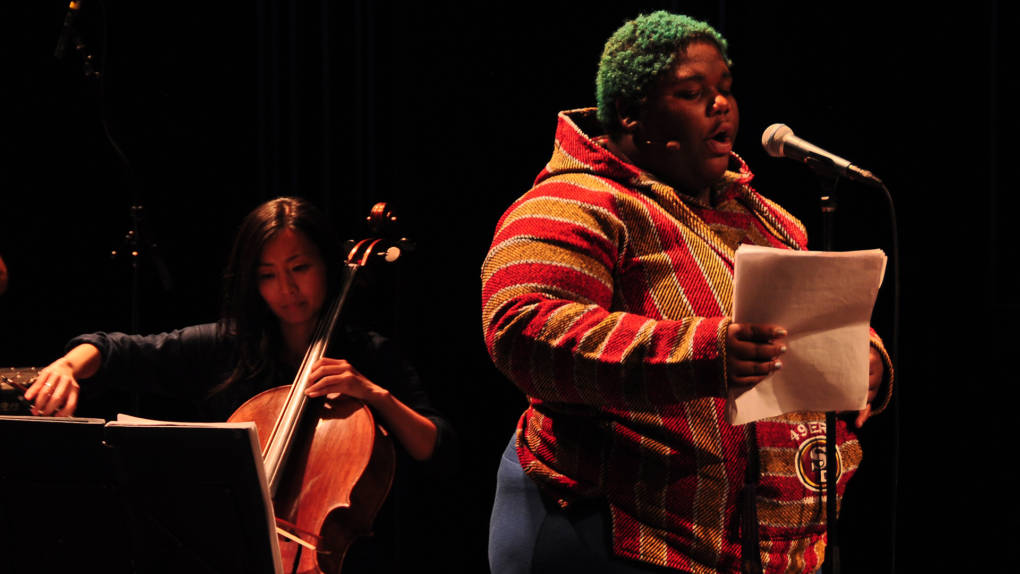
"caption": "Tassiana Willis of Youth Speaks (R) and Kronos Quartet's Sunny Yang. ",
"description": "Tassiana Willis of Youth Speaks (R) and Kronos Quartet's Sunny Yang. ",
"title": "DSC_0184",
"credit": "Christian Jessen",
"status": "inherit",
"isLoading": false,
"fetchFailed": false
},
"arts_12132280": {
"type": "attachments",
"id": "arts_12132280",
"meta": {
"index": "attachments_1716263798",
"site": "arts",
"id": "12132280",
"found": true
},
"parent": 12131884,
"imgSizes": {
"small": {
"file": "https://ww2.kqed.org/app/uploads/sites/2/2016/09/113-e1507137574881-520x293.jpg",
"width": 520,
"mimeType": "image/jpeg",
"height": 293
},
"twentyfourteen-full-width": {
"file": "https://ww2.kqed.org/app/uploads/sites/2/2016/09/113-e1507137574881-1038x576.jpg",
"width": 1038,
"mimeType": "image/jpeg",
"height": 576
},
"thumbnail": {
"file": "https://ww2.kqed.org/app/uploads/sites/2/2016/09/113-e1507137574881-160x90.jpg",
"width": 160,
"mimeType": "image/jpeg",
"height": 90
},
"fd-sm": {
"file": "https://ww2.kqed.org/app/uploads/sites/2/2016/09/113-e1507137574881-960x540.jpg",
"width": 960,
"mimeType": "image/jpeg",
"height": 540
},
"post-thumbnail": {
"file": "https://ww2.kqed.org/app/uploads/sites/2/2016/09/113-e1507137574881-672x372.jpg",
"width": 672,
"mimeType": "image/jpeg",
"height": 372
},
"xsmall": {
"file": "https://ww2.kqed.org/app/uploads/sites/2/2016/09/113-e1507137574881-375x211.jpg",
"width": 375,
"mimeType": "image/jpeg",
"height": 211
},
"kqedFullSize": {
"file": "https://ww2.kqed.org/app/uploads/sites/2/2016/09/113-e1507137574881.jpg",
"width": 3264,
"height": 1836
},
"large": {
"file": "https://ww2.kqed.org/app/uploads/sites/2/2016/09/113-e1507137574881-1020x574.jpg",
"width": 1020,
"mimeType": "image/jpeg",
"height": 574
},
"xlarge": {
"file": "https://ww2.kqed.org/app/uploads/sites/2/2016/09/113-e1507137574881-1180x664.jpg",
"width": 1180,
"mimeType": "image/jpeg",
"height": 664
},
"guest-author-50": {
"file": "https://ww2.kqed.org/app/uploads/sites/2/2016/09/113-e1507137574881-50x50.jpg",
"width": 50,
"mimeType": "image/jpeg",
"height": 50
},
"guest-author-96": {
"file": "https://ww2.kqed.org/app/uploads/sites/2/2016/09/113-e1507137574881-96x96.jpg",
"width": 96,
"mimeType": "image/jpeg",
"height": 96
},
"medium": {
"file": "https://ww2.kqed.org/app/uploads/sites/2/2016/09/113-e1507137574881-800x450.jpg",
"width": 800,
"mimeType": "image/jpeg",
"height": 450
},
"guest-author-64": {
"file": "https://ww2.kqed.org/app/uploads/sites/2/2016/09/113-e1507137574881-64x64.jpg",
"width": 64,
"mimeType": "image/jpeg",
"height": 64
},
"guest-author-32": {
"file": "https://ww2.kqed.org/app/uploads/sites/2/2016/09/113-e1507137574881-32x32.jpg",
"width": 32,
"mimeType": "image/jpeg",
"height": 32
},
"fd-lrg": {
"file": "https://ww2.kqed.org/app/uploads/sites/2/2016/09/113-e1507137574881-1920x1080.jpg",
"width": 1920,
"mimeType": "image/jpeg",
"height": 1080
},
"fd-med": {
"file": "https://ww2.kqed.org/app/uploads/sites/2/2016/09/113-e1507137574881-1180x664.jpg",
"width": 1180,
"mimeType": "image/jpeg",
"height": 664
},
"full-width": {
"file": "https://ww2.kqed.org/app/uploads/sites/2/2016/09/113-e1507137574881-1920x1080.jpg",
"width": 1920,
"mimeType": "image/jpeg",
"height": 1080
},
"detail": {
"file": "https://ww2.kqed.org/app/uploads/sites/2/2016/09/113-e1507137574881-150x150.jpg",
"width": 150,
"mimeType": "image/jpeg",
"height": 150
},
"medium_large": {
"file": "https://ww2.kqed.org/app/uploads/sites/2/2016/09/113-e1507137574881-768x432.jpg",
"width": 768,
"mimeType": "image/jpeg",
"height": 432
},
"guest-author-128": {
"file": "https://ww2.kqed.org/app/uploads/sites/2/2016/09/113-e1507137574881-128x128.jpg",
"width": 128,
"mimeType": "image/jpeg",
"height": 128
},
"xxsmall": {
"file": "https://ww2.kqed.org/app/uploads/sites/2/2016/09/113-e1507137574881-240x135.jpg",
"width": 240,
"mimeType": "image/jpeg",
"height": 135
}
},
"publishDate": 1475111311,
"modified": 1507137666,
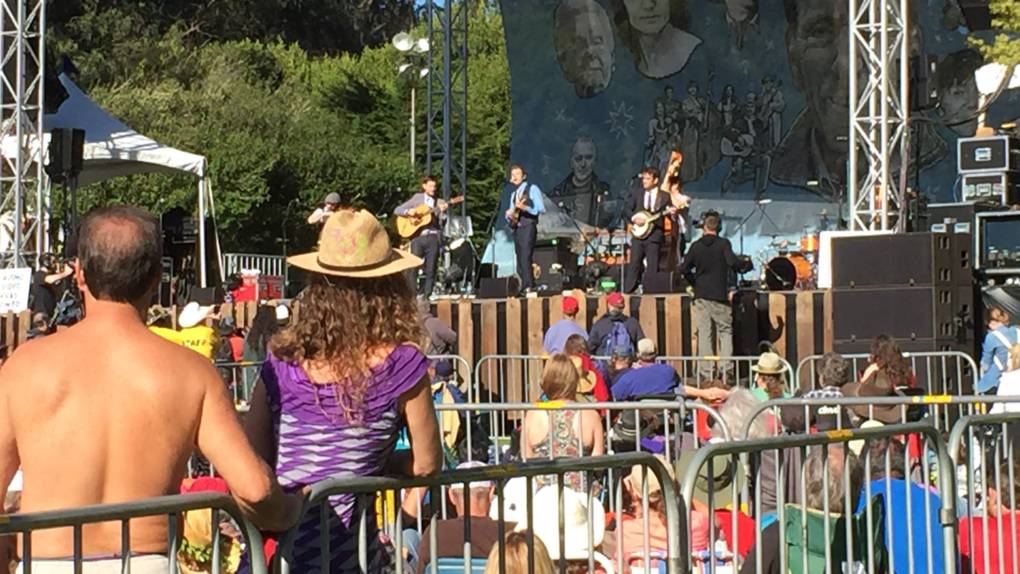
"caption": "A sunny afternoon at Hardly Strictly Bluegrass ",
"description": "A sunny afternoon at Hardly Strictly Bluegrass ",
"title": "A sunny afternoon at Hardly Strictly Bluegrass",
"credit": "Photo: Cy Musiker/KQED",
"status": "inherit",
"isLoading": false,
"fetchFailed": false
},
"arts_13810487": {
"type": "attachments",
"id": "arts_13810487",
"meta": {
"index": "attachments_1716263798",
"site": "arts",
"id": "13810487",
"found": true
},
"parent": 13810449,
"imgSizes": {
"small": {
"file": "https://ww2.kqed.org/app/uploads/sites/2/2017/10/IMG_3860-e1507151524367-520x257.jpg",
"width": 520,
"mimeType": "image/jpeg",
"height": 257
},
"twentyfourteen-full-width": {
"file": "https://ww2.kqed.org/app/uploads/sites/2/2017/10/IMG_3860-e1507151524367-1038x576.jpg",
"width": 1038,
"mimeType": "image/jpeg",
"height": 576
},
"thumbnail": {
"file": "https://ww2.kqed.org/app/uploads/sites/2/2017/10/IMG_3860-e1507151524367-160x79.jpg",
"width": 160,
"mimeType": "image/jpeg",
"height": 79
},
"fd-sm": {
"file": "https://ww2.kqed.org/app/uploads/sites/2/2017/10/IMG_3860-e1507151524367-960x475.jpg",
"width": 960,
"mimeType": "image/jpeg",
"height": 475
},
"post-thumbnail": {
"file": "https://ww2.kqed.org/app/uploads/sites/2/2017/10/IMG_3860-e1507151524367-672x372.jpg",
"width": 672,
"mimeType": "image/jpeg",
"height": 372
},
"xsmall": {
"file": "https://ww2.kqed.org/app/uploads/sites/2/2017/10/IMG_3860-e1507151524367-375x186.jpg",
"width": 375,
"mimeType": "image/jpeg",
"height": 186
},
"kqedFullSize": {
"file": "https://ww2.kqed.org/app/uploads/sites/2/2017/10/IMG_3860-e1507151524367.jpg",
"width": 2882,
"height": 1427
},
"large": {
"file": "https://ww2.kqed.org/app/uploads/sites/2/2017/10/IMG_3860-e1507151524367-1020x505.jpg",
"width": 1020,
"mimeType": "image/jpeg",
"height": 505
},
"xlarge": {
"file": "https://ww2.kqed.org/app/uploads/sites/2/2017/10/IMG_3860-e1507151524367-1180x584.jpg",
"width": 1180,
"mimeType": "image/jpeg",
"height": 584
},
"guest-author-50": {
"file": "https://ww2.kqed.org/app/uploads/sites/2/2017/10/IMG_3860-e1507151524367-50x50.jpg",
"width": 50,
"mimeType": "image/jpeg",
"height": 50
},
"guest-author-96": {
"file": "https://ww2.kqed.org/app/uploads/sites/2/2017/10/IMG_3860-e1507151524367-96x96.jpg",
"width": 96,
"mimeType": "image/jpeg",
"height": 96
},
"medium": {
"file": "https://ww2.kqed.org/app/uploads/sites/2/2017/10/IMG_3860-e1507151524367-800x396.jpg",
"width": 800,
"mimeType": "image/jpeg",
"height": 396
},
"guest-author-64": {
"file": "https://ww2.kqed.org/app/uploads/sites/2/2017/10/IMG_3860-e1507151524367-64x64.jpg",
"width": 64,
"mimeType": "image/jpeg",
"height": 64
},
"guest-author-32": {
"file": "https://ww2.kqed.org/app/uploads/sites/2/2017/10/IMG_3860-e1507151524367-32x32.jpg",
"width": 32,
"mimeType": "image/jpeg",
"height": 32
},
"fd-lrg": {
"file": "https://ww2.kqed.org/app/uploads/sites/2/2017/10/IMG_3860-e1507151524367-1920x951.jpg",
"width": 1920,
"mimeType": "image/jpeg",
"height": 951
},
"fd-med": {
"file": "https://ww2.kqed.org/app/uploads/sites/2/2017/10/IMG_3860-e1507151524367-1180x584.jpg",
"width": 1180,
"mimeType": "image/jpeg",
"height": 584
},
"full-width": {
"file": "https://ww2.kqed.org/app/uploads/sites/2/2017/10/IMG_3860-e1507151524367-1920x951.jpg",
"width": 1920,
"mimeType": "image/jpeg",
"height": 951
},
"detail": {
"file": "https://ww2.kqed.org/app/uploads/sites/2/2017/10/IMG_3860-e1507151524367-150x150.jpg",
"width": 150,
"mimeType": "image/jpeg",
"height": 150
},
"medium_large": {
"file": "https://ww2.kqed.org/app/uploads/sites/2/2017/10/IMG_3860-e1507151524367-768x380.jpg",
"width": 768,
"mimeType": "image/jpeg",
"height": 380
},
"guest-author-128": {
"file": "https://ww2.kqed.org/app/uploads/sites/2/2017/10/IMG_3860-e1507151524367-128x128.jpg",
"width": 128,
"mimeType": "image/jpeg",
"height": 128
},
"xxsmall": {
"file": "https://ww2.kqed.org/app/uploads/sites/2/2017/10/IMG_3860-e1507151524367-240x119.jpg",
"width": 240,
"mimeType": "image/jpeg",
"height": 119
}
},
"publishDate": 1507150873,
"modified": 1507151404,
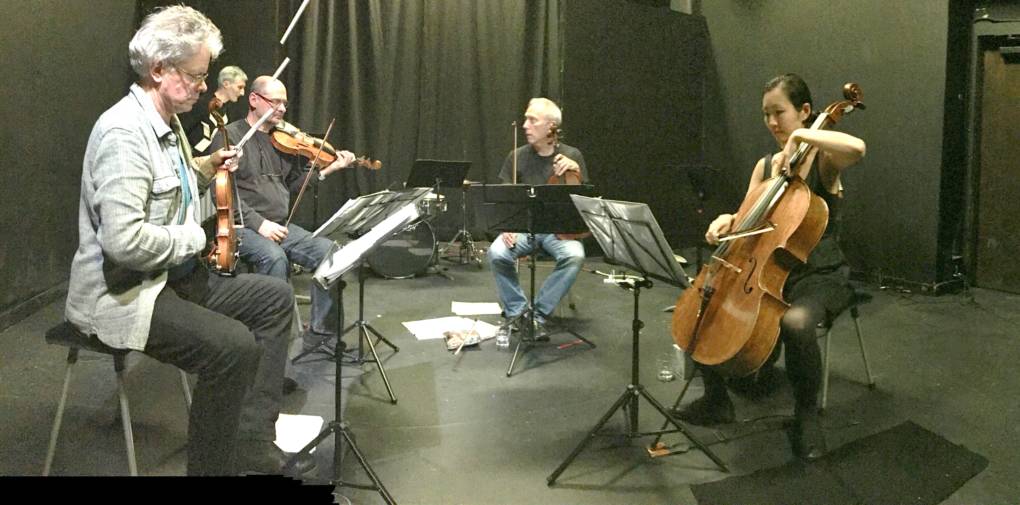
"caption": "The Kronos Quartet works with the Living Earth Show and members of Youth Speaks in a rehearsal of 'Echoes'",
"description": "The Kronos Quartet works with the Living Earth Show and members of Youth Speaks in a rehearsal of 'Echoes'",
"title": "The Kronos Quartet works with the Living Earth Show and members of Youth Speaks in a rehearsal of 'Echoes'",
"credit": "Photo: Cy Musiker/KQED",
"status": "inherit",
"isLoading": false,
"fetchFailed": false
},
"arts_13806868": {
"type": "attachments",
"id": "arts_13806868",
"meta": {
"index": "attachments_1716263798",
"site": "arts",
"id": "13806868",
"found": true
},
"parent": 13806857,
"imgSizes": {
"small": {
"file": "https://ww2.kqed.org/app/uploads/sites/2/2017/08/Wesla-Whitfield-520x293.jpg",
"width": 520,
"mimeType": "image/jpeg",
"height": 293
},
"twentyfourteen-full-width": {
"file": "https://ww2.kqed.org/app/uploads/sites/2/2017/08/Wesla-Whitfield-1038x576.jpg",
"width": 1038,
"mimeType": "image/jpeg",
"height": 576
},
"thumbnail": {
"file": "https://ww2.kqed.org/app/uploads/sites/2/2017/08/Wesla-Whitfield-160x90.jpg",
"width": 160,
"mimeType": "image/jpeg",
"height": 90
},
"fd-sm": {
"file": "https://ww2.kqed.org/app/uploads/sites/2/2017/08/Wesla-Whitfield-960x540.jpg",
"width": 960,
"mimeType": "image/jpeg",
"height": 540
},
"post-thumbnail": {
"file": "https://ww2.kqed.org/app/uploads/sites/2/2017/08/Wesla-Whitfield-672x372.jpg",
"width": 672,
"mimeType": "image/jpeg",
"height": 372
},
"xsmall": {
"file": "https://ww2.kqed.org/app/uploads/sites/2/2017/08/Wesla-Whitfield-375x211.jpg",
"width": 375,
"mimeType": "image/jpeg",
"height": 211
},
"kqedFullSize": {
"file": "https://ww2.kqed.org/app/uploads/sites/2/2017/08/Wesla-Whitfield.jpg",
"width": 1920,
"height": 1080
},
"large": {
"file": "https://ww2.kqed.org/app/uploads/sites/2/2017/08/Wesla-Whitfield-1020x574.jpg",
"width": 1020,
"mimeType": "image/jpeg",
"height": 574
},
"xlarge": {
"file": "https://ww2.kqed.org/app/uploads/sites/2/2017/08/Wesla-Whitfield-1180x664.jpg",
"width": 1180,
"mimeType": "image/jpeg",
"height": 664
},
"guest-author-50": {
"file": "https://ww2.kqed.org/app/uploads/sites/2/2017/08/Wesla-Whitfield-50x50.jpg",
"width": 50,
"mimeType": "image/jpeg",
"height": 50
},
"guest-author-96": {
"file": "https://ww2.kqed.org/app/uploads/sites/2/2017/08/Wesla-Whitfield-96x96.jpg",
"width": 96,
"mimeType": "image/jpeg",
"height": 96
},
"medium": {
"file": "https://ww2.kqed.org/app/uploads/sites/2/2017/08/Wesla-Whitfield-800x450.jpg",
"width": 800,
"mimeType": "image/jpeg",
"height": 450
},
"guest-author-64": {
"file": "https://ww2.kqed.org/app/uploads/sites/2/2017/08/Wesla-Whitfield-64x64.jpg",
"width": 64,
"mimeType": "image/jpeg",
"height": 64
},
"guest-author-32": {
"file": "https://ww2.kqed.org/app/uploads/sites/2/2017/08/Wesla-Whitfield-32x32.jpg",
"width": 32,
"mimeType": "image/jpeg",
"height": 32
},
"fd-lrg": {
"file": "https://ww2.kqed.org/app/uploads/sites/2/2017/08/Wesla-Whitfield-1920x1080.jpg",
"width": 1920,
"mimeType": "image/jpeg",
"height": 1080
},
"fd-med": {
"file": "https://ww2.kqed.org/app/uploads/sites/2/2017/08/Wesla-Whitfield-1180x664.jpg",
"width": 1180,
"mimeType": "image/jpeg",
"height": 664
},
"full-width": {
"file": "https://ww2.kqed.org/app/uploads/sites/2/2017/08/Wesla-Whitfield-1920x1080.jpg",
"width": 1920,
"mimeType": "image/jpeg",
"height": 1080
},
"detail": {
"file": "https://ww2.kqed.org/app/uploads/sites/2/2017/08/Wesla-Whitfield-150x150.jpg",
"width": 150,
"mimeType": "image/jpeg",
"height": 150
},
"medium_large": {
"file": "https://ww2.kqed.org/app/uploads/sites/2/2017/08/Wesla-Whitfield-768x432.jpg",
"width": 768,
"mimeType": "image/jpeg",
"height": 432
},
"guest-author-128": {
"file": "https://ww2.kqed.org/app/uploads/sites/2/2017/08/Wesla-Whitfield-128x128.jpg",
"width": 128,
"mimeType": "image/jpeg",
"height": 128
},
"xxsmall": {
"file": "https://ww2.kqed.org/app/uploads/sites/2/2017/08/Wesla-Whitfield-240x135.jpg",
"width": 240,
"mimeType": "image/jpeg",
"height": 135
}
},
"publishDate": 1504119090,
"modified": 1504119184,
"caption": "Wesla Whitfield performs at the Actor's Fund S.T.A.G.E. Too Tribute: Hooray For Love celebrating the music of Harold Arlen on November 12, 2005 in Los Angeles, California. ",
"description": "Wesla Whitfield performs at the Actor's Fund S.T.A.G.E. Too Tribute: Hooray For Love celebrating the music of Harold Arlen on November 12, 2005 in Los Angeles, California. ",
"title": "Actors' Fund S.T.A.G.E. Too Tribute: Hooray For Love",
"credit": "Photo: David Livingston/Getty Images",
"status": "inherit",
"isLoading": false,
"fetchFailed": false
}
},
"audioPlayerReducer": {
"postId": "stream_live",
"isPaused": true,
"isPlaying": false,
"pfsActive": false,
"pledgeModalIsOpen": true,
"playerDrawerIsOpen": false,
"liveAudioPlayStartedAt": 0,
"liveAudioPlayContext": ""
},
"authorsReducer": {
"cmusiker": {
"type": "authors",
"id": "32",
"meta": {
"index": "authors_1716337520",
"id": "32",
"found": true
},
"name": "Cy Musiker",
"firstName": "Cy",
"lastName": "Musiker",
"slug": "cmusiker",
"email": "cmusiker@kqed.org",
"display_author_email": false,
"staff_mastheads": [],
"title": "KQED Contributor",
"bio": "Cy Musiker is a former co-host of The Do List and a former reporter covering the arts for KQED News and The California Report. He loves live performance, especially great theater, jazz, roots music, anything by Mahler. Cy has an MJ from UC Berkeley's School of Journalism, and got his BA from Hampshire College. His work has been recognized by the Society for Professional Journalists with their Sigma Delta Chi Award for Public Service in Journalism. When he can, Cy likes to swim in Tomales Bay, run with his dog in the East Bay Hills, and hike the Sierra.",
"avatar": "https://secure.gravatar.com/avatar/05eaba5c5696ce8f062e4ea2df428a43?s=600&d=blank&r=g",
"twitter": null,
"facebook": null,
"instagram": null,
"linkedin": null,
"sites": [
{
"site": "arts",
"roles": [
"Contributor",
"subscriber"
]
},
{
"site": "news",
"roles": [
"author"
]
},
{
"site": "bayareabites",
"roles": [
"contributor"
]
}
],
"headData": {
"title": "Cy Musiker | KQED",
"description": "KQED Contributor",
"ogImgSrc": "https://secure.gravatar.com/avatar/05eaba5c5696ce8f062e4ea2df428a43?s=600&d=blank&r=g",
"twImgSrc": "https://secure.gravatar.com/avatar/05eaba5c5696ce8f062e4ea2df428a43?s=600&d=blank&r=g"
},
"isLoading": false,
"link": "/author/cmusiker"
},
"kjones": {
"type": "authors",
"id": "93",
"meta": {
"index": "authors_1716337520",
"id": "93",
"found": true
},
"name": "Kevin L. Jones",
"firstName": "Kevin",
"lastName": "Jones",
"slug": "kjones",
"email": "kjones@kqed.org",
"display_author_email": false,
"staff_mastheads": [],
"title": null,
"bio": null,
"avatar": "https://secure.gravatar.com/avatar/12c65b5633ed39d0a59bb7f497eff645?s=600&d=blank&r=g",
"twitter": null,
"facebook": null,
"instagram": null,
"linkedin": null,
"sites": [
{
"site": "arts",
"roles": [
"subscriber"
]
},
{
"site": "styleguide",
"roles": [
"contributor"
]
},
{
"site": "artschool",
"roles": [
"subscriber"
]
},
{
"site": "news",
"roles": [
"subscriber"
]
},
{
"site": "pop",
"roles": [
"subscriber"
]
}
],
"headData": {
"title": "Kevin L. Jones | KQED",
"description": null,
"ogImgSrc": "https://secure.gravatar.com/avatar/12c65b5633ed39d0a59bb7f497eff645?s=600&d=blank&r=g",
"twImgSrc": "https://secure.gravatar.com/avatar/12c65b5633ed39d0a59bb7f497eff645?s=600&d=blank&r=g"
},
"isLoading": false,
"link": "/author/kjones"
},
"rachael-myrow": {
"type": "authors",
"id": "251",
"meta": {
"index": "authors_1716337520",
"id": "251",
"found": true
},
"name": "Rachael Myrow",
"firstName": "Rachael",
"lastName": "Myrow",
"slug": "rachael-myrow",
"email": "rmyrow@kqed.org",
"display_author_email": true,
"staff_mastheads": [
"news"
],
"title": "Senior Editor of KQED's Silicon Valley News Desk",
"bio": "• I write and edit stories about how Silicon Valley power and policies shape everyday life in California. I’m also passionate about making Bay Area history and culture more accessible to a broad public. • I’ve been a journalist for most of my life, starting in high school with The Franklin Press in Los Angeles, where I grew up. While earning my first degree in English at UC Berkeley, I got my start in public radio at KALX-FM. After completing a second degree in journalism at Cal, I landed my first professional job at Marketplace, then moved on to KPCC (now LAist), and then KQED, where I hosted The California Report for more than seven years. • My reporting has appeared on NPR, The World, WBUR’s \u003ci>Here & Now\u003c/i>, and the BBC. I also guest host for KQED’s \u003ci>Forum\u003c/i>, as well as the Commonwealth Club in San Francisco. • I speak periodically on media, democracy and technology issues, and do voiceover work for documentaries and educational video projects. • Outside of the studio, you'll find me hiking Bay Area trails and whipping up Insta-ready meals in my kitchen. • I do not accept gifts, money, or favors from anyone connected to my reporting, I don't pay people for information, and I do not support or donate to political causes. • I strive to treat the people I report on with fairness, honesty, and respect. I also recognize there are often multiple sides to a story and work to verify information through multiple sources and documentation. If I get something wrong, I correct it.",
"avatar": "https://secure.gravatar.com/avatar/3ed8a3c5f26025e4a805ba634cda8cd764906b97438a6d9ce216b044e340da4e?s=600&d=blank&r=g",
"twitter": "rachaelmyrow",
"bluesky": null,
"facebook": null,
"instagram": null,
"linkedin": "https://www.linkedin.com/in/rachaelmyrow/",
"sites": [
{
"site": "arts",
"roles": [
"administrator"
]
},
{
"site": "news",
"roles": [
"edit_others_posts",
"editor"
]
},
{
"site": "futureofyou",
"roles": [
"editor"
]
},
{
"site": "bayareabites",
"roles": [
"editor"
]
},
{
"site": "stateofhealth",
"roles": [
"editor"
]
},
{
"site": "science",
"roles": [
"editor"
]
},
{
"site": "food",
"roles": [
"editor"
]
},
{
"site": "forum",
"roles": [
"editor"
]
},
{
"site": "liveblog",
"roles": [
"author"
]
}
],
"headData": {
"title": "Rachael Myrow | KQED",
"description": "Senior Editor of KQED's Silicon Valley News Desk",
"ogImgSrc": "https://secure.gravatar.com/avatar/3ed8a3c5f26025e4a805ba634cda8cd764906b97438a6d9ce216b044e340da4e?s=600&d=blank&r=g",
"twImgSrc": "https://secure.gravatar.com/avatar/3ed8a3c5f26025e4a805ba634cda8cd764906b97438a6d9ce216b044e340da4e?s=600&d=blank&r=g"
},
"isLoading": false,
"link": "/author/rachael-myrow"
},
"slefebvre": {
"type": "authors",
"id": "11091",
"meta": {
"index": "authors_1716337520",
"id": "11091",
"found": true
},
"name": "Sam Lefebvre",
"firstName": "Sam",
"lastName": "Lefebvre",
"slug": "slefebvre",
"email": "sdlefebvre@gmail.com",
"display_author_email": false,
"staff_mastheads": [],
"title": "KQED Contributor",
"bio": "Sam Lefebvre is an award-winning reporter at KQED Arts. He has worked as an editor and columnist at the \u003cem>East Bay Express\u003c/em>, \u003cem>SF Weekly \u003c/em>and Impose Magazine, and his journalism and criticism has appeared in \u003cem>The New York Times\u003c/em>, the Guardian and Pitchfork.",
"avatar": "https://secure.gravatar.com/avatar/49d39b42930b77fb13784ddd9fa63fe780666b71bf289368509dba576b64e69b?s=600&d=blank&r=g",
"twitter": "Lefebvre_Sam",
"bluesky": null,
"facebook": null,
"instagram": null,
"linkedin": null,
"sites": [
{
"site": "arts",
"roles": [
"subscriber"
]
},
{
"site": "news",
"roles": [
"author"
]
}
],
"headData": {
"title": "Sam Lefebvre | KQED",
"description": "KQED Contributor",
"ogImgSrc": "https://secure.gravatar.com/avatar/49d39b42930b77fb13784ddd9fa63fe780666b71bf289368509dba576b64e69b?s=600&d=blank&r=g",
"twImgSrc": "https://secure.gravatar.com/avatar/49d39b42930b77fb13784ddd9fa63fe780666b71bf289368509dba576b64e69b?s=600&d=blank&r=g"
},
"isLoading": false,
"link": "/author/slefebvre"
},
"nvoynovskaya": {
"type": "authors",
"id": "11387",
"meta": {
"index": "authors_1716337520",
"id": "11387",
"found": true
},
"name": "Nastia Voynovskaya",
"firstName": "Nastia",
"lastName": "Voynovskaya",
"slug": "nvoynovskaya",
"email": "nvoynovskaya@kqed.org",
"display_author_email": false,
"staff_mastheads": [
"arts"
],
"title": "Editor and reporter",
"bio": "Nastia Voynovskaya is a reporter, editor and host at KQED Arts & Culture. She's been covering the arts in the Bay Area for over a decade, with a focus on music, queer culture, labor issues and grassroots organizing. She has edited KQED story series such as Trans Bay: A History of San Francisco's Gender-Diverse Community, and co-created KQED's Bay Area hip-hop history project, That's My Word. Nastia's work has been recognized by the Society of Professional Journalists and San Francisco Press Club. She regularly appears on podcasts and radio programs, including NPR's All Songs Considered, and hosts live events where music, culture and conversation meet.",
"avatar": "https://secure.gravatar.com/avatar/5025ee460e5a85d69ca20ea6c6f2f80d7e17795c828f61ea3aecfcd924e9042e?s=600&d=blank&r=g",
"twitter": null,
"bluesky": null,
"facebook": null,
"instagram": "https://www.instagram.com/nananastia/",
"linkedin": null,
"sites": [
{
"site": "",
"roles": [
"editor"
]
},
{
"site": "arts",
"roles": [
"administrator"
]
},
{
"site": "news",
"roles": [
"editor"
]
},
{
"site": "pop",
"roles": [
"administrator"
]
},
{
"site": "bayareabites",
"roles": [
"editor"
]
},
{
"site": "podcasts",
"roles": [
"editor"
]
},
{
"site": "hiphop",
"roles": [
"editor"
]
}
],
"headData": {
"title": "Nastia Voynovskaya | KQED",
"description": "Editor and reporter",
"ogImgSrc": "https://secure.gravatar.com/avatar/5025ee460e5a85d69ca20ea6c6f2f80d7e17795c828f61ea3aecfcd924e9042e?s=600&d=blank&r=g",
"twImgSrc": "https://secure.gravatar.com/avatar/5025ee460e5a85d69ca20ea6c6f2f80d7e17795c828f61ea3aecfcd924e9042e?s=600&d=blank&r=g"
},
"isLoading": false,
"link": "/author/nvoynovskaya"
}
},
"pagesReducer": {
"arts_tag_kronos-quartet": {
"type": "terms",
"id": "arts_2244",
"meta": {
"index": "terms_1716263798",
"site": "arts",
"id": "2244",
"score": 10.403393
},
"featImg": null,
"name": "Kronos Quartet",
"description": null,
"taxonomy": "tag",
"headData": {
"twImgId": null,
"twTitle": null,
"ogTitle": null,
"ogImgId": null,
"twDescription": null,
"description": null,
"title": "Kronos Quartet Archives | KQED Arts",
"ogDescription": null
},
"ttid": 2256,
"slug": "kronos-quartet",
"isLoading": false,
"title": "Kronos Quartet",
"pageMeta": {
"site": "arts",
"WpPageTemplate": "page-topic-editorial",
"currentPage": 2
},
"blocks": [
{
"blockName": "kqed/post-list",
"attrs": {
"layout": "cardArticle2",
"query": "posts/arts?tag=kronos-quartet",
"seeMore": false,
"paginated": true,
"page": 2
}
},
{
"blockName": "kqed/ad"
}
]
}
},
"pfsSessionReducer": {},
"postsReducer": {
"stream_live": {
"type": "live",
"id": "stream_live",
"audioUrl": "https://streams.kqed.org/kqedradio",
"title": "Live Stream",
"excerpt": "Live Stream information currently unavailable.",
"link": "/radio",
"featImg": "",
"label": {
"name": "KQED Live",
"link": "/"
}
},
"stream_kqedNewscast": {
"type": "posts",
"id": "stream_kqedNewscast",
"audioUrl": "https://www.kqed.org/.stream/anon/radio/RDnews/newscast.mp3?_=1",
"title": "KQED Newscast",
"featImg": "",
"label": {
"name": "88.5 FM",
"link": "/"
}
},
"arts_13849264": {
"type": "posts",
"id": "arts_13849264",
"meta": {
"index": "posts_1716263798",
"site": "arts",
"id": "13849264",
"score": null,
"sort": [
1548280057000
]
},
"parent": 0,
"labelTerm": {
"site": "arts"
},
"blocks": [],
"publishDate": 1548280057,
"format": "standard",
"title": "Due to Government Shutdown, California Humanities Suspends All Arts Grants",
"headTitle": "Due to Government Shutdown, California Humanities Suspends All Arts Grants | KQED",
"content": "\u003cp>Last year, California Humanities issued more than $1 million in grants to artists and cultural organizations.\u003c/p>\n\u003cp>But now, the National Endowment for the Humanities’ state partner has suspended grant-making indefinitely as the historic federal government shutdown nears its sixth week. \u003c/p>\n\u003cp>The independent nonprofit, which has offices in Oakland and Los Angeles, is operating on an “austerity basis,” CEO Julie Fry told KQED, unable to release even already awarded grants. \u003c/p>\n\u003cp>In the final two months of 2018, \u003ca href=\"https://calhum.org/\">California Humanities\u003c/a> awarded more than 30 grants totaling approximately $350,000. But the release of the funds, in some cases expected to occur this month, is now delayed. Likewise, interim and final payments of earlier grants are on pause until further notice.\u003c/p>\n\u003cfigure id=\"attachment_13824382\" class=\"wp-caption aligncenter\" style=\"max-width: 800px\">\u003cimg loading=\"lazy\" decoding=\"async\" src=\"https://ww2.kqed.org/arts/wp-content/uploads/sites/2/2018/02/NEA-Funding-800x450.jpg\" alt=\"Claudio Roncoli a recipient of an award from the National Endowment for the Arts works in his studio space at the Bakehouse Art Complex on March 16, 2017 in Miami, Florida.\" width=\"800\" height=\"450\" class=\"size-medium wp-image-13824382\" srcset=\"https://cdn.kqed.org/wp-content/uploads/sites/2/2018/02/NEA-Funding-800x450.jpg 800w, https://cdn.kqed.org/wp-content/uploads/sites/2/2018/02/NEA-Funding-160x90.jpg 160w, https://cdn.kqed.org/wp-content/uploads/sites/2/2018/02/NEA-Funding-768x432.jpg 768w, https://cdn.kqed.org/wp-content/uploads/sites/2/2018/02/NEA-Funding-1020x574.jpg 1020w, https://cdn.kqed.org/wp-content/uploads/sites/2/2018/02/NEA-Funding.jpg 1920w, https://cdn.kqed.org/wp-content/uploads/sites/2/2018/02/NEA-Funding-1180x664.jpg 1180w, https://cdn.kqed.org/wp-content/uploads/sites/2/2018/02/NEA-Funding-960x540.jpg 960w, https://cdn.kqed.org/wp-content/uploads/sites/2/2018/02/NEA-Funding-240x135.jpg 240w, https://cdn.kqed.org/wp-content/uploads/sites/2/2018/02/NEA-Funding-375x211.jpg 375w, https://cdn.kqed.org/wp-content/uploads/sites/2/2018/02/NEA-Funding-520x293.jpg 520w\" sizes=\"(max-width: 800px) 100vw, 800px\">\u003cfigcaption class=\"wp-caption-text\">Claudio Roncoli a recipient of an award from the National Endowment for the Arts works in his studio space at the Bakehouse Art Complex on March 16, 2017 in Miami, Florida. \u003ccite>(Joe Raedle/Getty Images)\u003c/cite>\u003c/figcaption>\u003c/figure>\n\u003cp>“We will resume payments as soon as the government reopens, the federal budget is approved, and the NEH recommences payments to the state humanities councils,” Fry told grant recipients and hopefuls in an email sent on Friday. “At this point, we are unsure how long this process will take.”\u003c/p>\n\u003cp>[ad fullwidth]\u003c/p>\n\u003cp>Fry said the National Endowment for the Humanities (NEH) contributes a “significant portion” of California Humanities’ grant-making budget. Last year California Humanities awarded just over $1,030,000 to 98 projects statewide in categories such as documentary filmmaking and library innovation. Now, though, the organization is pausing even travel and office expenses. \u003c/p>\n\u003cp>“We’re making do with what paper towels we already have,” Fry said. \u003c/p>\n\u003cfigure id=\"attachment_13849282\" class=\"wp-caption aligncenter\" style=\"max-width: 800px\">\u003cimg loading=\"lazy\" decoding=\"async\" src=\"https://ww2.kqed.org/arts/wp-content/uploads/sites/2/2019/01/MLK_2016_28-800x558.jpg\" alt=\"Museum of the African Diaspora\" width=\"800\" height=\"558\" class=\"size-medium wp-image-13849282\" srcset=\"https://cdn.kqed.org/wp-content/uploads/sites/2/2019/01/MLK_2016_28-800x558.jpg 800w, https://cdn.kqed.org/wp-content/uploads/sites/2/2019/01/MLK_2016_28-160x112.jpg 160w, https://cdn.kqed.org/wp-content/uploads/sites/2/2019/01/MLK_2016_28-768x535.jpg 768w, https://cdn.kqed.org/wp-content/uploads/sites/2/2019/01/MLK_2016_28-1020x711.jpg 1020w, https://cdn.kqed.org/wp-content/uploads/sites/2/2019/01/MLK_2016_28-1200x836.jpg 1200w, https://cdn.kqed.org/wp-content/uploads/sites/2/2019/01/MLK_2016_28-1920x1338.jpg 1920w, https://cdn.kqed.org/wp-content/uploads/sites/2/2019/01/MLK_2016_28.jpg 2000w\" sizes=\"(max-width: 800px) 100vw, 800px\">\u003cfigcaption class=\"wp-caption-text\">The Museum of the African Diaspora. \u003ccite>(Courtesy of the Museum of the African Diaspora)\u003c/cite>\u003c/figcaption>\u003c/figure>\n\u003cp>Across the country, the National Gallery of Art as well as 19 Smithsonian museums are closed due to the shutdown. Their employees are among an estimated 800,000 federal workers furloughed or otherwise deprived of at least one paycheck during the holiday season. \u003c/p>\n\u003cp>The government shutdown, now the longest in history as President Donald Trump demands billions for a southern border wall that he’d promised Mexico would pay for, has also shuttered both the national endowments for the arts and humanities, which together disburse nearly $300 million nationwide each year. \u003c/p>\n\u003cp>For Bay Area artists and cultural nonprofits reliant on the national endowments, either directly or through state-level groups such as the California Arts Council and California Humanities, the shutdown has destabilized an already precarious ecosystem. (A spokesperson for the California Arts Council said the shutdown has yet to impact its grant-making, noting that the agency plans to issue 2019 awards at the end of June.) Yet even if the government reboots tomorrow, arts figures tell KQED, the consequences will be felt for the rest of the year.\u003c/p>\n\u003cp>The shutdown is also a reminder of Trump’s threats to \u003ca href=\"https://www.kqed.org/arts/12649417/report-trump-administration-plans-to-privatize-cpb-cut-nea\" rel=\"noopener\" target=\"_blank\">cut the national endowments altogether\u003c/a>. Last year, the NEA issued \u003ca href=\"https://www.kqed.org/arts/13831888/nea-awards-1-7-million-in-grants-to-bay-area-organizations\" rel=\"noopener\" target=\"_blank\">$1.7 million to Bay Area arts groups\u003c/a>. \u003c/p>\n\u003cfigure id=\"attachment_13848854\" class=\"wp-caption aligncenter\" style=\"max-width: 800px\">\u003cimg loading=\"lazy\" decoding=\"async\" src=\"https://ww2.kqed.org/arts/wp-content/uploads/sites/2/2019/01/Kronos_2014_a_creditWojciechWandzel-800x450.jpg\" alt=\"Kronos Quartet.\" width=\"800\" height=\"450\" class=\"size-medium wp-image-13848854\" srcset=\"https://cdn.kqed.org/wp-content/uploads/sites/2/2019/01/Kronos_2014_a_creditWojciechWandzel-800x450.jpg 800w, https://cdn.kqed.org/wp-content/uploads/sites/2/2019/01/Kronos_2014_a_creditWojciechWandzel-160x90.jpg 160w, https://cdn.kqed.org/wp-content/uploads/sites/2/2019/01/Kronos_2014_a_creditWojciechWandzel-768x432.jpg 768w, https://cdn.kqed.org/wp-content/uploads/sites/2/2019/01/Kronos_2014_a_creditWojciechWandzel-1020x574.jpg 1020w, https://cdn.kqed.org/wp-content/uploads/sites/2/2019/01/Kronos_2014_a_creditWojciechWandzel-1200x675.jpg 1200w, https://cdn.kqed.org/wp-content/uploads/sites/2/2019/01/Kronos_2014_a_creditWojciechWandzel.jpg 1920w, https://cdn.kqed.org/wp-content/uploads/sites/2/2019/01/Kronos_2014_a_creditWojciechWandzel-1180x664.jpg 1180w, https://cdn.kqed.org/wp-content/uploads/sites/2/2019/01/Kronos_2014_a_creditWojciechWandzel-960x540.jpg 960w, https://cdn.kqed.org/wp-content/uploads/sites/2/2019/01/Kronos_2014_a_creditWojciechWandzel-240x135.jpg 240w, https://cdn.kqed.org/wp-content/uploads/sites/2/2019/01/Kronos_2014_a_creditWojciechWandzel-375x211.jpg 375w, https://cdn.kqed.org/wp-content/uploads/sites/2/2019/01/Kronos_2014_a_creditWojciechWandzel-520x293.jpg 520w\" sizes=\"(max-width: 800px) 100vw, 800px\">\u003cfigcaption class=\"wp-caption-text\">Kronos Quartet. \u003ccite>(Wojciech Wandzel)\u003c/cite>\u003c/figcaption>\u003c/figure>\n\u003cp>For small to medium-size arts organizations such as the Kronos Quartet’s Kronos Performing Arts Association, the NEA shutdown is a major source of anxiety. Kronos development manager Mason Dille said he doesn’t know when to expect reimbursement for NEA-supported projects, and his agency contacts simply aren’t at work to field questions. “Any delay in the application process now might impact the work we are able to do far into the 2019-20 season,” he said. \u003c/p>\n\u003cp>NEA workers aren’t just funders—they’re researchers and advocates with a nationwide mandate, often providing resources to remote or disinvested areas. Dille pointed out that agency staff couldn’t participate in several major annual arts conferences this month, calling it a “missed opportunity that will resonate across the country for the entire year.” \u003c/p>\n\u003cp>James Leventhal, interim director and chief development officer at Smithsonian affiliate Museum of the African Diaspora, said he hasn’t heard from his furloughed national colleagues for the past three weeks. As a Smithsonian affiliate, MoAD is one of some 200 resource-sharing museums. So the lack of communication could jeopardize events such as a mid-February concert for local middle-school students featuring the Smithsonian Museum Jazz Masterworks Orchestra.\u003c/p>\n\u003cp>Leventhal also stressed the geographic scope of the national endowments. “When you hear about the real work of the NEA, that real work is about making sure culture is reaching every single corner of this nation,” he said, likening the agencies’ shutdown to a “moratorium on culture.” \u003c/p>\n\u003cfigure id=\"attachment_13849287\" class=\"wp-caption aligncenter\" style=\"max-width: 800px\">\u003cimg loading=\"lazy\" decoding=\"async\" src=\"https://ww2.kqed.org/arts/wp-content/uploads/sites/2/2019/01/History-web-800x533.jpg\" alt=\"The History Museum of the Museums of Sonoma County is among several Smithsonian affiliates in the Bay Area.\" width=\"800\" height=\"533\" class=\"size-medium wp-image-13849287\" srcset=\"https://cdn.kqed.org/wp-content/uploads/sites/2/2019/01/History-web-800x533.jpg 800w, https://cdn.kqed.org/wp-content/uploads/sites/2/2019/01/History-web-160x107.jpg 160w, https://cdn.kqed.org/wp-content/uploads/sites/2/2019/01/History-web-768x512.jpg 768w, https://cdn.kqed.org/wp-content/uploads/sites/2/2019/01/History-web-1020x680.jpg 1020w, https://cdn.kqed.org/wp-content/uploads/sites/2/2019/01/History-web.jpg 1200w\" sizes=\"(max-width: 800px) 100vw, 800px\">\u003cfigcaption class=\"wp-caption-text\">The History Museum of the Museums of Sonoma County is among several Smithsonian affiliates in the Bay Area. \u003ccite>(Museums of Sonoma County)\u003c/cite>\u003c/figcaption>\u003c/figure>\n\u003cp>Although the national endowments are still accepting grant applications, organization leaders can’t communicate with the agencies as deadlines near, and the ultimate effect on processing time is unclear. “I’m working on a NEA grant and we’re concerned that the Feb. 5 deadline for filing is quickly approaching,” said Jeff Nathanson, executive director of Museums of Sonoma County.\u003c/p>\n\u003cp>And Eric Stanley, Museums of Sonoma County’s associate director and curator of history, said preparation for an upcoming “Pacific World”-themed exhibition has nearly ground to a halt. “Two of the main archives I had been talking to about lending objects and collaborating on the exhibition were SF Maritime Museum and Point Reyes, both national parks,” he said. “Unfortunately it looks like the shutdown will completely prevent me from working with either.” \u003c/p>\n\u003cp>At the bottom line, the national endowment shutdown is interrupting cash flow, especially for nonprofits with little reserves. Roberto Bedoya, Oakland’s cultural affairs manager, said last year the NEA supported his department’s development of the city’s Cultural Plan, sending a check within a month of receiving his invoice. \u003c/p>\n\u003cp>“Now that’s not happening,” Bedoya said, adding that some nonprofits in the Bay Area, with its astronomical overhead, are a grant or two away from folding. \u003c/p>\n\u003cp>“Especially for marginalized communities, rural communities—the shutdown is part of this administration’s larger disinvestment in the public good,” Bedoya said. “As we knew, arts and culture aren’t their priority.” \u003c/p>\n\u003cfigure id=\"attachment_13849285\" class=\"wp-caption aligncenter\" style=\"max-width: 800px\">\u003cimg loading=\"lazy\" decoding=\"async\" src=\"https://ww2.kqed.org/arts/wp-content/uploads/sites/2/2019/01/Bedoya-800x450.jpg\" alt=\""The shutdown is part of this administration’s larger disinvestment in the public good," says Roberto Bedoya, Oakland's cultural affairs manager.\" width=\"800\" height=\"450\" class=\"size-medium wp-image-13849285\" srcset=\"https://cdn.kqed.org/wp-content/uploads/sites/2/2019/01/Bedoya-800x450.jpg 800w, https://cdn.kqed.org/wp-content/uploads/sites/2/2019/01/Bedoya-160x90.jpg 160w, https://cdn.kqed.org/wp-content/uploads/sites/2/2019/01/Bedoya-768x432.jpg 768w, https://cdn.kqed.org/wp-content/uploads/sites/2/2019/01/Bedoya-1020x574.jpg 1020w, https://cdn.kqed.org/wp-content/uploads/sites/2/2019/01/Bedoya-1200x675.jpg 1200w, https://cdn.kqed.org/wp-content/uploads/sites/2/2019/01/Bedoya.jpg 1920w\" sizes=\"(max-width: 800px) 100vw, 800px\">\u003cfigcaption class=\"wp-caption-text\">“The shutdown is part of this administration’s larger disinvestment in the public good,” says Roberto Bedoya, Oakland’s cultural affairs manager. \u003ccite>(Karen Boyd/City of Oakland)\u003c/cite>\u003c/figcaption>\u003c/figure>\n\u003cp>The national endowments, like the southern border wall, have themselves been points of federal budgeting contention for Trump. In both 2017 and 2018, Trump \u003ca href=\"https://www.kqed.org/arts/13824378/trump-again-seeks-to-eliminate-neh-and-nea-arts-funding\" rel=\"noopener\" target=\"_blank\">proposed eliminating the agencies entirely\u003c/a> before Congress intervened. The NEA and NEH are a minuscule fraction of the budget, and governments of most developed countries vastly outspend the United States on arts and culture.\u003c/p>\n\u003cp>At this point, Fry said, the subject of elimination feels unsurprising. “It comes up on a cyclical basis—cultural agencies are on the table,” she said. On the other hand, Congress recently proposed raising the allocation to the National Endowment for the Humanities, subject to Trump’s signature. \u003c/p>\n\u003cp>“We’ll have to wait for the president’s approval of that when the government reopens,” Fry said. \u003c/p>\n\u003cp>\u003cimg loading=\"lazy\" decoding=\"async\" src=\"https://ww2.kqed.org/arts/wp-content/uploads/sites/2/2016/09/Q.Logo_.Break_-800x78.jpg\" alt=\"\" width=\"800\" height=\"78\" class=\"aligncenter size-medium wp-image-12127869\" srcset=\"https://cdn.kqed.org/wp-content/uploads/sites/2/2016/09/Q.Logo_.Break_.jpg 800w, https://cdn.kqed.org/wp-content/uploads/sites/2/2016/09/Q.Logo_.Break_-400x39.jpg 400w, https://cdn.kqed.org/wp-content/uploads/sites/2/2016/09/Q.Logo_.Break_-768x75.jpg 768w\" sizes=\"(max-width: 800px) 100vw, 800px\">\u003c/p>\n\u003cp>[ad floatright]\u003c/p>\n\u003cp>\u003cem>KQED’s Sarah Hotchkiss, Gabe Meline, Nastia Voynovskaya and Chloe Veltman contributed to this report.\u003c/em>\u003c/p>\n\n",
"stats": {
"hasVideo": false,
"hasChartOrMap": false,
"hasAudio": false,
"hasPolis": false,
"wordCount": 1253,
"hasGoogleForm": false,
"hasGallery": false,
"hasHearkenModule": false,
"iframeSrcs": [],
"paragraphCount": 27
},
"modified": 1705026710,
"excerpt": "For dozens of other arts nonprofits, the shutdown has destabilized an already precarious ecosystem. ",
"headData": {
"twImgId": "",
"twTitle": "",
"ogTitle": "",
"ogImgId": "",
"twDescription": "",
"description": "For dozens of other arts nonprofits, the shutdown has destabilized an already precarious ecosystem. ",
"title": "Due to Government Shutdown, California Humanities Suspends All Arts Grants | KQED",
"ogDescription": "",
"schema": {
"@context": "https://schema.org",
"@type": "Article",
"headline": "Due to Government Shutdown, California Humanities Suspends All Arts Grants",
"datePublished": "2019-01-23T13:47:37-08:00",
"dateModified": "2024-01-11T18:31:50-08:00",
"image": "https://cdn.kqed.org/wp-content/uploads/2020/02/KQED-OG-Image@1x.png"
}
},
"guestAuthors": [],
"slug": "due-to-government-shutdown-california-humanities-suspends-all-arts-grants",
"status": "publish",
"sticky": false,
"path": "/arts/13849264/due-to-government-shutdown-california-humanities-suspends-all-arts-grants",
"audioTrackLength": null,
"parsedContent": [
{
"type": "contentString",
"content": "\u003cdiv class=\"post-body\">\u003cp>\u003cp>Last year, California Humanities issued more than $1 million in grants to artists and cultural organizations.\u003c/p>\n\u003cp>But now, the National Endowment for the Humanities’ state partner has suspended grant-making indefinitely as the historic federal government shutdown nears its sixth week. \u003c/p>\n\u003cp>The independent nonprofit, which has offices in Oakland and Los Angeles, is operating on an “austerity basis,” CEO Julie Fry told KQED, unable to release even already awarded grants. \u003c/p>\n\u003cp>In the final two months of 2018, \u003ca href=\"https://calhum.org/\">California Humanities\u003c/a> awarded more than 30 grants totaling approximately $350,000. But the release of the funds, in some cases expected to occur this month, is now delayed. Likewise, interim and final payments of earlier grants are on pause until further notice.\u003c/p>\n\u003cfigure id=\"attachment_13824382\" class=\"wp-caption aligncenter\" style=\"max-width: 800px\">\u003cimg loading=\"lazy\" decoding=\"async\" src=\"https://ww2.kqed.org/arts/wp-content/uploads/sites/2/2018/02/NEA-Funding-800x450.jpg\" alt=\"Claudio Roncoli a recipient of an award from the National Endowment for the Arts works in his studio space at the Bakehouse Art Complex on March 16, 2017 in Miami, Florida.\" width=\"800\" height=\"450\" class=\"size-medium wp-image-13824382\" srcset=\"https://cdn.kqed.org/wp-content/uploads/sites/2/2018/02/NEA-Funding-800x450.jpg 800w, https://cdn.kqed.org/wp-content/uploads/sites/2/2018/02/NEA-Funding-160x90.jpg 160w, https://cdn.kqed.org/wp-content/uploads/sites/2/2018/02/NEA-Funding-768x432.jpg 768w, https://cdn.kqed.org/wp-content/uploads/sites/2/2018/02/NEA-Funding-1020x574.jpg 1020w, https://cdn.kqed.org/wp-content/uploads/sites/2/2018/02/NEA-Funding.jpg 1920w, https://cdn.kqed.org/wp-content/uploads/sites/2/2018/02/NEA-Funding-1180x664.jpg 1180w, https://cdn.kqed.org/wp-content/uploads/sites/2/2018/02/NEA-Funding-960x540.jpg 960w, https://cdn.kqed.org/wp-content/uploads/sites/2/2018/02/NEA-Funding-240x135.jpg 240w, https://cdn.kqed.org/wp-content/uploads/sites/2/2018/02/NEA-Funding-375x211.jpg 375w, https://cdn.kqed.org/wp-content/uploads/sites/2/2018/02/NEA-Funding-520x293.jpg 520w\" sizes=\"(max-width: 800px) 100vw, 800px\">\u003cfigcaption class=\"wp-caption-text\">Claudio Roncoli a recipient of an award from the National Endowment for the Arts works in his studio space at the Bakehouse Art Complex on March 16, 2017 in Miami, Florida. \u003ccite>(Joe Raedle/Getty Images)\u003c/cite>\u003c/figcaption>\u003c/figure>\n\u003cp>“We will resume payments as soon as the government reopens, the federal budget is approved, and the NEH recommences payments to the state humanities councils,” Fry told grant recipients and hopefuls in an email sent on Friday. “At this point, we are unsure how long this process will take.”\u003c/p>\n\u003cp>\u003c/p>\u003c/div>",
"attributes": {
"named": {},
"numeric": []
}
},
{
"type": "component",
"content": "",
"name": "ad",
"attributes": {
"named": {
"label": "fullwidth"
},
"numeric": [
"fullwidth"
]
}
},
{
"type": "contentString",
"content": "\u003cdiv class=\"post-body\">\u003cp>\u003c/p>\n\u003cp>Fry said the National Endowment for the Humanities (NEH) contributes a “significant portion” of California Humanities’ grant-making budget. Last year California Humanities awarded just over $1,030,000 to 98 projects statewide in categories such as documentary filmmaking and library innovation. Now, though, the organization is pausing even travel and office expenses. \u003c/p>\n\u003cp>“We’re making do with what paper towels we already have,” Fry said. \u003c/p>\n\u003cfigure id=\"attachment_13849282\" class=\"wp-caption aligncenter\" style=\"max-width: 800px\">\u003cimg loading=\"lazy\" decoding=\"async\" src=\"https://ww2.kqed.org/arts/wp-content/uploads/sites/2/2019/01/MLK_2016_28-800x558.jpg\" alt=\"Museum of the African Diaspora\" width=\"800\" height=\"558\" class=\"size-medium wp-image-13849282\" srcset=\"https://cdn.kqed.org/wp-content/uploads/sites/2/2019/01/MLK_2016_28-800x558.jpg 800w, https://cdn.kqed.org/wp-content/uploads/sites/2/2019/01/MLK_2016_28-160x112.jpg 160w, https://cdn.kqed.org/wp-content/uploads/sites/2/2019/01/MLK_2016_28-768x535.jpg 768w, https://cdn.kqed.org/wp-content/uploads/sites/2/2019/01/MLK_2016_28-1020x711.jpg 1020w, https://cdn.kqed.org/wp-content/uploads/sites/2/2019/01/MLK_2016_28-1200x836.jpg 1200w, https://cdn.kqed.org/wp-content/uploads/sites/2/2019/01/MLK_2016_28-1920x1338.jpg 1920w, https://cdn.kqed.org/wp-content/uploads/sites/2/2019/01/MLK_2016_28.jpg 2000w\" sizes=\"(max-width: 800px) 100vw, 800px\">\u003cfigcaption class=\"wp-caption-text\">The Museum of the African Diaspora. \u003ccite>(Courtesy of the Museum of the African Diaspora)\u003c/cite>\u003c/figcaption>\u003c/figure>\n\u003cp>Across the country, the National Gallery of Art as well as 19 Smithsonian museums are closed due to the shutdown. Their employees are among an estimated 800,000 federal workers furloughed or otherwise deprived of at least one paycheck during the holiday season. \u003c/p>\n\u003cp>The government shutdown, now the longest in history as President Donald Trump demands billions for a southern border wall that he’d promised Mexico would pay for, has also shuttered both the national endowments for the arts and humanities, which together disburse nearly $300 million nationwide each year. \u003c/p>\n\u003cp>For Bay Area artists and cultural nonprofits reliant on the national endowments, either directly or through state-level groups such as the California Arts Council and California Humanities, the shutdown has destabilized an already precarious ecosystem. (A spokesperson for the California Arts Council said the shutdown has yet to impact its grant-making, noting that the agency plans to issue 2019 awards at the end of June.) Yet even if the government reboots tomorrow, arts figures tell KQED, the consequences will be felt for the rest of the year.\u003c/p>\n\u003cp>The shutdown is also a reminder of Trump’s threats to \u003ca href=\"https://www.kqed.org/arts/12649417/report-trump-administration-plans-to-privatize-cpb-cut-nea\" rel=\"noopener\" target=\"_blank\">cut the national endowments altogether\u003c/a>. Last year, the NEA issued \u003ca href=\"https://www.kqed.org/arts/13831888/nea-awards-1-7-million-in-grants-to-bay-area-organizations\" rel=\"noopener\" target=\"_blank\">$1.7 million to Bay Area arts groups\u003c/a>. \u003c/p>\n\u003cfigure id=\"attachment_13848854\" class=\"wp-caption aligncenter\" style=\"max-width: 800px\">\u003cimg loading=\"lazy\" decoding=\"async\" src=\"https://ww2.kqed.org/arts/wp-content/uploads/sites/2/2019/01/Kronos_2014_a_creditWojciechWandzel-800x450.jpg\" alt=\"Kronos Quartet.\" width=\"800\" height=\"450\" class=\"size-medium wp-image-13848854\" srcset=\"https://cdn.kqed.org/wp-content/uploads/sites/2/2019/01/Kronos_2014_a_creditWojciechWandzel-800x450.jpg 800w, https://cdn.kqed.org/wp-content/uploads/sites/2/2019/01/Kronos_2014_a_creditWojciechWandzel-160x90.jpg 160w, https://cdn.kqed.org/wp-content/uploads/sites/2/2019/01/Kronos_2014_a_creditWojciechWandzel-768x432.jpg 768w, https://cdn.kqed.org/wp-content/uploads/sites/2/2019/01/Kronos_2014_a_creditWojciechWandzel-1020x574.jpg 1020w, https://cdn.kqed.org/wp-content/uploads/sites/2/2019/01/Kronos_2014_a_creditWojciechWandzel-1200x675.jpg 1200w, https://cdn.kqed.org/wp-content/uploads/sites/2/2019/01/Kronos_2014_a_creditWojciechWandzel.jpg 1920w, https://cdn.kqed.org/wp-content/uploads/sites/2/2019/01/Kronos_2014_a_creditWojciechWandzel-1180x664.jpg 1180w, https://cdn.kqed.org/wp-content/uploads/sites/2/2019/01/Kronos_2014_a_creditWojciechWandzel-960x540.jpg 960w, https://cdn.kqed.org/wp-content/uploads/sites/2/2019/01/Kronos_2014_a_creditWojciechWandzel-240x135.jpg 240w, https://cdn.kqed.org/wp-content/uploads/sites/2/2019/01/Kronos_2014_a_creditWojciechWandzel-375x211.jpg 375w, https://cdn.kqed.org/wp-content/uploads/sites/2/2019/01/Kronos_2014_a_creditWojciechWandzel-520x293.jpg 520w\" sizes=\"(max-width: 800px) 100vw, 800px\">\u003cfigcaption class=\"wp-caption-text\">Kronos Quartet. \u003ccite>(Wojciech Wandzel)\u003c/cite>\u003c/figcaption>\u003c/figure>\n\u003cp>For small to medium-size arts organizations such as the Kronos Quartet’s Kronos Performing Arts Association, the NEA shutdown is a major source of anxiety. Kronos development manager Mason Dille said he doesn’t know when to expect reimbursement for NEA-supported projects, and his agency contacts simply aren’t at work to field questions. “Any delay in the application process now might impact the work we are able to do far into the 2019-20 season,” he said. \u003c/p>\n\u003cp>NEA workers aren’t just funders—they’re researchers and advocates with a nationwide mandate, often providing resources to remote or disinvested areas. Dille pointed out that agency staff couldn’t participate in several major annual arts conferences this month, calling it a “missed opportunity that will resonate across the country for the entire year.” \u003c/p>\n\u003cp>James Leventhal, interim director and chief development officer at Smithsonian affiliate Museum of the African Diaspora, said he hasn’t heard from his furloughed national colleagues for the past three weeks. As a Smithsonian affiliate, MoAD is one of some 200 resource-sharing museums. So the lack of communication could jeopardize events such as a mid-February concert for local middle-school students featuring the Smithsonian Museum Jazz Masterworks Orchestra.\u003c/p>\n\u003cp>Leventhal also stressed the geographic scope of the national endowments. “When you hear about the real work of the NEA, that real work is about making sure culture is reaching every single corner of this nation,” he said, likening the agencies’ shutdown to a “moratorium on culture.” \u003c/p>\n\u003cfigure id=\"attachment_13849287\" class=\"wp-caption aligncenter\" style=\"max-width: 800px\">\u003cimg loading=\"lazy\" decoding=\"async\" src=\"https://ww2.kqed.org/arts/wp-content/uploads/sites/2/2019/01/History-web-800x533.jpg\" alt=\"The History Museum of the Museums of Sonoma County is among several Smithsonian affiliates in the Bay Area.\" width=\"800\" height=\"533\" class=\"size-medium wp-image-13849287\" srcset=\"https://cdn.kqed.org/wp-content/uploads/sites/2/2019/01/History-web-800x533.jpg 800w, https://cdn.kqed.org/wp-content/uploads/sites/2/2019/01/History-web-160x107.jpg 160w, https://cdn.kqed.org/wp-content/uploads/sites/2/2019/01/History-web-768x512.jpg 768w, https://cdn.kqed.org/wp-content/uploads/sites/2/2019/01/History-web-1020x680.jpg 1020w, https://cdn.kqed.org/wp-content/uploads/sites/2/2019/01/History-web.jpg 1200w\" sizes=\"(max-width: 800px) 100vw, 800px\">\u003cfigcaption class=\"wp-caption-text\">The History Museum of the Museums of Sonoma County is among several Smithsonian affiliates in the Bay Area. \u003ccite>(Museums of Sonoma County)\u003c/cite>\u003c/figcaption>\u003c/figure>\n\u003cp>Although the national endowments are still accepting grant applications, organization leaders can’t communicate with the agencies as deadlines near, and the ultimate effect on processing time is unclear. “I’m working on a NEA grant and we’re concerned that the Feb. 5 deadline for filing is quickly approaching,” said Jeff Nathanson, executive director of Museums of Sonoma County.\u003c/p>\n\u003cp>And Eric Stanley, Museums of Sonoma County’s associate director and curator of history, said preparation for an upcoming “Pacific World”-themed exhibition has nearly ground to a halt. “Two of the main archives I had been talking to about lending objects and collaborating on the exhibition were SF Maritime Museum and Point Reyes, both national parks,” he said. “Unfortunately it looks like the shutdown will completely prevent me from working with either.” \u003c/p>\n\u003cp>At the bottom line, the national endowment shutdown is interrupting cash flow, especially for nonprofits with little reserves. Roberto Bedoya, Oakland’s cultural affairs manager, said last year the NEA supported his department’s development of the city’s Cultural Plan, sending a check within a month of receiving his invoice. \u003c/p>\n\u003cp>“Now that’s not happening,” Bedoya said, adding that some nonprofits in the Bay Area, with its astronomical overhead, are a grant or two away from folding. \u003c/p>\n\u003cp>“Especially for marginalized communities, rural communities—the shutdown is part of this administration’s larger disinvestment in the public good,” Bedoya said. “As we knew, arts and culture aren’t their priority.” \u003c/p>\n\u003cfigure id=\"attachment_13849285\" class=\"wp-caption aligncenter\" style=\"max-width: 800px\">\u003cimg loading=\"lazy\" decoding=\"async\" src=\"https://ww2.kqed.org/arts/wp-content/uploads/sites/2/2019/01/Bedoya-800x450.jpg\" alt=\""The shutdown is part of this administration’s larger disinvestment in the public good," says Roberto Bedoya, Oakland's cultural affairs manager.\" width=\"800\" height=\"450\" class=\"size-medium wp-image-13849285\" srcset=\"https://cdn.kqed.org/wp-content/uploads/sites/2/2019/01/Bedoya-800x450.jpg 800w, https://cdn.kqed.org/wp-content/uploads/sites/2/2019/01/Bedoya-160x90.jpg 160w, https://cdn.kqed.org/wp-content/uploads/sites/2/2019/01/Bedoya-768x432.jpg 768w, https://cdn.kqed.org/wp-content/uploads/sites/2/2019/01/Bedoya-1020x574.jpg 1020w, https://cdn.kqed.org/wp-content/uploads/sites/2/2019/01/Bedoya-1200x675.jpg 1200w, https://cdn.kqed.org/wp-content/uploads/sites/2/2019/01/Bedoya.jpg 1920w\" sizes=\"(max-width: 800px) 100vw, 800px\">\u003cfigcaption class=\"wp-caption-text\">“The shutdown is part of this administration’s larger disinvestment in the public good,” says Roberto Bedoya, Oakland’s cultural affairs manager. \u003ccite>(Karen Boyd/City of Oakland)\u003c/cite>\u003c/figcaption>\u003c/figure>\n\u003cp>The national endowments, like the southern border wall, have themselves been points of federal budgeting contention for Trump. In both 2017 and 2018, Trump \u003ca href=\"https://www.kqed.org/arts/13824378/trump-again-seeks-to-eliminate-neh-and-nea-arts-funding\" rel=\"noopener\" target=\"_blank\">proposed eliminating the agencies entirely\u003c/a> before Congress intervened. The NEA and NEH are a minuscule fraction of the budget, and governments of most developed countries vastly outspend the United States on arts and culture.\u003c/p>\n\u003cp>At this point, Fry said, the subject of elimination feels unsurprising. “It comes up on a cyclical basis—cultural agencies are on the table,” she said. On the other hand, Congress recently proposed raising the allocation to the National Endowment for the Humanities, subject to Trump’s signature. \u003c/p>\n\u003cp>“We’ll have to wait for the president’s approval of that when the government reopens,” Fry said. \u003c/p>\n\u003cp>\u003cimg loading=\"lazy\" decoding=\"async\" src=\"https://ww2.kqed.org/arts/wp-content/uploads/sites/2/2016/09/Q.Logo_.Break_-800x78.jpg\" alt=\"\" width=\"800\" height=\"78\" class=\"aligncenter size-medium wp-image-12127869\" srcset=\"https://cdn.kqed.org/wp-content/uploads/sites/2/2016/09/Q.Logo_.Break_.jpg 800w, https://cdn.kqed.org/wp-content/uploads/sites/2/2016/09/Q.Logo_.Break_-400x39.jpg 400w, https://cdn.kqed.org/wp-content/uploads/sites/2/2016/09/Q.Logo_.Break_-768x75.jpg 768w\" sizes=\"(max-width: 800px) 100vw, 800px\">\u003c/p>\n\u003cp>\u003c/p>\u003c/div>",
"attributes": {
"named": {},
"numeric": []
}
},
{
"type": "component",
"content": "",
"name": "ad",
"attributes": {
"named": {
"label": "floatright"
},
"numeric": [
"floatright"
]
}
},
{
"type": "contentString",
"content": "\u003cdiv class=\"post-body\">\u003cp>\u003c/p>\n\u003cp>\u003cem>KQED’s Sarah Hotchkiss, Gabe Meline, Nastia Voynovskaya and Chloe Veltman contributed to this report.\u003c/em>\u003c/p>\n\n\u003c/div>\u003c/p>",
"attributes": {
"named": {},
"numeric": []
}
}
],
"link": "/arts/13849264/due-to-government-shutdown-california-humanities-suspends-all-arts-grants",
"authors": [
"11091"
],
"categories": [
"arts_1",
"arts_235"
],
"tags": [
"arts_3560",
"arts_4837",
"arts_1753",
"arts_1118",
"arts_2244",
"arts_1987",
"arts_1730",
"arts_746",
"arts_596"
],
"featImg": "arts_13849293",
"label": "arts"
},
"arts_13848850": {
"type": "posts",
"id": "arts_13848850",
"meta": {
"index": "posts_1716263798",
"site": "arts",
"id": "13848850",
"score": null,
"sort": [
1547668992000
]
},
"parent": 0,
"labelTerm": {
"site": "arts"
},
"blocks": [],
"publishDate": 1547668992,
"format": "standard",
"title": "Kronos Quartet Performs New 'Fifty for the Future' Works at Zellerbach Hall",
"headTitle": "Kronos Quartet Performs New ‘Fifty for the Future’ Works at Zellerbach Hall | KQED",
"content": "\u003cp>Grammy-winning San Francisco string ensemble Kronos Quartet often collaborates with emerging, international composers, and their “\u003ca href=\"https://kronosquartet.org/fifty-for-the-future/composers\" target=\"_blank\" rel=\"noopener\">Fifty for the Future\u003c/a>” project is one example of their efforts to broaden the scope of contemporary classical music.\u003c/p>\n\u003cp>The project, now in its fourth year, commissions 10 new works a year from five men and five women. (2020 will be the final year, resulting in 50 new works.) Beyond performing the new music, Kronos Quartet also publishes the scores online for free along with other resources for students and professional musicians alike. The latest “Fifty for the Future” cycle includes works by electronic producer Jlin, celebrated minimalist composer Terry Riley, Taiwanese pianist Lu Yun and more.\u003c/p>\n\u003cp>At UC Berkeley’s Zellerbach Hall on Jan. 25, Kronos Quartet premieres some of their latest “Fifty for the Future” pieces, including Misato Mochizuki’s \u003cem>Boids\u003c/em>, inspired by science and technology, and Mario Galeano Toro’s \u003cem>Tolo Midi\u003c/em>, which draws from years of musical research in Colombia. Guest artist Soo Yeon Lyuh joins the quartet on the \u003cem>haegeum\u003c/em>, a traditional Korean instrument, for her piece \u003cem>Yessori\u003c/em>. Student ensembles from Berkeley High, Oakland School for the Arts and Crowden School will also perform several Kronos-commissioned pieces.\u003c/p>\n\u003cp>\u003cem>Click \u003ca href=\"https://calperformances.org/performances/2018-19/new-music/kronos-quartet-fifty-for-the-future.php\" target=\"_blank\" rel=\"noopener\">here\u003c/a> for the full program and show details. \u003c/em>\u003c/p>\n\u003cp> \u003c/p>\n\u003cp>[ad fullwidth]\u003c/p>\u003cp>\u003c/p>\n",
"stats": {
"hasVideo": false,
"hasChartOrMap": false,
"hasAudio": false,
"hasPolis": false,
"wordCount": 221,
"hasGoogleForm": false,
"hasGallery": false,
"hasHearkenModule": false,
"iframeSrcs": [],
"paragraphCount": 6
},
"modified": 1705026744,
"excerpt": "Jan. 25 is the world premiere of new pieces by Misato Mochizuki and Mario Galeano Toro. ",
"headData": {
"twImgId": "",
"twTitle": "",
"ogTitle": "",
"ogImgId": "",
"twDescription": "",
"description": "Jan. 25 is the world premiere of new pieces by Misato Mochizuki and Mario Galeano Toro. ",
"title": "Kronos Quartet Performs New 'Fifty for the Future' Works at Zellerbach Hall | KQED",
"ogDescription": "",
"schema": {
"@context": "https://schema.org",
"@type": "Article",
"headline": "Kronos Quartet Performs New 'Fifty for the Future' Works at Zellerbach Hall",
"datePublished": "2019-01-16T12:03:12-08:00",
"dateModified": "2024-01-11T18:32:24-08:00",
"image": "https://cdn.kqed.org/wp-content/uploads/2020/02/KQED-OG-Image@1x.png"
}
},
"guestAuthors": [],
"slug": "kronos-quartet-performs-new-fifty-for-the-future-works-at-zellerbach-hall",
"status": "publish",
"sticky": false,
"path": "/arts/13848850/kronos-quartet-performs-new-fifty-for-the-future-works-at-zellerbach-hall",
"audioTrackLength": null,
"parsedContent": [
{
"type": "contentString",
"content": "\u003cdiv class=\"post-body\">\u003cp>\u003cp>Grammy-winning San Francisco string ensemble Kronos Quartet often collaborates with emerging, international composers, and their “\u003ca href=\"https://kronosquartet.org/fifty-for-the-future/composers\" target=\"_blank\" rel=\"noopener\">Fifty for the Future\u003c/a>” project is one example of their efforts to broaden the scope of contemporary classical music.\u003c/p>\n\u003cp>The project, now in its fourth year, commissions 10 new works a year from five men and five women. (2020 will be the final year, resulting in 50 new works.) Beyond performing the new music, Kronos Quartet also publishes the scores online for free along with other resources for students and professional musicians alike. The latest “Fifty for the Future” cycle includes works by electronic producer Jlin, celebrated minimalist composer Terry Riley, Taiwanese pianist Lu Yun and more.\u003c/p>\n\u003cp>At UC Berkeley’s Zellerbach Hall on Jan. 25, Kronos Quartet premieres some of their latest “Fifty for the Future” pieces, including Misato Mochizuki’s \u003cem>Boids\u003c/em>, inspired by science and technology, and Mario Galeano Toro’s \u003cem>Tolo Midi\u003c/em>, which draws from years of musical research in Colombia. Guest artist Soo Yeon Lyuh joins the quartet on the \u003cem>haegeum\u003c/em>, a traditional Korean instrument, for her piece \u003cem>Yessori\u003c/em>. Student ensembles from Berkeley High, Oakland School for the Arts and Crowden School will also perform several Kronos-commissioned pieces.\u003c/p>\n\u003cp>\u003cem>Click \u003ca href=\"https://calperformances.org/performances/2018-19/new-music/kronos-quartet-fifty-for-the-future.php\" target=\"_blank\" rel=\"noopener\">here\u003c/a> for the full program and show details. \u003c/em>\u003c/p>\n\u003cp> \u003c/p>\n\u003cp>\u003c/p>\u003c/div>",
"attributes": {
"named": {},
"numeric": []
}
},
{
"type": "component",
"content": "",
"name": "ad",
"attributes": {
"named": {
"label": "fullwidth"
},
"numeric": [
"fullwidth"
]
}
},
{
"type": "contentString",
"content": "\u003cdiv class=\"post-body\">\u003cp>\u003c/p>\u003cp>\u003c/p>\n\u003c/div>\u003c/p>",
"attributes": {
"named": {},
"numeric": []
}
}
],
"link": "/arts/13848850/kronos-quartet-performs-new-fifty-for-the-future-works-at-zellerbach-hall",
"authors": [
"11387"
],
"categories": [
"arts_69"
],
"tags": [
"arts_2435",
"arts_1312",
"arts_2244",
"arts_2880"
],
"featImg": "arts_13848854",
"label": "arts"
},
"arts_13843220": {
"type": "posts",
"id": "arts_13843220",
"meta": {
"index": "posts_1716263798",
"site": "arts",
"id": "13843220",
"score": null,
"sort": [
1540040768000
]
},
"parent": 0,
"labelTerm": {
"site": "arts"
},
"blocks": [],
"publishDate": 1540040768,
"format": "audio",
"title": "No Visa Necessary to Hear Music of 'Banned Countries' with Kronos Quartet",
"headTitle": "No Visa Necessary to Hear Music of ‘Banned Countries’ with Kronos Quartet | KQED",
"content": "\u003cp>The\u003ca href=\"https://www.kronosquartet.org\" target=\"_blank\" rel=\"noopener\"> Kronos Quartet\u003c/a> has a long history of performing music with a political edge. \u003ca href=\"https://live.stanford.edu/calendar/october-2018/kronos-quartet\" target=\"_blank\" rel=\"noopener\">\u003cem>Music for Change: The Banned Countries\u003c/em>,\u003c/a> coming up Saturday at Stanford’s Bing Concert Hall, is no exception.\u003ci>\u003cspan class=\"Apple-converted-space\"> \u003c/span>\u003c/i>\u003c/p>\n\u003cp>After the Trump administration issued executive orders limiting travel from majority-Muslim countries last year, the director of Stanford’s Iranian Studies program, \u003ca href=\"https://web.stanford.edu/group/abbasmilani/cgi-bin/wordpress/\" target=\"_blank\" rel=\"noopener\">Abbas Milani\u003c/a>, was upset.\u003cspan class=\"Apple-converted-space\"> \u003c/span>\u003cspan class=\"Apple-converted-space\"> \u003c/span>\u003c/p>\n\u003cp>“It’s shameful on a human basis. But it’s also destructive to the fabric of culture in this country. And, I would submit, to the long-term strategic interest of this country,” Milani says.\u003c/p>\n\u003cp>Then he got an idea. Melani contacted the Kronos Quartet, long known for provocative collaborations. The pitch: music from “banned” countries—Iran, Iraq, Libya, Somalia, Sudan, Syria and Yemen—the \u003ca href=\"https://www.nytimes.com/2017/01/27/us/politics/trump-syrian-refugees.html\" target=\"_blank\" rel=\"noopener\">original seven\u003c/a> named by the Trump administration before it tweaked the list to pass legal muster.\u003c/p>\n\u003cp>Not that this would be the first time the Kronos Quartet has performed music from these countries or worked directly with artists originally from these countries. The program includes a number of works Kronos has performed for decades, like Islam Chipsy’s \u003cem>Zaghlala \u003c/em>arranged for a string quartet by Jacob Garchik\u003cem>. \u003c/em>\u003c/p>\n\u003cp>[ad fullwidth]\u003c/p>\n\u003cp>[youtube https://www.youtube.com/watch?v=FK7pgcNFCFU]\u003c/p>\n\u003cp>The subtitle of the piece is \u003ci>Blurred vision caused by strong light hitting the eyes. \u003c/i>You can search for information about Chipsy on the World Wide Web, or you can find him on \u003ca href=\"https://kronosquartet.org/fifty-for-the-future/composers/islam-chipsy\" target=\"_blank\" rel=\"noopener\">Kronos Quartet’s website\u003c/a>, where the artist is one of many profiled for the English-speaking world’s convenience:\u003c/p>\n\u003cblockquote>\u003cp>Part of Egypt’s thriving underground music scene, Chipsy’s EEK trio has carved out a singular sonic niche distinct from the electro-chaabi artists who are almost required at wedding celebrations. Raw and lo-fi, his music is both virtuosic and unabashedly hand-crafted.\u003c/p>\u003c/blockquote>\n\u003cp>The program also includes new music commissioned specifically for this concert series, like \u003cem>Winds from South \u003c/em>from the Iranian composer \u003ca href=\"https://kronosquartet.org/fifty-for-the-future/composers/aftab-darvishi\" target=\"_blank\" rel=\"noopener\">Aftab Darvishi \u003c/a>and Dur-Dur Band’s \u003cem>Dooyo. \u003c/em>\u003ca href=\"https://www.npr.org/2013/05/05/180871371/a-funky-fresh-sound-from-somalia-with-a-political-history\" target=\"_blank\" rel=\"noopener\">Dur-Dur Band\u003c/a>, for those unfamiliar with the Mogadishu nightclub scene of the 1980s, delightedly blends funk, disco, and soul. Arranged by film score composer Jacob Garchik, it’s easy to imagine Garchik and the band landing new contracts scoring films.\u003c/p>\n\u003cp>Perhaps it’s not surprising then that\u003cem> Music for Change \u003c/em>doesn’t limit itself to the “banned” countries. This concert series is yet another opportunity for the quartet to celebrate music and musicians it loves from all over the Middle East, Asia and Africa.\u003c/p>\n\u003cp>“The music of the founders of the string quartet: Hayden, Mozart, Beethoven, Schubert,” says Kronos founder and first violinist David Harrington. “For many years, they were the only composers whose work I knew. When I was about 14, I took a look at the globe that was in my room, and I had this moment of realization. All the string quartet music I’ve ever heard was written by four guys who spoke the same language, were of the same religion, and they lived in the same city at one point or another. And that seemed really weird.”\u003c/p>\n\u003cp>Harrington says the concert “is an exploration of life, of culture, of sound, of music.” But he’s come to learn it’s not just the U.S. that bans people or considers certain cultural communication dangerous. “There are places in the world right now where there are things you can’t listen to, you’re forbidden to hear.\u003c/p>\n\u003cp>[youtube https://www.youtube.com/watch?v=7PQYF4-BbrE&w=560&h=315]”They’re scholars of music,” says Milani of Kronos. “They put time into it. Behind every concert, there are months and months of training and rigorous scholarship.”\u003c/p>\n\u003cp>Praising the quartet’s “impeccable taste,” Milani notes Harrington was already so well-versed in the music of the Middle East and Africa, he had ideas about who and what to highlight from the first meeting.\u003c/p>\n\u003cp>“He went through the people, right off the top of his head, that he knew existed. I was just flabbergasted at how clearly ready he was,” Milani marveled.\u003c/p>\n\u003cp>After Stanford, but the Kronos Quartet heads to Europe and the East Coast to perform music from banned countries there, too.\u003c/p>\n\u003cul>\n\u003cli>12/4 — Santa Barbara, California: UC Santa Barbara Arts and Lectures\u003c/li>\n\u003cli>2/8/19 — New York, New York: Carnegie Hall\u003c/li>\n\u003cli>3/2/19 — Washington D.C.: Washington Performing Arts\u003c/li>\n\u003cli>5/9/19 — Sonoma, California: Green Music Center\u003c/li>\n\u003c/ul>\n\u003cp>\u003c/p>\n\u003cp>\u003cstrong>\u003cem> Music for Change: the Banned Countries\u003c/em>\u003c/strong> is one night only, Oct. 20, 2018, at Stanford’s Bing Concert Hall, More information \u003ca href=\"https://live.stanford.edu/calendar/october-2018/kronos-quartet\" target=\"_blank\" rel=\"noopener\">\u003cstrong>here\u003c/strong>\u003c/a>.\u003c/p>\n\n",
"stats": {
"hasVideo": true,
"hasChartOrMap": false,
"hasAudio": false,
"hasPolis": false,
"wordCount": 818,
"hasGoogleForm": false,
"hasGallery": false,
"hasHearkenModule": false,
"iframeSrcs": [],
"paragraphCount": 19
},
"modified": 1705027108,
"excerpt": "A Stanford professor asked the famous quartet to put together a performance of music from the seven Muslim-majority countries covered by the Trump administration's original travel ban.",
"headData": {
"twImgId": "",
"twTitle": "",
"ogTitle": "",
"ogImgId": "",
"twDescription": "",
"description": "A Stanford professor asked the famous quartet to put together a performance of music from the seven Muslim-majority countries covered by the Trump administration's original travel ban.",
"title": "No Visa Necessary to Hear Music of 'Banned Countries' with Kronos Quartet | KQED",
"ogDescription": "",
"schema": {
"@context": "https://schema.org",
"@type": "Article",
"headline": "No Visa Necessary to Hear Music of 'Banned Countries' with Kronos Quartet",
"datePublished": "2018-10-20T06:06:08-07:00",
"dateModified": "2024-01-11T18:38:28-08:00",
"image": "https://cdn.kqed.org/wp-content/uploads/2020/02/KQED-OG-Image@1x.png"
}
},
"guestAuthors": [],
"slug": "no-visa-necessary-to-hear-music-of-banned-nations-with-the-kronos-quartet",
"status": "publish",
"audioUrl": "https://www.kqed.org/.stream/anon/radio/RDnews/2018/10/MyrowBannedMusic.mp3",
"sticky": false,
"audioTrackLength": 118,
"path": "/arts/13843220/no-visa-necessary-to-hear-music-of-banned-nations-with-the-kronos-quartet",
"parsedContent": [
{
"type": "contentString",
"content": "\u003cdiv class=\"post-body\">\u003cp>\u003cp>The\u003ca href=\"https://www.kronosquartet.org\" target=\"_blank\" rel=\"noopener\"> Kronos Quartet\u003c/a> has a long history of performing music with a political edge. \u003ca href=\"https://live.stanford.edu/calendar/october-2018/kronos-quartet\" target=\"_blank\" rel=\"noopener\">\u003cem>Music for Change: The Banned Countries\u003c/em>,\u003c/a> coming up Saturday at Stanford’s Bing Concert Hall, is no exception.\u003ci>\u003cspan class=\"Apple-converted-space\"> \u003c/span>\u003c/i>\u003c/p>\n\u003cp>After the Trump administration issued executive orders limiting travel from majority-Muslim countries last year, the director of Stanford’s Iranian Studies program, \u003ca href=\"https://web.stanford.edu/group/abbasmilani/cgi-bin/wordpress/\" target=\"_blank\" rel=\"noopener\">Abbas Milani\u003c/a>, was upset.\u003cspan class=\"Apple-converted-space\"> \u003c/span>\u003cspan class=\"Apple-converted-space\"> \u003c/span>\u003c/p>\n\u003cp>“It’s shameful on a human basis. But it’s also destructive to the fabric of culture in this country. And, I would submit, to the long-term strategic interest of this country,” Milani says.\u003c/p>\n\u003cp>Then he got an idea. Melani contacted the Kronos Quartet, long known for provocative collaborations. The pitch: music from “banned” countries—Iran, Iraq, Libya, Somalia, Sudan, Syria and Yemen—the \u003ca href=\"https://www.nytimes.com/2017/01/27/us/politics/trump-syrian-refugees.html\" target=\"_blank\" rel=\"noopener\">original seven\u003c/a> named by the Trump administration before it tweaked the list to pass legal muster.\u003c/p>\n\u003cp>Not that this would be the first time the Kronos Quartet has performed music from these countries or worked directly with artists originally from these countries. The program includes a number of works Kronos has performed for decades, like Islam Chipsy’s \u003cem>Zaghlala \u003c/em>arranged for a string quartet by Jacob Garchik\u003cem>. \u003c/em>\u003c/p>\n\u003cp>\u003c/p>\u003c/div>",
"attributes": {
"named": {},
"numeric": []
}
},
{
"type": "component",
"content": "",
"name": "ad",
"attributes": {
"named": {
"label": "fullwidth"
},
"numeric": [
"fullwidth"
]
}
},
{
"type": "contentString",
"content": "\u003cdiv class=\"post-body\">\u003cp>\u003c/p>\n\u003cp>\u003c/p>\u003cp>\u003cspan class='utils-parseShortcode-shortcodes-__youtubeShortcode__embedYoutube'>\n \u003cspan class='utils-parseShortcode-shortcodes-__youtubeShortcode__embedYoutubeInside'>\n \u003ciframe\n loading='lazy'\n class='utils-parseShortcode-shortcodes-__youtubeShortcode__youtubePlayer'\n type='text/html'\n src='//www.youtube.com/embed/FK7pgcNFCFU'\n title='//www.youtube.com/embed/FK7pgcNFCFU'\n allowfullscreen='true'\n style='border:0;'>\u003c/iframe>\n \u003c/span>\n \u003c/span>\u003c/p>\u003cp>\u003c/p>\n\u003cp>The subtitle of the piece is \u003ci>Blurred vision caused by strong light hitting the eyes. \u003c/i>You can search for information about Chipsy on the World Wide Web, or you can find him on \u003ca href=\"https://kronosquartet.org/fifty-for-the-future/composers/islam-chipsy\" target=\"_blank\" rel=\"noopener\">Kronos Quartet’s website\u003c/a>, where the artist is one of many profiled for the English-speaking world’s convenience:\u003c/p>\n\u003cblockquote>\u003cp>Part of Egypt’s thriving underground music scene, Chipsy’s EEK trio has carved out a singular sonic niche distinct from the electro-chaabi artists who are almost required at wedding celebrations. Raw and lo-fi, his music is both virtuosic and unabashedly hand-crafted.\u003c/p>\u003c/blockquote>\n\u003cp>The program also includes new music commissioned specifically for this concert series, like \u003cem>Winds from South \u003c/em>from the Iranian composer \u003ca href=\"https://kronosquartet.org/fifty-for-the-future/composers/aftab-darvishi\" target=\"_blank\" rel=\"noopener\">Aftab Darvishi \u003c/a>and Dur-Dur Band’s \u003cem>Dooyo. \u003c/em>\u003ca href=\"https://www.npr.org/2013/05/05/180871371/a-funky-fresh-sound-from-somalia-with-a-political-history\" target=\"_blank\" rel=\"noopener\">Dur-Dur Band\u003c/a>, for those unfamiliar with the Mogadishu nightclub scene of the 1980s, delightedly blends funk, disco, and soul. Arranged by film score composer Jacob Garchik, it’s easy to imagine Garchik and the band landing new contracts scoring films.\u003c/p>\n\u003cp>Perhaps it’s not surprising then that\u003cem> Music for Change \u003c/em>doesn’t limit itself to the “banned” countries. This concert series is yet another opportunity for the quartet to celebrate music and musicians it loves from all over the Middle East, Asia and Africa.\u003c/p>\n\u003cp>“The music of the founders of the string quartet: Hayden, Mozart, Beethoven, Schubert,” says Kronos founder and first violinist David Harrington. “For many years, they were the only composers whose work I knew. When I was about 14, I took a look at the globe that was in my room, and I had this moment of realization. All the string quartet music I’ve ever heard was written by four guys who spoke the same language, were of the same religion, and they lived in the same city at one point or another. And that seemed really weird.”\u003c/p>\n\u003cp>Harrington says the concert “is an exploration of life, of culture, of sound, of music.” But he’s come to learn it’s not just the U.S. that bans people or considers certain cultural communication dangerous. “There are places in the world right now where there are things you can’t listen to, you’re forbidden to hear.\u003c/p>\n\u003cp>\u003c/p>\u003cp>\u003cspan class='utils-parseShortcode-shortcodes-__youtubeShortcode__embedYoutube'>\n \u003cspan class='utils-parseShortcode-shortcodes-__youtubeShortcode__embedYoutubeInside'>\n \u003ciframe\n loading='lazy'\n class='utils-parseShortcode-shortcodes-__youtubeShortcode__youtubePlayer'\n type='text/html'\n src='//www.youtube.com/embed/7PQYF4-BbrE'\n title='//www.youtube.com/embed/7PQYF4-BbrE'\n allowfullscreen='true'\n style='border:0;'>\u003c/iframe>\n \u003c/span>\n \u003c/span>\u003c/p>\u003cp>”They’re scholars of music,” says Milani of Kronos. “They put time into it. Behind every concert, there are months and months of training and rigorous scholarship.”\u003c/p>\n\u003cp>Praising the quartet’s “impeccable taste,” Milani notes Harrington was already so well-versed in the music of the Middle East and Africa, he had ideas about who and what to highlight from the first meeting.\u003c/p>\n\u003cp>“He went through the people, right off the top of his head, that he knew existed. I was just flabbergasted at how clearly ready he was,” Milani marveled.\u003c/p>\n\u003cp>After Stanford, but the Kronos Quartet heads to Europe and the East Coast to perform music from banned countries there, too.\u003c/p>\n\u003cul>\n\u003cli>12/4 — Santa Barbara, California: UC Santa Barbara Arts and Lectures\u003c/li>\n\u003cli>2/8/19 — New York, New York: Carnegie Hall\u003c/li>\n\u003cli>3/2/19 — Washington D.C.: Washington Performing Arts\u003c/li>\n\u003cli>5/9/19 — Sonoma, California: Green Music Center\u003c/li>\n\u003c/ul>\n\u003cp>\u003c/p>\n\u003cp>\u003cstrong>\u003cem> Music for Change: the Banned Countries\u003c/em>\u003c/strong> is one night only, Oct. 20, 2018, at Stanford’s Bing Concert Hall, More information \u003ca href=\"https://live.stanford.edu/calendar/october-2018/kronos-quartet\" target=\"_blank\" rel=\"noopener\">\u003cstrong>here\u003c/strong>\u003c/a>.\u003c/p>\n\n\u003c/div>\u003c/p>",
"attributes": {
"named": {},
"numeric": []
}
}
],
"link": "/arts/13843220/no-visa-necessary-to-hear-music-of-banned-nations-with-the-kronos-quartet",
"authors": [
"251"
],
"categories": [
"arts_1",
"arts_69",
"arts_235"
],
"tags": [
"arts_1118",
"arts_2244",
"arts_596",
"arts_4642",
"arts_2265",
"arts_5618"
],
"featImg": "arts_13843222",
"label": "arts"
},
"arts_13830208": {
"type": "posts",
"id": "arts_13830208",
"meta": {
"index": "posts_1716263798",
"site": "arts",
"id": "13830208",
"score": null,
"sort": [
1524596458000
]
},
"parent": 0,
"labelTerm": {
"site": "arts",
"term": 140
},
"blocks": [],
"publishDate": 1524596458,
"format": "image",
"title": "CocoRosie, Trio Da Kali and More Join Kronos Quartet for Annual Fest",
"headTitle": "CocoRosie, Trio Da Kali and More Join Kronos Quartet for Annual Fest | KQED",
"content": "\u003cp>We at KQED Arts often say that Kronos Quartet puts on more inventive programming than we can possibly cover — but this year’s Kronos Festival deserves a special mention.\u003c/p>\n\u003cp>The long-running San Francisco quartet constantly commissions ambitious collaborations, spotlighting outstanding composers who typically don’t get much shine in the white- and male-dominated classical music world. Fittingly, this year’s Kronos Festival prioritizes genre-bending, unexpected sounds while delving into the social issues of our time.\u003c/p>\n\u003cp>Taking place Apr. 26–28 at \u003ca href=\"https://www.sfjazz.org/calendar/?month=4.2018\" target=\"_blank\" rel=\"noopener\">SFJAZZ’s Miner Auditorium\u003c/a>, Kronos Festival kicks off with a collaboration with indie duo CocoRosie, two sisters who rose to cult status in the 2000s freak-folk scene with their hypnotic pop tunes, which utilize toys and found objects as musical instruments. After a joint performance with CocoRosie, Kronos Quartet performs John White’s \u003cem>Drinking and Hooting Machine\u003c/em>, a piece where players blow air over bottles of liquid, changing the pitch by taking sips of whatever the drink may be.\u003c/p>\n\u003cp>Also on Thursday night, Kronos Quartet performs \u003cem>Charleston\u003c/em> by late saxophonist \u003ca href=\"https://www.kqed.org/arts/13817643/ralph-carney-dies-at-61-saxophonist-composer-tom-waits-collaborator\" target=\"_blank\" rel=\"noopener\">Ralph Carney\u003c/a>, which he wrote in homage to victims of the Charleston church massacre. Kronos will also play the piece that Carney says he was thinking of when he wrote \u003cem>Charleston\u003c/em>: John Coltrane’s “Alabama,” about a Birmingham church bombing at the hands of the KKK.\u003c/p>\n\u003cp>The festival continues on Friday, Apr. 27, when Kronos performs works by a variety of composers, including Philip Glass, “post-Mexican” experimentalist Guillermo Galindo, and folk-country singer Jolie Holland; the latter two are premiering new works at the festival. Kronos closes the night with a joint performances with Malian group Trio Da Kali.\u003c/p>\n\u003cp>[ad fullwidth]\u003c/p>\n\u003cp>https://youtu.be/wK233t4Z0lg\u003c/p>\n\u003cp>Saturday, Apr. 28, is the Kronos Festival’s most ambitious day of programming, starting a family concert at 11am. Amaranth Quartet then performs works from Kronos’ Fifty for Future project, which commissions works from diverse, international composers.\u003c/p>\n\u003cp>Experimental composer and multi-instrumentalist David Coulter (who has worked with a wide variety of A-listers, including Tom Waits and Gorillaz) performs an improvisational set. And finally, Kronos closes out the festival on Saturday evening with a night of music by various composers, including spellbinding Vietnamese multi-instrumentalist Vân-Ánh Võ and Oakland’s \u003ca href=\"https://www.kqed.org/arts/13819256/tell-em-about-the-dream-kronos-quartet-explores-moment-mlk-went-off-script\" target=\"_blank\" rel=\"noopener\">Zachary James Watkins\u003c/a>, whose Kronos-commissioned work \u003cem>Peace Be Till\u003c/em> zeroes in on a defining yet unexpected moment behind the scenes of Martin Luther King, Jr.’s famous “I Have a Dream” speech.\u003c/p>\n\u003cp>For more information and tickets for the Kronos Festival, click \u003ca href=\"https://www.sfjazz.org/calendar/?month=4.2018\" target=\"_blank\" rel=\"noopener\">here\u003c/a>.\u003c/p>\n\u003cp>\u003c/p>\n\u003cp>\u003cimg loading=\"lazy\" decoding=\"async\" class=\"aligncenter size-medium wp-image-12127869\" src=\"https://ww2.kqed.org/arts/wp-content/uploads/sites/2/2016/09/Q.Logo_.Break_-800x78.jpg\" alt=\"\" width=\"800\" height=\"78\" srcset=\"https://cdn.kqed.org/wp-content/uploads/sites/2/2016/09/Q.Logo_.Break_.jpg 800w, https://cdn.kqed.org/wp-content/uploads/sites/2/2016/09/Q.Logo_.Break_-400x39.jpg 400w, https://cdn.kqed.org/wp-content/uploads/sites/2/2016/09/Q.Logo_.Break_-768x75.jpg 768w\" sizes=\"(max-width: 800px) 100vw, 800px\">\u003c/p>\n\n",
"stats": {
"hasVideo": false,
"hasChartOrMap": false,
"hasAudio": false,
"hasPolis": false,
"wordCount": 441,
"hasGoogleForm": false,
"hasGallery": false,
"hasHearkenModule": false,
"iframeSrcs": [],
"paragraphCount": 11
},
"modified": 1705028024,
"excerpt": "The esteemed San Francisco quartet performs with a host of local and international collaborators at SFJAZZ on Apr. 26–28.",
"headData": {
"twImgId": "",
"twTitle": "",
"ogTitle": "",
"ogImgId": "",
"twDescription": "",
"description": "The esteemed San Francisco quartet performs with a host of local and international collaborators at SFJAZZ on Apr. 26–28.",
"title": "CocoRosie, Trio Da Kali and More Join Kronos Quartet for Annual Fest | KQED",
"ogDescription": "",
"schema": {
"@context": "https://schema.org",
"@type": "Article",
"headline": "CocoRosie, Trio Da Kali and More Join Kronos Quartet for Annual Fest",
"datePublished": "2018-04-24T12:00:58-07:00",
"dateModified": "2024-01-11T18:53:44-08:00",
"image": "https://cdn.kqed.org/wp-content/uploads/2020/02/KQED-OG-Image@1x.png"
}
},
"guestAuthors": [],
"slug": "cocorosie-trio-da-kali-and-more-join-kronos-quartet-for-annual-fest",
"status": "publish",
"sticky": false,
"path": "/arts/13830208/cocorosie-trio-da-kali-and-more-join-kronos-quartet-for-annual-fest",
"audioTrackLength": null,
"parsedContent": [
{
"type": "contentString",
"content": "\u003cdiv class=\"post-body\">\u003cp>\u003cp>We at KQED Arts often say that Kronos Quartet puts on more inventive programming than we can possibly cover — but this year’s Kronos Festival deserves a special mention.\u003c/p>\n\u003cp>The long-running San Francisco quartet constantly commissions ambitious collaborations, spotlighting outstanding composers who typically don’t get much shine in the white- and male-dominated classical music world. Fittingly, this year’s Kronos Festival prioritizes genre-bending, unexpected sounds while delving into the social issues of our time.\u003c/p>\n\u003cp>Taking place Apr. 26–28 at \u003ca href=\"https://www.sfjazz.org/calendar/?month=4.2018\" target=\"_blank\" rel=\"noopener\">SFJAZZ’s Miner Auditorium\u003c/a>, Kronos Festival kicks off with a collaboration with indie duo CocoRosie, two sisters who rose to cult status in the 2000s freak-folk scene with their hypnotic pop tunes, which utilize toys and found objects as musical instruments. After a joint performance with CocoRosie, Kronos Quartet performs John White’s \u003cem>Drinking and Hooting Machine\u003c/em>, a piece where players blow air over bottles of liquid, changing the pitch by taking sips of whatever the drink may be.\u003c/p>\n\u003cp>Also on Thursday night, Kronos Quartet performs \u003cem>Charleston\u003c/em> by late saxophonist \u003ca href=\"https://www.kqed.org/arts/13817643/ralph-carney-dies-at-61-saxophonist-composer-tom-waits-collaborator\" target=\"_blank\" rel=\"noopener\">Ralph Carney\u003c/a>, which he wrote in homage to victims of the Charleston church massacre. Kronos will also play the piece that Carney says he was thinking of when he wrote \u003cem>Charleston\u003c/em>: John Coltrane’s “Alabama,” about a Birmingham church bombing at the hands of the KKK.\u003c/p>\n\u003cp>The festival continues on Friday, Apr. 27, when Kronos performs works by a variety of composers, including Philip Glass, “post-Mexican” experimentalist Guillermo Galindo, and folk-country singer Jolie Holland; the latter two are premiering new works at the festival. Kronos closes the night with a joint performances with Malian group Trio Da Kali.\u003c/p>\n\u003cp>\u003c/p>\u003c/div>",
"attributes": {
"named": {},
"numeric": []
}
},
{
"type": "component",
"content": "",
"name": "ad",
"attributes": {
"named": {
"label": "fullwidth"
},
"numeric": [
"fullwidth"
]
}
},
{
"type": "contentString",
"content": "\u003cdiv class=\"post-body\">\u003cp>\u003c/p>\u003c/p>\u003cp>\u003cspan class='utils-parseShortcode-shortcodes-__youtubeShortcode__embedYoutube'>\n \u003cspan class='utils-parseShortcode-shortcodes-__youtubeShortcode__embedYoutubeInside'>\n \u003ciframe\n loading='lazy'\n class='utils-parseShortcode-shortcodes-__youtubeShortcode__youtubePlayer'\n type='text/html'\n src='//www.youtube.com/embed/wK233t4Z0lg'\n title='//www.youtube.com/embed/wK233t4Z0lg'\n allowfullscreen='true'\n style='border:0;'>\u003c/iframe>\n \u003c/span>\n \u003c/span>\u003c/p>\u003cp>\u003cp>Saturday, Apr. 28, is the Kronos Festival’s most ambitious day of programming, starting a family concert at 11am. Amaranth Quartet then performs works from Kronos’ Fifty for Future project, which commissions works from diverse, international composers.\u003c/p>\n\u003cp>Experimental composer and multi-instrumentalist David Coulter (who has worked with a wide variety of A-listers, including Tom Waits and Gorillaz) performs an improvisational set. And finally, Kronos closes out the festival on Saturday evening with a night of music by various composers, including spellbinding Vietnamese multi-instrumentalist Vân-Ánh Võ and Oakland’s \u003ca href=\"https://www.kqed.org/arts/13819256/tell-em-about-the-dream-kronos-quartet-explores-moment-mlk-went-off-script\" target=\"_blank\" rel=\"noopener\">Zachary James Watkins\u003c/a>, whose Kronos-commissioned work \u003cem>Peace Be Till\u003c/em> zeroes in on a defining yet unexpected moment behind the scenes of Martin Luther King, Jr.’s famous “I Have a Dream” speech.\u003c/p>\n\u003cp>For more information and tickets for the Kronos Festival, click \u003ca href=\"https://www.sfjazz.org/calendar/?month=4.2018\" target=\"_blank\" rel=\"noopener\">here\u003c/a>.\u003c/p>\n\u003cp>\u003c/p>\n\u003cp>\u003cimg loading=\"lazy\" decoding=\"async\" class=\"aligncenter size-medium wp-image-12127869\" src=\"https://ww2.kqed.org/arts/wp-content/uploads/sites/2/2016/09/Q.Logo_.Break_-800x78.jpg\" alt=\"\" width=\"800\" height=\"78\" srcset=\"https://cdn.kqed.org/wp-content/uploads/sites/2/2016/09/Q.Logo_.Break_.jpg 800w, https://cdn.kqed.org/wp-content/uploads/sites/2/2016/09/Q.Logo_.Break_-400x39.jpg 400w, https://cdn.kqed.org/wp-content/uploads/sites/2/2016/09/Q.Logo_.Break_-768x75.jpg 768w\" sizes=\"(max-width: 800px) 100vw, 800px\">\u003c/p>\n\n\u003c/div>\u003c/p>",
"attributes": {
"named": {},
"numeric": []
}
}
],
"link": "/arts/13830208/cocorosie-trio-da-kali-and-more-join-kronos-quartet-for-annual-fest",
"authors": [
"11387"
],
"programs": [
"arts_140"
],
"categories": [
"arts_69"
],
"tags": [
"arts_15393",
"arts_1118",
"arts_2244",
"arts_596"
],
"featImg": "arts_13830220",
"label": "arts_140"
},
"arts_13828633": {
"type": "posts",
"id": "arts_13828633",
"meta": {
"index": "posts_1716263798",
"site": "arts",
"id": "13828633",
"score": null,
"sort": [
1522905052000
]
},
"guestAuthors": [],
"slug": "on-the-air-rachael-and-sahbas-do-list-picks-for-apr-7-2018",
"title": "On the Air: Rachael and Sahba's Do List Picks for Apr. 7, 2018",
"publishDate": 1522905052,
"format": "audio",
"headTitle": "On the Air: Rachael and Sahba’s Do List Picks for Apr. 7, 2018 | KQED",
"labelTerm": {
"term": 140,
"site": "arts"
},
"content": "\u003cp>Rachael Myrow here, pinch-hitting for Cy Musiker this week. Naturally, I picked a co-host from Palo Alto — visual artist and salon organizer \u003ca href=\"http://sahbashere.com\" target=\"_blank\" rel=\"noopener\">Sabha Shere\u003c/a> — and we talked about the upcoming concerts and exhibitions we’re most excited about.\u003c/p>\n\u003cp>\u003cstrong>Apr. 6–8\u003c/strong>: \u003ca href=\"https://www.kqed.org/arts/13828634/science-parties-with-pop-culture-at-silicon-valley-comic-con-2018\" target=\"_blank\" rel=\"noopener\">Science Parties With Pop Culture at Silicon Valley Comic Con 2018\u003c/a>.\u003c/p>\n\u003cp>\u003cstrong>Apr. 6:\u003c/strong> \u003ca href=\"https://www.kqed.org/arts/13828637/kronos-quartet-plays-live-to-a-found-footage-homage-to-hitchcock\" target=\"_blank\" rel=\"noopener\">Kronos Quartet Plays Live to Green Fog, a Found Footage Homage to Hitchcock\u003c/a>.\u003c/p>\n\u003cp>\u003cstrong>Apr. 9–14: \u003c/strong>\u003ca href=\"https://www.kqed.org/arts/13828645/other-minds-festival-celebrates-cerebral-and-witty-sound-poetry\" target=\"_blank\" rel=\"noopener\">Other Minds Festival Celebrates Cerebral and Witty Sound Poetry\u003c/a>.\u003c/p>\n\u003cp>\u003cstrong>Mar. 24– Aug. 12\u003c/strong>: \u003ca href=\"https://www.kqed.org/arts/13828651/cult-of-the-machine-explores-the-magnetic-pull-of-industrial-design\" target=\"_blank\" rel=\"noopener\">Cult of the Machine Explores the Magnetic Pull of Industrial Design\u003c/a>.\u003c/p>\n\u003cp>[ad fullwidth]\u003c/p>\n\u003cp>\u003cstrong>Mar. 30– Apr. 29:\u003c/strong> \u003ca href=\"https://www.kqed.org/arts/13828662/in-a-time-of-economic-extremes-shakespeares-timon-recast-as-a-silicon-valley-ceo\" target=\"_blank\" rel=\"noopener\">In a Time of Economic Extremes, Shakespeare’s Timon Recast as a Silicon Valley CEO\u003c/a>.\u003c/p>\n\u003cp>\u003cstrong>Apr. 6: \u003c/strong>\u003ca href=\"https://www.kqed.org/arts/13828695/haim-plays-the-greek-theatre-on-the-road-to-coachella\" target=\"_blank\" rel=\"noopener\">Haim Plays at the Greek Theatre in Berkeley on The Road to Coachella\u003c/a>.\u003c/p>\n\u003cp>\u003cstrong>Apr. 20–22\u003c/strong>: \u003ca href=\"https://www.kqed.org/arts/13828705/the-classic-chicano-novel-reimagined-as-an-opera\" target=\"_blank\" rel=\"noopener\">The Classic Chicano Novel ‘Bless Me, Última’ Reimagined as an Opera\u003c/a>\u003c/p>\n\u003cp>\u003cstrong>Apr. 27-28\u003c/strong>: \u003ca href=\"https://www.kqed.org/arts/13828723/epic-tale-from-the-ancient-indian-ramayan-takes-flight-in-san-francisco\" target=\"_blank\" rel=\"noopener\">Epic Tale From the Ancient Indian Ramayan Takes Flight in San Francisco\u003c/a>\u003c/p>\n\u003cp>\u003c/p>\n\u003cp>\u003cimg loading=\"lazy\" decoding=\"async\" class=\"aligncenter size-full wp-image-12127869\" src=\"https://ww2.kqed.org/arts/wp-content/uploads/sites/2/2016/09/Q.Logo_.Break_.jpg\" alt=\"\" width=\"800\" height=\"78\" srcset=\"https://cdn.kqed.org/wp-content/uploads/sites/2/2016/09/Q.Logo_.Break_.jpg 800w, https://cdn.kqed.org/wp-content/uploads/sites/2/2016/09/Q.Logo_.Break_-400x39.jpg 400w, https://cdn.kqed.org/wp-content/uploads/sites/2/2016/09/Q.Logo_.Break_-768x75.jpg 768w\" sizes=\"(max-width: 800px) 100vw, 800px\">\u003c/p>\n\n",
"blocks": [],
"excerpt": "The Do List highlights what we're most excited about in April, including Silicon Valley Comic Con, Bless Me, Ultima and Green Fog.",
"status": "publish",
"parent": 0,
"modified": 1726771171,
"stats": {
"hasAudio": false,
"hasVideo": false,
"hasChartOrMap": false,
"iframeSrcs": [],
"hasGoogleForm": false,
"hasGallery": false,
"hasHearkenModule": false,
"hasPolis": false,
"paragraphCount": 12,
"wordCount": 175
},
"headData": {
"title": "On the Air: Rachael and Sahba's Do List Picks for Apr. 7, 2018 | KQED",
"description": "The Do List highlights what we're most excited about in April, including Silicon Valley Comic Con, Bless Me, Ultima and Green Fog.",
"ogTitle": "",
"ogDescription": "",
"ogImgId": "",
"twTitle": "",
"twDescription": "",
"twImgId": "",
"schema": {
"@context": "https://schema.org",
"@type": "Article",
"headline": "On the Air: Rachael and Sahba's Do List Picks for Apr. 7, 2018",
"datePublished": "2018-04-04T22:10:52-07:00",
"dateModified": "2024-09-19T11:39:31-07:00",
"image": "https://cdn.kqed.org/wp-content/uploads/2020/02/KQED-OG-Image@1x.png"
}
},
"audioUrl": "https://www.kqed.org/.stream/anon/radio/thedolist/2018/04/TDL20180404.mp3",
"sticky": false,
"path": "/arts/13828633/on-the-air-rachael-and-sahbas-do-list-picks-for-apr-7-2018",
"audioTrackLength": null,
"parsedContent": [
{
"type": "contentString",
"content": "\u003cdiv class=\"post-body\">\u003cp>\u003cp>Rachael Myrow here, pinch-hitting for Cy Musiker this week. Naturally, I picked a co-host from Palo Alto — visual artist and salon organizer \u003ca href=\"http://sahbashere.com\" target=\"_blank\" rel=\"noopener\">Sabha Shere\u003c/a> — and we talked about the upcoming concerts and exhibitions we’re most excited about.\u003c/p>\n\u003cp>\u003cstrong>Apr. 6–8\u003c/strong>: \u003ca href=\"https://www.kqed.org/arts/13828634/science-parties-with-pop-culture-at-silicon-valley-comic-con-2018\" target=\"_blank\" rel=\"noopener\">Science Parties With Pop Culture at Silicon Valley Comic Con 2018\u003c/a>.\u003c/p>\n\u003cp>\u003cstrong>Apr. 6:\u003c/strong> \u003ca href=\"https://www.kqed.org/arts/13828637/kronos-quartet-plays-live-to-a-found-footage-homage-to-hitchcock\" target=\"_blank\" rel=\"noopener\">Kronos Quartet Plays Live to Green Fog, a Found Footage Homage to Hitchcock\u003c/a>.\u003c/p>\n\u003cp>\u003cstrong>Apr. 9–14: \u003c/strong>\u003ca href=\"https://www.kqed.org/arts/13828645/other-minds-festival-celebrates-cerebral-and-witty-sound-poetry\" target=\"_blank\" rel=\"noopener\">Other Minds Festival Celebrates Cerebral and Witty Sound Poetry\u003c/a>.\u003c/p>\n\u003cp>\u003cstrong>Mar. 24– Aug. 12\u003c/strong>: \u003ca href=\"https://www.kqed.org/arts/13828651/cult-of-the-machine-explores-the-magnetic-pull-of-industrial-design\" target=\"_blank\" rel=\"noopener\">Cult of the Machine Explores the Magnetic Pull of Industrial Design\u003c/a>.\u003c/p>\n\u003cp>\u003c/p>\u003c/div>",
"attributes": {
"named": {},
"numeric": []
}
},
{
"type": "component",
"content": "",
"name": "ad",
"attributes": {
"named": {
"label": "fullwidth"
},
"numeric": [
"fullwidth"
]
}
},
{
"type": "contentString",
"content": "\u003cdiv class=\"post-body\">\u003cp>\u003c/p>\n\u003cp>\u003cstrong>Mar. 30– Apr. 29:\u003c/strong> \u003ca href=\"https://www.kqed.org/arts/13828662/in-a-time-of-economic-extremes-shakespeares-timon-recast-as-a-silicon-valley-ceo\" target=\"_blank\" rel=\"noopener\">In a Time of Economic Extremes, Shakespeare’s Timon Recast as a Silicon Valley CEO\u003c/a>.\u003c/p>\n\u003cp>\u003cstrong>Apr. 6: \u003c/strong>\u003ca href=\"https://www.kqed.org/arts/13828695/haim-plays-the-greek-theatre-on-the-road-to-coachella\" target=\"_blank\" rel=\"noopener\">Haim Plays at the Greek Theatre in Berkeley on The Road to Coachella\u003c/a>.\u003c/p>\n\u003cp>\u003cstrong>Apr. 20–22\u003c/strong>: \u003ca href=\"https://www.kqed.org/arts/13828705/the-classic-chicano-novel-reimagined-as-an-opera\" target=\"_blank\" rel=\"noopener\">The Classic Chicano Novel ‘Bless Me, Última’ Reimagined as an Opera\u003c/a>\u003c/p>\n\u003cp>\u003cstrong>Apr. 27-28\u003c/strong>: \u003ca href=\"https://www.kqed.org/arts/13828723/epic-tale-from-the-ancient-indian-ramayan-takes-flight-in-san-francisco\" target=\"_blank\" rel=\"noopener\">Epic Tale From the Ancient Indian Ramayan Takes Flight in San Francisco\u003c/a>\u003c/p>\n\u003cp>\u003c/p>\n\u003cp>\u003cimg loading=\"lazy\" decoding=\"async\" class=\"aligncenter size-full wp-image-12127869\" src=\"https://ww2.kqed.org/arts/wp-content/uploads/sites/2/2016/09/Q.Logo_.Break_.jpg\" alt=\"\" width=\"800\" height=\"78\" srcset=\"https://cdn.kqed.org/wp-content/uploads/sites/2/2016/09/Q.Logo_.Break_.jpg 800w, https://cdn.kqed.org/wp-content/uploads/sites/2/2016/09/Q.Logo_.Break_-400x39.jpg 400w, https://cdn.kqed.org/wp-content/uploads/sites/2/2016/09/Q.Logo_.Break_-768x75.jpg 768w\" sizes=\"(max-width: 800px) 100vw, 800px\">\u003c/p>\n\n\u003c/div>\u003c/p>",
"attributes": {
"named": {},
"numeric": []
}
}
],
"link": "/arts/13828633/on-the-air-rachael-and-sahbas-do-list-picks-for-apr-7-2018",
"authors": [
"251"
],
"programs": [
"arts_140"
],
"categories": [
"arts_1",
"arts_966",
"arts_74",
"arts_69",
"arts_75",
"arts_967",
"arts_70"
],
"tags": [
"arts_3669",
"arts_3419",
"arts_1942",
"arts_1414",
"arts_879",
"arts_1210",
"arts_3607",
"arts_1118",
"arts_2244",
"arts_3772",
"arts_2265",
"arts_626"
],
"featImg": "arts_13828738",
"label": "arts_140"
},
"arts_13823426": {
"type": "posts",
"id": "arts_13823426",
"meta": {
"index": "posts_1716263798",
"site": "arts",
"id": "13823426",
"score": null,
"sort": [
1517448293000
]
},
"guestAuthors": [],
"slug": "on-the-air-cy-and-matias-do-list-picks-for-feb-2-2018",
"title": "On the Air: Cy and Matias' Do List Picks for Feb. 2, 2018",
"publishDate": 1517448293,
"format": "audio",
"headTitle": "On the Air: Cy and Matias’ Do List Picks for Feb. 2, 2018 | KQED",
"labelTerm": {
"term": 140,
"site": "arts"
},
"content": "\u003cp>Cal Performances Director Matias Tarnopolsky joins me as co-host this week on The Do List, which is a delight. He dives deep into the worlds of classical music and dance, offering insights into the concerts we covered, including work by Leonard Bernstein, Philip Glass and Joby Talbot. We also gave Matias a crash course in pop, with a discussion of rocker Dan Auerbach of the Black Keys. Matias is game for anything so it’s a great podcast this week. Download it above or find it on iTunes.\u003c/p>\n\u003cp>\u003cstrong>Feb 14-18\u003c/strong>:\u003ca href=\"https://ww2.kqed.org/arts/2018/01/31/an-operatic-pairing-about-troubled-relationships/\" target=\"_blank\" rel=\"noopener\"> Bernstein and Heggie contribute one act operas on the bitter realities of romance\u003c/a>\u003c/p>\n\u003cp>\u003cstrong>Feb 10 & 11: \u003c/strong>\u003ca href=\"https://ww2.kqed.org/arts/2018/01/31/a-setting-of-the-psalms-by-bernstein-makes-for-serene-listening/\" target=\"_blank\" rel=\"noopener\">The South Bay’s Choral Project helps celebrate Bernstein’s 100th birthday with a performance of the serene Chichester Psalms\u003c/a>\u003c/p>\n\u003cp>\u003cstrong>Feb 2 and 20: \u003c/strong>\u003ca href=\"https://ww2.kqed.org/arts/2018/01/31/philip-glass-plays-his-classic-music-with-changing-parts/\" target=\"_blank\" rel=\"noopener\">Philip Glass is the star of a pair of concerts at San Francisco Performances \u003c/a>\u003c/p>\n\u003cp>\u003cstrong>Feb. 10-11:\u003c/strong> \u003ca href=\"https://www.sjdanceco.org/\" target=\"_blank\" rel=\"noopener\">sjDANCEco offers new dances from young members of the company and Robert Dekkers\u003c/a>\u003c/p>\n\u003cp>[ad fullwidth]\u003c/p>\n\u003cp>\u003cstrong>Feb 9-10 and March 15-18: \u003c/strong>\u003ca href=\"https://ww2.kqed.org/arts/2018/01/31/a-path-of-miracles-leading-to-grace-cathedral/\" target=\"_blank\" rel=\"noopener\">ODC/Dance’s KT Nelson offers a miraculous new dance and the company celebrates its home season\u003cstrong> \u003c/strong>\u003c/a>\u003c/p>\n\u003cp>\u003cstrong>Feb 14-15:\u003c/strong> \u003ca href=\"https://ww2.kqed.org/arts/2018/01/31/dan-auerbach-brings-a-rippin-band-to-the-fillmore/\" target=\"_blank\" rel=\"noopener\">Dan Auerbach brings new songs and R&B oldies to life with his Easy Eye Sound Review\u003c/a>\u003c/p>\n\u003cp>\u003cstrong>Feb 10 and 11:\u003c/strong> \u003ca href=\"https://ww2.kqed.org/arts/2017/12/20/gaelynn-leas-grand-ideas-from-a-small-violin/\" target=\"_blank\" rel=\"noopener\">The innovative violinist and disability rights activist Gaelynn Lea makes two stops in the Bay Area \u003c/a>\u003c/p>\n\u003cp>\u003cstrong>Feb 7-10: \u003c/strong>\u003ca href=\"https://live.stanford.edu/calendar/february-2018/counting-sheep-guerrilla-folk-opera\" target=\"_blank\" rel=\"noopener\">The Lemon Bucket Orkestra does a guerrilla-folk party-punk version of a Ukrainian folk opera at Stanford\u003c/a>\u003c/p>\n\u003cp>\u003c/p>\n\u003cp>\u003cstrong>Feb 16-18: \u003c/strong>\u003ca href=\"https://calperformances.org/performances/2017-18/world-stage/counting-sheep-lemon-bucket-orkestra.php\" target=\"_blank\" rel=\"noopener\">And the Lemon Bucket Orkestra brings it’s guerilla punk Ukrainian opera to the Oakland Metro Operahouse \u003c/a>\u003c/p>\n\u003cfigure id=\"attachment_13809685\" class=\"wp-caption aligncenter\" style=\"max-width: 800px\">\u003cimg loading=\"lazy\" decoding=\"async\" class=\"size-medium wp-image-13809685\" src=\"https://ww2.kqed.org/arts/wp-content/uploads/sites/2/2017/09/IMG_6697-1-e1506463393558-800x451.jpg\" alt=\"The Do List team of Cy Musiker and Matias Tarnopolsky\" width=\"800\" height=\"451\" srcset=\"https://cdn.kqed.org/wp-content/uploads/sites/2/2017/09/IMG_6697-1-e1506463393558-800x451.jpg 800w, https://cdn.kqed.org/wp-content/uploads/sites/2/2017/09/IMG_6697-1-e1506463393558-160x90.jpg 160w, https://cdn.kqed.org/wp-content/uploads/sites/2/2017/09/IMG_6697-1-e1506463393558-768x433.jpg 768w, https://cdn.kqed.org/wp-content/uploads/sites/2/2017/09/IMG_6697-1-e1506463393558-1020x575.jpg 1020w, https://cdn.kqed.org/wp-content/uploads/sites/2/2017/09/IMG_6697-1-e1506463393558-1920x1082.jpg 1920w, https://cdn.kqed.org/wp-content/uploads/sites/2/2017/09/IMG_6697-1-e1506463393558-1180x665.jpg 1180w, https://cdn.kqed.org/wp-content/uploads/sites/2/2017/09/IMG_6697-1-e1506463393558-960x541.jpg 960w, https://cdn.kqed.org/wp-content/uploads/sites/2/2017/09/IMG_6697-1-e1506463393558-240x135.jpg 240w, https://cdn.kqed.org/wp-content/uploads/sites/2/2017/09/IMG_6697-1-e1506463393558-375x211.jpg 375w, https://cdn.kqed.org/wp-content/uploads/sites/2/2017/09/IMG_6697-1-e1506463393558-520x293.jpg 520w\" sizes=\"(max-width: 800px) 100vw, 800px\">\u003cfigcaption class=\"wp-caption-text\">The Do List team of Cy Musiker and Matias Tarnopolsky \u003ccite>(Photo: Chloe Veltman/KQED)\u003c/cite>\u003c/figcaption>\u003c/figure>\n\n",
"blocks": [],
"excerpt": "The Do List's Cy Musiker and Cal Performances Director Matias Tarnopolsky talk Bernstein, Glass and more",
"status": "publish",
"parent": 0,
"modified": 1726792550,
"stats": {
"hasAudio": false,
"hasVideo": false,
"hasChartOrMap": false,
"iframeSrcs": [],
"hasGoogleForm": false,
"hasGallery": false,
"hasHearkenModule": false,
"hasPolis": false,
"paragraphCount": 12,
"wordCount": 298
},
"headData": {
"title": "On the Air: Cy and Matias' Do List Picks for Feb. 2, 2018 | KQED",
"description": "The Do List's Cy Musiker and Cal Performances Director Matias Tarnopolsky talk Bernstein, Glass and more",
"ogTitle": "",
"ogDescription": "",
"ogImgId": "",
"twTitle": "",
"twDescription": "",
"twImgId": "",
"schema": {
"@context": "https://schema.org",
"@type": "Article",
"headline": "On the Air: Cy and Matias' Do List Picks for Feb. 2, 2018",
"datePublished": "2018-01-31T17:24:53-08:00",
"dateModified": "2024-09-19T17:35:50-07:00",
"image": "https://cdn.kqed.org/wp-content/uploads/2020/02/KQED-OG-Image@1x.png"
}
},
"audioUrl": "https://www.kqed.org/.stream/anon/radio/thedolist/2018/02/TDL20180202.mp3",
"sticky": false,
"path": "/arts/13823426/on-the-air-cy-and-matias-do-list-picks-for-feb-2-2018",
"audioTrackLength": null,
"parsedContent": [
{
"type": "contentString",
"content": "\u003cdiv class=\"post-body\">\u003cp>\u003cp>Cal Performances Director Matias Tarnopolsky joins me as co-host this week on The Do List, which is a delight. He dives deep into the worlds of classical music and dance, offering insights into the concerts we covered, including work by Leonard Bernstein, Philip Glass and Joby Talbot. We also gave Matias a crash course in pop, with a discussion of rocker Dan Auerbach of the Black Keys. Matias is game for anything so it’s a great podcast this week. Download it above or find it on iTunes.\u003c/p>\n\u003cp>\u003cstrong>Feb 14-18\u003c/strong>:\u003ca href=\"https://ww2.kqed.org/arts/2018/01/31/an-operatic-pairing-about-troubled-relationships/\" target=\"_blank\" rel=\"noopener\"> Bernstein and Heggie contribute one act operas on the bitter realities of romance\u003c/a>\u003c/p>\n\u003cp>\u003cstrong>Feb 10 & 11: \u003c/strong>\u003ca href=\"https://ww2.kqed.org/arts/2018/01/31/a-setting-of-the-psalms-by-bernstein-makes-for-serene-listening/\" target=\"_blank\" rel=\"noopener\">The South Bay’s Choral Project helps celebrate Bernstein’s 100th birthday with a performance of the serene Chichester Psalms\u003c/a>\u003c/p>\n\u003cp>\u003cstrong>Feb 2 and 20: \u003c/strong>\u003ca href=\"https://ww2.kqed.org/arts/2018/01/31/philip-glass-plays-his-classic-music-with-changing-parts/\" target=\"_blank\" rel=\"noopener\">Philip Glass is the star of a pair of concerts at San Francisco Performances \u003c/a>\u003c/p>\n\u003cp>\u003cstrong>Feb. 10-11:\u003c/strong> \u003ca href=\"https://www.sjdanceco.org/\" target=\"_blank\" rel=\"noopener\">sjDANCEco offers new dances from young members of the company and Robert Dekkers\u003c/a>\u003c/p>\n\u003cp>\u003c/p>\u003c/div>",
"attributes": {
"named": {},
"numeric": []
}
},
{
"type": "component",
"content": "",
"name": "ad",
"attributes": {
"named": {
"label": "fullwidth"
},
"numeric": [
"fullwidth"
]
}
},
{
"type": "contentString",
"content": "\u003cdiv class=\"post-body\">\u003cp>\u003c/p>\n\u003cp>\u003cstrong>Feb 9-10 and March 15-18: \u003c/strong>\u003ca href=\"https://ww2.kqed.org/arts/2018/01/31/a-path-of-miracles-leading-to-grace-cathedral/\" target=\"_blank\" rel=\"noopener\">ODC/Dance’s KT Nelson offers a miraculous new dance and the company celebrates its home season\u003cstrong> \u003c/strong>\u003c/a>\u003c/p>\n\u003cp>\u003cstrong>Feb 14-15:\u003c/strong> \u003ca href=\"https://ww2.kqed.org/arts/2018/01/31/dan-auerbach-brings-a-rippin-band-to-the-fillmore/\" target=\"_blank\" rel=\"noopener\">Dan Auerbach brings new songs and R&B oldies to life with his Easy Eye Sound Review\u003c/a>\u003c/p>\n\u003cp>\u003cstrong>Feb 10 and 11:\u003c/strong> \u003ca href=\"https://ww2.kqed.org/arts/2017/12/20/gaelynn-leas-grand-ideas-from-a-small-violin/\" target=\"_blank\" rel=\"noopener\">The innovative violinist and disability rights activist Gaelynn Lea makes two stops in the Bay Area \u003c/a>\u003c/p>\n\u003cp>\u003cstrong>Feb 7-10: \u003c/strong>\u003ca href=\"https://live.stanford.edu/calendar/february-2018/counting-sheep-guerrilla-folk-opera\" target=\"_blank\" rel=\"noopener\">The Lemon Bucket Orkestra does a guerrilla-folk party-punk version of a Ukrainian folk opera at Stanford\u003c/a>\u003c/p>\n\u003cp>\u003c/p>\n\u003cp>\u003cstrong>Feb 16-18: \u003c/strong>\u003ca href=\"https://calperformances.org/performances/2017-18/world-stage/counting-sheep-lemon-bucket-orkestra.php\" target=\"_blank\" rel=\"noopener\">And the Lemon Bucket Orkestra brings it’s guerilla punk Ukrainian opera to the Oakland Metro Operahouse \u003c/a>\u003c/p>\n\u003cfigure id=\"attachment_13809685\" class=\"wp-caption aligncenter\" style=\"max-width: 800px\">\u003cimg loading=\"lazy\" decoding=\"async\" class=\"size-medium wp-image-13809685\" src=\"https://ww2.kqed.org/arts/wp-content/uploads/sites/2/2017/09/IMG_6697-1-e1506463393558-800x451.jpg\" alt=\"The Do List team of Cy Musiker and Matias Tarnopolsky\" width=\"800\" height=\"451\" srcset=\"https://cdn.kqed.org/wp-content/uploads/sites/2/2017/09/IMG_6697-1-e1506463393558-800x451.jpg 800w, https://cdn.kqed.org/wp-content/uploads/sites/2/2017/09/IMG_6697-1-e1506463393558-160x90.jpg 160w, https://cdn.kqed.org/wp-content/uploads/sites/2/2017/09/IMG_6697-1-e1506463393558-768x433.jpg 768w, https://cdn.kqed.org/wp-content/uploads/sites/2/2017/09/IMG_6697-1-e1506463393558-1020x575.jpg 1020w, https://cdn.kqed.org/wp-content/uploads/sites/2/2017/09/IMG_6697-1-e1506463393558-1920x1082.jpg 1920w, https://cdn.kqed.org/wp-content/uploads/sites/2/2017/09/IMG_6697-1-e1506463393558-1180x665.jpg 1180w, https://cdn.kqed.org/wp-content/uploads/sites/2/2017/09/IMG_6697-1-e1506463393558-960x541.jpg 960w, https://cdn.kqed.org/wp-content/uploads/sites/2/2017/09/IMG_6697-1-e1506463393558-240x135.jpg 240w, https://cdn.kqed.org/wp-content/uploads/sites/2/2017/09/IMG_6697-1-e1506463393558-375x211.jpg 375w, https://cdn.kqed.org/wp-content/uploads/sites/2/2017/09/IMG_6697-1-e1506463393558-520x293.jpg 520w\" sizes=\"(max-width: 800px) 100vw, 800px\">\u003cfigcaption class=\"wp-caption-text\">The Do List team of Cy Musiker and Matias Tarnopolsky \u003ccite>(Photo: Chloe Veltman/KQED)\u003c/cite>\u003c/figcaption>\u003c/figure>\n\n\u003c/div>\u003c/p>",
"attributes": {
"named": {},
"numeric": []
}
}
],
"link": "/arts/13823426/on-the-air-cy-and-matias-do-list-picks-for-feb-2-2018",
"authors": [
"32"
],
"programs": [
"arts_140"
],
"categories": [
"arts_966",
"arts_69"
],
"tags": [
"arts_2435",
"arts_15393",
"arts_879",
"arts_1118",
"arts_1006",
"arts_3830",
"arts_2244",
"arts_596",
"arts_763",
"arts_3818",
"arts_1275",
"arts_2048",
"arts_626",
"arts_3812"
],
"featImg": "arts_13823444",
"label": "arts_140"
},
"arts_13823379": {
"type": "posts",
"id": "arts_13823379",
"meta": {
"index": "posts_1716263798",
"site": "arts",
"id": "13823379",
"score": null,
"sort": [
1517443264000
]
},
"parent": 0,
"labelTerm": {
"site": "arts",
"term": 140
},
"blocks": [],
"publishDate": 1517443264,
"format": "standard",
"title": "Philip Glass Plays His Classic 'Music with Changing Parts'",
"headTitle": "Philip Glass Plays His Classic ‘Music with Changing Parts’ | KQED",
"content": "\u003cp>\u003cem>Music with Changing Parts\u003c/em> by Philip Glass is, as my co-host Cal Performances Director Matias Tarnopolsky says, one of the signposts of early minimalism. Along with Terry Riley’s \u003cem>In C\u003c/em> and Steve Reich’s \u003cem> Drumming,\u003c/em> \u003cem>Music with Changing Parts\u003c/em> helped lay the foundation of the movement. \u003c/p>\n\u003cp>Now 80 years old, Glass and the Philip Glass Ensemble will give the work a rare live performance in San Francisco. Glass is still a vigorous performer, and he’ll have help with other pieces from the San Francisco Girls Chorus and musicians from the SF Conservatory of Music. \u003c/p>\n\u003cp>\u003cem>Music with Changing Parts\u003c/em> is hypnotic in its repetitions as it builds and fades in intensity for more than an hour. It may not be for everyone — my wife kept asking me to turn it off — but Matias recalls how when Cal Performances staged \u003cem>Einstein at the Beach\u003c/em> a few years ago, he finished the five-hour opera wanting nothing but more Glass. \u003c/p>\n\u003cp>San Francisco Performances is presenting two concerts devoted to Glass’s music: first, the Kronos Quartet and Timo Andres discuss and play the music on Feb. 2 at Herbst Theater. Then Glass and his ensemble and friends are at Davies Hall Feb. 20. For tickets and other information on Glass’s performance, go \u003ca href=\"https://sfperformances.org/performances/1718/PhilipGlass.html\" rel=\"noopener\" target=\"_blank\">here\u003c/a>.\u003c/p>\n\u003cp>https://www.youtube.com/watch?v=rTzuZik3jYs\u003c/p>\n\u003cp>[ad fullwidth]\u003c/p>\u003cp>\u003c/p>\n",
"stats": {
"hasVideo": true,
"hasChartOrMap": false,
"hasAudio": false,
"hasPolis": false,
"wordCount": 231,
"hasGoogleForm": false,
"hasGallery": false,
"hasHearkenModule": false,
"iframeSrcs": [],
"paragraphCount": 6
},
"modified": 1705028627,
"excerpt": "Philip Glass returns to his minimalist roots in a rare live performance of 'Music with Changing Parts'",
"headData": {
"twImgId": "",
"twTitle": "",
"ogTitle": "",
"ogImgId": "",
"twDescription": "",
"description": "Philip Glass returns to his minimalist roots in a rare live performance of 'Music with Changing Parts'",
"title": "Philip Glass Plays His Classic 'Music with Changing Parts' | KQED",
"ogDescription": "",
"schema": {
"@context": "https://schema.org",
"@type": "Article",
"headline": "Philip Glass Plays His Classic 'Music with Changing Parts'",
"datePublished": "2018-01-31T16:01:04-08:00",
"dateModified": "2024-01-11T19:03:47-08:00",
"image": "https://cdn.kqed.org/wp-content/uploads/2020/02/KQED-OG-Image@1x.png"
}
},
"guestAuthors": [],
"slug": "philip-glass-plays-his-classic-music-with-changing-parts",
"status": "publish",
"sticky": false,
"path": "/arts/13823379/philip-glass-plays-his-classic-music-with-changing-parts",
"audioTrackLength": null,
"parsedContent": [
{
"type": "contentString",
"content": "\u003cdiv class=\"post-body\">\u003cp>\u003cp>\u003cem>Music with Changing Parts\u003c/em> by Philip Glass is, as my co-host Cal Performances Director Matias Tarnopolsky says, one of the signposts of early minimalism. Along with Terry Riley’s \u003cem>In C\u003c/em> and Steve Reich’s \u003cem> Drumming,\u003c/em> \u003cem>Music with Changing Parts\u003c/em> helped lay the foundation of the movement. \u003c/p>\n\u003cp>Now 80 years old, Glass and the Philip Glass Ensemble will give the work a rare live performance in San Francisco. Glass is still a vigorous performer, and he’ll have help with other pieces from the San Francisco Girls Chorus and musicians from the SF Conservatory of Music. \u003c/p>\n\u003cp>\u003cem>Music with Changing Parts\u003c/em> is hypnotic in its repetitions as it builds and fades in intensity for more than an hour. It may not be for everyone — my wife kept asking me to turn it off — but Matias recalls how when Cal Performances staged \u003cem>Einstein at the Beach\u003c/em> a few years ago, he finished the five-hour opera wanting nothing but more Glass. \u003c/p>\n\u003cp>San Francisco Performances is presenting two concerts devoted to Glass’s music: first, the Kronos Quartet and Timo Andres discuss and play the music on Feb. 2 at Herbst Theater. Then Glass and his ensemble and friends are at Davies Hall Feb. 20. For tickets and other information on Glass’s performance, go \u003ca href=\"https://sfperformances.org/performances/1718/PhilipGlass.html\" rel=\"noopener\" target=\"_blank\">here\u003c/a>.\u003c/p>\u003c/p>\u003cp>\u003cspan class='utils-parseShortcode-shortcodes-__youtubeShortcode__embedYoutube'>\n \u003cspan class='utils-parseShortcode-shortcodes-__youtubeShortcode__embedYoutubeInside'>\n \u003ciframe\n loading='lazy'\n class='utils-parseShortcode-shortcodes-__youtubeShortcode__youtubePlayer'\n type='text/html'\n src='//www.youtube.com/embed/rTzuZik3jYs'\n title='//www.youtube.com/embed/rTzuZik3jYs'\n allowfullscreen='true'\n style='border:0;'>\u003c/iframe>\n \u003c/span>\n \u003c/span>\u003c/p>\u003cp>\u003cp>\u003c/p>\u003c/div>",
"attributes": {
"named": {},
"numeric": []
}
},
{
"type": "component",
"content": "",
"name": "ad",
"attributes": {
"named": {
"label": "fullwidth"
},
"numeric": [
"fullwidth"
]
}
},
{
"type": "contentString",
"content": "\u003cdiv class=\"post-body\">\u003cp>\u003c/p>\u003cp>\u003c/p>\n\u003c/div>\u003c/p>",
"attributes": {
"named": {},
"numeric": []
}
}
],
"link": "/arts/13823379/philip-glass-plays-his-classic-music-with-changing-parts",
"authors": [
"32"
],
"programs": [
"arts_140"
],
"categories": [
"arts_69"
],
"tags": [
"arts_2435",
"arts_15393",
"arts_2244",
"arts_6387",
"arts_596",
"arts_1275"
],
"featImg": "arts_13823392",
"label": "arts_140"
},
"arts_13819256": {
"type": "posts",
"id": "arts_13819256",
"meta": {
"index": "posts_1716263798",
"site": "arts",
"id": "13819256",
"score": null,
"sort": [
1516291206000
]
},
"guestAuthors": [],
"slug": "tell-em-about-the-dream-kronos-quartet-explores-moment-mlk-went-off-script",
"title": "'Tell 'Em About the Dream': Kronos Quartet Explores Moment MLK Went Off-Script",
"publishDate": 1516291206,
"format": "image",
"headTitle": "‘Tell ‘Em About the Dream’: Kronos Quartet Explores Moment MLK Went Off-Script | KQED",
"labelTerm": {
"site": "arts"
},
"content": "\u003cp>Martin Luther King may have never delivered his “\u003ca href=\"https://www.archives.gov/files/press/exhibits/dream-speech.pdf\" target=\"_blank\" rel=\"noopener noreferrer\">I Have a Dream\u003c/a>” speech if it weren’t for two musicians.\u003c/p>\n\u003cp>One of them is King’s personal lawyer and speechwriter, \u003ca href=\"https://www.npr.org/2013/08/27/214224111/clarence-b-jones-a-guiding-hand-behind-i-have-a-dream\" target=\"_blank\" rel=\"noopener noreferrer\">Clarence Jones\u003c/a>, a classically trained clarinetist. Upon meeting King, Jones agreed to join his mission in part because of the young minister’s oratory abilities, particularly the musical qualities of his booming voice. Eventually, Jones’ notes from his conversations with King — about segregation, discrimination, financial disenfranchisement, and voter suppression — made their way into the first several paragraphs of “I Have a Dream.”\u003c/p>\n\u003cp>But it was \u003ca href=\"https://en.wikipedia.org/wiki/Mahalia_Jackson\" target=\"_blank\" rel=\"noopener noreferrer\">Mahalia Jackson\u003c/a>, the New Orleans-born singer widely regarded as the Queen of Gospel, who prompted King to go off-script on Aug. 28, 1963 at the March on Washington. When King was two-thirds of the way into his pre-written delivery, as Jones has recalled in various interviews, she shouted out from behind the podium, “Tell ’em about the dream, Martin.” King moved aside his script and began to improvise the speech’s most iconic passage, and that dream became synonymous with the civil rights movement as we know it today.\u003c/p>\n\u003cp>https://youtu.be/KxlOlynG6FY\u003c/p>\n\u003cp>That seemingly minute yet crucial moment in our nation’s history captivated \u003ca href=\"http://kronosquartet.org\" target=\"_blank\" rel=\"noopener noreferrer\">Kronos Quartet\u003c/a> founder and violinist David Harrington, who reached out to Jones after learning about it on the 50th anniversary of the “I Have a Dream” speech in 2013.\u003c/p>\n\u003cp>[ad fullwidth]\u003c/p>\n\u003cp>“I’m really interested in these pivotal details that kind of shape things,” says Harrington, when I meet him at Kronos Quartet’s Sunset District headquarters. He’s just finished a rehearsal for \u003cem>Peace Be Till\u003c/em>, a new piece based on that historic moment in Washington, D.C., composed by the young, Oakland-based musician \u003ca href=\"http://zacharyjameswatkins.com/bio.html\" target=\"_blank\" rel=\"noopener noreferrer\">Zachary James Watkins\u003c/a>, to be debuted at \u003ca href=\"https://www.carnegiehall.org/\" target=\"_blank\" rel=\"noopener noreferrer\">Carnegie Hall\u003c/a> in New York.\u003c/p>\n\u003cfigure id=\"attachment_13819432\" class=\"wp-caption aligncenter\" style=\"max-width: 800px\">\u003cimg loading=\"lazy\" decoding=\"async\" class=\"size-medium wp-image-13819432\" src=\"https://ww2.kqed.org/arts/wp-content/uploads/sites/2/2018/01/ZJW-x-David-Harrington-800x450.jpg\" alt=\"Zachary James Watkins (left) and David Harrington at Kronos Quartet's rehearsal for 'Peace Be Till.'\" width=\"800\" height=\"450\" srcset=\"https://cdn.kqed.org/wp-content/uploads/sites/2/2018/01/ZJW-x-David-Harrington-800x450.jpg 800w, https://cdn.kqed.org/wp-content/uploads/sites/2/2018/01/ZJW-x-David-Harrington-160x90.jpg 160w, https://cdn.kqed.org/wp-content/uploads/sites/2/2018/01/ZJW-x-David-Harrington-768x432.jpg 768w, https://cdn.kqed.org/wp-content/uploads/sites/2/2018/01/ZJW-x-David-Harrington-1020x574.jpg 1020w, https://cdn.kqed.org/wp-content/uploads/sites/2/2018/01/ZJW-x-David-Harrington.jpg 1920w, https://cdn.kqed.org/wp-content/uploads/sites/2/2018/01/ZJW-x-David-Harrington-1180x664.jpg 1180w, https://cdn.kqed.org/wp-content/uploads/sites/2/2018/01/ZJW-x-David-Harrington-960x540.jpg 960w, https://cdn.kqed.org/wp-content/uploads/sites/2/2018/01/ZJW-x-David-Harrington-240x135.jpg 240w, https://cdn.kqed.org/wp-content/uploads/sites/2/2018/01/ZJW-x-David-Harrington-375x211.jpg 375w, https://cdn.kqed.org/wp-content/uploads/sites/2/2018/01/ZJW-x-David-Harrington-520x293.jpg 520w\" sizes=\"(max-width: 800px) 100vw, 800px\">\u003cfigcaption class=\"wp-caption-text\">Zachary James Watkins (left) and David Harrington at Kronos Quartet’s rehearsal for ‘Peace Be Till.’ \u003ccite>(Nastia Voynovskaya)\u003c/cite>\u003c/figcaption>\u003c/figure>\n\u003cp>After learning about Mahalia Jackson’s exhortation to King, Harrington looked up Jones, who is now 87 years old and lives in Palo Alto. (“I Have a Dream” wasn’t the only crucial role Jones has played in history: He was the first African-American partner at a Wall Street investment bank, and he coordinated legal counsel for King in a landmark Supreme Court case — \u003cem>Sullivan vs. the New York Times\u003c/em> — that came to define our current understanding of libel.) These days, Jones is a visiting professor at the University of San Francisco and a scholar-in-residence at Stanford.\u003c/p>\n\u003cp>“Very quickly, he and I were talking, and basically he told me the whole story,” says Harrington. “He mentioned that he’d grown up wanting to be a clarinetist, and he studied at Julliard. When you start adding things up, Martin Luther King surrounded himself with musicians.”\u003c/p>\n\u003cp>Fast forward to 2017, when Carnegie Hall invited Kronos Quartet to participate in a festival, \u003cem>The ’60s: The Years that Changed America\u003c/em>. Harrington had been thinking of a way to tell the story of Martin Luther King, Jr. and Mahalia Jackson through music. Watkins, best known for his experimental duo \u003ca href=\"https://ww2.kqed.org/arts/2016/07/27/the-time-traversing-sound-of-oaklands-black-spirituals/\" target=\"_blank\" rel=\"noopener noreferrer\">Black Spirituals\u003c/a>, turned out to be the perfect composer for the challenge. With his academic training and DIY approach, his work with Black Spirituals is \u003ca href=\"https://www.nytimes.com/2015/09/24/arts/music/review-black-spirituals-a-duo-that-defies-categories.html?_r=0\" target=\"_blank\" rel=\"noopener noreferrer\">acclaimed\u003c/a> for channeling African-American legacies of music-as-resistance through visceral, emotive improvisation.\u003c/p>\n\u003cp>https://youtu.be/84nQjR9rQho\u003c/p>\n\u003cp>After Harrington tapped him for the project, Watkins, too, became obsessed with that significant interaction between King and Mahalia Jackson. “What is it that Mahalia sensed at that moment? What kinds of skills or qualities does it take to have the instinct to know this timing?” Watkins says, snapping his fingers emphatically. “Timing is part of the art we do. And it’s bigger than performance in this case. It’s about the timing of our consciousness, so she’s a really heavy person in that moment. That’s the weight this piece is attempting to explore.”\u003c/p>\n\u003cp>https://youtu.be/-t99yQQUi4g\u003c/p>\n\u003cp>\u003cem>Peace Be Till\u003c/em> features Watkins’ original score for Kronos Quartet, electronic sound design elements, and audio from his two-hour sit down with Jones at Women’s Audio Mission, where he interviewed him about his first time meeting King and the moments leading up to “I Have a Dream.” Watkins juxtaposes these personal anecdotes with Jones reading from King’s seminal text “\u003ca href=\"https://www.africa.upenn.edu/Articles_Gen/Letter_Birmingham.html\" target=\"_blank\" rel=\"noopener noreferrer\">Letter from a Birmingham Jail\u003c/a>,” which doesn’t mince words in calling out systemic racism and white moderates’ complacency in injustice.\u003c/p>\n\u003cp>The musicality of speech and how it can move people on an emotional level is another important line of inquiry for Watkins in \u003cem>Peace Be Till\u003c/em>. “Never had I heard any human being on two legs with a voice — never, never, ever had I heard anyone speak like that! It was mesmerizing! It was spellbinding,” says Jones of his first impression of King in the interview snippet Watkins uses in the piece. The same could be said about Jones’ own style of speaking: Carefully measured, yet emphatic when it needs to be, with a vigorous delivery that resounds from the chest.\u003c/p>\n\u003cfigure id=\"attachment_13819461\" class=\"wp-caption alignright\" style=\"max-width: 800px\">\u003cimg loading=\"lazy\" decoding=\"async\" class=\"size-medium wp-image-13819461\" src=\"https://ww2.kqed.org/arts/wp-content/uploads/sites/2/2018/01/GettyImages-620166236-800x1136.jpg\" alt=\"Clarence B. Jones attends PTTOW! SESSIONS and WORLDZ Kickoff Party at Spring Place on November 1, 2016 in New York City. \" width=\"800\" height=\"1136\" srcset=\"https://cdn.kqed.org/wp-content/uploads/sites/2/2018/01/GettyImages-620166236.jpg 800w, https://cdn.kqed.org/wp-content/uploads/sites/2/2018/01/GettyImages-620166236-160x227.jpg 160w, https://cdn.kqed.org/wp-content/uploads/sites/2/2018/01/GettyImages-620166236-768x1091.jpg 768w, https://cdn.kqed.org/wp-content/uploads/sites/2/2018/01/GettyImages-620166236-240x341.jpg 240w, https://cdn.kqed.org/wp-content/uploads/sites/2/2018/01/GettyImages-620166236-375x533.jpg 375w, https://cdn.kqed.org/wp-content/uploads/sites/2/2018/01/GettyImages-620166236-520x738.jpg 520w\" sizes=\"(max-width: 800px) 100vw, 800px\">\u003cfigcaption class=\"wp-caption-text\">Clarence B. Jones attends PTTOW! SESSIONS and WORLDZ Kickoff Party at Spring Place on November 1, 2016 in New York City. \u003ccite>(Ilya S. Savenok/Getty Images for PTTOW!)\u003c/cite>\u003c/figcaption>\u003c/figure>\n\u003cp>“That was a big part of the early stage of the piece: Listening and trying to gather musical ideas from [Clarence’s] voice and the tempo of his speaking,” says Watkins.\u003c/p>\n\u003cp>In the section rehearsed from the piece, Watkins chops up Jones’ narration out of chronological order, splicing his memories with drone-like humming, celestial electronics, and booming echoes that create a dreamlike, subliminally emotional effect. Snippets of singing well up throughout like the beginnings of, well, a black spiritual.\u003c/p>\n\u003cp>“Basically he’s talking about how his training in music and his own musical sensibility — how that was a resource for working with Dr. King, especially as a speech writer,” the composer says. “I really appreciated that information because that’s actually very deep, what he’s saying there.”\u003c/p>\n\u003cp>He elaborates: “It’s almost mystical how we are moved by speaking and speakers. And there’s also something that we can understand about oration and congregating and preaching. The voice — pretty powerful.” (Jones poignantly describes King’s speeches as “a symphony of social justice” in \u003cem>Peace Be Till\u003c/em>.)\u003c/p>\n\u003cp>Field recordings Watkins took of chains clanging — evoking the passage of the enslaved from Africa — and the recent Berkeley alt-right protests and counter-protests tether \u003cem>Peace Be Till\u003c/em> to the present as well as America’s inescapable history of subjugation and oppression. But its emphasis is on a historical figure who, perhaps like no other in recent history, united the masses to mobilize for justice — something that’s achingly missing from our deeply divided political moment.\u003c/p>\n\u003cp>One remedy for that? Listening, says Watkins.\u003c/p>\n\u003cp>“I think that we could all listen better,” he says. “That type of hunger to hear and to experience through patience and attentive listening can actually affect your energy, your decision-making, and just your engagement with the world.”\u003c/p>\n\u003cp>\u003cimg loading=\"lazy\" decoding=\"async\" class=\"aligncenter size-medium wp-image-12127869\" src=\"https://ww2.kqed.org/arts/wp-content/uploads/sites/2/2016/09/Q.Logo_.Break_-800x78.jpg\" alt=\"\" width=\"800\" height=\"78\" srcset=\"https://cdn.kqed.org/wp-content/uploads/sites/2/2016/09/Q.Logo_.Break_.jpg 800w, https://cdn.kqed.org/wp-content/uploads/sites/2/2016/09/Q.Logo_.Break_-400x39.jpg 400w, https://cdn.kqed.org/wp-content/uploads/sites/2/2016/09/Q.Logo_.Break_-768x75.jpg 768w\" sizes=\"(max-width: 800px) 100vw, 800px\">\u003c/p>\n\u003cp>\u003cem>More on Kronos Quartet can be found \u003ca href=\"http://www.kronosquartet.org/\" target=\"_blank\" rel=\"noopener noreferrer\">here\u003c/a>.\u003c/em>\u003c/p>\n\u003cp>[ad floatright]\u003c/p>\n\u003cp>\u003cimg loading=\"lazy\" decoding=\"async\" class=\"size-medium wp-image-13819437\" src=\"https://ww2.kqed.org/arts/wp-content/uploads/sites/2/2018/01/GettyImages-176910681-800x450.jpg\" alt=\"The civil rights leader Martin Luther King waves to supporters on Aug. 28, 1963 at the March on Washington.\" width=\"0\" height=\"0\" srcset=\"https://cdn.kqed.org/wp-content/uploads/sites/2/2018/01/GettyImages-176910681-800x450.jpg 800w, https://cdn.kqed.org/wp-content/uploads/sites/2/2018/01/GettyImages-176910681-160x90.jpg 160w, https://cdn.kqed.org/wp-content/uploads/sites/2/2018/01/GettyImages-176910681-768x432.jpg 768w, https://cdn.kqed.org/wp-content/uploads/sites/2/2018/01/GettyImages-176910681-1020x574.jpg 1020w, https://cdn.kqed.org/wp-content/uploads/sites/2/2018/01/GettyImages-176910681.jpg 1920w, https://cdn.kqed.org/wp-content/uploads/sites/2/2018/01/GettyImages-176910681-1180x664.jpg 1180w, https://cdn.kqed.org/wp-content/uploads/sites/2/2018/01/GettyImages-176910681-960x540.jpg 960w, https://cdn.kqed.org/wp-content/uploads/sites/2/2018/01/GettyImages-176910681-240x135.jpg 240w, https://cdn.kqed.org/wp-content/uploads/sites/2/2018/01/GettyImages-176910681-375x211.jpg 375w, https://cdn.kqed.org/wp-content/uploads/sites/2/2018/01/GettyImages-176910681-520x293.jpg 520w\" sizes=\"(max-width: 800px) 100vw, 800px\">\u003c/p>\n\n",
"blocks": [],
"excerpt": "Kronos Quartet commissioned Oakland composer Zachary James Watkins for a piece that explores a minute yet crucial moment in civil rights history. ",
"status": "publish",
"parent": 0,
"modified": 1726781911,
"stats": {
"hasAudio": false,
"hasVideo": false,
"hasChartOrMap": false,
"iframeSrcs": [],
"hasGoogleForm": false,
"hasGallery": false,
"hasHearkenModule": false,
"hasPolis": false,
"paragraphCount": 23,
"wordCount": 1271
},
"headData": {
"title": "'Tell 'Em About the Dream': Kronos Quartet Explores Moment MLK Went Off-Script | KQED",
"description": "Kronos Quartet commissioned Oakland composer Zachary James Watkins for a piece that explores a minute yet crucial moment in civil rights history. ",
"ogTitle": "",
"ogDescription": "",
"ogImgId": "",
"twTitle": "",
"twDescription": "",
"twImgId": "",
"schema": {
"@context": "https://schema.org",
"@type": "Article",
"headline": "'Tell 'Em About the Dream': Kronos Quartet Explores Moment MLK Went Off-Script",
"datePublished": "2018-01-18T08:00:06-08:00",
"dateModified": "2024-09-19T14:38:31-07:00",
"image": "https://cdn.kqed.org/wp-content/uploads/2020/02/KQED-OG-Image@1x.png"
}
},
"sticky": false,
"templateType": "standard",
"featuredImageType": "standard",
"path": "/arts/13819256/tell-em-about-the-dream-kronos-quartet-explores-moment-mlk-went-off-script",
"audioTrackLength": null,
"parsedContent": [
{
"type": "contentString",
"content": "\u003cdiv class=\"post-body\">\u003cp>\u003cp>Martin Luther King may have never delivered his “\u003ca href=\"https://www.archives.gov/files/press/exhibits/dream-speech.pdf\" target=\"_blank\" rel=\"noopener noreferrer\">I Have a Dream\u003c/a>” speech if it weren’t for two musicians.\u003c/p>\n\u003cp>One of them is King’s personal lawyer and speechwriter, \u003ca href=\"https://www.npr.org/2013/08/27/214224111/clarence-b-jones-a-guiding-hand-behind-i-have-a-dream\" target=\"_blank\" rel=\"noopener noreferrer\">Clarence Jones\u003c/a>, a classically trained clarinetist. Upon meeting King, Jones agreed to join his mission in part because of the young minister’s oratory abilities, particularly the musical qualities of his booming voice. Eventually, Jones’ notes from his conversations with King — about segregation, discrimination, financial disenfranchisement, and voter suppression — made their way into the first several paragraphs of “I Have a Dream.”\u003c/p>\n\u003cp>But it was \u003ca href=\"https://en.wikipedia.org/wiki/Mahalia_Jackson\" target=\"_blank\" rel=\"noopener noreferrer\">Mahalia Jackson\u003c/a>, the New Orleans-born singer widely regarded as the Queen of Gospel, who prompted King to go off-script on Aug. 28, 1963 at the March on Washington. When King was two-thirds of the way into his pre-written delivery, as Jones has recalled in various interviews, she shouted out from behind the podium, “Tell ’em about the dream, Martin.” King moved aside his script and began to improvise the speech’s most iconic passage, and that dream became synonymous with the civil rights movement as we know it today.\u003c/p>\u003c/p>\u003cp>\u003cspan class='utils-parseShortcode-shortcodes-__youtubeShortcode__embedYoutube'>\n \u003cspan class='utils-parseShortcode-shortcodes-__youtubeShortcode__embedYoutubeInside'>\n \u003ciframe\n loading='lazy'\n class='utils-parseShortcode-shortcodes-__youtubeShortcode__youtubePlayer'\n type='text/html'\n src='//www.youtube.com/embed/KxlOlynG6FY'\n title='//www.youtube.com/embed/KxlOlynG6FY'\n allowfullscreen='true'\n style='border:0;'>\u003c/iframe>\n \u003c/span>\n \u003c/span>\u003c/p>\u003cp>\u003cp>That seemingly minute yet crucial moment in our nation’s history captivated \u003ca href=\"http://kronosquartet.org\" target=\"_blank\" rel=\"noopener noreferrer\">Kronos Quartet\u003c/a> founder and violinist David Harrington, who reached out to Jones after learning about it on the 50th anniversary of the “I Have a Dream” speech in 2013.\u003c/p>\n\u003cp>\u003c/p>\u003c/div>",
"attributes": {
"named": {},
"numeric": []
}
},
{
"type": "component",
"content": "",
"name": "ad",
"attributes": {
"named": {
"label": "fullwidth"
},
"numeric": [
"fullwidth"
]
}
},
{
"type": "contentString",
"content": "\u003cdiv class=\"post-body\">\u003cp>\u003c/p>\n\u003cp>“I’m really interested in these pivotal details that kind of shape things,” says Harrington, when I meet him at Kronos Quartet’s Sunset District headquarters. He’s just finished a rehearsal for \u003cem>Peace Be Till\u003c/em>, a new piece based on that historic moment in Washington, D.C., composed by the young, Oakland-based musician \u003ca href=\"http://zacharyjameswatkins.com/bio.html\" target=\"_blank\" rel=\"noopener noreferrer\">Zachary James Watkins\u003c/a>, to be debuted at \u003ca href=\"https://www.carnegiehall.org/\" target=\"_blank\" rel=\"noopener noreferrer\">Carnegie Hall\u003c/a> in New York.\u003c/p>\n\u003cfigure id=\"attachment_13819432\" class=\"wp-caption aligncenter\" style=\"max-width: 800px\">\u003cimg loading=\"lazy\" decoding=\"async\" class=\"size-medium wp-image-13819432\" src=\"https://ww2.kqed.org/arts/wp-content/uploads/sites/2/2018/01/ZJW-x-David-Harrington-800x450.jpg\" alt=\"Zachary James Watkins (left) and David Harrington at Kronos Quartet's rehearsal for 'Peace Be Till.'\" width=\"800\" height=\"450\" srcset=\"https://cdn.kqed.org/wp-content/uploads/sites/2/2018/01/ZJW-x-David-Harrington-800x450.jpg 800w, https://cdn.kqed.org/wp-content/uploads/sites/2/2018/01/ZJW-x-David-Harrington-160x90.jpg 160w, https://cdn.kqed.org/wp-content/uploads/sites/2/2018/01/ZJW-x-David-Harrington-768x432.jpg 768w, https://cdn.kqed.org/wp-content/uploads/sites/2/2018/01/ZJW-x-David-Harrington-1020x574.jpg 1020w, https://cdn.kqed.org/wp-content/uploads/sites/2/2018/01/ZJW-x-David-Harrington.jpg 1920w, https://cdn.kqed.org/wp-content/uploads/sites/2/2018/01/ZJW-x-David-Harrington-1180x664.jpg 1180w, https://cdn.kqed.org/wp-content/uploads/sites/2/2018/01/ZJW-x-David-Harrington-960x540.jpg 960w, https://cdn.kqed.org/wp-content/uploads/sites/2/2018/01/ZJW-x-David-Harrington-240x135.jpg 240w, https://cdn.kqed.org/wp-content/uploads/sites/2/2018/01/ZJW-x-David-Harrington-375x211.jpg 375w, https://cdn.kqed.org/wp-content/uploads/sites/2/2018/01/ZJW-x-David-Harrington-520x293.jpg 520w\" sizes=\"(max-width: 800px) 100vw, 800px\">\u003cfigcaption class=\"wp-caption-text\">Zachary James Watkins (left) and David Harrington at Kronos Quartet’s rehearsal for ‘Peace Be Till.’ \u003ccite>(Nastia Voynovskaya)\u003c/cite>\u003c/figcaption>\u003c/figure>\n\u003cp>After learning about Mahalia Jackson’s exhortation to King, Harrington looked up Jones, who is now 87 years old and lives in Palo Alto. (“I Have a Dream” wasn’t the only crucial role Jones has played in history: He was the first African-American partner at a Wall Street investment bank, and he coordinated legal counsel for King in a landmark Supreme Court case — \u003cem>Sullivan vs. the New York Times\u003c/em> — that came to define our current understanding of libel.) These days, Jones is a visiting professor at the University of San Francisco and a scholar-in-residence at Stanford.\u003c/p>\n\u003cp>“Very quickly, he and I were talking, and basically he told me the whole story,” says Harrington. “He mentioned that he’d grown up wanting to be a clarinetist, and he studied at Julliard. When you start adding things up, Martin Luther King surrounded himself with musicians.”\u003c/p>\n\u003cp>Fast forward to 2017, when Carnegie Hall invited Kronos Quartet to participate in a festival, \u003cem>The ’60s: The Years that Changed America\u003c/em>. Harrington had been thinking of a way to tell the story of Martin Luther King, Jr. and Mahalia Jackson through music. Watkins, best known for his experimental duo \u003ca href=\"https://ww2.kqed.org/arts/2016/07/27/the-time-traversing-sound-of-oaklands-black-spirituals/\" target=\"_blank\" rel=\"noopener noreferrer\">Black Spirituals\u003c/a>, turned out to be the perfect composer for the challenge. With his academic training and DIY approach, his work with Black Spirituals is \u003ca href=\"https://www.nytimes.com/2015/09/24/arts/music/review-black-spirituals-a-duo-that-defies-categories.html?_r=0\" target=\"_blank\" rel=\"noopener noreferrer\">acclaimed\u003c/a> for channeling African-American legacies of music-as-resistance through visceral, emotive improvisation.\u003c/p>\u003c/p>\u003cp>\u003cspan class='utils-parseShortcode-shortcodes-__youtubeShortcode__embedYoutube'>\n \u003cspan class='utils-parseShortcode-shortcodes-__youtubeShortcode__embedYoutubeInside'>\n \u003ciframe\n loading='lazy'\n class='utils-parseShortcode-shortcodes-__youtubeShortcode__youtubePlayer'\n type='text/html'\n src='//www.youtube.com/embed/84nQjR9rQho'\n title='//www.youtube.com/embed/84nQjR9rQho'\n allowfullscreen='true'\n style='border:0;'>\u003c/iframe>\n \u003c/span>\n \u003c/span>\u003c/p>\u003cp>\u003cp>After Harrington tapped him for the project, Watkins, too, became obsessed with that significant interaction between King and Mahalia Jackson. “What is it that Mahalia sensed at that moment? What kinds of skills or qualities does it take to have the instinct to know this timing?” Watkins says, snapping his fingers emphatically. “Timing is part of the art we do. And it’s bigger than performance in this case. It’s about the timing of our consciousness, so she’s a really heavy person in that moment. That’s the weight this piece is attempting to explore.”\u003c/p>\u003c/p>\u003cp>\u003cspan class='utils-parseShortcode-shortcodes-__youtubeShortcode__embedYoutube'>\n \u003cspan class='utils-parseShortcode-shortcodes-__youtubeShortcode__embedYoutubeInside'>\n \u003ciframe\n loading='lazy'\n class='utils-parseShortcode-shortcodes-__youtubeShortcode__youtubePlayer'\n type='text/html'\n src='//www.youtube.com/embed/-t99yQQUi4g'\n title='//www.youtube.com/embed/-t99yQQUi4g'\n allowfullscreen='true'\n style='border:0;'>\u003c/iframe>\n \u003c/span>\n \u003c/span>\u003c/p>\u003cp>\u003cp>\u003cem>Peace Be Till\u003c/em> features Watkins’ original score for Kronos Quartet, electronic sound design elements, and audio from his two-hour sit down with Jones at Women’s Audio Mission, where he interviewed him about his first time meeting King and the moments leading up to “I Have a Dream.” Watkins juxtaposes these personal anecdotes with Jones reading from King’s seminal text “\u003ca href=\"https://www.africa.upenn.edu/Articles_Gen/Letter_Birmingham.html\" target=\"_blank\" rel=\"noopener noreferrer\">Letter from a Birmingham Jail\u003c/a>,” which doesn’t mince words in calling out systemic racism and white moderates’ complacency in injustice.\u003c/p>\n\u003cp>The musicality of speech and how it can move people on an emotional level is another important line of inquiry for Watkins in \u003cem>Peace Be Till\u003c/em>. “Never had I heard any human being on two legs with a voice — never, never, ever had I heard anyone speak like that! It was mesmerizing! It was spellbinding,” says Jones of his first impression of King in the interview snippet Watkins uses in the piece. The same could be said about Jones’ own style of speaking: Carefully measured, yet emphatic when it needs to be, with a vigorous delivery that resounds from the chest.\u003c/p>\n\u003cfigure id=\"attachment_13819461\" class=\"wp-caption alignright\" style=\"max-width: 800px\">\u003cimg loading=\"lazy\" decoding=\"async\" class=\"size-medium wp-image-13819461\" src=\"https://ww2.kqed.org/arts/wp-content/uploads/sites/2/2018/01/GettyImages-620166236-800x1136.jpg\" alt=\"Clarence B. Jones attends PTTOW! SESSIONS and WORLDZ Kickoff Party at Spring Place on November 1, 2016 in New York City. \" width=\"800\" height=\"1136\" srcset=\"https://cdn.kqed.org/wp-content/uploads/sites/2/2018/01/GettyImages-620166236.jpg 800w, https://cdn.kqed.org/wp-content/uploads/sites/2/2018/01/GettyImages-620166236-160x227.jpg 160w, https://cdn.kqed.org/wp-content/uploads/sites/2/2018/01/GettyImages-620166236-768x1091.jpg 768w, https://cdn.kqed.org/wp-content/uploads/sites/2/2018/01/GettyImages-620166236-240x341.jpg 240w, https://cdn.kqed.org/wp-content/uploads/sites/2/2018/01/GettyImages-620166236-375x533.jpg 375w, https://cdn.kqed.org/wp-content/uploads/sites/2/2018/01/GettyImages-620166236-520x738.jpg 520w\" sizes=\"(max-width: 800px) 100vw, 800px\">\u003cfigcaption class=\"wp-caption-text\">Clarence B. Jones attends PTTOW! SESSIONS and WORLDZ Kickoff Party at Spring Place on November 1, 2016 in New York City. \u003ccite>(Ilya S. Savenok/Getty Images for PTTOW!)\u003c/cite>\u003c/figcaption>\u003c/figure>\n\u003cp>“That was a big part of the early stage of the piece: Listening and trying to gather musical ideas from [Clarence’s] voice and the tempo of his speaking,” says Watkins.\u003c/p>\n\u003cp>In the section rehearsed from the piece, Watkins chops up Jones’ narration out of chronological order, splicing his memories with drone-like humming, celestial electronics, and booming echoes that create a dreamlike, subliminally emotional effect. Snippets of singing well up throughout like the beginnings of, well, a black spiritual.\u003c/p>\n\u003cp>“Basically he’s talking about how his training in music and his own musical sensibility — how that was a resource for working with Dr. King, especially as a speech writer,” the composer says. “I really appreciated that information because that’s actually very deep, what he’s saying there.”\u003c/p>\n\u003cp>He elaborates: “It’s almost mystical how we are moved by speaking and speakers. And there’s also something that we can understand about oration and congregating and preaching. The voice — pretty powerful.” (Jones poignantly describes King’s speeches as “a symphony of social justice” in \u003cem>Peace Be Till\u003c/em>.)\u003c/p>\n\u003cp>Field recordings Watkins took of chains clanging — evoking the passage of the enslaved from Africa — and the recent Berkeley alt-right protests and counter-protests tether \u003cem>Peace Be Till\u003c/em> to the present as well as America’s inescapable history of subjugation and oppression. But its emphasis is on a historical figure who, perhaps like no other in recent history, united the masses to mobilize for justice — something that’s achingly missing from our deeply divided political moment.\u003c/p>\n\u003cp>One remedy for that? Listening, says Watkins.\u003c/p>\n\u003cp>“I think that we could all listen better,” he says. “That type of hunger to hear and to experience through patience and attentive listening can actually affect your energy, your decision-making, and just your engagement with the world.”\u003c/p>\n\u003cp>\u003cimg loading=\"lazy\" decoding=\"async\" class=\"aligncenter size-medium wp-image-12127869\" src=\"https://ww2.kqed.org/arts/wp-content/uploads/sites/2/2016/09/Q.Logo_.Break_-800x78.jpg\" alt=\"\" width=\"800\" height=\"78\" srcset=\"https://cdn.kqed.org/wp-content/uploads/sites/2/2016/09/Q.Logo_.Break_.jpg 800w, https://cdn.kqed.org/wp-content/uploads/sites/2/2016/09/Q.Logo_.Break_-400x39.jpg 400w, https://cdn.kqed.org/wp-content/uploads/sites/2/2016/09/Q.Logo_.Break_-768x75.jpg 768w\" sizes=\"(max-width: 800px) 100vw, 800px\">\u003c/p>\n\u003cp>\u003cem>More on Kronos Quartet can be found \u003ca href=\"http://www.kronosquartet.org/\" target=\"_blank\" rel=\"noopener noreferrer\">here\u003c/a>.\u003c/em>\u003c/p>\n\u003cp>\u003c/p>\u003c/div>",
"attributes": {
"named": {},
"numeric": []
}
},
{
"type": "component",
"content": "",
"name": "ad",
"attributes": {
"named": {
"label": "floatright"
},
"numeric": [
"floatright"
]
}
},
{
"type": "contentString",
"content": "\u003cdiv class=\"post-body\">\u003cp>\u003c/p>\n\u003cp>\u003cimg loading=\"lazy\" decoding=\"async\" class=\"size-medium wp-image-13819437\" src=\"https://ww2.kqed.org/arts/wp-content/uploads/sites/2/2018/01/GettyImages-176910681-800x450.jpg\" alt=\"The civil rights leader Martin Luther King waves to supporters on Aug. 28, 1963 at the March on Washington.\" width=\"0\" height=\"0\" srcset=\"https://cdn.kqed.org/wp-content/uploads/sites/2/2018/01/GettyImages-176910681-800x450.jpg 800w, https://cdn.kqed.org/wp-content/uploads/sites/2/2018/01/GettyImages-176910681-160x90.jpg 160w, https://cdn.kqed.org/wp-content/uploads/sites/2/2018/01/GettyImages-176910681-768x432.jpg 768w, https://cdn.kqed.org/wp-content/uploads/sites/2/2018/01/GettyImages-176910681-1020x574.jpg 1020w, https://cdn.kqed.org/wp-content/uploads/sites/2/2018/01/GettyImages-176910681.jpg 1920w, https://cdn.kqed.org/wp-content/uploads/sites/2/2018/01/GettyImages-176910681-1180x664.jpg 1180w, https://cdn.kqed.org/wp-content/uploads/sites/2/2018/01/GettyImages-176910681-960x540.jpg 960w, https://cdn.kqed.org/wp-content/uploads/sites/2/2018/01/GettyImages-176910681-240x135.jpg 240w, https://cdn.kqed.org/wp-content/uploads/sites/2/2018/01/GettyImages-176910681-375x211.jpg 375w, https://cdn.kqed.org/wp-content/uploads/sites/2/2018/01/GettyImages-176910681-520x293.jpg 520w\" sizes=\"(max-width: 800px) 100vw, 800px\">\u003c/p>\n\n\u003c/div>\u003c/p>",
"attributes": {
"named": {},
"numeric": []
}
}
],
"link": "/arts/13819256/tell-em-about-the-dream-kronos-quartet-explores-moment-mlk-went-off-script",
"authors": [
"11387"
],
"categories": [
"arts_1",
"arts_69"
],
"tags": [
"arts_5426",
"arts_2733",
"arts_1312",
"arts_1118",
"arts_2244",
"arts_2123",
"arts_596"
],
"featImg": "arts_13819437",
"label": "arts"
},
"arts_13811004": {
"type": "posts",
"id": "arts_13811004",
"meta": {
"index": "posts_1716263798",
"site": "arts",
"id": "13811004",
"score": null,
"sort": [
1507593658000
]
},
"guestAuthors": [],
"slug": "echoes-kronos-quartet-youth-speaks-impacts-of-gentrification",
"title": "'Echoes' Confronted Theater-Goers With Impacts of Gentrification",
"publishDate": 1507593658,
"format": "image",
"headTitle": "‘Echoes’ Confronted Theater-Goers With Impacts of Gentrification | KQED",
"labelTerm": {
"site": "arts"
},
"content": "\u003cp>Attendees mingled in the lobby of San Francisco’s \u003ca href=\"http://www.sfwmpac.org/herbst-theatre\" rel=\"noopener\" target=\"_blank\">Herbst Theatre\u003c/a> before the Oct. 7 premiere of \u003ca href=\"https://sfperformances.org/performances/1718/KronosQuartet.html\" rel=\"noopener\" target=\"_blank\">\u003cem>Echoes\u003c/em>\u003c/a>, a new collaboration between spoken word poetry non-profit \u003ca href=\"http://youthspeaks.org/\" rel=\"noopener\" target=\"_blank\">Youth Speaks\u003c/a>, esteemed classical ensemble \u003ca href=\"http://www.kronosquartet.org/\" rel=\"noopener\" target=\"_blank\">Kronos Quartet\u003c/a>, and rock duo the \u003ca href=\"http://thelivingearthshow.com/\" rel=\"noopener\" target=\"_blank\">Living Earth Show\u003c/a>, directed by Sean San José of local theater troupe Campos Santos. As audience members waited for the theater doors to open, Youth Speaks poets suddenly burst into the crowd, bouncing around the marble hall and animatedly asking, “Where you from?”\u003c/p>\n\u003cp>Some people proudly shouted out their cities — Frisco, Richmond, Oakland — while others answered with more remote places like Omaha and Brooklyn. Although some audience members gladly played along, others visibly shifted in their seats when asked to call out their cities of origin. The night was, after all, billed as a performance about gentrification, and the poets’ seemingly innocuous question was also a loaded one.\u003c/p>\n\u003cfigure id=\"attachment_13811020\" class=\"wp-caption aligncenter\" style=\"max-width: 800px\">\u003cimg loading=\"lazy\" decoding=\"async\" src=\"https://ww2.kqed.org/arts/wp-content/uploads/sites/2/2017/10/DSC_0302-800x634.jpg\" alt=\"Youth Speaks poets in the lobby of Herbst Theatre.\" width=\"800\" height=\"634\" class=\"size-medium wp-image-13811020\" srcset=\"https://cdn.kqed.org/wp-content/uploads/sites/2/2017/10/DSC_0302.jpg 800w, https://cdn.kqed.org/wp-content/uploads/sites/2/2017/10/DSC_0302-160x127.jpg 160w, https://cdn.kqed.org/wp-content/uploads/sites/2/2017/10/DSC_0302-768x609.jpg 768w, https://cdn.kqed.org/wp-content/uploads/sites/2/2017/10/DSC_0302-240x190.jpg 240w, https://cdn.kqed.org/wp-content/uploads/sites/2/2017/10/DSC_0302-375x297.jpg 375w, https://cdn.kqed.org/wp-content/uploads/sites/2/2017/10/DSC_0302-520x412.jpg 520w\" sizes=\"(max-width: 800px) 100vw, 800px\">\u003cfigcaption class=\"wp-caption-text\">Youth Speaks poets in the lobby of Herbst Theatre. \u003ccite>(Christian Jessen)\u003c/cite>\u003c/figcaption>\u003c/figure>\n\u003cp>This pre-show warm-up exercise illustrated the contrast between the young poets of color and the older, mostly white, well-to-do classical music audience presenter San Francisco Performances attracted. Set to the soundtrack of Kronos’ tense strings, much of Youth Speaks’ poetry was written in a sharp-tongued second person that implicated San Francisco’s well-meaning liberal elite in their complicity in gentrification and displacement — a cycle that has disenfranchised San Francisco’s immigrant communities and rendered its black population nearly nonexistent. \u003c/p>\n\u003cp>Here was a group of poets who came from the communities hit hardest by these forms of systemic inequality, bluntly addressing their struggles to an audience of gentrification’s beneficiaries. And yet, even though \u003cem>Echoes\u003c/em> confronted its audience with their place in this cycle, the show got a standing ovation — a hopeful sign that its urgent message was received.\u003c/p>\n\u003cfigure id=\"attachment_13811021\" class=\"wp-caption aligncenter\" style=\"max-width: 800px\">\u003cimg loading=\"lazy\" decoding=\"async\" src=\"https://ww2.kqed.org/arts/wp-content/uploads/sites/2/2017/10/DSC_0034-800x583.jpg\" alt=\"Musicians from Kronos Quartet and the Living Earth Show. \" width=\"800\" height=\"583\" class=\"size-medium wp-image-13811021\" srcset=\"https://cdn.kqed.org/wp-content/uploads/sites/2/2017/10/DSC_0034.jpg 800w, https://cdn.kqed.org/wp-content/uploads/sites/2/2017/10/DSC_0034-160x117.jpg 160w, https://cdn.kqed.org/wp-content/uploads/sites/2/2017/10/DSC_0034-768x560.jpg 768w, https://cdn.kqed.org/wp-content/uploads/sites/2/2017/10/DSC_0034-240x175.jpg 240w, https://cdn.kqed.org/wp-content/uploads/sites/2/2017/10/DSC_0034-375x273.jpg 375w, https://cdn.kqed.org/wp-content/uploads/sites/2/2017/10/DSC_0034-520x379.jpg 520w\" sizes=\"(max-width: 800px) 100vw, 800px\">\u003cfigcaption class=\"wp-caption-text\">Musicians from Kronos Quartet and the Living Earth Show. \u003ccite>(Christian Jessen)\u003c/cite>\u003c/figcaption>\u003c/figure>\n\u003cp>\u003cem>Echoes\u003c/em> anchored around the poetry, with the music, written by composer Danny Clay, mostly serving to amp up its emotional impact. While the poets read heartfelt passages, Kronos Quartet played drawn-out, sorrowful minor chords, sometimes coming to an abrupt halt to make space for particularly impactful lines. In between poets, Kronos Quartet’s cellist, violist, and two violinists jammed out with Living Earth Show’s guitarist and percussionist, creating a heavy metal-chamber music fusion that underscored the anger, frustration, and pain the poets expressed. \u003c/p>\n\u003cp>[ad fullwidth]\u003c/p>\n\u003cp>Much of the poetry in \u003cem>Echoes\u003c/em> dealt with emotional connections to geography, mapping out the poets’ coming-of-age experiences in a rapidly changing San Francisco. Tassiana Willis, a standout performer with aqua-blue hair, traced the walk from the Banneker housing projects to Herbst Theatre. “Ain’t no love here, just concrete,” she sighed, lamenting that her hometown now feels unfamiliar because most of the people she grew up with are gone. \u003c/p>\n\u003cfigure id=\"attachment_13811022\" class=\"wp-caption aligncenter\" style=\"max-width: 800px\">\u003cimg loading=\"lazy\" decoding=\"async\" src=\"https://ww2.kqed.org/arts/wp-content/uploads/sites/2/2017/10/DSC_0089-800x529.jpg\" alt=\"Kronos Quartet's strings highlighted the emotional impact of Youth Speaks' poetry. \" width=\"800\" height=\"529\" class=\"size-medium wp-image-13811022\" srcset=\"https://cdn.kqed.org/wp-content/uploads/sites/2/2017/10/DSC_0089.jpg 800w, https://cdn.kqed.org/wp-content/uploads/sites/2/2017/10/DSC_0089-160x106.jpg 160w, https://cdn.kqed.org/wp-content/uploads/sites/2/2017/10/DSC_0089-768x508.jpg 768w, https://cdn.kqed.org/wp-content/uploads/sites/2/2017/10/DSC_0089-240x159.jpg 240w, https://cdn.kqed.org/wp-content/uploads/sites/2/2017/10/DSC_0089-375x248.jpg 375w, https://cdn.kqed.org/wp-content/uploads/sites/2/2017/10/DSC_0089-520x344.jpg 520w\" sizes=\"(max-width: 800px) 100vw, 800px\">\u003cfigcaption class=\"wp-caption-text\">Kronos Quartet’s strings highlighted the emotional impact of Youth Speaks’ poetry. \u003ccite>(Christian Jessen)\u003c/cite>\u003c/figcaption>\u003c/figure>\n\u003cp>Aimee Suzara, a Filipino-American poet, framed this experience of displacement in a broader context of colonialism: One of her most hard-hitting verses pointed out that immigrants fleeing poverty-stricken, colonized lands must now contend with a new breed of white settlers driving them out of their homes in San Francisco. \u003c/p>\n\u003cp>Meanwhile, Gabriel Cortez invoked the San Francisco War Memorial and Performing Arts Center — which houses Herbst Theatre — to address fallen soldiers and young lives lost to violence. “They say, ‘We give you our deaths, give them their meaning,’” he repeated, highlighting the importance of understanding and remembering history. \u003c/p>\n\u003cp>\u003cem>Echoes\u003c/em> was by all counts a tough pill to swallow, but the poets and musicians did a commendable job fusing their different mediums to create an emotionally impactful, timely, and original performance. And although a concert that combined spoken word poetry, rock, and chamber music might have seemed odd at a first glance, \u003cem>Echoes\u003c/em> did the important work of fostering a conversation across racial and class lines — one that rarely happens in an increasingly segregated Bay Area. \u003c/p>\n\u003cp>\u003c/p>\n\u003cp>\u003cimg loading=\"lazy\" decoding=\"async\" src=\"https://ww2.kqed.org/arts/wp-content/uploads/sites/2/2016/09/Q.Logo_.Break_-800x78.jpg\" alt=\"\" width=\"800\" height=\"78\" class=\"aligncenter size-medium wp-image-12127869\" srcset=\"https://cdn.kqed.org/wp-content/uploads/sites/2/2016/09/Q.Logo_.Break_.jpg 800w, https://cdn.kqed.org/wp-content/uploads/sites/2/2016/09/Q.Logo_.Break_-400x39.jpg 400w, https://cdn.kqed.org/wp-content/uploads/sites/2/2016/09/Q.Logo_.Break_-768x75.jpg 768w\" sizes=\"(max-width: 800px) 100vw, 800px\">\u003c/p>\n\n",
"blocks": [],
"excerpt": "Kronos Quartet and Youth Speaks' collaboration didn't mince words when calling out social injustices.",
"status": "publish",
"parent": 0,
"modified": 1726701206,
"stats": {
"hasAudio": false,
"hasVideo": false,
"hasChartOrMap": false,
"iframeSrcs": [],
"hasGoogleForm": false,
"hasGallery": false,
"hasHearkenModule": false,
"hasPolis": false,
"paragraphCount": 12,
"wordCount": 693
},
"headData": {
"title": "'Echoes' Confronted Theater-Goers With Impacts of Gentrification | KQED",
"description": "Kronos Quartet and Youth Speaks' collaboration didn't mince words when calling out social injustices.",
"ogTitle": "",
"ogDescription": "",
"ogImgId": "",
"twTitle": "",
"twDescription": "",
"twImgId": "",
"schema": {
"@context": "https://schema.org",
"@type": "Article",
"headline": "'Echoes' Confronted Theater-Goers With Impacts of Gentrification",
"datePublished": "2017-10-09T17:00:58-07:00",
"dateModified": "2024-09-18T16:13:26-07:00",
"image": "https://cdn.kqed.org/wp-content/uploads/2020/02/KQED-OG-Image@1x.png"
}
},
"sticky": false,
"path": "/arts/13811004/echoes-kronos-quartet-youth-speaks-impacts-of-gentrification",
"audioTrackLength": null,
"parsedContent": [
{
"type": "contentString",
"content": "\u003cdiv class=\"post-body\">\u003cp>\u003cp>Attendees mingled in the lobby of San Francisco’s \u003ca href=\"http://www.sfwmpac.org/herbst-theatre\" rel=\"noopener\" target=\"_blank\">Herbst Theatre\u003c/a> before the Oct. 7 premiere of \u003ca href=\"https://sfperformances.org/performances/1718/KronosQuartet.html\" rel=\"noopener\" target=\"_blank\">\u003cem>Echoes\u003c/em>\u003c/a>, a new collaboration between spoken word poetry non-profit \u003ca href=\"http://youthspeaks.org/\" rel=\"noopener\" target=\"_blank\">Youth Speaks\u003c/a>, esteemed classical ensemble \u003ca href=\"http://www.kronosquartet.org/\" rel=\"noopener\" target=\"_blank\">Kronos Quartet\u003c/a>, and rock duo the \u003ca href=\"http://thelivingearthshow.com/\" rel=\"noopener\" target=\"_blank\">Living Earth Show\u003c/a>, directed by Sean San José of local theater troupe Campos Santos. As audience members waited for the theater doors to open, Youth Speaks poets suddenly burst into the crowd, bouncing around the marble hall and animatedly asking, “Where you from?”\u003c/p>\n\u003cp>Some people proudly shouted out their cities — Frisco, Richmond, Oakland — while others answered with more remote places like Omaha and Brooklyn. Although some audience members gladly played along, others visibly shifted in their seats when asked to call out their cities of origin. The night was, after all, billed as a performance about gentrification, and the poets’ seemingly innocuous question was also a loaded one.\u003c/p>\n\u003cfigure id=\"attachment_13811020\" class=\"wp-caption aligncenter\" style=\"max-width: 800px\">\u003cimg loading=\"lazy\" decoding=\"async\" src=\"https://ww2.kqed.org/arts/wp-content/uploads/sites/2/2017/10/DSC_0302-800x634.jpg\" alt=\"Youth Speaks poets in the lobby of Herbst Theatre.\" width=\"800\" height=\"634\" class=\"size-medium wp-image-13811020\" srcset=\"https://cdn.kqed.org/wp-content/uploads/sites/2/2017/10/DSC_0302.jpg 800w, https://cdn.kqed.org/wp-content/uploads/sites/2/2017/10/DSC_0302-160x127.jpg 160w, https://cdn.kqed.org/wp-content/uploads/sites/2/2017/10/DSC_0302-768x609.jpg 768w, https://cdn.kqed.org/wp-content/uploads/sites/2/2017/10/DSC_0302-240x190.jpg 240w, https://cdn.kqed.org/wp-content/uploads/sites/2/2017/10/DSC_0302-375x297.jpg 375w, https://cdn.kqed.org/wp-content/uploads/sites/2/2017/10/DSC_0302-520x412.jpg 520w\" sizes=\"(max-width: 800px) 100vw, 800px\">\u003cfigcaption class=\"wp-caption-text\">Youth Speaks poets in the lobby of Herbst Theatre. \u003ccite>(Christian Jessen)\u003c/cite>\u003c/figcaption>\u003c/figure>\n\u003cp>This pre-show warm-up exercise illustrated the contrast between the young poets of color and the older, mostly white, well-to-do classical music audience presenter San Francisco Performances attracted. Set to the soundtrack of Kronos’ tense strings, much of Youth Speaks’ poetry was written in a sharp-tongued second person that implicated San Francisco’s well-meaning liberal elite in their complicity in gentrification and displacement — a cycle that has disenfranchised San Francisco’s immigrant communities and rendered its black population nearly nonexistent. \u003c/p>\n\u003cp>Here was a group of poets who came from the communities hit hardest by these forms of systemic inequality, bluntly addressing their struggles to an audience of gentrification’s beneficiaries. And yet, even though \u003cem>Echoes\u003c/em> confronted its audience with their place in this cycle, the show got a standing ovation — a hopeful sign that its urgent message was received.\u003c/p>\n\u003cfigure id=\"attachment_13811021\" class=\"wp-caption aligncenter\" style=\"max-width: 800px\">\u003cimg loading=\"lazy\" decoding=\"async\" src=\"https://ww2.kqed.org/arts/wp-content/uploads/sites/2/2017/10/DSC_0034-800x583.jpg\" alt=\"Musicians from Kronos Quartet and the Living Earth Show. \" width=\"800\" height=\"583\" class=\"size-medium wp-image-13811021\" srcset=\"https://cdn.kqed.org/wp-content/uploads/sites/2/2017/10/DSC_0034.jpg 800w, https://cdn.kqed.org/wp-content/uploads/sites/2/2017/10/DSC_0034-160x117.jpg 160w, https://cdn.kqed.org/wp-content/uploads/sites/2/2017/10/DSC_0034-768x560.jpg 768w, https://cdn.kqed.org/wp-content/uploads/sites/2/2017/10/DSC_0034-240x175.jpg 240w, https://cdn.kqed.org/wp-content/uploads/sites/2/2017/10/DSC_0034-375x273.jpg 375w, https://cdn.kqed.org/wp-content/uploads/sites/2/2017/10/DSC_0034-520x379.jpg 520w\" sizes=\"(max-width: 800px) 100vw, 800px\">\u003cfigcaption class=\"wp-caption-text\">Musicians from Kronos Quartet and the Living Earth Show. \u003ccite>(Christian Jessen)\u003c/cite>\u003c/figcaption>\u003c/figure>\n\u003cp>\u003cem>Echoes\u003c/em> anchored around the poetry, with the music, written by composer Danny Clay, mostly serving to amp up its emotional impact. While the poets read heartfelt passages, Kronos Quartet played drawn-out, sorrowful minor chords, sometimes coming to an abrupt halt to make space for particularly impactful lines. In between poets, Kronos Quartet’s cellist, violist, and two violinists jammed out with Living Earth Show’s guitarist and percussionist, creating a heavy metal-chamber music fusion that underscored the anger, frustration, and pain the poets expressed. \u003c/p>\n\u003cp>\u003c/p>\u003c/div>",
"attributes": {
"named": {},
"numeric": []
}
},
{
"type": "component",
"content": "",
"name": "ad",
"attributes": {
"named": {
"label": "fullwidth"
},
"numeric": [
"fullwidth"
]
}
},
{
"type": "contentString",
"content": "\u003cdiv class=\"post-body\">\u003cp>\u003c/p>\n\u003cp>Much of the poetry in \u003cem>Echoes\u003c/em> dealt with emotional connections to geography, mapping out the poets’ coming-of-age experiences in a rapidly changing San Francisco. Tassiana Willis, a standout performer with aqua-blue hair, traced the walk from the Banneker housing projects to Herbst Theatre. “Ain’t no love here, just concrete,” she sighed, lamenting that her hometown now feels unfamiliar because most of the people she grew up with are gone. \u003c/p>\n\u003cfigure id=\"attachment_13811022\" class=\"wp-caption aligncenter\" style=\"max-width: 800px\">\u003cimg loading=\"lazy\" decoding=\"async\" src=\"https://ww2.kqed.org/arts/wp-content/uploads/sites/2/2017/10/DSC_0089-800x529.jpg\" alt=\"Kronos Quartet's strings highlighted the emotional impact of Youth Speaks' poetry. \" width=\"800\" height=\"529\" class=\"size-medium wp-image-13811022\" srcset=\"https://cdn.kqed.org/wp-content/uploads/sites/2/2017/10/DSC_0089.jpg 800w, https://cdn.kqed.org/wp-content/uploads/sites/2/2017/10/DSC_0089-160x106.jpg 160w, https://cdn.kqed.org/wp-content/uploads/sites/2/2017/10/DSC_0089-768x508.jpg 768w, https://cdn.kqed.org/wp-content/uploads/sites/2/2017/10/DSC_0089-240x159.jpg 240w, https://cdn.kqed.org/wp-content/uploads/sites/2/2017/10/DSC_0089-375x248.jpg 375w, https://cdn.kqed.org/wp-content/uploads/sites/2/2017/10/DSC_0089-520x344.jpg 520w\" sizes=\"(max-width: 800px) 100vw, 800px\">\u003cfigcaption class=\"wp-caption-text\">Kronos Quartet’s strings highlighted the emotional impact of Youth Speaks’ poetry. \u003ccite>(Christian Jessen)\u003c/cite>\u003c/figcaption>\u003c/figure>\n\u003cp>Aimee Suzara, a Filipino-American poet, framed this experience of displacement in a broader context of colonialism: One of her most hard-hitting verses pointed out that immigrants fleeing poverty-stricken, colonized lands must now contend with a new breed of white settlers driving them out of their homes in San Francisco. \u003c/p>\n\u003cp>Meanwhile, Gabriel Cortez invoked the San Francisco War Memorial and Performing Arts Center — which houses Herbst Theatre — to address fallen soldiers and young lives lost to violence. “They say, ‘We give you our deaths, give them their meaning,’” he repeated, highlighting the importance of understanding and remembering history. \u003c/p>\n\u003cp>\u003cem>Echoes\u003c/em> was by all counts a tough pill to swallow, but the poets and musicians did a commendable job fusing their different mediums to create an emotionally impactful, timely, and original performance. And although a concert that combined spoken word poetry, rock, and chamber music might have seemed odd at a first glance, \u003cem>Echoes\u003c/em> did the important work of fostering a conversation across racial and class lines — one that rarely happens in an increasingly segregated Bay Area. \u003c/p>\n\u003cp>\u003c/p>\n\u003cp>\u003cimg loading=\"lazy\" decoding=\"async\" src=\"https://ww2.kqed.org/arts/wp-content/uploads/sites/2/2016/09/Q.Logo_.Break_-800x78.jpg\" alt=\"\" width=\"800\" height=\"78\" class=\"aligncenter size-medium wp-image-12127869\" srcset=\"https://cdn.kqed.org/wp-content/uploads/sites/2/2016/09/Q.Logo_.Break_.jpg 800w, https://cdn.kqed.org/wp-content/uploads/sites/2/2016/09/Q.Logo_.Break_-400x39.jpg 400w, https://cdn.kqed.org/wp-content/uploads/sites/2/2016/09/Q.Logo_.Break_-768x75.jpg 768w\" sizes=\"(max-width: 800px) 100vw, 800px\">\u003c/p>\n\n\u003c/div>\u003c/p>",
"attributes": {
"named": {},
"numeric": []
}
}
],
"link": "/arts/13811004/echoes-kronos-quartet-youth-speaks-impacts-of-gentrification",
"authors": [
"11387"
],
"categories": [
"arts_69",
"arts_235"
],
"tags": [
"arts_1118",
"arts_2244",
"arts_596",
"arts_2728",
"arts_2672"
],
"featImg": "arts_13811019",
"label": "arts"
},
"arts_13810400": {
"type": "posts",
"id": "arts_13810400",
"meta": {
"index": "posts_1716263798",
"site": "arts",
"id": "13810400",
"score": null,
"sort": [
1507167696000
]
},
"guestAuthors": [],
"slug": "on-the-air-cy-and-johns-do-list-picks-for-oct-6-2017",
"title": "On the Air: Cy and John's Do List Picks for Oct. 6, 2017",
"publishDate": 1507167696,
"format": "audio",
"headTitle": "On the Air: Cy and John’s Do List Picks for Oct. 6, 2017 | KQED",
"labelTerm": {
"term": 140,
"site": "arts"
},
"content": "\u003cp>Singer-songwriter and music producer (\u003ca href=\"http://www.tinytelephone.com/\" target=\"_blank\" rel=\"noopener\">Tiny Telephone\u003c/a>) John Vanderslice returns to the show this week as co-host; he’s such a warm presence on the air, and he knows the local music scene cold. And don’t miss an event we didn’t get to — John’s hosting a party to celebrate Tiny Telephone’s 20th anniversary, with food, beer and music by Toro y Moi, Astronauts Etc. and others. \u003ca href=\"https://www.facebook.com/johnvanderslicemusic/photos/a.456020247811602.1073741826.115335001880130/1490638474349769/?type=1&theater\" target=\"_blank\" rel=\"noopener\">Details here. \u003c/a>\u003c/p>\n\u003cp>Now here’s the Do List:\u003c/p>\n\u003cp>\u003cstrong>Oct. 8–13:\u003c/strong> \u003ca href=\"https://wp.me/p4oi3Y-VWIy\" target=\"_blank\" rel=\"noopener\">Panamanian pianist Danilo Perez pays tribute to the genius of Thelonious Monk on the composer’s 100th birthday\u003c/a>.\u003c/p>\n\u003cp>\u003cstrong>Oct. 5–15:\u003c/strong>\u003ca href=\"https://wp.me/p4oi3Y-VWII\" target=\"_blank\" rel=\"noopener\"> Oscar contenders aplenty at the Mill Valley Film Fest\u003c/a>.\u003c/p>\n\u003cp>\u003cstrong>Oct. 7\u003c/strong>: \u003ca href=\"https://wp.me/p4oi3Y-VWJb\" target=\"_blank\" rel=\"noopener\">Poetry and chamber music tell a story about gentrification in San Francisco\u003c/a>.\u003c/p>\n\u003cp>[ad fullwidth]\u003c/p>\n\u003cp>\u003cstrong>Oct. 5–14:\u003c/strong> \u003ca href=\"https://wp.me/p4oi3Y-VWK0\" target=\"_blank\" rel=\"noopener\">Where poetry, fiction, non-fiction, authors and drinking all mix beautifully\u003c/a>.\u003c/p>\n\u003cp>\u003c/p>\n\u003cp>\u003cstrong>Oct. 6–8: \u003c/strong>\u003ca href=\"https://wp.me/p4oi3Y-VWKt\" target=\"_blank\" rel=\"noopener\">Hardly Strictly Bluegrass returns with its much needed spirit of generosity and plenty of banjos\u003c/a>.\u003c/p>\n\u003cfigure id=\"attachment_13810407\" class=\"wp-caption aligncenter\" style=\"max-width: 800px\">\u003cimg loading=\"lazy\" decoding=\"async\" class=\"size-medium wp-image-13810407\" src=\"https://ww2.kqed.org/arts/wp-content/uploads/sites/2/2017/10/IMG_9880-e1507137991211-800x450.jpg\" alt=\"Indie music producer John Vanderslice cohosts the Do List for Oct. 6, 2017 with KQED‘s Cy Musiker\" width=\"800\" height=\"450\" srcset=\"https://cdn.kqed.org/wp-content/uploads/sites/2/2017/10/IMG_9880-e1507137991211-800x450.jpg 800w, https://cdn.kqed.org/wp-content/uploads/sites/2/2017/10/IMG_9880-e1507137991211-160x90.jpg 160w, https://cdn.kqed.org/wp-content/uploads/sites/2/2017/10/IMG_9880-e1507137991211-768x432.jpg 768w, https://cdn.kqed.org/wp-content/uploads/sites/2/2017/10/IMG_9880-e1507137991211-1020x574.jpg 1020w, https://cdn.kqed.org/wp-content/uploads/sites/2/2017/10/IMG_9880-e1507137991211-1920x1080.jpg 1920w, https://cdn.kqed.org/wp-content/uploads/sites/2/2017/10/IMG_9880-e1507137991211-1180x664.jpg 1180w, https://cdn.kqed.org/wp-content/uploads/sites/2/2017/10/IMG_9880-e1507137991211-960x540.jpg 960w, https://cdn.kqed.org/wp-content/uploads/sites/2/2017/10/IMG_9880-e1507137991211-240x135.jpg 240w, https://cdn.kqed.org/wp-content/uploads/sites/2/2017/10/IMG_9880-e1507137991211-375x211.jpg 375w, https://cdn.kqed.org/wp-content/uploads/sites/2/2017/10/IMG_9880-e1507137991211-520x293.jpg 520w\" sizes=\"(max-width: 800px) 100vw, 800px\">\u003cfigcaption class=\"wp-caption-text\">Indie music producer John Vanderslice cohosts the Do List for Oct. 6, 2017 with KQED‘s Cy Musiker. \u003ccite>(Photo: Howard Gelman/KQED)\u003c/cite>\u003c/figcaption>\u003c/figure>\n\n",
"blocks": [],
"excerpt": "On the Do List this week, Cy Musiker and John Vanderslice talk Hardly Strictly, Litquake, the Kronos Quartet, the Mill Valley Film Festival and more.",
"status": "publish",
"parent": 0,
"modified": 1726782035,
"stats": {
"hasAudio": false,
"hasVideo": false,
"hasChartOrMap": false,
"iframeSrcs": [],
"hasGoogleForm": false,
"hasGallery": false,
"hasHearkenModule": false,
"hasPolis": false,
"paragraphCount": 9,
"wordCount": 198
},
"headData": {
"title": "On the Air: Cy and John's Do List Picks for Oct. 6, 2017 | KQED",
"description": "On the Do List this week, Cy Musiker and John Vanderslice talk Hardly Strictly, Litquake, the Kronos Quartet, the Mill Valley Film Festival and more.",
"ogTitle": "",
"ogDescription": "",
"ogImgId": "",
"twTitle": "",
"twDescription": "",
"twImgId": "",
"schema": {
"@context": "https://schema.org",
"@type": "Article",
"headline": "On the Air: Cy and John's Do List Picks for Oct. 6, 2017",
"datePublished": "2017-10-04T18:41:36-07:00",
"dateModified": "2024-09-19T14:40:35-07:00",
"image": "https://cdn.kqed.org/wp-content/uploads/2020/02/KQED-OG-Image@1x.png"
}
},
"audioUrl": "https://www.kqed.org/.stream/anon/radio/thedolist/2017/10/TheDoListforOctober62017.mp3",
"sticky": false,
"path": "/arts/13810400/on-the-air-cy-and-johns-do-list-picks-for-oct-6-2017",
"audioTrackLength": null,
"parsedContent": [
{
"type": "contentString",
"content": "\u003cdiv class=\"post-body\">\u003cp>\u003cp>Singer-songwriter and music producer (\u003ca href=\"http://www.tinytelephone.com/\" target=\"_blank\" rel=\"noopener\">Tiny Telephone\u003c/a>) John Vanderslice returns to the show this week as co-host; he’s such a warm presence on the air, and he knows the local music scene cold. And don’t miss an event we didn’t get to — John’s hosting a party to celebrate Tiny Telephone’s 20th anniversary, with food, beer and music by Toro y Moi, Astronauts Etc. and others. \u003ca href=\"https://www.facebook.com/johnvanderslicemusic/photos/a.456020247811602.1073741826.115335001880130/1490638474349769/?type=1&theater\" target=\"_blank\" rel=\"noopener\">Details here. \u003c/a>\u003c/p>\n\u003cp>Now here’s the Do List:\u003c/p>\n\u003cp>\u003cstrong>Oct. 8–13:\u003c/strong> \u003ca href=\"https://wp.me/p4oi3Y-VWIy\" target=\"_blank\" rel=\"noopener\">Panamanian pianist Danilo Perez pays tribute to the genius of Thelonious Monk on the composer’s 100th birthday\u003c/a>.\u003c/p>\n\u003cp>\u003cstrong>Oct. 5–15:\u003c/strong>\u003ca href=\"https://wp.me/p4oi3Y-VWII\" target=\"_blank\" rel=\"noopener\"> Oscar contenders aplenty at the Mill Valley Film Fest\u003c/a>.\u003c/p>\n\u003cp>\u003cstrong>Oct. 7\u003c/strong>: \u003ca href=\"https://wp.me/p4oi3Y-VWJb\" target=\"_blank\" rel=\"noopener\">Poetry and chamber music tell a story about gentrification in San Francisco\u003c/a>.\u003c/p>\n\u003cp>\u003c/p>\u003c/div>",
"attributes": {
"named": {},
"numeric": []
}
},
{
"type": "component",
"content": "",
"name": "ad",
"attributes": {
"named": {
"label": "fullwidth"
},
"numeric": [
"fullwidth"
]
}
},
{
"type": "contentString",
"content": "\u003cdiv class=\"post-body\">\u003cp>\u003c/p>\n\u003cp>\u003cstrong>Oct. 5–14:\u003c/strong> \u003ca href=\"https://wp.me/p4oi3Y-VWK0\" target=\"_blank\" rel=\"noopener\">Where poetry, fiction, non-fiction, authors and drinking all mix beautifully\u003c/a>.\u003c/p>\n\u003cp>\u003c/p>\n\u003cp>\u003cstrong>Oct. 6–8: \u003c/strong>\u003ca href=\"https://wp.me/p4oi3Y-VWKt\" target=\"_blank\" rel=\"noopener\">Hardly Strictly Bluegrass returns with its much needed spirit of generosity and plenty of banjos\u003c/a>.\u003c/p>\n\u003cfigure id=\"attachment_13810407\" class=\"wp-caption aligncenter\" style=\"max-width: 800px\">\u003cimg loading=\"lazy\" decoding=\"async\" class=\"size-medium wp-image-13810407\" src=\"https://ww2.kqed.org/arts/wp-content/uploads/sites/2/2017/10/IMG_9880-e1507137991211-800x450.jpg\" alt=\"Indie music producer John Vanderslice cohosts the Do List for Oct. 6, 2017 with KQED‘s Cy Musiker\" width=\"800\" height=\"450\" srcset=\"https://cdn.kqed.org/wp-content/uploads/sites/2/2017/10/IMG_9880-e1507137991211-800x450.jpg 800w, https://cdn.kqed.org/wp-content/uploads/sites/2/2017/10/IMG_9880-e1507137991211-160x90.jpg 160w, https://cdn.kqed.org/wp-content/uploads/sites/2/2017/10/IMG_9880-e1507137991211-768x432.jpg 768w, https://cdn.kqed.org/wp-content/uploads/sites/2/2017/10/IMG_9880-e1507137991211-1020x574.jpg 1020w, https://cdn.kqed.org/wp-content/uploads/sites/2/2017/10/IMG_9880-e1507137991211-1920x1080.jpg 1920w, https://cdn.kqed.org/wp-content/uploads/sites/2/2017/10/IMG_9880-e1507137991211-1180x664.jpg 1180w, https://cdn.kqed.org/wp-content/uploads/sites/2/2017/10/IMG_9880-e1507137991211-960x540.jpg 960w, https://cdn.kqed.org/wp-content/uploads/sites/2/2017/10/IMG_9880-e1507137991211-240x135.jpg 240w, https://cdn.kqed.org/wp-content/uploads/sites/2/2017/10/IMG_9880-e1507137991211-375x211.jpg 375w, https://cdn.kqed.org/wp-content/uploads/sites/2/2017/10/IMG_9880-e1507137991211-520x293.jpg 520w\" sizes=\"(max-width: 800px) 100vw, 800px\">\u003cfigcaption class=\"wp-caption-text\">Indie music producer John Vanderslice cohosts the Do List for Oct. 6, 2017 with KQED‘s Cy Musiker. \u003ccite>(Photo: Howard Gelman/KQED)\u003c/cite>\u003c/figcaption>\u003c/figure>\n\n\u003c/div>\u003c/p>",
"attributes": {
"named": {},
"numeric": []
}
}
],
"link": "/arts/13810400/on-the-air-cy-and-johns-do-list-picks-for-oct-6-2017",
"authors": [
"32"
],
"programs": [
"arts_140"
],
"categories": [
"arts_73",
"arts_74",
"arts_69",
"arts_235"
],
"tags": [
"arts_1118",
"arts_1006",
"arts_2688",
"arts_1420",
"arts_2244",
"arts_2701",
"arts_596",
"arts_1334",
"arts_626"
],
"featImg": "arts_12132280",
"label": "arts_140"
},
"arts_13810449": {
"type": "posts",
"id": "arts_13810449",
"meta": {
"index": "posts_1716263798",
"site": "arts",
"id": "13810449",
"score": null,
"sort": [
1507167320000
]
},
"guestAuthors": [],
"slug": "poetry-and-chamber-music-mix-in-a-story-about-san-francisco",
"title": "Poetry and Chamber Music Mix in a Story about San Francisco",
"publishDate": 1507167320,
"format": "aside",
"headTitle": "Poetry and Chamber Music Mix in a Story about San Francisco | KQED",
"labelTerm": {
"term": 140,
"site": "arts"
},
"content": "\u003cfigure id=\"attachment_13810491\" class=\"wp-caption aligncenter\" style=\"max-width: 800px\">\u003cimg loading=\"lazy\" decoding=\"async\" class=\"size-medium wp-image-13810491\" src=\"https://ww2.kqed.org/arts/wp-content/uploads/sites/2/2017/10/IMG_3860-1-800x212.jpg\" alt=\"The Kronos Quartet works with the Living Earth Show and members of Youth Speaks in a rehearsal of 'Echoes'\" width=\"800\" height=\"212\" srcset=\"https://cdn.kqed.org/wp-content/uploads/sites/2/2017/10/IMG_3860-1-800x212.jpg 800w, https://cdn.kqed.org/wp-content/uploads/sites/2/2017/10/IMG_3860-1-160x42.jpg 160w, https://cdn.kqed.org/wp-content/uploads/sites/2/2017/10/IMG_3860-1-768x203.jpg 768w, https://cdn.kqed.org/wp-content/uploads/sites/2/2017/10/IMG_3860-1-1020x270.jpg 1020w, https://cdn.kqed.org/wp-content/uploads/sites/2/2017/10/IMG_3860-1-1920x508.jpg 1920w, https://cdn.kqed.org/wp-content/uploads/sites/2/2017/10/IMG_3860-1-1180x312.jpg 1180w, https://cdn.kqed.org/wp-content/uploads/sites/2/2017/10/IMG_3860-1-960x254.jpg 960w, https://cdn.kqed.org/wp-content/uploads/sites/2/2017/10/IMG_3860-1-240x64.jpg 240w, https://cdn.kqed.org/wp-content/uploads/sites/2/2017/10/IMG_3860-1-375x99.jpg 375w, https://cdn.kqed.org/wp-content/uploads/sites/2/2017/10/IMG_3860-1-520x138.jpg 520w\" sizes=\"(max-width: 800px) 100vw, 800px\">\u003cfigcaption class=\"wp-caption-text\">The Kronos Quartet works with the Living Earth Show and members of Youth Speaks in a rehearsal of ‘Echoes’ \u003ccite>(Photo: Cy Musiker/KQED)\u003c/cite>\u003c/figcaption>\u003c/figure>\n\u003cp>San Francisco Performances is such a wonderful organization, but their schedule is sometimes staid, with classical recitals dominating the calendar. So it’s a surprise and a pleasure to see the results when they commission a new piece from composer Danny Clay with poetry by members of Youth Speaks, music by the Kronos Quartet and the Living Earth Show, all directed by Sean San Jose of the theater company Campo Santo. The subject of \u003cem>Echoes\u003c/em>, a spoken word chamber opera, is the accelerating pace of gentrification in the Civic Center and the Western Addition of San Francisco.\u003c/p>\n\u003cp>\u003cspan style=\"font-weight: 400\">“If you go like to Booker T. Washington, which was a really amazing community center,” poet Ashley Smiley told me at a rehearsal last month, “it was just ripped from the roots and replaced by an apartment building. And that kind of thing was just sad. But also something where we have the opportunity to say, ‘Do you see?’ It’s a violent change.” My Do List co-host John Vanderslice also praised the Kronos Quartet for its many commissions and world premieres. There’s just one performance of \u003cem>Echoes\u003c/em> at the Herbst Theater on Oct. 7; \u003ca href=\"https://sfperformances.org/performances/1718/KronosQuartet.html\" target=\"_blank\" rel=\"noopener\">details here.\u003c/a>\u003c/span>\u003c/p>\n\u003cp>https://www.youtube.com/watch?v=YTx6ls2Kftw\u003c/p>\n\u003cp>[ad fullwidth]\u003c/p>\u003cp>\u003c/p>\n",
"blocks": [],
"excerpt": "Poetry and chamber music tell a story about gentrification in San Francisco.",
"status": "publish",
"parent": 0,
"modified": 1726782037,
"stats": {
"hasAudio": false,
"hasVideo": true,
"hasChartOrMap": false,
"iframeSrcs": [],
"hasGoogleForm": false,
"hasGallery": false,
"hasHearkenModule": false,
"hasPolis": false,
"paragraphCount": 4,
"wordCount": 239
},
"headData": {
"title": "Poetry and Chamber Music Mix in a Story about San Francisco | KQED",
"description": "Poetry and chamber music tell a story about gentrification in San Francisco.",
"ogTitle": "",
"ogDescription": "",
"ogImgId": "",
"twTitle": "",
"twDescription": "",
"twImgId": "",
"schema": {
"@context": "https://schema.org",
"@type": "Article",
"headline": "Poetry and Chamber Music Mix in a Story about San Francisco",
"datePublished": "2017-10-04T18:35:20-07:00",
"dateModified": "2024-09-19T14:40:37-07:00",
"image": "https://cdn.kqed.org/wp-content/uploads/2020/02/KQED-OG-Image@1x.png"
}
},
"sticky": false,
"path": "/arts/13810449/poetry-and-chamber-music-mix-in-a-story-about-san-francisco",
"audioTrackLength": null,
"parsedContent": [
{
"type": "contentString",
"content": "\u003cdiv class=\"post-body\">\u003cp>\u003cfigure id=\"attachment_13810491\" class=\"wp-caption aligncenter\" style=\"max-width: 800px\">\u003cimg loading=\"lazy\" decoding=\"async\" class=\"size-medium wp-image-13810491\" src=\"https://ww2.kqed.org/arts/wp-content/uploads/sites/2/2017/10/IMG_3860-1-800x212.jpg\" alt=\"The Kronos Quartet works with the Living Earth Show and members of Youth Speaks in a rehearsal of 'Echoes'\" width=\"800\" height=\"212\" srcset=\"https://cdn.kqed.org/wp-content/uploads/sites/2/2017/10/IMG_3860-1-800x212.jpg 800w, https://cdn.kqed.org/wp-content/uploads/sites/2/2017/10/IMG_3860-1-160x42.jpg 160w, https://cdn.kqed.org/wp-content/uploads/sites/2/2017/10/IMG_3860-1-768x203.jpg 768w, https://cdn.kqed.org/wp-content/uploads/sites/2/2017/10/IMG_3860-1-1020x270.jpg 1020w, https://cdn.kqed.org/wp-content/uploads/sites/2/2017/10/IMG_3860-1-1920x508.jpg 1920w, https://cdn.kqed.org/wp-content/uploads/sites/2/2017/10/IMG_3860-1-1180x312.jpg 1180w, https://cdn.kqed.org/wp-content/uploads/sites/2/2017/10/IMG_3860-1-960x254.jpg 960w, https://cdn.kqed.org/wp-content/uploads/sites/2/2017/10/IMG_3860-1-240x64.jpg 240w, https://cdn.kqed.org/wp-content/uploads/sites/2/2017/10/IMG_3860-1-375x99.jpg 375w, https://cdn.kqed.org/wp-content/uploads/sites/2/2017/10/IMG_3860-1-520x138.jpg 520w\" sizes=\"(max-width: 800px) 100vw, 800px\">\u003cfigcaption class=\"wp-caption-text\">The Kronos Quartet works with the Living Earth Show and members of Youth Speaks in a rehearsal of ‘Echoes’ \u003ccite>(Photo: Cy Musiker/KQED)\u003c/cite>\u003c/figcaption>\u003c/figure>\n\u003cp>San Francisco Performances is such a wonderful organization, but their schedule is sometimes staid, with classical recitals dominating the calendar. So it’s a surprise and a pleasure to see the results when they commission a new piece from composer Danny Clay with poetry by members of Youth Speaks, music by the Kronos Quartet and the Living Earth Show, all directed by Sean San Jose of the theater company Campo Santo. The subject of \u003cem>Echoes\u003c/em>, a spoken word chamber opera, is the accelerating pace of gentrification in the Civic Center and the Western Addition of San Francisco.\u003c/p>\n\u003cp>\u003cspan style=\"font-weight: 400\">“If you go like to Booker T. Washington, which was a really amazing community center,” poet Ashley Smiley told me at a rehearsal last month, “it was just ripped from the roots and replaced by an apartment building. And that kind of thing was just sad. But also something where we have the opportunity to say, ‘Do you see?’ It’s a violent change.” My Do List co-host John Vanderslice also praised the Kronos Quartet for its many commissions and world premieres. There’s just one performance of \u003cem>Echoes\u003c/em> at the Herbst Theater on Oct. 7; \u003ca href=\"https://sfperformances.org/performances/1718/KronosQuartet.html\" target=\"_blank\" rel=\"noopener\">details here.\u003c/a>\u003c/span>\u003c/p>\u003c/p>\u003cp>\u003cspan class='utils-parseShortcode-shortcodes-__youtubeShortcode__embedYoutube'>\n \u003cspan class='utils-parseShortcode-shortcodes-__youtubeShortcode__embedYoutubeInside'>\n \u003ciframe\n loading='lazy'\n class='utils-parseShortcode-shortcodes-__youtubeShortcode__youtubePlayer'\n type='text/html'\n src='//www.youtube.com/embed/YTx6ls2Kftw'\n title='//www.youtube.com/embed/YTx6ls2Kftw'\n allowfullscreen='true'\n style='border:0;'>\u003c/iframe>\n \u003c/span>\n \u003c/span>\u003c/p>\u003cp>\u003cp>\u003c/p>\u003c/div>",
"attributes": {
"named": {},
"numeric": []
}
},
{
"type": "component",
"content": "",
"name": "ad",
"attributes": {
"named": {
"label": "fullwidth"
},
"numeric": [
"fullwidth"
]
}
},
{
"type": "contentString",
"content": "\u003cdiv class=\"post-body\">\u003cp>\u003c/p>\u003cp>\u003c/p>\n\u003c/div>\u003c/p>",
"attributes": {
"named": {},
"numeric": []
}
}
],
"link": "/arts/13810449/poetry-and-chamber-music-mix-in-a-story-about-san-francisco",
"authors": [
"32"
],
"programs": [
"arts_140"
],
"categories": [
"arts_69"
],
"tags": [
"arts_1332",
"arts_1006",
"arts_2244",
"arts_596",
"arts_1275",
"arts_626",
"arts_2672"
],
"featImg": "arts_13810487",
"label": "arts_140"
},
"arts_13806857": {
"type": "posts",
"id": "arts_13806857",
"meta": {
"index": "posts_1716263798",
"site": "arts",
"id": "13806857",
"score": null,
"sort": [
1504135332000
]
},
"guestAuthors": [],
"slug": "wesla-whitfield-veteran-cabaret-singer-announces-retirement",
"title": "Wesla Whitfield, Veteran Cabaret Singer, Announces Retirement",
"publishDate": 1504135332,
"format": "image",
"headTitle": "Wesla Whitfield, Veteran Cabaret Singer, Announces Retirement | KQED",
"labelTerm": {
"site": "arts"
},
"content": "\u003cp>Being shot and paralyzed from the waist down couldn’t stop \u003ca href=\"http://www.weslawhitfield.com/pages/info/bio.html\" target=\"_blank\" rel=\"noopener\">Wesla Whitfield’s\u003c/a> singing career. But after almost 50 years, health problems of another sort have forced the veteran cabaret singer to step away from the microphone.\u003c/p>\n\u003cp>Whitfield’s husband and longtime musical collaborator Mike Greensill announced her decision to retire from the stage in an email sent Wednesday morning, explaining that her voice has been affected by medication that the 69-year-old singer takes to deal with a persistent infection.\u003c/p>\n\u003cp>“She’s just not happy with her ability to sing up to her standards, so she has decided, reluctantly, that it’s time to hang it all up, concentrate on getting better and not have to worry about the energy needed for performing,” Greensill wrote.\u003c/p>\n\u003cp>https://www.youtube.com/watch?v=xY10Ew7RjKE\u003c/p>\n\u003cp>Born in Santa Maria, Whitfield began her singing career after she graduated from San Francisco Stage College. For four years in the mid ’70s, she sang soprano for the San Francisco Opera’s chorus. But after spending too many nights in the city’s sleazy piano bars, she fell in love with the Great American Songbook and gave up on her opera career. \u003c/p>\n\u003cp>[ad fullwidth]\u003c/p>\n\u003cp>“She always said opera was about the voice, while the songs from the Great American Songbook were about the story,” Greensill says. “She always liked telling the story more than showing off.”\u003c/p>\n\u003cp>Whitfield then landed a job as a singing cocktail waitress, and performed at different venues until 1977, when she was shot. In an interview with the \u003ca href=\"http://articles.latimes.com/1999/apr/18/news/mn-28533\" target=\"_blank\" rel=\"noopener\">\u003cem>Los Angeles Times\u003c/em>\u003c/a>, she said she was leaving her San Francisco rehearsal space when she was accosted by two boys. She walked away from them, and one of them pulled out a gun and shot her in the back. \u003c/p>\n\u003cp>“I heard a little popping sound,” she told the \u003cem>Times\u003c/em>. “I turned and fell down.” \u003c/p>\n\u003cp>https://www.youtube.com/watch?v=dqBi84-30KI\u003c/p>\n\u003cp>The shooting left her paralyzed from the waist down, confining her to a wheelchair for the rest of her life. She was 29.\u003c/p>\n\u003cp>Thinking her singing days were over, she went back to school for computer programming. But she was depressed, and what helped was returning to the stage. As she worked to regain her mobility, she began singing at small clubs around town. \u003c/p>\n\u003cp>It was at one of those small clubs where Greensill saw her. After her set, he offered to arrange songs and accompany her on piano. They started working together, and before long they were married. Both Whitfield and Greensill had been married twice before, but Greensill notes that when he met Whitfield, they had matured. Their marriage has lasted 30 years.\u003c/p>\n\u003cp>“Also, being a diva’s accompanist is great training for marriage,” Greensill says.\u003c/p>\n\u003cp>https://www.youtube.com/watch?v=pxKvOhCAmHM\u003c/p>\n\u003cp>The combination of Whitfield’s voice and Greensill’s arrangements led to better and better gigs. Shows at the White House and Carnegie Hall, symphonic performances with Michael Tilson Thomas conducting, and even appearances on TV shows such as \u003cem>Regis and Kelly\u003c/em> and \u003cem>CBS Sunday Morning.\u003c/em> Before her retirement, the duo recorded and released 22 albums.\u003c/p>\n\u003cp>Greensill says the announcement was sad for Whitfield, but also a relief. The couple live in the North Bay and own Silo’s, a music club in Napa where they perform often. Whitfield didn’t like singing in front of audiences when her voice wasn’t in shape, and now Greensill says she doesn’t have that pressure on her anymore.\u003c/p>\n\u003cp>But Greensill also admits that there’s a possibility that Whitfield could get better and return to the stage.\u003c/p>\n\u003cp>“We all know Sinatra retired three times before he actually stopped singing,” Greensill says.\u003c/p>\n\u003cp>\u003c/p>\n\u003cp>https://www.youtube.com/watch?v=R9USUBGOqRc \u003c/p>\n\n",
"blocks": [],
"excerpt": "Health problems have forced the celebrated singer to cancel her regular stage performances and retire.",
"status": "publish",
"parent": 0,
"modified": 1726707146,
"stats": {
"hasAudio": false,
"hasVideo": true,
"hasChartOrMap": false,
"iframeSrcs": [],
"hasGoogleForm": false,
"hasGallery": false,
"hasHearkenModule": false,
"hasPolis": false,
"paragraphCount": 17,
"wordCount": 652
},
"headData": {
"title": "Wesla Whitfield, Veteran Cabaret Singer, Announces Retirement | KQED",
"description": "Health problems have forced the celebrated singer to cancel her regular stage performances and retire.",
"ogTitle": "",
"ogDescription": "",
"ogImgId": "",
"twTitle": "",
"twDescription": "",
"twImgId": "",
"schema": {
"@context": "https://schema.org",
"@type": "Article",
"headline": "Wesla Whitfield, Veteran Cabaret Singer, Announces Retirement",
"datePublished": "2017-08-30T16:22:12-07:00",
"dateModified": "2024-09-18T17:52:26-07:00",
"image": "https://cdn.kqed.org/wp-content/uploads/2020/02/KQED-OG-Image@1x.png"
}
},
"sticky": false,
"path": "/arts/13806857/wesla-whitfield-veteran-cabaret-singer-announces-retirement",
"audioTrackLength": null,
"parsedContent": [
{
"type": "contentString",
"content": "\u003cdiv class=\"post-body\">\u003cp>\u003cp>Being shot and paralyzed from the waist down couldn’t stop \u003ca href=\"http://www.weslawhitfield.com/pages/info/bio.html\" target=\"_blank\" rel=\"noopener\">Wesla Whitfield’s\u003c/a> singing career. But after almost 50 years, health problems of another sort have forced the veteran cabaret singer to step away from the microphone.\u003c/p>\n\u003cp>Whitfield’s husband and longtime musical collaborator Mike Greensill announced her decision to retire from the stage in an email sent Wednesday morning, explaining that her voice has been affected by medication that the 69-year-old singer takes to deal with a persistent infection.\u003c/p>\n\u003cp>“She’s just not happy with her ability to sing up to her standards, so she has decided, reluctantly, that it’s time to hang it all up, concentrate on getting better and not have to worry about the energy needed for performing,” Greensill wrote.\u003c/p>\u003c/p>\u003cp>\u003cspan class='utils-parseShortcode-shortcodes-__youtubeShortcode__embedYoutube'>\n \u003cspan class='utils-parseShortcode-shortcodes-__youtubeShortcode__embedYoutubeInside'>\n \u003ciframe\n loading='lazy'\n class='utils-parseShortcode-shortcodes-__youtubeShortcode__youtubePlayer'\n type='text/html'\n src='//www.youtube.com/embed/xY10Ew7RjKE'\n title='//www.youtube.com/embed/xY10Ew7RjKE'\n allowfullscreen='true'\n style='border:0;'>\u003c/iframe>\n \u003c/span>\n \u003c/span>\u003c/p>\u003cp>\u003cp>Born in Santa Maria, Whitfield began her singing career after she graduated from San Francisco Stage College. For four years in the mid ’70s, she sang soprano for the San Francisco Opera’s chorus. But after spending too many nights in the city’s sleazy piano bars, she fell in love with the Great American Songbook and gave up on her opera career. \u003c/p>\n\u003cp>\u003c/p>\u003c/div>",
"attributes": {
"named": {},
"numeric": []
}
},
{
"type": "component",
"content": "",
"name": "ad",
"attributes": {
"named": {
"label": "fullwidth"
},
"numeric": [
"fullwidth"
]
}
},
{
"type": "contentString",
"content": "\u003cdiv class=\"post-body\">\u003cp>\u003c/p>\n\u003cp>“She always said opera was about the voice, while the songs from the Great American Songbook were about the story,” Greensill says. “She always liked telling the story more than showing off.”\u003c/p>\n\u003cp>Whitfield then landed a job as a singing cocktail waitress, and performed at different venues until 1977, when she was shot. In an interview with the \u003ca href=\"http://articles.latimes.com/1999/apr/18/news/mn-28533\" target=\"_blank\" rel=\"noopener\">\u003cem>Los Angeles Times\u003c/em>\u003c/a>, she said she was leaving her San Francisco rehearsal space when she was accosted by two boys. She walked away from them, and one of them pulled out a gun and shot her in the back. \u003c/p>\n\u003cp>“I heard a little popping sound,” she told the \u003cem>Times\u003c/em>. “I turned and fell down.” \u003c/p>\u003c/p>\u003cp>\u003cspan class='utils-parseShortcode-shortcodes-__youtubeShortcode__embedYoutube'>\n \u003cspan class='utils-parseShortcode-shortcodes-__youtubeShortcode__embedYoutubeInside'>\n \u003ciframe\n loading='lazy'\n class='utils-parseShortcode-shortcodes-__youtubeShortcode__youtubePlayer'\n type='text/html'\n src='//www.youtube.com/embed/dqBi84-30KI'\n title='//www.youtube.com/embed/dqBi84-30KI'\n allowfullscreen='true'\n style='border:0;'>\u003c/iframe>\n \u003c/span>\n \u003c/span>\u003c/p>\u003cp>\u003cp>The shooting left her paralyzed from the waist down, confining her to a wheelchair for the rest of her life. She was 29.\u003c/p>\n\u003cp>Thinking her singing days were over, she went back to school for computer programming. But she was depressed, and what helped was returning to the stage. As she worked to regain her mobility, she began singing at small clubs around town. \u003c/p>\n\u003cp>It was at one of those small clubs where Greensill saw her. After her set, he offered to arrange songs and accompany her on piano. They started working together, and before long they were married. Both Whitfield and Greensill had been married twice before, but Greensill notes that when he met Whitfield, they had matured. Their marriage has lasted 30 years.\u003c/p>\n\u003cp>“Also, being a diva’s accompanist is great training for marriage,” Greensill says.\u003c/p>\u003c/p>\u003cp>\u003cspan class='utils-parseShortcode-shortcodes-__youtubeShortcode__embedYoutube'>\n \u003cspan class='utils-parseShortcode-shortcodes-__youtubeShortcode__embedYoutubeInside'>\n \u003ciframe\n loading='lazy'\n class='utils-parseShortcode-shortcodes-__youtubeShortcode__youtubePlayer'\n type='text/html'\n src='//www.youtube.com/embed/pxKvOhCAmHM'\n title='//www.youtube.com/embed/pxKvOhCAmHM'\n allowfullscreen='true'\n style='border:0;'>\u003c/iframe>\n \u003c/span>\n \u003c/span>\u003c/p>\u003cp>\u003cp>The combination of Whitfield’s voice and Greensill’s arrangements led to better and better gigs. Shows at the White House and Carnegie Hall, symphonic performances with Michael Tilson Thomas conducting, and even appearances on TV shows such as \u003cem>Regis and Kelly\u003c/em> and \u003cem>CBS Sunday Morning.\u003c/em> Before her retirement, the duo recorded and released 22 albums.\u003c/p>\n\u003cp>Greensill says the announcement was sad for Whitfield, but also a relief. The couple live in the North Bay and own Silo’s, a music club in Napa where they perform often. Whitfield didn’t like singing in front of audiences when her voice wasn’t in shape, and now Greensill says she doesn’t have that pressure on her anymore.\u003c/p>\n\u003cp>But Greensill also admits that there’s a possibility that Whitfield could get better and return to the stage.\u003c/p>\n\u003cp>“We all know Sinatra retired three times before he actually stopped singing,” Greensill says.\u003c/p>\n\u003cp>\u003c/p>\n\u003cp>https://www.youtube.com/watch?v=R9USUBGOqRc \u003c/p>\n\n\u003c/div>\u003c/p>",
"attributes": {
"named": {},
"numeric": []
}
}
],
"link": "/arts/13806857/wesla-whitfield-veteran-cabaret-singer-announces-retirement",
"authors": [
"93"
],
"categories": [
"arts_69",
"arts_235"
],
"tags": [
"arts_1448",
"arts_1254",
"arts_1420",
"arts_2244",
"arts_1366",
"arts_596"
],
"featImg": "arts_13806868",
"label": "arts"
}
},
"podcastsReducer": {
"isFetching": false,
"fetchFailed": false,
"hasFetched": false,
"podcasts": {}
},
"radioProgramsReducer": {
"isFetching": false,
"fetchFailed": false,
"hasFetched": false,
"radioPrograms": {}
},
"radioSearchSegmentsReducer": {},
"programsReducer": {
"all-things-considered": {
"id": "all-things-considered",
"title": "All Things Considered",
"info": "Every weekday, \u003cem>All Things Considered\u003c/em> hosts Robert Siegel, Audie Cornish, Ari Shapiro, and Kelly McEvers present the program's trademark mix of news, interviews, commentaries, reviews, and offbeat features. Michel Martin hosts on the weekends.",
"airtime": "MON-FRI 1pm-2pm, 4:30pm-6:30pm\u003cbr />SAT-SUN 5pm-6pm",
"imageSrc": "https://cdn.kqed.org/wp-content/uploads/2024/04/All-Things-Considered-Podcast-Tile-360x360-1.jpg",
"officialWebsiteLink": "https://www.npr.org/programs/all-things-considered/",
"meta": {
"site": "news",
"source": "npr"
},
"link": "/radio/program/all-things-considered"
},
"american-suburb-podcast": {
"id": "american-suburb-podcast",
"title": "American Suburb: The Podcast",
"tagline": "The flip side of gentrification, told through one town",
"info": "Gentrification is changing cities across America, forcing people from neighborhoods they have long called home. Call them the displaced. Now those priced out of the Bay Area are looking for a better life in an unlikely place. American Suburb follows this migration to one California town along the Delta, 45 miles from San Francisco. But is this once sleepy suburb ready for them?",
"imageSrc": "https://cdn.kqed.org/wp-content/uploads/2024/04/American-Suburb-Podcast-Tile-703x703-1.jpg",
"officialWebsiteLink": "/news/series/american-suburb-podcast",
"meta": {
"site": "news",
"source": "kqed",
"order": 19
},
"link": "/news/series/american-suburb-podcast/",
"subscribe": {
"npr": "https://rpb3r.app.goo.gl/RBrW",
"apple": "https://itunes.apple.com/WebObjects/MZStore.woa/wa/viewPodcast?mt=2&id=1287748328",
"tuneIn": "https://tunein.com/radio/American-Suburb-p1086805/",
"rss": "https://ww2.kqed.org/news/series/american-suburb-podcast/feed/podcast",
"google": "https://podcasts.google.com/feed/aHR0cHM6Ly9mZWVkcy5tZWdhcGhvbmUuZm0vS1FJTkMzMDExODgxNjA5"
}
},
"baycurious": {
"id": "baycurious",
"title": "Bay Curious",
"tagline": "Exploring the Bay Area, one question at a time",
"info": "KQED’s new podcast, Bay Curious, gets to the bottom of the mysteries — both profound and peculiar — that give the Bay Area its unique identity. And we’ll do it with your help! You ask the questions. You decide what Bay Curious investigates. And you join us on the journey to find the answers.",
"imageSrc": "https://cdn.kqed.org/wp-content/uploads/2024/04/Bay-Curious-Podcast-Tile-703x703-1.jpg",
"imageAlt": "KQED Bay Curious",
"officialWebsiteLink": "/news/series/baycurious",
"meta": {
"site": "news",
"source": "kqed",
"order": 3
},
"link": "/podcasts/baycurious",
"subscribe": {
"apple": "https://podcasts.apple.com/us/podcast/bay-curious/id1172473406",
"npr": "https://www.npr.org/podcasts/500557090/bay-curious",
"rss": "https://ww2.kqed.org/news/category/bay-curious-podcast/feed/podcast",
"amazon": "https://music.amazon.com/podcasts/9a90d476-aa04-455d-9a4c-0871ed6216d4/bay-curious",
"stitcher": "https://www.stitcher.com/podcast/kqed/bay-curious",
"spotify": "https://open.spotify.com/show/6O76IdmhixfijmhTZLIJ8k"
}
},
"bbc-world-service": {
"id": "bbc-world-service",
"title": "BBC World Service",
"info": "The day's top stories from BBC News compiled twice daily in the week, once at weekends.",
"airtime": "MON-FRI 9pm-10pm, TUE-FRI 1am-2am",
"imageSrc": "https://cdn.kqed.org/wp-content/uploads/2024/04/BBC-World-Service-Podcast-Tile-360x360-1.jpg",
"officialWebsiteLink": "https://www.bbc.co.uk/sounds/play/live:bbc_world_service",
"meta": {
"site": "news",
"source": "BBC World Service"
},
"link": "/radio/program/bbc-world-service",
"subscribe": {
"apple": "https://itunes.apple.com/us/podcast/global-news-podcast/id135067274?mt=2",
"tuneIn": "https://tunein.com/radio/BBC-World-Service-p455581/",
"rss": "https://podcasts.files.bbci.co.uk/p02nq0gn.rss"
}
},
"californiareport": {
"id": "californiareport",
"title": "The California Report",
"tagline": "California, day by day",
"info": "KQED’s statewide radio news program providing daily coverage of issues, trends and public policy decisions.",
"imageSrc": "https://cdn.kqed.org/wp-content/uploads/2024/04/The-California-Report-Podcast-Tile-703x703-1.jpg",
"imageAlt": "KQED The California Report",
"officialWebsiteLink": "/californiareport",
"meta": {
"site": "news",
"source": "kqed",
"order": 8
},
"link": "/californiareport",
"subscribe": {
"apple": "https://podcasts.apple.com/us/podcast/kqeds-the-california-report/id79681292",
"amazon": "https://music.amazon.com/podcasts/26099305-72af-4542-9dde-ac1807fe36d5/kqed-s-the-california-report",
"npr": "https://www.npr.org/podcasts/432285393/the-california-report",
"stitcher": "https://www.stitcher.com/podcast/kqedfm-kqeds-the-california-report-podcast-8838",
"rss": "https://ww2.kqed.org/news/tag/tcram/feed/podcast"
}
},
"californiareportmagazine": {
"id": "californiareportmagazine",
"title": "The California Report Magazine",
"tagline": "Your state, your stories",
"info": "Every week, The California Report Magazine takes you on a road trip for the ears: to visit the places and meet the people who make California unique. The in-depth storytelling podcast from the California Report.",
"airtime": "FRI 4:30pm-5pm, 6:30pm-7pm, 11pm-11:30pm",
"imageSrc": "https://cdn.kqed.org/wp-content/uploads/2024/04/The-California-Report-Magazine-Podcast-Tile-703x703-1.jpg",
"imageAlt": "KQED The California Report Magazine",
"officialWebsiteLink": "/californiareportmagazine",
"meta": {
"site": "news",
"source": "kqed",
"order": 10
},
"link": "/californiareportmagazine",
"subscribe": {
"apple": "https://podcasts.apple.com/us/podcast/the-california-report-magazine/id1314750545",
"google": "https://podcasts.google.com/feed/aHR0cHM6Ly9mZWVkcy5tZWdhcGhvbmUuZm0vS1FJTkM3NjkwNjk1OTAz",
"npr": "https://www.npr.org/podcasts/564733126/the-california-report-magazine",
"stitcher": "https://www.stitcher.com/podcast/kqed/the-california-report-magazine",
"rss": "https://ww2.kqed.org/news/tag/tcrmag/feed/podcast"
}
},
"city-arts": {
"id": "city-arts",
"title": "City Arts & Lectures",
"info": "A one-hour radio program to hear celebrated writers, artists and thinkers address contemporary ideas and values, often discussing the creative process. Please note: tapes or transcripts are not available",
"imageSrc": "https://ww2.kqed.org/radio/wp-content/uploads/sites/50/2018/05/cityartsandlecture-300x300.jpg",
"officialWebsiteLink": "https://www.cityarts.net/",
"airtime": "SUN 1pm-2pm, TUE 10pm, WED 1am",
"meta": {
"site": "news",
"source": "City Arts & Lectures"
},
"link": "https://www.cityarts.net",
"subscribe": {
"tuneIn": "https://tunein.com/radio/City-Arts-and-Lectures-p692/",
"rss": "https://www.cityarts.net/feed/"
}
},
"closealltabs": {
"id": "closealltabs",
"title": "Close All Tabs",
"tagline": "Your irreverent guide to the trends redefining our world",
"info": "Close All Tabs breaks down how digital culture shapes our world through thoughtful insights and irreverent humor.",
"imageSrc": "https://cdn.kqed.org/wp-content/uploads/2025/02/CAT_2_Tile-scaled.jpg",
"imageAlt": "KQED Close All Tabs",
"officialWebsiteLink": "/podcasts/closealltabs",
"meta": {
"site": "news",
"source": "kqed",
"order": 1
},
"link": "/podcasts/closealltabs",
"subscribe": {
"apple": "https://podcasts.apple.com/us/podcast/close-all-tabs/id214663465",
"rss": "https://feeds.megaphone.fm/KQINC6993880386",
"amazon": "https://music.amazon.com/podcasts/92d9d4ac-67a3-4eed-b10a-fb45d45b1ef2/close-all-tabs",
"spotify": "https://open.spotify.com/show/6LAJFHnGK1pYXYzv6SIol6?si=deb0cae19813417c"
}
},
"code-switch-life-kit": {
"id": "code-switch-life-kit",
"title": "Code Switch / Life Kit",
"info": "\u003cem>Code Switch\u003c/em>, which listeners will hear in the first part of the hour, has fearless and much-needed conversations about race. Hosted by journalists of color, the show tackles the subject of race head-on, exploring how it impacts every part of society — from politics and pop culture to history, sports and more.\u003cbr />\u003cbr />\u003cem>Life Kit\u003c/em>, which will be in the second part of the hour, guides you through spaces and feelings no one prepares you for — from finances to mental health, from workplace microaggressions to imposter syndrome, from relationships to parenting. The show features experts with real world experience and shares their knowledge. Because everyone needs a little help being human.\u003cbr />\u003cbr />\u003ca href=\"https://www.npr.org/podcasts/510312/codeswitch\">\u003cem>Code Switch\u003c/em> offical site and podcast\u003c/a>\u003cbr />\u003ca href=\"https://www.npr.org/lifekit\">\u003cem>Life Kit\u003c/em> offical site and podcast\u003c/a>\u003cbr />",
"airtime": "SUN 9pm-10pm",
"imageSrc": "https://cdn.kqed.org/wp-content/uploads/2024/04/Code-Switch-Life-Kit-Podcast-Tile-360x360-1.jpg",
"meta": {
"site": "radio",
"source": "npr"
},
"link": "/radio/program/code-switch-life-kit",
"subscribe": {
"apple": "https://podcasts.apple.com/podcast/1112190608?mt=2&at=11l79Y&ct=nprdirectory",
"google": "https://podcasts.google.com/feed/aHR0cHM6Ly93d3cubnByLm9yZy9yc3MvcG9kY2FzdC5waHA_aWQ9NTEwMzEy",
"spotify": "https://open.spotify.com/show/3bExJ9JQpkwNhoHvaIIuyV",
"rss": "https://feeds.npr.org/510312/podcast.xml"
}
},
"commonwealth-club": {
"id": "commonwealth-club",
"title": "Commonwealth Club of California Podcast",
"info": "The Commonwealth Club of California is the nation's oldest and largest public affairs forum. As a non-partisan forum, The Club brings to the public airwaves diverse viewpoints on important topics. The Club's weekly radio broadcast - the oldest in the U.S., dating back to 1924 - is carried across the nation on public radio stations and is now podcasting. Our website archive features audio of our recent programs, as well as selected speeches from our long and distinguished history. This podcast feed is usually updated twice a week and is always un-edited.",
"airtime": "THU 10pm, FRI 1am",
"imageSrc": "https://cdn.kqed.org/wp-content/uploads/2024/04/Commonwealth-Club-Podcast-Tile-360x360-1.jpg",
"officialWebsiteLink": "https://www.commonwealthclub.org/podcasts",
"meta": {
"site": "news",
"source": "Commonwealth Club of California"
},
"link": "/radio/program/commonwealth-club",
"subscribe": {
"apple": "https://itunes.apple.com/us/podcast/commonwealth-club-of-california-podcast/id976334034?mt=2",
"google": "https://podcasts.google.com/feed/aHR0cDovL3d3dy5jb21tb253ZWFsdGhjbHViLm9yZy9hdWRpby9wb2RjYXN0L3dlZWtseS54bWw",
"tuneIn": "https://tunein.com/radio/Commonwealth-Club-of-California-p1060/"
}
},
"forum": {
"id": "forum",
"title": "Forum",
"tagline": "The conversation starts here",
"info": "KQED’s live call-in program discussing local, state, national and international issues, as well as in-depth interviews.",
"airtime": "MON-FRI 9am-11am, 10pm-11pm",
"imageSrc": "https://cdn.kqed.org/wp-content/uploads/2024/04/Forum-Podcast-Tile-703x703-1.jpg",
"imageAlt": "KQED Forum with Mina Kim and Alexis Madrigal",
"officialWebsiteLink": "/forum",
"meta": {
"site": "news",
"source": "kqed",
"order": 9
},
"link": "/forum",
"subscribe": {
"apple": "https://podcasts.apple.com/us/podcast/kqeds-forum/id73329719",
"google": "https://podcasts.google.com/feed/aHR0cHM6Ly9mZWVkcy5tZWdhcGhvbmUuZm0vS1FJTkM5NTU3MzgxNjMz",
"npr": "https://www.npr.org/podcasts/432307980/forum",
"stitcher": "https://www.stitcher.com/podcast/kqedfm-kqeds-forum-podcast",
"rss": "https://feeds.megaphone.fm/KQINC9557381633"
}
},
"freakonomics-radio": {
"id": "freakonomics-radio",
"title": "Freakonomics Radio",
"info": "Freakonomics Radio is a one-hour award-winning podcast and public-radio project hosted by Stephen Dubner, with co-author Steve Levitt as a regular guest. It is produced in partnership with WNYC.",
"imageSrc": "https://ww2.kqed.org/news/wp-content/uploads/sites/10/2018/05/freakonomicsRadio.png",
"officialWebsiteLink": "http://freakonomics.com/",
"airtime": "SUN 1am-2am, SAT 3pm-4pm",
"meta": {
"site": "radio",
"source": "WNYC"
},
"link": "/radio/program/freakonomics-radio",
"subscribe": {
"npr": "https://rpb3r.app.goo.gl/4s8b",
"apple": "https://itunes.apple.com/us/podcast/freakonomics-radio/id354668519",
"tuneIn": "https://tunein.com/podcasts/WNYC-Podcasts/Freakonomics-Radio-p272293/",
"rss": "https://feeds.feedburner.com/freakonomicsradio"
}
},
"fresh-air": {
"id": "fresh-air",
"title": "Fresh Air",
"info": "Hosted by Terry Gross, \u003cem>Fresh Air from WHYY\u003c/em> is the Peabody Award-winning weekday magazine of contemporary arts and issues. One of public radio's most popular programs, Fresh Air features intimate conversations with today's biggest luminaries.",
"airtime": "MON-FRI 7pm-8pm",
"imageSrc": "https://cdn.kqed.org/wp-content/uploads/2024/04/Fresh-Air-Podcast-Tile-360x360-1.jpg",
"officialWebsiteLink": "https://www.npr.org/programs/fresh-air/",
"meta": {
"site": "radio",
"source": "npr"
},
"link": "/radio/program/fresh-air",
"subscribe": {
"npr": "https://rpb3r.app.goo.gl/4s8b",
"apple": "https://itunes.apple.com/WebObjects/MZStore.woa/wa/viewPodcast?s=143441&mt=2&id=214089682&at=11l79Y&ct=nprdirectory",
"tuneIn": "https://tunein.com/radio/Fresh-Air-p17/",
"rss": "https://feeds.npr.org/381444908/podcast.xml"
}
},
"here-and-now": {
"id": "here-and-now",
"title": "Here & Now",
"info": "A live production of NPR and WBUR Boston, in collaboration with stations across the country, Here & Now reflects the fluid world of news as it's happening in the middle of the day, with timely, in-depth news, interviews and conversation. Hosted by Robin Young, Jeremy Hobson and Tonya Mosley.",
"airtime": "MON-THU 11am-12pm",
"imageSrc": "https://cdn.kqed.org/wp-content/uploads/2024/04/Here-And-Now-Podcast-Tile-360x360-1.jpg",
"officialWebsiteLink": "http://www.wbur.org/hereandnow",
"meta": {
"site": "news",
"source": "npr"
},
"link": "/radio/program/here-and-now",
"subsdcribe": {
"apple": "https://itunes.apple.com/WebObjects/MZStore.woa/wa/viewPodcast?mt=2&id=426698661",
"tuneIn": "https://tunein.com/radio/Here--Now-p211/",
"rss": "https://feeds.npr.org/510051/podcast.xml"
}
},
"hidden-brain": {
"id": "hidden-brain",
"title": "Hidden Brain",
"info": "Shankar Vedantam uses science and storytelling to reveal the unconscious patterns that drive human behavior, shape our choices and direct our relationships.",
"imageSrc": "https://ww2.kqed.org/radio/wp-content/uploads/sites/50/2018/05/hiddenbrain.jpg",
"officialWebsiteLink": "https://www.npr.org/series/423302056/hidden-brain",
"airtime": "SUN 7pm-8pm",
"meta": {
"site": "news",
"source": "NPR"
},
"link": "/radio/program/hidden-brain",
"subscribe": {
"apple": "https://itunes.apple.com/us/podcast/hidden-brain/id1028908750?mt=2",
"tuneIn": "https://tunein.com/podcasts/Science-Podcasts/Hidden-Brain-p787503/",
"rss": "https://feeds.npr.org/510308/podcast.xml"
}
},
"how-i-built-this": {
"id": "how-i-built-this",
"title": "How I Built This with Guy Raz",
"info": "Guy Raz dives into the stories behind some of the world's best known companies. How I Built This weaves a narrative journey about innovators, entrepreneurs and idealists—and the movements they built.",
"imageSrc": "https://ww2.kqed.org/news/wp-content/uploads/sites/10/2018/05/howIBuiltThis.png",
"officialWebsiteLink": "https://www.npr.org/podcasts/510313/how-i-built-this",
"airtime": "SUN 7:30pm-8pm",
"meta": {
"site": "news",
"source": "npr"
},
"link": "/radio/program/how-i-built-this",
"subscribe": {
"npr": "https://rpb3r.app.goo.gl/3zxy",
"apple": "https://itunes.apple.com/us/podcast/how-i-built-this-with-guy-raz/id1150510297?mt=2",
"tuneIn": "https://tunein.com/podcasts/Arts--Culture-Podcasts/How-I-Built-This-p910896/",
"rss": "https://feeds.npr.org/510313/podcast.xml"
}
},
"hyphenacion": {
"id": "hyphenacion",
"title": "Hyphenación",
"tagline": "Where conversation and cultura meet",
"info": "What kind of no sabo word is Hyphenación? For us, it’s about living within a hyphenation. Like being a third-gen Mexican-American from the Texas border now living that Bay Area Chicano life. Like Xorje! Each week we bring together a couple of hyphenated Latinos to talk all about personal life choices: family, careers, relationships, belonging … everything is on the table. ",
"imageSrc": "https://cdn.kqed.org/wp-content/uploads/2025/03/Hyphenacion_FinalAssets_PodcastTile.png",
"imageAlt": "KQED Hyphenación",
"officialWebsiteLink": "/podcasts/hyphenacion",
"meta": {
"site": "news",
"source": "kqed",
"order": 15
},
"link": "/podcasts/hyphenacion",
"subscribe": {
"apple": "https://podcasts.apple.com/us/podcast/hyphenaci%C3%B3n/id1191591838",
"spotify": "https://open.spotify.com/show/2p3Fifq96nw9BPcmFdIq0o?si=39209f7b25774f38",
"youtube": "https://www.youtube.com/c/kqedarts",
"amazon": "https://music.amazon.com/podcasts/6c3dd23c-93fb-4aab-97ba-1725fa6315f1/hyphenaci%C3%B3n",
"rss": "https://feeds.megaphone.fm/KQINC2275451163"
}
},
"jerrybrown": {
"id": "jerrybrown",
"title": "The Political Mind of Jerry Brown",
"tagline": "Lessons from a lifetime in politics",
"info": "The Political Mind of Jerry Brown brings listeners the wisdom of the former Governor, Mayor, and presidential candidate. Scott Shafer interviewed Brown for more than 40 hours, covering the former governor's life and half-century in the political game – and Brown has some lessons he'd like to share. ",
"imageSrc": "https://cdn.kqed.org/wp-content/uploads/2024/04/The-Political-Mind-of-Jerry-Brown-Podcast-Tile-703x703-1.jpg",
"imageAlt": "KQED The Political Mind of Jerry Brown",
"officialWebsiteLink": "/podcasts/jerrybrown",
"meta": {
"site": "news",
"source": "kqed",
"order": 18
},
"link": "/podcasts/jerrybrown",
"subscribe": {
"npr": "https://www.npr.org/podcasts/790253322/the-political-mind-of-jerry-brown",
"apple": "https://itunes.apple.com/us/podcast/id1492194549",
"rss": "https://ww2.kqed.org/news/series/jerrybrown/feed/podcast/",
"tuneIn": "http://tun.in/pjGcK",
"stitcher": "https://www.stitcher.com/podcast/kqed/the-political-mind-of-jerry-brown",
"spotify": "https://open.spotify.com/show/54C1dmuyFyKMFttY6X2j6r?si=K8SgRCoISNK6ZbjpXrX5-w",
"amazon": "https://music.amazon.com/podcasts/44420f75-3b0e-4301-ab3b-16da6b09e543/the-political-mind-of-jerry-brown"
}
},
"latino-usa": {
"id": "latino-usa",
"title": "Latino USA",
"airtime": "MON 1am-2am, SUN 6pm-7pm",
"info": "Latino USA, the radio journal of news and culture, is the only national, English-language radio program produced from a Latino perspective.",
"imageSrc": "https://ww2.kqed.org/radio/wp-content/uploads/sites/50/2018/04/latinoUsa.jpg",
"officialWebsiteLink": "http://latinousa.org/",
"meta": {
"site": "news",
"source": "npr"
},
"link": "/radio/program/latino-usa",
"subscribe": {
"npr": "https://rpb3r.app.goo.gl/xtTd",
"apple": "https://itunes.apple.com/WebObjects/MZStore.woa/wa/viewPodcast?s=143441&mt=2&id=79681317&at=11l79Y&ct=nprdirectory",
"tuneIn": "https://tunein.com/radio/Latino-USA-p621/",
"rss": "https://feeds.npr.org/510016/podcast.xml"
}
},
"marketplace": {
"id": "marketplace",
"title": "Marketplace",
"info": "Our flagship program, helmed by Kai Ryssdal, examines what the day in money delivered, through stories, conversations, newsworthy numbers and more. Updated Monday through Friday at about 3:30 p.m. PT.",
"airtime": "MON-FRI 4pm-4:30pm, MON-WED 6:30pm-7pm",
"imageSrc": "https://cdn.kqed.org/wp-content/uploads/2024/04/Marketplace-Podcast-Tile-360x360-1.jpg",
"officialWebsiteLink": "https://www.marketplace.org/",
"meta": {
"site": "news",
"source": "American Public Media"
},
"link": "/radio/program/marketplace",
"subscribe": {
"apple": "https://itunes.apple.com/WebObjects/MZStore.woa/wa/viewPodcast?s=143441&mt=2&id=201853034&at=11l79Y&ct=nprdirectory",
"tuneIn": "https://tunein.com/radio/APM-Marketplace-p88/",
"rss": "https://feeds.publicradio.org/public_feeds/marketplace-pm/rss/rss"
}
},
"masters-of-scale": {
"id": "masters-of-scale",
"title": "Masters of Scale",
"info": "Masters of Scale is an original podcast in which LinkedIn co-founder and Greylock Partner Reid Hoffman sets out to describe and prove theories that explain how great entrepreneurs take their companies from zero to a gazillion in ingenious fashion.",
"airtime": "Every other Wednesday June 12 through October 16 at 8pm (repeats Thursdays at 2am)",
"imageSrc": "https://cdn.kqed.org/wp-content/uploads/2024/04/Masters-of-Scale-Podcast-Tile-360x360-1.jpg",
"officialWebsiteLink": "https://mastersofscale.com/",
"meta": {
"site": "radio",
"source": "WaitWhat"
},
"link": "/radio/program/masters-of-scale",
"subscribe": {
"apple": "http://mastersofscale.app.link/",
"rss": "https://rss.art19.com/masters-of-scale"
}
},
"mindshift": {
"id": "mindshift",
"title": "MindShift",
"tagline": "A podcast about the future of learning and how we raise our kids",
"info": "The MindShift podcast explores the innovations in education that are shaping how kids learn. Hosts Ki Sung and Katrina Schwartz introduce listeners to educators, researchers, parents and students who are developing effective ways to improve how kids learn. We cover topics like how fed-up administrators are developing surprising tactics to deal with classroom disruptions; how listening to podcasts are helping kids develop reading skills; the consequences of overparenting; and why interdisciplinary learning can engage students on all ends of the traditional achievement spectrum. This podcast is part of the MindShift education site, a division of KQED News. KQED is an NPR/PBS member station based in San Francisco. You can also visit the MindShift website for episodes and supplemental blog posts or tweet us \u003ca href=\"https://twitter.com/MindShiftKQED\">@MindShiftKQED\u003c/a> or visit us at \u003ca href=\"/mindshift\">MindShift.KQED.org\u003c/a>",
"imageSrc": "https://cdn.kqed.org/wp-content/uploads/2024/04/Mindshift-Podcast-Tile-703x703-1.jpg",
"imageAlt": "KQED MindShift: How We Will Learn",
"officialWebsiteLink": "/mindshift/",
"meta": {
"site": "news",
"source": "kqed",
"order": 12
},
"link": "/podcasts/mindshift",
"subscribe": {
"apple": "https://podcasts.apple.com/us/podcast/mindshift-podcast/id1078765985",
"google": "https://podcasts.google.com/feed/aHR0cHM6Ly9mZWVkcy5tZWdhcGhvbmUuZm0vS1FJTkM1NzY0NjAwNDI5",
"npr": "https://www.npr.org/podcasts/464615685/mind-shift-podcast",
"stitcher": "https://www.stitcher.com/podcast/kqed/stories-teachers-share",
"spotify": "https://open.spotify.com/show/0MxSpNYZKNprFLCl7eEtyx"
}
},
"morning-edition": {
"id": "morning-edition",
"title": "Morning Edition",
"info": "\u003cem>Morning Edition\u003c/em> takes listeners around the country and the world with multi-faceted stories and commentaries every weekday. Hosts Steve Inskeep, David Greene and Rachel Martin bring you the latest breaking news and features to prepare you for the day.",
"airtime": "MON-FRI 3am-9am",
"imageSrc": "https://cdn.kqed.org/wp-content/uploads/2024/04/Morning-Edition-Podcast-Tile-360x360-1.jpg",
"officialWebsiteLink": "https://www.npr.org/programs/morning-edition/",
"meta": {
"site": "news",
"source": "npr"
},
"link": "/radio/program/morning-edition"
},
"onourwatch": {
"id": "onourwatch",
"title": "On Our Watch",
"tagline": "Deeply-reported investigative journalism",
"info": "For decades, the process for how police police themselves has been inconsistent – if not opaque. In some states, like California, these proceedings were completely hidden. After a new police transparency law unsealed scores of internal affairs files, our reporters set out to examine these cases and the shadow world of police discipline. On Our Watch brings listeners into the rooms where officers are questioned and witnesses are interrogated to find out who this system is really protecting. Is it the officers, or the public they've sworn to serve?",
"imageSrc": "https://cdn.kqed.org/wp-content/uploads/2024/04/On-Our-Watch-Podcast-Tile-703x703-1.jpg",
"imageAlt": "On Our Watch from NPR and KQED",
"officialWebsiteLink": "/podcasts/onourwatch",
"meta": {
"site": "news",
"source": "kqed",
"order": 11
},
"link": "/podcasts/onourwatch",
"subscribe": {
"apple": "https://podcasts.apple.com/podcast/id1567098962",
"google": "https://podcasts.google.com/feed/aHR0cHM6Ly9mZWVkcy5ucHIub3JnLzUxMDM2MC9wb2RjYXN0LnhtbD9zYz1nb29nbGVwb2RjYXN0cw",
"npr": "https://rpb3r.app.goo.gl/onourwatch",
"spotify": "https://open.spotify.com/show/0OLWoyizopu6tY1XiuX70x",
"tuneIn": "https://tunein.com/radio/On-Our-Watch-p1436229/",
"stitcher": "https://www.stitcher.com/show/on-our-watch",
"rss": "https://feeds.npr.org/510360/podcast.xml"
}
},
"on-the-media": {
"id": "on-the-media",
"title": "On The Media",
"info": "Our weekly podcast explores how the media 'sausage' is made, casts an incisive eye on fluctuations in the marketplace of ideas, and examines threats to the freedom of information and expression in America and abroad. For one hour a week, the show tries to lift the veil from the process of \"making media,\" especially news media, because it's through that lens that we see the world and the world sees us",
"airtime": "SUN 2pm-3pm, MON 12am-1am",
"imageSrc": "https://ww2.kqed.org/radio/wp-content/uploads/sites/50/2018/04/onTheMedia.png",
"officialWebsiteLink": "https://www.wnycstudios.org/shows/otm",
"meta": {
"site": "news",
"source": "wnyc"
},
"link": "/radio/program/on-the-media",
"subscribe": {
"apple": "https://itunes.apple.com/us/podcast/on-the-media/id73330715?mt=2",
"tuneIn": "https://tunein.com/radio/On-the-Media-p69/",
"rss": "http://feeds.wnyc.org/onthemedia"
}
},
"pbs-newshour": {
"id": "pbs-newshour",
"title": "PBS NewsHour",
"info": "Analysis, background reports and updates from the PBS NewsHour putting today's news in context.",
"airtime": "MON-FRI 3pm-4pm",
"imageSrc": "https://cdn.kqed.org/wp-content/uploads/2024/04/PBS-News-Hour-Podcast-Tile-360x360-1.jpg",
"officialWebsiteLink": "https://www.pbs.org/newshour/",
"meta": {
"site": "news",
"source": "pbs"
},
"link": "/radio/program/pbs-newshour",
"subscribe": {
"apple": "https://itunes.apple.com/us/podcast/pbs-newshour-full-show/id394432287?mt=2",
"tuneIn": "https://tunein.com/radio/PBS-NewsHour---Full-Show-p425698/",
"rss": "https://www.pbs.org/newshour/feeds/rss/podcasts/show"
}
},
"perspectives": {
"id": "perspectives",
"title": "Perspectives",
"tagline": "KQED's series of daily listener commentaries since 1991",
"info": "KQED's series of daily listener commentaries since 1991.",
"imageSrc": "https://cdn.kqed.org/wp-content/uploads/2025/01/Perspectives_Tile_Final.jpg",
"imageAlt": "KQED Perspectives",
"officialWebsiteLink": "/perspectives/",
"meta": {
"site": "radio",
"source": "kqed",
"order": 14
},
"link": "/perspectives",
"subscribe": {
"apple": "https://podcasts.apple.com/us/podcast/id73801135",
"npr": "https://www.npr.org/podcasts/432309616/perspectives",
"rss": "https://ww2.kqed.org/perspectives/category/perspectives/feed/",
"google": "https://podcasts.google.com/feed/aHR0cHM6Ly93dzIua3FlZC5vcmcvcGVyc3BlY3RpdmVzL2NhdGVnb3J5L3BlcnNwZWN0aXZlcy9mZWVkLw"
}
},
"planet-money": {
"id": "planet-money",
"title": "Planet Money",
"info": "The economy explained. Imagine you could call up a friend and say, Meet me at the bar and tell me what's going on with the economy. Now imagine that's actually a fun evening.",
"airtime": "SUN 3pm-4pm",
"imageSrc": "https://ww2.kqed.org/radio/wp-content/uploads/sites/50/2018/04/planetmoney.jpg",
"officialWebsiteLink": "https://www.npr.org/sections/money/",
"meta": {
"site": "news",
"source": "npr"
},
"link": "/radio/program/planet-money",
"subscribe": {
"npr": "https://rpb3r.app.goo.gl/M4f5",
"apple": "https://itunes.apple.com/us/podcast/planet-money/id290783428?mt=2",
"tuneIn": "https://tunein.com/podcasts/Business--Economics-Podcasts/Planet-Money-p164680/",
"rss": "https://feeds.npr.org/510289/podcast.xml"
}
},
"politicalbreakdown": {
"id": "politicalbreakdown",
"title": "Political Breakdown",
"tagline": "Politics from a personal perspective",
"info": "Political Breakdown is a new series that explores the political intersection of California and the nation. Each week hosts Scott Shafer and Marisa Lagos are joined with a new special guest to unpack politics -- with personality — and offer an insider’s glimpse at how politics happens.",
"airtime": "THU 6:30pm-7pm",
"imageSrc": "https://cdn.kqed.org/wp-content/uploads/2024/04/Political-Breakdown-2024-Podcast-Tile-703x703-1.jpg",
"imageAlt": "KQED Political Breakdown",
"officialWebsiteLink": "/podcasts/politicalbreakdown",
"meta": {
"site": "radio",
"source": "kqed",
"order": 5
},
"link": "/podcasts/politicalbreakdown",
"subscribe": {
"apple": "https://podcasts.apple.com/us/podcast/political-breakdown/id1327641087",
"amazon": "https://music.amazon.com/podcasts/e0c2d153-ad36-4c8d-901d-f1da6a724824/political-breakdown",
"npr": "https://www.npr.org/podcasts/572155894/political-breakdown",
"stitcher": "https://www.stitcher.com/podcast/kqed/political-breakdown",
"spotify": "https://open.spotify.com/show/07RVyIjIdk2WDuVehvBMoN",
"rss": "https://ww2.kqed.org/news/tag/political-breakdown/feed/podcast"
}
},
"possible": {
"id": "possible",
"title": "Possible",
"info": "Possible is hosted by entrepreneur Reid Hoffman and writer Aria Finger. Together in Possible, Hoffman and Finger lead enlightening discussions about building a brighter collective future. The show features interviews with visionary guests like Trevor Noah, Sam Altman and Janette Sadik-Khan. Possible paints an optimistic portrait of the world we can create through science, policy, business, art and our shared humanity. It asks: What if everything goes right for once? How can we get there? Each episode also includes a short fiction story generated by advanced AI GPT-4, serving as a thought-provoking springboard to speculate how humanity could leverage technology for good.",
"airtime": "SUN 2pm",
"imageSrc": "https://cdn.kqed.org/wp-content/uploads/2024/04/Possible-Podcast-Tile-360x360-1.jpg",
"officialWebsiteLink": "https://www.possible.fm/",
"meta": {
"site": "news",
"source": "Possible"
},
"link": "/radio/program/possible",
"subscribe": {
"apple": "https://podcasts.apple.com/us/podcast/possible/id1677184070",
"spotify": "https://open.spotify.com/show/730YpdUSNlMyPQwNnyjp4k"
}
},
"pri-the-world": {
"id": "pri-the-world",
"title": "PRI's The World: Latest Edition",
"info": "Each weekday, host Marco Werman and his team of producers bring you the world's most interesting stories in an hour of radio that reminds us just how small our planet really is.",
"airtime": "MON-FRI 2pm-3pm",
"imageSrc": "https://cdn.kqed.org/wp-content/uploads/2024/04/The-World-Podcast-Tile-360x360-1.jpg",
"officialWebsiteLink": "https://www.pri.org/programs/the-world",
"meta": {
"site": "news",
"source": "PRI"
},
"link": "/radio/program/pri-the-world",
"subscribe": {
"apple": "https://itunes.apple.com/us/podcast/pris-the-world-latest-edition/id278196007?mt=2",
"tuneIn": "https://tunein.com/podcasts/News--Politics-Podcasts/PRIs-The-World-p24/",
"rss": "http://feeds.feedburner.com/pri/theworld"
}
},
"radiolab": {
"id": "radiolab",
"title": "Radiolab",
"info": "A two-time Peabody Award-winner, Radiolab is an investigation told through sounds and stories, and centered around one big idea. In the Radiolab world, information sounds like music and science and culture collide. Hosted by Jad Abumrad and Robert Krulwich, the show is designed for listeners who demand skepticism, but appreciate wonder. WNYC Studios is the producer of other leading podcasts including Freakonomics Radio, Death, Sex & Money, On the Media and many more.",
"airtime": "SUN 12am-1am, SAT 2pm-3pm",
"imageSrc": "https://ww2.kqed.org/radio/wp-content/uploads/sites/50/2018/04/radiolab1400.png",
"officialWebsiteLink": "https://www.wnycstudios.org/shows/radiolab/",
"meta": {
"site": "science",
"source": "WNYC"
},
"link": "/radio/program/radiolab",
"subscribe": {
"apple": "https://itunes.apple.com/us/podcast/radiolab/id152249110?mt=2",
"tuneIn": "https://tunein.com/radio/RadioLab-p68032/",
"rss": "https://feeds.wnyc.org/radiolab"
}
},
"reveal": {
"id": "reveal",
"title": "Reveal",
"info": "Created by The Center for Investigative Reporting and PRX, Reveal is public radios first one-hour weekly radio show and podcast dedicated to investigative reporting. Credible, fact based and without a partisan agenda, Reveal combines the power and artistry of driveway moment storytelling with data-rich reporting on critically important issues. The result is stories that inform and inspire, arming our listeners with information to right injustices, hold the powerful accountable and improve lives.Reveal is hosted by Al Letson and showcases the award-winning work of CIR and newsrooms large and small across the nation. In a radio and podcast market crowded with choices, Reveal focuses on important and often surprising stories that illuminate the world for our listeners.",
"airtime": "SAT 4pm-5pm",
"imageSrc": "https://ww2.kqed.org/radio/wp-content/uploads/sites/50/2018/04/reveal300px.png",
"officialWebsiteLink": "https://www.revealnews.org/episodes/",
"meta": {
"site": "news",
"source": "npr"
},
"link": "/radio/program/reveal",
"subscribe": {
"apple": "https://itunes.apple.com/us/podcast/reveal/id886009669",
"tuneIn": "https://tunein.com/radio/Reveal-p679597/",
"rss": "http://feeds.revealradio.org/revealpodcast"
}
},
"rightnowish": {
"id": "rightnowish",
"title": "Rightnowish",
"tagline": "Art is where you find it",
"info": "Rightnowish digs into life in the Bay Area right now… ish. Journalist Pendarvis Harshaw takes us to galleries painted on the sides of liquor stores in West Oakland. We'll dance in warehouses in the Bayview, make smoothies with kids in South Berkeley, and listen to classical music in a 1984 Cutlass Supreme in Richmond. Every week, Pen talks to movers and shakers about how the Bay Area shapes what they create, and how they shape the place we call home.",
"imageSrc": "https://cdn.kqed.org/wp-content/uploads/2024/04/Rightnowish-Podcast-Tile-500x500-1.jpg",
"imageAlt": "KQED Rightnowish with Pendarvis Harshaw",
"officialWebsiteLink": "/podcasts/rightnowish",
"meta": {
"site": "arts",
"source": "kqed",
"order": 16
},
"link": "/podcasts/rightnowish",
"subscribe": {
"npr": "https://www.npr.org/podcasts/721590300/rightnowish",
"rss": "https://ww2.kqed.org/arts/programs/rightnowish/feed/podcast",
"apple": "https://podcasts.apple.com/us/podcast/rightnowish/id1482187648",
"stitcher": "https://www.stitcher.com/podcast/kqed/rightnowish",
"google": "https://podcasts.google.com/feed/aHR0cHM6Ly9mZWVkcy5tZWdhcGhvbmUuZm0vS1FJTkMxMjU5MTY3NDc4",
"spotify": "https://open.spotify.com/show/7kEJuafTzTVan7B78ttz1I"
}
},
"science-friday": {
"id": "science-friday",
"title": "Science Friday",
"info": "Science Friday is a weekly science talk show, broadcast live over public radio stations nationwide. Each week, the show focuses on science topics that are in the news and tries to bring an educated, balanced discussion to bear on the scientific issues at hand. Panels of expert guests join host Ira Flatow, a veteran science journalist, to discuss science and to take questions from listeners during the call-in portion of the program.",
"airtime": "FRI 11am-1pm",
"imageSrc": "https://cdn.kqed.org/wp-content/uploads/2024/04/Science-Friday-Podcast-Tile-360x360-1.jpg",
"officialWebsiteLink": "https://www.wnycstudios.org/shows/science-friday",
"meta": {
"site": "news",
"source": "npr"
},
"link": "/radio/program/science-friday",
"subscribe": {
"apple": "https://itunes.apple.com/WebObjects/MZStore.woa/wa/viewPodcast?s=143441&mt=2&id=73329284&at=11l79Y&ct=nprdirectory",
"tuneIn": "https://tunein.com/radio/Science-Friday-p394/",
"rss": "http://feeds.wnyc.org/science-friday"
}
},
"snap-judgment": {
"id": "snap-judgment",
"title": "Snap Judgment",
"tagline": "Real stories with killer beats",
"info": "The Snap Judgment radio show and podcast mixes real stories with killer beats to produce cinematic, dramatic radio. Snap's musical brand of storytelling dares listeners to see the world through the eyes of another. This is storytelling... with a BEAT!! Snap first aired on public radio stations nationwide in July 2010. Today, Snap Judgment airs on over 450 public radio stations and is brought to the airwaves by KQED & PRX.",
"airtime": "SAT 1pm-2pm, 9pm-10pm",
"imageSrc": "https://cdn.kqed.org/wp-content/uploads/2024/05/Snap-Judgment-Podcast-Tile-703x703-1.jpg",
"imageAlt": "KQED Snap Judgment",
"officialWebsiteLink": "https://snapjudgment.org",
"meta": {
"site": "arts",
"source": "kqed",
"order": 4
},
"link": "https://snapjudgment.org",
"subscribe": {
"apple": "https://podcasts.apple.com/us/podcast/snap-judgment/id283657561",
"npr": "https://www.npr.org/podcasts/449018144/snap-judgment",
"stitcher": "https://www.pandora.com/podcast/snap-judgment/PC:241?source=stitcher-sunset",
"spotify": "https://open.spotify.com/show/3Cct7ZWmxHNAtLgBTqjC5v",
"rss": "https://snap.feed.snapjudgment.org/"
}
},
"soldout": {
"id": "soldout",
"title": "SOLD OUT: Rethinking Housing in America",
"tagline": "A new future for housing",
"info": "Sold Out: Rethinking Housing in America",
"imageSrc": "https://cdn.kqed.org/wp-content/uploads/2024/04/Sold-Out-Podcast-Tile-703x703-1.jpg",
"imageAlt": "KQED Sold Out: Rethinking Housing in America",
"officialWebsiteLink": "/podcasts/soldout",
"meta": {
"site": "news",
"source": "kqed",
"order": 13
},
"link": "/podcasts/soldout",
"subscribe": {
"npr": "https://www.npr.org/podcasts/911586047/s-o-l-d-o-u-t-a-new-future-for-housing",
"apple": "https://podcasts.apple.com/us/podcast/introducing-sold-out-rethinking-housing-in-america/id1531354937",
"rss": "https://feeds.megaphone.fm/soldout",
"spotify": "https://open.spotify.com/show/38dTBSk2ISFoPiyYNoKn1X",
"stitcher": "https://www.stitcher.com/podcast/kqed/sold-out-rethinking-housing-in-america",
"tunein": "https://tunein.com/radio/SOLD-OUT-Rethinking-Housing-in-America-p1365871/"
}
},
"spooked": {
"id": "spooked",
"title": "Spooked",
"tagline": "True-life supernatural stories",
"info": "",
"imageSrc": "https://cdn.kqed.org/wp-content/uploads/2024/10/Spooked-Podcast-Tile-703x703-1.jpg",
"imageAlt": "KQED Spooked",
"officialWebsiteLink": "https://spookedpodcast.org/",
"meta": {
"site": "news",
"source": "kqed",
"order": 7
},
"link": "https://spookedpodcast.org/",
"subscribe": {
"apple": "https://podcasts.apple.com/us/podcast/spooked/id1279361017",
"npr": "https://www.npr.org/podcasts/549547848/snap-judgment-presents-spooked",
"spotify": "https://open.spotify.com/show/76571Rfl3m7PLJQZKQIGCT",
"rss": "https://feeds.simplecast.com/TBotaapn"
}
},
"tech-nation": {
"id": "tech-nation",
"title": "Tech Nation Radio Podcast",
"info": "Tech Nation is a weekly public radio program, hosted by Dr. Moira Gunn. Founded in 1993, it has grown from a simple interview show to a multi-faceted production, featuring conversations with noted technology and science leaders, and a weekly science and technology-related commentary.",
"airtime": "FRI 10pm",
"imageSrc": "https://cdn.kqed.org/wp-content/uploads/2024/04/Tech-Nation-Radio-Podcast-Tile-360x360-1.jpg",
"officialWebsiteLink": "http://technation.podomatic.com/",
"meta": {
"site": "science",
"source": "Tech Nation Media"
},
"link": "/radio/program/tech-nation",
"subscribe": {
"rss": "https://technation.podomatic.com/rss2.xml"
}
},
"ted-radio-hour": {
"id": "ted-radio-hour",
"title": "TED Radio Hour",
"info": "The TED Radio Hour is a journey through fascinating ideas, astonishing inventions, fresh approaches to old problems, and new ways to think and create.",
"airtime": "SUN 3pm-4pm, SAT 10pm-11pm",
"imageSrc": "https://ww2.kqed.org/radio/wp-content/uploads/sites/50/2018/04/tedRadioHour.jpg",
"officialWebsiteLink": "https://www.npr.org/programs/ted-radio-hour/?showDate=2018-06-22",
"meta": {
"site": "news",
"source": "npr"
},
"link": "/radio/program/ted-radio-hour",
"subscribe": {
"npr": "https://rpb3r.app.goo.gl/8vsS",
"apple": "https://itunes.apple.com/WebObjects/MZStore.woa/wa/viewPodcast?s=143441&mt=2&id=523121474&at=11l79Y&ct=nprdirectory",
"tuneIn": "https://tunein.com/radio/TED-Radio-Hour-p418021/",
"rss": "https://feeds.npr.org/510298/podcast.xml"
}
},
"thebay": {
"id": "thebay",
"title": "The Bay",
"tagline": "Local news to keep you rooted",
"info": "Host Devin Katayama walks you through the biggest story of the day with reporters and newsmakers.",
"imageSrc": "https://cdn.kqed.org/wp-content/uploads/2024/04/The-Bay-Podcast-Tile-703x703-1.jpg",
"imageAlt": "KQED The Bay",
"officialWebsiteLink": "/podcasts/thebay",
"meta": {
"site": "radio",
"source": "kqed",
"order": 2
},
"link": "/podcasts/thebay",
"subscribe": {
"apple": "https://podcasts.apple.com/us/podcast/the-bay/id1350043452",
"amazon": "https://music.amazon.com/podcasts/d800ea4c-7a2c-42f2-b861-edaf78a5db0b/the-bay",
"npr": "https://www.npr.org/podcasts/586725995/the-bay",
"stitcher": "https://www.stitcher.com/podcast/kqed/the-bay",
"spotify": "https://open.spotify.com/show/4BIKBKIujizLHlIlBNaAqQ",
"rss": "https://feeds.megaphone.fm/KQINC8259786327"
}
},
"thelatest": {
"id": "thelatest",
"title": "The Latest",
"tagline": "Trusted local news in real time",
"info": "",
"imageSrc": "https://cdn.kqed.org/wp-content/uploads/2025/05/The-Latest-2025-Podcast-Tile-703x703-1.jpg",
"imageAlt": "KQED The Latest",
"officialWebsiteLink": "/thelatest",
"meta": {
"site": "news",
"source": "kqed",
"order": 6
},
"link": "/thelatest",
"subscribe": {
"apple": "https://podcasts.apple.com/us/podcast/the-latest-from-kqed/id1197721799",
"npr": "https://www.npr.org/podcasts/1257949365/the-latest-from-k-q-e-d",
"spotify": "https://open.spotify.com/show/5KIIXMgM9GTi5AepwOYvIZ?si=bd3053fec7244dba",
"rss": "https://feeds.megaphone.fm/KQINC9137121918"
}
},
"theleap": {
"id": "theleap",
"title": "The Leap",
"tagline": "What if you closed your eyes, and jumped?",
"info": "Stories about people making dramatic, risky changes, told by award-winning public radio reporter Judy Campbell.",
"imageSrc": "https://cdn.kqed.org/wp-content/uploads/2024/04/The-Leap-Podcast-Tile-703x703-1.jpg",
"imageAlt": "KQED The Leap",
"officialWebsiteLink": "/podcasts/theleap",
"meta": {
"site": "news",
"source": "kqed",
"order": 17
},
"link": "/podcasts/theleap",
"subscribe": {
"apple": "https://podcasts.apple.com/us/podcast/the-leap/id1046668171",
"npr": "https://www.npr.org/podcasts/447248267/the-leap",
"stitcher": "https://www.stitcher.com/podcast/kqed/the-leap",
"spotify": "https://open.spotify.com/show/3sSlVHHzU0ytLwuGs1SD1U",
"rss": "https://ww2.kqed.org/news/programs/the-leap/feed/podcast"
}
},
"the-moth-radio-hour": {
"id": "the-moth-radio-hour",
"title": "The Moth Radio Hour",
"info": "Since its launch in 1997, The Moth has presented thousands of true stories, told live and without notes, to standing-room-only crowds worldwide. Moth storytellers stand alone, under a spotlight, with only a microphone and a roomful of strangers. The storyteller and the audience embark on a high-wire act of shared experience which is both terrifying and exhilarating. Since 2008, The Moth podcast has featured many of our favorite stories told live on Moth stages around the country. For information on all of our programs and live events, visit themoth.org.",
"airtime": "SAT 8pm-9pm and SUN 11am-12pm",
"imageSrc": "https://ww2.kqed.org/radio/wp-content/uploads/sites/50/2018/04/theMoth.jpg",
"officialWebsiteLink": "https://themoth.org/",
"meta": {
"site": "arts",
"source": "prx"
},
"link": "/radio/program/the-moth-radio-hour",
"subscribe": {
"apple": "https://itunes.apple.com/us/podcast/the-moth-podcast/id275699983?mt=2",
"tuneIn": "https://tunein.com/radio/The-Moth-p273888/",
"rss": "http://feeds.themoth.org/themothpodcast"
}
},
"the-new-yorker-radio-hour": {
"id": "the-new-yorker-radio-hour",
"title": "The New Yorker Radio Hour",
"info": "The New Yorker Radio Hour is a weekly program presented by the magazine's editor, David Remnick, and produced by WNYC Studios and The New Yorker. Each episode features a diverse mix of interviews, profiles, storytelling, and an occasional burst of humor inspired by the magazine, and shaped by its writers, artists, and editors. This isn't a radio version of a magazine, but something all its own, reflecting the rich possibilities of audio storytelling and conversation. Theme music for the show was composed and performed by Merrill Garbus of tUnE-YArDs.",
"airtime": "SAT 10am-11am",
"imageSrc": "https://cdn.kqed.org/wp-content/uploads/2024/04/The-New-Yorker-Podcast-Tile-360x360-1.jpg",
"officialWebsiteLink": "https://www.wnycstudios.org/shows/tnyradiohour",
"meta": {
"site": "arts",
"source": "WNYC"
},
"link": "/radio/program/the-new-yorker-radio-hour",
"subscribe": {
"apple": "https://itunes.apple.com/us/podcast/id1050430296",
"tuneIn": "https://tunein.com/podcasts/WNYC-Podcasts/New-Yorker-Radio-Hour-p803804/",
"rss": "https://feeds.feedburner.com/newyorkerradiohour"
}
},
"the-sam-sanders-show": {
"id": "the-sam-sanders-show",
"title": "The Sam Sanders Show",
"info": "One of public radio's most dynamic voices, Sam Sanders helped launch The NPR Politics Podcast and hosted NPR's hit show It's Been A Minute. Now, the award-winning host returns with something brand new, The Sam Sanders Show. Every week, Sam Sanders and friends dig into the culture that shapes our lives: what's driving the biggest trends, how artists really think, and even the memes you can't stop scrolling past. Sam is beloved for his way of unpacking the world and bringing you up close to fresh currents and engaging conversations. The Sam Sanders Show is smart, funny and always a good time.",
"airtime": "FRI 12-1pm AND SAT 11am-12pm",
"imageSrc": "https://cdn.kqed.org/wp-content/uploads/2025/11/The-Sam-Sanders-Show-Podcast-Tile-400x400-1.jpg",
"officialWebsiteLink": "https://www.kcrw.com/shows/the-sam-sanders-show/latest",
"meta": {
"site": "arts",
"source": "KCRW"
},
"link": "https://www.kcrw.com/shows/the-sam-sanders-show/latest",
"subscribe": {
"rss": "https://feed.cdnstream1.com/zjb/feed/download/ac/28/59/ac28594c-e1d0-4231-8728-61865cdc80e8.xml"
}
},
"the-splendid-table": {
"id": "the-splendid-table",
"title": "The Splendid Table",
"info": "\u003cem>The Splendid Table\u003c/em> hosts our nation's conversations about cooking, sustainability and food culture.",
"imageSrc": "https://cdn.kqed.org/wp-content/uploads/2024/04/The-Splendid-Table-Podcast-Tile-360x360-1.jpg",
"officialWebsiteLink": "https://www.splendidtable.org/",
"airtime": "SUN 10-11 pm",
"meta": {
"site": "radio",
"source": "npr"
},
"link": "/radio/program/the-splendid-table"
},
"this-american-life": {
"id": "this-american-life",
"title": "This American Life",
"info": "This American Life is a weekly public radio show, heard by 2.2 million people on more than 500 stations. Another 2.5 million people download the weekly podcast. It is hosted by Ira Glass, produced in collaboration with Chicago Public Media, delivered to stations by PRX The Public Radio Exchange, and has won all of the major broadcasting awards.",
"airtime": "SAT 12pm-1pm, 7pm-8pm",
"imageSrc": "https://ww2.kqed.org/radio/wp-content/uploads/sites/50/2018/04/thisAmericanLife.png",
"officialWebsiteLink": "https://www.thisamericanlife.org/",
"meta": {
"site": "news",
"source": "wbez"
},
"link": "/radio/program/this-american-life",
"subscribe": {
"apple": "https://itunes.apple.com/WebObjects/MZStore.woa/wa/viewPodcast?s=143441&mt=2&id=201671138&at=11l79Y&ct=nprdirectory",
"rss": "https://www.thisamericanlife.org/podcast/rss.xml"
}
},
"tinydeskradio": {
"id": "tinydeskradio",
"title": "Tiny Desk Radio",
"info": "We're bringing the best of Tiny Desk to the airwaves, only on public radio.",
"airtime": "SUN 8pm and SAT 9pm",
"imageSrc": "https://cdn.kqed.org/wp-content/uploads/2025/04/300x300-For-Member-Station-Logo-Tiny-Desk-Radio-@2x.png",
"officialWebsiteLink": "https://www.npr.org/series/g-s1-52030/tiny-desk-radio",
"meta": {
"site": "news",
"source": "npr"
},
"link": "/radio/program/tinydeskradio",
"subscribe": {
"rss": "https://feeds.npr.org/g-s1-52030/rss.xml"
}
},
"wait-wait-dont-tell-me": {
"id": "wait-wait-dont-tell-me",
"title": "Wait Wait... Don't Tell Me!",
"info": "Peter Sagal and Bill Kurtis host the weekly NPR News quiz show alongside some of the best and brightest news and entertainment personalities.",
"airtime": "SUN 10am-11am, SAT 11am-12pm, SAT 6pm-7pm",
"imageSrc": "https://cdn.kqed.org/wp-content/uploads/2024/04/Wait-Wait-Podcast-Tile-300x300-1.jpg",
"officialWebsiteLink": "https://www.npr.org/programs/wait-wait-dont-tell-me/",
"meta": {
"site": "news",
"source": "npr"
},
"link": "/radio/program/wait-wait-dont-tell-me",
"subscribe": {
"npr": "https://rpb3r.app.goo.gl/Xogv",
"apple": "https://itunes.apple.com/WebObjects/MZStore.woa/wa/viewPodcast?s=143441&mt=2&id=121493804&at=11l79Y&ct=nprdirectory",
"tuneIn": "https://tunein.com/radio/Wait-Wait-Dont-Tell-Me-p46/",
"rss": "https://feeds.npr.org/344098539/podcast.xml"
}
},
"weekend-edition-saturday": {
"id": "weekend-edition-saturday",
"title": "Weekend Edition Saturday",
"info": "Weekend Edition Saturday wraps up the week's news and offers a mix of analysis and features on a wide range of topics, including arts, sports, entertainment, and human interest stories. The two-hour program is hosted by NPR's Peabody Award-winning Scott Simon.",
"airtime": "SAT 5am-10am",
"imageSrc": "https://cdn.kqed.org/wp-content/uploads/2024/04/Weekend-Edition-Podcast-Tile-360x360-1.jpg",
"officialWebsiteLink": "https://www.npr.org/programs/weekend-edition-saturday/",
"meta": {
"site": "news",
"source": "npr"
},
"link": "/radio/program/weekend-edition-saturday"
},
"weekend-edition-sunday": {
"id": "weekend-edition-sunday",
"title": "Weekend Edition Sunday",
"info": "Weekend Edition Sunday features interviews with newsmakers, artists, scientists, politicians, musicians, writers, theologians and historians. The program has covered news events from Nelson Mandela's 1990 release from a South African prison to the capture of Saddam Hussein.",
"airtime": "SUN 5am-10am",
"imageSrc": "https://cdn.kqed.org/wp-content/uploads/2024/04/Weekend-Edition-Podcast-Tile-360x360-1.jpg",
"officialWebsiteLink": "https://www.npr.org/programs/weekend-edition-sunday/",
"meta": {
"site": "news",
"source": "npr"
},
"link": "/radio/program/weekend-edition-sunday"
}
},
"racesReducer": {},
"racesGenElectionReducer": {},
"racesGenElection2026Reducer": {},
"radioSchedulesReducer": {},
"listsReducer": {
"posts/arts?tag=kronos-quartet": {
"isFetching": false,
"latestQuery": {
"from": 12,
"size": 12
},
"vitalsOnly": false,
"totalRequested": 12,
"isLoading": false,
"isLoadingMore": true,
"total": {
"value": 24,
"relation": "eq"
},
"items": [
"arts_13849264",
"arts_13848850",
"arts_13843220",
"arts_13830208",
"arts_13828633",
"arts_13823426",
"arts_13823379",
"arts_13819256",
"arts_13811004",
"arts_13810400",
"arts_13810449",
"arts_13806857"
],
"complete": true
}
},
"recallGuideReducer": {
"intros": {},
"policy": {},
"candidates": {}
},
"savedArticleReducer": {
"articles": [],
"status": {}
},
"newslettersReducer": {
"isFetching": false,
"fetchFailed": false,
"hasFetched": false,
"newsletters": {},
"isSubscribing": false,
"isUnsubscribing": false,
"subscribedNewsletters": {}
},
"termsReducer": {
"about": {
"name": "About",
"type": "terms",
"id": "about",
"slug": "about",
"link": "/about",
"taxonomy": "site"
},
"arts": {
"name": "Arts & Culture",
"grouping": [
"arts",
"pop",
"trulyca"
],
"description": "KQED Arts provides daily in-depth coverage of the Bay Area's music, art, film, performing arts, literature and arts news, as well as cultural commentary and criticism.",
"type": "terms",
"id": "arts",
"slug": "arts",
"link": "/arts",
"taxonomy": "site"
},
"artschool": {
"name": "Art School",
"parent": "arts",
"type": "terms",
"id": "artschool",
"slug": "artschool",
"link": "/artschool",
"taxonomy": "site"
},
"bayareabites": {
"name": "KQED food",
"grouping": [
"food",
"bayareabites",
"checkplease"
],
"parent": "food",
"type": "terms",
"id": "bayareabites",
"slug": "bayareabites",
"link": "/food",
"taxonomy": "site"
},
"bayareahiphop": {
"name": "Bay Area Hiphop",
"type": "terms",
"id": "bayareahiphop",
"slug": "bayareahiphop",
"link": "/bayareahiphop",
"taxonomy": "site"
},
"campaign21": {
"name": "Campaign 21",
"type": "terms",
"id": "campaign21",
"slug": "campaign21",
"link": "/campaign21",
"taxonomy": "site"
},
"careers": {
"name": "Careers",
"type": "terms",
"id": "careers",
"slug": "careers",
"link": "/careers",
"taxonomy": "site"
},
"checkplease": {
"name": "KQED food",
"grouping": [
"food",
"bayareabites",
"checkplease"
],
"parent": "food",
"type": "terms",
"id": "checkplease",
"slug": "checkplease",
"link": "/food",
"taxonomy": "site"
},
"education": {
"name": "Education",
"grouping": [
"education"
],
"type": "terms",
"id": "education",
"slug": "education",
"link": "/education",
"taxonomy": "site"
},
"elections": {
"name": "Elections",
"type": "terms",
"id": "elections",
"slug": "elections",
"link": "/elections",
"taxonomy": "site"
},
"events": {
"name": "Events",
"type": "terms",
"id": "events",
"slug": "events",
"link": "/events",
"taxonomy": "site"
},
"event": {
"name": "Event",
"alias": "events",
"type": "terms",
"id": "event",
"slug": "event",
"link": "/event",
"taxonomy": "site"
},
"filmschoolshorts": {
"name": "Film School Shorts",
"type": "terms",
"id": "filmschoolshorts",
"slug": "filmschoolshorts",
"link": "/filmschoolshorts",
"taxonomy": "site"
},
"food": {
"name": "KQED food",
"grouping": [
"food",
"bayareabites",
"checkplease"
],
"type": "terms",
"id": "food",
"slug": "food",
"link": "/food",
"taxonomy": "site"
},
"forum": {
"name": "Forum",
"relatedContentQuery": "posts/forum?",
"parent": "news",
"type": "terms",
"id": "forum",
"slug": "forum",
"link": "/forum",
"taxonomy": "site"
},
"futureofyou": {
"name": "Future of You",
"grouping": [
"science",
"futureofyou"
],
"parent": "science",
"type": "terms",
"id": "futureofyou",
"slug": "futureofyou",
"link": "/futureofyou",
"taxonomy": "site"
},
"jpepinheart": {
"name": "KQED food",
"relatedContentQuery": "posts/food,bayareabites,checkplease",
"parent": "food",
"type": "terms",
"id": "jpepinheart",
"slug": "jpepinheart",
"link": "/food",
"taxonomy": "site"
},
"liveblog": {
"name": "Live Blog",
"type": "terms",
"id": "liveblog",
"slug": "liveblog",
"link": "/liveblog",
"taxonomy": "site"
},
"livetv": {
"name": "Live TV",
"parent": "tv",
"type": "terms",
"id": "livetv",
"slug": "livetv",
"link": "/livetv",
"taxonomy": "site"
},
"lowdown": {
"name": "The Lowdown",
"relatedContentQuery": "posts/lowdown?",
"parent": "news",
"type": "terms",
"id": "lowdown",
"slug": "lowdown",
"link": "/lowdown",
"taxonomy": "site"
},
"mindshift": {
"name": "Mindshift",
"parent": "news",
"description": "MindShift explores the future of education by highlighting the innovative – and sometimes counterintuitive – ways educators and parents are helping all children succeed.",
"type": "terms",
"id": "mindshift",
"slug": "mindshift",
"link": "/mindshift",
"taxonomy": "site"
},
"news": {
"name": "News",
"grouping": [
"news",
"forum"
],
"type": "terms",
"id": "news",
"slug": "news",
"link": "/news",
"taxonomy": "site"
},
"newsletters": {
"name": "newsletters",
"type": "terms",
"id": "newsletters",
"slug": "newsletters",
"link": "/newsletters",
"taxonomy": "site"
},
"perspectives": {
"name": "Perspectives",
"parent": "radio",
"type": "terms",
"id": "perspectives",
"slug": "perspectives",
"link": "/perspectives",
"taxonomy": "site"
},
"podcasts": {
"name": "Podcasts",
"type": "terms",
"id": "podcasts",
"slug": "podcasts",
"link": "/podcasts",
"taxonomy": "site"
},
"pop": {
"name": "Pop",
"parent": "arts",
"type": "terms",
"id": "pop",
"slug": "pop",
"link": "/pop",
"taxonomy": "site"
},
"pressroom": {
"name": "Pressroom",
"type": "terms",
"id": "pressroom",
"slug": "pressroom",
"link": "/pressroom",
"taxonomy": "site"
},
"quest": {
"name": "Quest",
"parent": "science",
"type": "terms",
"id": "quest",
"slug": "quest",
"link": "/quest",
"taxonomy": "site"
},
"radio": {
"name": "Radio",
"grouping": [
"forum",
"perspectives"
],
"description": "Listen to KQED Public Radio – home of Forum and The California Report – on 88.5 FM in San Francisco, 89.3 FM in Sacramento, 88.3 FM in Santa Rosa and 88.1 FM in Martinez.",
"type": "terms",
"id": "radio",
"slug": "radio",
"link": "/radio",
"taxonomy": "site"
},
"root": {
"name": "KQED",
"image": "https://ww2.kqed.org/app/uploads/2020/02/KQED-OG-Image@1x.png",
"imageWidth": 1200,
"imageHeight": 630,
"headData": {
"title": "KQED | News, Radio, Podcasts, TV | Public Media for Northern California",
"description": "KQED provides public radio, television, and independent reporting on issues that matter to the Bay Area. We’re the NPR and PBS member station for Northern California."
},
"type": "terms",
"id": "root",
"slug": "root",
"link": "/root",
"taxonomy": "site"
},
"science": {
"name": "Science",
"grouping": [
"science",
"futureofyou"
],
"description": "KQED Science brings you award-winning science and environment coverage from the Bay Area and beyond.",
"type": "terms",
"id": "science",
"slug": "science",
"link": "/science",
"taxonomy": "site"
},
"stateofhealth": {
"name": "State of Health",
"parent": "science",
"type": "terms",
"id": "stateofhealth",
"slug": "stateofhealth",
"link": "/stateofhealth",
"taxonomy": "site"
},
"support": {
"name": "Support",
"type": "terms",
"id": "support",
"slug": "support",
"link": "/support",
"taxonomy": "site"
},
"thedolist": {
"name": "The Do List",
"parent": "arts",
"type": "terms",
"id": "thedolist",
"slug": "thedolist",
"link": "/thedolist",
"taxonomy": "site"
},
"trulyca": {
"name": "Truly CA",
"grouping": [
"arts",
"pop",
"trulyca"
],
"parent": "arts",
"type": "terms",
"id": "trulyca",
"slug": "trulyca",
"link": "/trulyca",
"taxonomy": "site"
},
"tv": {
"name": "TV",
"type": "terms",
"id": "tv",
"slug": "tv",
"link": "/tv",
"taxonomy": "site"
},
"voterguide": {
"name": "Voter Guide",
"parent": "elections",
"alias": "elections",
"type": "terms",
"id": "voterguide",
"slug": "voterguide",
"link": "/voterguide",
"taxonomy": "site"
},
"guiaelectoral": {
"name": "Guia Electoral",
"parent": "elections",
"alias": "elections",
"type": "terms",
"id": "guiaelectoral",
"slug": "guiaelectoral",
"link": "/guiaelectoral",
"taxonomy": "site"
},
"arts_tag_kronos-quartet": {
"isLoading": true
},
"arts_2244": {
"type": "terms",
"id": "arts_2244",
"meta": {
"index": "terms_1716263798",
"site": "arts",
"id": "2244",
"found": true
},
"relationships": {},
"featImg": null,
"name": "Kronos Quartet",
"description": null,
"taxonomy": "tag",
"headData": {
"twImgId": null,
"twTitle": null,
"ogTitle": null,
"ogImgId": null,
"twDescription": null,
"description": null,
"title": "Kronos Quartet Archives | KQED Arts",
"ogDescription": null
},
"ttid": 2256,
"slug": "kronos-quartet",
"isLoading": false,
"link": "/arts/tag/kronos-quartet"
},
"arts_1": {
"type": "terms",
"id": "arts_1",
"meta": {
"index": "terms_1716263798",
"site": "arts",
"id": "1",
"found": true
},
"relationships": {},
"featImg": null,
"name": "Arts",
"description": null,
"taxonomy": "category",
"headData": {
"twImgId": null,
"twTitle": null,
"ogTitle": null,
"ogImgId": null,
"twDescription": null,
"description": null,
"title": "Arts Archives | KQED Arts",
"ogDescription": null
},
"ttid": 1,
"slug": "arts",
"isLoading": false,
"link": "/arts/category/arts"
},
"arts_235": {
"type": "terms",
"id": "arts_235",
"meta": {
"index": "terms_1716263798",
"site": "arts",
"id": "235",
"found": true
},
"relationships": {},
"featImg": null,
"name": "News",
"description": null,
"taxonomy": "category",
"headData": {
"twImgId": null,
"twTitle": null,
"ogTitle": null,
"ogImgId": null,
"twDescription": null,
"description": null,
"title": "News Archives | KQED Arts",
"ogDescription": null
},
"ttid": 236,
"slug": "news",
"isLoading": false,
"link": "/arts/category/news"
},
"arts_3560": {
"type": "terms",
"id": "arts_3560",
"meta": {
"index": "terms_1716263798",
"site": "arts",
"id": "3560",
"found": true
},
"relationships": {},
"featImg": null,
"name": "art grants",
"description": null,
"taxonomy": "tag",
"headData": {
"twImgId": null,
"twTitle": null,
"ogTitle": null,
"ogImgId": null,
"twDescription": null,
"description": null,
"title": "art grants Archives | KQED Arts",
"ogDescription": null
},
"ttid": 3572,
"slug": "art-grants",
"isLoading": false,
"link": "/arts/tag/art-grants"
},
"arts_4837": {
"type": "terms",
"id": "arts_4837",
"meta": {
"index": "terms_1716263798",
"site": "arts",
"id": "4837",
"found": true
},
"relationships": {},
"featImg": null,
"name": "california arts council",
"description": null,
"taxonomy": "tag",
"headData": {
"twImgId": null,
"twTitle": null,
"ogTitle": null,
"ogImgId": null,
"twDescription": null,
"description": null,
"title": "california arts council Archives | KQED Arts",
"ogDescription": null
},
"ttid": 4849,
"slug": "california-arts-council",
"isLoading": false,
"link": "/arts/tag/california-arts-council"
},
"arts_1753": {
"type": "terms",
"id": "arts_1753",
"meta": {
"index": "terms_1716263798",
"site": "arts",
"id": "1753",
"found": true
},
"relationships": {},
"featImg": null,
"name": "Donald Trump",
"description": null,
"taxonomy": "tag",
"headData": {
"twImgId": null,
"twTitle": null,
"ogTitle": null,
"ogImgId": null,
"twDescription": null,
"description": null,
"title": "Donald Trump Archives | KQED Arts",
"ogDescription": null
},
"ttid": 1765,
"slug": "donald-trump",
"isLoading": false,
"link": "/arts/tag/donald-trump"
},
"arts_1118": {
"type": "terms",
"id": "arts_1118",
"meta": {
"index": "terms_1716263798",
"site": "arts",
"id": "1118",
"found": true
},
"relationships": {},
"featImg": null,
"name": "featured",
"description": null,
"taxonomy": "tag",
"headData": {
"twImgId": null,
"twTitle": null,
"ogTitle": null,
"ogImgId": null,
"twDescription": null,
"description": null,
"title": "featured Archives | KQED Arts",
"ogDescription": null
},
"ttid": 1135,
"slug": "featured",
"isLoading": false,
"link": "/arts/tag/featured"
},
"arts_1987": {
"type": "terms",
"id": "arts_1987",
"meta": {
"index": "terms_1716263798",
"site": "arts",
"id": "1987",
"found": true
},
"relationships": {},
"featImg": null,
"name": "Museum of the African Diaspora",
"description": null,
"taxonomy": "tag",
"headData": {
"twImgId": null,
"twTitle": null,
"ogTitle": null,
"ogImgId": null,
"twDescription": null,
"description": null,
"title": "Museum of the African Diaspora Archives | KQED Arts",
"ogDescription": null
},
"ttid": 1999,
"slug": "museum-of-the-african-diaspora",
"isLoading": false,
"link": "/arts/tag/museum-of-the-african-diaspora"
},
"arts_1730": {
"type": "terms",
"id": "arts_1730",
"meta": {
"index": "terms_1716263798",
"site": "arts",
"id": "1730",
"found": true
},
"relationships": {},
"featImg": null,
"name": "nea",
"description": null,
"taxonomy": "tag",
"headData": {
"twImgId": null,
"twTitle": null,
"ogTitle": null,
"ogImgId": null,
"twDescription": null,
"description": null,
"title": "nea Archives | KQED Arts",
"ogDescription": null
},
"ttid": 1742,
"slug": "nea",
"isLoading": false,
"link": "/arts/tag/nea"
},
"arts_746": {
"type": "terms",
"id": "arts_746",
"meta": {
"index": "terms_1716263798",
"site": "arts",
"id": "746",
"found": true
},
"relationships": {},
"featImg": null,
"name": "news",
"description": null,
"taxonomy": "tag",
"headData": {
"twImgId": null,
"twTitle": null,
"ogTitle": null,
"ogImgId": null,
"twDescription": null,
"description": null,
"title": "news Archives | KQED Arts",
"ogDescription": null
},
"ttid": 764,
"slug": "news-2",
"isLoading": false,
"link": "/arts/tag/news-2"
},
"arts_596": {
"type": "terms",
"id": "arts_596",
"meta": {
"index": "terms_1716263798",
"site": "arts",
"id": "596",
"found": true
},
"relationships": {},
"featImg": null,
"name": "ntv",
"description": null,
"taxonomy": "tag",
"headData": {
"twImgId": null,
"twTitle": null,
"ogTitle": null,
"ogImgId": null,
"twDescription": null,
"description": null,
"title": "ntv Archives | KQED Arts",
"ogDescription": null
},
"ttid": 602,
"slug": "ntv",
"isLoading": false,
"link": "/arts/tag/ntv"
},
"arts_69": {
"type": "terms",
"id": "arts_69",
"meta": {
"index": "terms_1716263798",
"site": "arts",
"id": "69",
"found": true
},
"relationships": {},
"featImg": null,
"name": "Music",
"description": null,
"taxonomy": "category",
"headData": {
"twImgId": null,
"twTitle": null,
"ogTitle": null,
"ogImgId": null,
"twDescription": null,
"description": null,
"title": "Music Archives | KQED Arts",
"ogDescription": null
},
"ttid": 70,
"slug": "music",
"isLoading": false,
"link": "/arts/category/music"
},
"arts_2435": {
"type": "terms",
"id": "arts_2435",
"meta": {
"index": "terms_1716263798",
"site": "arts",
"id": "2435",
"found": true
},
"relationships": {},
"featImg": null,
"name": "Cal Performances",
"description": null,
"taxonomy": "tag",
"headData": {
"twImgId": null,
"twTitle": null,
"ogTitle": null,
"ogImgId": null,
"twDescription": null,
"description": null,
"title": "Cal Performances Archives | KQED Arts",
"ogDescription": null
},
"ttid": 2447,
"slug": "cal-performances",
"isLoading": false,
"link": "/arts/tag/cal-performances"
},
"arts_1312": {
"type": "terms",
"id": "arts_1312",
"meta": {
"index": "terms_1716263798",
"site": "arts",
"id": "1312",
"found": true
},
"relationships": {},
"featImg": null,
"name": "classical music",
"description": null,
"taxonomy": "tag",
"headData": {
"twImgId": null,
"twTitle": null,
"socialTitle": "From Symphony Hall to Hidden Gems: Bay Area's Classical Music Stories",
"ogTitle": null,
"ogImgId": null,
"twDescription": null,
"description": "Immerse yourself in the Bay Area's rich classical music world! KQED brings you news, educational resources, and event listings.",
"metaRobotsNoIndex": "index",
"title": "From Symphony Hall to Hidden Gems: Bay Area's Classical Music Stories",
"ogDescription": null
},
"ttid": 1324,
"slug": "classical-music",
"isLoading": false,
"link": "/arts/tag/classical-music"
},
"arts_2880": {
"type": "terms",
"id": "arts_2880",
"meta": {
"index": "terms_1716263798",
"site": "arts",
"id": "2880",
"found": true
},
"relationships": {},
"featImg": null,
"name": "Zellerbach Hall",
"description": null,
"taxonomy": "tag",
"headData": {
"twImgId": null,
"twTitle": null,
"ogTitle": null,
"ogImgId": null,
"twDescription": null,
"description": null,
"title": "Zellerbach Hall Archives | KQED Arts",
"ogDescription": null
},
"ttid": 2892,
"slug": "zellerbach-hall",
"isLoading": false,
"link": "/arts/tag/zellerbach-hall"
},
"arts_4642": {
"type": "terms",
"id": "arts_4642",
"meta": {
"index": "terms_1716263798",
"site": "arts",
"id": "4642",
"found": true
},
"relationships": {},
"featImg": null,
"name": "Rachael Myrow",
"description": null,
"taxonomy": "tag",
"headData": {
"twImgId": null,
"twTitle": null,
"ogTitle": null,
"ogImgId": null,
"twDescription": null,
"description": null,
"title": "Rachael Myrow Archives | KQED Arts",
"ogDescription": null
},
"ttid": 4654,
"slug": "rachael-myrow",
"isLoading": false,
"link": "/arts/tag/rachael-myrow"
},
"arts_2265": {
"type": "terms",
"id": "arts_2265",
"meta": {
"index": "terms_1716263798",
"site": "arts",
"id": "2265",
"found": true
},
"relationships": {},
"featImg": null,
"name": "Stanford Live",
"description": null,
"taxonomy": "tag",
"headData": {
"twImgId": null,
"twTitle": null,
"ogTitle": null,
"ogImgId": null,
"twDescription": null,
"description": null,
"title": "Stanford Live Archives | KQED Arts",
"ogDescription": null
},
"ttid": 2277,
"slug": "stanford-live",
"isLoading": false,
"link": "/arts/tag/stanford-live"
},
"arts_5618": {
"type": "terms",
"id": "arts_5618",
"meta": {
"index": "terms_1716263798",
"site": "arts",
"id": "5618",
"found": true
},
"relationships": {},
"featImg": null,
"name": "SVfeature",
"description": null,
"taxonomy": "tag",
"headData": {
"twImgId": null,
"twTitle": null,
"ogTitle": null,
"ogImgId": null,
"twDescription": null,
"description": null,
"title": "SVfeature Archives | KQED Arts",
"ogDescription": null
},
"ttid": 5630,
"slug": "svfeature",
"isLoading": false,
"link": "/arts/tag/svfeature"
},
"arts_140": {
"type": "terms",
"id": "arts_140",
"meta": {
"index": "terms_1716263798",
"site": "arts",
"id": "140",
"found": true
},
"relationships": {},
"name": "The Do List",
"slug": "the-do-list",
"taxonomy": "program",
"description": null,
"featImg": "https://cdn.kqed.org/wp-content/uploads/sites/2/2015/11/The-Do-LIst-logo-2014-horizontal-015.png",
"headData": {
"title": "The Do List Archives | KQED Arts",
"description": null,
"ogTitle": null,
"ogDescription": null,
"ogImgId": null,
"twTitle": null,
"twDescription": null,
"twImgId": null
},
"ttid": 141,
"isLoading": false,
"link": "/arts/program/the-do-list"
},
"arts_15393": {
"type": "terms",
"id": "arts_15393",
"meta": {
"index": "terms_1716263798",
"site": "arts",
"id": "15393",
"found": true
},
"relationships": {},
"featImg": null,
"name": "classical",
"description": null,
"taxonomy": "tag",
"headData": {
"twImgId": null,
"twTitle": null,
"ogTitle": null,
"ogImgId": null,
"twDescription": null,
"description": null,
"title": "classical Archives | KQED Arts",
"ogDescription": null
},
"ttid": 15405,
"slug": "classical",
"isLoading": false,
"link": "/arts/tag/classical"
},
"arts_966": {
"type": "terms",
"id": "arts_966",
"meta": {
"index": "terms_1716263798",
"site": "arts",
"id": "966",
"found": true
},
"relationships": {},
"featImg": null,
"name": "Dance",
"description": null,
"taxonomy": "category",
"headData": {
"twImgId": null,
"twTitle": null,
"ogTitle": null,
"ogImgId": null,
"twDescription": null,
"description": null,
"title": "Dance Archives | KQED Arts",
"ogDescription": null
},
"ttid": 984,
"slug": "dance",
"isLoading": false,
"link": "/arts/category/dance"
},
"arts_74": {
"type": "terms",
"id": "arts_74",
"meta": {
"index": "terms_1716263798",
"site": "arts",
"id": "74",
"found": true
},
"relationships": {},
"featImg": null,
"name": "Movies",
"description": null,
"taxonomy": "category",
"headData": {
"twImgId": null,
"twTitle": null,
"ogTitle": null,
"ogImgId": null,
"twDescription": null,
"description": null,
"title": "Movies Archives | KQED Arts",
"ogDescription": null
},
"ttid": 75,
"slug": "movies",
"isLoading": false,
"link": "/arts/category/movies"
},
"arts_75": {
"type": "terms",
"id": "arts_75",
"meta": {
"index": "terms_1716263798",
"site": "arts",
"id": "75",
"found": true
},
"relationships": {},
"featImg": null,
"name": "Pop Culture",
"description": null,
"taxonomy": "category",
"headData": {
"twImgId": null,
"twTitle": null,
"ogTitle": null,
"ogImgId": null,
"twDescription": null,
"description": null,
"title": "Pop Culture Archives | KQED Arts",
"ogDescription": null
},
"ttid": 76,
"slug": "popculture",
"isLoading": false,
"link": "/arts/category/popculture"
},
"arts_967": {
"type": "terms",
"id": "arts_967",
"meta": {
"index": "terms_1716263798",
"site": "arts",
"id": "967",
"found": true
},
"relationships": {},
"featImg": null,
"name": "Theater",
"description": null,
"taxonomy": "category",
"headData": {
"twImgId": null,
"twTitle": null,
"ogTitle": null,
"ogImgId": null,
"twDescription": null,
"description": null,
"title": "Theater Archives | KQED Arts",
"ogDescription": null
},
"ttid": 985,
"slug": "theater",
"isLoading": false,
"link": "/arts/category/theater"
},
"arts_70": {
"type": "terms",
"id": "arts_70",
"meta": {
"index": "terms_1716263798",
"site": "arts",
"id": "70",
"found": true
},
"relationships": {},
"featImg": null,
"name": "Visual Arts",
"description": null,
"taxonomy": "category",
"headData": {
"twImgId": null,
"twTitle": null,
"ogTitle": null,
"ogImgId": null,
"twDescription": null,
"description": null,
"title": "Visual Arts Archives | KQED Arts",
"ogDescription": null
},
"ttid": 71,
"slug": "visualarts",
"isLoading": false,
"link": "/arts/category/visualarts"
},
"arts_3669": {
"type": "terms",
"id": "arts_3669",
"meta": {
"index": "terms_1716263798",
"site": "arts",
"id": "3669",
"found": true
},
"relationships": {},
"featImg": null,
"name": "alfred hitchcock",
"description": null,
"taxonomy": "tag",
"headData": {
"twImgId": null,
"twTitle": null,
"ogTitle": null,
"ogImgId": null,
"twDescription": null,
"description": null,
"title": "alfred hitchcock Archives | KQED Arts",
"ogDescription": null
},
"ttid": 3681,
"slug": "alfred-hitchcock",
"isLoading": false,
"link": "/arts/tag/alfred-hitchcock"
},
"arts_3419": {
"type": "terms",
"id": "arts_3419",
"meta": {
"index": "terms_1716263798",
"site": "arts",
"id": "3419",
"found": true
},
"relationships": {},
"featImg": null,
"name": "Chicano",
"description": null,
"taxonomy": "tag",
"headData": {
"twImgId": null,
"twTitle": null,
"ogTitle": null,
"ogImgId": null,
"twDescription": null,
"description": null,
"title": "Chicano Archives | KQED Arts",
"ogDescription": null
},
"ttid": 3431,
"slug": "chicano",
"isLoading": false,
"link": "/arts/tag/chicano"
},
"arts_1942": {
"type": "terms",
"id": "arts_1942",
"meta": {
"index": "terms_1716263798",
"site": "arts",
"id": "1942",
"found": true
},
"relationships": {},
"featImg": null,
"name": "comics",
"description": null,
"taxonomy": "tag",
"headData": {
"twImgId": null,
"twTitle": null,
"ogTitle": null,
"ogImgId": null,
"twDescription": null,
"description": null,
"title": "comics Archives | KQED Arts",
"ogDescription": null
},
"ttid": 1954,
"slug": "comics",
"isLoading": false,
"link": "/arts/tag/comics"
},
"arts_1414": {
"type": "terms",
"id": "arts_1414",
"meta": {
"index": "terms_1716263798",
"site": "arts",
"id": "1414",
"found": true
},
"relationships": {},
"featImg": null,
"name": "Cutting Ball Theater",
"description": null,
"taxonomy": "tag",
"headData": {
"twImgId": null,
"twTitle": null,
"ogTitle": null,
"ogImgId": null,
"twDescription": null,
"description": null,
"title": "Cutting Ball Theater Archives | KQED Arts",
"ogDescription": null
},
"ttid": 1426,
"slug": "cutting-ball-theater",
"isLoading": false,
"link": "/arts/tag/cutting-ball-theater"
},
"arts_879": {
"type": "terms",
"id": "arts_879",
"meta": {
"index": "terms_1716263798",
"site": "arts",
"id": "879",
"found": true
},
"relationships": {},
"featImg": null,
"name": "dance",
"description": "Covering dance events in the Bay Area and more.",
"taxonomy": "tag",
"headData": {
"twImgId": null,
"twTitle": null,
"ogTitle": null,
"ogImgId": null,
"twDescription": null,
"description": "Covering dance events in the Bay Area and more.",
"title": "dance Archives | KQED Arts",
"ogDescription": null
},
"ttid": 897,
"slug": "dance",
"isLoading": false,
"link": "/arts/tag/dance"
},
"arts_1210": {
"type": "terms",
"id": "arts_1210",
"meta": {
"index": "terms_1716263798",
"site": "arts",
"id": "1210",
"found": true
},
"relationships": {},
"featImg": null,
"name": "de Young Museum",
"description": null,
"taxonomy": "tag",
"headData": {
"twImgId": null,
"twTitle": null,
"ogTitle": null,
"ogImgId": null,
"twDescription": null,
"description": null,
"title": "de Young Museum Archives | KQED Arts",
"ogDescription": null
},
"ttid": 1222,
"slug": "de-young-museum",
"isLoading": false,
"link": "/arts/tag/de-young-museum"
},
"arts_3607": {
"type": "terms",
"id": "arts_3607",
"meta": {
"index": "terms_1716263798",
"site": "arts",
"id": "3607",
"found": true
},
"relationships": {},
"featImg": null,
"name": "experimental music",
"description": null,
"taxonomy": "tag",
"headData": {
"twImgId": null,
"twTitle": null,
"ogTitle": null,
"ogImgId": null,
"twDescription": null,
"description": null,
"title": "experimental music Archives | KQED Arts",
"ogDescription": null
},
"ttid": 3619,
"slug": "experimental-music",
"isLoading": false,
"link": "/arts/tag/experimental-music"
},
"arts_3772": {
"type": "terms",
"id": "arts_3772",
"meta": {
"index": "terms_1716263798",
"site": "arts",
"id": "3772",
"found": true
},
"relationships": {},
"name": "SFFILM",
"slug": "sffilm",
"taxonomy": "tag",
"description": null,
"featImg": null,
"headData": {
"title": "SFFILM | KQED Arts",
"description": null,
"ogTitle": null,
"ogDescription": null,
"ogImgId": null,
"twTitle": null,
"twDescription": null,
"twImgId": null
},
"ttid": 3784,
"isLoading": false,
"link": "/arts/tag/sffilm"
},
"arts_626": {
"type": "terms",
"id": "arts_626",
"meta": {
"index": "terms_1716263798",
"site": "arts",
"id": "626",
"found": true
},
"relationships": {},
"featImg": null,
"name": "the-do-list-featured",
"description": null,
"taxonomy": "tag",
"headData": {
"twImgId": null,
"twTitle": null,
"ogTitle": null,
"ogImgId": null,
"twDescription": null,
"description": null,
"title": "the-do-list-featured Archives | KQED Arts",
"ogDescription": null
},
"ttid": 634,
"slug": "the-do-list-featured",
"isLoading": false,
"link": "/arts/tag/the-do-list-featured"
},
"arts_1006": {
"type": "terms",
"id": "arts_1006",
"meta": {
"index": "terms_1716263798",
"site": "arts",
"id": "1006",
"found": true
},
"relationships": {},
"featImg": null,
"name": "guide",
"description": null,
"taxonomy": "tag",
"headData": {
"twImgId": null,
"twTitle": null,
"ogTitle": null,
"ogImgId": null,
"twDescription": null,
"description": null,
"title": "guide Archives | KQED Arts",
"ogDescription": null
},
"ttid": 1023,
"slug": "guide",
"isLoading": false,
"link": "/arts/tag/guide"
},
"arts_3830": {
"type": "terms",
"id": "arts_3830",
"meta": {
"index": "terms_1716263798",
"site": "arts",
"id": "3830",
"found": true
},
"relationships": {},
"featImg": null,
"name": "Jake Heggie",
"description": null,
"taxonomy": "tag",
"headData": {
"twImgId": null,
"twTitle": null,
"ogTitle": null,
"ogImgId": null,
"twDescription": null,
"description": null,
"title": "Jake Heggie Archives | KQED Arts",
"ogDescription": null
},
"ttid": 3842,
"slug": "jake-heggie",
"isLoading": false,
"link": "/arts/tag/jake-heggie"
},
"arts_763": {
"type": "terms",
"id": "arts_763",
"meta": {
"index": "terms_1716263798",
"site": "arts",
"id": "763",
"found": true
},
"relationships": {},
"featImg": null,
"name": "Opera",
"description": null,
"taxonomy": "tag",
"headData": {
"twImgId": null,
"twTitle": null,
"ogTitle": null,
"ogImgId": null,
"twDescription": null,
"description": null,
"title": "Opera Archives | KQED Arts",
"ogDescription": null
},
"ttid": 781,
"slug": "opera",
"isLoading": false,
"link": "/arts/tag/opera"
},
"arts_3818": {
"type": "terms",
"id": "arts_3818",
"meta": {
"index": "terms_1716263798",
"site": "arts",
"id": "3818",
"found": true
},
"relationships": {},
"featImg": null,
"name": "Robert Finley",
"description": null,
"taxonomy": "tag",
"headData": {
"twImgId": null,
"twTitle": null,
"ogTitle": null,
"ogImgId": null,
"twDescription": null,
"description": null,
"title": "Robert Finley Archives | KQED Arts",
"ogDescription": null
},
"ttid": 3830,
"slug": "robert-finley",
"isLoading": false,
"link": "/arts/tag/robert-finley"
},
"arts_1275": {
"type": "terms",
"id": "arts_1275",
"meta": {
"index": "terms_1716263798",
"site": "arts",
"id": "1275",
"found": true
},
"relationships": {},
"featImg": null,
"name": "San Francisco Performances",
"description": null,
"taxonomy": "tag",
"headData": {
"twImgId": null,
"twTitle": null,
"ogTitle": null,
"ogImgId": null,
"twDescription": null,
"description": null,
"title": "San Francisco Performances Archives | KQED Arts",
"ogDescription": null
},
"ttid": 1287,
"slug": "san-francisco-performances",
"isLoading": false,
"link": "/arts/tag/san-francisco-performances"
},
"arts_2048": {
"type": "terms",
"id": "arts_2048",
"meta": {
"index": "terms_1716263798",
"site": "arts",
"id": "2048",
"found": true
},
"relationships": {},
"featImg": null,
"name": "SFJAZZ",
"description": null,
"taxonomy": "tag",
"headData": {
"twImgId": null,
"twTitle": null,
"ogTitle": null,
"ogImgId": null,
"twDescription": null,
"description": null,
"title": "SFJAZZ Archives | KQED Arts",
"ogDescription": null
},
"ttid": 2060,
"slug": "sfjazz",
"isLoading": false,
"link": "/arts/tag/sfjazz"
},
"arts_3812": {
"type": "terms",
"id": "arts_3812",
"meta": {
"index": "terms_1716263798",
"site": "arts",
"id": "3812",
"found": true
},
"relationships": {},
"featImg": null,
"name": "Timo Andres",
"description": null,
"taxonomy": "tag",
"headData": {
"twImgId": null,
"twTitle": null,
"ogTitle": null,
"ogImgId": null,
"twDescription": null,
"description": null,
"title": "Timo Andres Archives | KQED Arts",
"ogDescription": null
},
"ttid": 3824,
"slug": "timo-andres",
"isLoading": false,
"link": "/arts/tag/timo-andres"
},
"arts_6387": {
"type": "terms",
"id": "arts_6387",
"meta": {
"index": "terms_1716263798",
"site": "arts",
"id": "6387",
"found": true
},
"relationships": {},
"featImg": null,
"name": "music venues",
"description": null,
"taxonomy": "tag",
"headData": {
"twImgId": null,
"twTitle": null,
"ogTitle": null,
"ogImgId": null,
"twDescription": null,
"description": null,
"title": "music venues Archives | KQED Arts",
"ogDescription": null
},
"ttid": 6399,
"slug": "music-venues",
"isLoading": false,
"link": "/arts/tag/music-venues"
},
"arts_5426": {
"type": "terms",
"id": "arts_5426",
"meta": {
"index": "terms_1716263798",
"site": "arts",
"id": "5426",
"found": true
},
"relationships": {},
"name": "1960s",
"slug": "1960s",
"taxonomy": "tag",
"description": null,
"featImg": null,
"headData": {
"title": "1960s | KQED Arts",
"description": null,
"ogTitle": null,
"ogDescription": null,
"ogImgId": null,
"twTitle": null,
"twDescription": null,
"twImgId": null
},
"ttid": 5438,
"isLoading": false,
"link": "/arts/tag/1960s"
},
"arts_2733": {
"type": "terms",
"id": "arts_2733",
"meta": {
"index": "terms_1716263798",
"site": "arts",
"id": "2733",
"found": true
},
"relationships": {},
"featImg": null,
"name": "civil rights",
"description": null,
"taxonomy": "tag",
"headData": {
"twImgId": null,
"twTitle": null,
"ogTitle": null,
"ogImgId": null,
"twDescription": null,
"description": null,
"title": "civil rights Archives | KQED Arts",
"ogDescription": null
},
"ttid": 2745,
"slug": "civil-rights",
"isLoading": false,
"link": "/arts/tag/civil-rights"
},
"arts_2123": {
"type": "terms",
"id": "arts_2123",
"meta": {
"index": "terms_1716263798",
"site": "arts",
"id": "2123",
"found": true
},
"relationships": {},
"featImg": null,
"name": "martin luther king jr",
"description": null,
"taxonomy": "tag",
"headData": {
"twImgId": null,
"twTitle": null,
"ogTitle": null,
"ogImgId": null,
"twDescription": null,
"description": null,
"title": "martin luther king jr Archives | KQED Arts",
"ogDescription": null
},
"ttid": 2135,
"slug": "martin-luther-king-jr",
"isLoading": false,
"link": "/arts/tag/martin-luther-king-jr"
},
"arts_2728": {
"type": "terms",
"id": "arts_2728",
"meta": {
"index": "terms_1716263798",
"site": "arts",
"id": "2728",
"found": true
},
"relationships": {},
"featImg": null,
"name": "Spoken Word Poetry",
"description": null,
"taxonomy": "tag",
"headData": {
"twImgId": null,
"twTitle": null,
"ogTitle": null,
"ogImgId": null,
"twDescription": null,
"description": null,
"title": "Spoken Word Poetry Archives | KQED Arts",
"ogDescription": null
},
"ttid": 2740,
"slug": "spoken-word-poetry",
"isLoading": false,
"link": "/arts/tag/spoken-word-poetry"
},
"arts_2672": {
"type": "terms",
"id": "arts_2672",
"meta": {
"index": "terms_1716263798",
"site": "arts",
"id": "2672",
"found": true
},
"relationships": {},
"featImg": null,
"name": "Youth Speaks",
"description": null,
"taxonomy": "tag",
"headData": {
"twImgId": null,
"twTitle": null,
"ogTitle": null,
"ogImgId": null,
"twDescription": null,
"description": null,
"title": "Youth Speaks Archives | KQED Arts",
"ogDescription": null
},
"ttid": 2684,
"slug": "youth-speaks",
"isLoading": false,
"link": "/arts/tag/youth-speaks"
},
"arts_73": {
"type": "terms",
"id": "arts_73",
"meta": {
"index": "terms_1716263798",
"site": "arts",
"id": "73",
"found": true
},
"relationships": {},
"featImg": null,
"name": "Books",
"description": null,
"taxonomy": "category",
"headData": {
"twImgId": null,
"twTitle": null,
"ogTitle": null,
"ogImgId": null,
"twDescription": null,
"description": null,
"title": "Books Archives | KQED Arts",
"ogDescription": null
},
"ttid": 74,
"slug": "literature",
"isLoading": false,
"link": "/arts/category/literature"
},
"arts_2688": {
"type": "terms",
"id": "arts_2688",
"meta": {
"index": "terms_1716263798",
"site": "arts",
"id": "2688",
"found": true
},
"relationships": {},
"featImg": null,
"name": "Hardly Strictly Bluegrass",
"description": null,
"taxonomy": "tag",
"headData": {
"twImgId": null,
"twTitle": null,
"ogTitle": null,
"ogImgId": null,
"twDescription": null,
"description": null,
"title": "Hardly Strictly Bluegrass Archives | KQED Arts",
"ogDescription": null
},
"ttid": 2700,
"slug": "hardly-strictly-bluegrass",
"isLoading": false,
"link": "/arts/tag/hardly-strictly-bluegrass"
},
"arts_1420": {
"type": "terms",
"id": "arts_1420",
"meta": {
"index": "terms_1716263798",
"site": "arts",
"id": "1420",
"found": true
},
"relationships": {},
"featImg": null,
"name": "jazz",
"description": null,
"taxonomy": "tag",
"headData": {
"twImgId": null,
"twTitle": null,
"ogTitle": null,
"ogImgId": null,
"twDescription": null,
"description": null,
"title": "jazz Archives | KQED Arts",
"ogDescription": null
},
"ttid": 1432,
"slug": "jazz",
"isLoading": false,
"link": "/arts/tag/jazz"
},
"arts_2701": {
"type": "terms",
"id": "arts_2701",
"meta": {
"index": "terms_1716263798",
"site": "arts",
"id": "2701",
"found": true
},
"relationships": {},
"featImg": null,
"name": "mill valley film festival",
"description": null,
"taxonomy": "tag",
"headData": {
"twImgId": null,
"twTitle": null,
"ogTitle": null,
"ogImgId": null,
"twDescription": null,
"description": null,
"title": "mill valley film festival Archives | KQED Arts",
"ogDescription": null
},
"ttid": 2713,
"slug": "mill-valley-film-festival",
"isLoading": false,
"link": "/arts/tag/mill-valley-film-festival"
},
"arts_1334": {
"type": "terms",
"id": "arts_1334",
"meta": {
"index": "terms_1716263798",
"site": "arts",
"id": "1334",
"found": true
},
"relationships": {},
"featImg": null,
"name": "the do list",
"description": null,
"taxonomy": "tag",
"headData": {
"twImgId": null,
"twTitle": null,
"ogTitle": null,
"ogImgId": null,
"twDescription": null,
"description": null,
"title": "the do list Archives | KQED Arts",
"ogDescription": null
},
"ttid": 1346,
"slug": "the-do-list",
"isLoading": false,
"link": "/arts/tag/the-do-list"
},
"arts_1332": {
"type": "terms",
"id": "arts_1332",
"meta": {
"index": "terms_1716263798",
"site": "arts",
"id": "1332",
"found": true
},
"relationships": {},
"featImg": null,
"name": "gentrification",
"description": null,
"taxonomy": "tag",
"headData": {
"twImgId": null,
"twTitle": null,
"ogTitle": null,
"ogImgId": null,
"twDescription": null,
"description": null,
"title": "gentrification Archives | KQED Arts",
"ogDescription": null
},
"ttid": 1344,
"slug": "gentrification",
"isLoading": false,
"link": "/arts/tag/gentrification"
},
"arts_1448": {
"type": "terms",
"id": "arts_1448",
"meta": {
"index": "terms_1716263798",
"site": "arts",
"id": "1448",
"found": true
},
"relationships": {},
"featImg": null,
"name": "art wire",
"description": null,
"taxonomy": "tag",
"headData": {
"twImgId": null,
"twTitle": null,
"ogTitle": null,
"ogImgId": null,
"twDescription": null,
"description": null,
"title": "art wire Archives | KQED Arts",
"ogDescription": null
},
"ttid": 1460,
"slug": "art-wire",
"isLoading": false,
"link": "/arts/tag/art-wire"
},
"arts_1254": {
"type": "terms",
"id": "arts_1254",
"meta": {
"index": "terms_1716263798",
"site": "arts",
"id": "1254",
"found": true
},
"relationships": {},
"featImg": null,
"name": "exclude",
"description": null,
"taxonomy": "tag",
"headData": {
"twImgId": null,
"twTitle": null,
"ogTitle": null,
"ogImgId": null,
"twDescription": null,
"description": null,
"title": "exclude Archives | KQED Arts",
"ogDescription": null
},
"ttid": 1266,
"slug": "exclude",
"isLoading": false,
"link": "/arts/tag/exclude"
},
"arts_1366": {
"type": "terms",
"id": "arts_1366",
"meta": {
"index": "terms_1716263798",
"site": "arts",
"id": "1366",
"found": true
},
"relationships": {},
"featImg": null,
"name": "Michael Tilson Thomas",
"description": null,
"taxonomy": "tag",
"headData": {
"twImgId": null,
"twTitle": null,
"ogTitle": null,
"ogImgId": null,
"twDescription": null,
"description": null,
"title": "Michael Tilson Thomas Archives | KQED Arts",
"ogDescription": null
},
"ttid": 1378,
"slug": "michael-tilson-thomas",
"isLoading": false,
"link": "/arts/tag/michael-tilson-thomas"
}
},
"userPermissionsReducer": {
"wpLoggedIn": false
},
"eventsReducer": {},
"fssReducer": {},
"tvDailyScheduleReducer": {},
"tvWeeklyScheduleReducer": {},
"tvPrimetimeScheduleReducer": {},
"tvMonthlyScheduleReducer": {},
"userAccountReducer": {
"user": {
"email": null,
"emailStatus": "EMAIL_UNVALIDATED",
"loggedStatus": "LOGGED_OUT",
"loggingChecked": false,
"articles": [],
"firstName": null,
"lastName": null,
"phoneNumber": null,
"fetchingMembership": false,
"membershipError": false,
"memberships": [
{
"id": null,
"startDate": null,
"firstName": null,
"lastName": null,
"familyNumber": null,
"memberNumber": null,
"memberSince": null,
"expirationDate": null,
"pfsEligible": false,
"isSustaining": false,
"membershipLevel": "Prospect",
"membershipStatus": "Non Member",
"lastGiftDate": null,
"renewalDate": null,
"lastDonationAmount": null
}
]
},
"authModal": {
"isOpen": false,
"view": "LANDING_VIEW"
},
"error": null
},
"youthMediaReducer": {},
"checkPleaseReducer": {
"filterData": {
"region": {
"key": "Restaurant Region",
"filters": [
"Any Region"
]
},
"cuisine": {
"key": "Restaurant Cuisine",
"filters": [
"Any Cuisine"
]
}
},
"restaurantDataById": {},
"restaurantIdsSorted": [],
"error": null
},
"userAgentReducer": {
"userAgent": "Mozilla/5.0 AppleWebKit/537.36 (KHTML, like Gecko; compatible; ClaudeBot/1.0; +claudebot@anthropic.com)",
"isBot": true
},
"requestOutcomesReducer": {
"notFound": []
}
}