window.__IS_SSR__=true
window.__INITIAL_STATE__={
"attachmentsReducer": {
"audio_0": {
"type": "attachments",
"id": "audio_0",
"imgSizes": {
"kqedFullSize": {
"file": "https://ww2.kqed.org/news/wp-content/themes/KQED-unified/img/audio_bgs/background0.jpg"
}
}
},
"audio_1": {
"type": "attachments",
"id": "audio_1",
"imgSizes": {
"kqedFullSize": {
"file": "https://ww2.kqed.org/news/wp-content/themes/KQED-unified/img/audio_bgs/background1.jpg"
}
}
},
"audio_2": {
"type": "attachments",
"id": "audio_2",
"imgSizes": {
"kqedFullSize": {
"file": "https://ww2.kqed.org/news/wp-content/themes/KQED-unified/img/audio_bgs/background2.jpg"
}
}
},
"audio_3": {
"type": "attachments",
"id": "audio_3",
"imgSizes": {
"kqedFullSize": {
"file": "https://ww2.kqed.org/news/wp-content/themes/KQED-unified/img/audio_bgs/background3.jpg"
}
}
},
"audio_4": {
"type": "attachments",
"id": "audio_4",
"imgSizes": {
"kqedFullSize": {
"file": "https://ww2.kqed.org/news/wp-content/themes/KQED-unified/img/audio_bgs/background4.jpg"
}
}
},
"placeholder": {
"type": "attachments",
"id": "placeholder",
"imgSizes": {
"thumbnail": {
"file": "https://cdn.kqed.org/wp-content/uploads/2024/12/KQED-Default-Image-816638274-2000x1333-1-160x107.jpg",
"width": 160,
"height": 107,
"mimeType": "image/jpeg"
},
"medium": {
"file": "https://cdn.kqed.org/wp-content/uploads/2024/12/KQED-Default-Image-816638274-2000x1333-1-800x533.jpg",
"width": 800,
"height": 533,
"mimeType": "image/jpeg"
},
"medium_large": {
"file": "https://cdn.kqed.org/wp-content/uploads/2024/12/KQED-Default-Image-816638274-2000x1333-1-768x512.jpg",
"width": 768,
"height": 512,
"mimeType": "image/jpeg"
},
"large": {
"file": "https://cdn.kqed.org/wp-content/uploads/2024/12/KQED-Default-Image-816638274-2000x1333-1-1020x680.jpg",
"width": 1020,
"height": 680,
"mimeType": "image/jpeg"
},
"1536x1536": {
"file": "https://cdn.kqed.org/wp-content/uploads/2024/12/KQED-Default-Image-816638274-2000x1333-1-1536x1024.jpg",
"width": 1536,
"height": 1024,
"mimeType": "image/jpeg"
},
"fd-lrg": {
"file": "https://cdn.kqed.org/wp-content/uploads/2024/12/KQED-Default-Image-816638274-2000x1333-1-1536x1024.jpg",
"width": 1536,
"height": 1024,
"mimeType": "image/jpeg"
},
"fd-med": {
"file": "https://cdn.kqed.org/wp-content/uploads/2024/12/KQED-Default-Image-816638274-2000x1333-1-1020x680.jpg",
"width": 1020,
"height": 680,
"mimeType": "image/jpeg"
},
"fd-sm": {
"file": "https://cdn.kqed.org/wp-content/uploads/2024/12/KQED-Default-Image-816638274-2000x1333-1-800x533.jpg",
"width": 800,
"height": 533,
"mimeType": "image/jpeg"
},
"post-thumbnail": {
"file": "https://cdn.kqed.org/wp-content/uploads/2024/12/KQED-Default-Image-816638274-2000x1333-1-672x372.jpg",
"width": 672,
"height": 372,
"mimeType": "image/jpeg"
},
"twentyfourteen-full-width": {
"file": "https://cdn.kqed.org/wp-content/uploads/2024/12/KQED-Default-Image-816638274-2000x1333-1-1038x576.jpg",
"width": 1038,
"height": 576,
"mimeType": "image/jpeg"
},
"xxsmall": {
"file": "https://cdn.kqed.org/wp-content/uploads/2024/12/KQED-Default-Image-816638274-2000x1333-1-160x107.jpg",
"width": 160,
"height": 107,
"mimeType": "image/jpeg"
},
"xsmall": {
"file": "https://cdn.kqed.org/wp-content/uploads/2024/12/KQED-Default-Image-816638274-2000x1333-1-672x372.jpg",
"width": 672,
"height": 372,
"mimeType": "image/jpeg"
},
"small": {
"file": "https://cdn.kqed.org/wp-content/uploads/2024/12/KQED-Default-Image-816638274-2000x1333-1-672x372.jpg",
"width": 672,
"height": 372,
"mimeType": "image/jpeg"
},
"xlarge": {
"file": "https://cdn.kqed.org/wp-content/uploads/2024/12/KQED-Default-Image-816638274-2000x1333-1-1020x680.jpg",
"width": 1020,
"height": 680,
"mimeType": "image/jpeg"
},
"full-width": {
"file": "https://cdn.kqed.org/wp-content/uploads/2024/12/KQED-Default-Image-816638274-2000x1333-1-1920x1280.jpg",
"width": 1920,
"height": 1280,
"mimeType": "image/jpeg"
},
"guest-author-32": {
"file": "https://cdn.kqed.org/wp-content/uploads/2025/01/KQED-Default-Image-816638274-1333x1333-1-160x160.jpg",
"width": 32,
"height": 32,
"mimeType": "image/jpeg"
},
"guest-author-50": {
"file": "https://cdn.kqed.org/wp-content/uploads/2025/01/KQED-Default-Image-816638274-1333x1333-1-160x160.jpg",
"width": 50,
"height": 50,
"mimeType": "image/jpeg"
},
"guest-author-64": {
"file": "https://cdn.kqed.org/wp-content/uploads/2025/01/KQED-Default-Image-816638274-1333x1333-1-160x160.jpg",
"width": 64,
"height": 64,
"mimeType": "image/jpeg"
},
"guest-author-96": {
"file": "https://cdn.kqed.org/wp-content/uploads/2025/01/KQED-Default-Image-816638274-1333x1333-1-160x160.jpg",
"width": 96,
"height": 96,
"mimeType": "image/jpeg"
},
"guest-author-128": {
"file": "https://cdn.kqed.org/wp-content/uploads/2025/01/KQED-Default-Image-816638274-1333x1333-1-160x160.jpg",
"width": 128,
"height": 128,
"mimeType": "image/jpeg"
},
"detail": {
"file": "https://cdn.kqed.org/wp-content/uploads/2025/01/KQED-Default-Image-816638274-1333x1333-1-160x160.jpg",
"width": 160,
"height": 160,
"mimeType": "image/jpeg"
},
"kqedFullSize": {
"file": "https://cdn.kqed.org/wp-content/uploads/2024/12/KQED-Default-Image-816638274-2000x1333-1.jpg",
"width": 2000,
"height": 1333
}
}
},
"arts_13808124": {
"type": "attachments",
"id": "arts_13808124",
"meta": {
"index": "attachments_1716263798",
"site": "arts",
"id": "13808124",
"found": true
},
"parent": 13808036,
"imgSizes": {
"small": {
"file": "https://ww2.kqed.org/app/uploads/sites/2/2017/09/MOTM_Stills_04_1800x1200-RGB_COVER-520x293.jpg",
"width": 520,
"mimeType": "image/jpeg",
"height": 293
},
"twentyfourteen-full-width": {
"file": "https://ww2.kqed.org/app/uploads/sites/2/2017/09/MOTM_Stills_04_1800x1200-RGB_COVER-1038x576.jpg",
"width": 1038,
"mimeType": "image/jpeg",
"height": 576
},
"thumbnail": {
"file": "https://ww2.kqed.org/app/uploads/sites/2/2017/09/MOTM_Stills_04_1800x1200-RGB_COVER-160x90.jpg",
"width": 160,
"mimeType": "image/jpeg",
"height": 90
},
"fd-sm": {
"file": "https://ww2.kqed.org/app/uploads/sites/2/2017/09/MOTM_Stills_04_1800x1200-RGB_COVER-960x540.jpg",
"width": 960,
"mimeType": "image/jpeg",
"height": 540
},
"post-thumbnail": {
"file": "https://ww2.kqed.org/app/uploads/sites/2/2017/09/MOTM_Stills_04_1800x1200-RGB_COVER-672x372.jpg",
"width": 672,
"mimeType": "image/jpeg",
"height": 372
},
"xsmall": {
"file": "https://ww2.kqed.org/app/uploads/sites/2/2017/09/MOTM_Stills_04_1800x1200-RGB_COVER-375x211.jpg",
"width": 375,
"mimeType": "image/jpeg",
"height": 211
},
"kqedFullSize": {
"file": "https://ww2.kqed.org/app/uploads/sites/2/2017/09/MOTM_Stills_04_1800x1200-RGB_COVER.jpg",
"width": 1920,
"height": 1080
},
"large": {
"file": "https://ww2.kqed.org/app/uploads/sites/2/2017/09/MOTM_Stills_04_1800x1200-RGB_COVER-1020x574.jpg",
"width": 1020,
"mimeType": "image/jpeg",
"height": 574
},
"xlarge": {
"file": "https://ww2.kqed.org/app/uploads/sites/2/2017/09/MOTM_Stills_04_1800x1200-RGB_COVER-1180x664.jpg",
"width": 1180,
"mimeType": "image/jpeg",
"height": 664
},
"guest-author-50": {
"file": "https://ww2.kqed.org/app/uploads/sites/2/2017/09/MOTM_Stills_04_1800x1200-RGB_COVER-50x50.jpg",
"width": 50,
"mimeType": "image/jpeg",
"height": 50
},
"guest-author-96": {
"file": "https://ww2.kqed.org/app/uploads/sites/2/2017/09/MOTM_Stills_04_1800x1200-RGB_COVER-96x96.jpg",
"width": 96,
"mimeType": "image/jpeg",
"height": 96
},
"medium": {
"file": "https://ww2.kqed.org/app/uploads/sites/2/2017/09/MOTM_Stills_04_1800x1200-RGB_COVER-800x450.jpg",
"width": 800,
"mimeType": "image/jpeg",
"height": 450
},
"guest-author-64": {
"file": "https://ww2.kqed.org/app/uploads/sites/2/2017/09/MOTM_Stills_04_1800x1200-RGB_COVER-64x64.jpg",
"width": 64,
"mimeType": "image/jpeg",
"height": 64
},
"guest-author-32": {
"file": "https://ww2.kqed.org/app/uploads/sites/2/2017/09/MOTM_Stills_04_1800x1200-RGB_COVER-32x32.jpg",
"width": 32,
"mimeType": "image/jpeg",
"height": 32
},
"fd-lrg": {
"file": "https://ww2.kqed.org/app/uploads/sites/2/2017/09/MOTM_Stills_04_1800x1200-RGB_COVER-1920x1080.jpg",
"width": 1920,
"mimeType": "image/jpeg",
"height": 1080
},
"fd-med": {
"file": "https://ww2.kqed.org/app/uploads/sites/2/2017/09/MOTM_Stills_04_1800x1200-RGB_COVER-1180x664.jpg",
"width": 1180,
"mimeType": "image/jpeg",
"height": 664
},
"full-width": {
"file": "https://ww2.kqed.org/app/uploads/sites/2/2017/09/MOTM_Stills_04_1800x1200-RGB_COVER-1920x1080.jpg",
"width": 1920,
"mimeType": "image/jpeg",
"height": 1080
},
"detail": {
"file": "https://ww2.kqed.org/app/uploads/sites/2/2017/09/MOTM_Stills_04_1800x1200-RGB_COVER-150x150.jpg",
"width": 150,
"mimeType": "image/jpeg",
"height": 150
},
"medium_large": {
"file": "https://ww2.kqed.org/app/uploads/sites/2/2017/09/MOTM_Stills_04_1800x1200-RGB_COVER-768x432.jpg",
"width": 768,
"mimeType": "image/jpeg",
"height": 432
},
"guest-author-128": {
"file": "https://ww2.kqed.org/app/uploads/sites/2/2017/09/MOTM_Stills_04_1800x1200-RGB_COVER-128x128.jpg",
"width": 128,
"mimeType": "image/jpeg",
"height": 128
},
"xxsmall": {
"file": "https://ww2.kqed.org/app/uploads/sites/2/2017/09/MOTM_Stills_04_1800x1200-RGB_COVER-240x135.jpg",
"width": 240,
"mimeType": "image/jpeg",
"height": 135
}
},
"publishDate": 1505160828,
"modified": 1505160963,
"caption": "Still from Cyrus Tabar's 'Masochism Of The Margins.'",
"description": "Still from Cyrus Tabar's 'Masochism Of The Margins.'",
"title": "Print",
"credit": "Courtesy of the artist",
"status": "inherit",
"isLoading": false,
"fetchFailed": false
},
"arts_13806462": {
"type": "attachments",
"id": "arts_13806462",
"meta": {
"index": "attachments_1716263798",
"site": "arts",
"id": "13806462",
"found": true
},
"parent": 13806461,
"imgSizes": {
"small": {
"file": "https://ww2.kqed.org/app/uploads/sites/2/2017/08/AAIP_TOUR_1210-e1503609071739-520x292.jpg",
"width": 520,
"mimeType": "image/jpeg",
"height": 292
},
"twentyfourteen-full-width": {
"file": "https://ww2.kqed.org/app/uploads/sites/2/2017/08/AAIP_TOUR_1210-e1503609071739-1038x576.jpg",
"width": 1038,
"mimeType": "image/jpeg",
"height": 576
},
"thumbnail": {
"file": "https://ww2.kqed.org/app/uploads/sites/2/2017/08/AAIP_TOUR_1210-e1503609071739-160x90.jpg",
"width": 160,
"mimeType": "image/jpeg",
"height": 90
},
"fd-sm": {
"file": "https://ww2.kqed.org/app/uploads/sites/2/2017/08/AAIP_TOUR_1210-e1503609071739-960x540.jpg",
"width": 960,
"mimeType": "image/jpeg",
"height": 540
},
"post-thumbnail": {
"file": "https://ww2.kqed.org/app/uploads/sites/2/2017/08/AAIP_TOUR_1210-e1503609071739-672x372.jpg",
"width": 672,
"mimeType": "image/jpeg",
"height": 372
},
"xsmall": {
"file": "https://ww2.kqed.org/app/uploads/sites/2/2017/08/AAIP_TOUR_1210-e1503609071739-375x211.jpg",
"width": 375,
"mimeType": "image/jpeg",
"height": 211
},
"kqedFullSize": {
"file": "https://ww2.kqed.org/app/uploads/sites/2/2017/08/AAIP_TOUR_1210-e1503609071739.jpg",
"width": 1097,
"height": 617
},
"large": {
"file": "https://ww2.kqed.org/app/uploads/sites/2/2017/08/AAIP_TOUR_1210-e1503609071739-1020x574.jpg",
"width": 1020,
"mimeType": "image/jpeg",
"height": 574
},
"xlarge": {
"file": "https://ww2.kqed.org/app/uploads/sites/2/2017/08/AAIP_TOUR_1210-1180x786.jpg",
"width": 1180,
"mimeType": "image/jpeg",
"height": 786
},
"guest-author-50": {
"file": "https://ww2.kqed.org/app/uploads/sites/2/2017/08/AAIP_TOUR_1210-e1503609071739-50x50.jpg",
"width": 50,
"mimeType": "image/jpeg",
"height": 50
},
"guest-author-96": {
"file": "https://ww2.kqed.org/app/uploads/sites/2/2017/08/AAIP_TOUR_1210-e1503609071739-96x96.jpg",
"width": 96,
"mimeType": "image/jpeg",
"height": 96
},
"medium": {
"file": "https://ww2.kqed.org/app/uploads/sites/2/2017/08/AAIP_TOUR_1210-e1503609071739-800x450.jpg",
"width": 800,
"mimeType": "image/jpeg",
"height": 450
},
"guest-author-64": {
"file": "https://ww2.kqed.org/app/uploads/sites/2/2017/08/AAIP_TOUR_1210-e1503609071739-64x64.jpg",
"width": 64,
"mimeType": "image/jpeg",
"height": 64
},
"guest-author-32": {
"file": "https://ww2.kqed.org/app/uploads/sites/2/2017/08/AAIP_TOUR_1210-e1503609071739-32x32.jpg",
"width": 32,
"mimeType": "image/jpeg",
"height": 32
},
"fd-med": {
"file": "https://ww2.kqed.org/app/uploads/sites/2/2017/08/AAIP_TOUR_1210-1180x786.jpg",
"width": 1180,
"mimeType": "image/jpeg",
"height": 786
},
"detail": {
"file": "https://ww2.kqed.org/app/uploads/sites/2/2017/08/AAIP_TOUR_1210-e1503609071739-150x150.jpg",
"width": 150,
"mimeType": "image/jpeg",
"height": 150
},
"medium_large": {
"file": "https://ww2.kqed.org/app/uploads/sites/2/2017/08/AAIP_TOUR_1210-e1503609071739-768x432.jpg",
"width": 768,
"mimeType": "image/jpeg",
"height": 432
},
"guest-author-128": {
"file": "https://ww2.kqed.org/app/uploads/sites/2/2017/08/AAIP_TOUR_1210-e1503609071739-128x128.jpg",
"width": 128,
"mimeType": "image/jpeg",
"height": 128
},
"xxsmall": {
"file": "https://ww2.kqed.org/app/uploads/sites/2/2017/08/AAIP_TOUR_1210-e1503609071739-240x135.jpg",
"width": 240,
"mimeType": "image/jpeg",
"height": 135
}
},
"publishDate": 1503604013,
"modified": 1503609132,
"caption": "Sara Esty and McGee Maddox in 'An American in Paris'. ",
"description": "Sara Esty and McGee Maddox in 'An American in Paris'. (Photo: Matthew Murphy) ",
"title": "AAIP_TOUR_1210",
"credit": "Photo: Matthew Murphy",
"status": "inherit",
"isLoading": false,
"fetchFailed": false
},
"arts_13807966": {
"type": "attachments",
"id": "arts_13807966",
"meta": {
"index": "attachments_1716263798",
"site": "arts",
"id": "13807966",
"found": true
},
"parent": 13807965,
"imgSizes": {
"small": {
"file": "https://ww2.kqed.org/app/uploads/sites/2/2017/09/S05_uNomalanga_FilmStill_9-520x293.png",
"width": 520,
"mimeType": "image/png",
"height": 293
},
"twentyfourteen-full-width": {
"file": "https://ww2.kqed.org/app/uploads/sites/2/2017/09/S05_uNomalanga_FilmStill_9-1038x576.png",
"width": 1038,
"mimeType": "image/png",
"height": 576
},
"thumbnail": {
"file": "https://ww2.kqed.org/app/uploads/sites/2/2017/09/S05_uNomalanga_FilmStill_9-160x90.png",
"width": 160,
"mimeType": "image/png",
"height": 90
},
"fd-sm": {
"file": "https://ww2.kqed.org/app/uploads/sites/2/2017/09/S05_uNomalanga_FilmStill_9-960x540.png",
"width": 960,
"mimeType": "image/png",
"height": 540
},
"post-thumbnail": {
"file": "https://ww2.kqed.org/app/uploads/sites/2/2017/09/S05_uNomalanga_FilmStill_9-672x372.png",
"width": 672,
"mimeType": "image/png",
"height": 372
},
"xsmall": {
"file": "https://ww2.kqed.org/app/uploads/sites/2/2017/09/S05_uNomalanga_FilmStill_9-375x211.png",
"width": 375,
"mimeType": "image/png",
"height": 211
},
"kqedFullSize": {
"file": "https://ww2.kqed.org/app/uploads/sites/2/2017/09/S05_uNomalanga_FilmStill_9.png",
"width": 1920,
"height": 1080
},
"large": {
"file": "https://ww2.kqed.org/app/uploads/sites/2/2017/09/S05_uNomalanga_FilmStill_9-1020x574.png",
"width": 1020,
"mimeType": "image/png",
"height": 574
},
"xlarge": {
"file": "https://ww2.kqed.org/app/uploads/sites/2/2017/09/S05_uNomalanga_FilmStill_9-1180x664.png",
"width": 1180,
"mimeType": "image/png",
"height": 664
},
"guest-author-50": {
"file": "https://ww2.kqed.org/app/uploads/sites/2/2017/09/S05_uNomalanga_FilmStill_9-50x50.png",
"width": 50,
"mimeType": "image/png",
"height": 50
},
"guest-author-96": {
"file": "https://ww2.kqed.org/app/uploads/sites/2/2017/09/S05_uNomalanga_FilmStill_9-96x96.png",
"width": 96,
"mimeType": "image/png",
"height": 96
},
"medium": {
"file": "https://ww2.kqed.org/app/uploads/sites/2/2017/09/S05_uNomalanga_FilmStill_9-800x450.png",
"width": 800,
"mimeType": "image/png",
"height": 450
},
"guest-author-64": {
"file": "https://ww2.kqed.org/app/uploads/sites/2/2017/09/S05_uNomalanga_FilmStill_9-64x64.png",
"width": 64,
"mimeType": "image/png",
"height": 64
},
"guest-author-32": {
"file": "https://ww2.kqed.org/app/uploads/sites/2/2017/09/S05_uNomalanga_FilmStill_9-32x32.png",
"width": 32,
"mimeType": "image/png",
"height": 32
},
"fd-lrg": {
"file": "https://ww2.kqed.org/app/uploads/sites/2/2017/09/S05_uNomalanga_FilmStill_9-1920x1080.png",
"width": 1920,
"mimeType": "image/png",
"height": 1080
},
"fd-med": {
"file": "https://ww2.kqed.org/app/uploads/sites/2/2017/09/S05_uNomalanga_FilmStill_9-1180x664.png",
"width": 1180,
"mimeType": "image/png",
"height": 664
},
"full-width": {
"file": "https://ww2.kqed.org/app/uploads/sites/2/2017/09/S05_uNomalanga_FilmStill_9-1920x1080.png",
"width": 1920,
"mimeType": "image/png",
"height": 1080
},
"detail": {
"file": "https://ww2.kqed.org/app/uploads/sites/2/2017/09/S05_uNomalanga_FilmStill_9-150x150.png",
"width": 150,
"mimeType": "image/png",
"height": 150
},
"medium_large": {
"file": "https://ww2.kqed.org/app/uploads/sites/2/2017/09/S05_uNomalanga_FilmStill_9-768x432.png",
"width": 768,
"mimeType": "image/png",
"height": 432
},
"guest-author-128": {
"file": "https://ww2.kqed.org/app/uploads/sites/2/2017/09/S05_uNomalanga_FilmStill_9-128x128.png",
"width": 128,
"mimeType": "image/png",
"height": 128
},
"xxsmall": {
"file": "https://ww2.kqed.org/app/uploads/sites/2/2017/09/S05_uNomalanga_FilmStill_9-240x135.png",
"width": 240,
"mimeType": "image/png",
"height": 135
}
},
"publishDate": 1504893706,
"modified": 1504893776,
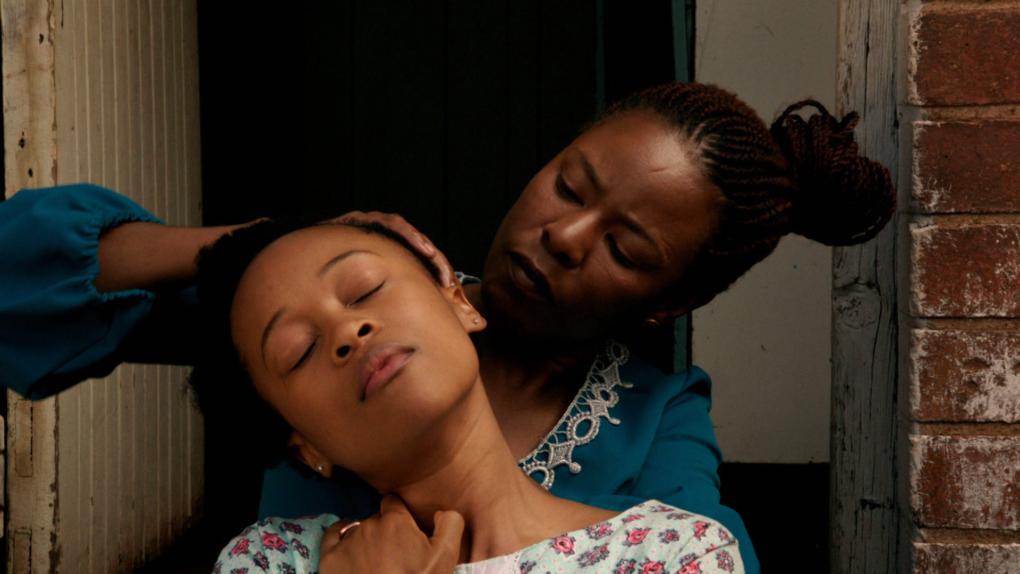
"caption": "Still from 'uNomalanga and the Witch.'",
"description": "Still from 'uNomalanga and the Witch.'",
"title": "S05_uNomalanga_FilmStill_9",
"credit": "Courtesy of Film School Shorts",
"status": "inherit",
"isLoading": false,
"fetchFailed": false
},
"arts_13807692": {
"type": "attachments",
"id": "arts_13807692",
"meta": {
"index": "attachments_1716263798",
"site": "arts",
"id": "13807692",
"found": true
},
"parent": 13807685,
"imgSizes": {
"small": {
"file": "https://ww2.kqed.org/app/uploads/sites/2/2017/09/A-touring-production-of-An-American-in-Paris-comes-to-San-Francisco-with-a-ballet-choreographer-in-charge-e1504742269864-520x292.jpg",
"width": 520,
"mimeType": "image/jpeg",
"height": 292
},
"twentyfourteen-full-width": {
"file": "https://ww2.kqed.org/app/uploads/sites/2/2017/09/A-touring-production-of-An-American-in-Paris-comes-to-San-Francisco-with-a-ballet-choreographer-in-charge-e1504742269864-1038x576.jpg",
"width": 1038,
"mimeType": "image/jpeg",
"height": 576
},
"thumbnail": {
"file": "https://ww2.kqed.org/app/uploads/sites/2/2017/09/A-touring-production-of-An-American-in-Paris-comes-to-San-Francisco-with-a-ballet-choreographer-in-charge-e1504742269864-160x90.jpg",
"width": 160,
"mimeType": "image/jpeg",
"height": 90
},
"fd-sm": {
"file": "https://ww2.kqed.org/app/uploads/sites/2/2017/09/A-touring-production-of-An-American-in-Paris-comes-to-San-Francisco-with-a-ballet-choreographer-in-charge-e1504742269864-960x540.jpg",
"width": 960,
"mimeType": "image/jpeg",
"height": 540
},
"post-thumbnail": {
"file": "https://ww2.kqed.org/app/uploads/sites/2/2017/09/A-touring-production-of-An-American-in-Paris-comes-to-San-Francisco-with-a-ballet-choreographer-in-charge-e1504742269864-672x372.jpg",
"width": 672,
"mimeType": "image/jpeg",
"height": 372
},
"xsmall": {
"file": "https://ww2.kqed.org/app/uploads/sites/2/2017/09/A-touring-production-of-An-American-in-Paris-comes-to-San-Francisco-with-a-ballet-choreographer-in-charge-e1504742269864-375x211.jpg",
"width": 375,
"mimeType": "image/jpeg",
"height": 211
},
"kqedFullSize": {
"file": "https://ww2.kqed.org/app/uploads/sites/2/2017/09/A-touring-production-of-An-American-in-Paris-comes-to-San-Francisco-with-a-ballet-choreographer-in-charge-e1504742269864.jpg",
"width": 4815,
"height": 2708
},
"large": {
"file": "https://ww2.kqed.org/app/uploads/sites/2/2017/09/A-touring-production-of-An-American-in-Paris-comes-to-San-Francisco-with-a-ballet-choreographer-in-charge-e1504742269864-1020x574.jpg",
"width": 1020,
"mimeType": "image/jpeg",
"height": 574
},
"xlarge": {
"file": "https://ww2.kqed.org/app/uploads/sites/2/2017/09/A-touring-production-of-An-American-in-Paris-comes-to-San-Francisco-with-a-ballet-choreographer-in-charge-e1504742269864-1180x664.jpg",
"width": 1180,
"mimeType": "image/jpeg",
"height": 664
},
"guest-author-50": {
"file": "https://ww2.kqed.org/app/uploads/sites/2/2017/09/A-touring-production-of-An-American-in-Paris-comes-to-San-Francisco-with-a-ballet-choreographer-in-charge-e1504742269864-50x50.jpg",
"width": 50,
"mimeType": "image/jpeg",
"height": 50
},
"guest-author-96": {
"file": "https://ww2.kqed.org/app/uploads/sites/2/2017/09/A-touring-production-of-An-American-in-Paris-comes-to-San-Francisco-with-a-ballet-choreographer-in-charge-e1504742269864-96x96.jpg",
"width": 96,
"mimeType": "image/jpeg",
"height": 96
},
"medium": {
"file": "https://ww2.kqed.org/app/uploads/sites/2/2017/09/A-touring-production-of-An-American-in-Paris-comes-to-San-Francisco-with-a-ballet-choreographer-in-charge-e1504742269864-800x450.jpg",
"width": 800,
"mimeType": "image/jpeg",
"height": 450
},
"guest-author-64": {
"file": "https://ww2.kqed.org/app/uploads/sites/2/2017/09/A-touring-production-of-An-American-in-Paris-comes-to-San-Francisco-with-a-ballet-choreographer-in-charge-e1504742269864-64x64.jpg",
"width": 64,
"mimeType": "image/jpeg",
"height": 64
},
"guest-author-32": {
"file": "https://ww2.kqed.org/app/uploads/sites/2/2017/09/A-touring-production-of-An-American-in-Paris-comes-to-San-Francisco-with-a-ballet-choreographer-in-charge-e1504742269864-32x32.jpg",
"width": 32,
"mimeType": "image/jpeg",
"height": 32
},
"fd-lrg": {
"file": "https://ww2.kqed.org/app/uploads/sites/2/2017/09/A-touring-production-of-An-American-in-Paris-comes-to-San-Francisco-with-a-ballet-choreographer-in-charge-e1504742269864-1920x1080.jpg",
"width": 1920,
"mimeType": "image/jpeg",
"height": 1080
},
"fd-med": {
"file": "https://ww2.kqed.org/app/uploads/sites/2/2017/09/A-touring-production-of-An-American-in-Paris-comes-to-San-Francisco-with-a-ballet-choreographer-in-charge-e1504742269864-1180x664.jpg",
"width": 1180,
"mimeType": "image/jpeg",
"height": 664
},
"full-width": {
"file": "https://ww2.kqed.org/app/uploads/sites/2/2017/09/A-touring-production-of-An-American-in-Paris-comes-to-San-Francisco-with-a-ballet-choreographer-in-charge-e1504742269864-1920x1080.jpg",
"width": 1920,
"mimeType": "image/jpeg",
"height": 1080
},
"detail": {
"file": "https://ww2.kqed.org/app/uploads/sites/2/2017/09/A-touring-production-of-An-American-in-Paris-comes-to-San-Francisco-with-a-ballet-choreographer-in-charge-e1504742269864-150x150.jpg",
"width": 150,
"mimeType": "image/jpeg",
"height": 150
},
"medium_large": {
"file": "https://ww2.kqed.org/app/uploads/sites/2/2017/09/A-touring-production-of-An-American-in-Paris-comes-to-San-Francisco-with-a-ballet-choreographer-in-charge-e1504742269864-768x432.jpg",
"width": 768,
"mimeType": "image/jpeg",
"height": 432
},
"guest-author-128": {
"file": "https://ww2.kqed.org/app/uploads/sites/2/2017/09/A-touring-production-of-An-American-in-Paris-comes-to-San-Francisco-with-a-ballet-choreographer-in-charge-e1504742269864-128x128.jpg",
"width": 128,
"mimeType": "image/jpeg",
"height": 128
},
"xxsmall": {
"file": "https://ww2.kqed.org/app/uploads/sites/2/2017/09/A-touring-production-of-An-American-in-Paris-comes-to-San-Francisco-with-a-ballet-choreographer-in-charge-e1504742269864-240x135.jpg",
"width": 240,
"mimeType": "image/jpeg",
"height": 135
}
},
"publishDate": 1504742151,
"modified": 1504742233,
"caption": "A touring production of 'An American in Paris' comes to San Francisco with a ballet choreographer in charge",
"description": "A touring production of 'An American in Paris' comes to San Francisco with a ballet choreographer in charge",
"title": "A touring production of 'An American in Paris' comes to San Francisco with a ballet choreographer in charge",
"credit": "Photo: Matthew Murphy/SHN",
"status": "inherit",
"isLoading": false,
"fetchFailed": false
},
"arts_13806770": {
"type": "attachments",
"id": "arts_13806770",
"meta": {
"index": "attachments_1716263798",
"site": "arts",
"id": "13806770",
"found": true
},
"parent": 13806766,
"imgSizes": {
"small": {
"file": "https://ww2.kqed.org/app/uploads/sites/2/2017/08/Zenith1-e1503995155526-520x287.jpg",
"width": 520,
"mimeType": "image/jpeg",
"height": 287
},
"twentyfourteen-full-width": {
"file": "https://ww2.kqed.org/app/uploads/sites/2/2017/08/Zenith1-e1503995155526-1038x576.jpg",
"width": 1038,
"mimeType": "image/jpeg",
"height": 576
},
"thumbnail": {
"file": "https://ww2.kqed.org/app/uploads/sites/2/2017/08/Zenith1-e1503995155526-160x88.jpg",
"width": 160,
"mimeType": "image/jpeg",
"height": 88
},
"fd-sm": {
"file": "https://ww2.kqed.org/app/uploads/sites/2/2017/08/Zenith1-e1503995155526-960x530.jpg",
"width": 960,
"mimeType": "image/jpeg",
"height": 530
},
"post-thumbnail": {
"file": "https://ww2.kqed.org/app/uploads/sites/2/2017/08/Zenith1-e1503995155526-672x372.jpg",
"width": 672,
"mimeType": "image/jpeg",
"height": 372
},
"xsmall": {
"file": "https://ww2.kqed.org/app/uploads/sites/2/2017/08/Zenith1-e1503995155526-375x207.jpg",
"width": 375,
"mimeType": "image/jpeg",
"height": 207
},
"kqedFullSize": {
"file": "https://ww2.kqed.org/app/uploads/sites/2/2017/08/Zenith1-e1503995155526.jpg",
"width": 1500,
"height": 828
},
"large": {
"file": "https://ww2.kqed.org/app/uploads/sites/2/2017/08/Zenith1-e1503995155526-1020x563.jpg",
"width": 1020,
"mimeType": "image/jpeg",
"height": 563
},
"xlarge": {
"file": "https://ww2.kqed.org/app/uploads/sites/2/2017/08/Zenith1-e1503995155526-1180x651.jpg",
"width": 1180,
"mimeType": "image/jpeg",
"height": 651
},
"guest-author-50": {
"file": "https://ww2.kqed.org/app/uploads/sites/2/2017/08/Zenith1-e1503995155526-50x50.jpg",
"width": 50,
"mimeType": "image/jpeg",
"height": 50
},
"guest-author-96": {
"file": "https://ww2.kqed.org/app/uploads/sites/2/2017/08/Zenith1-e1503995155526-96x96.jpg",
"width": 96,
"mimeType": "image/jpeg",
"height": 96
},
"medium": {
"file": "https://ww2.kqed.org/app/uploads/sites/2/2017/08/Zenith1-e1503995155526-800x442.jpg",
"width": 800,
"mimeType": "image/jpeg",
"height": 442
},
"guest-author-64": {
"file": "https://ww2.kqed.org/app/uploads/sites/2/2017/08/Zenith1-e1503995155526-64x64.jpg",
"width": 64,
"mimeType": "image/jpeg",
"height": 64
},
"guest-author-32": {
"file": "https://ww2.kqed.org/app/uploads/sites/2/2017/08/Zenith1-e1503995155526-32x32.jpg",
"width": 32,
"mimeType": "image/jpeg",
"height": 32
},
"fd-med": {
"file": "https://ww2.kqed.org/app/uploads/sites/2/2017/08/Zenith1-e1503995155526-1180x651.jpg",
"width": 1180,
"mimeType": "image/jpeg",
"height": 651
},
"detail": {
"file": "https://ww2.kqed.org/app/uploads/sites/2/2017/08/Zenith1-e1503995155526-150x150.jpg",
"width": 150,
"mimeType": "image/jpeg",
"height": 150
},
"medium_large": {
"file": "https://ww2.kqed.org/app/uploads/sites/2/2017/08/Zenith1-e1503995155526-768x424.jpg",
"width": 768,
"mimeType": "image/jpeg",
"height": 424
},
"guest-author-128": {
"file": "https://ww2.kqed.org/app/uploads/sites/2/2017/08/Zenith1-e1503995155526-128x128.jpg",
"width": 128,
"mimeType": "image/jpeg",
"height": 128
},
"xxsmall": {
"file": "https://ww2.kqed.org/app/uploads/sites/2/2017/08/Zenith1-e1503995155526-240x132.jpg",
"width": 240,
"mimeType": "image/jpeg",
"height": 132
}
},
"publishDate": 1503994846,
"modified": 1503995196,
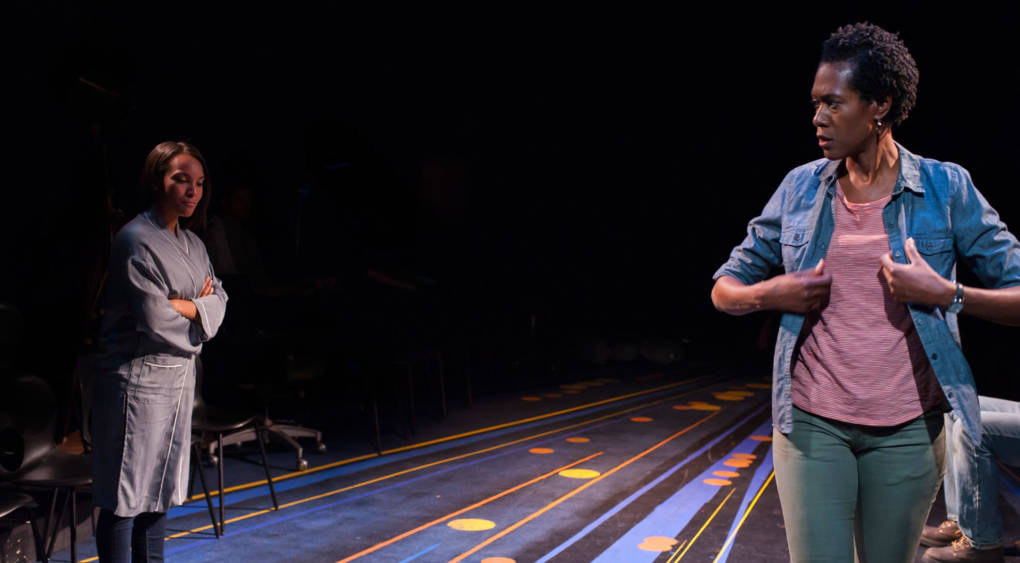
"caption": "Angela (Atim Udoffia) and Hazel (Nia Fairweather) in a tense stand off over fun.",
"description": "Angela (Atim Udoffia) and Hazel (Nia Fairweather) in a tense stand off over fun.",
"title": "Zenith1",
"credit": "Photo: Ken Levin",
"status": "inherit",
"isLoading": false,
"fetchFailed": false
},
"arts_13807109": {
"type": "attachments",
"id": "arts_13807109",
"meta": {
"index": "attachments_1716263798",
"site": "arts",
"id": "13807109",
"found": true
},
"parent": 13807108,
"imgSizes": {
"small": {
"file": "https://ww2.kqed.org/app/uploads/sites/2/2017/08/good-time-good-time-still-3-option-1-1-_rgb_wide-8ac3a247d291e34c7b55b687d21cc8adfb76af40-520x293.jpg",
"width": 520,
"mimeType": "image/jpeg",
"height": 293
},
"twentyfourteen-full-width": {
"file": "https://ww2.kqed.org/app/uploads/sites/2/2017/08/good-time-good-time-still-3-option-1-1-_rgb_wide-8ac3a247d291e34c7b55b687d21cc8adfb76af40-1038x576.jpg",
"width": 1038,
"mimeType": "image/jpeg",
"height": 576
},
"thumbnail": {
"file": "https://ww2.kqed.org/app/uploads/sites/2/2017/08/good-time-good-time-still-3-option-1-1-_rgb_wide-8ac3a247d291e34c7b55b687d21cc8adfb76af40-160x90.jpg",
"width": 160,
"mimeType": "image/jpeg",
"height": 90
},
"fd-sm": {
"file": "https://ww2.kqed.org/app/uploads/sites/2/2017/08/good-time-good-time-still-3-option-1-1-_rgb_wide-8ac3a247d291e34c7b55b687d21cc8adfb76af40-960x540.jpg",
"width": 960,
"mimeType": "image/jpeg",
"height": 540
},
"post-thumbnail": {
"file": "https://ww2.kqed.org/app/uploads/sites/2/2017/08/good-time-good-time-still-3-option-1-1-_rgb_wide-8ac3a247d291e34c7b55b687d21cc8adfb76af40-672x372.jpg",
"width": 672,
"mimeType": "image/jpeg",
"height": 372
},
"xsmall": {
"file": "https://ww2.kqed.org/app/uploads/sites/2/2017/08/good-time-good-time-still-3-option-1-1-_rgb_wide-8ac3a247d291e34c7b55b687d21cc8adfb76af40-375x211.jpg",
"width": 375,
"mimeType": "image/jpeg",
"height": 211
},
"kqedFullSize": {
"file": "https://ww2.kqed.org/app/uploads/sites/2/2017/08/good-time-good-time-still-3-option-1-1-_rgb_wide-8ac3a247d291e34c7b55b687d21cc8adfb76af40.jpg",
"width": 2149,
"height": 1209
},
"large": {
"file": "https://ww2.kqed.org/app/uploads/sites/2/2017/08/good-time-good-time-still-3-option-1-1-_rgb_wide-8ac3a247d291e34c7b55b687d21cc8adfb76af40-1020x574.jpg",
"width": 1020,
"mimeType": "image/jpeg",
"height": 574
},
"xlarge": {
"file": "https://ww2.kqed.org/app/uploads/sites/2/2017/08/good-time-good-time-still-3-option-1-1-_rgb_wide-8ac3a247d291e34c7b55b687d21cc8adfb76af40-1180x664.jpg",
"width": 1180,
"mimeType": "image/jpeg",
"height": 664
},
"guest-author-50": {
"file": "https://ww2.kqed.org/app/uploads/sites/2/2017/08/good-time-good-time-still-3-option-1-1-_rgb_wide-8ac3a247d291e34c7b55b687d21cc8adfb76af40-50x50.jpg",
"width": 50,
"mimeType": "image/jpeg",
"height": 50
},
"guest-author-96": {
"file": "https://ww2.kqed.org/app/uploads/sites/2/2017/08/good-time-good-time-still-3-option-1-1-_rgb_wide-8ac3a247d291e34c7b55b687d21cc8adfb76af40-96x96.jpg",
"width": 96,
"mimeType": "image/jpeg",
"height": 96
},
"medium": {
"file": "https://ww2.kqed.org/app/uploads/sites/2/2017/08/good-time-good-time-still-3-option-1-1-_rgb_wide-8ac3a247d291e34c7b55b687d21cc8adfb76af40-800x450.jpg",
"width": 800,
"mimeType": "image/jpeg",
"height": 450
},
"guest-author-64": {
"file": "https://ww2.kqed.org/app/uploads/sites/2/2017/08/good-time-good-time-still-3-option-1-1-_rgb_wide-8ac3a247d291e34c7b55b687d21cc8adfb76af40-64x64.jpg",
"width": 64,
"mimeType": "image/jpeg",
"height": 64
},
"guest-author-32": {
"file": "https://ww2.kqed.org/app/uploads/sites/2/2017/08/good-time-good-time-still-3-option-1-1-_rgb_wide-8ac3a247d291e34c7b55b687d21cc8adfb76af40-32x32.jpg",
"width": 32,
"mimeType": "image/jpeg",
"height": 32
},
"fd-lrg": {
"file": "https://ww2.kqed.org/app/uploads/sites/2/2017/08/good-time-good-time-still-3-option-1-1-_rgb_wide-8ac3a247d291e34c7b55b687d21cc8adfb76af40-1920x1080.jpg",
"width": 1920,
"mimeType": "image/jpeg",
"height": 1080
},
"fd-med": {
"file": "https://ww2.kqed.org/app/uploads/sites/2/2017/08/good-time-good-time-still-3-option-1-1-_rgb_wide-8ac3a247d291e34c7b55b687d21cc8adfb76af40-1180x664.jpg",
"width": 1180,
"mimeType": "image/jpeg",
"height": 664
},
"full-width": {
"file": "https://ww2.kqed.org/app/uploads/sites/2/2017/08/good-time-good-time-still-3-option-1-1-_rgb_wide-8ac3a247d291e34c7b55b687d21cc8adfb76af40-1920x1080.jpg",
"width": 1920,
"mimeType": "image/jpeg",
"height": 1080
},
"detail": {
"file": "https://ww2.kqed.org/app/uploads/sites/2/2017/08/good-time-good-time-still-3-option-1-1-_rgb_wide-8ac3a247d291e34c7b55b687d21cc8adfb76af40-150x150.jpg",
"width": 150,
"mimeType": "image/jpeg",
"height": 150
},
"medium_large": {
"file": "https://ww2.kqed.org/app/uploads/sites/2/2017/08/good-time-good-time-still-3-option-1-1-_rgb_wide-8ac3a247d291e34c7b55b687d21cc8adfb76af40-768x432.jpg",
"width": 768,
"mimeType": "image/jpeg",
"height": 432
},
"guest-author-128": {
"file": "https://ww2.kqed.org/app/uploads/sites/2/2017/08/good-time-good-time-still-3-option-1-1-_rgb_wide-8ac3a247d291e34c7b55b687d21cc8adfb76af40-128x128.jpg",
"width": 128,
"mimeType": "image/jpeg",
"height": 128
},
"xxsmall": {
"file": "https://ww2.kqed.org/app/uploads/sites/2/2017/08/good-time-good-time-still-3-option-1-1-_rgb_wide-8ac3a247d291e34c7b55b687d21cc8adfb76af40-240x135.jpg",
"width": 240,
"mimeType": "image/jpeg",
"height": 135
}
},
"publishDate": 1504203179,
"modified": 1504204214,
"caption": "In 'Good Time,' Robert Pattinson plays a small-time crook who must maneuver his way out of hair-raising situations.",
"description": "In 'Good Time,' Robert Pattinson plays a small-time crook who must maneuver his way out of hair-raising situations.",
"title": "In 'Good Time,' Robert Pattinson plays a small-time crook who must maneuver his way out of hair-raising situations.",
"credit": "Courtesy of A24",
"status": "inherit",
"isLoading": false,
"fetchFailed": false
},
"arts_13807065": {
"type": "attachments",
"id": "arts_13807065",
"meta": {
"index": "attachments_1716263798",
"site": "arts",
"id": "13807065",
"found": true
},
"parent": 13806944,
"imgSizes": {
"small": {
"file": "https://ww2.kqed.org/app/uploads/sites/2/2017/08/Girls-of-the-Golden-West-Composer-John-Adams-and-Librettist-Peter-Sellars-2-e1504149962573-520x274.jpg",
"width": 520,
"mimeType": "image/jpeg",
"height": 274
},
"twentyfourteen-full-width": {
"file": "https://ww2.kqed.org/app/uploads/sites/2/2017/08/Girls-of-the-Golden-West-Composer-John-Adams-and-Librettist-Peter-Sellars-2-e1504149962573-1038x576.jpg",
"width": 1038,
"mimeType": "image/jpeg",
"height": 576
},
"thumbnail": {
"file": "https://ww2.kqed.org/app/uploads/sites/2/2017/08/Girls-of-the-Golden-West-Composer-John-Adams-and-Librettist-Peter-Sellars-2-e1504149962573-160x84.jpg",
"width": 160,
"mimeType": "image/jpeg",
"height": 84
},
"fd-sm": {
"file": "https://ww2.kqed.org/app/uploads/sites/2/2017/08/Girls-of-the-Golden-West-Composer-John-Adams-and-Librettist-Peter-Sellars-2-e1504149962573-960x507.jpg",
"width": 960,
"mimeType": "image/jpeg",
"height": 507
},
"post-thumbnail": {
"file": "https://ww2.kqed.org/app/uploads/sites/2/2017/08/Girls-of-the-Golden-West-Composer-John-Adams-and-Librettist-Peter-Sellars-2-e1504149962573-672x372.jpg",
"width": 672,
"mimeType": "image/jpeg",
"height": 372
},
"xsmall": {
"file": "https://ww2.kqed.org/app/uploads/sites/2/2017/08/Girls-of-the-Golden-West-Composer-John-Adams-and-Librettist-Peter-Sellars-2-e1504149962573-375x198.jpg",
"width": 375,
"mimeType": "image/jpeg",
"height": 198
},
"kqedFullSize": {
"file": "https://ww2.kqed.org/app/uploads/sites/2/2017/08/Girls-of-the-Golden-West-Composer-John-Adams-and-Librettist-Peter-Sellars-2-e1504149962573.jpg",
"width": 2039,
"height": 1076
},
"large": {
"file": "https://ww2.kqed.org/app/uploads/sites/2/2017/08/Girls-of-the-Golden-West-Composer-John-Adams-and-Librettist-Peter-Sellars-2-e1504149962573-1020x538.jpg",
"width": 1020,
"mimeType": "image/jpeg",
"height": 538
},
"xlarge": {
"file": "https://ww2.kqed.org/app/uploads/sites/2/2017/08/Girls-of-the-Golden-West-Composer-John-Adams-and-Librettist-Peter-Sellars-2-e1504149962573-1180x623.jpg",
"width": 1180,
"mimeType": "image/jpeg",
"height": 623
},
"guest-author-50": {
"file": "https://ww2.kqed.org/app/uploads/sites/2/2017/08/Girls-of-the-Golden-West-Composer-John-Adams-and-Librettist-Peter-Sellars-2-e1504149962573-50x50.jpg",
"width": 50,
"mimeType": "image/jpeg",
"height": 50
},
"guest-author-96": {
"file": "https://ww2.kqed.org/app/uploads/sites/2/2017/08/Girls-of-the-Golden-West-Composer-John-Adams-and-Librettist-Peter-Sellars-2-e1504149962573-96x96.jpg",
"width": 96,
"mimeType": "image/jpeg",
"height": 96
},
"medium": {
"file": "https://ww2.kqed.org/app/uploads/sites/2/2017/08/Girls-of-the-Golden-West-Composer-John-Adams-and-Librettist-Peter-Sellars-2-e1504149962573-800x422.jpg",
"width": 800,
"mimeType": "image/jpeg",
"height": 422
},
"guest-author-64": {
"file": "https://ww2.kqed.org/app/uploads/sites/2/2017/08/Girls-of-the-Golden-West-Composer-John-Adams-and-Librettist-Peter-Sellars-2-e1504149962573-64x64.jpg",
"width": 64,
"mimeType": "image/jpeg",
"height": 64
},
"guest-author-32": {
"file": "https://ww2.kqed.org/app/uploads/sites/2/2017/08/Girls-of-the-Golden-West-Composer-John-Adams-and-Librettist-Peter-Sellars-2-e1504149962573-32x32.jpg",
"width": 32,
"mimeType": "image/jpeg",
"height": 32
},
"fd-lrg": {
"file": "https://ww2.kqed.org/app/uploads/sites/2/2017/08/Girls-of-the-Golden-West-Composer-John-Adams-and-Librettist-Peter-Sellars-2-e1504149962573-1920x1013.jpg",
"width": 1920,
"mimeType": "image/jpeg",
"height": 1013
},
"fd-med": {
"file": "https://ww2.kqed.org/app/uploads/sites/2/2017/08/Girls-of-the-Golden-West-Composer-John-Adams-and-Librettist-Peter-Sellars-2-e1504149962573-1180x623.jpg",
"width": 1180,
"mimeType": "image/jpeg",
"height": 623
},
"full-width": {
"file": "https://ww2.kqed.org/app/uploads/sites/2/2017/08/Girls-of-the-Golden-West-Composer-John-Adams-and-Librettist-Peter-Sellars-2-e1504149962573-1920x1013.jpg",
"width": 1920,
"mimeType": "image/jpeg",
"height": 1013
},
"detail": {
"file": "https://ww2.kqed.org/app/uploads/sites/2/2017/08/Girls-of-the-Golden-West-Composer-John-Adams-and-Librettist-Peter-Sellars-2-e1504149962573-150x150.jpg",
"width": 150,
"mimeType": "image/jpeg",
"height": 150
},
"medium_large": {
"file": "https://ww2.kqed.org/app/uploads/sites/2/2017/08/Girls-of-the-Golden-West-Composer-John-Adams-and-Librettist-Peter-Sellars-2-e1504149962573-768x405.jpg",
"width": 768,
"mimeType": "image/jpeg",
"height": 405
},
"guest-author-128": {
"file": "https://ww2.kqed.org/app/uploads/sites/2/2017/08/Girls-of-the-Golden-West-Composer-John-Adams-and-Librettist-Peter-Sellars-2-e1504149962573-128x128.jpg",
"width": 128,
"mimeType": "image/jpeg",
"height": 128
},
"xxsmall": {
"file": "https://ww2.kqed.org/app/uploads/sites/2/2017/08/Girls-of-the-Golden-West-Composer-John-Adams-and-Librettist-Peter-Sellars-2-e1504149962573-240x127.jpg",
"width": 240,
"mimeType": "image/jpeg",
"height": 127
}
},
"publishDate": 1504149855,
"modified": 1511663301,
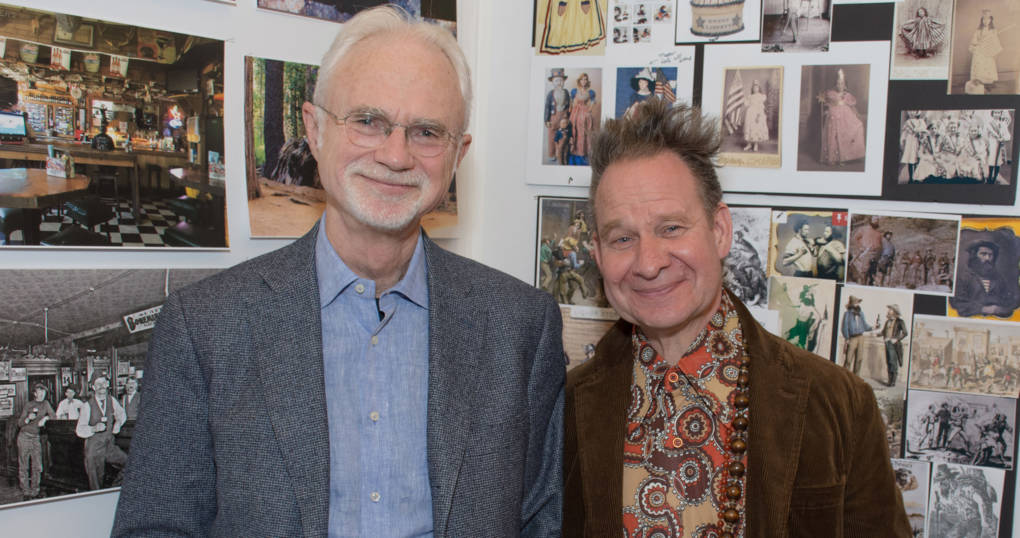
"caption": "'Girls of the Golden West' composer John Adams and librettist/stage director Peter Sellars",
"description": "'Girls of the Golden West' Composer John Adams and Librettist Peter Sellars",
"title": "'Girls of the Golden West' Composer John Adams and Librettist Peter Sellars",
"credit": "Photo: Courtesy of San Francisco Opera",
"status": "inherit",
"isLoading": false,
"fetchFailed": false
},
"arts_13804889": {
"type": "attachments",
"id": "arts_13804889",
"meta": {
"index": "attachments_1716263798",
"site": "arts",
"id": "13804889",
"found": true
},
"parent": 13804888,
"imgSizes": {
"small": {
"file": "https://ww2.kqed.org/app/uploads/sites/2/2017/08/Copy-of-John-Cho-in-Columbus_photo-credit-Elisha-Christian_Courtesy-of-Superlative-Films_Depth-of-Field1-520x281.jpg",
"width": 520,
"mimeType": "image/jpeg",
"height": 281
},
"thumbnail": {
"file": "https://ww2.kqed.org/app/uploads/sites/2/2017/08/Copy-of-John-Cho-in-Columbus_photo-credit-Elisha-Christian_Courtesy-of-Superlative-Films_Depth-of-Field1-160x87.jpg",
"width": 160,
"mimeType": "image/jpeg",
"height": 87
},
"fd-sm": {
"file": "https://ww2.kqed.org/app/uploads/sites/2/2017/08/Copy-of-John-Cho-in-Columbus_photo-credit-Elisha-Christian_Courtesy-of-Superlative-Films_Depth-of-Field1-960x519.jpg",
"width": 960,
"mimeType": "image/jpeg",
"height": 519
},
"post-thumbnail": {
"file": "https://ww2.kqed.org/app/uploads/sites/2/2017/08/Copy-of-John-Cho-in-Columbus_photo-credit-Elisha-Christian_Courtesy-of-Superlative-Films_Depth-of-Field1-672x372.jpg",
"width": 672,
"mimeType": "image/jpeg",
"height": 372
},
"xsmall": {
"file": "https://ww2.kqed.org/app/uploads/sites/2/2017/08/Copy-of-John-Cho-in-Columbus_photo-credit-Elisha-Christian_Courtesy-of-Superlative-Films_Depth-of-Field1-375x203.jpg",
"width": 375,
"mimeType": "image/jpeg",
"height": 203
},
"kqedFullSize": {
"file": "https://ww2.kqed.org/app/uploads/sites/2/2017/08/Copy-of-John-Cho-in-Columbus_photo-credit-Elisha-Christian_Courtesy-of-Superlative-Films_Depth-of-Field1.jpg",
"width": 960,
"height": 519
},
"guest-author-50": {
"file": "https://ww2.kqed.org/app/uploads/sites/2/2017/08/Copy-of-John-Cho-in-Columbus_photo-credit-Elisha-Christian_Courtesy-of-Superlative-Films_Depth-of-Field1-50x50.jpg",
"width": 50,
"mimeType": "image/jpeg",
"height": 50
},
"guest-author-96": {
"file": "https://ww2.kqed.org/app/uploads/sites/2/2017/08/Copy-of-John-Cho-in-Columbus_photo-credit-Elisha-Christian_Courtesy-of-Superlative-Films_Depth-of-Field1-96x96.jpg",
"width": 96,
"mimeType": "image/jpeg",
"height": 96
},
"medium": {
"file": "https://ww2.kqed.org/app/uploads/sites/2/2017/08/Copy-of-John-Cho-in-Columbus_photo-credit-Elisha-Christian_Courtesy-of-Superlative-Films_Depth-of-Field1-800x433.jpg",
"width": 800,
"mimeType": "image/jpeg",
"height": 433
},
"guest-author-64": {
"file": "https://ww2.kqed.org/app/uploads/sites/2/2017/08/Copy-of-John-Cho-in-Columbus_photo-credit-Elisha-Christian_Courtesy-of-Superlative-Films_Depth-of-Field1-64x64.jpg",
"width": 64,
"mimeType": "image/jpeg",
"height": 64
},
"guest-author-32": {
"file": "https://ww2.kqed.org/app/uploads/sites/2/2017/08/Copy-of-John-Cho-in-Columbus_photo-credit-Elisha-Christian_Courtesy-of-Superlative-Films_Depth-of-Field1-32x32.jpg",
"width": 32,
"mimeType": "image/jpeg",
"height": 32
},
"detail": {
"file": "https://ww2.kqed.org/app/uploads/sites/2/2017/08/Copy-of-John-Cho-in-Columbus_photo-credit-Elisha-Christian_Courtesy-of-Superlative-Films_Depth-of-Field1-150x150.jpg",
"width": 150,
"mimeType": "image/jpeg",
"height": 150
},
"medium_large": {
"file": "https://ww2.kqed.org/app/uploads/sites/2/2017/08/Copy-of-John-Cho-in-Columbus_photo-credit-Elisha-Christian_Courtesy-of-Superlative-Films_Depth-of-Field1-768x415.jpg",
"width": 768,
"mimeType": "image/jpeg",
"height": 415
},
"guest-author-128": {
"file": "https://ww2.kqed.org/app/uploads/sites/2/2017/08/Copy-of-John-Cho-in-Columbus_photo-credit-Elisha-Christian_Courtesy-of-Superlative-Films_Depth-of-Field1-128x128.jpg",
"width": 128,
"mimeType": "image/jpeg",
"height": 128
},
"xxsmall": {
"file": "https://ww2.kqed.org/app/uploads/sites/2/2017/08/Copy-of-John-Cho-in-Columbus_photo-credit-Elisha-Christian_Courtesy-of-Superlative-Films_Depth-of-Field1-240x130.jpg",
"width": 240,
"mimeType": "image/jpeg",
"height": 130
}
},
"publishDate": 1502300120,
"modified": 1502329056,
"caption": "John Cho in 'Columbus.' ",
"description": "John Cho in 'Columbus.' ",
"title": "John Cho in Columbus_photo credit Elisha Christian_Courtesy of Superlative Films_Depth of Field(1)",
"credit": "Photo by Elisha Christian; Courtesy of Superlative Films, Depth of Field",
"status": "inherit",
"isLoading": false,
"fetchFailed": false
},
"arts_13804997": {
"type": "attachments",
"id": "arts_13804997",
"meta": {
"index": "attachments_1716263798",
"site": "arts",
"id": "13804997",
"found": true
},
"parent": 13804996,
"imgSizes": {
"small": {
"file": "https://ww2.kqed.org/app/uploads/sites/2/2017/08/windriver_unit_00143_lg_wide-7e9d771b3900a595c03cd9c84e29419121e0e54f-520x292.jpg",
"width": 520,
"mimeType": "image/jpeg",
"height": 292
},
"twentyfourteen-full-width": {
"file": "https://ww2.kqed.org/app/uploads/sites/2/2017/08/windriver_unit_00143_lg_wide-7e9d771b3900a595c03cd9c84e29419121e0e54f-1038x576.jpg",
"width": 1038,
"mimeType": "image/jpeg",
"height": 576
},
"thumbnail": {
"file": "https://ww2.kqed.org/app/uploads/sites/2/2017/08/windriver_unit_00143_lg_wide-7e9d771b3900a595c03cd9c84e29419121e0e54f-160x90.jpg",
"width": 160,
"mimeType": "image/jpeg",
"height": 90
},
"fd-sm": {
"file": "https://ww2.kqed.org/app/uploads/sites/2/2017/08/windriver_unit_00143_lg_wide-7e9d771b3900a595c03cd9c84e29419121e0e54f-960x540.jpg",
"width": 960,
"mimeType": "image/jpeg",
"height": 540
},
"post-thumbnail": {
"file": "https://ww2.kqed.org/app/uploads/sites/2/2017/08/windriver_unit_00143_lg_wide-7e9d771b3900a595c03cd9c84e29419121e0e54f-672x372.jpg",
"width": 672,
"mimeType": "image/jpeg",
"height": 372
},
"xsmall": {
"file": "https://ww2.kqed.org/app/uploads/sites/2/2017/08/windriver_unit_00143_lg_wide-7e9d771b3900a595c03cd9c84e29419121e0e54f-375x211.jpg",
"width": 375,
"mimeType": "image/jpeg",
"height": 211
},
"kqedFullSize": {
"file": "https://ww2.kqed.org/app/uploads/sites/2/2017/08/windriver_unit_00143_lg_wide-7e9d771b3900a595c03cd9c84e29419121e0e54f.jpg",
"width": 1080,
"height": 607
},
"large": {
"file": "https://ww2.kqed.org/app/uploads/sites/2/2017/08/windriver_unit_00143_lg_wide-7e9d771b3900a595c03cd9c84e29419121e0e54f-1020x573.jpg",
"width": 1020,
"mimeType": "image/jpeg",
"height": 573
},
"guest-author-50": {
"file": "https://ww2.kqed.org/app/uploads/sites/2/2017/08/windriver_unit_00143_lg_wide-7e9d771b3900a595c03cd9c84e29419121e0e54f-50x50.jpg",
"width": 50,
"mimeType": "image/jpeg",
"height": 50
},
"guest-author-96": {
"file": "https://ww2.kqed.org/app/uploads/sites/2/2017/08/windriver_unit_00143_lg_wide-7e9d771b3900a595c03cd9c84e29419121e0e54f-96x96.jpg",
"width": 96,
"mimeType": "image/jpeg",
"height": 96
},
"medium": {
"file": "https://ww2.kqed.org/app/uploads/sites/2/2017/08/windriver_unit_00143_lg_wide-7e9d771b3900a595c03cd9c84e29419121e0e54f-800x450.jpg",
"width": 800,
"mimeType": "image/jpeg",
"height": 450
},
"guest-author-64": {
"file": "https://ww2.kqed.org/app/uploads/sites/2/2017/08/windriver_unit_00143_lg_wide-7e9d771b3900a595c03cd9c84e29419121e0e54f-64x64.jpg",
"width": 64,
"mimeType": "image/jpeg",
"height": 64
},
"guest-author-32": {
"file": "https://ww2.kqed.org/app/uploads/sites/2/2017/08/windriver_unit_00143_lg_wide-7e9d771b3900a595c03cd9c84e29419121e0e54f-32x32.jpg",
"width": 32,
"mimeType": "image/jpeg",
"height": 32
},
"detail": {
"file": "https://ww2.kqed.org/app/uploads/sites/2/2017/08/windriver_unit_00143_lg_wide-7e9d771b3900a595c03cd9c84e29419121e0e54f-150x150.jpg",
"width": 150,
"mimeType": "image/jpeg",
"height": 150
},
"medium_large": {
"file": "https://ww2.kqed.org/app/uploads/sites/2/2017/08/windriver_unit_00143_lg_wide-7e9d771b3900a595c03cd9c84e29419121e0e54f-768x432.jpg",
"width": 768,
"mimeType": "image/jpeg",
"height": 432
},
"guest-author-128": {
"file": "https://ww2.kqed.org/app/uploads/sites/2/2017/08/windriver_unit_00143_lg_wide-7e9d771b3900a595c03cd9c84e29419121e0e54f-128x128.jpg",
"width": 128,
"mimeType": "image/jpeg",
"height": 128
},
"xxsmall": {
"file": "https://ww2.kqed.org/app/uploads/sites/2/2017/08/windriver_unit_00143_lg_wide-7e9d771b3900a595c03cd9c84e29419121e0e54f-240x135.jpg",
"width": 240,
"mimeType": "image/jpeg",
"height": 135
}
},
"publishDate": 1502345779,
"modified": 1502345779,
"caption": null,
"description": "When a Native American teenager is found dead, FBI agent Jane Banner (Elizabeth Olson, center) works with local police (Graham Greene, right, Hugh Dillon) to figure out what happened.",
"title": "When a Native American teenager is found dead, FBI agent Jane Banner (Elizabeth Olson, center) works with local police (Graham Greene, right, Hugh Dillon) to figure out what happened.",
"credit": null,
"status": "inherit",
"isLoading": false,
"fetchFailed": false
},
"arts_13754369": {
"type": "attachments",
"id": "arts_13754369",
"meta": {
"index": "attachments_1716263798",
"site": "arts",
"id": "13754369",
"found": true
},
"parent": 13754368,
"imgSizes": {
"small": {
"file": "https://ww2.kqed.org/app/uploads/sites/2/2017/07/image1COVER-520x293.jpg",
"width": 520,
"mimeType": "image/jpeg",
"height": 293
},
"twentyfourteen-full-width": {
"file": "https://ww2.kqed.org/app/uploads/sites/2/2017/07/image1COVER-1038x576.jpg",
"width": 1038,
"mimeType": "image/jpeg",
"height": 576
},
"thumbnail": {
"file": "https://ww2.kqed.org/app/uploads/sites/2/2017/07/image1COVER-160x90.jpg",
"width": 160,
"mimeType": "image/jpeg",
"height": 90
},
"fd-sm": {
"file": "https://ww2.kqed.org/app/uploads/sites/2/2017/07/image1COVER-960x540.jpg",
"width": 960,
"mimeType": "image/jpeg",
"height": 540
},
"post-thumbnail": {
"file": "https://ww2.kqed.org/app/uploads/sites/2/2017/07/image1COVER-672x372.jpg",
"width": 672,
"mimeType": "image/jpeg",
"height": 372
},
"xsmall": {
"file": "https://ww2.kqed.org/app/uploads/sites/2/2017/07/image1COVER-375x211.jpg",
"width": 375,
"mimeType": "image/jpeg",
"height": 211
},
"kqedFullSize": {
"file": "https://ww2.kqed.org/app/uploads/sites/2/2017/07/image1COVER.jpg",
"width": 1920,
"height": 1080
},
"large": {
"file": "https://ww2.kqed.org/app/uploads/sites/2/2017/07/image1COVER-1020x574.jpg",
"width": 1020,
"mimeType": "image/jpeg",
"height": 574
},
"xlarge": {
"file": "https://ww2.kqed.org/app/uploads/sites/2/2017/07/image1COVER-1180x664.jpg",
"width": 1180,
"mimeType": "image/jpeg",
"height": 664
},
"guest-author-50": {
"file": "https://ww2.kqed.org/app/uploads/sites/2/2017/07/image1COVER-50x50.jpg",
"width": 50,
"mimeType": "image/jpeg",
"height": 50
},
"guest-author-96": {
"file": "https://ww2.kqed.org/app/uploads/sites/2/2017/07/image1COVER-96x96.jpg",
"width": 96,
"mimeType": "image/jpeg",
"height": 96
},
"medium": {
"file": "https://ww2.kqed.org/app/uploads/sites/2/2017/07/image1COVER-800x450.jpg",
"width": 800,
"mimeType": "image/jpeg",
"height": 450
},
"guest-author-64": {
"file": "https://ww2.kqed.org/app/uploads/sites/2/2017/07/image1COVER-64x64.jpg",
"width": 64,
"mimeType": "image/jpeg",
"height": 64
},
"guest-author-32": {
"file": "https://ww2.kqed.org/app/uploads/sites/2/2017/07/image1COVER-32x32.jpg",
"width": 32,
"mimeType": "image/jpeg",
"height": 32
},
"fd-lrg": {
"file": "https://ww2.kqed.org/app/uploads/sites/2/2017/07/image1COVER-1920x1080.jpg",
"width": 1920,
"mimeType": "image/jpeg",
"height": 1080
},
"fd-med": {
"file": "https://ww2.kqed.org/app/uploads/sites/2/2017/07/image1COVER-1180x664.jpg",
"width": 1180,
"mimeType": "image/jpeg",
"height": 664
},
"full-width": {
"file": "https://ww2.kqed.org/app/uploads/sites/2/2017/07/image1COVER-1920x1080.jpg",
"width": 1920,
"mimeType": "image/jpeg",
"height": 1080
},
"detail": {
"file": "https://ww2.kqed.org/app/uploads/sites/2/2017/07/image1COVER-150x150.jpg",
"width": 150,
"mimeType": "image/jpeg",
"height": 150
},
"medium_large": {
"file": "https://ww2.kqed.org/app/uploads/sites/2/2017/07/image1COVER-768x432.jpg",
"width": 768,
"mimeType": "image/jpeg",
"height": 432
},
"guest-author-128": {
"file": "https://ww2.kqed.org/app/uploads/sites/2/2017/07/image1COVER-128x128.jpg",
"width": 128,
"mimeType": "image/jpeg",
"height": 128
},
"xxsmall": {
"file": "https://ww2.kqed.org/app/uploads/sites/2/2017/07/image1COVER-240x135.jpg",
"width": 240,
"mimeType": "image/jpeg",
"height": 135
}
},
"publishDate": 1501182723,
"modified": 1501182799,
"caption": "Jenny Slate and Abby Quinn in 'Landline.'",
"description": "Jenny Slate and Abby Quinn in 'Landline.'",
"title": "landline_5june16_0114.NEF",
"credit": "Courtesy of Amazon Studios",
"status": "inherit",
"isLoading": false,
"fetchFailed": false
},
"arts_13496205": {
"type": "attachments",
"id": "arts_13496205",
"meta": {
"index": "attachments_1716263798",
"site": "arts",
"id": "13496205",
"found": true
},
"parent": 13478988,
"imgSizes": {
"small": {
"file": "https://ww2.kqed.org/app/uploads/sites/2/2017/06/Maudie_Cover-520x293.jpg",
"width": 520,
"mimeType": "image/jpeg",
"height": 293
},
"twentyfourteen-full-width": {
"file": "https://ww2.kqed.org/app/uploads/sites/2/2017/06/Maudie_Cover-1038x576.jpg",
"width": 1038,
"mimeType": "image/jpeg",
"height": 576
},
"thumbnail": {
"file": "https://ww2.kqed.org/app/uploads/sites/2/2017/06/Maudie_Cover-160x90.jpg",
"width": 160,
"mimeType": "image/jpeg",
"height": 90
},
"fd-sm": {
"file": "https://ww2.kqed.org/app/uploads/sites/2/2017/06/Maudie_Cover-960x540.jpg",
"width": 960,
"mimeType": "image/jpeg",
"height": 540
},
"post-thumbnail": {
"file": "https://ww2.kqed.org/app/uploads/sites/2/2017/06/Maudie_Cover-672x372.jpg",
"width": 672,
"mimeType": "image/jpeg",
"height": 372
},
"xsmall": {
"file": "https://ww2.kqed.org/app/uploads/sites/2/2017/06/Maudie_Cover-375x211.jpg",
"width": 375,
"mimeType": "image/jpeg",
"height": 211
},
"kqedFullSize": {
"file": "https://ww2.kqed.org/app/uploads/sites/2/2017/06/Maudie_Cover.jpg",
"width": 1200,
"height": 675
},
"large": {
"file": "https://ww2.kqed.org/app/uploads/sites/2/2017/06/Maudie_Cover-1020x574.jpg",
"width": 1020,
"mimeType": "image/jpeg",
"height": 574
},
"xlarge": {
"file": "https://ww2.kqed.org/app/uploads/sites/2/2017/06/Maudie_Cover-1180x664.jpg",
"width": 1180,
"mimeType": "image/jpeg",
"height": 664
},
"guest-author-50": {
"file": "https://ww2.kqed.org/app/uploads/sites/2/2017/06/Maudie_Cover-50x50.jpg",
"width": 50,
"mimeType": "image/jpeg",
"height": 50
},
"guest-author-96": {
"file": "https://ww2.kqed.org/app/uploads/sites/2/2017/06/Maudie_Cover-96x96.jpg",
"width": 96,
"mimeType": "image/jpeg",
"height": 96
},
"medium": {
"file": "https://ww2.kqed.org/app/uploads/sites/2/2017/06/Maudie_Cover-800x450.jpg",
"width": 800,
"mimeType": "image/jpeg",
"height": 450
},
"guest-author-64": {
"file": "https://ww2.kqed.org/app/uploads/sites/2/2017/06/Maudie_Cover-64x64.jpg",
"width": 64,
"mimeType": "image/jpeg",
"height": 64
},
"guest-author-32": {
"file": "https://ww2.kqed.org/app/uploads/sites/2/2017/06/Maudie_Cover-32x32.jpg",
"width": 32,
"mimeType": "image/jpeg",
"height": 32
},
"fd-med": {
"file": "https://ww2.kqed.org/app/uploads/sites/2/2017/06/Maudie_Cover-1180x664.jpg",
"width": 1180,
"mimeType": "image/jpeg",
"height": 664
},
"detail": {
"file": "https://ww2.kqed.org/app/uploads/sites/2/2017/06/Maudie_Cover-150x150.jpg",
"width": 150,
"mimeType": "image/jpeg",
"height": 150
},
"medium_large": {
"file": "https://ww2.kqed.org/app/uploads/sites/2/2017/06/Maudie_Cover-768x432.jpg",
"width": 768,
"mimeType": "image/jpeg",
"height": 432
},
"guest-author-128": {
"file": "https://ww2.kqed.org/app/uploads/sites/2/2017/06/Maudie_Cover-128x128.jpg",
"width": 128,
"mimeType": "image/jpeg",
"height": 128
},
"xxsmall": {
"file": "https://ww2.kqed.org/app/uploads/sites/2/2017/06/Maudie_Cover-240x135.jpg",
"width": 240,
"mimeType": "image/jpeg",
"height": 135
}
},
"publishDate": 1498174288,
"modified": 1498174445,
"caption": "Sally Hawkins as Canadian folk artist Maud Lewis in 'Maudie.'",
"description": "Sally Hawkins as Canadian folk artist Maud Lewis in 'Maudie.'",
"title": "Maudie_Cover",
"credit": "Courtesy of Sony Pictures Classics",
"status": "inherit",
"isLoading": false,
"fetchFailed": false
},
"arts_13473009": {
"type": "attachments",
"id": "arts_13473009",
"meta": {
"index": "attachments_1716263798",
"site": "arts",
"id": "13473009",
"found": true
},
"parent": 13472501,
"imgSizes": {
"small": {
"file": "https://ww2.kqed.org/app/uploads/sites/2/2017/06/natbrass-small-e1497913362111-520x293.jpg",
"width": 520,
"mimeType": "image/jpeg",
"height": 293
},
"twentyfourteen-full-width": {
"file": "https://ww2.kqed.org/app/uploads/sites/2/2017/06/natbrass-small-e1497913362111-1038x576.jpg",
"width": 1038,
"mimeType": "image/jpeg",
"height": 576
},
"thumbnail": {
"file": "https://ww2.kqed.org/app/uploads/sites/2/2017/06/natbrass-small-e1497913362111-160x90.jpg",
"width": 160,
"mimeType": "image/jpeg",
"height": 90
},
"fd-sm": {
"file": "https://ww2.kqed.org/app/uploads/sites/2/2017/06/natbrass-small-e1497913362111-960x541.jpg",
"width": 960,
"mimeType": "image/jpeg",
"height": 541
},
"post-thumbnail": {
"file": "https://ww2.kqed.org/app/uploads/sites/2/2017/06/natbrass-small-e1497913362111-672x372.jpg",
"width": 672,
"mimeType": "image/jpeg",
"height": 372
},
"xsmall": {
"file": "https://ww2.kqed.org/app/uploads/sites/2/2017/06/natbrass-small-e1497913362111-375x211.jpg",
"width": 375,
"mimeType": "image/jpeg",
"height": 211
},
"kqedFullSize": {
"file": "https://ww2.kqed.org/app/uploads/sites/2/2017/06/natbrass-small-e1497913362111.jpg",
"width": 1845,
"height": 1040
},
"large": {
"file": "https://ww2.kqed.org/app/uploads/sites/2/2017/06/natbrass-small-e1497913362111-1020x575.jpg",
"width": 1020,
"mimeType": "image/jpeg",
"height": 575
},
"xlarge": {
"file": "https://ww2.kqed.org/app/uploads/sites/2/2017/06/natbrass-small-e1497913362111-1180x665.jpg",
"width": 1180,
"mimeType": "image/jpeg",
"height": 665
},
"guest-author-50": {
"file": "https://ww2.kqed.org/app/uploads/sites/2/2017/06/natbrass-small-e1497913362111-50x50.jpg",
"width": 50,
"mimeType": "image/jpeg",
"height": 50
},
"guest-author-96": {
"file": "https://ww2.kqed.org/app/uploads/sites/2/2017/06/natbrass-small-e1497913362111-96x96.jpg",
"width": 96,
"mimeType": "image/jpeg",
"height": 96
},
"medium": {
"file": "https://ww2.kqed.org/app/uploads/sites/2/2017/06/natbrass-small-e1497913362111-800x451.jpg",
"width": 800,
"mimeType": "image/jpeg",
"height": 451
},
"guest-author-64": {
"file": "https://ww2.kqed.org/app/uploads/sites/2/2017/06/natbrass-small-e1497913362111-64x64.jpg",
"width": 64,
"mimeType": "image/jpeg",
"height": 64
},
"guest-author-32": {
"file": "https://ww2.kqed.org/app/uploads/sites/2/2017/06/natbrass-small-e1497913362111-32x32.jpg",
"width": 32,
"mimeType": "image/jpeg",
"height": 32
},
"fd-lrg": {
"file": "https://ww2.kqed.org/app/uploads/sites/2/2017/06/natbrass-small-1920x1282.jpg",
"width": 1920,
"mimeType": "image/jpeg",
"height": 1282
},
"fd-med": {
"file": "https://ww2.kqed.org/app/uploads/sites/2/2017/06/natbrass-small-e1497913362111-1180x665.jpg",
"width": 1180,
"mimeType": "image/jpeg",
"height": 665
},
"full-width": {
"file": "https://ww2.kqed.org/app/uploads/sites/2/2017/06/natbrass-small-1920x1282.jpg",
"width": 1920,
"mimeType": "image/jpeg",
"height": 1282
},
"detail": {
"file": "https://ww2.kqed.org/app/uploads/sites/2/2017/06/natbrass-small-e1497913362111-150x150.jpg",
"width": 150,
"mimeType": "image/jpeg",
"height": 150
},
"medium_large": {
"file": "https://ww2.kqed.org/app/uploads/sites/2/2017/06/natbrass-small-e1497913362111-768x433.jpg",
"width": 768,
"mimeType": "image/jpeg",
"height": 433
},
"guest-author-128": {
"file": "https://ww2.kqed.org/app/uploads/sites/2/2017/06/natbrass-small-e1497913362111-128x128.jpg",
"width": 128,
"mimeType": "image/jpeg",
"height": 128
},
"xxsmall": {
"file": "https://ww2.kqed.org/app/uploads/sites/2/2017/06/natbrass-small-e1497913362111-240x135.jpg",
"width": 240,
"mimeType": "image/jpeg",
"height": 135
}
},
"publishDate": 1497913294,
"modified": 1497913343,
"caption": "National Brass Ensemble.",
"description": "National Brass Ensemble.",
"title": "natbrass small",
"credit": "Photo: Kristen Locken",
"status": "inherit",
"isLoading": false,
"fetchFailed": false
}
},
"audioPlayerReducer": {
"postId": "stream_live",
"isPaused": true,
"isPlaying": false,
"pfsActive": false,
"pledgeModalIsOpen": true,
"playerDrawerIsOpen": false,
"liveAudioPlayStartedAt": 0,
"liveAudioPlayContext": ""
},
"authorsReducer": {
"byline_arts_13807108": {
"type": "authors",
"id": "byline_arts_13807108",
"meta": {
"override": true
},
"slug": "byline_arts_13807108",
"name": "Justin Chang",
"isLoading": false
},
"byline_arts_13804996": {
"type": "authors",
"id": "byline_arts_13804996",
"meta": {
"override": true
},
"slug": "byline_arts_13804996",
"name": "Bob Mondello",
"isLoading": false
},
"mfox": {
"type": "authors",
"id": "22",
"meta": {
"index": "authors_1716337520",
"id": "22",
"found": true
},
"name": "Michael Fox",
"firstName": "Michael",
"lastName": "Fox",
"slug": "mfox",
"email": "foxonfilm@yahoo.com",
"display_author_email": false,
"staff_mastheads": [],
"title": "KQED Contributor",
"bio": "Michael Fox has written about film for dozens of publications since 1987. He is a founding member of the San Francisco Bay Area Film Critics Circle.",
"avatar": "https://secure.gravatar.com/avatar/d9849d6c659c41414795c471d907bb97b396e2a32b88e20e6ff66f65fbdd6dcd?s=600&d=blank&r=g",
"twitter": null,
"bluesky": null,
"facebook": null,
"instagram": null,
"linkedin": null,
"sites": [
{
"site": "arts",
"roles": [
"Contributor",
"contributor"
]
}
],
"headData": {
"title": "Michael Fox | KQED",
"description": "KQED Contributor",
"ogImgSrc": "https://secure.gravatar.com/avatar/d9849d6c659c41414795c471d907bb97b396e2a32b88e20e6ff66f65fbdd6dcd?s=600&d=blank&r=g",
"twImgSrc": "https://secure.gravatar.com/avatar/d9849d6c659c41414795c471d907bb97b396e2a32b88e20e6ff66f65fbdd6dcd?s=600&d=blank&r=g"
},
"isLoading": false,
"link": "/author/mfox"
},
"cmusiker": {
"type": "authors",
"id": "32",
"meta": {
"index": "authors_1716337520",
"id": "32",
"found": true
},
"name": "Cy Musiker",
"firstName": "Cy",
"lastName": "Musiker",
"slug": "cmusiker",
"email": "cmusiker@kqed.org",
"display_author_email": false,
"staff_mastheads": [],
"title": "KQED Contributor",
"bio": "Cy Musiker is a former co-host of The Do List and a former reporter covering the arts for KQED News and The California Report. He loves live performance, especially great theater, jazz, roots music, anything by Mahler. Cy has an MJ from UC Berkeley's School of Journalism, and got his BA from Hampshire College. His work has been recognized by the Society for Professional Journalists with their Sigma Delta Chi Award for Public Service in Journalism. When he can, Cy likes to swim in Tomales Bay, run with his dog in the East Bay Hills, and hike the Sierra.",
"avatar": "https://secure.gravatar.com/avatar/05eaba5c5696ce8f062e4ea2df428a43?s=600&d=blank&r=g",
"twitter": null,
"facebook": null,
"instagram": null,
"linkedin": null,
"sites": [
{
"site": "arts",
"roles": [
"Contributor",
"subscriber"
]
},
{
"site": "news",
"roles": [
"author"
]
},
{
"site": "bayareabites",
"roles": [
"contributor"
]
}
],
"headData": {
"title": "Cy Musiker | KQED",
"description": "KQED Contributor",
"ogImgSrc": "https://secure.gravatar.com/avatar/05eaba5c5696ce8f062e4ea2df428a43?s=600&d=blank&r=g",
"twImgSrc": "https://secure.gravatar.com/avatar/05eaba5c5696ce8f062e4ea2df428a43?s=600&d=blank&r=g"
},
"isLoading": false,
"link": "/author/cmusiker"
},
"jedalatpour": {
"type": "authors",
"id": "42",
"meta": {
"index": "authors_1716337520",
"id": "42",
"found": true
},
"name": "Jeffrey Edalatpour",
"firstName": "Jeffrey",
"lastName": "Edalatpour",
"slug": "jedalatpour",
"email": "jedalatpour@kqed.org",
"display_author_email": false,
"staff_mastheads": [],
"title": null,
"bio": "Jeffrey Edalatpour's first published article was a 1999 film review of Pedro Almodovar’s \u003ci>All About My Mother. \u003c/i>Since then, his writing about arts, food and culture has appeared in a variety of print and online publications, including: KQED Arts, \u003ci>Metro Silicon Valley, Interview Magazine, \u003c/i>Berkeleyside.com, The Rumpus and \u003ci>SF Weekly. \u003c/i>His favorite Iris Murdoch novels (in no particular order) are \u003ci>The Bell, An Unofficial Rose \u003c/i>and\u003ci>The Black Prince\u003c/i>\u003ci>. \u003c/i>In other words, his home library is an anglophile’s dream.",
"avatar": "https://secure.gravatar.com/avatar/ed59ec60f4980f3a45d0c3758c17a4d4?s=600&d=blank&r=g",
"twitter": "jsedalatpour",
"facebook": null,
"instagram": null,
"linkedin": null,
"sites": [
{
"site": "arts",
"roles": [
"Contributor",
"contributor"
]
},
{
"site": "about",
"roles": [
"contributor"
]
},
{
"site": "bayareabites",
"roles": [
"author"
]
}
],
"headData": {
"title": "Jeffrey Edalatpour | KQED",
"description": null,
"ogImgSrc": "https://secure.gravatar.com/avatar/ed59ec60f4980f3a45d0c3758c17a4d4?s=600&d=blank&r=g",
"twImgSrc": "https://secure.gravatar.com/avatar/ed59ec60f4980f3a45d0c3758c17a4d4?s=600&d=blank&r=g"
},
"isLoading": false,
"link": "/author/jedalatpour"
},
"shotchkiss": {
"type": "authors",
"id": "61",
"meta": {
"index": "authors_1716337520",
"id": "61",
"found": true
},
"name": "Sarah Hotchkiss",
"firstName": "Sarah",
"lastName": "Hotchkiss",
"slug": "shotchkiss",
"email": "shotchkiss@kqed.org",
"display_author_email": true,
"staff_mastheads": [
"arts"
],
"title": "Senior Editor",
"bio": "Sarah Hotchkiss is a San Francisco \u003ca href=\"http://www.sarahhotchkiss.com\">artist\u003c/a> and arts writer. In 2019, she received the Dorothea & Leo Rabkin Foundation grant for visual art journalism and in 2020 she received a Society of Professional Journalists, Northern California award for excellence in arts and culture reporting.",
"avatar": "https://secure.gravatar.com/avatar/bc662df144b3d27fd8b1b6f1c2a420d34e91e53154d411bb7ad353cc8b6cea8d?s=600&d=blank&r=g",
"twitter": null,
"bluesky": null,
"facebook": null,
"instagram": null,
"linkedin": null,
"sites": [
{
"site": "",
"roles": [
"editor"
]
},
{
"site": "arts",
"roles": [
"Contributor",
"administrator"
]
},
{
"site": "artschool",
"roles": [
"administrator"
]
},
{
"site": "news",
"roles": [
"editor"
]
},
{
"site": "pop",
"roles": [
"administrator"
]
},
{
"site": "bayareabites",
"roles": [
"editor"
]
},
{
"site": "spark",
"roles": [
"editor"
]
},
{
"site": "checkplease",
"roles": [
"editor"
]
}
],
"headData": {
"title": "Sarah Hotchkiss | KQED",
"description": "Senior Editor",
"ogImgSrc": "https://secure.gravatar.com/avatar/bc662df144b3d27fd8b1b6f1c2a420d34e91e53154d411bb7ad353cc8b6cea8d?s=600&d=blank&r=g",
"twImgSrc": "https://secure.gravatar.com/avatar/bc662df144b3d27fd8b1b6f1c2a420d34e91e53154d411bb7ad353cc8b6cea8d?s=600&d=blank&r=g"
},
"isLoading": false,
"link": "/author/shotchkiss"
},
"cveltman": {
"type": "authors",
"id": "8608",
"meta": {
"index": "authors_1716337520",
"id": "8608",
"found": true
},
"name": "Chloe Veltman",
"firstName": "Chloe",
"lastName": "Veltman",
"slug": "cveltman",
"email": "cveltman@kqed.org",
"display_author_email": true,
"staff_mastheads": [],
"title": "Arts and Culture Reporter",
"bio": "Chloe Veltman is a former arts and culture reporter for KQED. Prior to joining the organization, she launched and led the arts bureau at Colorado Public Radio, served as the Bay Area's culture columnist for the New York Times, and was the founder, host and executive producer of VoiceBox, a national award-winning weekly podcast/radio show and live events series all about the human voice. Chloe is the recipient of numerous prizes, grants and fellowships including a Webby Award for her work on interactive storytelling, both the John S Knight Journalism Fellowship and Humanities Center Fellowship at Stanford University, the Sundance Arts Writing Fellowship and a Library of Congress Research Fellowship. She is the author of the book \"On Acting\" and has appeared as a guest lecturer at Yale University and the San Francisco Conservatory of Music among other institutions. She holds a BA in english literature from King's College, Cambridge, and a Masters in Dramaturgy from the Central School of Speech and Drama/Harvard Institute for Advanced Theater Training.\r\n\u003ca href=\"https://www.chloeveltman.com\">www.chloeveltman.com\u003c/a>",
"avatar": "https://secure.gravatar.com/avatar/55403394b00a1ddab683952c2eb2cf85?s=600&d=blank&r=g",
"twitter": "chloeveltman",
"facebook": null,
"instagram": null,
"linkedin": null,
"sites": [
{
"site": "arts",
"roles": []
},
{
"site": "news",
"roles": [
"author"
]
},
{
"site": "pop",
"roles": [
"editor"
]
},
{
"site": "science",
"roles": []
}
],
"headData": {
"title": "Chloe Veltman | KQED",
"description": "Arts and Culture Reporter",
"ogImgSrc": "https://secure.gravatar.com/avatar/55403394b00a1ddab683952c2eb2cf85?s=600&d=blank&r=g",
"twImgSrc": "https://secure.gravatar.com/avatar/55403394b00a1ddab683952c2eb2cf85?s=600&d=blank&r=g"
},
"isLoading": false,
"link": "/author/cveltman"
},
"jwilkins": {
"type": "authors",
"id": "8668",
"meta": {
"index": "authors_1716337520",
"id": "8668",
"found": true
},
"name": "John Wilkins",
"firstName": "John",
"lastName": "Wilkins",
"slug": "jwilkins",
"email": "Johnrwilkins@aol.com",
"display_author_email": false,
"staff_mastheads": [],
"title": null,
"bio": "John Wilkins is the theater critic for KQED Arts. He was the Artistic Director of Last Planet Theatre for ten years and teaches in the Writing and Literature program at CCA. Follow him on Twitter @johnrwilkins2",
"avatar": "https://secure.gravatar.com/avatar/7798fcc8a10bee0e04387b724b492df7?s=600&d=blank&r=g",
"twitter": null,
"facebook": null,
"instagram": null,
"linkedin": null,
"sites": [
{
"site": "arts",
"roles": [
"subscriber"
]
}
],
"headData": {
"title": "John Wilkins | KQED",
"description": null,
"ogImgSrc": "https://secure.gravatar.com/avatar/7798fcc8a10bee0e04387b724b492df7?s=600&d=blank&r=g",
"twImgSrc": "https://secure.gravatar.com/avatar/7798fcc8a10bee0e04387b724b492df7?s=600&d=blank&r=g"
},
"isLoading": false,
"link": "/author/jwilkins"
}
},
"pagesReducer": {
"arts_tag_film": {
"type": "terms",
"id": "arts_977",
"meta": {
"index": "terms_1716263798",
"site": "arts",
"id": "977",
"score": 8.284364
},
"name": "Film",
"slug": "film",
"taxonomy": "tag",
"description": null,
"featImg": null,
"headData": {
"title": "Film Archives | KQED Arts",
"description": null,
"ogTitle": null,
"ogDescription": null,
"ogImgId": null,
"twTitle": null,
"twDescription": null,
"twImgId": null
},
"ttid": 995,
"isLoading": false,
"title": "Film",
"pageMeta": {
"site": "arts",
"WpPageTemplate": "page-topic-editorial",
"currentPage": 54
},
"blocks": [
{
"blockName": "kqed/post-list",
"attrs": {
"layout": "cardArticle2",
"query": "posts/arts?tag=film",
"seeMore": false,
"paginated": true,
"page": 54
}
},
{
"blockName": "kqed/ad"
}
]
}
},
"pfsSessionReducer": {},
"postsReducer": {
"stream_live": {
"type": "live",
"id": "stream_live",
"audioUrl": "https://streams.kqed.org/kqedradio",
"title": "Live Stream",
"excerpt": "Live Stream information currently unavailable.",
"link": "/radio",
"featImg": "",
"label": {
"name": "KQED Live",
"link": "/"
}
},
"stream_kqedNewscast": {
"type": "posts",
"id": "stream_kqedNewscast",
"audioUrl": "https://www.kqed.org/.stream/anon/radio/RDnews/newscast.mp3?_=1",
"title": "KQED Newscast",
"featImg": "",
"label": {
"name": "88.5 FM",
"link": "/"
}
},
"arts_13808036": {
"type": "posts",
"id": "arts_13808036",
"meta": {
"index": "posts_1716263798",
"site": "arts",
"id": "13808036",
"score": null,
"sort": [
1505167253000
]
},
"parent": 0,
"labelTerm": {
"site": "arts"
},
"blocks": [],
"publishDate": 1505167253,
"format": "standard",
"title": "Now Playing! Bay Area’s Diminishing DIY Spaces Honored at Other Cinema",
"headTitle": "Now Playing! Bay Area’s Diminishing DIY Spaces Honored at Other Cinema | KQED",
"content": "\u003cp>San Francisco’s original DIY temple, \u003ca href=\"http://www.atasite.org/\" target=\"_blank\" rel=\"noopener\">Artists’ Television Access\u003c/a>, was conceived in the early ’80s as a place for everyday folks to produce shows for a public-access cable program. That bit o’ history is largely forgotten, however, as the raw Mission District space soon morphed into a screening-and-performance venue for experimental, lo-fi, no-budget, radical filmmakers and like-minded artists. More than that, ATA became an important hub for the emerging community of young artists and Midwestern émigrés that gravitated to the affordable, rundown Mission.\u003c/p>\n\u003cfigure id=\"attachment_13808126\" class=\"wp-caption aligncenter\" style=\"max-width: 1200px\">\u003cimg loading=\"lazy\" decoding=\"async\" src=\"https://ww2.kqed.org/arts/wp-content/uploads/sites/2/2017/09/MOTM_Stills_02_1800x1200-RGB_1200.jpg\" alt=\"Craig Baldwin of Other Cinema in Cyrus Tabar's 'Masochism Of The Margins.'\" width=\"1200\" height=\"800\" class=\"size-full wp-image-13808126\" srcset=\"https://cdn.kqed.org/wp-content/uploads/sites/2/2017/09/MOTM_Stills_02_1800x1200-RGB_1200.jpg 1200w, https://cdn.kqed.org/wp-content/uploads/sites/2/2017/09/MOTM_Stills_02_1800x1200-RGB_1200-160x107.jpg 160w, https://cdn.kqed.org/wp-content/uploads/sites/2/2017/09/MOTM_Stills_02_1800x1200-RGB_1200-800x533.jpg 800w, https://cdn.kqed.org/wp-content/uploads/sites/2/2017/09/MOTM_Stills_02_1800x1200-RGB_1200-768x512.jpg 768w, https://cdn.kqed.org/wp-content/uploads/sites/2/2017/09/MOTM_Stills_02_1800x1200-RGB_1200-1020x680.jpg 1020w, https://cdn.kqed.org/wp-content/uploads/sites/2/2017/09/MOTM_Stills_02_1800x1200-RGB_1200-1180x787.jpg 1180w, https://cdn.kqed.org/wp-content/uploads/sites/2/2017/09/MOTM_Stills_02_1800x1200-RGB_1200-960x640.jpg 960w, https://cdn.kqed.org/wp-content/uploads/sites/2/2017/09/MOTM_Stills_02_1800x1200-RGB_1200-240x160.jpg 240w, https://cdn.kqed.org/wp-content/uploads/sites/2/2017/09/MOTM_Stills_02_1800x1200-RGB_1200-375x250.jpg 375w, https://cdn.kqed.org/wp-content/uploads/sites/2/2017/09/MOTM_Stills_02_1800x1200-RGB_1200-520x347.jpg 520w\" sizes=\"(max-width: 1200px) 100vw, 1200px\">\u003cfigcaption class=\"wp-caption-text\">Craig Baldwin of Other Cinema in Cyrus Tabar’s ‘Masochism Of The Margins.’ \u003ccite>(Courtesy of the artist)\u003c/cite>\u003c/figcaption>\u003c/figure>\n\u003cp>Gentrification eventually hit the neighborhood, as everyone knows, and artists have been profoundly affected. \u003ca href=\"http://www.cyrustabar.com/\" target=\"_blank\" rel=\"noopener\">Cyrus Tabar\u003c/a>’s new short film, \u003cem>Masochism of the Margins\u003c/em>, depicts the efforts of the great experimental documentary filmmaker Craig Baldwin (\u003cem>\u003ca href=\"http://www.othercinema.com/sos.html\" target=\"_blank\" rel=\"noopener\">Spectres of the Spectrum\u003c/a>\u003c/em>) to stave off eviction after three decades of residency and to continue his weekly, long-running \u003ca href=\"http://www.othercinema.com/\" target=\"_blank\" rel=\"noopener\">Other Cinema\u003c/a> series at ATA. \u003c/p>\n\u003cp>Tabar appears with his film this Saturday, Sept. 16 at 8:30pm at \u003ca href=\"http://www.othercinema.com\" target=\"_blank\" rel=\"noopener\">Other Cinema\u003c/a> at ATA in a program of works about local artists and spaces (such as the Richmond collective Burnt Ramen) whose existence is perpetually fragile and threatened. I suppose I could have given a spoiler alert before divulging the epilogue to \u003cem>Masochism of the Margins\u003c/em>, but good news is too scarce these days to withhold it.\u003c/p>\n\u003cp>\u003cimg loading=\"lazy\" decoding=\"async\" src=\"https://ww2.kqed.org/arts/wp-content/uploads/sites/2/2016/09/Q.Logo_.Break_.jpg\" alt=\"\" width=\"800\" height=\"78\" class=\"aligncenter size-full wp-image-12127869\" srcset=\"https://cdn.kqed.org/wp-content/uploads/sites/2/2016/09/Q.Logo_.Break_.jpg 800w, https://cdn.kqed.org/wp-content/uploads/sites/2/2016/09/Q.Logo_.Break_-400x39.jpg 400w, https://cdn.kqed.org/wp-content/uploads/sites/2/2016/09/Q.Logo_.Break_-768x75.jpg 768w\" sizes=\"(max-width: 800px) 100vw, 800px\">\u003c/p>\n\u003cp>[ad fullwidth]\u003c/p>\u003cp>\u003c/p>\n",
"stats": {
"hasVideo": false,
"hasChartOrMap": false,
"hasAudio": false,
"hasPolis": false,
"wordCount": 249,
"hasGoogleForm": false,
"hasGallery": false,
"hasHearkenModule": false,
"iframeSrcs": [],
"paragraphCount": 6
},
"modified": 1705029572,
"excerpt": "Cyrus Tabor's short film about Craig Baldwin and S.F.'s original DIY temple, Artists’ Television Access, receives its local premiere.",
"headData": {
"twImgId": "",
"twTitle": "",
"ogTitle": "",
"ogImgId": "",
"twDescription": "",
"description": "Cyrus Tabor's short film about Craig Baldwin and S.F.'s original DIY temple, Artists’ Television Access, receives its local premiere.",
"title": "Now Playing! Bay Area’s Diminishing DIY Spaces Honored at Other Cinema | KQED",
"ogDescription": "",
"schema": {
"@context": "https://schema.org",
"@type": "Article",
"headline": "Now Playing! Bay Area’s Diminishing DIY Spaces Honored at Other Cinema",
"datePublished": "2017-09-11T15:00:53-07:00",
"dateModified": "2024-01-11T19:19:32-08:00",
"image": "https://cdn.kqed.org/wp-content/uploads/2020/02/KQED-OG-Image@1x.png"
}
},
"guestAuthors": [],
"slug": "now-playing-bay-areas-diminishing-diy-spaces-honored-at-other-cinema",
"status": "publish",
"sticky": false,
"path": "/arts/13808036/now-playing-bay-areas-diminishing-diy-spaces-honored-at-other-cinema",
"audioTrackLength": null,
"parsedContent": [
{
"type": "contentString",
"content": "\u003cdiv class=\"post-body\">\u003cp>\u003cp>San Francisco’s original DIY temple, \u003ca href=\"http://www.atasite.org/\" target=\"_blank\" rel=\"noopener\">Artists’ Television Access\u003c/a>, was conceived in the early ’80s as a place for everyday folks to produce shows for a public-access cable program. That bit o’ history is largely forgotten, however, as the raw Mission District space soon morphed into a screening-and-performance venue for experimental, lo-fi, no-budget, radical filmmakers and like-minded artists. More than that, ATA became an important hub for the emerging community of young artists and Midwestern émigrés that gravitated to the affordable, rundown Mission.\u003c/p>\n\u003cfigure id=\"attachment_13808126\" class=\"wp-caption aligncenter\" style=\"max-width: 1200px\">\u003cimg loading=\"lazy\" decoding=\"async\" src=\"https://ww2.kqed.org/arts/wp-content/uploads/sites/2/2017/09/MOTM_Stills_02_1800x1200-RGB_1200.jpg\" alt=\"Craig Baldwin of Other Cinema in Cyrus Tabar's 'Masochism Of The Margins.'\" width=\"1200\" height=\"800\" class=\"size-full wp-image-13808126\" srcset=\"https://cdn.kqed.org/wp-content/uploads/sites/2/2017/09/MOTM_Stills_02_1800x1200-RGB_1200.jpg 1200w, https://cdn.kqed.org/wp-content/uploads/sites/2/2017/09/MOTM_Stills_02_1800x1200-RGB_1200-160x107.jpg 160w, https://cdn.kqed.org/wp-content/uploads/sites/2/2017/09/MOTM_Stills_02_1800x1200-RGB_1200-800x533.jpg 800w, https://cdn.kqed.org/wp-content/uploads/sites/2/2017/09/MOTM_Stills_02_1800x1200-RGB_1200-768x512.jpg 768w, https://cdn.kqed.org/wp-content/uploads/sites/2/2017/09/MOTM_Stills_02_1800x1200-RGB_1200-1020x680.jpg 1020w, https://cdn.kqed.org/wp-content/uploads/sites/2/2017/09/MOTM_Stills_02_1800x1200-RGB_1200-1180x787.jpg 1180w, https://cdn.kqed.org/wp-content/uploads/sites/2/2017/09/MOTM_Stills_02_1800x1200-RGB_1200-960x640.jpg 960w, https://cdn.kqed.org/wp-content/uploads/sites/2/2017/09/MOTM_Stills_02_1800x1200-RGB_1200-240x160.jpg 240w, https://cdn.kqed.org/wp-content/uploads/sites/2/2017/09/MOTM_Stills_02_1800x1200-RGB_1200-375x250.jpg 375w, https://cdn.kqed.org/wp-content/uploads/sites/2/2017/09/MOTM_Stills_02_1800x1200-RGB_1200-520x347.jpg 520w\" sizes=\"(max-width: 1200px) 100vw, 1200px\">\u003cfigcaption class=\"wp-caption-text\">Craig Baldwin of Other Cinema in Cyrus Tabar’s ‘Masochism Of The Margins.’ \u003ccite>(Courtesy of the artist)\u003c/cite>\u003c/figcaption>\u003c/figure>\n\u003cp>Gentrification eventually hit the neighborhood, as everyone knows, and artists have been profoundly affected. \u003ca href=\"http://www.cyrustabar.com/\" target=\"_blank\" rel=\"noopener\">Cyrus Tabar\u003c/a>’s new short film, \u003cem>Masochism of the Margins\u003c/em>, depicts the efforts of the great experimental documentary filmmaker Craig Baldwin (\u003cem>\u003ca href=\"http://www.othercinema.com/sos.html\" target=\"_blank\" rel=\"noopener\">Spectres of the Spectrum\u003c/a>\u003c/em>) to stave off eviction after three decades of residency and to continue his weekly, long-running \u003ca href=\"http://www.othercinema.com/\" target=\"_blank\" rel=\"noopener\">Other Cinema\u003c/a> series at ATA. \u003c/p>\n\u003cp>Tabar appears with his film this Saturday, Sept. 16 at 8:30pm at \u003ca href=\"http://www.othercinema.com\" target=\"_blank\" rel=\"noopener\">Other Cinema\u003c/a> at ATA in a program of works about local artists and spaces (such as the Richmond collective Burnt Ramen) whose existence is perpetually fragile and threatened. I suppose I could have given a spoiler alert before divulging the epilogue to \u003cem>Masochism of the Margins\u003c/em>, but good news is too scarce these days to withhold it.\u003c/p>\n\u003cp>\u003cimg loading=\"lazy\" decoding=\"async\" src=\"https://ww2.kqed.org/arts/wp-content/uploads/sites/2/2016/09/Q.Logo_.Break_.jpg\" alt=\"\" width=\"800\" height=\"78\" class=\"aligncenter size-full wp-image-12127869\" srcset=\"https://cdn.kqed.org/wp-content/uploads/sites/2/2016/09/Q.Logo_.Break_.jpg 800w, https://cdn.kqed.org/wp-content/uploads/sites/2/2016/09/Q.Logo_.Break_-400x39.jpg 400w, https://cdn.kqed.org/wp-content/uploads/sites/2/2016/09/Q.Logo_.Break_-768x75.jpg 768w\" sizes=\"(max-width: 800px) 100vw, 800px\">\u003c/p>\n\u003cp>\u003c/p>\u003c/div>",
"attributes": {
"named": {},
"numeric": []
}
},
{
"type": "component",
"content": "",
"name": "ad",
"attributes": {
"named": {
"label": "fullwidth"
},
"numeric": [
"fullwidth"
]
}
},
{
"type": "contentString",
"content": "\u003cdiv class=\"post-body\">\u003cp>\u003c/p>\u003cp>\u003c/p>\n\u003c/div>\u003c/p>",
"attributes": {
"named": {},
"numeric": []
}
}
],
"link": "/arts/13808036/now-playing-bay-areas-diminishing-diy-spaces-honored-at-other-cinema",
"authors": [
"22"
],
"categories": [
"arts_74"
],
"tags": [
"arts_1118",
"arts_977",
"arts_1006",
"arts_596"
],
"featImg": "arts_13808124",
"label": "arts"
},
"arts_13806461": {
"type": "posts",
"id": "arts_13806461",
"meta": {
"index": "posts_1716263798",
"site": "arts",
"id": "13806461",
"score": null,
"sort": [
1505142046000
]
},
"parent": 0,
"labelTerm": {
"site": "arts"
},
"blocks": [],
"publishDate": 1505142046,
"format": "standard",
"title": "Christopher Wheeldon's 'An American in Paris' Swings into SF",
"headTitle": "Christopher Wheeldon’s ‘An American in Paris’ Swings into SF | KQED",
"content": "\u003cp>For his work on the musical \u003ca href=\"https://www.shnsf.com\" target=\"_blank\" rel=\"noopener noreferrer\">\u003cem>An American in Paris\u003c/em>\u003c/a>, Christopher Wheeldon won a Tony award for Best Choreography in 2015. This adaptation of the 1951 Gene Kelly film was the celebrated British ballet dancer and choreographer’s first time directing for the Broadway stage.\u003c/p>\n\u003cp>In advance of \u003cem>An American in Paris\u003c/em> beginning a run at the Orpheum Theatre in San Francisco on Tuesday, Sept. 12, KQED spoke with Wheeldon about the production. \u003c/p>\n\u003cp> \u003c/p>\n\u003cp>\u003cstrong>Songs by George and Ira Gershwin, like “‘S Wonderful,” inspired you, in part, to take on this project. How did you go about incorporating their music?\u003c/strong>\u003c/p>\n\u003cp>It’s interesting you brought up that song because I was just watching \u003cem>Funny Face\u003c/em> and the opening credits to the film include “’S Wonderful.” It’s an oft-sung song. In the context of our show though, we were looking for ways to make all of these songs feel like they were written for \u003cem>An American in Paris\u003c/em>. When of course they weren’t.\u003c/p>\n\u003cfigure id=\"attachment_13806463\" class=\"wp-caption alignright\" style=\"max-width: 800px\">\u003cimg loading=\"lazy\" decoding=\"async\" class=\"size-medium wp-image-13806463\" src=\"https://ww2.kqed.org/arts/wp-content/uploads/sites/2/2017/08/AAIP_TOUR_0416-800x533.jpg\" alt=\"\" width=\"800\" height=\"533\" srcset=\"https://cdn.kqed.org/wp-content/uploads/sites/2/2017/08/AAIP_TOUR_0416-800x533.jpg 800w, https://cdn.kqed.org/wp-content/uploads/sites/2/2017/08/AAIP_TOUR_0416-160x107.jpg 160w, https://cdn.kqed.org/wp-content/uploads/sites/2/2017/08/AAIP_TOUR_0416-768x512.jpg 768w, https://cdn.kqed.org/wp-content/uploads/sites/2/2017/08/AAIP_TOUR_0416-1020x680.jpg 1020w, https://cdn.kqed.org/wp-content/uploads/sites/2/2017/08/AAIP_TOUR_0416-1180x786.jpg 1180w, https://cdn.kqed.org/wp-content/uploads/sites/2/2017/08/AAIP_TOUR_0416-960x640.jpg 960w, https://cdn.kqed.org/wp-content/uploads/sites/2/2017/08/AAIP_TOUR_0416-240x160.jpg 240w, https://cdn.kqed.org/wp-content/uploads/sites/2/2017/08/AAIP_TOUR_0416-375x250.jpg 375w, https://cdn.kqed.org/wp-content/uploads/sites/2/2017/08/AAIP_TOUR_0416-520x347.jpg 520w, https://cdn.kqed.org/wp-content/uploads/sites/2/2017/08/AAIP_TOUR_0416.jpg 1280w\" sizes=\"(max-width: 800px) 100vw, 800px\">\u003cfigcaption class=\"wp-caption-text\">Nick Spangler, McGee Maddox, and Etai Benson in ‘An American in Paris’. (Photo: Matthew Murphy)\u003c/figcaption>\u003c/figure>\n\u003cp>We felt that it was a great way for our three principal men to express the fact that they were all in love with the same girl. It just lent itself beautifully to that part of the story. It’s fun to hear it sung by three men and the male chorus. The ladies join in at the end, but it’s primarily a male-dominated song. It’s staged with a lot of movement — three guys in three different locations, all singing about the same girl.\u003c/p>\n\u003cp>[ad fullwidth]\u003c/p>\n\u003cp>All of the songs that we ended up using we felt served the story, or we found a way for us to weave our story around them. It was just a process of elimination, and then tailoring the story to work with the lyrics.\u003c/p>\n\u003cp>\u003cstrong>As a choreographer for the ballet, how did your approach to dance differ when creating a Broadway musical?\u003c/strong>\u003c/p>\n\u003cp>The challenge of choreographing for a musical is it has to serve the story. It’s quite often treated as second-class citizen, which in this show it isn’t, thankfully. One of the reasons why I agreed to do the show is because the producers were really keen on the choreography being a primary storytelling language.\u003c/p>\n\u003cfigure id=\"attachment_13806465\" class=\"wp-caption alignright\" style=\"max-width: 800px\">\u003cimg loading=\"lazy\" decoding=\"async\" class=\"size-medium wp-image-13806465\" src=\"https://ww2.kqed.org/arts/wp-content/uploads/sites/2/2017/08/AAIP_Tour-0181-800x533.jpg\" alt=\"\" width=\"800\" height=\"533\" srcset=\"https://cdn.kqed.org/wp-content/uploads/sites/2/2017/08/AAIP_Tour-0181-800x533.jpg 800w, https://cdn.kqed.org/wp-content/uploads/sites/2/2017/08/AAIP_Tour-0181-160x107.jpg 160w, https://cdn.kqed.org/wp-content/uploads/sites/2/2017/08/AAIP_Tour-0181-768x512.jpg 768w, https://cdn.kqed.org/wp-content/uploads/sites/2/2017/08/AAIP_Tour-0181-1020x680.jpg 1020w, https://cdn.kqed.org/wp-content/uploads/sites/2/2017/08/AAIP_Tour-0181-1180x786.jpg 1180w, https://cdn.kqed.org/wp-content/uploads/sites/2/2017/08/AAIP_Tour-0181-960x640.jpg 960w, https://cdn.kqed.org/wp-content/uploads/sites/2/2017/08/AAIP_Tour-0181-240x160.jpg 240w, https://cdn.kqed.org/wp-content/uploads/sites/2/2017/08/AAIP_Tour-0181-375x250.jpg 375w, https://cdn.kqed.org/wp-content/uploads/sites/2/2017/08/AAIP_Tour-0181-520x347.jpg 520w, https://cdn.kqed.org/wp-content/uploads/sites/2/2017/08/AAIP_Tour-0181.jpg 1280w\" sizes=\"(max-width: 800px) 100vw, 800px\">\u003cfigcaption class=\"wp-caption-text\">‘An American in Paris’ Touring Company (Photo: Matthew Murphy)\u003c/figcaption>\u003c/figure>\n\u003cp>Dance acts as an equal partner. Obviously, the book scenes are very important, as are the songs. You’re dealing with three different ways of telling a story and integrating them to make a successful whole. Whereas at the ballet, it’s all about the dance. You’re not worrying about how long the book scene should be, or if the dance is too long to work with the song, or whether we’re overstaying our welcome in the dance. In making a musical, it’s about balance between those different elements.\u003c/p>\n\u003cp>\u003cstrong>As you began to choreograph, did you review Gene Kelly’s performance as Jerry in the film?\u003c/strong>\u003c/p>\n\u003cp>I didn’t study his performance in \u003cem>An American in Paris.\u003c/em> It was not one of my favorites. I liked \u003cem>Singin’ in the Rain,\u003c/em> which was my absolute, all-time favorite when I was growing up. I didn’t have a huge opinion on Kelly’s performance in the movie because we decided from the get-go that we were going to make our Jerry something quite different. I only went back to watch the movie after we had already opened in Paris.\u003c/p>\n\u003cfigure id=\"attachment_13806464\" class=\"wp-caption alignright\" style=\"max-width: 800px\">\u003cimg loading=\"lazy\" decoding=\"async\" class=\"size-medium wp-image-13806464\" src=\"https://ww2.kqed.org/arts/wp-content/uploads/sites/2/2017/08/AAIP_TOUR_0582-800x533.jpg\" alt=\"\" width=\"800\" height=\"533\" srcset=\"https://cdn.kqed.org/wp-content/uploads/sites/2/2017/08/AAIP_TOUR_0582-800x533.jpg 800w, https://cdn.kqed.org/wp-content/uploads/sites/2/2017/08/AAIP_TOUR_0582-160x107.jpg 160w, https://cdn.kqed.org/wp-content/uploads/sites/2/2017/08/AAIP_TOUR_0582-768x512.jpg 768w, https://cdn.kqed.org/wp-content/uploads/sites/2/2017/08/AAIP_TOUR_0582-1020x680.jpg 1020w, https://cdn.kqed.org/wp-content/uploads/sites/2/2017/08/AAIP_TOUR_0582-1180x786.jpg 1180w, https://cdn.kqed.org/wp-content/uploads/sites/2/2017/08/AAIP_TOUR_0582-960x640.jpg 960w, https://cdn.kqed.org/wp-content/uploads/sites/2/2017/08/AAIP_TOUR_0582-240x160.jpg 240w, https://cdn.kqed.org/wp-content/uploads/sites/2/2017/08/AAIP_TOUR_0582-375x250.jpg 375w, https://cdn.kqed.org/wp-content/uploads/sites/2/2017/08/AAIP_TOUR_0582-520x347.jpg 520w, https://cdn.kqed.org/wp-content/uploads/sites/2/2017/08/AAIP_TOUR_0582.jpg 1280w\" sizes=\"(max-width: 800px) 100vw, 800px\">\u003cfigcaption class=\"wp-caption-text\">McGee Maddox, Sara Esty and the ‘An American in Paris’ Touring Company. (Photo: Matthew Murphy )\u003c/figcaption>\u003c/figure>\n\u003cp>\u003cstrong>\u003cem>The New Yorker\u003c/em> dance critic Joan Acocella wrote that your work with Wendy Whelan at New York City Ballet transformed her from “a rather dry dancer” into a tragic heroine. Could you speak to how you work with dancers?\u003c/strong>\u003c/p>\n\u003cp>Writers will always find ways of expressing how they feel about a particular artist. I never set out to turn Wendy into a tragic heroine, but somehow it’s as much about what they unlock in me as it is about what I unlock in them.\u003c/p>\n\u003cp>People see different things because we work so much in the abstract in ballet. It’s so open to interpretation, whereas something like \u003cem>An American in Paris\u003c/em> is less that way because you’re telling a story and there are parameters that you have to fit within.\u003c/p>\n\u003cp>\u003cstrong>Do you miss the feeling of dancing on stage?\u003c/strong>\u003c/p>\n\u003cp>I do it in the studio enough. I don’t miss the pressures of having to do it as part of a performance. I still have that expressive outlet in front of my cast, or when I’m creating. I certainly don’t miss performing in front of an audience.\u003c/p>\n\u003cp>\u003cimg loading=\"lazy\" decoding=\"async\" class=\"aligncenter size-full wp-image-12127869\" src=\"https://ww2.kqed.org/arts/wp-content/uploads/sites/2/2016/09/Q.Logo_.Break_.jpg\" alt=\"\" width=\"800\" height=\"78\" srcset=\"https://cdn.kqed.org/wp-content/uploads/sites/2/2016/09/Q.Logo_.Break_.jpg 800w, https://cdn.kqed.org/wp-content/uploads/sites/2/2016/09/Q.Logo_.Break_-400x39.jpg 400w, https://cdn.kqed.org/wp-content/uploads/sites/2/2016/09/Q.Logo_.Break_-768x75.jpg 768w\" sizes=\"(max-width: 800px) 100vw, 800px\">\u003c/p>\n\u003cp>\u003c/p>\n\u003cp>\u003cem>‘An American in Paris’ plays at the Orpheum Theatre in San Francisco from Tuesday, Sep. 12 through Sunday, Oct. 8. More information \u003ca href=\"https://www.shnsf.com\" target=\"_blank\" rel=\"noopener noreferrer\">here\u003c/a>.\u003c/em>\u003c/p>\n\n",
"stats": {
"hasVideo": false,
"hasChartOrMap": false,
"hasAudio": false,
"hasPolis": false,
"wordCount": 866,
"hasGoogleForm": false,
"hasGallery": false,
"hasHearkenModule": false,
"iframeSrcs": [],
"paragraphCount": 20
},
"modified": 1705029576,
"excerpt": "Directed by the celebrated British ballet dancer and choreographer, the Tony Award-winning Broadway show opens at the Orpheum Theatre this week. ",
"headData": {
"twImgId": "",
"twTitle": "",
"ogTitle": "",
"ogImgId": "",
"twDescription": "",
"description": "Directed by the celebrated British ballet dancer and choreographer, the Tony Award-winning Broadway show opens at the Orpheum Theatre this week. ",
"title": "Christopher Wheeldon's 'An American in Paris' Swings into SF | KQED",
"ogDescription": "",
"schema": {
"@context": "https://schema.org",
"@type": "Article",
"headline": "Christopher Wheeldon's 'An American in Paris' Swings into SF",
"datePublished": "2017-09-11T08:00:46-07:00",
"dateModified": "2024-01-11T19:19:36-08:00",
"image": "https://cdn.kqed.org/wp-content/uploads/2020/02/KQED-OG-Image@1x.png"
}
},
"guestAuthors": [],
"slug": "christopher-wheeldons-an-american-in-paris-swings-into-sf",
"status": "publish",
"sticky": false,
"path": "/arts/13806461/christopher-wheeldons-an-american-in-paris-swings-into-sf",
"audioTrackLength": null,
"parsedContent": [
{
"type": "contentString",
"content": "\u003cdiv class=\"post-body\">\u003cp>\u003cp>For his work on the musical \u003ca href=\"https://www.shnsf.com\" target=\"_blank\" rel=\"noopener noreferrer\">\u003cem>An American in Paris\u003c/em>\u003c/a>, Christopher Wheeldon won a Tony award for Best Choreography in 2015. This adaptation of the 1951 Gene Kelly film was the celebrated British ballet dancer and choreographer’s first time directing for the Broadway stage.\u003c/p>\n\u003cp>In advance of \u003cem>An American in Paris\u003c/em> beginning a run at the Orpheum Theatre in San Francisco on Tuesday, Sept. 12, KQED spoke with Wheeldon about the production. \u003c/p>\n\u003cp> \u003c/p>\n\u003cp>\u003cstrong>Songs by George and Ira Gershwin, like “‘S Wonderful,” inspired you, in part, to take on this project. How did you go about incorporating their music?\u003c/strong>\u003c/p>\n\u003cp>It’s interesting you brought up that song because I was just watching \u003cem>Funny Face\u003c/em> and the opening credits to the film include “’S Wonderful.” It’s an oft-sung song. In the context of our show though, we were looking for ways to make all of these songs feel like they were written for \u003cem>An American in Paris\u003c/em>. When of course they weren’t.\u003c/p>\n\u003cfigure id=\"attachment_13806463\" class=\"wp-caption alignright\" style=\"max-width: 800px\">\u003cimg loading=\"lazy\" decoding=\"async\" class=\"size-medium wp-image-13806463\" src=\"https://ww2.kqed.org/arts/wp-content/uploads/sites/2/2017/08/AAIP_TOUR_0416-800x533.jpg\" alt=\"\" width=\"800\" height=\"533\" srcset=\"https://cdn.kqed.org/wp-content/uploads/sites/2/2017/08/AAIP_TOUR_0416-800x533.jpg 800w, https://cdn.kqed.org/wp-content/uploads/sites/2/2017/08/AAIP_TOUR_0416-160x107.jpg 160w, https://cdn.kqed.org/wp-content/uploads/sites/2/2017/08/AAIP_TOUR_0416-768x512.jpg 768w, https://cdn.kqed.org/wp-content/uploads/sites/2/2017/08/AAIP_TOUR_0416-1020x680.jpg 1020w, https://cdn.kqed.org/wp-content/uploads/sites/2/2017/08/AAIP_TOUR_0416-1180x786.jpg 1180w, https://cdn.kqed.org/wp-content/uploads/sites/2/2017/08/AAIP_TOUR_0416-960x640.jpg 960w, https://cdn.kqed.org/wp-content/uploads/sites/2/2017/08/AAIP_TOUR_0416-240x160.jpg 240w, https://cdn.kqed.org/wp-content/uploads/sites/2/2017/08/AAIP_TOUR_0416-375x250.jpg 375w, https://cdn.kqed.org/wp-content/uploads/sites/2/2017/08/AAIP_TOUR_0416-520x347.jpg 520w, https://cdn.kqed.org/wp-content/uploads/sites/2/2017/08/AAIP_TOUR_0416.jpg 1280w\" sizes=\"(max-width: 800px) 100vw, 800px\">\u003cfigcaption class=\"wp-caption-text\">Nick Spangler, McGee Maddox, and Etai Benson in ‘An American in Paris’. (Photo: Matthew Murphy)\u003c/figcaption>\u003c/figure>\n\u003cp>We felt that it was a great way for our three principal men to express the fact that they were all in love with the same girl. It just lent itself beautifully to that part of the story. It’s fun to hear it sung by three men and the male chorus. The ladies join in at the end, but it’s primarily a male-dominated song. It’s staged with a lot of movement — three guys in three different locations, all singing about the same girl.\u003c/p>\n\u003cp>\u003c/p>\u003c/div>",
"attributes": {
"named": {},
"numeric": []
}
},
{
"type": "component",
"content": "",
"name": "ad",
"attributes": {
"named": {
"label": "fullwidth"
},
"numeric": [
"fullwidth"
]
}
},
{
"type": "contentString",
"content": "\u003cdiv class=\"post-body\">\u003cp>\u003c/p>\n\u003cp>All of the songs that we ended up using we felt served the story, or we found a way for us to weave our story around them. It was just a process of elimination, and then tailoring the story to work with the lyrics.\u003c/p>\n\u003cp>\u003cstrong>As a choreographer for the ballet, how did your approach to dance differ when creating a Broadway musical?\u003c/strong>\u003c/p>\n\u003cp>The challenge of choreographing for a musical is it has to serve the story. It’s quite often treated as second-class citizen, which in this show it isn’t, thankfully. One of the reasons why I agreed to do the show is because the producers were really keen on the choreography being a primary storytelling language.\u003c/p>\n\u003cfigure id=\"attachment_13806465\" class=\"wp-caption alignright\" style=\"max-width: 800px\">\u003cimg loading=\"lazy\" decoding=\"async\" class=\"size-medium wp-image-13806465\" src=\"https://ww2.kqed.org/arts/wp-content/uploads/sites/2/2017/08/AAIP_Tour-0181-800x533.jpg\" alt=\"\" width=\"800\" height=\"533\" srcset=\"https://cdn.kqed.org/wp-content/uploads/sites/2/2017/08/AAIP_Tour-0181-800x533.jpg 800w, https://cdn.kqed.org/wp-content/uploads/sites/2/2017/08/AAIP_Tour-0181-160x107.jpg 160w, https://cdn.kqed.org/wp-content/uploads/sites/2/2017/08/AAIP_Tour-0181-768x512.jpg 768w, https://cdn.kqed.org/wp-content/uploads/sites/2/2017/08/AAIP_Tour-0181-1020x680.jpg 1020w, https://cdn.kqed.org/wp-content/uploads/sites/2/2017/08/AAIP_Tour-0181-1180x786.jpg 1180w, https://cdn.kqed.org/wp-content/uploads/sites/2/2017/08/AAIP_Tour-0181-960x640.jpg 960w, https://cdn.kqed.org/wp-content/uploads/sites/2/2017/08/AAIP_Tour-0181-240x160.jpg 240w, https://cdn.kqed.org/wp-content/uploads/sites/2/2017/08/AAIP_Tour-0181-375x250.jpg 375w, https://cdn.kqed.org/wp-content/uploads/sites/2/2017/08/AAIP_Tour-0181-520x347.jpg 520w, https://cdn.kqed.org/wp-content/uploads/sites/2/2017/08/AAIP_Tour-0181.jpg 1280w\" sizes=\"(max-width: 800px) 100vw, 800px\">\u003cfigcaption class=\"wp-caption-text\">‘An American in Paris’ Touring Company (Photo: Matthew Murphy)\u003c/figcaption>\u003c/figure>\n\u003cp>Dance acts as an equal partner. Obviously, the book scenes are very important, as are the songs. You’re dealing with three different ways of telling a story and integrating them to make a successful whole. Whereas at the ballet, it’s all about the dance. You’re not worrying about how long the book scene should be, or if the dance is too long to work with the song, or whether we’re overstaying our welcome in the dance. In making a musical, it’s about balance between those different elements.\u003c/p>\n\u003cp>\u003cstrong>As you began to choreograph, did you review Gene Kelly’s performance as Jerry in the film?\u003c/strong>\u003c/p>\n\u003cp>I didn’t study his performance in \u003cem>An American in Paris.\u003c/em> It was not one of my favorites. I liked \u003cem>Singin’ in the Rain,\u003c/em> which was my absolute, all-time favorite when I was growing up. I didn’t have a huge opinion on Kelly’s performance in the movie because we decided from the get-go that we were going to make our Jerry something quite different. I only went back to watch the movie after we had already opened in Paris.\u003c/p>\n\u003cfigure id=\"attachment_13806464\" class=\"wp-caption alignright\" style=\"max-width: 800px\">\u003cimg loading=\"lazy\" decoding=\"async\" class=\"size-medium wp-image-13806464\" src=\"https://ww2.kqed.org/arts/wp-content/uploads/sites/2/2017/08/AAIP_TOUR_0582-800x533.jpg\" alt=\"\" width=\"800\" height=\"533\" srcset=\"https://cdn.kqed.org/wp-content/uploads/sites/2/2017/08/AAIP_TOUR_0582-800x533.jpg 800w, https://cdn.kqed.org/wp-content/uploads/sites/2/2017/08/AAIP_TOUR_0582-160x107.jpg 160w, https://cdn.kqed.org/wp-content/uploads/sites/2/2017/08/AAIP_TOUR_0582-768x512.jpg 768w, https://cdn.kqed.org/wp-content/uploads/sites/2/2017/08/AAIP_TOUR_0582-1020x680.jpg 1020w, https://cdn.kqed.org/wp-content/uploads/sites/2/2017/08/AAIP_TOUR_0582-1180x786.jpg 1180w, https://cdn.kqed.org/wp-content/uploads/sites/2/2017/08/AAIP_TOUR_0582-960x640.jpg 960w, https://cdn.kqed.org/wp-content/uploads/sites/2/2017/08/AAIP_TOUR_0582-240x160.jpg 240w, https://cdn.kqed.org/wp-content/uploads/sites/2/2017/08/AAIP_TOUR_0582-375x250.jpg 375w, https://cdn.kqed.org/wp-content/uploads/sites/2/2017/08/AAIP_TOUR_0582-520x347.jpg 520w, https://cdn.kqed.org/wp-content/uploads/sites/2/2017/08/AAIP_TOUR_0582.jpg 1280w\" sizes=\"(max-width: 800px) 100vw, 800px\">\u003cfigcaption class=\"wp-caption-text\">McGee Maddox, Sara Esty and the ‘An American in Paris’ Touring Company. (Photo: Matthew Murphy )\u003c/figcaption>\u003c/figure>\n\u003cp>\u003cstrong>\u003cem>The New Yorker\u003c/em> dance critic Joan Acocella wrote that your work with Wendy Whelan at New York City Ballet transformed her from “a rather dry dancer” into a tragic heroine. Could you speak to how you work with dancers?\u003c/strong>\u003c/p>\n\u003cp>Writers will always find ways of expressing how they feel about a particular artist. I never set out to turn Wendy into a tragic heroine, but somehow it’s as much about what they unlock in me as it is about what I unlock in them.\u003c/p>\n\u003cp>People see different things because we work so much in the abstract in ballet. It’s so open to interpretation, whereas something like \u003cem>An American in Paris\u003c/em> is less that way because you’re telling a story and there are parameters that you have to fit within.\u003c/p>\n\u003cp>\u003cstrong>Do you miss the feeling of dancing on stage?\u003c/strong>\u003c/p>\n\u003cp>I do it in the studio enough. I don’t miss the pressures of having to do it as part of a performance. I still have that expressive outlet in front of my cast, or when I’m creating. I certainly don’t miss performing in front of an audience.\u003c/p>\n\u003cp>\u003cimg loading=\"lazy\" decoding=\"async\" class=\"aligncenter size-full wp-image-12127869\" src=\"https://ww2.kqed.org/arts/wp-content/uploads/sites/2/2016/09/Q.Logo_.Break_.jpg\" alt=\"\" width=\"800\" height=\"78\" srcset=\"https://cdn.kqed.org/wp-content/uploads/sites/2/2016/09/Q.Logo_.Break_.jpg 800w, https://cdn.kqed.org/wp-content/uploads/sites/2/2016/09/Q.Logo_.Break_-400x39.jpg 400w, https://cdn.kqed.org/wp-content/uploads/sites/2/2016/09/Q.Logo_.Break_-768x75.jpg 768w\" sizes=\"(max-width: 800px) 100vw, 800px\">\u003c/p>\n\u003cp>\u003c/p>\n\u003cp>\u003cem>‘An American in Paris’ plays at the Orpheum Theatre in San Francisco from Tuesday, Sep. 12 through Sunday, Oct. 8. More information \u003ca href=\"https://www.shnsf.com\" target=\"_blank\" rel=\"noopener noreferrer\">here\u003c/a>.\u003c/em>\u003c/p>\n\n\u003c/div>\u003c/p>",
"attributes": {
"named": {},
"numeric": []
}
}
],
"link": "/arts/13806461/christopher-wheeldons-an-american-in-paris-swings-into-sf",
"authors": [
"42"
],
"categories": [
"arts_966",
"arts_967"
],
"tags": [
"arts_1118",
"arts_977",
"arts_596",
"arts_989",
"arts_1072"
],
"featImg": "arts_13806462",
"label": "arts"
},
"arts_13807965": {
"type": "posts",
"id": "arts_13807965",
"meta": {
"index": "posts_1716263798",
"site": "arts",
"id": "13807965",
"score": null,
"sort": [
1504897242000
]
},
"guestAuthors": [],
"slug": "a-comedy-of-errors-family-ties-experimental-beats-what-to-watch-on-film-school-shorts",
"title": "Family Ties, Experimental Beats and a Comedy of Errors: What to Watch on ‘Film School Shorts’",
"publishDate": 1504897242,
"format": "standard",
"headTitle": "Family Ties, Experimental Beats and a Comedy of Errors: What to Watch on ‘Film School Shorts’ | KQED",
"labelTerm": {
"site": "arts"
},
"content": "\u003cp>\u003ci>\u003ca href=\"http://blogs.kqed.org/filmschoolshorts/\" target=\"_blank\" rel=\"noopener\">Film School Shorts\u003c/a>\u003c/i> is back just in time to make your late-night Fridays a little less lonesome, with tales of all-too familiar family strife, beloved pets, 19th-century adventure and unrequited loves.\u003c/p>\n\u003cp>Season 5’s offerings excel at finding light moments even in the most painful situations — whether through humor, luscious visuals or unexpected connections. Tune in: the future of filmmaking is bright. \u003c/p>\n\u003cfigure id=\"attachment_13807968\" class=\"wp-caption alignright\" style=\"max-width: 640px\">\u003cimg loading=\"lazy\" decoding=\"async\" src=\"https://ww2.kqed.org/arts/wp-content/uploads/sites/2/2017/09/Groomed_640.jpg\" alt=\"Still from 'Groomed.'\" width=\"640\" height=\"360\" class=\"size-full wp-image-13807968\" srcset=\"https://cdn.kqed.org/wp-content/uploads/sites/2/2017/09/Groomed_640.jpg 640w, https://cdn.kqed.org/wp-content/uploads/sites/2/2017/09/Groomed_640-160x90.jpg 160w, https://cdn.kqed.org/wp-content/uploads/sites/2/2017/09/Groomed_640-240x135.jpg 240w, https://cdn.kqed.org/wp-content/uploads/sites/2/2017/09/Groomed_640-375x211.jpg 375w, https://cdn.kqed.org/wp-content/uploads/sites/2/2017/09/Groomed_640-520x293.jpg 520w\" sizes=\"(max-width: 640px) 100vw, 640px\">\u003cfigcaption class=\"wp-caption-text\">Still from ‘Groomed.’ \u003ccite>(Courtesy of Film School Shorts)\u003c/cite>\u003c/figcaption>\u003c/figure>\n\u003ch3>\u003ci>Groomed\u003c/i>\u003c/h3>\n\u003ch5>Episode 501: “First Gen 101”\u003cbr>\nAirs Friday, Sept. 8, 11pm\u003c/h5>\n\u003cp>The premiere episode of \u003ci>Film School Shorts\u003c/i> delves into some heady subjects — pernicious racism, immigrant family expectations, biracial relationships, where to buy a corsage — but the characters of \u003ci>Groomed\u003c/i> manage to use the myopia of discrimination to their advantage. When it appears a WASPy bride’s been jilted by her Mexican-American fiance (playing into all the Vermont wedding guests’ expectations), she and the groom’s devious godmother hatch a plan to give the crowd the ceremony they expect, so long as they don’t look too hard.\u003c/p>\n\u003cp>“\u003cem>Mira\u003c/em>, I worked in white homes for 40 years,” the godmother says. “All you need is the slightest doubt as to who is who and none of you will dare say a thing.” With some excellent physical comedy and just the right amount of flute, \u003ci>Groomed\u003c/i> skewers upper-crust society’s unwillingness to acknowledge its own intolerance in one unsteady trip down the aisle. \u003c/p>\n\u003cfigure id=\"attachment_13807971\" class=\"wp-caption alignright\" style=\"max-width: 640px\">\u003cimg loading=\"lazy\" decoding=\"async\" src=\"https://ww2.kqed.org/arts/wp-content/uploads/sites/2/2017/09/Young_640.jpg\" alt=\"Still from 'When We Were Young.'\" width=\"640\" height=\"360\" class=\"size-full wp-image-13807971\" srcset=\"https://cdn.kqed.org/wp-content/uploads/sites/2/2017/09/Young_640.jpg 640w, https://cdn.kqed.org/wp-content/uploads/sites/2/2017/09/Young_640-160x90.jpg 160w, https://cdn.kqed.org/wp-content/uploads/sites/2/2017/09/Young_640-240x135.jpg 240w, https://cdn.kqed.org/wp-content/uploads/sites/2/2017/09/Young_640-375x211.jpg 375w, https://cdn.kqed.org/wp-content/uploads/sites/2/2017/09/Young_640-520x293.jpg 520w\" sizes=\"(max-width: 640px) 100vw, 640px\">\u003cfigcaption class=\"wp-caption-text\">Still from ‘When We Were Young.’ \u003ccite>(Courtesy of Film School Shorts)\u003c/cite>\u003c/figcaption>\u003c/figure>\n\u003ch3>\u003ci>When We Were Young\u003c/i>\u003c/h3>\n\u003ch5>Episode 503: “Coming Home”\u003cbr>\nAirs Friday, Sept. 22, 11pm\u003c/h5>\n\u003cp>Just a warning: This animated affirmation of intergenerational family love might make you cry. And if it doesn’t, there might be something wrong with your heart. Using the trope of home video footage, filmmaker Gabby Capili flashes between scenes of a childhood spent in the warm care of her grandmother with scenes from her young adulthood, their roles reversed. With soothing, poetic narration, \u003ci>When We Were Young\u003c/i> resembles Robert Munsch’s classic children’s book \u003ci>\u003ca href=\"https://en.wikipedia.org/wiki/Love_You_Forever\" target=\"_blank\" rel=\"noopener\">Love You Forever\u003c/a>\u003c/i>, updated with a small army of grandchildren and a non-linear narrative. Moving back and forth through time, Capili contrasts colorful images of children running amok with grayscale renderings of her grandmother’s now-quiet home, cementing their bond with the line “We grow old, together.”\u003c/p>\n\u003cfigure id=\"attachment_13807967\" class=\"wp-caption alignright\" style=\"max-width: 640px\">\u003cimg loading=\"lazy\" decoding=\"async\" src=\"https://ww2.kqed.org/arts/wp-content/uploads/sites/2/2017/09/Execution_640.jpg\" alt=\"Still from 'The Execution.'\" width=\"640\" height=\"360\" class=\"size-full wp-image-13807967\" srcset=\"https://cdn.kqed.org/wp-content/uploads/sites/2/2017/09/Execution_640.jpg 640w, https://cdn.kqed.org/wp-content/uploads/sites/2/2017/09/Execution_640-160x90.jpg 160w, https://cdn.kqed.org/wp-content/uploads/sites/2/2017/09/Execution_640-240x135.jpg 240w, https://cdn.kqed.org/wp-content/uploads/sites/2/2017/09/Execution_640-375x211.jpg 375w, https://cdn.kqed.org/wp-content/uploads/sites/2/2017/09/Execution_640-520x293.jpg 520w\" sizes=\"(max-width: 640px) 100vw, 640px\">\u003cfigcaption class=\"wp-caption-text\">Still from ‘The Execution.’ \u003ccite>(Courtesy of Film School Shorts)\u003c/cite>\u003c/figcaption>\u003c/figure>\n\u003ch3>\u003ci>The Execution\u003c/i>\u003c/h3>\n\u003ch5>Episode 504: “Pet Problems”\u003cbr>\nAirs Friday, Sept. 29, 11pm\u003c/h5>\n\u003cp>Anyone who’s spent time in a small town knows there’s a fine line between neighborliness and nosiness. Everybody’s up in everybody else’s business and everybody has an opinion about that business. \u003ci>The Execution\u003c/i> begins with its titular moment, leaving the audience to piece together the details of who — or what — was executed, and why. As the residents grapple with the unexpected aftermath of a necessary decision, Maxine, the bar owner who pulled the trigger, finds herself the target of recriminations from the very people who thanked her only days ago. But the limited supply of people — and bars — in this small town means feelings of guilt and sadness can be addressed directly, processed and put to rest, especially over a pint of beer. \u003c/p>\n\u003cfigure id=\"attachment_13807969\" class=\"wp-caption alignright\" style=\"max-width: 640px\">\u003cimg loading=\"lazy\" decoding=\"async\" src=\"https://ww2.kqed.org/arts/wp-content/uploads/sites/2/2017/09/Nomalanga_640.jpg\" alt=\"Still from 'uNomalanga and the Witch.'\" width=\"640\" height=\"360\" class=\"size-full wp-image-13807969\" srcset=\"https://cdn.kqed.org/wp-content/uploads/sites/2/2017/09/Nomalanga_640.jpg 640w, https://cdn.kqed.org/wp-content/uploads/sites/2/2017/09/Nomalanga_640-160x90.jpg 160w, https://cdn.kqed.org/wp-content/uploads/sites/2/2017/09/Nomalanga_640-240x135.jpg 240w, https://cdn.kqed.org/wp-content/uploads/sites/2/2017/09/Nomalanga_640-375x211.jpg 375w, https://cdn.kqed.org/wp-content/uploads/sites/2/2017/09/Nomalanga_640-520x293.jpg 520w\" sizes=\"(max-width: 640px) 100vw, 640px\">\u003cfigcaption class=\"wp-caption-text\">Still from ‘uNomalanga and the Witch.’ \u003ccite>(Courtesy of Film School Shorts)\u003c/cite>\u003c/figcaption>\u003c/figure>\n\u003ch3>\u003ci>uNomalanga and the Witch\u003c/i>\u003c/h3>\n\u003ch5>Episode 510: “Bewitched”\u003cbr>\nAirs Friday, Nov. 10, 11pm\u003c/h5>\n\u003cp>Palesha Shongwe’s \u003ci>uNomalanga and the Witch\u003c/i> occupies the entire 10th episode of \u003ci>Film School Shorts\u003c/i> — and for good reason. If anything else had to play alongside this gorgeous South African short, it just wouldn’t be fair. Nomalanga is the wife of a schoolteacher, her days spent cleaning, cooking, reading the Bible and praying. Across the street from their new home lives a mysterious widow, Salome, who refuses Nomalanga’s religion but accepts her biscuits in exchange for hair-dressing appointments. As the two grow closer, Nomalanga becomes less reserved, arising the suspicion (and superstition) of both her husband and small community. A skillful meditation on friendship, loss and love, \u003ci>uNomalanga and the Witch\u003c/i> will have you on the lookout for anything and everything that comes next from Shongwe. \u003c/p>\n\u003cfigure id=\"attachment_13807970\" class=\"wp-caption alignright\" style=\"max-width: 640px\">\u003cimg loading=\"lazy\" decoding=\"async\" src=\"https://ww2.kqed.org/arts/wp-content/uploads/sites/2/2017/09/ShadowBeat_640.jpg\" alt=\"Still from 'Shadow Beat.'\" width=\"640\" height=\"427\" class=\"size-full wp-image-13807970\" srcset=\"https://cdn.kqed.org/wp-content/uploads/sites/2/2017/09/ShadowBeat_640.jpg 640w, https://cdn.kqed.org/wp-content/uploads/sites/2/2017/09/ShadowBeat_640-160x107.jpg 160w, https://cdn.kqed.org/wp-content/uploads/sites/2/2017/09/ShadowBeat_640-240x160.jpg 240w, https://cdn.kqed.org/wp-content/uploads/sites/2/2017/09/ShadowBeat_640-375x250.jpg 375w, https://cdn.kqed.org/wp-content/uploads/sites/2/2017/09/ShadowBeat_640-520x347.jpg 520w\" sizes=\"(max-width: 640px) 100vw, 640px\">\u003cfigcaption class=\"wp-caption-text\">Still from ‘Shadow Beat.’ \u003ccite>(Courtesy of Film School Shorts)\u003c/cite>\u003c/figcaption>\u003c/figure>\n\u003ch3>\u003ci>Shadow Beat\u003c/i>\u003c/h3>\n\u003ch5>Episode 511: “Best of the Bay”\u003cbr>\nAirs Friday, Nov. 17, 11pm\u003c/h5>\n\u003cp>Half the fun of this season’s final episode is getting to see familiar Bay Area backdrops in student films. But my favorite of the bunch is pure abstraction, a black-and-white Super 8 film made by USF student Sarah Frei. Set to a soundtrack of jazzy drum rolls, checkered patterns zoom in and out, overlapping in prismatic effects. The whole thing is barely a minute long, but it’s a fitting reminder of the incredible local history of experimental film — and of what can be achieved with even the most basic elements of image and sound. \u003c/p>\n\u003cp>[ad fullwidth]\u003c/p>\n\u003cp> \u003c/p>\n\u003cp>https://youtu.be/0eg4mTSAUMM\u003c/p>\n\u003cp>\u003c/p>\n\u003cp>\u003cimg loading=\"lazy\" decoding=\"async\" src=\"https://ww2.kqed.org/arts/wp-content/uploads/sites/2/2016/09/Q.Logo_.Break_.jpg\" alt=\"\" width=\"800\" height=\"78\" class=\"aligncenter size-full wp-image-12127869\" srcset=\"https://cdn.kqed.org/wp-content/uploads/sites/2/2016/09/Q.Logo_.Break_.jpg 800w, https://cdn.kqed.org/wp-content/uploads/sites/2/2016/09/Q.Logo_.Break_-400x39.jpg 400w, https://cdn.kqed.org/wp-content/uploads/sites/2/2016/09/Q.Logo_.Break_-768x75.jpg 768w\" sizes=\"(max-width: 800px) 100vw, 800px\">\u003c/p>\n\n",
"blocks": [],
"excerpt": "Season 5 is back just in time to make your late night Fridays a little less lonesome.",
"status": "publish",
"parent": 0,
"modified": 1726704623,
"stats": {
"hasAudio": false,
"hasVideo": false,
"hasChartOrMap": false,
"iframeSrcs": [],
"hasGoogleForm": false,
"hasGallery": false,
"hasHearkenModule": false,
"hasPolis": false,
"paragraphCount": 11,
"wordCount": 866
},
"headData": {
"title": "Family Ties, Experimental Beats and a Comedy of Errors: What to Watch on ‘Film School Shorts’ | KQED",
"description": "Season 5 is back just in time to make your late night Fridays a little less lonesome.",
"ogTitle": "",
"ogDescription": "",
"ogImgId": "",
"twTitle": "",
"twDescription": "",
"twImgId": "",
"schema": {
"@context": "https://schema.org",
"@type": "Article",
"headline": "Family Ties, Experimental Beats and a Comedy of Errors: What to Watch on ‘Film School Shorts’",
"datePublished": "2017-09-08T12:00:42-07:00",
"dateModified": "2024-09-18T17:10:23-07:00",
"image": "https://cdn.kqed.org/wp-content/uploads/2020/02/KQED-OG-Image@1x.png"
}
},
"sticky": false,
"path": "/arts/13807965/a-comedy-of-errors-family-ties-experimental-beats-what-to-watch-on-film-school-shorts",
"audioTrackLength": null,
"parsedContent": [
{
"type": "contentString",
"content": "\u003cdiv class=\"post-body\">\u003cp>\u003cp>\u003ci>\u003ca href=\"http://blogs.kqed.org/filmschoolshorts/\" target=\"_blank\" rel=\"noopener\">Film School Shorts\u003c/a>\u003c/i> is back just in time to make your late-night Fridays a little less lonesome, with tales of all-too familiar family strife, beloved pets, 19th-century adventure and unrequited loves.\u003c/p>\n\u003cp>Season 5’s offerings excel at finding light moments even in the most painful situations — whether through humor, luscious visuals or unexpected connections. Tune in: the future of filmmaking is bright. \u003c/p>\n\u003cfigure id=\"attachment_13807968\" class=\"wp-caption alignright\" style=\"max-width: 640px\">\u003cimg loading=\"lazy\" decoding=\"async\" src=\"https://ww2.kqed.org/arts/wp-content/uploads/sites/2/2017/09/Groomed_640.jpg\" alt=\"Still from 'Groomed.'\" width=\"640\" height=\"360\" class=\"size-full wp-image-13807968\" srcset=\"https://cdn.kqed.org/wp-content/uploads/sites/2/2017/09/Groomed_640.jpg 640w, https://cdn.kqed.org/wp-content/uploads/sites/2/2017/09/Groomed_640-160x90.jpg 160w, https://cdn.kqed.org/wp-content/uploads/sites/2/2017/09/Groomed_640-240x135.jpg 240w, https://cdn.kqed.org/wp-content/uploads/sites/2/2017/09/Groomed_640-375x211.jpg 375w, https://cdn.kqed.org/wp-content/uploads/sites/2/2017/09/Groomed_640-520x293.jpg 520w\" sizes=\"(max-width: 640px) 100vw, 640px\">\u003cfigcaption class=\"wp-caption-text\">Still from ‘Groomed.’ \u003ccite>(Courtesy of Film School Shorts)\u003c/cite>\u003c/figcaption>\u003c/figure>\n\u003ch3>\u003ci>Groomed\u003c/i>\u003c/h3>\n\u003ch5>Episode 501: “First Gen 101”\u003cbr>\nAirs Friday, Sept. 8, 11pm\u003c/h5>\n\u003cp>The premiere episode of \u003ci>Film School Shorts\u003c/i> delves into some heady subjects — pernicious racism, immigrant family expectations, biracial relationships, where to buy a corsage — but the characters of \u003ci>Groomed\u003c/i> manage to use the myopia of discrimination to their advantage. When it appears a WASPy bride’s been jilted by her Mexican-American fiance (playing into all the Vermont wedding guests’ expectations), she and the groom’s devious godmother hatch a plan to give the crowd the ceremony they expect, so long as they don’t look too hard.\u003c/p>\n\u003cp>“\u003cem>Mira\u003c/em>, I worked in white homes for 40 years,” the godmother says. “All you need is the slightest doubt as to who is who and none of you will dare say a thing.” With some excellent physical comedy and just the right amount of flute, \u003ci>Groomed\u003c/i> skewers upper-crust society’s unwillingness to acknowledge its own intolerance in one unsteady trip down the aisle. \u003c/p>\n\u003cfigure id=\"attachment_13807971\" class=\"wp-caption alignright\" style=\"max-width: 640px\">\u003cimg loading=\"lazy\" decoding=\"async\" src=\"https://ww2.kqed.org/arts/wp-content/uploads/sites/2/2017/09/Young_640.jpg\" alt=\"Still from 'When We Were Young.'\" width=\"640\" height=\"360\" class=\"size-full wp-image-13807971\" srcset=\"https://cdn.kqed.org/wp-content/uploads/sites/2/2017/09/Young_640.jpg 640w, https://cdn.kqed.org/wp-content/uploads/sites/2/2017/09/Young_640-160x90.jpg 160w, https://cdn.kqed.org/wp-content/uploads/sites/2/2017/09/Young_640-240x135.jpg 240w, https://cdn.kqed.org/wp-content/uploads/sites/2/2017/09/Young_640-375x211.jpg 375w, https://cdn.kqed.org/wp-content/uploads/sites/2/2017/09/Young_640-520x293.jpg 520w\" sizes=\"(max-width: 640px) 100vw, 640px\">\u003cfigcaption class=\"wp-caption-text\">Still from ‘When We Were Young.’ \u003ccite>(Courtesy of Film School Shorts)\u003c/cite>\u003c/figcaption>\u003c/figure>\n\u003ch3>\u003ci>When We Were Young\u003c/i>\u003c/h3>\n\u003ch5>Episode 503: “Coming Home”\u003cbr>\nAirs Friday, Sept. 22, 11pm\u003c/h5>\n\u003cp>Just a warning: This animated affirmation of intergenerational family love might make you cry. And if it doesn’t, there might be something wrong with your heart. Using the trope of home video footage, filmmaker Gabby Capili flashes between scenes of a childhood spent in the warm care of her grandmother with scenes from her young adulthood, their roles reversed. With soothing, poetic narration, \u003ci>When We Were Young\u003c/i> resembles Robert Munsch’s classic children’s book \u003ci>\u003ca href=\"https://en.wikipedia.org/wiki/Love_You_Forever\" target=\"_blank\" rel=\"noopener\">Love You Forever\u003c/a>\u003c/i>, updated with a small army of grandchildren and a non-linear narrative. Moving back and forth through time, Capili contrasts colorful images of children running amok with grayscale renderings of her grandmother’s now-quiet home, cementing their bond with the line “We grow old, together.”\u003c/p>\n\u003cfigure id=\"attachment_13807967\" class=\"wp-caption alignright\" style=\"max-width: 640px\">\u003cimg loading=\"lazy\" decoding=\"async\" src=\"https://ww2.kqed.org/arts/wp-content/uploads/sites/2/2017/09/Execution_640.jpg\" alt=\"Still from 'The Execution.'\" width=\"640\" height=\"360\" class=\"size-full wp-image-13807967\" srcset=\"https://cdn.kqed.org/wp-content/uploads/sites/2/2017/09/Execution_640.jpg 640w, https://cdn.kqed.org/wp-content/uploads/sites/2/2017/09/Execution_640-160x90.jpg 160w, https://cdn.kqed.org/wp-content/uploads/sites/2/2017/09/Execution_640-240x135.jpg 240w, https://cdn.kqed.org/wp-content/uploads/sites/2/2017/09/Execution_640-375x211.jpg 375w, https://cdn.kqed.org/wp-content/uploads/sites/2/2017/09/Execution_640-520x293.jpg 520w\" sizes=\"(max-width: 640px) 100vw, 640px\">\u003cfigcaption class=\"wp-caption-text\">Still from ‘The Execution.’ \u003ccite>(Courtesy of Film School Shorts)\u003c/cite>\u003c/figcaption>\u003c/figure>\n\u003ch3>\u003ci>The Execution\u003c/i>\u003c/h3>\n\u003ch5>Episode 504: “Pet Problems”\u003cbr>\nAirs Friday, Sept. 29, 11pm\u003c/h5>\n\u003cp>Anyone who’s spent time in a small town knows there’s a fine line between neighborliness and nosiness. Everybody’s up in everybody else’s business and everybody has an opinion about that business. \u003ci>The Execution\u003c/i> begins with its titular moment, leaving the audience to piece together the details of who — or what — was executed, and why. As the residents grapple with the unexpected aftermath of a necessary decision, Maxine, the bar owner who pulled the trigger, finds herself the target of recriminations from the very people who thanked her only days ago. But the limited supply of people — and bars — in this small town means feelings of guilt and sadness can be addressed directly, processed and put to rest, especially over a pint of beer. \u003c/p>\n\u003cfigure id=\"attachment_13807969\" class=\"wp-caption alignright\" style=\"max-width: 640px\">\u003cimg loading=\"lazy\" decoding=\"async\" src=\"https://ww2.kqed.org/arts/wp-content/uploads/sites/2/2017/09/Nomalanga_640.jpg\" alt=\"Still from 'uNomalanga and the Witch.'\" width=\"640\" height=\"360\" class=\"size-full wp-image-13807969\" srcset=\"https://cdn.kqed.org/wp-content/uploads/sites/2/2017/09/Nomalanga_640.jpg 640w, https://cdn.kqed.org/wp-content/uploads/sites/2/2017/09/Nomalanga_640-160x90.jpg 160w, https://cdn.kqed.org/wp-content/uploads/sites/2/2017/09/Nomalanga_640-240x135.jpg 240w, https://cdn.kqed.org/wp-content/uploads/sites/2/2017/09/Nomalanga_640-375x211.jpg 375w, https://cdn.kqed.org/wp-content/uploads/sites/2/2017/09/Nomalanga_640-520x293.jpg 520w\" sizes=\"(max-width: 640px) 100vw, 640px\">\u003cfigcaption class=\"wp-caption-text\">Still from ‘uNomalanga and the Witch.’ \u003ccite>(Courtesy of Film School Shorts)\u003c/cite>\u003c/figcaption>\u003c/figure>\n\u003ch3>\u003ci>uNomalanga and the Witch\u003c/i>\u003c/h3>\n\u003ch5>Episode 510: “Bewitched”\u003cbr>\nAirs Friday, Nov. 10, 11pm\u003c/h5>\n\u003cp>Palesha Shongwe’s \u003ci>uNomalanga and the Witch\u003c/i> occupies the entire 10th episode of \u003ci>Film School Shorts\u003c/i> — and for good reason. If anything else had to play alongside this gorgeous South African short, it just wouldn’t be fair. Nomalanga is the wife of a schoolteacher, her days spent cleaning, cooking, reading the Bible and praying. Across the street from their new home lives a mysterious widow, Salome, who refuses Nomalanga’s religion but accepts her biscuits in exchange for hair-dressing appointments. As the two grow closer, Nomalanga becomes less reserved, arising the suspicion (and superstition) of both her husband and small community. A skillful meditation on friendship, loss and love, \u003ci>uNomalanga and the Witch\u003c/i> will have you on the lookout for anything and everything that comes next from Shongwe. \u003c/p>\n\u003cfigure id=\"attachment_13807970\" class=\"wp-caption alignright\" style=\"max-width: 640px\">\u003cimg loading=\"lazy\" decoding=\"async\" src=\"https://ww2.kqed.org/arts/wp-content/uploads/sites/2/2017/09/ShadowBeat_640.jpg\" alt=\"Still from 'Shadow Beat.'\" width=\"640\" height=\"427\" class=\"size-full wp-image-13807970\" srcset=\"https://cdn.kqed.org/wp-content/uploads/sites/2/2017/09/ShadowBeat_640.jpg 640w, https://cdn.kqed.org/wp-content/uploads/sites/2/2017/09/ShadowBeat_640-160x107.jpg 160w, https://cdn.kqed.org/wp-content/uploads/sites/2/2017/09/ShadowBeat_640-240x160.jpg 240w, https://cdn.kqed.org/wp-content/uploads/sites/2/2017/09/ShadowBeat_640-375x250.jpg 375w, https://cdn.kqed.org/wp-content/uploads/sites/2/2017/09/ShadowBeat_640-520x347.jpg 520w\" sizes=\"(max-width: 640px) 100vw, 640px\">\u003cfigcaption class=\"wp-caption-text\">Still from ‘Shadow Beat.’ \u003ccite>(Courtesy of Film School Shorts)\u003c/cite>\u003c/figcaption>\u003c/figure>\n\u003ch3>\u003ci>Shadow Beat\u003c/i>\u003c/h3>\n\u003ch5>Episode 511: “Best of the Bay”\u003cbr>\nAirs Friday, Nov. 17, 11pm\u003c/h5>\n\u003cp>Half the fun of this season’s final episode is getting to see familiar Bay Area backdrops in student films. But my favorite of the bunch is pure abstraction, a black-and-white Super 8 film made by USF student Sarah Frei. Set to a soundtrack of jazzy drum rolls, checkered patterns zoom in and out, overlapping in prismatic effects. The whole thing is barely a minute long, but it’s a fitting reminder of the incredible local history of experimental film — and of what can be achieved with even the most basic elements of image and sound. \u003c/p>\n\u003cp>\u003c/p>\u003c/div>",
"attributes": {
"named": {},
"numeric": []
}
},
{
"type": "component",
"content": "",
"name": "ad",
"attributes": {
"named": {
"label": "fullwidth"
},
"numeric": [
"fullwidth"
]
}
},
{
"type": "contentString",
"content": "\u003cdiv class=\"post-body\">\u003cp>\u003c/p>\n\u003cp> \u003c/p>\u003c/p>\u003cp>\u003cspan class='utils-parseShortcode-shortcodes-__youtubeShortcode__embedYoutube'>\n \u003cspan class='utils-parseShortcode-shortcodes-__youtubeShortcode__embedYoutubeInside'>\n \u003ciframe\n loading='lazy'\n class='utils-parseShortcode-shortcodes-__youtubeShortcode__youtubePlayer'\n type='text/html'\n src='//www.youtube.com/embed/0eg4mTSAUMM'\n title='//www.youtube.com/embed/0eg4mTSAUMM'\n allowfullscreen='true'\n style='border:0;'>\u003c/iframe>\n \u003c/span>\n \u003c/span>\u003c/p>\u003cp>\u003cp>\u003c/p>\n\u003cp>\u003cimg loading=\"lazy\" decoding=\"async\" src=\"https://ww2.kqed.org/arts/wp-content/uploads/sites/2/2016/09/Q.Logo_.Break_.jpg\" alt=\"\" width=\"800\" height=\"78\" class=\"aligncenter size-full wp-image-12127869\" srcset=\"https://cdn.kqed.org/wp-content/uploads/sites/2/2016/09/Q.Logo_.Break_.jpg 800w, https://cdn.kqed.org/wp-content/uploads/sites/2/2016/09/Q.Logo_.Break_-400x39.jpg 400w, https://cdn.kqed.org/wp-content/uploads/sites/2/2016/09/Q.Logo_.Break_-768x75.jpg 768w\" sizes=\"(max-width: 800px) 100vw, 800px\">\u003c/p>\n\n\u003c/div>\u003c/p>",
"attributes": {
"named": {},
"numeric": []
}
}
],
"link": "/arts/13807965/a-comedy-of-errors-family-ties-experimental-beats-what-to-watch-on-film-school-shorts",
"authors": [
"61"
],
"categories": [
"arts_74"
],
"tags": [
"arts_1118",
"arts_977",
"arts_1006",
"arts_596"
],
"featImg": "arts_13807966",
"label": "arts"
},
"arts_13807685": {
"type": "posts",
"id": "arts_13807685",
"meta": {
"index": "posts_1716263798",
"site": "arts",
"id": "13807685",
"score": null,
"sort": [
1504753616000
]
},
"guestAuthors": [],
"slug": "the-temptations-of-paris",
"title": "The Temptations of Paris",
"publishDate": 1504753616,
"format": "standard",
"headTitle": "The Temptations of Paris | KQED",
"labelTerm": {
"term": 140,
"site": "arts"
},
"content": "\u003cp>\u003cstrong>Sept. 12–Oct. 8:\u003c/strong> \u003ca href=\"http://variety.com/1951/film/reviews/an-american-in-paris-1200417083/\" target=\"_blank\" rel=\"noopener noreferrer\">\u003cem>An American in Paris\u003c/em>\u003c/a> is among the best movies of all time, a prime example of the golden age of the MGM musical. It features great Gershwin tunes, terrific dancing by Gene Kelly and Leslie Caron (Kelly did the choreography), and the acid wit of Oscar Levant. So why mess it up with a stage version? But there’s promise in the vision of playwright Craig Lucas and director and choreographer Christopher Wheeldon, who often choreographs for SF Ballet and other companies. The show won over critics in New York, and this touring production (presented here by SHN) could be a winner. \u003ca href=\"https://www.shnsf.com/Online/default.asp\" target=\"_blank\" rel=\"noopener noreferrer\">Details here.\u003c/a>\u003cstrong> \u003c/strong>\u003c/p>\n\u003cp>https://www.youtube.com/watch?v=z4B-BR2sV4Y\u003c/p>\n\u003cp>[ad fullwidth]\u003c/p>\u003cp>\u003c/p>\n",
"blocks": [],
"excerpt": "An 'American in Paris' adapts a beloved MGM musical for the stage with a ballet choreographer in charge.",
"status": "publish",
"parent": 0,
"modified": 1726782075,
"stats": {
"hasAudio": false,
"hasVideo": true,
"hasChartOrMap": false,
"iframeSrcs": [],
"hasGoogleForm": false,
"hasGallery": false,
"hasHearkenModule": false,
"hasPolis": false,
"paragraphCount": 3,
"wordCount": 123
},
"headData": {
"title": "The Temptations of Paris | KQED",
"description": "An 'American in Paris' adapts a beloved MGM musical for the stage with a ballet choreographer in charge.",
"ogTitle": "",
"ogDescription": "",
"ogImgId": "",
"twTitle": "",
"twDescription": "",
"twImgId": "",
"schema": {
"@context": "https://schema.org",
"@type": "Article",
"headline": "The Temptations of Paris",
"datePublished": "2017-09-06T20:06:56-07:00",
"dateModified": "2024-09-19T14:41:15-07:00",
"image": "https://cdn.kqed.org/wp-content/uploads/2020/02/KQED-OG-Image@1x.png"
}
},
"sticky": false,
"path": "/arts/13807685/the-temptations-of-paris",
"audioTrackLength": null,
"parsedContent": [
{
"type": "contentString",
"content": "\u003cdiv class=\"post-body\">\u003cp>\u003cp>\u003cstrong>Sept. 12–Oct. 8:\u003c/strong> \u003ca href=\"http://variety.com/1951/film/reviews/an-american-in-paris-1200417083/\" target=\"_blank\" rel=\"noopener noreferrer\">\u003cem>An American in Paris\u003c/em>\u003c/a> is among the best movies of all time, a prime example of the golden age of the MGM musical. It features great Gershwin tunes, terrific dancing by Gene Kelly and Leslie Caron (Kelly did the choreography), and the acid wit of Oscar Levant. So why mess it up with a stage version? But there’s promise in the vision of playwright Craig Lucas and director and choreographer Christopher Wheeldon, who often choreographs for SF Ballet and other companies. The show won over critics in New York, and this touring production (presented here by SHN) could be a winner. \u003ca href=\"https://www.shnsf.com/Online/default.asp\" target=\"_blank\" rel=\"noopener noreferrer\">Details here.\u003c/a>\u003cstrong> \u003c/strong>\u003c/p>\u003c/p>\u003cp>\u003cspan class='utils-parseShortcode-shortcodes-__youtubeShortcode__embedYoutube'>\n \u003cspan class='utils-parseShortcode-shortcodes-__youtubeShortcode__embedYoutubeInside'>\n \u003ciframe\n loading='lazy'\n class='utils-parseShortcode-shortcodes-__youtubeShortcode__youtubePlayer'\n type='text/html'\n src='//www.youtube.com/embed/z4B-BR2sV4Y'\n title='//www.youtube.com/embed/z4B-BR2sV4Y'\n allowfullscreen='true'\n style='border:0;'>\u003c/iframe>\n \u003c/span>\n \u003c/span>\u003c/p>\u003cp>\u003cp>\u003c/p>\u003c/div>",
"attributes": {
"named": {},
"numeric": []
}
},
{
"type": "component",
"content": "",
"name": "ad",
"attributes": {
"named": {
"label": "fullwidth"
},
"numeric": [
"fullwidth"
]
}
},
{
"type": "contentString",
"content": "\u003cdiv class=\"post-body\">\u003cp>\u003c/p>\u003cp>\u003c/p>\n\u003c/div>\u003c/p>",
"attributes": {
"named": {},
"numeric": []
}
}
],
"link": "/arts/13807685/the-temptations-of-paris",
"authors": [
"32"
],
"programs": [
"arts_140"
],
"categories": [
"arts_1",
"arts_968",
"arts_966",
"arts_74",
"arts_69",
"arts_235",
"arts_75",
"arts_967"
],
"tags": [
"arts_2347",
"arts_977",
"arts_1006",
"arts_596",
"arts_2366",
"arts_626"
],
"featImg": "arts_13807692",
"label": "arts_140"
},
"arts_13806766": {
"type": "posts",
"id": "arts_13806766",
"meta": {
"index": "posts_1716263798",
"site": "arts",
"id": "13806766",
"score": null,
"sort": [
1504656058000
]
},
"parent": 0,
"labelTerm": {
"site": "arts"
},
"blocks": [],
"publishDate": 1504656058,
"format": "standard",
"title": "Premieres From SF Playhouse and Ubuntu Jolt Our Sense of Goodness",
"headTitle": "Premieres From SF Playhouse and Ubuntu Jolt Our Sense of Goodness | KQED",
"content": "\u003cp>Just as the summer is winding down, along come two plays — strange fever dreams that jolt our sense of the good and the bad.\u003c/p>\n\u003cp>These world premieres — Kirsten Greenidge’s \u003cem>Zenith\u003c/em>, under the auspices of the SF Playhouse’s Sandbox series, and noted Bay Area playwright Philip Kan Gotanda’s \u003cem>Rashomon\u003c/em>, produced by the always-resourceful Ubuntu Theater Project — are welcome reminders that dread is a special emotion that should never be underestimated, even in the waning days of our brightest season.\u003c/p>\n\u003ch2>\u003cem>Zenith\u003c/em>: A no-escape tragedy\u003c/h2>\n\u003cfigure id=\"attachment_13806771\" class=\"wp-caption aligncenter\" style=\"max-width: 800px\">\u003cimg loading=\"lazy\" decoding=\"async\" class=\"size-medium wp-image-13806771\" src=\"https://ww2.kqed.org/arts/wp-content/uploads/sites/2/2017/08/Zenith2-e1503995454674-800x448.jpg\" alt=\"Angela (Atim Udoffia) caught in the haunted guise of a failed saint.\" width=\"800\" height=\"448\" srcset=\"https://cdn.kqed.org/wp-content/uploads/sites/2/2017/08/Zenith2-e1503995454674-800x448.jpg 800w, https://cdn.kqed.org/wp-content/uploads/sites/2/2017/08/Zenith2-e1503995454674-160x90.jpg 160w, https://cdn.kqed.org/wp-content/uploads/sites/2/2017/08/Zenith2-e1503995454674-768x430.jpg 768w, https://cdn.kqed.org/wp-content/uploads/sites/2/2017/08/Zenith2-e1503995454674-960x537.jpg 960w, https://cdn.kqed.org/wp-content/uploads/sites/2/2017/08/Zenith2-e1503995454674-240x134.jpg 240w, https://cdn.kqed.org/wp-content/uploads/sites/2/2017/08/Zenith2-e1503995454674-375x210.jpg 375w, https://cdn.kqed.org/wp-content/uploads/sites/2/2017/08/Zenith2-e1503995454674-520x291.jpg 520w, https://cdn.kqed.org/wp-content/uploads/sites/2/2017/08/Zenith2-e1503995454674.jpg 997w\" sizes=\"(max-width: 800px) 100vw, 800px\">\u003cfigcaption class=\"wp-caption-text\">Angela (Atim Udoffia) caught in the haunted guise of a failed saint. \u003ccite>(Photo: Ken Levin)\u003c/cite>\u003c/figcaption>\u003c/figure>\n\u003cp>\u003cem>Zenith\u003c/em> is a no-escape tragedy whose brutality is a function of increasing knowledge. The play begins with Angela (a remarkable Atim Udoffia), a woman who is overcome with terror when she gets a glimpse of one of those majestic baby chairs that the Whole Foods class loves. You know right away that things are going to end badly and that knowledge shades every moment that follows.\u003c/p>\n\u003cp>Angela turns out to be Aunt Angela, and she’s trying to convince her uptight and wealthier sister-in-law, Hazel, that what Hazel’s three girls need is a camping trip with their fun-loving, freedom-inspiring aunt. The hidden jabs of privilege and class slip through what should be a light-hearted conversation between two African-American women. After all, they’ve both managed to secure some part of what we might still call the American dream.\u003c/p>\n\u003cp>When Hazel panics at Angela giving her daughters knives, Angela’s response is an odd mix of concern, moral certainty, and aggression: “You cannot baby them you can not,” the character says. “My dad had us using those things when we were four. I told the girls we’ll bust them out first thing, so they’re getting them.” There it is, the first hint of pride that will destroy our hero, a woman who has lived a life of unparalleled goodness, a saint of sacrifice and shepherd of hope.\u003c/p>\n\u003cfigure id=\"attachment_13806773\" class=\"wp-caption aligncenter\" style=\"max-width: 800px\">\u003cimg loading=\"lazy\" decoding=\"async\" class=\"size-medium wp-image-13806773\" src=\"https://ww2.kqed.org/arts/wp-content/uploads/sites/2/2017/08/Zenith3-e1503996094954-800x442.jpg\" alt=\"Front and center, Angela (Atim Udoffia) drives (R to L) her sister-in-law Hazel (Nia Fairweather) and a friend (India Wilmott) for a night of fun.\" width=\"800\" height=\"442\" srcset=\"https://cdn.kqed.org/wp-content/uploads/sites/2/2017/08/Zenith3-e1503996094954-800x442.jpg 800w, https://cdn.kqed.org/wp-content/uploads/sites/2/2017/08/Zenith3-e1503996094954-160x88.jpg 160w, https://cdn.kqed.org/wp-content/uploads/sites/2/2017/08/Zenith3-e1503996094954-768x424.jpg 768w, https://cdn.kqed.org/wp-content/uploads/sites/2/2017/08/Zenith3-e1503996094954-1020x563.jpg 1020w, https://cdn.kqed.org/wp-content/uploads/sites/2/2017/08/Zenith3-e1503996094954-1180x651.jpg 1180w, https://cdn.kqed.org/wp-content/uploads/sites/2/2017/08/Zenith3-e1503996094954-960x530.jpg 960w, https://cdn.kqed.org/wp-content/uploads/sites/2/2017/08/Zenith3-e1503996094954-672x372.jpg 672w, https://cdn.kqed.org/wp-content/uploads/sites/2/2017/08/Zenith3-e1503996094954-240x132.jpg 240w, https://cdn.kqed.org/wp-content/uploads/sites/2/2017/08/Zenith3-e1503996094954-375x207.jpg 375w, https://cdn.kqed.org/wp-content/uploads/sites/2/2017/08/Zenith3-e1503996094954-520x287.jpg 520w, https://cdn.kqed.org/wp-content/uploads/sites/2/2017/08/Zenith3-e1503996094954.jpg 1500w\" sizes=\"(max-width: 800px) 100vw, 800px\">\u003cfigcaption class=\"wp-caption-text\">Front and center, Angela (Atim Udoffia) drives (R to L) her sister-in-law Hazel (Nia Fairweather) and a friend (India Wilmott) for a night of fun. \u003ccite>(Photo: Ken Levin)\u003c/cite>\u003c/figcaption>\u003c/figure>\n\u003cp>Greenidge understands that a life of good deeds is just as likely to end in total havoc as it will in graceful thanks and warm testimonials. At times her vision of Angela’s fall feels over-determined in the play’s headlong rush to tragedy, but at its best moments \u003cem>Zenith\u003c/em> bristles with a disarming naturalism.\u003c/p>\n\u003cp>[ad fullwidth]\u003c/p>\n\u003cp>You can feel it in the way the exceptionally talented cast seems to live calmly on the edge of disaster, as if their characters never quite imagine the dangers we so easily intuit. And then when the world comes crashing down, that quality is still there in the off-handed way they express great and lasting loss. It’s a languid, horrid vision of everyday despair and a primer on what happens when your most trusted saint cracks and fails.\u003c/p>\n\u003ch2>\u003cem>Rashomon\u003c/em>: A slippery treatise on the power of lying\u003c/h2>\n\u003cfigure id=\"attachment_13806802\" class=\"wp-caption aligncenter\" style=\"max-width: 800px\">\u003cimg loading=\"lazy\" decoding=\"async\" class=\"size-medium wp-image-13806802\" src=\"https://ww2.kqed.org/arts/wp-content/uploads/sites/2/2017/08/Rashomon_001h-Christine-Jamlig-Lady-and-Ogie-Zulueta-Bandit-in-Rashomon-1-e1504041479620-800x448.jpg\" alt=\"The Lady (Christine Jamlig) and the Bandit (Ogie Zulueta) replay their encounter over and over again.\" width=\"800\" height=\"448\" srcset=\"https://cdn.kqed.org/wp-content/uploads/sites/2/2017/08/Rashomon_001h-Christine-Jamlig-Lady-and-Ogie-Zulueta-Bandit-in-Rashomon-1-e1504041479620-800x448.jpg 800w, https://cdn.kqed.org/wp-content/uploads/sites/2/2017/08/Rashomon_001h-Christine-Jamlig-Lady-and-Ogie-Zulueta-Bandit-in-Rashomon-1-e1504041479620-160x90.jpg 160w, https://cdn.kqed.org/wp-content/uploads/sites/2/2017/08/Rashomon_001h-Christine-Jamlig-Lady-and-Ogie-Zulueta-Bandit-in-Rashomon-1-e1504041479620-768x430.jpg 768w, https://cdn.kqed.org/wp-content/uploads/sites/2/2017/08/Rashomon_001h-Christine-Jamlig-Lady-and-Ogie-Zulueta-Bandit-in-Rashomon-1-e1504041479620-1020x571.jpg 1020w, https://cdn.kqed.org/wp-content/uploads/sites/2/2017/08/Rashomon_001h-Christine-Jamlig-Lady-and-Ogie-Zulueta-Bandit-in-Rashomon-1-e1504041479620-1180x661.jpg 1180w, https://cdn.kqed.org/wp-content/uploads/sites/2/2017/08/Rashomon_001h-Christine-Jamlig-Lady-and-Ogie-Zulueta-Bandit-in-Rashomon-1-e1504041479620-960x537.jpg 960w, https://cdn.kqed.org/wp-content/uploads/sites/2/2017/08/Rashomon_001h-Christine-Jamlig-Lady-and-Ogie-Zulueta-Bandit-in-Rashomon-1-e1504041479620-240x134.jpg 240w, https://cdn.kqed.org/wp-content/uploads/sites/2/2017/08/Rashomon_001h-Christine-Jamlig-Lady-and-Ogie-Zulueta-Bandit-in-Rashomon-1-e1504041479620-375x210.jpg 375w, https://cdn.kqed.org/wp-content/uploads/sites/2/2017/08/Rashomon_001h-Christine-Jamlig-Lady-and-Ogie-Zulueta-Bandit-in-Rashomon-1-e1504041479620-520x291.jpg 520w, https://cdn.kqed.org/wp-content/uploads/sites/2/2017/08/Rashomon_001h-Christine-Jamlig-Lady-and-Ogie-Zulueta-Bandit-in-Rashomon-1-e1504041479620.jpg 1899w\" sizes=\"(max-width: 800px) 100vw, 800px\">\u003cfigcaption class=\"wp-caption-text\">The Lady (Christine Jamlig) and the Bandit (Ogie Zulueta) replay their encounter over and over again. \u003ccite>(Photo:)\u003c/cite>\u003c/figcaption>\u003c/figure>\n\u003cp>Akira Kurosowa’s \u003cem>Rashomon\u003c/em> has become cultural shorthand for the notion that everyone has a different take on the truth. Phillip Kan Gotanda’s adaptation of the famous 1950 what’s-actually-going-on-here crime film suggests that everyone lies to protect the truth and that the lies keep us from the disaster of total revelation. Or, flipped upside down, lies are the paradise we wish to preserve — and everything else, true or not, is filigree, a bit of honey, butter, and fancy flourishes to keep us going.\u003c/p>\n\u003cp>Like Kurosawa’s film, Gotanda gives us two sets of narrators — a priest, a woodcutter, and a wigmaker who tell the story of another set of narrators — a bandit, a samurai, and the samurai’s wife. The supposed questions are: who killed the samurai and why is everyone eager, including the dead samurai, to take the credit?\u003c/p>\n\u003cp>We also get another narrator, a writer, Akutagawa, an odd young man overly invested in these stories. He exists outside the main timeframe, might even be the creator of everything before us. Or for reasons undetermined, the samurai’s death might be overtaking him. Whatever the case, he’s fun. He mumbles the lines at the edge of the stage, comments on the action, finds some things gross, others enticing. He gets a kick out of the lies, and because he does, so do we.\u003c/p>\n\u003cfigure id=\"attachment_13807318\" class=\"wp-caption aligncenter\" style=\"max-width: 800px\">\u003cimg loading=\"lazy\" decoding=\"async\" class=\"size-medium wp-image-13807318\" src=\"https://ww2.kqed.org/arts/wp-content/uploads/sites/2/2017/09/Rashomon_0544-Jomar-Tagatac-Woodcutter-by-Simone-Finney-e1504313052933-800x450.jpg\" alt=\"The Samurai (Jomar Tagatac) is pensive and should be in 'Rashomon' by Phillip Kan Gotanda.\" width=\"800\" height=\"450\" srcset=\"https://cdn.kqed.org/wp-content/uploads/sites/2/2017/09/Rashomon_0544-Jomar-Tagatac-Woodcutter-by-Simone-Finney-e1504313052933-800x450.jpg 800w, https://cdn.kqed.org/wp-content/uploads/sites/2/2017/09/Rashomon_0544-Jomar-Tagatac-Woodcutter-by-Simone-Finney-e1504313052933-160x90.jpg 160w, https://cdn.kqed.org/wp-content/uploads/sites/2/2017/09/Rashomon_0544-Jomar-Tagatac-Woodcutter-by-Simone-Finney-e1504313052933-768x432.jpg 768w, https://cdn.kqed.org/wp-content/uploads/sites/2/2017/09/Rashomon_0544-Jomar-Tagatac-Woodcutter-by-Simone-Finney-e1504313052933-1020x574.jpg 1020w, https://cdn.kqed.org/wp-content/uploads/sites/2/2017/09/Rashomon_0544-Jomar-Tagatac-Woodcutter-by-Simone-Finney-e1504313052933-1920x1080.jpg 1920w, https://cdn.kqed.org/wp-content/uploads/sites/2/2017/09/Rashomon_0544-Jomar-Tagatac-Woodcutter-by-Simone-Finney-e1504313052933-1180x664.jpg 1180w, https://cdn.kqed.org/wp-content/uploads/sites/2/2017/09/Rashomon_0544-Jomar-Tagatac-Woodcutter-by-Simone-Finney-e1504313052933-960x540.jpg 960w, https://cdn.kqed.org/wp-content/uploads/sites/2/2017/09/Rashomon_0544-Jomar-Tagatac-Woodcutter-by-Simone-Finney-e1504313052933-240x135.jpg 240w, https://cdn.kqed.org/wp-content/uploads/sites/2/2017/09/Rashomon_0544-Jomar-Tagatac-Woodcutter-by-Simone-Finney-e1504313052933-375x211.jpg 375w, https://cdn.kqed.org/wp-content/uploads/sites/2/2017/09/Rashomon_0544-Jomar-Tagatac-Woodcutter-by-Simone-Finney-e1504313052933-520x293.jpg 520w, https://cdn.kqed.org/wp-content/uploads/sites/2/2017/09/Rashomon_0544-Jomar-Tagatac-Woodcutter-by-Simone-Finney-e1504313052933.jpg 2000w\" sizes=\"(max-width: 800px) 100vw, 800px\">\u003cfigcaption class=\"wp-caption-text\">The Samurai (Jomar Tagatac) is pensive and should be in ‘Rashomon’ by Phillip Kan Gotanda. \u003ccite>(Photo: Simone Finney)\u003c/cite>\u003c/figcaption>\u003c/figure>\n\u003cp>Gotanda can be a vexing writer, capable of graceful bits of daring and clunky exposition within the same scene. His \u003cem>Rashomon\u003c/em> jumps off the rails at least five times and then jumps right back on with equal force and vision. Michael Socrates Moran’s visually astute direction and a strong cast mute some of the play’s imperfections, but what carries the day is Gotanda’s outrage at a world of venal storytellers.\u003c/p>\n\u003cp>That their lies are also glorious, intoxicating, and kind of fun is more than a bit disquieting. It was the way of the world then, and it is the way of the world now.\u003c/p>\n\u003cp>\u003cimg loading=\"lazy\" decoding=\"async\" class=\"aligncenter size-full wp-image-12127869\" src=\"https://ww2.kqed.org/arts/wp-content/uploads/sites/2/2016/09/Q.Logo_.Break_.jpg\" alt=\"\" width=\"800\" height=\"78\" srcset=\"https://cdn.kqed.org/wp-content/uploads/sites/2/2016/09/Q.Logo_.Break_.jpg 800w, https://cdn.kqed.org/wp-content/uploads/sites/2/2016/09/Q.Logo_.Break_-400x39.jpg 400w, https://cdn.kqed.org/wp-content/uploads/sites/2/2016/09/Q.Logo_.Break_-768x75.jpg 768w\" sizes=\"(max-width: 800px) 100vw, 800px\">\u003c/p>\n\u003cp>\u003cem>‘Zenith’ runs through Sunday, Sept. 10 at the Costume Shop in San Francisco. For tickets and information \u003ca href=\"https://www.sfplayhouse.org/sfph/\">click here\u003c/a>.\u003c/em>\u003c/p>\n\u003cp>\u003c/p>\n\u003cp>\u003cem>‘Rashomon’ runs through Sunday, Sept. 17 at Brooklyn Grove in Oakland. For tickets and information \u003ca href=\"http://www.ubuntutheaterproject.com/rashomon/\">click here\u003c/a>.\u003c/em>\u003c/p>\n\n",
"stats": {
"hasVideo": false,
"hasChartOrMap": false,
"hasAudio": false,
"hasPolis": false,
"wordCount": 977,
"hasGoogleForm": false,
"hasGallery": false,
"hasHearkenModule": false,
"iframeSrcs": [],
"paragraphCount": 17
},
"modified": 1705029614,
"excerpt": "Kirsten Greenidge’s 'Zenith' and Philip Kan Gotanda’s 'Rashomon' are welcome reminders that dread is a special emotion that should never be underestimated.",
"headData": {
"twImgId": "",
"twTitle": "",
"ogTitle": "",
"ogImgId": "",
"twDescription": "",
"description": "Kirsten Greenidge’s 'Zenith' and Philip Kan Gotanda’s 'Rashomon' are welcome reminders that dread is a special emotion that should never be underestimated.",
"title": "Premieres From SF Playhouse and Ubuntu Jolt Our Sense of Goodness | KQED",
"ogDescription": "",
"schema": {
"@context": "https://schema.org",
"@type": "Article",
"headline": "Premieres From SF Playhouse and Ubuntu Jolt Our Sense of Goodness",
"datePublished": "2017-09-05T17:00:58-07:00",
"dateModified": "2024-01-11T19:20:14-08:00",
"image": "https://cdn.kqed.org/wp-content/uploads/2020/02/KQED-OG-Image@1x.png"
}
},
"guestAuthors": [],
"slug": "premieres-from-sf-playhouse-and-ubuntu-jolt-our-sense-of-goodness",
"status": "publish",
"sticky": false,
"path": "/arts/13806766/premieres-from-sf-playhouse-and-ubuntu-jolt-our-sense-of-goodness",
"audioTrackLength": null,
"parsedContent": [
{
"type": "contentString",
"content": "\u003cdiv class=\"post-body\">\u003cp>\u003cp>Just as the summer is winding down, along come two plays — strange fever dreams that jolt our sense of the good and the bad.\u003c/p>\n\u003cp>These world premieres — Kirsten Greenidge’s \u003cem>Zenith\u003c/em>, under the auspices of the SF Playhouse’s Sandbox series, and noted Bay Area playwright Philip Kan Gotanda’s \u003cem>Rashomon\u003c/em>, produced by the always-resourceful Ubuntu Theater Project — are welcome reminders that dread is a special emotion that should never be underestimated, even in the waning days of our brightest season.\u003c/p>\n\u003ch2>\u003cem>Zenith\u003c/em>: A no-escape tragedy\u003c/h2>\n\u003cfigure id=\"attachment_13806771\" class=\"wp-caption aligncenter\" style=\"max-width: 800px\">\u003cimg loading=\"lazy\" decoding=\"async\" class=\"size-medium wp-image-13806771\" src=\"https://ww2.kqed.org/arts/wp-content/uploads/sites/2/2017/08/Zenith2-e1503995454674-800x448.jpg\" alt=\"Angela (Atim Udoffia) caught in the haunted guise of a failed saint.\" width=\"800\" height=\"448\" srcset=\"https://cdn.kqed.org/wp-content/uploads/sites/2/2017/08/Zenith2-e1503995454674-800x448.jpg 800w, https://cdn.kqed.org/wp-content/uploads/sites/2/2017/08/Zenith2-e1503995454674-160x90.jpg 160w, https://cdn.kqed.org/wp-content/uploads/sites/2/2017/08/Zenith2-e1503995454674-768x430.jpg 768w, https://cdn.kqed.org/wp-content/uploads/sites/2/2017/08/Zenith2-e1503995454674-960x537.jpg 960w, https://cdn.kqed.org/wp-content/uploads/sites/2/2017/08/Zenith2-e1503995454674-240x134.jpg 240w, https://cdn.kqed.org/wp-content/uploads/sites/2/2017/08/Zenith2-e1503995454674-375x210.jpg 375w, https://cdn.kqed.org/wp-content/uploads/sites/2/2017/08/Zenith2-e1503995454674-520x291.jpg 520w, https://cdn.kqed.org/wp-content/uploads/sites/2/2017/08/Zenith2-e1503995454674.jpg 997w\" sizes=\"(max-width: 800px) 100vw, 800px\">\u003cfigcaption class=\"wp-caption-text\">Angela (Atim Udoffia) caught in the haunted guise of a failed saint. \u003ccite>(Photo: Ken Levin)\u003c/cite>\u003c/figcaption>\u003c/figure>\n\u003cp>\u003cem>Zenith\u003c/em> is a no-escape tragedy whose brutality is a function of increasing knowledge. The play begins with Angela (a remarkable Atim Udoffia), a woman who is overcome with terror when she gets a glimpse of one of those majestic baby chairs that the Whole Foods class loves. You know right away that things are going to end badly and that knowledge shades every moment that follows.\u003c/p>\n\u003cp>Angela turns out to be Aunt Angela, and she’s trying to convince her uptight and wealthier sister-in-law, Hazel, that what Hazel’s three girls need is a camping trip with their fun-loving, freedom-inspiring aunt. The hidden jabs of privilege and class slip through what should be a light-hearted conversation between two African-American women. After all, they’ve both managed to secure some part of what we might still call the American dream.\u003c/p>\n\u003cp>When Hazel panics at Angela giving her daughters knives, Angela’s response is an odd mix of concern, moral certainty, and aggression: “You cannot baby them you can not,” the character says. “My dad had us using those things when we were four. I told the girls we’ll bust them out first thing, so they’re getting them.” There it is, the first hint of pride that will destroy our hero, a woman who has lived a life of unparalleled goodness, a saint of sacrifice and shepherd of hope.\u003c/p>\n\u003cfigure id=\"attachment_13806773\" class=\"wp-caption aligncenter\" style=\"max-width: 800px\">\u003cimg loading=\"lazy\" decoding=\"async\" class=\"size-medium wp-image-13806773\" src=\"https://ww2.kqed.org/arts/wp-content/uploads/sites/2/2017/08/Zenith3-e1503996094954-800x442.jpg\" alt=\"Front and center, Angela (Atim Udoffia) drives (R to L) her sister-in-law Hazel (Nia Fairweather) and a friend (India Wilmott) for a night of fun.\" width=\"800\" height=\"442\" srcset=\"https://cdn.kqed.org/wp-content/uploads/sites/2/2017/08/Zenith3-e1503996094954-800x442.jpg 800w, https://cdn.kqed.org/wp-content/uploads/sites/2/2017/08/Zenith3-e1503996094954-160x88.jpg 160w, https://cdn.kqed.org/wp-content/uploads/sites/2/2017/08/Zenith3-e1503996094954-768x424.jpg 768w, https://cdn.kqed.org/wp-content/uploads/sites/2/2017/08/Zenith3-e1503996094954-1020x563.jpg 1020w, https://cdn.kqed.org/wp-content/uploads/sites/2/2017/08/Zenith3-e1503996094954-1180x651.jpg 1180w, https://cdn.kqed.org/wp-content/uploads/sites/2/2017/08/Zenith3-e1503996094954-960x530.jpg 960w, https://cdn.kqed.org/wp-content/uploads/sites/2/2017/08/Zenith3-e1503996094954-672x372.jpg 672w, https://cdn.kqed.org/wp-content/uploads/sites/2/2017/08/Zenith3-e1503996094954-240x132.jpg 240w, https://cdn.kqed.org/wp-content/uploads/sites/2/2017/08/Zenith3-e1503996094954-375x207.jpg 375w, https://cdn.kqed.org/wp-content/uploads/sites/2/2017/08/Zenith3-e1503996094954-520x287.jpg 520w, https://cdn.kqed.org/wp-content/uploads/sites/2/2017/08/Zenith3-e1503996094954.jpg 1500w\" sizes=\"(max-width: 800px) 100vw, 800px\">\u003cfigcaption class=\"wp-caption-text\">Front and center, Angela (Atim Udoffia) drives (R to L) her sister-in-law Hazel (Nia Fairweather) and a friend (India Wilmott) for a night of fun. \u003ccite>(Photo: Ken Levin)\u003c/cite>\u003c/figcaption>\u003c/figure>\n\u003cp>Greenidge understands that a life of good deeds is just as likely to end in total havoc as it will in graceful thanks and warm testimonials. At times her vision of Angela’s fall feels over-determined in the play’s headlong rush to tragedy, but at its best moments \u003cem>Zenith\u003c/em> bristles with a disarming naturalism.\u003c/p>\n\u003cp>\u003c/p>\u003c/div>",
"attributes": {
"named": {},
"numeric": []
}
},
{
"type": "component",
"content": "",
"name": "ad",
"attributes": {
"named": {
"label": "fullwidth"
},
"numeric": [
"fullwidth"
]
}
},
{
"type": "contentString",
"content": "\u003cdiv class=\"post-body\">\u003cp>\u003c/p>\n\u003cp>You can feel it in the way the exceptionally talented cast seems to live calmly on the edge of disaster, as if their characters never quite imagine the dangers we so easily intuit. And then when the world comes crashing down, that quality is still there in the off-handed way they express great and lasting loss. It’s a languid, horrid vision of everyday despair and a primer on what happens when your most trusted saint cracks and fails.\u003c/p>\n\u003ch2>\u003cem>Rashomon\u003c/em>: A slippery treatise on the power of lying\u003c/h2>\n\u003cfigure id=\"attachment_13806802\" class=\"wp-caption aligncenter\" style=\"max-width: 800px\">\u003cimg loading=\"lazy\" decoding=\"async\" class=\"size-medium wp-image-13806802\" src=\"https://ww2.kqed.org/arts/wp-content/uploads/sites/2/2017/08/Rashomon_001h-Christine-Jamlig-Lady-and-Ogie-Zulueta-Bandit-in-Rashomon-1-e1504041479620-800x448.jpg\" alt=\"The Lady (Christine Jamlig) and the Bandit (Ogie Zulueta) replay their encounter over and over again.\" width=\"800\" height=\"448\" srcset=\"https://cdn.kqed.org/wp-content/uploads/sites/2/2017/08/Rashomon_001h-Christine-Jamlig-Lady-and-Ogie-Zulueta-Bandit-in-Rashomon-1-e1504041479620-800x448.jpg 800w, https://cdn.kqed.org/wp-content/uploads/sites/2/2017/08/Rashomon_001h-Christine-Jamlig-Lady-and-Ogie-Zulueta-Bandit-in-Rashomon-1-e1504041479620-160x90.jpg 160w, https://cdn.kqed.org/wp-content/uploads/sites/2/2017/08/Rashomon_001h-Christine-Jamlig-Lady-and-Ogie-Zulueta-Bandit-in-Rashomon-1-e1504041479620-768x430.jpg 768w, https://cdn.kqed.org/wp-content/uploads/sites/2/2017/08/Rashomon_001h-Christine-Jamlig-Lady-and-Ogie-Zulueta-Bandit-in-Rashomon-1-e1504041479620-1020x571.jpg 1020w, https://cdn.kqed.org/wp-content/uploads/sites/2/2017/08/Rashomon_001h-Christine-Jamlig-Lady-and-Ogie-Zulueta-Bandit-in-Rashomon-1-e1504041479620-1180x661.jpg 1180w, https://cdn.kqed.org/wp-content/uploads/sites/2/2017/08/Rashomon_001h-Christine-Jamlig-Lady-and-Ogie-Zulueta-Bandit-in-Rashomon-1-e1504041479620-960x537.jpg 960w, https://cdn.kqed.org/wp-content/uploads/sites/2/2017/08/Rashomon_001h-Christine-Jamlig-Lady-and-Ogie-Zulueta-Bandit-in-Rashomon-1-e1504041479620-240x134.jpg 240w, https://cdn.kqed.org/wp-content/uploads/sites/2/2017/08/Rashomon_001h-Christine-Jamlig-Lady-and-Ogie-Zulueta-Bandit-in-Rashomon-1-e1504041479620-375x210.jpg 375w, https://cdn.kqed.org/wp-content/uploads/sites/2/2017/08/Rashomon_001h-Christine-Jamlig-Lady-and-Ogie-Zulueta-Bandit-in-Rashomon-1-e1504041479620-520x291.jpg 520w, https://cdn.kqed.org/wp-content/uploads/sites/2/2017/08/Rashomon_001h-Christine-Jamlig-Lady-and-Ogie-Zulueta-Bandit-in-Rashomon-1-e1504041479620.jpg 1899w\" sizes=\"(max-width: 800px) 100vw, 800px\">\u003cfigcaption class=\"wp-caption-text\">The Lady (Christine Jamlig) and the Bandit (Ogie Zulueta) replay their encounter over and over again. \u003ccite>(Photo:)\u003c/cite>\u003c/figcaption>\u003c/figure>\n\u003cp>Akira Kurosowa’s \u003cem>Rashomon\u003c/em> has become cultural shorthand for the notion that everyone has a different take on the truth. Phillip Kan Gotanda’s adaptation of the famous 1950 what’s-actually-going-on-here crime film suggests that everyone lies to protect the truth and that the lies keep us from the disaster of total revelation. Or, flipped upside down, lies are the paradise we wish to preserve — and everything else, true or not, is filigree, a bit of honey, butter, and fancy flourishes to keep us going.\u003c/p>\n\u003cp>Like Kurosawa’s film, Gotanda gives us two sets of narrators — a priest, a woodcutter, and a wigmaker who tell the story of another set of narrators — a bandit, a samurai, and the samurai’s wife. The supposed questions are: who killed the samurai and why is everyone eager, including the dead samurai, to take the credit?\u003c/p>\n\u003cp>We also get another narrator, a writer, Akutagawa, an odd young man overly invested in these stories. He exists outside the main timeframe, might even be the creator of everything before us. Or for reasons undetermined, the samurai’s death might be overtaking him. Whatever the case, he’s fun. He mumbles the lines at the edge of the stage, comments on the action, finds some things gross, others enticing. He gets a kick out of the lies, and because he does, so do we.\u003c/p>\n\u003cfigure id=\"attachment_13807318\" class=\"wp-caption aligncenter\" style=\"max-width: 800px\">\u003cimg loading=\"lazy\" decoding=\"async\" class=\"size-medium wp-image-13807318\" src=\"https://ww2.kqed.org/arts/wp-content/uploads/sites/2/2017/09/Rashomon_0544-Jomar-Tagatac-Woodcutter-by-Simone-Finney-e1504313052933-800x450.jpg\" alt=\"The Samurai (Jomar Tagatac) is pensive and should be in 'Rashomon' by Phillip Kan Gotanda.\" width=\"800\" height=\"450\" srcset=\"https://cdn.kqed.org/wp-content/uploads/sites/2/2017/09/Rashomon_0544-Jomar-Tagatac-Woodcutter-by-Simone-Finney-e1504313052933-800x450.jpg 800w, https://cdn.kqed.org/wp-content/uploads/sites/2/2017/09/Rashomon_0544-Jomar-Tagatac-Woodcutter-by-Simone-Finney-e1504313052933-160x90.jpg 160w, https://cdn.kqed.org/wp-content/uploads/sites/2/2017/09/Rashomon_0544-Jomar-Tagatac-Woodcutter-by-Simone-Finney-e1504313052933-768x432.jpg 768w, https://cdn.kqed.org/wp-content/uploads/sites/2/2017/09/Rashomon_0544-Jomar-Tagatac-Woodcutter-by-Simone-Finney-e1504313052933-1020x574.jpg 1020w, https://cdn.kqed.org/wp-content/uploads/sites/2/2017/09/Rashomon_0544-Jomar-Tagatac-Woodcutter-by-Simone-Finney-e1504313052933-1920x1080.jpg 1920w, https://cdn.kqed.org/wp-content/uploads/sites/2/2017/09/Rashomon_0544-Jomar-Tagatac-Woodcutter-by-Simone-Finney-e1504313052933-1180x664.jpg 1180w, https://cdn.kqed.org/wp-content/uploads/sites/2/2017/09/Rashomon_0544-Jomar-Tagatac-Woodcutter-by-Simone-Finney-e1504313052933-960x540.jpg 960w, https://cdn.kqed.org/wp-content/uploads/sites/2/2017/09/Rashomon_0544-Jomar-Tagatac-Woodcutter-by-Simone-Finney-e1504313052933-240x135.jpg 240w, https://cdn.kqed.org/wp-content/uploads/sites/2/2017/09/Rashomon_0544-Jomar-Tagatac-Woodcutter-by-Simone-Finney-e1504313052933-375x211.jpg 375w, https://cdn.kqed.org/wp-content/uploads/sites/2/2017/09/Rashomon_0544-Jomar-Tagatac-Woodcutter-by-Simone-Finney-e1504313052933-520x293.jpg 520w, https://cdn.kqed.org/wp-content/uploads/sites/2/2017/09/Rashomon_0544-Jomar-Tagatac-Woodcutter-by-Simone-Finney-e1504313052933.jpg 2000w\" sizes=\"(max-width: 800px) 100vw, 800px\">\u003cfigcaption class=\"wp-caption-text\">The Samurai (Jomar Tagatac) is pensive and should be in ‘Rashomon’ by Phillip Kan Gotanda. \u003ccite>(Photo: Simone Finney)\u003c/cite>\u003c/figcaption>\u003c/figure>\n\u003cp>Gotanda can be a vexing writer, capable of graceful bits of daring and clunky exposition within the same scene. His \u003cem>Rashomon\u003c/em> jumps off the rails at least five times and then jumps right back on with equal force and vision. Michael Socrates Moran’s visually astute direction and a strong cast mute some of the play’s imperfections, but what carries the day is Gotanda’s outrage at a world of venal storytellers.\u003c/p>\n\u003cp>That their lies are also glorious, intoxicating, and kind of fun is more than a bit disquieting. It was the way of the world then, and it is the way of the world now.\u003c/p>\n\u003cp>\u003cimg loading=\"lazy\" decoding=\"async\" class=\"aligncenter size-full wp-image-12127869\" src=\"https://ww2.kqed.org/arts/wp-content/uploads/sites/2/2016/09/Q.Logo_.Break_.jpg\" alt=\"\" width=\"800\" height=\"78\" srcset=\"https://cdn.kqed.org/wp-content/uploads/sites/2/2016/09/Q.Logo_.Break_.jpg 800w, https://cdn.kqed.org/wp-content/uploads/sites/2/2016/09/Q.Logo_.Break_-400x39.jpg 400w, https://cdn.kqed.org/wp-content/uploads/sites/2/2016/09/Q.Logo_.Break_-768x75.jpg 768w\" sizes=\"(max-width: 800px) 100vw, 800px\">\u003c/p>\n\u003cp>\u003cem>‘Zenith’ runs through Sunday, Sept. 10 at the Costume Shop in San Francisco. For tickets and information \u003ca href=\"https://www.sfplayhouse.org/sfph/\">click here\u003c/a>.\u003c/em>\u003c/p>\n\u003cp>\u003c/p>\n\u003cp>\u003cem>‘Rashomon’ runs through Sunday, Sept. 17 at Brooklyn Grove in Oakland. For tickets and information \u003ca href=\"http://www.ubuntutheaterproject.com/rashomon/\">click here\u003c/a>.\u003c/em>\u003c/p>\n\n\u003c/div>\u003c/p>",
"attributes": {
"named": {},
"numeric": []
}
}
],
"link": "/arts/13806766/premieres-from-sf-playhouse-and-ubuntu-jolt-our-sense-of-goodness",
"authors": [
"8668"
],
"categories": [
"arts_235",
"arts_967"
],
"tags": [
"arts_1118",
"arts_977",
"arts_596",
"arts_769",
"arts_2295"
],
"featImg": "arts_13806770",
"label": "arts"
},
"arts_13807108": {
"type": "posts",
"id": "arts_13807108",
"meta": {
"index": "posts_1716263798",
"site": "arts",
"id": "13807108",
"score": null,
"sort": [
1504270803000
]
},
"parent": 0,
"labelTerm": {
"site": "arts",
"term": 137
},
"blocks": [],
"publishDate": 1504270803,
"format": "standard",
"title": "Stylishly Gritty, This Chase Thriller Really Is A 'Good Time'",
"headTitle": "Stylishly Gritty, This Chase Thriller Really Is A ‘Good Time’ | KQED",
"content": "\u003cp>In recent years, the British heartthrob Robert Pattinson has gone out of his way to prove that there is life after \u003cem>Twilight\u003c/em>. After years spent playing a shimmery, chivalrous vampire, he went all dark and dystopian in art-house chillers like \u003cem>The Rover \u003c/em>and \u003cem>Cosmopolis,\u003c/em> and he recently popped up in a terrific supporting role in \u003cem>The Lost City of Z.\u003c/em> But Pattinson has never undergone a transformation as revelatory as the one he pulls off in \u003cem>Good Time\u003c/em>, a nerve-rattling new thriller from the sibling directors Josh and Benny Safdie.\u003c/p>\n\u003cp>Pattinson plays Connie Nikas, a scuzzy, small-time crook from Queens who saunters through much of the movie sporting a gray hoodie, diamond stud earrings and cheap blond dye job. He is somehow both a catastrophically inept criminal and a quick-thinking improvisational genius, a master at getting himself out of one hair-raising situation only to plunge himself immediately into another.\u003c/p>\n\u003cp>https://youtu.be/upsR80YmwWc\u003c/p>\n\u003cp>Connie’s undoing, as well as his sole redeeming quality, is his love for his hearing-impaired, mentally disabled brother, Nick, played — in a brief but galvanizing performance — by Ben Safdie, doing a nice job of directing himself. We first meet Nick when he is undergoing a psychiatric evaluation, and his gruff, one-line responses to the therapist’s questions are a heartbreaking testimony to years of family neglect and abuse.\u003c/p>\n\u003cp>Connie has suffered the effects of that mistreatment as well, but as played with agitated live-wire intensity by Pattinson, he has clearly chosen to rebel rather than buckle under. Shortly after dragging Nick out of that evaluation, Connie makes him his accomplice in a shockingly clumsy bank robbery, played out with a mixture of tension, dread and dark humor that twists your stomach in knots. As they flee the bank, you can sense Connie’s protectiveness toward Nick, even though it was foolish to endanger him in the first place.\u003c/p>\n\u003cp>[ad fullwidth]\u003c/p>\n\u003cp>But when a frightened Nick draws the attention of police and winds up getting arrested, Connie is left to bust him out of jail. Over the rest of this movie’s lean 100-minute running time, the Safdies sustain a surging narrative momentum, their hand-held camera racing to keep up with the fugitive Connie as he dashes from one desperate encounter to the next.\u003c/p>\n\u003cp>What makes \u003cem>Good Time\u003c/em> such a thrilling action movie is that it’s so minutely attentive to process. We’re never allowed to get ahead of Connie because much of the time, we’re watching him think and maneuver his way out of each new predicament.\u003c/p>\n\u003cp>First, he tries to persuade his naive girlfriend, sharply played by Jennifer Jason Leigh, to post Nick’s bail. When that doesn’t work, he winds up prevailing on the hospitality of a 16-year-old stranger named Crystal, played by Taliah Webster with an amusing shrug of resignation.\u003c/p>\n\u003cp>Later Connie will find himself in reluctant cahoots with a fast-talking ex-con, Ray, played by the almost-too-perfectly named actor Buddy Duress, whose access to a stash of liquid LSD gives Connie an idea for another get-rich-quick scheme.\u003c/p>\n\u003cp>\u003cem>Good Time\u003c/em> is a swift and relentless chase thriller, a sometimes appallingly funny problem-solving exercise and an exhilarating mood piece that harks back to the gritty 1970s crime thrillers of quintessential New York filmmakers like Martin Scorsese, Sidney Lumet and Abel Ferrara. It’s a feverish and enveloping exercise in style, drenched in lurid neon reds and driven by the pure sonic adrenaline of Oneohtrix Point Never’s electronic score. The combination of jittery camerawork and tight, disorienting closeups conveys both freedom of movement and a sense of entrapment.\u003c/p>\n\u003cp>But as brilliantly directed as it is, \u003cem>Good Time\u003c/em> is more than mere flash and energy, and its air of pungent seediness is hardly just for show. In a movie that effortlessly embodies the ethnic and cultural diversity of New York City, it shouldn’t escape our attention that Connie, despite his lowly upbringing, still enjoys a measure of privilege that some of the other characters do not.\u003c/p>\n\u003cp>There’s a scene in which he and Crystal are stopped by police, and the cops proceed to target the black teenager rather than the white bank robber whose face has been plastered all over the news. The Safdie brothers don’t belabor the point. As the movie’s title suggests, they certainly want you to enjoy yourself. But they’ve made the rare genre piece that leaves you feeling more connected to the real world rather than less.\u003c/p>\n\u003cp>\u003c/p>\n\u003cp>\u003cimg loading=\"lazy\" decoding=\"async\" src=\"https://ww2.kqed.org/arts/wp-content/uploads/sites/2/2016/09/Q.Logo_.Break_.jpg\" alt=\"\" width=\"800\" height=\"78\" class=\"aligncenter size-full wp-image-12127869\" srcset=\"https://cdn.kqed.org/wp-content/uploads/sites/2/2016/09/Q.Logo_.Break_.jpg 800w, https://cdn.kqed.org/wp-content/uploads/sites/2/2016/09/Q.Logo_.Break_-400x39.jpg 400w, https://cdn.kqed.org/wp-content/uploads/sites/2/2016/09/Q.Logo_.Break_-768x75.jpg 768w\" sizes=\"(max-width: 800px) 100vw, 800px\">\u003c/p>\n\n",
"stats": {
"hasVideo": false,
"hasChartOrMap": false,
"hasAudio": false,
"hasPolis": false,
"wordCount": 780,
"hasGoogleForm": false,
"hasGallery": false,
"hasHearkenModule": false,
"iframeSrcs": [],
"paragraphCount": 14
},
"modified": 1705029638,
"excerpt": "Robert Pattinson plays an amateur crook who maneuvers from one hair-raising situation to another. It's a relentless chase thriller, a funny problem-solving exercise and an exhilarating mood piece.",
"headData": {
"twImgId": "",
"twTitle": "",
"ogTitle": "",
"ogImgId": "",
"twDescription": "",
"description": "Robert Pattinson plays an amateur crook who maneuvers from one hair-raising situation to another. It's a relentless chase thriller, a funny problem-solving exercise and an exhilarating mood piece.",
"title": "Stylishly Gritty, This Chase Thriller Really Is A 'Good Time' | KQED",
"ogDescription": "",
"schema": {
"@context": "https://schema.org",
"@type": "Article",
"headline": "Stylishly Gritty, This Chase Thriller Really Is A 'Good Time'",
"datePublished": "2017-09-01T06:00:03-07:00",
"dateModified": "2024-01-11T19:20:38-08:00",
"image": "https://cdn.kqed.org/wp-content/uploads/2020/02/KQED-OG-Image@1x.png"
}
},
"guestAuthors": [],
"slug": "stylishly-gritty-this-chase-thriller-really-is-a-good-time",
"status": "publish",
"nprApiLink": "http://api.npr.org/query?id=542423079&apiKey=MDAxOTAwOTE4MDEyMTkxMDAzNjczZDljZA004",
"nprByline": "Justin Chang",
"nprStoryDate": "Fri, 11 Aug 2017 11:07:00 -0400",
"nprLastModifiedDate": "Fri, 11 Aug 2017 15:22:09 -0400",
"sticky": false,
"nprHtmlLink": "http://www.npr.org/2017/08/11/542423079/stylishly-gritty-this-chase-thriller-really-is-a-good-time?ft=nprml&f=542423079",
"nprAudio": "https://ondemand.npr.org/anon.npr-mp3/npr/fa/2017/08/20170811_fa_02.mp3?orgId=427869011&topicId=4467349&d=456&p=13&story=542423079&t=progseg&e=542768172&seg=2&ft=nprml&f=542423079",
"nprImageAgency": "A24",
"nprAudioM3u": "http://api.npr.org/m3u/1542828520-a0f7c3.m3u?orgId=427869011&topicId=4467349&d=456&p=13&story=542423079&t=progseg&e=542768172&seg=2&ft=nprml&f=542423079",
"nprStoryId": "542423079",
"nprRetrievedStory": "1",
"nprPubDate": "Mon, 28 Aug 2017 11:47:00 -0400",
"path": "/arts/13807108/stylishly-gritty-this-chase-thriller-really-is-a-good-time",
"audioUrl": "https://ondemand.npr.org/anon.npr-mp3/npr/fa/2017/08/20170811_fa_02.mp3?orgId=427869011&topicId=4467349&d=456&p=13&story=542423079&t=progseg&e=542768172&seg=2&ft=nprml&f=542423079",
"audioTrackLength": null,
"parsedContent": [
{
"type": "contentString",
"content": "\u003cdiv class=\"post-body\">\u003cp>\u003cp>In recent years, the British heartthrob Robert Pattinson has gone out of his way to prove that there is life after \u003cem>Twilight\u003c/em>. After years spent playing a shimmery, chivalrous vampire, he went all dark and dystopian in art-house chillers like \u003cem>The Rover \u003c/em>and \u003cem>Cosmopolis,\u003c/em> and he recently popped up in a terrific supporting role in \u003cem>The Lost City of Z.\u003c/em> But Pattinson has never undergone a transformation as revelatory as the one he pulls off in \u003cem>Good Time\u003c/em>, a nerve-rattling new thriller from the sibling directors Josh and Benny Safdie.\u003c/p>\n\u003cp>Pattinson plays Connie Nikas, a scuzzy, small-time crook from Queens who saunters through much of the movie sporting a gray hoodie, diamond stud earrings and cheap blond dye job. He is somehow both a catastrophically inept criminal and a quick-thinking improvisational genius, a master at getting himself out of one hair-raising situation only to plunge himself immediately into another.\u003c/p>\u003c/p>\u003cp>\u003cspan class='utils-parseShortcode-shortcodes-__youtubeShortcode__embedYoutube'>\n \u003cspan class='utils-parseShortcode-shortcodes-__youtubeShortcode__embedYoutubeInside'>\n \u003ciframe\n loading='lazy'\n class='utils-parseShortcode-shortcodes-__youtubeShortcode__youtubePlayer'\n type='text/html'\n src='//www.youtube.com/embed/upsR80YmwWc'\n title='//www.youtube.com/embed/upsR80YmwWc'\n allowfullscreen='true'\n style='border:0;'>\u003c/iframe>\n \u003c/span>\n \u003c/span>\u003c/p>\u003cp>\u003cp>Connie’s undoing, as well as his sole redeeming quality, is his love for his hearing-impaired, mentally disabled brother, Nick, played — in a brief but galvanizing performance — by Ben Safdie, doing a nice job of directing himself. We first meet Nick when he is undergoing a psychiatric evaluation, and his gruff, one-line responses to the therapist’s questions are a heartbreaking testimony to years of family neglect and abuse.\u003c/p>\n\u003cp>Connie has suffered the effects of that mistreatment as well, but as played with agitated live-wire intensity by Pattinson, he has clearly chosen to rebel rather than buckle under. Shortly after dragging Nick out of that evaluation, Connie makes him his accomplice in a shockingly clumsy bank robbery, played out with a mixture of tension, dread and dark humor that twists your stomach in knots. As they flee the bank, you can sense Connie’s protectiveness toward Nick, even though it was foolish to endanger him in the first place.\u003c/p>\n\u003cp>\u003c/p>\u003c/div>",
"attributes": {
"named": {},
"numeric": []
}
},
{
"type": "component",
"content": "",
"name": "ad",
"attributes": {
"named": {
"label": "fullwidth"
},
"numeric": [
"fullwidth"
]
}
},
{
"type": "contentString",
"content": "\u003cdiv class=\"post-body\">\u003cp>\u003c/p>\n\u003cp>But when a frightened Nick draws the attention of police and winds up getting arrested, Connie is left to bust him out of jail. Over the rest of this movie’s lean 100-minute running time, the Safdies sustain a surging narrative momentum, their hand-held camera racing to keep up with the fugitive Connie as he dashes from one desperate encounter to the next.\u003c/p>\n\u003cp>What makes \u003cem>Good Time\u003c/em> such a thrilling action movie is that it’s so minutely attentive to process. We’re never allowed to get ahead of Connie because much of the time, we’re watching him think and maneuver his way out of each new predicament.\u003c/p>\n\u003cp>First, he tries to persuade his naive girlfriend, sharply played by Jennifer Jason Leigh, to post Nick’s bail. When that doesn’t work, he winds up prevailing on the hospitality of a 16-year-old stranger named Crystal, played by Taliah Webster with an amusing shrug of resignation.\u003c/p>\n\u003cp>Later Connie will find himself in reluctant cahoots with a fast-talking ex-con, Ray, played by the almost-too-perfectly named actor Buddy Duress, whose access to a stash of liquid LSD gives Connie an idea for another get-rich-quick scheme.\u003c/p>\n\u003cp>\u003cem>Good Time\u003c/em> is a swift and relentless chase thriller, a sometimes appallingly funny problem-solving exercise and an exhilarating mood piece that harks back to the gritty 1970s crime thrillers of quintessential New York filmmakers like Martin Scorsese, Sidney Lumet and Abel Ferrara. It’s a feverish and enveloping exercise in style, drenched in lurid neon reds and driven by the pure sonic adrenaline of Oneohtrix Point Never’s electronic score. The combination of jittery camerawork and tight, disorienting closeups conveys both freedom of movement and a sense of entrapment.\u003c/p>\n\u003cp>But as brilliantly directed as it is, \u003cem>Good Time\u003c/em> is more than mere flash and energy, and its air of pungent seediness is hardly just for show. In a movie that effortlessly embodies the ethnic and cultural diversity of New York City, it shouldn’t escape our attention that Connie, despite his lowly upbringing, still enjoys a measure of privilege that some of the other characters do not.\u003c/p>\n\u003cp>There’s a scene in which he and Crystal are stopped by police, and the cops proceed to target the black teenager rather than the white bank robber whose face has been plastered all over the news. The Safdie brothers don’t belabor the point. As the movie’s title suggests, they certainly want you to enjoy yourself. But they’ve made the rare genre piece that leaves you feeling more connected to the real world rather than less.\u003c/p>\n\u003cp>\u003c/p>\n\u003cp>\u003cimg loading=\"lazy\" decoding=\"async\" src=\"https://ww2.kqed.org/arts/wp-content/uploads/sites/2/2016/09/Q.Logo_.Break_.jpg\" alt=\"\" width=\"800\" height=\"78\" class=\"aligncenter size-full wp-image-12127869\" srcset=\"https://cdn.kqed.org/wp-content/uploads/sites/2/2016/09/Q.Logo_.Break_.jpg 800w, https://cdn.kqed.org/wp-content/uploads/sites/2/2016/09/Q.Logo_.Break_-400x39.jpg 400w, https://cdn.kqed.org/wp-content/uploads/sites/2/2016/09/Q.Logo_.Break_-768x75.jpg 768w\" sizes=\"(max-width: 800px) 100vw, 800px\">\u003c/p>\n\n\u003c/div>\u003c/p>",
"attributes": {
"named": {},
"numeric": []
}
}
],
"link": "/arts/13807108/stylishly-gritty-this-chase-thriller-really-is-a-good-time",
"authors": [
"byline_arts_13807108"
],
"categories": [
"arts_74"
],
"tags": [
"arts_1118",
"arts_977",
"arts_769"
],
"affiliates": [
"arts_137"
],
"featImg": "arts_13807109",
"label": "arts_137"
},
"arts_13806944": {
"type": "posts",
"id": "arts_13806944",
"meta": {
"index": "posts_1716263798",
"site": "arts",
"id": "13806944",
"score": null,
"sort": [
1504145512000
]
},
"parent": 0,
"labelTerm": {
"site": "arts",
"term": 140
},
"blocks": [],
"publishDate": 1504145512,
"format": "standard",
"title": "A Gold Rush History on the Opera Stage",
"headTitle": "A Gold Rush History on the Opera Stage | KQED",
"content": "\u003cp>This may be the classical event of the year for the Bay Area: the world premiere of a new opera about the California gold rush. \u003ci>Girls of the Golden West\u003c/i> is by \u003cspan style=\"font-weight: 400\">Berkeley composer \u003ca href=\"https://www.earbox.com/\" target=\"_blank\" rel=\"noopener noreferrer\">John Adams \u003c/a>and librettist Peter Sellars — it’s their fourth historical opera, the most recent being \u003ca href=\"https://www.earbox.com/doctor-atomic/\" target=\"_blank\" rel=\"noopener noreferrer\">\u003cem>Doctor Atomic\u003c/em>\u003c/a>, which also premiered in San Francisco. As Adams told me, it’s set in a mining camp, a real place called Rich Bar, and the town of Downieville, with a focus on the voices we rarely hear from gold rush days: the wife of a doctor in a mining camp (\u003ca href=\"http://historymatters.gmu.edu/d/6516/\" target=\"_blank\" rel=\"noopener noreferrer\">Dame Shirley\u003c/a>), a Hispanic dance hall owner, a Chinese prostitute, a free black wagon driver. The opera features scandal magnet Lola Montez doing her famous spider dance to Adams music. Montez, toured California gold country and settled for a time in Nevada City, \u003c/span>\u003c/p>\n\u003cfigure id=\"attachment_13807066\" class=\"wp-caption aligncenter\" style=\"max-width: 800px\">\u003cimg loading=\"lazy\" decoding=\"async\" class=\"size-medium wp-image-13807066\" src=\"https://ww2.kqed.org/arts/wp-content/uploads/sites/2/2017/08/Girls-of-the-Golden-West-Set-model-by-David-Gropman_3_photo_Scott-Wall_San-Francisco-Opera-800x619.jpg\" alt=\"A model for ‘Girls of the Golden West’ by David Gropman\" width=\"800\" height=\"619\" srcset=\"https://cdn.kqed.org/wp-content/uploads/sites/2/2017/08/Girls-of-the-Golden-West-Set-model-by-David-Gropman_3_photo_Scott-Wall_San-Francisco-Opera-800x619.jpg 800w, https://cdn.kqed.org/wp-content/uploads/sites/2/2017/08/Girls-of-the-Golden-West-Set-model-by-David-Gropman_3_photo_Scott-Wall_San-Francisco-Opera-160x124.jpg 160w, https://cdn.kqed.org/wp-content/uploads/sites/2/2017/08/Girls-of-the-Golden-West-Set-model-by-David-Gropman_3_photo_Scott-Wall_San-Francisco-Opera-768x594.jpg 768w, https://cdn.kqed.org/wp-content/uploads/sites/2/2017/08/Girls-of-the-Golden-West-Set-model-by-David-Gropman_3_photo_Scott-Wall_San-Francisco-Opera-1020x789.jpg 1020w, https://cdn.kqed.org/wp-content/uploads/sites/2/2017/08/Girls-of-the-Golden-West-Set-model-by-David-Gropman_3_photo_Scott-Wall_San-Francisco-Opera-1180x913.jpg 1180w, https://cdn.kqed.org/wp-content/uploads/sites/2/2017/08/Girls-of-the-Golden-West-Set-model-by-David-Gropman_3_photo_Scott-Wall_San-Francisco-Opera-960x743.jpg 960w, https://cdn.kqed.org/wp-content/uploads/sites/2/2017/08/Girls-of-the-Golden-West-Set-model-by-David-Gropman_3_photo_Scott-Wall_San-Francisco-Opera-240x186.jpg 240w, https://cdn.kqed.org/wp-content/uploads/sites/2/2017/08/Girls-of-the-Golden-West-Set-model-by-David-Gropman_3_photo_Scott-Wall_San-Francisco-Opera-375x290.jpg 375w, https://cdn.kqed.org/wp-content/uploads/sites/2/2017/08/Girls-of-the-Golden-West-Set-model-by-David-Gropman_3_photo_Scott-Wall_San-Francisco-Opera-520x402.jpg 520w, https://cdn.kqed.org/wp-content/uploads/sites/2/2017/08/Girls-of-the-Golden-West-Set-model-by-David-Gropman_3_photo_Scott-Wall_San-Francisco-Opera.jpg 1198w\" sizes=\"(max-width: 800px) 100vw, 800px\">\u003cfigcaption class=\"wp-caption-text\">A model for ‘Girls of the Golden West’ by David Gropman \u003ccite>(Photo:Scott Wall/SF Opera)\u003c/cite>\u003c/figcaption>\u003c/figure>\n\u003cp>\u003cspan style=\"font-weight: 400\">Sellars has plucked the libretto, as he often does, from historical documents, this time from letters and personal accounts from the period. \u003c/span>“What people are actually singing are the words of the people who sang them,” Adams told me by phone. “And there’s a wonderful sense of humanity, the ability to laugh at oneself. And what comes through is something incredibly genuine.” The opera is close to Adams heart in more ways than one — he’s had a cabin for years near Downieville in the Sierra foothills. The premiere runs Nov. 21–Dec. 10 at the War Memorial Opera House; \u003ca href=\"https://sfopera.com/1718season/201718-season/goldenwest/\" target=\"_blank\" rel=\"noopener noreferrer\">details here.\u003c/a>\u003c/p>\n\u003cp>\u003cimg loading=\"lazy\" decoding=\"async\" class=\"aligncenter size-medium wp-image-13807066\" src=\"https://ww2.kqed.org/arts/wp-content/uploads/sites/2/2017/08/Girls-of-the-Golden-West-Set-model-by-David-Gropman_3_photo_Scott-Wall_San-Francisco-Opera-800x619.jpg\" alt=\"\" width=\"800\" height=\"619\" srcset=\"https://cdn.kqed.org/wp-content/uploads/sites/2/2017/08/Girls-of-the-Golden-West-Set-model-by-David-Gropman_3_photo_Scott-Wall_San-Francisco-Opera-800x619.jpg 800w, https://cdn.kqed.org/wp-content/uploads/sites/2/2017/08/Girls-of-the-Golden-West-Set-model-by-David-Gropman_3_photo_Scott-Wall_San-Francisco-Opera-160x124.jpg 160w, https://cdn.kqed.org/wp-content/uploads/sites/2/2017/08/Girls-of-the-Golden-West-Set-model-by-David-Gropman_3_photo_Scott-Wall_San-Francisco-Opera-768x594.jpg 768w, https://cdn.kqed.org/wp-content/uploads/sites/2/2017/08/Girls-of-the-Golden-West-Set-model-by-David-Gropman_3_photo_Scott-Wall_San-Francisco-Opera-1020x789.jpg 1020w, https://cdn.kqed.org/wp-content/uploads/sites/2/2017/08/Girls-of-the-Golden-West-Set-model-by-David-Gropman_3_photo_Scott-Wall_San-Francisco-Opera-1180x913.jpg 1180w, https://cdn.kqed.org/wp-content/uploads/sites/2/2017/08/Girls-of-the-Golden-West-Set-model-by-David-Gropman_3_photo_Scott-Wall_San-Francisco-Opera-960x743.jpg 960w, https://cdn.kqed.org/wp-content/uploads/sites/2/2017/08/Girls-of-the-Golden-West-Set-model-by-David-Gropman_3_photo_Scott-Wall_San-Francisco-Opera-240x186.jpg 240w, https://cdn.kqed.org/wp-content/uploads/sites/2/2017/08/Girls-of-the-Golden-West-Set-model-by-David-Gropman_3_photo_Scott-Wall_San-Francisco-Opera-375x290.jpg 375w, https://cdn.kqed.org/wp-content/uploads/sites/2/2017/08/Girls-of-the-Golden-West-Set-model-by-David-Gropman_3_photo_Scott-Wall_San-Francisco-Opera-520x402.jpg 520w, https://cdn.kqed.org/wp-content/uploads/sites/2/2017/08/Girls-of-the-Golden-West-Set-model-by-David-Gropman_3_photo_Scott-Wall_San-Francisco-Opera.jpg 1198w\" sizes=\"(max-width: 800px) 100vw, 800px\">\u003c/p>\n\u003cfigure id=\"attachment_13807067\" class=\"wp-caption aligncenter\" style=\"max-width: 800px\">\u003cimg loading=\"lazy\" decoding=\"async\" class=\"size-medium wp-image-13807067\" src=\"https://ww2.kqed.org/arts/wp-content/uploads/sites/2/2017/08/Davone-Tines-Ned-Peters-Julia-Bullock-Dame-Shirley-Peter-Sellars-librettist-and-director-Hye-Jung-Lee-Ah-Sing-Ryan-McKinny-Clarence-King.-Photo-by-Cory-Weaver-800x558.jpg\" alt=\"Davone Tines (Ned Peters), Julia Bullock (Dame Shirley), Peter Sellars (librettist and director), Hye Jung Lee (Ah Sing), Ryan McKinny (Clarence King)\" width=\"800\" height=\"558\" srcset=\"https://cdn.kqed.org/wp-content/uploads/sites/2/2017/08/Davone-Tines-Ned-Peters-Julia-Bullock-Dame-Shirley-Peter-Sellars-librettist-and-director-Hye-Jung-Lee-Ah-Sing-Ryan-McKinny-Clarence-King.-Photo-by-Cory-Weaver-800x558.jpg 800w, https://cdn.kqed.org/wp-content/uploads/sites/2/2017/08/Davone-Tines-Ned-Peters-Julia-Bullock-Dame-Shirley-Peter-Sellars-librettist-and-director-Hye-Jung-Lee-Ah-Sing-Ryan-McKinny-Clarence-King.-Photo-by-Cory-Weaver-160x112.jpg 160w, https://cdn.kqed.org/wp-content/uploads/sites/2/2017/08/Davone-Tines-Ned-Peters-Julia-Bullock-Dame-Shirley-Peter-Sellars-librettist-and-director-Hye-Jung-Lee-Ah-Sing-Ryan-McKinny-Clarence-King.-Photo-by-Cory-Weaver-768x536.jpg 768w, https://cdn.kqed.org/wp-content/uploads/sites/2/2017/08/Davone-Tines-Ned-Peters-Julia-Bullock-Dame-Shirley-Peter-Sellars-librettist-and-director-Hye-Jung-Lee-Ah-Sing-Ryan-McKinny-Clarence-King.-Photo-by-Cory-Weaver-1020x711.jpg 1020w, https://cdn.kqed.org/wp-content/uploads/sites/2/2017/08/Davone-Tines-Ned-Peters-Julia-Bullock-Dame-Shirley-Peter-Sellars-librettist-and-director-Hye-Jung-Lee-Ah-Sing-Ryan-McKinny-Clarence-King.-Photo-by-Cory-Weaver-1920x1339.jpg 1920w, https://cdn.kqed.org/wp-content/uploads/sites/2/2017/08/Davone-Tines-Ned-Peters-Julia-Bullock-Dame-Shirley-Peter-Sellars-librettist-and-director-Hye-Jung-Lee-Ah-Sing-Ryan-McKinny-Clarence-King.-Photo-by-Cory-Weaver-1180x823.jpg 1180w, https://cdn.kqed.org/wp-content/uploads/sites/2/2017/08/Davone-Tines-Ned-Peters-Julia-Bullock-Dame-Shirley-Peter-Sellars-librettist-and-director-Hye-Jung-Lee-Ah-Sing-Ryan-McKinny-Clarence-King.-Photo-by-Cory-Weaver-960x670.jpg 960w, https://cdn.kqed.org/wp-content/uploads/sites/2/2017/08/Davone-Tines-Ned-Peters-Julia-Bullock-Dame-Shirley-Peter-Sellars-librettist-and-director-Hye-Jung-Lee-Ah-Sing-Ryan-McKinny-Clarence-King.-Photo-by-Cory-Weaver-240x167.jpg 240w, https://cdn.kqed.org/wp-content/uploads/sites/2/2017/08/Davone-Tines-Ned-Peters-Julia-Bullock-Dame-Shirley-Peter-Sellars-librettist-and-director-Hye-Jung-Lee-Ah-Sing-Ryan-McKinny-Clarence-King.-Photo-by-Cory-Weaver-375x262.jpg 375w, https://cdn.kqed.org/wp-content/uploads/sites/2/2017/08/Davone-Tines-Ned-Peters-Julia-Bullock-Dame-Shirley-Peter-Sellars-librettist-and-director-Hye-Jung-Lee-Ah-Sing-Ryan-McKinny-Clarence-King.-Photo-by-Cory-Weaver-520x363.jpg 520w\" sizes=\"(max-width: 800px) 100vw, 800px\">\u003cfigcaption class=\"wp-caption-text\">Davone Tines (Ned Peters), Julia Bullock (Dame Shirley), Peter Sellars (librettist and director), Hye Jung Lee (Ah Sing), Ryan McKinny (Clarence King) \u003ccite>(Photo: Cory Weaver/SF Opera)\u003c/cite>\u003c/figcaption>\u003c/figure>\n\u003cp>[ad fullwidth]\u003c/p>\u003cp>\u003c/p>\n",
"stats": {
"hasVideo": false,
"hasChartOrMap": false,
"hasAudio": false,
"hasPolis": false,
"wordCount": 310,
"hasGoogleForm": false,
"hasGallery": false,
"hasHearkenModule": false,
"iframeSrcs": [],
"paragraphCount": 5
},
"modified": 1705029650,
"excerpt": "John Adams and Peter Sellars' 'Girls of the Golden West' may be the classical event of the year for the Bay Area.",
"headData": {
"twImgId": "",
"twTitle": "",
"ogTitle": "",
"ogImgId": "",
"twDescription": "",
"description": "John Adams and Peter Sellars' 'Girls of the Golden West' may be the classical event of the year for the Bay Area.",
"title": "A Gold Rush History on the Opera Stage | KQED",
"ogDescription": "",
"schema": {
"@context": "https://schema.org",
"@type": "Article",
"headline": "A Gold Rush History on the Opera Stage",
"datePublished": "2017-08-30T19:11:52-07:00",
"dateModified": "2024-01-11T19:20:50-08:00",
"image": "https://cdn.kqed.org/wp-content/uploads/2020/02/KQED-OG-Image@1x.png"
}
},
"guestAuthors": [],
"slug": "girls-of-the-golden-west-john-adams",
"status": "publish",
"sticky": false,
"path": "/arts/13806944/girls-of-the-golden-west-john-adams",
"audioTrackLength": null,
"parsedContent": [
{
"type": "contentString",
"content": "\u003cdiv class=\"post-body\">\u003cp>\u003cp>This may be the classical event of the year for the Bay Area: the world premiere of a new opera about the California gold rush. \u003ci>Girls of the Golden West\u003c/i> is by \u003cspan style=\"font-weight: 400\">Berkeley composer \u003ca href=\"https://www.earbox.com/\" target=\"_blank\" rel=\"noopener noreferrer\">John Adams \u003c/a>and librettist Peter Sellars — it’s their fourth historical opera, the most recent being \u003ca href=\"https://www.earbox.com/doctor-atomic/\" target=\"_blank\" rel=\"noopener noreferrer\">\u003cem>Doctor Atomic\u003c/em>\u003c/a>, which also premiered in San Francisco. As Adams told me, it’s set in a mining camp, a real place called Rich Bar, and the town of Downieville, with a focus on the voices we rarely hear from gold rush days: the wife of a doctor in a mining camp (\u003ca href=\"http://historymatters.gmu.edu/d/6516/\" target=\"_blank\" rel=\"noopener noreferrer\">Dame Shirley\u003c/a>), a Hispanic dance hall owner, a Chinese prostitute, a free black wagon driver. The opera features scandal magnet Lola Montez doing her famous spider dance to Adams music. Montez, toured California gold country and settled for a time in Nevada City, \u003c/span>\u003c/p>\n\u003cfigure id=\"attachment_13807066\" class=\"wp-caption aligncenter\" style=\"max-width: 800px\">\u003cimg loading=\"lazy\" decoding=\"async\" class=\"size-medium wp-image-13807066\" src=\"https://ww2.kqed.org/arts/wp-content/uploads/sites/2/2017/08/Girls-of-the-Golden-West-Set-model-by-David-Gropman_3_photo_Scott-Wall_San-Francisco-Opera-800x619.jpg\" alt=\"A model for ‘Girls of the Golden West’ by David Gropman\" width=\"800\" height=\"619\" srcset=\"https://cdn.kqed.org/wp-content/uploads/sites/2/2017/08/Girls-of-the-Golden-West-Set-model-by-David-Gropman_3_photo_Scott-Wall_San-Francisco-Opera-800x619.jpg 800w, https://cdn.kqed.org/wp-content/uploads/sites/2/2017/08/Girls-of-the-Golden-West-Set-model-by-David-Gropman_3_photo_Scott-Wall_San-Francisco-Opera-160x124.jpg 160w, https://cdn.kqed.org/wp-content/uploads/sites/2/2017/08/Girls-of-the-Golden-West-Set-model-by-David-Gropman_3_photo_Scott-Wall_San-Francisco-Opera-768x594.jpg 768w, https://cdn.kqed.org/wp-content/uploads/sites/2/2017/08/Girls-of-the-Golden-West-Set-model-by-David-Gropman_3_photo_Scott-Wall_San-Francisco-Opera-1020x789.jpg 1020w, https://cdn.kqed.org/wp-content/uploads/sites/2/2017/08/Girls-of-the-Golden-West-Set-model-by-David-Gropman_3_photo_Scott-Wall_San-Francisco-Opera-1180x913.jpg 1180w, https://cdn.kqed.org/wp-content/uploads/sites/2/2017/08/Girls-of-the-Golden-West-Set-model-by-David-Gropman_3_photo_Scott-Wall_San-Francisco-Opera-960x743.jpg 960w, https://cdn.kqed.org/wp-content/uploads/sites/2/2017/08/Girls-of-the-Golden-West-Set-model-by-David-Gropman_3_photo_Scott-Wall_San-Francisco-Opera-240x186.jpg 240w, https://cdn.kqed.org/wp-content/uploads/sites/2/2017/08/Girls-of-the-Golden-West-Set-model-by-David-Gropman_3_photo_Scott-Wall_San-Francisco-Opera-375x290.jpg 375w, https://cdn.kqed.org/wp-content/uploads/sites/2/2017/08/Girls-of-the-Golden-West-Set-model-by-David-Gropman_3_photo_Scott-Wall_San-Francisco-Opera-520x402.jpg 520w, https://cdn.kqed.org/wp-content/uploads/sites/2/2017/08/Girls-of-the-Golden-West-Set-model-by-David-Gropman_3_photo_Scott-Wall_San-Francisco-Opera.jpg 1198w\" sizes=\"(max-width: 800px) 100vw, 800px\">\u003cfigcaption class=\"wp-caption-text\">A model for ‘Girls of the Golden West’ by David Gropman \u003ccite>(Photo:Scott Wall/SF Opera)\u003c/cite>\u003c/figcaption>\u003c/figure>\n\u003cp>\u003cspan style=\"font-weight: 400\">Sellars has plucked the libretto, as he often does, from historical documents, this time from letters and personal accounts from the period. \u003c/span>“What people are actually singing are the words of the people who sang them,” Adams told me by phone. “And there’s a wonderful sense of humanity, the ability to laugh at oneself. And what comes through is something incredibly genuine.” The opera is close to Adams heart in more ways than one — he’s had a cabin for years near Downieville in the Sierra foothills. The premiere runs Nov. 21–Dec. 10 at the War Memorial Opera House; \u003ca href=\"https://sfopera.com/1718season/201718-season/goldenwest/\" target=\"_blank\" rel=\"noopener noreferrer\">details here.\u003c/a>\u003c/p>\n\u003cp>\u003cimg loading=\"lazy\" decoding=\"async\" class=\"aligncenter size-medium wp-image-13807066\" src=\"https://ww2.kqed.org/arts/wp-content/uploads/sites/2/2017/08/Girls-of-the-Golden-West-Set-model-by-David-Gropman_3_photo_Scott-Wall_San-Francisco-Opera-800x619.jpg\" alt=\"\" width=\"800\" height=\"619\" srcset=\"https://cdn.kqed.org/wp-content/uploads/sites/2/2017/08/Girls-of-the-Golden-West-Set-model-by-David-Gropman_3_photo_Scott-Wall_San-Francisco-Opera-800x619.jpg 800w, https://cdn.kqed.org/wp-content/uploads/sites/2/2017/08/Girls-of-the-Golden-West-Set-model-by-David-Gropman_3_photo_Scott-Wall_San-Francisco-Opera-160x124.jpg 160w, https://cdn.kqed.org/wp-content/uploads/sites/2/2017/08/Girls-of-the-Golden-West-Set-model-by-David-Gropman_3_photo_Scott-Wall_San-Francisco-Opera-768x594.jpg 768w, https://cdn.kqed.org/wp-content/uploads/sites/2/2017/08/Girls-of-the-Golden-West-Set-model-by-David-Gropman_3_photo_Scott-Wall_San-Francisco-Opera-1020x789.jpg 1020w, https://cdn.kqed.org/wp-content/uploads/sites/2/2017/08/Girls-of-the-Golden-West-Set-model-by-David-Gropman_3_photo_Scott-Wall_San-Francisco-Opera-1180x913.jpg 1180w, https://cdn.kqed.org/wp-content/uploads/sites/2/2017/08/Girls-of-the-Golden-West-Set-model-by-David-Gropman_3_photo_Scott-Wall_San-Francisco-Opera-960x743.jpg 960w, https://cdn.kqed.org/wp-content/uploads/sites/2/2017/08/Girls-of-the-Golden-West-Set-model-by-David-Gropman_3_photo_Scott-Wall_San-Francisco-Opera-240x186.jpg 240w, https://cdn.kqed.org/wp-content/uploads/sites/2/2017/08/Girls-of-the-Golden-West-Set-model-by-David-Gropman_3_photo_Scott-Wall_San-Francisco-Opera-375x290.jpg 375w, https://cdn.kqed.org/wp-content/uploads/sites/2/2017/08/Girls-of-the-Golden-West-Set-model-by-David-Gropman_3_photo_Scott-Wall_San-Francisco-Opera-520x402.jpg 520w, https://cdn.kqed.org/wp-content/uploads/sites/2/2017/08/Girls-of-the-Golden-West-Set-model-by-David-Gropman_3_photo_Scott-Wall_San-Francisco-Opera.jpg 1198w\" sizes=\"(max-width: 800px) 100vw, 800px\">\u003c/p>\n\u003cfigure id=\"attachment_13807067\" class=\"wp-caption aligncenter\" style=\"max-width: 800px\">\u003cimg loading=\"lazy\" decoding=\"async\" class=\"size-medium wp-image-13807067\" src=\"https://ww2.kqed.org/arts/wp-content/uploads/sites/2/2017/08/Davone-Tines-Ned-Peters-Julia-Bullock-Dame-Shirley-Peter-Sellars-librettist-and-director-Hye-Jung-Lee-Ah-Sing-Ryan-McKinny-Clarence-King.-Photo-by-Cory-Weaver-800x558.jpg\" alt=\"Davone Tines (Ned Peters), Julia Bullock (Dame Shirley), Peter Sellars (librettist and director), Hye Jung Lee (Ah Sing), Ryan McKinny (Clarence King)\" width=\"800\" height=\"558\" srcset=\"https://cdn.kqed.org/wp-content/uploads/sites/2/2017/08/Davone-Tines-Ned-Peters-Julia-Bullock-Dame-Shirley-Peter-Sellars-librettist-and-director-Hye-Jung-Lee-Ah-Sing-Ryan-McKinny-Clarence-King.-Photo-by-Cory-Weaver-800x558.jpg 800w, https://cdn.kqed.org/wp-content/uploads/sites/2/2017/08/Davone-Tines-Ned-Peters-Julia-Bullock-Dame-Shirley-Peter-Sellars-librettist-and-director-Hye-Jung-Lee-Ah-Sing-Ryan-McKinny-Clarence-King.-Photo-by-Cory-Weaver-160x112.jpg 160w, https://cdn.kqed.org/wp-content/uploads/sites/2/2017/08/Davone-Tines-Ned-Peters-Julia-Bullock-Dame-Shirley-Peter-Sellars-librettist-and-director-Hye-Jung-Lee-Ah-Sing-Ryan-McKinny-Clarence-King.-Photo-by-Cory-Weaver-768x536.jpg 768w, https://cdn.kqed.org/wp-content/uploads/sites/2/2017/08/Davone-Tines-Ned-Peters-Julia-Bullock-Dame-Shirley-Peter-Sellars-librettist-and-director-Hye-Jung-Lee-Ah-Sing-Ryan-McKinny-Clarence-King.-Photo-by-Cory-Weaver-1020x711.jpg 1020w, https://cdn.kqed.org/wp-content/uploads/sites/2/2017/08/Davone-Tines-Ned-Peters-Julia-Bullock-Dame-Shirley-Peter-Sellars-librettist-and-director-Hye-Jung-Lee-Ah-Sing-Ryan-McKinny-Clarence-King.-Photo-by-Cory-Weaver-1920x1339.jpg 1920w, https://cdn.kqed.org/wp-content/uploads/sites/2/2017/08/Davone-Tines-Ned-Peters-Julia-Bullock-Dame-Shirley-Peter-Sellars-librettist-and-director-Hye-Jung-Lee-Ah-Sing-Ryan-McKinny-Clarence-King.-Photo-by-Cory-Weaver-1180x823.jpg 1180w, https://cdn.kqed.org/wp-content/uploads/sites/2/2017/08/Davone-Tines-Ned-Peters-Julia-Bullock-Dame-Shirley-Peter-Sellars-librettist-and-director-Hye-Jung-Lee-Ah-Sing-Ryan-McKinny-Clarence-King.-Photo-by-Cory-Weaver-960x670.jpg 960w, https://cdn.kqed.org/wp-content/uploads/sites/2/2017/08/Davone-Tines-Ned-Peters-Julia-Bullock-Dame-Shirley-Peter-Sellars-librettist-and-director-Hye-Jung-Lee-Ah-Sing-Ryan-McKinny-Clarence-King.-Photo-by-Cory-Weaver-240x167.jpg 240w, https://cdn.kqed.org/wp-content/uploads/sites/2/2017/08/Davone-Tines-Ned-Peters-Julia-Bullock-Dame-Shirley-Peter-Sellars-librettist-and-director-Hye-Jung-Lee-Ah-Sing-Ryan-McKinny-Clarence-King.-Photo-by-Cory-Weaver-375x262.jpg 375w, https://cdn.kqed.org/wp-content/uploads/sites/2/2017/08/Davone-Tines-Ned-Peters-Julia-Bullock-Dame-Shirley-Peter-Sellars-librettist-and-director-Hye-Jung-Lee-Ah-Sing-Ryan-McKinny-Clarence-King.-Photo-by-Cory-Weaver-520x363.jpg 520w\" sizes=\"(max-width: 800px) 100vw, 800px\">\u003cfigcaption class=\"wp-caption-text\">Davone Tines (Ned Peters), Julia Bullock (Dame Shirley), Peter Sellars (librettist and director), Hye Jung Lee (Ah Sing), Ryan McKinny (Clarence King) \u003ccite>(Photo: Cory Weaver/SF Opera)\u003c/cite>\u003c/figcaption>\u003c/figure>\n\u003cp>\u003c/p>\u003c/div>",
"attributes": {
"named": {},
"numeric": []
}
},
{
"type": "component",
"content": "",
"name": "ad",
"attributes": {
"named": {
"label": "fullwidth"
},
"numeric": [
"fullwidth"
]
}
},
{
"type": "contentString",
"content": "\u003cdiv class=\"post-body\">\u003cp>\u003c/p>\u003cp>\u003c/p>\n\u003c/div>\u003c/p>",
"attributes": {
"named": {},
"numeric": []
}
}
],
"link": "/arts/13806944/girls-of-the-golden-west-john-adams",
"authors": [
"32"
],
"programs": [
"arts_140"
],
"categories": [
"arts_69"
],
"tags": [
"arts_879",
"arts_977",
"arts_2254",
"arts_2272",
"arts_1677",
"arts_1071"
],
"featImg": "arts_13807065",
"label": "arts_140"
},
"arts_13804888": {
"type": "posts",
"id": "arts_13804888",
"meta": {
"index": "posts_1716263798",
"site": "arts",
"id": "13804888",
"score": null,
"sort": [
1502910040000
]
},
"parent": 0,
"labelTerm": {
"site": "arts"
},
"blocks": [],
"publishDate": 1502910040,
"format": "standard",
"title": "In Kogonada’s 'Columbus,' a Humanist’s Ode to Modern Architecture",
"headTitle": "In Kogonada’s ‘Columbus,’ a Humanist’s Ode to Modern Architecture | KQED",
"content": "\u003cp>The American Dream collides with the American Nightmare in \u003ca href=\"http://kogonada.com/\" target=\"_blank\" rel=\"noopener noreferrer\">Kogonada\u003c/a>‘s feature film debut \u003cem>Columbus\u003c/em>. That’s Columbus, Indiana — not Ohio. If you’re not a self-professed “architecture nerd” like the director, maybe you’ve never heard of this Midwestern town with a population of approximately 46,000 inhabitants. If you are, you know some of the 20th century’s greatest modernist architects designed schools, houses, office buildings and churches in Columbus, Indiana, making it an unexpected mecca for the medium.\u003c/p>\n\u003cp>Kogonada films these structures reverently. His camera lingers on their facades, often for minutes at a time. He wants the viewer to take them in, to appreciate the achievements of modernists like Eliel and Eero Saarinen, Robert A.M. Stern, I. M. Pei, Gunnar Birkerts and Harry Weese. But \u003cem>Columbus\u003c/em> isn’t a documentary or a biopic about any of these towering figures. Nor does it expand much on the history or motivations of J. Irwin Miller, the local industrialist who encouraged the architects to build there.\u003c/p>\n\u003cfigure id=\"attachment_13804890\" class=\"wp-caption aligncenter\" style=\"max-width: 1200px\">\u003cimg loading=\"lazy\" decoding=\"async\" class=\"size-full wp-image-13804890\" src=\"https://ww2.kqed.org/arts/wp-content/uploads/sites/2/2017/08/Copy-of-Haley-Lu-Richardson-and-John-Cho-in-Columbus_photo-credit-Elisha-Christian_3_Courtesy-of-Superlative-Films_Depth-of-Field.jpg\" alt=\"Haley Lu Richardson and John Cho in 'Columbus.'\" width=\"1200\" height=\"649\" srcset=\"https://cdn.kqed.org/wp-content/uploads/sites/2/2017/08/Copy-of-Haley-Lu-Richardson-and-John-Cho-in-Columbus_photo-credit-Elisha-Christian_3_Courtesy-of-Superlative-Films_Depth-of-Field.jpg 1200w, https://cdn.kqed.org/wp-content/uploads/sites/2/2017/08/Copy-of-Haley-Lu-Richardson-and-John-Cho-in-Columbus_photo-credit-Elisha-Christian_3_Courtesy-of-Superlative-Films_Depth-of-Field-160x87.jpg 160w, https://cdn.kqed.org/wp-content/uploads/sites/2/2017/08/Copy-of-Haley-Lu-Richardson-and-John-Cho-in-Columbus_photo-credit-Elisha-Christian_3_Courtesy-of-Superlative-Films_Depth-of-Field-800x433.jpg 800w, https://cdn.kqed.org/wp-content/uploads/sites/2/2017/08/Copy-of-Haley-Lu-Richardson-and-John-Cho-in-Columbus_photo-credit-Elisha-Christian_3_Courtesy-of-Superlative-Films_Depth-of-Field-768x415.jpg 768w, https://cdn.kqed.org/wp-content/uploads/sites/2/2017/08/Copy-of-Haley-Lu-Richardson-and-John-Cho-in-Columbus_photo-credit-Elisha-Christian_3_Courtesy-of-Superlative-Films_Depth-of-Field-1020x552.jpg 1020w, https://cdn.kqed.org/wp-content/uploads/sites/2/2017/08/Copy-of-Haley-Lu-Richardson-and-John-Cho-in-Columbus_photo-credit-Elisha-Christian_3_Courtesy-of-Superlative-Films_Depth-of-Field-1180x638.jpg 1180w, https://cdn.kqed.org/wp-content/uploads/sites/2/2017/08/Copy-of-Haley-Lu-Richardson-and-John-Cho-in-Columbus_photo-credit-Elisha-Christian_3_Courtesy-of-Superlative-Films_Depth-of-Field-960x519.jpg 960w, https://cdn.kqed.org/wp-content/uploads/sites/2/2017/08/Copy-of-Haley-Lu-Richardson-and-John-Cho-in-Columbus_photo-credit-Elisha-Christian_3_Courtesy-of-Superlative-Films_Depth-of-Field-240x130.jpg 240w, https://cdn.kqed.org/wp-content/uploads/sites/2/2017/08/Copy-of-Haley-Lu-Richardson-and-John-Cho-in-Columbus_photo-credit-Elisha-Christian_3_Courtesy-of-Superlative-Films_Depth-of-Field-375x203.jpg 375w, https://cdn.kqed.org/wp-content/uploads/sites/2/2017/08/Copy-of-Haley-Lu-Richardson-and-John-Cho-in-Columbus_photo-credit-Elisha-Christian_3_Courtesy-of-Superlative-Films_Depth-of-Field-520x281.jpg 520w\" sizes=\"(max-width: 1200px) 100vw, 1200px\">\u003cfigcaption class=\"wp-caption-text\">Haley Lu Richardson and John Cho in ‘Columbus.’ \u003ccite>(Photo by Elisha Christian; Courtesy of Superlative Films, Depth of Field)\u003c/cite>\u003c/figcaption>\u003c/figure>\n\u003cp>Instead, Kogonada — also responsible for the screenplay — places two characters, like living chess pieces, inside and against the visual riches of this skyline. Jin (John Cho) and Casey (Haley Lu Richardson), both adrift for different reasons, warm their backdrops — environments made of glass, steel and concrete. Thematically, the filmmaker draws inspiration from the Japanese director Yasujirō Ozu. There’s an epigraph from Ozu’s \u003cem>Tokyo Story\u003c/em> that applies to both filmmakers: “As long as life goes on, relationships between parents and children will bring boundless joy and endless grief.”\u003c/p>\n\u003cp>Jin arrives in town after his father, a visiting architect giving a lecture, unexpectedly falls ill. Father and son haven’t been close, and this trip only further dislocates Jin as a stranger in a strange land. In a phone interview, the director talked about Cho’s reaction to his script, “I remember him saying to me, ‘As I get older, I just want to play quiet more.’ I want for him to have that chance to show us that range, which is so important. Most Asian American males that I know are really thoughtful, reflective, existential people who have these kind of conversations. And some of us know martial arts as well but we’re also mostly wrestling with what it means to be human. And I hardly ever see us having that kind of conversation. I want to see that more.”\u003c/p>\n\u003cfigure id=\"attachment_13804892\" class=\"wp-caption aligncenter\" style=\"max-width: 600px\">\u003cimg loading=\"lazy\" decoding=\"async\" class=\"size-full wp-image-13804892\" src=\"https://ww2.kqed.org/arts/wp-content/uploads/sites/2/2017/08/Copy-of-Haley-Lu-Richardson-and-John-Cho-in-Columbus_photo-credit-Elisha-Christian_Courtesy-of-Superlative-Films_Depth-of-Field1.jpg\" alt=\"Haley Lu Richardson and John Cho in 'Columbus.'\" width=\"600\" height=\"325\" srcset=\"https://cdn.kqed.org/wp-content/uploads/sites/2/2017/08/Copy-of-Haley-Lu-Richardson-and-John-Cho-in-Columbus_photo-credit-Elisha-Christian_Courtesy-of-Superlative-Films_Depth-of-Field1.jpg 600w, https://cdn.kqed.org/wp-content/uploads/sites/2/2017/08/Copy-of-Haley-Lu-Richardson-and-John-Cho-in-Columbus_photo-credit-Elisha-Christian_Courtesy-of-Superlative-Films_Depth-of-Field1-160x87.jpg 160w, https://cdn.kqed.org/wp-content/uploads/sites/2/2017/08/Copy-of-Haley-Lu-Richardson-and-John-Cho-in-Columbus_photo-credit-Elisha-Christian_Courtesy-of-Superlative-Films_Depth-of-Field1-240x130.jpg 240w, https://cdn.kqed.org/wp-content/uploads/sites/2/2017/08/Copy-of-Haley-Lu-Richardson-and-John-Cho-in-Columbus_photo-credit-Elisha-Christian_Courtesy-of-Superlative-Films_Depth-of-Field1-375x203.jpg 375w, https://cdn.kqed.org/wp-content/uploads/sites/2/2017/08/Copy-of-Haley-Lu-Richardson-and-John-Cho-in-Columbus_photo-credit-Elisha-Christian_Courtesy-of-Superlative-Films_Depth-of-Field1-520x282.jpg 520w\" sizes=\"(max-width: 600px) 100vw, 600px\">\u003cfigcaption class=\"wp-caption-text\">Haley Lu Richardson and John Cho in ‘Columbus.’ \u003ccite>(Photo by Elisha Christian; Courtesy of Superlative Films, Depth of Field)\u003c/cite>\u003c/figcaption>\u003c/figure>\n\u003cp>Casey spots Jin outside the hospital. After they share a cigarette, the symbol of a lighted spark, she offers to be his tour guide on an architectural odyssey through the town. Both characters are facing down damaged relationships with a parent. For her part, Casey is a recent high school graduate working in a library while she figures out what, if anything, comes next for her. She’s comfortable in Columbus, but she’s also holding herself back from venturing beyond its borders and away from her mother.\u003c/p>\n\u003cp>[ad fullwidth]\u003c/p>\n\u003cp>The mirroring drama that plays out between Casey and Jin is hushed. Despite the grandeur of these architectural monuments to human achievement, something forlorn and melancholy pervades the landscape. Kogonada addressed this unspoken contradiction: “There is something about the city of Columbus that really embodies both the hope and the limits of the fact that it’s not a dream fulfilled. That it didn’t create a sort of utopian town. It has its problems.” The director captures one exquisite exterior after another, yet he also includes portraits of the inner working life of the city: maids, factory workers and one character with a dispiriting backstory of methamphetamine addiction.\u003c/p>\n\u003cfigure id=\"attachment_13804891\" class=\"wp-caption aligncenter\" style=\"max-width: 960px\">\u003cimg loading=\"lazy\" decoding=\"async\" class=\"size-full wp-image-13804891\" src=\"https://ww2.kqed.org/arts/wp-content/uploads/sites/2/2017/08/Copy-of-John-Cho-in-Columbus_photo-credit-Elisha-Christian_Courtesy-of-Superlative-Films_Depth-of-Field.jpg\" alt=\"John Cho in 'Columbus.' \" width=\"960\" height=\"519\" srcset=\"https://cdn.kqed.org/wp-content/uploads/sites/2/2017/08/Copy-of-John-Cho-in-Columbus_photo-credit-Elisha-Christian_Courtesy-of-Superlative-Films_Depth-of-Field.jpg 960w, https://cdn.kqed.org/wp-content/uploads/sites/2/2017/08/Copy-of-John-Cho-in-Columbus_photo-credit-Elisha-Christian_Courtesy-of-Superlative-Films_Depth-of-Field-160x87.jpg 160w, https://cdn.kqed.org/wp-content/uploads/sites/2/2017/08/Copy-of-John-Cho-in-Columbus_photo-credit-Elisha-Christian_Courtesy-of-Superlative-Films_Depth-of-Field-800x433.jpg 800w, https://cdn.kqed.org/wp-content/uploads/sites/2/2017/08/Copy-of-John-Cho-in-Columbus_photo-credit-Elisha-Christian_Courtesy-of-Superlative-Films_Depth-of-Field-768x415.jpg 768w, https://cdn.kqed.org/wp-content/uploads/sites/2/2017/08/Copy-of-John-Cho-in-Columbus_photo-credit-Elisha-Christian_Courtesy-of-Superlative-Films_Depth-of-Field-240x130.jpg 240w, https://cdn.kqed.org/wp-content/uploads/sites/2/2017/08/Copy-of-John-Cho-in-Columbus_photo-credit-Elisha-Christian_Courtesy-of-Superlative-Films_Depth-of-Field-375x203.jpg 375w, https://cdn.kqed.org/wp-content/uploads/sites/2/2017/08/Copy-of-John-Cho-in-Columbus_photo-credit-Elisha-Christian_Courtesy-of-Superlative-Films_Depth-of-Field-520x281.jpg 520w\" sizes=\"(max-width: 960px) 100vw, 960px\">\u003cfigcaption class=\"wp-caption-text\">John Cho in ‘Columbus.’ \u003ccite>(Photo by Elisha Christian; Courtesy of Superlative Films, Depth of Field)\u003c/cite>\u003c/figcaption>\u003c/figure>\n\u003cp>Kogonada includes this story-line without a trace of melodrama. Before \u003ci>Columbus\u003c/i>, the director was known for his short film collages for the Criterion Collection and \u003ci>Sight & Sound\u003c/i>, including homages to \u003ca href=\"http://kogonada.com/portfolio/linklater/on-cinema-time\" target=\"_blank\" rel=\"noopener noreferrer\">Richard Linklater\u003c/a> and Ozu, directors he admires and, with this first film, emulates. More than a film nerd, he’s a devoted cinephile: “Most films are an escape from everyday life and when you walk back out into the world … sometimes everyday life feels unbearable. It feels so slow and feels so undramatic that you just want to see another movie. But the thing about Ozu is after I would leave one of his films, I would walk back into the world of everyday life, and that world would feel actually more meaningful, and almost more poetic.”\u003c/p>\n\u003cp>Jin and Casey carry that cinematic somnolence with them, even when they meet during daylight hours. It’s the kind of leisurely discourse Jim Jarmusch’s characters share, as if the hurried present can’t find a way to intrude inside the film’s moving frames or the theater itself. To achieve this effect, the director said, “I knew that we were going to shoot wider, but it felt really important to me that it didn’t feel like an alienating film.” Instead, \u003cem>Columbus\u003c/em> is comforting, familiar.\u003c/p>\n\u003cp>To get the film\u003cem> \u003c/em>produced, Kogonada made an unassuming pitch: “I said, ‘I want to make a bowl of ramen.’ That might seem modest. That might not even seem like it should be a meal, or a film, but it’s the kind of meal that hopefully will stay with you and you’ll just want to have it again.”\u003c/p>\n\u003cp>\u003cimg loading=\"lazy\" decoding=\"async\" class=\"aligncenter size-full wp-image-12127869\" src=\"https://ww2.kqed.org/arts/wp-content/uploads/sites/2/2016/09/Q.Logo_.Break_.jpg\" alt=\"\" width=\"800\" height=\"78\" srcset=\"https://cdn.kqed.org/wp-content/uploads/sites/2/2016/09/Q.Logo_.Break_.jpg 800w, https://cdn.kqed.org/wp-content/uploads/sites/2/2016/09/Q.Logo_.Break_-400x39.jpg 400w, https://cdn.kqed.org/wp-content/uploads/sites/2/2016/09/Q.Logo_.Break_-768x75.jpg 768w\" sizes=\"(max-width: 800px) 100vw, 800px\">\u003c/p>\n\u003cp>\u003c/p>\n\u003cp>\u003ci>‘Columbus’ is showing at Landmark’s Opera Plaza and Shattuck Cinemas. It opens Friday, Aug. 18 at San Jose’s Camera 3.\u003c/i>\u003c/p>\n\n",
"stats": {
"hasVideo": false,
"hasChartOrMap": false,
"hasAudio": false,
"hasPolis": false,
"wordCount": 1012,
"hasGoogleForm": false,
"hasGallery": false,
"hasHearkenModule": false,
"iframeSrcs": [],
"paragraphCount": 13
},
"modified": 1705029762,
"excerpt": "The directorial debut from Kogonada stars John Cho and Haley Lu Richardson as characters adrift against a backdrop of glass, steel and concrete. ",
"headData": {
"twImgId": "",
"twTitle": "",
"ogTitle": "",
"ogImgId": "",
"twDescription": "",
"description": "The directorial debut from Kogonada stars John Cho and Haley Lu Richardson as characters adrift against a backdrop of glass, steel and concrete. ",
"title": "In Kogonada’s 'Columbus,' a Humanist’s Ode to Modern Architecture | KQED",
"ogDescription": "",
"schema": {
"@context": "https://schema.org",
"@type": "Article",
"headline": "In Kogonada’s 'Columbus,' a Humanist’s Ode to Modern Architecture",
"datePublished": "2017-08-16T12:00:40-07:00",
"dateModified": "2024-01-11T19:22:42-08:00",
"image": "https://cdn.kqed.org/wp-content/uploads/2020/02/KQED-OG-Image@1x.png"
}
},
"guestAuthors": [],
"slug": "in-kogonadas-columbus-a-humanists-ode-to-modern-architecture",
"status": "publish",
"sticky": false,
"path": "/arts/13804888/in-kogonadas-columbus-a-humanists-ode-to-modern-architecture",
"audioTrackLength": null,
"parsedContent": [
{
"type": "contentString",
"content": "\u003cdiv class=\"post-body\">\u003cp>\u003cp>The American Dream collides with the American Nightmare in \u003ca href=\"http://kogonada.com/\" target=\"_blank\" rel=\"noopener noreferrer\">Kogonada\u003c/a>‘s feature film debut \u003cem>Columbus\u003c/em>. That’s Columbus, Indiana — not Ohio. If you’re not a self-professed “architecture nerd” like the director, maybe you’ve never heard of this Midwestern town with a population of approximately 46,000 inhabitants. If you are, you know some of the 20th century’s greatest modernist architects designed schools, houses, office buildings and churches in Columbus, Indiana, making it an unexpected mecca for the medium.\u003c/p>\n\u003cp>Kogonada films these structures reverently. His camera lingers on their facades, often for minutes at a time. He wants the viewer to take them in, to appreciate the achievements of modernists like Eliel and Eero Saarinen, Robert A.M. Stern, I. M. Pei, Gunnar Birkerts and Harry Weese. But \u003cem>Columbus\u003c/em> isn’t a documentary or a biopic about any of these towering figures. Nor does it expand much on the history or motivations of J. Irwin Miller, the local industrialist who encouraged the architects to build there.\u003c/p>\n\u003cfigure id=\"attachment_13804890\" class=\"wp-caption aligncenter\" style=\"max-width: 1200px\">\u003cimg loading=\"lazy\" decoding=\"async\" class=\"size-full wp-image-13804890\" src=\"https://ww2.kqed.org/arts/wp-content/uploads/sites/2/2017/08/Copy-of-Haley-Lu-Richardson-and-John-Cho-in-Columbus_photo-credit-Elisha-Christian_3_Courtesy-of-Superlative-Films_Depth-of-Field.jpg\" alt=\"Haley Lu Richardson and John Cho in 'Columbus.'\" width=\"1200\" height=\"649\" srcset=\"https://cdn.kqed.org/wp-content/uploads/sites/2/2017/08/Copy-of-Haley-Lu-Richardson-and-John-Cho-in-Columbus_photo-credit-Elisha-Christian_3_Courtesy-of-Superlative-Films_Depth-of-Field.jpg 1200w, https://cdn.kqed.org/wp-content/uploads/sites/2/2017/08/Copy-of-Haley-Lu-Richardson-and-John-Cho-in-Columbus_photo-credit-Elisha-Christian_3_Courtesy-of-Superlative-Films_Depth-of-Field-160x87.jpg 160w, https://cdn.kqed.org/wp-content/uploads/sites/2/2017/08/Copy-of-Haley-Lu-Richardson-and-John-Cho-in-Columbus_photo-credit-Elisha-Christian_3_Courtesy-of-Superlative-Films_Depth-of-Field-800x433.jpg 800w, https://cdn.kqed.org/wp-content/uploads/sites/2/2017/08/Copy-of-Haley-Lu-Richardson-and-John-Cho-in-Columbus_photo-credit-Elisha-Christian_3_Courtesy-of-Superlative-Films_Depth-of-Field-768x415.jpg 768w, https://cdn.kqed.org/wp-content/uploads/sites/2/2017/08/Copy-of-Haley-Lu-Richardson-and-John-Cho-in-Columbus_photo-credit-Elisha-Christian_3_Courtesy-of-Superlative-Films_Depth-of-Field-1020x552.jpg 1020w, https://cdn.kqed.org/wp-content/uploads/sites/2/2017/08/Copy-of-Haley-Lu-Richardson-and-John-Cho-in-Columbus_photo-credit-Elisha-Christian_3_Courtesy-of-Superlative-Films_Depth-of-Field-1180x638.jpg 1180w, https://cdn.kqed.org/wp-content/uploads/sites/2/2017/08/Copy-of-Haley-Lu-Richardson-and-John-Cho-in-Columbus_photo-credit-Elisha-Christian_3_Courtesy-of-Superlative-Films_Depth-of-Field-960x519.jpg 960w, https://cdn.kqed.org/wp-content/uploads/sites/2/2017/08/Copy-of-Haley-Lu-Richardson-and-John-Cho-in-Columbus_photo-credit-Elisha-Christian_3_Courtesy-of-Superlative-Films_Depth-of-Field-240x130.jpg 240w, https://cdn.kqed.org/wp-content/uploads/sites/2/2017/08/Copy-of-Haley-Lu-Richardson-and-John-Cho-in-Columbus_photo-credit-Elisha-Christian_3_Courtesy-of-Superlative-Films_Depth-of-Field-375x203.jpg 375w, https://cdn.kqed.org/wp-content/uploads/sites/2/2017/08/Copy-of-Haley-Lu-Richardson-and-John-Cho-in-Columbus_photo-credit-Elisha-Christian_3_Courtesy-of-Superlative-Films_Depth-of-Field-520x281.jpg 520w\" sizes=\"(max-width: 1200px) 100vw, 1200px\">\u003cfigcaption class=\"wp-caption-text\">Haley Lu Richardson and John Cho in ‘Columbus.’ \u003ccite>(Photo by Elisha Christian; Courtesy of Superlative Films, Depth of Field)\u003c/cite>\u003c/figcaption>\u003c/figure>\n\u003cp>Instead, Kogonada — also responsible for the screenplay — places two characters, like living chess pieces, inside and against the visual riches of this skyline. Jin (John Cho) and Casey (Haley Lu Richardson), both adrift for different reasons, warm their backdrops — environments made of glass, steel and concrete. Thematically, the filmmaker draws inspiration from the Japanese director Yasujirō Ozu. There’s an epigraph from Ozu’s \u003cem>Tokyo Story\u003c/em> that applies to both filmmakers: “As long as life goes on, relationships between parents and children will bring boundless joy and endless grief.”\u003c/p>\n\u003cp>Jin arrives in town after his father, a visiting architect giving a lecture, unexpectedly falls ill. Father and son haven’t been close, and this trip only further dislocates Jin as a stranger in a strange land. In a phone interview, the director talked about Cho’s reaction to his script, “I remember him saying to me, ‘As I get older, I just want to play quiet more.’ I want for him to have that chance to show us that range, which is so important. Most Asian American males that I know are really thoughtful, reflective, existential people who have these kind of conversations. And some of us know martial arts as well but we’re also mostly wrestling with what it means to be human. And I hardly ever see us having that kind of conversation. I want to see that more.”\u003c/p>\n\u003cfigure id=\"attachment_13804892\" class=\"wp-caption aligncenter\" style=\"max-width: 600px\">\u003cimg loading=\"lazy\" decoding=\"async\" class=\"size-full wp-image-13804892\" src=\"https://ww2.kqed.org/arts/wp-content/uploads/sites/2/2017/08/Copy-of-Haley-Lu-Richardson-and-John-Cho-in-Columbus_photo-credit-Elisha-Christian_Courtesy-of-Superlative-Films_Depth-of-Field1.jpg\" alt=\"Haley Lu Richardson and John Cho in 'Columbus.'\" width=\"600\" height=\"325\" srcset=\"https://cdn.kqed.org/wp-content/uploads/sites/2/2017/08/Copy-of-Haley-Lu-Richardson-and-John-Cho-in-Columbus_photo-credit-Elisha-Christian_Courtesy-of-Superlative-Films_Depth-of-Field1.jpg 600w, https://cdn.kqed.org/wp-content/uploads/sites/2/2017/08/Copy-of-Haley-Lu-Richardson-and-John-Cho-in-Columbus_photo-credit-Elisha-Christian_Courtesy-of-Superlative-Films_Depth-of-Field1-160x87.jpg 160w, https://cdn.kqed.org/wp-content/uploads/sites/2/2017/08/Copy-of-Haley-Lu-Richardson-and-John-Cho-in-Columbus_photo-credit-Elisha-Christian_Courtesy-of-Superlative-Films_Depth-of-Field1-240x130.jpg 240w, https://cdn.kqed.org/wp-content/uploads/sites/2/2017/08/Copy-of-Haley-Lu-Richardson-and-John-Cho-in-Columbus_photo-credit-Elisha-Christian_Courtesy-of-Superlative-Films_Depth-of-Field1-375x203.jpg 375w, https://cdn.kqed.org/wp-content/uploads/sites/2/2017/08/Copy-of-Haley-Lu-Richardson-and-John-Cho-in-Columbus_photo-credit-Elisha-Christian_Courtesy-of-Superlative-Films_Depth-of-Field1-520x282.jpg 520w\" sizes=\"(max-width: 600px) 100vw, 600px\">\u003cfigcaption class=\"wp-caption-text\">Haley Lu Richardson and John Cho in ‘Columbus.’ \u003ccite>(Photo by Elisha Christian; Courtesy of Superlative Films, Depth of Field)\u003c/cite>\u003c/figcaption>\u003c/figure>\n\u003cp>Casey spots Jin outside the hospital. After they share a cigarette, the symbol of a lighted spark, she offers to be his tour guide on an architectural odyssey through the town. Both characters are facing down damaged relationships with a parent. For her part, Casey is a recent high school graduate working in a library while she figures out what, if anything, comes next for her. She’s comfortable in Columbus, but she’s also holding herself back from venturing beyond its borders and away from her mother.\u003c/p>\n\u003cp>\u003c/p>\u003c/div>",
"attributes": {
"named": {},
"numeric": []
}
},
{
"type": "component",
"content": "",
"name": "ad",
"attributes": {
"named": {
"label": "fullwidth"
},
"numeric": [
"fullwidth"
]
}
},
{
"type": "contentString",
"content": "\u003cdiv class=\"post-body\">\u003cp>\u003c/p>\n\u003cp>The mirroring drama that plays out between Casey and Jin is hushed. Despite the grandeur of these architectural monuments to human achievement, something forlorn and melancholy pervades the landscape. Kogonada addressed this unspoken contradiction: “There is something about the city of Columbus that really embodies both the hope and the limits of the fact that it’s not a dream fulfilled. That it didn’t create a sort of utopian town. It has its problems.” The director captures one exquisite exterior after another, yet he also includes portraits of the inner working life of the city: maids, factory workers and one character with a dispiriting backstory of methamphetamine addiction.\u003c/p>\n\u003cfigure id=\"attachment_13804891\" class=\"wp-caption aligncenter\" style=\"max-width: 960px\">\u003cimg loading=\"lazy\" decoding=\"async\" class=\"size-full wp-image-13804891\" src=\"https://ww2.kqed.org/arts/wp-content/uploads/sites/2/2017/08/Copy-of-John-Cho-in-Columbus_photo-credit-Elisha-Christian_Courtesy-of-Superlative-Films_Depth-of-Field.jpg\" alt=\"John Cho in 'Columbus.' \" width=\"960\" height=\"519\" srcset=\"https://cdn.kqed.org/wp-content/uploads/sites/2/2017/08/Copy-of-John-Cho-in-Columbus_photo-credit-Elisha-Christian_Courtesy-of-Superlative-Films_Depth-of-Field.jpg 960w, https://cdn.kqed.org/wp-content/uploads/sites/2/2017/08/Copy-of-John-Cho-in-Columbus_photo-credit-Elisha-Christian_Courtesy-of-Superlative-Films_Depth-of-Field-160x87.jpg 160w, https://cdn.kqed.org/wp-content/uploads/sites/2/2017/08/Copy-of-John-Cho-in-Columbus_photo-credit-Elisha-Christian_Courtesy-of-Superlative-Films_Depth-of-Field-800x433.jpg 800w, https://cdn.kqed.org/wp-content/uploads/sites/2/2017/08/Copy-of-John-Cho-in-Columbus_photo-credit-Elisha-Christian_Courtesy-of-Superlative-Films_Depth-of-Field-768x415.jpg 768w, https://cdn.kqed.org/wp-content/uploads/sites/2/2017/08/Copy-of-John-Cho-in-Columbus_photo-credit-Elisha-Christian_Courtesy-of-Superlative-Films_Depth-of-Field-240x130.jpg 240w, https://cdn.kqed.org/wp-content/uploads/sites/2/2017/08/Copy-of-John-Cho-in-Columbus_photo-credit-Elisha-Christian_Courtesy-of-Superlative-Films_Depth-of-Field-375x203.jpg 375w, https://cdn.kqed.org/wp-content/uploads/sites/2/2017/08/Copy-of-John-Cho-in-Columbus_photo-credit-Elisha-Christian_Courtesy-of-Superlative-Films_Depth-of-Field-520x281.jpg 520w\" sizes=\"(max-width: 960px) 100vw, 960px\">\u003cfigcaption class=\"wp-caption-text\">John Cho in ‘Columbus.’ \u003ccite>(Photo by Elisha Christian; Courtesy of Superlative Films, Depth of Field)\u003c/cite>\u003c/figcaption>\u003c/figure>\n\u003cp>Kogonada includes this story-line without a trace of melodrama. Before \u003ci>Columbus\u003c/i>, the director was known for his short film collages for the Criterion Collection and \u003ci>Sight & Sound\u003c/i>, including homages to \u003ca href=\"http://kogonada.com/portfolio/linklater/on-cinema-time\" target=\"_blank\" rel=\"noopener noreferrer\">Richard Linklater\u003c/a> and Ozu, directors he admires and, with this first film, emulates. More than a film nerd, he’s a devoted cinephile: “Most films are an escape from everyday life and when you walk back out into the world … sometimes everyday life feels unbearable. It feels so slow and feels so undramatic that you just want to see another movie. But the thing about Ozu is after I would leave one of his films, I would walk back into the world of everyday life, and that world would feel actually more meaningful, and almost more poetic.”\u003c/p>\n\u003cp>Jin and Casey carry that cinematic somnolence with them, even when they meet during daylight hours. It’s the kind of leisurely discourse Jim Jarmusch’s characters share, as if the hurried present can’t find a way to intrude inside the film’s moving frames or the theater itself. To achieve this effect, the director said, “I knew that we were going to shoot wider, but it felt really important to me that it didn’t feel like an alienating film.” Instead, \u003cem>Columbus\u003c/em> is comforting, familiar.\u003c/p>\n\u003cp>To get the film\u003cem> \u003c/em>produced, Kogonada made an unassuming pitch: “I said, ‘I want to make a bowl of ramen.’ That might seem modest. That might not even seem like it should be a meal, or a film, but it’s the kind of meal that hopefully will stay with you and you’ll just want to have it again.”\u003c/p>\n\u003cp>\u003cimg loading=\"lazy\" decoding=\"async\" class=\"aligncenter size-full wp-image-12127869\" src=\"https://ww2.kqed.org/arts/wp-content/uploads/sites/2/2016/09/Q.Logo_.Break_.jpg\" alt=\"\" width=\"800\" height=\"78\" srcset=\"https://cdn.kqed.org/wp-content/uploads/sites/2/2016/09/Q.Logo_.Break_.jpg 800w, https://cdn.kqed.org/wp-content/uploads/sites/2/2016/09/Q.Logo_.Break_-400x39.jpg 400w, https://cdn.kqed.org/wp-content/uploads/sites/2/2016/09/Q.Logo_.Break_-768x75.jpg 768w\" sizes=\"(max-width: 800px) 100vw, 800px\">\u003c/p>\n\u003cp>\u003c/p>\n\u003cp>\u003ci>‘Columbus’ is showing at Landmark’s Opera Plaza and Shattuck Cinemas. It opens Friday, Aug. 18 at San Jose’s Camera 3.\u003c/i>\u003c/p>\n\n\u003c/div>\u003c/p>",
"attributes": {
"named": {},
"numeric": []
}
}
],
"link": "/arts/13804888/in-kogonadas-columbus-a-humanists-ode-to-modern-architecture",
"authors": [
"42"
],
"categories": [
"arts_74"
],
"tags": [
"arts_1118",
"arts_977",
"arts_596",
"arts_769"
],
"featImg": "arts_13804889",
"label": "arts"
},
"arts_13804996": {
"type": "posts",
"id": "arts_13804996",
"meta": {
"index": "posts_1716263798",
"site": "arts",
"id": "13804996",
"score": null,
"sort": [
1502456453000
]
},
"parent": 0,
"labelTerm": {
"site": "arts",
"term": 137
},
"blocks": [],
"publishDate": 1502456453,
"format": "standard",
"title": "Loss Piles Up Deep As Wyoming Snow Drifts In 'Wind River'",
"headTitle": "Loss Piles Up Deep As Wyoming Snow Drifts In ‘Wind River’ | KQED",
"content": "\u003cp>Taylor Sheridan’s tense, terse police procedural/Western, \u003cem>Wind River\u003c/em>, begins with an icy, moonlit, Wyoming landscape. There’s no one for miles, except a gasping, Native American teenage girl running in the snow, terrified and barefoot.\u003c/p>\n\u003cp>She falls. Screams. Gets up. Runs some more.\u003c/p>\n\u003cp>Cut to bright daylight. A wolf stalking a flock of sheep. A shot rings out as this predator is felled by another: a marksman who, in his snow-camouflage gear, blends invisibly into the landscape. Cory (played by Jeremy Renner) also blends in socially, though there aren’t many folks to blend in with next to the Wind River Indian Reservation. His being close to the people there is what makes this film compelling in a genre that’s become so cut-and-dried the term “thriller” barely describes it any more.\u003c/p>\n\u003cp>Sheridan wrote \u003cem>Hell or High Water\u003c/em>, the 2016 Oscar-nominated police procedural that was also unusual for being character-based and surprising. This time, he’s sitting in the director’s chair, and he turns out to be as adept at realizing the words on a script’s page as he is at putting them there in the first place.\u003c/p>\n\u003cp>He has conceived Cory as a man of few words and enormous pain. After losing a teenage daughter, he became estranged from his Native American wife (Julia Jones) but remains devoted to both her and their son, Casey (Teo Briones). So he offers to take the boy to visit her parents on the reservation while she’s away job hunting. It’ll be an opportunity to mentor the kid about rifles (“Remember, a gun’s always loaded, even when it ain’t”), something Cory does almost without thinking, passing on skills, insights, knowledge — a trait that will soon come in handy.\u003c/p>\n\u003cp>[ad fullwidth]\u003c/p>\n\u003cp>Their trip to the “rez” involves a hunt for the mountain lion that killed a yearling on grandpa’s land, during which Cory comes across the body of the teenage girl we saw earlier, frozen in the snow.\u003c/p>\n\u003cp>FBI agent Jane Banner (Elizabeth Olson) flies in from Las Vegas. She’s dressed for cold in Vegas, notes the local sheriff (the ever-reliable Graham Greene), and about as clueless about Wyoming winters as that fact suggests. When they get to the body near the tree line, she sees evidence of foul play, but Cory, a tracker, looks at the girl’s footprints in the snow and sees a whole story unfolding. More mentoring, as he clues her in to what the clues suggest: that the girl died from an intake of icy air that froze her lungs, causing them to fill up with blood.\u003c/p>\n\u003cp>Jane wonders how far she had run. Cory looks around at the nothing in all directions before he replies: “Oh, I don’t know. How do you gauge someone’s will to live?”\u003c/p>\n\u003cp>If that sounds like dialogue from a classic Western, poetic in its sparseness, that’s by design. Sheridan makes contemporary films that for all practical purposes are Westerns, and in them he deals with a host of current social issues. His characters are pushed to extremes by circumstances — not just that girl who turns out to have run 6 miles barefoot in the snow, but also her parents (played by Native American actors Gil Birmingham and Tantoo Cardinal) and even the bad guys.\u003c/p>\n\u003cp>\u003c/p>\n\u003cp>Sheridan paints a searing picture of life on society’s margins — people who live with “silence and snow” and not much else. And if the conclusion to his film’s mystery is a bit of a rush to judgment — breathless, yes, but less breathcatchingly arresting than what’s gone before it — he’s still managed to make Renner and Olsen feel like icons while keeping them rendingly real. And that allows the sense of loss in \u003cem>Wind River\u003c/em> to pile up, deep as snow drifts.\u003c/p>\n\n",
"stats": {
"hasVideo": false,
"hasChartOrMap": false,
"hasAudio": false,
"hasPolis": false,
"wordCount": 681,
"hasGoogleForm": false,
"hasGallery": false,
"hasHearkenModule": false,
"iframeSrcs": [],
"paragraphCount": 12
},
"modified": 1705029794,
"excerpt": "The police procedural/Western centers on the death of a Native American teenage girl. Critic Bob Mondello says the film paints a searing portrait of life on society's margins.",
"headData": {
"twImgId": "",
"twTitle": "",
"ogTitle": "",
"ogImgId": "",
"twDescription": "",
"description": "The police procedural/Western centers on the death of a Native American teenage girl. Critic Bob Mondello says the film paints a searing portrait of life on society's margins.",
"title": "Loss Piles Up Deep As Wyoming Snow Drifts In 'Wind River' | KQED",
"ogDescription": "",
"schema": {
"@context": "https://schema.org",
"@type": "Article",
"headline": "Loss Piles Up Deep As Wyoming Snow Drifts In 'Wind River'",
"datePublished": "2017-08-11T06:00:53-07:00",
"dateModified": "2024-01-11T19:23:14-08:00",
"image": "https://cdn.kqed.org/wp-content/uploads/2020/02/KQED-OG-Image@1x.png"
}
},
"guestAuthors": [],
"slug": "loss-piles-up-deep-as-wyoming-snow-drifts-in-wind-river",
"status": "publish",
"nprApiLink": "http://api.npr.org/query?id=541145808&apiKey=MDAxOTAwOTE4MDEyMTkxMDAzNjczZDljZA004",
"nprStoryDate": "Thu, 03 Aug 2017 05:00:00 -0400",
"nprLastModifiedDate": "Mon, 07 Aug 2017 15:21:32 -0400",
"nprHtmlLink": "http://www.npr.org/2017/08/03/541145808/loss-piles-up-deep-as-wyoming-snow-drifts-in-wind-river?ft=nprml&f=541145808",
"nprAudio": "https://ondemand.npr.org/anon.npr-mp3/npr/atc/2017/08/20170804_atc_loss_piles_up_deep_as_wyoming_snow_drifts_in_wind_river.mp3?orgId=1&topicId=4467349&d=245&p=2&story=541145808&t=progseg&e=541567805&seg=4&ft=nprml&f=541145808",
"nprImageAgency": "The Weinstein Company",
"nprAudioM3u": "http://api.npr.org/m3u/1541675218-1c2e3b.m3u?orgId=1&topicId=4467349&d=245&p=2&story=541145808&t=progseg&e=541567805&seg=4&ft=nprml&f=541145808",
"nprStoryId": "541145808",
"nprByline": "Bob Mondello",
"sticky": false,
"nprImageCredit": "Fred Hayes",
"nprRetrievedStory": "1",
"nprPubDate": "Fri, 04 Aug 2017 16:33:00 -0400",
"path": "/arts/13804996/loss-piles-up-deep-as-wyoming-snow-drifts-in-wind-river",
"audioUrl": "https://ondemand.npr.org/anon.npr-mp3/npr/atc/2017/08/20170804_atc_loss_piles_up_deep_as_wyoming_snow_drifts_in_wind_river.mp3?orgId=1&topicId=4467349&d=245&p=2&story=541145808&t=progseg&e=541567805&seg=4&ft=nprml&f=541145808",
"audioTrackLength": null,
"parsedContent": [
{
"type": "contentString",
"content": "\u003cdiv class=\"post-body\">\u003cp>\u003cp>Taylor Sheridan’s tense, terse police procedural/Western, \u003cem>Wind River\u003c/em>, begins with an icy, moonlit, Wyoming landscape. There’s no one for miles, except a gasping, Native American teenage girl running in the snow, terrified and barefoot.\u003c/p>\n\u003cp>She falls. Screams. Gets up. Runs some more.\u003c/p>\n\u003cp>Cut to bright daylight. A wolf stalking a flock of sheep. A shot rings out as this predator is felled by another: a marksman who, in his snow-camouflage gear, blends invisibly into the landscape. Cory (played by Jeremy Renner) also blends in socially, though there aren’t many folks to blend in with next to the Wind River Indian Reservation. His being close to the people there is what makes this film compelling in a genre that’s become so cut-and-dried the term “thriller” barely describes it any more.\u003c/p>\n\u003cp>Sheridan wrote \u003cem>Hell or High Water\u003c/em>, the 2016 Oscar-nominated police procedural that was also unusual for being character-based and surprising. This time, he’s sitting in the director’s chair, and he turns out to be as adept at realizing the words on a script’s page as he is at putting them there in the first place.\u003c/p>\n\u003cp>He has conceived Cory as a man of few words and enormous pain. After losing a teenage daughter, he became estranged from his Native American wife (Julia Jones) but remains devoted to both her and their son, Casey (Teo Briones). So he offers to take the boy to visit her parents on the reservation while she’s away job hunting. It’ll be an opportunity to mentor the kid about rifles (“Remember, a gun’s always loaded, even when it ain’t”), something Cory does almost without thinking, passing on skills, insights, knowledge — a trait that will soon come in handy.\u003c/p>\n\u003cp>\u003c/p>\u003c/div>",
"attributes": {
"named": {},
"numeric": []
}
},
{
"type": "component",
"content": "",
"name": "ad",
"attributes": {
"named": {
"label": "fullwidth"
},
"numeric": [
"fullwidth"
]
}
},
{
"type": "contentString",
"content": "\u003cdiv class=\"post-body\">\u003cp>\u003c/p>\n\u003cp>Their trip to the “rez” involves a hunt for the mountain lion that killed a yearling on grandpa’s land, during which Cory comes across the body of the teenage girl we saw earlier, frozen in the snow.\u003c/p>\n\u003cp>FBI agent Jane Banner (Elizabeth Olson) flies in from Las Vegas. She’s dressed for cold in Vegas, notes the local sheriff (the ever-reliable Graham Greene), and about as clueless about Wyoming winters as that fact suggests. When they get to the body near the tree line, she sees evidence of foul play, but Cory, a tracker, looks at the girl’s footprints in the snow and sees a whole story unfolding. More mentoring, as he clues her in to what the clues suggest: that the girl died from an intake of icy air that froze her lungs, causing them to fill up with blood.\u003c/p>\n\u003cp>Jane wonders how far she had run. Cory looks around at the nothing in all directions before he replies: “Oh, I don’t know. How do you gauge someone’s will to live?”\u003c/p>\n\u003cp>If that sounds like dialogue from a classic Western, poetic in its sparseness, that’s by design. Sheridan makes contemporary films that for all practical purposes are Westerns, and in them he deals with a host of current social issues. His characters are pushed to extremes by circumstances — not just that girl who turns out to have run 6 miles barefoot in the snow, but also her parents (played by Native American actors Gil Birmingham and Tantoo Cardinal) and even the bad guys.\u003c/p>\n\u003cp>\u003c/p>\n\u003cp>Sheridan paints a searing picture of life on society’s margins — people who live with “silence and snow” and not much else. And if the conclusion to his film’s mystery is a bit of a rush to judgment — breathless, yes, but less breathcatchingly arresting than what’s gone before it — he’s still managed to make Renner and Olsen feel like icons while keeping them rendingly real. And that allows the sense of loss in \u003cem>Wind River\u003c/em> to pile up, deep as snow drifts.\u003c/p>\n\n\u003c/div>\u003c/p>",
"attributes": {
"named": {},
"numeric": []
}
}
],
"link": "/arts/13804996/loss-piles-up-deep-as-wyoming-snow-drifts-in-wind-river",
"authors": [
"byline_arts_13804996"
],
"categories": [
"arts_74"
],
"tags": [
"arts_1118",
"arts_977",
"arts_769"
],
"affiliates": [
"arts_137"
],
"featImg": "arts_13804997",
"label": "arts_137"
},
"arts_13754368": {
"type": "posts",
"id": "arts_13754368",
"meta": {
"index": "posts_1716263798",
"site": "arts",
"id": "13754368",
"score": null,
"sort": [
1501193294000
]
},
"parent": 0,
"labelTerm": {
"site": "arts"
},
"blocks": [],
"publishDate": 1501193294,
"format": "standard",
"title": "Beware '90s Cool-Guy Hair in Gillian Robespierre’s ‘Landline’",
"headTitle": "Beware ’90s Cool-Guy Hair in Gillian Robespierre’s ‘Landline’ | KQED",
"content": "\u003cp>\u003ci>Landline\u003c/i> should come with a warning for those old enough to remember the mid-’90s. “Watch at your own risk: may cause bouts of uncontrollable nostalgia, extreme hairstyle regret and wistful memories of CD shopping.”\u003c/p>\n\u003cp>As a follow-up to Robespierre’s 2014 directorial debut \u003ci>Obvious Child\u003c/i>, \u003ci>Landline\u003c/i> — opening in theaters July 28 — keeps a star (Jenny Slate) and a location (New York City), but broadens its focus from an individual experience to a familial one. \u003c/p>\n\u003cfigure id=\"attachment_13754374\" class=\"wp-caption aligncenter\" style=\"max-width: 1200px\">\u003cimg loading=\"lazy\" decoding=\"async\" src=\"https://ww2.kqed.org/arts/wp-content/uploads/sites/2/2017/07/image7_1200.jpg\" alt=\"Abby Quinn, Jenny Slate, and John Turturro in 'Landline.'\" width=\"1200\" height=\"799\" class=\"size-full wp-image-13754374\" srcset=\"https://cdn.kqed.org/wp-content/uploads/sites/2/2017/07/image7_1200.jpg 1200w, https://cdn.kqed.org/wp-content/uploads/sites/2/2017/07/image7_1200-160x107.jpg 160w, https://cdn.kqed.org/wp-content/uploads/sites/2/2017/07/image7_1200-800x533.jpg 800w, https://cdn.kqed.org/wp-content/uploads/sites/2/2017/07/image7_1200-768x511.jpg 768w, https://cdn.kqed.org/wp-content/uploads/sites/2/2017/07/image7_1200-1020x679.jpg 1020w, https://cdn.kqed.org/wp-content/uploads/sites/2/2017/07/image7_1200-1180x786.jpg 1180w, https://cdn.kqed.org/wp-content/uploads/sites/2/2017/07/image7_1200-960x639.jpg 960w, https://cdn.kqed.org/wp-content/uploads/sites/2/2017/07/image7_1200-240x160.jpg 240w, https://cdn.kqed.org/wp-content/uploads/sites/2/2017/07/image7_1200-375x250.jpg 375w, https://cdn.kqed.org/wp-content/uploads/sites/2/2017/07/image7_1200-520x346.jpg 520w\" sizes=\"(max-width: 1200px) 100vw, 1200px\">\u003cfigcaption class=\"wp-caption-text\">Abby Quinn, Jenny Slate, and John Turturro in ‘Landline.’ \u003ccite>(Courtesy of Amazon Studios)\u003c/cite>\u003c/figcaption>\u003c/figure>\n\u003cp>Slate plays Dana, the straight-laced 20-something older sister to snarky high school senior Ali (Abby Quinn), whose parents Pat and Alan (the always wonderful Edie Falco and John Turturro) have an upper-middle-class Manhattan marriage of mutual disregard. \u003c/p>\n\u003cp>The film opens on Labor Day 1995 to the sounds of Dana and her fiance Ben (Jay Duplass) trying to live out someone’s fantasy of having sex in the woods (most likely Ben’s). “Are you okay?” he asks, “Because I kind a feel like you’re not into it.” (She isn’t, but claims otherwise.)\u003c/p>\n\u003cp>Such failures in communication are a dime a dozen in \u003ci>Landline\u003c/i>. Characters who think they’re on the same page discover they’ve been operating under vastly different assumptions. Equally and opposite, characters who think they’re good at hiding something invariably find out their skills lie elsewhere.\u003c/p>\n\u003cfigure id=\"attachment_13754371\" class=\"wp-caption aligncenter\" style=\"max-width: 1200px\">\u003cimg loading=\"lazy\" decoding=\"async\" src=\"https://ww2.kqed.org/arts/wp-content/uploads/sites/2/2017/07/image3_1200.jpg\" alt=\"Jenny Slate and Finn Wittrock in 'Landline.'\" width=\"1200\" height=\"800\" class=\"size-full wp-image-13754371\" srcset=\"https://cdn.kqed.org/wp-content/uploads/sites/2/2017/07/image3_1200.jpg 1200w, https://cdn.kqed.org/wp-content/uploads/sites/2/2017/07/image3_1200-160x107.jpg 160w, https://cdn.kqed.org/wp-content/uploads/sites/2/2017/07/image3_1200-800x533.jpg 800w, https://cdn.kqed.org/wp-content/uploads/sites/2/2017/07/image3_1200-768x512.jpg 768w, https://cdn.kqed.org/wp-content/uploads/sites/2/2017/07/image3_1200-1020x680.jpg 1020w, https://cdn.kqed.org/wp-content/uploads/sites/2/2017/07/image3_1200-1180x787.jpg 1180w, https://cdn.kqed.org/wp-content/uploads/sites/2/2017/07/image3_1200-960x640.jpg 960w, https://cdn.kqed.org/wp-content/uploads/sites/2/2017/07/image3_1200-240x160.jpg 240w, https://cdn.kqed.org/wp-content/uploads/sites/2/2017/07/image3_1200-375x250.jpg 375w, https://cdn.kqed.org/wp-content/uploads/sites/2/2017/07/image3_1200-520x347.jpg 520w\" sizes=\"(max-width: 1200px) 100vw, 1200px\">\u003cfigcaption class=\"wp-caption-text\">Jenny Slate and Finn Wittrock in ‘Landline.’ \u003ccite>(Courtesy of Amazon Studios)\u003c/cite>\u003c/figcaption>\u003c/figure>\n\u003cp>If we reductively identify \u003ci>Obvious Child\u003c/i> as “romcom about abortion,” \u003ci>Landline\u003c/i> is a “dramedy about infidelity.” When Ali discovers a floppy disk filled with her father’s ardent love poems about a woman he calls “C,” the disillusioned teenager turns amateur detective, printing the texts out on the family’s dot-matrix printer for further study.\u003c/p>\n\u003cp>[ad fullwidth]\u003c/p>\n\u003cp>Dana joins this P.I. effort, but only after a confession of her own: an extra-monogamous moment with college friend Nate (Finn Wittrock, with ’90s cool-guy hair) that has her questioning her relationship with Ben. “I just think maybe this is a sign that there’s somebody else that I’m supposed to be that is trying to get out of me,” Dana says. Ali tries to wrap her head around this latest revelation: “We’re just, in like, a family of cheaters.”\u003c/p>\n\u003cfigure id=\"attachment_13754375\" class=\"wp-caption aligncenter\" style=\"max-width: 1200px\">\u003cimg loading=\"lazy\" decoding=\"async\" src=\"https://ww2.kqed.org/arts/wp-content/uploads/sites/2/2017/07/image6_1200.jpg\" alt=\"Jenny Slate and Abby Quinn in 'Landline.'\" width=\"1200\" height=\"800\" class=\"size-full wp-image-13754375\" srcset=\"https://cdn.kqed.org/wp-content/uploads/sites/2/2017/07/image6_1200.jpg 1200w, https://cdn.kqed.org/wp-content/uploads/sites/2/2017/07/image6_1200-160x107.jpg 160w, https://cdn.kqed.org/wp-content/uploads/sites/2/2017/07/image6_1200-800x533.jpg 800w, https://cdn.kqed.org/wp-content/uploads/sites/2/2017/07/image6_1200-768x512.jpg 768w, https://cdn.kqed.org/wp-content/uploads/sites/2/2017/07/image6_1200-1020x680.jpg 1020w, https://cdn.kqed.org/wp-content/uploads/sites/2/2017/07/image6_1200-1180x787.jpg 1180w, https://cdn.kqed.org/wp-content/uploads/sites/2/2017/07/image6_1200-960x640.jpg 960w, https://cdn.kqed.org/wp-content/uploads/sites/2/2017/07/image6_1200-240x160.jpg 240w, https://cdn.kqed.org/wp-content/uploads/sites/2/2017/07/image6_1200-375x250.jpg 375w, https://cdn.kqed.org/wp-content/uploads/sites/2/2017/07/image6_1200-520x347.jpg 520w\" sizes=\"(max-width: 1200px) 100vw, 1200px\">\u003cfigcaption class=\"wp-caption-text\">Jenny Slate and Abby Quinn in ‘Landline.’ \u003ccite>(Courtesy of Amazon Studios)\u003c/cite>\u003c/figcaption>\u003c/figure>\n\u003cp>In the hands of another filmmaker, this might be where things turn dark. But instead of dwelling on the looming implosion of a nuclear family, Robespierre and screenplay co-writer Elisabeth Holm focus on the misadventures of Slate and Quinn’s sisterly odd couple. As much as they might sometimes irritate each other (Ali, of course, gets all the best comeback lines), theirs might be the only truly honest relationship in the entire film. \u003c/p>\n\u003cp>The infidelities of upper-middle-class Manhattanites aren’t a taboo subject by any stretch of the imagination. And those seeking the same thrill \u003ci>Obvious Child\u003c/i> provided — of witnessing an untold but deeply important women’s experience on the big screen — won’t find anything comparable in \u003ci>Landline\u003c/i>. But it’s short-sighted to dismiss the film as a nostalgic throwback to the days when pay phones still existed (and cost just 25 cents). \u003ci>Landline\u003c/i>’s temporal location is more than just fun set dressing, it’s key to the core of the movie: even when things were once technologically simpler, relationships — familial and romantic — have always been complicated, and rife with miscommunication. \u003c/p>\n\u003cp>\u003cimg loading=\"lazy\" decoding=\"async\" src=\"https://ww2.kqed.org/arts/wp-content/uploads/sites/2/2016/09/Q.Logo_.Break_.jpg\" alt=\"\" width=\"800\" height=\"78\" class=\"aligncenter size-full wp-image-12127869\" srcset=\"https://cdn.kqed.org/wp-content/uploads/sites/2/2016/09/Q.Logo_.Break_.jpg 800w, https://cdn.kqed.org/wp-content/uploads/sites/2/2016/09/Q.Logo_.Break_-400x39.jpg 400w, https://cdn.kqed.org/wp-content/uploads/sites/2/2016/09/Q.Logo_.Break_-768x75.jpg 768w\" sizes=\"(max-width: 800px) 100vw, 800px\">\u003c/p>\n\u003cp>\u003c/p>\n\u003cp>\u003ci>‘Landline’ opens July 28 in San Francisco, Berkeley and Palo Alto, and Aug. 4 in San Jose. For more information, \u003ca href=\"http://www.landlinemovie.com/\" target=\"_blank\" rel=\"noopener\">click here\u003c/a>.\u003c/i>\u003c/p>\n\n",
"stats": {
"hasVideo": false,
"hasChartOrMap": false,
"hasAudio": false,
"hasPolis": false,
"wordCount": 661,
"hasGoogleForm": false,
"hasGallery": false,
"hasHearkenModule": false,
"iframeSrcs": [],
"paragraphCount": 13
},
"modified": 1705029922,
"excerpt": "In her follow-up to 'Obvious Child,' Gillian Robespierre captures mid-’90s Manhattan — an era where technology was simple but communication remained complex.",
"headData": {
"twImgId": "",
"twTitle": "",
"ogTitle": "",
"ogImgId": "",
"twDescription": "",
"description": "In her follow-up to 'Obvious Child,' Gillian Robespierre captures mid-’90s Manhattan — an era where technology was simple but communication remained complex.",
"title": "Beware '90s Cool-Guy Hair in Gillian Robespierre’s ‘Landline’ | KQED",
"ogDescription": "",
"schema": {
"@context": "https://schema.org",
"@type": "Article",
"headline": "Beware '90s Cool-Guy Hair in Gillian Robespierre’s ‘Landline’",
"datePublished": "2017-07-27T15:08:14-07:00",
"dateModified": "2024-01-11T19:25:22-08:00",
"image": "https://cdn.kqed.org/wp-content/uploads/2020/02/KQED-OG-Image@1x.png"
}
},
"guestAuthors": [],
"slug": "beware-90s-cool-guy-hair-in-gillian-robespierres-landline",
"status": "publish",
"sticky": false,
"path": "/arts/13754368/beware-90s-cool-guy-hair-in-gillian-robespierres-landline",
"audioTrackLength": null,
"parsedContent": [
{
"type": "contentString",
"content": "\u003cdiv class=\"post-body\">\u003cp>\u003cp>\u003ci>Landline\u003c/i> should come with a warning for those old enough to remember the mid-’90s. “Watch at your own risk: may cause bouts of uncontrollable nostalgia, extreme hairstyle regret and wistful memories of CD shopping.”\u003c/p>\n\u003cp>As a follow-up to Robespierre’s 2014 directorial debut \u003ci>Obvious Child\u003c/i>, \u003ci>Landline\u003c/i> — opening in theaters July 28 — keeps a star (Jenny Slate) and a location (New York City), but broadens its focus from an individual experience to a familial one. \u003c/p>\n\u003cfigure id=\"attachment_13754374\" class=\"wp-caption aligncenter\" style=\"max-width: 1200px\">\u003cimg loading=\"lazy\" decoding=\"async\" src=\"https://ww2.kqed.org/arts/wp-content/uploads/sites/2/2017/07/image7_1200.jpg\" alt=\"Abby Quinn, Jenny Slate, and John Turturro in 'Landline.'\" width=\"1200\" height=\"799\" class=\"size-full wp-image-13754374\" srcset=\"https://cdn.kqed.org/wp-content/uploads/sites/2/2017/07/image7_1200.jpg 1200w, https://cdn.kqed.org/wp-content/uploads/sites/2/2017/07/image7_1200-160x107.jpg 160w, https://cdn.kqed.org/wp-content/uploads/sites/2/2017/07/image7_1200-800x533.jpg 800w, https://cdn.kqed.org/wp-content/uploads/sites/2/2017/07/image7_1200-768x511.jpg 768w, https://cdn.kqed.org/wp-content/uploads/sites/2/2017/07/image7_1200-1020x679.jpg 1020w, https://cdn.kqed.org/wp-content/uploads/sites/2/2017/07/image7_1200-1180x786.jpg 1180w, https://cdn.kqed.org/wp-content/uploads/sites/2/2017/07/image7_1200-960x639.jpg 960w, https://cdn.kqed.org/wp-content/uploads/sites/2/2017/07/image7_1200-240x160.jpg 240w, https://cdn.kqed.org/wp-content/uploads/sites/2/2017/07/image7_1200-375x250.jpg 375w, https://cdn.kqed.org/wp-content/uploads/sites/2/2017/07/image7_1200-520x346.jpg 520w\" sizes=\"(max-width: 1200px) 100vw, 1200px\">\u003cfigcaption class=\"wp-caption-text\">Abby Quinn, Jenny Slate, and John Turturro in ‘Landline.’ \u003ccite>(Courtesy of Amazon Studios)\u003c/cite>\u003c/figcaption>\u003c/figure>\n\u003cp>Slate plays Dana, the straight-laced 20-something older sister to snarky high school senior Ali (Abby Quinn), whose parents Pat and Alan (the always wonderful Edie Falco and John Turturro) have an upper-middle-class Manhattan marriage of mutual disregard. \u003c/p>\n\u003cp>The film opens on Labor Day 1995 to the sounds of Dana and her fiance Ben (Jay Duplass) trying to live out someone’s fantasy of having sex in the woods (most likely Ben’s). “Are you okay?” he asks, “Because I kind a feel like you’re not into it.” (She isn’t, but claims otherwise.)\u003c/p>\n\u003cp>Such failures in communication are a dime a dozen in \u003ci>Landline\u003c/i>. Characters who think they’re on the same page discover they’ve been operating under vastly different assumptions. Equally and opposite, characters who think they’re good at hiding something invariably find out their skills lie elsewhere.\u003c/p>\n\u003cfigure id=\"attachment_13754371\" class=\"wp-caption aligncenter\" style=\"max-width: 1200px\">\u003cimg loading=\"lazy\" decoding=\"async\" src=\"https://ww2.kqed.org/arts/wp-content/uploads/sites/2/2017/07/image3_1200.jpg\" alt=\"Jenny Slate and Finn Wittrock in 'Landline.'\" width=\"1200\" height=\"800\" class=\"size-full wp-image-13754371\" srcset=\"https://cdn.kqed.org/wp-content/uploads/sites/2/2017/07/image3_1200.jpg 1200w, https://cdn.kqed.org/wp-content/uploads/sites/2/2017/07/image3_1200-160x107.jpg 160w, https://cdn.kqed.org/wp-content/uploads/sites/2/2017/07/image3_1200-800x533.jpg 800w, https://cdn.kqed.org/wp-content/uploads/sites/2/2017/07/image3_1200-768x512.jpg 768w, https://cdn.kqed.org/wp-content/uploads/sites/2/2017/07/image3_1200-1020x680.jpg 1020w, https://cdn.kqed.org/wp-content/uploads/sites/2/2017/07/image3_1200-1180x787.jpg 1180w, https://cdn.kqed.org/wp-content/uploads/sites/2/2017/07/image3_1200-960x640.jpg 960w, https://cdn.kqed.org/wp-content/uploads/sites/2/2017/07/image3_1200-240x160.jpg 240w, https://cdn.kqed.org/wp-content/uploads/sites/2/2017/07/image3_1200-375x250.jpg 375w, https://cdn.kqed.org/wp-content/uploads/sites/2/2017/07/image3_1200-520x347.jpg 520w\" sizes=\"(max-width: 1200px) 100vw, 1200px\">\u003cfigcaption class=\"wp-caption-text\">Jenny Slate and Finn Wittrock in ‘Landline.’ \u003ccite>(Courtesy of Amazon Studios)\u003c/cite>\u003c/figcaption>\u003c/figure>\n\u003cp>If we reductively identify \u003ci>Obvious Child\u003c/i> as “romcom about abortion,” \u003ci>Landline\u003c/i> is a “dramedy about infidelity.” When Ali discovers a floppy disk filled with her father’s ardent love poems about a woman he calls “C,” the disillusioned teenager turns amateur detective, printing the texts out on the family’s dot-matrix printer for further study.\u003c/p>\n\u003cp>\u003c/p>\u003c/div>",
"attributes": {
"named": {},
"numeric": []
}
},
{
"type": "component",
"content": "",
"name": "ad",
"attributes": {
"named": {
"label": "fullwidth"
},
"numeric": [
"fullwidth"
]
}
},
{
"type": "contentString",
"content": "\u003cdiv class=\"post-body\">\u003cp>\u003c/p>\n\u003cp>Dana joins this P.I. effort, but only after a confession of her own: an extra-monogamous moment with college friend Nate (Finn Wittrock, with ’90s cool-guy hair) that has her questioning her relationship with Ben. “I just think maybe this is a sign that there’s somebody else that I’m supposed to be that is trying to get out of me,” Dana says. Ali tries to wrap her head around this latest revelation: “We’re just, in like, a family of cheaters.”\u003c/p>\n\u003cfigure id=\"attachment_13754375\" class=\"wp-caption aligncenter\" style=\"max-width: 1200px\">\u003cimg loading=\"lazy\" decoding=\"async\" src=\"https://ww2.kqed.org/arts/wp-content/uploads/sites/2/2017/07/image6_1200.jpg\" alt=\"Jenny Slate and Abby Quinn in 'Landline.'\" width=\"1200\" height=\"800\" class=\"size-full wp-image-13754375\" srcset=\"https://cdn.kqed.org/wp-content/uploads/sites/2/2017/07/image6_1200.jpg 1200w, https://cdn.kqed.org/wp-content/uploads/sites/2/2017/07/image6_1200-160x107.jpg 160w, https://cdn.kqed.org/wp-content/uploads/sites/2/2017/07/image6_1200-800x533.jpg 800w, https://cdn.kqed.org/wp-content/uploads/sites/2/2017/07/image6_1200-768x512.jpg 768w, https://cdn.kqed.org/wp-content/uploads/sites/2/2017/07/image6_1200-1020x680.jpg 1020w, https://cdn.kqed.org/wp-content/uploads/sites/2/2017/07/image6_1200-1180x787.jpg 1180w, https://cdn.kqed.org/wp-content/uploads/sites/2/2017/07/image6_1200-960x640.jpg 960w, https://cdn.kqed.org/wp-content/uploads/sites/2/2017/07/image6_1200-240x160.jpg 240w, https://cdn.kqed.org/wp-content/uploads/sites/2/2017/07/image6_1200-375x250.jpg 375w, https://cdn.kqed.org/wp-content/uploads/sites/2/2017/07/image6_1200-520x347.jpg 520w\" sizes=\"(max-width: 1200px) 100vw, 1200px\">\u003cfigcaption class=\"wp-caption-text\">Jenny Slate and Abby Quinn in ‘Landline.’ \u003ccite>(Courtesy of Amazon Studios)\u003c/cite>\u003c/figcaption>\u003c/figure>\n\u003cp>In the hands of another filmmaker, this might be where things turn dark. But instead of dwelling on the looming implosion of a nuclear family, Robespierre and screenplay co-writer Elisabeth Holm focus on the misadventures of Slate and Quinn’s sisterly odd couple. As much as they might sometimes irritate each other (Ali, of course, gets all the best comeback lines), theirs might be the only truly honest relationship in the entire film. \u003c/p>\n\u003cp>The infidelities of upper-middle-class Manhattanites aren’t a taboo subject by any stretch of the imagination. And those seeking the same thrill \u003ci>Obvious Child\u003c/i> provided — of witnessing an untold but deeply important women’s experience on the big screen — won’t find anything comparable in \u003ci>Landline\u003c/i>. But it’s short-sighted to dismiss the film as a nostalgic throwback to the days when pay phones still existed (and cost just 25 cents). \u003ci>Landline\u003c/i>’s temporal location is more than just fun set dressing, it’s key to the core of the movie: even when things were once technologically simpler, relationships — familial and romantic — have always been complicated, and rife with miscommunication. \u003c/p>\n\u003cp>\u003cimg loading=\"lazy\" decoding=\"async\" src=\"https://ww2.kqed.org/arts/wp-content/uploads/sites/2/2016/09/Q.Logo_.Break_.jpg\" alt=\"\" width=\"800\" height=\"78\" class=\"aligncenter size-full wp-image-12127869\" srcset=\"https://cdn.kqed.org/wp-content/uploads/sites/2/2016/09/Q.Logo_.Break_.jpg 800w, https://cdn.kqed.org/wp-content/uploads/sites/2/2016/09/Q.Logo_.Break_-400x39.jpg 400w, https://cdn.kqed.org/wp-content/uploads/sites/2/2016/09/Q.Logo_.Break_-768x75.jpg 768w\" sizes=\"(max-width: 800px) 100vw, 800px\">\u003c/p>\n\u003cp>\u003c/p>\n\u003cp>\u003ci>‘Landline’ opens July 28 in San Francisco, Berkeley and Palo Alto, and Aug. 4 in San Jose. For more information, \u003ca href=\"http://www.landlinemovie.com/\" target=\"_blank\" rel=\"noopener\">click here\u003c/a>.\u003c/i>\u003c/p>\n\n\u003c/div>\u003c/p>",
"attributes": {
"named": {},
"numeric": []
}
}
],
"link": "/arts/13754368/beware-90s-cool-guy-hair-in-gillian-robespierres-landline",
"authors": [
"61"
],
"categories": [
"arts_74"
],
"tags": [
"arts_549",
"arts_1118",
"arts_977",
"arts_596",
"arts_769",
"arts_5422"
],
"featImg": "arts_13754369",
"label": "arts"
},
"arts_13478988": {
"type": "posts",
"id": "arts_13478988",
"meta": {
"index": "posts_1716263798",
"site": "arts",
"id": "13478988",
"score": null,
"sort": [
1498244434000
]
},
"parent": 0,
"labelTerm": {
"site": "arts"
},
"blocks": [],
"publishDate": 1498244434,
"format": "standard",
"title": "In ‘Maudie,’ The Story of a Folk Artist’s Humble Life and Love",
"headTitle": "In ‘Maudie,’ The Story of a Folk Artist’s Humble Life and Love | KQED",
"content": "\u003cp>Earlier this year, a painting by the Nova Scotian folk artist Maud Lewis sold for $45,000 Canadian dollars. When she was alive, \u003ca href=\"http://www.cbc.ca/archives/entry/folk-artist-maud-lewis-at-work-in-her-nova-scotia-home\" target=\"_blank\" rel=\"noopener noreferrer\">Lewis\u003c/a>, born in 1903, sold such pieces from her home for $5 apiece. That home — a cabin-sized house covered in a cheerful riot of painted flowers, birds and butterflies — is now on permanent display in Halifax at the \u003ca href=\"https://www.artgalleryofnovascotia.ca/maud-lewis\" target=\"_blank\" rel=\"noopener noreferrer\">Art Gallery of Nova Scotia\u003c/a>. But for Maud Lewis, this work of art was simply a home, for herself and her fishmonger husband, Everett Lewis, its embellishment a testament to their hard-earned love.\u003c/p>\n\u003cfigure id=\"attachment_13478989\" class=\"wp-caption aligncenter\" style=\"max-width: 1200px\">\u003cimg loading=\"lazy\" decoding=\"async\" src=\"https://ww2.kqed.org/arts/wp-content/uploads/sites/2/2017/06/SundayRide.jpg\" alt=\"A painting by the real-life Maud Lewis, 'Sunday Ride.'\" width=\"1200\" height=\"985\" class=\"size-full wp-image-13478989\" srcset=\"https://cdn.kqed.org/wp-content/uploads/sites/2/2017/06/SundayRide.jpg 1200w, https://cdn.kqed.org/wp-content/uploads/sites/2/2017/06/SundayRide-160x131.jpg 160w, https://cdn.kqed.org/wp-content/uploads/sites/2/2017/06/SundayRide-800x657.jpg 800w, https://cdn.kqed.org/wp-content/uploads/sites/2/2017/06/SundayRide-768x630.jpg 768w, https://cdn.kqed.org/wp-content/uploads/sites/2/2017/06/SundayRide-1020x837.jpg 1020w, https://cdn.kqed.org/wp-content/uploads/sites/2/2017/06/SundayRide-1180x969.jpg 1180w, https://cdn.kqed.org/wp-content/uploads/sites/2/2017/06/SundayRide-960x788.jpg 960w, https://cdn.kqed.org/wp-content/uploads/sites/2/2017/06/SundayRide-240x197.jpg 240w, https://cdn.kqed.org/wp-content/uploads/sites/2/2017/06/SundayRide-375x308.jpg 375w, https://cdn.kqed.org/wp-content/uploads/sites/2/2017/06/SundayRide-520x427.jpg 520w\" sizes=\"(max-width: 1200px) 100vw, 1200px\">\u003cfigcaption class=\"wp-caption-text\">A painting by the real-life Maud Lewis, ‘Sunday Ride.’ \u003ccite>(Courtesy of the Art Gallery of Nova Scotia, all rights reserved)\u003c/cite>\u003c/figcaption>\u003c/figure>\n\u003cp>Director Aisling Walsh’s new biopic, \u003ci>Maudie\u003c/i>, tells the stories of both Maud Lewis’ artistic life and the couple’s relationship. In a recent telephone interview, the Irish director, who trained as a painter herself, describes some of the challenges that faced this pair of outsiders. “They really had to work hard to eke out a very simple life on the fringe of society, because they were castouts,” Walsh says. “She was disinherited by her brother, and had this disability [rheumatoid arthritis] but she found a life for herself.”\u003c/p>\n\u003cp>British actress Sally Hawkins portrays Maud with an open-faced radiance that may be her most affecting performance to date. As the arthritis contracts Maud’s body, Hawkins appears to slowly fold in on herself. On screen, the contrast between the fragile Maud and stolid Everett is remarkable, a detail Walsh points to as helping to convey the fishmonger’s social position. “He’s the kind of man who’s more physical because he’s worked on the land all his life,” Walsh says. “You have to work quite hard, catch fish, build, chop wood.”\u003c/p>\n\u003cfigure id=\"attachment_13478992\" class=\"wp-caption aligncenter\" style=\"max-width: 1200px\">\u003cimg loading=\"lazy\" decoding=\"async\" class=\"size-full wp-image-13478992\" src=\"https://ww2.kqed.org/arts/wp-content/uploads/sites/2/2017/06/4.jpg\" alt=\"Sally Hawkins as Maud Lewis and Ethan Hawke as Everett Lewis in 'Maudie.'\" width=\"1200\" height=\"800\" srcset=\"https://cdn.kqed.org/wp-content/uploads/sites/2/2017/06/4.jpg 1200w, https://cdn.kqed.org/wp-content/uploads/sites/2/2017/06/4-160x107.jpg 160w, https://cdn.kqed.org/wp-content/uploads/sites/2/2017/06/4-800x533.jpg 800w, https://cdn.kqed.org/wp-content/uploads/sites/2/2017/06/4-768x512.jpg 768w, https://cdn.kqed.org/wp-content/uploads/sites/2/2017/06/4-1020x680.jpg 1020w, https://cdn.kqed.org/wp-content/uploads/sites/2/2017/06/4-1180x787.jpg 1180w, https://cdn.kqed.org/wp-content/uploads/sites/2/2017/06/4-960x640.jpg 960w, https://cdn.kqed.org/wp-content/uploads/sites/2/2017/06/4-240x160.jpg 240w, https://cdn.kqed.org/wp-content/uploads/sites/2/2017/06/4-375x250.jpg 375w, https://cdn.kqed.org/wp-content/uploads/sites/2/2017/06/4-520x347.jpg 520w\" sizes=\"(max-width: 1200px) 100vw, 1200px\">\u003cfigcaption class=\"wp-caption-text\">Sally Hawkins as Maud Lewis and Ethan Hawke as Everett Lewis in ‘Maudie.’ \u003ccite>(Courtesy of Sony Pictures Classics)\u003c/cite>\u003c/figcaption>\u003c/figure>\n\u003cp>Ethan Hawke portrays Everett as a truculent, reclusive man, hardened by adult isolation and a childhood spent in an orphanage. His relationship with Maud is transformative. “Her life, the life she wants for herself, changed when she met him,” Walsh says, “and his life changed when he met her.”\u003c/p>\n\u003cp>Their marriage lasted 32 years, until Maud’s death in 1970. For Walsh, \u003ci>Maudie\u003c/i> is all about “what happens to people who find one another and let go.” And according to Walsh, “letting go” for Maud and Everett Lewis meant embracing each other’s damaged parts as much as, if not more than, their strengths.\u003c/p>\n\u003cfigure id=\"attachment_13478990\" class=\"wp-caption aligncenter\" style=\"max-width: 1200px\">\u003cimg loading=\"lazy\" decoding=\"async\" class=\"size-full wp-image-13478990\" src=\"https://ww2.kqed.org/arts/wp-content/uploads/sites/2/2017/06/AislingWalsh.jpg\" alt=\"'Maudie' director Aisling Walsh.\" width=\"1200\" height=\"800\" srcset=\"https://cdn.kqed.org/wp-content/uploads/sites/2/2017/06/AislingWalsh.jpg 1200w, https://cdn.kqed.org/wp-content/uploads/sites/2/2017/06/AislingWalsh-160x107.jpg 160w, https://cdn.kqed.org/wp-content/uploads/sites/2/2017/06/AislingWalsh-800x533.jpg 800w, https://cdn.kqed.org/wp-content/uploads/sites/2/2017/06/AislingWalsh-768x512.jpg 768w, https://cdn.kqed.org/wp-content/uploads/sites/2/2017/06/AislingWalsh-1020x680.jpg 1020w, https://cdn.kqed.org/wp-content/uploads/sites/2/2017/06/AislingWalsh-1180x787.jpg 1180w, https://cdn.kqed.org/wp-content/uploads/sites/2/2017/06/AislingWalsh-960x640.jpg 960w, https://cdn.kqed.org/wp-content/uploads/sites/2/2017/06/AislingWalsh-240x160.jpg 240w, https://cdn.kqed.org/wp-content/uploads/sites/2/2017/06/AislingWalsh-375x250.jpg 375w, https://cdn.kqed.org/wp-content/uploads/sites/2/2017/06/AislingWalsh-520x347.jpg 520w\" sizes=\"(max-width: 1200px) 100vw, 1200px\">\u003cfigcaption class=\"wp-caption-text\">‘Maudie’ director Aisling Walsh. \u003ccite>(Courtesy of Sony Pictures Classics)\u003c/cite>\u003c/figcaption>\u003c/figure>\n\u003cp>“What I find interesting about the power shift in the movie is that when their relationship begins, he feels that he is the powerful one and she allows him to feel that way,” Hawke explained while in town for \u003ci>Maudie\u003c/i>‘s San Francisco International Film Festival screening. “Through the course of the movie he learns how to give that power over to her, and she takes it. And he becomes all the stronger for it.” Hawke likens Everett to a “withered old tree that somehow slowly learns to grow some leaves.” It’s a fitting metaphor for the peculiarities of their particular love story — Maud’s the one who paints in those leaves.\u003c/p>\n\u003cp>[ad fullwidth]\u003c/p>\n\u003cp>https://youtu.be/wCZ_guQTGNw\u003c/p>\n\u003cp>In all of Maud’s unfailingly cheerful oeuvre, Walsh found she never painted a self-portrait. Maudie is the result of the director’s desire to fill that gap. In every carefully composed frame, Walsh translates Maud’s painterly vision of the world into a shared cinematic language. The film is at once a reflection of what Maud saw and the director’s unvarnished depiction of her life with Everett.\u003c/p>\n\u003cp>“Maud would never have had the life that she had without him,” Walsh says. “She’s able to paint, she’s able to practice her art, she’s able to be the artist she wants to be. Equally, life and beauty come into his life, that he would never have had without her.”\u003c/p>\n\u003cp>\u003cimg loading=\"lazy\" decoding=\"async\" class=\"aligncenter size-full wp-image-12127869\" src=\"https://ww2.kqed.org/arts/wp-content/uploads/sites/2/2016/09/Q.Logo_.Break_.jpg\" alt=\"\" width=\"800\" height=\"78\" srcset=\"https://cdn.kqed.org/wp-content/uploads/sites/2/2016/09/Q.Logo_.Break_.jpg 800w, https://cdn.kqed.org/wp-content/uploads/sites/2/2016/09/Q.Logo_.Break_-400x39.jpg 400w, https://cdn.kqed.org/wp-content/uploads/sites/2/2016/09/Q.Logo_.Break_-768x75.jpg 768w\" sizes=\"(max-width: 800px) 100vw, 800px\">\u003c/p>\n\u003cp>\u003c/p>\n\u003cp>\u003cem>‘Maudie’ opens June 23 at the Embarcadero Center Cinema in San Francisco. For more information \u003ca href=\"http://sonyclassics.com/maudie/\" target=\"_blank\" rel=\"noopener noreferrer\">click here\u003c/a>.\u003c/em>\u003c/p>\n\n",
"stats": {
"hasVideo": false,
"hasChartOrMap": false,
"hasAudio": false,
"hasPolis": false,
"wordCount": 750,
"hasGoogleForm": false,
"hasGallery": false,
"hasHearkenModule": false,
"iframeSrcs": [],
"paragraphCount": 12
},
"modified": 1705030239,
"excerpt": "Sally Hawkins and Ethan Hawke start in director Aisling Walsh's portrait of Canadian folk artist Maud Lewis, whose optimistic paintings belie a life of physical pain.",
"headData": {
"twImgId": "",
"twTitle": "",
"ogTitle": "",
"ogImgId": "",
"twDescription": "",
"description": "Sally Hawkins and Ethan Hawke start in director Aisling Walsh's portrait of Canadian folk artist Maud Lewis, whose optimistic paintings belie a life of physical pain.",
"title": "In ‘Maudie,’ The Story of a Folk Artist’s Humble Life and Love | KQED",
"ogDescription": "",
"schema": {
"@context": "https://schema.org",
"@type": "Article",
"headline": "In ‘Maudie,’ The Story of a Folk Artist’s Humble Life and Love",
"datePublished": "2017-06-23T12:00:34-07:00",
"dateModified": "2024-01-11T19:30:39-08:00",
"image": "https://cdn.kqed.org/wp-content/uploads/2020/02/KQED-OG-Image@1x.png"
}
},
"guestAuthors": [],
"slug": "in-maudie-the-story-of-a-folk-artists-humble-life-and-love",
"status": "publish",
"sticky": false,
"path": "/arts/13478988/in-maudie-the-story-of-a-folk-artists-humble-life-and-love",
"audioTrackLength": null,
"parsedContent": [
{
"type": "contentString",
"content": "\u003cdiv class=\"post-body\">\u003cp>\u003cp>Earlier this year, a painting by the Nova Scotian folk artist Maud Lewis sold for $45,000 Canadian dollars. When she was alive, \u003ca href=\"http://www.cbc.ca/archives/entry/folk-artist-maud-lewis-at-work-in-her-nova-scotia-home\" target=\"_blank\" rel=\"noopener noreferrer\">Lewis\u003c/a>, born in 1903, sold such pieces from her home for $5 apiece. That home — a cabin-sized house covered in a cheerful riot of painted flowers, birds and butterflies — is now on permanent display in Halifax at the \u003ca href=\"https://www.artgalleryofnovascotia.ca/maud-lewis\" target=\"_blank\" rel=\"noopener noreferrer\">Art Gallery of Nova Scotia\u003c/a>. But for Maud Lewis, this work of art was simply a home, for herself and her fishmonger husband, Everett Lewis, its embellishment a testament to their hard-earned love.\u003c/p>\n\u003cfigure id=\"attachment_13478989\" class=\"wp-caption aligncenter\" style=\"max-width: 1200px\">\u003cimg loading=\"lazy\" decoding=\"async\" src=\"https://ww2.kqed.org/arts/wp-content/uploads/sites/2/2017/06/SundayRide.jpg\" alt=\"A painting by the real-life Maud Lewis, 'Sunday Ride.'\" width=\"1200\" height=\"985\" class=\"size-full wp-image-13478989\" srcset=\"https://cdn.kqed.org/wp-content/uploads/sites/2/2017/06/SundayRide.jpg 1200w, https://cdn.kqed.org/wp-content/uploads/sites/2/2017/06/SundayRide-160x131.jpg 160w, https://cdn.kqed.org/wp-content/uploads/sites/2/2017/06/SundayRide-800x657.jpg 800w, https://cdn.kqed.org/wp-content/uploads/sites/2/2017/06/SundayRide-768x630.jpg 768w, https://cdn.kqed.org/wp-content/uploads/sites/2/2017/06/SundayRide-1020x837.jpg 1020w, https://cdn.kqed.org/wp-content/uploads/sites/2/2017/06/SundayRide-1180x969.jpg 1180w, https://cdn.kqed.org/wp-content/uploads/sites/2/2017/06/SundayRide-960x788.jpg 960w, https://cdn.kqed.org/wp-content/uploads/sites/2/2017/06/SundayRide-240x197.jpg 240w, https://cdn.kqed.org/wp-content/uploads/sites/2/2017/06/SundayRide-375x308.jpg 375w, https://cdn.kqed.org/wp-content/uploads/sites/2/2017/06/SundayRide-520x427.jpg 520w\" sizes=\"(max-width: 1200px) 100vw, 1200px\">\u003cfigcaption class=\"wp-caption-text\">A painting by the real-life Maud Lewis, ‘Sunday Ride.’ \u003ccite>(Courtesy of the Art Gallery of Nova Scotia, all rights reserved)\u003c/cite>\u003c/figcaption>\u003c/figure>\n\u003cp>Director Aisling Walsh’s new biopic, \u003ci>Maudie\u003c/i>, tells the stories of both Maud Lewis’ artistic life and the couple’s relationship. In a recent telephone interview, the Irish director, who trained as a painter herself, describes some of the challenges that faced this pair of outsiders. “They really had to work hard to eke out a very simple life on the fringe of society, because they were castouts,” Walsh says. “She was disinherited by her brother, and had this disability [rheumatoid arthritis] but she found a life for herself.”\u003c/p>\n\u003cp>British actress Sally Hawkins portrays Maud with an open-faced radiance that may be her most affecting performance to date. As the arthritis contracts Maud’s body, Hawkins appears to slowly fold in on herself. On screen, the contrast between the fragile Maud and stolid Everett is remarkable, a detail Walsh points to as helping to convey the fishmonger’s social position. “He’s the kind of man who’s more physical because he’s worked on the land all his life,” Walsh says. “You have to work quite hard, catch fish, build, chop wood.”\u003c/p>\n\u003cfigure id=\"attachment_13478992\" class=\"wp-caption aligncenter\" style=\"max-width: 1200px\">\u003cimg loading=\"lazy\" decoding=\"async\" class=\"size-full wp-image-13478992\" src=\"https://ww2.kqed.org/arts/wp-content/uploads/sites/2/2017/06/4.jpg\" alt=\"Sally Hawkins as Maud Lewis and Ethan Hawke as Everett Lewis in 'Maudie.'\" width=\"1200\" height=\"800\" srcset=\"https://cdn.kqed.org/wp-content/uploads/sites/2/2017/06/4.jpg 1200w, https://cdn.kqed.org/wp-content/uploads/sites/2/2017/06/4-160x107.jpg 160w, https://cdn.kqed.org/wp-content/uploads/sites/2/2017/06/4-800x533.jpg 800w, https://cdn.kqed.org/wp-content/uploads/sites/2/2017/06/4-768x512.jpg 768w, https://cdn.kqed.org/wp-content/uploads/sites/2/2017/06/4-1020x680.jpg 1020w, https://cdn.kqed.org/wp-content/uploads/sites/2/2017/06/4-1180x787.jpg 1180w, https://cdn.kqed.org/wp-content/uploads/sites/2/2017/06/4-960x640.jpg 960w, https://cdn.kqed.org/wp-content/uploads/sites/2/2017/06/4-240x160.jpg 240w, https://cdn.kqed.org/wp-content/uploads/sites/2/2017/06/4-375x250.jpg 375w, https://cdn.kqed.org/wp-content/uploads/sites/2/2017/06/4-520x347.jpg 520w\" sizes=\"(max-width: 1200px) 100vw, 1200px\">\u003cfigcaption class=\"wp-caption-text\">Sally Hawkins as Maud Lewis and Ethan Hawke as Everett Lewis in ‘Maudie.’ \u003ccite>(Courtesy of Sony Pictures Classics)\u003c/cite>\u003c/figcaption>\u003c/figure>\n\u003cp>Ethan Hawke portrays Everett as a truculent, reclusive man, hardened by adult isolation and a childhood spent in an orphanage. His relationship with Maud is transformative. “Her life, the life she wants for herself, changed when she met him,” Walsh says, “and his life changed when he met her.”\u003c/p>\n\u003cp>Their marriage lasted 32 years, until Maud’s death in 1970. For Walsh, \u003ci>Maudie\u003c/i> is all about “what happens to people who find one another and let go.” And according to Walsh, “letting go” for Maud and Everett Lewis meant embracing each other’s damaged parts as much as, if not more than, their strengths.\u003c/p>\n\u003cfigure id=\"attachment_13478990\" class=\"wp-caption aligncenter\" style=\"max-width: 1200px\">\u003cimg loading=\"lazy\" decoding=\"async\" class=\"size-full wp-image-13478990\" src=\"https://ww2.kqed.org/arts/wp-content/uploads/sites/2/2017/06/AislingWalsh.jpg\" alt=\"'Maudie' director Aisling Walsh.\" width=\"1200\" height=\"800\" srcset=\"https://cdn.kqed.org/wp-content/uploads/sites/2/2017/06/AislingWalsh.jpg 1200w, https://cdn.kqed.org/wp-content/uploads/sites/2/2017/06/AislingWalsh-160x107.jpg 160w, https://cdn.kqed.org/wp-content/uploads/sites/2/2017/06/AislingWalsh-800x533.jpg 800w, https://cdn.kqed.org/wp-content/uploads/sites/2/2017/06/AislingWalsh-768x512.jpg 768w, https://cdn.kqed.org/wp-content/uploads/sites/2/2017/06/AislingWalsh-1020x680.jpg 1020w, https://cdn.kqed.org/wp-content/uploads/sites/2/2017/06/AislingWalsh-1180x787.jpg 1180w, https://cdn.kqed.org/wp-content/uploads/sites/2/2017/06/AislingWalsh-960x640.jpg 960w, https://cdn.kqed.org/wp-content/uploads/sites/2/2017/06/AislingWalsh-240x160.jpg 240w, https://cdn.kqed.org/wp-content/uploads/sites/2/2017/06/AislingWalsh-375x250.jpg 375w, https://cdn.kqed.org/wp-content/uploads/sites/2/2017/06/AislingWalsh-520x347.jpg 520w\" sizes=\"(max-width: 1200px) 100vw, 1200px\">\u003cfigcaption class=\"wp-caption-text\">‘Maudie’ director Aisling Walsh. \u003ccite>(Courtesy of Sony Pictures Classics)\u003c/cite>\u003c/figcaption>\u003c/figure>\n\u003cp>“What I find interesting about the power shift in the movie is that when their relationship begins, he feels that he is the powerful one and she allows him to feel that way,” Hawke explained while in town for \u003ci>Maudie\u003c/i>‘s San Francisco International Film Festival screening. “Through the course of the movie he learns how to give that power over to her, and she takes it. And he becomes all the stronger for it.” Hawke likens Everett to a “withered old tree that somehow slowly learns to grow some leaves.” It’s a fitting metaphor for the peculiarities of their particular love story — Maud’s the one who paints in those leaves.\u003c/p>\n\u003cp>\u003c/p>\u003c/div>",
"attributes": {
"named": {},
"numeric": []
}
},
{
"type": "component",
"content": "",
"name": "ad",
"attributes": {
"named": {
"label": "fullwidth"
},
"numeric": [
"fullwidth"
]
}
},
{
"type": "contentString",
"content": "\u003cdiv class=\"post-body\">\u003cp>\u003c/p>\u003c/p>\u003cp>\u003cspan class='utils-parseShortcode-shortcodes-__youtubeShortcode__embedYoutube'>\n \u003cspan class='utils-parseShortcode-shortcodes-__youtubeShortcode__embedYoutubeInside'>\n \u003ciframe\n loading='lazy'\n class='utils-parseShortcode-shortcodes-__youtubeShortcode__youtubePlayer'\n type='text/html'\n src='//www.youtube.com/embed/wCZ_guQTGNw'\n title='//www.youtube.com/embed/wCZ_guQTGNw'\n allowfullscreen='true'\n style='border:0;'>\u003c/iframe>\n \u003c/span>\n \u003c/span>\u003c/p>\u003cp>\u003cp>In all of Maud’s unfailingly cheerful oeuvre, Walsh found she never painted a self-portrait. Maudie is the result of the director’s desire to fill that gap. In every carefully composed frame, Walsh translates Maud’s painterly vision of the world into a shared cinematic language. The film is at once a reflection of what Maud saw and the director’s unvarnished depiction of her life with Everett.\u003c/p>\n\u003cp>“Maud would never have had the life that she had without him,” Walsh says. “She’s able to paint, she’s able to practice her art, she’s able to be the artist she wants to be. Equally, life and beauty come into his life, that he would never have had without her.”\u003c/p>\n\u003cp>\u003cimg loading=\"lazy\" decoding=\"async\" class=\"aligncenter size-full wp-image-12127869\" src=\"https://ww2.kqed.org/arts/wp-content/uploads/sites/2/2016/09/Q.Logo_.Break_.jpg\" alt=\"\" width=\"800\" height=\"78\" srcset=\"https://cdn.kqed.org/wp-content/uploads/sites/2/2016/09/Q.Logo_.Break_.jpg 800w, https://cdn.kqed.org/wp-content/uploads/sites/2/2016/09/Q.Logo_.Break_-400x39.jpg 400w, https://cdn.kqed.org/wp-content/uploads/sites/2/2016/09/Q.Logo_.Break_-768x75.jpg 768w\" sizes=\"(max-width: 800px) 100vw, 800px\">\u003c/p>\n\u003cp>\u003c/p>\n\u003cp>\u003cem>‘Maudie’ opens June 23 at the Embarcadero Center Cinema in San Francisco. For more information \u003ca href=\"http://sonyclassics.com/maudie/\" target=\"_blank\" rel=\"noopener noreferrer\">click here\u003c/a>.\u003c/em>\u003c/p>\n\n\u003c/div>\u003c/p>",
"attributes": {
"named": {},
"numeric": []
}
}
],
"link": "/arts/13478988/in-maudie-the-story-of-a-folk-artists-humble-life-and-love",
"authors": [
"42"
],
"categories": [
"arts_74"
],
"tags": [
"arts_1118",
"arts_977",
"arts_596",
"arts_769"
],
"featImg": "arts_13496205",
"label": "arts"
},
"arts_13472501": {
"type": "posts",
"id": "arts_13472501",
"meta": {
"index": "posts_1716263798",
"site": "arts",
"id": "13472501",
"score": null,
"sort": [
1498143644000
]
},
"parent": 0,
"labelTerm": {
"site": "arts"
},
"blocks": [],
"publishDate": 1498143644,
"format": "standard",
"title": "Exclusive: Watch Brass Music 'All Stars' Shred at Skywalker Sound",
"headTitle": "Exclusive: Watch Brass Music ‘All Stars’ Shred at Skywalker Sound | KQED",
"content": "\u003cp>In 2014, some of the country’s finest classical brass musicians got together in the Bay Area to recreate a seminal 1968 recording of sacred music by the great Italian Renaissance composer Giovanni Gabrieli — and also lay down a new work specially written for them by American film composer John Williams.\u003c/p>\n\u003cp>“Nothing else that we know of can quite deliver the same sense of heroism that the great brass choir seems to be able to do,” Williams said at the time.\u003c/p>\n\u003cp>\u003ciframe loading=\"lazy\" title=\"The Making of Gabrieli\" width=\"500\" height=\"281\" src=\"https://www.youtube.com/embed/aHs4W3bdReI?feature=oembed\" frameborder=\"0\" allow=\"accelerometer; autoplay; clipboard-write; encrypted-media; gyroscope; picture-in-picture; web-share\" allowfullscreen>\u003c/iframe>\u003c/p>\n\u003cp>The group, known as the National Brass Ensemble, is like classical brass music’s answer to the NBA All Stars. Its 26 members — people like Michael Sachs, who plays principal trumpet with the Cleveland Orchestra, and Tim Higgins, the San Francisco Symphony’s principal trombone — all have day jobs with all the top symphonies in the land, including the New York Philharmonic, the Chicago Symphony, and the Philadelphia Orchestra, among others.\u003c/p>\n\u003cp>[contextly_sidebar id=”Bn4F9yXnOxJs0Hb62uMXLPY7EJ8Txw7e”]\u003c/p>\n\u003cp>This previously unreleased, 25-minute documentary (produced by the San Francisco Conservatory of Music and Oberlin Conservatory of Music) shows the performers rehearsing at Sonoma State University’s Green Music Center in Rohnert Park and recording at Skywalker Sound in Marin. It provides a fascinating insight into \u003cspan style=\"font-weight: 400\">what it’s like to be a classical brass musician working in the U.S. today at the topmost level, and includes some awesome music. \u003c/span>\u003c/p>\n\u003cp>[ad fullwidth]\u003c/p>\n\u003cp>“Passion rarely meets excellence at this level,” says David Stull, president of the San Francisco Conservatory and a professional tuba player himself. “I think for all of us it was a moment in time, and that really comes through in the documentary.”\u003c/p>\n\u003cp>\u003cimg loading=\"lazy\" decoding=\"async\" class=\"aligncenter size-medium wp-image-12127869\" src=\"https://ww2.kqed.org/arts/wp-content/uploads/sites/2/2016/09/Q.Logo_.Break_-800x78.jpg\" alt=\"\" width=\"800\" height=\"78\" srcset=\"https://cdn.kqed.org/wp-content/uploads/sites/2/2016/09/Q.Logo_.Break_.jpg 800w, https://cdn.kqed.org/wp-content/uploads/sites/2/2016/09/Q.Logo_.Break_-400x39.jpg 400w, https://cdn.kqed.org/wp-content/uploads/sites/2/2016/09/Q.Logo_.Break_-768x75.jpg 768w\" sizes=\"(max-width: 800px) 100vw, 800px\">\u003c/p>\n\u003cp>\u003c/p>\n\u003cp>\u003cem>You can find the National Brass Ensemble’s ‘Gabrieli’ CD \u003ca href=\"https://www.amazon.com/Gabrielli-National-Brass-Ensemble/dp/B014E1TMHC\" target=\"_blank\" rel=\"noopener noreferrer\">here\u003c/a>.\u003c/em>\u003c/p>\n\n",
"stats": {
"hasVideo": true,
"hasChartOrMap": false,
"hasAudio": false,
"hasPolis": false,
"wordCount": 317,
"hasGoogleForm": false,
"hasGallery": false,
"hasHearkenModule": false,
"iframeSrcs": [],
"paragraphCount": 11
},
"modified": 1705030259,
"excerpt": "A never-before-released documentary chronicles a merging of brass musicians from the New York Philharmonic, the San Francisco Symphony and other top orchestras.",
"headData": {
"twImgId": "",
"twTitle": "",
"ogTitle": "",
"ogImgId": "",
"twDescription": "",
"description": "A never-before-released documentary chronicles a merging of brass musicians from the New York Philharmonic, the San Francisco Symphony and other top orchestras.",
"title": "Exclusive: Watch Brass Music 'All Stars' Shred at Skywalker Sound | KQED",
"ogDescription": "",
"schema": {
"@context": "https://schema.org",
"@type": "Article",
"headline": "Exclusive: Watch Brass Music 'All Stars' Shred at Skywalker Sound",
"datePublished": "2017-06-22T08:00:44-07:00",
"dateModified": "2024-01-11T19:30:59-08:00",
"image": "https://cdn.kqed.org/wp-content/uploads/2020/02/KQED-OG-Image@1x.png"
}
},
"guestAuthors": [],
"slug": "exclusive-watch-brass-music-all-stars-shred-at-skywalker-sound",
"status": "publish",
"sticky": false,
"path": "/arts/13472501/exclusive-watch-brass-music-all-stars-shred-at-skywalker-sound",
"audioTrackLength": null,
"parsedContent": [
{
"type": "contentString",
"content": "\u003cdiv class=\"post-body\">\u003cp>\u003cp>In 2014, some of the country’s finest classical brass musicians got together in the Bay Area to recreate a seminal 1968 recording of sacred music by the great Italian Renaissance composer Giovanni Gabrieli — and also lay down a new work specially written for them by American film composer John Williams.\u003c/p>\n\u003cp>“Nothing else that we know of can quite deliver the same sense of heroism that the great brass choir seems to be able to do,” Williams said at the time.\u003c/p>\n\u003cp>\u003ciframe loading=\"lazy\" title=\"The Making of Gabrieli\" width=\"500\" height=\"281\" src=\"https://www.youtube.com/embed/aHs4W3bdReI?feature=oembed\" frameborder=\"0\" allow=\"accelerometer; autoplay; clipboard-write; encrypted-media; gyroscope; picture-in-picture; web-share\" allowfullscreen>\u003c/iframe>\u003c/p>\n\u003cp>The group, known as the National Brass Ensemble, is like classical brass music’s answer to the NBA All Stars. Its 26 members — people like Michael Sachs, who plays principal trumpet with the Cleveland Orchestra, and Tim Higgins, the San Francisco Symphony’s principal trombone — all have day jobs with all the top symphonies in the land, including the New York Philharmonic, the Chicago Symphony, and the Philadelphia Orchestra, among others.\u003c/p>\n\u003cp>\u003c/p>\u003cp>\u003c/p>\u003cp>\u003c/p>\n\u003cp>This previously unreleased, 25-minute documentary (produced by the San Francisco Conservatory of Music and Oberlin Conservatory of Music) shows the performers rehearsing at Sonoma State University’s Green Music Center in Rohnert Park and recording at Skywalker Sound in Marin. It provides a fascinating insight into \u003cspan style=\"font-weight: 400\">what it’s like to be a classical brass musician working in the U.S. today at the topmost level, and includes some awesome music. \u003c/span>\u003c/p>\n\u003cp>\u003c/p>\u003c/div>",
"attributes": {
"named": {},
"numeric": []
}
},
{
"type": "component",
"content": "",
"name": "ad",
"attributes": {
"named": {
"label": "fullwidth"
},
"numeric": [
"fullwidth"
]
}
},
{
"type": "contentString",
"content": "\u003cdiv class=\"post-body\">\u003cp>\u003c/p>\n\u003cp>“Passion rarely meets excellence at this level,” says David Stull, president of the San Francisco Conservatory and a professional tuba player himself. “I think for all of us it was a moment in time, and that really comes through in the documentary.”\u003c/p>\n\u003cp>\u003cimg loading=\"lazy\" decoding=\"async\" class=\"aligncenter size-medium wp-image-12127869\" src=\"https://ww2.kqed.org/arts/wp-content/uploads/sites/2/2016/09/Q.Logo_.Break_-800x78.jpg\" alt=\"\" width=\"800\" height=\"78\" srcset=\"https://cdn.kqed.org/wp-content/uploads/sites/2/2016/09/Q.Logo_.Break_.jpg 800w, https://cdn.kqed.org/wp-content/uploads/sites/2/2016/09/Q.Logo_.Break_-400x39.jpg 400w, https://cdn.kqed.org/wp-content/uploads/sites/2/2016/09/Q.Logo_.Break_-768x75.jpg 768w\" sizes=\"(max-width: 800px) 100vw, 800px\">\u003c/p>\n\u003cp>\u003c/p>\n\u003cp>\u003cem>You can find the National Brass Ensemble’s ‘Gabrieli’ CD \u003ca href=\"https://www.amazon.com/Gabrielli-National-Brass-Ensemble/dp/B014E1TMHC\" target=\"_blank\" rel=\"noopener noreferrer\">here\u003c/a>.\u003c/em>\u003c/p>\n\n\u003c/div>\u003c/p>",
"attributes": {
"named": {},
"numeric": []
}
}
],
"link": "/arts/13472501/exclusive-watch-brass-music-all-stars-shred-at-skywalker-sound",
"authors": [
"8608"
],
"categories": [
"arts_74",
"arts_69"
],
"tags": [
"arts_1118",
"arts_977",
"arts_596"
],
"featImg": "arts_13473009",
"label": "arts"
}
},
"podcastsReducer": {
"isFetching": false,
"fetchFailed": false,
"hasFetched": false,
"podcasts": {}
},
"radioProgramsReducer": {
"isFetching": false,
"fetchFailed": false,
"hasFetched": false,
"radioPrograms": {}
},
"radioSearchSegmentsReducer": {},
"programsReducer": {
"all-things-considered": {
"id": "all-things-considered",
"title": "All Things Considered",
"info": "Every weekday, \u003cem>All Things Considered\u003c/em> hosts Robert Siegel, Audie Cornish, Ari Shapiro, and Kelly McEvers present the program's trademark mix of news, interviews, commentaries, reviews, and offbeat features. Michel Martin hosts on the weekends.",
"airtime": "MON-FRI 1pm-2pm, 4:30pm-6:30pm\u003cbr />SAT-SUN 5pm-6pm",
"imageSrc": "https://cdn.kqed.org/wp-content/uploads/2024/04/All-Things-Considered-Podcast-Tile-360x360-1.jpg",
"officialWebsiteLink": "https://www.npr.org/programs/all-things-considered/",
"meta": {
"site": "news",
"source": "npr"
},
"link": "/radio/program/all-things-considered"
},
"american-suburb-podcast": {
"id": "american-suburb-podcast",
"title": "American Suburb: The Podcast",
"tagline": "The flip side of gentrification, told through one town",
"info": "Gentrification is changing cities across America, forcing people from neighborhoods they have long called home. Call them the displaced. Now those priced out of the Bay Area are looking for a better life in an unlikely place. American Suburb follows this migration to one California town along the Delta, 45 miles from San Francisco. But is this once sleepy suburb ready for them?",
"imageSrc": "https://cdn.kqed.org/wp-content/uploads/2024/04/American-Suburb-Podcast-Tile-703x703-1.jpg",
"officialWebsiteLink": "/news/series/american-suburb-podcast",
"meta": {
"site": "news",
"source": "kqed",
"order": 19
},
"link": "/news/series/american-suburb-podcast/",
"subscribe": {
"npr": "https://rpb3r.app.goo.gl/RBrW",
"apple": "https://itunes.apple.com/WebObjects/MZStore.woa/wa/viewPodcast?mt=2&id=1287748328",
"tuneIn": "https://tunein.com/radio/American-Suburb-p1086805/",
"rss": "https://ww2.kqed.org/news/series/american-suburb-podcast/feed/podcast",
"google": "https://podcasts.google.com/feed/aHR0cHM6Ly9mZWVkcy5tZWdhcGhvbmUuZm0vS1FJTkMzMDExODgxNjA5"
}
},
"baycurious": {
"id": "baycurious",
"title": "Bay Curious",
"tagline": "Exploring the Bay Area, one question at a time",
"info": "KQED’s new podcast, Bay Curious, gets to the bottom of the mysteries — both profound and peculiar — that give the Bay Area its unique identity. And we’ll do it with your help! You ask the questions. You decide what Bay Curious investigates. And you join us on the journey to find the answers.",
"imageSrc": "https://cdn.kqed.org/wp-content/uploads/2024/04/Bay-Curious-Podcast-Tile-703x703-1.jpg",
"imageAlt": "KQED Bay Curious",
"officialWebsiteLink": "/news/series/baycurious",
"meta": {
"site": "news",
"source": "kqed",
"order": 3
},
"link": "/podcasts/baycurious",
"subscribe": {
"apple": "https://podcasts.apple.com/us/podcast/bay-curious/id1172473406",
"npr": "https://www.npr.org/podcasts/500557090/bay-curious",
"rss": "https://ww2.kqed.org/news/category/bay-curious-podcast/feed/podcast",
"amazon": "https://music.amazon.com/podcasts/9a90d476-aa04-455d-9a4c-0871ed6216d4/bay-curious",
"stitcher": "https://www.stitcher.com/podcast/kqed/bay-curious",
"spotify": "https://open.spotify.com/show/6O76IdmhixfijmhTZLIJ8k"
}
},
"bbc-world-service": {
"id": "bbc-world-service",
"title": "BBC World Service",
"info": "The day's top stories from BBC News compiled twice daily in the week, once at weekends.",
"airtime": "MON-FRI 9pm-10pm, TUE-FRI 1am-2am",
"imageSrc": "https://cdn.kqed.org/wp-content/uploads/2024/04/BBC-World-Service-Podcast-Tile-360x360-1.jpg",
"officialWebsiteLink": "https://www.bbc.co.uk/sounds/play/live:bbc_world_service",
"meta": {
"site": "news",
"source": "BBC World Service"
},
"link": "/radio/program/bbc-world-service",
"subscribe": {
"apple": "https://itunes.apple.com/us/podcast/global-news-podcast/id135067274?mt=2",
"tuneIn": "https://tunein.com/radio/BBC-World-Service-p455581/",
"rss": "https://podcasts.files.bbci.co.uk/p02nq0gn.rss"
}
},
"californiareport": {
"id": "californiareport",
"title": "The California Report",
"tagline": "California, day by day",
"info": "KQED’s statewide radio news program providing daily coverage of issues, trends and public policy decisions.",
"imageSrc": "https://cdn.kqed.org/wp-content/uploads/2024/04/The-California-Report-Podcast-Tile-703x703-1.jpg",
"imageAlt": "KQED The California Report",
"officialWebsiteLink": "/californiareport",
"meta": {
"site": "news",
"source": "kqed",
"order": 8
},
"link": "/californiareport",
"subscribe": {
"apple": "https://podcasts.apple.com/us/podcast/kqeds-the-california-report/id79681292",
"amazon": "https://music.amazon.com/podcasts/26099305-72af-4542-9dde-ac1807fe36d5/kqed-s-the-california-report",
"npr": "https://www.npr.org/podcasts/432285393/the-california-report",
"stitcher": "https://www.stitcher.com/podcast/kqedfm-kqeds-the-california-report-podcast-8838",
"rss": "https://ww2.kqed.org/news/tag/tcram/feed/podcast"
}
},
"californiareportmagazine": {
"id": "californiareportmagazine",
"title": "The California Report Magazine",
"tagline": "Your state, your stories",
"info": "Every week, The California Report Magazine takes you on a road trip for the ears: to visit the places and meet the people who make California unique. The in-depth storytelling podcast from the California Report.",
"airtime": "FRI 4:30pm-5pm, 6:30pm-7pm, 11pm-11:30pm",
"imageSrc": "https://cdn.kqed.org/wp-content/uploads/2024/04/The-California-Report-Magazine-Podcast-Tile-703x703-1.jpg",
"imageAlt": "KQED The California Report Magazine",
"officialWebsiteLink": "/californiareportmagazine",
"meta": {
"site": "news",
"source": "kqed",
"order": 10
},
"link": "/californiareportmagazine",
"subscribe": {
"apple": "https://podcasts.apple.com/us/podcast/the-california-report-magazine/id1314750545",
"google": "https://podcasts.google.com/feed/aHR0cHM6Ly9mZWVkcy5tZWdhcGhvbmUuZm0vS1FJTkM3NjkwNjk1OTAz",
"npr": "https://www.npr.org/podcasts/564733126/the-california-report-magazine",
"stitcher": "https://www.stitcher.com/podcast/kqed/the-california-report-magazine",
"rss": "https://ww2.kqed.org/news/tag/tcrmag/feed/podcast"
}
},
"city-arts": {
"id": "city-arts",
"title": "City Arts & Lectures",
"info": "A one-hour radio program to hear celebrated writers, artists and thinkers address contemporary ideas and values, often discussing the creative process. Please note: tapes or transcripts are not available",
"imageSrc": "https://ww2.kqed.org/radio/wp-content/uploads/sites/50/2018/05/cityartsandlecture-300x300.jpg",
"officialWebsiteLink": "https://www.cityarts.net/",
"airtime": "SUN 1pm-2pm, TUE 10pm, WED 1am",
"meta": {
"site": "news",
"source": "City Arts & Lectures"
},
"link": "https://www.cityarts.net",
"subscribe": {
"tuneIn": "https://tunein.com/radio/City-Arts-and-Lectures-p692/",
"rss": "https://www.cityarts.net/feed/"
}
},
"closealltabs": {
"id": "closealltabs",
"title": "Close All Tabs",
"tagline": "Your irreverent guide to the trends redefining our world",
"info": "Close All Tabs breaks down how digital culture shapes our world through thoughtful insights and irreverent humor.",
"imageSrc": "https://cdn.kqed.org/wp-content/uploads/2025/02/CAT_2_Tile-scaled.jpg",
"imageAlt": "KQED Close All Tabs",
"officialWebsiteLink": "/podcasts/closealltabs",
"meta": {
"site": "news",
"source": "kqed",
"order": 1
},
"link": "/podcasts/closealltabs",
"subscribe": {
"apple": "https://podcasts.apple.com/us/podcast/close-all-tabs/id214663465",
"rss": "https://feeds.megaphone.fm/KQINC6993880386",
"amazon": "https://music.amazon.com/podcasts/92d9d4ac-67a3-4eed-b10a-fb45d45b1ef2/close-all-tabs",
"spotify": "https://open.spotify.com/show/6LAJFHnGK1pYXYzv6SIol6?si=deb0cae19813417c"
}
},
"code-switch-life-kit": {
"id": "code-switch-life-kit",
"title": "Code Switch / Life Kit",
"info": "\u003cem>Code Switch\u003c/em>, which listeners will hear in the first part of the hour, has fearless and much-needed conversations about race. Hosted by journalists of color, the show tackles the subject of race head-on, exploring how it impacts every part of society — from politics and pop culture to history, sports and more.\u003cbr />\u003cbr />\u003cem>Life Kit\u003c/em>, which will be in the second part of the hour, guides you through spaces and feelings no one prepares you for — from finances to mental health, from workplace microaggressions to imposter syndrome, from relationships to parenting. The show features experts with real world experience and shares their knowledge. Because everyone needs a little help being human.\u003cbr />\u003cbr />\u003ca href=\"https://www.npr.org/podcasts/510312/codeswitch\">\u003cem>Code Switch\u003c/em> offical site and podcast\u003c/a>\u003cbr />\u003ca href=\"https://www.npr.org/lifekit\">\u003cem>Life Kit\u003c/em> offical site and podcast\u003c/a>\u003cbr />",
"airtime": "SUN 9pm-10pm",
"imageSrc": "https://cdn.kqed.org/wp-content/uploads/2024/04/Code-Switch-Life-Kit-Podcast-Tile-360x360-1.jpg",
"meta": {
"site": "radio",
"source": "npr"
},
"link": "/radio/program/code-switch-life-kit",
"subscribe": {
"apple": "https://podcasts.apple.com/podcast/1112190608?mt=2&at=11l79Y&ct=nprdirectory",
"google": "https://podcasts.google.com/feed/aHR0cHM6Ly93d3cubnByLm9yZy9yc3MvcG9kY2FzdC5waHA_aWQ9NTEwMzEy",
"spotify": "https://open.spotify.com/show/3bExJ9JQpkwNhoHvaIIuyV",
"rss": "https://feeds.npr.org/510312/podcast.xml"
}
},
"commonwealth-club": {
"id": "commonwealth-club",
"title": "Commonwealth Club of California Podcast",
"info": "The Commonwealth Club of California is the nation's oldest and largest public affairs forum. As a non-partisan forum, The Club brings to the public airwaves diverse viewpoints on important topics. The Club's weekly radio broadcast - the oldest in the U.S., dating back to 1924 - is carried across the nation on public radio stations and is now podcasting. Our website archive features audio of our recent programs, as well as selected speeches from our long and distinguished history. This podcast feed is usually updated twice a week and is always un-edited.",
"airtime": "THU 10pm, FRI 1am",
"imageSrc": "https://cdn.kqed.org/wp-content/uploads/2024/04/Commonwealth-Club-Podcast-Tile-360x360-1.jpg",
"officialWebsiteLink": "https://www.commonwealthclub.org/podcasts",
"meta": {
"site": "news",
"source": "Commonwealth Club of California"
},
"link": "/radio/program/commonwealth-club",
"subscribe": {
"apple": "https://itunes.apple.com/us/podcast/commonwealth-club-of-california-podcast/id976334034?mt=2",
"google": "https://podcasts.google.com/feed/aHR0cDovL3d3dy5jb21tb253ZWFsdGhjbHViLm9yZy9hdWRpby9wb2RjYXN0L3dlZWtseS54bWw",
"tuneIn": "https://tunein.com/radio/Commonwealth-Club-of-California-p1060/"
}
},
"forum": {
"id": "forum",
"title": "Forum",
"tagline": "The conversation starts here",
"info": "KQED’s live call-in program discussing local, state, national and international issues, as well as in-depth interviews.",
"airtime": "MON-FRI 9am-11am, 10pm-11pm",
"imageSrc": "https://cdn.kqed.org/wp-content/uploads/2024/04/Forum-Podcast-Tile-703x703-1.jpg",
"imageAlt": "KQED Forum with Mina Kim and Alexis Madrigal",
"officialWebsiteLink": "/forum",
"meta": {
"site": "news",
"source": "kqed",
"order": 9
},
"link": "/forum",
"subscribe": {
"apple": "https://podcasts.apple.com/us/podcast/kqeds-forum/id73329719",
"google": "https://podcasts.google.com/feed/aHR0cHM6Ly9mZWVkcy5tZWdhcGhvbmUuZm0vS1FJTkM5NTU3MzgxNjMz",
"npr": "https://www.npr.org/podcasts/432307980/forum",
"stitcher": "https://www.stitcher.com/podcast/kqedfm-kqeds-forum-podcast",
"rss": "https://feeds.megaphone.fm/KQINC9557381633"
}
},
"freakonomics-radio": {
"id": "freakonomics-radio",
"title": "Freakonomics Radio",
"info": "Freakonomics Radio is a one-hour award-winning podcast and public-radio project hosted by Stephen Dubner, with co-author Steve Levitt as a regular guest. It is produced in partnership with WNYC.",
"imageSrc": "https://ww2.kqed.org/news/wp-content/uploads/sites/10/2018/05/freakonomicsRadio.png",
"officialWebsiteLink": "http://freakonomics.com/",
"airtime": "SUN 1am-2am, SAT 3pm-4pm",
"meta": {
"site": "radio",
"source": "WNYC"
},
"link": "/radio/program/freakonomics-radio",
"subscribe": {
"npr": "https://rpb3r.app.goo.gl/4s8b",
"apple": "https://itunes.apple.com/us/podcast/freakonomics-radio/id354668519",
"tuneIn": "https://tunein.com/podcasts/WNYC-Podcasts/Freakonomics-Radio-p272293/",
"rss": "https://feeds.feedburner.com/freakonomicsradio"
}
},
"fresh-air": {
"id": "fresh-air",
"title": "Fresh Air",
"info": "Hosted by Terry Gross, \u003cem>Fresh Air from WHYY\u003c/em> is the Peabody Award-winning weekday magazine of contemporary arts and issues. One of public radio's most popular programs, Fresh Air features intimate conversations with today's biggest luminaries.",
"airtime": "MON-FRI 7pm-8pm",
"imageSrc": "https://cdn.kqed.org/wp-content/uploads/2024/04/Fresh-Air-Podcast-Tile-360x360-1.jpg",
"officialWebsiteLink": "https://www.npr.org/programs/fresh-air/",
"meta": {
"site": "radio",
"source": "npr"
},
"link": "/radio/program/fresh-air",
"subscribe": {
"npr": "https://rpb3r.app.goo.gl/4s8b",
"apple": "https://itunes.apple.com/WebObjects/MZStore.woa/wa/viewPodcast?s=143441&mt=2&id=214089682&at=11l79Y&ct=nprdirectory",
"tuneIn": "https://tunein.com/radio/Fresh-Air-p17/",
"rss": "https://feeds.npr.org/381444908/podcast.xml"
}
},
"here-and-now": {
"id": "here-and-now",
"title": "Here & Now",
"info": "A live production of NPR and WBUR Boston, in collaboration with stations across the country, Here & Now reflects the fluid world of news as it's happening in the middle of the day, with timely, in-depth news, interviews and conversation. Hosted by Robin Young, Jeremy Hobson and Tonya Mosley.",
"airtime": "MON-THU 11am-12pm",
"imageSrc": "https://cdn.kqed.org/wp-content/uploads/2024/04/Here-And-Now-Podcast-Tile-360x360-1.jpg",
"officialWebsiteLink": "http://www.wbur.org/hereandnow",
"meta": {
"site": "news",
"source": "npr"
},
"link": "/radio/program/here-and-now",
"subsdcribe": {
"apple": "https://itunes.apple.com/WebObjects/MZStore.woa/wa/viewPodcast?mt=2&id=426698661",
"tuneIn": "https://tunein.com/radio/Here--Now-p211/",
"rss": "https://feeds.npr.org/510051/podcast.xml"
}
},
"hidden-brain": {
"id": "hidden-brain",
"title": "Hidden Brain",
"info": "Shankar Vedantam uses science and storytelling to reveal the unconscious patterns that drive human behavior, shape our choices and direct our relationships.",
"imageSrc": "https://ww2.kqed.org/radio/wp-content/uploads/sites/50/2018/05/hiddenbrain.jpg",
"officialWebsiteLink": "https://www.npr.org/series/423302056/hidden-brain",
"airtime": "SUN 7pm-8pm",
"meta": {
"site": "news",
"source": "NPR"
},
"link": "/radio/program/hidden-brain",
"subscribe": {
"apple": "https://itunes.apple.com/us/podcast/hidden-brain/id1028908750?mt=2",
"tuneIn": "https://tunein.com/podcasts/Science-Podcasts/Hidden-Brain-p787503/",
"rss": "https://feeds.npr.org/510308/podcast.xml"
}
},
"how-i-built-this": {
"id": "how-i-built-this",
"title": "How I Built This with Guy Raz",
"info": "Guy Raz dives into the stories behind some of the world's best known companies. How I Built This weaves a narrative journey about innovators, entrepreneurs and idealists—and the movements they built.",
"imageSrc": "https://ww2.kqed.org/news/wp-content/uploads/sites/10/2018/05/howIBuiltThis.png",
"officialWebsiteLink": "https://www.npr.org/podcasts/510313/how-i-built-this",
"airtime": "SUN 7:30pm-8pm",
"meta": {
"site": "news",
"source": "npr"
},
"link": "/radio/program/how-i-built-this",
"subscribe": {
"npr": "https://rpb3r.app.goo.gl/3zxy",
"apple": "https://itunes.apple.com/us/podcast/how-i-built-this-with-guy-raz/id1150510297?mt=2",
"tuneIn": "https://tunein.com/podcasts/Arts--Culture-Podcasts/How-I-Built-This-p910896/",
"rss": "https://feeds.npr.org/510313/podcast.xml"
}
},
"hyphenacion": {
"id": "hyphenacion",
"title": "Hyphenación",
"tagline": "Where conversation and cultura meet",
"info": "What kind of no sabo word is Hyphenación? For us, it’s about living within a hyphenation. Like being a third-gen Mexican-American from the Texas border now living that Bay Area Chicano life. Like Xorje! Each week we bring together a couple of hyphenated Latinos to talk all about personal life choices: family, careers, relationships, belonging … everything is on the table. ",
"imageSrc": "https://cdn.kqed.org/wp-content/uploads/2025/03/Hyphenacion_FinalAssets_PodcastTile.png",
"imageAlt": "KQED Hyphenación",
"officialWebsiteLink": "/podcasts/hyphenacion",
"meta": {
"site": "news",
"source": "kqed",
"order": 15
},
"link": "/podcasts/hyphenacion",
"subscribe": {
"apple": "https://podcasts.apple.com/us/podcast/hyphenaci%C3%B3n/id1191591838",
"spotify": "https://open.spotify.com/show/2p3Fifq96nw9BPcmFdIq0o?si=39209f7b25774f38",
"youtube": "https://www.youtube.com/c/kqedarts",
"amazon": "https://music.amazon.com/podcasts/6c3dd23c-93fb-4aab-97ba-1725fa6315f1/hyphenaci%C3%B3n",
"rss": "https://feeds.megaphone.fm/KQINC2275451163"
}
},
"jerrybrown": {
"id": "jerrybrown",
"title": "The Political Mind of Jerry Brown",
"tagline": "Lessons from a lifetime in politics",
"info": "The Political Mind of Jerry Brown brings listeners the wisdom of the former Governor, Mayor, and presidential candidate. Scott Shafer interviewed Brown for more than 40 hours, covering the former governor's life and half-century in the political game – and Brown has some lessons he'd like to share. ",
"imageSrc": "https://cdn.kqed.org/wp-content/uploads/2024/04/The-Political-Mind-of-Jerry-Brown-Podcast-Tile-703x703-1.jpg",
"imageAlt": "KQED The Political Mind of Jerry Brown",
"officialWebsiteLink": "/podcasts/jerrybrown",
"meta": {
"site": "news",
"source": "kqed",
"order": 18
},
"link": "/podcasts/jerrybrown",
"subscribe": {
"npr": "https://www.npr.org/podcasts/790253322/the-political-mind-of-jerry-brown",
"apple": "https://itunes.apple.com/us/podcast/id1492194549",
"rss": "https://ww2.kqed.org/news/series/jerrybrown/feed/podcast/",
"tuneIn": "http://tun.in/pjGcK",
"stitcher": "https://www.stitcher.com/podcast/kqed/the-political-mind-of-jerry-brown",
"spotify": "https://open.spotify.com/show/54C1dmuyFyKMFttY6X2j6r?si=K8SgRCoISNK6ZbjpXrX5-w",
"amazon": "https://music.amazon.com/podcasts/44420f75-3b0e-4301-ab3b-16da6b09e543/the-political-mind-of-jerry-brown"
}
},
"latino-usa": {
"id": "latino-usa",
"title": "Latino USA",
"airtime": "MON 1am-2am, SUN 6pm-7pm",
"info": "Latino USA, the radio journal of news and culture, is the only national, English-language radio program produced from a Latino perspective.",
"imageSrc": "https://ww2.kqed.org/radio/wp-content/uploads/sites/50/2018/04/latinoUsa.jpg",
"officialWebsiteLink": "http://latinousa.org/",
"meta": {
"site": "news",
"source": "npr"
},
"link": "/radio/program/latino-usa",
"subscribe": {
"npr": "https://rpb3r.app.goo.gl/xtTd",
"apple": "https://itunes.apple.com/WebObjects/MZStore.woa/wa/viewPodcast?s=143441&mt=2&id=79681317&at=11l79Y&ct=nprdirectory",
"tuneIn": "https://tunein.com/radio/Latino-USA-p621/",
"rss": "https://feeds.npr.org/510016/podcast.xml"
}
},
"marketplace": {
"id": "marketplace",
"title": "Marketplace",
"info": "Our flagship program, helmed by Kai Ryssdal, examines what the day in money delivered, through stories, conversations, newsworthy numbers and more. Updated Monday through Friday at about 3:30 p.m. PT.",
"airtime": "MON-FRI 4pm-4:30pm, MON-WED 6:30pm-7pm",
"imageSrc": "https://cdn.kqed.org/wp-content/uploads/2024/04/Marketplace-Podcast-Tile-360x360-1.jpg",
"officialWebsiteLink": "https://www.marketplace.org/",
"meta": {
"site": "news",
"source": "American Public Media"
},
"link": "/radio/program/marketplace",
"subscribe": {
"apple": "https://itunes.apple.com/WebObjects/MZStore.woa/wa/viewPodcast?s=143441&mt=2&id=201853034&at=11l79Y&ct=nprdirectory",
"tuneIn": "https://tunein.com/radio/APM-Marketplace-p88/",
"rss": "https://feeds.publicradio.org/public_feeds/marketplace-pm/rss/rss"
}
},
"masters-of-scale": {
"id": "masters-of-scale",
"title": "Masters of Scale",
"info": "Masters of Scale is an original podcast in which LinkedIn co-founder and Greylock Partner Reid Hoffman sets out to describe and prove theories that explain how great entrepreneurs take their companies from zero to a gazillion in ingenious fashion.",
"airtime": "Every other Wednesday June 12 through October 16 at 8pm (repeats Thursdays at 2am)",
"imageSrc": "https://cdn.kqed.org/wp-content/uploads/2024/04/Masters-of-Scale-Podcast-Tile-360x360-1.jpg",
"officialWebsiteLink": "https://mastersofscale.com/",
"meta": {
"site": "radio",
"source": "WaitWhat"
},
"link": "/radio/program/masters-of-scale",
"subscribe": {
"apple": "http://mastersofscale.app.link/",
"rss": "https://rss.art19.com/masters-of-scale"
}
},
"mindshift": {
"id": "mindshift",
"title": "MindShift",
"tagline": "A podcast about the future of learning and how we raise our kids",
"info": "The MindShift podcast explores the innovations in education that are shaping how kids learn. Hosts Ki Sung and Katrina Schwartz introduce listeners to educators, researchers, parents and students who are developing effective ways to improve how kids learn. We cover topics like how fed-up administrators are developing surprising tactics to deal with classroom disruptions; how listening to podcasts are helping kids develop reading skills; the consequences of overparenting; and why interdisciplinary learning can engage students on all ends of the traditional achievement spectrum. This podcast is part of the MindShift education site, a division of KQED News. KQED is an NPR/PBS member station based in San Francisco. You can also visit the MindShift website for episodes and supplemental blog posts or tweet us \u003ca href=\"https://twitter.com/MindShiftKQED\">@MindShiftKQED\u003c/a> or visit us at \u003ca href=\"/mindshift\">MindShift.KQED.org\u003c/a>",
"imageSrc": "https://cdn.kqed.org/wp-content/uploads/2024/04/Mindshift-Podcast-Tile-703x703-1.jpg",
"imageAlt": "KQED MindShift: How We Will Learn",
"officialWebsiteLink": "/mindshift/",
"meta": {
"site": "news",
"source": "kqed",
"order": 12
},
"link": "/podcasts/mindshift",
"subscribe": {
"apple": "https://podcasts.apple.com/us/podcast/mindshift-podcast/id1078765985",
"google": "https://podcasts.google.com/feed/aHR0cHM6Ly9mZWVkcy5tZWdhcGhvbmUuZm0vS1FJTkM1NzY0NjAwNDI5",
"npr": "https://www.npr.org/podcasts/464615685/mind-shift-podcast",
"stitcher": "https://www.stitcher.com/podcast/kqed/stories-teachers-share",
"spotify": "https://open.spotify.com/show/0MxSpNYZKNprFLCl7eEtyx"
}
},
"morning-edition": {
"id": "morning-edition",
"title": "Morning Edition",
"info": "\u003cem>Morning Edition\u003c/em> takes listeners around the country and the world with multi-faceted stories and commentaries every weekday. Hosts Steve Inskeep, David Greene and Rachel Martin bring you the latest breaking news and features to prepare you for the day.",
"airtime": "MON-FRI 3am-9am",
"imageSrc": "https://cdn.kqed.org/wp-content/uploads/2024/04/Morning-Edition-Podcast-Tile-360x360-1.jpg",
"officialWebsiteLink": "https://www.npr.org/programs/morning-edition/",
"meta": {
"site": "news",
"source": "npr"
},
"link": "/radio/program/morning-edition"
},
"onourwatch": {
"id": "onourwatch",
"title": "On Our Watch",
"tagline": "Deeply-reported investigative journalism",
"info": "For decades, the process for how police police themselves has been inconsistent – if not opaque. In some states, like California, these proceedings were completely hidden. After a new police transparency law unsealed scores of internal affairs files, our reporters set out to examine these cases and the shadow world of police discipline. On Our Watch brings listeners into the rooms where officers are questioned and witnesses are interrogated to find out who this system is really protecting. Is it the officers, or the public they've sworn to serve?",
"imageSrc": "https://cdn.kqed.org/wp-content/uploads/2024/04/On-Our-Watch-Podcast-Tile-703x703-1.jpg",
"imageAlt": "On Our Watch from NPR and KQED",
"officialWebsiteLink": "/podcasts/onourwatch",
"meta": {
"site": "news",
"source": "kqed",
"order": 11
},
"link": "/podcasts/onourwatch",
"subscribe": {
"apple": "https://podcasts.apple.com/podcast/id1567098962",
"google": "https://podcasts.google.com/feed/aHR0cHM6Ly9mZWVkcy5ucHIub3JnLzUxMDM2MC9wb2RjYXN0LnhtbD9zYz1nb29nbGVwb2RjYXN0cw",
"npr": "https://rpb3r.app.goo.gl/onourwatch",
"spotify": "https://open.spotify.com/show/0OLWoyizopu6tY1XiuX70x",
"tuneIn": "https://tunein.com/radio/On-Our-Watch-p1436229/",
"stitcher": "https://www.stitcher.com/show/on-our-watch",
"rss": "https://feeds.npr.org/510360/podcast.xml"
}
},
"on-the-media": {
"id": "on-the-media",
"title": "On The Media",
"info": "Our weekly podcast explores how the media 'sausage' is made, casts an incisive eye on fluctuations in the marketplace of ideas, and examines threats to the freedom of information and expression in America and abroad. For one hour a week, the show tries to lift the veil from the process of \"making media,\" especially news media, because it's through that lens that we see the world and the world sees us",
"airtime": "SUN 2pm-3pm, MON 12am-1am",
"imageSrc": "https://ww2.kqed.org/radio/wp-content/uploads/sites/50/2018/04/onTheMedia.png",
"officialWebsiteLink": "https://www.wnycstudios.org/shows/otm",
"meta": {
"site": "news",
"source": "wnyc"
},
"link": "/radio/program/on-the-media",
"subscribe": {
"apple": "https://itunes.apple.com/us/podcast/on-the-media/id73330715?mt=2",
"tuneIn": "https://tunein.com/radio/On-the-Media-p69/",
"rss": "http://feeds.wnyc.org/onthemedia"
}
},
"pbs-newshour": {
"id": "pbs-newshour",
"title": "PBS NewsHour",
"info": "Analysis, background reports and updates from the PBS NewsHour putting today's news in context.",
"airtime": "MON-FRI 3pm-4pm",
"imageSrc": "https://cdn.kqed.org/wp-content/uploads/2024/04/PBS-News-Hour-Podcast-Tile-360x360-1.jpg",
"officialWebsiteLink": "https://www.pbs.org/newshour/",
"meta": {
"site": "news",
"source": "pbs"
},
"link": "/radio/program/pbs-newshour",
"subscribe": {
"apple": "https://itunes.apple.com/us/podcast/pbs-newshour-full-show/id394432287?mt=2",
"tuneIn": "https://tunein.com/radio/PBS-NewsHour---Full-Show-p425698/",
"rss": "https://www.pbs.org/newshour/feeds/rss/podcasts/show"
}
},
"perspectives": {
"id": "perspectives",
"title": "Perspectives",
"tagline": "KQED's series of daily listener commentaries since 1991",
"info": "KQED's series of daily listener commentaries since 1991.",
"imageSrc": "https://cdn.kqed.org/wp-content/uploads/2025/01/Perspectives_Tile_Final.jpg",
"imageAlt": "KQED Perspectives",
"officialWebsiteLink": "/perspectives/",
"meta": {
"site": "radio",
"source": "kqed",
"order": 14
},
"link": "/perspectives",
"subscribe": {
"apple": "https://podcasts.apple.com/us/podcast/id73801135",
"npr": "https://www.npr.org/podcasts/432309616/perspectives",
"rss": "https://ww2.kqed.org/perspectives/category/perspectives/feed/",
"google": "https://podcasts.google.com/feed/aHR0cHM6Ly93dzIua3FlZC5vcmcvcGVyc3BlY3RpdmVzL2NhdGVnb3J5L3BlcnNwZWN0aXZlcy9mZWVkLw"
}
},
"planet-money": {
"id": "planet-money",
"title": "Planet Money",
"info": "The economy explained. Imagine you could call up a friend and say, Meet me at the bar and tell me what's going on with the economy. Now imagine that's actually a fun evening.",
"airtime": "SUN 3pm-4pm",
"imageSrc": "https://ww2.kqed.org/radio/wp-content/uploads/sites/50/2018/04/planetmoney.jpg",
"officialWebsiteLink": "https://www.npr.org/sections/money/",
"meta": {
"site": "news",
"source": "npr"
},
"link": "/radio/program/planet-money",
"subscribe": {
"npr": "https://rpb3r.app.goo.gl/M4f5",
"apple": "https://itunes.apple.com/us/podcast/planet-money/id290783428?mt=2",
"tuneIn": "https://tunein.com/podcasts/Business--Economics-Podcasts/Planet-Money-p164680/",
"rss": "https://feeds.npr.org/510289/podcast.xml"
}
},
"politicalbreakdown": {
"id": "politicalbreakdown",
"title": "Political Breakdown",
"tagline": "Politics from a personal perspective",
"info": "Political Breakdown is a new series that explores the political intersection of California and the nation. Each week hosts Scott Shafer and Marisa Lagos are joined with a new special guest to unpack politics -- with personality — and offer an insider’s glimpse at how politics happens.",
"airtime": "THU 6:30pm-7pm",
"imageSrc": "https://cdn.kqed.org/wp-content/uploads/2024/04/Political-Breakdown-2024-Podcast-Tile-703x703-1.jpg",
"imageAlt": "KQED Political Breakdown",
"officialWebsiteLink": "/podcasts/politicalbreakdown",
"meta": {
"site": "radio",
"source": "kqed",
"order": 5
},
"link": "/podcasts/politicalbreakdown",
"subscribe": {
"apple": "https://podcasts.apple.com/us/podcast/political-breakdown/id1327641087",
"amazon": "https://music.amazon.com/podcasts/e0c2d153-ad36-4c8d-901d-f1da6a724824/political-breakdown",
"npr": "https://www.npr.org/podcasts/572155894/political-breakdown",
"stitcher": "https://www.stitcher.com/podcast/kqed/political-breakdown",
"spotify": "https://open.spotify.com/show/07RVyIjIdk2WDuVehvBMoN",
"rss": "https://ww2.kqed.org/news/tag/political-breakdown/feed/podcast"
}
},
"possible": {
"id": "possible",
"title": "Possible",
"info": "Possible is hosted by entrepreneur Reid Hoffman and writer Aria Finger. Together in Possible, Hoffman and Finger lead enlightening discussions about building a brighter collective future. The show features interviews with visionary guests like Trevor Noah, Sam Altman and Janette Sadik-Khan. Possible paints an optimistic portrait of the world we can create through science, policy, business, art and our shared humanity. It asks: What if everything goes right for once? How can we get there? Each episode also includes a short fiction story generated by advanced AI GPT-4, serving as a thought-provoking springboard to speculate how humanity could leverage technology for good.",
"airtime": "SUN 2pm",
"imageSrc": "https://cdn.kqed.org/wp-content/uploads/2024/04/Possible-Podcast-Tile-360x360-1.jpg",
"officialWebsiteLink": "https://www.possible.fm/",
"meta": {
"site": "news",
"source": "Possible"
},
"link": "/radio/program/possible",
"subscribe": {
"apple": "https://podcasts.apple.com/us/podcast/possible/id1677184070",
"spotify": "https://open.spotify.com/show/730YpdUSNlMyPQwNnyjp4k"
}
},
"pri-the-world": {
"id": "pri-the-world",
"title": "PRI's The World: Latest Edition",
"info": "Each weekday, host Marco Werman and his team of producers bring you the world's most interesting stories in an hour of radio that reminds us just how small our planet really is.",
"airtime": "MON-FRI 2pm-3pm",
"imageSrc": "https://cdn.kqed.org/wp-content/uploads/2024/04/The-World-Podcast-Tile-360x360-1.jpg",
"officialWebsiteLink": "https://www.pri.org/programs/the-world",
"meta": {
"site": "news",
"source": "PRI"
},
"link": "/radio/program/pri-the-world",
"subscribe": {
"apple": "https://itunes.apple.com/us/podcast/pris-the-world-latest-edition/id278196007?mt=2",
"tuneIn": "https://tunein.com/podcasts/News--Politics-Podcasts/PRIs-The-World-p24/",
"rss": "http://feeds.feedburner.com/pri/theworld"
}
},
"radiolab": {
"id": "radiolab",
"title": "Radiolab",
"info": "A two-time Peabody Award-winner, Radiolab is an investigation told through sounds and stories, and centered around one big idea. In the Radiolab world, information sounds like music and science and culture collide. Hosted by Jad Abumrad and Robert Krulwich, the show is designed for listeners who demand skepticism, but appreciate wonder. WNYC Studios is the producer of other leading podcasts including Freakonomics Radio, Death, Sex & Money, On the Media and many more.",
"airtime": "SUN 12am-1am, SAT 2pm-3pm",
"imageSrc": "https://ww2.kqed.org/radio/wp-content/uploads/sites/50/2018/04/radiolab1400.png",
"officialWebsiteLink": "https://www.wnycstudios.org/shows/radiolab/",
"meta": {
"site": "science",
"source": "WNYC"
},
"link": "/radio/program/radiolab",
"subscribe": {
"apple": "https://itunes.apple.com/us/podcast/radiolab/id152249110?mt=2",
"tuneIn": "https://tunein.com/radio/RadioLab-p68032/",
"rss": "https://feeds.wnyc.org/radiolab"
}
},
"reveal": {
"id": "reveal",
"title": "Reveal",
"info": "Created by The Center for Investigative Reporting and PRX, Reveal is public radios first one-hour weekly radio show and podcast dedicated to investigative reporting. Credible, fact based and without a partisan agenda, Reveal combines the power and artistry of driveway moment storytelling with data-rich reporting on critically important issues. The result is stories that inform and inspire, arming our listeners with information to right injustices, hold the powerful accountable and improve lives.Reveal is hosted by Al Letson and showcases the award-winning work of CIR and newsrooms large and small across the nation. In a radio and podcast market crowded with choices, Reveal focuses on important and often surprising stories that illuminate the world for our listeners.",
"airtime": "SAT 4pm-5pm",
"imageSrc": "https://ww2.kqed.org/radio/wp-content/uploads/sites/50/2018/04/reveal300px.png",
"officialWebsiteLink": "https://www.revealnews.org/episodes/",
"meta": {
"site": "news",
"source": "npr"
},
"link": "/radio/program/reveal",
"subscribe": {
"apple": "https://itunes.apple.com/us/podcast/reveal/id886009669",
"tuneIn": "https://tunein.com/radio/Reveal-p679597/",
"rss": "http://feeds.revealradio.org/revealpodcast"
}
},
"rightnowish": {
"id": "rightnowish",
"title": "Rightnowish",
"tagline": "Art is where you find it",
"info": "Rightnowish digs into life in the Bay Area right now… ish. Journalist Pendarvis Harshaw takes us to galleries painted on the sides of liquor stores in West Oakland. We'll dance in warehouses in the Bayview, make smoothies with kids in South Berkeley, and listen to classical music in a 1984 Cutlass Supreme in Richmond. Every week, Pen talks to movers and shakers about how the Bay Area shapes what they create, and how they shape the place we call home.",
"imageSrc": "https://cdn.kqed.org/wp-content/uploads/2024/04/Rightnowish-Podcast-Tile-500x500-1.jpg",
"imageAlt": "KQED Rightnowish with Pendarvis Harshaw",
"officialWebsiteLink": "/podcasts/rightnowish",
"meta": {
"site": "arts",
"source": "kqed",
"order": 16
},
"link": "/podcasts/rightnowish",
"subscribe": {
"npr": "https://www.npr.org/podcasts/721590300/rightnowish",
"rss": "https://ww2.kqed.org/arts/programs/rightnowish/feed/podcast",
"apple": "https://podcasts.apple.com/us/podcast/rightnowish/id1482187648",
"stitcher": "https://www.stitcher.com/podcast/kqed/rightnowish",
"google": "https://podcasts.google.com/feed/aHR0cHM6Ly9mZWVkcy5tZWdhcGhvbmUuZm0vS1FJTkMxMjU5MTY3NDc4",
"spotify": "https://open.spotify.com/show/7kEJuafTzTVan7B78ttz1I"
}
},
"science-friday": {
"id": "science-friday",
"title": "Science Friday",
"info": "Science Friday is a weekly science talk show, broadcast live over public radio stations nationwide. Each week, the show focuses on science topics that are in the news and tries to bring an educated, balanced discussion to bear on the scientific issues at hand. Panels of expert guests join host Ira Flatow, a veteran science journalist, to discuss science and to take questions from listeners during the call-in portion of the program.",
"airtime": "FRI 11am-1pm",
"imageSrc": "https://cdn.kqed.org/wp-content/uploads/2024/04/Science-Friday-Podcast-Tile-360x360-1.jpg",
"officialWebsiteLink": "https://www.wnycstudios.org/shows/science-friday",
"meta": {
"site": "news",
"source": "npr"
},
"link": "/radio/program/science-friday",
"subscribe": {
"apple": "https://itunes.apple.com/WebObjects/MZStore.woa/wa/viewPodcast?s=143441&mt=2&id=73329284&at=11l79Y&ct=nprdirectory",
"tuneIn": "https://tunein.com/radio/Science-Friday-p394/",
"rss": "http://feeds.wnyc.org/science-friday"
}
},
"snap-judgment": {
"id": "snap-judgment",
"title": "Snap Judgment",
"tagline": "Real stories with killer beats",
"info": "The Snap Judgment radio show and podcast mixes real stories with killer beats to produce cinematic, dramatic radio. Snap's musical brand of storytelling dares listeners to see the world through the eyes of another. This is storytelling... with a BEAT!! Snap first aired on public radio stations nationwide in July 2010. Today, Snap Judgment airs on over 450 public radio stations and is brought to the airwaves by KQED & PRX.",
"airtime": "SAT 1pm-2pm, 9pm-10pm",
"imageSrc": "https://cdn.kqed.org/wp-content/uploads/2024/05/Snap-Judgment-Podcast-Tile-703x703-1.jpg",
"imageAlt": "KQED Snap Judgment",
"officialWebsiteLink": "https://snapjudgment.org",
"meta": {
"site": "arts",
"source": "kqed",
"order": 4
},
"link": "https://snapjudgment.org",
"subscribe": {
"apple": "https://podcasts.apple.com/us/podcast/snap-judgment/id283657561",
"npr": "https://www.npr.org/podcasts/449018144/snap-judgment",
"stitcher": "https://www.pandora.com/podcast/snap-judgment/PC:241?source=stitcher-sunset",
"spotify": "https://open.spotify.com/show/3Cct7ZWmxHNAtLgBTqjC5v",
"rss": "https://snap.feed.snapjudgment.org/"
}
},
"soldout": {
"id": "soldout",
"title": "SOLD OUT: Rethinking Housing in America",
"tagline": "A new future for housing",
"info": "Sold Out: Rethinking Housing in America",
"imageSrc": "https://cdn.kqed.org/wp-content/uploads/2024/04/Sold-Out-Podcast-Tile-703x703-1.jpg",
"imageAlt": "KQED Sold Out: Rethinking Housing in America",
"officialWebsiteLink": "/podcasts/soldout",
"meta": {
"site": "news",
"source": "kqed",
"order": 13
},
"link": "/podcasts/soldout",
"subscribe": {
"npr": "https://www.npr.org/podcasts/911586047/s-o-l-d-o-u-t-a-new-future-for-housing",
"apple": "https://podcasts.apple.com/us/podcast/introducing-sold-out-rethinking-housing-in-america/id1531354937",
"rss": "https://feeds.megaphone.fm/soldout",
"spotify": "https://open.spotify.com/show/38dTBSk2ISFoPiyYNoKn1X",
"stitcher": "https://www.stitcher.com/podcast/kqed/sold-out-rethinking-housing-in-america",
"tunein": "https://tunein.com/radio/SOLD-OUT-Rethinking-Housing-in-America-p1365871/"
}
},
"spooked": {
"id": "spooked",
"title": "Spooked",
"tagline": "True-life supernatural stories",
"info": "",
"imageSrc": "https://cdn.kqed.org/wp-content/uploads/2024/10/Spooked-Podcast-Tile-703x703-1.jpg",
"imageAlt": "KQED Spooked",
"officialWebsiteLink": "https://spookedpodcast.org/",
"meta": {
"site": "news",
"source": "kqed",
"order": 7
},
"link": "https://spookedpodcast.org/",
"subscribe": {
"apple": "https://podcasts.apple.com/us/podcast/spooked/id1279361017",
"npr": "https://www.npr.org/podcasts/549547848/snap-judgment-presents-spooked",
"spotify": "https://open.spotify.com/show/76571Rfl3m7PLJQZKQIGCT",
"rss": "https://feeds.simplecast.com/TBotaapn"
}
},
"tech-nation": {
"id": "tech-nation",
"title": "Tech Nation Radio Podcast",
"info": "Tech Nation is a weekly public radio program, hosted by Dr. Moira Gunn. Founded in 1993, it has grown from a simple interview show to a multi-faceted production, featuring conversations with noted technology and science leaders, and a weekly science and technology-related commentary.",
"airtime": "FRI 10pm",
"imageSrc": "https://cdn.kqed.org/wp-content/uploads/2024/04/Tech-Nation-Radio-Podcast-Tile-360x360-1.jpg",
"officialWebsiteLink": "http://technation.podomatic.com/",
"meta": {
"site": "science",
"source": "Tech Nation Media"
},
"link": "/radio/program/tech-nation",
"subscribe": {
"rss": "https://technation.podomatic.com/rss2.xml"
}
},
"ted-radio-hour": {
"id": "ted-radio-hour",
"title": "TED Radio Hour",
"info": "The TED Radio Hour is a journey through fascinating ideas, astonishing inventions, fresh approaches to old problems, and new ways to think and create.",
"airtime": "SUN 3pm-4pm, SAT 10pm-11pm",
"imageSrc": "https://ww2.kqed.org/radio/wp-content/uploads/sites/50/2018/04/tedRadioHour.jpg",
"officialWebsiteLink": "https://www.npr.org/programs/ted-radio-hour/?showDate=2018-06-22",
"meta": {
"site": "news",
"source": "npr"
},
"link": "/radio/program/ted-radio-hour",
"subscribe": {
"npr": "https://rpb3r.app.goo.gl/8vsS",
"apple": "https://itunes.apple.com/WebObjects/MZStore.woa/wa/viewPodcast?s=143441&mt=2&id=523121474&at=11l79Y&ct=nprdirectory",
"tuneIn": "https://tunein.com/radio/TED-Radio-Hour-p418021/",
"rss": "https://feeds.npr.org/510298/podcast.xml"
}
},
"thebay": {
"id": "thebay",
"title": "The Bay",
"tagline": "Local news to keep you rooted",
"info": "Host Devin Katayama walks you through the biggest story of the day with reporters and newsmakers.",
"imageSrc": "https://cdn.kqed.org/wp-content/uploads/2024/04/The-Bay-Podcast-Tile-703x703-1.jpg",
"imageAlt": "KQED The Bay",
"officialWebsiteLink": "/podcasts/thebay",
"meta": {
"site": "radio",
"source": "kqed",
"order": 2
},
"link": "/podcasts/thebay",
"subscribe": {
"apple": "https://podcasts.apple.com/us/podcast/the-bay/id1350043452",
"amazon": "https://music.amazon.com/podcasts/d800ea4c-7a2c-42f2-b861-edaf78a5db0b/the-bay",
"npr": "https://www.npr.org/podcasts/586725995/the-bay",
"stitcher": "https://www.stitcher.com/podcast/kqed/the-bay",
"spotify": "https://open.spotify.com/show/4BIKBKIujizLHlIlBNaAqQ",
"rss": "https://feeds.megaphone.fm/KQINC8259786327"
}
},
"thelatest": {
"id": "thelatest",
"title": "The Latest",
"tagline": "Trusted local news in real time",
"info": "",
"imageSrc": "https://cdn.kqed.org/wp-content/uploads/2025/05/The-Latest-2025-Podcast-Tile-703x703-1.jpg",
"imageAlt": "KQED The Latest",
"officialWebsiteLink": "/thelatest",
"meta": {
"site": "news",
"source": "kqed",
"order": 6
},
"link": "/thelatest",
"subscribe": {
"apple": "https://podcasts.apple.com/us/podcast/the-latest-from-kqed/id1197721799",
"npr": "https://www.npr.org/podcasts/1257949365/the-latest-from-k-q-e-d",
"spotify": "https://open.spotify.com/show/5KIIXMgM9GTi5AepwOYvIZ?si=bd3053fec7244dba",
"rss": "https://feeds.megaphone.fm/KQINC9137121918"
}
},
"theleap": {
"id": "theleap",
"title": "The Leap",
"tagline": "What if you closed your eyes, and jumped?",
"info": "Stories about people making dramatic, risky changes, told by award-winning public radio reporter Judy Campbell.",
"imageSrc": "https://cdn.kqed.org/wp-content/uploads/2024/04/The-Leap-Podcast-Tile-703x703-1.jpg",
"imageAlt": "KQED The Leap",
"officialWebsiteLink": "/podcasts/theleap",
"meta": {
"site": "news",
"source": "kqed",
"order": 17
},
"link": "/podcasts/theleap",
"subscribe": {
"apple": "https://podcasts.apple.com/us/podcast/the-leap/id1046668171",
"npr": "https://www.npr.org/podcasts/447248267/the-leap",
"stitcher": "https://www.stitcher.com/podcast/kqed/the-leap",
"spotify": "https://open.spotify.com/show/3sSlVHHzU0ytLwuGs1SD1U",
"rss": "https://ww2.kqed.org/news/programs/the-leap/feed/podcast"
}
},
"the-moth-radio-hour": {
"id": "the-moth-radio-hour",
"title": "The Moth Radio Hour",
"info": "Since its launch in 1997, The Moth has presented thousands of true stories, told live and without notes, to standing-room-only crowds worldwide. Moth storytellers stand alone, under a spotlight, with only a microphone and a roomful of strangers. The storyteller and the audience embark on a high-wire act of shared experience which is both terrifying and exhilarating. Since 2008, The Moth podcast has featured many of our favorite stories told live on Moth stages around the country. For information on all of our programs and live events, visit themoth.org.",
"airtime": "SAT 8pm-9pm and SUN 11am-12pm",
"imageSrc": "https://ww2.kqed.org/radio/wp-content/uploads/sites/50/2018/04/theMoth.jpg",
"officialWebsiteLink": "https://themoth.org/",
"meta": {
"site": "arts",
"source": "prx"
},
"link": "/radio/program/the-moth-radio-hour",
"subscribe": {
"apple": "https://itunes.apple.com/us/podcast/the-moth-podcast/id275699983?mt=2",
"tuneIn": "https://tunein.com/radio/The-Moth-p273888/",
"rss": "http://feeds.themoth.org/themothpodcast"
}
},
"the-new-yorker-radio-hour": {
"id": "the-new-yorker-radio-hour",
"title": "The New Yorker Radio Hour",
"info": "The New Yorker Radio Hour is a weekly program presented by the magazine's editor, David Remnick, and produced by WNYC Studios and The New Yorker. Each episode features a diverse mix of interviews, profiles, storytelling, and an occasional burst of humor inspired by the magazine, and shaped by its writers, artists, and editors. This isn't a radio version of a magazine, but something all its own, reflecting the rich possibilities of audio storytelling and conversation. Theme music for the show was composed and performed by Merrill Garbus of tUnE-YArDs.",
"airtime": "SAT 10am-11am",
"imageSrc": "https://cdn.kqed.org/wp-content/uploads/2024/04/The-New-Yorker-Podcast-Tile-360x360-1.jpg",
"officialWebsiteLink": "https://www.wnycstudios.org/shows/tnyradiohour",
"meta": {
"site": "arts",
"source": "WNYC"
},
"link": "/radio/program/the-new-yorker-radio-hour",
"subscribe": {
"apple": "https://itunes.apple.com/us/podcast/id1050430296",
"tuneIn": "https://tunein.com/podcasts/WNYC-Podcasts/New-Yorker-Radio-Hour-p803804/",
"rss": "https://feeds.feedburner.com/newyorkerradiohour"
}
},
"the-sam-sanders-show": {
"id": "the-sam-sanders-show",
"title": "The Sam Sanders Show",
"info": "One of public radio's most dynamic voices, Sam Sanders helped launch The NPR Politics Podcast and hosted NPR's hit show It's Been A Minute. Now, the award-winning host returns with something brand new, The Sam Sanders Show. Every week, Sam Sanders and friends dig into the culture that shapes our lives: what's driving the biggest trends, how artists really think, and even the memes you can't stop scrolling past. Sam is beloved for his way of unpacking the world and bringing you up close to fresh currents and engaging conversations. The Sam Sanders Show is smart, funny and always a good time.",
"airtime": "FRI 12-1pm AND SAT 11am-12pm",
"imageSrc": "https://cdn.kqed.org/wp-content/uploads/2025/11/The-Sam-Sanders-Show-Podcast-Tile-400x400-1.jpg",
"officialWebsiteLink": "https://www.kcrw.com/shows/the-sam-sanders-show/latest",
"meta": {
"site": "arts",
"source": "KCRW"
},
"link": "https://www.kcrw.com/shows/the-sam-sanders-show/latest",
"subscribe": {
"rss": "https://feed.cdnstream1.com/zjb/feed/download/ac/28/59/ac28594c-e1d0-4231-8728-61865cdc80e8.xml"
}
},
"the-splendid-table": {
"id": "the-splendid-table",
"title": "The Splendid Table",
"info": "\u003cem>The Splendid Table\u003c/em> hosts our nation's conversations about cooking, sustainability and food culture.",
"imageSrc": "https://cdn.kqed.org/wp-content/uploads/2024/04/The-Splendid-Table-Podcast-Tile-360x360-1.jpg",
"officialWebsiteLink": "https://www.splendidtable.org/",
"airtime": "SUN 10-11 pm",
"meta": {
"site": "radio",
"source": "npr"
},
"link": "/radio/program/the-splendid-table"
},
"this-american-life": {
"id": "this-american-life",
"title": "This American Life",
"info": "This American Life is a weekly public radio show, heard by 2.2 million people on more than 500 stations. Another 2.5 million people download the weekly podcast. It is hosted by Ira Glass, produced in collaboration with Chicago Public Media, delivered to stations by PRX The Public Radio Exchange, and has won all of the major broadcasting awards.",
"airtime": "SAT 12pm-1pm, 7pm-8pm",
"imageSrc": "https://ww2.kqed.org/radio/wp-content/uploads/sites/50/2018/04/thisAmericanLife.png",
"officialWebsiteLink": "https://www.thisamericanlife.org/",
"meta": {
"site": "news",
"source": "wbez"
},
"link": "/radio/program/this-american-life",
"subscribe": {
"apple": "https://itunes.apple.com/WebObjects/MZStore.woa/wa/viewPodcast?s=143441&mt=2&id=201671138&at=11l79Y&ct=nprdirectory",
"rss": "https://www.thisamericanlife.org/podcast/rss.xml"
}
},
"tinydeskradio": {
"id": "tinydeskradio",
"title": "Tiny Desk Radio",
"info": "We're bringing the best of Tiny Desk to the airwaves, only on public radio.",
"airtime": "SUN 8pm and SAT 9pm",
"imageSrc": "https://cdn.kqed.org/wp-content/uploads/2025/04/300x300-For-Member-Station-Logo-Tiny-Desk-Radio-@2x.png",
"officialWebsiteLink": "https://www.npr.org/series/g-s1-52030/tiny-desk-radio",
"meta": {
"site": "news",
"source": "npr"
},
"link": "/radio/program/tinydeskradio",
"subscribe": {
"rss": "https://feeds.npr.org/g-s1-52030/rss.xml"
}
},
"wait-wait-dont-tell-me": {
"id": "wait-wait-dont-tell-me",
"title": "Wait Wait... Don't Tell Me!",
"info": "Peter Sagal and Bill Kurtis host the weekly NPR News quiz show alongside some of the best and brightest news and entertainment personalities.",
"airtime": "SUN 10am-11am, SAT 11am-12pm, SAT 6pm-7pm",
"imageSrc": "https://cdn.kqed.org/wp-content/uploads/2024/04/Wait-Wait-Podcast-Tile-300x300-1.jpg",
"officialWebsiteLink": "https://www.npr.org/programs/wait-wait-dont-tell-me/",
"meta": {
"site": "news",
"source": "npr"
},
"link": "/radio/program/wait-wait-dont-tell-me",
"subscribe": {
"npr": "https://rpb3r.app.goo.gl/Xogv",
"apple": "https://itunes.apple.com/WebObjects/MZStore.woa/wa/viewPodcast?s=143441&mt=2&id=121493804&at=11l79Y&ct=nprdirectory",
"tuneIn": "https://tunein.com/radio/Wait-Wait-Dont-Tell-Me-p46/",
"rss": "https://feeds.npr.org/344098539/podcast.xml"
}
},
"weekend-edition-saturday": {
"id": "weekend-edition-saturday",
"title": "Weekend Edition Saturday",
"info": "Weekend Edition Saturday wraps up the week's news and offers a mix of analysis and features on a wide range of topics, including arts, sports, entertainment, and human interest stories. The two-hour program is hosted by NPR's Peabody Award-winning Scott Simon.",
"airtime": "SAT 5am-10am",
"imageSrc": "https://cdn.kqed.org/wp-content/uploads/2024/04/Weekend-Edition-Podcast-Tile-360x360-1.jpg",
"officialWebsiteLink": "https://www.npr.org/programs/weekend-edition-saturday/",
"meta": {
"site": "news",
"source": "npr"
},
"link": "/radio/program/weekend-edition-saturday"
},
"weekend-edition-sunday": {
"id": "weekend-edition-sunday",
"title": "Weekend Edition Sunday",
"info": "Weekend Edition Sunday features interviews with newsmakers, artists, scientists, politicians, musicians, writers, theologians and historians. The program has covered news events from Nelson Mandela's 1990 release from a South African prison to the capture of Saddam Hussein.",
"airtime": "SUN 5am-10am",
"imageSrc": "https://cdn.kqed.org/wp-content/uploads/2024/04/Weekend-Edition-Podcast-Tile-360x360-1.jpg",
"officialWebsiteLink": "https://www.npr.org/programs/weekend-edition-sunday/",
"meta": {
"site": "news",
"source": "npr"
},
"link": "/radio/program/weekend-edition-sunday"
}
},
"racesReducer": {},
"racesGenElectionReducer": {},
"racesGenElection2026Reducer": {},
"racesGenElection2026PresidentialReducer": {},
"radioSchedulesReducer": {},
"listsReducer": {
"posts/arts?tag=film": {
"isFetching": false,
"latestQuery": {
"from": 636,
"size": 12
},
"vitalsOnly": false,
"totalRequested": 12,
"isLoading": false,
"isLoadingMore": true,
"total": {
"value": 656,
"relation": "eq"
},
"items": [
"arts_13808036",
"arts_13806461",
"arts_13807965",
"arts_13807685",
"arts_13806766",
"arts_13807108",
"arts_13806944",
"arts_13804888",
"arts_13804996",
"arts_13754368",
"arts_13478988",
"arts_13472501"
],
"complete": true
}
},
"recallGuideReducer": {
"intros": {},
"policy": {},
"candidates": {}
},
"savedArticleReducer": {
"articles": [],
"status": {}
},
"newslettersReducer": {
"isFetching": false,
"fetchFailed": false,
"hasFetched": false,
"newsletters": {},
"isSubscribing": false,
"isUnsubscribing": false,
"subscribedNewsletters": {}
},
"termsReducer": {
"about": {
"name": "About",
"type": "terms",
"id": "about",
"slug": "about",
"link": "/about",
"taxonomy": "site"
},
"arts": {
"name": "Arts & Culture",
"grouping": [
"arts",
"pop",
"trulyca"
],
"description": "KQED Arts provides daily in-depth coverage of the Bay Area's music, art, film, performing arts, literature and arts news, as well as cultural commentary and criticism.",
"type": "terms",
"id": "arts",
"slug": "arts",
"link": "/arts",
"taxonomy": "site"
},
"artschool": {
"name": "Art School",
"parent": "arts",
"type": "terms",
"id": "artschool",
"slug": "artschool",
"link": "/artschool",
"taxonomy": "site"
},
"bayareabites": {
"name": "KQED food",
"grouping": [
"food",
"bayareabites",
"checkplease"
],
"parent": "food",
"type": "terms",
"id": "bayareabites",
"slug": "bayareabites",
"link": "/food",
"taxonomy": "site"
},
"bayareahiphop": {
"name": "Bay Area Hiphop",
"type": "terms",
"id": "bayareahiphop",
"slug": "bayareahiphop",
"link": "/bayareahiphop",
"taxonomy": "site"
},
"campaign21": {
"name": "Campaign 21",
"type": "terms",
"id": "campaign21",
"slug": "campaign21",
"link": "/campaign21",
"taxonomy": "site"
},
"careers": {
"name": "Careers",
"type": "terms",
"id": "careers",
"slug": "careers",
"link": "/careers",
"taxonomy": "site"
},
"checkplease": {
"name": "KQED food",
"grouping": [
"food",
"bayareabites",
"checkplease"
],
"parent": "food",
"type": "terms",
"id": "checkplease",
"slug": "checkplease",
"link": "/food",
"taxonomy": "site"
},
"education": {
"name": "Education",
"grouping": [
"education"
],
"type": "terms",
"id": "education",
"slug": "education",
"link": "/education",
"taxonomy": "site"
},
"elections": {
"name": "Elections",
"type": "terms",
"id": "elections",
"slug": "elections",
"link": "/elections",
"taxonomy": "site"
},
"events": {
"name": "Events",
"type": "terms",
"id": "events",
"slug": "events",
"link": "/events",
"taxonomy": "site"
},
"event": {
"name": "Event",
"alias": "events",
"type": "terms",
"id": "event",
"slug": "event",
"link": "/event",
"taxonomy": "site"
},
"filmschoolshorts": {
"name": "Film School Shorts",
"type": "terms",
"id": "filmschoolshorts",
"slug": "filmschoolshorts",
"link": "/filmschoolshorts",
"taxonomy": "site"
},
"food": {
"name": "KQED food",
"grouping": [
"food",
"bayareabites",
"checkplease"
],
"type": "terms",
"id": "food",
"slug": "food",
"link": "/food",
"taxonomy": "site"
},
"forum": {
"name": "Forum",
"relatedContentQuery": "posts/forum?",
"parent": "news",
"type": "terms",
"id": "forum",
"slug": "forum",
"link": "/forum",
"taxonomy": "site"
},
"futureofyou": {
"name": "Future of You",
"grouping": [
"science",
"futureofyou"
],
"parent": "science",
"type": "terms",
"id": "futureofyou",
"slug": "futureofyou",
"link": "/futureofyou",
"taxonomy": "site"
},
"jpepinheart": {
"name": "KQED food",
"relatedContentQuery": "posts/food,bayareabites,checkplease",
"parent": "food",
"type": "terms",
"id": "jpepinheart",
"slug": "jpepinheart",
"link": "/food",
"taxonomy": "site"
},
"liveblog": {
"name": "Live Blog",
"type": "terms",
"id": "liveblog",
"slug": "liveblog",
"link": "/liveblog",
"taxonomy": "site"
},
"livetv": {
"name": "Live TV",
"parent": "tv",
"type": "terms",
"id": "livetv",
"slug": "livetv",
"link": "/livetv",
"taxonomy": "site"
},
"lowdown": {
"name": "The Lowdown",
"relatedContentQuery": "posts/lowdown?",
"parent": "news",
"type": "terms",
"id": "lowdown",
"slug": "lowdown",
"link": "/lowdown",
"taxonomy": "site"
},
"mindshift": {
"name": "Mindshift",
"parent": "news",
"description": "MindShift explores the future of education by highlighting the innovative – and sometimes counterintuitive – ways educators and parents are helping all children succeed.",
"type": "terms",
"id": "mindshift",
"slug": "mindshift",
"link": "/mindshift",
"taxonomy": "site"
},
"news": {
"name": "News",
"grouping": [
"news",
"forum"
],
"type": "terms",
"id": "news",
"slug": "news",
"link": "/news",
"taxonomy": "site"
},
"newsletters": {
"name": "newsletters",
"type": "terms",
"id": "newsletters",
"slug": "newsletters",
"link": "/newsletters",
"taxonomy": "site"
},
"perspectives": {
"name": "Perspectives",
"parent": "radio",
"type": "terms",
"id": "perspectives",
"slug": "perspectives",
"link": "/perspectives",
"taxonomy": "site"
},
"podcasts": {
"name": "Podcasts",
"type": "terms",
"id": "podcasts",
"slug": "podcasts",
"link": "/podcasts",
"taxonomy": "site"
},
"pop": {
"name": "Pop",
"parent": "arts",
"type": "terms",
"id": "pop",
"slug": "pop",
"link": "/pop",
"taxonomy": "site"
},
"pressroom": {
"name": "Pressroom",
"type": "terms",
"id": "pressroom",
"slug": "pressroom",
"link": "/pressroom",
"taxonomy": "site"
},
"quest": {
"name": "Quest",
"parent": "science",
"type": "terms",
"id": "quest",
"slug": "quest",
"link": "/quest",
"taxonomy": "site"
},
"radio": {
"name": "Radio",
"grouping": [
"forum",
"perspectives"
],
"description": "Listen to KQED Public Radio – home of Forum and The California Report – on 88.5 FM in San Francisco, 89.3 FM in Sacramento, 88.3 FM in Santa Rosa and 88.1 FM in Martinez.",
"type": "terms",
"id": "radio",
"slug": "radio",
"link": "/radio",
"taxonomy": "site"
},
"root": {
"name": "KQED",
"image": "https://ww2.kqed.org/app/uploads/2020/02/KQED-OG-Image@1x.png",
"imageWidth": 1200,
"imageHeight": 630,
"headData": {
"title": "KQED | News, Radio, Podcasts, TV | Public Media for Northern California",
"description": "KQED provides public radio, television, and independent reporting on issues that matter to the Bay Area. We’re the NPR and PBS member station for Northern California."
},
"type": "terms",
"id": "root",
"slug": "root",
"link": "/root",
"taxonomy": "site"
},
"science": {
"name": "Science",
"grouping": [
"science",
"futureofyou"
],
"description": "KQED Science brings you award-winning science and environment coverage from the Bay Area and beyond.",
"type": "terms",
"id": "science",
"slug": "science",
"link": "/science",
"taxonomy": "site"
},
"stateofhealth": {
"name": "State of Health",
"parent": "science",
"type": "terms",
"id": "stateofhealth",
"slug": "stateofhealth",
"link": "/stateofhealth",
"taxonomy": "site"
},
"support": {
"name": "Support",
"type": "terms",
"id": "support",
"slug": "support",
"link": "/support",
"taxonomy": "site"
},
"thedolist": {
"name": "The Do List",
"parent": "arts",
"type": "terms",
"id": "thedolist",
"slug": "thedolist",
"link": "/thedolist",
"taxonomy": "site"
},
"trulyca": {
"name": "Truly CA",
"grouping": [
"arts",
"pop",
"trulyca"
],
"parent": "arts",
"type": "terms",
"id": "trulyca",
"slug": "trulyca",
"link": "/trulyca",
"taxonomy": "site"
},
"tv": {
"name": "TV",
"type": "terms",
"id": "tv",
"slug": "tv",
"link": "/tv",
"taxonomy": "site"
},
"voterguide": {
"name": "Voter Guide",
"parent": "elections",
"alias": "elections",
"type": "terms",
"id": "voterguide",
"slug": "voterguide",
"link": "/voterguide",
"taxonomy": "site"
},
"guiaelectoral": {
"name": "Guia Electoral",
"parent": "elections",
"alias": "elections",
"type": "terms",
"id": "guiaelectoral",
"slug": "guiaelectoral",
"link": "/guiaelectoral",
"taxonomy": "site"
},
"arts_tag_film": {
"isLoading": true
},
"arts_977": {
"type": "terms",
"id": "arts_977",
"meta": {
"index": "terms_1716263798",
"site": "arts",
"id": "977",
"found": true
},
"relationships": {},
"name": "Film",
"slug": "film",
"taxonomy": "tag",
"description": null,
"featImg": null,
"headData": {
"title": "Film Archives | KQED Arts",
"description": null,
"ogTitle": null,
"ogDescription": null,
"ogImgId": null,
"twTitle": null,
"twDescription": null,
"twImgId": null
},
"ttid": 995,
"isLoading": false,
"link": "/arts/tag/film"
},
"arts_74": {
"type": "terms",
"id": "arts_74",
"meta": {
"index": "terms_1716263798",
"site": "arts",
"id": "74",
"found": true
},
"relationships": {},
"featImg": null,
"name": "Movies",
"description": null,
"taxonomy": "category",
"headData": {
"twImgId": null,
"twTitle": null,
"ogTitle": null,
"ogImgId": null,
"twDescription": null,
"description": null,
"title": "Movies Archives | KQED Arts",
"ogDescription": null
},
"ttid": 75,
"slug": "movies",
"isLoading": false,
"link": "/arts/category/movies"
},
"arts_1118": {
"type": "terms",
"id": "arts_1118",
"meta": {
"index": "terms_1716263798",
"site": "arts",
"id": "1118",
"found": true
},
"relationships": {},
"featImg": null,
"name": "featured",
"description": null,
"taxonomy": "tag",
"headData": {
"twImgId": null,
"twTitle": null,
"ogTitle": null,
"ogImgId": null,
"twDescription": null,
"description": null,
"title": "featured Archives | KQED Arts",
"ogDescription": null
},
"ttid": 1135,
"slug": "featured",
"isLoading": false,
"link": "/arts/tag/featured"
},
"arts_1006": {
"type": "terms",
"id": "arts_1006",
"meta": {
"index": "terms_1716263798",
"site": "arts",
"id": "1006",
"found": true
},
"relationships": {},
"featImg": null,
"name": "guide",
"description": null,
"taxonomy": "tag",
"headData": {
"twImgId": null,
"twTitle": null,
"ogTitle": null,
"ogImgId": null,
"twDescription": null,
"description": null,
"title": "guide Archives | KQED Arts",
"ogDescription": null
},
"ttid": 1023,
"slug": "guide",
"isLoading": false,
"link": "/arts/tag/guide"
},
"arts_596": {
"type": "terms",
"id": "arts_596",
"meta": {
"index": "terms_1716263798",
"site": "arts",
"id": "596",
"found": true
},
"relationships": {},
"featImg": null,
"name": "ntv",
"description": null,
"taxonomy": "tag",
"headData": {
"twImgId": null,
"twTitle": null,
"ogTitle": null,
"ogImgId": null,
"twDescription": null,
"description": null,
"title": "ntv Archives | KQED Arts",
"ogDescription": null
},
"ttid": 602,
"slug": "ntv",
"isLoading": false,
"link": "/arts/tag/ntv"
},
"arts_966": {
"type": "terms",
"id": "arts_966",
"meta": {
"index": "terms_1716263798",
"site": "arts",
"id": "966",
"found": true
},
"relationships": {},
"featImg": null,
"name": "Dance",
"description": null,
"taxonomy": "category",
"headData": {
"twImgId": null,
"twTitle": null,
"ogTitle": null,
"ogImgId": null,
"twDescription": null,
"description": null,
"title": "Dance Archives | KQED Arts",
"ogDescription": null
},
"ttid": 984,
"slug": "dance",
"isLoading": false,
"link": "/arts/category/dance"
},
"arts_967": {
"type": "terms",
"id": "arts_967",
"meta": {
"index": "terms_1716263798",
"site": "arts",
"id": "967",
"found": true
},
"relationships": {},
"featImg": null,
"name": "Theater",
"description": null,
"taxonomy": "category",
"headData": {
"twImgId": null,
"twTitle": null,
"ogTitle": null,
"ogImgId": null,
"twDescription": null,
"description": null,
"title": "Theater Archives | KQED Arts",
"ogDescription": null
},
"ttid": 985,
"slug": "theater",
"isLoading": false,
"link": "/arts/category/theater"
},
"arts_989": {
"type": "terms",
"id": "arts_989",
"meta": {
"index": "terms_1716263798",
"site": "arts",
"id": "989",
"found": true
},
"relationships": {},
"featImg": null,
"name": "Q&A",
"description": null,
"taxonomy": "tag",
"headData": {
"twImgId": null,
"twTitle": null,
"ogTitle": null,
"ogImgId": null,
"twDescription": null,
"description": null,
"title": "Q&A Archives | KQED Arts",
"ogDescription": null
},
"ttid": 1007,
"slug": "qa",
"isLoading": false,
"link": "/arts/tag/qa"
},
"arts_1072": {
"type": "terms",
"id": "arts_1072",
"meta": {
"index": "terms_1716263798",
"site": "arts",
"id": "1072",
"found": true
},
"relationships": {},
"featImg": null,
"name": "theater",
"description": null,
"taxonomy": "tag",
"headData": {
"twImgId": null,
"twTitle": null,
"ogTitle": null,
"ogImgId": null,
"twDescription": null,
"description": null,
"title": "theater Archives | KQED Arts",
"ogDescription": null
},
"ttid": 1089,
"slug": "theater",
"isLoading": false,
"link": "/arts/tag/theater"
},
"arts_140": {
"type": "terms",
"id": "arts_140",
"meta": {
"index": "terms_1716263798",
"site": "arts",
"id": "140",
"found": true
},
"relationships": {},
"name": "The Do List",
"slug": "the-do-list",
"taxonomy": "program",
"description": null,
"featImg": "https://cdn.kqed.org/wp-content/uploads/sites/2/2015/11/The-Do-LIst-logo-2014-horizontal-015.png",
"headData": {
"title": "The Do List Archives | KQED Arts",
"description": null,
"ogTitle": null,
"ogDescription": null,
"ogImgId": null,
"twTitle": null,
"twDescription": null,
"twImgId": null
},
"ttid": 141,
"isLoading": false,
"link": "/arts/program/the-do-list"
},
"arts_1": {
"type": "terms",
"id": "arts_1",
"meta": {
"index": "terms_1716263798",
"site": "arts",
"id": "1",
"found": true
},
"relationships": {},
"featImg": null,
"name": "Arts",
"description": null,
"taxonomy": "category",
"headData": {
"twImgId": null,
"twTitle": null,
"ogTitle": null,
"ogImgId": null,
"twDescription": null,
"description": null,
"title": "Arts Archives | KQED Arts",
"ogDescription": null
},
"ttid": 1,
"slug": "arts",
"isLoading": false,
"link": "/arts/category/arts"
},
"arts_968": {
"type": "terms",
"id": "arts_968",
"meta": {
"index": "terms_1716263798",
"site": "arts",
"id": "968",
"found": true
},
"relationships": {},
"featImg": null,
"name": "Comedy",
"description": null,
"taxonomy": "category",
"headData": {
"twImgId": null,
"twTitle": null,
"ogTitle": null,
"ogImgId": null,
"twDescription": null,
"description": null,
"title": "Comedy Archives | KQED Arts",
"ogDescription": null
},
"ttid": 986,
"slug": "comedy",
"isLoading": false,
"link": "/arts/category/comedy"
},
"arts_69": {
"type": "terms",
"id": "arts_69",
"meta": {
"index": "terms_1716263798",
"site": "arts",
"id": "69",
"found": true
},
"relationships": {},
"featImg": null,
"name": "Music",
"description": null,
"taxonomy": "category",
"headData": {
"twImgId": null,
"twTitle": null,
"ogTitle": null,
"ogImgId": null,
"twDescription": null,
"description": null,
"title": "Music Archives | KQED Arts",
"ogDescription": null
},
"ttid": 70,
"slug": "music",
"isLoading": false,
"link": "/arts/category/music"
},
"arts_235": {
"type": "terms",
"id": "arts_235",
"meta": {
"index": "terms_1716263798",
"site": "arts",
"id": "235",
"found": true
},
"relationships": {},
"featImg": null,
"name": "News",
"description": null,
"taxonomy": "category",
"headData": {
"twImgId": null,
"twTitle": null,
"ogTitle": null,
"ogImgId": null,
"twDescription": null,
"description": null,
"title": "News Archives | KQED Arts",
"ogDescription": null
},
"ttid": 236,
"slug": "news",
"isLoading": false,
"link": "/arts/category/news"
},
"arts_75": {
"type": "terms",
"id": "arts_75",
"meta": {
"index": "terms_1716263798",
"site": "arts",
"id": "75",
"found": true
},
"relationships": {},
"featImg": null,
"name": "Pop Culture",
"description": null,
"taxonomy": "category",
"headData": {
"twImgId": null,
"twTitle": null,
"ogTitle": null,
"ogImgId": null,
"twDescription": null,
"description": null,
"title": "Pop Culture Archives | KQED Arts",
"ogDescription": null
},
"ttid": 76,
"slug": "popculture",
"isLoading": false,
"link": "/arts/category/popculture"
},
"arts_2347": {
"type": "terms",
"id": "arts_2347",
"meta": {
"index": "terms_1716263798",
"site": "arts",
"id": "2347",
"found": true
},
"relationships": {},
"featImg": null,
"name": "broadway",
"description": null,
"taxonomy": "tag",
"headData": {
"twImgId": null,
"twTitle": null,
"ogTitle": null,
"ogImgId": null,
"twDescription": null,
"description": null,
"title": "broadway Archives | KQED Arts",
"ogDescription": null
},
"ttid": 2359,
"slug": "broadway",
"isLoading": false,
"link": "/arts/tag/broadway"
},
"arts_2366": {
"type": "terms",
"id": "arts_2366",
"meta": {
"index": "terms_1716263798",
"site": "arts",
"id": "2366",
"found": true
},
"relationships": {},
"featImg": null,
"name": "orpheum theatre",
"description": null,
"taxonomy": "tag",
"headData": {
"twImgId": null,
"twTitle": null,
"ogTitle": null,
"ogImgId": null,
"twDescription": null,
"description": null,
"title": "orpheum theatre Archives | KQED Arts",
"ogDescription": null
},
"ttid": 2378,
"slug": "orpheum-theatre",
"isLoading": false,
"link": "/arts/tag/orpheum-theatre"
},
"arts_626": {
"type": "terms",
"id": "arts_626",
"meta": {
"index": "terms_1716263798",
"site": "arts",
"id": "626",
"found": true
},
"relationships": {},
"featImg": null,
"name": "the-do-list-featured",
"description": null,
"taxonomy": "tag",
"headData": {
"twImgId": null,
"twTitle": null,
"ogTitle": null,
"ogImgId": null,
"twDescription": null,
"description": null,
"title": "the-do-list-featured Archives | KQED Arts",
"ogDescription": null
},
"ttid": 634,
"slug": "the-do-list-featured",
"isLoading": false,
"link": "/arts/tag/the-do-list-featured"
},
"arts_769": {
"type": "terms",
"id": "arts_769",
"meta": {
"index": "terms_1716263798",
"site": "arts",
"id": "769",
"found": true
},
"relationships": {},
"featImg": null,
"name": "review",
"description": null,
"taxonomy": "tag",
"headData": {
"twImgId": null,
"twTitle": null,
"ogTitle": null,
"ogImgId": null,
"twDescription": null,
"description": null,
"title": "review Archives | KQED Arts",
"ogDescription": null
},
"ttid": 787,
"slug": "review",
"isLoading": false,
"link": "/arts/tag/review"
},
"arts_2295": {
"type": "terms",
"id": "arts_2295",
"meta": {
"index": "terms_1716263798",
"site": "arts",
"id": "2295",
"found": true
},
"relationships": {},
"featImg": null,
"name": "sf playhouse",
"description": null,
"taxonomy": "tag",
"headData": {
"twImgId": null,
"twTitle": null,
"ogTitle": null,
"ogImgId": null,
"twDescription": null,
"description": null,
"title": "sf playhouse Archives | KQED Arts",
"ogDescription": null
},
"ttid": 2307,
"slug": "sf-playhouse",
"isLoading": false,
"link": "/arts/tag/sf-playhouse"
},
"arts_137": {
"type": "terms",
"id": "arts_137",
"meta": {
"index": "terms_1716263798",
"site": "arts",
"id": "137",
"found": true
},
"relationships": {},
"featImg": "https://ww2.kqed.org/app/uploads/sites/2/2014/04/logo-npr-lg1.png",
"name": "NPR",
"description": null,
"taxonomy": "affiliate",
"headData": {
"twImgId": null,
"twTitle": null,
"ogTitle": null,
"ogImgId": null,
"twDescription": null,
"description": null,
"title": "NPR Archives | KQED Arts",
"ogDescription": null
},
"ttid": 138,
"slug": "npr",
"isLoading": false,
"link": "/arts/affiliate/npr"
},
"arts_879": {
"type": "terms",
"id": "arts_879",
"meta": {
"index": "terms_1716263798",
"site": "arts",
"id": "879",
"found": true
},
"relationships": {},
"featImg": null,
"name": "dance",
"description": "Covering dance events in the Bay Area and more.",
"taxonomy": "tag",
"headData": {
"twImgId": null,
"twTitle": null,
"ogTitle": null,
"ogImgId": null,
"twDescription": null,
"description": "Covering dance events in the Bay Area and more.",
"title": "dance Archives | KQED Arts",
"ogDescription": null
},
"ttid": 897,
"slug": "dance",
"isLoading": false,
"link": "/arts/tag/dance"
},
"arts_2254": {
"type": "terms",
"id": "arts_2254",
"meta": {
"index": "terms_1716263798",
"site": "arts",
"id": "2254",
"found": true
},
"relationships": {},
"featImg": null,
"name": "Girls of the Golden West",
"description": null,
"taxonomy": "tag",
"headData": {
"twImgId": null,
"twTitle": null,
"ogTitle": null,
"ogImgId": null,
"twDescription": null,
"description": null,
"title": "Girls of the Golden West Archives | KQED Arts",
"ogDescription": null
},
"ttid": 2266,
"slug": "girls-of-the-golden-west",
"isLoading": false,
"link": "/arts/tag/girls-of-the-golden-west"
},
"arts_2272": {
"type": "terms",
"id": "arts_2272",
"meta": {
"index": "terms_1716263798",
"site": "arts",
"id": "2272",
"found": true
},
"relationships": {},
"featImg": null,
"name": "gold rush",
"description": null,
"taxonomy": "tag",
"headData": {
"twImgId": null,
"twTitle": null,
"ogTitle": null,
"ogImgId": null,
"twDescription": null,
"description": null,
"title": "gold rush Archives | KQED Arts",
"ogDescription": null
},
"ttid": 2284,
"slug": "gold-rush",
"isLoading": false,
"link": "/arts/tag/gold-rush"
},
"arts_1677": {
"type": "terms",
"id": "arts_1677",
"meta": {
"index": "terms_1716263798",
"site": "arts",
"id": "1677",
"found": true
},
"relationships": {},
"featImg": null,
"name": "john adams",
"description": null,
"taxonomy": "tag",
"headData": {
"twImgId": null,
"twTitle": null,
"ogTitle": null,
"ogImgId": null,
"twDescription": null,
"description": null,
"title": "john adams Archives | KQED Arts",
"ogDescription": null
},
"ttid": 1689,
"slug": "john-adams",
"isLoading": false,
"link": "/arts/tag/john-adams"
},
"arts_1071": {
"type": "terms",
"id": "arts_1071",
"meta": {
"index": "terms_1716263798",
"site": "arts",
"id": "1071",
"found": true
},
"relationships": {},
"featImg": null,
"name": "San Francisco Opera",
"description": null,
"taxonomy": "tag",
"headData": {
"twImgId": null,
"twTitle": null,
"ogTitle": null,
"ogImgId": null,
"twDescription": null,
"description": null,
"title": "San Francisco Opera Archives | KQED Arts",
"ogDescription": null
},
"ttid": 1088,
"slug": "san-francisco-opera",
"isLoading": false,
"link": "/arts/tag/san-francisco-opera"
},
"arts_549": {
"type": "terms",
"id": "arts_549",
"meta": {
"index": "terms_1716263798",
"site": "arts",
"id": "549",
"found": true
},
"relationships": {},
"featImg": null,
"name": "comedy",
"description": null,
"taxonomy": "tag",
"headData": {
"twImgId": null,
"twTitle": null,
"ogTitle": null,
"ogImgId": null,
"twDescription": null,
"description": null,
"title": "comedy Archives | KQED Arts",
"ogDescription": null
},
"ttid": 550,
"slug": "comedy",
"isLoading": false,
"link": "/arts/tag/comedy"
},
"arts_5422": {
"type": "terms",
"id": "arts_5422",
"meta": {
"index": "terms_1716263798",
"site": "arts",
"id": "5422",
"found": true
},
"relationships": {},
"featImg": null,
"name": "television",
"description": null,
"taxonomy": "tag",
"headData": {
"twImgId": null,
"twTitle": null,
"ogTitle": null,
"ogImgId": null,
"twDescription": null,
"description": null,
"title": "television Archives | KQED Arts",
"ogDescription": null
},
"ttid": 5434,
"slug": "television",
"isLoading": false,
"link": "/arts/tag/television"
}
},
"userPermissionsReducer": {
"wpLoggedIn": false
},
"eventsReducer": {},
"fssReducer": {},
"tvDailyScheduleReducer": {},
"tvWeeklyScheduleReducer": {},
"tvPrimetimeScheduleReducer": {},
"tvMonthlyScheduleReducer": {},
"userAccountReducer": {
"user": {
"email": null,
"emailStatus": "EMAIL_UNVALIDATED",
"loggedStatus": "LOGGED_OUT",
"loggingChecked": false,
"articles": [],
"firstName": null,
"lastName": null,
"phoneNumber": null,
"fetchingMembership": false,
"membershipError": false,
"memberships": [
{
"id": null,
"startDate": null,
"firstName": null,
"lastName": null,
"familyNumber": null,
"memberNumber": null,
"memberSince": null,
"expirationDate": null,
"pfsEligible": false,
"isSustaining": false,
"membershipLevel": "Prospect",
"membershipStatus": "Non Member",
"lastGiftDate": null,
"renewalDate": null,
"lastDonationAmount": null
}
]
},
"authModal": {
"isOpen": false,
"view": "LANDING_VIEW"
},
"error": null
},
"youthMediaReducer": {},
"checkPleaseReducer": {
"filterData": {
"region": {
"key": "Restaurant Region",
"filters": [
"Any Region"
]
},
"cuisine": {
"key": "Restaurant Cuisine",
"filters": [
"Any Cuisine"
]
}
},
"restaurantDataById": {},
"restaurantIdsSorted": [],
"error": null
},
"userAgentReducer": {
"userAgent": "Mozilla/5.0 AppleWebKit/537.36 (KHTML, like Gecko; compatible; ClaudeBot/1.0; +claudebot@anthropic.com)",
"isBot": true
},
"requestOutcomesReducer": {
"notFound": []
}
}