window.__IS_SSR__=true
window.__INITIAL_STATE__={
"attachmentsReducer": {
"audio_0": {
"type": "attachments",
"id": "audio_0",
"imgSizes": {
"kqedFullSize": {
"file": "https://ww2.kqed.org/news/wp-content/themes/KQED-unified/img/audio_bgs/background0.jpg"
}
}
},
"audio_1": {
"type": "attachments",
"id": "audio_1",
"imgSizes": {
"kqedFullSize": {
"file": "https://ww2.kqed.org/news/wp-content/themes/KQED-unified/img/audio_bgs/background1.jpg"
}
}
},
"audio_2": {
"type": "attachments",
"id": "audio_2",
"imgSizes": {
"kqedFullSize": {
"file": "https://ww2.kqed.org/news/wp-content/themes/KQED-unified/img/audio_bgs/background2.jpg"
}
}
},
"audio_3": {
"type": "attachments",
"id": "audio_3",
"imgSizes": {
"kqedFullSize": {
"file": "https://ww2.kqed.org/news/wp-content/themes/KQED-unified/img/audio_bgs/background3.jpg"
}
}
},
"audio_4": {
"type": "attachments",
"id": "audio_4",
"imgSizes": {
"kqedFullSize": {
"file": "https://ww2.kqed.org/news/wp-content/themes/KQED-unified/img/audio_bgs/background4.jpg"
}
}
},
"placeholder": {
"type": "attachments",
"id": "placeholder",
"imgSizes": {
"thumbnail": {
"file": "https://cdn.kqed.org/wp-content/uploads/2024/12/KQED-Default-Image-816638274-2000x1333-1-160x107.jpg",
"width": 160,
"height": 107,
"mimeType": "image/jpeg"
},
"medium": {
"file": "https://cdn.kqed.org/wp-content/uploads/2024/12/KQED-Default-Image-816638274-2000x1333-1-800x533.jpg",
"width": 800,
"height": 533,
"mimeType": "image/jpeg"
},
"medium_large": {
"file": "https://cdn.kqed.org/wp-content/uploads/2024/12/KQED-Default-Image-816638274-2000x1333-1-768x512.jpg",
"width": 768,
"height": 512,
"mimeType": "image/jpeg"
},
"large": {
"file": "https://cdn.kqed.org/wp-content/uploads/2024/12/KQED-Default-Image-816638274-2000x1333-1-1020x680.jpg",
"width": 1020,
"height": 680,
"mimeType": "image/jpeg"
},
"1536x1536": {
"file": "https://cdn.kqed.org/wp-content/uploads/2024/12/KQED-Default-Image-816638274-2000x1333-1-1536x1024.jpg",
"width": 1536,
"height": 1024,
"mimeType": "image/jpeg"
},
"fd-lrg": {
"file": "https://cdn.kqed.org/wp-content/uploads/2024/12/KQED-Default-Image-816638274-2000x1333-1-1536x1024.jpg",
"width": 1536,
"height": 1024,
"mimeType": "image/jpeg"
},
"fd-med": {
"file": "https://cdn.kqed.org/wp-content/uploads/2024/12/KQED-Default-Image-816638274-2000x1333-1-1020x680.jpg",
"width": 1020,
"height": 680,
"mimeType": "image/jpeg"
},
"fd-sm": {
"file": "https://cdn.kqed.org/wp-content/uploads/2024/12/KQED-Default-Image-816638274-2000x1333-1-800x533.jpg",
"width": 800,
"height": 533,
"mimeType": "image/jpeg"
},
"post-thumbnail": {
"file": "https://cdn.kqed.org/wp-content/uploads/2024/12/KQED-Default-Image-816638274-2000x1333-1-672x372.jpg",
"width": 672,
"height": 372,
"mimeType": "image/jpeg"
},
"twentyfourteen-full-width": {
"file": "https://cdn.kqed.org/wp-content/uploads/2024/12/KQED-Default-Image-816638274-2000x1333-1-1038x576.jpg",
"width": 1038,
"height": 576,
"mimeType": "image/jpeg"
},
"xxsmall": {
"file": "https://cdn.kqed.org/wp-content/uploads/2024/12/KQED-Default-Image-816638274-2000x1333-1-160x107.jpg",
"width": 160,
"height": 107,
"mimeType": "image/jpeg"
},
"xsmall": {
"file": "https://cdn.kqed.org/wp-content/uploads/2024/12/KQED-Default-Image-816638274-2000x1333-1-672x372.jpg",
"width": 672,
"height": 372,
"mimeType": "image/jpeg"
},
"small": {
"file": "https://cdn.kqed.org/wp-content/uploads/2024/12/KQED-Default-Image-816638274-2000x1333-1-672x372.jpg",
"width": 672,
"height": 372,
"mimeType": "image/jpeg"
},
"xlarge": {
"file": "https://cdn.kqed.org/wp-content/uploads/2024/12/KQED-Default-Image-816638274-2000x1333-1-1020x680.jpg",
"width": 1020,
"height": 680,
"mimeType": "image/jpeg"
},
"full-width": {
"file": "https://cdn.kqed.org/wp-content/uploads/2024/12/KQED-Default-Image-816638274-2000x1333-1-1920x1280.jpg",
"width": 1920,
"height": 1280,
"mimeType": "image/jpeg"
},
"guest-author-32": {
"file": "https://cdn.kqed.org/wp-content/uploads/2025/01/KQED-Default-Image-816638274-1333x1333-1-160x160.jpg",
"width": 32,
"height": 32,
"mimeType": "image/jpeg"
},
"guest-author-50": {
"file": "https://cdn.kqed.org/wp-content/uploads/2025/01/KQED-Default-Image-816638274-1333x1333-1-160x160.jpg",
"width": 50,
"height": 50,
"mimeType": "image/jpeg"
},
"guest-author-64": {
"file": "https://cdn.kqed.org/wp-content/uploads/2025/01/KQED-Default-Image-816638274-1333x1333-1-160x160.jpg",
"width": 64,
"height": 64,
"mimeType": "image/jpeg"
},
"guest-author-96": {
"file": "https://cdn.kqed.org/wp-content/uploads/2025/01/KQED-Default-Image-816638274-1333x1333-1-160x160.jpg",
"width": 96,
"height": 96,
"mimeType": "image/jpeg"
},
"guest-author-128": {
"file": "https://cdn.kqed.org/wp-content/uploads/2025/01/KQED-Default-Image-816638274-1333x1333-1-160x160.jpg",
"width": 128,
"height": 128,
"mimeType": "image/jpeg"
},
"detail": {
"file": "https://cdn.kqed.org/wp-content/uploads/2025/01/KQED-Default-Image-816638274-1333x1333-1-160x160.jpg",
"width": 160,
"height": 160,
"mimeType": "image/jpeg"
},
"kqedFullSize": {
"file": "https://cdn.kqed.org/wp-content/uploads/2024/12/KQED-Default-Image-816638274-2000x1333-1.jpg",
"width": 2000,
"height": 1333
}
}
},
"arts_13933769": {
"type": "attachments",
"id": "arts_13933769",
"meta": {
"index": "attachments_1716263798",
"site": "arts",
"id": "13933769",
"found": true
},
"parent": 13933745,
"imgSizes": {
"twentyfourteen-full-width": {
"file": "https://ww2.kqed.org/app/uploads/sites/2/2023/08/tigon-banh-hoi-crop_LT-1038x576.jpg",
"width": 1038,
"mimeType": "image/jpeg",
"height": 576
},
"thumbnail": {
"file": "https://ww2.kqed.org/app/uploads/sites/2/2023/08/tigon-banh-hoi-crop_LT-160x100.jpg",
"width": 160,
"mimeType": "image/jpeg",
"height": 100
},
"post-thumbnail": {
"file": "https://ww2.kqed.org/app/uploads/sites/2/2023/08/tigon-banh-hoi-crop_LT-672x372.jpg",
"width": 672,
"mimeType": "image/jpeg",
"height": 372
},
"kqedFullSize": {
"file": "https://ww2.kqed.org/app/uploads/sites/2/2023/08/tigon-banh-hoi-crop_LT.jpg",
"width": 1920,
"height": 1200
},
"large": {
"file": "https://ww2.kqed.org/app/uploads/sites/2/2023/08/tigon-banh-hoi-crop_LT-1020x638.jpg",
"width": 1020,
"mimeType": "image/jpeg",
"height": 638
},
"1536x1536": {
"file": "https://ww2.kqed.org/app/uploads/sites/2/2023/08/tigon-banh-hoi-crop_LT-1536x960.jpg",
"width": 1536,
"mimeType": "image/jpeg",
"height": 960
},
"medium": {
"file": "https://ww2.kqed.org/app/uploads/sites/2/2023/08/tigon-banh-hoi-crop_LT-800x500.jpg",
"width": 800,
"mimeType": "image/jpeg",
"height": 500
},
"medium_large": {
"file": "https://ww2.kqed.org/app/uploads/sites/2/2023/08/tigon-banh-hoi-crop_LT-768x480.jpg",
"width": 768,
"mimeType": "image/jpeg",
"height": 480
}
},
"publishDate": 1692836117,
"modified": 1692836307,
"caption": "Tigon's make-your-own-spring-roll spread makes for a fun and refreshing communal dining experience.",
"description": null,
"title": "tigon banh hoi-crop_LT",
"credit": "Luke Tsai/KQED",
"status": "inherit",
"altTag": "An abundant platter of fillings for make-your-own Vietnamese spring rolls, with shrimp, beef, fried egg rolls and more.",
"isLoading": false,
"fetchFailed": false
},
"arts_13929186": {
"type": "attachments",
"id": "arts_13929186",
"meta": {
"index": "attachments_1716263798",
"site": "arts",
"id": "13929186",
"found": true
},
"parent": 13929177,
"imgSizes": {
"twentyfourteen-full-width": {
"file": "https://ww2.kqed.org/app/uploads/sites/2/2023/05/borobudur-wine_crop-1038x576.jpg",
"width": 1038,
"mimeType": "image/jpeg",
"height": 576
},
"thumbnail": {
"file": "https://ww2.kqed.org/app/uploads/sites/2/2023/05/borobudur-wine_crop-160x100.jpg",
"width": 160,
"mimeType": "image/jpeg",
"height": 100
},
"post-thumbnail": {
"file": "https://ww2.kqed.org/app/uploads/sites/2/2023/05/borobudur-wine_crop-672x372.jpg",
"width": 672,
"mimeType": "image/jpeg",
"height": 372
},
"kqedFullSize": {
"file": "https://ww2.kqed.org/app/uploads/sites/2/2023/05/borobudur-wine_crop.jpg",
"width": 1920,
"height": 1199
},
"large": {
"file": "https://ww2.kqed.org/app/uploads/sites/2/2023/05/borobudur-wine_crop-1020x637.jpg",
"width": 1020,
"mimeType": "image/jpeg",
"height": 637
},
"1536x1536": {
"file": "https://ww2.kqed.org/app/uploads/sites/2/2023/05/borobudur-wine_crop-1536x959.jpg",
"width": 1536,
"mimeType": "image/jpeg",
"height": 959
},
"medium": {
"file": "https://ww2.kqed.org/app/uploads/sites/2/2023/05/borobudur-wine_crop-800x500.jpg",
"width": 800,
"mimeType": "image/jpeg",
"height": 500
},
"medium_large": {
"file": "https://ww2.kqed.org/app/uploads/sites/2/2023/05/borobudur-wine_crop-768x480.jpg",
"width": 768,
"mimeType": "image/jpeg",
"height": 480
}
},
"publishDate": 1684260509,
"modified": 1684260692,
"caption": "The author's grandmother, Helena Lomanto, opens a bottle of wine at Boroburdur, the Chinese-Indonesian restaurant she ran in San Francisco during the 1980s. It was one of the Bay Area's first Indonesian restaurants.",
"description": null,
"title": "borobudur wine_crop",
"credit": "Courtesy of Helena Lomanto",
"status": "inherit",
"altTag": "A woman in a red apron opens a bottle of wine at a restaurant in this old photograph from the 1980s.",
"isLoading": false,
"fetchFailed": false
},
"arts_13917517": {
"type": "attachments",
"id": "arts_13917517",
"meta": {
"index": "attachments_1716263798",
"site": "arts",
"id": "13917517",
"found": true
},
"parent": 13917511,
"imgSizes": {
"twentyfourteen-full-width": {
"file": "https://ww2.kqed.org/app/uploads/sites/2/2022/08/GettyImages-1412575642_COVER-1038x576.jpg",
"width": 1038,
"mimeType": "image/jpeg",
"height": 576
},
"thumbnail": {
"file": "https://ww2.kqed.org/app/uploads/sites/2/2022/08/GettyImages-1412575642_COVER-160x90.jpg",
"width": 160,
"mimeType": "image/jpeg",
"height": 90
},
"post-thumbnail": {
"file": "https://ww2.kqed.org/app/uploads/sites/2/2022/08/GettyImages-1412575642_COVER-672x372.jpg",
"width": 672,
"mimeType": "image/jpeg",
"height": 372
},
"kqedFullSize": {
"file": "https://ww2.kqed.org/app/uploads/sites/2/2022/08/GettyImages-1412575642_COVER.jpg",
"width": 1920,
"height": 1080
},
"large": {
"file": "https://ww2.kqed.org/app/uploads/sites/2/2022/08/GettyImages-1412575642_COVER-1020x574.jpg",
"width": 1020,
"mimeType": "image/jpeg",
"height": 574
},
"1536x1536": {
"file": "https://ww2.kqed.org/app/uploads/sites/2/2022/08/GettyImages-1412575642_COVER-1536x864.jpg",
"width": 1536,
"mimeType": "image/jpeg",
"height": 864
},
"medium": {
"file": "https://ww2.kqed.org/app/uploads/sites/2/2022/08/GettyImages-1412575642_COVER-800x450.jpg",
"width": 800,
"mimeType": "image/jpeg",
"height": 450
},
"medium_large": {
"file": "https://ww2.kqed.org/app/uploads/sites/2/2022/08/GettyImages-1412575642_COVER-768x432.jpg",
"width": 768,
"mimeType": "image/jpeg",
"height": 432
}
},
"publishDate": 1660262787,
"modified": 1660262838,
"caption": "Jo Koy attends the premiere of Universal Pictures' 'Easter Sunday' at TCL Chinese Theatre on Aug. 02, 2022 in Hollywood, California.",
"description": null,
"title": "GettyImages-1412575642_COVER",
"credit": "Frazer Harrison/Getty Images",
"status": "inherit",
"altTag": "Man in black suit stands in front of movie title backdrop",
"isLoading": false,
"fetchFailed": false
},
"arts_13896139": {
"type": "attachments",
"id": "arts_13896139",
"meta": {
"index": "attachments_1716263798",
"site": "arts",
"id": "13896139",
"found": true
},
"parent": 13896138,
"imgSizes": {
"twentyfourteen-full-width": {
"file": "https://ww2.kqed.org/app/uploads/sites/2/2021/04/Starbread_main-1038x576.jpg",
"width": 1038,
"mimeType": "image/jpeg",
"height": 576
},
"thumbnail": {
"file": "https://ww2.kqed.org/app/uploads/sites/2/2021/04/Starbread_main-160x90.jpg",
"width": 160,
"mimeType": "image/jpeg",
"height": 90
},
"post-thumbnail": {
"file": "https://ww2.kqed.org/app/uploads/sites/2/2021/04/Starbread_main-672x372.jpg",
"width": 672,
"mimeType": "image/jpeg",
"height": 372
},
"kqedFullSize": {
"file": "https://ww2.kqed.org/app/uploads/sites/2/2021/04/Starbread_main-scaled.jpg",
"width": 2560,
"height": 1440
},
"2048x2048": {
"file": "https://ww2.kqed.org/app/uploads/sites/2/2021/04/Starbread_main-2048x1152.jpg",
"width": 2048,
"mimeType": "image/jpeg",
"height": 1152
},
"large": {
"file": "https://ww2.kqed.org/app/uploads/sites/2/2021/04/Starbread_main-1020x574.jpg",
"width": 1020,
"mimeType": "image/jpeg",
"height": 574
},
"1536x1536": {
"file": "https://ww2.kqed.org/app/uploads/sites/2/2021/04/Starbread_main-1536x864.jpg",
"width": 1536,
"mimeType": "image/jpeg",
"height": 864
},
"full-width": {
"file": "https://ww2.kqed.org/app/uploads/sites/2/2021/04/Starbread_main-1920x1080.jpg",
"width": 1920,
"mimeType": "image/jpeg",
"height": 1080
},
"medium": {
"file": "https://ww2.kqed.org/app/uploads/sites/2/2021/04/Starbread_main-800x450.jpg",
"width": 800,
"mimeType": "image/jpeg",
"height": 450
},
"medium_large": {
"file": "https://ww2.kqed.org/app/uploads/sites/2/2021/04/Starbread_main-768x432.jpg",
"width": 768,
"mimeType": "image/jpeg",
"height": 432
}
},
"publishDate": 1619109398,
"modified": 1619109525,
"caption": "A fresh batch of Ling Nam Starbread's señorita bread.",
"description": null,
"title": "Starbread_main",
"credit": "Ling Nam Starbread",
"status": "inherit",
"altTag": "A sheet pan of señorita bread—dozens of the pillowy oblong rolls.",
"isLoading": false,
"fetchFailed": false
},
"arts_13888067": {
"type": "attachments",
"id": "arts_13888067",
"meta": {
"index": "attachments_1716263798",
"site": "arts",
"id": "13888067",
"found": true
},
"parent": 13888053,
"imgSizes": {
"twentyfourteen-full-width": {
"file": "https://ww2.kqed.org/app/uploads/sites/2/2020/10/GettyImages-1193609916-1038x576.jpg",
"width": 1038,
"mimeType": "image/jpeg",
"height": 576
},
"thumbnail": {
"file": "https://ww2.kqed.org/app/uploads/sites/2/2020/10/GettyImages-1193609916-160x114.jpg",
"width": 160,
"mimeType": "image/jpeg",
"height": 114
},
"post-thumbnail": {
"file": "https://ww2.kqed.org/app/uploads/sites/2/2020/10/GettyImages-1193609916-672x372.jpg",
"width": 672,
"mimeType": "image/jpeg",
"height": 372
},
"kqedFullSize": {
"file": "https://ww2.kqed.org/app/uploads/sites/2/2020/10/GettyImages-1193609916-scaled-e1602835208768.jpg",
"width": 1920,
"height": 1371
},
"2048x2048": {
"file": "https://ww2.kqed.org/app/uploads/sites/2/2020/10/GettyImages-1193609916-2048x1463.jpg",
"width": 2048,
"mimeType": "image/jpeg",
"height": 1463
},
"large": {
"file": "https://ww2.kqed.org/app/uploads/sites/2/2020/10/GettyImages-1193609916-1020x728.jpg",
"width": 1020,
"mimeType": "image/jpeg",
"height": 728
},
"1536x1536": {
"file": "https://ww2.kqed.org/app/uploads/sites/2/2020/10/GettyImages-1193609916-1536x1097.jpg",
"width": 1536,
"mimeType": "image/jpeg",
"height": 1097
},
"full-width": {
"file": "https://ww2.kqed.org/app/uploads/sites/2/2020/10/GettyImages-1193609916-1920x1371.jpg",
"width": 1920,
"mimeType": "image/jpeg",
"height": 1371
},
"medium": {
"file": "https://ww2.kqed.org/app/uploads/sites/2/2020/10/GettyImages-1193609916-800x571.jpg",
"width": 800,
"mimeType": "image/jpeg",
"height": 571
},
"medium_large": {
"file": "https://ww2.kqed.org/app/uploads/sites/2/2020/10/GettyImages-1193609916-768x549.jpg",
"width": 768,
"mimeType": "image/jpeg",
"height": 549
}
},
"publishDate": 1602835171,
"modified": 1602835318,
"caption": "A ring-tailed lemur expresses his concern for Maki's whereabouts yesterday*. (*This is a lie.) ",
"description": "A ring-tailed lemur expresses his concern for Maki's whereabouts yesterday*. (*This is a lie.) ",
"title": "A ring-tailed lemur expresses his concern for Maki's whereabouts yesterday*. (*This is a lie.)",
"credit": "MARTIN SCHUTT/dpa/AFP via Getty Images",
"status": "inherit",
"isLoading": false,
"fetchFailed": false
},
"arts_13846974": {
"type": "attachments",
"id": "arts_13846974",
"meta": {
"index": "attachments_1716263798",
"site": "arts",
"id": "13846974",
"found": true
},
"parent": 13846936,
"imgSizes": {
"small": {
"file": "https://ww2.kqed.org/app/uploads/sites/2/2018/12/Eugene_BTL_Thumbnail-520x292.jpg",
"width": 520,
"mimeType": "image/jpeg",
"height": 292
},
"twentyfourteen-full-width": {
"file": "https://ww2.kqed.org/app/uploads/sites/2/2018/12/Eugene_BTL_Thumbnail-1038x576.jpg",
"width": 1038,
"mimeType": "image/jpeg",
"height": 576
},
"thumbnail": {
"file": "https://ww2.kqed.org/app/uploads/sites/2/2018/12/Eugene_BTL_Thumbnail-160x90.jpg",
"width": 160,
"mimeType": "image/jpeg",
"height": 90
},
"fd-sm": {
"file": "https://ww2.kqed.org/app/uploads/sites/2/2018/12/Eugene_BTL_Thumbnail-960x540.jpg",
"width": 960,
"mimeType": "image/jpeg",
"height": 540
},
"post-thumbnail": {
"file": "https://ww2.kqed.org/app/uploads/sites/2/2018/12/Eugene_BTL_Thumbnail-672x372.jpg",
"width": 672,
"mimeType": "image/jpeg",
"height": 372
},
"xsmall": {
"file": "https://ww2.kqed.org/app/uploads/sites/2/2018/12/Eugene_BTL_Thumbnail-375x211.jpg",
"width": 375,
"mimeType": "image/jpeg",
"height": 211
},
"kqedFullSize": {
"file": "https://ww2.kqed.org/app/uploads/sites/2/2018/12/Eugene_BTL_Thumbnail.jpg",
"width": 1920,
"height": 1079
},
"large": {
"file": "https://ww2.kqed.org/app/uploads/sites/2/2018/12/Eugene_BTL_Thumbnail-1020x573.jpg",
"width": 1020,
"mimeType": "image/jpeg",
"height": 573
},
"xlarge": {
"file": "https://ww2.kqed.org/app/uploads/sites/2/2018/12/Eugene_BTL_Thumbnail-1180x663.jpg",
"width": 1180,
"mimeType": "image/jpeg",
"height": 663
},
"complete_open_graph": {
"file": "https://ww2.kqed.org/app/uploads/sites/2/2018/12/Eugene_BTL_Thumbnail-1200x674.jpg",
"width": 1200,
"mimeType": "image/jpeg",
"height": 674
},
"guest-author-50": {
"file": "https://ww2.kqed.org/app/uploads/sites/2/2018/12/Eugene_BTL_Thumbnail-50x50.jpg",
"width": 50,
"mimeType": "image/jpeg",
"height": 50
},
"guest-author-96": {
"file": "https://ww2.kqed.org/app/uploads/sites/2/2018/12/Eugene_BTL_Thumbnail-96x96.jpg",
"width": 96,
"mimeType": "image/jpeg",
"height": 96
},
"medium": {
"file": "https://ww2.kqed.org/app/uploads/sites/2/2018/12/Eugene_BTL_Thumbnail-800x450.jpg",
"width": 800,
"mimeType": "image/jpeg",
"height": 450
},
"guest-author-64": {
"file": "https://ww2.kqed.org/app/uploads/sites/2/2018/12/Eugene_BTL_Thumbnail-64x64.jpg",
"width": 64,
"mimeType": "image/jpeg",
"height": 64
},
"guest-author-32": {
"file": "https://ww2.kqed.org/app/uploads/sites/2/2018/12/Eugene_BTL_Thumbnail-32x32.jpg",
"width": 32,
"mimeType": "image/jpeg",
"height": 32
},
"fd-lrg": {
"file": "https://ww2.kqed.org/app/uploads/sites/2/2018/12/Eugene_BTL_Thumbnail-1920x1079.jpg",
"width": 1920,
"mimeType": "image/jpeg",
"height": 1079
},
"fd-med": {
"file": "https://ww2.kqed.org/app/uploads/sites/2/2018/12/Eugene_BTL_Thumbnail-1180x663.jpg",
"width": 1180,
"mimeType": "image/jpeg",
"height": 663
},
"full-width": {
"file": "https://ww2.kqed.org/app/uploads/sites/2/2018/12/Eugene_BTL_Thumbnail-1920x1079.jpg",
"width": 1920,
"mimeType": "image/jpeg",
"height": 1079
},
"detail": {
"file": "https://ww2.kqed.org/app/uploads/sites/2/2018/12/Eugene_BTL_Thumbnail-150x150.jpg",
"width": 150,
"mimeType": "image/jpeg",
"height": 150
},
"medium_large": {
"file": "https://ww2.kqed.org/app/uploads/sites/2/2018/12/Eugene_BTL_Thumbnail-768x432.jpg",
"width": 768,
"mimeType": "image/jpeg",
"height": 432
},
"guest-author-128": {
"file": "https://ww2.kqed.org/app/uploads/sites/2/2018/12/Eugene_BTL_Thumbnail-128x128.jpg",
"width": 128,
"mimeType": "image/jpeg",
"height": 128
},
"xxsmall": {
"file": "https://ww2.kqed.org/app/uploads/sites/2/2018/12/Eugene_BTL_Thumbnail-240x135.jpg",
"width": 240,
"mimeType": "image/jpeg",
"height": 135
}
},
"publishDate": 1544563160,
"modified": 1544563160,
"caption": null,
"description": null,
"title": "Eugene_BTL_Thumbnail",
"credit": null,
"status": "inherit",
"isLoading": false,
"fetchFailed": false
},
"arts_13812553": {
"type": "attachments",
"id": "arts_13812553",
"meta": {
"index": "attachments_1716263798",
"site": "arts",
"id": "13812553",
"found": true
},
"parent": 13812551,
"imgSizes": {
"small": {
"file": "https://ww2.kqed.org/app/uploads/sites/2/2017/10/ARTS_FILIPINODJS_1-520x293.jpg",
"width": 520,
"mimeType": "image/jpeg",
"height": 293
},
"twentyfourteen-full-width": {
"file": "https://ww2.kqed.org/app/uploads/sites/2/2017/10/ARTS_FILIPINODJS_1-1038x576.jpg",
"width": 1038,
"mimeType": "image/jpeg",
"height": 576
},
"thumbnail": {
"file": "https://ww2.kqed.org/app/uploads/sites/2/2017/10/ARTS_FILIPINODJS_1-160x90.jpg",
"width": 160,
"mimeType": "image/jpeg",
"height": 90
},
"fd-sm": {
"file": "https://ww2.kqed.org/app/uploads/sites/2/2017/10/ARTS_FILIPINODJS_1-960x540.jpg",
"width": 960,
"mimeType": "image/jpeg",
"height": 540
},
"post-thumbnail": {
"file": "https://ww2.kqed.org/app/uploads/sites/2/2017/10/ARTS_FILIPINODJS_1-672x372.jpg",
"width": 672,
"mimeType": "image/jpeg",
"height": 372
},
"xsmall": {
"file": "https://ww2.kqed.org/app/uploads/sites/2/2017/10/ARTS_FILIPINODJS_1-375x211.jpg",
"width": 375,
"mimeType": "image/jpeg",
"height": 211
},
"kqedFullSize": {
"file": "https://ww2.kqed.org/app/uploads/sites/2/2017/10/ARTS_FILIPINODJS_1.jpg",
"width": 1920,
"height": 1080
},
"large": {
"file": "https://ww2.kqed.org/app/uploads/sites/2/2017/10/ARTS_FILIPINODJS_1-1020x574.jpg",
"width": 1020,
"mimeType": "image/jpeg",
"height": 574
},
"xlarge": {
"file": "https://ww2.kqed.org/app/uploads/sites/2/2017/10/ARTS_FILIPINODJS_1-1180x664.jpg",
"width": 1180,
"mimeType": "image/jpeg",
"height": 664
},
"guest-author-50": {
"file": "https://ww2.kqed.org/app/uploads/sites/2/2017/10/ARTS_FILIPINODJS_1-50x50.jpg",
"width": 50,
"mimeType": "image/jpeg",
"height": 50
},
"guest-author-96": {
"file": "https://ww2.kqed.org/app/uploads/sites/2/2017/10/ARTS_FILIPINODJS_1-96x96.jpg",
"width": 96,
"mimeType": "image/jpeg",
"height": 96
},
"medium": {
"file": "https://ww2.kqed.org/app/uploads/sites/2/2017/10/ARTS_FILIPINODJS_1-800x450.jpg",
"width": 800,
"mimeType": "image/jpeg",
"height": 450
},
"guest-author-64": {
"file": "https://ww2.kqed.org/app/uploads/sites/2/2017/10/ARTS_FILIPINODJS_1-64x64.jpg",
"width": 64,
"mimeType": "image/jpeg",
"height": 64
},
"guest-author-32": {
"file": "https://ww2.kqed.org/app/uploads/sites/2/2017/10/ARTS_FILIPINODJS_1-32x32.jpg",
"width": 32,
"mimeType": "image/jpeg",
"height": 32
},
"fd-lrg": {
"file": "https://ww2.kqed.org/app/uploads/sites/2/2017/10/ARTS_FILIPINODJS_1-1920x1080.jpg",
"width": 1920,
"mimeType": "image/jpeg",
"height": 1080
},
"fd-med": {
"file": "https://ww2.kqed.org/app/uploads/sites/2/2017/10/ARTS_FILIPINODJS_1-1180x664.jpg",
"width": 1180,
"mimeType": "image/jpeg",
"height": 664
},
"full-width": {
"file": "https://ww2.kqed.org/app/uploads/sites/2/2017/10/ARTS_FILIPINODJS_1-1920x1080.jpg",
"width": 1920,
"mimeType": "image/jpeg",
"height": 1080
},
"detail": {
"file": "https://ww2.kqed.org/app/uploads/sites/2/2017/10/ARTS_FILIPINODJS_1-150x150.jpg",
"width": 150,
"mimeType": "image/jpeg",
"height": 150
},
"medium_large": {
"file": "https://ww2.kqed.org/app/uploads/sites/2/2017/10/ARTS_FILIPINODJS_1-768x432.jpg",
"width": 768,
"mimeType": "image/jpeg",
"height": 432
},
"guest-author-128": {
"file": "https://ww2.kqed.org/app/uploads/sites/2/2017/10/ARTS_FILIPINODJS_1-128x128.jpg",
"width": 128,
"mimeType": "image/jpeg",
"height": 128
},
"xxsmall": {
"file": "https://ww2.kqed.org/app/uploads/sites/2/2017/10/ARTS_FILIPINODJS_1-240x135.jpg",
"width": 240,
"mimeType": "image/jpeg",
"height": 135
}
},
"publishDate": 1508881425,
"modified": 1508881425,
"caption": null,
"description": null,
"title": "ARTS_FILIPINODJS_1",
"credit": null,
"status": "inherit",
"isLoading": false,
"fetchFailed": false
},
"arts_10777794": {
"type": "attachments",
"id": "arts_10777794",
"meta": {
"index": "attachments_1716263798",
"site": "arts",
"id": "10777794",
"found": true
},
"parent": 10777508,
"imgSizes": {
"thumbnail": {
"file": "https://ww2.kqed.org/app/uploads/sites/2/2015/06/MMMike-400x238.jpg",
"width": 400,
"mimeType": "image/jpeg",
"height": 238
},
"post-thumbnail": {
"file": "https://ww2.kqed.org/app/uploads/sites/2/2015/06/MMMike-672x372.jpg",
"width": 672,
"mimeType": "image/jpeg",
"height": 372
},
"kqedFullSize": {
"file": "https://ww2.kqed.org/app/uploads/sites/2/2015/06/MMMike.jpg",
"width": 800,
"height": 475
},
"guest-author-96": {
"file": "https://ww2.kqed.org/app/uploads/sites/2/2015/06/MMMike-96x96.jpg",
"width": 96,
"mimeType": "image/jpeg",
"height": 96
},
"medium": {
"file": "https://ww2.kqed.org/app/uploads/sites/2/2015/06/MMMike-800x475.jpg",
"width": 800,
"mimeType": "image/jpeg",
"height": 475
},
"guest-author-64": {
"file": "https://ww2.kqed.org/app/uploads/sites/2/2015/06/MMMike-64x64.jpg",
"width": 64,
"mimeType": "image/jpeg",
"height": 64
},
"detail": {
"file": "https://ww2.kqed.org/app/uploads/sites/2/2015/06/MMMike-75x75.jpg",
"width": 75,
"mimeType": "image/jpeg",
"height": 75
},
"guest-author-32": {
"file": "https://ww2.kqed.org/app/uploads/sites/2/2015/06/MMMike-32x32.jpg",
"width": 32,
"mimeType": "image/jpeg",
"height": 32
},
"guest-author-128": {
"file": "https://ww2.kqed.org/app/uploads/sites/2/2015/06/MMMike-128x128.jpg",
"width": 128,
"mimeType": "image/jpeg",
"height": 128
}
},
"publishDate": 1434699923,
"modified": 1434728640,
"caption": "Mix Master Mike, appearing in the Beastie Boys' video for \"Three MCs and One DJ.\"",
"description": "Mix Master Mike, appearing in the Beastie Boys' video for \"Three MCs and One DJ.\"",
"title": "MMMike",
"credit": null,
"status": "inherit",
"isLoading": false,
"fetchFailed": false
}
},
"audioPlayerReducer": {
"postId": "stream_live",
"isPaused": true,
"isPlaying": false,
"pfsActive": false,
"pledgeModalIsOpen": true,
"playerDrawerIsOpen": false,
"liveAudioPlayStartedAt": 0,
"liveAudioPlayContext": ""
},
"authorsReducer": {
"byline_arts_13929177": {
"type": "authors",
"id": "byline_arts_13929177",
"meta": {
"override": true
},
"slug": "byline_arts_13929177",
"name": "Giovanna Lomanto",
"isLoading": false
},
"byline_arts_13917511": {
"type": "authors",
"id": "byline_arts_13917511",
"meta": {
"override": true
},
"slug": "byline_arts_13917511",
"name": "Terry Tang, Associated Press",
"isLoading": false
},
"byline_arts_13846936": {
"type": "authors",
"id": "byline_arts_13846936",
"meta": {
"override": true
},
"slug": "byline_arts_13846936",
"name": "Rachel Boyoung Kim",
"isLoading": false
},
"gmeline": {
"type": "authors",
"id": "185",
"meta": {
"index": "authors_1716337520",
"id": "185",
"found": true
},
"name": "Gabe Meline",
"firstName": "Gabe",
"lastName": "Meline",
"slug": "gmeline",
"email": "gmeline@kqed.org",
"display_author_email": true,
"staff_mastheads": [
"arts"
],
"title": "Senior Editor, KQED Arts & Culture",
"bio": "Gabe Meline entered journalism at age 15 making photocopied zines, and has since earned awards from the Edward R. Murrow Awards, the Society for Professional Journalists, the Online Journalism Awards, the Association of Alternative Newsweeklies and the California Newspaper Publishers Association. Prior to KQED, he was the editor of the \u003cem>North Bay Bohemian\u003c/em> and a touring musician. He lives with his wife and daughter in his hometown of Santa Rosa, CA.",
"avatar": "https://secure.gravatar.com/avatar/5bebe57be0d8bc2dd318934feb47299e2d2d10cba28d09d8d7afb389a2ce2bdd?s=600&d=blank&r=g",
"twitter": null,
"bluesky": null,
"facebook": null,
"instagram": null,
"linkedin": null,
"sites": [
{
"site": "",
"roles": [
"editor"
]
},
{
"site": "arts",
"roles": [
"administrator"
]
},
{
"site": "artschool",
"roles": [
"editor"
]
},
{
"site": "news",
"roles": [
"author"
]
},
{
"site": "pop",
"roles": [
"editor"
]
},
{
"site": "bayareabites",
"roles": [
"editor"
]
},
{
"site": "food",
"roles": [
"editor"
]
},
{
"site": "forum",
"roles": [
"administrator"
]
},
{
"site": "liveblog",
"roles": [
"editor"
]
},
{
"site": "hiphop",
"roles": [
"editor"
]
}
],
"headData": {
"title": "Gabe Meline | KQED",
"description": "Senior Editor, KQED Arts & Culture",
"ogImgSrc": "https://secure.gravatar.com/avatar/5bebe57be0d8bc2dd318934feb47299e2d2d10cba28d09d8d7afb389a2ce2bdd?s=600&d=blank&r=g",
"twImgSrc": "https://secure.gravatar.com/avatar/5bebe57be0d8bc2dd318934feb47299e2d2d10cba28d09d8d7afb389a2ce2bdd?s=600&d=blank&r=g"
},
"isLoading": false,
"link": "/author/gmeline"
},
"cescobar": {
"type": "authors",
"id": "11241",
"meta": {
"index": "authors_1716337520",
"id": "11241",
"found": true
},
"name": "Claudia Escobar",
"firstName": "Claudia",
"lastName": "Escobar",
"slug": "cescobar",
"email": "cescobar@kqed.org",
"display_author_email": false,
"staff_mastheads": [],
"title": "KQED Contributor",
"bio": "Tropical latin visual story teller extraordinaire! bread maker apprentice.",
"avatar": "https://secure.gravatar.com/avatar/39af590a0e19126bafbf121ec9d891a77a3d680061d7cc03d720efe706992707?s=600&d=blank&r=g",
"twitter": null,
"bluesky": null,
"facebook": null,
"instagram": null,
"linkedin": null,
"sites": [
{
"site": "arts",
"roles": [
"subscriber"
]
},
{
"site": "news",
"roles": [
"author"
]
}
],
"headData": {
"title": "Claudia Escobar | KQED",
"description": "KQED Contributor",
"ogImgSrc": "https://secure.gravatar.com/avatar/39af590a0e19126bafbf121ec9d891a77a3d680061d7cc03d720efe706992707?s=600&d=blank&r=g",
"twImgSrc": "https://secure.gravatar.com/avatar/39af590a0e19126bafbf121ec9d891a77a3d680061d7cc03d720efe706992707?s=600&d=blank&r=g"
},
"isLoading": false,
"link": "/author/cescobar"
},
"ralexandra": {
"type": "authors",
"id": "11242",
"meta": {
"index": "authors_1716337520",
"id": "11242",
"found": true
},
"name": "Rae Alexandra",
"firstName": "Rae",
"lastName": "Alexandra",
"slug": "ralexandra",
"email": "ralexandra@kqed.org",
"display_author_email": true,
"staff_mastheads": [],
"title": "Reporter/Producer",
"bio": "Rae Alexandra is a Reporter/Producer for KQED Arts & Culture, and the creator/author of the \u003ca href=\"https://www.kqed.org/arts/program/rebel-girls-from-bay-area-history\">Rebel Girls From Bay Area History\u003c/a> and \u003ca href=\"https://www.kqed.org/bizarrebayarea\">Bizarre Bay Area\u003c/a> series. Her debut book, \u003ca href=\"https://citylights.com/politics-current-events-history/unsung-heroines35-women-who-changed/\">Unsung Heroines: 35 Women Who Changed the Bay Area\u003c/a> was published by City Lights in March 2026. In 2023, Rae was awarded an SPJ Excellence in Journalism Award for Arts & Culture. Rae was born and raised in Wales and subsequently — even after two decades in Northern California — still uses phrases that regularly baffle her coworkers.",
"avatar": "https://secure.gravatar.com/avatar/edfee8176c80cc0a382b051190f5341997df378a934a5774dcb0977732dfd401?s=600&d=blank&r=g",
"twitter": null,
"bluesky": null,
"facebook": null,
"instagram": null,
"linkedin": null,
"sites": [
{
"site": "arts",
"roles": [
"subscriber"
]
},
{
"site": "news",
"roles": [
"subscriber"
]
},
{
"site": "pop",
"roles": [
"subscriber"
]
},
{
"site": "bayareabites",
"roles": [
"subscriber"
]
},
{
"site": "science",
"roles": [
"subscriber"
]
}
],
"headData": {
"title": "Rae Alexandra | KQED",
"description": "Reporter/Producer",
"ogImgSrc": "https://secure.gravatar.com/avatar/edfee8176c80cc0a382b051190f5341997df378a934a5774dcb0977732dfd401?s=600&d=blank&r=g",
"twImgSrc": "https://secure.gravatar.com/avatar/edfee8176c80cc0a382b051190f5341997df378a934a5774dcb0977732dfd401?s=600&d=blank&r=g"
},
"isLoading": false,
"link": "/author/ralexandra"
},
"ltsai": {
"type": "authors",
"id": "11743",
"meta": {
"index": "authors_1716337520",
"id": "11743",
"found": true
},
"name": "Luke Tsai",
"firstName": "Luke",
"lastName": "Tsai",
"slug": "ltsai",
"email": "ltsai@kqed.org",
"display_author_email": true,
"staff_mastheads": [
"arts"
],
"title": "Food Editor",
"bio": "Luke Tsai is KQED's food editor and resident stinky tofu connoisseur. Prior to KQED, he was an editor at Eater SF, \u003cem>San Francisco \u003c/em>magazine, and the \u003cem>East Bay Express\u003c/em>, and his work has also appeared in TASTE, the \u003cem>San Francisco Chronicle\u003c/em>, and the \u003cem>Best Food Writing\u003c/em> anthology. When he isn't writing or editing, you'll find him eating most everything he can get his hands on.",
"avatar": "https://secure.gravatar.com/avatar/1e59b45bf191526e7339d6ba46e33a57b2030d25c27660ecc64ea3cb863e34f7?s=600&d=blank&r=g",
"twitter": "theluketsai",
"bluesky": null,
"facebook": null,
"instagram": null,
"linkedin": null,
"sites": [
{
"site": "",
"roles": [
"editor"
]
},
{
"site": "arts",
"roles": [
"administrator"
]
},
{
"site": "news",
"roles": [
"editor",
"contributor"
]
},
{
"site": "bayareabites",
"roles": [
"editor"
]
},
{
"site": "food",
"roles": [
"editor"
]
}
],
"headData": {
"title": "Luke Tsai | KQED",
"description": "Food Editor",
"ogImgSrc": "https://secure.gravatar.com/avatar/1e59b45bf191526e7339d6ba46e33a57b2030d25c27660ecc64ea3cb863e34f7?s=600&d=blank&r=g",
"twImgSrc": "https://secure.gravatar.com/avatar/1e59b45bf191526e7339d6ba46e33a57b2030d25c27660ecc64ea3cb863e34f7?s=600&d=blank&r=g"
},
"isLoading": false,
"link": "/author/ltsai"
}
},
"pagesReducer": {
"arts_tag_daly-city": {
"type": "terms",
"id": "arts_2854",
"meta": {
"index": "terms_1716263798",
"site": "arts",
"id": "2854",
"score": 8.93685
},
"featImg": null,
"name": "daly city",
"description": null,
"taxonomy": "tag",
"headData": {
"twImgId": null,
"twTitle": null,
"ogTitle": null,
"ogImgId": null,
"twDescription": null,
"description": null,
"title": "daly city Archives | KQED Arts",
"ogDescription": null
},
"ttid": 2866,
"slug": "daly-city",
"isLoading": false,
"title": "daly city",
"pageMeta": {
"site": "arts",
"WpPageTemplate": "page-topic-editorial",
"currentPage": 2
},
"blocks": [
{
"blockName": "kqed/post-list",
"attrs": {
"layout": "cardArticle2",
"query": "posts/arts?tag=daly-city",
"seeMore": false,
"paginated": true,
"page": 2
}
},
{
"blockName": "kqed/ad"
}
]
}
},
"pfsSessionReducer": {},
"postsReducer": {
"stream_live": {
"type": "live",
"id": "stream_live",
"audioUrl": "https://streams.kqed.org/kqedradio",
"title": "Live Stream",
"excerpt": "Live Stream information currently unavailable.",
"link": "/radio",
"featImg": "",
"label": {
"name": "KQED Live",
"link": "/"
}
},
"stream_kqedNewscast": {
"type": "posts",
"id": "stream_kqedNewscast",
"audioUrl": "https://www.kqed.org/.stream/anon/radio/RDnews/newscast.mp3?_=1",
"title": "KQED Newscast",
"featImg": "",
"label": {
"name": "88.5 FM",
"link": "/"
}
},
"arts_13933745": {
"type": "posts",
"id": "arts_13933745",
"meta": {
"index": "posts_1716263798",
"site": "arts",
"id": "13933745",
"score": null,
"sort": [
1692897902000
]
},
"parent": 0,
"labelTerm": {},
"blocks": [],
"publishDate": 1692897902,
"format": "standard",
"title": "A Bay Area Guide to Cold Dishes for Hot Weather",
"headTitle": "A Bay Area Guide to Cold Dishes for Hot Weather | KQED",
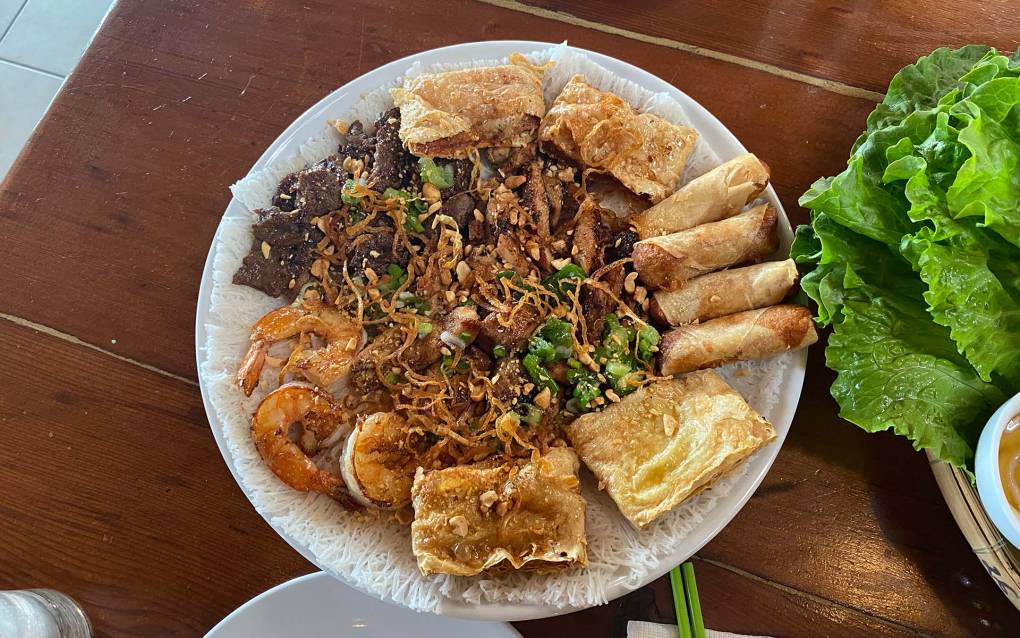
"content": "\u003cp>\u003cstrong>\u003cem>Find more of KQED’s picks for the \u003ca href=\"https://www.kqed.org/fallguide2023\">best fall 2023 events here\u003c/a>.\u003c/em>\u003c/strong>\u003c/p>\n\u003cp>Heading into fall, there are certain fundamental truths every Bay Arean knows: that summer here is (mostly) a lie. That September tomatoes are sacrosanct. And that the hottest damned day of the year often falls on some random weekday in October. This is the season of \u003ci>not\u003c/i> lighting our stoves, when mostly all we want to do is drink aguas frescas inside an air-conditioned room.\u003c/p>\n\u003cp>Thankfully, our local food scene is well prepared for this seasonal scorching. Here are 10 of my favorite dishes to beat the heat.\u003c/p>\n\u003cfigure id=\"attachment_13933770\" class=\"wp-caption alignnone\" style=\"max-width: 1920px\">\u003cimg loading=\"lazy\" decoding=\"async\" class=\"size-full wp-image-13933770\" src=\"https://ww2.kqed.org/app/uploads/sites/2/2023/08/soba-ichi-cold-soba_LT.jpg\" alt=\"A plate of cold soba with dipping sauce and a side of tempura.\" width=\"1920\" height=\"1440\" srcset=\"https://cdn.kqed.org/wp-content/uploads/sites/2/2023/08/soba-ichi-cold-soba_LT.jpg 1920w, https://cdn.kqed.org/wp-content/uploads/sites/2/2023/08/soba-ichi-cold-soba_LT-800x600.jpg 800w, https://cdn.kqed.org/wp-content/uploads/sites/2/2023/08/soba-ichi-cold-soba_LT-1020x765.jpg 1020w, https://cdn.kqed.org/wp-content/uploads/sites/2/2023/08/soba-ichi-cold-soba_LT-160x120.jpg 160w, https://cdn.kqed.org/wp-content/uploads/sites/2/2023/08/soba-ichi-cold-soba_LT-768x576.jpg 768w, https://cdn.kqed.org/wp-content/uploads/sites/2/2023/08/soba-ichi-cold-soba_LT-1536x1152.jpg 1536w\" sizes=\"(max-width: 1920px) 100vw, 1920px\">\u003cfigcaption class=\"wp-caption-text\">Slurping cold, slippery soba on a hot day is an A+ sensory experience. \u003ccite>(Luke Tsai/KQED)\u003c/cite>\u003c/figcaption>\u003c/figure>\n\u003ch2>Cold Soba at Soba Ichi\u003c/h2>\n\u003cp>\u003cem>2311A Magnolia St., Oakland\u003c/em>\u003c/p>\n\u003cp>Hot days were simply \u003ci>made \u003c/i>for cold noodles — or is it the other way around? Either way, it’s hard for me to separate the two, and the few times a year when Bay Area temperatures edge toward triple digits, I start thinking about heading to West Oakland’s \u003ca href=\"https://www.instagram.com/sobaichi_oakland/?hl=en\">Soba Ichi\u003c/a> for a plate of soba. The restaurant serves these traditional buckwheat noodles a number of ways, of course, but my favorite is when the noodles are served cold with a dashi-based dipping sauce. Slurping those cold, slippery noodles while the sweat drips down your face: That’s an A+ sensory experience right there. An ice-cold lemon chu-hi also doesn’t hurt.\u003c/p>\n\u003cfigure id=\"attachment_13933775\" class=\"wp-caption alignnone\" style=\"max-width: 1920px\">\u003cimg loading=\"lazy\" decoding=\"async\" class=\"size-full wp-image-13933775\" src=\"https://ww2.kqed.org/app/uploads/sites/2/2023/08/pucquio-cebiche_LT.jpg\" alt=\"An elegantly plated Peruvian cebiche: raw fish topped with a crinkled piece of fried trout skin, with trout roe and assorted seaweeds arranged on the plate.\" width=\"1920\" height=\"1440\" srcset=\"https://cdn.kqed.org/wp-content/uploads/sites/2/2023/08/pucquio-cebiche_LT.jpg 1920w, https://cdn.kqed.org/wp-content/uploads/sites/2/2023/08/pucquio-cebiche_LT-800x600.jpg 800w, https://cdn.kqed.org/wp-content/uploads/sites/2/2023/08/pucquio-cebiche_LT-1020x765.jpg 1020w, https://cdn.kqed.org/wp-content/uploads/sites/2/2023/08/pucquio-cebiche_LT-160x120.jpg 160w, https://cdn.kqed.org/wp-content/uploads/sites/2/2023/08/pucquio-cebiche_LT-768x576.jpg 768w, https://cdn.kqed.org/wp-content/uploads/sites/2/2023/08/pucquio-cebiche_LT-1536x1152.jpg 1536w\" sizes=\"(max-width: 1920px) 100vw, 1920px\">\u003cfigcaption class=\"wp-caption-text\">The trout cebiche is notable for its undercurrent of briny ocean umami. \u003ccite>(Luke Tsai/KQED)\u003c/cite>\u003c/figcaption>\u003c/figure>\n\u003ch2>Cebiche at Pucquio\u003c/h2>\n\u003cp>\u003cem>5337 College Ave., Oakland\u003c/em>\u003c/p>\n\u003cp>[ad fullwidth]\u003c/p>\n\u003cp>On a sweltering hot day, sometimes the only thing I want to eat is chilled seafood — say, a simple poke bowl or a classic, caper-studded “Sicilian sashimi” from Swan Oyster Depot (if I didn’t have to wait in line for two hours). For me, the apex of this genre can be found at \u003ca href=\"https://www.pucquio.com/\">Pucquio\u003c/a>, an often-slept-on Peruvian joint where every cebiche on the menu is a stone cold killer. You’ll want to get a couple of them to share: The classic cebiche de pescado (made with rockfish during my recent visit) is bright and bracing, super-charged with a zip of citrusy ají limo chile heat. My favorite, though, is the comparatively mellow trout cebiche, which comes topped with crispy trout skin, as well as marinated trout roe that adds an undercurrent of briny ocean umami. Eat with a spoon so you can get a bit of each component in every bite.\u003c/p>\n\u003cfigure id=\"attachment_13933777\" class=\"wp-caption alignnone\" style=\"max-width: 1920px\">\u003cimg loading=\"lazy\" decoding=\"async\" class=\"size-full wp-image-13933777\" src=\"https://ww2.kqed.org/app/uploads/sites/2/2023/08/tigon-banh-hoi-2_LT.jpg\" alt=\"A spread of Vietnamese spring roll fillings next to a plate covered with lettuce and herbs.\" width=\"1920\" height=\"1280\" srcset=\"https://cdn.kqed.org/wp-content/uploads/sites/2/2023/08/tigon-banh-hoi-2_LT.jpg 1920w, https://cdn.kqed.org/wp-content/uploads/sites/2/2023/08/tigon-banh-hoi-2_LT-800x533.jpg 800w, https://cdn.kqed.org/wp-content/uploads/sites/2/2023/08/tigon-banh-hoi-2_LT-1020x680.jpg 1020w, https://cdn.kqed.org/wp-content/uploads/sites/2/2023/08/tigon-banh-hoi-2_LT-160x107.jpg 160w, https://cdn.kqed.org/wp-content/uploads/sites/2/2023/08/tigon-banh-hoi-2_LT-768x512.jpg 768w, https://cdn.kqed.org/wp-content/uploads/sites/2/2023/08/tigon-banh-hoi-2_LT-1536x1024.jpg 1536w\" sizes=\"(max-width: 1920px) 100vw, 1920px\">\u003cfigcaption class=\"wp-caption-text\">Fresh herbs and vegetables keep Tigon’s bánh hỏi light and refreshing. \u003ccite>(Luke Tsai/KQED)\u003c/cite>\u003c/figcaption>\u003c/figure>\n\u003ch2>Bánh Hỏi Dặc Biệt at Tigon\u003c/h2>\n\u003cp>\u003cem>10086 San Pablo Ave., El Cerrito\u003c/em>\u003c/p>\n\u003cp>You might already know that fresh spring rolls are a Vietnamese hot-weather staple — something about the combination of pliable rice paper wrapping, crisp lettuce, fresh herbs and, often, cold meat or shrimp that makes for such a refreshing bite. The bánh hỏi đặc biệt platter at El Cerrito’s criminally underrated \u003ca href=\"https://eatattigon.com/\">Tigon\u003c/a> takes this general principle and kicks it up eight or nine notches. The base of the platter is the tidy little rice noodle bundles known as bánh hỏi, on top of which the chef has arranged a huge spread of beef, chicken, shrimp, crispy egg rolls and fried bean curd. You dip a round of rice paper in warm water; arrange your meats, noodles and fresh herbs and vegetables on top; and voilà — a make-your-own spring roll party that’s festive and communal, without anyone having to break a sweat. Note well: The $38.50 đặc biệt platter is probably enough food to feed a family of four, but there’s also an option to pick just one or two proteins if you come in a smaller group.\u003c/p>\n\u003cfigure id=\"attachment_13933772\" class=\"wp-caption alignnone\" style=\"max-width: 1920px\">\u003cimg loading=\"lazy\" decoding=\"async\" class=\"size-full wp-image-13933772\" src=\"https://ww2.kqed.org/app/uploads/sites/2/2023/08/fil-am-cuisine-skewers_LT.jpg\" alt=\"Hand holding a white plastic takeout container of saucy meat skewers arranged over a bed of white rice.\" width=\"1920\" height=\"1440\" srcset=\"https://cdn.kqed.org/wp-content/uploads/sites/2/2023/08/fil-am-cuisine-skewers_LT.jpg 1920w, https://cdn.kqed.org/wp-content/uploads/sites/2/2023/08/fil-am-cuisine-skewers_LT-800x600.jpg 800w, https://cdn.kqed.org/wp-content/uploads/sites/2/2023/08/fil-am-cuisine-skewers_LT-1020x765.jpg 1020w, https://cdn.kqed.org/wp-content/uploads/sites/2/2023/08/fil-am-cuisine-skewers_LT-160x120.jpg 160w, https://cdn.kqed.org/wp-content/uploads/sites/2/2023/08/fil-am-cuisine-skewers_LT-768x576.jpg 768w, https://cdn.kqed.org/wp-content/uploads/sites/2/2023/08/fil-am-cuisine-skewers_LT-1536x1152.jpg 1536w\" sizes=\"(max-width: 1920px) 100vw, 1920px\">\u003cfigcaption class=\"wp-caption-text\">Daly City’s Fil-Am Cuisine offers exquisite summer barbecue vibes all year round. \u003ccite>(Luke Tsai/KQED)\u003c/cite>\u003c/figcaption>\u003c/figure>\n\u003ch2>BBQ Skewers at Fil-Am Cuisine\u003c/h2>\n\u003cp>\u003cem>66 School St., Daly City\u003c/em>\u003c/p>\n\u003cp>Every time I step inside this Daly City meat stick institution, the smell of a \u003ca href=\"https://www.kqed.org/arts/13915306/bbq-in-the-bay-series-intro-multicultural-barbecue-bay-area\">summer barbecue\u003c/a> hits me like a tidal wave of nostalgia. Fil-Am Cuisine boasts the same kind of sweet, charred meat and friendly Asian aunties that I associate with family get-togethers from when I was a kid. Even the prices seem like they’ve been time-warped from the early ’90s. Connoisseurs of crispy, carbonized edges, this is your spot. And whether you walk away with a fistful of skewered chicken or pork (why not both?), you can’t go wrong. Cash only.\u003c/p>\n\u003cfigure id=\"attachment_13933771\" class=\"wp-caption alignnone\" style=\"max-width: 1920px\">\u003cimg loading=\"lazy\" decoding=\"async\" class=\"size-full wp-image-13933771\" src=\"https://ww2.kqed.org/app/uploads/sites/2/2023/08/messob-veggie-combo_LT.jpg\" alt=\"An Ethiopian veggie combo: six colorful spreads dolloped on an injera-lined metal plate.\" width=\"1920\" height=\"1440\" srcset=\"https://cdn.kqed.org/wp-content/uploads/sites/2/2023/08/messob-veggie-combo_LT.jpg 1920w, https://cdn.kqed.org/wp-content/uploads/sites/2/2023/08/messob-veggie-combo_LT-800x600.jpg 800w, https://cdn.kqed.org/wp-content/uploads/sites/2/2023/08/messob-veggie-combo_LT-1020x765.jpg 1020w, https://cdn.kqed.org/wp-content/uploads/sites/2/2023/08/messob-veggie-combo_LT-160x120.jpg 160w, https://cdn.kqed.org/wp-content/uploads/sites/2/2023/08/messob-veggie-combo_LT-768x576.jpg 768w, https://cdn.kqed.org/wp-content/uploads/sites/2/2023/08/messob-veggie-combo_LT-1536x1152.jpg 1536w\" sizes=\"(max-width: 1920px) 100vw, 1920px\">\u003cfigcaption class=\"wp-caption-text\">The cool, garlicky buticha — the scrambled egg–like dip in the front-left quadrant — is part of what makes Messob’s veggie combo one of the best around. \u003ccite>(Luke Tsai/KQED)\u003c/cite>\u003c/figcaption>\u003c/figure>\n\u003ch2>Buticha at Messob\u003c/h2>\n\u003cp>\u003cem>4301 Piedmont Ave., Oakland\u003c/em>\u003c/p>\n\u003cp>My friend and \u003ca href=\"https://www.kqed.org/author/rgebreyesus\">former KQED food writer\u003c/a> Ruth Gebreyesus first \u003ca href=\"https://eastbayexpress.com/the-curious-history-of-the-eritrean-and-ethiopian-veggie-combo-2-1/\">turned me on to\u003c/a> the buticha at \u003ca href=\"https://www.facebook.com/messobethiopianrestaurant/\">Messob\u003c/a>. This easy-to-miss slip of an Ethiopian restaurant serves what might be my favorite veggie combo in the Bay — especially the iteration that comes with a scoop of cool, refreshing buticha. At lesser restaurants, this cold chickpea flour dip often resembles an onion-y hummus, or a bland egg salad of sorts. Messob’s buticha is more flavorful by several orders of magnitude, with a texture akin to soft-scrambled eggs and a garlicky punch that had me dipping my injera back into it again and again.\u003c/p>\n\u003cp>https://www.instagram.com/p/CctQwzzPfZE/\u003c/p>\n\u003ch2>Some Like It Harra at Reem’s\u003c/h2>\n\u003cp>\u003cem>2901 Mission St., San Francisco\u003c/em>\u003c/p>\n\u003cp>There’s something uniquely pleasing about scooping up a cool dip or spread with a hunk of warm, fresh bread. In some ways, that’s the whole organizing principle around \u003ca href=\"https://www.reemscalifornia.com/\">Reem’s\u003c/a>, an Arab bakery where the hot pita alone is worth the trip to the Mission. One of my favorite ways to eat it is with \u003ca href=\"https://www.kcet.org/shows/the-migrant-kitchen/reem-assils-labneh\">labneh\u003c/a>, a strained yogurt dish that’s a classic hot-weather treat in much of the Arab world. For her “Some Like It Harra,” chef Reem Assil spices up the labneh with garlic chile morita oil, toasted sesame seeds and a jammy soft-boiled egg. Perfect for \u003ca href=\"https://www.instagram.com/p/CjHGICVJbv5/?hl=en\">pita dunking\u003c/a>. (\u003cem>Note: Reem’s Mission location is temporarily closed and is expected to reopen after Labor Day weekend. Its smaller kiosk in the Ferry Building remains open.\u003c/em>)\u003c/p>\n\u003cfigure id=\"attachment_13933779\" class=\"wp-caption alignnone\" style=\"max-width: 1920px\">\u003cimg loading=\"lazy\" decoding=\"async\" class=\"size-full wp-image-13933779\" src=\"https://ww2.kqed.org/app/uploads/sites/2/2023/08/mandalay-tea-leaf-salad_courtesyFB.jpg\" alt=\"A Burmese tea leaf salad, premixing, with piles of various seeds and nuts arranged on the plate.\" width=\"1920\" height=\"1914\" srcset=\"https://cdn.kqed.org/wp-content/uploads/sites/2/2023/08/mandalay-tea-leaf-salad_courtesyFB.jpg 1920w, https://cdn.kqed.org/wp-content/uploads/sites/2/2023/08/mandalay-tea-leaf-salad_courtesyFB-800x798.jpg 800w, https://cdn.kqed.org/wp-content/uploads/sites/2/2023/08/mandalay-tea-leaf-salad_courtesyFB-1020x1017.jpg 1020w, https://cdn.kqed.org/wp-content/uploads/sites/2/2023/08/mandalay-tea-leaf-salad_courtesyFB-160x160.jpg 160w, https://cdn.kqed.org/wp-content/uploads/sites/2/2023/08/mandalay-tea-leaf-salad_courtesyFB-768x766.jpg 768w, https://cdn.kqed.org/wp-content/uploads/sites/2/2023/08/mandalay-tea-leaf-salad_courtesyFB-1536x1531.jpg 1536w\" sizes=\"(max-width: 1920px) 100vw, 1920px\">\u003cfigcaption class=\"wp-caption-text\">Mandalay’s fermented tea leaf salad is probably the most flavorful version in San Francisco. \u003ccite>(Courtesy of Mandalay/Facebook)\u003c/cite>\u003c/figcaption>\u003c/figure>\n\u003ch2>Tea Leaf Salad at Mandalay\u003c/h2>\n\u003cp>\u003cem>4348 California St., San Francisco\u003c/em>\u003c/p>\n\u003cp>If you tell me it’s so hot that you just want to eat salad for dinner, I’ll take that to mean we should go out for Burmese food. After all, Burmese tea leaf salads are one of the jewels of the Bay Area’s immigrant food scene. My favorite is \u003ca href=\"https://www.mandalaysf.com/\">Mandalay’s\u003c/a> extra-pungent version, which isn’t cut with any lettuce — just cabbage, a huge dollop of fermented tea leaves, lime, shrimp powder and an assortment of nuts, seeds and other crunchy-toasty things. Forget your boring tossed salads: Here’s a salad that manages to be refreshing, nutritious \u003ci>and \u003c/i>righteously funky.\u003c/p>\n\u003cfigure id=\"attachment_13933773\" class=\"wp-caption alignnone\" style=\"max-width: 1920px\">\u003cimg loading=\"lazy\" decoding=\"async\" class=\"size-full wp-image-13933773\" src=\"https://ww2.kqed.org/app/uploads/sites/2/2023/08/shugetsu-tsukemen_LT.jpg\" alt=\"A bowl of cold ramen noodles topped with grilled pork belly and a halved soft-boiled egg, with dipping broth served in a separate small bowl on the side.\" width=\"1920\" height=\"1440\" srcset=\"https://cdn.kqed.org/wp-content/uploads/sites/2/2023/08/shugetsu-tsukemen_LT.jpg 1920w, https://cdn.kqed.org/wp-content/uploads/sites/2/2023/08/shugetsu-tsukemen_LT-800x600.jpg 800w, https://cdn.kqed.org/wp-content/uploads/sites/2/2023/08/shugetsu-tsukemen_LT-1020x765.jpg 1020w, https://cdn.kqed.org/wp-content/uploads/sites/2/2023/08/shugetsu-tsukemen_LT-160x120.jpg 160w, https://cdn.kqed.org/wp-content/uploads/sites/2/2023/08/shugetsu-tsukemen_LT-768x576.jpg 768w, https://cdn.kqed.org/wp-content/uploads/sites/2/2023/08/shugetsu-tsukemen_LT-1536x1152.jpg 1536w\" sizes=\"(max-width: 1920px) 100vw, 1920px\">\u003cfigcaption class=\"wp-caption-text\">For many ramen aficionados, tsukemen is the preferred choice for muggy days when you don’t want to drink a steaming-hot bowl of soup. \u003ccite>(Luke Tsai/KQED)\u003c/cite>\u003c/figcaption>\u003c/figure>\n\u003ch2>Tsukemen at Shugetsu\u003c/h2>\n\u003cp>\u003cem>2944 S. Norfolk St., San Mateo\u003c/em>\u003c/p>\n\u003cp>I don’t know if there’s such a thing as “too hot for ramen,” but if I’m sweating even \u003ci>before\u003c/i> I sit down at the noodle counter, I’ll look to see if the menu includes tsukemen, or dipping noodles. Just like the best tsukemen shops in Tokyo, \u003ca href=\"https://shugetsu-ca.com/\">Shugetsu\u003c/a> lets you have whatever size bowl of thick, house-made noodles you want (regular, large or XL) for the same price, with the option to request them cold, as is traditional — both for cooling-off purposes and so that the noodles maintain their springy texture. The idea with tsukemen is to dip the noodles into a super-concentrated broth, too salty and intense to drink on its own, coating each bite with the perfect amount of flavor and fat. This is where Shugetsu shines: The rich, tangy dipping broth, blasted with dried-scallop umami, is simply fantastic. Pro tip: When you’ve slurped up your last noodle, ask the server for the “soup-wari,” a kettle of plain chicken soup that they pour into your remaining dipping broth — diluting it just enough so you can drink it like a normal, if uncommonly tasty, soup.\u003c/p>\n\u003cfigure id=\"attachment_13933776\" class=\"wp-caption alignnone\" style=\"max-width: 1920px\">\u003cimg loading=\"lazy\" decoding=\"async\" class=\"size-full wp-image-13933776\" src=\"https://ww2.kqed.org/app/uploads/sites/2/2023/08/oks-deli-tuna-salad_LT.jpg\" alt=\"The cross section of a tuna salad sandwich made with thick slices of milkbread.\" width=\"1920\" height=\"1440\" srcset=\"https://cdn.kqed.org/wp-content/uploads/sites/2/2023/08/oks-deli-tuna-salad_LT.jpg 1920w, https://cdn.kqed.org/wp-content/uploads/sites/2/2023/08/oks-deli-tuna-salad_LT-800x600.jpg 800w, https://cdn.kqed.org/wp-content/uploads/sites/2/2023/08/oks-deli-tuna-salad_LT-1020x765.jpg 1020w, https://cdn.kqed.org/wp-content/uploads/sites/2/2023/08/oks-deli-tuna-salad_LT-160x120.jpg 160w, https://cdn.kqed.org/wp-content/uploads/sites/2/2023/08/oks-deli-tuna-salad_LT-768x576.jpg 768w, https://cdn.kqed.org/wp-content/uploads/sites/2/2023/08/oks-deli-tuna-salad_LT-1536x1152.jpg 1536w\" sizes=\"(max-width: 1920px) 100vw, 1920px\">\u003cfigcaption class=\"wp-caption-text\">The conbini-style tuna salad sandwich features Kewpie-style mayonnaise and thick, bouncy milkbread. \u003ccite>(Luke Tsai/KQED)\u003c/cite>\u003c/figcaption>\u003c/figure>\n\u003ch2>Konbini Tuna Salad Sandwich at Ok’s Deli\u003c/h2>\n\u003cp>\u003cem>3932 Telegraph Ave., Oakland\u003c/em>\u003c/p>\n\u003cp>Deli sandwich weather means a short break from our usual programming of cheesesteaks and hot pastrami: It’s cold cut weather. Egg salad weather. At Oakland’s newish \u003ca href=\"https://www.instagram.com/oksdeli/\">Ok’s Deli\u003c/a>, most of the sandwiches have some Asian American twist — and just about every one of them is a certified hit. Lately, I’ve been especially enamored with the deli’s take on a tuna salad sandwich, which takes all of the classic elements — line-caught tuna; pickles, onion and celery chopped super-fine; and lots and lots of mayo — and Asia-fies them ever so slightly through the lens of Japan’s incredible convenience store sandwiches. So, the house mayo is \u003ca href=\"https://thetakeout.com/my-chemical-dependence-on-japanese-kewpie-mayo-1798251538\">Kewpie\u003c/a>-adjacent. The bread is Ok’s delightfully bouncy house-made milk bread. And the sandwich, as a whole? Refreshing as a cool blast of convenience store AC.\u003c/p>\n\u003cfigure id=\"attachment_13933778\" class=\"wp-caption alignnone\" style=\"max-width: 1920px\">\u003cimg loading=\"lazy\" decoding=\"async\" class=\"size-full wp-image-13933778\" src=\"https://ww2.kqed.org/app/uploads/sites/2/2023/08/bn-chicken-samgyetang_lt.jpg\" alt=\"A steaming vessel of chicken ginseng soup with a whole cornish hen.\" width=\"1920\" height=\"1440\" srcset=\"https://cdn.kqed.org/wp-content/uploads/sites/2/2023/08/bn-chicken-samgyetang_lt.jpg 1920w, https://cdn.kqed.org/wp-content/uploads/sites/2/2023/08/bn-chicken-samgyetang_lt-800x600.jpg 800w, https://cdn.kqed.org/wp-content/uploads/sites/2/2023/08/bn-chicken-samgyetang_lt-1020x765.jpg 1020w, https://cdn.kqed.org/wp-content/uploads/sites/2/2023/08/bn-chicken-samgyetang_lt-160x120.jpg 160w, https://cdn.kqed.org/wp-content/uploads/sites/2/2023/08/bn-chicken-samgyetang_lt-768x576.jpg 768w, https://cdn.kqed.org/wp-content/uploads/sites/2/2023/08/bn-chicken-samgyetang_lt-1536x1152.jpg 1536w\" sizes=\"(max-width: 1920px) 100vw, 1920px\">\u003cfigcaption class=\"wp-caption-text\">‘Fight fire with fire’ with BN Chicken’s soul-replenishing samgyetang. \u003ccite>(Luke Tsai/KQED)\u003c/cite>\u003c/figcaption>\u003c/figure>\n\u003ch2>Samgyetang at BN Chicken\u003c/h2>\n\u003cp>\u003cem>2725 El Camino Real, Santa Clara\u003c/em>\u003c/p>\n\u003cp>[ad floatright]\u003c/p>\n\u003cp>For those who like to zig when everyone else is zagging, consider that in Korea, it’s customary to eat samgyetang — a bubbling-hot chicken and ginseng soup — on the very hottest days of the year. The idea is that causing yourself to sweat \u003ci>more\u003c/i> actually cools you down; meanwhile, the medicinal properties of the soup’s ginseng, garlic and dried jujubes help refill your stamina bar. It’s “\u003ca href=\"https://tastecooking.com/summer-koreans-fight-fire-fire/\">fighting fire with fire\u003c/a>,” as Koreans are fond of saying. And there’s no better place to do it than at Santa Clara’s \u003ca href=\"http://bnchicken.com/\">BN Chicken\u003c/a>, an entire restaurant dedicated to the steamy, soul-replenishing pleasures of samgyetang. The soup comes in a stone bowl, which keeps things boiling-hot for the duration of your meal. Rip into the whole Cornish hen to dig into the glutinous rice and aromatics stuffed inside, and dip chunks of the tender meat in salt as you go. And if the hot soup approach isn’t working for you? Not to worry: BN Chicken also serves a top-notch version of the bracingly vinegary, ice-cold noodle soup known as naengmyeon.\u003c/p>\n\n",
"stats": {
"hasVideo": false,
"hasChartOrMap": false,
"hasAudio": false,
"hasPolis": false,
"wordCount": 1910,
"hasGoogleForm": false,
"hasGallery": false,
"hasHearkenModule": false,
"iframeSrcs": [],
"paragraphCount": 25
},
"modified": 1705005108,
"excerpt": "What to eat this fall (when it’s actually hot).",
"headData": {
"twImgId": "",
"twTitle": "A Bay Area Guide to Cold Dishes for Hot Weather",
"socialTitle": "The Bay Area's Best Cold Dishes to Eat in Hot Weather %%page%% %%sep%% KQED",
"ogTitle": "A Bay Area Guide to Cold Dishes for Hot Weather",
"ogImgId": "",
"twDescription": "",
"description": "What to eat this fall (when it’s actually hot).",
"title": "The Bay Area's Best Cold Dishes to Eat in Hot Weather | KQED",
"ogDescription": "",
"schema": {
"@context": "https://schema.org",
"@type": "Article",
"headline": "A Bay Area Guide to Cold Dishes for Hot Weather",
"datePublished": "2023-08-24T10:25:02-07:00",
"dateModified": "2024-01-11T12:31:48-08:00",
"image": "https://cdn.kqed.org/wp-content/uploads/2020/02/KQED-OG-Image@1x.png"
}
},
"guestAuthors": [],
"slug": "cold-food-hot-weather-sf-bay-area-fall-2023",
"status": "publish",
"sourceUrl": "https://www.kqed.org/fallguide2023",
"templateType": "standard",
"excludeFromSiteSearch": "Include",
"featuredImageType": "standard",
"sticky": false,
"source": "Fall Guide 2023",
"articleAge": "0",
"path": "/arts/13933745/cold-food-hot-weather-sf-bay-area-fall-2023",
"audioTrackLength": null,
"parsedContent": [
{
"type": "contentString",
"content": "\u003cdiv class=\"post-body\">\u003cp>\u003cp>\u003cstrong>\u003cem>Find more of KQED’s picks for the \u003ca href=\"https://www.kqed.org/fallguide2023\">best fall 2023 events here\u003c/a>.\u003c/em>\u003c/strong>\u003c/p>\n\u003cp>Heading into fall, there are certain fundamental truths every Bay Arean knows: that summer here is (mostly) a lie. That September tomatoes are sacrosanct. And that the hottest damned day of the year often falls on some random weekday in October. This is the season of \u003ci>not\u003c/i> lighting our stoves, when mostly all we want to do is drink aguas frescas inside an air-conditioned room.\u003c/p>\n\u003cp>Thankfully, our local food scene is well prepared for this seasonal scorching. Here are 10 of my favorite dishes to beat the heat.\u003c/p>\n\u003cfigure id=\"attachment_13933770\" class=\"wp-caption alignnone\" style=\"max-width: 1920px\">\u003cimg loading=\"lazy\" decoding=\"async\" class=\"size-full wp-image-13933770\" src=\"https://ww2.kqed.org/app/uploads/sites/2/2023/08/soba-ichi-cold-soba_LT.jpg\" alt=\"A plate of cold soba with dipping sauce and a side of tempura.\" width=\"1920\" height=\"1440\" srcset=\"https://cdn.kqed.org/wp-content/uploads/sites/2/2023/08/soba-ichi-cold-soba_LT.jpg 1920w, https://cdn.kqed.org/wp-content/uploads/sites/2/2023/08/soba-ichi-cold-soba_LT-800x600.jpg 800w, https://cdn.kqed.org/wp-content/uploads/sites/2/2023/08/soba-ichi-cold-soba_LT-1020x765.jpg 1020w, https://cdn.kqed.org/wp-content/uploads/sites/2/2023/08/soba-ichi-cold-soba_LT-160x120.jpg 160w, https://cdn.kqed.org/wp-content/uploads/sites/2/2023/08/soba-ichi-cold-soba_LT-768x576.jpg 768w, https://cdn.kqed.org/wp-content/uploads/sites/2/2023/08/soba-ichi-cold-soba_LT-1536x1152.jpg 1536w\" sizes=\"(max-width: 1920px) 100vw, 1920px\">\u003cfigcaption class=\"wp-caption-text\">Slurping cold, slippery soba on a hot day is an A+ sensory experience. \u003ccite>(Luke Tsai/KQED)\u003c/cite>\u003c/figcaption>\u003c/figure>\n\u003ch2>Cold Soba at Soba Ichi\u003c/h2>\n\u003cp>\u003cem>2311A Magnolia St., Oakland\u003c/em>\u003c/p>\n\u003cp>Hot days were simply \u003ci>made \u003c/i>for cold noodles — or is it the other way around? Either way, it’s hard for me to separate the two, and the few times a year when Bay Area temperatures edge toward triple digits, I start thinking about heading to West Oakland’s \u003ca href=\"https://www.instagram.com/sobaichi_oakland/?hl=en\">Soba Ichi\u003c/a> for a plate of soba. The restaurant serves these traditional buckwheat noodles a number of ways, of course, but my favorite is when the noodles are served cold with a dashi-based dipping sauce. Slurping those cold, slippery noodles while the sweat drips down your face: That’s an A+ sensory experience right there. An ice-cold lemon chu-hi also doesn’t hurt.\u003c/p>\n\u003cfigure id=\"attachment_13933775\" class=\"wp-caption alignnone\" style=\"max-width: 1920px\">\u003cimg loading=\"lazy\" decoding=\"async\" class=\"size-full wp-image-13933775\" src=\"https://ww2.kqed.org/app/uploads/sites/2/2023/08/pucquio-cebiche_LT.jpg\" alt=\"An elegantly plated Peruvian cebiche: raw fish topped with a crinkled piece of fried trout skin, with trout roe and assorted seaweeds arranged on the plate.\" width=\"1920\" height=\"1440\" srcset=\"https://cdn.kqed.org/wp-content/uploads/sites/2/2023/08/pucquio-cebiche_LT.jpg 1920w, https://cdn.kqed.org/wp-content/uploads/sites/2/2023/08/pucquio-cebiche_LT-800x600.jpg 800w, https://cdn.kqed.org/wp-content/uploads/sites/2/2023/08/pucquio-cebiche_LT-1020x765.jpg 1020w, https://cdn.kqed.org/wp-content/uploads/sites/2/2023/08/pucquio-cebiche_LT-160x120.jpg 160w, https://cdn.kqed.org/wp-content/uploads/sites/2/2023/08/pucquio-cebiche_LT-768x576.jpg 768w, https://cdn.kqed.org/wp-content/uploads/sites/2/2023/08/pucquio-cebiche_LT-1536x1152.jpg 1536w\" sizes=\"(max-width: 1920px) 100vw, 1920px\">\u003cfigcaption class=\"wp-caption-text\">The trout cebiche is notable for its undercurrent of briny ocean umami. \u003ccite>(Luke Tsai/KQED)\u003c/cite>\u003c/figcaption>\u003c/figure>\n\u003ch2>Cebiche at Pucquio\u003c/h2>\n\u003cp>\u003cem>5337 College Ave., Oakland\u003c/em>\u003c/p>\n\u003cp>\u003c/p>\u003c/div>",
"attributes": {
"named": {},
"numeric": []
}
},
{
"type": "component",
"content": "",
"name": "ad",
"attributes": {
"named": {
"label": "fullwidth"
},
"numeric": [
"fullwidth"
]
}
},
{
"type": "contentString",
"content": "\u003cdiv class=\"post-body\">\u003cp>\u003c/p>\n\u003cp>On a sweltering hot day, sometimes the only thing I want to eat is chilled seafood — say, a simple poke bowl or a classic, caper-studded “Sicilian sashimi” from Swan Oyster Depot (if I didn’t have to wait in line for two hours). For me, the apex of this genre can be found at \u003ca href=\"https://www.pucquio.com/\">Pucquio\u003c/a>, an often-slept-on Peruvian joint where every cebiche on the menu is a stone cold killer. You’ll want to get a couple of them to share: The classic cebiche de pescado (made with rockfish during my recent visit) is bright and bracing, super-charged with a zip of citrusy ají limo chile heat. My favorite, though, is the comparatively mellow trout cebiche, which comes topped with crispy trout skin, as well as marinated trout roe that adds an undercurrent of briny ocean umami. Eat with a spoon so you can get a bit of each component in every bite.\u003c/p>\n\u003cfigure id=\"attachment_13933777\" class=\"wp-caption alignnone\" style=\"max-width: 1920px\">\u003cimg loading=\"lazy\" decoding=\"async\" class=\"size-full wp-image-13933777\" src=\"https://ww2.kqed.org/app/uploads/sites/2/2023/08/tigon-banh-hoi-2_LT.jpg\" alt=\"A spread of Vietnamese spring roll fillings next to a plate covered with lettuce and herbs.\" width=\"1920\" height=\"1280\" srcset=\"https://cdn.kqed.org/wp-content/uploads/sites/2/2023/08/tigon-banh-hoi-2_LT.jpg 1920w, https://cdn.kqed.org/wp-content/uploads/sites/2/2023/08/tigon-banh-hoi-2_LT-800x533.jpg 800w, https://cdn.kqed.org/wp-content/uploads/sites/2/2023/08/tigon-banh-hoi-2_LT-1020x680.jpg 1020w, https://cdn.kqed.org/wp-content/uploads/sites/2/2023/08/tigon-banh-hoi-2_LT-160x107.jpg 160w, https://cdn.kqed.org/wp-content/uploads/sites/2/2023/08/tigon-banh-hoi-2_LT-768x512.jpg 768w, https://cdn.kqed.org/wp-content/uploads/sites/2/2023/08/tigon-banh-hoi-2_LT-1536x1024.jpg 1536w\" sizes=\"(max-width: 1920px) 100vw, 1920px\">\u003cfigcaption class=\"wp-caption-text\">Fresh herbs and vegetables keep Tigon’s bánh hỏi light and refreshing. \u003ccite>(Luke Tsai/KQED)\u003c/cite>\u003c/figcaption>\u003c/figure>\n\u003ch2>Bánh Hỏi Dặc Biệt at Tigon\u003c/h2>\n\u003cp>\u003cem>10086 San Pablo Ave., El Cerrito\u003c/em>\u003c/p>\n\u003cp>You might already know that fresh spring rolls are a Vietnamese hot-weather staple — something about the combination of pliable rice paper wrapping, crisp lettuce, fresh herbs and, often, cold meat or shrimp that makes for such a refreshing bite. The bánh hỏi đặc biệt platter at El Cerrito’s criminally underrated \u003ca href=\"https://eatattigon.com/\">Tigon\u003c/a> takes this general principle and kicks it up eight or nine notches. The base of the platter is the tidy little rice noodle bundles known as bánh hỏi, on top of which the chef has arranged a huge spread of beef, chicken, shrimp, crispy egg rolls and fried bean curd. You dip a round of rice paper in warm water; arrange your meats, noodles and fresh herbs and vegetables on top; and voilà — a make-your-own spring roll party that’s festive and communal, without anyone having to break a sweat. Note well: The $38.50 đặc biệt platter is probably enough food to feed a family of four, but there’s also an option to pick just one or two proteins if you come in a smaller group.\u003c/p>\n\u003cfigure id=\"attachment_13933772\" class=\"wp-caption alignnone\" style=\"max-width: 1920px\">\u003cimg loading=\"lazy\" decoding=\"async\" class=\"size-full wp-image-13933772\" src=\"https://ww2.kqed.org/app/uploads/sites/2/2023/08/fil-am-cuisine-skewers_LT.jpg\" alt=\"Hand holding a white plastic takeout container of saucy meat skewers arranged over a bed of white rice.\" width=\"1920\" height=\"1440\" srcset=\"https://cdn.kqed.org/wp-content/uploads/sites/2/2023/08/fil-am-cuisine-skewers_LT.jpg 1920w, https://cdn.kqed.org/wp-content/uploads/sites/2/2023/08/fil-am-cuisine-skewers_LT-800x600.jpg 800w, https://cdn.kqed.org/wp-content/uploads/sites/2/2023/08/fil-am-cuisine-skewers_LT-1020x765.jpg 1020w, https://cdn.kqed.org/wp-content/uploads/sites/2/2023/08/fil-am-cuisine-skewers_LT-160x120.jpg 160w, https://cdn.kqed.org/wp-content/uploads/sites/2/2023/08/fil-am-cuisine-skewers_LT-768x576.jpg 768w, https://cdn.kqed.org/wp-content/uploads/sites/2/2023/08/fil-am-cuisine-skewers_LT-1536x1152.jpg 1536w\" sizes=\"(max-width: 1920px) 100vw, 1920px\">\u003cfigcaption class=\"wp-caption-text\">Daly City’s Fil-Am Cuisine offers exquisite summer barbecue vibes all year round. \u003ccite>(Luke Tsai/KQED)\u003c/cite>\u003c/figcaption>\u003c/figure>\n\u003ch2>BBQ Skewers at Fil-Am Cuisine\u003c/h2>\n\u003cp>\u003cem>66 School St., Daly City\u003c/em>\u003c/p>\n\u003cp>Every time I step inside this Daly City meat stick institution, the smell of a \u003ca href=\"https://www.kqed.org/arts/13915306/bbq-in-the-bay-series-intro-multicultural-barbecue-bay-area\">summer barbecue\u003c/a> hits me like a tidal wave of nostalgia. Fil-Am Cuisine boasts the same kind of sweet, charred meat and friendly Asian aunties that I associate with family get-togethers from when I was a kid. Even the prices seem like they’ve been time-warped from the early ’90s. Connoisseurs of crispy, carbonized edges, this is your spot. And whether you walk away with a fistful of skewered chicken or pork (why not both?), you can’t go wrong. Cash only.\u003c/p>\n\u003cfigure id=\"attachment_13933771\" class=\"wp-caption alignnone\" style=\"max-width: 1920px\">\u003cimg loading=\"lazy\" decoding=\"async\" class=\"size-full wp-image-13933771\" src=\"https://ww2.kqed.org/app/uploads/sites/2/2023/08/messob-veggie-combo_LT.jpg\" alt=\"An Ethiopian veggie combo: six colorful spreads dolloped on an injera-lined metal plate.\" width=\"1920\" height=\"1440\" srcset=\"https://cdn.kqed.org/wp-content/uploads/sites/2/2023/08/messob-veggie-combo_LT.jpg 1920w, https://cdn.kqed.org/wp-content/uploads/sites/2/2023/08/messob-veggie-combo_LT-800x600.jpg 800w, https://cdn.kqed.org/wp-content/uploads/sites/2/2023/08/messob-veggie-combo_LT-1020x765.jpg 1020w, https://cdn.kqed.org/wp-content/uploads/sites/2/2023/08/messob-veggie-combo_LT-160x120.jpg 160w, https://cdn.kqed.org/wp-content/uploads/sites/2/2023/08/messob-veggie-combo_LT-768x576.jpg 768w, https://cdn.kqed.org/wp-content/uploads/sites/2/2023/08/messob-veggie-combo_LT-1536x1152.jpg 1536w\" sizes=\"(max-width: 1920px) 100vw, 1920px\">\u003cfigcaption class=\"wp-caption-text\">The cool, garlicky buticha — the scrambled egg–like dip in the front-left quadrant — is part of what makes Messob’s veggie combo one of the best around. \u003ccite>(Luke Tsai/KQED)\u003c/cite>\u003c/figcaption>\u003c/figure>\n\u003ch2>Buticha at Messob\u003c/h2>\n\u003cp>\u003cem>4301 Piedmont Ave., Oakland\u003c/em>\u003c/p>\n\u003cp>My friend and \u003ca href=\"https://www.kqed.org/author/rgebreyesus\">former KQED food writer\u003c/a> Ruth Gebreyesus first \u003ca href=\"https://eastbayexpress.com/the-curious-history-of-the-eritrean-and-ethiopian-veggie-combo-2-1/\">turned me on to\u003c/a> the buticha at \u003ca href=\"https://www.facebook.com/messobethiopianrestaurant/\">Messob\u003c/a>. This easy-to-miss slip of an Ethiopian restaurant serves what might be my favorite veggie combo in the Bay — especially the iteration that comes with a scoop of cool, refreshing buticha. At lesser restaurants, this cold chickpea flour dip often resembles an onion-y hummus, or a bland egg salad of sorts. Messob’s buticha is more flavorful by several orders of magnitude, with a texture akin to soft-scrambled eggs and a garlicky punch that had me dipping my injera back into it again and again.\u003c/p>\u003c/p>\u003c/div>",
"attributes": {
"named": {},
"numeric": []
}
},
{
"type": "component",
"content": "",
"name": "instagramLink",
"attributes": {
"named": {
"instagramUrl": "https://www.instagram.com/p/CctQwzzPfZE/"
},
"numeric": []
}
},
{
"type": "contentString",
"content": "\u003cdiv class=\"post-body\">\u003cp>\u003ch2>Some Like It Harra at Reem’s\u003c/h2>\n\u003cp>\u003cem>2901 Mission St., San Francisco\u003c/em>\u003c/p>\n\u003cp>There’s something uniquely pleasing about scooping up a cool dip or spread with a hunk of warm, fresh bread. In some ways, that’s the whole organizing principle around \u003ca href=\"https://www.reemscalifornia.com/\">Reem’s\u003c/a>, an Arab bakery where the hot pita alone is worth the trip to the Mission. One of my favorite ways to eat it is with \u003ca href=\"https://www.kcet.org/shows/the-migrant-kitchen/reem-assils-labneh\">labneh\u003c/a>, a strained yogurt dish that’s a classic hot-weather treat in much of the Arab world. For her “Some Like It Harra,” chef Reem Assil spices up the labneh with garlic chile morita oil, toasted sesame seeds and a jammy soft-boiled egg. Perfect for \u003ca href=\"https://www.instagram.com/p/CjHGICVJbv5/?hl=en\">pita dunking\u003c/a>. (\u003cem>Note: Reem’s Mission location is temporarily closed and is expected to reopen after Labor Day weekend. Its smaller kiosk in the Ferry Building remains open.\u003c/em>)\u003c/p>\n\u003cfigure id=\"attachment_13933779\" class=\"wp-caption alignnone\" style=\"max-width: 1920px\">\u003cimg loading=\"lazy\" decoding=\"async\" class=\"size-full wp-image-13933779\" src=\"https://ww2.kqed.org/app/uploads/sites/2/2023/08/mandalay-tea-leaf-salad_courtesyFB.jpg\" alt=\"A Burmese tea leaf salad, premixing, with piles of various seeds and nuts arranged on the plate.\" width=\"1920\" height=\"1914\" srcset=\"https://cdn.kqed.org/wp-content/uploads/sites/2/2023/08/mandalay-tea-leaf-salad_courtesyFB.jpg 1920w, https://cdn.kqed.org/wp-content/uploads/sites/2/2023/08/mandalay-tea-leaf-salad_courtesyFB-800x798.jpg 800w, https://cdn.kqed.org/wp-content/uploads/sites/2/2023/08/mandalay-tea-leaf-salad_courtesyFB-1020x1017.jpg 1020w, https://cdn.kqed.org/wp-content/uploads/sites/2/2023/08/mandalay-tea-leaf-salad_courtesyFB-160x160.jpg 160w, https://cdn.kqed.org/wp-content/uploads/sites/2/2023/08/mandalay-tea-leaf-salad_courtesyFB-768x766.jpg 768w, https://cdn.kqed.org/wp-content/uploads/sites/2/2023/08/mandalay-tea-leaf-salad_courtesyFB-1536x1531.jpg 1536w\" sizes=\"(max-width: 1920px) 100vw, 1920px\">\u003cfigcaption class=\"wp-caption-text\">Mandalay’s fermented tea leaf salad is probably the most flavorful version in San Francisco. \u003ccite>(Courtesy of Mandalay/Facebook)\u003c/cite>\u003c/figcaption>\u003c/figure>\n\u003ch2>Tea Leaf Salad at Mandalay\u003c/h2>\n\u003cp>\u003cem>4348 California St., San Francisco\u003c/em>\u003c/p>\n\u003cp>If you tell me it’s so hot that you just want to eat salad for dinner, I’ll take that to mean we should go out for Burmese food. After all, Burmese tea leaf salads are one of the jewels of the Bay Area’s immigrant food scene. My favorite is \u003ca href=\"https://www.mandalaysf.com/\">Mandalay’s\u003c/a> extra-pungent version, which isn’t cut with any lettuce — just cabbage, a huge dollop of fermented tea leaves, lime, shrimp powder and an assortment of nuts, seeds and other crunchy-toasty things. Forget your boring tossed salads: Here’s a salad that manages to be refreshing, nutritious \u003ci>and \u003c/i>righteously funky.\u003c/p>\n\u003cfigure id=\"attachment_13933773\" class=\"wp-caption alignnone\" style=\"max-width: 1920px\">\u003cimg loading=\"lazy\" decoding=\"async\" class=\"size-full wp-image-13933773\" src=\"https://ww2.kqed.org/app/uploads/sites/2/2023/08/shugetsu-tsukemen_LT.jpg\" alt=\"A bowl of cold ramen noodles topped with grilled pork belly and a halved soft-boiled egg, with dipping broth served in a separate small bowl on the side.\" width=\"1920\" height=\"1440\" srcset=\"https://cdn.kqed.org/wp-content/uploads/sites/2/2023/08/shugetsu-tsukemen_LT.jpg 1920w, https://cdn.kqed.org/wp-content/uploads/sites/2/2023/08/shugetsu-tsukemen_LT-800x600.jpg 800w, https://cdn.kqed.org/wp-content/uploads/sites/2/2023/08/shugetsu-tsukemen_LT-1020x765.jpg 1020w, https://cdn.kqed.org/wp-content/uploads/sites/2/2023/08/shugetsu-tsukemen_LT-160x120.jpg 160w, https://cdn.kqed.org/wp-content/uploads/sites/2/2023/08/shugetsu-tsukemen_LT-768x576.jpg 768w, https://cdn.kqed.org/wp-content/uploads/sites/2/2023/08/shugetsu-tsukemen_LT-1536x1152.jpg 1536w\" sizes=\"(max-width: 1920px) 100vw, 1920px\">\u003cfigcaption class=\"wp-caption-text\">For many ramen aficionados, tsukemen is the preferred choice for muggy days when you don’t want to drink a steaming-hot bowl of soup. \u003ccite>(Luke Tsai/KQED)\u003c/cite>\u003c/figcaption>\u003c/figure>\n\u003ch2>Tsukemen at Shugetsu\u003c/h2>\n\u003cp>\u003cem>2944 S. Norfolk St., San Mateo\u003c/em>\u003c/p>\n\u003cp>I don’t know if there’s such a thing as “too hot for ramen,” but if I’m sweating even \u003ci>before\u003c/i> I sit down at the noodle counter, I’ll look to see if the menu includes tsukemen, or dipping noodles. Just like the best tsukemen shops in Tokyo, \u003ca href=\"https://shugetsu-ca.com/\">Shugetsu\u003c/a> lets you have whatever size bowl of thick, house-made noodles you want (regular, large or XL) for the same price, with the option to request them cold, as is traditional — both for cooling-off purposes and so that the noodles maintain their springy texture. The idea with tsukemen is to dip the noodles into a super-concentrated broth, too salty and intense to drink on its own, coating each bite with the perfect amount of flavor and fat. This is where Shugetsu shines: The rich, tangy dipping broth, blasted with dried-scallop umami, is simply fantastic. Pro tip: When you’ve slurped up your last noodle, ask the server for the “soup-wari,” a kettle of plain chicken soup that they pour into your remaining dipping broth — diluting it just enough so you can drink it like a normal, if uncommonly tasty, soup.\u003c/p>\n\u003cfigure id=\"attachment_13933776\" class=\"wp-caption alignnone\" style=\"max-width: 1920px\">\u003cimg loading=\"lazy\" decoding=\"async\" class=\"size-full wp-image-13933776\" src=\"https://ww2.kqed.org/app/uploads/sites/2/2023/08/oks-deli-tuna-salad_LT.jpg\" alt=\"The cross section of a tuna salad sandwich made with thick slices of milkbread.\" width=\"1920\" height=\"1440\" srcset=\"https://cdn.kqed.org/wp-content/uploads/sites/2/2023/08/oks-deli-tuna-salad_LT.jpg 1920w, https://cdn.kqed.org/wp-content/uploads/sites/2/2023/08/oks-deli-tuna-salad_LT-800x600.jpg 800w, https://cdn.kqed.org/wp-content/uploads/sites/2/2023/08/oks-deli-tuna-salad_LT-1020x765.jpg 1020w, https://cdn.kqed.org/wp-content/uploads/sites/2/2023/08/oks-deli-tuna-salad_LT-160x120.jpg 160w, https://cdn.kqed.org/wp-content/uploads/sites/2/2023/08/oks-deli-tuna-salad_LT-768x576.jpg 768w, https://cdn.kqed.org/wp-content/uploads/sites/2/2023/08/oks-deli-tuna-salad_LT-1536x1152.jpg 1536w\" sizes=\"(max-width: 1920px) 100vw, 1920px\">\u003cfigcaption class=\"wp-caption-text\">The conbini-style tuna salad sandwich features Kewpie-style mayonnaise and thick, bouncy milkbread. \u003ccite>(Luke Tsai/KQED)\u003c/cite>\u003c/figcaption>\u003c/figure>\n\u003ch2>Konbini Tuna Salad Sandwich at Ok’s Deli\u003c/h2>\n\u003cp>\u003cem>3932 Telegraph Ave., Oakland\u003c/em>\u003c/p>\n\u003cp>Deli sandwich weather means a short break from our usual programming of cheesesteaks and hot pastrami: It’s cold cut weather. Egg salad weather. At Oakland’s newish \u003ca href=\"https://www.instagram.com/oksdeli/\">Ok’s Deli\u003c/a>, most of the sandwiches have some Asian American twist — and just about every one of them is a certified hit. Lately, I’ve been especially enamored with the deli’s take on a tuna salad sandwich, which takes all of the classic elements — line-caught tuna; pickles, onion and celery chopped super-fine; and lots and lots of mayo — and Asia-fies them ever so slightly through the lens of Japan’s incredible convenience store sandwiches. So, the house mayo is \u003ca href=\"https://thetakeout.com/my-chemical-dependence-on-japanese-kewpie-mayo-1798251538\">Kewpie\u003c/a>-adjacent. The bread is Ok’s delightfully bouncy house-made milk bread. And the sandwich, as a whole? Refreshing as a cool blast of convenience store AC.\u003c/p>\n\u003cfigure id=\"attachment_13933778\" class=\"wp-caption alignnone\" style=\"max-width: 1920px\">\u003cimg loading=\"lazy\" decoding=\"async\" class=\"size-full wp-image-13933778\" src=\"https://ww2.kqed.org/app/uploads/sites/2/2023/08/bn-chicken-samgyetang_lt.jpg\" alt=\"A steaming vessel of chicken ginseng soup with a whole cornish hen.\" width=\"1920\" height=\"1440\" srcset=\"https://cdn.kqed.org/wp-content/uploads/sites/2/2023/08/bn-chicken-samgyetang_lt.jpg 1920w, https://cdn.kqed.org/wp-content/uploads/sites/2/2023/08/bn-chicken-samgyetang_lt-800x600.jpg 800w, https://cdn.kqed.org/wp-content/uploads/sites/2/2023/08/bn-chicken-samgyetang_lt-1020x765.jpg 1020w, https://cdn.kqed.org/wp-content/uploads/sites/2/2023/08/bn-chicken-samgyetang_lt-160x120.jpg 160w, https://cdn.kqed.org/wp-content/uploads/sites/2/2023/08/bn-chicken-samgyetang_lt-768x576.jpg 768w, https://cdn.kqed.org/wp-content/uploads/sites/2/2023/08/bn-chicken-samgyetang_lt-1536x1152.jpg 1536w\" sizes=\"(max-width: 1920px) 100vw, 1920px\">\u003cfigcaption class=\"wp-caption-text\">‘Fight fire with fire’ with BN Chicken’s soul-replenishing samgyetang. \u003ccite>(Luke Tsai/KQED)\u003c/cite>\u003c/figcaption>\u003c/figure>\n\u003ch2>Samgyetang at BN Chicken\u003c/h2>\n\u003cp>\u003cem>2725 El Camino Real, Santa Clara\u003c/em>\u003c/p>\n\u003cp>\u003c/p>\u003c/div>",
"attributes": {
"named": {},
"numeric": []
}
},
{
"type": "component",
"content": "",
"name": "ad",
"attributes": {
"named": {
"label": "floatright"
},
"numeric": [
"floatright"
]
}
},
{
"type": "contentString",
"content": "\u003cdiv class=\"post-body\">\u003cp>\u003c/p>\n\u003cp>For those who like to zig when everyone else is zagging, consider that in Korea, it’s customary to eat samgyetang — a bubbling-hot chicken and ginseng soup — on the very hottest days of the year. The idea is that causing yourself to sweat \u003ci>more\u003c/i> actually cools you down; meanwhile, the medicinal properties of the soup’s ginseng, garlic and dried jujubes help refill your stamina bar. It’s “\u003ca href=\"https://tastecooking.com/summer-koreans-fight-fire-fire/\">fighting fire with fire\u003c/a>,” as Koreans are fond of saying. And there’s no better place to do it than at Santa Clara’s \u003ca href=\"http://bnchicken.com/\">BN Chicken\u003c/a>, an entire restaurant dedicated to the steamy, soul-replenishing pleasures of samgyetang. The soup comes in a stone bowl, which keeps things boiling-hot for the duration of your meal. Rip into the whole Cornish hen to dig into the glutinous rice and aromatics stuffed inside, and dip chunks of the tender meat in salt as you go. And if the hot soup approach isn’t working for you? Not to worry: BN Chicken also serves a top-notch version of the bracingly vinegary, ice-cold noodle soup known as naengmyeon.\u003c/p>\n\n\u003c/div>\u003c/p>",
"attributes": {
"named": {},
"numeric": []
}
}
],
"link": "/arts/13933745/cold-food-hot-weather-sf-bay-area-fall-2023",
"authors": [
"11743"
],
"programs": [
"arts_140"
],
"categories": [
"arts_1",
"arts_12276"
],
"tags": [
"arts_2854",
"arts_19355",
"arts_21761",
"arts_21522",
"arts_10278",
"arts_14183",
"arts_1297",
"arts_21732",
"arts_1143",
"arts_1146",
"arts_585",
"arts_15126"
],
"featImg": "arts_13933769",
"label": "source_arts_13933745"
},
"arts_13929177": {
"type": "posts",
"id": "arts_13929177",
"meta": {
"index": "posts_1716263798",
"site": "arts",
"id": "13929177",
"score": null,
"sort": [
1684262918000
]
},
"guestAuthors": [],
"slug": "borobudur-first-indonesian-restaurant-san-francisco-el-cerrito-grandmother-essay",
"title": "My Grandmother Opened One of the Bay Area's First Indonesian Restaurants",
"publishDate": 1684262918,
"format": "standard",
"headTitle": "My Grandmother Opened One of the Bay Area’s First Indonesian Restaurants | KQED",
"labelTerm": {},
"content": "\u003cp>[dropcap]M[/dropcap]y childhood trips to the Bay Area were a chance for my family to revisit old haunts. Whenever my dad would drive us down the long strip of highway from Sacramento to San Francisco, he would point out every memorable cue through the car window. “That’s the hospital you were born in” or “I used to come here for shakes and soft serve” or, my favorite, “that’s where your grandmother’s old restaurant used to be.”\u003c/p>\n\u003cp>In fact, my grandmother, Helena Lomanto, was one of the Bay Area’s very first Indonesian restaurateurs — though I didn’t know it at the time.\u003c/p>\n\u003cp>That restaurant we’d pass by is now Waikiki Hawaiian BBQ, a humble takeout facade on San Pablo Avenue’s El Cerrito strip. I know it best from old pictures, where my grandmother’s signage displayed the name “BOROBUDUR” in all caps. Inside the restaurant was a takeout counter and pink laminated menus. Served hot and fresh: ayam goreng, or thinly battered fried chicken with sambal goreng on the side, and a variety of rice plates and vegetable stir fries. Like many Asian restaurants in the Bay Area during the ’80s and ’90s, the menu was a mix of timeless classics like bakmi goreng (an Indonesian take on Chinese chow mein) and more fusion-y, Americanized flavors.\u003c/p>\n\u003cp>My grandmother loved to tell me stories about her days in the restaurant and how she learned about the business when she first immigrated stateside and worked as the lettuce slicer at Burger King. Soon enough, she and my grandfather would open not one, but three different Chinese-Indonesian restaurants in the Bay Area — one in San Francisco, one in El Cerrito and yet another in Daly City.\u003c/p>\n\u003cp>[pullquote size=\"large\" align=\"right\"]‘My grandmother was one of the Bay Area’s very first Indonesian restaurateurs — though I didn’t know it at the time.’[/pullquote]And so, when I heard that her restaurants hadn’t done well, I wanted to know more. I wanted to know \u003ci>why\u003c/i> it wasn’t bustling with people. After all, my friends used to fight for a spot at my dining table.\u003c/p>\n\u003cp>[ad fullwidth]\u003c/p>\n\u003cp>Later, my father explained it to me: Borobudur wasn’t an El Cerrito hotspot because people don’t travel to El Cerrito for Chinese-Indonesian cuisine. There’s a word for it in Indonesian — hokee\u003ci>,\u003c/i> which roughly translates to “luck.” The location of that restaurant, plus the exact timing of the cuisine in that specific locale, was not hokee. By the late ’90s, her third and final restaurant — Daly City’s Plantation Golden Fried Chicken — had also closed.\u003c/p>\n\u003cfigure id=\"attachment_13929187\" class=\"wp-caption alignnone\" style=\"max-width: 1920px\">\u003cimg loading=\"lazy\" decoding=\"async\" class=\"size-full wp-image-13929187\" src=\"https://ww2.kqed.org/app/uploads/sites/2/2023/05/plantation-golden-fried-chicken-daly-city.jpg\" alt='Photograph dated April 13, 1991 shows the facade of a strip mall restaurant at dusk. The sign reads, \"Plantation Golden Fried Chicken\" in red letters.' width=\"1920\" height=\"1335\" srcset=\"https://cdn.kqed.org/wp-content/uploads/sites/2/2023/05/plantation-golden-fried-chicken-daly-city.jpg 1920w, https://cdn.kqed.org/wp-content/uploads/sites/2/2023/05/plantation-golden-fried-chicken-daly-city-800x556.jpg 800w, https://cdn.kqed.org/wp-content/uploads/sites/2/2023/05/plantation-golden-fried-chicken-daly-city-1020x709.jpg 1020w, https://cdn.kqed.org/wp-content/uploads/sites/2/2023/05/plantation-golden-fried-chicken-daly-city-160x111.jpg 160w, https://cdn.kqed.org/wp-content/uploads/sites/2/2023/05/plantation-golden-fried-chicken-daly-city-768x534.jpg 768w, https://cdn.kqed.org/wp-content/uploads/sites/2/2023/05/plantation-golden-fried-chicken-daly-city-1536x1068.jpg 1536w\" sizes=\"(max-width: 1920px) 100vw, 1920px\">\u003cfigcaption class=\"wp-caption-text\">Plantation Golden Fried Chicken in Daly City was the last of Lomanto’s restaurants. It closed in the late ’90s. \u003ccite>(Courtesy of Helena Lomanto)\u003c/cite>\u003c/figcaption>\u003c/figure>\n\u003cp>Over the past few years, Indonesian restaurants across the Bay Area have once again been struggling. My standard meeting places with visiting relatives saw less and less traffic in the years before the pandemic: Jayakarta in Berkeley shuttered its windows in the summer of 2019. \u003ca href=\"https://www.sfchronicle.com/food/article/Two-of-the-Bay-Area-s-only-Indonesian-14373778.php\">Another restaurant called Borobudur\u003c/a> — often cited as the oldest Indonesian restaurant in San Francisco — soon followed.\u003c/p>\n\u003cp>As it turns out, that Borobudur was my grandparents’ first restaurant. I didn’t make the connection until recently, when my grandmother showed me some photographs of her San Francisco restaurant: Scrawled in the caption was the same name, the same Post Street address. \u003ca href=\"https://www.kqed.org/checkplease/1461/borobudur-restaurant-review\">New owners\u003c/a> must have taken over the business sometime in the early ’90s.\u003c/p>\n\u003cp>What I knew about Borobudur were the stories she’d tell me. My grandmother’s tenure at the San Francisco restaurant saw its heyday in the 1980s. For a while, the business thrived — especially on Tuesdays, when a certain thin, middle-aged woman would eat at my grandmother’s table during her lunch break. Every time she came in, a horde of other customers would follow, and, in our family lore, this mystery woman came to be regarded as the restaurant’s good luck charm.\u003c/p>\n\u003cfigure id=\"attachment_13929188\" class=\"wp-caption alignnone\" style=\"max-width: 1920px\">\u003cimg loading=\"lazy\" decoding=\"async\" class=\"size-full wp-image-13929188\" src=\"https://ww2.kqed.org/app/uploads/sites/2/2023/05/borobudur-dining-room_5735.jpg\" alt='Man and a woman pose for a photograph in the dining room of their restaurant. A handwritten caption reads, \"Borobudur Resto, 1981. 700 Post St., San Francisco, CA.\"' width=\"1920\" height=\"1403\" srcset=\"https://cdn.kqed.org/wp-content/uploads/sites/2/2023/05/borobudur-dining-room_5735.jpg 1920w, https://cdn.kqed.org/wp-content/uploads/sites/2/2023/05/borobudur-dining-room_5735-800x585.jpg 800w, https://cdn.kqed.org/wp-content/uploads/sites/2/2023/05/borobudur-dining-room_5735-1020x745.jpg 1020w, https://cdn.kqed.org/wp-content/uploads/sites/2/2023/05/borobudur-dining-room_5735-160x117.jpg 160w, https://cdn.kqed.org/wp-content/uploads/sites/2/2023/05/borobudur-dining-room_5735-768x561.jpg 768w, https://cdn.kqed.org/wp-content/uploads/sites/2/2023/05/borobudur-dining-room_5735-1536x1122.jpg 1536w\" sizes=\"(max-width: 1920px) 100vw, 1920px\">\u003cfigcaption class=\"wp-caption-text\">Lomanto and her husband pose in Borobudur’s dining room during the restaurant’s heyday in the early ’80s. \u003ccite>(Courtesy of Helena Lomanto)\u003c/cite>\u003c/figcaption>\u003c/figure>\n\u003cp>In those years, the clientele at Borobudur was diverse, consisting mostly of locals looking for a good hole-in-the-wall Asian food stop. The restaurant’s biggest asset was loyalty. Regular customers would come back again and again to order from the menu’s bilingual offerings — satay ayam (chicken skewers with peanut sauce) or honey walnut prawns made with extra mayonnaise. Even the mystery woman made her way around the menu during her weekly visits.\u003c/p>\n\u003cp>But when the 1989 earthquake struck, in all its 6.9-magnitude glory, Borobudur’s customers proved to be superstitious as well. My grandmother speaks about how she felt the ground shake beneath her feet. Trinkets fell off shelves. Plates rattled in cupboards. Everyone inside the restaurant scrambled for cover. After that, the good luck charm woman did not return, and the Tuesday lunch rush slowed in the weeks that followed.\u003c/p>\n\u003cp>The restaurant’s hokee, it seemed, had run out.\u003c/p>\n\u003cp>[pullquote size=\"large\" align=\"right\"]‘When the 1989 earthquake struck, in all its 6.9-magnitude glory, Borobudur’s customers proved to be superstitious as well.’[/pullquote]I’d always imagined the restaurant having the bustling atmosphere I see in my own favorite restaurants. But my grandmother used to regale us about the toll that cooking took on her body. Eventually, retirement called, and she quickly realized that there were other mouths to feed. Mainly, my sister’s and mine.\u003c/p>\n\u003cp>Growing up, I lived with my grandparents as a part of our family’s intergenerational household. Every night, I would devour a home-cooked meal from my grandma’s well-seasoned wok. Sometimes it was a steaming bowl of pickled greens and pork bone soup — so sour and scintillating that I would call it “refreshing soup.” Sometimes it would be a sweet soy sauce, onion and potato stir-fry that we called “Hayley potatoes,” because it was the only plate our neighbor Hayley would finish. I had every sweet and savory treat I desired because of her prowess in the kitchen.\u003c/p>\n\u003cfigure id=\"attachment_13929189\" class=\"wp-caption alignnone\" style=\"max-width: 1920px\">\u003cimg loading=\"lazy\" decoding=\"async\" class=\"size-full wp-image-13929189\" src=\"https://ww2.kqed.org/app/uploads/sites/2/2023/05/helena-lomanto-90.jpg\" alt=\"A young woman poses with her grandmother in front of a birthday during the grandmother's 90th birthday celebration. The older woman wears a pink sash that reads, "Happy 90th Birthday."\" width=\"1920\" height=\"2560\" srcset=\"https://cdn.kqed.org/wp-content/uploads/sites/2/2023/05/helena-lomanto-90.jpg 1920w, https://cdn.kqed.org/wp-content/uploads/sites/2/2023/05/helena-lomanto-90-800x1067.jpg 800w, https://cdn.kqed.org/wp-content/uploads/sites/2/2023/05/helena-lomanto-90-1020x1360.jpg 1020w, https://cdn.kqed.org/wp-content/uploads/sites/2/2023/05/helena-lomanto-90-160x213.jpg 160w, https://cdn.kqed.org/wp-content/uploads/sites/2/2023/05/helena-lomanto-90-768x1024.jpg 768w, https://cdn.kqed.org/wp-content/uploads/sites/2/2023/05/helena-lomanto-90-1152x1536.jpg 1152w, https://cdn.kqed.org/wp-content/uploads/sites/2/2023/05/helena-lomanto-90-1536x2048.jpg 1536w\" sizes=\"(max-width: 1920px) 100vw, 1920px\">\u003cfigcaption class=\"wp-caption-text\">The author and her grandmother pose for a photo during the grandmother’s 90th birthday celebration. \u003ccite>(Courtesy of Giovanna Lomanto)\u003c/cite>\u003c/figcaption>\u003c/figure>\n\u003cp>My grandma spent her retirement taking care of the two of us, cooking most (if not all) of our meals, and driving us to and from school in our new Sacramento home. After my grandfather passed away, my mother started taking up her mantle in the kitchen, and I began to desire culinary talents of my own.\u003c/p>\n\u003cp>\u003cspan style=\"font-weight: 400\">[aside postID='arts_13904861,arts_13921079,arts_13908798']\u003c/span>A few years ago, my grandmother sent me six notebooks filled with her handwritten recipes. Excited to flip through and learn her secrets, I opened the recipe books only to find that they were all written by hand in Dutch, the language she spoke in a colonized Indonesia. Her loopy cursive fell to sharp corners on her p’s and a’s, and much of the pencil lead was wearing off the faded pages. Suddenly, I was no longer worried about cooking replications of her food. I just wanted to preserve the pages, to seal into memory all the knowledge she had bestowed upon these precious artifacts.\u003c/p>\n\u003cp>The recipe books are in my room, wrapped in a plastic bag and some rubber bands, waiting for the day that I learn Dutch. Maybe it’ll never happen — maybe they’ll be some indecipherable family heirloom I’ll pass down to my children.\u003c/p>\n\u003cp>One thing is certain, though. Along with the other keepsakes I’ve collected from my grandmother’s closet of trinkets and memories, I’ll make sure to share at least one photo for posterity: my grandmother standing in front of the glass window outside her El Cerrito restaurant, surrounded by her husband and her sisters. All of them joined together in the physical space where she once shared a taste of her home.\u003c/p>\n\u003cp>The joy she exudes, in that picture and onwards, has always been the source of my hokee.\u003c/p>\n\u003cfigure id=\"attachment_13929190\" class=\"wp-caption alignnone\" style=\"max-width: 1006px\">\u003cimg loading=\"lazy\" decoding=\"async\" class=\"size-full wp-image-13929190\" src=\"https://ww2.kqed.org/app/uploads/sites/2/2023/05/borobudur-el-cerrito.jpg\" alt='A family poses for a photo in front of a restaurant. A handwritten label reads, \"Borobudur Restaurant, San Pablo Ave., El Cerrito, CA.\"' width=\"1006\" height=\"711\" srcset=\"https://cdn.kqed.org/wp-content/uploads/sites/2/2023/05/borobudur-el-cerrito.jpg 1006w, https://cdn.kqed.org/wp-content/uploads/sites/2/2023/05/borobudur-el-cerrito-800x565.jpg 800w, https://cdn.kqed.org/wp-content/uploads/sites/2/2023/05/borobudur-el-cerrito-160x113.jpg 160w, https://cdn.kqed.org/wp-content/uploads/sites/2/2023/05/borobudur-el-cerrito-768x543.jpg 768w\" sizes=\"(max-width: 1006px) 100vw, 1006px\">\u003cfigcaption class=\"wp-caption-text\">Helena Lomanto and her family pose for a portrait in front of their El Cerrito restaurant. Today the space is occupied by Waikiki Hawaiian BBQ. \u003ccite>(Courtesy of Helena Lomanto)\u003c/cite>\u003c/figcaption>\u003c/figure>\n\u003cp>[ad floatright]\u003c/p>\n\u003cp>\u003cimg loading=\"lazy\" decoding=\"async\" class=\"aligncenter size-full wp-image-12127869\" src=\"https://ww2.kqed.org/app/uploads/sites/2/2016/09/Q.Logo_.Break_.jpg\" alt=\"\" width=\"800\" height=\"78\" srcset=\"https://cdn.kqed.org/wp-content/uploads/sites/2/2016/09/Q.Logo_.Break_.jpg 800w, https://cdn.kqed.org/wp-content/uploads/sites/2/2016/09/Q.Logo_.Break_-400x39.jpg 400w, https://cdn.kqed.org/wp-content/uploads/sites/2/2016/09/Q.Logo_.Break_-768x75.jpg 768w\" sizes=\"(max-width: 800px) 100vw, 800px\">\u003c/p>\n\n",
"blocks": [],
"excerpt": "I grew up eating her home-cooked meals.",
"status": "publish",
"parent": 0,
"modified": 1723056954,
"stats": {
"hasAudio": false,
"hasVideo": false,
"hasChartOrMap": false,
"iframeSrcs": [],
"hasGoogleForm": false,
"hasGallery": false,
"hasHearkenModule": false,
"hasPolis": false,
"paragraphCount": 22,
"wordCount": 1462
},
"headData": {
"title": "Borobudur Was One of the Bay Area's First Indonesian Restaurants | KQED",
"description": "I grew up eating her home-cooked meals.",
"ogTitle": "My Grandmother Opened One of the Bay Area's First Indonesian Restaurants",
"ogDescription": "",
"ogImgId": "",
"twTitle": "My Grandmother Opened One of the Bay Area's First Indonesian Restaurants",
"twDescription": "",
"twImgId": "",
"socialTitle": "Borobudur Was One of the Bay Area's First Indonesian Restaurants %%page%% %%sep%% KQED",
"schema": {
"@context": "https://schema.org",
"@type": "Article",
"headline": "My Grandmother Opened One of the Bay Area's First Indonesian Restaurants",
"datePublished": "2023-05-16T11:48:38-07:00",
"dateModified": "2024-08-07T11:55:54-07:00",
"image": "https://cdn.kqed.org/wp-content/uploads/2020/02/KQED-OG-Image@1x.png"
}
},
"source": "Food",
"sourceUrl": "https://www.kqed.org/food",
"sticky": false,
"nprByline": "Giovanna Lomanto",
"templateType": "standard",
"featuredImageType": "standard",
"excludeFromSiteSearch": "Include",
"showOnAuthorArchivePages": "No",
"articleAge": "0",
"path": "/arts/13929177/borobudur-first-indonesian-restaurant-san-francisco-el-cerrito-grandmother-essay",
"audioTrackLength": null,
"parsedContent": [
{
"type": "contentString",
"content": "\u003cdiv class=\"post-body\">\u003cp>\u003cp>\u003c/p>\u003cp>\u003cspan class=\"utils-parseShortcode-shortcodes-__dropcapShortcode__dropcap\">M\u003c/span>\u003c/p>\u003cp>y childhood trips to the Bay Area were a chance for my family to revisit old haunts. Whenever my dad would drive us down the long strip of highway from Sacramento to San Francisco, he would point out every memorable cue through the car window. “That’s the hospital you were born in” or “I used to come here for shakes and soft serve” or, my favorite, “that’s where your grandmother’s old restaurant used to be.”\u003c/p>\n\u003cp>In fact, my grandmother, Helena Lomanto, was one of the Bay Area’s very first Indonesian restaurateurs — though I didn’t know it at the time.\u003c/p>\n\u003cp>That restaurant we’d pass by is now Waikiki Hawaiian BBQ, a humble takeout facade on San Pablo Avenue’s El Cerrito strip. I know it best from old pictures, where my grandmother’s signage displayed the name “BOROBUDUR” in all caps. Inside the restaurant was a takeout counter and pink laminated menus. Served hot and fresh: ayam goreng, or thinly battered fried chicken with sambal goreng on the side, and a variety of rice plates and vegetable stir fries. Like many Asian restaurants in the Bay Area during the ’80s and ’90s, the menu was a mix of timeless classics like bakmi goreng (an Indonesian take on Chinese chow mein) and more fusion-y, Americanized flavors.\u003c/p>\n\u003cp>My grandmother loved to tell me stories about her days in the restaurant and how she learned about the business when she first immigrated stateside and worked as the lettuce slicer at Burger King. Soon enough, she and my grandfather would open not one, but three different Chinese-Indonesian restaurants in the Bay Area — one in San Francisco, one in El Cerrito and yet another in Daly City.\u003c/p>\n\u003cp>\u003c/p>\u003c/div>",
"attributes": {
"named": {},
"numeric": []
}
},
{
"type": "component",
"content": "‘My grandmother was one of the Bay Area’s very first Indonesian restaurateurs — though I didn’t know it at the time.’",
"name": "pullquote",
"attributes": {
"named": {
"size": "large",
"align": "right",
"label": ""
},
"numeric": []
}
},
{
"type": "contentString",
"content": "\u003cdiv class=\"post-body\">\u003cp>And so, when I heard that her restaurants hadn’t done well, I wanted to know more. I wanted to know \u003ci>why\u003c/i> it wasn’t bustling with people. After all, my friends used to fight for a spot at my dining table.\u003c/p>\n\u003cp>\u003c/p>\u003c/div>",
"attributes": {
"named": {},
"numeric": []
}
},
{
"type": "component",
"content": "",
"name": "ad",
"attributes": {
"named": {
"label": "fullwidth"
},
"numeric": [
"fullwidth"
]
}
},
{
"type": "contentString",
"content": "\u003cdiv class=\"post-body\">\u003cp>\u003c/p>\n\u003cp>Later, my father explained it to me: Borobudur wasn’t an El Cerrito hotspot because people don’t travel to El Cerrito for Chinese-Indonesian cuisine. There’s a word for it in Indonesian — hokee\u003ci>,\u003c/i> which roughly translates to “luck.” The location of that restaurant, plus the exact timing of the cuisine in that specific locale, was not hokee. By the late ’90s, her third and final restaurant — Daly City’s Plantation Golden Fried Chicken — had also closed.\u003c/p>\n\u003cfigure id=\"attachment_13929187\" class=\"wp-caption alignnone\" style=\"max-width: 1920px\">\u003cimg loading=\"lazy\" decoding=\"async\" class=\"size-full wp-image-13929187\" src=\"https://ww2.kqed.org/app/uploads/sites/2/2023/05/plantation-golden-fried-chicken-daly-city.jpg\" alt='Photograph dated April 13, 1991 shows the facade of a strip mall restaurant at dusk. The sign reads, \"Plantation Golden Fried Chicken\" in red letters.' width=\"1920\" height=\"1335\" srcset=\"https://cdn.kqed.org/wp-content/uploads/sites/2/2023/05/plantation-golden-fried-chicken-daly-city.jpg 1920w, https://cdn.kqed.org/wp-content/uploads/sites/2/2023/05/plantation-golden-fried-chicken-daly-city-800x556.jpg 800w, https://cdn.kqed.org/wp-content/uploads/sites/2/2023/05/plantation-golden-fried-chicken-daly-city-1020x709.jpg 1020w, https://cdn.kqed.org/wp-content/uploads/sites/2/2023/05/plantation-golden-fried-chicken-daly-city-160x111.jpg 160w, https://cdn.kqed.org/wp-content/uploads/sites/2/2023/05/plantation-golden-fried-chicken-daly-city-768x534.jpg 768w, https://cdn.kqed.org/wp-content/uploads/sites/2/2023/05/plantation-golden-fried-chicken-daly-city-1536x1068.jpg 1536w\" sizes=\"(max-width: 1920px) 100vw, 1920px\">\u003cfigcaption class=\"wp-caption-text\">Plantation Golden Fried Chicken in Daly City was the last of Lomanto’s restaurants. It closed in the late ’90s. \u003ccite>(Courtesy of Helena Lomanto)\u003c/cite>\u003c/figcaption>\u003c/figure>\n\u003cp>Over the past few years, Indonesian restaurants across the Bay Area have once again been struggling. My standard meeting places with visiting relatives saw less and less traffic in the years before the pandemic: Jayakarta in Berkeley shuttered its windows in the summer of 2019. \u003ca href=\"https://www.sfchronicle.com/food/article/Two-of-the-Bay-Area-s-only-Indonesian-14373778.php\">Another restaurant called Borobudur\u003c/a> — often cited as the oldest Indonesian restaurant in San Francisco — soon followed.\u003c/p>\n\u003cp>As it turns out, that Borobudur was my grandparents’ first restaurant. I didn’t make the connection until recently, when my grandmother showed me some photographs of her San Francisco restaurant: Scrawled in the caption was the same name, the same Post Street address. \u003ca href=\"https://www.kqed.org/checkplease/1461/borobudur-restaurant-review\">New owners\u003c/a> must have taken over the business sometime in the early ’90s.\u003c/p>\n\u003cp>What I knew about Borobudur were the stories she’d tell me. My grandmother’s tenure at the San Francisco restaurant saw its heyday in the 1980s. For a while, the business thrived — especially on Tuesdays, when a certain thin, middle-aged woman would eat at my grandmother’s table during her lunch break. Every time she came in, a horde of other customers would follow, and, in our family lore, this mystery woman came to be regarded as the restaurant’s good luck charm.\u003c/p>\n\u003cfigure id=\"attachment_13929188\" class=\"wp-caption alignnone\" style=\"max-width: 1920px\">\u003cimg loading=\"lazy\" decoding=\"async\" class=\"size-full wp-image-13929188\" src=\"https://ww2.kqed.org/app/uploads/sites/2/2023/05/borobudur-dining-room_5735.jpg\" alt='Man and a woman pose for a photograph in the dining room of their restaurant. A handwritten caption reads, \"Borobudur Resto, 1981. 700 Post St., San Francisco, CA.\"' width=\"1920\" height=\"1403\" srcset=\"https://cdn.kqed.org/wp-content/uploads/sites/2/2023/05/borobudur-dining-room_5735.jpg 1920w, https://cdn.kqed.org/wp-content/uploads/sites/2/2023/05/borobudur-dining-room_5735-800x585.jpg 800w, https://cdn.kqed.org/wp-content/uploads/sites/2/2023/05/borobudur-dining-room_5735-1020x745.jpg 1020w, https://cdn.kqed.org/wp-content/uploads/sites/2/2023/05/borobudur-dining-room_5735-160x117.jpg 160w, https://cdn.kqed.org/wp-content/uploads/sites/2/2023/05/borobudur-dining-room_5735-768x561.jpg 768w, https://cdn.kqed.org/wp-content/uploads/sites/2/2023/05/borobudur-dining-room_5735-1536x1122.jpg 1536w\" sizes=\"(max-width: 1920px) 100vw, 1920px\">\u003cfigcaption class=\"wp-caption-text\">Lomanto and her husband pose in Borobudur’s dining room during the restaurant’s heyday in the early ’80s. \u003ccite>(Courtesy of Helena Lomanto)\u003c/cite>\u003c/figcaption>\u003c/figure>\n\u003cp>In those years, the clientele at Borobudur was diverse, consisting mostly of locals looking for a good hole-in-the-wall Asian food stop. The restaurant’s biggest asset was loyalty. Regular customers would come back again and again to order from the menu’s bilingual offerings — satay ayam (chicken skewers with peanut sauce) or honey walnut prawns made with extra mayonnaise. Even the mystery woman made her way around the menu during her weekly visits.\u003c/p>\n\u003cp>But when the 1989 earthquake struck, in all its 6.9-magnitude glory, Borobudur’s customers proved to be superstitious as well. My grandmother speaks about how she felt the ground shake beneath her feet. Trinkets fell off shelves. Plates rattled in cupboards. Everyone inside the restaurant scrambled for cover. After that, the good luck charm woman did not return, and the Tuesday lunch rush slowed in the weeks that followed.\u003c/p>\n\u003cp>The restaurant’s hokee, it seemed, had run out.\u003c/p>\n\u003cp>\u003c/p>\u003c/div>",
"attributes": {
"named": {},
"numeric": []
}
},
{
"type": "component",
"content": "‘When the 1989 earthquake struck, in all its 6.9-magnitude glory, Borobudur’s customers proved to be superstitious as well.’",
"name": "pullquote",
"attributes": {
"named": {
"size": "large",
"align": "right",
"label": ""
},
"numeric": []
}
},
{
"type": "contentString",
"content": "\u003cdiv class=\"post-body\">\u003cp>I’d always imagined the restaurant having the bustling atmosphere I see in my own favorite restaurants. But my grandmother used to regale us about the toll that cooking took on her body. Eventually, retirement called, and she quickly realized that there were other mouths to feed. Mainly, my sister’s and mine.\u003c/p>\n\u003cp>Growing up, I lived with my grandparents as a part of our family’s intergenerational household. Every night, I would devour a home-cooked meal from my grandma’s well-seasoned wok. Sometimes it was a steaming bowl of pickled greens and pork bone soup — so sour and scintillating that I would call it “refreshing soup.” Sometimes it would be a sweet soy sauce, onion and potato stir-fry that we called “Hayley potatoes,” because it was the only plate our neighbor Hayley would finish. I had every sweet and savory treat I desired because of her prowess in the kitchen.\u003c/p>\n\u003cfigure id=\"attachment_13929189\" class=\"wp-caption alignnone\" style=\"max-width: 1920px\">\u003cimg loading=\"lazy\" decoding=\"async\" class=\"size-full wp-image-13929189\" src=\"https://ww2.kqed.org/app/uploads/sites/2/2023/05/helena-lomanto-90.jpg\" alt=\"A young woman poses with her grandmother in front of a birthday during the grandmother's 90th birthday celebration. The older woman wears a pink sash that reads, "Happy 90th Birthday."\" width=\"1920\" height=\"2560\" srcset=\"https://cdn.kqed.org/wp-content/uploads/sites/2/2023/05/helena-lomanto-90.jpg 1920w, https://cdn.kqed.org/wp-content/uploads/sites/2/2023/05/helena-lomanto-90-800x1067.jpg 800w, https://cdn.kqed.org/wp-content/uploads/sites/2/2023/05/helena-lomanto-90-1020x1360.jpg 1020w, https://cdn.kqed.org/wp-content/uploads/sites/2/2023/05/helena-lomanto-90-160x213.jpg 160w, https://cdn.kqed.org/wp-content/uploads/sites/2/2023/05/helena-lomanto-90-768x1024.jpg 768w, https://cdn.kqed.org/wp-content/uploads/sites/2/2023/05/helena-lomanto-90-1152x1536.jpg 1152w, https://cdn.kqed.org/wp-content/uploads/sites/2/2023/05/helena-lomanto-90-1536x2048.jpg 1536w\" sizes=\"(max-width: 1920px) 100vw, 1920px\">\u003cfigcaption class=\"wp-caption-text\">The author and her grandmother pose for a photo during the grandmother’s 90th birthday celebration. \u003ccite>(Courtesy of Giovanna Lomanto)\u003c/cite>\u003c/figcaption>\u003c/figure>\n\u003cp>My grandma spent her retirement taking care of the two of us, cooking most (if not all) of our meals, and driving us to and from school in our new Sacramento home. After my grandfather passed away, my mother started taking up her mantle in the kitchen, and I began to desire culinary talents of my own.\u003c/p>\n\u003cp>\u003cspan style=\"font-weight: 400\">\u003c/p>\u003c/div>",
"attributes": {
"named": {},
"numeric": []
}
},
{
"type": "component",
"content": "",
"name": "aside",
"attributes": {
"named": {
"postid": "arts_13904861,arts_13921079,arts_13908798",
"label": ""
},
"numeric": []
}
},
{
"type": "contentString",
"content": "\u003cdiv class=\"post-body\">\u003cp>\u003c/span>A few years ago, my grandmother sent me six notebooks filled with her handwritten recipes. Excited to flip through and learn her secrets, I opened the recipe books only to find that they were all written by hand in Dutch, the language she spoke in a colonized Indonesia. Her loopy cursive fell to sharp corners on her p’s and a’s, and much of the pencil lead was wearing off the faded pages. Suddenly, I was no longer worried about cooking replications of her food. I just wanted to preserve the pages, to seal into memory all the knowledge she had bestowed upon these precious artifacts.\u003c/p>\n\u003cp>The recipe books are in my room, wrapped in a plastic bag and some rubber bands, waiting for the day that I learn Dutch. Maybe it’ll never happen — maybe they’ll be some indecipherable family heirloom I’ll pass down to my children.\u003c/p>\n\u003cp>One thing is certain, though. Along with the other keepsakes I’ve collected from my grandmother’s closet of trinkets and memories, I’ll make sure to share at least one photo for posterity: my grandmother standing in front of the glass window outside her El Cerrito restaurant, surrounded by her husband and her sisters. All of them joined together in the physical space where she once shared a taste of her home.\u003c/p>\n\u003cp>The joy she exudes, in that picture and onwards, has always been the source of my hokee.\u003c/p>\n\u003cfigure id=\"attachment_13929190\" class=\"wp-caption alignnone\" style=\"max-width: 1006px\">\u003cimg loading=\"lazy\" decoding=\"async\" class=\"size-full wp-image-13929190\" src=\"https://ww2.kqed.org/app/uploads/sites/2/2023/05/borobudur-el-cerrito.jpg\" alt='A family poses for a photo in front of a restaurant. A handwritten label reads, \"Borobudur Restaurant, San Pablo Ave., El Cerrito, CA.\"' width=\"1006\" height=\"711\" srcset=\"https://cdn.kqed.org/wp-content/uploads/sites/2/2023/05/borobudur-el-cerrito.jpg 1006w, https://cdn.kqed.org/wp-content/uploads/sites/2/2023/05/borobudur-el-cerrito-800x565.jpg 800w, https://cdn.kqed.org/wp-content/uploads/sites/2/2023/05/borobudur-el-cerrito-160x113.jpg 160w, https://cdn.kqed.org/wp-content/uploads/sites/2/2023/05/borobudur-el-cerrito-768x543.jpg 768w\" sizes=\"(max-width: 1006px) 100vw, 1006px\">\u003cfigcaption class=\"wp-caption-text\">Helena Lomanto and her family pose for a portrait in front of their El Cerrito restaurant. Today the space is occupied by Waikiki Hawaiian BBQ. \u003ccite>(Courtesy of Helena Lomanto)\u003c/cite>\u003c/figcaption>\u003c/figure>\n\u003cp>\u003c/p>\u003c/div>",
"attributes": {
"named": {},
"numeric": []
}
},
{
"type": "component",
"content": "",
"name": "ad",
"attributes": {
"named": {
"label": "floatright"
},
"numeric": [
"floatright"
]
}
},
{
"type": "contentString",
"content": "\u003cdiv class=\"post-body\">\u003cp>\u003c/p>\n\u003cp>\u003cimg loading=\"lazy\" decoding=\"async\" class=\"aligncenter size-full wp-image-12127869\" src=\"https://ww2.kqed.org/app/uploads/sites/2/2016/09/Q.Logo_.Break_.jpg\" alt=\"\" width=\"800\" height=\"78\" srcset=\"https://cdn.kqed.org/wp-content/uploads/sites/2/2016/09/Q.Logo_.Break_.jpg 800w, https://cdn.kqed.org/wp-content/uploads/sites/2/2016/09/Q.Logo_.Break_-400x39.jpg 400w, https://cdn.kqed.org/wp-content/uploads/sites/2/2016/09/Q.Logo_.Break_-768x75.jpg 768w\" sizes=\"(max-width: 800px) 100vw, 800px\">\u003c/p>\n\n\u003c/div>\u003c/p>",
"attributes": {
"named": {},
"numeric": []
}
}
],
"link": "/arts/13929177/borobudur-first-indonesian-restaurant-san-francisco-el-cerrito-grandmother-essay",
"authors": [
"byline_arts_13929177"
],
"categories": [
"arts_1",
"arts_12276"
],
"tags": [
"arts_2854",
"arts_19355",
"arts_10278",
"arts_1297",
"arts_22255",
"arts_10426",
"arts_1146"
],
"featImg": "arts_13929186",
"label": "source_arts_13929177"
},
"arts_13917511": {
"type": "posts",
"id": "arts_13917511",
"meta": {
"index": "posts_1716263798",
"site": "arts",
"id": "13917511",
"score": null,
"sort": [
1660263401000
]
},
"parent": 0,
"labelTerm": {
"site": "arts"
},
"blocks": [],
"publishDate": 1660263401,
"format": "standard",
"title": "Jo Koy’s Daly City-Set ‘Easter Sunday’ Puts Filipinos Front and Center",
"headTitle": "Jo Koy’s Daly City-Set ‘Easter Sunday’ Puts Filipinos Front and Center | KQED",
"content": "\u003cp>For a comedy, Jo Koy’s new movie \u003cem>Easter Sunday\u003c/em> had a lot of waterworks.\u003c/p>\n\u003cp>The film was no ordinary job for the comedian and the rest of the cast. The magnitude of being on a mostly Filipino set led to happy cry-fests, Koy said. Emotions really hit when co-star Tia Carrere pointed out this was her first time playing a Filipino character in her 40-year career.\u003c/p>\n\u003cp>“To be able to be right there in a scene with five other Filipino actors and just doing a scene about a family… She never saw that before,” Koy, 51, told The Associated Press. “We all just kind of like teared up and just celebrated together because it’s like ‘OK, this is going to be one of many moments up here.’”\u003c/p>\n\u003cp>Koy, who is half Filipino and half white, is making his feature film debut in a movie largely inspired by the material from his Netflix stand-up specials. DreamWorks/Universal is touting \u003cem>Easter Sunday\u003c/em>, which opened in theaters Aug. 5, as the first big studio movie with an all-Filipino ensemble. Koy plays Joe Valencia, a comic and aspiring actor who goes home to Daly City for the titular holiday. He attempts to bond with his teenage son while dealing with well-meaning but overbearing relatives. The production comes at a time when Filipino American food, history and advocacy are increasingly emerging into the zeitgeist.\u003c/p>\n\u003cp>“Finally our stories, our faces are front and center on the big screen,” said Carrere, 55, and known for movies like \u003ci>Wayne’s World\u003c/i>, \u003ci>True Lies\u003c/i> and \u003ci>Lilo & Stitch\u003c/i>. “I have to pinch myself that I’m still here, still in the business and invited to the party.”\u003c/p>\n\u003cp>[ad fullwidth]\u003c/p>\n\u003cp>Jimmy O. Yang (\u003cem>Crazy Rich Asians\u003c/em>, \u003cem>Love Hard\u003c/em>), who has a cameo in \u003cem>Easter Sunday\u003c/em>, also served as a producer. That meant watching many, many audition tapes of actors of Filipino or Asian descent. Yang was blown away by the talent. It made casting 10 roles that much tougher. He thinks Hollywood claims that capable Asian actors are hard to find are just lazy excuses.\u003c/p>\n\u003cp>“As an actor, I’m like all of these guys are so good. How did I ever get a job?” Yang said. “Some of them I wanted to call them and be like ‘Hey, man! Please keep going OK? We just couldn’t hire you for this job but please keep going.’”\u003c/p>\n\u003cp>https://youtu.be/YIixb42aJPg\u003c/p>\n\u003cp>\u003cem>Easter Sunday\u003c/em>, directed by Jay Chandrasekhar, is set in the heavily Filipino suburb of Daly City where screenwriter Ken Cheng immigrated to as a kid. He envisioned a mix of Ice Cube’s \u003cem>Friday\u003c/em> and the holiday flick \u003cem>It’s a Wonderful Life\u003c/em>. A producer, too, Cheng wrote it in 2020 during lockdown. He then turned to Steven Spielberg, whose Amblin Partners is co-producing. Within a few hours the legendary director read it and gave his approval, according to Cheng.\u003c/p>\n\u003cp>“From that day to the first day we started shooting was something like five and a half months. And that’s like insanely fast,” Cheng said. “A lot of that is how enthusiastic everyone was about building a movie around Jo.”\u003c/p>\n\u003cp>Hollywood is populated with notable half-Filipino actors like Vanessa Hudgens and Darren Criss. But Koy is the one leaning into his heritage in his work. For example, he wanted a scene in \u003cem>Easter Sunday\u003c/em> showing the family packing customary balikbayan boxes. Filipinos, usually first-generation immigrants, typically send boxes with American goods to relatives in the Philippines. Mailing balikbayan boxes is practically its own industry.\u003c/p>\n\u003cp>“There’s this responsibility that they put on their shoulders when they make it to this country,” Koy said. “I see that with a lot of Filipino families and I wanted to show the world that’s how important this is to us.”\u003c/p>\n\u003cp>[aside postID='arts_13915581,arts_13913947,arts_13914762']Today, Filipinos make up over 4 million of the country’s 23 million-plus Asian population, according to the U.S. Census. Filipino culture and history have been gaining more mainstream visibility in recent years—mostly because of decades-long activism by Filipinos.\u003c/p>\n\u003cp>This year, a 30-foot tall gateway arch was unveiled in Los Angeles’ Historic Filipinotown and a street in New York City’s Queens was co-named Little Manila Avenue. A newly built San Jose park was named Delano Manongs Park for the Filipino American farmworkers who worked alongside Cesar Chavez to organize the Delano grape strike between 1965 and 1970. \u003c/p>\n\u003cp>\u003cem>Easter Sunday\u003c/em> is coming during “this really amazing moment in Asian American history and Filipino American history, where political, social, and economic capital has all come together,” said Eric Pido, an Asian American Studies professor at San Francisco State University with a background in Filipina/o American Studies. He predicts younger generations will raise Filipinos’ profiles in the next few years.\u003c/p>\n\u003cp>“I think Filipino Americans are no longer shying away from sort of taking a representational role in American politics, which will bring up all sorts of interesting things about Filipino American culture that lots of folks just don’t think about,” Pido said.\u003c/p>\n\u003cp>Last month, Koy and Cheng attended a screening of \u003cem>Easter Sunday\u003c/em> in Daly City. Among the attendees was the director of Pixar’s \u003cem>Turning Red\u003c/em>, Domee Shi. That animated film, about a Chinese Canadian teenage girl and her family, was a hit after its March release on Disney+. But a white film reviewer called the animated feature exhausting and only relatable for Shi’s Chinese family and friends. The review was later pulled over accusations of racism.\u003c/p>\n\u003cp>The idea that stories that focus on Asian characters and cultures are too specific to be appealing is just outdated, Koy said.\u003c/p>\n\u003cp>\u003c/p>\n\u003cp>“The relationship between a mother and son is the same no matter what ethnicity,” Koy said. “I hate ignorant people that don’t move forward… There’s a lot of people that live in this country that need to be heard and it’s time to hear it.”\u003c/p>\n\n",
"stats": {
"hasVideo": false,
"hasChartOrMap": false,
"hasAudio": false,
"hasPolis": false,
"wordCount": 1056,
"hasGoogleForm": false,
"hasGallery": false,
"hasHearkenModule": false,
"iframeSrcs": [],
"paragraphCount": 20
},
"modified": 1705006503,
"excerpt": "The film comes at a time when Filipino American food, history and advocacy are gaining increased visibility.",
"headData": {
"twImgId": "",
"twTitle": "",
"socialTitle": "Jo Koy’s ‘Easter Sunday’ Puts Filipinos Front and Center %%page%% %%sep%% KQED",
"ogTitle": "",
"ogImgId": "",
"twDescription": "",
"description": "The film comes at a time when Filipino American food, history and advocacy are gaining increased visibility.",
"title": "Jo Koy’s ‘Easter Sunday’ Puts Filipinos Front and Center | KQED",
"ogDescription": "",
"schema": {
"@context": "https://schema.org",
"@type": "Article",
"headline": "Jo Koy’s Daly City-Set ‘Easter Sunday’ Puts Filipinos Front and Center",
"datePublished": "2022-08-11T17:16:41-07:00",
"dateModified": "2024-01-11T12:55:03-08:00",
"image": "https://cdn.kqed.org/wp-content/uploads/2020/02/KQED-OG-Image@1x.png"
}
},
"guestAuthors": [],
"slug": "easter-sunday-jo-koy-daly-city-filipino-family",
"status": "publish",
"templateType": "standard",
"nprByline": "Terry Tang, Associated Press",
"excludeFromSiteSearch": "Include",
"featuredImageType": "standard",
"sticky": false,
"showOnAuthorArchivePages": "No",
"path": "/arts/13917511/easter-sunday-jo-koy-daly-city-filipino-family",
"audioTrackLength": null,
"parsedContent": [
{
"type": "contentString",
"content": "\u003cdiv class=\"post-body\">\u003cp>\u003cp>For a comedy, Jo Koy’s new movie \u003cem>Easter Sunday\u003c/em> had a lot of waterworks.\u003c/p>\n\u003cp>The film was no ordinary job for the comedian and the rest of the cast. The magnitude of being on a mostly Filipino set led to happy cry-fests, Koy said. Emotions really hit when co-star Tia Carrere pointed out this was her first time playing a Filipino character in her 40-year career.\u003c/p>\n\u003cp>“To be able to be right there in a scene with five other Filipino actors and just doing a scene about a family… She never saw that before,” Koy, 51, told The Associated Press. “We all just kind of like teared up and just celebrated together because it’s like ‘OK, this is going to be one of many moments up here.’”\u003c/p>\n\u003cp>Koy, who is half Filipino and half white, is making his feature film debut in a movie largely inspired by the material from his Netflix stand-up specials. DreamWorks/Universal is touting \u003cem>Easter Sunday\u003c/em>, which opened in theaters Aug. 5, as the first big studio movie with an all-Filipino ensemble. Koy plays Joe Valencia, a comic and aspiring actor who goes home to Daly City for the titular holiday. He attempts to bond with his teenage son while dealing with well-meaning but overbearing relatives. The production comes at a time when Filipino American food, history and advocacy are increasingly emerging into the zeitgeist.\u003c/p>\n\u003cp>“Finally our stories, our faces are front and center on the big screen,” said Carrere, 55, and known for movies like \u003ci>Wayne’s World\u003c/i>, \u003ci>True Lies\u003c/i> and \u003ci>Lilo & Stitch\u003c/i>. “I have to pinch myself that I’m still here, still in the business and invited to the party.”\u003c/p>\n\u003cp>\u003c/p>\u003c/div>",
"attributes": {
"named": {},
"numeric": []
}
},
{
"type": "component",
"content": "",
"name": "ad",
"attributes": {
"named": {
"label": "fullwidth"
},
"numeric": [
"fullwidth"
]
}
},
{
"type": "contentString",
"content": "\u003cdiv class=\"post-body\">\u003cp>\u003c/p>\n\u003cp>Jimmy O. Yang (\u003cem>Crazy Rich Asians\u003c/em>, \u003cem>Love Hard\u003c/em>), who has a cameo in \u003cem>Easter Sunday\u003c/em>, also served as a producer. That meant watching many, many audition tapes of actors of Filipino or Asian descent. Yang was blown away by the talent. It made casting 10 roles that much tougher. He thinks Hollywood claims that capable Asian actors are hard to find are just lazy excuses.\u003c/p>\n\u003cp>“As an actor, I’m like all of these guys are so good. How did I ever get a job?” Yang said. “Some of them I wanted to call them and be like ‘Hey, man! Please keep going OK? We just couldn’t hire you for this job but please keep going.’”\u003c/p>\u003c/p>\u003cp>\u003cspan class='utils-parseShortcode-shortcodes-__youtubeShortcode__embedYoutube'>\n \u003cspan class='utils-parseShortcode-shortcodes-__youtubeShortcode__embedYoutubeInside'>\n \u003ciframe\n loading='lazy'\n class='utils-parseShortcode-shortcodes-__youtubeShortcode__youtubePlayer'\n type='text/html'\n src='//www.youtube.com/embed/YIixb42aJPg'\n title='//www.youtube.com/embed/YIixb42aJPg'\n allowfullscreen='true'\n style='border:0;'>\u003c/iframe>\n \u003c/span>\n \u003c/span>\u003c/p>\u003cp>\u003cp>\u003cem>Easter Sunday\u003c/em>, directed by Jay Chandrasekhar, is set in the heavily Filipino suburb of Daly City where screenwriter Ken Cheng immigrated to as a kid. He envisioned a mix of Ice Cube’s \u003cem>Friday\u003c/em> and the holiday flick \u003cem>It’s a Wonderful Life\u003c/em>. A producer, too, Cheng wrote it in 2020 during lockdown. He then turned to Steven Spielberg, whose Amblin Partners is co-producing. Within a few hours the legendary director read it and gave his approval, according to Cheng.\u003c/p>\n\u003cp>“From that day to the first day we started shooting was something like five and a half months. And that’s like insanely fast,” Cheng said. “A lot of that is how enthusiastic everyone was about building a movie around Jo.”\u003c/p>\n\u003cp>Hollywood is populated with notable half-Filipino actors like Vanessa Hudgens and Darren Criss. But Koy is the one leaning into his heritage in his work. For example, he wanted a scene in \u003cem>Easter Sunday\u003c/em> showing the family packing customary balikbayan boxes. Filipinos, usually first-generation immigrants, typically send boxes with American goods to relatives in the Philippines. Mailing balikbayan boxes is practically its own industry.\u003c/p>\n\u003cp>“There’s this responsibility that they put on their shoulders when they make it to this country,” Koy said. “I see that with a lot of Filipino families and I wanted to show the world that’s how important this is to us.”\u003c/p>\n\u003cp>\u003c/p>\u003c/div>",
"attributes": {
"named": {},
"numeric": []
}
},
{
"type": "component",
"content": "",
"name": "aside",
"attributes": {
"named": {
"postid": "arts_13915581,arts_13913947,arts_13914762",
"label": ""
},
"numeric": []
}
},
{
"type": "contentString",
"content": "\u003cdiv class=\"post-body\">\u003cp>Today, Filipinos make up over 4 million of the country’s 23 million-plus Asian population, according to the U.S. Census. Filipino culture and history have been gaining more mainstream visibility in recent years—mostly because of decades-long activism by Filipinos.\u003c/p>\n\u003cp>This year, a 30-foot tall gateway arch was unveiled in Los Angeles’ Historic Filipinotown and a street in New York City’s Queens was co-named Little Manila Avenue. A newly built San Jose park was named Delano Manongs Park for the Filipino American farmworkers who worked alongside Cesar Chavez to organize the Delano grape strike between 1965 and 1970. \u003c/p>\n\u003cp>\u003cem>Easter Sunday\u003c/em> is coming during “this really amazing moment in Asian American history and Filipino American history, where political, social, and economic capital has all come together,” said Eric Pido, an Asian American Studies professor at San Francisco State University with a background in Filipina/o American Studies. He predicts younger generations will raise Filipinos’ profiles in the next few years.\u003c/p>\n\u003cp>“I think Filipino Americans are no longer shying away from sort of taking a representational role in American politics, which will bring up all sorts of interesting things about Filipino American culture that lots of folks just don’t think about,” Pido said.\u003c/p>\n\u003cp>Last month, Koy and Cheng attended a screening of \u003cem>Easter Sunday\u003c/em> in Daly City. Among the attendees was the director of Pixar’s \u003cem>Turning Red\u003c/em>, Domee Shi. That animated film, about a Chinese Canadian teenage girl and her family, was a hit after its March release on Disney+. But a white film reviewer called the animated feature exhausting and only relatable for Shi’s Chinese family and friends. The review was later pulled over accusations of racism.\u003c/p>\n\u003cp>The idea that stories that focus on Asian characters and cultures are too specific to be appealing is just outdated, Koy said.\u003c/p>\n\u003cp>\u003c/p>\n\u003cp>“The relationship between a mother and son is the same no matter what ethnicity,” Koy said. “I hate ignorant people that don’t move forward… There’s a lot of people that live in this country that need to be heard and it’s time to hear it.”\u003c/p>\n\n\u003c/div>\u003c/p>",
"attributes": {
"named": {},
"numeric": []
}
}
],
"link": "/arts/13917511/easter-sunday-jo-koy-daly-city-filipino-family",
"authors": [
"byline_arts_13917511"
],
"categories": [
"arts_1",
"arts_74"
],
"tags": [
"arts_2854",
"arts_2855",
"arts_977"
],
"featImg": "arts_13917517",
"label": "arts"
},
"arts_13896138": {
"type": "posts",
"id": "arts_13896138",
"meta": {
"index": "posts_1716263798",
"site": "arts",
"id": "13896138",
"score": null,
"sort": [
1619111854000
]
},
"parent": 0,
"labelTerm": {},
"blocks": [],
"publishDate": 1619111854,
"format": "audio",
"title": "Everybody’s Favorite 24-Hour Filipino Bakery Has Finally Reopened",
"headTitle": "Everybody’s Favorite 24-Hour Filipino Bakery Has Finally Reopened | KQED",
"content": "\u003cp>There isn’t any place quite like \u003ca href=\"https://www.instagram.com/lingnamstarbread/\">Ling Nam Starbread\u003c/a>. For the three decades that the Filipino restaurant-bakery held court at its strip mall location near the border of South San Francisco and Daly City, it was everybody’s favorite late-night pit stop—a place where night owls and early risers could stop in for a bowl of noodles or hot rice porridge or, especially, a box of the pillowy, piping hot deliciousness known as señorita bread. On Fridays and Saturdays, the bakery was open 24 hours, making it a popular first stop for hungry travelers stumbling off a late-arriving flight at SFO.\u003c/p>\n\u003cp>\u003ca href=\"https://www.instagram.com/p/B_IzSODpXga/\">Until last April\u003c/a>, that is, when the restaurant-bakery closed its doors with promises to reopen soon at a new location just a mile up the hill. Naturally, COVID put a wrench on those plans, and so the business stayed closed until just last Friday, when the new Ling Nam Starbread storefront at 980 King Drive in Daly City finally opened—a cause for celebration within the area’s vibrant Filipino American community.\u003c/p>\n\u003cp>\u003cspan style=\"font-weight: 400\">[aside postID='arts_13896069,arts_13895488' label='More From KQED Food']\u003c/span>“We had an overwhelming turnout,” says Alexson Lim, who runs the restaurant along with his father Tony Lim and his brother Brandon Lim, noting the long lines they had through much of the weekend. Late-night customers will need to wait a little longer: For the time being, the bakery is keeping reduced hours, closing up shop at 9pm each night.\u003c/p>\n\u003cp>For those who haven’t yet had the pleasure, Starbread is best known for its señorita bread, a kind of sweet, yeasty roll that’s layered with sugar and melted margarine and—this is key—is always boxed up hot right out of the oven.\u003c/p>\n\u003cfigure id=\"attachment_13896140\" class=\"wp-caption aligncenter\" style=\"max-width: 800px\">\u003cimg loading=\"lazy\" decoding=\"async\" class=\"size-medium wp-image-13896140\" src=\"https://ww2.kqed.org/app/uploads/sites/2/2021/04/Starbread_senorita-800x1067.jpg\" alt=\"A hand holding up a piece of bread in front of a sign with the Starbread logo. of se\" width=\"800\" height=\"1067\" srcset=\"https://cdn.kqed.org/wp-content/uploads/sites/2/2021/04/Starbread_senorita-800x1067.jpg 800w, https://cdn.kqed.org/wp-content/uploads/sites/2/2021/04/Starbread_senorita-1020x1360.jpg 1020w, https://cdn.kqed.org/wp-content/uploads/sites/2/2021/04/Starbread_senorita-160x213.jpg 160w, https://cdn.kqed.org/wp-content/uploads/sites/2/2021/04/Starbread_senorita-768x1024.jpg 768w, https://cdn.kqed.org/wp-content/uploads/sites/2/2021/04/Starbread_senorita-1152x1536.jpg 1152w, https://cdn.kqed.org/wp-content/uploads/sites/2/2021/04/Starbread_senorita-1536x2048.jpg 1536w, https://cdn.kqed.org/wp-content/uploads/sites/2/2021/04/Starbread_senorita-scaled.jpg 1920w\" sizes=\"(max-width: 800px) 100vw, 800px\">\u003cfigcaption class=\"wp-caption-text\">The sweet, buttery insides of the señorita bread. \u003ccite>(Ling Nam Starbread)\u003c/cite>\u003c/figcaption>\u003c/figure>\n\u003cp>The \u003ca href=\"https://sanfran.com/senorita-bread-carb-addiction-waiting-happen\">bread has made Starbread a local icon\u003c/a>. For Filipino families in particular, boxes of hot señorita bread are a staple at almost any big family gathering or celebration, and the chain has a strong cult following among non-Filipinos as well. The bakery has at least a dozen locations spread across Northern California, almost all of which boast long lines from morning to night. But none of the other Starbread locations were late-night destinations the way the Ling Nam combo shop was. And none of them were located in Daly City, which boasts the \u003ca href=\"https://www.foundsf.org/index.php?title=DALY_CITY:_THE_NEW_FILIPINOTOWN#:~:text=At%2027%20percent%20of%20the,of%20Metro%20Manila's%20Quezon%20City.\">highest concentration of Filipinos in the U.S.\u003c/a> (The closest other Starbread shop is in Pacifica.)\u003c/p>\n\u003cp>[ad fullwidth]\u003c/p>\n\u003cp>\u003cspan style=\"font-weight: 400\">[aside postID='bayareabites_133626' label='More Filipino Eats']\u003c/span>The fact that the restaurant and bakery closed last April, just weeks after the initial shelter-in-place order, was mostly a matter of coincidence, Lim explains. The restaurant’s 30-year lease had just expired, and the entire lot was sold. (It’s now being turned into a \u003ca href=\"https://www.smdailyjournal.com/news/local/mercedes-benz-rolls-into-south-san-francisco/article_d167b2b6-c001-11ea-9328-1bd1e3bff343.html\">Mercedes-Benz dealership\u003c/a>.) Even though the Lims were able to secure a new location right away, it was a former dentist’s office that required a full build-out—a process that dragged out for almost a full year due to pandemic-related construction and permitting delays.\u003c/p>\n\u003cp>Even before it added the Starbread kiosk to the front of the restaurant in 2009, Ling Nam Noodle Shop was a local institution going on two decades. The restaurant specialized in Chinese-Filipino cuisine, which is to say Chinese dishes like wonton noodles, steamed buns, and rice porridge that were made to cater to Filipino tastes. For families like the Lims—ethnic Chinese who had settled in the Philippines—these were deeply nostalgic dishes. As Lim explains, they were dishes that made first-generation Filipino immigrants who frequented the restaurant say, “That’s home.”\u003c/p>\n\u003cfigure id=\"attachment_13896143\" class=\"wp-caption aligncenter\" style=\"max-width: 800px\">\u003cimg loading=\"lazy\" decoding=\"async\" class=\"size-medium wp-image-13896143\" src=\"https://ww2.kqed.org/app/uploads/sites/2/2021/04/Starbread_menu-800x600.jpg\" alt=\"The Starbread menu, with señorita bread priced at 10 pieces for $5, 20 pieces for $10, etc.\" width=\"800\" height=\"600\" srcset=\"https://cdn.kqed.org/wp-content/uploads/sites/2/2021/04/Starbread_menu-800x600.jpg 800w, https://cdn.kqed.org/wp-content/uploads/sites/2/2021/04/Starbread_menu-1020x765.jpg 1020w, https://cdn.kqed.org/wp-content/uploads/sites/2/2021/04/Starbread_menu-160x120.jpg 160w, https://cdn.kqed.org/wp-content/uploads/sites/2/2021/04/Starbread_menu-768x576.jpg 768w, https://cdn.kqed.org/wp-content/uploads/sites/2/2021/04/Starbread_menu-1536x1152.jpg 1536w, https://cdn.kqed.org/wp-content/uploads/sites/2/2021/04/Starbread_menu-2048x1536.jpg 2048w, https://cdn.kqed.org/wp-content/uploads/sites/2/2021/04/Starbread_menu-1920x1440.jpg 1920w\" sizes=\"(max-width: 800px) 100vw, 800px\">\u003cfigcaption class=\"wp-caption-text\">The menu. \u003ccite>(Ling Nam Starbread)\u003c/cite>\u003c/figcaption>\u003c/figure>\n\u003cp>For the time being, however, only the bakery is open. The Ling Nam part of the business, now located in a separate storefront next door, is still under construction and will likely open in the early summer, Lim says. (There’s also a second Ling Nam Starbread location, in Tracy, that’s owned by the Lims—but there, too, the bakery is the only part of the business that’s stayed open.)\u003c/p>\n\u003cp>These days, of course, the Starbread is probably the biggest draw anyway—especially since it was the only place in the Bay Area where the bleary-eyed could score a batch of hot señorita bread at, say, 3am on a Saturday night. Eventually, once nightlife and air travel (including late-night travel) go back to pre-pandemic levels, Lim expects to once again resume that 24-hour weekend schedule.\u003c/p>\n\u003cp>“Why not?” he says. “It’s what we’re known for.”\u003c/p>\n\u003cp>\u003cimg loading=\"lazy\" decoding=\"async\" class=\"aligncenter size-full wp-image-12904247\" src=\"https://ww2.kqed.org/app/uploads/sites/2/2017/03/Q.Logo_.Break_-400x39.jpg\" alt=\"\" width=\"400\" height=\"39\" srcset=\"https://cdn.kqed.org/wp-content/uploads/sites/2/2017/03/Q.Logo_.Break_-400x39.jpg 400w, https://cdn.kqed.org/wp-content/uploads/sites/2/2017/03/Q.Logo_.Break_-400x39-160x16.jpg 160w, https://cdn.kqed.org/wp-content/uploads/sites/2/2017/03/Q.Logo_.Break_-400x39-240x23.jpg 240w, https://cdn.kqed.org/wp-content/uploads/sites/2/2017/03/Q.Logo_.Break_-400x39-375x37.jpg 375w\" sizes=\"(max-width: 400px) 100vw, 400px\">\u003c/p>\n\u003cp>\u003c/p>\n\u003cp>\u003ci>Ling Nam Starbread is open at its new location at 980 King Drive in Daly City from 5:30am–9pm daily. For now, only the bakery storefront is open.\u003c/i>\u003c/p>\n\n",
"stats": {
"hasVideo": false,
"hasChartOrMap": false,
"hasAudio": false,
"hasPolis": false,
"wordCount": 845,
"hasGoogleForm": false,
"hasGallery": false,
"hasHearkenModule": false,
"iframeSrcs": [],
"paragraphCount": 14
},
"modified": 1705019136,
"excerpt": "Ling Nam Starbread is once again selling hot señorita bread at its new Daly City storefront—with reduced hours for now.",
"headData": {
"twImgId": "",
"twTitle": "",
"ogTitle": "",
"ogImgId": "",
"twDescription": "",
"description": "Ling Nam Starbread is once again selling hot señorita bread at its new Daly City storefront—with reduced hours for now.",
"title": "Everybody’s Favorite 24-Hour Filipino Bakery Has Finally Reopened | KQED",
"ogDescription": "",
"schema": {
"@context": "https://schema.org",
"@type": "Article",
"headline": "Everybody’s Favorite 24-Hour Filipino Bakery Has Finally Reopened",
"datePublished": "2021-04-22T10:17:34-07:00",
"dateModified": "2024-01-11T16:25:36-08:00",
"image": "https://cdn.kqed.org/wp-content/uploads/2020/02/KQED-OG-Image@1x.png"
}
},
"guestAuthors": [],
"slug": "ling-nam-starbread-filipino-bakery-senorita-bread-24-hour-daly-city-open",
"status": "publish",
"sourceUrl": "https://www.kqed.org/arts/category/food",
"templateType": "standard",
"audioUrl": "https://www.kqed.org/.stream/anon/radio/RDnews/2021/04/TsaiWolffeLingNamStarbread2Way20210425.mp3",
"featuredImageType": "standard",
"sticky": false,
"source": "Food",
"path": "/arts/13896138/ling-nam-starbread-filipino-bakery-senorita-bread-24-hour-daly-city-open",
"audioTrackLength": null,
"parsedContent": [
{
"type": "contentString",
"content": "\u003cdiv class=\"post-body\">\u003cp>\u003cp>There isn’t any place quite like \u003ca href=\"https://www.instagram.com/lingnamstarbread/\">Ling Nam Starbread\u003c/a>. For the three decades that the Filipino restaurant-bakery held court at its strip mall location near the border of South San Francisco and Daly City, it was everybody’s favorite late-night pit stop—a place where night owls and early risers could stop in for a bowl of noodles or hot rice porridge or, especially, a box of the pillowy, piping hot deliciousness known as señorita bread. On Fridays and Saturdays, the bakery was open 24 hours, making it a popular first stop for hungry travelers stumbling off a late-arriving flight at SFO.\u003c/p>\n\u003cp>\u003ca href=\"https://www.instagram.com/p/B_IzSODpXga/\">Until last April\u003c/a>, that is, when the restaurant-bakery closed its doors with promises to reopen soon at a new location just a mile up the hill. Naturally, COVID put a wrench on those plans, and so the business stayed closed until just last Friday, when the new Ling Nam Starbread storefront at 980 King Drive in Daly City finally opened—a cause for celebration within the area’s vibrant Filipino American community.\u003c/p>\n\u003cp>\u003cspan style=\"font-weight: 400\">\u003c/p>\u003c/div>",
"attributes": {
"named": {},
"numeric": []
}
},
{
"type": "component",
"content": "",
"name": "aside",
"attributes": {
"named": {
"postid": "arts_13896069,arts_13895488",
"label": "More From KQED Food "
},
"numeric": []
}
},
{
"type": "contentString",
"content": "\u003cdiv class=\"post-body\">\u003cp>\u003c/span>“We had an overwhelming turnout,” says Alexson Lim, who runs the restaurant along with his father Tony Lim and his brother Brandon Lim, noting the long lines they had through much of the weekend. Late-night customers will need to wait a little longer: For the time being, the bakery is keeping reduced hours, closing up shop at 9pm each night.\u003c/p>\n\u003cp>For those who haven’t yet had the pleasure, Starbread is best known for its señorita bread, a kind of sweet, yeasty roll that’s layered with sugar and melted margarine and—this is key—is always boxed up hot right out of the oven.\u003c/p>\n\u003cfigure id=\"attachment_13896140\" class=\"wp-caption aligncenter\" style=\"max-width: 800px\">\u003cimg loading=\"lazy\" decoding=\"async\" class=\"size-medium wp-image-13896140\" src=\"https://ww2.kqed.org/app/uploads/sites/2/2021/04/Starbread_senorita-800x1067.jpg\" alt=\"A hand holding up a piece of bread in front of a sign with the Starbread logo. of se\" width=\"800\" height=\"1067\" srcset=\"https://cdn.kqed.org/wp-content/uploads/sites/2/2021/04/Starbread_senorita-800x1067.jpg 800w, https://cdn.kqed.org/wp-content/uploads/sites/2/2021/04/Starbread_senorita-1020x1360.jpg 1020w, https://cdn.kqed.org/wp-content/uploads/sites/2/2021/04/Starbread_senorita-160x213.jpg 160w, https://cdn.kqed.org/wp-content/uploads/sites/2/2021/04/Starbread_senorita-768x1024.jpg 768w, https://cdn.kqed.org/wp-content/uploads/sites/2/2021/04/Starbread_senorita-1152x1536.jpg 1152w, https://cdn.kqed.org/wp-content/uploads/sites/2/2021/04/Starbread_senorita-1536x2048.jpg 1536w, https://cdn.kqed.org/wp-content/uploads/sites/2/2021/04/Starbread_senorita-scaled.jpg 1920w\" sizes=\"(max-width: 800px) 100vw, 800px\">\u003cfigcaption class=\"wp-caption-text\">The sweet, buttery insides of the señorita bread. \u003ccite>(Ling Nam Starbread)\u003c/cite>\u003c/figcaption>\u003c/figure>\n\u003cp>The \u003ca href=\"https://sanfran.com/senorita-bread-carb-addiction-waiting-happen\">bread has made Starbread a local icon\u003c/a>. For Filipino families in particular, boxes of hot señorita bread are a staple at almost any big family gathering or celebration, and the chain has a strong cult following among non-Filipinos as well. The bakery has at least a dozen locations spread across Northern California, almost all of which boast long lines from morning to night. But none of the other Starbread locations were late-night destinations the way the Ling Nam combo shop was. And none of them were located in Daly City, which boasts the \u003ca href=\"https://www.foundsf.org/index.php?title=DALY_CITY:_THE_NEW_FILIPINOTOWN#:~:text=At%2027%20percent%20of%20the,of%20Metro%20Manila's%20Quezon%20City.\">highest concentration of Filipinos in the U.S.\u003c/a> (The closest other Starbread shop is in Pacifica.)\u003c/p>\n\u003cp>\u003c/p>\u003c/div>",
"attributes": {
"named": {},
"numeric": []
}
},
{
"type": "component",
"content": "",
"name": "ad",
"attributes": {
"named": {
"label": "fullwidth"
},
"numeric": [
"fullwidth"
]
}
},
{
"type": "contentString",
"content": "\u003cdiv class=\"post-body\">\u003cp>\u003c/p>\n\u003cp>\u003cspan style=\"font-weight: 400\">\u003c/p>\u003c/div>",
"attributes": {
"named": {},
"numeric": []
}
},
{
"type": "component",
"content": "",
"name": "aside",
"attributes": {
"named": {
"postid": "bayareabites_133626",
"label": "More Filipino Eats "
},
"numeric": []
}
},
{
"type": "contentString",
"content": "\u003cdiv class=\"post-body\">\u003cp>\u003c/span>The fact that the restaurant and bakery closed last April, just weeks after the initial shelter-in-place order, was mostly a matter of coincidence, Lim explains. The restaurant’s 30-year lease had just expired, and the entire lot was sold. (It’s now being turned into a \u003ca href=\"https://www.smdailyjournal.com/news/local/mercedes-benz-rolls-into-south-san-francisco/article_d167b2b6-c001-11ea-9328-1bd1e3bff343.html\">Mercedes-Benz dealership\u003c/a>.) Even though the Lims were able to secure a new location right away, it was a former dentist’s office that required a full build-out—a process that dragged out for almost a full year due to pandemic-related construction and permitting delays.\u003c/p>\n\u003cp>Even before it added the Starbread kiosk to the front of the restaurant in 2009, Ling Nam Noodle Shop was a local institution going on two decades. The restaurant specialized in Chinese-Filipino cuisine, which is to say Chinese dishes like wonton noodles, steamed buns, and rice porridge that were made to cater to Filipino tastes. For families like the Lims—ethnic Chinese who had settled in the Philippines—these were deeply nostalgic dishes. As Lim explains, they were dishes that made first-generation Filipino immigrants who frequented the restaurant say, “That’s home.”\u003c/p>\n\u003cfigure id=\"attachment_13896143\" class=\"wp-caption aligncenter\" style=\"max-width: 800px\">\u003cimg loading=\"lazy\" decoding=\"async\" class=\"size-medium wp-image-13896143\" src=\"https://ww2.kqed.org/app/uploads/sites/2/2021/04/Starbread_menu-800x600.jpg\" alt=\"The Starbread menu, with señorita bread priced at 10 pieces for $5, 20 pieces for $10, etc.\" width=\"800\" height=\"600\" srcset=\"https://cdn.kqed.org/wp-content/uploads/sites/2/2021/04/Starbread_menu-800x600.jpg 800w, https://cdn.kqed.org/wp-content/uploads/sites/2/2021/04/Starbread_menu-1020x765.jpg 1020w, https://cdn.kqed.org/wp-content/uploads/sites/2/2021/04/Starbread_menu-160x120.jpg 160w, https://cdn.kqed.org/wp-content/uploads/sites/2/2021/04/Starbread_menu-768x576.jpg 768w, https://cdn.kqed.org/wp-content/uploads/sites/2/2021/04/Starbread_menu-1536x1152.jpg 1536w, https://cdn.kqed.org/wp-content/uploads/sites/2/2021/04/Starbread_menu-2048x1536.jpg 2048w, https://cdn.kqed.org/wp-content/uploads/sites/2/2021/04/Starbread_menu-1920x1440.jpg 1920w\" sizes=\"(max-width: 800px) 100vw, 800px\">\u003cfigcaption class=\"wp-caption-text\">The menu. \u003ccite>(Ling Nam Starbread)\u003c/cite>\u003c/figcaption>\u003c/figure>\n\u003cp>For the time being, however, only the bakery is open. The Ling Nam part of the business, now located in a separate storefront next door, is still under construction and will likely open in the early summer, Lim says. (There’s also a second Ling Nam Starbread location, in Tracy, that’s owned by the Lims—but there, too, the bakery is the only part of the business that’s stayed open.)\u003c/p>\n\u003cp>These days, of course, the Starbread is probably the biggest draw anyway—especially since it was the only place in the Bay Area where the bleary-eyed could score a batch of hot señorita bread at, say, 3am on a Saturday night. Eventually, once nightlife and air travel (including late-night travel) go back to pre-pandemic levels, Lim expects to once again resume that 24-hour weekend schedule.\u003c/p>\n\u003cp>“Why not?” he says. “It’s what we’re known for.”\u003c/p>\n\u003cp>\u003cimg loading=\"lazy\" decoding=\"async\" class=\"aligncenter size-full wp-image-12904247\" src=\"https://ww2.kqed.org/app/uploads/sites/2/2017/03/Q.Logo_.Break_-400x39.jpg\" alt=\"\" width=\"400\" height=\"39\" srcset=\"https://cdn.kqed.org/wp-content/uploads/sites/2/2017/03/Q.Logo_.Break_-400x39.jpg 400w, https://cdn.kqed.org/wp-content/uploads/sites/2/2017/03/Q.Logo_.Break_-400x39-160x16.jpg 160w, https://cdn.kqed.org/wp-content/uploads/sites/2/2017/03/Q.Logo_.Break_-400x39-240x23.jpg 240w, https://cdn.kqed.org/wp-content/uploads/sites/2/2017/03/Q.Logo_.Break_-400x39-375x37.jpg 375w\" sizes=\"(max-width: 400px) 100vw, 400px\">\u003c/p>\n\u003cp>\u003c/p>\n\u003cp>\u003ci>Ling Nam Starbread is open at its new location at 980 King Drive in Daly City from 5:30am–9pm daily. For now, only the bakery storefront is open.\u003c/i>\u003c/p>\n\n\u003c/div>\u003c/p>",
"attributes": {
"named": {},
"numeric": []
}
}
],
"link": "/arts/13896138/ling-nam-starbread-filipino-bakery-senorita-bread-24-hour-daly-city-open",
"authors": [
"11743"
],
"categories": [
"arts_1",
"arts_12276"
],
"tags": [
"arts_2854",
"arts_10342",
"arts_2855",
"arts_14183",
"arts_1297"
],
"featImg": "arts_13896139",
"label": "source_arts_13896138"
},
"arts_13888053": {
"type": "posts",
"id": "arts_13888053",
"meta": {
"index": "posts_1716263798",
"site": "arts",
"id": "13888053",
"score": null,
"sort": [
1602871829000
]
},
"guestAuthors": [],
"slug": "after-city-wide-kidnap-drama-maki-the-ring-tailed-lemur-is-home-at-the-zoo",
"title": "After City-Wide Kidnap Drama, Maki the Ring-Tailed Lemur is Home at the Zoo",
"publishDate": 1602871829,
"format": "standard",
"headTitle": "After City-Wide Kidnap Drama, Maki the Ring-Tailed Lemur is Home at the Zoo | KQED",
"labelTerm": {
"site": "arts"
},
"content": "\u003cp>It all started on Wednesday afternoon, when it was announced that a ring-tailed lemur named Maki had been stolen from the Lipman Family Lemur Forest at San Francisco Zoo by unknown intruders. Police, eager to get him home safely, quickly asked the public for help.\u003c/p>\n\u003cp>https://twitter.com/SFPD/status/1316517038328672256\u003c/p>\n\u003cp>Details trickled out slowly: Maki is 21, was born in the zoo and has at least one child. He has cute little white ears, chestnut eyes, and a squiffy little face. Police believe he was singled out from the other lemurs because he was “\u003ca href=\"https://twitter.com/NBCian/status/1316610404211027968\" target=\"_blank\" rel=\"noopener noreferrer\">the slowest of the troop\u003c/a>” and therefore, the “\u003ca href=\"https://sanfrancisco.cbslocal.com/2020/10/15/update-san-francisco-zoo-offers-reward-stolen-lemur-maki-sfpd/\" target=\"_blank\" rel=\"noopener noreferrer\">easiest to capture\u003c/a>.” (You \u003cem>have\u003c/em> to start working out, Maki!)\u003c/p>\n\u003cp>https://twitter.com/emmaruthless/status/1316915105171447809\u003c/p>\n\u003cp>On Twitter, a \u003ca href=\"https://twitter.com/SFZooLemur\" target=\"_blank\" rel=\"noopener noreferrer\">dedicated Maki account\u003c/a> quickly popped up. Elsewhere on social media, rumors and conjecture started to circulate in earnest. Maki was \u003ca href=\"https://twitter.com/thmrit51/status/1316629781732118528\" target=\"_blank\" rel=\"noopener noreferrer\">drinking at a bar\u003c/a>, he was \u003ca href=\"https://twitter.com/periodpieces16/status/1316614829289795591\" target=\"_blank\" rel=\"noopener noreferrer\">for sale\u003c/a>, he was “\u003ca href=\"https://twitter.com/mikeagbeniyisr/status/1316651835696930816\" target=\"_blank\" rel=\"noopener noreferrer\">tired of lockdown\u003c/a>.” One person even accused him of \u003ca href=\"https://twitter.com/UCame2CaShow/status/1316556036610953216\" target=\"_blank\" rel=\"noopener noreferrer\">being a monkey\u003c/a>. (\u003cem>The nerve!\u003c/em>) One conspiracy theorist suggested it had been \u003ca href=\"https://twitter.com/bujheekom/status/1316543087435567106\" target=\"_blank\" rel=\"noopener noreferrer\">an inside job\u003c/a>. “Check every staff’s house, closet, garage, strt w zoo keeper,” \u003ca href=\"https://twitter.com/bujheekom\" target=\"_blank\" rel=\"noopener noreferrer\">@bujheekom\u003c/a> implored.\u003c/p>\n\u003cp>[ad fullwidth]\u003c/p>\n\u003cp>Emotions ran high as animal lovers across the city willed Maki’s safe return.\u003c/p>\n\u003cp>https://twitter.com/ksimerly/status/1316957469436989440\u003c/p>\n\u003cp>Others tried to discourage the thieves from keeping Maki by shaming them, cursing humanity, and offering practical information about lemurs being “stinky.”\u003c/p>\n\u003cp>https://twitter.com/colazioneAroma/status/1316946507057287168\u003c/p>\n\u003cp>Twenty-four hours into the search for Maki, the San Francisco Zoo offered a $2,100 reward for the safe return of their lemur, along with a photo of his tiny food-covered face being totes adorbs.\u003c/p>\n\u003cp>https://twitter.com/sfzoo/status/1316848485333827584\u003c/p>\n\u003cp>Zoos as far-flung as Wichita, Kansas felt San Francisco Zoo’s pain and sent best wishes:\u003c/p>\n\u003cp>https://twitter.com/SedgwickCoZoo/status/1316854077020663812\u003c/p>\n\u003cp>Then finally, on Thursday afternoon, the news we had all been waiting for! Sam Trinh \u003ca href=\"https://twitter.com/TrinnerChknDnnr/status/1316950320996638720\" target=\"_blank\" rel=\"noopener noreferrer\">reported\u003c/a> that his wife and 5-year-old son James had spotted Maki as they left the day care center at Hope Lutheran Church in Daly City, at around 5pm.\u003c/p>\n\u003cp>\u003cimg loading=\"lazy\" decoding=\"async\" class=\"size-full wp-image-13888059 aligncenter\" src=\"https://ww2.kqed.org/app/uploads/sites/2/2020/10/Screen-Shot-2020-10-16-at-12.03.19-AM.png\" alt=\"\" width=\"604\" height=\"682\" srcset=\"https://cdn.kqed.org/wp-content/uploads/sites/2/2020/10/Screen-Shot-2020-10-16-at-12.03.19-AM.png 604w, https://cdn.kqed.org/wp-content/uploads/sites/2/2020/10/Screen-Shot-2020-10-16-at-12.03.19-AM-160x181.png 160w\" sizes=\"(max-width: 604px) 100vw, 604px\">\u003c/p>\n\u003cp>The news was quickly confirmed by the church’s pastor (the first trans pastor to be ordained in the Lutheran church, no less!), Rev. Megan Rohrer.\u003c/p>\n\u003cp>https://twitter.com/mmrohrer/status/1316986664514809861\u003c/p>\n\u003cp>Maki went quietly, judging by this footage:\u003c/p>\n\u003cp>https://twitter.com/NBCian/status/1316955554712068099\u003c/p>\n\u003cp>The Daly City police were evidently pleased with their collar.\u003c/p>\n\u003cp>https://twitter.com/DalyCityPD/status/1316940964552998914\u003c/p>\n\u003cp>Maki is now back in the zoo, resting his slow, stripy butt after his big adventure. No word yet on any at-large suspects, or where that reward is going, but \u003ca href=\"https://twitter.com/cristella100/status/1316953270900895745\" target=\"_blank\" rel=\"noopener noreferrer\">some folks\u003c/a> are suggesting it should go to 5-year-old hero James Trinh.\u003c/p>\n\u003cp>For more on the weird stuff that ring-tailed lemurs get up to when they’re not on the run, here’s a handy video.\u003c/p>\n\u003cp>https://www.youtube.com/watch?v=jcjDrE1ye-E\u003c/p>\n\u003cp>\u003c/p>\n\u003cp>Go back to sheltering in place, Maki!\u003c/p>\n\n",
"blocks": [],
"excerpt": "San Francisco Zoo lost the male lemur in a burglary this week, causing a wave of emotional turmoil across the city. ",
"status": "publish",
"parent": 0,
"modified": 1726771288,
"stats": {
"hasAudio": false,
"hasVideo": true,
"hasChartOrMap": false,
"iframeSrcs": [],
"hasGoogleForm": false,
"hasGallery": false,
"hasHearkenModule": false,
"hasPolis": false,
"paragraphCount": 17,
"wordCount": 513
},
"headData": {
"title": "After City-Wide Kidnap Drama, Maki the Ring-Tailed Lemur is Home at the Zoo | KQED",
"description": "San Francisco Zoo lost the male lemur in a burglary this week, causing a wave of emotional turmoil across the city. ",
"ogTitle": "",
"ogDescription": "",
"ogImgId": "",
"twTitle": "",
"twDescription": "",
"twImgId": "",
"schema": {
"@context": "https://schema.org",
"@type": "Article",
"headline": "After City-Wide Kidnap Drama, Maki the Ring-Tailed Lemur is Home at the Zoo",
"datePublished": "2020-10-16T11:10:29-07:00",
"dateModified": "2024-09-19T11:41:28-07:00",
"image": "https://cdn.kqed.org/wp-content/uploads/2020/02/KQED-OG-Image@1x.png"
}
},
"sticky": false,
"templateType": "standard",
"featuredImageType": "standard",
"path": "/arts/13888053/after-city-wide-kidnap-drama-maki-the-ring-tailed-lemur-is-home-at-the-zoo",
"audioTrackLength": null,
"parsedContent": [
{
"type": "contentString",
"content": "\u003cdiv class=\"post-body\">\u003cp>\u003cp>It all started on Wednesday afternoon, when it was announced that a ring-tailed lemur named Maki had been stolen from the Lipman Family Lemur Forest at San Francisco Zoo by unknown intruders. Police, eager to get him home safely, quickly asked the public for help.\u003c/p>\u003c/p>\u003c/div>",
"attributes": {
"named": {},
"numeric": []
}
},
{
"type": "component",
"content": "",
"name": "singleTwitterStatus",
"attributes": {
"named": {
"id": "1316517038328672256"
},
"numeric": []
}
},
{
"type": "contentString",
"content": "\u003cdiv class=\"post-body\">\u003cp>\n\u003cp>Details trickled out slowly: Maki is 21, was born in the zoo and has at least one child. He has cute little white ears, chestnut eyes, and a squiffy little face. Police believe he was singled out from the other lemurs because he was “\u003ca href=\"https://twitter.com/NBCian/status/1316610404211027968\" target=\"_blank\" rel=\"noopener noreferrer\">the slowest of the troop\u003c/a>” and therefore, the “\u003ca href=\"https://sanfrancisco.cbslocal.com/2020/10/15/update-san-francisco-zoo-offers-reward-stolen-lemur-maki-sfpd/\" target=\"_blank\" rel=\"noopener noreferrer\">easiest to capture\u003c/a>.” (You \u003cem>have\u003c/em> to start working out, Maki!)\u003c/p>\u003c/p>\u003c/div>",
"attributes": {
"named": {},
"numeric": []
}
},
{
"type": "component",
"content": "",
"name": "singleTwitterStatus",
"attributes": {
"named": {
"id": "1316915105171447809"
},
"numeric": []
}
},
{
"type": "contentString",
"content": "\u003cdiv class=\"post-body\">\u003cp>\n\u003cp>On Twitter, a \u003ca href=\"https://twitter.com/SFZooLemur\" target=\"_blank\" rel=\"noopener noreferrer\">dedicated Maki account\u003c/a> quickly popped up. Elsewhere on social media, rumors and conjecture started to circulate in earnest. Maki was \u003ca href=\"https://twitter.com/thmrit51/status/1316629781732118528\" target=\"_blank\" rel=\"noopener noreferrer\">drinking at a bar\u003c/a>, he was \u003ca href=\"https://twitter.com/periodpieces16/status/1316614829289795591\" target=\"_blank\" rel=\"noopener noreferrer\">for sale\u003c/a>, he was “\u003ca href=\"https://twitter.com/mikeagbeniyisr/status/1316651835696930816\" target=\"_blank\" rel=\"noopener noreferrer\">tired of lockdown\u003c/a>.” One person even accused him of \u003ca href=\"https://twitter.com/UCame2CaShow/status/1316556036610953216\" target=\"_blank\" rel=\"noopener noreferrer\">being a monkey\u003c/a>. (\u003cem>The nerve!\u003c/em>) One conspiracy theorist suggested it had been \u003ca href=\"https://twitter.com/bujheekom/status/1316543087435567106\" target=\"_blank\" rel=\"noopener noreferrer\">an inside job\u003c/a>. “Check every staff’s house, closet, garage, strt w zoo keeper,” \u003ca href=\"https://twitter.com/bujheekom\" target=\"_blank\" rel=\"noopener noreferrer\">@bujheekom\u003c/a> implored.\u003c/p>\n\u003cp>\u003c/p>\u003c/div>",
"attributes": {
"named": {},
"numeric": []
}
},
{
"type": "component",
"content": "",
"name": "ad",
"attributes": {
"named": {
"label": "fullwidth"
},
"numeric": [
"fullwidth"
]
}
},
{
"type": "contentString",
"content": "\u003cdiv class=\"post-body\">\u003cp>\u003c/p>\n\u003cp>Emotions ran high as animal lovers across the city willed Maki’s safe return.\u003c/p>\u003c/p>\u003c/div>",
"attributes": {
"named": {},
"numeric": []
}
},
{
"type": "component",
"content": "",
"name": "singleTwitterStatus",
"attributes": {
"named": {
"id": "1316957469436989440"
},
"numeric": []
}
},
{
"type": "contentString",
"content": "\u003cdiv class=\"post-body\">\u003cp>\n\u003cp>Others tried to discourage the thieves from keeping Maki by shaming them, cursing humanity, and offering practical information about lemurs being “stinky.”\u003c/p>\u003c/p>\u003c/div>",
"attributes": {
"named": {},
"numeric": []
}
},
{
"type": "component",
"content": "",
"name": "singleTwitterStatus",
"attributes": {
"named": {
"id": "1316946507057287168"
},
"numeric": []
}
},
{
"type": "contentString",
"content": "\u003cdiv class=\"post-body\">\u003cp>\n\u003cp>Twenty-four hours into the search for Maki, the San Francisco Zoo offered a $2,100 reward for the safe return of their lemur, along with a photo of his tiny food-covered face being totes adorbs.\u003c/p>\u003c/p>\u003c/div>",
"attributes": {
"named": {},
"numeric": []
}
},
{
"type": "component",
"content": "",
"name": "singleTwitterStatus",
"attributes": {
"named": {
"id": "1316848485333827584"
},
"numeric": []
}
},
{
"type": "contentString",
"content": "\u003cdiv class=\"post-body\">\u003cp>\n\u003cp>Zoos as far-flung as Wichita, Kansas felt San Francisco Zoo’s pain and sent best wishes:\u003c/p>\u003c/p>\u003c/div>",
"attributes": {
"named": {},
"numeric": []
}
},
{
"type": "component",
"content": "",
"name": "singleTwitterStatus",
"attributes": {
"named": {
"id": "1316854077020663812"
},
"numeric": []
}
},
{
"type": "contentString",
"content": "\u003cdiv class=\"post-body\">\u003cp>\n\u003cp>Then finally, on Thursday afternoon, the news we had all been waiting for! Sam Trinh \u003ca href=\"https://twitter.com/TrinnerChknDnnr/status/1316950320996638720\" target=\"_blank\" rel=\"noopener noreferrer\">reported\u003c/a> that his wife and 5-year-old son James had spotted Maki as they left the day care center at Hope Lutheran Church in Daly City, at around 5pm.\u003c/p>\n\u003cp>\u003cimg loading=\"lazy\" decoding=\"async\" class=\"size-full wp-image-13888059 aligncenter\" src=\"https://ww2.kqed.org/app/uploads/sites/2/2020/10/Screen-Shot-2020-10-16-at-12.03.19-AM.png\" alt=\"\" width=\"604\" height=\"682\" srcset=\"https://cdn.kqed.org/wp-content/uploads/sites/2/2020/10/Screen-Shot-2020-10-16-at-12.03.19-AM.png 604w, https://cdn.kqed.org/wp-content/uploads/sites/2/2020/10/Screen-Shot-2020-10-16-at-12.03.19-AM-160x181.png 160w\" sizes=\"(max-width: 604px) 100vw, 604px\">\u003c/p>\n\u003cp>The news was quickly confirmed by the church’s pastor (the first trans pastor to be ordained in the Lutheran church, no less!), Rev. Megan Rohrer.\u003c/p>\u003c/p>\u003c/div>",
"attributes": {
"named": {},
"numeric": []
}
},
{
"type": "component",
"content": "",
"name": "singleTwitterStatus",
"attributes": {
"named": {
"id": "1316986664514809861"
},
"numeric": []
}
},
{
"type": "contentString",
"content": "\u003cdiv class=\"post-body\">\u003cp>\n\u003cp>Maki went quietly, judging by this footage:\u003c/p>\u003c/p>\u003c/div>",
"attributes": {
"named": {},
"numeric": []
}
},
{
"type": "component",
"content": "",
"name": "singleTwitterStatus",
"attributes": {
"named": {
"id": "1316955554712068099"
},
"numeric": []
}
},
{
"type": "contentString",
"content": "\u003cdiv class=\"post-body\">\u003cp>\n\u003cp>The Daly City police were evidently pleased with their collar.\u003c/p>\u003c/p>\u003c/div>",
"attributes": {
"named": {},
"numeric": []
}
},
{
"type": "component",
"content": "",
"name": "singleTwitterStatus",
"attributes": {
"named": {
"id": "1316940964552998914"
},
"numeric": []
}
},
{
"type": "contentString",
"content": "\u003cdiv class=\"post-body\">\u003cp>\n\u003cp>Maki is now back in the zoo, resting his slow, stripy butt after his big adventure. No word yet on any at-large suspects, or where that reward is going, but \u003ca href=\"https://twitter.com/cristella100/status/1316953270900895745\" target=\"_blank\" rel=\"noopener noreferrer\">some folks\u003c/a> are suggesting it should go to 5-year-old hero James Trinh.\u003c/p>\n\u003cp>For more on the weird stuff that ring-tailed lemurs get up to when they’re not on the run, here’s a handy video.\u003c/p>\u003c/p>\u003cp>\u003cspan class='utils-parseShortcode-shortcodes-__youtubeShortcode__embedYoutube'>\n \u003cspan class='utils-parseShortcode-shortcodes-__youtubeShortcode__embedYoutubeInside'>\n \u003ciframe\n loading='lazy'\n class='utils-parseShortcode-shortcodes-__youtubeShortcode__youtubePlayer'\n type='text/html'\n src='//www.youtube.com/embed/jcjDrE1ye-E'\n title='//www.youtube.com/embed/jcjDrE1ye-E'\n allowfullscreen='true'\n style='border:0;'>\u003c/iframe>\n \u003c/span>\n \u003c/span>\u003c/p>\u003cp>\u003cp>\u003c/p>\n\u003cp>Go back to sheltering in place, Maki!\u003c/p>\n\n\u003c/div>\u003c/p>",
"attributes": {
"named": {},
"numeric": []
}
}
],
"link": "/arts/13888053/after-city-wide-kidnap-drama-maki-the-ring-tailed-lemur-is-home-at-the-zoo",
"authors": [
"11242"
],
"categories": [
"arts_1",
"arts_235"
],
"tags": [
"arts_9124",
"arts_2854",
"arts_10278",
"arts_1553"
],
"featImg": "arts_13888067",
"label": "arts"
},
"arts_13846936": {
"type": "posts",
"id": "arts_13846936",
"meta": {
"index": "posts_1716263798",
"site": "arts",
"id": "13846936",
"score": null,
"sort": [
1544569248000
]
},
"parent": 0,
"labelTerm": {
"site": "arts",
"term": 3500
},
"blocks": [],
"publishDate": 1544569248,
"format": "video",
"title": "Music, Cars and Don't Forget the Hair: Eugene Kim's 'Cherry' Channels 90s Daly City",
"headTitle": "Music, Cars and Don’t Forget the Hair: Eugene Kim’s ‘Cherry’ Channels 90s Daly City | KQED",
"content": "\u003cp>\u003cem>Editor’s Note: \u003ca href=\"https://www.kqed.org/arts/series/behind-the-lens\" target=\"_blank\" rel=\"noopener noreferrer\">Behind the Lens\u003c/a> is a digital video series featuring bold California indie filmmakers pushing the boundaries of their craft. Each episode captures the personal experiences that inform a filmmaker’s work and the risks they take to bring stories to the screen.\u003c/em>\u003c/p>\n\u003cp>\u003cspan style=\"font-weight: 400\">When Eugene Kim put his filmmaking career on hold to help his parents achieve financial stability, he didn’t know if he’d ever make it back to the career of his dreams. \u003c/span>\u003c/p>\n\u003cp>\u003cspan style=\"font-weight: 400\">“The dream kept getting further and further away,” he remembers. But eight years later, he owns three San Francisco coffee shops. And a little voice in his head told him it was time to get back into filmmaking.\u003c/span>\u003cspan style=\"font-weight: 400\"> (\u003ca href=\"https://www.hbovisionaries.com/\" target=\"_blank\" rel=\"noopener noreferrer\">HBO’s Asian Pacific American Visionaries short film competition,\u003c/a> and its submission deadline, didn’t hurt his motivation either.) \u003c/span>\u003c/p>\n\u003cp>\u003cspan style=\"font-weight: 400\">With the help of a small crew of film school friends from San Jose State, Kim just wrapped shooting his short film, \u003ca href=\"https://www.instagram.com/cherrythemovie/\" target=\"_blank\" rel=\"noopener noreferrer\">\u003cem>Cherry\u003c/em>\u003c/a>, the story of an R&B artist coming up in 1990s Daly City. It’s a script pulled from Kim’s own memories of growing up on the peninsula in that very scene, where \u003ca href=\"https://www.kqed.org/arts/13812554/how-daly-citys-filipino-mobile-dj-scene-changed-hip-hop-forever\" target=\"_blank\" rel=\"noopener noreferrer\">Filipino DJs were pioneering a new style\u003c/a>, B-Boys competed at car shows and everyone knew they were part of a historic moment in music history.\u003c/span>\u003c/p>\n\u003cfigure id=\"attachment_13847002\" class=\"wp-caption aligncenter\" style=\"max-width: 800px\">\u003cimg loading=\"lazy\" decoding=\"async\" class=\"size-medium wp-image-13847002\" src=\"https://ww2.kqed.org/arts/wp-content/uploads/sites/2/2018/12/in-the-car_2-800x450.jpg\" alt=\"\" width=\"800\" height=\"450\" srcset=\"https://cdn.kqed.org/wp-content/uploads/sites/2/2018/12/in-the-car_2-800x450.jpg 800w, https://cdn.kqed.org/wp-content/uploads/sites/2/2018/12/in-the-car_2-160x90.jpg 160w, https://cdn.kqed.org/wp-content/uploads/sites/2/2018/12/in-the-car_2-768x432.jpg 768w, https://cdn.kqed.org/wp-content/uploads/sites/2/2018/12/in-the-car_2-1020x574.jpg 1020w, https://cdn.kqed.org/wp-content/uploads/sites/2/2018/12/in-the-car_2-1200x675.jpg 1200w, https://cdn.kqed.org/wp-content/uploads/sites/2/2018/12/in-the-car_2.jpg 1920w, https://cdn.kqed.org/wp-content/uploads/sites/2/2018/12/in-the-car_2-1180x664.jpg 1180w, https://cdn.kqed.org/wp-content/uploads/sites/2/2018/12/in-the-car_2-960x540.jpg 960w, https://cdn.kqed.org/wp-content/uploads/sites/2/2018/12/in-the-car_2-240x135.jpg 240w, https://cdn.kqed.org/wp-content/uploads/sites/2/2018/12/in-the-car_2-375x211.jpg 375w, https://cdn.kqed.org/wp-content/uploads/sites/2/2018/12/in-the-car_2-520x293.jpg 520w\" sizes=\"(max-width: 800px) 100vw, 800px\">\u003cfigcaption class=\"wp-caption-text\">Still from ‘Cherry’, courtesy of Eugene Kim\u003c/figcaption>\u003c/figure>\n\u003cp>\u003cspan style=\"font-weight: 400\">“There were so many Asian kids involved with different subcultures,” Kim says. He channeled those memories of music, hair, style and romances into one day in the life of Christian Flores, a singer trying to find the money to get his car out of the impound lot, and a girl named Cherry he meets along the way. \u003c/span>\u003c/p>\n\u003cp>[ad fullwidth]\u003c/p>\n\u003cp>\u003cspan style=\"font-weight: 400\">“The thing that I’m most proud of with \u003cem>Cherry\u003c/em> is just the fact that we got it done,” Kim says. “We all promised to take time off and prioritize this project, that in itself felt like a victory.”\u003c/span>\u003c/p>\n\u003cfigure id=\"attachment_13847006\" class=\"wp-caption aligncenter\" style=\"max-width: 800px\">\u003cimg loading=\"lazy\" decoding=\"async\" class=\"size-medium wp-image-13847006\" src=\"https://ww2.kqed.org/arts/wp-content/uploads/sites/2/2018/12/BTS_4-800x450.jpg\" alt=\"\" width=\"800\" height=\"450\" srcset=\"https://cdn.kqed.org/wp-content/uploads/sites/2/2018/12/BTS_4-800x450.jpg 800w, https://cdn.kqed.org/wp-content/uploads/sites/2/2018/12/BTS_4-160x90.jpg 160w, https://cdn.kqed.org/wp-content/uploads/sites/2/2018/12/BTS_4-768x432.jpg 768w, https://cdn.kqed.org/wp-content/uploads/sites/2/2018/12/BTS_4-1020x574.jpg 1020w, https://cdn.kqed.org/wp-content/uploads/sites/2/2018/12/BTS_4-1200x675.jpg 1200w, https://cdn.kqed.org/wp-content/uploads/sites/2/2018/12/BTS_4.jpg 1698w\" sizes=\"(max-width: 800px) 100vw, 800px\">\u003cfigcaption class=\"wp-caption-text\">Eugene Kim on the set of ‘Cherry’\u003c/figcaption>\u003c/figure>\n\u003cp>\u003cspan style=\"font-weight: 400\">The biggest lesson he learned getting back into the filmmaking game? “There’s no time limit or an expiration date on your creativity.” \u003c/span>\u003c/p>\n\u003cp>\u003cspan style=\"font-weight: 400\">KQED sat down with Kim to talk about growing up with a supportive family, not holding yourself to outdated timelines and learning from small stories. — \u003cem>Introductory Text by Sarah Hotchkiss\u003c/em>\u003c/span>\u003c/p>\n\u003cp>\u003cstrong>How did you get your start in filmmaking?\u003c/strong>\u003c/p>\n\u003cp>\u003cspan style=\"font-weight: 400\">I feel like I’ve always had an imagination ever since I was a kid, and it’s just fun to tell stories. My parents were so open to us being creative and artistic, they let me feel like it was OK to pursue something like that. We spent a lot of time watching movies. My dad always had a camera. He filmed us growing up, especially me because I was the first child. And then my friends growing up used to skateboard and rollerblade, [and] make weird goofy films together. Finally I thought, “You could do that as a major in college.” \u003c/span>\u003c/p>\n\u003cp>\u003cstrong>How do you define success for yourself?\u003c/strong>\u003c/p>\n\u003cp>\u003cspan style=\"font-weight: 400\">If you are able to create something and you continue doing so and you grow with each project. Let’s say I put out a project, and the next project, something’s better. Maybe it’s just cinematography. Maybe it’s the sound, maybe it’s the writing or the acting. As long as you’re progressing and getting better with each project and learning something from your previous project, I feel like that’s success. Some projects you might not find any success [with], but being able to pick yourself up and say, “Hey, onto the next project.” We have to keep working towards becoming better storytellers or filmmakers. \u003c/span>\u003c/p>\n\u003cp>\u003cstrong>What’s something you wish you could say to your younger self?\u003c/strong>\u003c/p>\n\u003cp>\u003cspan style=\"font-weight: 400\">There’s no need to rush. There’s no time limit or an expiration date on when your creativity stops. When I was younger, I felt like I put all these limitations on myself. As long as you’re creating something that you’re happy with there’s no point to stopping. If you’re in it because you like to create stuff with your friends and just put out cool stuff, there’s really no limit to [creativity].\u003c/span>\u003c/p>\n\u003cfigure id=\"attachment_13847007\" class=\"wp-caption aligncenter\" style=\"max-width: 800px\">\u003cimg loading=\"lazy\" decoding=\"async\" class=\"size-medium wp-image-13847007\" src=\"https://ww2.kqed.org/arts/wp-content/uploads/sites/2/2018/12/Cherry-3-800x450.jpg\" alt=\"\" width=\"800\" height=\"450\" srcset=\"https://cdn.kqed.org/wp-content/uploads/sites/2/2018/12/Cherry-3-800x450.jpg 800w, https://cdn.kqed.org/wp-content/uploads/sites/2/2018/12/Cherry-3-160x90.jpg 160w, https://cdn.kqed.org/wp-content/uploads/sites/2/2018/12/Cherry-3-768x432.jpg 768w, https://cdn.kqed.org/wp-content/uploads/sites/2/2018/12/Cherry-3-1020x574.jpg 1020w, https://cdn.kqed.org/wp-content/uploads/sites/2/2018/12/Cherry-3-1200x675.jpg 1200w, https://cdn.kqed.org/wp-content/uploads/sites/2/2018/12/Cherry-3.jpg 1920w, https://cdn.kqed.org/wp-content/uploads/sites/2/2018/12/Cherry-3-1180x664.jpg 1180w, https://cdn.kqed.org/wp-content/uploads/sites/2/2018/12/Cherry-3-960x540.jpg 960w, https://cdn.kqed.org/wp-content/uploads/sites/2/2018/12/Cherry-3-240x135.jpg 240w, https://cdn.kqed.org/wp-content/uploads/sites/2/2018/12/Cherry-3-375x211.jpg 375w, https://cdn.kqed.org/wp-content/uploads/sites/2/2018/12/Cherry-3-520x293.jpg 520w\" sizes=\"(max-width: 800px) 100vw, 800px\">\u003cfigcaption class=\"wp-caption-text\">Still from ‘Cherry’, courtesy of Eugene Kim\u003c/figcaption>\u003c/figure>\n\u003cp>\u003cstrong>What is a source of inspiration to you that might be surprising to other people?\u003c/strong>\u003c/p>\n\u003cp>\u003cspan style=\"font-weight: 400\">I feel like a source of inspiration for me is my friends and family. The older I get, the more I realize how important it is to have people that surround me, that support me. Building a strong support system has been huge for me. Overall I’m just inspired by real people—the stories that I’ve heard from the people in my life. [It’s the] little things that you learn through life that inspire you and give you ideas for stories and characters.\u003c/span>\u003c/p>\n\u003cp>\u003cstrong>What does the future of filmmaking look like in your ideal world?\u003c/strong>\u003c/p>\n\u003cp>\u003c/p>\n\u003cp>\u003cspan style=\"font-weight: 400\">I’d like to see more stories about different people, different ethnicities, different races. I feel like we’re going to start realizing that lead male or female doesn’t have to look like a supermodel. I feel like we’re going to see more and more stories that we can all relate to as people—at least that’s what I’d like to see. And I feel like it’s starting to happen. But, I think we’re going to start seeing a lot more from people in terms of small stories, small things that we can all grow from, the stories that are going to educate us a little more and teach us about different types of people [from] different backgrounds.\u003c/span>\u003c/p>\n\n",
"stats": {
"hasVideo": false,
"hasChartOrMap": false,
"hasAudio": false,
"hasPolis": false,
"wordCount": 1011,
"hasGoogleForm": false,
"hasGallery": false,
"hasHearkenModule": false,
"iframeSrcs": [],
"paragraphCount": 20
},
"modified": 1705026877,
"excerpt": "Eugene Kim took an eight-year hiatus from filmmaking, but learned there's no time limit on creativity.",
"headData": {
"twImgId": "",
"twTitle": "",
"ogTitle": "",
"ogImgId": "",
"twDescription": "",
"description": "Eugene Kim took an eight-year hiatus from filmmaking, but learned there's no time limit on creativity.",
"title": "Music, Cars and Don't Forget the Hair: Eugene Kim's 'Cherry' Channels 90s Daly City | KQED",
"ogDescription": "",
"schema": {
"@context": "https://schema.org",
"@type": "Article",
"headline": "Music, Cars and Don't Forget the Hair: Eugene Kim's 'Cherry' Channels 90s Daly City",
"datePublished": "2018-12-11T15:00:48-08:00",
"dateModified": "2024-01-11T18:34:37-08:00",
"image": "https://cdn.kqed.org/wp-content/uploads/2020/02/KQED-OG-Image@1x.png"
}
},
"guestAuthors": [],
"slug": "behind-the-lens-eugene-kim",
"status": "publish",
"videoEmbed": "https://www.youtube.com/watch?v=Xws01rjwwG4",
"nprByline": "Rachel Boyoung Kim",
"excludeFromSiteSearch": "Include",
"pbsMediaId": "3019559371",
"sticky": false,
"showOnAuthorArchivePages": "No",
"path": "/arts/13846936/behind-the-lens-eugene-kim",
"audioTrackLength": null,
"parsedContent": [
{
"type": "contentString",
"content": "\u003cdiv class=\"post-body\">\u003cp>\u003cp>\u003cem>Editor’s Note: \u003ca href=\"https://www.kqed.org/arts/series/behind-the-lens\" target=\"_blank\" rel=\"noopener noreferrer\">Behind the Lens\u003c/a> is a digital video series featuring bold California indie filmmakers pushing the boundaries of their craft. Each episode captures the personal experiences that inform a filmmaker’s work and the risks they take to bring stories to the screen.\u003c/em>\u003c/p>\n\u003cp>\u003cspan style=\"font-weight: 400\">When Eugene Kim put his filmmaking career on hold to help his parents achieve financial stability, he didn’t know if he’d ever make it back to the career of his dreams. \u003c/span>\u003c/p>\n\u003cp>\u003cspan style=\"font-weight: 400\">“The dream kept getting further and further away,” he remembers. But eight years later, he owns three San Francisco coffee shops. And a little voice in his head told him it was time to get back into filmmaking.\u003c/span>\u003cspan style=\"font-weight: 400\"> (\u003ca href=\"https://www.hbovisionaries.com/\" target=\"_blank\" rel=\"noopener noreferrer\">HBO’s Asian Pacific American Visionaries short film competition,\u003c/a> and its submission deadline, didn’t hurt his motivation either.) \u003c/span>\u003c/p>\n\u003cp>\u003cspan style=\"font-weight: 400\">With the help of a small crew of film school friends from San Jose State, Kim just wrapped shooting his short film, \u003ca href=\"https://www.instagram.com/cherrythemovie/\" target=\"_blank\" rel=\"noopener noreferrer\">\u003cem>Cherry\u003c/em>\u003c/a>, the story of an R&B artist coming up in 1990s Daly City. It’s a script pulled from Kim’s own memories of growing up on the peninsula in that very scene, where \u003ca href=\"https://www.kqed.org/arts/13812554/how-daly-citys-filipino-mobile-dj-scene-changed-hip-hop-forever\" target=\"_blank\" rel=\"noopener noreferrer\">Filipino DJs were pioneering a new style\u003c/a>, B-Boys competed at car shows and everyone knew they were part of a historic moment in music history.\u003c/span>\u003c/p>\n\u003cfigure id=\"attachment_13847002\" class=\"wp-caption aligncenter\" style=\"max-width: 800px\">\u003cimg loading=\"lazy\" decoding=\"async\" class=\"size-medium wp-image-13847002\" src=\"https://ww2.kqed.org/arts/wp-content/uploads/sites/2/2018/12/in-the-car_2-800x450.jpg\" alt=\"\" width=\"800\" height=\"450\" srcset=\"https://cdn.kqed.org/wp-content/uploads/sites/2/2018/12/in-the-car_2-800x450.jpg 800w, https://cdn.kqed.org/wp-content/uploads/sites/2/2018/12/in-the-car_2-160x90.jpg 160w, https://cdn.kqed.org/wp-content/uploads/sites/2/2018/12/in-the-car_2-768x432.jpg 768w, https://cdn.kqed.org/wp-content/uploads/sites/2/2018/12/in-the-car_2-1020x574.jpg 1020w, https://cdn.kqed.org/wp-content/uploads/sites/2/2018/12/in-the-car_2-1200x675.jpg 1200w, https://cdn.kqed.org/wp-content/uploads/sites/2/2018/12/in-the-car_2.jpg 1920w, https://cdn.kqed.org/wp-content/uploads/sites/2/2018/12/in-the-car_2-1180x664.jpg 1180w, https://cdn.kqed.org/wp-content/uploads/sites/2/2018/12/in-the-car_2-960x540.jpg 960w, https://cdn.kqed.org/wp-content/uploads/sites/2/2018/12/in-the-car_2-240x135.jpg 240w, https://cdn.kqed.org/wp-content/uploads/sites/2/2018/12/in-the-car_2-375x211.jpg 375w, https://cdn.kqed.org/wp-content/uploads/sites/2/2018/12/in-the-car_2-520x293.jpg 520w\" sizes=\"(max-width: 800px) 100vw, 800px\">\u003cfigcaption class=\"wp-caption-text\">Still from ‘Cherry’, courtesy of Eugene Kim\u003c/figcaption>\u003c/figure>\n\u003cp>\u003cspan style=\"font-weight: 400\">“There were so many Asian kids involved with different subcultures,” Kim says. He channeled those memories of music, hair, style and romances into one day in the life of Christian Flores, a singer trying to find the money to get his car out of the impound lot, and a girl named Cherry he meets along the way. \u003c/span>\u003c/p>\n\u003cp>\u003c/p>\u003c/div>",
"attributes": {
"named": {},
"numeric": []
}
},
{
"type": "component",
"content": "",
"name": "ad",
"attributes": {
"named": {
"label": "fullwidth"
},
"numeric": [
"fullwidth"
]
}
},
{
"type": "contentString",
"content": "\u003cdiv class=\"post-body\">\u003cp>\u003c/p>\n\u003cp>\u003cspan style=\"font-weight: 400\">“The thing that I’m most proud of with \u003cem>Cherry\u003c/em> is just the fact that we got it done,” Kim says. “We all promised to take time off and prioritize this project, that in itself felt like a victory.”\u003c/span>\u003c/p>\n\u003cfigure id=\"attachment_13847006\" class=\"wp-caption aligncenter\" style=\"max-width: 800px\">\u003cimg loading=\"lazy\" decoding=\"async\" class=\"size-medium wp-image-13847006\" src=\"https://ww2.kqed.org/arts/wp-content/uploads/sites/2/2018/12/BTS_4-800x450.jpg\" alt=\"\" width=\"800\" height=\"450\" srcset=\"https://cdn.kqed.org/wp-content/uploads/sites/2/2018/12/BTS_4-800x450.jpg 800w, https://cdn.kqed.org/wp-content/uploads/sites/2/2018/12/BTS_4-160x90.jpg 160w, https://cdn.kqed.org/wp-content/uploads/sites/2/2018/12/BTS_4-768x432.jpg 768w, https://cdn.kqed.org/wp-content/uploads/sites/2/2018/12/BTS_4-1020x574.jpg 1020w, https://cdn.kqed.org/wp-content/uploads/sites/2/2018/12/BTS_4-1200x675.jpg 1200w, https://cdn.kqed.org/wp-content/uploads/sites/2/2018/12/BTS_4.jpg 1698w\" sizes=\"(max-width: 800px) 100vw, 800px\">\u003cfigcaption class=\"wp-caption-text\">Eugene Kim on the set of ‘Cherry’\u003c/figcaption>\u003c/figure>\n\u003cp>\u003cspan style=\"font-weight: 400\">The biggest lesson he learned getting back into the filmmaking game? “There’s no time limit or an expiration date on your creativity.” \u003c/span>\u003c/p>\n\u003cp>\u003cspan style=\"font-weight: 400\">KQED sat down with Kim to talk about growing up with a supportive family, not holding yourself to outdated timelines and learning from small stories. — \u003cem>Introductory Text by Sarah Hotchkiss\u003c/em>\u003c/span>\u003c/p>\n\u003cp>\u003cstrong>How did you get your start in filmmaking?\u003c/strong>\u003c/p>\n\u003cp>\u003cspan style=\"font-weight: 400\">I feel like I’ve always had an imagination ever since I was a kid, and it’s just fun to tell stories. My parents were so open to us being creative and artistic, they let me feel like it was OK to pursue something like that. We spent a lot of time watching movies. My dad always had a camera. He filmed us growing up, especially me because I was the first child. And then my friends growing up used to skateboard and rollerblade, [and] make weird goofy films together. Finally I thought, “You could do that as a major in college.” \u003c/span>\u003c/p>\n\u003cp>\u003cstrong>How do you define success for yourself?\u003c/strong>\u003c/p>\n\u003cp>\u003cspan style=\"font-weight: 400\">If you are able to create something and you continue doing so and you grow with each project. Let’s say I put out a project, and the next project, something’s better. Maybe it’s just cinematography. Maybe it’s the sound, maybe it’s the writing or the acting. As long as you’re progressing and getting better with each project and learning something from your previous project, I feel like that’s success. Some projects you might not find any success [with], but being able to pick yourself up and say, “Hey, onto the next project.” We have to keep working towards becoming better storytellers or filmmakers. \u003c/span>\u003c/p>\n\u003cp>\u003cstrong>What’s something you wish you could say to your younger self?\u003c/strong>\u003c/p>\n\u003cp>\u003cspan style=\"font-weight: 400\">There’s no need to rush. There’s no time limit or an expiration date on when your creativity stops. When I was younger, I felt like I put all these limitations on myself. As long as you’re creating something that you’re happy with there’s no point to stopping. If you’re in it because you like to create stuff with your friends and just put out cool stuff, there’s really no limit to [creativity].\u003c/span>\u003c/p>\n\u003cfigure id=\"attachment_13847007\" class=\"wp-caption aligncenter\" style=\"max-width: 800px\">\u003cimg loading=\"lazy\" decoding=\"async\" class=\"size-medium wp-image-13847007\" src=\"https://ww2.kqed.org/arts/wp-content/uploads/sites/2/2018/12/Cherry-3-800x450.jpg\" alt=\"\" width=\"800\" height=\"450\" srcset=\"https://cdn.kqed.org/wp-content/uploads/sites/2/2018/12/Cherry-3-800x450.jpg 800w, https://cdn.kqed.org/wp-content/uploads/sites/2/2018/12/Cherry-3-160x90.jpg 160w, https://cdn.kqed.org/wp-content/uploads/sites/2/2018/12/Cherry-3-768x432.jpg 768w, https://cdn.kqed.org/wp-content/uploads/sites/2/2018/12/Cherry-3-1020x574.jpg 1020w, https://cdn.kqed.org/wp-content/uploads/sites/2/2018/12/Cherry-3-1200x675.jpg 1200w, https://cdn.kqed.org/wp-content/uploads/sites/2/2018/12/Cherry-3.jpg 1920w, https://cdn.kqed.org/wp-content/uploads/sites/2/2018/12/Cherry-3-1180x664.jpg 1180w, https://cdn.kqed.org/wp-content/uploads/sites/2/2018/12/Cherry-3-960x540.jpg 960w, https://cdn.kqed.org/wp-content/uploads/sites/2/2018/12/Cherry-3-240x135.jpg 240w, https://cdn.kqed.org/wp-content/uploads/sites/2/2018/12/Cherry-3-375x211.jpg 375w, https://cdn.kqed.org/wp-content/uploads/sites/2/2018/12/Cherry-3-520x293.jpg 520w\" sizes=\"(max-width: 800px) 100vw, 800px\">\u003cfigcaption class=\"wp-caption-text\">Still from ‘Cherry’, courtesy of Eugene Kim\u003c/figcaption>\u003c/figure>\n\u003cp>\u003cstrong>What is a source of inspiration to you that might be surprising to other people?\u003c/strong>\u003c/p>\n\u003cp>\u003cspan style=\"font-weight: 400\">I feel like a source of inspiration for me is my friends and family. The older I get, the more I realize how important it is to have people that surround me, that support me. Building a strong support system has been huge for me. Overall I’m just inspired by real people—the stories that I’ve heard from the people in my life. [It’s the] little things that you learn through life that inspire you and give you ideas for stories and characters.\u003c/span>\u003c/p>\n\u003cp>\u003cstrong>What does the future of filmmaking look like in your ideal world?\u003c/strong>\u003c/p>\n\u003cp>\u003c/p>\n\u003cp>\u003cspan style=\"font-weight: 400\">I’d like to see more stories about different people, different ethnicities, different races. I feel like we’re going to start realizing that lead male or female doesn’t have to look like a supermodel. I feel like we’re going to see more and more stories that we can all relate to as people—at least that’s what I’d like to see. And I feel like it’s starting to happen. But, I think we’re going to start seeing a lot more from people in terms of small stories, small things that we can all grow from, the stories that are going to educate us a little more and teach us about different types of people [from] different backgrounds.\u003c/span>\u003c/p>\n\n\u003c/div>\u003c/p>",
"attributes": {
"named": {},
"numeric": []
}
}
],
"link": "/arts/13846936/behind-the-lens-eugene-kim",
"authors": [
"byline_arts_13846936"
],
"series": [
"arts_3500"
],
"categories": [
"arts_74"
],
"tags": [
"arts_6222",
"arts_2771",
"arts_2854",
"arts_1118",
"arts_2855",
"arts_977",
"arts_5266",
"arts_596",
"arts_1007"
],
"featImg": "arts_13846974",
"label": "arts_3500"
},
"arts_13812554": {
"type": "posts",
"id": "arts_13812554",
"meta": {
"index": "posts_1716263798",
"site": "arts",
"id": "13812554",
"score": null,
"sort": [
1508884031000
]
},
"guestAuthors": [],
"slug": "how-daly-citys-filipino-mobile-dj-scene-changed-hip-hop-forever",
"title": "How Daly City's Filipino Mobile DJ Scene Changed Hip-Hop Forever",
"publishDate": 1508884031,
"format": "video",
"headTitle": "How Daly City’s Filipino Mobile DJ Scene Changed Hip-Hop Forever | KQED",
"labelTerm": {
"term": 22314,
"site": "arts"
},
"content": "\u003cp>Apollo Novicio, Ken Anolin and Dino Rivera weren’t trying to change the world. Growing up in Daly City in the 1980s, they just wanted to rock parties for their friends, families and fellow Filipinos. Hauling mobile DJ setups from houses to garages to church auditoriums, the two were part of a booming scene of DJ crews and dancers who created their own subculture in a mostly forgotten corner of the Bay Area while grandma cooked the rice and adobo.\u003c/p>\n\u003cp>Fast-forward to the present day, and the \u003ca href=\"https://ww2.kqed.org/arts/2015/06/19/top-5-tracks-born-from-the-bay-areas-filipino-mobile-dj-scene/\" target=\"_blank\" rel=\"noopener noreferrer\">turntable innovations of people like DJ Qbert, Mix Master Mike and others\u003c/a> who sprung from Daly City’s mobile DJ scene are felt everywhere in hip-hop and beyond — whether in pure technical scratch wizardry, the off-kilter production styles of J. Dilla and Madlib, or the prominence of the turntable as an individual instrument. Inspired by Oliver Wang’s essential history \u003ca href=\"http://legionsofboom.com/\" target=\"_blank\" rel=\"noopener noreferrer\">\u003cem>Legions of Boom: Filipino American Mobile DJ Crews in the Bay Area\u003c/em>\u003c/a>, KQED recently sat down with Novicio, Anolin and Rivera for a look into the roots of their musical revolution. \u003cem>—Gabe Meline\u003c/em>\u003c/p>\n\u003cp>[ad fullwidth]\u003c/p>\u003cp>\u003c/p>\n",
"blocks": [],
"excerpt": "The city's DJ crews created their own subculture in a mostly forgotten corner of the Bay Area — and went on to influence the world.",
"status": "publish",
"parent": 0,
"modified": 1726790288,
"stats": {
"hasAudio": false,
"hasVideo": false,
"hasChartOrMap": false,
"iframeSrcs": [],
"hasGoogleForm": false,
"hasGallery": false,
"hasHearkenModule": false,
"hasPolis": false,
"paragraphCount": 4,
"wordCount": 190
},
"headData": {
"title": "How Daly City's Filipino Mobile DJ Scene Changed Hip-Hop Forever | KQED",
"description": "The city's DJ crews created their own subculture in a mostly forgotten corner of the Bay Area — and went on to influence the world.",
"ogTitle": "",
"ogDescription": "",
"ogImgId": "",
"twTitle": "",
"twDescription": "",
"twImgId": "",
"schema": {
"@context": "https://schema.org",
"@type": "Article",
"headline": "How Daly City's Filipino Mobile DJ Scene Changed Hip-Hop Forever",
"datePublished": "2017-10-24T15:27:11-07:00",
"dateModified": "2024-09-19T16:58:08-07:00",
"image": "https://cdn.kqed.org/wp-content/uploads/2020/02/KQED-OG-Image@1x.png"
}
},
"videoEmbed": "https://vimeo.com/239151243",
"sticky": false,
"templateType": "standard",
"featuredImageType": "standard",
"excludeFromSiteSearch": "Include",
"articleAge": "0",
"path": "/arts/13812554/how-daly-citys-filipino-mobile-dj-scene-changed-hip-hop-forever",
"audioTrackLength": null,
"parsedContent": [
{
"type": "contentString",
"content": "\u003cdiv class=\"post-body\">\u003cp>\u003cp>Apollo Novicio, Ken Anolin and Dino Rivera weren’t trying to change the world. Growing up in Daly City in the 1980s, they just wanted to rock parties for their friends, families and fellow Filipinos. Hauling mobile DJ setups from houses to garages to church auditoriums, the two were part of a booming scene of DJ crews and dancers who created their own subculture in a mostly forgotten corner of the Bay Area while grandma cooked the rice and adobo.\u003c/p>\n\u003cp>Fast-forward to the present day, and the \u003ca href=\"https://ww2.kqed.org/arts/2015/06/19/top-5-tracks-born-from-the-bay-areas-filipino-mobile-dj-scene/\" target=\"_blank\" rel=\"noopener noreferrer\">turntable innovations of people like DJ Qbert, Mix Master Mike and others\u003c/a> who sprung from Daly City’s mobile DJ scene are felt everywhere in hip-hop and beyond — whether in pure technical scratch wizardry, the off-kilter production styles of J. Dilla and Madlib, or the prominence of the turntable as an individual instrument. Inspired by Oliver Wang’s essential history \u003ca href=\"http://legionsofboom.com/\" target=\"_blank\" rel=\"noopener noreferrer\">\u003cem>Legions of Boom: Filipino American Mobile DJ Crews in the Bay Area\u003c/em>\u003c/a>, KQED recently sat down with Novicio, Anolin and Rivera for a look into the roots of their musical revolution. \u003cem>—Gabe Meline\u003c/em>\u003c/p>\n\u003cp>\u003c/p>\u003c/div>",
"attributes": {
"named": {},
"numeric": []
}
},
{
"type": "component",
"content": "",
"name": "ad",
"attributes": {
"named": {
"label": "fullwidth"
},
"numeric": [
"fullwidth"
]
}
},
{
"type": "contentString",
"content": "\u003cdiv class=\"post-body\">\u003cp>\u003c/p>\u003cp>\u003c/p>\n\u003c/div>\u003c/p>",
"attributes": {
"named": {},
"numeric": []
}
}
],
"link": "/arts/13812554/how-daly-citys-filipino-mobile-dj-scene-changed-hip-hop-forever",
"authors": [
"11241"
],
"series": [
"arts_22314"
],
"categories": [
"arts_69"
],
"tags": [
"arts_2854",
"arts_2852",
"arts_1118",
"arts_2855",
"arts_596",
"arts_3126",
"arts_19346",
"arts_1007"
],
"featImg": "arts_13812553",
"label": "arts_22314"
},
"arts_10777508": {
"type": "posts",
"id": "arts_10777508",
"meta": {
"index": "posts_1716263798",
"site": "arts",
"id": "10777508",
"score": null,
"sort": [
1434726011000
]
},
"guestAuthors": [],
"slug": "top-5-tracks-born-from-the-bay-areas-filipino-mobile-dj-scene",
"title": "Top 5 Tracks Born from the Bay Area's Filipino Mobile DJ Scene",
"publishDate": 1434726011,
"format": "standard",
"headTitle": "Top 5 Tracks Born from the Bay Area’s Filipino Mobile DJ Scene | KQED",
"labelTerm": {
"term": 22314,
"site": "arts"
},
"content": "\u003cfigure id=\"attachment_10777796\" class=\"wp-caption alignright\" style=\"max-width: 256px\">\u003cimg loading=\"lazy\" decoding=\"async\" src=\"http://ww2.kqed.org/arts/wp-content/uploads/sites/2/2015/06/Legions.jpg\" alt=\"'Legions of Boom,' Oliver Wang.\" width=\"256\" height=\"346\" class=\"size-full wp-image-10777796\">\u003cfigcaption class=\"wp-caption-text\">‘Legions of Boom,’ Oliver Wang.\u003c/figcaption>\u003c/figure>\n\u003cp>For any hip-hop fan in the Bay Area, Oliver Wang’s new book \u003ca href=\"http://legionsofboom.com/\" target=\"_blank\" rel=\"noopener noreferrer\">\u003cem>Legions of Boom: Filipino American Mobile DJ Crews in the Bay Area\u003c/em>\u003c/a> is an essential history. Chronicling the scenes in Oakland, San Jose, San Francisco and (especially) Daly City in the ’80s and ’90s, Wang paints a fascinating portrait of a tight-knit community—the Filipino DJs who threw parties in community centers, garages, schools and church halls around the Bay Area, playing freestyle, disco, Top 40 and hip-hop for friends and family.\u003c/p>\n\u003cp>From this organic soil grew a revolution in hip-hop DJing, as covered in the award-winning documentary \u003ca href=\"https://www.youtube.com/watch?v=YEKRAn-ZleM\" target=\"_blank\" rel=\"noopener noreferrer\">\u003cem>Scratch\u003c/em>\u003c/a>. The alumni of the Filipino Mobile DJ scene built upon the basics of mixing records to create a new practice that would come to be called turntablism; in short, they began treating the turntable as an instrument, and using rapid cuts and scratches as building blocks for a new form of composition.\u003c/p>\n\u003cp>Wang’s thorough book—which explores race and family as much as music—ends roughly on the cusp of this new genre’s birth. Therefore, to bridge the two scenes, here are the Top 5 tracks to have emerged from the innovations in the Bay Area’s Filipino Mobile DJ community.\u003c/p>\n\u003ch2>5. Shortkut & Cut Chemist – ‘Live at the Future Primitive Sound Session’\u003c/h2>\n\u003cp>https://www.youtube.com/watch?v=H-XxMAoaiLM&list=PLDGuz5lFaZAAUWMT3zYMTcoMr6WQcFMMR&index=2\u003c/p>\n\u003cp>Recorded in 1997 at Mark Herlihy’s \u003ca href=\"http://www.sfbg.com/39/05/cover_goldies_future_primitive_sound.html\" target=\"_blank\" rel=\"noopener noreferrer\">Future Primitive Sound Session\u003c/a>, this live recording kicked off a series of highly regarded mixes from the likes of Z-Trip, DJ Shadow and others. Promoter Herlihy, half-Filipino himself, made a conscious decision to give the limelight to scratch DJs, and for his first pairing threw Jurassic 5’s Cut Chemist and the Bay Area’s Shortkut together on stage in a live, unrehearsed improvisation. The result? A meeting of the minds that found the two DJs trading “solos” like jazz musicians over beats by the likes of Afrika Bambaata, Eric B. & Rakim, and an ever-changing array of spoken-word oddities. (\u003ca href=\"https://www.youtube.com/watch?v=yIrqwj5vhpg&list=PL8dW5cAgqNohjYN_WocrFJwhh5YNZKotl\" target=\"_blank\" rel=\"noopener noreferrer\">Hear the whole thing here\u003c/a>.)\u003c/p>\n\u003ch2>4. D-Styles – “Felonious Funk”\u003c/h2>\n\u003cp>https://www.youtube.com/watch?v=it-1CE3aDjA\u003c/p>\n\u003cp>[ad fullwidth]\u003c/p>\n\u003cp>The debut album from D-Styles, a Filipino DJ aligned both with the Bay Area’s own Invisibl Skratch Piklz and Los Angeles’ Beat Junkies, is a horror-movie soundtrack for the year 2025. \u003cem>Phantazmagorea\u003c/em> burbles with dark beats, chilling atmosphere and disturbing samples; it’s also credited as the first album to be created entirely from scratch, literally, in that every drum, bassline and vocal is scratched. It’s hard to pick a representative track from the album, but “Felonious Funk” features Melo-D and Filipino guests Babu and Qbert, and as the liner notes put it, “is a posse track in the vein of A Tribe Called Quest’s ‘Scenario’ and a tribute to Thelonious Monk, all at the same time.”\u003c/p>\n\u003ch2>3. Invisibl Skratch Piklz – ‘The Main Event’\u003c/h2>\n\u003cp>https://www.youtube.com/watch?v=0AkeAoHigis\u003c/p>\n\u003cp>In 2000, a conference called Skratchcon overtook San Francisco, culminating in a \u003ca href=\"http://www.discogs.com/Various-Thud-Rumble-The-Main-Event-5-Unforgettable-Knockout-Rounds/release/3648512\" target=\"_blank\" rel=\"noopener noreferrer\">show at the Fillmore\u003c/a> that featured J-Rocc, Cut Chemist and DJ Shadow with Steinski (\u003ca href=\"https://www.youtube.com/watch?v=tdzqZBnIQ2Y\" target=\"_blank\" rel=\"noopener noreferrer\">re-creating Double Dee & Steinski’s “Lessons”\u003c/a>) and DJ Radar (who would eventually release \u003ca href=\"http://www.discogs.com/Radar-Antimatter/release/1140912\" target=\"_blank\" rel=\"noopener noreferrer\">the first turntablism 12″ to come with accompanying sheet music\u003c/a>). But the highlight of the night was the last performance of the original Invisibl Skratch Piklz together, and the climax of their set was the final four minutes, when the tempo rose, the skill level took off, and, starting at 3:15 in the clip above, all three DJs created a highly syncopated unison rhythm in a stunning display of psychic intuition.\u003c/p>\n\u003ch2>2. DJ Qbert – “Inner Space Dental Commander”\u003c/h2>\n\u003caside class=\"aligncenter noborder\">\n[vimeo 12886475 w=500 h=331]\u003cbr>\n\u003c/aside>\n\u003cp>Before YouTube, Netflix, and even before the prominence of DVDs, \u003cem>Wave Twisters\u003c/em> was \u003cem>the\u003c/em> VHS tape to own. An animated feature set to the album of the same name by DJ Qbert, the film is at turns psychedelic, hilarious, terrifying, and crude—and above all, wildly creative. Called “\u003cem>The Wall\u003c/em> for the hip-hop generation,” it stunned those who’d bought Qbert’s album \u003cem>Wave Twisters\u003c/em>, released a year prior, by syncing nearly every scratched sound on the soundtrack to bizarre visuals. Though “\u003ca href=\"https://www.youtube.com/watch?v=k86vxkbbi7I\" target=\"_blank\" rel=\"noopener noreferrer\">Redworm\u003c/a>” might be the musical standout on the album, there’s no getting over the nightmares inspired by this opening track and its dental-school-gone-wrong segment in the film.\u003c/p>\n\u003ch2>1. Mix Master Mike with the Beastie Boys – “Three MCs and One DJ” (Video Mix)\u003c/h2>\n\u003cp>https://www.youtube.com/watch?v=XflfiylNNXY\u003c/p>\n\u003cp>\u003c/p>\n\u003cp>Skip to 1:45 in the video above to watch the pinnacle of Daly City on a global stage. Mix Master Mike had joined the Beastie Boys for their 1999 album \u003cem>Hello Nasty\u003c/em> and accompanying tour, and his dizzying skills are featured prominently in this one-continuous-shot video. Rather than use the beat from the album version, Mix Master Mike here cuts a single record with deft precision, isolating the bass drum and snare in a back-and-forth pattern, and throws in scratch interludes and horn stabs to break up the action—right on the downbeat. The fact that he does it all without headphones still makes DJs’ heads spin, and because it’s with the Beastie Boys, it’s a performance that’ll live forever.\u003c/p>\n\n",
"blocks": [],
"excerpt": "Oliver Wang's new book 'Legions of Boom: Filipino American Mobile DJ Crews in the Bay Area' chronicles a community of hip-hop innovation that would go on to spawn these five essential tracks.",
"status": "publish",
"parent": 0,
"modified": 1726791263,
"stats": {
"hasAudio": false,
"hasVideo": true,
"hasChartOrMap": false,
"iframeSrcs": [],
"hasGoogleForm": false,
"hasGallery": false,
"hasHearkenModule": false,
"hasPolis": false,
"paragraphCount": 10,
"wordCount": 959
},
"headData": {
"title": "Top 5 Tracks Born from the Bay Area's Filipino Mobile DJ Scene | KQED",
"description": "Oliver Wang's new book 'Legions of Boom: Filipino American Mobile DJ Crews in the Bay Area' chronicles a community of hip-hop innovation that would go on to spawn these five essential tracks.",
"ogTitle": "",
"ogDescription": "",
"ogImgId": "",
"twTitle": "",
"twDescription": "",
"twImgId": "",
"schema": {
"@context": "https://schema.org",
"@type": "Article",
"headline": "Top 5 Tracks Born from the Bay Area's Filipino Mobile DJ Scene",
"datePublished": "2015-06-19T08:00:11-07:00",
"dateModified": "2024-09-19T17:14:23-07:00",
"image": "https://cdn.kqed.org/wp-content/uploads/2020/02/KQED-OG-Image@1x.png"
}
},
"sticky": false,
"templateType": "standard",
"featuredImageType": "standard",
"excludeFromSiteSearch": "Include",
"articleAge": "0",
"path": "/arts/10777508/top-5-tracks-born-from-the-bay-areas-filipino-mobile-dj-scene",
"audioTrackLength": null,
"parsedContent": [
{
"type": "contentString",
"content": "\u003cdiv class=\"post-body\">\u003cp>\u003cfigure id=\"attachment_10777796\" class=\"wp-caption alignright\" style=\"max-width: 256px\">\u003cimg loading=\"lazy\" decoding=\"async\" src=\"http://ww2.kqed.org/arts/wp-content/uploads/sites/2/2015/06/Legions.jpg\" alt=\"'Legions of Boom,' Oliver Wang.\" width=\"256\" height=\"346\" class=\"size-full wp-image-10777796\">\u003cfigcaption class=\"wp-caption-text\">‘Legions of Boom,’ Oliver Wang.\u003c/figcaption>\u003c/figure>\n\u003cp>For any hip-hop fan in the Bay Area, Oliver Wang’s new book \u003ca href=\"http://legionsofboom.com/\" target=\"_blank\" rel=\"noopener noreferrer\">\u003cem>Legions of Boom: Filipino American Mobile DJ Crews in the Bay Area\u003c/em>\u003c/a> is an essential history. Chronicling the scenes in Oakland, San Jose, San Francisco and (especially) Daly City in the ’80s and ’90s, Wang paints a fascinating portrait of a tight-knit community—the Filipino DJs who threw parties in community centers, garages, schools and church halls around the Bay Area, playing freestyle, disco, Top 40 and hip-hop for friends and family.\u003c/p>\n\u003cp>From this organic soil grew a revolution in hip-hop DJing, as covered in the award-winning documentary \u003ca href=\"https://www.youtube.com/watch?v=YEKRAn-ZleM\" target=\"_blank\" rel=\"noopener noreferrer\">\u003cem>Scratch\u003c/em>\u003c/a>. The alumni of the Filipino Mobile DJ scene built upon the basics of mixing records to create a new practice that would come to be called turntablism; in short, they began treating the turntable as an instrument, and using rapid cuts and scratches as building blocks for a new form of composition.\u003c/p>\n\u003cp>Wang’s thorough book—which explores race and family as much as music—ends roughly on the cusp of this new genre’s birth. Therefore, to bridge the two scenes, here are the Top 5 tracks to have emerged from the innovations in the Bay Area’s Filipino Mobile DJ community.\u003c/p>\n\u003ch2>5. Shortkut & Cut Chemist – ‘Live at the Future Primitive Sound Session’\u003c/h2>\u003c/p>\u003cp>\u003cspan class='utils-parseShortcode-shortcodes-__youtubeShortcode__embedYoutube'>\n \u003cspan class='utils-parseShortcode-shortcodes-__youtubeShortcode__embedYoutubeInside'>\n \u003ciframe\n loading='lazy'\n class='utils-parseShortcode-shortcodes-__youtubeShortcode__youtubePlayer'\n type='text/html'\n src='//www.youtube.com/embed/H-XxMAoaiLM'\n title='//www.youtube.com/embed/H-XxMAoaiLM'\n allowfullscreen='true'\n style='border:0;'>\u003c/iframe>\n \u003c/span>\n \u003c/span>\u003c/p>\u003cp>\u003cp>Recorded in 1997 at Mark Herlihy’s \u003ca href=\"http://www.sfbg.com/39/05/cover_goldies_future_primitive_sound.html\" target=\"_blank\" rel=\"noopener noreferrer\">Future Primitive Sound Session\u003c/a>, this live recording kicked off a series of highly regarded mixes from the likes of Z-Trip, DJ Shadow and others. Promoter Herlihy, half-Filipino himself, made a conscious decision to give the limelight to scratch DJs, and for his first pairing threw Jurassic 5’s Cut Chemist and the Bay Area’s Shortkut together on stage in a live, unrehearsed improvisation. The result? A meeting of the minds that found the two DJs trading “solos” like jazz musicians over beats by the likes of Afrika Bambaata, Eric B. & Rakim, and an ever-changing array of spoken-word oddities. (\u003ca href=\"https://www.youtube.com/watch?v=yIrqwj5vhpg&list=PL8dW5cAgqNohjYN_WocrFJwhh5YNZKotl\" target=\"_blank\" rel=\"noopener noreferrer\">Hear the whole thing here\u003c/a>.)\u003c/p>\n\u003ch2>4. D-Styles – “Felonious Funk”\u003c/h2>\u003c/p>\u003cp>\u003cspan class='utils-parseShortcode-shortcodes-__youtubeShortcode__embedYoutube'>\n \u003cspan class='utils-parseShortcode-shortcodes-__youtubeShortcode__embedYoutubeInside'>\n \u003ciframe\n loading='lazy'\n class='utils-parseShortcode-shortcodes-__youtubeShortcode__youtubePlayer'\n type='text/html'\n src='//www.youtube.com/embed/it-1CE3aDjA'\n title='//www.youtube.com/embed/it-1CE3aDjA'\n allowfullscreen='true'\n style='border:0;'>\u003c/iframe>\n \u003c/span>\n \u003c/span>\u003c/p>\u003cp>\u003cp>\u003c/p>\u003c/div>",
"attributes": {
"named": {},
"numeric": []
}
},
{
"type": "component",
"content": "",
"name": "ad",
"attributes": {
"named": {
"label": "fullwidth"
},
"numeric": [
"fullwidth"
]
}
},
{
"type": "contentString",
"content": "\u003cdiv class=\"post-body\">\u003cp>\u003c/p>\n\u003cp>The debut album from D-Styles, a Filipino DJ aligned both with the Bay Area’s own Invisibl Skratch Piklz and Los Angeles’ Beat Junkies, is a horror-movie soundtrack for the year 2025. \u003cem>Phantazmagorea\u003c/em> burbles with dark beats, chilling atmosphere and disturbing samples; it’s also credited as the first album to be created entirely from scratch, literally, in that every drum, bassline and vocal is scratched. It’s hard to pick a representative track from the album, but “Felonious Funk” features Melo-D and Filipino guests Babu and Qbert, and as the liner notes put it, “is a posse track in the vein of A Tribe Called Quest’s ‘Scenario’ and a tribute to Thelonious Monk, all at the same time.”\u003c/p>\n\u003ch2>3. Invisibl Skratch Piklz – ‘The Main Event’\u003c/h2>\u003c/p>\u003cp>\u003cspan class='utils-parseShortcode-shortcodes-__youtubeShortcode__embedYoutube'>\n \u003cspan class='utils-parseShortcode-shortcodes-__youtubeShortcode__embedYoutubeInside'>\n \u003ciframe\n loading='lazy'\n class='utils-parseShortcode-shortcodes-__youtubeShortcode__youtubePlayer'\n type='text/html'\n src='//www.youtube.com/embed/0AkeAoHigis'\n title='//www.youtube.com/embed/0AkeAoHigis'\n allowfullscreen='true'\n style='border:0;'>\u003c/iframe>\n \u003c/span>\n \u003c/span>\u003c/p>\u003cp>\u003cp>In 2000, a conference called Skratchcon overtook San Francisco, culminating in a \u003ca href=\"http://www.discogs.com/Various-Thud-Rumble-The-Main-Event-5-Unforgettable-Knockout-Rounds/release/3648512\" target=\"_blank\" rel=\"noopener noreferrer\">show at the Fillmore\u003c/a> that featured J-Rocc, Cut Chemist and DJ Shadow with Steinski (\u003ca href=\"https://www.youtube.com/watch?v=tdzqZBnIQ2Y\" target=\"_blank\" rel=\"noopener noreferrer\">re-creating Double Dee & Steinski’s “Lessons”\u003c/a>) and DJ Radar (who would eventually release \u003ca href=\"http://www.discogs.com/Radar-Antimatter/release/1140912\" target=\"_blank\" rel=\"noopener noreferrer\">the first turntablism 12″ to come with accompanying sheet music\u003c/a>). But the highlight of the night was the last performance of the original Invisibl Skratch Piklz together, and the climax of their set was the final four minutes, when the tempo rose, the skill level took off, and, starting at 3:15 in the clip above, all three DJs created a highly syncopated unison rhythm in a stunning display of psychic intuition.\u003c/p>\n\u003ch2>2. DJ Qbert – “Inner Space Dental Commander”\u003c/h2>\n\u003caside class=\"aligncenter noborder\">\n\u003c/p>\u003c/div>",
"attributes": {
"named": {},
"numeric": []
}
},
{
"type": "component",
"content": "",
"name": "vimeo",
"attributes": {
"named": {
"w": "500",
"h": "331",
"label": "12886475"
},
"numeric": [
"12886475"
]
}
},
{
"type": "contentString",
"content": "\u003cdiv class=\"post-body\">\u003cp>\u003cbr>\n\u003c/aside>\n\u003cp>Before YouTube, Netflix, and even before the prominence of DVDs, \u003cem>Wave Twisters\u003c/em> was \u003cem>the\u003c/em> VHS tape to own. An animated feature set to the album of the same name by DJ Qbert, the film is at turns psychedelic, hilarious, terrifying, and crude—and above all, wildly creative. Called “\u003cem>The Wall\u003c/em> for the hip-hop generation,” it stunned those who’d bought Qbert’s album \u003cem>Wave Twisters\u003c/em>, released a year prior, by syncing nearly every scratched sound on the soundtrack to bizarre visuals. Though “\u003ca href=\"https://www.youtube.com/watch?v=k86vxkbbi7I\" target=\"_blank\" rel=\"noopener noreferrer\">Redworm\u003c/a>” might be the musical standout on the album, there’s no getting over the nightmares inspired by this opening track and its dental-school-gone-wrong segment in the film.\u003c/p>\n\u003ch2>1. Mix Master Mike with the Beastie Boys – “Three MCs and One DJ” (Video Mix)\u003c/h2>\u003c/p>\u003cp>\u003cspan class='utils-parseShortcode-shortcodes-__youtubeShortcode__embedYoutube'>\n \u003cspan class='utils-parseShortcode-shortcodes-__youtubeShortcode__embedYoutubeInside'>\n \u003ciframe\n loading='lazy'\n class='utils-parseShortcode-shortcodes-__youtubeShortcode__youtubePlayer'\n type='text/html'\n src='//www.youtube.com/embed/XflfiylNNXY'\n title='//www.youtube.com/embed/XflfiylNNXY'\n allowfullscreen='true'\n style='border:0;'>\u003c/iframe>\n \u003c/span>\n \u003c/span>\u003c/p>\u003cp>\u003cp>\u003c/p>\n\u003cp>Skip to 1:45 in the video above to watch the pinnacle of Daly City on a global stage. Mix Master Mike had joined the Beastie Boys for their 1999 album \u003cem>Hello Nasty\u003c/em> and accompanying tour, and his dizzying skills are featured prominently in this one-continuous-shot video. Rather than use the beat from the album version, Mix Master Mike here cuts a single record with deft precision, isolating the bass drum and snare in a back-and-forth pattern, and throws in scratch interludes and horn stabs to break up the action—right on the downbeat. The fact that he does it all without headphones still makes DJs’ heads spin, and because it’s with the Beastie Boys, it’s a performance that’ll live forever.\u003c/p>\n\n\u003c/div>\u003c/p>",
"attributes": {
"named": {},
"numeric": []
}
}
],
"link": "/arts/10777508/top-5-tracks-born-from-the-bay-areas-filipino-mobile-dj-scene",
"authors": [
"185"
],
"series": [
"arts_22314"
],
"categories": [
"arts_69"
],
"tags": [
"arts_8505",
"arts_5665",
"arts_2854",
"arts_2852",
"arts_17218",
"arts_17223",
"arts_596",
"arts_19347"
],
"featImg": "arts_10777794",
"label": "arts_22314"
}
},
"podcastsReducer": {
"isFetching": false,
"fetchFailed": false,
"hasFetched": false,
"podcasts": {}
},
"radioProgramsReducer": {
"isFetching": false,
"fetchFailed": false,
"hasFetched": false,
"radioPrograms": {}
},
"radioSearchSegmentsReducer": {},
"programsReducer": {
"all-things-considered": {
"id": "all-things-considered",
"title": "All Things Considered",
"info": "Every weekday, \u003cem>All Things Considered\u003c/em> hosts Robert Siegel, Audie Cornish, Ari Shapiro, and Kelly McEvers present the program's trademark mix of news, interviews, commentaries, reviews, and offbeat features. Michel Martin hosts on the weekends.",
"airtime": "MON-FRI 1pm-2pm, 4:30pm-6:30pm\u003cbr />SAT-SUN 5pm-6pm",
"imageSrc": "https://cdn.kqed.org/wp-content/uploads/2024/04/All-Things-Considered-Podcast-Tile-360x360-1.jpg",
"officialWebsiteLink": "https://www.npr.org/programs/all-things-considered/",
"meta": {
"site": "news",
"source": "npr"
},
"link": "/radio/program/all-things-considered"
},
"american-suburb-podcast": {
"id": "american-suburb-podcast",
"title": "American Suburb: The Podcast",
"tagline": "The flip side of gentrification, told through one town",
"info": "Gentrification is changing cities across America, forcing people from neighborhoods they have long called home. Call them the displaced. Now those priced out of the Bay Area are looking for a better life in an unlikely place. American Suburb follows this migration to one California town along the Delta, 45 miles from San Francisco. But is this once sleepy suburb ready for them?",
"imageSrc": "https://cdn.kqed.org/wp-content/uploads/2024/04/American-Suburb-Podcast-Tile-703x703-1.jpg",
"officialWebsiteLink": "/news/series/american-suburb-podcast",
"meta": {
"site": "news",
"source": "kqed",
"order": 19
},
"link": "/news/series/american-suburb-podcast/",
"subscribe": {
"npr": "https://rpb3r.app.goo.gl/RBrW",
"apple": "https://itunes.apple.com/WebObjects/MZStore.woa/wa/viewPodcast?mt=2&id=1287748328",
"tuneIn": "https://tunein.com/radio/American-Suburb-p1086805/",
"rss": "https://ww2.kqed.org/news/series/american-suburb-podcast/feed/podcast",
"google": "https://podcasts.google.com/feed/aHR0cHM6Ly9mZWVkcy5tZWdhcGhvbmUuZm0vS1FJTkMzMDExODgxNjA5"
}
},
"baycurious": {
"id": "baycurious",
"title": "Bay Curious",
"tagline": "Exploring the Bay Area, one question at a time",
"info": "KQED’s new podcast, Bay Curious, gets to the bottom of the mysteries — both profound and peculiar — that give the Bay Area its unique identity. And we’ll do it with your help! You ask the questions. You decide what Bay Curious investigates. And you join us on the journey to find the answers.",
"imageSrc": "https://cdn.kqed.org/wp-content/uploads/2024/04/Bay-Curious-Podcast-Tile-703x703-1.jpg",
"imageAlt": "KQED Bay Curious",
"officialWebsiteLink": "/news/series/baycurious",
"meta": {
"site": "news",
"source": "kqed",
"order": 3
},
"link": "/podcasts/baycurious",
"subscribe": {
"apple": "https://podcasts.apple.com/us/podcast/bay-curious/id1172473406",
"npr": "https://www.npr.org/podcasts/500557090/bay-curious",
"rss": "https://ww2.kqed.org/news/category/bay-curious-podcast/feed/podcast",
"amazon": "https://music.amazon.com/podcasts/9a90d476-aa04-455d-9a4c-0871ed6216d4/bay-curious",
"stitcher": "https://www.stitcher.com/podcast/kqed/bay-curious",
"spotify": "https://open.spotify.com/show/6O76IdmhixfijmhTZLIJ8k"
}
},
"bbc-world-service": {
"id": "bbc-world-service",
"title": "BBC World Service",
"info": "The day's top stories from BBC News compiled twice daily in the week, once at weekends.",
"airtime": "MON-FRI 9pm-10pm, TUE-FRI 1am-2am",
"imageSrc": "https://cdn.kqed.org/wp-content/uploads/2024/04/BBC-World-Service-Podcast-Tile-360x360-1.jpg",
"officialWebsiteLink": "https://www.bbc.co.uk/sounds/play/live:bbc_world_service",
"meta": {
"site": "news",
"source": "BBC World Service"
},
"link": "/radio/program/bbc-world-service",
"subscribe": {
"apple": "https://itunes.apple.com/us/podcast/global-news-podcast/id135067274?mt=2",
"tuneIn": "https://tunein.com/radio/BBC-World-Service-p455581/",
"rss": "https://podcasts.files.bbci.co.uk/p02nq0gn.rss"
}
},
"californiareport": {
"id": "californiareport",
"title": "The California Report",
"tagline": "California, day by day",
"info": "KQED’s statewide radio news program providing daily coverage of issues, trends and public policy decisions.",
"imageSrc": "https://cdn.kqed.org/wp-content/uploads/2024/04/The-California-Report-Podcast-Tile-703x703-1.jpg",
"imageAlt": "KQED The California Report",
"officialWebsiteLink": "/californiareport",
"meta": {
"site": "news",
"source": "kqed",
"order": 8
},
"link": "/californiareport",
"subscribe": {
"apple": "https://podcasts.apple.com/us/podcast/kqeds-the-california-report/id79681292",
"amazon": "https://music.amazon.com/podcasts/26099305-72af-4542-9dde-ac1807fe36d5/kqed-s-the-california-report",
"npr": "https://www.npr.org/podcasts/432285393/the-california-report",
"stitcher": "https://www.stitcher.com/podcast/kqedfm-kqeds-the-california-report-podcast-8838",
"rss": "https://ww2.kqed.org/news/tag/tcram/feed/podcast"
}
},
"californiareportmagazine": {
"id": "californiareportmagazine",
"title": "The California Report Magazine",
"tagline": "Your state, your stories",
"info": "Every week, The California Report Magazine takes you on a road trip for the ears: to visit the places and meet the people who make California unique. The in-depth storytelling podcast from the California Report.",
"airtime": "FRI 4:30pm-5pm, 6:30pm-7pm, 11pm-11:30pm",
"imageSrc": "https://cdn.kqed.org/wp-content/uploads/2024/04/The-California-Report-Magazine-Podcast-Tile-703x703-1.jpg",
"imageAlt": "KQED The California Report Magazine",
"officialWebsiteLink": "/californiareportmagazine",
"meta": {
"site": "news",
"source": "kqed",
"order": 10
},
"link": "/californiareportmagazine",
"subscribe": {
"apple": "https://podcasts.apple.com/us/podcast/the-california-report-magazine/id1314750545",
"google": "https://podcasts.google.com/feed/aHR0cHM6Ly9mZWVkcy5tZWdhcGhvbmUuZm0vS1FJTkM3NjkwNjk1OTAz",
"npr": "https://www.npr.org/podcasts/564733126/the-california-report-magazine",
"stitcher": "https://www.stitcher.com/podcast/kqed/the-california-report-magazine",
"rss": "https://ww2.kqed.org/news/tag/tcrmag/feed/podcast"
}
},
"city-arts": {
"id": "city-arts",
"title": "City Arts & Lectures",
"info": "A one-hour radio program to hear celebrated writers, artists and thinkers address contemporary ideas and values, often discussing the creative process. Please note: tapes or transcripts are not available",
"imageSrc": "https://ww2.kqed.org/radio/wp-content/uploads/sites/50/2018/05/cityartsandlecture-300x300.jpg",
"officialWebsiteLink": "https://www.cityarts.net/",
"airtime": "SUN 1pm-2pm, TUE 10pm, WED 1am",
"meta": {
"site": "news",
"source": "City Arts & Lectures"
},
"link": "https://www.cityarts.net",
"subscribe": {
"tuneIn": "https://tunein.com/radio/City-Arts-and-Lectures-p692/",
"rss": "https://www.cityarts.net/feed/"
}
},
"closealltabs": {
"id": "closealltabs",
"title": "Close All Tabs",
"tagline": "Your irreverent guide to the trends redefining our world",
"info": "Close All Tabs breaks down how digital culture shapes our world through thoughtful insights and irreverent humor.",
"imageSrc": "https://cdn.kqed.org/wp-content/uploads/2025/02/CAT_2_Tile-scaled.jpg",
"imageAlt": "KQED Close All Tabs",
"officialWebsiteLink": "/podcasts/closealltabs",
"meta": {
"site": "news",
"source": "kqed",
"order": 1
},
"link": "/podcasts/closealltabs",
"subscribe": {
"apple": "https://podcasts.apple.com/us/podcast/close-all-tabs/id214663465",
"rss": "https://feeds.megaphone.fm/KQINC6993880386",
"amazon": "https://music.amazon.com/podcasts/92d9d4ac-67a3-4eed-b10a-fb45d45b1ef2/close-all-tabs",
"spotify": "https://open.spotify.com/show/6LAJFHnGK1pYXYzv6SIol6?si=deb0cae19813417c"
}
},
"code-switch-life-kit": {
"id": "code-switch-life-kit",
"title": "Code Switch / Life Kit",
"info": "\u003cem>Code Switch\u003c/em>, which listeners will hear in the first part of the hour, has fearless and much-needed conversations about race. Hosted by journalists of color, the show tackles the subject of race head-on, exploring how it impacts every part of society — from politics and pop culture to history, sports and more.\u003cbr />\u003cbr />\u003cem>Life Kit\u003c/em>, which will be in the second part of the hour, guides you through spaces and feelings no one prepares you for — from finances to mental health, from workplace microaggressions to imposter syndrome, from relationships to parenting. The show features experts with real world experience and shares their knowledge. Because everyone needs a little help being human.\u003cbr />\u003cbr />\u003ca href=\"https://www.npr.org/podcasts/510312/codeswitch\">\u003cem>Code Switch\u003c/em> offical site and podcast\u003c/a>\u003cbr />\u003ca href=\"https://www.npr.org/lifekit\">\u003cem>Life Kit\u003c/em> offical site and podcast\u003c/a>\u003cbr />",
"airtime": "SUN 9pm-10pm",
"imageSrc": "https://cdn.kqed.org/wp-content/uploads/2024/04/Code-Switch-Life-Kit-Podcast-Tile-360x360-1.jpg",
"meta": {
"site": "radio",
"source": "npr"
},
"link": "/radio/program/code-switch-life-kit",
"subscribe": {
"apple": "https://podcasts.apple.com/podcast/1112190608?mt=2&at=11l79Y&ct=nprdirectory",
"google": "https://podcasts.google.com/feed/aHR0cHM6Ly93d3cubnByLm9yZy9yc3MvcG9kY2FzdC5waHA_aWQ9NTEwMzEy",
"spotify": "https://open.spotify.com/show/3bExJ9JQpkwNhoHvaIIuyV",
"rss": "https://feeds.npr.org/510312/podcast.xml"
}
},
"commonwealth-club": {
"id": "commonwealth-club",
"title": "Commonwealth Club of California Podcast",
"info": "The Commonwealth Club of California is the nation's oldest and largest public affairs forum. As a non-partisan forum, The Club brings to the public airwaves diverse viewpoints on important topics. The Club's weekly radio broadcast - the oldest in the U.S., dating back to 1924 - is carried across the nation on public radio stations and is now podcasting. Our website archive features audio of our recent programs, as well as selected speeches from our long and distinguished history. This podcast feed is usually updated twice a week and is always un-edited.",
"airtime": "THU 10pm, FRI 1am",
"imageSrc": "https://cdn.kqed.org/wp-content/uploads/2024/04/Commonwealth-Club-Podcast-Tile-360x360-1.jpg",
"officialWebsiteLink": "https://www.commonwealthclub.org/podcasts",
"meta": {
"site": "news",
"source": "Commonwealth Club of California"
},
"link": "/radio/program/commonwealth-club",
"subscribe": {
"apple": "https://itunes.apple.com/us/podcast/commonwealth-club-of-california-podcast/id976334034?mt=2",
"google": "https://podcasts.google.com/feed/aHR0cDovL3d3dy5jb21tb253ZWFsdGhjbHViLm9yZy9hdWRpby9wb2RjYXN0L3dlZWtseS54bWw",
"tuneIn": "https://tunein.com/radio/Commonwealth-Club-of-California-p1060/"
}
},
"forum": {
"id": "forum",
"title": "Forum",
"tagline": "The conversation starts here",
"info": "KQED’s live call-in program discussing local, state, national and international issues, as well as in-depth interviews.",
"airtime": "MON-FRI 9am-11am, 10pm-11pm",
"imageSrc": "https://cdn.kqed.org/wp-content/uploads/2024/04/Forum-Podcast-Tile-703x703-1.jpg",
"imageAlt": "KQED Forum with Mina Kim and Alexis Madrigal",
"officialWebsiteLink": "/forum",
"meta": {
"site": "news",
"source": "kqed",
"order": 9
},
"link": "/forum",
"subscribe": {
"apple": "https://podcasts.apple.com/us/podcast/kqeds-forum/id73329719",
"google": "https://podcasts.google.com/feed/aHR0cHM6Ly9mZWVkcy5tZWdhcGhvbmUuZm0vS1FJTkM5NTU3MzgxNjMz",
"npr": "https://www.npr.org/podcasts/432307980/forum",
"stitcher": "https://www.stitcher.com/podcast/kqedfm-kqeds-forum-podcast",
"rss": "https://feeds.megaphone.fm/KQINC9557381633"
}
},
"freakonomics-radio": {
"id": "freakonomics-radio",
"title": "Freakonomics Radio",
"info": "Freakonomics Radio is a one-hour award-winning podcast and public-radio project hosted by Stephen Dubner, with co-author Steve Levitt as a regular guest. It is produced in partnership with WNYC.",
"imageSrc": "https://ww2.kqed.org/news/wp-content/uploads/sites/10/2018/05/freakonomicsRadio.png",
"officialWebsiteLink": "http://freakonomics.com/",
"airtime": "SUN 1am-2am, SAT 3pm-4pm",
"meta": {
"site": "radio",
"source": "WNYC"
},
"link": "/radio/program/freakonomics-radio",
"subscribe": {
"npr": "https://rpb3r.app.goo.gl/4s8b",
"apple": "https://itunes.apple.com/us/podcast/freakonomics-radio/id354668519",
"tuneIn": "https://tunein.com/podcasts/WNYC-Podcasts/Freakonomics-Radio-p272293/",
"rss": "https://feeds.feedburner.com/freakonomicsradio"
}
},
"fresh-air": {
"id": "fresh-air",
"title": "Fresh Air",
"info": "Hosted by Terry Gross, \u003cem>Fresh Air from WHYY\u003c/em> is the Peabody Award-winning weekday magazine of contemporary arts and issues. One of public radio's most popular programs, Fresh Air features intimate conversations with today's biggest luminaries.",
"airtime": "MON-FRI 7pm-8pm",
"imageSrc": "https://cdn.kqed.org/wp-content/uploads/2024/04/Fresh-Air-Podcast-Tile-360x360-1.jpg",
"officialWebsiteLink": "https://www.npr.org/programs/fresh-air/",
"meta": {
"site": "radio",
"source": "npr"
},
"link": "/radio/program/fresh-air",
"subscribe": {
"npr": "https://rpb3r.app.goo.gl/4s8b",
"apple": "https://itunes.apple.com/WebObjects/MZStore.woa/wa/viewPodcast?s=143441&mt=2&id=214089682&at=11l79Y&ct=nprdirectory",
"tuneIn": "https://tunein.com/radio/Fresh-Air-p17/",
"rss": "https://feeds.npr.org/381444908/podcast.xml"
}
},
"here-and-now": {
"id": "here-and-now",
"title": "Here & Now",
"info": "A live production of NPR and WBUR Boston, in collaboration with stations across the country, Here & Now reflects the fluid world of news as it's happening in the middle of the day, with timely, in-depth news, interviews and conversation. Hosted by Robin Young, Jeremy Hobson and Tonya Mosley.",
"airtime": "MON-THU 11am-12pm",
"imageSrc": "https://cdn.kqed.org/wp-content/uploads/2024/04/Here-And-Now-Podcast-Tile-360x360-1.jpg",
"officialWebsiteLink": "http://www.wbur.org/hereandnow",
"meta": {
"site": "news",
"source": "npr"
},
"link": "/radio/program/here-and-now",
"subsdcribe": {
"apple": "https://itunes.apple.com/WebObjects/MZStore.woa/wa/viewPodcast?mt=2&id=426698661",
"tuneIn": "https://tunein.com/radio/Here--Now-p211/",
"rss": "https://feeds.npr.org/510051/podcast.xml"
}
},
"hidden-brain": {
"id": "hidden-brain",
"title": "Hidden Brain",
"info": "Shankar Vedantam uses science and storytelling to reveal the unconscious patterns that drive human behavior, shape our choices and direct our relationships.",
"imageSrc": "https://ww2.kqed.org/radio/wp-content/uploads/sites/50/2018/05/hiddenbrain.jpg",
"officialWebsiteLink": "https://www.npr.org/series/423302056/hidden-brain",
"airtime": "SUN 7pm-8pm",
"meta": {
"site": "news",
"source": "NPR"
},
"link": "/radio/program/hidden-brain",
"subscribe": {
"apple": "https://itunes.apple.com/us/podcast/hidden-brain/id1028908750?mt=2",
"tuneIn": "https://tunein.com/podcasts/Science-Podcasts/Hidden-Brain-p787503/",
"rss": "https://feeds.npr.org/510308/podcast.xml"
}
},
"how-i-built-this": {
"id": "how-i-built-this",
"title": "How I Built This with Guy Raz",
"info": "Guy Raz dives into the stories behind some of the world's best known companies. How I Built This weaves a narrative journey about innovators, entrepreneurs and idealists—and the movements they built.",
"imageSrc": "https://ww2.kqed.org/news/wp-content/uploads/sites/10/2018/05/howIBuiltThis.png",
"officialWebsiteLink": "https://www.npr.org/podcasts/510313/how-i-built-this",
"airtime": "SUN 7:30pm-8pm",
"meta": {
"site": "news",
"source": "npr"
},
"link": "/radio/program/how-i-built-this",
"subscribe": {
"npr": "https://rpb3r.app.goo.gl/3zxy",
"apple": "https://itunes.apple.com/us/podcast/how-i-built-this-with-guy-raz/id1150510297?mt=2",
"tuneIn": "https://tunein.com/podcasts/Arts--Culture-Podcasts/How-I-Built-This-p910896/",
"rss": "https://feeds.npr.org/510313/podcast.xml"
}
},
"hyphenacion": {
"id": "hyphenacion",
"title": "Hyphenación",
"tagline": "Where conversation and cultura meet",
"info": "What kind of no sabo word is Hyphenación? For us, it’s about living within a hyphenation. Like being a third-gen Mexican-American from the Texas border now living that Bay Area Chicano life. Like Xorje! Each week we bring together a couple of hyphenated Latinos to talk all about personal life choices: family, careers, relationships, belonging … everything is on the table. ",
"imageSrc": "https://cdn.kqed.org/wp-content/uploads/2025/03/Hyphenacion_FinalAssets_PodcastTile.png",
"imageAlt": "KQED Hyphenación",
"officialWebsiteLink": "/podcasts/hyphenacion",
"meta": {
"site": "news",
"source": "kqed",
"order": 15
},
"link": "/podcasts/hyphenacion",
"subscribe": {
"apple": "https://podcasts.apple.com/us/podcast/hyphenaci%C3%B3n/id1191591838",
"spotify": "https://open.spotify.com/show/2p3Fifq96nw9BPcmFdIq0o?si=39209f7b25774f38",
"youtube": "https://www.youtube.com/c/kqedarts",
"amazon": "https://music.amazon.com/podcasts/6c3dd23c-93fb-4aab-97ba-1725fa6315f1/hyphenaci%C3%B3n",
"rss": "https://feeds.megaphone.fm/KQINC2275451163"
}
},
"jerrybrown": {
"id": "jerrybrown",
"title": "The Political Mind of Jerry Brown",
"tagline": "Lessons from a lifetime in politics",
"info": "The Political Mind of Jerry Brown brings listeners the wisdom of the former Governor, Mayor, and presidential candidate. Scott Shafer interviewed Brown for more than 40 hours, covering the former governor's life and half-century in the political game – and Brown has some lessons he'd like to share. ",
"imageSrc": "https://cdn.kqed.org/wp-content/uploads/2024/04/The-Political-Mind-of-Jerry-Brown-Podcast-Tile-703x703-1.jpg",
"imageAlt": "KQED The Political Mind of Jerry Brown",
"officialWebsiteLink": "/podcasts/jerrybrown",
"meta": {
"site": "news",
"source": "kqed",
"order": 18
},
"link": "/podcasts/jerrybrown",
"subscribe": {
"npr": "https://www.npr.org/podcasts/790253322/the-political-mind-of-jerry-brown",
"apple": "https://itunes.apple.com/us/podcast/id1492194549",
"rss": "https://ww2.kqed.org/news/series/jerrybrown/feed/podcast/",
"tuneIn": "http://tun.in/pjGcK",
"stitcher": "https://www.stitcher.com/podcast/kqed/the-political-mind-of-jerry-brown",
"spotify": "https://open.spotify.com/show/54C1dmuyFyKMFttY6X2j6r?si=K8SgRCoISNK6ZbjpXrX5-w",
"amazon": "https://music.amazon.com/podcasts/44420f75-3b0e-4301-ab3b-16da6b09e543/the-political-mind-of-jerry-brown"
}
},
"latino-usa": {
"id": "latino-usa",
"title": "Latino USA",
"airtime": "MON 1am-2am, SUN 6pm-7pm",
"info": "Latino USA, the radio journal of news and culture, is the only national, English-language radio program produced from a Latino perspective.",
"imageSrc": "https://ww2.kqed.org/radio/wp-content/uploads/sites/50/2018/04/latinoUsa.jpg",
"officialWebsiteLink": "http://latinousa.org/",
"meta": {
"site": "news",
"source": "npr"
},
"link": "/radio/program/latino-usa",
"subscribe": {
"npr": "https://rpb3r.app.goo.gl/xtTd",
"apple": "https://itunes.apple.com/WebObjects/MZStore.woa/wa/viewPodcast?s=143441&mt=2&id=79681317&at=11l79Y&ct=nprdirectory",
"tuneIn": "https://tunein.com/radio/Latino-USA-p621/",
"rss": "https://feeds.npr.org/510016/podcast.xml"
}
},
"marketplace": {
"id": "marketplace",
"title": "Marketplace",
"info": "Our flagship program, helmed by Kai Ryssdal, examines what the day in money delivered, through stories, conversations, newsworthy numbers and more. Updated Monday through Friday at about 3:30 p.m. PT.",
"airtime": "MON-FRI 4pm-4:30pm, MON-WED 6:30pm-7pm",
"imageSrc": "https://cdn.kqed.org/wp-content/uploads/2024/04/Marketplace-Podcast-Tile-360x360-1.jpg",
"officialWebsiteLink": "https://www.marketplace.org/",
"meta": {
"site": "news",
"source": "American Public Media"
},
"link": "/radio/program/marketplace",
"subscribe": {
"apple": "https://itunes.apple.com/WebObjects/MZStore.woa/wa/viewPodcast?s=143441&mt=2&id=201853034&at=11l79Y&ct=nprdirectory",
"tuneIn": "https://tunein.com/radio/APM-Marketplace-p88/",
"rss": "https://feeds.publicradio.org/public_feeds/marketplace-pm/rss/rss"
}
},
"masters-of-scale": {
"id": "masters-of-scale",
"title": "Masters of Scale",
"info": "Masters of Scale is an original podcast in which LinkedIn co-founder and Greylock Partner Reid Hoffman sets out to describe and prove theories that explain how great entrepreneurs take their companies from zero to a gazillion in ingenious fashion.",
"airtime": "Every other Wednesday June 12 through October 16 at 8pm (repeats Thursdays at 2am)",
"imageSrc": "https://cdn.kqed.org/wp-content/uploads/2024/04/Masters-of-Scale-Podcast-Tile-360x360-1.jpg",
"officialWebsiteLink": "https://mastersofscale.com/",
"meta": {
"site": "radio",
"source": "WaitWhat"
},
"link": "/radio/program/masters-of-scale",
"subscribe": {
"apple": "http://mastersofscale.app.link/",
"rss": "https://rss.art19.com/masters-of-scale"
}
},
"mindshift": {
"id": "mindshift",
"title": "MindShift",
"tagline": "A podcast about the future of learning and how we raise our kids",
"info": "The MindShift podcast explores the innovations in education that are shaping how kids learn. Hosts Ki Sung and Katrina Schwartz introduce listeners to educators, researchers, parents and students who are developing effective ways to improve how kids learn. We cover topics like how fed-up administrators are developing surprising tactics to deal with classroom disruptions; how listening to podcasts are helping kids develop reading skills; the consequences of overparenting; and why interdisciplinary learning can engage students on all ends of the traditional achievement spectrum. This podcast is part of the MindShift education site, a division of KQED News. KQED is an NPR/PBS member station based in San Francisco. You can also visit the MindShift website for episodes and supplemental blog posts or tweet us \u003ca href=\"https://twitter.com/MindShiftKQED\">@MindShiftKQED\u003c/a> or visit us at \u003ca href=\"/mindshift\">MindShift.KQED.org\u003c/a>",
"imageSrc": "https://cdn.kqed.org/wp-content/uploads/2024/04/Mindshift-Podcast-Tile-703x703-1.jpg",
"imageAlt": "KQED MindShift: How We Will Learn",
"officialWebsiteLink": "/mindshift/",
"meta": {
"site": "news",
"source": "kqed",
"order": 12
},
"link": "/podcasts/mindshift",
"subscribe": {
"apple": "https://podcasts.apple.com/us/podcast/mindshift-podcast/id1078765985",
"google": "https://podcasts.google.com/feed/aHR0cHM6Ly9mZWVkcy5tZWdhcGhvbmUuZm0vS1FJTkM1NzY0NjAwNDI5",
"npr": "https://www.npr.org/podcasts/464615685/mind-shift-podcast",
"stitcher": "https://www.stitcher.com/podcast/kqed/stories-teachers-share",
"spotify": "https://open.spotify.com/show/0MxSpNYZKNprFLCl7eEtyx"
}
},
"morning-edition": {
"id": "morning-edition",
"title": "Morning Edition",
"info": "\u003cem>Morning Edition\u003c/em> takes listeners around the country and the world with multi-faceted stories and commentaries every weekday. Hosts Steve Inskeep, David Greene and Rachel Martin bring you the latest breaking news and features to prepare you for the day.",
"airtime": "MON-FRI 3am-9am",
"imageSrc": "https://cdn.kqed.org/wp-content/uploads/2024/04/Morning-Edition-Podcast-Tile-360x360-1.jpg",
"officialWebsiteLink": "https://www.npr.org/programs/morning-edition/",
"meta": {
"site": "news",
"source": "npr"
},
"link": "/radio/program/morning-edition"
},
"onourwatch": {
"id": "onourwatch",
"title": "On Our Watch",
"tagline": "Deeply-reported investigative journalism",
"info": "For decades, the process for how police police themselves has been inconsistent – if not opaque. In some states, like California, these proceedings were completely hidden. After a new police transparency law unsealed scores of internal affairs files, our reporters set out to examine these cases and the shadow world of police discipline. On Our Watch brings listeners into the rooms where officers are questioned and witnesses are interrogated to find out who this system is really protecting. Is it the officers, or the public they've sworn to serve?",
"imageSrc": "https://cdn.kqed.org/wp-content/uploads/2024/04/On-Our-Watch-Podcast-Tile-703x703-1.jpg",
"imageAlt": "On Our Watch from NPR and KQED",
"officialWebsiteLink": "/podcasts/onourwatch",
"meta": {
"site": "news",
"source": "kqed",
"order": 11
},
"link": "/podcasts/onourwatch",
"subscribe": {
"apple": "https://podcasts.apple.com/podcast/id1567098962",
"google": "https://podcasts.google.com/feed/aHR0cHM6Ly9mZWVkcy5ucHIub3JnLzUxMDM2MC9wb2RjYXN0LnhtbD9zYz1nb29nbGVwb2RjYXN0cw",
"npr": "https://rpb3r.app.goo.gl/onourwatch",
"spotify": "https://open.spotify.com/show/0OLWoyizopu6tY1XiuX70x",
"tuneIn": "https://tunein.com/radio/On-Our-Watch-p1436229/",
"stitcher": "https://www.stitcher.com/show/on-our-watch",
"rss": "https://feeds.npr.org/510360/podcast.xml"
}
},
"on-the-media": {
"id": "on-the-media",
"title": "On The Media",
"info": "Our weekly podcast explores how the media 'sausage' is made, casts an incisive eye on fluctuations in the marketplace of ideas, and examines threats to the freedom of information and expression in America and abroad. For one hour a week, the show tries to lift the veil from the process of \"making media,\" especially news media, because it's through that lens that we see the world and the world sees us",
"airtime": "SUN 2pm-3pm, MON 12am-1am",
"imageSrc": "https://ww2.kqed.org/radio/wp-content/uploads/sites/50/2018/04/onTheMedia.png",
"officialWebsiteLink": "https://www.wnycstudios.org/shows/otm",
"meta": {
"site": "news",
"source": "wnyc"
},
"link": "/radio/program/on-the-media",
"subscribe": {
"apple": "https://itunes.apple.com/us/podcast/on-the-media/id73330715?mt=2",
"tuneIn": "https://tunein.com/radio/On-the-Media-p69/",
"rss": "http://feeds.wnyc.org/onthemedia"
}
},
"pbs-newshour": {
"id": "pbs-newshour",
"title": "PBS NewsHour",
"info": "Analysis, background reports and updates from the PBS NewsHour putting today's news in context.",
"airtime": "MON-FRI 3pm-4pm",
"imageSrc": "https://cdn.kqed.org/wp-content/uploads/2024/04/PBS-News-Hour-Podcast-Tile-360x360-1.jpg",
"officialWebsiteLink": "https://www.pbs.org/newshour/",
"meta": {
"site": "news",
"source": "pbs"
},
"link": "/radio/program/pbs-newshour",
"subscribe": {
"apple": "https://itunes.apple.com/us/podcast/pbs-newshour-full-show/id394432287?mt=2",
"tuneIn": "https://tunein.com/radio/PBS-NewsHour---Full-Show-p425698/",
"rss": "https://www.pbs.org/newshour/feeds/rss/podcasts/show"
}
},
"perspectives": {
"id": "perspectives",
"title": "Perspectives",
"tagline": "KQED's series of daily listener commentaries since 1991",
"info": "KQED's series of daily listener commentaries since 1991.",
"imageSrc": "https://cdn.kqed.org/wp-content/uploads/2025/01/Perspectives_Tile_Final.jpg",
"imageAlt": "KQED Perspectives",
"officialWebsiteLink": "/perspectives/",
"meta": {
"site": "radio",
"source": "kqed",
"order": 14
},
"link": "/perspectives",
"subscribe": {
"apple": "https://podcasts.apple.com/us/podcast/id73801135",
"npr": "https://www.npr.org/podcasts/432309616/perspectives",
"rss": "https://ww2.kqed.org/perspectives/category/perspectives/feed/",
"google": "https://podcasts.google.com/feed/aHR0cHM6Ly93dzIua3FlZC5vcmcvcGVyc3BlY3RpdmVzL2NhdGVnb3J5L3BlcnNwZWN0aXZlcy9mZWVkLw"
}
},
"planet-money": {
"id": "planet-money",
"title": "Planet Money",
"info": "The economy explained. Imagine you could call up a friend and say, Meet me at the bar and tell me what's going on with the economy. Now imagine that's actually a fun evening.",
"airtime": "SUN 3pm-4pm",
"imageSrc": "https://ww2.kqed.org/radio/wp-content/uploads/sites/50/2018/04/planetmoney.jpg",
"officialWebsiteLink": "https://www.npr.org/sections/money/",
"meta": {
"site": "news",
"source": "npr"
},
"link": "/radio/program/planet-money",
"subscribe": {
"npr": "https://rpb3r.app.goo.gl/M4f5",
"apple": "https://itunes.apple.com/us/podcast/planet-money/id290783428?mt=2",
"tuneIn": "https://tunein.com/podcasts/Business--Economics-Podcasts/Planet-Money-p164680/",
"rss": "https://feeds.npr.org/510289/podcast.xml"
}
},
"politicalbreakdown": {
"id": "politicalbreakdown",
"title": "Political Breakdown",
"tagline": "Politics from a personal perspective",
"info": "Political Breakdown is a new series that explores the political intersection of California and the nation. Each week hosts Scott Shafer and Marisa Lagos are joined with a new special guest to unpack politics -- with personality — and offer an insider’s glimpse at how politics happens.",
"airtime": "THU 6:30pm-7pm",
"imageSrc": "https://cdn.kqed.org/wp-content/uploads/2024/04/Political-Breakdown-2024-Podcast-Tile-703x703-1.jpg",
"imageAlt": "KQED Political Breakdown",
"officialWebsiteLink": "/podcasts/politicalbreakdown",
"meta": {
"site": "radio",
"source": "kqed",
"order": 5
},
"link": "/podcasts/politicalbreakdown",
"subscribe": {
"apple": "https://podcasts.apple.com/us/podcast/political-breakdown/id1327641087",
"amazon": "https://music.amazon.com/podcasts/e0c2d153-ad36-4c8d-901d-f1da6a724824/political-breakdown",
"npr": "https://www.npr.org/podcasts/572155894/political-breakdown",
"stitcher": "https://www.stitcher.com/podcast/kqed/political-breakdown",
"spotify": "https://open.spotify.com/show/07RVyIjIdk2WDuVehvBMoN",
"rss": "https://ww2.kqed.org/news/tag/political-breakdown/feed/podcast"
}
},
"possible": {
"id": "possible",
"title": "Possible",
"info": "Possible is hosted by entrepreneur Reid Hoffman and writer Aria Finger. Together in Possible, Hoffman and Finger lead enlightening discussions about building a brighter collective future. The show features interviews with visionary guests like Trevor Noah, Sam Altman and Janette Sadik-Khan. Possible paints an optimistic portrait of the world we can create through science, policy, business, art and our shared humanity. It asks: What if everything goes right for once? How can we get there? Each episode also includes a short fiction story generated by advanced AI GPT-4, serving as a thought-provoking springboard to speculate how humanity could leverage technology for good.",
"airtime": "SUN 2pm",
"imageSrc": "https://cdn.kqed.org/wp-content/uploads/2024/04/Possible-Podcast-Tile-360x360-1.jpg",
"officialWebsiteLink": "https://www.possible.fm/",
"meta": {
"site": "news",
"source": "Possible"
},
"link": "/radio/program/possible",
"subscribe": {
"apple": "https://podcasts.apple.com/us/podcast/possible/id1677184070",
"spotify": "https://open.spotify.com/show/730YpdUSNlMyPQwNnyjp4k"
}
},
"pri-the-world": {
"id": "pri-the-world",
"title": "PRI's The World: Latest Edition",
"info": "Each weekday, host Marco Werman and his team of producers bring you the world's most interesting stories in an hour of radio that reminds us just how small our planet really is.",
"airtime": "MON-FRI 2pm-3pm",
"imageSrc": "https://cdn.kqed.org/wp-content/uploads/2024/04/The-World-Podcast-Tile-360x360-1.jpg",
"officialWebsiteLink": "https://www.pri.org/programs/the-world",
"meta": {
"site": "news",
"source": "PRI"
},
"link": "/radio/program/pri-the-world",
"subscribe": {
"apple": "https://itunes.apple.com/us/podcast/pris-the-world-latest-edition/id278196007?mt=2",
"tuneIn": "https://tunein.com/podcasts/News--Politics-Podcasts/PRIs-The-World-p24/",
"rss": "http://feeds.feedburner.com/pri/theworld"
}
},
"radiolab": {
"id": "radiolab",
"title": "Radiolab",
"info": "A two-time Peabody Award-winner, Radiolab is an investigation told through sounds and stories, and centered around one big idea. In the Radiolab world, information sounds like music and science and culture collide. Hosted by Jad Abumrad and Robert Krulwich, the show is designed for listeners who demand skepticism, but appreciate wonder. WNYC Studios is the producer of other leading podcasts including Freakonomics Radio, Death, Sex & Money, On the Media and many more.",
"airtime": "SUN 12am-1am, SAT 2pm-3pm",
"imageSrc": "https://ww2.kqed.org/radio/wp-content/uploads/sites/50/2018/04/radiolab1400.png",
"officialWebsiteLink": "https://www.wnycstudios.org/shows/radiolab/",
"meta": {
"site": "science",
"source": "WNYC"
},
"link": "/radio/program/radiolab",
"subscribe": {
"apple": "https://itunes.apple.com/us/podcast/radiolab/id152249110?mt=2",
"tuneIn": "https://tunein.com/radio/RadioLab-p68032/",
"rss": "https://feeds.wnyc.org/radiolab"
}
},
"reveal": {
"id": "reveal",
"title": "Reveal",
"info": "Created by The Center for Investigative Reporting and PRX, Reveal is public radios first one-hour weekly radio show and podcast dedicated to investigative reporting. Credible, fact based and without a partisan agenda, Reveal combines the power and artistry of driveway moment storytelling with data-rich reporting on critically important issues. The result is stories that inform and inspire, arming our listeners with information to right injustices, hold the powerful accountable and improve lives.Reveal is hosted by Al Letson and showcases the award-winning work of CIR and newsrooms large and small across the nation. In a radio and podcast market crowded with choices, Reveal focuses on important and often surprising stories that illuminate the world for our listeners.",
"airtime": "SAT 4pm-5pm",
"imageSrc": "https://ww2.kqed.org/radio/wp-content/uploads/sites/50/2018/04/reveal300px.png",
"officialWebsiteLink": "https://www.revealnews.org/episodes/",
"meta": {
"site": "news",
"source": "npr"
},
"link": "/radio/program/reveal",
"subscribe": {
"apple": "https://itunes.apple.com/us/podcast/reveal/id886009669",
"tuneIn": "https://tunein.com/radio/Reveal-p679597/",
"rss": "http://feeds.revealradio.org/revealpodcast"
}
},
"rightnowish": {
"id": "rightnowish",
"title": "Rightnowish",
"tagline": "Art is where you find it",
"info": "Rightnowish digs into life in the Bay Area right now… ish. Journalist Pendarvis Harshaw takes us to galleries painted on the sides of liquor stores in West Oakland. We'll dance in warehouses in the Bayview, make smoothies with kids in South Berkeley, and listen to classical music in a 1984 Cutlass Supreme in Richmond. Every week, Pen talks to movers and shakers about how the Bay Area shapes what they create, and how they shape the place we call home.",
"imageSrc": "https://cdn.kqed.org/wp-content/uploads/2024/04/Rightnowish-Podcast-Tile-500x500-1.jpg",
"imageAlt": "KQED Rightnowish with Pendarvis Harshaw",
"officialWebsiteLink": "/podcasts/rightnowish",
"meta": {
"site": "arts",
"source": "kqed",
"order": 16
},
"link": "/podcasts/rightnowish",
"subscribe": {
"npr": "https://www.npr.org/podcasts/721590300/rightnowish",
"rss": "https://ww2.kqed.org/arts/programs/rightnowish/feed/podcast",
"apple": "https://podcasts.apple.com/us/podcast/rightnowish/id1482187648",
"stitcher": "https://www.stitcher.com/podcast/kqed/rightnowish",
"google": "https://podcasts.google.com/feed/aHR0cHM6Ly9mZWVkcy5tZWdhcGhvbmUuZm0vS1FJTkMxMjU5MTY3NDc4",
"spotify": "https://open.spotify.com/show/7kEJuafTzTVan7B78ttz1I"
}
},
"science-friday": {
"id": "science-friday",
"title": "Science Friday",
"info": "Science Friday is a weekly science talk show, broadcast live over public radio stations nationwide. Each week, the show focuses on science topics that are in the news and tries to bring an educated, balanced discussion to bear on the scientific issues at hand. Panels of expert guests join host Ira Flatow, a veteran science journalist, to discuss science and to take questions from listeners during the call-in portion of the program.",
"airtime": "FRI 11am-1pm",
"imageSrc": "https://cdn.kqed.org/wp-content/uploads/2024/04/Science-Friday-Podcast-Tile-360x360-1.jpg",
"officialWebsiteLink": "https://www.wnycstudios.org/shows/science-friday",
"meta": {
"site": "news",
"source": "npr"
},
"link": "/radio/program/science-friday",
"subscribe": {
"apple": "https://itunes.apple.com/WebObjects/MZStore.woa/wa/viewPodcast?s=143441&mt=2&id=73329284&at=11l79Y&ct=nprdirectory",
"tuneIn": "https://tunein.com/radio/Science-Friday-p394/",
"rss": "http://feeds.wnyc.org/science-friday"
}
},
"snap-judgment": {
"id": "snap-judgment",
"title": "Snap Judgment",
"tagline": "Real stories with killer beats",
"info": "The Snap Judgment radio show and podcast mixes real stories with killer beats to produce cinematic, dramatic radio. Snap's musical brand of storytelling dares listeners to see the world through the eyes of another. This is storytelling... with a BEAT!! Snap first aired on public radio stations nationwide in July 2010. Today, Snap Judgment airs on over 450 public radio stations and is brought to the airwaves by KQED & PRX.",
"airtime": "SAT 1pm-2pm, 9pm-10pm",
"imageSrc": "https://cdn.kqed.org/wp-content/uploads/2024/05/Snap-Judgment-Podcast-Tile-703x703-1.jpg",
"imageAlt": "KQED Snap Judgment",
"officialWebsiteLink": "https://snapjudgment.org",
"meta": {
"site": "arts",
"source": "kqed",
"order": 4
},
"link": "https://snapjudgment.org",
"subscribe": {
"apple": "https://podcasts.apple.com/us/podcast/snap-judgment/id283657561",
"npr": "https://www.npr.org/podcasts/449018144/snap-judgment",
"stitcher": "https://www.pandora.com/podcast/snap-judgment/PC:241?source=stitcher-sunset",
"spotify": "https://open.spotify.com/show/3Cct7ZWmxHNAtLgBTqjC5v",
"rss": "https://snap.feed.snapjudgment.org/"
}
},
"soldout": {
"id": "soldout",
"title": "SOLD OUT: Rethinking Housing in America",
"tagline": "A new future for housing",
"info": "Sold Out: Rethinking Housing in America",
"imageSrc": "https://cdn.kqed.org/wp-content/uploads/2024/04/Sold-Out-Podcast-Tile-703x703-1.jpg",
"imageAlt": "KQED Sold Out: Rethinking Housing in America",
"officialWebsiteLink": "/podcasts/soldout",
"meta": {
"site": "news",
"source": "kqed",
"order": 13
},
"link": "/podcasts/soldout",
"subscribe": {
"npr": "https://www.npr.org/podcasts/911586047/s-o-l-d-o-u-t-a-new-future-for-housing",
"apple": "https://podcasts.apple.com/us/podcast/introducing-sold-out-rethinking-housing-in-america/id1531354937",
"rss": "https://feeds.megaphone.fm/soldout",
"spotify": "https://open.spotify.com/show/38dTBSk2ISFoPiyYNoKn1X",
"stitcher": "https://www.stitcher.com/podcast/kqed/sold-out-rethinking-housing-in-america",
"tunein": "https://tunein.com/radio/SOLD-OUT-Rethinking-Housing-in-America-p1365871/"
}
},
"spooked": {
"id": "spooked",
"title": "Spooked",
"tagline": "True-life supernatural stories",
"info": "",
"imageSrc": "https://cdn.kqed.org/wp-content/uploads/2024/10/Spooked-Podcast-Tile-703x703-1.jpg",
"imageAlt": "KQED Spooked",
"officialWebsiteLink": "https://spookedpodcast.org/",
"meta": {
"site": "news",
"source": "kqed",
"order": 7
},
"link": "https://spookedpodcast.org/",
"subscribe": {
"apple": "https://podcasts.apple.com/us/podcast/spooked/id1279361017",
"npr": "https://www.npr.org/podcasts/549547848/snap-judgment-presents-spooked",
"spotify": "https://open.spotify.com/show/76571Rfl3m7PLJQZKQIGCT",
"rss": "https://feeds.simplecast.com/TBotaapn"
}
},
"tech-nation": {
"id": "tech-nation",
"title": "Tech Nation Radio Podcast",
"info": "Tech Nation is a weekly public radio program, hosted by Dr. Moira Gunn. Founded in 1993, it has grown from a simple interview show to a multi-faceted production, featuring conversations with noted technology and science leaders, and a weekly science and technology-related commentary.",
"airtime": "FRI 10pm",
"imageSrc": "https://cdn.kqed.org/wp-content/uploads/2024/04/Tech-Nation-Radio-Podcast-Tile-360x360-1.jpg",
"officialWebsiteLink": "http://technation.podomatic.com/",
"meta": {
"site": "science",
"source": "Tech Nation Media"
},
"link": "/radio/program/tech-nation",
"subscribe": {
"rss": "https://technation.podomatic.com/rss2.xml"
}
},
"ted-radio-hour": {
"id": "ted-radio-hour",
"title": "TED Radio Hour",
"info": "The TED Radio Hour is a journey through fascinating ideas, astonishing inventions, fresh approaches to old problems, and new ways to think and create.",
"airtime": "SUN 3pm-4pm, SAT 10pm-11pm",
"imageSrc": "https://ww2.kqed.org/radio/wp-content/uploads/sites/50/2018/04/tedRadioHour.jpg",
"officialWebsiteLink": "https://www.npr.org/programs/ted-radio-hour/?showDate=2018-06-22",
"meta": {
"site": "news",
"source": "npr"
},
"link": "/radio/program/ted-radio-hour",
"subscribe": {
"npr": "https://rpb3r.app.goo.gl/8vsS",
"apple": "https://itunes.apple.com/WebObjects/MZStore.woa/wa/viewPodcast?s=143441&mt=2&id=523121474&at=11l79Y&ct=nprdirectory",
"tuneIn": "https://tunein.com/radio/TED-Radio-Hour-p418021/",
"rss": "https://feeds.npr.org/510298/podcast.xml"
}
},
"thebay": {
"id": "thebay",
"title": "The Bay",
"tagline": "Local news to keep you rooted",
"info": "Host Devin Katayama walks you through the biggest story of the day with reporters and newsmakers.",
"imageSrc": "https://cdn.kqed.org/wp-content/uploads/2024/04/The-Bay-Podcast-Tile-703x703-1.jpg",
"imageAlt": "KQED The Bay",
"officialWebsiteLink": "/podcasts/thebay",
"meta": {
"site": "radio",
"source": "kqed",
"order": 2
},
"link": "/podcasts/thebay",
"subscribe": {
"apple": "https://podcasts.apple.com/us/podcast/the-bay/id1350043452",
"amazon": "https://music.amazon.com/podcasts/d800ea4c-7a2c-42f2-b861-edaf78a5db0b/the-bay",
"npr": "https://www.npr.org/podcasts/586725995/the-bay",
"stitcher": "https://www.stitcher.com/podcast/kqed/the-bay",
"spotify": "https://open.spotify.com/show/4BIKBKIujizLHlIlBNaAqQ",
"rss": "https://feeds.megaphone.fm/KQINC8259786327"
}
},
"thelatest": {
"id": "thelatest",
"title": "The Latest",
"tagline": "Trusted local news in real time",
"info": "",
"imageSrc": "https://cdn.kqed.org/wp-content/uploads/2025/05/The-Latest-2025-Podcast-Tile-703x703-1.jpg",
"imageAlt": "KQED The Latest",
"officialWebsiteLink": "/thelatest",
"meta": {
"site": "news",
"source": "kqed",
"order": 6
},
"link": "/thelatest",
"subscribe": {
"apple": "https://podcasts.apple.com/us/podcast/the-latest-from-kqed/id1197721799",
"npr": "https://www.npr.org/podcasts/1257949365/the-latest-from-k-q-e-d",
"spotify": "https://open.spotify.com/show/5KIIXMgM9GTi5AepwOYvIZ?si=bd3053fec7244dba",
"rss": "https://feeds.megaphone.fm/KQINC9137121918"
}
},
"theleap": {
"id": "theleap",
"title": "The Leap",
"tagline": "What if you closed your eyes, and jumped?",
"info": "Stories about people making dramatic, risky changes, told by award-winning public radio reporter Judy Campbell.",
"imageSrc": "https://cdn.kqed.org/wp-content/uploads/2024/04/The-Leap-Podcast-Tile-703x703-1.jpg",
"imageAlt": "KQED The Leap",
"officialWebsiteLink": "/podcasts/theleap",
"meta": {
"site": "news",
"source": "kqed",
"order": 17
},
"link": "/podcasts/theleap",
"subscribe": {
"apple": "https://podcasts.apple.com/us/podcast/the-leap/id1046668171",
"npr": "https://www.npr.org/podcasts/447248267/the-leap",
"stitcher": "https://www.stitcher.com/podcast/kqed/the-leap",
"spotify": "https://open.spotify.com/show/3sSlVHHzU0ytLwuGs1SD1U",
"rss": "https://ww2.kqed.org/news/programs/the-leap/feed/podcast"
}
},
"the-moth-radio-hour": {
"id": "the-moth-radio-hour",
"title": "The Moth Radio Hour",
"info": "Since its launch in 1997, The Moth has presented thousands of true stories, told live and without notes, to standing-room-only crowds worldwide. Moth storytellers stand alone, under a spotlight, with only a microphone and a roomful of strangers. The storyteller and the audience embark on a high-wire act of shared experience which is both terrifying and exhilarating. Since 2008, The Moth podcast has featured many of our favorite stories told live on Moth stages around the country. For information on all of our programs and live events, visit themoth.org.",
"airtime": "SAT 8pm-9pm and SUN 11am-12pm",
"imageSrc": "https://ww2.kqed.org/radio/wp-content/uploads/sites/50/2018/04/theMoth.jpg",
"officialWebsiteLink": "https://themoth.org/",
"meta": {
"site": "arts",
"source": "prx"
},
"link": "/radio/program/the-moth-radio-hour",
"subscribe": {
"apple": "https://itunes.apple.com/us/podcast/the-moth-podcast/id275699983?mt=2",
"tuneIn": "https://tunein.com/radio/The-Moth-p273888/",
"rss": "http://feeds.themoth.org/themothpodcast"
}
},
"the-new-yorker-radio-hour": {
"id": "the-new-yorker-radio-hour",
"title": "The New Yorker Radio Hour",
"info": "The New Yorker Radio Hour is a weekly program presented by the magazine's editor, David Remnick, and produced by WNYC Studios and The New Yorker. Each episode features a diverse mix of interviews, profiles, storytelling, and an occasional burst of humor inspired by the magazine, and shaped by its writers, artists, and editors. This isn't a radio version of a magazine, but something all its own, reflecting the rich possibilities of audio storytelling and conversation. Theme music for the show was composed and performed by Merrill Garbus of tUnE-YArDs.",
"airtime": "SAT 10am-11am",
"imageSrc": "https://cdn.kqed.org/wp-content/uploads/2024/04/The-New-Yorker-Podcast-Tile-360x360-1.jpg",
"officialWebsiteLink": "https://www.wnycstudios.org/shows/tnyradiohour",
"meta": {
"site": "arts",
"source": "WNYC"
},
"link": "/radio/program/the-new-yorker-radio-hour",
"subscribe": {
"apple": "https://itunes.apple.com/us/podcast/id1050430296",
"tuneIn": "https://tunein.com/podcasts/WNYC-Podcasts/New-Yorker-Radio-Hour-p803804/",
"rss": "https://feeds.feedburner.com/newyorkerradiohour"
}
},
"the-sam-sanders-show": {
"id": "the-sam-sanders-show",
"title": "The Sam Sanders Show",
"info": "One of public radio's most dynamic voices, Sam Sanders helped launch The NPR Politics Podcast and hosted NPR's hit show It's Been A Minute. Now, the award-winning host returns with something brand new, The Sam Sanders Show. Every week, Sam Sanders and friends dig into the culture that shapes our lives: what's driving the biggest trends, how artists really think, and even the memes you can't stop scrolling past. Sam is beloved for his way of unpacking the world and bringing you up close to fresh currents and engaging conversations. The Sam Sanders Show is smart, funny and always a good time.",
"airtime": "FRI 12-1pm AND SAT 11am-12pm",
"imageSrc": "https://cdn.kqed.org/wp-content/uploads/2025/11/The-Sam-Sanders-Show-Podcast-Tile-400x400-1.jpg",
"officialWebsiteLink": "https://www.kcrw.com/shows/the-sam-sanders-show/latest",
"meta": {
"site": "arts",
"source": "KCRW"
},
"link": "https://www.kcrw.com/shows/the-sam-sanders-show/latest",
"subscribe": {
"rss": "https://feed.cdnstream1.com/zjb/feed/download/ac/28/59/ac28594c-e1d0-4231-8728-61865cdc80e8.xml"
}
},
"the-splendid-table": {
"id": "the-splendid-table",
"title": "The Splendid Table",
"info": "\u003cem>The Splendid Table\u003c/em> hosts our nation's conversations about cooking, sustainability and food culture.",
"imageSrc": "https://cdn.kqed.org/wp-content/uploads/2024/04/The-Splendid-Table-Podcast-Tile-360x360-1.jpg",
"officialWebsiteLink": "https://www.splendidtable.org/",
"airtime": "SUN 10-11 pm",
"meta": {
"site": "radio",
"source": "npr"
},
"link": "/radio/program/the-splendid-table"
},
"this-american-life": {
"id": "this-american-life",
"title": "This American Life",
"info": "This American Life is a weekly public radio show, heard by 2.2 million people on more than 500 stations. Another 2.5 million people download the weekly podcast. It is hosted by Ira Glass, produced in collaboration with Chicago Public Media, delivered to stations by PRX The Public Radio Exchange, and has won all of the major broadcasting awards.",
"airtime": "SAT 12pm-1pm, 7pm-8pm",
"imageSrc": "https://ww2.kqed.org/radio/wp-content/uploads/sites/50/2018/04/thisAmericanLife.png",
"officialWebsiteLink": "https://www.thisamericanlife.org/",
"meta": {
"site": "news",
"source": "wbez"
},
"link": "/radio/program/this-american-life",
"subscribe": {
"apple": "https://itunes.apple.com/WebObjects/MZStore.woa/wa/viewPodcast?s=143441&mt=2&id=201671138&at=11l79Y&ct=nprdirectory",
"rss": "https://www.thisamericanlife.org/podcast/rss.xml"
}
},
"tinydeskradio": {
"id": "tinydeskradio",
"title": "Tiny Desk Radio",
"info": "We're bringing the best of Tiny Desk to the airwaves, only on public radio.",
"airtime": "SUN 8pm and SAT 9pm",
"imageSrc": "https://cdn.kqed.org/wp-content/uploads/2025/04/300x300-For-Member-Station-Logo-Tiny-Desk-Radio-@2x.png",
"officialWebsiteLink": "https://www.npr.org/series/g-s1-52030/tiny-desk-radio",
"meta": {
"site": "news",
"source": "npr"
},
"link": "/radio/program/tinydeskradio",
"subscribe": {
"rss": "https://feeds.npr.org/g-s1-52030/rss.xml"
}
},
"wait-wait-dont-tell-me": {
"id": "wait-wait-dont-tell-me",
"title": "Wait Wait... Don't Tell Me!",
"info": "Peter Sagal and Bill Kurtis host the weekly NPR News quiz show alongside some of the best and brightest news and entertainment personalities.",
"airtime": "SUN 10am-11am, SAT 11am-12pm, SAT 6pm-7pm",
"imageSrc": "https://cdn.kqed.org/wp-content/uploads/2024/04/Wait-Wait-Podcast-Tile-300x300-1.jpg",
"officialWebsiteLink": "https://www.npr.org/programs/wait-wait-dont-tell-me/",
"meta": {
"site": "news",
"source": "npr"
},
"link": "/radio/program/wait-wait-dont-tell-me",
"subscribe": {
"npr": "https://rpb3r.app.goo.gl/Xogv",
"apple": "https://itunes.apple.com/WebObjects/MZStore.woa/wa/viewPodcast?s=143441&mt=2&id=121493804&at=11l79Y&ct=nprdirectory",
"tuneIn": "https://tunein.com/radio/Wait-Wait-Dont-Tell-Me-p46/",
"rss": "https://feeds.npr.org/344098539/podcast.xml"
}
},
"weekend-edition-saturday": {
"id": "weekend-edition-saturday",
"title": "Weekend Edition Saturday",
"info": "Weekend Edition Saturday wraps up the week's news and offers a mix of analysis and features on a wide range of topics, including arts, sports, entertainment, and human interest stories. The two-hour program is hosted by NPR's Peabody Award-winning Scott Simon.",
"airtime": "SAT 5am-10am",
"imageSrc": "https://cdn.kqed.org/wp-content/uploads/2024/04/Weekend-Edition-Podcast-Tile-360x360-1.jpg",
"officialWebsiteLink": "https://www.npr.org/programs/weekend-edition-saturday/",
"meta": {
"site": "news",
"source": "npr"
},
"link": "/radio/program/weekend-edition-saturday"
},
"weekend-edition-sunday": {
"id": "weekend-edition-sunday",
"title": "Weekend Edition Sunday",
"info": "Weekend Edition Sunday features interviews with newsmakers, artists, scientists, politicians, musicians, writers, theologians and historians. The program has covered news events from Nelson Mandela's 1990 release from a South African prison to the capture of Saddam Hussein.",
"airtime": "SUN 5am-10am",
"imageSrc": "https://cdn.kqed.org/wp-content/uploads/2024/04/Weekend-Edition-Podcast-Tile-360x360-1.jpg",
"officialWebsiteLink": "https://www.npr.org/programs/weekend-edition-sunday/",
"meta": {
"site": "news",
"source": "npr"
},
"link": "/radio/program/weekend-edition-sunday"
}
},
"racesReducer": {},
"racesGenElectionReducer": {},
"racesGenElection2026Reducer": {},
"radioSchedulesReducer": {},
"listsReducer": {
"posts/arts?tag=daly-city": {
"isFetching": false,
"latestQuery": {
"from": 12,
"size": 12
},
"vitalsOnly": false,
"totalRequested": 8,
"isLoading": false,
"isLoadingMore": true,
"total": {
"value": 20,
"relation": "eq"
},
"items": [
"arts_13933745",
"arts_13929177",
"arts_13917511",
"arts_13896138",
"arts_13888053",
"arts_13846936",
"arts_13812554",
"arts_10777508"
],
"complete": true
}
},
"recallGuideReducer": {
"intros": {},
"policy": {},
"candidates": {}
},
"savedArticleReducer": {
"articles": [],
"status": {}
},
"newslettersReducer": {
"isFetching": false,
"fetchFailed": false,
"hasFetched": false,
"newsletters": {},
"isSubscribing": false,
"isUnsubscribing": false,
"subscribedNewsletters": {}
},
"termsReducer": {
"about": {
"name": "About",
"type": "terms",
"id": "about",
"slug": "about",
"link": "/about",
"taxonomy": "site"
},
"arts": {
"name": "Arts & Culture",
"grouping": [
"arts",
"pop",
"trulyca"
],
"description": "KQED Arts provides daily in-depth coverage of the Bay Area's music, art, film, performing arts, literature and arts news, as well as cultural commentary and criticism.",
"type": "terms",
"id": "arts",
"slug": "arts",
"link": "/arts",
"taxonomy": "site"
},
"artschool": {
"name": "Art School",
"parent": "arts",
"type": "terms",
"id": "artschool",
"slug": "artschool",
"link": "/artschool",
"taxonomy": "site"
},
"bayareabites": {
"name": "KQED food",
"grouping": [
"food",
"bayareabites",
"checkplease"
],
"parent": "food",
"type": "terms",
"id": "bayareabites",
"slug": "bayareabites",
"link": "/food",
"taxonomy": "site"
},
"bayareahiphop": {
"name": "Bay Area Hiphop",
"type": "terms",
"id": "bayareahiphop",
"slug": "bayareahiphop",
"link": "/bayareahiphop",
"taxonomy": "site"
},
"campaign21": {
"name": "Campaign 21",
"type": "terms",
"id": "campaign21",
"slug": "campaign21",
"link": "/campaign21",
"taxonomy": "site"
},
"careers": {
"name": "Careers",
"type": "terms",
"id": "careers",
"slug": "careers",
"link": "/careers",
"taxonomy": "site"
},
"checkplease": {
"name": "KQED food",
"grouping": [
"food",
"bayareabites",
"checkplease"
],
"parent": "food",
"type": "terms",
"id": "checkplease",
"slug": "checkplease",
"link": "/food",
"taxonomy": "site"
},
"education": {
"name": "Education",
"grouping": [
"education"
],
"type": "terms",
"id": "education",
"slug": "education",
"link": "/education",
"taxonomy": "site"
},
"elections": {
"name": "Elections",
"type": "terms",
"id": "elections",
"slug": "elections",
"link": "/elections",
"taxonomy": "site"
},
"events": {
"name": "Events",
"type": "terms",
"id": "events",
"slug": "events",
"link": "/events",
"taxonomy": "site"
},
"event": {
"name": "Event",
"alias": "events",
"type": "terms",
"id": "event",
"slug": "event",
"link": "/event",
"taxonomy": "site"
},
"filmschoolshorts": {
"name": "Film School Shorts",
"type": "terms",
"id": "filmschoolshorts",
"slug": "filmschoolshorts",
"link": "/filmschoolshorts",
"taxonomy": "site"
},
"food": {
"name": "KQED food",
"grouping": [
"food",
"bayareabites",
"checkplease"
],
"type": "terms",
"id": "food",
"slug": "food",
"link": "/food",
"taxonomy": "site"
},
"forum": {
"name": "Forum",
"relatedContentQuery": "posts/forum?",
"parent": "news",
"type": "terms",
"id": "forum",
"slug": "forum",
"link": "/forum",
"taxonomy": "site"
},
"futureofyou": {
"name": "Future of You",
"grouping": [
"science",
"futureofyou"
],
"parent": "science",
"type": "terms",
"id": "futureofyou",
"slug": "futureofyou",
"link": "/futureofyou",
"taxonomy": "site"
},
"jpepinheart": {
"name": "KQED food",
"relatedContentQuery": "posts/food,bayareabites,checkplease",
"parent": "food",
"type": "terms",
"id": "jpepinheart",
"slug": "jpepinheart",
"link": "/food",
"taxonomy": "site"
},
"liveblog": {
"name": "Live Blog",
"type": "terms",
"id": "liveblog",
"slug": "liveblog",
"link": "/liveblog",
"taxonomy": "site"
},
"livetv": {
"name": "Live TV",
"parent": "tv",
"type": "terms",
"id": "livetv",
"slug": "livetv",
"link": "/livetv",
"taxonomy": "site"
},
"lowdown": {
"name": "The Lowdown",
"relatedContentQuery": "posts/lowdown?",
"parent": "news",
"type": "terms",
"id": "lowdown",
"slug": "lowdown",
"link": "/lowdown",
"taxonomy": "site"
},
"mindshift": {
"name": "Mindshift",
"parent": "news",
"description": "MindShift explores the future of education by highlighting the innovative – and sometimes counterintuitive – ways educators and parents are helping all children succeed.",
"type": "terms",
"id": "mindshift",
"slug": "mindshift",
"link": "/mindshift",
"taxonomy": "site"
},
"news": {
"name": "News",
"grouping": [
"news",
"forum"
],
"type": "terms",
"id": "news",
"slug": "news",
"link": "/news",
"taxonomy": "site"
},
"newsletters": {
"name": "newsletters",
"type": "terms",
"id": "newsletters",
"slug": "newsletters",
"link": "/newsletters",
"taxonomy": "site"
},
"perspectives": {
"name": "Perspectives",
"parent": "radio",
"type": "terms",
"id": "perspectives",
"slug": "perspectives",
"link": "/perspectives",
"taxonomy": "site"
},
"podcasts": {
"name": "Podcasts",
"type": "terms",
"id": "podcasts",
"slug": "podcasts",
"link": "/podcasts",
"taxonomy": "site"
},
"pop": {
"name": "Pop",
"parent": "arts",
"type": "terms",
"id": "pop",
"slug": "pop",
"link": "/pop",
"taxonomy": "site"
},
"pressroom": {
"name": "Pressroom",
"type": "terms",
"id": "pressroom",
"slug": "pressroom",
"link": "/pressroom",
"taxonomy": "site"
},
"quest": {
"name": "Quest",
"parent": "science",
"type": "terms",
"id": "quest",
"slug": "quest",
"link": "/quest",
"taxonomy": "site"
},
"radio": {
"name": "Radio",
"grouping": [
"forum",
"perspectives"
],
"description": "Listen to KQED Public Radio – home of Forum and The California Report – on 88.5 FM in San Francisco, 89.3 FM in Sacramento, 88.3 FM in Santa Rosa and 88.1 FM in Martinez.",
"type": "terms",
"id": "radio",
"slug": "radio",
"link": "/radio",
"taxonomy": "site"
},
"root": {
"name": "KQED",
"image": "https://ww2.kqed.org/app/uploads/2020/02/KQED-OG-Image@1x.png",
"imageWidth": 1200,
"imageHeight": 630,
"headData": {
"title": "KQED | News, Radio, Podcasts, TV | Public Media for Northern California",
"description": "KQED provides public radio, television, and independent reporting on issues that matter to the Bay Area. We’re the NPR and PBS member station for Northern California."
},
"type": "terms",
"id": "root",
"slug": "root",
"link": "/root",
"taxonomy": "site"
},
"science": {
"name": "Science",
"grouping": [
"science",
"futureofyou"
],
"description": "KQED Science brings you award-winning science and environment coverage from the Bay Area and beyond.",
"type": "terms",
"id": "science",
"slug": "science",
"link": "/science",
"taxonomy": "site"
},
"stateofhealth": {
"name": "State of Health",
"parent": "science",
"type": "terms",
"id": "stateofhealth",
"slug": "stateofhealth",
"link": "/stateofhealth",
"taxonomy": "site"
},
"support": {
"name": "Support",
"type": "terms",
"id": "support",
"slug": "support",
"link": "/support",
"taxonomy": "site"
},
"thedolist": {
"name": "The Do List",
"parent": "arts",
"type": "terms",
"id": "thedolist",
"slug": "thedolist",
"link": "/thedolist",
"taxonomy": "site"
},
"trulyca": {
"name": "Truly CA",
"grouping": [
"arts",
"pop",
"trulyca"
],
"parent": "arts",
"type": "terms",
"id": "trulyca",
"slug": "trulyca",
"link": "/trulyca",
"taxonomy": "site"
},
"tv": {
"name": "TV",
"type": "terms",
"id": "tv",
"slug": "tv",
"link": "/tv",
"taxonomy": "site"
},
"voterguide": {
"name": "Voter Guide",
"parent": "elections",
"alias": "elections",
"type": "terms",
"id": "voterguide",
"slug": "voterguide",
"link": "/voterguide",
"taxonomy": "site"
},
"guiaelectoral": {
"name": "Guia Electoral",
"parent": "elections",
"alias": "elections",
"type": "terms",
"id": "guiaelectoral",
"slug": "guiaelectoral",
"link": "/guiaelectoral",
"taxonomy": "site"
},
"arts_tag_daly-city": {
"isLoading": true
},
"arts_2854": {
"type": "terms",
"id": "arts_2854",
"meta": {
"index": "terms_1716263798",
"site": "arts",
"id": "2854",
"found": true
},
"relationships": {},
"featImg": null,
"name": "daly city",
"description": null,
"taxonomy": "tag",
"headData": {
"twImgId": null,
"twTitle": null,
"ogTitle": null,
"ogImgId": null,
"twDescription": null,
"description": null,
"title": "daly city Archives | KQED Arts",
"ogDescription": null
},
"ttid": 2866,
"slug": "daly-city",
"isLoading": false,
"link": "/arts/tag/daly-city"
},
"source_arts_13933745": {
"type": "terms",
"id": "source_arts_13933745",
"meta": {
"override": true
},
"name": "Fall Guide 2023",
"link": "https://www.kqed.org/fallguide2023",
"isLoading": false
},
"source_arts_13929177": {
"type": "terms",
"id": "source_arts_13929177",
"meta": {
"override": true
},
"name": "Food",
"link": "https://www.kqed.org/food",
"isLoading": false
},
"source_arts_13896138": {
"type": "terms",
"id": "source_arts_13896138",
"meta": {
"override": true
},
"name": "Food",
"link": "https://www.kqed.org/arts/category/food",
"isLoading": false
},
"arts_140": {
"type": "terms",
"id": "arts_140",
"meta": {
"index": "terms_1716263798",
"site": "arts",
"id": "140",
"found": true
},
"relationships": {},
"name": "The Do List",
"slug": "the-do-list",
"taxonomy": "program",
"description": null,
"featImg": "https://cdn.kqed.org/wp-content/uploads/sites/2/2015/11/The-Do-LIst-logo-2014-horizontal-015.png",
"headData": {
"title": "The Do List Archives | KQED Arts",
"description": null,
"ogTitle": null,
"ogDescription": null,
"ogImgId": null,
"twTitle": null,
"twDescription": null,
"twImgId": null
},
"ttid": 141,
"isLoading": false,
"link": "/arts/program/the-do-list"
},
"arts_1": {
"type": "terms",
"id": "arts_1",
"meta": {
"index": "terms_1716263798",
"site": "arts",
"id": "1",
"found": true
},
"relationships": {},
"featImg": null,
"name": "Arts",
"description": null,
"taxonomy": "category",
"headData": {
"twImgId": null,
"twTitle": null,
"ogTitle": null,
"ogImgId": null,
"twDescription": null,
"description": null,
"title": "Arts Archives | KQED Arts",
"ogDescription": null
},
"ttid": 1,
"slug": "arts",
"isLoading": false,
"link": "/arts/category/arts"
},
"arts_12276": {
"type": "terms",
"id": "arts_12276",
"meta": {
"index": "terms_1716263798",
"site": "arts",
"id": "12276",
"found": true
},
"relationships": {},
"featImg": null,
"name": "Food",
"description": null,
"taxonomy": "category",
"headData": {
"twImgId": null,
"twTitle": null,
"ogTitle": null,
"ogImgId": null,
"twDescription": null,
"description": "Explore the Bay Area culinary scene through KQED's food stories, recipes, dining experiences, and stories from the diverse tastemakers that define the Bay's cuisines.",
"title": "Bay Area Food Archives, Articles, News, and Reviews | KQED",
"ogDescription": null
},
"ttid": 12288,
"slug": "food",
"isLoading": false,
"link": "/arts/category/food"
},
"arts_19355": {
"type": "terms",
"id": "arts_19355",
"meta": {
"index": "terms_1716263798",
"site": "arts",
"id": "19355",
"found": true
},
"relationships": {},
"featImg": null,
"name": "El Cerrito",
"description": null,
"taxonomy": "tag",
"headData": {
"twImgId": null,
"twTitle": null,
"ogTitle": null,
"ogImgId": null,
"twDescription": null,
"description": null,
"title": "El Cerrito Archives | KQED Arts",
"ogDescription": null
},
"ttid": 19367,
"slug": "el-cerrito",
"isLoading": false,
"link": "/arts/tag/el-cerrito"
},
"arts_21761": {
"type": "terms",
"id": "arts_21761",
"meta": {
"index": "terms_1716263798",
"site": "arts",
"id": "21761",
"found": true
},
"relationships": {},
"featImg": null,
"name": "ethiopian food",
"description": null,
"taxonomy": "tag",
"headData": {
"twImgId": null,
"twTitle": null,
"ogTitle": null,
"ogImgId": null,
"twDescription": null,
"description": null,
"title": "ethiopian food Archives | KQED Arts",
"ogDescription": null
},
"ttid": 21773,
"slug": "ethiopian-food",
"isLoading": false,
"link": "/arts/tag/ethiopian-food"
},
"arts_21522": {
"type": "terms",
"id": "arts_21522",
"meta": {
"index": "terms_1716263798",
"site": "arts",
"id": "21522",
"found": true
},
"relationships": {},
"featImg": null,
"name": "fallguide2023",
"description": null,
"taxonomy": "tag",
"headData": {
"twImgId": null,
"twTitle": null,
"ogTitle": null,
"ogImgId": null,
"twDescription": null,
"description": null,
"title": "fallguide2023 Archives | KQED Arts",
"ogDescription": null
},
"ttid": 21534,
"slug": "fallguide2023",
"isLoading": false,
"link": "/arts/tag/fallguide2023"
},
"arts_10278": {
"type": "terms",
"id": "arts_10278",
"meta": {
"index": "terms_1716263798",
"site": "arts",
"id": "10278",
"found": true
},
"relationships": {},
"featImg": null,
"name": "featured-arts",
"description": null,
"taxonomy": "tag",
"headData": {
"twImgId": null,
"twTitle": null,
"ogTitle": null,
"ogImgId": null,
"twDescription": null,
"description": null,
"title": "featured-arts Archives | KQED Arts",
"ogDescription": null
},
"ttid": 10290,
"slug": "featured-arts",
"isLoading": false,
"link": "/arts/tag/featured-arts"
},
"arts_14183": {
"type": "terms",
"id": "arts_14183",
"meta": {
"index": "terms_1716263798",
"site": "arts",
"id": "14183",
"found": true
},
"relationships": {},
"featImg": null,
"name": "Filipino food",
"description": null,
"taxonomy": "tag",
"headData": {
"twImgId": null,
"twTitle": null,
"ogTitle": null,
"ogImgId": null,
"twDescription": null,
"description": null,
"title": "Filipino food Archives | KQED Arts",
"ogDescription": null
},
"ttid": 14195,
"slug": "filipino-food",
"isLoading": false,
"link": "/arts/tag/filipino-food"
},
"arts_1297": {
"type": "terms",
"id": "arts_1297",
"meta": {
"index": "terms_1716263798",
"site": "arts",
"id": "1297",
"found": true
},
"relationships": {},
"featImg": null,
"name": "food",
"description": null,
"taxonomy": "tag",
"headData": {
"twImgId": null,
"twTitle": null,
"ogTitle": null,
"ogImgId": null,
"twDescription": null,
"description": null,
"title": "food Archives | KQED Arts",
"ogDescription": null
},
"ttid": 1309,
"slug": "food",
"isLoading": false,
"link": "/arts/tag/food"
},
"arts_21732": {
"type": "terms",
"id": "arts_21732",
"meta": {
"index": "terms_1716263798",
"site": "arts",
"id": "21732",
"found": true
},
"relationships": {},
"featImg": null,
"name": "japanese food",
"description": null,
"taxonomy": "tag",
"headData": {
"twImgId": null,
"twTitle": null,
"ogTitle": null,
"ogImgId": null,
"twDescription": null,
"description": null,
"title": "japanese food Archives | KQED Arts",
"ogDescription": null
},
"ttid": 21744,
"slug": "japanese-food",
"isLoading": false,
"link": "/arts/tag/japanese-food"
},
"arts_1143": {
"type": "terms",
"id": "arts_1143",
"meta": {
"index": "terms_1716263798",
"site": "arts",
"id": "1143",
"found": true
},
"relationships": {},
"featImg": null,
"name": "Oakland",
"description": null,
"taxonomy": "tag",
"headData": {
"twImgId": null,
"twTitle": null,
"ogTitle": null,
"ogImgId": null,
"twDescription": null,
"description": null,
"title": "Oakland Archives | KQED Arts",
"ogDescription": null
},
"ttid": 692,
"slug": "oakland",
"isLoading": false,
"link": "/arts/tag/oakland"
},
"arts_1146": {
"type": "terms",
"id": "arts_1146",
"meta": {
"index": "terms_1716263798",
"site": "arts",
"id": "1146",
"found": true
},
"relationships": {},
"featImg": null,
"name": "San Francisco",
"description": null,
"taxonomy": "tag",
"headData": {
"twImgId": null,
"twTitle": null,
"ogTitle": null,
"ogImgId": null,
"twDescription": null,
"description": null,
"title": "San Francisco Archives | KQED Arts",
"ogDescription": null
},
"ttid": 701,
"slug": "san-francisco",
"isLoading": false,
"link": "/arts/tag/san-francisco"
},
"arts_585": {
"type": "terms",
"id": "arts_585",
"meta": {
"index": "terms_1716263798",
"site": "arts",
"id": "585",
"found": true
},
"relationships": {},
"featImg": null,
"name": "thedolist",
"description": null,
"taxonomy": "tag",
"headData": {
"twImgId": null,
"twTitle": null,
"ogTitle": null,
"ogImgId": null,
"twDescription": null,
"description": null,
"title": "thedolist Archives | KQED Arts",
"ogDescription": null
},
"ttid": 590,
"slug": "thedolist",
"isLoading": false,
"link": "/arts/tag/thedolist"
},
"arts_15126": {
"type": "terms",
"id": "arts_15126",
"meta": {
"index": "terms_1716263798",
"site": "arts",
"id": "15126",
"found": true
},
"relationships": {},
"featImg": null,
"name": "vietnamese food",
"description": null,
"taxonomy": "tag",
"headData": {
"twImgId": null,
"twTitle": null,
"ogTitle": null,
"ogImgId": null,
"twDescription": null,
"description": null,
"title": "vietnamese food Archives | KQED Arts",
"ogDescription": null
},
"ttid": 15138,
"slug": "vietnamese-food",
"isLoading": false,
"link": "/arts/tag/vietnamese-food"
},
"arts_22255": {
"type": "terms",
"id": "arts_22255",
"meta": {
"index": "terms_1716263798",
"site": "arts",
"id": "22255",
"found": true
},
"relationships": {},
"name": "indonesian food",
"slug": "indonesian-food",
"taxonomy": "tag",
"description": null,
"featImg": null,
"headData": {
"title": "indonesian food Archives | KQED Arts",
"description": null,
"ogTitle": null,
"ogDescription": null,
"ogImgId": null,
"twTitle": null,
"twDescription": null,
"twImgId": null
},
"ttid": 22267,
"isLoading": false,
"link": "/arts/tag/indonesian-food"
},
"arts_10426": {
"type": "terms",
"id": "arts_10426",
"meta": {
"index": "terms_1716263798",
"site": "arts",
"id": "10426",
"found": true
},
"relationships": {},
"featImg": null,
"name": "personal essay",
"description": null,
"taxonomy": "tag",
"headData": {
"twImgId": null,
"twTitle": null,
"ogTitle": null,
"ogImgId": null,
"twDescription": null,
"description": null,
"title": "personal essay Archives | KQED Arts",
"ogDescription": null
},
"ttid": 10438,
"slug": "personal-essay",
"isLoading": false,
"link": "/arts/tag/personal-essay"
},
"arts_74": {
"type": "terms",
"id": "arts_74",
"meta": {
"index": "terms_1716263798",
"site": "arts",
"id": "74",
"found": true
},
"relationships": {},
"featImg": null,
"name": "Movies",
"description": null,
"taxonomy": "category",
"headData": {
"twImgId": null,
"twTitle": null,
"ogTitle": null,
"ogImgId": null,
"twDescription": null,
"description": null,
"title": "Movies Archives | KQED Arts",
"ogDescription": null
},
"ttid": 75,
"slug": "movies",
"isLoading": false,
"link": "/arts/category/movies"
},
"arts_2855": {
"type": "terms",
"id": "arts_2855",
"meta": {
"index": "terms_1716263798",
"site": "arts",
"id": "2855",
"found": true
},
"relationships": {},
"featImg": null,
"name": "Filipino",
"description": null,
"taxonomy": "tag",
"headData": {
"twImgId": null,
"twTitle": null,
"ogTitle": null,
"ogImgId": null,
"twDescription": null,
"description": null,
"title": "Filipino Archives | KQED Arts",
"ogDescription": null
},
"ttid": 2867,
"slug": "filipino",
"isLoading": false,
"link": "/arts/tag/filipino"
},
"arts_977": {
"type": "terms",
"id": "arts_977",
"meta": {
"index": "terms_1716263798",
"site": "arts",
"id": "977",
"found": true
},
"relationships": {},
"name": "Film",
"slug": "film",
"taxonomy": "tag",
"description": null,
"featImg": null,
"headData": {
"title": "Film Archives | KQED Arts",
"description": null,
"ogTitle": null,
"ogDescription": null,
"ogImgId": null,
"twTitle": null,
"twDescription": null,
"twImgId": null
},
"ttid": 995,
"isLoading": false,
"link": "/arts/tag/film"
},
"arts_10342": {
"type": "terms",
"id": "arts_10342",
"meta": {
"index": "terms_1716263798",
"site": "arts",
"id": "10342",
"found": true
},
"relationships": {},
"featImg": null,
"name": "editorspick",
"description": null,
"taxonomy": "tag",
"headData": {
"twImgId": null,
"twTitle": null,
"ogTitle": null,
"ogImgId": null,
"twDescription": null,
"description": null,
"title": "editorspick Archives | KQED Arts",
"ogDescription": null
},
"ttid": 10354,
"slug": "editorspick",
"isLoading": false,
"link": "/arts/tag/editorspick"
},
"arts_235": {
"type": "terms",
"id": "arts_235",
"meta": {
"index": "terms_1716263798",
"site": "arts",
"id": "235",
"found": true
},
"relationships": {},
"featImg": null,
"name": "News",
"description": null,
"taxonomy": "category",
"headData": {
"twImgId": null,
"twTitle": null,
"ogTitle": null,
"ogImgId": null,
"twDescription": null,
"description": null,
"title": "News Archives | KQED Arts",
"ogDescription": null
},
"ttid": 236,
"slug": "news",
"isLoading": false,
"link": "/arts/category/news"
},
"arts_9124": {
"type": "terms",
"id": "arts_9124",
"meta": {
"index": "terms_1716263798",
"site": "arts",
"id": "9124",
"found": true
},
"relationships": {},
"name": "Animals",
"slug": "animals",
"taxonomy": "tag",
"description": null,
"featImg": null,
"headData": {
"title": "Animals | KQED Arts",
"description": null,
"ogTitle": null,
"ogDescription": null,
"ogImgId": null,
"twTitle": null,
"twDescription": null,
"twImgId": null
},
"ttid": 9136,
"isLoading": false,
"link": "/arts/tag/animals"
},
"arts_1553": {
"type": "terms",
"id": "arts_1553",
"meta": {
"index": "terms_1716263798",
"site": "arts",
"id": "1553",
"found": true
},
"relationships": {},
"featImg": null,
"name": "twitter",
"description": null,
"taxonomy": "tag",
"headData": {
"twImgId": null,
"twTitle": null,
"ogTitle": null,
"ogImgId": null,
"twDescription": null,
"description": null,
"title": "twitter Archives | KQED Arts",
"ogDescription": null
},
"ttid": 1565,
"slug": "twitter",
"isLoading": false,
"link": "/arts/tag/twitter"
},
"arts_3500": {
"type": "terms",
"id": "arts_3500",
"meta": {
"index": "terms_1716263798",
"site": "arts",
"id": "3500",
"found": true
},
"relationships": {},
"featImg": "https://ww2.kqed.org/app/uploads/sites/2/2017/12/MosesFinal.jpg",
"name": "Behind the Lens",
"description": "\u003cstrong>\u003cem>Behind the Lens\u003c/em>\u003c/strong> is a KQED Arts web video series featuring up and coming Bay Area documentary and narrative filmmakers, committed to telling compelling stories about our communities and their aspirations.",
"taxonomy": "series",
"headData": {
"twImgId": null,
"twTitle": null,
"ogTitle": null,
"ogImgId": null,
"twDescription": null,
"description": "Behind the Lens is a KQED Arts web video series featuring up and coming Bay Area documentary and narrative filmmakers, committed to telling compelling stories about our communities and their aspirations.",
"title": "Behind the Lens Archives | KQED Arts",
"ogDescription": null
},
"ttid": 3512,
"slug": "behind-the-lens",
"isLoading": false,
"link": "/arts/series/behind-the-lens"
},
"arts_6222": {
"type": "terms",
"id": "arts_6222",
"meta": {
"index": "terms_1716263798",
"site": "arts",
"id": "6222",
"found": true
},
"relationships": {},
"featImg": null,
"name": "90s",
"description": null,
"taxonomy": "tag",
"headData": {
"twImgId": null,
"twTitle": null,
"ogTitle": null,
"ogImgId": null,
"twDescription": null,
"description": null,
"title": "90s Archives | KQED Arts",
"ogDescription": null
},
"ttid": 6234,
"slug": "90s",
"isLoading": false,
"link": "/arts/tag/90s"
},
"arts_2771": {
"type": "terms",
"id": "arts_2771",
"meta": {
"index": "terms_1716263798",
"site": "arts",
"id": "2771",
"found": true
},
"relationships": {},
"featImg": null,
"name": "behind the lens",
"description": null,
"taxonomy": "tag",
"headData": {
"twImgId": null,
"twTitle": null,
"ogTitle": null,
"ogImgId": null,
"twDescription": null,
"description": null,
"title": "behind the lens Archives | KQED Arts",
"ogDescription": null
},
"ttid": 2783,
"slug": "behind-the-lens",
"isLoading": false,
"link": "/arts/tag/behind-the-lens"
},
"arts_1118": {
"type": "terms",
"id": "arts_1118",
"meta": {
"index": "terms_1716263798",
"site": "arts",
"id": "1118",
"found": true
},
"relationships": {},
"featImg": null,
"name": "featured",
"description": null,
"taxonomy": "tag",
"headData": {
"twImgId": null,
"twTitle": null,
"ogTitle": null,
"ogImgId": null,
"twDescription": null,
"description": null,
"title": "featured Archives | KQED Arts",
"ogDescription": null
},
"ttid": 1135,
"slug": "featured",
"isLoading": false,
"link": "/arts/tag/featured"
},
"arts_5266": {
"type": "terms",
"id": "arts_5266",
"meta": {
"index": "terms_1716263798",
"site": "arts",
"id": "5266",
"found": true
},
"relationships": {},
"featImg": null,
"name": "KQED Arts",
"description": null,
"taxonomy": "tag",
"headData": {
"twImgId": null,
"twTitle": null,
"ogTitle": null,
"ogImgId": null,
"twDescription": null,
"description": null,
"title": "KQED Arts Archives | KQED Arts",
"ogDescription": null
},
"ttid": 5278,
"slug": "kqed-arts",
"isLoading": false,
"link": "/arts/tag/kqed-arts"
},
"arts_596": {
"type": "terms",
"id": "arts_596",
"meta": {
"index": "terms_1716263798",
"site": "arts",
"id": "596",
"found": true
},
"relationships": {},
"featImg": null,
"name": "ntv",
"description": null,
"taxonomy": "tag",
"headData": {
"twImgId": null,
"twTitle": null,
"ogTitle": null,
"ogImgId": null,
"twDescription": null,
"description": null,
"title": "ntv Archives | KQED Arts",
"ogDescription": null
},
"ttid": 602,
"slug": "ntv",
"isLoading": false,
"link": "/arts/tag/ntv"
},
"arts_1007": {
"type": "terms",
"id": "arts_1007",
"meta": {
"index": "terms_1716263798",
"site": "arts",
"id": "1007",
"found": true
},
"relationships": {},
"featImg": null,
"name": "video",
"description": null,
"taxonomy": "tag",
"headData": {
"twImgId": null,
"twTitle": null,
"ogTitle": null,
"ogImgId": null,
"twDescription": null,
"description": null,
"title": "video Archives | KQED Arts",
"ogDescription": null
},
"ttid": 1024,
"slug": "video",
"isLoading": false,
"link": "/arts/tag/video"
},
"arts_22314": {
"type": "terms",
"id": "arts_22314",
"meta": {
"index": "terms_1716263798",
"site": "arts",
"id": "22314",
"found": true
},
"relationships": {},
"name": "That’s My Word",
"slug": "thats-my-word",
"taxonomy": "series",
"description": null,
"featImg": null,
"headData": {
"title": "That’s My Word | KQED Arts",
"description": null,
"ogTitle": null,
"ogDescription": null,
"ogImgId": null,
"twTitle": null,
"twDescription": null,
"twImgId": null
},
"ttid": 22326,
"isLoading": false,
"link": "/arts/series/thats-my-word"
},
"arts_69": {
"type": "terms",
"id": "arts_69",
"meta": {
"index": "terms_1716263798",
"site": "arts",
"id": "69",
"found": true
},
"relationships": {},
"featImg": null,
"name": "Music",
"description": null,
"taxonomy": "category",
"headData": {
"twImgId": null,
"twTitle": null,
"ogTitle": null,
"ogImgId": null,
"twDescription": null,
"description": null,
"title": "Music Archives | KQED Arts",
"ogDescription": null
},
"ttid": 70,
"slug": "music",
"isLoading": false,
"link": "/arts/category/music"
},
"arts_2852": {
"type": "terms",
"id": "arts_2852",
"meta": {
"index": "terms_1716263798",
"site": "arts",
"id": "2852",
"found": true
},
"relationships": {},
"featImg": null,
"name": "DJs",
"description": null,
"taxonomy": "tag",
"headData": {
"twImgId": null,
"twTitle": null,
"ogTitle": null,
"ogImgId": null,
"twDescription": null,
"description": null,
"title": "DJs Archives | KQED Arts",
"ogDescription": null
},
"ttid": 2864,
"slug": "djs",
"isLoading": false,
"link": "/arts/tag/djs"
},
"arts_3126": {
"type": "terms",
"id": "arts_3126",
"meta": {
"index": "terms_1716263798",
"site": "arts",
"id": "3126",
"found": true
},
"relationships": {},
"featImg": null,
"name": "represent",
"description": null,
"taxonomy": "tag",
"headData": {
"twImgId": null,
"twTitle": null,
"ogTitle": null,
"ogImgId": null,
"twDescription": null,
"description": null,
"title": "represent Archives | KQED Arts",
"ogDescription": null
},
"ttid": 3138,
"slug": "represent",
"isLoading": false,
"link": "/arts/tag/represent"
},
"arts_19346": {
"type": "terms",
"id": "arts_19346",
"meta": {
"index": "terms_1716263798",
"site": "arts",
"id": "19346",
"found": true
},
"relationships": {},
"featImg": null,
"name": "tmw-featured",
"description": null,
"taxonomy": "tag",
"headData": {
"twImgId": null,
"twTitle": null,
"ogTitle": null,
"ogImgId": null,
"twDescription": null,
"description": null,
"title": "tmw-featured Archives | KQED Arts",
"ogDescription": null
},
"ttid": 19358,
"slug": "tmw-featured",
"isLoading": false,
"link": "/arts/tag/tmw-featured"
},
"arts_8505": {
"type": "terms",
"id": "arts_8505",
"meta": {
"index": "terms_1716263798",
"site": "arts",
"id": "8505",
"found": true
},
"relationships": {},
"featImg": null,
"name": "bay area hip-hop",
"description": null,
"taxonomy": "tag",
"headData": {
"twImgId": null,
"twTitle": null,
"ogTitle": null,
"ogImgId": null,
"twDescription": null,
"description": null,
"title": "bay area hip-hop Archives | KQED Arts",
"ogDescription": null
},
"ttid": 8517,
"slug": "bay-area-hip-hop",
"isLoading": false,
"link": "/arts/tag/bay-area-hip-hop"
},
"arts_5665": {
"type": "terms",
"id": "arts_5665",
"meta": {
"index": "terms_1716263798",
"site": "arts",
"id": "5665",
"found": true
},
"relationships": {},
"featImg": null,
"name": "beastie boys",
"description": null,
"taxonomy": "tag",
"headData": {
"twImgId": null,
"twTitle": null,
"ogTitle": null,
"ogImgId": null,
"twDescription": null,
"description": null,
"title": "beastie boys Archives | KQED Arts",
"ogDescription": null
},
"ttid": 5677,
"slug": "beastie-boys",
"isLoading": false,
"link": "/arts/tag/beastie-boys"
},
"arts_17218": {
"type": "terms",
"id": "arts_17218",
"meta": {
"index": "terms_1716263798",
"site": "arts",
"id": "17218",
"found": true
},
"relationships": {},
"featImg": null,
"name": "Invisibl Skratch Piklz",
"description": null,
"taxonomy": "tag",
"headData": {
"twImgId": null,
"twTitle": null,
"ogTitle": null,
"ogImgId": null,
"twDescription": null,
"description": null,
"title": "Invisibl Skratch Piklz Archives | KQED Arts",
"ogDescription": null
},
"ttid": 17230,
"slug": "invisibl-skratch-piklz",
"isLoading": false,
"link": "/arts/tag/invisibl-skratch-piklz"
},
"arts_17223": {
"type": "terms",
"id": "arts_17223",
"meta": {
"index": "terms_1716263798",
"site": "arts",
"id": "17223",
"found": true
},
"relationships": {},
"featImg": null,
"name": "mobile djs",
"description": null,
"taxonomy": "tag",
"headData": {
"twImgId": null,
"twTitle": null,
"ogTitle": null,
"ogImgId": null,
"twDescription": null,
"description": null,
"title": "mobile djs Archives | KQED Arts",
"ogDescription": null
},
"ttid": 17235,
"slug": "mobile-djs",
"isLoading": false,
"link": "/arts/tag/mobile-djs"
},
"arts_19347": {
"type": "terms",
"id": "arts_19347",
"meta": {
"index": "terms_1716263798",
"site": "arts",
"id": "19347",
"found": true
},
"relationships": {},
"featImg": null,
"name": "tmw-latest",
"description": null,
"taxonomy": "tag",
"headData": {
"twImgId": null,
"twTitle": null,
"ogTitle": null,
"ogImgId": null,
"twDescription": null,
"description": null,
"title": "tmw-latest Archives | KQED Arts",
"ogDescription": null
},
"ttid": 19359,
"slug": "tmw-latest",
"isLoading": false,
"link": "/arts/tag/tmw-latest"
}
},
"userPermissionsReducer": {
"wpLoggedIn": false
},
"eventsReducer": {},
"fssReducer": {},
"tvDailyScheduleReducer": {},
"tvWeeklyScheduleReducer": {},
"tvPrimetimeScheduleReducer": {},
"tvMonthlyScheduleReducer": {},
"userAccountReducer": {
"user": {
"email": null,
"emailStatus": "EMAIL_UNVALIDATED",
"loggedStatus": "LOGGED_OUT",
"loggingChecked": false,
"articles": [],
"firstName": null,
"lastName": null,
"phoneNumber": null,
"fetchingMembership": false,
"membershipError": false,
"memberships": [
{
"id": null,
"startDate": null,
"firstName": null,
"lastName": null,
"familyNumber": null,
"memberNumber": null,
"memberSince": null,
"expirationDate": null,
"pfsEligible": false,
"isSustaining": false,
"membershipLevel": "Prospect",
"membershipStatus": "Non Member",
"lastGiftDate": null,
"renewalDate": null,
"lastDonationAmount": null
}
]
},
"authModal": {
"isOpen": false,
"view": "LANDING_VIEW"
},
"error": null
},
"youthMediaReducer": {},
"checkPleaseReducer": {
"filterData": {
"region": {
"key": "Restaurant Region",
"filters": [
"Any Region"
]
},
"cuisine": {
"key": "Restaurant Cuisine",
"filters": [
"Any Cuisine"
]
}
},
"restaurantDataById": {},
"restaurantIdsSorted": [],
"error": null
},
"userAgentReducer": {
"userAgent": "Mozilla/5.0 AppleWebKit/537.36 (KHTML, like Gecko; compatible; ClaudeBot/1.0; +claudebot@anthropic.com)",
"isBot": true
},
"requestOutcomesReducer": {
"notFound": []
}
}