window.__IS_SSR__=true
window.__INITIAL_STATE__={
"attachmentsReducer": {
"audio_0": {
"type": "attachments",
"id": "audio_0",
"imgSizes": {
"kqedFullSize": {
"file": "https://ww2.kqed.org/news/wp-content/themes/KQED-unified/img/audio_bgs/background0.jpg"
}
}
},
"audio_1": {
"type": "attachments",
"id": "audio_1",
"imgSizes": {
"kqedFullSize": {
"file": "https://ww2.kqed.org/news/wp-content/themes/KQED-unified/img/audio_bgs/background1.jpg"
}
}
},
"audio_2": {
"type": "attachments",
"id": "audio_2",
"imgSizes": {
"kqedFullSize": {
"file": "https://ww2.kqed.org/news/wp-content/themes/KQED-unified/img/audio_bgs/background2.jpg"
}
}
},
"audio_3": {
"type": "attachments",
"id": "audio_3",
"imgSizes": {
"kqedFullSize": {
"file": "https://ww2.kqed.org/news/wp-content/themes/KQED-unified/img/audio_bgs/background3.jpg"
}
}
},
"audio_4": {
"type": "attachments",
"id": "audio_4",
"imgSizes": {
"kqedFullSize": {
"file": "https://ww2.kqed.org/news/wp-content/themes/KQED-unified/img/audio_bgs/background4.jpg"
}
}
},
"placeholder": {
"type": "attachments",
"id": "placeholder",
"imgSizes": {
"thumbnail": {
"file": "https://cdn.kqed.org/wp-content/uploads/2024/12/KQED-Default-Image-816638274-2000x1333-1-160x107.jpg",
"width": 160,
"height": 107,
"mimeType": "image/jpeg"
},
"medium": {
"file": "https://cdn.kqed.org/wp-content/uploads/2024/12/KQED-Default-Image-816638274-2000x1333-1-800x533.jpg",
"width": 800,
"height": 533,
"mimeType": "image/jpeg"
},
"medium_large": {
"file": "https://cdn.kqed.org/wp-content/uploads/2024/12/KQED-Default-Image-816638274-2000x1333-1-768x512.jpg",
"width": 768,
"height": 512,
"mimeType": "image/jpeg"
},
"large": {
"file": "https://cdn.kqed.org/wp-content/uploads/2024/12/KQED-Default-Image-816638274-2000x1333-1-1020x680.jpg",
"width": 1020,
"height": 680,
"mimeType": "image/jpeg"
},
"1536x1536": {
"file": "https://cdn.kqed.org/wp-content/uploads/2024/12/KQED-Default-Image-816638274-2000x1333-1-1536x1024.jpg",
"width": 1536,
"height": 1024,
"mimeType": "image/jpeg"
},
"fd-lrg": {
"file": "https://cdn.kqed.org/wp-content/uploads/2024/12/KQED-Default-Image-816638274-2000x1333-1-1536x1024.jpg",
"width": 1536,
"height": 1024,
"mimeType": "image/jpeg"
},
"fd-med": {
"file": "https://cdn.kqed.org/wp-content/uploads/2024/12/KQED-Default-Image-816638274-2000x1333-1-1020x680.jpg",
"width": 1020,
"height": 680,
"mimeType": "image/jpeg"
},
"fd-sm": {
"file": "https://cdn.kqed.org/wp-content/uploads/2024/12/KQED-Default-Image-816638274-2000x1333-1-800x533.jpg",
"width": 800,
"height": 533,
"mimeType": "image/jpeg"
},
"post-thumbnail": {
"file": "https://cdn.kqed.org/wp-content/uploads/2024/12/KQED-Default-Image-816638274-2000x1333-1-672x372.jpg",
"width": 672,
"height": 372,
"mimeType": "image/jpeg"
},
"twentyfourteen-full-width": {
"file": "https://cdn.kqed.org/wp-content/uploads/2024/12/KQED-Default-Image-816638274-2000x1333-1-1038x576.jpg",
"width": 1038,
"height": 576,
"mimeType": "image/jpeg"
},
"xxsmall": {
"file": "https://cdn.kqed.org/wp-content/uploads/2024/12/KQED-Default-Image-816638274-2000x1333-1-160x107.jpg",
"width": 160,
"height": 107,
"mimeType": "image/jpeg"
},
"xsmall": {
"file": "https://cdn.kqed.org/wp-content/uploads/2024/12/KQED-Default-Image-816638274-2000x1333-1-672x372.jpg",
"width": 672,
"height": 372,
"mimeType": "image/jpeg"
},
"small": {
"file": "https://cdn.kqed.org/wp-content/uploads/2024/12/KQED-Default-Image-816638274-2000x1333-1-672x372.jpg",
"width": 672,
"height": 372,
"mimeType": "image/jpeg"
},
"xlarge": {
"file": "https://cdn.kqed.org/wp-content/uploads/2024/12/KQED-Default-Image-816638274-2000x1333-1-1020x680.jpg",
"width": 1020,
"height": 680,
"mimeType": "image/jpeg"
},
"full-width": {
"file": "https://cdn.kqed.org/wp-content/uploads/2024/12/KQED-Default-Image-816638274-2000x1333-1-1920x1280.jpg",
"width": 1920,
"height": 1280,
"mimeType": "image/jpeg"
},
"guest-author-32": {
"file": "https://cdn.kqed.org/wp-content/uploads/2025/01/KQED-Default-Image-816638274-1333x1333-1-160x160.jpg",
"width": 32,
"height": 32,
"mimeType": "image/jpeg"
},
"guest-author-50": {
"file": "https://cdn.kqed.org/wp-content/uploads/2025/01/KQED-Default-Image-816638274-1333x1333-1-160x160.jpg",
"width": 50,
"height": 50,
"mimeType": "image/jpeg"
},
"guest-author-64": {
"file": "https://cdn.kqed.org/wp-content/uploads/2025/01/KQED-Default-Image-816638274-1333x1333-1-160x160.jpg",
"width": 64,
"height": 64,
"mimeType": "image/jpeg"
},
"guest-author-96": {
"file": "https://cdn.kqed.org/wp-content/uploads/2025/01/KQED-Default-Image-816638274-1333x1333-1-160x160.jpg",
"width": 96,
"height": 96,
"mimeType": "image/jpeg"
},
"guest-author-128": {
"file": "https://cdn.kqed.org/wp-content/uploads/2025/01/KQED-Default-Image-816638274-1333x1333-1-160x160.jpg",
"width": 128,
"height": 128,
"mimeType": "image/jpeg"
},
"detail": {
"file": "https://cdn.kqed.org/wp-content/uploads/2025/01/KQED-Default-Image-816638274-1333x1333-1-160x160.jpg",
"width": 160,
"height": 160,
"mimeType": "image/jpeg"
},
"kqedFullSize": {
"file": "https://cdn.kqed.org/wp-content/uploads/2024/12/KQED-Default-Image-816638274-2000x1333-1.jpg",
"width": 2000,
"height": 1333
}
}
},
"arts_12164010": {
"type": "attachments",
"id": "arts_12164010",
"meta": {
"index": "attachments_1716263798",
"site": "arts",
"id": "12164010",
"found": true
},
"parent": 12158579,
"imgSizes": {
"thumbnail": {
"file": "https://ww2.kqed.org/app/uploads/sites/2/2016/10/BPPEventsCover-400x225.jpg",
"width": 400,
"mimeType": "image/jpeg",
"height": 225
},
"post-thumbnail": {
"file": "https://ww2.kqed.org/app/uploads/sites/2/2016/10/BPPEventsCover-672x372.jpg",
"width": 672,
"mimeType": "image/jpeg",
"height": 372
},
"kqedFullSize": {
"file": "https://ww2.kqed.org/app/uploads/sites/2/2016/10/BPPEventsCover.jpg",
"width": 742,
"height": 417
},
"guest-author-50": {
"file": "https://ww2.kqed.org/app/uploads/sites/2/2016/10/BPPEventsCover-50x50.jpg",
"width": 50,
"mimeType": "image/jpeg",
"height": 50
},
"guest-author-96": {
"file": "https://ww2.kqed.org/app/uploads/sites/2/2016/10/BPPEventsCover-96x96.jpg",
"width": 96,
"mimeType": "image/jpeg",
"height": 96
},
"guest-author-64": {
"file": "https://ww2.kqed.org/app/uploads/sites/2/2016/10/BPPEventsCover-64x64.jpg",
"width": 64,
"mimeType": "image/jpeg",
"height": 64
},
"detail": {
"file": "https://ww2.kqed.org/app/uploads/sites/2/2016/10/BPPEventsCover-150x150.jpg",
"width": 150,
"mimeType": "image/jpeg",
"height": 150
},
"guest-author-32": {
"file": "https://ww2.kqed.org/app/uploads/sites/2/2016/10/BPPEventsCover-32x32.jpg",
"width": 32,
"mimeType": "image/jpeg",
"height": 32
},
"guest-author-128": {
"file": "https://ww2.kqed.org/app/uploads/sites/2/2016/10/BPPEventsCover-128x128.jpg",
"width": 128,
"mimeType": "image/jpeg",
"height": 128
}
},
"publishDate": 1475704095,
"modified": 1475704135,
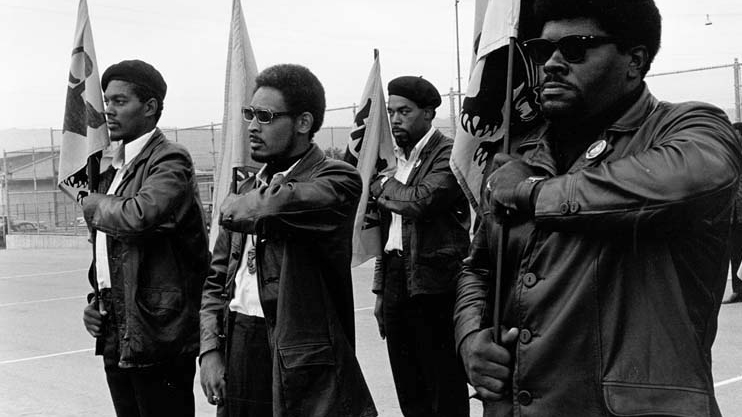
"caption": "The Black Panthers, with Elbert 'Big Man' Howard at right, engaged in a practice drill.",
"description": "The Black Panthers, with Elbert 'Big Man' Howard at right, engaged in a practice drill.",
"title": "BPPEventsCover",
"credit": "Pirkle Jones",
"status": "inherit",
"isLoading": false,
"fetchFailed": false
},
"arts_13809149": {
"type": "attachments",
"id": "arts_13809149",
"meta": {
"index": "attachments_1716263798",
"site": "arts",
"id": "13809149",
"found": true
},
"parent": 13809135,
"imgSizes": {
"small": {
"file": "https://ww2.kqed.org/app/uploads/sites/2/2017/09/blackagainstempire3-520x260.jpg",
"width": 520,
"mimeType": "image/jpeg",
"height": 260
},
"twentyfourteen-full-width": {
"file": "https://ww2.kqed.org/app/uploads/sites/2/2017/09/blackagainstempire3-1038x576.jpg",
"width": 1038,
"mimeType": "image/jpeg",
"height": 576
},
"thumbnail": {
"file": "https://ww2.kqed.org/app/uploads/sites/2/2017/09/blackagainstempire3-160x80.jpg",
"width": 160,
"mimeType": "image/jpeg",
"height": 80
},
"fd-sm": {
"file": "https://ww2.kqed.org/app/uploads/sites/2/2017/09/blackagainstempire3-960x480.jpg",
"width": 960,
"mimeType": "image/jpeg",
"height": 480
},
"post-thumbnail": {
"file": "https://ww2.kqed.org/app/uploads/sites/2/2017/09/blackagainstempire3-672x372.jpg",
"width": 672,
"mimeType": "image/jpeg",
"height": 372
},
"xsmall": {
"file": "https://ww2.kqed.org/app/uploads/sites/2/2017/09/blackagainstempire3-375x188.jpg",
"width": 375,
"mimeType": "image/jpeg",
"height": 188
},
"kqedFullSize": {
"file": "https://ww2.kqed.org/app/uploads/sites/2/2017/09/blackagainstempire3.jpg",
"width": 6000,
"height": 3000
},
"large": {
"file": "https://ww2.kqed.org/app/uploads/sites/2/2017/09/blackagainstempire3-1020x510.jpg",
"width": 1020,
"mimeType": "image/jpeg",
"height": 510
},
"xlarge": {
"file": "https://ww2.kqed.org/app/uploads/sites/2/2017/09/blackagainstempire3-1180x590.jpg",
"width": 1180,
"mimeType": "image/jpeg",
"height": 590
},
"guest-author-50": {
"file": "https://ww2.kqed.org/app/uploads/sites/2/2017/09/blackagainstempire3-50x50.jpg",
"width": 50,
"mimeType": "image/jpeg",
"height": 50
},
"guest-author-96": {
"file": "https://ww2.kqed.org/app/uploads/sites/2/2017/09/blackagainstempire3-96x96.jpg",
"width": 96,
"mimeType": "image/jpeg",
"height": 96
},
"medium": {
"file": "https://ww2.kqed.org/app/uploads/sites/2/2017/09/blackagainstempire3-800x400.jpg",
"width": 800,
"mimeType": "image/jpeg",
"height": 400
},
"guest-author-64": {
"file": "https://ww2.kqed.org/app/uploads/sites/2/2017/09/blackagainstempire3-64x64.jpg",
"width": 64,
"mimeType": "image/jpeg",
"height": 64
},
"guest-author-32": {
"file": "https://ww2.kqed.org/app/uploads/sites/2/2017/09/blackagainstempire3-32x32.jpg",
"width": 32,
"mimeType": "image/jpeg",
"height": 32
},
"fd-lrg": {
"file": "https://ww2.kqed.org/app/uploads/sites/2/2017/09/blackagainstempire3-1920x960.jpg",
"width": 1920,
"mimeType": "image/jpeg",
"height": 960
},
"fd-med": {
"file": "https://ww2.kqed.org/app/uploads/sites/2/2017/09/blackagainstempire3-1180x590.jpg",
"width": 1180,
"mimeType": "image/jpeg",
"height": 590
},
"full-width": {
"file": "https://ww2.kqed.org/app/uploads/sites/2/2017/09/blackagainstempire3-1920x960.jpg",
"width": 1920,
"mimeType": "image/jpeg",
"height": 960
},
"detail": {
"file": "https://ww2.kqed.org/app/uploads/sites/2/2017/09/blackagainstempire3-150x150.jpg",
"width": 150,
"mimeType": "image/jpeg",
"height": 150
},
"medium_large": {
"file": "https://ww2.kqed.org/app/uploads/sites/2/2017/09/blackagainstempire3-768x384.jpg",
"width": 768,
"mimeType": "image/jpeg",
"height": 384
},
"guest-author-128": {
"file": "https://ww2.kqed.org/app/uploads/sites/2/2017/09/blackagainstempire3-128x128.jpg",
"width": 128,
"mimeType": "image/jpeg",
"height": 128
},
"xxsmall": {
"file": "https://ww2.kqed.org/app/uploads/sites/2/2017/09/blackagainstempire3-240x120.jpg",
"width": 240,
"mimeType": "image/jpeg",
"height": 120
}
},
"publishDate": 1505970577,
"modified": 1505970577,
"caption": null,
"description": null,
"title": "blackagainstempire3",
"credit": null,
"status": "inherit",
"isLoading": false,
"fetchFailed": false
},
"arts_13042307": {
"type": "attachments",
"id": "arts_13042307",
"meta": {
"index": "attachments_1716263798",
"site": "arts",
"id": "13042307",
"found": true
},
"parent": 13039627,
"imgSizes": {
"small": {
"file": "https://ww2.kqed.org/app/uploads/sites/2/2017/04/1086-Deyoung-COVER-520x293.jpg",
"width": 520,
"mimeType": "image/jpeg",
"height": 293
},
"twentyfourteen-full-width": {
"file": "https://ww2.kqed.org/app/uploads/sites/2/2017/04/1086-Deyoung-COVER-1038x576.jpg",
"width": 1038,
"mimeType": "image/jpeg",
"height": 576
},
"thumbnail": {
"file": "https://ww2.kqed.org/app/uploads/sites/2/2017/04/1086-Deyoung-COVER-160x90.jpg",
"width": 160,
"mimeType": "image/jpeg",
"height": 90
},
"fd-sm": {
"file": "https://ww2.kqed.org/app/uploads/sites/2/2017/04/1086-Deyoung-COVER-960x540.jpg",
"width": 960,
"mimeType": "image/jpeg",
"height": 540
},
"post-thumbnail": {
"file": "https://ww2.kqed.org/app/uploads/sites/2/2017/04/1086-Deyoung-COVER-672x372.jpg",
"width": 672,
"mimeType": "image/jpeg",
"height": 372
},
"xsmall": {
"file": "https://ww2.kqed.org/app/uploads/sites/2/2017/04/1086-Deyoung-COVER-375x211.jpg",
"width": 375,
"mimeType": "image/jpeg",
"height": 211
},
"kqedFullSize": {
"file": "https://ww2.kqed.org/app/uploads/sites/2/2017/04/1086-Deyoung-COVER.jpg",
"width": 1920,
"height": 1080
},
"large": {
"file": "https://ww2.kqed.org/app/uploads/sites/2/2017/04/1086-Deyoung-COVER-1020x574.jpg",
"width": 1020,
"mimeType": "image/jpeg",
"height": 574
},
"xlarge": {
"file": "https://ww2.kqed.org/app/uploads/sites/2/2017/04/1086-Deyoung-COVER-1180x664.jpg",
"width": 1180,
"mimeType": "image/jpeg",
"height": 664
},
"guest-author-50": {
"file": "https://ww2.kqed.org/app/uploads/sites/2/2017/04/1086-Deyoung-COVER-50x50.jpg",
"width": 50,
"mimeType": "image/jpeg",
"height": 50
},
"guest-author-96": {
"file": "https://ww2.kqed.org/app/uploads/sites/2/2017/04/1086-Deyoung-COVER-96x96.jpg",
"width": 96,
"mimeType": "image/jpeg",
"height": 96
},
"medium": {
"file": "https://ww2.kqed.org/app/uploads/sites/2/2017/04/1086-Deyoung-COVER-800x450.jpg",
"width": 800,
"mimeType": "image/jpeg",
"height": 450
},
"guest-author-64": {
"file": "https://ww2.kqed.org/app/uploads/sites/2/2017/04/1086-Deyoung-COVER-64x64.jpg",
"width": 64,
"mimeType": "image/jpeg",
"height": 64
},
"guest-author-32": {
"file": "https://ww2.kqed.org/app/uploads/sites/2/2017/04/1086-Deyoung-COVER-32x32.jpg",
"width": 32,
"mimeType": "image/jpeg",
"height": 32
},
"fd-lrg": {
"file": "https://ww2.kqed.org/app/uploads/sites/2/2017/04/1086-Deyoung-COVER-1920x1080.jpg",
"width": 1920,
"mimeType": "image/jpeg",
"height": 1080
},
"fd-med": {
"file": "https://ww2.kqed.org/app/uploads/sites/2/2017/04/1086-Deyoung-COVER-1180x664.jpg",
"width": 1180,
"mimeType": "image/jpeg",
"height": 664
},
"full-width": {
"file": "https://ww2.kqed.org/app/uploads/sites/2/2017/04/1086-Deyoung-COVER-1920x1080.jpg",
"width": 1920,
"mimeType": "image/jpeg",
"height": 1080
},
"detail": {
"file": "https://ww2.kqed.org/app/uploads/sites/2/2017/04/1086-Deyoung-COVER-150x150.jpg",
"width": 150,
"mimeType": "image/jpeg",
"height": 150
},
"medium_large": {
"file": "https://ww2.kqed.org/app/uploads/sites/2/2017/04/1086-Deyoung-COVER-768x432.jpg",
"width": 768,
"mimeType": "image/jpeg",
"height": 432
},
"guest-author-128": {
"file": "https://ww2.kqed.org/app/uploads/sites/2/2017/04/1086-Deyoung-COVER-128x128.jpg",
"width": 128,
"mimeType": "image/jpeg",
"height": 128
},
"xxsmall": {
"file": "https://ww2.kqed.org/app/uploads/sites/2/2017/04/1086-Deyoung-COVER-240x135.jpg",
"width": 240,
"mimeType": "image/jpeg",
"height": 135
}
},
"publishDate": 1492022385,
"modified": 1492022438,
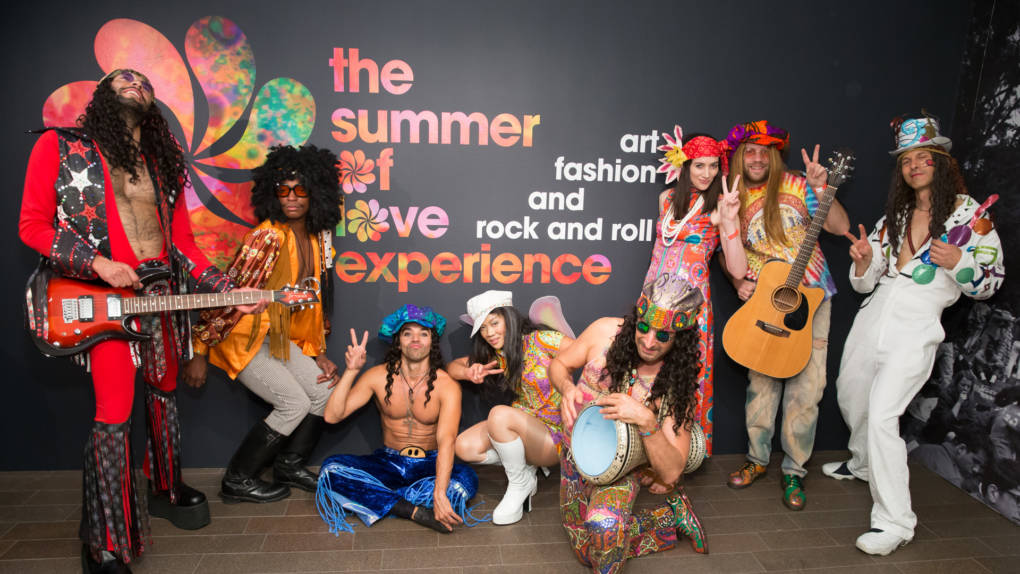
"caption": "Performers at 'The Summer of Love Experience' donor reception at de Young Museum.",
"description": "Performers at 'The Summer of Love Experience' donor reception at de Young Museum.",
"title": "The Summer of Love Experience Donor Reception",
"credit": "Devlin Shand for Drew Altizer Photography",
"status": "inherit",
"isLoading": false,
"fetchFailed": false
},
"arts_12159161": {
"type": "attachments",
"id": "arts_12159161",
"meta": {
"index": "attachments_1716263798",
"site": "arts",
"id": "12159161",
"found": true
},
"parent": 12158966,
"imgSizes": {
"twentyfourteen-full-width": {
"file": "https://ww2.kqed.org/app/uploads/sites/2/2016/10/IMG_5124-e1475614732752-1038x576.jpg",
"width": 1038,
"mimeType": "image/jpeg",
"height": 576
},
"thumbnail": {
"file": "https://ww2.kqed.org/app/uploads/sites/2/2016/10/IMG_5124-e1475614732752-400x225.jpg",
"width": 400,
"mimeType": "image/jpeg",
"height": 225
},
"fd-sm": {
"file": "https://ww2.kqed.org/app/uploads/sites/2/2016/10/IMG_5124-e1475614732752-960x540.jpg",
"width": 960,
"mimeType": "image/jpeg",
"height": 540
},
"post-thumbnail": {
"file": "https://ww2.kqed.org/app/uploads/sites/2/2016/10/IMG_5124-e1475614732752-672x372.jpg",
"width": 672,
"mimeType": "image/jpeg",
"height": 372
},
"kqedFullSize": {
"file": "https://ww2.kqed.org/app/uploads/sites/2/2016/10/IMG_5124-e1475695031337.jpg",
"width": 1920,
"height": 1080
},
"large": {
"file": "https://ww2.kqed.org/app/uploads/sites/2/2016/10/IMG_5124-e1475614732752-1180x664.jpg",
"width": 1180,
"mimeType": "image/jpeg",
"height": 664
},
"guest-author-50": {
"file": "https://ww2.kqed.org/app/uploads/sites/2/2016/10/IMG_5124-e1475614732752-50x50.jpg",
"width": 50,
"mimeType": "image/jpeg",
"height": 50
},
"guest-author-96": {
"file": "https://ww2.kqed.org/app/uploads/sites/2/2016/10/IMG_5124-e1475614732752-96x96.jpg",
"width": 96,
"mimeType": "image/jpeg",
"height": 96
},
"medium": {
"file": "https://ww2.kqed.org/app/uploads/sites/2/2016/10/IMG_5124-e1475614732752-800x450.jpg",
"width": 800,
"mimeType": "image/jpeg",
"height": 450
},
"guest-author-64": {
"file": "https://ww2.kqed.org/app/uploads/sites/2/2016/10/IMG_5124-e1475614732752-64x64.jpg",
"width": 64,
"mimeType": "image/jpeg",
"height": 64
},
"guest-author-32": {
"file": "https://ww2.kqed.org/app/uploads/sites/2/2016/10/IMG_5124-e1475614732752-32x32.jpg",
"width": 32,
"mimeType": "image/jpeg",
"height": 32
},
"fd-lrg": {
"file": "https://ww2.kqed.org/app/uploads/sites/2/2016/10/IMG_5124-e1475614732752-1920x1080.jpg",
"width": 1920,
"mimeType": "image/jpeg",
"height": 1080
},
"fd-med": {
"file": "https://ww2.kqed.org/app/uploads/sites/2/2016/10/IMG_5124-e1475614732752-1180x664.jpg",
"width": 1180,
"mimeType": "image/jpeg",
"height": 664
},
"detail": {
"file": "https://ww2.kqed.org/app/uploads/sites/2/2016/10/IMG_5124-e1475614732752-150x150.jpg",
"width": 150,
"mimeType": "image/jpeg",
"height": 150
},
"medium_large": {
"file": "https://ww2.kqed.org/app/uploads/sites/2/2016/10/IMG_5124-e1475614732752-768x432.jpg",
"width": 768,
"mimeType": "image/jpeg",
"height": 432
},
"guest-author-128": {
"file": "https://ww2.kqed.org/app/uploads/sites/2/2016/10/IMG_5124-e1475614732752-128x128.jpg",
"width": 128,
"mimeType": "image/jpeg",
"height": 128
}
},
"publishDate": 1475614682,
"modified": 1475626034,
"caption": "A selection of books about the Black Panther Party for Self Defense adorn the coffee table in the San Francisco apartment of Panther Minister of Culture Emory Douglas.",
"description": "A selection of books about the Black Panther Party for Self Defense adorn the coffee table in the San Francisco apartment of Panther Minister of Culture Emory Douglas.",
"title": "Black Panther books",
"credit": "Photo: Chloe Veltman/KQED",
"status": "inherit",
"isLoading": false,
"fetchFailed": false
},
"arts_12155712": {
"type": "attachments",
"id": "arts_12155712",
"meta": {
"index": "attachments_1716263798",
"site": "arts",
"id": "12155712",
"found": true
},
"parent": 12154910,
"imgSizes": {
"twentyfourteen-full-width": {
"file": "https://ww2.kqed.org/app/uploads/sites/2/2016/10/RS21346_Monticello-qut-e1475560800108-1038x576.jpg",
"width": 1038,
"mimeType": "image/jpeg",
"height": 576
},
"thumbnail": {
"file": "https://ww2.kqed.org/app/uploads/sites/2/2016/10/RS21346_Monticello-qut-e1475560800108-400x225.jpg",
"width": 400,
"mimeType": "image/jpeg",
"height": 225
},
"fd-sm": {
"file": "https://ww2.kqed.org/app/uploads/sites/2/2016/10/RS21346_Monticello-qut-e1475560800108-960x540.jpg",
"width": 960,
"mimeType": "image/jpeg",
"height": 540
},
"post-thumbnail": {
"file": "https://ww2.kqed.org/app/uploads/sites/2/2016/10/RS21346_Monticello-qut-e1475560800108-672x372.jpg",
"width": 672,
"mimeType": "image/jpeg",
"height": 372
},
"kqedFullSize": {
"file": "https://ww2.kqed.org/app/uploads/sites/2/2016/10/RS21346_Monticello-qut-e1475560800108.jpg",
"width": 1920,
"height": 1080
},
"large": {
"file": "https://ww2.kqed.org/app/uploads/sites/2/2016/10/RS21346_Monticello-qut-e1475560800108-1180x664.jpg",
"width": 1180,
"mimeType": "image/jpeg",
"height": 664
},
"guest-author-50": {
"file": "https://ww2.kqed.org/app/uploads/sites/2/2016/10/RS21346_Monticello-qut-e1475560800108-50x50.jpg",
"width": 50,
"mimeType": "image/jpeg",
"height": 50
},
"guest-author-96": {
"file": "https://ww2.kqed.org/app/uploads/sites/2/2016/10/RS21346_Monticello-qut-e1475560800108-96x96.jpg",
"width": 96,
"mimeType": "image/jpeg",
"height": 96
},
"medium": {
"file": "https://ww2.kqed.org/app/uploads/sites/2/2016/10/RS21346_Monticello-qut-e1475560800108-800x450.jpg",
"width": 800,
"mimeType": "image/jpeg",
"height": 450
},
"guest-author-64": {
"file": "https://ww2.kqed.org/app/uploads/sites/2/2016/10/RS21346_Monticello-qut-e1475560800108-64x64.jpg",
"width": 64,
"mimeType": "image/jpeg",
"height": 64
},
"guest-author-32": {
"file": "https://ww2.kqed.org/app/uploads/sites/2/2016/10/RS21346_Monticello-qut-e1475560800108-32x32.jpg",
"width": 32,
"mimeType": "image/jpeg",
"height": 32
},
"fd-lrg": {
"file": "https://ww2.kqed.org/app/uploads/sites/2/2016/10/RS21346_Monticello-qut-e1475560800108-1920x1080.jpg",
"width": 1920,
"mimeType": "image/jpeg",
"height": 1080
},
"fd-med": {
"file": "https://ww2.kqed.org/app/uploads/sites/2/2016/10/RS21346_Monticello-qut-e1475560800108-1180x664.jpg",
"width": 1180,
"mimeType": "image/jpeg",
"height": 664
},
"detail": {
"file": "https://ww2.kqed.org/app/uploads/sites/2/2016/10/RS21346_Monticello-qut-e1475560800108-150x150.jpg",
"width": 150,
"mimeType": "image/jpeg",
"height": 150
},
"medium_large": {
"file": "https://ww2.kqed.org/app/uploads/sites/2/2016/10/RS21346_Monticello-qut-e1475560800108-768x432.jpg",
"width": 768,
"mimeType": "image/jpeg",
"height": 432
},
"guest-author-128": {
"file": "https://ww2.kqed.org/app/uploads/sites/2/2016/10/RS21346_Monticello-qut-e1475560800108-128x128.jpg",
"width": 128,
"mimeType": "image/jpeg",
"height": 128
}
},
"publishDate": 1475547817,
"modified": 1475548855,
"caption": "Pirkle Jones, Monticello, Berryessa Valley, 1956\n",
"description": "Pirkle Jones, Monticello, Berryessa Valley, 1956\n",
"title": "RS21346_Monticello-qut",
"credit": "Photo: Courtesy of Special Collections, University Library, UC Santa Cruz",
"status": "inherit",
"isLoading": false,
"fetchFailed": false
},
"arts_11696578": {
"type": "attachments",
"id": "arts_11696578",
"meta": {
"index": "attachments_1716263798",
"site": "arts",
"id": "11696578",
"found": true
},
"parent": 11696060,
"imgSizes": {
"twentyfourteen-full-width": {
"file": "https://ww2.kqed.org/app/uploads/sites/2/2016/06/2pac.MAIN_-1038x576.jpg",
"width": 1038,
"mimeType": "image/jpeg",
"height": 576
},
"thumbnail": {
"file": "https://ww2.kqed.org/app/uploads/sites/2/2016/06/2pac.MAIN_-400x225.jpg",
"width": 400,
"mimeType": "image/jpeg",
"height": 225
},
"fd-sm": {
"file": "https://ww2.kqed.org/app/uploads/sites/2/2016/06/2pac.MAIN_-960x540.jpg",
"width": 960,
"mimeType": "image/jpeg",
"height": 540
},
"post-thumbnail": {
"file": "https://ww2.kqed.org/app/uploads/sites/2/2016/06/2pac.MAIN_-672x372.jpg",
"width": 672,
"mimeType": "image/jpeg",
"height": 372
},
"kqedFullSize": {
"file": "https://ww2.kqed.org/app/uploads/sites/2/2016/06/2pac.MAIN_.jpg",
"width": 1920,
"height": 1080
},
"large": {
"file": "https://ww2.kqed.org/app/uploads/sites/2/2016/06/2pac.MAIN_-1180x664.jpg",
"width": 1180,
"mimeType": "image/jpeg",
"height": 664
},
"guest-author-50": {
"file": "https://ww2.kqed.org/app/uploads/sites/2/2016/06/2pac.MAIN_-50x50.jpg",
"width": 50,
"mimeType": "image/jpeg",
"height": 50
},
"guest-author-96": {
"file": "https://ww2.kqed.org/app/uploads/sites/2/2016/06/2pac.MAIN_-96x96.jpg",
"width": 96,
"mimeType": "image/jpeg",
"height": 96
},
"medium": {
"file": "https://ww2.kqed.org/app/uploads/sites/2/2016/06/2pac.MAIN_-800x450.jpg",
"width": 800,
"mimeType": "image/jpeg",
"height": 450
},
"guest-author-64": {
"file": "https://ww2.kqed.org/app/uploads/sites/2/2016/06/2pac.MAIN_-64x64.jpg",
"width": 64,
"mimeType": "image/jpeg",
"height": 64
},
"guest-author-32": {
"file": "https://ww2.kqed.org/app/uploads/sites/2/2016/06/2pac.MAIN_-32x32.jpg",
"width": 32,
"mimeType": "image/jpeg",
"height": 32
},
"fd-lrg": {
"file": "https://ww2.kqed.org/app/uploads/sites/2/2016/06/2pac.MAIN_-1920x1080.jpg",
"width": 1920,
"mimeType": "image/jpeg",
"height": 1080
},
"fd-med": {
"file": "https://ww2.kqed.org/app/uploads/sites/2/2016/06/2pac.MAIN_-1180x664.jpg",
"width": 1180,
"mimeType": "image/jpeg",
"height": 664
},
"detail": {
"file": "https://ww2.kqed.org/app/uploads/sites/2/2016/06/2pac.MAIN_-150x150.jpg",
"width": 150,
"mimeType": "image/jpeg",
"height": 150
},
"medium_large": {
"file": "https://ww2.kqed.org/app/uploads/sites/2/2016/06/2pac.MAIN_-768x432.jpg",
"width": 768,
"mimeType": "image/jpeg",
"height": 432
},
"guest-author-128": {
"file": "https://ww2.kqed.org/app/uploads/sites/2/2016/06/2pac.MAIN_-128x128.jpg",
"width": 128,
"mimeType": "image/jpeg",
"height": 128
}
},
"publishDate": 1466109409,
"modified": 1696010083,
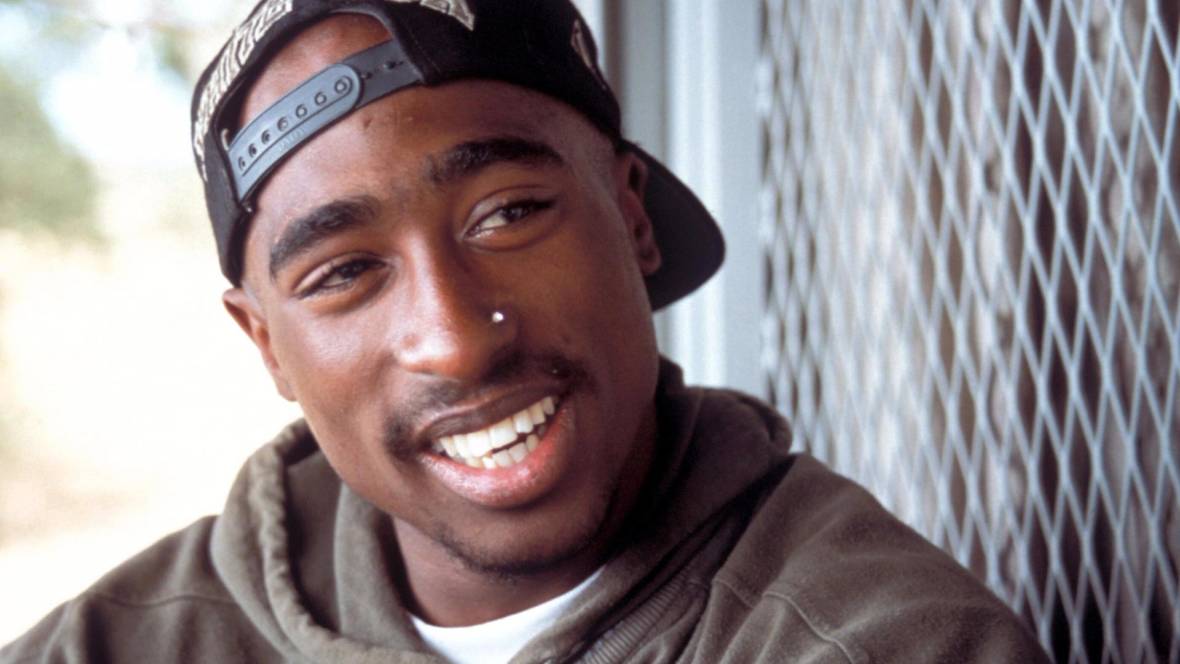
"caption": "Tupac Shakur in a still from the 1993 film 'Poetic Justice,' three years before his death.",
"description": "Tupac Shakur in a still from 'Poetic Justice.'",
"title": "2pac.MAIN",
"credit": "Columbia Pictures",
"status": "inherit",
"altTag": "Tupac Shakur in a still from 'Poetic Justice.'",
"isLoading": false,
"fetchFailed": false
},
"arts_11355729": {
"type": "attachments",
"id": "arts_11355729",
"meta": {
"index": "attachments_1716263798",
"site": "arts",
"id": "11355729",
"found": true
},
"parent": 11353957,
"imgSizes": {
"twentyfourteen-full-width": {
"file": "https://ww2.kqed.org/app/uploads/sites/2/2016/02/faces-1038x576.jpg",
"width": 1038,
"mimeType": "image/jpeg",
"height": 576
},
"thumbnail": {
"file": "https://ww2.kqed.org/app/uploads/sites/2/2016/02/faces-400x240.jpg",
"width": 400,
"mimeType": "image/jpeg",
"height": 240
},
"fd-sm": {
"file": "https://ww2.kqed.org/app/uploads/sites/2/2016/02/faces-960x575.jpg",
"width": 960,
"mimeType": "image/jpeg",
"height": 575
},
"post-thumbnail": {
"file": "https://ww2.kqed.org/app/uploads/sites/2/2016/02/faces-672x372.jpg",
"width": 672,
"mimeType": "image/jpeg",
"height": 372
},
"kqedFullSize": {
"file": "https://ww2.kqed.org/app/uploads/sites/2/2016/02/faces.jpg",
"width": 2400,
"height": 1438
},
"large": {
"file": "https://ww2.kqed.org/app/uploads/sites/2/2016/02/faces-1180x707.jpg",
"width": 1180,
"mimeType": "image/jpeg",
"height": 707
},
"guest-author-96": {
"file": "https://ww2.kqed.org/app/uploads/sites/2/2016/02/faces-96x96.jpg",
"width": 96,
"mimeType": "image/jpeg",
"height": 96
},
"medium": {
"file": "https://ww2.kqed.org/app/uploads/sites/2/2016/02/faces-800x479.jpg",
"width": 800,
"mimeType": "image/jpeg",
"height": 479
},
"guest-author-64": {
"file": "https://ww2.kqed.org/app/uploads/sites/2/2016/02/faces-64x64.jpg",
"width": 64,
"mimeType": "image/jpeg",
"height": 64
},
"guest-author-32": {
"file": "https://ww2.kqed.org/app/uploads/sites/2/2016/02/faces-32x32.jpg",
"width": 32,
"mimeType": "image/jpeg",
"height": 32
},
"fd-lrg": {
"file": "https://ww2.kqed.org/app/uploads/sites/2/2016/02/faces-1920x1150.jpg",
"width": 1920,
"mimeType": "image/jpeg",
"height": 1150
},
"fd-med": {
"file": "https://ww2.kqed.org/app/uploads/sites/2/2016/02/faces-1180x707.jpg",
"width": 1180,
"mimeType": "image/jpeg",
"height": 707
},
"detail": {
"file": "https://ww2.kqed.org/app/uploads/sites/2/2016/02/faces-75x75.jpg",
"width": 75,
"mimeType": "image/jpeg",
"height": 75
},
"medium_large": {
"file": "https://ww2.kqed.org/app/uploads/sites/2/2016/02/faces-768x460.jpg",
"width": 768,
"mimeType": "image/jpeg",
"height": 460
},
"guest-author-128": {
"file": "https://ww2.kqed.org/app/uploads/sites/2/2016/02/faces-128x128.jpg",
"width": 128,
"mimeType": "image/jpeg",
"height": 128
}
},
"publishDate": 1456326505,
"modified": 1456326555,
"caption": "Portraits from McCalman's project, Illustrated Black History. ",
"description": "Portraits from McCalman's project, Illustrated Black History. ",
"title": "Portraits from McCalman's project, Illustrated Black History.",
"credit": "Courtesy: George McCalman",
"status": "inherit",
"isLoading": false,
"fetchFailed": false
},
"arts_11331581": {
"type": "attachments",
"id": "arts_11331581",
"meta": {
"index": "attachments_1716263798",
"site": "arts",
"id": "11331581",
"found": true
},
"parent": 11330280,
"imgSizes": {
"twentyfourteen-full-width": {
"file": "https://ww2.kqed.org/app/uploads/sites/2/2016/02/BigMan.MAIN_-1038x576.jpg",
"width": 1038,
"mimeType": "image/jpeg",
"height": 576
},
"thumbnail": {
"file": "https://ww2.kqed.org/app/uploads/sites/2/2016/02/BigMan.MAIN_-400x225.jpg",
"width": 400,
"mimeType": "image/jpeg",
"height": 225
},
"fd-sm": {
"file": "https://ww2.kqed.org/app/uploads/sites/2/2016/02/BigMan.MAIN_-960x540.jpg",
"width": 960,
"mimeType": "image/jpeg",
"height": 540
},
"post-thumbnail": {
"file": "https://ww2.kqed.org/app/uploads/sites/2/2016/02/BigMan.MAIN_-672x372.jpg",
"width": 672,
"mimeType": "image/jpeg",
"height": 372
},
"kqedFullSize": {
"file": "https://ww2.kqed.org/app/uploads/sites/2/2016/02/BigMan.MAIN_.jpg",
"width": 1920,
"height": 1080
},
"large": {
"file": "https://ww2.kqed.org/app/uploads/sites/2/2016/02/BigMan.MAIN_-1180x664.jpg",
"width": 1180,
"mimeType": "image/jpeg",
"height": 664
},
"guest-author-96": {
"file": "https://ww2.kqed.org/app/uploads/sites/2/2016/02/BigMan.MAIN_-96x96.jpg",
"width": 96,
"mimeType": "image/jpeg",
"height": 96
},
"medium": {
"file": "https://ww2.kqed.org/app/uploads/sites/2/2016/02/BigMan.MAIN_-800x450.jpg",
"width": 800,
"mimeType": "image/jpeg",
"height": 450
},
"guest-author-64": {
"file": "https://ww2.kqed.org/app/uploads/sites/2/2016/02/BigMan.MAIN_-64x64.jpg",
"width": 64,
"mimeType": "image/jpeg",
"height": 64
},
"guest-author-32": {
"file": "https://ww2.kqed.org/app/uploads/sites/2/2016/02/BigMan.MAIN_-32x32.jpg",
"width": 32,
"mimeType": "image/jpeg",
"height": 32
},
"fd-lrg": {
"file": "https://ww2.kqed.org/app/uploads/sites/2/2016/02/BigMan.MAIN_-1920x1080.jpg",
"width": 1920,
"mimeType": "image/jpeg",
"height": 1080
},
"fd-med": {
"file": "https://ww2.kqed.org/app/uploads/sites/2/2016/02/BigMan.MAIN_-1180x664.jpg",
"width": 1180,
"mimeType": "image/jpeg",
"height": 664
},
"detail": {
"file": "https://ww2.kqed.org/app/uploads/sites/2/2016/02/BigMan.MAIN_-75x75.jpg",
"width": 75,
"mimeType": "image/jpeg",
"height": 75
},
"medium_large": {
"file": "https://ww2.kqed.org/app/uploads/sites/2/2016/02/BigMan.MAIN_-768x432.jpg",
"width": 768,
"mimeType": "image/jpeg",
"height": 432
},
"guest-author-128": {
"file": "https://ww2.kqed.org/app/uploads/sites/2/2016/02/BigMan.MAIN_-128x128.jpg",
"width": 128,
"mimeType": "image/jpeg",
"height": 128
}
},
"publishDate": 1455611515,
"modified": 1532476337,
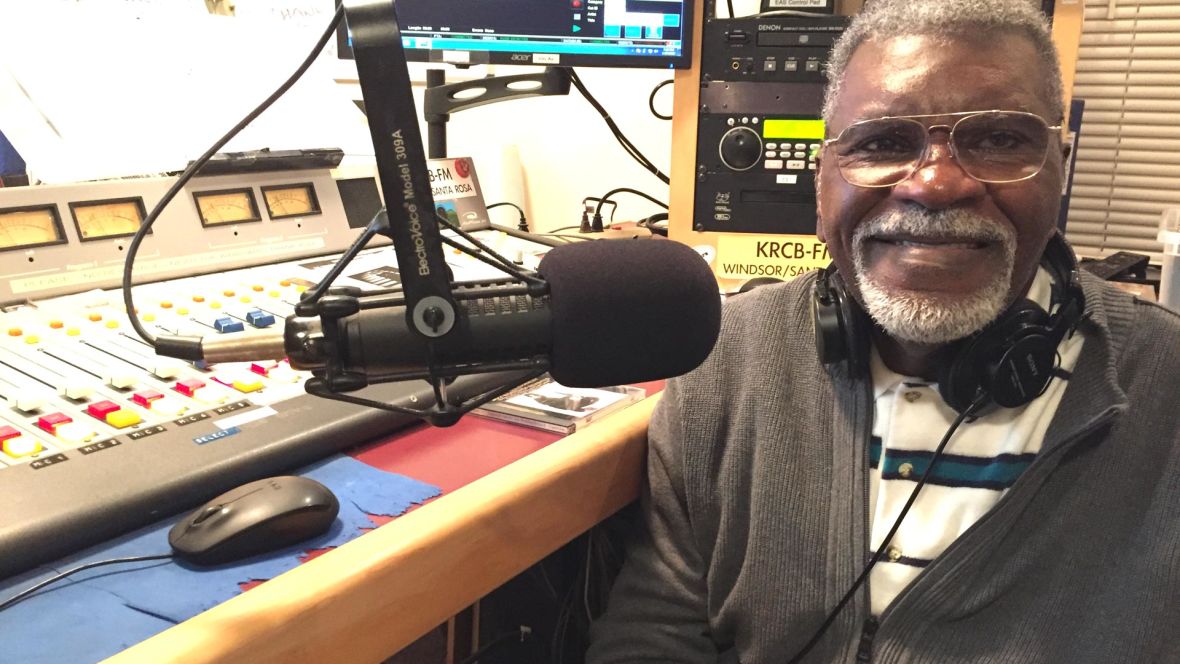
"caption": "Former Black Panther Elbert 'Big Man' Howard hosting 'Jazz Connections' on KRCB-FM in Rohnert Park in 2016.",
"description": "Former Black Panther Elbert 'Big Man' Howard hosting 'Jazz Connections' on KRCB-FM in Rohnert Park in 2016.",
"title": "BigMan.MAIN",
"credit": "Gabe Meline/KQED",
"status": "inherit",
"isLoading": false,
"fetchFailed": false
},
"arts_11327801": {
"type": "attachments",
"id": "arts_11327801",
"meta": {
"index": "attachments_1716263798",
"site": "arts",
"id": "11327801",
"found": true
},
"parent": 11321950,
"imgSizes": {
"twentyfourteen-full-width": {
"file": "https://ww2.kqed.org/app/uploads/sites/2/2016/02/BlackSeedCover-1038x576.jpg",
"width": 1038,
"mimeType": "image/jpeg",
"height": 576
},
"thumbnail": {
"file": "https://ww2.kqed.org/app/uploads/sites/2/2016/02/BlackSeedCover-400x225.jpg",
"width": 400,
"mimeType": "image/jpeg",
"height": 225
},
"fd-sm": {
"file": "https://ww2.kqed.org/app/uploads/sites/2/2016/02/BlackSeedCover-960x540.jpg",
"width": 960,
"mimeType": "image/jpeg",
"height": 540
},
"post-thumbnail": {
"file": "https://ww2.kqed.org/app/uploads/sites/2/2016/02/BlackSeedCover-672x372.jpg",
"width": 672,
"mimeType": "image/jpeg",
"height": 372
},
"kqedFullSize": {
"file": "https://ww2.kqed.org/app/uploads/sites/2/2016/02/BlackSeedCover.jpg",
"width": 1920,
"height": 1080
},
"large": {
"file": "https://ww2.kqed.org/app/uploads/sites/2/2016/02/BlackSeedCover-1180x664.jpg",
"width": 1180,
"mimeType": "image/jpeg",
"height": 664
},
"guest-author-96": {
"file": "https://ww2.kqed.org/app/uploads/sites/2/2016/02/BlackSeedCover-96x96.jpg",
"width": 96,
"mimeType": "image/jpeg",
"height": 96
},
"medium": {
"file": "https://ww2.kqed.org/app/uploads/sites/2/2016/02/BlackSeedCover-800x450.jpg",
"width": 800,
"mimeType": "image/jpeg",
"height": 450
},
"guest-author-64": {
"file": "https://ww2.kqed.org/app/uploads/sites/2/2016/02/BlackSeedCover-64x64.jpg",
"width": 64,
"mimeType": "image/jpeg",
"height": 64
},
"guest-author-32": {
"file": "https://ww2.kqed.org/app/uploads/sites/2/2016/02/BlackSeedCover-32x32.jpg",
"width": 32,
"mimeType": "image/jpeg",
"height": 32
},
"fd-lrg": {
"file": "https://ww2.kqed.org/app/uploads/sites/2/2016/02/BlackSeedCover-1920x1080.jpg",
"width": 1920,
"mimeType": "image/jpeg",
"height": 1080
},
"fd-med": {
"file": "https://ww2.kqed.org/app/uploads/sites/2/2016/02/BlackSeedCover-1180x664.jpg",
"width": 1180,
"mimeType": "image/jpeg",
"height": 664
},
"detail": {
"file": "https://ww2.kqed.org/app/uploads/sites/2/2016/02/BlackSeedCover-75x75.jpg",
"width": 75,
"mimeType": "image/jpeg",
"height": 75
},
"medium_large": {
"file": "https://ww2.kqed.org/app/uploads/sites/2/2016/02/BlackSeedCover-768x432.jpg",
"width": 768,
"mimeType": "image/jpeg",
"height": 432
},
"guest-author-128": {
"file": "https://ww2.kqed.org/app/uploads/sites/2/2016/02/BlackSeedCover-128x128.jpg",
"width": 128,
"mimeType": "image/jpeg",
"height": 128
}
},
"publishDate": 1455496531,
"modified": 1455497237,
"caption": "Black.Seed protesters on the Bay Bridge.",
"description": null,
"title": "BlackSeedCover",
"credit": "Photo: Brooke Anderson",
"status": "inherit",
"isLoading": false,
"fetchFailed": false
},
"arts_11328509": {
"type": "attachments",
"id": "arts_11328509",
"meta": {
"index": "attachments_1716263798",
"site": "arts",
"id": "11328509",
"found": true
},
"parent": 11328391,
"imgSizes": {
"twentyfourteen-full-width": {
"file": "https://ww2.kqed.org/app/uploads/sites/2/2016/02/BP50-154-1000x576.jpg",
"width": 1000,
"mimeType": "image/jpeg",
"height": 576
},
"thumbnail": {
"file": "https://ww2.kqed.org/app/uploads/sites/2/2016/02/BP50-154-400x266.jpg",
"width": 400,
"mimeType": "image/jpeg",
"height": 266
},
"fd-sm": {
"file": "https://ww2.kqed.org/app/uploads/sites/2/2016/02/BP50-154-960x638.jpg",
"width": 960,
"mimeType": "image/jpeg",
"height": 638
},
"post-thumbnail": {
"file": "https://ww2.kqed.org/app/uploads/sites/2/2016/02/BP50-154-672x372.jpg",
"width": 672,
"mimeType": "image/jpeg",
"height": 372
},
"kqedFullSize": {
"file": "https://ww2.kqed.org/app/uploads/sites/2/2016/02/BP50-154.jpg",
"width": 1000,
"height": 665
},
"guest-author-96": {
"file": "https://ww2.kqed.org/app/uploads/sites/2/2016/02/BP50-154-96x96.jpg",
"width": 96,
"mimeType": "image/jpeg",
"height": 96
},
"medium": {
"file": "https://ww2.kqed.org/app/uploads/sites/2/2016/02/BP50-154-800x532.jpg",
"width": 800,
"mimeType": "image/jpeg",
"height": 532
},
"guest-author-64": {
"file": "https://ww2.kqed.org/app/uploads/sites/2/2016/02/BP50-154-64x64.jpg",
"width": 64,
"mimeType": "image/jpeg",
"height": 64
},
"detail": {
"file": "https://ww2.kqed.org/app/uploads/sites/2/2016/02/BP50-154-75x75.jpg",
"width": 75,
"mimeType": "image/jpeg",
"height": 75
},
"guest-author-32": {
"file": "https://ww2.kqed.org/app/uploads/sites/2/2016/02/BP50-154-32x32.jpg",
"width": 32,
"mimeType": "image/jpeg",
"height": 32
},
"medium_large": {
"file": "https://ww2.kqed.org/app/uploads/sites/2/2016/02/BP50-154-768x511.jpg",
"width": 768,
"mimeType": "image/jpeg",
"height": 511
},
"guest-author-128": {
"file": "https://ww2.kqed.org/app/uploads/sites/2/2016/02/BP50-154-128x128.jpg",
"width": 128,
"mimeType": "image/jpeg",
"height": 128
}
},
"publishDate": 1455518903,
"modified": 1455518947,
"caption": "Youth Speak's Black Sheroes",
"description": "Youth Speak's Black Sheroes",
"title": "BP50-154",
"credit": "Photo: Alain McLaughlin",
"status": "inherit",
"isLoading": false,
"fetchFailed": false
},
"arts_11310214": {
"type": "attachments",
"id": "arts_11310214",
"meta": {
"index": "attachments_1716263798",
"site": "arts",
"id": "11310214",
"found": true
},
"parent": 11310213,
"imgSizes": {
"twentyfourteen-full-width": {
"file": "https://ww2.kqed.org/app/uploads/sites/2/2016/02/Beyonce-dancers-2CROP-1025x576.jpg",
"width": 1025,
"mimeType": "image/jpeg",
"height": 576
},
"thumbnail": {
"file": "https://ww2.kqed.org/app/uploads/sites/2/2016/02/Beyonce-dancers-2CROP-400x225.jpg",
"width": 400,
"mimeType": "image/jpeg",
"height": 225
},
"fd-sm": {
"file": "https://ww2.kqed.org/app/uploads/sites/2/2016/02/Beyonce-dancers-2CROP-960x540.jpg",
"width": 960,
"mimeType": "image/jpeg",
"height": 540
},
"post-thumbnail": {
"file": "https://ww2.kqed.org/app/uploads/sites/2/2016/02/Beyonce-dancers-2CROP-672x372.jpg",
"width": 672,
"mimeType": "image/jpeg",
"height": 372
},
"kqedFullSize": {
"file": "https://ww2.kqed.org/app/uploads/sites/2/2016/02/Beyonce-dancers-2CROP.jpg",
"width": 1025,
"height": 577
},
"guest-author-96": {
"file": "https://ww2.kqed.org/app/uploads/sites/2/2016/02/Beyonce-dancers-2CROP-96x96.jpg",
"width": 96,
"mimeType": "image/jpeg",
"height": 96
},
"medium": {
"file": "https://ww2.kqed.org/app/uploads/sites/2/2016/02/Beyonce-dancers-2CROP-800x450.jpg",
"width": 800,
"mimeType": "image/jpeg",
"height": 450
},
"guest-author-64": {
"file": "https://ww2.kqed.org/app/uploads/sites/2/2016/02/Beyonce-dancers-2CROP-64x64.jpg",
"width": 64,
"mimeType": "image/jpeg",
"height": 64
},
"detail": {
"file": "https://ww2.kqed.org/app/uploads/sites/2/2016/02/Beyonce-dancers-2CROP-75x75.jpg",
"width": 75,
"mimeType": "image/jpeg",
"height": 75
},
"guest-author-32": {
"file": "https://ww2.kqed.org/app/uploads/sites/2/2016/02/Beyonce-dancers-2CROP-32x32.jpg",
"width": 32,
"mimeType": "image/jpeg",
"height": 32
},
"medium_large": {
"file": "https://ww2.kqed.org/app/uploads/sites/2/2016/02/Beyonce-dancers-2CROP-768x432.jpg",
"width": 768,
"mimeType": "image/jpeg",
"height": 432
},
"guest-author-128": {
"file": "https://ww2.kqed.org/app/uploads/sites/2/2016/02/Beyonce-dancers-2CROP-128x128.jpg",
"width": 128,
"mimeType": "image/jpeg",
"height": 128
}
},
"publishDate": 1454921438,
"modified": 1454921577,
"caption": "Beyoncé performs during the Pepsi Super Bowl 50 Halftime Show at Levi's Stadium on February 7, 2016 in Santa Clara, California ",
"description": "Beyoncé performs during the Pepsi Super Bowl 50 Halftime Show at Levi's Stadium on February 7, 2016 in Santa Clara, California ",
"title": "Pepsi Super Bowl 50 Halftime Show",
"credit": "Photo: Harry How/Getty Images",
"status": "inherit",
"isLoading": false,
"fetchFailed": false
}
},
"audioPlayerReducer": {
"postId": "stream_live",
"isPaused": true,
"isPlaying": false,
"pfsActive": false,
"pledgeModalIsOpen": true,
"playerDrawerIsOpen": false,
"liveAudioPlayStartedAt": 0,
"liveAudioPlayContext": ""
},
"authorsReducer": {
"cfrock": {
"type": "authors",
"id": "58",
"meta": {
"index": "authors_1716337520",
"id": "58",
"found": true
},
"name": "Christian L. Frock",
"firstName": "Christian L.",
"lastName": "Frock",
"slug": "cfrock",
"email": "christian@invisiblevenue.com",
"display_author_email": false,
"staff_mastheads": [
"arts"
],
"title": "KQED Contributor",
"bio": null,
"avatar": "https://secure.gravatar.com/avatar/da93aa5c1bc6f6561a99d5073186102c?s=600&d=blank&r=g",
"twitter": null,
"facebook": null,
"instagram": null,
"linkedin": null,
"sites": [
{
"site": "arts",
"roles": [
"Contributor",
"contributor"
]
}
],
"headData": {
"title": "Christian L. Frock | KQED",
"description": "KQED Contributor",
"ogImgSrc": "https://secure.gravatar.com/avatar/da93aa5c1bc6f6561a99d5073186102c?s=600&d=blank&r=g",
"twImgSrc": "https://secure.gravatar.com/avatar/da93aa5c1bc6f6561a99d5073186102c?s=600&d=blank&r=g"
},
"isLoading": false,
"link": "/author/cfrock"
},
"shotchkiss": {
"type": "authors",
"id": "61",
"meta": {
"index": "authors_1716337520",
"id": "61",
"found": true
},
"name": "Sarah Hotchkiss",
"firstName": "Sarah",
"lastName": "Hotchkiss",
"slug": "shotchkiss",
"email": "shotchkiss@kqed.org",
"display_author_email": true,
"staff_mastheads": [
"arts"
],
"title": "Senior Editor",
"bio": "Sarah Hotchkiss is a San Francisco \u003ca href=\"http://www.sarahhotchkiss.com\">artist\u003c/a> and arts writer. In 2019, she received the Dorothea & Leo Rabkin Foundation grant for visual art journalism and in 2020 she received a Society of Professional Journalists, Northern California award for excellence in arts and culture reporting.",
"avatar": "https://secure.gravatar.com/avatar/bc662df144b3d27fd8b1b6f1c2a420d34e91e53154d411bb7ad353cc8b6cea8d?s=600&d=blank&r=g",
"twitter": null,
"bluesky": null,
"facebook": null,
"instagram": null,
"linkedin": null,
"sites": [
{
"site": "",
"roles": [
"editor"
]
},
{
"site": "arts",
"roles": [
"Contributor",
"administrator"
]
},
{
"site": "artschool",
"roles": [
"administrator"
]
},
{
"site": "news",
"roles": [
"editor"
]
},
{
"site": "pop",
"roles": [
"administrator"
]
},
{
"site": "bayareabites",
"roles": [
"editor"
]
},
{
"site": "spark",
"roles": [
"editor"
]
},
{
"site": "checkplease",
"roles": [
"editor"
]
}
],
"headData": {
"title": "Sarah Hotchkiss | KQED",
"description": "Senior Editor",
"ogImgSrc": "https://secure.gravatar.com/avatar/bc662df144b3d27fd8b1b6f1c2a420d34e91e53154d411bb7ad353cc8b6cea8d?s=600&d=blank&r=g",
"twImgSrc": "https://secure.gravatar.com/avatar/bc662df144b3d27fd8b1b6f1c2a420d34e91e53154d411bb7ad353cc8b6cea8d?s=600&d=blank&r=g"
},
"isLoading": false,
"link": "/author/shotchkiss"
},
"irojascontreras": {
"type": "authors",
"id": "78",
"meta": {
"index": "authors_1716337520",
"id": "78",
"found": true
},
"name": "Ingrid Rojas Contreras",
"firstName": "Ingrid",
"lastName": "Rojas Contreras",
"slug": "irojascontreras",
"email": "ingrid.rojas.c@gmail.com",
"display_author_email": false,
"staff_mastheads": [],
"title": null,
"bio": "Ingrid Rojas Contreras lives in San Francisco with her books. Her debut novel\u003cem> Fruit of the Drunken Tree \u003c/em>is forthcoming from Doubleday (Summer 2018). Find more at \u003ca href=\"http://www.ingridrojascontreras.com\">www.ingridrojascontreras.com\u003c/a>.",
"avatar": "https://secure.gravatar.com/avatar/908d94de9342e71b9d5ceaa8152a16a0?s=600&d=blank&r=g",
"twitter": null,
"facebook": null,
"instagram": null,
"linkedin": null,
"sites": [
{
"site": "arts",
"roles": [
"Contributor",
"contributor"
]
}
],
"headData": {
"title": "Ingrid Rojas Contreras | KQED",
"description": null,
"ogImgSrc": "https://secure.gravatar.com/avatar/908d94de9342e71b9d5ceaa8152a16a0?s=600&d=blank&r=g",
"twImgSrc": "https://secure.gravatar.com/avatar/908d94de9342e71b9d5ceaa8152a16a0?s=600&d=blank&r=g"
},
"isLoading": false,
"link": "/author/irojascontreras"
},
"kjones": {
"type": "authors",
"id": "93",
"meta": {
"index": "authors_1716337520",
"id": "93",
"found": true
},
"name": "Kevin L. Jones",
"firstName": "Kevin",
"lastName": "Jones",
"slug": "kjones",
"email": "kjones@kqed.org",
"display_author_email": false,
"staff_mastheads": [],
"title": null,
"bio": null,
"avatar": "https://secure.gravatar.com/avatar/12c65b5633ed39d0a59bb7f497eff645?s=600&d=blank&r=g",
"twitter": null,
"facebook": null,
"instagram": null,
"linkedin": null,
"sites": [
{
"site": "arts",
"roles": [
"subscriber"
]
},
{
"site": "styleguide",
"roles": [
"contributor"
]
},
{
"site": "artschool",
"roles": [
"subscriber"
]
},
{
"site": "news",
"roles": [
"subscriber"
]
},
{
"site": "pop",
"roles": [
"subscriber"
]
}
],
"headData": {
"title": "Kevin L. Jones | KQED",
"description": null,
"ogImgSrc": "https://secure.gravatar.com/avatar/12c65b5633ed39d0a59bb7f497eff645?s=600&d=blank&r=g",
"twImgSrc": "https://secure.gravatar.com/avatar/12c65b5633ed39d0a59bb7f497eff645?s=600&d=blank&r=g"
},
"isLoading": false,
"link": "/author/kjones"
},
"gmeline": {
"type": "authors",
"id": "185",
"meta": {
"index": "authors_1716337520",
"id": "185",
"found": true
},
"name": "Gabe Meline",
"firstName": "Gabe",
"lastName": "Meline",
"slug": "gmeline",
"email": "gmeline@kqed.org",
"display_author_email": true,
"staff_mastheads": [
"arts"
],
"title": "Senior Editor, KQED Arts & Culture",
"bio": "Gabe Meline entered journalism at age 15 making photocopied zines, and has since earned awards from the Edward R. Murrow Awards, the Society for Professional Journalists, the Online Journalism Awards, the Association of Alternative Newsweeklies and the California Newspaper Publishers Association. Prior to KQED, he was the editor of the \u003cem>North Bay Bohemian\u003c/em> and a touring musician. He lives with his wife and daughter in his hometown of Santa Rosa, CA.",
"avatar": "https://secure.gravatar.com/avatar/5bebe57be0d8bc2dd318934feb47299e2d2d10cba28d09d8d7afb389a2ce2bdd?s=600&d=blank&r=g",
"twitter": null,
"bluesky": null,
"facebook": null,
"instagram": null,
"linkedin": null,
"sites": [
{
"site": "",
"roles": [
"editor"
]
},
{
"site": "arts",
"roles": [
"administrator"
]
},
{
"site": "artschool",
"roles": [
"editor"
]
},
{
"site": "news",
"roles": [
"author"
]
},
{
"site": "pop",
"roles": [
"editor"
]
},
{
"site": "bayareabites",
"roles": [
"editor"
]
},
{
"site": "food",
"roles": [
"editor"
]
},
{
"site": "forum",
"roles": [
"administrator"
]
},
{
"site": "liveblog",
"roles": [
"editor"
]
},
{
"site": "hiphop",
"roles": [
"editor"
]
}
],
"headData": {
"title": "Gabe Meline | KQED",
"description": "Senior Editor, KQED Arts & Culture",
"ogImgSrc": "https://secure.gravatar.com/avatar/5bebe57be0d8bc2dd318934feb47299e2d2d10cba28d09d8d7afb389a2ce2bdd?s=600&d=blank&r=g",
"twImgSrc": "https://secure.gravatar.com/avatar/5bebe57be0d8bc2dd318934feb47299e2d2d10cba28d09d8d7afb389a2ce2bdd?s=600&d=blank&r=g"
},
"isLoading": false,
"link": "/author/gmeline"
},
"rachael-myrow": {
"type": "authors",
"id": "251",
"meta": {
"index": "authors_1716337520",
"id": "251",
"found": true
},
"name": "Rachael Myrow",
"firstName": "Rachael",
"lastName": "Myrow",
"slug": "rachael-myrow",
"email": "rmyrow@kqed.org",
"display_author_email": true,
"staff_mastheads": [
"news"
],
"title": "Senior Editor of KQED's Silicon Valley News Desk",
"bio": "• I write and edit stories about how Silicon Valley power and policies shape everyday life in California. I’m also passionate about making Bay Area history and culture more accessible to a broad public. • I’ve been a journalist for most of my life, starting in high school with The Franklin Press in Los Angeles, where I grew up. While earning my first degree in English at UC Berkeley, I got my start in public radio at KALX-FM. After completing a second degree in journalism at Cal, I landed my first professional job at Marketplace, then moved on to KPCC (now LAist), and then KQED, where I hosted The California Report for more than seven years. • My reporting has appeared on NPR, The World, WBUR’s \u003ci>Here & Now\u003c/i>, and the BBC. I also guest host for KQED’s \u003ci>Forum\u003c/i>, as well as the Commonwealth Club in San Francisco. • I speak periodically on media, democracy and technology issues, and do voiceover work for documentaries and educational video projects. • Outside of the studio, you'll find me hiking Bay Area trails and whipping up Insta-ready meals in my kitchen. • I do not accept gifts, money, or favors from anyone connected to my reporting, I don't pay people for information, and I do not support or donate to political causes. • I strive to treat the people I report on with fairness, honesty, and respect. I also recognize there are often multiple sides to a story and work to verify information through multiple sources and documentation. If I get something wrong, I correct it.",
"avatar": "https://secure.gravatar.com/avatar/3ed8a3c5f26025e4a805ba634cda8cd764906b97438a6d9ce216b044e340da4e?s=600&d=blank&r=g",
"twitter": "rachaelmyrow",
"bluesky": null,
"facebook": null,
"instagram": null,
"linkedin": "https://www.linkedin.com/in/rachaelmyrow/",
"sites": [
{
"site": "arts",
"roles": [
"administrator"
]
},
{
"site": "news",
"roles": [
"edit_others_posts",
"editor"
]
},
{
"site": "futureofyou",
"roles": [
"editor"
]
},
{
"site": "bayareabites",
"roles": [
"editor"
]
},
{
"site": "stateofhealth",
"roles": [
"editor"
]
},
{
"site": "science",
"roles": [
"editor"
]
},
{
"site": "food",
"roles": [
"editor"
]
},
{
"site": "forum",
"roles": [
"editor"
]
},
{
"site": "liveblog",
"roles": [
"author"
]
}
],
"headData": {
"title": "Rachael Myrow | KQED",
"description": "Senior Editor of KQED's Silicon Valley News Desk",
"ogImgSrc": "https://secure.gravatar.com/avatar/3ed8a3c5f26025e4a805ba634cda8cd764906b97438a6d9ce216b044e340da4e?s=600&d=blank&r=g",
"twImgSrc": "https://secure.gravatar.com/avatar/3ed8a3c5f26025e4a805ba634cda8cd764906b97438a6d9ce216b044e340da4e?s=600&d=blank&r=g"
},
"isLoading": false,
"link": "/author/rachael-myrow"
},
"esilvers": {
"type": "authors",
"id": "7237",
"meta": {
"index": "authors_1716337520",
"id": "7237",
"found": true
},
"name": "Emma Silvers",
"firstName": "Emma",
"lastName": "Silvers",
"slug": "esilvers",
"email": "esilvers@kqed.org",
"display_author_email": false,
"staff_mastheads": [],
"title": "KQED Contributor",
"bio": "Emma Silvers is an editor at KQED Arts and a former digital producer at KQED News. Born and raised in the Bay Area, she has previously been an arts and entertainment editor at the \u003cem>San Francisco Chronicle\u003c/em>, \u003cem>SF Weekly\u003c/em> and the \u003cem>San Francisco Bay Guardian.\u003c/em> \u003ca href=\"https://www.emmasilvers.com\">Her work\u003c/a> has also appeared in \u003cem>Rolling Stone\u003c/em>, Pitchfork and \u003cem>Mother Jones\u003c/em>. In 2017 she was the recipient of the Society of Professional Journalists-Northern California's award for arts and culture reporting. In 1993 she \u003ca href=\"https://www.kqed.org/pop/16759/wait-what-my-coworker-was-a-voice-over-hyperventilator-for-jurassic-park\">hyperventilated in \u003cem>Jurassic Park\u003c/em>\u003c/a>.",
"avatar": "https://secure.gravatar.com/avatar/247beada39b88ea5759db1f51dba05cf?s=600&d=blank&r=g",
"twitter": "emmaruthless",
"facebook": null,
"instagram": null,
"linkedin": null,
"sites": [
{
"site": "arts",
"roles": [
"editor"
]
},
{
"site": "news",
"roles": [
"editor"
]
},
{
"site": "pop",
"roles": [
"contributor"
]
},
{
"site": "bayareabites",
"roles": [
"editor"
]
},
{
"site": "food",
"roles": [
"contributor"
]
},
{
"site": "liveblog",
"roles": [
"editor"
]
}
],
"headData": {
"title": "Emma Silvers | KQED",
"description": "KQED Contributor",
"ogImgSrc": "https://secure.gravatar.com/avatar/247beada39b88ea5759db1f51dba05cf?s=600&d=blank&r=g",
"twImgSrc": "https://secure.gravatar.com/avatar/247beada39b88ea5759db1f51dba05cf?s=600&d=blank&r=g"
},
"isLoading": false,
"link": "/author/esilvers"
},
"cveltman": {
"type": "authors",
"id": "8608",
"meta": {
"index": "authors_1716337520",
"id": "8608",
"found": true
},
"name": "Chloe Veltman",
"firstName": "Chloe",
"lastName": "Veltman",
"slug": "cveltman",
"email": "cveltman@kqed.org",
"display_author_email": true,
"staff_mastheads": [],
"title": "Arts and Culture Reporter",
"bio": "Chloe Veltman is a former arts and culture reporter for KQED. Prior to joining the organization, she launched and led the arts bureau at Colorado Public Radio, served as the Bay Area's culture columnist for the New York Times, and was the founder, host and executive producer of VoiceBox, a national award-winning weekly podcast/radio show and live events series all about the human voice. Chloe is the recipient of numerous prizes, grants and fellowships including a Webby Award for her work on interactive storytelling, both the John S Knight Journalism Fellowship and Humanities Center Fellowship at Stanford University, the Sundance Arts Writing Fellowship and a Library of Congress Research Fellowship. She is the author of the book \"On Acting\" and has appeared as a guest lecturer at Yale University and the San Francisco Conservatory of Music among other institutions. She holds a BA in english literature from King's College, Cambridge, and a Masters in Dramaturgy from the Central School of Speech and Drama/Harvard Institute for Advanced Theater Training.\r\n\u003ca href=\"https://www.chloeveltman.com\">www.chloeveltman.com\u003c/a>",
"avatar": "https://secure.gravatar.com/avatar/55403394b00a1ddab683952c2eb2cf85?s=600&d=blank&r=g",
"twitter": "chloeveltman",
"facebook": null,
"instagram": null,
"linkedin": null,
"sites": [
{
"site": "arts",
"roles": []
},
{
"site": "news",
"roles": [
"author"
]
},
{
"site": "pop",
"roles": [
"editor"
]
},
{
"site": "science",
"roles": []
}
],
"headData": {
"title": "Chloe Veltman | KQED",
"description": "Arts and Culture Reporter",
"ogImgSrc": "https://secure.gravatar.com/avatar/55403394b00a1ddab683952c2eb2cf85?s=600&d=blank&r=g",
"twImgSrc": "https://secure.gravatar.com/avatar/55403394b00a1ddab683952c2eb2cf85?s=600&d=blank&r=g"
},
"isLoading": false,
"link": "/author/cveltman"
},
"clei": {
"type": "authors",
"id": "8617",
"meta": {
"index": "authors_1716337520",
"id": "8617",
"found": true
},
"name": "Cecilia Lei",
"firstName": "Cecilia",
"lastName": "Lei",
"slug": "clei",
"email": "clei@KQED.org",
"display_author_email": false,
"staff_mastheads": [],
"title": "KQED Contributor",
"bio": "Cecilia Lei is an on-call host and producer for KQED News and Podcasts. Previously, she was the executive producer and host of the San Francisco Chronicle's daily news podcast, 'Fifth and Mission'. Cecilia is a graduate of UC Berkeley’s Graduate School of Journalism and the former president of the Asian American Journalists Association San Francisco Bay Area chapter.",
"avatar": "https://secure.gravatar.com/avatar/40975f1f88fccf628ee537bf6ffc2af8?s=600&d=blank&r=g",
"twitter": null,
"facebook": null,
"instagram": null,
"linkedin": null,
"sites": [
{
"site": "arts",
"roles": [
"contributor"
]
},
{
"site": "news",
"roles": [
"author",
"read_private_posts"
]
},
{
"site": "about",
"roles": [
"editor"
]
}
],
"headData": {
"title": "Cecilia Lei | KQED",
"description": "KQED Contributor",
"ogImgSrc": "https://secure.gravatar.com/avatar/40975f1f88fccf628ee537bf6ffc2af8?s=600&d=blank&r=g",
"twImgSrc": "https://secure.gravatar.com/avatar/40975f1f88fccf628ee537bf6ffc2af8?s=600&d=blank&r=g"
},
"isLoading": false,
"link": "/author/clei"
},
"crnoveno": {
"type": "authors",
"id": "11208",
"meta": {
"index": "authors_1716337520",
"id": "11208",
"found": true
},
"name": "Creo Noveno",
"firstName": "Creo",
"lastName": "Noveno",
"slug": "crnoveno",
"email": "creonoveno@gmail.com",
"display_author_email": false,
"staff_mastheads": [],
"title": "KQED Contributor",
"bio": null,
"avatar": "https://secure.gravatar.com/avatar/0df6606b8e36036309fd287052246d01?s=600&d=blank&r=g",
"twitter": null,
"facebook": null,
"instagram": null,
"linkedin": null,
"sites": [
{
"site": "arts",
"roles": [
"subscriber"
]
},
{
"site": "pop",
"roles": [
"contributor"
]
}
],
"headData": {
"title": "Creo Noveno | KQED",
"description": "KQED Contributor",
"ogImgSrc": "https://secure.gravatar.com/avatar/0df6606b8e36036309fd287052246d01?s=600&d=blank&r=g",
"twImgSrc": "https://secure.gravatar.com/avatar/0df6606b8e36036309fd287052246d01?s=600&d=blank&r=g"
},
"isLoading": false,
"link": "/author/crnoveno"
}
},
"pagesReducer": {
"arts_tag_black-panthers": {
"type": "terms",
"id": "arts_1346",
"meta": {
"index": "terms_1716263798",
"site": "arts",
"id": "1346",
"score": 9.305894
},
"featImg": null,
"name": "Black Panthers",
"description": null,
"taxonomy": "tag",
"headData": {
"twImgId": null,
"twTitle": null,
"ogTitle": null,
"ogImgId": null,
"twDescription": null,
"description": null,
"title": "Black Panthers Archives | KQED Arts",
"ogDescription": null
},
"ttid": 1358,
"slug": "black-panthers",
"isLoading": false,
"title": "Black Panthers",
"pageMeta": {
"site": "arts",
"WpPageTemplate": "page-topic-editorial",
"currentPage": 4
},
"blocks": [
{
"blockName": "kqed/post-list",
"attrs": {
"layout": "cardArticle2",
"query": "posts/arts?tag=black-panthers",
"seeMore": false,
"paginated": true,
"page": 4
}
},
{
"blockName": "kqed/ad"
}
]
}
},
"pfsSessionReducer": {},
"postsReducer": {
"stream_live": {
"type": "live",
"id": "stream_live",
"audioUrl": "https://streams.kqed.org/kqedradio",
"title": "Live Stream",
"excerpt": "Live Stream information currently unavailable.",
"link": "/radio",
"featImg": "",
"label": {
"name": "KQED Live",
"link": "/"
}
},
"stream_kqedNewscast": {
"type": "posts",
"id": "stream_kqedNewscast",
"audioUrl": "https://www.kqed.org/.stream/anon/radio/RDnews/newscast.mp3?_=1",
"title": "KQED Newscast",
"featImg": "",
"label": {
"name": "88.5 FM",
"link": "/"
}
},
"arts_13834135": {
"type": "posts",
"id": "arts_13834135",
"meta": {
"index": "posts_1716263798",
"site": "arts",
"id": "13834135",
"score": null,
"sort": [
1527898128000
]
},
"guestAuthors": [],
"slug": "oakland-library-wins-grant-to-digitize-unused-footage-of-the-black-panther-party",
"title": "Oakland Library Wins Grant to Digitize Unused Footage of the Black Panther Party",
"publishDate": 1527898128,
"format": "standard",
"headTitle": "Oakland Library Wins Grant to Digitize Unused Footage of the Black Panther Party | KQED",
"labelTerm": {
"site": "arts"
},
"content": "\u003cp>The African American Museum & Library at Oakland (AAMLO) \u003ca href=\"http://oaklandlibrary.org/news/2018/05/aamlo-awarded-recordings-risk-grant-digitize-black-panther-party-films\" target=\"_blank\" rel=\"noopener\">announced this week\u003c/a> that it won an almost-$20,000 grant to digitize and preserve donated archival footage of the Black Panther Party.\u003c/p>\n\u003cp>The museum and library received the collection of 98 films and four audiotapes in the early ’90s. The reels reportedly consist of unused footage from the documentary film collective \u003ca href=\"http://raisingofamerica.org/about-california-newsreel\" target=\"_blank\" rel=\"noopener\">California Newsreel\u003c/a>, and show the Black Panther Party and other protest movements from the late ’60s and ’70s. But the museum is not sure about what the 16-mm film footage contains, as its archivists haven’t been able to view it.\u003c/p>\n\u003cp>“We don’t even know what’s on the reels,” AAMLO archivist Sean Heyliger said Friday, adding that even the audio they have for the footage isn’t labeled correctly. “Right now we don’t know what goes with what.”\u003c/p>\n\u003cp>Heyliger says a man named Henry Williams donated the footage around 1992 and lost contact with the museum since.\u003c/p>\n\u003cp>Film footage has a limited lifespan—between 50 to 75 years before it begins to deteriorate, according to Heyliger—and though the Williams archival film is still in good condition, the library wants to keep it that way, especially when it could include unseen footage of Black Panther Party co-founder Huey Newton.\u003c/p>\n\u003cp>[ad fullwidth]\u003c/p>\n\u003cp>“It’s important to fill in the gaps about the history of California and African Americans and the Black Power movement that started in California,” museum interim chief curator Susan Anderson told \u003ca href=\"https://hoodline.com/2018/05/african-american-museum-receives-grant-to-digitize-rare-protest-footage\" target=\"_blank\" rel=\"noopener\">Hoodline Wednesday\u003c/a>.\u003c/p>\n\u003cp>The footage also reportedly features recordings of Vietnam War protesters, as well as student protests at Oakland high schools following the police shooting of 16-year-old Melvin Black in 1979.\u003c/p>\n\u003cp>The grant AAMLO received was one of 16 “Recordings at Risk” grants awarded by the Council on Library and Information Resources (CLIR) this spring. The grant specifically for supporting “the preservation of rare and unique audio and audiovisual content.”\u003c/p>\n\u003cp>\u003c/p>\n\u003cp>After digitizing the film, which AAMLO representatives estimate will take a year to complete, the museum will post the film online and make it accessible to the public. The footage will also be made available for licensing to filmmakers.\u003c/p>\n\n",
"blocks": [],
"excerpt": "The grant will be used to digitize 16-mm film reels that contain b-roll footage of the early days of the Black Panther Party and other protest movements. ",
"status": "publish",
"parent": 0,
"modified": 1726705064,
"stats": {
"hasAudio": false,
"hasVideo": false,
"hasChartOrMap": false,
"iframeSrcs": [],
"hasGoogleForm": false,
"hasGallery": false,
"hasHearkenModule": false,
"hasPolis": false,
"paragraphCount": 11,
"wordCount": 382
},
"headData": {
"title": "Oakland Library Wins Grant to Digitize Unused Footage of the Black Panther Party | KQED",
"description": "The grant will be used to digitize 16-mm film reels that contain b-roll footage of the early days of the Black Panther Party and other protest movements. ",
"ogTitle": "",
"ogDescription": "",
"ogImgId": "",
"twTitle": "",
"twDescription": "",
"twImgId": "",
"schema": {
"@context": "https://schema.org",
"@type": "Article",
"headline": "Oakland Library Wins Grant to Digitize Unused Footage of the Black Panther Party",
"datePublished": "2018-06-01T17:08:48-07:00",
"dateModified": "2024-09-18T17:17:44-07:00",
"image": "https://cdn.kqed.org/wp-content/uploads/2020/02/KQED-OG-Image@1x.png"
}
},
"sticky": false,
"path": "/arts/13834135/oakland-library-wins-grant-to-digitize-unused-footage-of-the-black-panther-party",
"audioTrackLength": null,
"parsedContent": [
{
"type": "contentString",
"content": "\u003cdiv class=\"post-body\">\u003cp>\u003cp>The African American Museum & Library at Oakland (AAMLO) \u003ca href=\"http://oaklandlibrary.org/news/2018/05/aamlo-awarded-recordings-risk-grant-digitize-black-panther-party-films\" target=\"_blank\" rel=\"noopener\">announced this week\u003c/a> that it won an almost-$20,000 grant to digitize and preserve donated archival footage of the Black Panther Party.\u003c/p>\n\u003cp>The museum and library received the collection of 98 films and four audiotapes in the early ’90s. The reels reportedly consist of unused footage from the documentary film collective \u003ca href=\"http://raisingofamerica.org/about-california-newsreel\" target=\"_blank\" rel=\"noopener\">California Newsreel\u003c/a>, and show the Black Panther Party and other protest movements from the late ’60s and ’70s. But the museum is not sure about what the 16-mm film footage contains, as its archivists haven’t been able to view it.\u003c/p>\n\u003cp>“We don’t even know what’s on the reels,” AAMLO archivist Sean Heyliger said Friday, adding that even the audio they have for the footage isn’t labeled correctly. “Right now we don’t know what goes with what.”\u003c/p>\n\u003cp>Heyliger says a man named Henry Williams donated the footage around 1992 and lost contact with the museum since.\u003c/p>\n\u003cp>Film footage has a limited lifespan—between 50 to 75 years before it begins to deteriorate, according to Heyliger—and though the Williams archival film is still in good condition, the library wants to keep it that way, especially when it could include unseen footage of Black Panther Party co-founder Huey Newton.\u003c/p>\n\u003cp>\u003c/p>\u003c/div>",
"attributes": {
"named": {},
"numeric": []
}
},
{
"type": "component",
"content": "",
"name": "ad",
"attributes": {
"named": {
"label": "fullwidth"
},
"numeric": [
"fullwidth"
]
}
},
{
"type": "contentString",
"content": "\u003cdiv class=\"post-body\">\u003cp>\u003c/p>\n\u003cp>“It’s important to fill in the gaps about the history of California and African Americans and the Black Power movement that started in California,” museum interim chief curator Susan Anderson told \u003ca href=\"https://hoodline.com/2018/05/african-american-museum-receives-grant-to-digitize-rare-protest-footage\" target=\"_blank\" rel=\"noopener\">Hoodline Wednesday\u003c/a>.\u003c/p>\n\u003cp>The footage also reportedly features recordings of Vietnam War protesters, as well as student protests at Oakland high schools following the police shooting of 16-year-old Melvin Black in 1979.\u003c/p>\n\u003cp>The grant AAMLO received was one of 16 “Recordings at Risk” grants awarded by the Council on Library and Information Resources (CLIR) this spring. The grant specifically for supporting “the preservation of rare and unique audio and audiovisual content.”\u003c/p>\n\u003cp>\u003c/p>\n\u003cp>After digitizing the film, which AAMLO representatives estimate will take a year to complete, the museum will post the film online and make it accessible to the public. The footage will also be made available for licensing to filmmakers.\u003c/p>\n\n\u003c/div>\u003c/p>",
"attributes": {
"named": {},
"numeric": []
}
}
],
"link": "/arts/13834135/oakland-library-wins-grant-to-digitize-unused-footage-of-the-black-panther-party",
"authors": [
"93"
],
"categories": [
"arts_74",
"arts_235",
"arts_70"
],
"tags": [
"arts_1448",
"arts_1346",
"arts_5035",
"arts_596"
],
"featImg": "arts_12164010",
"label": "arts"
},
"arts_13809135": {
"type": "posts",
"id": "arts_13809135",
"meta": {
"index": "posts_1716263798",
"site": "arts",
"id": "13809135",
"score": null,
"sort": [
1506279650000
]
},
"guestAuthors": [],
"slug": "san-francisco-reads-black-against-empire",
"title": "San Francisco Reads: 'Black Against Empire'",
"publishDate": 1506279650,
"format": "image",
"headTitle": "San Francisco Reads: ‘Black Against Empire’ | KQED",
"labelTerm": {
"site": "arts"
},
"content": "\u003cp>Every year San Francisco chooses a book to read together, and this year the selection is \u003cem>Black Against Empire,\u003c/em> an engrossing history about the Black Panther Party by Joshua Bloom and Waldo E. Martin.\u003c/p>\n\u003cp>This marks the first year the \u003cem>One City One Book\u003c/em> pick is strongly academic, albeit one that Oakland’s Alicia Garza felt changed by — a few months after reading, she created #BlackLivesMatter. Winner of the American Book Award in 2014, \u003cem>Black Against Empire \u003c/em>is a fascinating, sweeping study of the leftist movement that boldly fought for equal rights, opportunity, and freedom — with free breakfasts, freedom schools, free ambulances, health clinics, but also with desperate or even violent methods.\u003c/p>\n\u003cfigure id=\"attachment_13809139\" class=\"wp-caption alignright\" style=\"max-width: 800px\">\u003cimg loading=\"lazy\" decoding=\"async\" class=\"size-medium wp-image-13809139\" src=\"https://ww2.kqed.org/arts/wp-content/uploads/sites/2/2017/09/Black_Panther_convention-800x897.jpg\" alt=\"\" width=\"800\" height=\"897\" srcset=\"https://cdn.kqed.org/wp-content/uploads/sites/2/2017/09/Black_Panther_convention-800x897.jpg 800w, https://cdn.kqed.org/wp-content/uploads/sites/2/2017/09/Black_Panther_convention-160x179.jpg 160w, https://cdn.kqed.org/wp-content/uploads/sites/2/2017/09/Black_Panther_convention-768x861.jpg 768w, https://cdn.kqed.org/wp-content/uploads/sites/2/2017/09/Black_Panther_convention-1020x1143.jpg 1020w, https://cdn.kqed.org/wp-content/uploads/sites/2/2017/09/Black_Panther_convention-1180x1323.jpg 1180w, https://cdn.kqed.org/wp-content/uploads/sites/2/2017/09/Black_Panther_convention-960x1076.jpg 960w, https://cdn.kqed.org/wp-content/uploads/sites/2/2017/09/Black_Panther_convention-240x269.jpg 240w, https://cdn.kqed.org/wp-content/uploads/sites/2/2017/09/Black_Panther_convention-375x420.jpg 375w, https://cdn.kqed.org/wp-content/uploads/sites/2/2017/09/Black_Panther_convention-520x583.jpg 520w, https://cdn.kqed.org/wp-content/uploads/sites/2/2017/09/Black_Panther_convention.jpg 1338w\" sizes=\"(max-width: 800px) 100vw, 800px\">\u003cfigcaption class=\"wp-caption-text\">Black Panther Convention, Lincoln Memorial. 1970. Wikimedia Commons.\u003c/figcaption>\u003c/figure>\n\u003cp>Bloom and Martin are meticulous analysts of the hotbed of national issues that fomented the rise of the Black Panthers, and in \u003cem>Black Against Empire,\u003c/em> their research throws the larger national context — and thus how it might apply to our present times — into high relief. For the month of October, the Library extends a deep mediation on the Panthers and the history of the black community struggling for the basic rights that any other American takes for granted with an exciting array of programming, including film screenings, panels, and bicycle history tours.\u003c/p>\n\u003cp>At the San Francisco Public Library, Naomi Jelks, who helped pick the book, tells me \u003cem>Black Against Empire\u003c/em> is resonant, comprehensive, powerful — a book that made her think of Alphonse Karr’s adage, “The more things change, the more they stay the same.” When I visit, it’s Saturday morning. There are no librarians around, but their individual stacks of books, left precariously balanced by desks and cabinets throughout the offices give the whole place the feel of suspended animation. The nooks and crannies above the cabinets are piled high with bright plastic top hats sporting queer book covers fastened to the sash (leftovers from a Pride event, I am told, and imagined by a staff member who worked in a circus.)\u003c/p>\n\u003cfigure id=\"attachment_13809150\" class=\"wp-caption aligncenter\" style=\"max-width: 697px\">\u003cimg loading=\"lazy\" decoding=\"async\" class=\"wp-image-13809150 size-full\" src=\"https://ww2.kqed.org/arts/wp-content/uploads/sites/2/2017/09/Black_Panther_movement_newspaper_24819735771.jpg\" alt=\"\" width=\"697\" height=\"847\" srcset=\"https://cdn.kqed.org/wp-content/uploads/sites/2/2017/09/Black_Panther_movement_newspaper_24819735771.jpg 697w, https://cdn.kqed.org/wp-content/uploads/sites/2/2017/09/Black_Panther_movement_newspaper_24819735771-160x194.jpg 160w, https://cdn.kqed.org/wp-content/uploads/sites/2/2017/09/Black_Panther_movement_newspaper_24819735771-240x292.jpg 240w, https://cdn.kqed.org/wp-content/uploads/sites/2/2017/09/Black_Panther_movement_newspaper_24819735771-375x456.jpg 375w, https://cdn.kqed.org/wp-content/uploads/sites/2/2017/09/Black_Panther_movement_newspaper_24819735771-520x632.jpg 520w\" sizes=\"(max-width: 697px) 100vw, 697px\">\u003cfigcaption class=\"wp-caption-text\">Black Panther Newspaper. Wikimedia Commons.\u003c/figcaption>\u003c/figure>\n\u003cp>“The deciding factor in selecting this book really had to do with the times that we’re living in,” Jelks said. “Oakland was not only (in 1967) the birthplace of the Black Panthers, it was also the birthplace for the movement for Black Lives, or, #BlackLivesMatter. In the Bay Area, the struggle for black and brown communities is still in dealing with issues of police brutality, or struggles with creating respectful relationships with the police. We really wanted to have a space where we look at that history and how it applies in today’s world.”\u003c/p>\n\u003cp>[ad fullwidth]\u003c/p>\n\u003cp>The addition of \u003cem>Black Against Empire\u003c/em> into the annals of the \u003cem>One City One Book\u003c/em> program was a willful expansion of the San Franciscan Summer of Love (which just celebrated its 50th anniversary) to include what was going on with people of color in the country and the unfortunate prejudices they still face today.\u003c/p>\n\u003cfigure id=\"attachment_13809143\" class=\"wp-caption alignright\" style=\"max-width: 280px\">\u003cimg loading=\"lazy\" decoding=\"async\" src=\"https://ww2.kqed.org/arts/wp-content/uploads/sites/2/2017/09/WaldoEMartin280.jpg\" alt=\"Waldo E. Martin, Emeritus Professor of History and Citizenship at the University of California, Berkeley, and author of, most recently, 'No Coward Soldiers: Black Cultural Politics in Postwar America.'\" width=\"280\" height=\"352\" class=\"size-full wp-image-13809143\" srcset=\"https://cdn.kqed.org/wp-content/uploads/sites/2/2017/09/WaldoEMartin280.jpg 280w, https://cdn.kqed.org/wp-content/uploads/sites/2/2017/09/WaldoEMartin280-160x201.jpg 160w, https://cdn.kqed.org/wp-content/uploads/sites/2/2017/09/WaldoEMartin280-240x302.jpg 240w\" sizes=\"(max-width: 280px) 100vw, 280px\">\u003cfigcaption class=\"wp-caption-text\">Waldo E. Martin, Emeritus Professor of History and Citizenship at the University of California, Berkeley, and author of, most recently, ‘No Coward Soldiers: Black Cultural Politics in Postwar America.’\u003c/figcaption>\u003c/figure>\n\u003cp>\u003cem>Black Against Empire\u003c/em>—in its study of the boiling-kettle politics involved in emergent revolution and state actions to quell and undermine such revolutions—is a look into how the Black Panther rose from a two-person idea in Oakland, to a nationwide organization capable of threatening the state. The conditions that gave rise to the Black Panthers included the containment of black people in poverty, under police brutality, segregation, and lack of equal opportunity. The very first Black Panther action followed the 1966 killing of sixteen-year-old Matthew Johnson in Hunter’s Point — he was shot in the back fleeing from police. After the incident, Black Panther founders Bobby Seale and Huey Newton found their calling: they would protect black lives by patrolling their neighborhoods.\u003c/p>\n\u003cp>Seale and Newton gathered two friends and began driving the streets. They openly carried legal firearms and confronted police officers (who had no short history of violence) with a newfound pride. Citing local ordinances and the constitution, the Panthers clung to their right to bear arms and did not submit to the police who tried to disarm them. \u003cem>Black Against Empire \u003c/em>takes readers through this crucial moment in history, showing just how inconceivable and welcome was the image of a black person standing up against a police officer and coming out of it alive. The Panthers caught the nation’s political imagination.\u003c/p>\n\u003cfigure id=\"attachment_13809142\" class=\"wp-caption alignright\" style=\"max-width: 280px\">\u003cimg loading=\"lazy\" decoding=\"async\" class=\"size-full wp-image-13809142\" src=\"https://ww2.kqed.org/arts/wp-content/uploads/sites/2/2017/09/JoshuaBloom280.jpg\" alt=\"\" width=\"280\" height=\"352\" srcset=\"https://cdn.kqed.org/wp-content/uploads/sites/2/2017/09/JoshuaBloom280.jpg 280w, https://cdn.kqed.org/wp-content/uploads/sites/2/2017/09/JoshuaBloom280-160x201.jpg 160w, https://cdn.kqed.org/wp-content/uploads/sites/2/2017/09/JoshuaBloom280-240x302.jpg 240w\" sizes=\"(max-width: 280px) 100vw, 280px\">\u003cfigcaption class=\"wp-caption-text\">Joshua Bloom, Assistant Professor of Sociology at the University of Pittsburg and co-editor of “Working for Justice: The L.A. Model of Organizing and Advocacy.”\u003c/figcaption>\u003c/figure>\n\u003cp>Bay Area readers who dig into this rich, voluminous study will be rewarded with a better understanding of our present time. Kevin Hunsanger, who also sits in the \u003cem>One Book One City \u003c/em>committee, said, “\u003cem>Black Against Empire \u003c/em>not only offers a wonderfully readable history of the Black Panther movement, but is also a road map of sorts of successful protests, and something that is equally vital today — and quite possibly more vital tomorrow. Plus, the book has the notorious distinction of having won a National Book Critic’s Circle award, while also being banned in California prison systems.”\u003c/p>\n\u003cp>Indeed. Make your way to some of the robust programming this Fall. Here are three not to miss:\u003c/p>\n\u003cp>\u003cstrong>Sunday, Oct. 29, at 1pm.\u003c/strong> \u003cbr>\n\u003cem>The Irrepressible Politics of the Black Panther Party (\u003c/em>\u003cem>Main Library, Koret Auditorium, 100 Larkin St.)\u003cbr>\n\u003c/em>Join authors Joshua Bloom and Waldo Martin in conversation with journalist and hip hop historian “Davey D” Cook to discuss \u003cem>Black Against Empire\u003c/em>.\u003c/p>\n\u003cp>\u003cstrong>Saturday, Oct. 7, at 1pm.\u003c/strong>\u003cbr>\n\u003cem>Bicycle Tour with the bike collective Red Bike and Green\u003c/em> (\u003cem>Meet at Defermery Park in Oakland)\u003cbr>\n\u003c/em>Defemery Park, a.k.a. Little Bobby Hutton Park, is an important location for the Panthers. Billy Famer, archivist for the Black Panthers, will offer an introduction to set off the bike ride through historical sites involving the Black Panther Party.\u003c/p>\n\u003cp>\u003cstrong>Tuesdays, Oct. 10 and 24, at 6pm. \u003c/strong>\u003cbr>\n\u003cem>Hands on History (Main Library, SF History Center, 100 Larkin St., 6th floor)\u003cbr>\n\u003c/em>Here is your opportunity to touch and feel the ephemera of Black Panthers and San Francisco legacy of resistance. Includes a close-up look at original manuscripts, newspapers, and photographs.\u003c/p>\n\u003cp>More events and information \u003ca href=\"https://sfpl.org/pdf/book-and-materials/one-city-one-book/programGuide2017.pdf\">here\u003c/a>.\u003c/p>\n\u003cp>\u003cimg loading=\"lazy\" decoding=\"async\" class=\"size-medium wp-image-12935470 aligncenter\" src=\"https://ww2.kqed.org/arts/wp-content/uploads/sites/2/2017/03/Spine-1-800x42.jpg\" alt=\"\" width=\"800\" height=\"42\" srcset=\"https://cdn.kqed.org/wp-content/uploads/sites/2/2017/03/Spine-1.jpg 800w, https://cdn.kqed.org/wp-content/uploads/sites/2/2017/03/Spine-1-160x8.jpg 160w, https://cdn.kqed.org/wp-content/uploads/sites/2/2017/03/Spine-1-768x40.jpg 768w, https://cdn.kqed.org/wp-content/uploads/sites/2/2017/03/Spine-1-240x13.jpg 240w, https://cdn.kqed.org/wp-content/uploads/sites/2/2017/03/Spine-1-375x20.jpg 375w, https://cdn.kqed.org/wp-content/uploads/sites/2/2017/03/Spine-1-520x27.jpg 520w\" sizes=\"(max-width: 800px) 100vw, 800px\">\u003c/p>\n\u003cp>\u003cem>Black Against Empire is available now at your local library and for sale wherever books are sold. \u003c/em>\u003c/p>\n\u003cp>[ad floatright]\u003c/p>\n\u003cp>\u003cem>The Spine is a biweekly book column. Catch us back here in two weeks.\u003c/em>\u003c/p>\n\n",
"blocks": [],
"excerpt": "Joshua Bloom and Waldo E. Martin's engrossing history about the Black Panther Party is this year's 'One City, One Book' selection for San Francisco.",
"status": "publish",
"parent": 0,
"modified": 1726700171,
"stats": {
"hasAudio": false,
"hasVideo": false,
"hasChartOrMap": false,
"iframeSrcs": [],
"hasGoogleForm": false,
"hasGallery": false,
"hasHearkenModule": false,
"hasPolis": false,
"paragraphCount": 19,
"wordCount": 1122
},
"headData": {
"title": "San Francisco Reads: 'Black Against Empire' | KQED",
"description": "Joshua Bloom and Waldo E. Martin's engrossing history about the Black Panther Party is this year's 'One City, One Book' selection for San Francisco.",
"ogTitle": "",
"ogDescription": "",
"ogImgId": "",
"twTitle": "",
"twDescription": "",
"twImgId": "",
"schema": {
"@context": "https://schema.org",
"@type": "Article",
"headline": "San Francisco Reads: 'Black Against Empire'",
"datePublished": "2017-09-24T12:00:50-07:00",
"dateModified": "2024-09-18T15:56:11-07:00",
"image": "https://cdn.kqed.org/wp-content/uploads/2020/02/KQED-OG-Image@1x.png"
}
},
"sticky": false,
"path": "/arts/13809135/san-francisco-reads-black-against-empire",
"audioTrackLength": null,
"parsedContent": [
{
"type": "contentString",
"content": "\u003cdiv class=\"post-body\">\u003cp>\u003cp>Every year San Francisco chooses a book to read together, and this year the selection is \u003cem>Black Against Empire,\u003c/em> an engrossing history about the Black Panther Party by Joshua Bloom and Waldo E. Martin.\u003c/p>\n\u003cp>This marks the first year the \u003cem>One City One Book\u003c/em> pick is strongly academic, albeit one that Oakland’s Alicia Garza felt changed by — a few months after reading, she created #BlackLivesMatter. Winner of the American Book Award in 2014, \u003cem>Black Against Empire \u003c/em>is a fascinating, sweeping study of the leftist movement that boldly fought for equal rights, opportunity, and freedom — with free breakfasts, freedom schools, free ambulances, health clinics, but also with desperate or even violent methods.\u003c/p>\n\u003cfigure id=\"attachment_13809139\" class=\"wp-caption alignright\" style=\"max-width: 800px\">\u003cimg loading=\"lazy\" decoding=\"async\" class=\"size-medium wp-image-13809139\" src=\"https://ww2.kqed.org/arts/wp-content/uploads/sites/2/2017/09/Black_Panther_convention-800x897.jpg\" alt=\"\" width=\"800\" height=\"897\" srcset=\"https://cdn.kqed.org/wp-content/uploads/sites/2/2017/09/Black_Panther_convention-800x897.jpg 800w, https://cdn.kqed.org/wp-content/uploads/sites/2/2017/09/Black_Panther_convention-160x179.jpg 160w, https://cdn.kqed.org/wp-content/uploads/sites/2/2017/09/Black_Panther_convention-768x861.jpg 768w, https://cdn.kqed.org/wp-content/uploads/sites/2/2017/09/Black_Panther_convention-1020x1143.jpg 1020w, https://cdn.kqed.org/wp-content/uploads/sites/2/2017/09/Black_Panther_convention-1180x1323.jpg 1180w, https://cdn.kqed.org/wp-content/uploads/sites/2/2017/09/Black_Panther_convention-960x1076.jpg 960w, https://cdn.kqed.org/wp-content/uploads/sites/2/2017/09/Black_Panther_convention-240x269.jpg 240w, https://cdn.kqed.org/wp-content/uploads/sites/2/2017/09/Black_Panther_convention-375x420.jpg 375w, https://cdn.kqed.org/wp-content/uploads/sites/2/2017/09/Black_Panther_convention-520x583.jpg 520w, https://cdn.kqed.org/wp-content/uploads/sites/2/2017/09/Black_Panther_convention.jpg 1338w\" sizes=\"(max-width: 800px) 100vw, 800px\">\u003cfigcaption class=\"wp-caption-text\">Black Panther Convention, Lincoln Memorial. 1970. Wikimedia Commons.\u003c/figcaption>\u003c/figure>\n\u003cp>Bloom and Martin are meticulous analysts of the hotbed of national issues that fomented the rise of the Black Panthers, and in \u003cem>Black Against Empire,\u003c/em> their research throws the larger national context — and thus how it might apply to our present times — into high relief. For the month of October, the Library extends a deep mediation on the Panthers and the history of the black community struggling for the basic rights that any other American takes for granted with an exciting array of programming, including film screenings, panels, and bicycle history tours.\u003c/p>\n\u003cp>At the San Francisco Public Library, Naomi Jelks, who helped pick the book, tells me \u003cem>Black Against Empire\u003c/em> is resonant, comprehensive, powerful — a book that made her think of Alphonse Karr’s adage, “The more things change, the more they stay the same.” When I visit, it’s Saturday morning. There are no librarians around, but their individual stacks of books, left precariously balanced by desks and cabinets throughout the offices give the whole place the feel of suspended animation. The nooks and crannies above the cabinets are piled high with bright plastic top hats sporting queer book covers fastened to the sash (leftovers from a Pride event, I am told, and imagined by a staff member who worked in a circus.)\u003c/p>\n\u003cfigure id=\"attachment_13809150\" class=\"wp-caption aligncenter\" style=\"max-width: 697px\">\u003cimg loading=\"lazy\" decoding=\"async\" class=\"wp-image-13809150 size-full\" src=\"https://ww2.kqed.org/arts/wp-content/uploads/sites/2/2017/09/Black_Panther_movement_newspaper_24819735771.jpg\" alt=\"\" width=\"697\" height=\"847\" srcset=\"https://cdn.kqed.org/wp-content/uploads/sites/2/2017/09/Black_Panther_movement_newspaper_24819735771.jpg 697w, https://cdn.kqed.org/wp-content/uploads/sites/2/2017/09/Black_Panther_movement_newspaper_24819735771-160x194.jpg 160w, https://cdn.kqed.org/wp-content/uploads/sites/2/2017/09/Black_Panther_movement_newspaper_24819735771-240x292.jpg 240w, https://cdn.kqed.org/wp-content/uploads/sites/2/2017/09/Black_Panther_movement_newspaper_24819735771-375x456.jpg 375w, https://cdn.kqed.org/wp-content/uploads/sites/2/2017/09/Black_Panther_movement_newspaper_24819735771-520x632.jpg 520w\" sizes=\"(max-width: 697px) 100vw, 697px\">\u003cfigcaption class=\"wp-caption-text\">Black Panther Newspaper. Wikimedia Commons.\u003c/figcaption>\u003c/figure>\n\u003cp>“The deciding factor in selecting this book really had to do with the times that we’re living in,” Jelks said. “Oakland was not only (in 1967) the birthplace of the Black Panthers, it was also the birthplace for the movement for Black Lives, or, #BlackLivesMatter. In the Bay Area, the struggle for black and brown communities is still in dealing with issues of police brutality, or struggles with creating respectful relationships with the police. We really wanted to have a space where we look at that history and how it applies in today’s world.”\u003c/p>\n\u003cp>\u003c/p>\u003c/div>",
"attributes": {
"named": {},
"numeric": []
}
},
{
"type": "component",
"content": "",
"name": "ad",
"attributes": {
"named": {
"label": "fullwidth"
},
"numeric": [
"fullwidth"
]
}
},
{
"type": "contentString",
"content": "\u003cdiv class=\"post-body\">\u003cp>\u003c/p>\n\u003cp>The addition of \u003cem>Black Against Empire\u003c/em> into the annals of the \u003cem>One City One Book\u003c/em> program was a willful expansion of the San Franciscan Summer of Love (which just celebrated its 50th anniversary) to include what was going on with people of color in the country and the unfortunate prejudices they still face today.\u003c/p>\n\u003cfigure id=\"attachment_13809143\" class=\"wp-caption alignright\" style=\"max-width: 280px\">\u003cimg loading=\"lazy\" decoding=\"async\" src=\"https://ww2.kqed.org/arts/wp-content/uploads/sites/2/2017/09/WaldoEMartin280.jpg\" alt=\"Waldo E. Martin, Emeritus Professor of History and Citizenship at the University of California, Berkeley, and author of, most recently, 'No Coward Soldiers: Black Cultural Politics in Postwar America.'\" width=\"280\" height=\"352\" class=\"size-full wp-image-13809143\" srcset=\"https://cdn.kqed.org/wp-content/uploads/sites/2/2017/09/WaldoEMartin280.jpg 280w, https://cdn.kqed.org/wp-content/uploads/sites/2/2017/09/WaldoEMartin280-160x201.jpg 160w, https://cdn.kqed.org/wp-content/uploads/sites/2/2017/09/WaldoEMartin280-240x302.jpg 240w\" sizes=\"(max-width: 280px) 100vw, 280px\">\u003cfigcaption class=\"wp-caption-text\">Waldo E. Martin, Emeritus Professor of History and Citizenship at the University of California, Berkeley, and author of, most recently, ‘No Coward Soldiers: Black Cultural Politics in Postwar America.’\u003c/figcaption>\u003c/figure>\n\u003cp>\u003cem>Black Against Empire\u003c/em>—in its study of the boiling-kettle politics involved in emergent revolution and state actions to quell and undermine such revolutions—is a look into how the Black Panther rose from a two-person idea in Oakland, to a nationwide organization capable of threatening the state. The conditions that gave rise to the Black Panthers included the containment of black people in poverty, under police brutality, segregation, and lack of equal opportunity. The very first Black Panther action followed the 1966 killing of sixteen-year-old Matthew Johnson in Hunter’s Point — he was shot in the back fleeing from police. After the incident, Black Panther founders Bobby Seale and Huey Newton found their calling: they would protect black lives by patrolling their neighborhoods.\u003c/p>\n\u003cp>Seale and Newton gathered two friends and began driving the streets. They openly carried legal firearms and confronted police officers (who had no short history of violence) with a newfound pride. Citing local ordinances and the constitution, the Panthers clung to their right to bear arms and did not submit to the police who tried to disarm them. \u003cem>Black Against Empire \u003c/em>takes readers through this crucial moment in history, showing just how inconceivable and welcome was the image of a black person standing up against a police officer and coming out of it alive. The Panthers caught the nation’s political imagination.\u003c/p>\n\u003cfigure id=\"attachment_13809142\" class=\"wp-caption alignright\" style=\"max-width: 280px\">\u003cimg loading=\"lazy\" decoding=\"async\" class=\"size-full wp-image-13809142\" src=\"https://ww2.kqed.org/arts/wp-content/uploads/sites/2/2017/09/JoshuaBloom280.jpg\" alt=\"\" width=\"280\" height=\"352\" srcset=\"https://cdn.kqed.org/wp-content/uploads/sites/2/2017/09/JoshuaBloom280.jpg 280w, https://cdn.kqed.org/wp-content/uploads/sites/2/2017/09/JoshuaBloom280-160x201.jpg 160w, https://cdn.kqed.org/wp-content/uploads/sites/2/2017/09/JoshuaBloom280-240x302.jpg 240w\" sizes=\"(max-width: 280px) 100vw, 280px\">\u003cfigcaption class=\"wp-caption-text\">Joshua Bloom, Assistant Professor of Sociology at the University of Pittsburg and co-editor of “Working for Justice: The L.A. Model of Organizing and Advocacy.”\u003c/figcaption>\u003c/figure>\n\u003cp>Bay Area readers who dig into this rich, voluminous study will be rewarded with a better understanding of our present time. Kevin Hunsanger, who also sits in the \u003cem>One Book One City \u003c/em>committee, said, “\u003cem>Black Against Empire \u003c/em>not only offers a wonderfully readable history of the Black Panther movement, but is also a road map of sorts of successful protests, and something that is equally vital today — and quite possibly more vital tomorrow. Plus, the book has the notorious distinction of having won a National Book Critic’s Circle award, while also being banned in California prison systems.”\u003c/p>\n\u003cp>Indeed. Make your way to some of the robust programming this Fall. Here are three not to miss:\u003c/p>\n\u003cp>\u003cstrong>Sunday, Oct. 29, at 1pm.\u003c/strong> \u003cbr>\n\u003cem>The Irrepressible Politics of the Black Panther Party (\u003c/em>\u003cem>Main Library, Koret Auditorium, 100 Larkin St.)\u003cbr>\n\u003c/em>Join authors Joshua Bloom and Waldo Martin in conversation with journalist and hip hop historian “Davey D” Cook to discuss \u003cem>Black Against Empire\u003c/em>.\u003c/p>\n\u003cp>\u003cstrong>Saturday, Oct. 7, at 1pm.\u003c/strong>\u003cbr>\n\u003cem>Bicycle Tour with the bike collective Red Bike and Green\u003c/em> (\u003cem>Meet at Defermery Park in Oakland)\u003cbr>\n\u003c/em>Defemery Park, a.k.a. Little Bobby Hutton Park, is an important location for the Panthers. Billy Famer, archivist for the Black Panthers, will offer an introduction to set off the bike ride through historical sites involving the Black Panther Party.\u003c/p>\n\u003cp>\u003cstrong>Tuesdays, Oct. 10 and 24, at 6pm. \u003c/strong>\u003cbr>\n\u003cem>Hands on History (Main Library, SF History Center, 100 Larkin St., 6th floor)\u003cbr>\n\u003c/em>Here is your opportunity to touch and feel the ephemera of Black Panthers and San Francisco legacy of resistance. Includes a close-up look at original manuscripts, newspapers, and photographs.\u003c/p>\n\u003cp>More events and information \u003ca href=\"https://sfpl.org/pdf/book-and-materials/one-city-one-book/programGuide2017.pdf\">here\u003c/a>.\u003c/p>\n\u003cp>\u003cimg loading=\"lazy\" decoding=\"async\" class=\"size-medium wp-image-12935470 aligncenter\" src=\"https://ww2.kqed.org/arts/wp-content/uploads/sites/2/2017/03/Spine-1-800x42.jpg\" alt=\"\" width=\"800\" height=\"42\" srcset=\"https://cdn.kqed.org/wp-content/uploads/sites/2/2017/03/Spine-1.jpg 800w, https://cdn.kqed.org/wp-content/uploads/sites/2/2017/03/Spine-1-160x8.jpg 160w, https://cdn.kqed.org/wp-content/uploads/sites/2/2017/03/Spine-1-768x40.jpg 768w, https://cdn.kqed.org/wp-content/uploads/sites/2/2017/03/Spine-1-240x13.jpg 240w, https://cdn.kqed.org/wp-content/uploads/sites/2/2017/03/Spine-1-375x20.jpg 375w, https://cdn.kqed.org/wp-content/uploads/sites/2/2017/03/Spine-1-520x27.jpg 520w\" sizes=\"(max-width: 800px) 100vw, 800px\">\u003c/p>\n\u003cp>\u003cem>Black Against Empire is available now at your local library and for sale wherever books are sold. \u003c/em>\u003c/p>\n\u003cp>\u003c/p>\u003c/div>",
"attributes": {
"named": {},
"numeric": []
}
},
{
"type": "component",
"content": "",
"name": "ad",
"attributes": {
"named": {
"label": "floatright"
},
"numeric": [
"floatright"
]
}
},
{
"type": "contentString",
"content": "\u003cdiv class=\"post-body\">\u003cp>\u003c/p>\n\u003cp>\u003cem>The Spine is a biweekly book column. Catch us back here in two weeks.\u003c/em>\u003c/p>\n\n\u003c/div>\u003c/p>",
"attributes": {
"named": {},
"numeric": []
}
}
],
"link": "/arts/13809135/san-francisco-reads-black-against-empire",
"authors": [
"78"
],
"categories": [
"arts_73"
],
"tags": [
"arts_1346",
"arts_1118",
"arts_596"
],
"featImg": "arts_13809149",
"label": "arts"
},
"arts_13039627": {
"type": "posts",
"id": "arts_13039627",
"meta": {
"index": "posts_1716263798",
"site": "arts",
"id": "13039627",
"score": null,
"sort": [
1492030784000
]
},
"guestAuthors": [],
"slug": "de-young-summer-of-love-50th-anniversary",
"title": "At the de Young, the 'Summer of Love Experience' Is a Broken Record",
"publishDate": 1492030784,
"format": "image",
"headTitle": "At the de Young, the ‘Summer of Love Experience’ Is a Broken Record | KQED",
"labelTerm": {
"site": "arts"
},
"content": "\u003cp>It was a stormy evening on Thursday, April 6, but inside the lobby of the \u003ca href=\"https://deyoung.famsf.org/\" target=\"_blank\" rel=\"noopener noreferrer\">de Young Museum\u003c/a>, a warm glow emanated from lava lamps propped on the makeshift bar. Large, flower-adorned peace signs topped a pair of appetizer tables (pita and hummus, couscous salads, goblets of shrimp) while an ambiguous psychedelic tribute band—decked out in bell-bottoms, colorful vests and questionable Afro wigs—swayed on platforms and played bongos in front of a neon-lit wall.\u003c/p>\n\u003cp>Yes, this was the press preview/donor reception for the museum’s new exhibit celebrating the 50th anniversary of the Summer of Love. \u003ca href=\"https://deyoung.famsf.org/summer-love-art-fashion-and-rock-roll\" target=\"_blank\" rel=\"noopener noreferrer\">\u003ci>The Summer of Love Experience: Art, Fashion, and Rock & Roll\u003c/i>\u003c/a>, on view now through Aug. 20, is the kind of programming every San Francisco institution is apparently required to produce by law (a.k.a. a strong promotion from \u003ca href=\"http://www.sftravel.com/summer-love-2017\" target=\"_blank\" rel=\"noopener noreferrer\">the city’s tourism bureau\u003c/a>) during the summer of 2017. Haven’t you heard? There are concerts, talks, and photo shows. There’s a \u003ca href=\"https://magicbussf.com/tour/anniversary-summer-of-love/\" target=\"_blank\" rel=\"noopener noreferrer\">Magic Bus Experience\u003c/a>. There’s an ongoing \u003ca href=\"http://summerof.love/event/love-boutique-opening-reception-penthouse-five-inside-neiman-marcus-union-square/\" target=\"_blank\" rel=\"noopener noreferrer\">’60s fashion boutique at the Neiman Marcus penthouse in Union Square\u003c/a>.\u003c/p>\n\u003cfigure id=\"attachment_13042303\" class=\"wp-caption aligncenter\" style=\"max-width: 1200px\">\u003cimg loading=\"lazy\" decoding=\"async\" class=\"size-full wp-image-13042303\" src=\"https://ww2.kqed.org/arts/wp-content/uploads/sites/2/2017/04/0864-Deyoung-170406_1200.jpg\" alt=\"Performers "protesting" at 'The Summer of Love Experience' donor reception at de Young Museum.\" width=\"1200\" height=\"800\" srcset=\"https://cdn.kqed.org/wp-content/uploads/sites/2/2017/04/0864-Deyoung-170406_1200.jpg 1200w, https://cdn.kqed.org/wp-content/uploads/sites/2/2017/04/0864-Deyoung-170406_1200-160x107.jpg 160w, https://cdn.kqed.org/wp-content/uploads/sites/2/2017/04/0864-Deyoung-170406_1200-800x533.jpg 800w, https://cdn.kqed.org/wp-content/uploads/sites/2/2017/04/0864-Deyoung-170406_1200-768x512.jpg 768w, https://cdn.kqed.org/wp-content/uploads/sites/2/2017/04/0864-Deyoung-170406_1200-1020x680.jpg 1020w, https://cdn.kqed.org/wp-content/uploads/sites/2/2017/04/0864-Deyoung-170406_1200-1180x787.jpg 1180w, https://cdn.kqed.org/wp-content/uploads/sites/2/2017/04/0864-Deyoung-170406_1200-960x640.jpg 960w, https://cdn.kqed.org/wp-content/uploads/sites/2/2017/04/0864-Deyoung-170406_1200-240x160.jpg 240w, https://cdn.kqed.org/wp-content/uploads/sites/2/2017/04/0864-Deyoung-170406_1200-375x250.jpg 375w, https://cdn.kqed.org/wp-content/uploads/sites/2/2017/04/0864-Deyoung-170406_1200-520x347.jpg 520w\" sizes=\"auto, (max-width: 1200px) 100vw, 1200px\">\u003cfigcaption class=\"wp-caption-text\">Performers “protesting” at ‘The Summer of Love Experience’ donor reception at de Young Museum. \u003ccite>(Devlin Shand for Drew Altizer Photography)\u003c/cite>\u003c/figcaption>\u003c/figure>\n\u003cp>And, for an hour or so on Thursday night at the de Young—as the band turned into a team of cutesy, costumed “protesters” who picked up “Make Love Not War” signs and paraded groovily through the party with their bongos \u003ci>at the precise moment\u003c/i> every journalist in the room got a push notification announcing the U.S. had just launched missiles into Syria—there was a degree of tone-deafness that bordered on surreal. It was, in fact, the perfect encapsulation of the entire exhibition’s myopia.\u003c/p>\n\u003cp>Let’s get one thing out of the way: We are not convinced any of this summer’s grand re-telling is necessary. As California natives in our early 30s, we’ve grown up in the persistent shadow of the Summer of Love, a specter of San Francisco in the sixties as sacred text—the prophets Jerry Garcia, Ken Kesey and Bill Graham untouchable in their retroactive glory. These people, and this era, are not lacking memorialization: the stories of the Haight-Ashbury, the Human Be-In, the drugs, the free love—they have been told many times, by many people, in books and movies and American history courses.\u003c/p>\n\u003cfigure id=\"attachment_13042313\" class=\"wp-caption aligncenter\" style=\"max-width: 1200px\">\u003cimg loading=\"lazy\" decoding=\"async\" class=\"size-full wp-image-13042313\" src=\"https://ww2.kqed.org/arts/wp-content/uploads/sites/2/2017/04/2017_DEY_SOL_Exhibition_Install_V59_1200.jpg\" alt=\"Installation view of Haight Street Gallery in 'The Summer of Love Experience.'\" width=\"1200\" height=\"900\" srcset=\"https://cdn.kqed.org/wp-content/uploads/sites/2/2017/04/2017_DEY_SOL_Exhibition_Install_V59_1200.jpg 1200w, https://cdn.kqed.org/wp-content/uploads/sites/2/2017/04/2017_DEY_SOL_Exhibition_Install_V59_1200-160x120.jpg 160w, https://cdn.kqed.org/wp-content/uploads/sites/2/2017/04/2017_DEY_SOL_Exhibition_Install_V59_1200-800x600.jpg 800w, https://cdn.kqed.org/wp-content/uploads/sites/2/2017/04/2017_DEY_SOL_Exhibition_Install_V59_1200-768x576.jpg 768w, https://cdn.kqed.org/wp-content/uploads/sites/2/2017/04/2017_DEY_SOL_Exhibition_Install_V59_1200-1020x765.jpg 1020w, https://cdn.kqed.org/wp-content/uploads/sites/2/2017/04/2017_DEY_SOL_Exhibition_Install_V59_1200-1180x885.jpg 1180w, https://cdn.kqed.org/wp-content/uploads/sites/2/2017/04/2017_DEY_SOL_Exhibition_Install_V59_1200-960x720.jpg 960w, https://cdn.kqed.org/wp-content/uploads/sites/2/2017/04/2017_DEY_SOL_Exhibition_Install_V59_1200-240x180.jpg 240w, https://cdn.kqed.org/wp-content/uploads/sites/2/2017/04/2017_DEY_SOL_Exhibition_Install_V59_1200-375x281.jpg 375w, https://cdn.kqed.org/wp-content/uploads/sites/2/2017/04/2017_DEY_SOL_Exhibition_Install_V59_1200-520x390.jpg 520w\" sizes=\"auto, (max-width: 1200px) 100vw, 1200px\">\u003cfigcaption class=\"wp-caption-text\">Installation view of Haight Street Gallery in ‘The Summer of Love Experience.’ \u003ccite>(Courtesy of FAMSF)\u003c/cite>\u003c/figcaption>\u003c/figure>\n\u003cp>The way yet another rehashing might justify itself, then, is by adding something new to this fairly recent history. (See BAMPFA’s excellent \u003ci>\u003ca href=\"https://ww2.kqed.org/arts/2017/02/28/at-bampfa-hippie-modernism-proves-the-fight-for-utopia-is-far-from-over/\" target=\"_blank\" rel=\"noopener noreferrer\">Hippie Modernism: The Struggle for Utopia\u003c/a>\u003c/i>, for example.) Give us an exhibit that offers a clear-eyed critique of what truthfully was a brief social experiment, notes its shortcomings along with its joys. Give us context. At the very least, give us some intellectual honesty: an exploration of what really happened, who it affected, why it ended, and how it shaped the San Francisco (and United States) we currently inhabit.\u003c/p>\n\u003cp>[ad fullwidth]\u003c/p>\n\u003cp>Perhaps some of this summer’s yet-unopened exhibits will offer this. \u003ci>The Summer of Love Experience\u003c/i> at the de Young does not.\u003c/p>\n\u003cfigure id=\"attachment_13042304\" class=\"wp-caption aligncenter\" style=\"max-width: 1200px\">\u003cimg loading=\"lazy\" decoding=\"async\" class=\"size-full wp-image-13042304\" src=\"https://ww2.kqed.org/arts/wp-content/uploads/sites/2/2017/04/1202-DeYoung-170406_1200.jpg\" alt=\"A museum-goer inside Bill Ham's 'Kinetic Light Painting, 2016-2017.\" width=\"1200\" height=\"800\" srcset=\"https://cdn.kqed.org/wp-content/uploads/sites/2/2017/04/1202-DeYoung-170406_1200.jpg 1200w, https://cdn.kqed.org/wp-content/uploads/sites/2/2017/04/1202-DeYoung-170406_1200-160x107.jpg 160w, https://cdn.kqed.org/wp-content/uploads/sites/2/2017/04/1202-DeYoung-170406_1200-800x533.jpg 800w, https://cdn.kqed.org/wp-content/uploads/sites/2/2017/04/1202-DeYoung-170406_1200-768x512.jpg 768w, https://cdn.kqed.org/wp-content/uploads/sites/2/2017/04/1202-DeYoung-170406_1200-1020x680.jpg 1020w, https://cdn.kqed.org/wp-content/uploads/sites/2/2017/04/1202-DeYoung-170406_1200-1180x787.jpg 1180w, https://cdn.kqed.org/wp-content/uploads/sites/2/2017/04/1202-DeYoung-170406_1200-960x640.jpg 960w, https://cdn.kqed.org/wp-content/uploads/sites/2/2017/04/1202-DeYoung-170406_1200-240x160.jpg 240w, https://cdn.kqed.org/wp-content/uploads/sites/2/2017/04/1202-DeYoung-170406_1200-375x250.jpg 375w, https://cdn.kqed.org/wp-content/uploads/sites/2/2017/04/1202-DeYoung-170406_1200-520x347.jpg 520w\" sizes=\"auto, (max-width: 1200px) 100vw, 1200px\">\u003cfigcaption class=\"wp-caption-text\">A museum-goer inside Bill Ham’s ‘Kinetic Light Painting, 2016-2017. \u003ccite>(Drew Altizer Photography)\u003c/cite>\u003c/figcaption>\u003c/figure>\n\u003cp>What it does provide is a bright, colorful celebration of the aesthetics of the time period, and if you are fascinated by those, as many will be, by all means go see it. Over the long, weaving course of 10 galleries—including one selfie-ready space designed by liquid light show veteran Bill Ham—we get psychedelic rock show posters on top of posters, a giant bedspread once intended for Grateful Dead guitarist Bob Weir, record sleeves, book covers, and pins (so many pins). Somehow overwhelming without diving beneath the surface of the era’s aesthetics, the show seems intent on proving it’s possible to have, at the same time, too much and not enough.\u003c/p>\n\u003cp>We’ll allow there are interesting artifacts to behold: The collection of nearly 150 posters and handbills from Bay Area music venues anchors the exhibition, and many of them are indeed beautiful. The area devoted to demonstrating the lithographic process by which they were made is also worthwhile; Stanley Mouse, Wes Wilson and their compatriots from this era of poster art deserve all the recognition they’ve received over the past 50 years.\u003c/p>\n\u003cfigure id=\"attachment_13042306\" class=\"wp-caption aligncenter\" style=\"max-width: 1200px\">\u003cimg loading=\"lazy\" decoding=\"async\" class=\"size-full wp-image-13042306\" src=\"https://ww2.kqed.org/arts/wp-content/uploads/sites/2/2017/04/Schnepf_Summer-of-Love_1200.jpg\" alt=\"Left: Bob Schnepf, 'Summer of Love/City of San Francisco,' 1967. Right: Victor Moscoso, Pablo Ferro film advertisement, 1967.\" width=\"1200\" height=\"802\" srcset=\"https://cdn.kqed.org/wp-content/uploads/sites/2/2017/04/Schnepf_Summer-of-Love_1200.jpg 1200w, https://cdn.kqed.org/wp-content/uploads/sites/2/2017/04/Schnepf_Summer-of-Love_1200-160x107.jpg 160w, https://cdn.kqed.org/wp-content/uploads/sites/2/2017/04/Schnepf_Summer-of-Love_1200-800x535.jpg 800w, https://cdn.kqed.org/wp-content/uploads/sites/2/2017/04/Schnepf_Summer-of-Love_1200-768x513.jpg 768w, https://cdn.kqed.org/wp-content/uploads/sites/2/2017/04/Schnepf_Summer-of-Love_1200-1020x682.jpg 1020w, https://cdn.kqed.org/wp-content/uploads/sites/2/2017/04/Schnepf_Summer-of-Love_1200-1180x789.jpg 1180w, https://cdn.kqed.org/wp-content/uploads/sites/2/2017/04/Schnepf_Summer-of-Love_1200-960x642.jpg 960w, https://cdn.kqed.org/wp-content/uploads/sites/2/2017/04/Schnepf_Summer-of-Love_1200-240x160.jpg 240w, https://cdn.kqed.org/wp-content/uploads/sites/2/2017/04/Schnepf_Summer-of-Love_1200-375x251.jpg 375w, https://cdn.kqed.org/wp-content/uploads/sites/2/2017/04/Schnepf_Summer-of-Love_1200-520x348.jpg 520w\" sizes=\"auto, (max-width: 1200px) 100vw, 1200px\">\u003cfigcaption class=\"wp-caption-text\">Left: Bob Schnepf, ‘Summer of Love/City of San Francisco,’ 1967. Right: Victor Moscoso, Pablo Ferro film advertisement, 1967. \u003ccite>(Courtesy of FAMSF)\u003c/cite>\u003c/figcaption>\u003c/figure>\n\u003cp>But after reading a short explanation of \u003ca href=\"https://ww2.kqed.org/arts/2016/11/10/hyde-street-rock-how-wally-heider-and-the-tenderloin-shaped-the-san-francisco-sound/\" target=\"_blank\" rel=\"noopener noreferrer\">The San Francisco Sound\u003c/a>, one is also left with the feeling that we’re being asked (yet again) to revere this era for the sake of reverence, in the name of pure rose-colored folklore, and in the dullest kind of vacuum. Sure, the Grateful Dead and Jefferson Airplane have come to represent not just a musical moment but a tribe, a lifestyle. Can we discuss what came after? What bands they influenced, or even what they stood for? Where can their nonconformist message still be felt in present-day San Francisco, where capitalism run amok has made it difficult if not impossible for artists to survive? Put bluntly: \u003cem>Why are we still talking about this\u003c/em>? If it’s for reasons other than to tickle donors and tourists who came of age during this period and will smile fondly at the memories, please show us those.\u003c/p>\n\u003cp>In the meantime: Right this way, please. We have Jerry Garcia’s hat.\u003c/p>\n\u003cp>\u003ci>The Summer of Love Experience\u003c/i> does devote a considerable amount of floorspace to the era’s clothing designers and trends, a welcome bit of tangibility in an otherwise ephemera-filled exhibition. Mannequins sport customized jeans, maxi peasant dresses and Native American-inspired leather fringe; Birgitta Bjerke’s crocheted work is a standout. Behind this vitrine—drumroll please—we even have the companion piece to Garcia’s Uncle Sam headgear: Janis Joplin’s handbag, intricately embroidered by Linda Gravenites.\u003c/p>\n\u003cfigure id=\"attachment_13042314\" class=\"wp-caption aligncenter\" style=\"max-width: 1200px\">\u003cimg loading=\"lazy\" decoding=\"async\" class=\"size-full wp-image-13042314\" src=\"https://ww2.kqed.org/arts/wp-content/uploads/sites/2/2017/04/L16_56_6_2_V5_8_1200.jpg\" alt=\"Linda Gravenites, Handbag, ca. 1967.\" width=\"1200\" height=\"1883\" srcset=\"https://cdn.kqed.org/wp-content/uploads/sites/2/2017/04/L16_56_6_2_V5_8_1200.jpg 1200w, https://cdn.kqed.org/wp-content/uploads/sites/2/2017/04/L16_56_6_2_V5_8_1200-160x251.jpg 160w, https://cdn.kqed.org/wp-content/uploads/sites/2/2017/04/L16_56_6_2_V5_8_1200-800x1255.jpg 800w, https://cdn.kqed.org/wp-content/uploads/sites/2/2017/04/L16_56_6_2_V5_8_1200-768x1205.jpg 768w, https://cdn.kqed.org/wp-content/uploads/sites/2/2017/04/L16_56_6_2_V5_8_1200-1020x1601.jpg 1020w, https://cdn.kqed.org/wp-content/uploads/sites/2/2017/04/L16_56_6_2_V5_8_1200-1180x1852.jpg 1180w, https://cdn.kqed.org/wp-content/uploads/sites/2/2017/04/L16_56_6_2_V5_8_1200-960x1506.jpg 960w, https://cdn.kqed.org/wp-content/uploads/sites/2/2017/04/L16_56_6_2_V5_8_1200-240x377.jpg 240w, https://cdn.kqed.org/wp-content/uploads/sites/2/2017/04/L16_56_6_2_V5_8_1200-375x588.jpg 375w, https://cdn.kqed.org/wp-content/uploads/sites/2/2017/04/L16_56_6_2_V5_8_1200-520x816.jpg 520w\" sizes=\"auto, (max-width: 1200px) 100vw, 1200px\">\u003cfigcaption class=\"wp-caption-text\">Linda Gravenites, Handbag, ca. 1967. \u003ccite>(Courtesy of FAMSF)\u003c/cite>\u003c/figcaption>\u003c/figure>\n\u003cp>But in these textiles, another missed opportunity: The exhibition catalog mentions the San Francisco Redevelopment Agency’s 1960s campaign to destroy the historically black Fillmore neighborhood—but only in the context of the boon this displacement provided to the city’s thrift stores, and hence, to the hippies fashioning creative costumes from flea market finds. Really. In the exhibition itself, this shameful “urban renewal” in the Fillmore bears no mention. (Also in the catalog but not in the show: the draft-dodging origins of tie-dye at the Haight’s Free Store, explored in Detour’s immersive \u003ca href=\"https://ww2.kqed.org/arts/2016/01/13/haight-ashbury-peter-coyote-tour/\" target=\"_blank\" rel=\"noopener noreferrer\">Haight-Ashbury Walking Tour\u003c/a>.)\u003c/p>\n\u003cp>The final gallery, before the exhibition empties into \u003ci>The Summer of Love Experience\u003c/i> gift shop, tries to sum up the politics of the era in a grab-bag of issues: the Black Panthers, the Pill, Vietnam War protests, draft resistance, sex positivity. If it’s intended to be a summation, a nod to the era’s enduring legacy and a connecting thread to the present, the result is tepid at best—especially with the wall text’s vague rah-rah claim that “fifty years later, government policies resulting from such interventions render a way of life in the West that would have been unimaginable to all but the surest of sixties visionaries.” This final gallery would have benefited from a few more pieces and a lot more breathing room, especially considering the overwhelming whiteness and maleness of the characters we’ve been taught to celebrate from this time period in San Francisco’s history—none of whom receive substantial critique in the preceding rooms.\u003c/p>\n\u003cfigure id=\"attachment_13042305\" class=\"wp-caption aligncenter\" style=\"max-width: 1200px\">\u003cimg loading=\"lazy\" decoding=\"async\" class=\"size-full wp-image-13042305\" src=\"https://ww2.kqed.org/arts/wp-content/uploads/sites/2/2017/04/L16_56_15_1_V1_8_1200.jpg\" alt=\"Birgitta Bjerke (100% Birgitta), 'Pioneer,' ca. 1972-1973.\" width=\"1200\" height=\"959\" srcset=\"https://cdn.kqed.org/wp-content/uploads/sites/2/2017/04/L16_56_15_1_V1_8_1200.jpg 1200w, https://cdn.kqed.org/wp-content/uploads/sites/2/2017/04/L16_56_15_1_V1_8_1200-160x128.jpg 160w, https://cdn.kqed.org/wp-content/uploads/sites/2/2017/04/L16_56_15_1_V1_8_1200-800x639.jpg 800w, https://cdn.kqed.org/wp-content/uploads/sites/2/2017/04/L16_56_15_1_V1_8_1200-768x614.jpg 768w, https://cdn.kqed.org/wp-content/uploads/sites/2/2017/04/L16_56_15_1_V1_8_1200-1020x815.jpg 1020w, https://cdn.kqed.org/wp-content/uploads/sites/2/2017/04/L16_56_15_1_V1_8_1200-1180x943.jpg 1180w, https://cdn.kqed.org/wp-content/uploads/sites/2/2017/04/L16_56_15_1_V1_8_1200-960x767.jpg 960w, https://cdn.kqed.org/wp-content/uploads/sites/2/2017/04/L16_56_15_1_V1_8_1200-240x192.jpg 240w, https://cdn.kqed.org/wp-content/uploads/sites/2/2017/04/L16_56_15_1_V1_8_1200-375x300.jpg 375w, https://cdn.kqed.org/wp-content/uploads/sites/2/2017/04/L16_56_15_1_V1_8_1200-520x416.jpg 520w\" sizes=\"auto, (max-width: 1200px) 100vw, 1200px\">\u003cfigcaption class=\"wp-caption-text\">Birgitta Bjerke (100% Birgitta), ‘Pioneer,’ ca. 1972-1973. \u003ccite>(Courtesy of FAMSF)\u003c/cite>\u003c/figcaption>\u003c/figure>\n\u003cp>The Panthers, in particular—who had, by the summer of 1967, opened a storefront in Oakland, published their Ten-Point Program, and garnered national attention for entering the California State Assembly carrying guns to protest the Mulford Act—are represented only by a handful of Ruth Marion Baruch and Pirkle Jones photographs, unless we missed something. The movement was far better represented in the \u003ca href=\"http://museumca.org/gallery/all-power-people-black-panthers-50\" target=\"_blank\" rel=\"noopener noreferrer\">Oakland Museum of California’s sprawling and comprehensive 2016 exhibit\u003c/a>.\u003c/p>\n\u003cp>Back upstairs on Thursday night, the party—“anti-war protesters” and all—was just getting going. While attendees drank lime green Midori-and-tequila cocktails labeled “battery acid” to the sounds of “White Rabbit,” we asked one of the sign-carrying protesters if he was, in fact, pulling double duty as part of the band. The be-wigged gentleman, carrying light-up bowling pins, answered, “We’re all in the band called life, man.”\u003c/p>\n\u003cp>Near the exit, a de Young employee handed us each a bright Gerbera daisy. Then we made our way through the rain and wind to the faux street signs marking the entrance to the building—each one noting an “intersection” of the past and present: hippie and hipster, free love and marriage equality. A strong gust whipped the flowers from our hands right about then, which was fine. There were new notifications on our phones to check. Likely, there was something fresh worth protesting.\u003c/p>\n\u003cp>\u003cimg loading=\"lazy\" decoding=\"async\" class=\"aligncenter size-full wp-image-12127869\" src=\"https://ww2.kqed.org/arts/wp-content/uploads/sites/2/2016/09/Q.Logo_.Break_.jpg\" alt=\"Q.Logo.Break\" width=\"800\" height=\"78\" srcset=\"https://cdn.kqed.org/wp-content/uploads/sites/2/2016/09/Q.Logo_.Break_.jpg 800w, https://cdn.kqed.org/wp-content/uploads/sites/2/2016/09/Q.Logo_.Break_-400x39.jpg 400w, https://cdn.kqed.org/wp-content/uploads/sites/2/2016/09/Q.Logo_.Break_-768x75.jpg 768w\" sizes=\"auto, (max-width: 800px) 100vw, 800px\">\u003c/p>\n\u003cp>[ad floatright]\u003c/p>\n\u003cp>\u003ci>‘The Summer of Love Experience: Art, Fashion, and Rock & Roll’ is on view at San Francisco’s de Young Museum through Aug. 20. For tickets and more information, \u003ca href=\"https://deyoung.famsf.org/summer-love-art-fashion-and-rock-roll\" target=\"_blank\" rel=\"noopener noreferrer\">click here\u003c/a>.\u003c/i>\u003c/p>\n\n",
"blocks": [],
"excerpt": "In honor of the Summer of Love's 50th anniversary, the museum rehashes surface-level aesthetics, fashion and ephemera from 1967 — with barely any connection to today.",
"status": "publish",
"parent": 0,
"modified": 1753208817,
"stats": {
"hasAudio": false,
"hasVideo": false,
"hasChartOrMap": false,
"iframeSrcs": [],
"hasGoogleForm": false,
"hasGallery": false,
"hasHearkenModule": false,
"hasPolis": false,
"paragraphCount": 20,
"wordCount": 1656
},
"headData": {
"title": "At the de Young, the 'Summer of Love Experience' Is a Broken Record | KQED",
"description": "In honor of the Summer of Love's 50th anniversary, the museum rehashes surface-level aesthetics, fashion and ephemera from 1967 — with barely any connection to today.",
"ogTitle": "",
"ogDescription": "",
"ogImgId": "",
"twTitle": "",
"twDescription": "",
"twImgId": "",
"schema": {
"@context": "https://schema.org",
"@type": "Article",
"headline": "At the de Young, the 'Summer of Love Experience' Is a Broken Record",
"datePublished": "2017-04-12T13:59:44-07:00",
"dateModified": "2025-07-22T11:26:57-07:00",
"image": "https://cdn.kqed.org/wp-content/uploads/2020/02/KQED-OG-Image@1x.png"
}
},
"sticky": false,
"templateType": "standard",
"featuredImageType": "standard",
"excludeFromSiteSearch": "Include",
"path": "/arts/13039627/de-young-summer-of-love-50th-anniversary",
"audioTrackLength": null,
"parsedContent": [
{
"type": "contentString",
"content": "\u003cdiv class=\"post-body\">\u003cp>\u003cp>It was a stormy evening on Thursday, April 6, but inside the lobby of the \u003ca href=\"https://deyoung.famsf.org/\" target=\"_blank\" rel=\"noopener noreferrer\">de Young Museum\u003c/a>, a warm glow emanated from lava lamps propped on the makeshift bar. Large, flower-adorned peace signs topped a pair of appetizer tables (pita and hummus, couscous salads, goblets of shrimp) while an ambiguous psychedelic tribute band—decked out in bell-bottoms, colorful vests and questionable Afro wigs—swayed on platforms and played bongos in front of a neon-lit wall.\u003c/p>\n\u003cp>Yes, this was the press preview/donor reception for the museum’s new exhibit celebrating the 50th anniversary of the Summer of Love. \u003ca href=\"https://deyoung.famsf.org/summer-love-art-fashion-and-rock-roll\" target=\"_blank\" rel=\"noopener noreferrer\">\u003ci>The Summer of Love Experience: Art, Fashion, and Rock & Roll\u003c/i>\u003c/a>, on view now through Aug. 20, is the kind of programming every San Francisco institution is apparently required to produce by law (a.k.a. a strong promotion from \u003ca href=\"http://www.sftravel.com/summer-love-2017\" target=\"_blank\" rel=\"noopener noreferrer\">the city’s tourism bureau\u003c/a>) during the summer of 2017. Haven’t you heard? There are concerts, talks, and photo shows. There’s a \u003ca href=\"https://magicbussf.com/tour/anniversary-summer-of-love/\" target=\"_blank\" rel=\"noopener noreferrer\">Magic Bus Experience\u003c/a>. There’s an ongoing \u003ca href=\"http://summerof.love/event/love-boutique-opening-reception-penthouse-five-inside-neiman-marcus-union-square/\" target=\"_blank\" rel=\"noopener noreferrer\">’60s fashion boutique at the Neiman Marcus penthouse in Union Square\u003c/a>.\u003c/p>\n\u003cfigure id=\"attachment_13042303\" class=\"wp-caption aligncenter\" style=\"max-width: 1200px\">\u003cimg loading=\"lazy\" decoding=\"async\" class=\"size-full wp-image-13042303\" src=\"https://ww2.kqed.org/arts/wp-content/uploads/sites/2/2017/04/0864-Deyoung-170406_1200.jpg\" alt=\"Performers "protesting" at 'The Summer of Love Experience' donor reception at de Young Museum.\" width=\"1200\" height=\"800\" srcset=\"https://cdn.kqed.org/wp-content/uploads/sites/2/2017/04/0864-Deyoung-170406_1200.jpg 1200w, https://cdn.kqed.org/wp-content/uploads/sites/2/2017/04/0864-Deyoung-170406_1200-160x107.jpg 160w, https://cdn.kqed.org/wp-content/uploads/sites/2/2017/04/0864-Deyoung-170406_1200-800x533.jpg 800w, https://cdn.kqed.org/wp-content/uploads/sites/2/2017/04/0864-Deyoung-170406_1200-768x512.jpg 768w, https://cdn.kqed.org/wp-content/uploads/sites/2/2017/04/0864-Deyoung-170406_1200-1020x680.jpg 1020w, https://cdn.kqed.org/wp-content/uploads/sites/2/2017/04/0864-Deyoung-170406_1200-1180x787.jpg 1180w, https://cdn.kqed.org/wp-content/uploads/sites/2/2017/04/0864-Deyoung-170406_1200-960x640.jpg 960w, https://cdn.kqed.org/wp-content/uploads/sites/2/2017/04/0864-Deyoung-170406_1200-240x160.jpg 240w, https://cdn.kqed.org/wp-content/uploads/sites/2/2017/04/0864-Deyoung-170406_1200-375x250.jpg 375w, https://cdn.kqed.org/wp-content/uploads/sites/2/2017/04/0864-Deyoung-170406_1200-520x347.jpg 520w\" sizes=\"auto, (max-width: 1200px) 100vw, 1200px\">\u003cfigcaption class=\"wp-caption-text\">Performers “protesting” at ‘The Summer of Love Experience’ donor reception at de Young Museum. \u003ccite>(Devlin Shand for Drew Altizer Photography)\u003c/cite>\u003c/figcaption>\u003c/figure>\n\u003cp>And, for an hour or so on Thursday night at the de Young—as the band turned into a team of cutesy, costumed “protesters” who picked up “Make Love Not War” signs and paraded groovily through the party with their bongos \u003ci>at the precise moment\u003c/i> every journalist in the room got a push notification announcing the U.S. had just launched missiles into Syria—there was a degree of tone-deafness that bordered on surreal. It was, in fact, the perfect encapsulation of the entire exhibition’s myopia.\u003c/p>\n\u003cp>Let’s get one thing out of the way: We are not convinced any of this summer’s grand re-telling is necessary. As California natives in our early 30s, we’ve grown up in the persistent shadow of the Summer of Love, a specter of San Francisco in the sixties as sacred text—the prophets Jerry Garcia, Ken Kesey and Bill Graham untouchable in their retroactive glory. These people, and this era, are not lacking memorialization: the stories of the Haight-Ashbury, the Human Be-In, the drugs, the free love—they have been told many times, by many people, in books and movies and American history courses.\u003c/p>\n\u003cfigure id=\"attachment_13042313\" class=\"wp-caption aligncenter\" style=\"max-width: 1200px\">\u003cimg loading=\"lazy\" decoding=\"async\" class=\"size-full wp-image-13042313\" src=\"https://ww2.kqed.org/arts/wp-content/uploads/sites/2/2017/04/2017_DEY_SOL_Exhibition_Install_V59_1200.jpg\" alt=\"Installation view of Haight Street Gallery in 'The Summer of Love Experience.'\" width=\"1200\" height=\"900\" srcset=\"https://cdn.kqed.org/wp-content/uploads/sites/2/2017/04/2017_DEY_SOL_Exhibition_Install_V59_1200.jpg 1200w, https://cdn.kqed.org/wp-content/uploads/sites/2/2017/04/2017_DEY_SOL_Exhibition_Install_V59_1200-160x120.jpg 160w, https://cdn.kqed.org/wp-content/uploads/sites/2/2017/04/2017_DEY_SOL_Exhibition_Install_V59_1200-800x600.jpg 800w, https://cdn.kqed.org/wp-content/uploads/sites/2/2017/04/2017_DEY_SOL_Exhibition_Install_V59_1200-768x576.jpg 768w, https://cdn.kqed.org/wp-content/uploads/sites/2/2017/04/2017_DEY_SOL_Exhibition_Install_V59_1200-1020x765.jpg 1020w, https://cdn.kqed.org/wp-content/uploads/sites/2/2017/04/2017_DEY_SOL_Exhibition_Install_V59_1200-1180x885.jpg 1180w, https://cdn.kqed.org/wp-content/uploads/sites/2/2017/04/2017_DEY_SOL_Exhibition_Install_V59_1200-960x720.jpg 960w, https://cdn.kqed.org/wp-content/uploads/sites/2/2017/04/2017_DEY_SOL_Exhibition_Install_V59_1200-240x180.jpg 240w, https://cdn.kqed.org/wp-content/uploads/sites/2/2017/04/2017_DEY_SOL_Exhibition_Install_V59_1200-375x281.jpg 375w, https://cdn.kqed.org/wp-content/uploads/sites/2/2017/04/2017_DEY_SOL_Exhibition_Install_V59_1200-520x390.jpg 520w\" sizes=\"auto, (max-width: 1200px) 100vw, 1200px\">\u003cfigcaption class=\"wp-caption-text\">Installation view of Haight Street Gallery in ‘The Summer of Love Experience.’ \u003ccite>(Courtesy of FAMSF)\u003c/cite>\u003c/figcaption>\u003c/figure>\n\u003cp>The way yet another rehashing might justify itself, then, is by adding something new to this fairly recent history. (See BAMPFA’s excellent \u003ci>\u003ca href=\"https://ww2.kqed.org/arts/2017/02/28/at-bampfa-hippie-modernism-proves-the-fight-for-utopia-is-far-from-over/\" target=\"_blank\" rel=\"noopener noreferrer\">Hippie Modernism: The Struggle for Utopia\u003c/a>\u003c/i>, for example.) Give us an exhibit that offers a clear-eyed critique of what truthfully was a brief social experiment, notes its shortcomings along with its joys. Give us context. At the very least, give us some intellectual honesty: an exploration of what really happened, who it affected, why it ended, and how it shaped the San Francisco (and United States) we currently inhabit.\u003c/p>\n\u003cp>\u003c/p>\u003c/div>",
"attributes": {
"named": {},
"numeric": []
}
},
{
"type": "component",
"content": "",
"name": "ad",
"attributes": {
"named": {
"label": "fullwidth"
},
"numeric": [
"fullwidth"
]
}
},
{
"type": "contentString",
"content": "\u003cdiv class=\"post-body\">\u003cp>\u003c/p>\n\u003cp>Perhaps some of this summer’s yet-unopened exhibits will offer this. \u003ci>The Summer of Love Experience\u003c/i> at the de Young does not.\u003c/p>\n\u003cfigure id=\"attachment_13042304\" class=\"wp-caption aligncenter\" style=\"max-width: 1200px\">\u003cimg loading=\"lazy\" decoding=\"async\" class=\"size-full wp-image-13042304\" src=\"https://ww2.kqed.org/arts/wp-content/uploads/sites/2/2017/04/1202-DeYoung-170406_1200.jpg\" alt=\"A museum-goer inside Bill Ham's 'Kinetic Light Painting, 2016-2017.\" width=\"1200\" height=\"800\" srcset=\"https://cdn.kqed.org/wp-content/uploads/sites/2/2017/04/1202-DeYoung-170406_1200.jpg 1200w, https://cdn.kqed.org/wp-content/uploads/sites/2/2017/04/1202-DeYoung-170406_1200-160x107.jpg 160w, https://cdn.kqed.org/wp-content/uploads/sites/2/2017/04/1202-DeYoung-170406_1200-800x533.jpg 800w, https://cdn.kqed.org/wp-content/uploads/sites/2/2017/04/1202-DeYoung-170406_1200-768x512.jpg 768w, https://cdn.kqed.org/wp-content/uploads/sites/2/2017/04/1202-DeYoung-170406_1200-1020x680.jpg 1020w, https://cdn.kqed.org/wp-content/uploads/sites/2/2017/04/1202-DeYoung-170406_1200-1180x787.jpg 1180w, https://cdn.kqed.org/wp-content/uploads/sites/2/2017/04/1202-DeYoung-170406_1200-960x640.jpg 960w, https://cdn.kqed.org/wp-content/uploads/sites/2/2017/04/1202-DeYoung-170406_1200-240x160.jpg 240w, https://cdn.kqed.org/wp-content/uploads/sites/2/2017/04/1202-DeYoung-170406_1200-375x250.jpg 375w, https://cdn.kqed.org/wp-content/uploads/sites/2/2017/04/1202-DeYoung-170406_1200-520x347.jpg 520w\" sizes=\"auto, (max-width: 1200px) 100vw, 1200px\">\u003cfigcaption class=\"wp-caption-text\">A museum-goer inside Bill Ham’s ‘Kinetic Light Painting, 2016-2017. \u003ccite>(Drew Altizer Photography)\u003c/cite>\u003c/figcaption>\u003c/figure>\n\u003cp>What it does provide is a bright, colorful celebration of the aesthetics of the time period, and if you are fascinated by those, as many will be, by all means go see it. Over the long, weaving course of 10 galleries—including one selfie-ready space designed by liquid light show veteran Bill Ham—we get psychedelic rock show posters on top of posters, a giant bedspread once intended for Grateful Dead guitarist Bob Weir, record sleeves, book covers, and pins (so many pins). Somehow overwhelming without diving beneath the surface of the era’s aesthetics, the show seems intent on proving it’s possible to have, at the same time, too much and not enough.\u003c/p>\n\u003cp>We’ll allow there are interesting artifacts to behold: The collection of nearly 150 posters and handbills from Bay Area music venues anchors the exhibition, and many of them are indeed beautiful. The area devoted to demonstrating the lithographic process by which they were made is also worthwhile; Stanley Mouse, Wes Wilson and their compatriots from this era of poster art deserve all the recognition they’ve received over the past 50 years.\u003c/p>\n\u003cfigure id=\"attachment_13042306\" class=\"wp-caption aligncenter\" style=\"max-width: 1200px\">\u003cimg loading=\"lazy\" decoding=\"async\" class=\"size-full wp-image-13042306\" src=\"https://ww2.kqed.org/arts/wp-content/uploads/sites/2/2017/04/Schnepf_Summer-of-Love_1200.jpg\" alt=\"Left: Bob Schnepf, 'Summer of Love/City of San Francisco,' 1967. Right: Victor Moscoso, Pablo Ferro film advertisement, 1967.\" width=\"1200\" height=\"802\" srcset=\"https://cdn.kqed.org/wp-content/uploads/sites/2/2017/04/Schnepf_Summer-of-Love_1200.jpg 1200w, https://cdn.kqed.org/wp-content/uploads/sites/2/2017/04/Schnepf_Summer-of-Love_1200-160x107.jpg 160w, https://cdn.kqed.org/wp-content/uploads/sites/2/2017/04/Schnepf_Summer-of-Love_1200-800x535.jpg 800w, https://cdn.kqed.org/wp-content/uploads/sites/2/2017/04/Schnepf_Summer-of-Love_1200-768x513.jpg 768w, https://cdn.kqed.org/wp-content/uploads/sites/2/2017/04/Schnepf_Summer-of-Love_1200-1020x682.jpg 1020w, https://cdn.kqed.org/wp-content/uploads/sites/2/2017/04/Schnepf_Summer-of-Love_1200-1180x789.jpg 1180w, https://cdn.kqed.org/wp-content/uploads/sites/2/2017/04/Schnepf_Summer-of-Love_1200-960x642.jpg 960w, https://cdn.kqed.org/wp-content/uploads/sites/2/2017/04/Schnepf_Summer-of-Love_1200-240x160.jpg 240w, https://cdn.kqed.org/wp-content/uploads/sites/2/2017/04/Schnepf_Summer-of-Love_1200-375x251.jpg 375w, https://cdn.kqed.org/wp-content/uploads/sites/2/2017/04/Schnepf_Summer-of-Love_1200-520x348.jpg 520w\" sizes=\"auto, (max-width: 1200px) 100vw, 1200px\">\u003cfigcaption class=\"wp-caption-text\">Left: Bob Schnepf, ‘Summer of Love/City of San Francisco,’ 1967. Right: Victor Moscoso, Pablo Ferro film advertisement, 1967. \u003ccite>(Courtesy of FAMSF)\u003c/cite>\u003c/figcaption>\u003c/figure>\n\u003cp>But after reading a short explanation of \u003ca href=\"https://ww2.kqed.org/arts/2016/11/10/hyde-street-rock-how-wally-heider-and-the-tenderloin-shaped-the-san-francisco-sound/\" target=\"_blank\" rel=\"noopener noreferrer\">The San Francisco Sound\u003c/a>, one is also left with the feeling that we’re being asked (yet again) to revere this era for the sake of reverence, in the name of pure rose-colored folklore, and in the dullest kind of vacuum. Sure, the Grateful Dead and Jefferson Airplane have come to represent not just a musical moment but a tribe, a lifestyle. Can we discuss what came after? What bands they influenced, or even what they stood for? Where can their nonconformist message still be felt in present-day San Francisco, where capitalism run amok has made it difficult if not impossible for artists to survive? Put bluntly: \u003cem>Why are we still talking about this\u003c/em>? If it’s for reasons other than to tickle donors and tourists who came of age during this period and will smile fondly at the memories, please show us those.\u003c/p>\n\u003cp>In the meantime: Right this way, please. We have Jerry Garcia’s hat.\u003c/p>\n\u003cp>\u003ci>The Summer of Love Experience\u003c/i> does devote a considerable amount of floorspace to the era’s clothing designers and trends, a welcome bit of tangibility in an otherwise ephemera-filled exhibition. Mannequins sport customized jeans, maxi peasant dresses and Native American-inspired leather fringe; Birgitta Bjerke’s crocheted work is a standout. Behind this vitrine—drumroll please—we even have the companion piece to Garcia’s Uncle Sam headgear: Janis Joplin’s handbag, intricately embroidered by Linda Gravenites.\u003c/p>\n\u003cfigure id=\"attachment_13042314\" class=\"wp-caption aligncenter\" style=\"max-width: 1200px\">\u003cimg loading=\"lazy\" decoding=\"async\" class=\"size-full wp-image-13042314\" src=\"https://ww2.kqed.org/arts/wp-content/uploads/sites/2/2017/04/L16_56_6_2_V5_8_1200.jpg\" alt=\"Linda Gravenites, Handbag, ca. 1967.\" width=\"1200\" height=\"1883\" srcset=\"https://cdn.kqed.org/wp-content/uploads/sites/2/2017/04/L16_56_6_2_V5_8_1200.jpg 1200w, https://cdn.kqed.org/wp-content/uploads/sites/2/2017/04/L16_56_6_2_V5_8_1200-160x251.jpg 160w, https://cdn.kqed.org/wp-content/uploads/sites/2/2017/04/L16_56_6_2_V5_8_1200-800x1255.jpg 800w, https://cdn.kqed.org/wp-content/uploads/sites/2/2017/04/L16_56_6_2_V5_8_1200-768x1205.jpg 768w, https://cdn.kqed.org/wp-content/uploads/sites/2/2017/04/L16_56_6_2_V5_8_1200-1020x1601.jpg 1020w, https://cdn.kqed.org/wp-content/uploads/sites/2/2017/04/L16_56_6_2_V5_8_1200-1180x1852.jpg 1180w, https://cdn.kqed.org/wp-content/uploads/sites/2/2017/04/L16_56_6_2_V5_8_1200-960x1506.jpg 960w, https://cdn.kqed.org/wp-content/uploads/sites/2/2017/04/L16_56_6_2_V5_8_1200-240x377.jpg 240w, https://cdn.kqed.org/wp-content/uploads/sites/2/2017/04/L16_56_6_2_V5_8_1200-375x588.jpg 375w, https://cdn.kqed.org/wp-content/uploads/sites/2/2017/04/L16_56_6_2_V5_8_1200-520x816.jpg 520w\" sizes=\"auto, (max-width: 1200px) 100vw, 1200px\">\u003cfigcaption class=\"wp-caption-text\">Linda Gravenites, Handbag, ca. 1967. \u003ccite>(Courtesy of FAMSF)\u003c/cite>\u003c/figcaption>\u003c/figure>\n\u003cp>But in these textiles, another missed opportunity: The exhibition catalog mentions the San Francisco Redevelopment Agency’s 1960s campaign to destroy the historically black Fillmore neighborhood—but only in the context of the boon this displacement provided to the city’s thrift stores, and hence, to the hippies fashioning creative costumes from flea market finds. Really. In the exhibition itself, this shameful “urban renewal” in the Fillmore bears no mention. (Also in the catalog but not in the show: the draft-dodging origins of tie-dye at the Haight’s Free Store, explored in Detour’s immersive \u003ca href=\"https://ww2.kqed.org/arts/2016/01/13/haight-ashbury-peter-coyote-tour/\" target=\"_blank\" rel=\"noopener noreferrer\">Haight-Ashbury Walking Tour\u003c/a>.)\u003c/p>\n\u003cp>The final gallery, before the exhibition empties into \u003ci>The Summer of Love Experience\u003c/i> gift shop, tries to sum up the politics of the era in a grab-bag of issues: the Black Panthers, the Pill, Vietnam War protests, draft resistance, sex positivity. If it’s intended to be a summation, a nod to the era’s enduring legacy and a connecting thread to the present, the result is tepid at best—especially with the wall text’s vague rah-rah claim that “fifty years later, government policies resulting from such interventions render a way of life in the West that would have been unimaginable to all but the surest of sixties visionaries.” This final gallery would have benefited from a few more pieces and a lot more breathing room, especially considering the overwhelming whiteness and maleness of the characters we’ve been taught to celebrate from this time period in San Francisco’s history—none of whom receive substantial critique in the preceding rooms.\u003c/p>\n\u003cfigure id=\"attachment_13042305\" class=\"wp-caption aligncenter\" style=\"max-width: 1200px\">\u003cimg loading=\"lazy\" decoding=\"async\" class=\"size-full wp-image-13042305\" src=\"https://ww2.kqed.org/arts/wp-content/uploads/sites/2/2017/04/L16_56_15_1_V1_8_1200.jpg\" alt=\"Birgitta Bjerke (100% Birgitta), 'Pioneer,' ca. 1972-1973.\" width=\"1200\" height=\"959\" srcset=\"https://cdn.kqed.org/wp-content/uploads/sites/2/2017/04/L16_56_15_1_V1_8_1200.jpg 1200w, https://cdn.kqed.org/wp-content/uploads/sites/2/2017/04/L16_56_15_1_V1_8_1200-160x128.jpg 160w, https://cdn.kqed.org/wp-content/uploads/sites/2/2017/04/L16_56_15_1_V1_8_1200-800x639.jpg 800w, https://cdn.kqed.org/wp-content/uploads/sites/2/2017/04/L16_56_15_1_V1_8_1200-768x614.jpg 768w, https://cdn.kqed.org/wp-content/uploads/sites/2/2017/04/L16_56_15_1_V1_8_1200-1020x815.jpg 1020w, https://cdn.kqed.org/wp-content/uploads/sites/2/2017/04/L16_56_15_1_V1_8_1200-1180x943.jpg 1180w, https://cdn.kqed.org/wp-content/uploads/sites/2/2017/04/L16_56_15_1_V1_8_1200-960x767.jpg 960w, https://cdn.kqed.org/wp-content/uploads/sites/2/2017/04/L16_56_15_1_V1_8_1200-240x192.jpg 240w, https://cdn.kqed.org/wp-content/uploads/sites/2/2017/04/L16_56_15_1_V1_8_1200-375x300.jpg 375w, https://cdn.kqed.org/wp-content/uploads/sites/2/2017/04/L16_56_15_1_V1_8_1200-520x416.jpg 520w\" sizes=\"auto, (max-width: 1200px) 100vw, 1200px\">\u003cfigcaption class=\"wp-caption-text\">Birgitta Bjerke (100% Birgitta), ‘Pioneer,’ ca. 1972-1973. \u003ccite>(Courtesy of FAMSF)\u003c/cite>\u003c/figcaption>\u003c/figure>\n\u003cp>The Panthers, in particular—who had, by the summer of 1967, opened a storefront in Oakland, published their Ten-Point Program, and garnered national attention for entering the California State Assembly carrying guns to protest the Mulford Act—are represented only by a handful of Ruth Marion Baruch and Pirkle Jones photographs, unless we missed something. The movement was far better represented in the \u003ca href=\"http://museumca.org/gallery/all-power-people-black-panthers-50\" target=\"_blank\" rel=\"noopener noreferrer\">Oakland Museum of California’s sprawling and comprehensive 2016 exhibit\u003c/a>.\u003c/p>\n\u003cp>Back upstairs on Thursday night, the party—“anti-war protesters” and all—was just getting going. While attendees drank lime green Midori-and-tequila cocktails labeled “battery acid” to the sounds of “White Rabbit,” we asked one of the sign-carrying protesters if he was, in fact, pulling double duty as part of the band. The be-wigged gentleman, carrying light-up bowling pins, answered, “We’re all in the band called life, man.”\u003c/p>\n\u003cp>Near the exit, a de Young employee handed us each a bright Gerbera daisy. Then we made our way through the rain and wind to the faux street signs marking the entrance to the building—each one noting an “intersection” of the past and present: hippie and hipster, free love and marriage equality. A strong gust whipped the flowers from our hands right about then, which was fine. There were new notifications on our phones to check. Likely, there was something fresh worth protesting.\u003c/p>\n\u003cp>\u003cimg loading=\"lazy\" decoding=\"async\" class=\"aligncenter size-full wp-image-12127869\" src=\"https://ww2.kqed.org/arts/wp-content/uploads/sites/2/2016/09/Q.Logo_.Break_.jpg\" alt=\"Q.Logo.Break\" width=\"800\" height=\"78\" srcset=\"https://cdn.kqed.org/wp-content/uploads/sites/2/2016/09/Q.Logo_.Break_.jpg 800w, https://cdn.kqed.org/wp-content/uploads/sites/2/2016/09/Q.Logo_.Break_-400x39.jpg 400w, https://cdn.kqed.org/wp-content/uploads/sites/2/2016/09/Q.Logo_.Break_-768x75.jpg 768w\" sizes=\"auto, (max-width: 800px) 100vw, 800px\">\u003c/p>\n\u003cp>\u003c/p>\u003c/div>",
"attributes": {
"named": {},
"numeric": []
}
},
{
"type": "component",
"content": "",
"name": "ad",
"attributes": {
"named": {
"label": "floatright"
},
"numeric": [
"floatright"
]
}
},
{
"type": "contentString",
"content": "\u003cdiv class=\"post-body\">\u003cp>\u003c/p>\n\u003cp>\u003ci>‘The Summer of Love Experience: Art, Fashion, and Rock & Roll’ is on view at San Francisco’s de Young Museum through Aug. 20. For tickets and more information, \u003ca href=\"https://deyoung.famsf.org/summer-love-art-fashion-and-rock-roll\" target=\"_blank\" rel=\"noopener noreferrer\">click here\u003c/a>.\u003c/i>\u003c/p>\n\n\u003c/div>\u003c/p>",
"attributes": {
"named": {},
"numeric": []
}
}
],
"link": "/arts/13039627/de-young-summer-of-love-50th-anniversary",
"authors": [
"7237",
"61"
],
"categories": [
"arts_76",
"arts_69",
"arts_70"
],
"tags": [
"arts_5426",
"arts_1346",
"arts_1210",
"arts_1118",
"arts_1845",
"arts_1846",
"arts_6387",
"arts_596",
"arts_769",
"arts_1146",
"arts_1761",
"arts_2996",
"arts_2473"
],
"featImg": "arts_13042307",
"label": "arts"
},
"arts_12158966": {
"type": "posts",
"id": "arts_12158966",
"meta": {
"index": "posts_1716263798",
"site": "arts",
"id": "12158966",
"score": null,
"sort": [
1475780432000
]
},
"guestAuthors": [],
"slug": "what-todays-artist-activists-can-learn-from-the-black-panthers-50-years-on",
"title": "What Today's Artist-Activists Can Learn From the Black Panthers, 50 Years On",
"publishDate": 1475780432,
"format": "audio",
"headTitle": "What Today’s Artist-Activists Can Learn From the Black Panthers, 50 Years On | KQED",
"labelTerm": {
"site": "arts"
},
"content": "\u003cp>[soundcloud url=”https://api.soundcloud.com/tracks/286361203″ params=”color=ff5500&auto_play=false&hide_related=false&show_comments=true&show_user=true&show_reposts=false” width=”100%” height=”166″ iframe=”true” /]\u003c/p>\n\u003cp>If you want to get a sense of how art goes hand in hand with political activism, spend a little time with Emory Douglas and Ericka Huggins.\u003c/p>\n\u003cp>[contextly_sidebar id=”1UDJ59Jc9T1K13PaaWlHS2spN4LnP16i”]As “Minister of Culture” and a lead graphic artist for the Panthers, Douglas created striking images for the party’s weekly newspaper, like \u003ca href=\"https://ancienttofuture.files.wordpress.com/2011/08/emory-pigs.jpg\" target=\"_blank\" rel=\"noopener\">a famous ink drawing of an angry-looking pig dressed as a cop\u003c/a>, armed to the snout with a baseball bat and canisters of tear gas and mace. “It symbolically represents the police themselves in relationship to their bad manners in the community,” says Douglas, who joined the party in 1967.\u003c/p>\n\u003cfigure id=\"attachment_12163403\" class=\"wp-caption aligncenter\" style=\"max-width: 1200px\">\u003cimg loading=\"lazy\" decoding=\"async\" class=\"size-full wp-image-12163403\" src=\"http://ww2.kqed.org/arts/wp-content/uploads/sites/2/2016/10/EmoryErika.jpg\" alt=\"Emory Douglas at his home in San Francisco. Sep. 23, 2016; Ericka Huggins at Impact Hub Oakland, Sep. 14, 2016.\" width=\"1200\" height=\"593\" srcset=\"https://cdn.kqed.org/wp-content/uploads/sites/2/2016/10/EmoryErika.jpg 1200w, https://cdn.kqed.org/wp-content/uploads/sites/2/2016/10/EmoryErika-400x198.jpg 400w, https://cdn.kqed.org/wp-content/uploads/sites/2/2016/10/EmoryErika-800x395.jpg 800w, https://cdn.kqed.org/wp-content/uploads/sites/2/2016/10/EmoryErika-768x380.jpg 768w, https://cdn.kqed.org/wp-content/uploads/sites/2/2016/10/EmoryErika-1180x583.jpg 1180w, https://cdn.kqed.org/wp-content/uploads/sites/2/2016/10/EmoryErika-960x474.jpg 960w\" sizes=\"(max-width: 1200px) 100vw, 1200px\">\u003cfigcaption class=\"wp-caption-text\">Emory Douglas at his home in San Francisco. Sep. 23, 2016; Ericka Huggins at Impact Hub Oakland, Sep. 14, 2016. \u003ccite>(Photo: Chloe Veltman/KQED)\u003c/cite>\u003c/figcaption>\u003c/figure>\n\u003cp>“The Black Panther Party always had art, music, dance, even fashion, as a way of thinking about how we shift cultural awareness,” says poet, educator and activist Ericka Huggins, who joined the organization when she was 18.\u003c/p>\n\u003cp>Beyond helping to shape the public’s views around issues like racial discrimination and police brutality against black Americans, Huggins says art also brought in much-needed bail money and helped pay legal fees as Panthers increasingly found themselves on the wrong side of the law. Rock bands like the Grateful Dead, and the Panthers’ own funk group, the Lumpen, performed benefits for party members like Bobby Seale, who was charged with inciting a riot following the 1968 Democratic National Convention in Chicago.\u003c/p>\n\u003cp>[ad fullwidth]\u003c/p>\n\u003cp>\u003ciframe loading=\"lazy\" title=\"The Lumpen - Free Bobby Now - Seize The Time.wmv\" width=\"640\" height=\"480\" src=\"https://www.youtube.com/embed/e01mZDrdmLw?feature=oembed\" frameborder=\"0\" allow=\"accelerometer; autoplay; clipboard-write; encrypted-media; gyroscope; picture-in-picture; web-share\" referrerpolicy=\"strict-origin-when-cross-origin\" allowfullscreen>\u003c/iframe>\u003c/p>\n\u003ch3>Issues continue 50 years on\u003c/h3>\n\u003cp>As the Black Panther Party celebrates the 50th anniversary of its 1966 founding in Oakland with a slew of cultural events ranging from major museum exhibitions to concerts to underground dance shows, artists observe how little things have changed in five decades for black Americans. “The year marker might be different, but the conversations are much the same,” says Oakland musician and activist Jay-Marie Hill, who plays with the band \u003ca href=\"http://wearefarfetched.net/album/the-revolution-has-come\" target=\"_blank\" rel=\"noopener\">Reverend Sekou & the Holy Ghost\u003c/a>.\u003c/p>\n\u003cp>Bay Area artists like Hill are riffing off the Panther’s legacy to create art aimed at inspiring a modern-day revolution. The musician didn’t start out paying much attention to the Panthers. “I wasn’t connected to the history of black activism even as I grew up in the Bay Area,” Hill says. But struck by the near-constant barrage of news about Black Americans being shot and killed by police, she decided to devote herself full-time to making protest music.\u003c/p>\n\u003cfigure id=\"attachment_12159751\" class=\"wp-caption aligncenter\" style=\"max-width: 800px\">\u003cimg loading=\"lazy\" decoding=\"async\" class=\"size-medium wp-image-12159751\" src=\"http://ww2.kqed.org/arts/wp-content/uploads/sites/2/2016/10/Jay-Marie-Hill-e1475624910403-800x451.jpeg\" alt=\"Oakland musician and activist Jay Marie Hill\" width=\"800\" height=\"451\" srcset=\"https://cdn.kqed.org/wp-content/uploads/sites/2/2016/10/Jay-Marie-Hill-e1475624910403-800x451.jpeg 800w, https://cdn.kqed.org/wp-content/uploads/sites/2/2016/10/Jay-Marie-Hill-e1475624910403-400x226.jpeg 400w, https://cdn.kqed.org/wp-content/uploads/sites/2/2016/10/Jay-Marie-Hill-e1475624910403-768x433.jpeg 768w, https://cdn.kqed.org/wp-content/uploads/sites/2/2016/10/Jay-Marie-Hill-e1475624910403-960x542.jpeg 960w, https://cdn.kqed.org/wp-content/uploads/sites/2/2016/10/Jay-Marie-Hill-e1475624910403.jpeg 998w\" sizes=\"(max-width: 800px) 100vw, 800px\">\u003cfigcaption class=\"wp-caption-text\">Oakland musician and activist Jay Marie Hill. \u003ccite>(Photo: Courtesy Paul Weaver Photography)\u003c/cite>\u003c/figcaption>\u003c/figure>\n\u003cp>Hill admires the Panthers’ sense of urgency toward their mission. “Something that the Panthers were absolute about was we are not going to wait for your approval,” Hill says. “We’re coming. We have these demands and we’re not going to wait for you to say it’s OK.”\u003c/p>\n\u003cp>You can hear it in Hill’s forceful song, “We Comin’.” With lyrics like “No more water / Fire next time / If we don’t get no justice / You don’t get no peace’a mind / We ready / We comin,'” the song, Hill says, is inspired by the Panthers’ insistent call to action; their refusal to sit around.\u003c/p>\n\u003cp>[soundcloud url=”https://api.soundcloud.com/tracks/242410166″ params=”color=ff5500&auto_play=false&hide_related=false&show_comments=true&show_user=true&show_reposts=false” width=”100%” height=”166″ iframe=”true” /]\u003c/p>\n\u003cp>But Hill says looking to the Panthers will only get today’s activists so far. For her, it’s a matter of gender politics. “One of the differences of this movement, in this moment, is that we’re not down with the men being in front,” Hill says. “And there’s women who can nuance the conversation and really take care of the people.”\u003c/p>\n\u003ch3>Women up front\u003c/h3>\n\u003cp>I met many artists who feel the same way as Hill, and are also using the Panthers’ 50th anniversary as a way to refocus attention away from men and onto women. Women made up the majority of the Party’s membership, and did a huge share of its positive work in the community.\u003c/p>\n\u003cp>Those are facts that some arts organizations want to make plain. The curators at \u003ca href=\"https://oakland.impacthub.net\" target=\"_blank\" rel=\"noopener\">Impact Hub Oakland\u003c/a>, a co-working and creative space in the city’s Uptown neighborhood, commissioned six local contemporary artists including Karen Seneferu and Ain Bailey to contribute art to \u003cem>Sister Comrade\u003c/em>, a multimedia installation honoring some of the most prominent women of the Black Panther Party, such as Elaine Brown, Tarika Lewis and Huggins. The installation is part of \u003ca href=\"https://oakland.impacthub.net/event/opening-nite-reception-survival-pending-revolutionblack-panther-party-50/\" target=\"_blank\" rel=\"noopener\">\u003cem>Survival Pending Revolution: Black Panther Party 50\u003c/em>\u003c/a>, a larger series of programs at Impact Hub featuring archival material and Panther-related talks and other events.\u003c/p>\n\u003cfigure id=\"attachment_12159754\" class=\"wp-caption aligncenter\" style=\"max-width: 800px\">\u003cimg loading=\"lazy\" decoding=\"async\" class=\"size-medium wp-image-12159754\" src=\"http://ww2.kqed.org/arts/wp-content/uploads/sites/2/2016/10/Impact-Hub-shrine-to-BPP-women-e1475625182820-800x451.jpg\" alt=\"The ‘Comrade Sister’ shrine honoring prominent women of the Black Panther Party at Impact Hub Oakland’s Omi Gallery.\" width=\"800\" height=\"451\" srcset=\"https://cdn.kqed.org/wp-content/uploads/sites/2/2016/10/Impact-Hub-shrine-to-BPP-women-e1475625182820-800x451.jpg 800w, https://cdn.kqed.org/wp-content/uploads/sites/2/2016/10/Impact-Hub-shrine-to-BPP-women-e1475625182820-400x226.jpg 400w, https://cdn.kqed.org/wp-content/uploads/sites/2/2016/10/Impact-Hub-shrine-to-BPP-women-e1475625182820-768x433.jpg 768w, https://cdn.kqed.org/wp-content/uploads/sites/2/2016/10/Impact-Hub-shrine-to-BPP-women-e1475625182820-1180x666.jpg 1180w, https://cdn.kqed.org/wp-content/uploads/sites/2/2016/10/Impact-Hub-shrine-to-BPP-women-e1475625182820-1920x1083.jpg 1920w, https://cdn.kqed.org/wp-content/uploads/sites/2/2016/10/Impact-Hub-shrine-to-BPP-women-e1475625182820-960x541.jpg 960w\" sizes=\"(max-width: 800px) 100vw, 800px\">\u003cfigcaption class=\"wp-caption-text\">The ‘Comrade Sister’ installation honoring prominent women of the Black Panther Party at Impact Hub Oakland’s Omi Gallery. \u003ccite>(Photo: Ashara Ekundayo)\u003c/cite>\u003c/figcaption>\u003c/figure>\n\u003cp>“We’re looking at the legacy of the feminine divine and women’s voices and making decisions that impact everyone,” says Ashara Ekundayo, who runs Impact Hub Oakland.\u003c/p>\n\u003cp>Meanwhile, the members of \u003ca href=\"https://www.dimensionsdance.org/\" target=\"_blank\" rel=\"noopener\">Dimensions Dance Theater\u003c/a>, also based in Oakland, are presenting a new version of \u003cem>Project Panther\u003c/em>, a theater and dance piece the company initially created in 1996 in honor of the Panthers’ 30th anniversary. This time around, though, they’ve added a female actor for the upcoming performances at the Malonga Casquelourd Center for the Arts in downtown Oakland.\u003c/p>\n\u003cfigure id=\"attachment_12159746\" class=\"wp-caption aligncenter\" style=\"max-width: 800px\">\u003cimg loading=\"lazy\" decoding=\"async\" class=\"size-medium wp-image-12159746\" src=\"http://ww2.kqed.org/arts/wp-content/uploads/sites/2/2016/10/L-to-R-Marianna-Hester-Justin-Sharlman-Phylicia-Stroud-Photo-Ed-Miller-e1475623883185-800x452.jpg\" alt=\"Dimensions Dance Theater company mmebers in a scene from 'Project Panther'. Left to Right: Marianna Hester, Justin Sharlman, Phylicia Stroud.\" width=\"800\" height=\"452\" srcset=\"https://cdn.kqed.org/wp-content/uploads/sites/2/2016/10/L-to-R-Marianna-Hester-Justin-Sharlman-Phylicia-Stroud-Photo-Ed-Miller-e1475623883185-800x452.jpg 800w, https://cdn.kqed.org/wp-content/uploads/sites/2/2016/10/L-to-R-Marianna-Hester-Justin-Sharlman-Phylicia-Stroud-Photo-Ed-Miller-e1475623883185-400x226.jpg 400w, https://cdn.kqed.org/wp-content/uploads/sites/2/2016/10/L-to-R-Marianna-Hester-Justin-Sharlman-Phylicia-Stroud-Photo-Ed-Miller-e1475623883185-768x433.jpg 768w, https://cdn.kqed.org/wp-content/uploads/sites/2/2016/10/L-to-R-Marianna-Hester-Justin-Sharlman-Phylicia-Stroud-Photo-Ed-Miller-e1475623883185-1180x666.jpg 1180w, https://cdn.kqed.org/wp-content/uploads/sites/2/2016/10/L-to-R-Marianna-Hester-Justin-Sharlman-Phylicia-Stroud-Photo-Ed-Miller-e1475623883185-1920x1084.jpg 1920w, https://cdn.kqed.org/wp-content/uploads/sites/2/2016/10/L-to-R-Marianna-Hester-Justin-Sharlman-Phylicia-Stroud-Photo-Ed-Miller-e1475623883185-960x542.jpg 960w\" sizes=\"(max-width: 800px) 100vw, 800px\">\u003cfigcaption class=\"wp-caption-text\">Dimensions Dance Theater company members in a scene from ‘Project Panther.’ Left to Right: Marianna Hester, Justin Sharlman, Phylicia Stroud. \u003ccite>( Photo: Ed Miller)\u003c/cite>\u003c/figcaption>\u003c/figure>\n\u003cp>“But let’s give credit where credit is due, my brothers!,” says the nameless woman, played by actor Brittany Turner, in a scene in which she faces off against two male comrades. “The women in the BPP held it down, truth be told! You could not have done it without us! Then tell the whole story. We helped with the students, the paper, breakfast programs, spreading awareness, right?!”\u003c/p>\n\u003ch3>Spotlight on the rank and file\u003c/h3>\n\u003cp>Another critique levied by modern-day artists against the culture surrounding the Panthers has to do with the glorification of its leaders. Party celebrities like Huey Newton, convicted of manslaughter charges in 1968, were frequent targets of FBI investigations and the focus of much of the controversy surrounding the Party.\u003c/p>\n\u003cp>\u003ciframe loading=\"lazy\" title=\"A Live Black Panthers Free Huey Rally Filmed in Aug 1968\" width=\"640\" height=\"480\" src=\"https://www.youtube.com/embed/dkMmeu6FVIw?feature=oembed\" frameborder=\"0\" allow=\"accelerometer; autoplay; clipboard-write; encrypted-media; gyroscope; picture-in-picture; web-share\" referrerpolicy=\"strict-origin-when-cross-origin\" allowfullscreen>\u003c/iframe>\u003c/p>\n\u003cp>As a result, many artists now want to look at the important role ordinary people played in furthering the Panthers’ mission, rather than on its figureheads. “I would call it adding a dimension to the Panthers’ story that really hasn’t been told yet and that’s the viewpoint of the rank and file members,” says photojournalist Bryan Shih, co-author, along with historian Yohuru Williams, of the new book of portraits of still-living Panthers, \u003ca href=\"https://www.amazon.com/Black-Panthers-Portraits-Unfinished-Revolution/dp/1568585551/\" target=\"_blank\" rel=\"noopener\">\u003cem>The Black Panthers: An Unfinished Revolution\u003c/em>\u003c/a>. “The effect of the portraits is to really humanize people that I think have been really demonized,” Shih says.\u003c/p>\n\u003cp>One of the many striking portraits in the book is of Richard Brown. Brown was a coordinator of Black Panther jobs and education programs at a San Francisco community center. In the photo, taken recently, the 75-year-old wears a leather jacket and a T-shirt bearing the slogan “All Power to the People.” Brown stares at the camera knowingly — daring us to take up the revolutionary mantle.\u003c/p>\n\u003cfigure id=\"attachment_12164407\" class=\"wp-caption aligncenter\" style=\"max-width: 598px\">\u003cimg loading=\"lazy\" decoding=\"async\" class=\"size-medium wp-image-12164407\" src=\"http://ww2.kqed.org/arts/wp-content/uploads/sites/2/2016/10/Richard-Brown-Flat-598x600.jpeg\" alt=\"Portrait of ex-Panther Richard Brown from the new book 'The Black Panthers: An Unfinished Revolution' by Bryan Shih and Yohuru Williams.\" width=\"598\" height=\"600\" srcset=\"https://cdn.kqed.org/wp-content/uploads/sites/2/2016/10/Richard-Brown-Flat-598x600.jpeg 598w, https://cdn.kqed.org/wp-content/uploads/sites/2/2016/10/Richard-Brown-Flat-400x401.jpeg 400w, https://cdn.kqed.org/wp-content/uploads/sites/2/2016/10/Richard-Brown-Flat-768x771.jpeg 768w, https://cdn.kqed.org/wp-content/uploads/sites/2/2016/10/Richard-Brown-Flat-1176x1180.jpeg 1176w, https://cdn.kqed.org/wp-content/uploads/sites/2/2016/10/Richard-Brown-Flat-1920x1927.jpeg 1920w, https://cdn.kqed.org/wp-content/uploads/sites/2/2016/10/Richard-Brown-Flat-1180x1184.jpeg 1180w, https://cdn.kqed.org/wp-content/uploads/sites/2/2016/10/Richard-Brown-Flat-960x963.jpeg 960w, https://cdn.kqed.org/wp-content/uploads/sites/2/2016/10/Richard-Brown-Flat-32x32.jpeg 32w, https://cdn.kqed.org/wp-content/uploads/sites/2/2016/10/Richard-Brown-Flat-50x50.jpeg 50w, https://cdn.kqed.org/wp-content/uploads/sites/2/2016/10/Richard-Brown-Flat-64x64.jpeg 64w, https://cdn.kqed.org/wp-content/uploads/sites/2/2016/10/Richard-Brown-Flat-96x96.jpeg 96w, https://cdn.kqed.org/wp-content/uploads/sites/2/2016/10/Richard-Brown-Flat-128x128.jpeg 128w, https://cdn.kqed.org/wp-content/uploads/sites/2/2016/10/Richard-Brown-Flat-150x150.jpeg 150w\" sizes=\"(max-width: 598px) 100vw, 598px\">\u003cfigcaption class=\"wp-caption-text\">Portrait of ex-Panther Richard Brown from the new book ‘The Black Panthers: An Unfinished Revolution’ by Bryan Shih and Yohuru Williams. \u003ccite>(Photo: Bryan Shih)\u003c/cite>\u003c/figcaption>\u003c/figure>\n\u003ch3>Art that dares people to continue the fight\u003c/h3>\n\u003cp>If you want to follow in Brown’s footsteps, a good place to start your schooling is at the Oakland Museum of California’s new exhibition, \u003ca href=\"http://museumca.org/exhibit/all-power-people-black-panthers-50\" target=\"_blank\" rel=\"noopener\">\u003cem>All Power to the People: The Black Panthers At Fifty\u003c/em>\u003c/a>. Among the many artifacts and artworks on display, the exhibition includes 39 of Shih’s portraits.\u003c/p>\n\u003cp>But the first thing you’ll come across as you enter the galleries is a bronze replica of an enormous wicker chair. This is artist Sam Durant’s rendering of Huey Newton’s throne in what has become perhaps the Panthers’ most iconic image.\u003c/p>\n\u003cfigure id=\"attachment_12159758\" class=\"wp-caption aligncenter\" style=\"max-width: 464px\">\u003cimg loading=\"lazy\" decoding=\"async\" class=\"size-medium wp-image-12159758\" src=\"http://ww2.kqed.org/arts/wp-content/uploads/sites/2/2016/10/M20-283-464x600.jpg\" alt=\"Blair Stapp, Untitled (Huey Newton), circa 2003. Offset lithograph on paper, 26 x 20 in. Collection of the Oakland Museum of California, All Of Us Or None Archive. Gift of the Rossman Family.\" width=\"464\" height=\"600\" srcset=\"https://cdn.kqed.org/wp-content/uploads/sites/2/2016/10/M20-283-464x600.jpg 464w, https://cdn.kqed.org/wp-content/uploads/sites/2/2016/10/M20-283-400x517.jpg 400w, https://cdn.kqed.org/wp-content/uploads/sites/2/2016/10/M20-283-768x993.jpg 768w, https://cdn.kqed.org/wp-content/uploads/sites/2/2016/10/M20-283-913x1180.jpg 913w, https://cdn.kqed.org/wp-content/uploads/sites/2/2016/10/M20-283-1920x2483.jpg 1920w, https://cdn.kqed.org/wp-content/uploads/sites/2/2016/10/M20-283-1180x1526.jpg 1180w, https://cdn.kqed.org/wp-content/uploads/sites/2/2016/10/M20-283-960x1241.jpg 960w\" sizes=\"(max-width: 464px) 100vw, 464px\">\u003cfigcaption class=\"wp-caption-text\">Blair Stapp, Untitled (Huey Newton), circa 2003. Offset lithograph on paper, 26 x 20 in. Collection of the Oakland Museum of California, All Of Us Or None Archive. Gift of the Rossman Family. \u003ccite>(Photo: Courtesy Oakland Museum of California)\u003c/cite>\u003c/figcaption>\u003c/figure>\n\u003cp>And museum curator René de Guzman says there’s a twist: it’s interactive. “The public’s invited to sit in it,” de Guzman says. “So physically they can sit within the legacy of the Black Panther Party and reflect upon those ideas.”\u003c/p>\n\u003cp>Step up. Take a seat. Have a think. These artists hope you’ll take cues from the past to build a better world for the future.\u003c/p>\n\u003cp>\u003cimg loading=\"lazy\" decoding=\"async\" class=\"aligncenter size-medium wp-image-12127869\" src=\"http://ww2.kqed.org/arts/wp-content/uploads/sites/2/2016/09/Q.Logo_.Break_-800x78.jpg\" alt=\"Q.Logo.Break\" width=\"800\" height=\"78\" srcset=\"https://cdn.kqed.org/wp-content/uploads/sites/2/2016/09/Q.Logo_.Break_.jpg 800w, https://cdn.kqed.org/wp-content/uploads/sites/2/2016/09/Q.Logo_.Break_-400x39.jpg 400w, https://cdn.kqed.org/wp-content/uploads/sites/2/2016/09/Q.Logo_.Break_-768x75.jpg 768w\" sizes=\"(max-width: 800px) 100vw, 800px\">\u003c/p>\n\u003cp>[ad floatright]\u003c/p>\n\u003cp>\u003ci>\u003ca href=\"https://ww2.kqed.org/arts/2016/10/06/the-bay-area-celebrates-the-black-panther-party-at-50/\" target=\"_blank\" rel=\"noopener\">See our guide \u003c/a>for a full list of events, exhibitions, performances and conferences around the Bay Area commemorating the 50th anniversary of the Black Panther Party’s founding.\u003c/i>\u003c/p>\n\u003cfigure id=\"attachment_12163006\" class=\"wp-caption aligncenter\" style=\"max-width: 635px\">\u003cimg loading=\"lazy\" decoding=\"async\" class=\"size-full wp-image-12163006\" src=\"http://ww2.kqed.org/arts/wp-content/uploads/sites/2/2016/10/content-1-e1475685925796.jpg\" alt=\"Sam Durant Proposal for a Monument to Huey Newton at the Alameda County Courthouse Collection of the Oakland Museum of California. Gift of the artist and the Art Acquisition\" width=\"635\" height=\"405\" srcset=\"https://cdn.kqed.org/wp-content/uploads/sites/2/2016/10/content-1-e1475685925796.jpg 635w, https://cdn.kqed.org/wp-content/uploads/sites/2/2016/10/content-1-e1475685925796-400x255.jpg 400w\" sizes=\"(max-width: 635px) 100vw, 635px\">\u003cfigcaption class=\"wp-caption-text\">Sam Durant: Proposal for a Monument to Huey Newton at the Alameda County Courthouse\u003cbr>Collection of the Oakland Museum of California. Gift of the artist and the Art Acquisition. \u003ccite>(Photo: Courtesy Oakland Museum of California)\u003c/cite>\u003c/figcaption>\u003c/figure>\n\n",
"blocks": [],
"excerpt": "As the Black Panther Party for Self Defense celebrates the 50th anniversary of its founding in Oakland, Bay Area artists create work to inspire a modern-day revolution.",
"status": "publish",
"parent": 0,
"modified": 1726787396,
"stats": {
"hasAudio": false,
"hasVideo": true,
"hasChartOrMap": false,
"iframeSrcs": [],
"hasGoogleForm": false,
"hasGallery": false,
"hasHearkenModule": false,
"hasPolis": false,
"paragraphCount": 29,
"wordCount": 1707
},
"headData": {
"title": "What Today's Artist-Activists Can Learn From the Black Panthers, 50 Years On | KQED",
"description": "As the Black Panther Party for Self Defense celebrates the 50th anniversary of its founding in Oakland, Bay Area artists create work to inspire a modern-day revolution.",
"ogTitle": "",
"ogDescription": "",
"ogImgId": "",
"twTitle": "",
"twDescription": "",
"twImgId": "",
"schema": {
"@context": "https://schema.org",
"@type": "Article",
"headline": "What Today's Artist-Activists Can Learn From the Black Panthers, 50 Years On",
"datePublished": "2016-10-06T12:00:32-07:00",
"dateModified": "2024-09-19T16:09:56-07:00",
"image": "https://cdn.kqed.org/wp-content/uploads/2020/02/KQED-OG-Image@1x.png"
}
},
"guestFields": "0",
"sticky": false,
"path": "/arts/12158966/what-todays-artist-activists-can-learn-from-the-black-panthers-50-years-on",
"audioTrackLength": null,
"parsedContent": [
{
"type": "contentString",
"content": "\u003cdiv class=\"post-body\">\u003cp>\u003cp>\u003c/p>\u003cp>\u003cdiv class='utils-parseShortcode-shortcodes-__shortcodes__shortcodeWrapper'>\n \u003ciframe width='”100%”' height='”166″'\n scrolling='no' frameborder='no'\n src='https://w.soundcloud.com/player/?url=”https://api.soundcloud.com/tracks/286361203″&visual=true&”color=ff5500&auto_play=false&hide_related=false&show_comments=true&show_user=true&show_reposts=false”'\n title='”https://api.soundcloud.com/tracks/286361203″'>\n \u003c/iframe>\n \u003c/div>\u003c/p>\u003cp>\u003c/p>\n\u003cp>If you want to get a sense of how art goes hand in hand with political activism, spend a little time with Emory Douglas and Ericka Huggins.\u003c/p>\n\u003cp>\u003c/p>\u003cp>\u003c/p>\u003cp>As “Minister of Culture” and a lead graphic artist for the Panthers, Douglas created striking images for the party’s weekly newspaper, like \u003ca href=\"https://ancienttofuture.files.wordpress.com/2011/08/emory-pigs.jpg\" target=\"_blank\" rel=\"noopener\">a famous ink drawing of an angry-looking pig dressed as a cop\u003c/a>, armed to the snout with a baseball bat and canisters of tear gas and mace. “It symbolically represents the police themselves in relationship to their bad manners in the community,” says Douglas, who joined the party in 1967.\u003c/p>\n\u003cfigure id=\"attachment_12163403\" class=\"wp-caption aligncenter\" style=\"max-width: 1200px\">\u003cimg loading=\"lazy\" decoding=\"async\" class=\"size-full wp-image-12163403\" src=\"http://ww2.kqed.org/arts/wp-content/uploads/sites/2/2016/10/EmoryErika.jpg\" alt=\"Emory Douglas at his home in San Francisco. Sep. 23, 2016; Ericka Huggins at Impact Hub Oakland, Sep. 14, 2016.\" width=\"1200\" height=\"593\" srcset=\"https://cdn.kqed.org/wp-content/uploads/sites/2/2016/10/EmoryErika.jpg 1200w, https://cdn.kqed.org/wp-content/uploads/sites/2/2016/10/EmoryErika-400x198.jpg 400w, https://cdn.kqed.org/wp-content/uploads/sites/2/2016/10/EmoryErika-800x395.jpg 800w, https://cdn.kqed.org/wp-content/uploads/sites/2/2016/10/EmoryErika-768x380.jpg 768w, https://cdn.kqed.org/wp-content/uploads/sites/2/2016/10/EmoryErika-1180x583.jpg 1180w, https://cdn.kqed.org/wp-content/uploads/sites/2/2016/10/EmoryErika-960x474.jpg 960w\" sizes=\"(max-width: 1200px) 100vw, 1200px\">\u003cfigcaption class=\"wp-caption-text\">Emory Douglas at his home in San Francisco. Sep. 23, 2016; Ericka Huggins at Impact Hub Oakland, Sep. 14, 2016. \u003ccite>(Photo: Chloe Veltman/KQED)\u003c/cite>\u003c/figcaption>\u003c/figure>\n\u003cp>“The Black Panther Party always had art, music, dance, even fashion, as a way of thinking about how we shift cultural awareness,” says poet, educator and activist Ericka Huggins, who joined the organization when she was 18.\u003c/p>\n\u003cp>Beyond helping to shape the public’s views around issues like racial discrimination and police brutality against black Americans, Huggins says art also brought in much-needed bail money and helped pay legal fees as Panthers increasingly found themselves on the wrong side of the law. Rock bands like the Grateful Dead, and the Panthers’ own funk group, the Lumpen, performed benefits for party members like Bobby Seale, who was charged with inciting a riot following the 1968 Democratic National Convention in Chicago.\u003c/p>\n\u003cp>\u003c/p>\u003c/div>",
"attributes": {
"named": {},
"numeric": []
}
},
{
"type": "component",
"content": "",
"name": "ad",
"attributes": {
"named": {
"label": "fullwidth"
},
"numeric": [
"fullwidth"
]
}
},
{
"type": "contentString",
"content": "\u003cdiv class=\"post-body\">\u003cp>\u003c/p>\n\u003cp>\u003ciframe loading=\"lazy\" title=\"The Lumpen - Free Bobby Now - Seize The Time.wmv\" width=\"640\" height=\"480\" src=\"https://www.youtube.com/embed/e01mZDrdmLw?feature=oembed\" frameborder=\"0\" allow=\"accelerometer; autoplay; clipboard-write; encrypted-media; gyroscope; picture-in-picture; web-share\" referrerpolicy=\"strict-origin-when-cross-origin\" allowfullscreen>\u003c/iframe>\u003c/p>\n\u003ch3>Issues continue 50 years on\u003c/h3>\n\u003cp>As the Black Panther Party celebrates the 50th anniversary of its 1966 founding in Oakland with a slew of cultural events ranging from major museum exhibitions to concerts to underground dance shows, artists observe how little things have changed in five decades for black Americans. “The year marker might be different, but the conversations are much the same,” says Oakland musician and activist Jay-Marie Hill, who plays with the band \u003ca href=\"http://wearefarfetched.net/album/the-revolution-has-come\" target=\"_blank\" rel=\"noopener\">Reverend Sekou & the Holy Ghost\u003c/a>.\u003c/p>\n\u003cp>Bay Area artists like Hill are riffing off the Panther’s legacy to create art aimed at inspiring a modern-day revolution. The musician didn’t start out paying much attention to the Panthers. “I wasn’t connected to the history of black activism even as I grew up in the Bay Area,” Hill says. But struck by the near-constant barrage of news about Black Americans being shot and killed by police, she decided to devote herself full-time to making protest music.\u003c/p>\n\u003cfigure id=\"attachment_12159751\" class=\"wp-caption aligncenter\" style=\"max-width: 800px\">\u003cimg loading=\"lazy\" decoding=\"async\" class=\"size-medium wp-image-12159751\" src=\"http://ww2.kqed.org/arts/wp-content/uploads/sites/2/2016/10/Jay-Marie-Hill-e1475624910403-800x451.jpeg\" alt=\"Oakland musician and activist Jay Marie Hill\" width=\"800\" height=\"451\" srcset=\"https://cdn.kqed.org/wp-content/uploads/sites/2/2016/10/Jay-Marie-Hill-e1475624910403-800x451.jpeg 800w, https://cdn.kqed.org/wp-content/uploads/sites/2/2016/10/Jay-Marie-Hill-e1475624910403-400x226.jpeg 400w, https://cdn.kqed.org/wp-content/uploads/sites/2/2016/10/Jay-Marie-Hill-e1475624910403-768x433.jpeg 768w, https://cdn.kqed.org/wp-content/uploads/sites/2/2016/10/Jay-Marie-Hill-e1475624910403-960x542.jpeg 960w, https://cdn.kqed.org/wp-content/uploads/sites/2/2016/10/Jay-Marie-Hill-e1475624910403.jpeg 998w\" sizes=\"(max-width: 800px) 100vw, 800px\">\u003cfigcaption class=\"wp-caption-text\">Oakland musician and activist Jay Marie Hill. \u003ccite>(Photo: Courtesy Paul Weaver Photography)\u003c/cite>\u003c/figcaption>\u003c/figure>\n\u003cp>Hill admires the Panthers’ sense of urgency toward their mission. “Something that the Panthers were absolute about was we are not going to wait for your approval,” Hill says. “We’re coming. We have these demands and we’re not going to wait for you to say it’s OK.”\u003c/p>\n\u003cp>You can hear it in Hill’s forceful song, “We Comin’.” With lyrics like “No more water / Fire next time / If we don’t get no justice / You don’t get no peace’a mind / We ready / We comin,'” the song, Hill says, is inspired by the Panthers’ insistent call to action; their refusal to sit around.\u003c/p>\n\u003cp>\u003c/p>\u003cp>\u003cdiv class='utils-parseShortcode-shortcodes-__shortcodes__shortcodeWrapper'>\n \u003ciframe width='”100%”' height='”166″'\n scrolling='no' frameborder='no'\n src='https://w.soundcloud.com/player/?url=”https://api.soundcloud.com/tracks/242410166″&visual=true&”color=ff5500&auto_play=false&hide_related=false&show_comments=true&show_user=true&show_reposts=false”'\n title='”https://api.soundcloud.com/tracks/242410166″'>\n \u003c/iframe>\n \u003c/div>\u003c/p>\u003cp>\u003c/p>\n\u003cp>But Hill says looking to the Panthers will only get today’s activists so far. For her, it’s a matter of gender politics. “One of the differences of this movement, in this moment, is that we’re not down with the men being in front,” Hill says. “And there’s women who can nuance the conversation and really take care of the people.”\u003c/p>\n\u003ch3>Women up front\u003c/h3>\n\u003cp>I met many artists who feel the same way as Hill, and are also using the Panthers’ 50th anniversary as a way to refocus attention away from men and onto women. Women made up the majority of the Party’s membership, and did a huge share of its positive work in the community.\u003c/p>\n\u003cp>Those are facts that some arts organizations want to make plain. The curators at \u003ca href=\"https://oakland.impacthub.net\" target=\"_blank\" rel=\"noopener\">Impact Hub Oakland\u003c/a>, a co-working and creative space in the city’s Uptown neighborhood, commissioned six local contemporary artists including Karen Seneferu and Ain Bailey to contribute art to \u003cem>Sister Comrade\u003c/em>, a multimedia installation honoring some of the most prominent women of the Black Panther Party, such as Elaine Brown, Tarika Lewis and Huggins. The installation is part of \u003ca href=\"https://oakland.impacthub.net/event/opening-nite-reception-survival-pending-revolutionblack-panther-party-50/\" target=\"_blank\" rel=\"noopener\">\u003cem>Survival Pending Revolution: Black Panther Party 50\u003c/em>\u003c/a>, a larger series of programs at Impact Hub featuring archival material and Panther-related talks and other events.\u003c/p>\n\u003cfigure id=\"attachment_12159754\" class=\"wp-caption aligncenter\" style=\"max-width: 800px\">\u003cimg loading=\"lazy\" decoding=\"async\" class=\"size-medium wp-image-12159754\" src=\"http://ww2.kqed.org/arts/wp-content/uploads/sites/2/2016/10/Impact-Hub-shrine-to-BPP-women-e1475625182820-800x451.jpg\" alt=\"The ‘Comrade Sister’ shrine honoring prominent women of the Black Panther Party at Impact Hub Oakland’s Omi Gallery.\" width=\"800\" height=\"451\" srcset=\"https://cdn.kqed.org/wp-content/uploads/sites/2/2016/10/Impact-Hub-shrine-to-BPP-women-e1475625182820-800x451.jpg 800w, https://cdn.kqed.org/wp-content/uploads/sites/2/2016/10/Impact-Hub-shrine-to-BPP-women-e1475625182820-400x226.jpg 400w, https://cdn.kqed.org/wp-content/uploads/sites/2/2016/10/Impact-Hub-shrine-to-BPP-women-e1475625182820-768x433.jpg 768w, https://cdn.kqed.org/wp-content/uploads/sites/2/2016/10/Impact-Hub-shrine-to-BPP-women-e1475625182820-1180x666.jpg 1180w, https://cdn.kqed.org/wp-content/uploads/sites/2/2016/10/Impact-Hub-shrine-to-BPP-women-e1475625182820-1920x1083.jpg 1920w, https://cdn.kqed.org/wp-content/uploads/sites/2/2016/10/Impact-Hub-shrine-to-BPP-women-e1475625182820-960x541.jpg 960w\" sizes=\"(max-width: 800px) 100vw, 800px\">\u003cfigcaption class=\"wp-caption-text\">The ‘Comrade Sister’ installation honoring prominent women of the Black Panther Party at Impact Hub Oakland’s Omi Gallery. \u003ccite>(Photo: Ashara Ekundayo)\u003c/cite>\u003c/figcaption>\u003c/figure>\n\u003cp>“We’re looking at the legacy of the feminine divine and women’s voices and making decisions that impact everyone,” says Ashara Ekundayo, who runs Impact Hub Oakland.\u003c/p>\n\u003cp>Meanwhile, the members of \u003ca href=\"https://www.dimensionsdance.org/\" target=\"_blank\" rel=\"noopener\">Dimensions Dance Theater\u003c/a>, also based in Oakland, are presenting a new version of \u003cem>Project Panther\u003c/em>, a theater and dance piece the company initially created in 1996 in honor of the Panthers’ 30th anniversary. This time around, though, they’ve added a female actor for the upcoming performances at the Malonga Casquelourd Center for the Arts in downtown Oakland.\u003c/p>\n\u003cfigure id=\"attachment_12159746\" class=\"wp-caption aligncenter\" style=\"max-width: 800px\">\u003cimg loading=\"lazy\" decoding=\"async\" class=\"size-medium wp-image-12159746\" src=\"http://ww2.kqed.org/arts/wp-content/uploads/sites/2/2016/10/L-to-R-Marianna-Hester-Justin-Sharlman-Phylicia-Stroud-Photo-Ed-Miller-e1475623883185-800x452.jpg\" alt=\"Dimensions Dance Theater company mmebers in a scene from 'Project Panther'. Left to Right: Marianna Hester, Justin Sharlman, Phylicia Stroud.\" width=\"800\" height=\"452\" srcset=\"https://cdn.kqed.org/wp-content/uploads/sites/2/2016/10/L-to-R-Marianna-Hester-Justin-Sharlman-Phylicia-Stroud-Photo-Ed-Miller-e1475623883185-800x452.jpg 800w, https://cdn.kqed.org/wp-content/uploads/sites/2/2016/10/L-to-R-Marianna-Hester-Justin-Sharlman-Phylicia-Stroud-Photo-Ed-Miller-e1475623883185-400x226.jpg 400w, https://cdn.kqed.org/wp-content/uploads/sites/2/2016/10/L-to-R-Marianna-Hester-Justin-Sharlman-Phylicia-Stroud-Photo-Ed-Miller-e1475623883185-768x433.jpg 768w, https://cdn.kqed.org/wp-content/uploads/sites/2/2016/10/L-to-R-Marianna-Hester-Justin-Sharlman-Phylicia-Stroud-Photo-Ed-Miller-e1475623883185-1180x666.jpg 1180w, https://cdn.kqed.org/wp-content/uploads/sites/2/2016/10/L-to-R-Marianna-Hester-Justin-Sharlman-Phylicia-Stroud-Photo-Ed-Miller-e1475623883185-1920x1084.jpg 1920w, https://cdn.kqed.org/wp-content/uploads/sites/2/2016/10/L-to-R-Marianna-Hester-Justin-Sharlman-Phylicia-Stroud-Photo-Ed-Miller-e1475623883185-960x542.jpg 960w\" sizes=\"(max-width: 800px) 100vw, 800px\">\u003cfigcaption class=\"wp-caption-text\">Dimensions Dance Theater company members in a scene from ‘Project Panther.’ Left to Right: Marianna Hester, Justin Sharlman, Phylicia Stroud. \u003ccite>( Photo: Ed Miller)\u003c/cite>\u003c/figcaption>\u003c/figure>\n\u003cp>“But let’s give credit where credit is due, my brothers!,” says the nameless woman, played by actor Brittany Turner, in a scene in which she faces off against two male comrades. “The women in the BPP held it down, truth be told! You could not have done it without us! Then tell the whole story. We helped with the students, the paper, breakfast programs, spreading awareness, right?!”\u003c/p>\n\u003ch3>Spotlight on the rank and file\u003c/h3>\n\u003cp>Another critique levied by modern-day artists against the culture surrounding the Panthers has to do with the glorification of its leaders. Party celebrities like Huey Newton, convicted of manslaughter charges in 1968, were frequent targets of FBI investigations and the focus of much of the controversy surrounding the Party.\u003c/p>\n\u003cp>\u003ciframe loading=\"lazy\" title=\"A Live Black Panthers Free Huey Rally Filmed in Aug 1968\" width=\"640\" height=\"480\" src=\"https://www.youtube.com/embed/dkMmeu6FVIw?feature=oembed\" frameborder=\"0\" allow=\"accelerometer; autoplay; clipboard-write; encrypted-media; gyroscope; picture-in-picture; web-share\" referrerpolicy=\"strict-origin-when-cross-origin\" allowfullscreen>\u003c/iframe>\u003c/p>\n\u003cp>As a result, many artists now want to look at the important role ordinary people played in furthering the Panthers’ mission, rather than on its figureheads. “I would call it adding a dimension to the Panthers’ story that really hasn’t been told yet and that’s the viewpoint of the rank and file members,” says photojournalist Bryan Shih, co-author, along with historian Yohuru Williams, of the new book of portraits of still-living Panthers, \u003ca href=\"https://www.amazon.com/Black-Panthers-Portraits-Unfinished-Revolution/dp/1568585551/\" target=\"_blank\" rel=\"noopener\">\u003cem>The Black Panthers: An Unfinished Revolution\u003c/em>\u003c/a>. “The effect of the portraits is to really humanize people that I think have been really demonized,” Shih says.\u003c/p>\n\u003cp>One of the many striking portraits in the book is of Richard Brown. Brown was a coordinator of Black Panther jobs and education programs at a San Francisco community center. In the photo, taken recently, the 75-year-old wears a leather jacket and a T-shirt bearing the slogan “All Power to the People.” Brown stares at the camera knowingly — daring us to take up the revolutionary mantle.\u003c/p>\n\u003cfigure id=\"attachment_12164407\" class=\"wp-caption aligncenter\" style=\"max-width: 598px\">\u003cimg loading=\"lazy\" decoding=\"async\" class=\"size-medium wp-image-12164407\" src=\"http://ww2.kqed.org/arts/wp-content/uploads/sites/2/2016/10/Richard-Brown-Flat-598x600.jpeg\" alt=\"Portrait of ex-Panther Richard Brown from the new book 'The Black Panthers: An Unfinished Revolution' by Bryan Shih and Yohuru Williams.\" width=\"598\" height=\"600\" srcset=\"https://cdn.kqed.org/wp-content/uploads/sites/2/2016/10/Richard-Brown-Flat-598x600.jpeg 598w, https://cdn.kqed.org/wp-content/uploads/sites/2/2016/10/Richard-Brown-Flat-400x401.jpeg 400w, https://cdn.kqed.org/wp-content/uploads/sites/2/2016/10/Richard-Brown-Flat-768x771.jpeg 768w, https://cdn.kqed.org/wp-content/uploads/sites/2/2016/10/Richard-Brown-Flat-1176x1180.jpeg 1176w, https://cdn.kqed.org/wp-content/uploads/sites/2/2016/10/Richard-Brown-Flat-1920x1927.jpeg 1920w, https://cdn.kqed.org/wp-content/uploads/sites/2/2016/10/Richard-Brown-Flat-1180x1184.jpeg 1180w, https://cdn.kqed.org/wp-content/uploads/sites/2/2016/10/Richard-Brown-Flat-960x963.jpeg 960w, https://cdn.kqed.org/wp-content/uploads/sites/2/2016/10/Richard-Brown-Flat-32x32.jpeg 32w, https://cdn.kqed.org/wp-content/uploads/sites/2/2016/10/Richard-Brown-Flat-50x50.jpeg 50w, https://cdn.kqed.org/wp-content/uploads/sites/2/2016/10/Richard-Brown-Flat-64x64.jpeg 64w, https://cdn.kqed.org/wp-content/uploads/sites/2/2016/10/Richard-Brown-Flat-96x96.jpeg 96w, https://cdn.kqed.org/wp-content/uploads/sites/2/2016/10/Richard-Brown-Flat-128x128.jpeg 128w, https://cdn.kqed.org/wp-content/uploads/sites/2/2016/10/Richard-Brown-Flat-150x150.jpeg 150w\" sizes=\"(max-width: 598px) 100vw, 598px\">\u003cfigcaption class=\"wp-caption-text\">Portrait of ex-Panther Richard Brown from the new book ‘The Black Panthers: An Unfinished Revolution’ by Bryan Shih and Yohuru Williams. \u003ccite>(Photo: Bryan Shih)\u003c/cite>\u003c/figcaption>\u003c/figure>\n\u003ch3>Art that dares people to continue the fight\u003c/h3>\n\u003cp>If you want to follow in Brown’s footsteps, a good place to start your schooling is at the Oakland Museum of California’s new exhibition, \u003ca href=\"http://museumca.org/exhibit/all-power-people-black-panthers-50\" target=\"_blank\" rel=\"noopener\">\u003cem>All Power to the People: The Black Panthers At Fifty\u003c/em>\u003c/a>. Among the many artifacts and artworks on display, the exhibition includes 39 of Shih’s portraits.\u003c/p>\n\u003cp>But the first thing you’ll come across as you enter the galleries is a bronze replica of an enormous wicker chair. This is artist Sam Durant’s rendering of Huey Newton’s throne in what has become perhaps the Panthers’ most iconic image.\u003c/p>\n\u003cfigure id=\"attachment_12159758\" class=\"wp-caption aligncenter\" style=\"max-width: 464px\">\u003cimg loading=\"lazy\" decoding=\"async\" class=\"size-medium wp-image-12159758\" src=\"http://ww2.kqed.org/arts/wp-content/uploads/sites/2/2016/10/M20-283-464x600.jpg\" alt=\"Blair Stapp, Untitled (Huey Newton), circa 2003. Offset lithograph on paper, 26 x 20 in. Collection of the Oakland Museum of California, All Of Us Or None Archive. Gift of the Rossman Family.\" width=\"464\" height=\"600\" srcset=\"https://cdn.kqed.org/wp-content/uploads/sites/2/2016/10/M20-283-464x600.jpg 464w, https://cdn.kqed.org/wp-content/uploads/sites/2/2016/10/M20-283-400x517.jpg 400w, https://cdn.kqed.org/wp-content/uploads/sites/2/2016/10/M20-283-768x993.jpg 768w, https://cdn.kqed.org/wp-content/uploads/sites/2/2016/10/M20-283-913x1180.jpg 913w, https://cdn.kqed.org/wp-content/uploads/sites/2/2016/10/M20-283-1920x2483.jpg 1920w, https://cdn.kqed.org/wp-content/uploads/sites/2/2016/10/M20-283-1180x1526.jpg 1180w, https://cdn.kqed.org/wp-content/uploads/sites/2/2016/10/M20-283-960x1241.jpg 960w\" sizes=\"(max-width: 464px) 100vw, 464px\">\u003cfigcaption class=\"wp-caption-text\">Blair Stapp, Untitled (Huey Newton), circa 2003. Offset lithograph on paper, 26 x 20 in. Collection of the Oakland Museum of California, All Of Us Or None Archive. Gift of the Rossman Family. \u003ccite>(Photo: Courtesy Oakland Museum of California)\u003c/cite>\u003c/figcaption>\u003c/figure>\n\u003cp>And museum curator René de Guzman says there’s a twist: it’s interactive. “The public’s invited to sit in it,” de Guzman says. “So physically they can sit within the legacy of the Black Panther Party and reflect upon those ideas.”\u003c/p>\n\u003cp>Step up. Take a seat. Have a think. These artists hope you’ll take cues from the past to build a better world for the future.\u003c/p>\n\u003cp>\u003cimg loading=\"lazy\" decoding=\"async\" class=\"aligncenter size-medium wp-image-12127869\" src=\"http://ww2.kqed.org/arts/wp-content/uploads/sites/2/2016/09/Q.Logo_.Break_-800x78.jpg\" alt=\"Q.Logo.Break\" width=\"800\" height=\"78\" srcset=\"https://cdn.kqed.org/wp-content/uploads/sites/2/2016/09/Q.Logo_.Break_.jpg 800w, https://cdn.kqed.org/wp-content/uploads/sites/2/2016/09/Q.Logo_.Break_-400x39.jpg 400w, https://cdn.kqed.org/wp-content/uploads/sites/2/2016/09/Q.Logo_.Break_-768x75.jpg 768w\" sizes=\"(max-width: 800px) 100vw, 800px\">\u003c/p>\n\u003cp>\u003c/p>\u003c/div>",
"attributes": {
"named": {},
"numeric": []
}
},
{
"type": "component",
"content": "",
"name": "ad",
"attributes": {
"named": {
"label": "floatright"
},
"numeric": [
"floatright"
]
}
},
{
"type": "contentString",
"content": "\u003cdiv class=\"post-body\">\u003cp>\u003c/p>\n\u003cp>\u003ci>\u003ca href=\"https://ww2.kqed.org/arts/2016/10/06/the-bay-area-celebrates-the-black-panther-party-at-50/\" target=\"_blank\" rel=\"noopener\">See our guide \u003c/a>for a full list of events, exhibitions, performances and conferences around the Bay Area commemorating the 50th anniversary of the Black Panther Party’s founding.\u003c/i>\u003c/p>\n\u003cfigure id=\"attachment_12163006\" class=\"wp-caption aligncenter\" style=\"max-width: 635px\">\u003cimg loading=\"lazy\" decoding=\"async\" class=\"size-full wp-image-12163006\" src=\"http://ww2.kqed.org/arts/wp-content/uploads/sites/2/2016/10/content-1-e1475685925796.jpg\" alt=\"Sam Durant Proposal for a Monument to Huey Newton at the Alameda County Courthouse Collection of the Oakland Museum of California. Gift of the artist and the Art Acquisition\" width=\"635\" height=\"405\" srcset=\"https://cdn.kqed.org/wp-content/uploads/sites/2/2016/10/content-1-e1475685925796.jpg 635w, https://cdn.kqed.org/wp-content/uploads/sites/2/2016/10/content-1-e1475685925796-400x255.jpg 400w\" sizes=\"(max-width: 635px) 100vw, 635px\">\u003cfigcaption class=\"wp-caption-text\">Sam Durant: Proposal for a Monument to Huey Newton at the Alameda County Courthouse\u003cbr>Collection of the Oakland Museum of California. Gift of the artist and the Art Acquisition. \u003ccite>(Photo: Courtesy Oakland Museum of California)\u003c/cite>\u003c/figcaption>\u003c/figure>\n\n\u003c/div>\u003c/p>",
"attributes": {
"named": {},
"numeric": []
}
}
],
"link": "/arts/12158966/what-todays-artist-activists-can-learn-from-the-black-panthers-50-years-on",
"authors": [
"8608"
],
"categories": [
"arts_1",
"arts_235"
],
"tags": [
"arts_1037",
"arts_1346",
"arts_1119",
"arts_1118",
"arts_596"
],
"featImg": "arts_12159161",
"label": "arts"
},
"arts_12158579": {
"type": "posts",
"id": "arts_12158579",
"meta": {
"index": "posts_1716263798",
"site": "arts",
"id": "12158579",
"score": null,
"sort": [
1475780423000
]
},
"guestAuthors": [],
"slug": "the-bay-area-celebrates-the-black-panther-party-at-50",
"title": "The Bay Area Celebrates the Black Panther Party at 50",
"publishDate": 1475780423,
"format": "standard",
"headTitle": "The Bay Area Celebrates the Black Panther Party at 50 | KQED",
"labelTerm": {
"site": "arts"
},
"content": "\u003cp>No matter how one looks at it, the Black Panther Party for Self Defense is an indelible part of U.S. history. Founded in October 1966 to empower the black community, its potent brand of social activism has inspired movements around the world.\u003c/p>\n\u003cp>[contextly_sidebar id=”TrQGVkEjM8LOvODYeFcdBfeklZ4a5fAu”]\u003c/p>\n\u003cp>Fifty years on, the Bay Area celebrates the revolutionary group that dug its roots in Oakland, commemorating the Panthers’ legacy and history through dance, song and the visual arts. Here are some of the ways in which organizations and artists around the Bay Area are celebrating the anniversary:\u003c/p>\n\u003cdiv class=\"callout noborder\">\n\u003cfigure id=\"attachment_12159754\" class=\"wp-caption alignleft\" style=\"max-width: 400px\">\u003cimg loading=\"lazy\" decoding=\"async\" class=\"wp-image-12159754 size-thumbnail\" src=\"http://ww2.kqed.org/arts/wp-content/uploads/sites/2/2016/10/Impact-Hub-shrine-to-BPP-women-e1475625182820-400x226.jpg\" alt=\"The ‘Comrade Sister’ shrine honoring prominent women of the Black Panther Party at Impact Hub Oakland’s Omi Gallery.\" width=\"400\" height=\"226\" srcset=\"https://cdn.kqed.org/wp-content/uploads/sites/2/2016/10/Impact-Hub-shrine-to-BPP-women-e1475625182820-400x226.jpg 400w, https://cdn.kqed.org/wp-content/uploads/sites/2/2016/10/Impact-Hub-shrine-to-BPP-women-e1475625182820-800x451.jpg 800w, https://cdn.kqed.org/wp-content/uploads/sites/2/2016/10/Impact-Hub-shrine-to-BPP-women-e1475625182820-768x433.jpg 768w, https://cdn.kqed.org/wp-content/uploads/sites/2/2016/10/Impact-Hub-shrine-to-BPP-women-e1475625182820-1180x666.jpg 1180w, https://cdn.kqed.org/wp-content/uploads/sites/2/2016/10/Impact-Hub-shrine-to-BPP-women-e1475625182820-1920x1083.jpg 1920w, https://cdn.kqed.org/wp-content/uploads/sites/2/2016/10/Impact-Hub-shrine-to-BPP-women-e1475625182820-960x541.jpg 960w\" sizes=\"(max-width: 400px) 100vw, 400px\">\u003cfigcaption class=\"wp-caption-text\">The ‘Comrade Sister’ shrine honoring prominent women of the Black Panther Party at Impact Hub Oakland’s Omi Gallery. \u003ccite>(Photo: Ashara Ekundayo)\u003c/cite>\u003c/figcaption>\u003c/figure>\n\u003ch3>\u003cem>Survival Pending Revolution: Black Panther Party at 50 Years\u003c/em> and \u003cem>Comrade Sister\u003c/em>\u003c/h3>\n\u003ch5>Oct. 7 – Jan. 7\u003cbr>\nImpact Hub, Oakland\u003cbr>\n\u003ca href=\"https://www.eventbrite.com/e/opening-nite-reception-survival-pending-revolutionblack-panther-party-50-tickets-27926611246\" target=\"_blank\" rel=\"noopener\">Information and tickets\u003c/a>\u003c/h5>\n\u003cp>Impact Hub Oakland’s Omi Gallery features photographs from archivist Lisbet Tellefsen’s extensive collection on the Black Panther Party’s history. Also on view is the show \u003cem>Comrade Sister\u003c/em>, showcasing pieces that celebrate women’s efforts within the revolutionary organization.\u003c/p>\n\u003c/div>\n\u003cdiv class=\"callout noborder\">\n\u003cfigure id=\"attachment_11980297\" class=\"wp-caption alignleft\" style=\"max-width: 400px\">\u003cimg loading=\"lazy\" decoding=\"async\" class=\"size-thumbnail wp-image-11980297\" src=\"http://ww2.kqed.org/arts/wp-content/uploads/sites/2/2016/08/Douglas600-400x308.jpg\" alt=\"Emory Douglas, 'H. Rap Brown (Man with Match),' 1967.\" width=\"400\" height=\"308\" srcset=\"https://cdn.kqed.org/wp-content/uploads/sites/2/2016/08/Douglas600-400x308.jpg 400w, https://cdn.kqed.org/wp-content/uploads/sites/2/2016/08/Douglas600.jpg 640w\" sizes=\"(max-width: 400px) 100vw, 400px\">\u003cfigcaption class=\"wp-caption-text\">Emory Douglas, ‘H. Rap Brown (Man with Match),’ 1967. \u003ccite>(Collection of the Oakland Museum of California. All Of Us Or None Archive. Gift of the Rossman Family.)\u003c/cite>\u003c/figcaption>\u003c/figure>\n\u003ch3>\u003cem>The Point is… 2.0\u003c/em>\u003c/h3>\n\u003ch5>Oct. 7 – Oct. 29\u003cbr>\nJoyce Gordon Gallery, Oakland\u003cbr>\n\u003ca href=\"https://www.facebook.com/events/174650739611315/\" target=\"_blank\" rel=\"noopener\">Information\u003c/a>\u003c/h5>\n\u003cp>Oakland Maroons Art Collective and former Black Panther Party Minister of Culture Emory Douglas present work reflecting the Black Panther Party’s 10 Point Program as it relates to contemporary culture.\u003c/p>\n\u003c/div>\n\u003cdiv class=\"callout noborder\">\n\u003cfigure id=\"attachment_12164019\" class=\"wp-caption alignleft\" style=\"max-width: 400px\">\u003cimg loading=\"lazy\" decoding=\"async\" class=\"size-thumbnail wp-image-12164019\" src=\"http://ww2.kqed.org/arts/wp-content/uploads/sites/2/2016/10/Angela400-400x444.jpg\" alt=\"Richard Duardo / Lekit, 'Angela Davis'\" width=\"400\" height=\"444\">\u003cfigcaption class=\"wp-caption-text\">Richard Duardo / Lekit, ‘Angela Davis’ \u003ccite>(Courtesy of ICONIC: Black Panther Art Exhibit)\u003c/cite>\u003c/figcaption>\u003c/figure>\n\u003ch3>\u003cem>ICONIC: Black Panther\u003c/em>\u003c/h3>\n\u003ch5>Oct. 7 – Nov. 6\u003cbr>\nAmerican Steel Studios, Oakland\u003cbr>\n\u003ca href=\"https://www.facebook.com/events/218884251860637/\" target=\"_blank\" rel=\"noopener\">Information\u003c/a>\u003c/h5>\n\u003cp>The multi-city exhibit curates work by local artists, international talents and founding Black Panther Party members that respond to the organization’s historical efforts as well as issues surrounding race, culture, class and gender.\u003c/p>\n\u003c/div>\n\u003cdiv class=\"callout noborder\">\n\u003cfigure id=\"attachment_12159554\" class=\"wp-caption alignleft\" style=\"max-width: 400px\">\u003cimg loading=\"lazy\" decoding=\"async\" class=\"wp-image-12159554 size-thumbnail\" src=\"http://ww2.kqed.org/arts/wp-content/uploads/sites/2/2016/10/6608938_orig-400x267.jpg\" alt=\"A model wears Madow Futur's apparel.\" width=\"400\" height=\"267\" srcset=\"https://cdn.kqed.org/wp-content/uploads/sites/2/2016/10/6608938_orig-400x267.jpg 400w, https://cdn.kqed.org/wp-content/uploads/sites/2/2016/10/6608938_orig-800x533.jpg 800w, https://cdn.kqed.org/wp-content/uploads/sites/2/2016/10/6608938_orig-768x512.jpg 768w, https://cdn.kqed.org/wp-content/uploads/sites/2/2016/10/6608938_orig-960x640.jpg 960w, https://cdn.kqed.org/wp-content/uploads/sites/2/2016/10/6608938_orig.jpg 1100w\" sizes=\"(max-width: 400px) 100vw, 400px\">\u003cfigcaption class=\"wp-caption-text\">A model wears Madow Futur’s apparel. \u003ccite>(Courtesy of Madow Futur.)\u003c/cite>\u003c/figcaption>\u003c/figure>\n\u003ch3>\u003cem>50 Years Later: The Art Show\u003c/em>\u003c/h3>\n\u003ch5>Oct. 7\u003cbr>\nSoleSpace, Oakland\u003cbr>\n\u003ca href=\"https://www.facebook.com/events/541981209341123/\" target=\"_blank\" rel=\"noopener\">Information\u003c/a>\u003c/h5>\n\u003cp>Black-owned, Oakland-based clothing company Madow Futur combines fashion, art, and music to respond to the same issues challenged by the Black Panther Party and commemorate the organization’s work through a youth-oriented lens.\u003c/p>\n\u003c/div>\n\u003cdiv class=\"callout noborder\">\n\u003cfigure id=\"attachment_12155111\" class=\"wp-caption alignleft\" style=\"max-width: 400px\">\u003cimg loading=\"lazy\" decoding=\"async\" class=\"wp-image-12155111 size-thumbnail\" src=\"http://ww2.kqed.org/arts/wp-content/uploads/sites/2/2016/10/bobby-hutton-400x246.jpg\" alt=\"Bobby Hutton, the Black Panther Party's treasurer and first recruit.\" width=\"400\" height=\"246\" srcset=\"https://cdn.kqed.org/wp-content/uploads/sites/2/2016/10/bobby-hutton-400x246.jpg 400w, https://cdn.kqed.org/wp-content/uploads/sites/2/2016/10/bobby-hutton.jpg 597w\" sizes=\"(max-width: 400px) 100vw, 400px\">\u003cfigcaption class=\"wp-caption-text\">Bobby Hutton, the Black Panther Party’s treasurer and first recruit. \u003ccite>(Courtesy of Life is Living Fest)\u003c/cite>\u003c/figcaption>\u003c/figure>\n\u003ch3>Life is Living Festival\u003c/h3>\n\u003ch5>Oct. 8\u003cbr>\nDeFremery Park, Oakland\u003cbr>\n\u003ca href=\"http://youthspeaks.org/lifeisliving\" target=\"_blank\" rel=\"noopener\">Information\u003c/a>\u003c/h5>\n\u003cp>Now in its ninth year, \u003ca href=\"https://ww2.kqed.org/arts/2016/10/03/sound-advice-life-is-living-festival/\" target=\"_blank\" rel=\"noopener\">Life is Living Festival\u003c/a> pays tribute to the Black Panther Party on the organization’s 50th anniversary with social justice workshops, a free breakfast program and other community events, all aptly set in the newly-dedicated “Bobby Hutton Grove” named in honor of the young Black Panther who was shot by police.\u003c/p>\n\u003c/div>\n\u003cdiv class=\"callout noborder\">\n\u003cfigure id=\"attachment_12163006\" class=\"wp-caption alignleft\" style=\"max-width: 400px\">\u003cimg loading=\"lazy\" decoding=\"async\" class=\"size-thumbnail wp-image-12163006\" src=\"http://ww2.kqed.org/arts/wp-content/uploads/sites/2/2016/10/content-1-e1475685925796-400x255.jpg\" alt=\"Sam Durant, 'Proposal for a Monument to Huey Newton at the Alameda County Courthouse.'\" width=\"400\" height=\"255\" srcset=\"https://cdn.kqed.org/wp-content/uploads/sites/2/2016/10/content-1-e1475685925796-400x255.jpg 400w, https://cdn.kqed.org/wp-content/uploads/sites/2/2016/10/content-1-e1475685925796.jpg 635w\" sizes=\"(max-width: 400px) 100vw, 400px\">\u003cfigcaption class=\"wp-caption-text\">Sam Durant, ‘Proposal for a Monument to Huey Newton at the Alameda County Courthouse.’ \u003ccite>(Photo: Courtesy Oakland Museum of California)\u003c/cite>\u003c/figcaption>\u003c/figure>\n\u003ch3>\u003cem>All Power to the People: Black Panthers at 50\u003c/em>\u003c/h3>\n\u003ch5>Oct. 8 – Feb. 12\u003cbr>\nOakland Museum of California, Oakland\u003cbr>\n\u003ca href=\"http://museumca.org/exhibit/all-power-people-black-panthers-50\" target=\"_blank\" rel=\"noopener\">Information and tickets\u003c/a>\u003c/h5>\n\u003cp>The Oakland Museum of California explores and recreates the history of the Black Panther Party from multiple perspectives through artifacts, personal accounts and iconic and contemporary art.\u003c/p>\n\u003c/div>\n\u003cdiv class=\"callout noborder\">\n\u003cfigure id=\"attachment_12159167\" class=\"wp-caption alignleft\" style=\"max-width: 400px\">\u003cimg loading=\"lazy\" decoding=\"async\" class=\"wp-image-12159167 size-thumbnail\" src=\"http://ww2.kqed.org/arts/wp-content/uploads/sites/2/2016/10/panther_1-400x254.jpg\" alt=\"Members of Oakland’s Dimensions Dance Theater perform 'Project Panther,' choreographed and directed by Deborah Vaughan, Oct. 15 at Malonga Casquelourd Center for the Arts.\" width=\"400\" height=\"254\" srcset=\"https://cdn.kqed.org/wp-content/uploads/sites/2/2016/10/panther_1-400x254.jpg 400w, https://cdn.kqed.org/wp-content/uploads/sites/2/2016/10/panther_1-800x508.jpg 800w, https://cdn.kqed.org/wp-content/uploads/sites/2/2016/10/panther_1-768x488.jpg 768w, https://cdn.kqed.org/wp-content/uploads/sites/2/2016/10/panther_1-1180x749.jpg 1180w, https://cdn.kqed.org/wp-content/uploads/sites/2/2016/10/panther_1-1920x1219.jpg 1920w, https://cdn.kqed.org/wp-content/uploads/sites/2/2016/10/panther_1-960x610.jpg 960w\" sizes=\"(max-width: 400px) 100vw, 400px\">\u003cfigcaption class=\"wp-caption-text\">Members of Oakland’s Dimensions Dance Theater perform ‘Project Panther,’ choreographed and directed by Deborah Vaughan, Oct. 15 at Malonga Casquelourd Center for the Arts. \u003ccite>(Ed Miller)\u003c/cite>\u003c/figcaption>\u003c/figure>\n\u003ch3>Project Panther\u003c/h3>\n\u003ch5>Oct. 15\u003cbr>\nMalonga Casquelourd Center for the Arts, Oakland\u003cbr>\n\u003ca href=\"https://www.eventbrite.com/e/project-panther-tickets-27059125573\" target=\"_blank\" rel=\"noopener\">Information and tickets\u003c/a>\u003c/h5>\n\u003cp>Under direction of Company Artistic Director Deborah Vaughan, African American dance company Dimensions Dance Theater reflects on race, politics and the Black Panther Party’s place in our cultural history.\u003c/p>\n\u003c/div>\n\u003cdiv class=\"callout noborder\">\n\u003cfigure id=\"attachment_10359322\" class=\"wp-caption alignleft\" style=\"max-width: 400px\">\u003cimg loading=\"lazy\" decoding=\"async\" class=\"size-thumbnail wp-image-10359322\" src=\"http://ww2.kqed.org/arts/wp-content/uploads/sites/2/2015/02/Fight-the-Power-400x225.jpg\" alt=\"Jeffrey Blankfort, 'Black Panther Protest,' 1960s.\" width=\"400\" height=\"225\" srcset=\"https://cdn.kqed.org/wp-content/uploads/sites/2/2015/02/Fight-the-Power-400x225.jpg 400w, https://cdn.kqed.org/wp-content/uploads/sites/2/2015/02/Fight-the-Power.jpg 800w\" sizes=\"(max-width: 400px) 100vw, 400px\">\u003cfigcaption class=\"wp-caption-text\">Jeffrey Blankfort, ‘Black Panther Protest,’ 1960s. \u003ccite>(Courtesy African American Art & Culture Complex)\u003c/cite>\u003c/figcaption>\u003c/figure>\n\u003ch3>Black Panther Party 50th Anniversary Conference and Gala\u003c/h3>\n\u003ch5>Oct. 20 -23\u003cbr>\nOakland Museum of California, Oscar Grant (City Hall) Plaza, Bobby Hutton Grove (DeFremery Park)\u003cbr>\n\u003ca href=\"http://www.bpp50th.com/\" target=\"_blank\" rel=\"noopener\">Information and tickets\u003c/a>\u003c/h5>\n\u003cp>Organized by former members of the Black Panther Party, the three-day conference seeks to explore and celebrate the organization’s history, as well as examine the ways these experiences are applied in our current social climate through open workshops and panels.\u003c/p>\n\u003c/div>\n\u003cdiv class=\"callout noborder\">\n\u003cfigure id=\"attachment_12194689\" class=\"wp-caption alignleft\" style=\"max-width: 800px\">\u003cimg loading=\"lazy\" decoding=\"async\" class=\"size-medium wp-image-12194689\" src=\"http://ww2.kqed.org/arts/wp-content/uploads/sites/2/2016/10/image-800x527.jpeg\" alt=\"Elder Freeman - Southern California Chapter of the Black Panther Party.\" width=\"800\" height=\"527\" srcset=\"https://cdn.kqed.org/wp-content/uploads/sites/2/2016/10/image.jpeg 800w, https://cdn.kqed.org/wp-content/uploads/sites/2/2016/10/image-400x264.jpeg 400w, https://cdn.kqed.org/wp-content/uploads/sites/2/2016/10/image-768x506.jpeg 768w\" sizes=\"(max-width: 800px) 100vw, 800px\">\u003cfigcaption class=\"wp-caption-text\">Elder Freeman – Southern California Chapter of the Black Panther Party. \u003ccite>(Courtesy of Suzun Lucia Lamaina)\u003c/cite>\u003c/figcaption>\u003c/figure>\n\u003ch3>Exhibition and Book Signing of \u003ci>Revolutionary Grain: Celebrating the Spirit of the Black Panthers in Portraits and Stories\u003c/i>\u003c/h3>\n\u003ch5>Oct. 22 – Feb. 28\u003cbr>\nAfrican American Museum and Library, Oakland\u003cbr>\n\u003ca href=\"http://www.oaklandlibrary.org/events/african-american-museum-library-oakland/opening-reception-aamlos-exhibit-revolutionary-grain-\" target=\"_blank\" rel=\"noopener\">Information\u003c/a>\u003c/h5>\n\u003cp>Documentary photographer \u003ca href=\"http://www.susannalamainaphotography.com/\" target=\"_blank\" rel=\"noopener\">Suzun Lucia Lamaina\u003c/a> spent the past five years traveling across the United States taking portraits of and speaking to more than 65 former members of the Black Panther Party. She collects all those stories in her book, \u003ci>Revolutionary Grain: Celebrating the Spirit of the Black Panthers in Portraits and Stories\u003c/i>.\u003c/p>\n\u003c/div>\n\u003cdiv class=\"callout noborder\">\n\u003cfigure id=\"attachment_12254719\" class=\"wp-caption alignleft\" style=\"max-width: 394px\">\u003cimg loading=\"lazy\" decoding=\"async\" class=\"wp-image-12254719\" src=\"http://ww2.kqed.org/arts/wp-content/uploads/sites/2/2016/10/14570794_317302491995753_3968417514687774311_o.jpg\" alt=\"Counterculture newspapers on display as part of the Revolution Times exhibit. \" width=\"394\" height=\"295\" srcset=\"https://cdn.kqed.org/wp-content/uploads/sites/2/2016/10/14570794_317302491995753_3968417514687774311_o.jpg 1280w, https://cdn.kqed.org/wp-content/uploads/sites/2/2016/10/14570794_317302491995753_3968417514687774311_o-160x120.jpg 160w, https://cdn.kqed.org/wp-content/uploads/sites/2/2016/10/14570794_317302491995753_3968417514687774311_o-800x600.jpg 800w, https://cdn.kqed.org/wp-content/uploads/sites/2/2016/10/14570794_317302491995753_3968417514687774311_o-768x576.jpg 768w, https://cdn.kqed.org/wp-content/uploads/sites/2/2016/10/14570794_317302491995753_3968417514687774311_o-1020x765.jpg 1020w, https://cdn.kqed.org/wp-content/uploads/sites/2/2016/10/14570794_317302491995753_3968417514687774311_o-1180x885.jpg 1180w, https://cdn.kqed.org/wp-content/uploads/sites/2/2016/10/14570794_317302491995753_3968417514687774311_o-960x720.jpg 960w, https://cdn.kqed.org/wp-content/uploads/sites/2/2016/10/14570794_317302491995753_3968417514687774311_o-240x180.jpg 240w, https://cdn.kqed.org/wp-content/uploads/sites/2/2016/10/14570794_317302491995753_3968417514687774311_o-375x281.jpg 375w, https://cdn.kqed.org/wp-content/uploads/sites/2/2016/10/14570794_317302491995753_3968417514687774311_o-520x390.jpg 520w\" sizes=\"(max-width: 394px) 100vw, 394px\">\u003cfigcaption class=\"wp-caption-text\">Counterculture newspapers on display as part of the Revolution Times exhibit. \u003ccite>(Courtesy of Revolution Times Facebook.)\u003c/cite>\u003c/figcaption>\u003c/figure>\n\u003ch3>\u003cem>Revolution Times: Underground Press of the ’60s and ’70s\u003c/em>\u003c/h3>\n\u003ch5>Oct. 20 – Dec. 1\u003cbr>\nSan Francisco State University Fine Arts Building\u003cbr>\n\u003ca href=\"http://lca.sfsu.edu/events/2016-10-20-070000-2016-11-18-080000/815379\" target=\"_blank\" rel=\"noopener\">Information\u003c/a>\u003c/h5>\n\u003cp>Black Panther Party historian Billy X Jennings shares publications from his archives that challenged societal norms and helped organize the counterculture movement in the 1960s and 1970s. Jennings will speak about the collection at a gallery talk and reception on November 3..\u003c/p>\n\u003c/div>\n\u003cp>[ad fullwidth]\u003c/p>\u003cp>\u003c/p>\n",
"blocks": [],
"excerpt": "Events on both sides of the Bay commemorate the organization's legacy and history through dance, song and the visual arts.",
"status": "publish",
"parent": 0,
"modified": 1726787398,
"stats": {
"hasAudio": false,
"hasVideo": false,
"hasChartOrMap": false,
"iframeSrcs": [],
"hasGoogleForm": false,
"hasGallery": false,
"hasHearkenModule": false,
"hasPolis": false,
"paragraphCount": 15,
"wordCount": 901
},
"headData": {
"title": "The Bay Area Celebrates the Black Panther Party at 50 | KQED",
"description": "Events on both sides of the Bay commemorate the organization's legacy and history through dance, song and the visual arts.",
"ogTitle": "",
"ogDescription": "",
"ogImgId": "",
"twTitle": "",
"twDescription": "",
"twImgId": "",
"schema": {
"@context": "https://schema.org",
"@type": "Article",
"headline": "The Bay Area Celebrates the Black Panther Party at 50",
"datePublished": "2016-10-06T12:00:23-07:00",
"dateModified": "2024-09-19T16:09:58-07:00",
"image": "https://cdn.kqed.org/wp-content/uploads/2020/02/KQED-OG-Image@1x.png"
}
},
"sticky": false,
"nprStoryId": "496901245",
"path": "/arts/12158579/the-bay-area-celebrates-the-black-panther-party-at-50",
"audioTrackLength": null,
"parsedContent": [
{
"type": "contentString",
"content": "\u003cdiv class=\"post-body\">\u003cp>\u003cp>No matter how one looks at it, the Black Panther Party for Self Defense is an indelible part of U.S. history. Founded in October 1966 to empower the black community, its potent brand of social activism has inspired movements around the world.\u003c/p>\n\u003cp>\u003c/p>\u003cp>\u003c/p>\u003cp>\u003c/p>\n\u003cp>Fifty years on, the Bay Area celebrates the revolutionary group that dug its roots in Oakland, commemorating the Panthers’ legacy and history through dance, song and the visual arts. Here are some of the ways in which organizations and artists around the Bay Area are celebrating the anniversary:\u003c/p>\n\u003cdiv class=\"callout noborder\">\n\u003cfigure id=\"attachment_12159754\" class=\"wp-caption alignleft\" style=\"max-width: 400px\">\u003cimg loading=\"lazy\" decoding=\"async\" class=\"wp-image-12159754 size-thumbnail\" src=\"http://ww2.kqed.org/arts/wp-content/uploads/sites/2/2016/10/Impact-Hub-shrine-to-BPP-women-e1475625182820-400x226.jpg\" alt=\"The ‘Comrade Sister’ shrine honoring prominent women of the Black Panther Party at Impact Hub Oakland’s Omi Gallery.\" width=\"400\" height=\"226\" srcset=\"https://cdn.kqed.org/wp-content/uploads/sites/2/2016/10/Impact-Hub-shrine-to-BPP-women-e1475625182820-400x226.jpg 400w, https://cdn.kqed.org/wp-content/uploads/sites/2/2016/10/Impact-Hub-shrine-to-BPP-women-e1475625182820-800x451.jpg 800w, https://cdn.kqed.org/wp-content/uploads/sites/2/2016/10/Impact-Hub-shrine-to-BPP-women-e1475625182820-768x433.jpg 768w, https://cdn.kqed.org/wp-content/uploads/sites/2/2016/10/Impact-Hub-shrine-to-BPP-women-e1475625182820-1180x666.jpg 1180w, https://cdn.kqed.org/wp-content/uploads/sites/2/2016/10/Impact-Hub-shrine-to-BPP-women-e1475625182820-1920x1083.jpg 1920w, https://cdn.kqed.org/wp-content/uploads/sites/2/2016/10/Impact-Hub-shrine-to-BPP-women-e1475625182820-960x541.jpg 960w\" sizes=\"(max-width: 400px) 100vw, 400px\">\u003cfigcaption class=\"wp-caption-text\">The ‘Comrade Sister’ shrine honoring prominent women of the Black Panther Party at Impact Hub Oakland’s Omi Gallery. \u003ccite>(Photo: Ashara Ekundayo)\u003c/cite>\u003c/figcaption>\u003c/figure>\n\u003ch3>\u003cem>Survival Pending Revolution: Black Panther Party at 50 Years\u003c/em> and \u003cem>Comrade Sister\u003c/em>\u003c/h3>\n\u003ch5>Oct. 7 – Jan. 7\u003cbr>\nImpact Hub, Oakland\u003cbr>\n\u003ca href=\"https://www.eventbrite.com/e/opening-nite-reception-survival-pending-revolutionblack-panther-party-50-tickets-27926611246\" target=\"_blank\" rel=\"noopener\">Information and tickets\u003c/a>\u003c/h5>\n\u003cp>Impact Hub Oakland’s Omi Gallery features photographs from archivist Lisbet Tellefsen’s extensive collection on the Black Panther Party’s history. Also on view is the show \u003cem>Comrade Sister\u003c/em>, showcasing pieces that celebrate women’s efforts within the revolutionary organization.\u003c/p>\n\u003c/div>\n\u003cdiv class=\"callout noborder\">\n\u003cfigure id=\"attachment_11980297\" class=\"wp-caption alignleft\" style=\"max-width: 400px\">\u003cimg loading=\"lazy\" decoding=\"async\" class=\"size-thumbnail wp-image-11980297\" src=\"http://ww2.kqed.org/arts/wp-content/uploads/sites/2/2016/08/Douglas600-400x308.jpg\" alt=\"Emory Douglas, 'H. Rap Brown (Man with Match),' 1967.\" width=\"400\" height=\"308\" srcset=\"https://cdn.kqed.org/wp-content/uploads/sites/2/2016/08/Douglas600-400x308.jpg 400w, https://cdn.kqed.org/wp-content/uploads/sites/2/2016/08/Douglas600.jpg 640w\" sizes=\"(max-width: 400px) 100vw, 400px\">\u003cfigcaption class=\"wp-caption-text\">Emory Douglas, ‘H. Rap Brown (Man with Match),’ 1967. \u003ccite>(Collection of the Oakland Museum of California. All Of Us Or None Archive. Gift of the Rossman Family.)\u003c/cite>\u003c/figcaption>\u003c/figure>\n\u003ch3>\u003cem>The Point is… 2.0\u003c/em>\u003c/h3>\n\u003ch5>Oct. 7 – Oct. 29\u003cbr>\nJoyce Gordon Gallery, Oakland\u003cbr>\n\u003ca href=\"https://www.facebook.com/events/174650739611315/\" target=\"_blank\" rel=\"noopener\">Information\u003c/a>\u003c/h5>\n\u003cp>Oakland Maroons Art Collective and former Black Panther Party Minister of Culture Emory Douglas present work reflecting the Black Panther Party’s 10 Point Program as it relates to contemporary culture.\u003c/p>\n\u003c/div>\n\u003cdiv class=\"callout noborder\">\n\u003cfigure id=\"attachment_12164019\" class=\"wp-caption alignleft\" style=\"max-width: 400px\">\u003cimg loading=\"lazy\" decoding=\"async\" class=\"size-thumbnail wp-image-12164019\" src=\"http://ww2.kqed.org/arts/wp-content/uploads/sites/2/2016/10/Angela400-400x444.jpg\" alt=\"Richard Duardo / Lekit, 'Angela Davis'\" width=\"400\" height=\"444\">\u003cfigcaption class=\"wp-caption-text\">Richard Duardo / Lekit, ‘Angela Davis’ \u003ccite>(Courtesy of ICONIC: Black Panther Art Exhibit)\u003c/cite>\u003c/figcaption>\u003c/figure>\n\u003ch3>\u003cem>ICONIC: Black Panther\u003c/em>\u003c/h3>\n\u003ch5>Oct. 7 – Nov. 6\u003cbr>\nAmerican Steel Studios, Oakland\u003cbr>\n\u003ca href=\"https://www.facebook.com/events/218884251860637/\" target=\"_blank\" rel=\"noopener\">Information\u003c/a>\u003c/h5>\n\u003cp>The multi-city exhibit curates work by local artists, international talents and founding Black Panther Party members that respond to the organization’s historical efforts as well as issues surrounding race, culture, class and gender.\u003c/p>\n\u003c/div>\n\u003cdiv class=\"callout noborder\">\n\u003cfigure id=\"attachment_12159554\" class=\"wp-caption alignleft\" style=\"max-width: 400px\">\u003cimg loading=\"lazy\" decoding=\"async\" class=\"wp-image-12159554 size-thumbnail\" src=\"http://ww2.kqed.org/arts/wp-content/uploads/sites/2/2016/10/6608938_orig-400x267.jpg\" alt=\"A model wears Madow Futur's apparel.\" width=\"400\" height=\"267\" srcset=\"https://cdn.kqed.org/wp-content/uploads/sites/2/2016/10/6608938_orig-400x267.jpg 400w, https://cdn.kqed.org/wp-content/uploads/sites/2/2016/10/6608938_orig-800x533.jpg 800w, https://cdn.kqed.org/wp-content/uploads/sites/2/2016/10/6608938_orig-768x512.jpg 768w, https://cdn.kqed.org/wp-content/uploads/sites/2/2016/10/6608938_orig-960x640.jpg 960w, https://cdn.kqed.org/wp-content/uploads/sites/2/2016/10/6608938_orig.jpg 1100w\" sizes=\"(max-width: 400px) 100vw, 400px\">\u003cfigcaption class=\"wp-caption-text\">A model wears Madow Futur’s apparel. \u003ccite>(Courtesy of Madow Futur.)\u003c/cite>\u003c/figcaption>\u003c/figure>\n\u003ch3>\u003cem>50 Years Later: The Art Show\u003c/em>\u003c/h3>\n\u003ch5>Oct. 7\u003cbr>\nSoleSpace, Oakland\u003cbr>\n\u003ca href=\"https://www.facebook.com/events/541981209341123/\" target=\"_blank\" rel=\"noopener\">Information\u003c/a>\u003c/h5>\n\u003cp>Black-owned, Oakland-based clothing company Madow Futur combines fashion, art, and music to respond to the same issues challenged by the Black Panther Party and commemorate the organization’s work through a youth-oriented lens.\u003c/p>\n\u003c/div>\n\u003cdiv class=\"callout noborder\">\n\u003cfigure id=\"attachment_12155111\" class=\"wp-caption alignleft\" style=\"max-width: 400px\">\u003cimg loading=\"lazy\" decoding=\"async\" class=\"wp-image-12155111 size-thumbnail\" src=\"http://ww2.kqed.org/arts/wp-content/uploads/sites/2/2016/10/bobby-hutton-400x246.jpg\" alt=\"Bobby Hutton, the Black Panther Party's treasurer and first recruit.\" width=\"400\" height=\"246\" srcset=\"https://cdn.kqed.org/wp-content/uploads/sites/2/2016/10/bobby-hutton-400x246.jpg 400w, https://cdn.kqed.org/wp-content/uploads/sites/2/2016/10/bobby-hutton.jpg 597w\" sizes=\"(max-width: 400px) 100vw, 400px\">\u003cfigcaption class=\"wp-caption-text\">Bobby Hutton, the Black Panther Party’s treasurer and first recruit. \u003ccite>(Courtesy of Life is Living Fest)\u003c/cite>\u003c/figcaption>\u003c/figure>\n\u003ch3>Life is Living Festival\u003c/h3>\n\u003ch5>Oct. 8\u003cbr>\nDeFremery Park, Oakland\u003cbr>\n\u003ca href=\"http://youthspeaks.org/lifeisliving\" target=\"_blank\" rel=\"noopener\">Information\u003c/a>\u003c/h5>\n\u003cp>Now in its ninth year, \u003ca href=\"https://ww2.kqed.org/arts/2016/10/03/sound-advice-life-is-living-festival/\" target=\"_blank\" rel=\"noopener\">Life is Living Festival\u003c/a> pays tribute to the Black Panther Party on the organization’s 50th anniversary with social justice workshops, a free breakfast program and other community events, all aptly set in the newly-dedicated “Bobby Hutton Grove” named in honor of the young Black Panther who was shot by police.\u003c/p>\n\u003c/div>\n\u003cdiv class=\"callout noborder\">\n\u003cfigure id=\"attachment_12163006\" class=\"wp-caption alignleft\" style=\"max-width: 400px\">\u003cimg loading=\"lazy\" decoding=\"async\" class=\"size-thumbnail wp-image-12163006\" src=\"http://ww2.kqed.org/arts/wp-content/uploads/sites/2/2016/10/content-1-e1475685925796-400x255.jpg\" alt=\"Sam Durant, 'Proposal for a Monument to Huey Newton at the Alameda County Courthouse.'\" width=\"400\" height=\"255\" srcset=\"https://cdn.kqed.org/wp-content/uploads/sites/2/2016/10/content-1-e1475685925796-400x255.jpg 400w, https://cdn.kqed.org/wp-content/uploads/sites/2/2016/10/content-1-e1475685925796.jpg 635w\" sizes=\"(max-width: 400px) 100vw, 400px\">\u003cfigcaption class=\"wp-caption-text\">Sam Durant, ‘Proposal for a Monument to Huey Newton at the Alameda County Courthouse.’ \u003ccite>(Photo: Courtesy Oakland Museum of California)\u003c/cite>\u003c/figcaption>\u003c/figure>\n\u003ch3>\u003cem>All Power to the People: Black Panthers at 50\u003c/em>\u003c/h3>\n\u003ch5>Oct. 8 – Feb. 12\u003cbr>\nOakland Museum of California, Oakland\u003cbr>\n\u003ca href=\"http://museumca.org/exhibit/all-power-people-black-panthers-50\" target=\"_blank\" rel=\"noopener\">Information and tickets\u003c/a>\u003c/h5>\n\u003cp>The Oakland Museum of California explores and recreates the history of the Black Panther Party from multiple perspectives through artifacts, personal accounts and iconic and contemporary art.\u003c/p>\n\u003c/div>\n\u003cdiv class=\"callout noborder\">\n\u003cfigure id=\"attachment_12159167\" class=\"wp-caption alignleft\" style=\"max-width: 400px\">\u003cimg loading=\"lazy\" decoding=\"async\" class=\"wp-image-12159167 size-thumbnail\" src=\"http://ww2.kqed.org/arts/wp-content/uploads/sites/2/2016/10/panther_1-400x254.jpg\" alt=\"Members of Oakland’s Dimensions Dance Theater perform 'Project Panther,' choreographed and directed by Deborah Vaughan, Oct. 15 at Malonga Casquelourd Center for the Arts.\" width=\"400\" height=\"254\" srcset=\"https://cdn.kqed.org/wp-content/uploads/sites/2/2016/10/panther_1-400x254.jpg 400w, https://cdn.kqed.org/wp-content/uploads/sites/2/2016/10/panther_1-800x508.jpg 800w, https://cdn.kqed.org/wp-content/uploads/sites/2/2016/10/panther_1-768x488.jpg 768w, https://cdn.kqed.org/wp-content/uploads/sites/2/2016/10/panther_1-1180x749.jpg 1180w, https://cdn.kqed.org/wp-content/uploads/sites/2/2016/10/panther_1-1920x1219.jpg 1920w, https://cdn.kqed.org/wp-content/uploads/sites/2/2016/10/panther_1-960x610.jpg 960w\" sizes=\"(max-width: 400px) 100vw, 400px\">\u003cfigcaption class=\"wp-caption-text\">Members of Oakland’s Dimensions Dance Theater perform ‘Project Panther,’ choreographed and directed by Deborah Vaughan, Oct. 15 at Malonga Casquelourd Center for the Arts. \u003ccite>(Ed Miller)\u003c/cite>\u003c/figcaption>\u003c/figure>\n\u003ch3>Project Panther\u003c/h3>\n\u003ch5>Oct. 15\u003cbr>\nMalonga Casquelourd Center for the Arts, Oakland\u003cbr>\n\u003ca href=\"https://www.eventbrite.com/e/project-panther-tickets-27059125573\" target=\"_blank\" rel=\"noopener\">Information and tickets\u003c/a>\u003c/h5>\n\u003cp>Under direction of Company Artistic Director Deborah Vaughan, African American dance company Dimensions Dance Theater reflects on race, politics and the Black Panther Party’s place in our cultural history.\u003c/p>\n\u003c/div>\n\u003cdiv class=\"callout noborder\">\n\u003cfigure id=\"attachment_10359322\" class=\"wp-caption alignleft\" style=\"max-width: 400px\">\u003cimg loading=\"lazy\" decoding=\"async\" class=\"size-thumbnail wp-image-10359322\" src=\"http://ww2.kqed.org/arts/wp-content/uploads/sites/2/2015/02/Fight-the-Power-400x225.jpg\" alt=\"Jeffrey Blankfort, 'Black Panther Protest,' 1960s.\" width=\"400\" height=\"225\" srcset=\"https://cdn.kqed.org/wp-content/uploads/sites/2/2015/02/Fight-the-Power-400x225.jpg 400w, https://cdn.kqed.org/wp-content/uploads/sites/2/2015/02/Fight-the-Power.jpg 800w\" sizes=\"(max-width: 400px) 100vw, 400px\">\u003cfigcaption class=\"wp-caption-text\">Jeffrey Blankfort, ‘Black Panther Protest,’ 1960s. \u003ccite>(Courtesy African American Art & Culture Complex)\u003c/cite>\u003c/figcaption>\u003c/figure>\n\u003ch3>Black Panther Party 50th Anniversary Conference and Gala\u003c/h3>\n\u003ch5>Oct. 20 -23\u003cbr>\nOakland Museum of California, Oscar Grant (City Hall) Plaza, Bobby Hutton Grove (DeFremery Park)\u003cbr>\n\u003ca href=\"http://www.bpp50th.com/\" target=\"_blank\" rel=\"noopener\">Information and tickets\u003c/a>\u003c/h5>\n\u003cp>Organized by former members of the Black Panther Party, the three-day conference seeks to explore and celebrate the organization’s history, as well as examine the ways these experiences are applied in our current social climate through open workshops and panels.\u003c/p>\n\u003c/div>\n\u003cdiv class=\"callout noborder\">\n\u003cfigure id=\"attachment_12194689\" class=\"wp-caption alignleft\" style=\"max-width: 800px\">\u003cimg loading=\"lazy\" decoding=\"async\" class=\"size-medium wp-image-12194689\" src=\"http://ww2.kqed.org/arts/wp-content/uploads/sites/2/2016/10/image-800x527.jpeg\" alt=\"Elder Freeman - Southern California Chapter of the Black Panther Party.\" width=\"800\" height=\"527\" srcset=\"https://cdn.kqed.org/wp-content/uploads/sites/2/2016/10/image.jpeg 800w, https://cdn.kqed.org/wp-content/uploads/sites/2/2016/10/image-400x264.jpeg 400w, https://cdn.kqed.org/wp-content/uploads/sites/2/2016/10/image-768x506.jpeg 768w\" sizes=\"(max-width: 800px) 100vw, 800px\">\u003cfigcaption class=\"wp-caption-text\">Elder Freeman – Southern California Chapter of the Black Panther Party. \u003ccite>(Courtesy of Suzun Lucia Lamaina)\u003c/cite>\u003c/figcaption>\u003c/figure>\n\u003ch3>Exhibition and Book Signing of \u003ci>Revolutionary Grain: Celebrating the Spirit of the Black Panthers in Portraits and Stories\u003c/i>\u003c/h3>\n\u003ch5>Oct. 22 – Feb. 28\u003cbr>\nAfrican American Museum and Library, Oakland\u003cbr>\n\u003ca href=\"http://www.oaklandlibrary.org/events/african-american-museum-library-oakland/opening-reception-aamlos-exhibit-revolutionary-grain-\" target=\"_blank\" rel=\"noopener\">Information\u003c/a>\u003c/h5>\n\u003cp>Documentary photographer \u003ca href=\"http://www.susannalamainaphotography.com/\" target=\"_blank\" rel=\"noopener\">Suzun Lucia Lamaina\u003c/a> spent the past five years traveling across the United States taking portraits of and speaking to more than 65 former members of the Black Panther Party. She collects all those stories in her book, \u003ci>Revolutionary Grain: Celebrating the Spirit of the Black Panthers in Portraits and Stories\u003c/i>.\u003c/p>\n\u003c/div>\n\u003cdiv class=\"callout noborder\">\n\u003cfigure id=\"attachment_12254719\" class=\"wp-caption alignleft\" style=\"max-width: 394px\">\u003cimg loading=\"lazy\" decoding=\"async\" class=\"wp-image-12254719\" src=\"http://ww2.kqed.org/arts/wp-content/uploads/sites/2/2016/10/14570794_317302491995753_3968417514687774311_o.jpg\" alt=\"Counterculture newspapers on display as part of the Revolution Times exhibit. \" width=\"394\" height=\"295\" srcset=\"https://cdn.kqed.org/wp-content/uploads/sites/2/2016/10/14570794_317302491995753_3968417514687774311_o.jpg 1280w, https://cdn.kqed.org/wp-content/uploads/sites/2/2016/10/14570794_317302491995753_3968417514687774311_o-160x120.jpg 160w, https://cdn.kqed.org/wp-content/uploads/sites/2/2016/10/14570794_317302491995753_3968417514687774311_o-800x600.jpg 800w, https://cdn.kqed.org/wp-content/uploads/sites/2/2016/10/14570794_317302491995753_3968417514687774311_o-768x576.jpg 768w, https://cdn.kqed.org/wp-content/uploads/sites/2/2016/10/14570794_317302491995753_3968417514687774311_o-1020x765.jpg 1020w, https://cdn.kqed.org/wp-content/uploads/sites/2/2016/10/14570794_317302491995753_3968417514687774311_o-1180x885.jpg 1180w, https://cdn.kqed.org/wp-content/uploads/sites/2/2016/10/14570794_317302491995753_3968417514687774311_o-960x720.jpg 960w, https://cdn.kqed.org/wp-content/uploads/sites/2/2016/10/14570794_317302491995753_3968417514687774311_o-240x180.jpg 240w, https://cdn.kqed.org/wp-content/uploads/sites/2/2016/10/14570794_317302491995753_3968417514687774311_o-375x281.jpg 375w, https://cdn.kqed.org/wp-content/uploads/sites/2/2016/10/14570794_317302491995753_3968417514687774311_o-520x390.jpg 520w\" sizes=\"(max-width: 394px) 100vw, 394px\">\u003cfigcaption class=\"wp-caption-text\">Counterculture newspapers on display as part of the Revolution Times exhibit. \u003ccite>(Courtesy of Revolution Times Facebook.)\u003c/cite>\u003c/figcaption>\u003c/figure>\n\u003ch3>\u003cem>Revolution Times: Underground Press of the ’60s and ’70s\u003c/em>\u003c/h3>\n\u003ch5>Oct. 20 – Dec. 1\u003cbr>\nSan Francisco State University Fine Arts Building\u003cbr>\n\u003ca href=\"http://lca.sfsu.edu/events/2016-10-20-070000-2016-11-18-080000/815379\" target=\"_blank\" rel=\"noopener\">Information\u003c/a>\u003c/h5>\n\u003cp>Black Panther Party historian Billy X Jennings shares publications from his archives that challenged societal norms and helped organize the counterculture movement in the 1960s and 1970s. Jennings will speak about the collection at a gallery talk and reception on November 3..\u003c/p>\n\u003c/div>\n\u003cp>\u003c/p>\u003c/div>",
"attributes": {
"named": {},
"numeric": []
}
},
{
"type": "component",
"content": "",
"name": "ad",
"attributes": {
"named": {
"label": "fullwidth"
},
"numeric": [
"fullwidth"
]
}
},
{
"type": "contentString",
"content": "\u003cdiv class=\"post-body\">\u003cp>\u003c/p>\u003cp>\u003c/p>\n\u003c/div>\u003c/p>",
"attributes": {
"named": {},
"numeric": []
}
}
],
"link": "/arts/12158579/the-bay-area-celebrates-the-black-panther-party-at-50",
"authors": [
"11208"
],
"categories": [
"arts_1",
"arts_235"
],
"tags": [
"arts_1346",
"arts_1006",
"arts_596"
],
"featImg": "arts_12164010",
"label": "arts"
},
"arts_12154910": {
"type": "posts",
"id": "arts_12154910",
"meta": {
"index": "posts_1716263798",
"site": "arts",
"id": "12154910",
"score": null,
"sort": [
1475560444000
]
},
"guestAuthors": [],
"slug": "uc-santa-cruz-lands-massive-photo-archive-chronicling-california-history",
"title": "UC Santa Cruz Lands Massive Photo Archive Chronicling California History",
"publishDate": 1475560444,
"format": "standard",
"headTitle": "UC Santa Cruz Lands Massive Photo Archive Chronicling California History | KQED",
"labelTerm": {
"site": "arts"
},
"content": "\u003cp>Husband-and-wife photographers Pirkle Jones and Ruth-Marion Baruch had a ringside seat to much of California’s mid 20\u003csup>th\u003c/sup> century. They took tens of thousands of pictures of migrant workers, environmentally threatened communities and perhaps most famously, the Black Panthers during their hey day in Oakland.\u003c/p>\n\u003cp>The vast majority of their work — more than 12,000 prints and 25,000 negatives — \u003ca href=\"http://news.ucsc.edu/2016/10/jones-baruch-gift.html\" target=\"_blank\" rel=\"noopener\">now call UC Santa Cruz home\u003c/a>. It’s the largest single gift in the campus’s history, with an estimated value of $32 million.\u003c/p>\n\u003cp>“They were people who were very interested in documenting social, and political and environmental issues,” says Elisabeth Remak-Honnef, who heads of Special Collections and Archives at UC Santa Cruz.\u003c/p>\n\u003cfigure id=\"attachment_12155711\" class=\"wp-caption alignright\" style=\"max-width: 403px\">\u003cimg loading=\"lazy\" decoding=\"async\" class=\"size-medium wp-image-12155711\" src=\"http://ww2.kqed.org/arts/wp-content/uploads/sites/2/2016/10/RS21344_BlackPanther1-qut-403x600.jpg\" alt=\"Ruth-Marion Baruch, Mother and child, Free Huey Rally, Oakland, 1968\" width=\"403\" height=\"600\" srcset=\"https://cdn.kqed.org/wp-content/uploads/sites/2/2016/10/RS21344_BlackPanther1-qut-403x600.jpg 403w, https://cdn.kqed.org/wp-content/uploads/sites/2/2016/10/RS21344_BlackPanther1-qut-400x596.jpg 400w, https://cdn.kqed.org/wp-content/uploads/sites/2/2016/10/RS21344_BlackPanther1-qut-768x1144.jpg 768w, https://cdn.kqed.org/wp-content/uploads/sites/2/2016/10/RS21344_BlackPanther1-qut-792x1180.jpg 792w, https://cdn.kqed.org/wp-content/uploads/sites/2/2016/10/RS21344_BlackPanther1-qut-1180x1758.jpg 1180w, https://cdn.kqed.org/wp-content/uploads/sites/2/2016/10/RS21344_BlackPanther1-qut-960x1430.jpg 960w, https://cdn.kqed.org/wp-content/uploads/sites/2/2016/10/RS21344_BlackPanther1-qut.jpg 1800w\" sizes=\"(max-width: 403px) 100vw, 403px\">\u003cfigcaption class=\"wp-caption-text\">Ruth-Marion Baruch, Mother and child, Free Huey Rally, Oakland, 1968 \u003ccite>(Photo: Courtesy of Special Collections, University Library, UC Santa Cruz)\u003c/cite>\u003c/figcaption>\u003c/figure>\n\u003cp>Remak-Honnef figures it’ll take at least two years to catalog everything, including a selection of works by big names Jones and Baruch studied and worked with: Ansel Adams, Dorothea Lange, and Edward Weston. But some of the Black Panther photographs have already been sent to the Oakland Museum for this weekend’s opening of \u003ca href=\"http://museumca.org/exhibit/all-power-people-black-panthers-50\" target=\"_blank\" rel=\"noopener\">All Power to the People: Black Panthers at 50\u003c/a>.\u003c/p>\n\u003cp>\u003cstrong>Drawn to California\u003c/strong>\u003c/p>\n\u003cp>[ad fullwidth]\u003c/p>\n\u003cp>Baruch was born in Berlin, and immigrated to New York City in 1927. She got an undergraduate degree at the University of Missouri but came west to attend the California School of Fine Arts (now the San Francisco Art Institute), where she studied with the likes of Ansel Adams, Minor White, Homer Page, and Edward Weston\u003c/p>\n\u003cp>Jones, originally from Shreveport, Louisiana, joined the first class taught by Ansel Adams in 1946. He became Adams’ assistant in 1949 and taught at the school for 28 years, beginning in 1952.\u003c/p>\n\u003cp>Jones and Adams became friends, as well as colleagues, and met Baruch through Adams.\u003c/p>\n\u003cp>Jones and Adams co-taught a summer session at UC Santa Cruz called “Words and Images” in 1969. Though Jones settled in Mill Valley with Baruch, he never forgot UCSC. “He thought [Santa Cruz] was a very beautiful place,” says Remak-Honnef. “He liked the quirkiness of the campus. He liked the political activism on the campus.”\u003c/p>\n\u003cp>The archive will be housed in \u003ca href=\"http://guides.library.ucsc.edu/c.php?g=119809&p=2394http://guides.library.ucsc.edu/speccoll/jones-slideshow444\" target=\"_blank\" rel=\"noopener\">McHenry Library’s Special Collections\u003c/a>, already home to a smaller collection the couple \u003ca href=\"http://www1.ucsc.edu/currents/02-03/01-06/pirkle_jones.html\" target=\"_blank\" rel=\"noopener\">gave to UC Santa Cruz in 2003\u003c/a>. “I really feel this collection has come home to where it belonged and where it was intended to end up,” Remak-Honnef added.\u003c/p>\n\u003cp>[soundcloud url=”https://api.soundcloud.com/tracks/286053711″ params=”color=ff5500&auto_play=false&hide_related=false&show_comments=true&show_user=true&show_reposts=false” width=”100%” height=”166″ iframe=”true” /]\u003c/p>\n\u003cp>\u003cstrong>Black Panther Days\u003c/strong>\u003c/p>\n\u003cp>The Panther series of photographs came about in 1968 when Baruch was introduced to Kathleen Cleaver, wife of Black Panther party leader Eldridge Cleaver. Given unprecedented access to the inner circle of the Black Panthers, Jones and Baruch took photographs from July through October of that year.\u003c/p>\n\u003cp>The photos caused an uproar at the time. San Francisco’s de Young Museum, which was mounting a show, was tempted to cancel the exhibition, but went ahead. The show drew 100,000 visitors.\u003c/p>\n\u003cp>In 2004, Jones told the \u003ca href=\"http://www.latimes.com/local/obituaries/la-me-pirkle-jones24-2009mar24-story.html\" target=\"_blank\" rel=\"noopener\">\u003cem>Los Angeles Times\u003c/em>\u003c/a>, “I had professional clients who said, ‘What in the world are you doing photographing Panthers?’ I’d just sort of shrug my shoulders. I did the talking through the photographs.'”\u003c/p>\n\u003cp>\u003cstrong>Haight Ashbury\u003c/strong>\u003c/p>\n\u003cfigure id=\"attachment_12155521\" class=\"wp-caption alignright\" style=\"max-width: 383px\">\u003cimg loading=\"lazy\" decoding=\"async\" class=\"size-medium wp-image-12155521\" src=\"http://ww2.kqed.org/arts/wp-content/uploads/sites/2/2016/10/RS21345_Haight-qut-383x600.jpg\" alt=\"Ruth-Marion Baruch: Gypsy couple, Haight Ashbury, 1967\" width=\"383\" height=\"600\" srcset=\"https://cdn.kqed.org/wp-content/uploads/sites/2/2016/10/RS21345_Haight-qut-383x600.jpg 383w, https://cdn.kqed.org/wp-content/uploads/sites/2/2016/10/RS21345_Haight-qut-400x627.jpg 400w, https://cdn.kqed.org/wp-content/uploads/sites/2/2016/10/RS21345_Haight-qut-768x1203.jpg 768w, https://cdn.kqed.org/wp-content/uploads/sites/2/2016/10/RS21345_Haight-qut-753x1180.jpg 753w, https://cdn.kqed.org/wp-content/uploads/sites/2/2016/10/RS21345_Haight-qut-1180x1849.jpg 1180w, https://cdn.kqed.org/wp-content/uploads/sites/2/2016/10/RS21345_Haight-qut-960x1504.jpg 960w, https://cdn.kqed.org/wp-content/uploads/sites/2/2016/10/RS21345_Haight-qut.jpg 1800w\" sizes=\"(max-width: 383px) 100vw, 383px\">\u003cfigcaption class=\"wp-caption-text\">Ruth-Marion Baruch: Gypsy couple, Haight Ashbury, 1967 \u003ccite>(Photo: Courtesy of Special Collections, University Library, UC Santa Cruz)\u003c/cite>\u003c/figcaption>\u003c/figure>\n\u003cp>Remak-Honnef says UC Santa Cruz also plans to loan items to the de Young Museum in San Francisco for their upcoming Summer of Love exhibition.\u003c/p>\n\u003cp>“I find that the photos that Ruth-Marion Baruch’s photographs of people are absolutely extraordinary,” Remak Honnef said. “She had a way of capturing human beings that I think was just superb.”\u003c/p>\n\u003cp>That said, not all the photos are of people. Both photographers had a keen interested in Bay Area landscapes, cityscapes, and environmental politics.\u003c/p>\n\u003cp>Jones collaborated with Lange on “The Death of a Valley 1956,” which portrayed the Berryessa Valley in Napa County during the year before completion of the Monticello Dam that flooded the valley. (See photo above.)\u003c/p>\n\u003cp>\u003c/p>\n\u003cp>“The stories Pirkle and Ruth-Marion captured from the 1940s through the 1970s are just as relevant today as when they were created,” Remak Honnef muses. “50 years later, we’re still addressing the very same questions.”\u003c/p>\n\n",
"blocks": [],
"excerpt": "UC Santa Cruz is to house the massive collection of photographers Pirkle Jones and Ruth-Marion Baruch.",
"status": "publish",
"parent": 0,
"modified": 1726708973,
"stats": {
"hasAudio": false,
"hasVideo": false,
"hasChartOrMap": false,
"iframeSrcs": [],
"hasGoogleForm": false,
"hasGallery": false,
"hasHearkenModule": false,
"hasPolis": false,
"paragraphCount": 23,
"wordCount": 819
},
"headData": {
"title": "UC Santa Cruz Lands Massive Photo Archive Chronicling California History | KQED",
"description": "UC Santa Cruz is to house the massive collection of photographers Pirkle Jones and Ruth-Marion Baruch.",
"ogTitle": "",
"ogDescription": "",
"ogImgId": "",
"twTitle": "",
"twDescription": "",
"twImgId": "",
"schema": {
"@context": "https://schema.org",
"@type": "Article",
"headline": "UC Santa Cruz Lands Massive Photo Archive Chronicling California History",
"datePublished": "2016-10-03T22:54:04-07:00",
"dateModified": "2024-09-18T18:22:53-07:00",
"image": "https://cdn.kqed.org/wp-content/uploads/2020/02/KQED-OG-Image@1x.png"
}
},
"sticky": false,
"nprStoryId": "496500458",
"path": "/arts/12154910/uc-santa-cruz-lands-massive-photo-archive-chronicling-california-history",
"audioTrackLength": null,
"parsedContent": [
{
"type": "contentString",
"content": "\u003cdiv class=\"post-body\">\u003cp>\u003cp>Husband-and-wife photographers Pirkle Jones and Ruth-Marion Baruch had a ringside seat to much of California’s mid 20\u003csup>th\u003c/sup> century. They took tens of thousands of pictures of migrant workers, environmentally threatened communities and perhaps most famously, the Black Panthers during their hey day in Oakland.\u003c/p>\n\u003cp>The vast majority of their work — more than 12,000 prints and 25,000 negatives — \u003ca href=\"http://news.ucsc.edu/2016/10/jones-baruch-gift.html\" target=\"_blank\" rel=\"noopener\">now call UC Santa Cruz home\u003c/a>. It’s the largest single gift in the campus’s history, with an estimated value of $32 million.\u003c/p>\n\u003cp>“They were people who were very interested in documenting social, and political and environmental issues,” says Elisabeth Remak-Honnef, who heads of Special Collections and Archives at UC Santa Cruz.\u003c/p>\n\u003cfigure id=\"attachment_12155711\" class=\"wp-caption alignright\" style=\"max-width: 403px\">\u003cimg loading=\"lazy\" decoding=\"async\" class=\"size-medium wp-image-12155711\" src=\"http://ww2.kqed.org/arts/wp-content/uploads/sites/2/2016/10/RS21344_BlackPanther1-qut-403x600.jpg\" alt=\"Ruth-Marion Baruch, Mother and child, Free Huey Rally, Oakland, 1968\" width=\"403\" height=\"600\" srcset=\"https://cdn.kqed.org/wp-content/uploads/sites/2/2016/10/RS21344_BlackPanther1-qut-403x600.jpg 403w, https://cdn.kqed.org/wp-content/uploads/sites/2/2016/10/RS21344_BlackPanther1-qut-400x596.jpg 400w, https://cdn.kqed.org/wp-content/uploads/sites/2/2016/10/RS21344_BlackPanther1-qut-768x1144.jpg 768w, https://cdn.kqed.org/wp-content/uploads/sites/2/2016/10/RS21344_BlackPanther1-qut-792x1180.jpg 792w, https://cdn.kqed.org/wp-content/uploads/sites/2/2016/10/RS21344_BlackPanther1-qut-1180x1758.jpg 1180w, https://cdn.kqed.org/wp-content/uploads/sites/2/2016/10/RS21344_BlackPanther1-qut-960x1430.jpg 960w, https://cdn.kqed.org/wp-content/uploads/sites/2/2016/10/RS21344_BlackPanther1-qut.jpg 1800w\" sizes=\"(max-width: 403px) 100vw, 403px\">\u003cfigcaption class=\"wp-caption-text\">Ruth-Marion Baruch, Mother and child, Free Huey Rally, Oakland, 1968 \u003ccite>(Photo: Courtesy of Special Collections, University Library, UC Santa Cruz)\u003c/cite>\u003c/figcaption>\u003c/figure>\n\u003cp>Remak-Honnef figures it’ll take at least two years to catalog everything, including a selection of works by big names Jones and Baruch studied and worked with: Ansel Adams, Dorothea Lange, and Edward Weston. But some of the Black Panther photographs have already been sent to the Oakland Museum for this weekend’s opening of \u003ca href=\"http://museumca.org/exhibit/all-power-people-black-panthers-50\" target=\"_blank\" rel=\"noopener\">All Power to the People: Black Panthers at 50\u003c/a>.\u003c/p>\n\u003cp>\u003cstrong>Drawn to California\u003c/strong>\u003c/p>\n\u003cp>\u003c/p>\u003c/div>",
"attributes": {
"named": {},
"numeric": []
}
},
{
"type": "component",
"content": "",
"name": "ad",
"attributes": {
"named": {
"label": "fullwidth"
},
"numeric": [
"fullwidth"
]
}
},
{
"type": "contentString",
"content": "\u003cdiv class=\"post-body\">\u003cp>\u003c/p>\n\u003cp>Baruch was born in Berlin, and immigrated to New York City in 1927. She got an undergraduate degree at the University of Missouri but came west to attend the California School of Fine Arts (now the San Francisco Art Institute), where she studied with the likes of Ansel Adams, Minor White, Homer Page, and Edward Weston\u003c/p>\n\u003cp>Jones, originally from Shreveport, Louisiana, joined the first class taught by Ansel Adams in 1946. He became Adams’ assistant in 1949 and taught at the school for 28 years, beginning in 1952.\u003c/p>\n\u003cp>Jones and Adams became friends, as well as colleagues, and met Baruch through Adams.\u003c/p>\n\u003cp>Jones and Adams co-taught a summer session at UC Santa Cruz called “Words and Images” in 1969. Though Jones settled in Mill Valley with Baruch, he never forgot UCSC. “He thought [Santa Cruz] was a very beautiful place,” says Remak-Honnef. “He liked the quirkiness of the campus. He liked the political activism on the campus.”\u003c/p>\n\u003cp>The archive will be housed in \u003ca href=\"http://guides.library.ucsc.edu/c.php?g=119809&p=2394http://guides.library.ucsc.edu/speccoll/jones-slideshow444\" target=\"_blank\" rel=\"noopener\">McHenry Library’s Special Collections\u003c/a>, already home to a smaller collection the couple \u003ca href=\"http://www1.ucsc.edu/currents/02-03/01-06/pirkle_jones.html\" target=\"_blank\" rel=\"noopener\">gave to UC Santa Cruz in 2003\u003c/a>. “I really feel this collection has come home to where it belonged and where it was intended to end up,” Remak-Honnef added.\u003c/p>\n\u003cp>\u003c/p>\u003cp>\u003cdiv class='utils-parseShortcode-shortcodes-__shortcodes__shortcodeWrapper'>\n \u003ciframe width='”100%”' height='”166″'\n scrolling='no' frameborder='no'\n src='https://w.soundcloud.com/player/?url=”https://api.soundcloud.com/tracks/286053711″&visual=true&”color=ff5500&auto_play=false&hide_related=false&show_comments=true&show_user=true&show_reposts=false”'\n title='”https://api.soundcloud.com/tracks/286053711″'>\n \u003c/iframe>\n \u003c/div>\u003c/p>\u003cp>\u003c/p>\n\u003cp>\u003cstrong>Black Panther Days\u003c/strong>\u003c/p>\n\u003cp>The Panther series of photographs came about in 1968 when Baruch was introduced to Kathleen Cleaver, wife of Black Panther party leader Eldridge Cleaver. Given unprecedented access to the inner circle of the Black Panthers, Jones and Baruch took photographs from July through October of that year.\u003c/p>\n\u003cp>The photos caused an uproar at the time. San Francisco’s de Young Museum, which was mounting a show, was tempted to cancel the exhibition, but went ahead. The show drew 100,000 visitors.\u003c/p>\n\u003cp>In 2004, Jones told the \u003ca href=\"http://www.latimes.com/local/obituaries/la-me-pirkle-jones24-2009mar24-story.html\" target=\"_blank\" rel=\"noopener\">\u003cem>Los Angeles Times\u003c/em>\u003c/a>, “I had professional clients who said, ‘What in the world are you doing photographing Panthers?’ I’d just sort of shrug my shoulders. I did the talking through the photographs.'”\u003c/p>\n\u003cp>\u003cstrong>Haight Ashbury\u003c/strong>\u003c/p>\n\u003cfigure id=\"attachment_12155521\" class=\"wp-caption alignright\" style=\"max-width: 383px\">\u003cimg loading=\"lazy\" decoding=\"async\" class=\"size-medium wp-image-12155521\" src=\"http://ww2.kqed.org/arts/wp-content/uploads/sites/2/2016/10/RS21345_Haight-qut-383x600.jpg\" alt=\"Ruth-Marion Baruch: Gypsy couple, Haight Ashbury, 1967\" width=\"383\" height=\"600\" srcset=\"https://cdn.kqed.org/wp-content/uploads/sites/2/2016/10/RS21345_Haight-qut-383x600.jpg 383w, https://cdn.kqed.org/wp-content/uploads/sites/2/2016/10/RS21345_Haight-qut-400x627.jpg 400w, https://cdn.kqed.org/wp-content/uploads/sites/2/2016/10/RS21345_Haight-qut-768x1203.jpg 768w, https://cdn.kqed.org/wp-content/uploads/sites/2/2016/10/RS21345_Haight-qut-753x1180.jpg 753w, https://cdn.kqed.org/wp-content/uploads/sites/2/2016/10/RS21345_Haight-qut-1180x1849.jpg 1180w, https://cdn.kqed.org/wp-content/uploads/sites/2/2016/10/RS21345_Haight-qut-960x1504.jpg 960w, https://cdn.kqed.org/wp-content/uploads/sites/2/2016/10/RS21345_Haight-qut.jpg 1800w\" sizes=\"(max-width: 383px) 100vw, 383px\">\u003cfigcaption class=\"wp-caption-text\">Ruth-Marion Baruch: Gypsy couple, Haight Ashbury, 1967 \u003ccite>(Photo: Courtesy of Special Collections, University Library, UC Santa Cruz)\u003c/cite>\u003c/figcaption>\u003c/figure>\n\u003cp>Remak-Honnef says UC Santa Cruz also plans to loan items to the de Young Museum in San Francisco for their upcoming Summer of Love exhibition.\u003c/p>\n\u003cp>“I find that the photos that Ruth-Marion Baruch’s photographs of people are absolutely extraordinary,” Remak Honnef said. “She had a way of capturing human beings that I think was just superb.”\u003c/p>\n\u003cp>That said, not all the photos are of people. Both photographers had a keen interested in Bay Area landscapes, cityscapes, and environmental politics.\u003c/p>\n\u003cp>Jones collaborated with Lange on “The Death of a Valley 1956,” which portrayed the Berryessa Valley in Napa County during the year before completion of the Monticello Dam that flooded the valley. (See photo above.)\u003c/p>\n\u003cp>\u003c/p>\n\u003cp>“The stories Pirkle and Ruth-Marion captured from the 1940s through the 1970s are just as relevant today as when they were created,” Remak Honnef muses. “50 years later, we’re still addressing the very same questions.”\u003c/p>\n\n\u003c/div>\u003c/p>",
"attributes": {
"named": {},
"numeric": []
}
}
],
"link": "/arts/12154910/uc-santa-cruz-lands-massive-photo-archive-chronicling-california-history",
"authors": [
"251"
],
"categories": [
"arts_70"
],
"tags": [
"arts_1346",
"arts_1119",
"arts_596"
],
"featImg": "arts_12155712",
"label": "arts"
},
"arts_11696060": {
"type": "posts",
"id": "arts_11696060",
"meta": {
"index": "posts_1716263798",
"site": "arts",
"id": "11696060",
"score": null,
"sort": [
1466113514000
]
},
"guestAuthors": [],
"slug": "its-tupac-day-in-oakland-where-he-once-sued-the-police-for-10-million",
"title": "Remembering the Time Tupac Shakur Sued the Oakland Police for $10 Million",
"publishDate": 1466113514,
"format": "standard",
"headTitle": "Remembering the Time Tupac Shakur Sued the Oakland Police for $10 Million | KQED",
"labelTerm": {
"term": 22314,
"site": "arts"
},
"content": "\u003cp>In honor of the late rapper’s birthday, Oakland has \u003ca href=\"http://www.okayplayer.com/news/tupac-shakur-day-oakland-june-16.html\" target=\"_blank\" rel=\"noopener noreferrer\">proclaimed June 16 to be Tupac Shakur Day\u003c/a>—a nice, overdue gesture to the years Shakur spent living in Oakland. But the text of the \u003ca href=\"http://www.okayplayer.com/news/tupac-shakur-day-oakland-june-16.html\" target=\"_blank\" rel=\"noopener noreferrer\">official honor\u003c/a> is also missing a key part of Shakur’s history with the city.\u003c/p>\n\u003cp>Mayoral proclamations are usually forgotten after a few years. What’s \u003cem>not\u003c/em> likely to be forgotten is the Oakland Police Department’s jaywalking stop of Tupac Shakur in October 1991, which resulted in Shakur allegedly slammed to the ground and arrested.\u003c/p>\n\u003cp>That’s because in a rare early case of a rap artist suing the police, Shakur subsequently brought a $10 million civil suit against the OPD for their actions—and in an even rarer conclusion, the suit was settled for a reported $42,000.\u003c/p>\n\u003cfigure id=\"attachment_11696582\" class=\"wp-caption aligncenter\" style=\"max-width: 800px\">\u003cimg loading=\"lazy\" decoding=\"async\" class=\"size-medium wp-image-11696582\" src=\"http://ww2.kqed.org/arts/wp-content/uploads/sites/2/2016/06/bdwy17th-800x396.jpg\" alt=\"The intersection of 17th and Broadway, where Tupac's incident with police is said to have happened.\" width=\"800\" height=\"396\" srcset=\"https://cdn.kqed.org/wp-content/uploads/sites/2/2016/06/bdwy17th-800x396.jpg 800w, https://cdn.kqed.org/wp-content/uploads/sites/2/2016/06/bdwy17th-400x198.jpg 400w, https://cdn.kqed.org/wp-content/uploads/sites/2/2016/06/bdwy17th-768x380.jpg 768w, https://cdn.kqed.org/wp-content/uploads/sites/2/2016/06/bdwy17th-1180x584.jpg 1180w, https://cdn.kqed.org/wp-content/uploads/sites/2/2016/06/bdwy17th.jpg 1920w, https://cdn.kqed.org/wp-content/uploads/sites/2/2016/06/bdwy17th-960x475.jpg 960w\" sizes=\"(max-width: 800px) 100vw, 800px\">\u003cfigcaption class=\"wp-caption-text\">The intersection of 17th and Broadway, where Tupac’s incident with police is said to have happened.\u003c/figcaption>\u003c/figure>\n\u003cp>You can read the \u003ca href=\"http://www.okayplayer.com/news/tupac-shakur-day-oakland-june-16.html\" target=\"_blank\" rel=\"noopener noreferrer\">full proclamation\u003c/a>, which recounts Shakur’s involvement with Oakland hip-hop group Digital Underground, his own solo album sales, and his hit songs. But while Oakland’s police department seems to constantly be \u003ca href=\"http://www.eastbayexpress.com/oakland/badge-of-dishonor-top-oakland-police-department-officials-looked-away-as-east-bay-cops-sexually-exploited-and-trafficked-a-teenagerdepartmen/Content?oid=4832543\" target=\"_blank\" rel=\"noopener noreferrer\">in the midst of another scandal\u003c/a>, an additional stanza would seem appropriate today:\u003c/p>\n\u003cp>\u003cem>…and WHEREAS, in our ongoing efforts to better our police force, we remember the ways in which Shakur held our department to a higher standard…\u003c/em>\u003c/p>\n\u003cp>[ad fullwidth]\u003c/p>\n\u003cp>One can dream.\u003c/p>\n\u003cp>In 1991, Shakur was walking at what’s long been rumored as the intersection of 17th and Broadway in downtown Oakland when he was stopped by officers for jaywalking. What happened next was recounted by Shakur in \u003ca href=\"http://www.daveyd.com/interview2pacrare.html\" target=\"_blank\" rel=\"noopener noreferrer\">an interview with hip-hop journalist Davey D\u003c/a>:\u003c/p>\n\u003cblockquote>\u003cp>\u003cstrong>Davey D\u003c/strong>: Can talk about your recent encounter with police brutality at the hands of the Oakland PD?\u003c/p>\n\u003cp>\u003cstrong>Tupac\u003c/strong>: We’re letting the law do its job. It’s making its way through the court system. We filed a claim.\u003c/p>\n\u003cp>\u003cstrong>Davey D\u003c/strong>: Recount the incident for those who don’t know.\u003c/p>\n\u003cp>\u003cstrong>Tupac\u003c/strong>: For everyone who doesn’t know, I, an innocent young black male, was walking down the streets of Oakland minding my own business and the police department saw fit for me to be trained or snapped back into my place. So they asked for my ID and sweated me about my name because my name is “Tupac.” My final words to them was “fuck y’all.” Next thing I know I was in a chokehold passing out with cuffs on, headed for jail for resisting arrest. Yes, you heard right—I was arrested for resisting arrest.\u003c/p>\n\u003cp>\u003cstrong>Davey D\u003c/strong>: Where is all this now?\u003c/p>\n\u003cp>\u003cstrong>Tupac\u003c/strong>: We’re in the midst of having a $10 million dollar lawsuit against the Oakland Police Department. If I win and get the money, then the Oakland Police department is going to buy a Boys Home, me a house, my family a house, and a ‘Stop Police Brutality Center’ and other little odd things like that.\u003c/p>\u003c/blockquote>\n\u003cfigure id=\"attachment_11696580\" class=\"wp-caption aligncenter\" style=\"max-width: 800px\">\u003cimg loading=\"lazy\" decoding=\"async\" class=\"size-medium wp-image-11696580\" src=\"http://ww2.kqed.org/arts/wp-content/uploads/sites/2/2016/06/2pacbooklet-800x450.jpg\" alt=\"Shakur, in the booklet for 'All Eyez on Me.'\" width=\"800\" height=\"450\" srcset=\"https://cdn.kqed.org/wp-content/uploads/sites/2/2016/06/2pacbooklet-800x450.jpg 800w, https://cdn.kqed.org/wp-content/uploads/sites/2/2016/06/2pacbooklet-400x225.jpg 400w, https://cdn.kqed.org/wp-content/uploads/sites/2/2016/06/2pacbooklet-768x432.jpg 768w, https://cdn.kqed.org/wp-content/uploads/sites/2/2016/06/2pacbooklet-1180x664.jpg 1180w, https://cdn.kqed.org/wp-content/uploads/sites/2/2016/06/2pacbooklet.jpg 1920w, https://cdn.kqed.org/wp-content/uploads/sites/2/2016/06/2pacbooklet-960x540.jpg 960w\" sizes=\"(max-width: 800px) 100vw, 800px\">\u003cfigcaption class=\"wp-caption-text\">Shakur, in the booklet for ‘All Eyez on Me.’ \u003ccite>(Interscope Records)\u003c/cite>\u003c/figcaption>\u003c/figure>\n\u003cp>Shakur, the son of \u003ca href=\"http://ww2.kqed.org/pop/2016/05/04/you-cant-kill-the-revolution-davey-d-on-tupacs-mother-afeni-shakur/\" target=\"_blank\" rel=\"noopener noreferrer\">the late Black Panther Afeni Shakur\u003c/a>, was raised with the importance of community building. His goal to build a boys’ home and center for police brutality is even more laudable considering the rapper was without any secure income: his debut album \u003cem>2Pacalypse Now\u003c/em> wouldn’t be released for another month. But Shakur wanted to give back to Oakland, claiming in interviews after moving to L.A. that “I give all my love to Oakland, if I’ma claim somewhere, I’ma claim Oakland… everything I do, you can give it to Oakland.”\u003c/p>\n\u003cp>For more historical context, consider that in 1991, the Rodney King jury had yet to acquit four officers involved in the infamous LAPD beating, and Rodney King had yet to be awarded any damages. As for a young black man suing the police department for what most black residents of Oakland at the time could testify was a routine occurrence? In 1991, that was a brazen move; to Shakur, however, it was simply asserting his civil rights.\u003c/p>\n\u003cp>https://www.youtube.com/watch?v=yCYT3T3UBdw\u003c/p>\n\u003cp>And especially before smartphone cameras provided quick, reliable evidence in police brutality cases, a $42,000 settlement to a young rapper—whose music would be the subject of \u003ca href=\"http://www.nytimes.com/1996/09/14/arts/tupac-shakur-25-rap-performer-who-personified-violence-dies.html?pagewanted=2\" target=\"_blank\" rel=\"noopener noreferrer\">an attempted ban by the vice president of the United States\u003c/a> for its criticism of police—was groundbreaking.\u003c/p>\n\u003cp>So, happy Tupac Shakur Day. But while you’re playing “\u003ca href=\"https://www.youtube.com/watch?v=FWOsbGP5Ox4\" target=\"_blank\" rel=\"noopener noreferrer\">California Love\u003c/a>” to celebrate, remember the determined young black man who kept pushing for a better world, kept fighting for his rights, and reminded us all to \u003ca href=\"https://www.youtube.com/watch?v=XW--IGAfeas\" target=\"_blank\" rel=\"noopener noreferrer\">keep our heads up\u003c/a>.\u003c/p>\n\u003cp>\u003cem>Watch one of Shakur’s greatest interview segments below.\u003c/em>\u003c/p>\n\u003cp>\u003c/p>\n\u003cp>https://www.youtube.com/watch?v=HuBWjhEax3g\u003c/p>\n\n",
"blocks": [],
"excerpt": "Tupac filed suit for being slammed to the ground by Oakland police and arrested—and he won.",
"status": "publish",
"parent": 0,
"modified": 1726790290,
"stats": {
"hasAudio": false,
"hasVideo": true,
"hasChartOrMap": false,
"iframeSrcs": [],
"hasGoogleForm": false,
"hasGallery": false,
"hasHearkenModule": false,
"hasPolis": false,
"paragraphCount": 20,
"wordCount": 824
},
"headData": {
"title": "Remembering the Time Tupac Shakur Sued the Oakland Police for $10 Million | KQED",
"description": "Tupac filed suit for being slammed to the ground by Oakland police and arrested—and he won.",
"ogTitle": "",
"ogDescription": "",
"ogImgId": "",
"twTitle": "",
"twDescription": "",
"twImgId": "",
"schema": {
"@context": "https://schema.org",
"@type": "Article",
"headline": "Remembering the Time Tupac Shakur Sued the Oakland Police for $10 Million",
"datePublished": "2016-06-16T14:45:14-07:00",
"dateModified": "2024-09-19T16:58:10-07:00",
"image": "https://cdn.kqed.org/wp-content/uploads/2020/02/KQED-OG-Image@1x.png"
}
},
"sticky": false,
"nprStoryId": "493814060",
"templateType": "standard",
"featuredImageType": "standard",
"excludeFromSiteSearch": "Include",
"articleAge": "0",
"path": "/arts/11696060/its-tupac-day-in-oakland-where-he-once-sued-the-police-for-10-million",
"audioTrackLength": null,
"parsedContent": [
{
"type": "contentString",
"content": "\u003cdiv class=\"post-body\">\u003cp>\u003cp>In honor of the late rapper’s birthday, Oakland has \u003ca href=\"http://www.okayplayer.com/news/tupac-shakur-day-oakland-june-16.html\" target=\"_blank\" rel=\"noopener noreferrer\">proclaimed June 16 to be Tupac Shakur Day\u003c/a>—a nice, overdue gesture to the years Shakur spent living in Oakland. But the text of the \u003ca href=\"http://www.okayplayer.com/news/tupac-shakur-day-oakland-june-16.html\" target=\"_blank\" rel=\"noopener noreferrer\">official honor\u003c/a> is also missing a key part of Shakur’s history with the city.\u003c/p>\n\u003cp>Mayoral proclamations are usually forgotten after a few years. What’s \u003cem>not\u003c/em> likely to be forgotten is the Oakland Police Department’s jaywalking stop of Tupac Shakur in October 1991, which resulted in Shakur allegedly slammed to the ground and arrested.\u003c/p>\n\u003cp>That’s because in a rare early case of a rap artist suing the police, Shakur subsequently brought a $10 million civil suit against the OPD for their actions—and in an even rarer conclusion, the suit was settled for a reported $42,000.\u003c/p>\n\u003cfigure id=\"attachment_11696582\" class=\"wp-caption aligncenter\" style=\"max-width: 800px\">\u003cimg loading=\"lazy\" decoding=\"async\" class=\"size-medium wp-image-11696582\" src=\"http://ww2.kqed.org/arts/wp-content/uploads/sites/2/2016/06/bdwy17th-800x396.jpg\" alt=\"The intersection of 17th and Broadway, where Tupac's incident with police is said to have happened.\" width=\"800\" height=\"396\" srcset=\"https://cdn.kqed.org/wp-content/uploads/sites/2/2016/06/bdwy17th-800x396.jpg 800w, https://cdn.kqed.org/wp-content/uploads/sites/2/2016/06/bdwy17th-400x198.jpg 400w, https://cdn.kqed.org/wp-content/uploads/sites/2/2016/06/bdwy17th-768x380.jpg 768w, https://cdn.kqed.org/wp-content/uploads/sites/2/2016/06/bdwy17th-1180x584.jpg 1180w, https://cdn.kqed.org/wp-content/uploads/sites/2/2016/06/bdwy17th.jpg 1920w, https://cdn.kqed.org/wp-content/uploads/sites/2/2016/06/bdwy17th-960x475.jpg 960w\" sizes=\"(max-width: 800px) 100vw, 800px\">\u003cfigcaption class=\"wp-caption-text\">The intersection of 17th and Broadway, where Tupac’s incident with police is said to have happened.\u003c/figcaption>\u003c/figure>\n\u003cp>You can read the \u003ca href=\"http://www.okayplayer.com/news/tupac-shakur-day-oakland-june-16.html\" target=\"_blank\" rel=\"noopener noreferrer\">full proclamation\u003c/a>, which recounts Shakur’s involvement with Oakland hip-hop group Digital Underground, his own solo album sales, and his hit songs. But while Oakland’s police department seems to constantly be \u003ca href=\"http://www.eastbayexpress.com/oakland/badge-of-dishonor-top-oakland-police-department-officials-looked-away-as-east-bay-cops-sexually-exploited-and-trafficked-a-teenagerdepartmen/Content?oid=4832543\" target=\"_blank\" rel=\"noopener noreferrer\">in the midst of another scandal\u003c/a>, an additional stanza would seem appropriate today:\u003c/p>\n\u003cp>\u003cem>…and WHEREAS, in our ongoing efforts to better our police force, we remember the ways in which Shakur held our department to a higher standard…\u003c/em>\u003c/p>\n\u003cp>\u003c/p>\u003c/div>",
"attributes": {
"named": {},
"numeric": []
}
},
{
"type": "component",
"content": "",
"name": "ad",
"attributes": {
"named": {
"label": "fullwidth"
},
"numeric": [
"fullwidth"
]
}
},
{
"type": "contentString",
"content": "\u003cdiv class=\"post-body\">\u003cp>\u003c/p>\n\u003cp>One can dream.\u003c/p>\n\u003cp>In 1991, Shakur was walking at what’s long been rumored as the intersection of 17th and Broadway in downtown Oakland when he was stopped by officers for jaywalking. What happened next was recounted by Shakur in \u003ca href=\"http://www.daveyd.com/interview2pacrare.html\" target=\"_blank\" rel=\"noopener noreferrer\">an interview with hip-hop journalist Davey D\u003c/a>:\u003c/p>\n\u003cblockquote>\u003cp>\u003cstrong>Davey D\u003c/strong>: Can talk about your recent encounter with police brutality at the hands of the Oakland PD?\u003c/p>\n\u003cp>\u003cstrong>Tupac\u003c/strong>: We’re letting the law do its job. It’s making its way through the court system. We filed a claim.\u003c/p>\n\u003cp>\u003cstrong>Davey D\u003c/strong>: Recount the incident for those who don’t know.\u003c/p>\n\u003cp>\u003cstrong>Tupac\u003c/strong>: For everyone who doesn’t know, I, an innocent young black male, was walking down the streets of Oakland minding my own business and the police department saw fit for me to be trained or snapped back into my place. So they asked for my ID and sweated me about my name because my name is “Tupac.” My final words to them was “fuck y’all.” Next thing I know I was in a chokehold passing out with cuffs on, headed for jail for resisting arrest. Yes, you heard right—I was arrested for resisting arrest.\u003c/p>\n\u003cp>\u003cstrong>Davey D\u003c/strong>: Where is all this now?\u003c/p>\n\u003cp>\u003cstrong>Tupac\u003c/strong>: We’re in the midst of having a $10 million dollar lawsuit against the Oakland Police Department. If I win and get the money, then the Oakland Police department is going to buy a Boys Home, me a house, my family a house, and a ‘Stop Police Brutality Center’ and other little odd things like that.\u003c/p>\u003c/blockquote>\n\u003cfigure id=\"attachment_11696580\" class=\"wp-caption aligncenter\" style=\"max-width: 800px\">\u003cimg loading=\"lazy\" decoding=\"async\" class=\"size-medium wp-image-11696580\" src=\"http://ww2.kqed.org/arts/wp-content/uploads/sites/2/2016/06/2pacbooklet-800x450.jpg\" alt=\"Shakur, in the booklet for 'All Eyez on Me.'\" width=\"800\" height=\"450\" srcset=\"https://cdn.kqed.org/wp-content/uploads/sites/2/2016/06/2pacbooklet-800x450.jpg 800w, https://cdn.kqed.org/wp-content/uploads/sites/2/2016/06/2pacbooklet-400x225.jpg 400w, https://cdn.kqed.org/wp-content/uploads/sites/2/2016/06/2pacbooklet-768x432.jpg 768w, https://cdn.kqed.org/wp-content/uploads/sites/2/2016/06/2pacbooklet-1180x664.jpg 1180w, https://cdn.kqed.org/wp-content/uploads/sites/2/2016/06/2pacbooklet.jpg 1920w, https://cdn.kqed.org/wp-content/uploads/sites/2/2016/06/2pacbooklet-960x540.jpg 960w\" sizes=\"(max-width: 800px) 100vw, 800px\">\u003cfigcaption class=\"wp-caption-text\">Shakur, in the booklet for ‘All Eyez on Me.’ \u003ccite>(Interscope Records)\u003c/cite>\u003c/figcaption>\u003c/figure>\n\u003cp>Shakur, the son of \u003ca href=\"http://ww2.kqed.org/pop/2016/05/04/you-cant-kill-the-revolution-davey-d-on-tupacs-mother-afeni-shakur/\" target=\"_blank\" rel=\"noopener noreferrer\">the late Black Panther Afeni Shakur\u003c/a>, was raised with the importance of community building. His goal to build a boys’ home and center for police brutality is even more laudable considering the rapper was without any secure income: his debut album \u003cem>2Pacalypse Now\u003c/em> wouldn’t be released for another month. But Shakur wanted to give back to Oakland, claiming in interviews after moving to L.A. that “I give all my love to Oakland, if I’ma claim somewhere, I’ma claim Oakland… everything I do, you can give it to Oakland.”\u003c/p>\n\u003cp>For more historical context, consider that in 1991, the Rodney King jury had yet to acquit four officers involved in the infamous LAPD beating, and Rodney King had yet to be awarded any damages. As for a young black man suing the police department for what most black residents of Oakland at the time could testify was a routine occurrence? In 1991, that was a brazen move; to Shakur, however, it was simply asserting his civil rights.\u003c/p>\u003c/p>\u003cp>\u003cspan class='utils-parseShortcode-shortcodes-__youtubeShortcode__embedYoutube'>\n \u003cspan class='utils-parseShortcode-shortcodes-__youtubeShortcode__embedYoutubeInside'>\n \u003ciframe\n loading='lazy'\n class='utils-parseShortcode-shortcodes-__youtubeShortcode__youtubePlayer'\n type='text/html'\n src='//www.youtube.com/embed/yCYT3T3UBdw'\n title='//www.youtube.com/embed/yCYT3T3UBdw'\n allowfullscreen='true'\n style='border:0;'>\u003c/iframe>\n \u003c/span>\n \u003c/span>\u003c/p>\u003cp>\u003cp>And especially before smartphone cameras provided quick, reliable evidence in police brutality cases, a $42,000 settlement to a young rapper—whose music would be the subject of \u003ca href=\"http://www.nytimes.com/1996/09/14/arts/tupac-shakur-25-rap-performer-who-personified-violence-dies.html?pagewanted=2\" target=\"_blank\" rel=\"noopener noreferrer\">an attempted ban by the vice president of the United States\u003c/a> for its criticism of police—was groundbreaking.\u003c/p>\n\u003cp>So, happy Tupac Shakur Day. But while you’re playing “\u003ca href=\"https://www.youtube.com/watch?v=FWOsbGP5Ox4\" target=\"_blank\" rel=\"noopener noreferrer\">California Love\u003c/a>” to celebrate, remember the determined young black man who kept pushing for a better world, kept fighting for his rights, and reminded us all to \u003ca href=\"https://www.youtube.com/watch?v=XW--IGAfeas\" target=\"_blank\" rel=\"noopener noreferrer\">keep our heads up\u003c/a>.\u003c/p>\n\u003cp>\u003cem>Watch one of Shakur’s greatest interview segments below.\u003c/em>\u003c/p>\n\u003cp>\u003c/p>\u003c/p>\u003cp>\u003cspan class='utils-parseShortcode-shortcodes-__youtubeShortcode__embedYoutube'>\n \u003cspan class='utils-parseShortcode-shortcodes-__youtubeShortcode__embedYoutubeInside'>\n \u003ciframe\n loading='lazy'\n class='utils-parseShortcode-shortcodes-__youtubeShortcode__youtubePlayer'\n type='text/html'\n src='//www.youtube.com/embed/HuBWjhEax3g'\n title='//www.youtube.com/embed/HuBWjhEax3g'\n allowfullscreen='true'\n style='border:0;'>\u003c/iframe>\n \u003c/span>\n \u003c/span>\u003c/p>\u003cp>\n\u003c/div>\u003c/p>",
"attributes": {
"named": {},
"numeric": []
}
}
],
"link": "/arts/11696060/its-tupac-day-in-oakland-where-he-once-sued-the-police-for-10-million",
"authors": [
"185"
],
"series": [
"arts_22314"
],
"categories": [
"arts_69"
],
"tags": [
"arts_1346",
"arts_7711",
"arts_831",
"arts_596",
"arts_1143",
"arts_4730",
"arts_5848",
"arts_19346",
"arts_6903",
"arts_4269"
],
"featImg": "arts_11696578",
"label": "arts_22314"
},
"arts_11353957": {
"type": "posts",
"id": "arts_11353957",
"meta": {
"index": "posts_1716263798",
"site": "arts",
"id": "11353957",
"score": null,
"sort": [
1456450795000
]
},
"guestAuthors": [],
"slug": "black-as-ink-revisiting-black-history-through-sf-artists-work",
"title": "Black as Ink: Revisiting Black History Through SF Artist's Work",
"publishDate": 1456450795,
"format": "standard",
"headTitle": "Black as Ink: Revisiting Black History Through SF Artist’s Work | KQED",
"labelTerm": {
"site": "arts"
},
"content": "\u003cp>While discussions over \u003ca href=\"http://ww2.kqed.org/pop/2016/02/06/beyonce-surprise-drops-new-single-and-video-before-super-bowl-performance/\" target=\"_blank\" rel=\"noopener\">Beyonce’s Super Bowl one-two punch\u003c/a> and the \u003ca href=\"http://ww2.kqed.org/news/2016/02/22/usc-study-hollywood-has-a-major-diversity-problem\" target=\"_blank\" rel=\"noopener\">continuing controversy\u003c/a> ignited by #OscarsSoWhite packed this year’s Black History Month, art director George McCalman and content strategist Ebony Haight sought to commemorate the occasion by showcasing lesser-known pioneers in black history.\u003c/p>\n\u003cp>The two collaborated on a a series of portraits of Edna Lewis, Gordon Parks and other notable individuals, which are posted on \u003ca href=\"https://www.instagram.com/mccalmanco/\" target=\"_blank\" rel=\"noopener\">McCalman’s company Instagram\u003c/a> under the hashtag #illustratedblackhistory.\u003c/p>\n\u003cp>Haight initially posted stock photos and short biographies of obscure figures in black history on her Instagram, which inspired San Francisco artist McCalman to create a personal project.\u003c/p>\n\u003cp>“I didn’t think about it again until I painted a portrait of \u003ca href=\"https://twitter.com/mccalmanco/status/671868760412688384\" target=\"_blank\" rel=\"noopener\">Rosa Parks\u003c/a> on her birthday, and it flashed in my head to do a series of portraits,” McCalman says. “I just wanted to get to know and foster my own sense of history – it was just an itch I had to scratch.”\u003c/p>\n\u003cp>The black-and-white portraits are done in a mix of pen, pencil, ink and watercolor, each in styles that McCalman felt would reflect his connection to the subjects best. \u003c/p>\n\u003cp>[ad fullwidth]\u003c/p>\n\u003cp>“I feel like I’m communing with people I’ve never met before through the course of researching them, and I feel inspired all over again when I paint them,” he says. \u003c/p>\n\u003cp>McCalman seeks to produce 29 portraits by the end of Black History Month, though he says there may be plans to extend it to a full year, or even publishing a book on an illustrated guide to black history. \u003c/p>\n\u003cp>“I grew up in an era where black history was something you learned in school, but there tended to be more focus on Civil Rights than the real history throughout the creation of the United States,” McCalman says. “The past year I just realized how critical it is, because even though we have so much technology, we’re still so ignorant about history. I think this is just a different way to access our legacy.”\u003c/p>\n\u003cp>[ad floatright]\u003c/p>\n\u003cp>\u003ci>Below are a few examples of McCalman’s work, from his \u003ca href=\"https://www.instagram.com/mccalmanco/\" target=\"_blank\" rel=\"noopener\">Instagram feed\u003c/a>:\u003c/i> \u003c/p>\n\u003cblockquote class=\"instagram-media\" data-instgrm-captioned data-instgrm-version=\"6\" style=\"background:#FFF;border:0;border-radius:3px;margin-left: 100px;max-width:658px;padding:0;width:99.375%;width:-webkit-calc(100% - 2px);width:calc(100% - 2px)\">\n\u003cdiv style=\"padding:8px\">\n\u003cdiv style=\"background:#F8F8F8;line-height:0;margin-top:40px;padding:62.4537037037% 0;text-align:center;width:100%\">\n\u003cdiv style=\"base64,iVBORw0KGgoAAAANSUhEUgAAACwAAAAsCAMAAAApWqozAAAAGFBMVEUiIiI9PT0eHh4gIB4hIBkcHBwcHBwcHBydr+JQAAAACHRSTlMABA4YHyQsM5jtaMwAAADfSURBVDjL7ZVBEgMhCAQBAf//42xcNbpAqakcM0ftUmFAAIBE81IqBJdS3lS6zs3bIpB9WED3YYXFPmHRfT8sgyrCP1x8uEUxLMzNWElFOYCV6mHWWwMzdPEKHlhLw7NWJqkHc4uIZphavDzA2JPzUDsBZziNae2S6owH8xPmX8G7zzgKEOPUoYHvGz1TBCxMkd3kwNVbU0gKHkx+iZILf77IofhrY1nYFnB/lQPb79drWOyJVa/DAvg9B/rLB4cC+Nqgdz/TvBbBnr6GBReqn/nRmDgaQEej7WhonozjF+Y2I/fZou/qAAAAAElFTkSuQmCC);height:44px;margin:0 auto -44px;position:relative;top:-22px;width:44px\">\u003c/div>\n\u003c/div>\n\u003cp style=\"margin:8px 0 0 0;padding:0 4px\"> \u003ca href=\"https://www.instagram.com/p/BB0COn5iPHi/\" style=\"color:#000;font-family:Arial,sans-serif;font-size:14px;font-style:normal;font-weight:normal;line-height:17px;text-decoration:none\" target=\"_blank\" rel=\"noopener\">A day late but not a dollar short. My friend @isawstephen wrote this poem about Frederick Douglass and Valentines Day yesterday and I thought it was amazing! / Painting: @mccalmanco The Internet has images of hearts and sweethearts on lock today. Instead I'll use this space to embrace the greatest essayist and orator to ever grace this nation. Frederick Douglass was born a slave who did not know his birthday, so he chose Valentine's. He did not read until he was a teen. Knowledge was the pathway for slaves, he would later say. But you need feet for freedom too. \"I prayed for twenty years But received no answer until I prayed with my feet.\" Just one of the infinite number of thought provoking quotes he spoke or wrote. When I think of my words and legacy, my liberties and the things I'd like to leave behind, I find I channel him more than any other man, because of his eloquence, grit and wisdom that continue to outlive him. \"People might not get all they work for in this world, but they must certainly work for all they get.\" I'm flexin my hustle muscle. When I compare my struggle, I'm absolved of my trouble, but emboldened to open doors closed – And move forward. Progress doesn't idle, I suspect my idol would utter. I don't know why he chose Valentine's Maybe because love is liberation It's worth dying for It is a relentless fight with no culmination in which freedom is not uniform and must be formed within the designs of the love you opine – It is a divine celebration. Love is strength and hope. It is your wife the seamstress on the Underground Railroad sewing your clothes like a tailor in the mold of a sailor so you can meet her on the shores of freedom's sea. Love is the opposite of isolation. It is emancipation, and I suspect that's why this birth date was picked by the great abolitionist. #HistoricPOC #BlackHistory #AmericanHistory #BlackBeauty #BlackHistoryMonth #BlackLivesMatter #BlackTwitter #BlackInstagram #OurHistory #EducateYourself #History #Herstory #blackhistorymonthphotochallenge #IllustratedBlackHistory\u003c/a>\u003c/p>\n\u003cp style=\"color:#c9c8cd;font-family:Arial,sans-serif;font-size:14px;line-height:17px;margin-bottom:0;margin-top:8px;overflow:hidden;padding:8px 0 7px;text-align:center\">A photo posted by @mccalmanco on Feb 15, 2016 at 8:07am PST\u003c/p>\n\u003c/div>\n\u003c/blockquote>\n\u003cblockquote class=\"instagram-media\" data-instgrm-captioned data-instgrm-version=\"6\" style=\"background:#FFF;border:0;border-radius:3px;margin-left: 100px;max-width:658px;padding:0;width:99.375%;width:-webkit-calc(100% - 2px);width:calc(100% - 2px)\">\n\u003cdiv style=\"padding:8px\">\n\u003cdiv style=\"background:#F8F8F8;line-height:0;margin-top:40px;padding:62.5% 0;text-align:center;width:100%\">\n\u003cdiv style=\"base64,iVBORw0KGgoAAAANSUhEUgAAACwAAAAsCAMAAAApWqozAAAAGFBMVEUiIiI9PT0eHh4gIB4hIBkcHBwcHBwcHBydr+JQAAAACHRSTlMABA4YHyQsM5jtaMwAAADfSURBVDjL7ZVBEgMhCAQBAf//42xcNbpAqakcM0ftUmFAAIBE81IqBJdS3lS6zs3bIpB9WED3YYXFPmHRfT8sgyrCP1x8uEUxLMzNWElFOYCV6mHWWwMzdPEKHlhLw7NWJqkHc4uIZphavDzA2JPzUDsBZziNae2S6owH8xPmX8G7zzgKEOPUoYHvGz1TBCxMkd3kwNVbU0gKHkx+iZILf77IofhrY1nYFnB/lQPb79drWOyJVa/DAvg9B/rLB4cC+Nqgdz/TvBbBnr6GBReqn/nRmDgaQEej7WhonozjF+Y2I/fZou/qAAAAAElFTkSuQmCC);height:44px;margin:0 auto -44px;position:relative;top:-22px;width:44px\">\u003c/div>\n\u003c/div>\n\u003cp style=\"margin:8px 0 0 0;padding:0 4px\"> \u003ca href=\"https://www.instagram.com/p/BBTT5ZAiPE-/\" style=\"color:#000;font-family:Arial,sans-serif;font-size:14px;font-style:normal;font-weight:normal;line-height:17px;text-decoration:none\" target=\"_blank\" rel=\"noopener\">\"At first I wasn't sure I had the talent, but I did know I had a fear of failure, and that fear compelled me to fight off anything that might abet it.\" – Gordon Parks, photographer, activist, humanitarian. / Painting: @mccalmanco #HistoricPOC #BlackHistory #AmericanHistory #BlackBeauty #BlackHistoryMonth #BlackLivesMatter #BlackTwitter #BlackInstagram #OurHistory #EducateYourself #History #blackhistorymonthphotochallenge #IllustratedBlackHistory #GordonParks\u003c/a>\u003c/p>\n\u003cp style=\"color:#c9c8cd;font-family:Arial,sans-serif;font-size:14px;line-height:17px;margin-bottom:0;margin-top:8px;overflow:hidden;padding:8px 0 7px;text-align:center\">A photo posted by @mccalmanco on Feb 2, 2016 at 3:07pm PST\u003c/p>\n\u003c/div>\n\u003c/blockquote>\n\u003cblockquote class=\"instagram-media\" data-instgrm-captioned data-instgrm-version=\"6\" style=\"background:#FFF;border:0;border-radius:3px;margin-left: 100px;max-width:658px;padding:0;width:99.375%;width:-webkit-calc(100% - 2px);width:calc(100% - 2px)\">\n\u003cdiv style=\"padding:8px\">\n\u003cdiv style=\"background:#F8F8F8;line-height:0;margin-top:40px;padding:62.4537037037% 0;text-align:center;width:100%\">\n\u003cdiv style=\"base64,iVBORw0KGgoAAAANSUhEUgAAACwAAAAsCAMAAAApWqozAAAAGFBMVEUiIiI9PT0eHh4gIB4hIBkcHBwcHBwcHBydr+JQAAAACHRSTlMABA4YHyQsM5jtaMwAAADfSURBVDjL7ZVBEgMhCAQBAf//42xcNbpAqakcM0ftUmFAAIBE81IqBJdS3lS6zs3bIpB9WED3YYXFPmHRfT8sgyrCP1x8uEUxLMzNWElFOYCV6mHWWwMzdPEKHlhLw7NWJqkHc4uIZphavDzA2JPzUDsBZziNae2S6owH8xPmX8G7zzgKEOPUoYHvGz1TBCxMkd3kwNVbU0gKHkx+iZILf77IofhrY1nYFnB/lQPb79drWOyJVa/DAvg9B/rLB4cC+Nqgdz/TvBbBnr6GBReqn/nRmDgaQEej7WhonozjF+Y2I/fZou/qAAAAAElFTkSuQmCC);height:44px;margin:0 auto -44px;position:relative;top:-22px;width:44px\">\u003c/div>\n\u003c/div>\n\u003cp style=\"margin:8px 0 0 0;padding:0 4px\"> \u003ca href=\"https://www.instagram.com/p/BBqzCLxCPLd/\" style=\"color:#000;font-family:Arial,sans-serif;font-size:14px;font-style:normal;font-weight:normal;line-height:17px;text-decoration:none\" target=\"_blank\" rel=\"noopener\">Alain LeRoy Locke (b. 1885 – d. 1954) was a writer/philosopher credited as the father of the Harlem Renaissance. He graduated from Harvard University and was the first African American to win a Rhodes Scholarship. He was denied admission to the University of Oxford because of his skin color. He then went on to teach at Howard University after he received his doctorate in philosophy and bachelors in literature. Locke is well known for promoting the arts within the Harlem community and calling on artists to look at Africa for inspiration. / Painting: @mccalmanco #HistoricPOC #BlackHistory #AmericanHistory #BlackBeauty #BlackHistoryMonth #BlackLivesMatter #BlackTwitter #BlackInstagram #OurHistory #EducateYourself #History #Herstory #blackhistorymonthphotochallenge #IllustratedBlackHistory\u003c/a>\u003c/p>\n\u003cp style=\"color:#c9c8cd;font-family:Arial,sans-serif;font-size:14px;line-height:17px;margin-bottom:0;margin-top:8px;overflow:hidden;padding:8px 0 7px;text-align:center\">A photo posted by @mccalmanco on Feb 11, 2016 at 6:01pm PST\u003c/p>\n\u003c/div>\n\u003c/blockquote>\n\u003cblockquote class=\"instagram-media\" data-instgrm-captioned data-instgrm-version=\"6\" style=\"background:#FFF;border:0;border-radius:3px;margin-left: 100px;max-width:658px;padding:0;width:99.375%;width:-webkit-calc(100% - 2px);width:calc(100% - 2px)\">\n\u003cdiv style=\"padding:8px\">\n\u003cdiv style=\"background:#F8F8F8;line-height:0;margin-top:40px;padding:62.4537037037% 0;text-align:center;width:100%\">\n\u003cdiv style=\"base64,iVBORw0KGgoAAAANSUhEUgAAACwAAAAsCAMAAAApWqozAAAAGFBMVEUiIiI9PT0eHh4gIB4hIBkcHBwcHBwcHBydr+JQAAAACHRSTlMABA4YHyQsM5jtaMwAAADfSURBVDjL7ZVBEgMhCAQBAf//42xcNbpAqakcM0ftUmFAAIBE81IqBJdS3lS6zs3bIpB9WED3YYXFPmHRfT8sgyrCP1x8uEUxLMzNWElFOYCV6mHWWwMzdPEKHlhLw7NWJqkHc4uIZphavDzA2JPzUDsBZziNae2S6owH8xPmX8G7zzgKEOPUoYHvGz1TBCxMkd3kwNVbU0gKHkx+iZILf77IofhrY1nYFnB/lQPb79drWOyJVa/DAvg9B/rLB4cC+Nqgdz/TvBbBnr6GBReqn/nRmDgaQEej7WhonozjF+Y2I/fZou/qAAAAAElFTkSuQmCC);height:44px;margin:0 auto -44px;position:relative;top:-22px;width:44px\">\u003c/div>\n\u003c/div>\n\u003cp style=\"margin:8px 0 0 0;padding:0 4px\"> \u003ca href=\"https://www.instagram.com/p/BB5tWFgiPP3/\" style=\"color:#000;font-family:Arial,sans-serif;font-size:14px;font-style:normal;font-weight:normal;line-height:17px;text-decoration:none\" target=\"_blank\" rel=\"noopener\">My friend @marianisel is a fan of the legendary Celia Cruz (b. 1925 – d. 2003) and I asked her to write a tribute to La Reina de la Salsa. Here is what she said: \"Celia's music has been the soundtrack to much of my Latina life: family cookouts, road trips, deep-house cleaning, and moments when I need an emotional tune-up. She was always around; and as I grew spiritually and politically, so did my love and admiration for Celia. Celia sang with fierce Afro-Cuban pride; she sang of her blackness and her beloved Orishas. There is a long and messy history of anti-blackness in the Latinx community, and Celia was having none of it. There is a moment in the documentary \"Soul Power\" when Celia lands in Zaire, kneels and kisses the ground. She was not allowed to return to her native Cuba for political reasons, but I think that day in Zaire she returned home in a deeper way. In 2003, I was working at Latina magazine when Celia passed. I remember someone yelling the news around the office, and silence fell. We worked diligently to honor her legacy. I had to work on a round-up of her life in pictures, all the while not believing she was gone.\" / Painting: @mccalmanco #HistoricPOC #BlackHistory #AmericanHistory #BlackBeauty #BlackHistoryMonth #BlackLivesMatter #BlackTwitter #BlackInstagram #OurHistory #EducateYourself #History #Herstory #blackhistorymonthphotochallenge #IllustratedBlackHistory\u003c/a>\u003c/p>\n\u003cp style=\"color:#c9c8cd;font-family:Arial,sans-serif;font-size:14px;line-height:17px;margin-bottom:0;margin-top:8px;overflow:hidden;padding:8px 0 7px;text-align:center\">A photo posted by @mccalmanco on Feb 17, 2016 at 1:00pm PST\u003c/p>\n\u003c/div>\n\u003c/blockquote>\n\u003cblockquote class=\"instagram-media\" data-instgrm-captioned data-instgrm-version=\"6\" style=\"background:#FFF;border:0;border-radius:3px;margin-left: 100px;max-width:658px;padding:0;width:99.375%;width:-webkit-calc(100% - 2px);width:calc(100% - 2px)\">\n\u003cdiv style=\"padding:8px\">\n\u003cdiv style=\"background:#F8F8F8;line-height:0;margin-top:40px;padding:62.4537037037% 0;text-align:center;width:100%\">\n\u003cdiv style=\"base64,iVBORw0KGgoAAAANSUhEUgAAACwAAAAsCAMAAAApWqozAAAAGFBMVEUiIiI9PT0eHh4gIB4hIBkcHBwcHBwcHBydr+JQAAAACHRSTlMABA4YHyQsM5jtaMwAAADfSURBVDjL7ZVBEgMhCAQBAf//42xcNbpAqakcM0ftUmFAAIBE81IqBJdS3lS6zs3bIpB9WED3YYXFPmHRfT8sgyrCP1x8uEUxLMzNWElFOYCV6mHWWwMzdPEKHlhLw7NWJqkHc4uIZphavDzA2JPzUDsBZziNae2S6owH8xPmX8G7zzgKEOPUoYHvGz1TBCxMkd3kwNVbU0gKHkx+iZILf77IofhrY1nYFnB/lQPb79drWOyJVa/DAvg9B/rLB4cC+Nqgdz/TvBbBnr6GBReqn/nRmDgaQEej7WhonozjF+Y2I/fZou/qAAAAAElFTkSuQmCC);height:44px;margin:0 auto -44px;position:relative;top:-22px;width:44px\">\u003c/div>\n\u003c/div>\n\u003cp style=\"margin:8px 0 0 0;padding:0 4px\"> \u003ca href=\"https://www.instagram.com/p/BBsy0SVCPHG/\" style=\"color:#000;font-family:Arial,sans-serif;font-size:14px;font-style:normal;font-weight:normal;line-height:17px;text-decoration:none\" target=\"_blank\" rel=\"noopener\">Kathleen Neal Cleaver (b. 1945) is a lawyer, professor and former Black Panther. She attended a quaker high school and went to Oberlin for college. While there, she became invested in activism and dropped out in 1966 to become involved in the SNCC (Student Nonviolent Coordinating Committee). She met Elridge Cleaver and became involved with the Black Panther party was in its infancy. She became the first woman involved in its central organization and among a small group of women prominent in the party. They were married in 1967. Kathleen went back to school in 1981, attending Yale University, then Yale Law School. She and Eldridge divorced in 1987. She is currently serving as a senior lecturer at Emory University School of Law. / Painting: @mccalmanco #HistoricPOC #BlackHistory #AmericanHistory #BlackBeauty #BlackHistoryMonth #BlackLivesMatter #BlackTwitter #BlackInstagram #OurHistory #EducateYourself #History #Herstory #blackhistorymonthphotochallenge #IllustratedBlackHistory\u003c/a>\u003c/p>\n\u003cp style=\"color:#c9c8cd;font-family:Arial,sans-serif;font-size:14px;line-height:17px;margin-bottom:0;margin-top:8px;overflow:hidden;padding:8px 0 7px;text-align:center\">A photo posted by @mccalmanco on Feb 12, 2016 at 12:38pm PST\u003c/p>\n\u003c/div>\n\u003c/blockquote>\n\n",
"blocks": [],
"excerpt": null,
"status": "publish",
"parent": 0,
"modified": 1726771240,
"stats": {
"hasAudio": false,
"hasVideo": false,
"hasChartOrMap": false,
"iframeSrcs": [],
"hasGoogleForm": false,
"hasGallery": false,
"hasHearkenModule": false,
"hasPolis": false,
"paragraphCount": 11,
"wordCount": 1342
},
"headData": {
"title": "Black as Ink: Revisiting Black History Through SF Artist's Work | KQED",
"description": "While discussions over Beyonce's Super Bowl one-two punch and the continuing controversy ignited by #OscarsSoWhite packed this year's Black History Month, art director George McCalman and content strategist Ebony Haight sought to commemorate the occasion by showcasing lesser-known pioneers in black history. The two collaborated on a a series of portraits of Edna Lewis, Gordon Parks and other notable individuals, which are posted on McCalman’s company Instagram under the hashtag #illustratedblackhistory. Haight initially posted stock photos and short biographies of obscure figures in black history on her Instagram, which inspired San Francisco artist McCalman to create a personal project. “I didn’t think about it again until I painted a portrait of Rosa",
"ogTitle": "",
"ogDescription": "",
"ogImgId": "",
"twTitle": "",
"twDescription": "",
"twImgId": "",
"schema": {
"@context": "https://schema.org",
"@type": "Article",
"headline": "Black as Ink: Revisiting Black History Through SF Artist's Work",
"datePublished": "2016-02-25T17:39:55-08:00",
"dateModified": "2024-09-19T11:40:40-07:00",
"image": "https://cdn.kqed.org/wp-content/uploads/2020/02/KQED-OG-Image@1x.png"
}
},
"sticky": false,
"path": "/arts/11353957/black-as-ink-revisiting-black-history-through-sf-artists-work",
"audioTrackLength": null,
"parsedContent": [
{
"type": "contentString",
"content": "\u003cdiv class=\"post-body\">\u003cp>\u003cp>While discussions over \u003ca href=\"http://ww2.kqed.org/pop/2016/02/06/beyonce-surprise-drops-new-single-and-video-before-super-bowl-performance/\" target=\"_blank\" rel=\"noopener\">Beyonce’s Super Bowl one-two punch\u003c/a> and the \u003ca href=\"http://ww2.kqed.org/news/2016/02/22/usc-study-hollywood-has-a-major-diversity-problem\" target=\"_blank\" rel=\"noopener\">continuing controversy\u003c/a> ignited by #OscarsSoWhite packed this year’s Black History Month, art director George McCalman and content strategist Ebony Haight sought to commemorate the occasion by showcasing lesser-known pioneers in black history.\u003c/p>\n\u003cp>The two collaborated on a a series of portraits of Edna Lewis, Gordon Parks and other notable individuals, which are posted on \u003ca href=\"https://www.instagram.com/mccalmanco/\" target=\"_blank\" rel=\"noopener\">McCalman’s company Instagram\u003c/a> under the hashtag #illustratedblackhistory.\u003c/p>\n\u003cp>Haight initially posted stock photos and short biographies of obscure figures in black history on her Instagram, which inspired San Francisco artist McCalman to create a personal project.\u003c/p>\n\u003cp>“I didn’t think about it again until I painted a portrait of \u003ca href=\"https://twitter.com/mccalmanco/status/671868760412688384\" target=\"_blank\" rel=\"noopener\">Rosa Parks\u003c/a> on her birthday, and it flashed in my head to do a series of portraits,” McCalman says. “I just wanted to get to know and foster my own sense of history – it was just an itch I had to scratch.”\u003c/p>\n\u003cp>The black-and-white portraits are done in a mix of pen, pencil, ink and watercolor, each in styles that McCalman felt would reflect his connection to the subjects best. \u003c/p>\n\u003cp>\u003c/p>\u003c/div>",
"attributes": {
"named": {},
"numeric": []
}
},
{
"type": "component",
"content": "",
"name": "ad",
"attributes": {
"named": {
"label": "fullwidth"
},
"numeric": [
"fullwidth"
]
}
},
{
"type": "contentString",
"content": "\u003cdiv class=\"post-body\">\u003cp>\u003c/p>\n\u003cp>“I feel like I’m communing with people I’ve never met before through the course of researching them, and I feel inspired all over again when I paint them,” he says. \u003c/p>\n\u003cp>McCalman seeks to produce 29 portraits by the end of Black History Month, though he says there may be plans to extend it to a full year, or even publishing a book on an illustrated guide to black history. \u003c/p>\n\u003cp>“I grew up in an era where black history was something you learned in school, but there tended to be more focus on Civil Rights than the real history throughout the creation of the United States,” McCalman says. “The past year I just realized how critical it is, because even though we have so much technology, we’re still so ignorant about history. I think this is just a different way to access our legacy.”\u003c/p>\n\u003cp>\u003c/p>\u003c/div>",
"attributes": {
"named": {},
"numeric": []
}
},
{
"type": "component",
"content": "",
"name": "ad",
"attributes": {
"named": {
"label": "floatright"
},
"numeric": [
"floatright"
]
}
},
{
"type": "contentString",
"content": "\u003cdiv class=\"post-body\">\u003cp>\u003c/p>\n\u003cp>\u003ci>Below are a few examples of McCalman’s work, from his \u003ca href=\"https://www.instagram.com/mccalmanco/\" target=\"_blank\" rel=\"noopener\">Instagram feed\u003c/a>:\u003c/i> \u003c/p>\n\u003cblockquote class=\"instagram-media\" data-instgrm-captioned data-instgrm-version=\"6\" style=\"background:#FFF;border:0;border-radius:3px;margin-left: 100px;max-width:658px;padding:0;width:99.375%;width:-webkit-calc(100% - 2px);width:calc(100% - 2px)\">\n\u003cdiv style=\"padding:8px\">\n\u003cdiv style=\"background:#F8F8F8;line-height:0;margin-top:40px;padding:62.4537037037% 0;text-align:center;width:100%\">\n\u003cdiv style=\"base64,iVBORw0KGgoAAAANSUhEUgAAACwAAAAsCAMAAAApWqozAAAAGFBMVEUiIiI9PT0eHh4gIB4hIBkcHBwcHBwcHBydr+JQAAAACHRSTlMABA4YHyQsM5jtaMwAAADfSURBVDjL7ZVBEgMhCAQBAf//42xcNbpAqakcM0ftUmFAAIBE81IqBJdS3lS6zs3bIpB9WED3YYXFPmHRfT8sgyrCP1x8uEUxLMzNWElFOYCV6mHWWwMzdPEKHlhLw7NWJqkHc4uIZphavDzA2JPzUDsBZziNae2S6owH8xPmX8G7zzgKEOPUoYHvGz1TBCxMkd3kwNVbU0gKHkx+iZILf77IofhrY1nYFnB/lQPb79drWOyJVa/DAvg9B/rLB4cC+Nqgdz/TvBbBnr6GBReqn/nRmDgaQEej7WhonozjF+Y2I/fZou/qAAAAAElFTkSuQmCC);height:44px;margin:0 auto -44px;position:relative;top:-22px;width:44px\">\u003c/div>\n\u003c/div>\n\u003cp style=\"margin:8px 0 0 0;padding:0 4px\"> \u003ca href=\"https://www.instagram.com/p/BB0COn5iPHi/\" style=\"color:#000;font-family:Arial,sans-serif;font-size:14px;font-style:normal;font-weight:normal;line-height:17px;text-decoration:none\" target=\"_blank\" rel=\"noopener\">A day late but not a dollar short. My friend @isawstephen wrote this poem about Frederick Douglass and Valentines Day yesterday and I thought it was amazing! / Painting: @mccalmanco The Internet has images of hearts and sweethearts on lock today. Instead I'll use this space to embrace the greatest essayist and orator to ever grace this nation. Frederick Douglass was born a slave who did not know his birthday, so he chose Valentine's. He did not read until he was a teen. Knowledge was the pathway for slaves, he would later say. But you need feet for freedom too. \"I prayed for twenty years But received no answer until I prayed with my feet.\" Just one of the infinite number of thought provoking quotes he spoke or wrote. When I think of my words and legacy, my liberties and the things I'd like to leave behind, I find I channel him more than any other man, because of his eloquence, grit and wisdom that continue to outlive him. \"People might not get all they work for in this world, but they must certainly work for all they get.\" I'm flexin my hustle muscle. When I compare my struggle, I'm absolved of my trouble, but emboldened to open doors closed – And move forward. Progress doesn't idle, I suspect my idol would utter. I don't know why he chose Valentine's Maybe because love is liberation It's worth dying for It is a relentless fight with no culmination in which freedom is not uniform and must be formed within the designs of the love you opine – It is a divine celebration. Love is strength and hope. It is your wife the seamstress on the Underground Railroad sewing your clothes like a tailor in the mold of a sailor so you can meet her on the shores of freedom's sea. Love is the opposite of isolation. It is emancipation, and I suspect that's why this birth date was picked by the great abolitionist. #HistoricPOC #BlackHistory #AmericanHistory #BlackBeauty #BlackHistoryMonth #BlackLivesMatter #BlackTwitter #BlackInstagram #OurHistory #EducateYourself #History #Herstory #blackhistorymonthphotochallenge #IllustratedBlackHistory\u003c/a>\u003c/p>\n\u003cp style=\"color:#c9c8cd;font-family:Arial,sans-serif;font-size:14px;line-height:17px;margin-bottom:0;margin-top:8px;overflow:hidden;padding:8px 0 7px;text-align:center\">A photo posted by @mccalmanco on Feb 15, 2016 at 8:07am PST\u003c/p>\n\u003c/div>\n\u003c/blockquote>\n\u003cblockquote class=\"instagram-media\" data-instgrm-captioned data-instgrm-version=\"6\" style=\"background:#FFF;border:0;border-radius:3px;margin-left: 100px;max-width:658px;padding:0;width:99.375%;width:-webkit-calc(100% - 2px);width:calc(100% - 2px)\">\n\u003cdiv style=\"padding:8px\">\n\u003cdiv style=\"background:#F8F8F8;line-height:0;margin-top:40px;padding:62.5% 0;text-align:center;width:100%\">\n\u003cdiv style=\"base64,iVBORw0KGgoAAAANSUhEUgAAACwAAAAsCAMAAAApWqozAAAAGFBMVEUiIiI9PT0eHh4gIB4hIBkcHBwcHBwcHBydr+JQAAAACHRSTlMABA4YHyQsM5jtaMwAAADfSURBVDjL7ZVBEgMhCAQBAf//42xcNbpAqakcM0ftUmFAAIBE81IqBJdS3lS6zs3bIpB9WED3YYXFPmHRfT8sgyrCP1x8uEUxLMzNWElFOYCV6mHWWwMzdPEKHlhLw7NWJqkHc4uIZphavDzA2JPzUDsBZziNae2S6owH8xPmX8G7zzgKEOPUoYHvGz1TBCxMkd3kwNVbU0gKHkx+iZILf77IofhrY1nYFnB/lQPb79drWOyJVa/DAvg9B/rLB4cC+Nqgdz/TvBbBnr6GBReqn/nRmDgaQEej7WhonozjF+Y2I/fZou/qAAAAAElFTkSuQmCC);height:44px;margin:0 auto -44px;position:relative;top:-22px;width:44px\">\u003c/div>\n\u003c/div>\n\u003cp style=\"margin:8px 0 0 0;padding:0 4px\"> \u003ca href=\"https://www.instagram.com/p/BBTT5ZAiPE-/\" style=\"color:#000;font-family:Arial,sans-serif;font-size:14px;font-style:normal;font-weight:normal;line-height:17px;text-decoration:none\" target=\"_blank\" rel=\"noopener\">\"At first I wasn't sure I had the talent, but I did know I had a fear of failure, and that fear compelled me to fight off anything that might abet it.\" – Gordon Parks, photographer, activist, humanitarian. / Painting: @mccalmanco #HistoricPOC #BlackHistory #AmericanHistory #BlackBeauty #BlackHistoryMonth #BlackLivesMatter #BlackTwitter #BlackInstagram #OurHistory #EducateYourself #History #blackhistorymonthphotochallenge #IllustratedBlackHistory #GordonParks\u003c/a>\u003c/p>\n\u003cp style=\"color:#c9c8cd;font-family:Arial,sans-serif;font-size:14px;line-height:17px;margin-bottom:0;margin-top:8px;overflow:hidden;padding:8px 0 7px;text-align:center\">A photo posted by @mccalmanco on Feb 2, 2016 at 3:07pm PST\u003c/p>\n\u003c/div>\n\u003c/blockquote>\n\u003cblockquote class=\"instagram-media\" data-instgrm-captioned data-instgrm-version=\"6\" style=\"background:#FFF;border:0;border-radius:3px;margin-left: 100px;max-width:658px;padding:0;width:99.375%;width:-webkit-calc(100% - 2px);width:calc(100% - 2px)\">\n\u003cdiv style=\"padding:8px\">\n\u003cdiv style=\"background:#F8F8F8;line-height:0;margin-top:40px;padding:62.4537037037% 0;text-align:center;width:100%\">\n\u003cdiv style=\"base64,iVBORw0KGgoAAAANSUhEUgAAACwAAAAsCAMAAAApWqozAAAAGFBMVEUiIiI9PT0eHh4gIB4hIBkcHBwcHBwcHBydr+JQAAAACHRSTlMABA4YHyQsM5jtaMwAAADfSURBVDjL7ZVBEgMhCAQBAf//42xcNbpAqakcM0ftUmFAAIBE81IqBJdS3lS6zs3bIpB9WED3YYXFPmHRfT8sgyrCP1x8uEUxLMzNWElFOYCV6mHWWwMzdPEKHlhLw7NWJqkHc4uIZphavDzA2JPzUDsBZziNae2S6owH8xPmX8G7zzgKEOPUoYHvGz1TBCxMkd3kwNVbU0gKHkx+iZILf77IofhrY1nYFnB/lQPb79drWOyJVa/DAvg9B/rLB4cC+Nqgdz/TvBbBnr6GBReqn/nRmDgaQEej7WhonozjF+Y2I/fZou/qAAAAAElFTkSuQmCC);height:44px;margin:0 auto -44px;position:relative;top:-22px;width:44px\">\u003c/div>\n\u003c/div>\n\u003cp style=\"margin:8px 0 0 0;padding:0 4px\"> \u003ca href=\"https://www.instagram.com/p/BBqzCLxCPLd/\" style=\"color:#000;font-family:Arial,sans-serif;font-size:14px;font-style:normal;font-weight:normal;line-height:17px;text-decoration:none\" target=\"_blank\" rel=\"noopener\">Alain LeRoy Locke (b. 1885 – d. 1954) was a writer/philosopher credited as the father of the Harlem Renaissance. He graduated from Harvard University and was the first African American to win a Rhodes Scholarship. He was denied admission to the University of Oxford because of his skin color. He then went on to teach at Howard University after he received his doctorate in philosophy and bachelors in literature. Locke is well known for promoting the arts within the Harlem community and calling on artists to look at Africa for inspiration. / Painting: @mccalmanco #HistoricPOC #BlackHistory #AmericanHistory #BlackBeauty #BlackHistoryMonth #BlackLivesMatter #BlackTwitter #BlackInstagram #OurHistory #EducateYourself #History #Herstory #blackhistorymonthphotochallenge #IllustratedBlackHistory\u003c/a>\u003c/p>\n\u003cp style=\"color:#c9c8cd;font-family:Arial,sans-serif;font-size:14px;line-height:17px;margin-bottom:0;margin-top:8px;overflow:hidden;padding:8px 0 7px;text-align:center\">A photo posted by @mccalmanco on Feb 11, 2016 at 6:01pm PST\u003c/p>\n\u003c/div>\n\u003c/blockquote>\n\u003cblockquote class=\"instagram-media\" data-instgrm-captioned data-instgrm-version=\"6\" style=\"background:#FFF;border:0;border-radius:3px;margin-left: 100px;max-width:658px;padding:0;width:99.375%;width:-webkit-calc(100% - 2px);width:calc(100% - 2px)\">\n\u003cdiv style=\"padding:8px\">\n\u003cdiv style=\"background:#F8F8F8;line-height:0;margin-top:40px;padding:62.4537037037% 0;text-align:center;width:100%\">\n\u003cdiv style=\"base64,iVBORw0KGgoAAAANSUhEUgAAACwAAAAsCAMAAAApWqozAAAAGFBMVEUiIiI9PT0eHh4gIB4hIBkcHBwcHBwcHBydr+JQAAAACHRSTlMABA4YHyQsM5jtaMwAAADfSURBVDjL7ZVBEgMhCAQBAf//42xcNbpAqakcM0ftUmFAAIBE81IqBJdS3lS6zs3bIpB9WED3YYXFPmHRfT8sgyrCP1x8uEUxLMzNWElFOYCV6mHWWwMzdPEKHlhLw7NWJqkHc4uIZphavDzA2JPzUDsBZziNae2S6owH8xPmX8G7zzgKEOPUoYHvGz1TBCxMkd3kwNVbU0gKHkx+iZILf77IofhrY1nYFnB/lQPb79drWOyJVa/DAvg9B/rLB4cC+Nqgdz/TvBbBnr6GBReqn/nRmDgaQEej7WhonozjF+Y2I/fZou/qAAAAAElFTkSuQmCC);height:44px;margin:0 auto -44px;position:relative;top:-22px;width:44px\">\u003c/div>\n\u003c/div>\n\u003cp style=\"margin:8px 0 0 0;padding:0 4px\"> \u003ca href=\"https://www.instagram.com/p/BB5tWFgiPP3/\" style=\"color:#000;font-family:Arial,sans-serif;font-size:14px;font-style:normal;font-weight:normal;line-height:17px;text-decoration:none\" target=\"_blank\" rel=\"noopener\">My friend @marianisel is a fan of the legendary Celia Cruz (b. 1925 – d. 2003) and I asked her to write a tribute to La Reina de la Salsa. Here is what she said: \"Celia's music has been the soundtrack to much of my Latina life: family cookouts, road trips, deep-house cleaning, and moments when I need an emotional tune-up. She was always around; and as I grew spiritually and politically, so did my love and admiration for Celia. Celia sang with fierce Afro-Cuban pride; she sang of her blackness and her beloved Orishas. There is a long and messy history of anti-blackness in the Latinx community, and Celia was having none of it. There is a moment in the documentary \"Soul Power\" when Celia lands in Zaire, kneels and kisses the ground. She was not allowed to return to her native Cuba for political reasons, but I think that day in Zaire she returned home in a deeper way. In 2003, I was working at Latina magazine when Celia passed. I remember someone yelling the news around the office, and silence fell. We worked diligently to honor her legacy. I had to work on a round-up of her life in pictures, all the while not believing she was gone.\" / Painting: @mccalmanco #HistoricPOC #BlackHistory #AmericanHistory #BlackBeauty #BlackHistoryMonth #BlackLivesMatter #BlackTwitter #BlackInstagram #OurHistory #EducateYourself #History #Herstory #blackhistorymonthphotochallenge #IllustratedBlackHistory\u003c/a>\u003c/p>\n\u003cp style=\"color:#c9c8cd;font-family:Arial,sans-serif;font-size:14px;line-height:17px;margin-bottom:0;margin-top:8px;overflow:hidden;padding:8px 0 7px;text-align:center\">A photo posted by @mccalmanco on Feb 17, 2016 at 1:00pm PST\u003c/p>\n\u003c/div>\n\u003c/blockquote>\n\u003cblockquote class=\"instagram-media\" data-instgrm-captioned data-instgrm-version=\"6\" style=\"background:#FFF;border:0;border-radius:3px;margin-left: 100px;max-width:658px;padding:0;width:99.375%;width:-webkit-calc(100% - 2px);width:calc(100% - 2px)\">\n\u003cdiv style=\"padding:8px\">\n\u003cdiv style=\"background:#F8F8F8;line-height:0;margin-top:40px;padding:62.4537037037% 0;text-align:center;width:100%\">\n\u003cdiv style=\"base64,iVBORw0KGgoAAAANSUhEUgAAACwAAAAsCAMAAAApWqozAAAAGFBMVEUiIiI9PT0eHh4gIB4hIBkcHBwcHBwcHBydr+JQAAAACHRSTlMABA4YHyQsM5jtaMwAAADfSURBVDjL7ZVBEgMhCAQBAf//42xcNbpAqakcM0ftUmFAAIBE81IqBJdS3lS6zs3bIpB9WED3YYXFPmHRfT8sgyrCP1x8uEUxLMzNWElFOYCV6mHWWwMzdPEKHlhLw7NWJqkHc4uIZphavDzA2JPzUDsBZziNae2S6owH8xPmX8G7zzgKEOPUoYHvGz1TBCxMkd3kwNVbU0gKHkx+iZILf77IofhrY1nYFnB/lQPb79drWOyJVa/DAvg9B/rLB4cC+Nqgdz/TvBbBnr6GBReqn/nRmDgaQEej7WhonozjF+Y2I/fZou/qAAAAAElFTkSuQmCC);height:44px;margin:0 auto -44px;position:relative;top:-22px;width:44px\">\u003c/div>\n\u003c/div>\n\u003cp style=\"margin:8px 0 0 0;padding:0 4px\"> \u003ca href=\"https://www.instagram.com/p/BBsy0SVCPHG/\" style=\"color:#000;font-family:Arial,sans-serif;font-size:14px;font-style:normal;font-weight:normal;line-height:17px;text-decoration:none\" target=\"_blank\" rel=\"noopener\">Kathleen Neal Cleaver (b. 1945) is a lawyer, professor and former Black Panther. She attended a quaker high school and went to Oberlin for college. While there, she became invested in activism and dropped out in 1966 to become involved in the SNCC (Student Nonviolent Coordinating Committee). She met Elridge Cleaver and became involved with the Black Panther party was in its infancy. She became the first woman involved in its central organization and among a small group of women prominent in the party. They were married in 1967. Kathleen went back to school in 1981, attending Yale University, then Yale Law School. She and Eldridge divorced in 1987. She is currently serving as a senior lecturer at Emory University School of Law. / Painting: @mccalmanco #HistoricPOC #BlackHistory #AmericanHistory #BlackBeauty #BlackHistoryMonth #BlackLivesMatter #BlackTwitter #BlackInstagram #OurHistory #EducateYourself #History #Herstory #blackhistorymonthphotochallenge #IllustratedBlackHistory\u003c/a>\u003c/p>\n\u003cp style=\"color:#c9c8cd;font-family:Arial,sans-serif;font-size:14px;line-height:17px;margin-bottom:0;margin-top:8px;overflow:hidden;padding:8px 0 7px;text-align:center\">A photo posted by @mccalmanco on Feb 12, 2016 at 12:38pm PST\u003c/p>\n\u003c/div>\n\u003c/blockquote>\n\n\u003c/div>\u003c/p>",
"attributes": {
"named": {},
"numeric": []
}
}
],
"link": "/arts/11353957/black-as-ink-revisiting-black-history-through-sf-artists-work",
"authors": [
"11208"
],
"categories": [
"arts_235",
"arts_70"
],
"tags": [
"arts_820",
"arts_1346",
"arts_1254",
"arts_596"
],
"featImg": "arts_11355729",
"label": "arts"
},
"arts_11330280": {
"type": "posts",
"id": "arts_11330280",
"meta": {
"index": "posts_1716263798",
"site": "arts",
"id": "11330280",
"score": null,
"sort": [
1455654636000
]
},
"parent": 0,
"labelTerm": {
"site": "arts"
},
"blocks": [],
"publishDate": 1455654636,
"format": "image",
"title": "Original Black Panther Elbert 'Big Man' Howard Broadcasts Jazz's Liberation",
"headTitle": "Original Black Panther Elbert ‘Big Man’ Howard Broadcasts Jazz’s Liberation | KQED",
"content": "\u003cp>Picture the Black Panthers’ relationship to music, and it’s tempting to imagine politicized songs of the revolution — “Say it Loud (I’m Black and I’m Proud)” by James Brown, “When the Revolution Comes” by the Last Poets — played at full volume while party members prepare supplies and plan for the day’s protests.\u003c/p>\n\u003cp>But ask Elbert “Big Man” Howard, and the founding member of the original Black Panther Party remembers it a different way.\u003c/p>\n\u003cp>“In our offices we always had a few records that we played all the time, and wore out some of them,” the former Black Panther says. “I guess you might say it was kind of a therapy for us when we weren’t under pressure implementing some program or dealing with the police and the courts and all that stuff, and we had a chance to relax in our houses.”\u003c/p>\n\u003cfigure id=\"attachment_11331587\" class=\"wp-caption alignright\" style=\"max-width: 742px\">\u003cimg loading=\"lazy\" decoding=\"async\" class=\"size-full wp-image-11331587\" src=\"http://ww2.kqed.org/arts/wp-content/uploads/sites/2/2016/02/BigMan.PirkleJones.jpg\" alt=\"The Black Panthers, with Elbert 'Big Man' Howard at right, engaged in a practice drill.\" width=\"742\" height=\"499\" srcset=\"https://cdn.kqed.org/wp-content/uploads/sites/2/2016/02/BigMan.PirkleJones.jpg 742w, https://cdn.kqed.org/wp-content/uploads/sites/2/2016/02/BigMan.PirkleJones-400x269.jpg 400w\" sizes=\"(max-width: 742px) 100vw, 742px\">\u003cfigcaption class=\"wp-caption-text\">The Black Panthers, with Elbert ‘Big Man’ Howard at right, engaged in a practice drill. \u003ccite>(Pirkle Jones)\u003c/cite>\u003c/figcaption>\u003c/figure>\n\u003cp>This year, while numerous 50th anniversary remembrances are underway for the Black Panther party (including the documentary \u003cem>The Black Panthers: Vanguard of the Revolution\u003c/em> premiering \u003ca href=\"http://www.pbs.org/independentlens/films/the-black-panthers-vanguard-of-the-revolution/\" target=\"_blank\" rel=\"noopener\">Feb. 16 on PBS at 9pm\u003c/a>), “relaxation” isn’t a word often mentioned in the party’s activities. But according to Howard, chilling out was just as important as getting fired up, and music played a large role. “We’d just enjoy ourselves with the old scratchy records we had,” Howard says, “and it sustained us when we weren’t out there dodging arrests from the cops. We used the music as a refuge.”\u003c/p>\n\u003cp>And so the Panthers, in communal houses, unwound to the sounds of Donny Hathaway and Al Green. Founding members Huey Newton and Bobby Seale often played Bob Dylan’s \u003cem>Highway 61 Revisited\u003c/em>. While someone cooked in the kitchen and drinks were refilled, Marvin Gaye or Nina Simone serenaded members from the turntable.\u003c/p>\n\u003cp>[ad fullwidth]\u003c/p>\n\u003cp>Howard had his favorites, too: Tenor saxophonist Joe Henderson, who titled a 1970 album \u003cem>Power to the People;\u003c/em> Les McCann & Eddie Harris’ \u003cem>Swiss Movement\u003c/em>, with the hit “Compared to What.” And of course, there were the bands he’d seen growing up as a boy in Chattanooga, Tennessee: Count Basie, Billy Eckstine, Duke Ellington.\u003c/p>\n\u003cp>Now, at age 78, Howard hosts “Jazz Connections,” a biweekly jazz show on KRCB-FM in Rohnert Park, and “Jazz Styles,” a monthly show on KOWS-FM in Sebastopol — playing the same music that he and his comrades relaxed and shared ideas to 50 years ago.\u003c/p>\n\u003ch3>‘All that stuff just stayed with me’\u003c/h3>\n\u003cp>Growing up in Chattanooga, Howard always heard music around the house. “Gospel, the blues, the country blues, it was always part of life,” he says. “Even had the preachers that preached sermons on the street, and they were great musicians, playing guitar and singing. All of that stuff just stayed with me.”\u003c/p>\n\u003cp>Howard’s musical obsession deepened as a teenager, when he discovered a radio station from Nashville that played new music like Fats Domino and Chuck Berry. “It would come on late at night when I should be sleeping,” Howard says. “I’d have a radio on with a blanket over my head and stuff so nobody could hear it but me. Somewhere in the back of my head I would say to myself, ‘If I ever get to be able to, I would like to be on radio. I’d like to DJ. I’d like to play the records.'”\u003c/p>\n\u003cp>Later, while stationed in France serving in the Air Force, Howard witnessed performances by expatriate American musicians like Lester Young and Don Byas, who fled America for more receptive European lands. These experiences deepened his perspective of jazz as a uniquely American art form. Honorably discharged near Oakland in 1966, Howard still had music on his mind when he met two guys at Merritt College interested in forming an organization to defend black residents against the police. Their names were Bobby Seale and Huey Newton.\u003c/p>\n\u003cfigure id=\"attachment_11331586\" class=\"wp-caption alignright\" style=\"max-width: 1920px\">\u003cimg loading=\"lazy\" decoding=\"async\" class=\"size-full wp-image-11331586\" src=\"http://ww2.kqed.org/arts/wp-content/uploads/sites/2/2016/02/BigMan.Home_.jpg\" alt=\"Elbert 'Big Man' Howard in his home in Santa Rosa; framed photos of jazz musicians line the walls.\" width=\"1920\" height=\"1271\" srcset=\"https://cdn.kqed.org/wp-content/uploads/sites/2/2016/02/BigMan.Home_.jpg 1920w, https://cdn.kqed.org/wp-content/uploads/sites/2/2016/02/BigMan.Home_-400x265.jpg 400w, https://cdn.kqed.org/wp-content/uploads/sites/2/2016/02/BigMan.Home_-800x530.jpg 800w, https://cdn.kqed.org/wp-content/uploads/sites/2/2016/02/BigMan.Home_-768x508.jpg 768w, https://cdn.kqed.org/wp-content/uploads/sites/2/2016/02/BigMan.Home_-1180x781.jpg 1180w, https://cdn.kqed.org/wp-content/uploads/sites/2/2016/02/BigMan.Home_-960x636.jpg 960w\" sizes=\"(max-width: 1920px) 100vw, 1920px\">\u003cfigcaption class=\"wp-caption-text\">Elbert ‘Big Man’ Howard in his home in Santa Rosa; framed photos of jazz musicians line the walls. \u003ccite>(Gabe Meline)\u003c/cite>\u003c/figcaption>\u003c/figure>\n\u003cp>As a founding member of the Black Panther Party at the age of 28, Howard swiftly became the party’s minister of information, editing the group’s official newspaper and eventually traveling overseas to Japan as a spokesman. Because he was ex-military, Howard was crucial to the party’s safety patrol program, and was responsible for teaching the Panthers how to responsibly use their weapons for defense. Howard also initiated a free medical clinic for sickle-cell anemia and a work-study program for parolees at the college.\u003c/p>\n\u003cp>Howard also knew who to ask for support when it came to benefit performances. “Me and a couple of party members, we would always go and attend concerts and do our best to get to see the artist backstage and talk with them, tell them who we were and what we were doing,” Howard says. “Freddie Hubbard — I asked him to come to a rally that we were having come Sunday. He told me, ‘I’ve got to go to L.A., but I’ll be back in this area, and I think I can make that.’ Sure enough, he showed up. George Benson is another one that came through at the height of his popularity. We had a thing down in DeFremery Park, and he came out and borrowed a guitar from one of the bands and played.”\u003c/p>\n\u003cp>It wasn’t just jazz musicians that were interested in the ideals for the party. Chaka Khan was an early party member in the Chicago chapter, as was Nile Rogers, who would later found Chic. Whenever John Lee Hooker was asked to play a benefit, “he’d never refuse,” says Howard. Even John Lennon once sat down with Bobby Seale on television to express his appreciation for the Panthers’ free breakfast program and school initiatives.\u003c/p>\n\u003cp>“A lot of these artists, they helped us,” Howard says. “They knew what our struggle was about, and they agreed to help us in terms of raising funds to get people out of jail and things like that.” John Lennon, for example, donated money for the party’s programs, and “a lot of people don’t know that about him.”\u003c/p>\n\u003ch3>‘I don’t want to see it disappear’\u003c/h3>\n\u003cp>Howard left California in 1974, going back to live under the radar in Tennessee and, wanting a quieter life, rarely talking about his time with the Panthers. Howard’s own daughter, even, was unaware of his involvement in the party until 2001, when he published his autobiography, \u003cem>Panther on the Prowl\u003c/em>.\u003c/p>\n\u003cfigure id=\"attachment_11331585\" class=\"wp-caption alignright\" style=\"max-width: 3264px\">\u003cimg loading=\"lazy\" decoding=\"async\" class=\"size-full wp-image-11331585\" src=\"http://ww2.kqed.org/arts/wp-content/uploads/sites/2/2016/02/BigMan.KRCB_.jpg\" alt=\"Former Black Panther Elbert 'Big Man' Howard hosts 'Jazz Connections' on KRCB-FM in Rohnert Park.\" width=\"3264\" height=\"2448\" srcset=\"https://cdn.kqed.org/wp-content/uploads/sites/2/2016/02/BigMan.KRCB_.jpg 3264w, https://cdn.kqed.org/wp-content/uploads/sites/2/2016/02/BigMan.KRCB_-400x300.jpg 400w, https://cdn.kqed.org/wp-content/uploads/sites/2/2016/02/BigMan.KRCB_-800x600.jpg 800w, https://cdn.kqed.org/wp-content/uploads/sites/2/2016/02/BigMan.KRCB_-768x576.jpg 768w, https://cdn.kqed.org/wp-content/uploads/sites/2/2016/02/BigMan.KRCB_-1180x885.jpg 1180w, https://cdn.kqed.org/wp-content/uploads/sites/2/2016/02/BigMan.KRCB_-1920x1440.jpg 1920w, https://cdn.kqed.org/wp-content/uploads/sites/2/2016/02/BigMan.KRCB_-960x720.jpg 960w\" sizes=\"(max-width: 3264px) 100vw, 3264px\">\u003cfigcaption class=\"wp-caption-text\">Former Black Panther Elbert ‘Big Man’ Howard hosts ‘Jazz Connections’ on KRCB-FM in Rohnert Park. \u003ccite>(Gabe Meline)\u003c/cite>\u003c/figcaption>\u003c/figure>\n\u003cp>A bout with prostate cancer in the early 2000s brought Howard back to California, where he finally realized his childhood dream of having a radio show. While living in the small town of Forestville with \u003ca href=\"http://www.sfgate.com/magazine/article/Elbert-Big-Man-Howard-and-Carole-Hyams-3288536.php\" target=\"_blank\" rel=\"noopener\">his wife Carole\u003c/a>, Howard began DJing on a bilingual Spanish-English station, KBBF, before moving to KGGV in Guerneville. Howard now broadcasts once a month on KOWS, out of Occidental, and twice a month on KRCB.\u003c/p>\n\u003cp>Howard is also in the process of compiling a double-CD set of artists he often plays on his show, and who were affiliated in one way or another with the party. The roster includes rock and pop stars like Carlos Santana, Sister Sledge and Curtis Mayfield. But jazz artists comprise much of the compilation — Dexter Gordon, who released an album titled \u003cem>The Panther\u003c/em> and donated funds to the party, Cal Massey, influential composer of \u003cem>\u003ca href=\"https://www.youtube.com/watch?v=O34M-CO6IpA\" target=\"_blank\" rel=\"noopener\">The Black Liberation Movement Suite\u003c/a>\u003c/em>, Archie Shepp, who raised money to get Bobby Seale out of jail, and Oscar Brown, Jr., who was involved with Max Roach’s \u003cem>\u003ca href=\"https://www.youtube.com/watch?v=UsvFzXr-o-8\" target=\"_blank\" rel=\"noopener\">Freedom Now Suite\u003c/a>\u003c/em>. And no Black Panther Party compilation would be complete without a track from the Lumpen, the party’s searing funk group chronicled in Rickey Vincent’s \u003ca href=\"http://www.amazon.com/gp/product/B00F21UDS6/ref=dp-kindle-redirect?ie=UTF8&btkr=1\" target=\"_blank\" rel=\"noopener\">excellent book\u003c/a> \u003cem>Party Music\u003c/em>. \u003c/p>\n\u003cp>Not everything on Howard’s radio show is linked to the party, or even politics. On a recent Saturday night, he played Ellis Marsalis, Thelonious Monk, Red Garland and Bill Withers back-to-back as part of a four-hour stretch. He even finished his show with a block of songs from a compilation he recently acquired. Harking back to those early days at party headquarters in Oakland, sipping drinks and unwinding, it’s titled \u003cem>The Most Relaxing Jazz in the Universe\u003c/em>.\u003c/p>\n\u003cp>And though his suburban audience doesn’t always know about the DJ’s background, Howard is less concerned about broadcasting his personal history than he is about turning people on to jazz.\u003c/p>\n\u003cp>“I know that there’s a generation that haven’t heard it. That’s why I love playing it,” Howard says. “I love hearing it myself again, of course, but I like to somehow keep it from being lost. I don’t really want to adhere to the popular attitude about ‘that’s old’ and ‘that needs to be dispensed with.’ It’s a part of American life, and I don’t want to see it just disappear.”\u003c/p>\n\u003cp> \u003c/p>\n\u003cp>[ad floatright]\u003c/p>\n\u003cp>\u003cem>Elbert ‘Big Man’ Howard hosts ‘Jazz Connections’ on the second and fourth Saturdays of each month, 7pm-11pm, on \u003ca href=\"http://radio.krcb.org/people/elbert-bigman-howard#stream/0\" target=\"_blank\" rel=\"noopener\">KRCB-FM in Rohnert Park\u003c/a>. He also hosts ‘Jazz Styles’ on the third Saturday of each month, 2pm-4pm, on \u003ca href=\"http://kows107-3.org/schedule/\" target=\"_blank\" rel=\"noopener\">KOWS-FM in Sebastopol\u003c/a>.\u003c/em>\u003c/p>\n\n",
"stats": {
"hasVideo": false,
"hasChartOrMap": false,
"hasAudio": false,
"hasPolis": false,
"wordCount": 1698,
"hasGoogleForm": false,
"hasGallery": false,
"hasHearkenModule": false,
"iframeSrcs": [],
"paragraphCount": 23
},
"modified": 1705045121,
"excerpt": "The Black Panther Party's original Minister of Information once enticed George Benson, John Lee Hooker and more to support the cause; now, he spins jazz on the air in Sebastopol and Rohnert Park.",
"headData": {
"twImgId": "",
"twTitle": "",
"ogTitle": "",
"ogImgId": "",
"twDescription": "",
"description": "The Black Panther Party's original Minister of Information once enticed George Benson, John Lee Hooker and more to support the cause; now, he spins jazz on the air in Sebastopol and Rohnert Park.",
"title": "Original Black Panther Elbert 'Big Man' Howard Broadcasts Jazz's Liberation | KQED",
"ogDescription": "",
"schema": {
"@context": "https://schema.org",
"@type": "Article",
"headline": "Original Black Panther Elbert 'Big Man' Howard Broadcasts Jazz's Liberation",
"datePublished": "2016-02-16T12:30:36-08:00",
"dateModified": "2024-01-11T23:38:41-08:00",
"image": "https://cdn.kqed.org/wp-content/uploads/2020/02/KQED-OG-Image@1x.png"
}
},
"guestAuthors": [],
"slug": "original-black-panther-elbert-big-man-howard-broadcasts-jazzs-liberation",
"status": "publish",
"sticky": false,
"WpOldSlug": "original-black-panther-big-man-howard-broadcasts-jazzs-liberation",
"path": "/arts/11330280/original-black-panther-elbert-big-man-howard-broadcasts-jazzs-liberation",
"audioTrackLength": null,
"parsedContent": [
{
"type": "contentString",
"content": "\u003cdiv class=\"post-body\">\u003cp>\u003cp>Picture the Black Panthers’ relationship to music, and it’s tempting to imagine politicized songs of the revolution — “Say it Loud (I’m Black and I’m Proud)” by James Brown, “When the Revolution Comes” by the Last Poets — played at full volume while party members prepare supplies and plan for the day’s protests.\u003c/p>\n\u003cp>But ask Elbert “Big Man” Howard, and the founding member of the original Black Panther Party remembers it a different way.\u003c/p>\n\u003cp>“In our offices we always had a few records that we played all the time, and wore out some of them,” the former Black Panther says. “I guess you might say it was kind of a therapy for us when we weren’t under pressure implementing some program or dealing with the police and the courts and all that stuff, and we had a chance to relax in our houses.”\u003c/p>\n\u003cfigure id=\"attachment_11331587\" class=\"wp-caption alignright\" style=\"max-width: 742px\">\u003cimg loading=\"lazy\" decoding=\"async\" class=\"size-full wp-image-11331587\" src=\"http://ww2.kqed.org/arts/wp-content/uploads/sites/2/2016/02/BigMan.PirkleJones.jpg\" alt=\"The Black Panthers, with Elbert 'Big Man' Howard at right, engaged in a practice drill.\" width=\"742\" height=\"499\" srcset=\"https://cdn.kqed.org/wp-content/uploads/sites/2/2016/02/BigMan.PirkleJones.jpg 742w, https://cdn.kqed.org/wp-content/uploads/sites/2/2016/02/BigMan.PirkleJones-400x269.jpg 400w\" sizes=\"(max-width: 742px) 100vw, 742px\">\u003cfigcaption class=\"wp-caption-text\">The Black Panthers, with Elbert ‘Big Man’ Howard at right, engaged in a practice drill. \u003ccite>(Pirkle Jones)\u003c/cite>\u003c/figcaption>\u003c/figure>\n\u003cp>This year, while numerous 50th anniversary remembrances are underway for the Black Panther party (including the documentary \u003cem>The Black Panthers: Vanguard of the Revolution\u003c/em> premiering \u003ca href=\"http://www.pbs.org/independentlens/films/the-black-panthers-vanguard-of-the-revolution/\" target=\"_blank\" rel=\"noopener\">Feb. 16 on PBS at 9pm\u003c/a>), “relaxation” isn’t a word often mentioned in the party’s activities. But according to Howard, chilling out was just as important as getting fired up, and music played a large role. “We’d just enjoy ourselves with the old scratchy records we had,” Howard says, “and it sustained us when we weren’t out there dodging arrests from the cops. We used the music as a refuge.”\u003c/p>\n\u003cp>And so the Panthers, in communal houses, unwound to the sounds of Donny Hathaway and Al Green. Founding members Huey Newton and Bobby Seale often played Bob Dylan’s \u003cem>Highway 61 Revisited\u003c/em>. While someone cooked in the kitchen and drinks were refilled, Marvin Gaye or Nina Simone serenaded members from the turntable.\u003c/p>\n\u003cp>\u003c/p>\u003c/div>",
"attributes": {
"named": {},
"numeric": []
}
},
{
"type": "component",
"content": "",
"name": "ad",
"attributes": {
"named": {
"label": "fullwidth"
},
"numeric": [
"fullwidth"
]
}
},
{
"type": "contentString",
"content": "\u003cdiv class=\"post-body\">\u003cp>\u003c/p>\n\u003cp>Howard had his favorites, too: Tenor saxophonist Joe Henderson, who titled a 1970 album \u003cem>Power to the People;\u003c/em> Les McCann & Eddie Harris’ \u003cem>Swiss Movement\u003c/em>, with the hit “Compared to What.” And of course, there were the bands he’d seen growing up as a boy in Chattanooga, Tennessee: Count Basie, Billy Eckstine, Duke Ellington.\u003c/p>\n\u003cp>Now, at age 78, Howard hosts “Jazz Connections,” a biweekly jazz show on KRCB-FM in Rohnert Park, and “Jazz Styles,” a monthly show on KOWS-FM in Sebastopol — playing the same music that he and his comrades relaxed and shared ideas to 50 years ago.\u003c/p>\n\u003ch3>‘All that stuff just stayed with me’\u003c/h3>\n\u003cp>Growing up in Chattanooga, Howard always heard music around the house. “Gospel, the blues, the country blues, it was always part of life,” he says. “Even had the preachers that preached sermons on the street, and they were great musicians, playing guitar and singing. All of that stuff just stayed with me.”\u003c/p>\n\u003cp>Howard’s musical obsession deepened as a teenager, when he discovered a radio station from Nashville that played new music like Fats Domino and Chuck Berry. “It would come on late at night when I should be sleeping,” Howard says. “I’d have a radio on with a blanket over my head and stuff so nobody could hear it but me. Somewhere in the back of my head I would say to myself, ‘If I ever get to be able to, I would like to be on radio. I’d like to DJ. I’d like to play the records.'”\u003c/p>\n\u003cp>Later, while stationed in France serving in the Air Force, Howard witnessed performances by expatriate American musicians like Lester Young and Don Byas, who fled America for more receptive European lands. These experiences deepened his perspective of jazz as a uniquely American art form. Honorably discharged near Oakland in 1966, Howard still had music on his mind when he met two guys at Merritt College interested in forming an organization to defend black residents against the police. Their names were Bobby Seale and Huey Newton.\u003c/p>\n\u003cfigure id=\"attachment_11331586\" class=\"wp-caption alignright\" style=\"max-width: 1920px\">\u003cimg loading=\"lazy\" decoding=\"async\" class=\"size-full wp-image-11331586\" src=\"http://ww2.kqed.org/arts/wp-content/uploads/sites/2/2016/02/BigMan.Home_.jpg\" alt=\"Elbert 'Big Man' Howard in his home in Santa Rosa; framed photos of jazz musicians line the walls.\" width=\"1920\" height=\"1271\" srcset=\"https://cdn.kqed.org/wp-content/uploads/sites/2/2016/02/BigMan.Home_.jpg 1920w, https://cdn.kqed.org/wp-content/uploads/sites/2/2016/02/BigMan.Home_-400x265.jpg 400w, https://cdn.kqed.org/wp-content/uploads/sites/2/2016/02/BigMan.Home_-800x530.jpg 800w, https://cdn.kqed.org/wp-content/uploads/sites/2/2016/02/BigMan.Home_-768x508.jpg 768w, https://cdn.kqed.org/wp-content/uploads/sites/2/2016/02/BigMan.Home_-1180x781.jpg 1180w, https://cdn.kqed.org/wp-content/uploads/sites/2/2016/02/BigMan.Home_-960x636.jpg 960w\" sizes=\"(max-width: 1920px) 100vw, 1920px\">\u003cfigcaption class=\"wp-caption-text\">Elbert ‘Big Man’ Howard in his home in Santa Rosa; framed photos of jazz musicians line the walls. \u003ccite>(Gabe Meline)\u003c/cite>\u003c/figcaption>\u003c/figure>\n\u003cp>As a founding member of the Black Panther Party at the age of 28, Howard swiftly became the party’s minister of information, editing the group’s official newspaper and eventually traveling overseas to Japan as a spokesman. Because he was ex-military, Howard was crucial to the party’s safety patrol program, and was responsible for teaching the Panthers how to responsibly use their weapons for defense. Howard also initiated a free medical clinic for sickle-cell anemia and a work-study program for parolees at the college.\u003c/p>\n\u003cp>Howard also knew who to ask for support when it came to benefit performances. “Me and a couple of party members, we would always go and attend concerts and do our best to get to see the artist backstage and talk with them, tell them who we were and what we were doing,” Howard says. “Freddie Hubbard — I asked him to come to a rally that we were having come Sunday. He told me, ‘I’ve got to go to L.A., but I’ll be back in this area, and I think I can make that.’ Sure enough, he showed up. George Benson is another one that came through at the height of his popularity. We had a thing down in DeFremery Park, and he came out and borrowed a guitar from one of the bands and played.”\u003c/p>\n\u003cp>It wasn’t just jazz musicians that were interested in the ideals for the party. Chaka Khan was an early party member in the Chicago chapter, as was Nile Rogers, who would later found Chic. Whenever John Lee Hooker was asked to play a benefit, “he’d never refuse,” says Howard. Even John Lennon once sat down with Bobby Seale on television to express his appreciation for the Panthers’ free breakfast program and school initiatives.\u003c/p>\n\u003cp>“A lot of these artists, they helped us,” Howard says. “They knew what our struggle was about, and they agreed to help us in terms of raising funds to get people out of jail and things like that.” John Lennon, for example, donated money for the party’s programs, and “a lot of people don’t know that about him.”\u003c/p>\n\u003ch3>‘I don’t want to see it disappear’\u003c/h3>\n\u003cp>Howard left California in 1974, going back to live under the radar in Tennessee and, wanting a quieter life, rarely talking about his time with the Panthers. Howard’s own daughter, even, was unaware of his involvement in the party until 2001, when he published his autobiography, \u003cem>Panther on the Prowl\u003c/em>.\u003c/p>\n\u003cfigure id=\"attachment_11331585\" class=\"wp-caption alignright\" style=\"max-width: 3264px\">\u003cimg loading=\"lazy\" decoding=\"async\" class=\"size-full wp-image-11331585\" src=\"http://ww2.kqed.org/arts/wp-content/uploads/sites/2/2016/02/BigMan.KRCB_.jpg\" alt=\"Former Black Panther Elbert 'Big Man' Howard hosts 'Jazz Connections' on KRCB-FM in Rohnert Park.\" width=\"3264\" height=\"2448\" srcset=\"https://cdn.kqed.org/wp-content/uploads/sites/2/2016/02/BigMan.KRCB_.jpg 3264w, https://cdn.kqed.org/wp-content/uploads/sites/2/2016/02/BigMan.KRCB_-400x300.jpg 400w, https://cdn.kqed.org/wp-content/uploads/sites/2/2016/02/BigMan.KRCB_-800x600.jpg 800w, https://cdn.kqed.org/wp-content/uploads/sites/2/2016/02/BigMan.KRCB_-768x576.jpg 768w, https://cdn.kqed.org/wp-content/uploads/sites/2/2016/02/BigMan.KRCB_-1180x885.jpg 1180w, https://cdn.kqed.org/wp-content/uploads/sites/2/2016/02/BigMan.KRCB_-1920x1440.jpg 1920w, https://cdn.kqed.org/wp-content/uploads/sites/2/2016/02/BigMan.KRCB_-960x720.jpg 960w\" sizes=\"(max-width: 3264px) 100vw, 3264px\">\u003cfigcaption class=\"wp-caption-text\">Former Black Panther Elbert ‘Big Man’ Howard hosts ‘Jazz Connections’ on KRCB-FM in Rohnert Park. \u003ccite>(Gabe Meline)\u003c/cite>\u003c/figcaption>\u003c/figure>\n\u003cp>A bout with prostate cancer in the early 2000s brought Howard back to California, where he finally realized his childhood dream of having a radio show. While living in the small town of Forestville with \u003ca href=\"http://www.sfgate.com/magazine/article/Elbert-Big-Man-Howard-and-Carole-Hyams-3288536.php\" target=\"_blank\" rel=\"noopener\">his wife Carole\u003c/a>, Howard began DJing on a bilingual Spanish-English station, KBBF, before moving to KGGV in Guerneville. Howard now broadcasts once a month on KOWS, out of Occidental, and twice a month on KRCB.\u003c/p>\n\u003cp>Howard is also in the process of compiling a double-CD set of artists he often plays on his show, and who were affiliated in one way or another with the party. The roster includes rock and pop stars like Carlos Santana, Sister Sledge and Curtis Mayfield. But jazz artists comprise much of the compilation — Dexter Gordon, who released an album titled \u003cem>The Panther\u003c/em> and donated funds to the party, Cal Massey, influential composer of \u003cem>\u003ca href=\"https://www.youtube.com/watch?v=O34M-CO6IpA\" target=\"_blank\" rel=\"noopener\">The Black Liberation Movement Suite\u003c/a>\u003c/em>, Archie Shepp, who raised money to get Bobby Seale out of jail, and Oscar Brown, Jr., who was involved with Max Roach’s \u003cem>\u003ca href=\"https://www.youtube.com/watch?v=UsvFzXr-o-8\" target=\"_blank\" rel=\"noopener\">Freedom Now Suite\u003c/a>\u003c/em>. And no Black Panther Party compilation would be complete without a track from the Lumpen, the party’s searing funk group chronicled in Rickey Vincent’s \u003ca href=\"http://www.amazon.com/gp/product/B00F21UDS6/ref=dp-kindle-redirect?ie=UTF8&btkr=1\" target=\"_blank\" rel=\"noopener\">excellent book\u003c/a> \u003cem>Party Music\u003c/em>. \u003c/p>\n\u003cp>Not everything on Howard’s radio show is linked to the party, or even politics. On a recent Saturday night, he played Ellis Marsalis, Thelonious Monk, Red Garland and Bill Withers back-to-back as part of a four-hour stretch. He even finished his show with a block of songs from a compilation he recently acquired. Harking back to those early days at party headquarters in Oakland, sipping drinks and unwinding, it’s titled \u003cem>The Most Relaxing Jazz in the Universe\u003c/em>.\u003c/p>\n\u003cp>And though his suburban audience doesn’t always know about the DJ’s background, Howard is less concerned about broadcasting his personal history than he is about turning people on to jazz.\u003c/p>\n\u003cp>“I know that there’s a generation that haven’t heard it. That’s why I love playing it,” Howard says. “I love hearing it myself again, of course, but I like to somehow keep it from being lost. I don’t really want to adhere to the popular attitude about ‘that’s old’ and ‘that needs to be dispensed with.’ It’s a part of American life, and I don’t want to see it just disappear.”\u003c/p>\n\u003cp> \u003c/p>\n\u003cp>\u003c/p>\u003c/div>",
"attributes": {
"named": {},
"numeric": []
}
},
{
"type": "component",
"content": "",
"name": "ad",
"attributes": {
"named": {
"label": "floatright"
},
"numeric": [
"floatright"
]
}
},
{
"type": "contentString",
"content": "\u003cdiv class=\"post-body\">\u003cp>\u003c/p>\n\u003cp>\u003cem>Elbert ‘Big Man’ Howard hosts ‘Jazz Connections’ on the second and fourth Saturdays of each month, 7pm-11pm, on \u003ca href=\"http://radio.krcb.org/people/elbert-bigman-howard#stream/0\" target=\"_blank\" rel=\"noopener\">KRCB-FM in Rohnert Park\u003c/a>. He also hosts ‘Jazz Styles’ on the third Saturday of each month, 2pm-4pm, on \u003ca href=\"http://kows107-3.org/schedule/\" target=\"_blank\" rel=\"noopener\">KOWS-FM in Sebastopol\u003c/a>.\u003c/em>\u003c/p>\n\n\u003c/div>\u003c/p>",
"attributes": {
"named": {},
"numeric": []
}
}
],
"link": "/arts/11330280/original-black-panther-elbert-big-man-howard-broadcasts-jazzs-liberation",
"authors": [
"185"
],
"categories": [
"arts_69"
],
"tags": [
"arts_1346",
"arts_1118",
"arts_596"
],
"featImg": "arts_11331581",
"label": "arts"
},
"arts_11321950": {
"type": "posts",
"id": "arts_11321950",
"meta": {
"index": "posts_1716263798",
"site": "arts",
"id": "11321950",
"score": null,
"sort": [
1455552004000
]
},
"guestAuthors": [],
"slug": "no-justice-without-us-the-bay-areas-legacy-of-art-activism",
"title": "No Justice Without Us: The Bay Area's Legacy of Art Activism",
"publishDate": 1455552004,
"format": "image",
"headTitle": "No Justice Without Us: The Bay Area’s Legacy of Art Activism | KQED",
"labelTerm": {
"site": "arts"
},
"content": "\u003cp>Bay Area history is deeply rooted in art activism and social justice organizing. The area is recognized for a firmly entrenched spirit of working towards a just world across an encyclopedic range of issues, including labor organizing, freedom of speech, gender/LGBTQ equality, racial justice and environmentalism, among so many others. The spirit of protest is deeply engrained in this place; it’s a legacy that is among the Bay Area’s proudest contributions to this country’s evolving vision of freedom and equality.\u003c/p>\n\u003cfigure id=\"attachment_11327803\" class=\"wp-caption alignright\" style=\"max-width: 550px\">\u003cimg loading=\"lazy\" decoding=\"async\" class=\"size-full wp-image-11327803\" src=\"http://ww2.kqed.org/arts/wp-content/uploads/sites/2/2016/02/black-panthers-vanguard-of-the-revolution-sig-550x309.jpg\" alt=\"Still from 'Black Panthers: Vanguard of the Revolution.'\" width=\"550\" height=\"309\" srcset=\"https://cdn.kqed.org/wp-content/uploads/sites/2/2016/02/black-panthers-vanguard-of-the-revolution-sig-550x309.jpg 550w, https://cdn.kqed.org/wp-content/uploads/sites/2/2016/02/black-panthers-vanguard-of-the-revolution-sig-550x309-400x225.jpg 400w\" sizes=\"(max-width: 550px) 100vw, 550px\">\u003cfigcaption class=\"wp-caption-text\">Still from ‘Black Panthers: Vanguard of the Revolution.’\u003c/figcaption>\u003c/figure>\n\u003cp>2016 marks the 50th anniversary of the Black Panther Party, founded in Oakland in 1966. The new documentary \u003ci>\u003ca href=\"http://www.pbs.org/independentlens/films/the-black-panthers-vanguard-of-the-revolution/\" target=\"_blank\" rel=\"noopener\">The Black Panthers: Vanguard of the Revolution\u003c/a>\u003c/i> airs on KQED starting Feb. 16 and the Oakland Museum of California opens their exhibition \u003ci>\u003ca href=\"http://museumca.org/exhibit/all-power-people-black-panthers-50\" target=\"_blank\" rel=\"noopener\">All Power to the People: Black Panthers at 50\u003c/a>\u003c/i> on Oct. 8, to coincide with the Party’s founding.\u003c/p>\n\u003cp>As we look back on this formative homegrown movement, we might also consider the Bay Area’s larger history of art activism. By no means comprehensive — an impossible task given the range and depth of this history — this timeline offers notes on our collective history as a vastly influential site of art, protest and change making.\u003c/p>\n\u003cfigure id=\"attachment_11327804\" class=\"wp-caption alignleft\" style=\"max-width: 241px\">\u003cimg loading=\"lazy\" decoding=\"async\" class=\"wp-image-11327804 size-full\" src=\"http://ww2.kqed.org/arts/wp-content/uploads/sites/2/2016/02/Sargent_Johnson_painting_-_NARA_-_559180-e1455497672993.jpg\" alt=\"Sargent Johnson painting, year unknown.\" width=\"241\" height=\"300\">\u003cfigcaption class=\"wp-caption-text\">Sargent Johnson painting, year unknown. \u003ccite>(Courtesy National Archives and Records Administration, College Park)\u003c/cite>\u003c/figcaption>\u003c/figure>\n\u003ch3>1939\u003c/h3>\n\u003cp>Prominent African-American WPA artist and lifelong communist Sargent Johnson \u003ca href=\"https://livingnewdeal.org/projects/aquatic-park-bathhouse-maritime-museum-johnson-mural-san-francisco-ca/\" target=\"_blank\" rel=\"noopener\">walks off the project before the completion of \u003ci>Sea Forms\u003c/i>\u003c/a>, a glazed tile mural commissioned by the Federal Art Project for the San Francisco Maritime Museum, after learning that the site would house a private restaurant for San Francisco’s elite. The mural remains incomplete to this day.\u003c/p>\n\u003ch3>1965\u003c/h3>\n\u003cp>Three faith-based organizations pool resources to initiate a new experimental arts organization called \u003ca href=\"http://www.theintersection.org/\" target=\"_blank\" rel=\"noopener\">Intersection for the Arts\u003c/a>, with the objective of using art to engage marginalized youth and providing an alternative space for artists who are conscientious objectors to the American war in Vietnam. Intersection eventually fosters a growing number of influential artists through various programs, while also fiscally sponsoring more than 500 projects.\u003c/p>\n\u003cp>[ad fullwidth]\u003c/p>\n\u003cp>https://vimeo.com/128523144\u003c/p>\n\u003ch3>1966\u003c/h3>\n\u003cp>Huey P. Newton and Bobby Seale found the \u003ca href=\"https://www.marxists.org/history/usa/workers/black-panthers/\" target=\"_blank\" rel=\"noopener\">Black Panther Party\u003c/a> to challenge police brutality in Oakland. Originally called the Black Panther Party for Self-Defense, it grows into a controversial national movement, instituting a number of community programs including free breakfast for children and health clinics. \u003ci>The Black Panther Newspaper\u003c/i>, art directed and illustrated by Emory Douglas from 1967 until the party disbanded, provides one of the most comprehensive records of the Black Power movement of the 1960s, ’70s and ’80s.\u003c/p>\n\u003ch3>1969\u003c/h3>\n\u003cp>Following on the heels of the infamous \u003ca href=\"https://en.wikipedia.org/wiki/1969_Santa_Barbara_oil_spill\" target=\"_blank\" rel=\"noopener\">Santa Barbara oil spill\u003c/a>, the largest spill to occur in the waters off of California, artists \u003ca href=\"http://openspace.sfmoma.org/2013/12/henderson/\" target=\"_blank\" rel=\"noopener\">Joe Hawley, Mel Henderson, and Alfred Young spell “OIL”\u003c/a> on the San Francisco Bay near the refineries using yellow, nontoxic uranine marker dye. Later, the same artists orchestrate a traffic disruption by calling 100 yellow cabs to the same destination (the six-sided intersection of Castro and Market Streets) at the same time.\u003c/p>\n\u003cfigure id=\"attachment_11327674\" class=\"wp-caption alignleft\" style=\"max-width: 234px\">\u003cimg loading=\"lazy\" decoding=\"async\" class=\"size-full wp-image-11327674\" src=\"http://ww2.kqed.org/arts/wp-content/uploads/sites/2/2016/02/1972_poster_asof2009.03.23_234w.jpg\" alt=\"Poster for the June 25, 1972 Gay Pride Parade in San Francisco.\" width=\"234\" height=\"313\">\u003cfigcaption class=\"wp-caption-text\">Poster for the June 25, 1972 Gay Pride Parade in San Francisco. \u003ccite>(Courtesy of San Francisco Pride)\u003c/cite>\u003c/figcaption>\u003c/figure>\n\u003ch3>1972\u003c/h3>\n\u003cp>\u003ca href=\"http://www.sfgate.com/bayarea/article/Our-SF-Long-road-led-to-victory-for-LGBT-pride-6336727.php\" target=\"_blank\" rel=\"noopener\">San Francisco’s first pride parade takes place\u003c/a> with some 2,000 marchers — many dressed in togas and some dressed in nothing at all — and 15,000 cheering spectators. The float for the Society for Individual Rights features a gay wedding. A group from Bakersfield wears Boy Scout uniforms and chants, “We’re everywhere!”\u003c/p>\n\u003ch3>1974\u003c/h3>\n\u003cp>Mark di Suvero’s sculpture \u003ci>Mother Peace\u003c/i> is installed in front of the Oakland Courthouse as part of the Oakland Museum’s landmark exhibition \u003ci>Public Sculpture, Urban Environment\u003c/i>. A conservative judge \u003ca href=\"http://www.sfgate.com/art/article/Judy-Chicago-A-Butterfly-for-Oakland-revisited-5590989.php\" target=\"_blank\" rel=\"noopener\">takes issue with the antiwar sentiment\u003c/a> of the sculpture’s peace symbol and successfully lobbies for its removal. The museum’s longer-term plans to acquire the sculpture dissolve.\u003c/p>\n\u003cfigure id=\"attachment_11327676\" class=\"wp-caption aligncenter\" style=\"max-width: 1576px\">\u003cimg loading=\"lazy\" decoding=\"async\" class=\"size-full wp-image-11327676\" src=\"http://ww2.kqed.org/arts/wp-content/uploads/sites/2/2016/02/Protesters_in_front_of_the_International_Hotel.jpg\" alt=\"Hundreds of protesters linking arms in front of the International Hotel in San Francisco try to prevent the San Francisco Sheriffs' deputies from evicting elderly tenants on August 4,1977. \" width=\"1576\" height=\"1056\" srcset=\"https://cdn.kqed.org/wp-content/uploads/sites/2/2016/02/Protesters_in_front_of_the_International_Hotel.jpg 1576w, https://cdn.kqed.org/wp-content/uploads/sites/2/2016/02/Protesters_in_front_of_the_International_Hotel-400x268.jpg 400w, https://cdn.kqed.org/wp-content/uploads/sites/2/2016/02/Protesters_in_front_of_the_International_Hotel-800x536.jpg 800w, https://cdn.kqed.org/wp-content/uploads/sites/2/2016/02/Protesters_in_front_of_the_International_Hotel-768x515.jpg 768w, https://cdn.kqed.org/wp-content/uploads/sites/2/2016/02/Protesters_in_front_of_the_International_Hotel-1180x791.jpg 1180w, https://cdn.kqed.org/wp-content/uploads/sites/2/2016/02/Protesters_in_front_of_the_International_Hotel-960x643.jpg 960w\" sizes=\"(max-width: 1576px) 100vw, 1576px\">\u003cfigcaption class=\"wp-caption-text\">Hundreds of protesters linking arms in front of the International Hotel in San Francisco try to prevent the San Francisco Sheriffs’ deputies from evicting elderly tenants on August 4,1977. \u003ccite>(Photo by Nancy Wong)\u003c/cite>\u003c/figcaption>\u003c/figure>\n\u003ch3>1977\u003c/h3>\n\u003cp>San Francisco’s International Hotel is slated for demolition and redevelopment — 196 low-income Filipino and Chinese residents are evicted amidst a sweeping wave of gentrification and displacement. Artists take part in the struggle by silk-screening protest posters, painting murals on the building and organizing art events and exhibitions. As part of the protests hundreds of artists march down Mission Street with \u003ca href=\"http://reimaginerpe.org/rpe/oscar-art-of-protest\" target=\"_blank\" rel=\"noopener\">their faces painted white\u003c/a> to protest the displacement of people of color, creating a media spectacle that captures international attention.\u003c/p>\n\u003cfigure id=\"attachment_11327677\" class=\"wp-caption alignright\" style=\"max-width: 426px\">\u003cimg loading=\"lazy\" decoding=\"async\" class=\"wp-image-11327677 size-full\" src=\"http://ww2.kqed.org/arts/wp-content/uploads/sites/2/2016/02/building-1024x721-e1455508136542.png\" alt=\"Full MaestraPeace Mural from the corner of 18th Street and Lapidge Street.\" width=\"426\" height=\"300\">\u003cfigcaption class=\"wp-caption-text\">Full MaestraPeace Mural from the corner of 18th Street and Lapidge Street. \u003ccite>(Courtesy: The Women's Building)\u003c/cite>\u003c/figcaption>\u003c/figure>\n\u003ch3>1979\u003c/h3>\n\u003cp>After initially organizing to found the San Francisco Women’s Centers in 1971, a group of women purchase a four-story building and former meeting hall in the Mission District to establish The Women’s Building, the \u003ca href=\"http://womensbuilding.org/about/mission-history/\" target=\"_blank\" rel=\"noopener\">first woman-owned and operated community center\u003c/a> in the country. Fifteen years later, a group of artists complete the \u003ca href=\"http://womensbuilding.org/the-mural/\" target=\"_blank\" rel=\"noopener\">MaestraPeace Mural\u003c/a> on its façade, one of the city’s largest murals according to the Women’s Building website.\u003c/p>\n\u003cp>https://www.youtube.com/watch?v=vIH-t2aLFog\u003c/p>\n\u003ch3>1984\u003c/h3>\n\u003cp>The War Chest Tours, a group of punk rockers, disrupt the Democratic Party Convention in San Francisco. Some 100 punks stage actions, interventions and die-ins in response to police sweeps (under the direction of Mayor Dianne Feinstein) organized to remove sex workers and the homeless from the view of convention-goers. Many are arrested; the \u003ci>San Francisco Chronicle\u003c/i> covers events the next day with the headline, “Punk Rocker Protest — 84 arrests.”\u003c/p>\n\u003cfigure id=\"attachment_11327678\" class=\"wp-caption aligncenter\" style=\"max-width: 1069px\">\u003cimg loading=\"lazy\" decoding=\"async\" class=\"size-full wp-image-11327678\" src=\"http://ww2.kqed.org/arts/wp-content/uploads/sites/2/2016/02/NavyProtest.jpg\" alt=\"The Peace Navy obstructs USS Missouri during contentious campaign to homeport the Missouri in San Francisco during the 1980s; a Peace Navy boat.\" width=\"1069\" height=\"481\" srcset=\"https://cdn.kqed.org/wp-content/uploads/sites/2/2016/02/NavyProtest.jpg 1069w, https://cdn.kqed.org/wp-content/uploads/sites/2/2016/02/NavyProtest-400x180.jpg 400w, https://cdn.kqed.org/wp-content/uploads/sites/2/2016/02/NavyProtest-800x360.jpg 800w, https://cdn.kqed.org/wp-content/uploads/sites/2/2016/02/NavyProtest-768x346.jpg 768w, https://cdn.kqed.org/wp-content/uploads/sites/2/2016/02/NavyProtest-960x432.jpg 960w\" sizes=\"(max-width: 1069px) 100vw, 1069px\">\u003cfigcaption class=\"wp-caption-text\">The Peace Navy obstructs USS Missouri during contentious campaign to homeport the Missouri in San Francisco during the 1980s; a Peace Navy boat. \u003ccite>(Photos: Bob Heifetz, Peace Navy / Courtesy Shaping SF)\u003c/cite>\u003c/figcaption>\u003c/figure>\n\u003ch3>1988\u003c/h3>\n\u003cp>The Bay Area Peace Navy (a coalition of tradespeople, artists, filmmakers and 100 privately owned boats) and the San Francisco Mime Troupe \u003ca href=\"http://foundsf.org/index.php?title=Bay_Area_Peace_Navy\" target=\"_blank\" rel=\"noopener\">stage a dramatization of a nuclear accident at sea\u003c/a>. Part of an international campaign to disarm the seas, the performance takes place aboard a specially crafted 100-foot-long submarine in Sausalito’s waterfront.\u003c/p>\n\u003cfigure id=\"attachment_11327679\" class=\"wp-caption aligncenter\" style=\"max-width: 1200px\">\u003cimg loading=\"lazy\" decoding=\"async\" class=\"size-full wp-image-11327679\" src=\"http://ww2.kqed.org/arts/wp-content/uploads/sites/2/2016/02/PinkTriangleCombo.jpg\" alt=\"Installing the pink priangle in 2002; A view from afar in 2004.\" width=\"1200\" height=\"480\" srcset=\"https://cdn.kqed.org/wp-content/uploads/sites/2/2016/02/PinkTriangleCombo.jpg 1200w, https://cdn.kqed.org/wp-content/uploads/sites/2/2016/02/PinkTriangleCombo-400x160.jpg 400w, https://cdn.kqed.org/wp-content/uploads/sites/2/2016/02/PinkTriangleCombo-800x320.jpg 800w, https://cdn.kqed.org/wp-content/uploads/sites/2/2016/02/PinkTriangleCombo-768x307.jpg 768w, https://cdn.kqed.org/wp-content/uploads/sites/2/2016/02/PinkTriangleCombo-1180x472.jpg 1180w, https://cdn.kqed.org/wp-content/uploads/sites/2/2016/02/PinkTriangleCombo-960x384.jpg 960w\" sizes=\"(max-width: 1200px) 100vw, 1200px\">\u003cfigcaption class=\"wp-caption-text\">Installing the pink triangle in 2002; A view from afar in 2004. \u003ccite>(Courtesy of Friends of the Pink Triangle)\u003c/cite>\u003c/figcaption>\u003c/figure>\n\u003ch3>1995\u003c/h3>\n\u003cp>Initially conceived as a “renegade craft project,” \u003ca href=\"http://www.thepinktriangle.com/index.html\" target=\"_blank\" rel=\"noopener\">a giant pink fabric triangle\u003c/a> is installed on Twin Peaks during Pride Weekend to memorialize the homosexuals who were persecuted in Nazi Germany during the Holocaust. The first installation is christened by Mayor Willie Brown with pink champagne. The unfurling of this reclaimed symbol, once used to identify and shame gays, becomes an annual event maintained by The Friends of the Pink Triangle.\u003c/p>\n\u003cfigure id=\"attachment_11327680\" class=\"wp-caption alignleft\" style=\"max-width: 450px\">\u003cimg loading=\"lazy\" decoding=\"async\" class=\"wp-image-11327680 size-full\" src=\"http://ww2.kqed.org/arts/wp-content/uploads/sites/2/2016/02/elliotjohnsonOscarGrant-e1455508162652.jpg\" alt=\"Graffiti memorializing Oscar Grant.\" width=\"450\" height=\"300\">\u003cfigcaption class=\"wp-caption-text\">Graffiti memorializing Oscar Grant. \u003ccite>(Photo: Elliot Johnson / Courtesy Oscar Grant Memorial Arts Project)\u003c/cite>\u003c/figcaption>\u003c/figure>\n\u003ch3>2009\u003c/h3>\n\u003cp>Oscar Grant is killed in Oakland on New Year’s morning by BART police officer Johannes Mehserle — his death sparks numerous protests and creative actions, including the \u003ca href=\"http://reimaginerpe.org/rpe/oscar\" target=\"_blank\" rel=\"noopener\">Oscar Grant Memorial Arts Project\u003c/a>, as well as inspiration for Bay Area filmmaker Ryan Coogler’s critically acclaimed \u003ci>Fruitvale Station\u003c/i>, which wins the Grand Jury Prize at Sundance Film Festival and Best First Film at Cannes Film Festival, both in 2013. Grant’s death, along with that of Trayvon Martin in Florida, is among the events that catapult the \u003ca href=\"http://blacklivesmatter.com/\" target=\"_blank\" rel=\"noopener\">Black Lives Matter\u003c/a> movement into action in July 2013.\u003c/p>\n\u003cp>https://vimeo.com/152916274\u003c/p>\n\u003ch3>2013\u003c/h3>\n\u003cp>\u003ca href=\"http://antievictionmappingproject.net/\" target=\"_blank\" rel=\"noopener\">The Anti-Eviction Mapping Project\u003c/a> is founded by a group of artists, activists and technologists to create visual maps of San Francisco’s eviction crisis. The visually compelling maps succinctly data map the city’s housing crisis and draw international media attention to how these shifts implicate new wealth in the city’s revitalized technology sector.\u003c/p>\n\u003ch3>2013 February\u003c/h3>\n\u003cp>Writer, historian and activist Rebecca Solnit pens \u003ca href=\"http://www.lrb.co.uk/v35/n03/rebecca-solnit/diary\" target=\"_blank\" rel=\"noopener\">an incendiary essay\u003c/a> on the rapid changes in San Francisco for the \u003ci>London Review of Books\u003c/i>. The article becomes an international sensation, drawing greater attention to the changes happening in the city and spawning an avalanche of media coverage on the city’s tech boom.\u003c/p>\n\u003cfigure id=\"attachment_11327798\" class=\"wp-caption aligncenter\" style=\"max-width: 1568px\">\u003cimg loading=\"lazy\" decoding=\"async\" class=\"size-full wp-image-11327798\" src=\"http://ww2.kqed.org/arts/wp-content/uploads/sites/2/2016/02/Nieto.jpg\" alt=\"Aztec dancers march for Alejandro Nieto in March 2014.\" width=\"1568\" height=\"1002\" srcset=\"https://cdn.kqed.org/wp-content/uploads/sites/2/2016/02/Nieto.jpg 1568w, https://cdn.kqed.org/wp-content/uploads/sites/2/2016/02/Nieto-400x256.jpg 400w, https://cdn.kqed.org/wp-content/uploads/sites/2/2016/02/Nieto-800x511.jpg 800w, https://cdn.kqed.org/wp-content/uploads/sites/2/2016/02/Nieto-768x491.jpg 768w, https://cdn.kqed.org/wp-content/uploads/sites/2/2016/02/Nieto-1180x754.jpg 1180w, https://cdn.kqed.org/wp-content/uploads/sites/2/2016/02/Nieto-960x613.jpg 960w\" sizes=\"(max-width: 1568px) 100vw, 1568px\">\u003cfigcaption class=\"wp-caption-text\">Aztec dancers march for Alejandro Nieto in March 2014. \u003ccite>(Photo: Alex Emslie/KQED)\u003c/cite>\u003c/figcaption>\u003c/figure>\n\u003ch3>2014 March\u003c/h3>\n\u003cp>Alex Nieto is killed by San Francisco police in a hail of 59 bullets fired into Bernal Hill Park at twilight. The Mission community, led by several artists, including writer \u003ca href=\"http://www.unsettlers.org/\" target=\"_blank\" rel=\"noopener\">Adriana Camarena\u003c/a> and poet and author \u003ca href=\"https://todobododown.wordpress.com/\" target=\"_blank\" rel=\"noopener\">Benjamin Bac Sierra\u003c/a>, organizes \u003ca href=\"https://justice4alexnieto.org/alex-story/\" target=\"_blank\" rel=\"noopener\">Justice for Alex Nieto\u003c/a> to undertake a series of creative protests demanding information. The protests include \u003ca href=\"http://ww2.hdnux.com/photos/33/34/02/7192741/5/1024x1024.jpg\" target=\"_blank\" rel=\"noopener\">media interventions\u003c/a> during the 2014 playoffs and World Series at AT&T Park.\u003c/p>\n\u003cp>https://www.youtube.com/watch?v=FZkXZQGbnJs\u003c/p>\n\u003ch3>2014 April\u003c/h3>\n\u003cp>Building on the success of previous tech shuttle bus protests, a group of artists and activists from the organization Heart of the City \u003ca href=\"http://www.motherjones.com/mojo/2014/04/google-bus-protest-most-san-francisco-thing-ever\" target=\"_blank\" rel=\"noopener\">stage a theatrical demonstration\u003c/a> at 24th and Valencia Streets to draw attention to a proposed tax hike on public transportation. Complete with colorful costumes and a walking surveillance camera on stilts, \u003ci>Mother Jones\u003c/i> calls the performance protest “the most San Francisco Thing ever.”\u003c/p>\n\u003cfigure id=\"attachment_11327799\" class=\"wp-caption alignleft\" style=\"max-width: 541px\">\u003cimg loading=\"lazy\" decoding=\"async\" class=\"size-full wp-image-11327799\" src=\"http://ww2.kqed.org/arts/wp-content/uploads/sites/2/2016/02/Black.Seed-Bay-Bridge-Shut-down_Reclaim-MLK_011816_Source-www.baybridgeinfo.orgconstruction-cams-e1455508207943.png\" alt=\"View from the construction cameras on the Bay Bride during the Black.Seed protest.\" width=\"541\" height=\"300\">\u003cfigcaption class=\"wp-caption-text\">View from the construction cameras on the Bay Bride during the Black.Seed protest. \u003ccite>(Source: baybridgeinfo.org)\u003c/cite>\u003c/figcaption>\u003c/figure>\n\u003ch3>2016\u003c/h3>\n\u003cp>Responding to a nationwide call to \u003ca href=\"https://twitter.com/hashtag/reclaimmlk\" target=\"_blank\" rel=\"noopener\">#ReclaimMLK\u003c/a> through 96 hours of direct action over the weekend preceding Martin Luther King, Jr. Day, Black.Seed, a queer liberation collective, shuts down the west-bound span of the Bay Bridge to demand justice for Bay Area victims of police brutality. A temporary radio station broadcasts the event and it is live-tweeted by the \u003ca href=\"http://www.antipoliceterrorproject.org/new-blog/2016/1/18/black-queer-liberation-collective-blackseed-shuts-down-bay-bridge\" target=\"_blank\" rel=\"noopener\">Anti Police-Terror Project\u003c/a>.\u003c/p>\n\u003cp>[ad floatright]\u003c/p>\n\u003cp>\u003cstrong>\u003cem>What would you add to this list of art activism? Feel free contribute your own memories in the comments section below.\u003c/em>\u003c/strong>\u003c/p>\n\n",
"blocks": [],
"excerpt": "Bay Area history is filled with powerful art activism movements -- from the Black Panther Party to Black.Seed.",
"status": "publish",
"parent": 0,
"modified": 1726788184,
"stats": {
"hasAudio": false,
"hasVideo": true,
"hasChartOrMap": false,
"iframeSrcs": [],
"hasGoogleForm": false,
"hasGallery": false,
"hasHearkenModule": false,
"hasPolis": false,
"paragraphCount": 23,
"wordCount": 1657
},
"headData": {
"title": "No Justice Without Us: The Bay Area's Legacy of Art Activism | KQED",
"description": "Bay Area history is filled with powerful art activism movements -- from the Black Panther Party to Black.Seed.",
"ogTitle": "",
"ogDescription": "",
"ogImgId": "",
"twTitle": "",
"twDescription": "",
"twImgId": "",
"schema": {
"@context": "https://schema.org",
"@type": "Article",
"headline": "No Justice Without Us: The Bay Area's Legacy of Art Activism",
"datePublished": "2016-02-15T08:00:04-08:00",
"dateModified": "2024-09-19T16:23:04-07:00",
"image": "https://cdn.kqed.org/wp-content/uploads/2020/02/KQED-OG-Image@1x.png"
}
},
"sticky": false,
"path": "/arts/11321950/no-justice-without-us-the-bay-areas-legacy-of-art-activism",
"audioTrackLength": null,
"parsedContent": [
{
"type": "contentString",
"content": "\u003cdiv class=\"post-body\">\u003cp>\u003cp>Bay Area history is deeply rooted in art activism and social justice organizing. The area is recognized for a firmly entrenched spirit of working towards a just world across an encyclopedic range of issues, including labor organizing, freedom of speech, gender/LGBTQ equality, racial justice and environmentalism, among so many others. The spirit of protest is deeply engrained in this place; it’s a legacy that is among the Bay Area’s proudest contributions to this country’s evolving vision of freedom and equality.\u003c/p>\n\u003cfigure id=\"attachment_11327803\" class=\"wp-caption alignright\" style=\"max-width: 550px\">\u003cimg loading=\"lazy\" decoding=\"async\" class=\"size-full wp-image-11327803\" src=\"http://ww2.kqed.org/arts/wp-content/uploads/sites/2/2016/02/black-panthers-vanguard-of-the-revolution-sig-550x309.jpg\" alt=\"Still from 'Black Panthers: Vanguard of the Revolution.'\" width=\"550\" height=\"309\" srcset=\"https://cdn.kqed.org/wp-content/uploads/sites/2/2016/02/black-panthers-vanguard-of-the-revolution-sig-550x309.jpg 550w, https://cdn.kqed.org/wp-content/uploads/sites/2/2016/02/black-panthers-vanguard-of-the-revolution-sig-550x309-400x225.jpg 400w\" sizes=\"(max-width: 550px) 100vw, 550px\">\u003cfigcaption class=\"wp-caption-text\">Still from ‘Black Panthers: Vanguard of the Revolution.’\u003c/figcaption>\u003c/figure>\n\u003cp>2016 marks the 50th anniversary of the Black Panther Party, founded in Oakland in 1966. The new documentary \u003ci>\u003ca href=\"http://www.pbs.org/independentlens/films/the-black-panthers-vanguard-of-the-revolution/\" target=\"_blank\" rel=\"noopener\">The Black Panthers: Vanguard of the Revolution\u003c/a>\u003c/i> airs on KQED starting Feb. 16 and the Oakland Museum of California opens their exhibition \u003ci>\u003ca href=\"http://museumca.org/exhibit/all-power-people-black-panthers-50\" target=\"_blank\" rel=\"noopener\">All Power to the People: Black Panthers at 50\u003c/a>\u003c/i> on Oct. 8, to coincide with the Party’s founding.\u003c/p>\n\u003cp>As we look back on this formative homegrown movement, we might also consider the Bay Area’s larger history of art activism. By no means comprehensive — an impossible task given the range and depth of this history — this timeline offers notes on our collective history as a vastly influential site of art, protest and change making.\u003c/p>\n\u003cfigure id=\"attachment_11327804\" class=\"wp-caption alignleft\" style=\"max-width: 241px\">\u003cimg loading=\"lazy\" decoding=\"async\" class=\"wp-image-11327804 size-full\" src=\"http://ww2.kqed.org/arts/wp-content/uploads/sites/2/2016/02/Sargent_Johnson_painting_-_NARA_-_559180-e1455497672993.jpg\" alt=\"Sargent Johnson painting, year unknown.\" width=\"241\" height=\"300\">\u003cfigcaption class=\"wp-caption-text\">Sargent Johnson painting, year unknown. \u003ccite>(Courtesy National Archives and Records Administration, College Park)\u003c/cite>\u003c/figcaption>\u003c/figure>\n\u003ch3>1939\u003c/h3>\n\u003cp>Prominent African-American WPA artist and lifelong communist Sargent Johnson \u003ca href=\"https://livingnewdeal.org/projects/aquatic-park-bathhouse-maritime-museum-johnson-mural-san-francisco-ca/\" target=\"_blank\" rel=\"noopener\">walks off the project before the completion of \u003ci>Sea Forms\u003c/i>\u003c/a>, a glazed tile mural commissioned by the Federal Art Project for the San Francisco Maritime Museum, after learning that the site would house a private restaurant for San Francisco’s elite. The mural remains incomplete to this day.\u003c/p>\n\u003ch3>1965\u003c/h3>\n\u003cp>Three faith-based organizations pool resources to initiate a new experimental arts organization called \u003ca href=\"http://www.theintersection.org/\" target=\"_blank\" rel=\"noopener\">Intersection for the Arts\u003c/a>, with the objective of using art to engage marginalized youth and providing an alternative space for artists who are conscientious objectors to the American war in Vietnam. Intersection eventually fosters a growing number of influential artists through various programs, while also fiscally sponsoring more than 500 projects.\u003c/p>\n\u003cp>\u003c/p>\u003c/div>",
"attributes": {
"named": {},
"numeric": []
}
},
{
"type": "component",
"content": "",
"name": "ad",
"attributes": {
"named": {
"label": "fullwidth"
},
"numeric": [
"fullwidth"
]
}
},
{
"type": "contentString",
"content": "\u003cdiv class=\"post-body\">\u003cp>\u003c/p>\u003c/p>\u003c/div>",
"attributes": {
"named": {},
"numeric": []
}
},
{
"type": "component",
"content": "",
"name": "vimeoLink",
"attributes": {
"named": {
"vimeoId": "128523144"
},
"numeric": []
}
},
{
"type": "contentString",
"content": "\u003cdiv class=\"post-body\">\u003cp>\u003ch3>1966\u003c/h3>\n\u003cp>Huey P. Newton and Bobby Seale found the \u003ca href=\"https://www.marxists.org/history/usa/workers/black-panthers/\" target=\"_blank\" rel=\"noopener\">Black Panther Party\u003c/a> to challenge police brutality in Oakland. Originally called the Black Panther Party for Self-Defense, it grows into a controversial national movement, instituting a number of community programs including free breakfast for children and health clinics. \u003ci>The Black Panther Newspaper\u003c/i>, art directed and illustrated by Emory Douglas from 1967 until the party disbanded, provides one of the most comprehensive records of the Black Power movement of the 1960s, ’70s and ’80s.\u003c/p>\n\u003ch3>1969\u003c/h3>\n\u003cp>Following on the heels of the infamous \u003ca href=\"https://en.wikipedia.org/wiki/1969_Santa_Barbara_oil_spill\" target=\"_blank\" rel=\"noopener\">Santa Barbara oil spill\u003c/a>, the largest spill to occur in the waters off of California, artists \u003ca href=\"http://openspace.sfmoma.org/2013/12/henderson/\" target=\"_blank\" rel=\"noopener\">Joe Hawley, Mel Henderson, and Alfred Young spell “OIL”\u003c/a> on the San Francisco Bay near the refineries using yellow, nontoxic uranine marker dye. Later, the same artists orchestrate a traffic disruption by calling 100 yellow cabs to the same destination (the six-sided intersection of Castro and Market Streets) at the same time.\u003c/p>\n\u003cfigure id=\"attachment_11327674\" class=\"wp-caption alignleft\" style=\"max-width: 234px\">\u003cimg loading=\"lazy\" decoding=\"async\" class=\"size-full wp-image-11327674\" src=\"http://ww2.kqed.org/arts/wp-content/uploads/sites/2/2016/02/1972_poster_asof2009.03.23_234w.jpg\" alt=\"Poster for the June 25, 1972 Gay Pride Parade in San Francisco.\" width=\"234\" height=\"313\">\u003cfigcaption class=\"wp-caption-text\">Poster for the June 25, 1972 Gay Pride Parade in San Francisco. \u003ccite>(Courtesy of San Francisco Pride)\u003c/cite>\u003c/figcaption>\u003c/figure>\n\u003ch3>1972\u003c/h3>\n\u003cp>\u003ca href=\"http://www.sfgate.com/bayarea/article/Our-SF-Long-road-led-to-victory-for-LGBT-pride-6336727.php\" target=\"_blank\" rel=\"noopener\">San Francisco’s first pride parade takes place\u003c/a> with some 2,000 marchers — many dressed in togas and some dressed in nothing at all — and 15,000 cheering spectators. The float for the Society for Individual Rights features a gay wedding. A group from Bakersfield wears Boy Scout uniforms and chants, “We’re everywhere!”\u003c/p>\n\u003ch3>1974\u003c/h3>\n\u003cp>Mark di Suvero’s sculpture \u003ci>Mother Peace\u003c/i> is installed in front of the Oakland Courthouse as part of the Oakland Museum’s landmark exhibition \u003ci>Public Sculpture, Urban Environment\u003c/i>. A conservative judge \u003ca href=\"http://www.sfgate.com/art/article/Judy-Chicago-A-Butterfly-for-Oakland-revisited-5590989.php\" target=\"_blank\" rel=\"noopener\">takes issue with the antiwar sentiment\u003c/a> of the sculpture’s peace symbol and successfully lobbies for its removal. The museum’s longer-term plans to acquire the sculpture dissolve.\u003c/p>\n\u003cfigure id=\"attachment_11327676\" class=\"wp-caption aligncenter\" style=\"max-width: 1576px\">\u003cimg loading=\"lazy\" decoding=\"async\" class=\"size-full wp-image-11327676\" src=\"http://ww2.kqed.org/arts/wp-content/uploads/sites/2/2016/02/Protesters_in_front_of_the_International_Hotel.jpg\" alt=\"Hundreds of protesters linking arms in front of the International Hotel in San Francisco try to prevent the San Francisco Sheriffs' deputies from evicting elderly tenants on August 4,1977. \" width=\"1576\" height=\"1056\" srcset=\"https://cdn.kqed.org/wp-content/uploads/sites/2/2016/02/Protesters_in_front_of_the_International_Hotel.jpg 1576w, https://cdn.kqed.org/wp-content/uploads/sites/2/2016/02/Protesters_in_front_of_the_International_Hotel-400x268.jpg 400w, https://cdn.kqed.org/wp-content/uploads/sites/2/2016/02/Protesters_in_front_of_the_International_Hotel-800x536.jpg 800w, https://cdn.kqed.org/wp-content/uploads/sites/2/2016/02/Protesters_in_front_of_the_International_Hotel-768x515.jpg 768w, https://cdn.kqed.org/wp-content/uploads/sites/2/2016/02/Protesters_in_front_of_the_International_Hotel-1180x791.jpg 1180w, https://cdn.kqed.org/wp-content/uploads/sites/2/2016/02/Protesters_in_front_of_the_International_Hotel-960x643.jpg 960w\" sizes=\"(max-width: 1576px) 100vw, 1576px\">\u003cfigcaption class=\"wp-caption-text\">Hundreds of protesters linking arms in front of the International Hotel in San Francisco try to prevent the San Francisco Sheriffs’ deputies from evicting elderly tenants on August 4,1977. \u003ccite>(Photo by Nancy Wong)\u003c/cite>\u003c/figcaption>\u003c/figure>\n\u003ch3>1977\u003c/h3>\n\u003cp>San Francisco’s International Hotel is slated for demolition and redevelopment — 196 low-income Filipino and Chinese residents are evicted amidst a sweeping wave of gentrification and displacement. Artists take part in the struggle by silk-screening protest posters, painting murals on the building and organizing art events and exhibitions. As part of the protests hundreds of artists march down Mission Street with \u003ca href=\"http://reimaginerpe.org/rpe/oscar-art-of-protest\" target=\"_blank\" rel=\"noopener\">their faces painted white\u003c/a> to protest the displacement of people of color, creating a media spectacle that captures international attention.\u003c/p>\n\u003cfigure id=\"attachment_11327677\" class=\"wp-caption alignright\" style=\"max-width: 426px\">\u003cimg loading=\"lazy\" decoding=\"async\" class=\"wp-image-11327677 size-full\" src=\"http://ww2.kqed.org/arts/wp-content/uploads/sites/2/2016/02/building-1024x721-e1455508136542.png\" alt=\"Full MaestraPeace Mural from the corner of 18th Street and Lapidge Street.\" width=\"426\" height=\"300\">\u003cfigcaption class=\"wp-caption-text\">Full MaestraPeace Mural from the corner of 18th Street and Lapidge Street. \u003ccite>(Courtesy: The Women's Building)\u003c/cite>\u003c/figcaption>\u003c/figure>\n\u003ch3>1979\u003c/h3>\n\u003cp>After initially organizing to found the San Francisco Women’s Centers in 1971, a group of women purchase a four-story building and former meeting hall in the Mission District to establish The Women’s Building, the \u003ca href=\"http://womensbuilding.org/about/mission-history/\" target=\"_blank\" rel=\"noopener\">first woman-owned and operated community center\u003c/a> in the country. Fifteen years later, a group of artists complete the \u003ca href=\"http://womensbuilding.org/the-mural/\" target=\"_blank\" rel=\"noopener\">MaestraPeace Mural\u003c/a> on its façade, one of the city’s largest murals according to the Women’s Building website.\u003c/p>\u003c/p>\u003cp>\u003cspan class='utils-parseShortcode-shortcodes-__youtubeShortcode__embedYoutube'>\n \u003cspan class='utils-parseShortcode-shortcodes-__youtubeShortcode__embedYoutubeInside'>\n \u003ciframe\n loading='lazy'\n class='utils-parseShortcode-shortcodes-__youtubeShortcode__youtubePlayer'\n type='text/html'\n src='//www.youtube.com/embed/vIH-t2aLFog'\n title='//www.youtube.com/embed/vIH-t2aLFog'\n allowfullscreen='true'\n style='border:0;'>\u003c/iframe>\n \u003c/span>\n \u003c/span>\u003c/p>\u003cp>\u003ch3>1984\u003c/h3>\n\u003cp>The War Chest Tours, a group of punk rockers, disrupt the Democratic Party Convention in San Francisco. Some 100 punks stage actions, interventions and die-ins in response to police sweeps (under the direction of Mayor Dianne Feinstein) organized to remove sex workers and the homeless from the view of convention-goers. Many are arrested; the \u003ci>San Francisco Chronicle\u003c/i> covers events the next day with the headline, “Punk Rocker Protest — 84 arrests.”\u003c/p>\n\u003cfigure id=\"attachment_11327678\" class=\"wp-caption aligncenter\" style=\"max-width: 1069px\">\u003cimg loading=\"lazy\" decoding=\"async\" class=\"size-full wp-image-11327678\" src=\"http://ww2.kqed.org/arts/wp-content/uploads/sites/2/2016/02/NavyProtest.jpg\" alt=\"The Peace Navy obstructs USS Missouri during contentious campaign to homeport the Missouri in San Francisco during the 1980s; a Peace Navy boat.\" width=\"1069\" height=\"481\" srcset=\"https://cdn.kqed.org/wp-content/uploads/sites/2/2016/02/NavyProtest.jpg 1069w, https://cdn.kqed.org/wp-content/uploads/sites/2/2016/02/NavyProtest-400x180.jpg 400w, https://cdn.kqed.org/wp-content/uploads/sites/2/2016/02/NavyProtest-800x360.jpg 800w, https://cdn.kqed.org/wp-content/uploads/sites/2/2016/02/NavyProtest-768x346.jpg 768w, https://cdn.kqed.org/wp-content/uploads/sites/2/2016/02/NavyProtest-960x432.jpg 960w\" sizes=\"(max-width: 1069px) 100vw, 1069px\">\u003cfigcaption class=\"wp-caption-text\">The Peace Navy obstructs USS Missouri during contentious campaign to homeport the Missouri in San Francisco during the 1980s; a Peace Navy boat. \u003ccite>(Photos: Bob Heifetz, Peace Navy / Courtesy Shaping SF)\u003c/cite>\u003c/figcaption>\u003c/figure>\n\u003ch3>1988\u003c/h3>\n\u003cp>The Bay Area Peace Navy (a coalition of tradespeople, artists, filmmakers and 100 privately owned boats) and the San Francisco Mime Troupe \u003ca href=\"http://foundsf.org/index.php?title=Bay_Area_Peace_Navy\" target=\"_blank\" rel=\"noopener\">stage a dramatization of a nuclear accident at sea\u003c/a>. Part of an international campaign to disarm the seas, the performance takes place aboard a specially crafted 100-foot-long submarine in Sausalito’s waterfront.\u003c/p>\n\u003cfigure id=\"attachment_11327679\" class=\"wp-caption aligncenter\" style=\"max-width: 1200px\">\u003cimg loading=\"lazy\" decoding=\"async\" class=\"size-full wp-image-11327679\" src=\"http://ww2.kqed.org/arts/wp-content/uploads/sites/2/2016/02/PinkTriangleCombo.jpg\" alt=\"Installing the pink priangle in 2002; A view from afar in 2004.\" width=\"1200\" height=\"480\" srcset=\"https://cdn.kqed.org/wp-content/uploads/sites/2/2016/02/PinkTriangleCombo.jpg 1200w, https://cdn.kqed.org/wp-content/uploads/sites/2/2016/02/PinkTriangleCombo-400x160.jpg 400w, https://cdn.kqed.org/wp-content/uploads/sites/2/2016/02/PinkTriangleCombo-800x320.jpg 800w, https://cdn.kqed.org/wp-content/uploads/sites/2/2016/02/PinkTriangleCombo-768x307.jpg 768w, https://cdn.kqed.org/wp-content/uploads/sites/2/2016/02/PinkTriangleCombo-1180x472.jpg 1180w, https://cdn.kqed.org/wp-content/uploads/sites/2/2016/02/PinkTriangleCombo-960x384.jpg 960w\" sizes=\"(max-width: 1200px) 100vw, 1200px\">\u003cfigcaption class=\"wp-caption-text\">Installing the pink triangle in 2002; A view from afar in 2004. \u003ccite>(Courtesy of Friends of the Pink Triangle)\u003c/cite>\u003c/figcaption>\u003c/figure>\n\u003ch3>1995\u003c/h3>\n\u003cp>Initially conceived as a “renegade craft project,” \u003ca href=\"http://www.thepinktriangle.com/index.html\" target=\"_blank\" rel=\"noopener\">a giant pink fabric triangle\u003c/a> is installed on Twin Peaks during Pride Weekend to memorialize the homosexuals who were persecuted in Nazi Germany during the Holocaust. The first installation is christened by Mayor Willie Brown with pink champagne. The unfurling of this reclaimed symbol, once used to identify and shame gays, becomes an annual event maintained by The Friends of the Pink Triangle.\u003c/p>\n\u003cfigure id=\"attachment_11327680\" class=\"wp-caption alignleft\" style=\"max-width: 450px\">\u003cimg loading=\"lazy\" decoding=\"async\" class=\"wp-image-11327680 size-full\" src=\"http://ww2.kqed.org/arts/wp-content/uploads/sites/2/2016/02/elliotjohnsonOscarGrant-e1455508162652.jpg\" alt=\"Graffiti memorializing Oscar Grant.\" width=\"450\" height=\"300\">\u003cfigcaption class=\"wp-caption-text\">Graffiti memorializing Oscar Grant. \u003ccite>(Photo: Elliot Johnson / Courtesy Oscar Grant Memorial Arts Project)\u003c/cite>\u003c/figcaption>\u003c/figure>\n\u003ch3>2009\u003c/h3>\n\u003cp>Oscar Grant is killed in Oakland on New Year’s morning by BART police officer Johannes Mehserle — his death sparks numerous protests and creative actions, including the \u003ca href=\"http://reimaginerpe.org/rpe/oscar\" target=\"_blank\" rel=\"noopener\">Oscar Grant Memorial Arts Project\u003c/a>, as well as inspiration for Bay Area filmmaker Ryan Coogler’s critically acclaimed \u003ci>Fruitvale Station\u003c/i>, which wins the Grand Jury Prize at Sundance Film Festival and Best First Film at Cannes Film Festival, both in 2013. Grant’s death, along with that of Trayvon Martin in Florida, is among the events that catapult the \u003ca href=\"http://blacklivesmatter.com/\" target=\"_blank\" rel=\"noopener\">Black Lives Matter\u003c/a> movement into action in July 2013.\u003c/p>\u003c/p>\u003c/div>",
"attributes": {
"named": {},
"numeric": []
}
},
{
"type": "component",
"content": "",
"name": "vimeoLink",
"attributes": {
"named": {
"vimeoId": "152916274"
},
"numeric": []
}
},
{
"type": "contentString",
"content": "\u003cdiv class=\"post-body\">\u003cp>\u003ch3>2013\u003c/h3>\n\u003cp>\u003ca href=\"http://antievictionmappingproject.net/\" target=\"_blank\" rel=\"noopener\">The Anti-Eviction Mapping Project\u003c/a> is founded by a group of artists, activists and technologists to create visual maps of San Francisco’s eviction crisis. The visually compelling maps succinctly data map the city’s housing crisis and draw international media attention to how these shifts implicate new wealth in the city’s revitalized technology sector.\u003c/p>\n\u003ch3>2013 February\u003c/h3>\n\u003cp>Writer, historian and activist Rebecca Solnit pens \u003ca href=\"http://www.lrb.co.uk/v35/n03/rebecca-solnit/diary\" target=\"_blank\" rel=\"noopener\">an incendiary essay\u003c/a> on the rapid changes in San Francisco for the \u003ci>London Review of Books\u003c/i>. The article becomes an international sensation, drawing greater attention to the changes happening in the city and spawning an avalanche of media coverage on the city’s tech boom.\u003c/p>\n\u003cfigure id=\"attachment_11327798\" class=\"wp-caption aligncenter\" style=\"max-width: 1568px\">\u003cimg loading=\"lazy\" decoding=\"async\" class=\"size-full wp-image-11327798\" src=\"http://ww2.kqed.org/arts/wp-content/uploads/sites/2/2016/02/Nieto.jpg\" alt=\"Aztec dancers march for Alejandro Nieto in March 2014.\" width=\"1568\" height=\"1002\" srcset=\"https://cdn.kqed.org/wp-content/uploads/sites/2/2016/02/Nieto.jpg 1568w, https://cdn.kqed.org/wp-content/uploads/sites/2/2016/02/Nieto-400x256.jpg 400w, https://cdn.kqed.org/wp-content/uploads/sites/2/2016/02/Nieto-800x511.jpg 800w, https://cdn.kqed.org/wp-content/uploads/sites/2/2016/02/Nieto-768x491.jpg 768w, https://cdn.kqed.org/wp-content/uploads/sites/2/2016/02/Nieto-1180x754.jpg 1180w, https://cdn.kqed.org/wp-content/uploads/sites/2/2016/02/Nieto-960x613.jpg 960w\" sizes=\"(max-width: 1568px) 100vw, 1568px\">\u003cfigcaption class=\"wp-caption-text\">Aztec dancers march for Alejandro Nieto in March 2014. \u003ccite>(Photo: Alex Emslie/KQED)\u003c/cite>\u003c/figcaption>\u003c/figure>\n\u003ch3>2014 March\u003c/h3>\n\u003cp>Alex Nieto is killed by San Francisco police in a hail of 59 bullets fired into Bernal Hill Park at twilight. The Mission community, led by several artists, including writer \u003ca href=\"http://www.unsettlers.org/\" target=\"_blank\" rel=\"noopener\">Adriana Camarena\u003c/a> and poet and author \u003ca href=\"https://todobododown.wordpress.com/\" target=\"_blank\" rel=\"noopener\">Benjamin Bac Sierra\u003c/a>, organizes \u003ca href=\"https://justice4alexnieto.org/alex-story/\" target=\"_blank\" rel=\"noopener\">Justice for Alex Nieto\u003c/a> to undertake a series of creative protests demanding information. The protests include \u003ca href=\"http://ww2.hdnux.com/photos/33/34/02/7192741/5/1024x1024.jpg\" target=\"_blank\" rel=\"noopener\">media interventions\u003c/a> during the 2014 playoffs and World Series at AT&T Park.\u003c/p>\u003c/p>\u003cp>\u003cspan class='utils-parseShortcode-shortcodes-__youtubeShortcode__embedYoutube'>\n \u003cspan class='utils-parseShortcode-shortcodes-__youtubeShortcode__embedYoutubeInside'>\n \u003ciframe\n loading='lazy'\n class='utils-parseShortcode-shortcodes-__youtubeShortcode__youtubePlayer'\n type='text/html'\n src='//www.youtube.com/embed/FZkXZQGbnJs'\n title='//www.youtube.com/embed/FZkXZQGbnJs'\n allowfullscreen='true'\n style='border:0;'>\u003c/iframe>\n \u003c/span>\n \u003c/span>\u003c/p>\u003cp>\u003ch3>2014 April\u003c/h3>\n\u003cp>Building on the success of previous tech shuttle bus protests, a group of artists and activists from the organization Heart of the City \u003ca href=\"http://www.motherjones.com/mojo/2014/04/google-bus-protest-most-san-francisco-thing-ever\" target=\"_blank\" rel=\"noopener\">stage a theatrical demonstration\u003c/a> at 24th and Valencia Streets to draw attention to a proposed tax hike on public transportation. Complete with colorful costumes and a walking surveillance camera on stilts, \u003ci>Mother Jones\u003c/i> calls the performance protest “the most San Francisco Thing ever.”\u003c/p>\n\u003cfigure id=\"attachment_11327799\" class=\"wp-caption alignleft\" style=\"max-width: 541px\">\u003cimg loading=\"lazy\" decoding=\"async\" class=\"size-full wp-image-11327799\" src=\"http://ww2.kqed.org/arts/wp-content/uploads/sites/2/2016/02/Black.Seed-Bay-Bridge-Shut-down_Reclaim-MLK_011816_Source-www.baybridgeinfo.orgconstruction-cams-e1455508207943.png\" alt=\"View from the construction cameras on the Bay Bride during the Black.Seed protest.\" width=\"541\" height=\"300\">\u003cfigcaption class=\"wp-caption-text\">View from the construction cameras on the Bay Bride during the Black.Seed protest. \u003ccite>(Source: baybridgeinfo.org)\u003c/cite>\u003c/figcaption>\u003c/figure>\n\u003ch3>2016\u003c/h3>\n\u003cp>Responding to a nationwide call to \u003ca href=\"https://twitter.com/hashtag/reclaimmlk\" target=\"_blank\" rel=\"noopener\">#ReclaimMLK\u003c/a> through 96 hours of direct action over the weekend preceding Martin Luther King, Jr. Day, Black.Seed, a queer liberation collective, shuts down the west-bound span of the Bay Bridge to demand justice for Bay Area victims of police brutality. A temporary radio station broadcasts the event and it is live-tweeted by the \u003ca href=\"http://www.antipoliceterrorproject.org/new-blog/2016/1/18/black-queer-liberation-collective-blackseed-shuts-down-bay-bridge\" target=\"_blank\" rel=\"noopener\">Anti Police-Terror Project\u003c/a>.\u003c/p>\n\u003cp>\u003c/p>\u003c/div>",
"attributes": {
"named": {},
"numeric": []
}
},
{
"type": "component",
"content": "",
"name": "ad",
"attributes": {
"named": {
"label": "floatright"
},
"numeric": [
"floatright"
]
}
},
{
"type": "contentString",
"content": "\u003cdiv class=\"post-body\">\u003cp>\u003c/p>\n\u003cp>\u003cstrong>\u003cem>What would you add to this list of art activism? Feel free contribute your own memories in the comments section below.\u003c/em>\u003c/strong>\u003c/p>\n\n\u003c/div>\u003c/p>",
"attributes": {
"named": {},
"numeric": []
}
}
],
"link": "/arts/11321950/no-justice-without-us-the-bay-areas-legacy-of-art-activism",
"authors": [
"58"
],
"categories": [
"arts_74",
"arts_235",
"arts_967",
"arts_70"
],
"tags": [
"arts_1346",
"arts_1119",
"arts_1118",
"arts_596"
],
"featImg": "arts_11327801",
"label": "arts"
},
"arts_11328391": {
"type": "posts",
"id": "arts_11328391",
"meta": {
"index": "posts_1716263798",
"site": "arts",
"id": "11328391",
"score": null,
"sort": [
1455520516000
]
},
"guestAuthors": [],
"slug": "screening-of-new-doc-shows-panther-power-still-alive-in-oakland",
"title": "Screening of New Doc Shows Panther Power Still Alive in Oakland",
"publishDate": 1455520516,
"format": "standard",
"headTitle": "Screening of New Doc Shows Panther Power Still Alive in Oakland | KQED",
"labelTerm": {
"site": "arts"
},
"content": "\u003cp>It was Tuesday evening, two days after Beyoncé’s dramatic halftime Superbowl Sunday performance, when the Oakland community gathered at Grand Lake Theater to watch a screening of PBS’s upcoming documentary, \u003cem>Black Panthers: Vanguard of the Revolution.\u003c/em> \u003c/p>\n\u003cp>There was a palpable electric buzz (and debate) about what Beyoncé did in front of nearly 112 million viewers: declaring her love of being a black woman while dancing with afro’ed backup dancers clad in Black Panther gear. Beyoncé had managed to create a perfect pop culture segue for the dialogue slated for this evening, asserting not only the historical relevance of \u003cem>Black Panthers: Vanguard of the Revolution,\u003c/em> but also why the themes that drove the movement then are still so painfully relevant to our discussions of race relations and gender today.\u003c/p>\n\u003cp>The night opened with a powerful musical performance by Antique Naked Soul, and remarks from Susie Hernandez (KQED, Director of Programming), Noland Walker (ITVS, Senior Content Director), Maira Benjamin (Pandora, Director of Engineering) and Lynette Gibson McElhaney (Oakland City Councilwoman, District 3). Hernandez and Walker both touched on how public media provides both an opportunity and a platform for communities to tell and share their own stories in an authentic way. Benjamin reminded audiences that the theme of the evening was “revolution” and highlighted her role as a woman of color in technology. Her message, “Bring revolution to all the spaces you represent,” was met with cheers and applause from the crowd. McElhaney was hopeful about how elections and civic engagement can trigger change and she encouraged people to stay informed and embrace the possibilities. \u003c/p>\n\u003cp>Next, eight young black women walked in a line to the front of the theater, wearing t-shirts emblazoned with the words “The Black Woman is God.” Members of San Francisco-based Youth Speaks, the Black Sheroes delivered the most rousing performance of the night. The crowds whooped and hollered and shot their fists into the air. Older generations, including former Black Panther Party members, nodded and bobbed their heads as the women made it plain: our people are still in pain, and injustice is still alive. The performance, a mixture of spoken word and singing, started with a rendition of “Sometimes I Feel Like A Motherless Child” and ended as the women roared out their love of being black women in the face of police brutality, intolerance and racism. \u003c/p>\n\u003cfigure id=\"attachment_11328508\" class=\"wp-caption aligncenter\" style=\"max-width: 800px\">\u003cimg loading=\"lazy\" decoding=\"async\" src=\"http://ww2.kqed.org/arts/wp-content/uploads/sites/2/2016/02/BP50-172-800x532.jpg\" alt=\"Left to right: Cat Brooks, Ashara Ekundayo, Ericka Huggins\" width=\"800\" height=\"532\" class=\"size-medium wp-image-11328508\" srcset=\"https://cdn.kqed.org/wp-content/uploads/sites/2/2016/02/BP50-172-800x532.jpg 800w, https://cdn.kqed.org/wp-content/uploads/sites/2/2016/02/BP50-172-400x266.jpg 400w, https://cdn.kqed.org/wp-content/uploads/sites/2/2016/02/BP50-172-768x511.jpg 768w, https://cdn.kqed.org/wp-content/uploads/sites/2/2016/02/BP50-172-960x638.jpg 960w, https://cdn.kqed.org/wp-content/uploads/sites/2/2016/02/BP50-172.jpg 1000w\" sizes=\"(max-width: 800px) 100vw, 800px\">\u003cfigcaption class=\"wp-caption-text\">Left to right: Cat Brooks, Ashara Ekundayo, Ericka Huggins \u003ccite>(Photo: Alain McLaughlin)\u003c/cite>\u003c/figcaption>\u003c/figure>\n\u003cp>Just before the film screening, Ashara Ekundayo (Impact Hub, Chief Content Officer) moderated a dialogue with Ericka Huggins, a former political prisoner and Black Panther Party leader, and Cat Brooks, #BlackLivesMatter Bay Area member and founder of the Anti Police-Terror Project. Ekundayo opened with a brief moment of silence to honored activists who died after giving their lives to revolutionary causes. \u003c/p>\n\u003cp>[ad fullwidth]\u003c/p>\n\u003cp>Asked by Ekundayo to describe the Black Panther Party in three words, Huggins replied: “Commitment. Love. People.” She recalled being a young girl, attending the March on Washington for Jobs and Freedom in 1963, one of the largest political rallies in American history. It was a life-changing moment that defined her activism. \u003c/p>\n\u003cp>“A vow arose in my heart,” Huggins recalled, “that I will serve people for the rest of my life.” \u003c/p>\n\u003cp>In describing her own personal commitment over the years, as a leader in the Party and an educator in Oakland, she gave a shout-out to a special audience member that she had met earlier that evening: 7-year-old Vivian, the precocious daughter of KQED’s Hernandez. “When I meet young girls like Vivian, I realize: I don’t have the right to be tired.”\u003c/p>\n\u003cp>Brooks chose her three words carefully: “Power. Passion. Beauty,” adding, “Black people are damaged, tired, and traumatized.” Her hope lies in the current wave of activism. For the first time, thanks largely to the Black Lives Matter movement, there has been “Lots of talk about self-care in activism.” There is a long journey ahead, Brooks asserted, and “We’re figuring it out as we stumble along,” adding that progress can be sustained if activists take time to take to practice self-care as they fight for their communities.\u003c/p>\n\u003cp>The unspoken theme of the night, judging by those who were doing the speaking, was the role of women in activism. Brooks proudly declared that there was a feminine current running through today’s movements in the black community. Huggins attributed this to the “legacy of feminine principles” in the Black Panther Party. As she spoke, Tarika Lewis, the first woman to join the Party, stood up in the crowd with her fist raised. \u003c/p>\n\u003cp>“The FBI destroyed the men in the Black Panther Party – Newton, Seale, and many others – but they forgot something: us women,” declared Huggins. She noted the bond shared by the women in the Party, who ran the revolution from beginning to end, saying, “We were connected by love and service.”\u003c/p>\n\u003cp>\u003c/p>\n\u003cp>Before the lights dimmed and the screening of \u003cem>Black Panthers: Vanguard of the Revolution\u003c/em> began, the audience was left with some parting wisdom: Be with one another. Practice non-judging awareness. Work in coalition and communion. Think globally. For this community, the evening captured not only the Party’s legacy but also the demands for justice that are still painfully relevant today. From a small film screening to the largest stage in a football stadium, it is evident that 50 years later the revolutionary spirit of the Black Panther Party continues to live on in the impassioned communities and people they inspired.\u003c/p>\n\n",
"blocks": [],
"excerpt": null,
"status": "publish",
"parent": 0,
"modified": 1726788186,
"stats": {
"hasAudio": false,
"hasVideo": false,
"hasChartOrMap": false,
"iframeSrcs": [],
"hasGoogleForm": false,
"hasGallery": false,
"hasHearkenModule": false,
"hasPolis": false,
"paragraphCount": 14,
"wordCount": 968
},
"headData": {
"title": "Screening of New Doc Shows Panther Power Still Alive in Oakland | KQED",
"description": "It was Tuesday evening, two days after Beyoncé's dramatic halftime Superbowl Sunday performance, when the Oakland community gathered at Grand Lake Theater to watch a screening of PBS's upcoming documentary, Black Panthers: Vanguard of the Revolution. There was a palpable electric buzz (and debate) about what Beyoncé did in front of nearly 112 million viewers: declaring her love of being a black woman while dancing with afro'ed backup dancers clad in Black Panther gear. Beyoncé had managed to create a perfect pop culture segue for the dialogue slated for this evening, asserting not only the historical relevance of Black Panthers:",
"ogTitle": "",
"ogDescription": "",
"ogImgId": "",
"twTitle": "",
"twDescription": "",
"twImgId": "",
"schema": {
"@context": "https://schema.org",
"@type": "Article",
"headline": "Screening of New Doc Shows Panther Power Still Alive in Oakland",
"datePublished": "2016-02-14T23:15:16-08:00",
"dateModified": "2024-09-19T16:23:06-07:00",
"image": "https://cdn.kqed.org/wp-content/uploads/2020/02/KQED-OG-Image@1x.png"
}
},
"sticky": false,
"path": "/arts/11328391/screening-of-new-doc-shows-panther-power-still-alive-in-oakland",
"audioTrackLength": null,
"parsedContent": [
{
"type": "contentString",
"content": "\u003cdiv class=\"post-body\">\u003cp>\u003cp>It was Tuesday evening, two days after Beyoncé’s dramatic halftime Superbowl Sunday performance, when the Oakland community gathered at Grand Lake Theater to watch a screening of PBS’s upcoming documentary, \u003cem>Black Panthers: Vanguard of the Revolution.\u003c/em> \u003c/p>\n\u003cp>There was a palpable electric buzz (and debate) about what Beyoncé did in front of nearly 112 million viewers: declaring her love of being a black woman while dancing with afro’ed backup dancers clad in Black Panther gear. Beyoncé had managed to create a perfect pop culture segue for the dialogue slated for this evening, asserting not only the historical relevance of \u003cem>Black Panthers: Vanguard of the Revolution,\u003c/em> but also why the themes that drove the movement then are still so painfully relevant to our discussions of race relations and gender today.\u003c/p>\n\u003cp>The night opened with a powerful musical performance by Antique Naked Soul, and remarks from Susie Hernandez (KQED, Director of Programming), Noland Walker (ITVS, Senior Content Director), Maira Benjamin (Pandora, Director of Engineering) and Lynette Gibson McElhaney (Oakland City Councilwoman, District 3). Hernandez and Walker both touched on how public media provides both an opportunity and a platform for communities to tell and share their own stories in an authentic way. Benjamin reminded audiences that the theme of the evening was “revolution” and highlighted her role as a woman of color in technology. Her message, “Bring revolution to all the spaces you represent,” was met with cheers and applause from the crowd. McElhaney was hopeful about how elections and civic engagement can trigger change and she encouraged people to stay informed and embrace the possibilities. \u003c/p>\n\u003cp>Next, eight young black women walked in a line to the front of the theater, wearing t-shirts emblazoned with the words “The Black Woman is God.” Members of San Francisco-based Youth Speaks, the Black Sheroes delivered the most rousing performance of the night. The crowds whooped and hollered and shot their fists into the air. Older generations, including former Black Panther Party members, nodded and bobbed their heads as the women made it plain: our people are still in pain, and injustice is still alive. The performance, a mixture of spoken word and singing, started with a rendition of “Sometimes I Feel Like A Motherless Child” and ended as the women roared out their love of being black women in the face of police brutality, intolerance and racism. \u003c/p>\n\u003cfigure id=\"attachment_11328508\" class=\"wp-caption aligncenter\" style=\"max-width: 800px\">\u003cimg loading=\"lazy\" decoding=\"async\" src=\"http://ww2.kqed.org/arts/wp-content/uploads/sites/2/2016/02/BP50-172-800x532.jpg\" alt=\"Left to right: Cat Brooks, Ashara Ekundayo, Ericka Huggins\" width=\"800\" height=\"532\" class=\"size-medium wp-image-11328508\" srcset=\"https://cdn.kqed.org/wp-content/uploads/sites/2/2016/02/BP50-172-800x532.jpg 800w, https://cdn.kqed.org/wp-content/uploads/sites/2/2016/02/BP50-172-400x266.jpg 400w, https://cdn.kqed.org/wp-content/uploads/sites/2/2016/02/BP50-172-768x511.jpg 768w, https://cdn.kqed.org/wp-content/uploads/sites/2/2016/02/BP50-172-960x638.jpg 960w, https://cdn.kqed.org/wp-content/uploads/sites/2/2016/02/BP50-172.jpg 1000w\" sizes=\"(max-width: 800px) 100vw, 800px\">\u003cfigcaption class=\"wp-caption-text\">Left to right: Cat Brooks, Ashara Ekundayo, Ericka Huggins \u003ccite>(Photo: Alain McLaughlin)\u003c/cite>\u003c/figcaption>\u003c/figure>\n\u003cp>Just before the film screening, Ashara Ekundayo (Impact Hub, Chief Content Officer) moderated a dialogue with Ericka Huggins, a former political prisoner and Black Panther Party leader, and Cat Brooks, #BlackLivesMatter Bay Area member and founder of the Anti Police-Terror Project. Ekundayo opened with a brief moment of silence to honored activists who died after giving their lives to revolutionary causes. \u003c/p>\n\u003cp>\u003c/p>\u003c/div>",
"attributes": {
"named": {},
"numeric": []
}
},
{
"type": "component",
"content": "",
"name": "ad",
"attributes": {
"named": {
"label": "fullwidth"
},
"numeric": [
"fullwidth"
]
}
},
{
"type": "contentString",
"content": "\u003cdiv class=\"post-body\">\u003cp>\u003c/p>\n\u003cp>Asked by Ekundayo to describe the Black Panther Party in three words, Huggins replied: “Commitment. Love. People.” She recalled being a young girl, attending the March on Washington for Jobs and Freedom in 1963, one of the largest political rallies in American history. It was a life-changing moment that defined her activism. \u003c/p>\n\u003cp>“A vow arose in my heart,” Huggins recalled, “that I will serve people for the rest of my life.” \u003c/p>\n\u003cp>In describing her own personal commitment over the years, as a leader in the Party and an educator in Oakland, she gave a shout-out to a special audience member that she had met earlier that evening: 7-year-old Vivian, the precocious daughter of KQED’s Hernandez. “When I meet young girls like Vivian, I realize: I don’t have the right to be tired.”\u003c/p>\n\u003cp>Brooks chose her three words carefully: “Power. Passion. Beauty,” adding, “Black people are damaged, tired, and traumatized.” Her hope lies in the current wave of activism. For the first time, thanks largely to the Black Lives Matter movement, there has been “Lots of talk about self-care in activism.” There is a long journey ahead, Brooks asserted, and “We’re figuring it out as we stumble along,” adding that progress can be sustained if activists take time to take to practice self-care as they fight for their communities.\u003c/p>\n\u003cp>The unspoken theme of the night, judging by those who were doing the speaking, was the role of women in activism. Brooks proudly declared that there was a feminine current running through today’s movements in the black community. Huggins attributed this to the “legacy of feminine principles” in the Black Panther Party. As she spoke, Tarika Lewis, the first woman to join the Party, stood up in the crowd with her fist raised. \u003c/p>\n\u003cp>“The FBI destroyed the men in the Black Panther Party – Newton, Seale, and many others – but they forgot something: us women,” declared Huggins. She noted the bond shared by the women in the Party, who ran the revolution from beginning to end, saying, “We were connected by love and service.”\u003c/p>\n\u003cp>\u003c/p>\n\u003cp>Before the lights dimmed and the screening of \u003cem>Black Panthers: Vanguard of the Revolution\u003c/em> began, the audience was left with some parting wisdom: Be with one another. Practice non-judging awareness. Work in coalition and communion. Think globally. For this community, the evening captured not only the Party’s legacy but also the demands for justice that are still painfully relevant today. From a small film screening to the largest stage in a football stadium, it is evident that 50 years later the revolutionary spirit of the Black Panther Party continues to live on in the impassioned communities and people they inspired.\u003c/p>\n\n\u003c/div>\u003c/p>",
"attributes": {
"named": {},
"numeric": []
}
}
],
"link": "/arts/11328391/screening-of-new-doc-shows-panther-power-still-alive-in-oakland",
"authors": [
"8617"
],
"categories": [
"arts_74"
],
"tags": [
"arts_1346"
],
"featImg": "arts_11328509",
"label": "arts"
},
"arts_11310213": {
"type": "posts",
"id": "arts_11310213",
"meta": {
"index": "posts_1716263798",
"site": "arts",
"id": "11310213",
"score": null,
"sort": [
1454926648000
]
},
"guestAuthors": [],
"slug": "alicia-keys-beyonces-dancers-comment-on-mario-woods-case-during-super-bowl-gigs",
"title": "Alicia Keys, Beyoncé's Dancers Comment on Mario Woods Case During Super Bowl Gigs",
"publishDate": 1454926648,
"format": "standard",
"headTitle": "Alicia Keys, Beyoncé’s Dancers Comment on Mario Woods Case During Super Bowl Gigs | KQED",
"labelTerm": {
"site": "arts"
},
"content": "\u003cp>As the nation’s attention turned to San Francisco this past weekend and the festivities surrounding Super Bowl 50, some performers used the national stage to comment on a local tragedy: the fatal shooting of Mario Woods by \u003ca href=\"http://ww2.kqed.org/news/2015/12/02/s-f-police-chief-public-defender-clash-over-latest-fatal-cop-shooting\" target=\"_blank\" rel=\"noopener\">San Francisco police officers back in December\u003c/a>.\u003c/p>\n\u003cp>Woods, a 26-year-old African American from San Francisco, was shot 15 times by a group of police officers while he was holding a knife. A suspect in a stabbing reported earlier, officers said they fired upon Woods because he lunged at the officers. Multiple videos of the incident at different angles were released not long after the incident and \u003ca href=\"http://ww2.kqed.org/news/2015/12/07/video-evidence-appears-to-contradict-sfpd-account-of-mario-woods-killing\" target=\"_blank\" rel=\"noopener\">contradicted the officers’ statements\u003c/a>.\u003c/p>\n\u003cp>The shooting prompted \u003ca href=\"http://ww2.kqed.org/news/2016/01/30/sfpd-stops-mario-woods-march-near-the-gates-to-super-bowl-city\" target=\"_blank\" rel=\"noopener\">protests by local activists\u003c/a> and last week, the U.S. Department of Justice announced it \u003ca href=\"http://ww2.kqed.org/news/2016/02/01/department-of-justice-to-conduct-review-of-san-francisco-police-department\" target=\"_blank\" rel=\"noopener\">would be conducting a review\u003c/a> of the San Francisco Police Department over its use of force practices.\u003c/p>\n\u003cp>On Saturday, Alicia Keys opened her set at Levi’s City Stage in San Francisco’s Super Bowl City by commenting on the Woods case, expressing support for those protesting \u003ca href=\"http://www.nbcbayarea.com/entertainment/Alicia-Keys-Opens-Pre-Super-Bowl-Show-With-Words-About-Mario-Woods-367977861.html\" target=\"_blank\" rel=\"noopener\">against the police’s actions\u003c/a>:\u003c/p>\n\u003cblockquote>\u003cp>I want you to know that I salute everyone who has the courage and conviction to stand for what’s right. I want to thank you for your commitment to making sure justice is done for Mario Woods. As the mother of two black sons it breaks my heart to see what we’ve been seeing, the trouble’s we’ve been seeing on camera, and all the people that we’ll never see.\u003c/p>\u003c/blockquote>\n\u003cp>\u003ci>Watch the video of Keys’ speech below:\u003c/i>\u003c/p>\n\u003cp>[ad fullwidth]\u003c/p>\n\u003cp>https://www.youtube.com/watch?v=fmuIatp3YDo\u003c/p>\n\u003cp>The next day, some of the dancers who performed with Beyoncé during her Super Bowl Halftime Show were recorded on video holding a sign that read “Justice 4 Mario Woods” by someone with \u003ca href=\"https://www.facebook.com/BlackLivesMatterBayArea/timeline\" target=\"_blank\" rel=\"noopener\">Black Lives Matter Bay Area\u003c/a>.\u003c/p>\n\u003cp>https://twitter.com/BLMBAYAREA/status/696519908050362368\u003c/p>\n\u003cp>For their performance with one of the most \u003ca href=\"http://www.biography.com/people/beyonce-knowles-39230#solo-career\" target=\"_blank\" rel=\"noopener\">successful recording artists of our day\u003c/a>, the dancers wore Black Panther Party-inspired uniforms. Started in Oakland, the Black Panther Party celebrates its 50th anniversary this month. (February is also Black History Month.)\u003c/p>\n\u003cp>https://twitter.com/Luvvie/status/696521074922532864\u003c/p>\n\u003cp>\u003c/p>\n\u003cp>The dancers were a prominent feature when Beyoncé sang “Formation,” the single she dropped \u003ca href=\"http://ww2.kqed.org/pop/2016/02/06/beyonce-surprise-drops-new-single-and-video-before-super-bowl-performance/\" target=\"_blank\" rel=\"noopener\">released the day before the Super Bowl\u003c/a>.\u003c/p>\n\n",
"blocks": [],
"excerpt": "The local tragedy and political controversy surrounding the fatal shooting by SFPD officers is pushed back into the spotlight during Super Bowl 50 weekend.",
"status": "publish",
"parent": 0,
"modified": 1726710400,
"stats": {
"hasAudio": false,
"hasVideo": true,
"hasChartOrMap": false,
"iframeSrcs": [],
"hasGoogleForm": false,
"hasGallery": false,
"hasHearkenModule": false,
"hasPolis": false,
"paragraphCount": 11,
"wordCount": 400
},
"headData": {
"title": "Alicia Keys, Beyoncé's Dancers Comment on Mario Woods Case During Super Bowl Gigs | KQED",
"description": "The local tragedy and political controversy surrounding the fatal shooting by SFPD officers is pushed back into the spotlight during Super Bowl 50 weekend.",
"ogTitle": "",
"ogDescription": "",
"ogImgId": "",
"twTitle": "",
"twDescription": "",
"twImgId": "",
"schema": {
"@context": "https://schema.org",
"@type": "Article",
"headline": "Alicia Keys, Beyoncé's Dancers Comment on Mario Woods Case During Super Bowl Gigs",
"datePublished": "2016-02-08T02:17:28-08:00",
"dateModified": "2024-09-18T18:46:40-07:00",
"image": "https://cdn.kqed.org/wp-content/uploads/2020/02/KQED-OG-Image@1x.png"
}
},
"sticky": false,
"nprStoryId": "465975994",
"path": "/arts/11310213/alicia-keys-beyonces-dancers-comment-on-mario-woods-case-during-super-bowl-gigs",
"audioTrackLength": null,
"parsedContent": [
{
"type": "contentString",
"content": "\u003cdiv class=\"post-body\">\u003cp>\u003cp>As the nation’s attention turned to San Francisco this past weekend and the festivities surrounding Super Bowl 50, some performers used the national stage to comment on a local tragedy: the fatal shooting of Mario Woods by \u003ca href=\"http://ww2.kqed.org/news/2015/12/02/s-f-police-chief-public-defender-clash-over-latest-fatal-cop-shooting\" target=\"_blank\" rel=\"noopener\">San Francisco police officers back in December\u003c/a>.\u003c/p>\n\u003cp>Woods, a 26-year-old African American from San Francisco, was shot 15 times by a group of police officers while he was holding a knife. A suspect in a stabbing reported earlier, officers said they fired upon Woods because he lunged at the officers. Multiple videos of the incident at different angles were released not long after the incident and \u003ca href=\"http://ww2.kqed.org/news/2015/12/07/video-evidence-appears-to-contradict-sfpd-account-of-mario-woods-killing\" target=\"_blank\" rel=\"noopener\">contradicted the officers’ statements\u003c/a>.\u003c/p>\n\u003cp>The shooting prompted \u003ca href=\"http://ww2.kqed.org/news/2016/01/30/sfpd-stops-mario-woods-march-near-the-gates-to-super-bowl-city\" target=\"_blank\" rel=\"noopener\">protests by local activists\u003c/a> and last week, the U.S. Department of Justice announced it \u003ca href=\"http://ww2.kqed.org/news/2016/02/01/department-of-justice-to-conduct-review-of-san-francisco-police-department\" target=\"_blank\" rel=\"noopener\">would be conducting a review\u003c/a> of the San Francisco Police Department over its use of force practices.\u003c/p>\n\u003cp>On Saturday, Alicia Keys opened her set at Levi’s City Stage in San Francisco’s Super Bowl City by commenting on the Woods case, expressing support for those protesting \u003ca href=\"http://www.nbcbayarea.com/entertainment/Alicia-Keys-Opens-Pre-Super-Bowl-Show-With-Words-About-Mario-Woods-367977861.html\" target=\"_blank\" rel=\"noopener\">against the police’s actions\u003c/a>:\u003c/p>\n\u003cblockquote>\u003cp>I want you to know that I salute everyone who has the courage and conviction to stand for what’s right. I want to thank you for your commitment to making sure justice is done for Mario Woods. As the mother of two black sons it breaks my heart to see what we’ve been seeing, the trouble’s we’ve been seeing on camera, and all the people that we’ll never see.\u003c/p>\u003c/blockquote>\n\u003cp>\u003ci>Watch the video of Keys’ speech below:\u003c/i>\u003c/p>\n\u003cp>\u003c/p>\u003c/div>",
"attributes": {
"named": {},
"numeric": []
}
},
{
"type": "component",
"content": "",
"name": "ad",
"attributes": {
"named": {
"label": "fullwidth"
},
"numeric": [
"fullwidth"
]
}
},
{
"type": "contentString",
"content": "\u003cdiv class=\"post-body\">\u003cp>\u003c/p>\u003c/p>\u003cp>\u003cspan class='utils-parseShortcode-shortcodes-__youtubeShortcode__embedYoutube'>\n \u003cspan class='utils-parseShortcode-shortcodes-__youtubeShortcode__embedYoutubeInside'>\n \u003ciframe\n loading='lazy'\n class='utils-parseShortcode-shortcodes-__youtubeShortcode__youtubePlayer'\n type='text/html'\n src='//www.youtube.com/embed/fmuIatp3YDo'\n title='//www.youtube.com/embed/fmuIatp3YDo'\n allowfullscreen='true'\n style='border:0;'>\u003c/iframe>\n \u003c/span>\n \u003c/span>\u003c/p>\u003cp>\u003cp>The next day, some of the dancers who performed with Beyoncé during her Super Bowl Halftime Show were recorded on video holding a sign that read “Justice 4 Mario Woods” by someone with \u003ca href=\"https://www.facebook.com/BlackLivesMatterBayArea/timeline\" target=\"_blank\" rel=\"noopener\">Black Lives Matter Bay Area\u003c/a>.\u003c/p>\u003c/p>\u003c/div>",
"attributes": {
"named": {},
"numeric": []
}
},
{
"type": "component",
"content": "",
"name": "singleTwitterStatus",
"attributes": {
"named": {
"id": "696519908050362368"
},
"numeric": []
}
},
{
"type": "contentString",
"content": "\u003cdiv class=\"post-body\">\u003cp>\n\u003cp>For their performance with one of the most \u003ca href=\"http://www.biography.com/people/beyonce-knowles-39230#solo-career\" target=\"_blank\" rel=\"noopener\">successful recording artists of our day\u003c/a>, the dancers wore Black Panther Party-inspired uniforms. Started in Oakland, the Black Panther Party celebrates its 50th anniversary this month. (February is also Black History Month.)\u003c/p>\u003c/p>\u003c/div>",
"attributes": {
"named": {},
"numeric": []
}
},
{
"type": "component",
"content": "",
"name": "singleTwitterStatus",
"attributes": {
"named": {
"id": "696521074922532864"
},
"numeric": []
}
},
{
"type": "contentString",
"content": "\u003cdiv class=\"post-body\">\u003cp>\n\u003cp>\u003c/p>\n\u003cp>The dancers were a prominent feature when Beyoncé sang “Formation,” the single she dropped \u003ca href=\"http://ww2.kqed.org/pop/2016/02/06/beyonce-surprise-drops-new-single-and-video-before-super-bowl-performance/\" target=\"_blank\" rel=\"noopener\">released the day before the Super Bowl\u003c/a>.\u003c/p>\n\n\u003c/div>\u003c/p>",
"attributes": {
"named": {},
"numeric": []
}
}
],
"link": "/arts/11310213/alicia-keys-beyonces-dancers-comment-on-mario-woods-case-during-super-bowl-gigs",
"authors": [
"93"
],
"categories": [
"arts_69",
"arts_235"
],
"tags": [
"arts_1346",
"arts_1254",
"arts_746",
"arts_596",
"arts_1348"
],
"featImg": "arts_11310214",
"label": "arts"
}
},
"podcastsReducer": {
"isFetching": false,
"fetchFailed": false,
"hasFetched": false,
"podcasts": {}
},
"radioProgramsReducer": {
"isFetching": false,
"fetchFailed": false,
"hasFetched": false,
"radioPrograms": {}
},
"radioSearchSegmentsReducer": {},
"programsReducer": {
"all-things-considered": {
"id": "all-things-considered",
"title": "All Things Considered",
"info": "Every weekday, \u003cem>All Things Considered\u003c/em> hosts Robert Siegel, Audie Cornish, Ari Shapiro, and Kelly McEvers present the program's trademark mix of news, interviews, commentaries, reviews, and offbeat features. Michel Martin hosts on the weekends.",
"airtime": "MON-FRI 1pm-2pm, 4:30pm-6:30pm\u003cbr />SAT-SUN 5pm-6pm",
"imageSrc": "https://cdn.kqed.org/wp-content/uploads/2024/04/All-Things-Considered-Podcast-Tile-360x360-1.jpg",
"officialWebsiteLink": "https://www.npr.org/programs/all-things-considered/",
"meta": {
"site": "news",
"source": "npr"
},
"link": "/radio/program/all-things-considered"
},
"american-suburb-podcast": {
"id": "american-suburb-podcast",
"title": "American Suburb: The Podcast",
"tagline": "The flip side of gentrification, told through one town",
"info": "Gentrification is changing cities across America, forcing people from neighborhoods they have long called home. Call them the displaced. Now those priced out of the Bay Area are looking for a better life in an unlikely place. American Suburb follows this migration to one California town along the Delta, 45 miles from San Francisco. But is this once sleepy suburb ready for them?",
"imageSrc": "https://cdn.kqed.org/wp-content/uploads/2024/04/American-Suburb-Podcast-Tile-703x703-1.jpg",
"officialWebsiteLink": "/news/series/american-suburb-podcast",
"meta": {
"site": "news",
"source": "kqed",
"order": 19
},
"link": "/news/series/american-suburb-podcast/",
"subscribe": {
"npr": "https://rpb3r.app.goo.gl/RBrW",
"apple": "https://itunes.apple.com/WebObjects/MZStore.woa/wa/viewPodcast?mt=2&id=1287748328",
"tuneIn": "https://tunein.com/radio/American-Suburb-p1086805/",
"rss": "https://ww2.kqed.org/news/series/american-suburb-podcast/feed/podcast",
"google": "https://podcasts.google.com/feed/aHR0cHM6Ly9mZWVkcy5tZWdhcGhvbmUuZm0vS1FJTkMzMDExODgxNjA5"
}
},
"baycurious": {
"id": "baycurious",
"title": "Bay Curious",
"tagline": "Exploring the Bay Area, one question at a time",
"info": "KQED’s new podcast, Bay Curious, gets to the bottom of the mysteries — both profound and peculiar — that give the Bay Area its unique identity. And we’ll do it with your help! You ask the questions. You decide what Bay Curious investigates. And you join us on the journey to find the answers.",
"imageSrc": "https://cdn.kqed.org/wp-content/uploads/2024/04/Bay-Curious-Podcast-Tile-703x703-1.jpg",
"imageAlt": "KQED Bay Curious",
"officialWebsiteLink": "/news/series/baycurious",
"meta": {
"site": "news",
"source": "kqed",
"order": 3
},
"link": "/podcasts/baycurious",
"subscribe": {
"apple": "https://podcasts.apple.com/us/podcast/bay-curious/id1172473406",
"npr": "https://www.npr.org/podcasts/500557090/bay-curious",
"rss": "https://ww2.kqed.org/news/category/bay-curious-podcast/feed/podcast",
"amazon": "https://music.amazon.com/podcasts/9a90d476-aa04-455d-9a4c-0871ed6216d4/bay-curious",
"stitcher": "https://www.stitcher.com/podcast/kqed/bay-curious",
"spotify": "https://open.spotify.com/show/6O76IdmhixfijmhTZLIJ8k"
}
},
"bbc-world-service": {
"id": "bbc-world-service",
"title": "BBC World Service",
"info": "The day's top stories from BBC News compiled twice daily in the week, once at weekends.",
"airtime": "MON-FRI 9pm-10pm, TUE-FRI 1am-2am",
"imageSrc": "https://cdn.kqed.org/wp-content/uploads/2024/04/BBC-World-Service-Podcast-Tile-360x360-1.jpg",
"officialWebsiteLink": "https://www.bbc.co.uk/sounds/play/live:bbc_world_service",
"meta": {
"site": "news",
"source": "BBC World Service"
},
"link": "/radio/program/bbc-world-service",
"subscribe": {
"apple": "https://itunes.apple.com/us/podcast/global-news-podcast/id135067274?mt=2",
"tuneIn": "https://tunein.com/radio/BBC-World-Service-p455581/",
"rss": "https://podcasts.files.bbci.co.uk/p02nq0gn.rss"
}
},
"californiareport": {
"id": "californiareport",
"title": "The California Report",
"tagline": "California, day by day",
"info": "KQED’s statewide radio news program providing daily coverage of issues, trends and public policy decisions.",
"imageSrc": "https://cdn.kqed.org/wp-content/uploads/2024/04/The-California-Report-Podcast-Tile-703x703-1.jpg",
"imageAlt": "KQED The California Report",
"officialWebsiteLink": "/californiareport",
"meta": {
"site": "news",
"source": "kqed",
"order": 8
},
"link": "/californiareport",
"subscribe": {
"apple": "https://podcasts.apple.com/us/podcast/kqeds-the-california-report/id79681292",
"amazon": "https://music.amazon.com/podcasts/26099305-72af-4542-9dde-ac1807fe36d5/kqed-s-the-california-report",
"npr": "https://www.npr.org/podcasts/432285393/the-california-report",
"stitcher": "https://www.stitcher.com/podcast/kqedfm-kqeds-the-california-report-podcast-8838",
"rss": "https://ww2.kqed.org/news/tag/tcram/feed/podcast"
}
},
"californiareportmagazine": {
"id": "californiareportmagazine",
"title": "The California Report Magazine",
"tagline": "Your state, your stories",
"info": "Every week, The California Report Magazine takes you on a road trip for the ears: to visit the places and meet the people who make California unique. The in-depth storytelling podcast from the California Report.",
"airtime": "FRI 4:30pm-5pm, 6:30pm-7pm, 11pm-11:30pm",
"imageSrc": "https://cdn.kqed.org/wp-content/uploads/2024/04/The-California-Report-Magazine-Podcast-Tile-703x703-1.jpg",
"imageAlt": "KQED The California Report Magazine",
"officialWebsiteLink": "/californiareportmagazine",
"meta": {
"site": "news",
"source": "kqed",
"order": 10
},
"link": "/californiareportmagazine",
"subscribe": {
"apple": "https://podcasts.apple.com/us/podcast/the-california-report-magazine/id1314750545",
"google": "https://podcasts.google.com/feed/aHR0cHM6Ly9mZWVkcy5tZWdhcGhvbmUuZm0vS1FJTkM3NjkwNjk1OTAz",
"npr": "https://www.npr.org/podcasts/564733126/the-california-report-magazine",
"stitcher": "https://www.stitcher.com/podcast/kqed/the-california-report-magazine",
"rss": "https://ww2.kqed.org/news/tag/tcrmag/feed/podcast"
}
},
"city-arts": {
"id": "city-arts",
"title": "City Arts & Lectures",
"info": "A one-hour radio program to hear celebrated writers, artists and thinkers address contemporary ideas and values, often discussing the creative process. Please note: tapes or transcripts are not available",
"imageSrc": "https://ww2.kqed.org/radio/wp-content/uploads/sites/50/2018/05/cityartsandlecture-300x300.jpg",
"officialWebsiteLink": "https://www.cityarts.net/",
"airtime": "SUN 1pm-2pm, TUE 10pm, WED 1am",
"meta": {
"site": "news",
"source": "City Arts & Lectures"
},
"link": "https://www.cityarts.net",
"subscribe": {
"tuneIn": "https://tunein.com/radio/City-Arts-and-Lectures-p692/",
"rss": "https://www.cityarts.net/feed/"
}
},
"closealltabs": {
"id": "closealltabs",
"title": "Close All Tabs",
"tagline": "Your irreverent guide to the trends redefining our world",
"info": "Close All Tabs breaks down how digital culture shapes our world through thoughtful insights and irreverent humor.",
"imageSrc": "https://cdn.kqed.org/wp-content/uploads/2025/02/CAT_2_Tile-scaled.jpg",
"imageAlt": "KQED Close All Tabs",
"officialWebsiteLink": "/podcasts/closealltabs",
"meta": {
"site": "news",
"source": "kqed",
"order": 1
},
"link": "/podcasts/closealltabs",
"subscribe": {
"apple": "https://podcasts.apple.com/us/podcast/close-all-tabs/id214663465",
"rss": "https://feeds.megaphone.fm/KQINC6993880386",
"amazon": "https://music.amazon.com/podcasts/92d9d4ac-67a3-4eed-b10a-fb45d45b1ef2/close-all-tabs",
"spotify": "https://open.spotify.com/show/6LAJFHnGK1pYXYzv6SIol6?si=deb0cae19813417c"
}
},
"code-switch-life-kit": {
"id": "code-switch-life-kit",
"title": "Code Switch / Life Kit",
"info": "\u003cem>Code Switch\u003c/em>, which listeners will hear in the first part of the hour, has fearless and much-needed conversations about race. Hosted by journalists of color, the show tackles the subject of race head-on, exploring how it impacts every part of society — from politics and pop culture to history, sports and more.\u003cbr />\u003cbr />\u003cem>Life Kit\u003c/em>, which will be in the second part of the hour, guides you through spaces and feelings no one prepares you for — from finances to mental health, from workplace microaggressions to imposter syndrome, from relationships to parenting. The show features experts with real world experience and shares their knowledge. Because everyone needs a little help being human.\u003cbr />\u003cbr />\u003ca href=\"https://www.npr.org/podcasts/510312/codeswitch\">\u003cem>Code Switch\u003c/em> offical site and podcast\u003c/a>\u003cbr />\u003ca href=\"https://www.npr.org/lifekit\">\u003cem>Life Kit\u003c/em> offical site and podcast\u003c/a>\u003cbr />",
"airtime": "SUN 9pm-10pm",
"imageSrc": "https://cdn.kqed.org/wp-content/uploads/2024/04/Code-Switch-Life-Kit-Podcast-Tile-360x360-1.jpg",
"meta": {
"site": "radio",
"source": "npr"
},
"link": "/radio/program/code-switch-life-kit",
"subscribe": {
"apple": "https://podcasts.apple.com/podcast/1112190608?mt=2&at=11l79Y&ct=nprdirectory",
"google": "https://podcasts.google.com/feed/aHR0cHM6Ly93d3cubnByLm9yZy9yc3MvcG9kY2FzdC5waHA_aWQ9NTEwMzEy",
"spotify": "https://open.spotify.com/show/3bExJ9JQpkwNhoHvaIIuyV",
"rss": "https://feeds.npr.org/510312/podcast.xml"
}
},
"commonwealth-club": {
"id": "commonwealth-club",
"title": "Commonwealth Club of California Podcast",
"info": "The Commonwealth Club of California is the nation's oldest and largest public affairs forum. As a non-partisan forum, The Club brings to the public airwaves diverse viewpoints on important topics. The Club's weekly radio broadcast - the oldest in the U.S., dating back to 1924 - is carried across the nation on public radio stations and is now podcasting. Our website archive features audio of our recent programs, as well as selected speeches from our long and distinguished history. This podcast feed is usually updated twice a week and is always un-edited.",
"airtime": "THU 10pm, FRI 1am",
"imageSrc": "https://cdn.kqed.org/wp-content/uploads/2024/04/Commonwealth-Club-Podcast-Tile-360x360-1.jpg",
"officialWebsiteLink": "https://www.commonwealthclub.org/podcasts",
"meta": {
"site": "news",
"source": "Commonwealth Club of California"
},
"link": "/radio/program/commonwealth-club",
"subscribe": {
"apple": "https://itunes.apple.com/us/podcast/commonwealth-club-of-california-podcast/id976334034?mt=2",
"google": "https://podcasts.google.com/feed/aHR0cDovL3d3dy5jb21tb253ZWFsdGhjbHViLm9yZy9hdWRpby9wb2RjYXN0L3dlZWtseS54bWw",
"tuneIn": "https://tunein.com/radio/Commonwealth-Club-of-California-p1060/"
}
},
"forum": {
"id": "forum",
"title": "Forum",
"tagline": "The conversation starts here",
"info": "KQED’s live call-in program discussing local, state, national and international issues, as well as in-depth interviews.",
"airtime": "MON-FRI 9am-11am, 10pm-11pm",
"imageSrc": "https://cdn.kqed.org/wp-content/uploads/2024/04/Forum-Podcast-Tile-703x703-1.jpg",
"imageAlt": "KQED Forum with Mina Kim and Alexis Madrigal",
"officialWebsiteLink": "/forum",
"meta": {
"site": "news",
"source": "kqed",
"order": 9
},
"link": "/forum",
"subscribe": {
"apple": "https://podcasts.apple.com/us/podcast/kqeds-forum/id73329719",
"google": "https://podcasts.google.com/feed/aHR0cHM6Ly9mZWVkcy5tZWdhcGhvbmUuZm0vS1FJTkM5NTU3MzgxNjMz",
"npr": "https://www.npr.org/podcasts/432307980/forum",
"stitcher": "https://www.stitcher.com/podcast/kqedfm-kqeds-forum-podcast",
"rss": "https://feeds.megaphone.fm/KQINC9557381633"
}
},
"freakonomics-radio": {
"id": "freakonomics-radio",
"title": "Freakonomics Radio",
"info": "Freakonomics Radio is a one-hour award-winning podcast and public-radio project hosted by Stephen Dubner, with co-author Steve Levitt as a regular guest. It is produced in partnership with WNYC.",
"imageSrc": "https://ww2.kqed.org/news/wp-content/uploads/sites/10/2018/05/freakonomicsRadio.png",
"officialWebsiteLink": "http://freakonomics.com/",
"airtime": "SUN 1am-2am, SAT 3pm-4pm",
"meta": {
"site": "radio",
"source": "WNYC"
},
"link": "/radio/program/freakonomics-radio",
"subscribe": {
"npr": "https://rpb3r.app.goo.gl/4s8b",
"apple": "https://itunes.apple.com/us/podcast/freakonomics-radio/id354668519",
"tuneIn": "https://tunein.com/podcasts/WNYC-Podcasts/Freakonomics-Radio-p272293/",
"rss": "https://feeds.feedburner.com/freakonomicsradio"
}
},
"fresh-air": {
"id": "fresh-air",
"title": "Fresh Air",
"info": "Hosted by Terry Gross, \u003cem>Fresh Air from WHYY\u003c/em> is the Peabody Award-winning weekday magazine of contemporary arts and issues. One of public radio's most popular programs, Fresh Air features intimate conversations with today's biggest luminaries.",
"airtime": "MON-FRI 7pm-8pm",
"imageSrc": "https://cdn.kqed.org/wp-content/uploads/2024/04/Fresh-Air-Podcast-Tile-360x360-1.jpg",
"officialWebsiteLink": "https://www.npr.org/programs/fresh-air/",
"meta": {
"site": "radio",
"source": "npr"
},
"link": "/radio/program/fresh-air",
"subscribe": {
"npr": "https://rpb3r.app.goo.gl/4s8b",
"apple": "https://itunes.apple.com/WebObjects/MZStore.woa/wa/viewPodcast?s=143441&mt=2&id=214089682&at=11l79Y&ct=nprdirectory",
"tuneIn": "https://tunein.com/radio/Fresh-Air-p17/",
"rss": "https://feeds.npr.org/381444908/podcast.xml"
}
},
"here-and-now": {
"id": "here-and-now",
"title": "Here & Now",
"info": "A live production of NPR and WBUR Boston, in collaboration with stations across the country, Here & Now reflects the fluid world of news as it's happening in the middle of the day, with timely, in-depth news, interviews and conversation. Hosted by Robin Young, Jeremy Hobson and Tonya Mosley.",
"airtime": "MON-THU 11am-12pm",
"imageSrc": "https://cdn.kqed.org/wp-content/uploads/2024/04/Here-And-Now-Podcast-Tile-360x360-1.jpg",
"officialWebsiteLink": "http://www.wbur.org/hereandnow",
"meta": {
"site": "news",
"source": "npr"
},
"link": "/radio/program/here-and-now",
"subsdcribe": {
"apple": "https://itunes.apple.com/WebObjects/MZStore.woa/wa/viewPodcast?mt=2&id=426698661",
"tuneIn": "https://tunein.com/radio/Here--Now-p211/",
"rss": "https://feeds.npr.org/510051/podcast.xml"
}
},
"hidden-brain": {
"id": "hidden-brain",
"title": "Hidden Brain",
"info": "Shankar Vedantam uses science and storytelling to reveal the unconscious patterns that drive human behavior, shape our choices and direct our relationships.",
"imageSrc": "https://ww2.kqed.org/radio/wp-content/uploads/sites/50/2018/05/hiddenbrain.jpg",
"officialWebsiteLink": "https://www.npr.org/series/423302056/hidden-brain",
"airtime": "SUN 7pm-8pm",
"meta": {
"site": "news",
"source": "NPR"
},
"link": "/radio/program/hidden-brain",
"subscribe": {
"apple": "https://itunes.apple.com/us/podcast/hidden-brain/id1028908750?mt=2",
"tuneIn": "https://tunein.com/podcasts/Science-Podcasts/Hidden-Brain-p787503/",
"rss": "https://feeds.npr.org/510308/podcast.xml"
}
},
"how-i-built-this": {
"id": "how-i-built-this",
"title": "How I Built This with Guy Raz",
"info": "Guy Raz dives into the stories behind some of the world's best known companies. How I Built This weaves a narrative journey about innovators, entrepreneurs and idealists—and the movements they built.",
"imageSrc": "https://ww2.kqed.org/news/wp-content/uploads/sites/10/2018/05/howIBuiltThis.png",
"officialWebsiteLink": "https://www.npr.org/podcasts/510313/how-i-built-this",
"airtime": "SUN 7:30pm-8pm",
"meta": {
"site": "news",
"source": "npr"
},
"link": "/radio/program/how-i-built-this",
"subscribe": {
"npr": "https://rpb3r.app.goo.gl/3zxy",
"apple": "https://itunes.apple.com/us/podcast/how-i-built-this-with-guy-raz/id1150510297?mt=2",
"tuneIn": "https://tunein.com/podcasts/Arts--Culture-Podcasts/How-I-Built-This-p910896/",
"rss": "https://feeds.npr.org/510313/podcast.xml"
}
},
"hyphenacion": {
"id": "hyphenacion",
"title": "Hyphenación",
"tagline": "Where conversation and cultura meet",
"info": "What kind of no sabo word is Hyphenación? For us, it’s about living within a hyphenation. Like being a third-gen Mexican-American from the Texas border now living that Bay Area Chicano life. Like Xorje! Each week we bring together a couple of hyphenated Latinos to talk all about personal life choices: family, careers, relationships, belonging … everything is on the table. ",
"imageSrc": "https://cdn.kqed.org/wp-content/uploads/2025/03/Hyphenacion_FinalAssets_PodcastTile.png",
"imageAlt": "KQED Hyphenación",
"officialWebsiteLink": "/podcasts/hyphenacion",
"meta": {
"site": "news",
"source": "kqed",
"order": 15
},
"link": "/podcasts/hyphenacion",
"subscribe": {
"apple": "https://podcasts.apple.com/us/podcast/hyphenaci%C3%B3n/id1191591838",
"spotify": "https://open.spotify.com/show/2p3Fifq96nw9BPcmFdIq0o?si=39209f7b25774f38",
"youtube": "https://www.youtube.com/c/kqedarts",
"amazon": "https://music.amazon.com/podcasts/6c3dd23c-93fb-4aab-97ba-1725fa6315f1/hyphenaci%C3%B3n",
"rss": "https://feeds.megaphone.fm/KQINC2275451163"
}
},
"jerrybrown": {
"id": "jerrybrown",
"title": "The Political Mind of Jerry Brown",
"tagline": "Lessons from a lifetime in politics",
"info": "The Political Mind of Jerry Brown brings listeners the wisdom of the former Governor, Mayor, and presidential candidate. Scott Shafer interviewed Brown for more than 40 hours, covering the former governor's life and half-century in the political game – and Brown has some lessons he'd like to share. ",
"imageSrc": "https://cdn.kqed.org/wp-content/uploads/2024/04/The-Political-Mind-of-Jerry-Brown-Podcast-Tile-703x703-1.jpg",
"imageAlt": "KQED The Political Mind of Jerry Brown",
"officialWebsiteLink": "/podcasts/jerrybrown",
"meta": {
"site": "news",
"source": "kqed",
"order": 18
},
"link": "/podcasts/jerrybrown",
"subscribe": {
"npr": "https://www.npr.org/podcasts/790253322/the-political-mind-of-jerry-brown",
"apple": "https://itunes.apple.com/us/podcast/id1492194549",
"rss": "https://ww2.kqed.org/news/series/jerrybrown/feed/podcast/",
"tuneIn": "http://tun.in/pjGcK",
"stitcher": "https://www.stitcher.com/podcast/kqed/the-political-mind-of-jerry-brown",
"spotify": "https://open.spotify.com/show/54C1dmuyFyKMFttY6X2j6r?si=K8SgRCoISNK6ZbjpXrX5-w",
"amazon": "https://music.amazon.com/podcasts/44420f75-3b0e-4301-ab3b-16da6b09e543/the-political-mind-of-jerry-brown"
}
},
"latino-usa": {
"id": "latino-usa",
"title": "Latino USA",
"airtime": "MON 1am-2am, SUN 6pm-7pm",
"info": "Latino USA, the radio journal of news and culture, is the only national, English-language radio program produced from a Latino perspective.",
"imageSrc": "https://ww2.kqed.org/radio/wp-content/uploads/sites/50/2018/04/latinoUsa.jpg",
"officialWebsiteLink": "http://latinousa.org/",
"meta": {
"site": "news",
"source": "npr"
},
"link": "/radio/program/latino-usa",
"subscribe": {
"npr": "https://rpb3r.app.goo.gl/xtTd",
"apple": "https://itunes.apple.com/WebObjects/MZStore.woa/wa/viewPodcast?s=143441&mt=2&id=79681317&at=11l79Y&ct=nprdirectory",
"tuneIn": "https://tunein.com/radio/Latino-USA-p621/",
"rss": "https://feeds.npr.org/510016/podcast.xml"
}
},
"marketplace": {
"id": "marketplace",
"title": "Marketplace",
"info": "Our flagship program, helmed by Kai Ryssdal, examines what the day in money delivered, through stories, conversations, newsworthy numbers and more. Updated Monday through Friday at about 3:30 p.m. PT.",
"airtime": "MON-FRI 4pm-4:30pm, MON-WED 6:30pm-7pm",
"imageSrc": "https://cdn.kqed.org/wp-content/uploads/2024/04/Marketplace-Podcast-Tile-360x360-1.jpg",
"officialWebsiteLink": "https://www.marketplace.org/",
"meta": {
"site": "news",
"source": "American Public Media"
},
"link": "/radio/program/marketplace",
"subscribe": {
"apple": "https://itunes.apple.com/WebObjects/MZStore.woa/wa/viewPodcast?s=143441&mt=2&id=201853034&at=11l79Y&ct=nprdirectory",
"tuneIn": "https://tunein.com/radio/APM-Marketplace-p88/",
"rss": "https://feeds.publicradio.org/public_feeds/marketplace-pm/rss/rss"
}
},
"masters-of-scale": {
"id": "masters-of-scale",
"title": "Masters of Scale",
"info": "Masters of Scale is an original podcast in which LinkedIn co-founder and Greylock Partner Reid Hoffman sets out to describe and prove theories that explain how great entrepreneurs take their companies from zero to a gazillion in ingenious fashion.",
"airtime": "Every other Wednesday June 12 through October 16 at 8pm (repeats Thursdays at 2am)",
"imageSrc": "https://cdn.kqed.org/wp-content/uploads/2024/04/Masters-of-Scale-Podcast-Tile-360x360-1.jpg",
"officialWebsiteLink": "https://mastersofscale.com/",
"meta": {
"site": "radio",
"source": "WaitWhat"
},
"link": "/radio/program/masters-of-scale",
"subscribe": {
"apple": "http://mastersofscale.app.link/",
"rss": "https://rss.art19.com/masters-of-scale"
}
},
"mindshift": {
"id": "mindshift",
"title": "MindShift",
"tagline": "A podcast about the future of learning and how we raise our kids",
"info": "The MindShift podcast explores the innovations in education that are shaping how kids learn. Hosts Ki Sung and Katrina Schwartz introduce listeners to educators, researchers, parents and students who are developing effective ways to improve how kids learn. We cover topics like how fed-up administrators are developing surprising tactics to deal with classroom disruptions; how listening to podcasts are helping kids develop reading skills; the consequences of overparenting; and why interdisciplinary learning can engage students on all ends of the traditional achievement spectrum. This podcast is part of the MindShift education site, a division of KQED News. KQED is an NPR/PBS member station based in San Francisco. You can also visit the MindShift website for episodes and supplemental blog posts or tweet us \u003ca href=\"https://twitter.com/MindShiftKQED\">@MindShiftKQED\u003c/a> or visit us at \u003ca href=\"/mindshift\">MindShift.KQED.org\u003c/a>",
"imageSrc": "https://cdn.kqed.org/wp-content/uploads/2024/04/Mindshift-Podcast-Tile-703x703-1.jpg",
"imageAlt": "KQED MindShift: How We Will Learn",
"officialWebsiteLink": "/mindshift/",
"meta": {
"site": "news",
"source": "kqed",
"order": 12
},
"link": "/podcasts/mindshift",
"subscribe": {
"apple": "https://podcasts.apple.com/us/podcast/mindshift-podcast/id1078765985",
"google": "https://podcasts.google.com/feed/aHR0cHM6Ly9mZWVkcy5tZWdhcGhvbmUuZm0vS1FJTkM1NzY0NjAwNDI5",
"npr": "https://www.npr.org/podcasts/464615685/mind-shift-podcast",
"stitcher": "https://www.stitcher.com/podcast/kqed/stories-teachers-share",
"spotify": "https://open.spotify.com/show/0MxSpNYZKNprFLCl7eEtyx"
}
},
"morning-edition": {
"id": "morning-edition",
"title": "Morning Edition",
"info": "\u003cem>Morning Edition\u003c/em> takes listeners around the country and the world with multi-faceted stories and commentaries every weekday. Hosts Steve Inskeep, David Greene and Rachel Martin bring you the latest breaking news and features to prepare you for the day.",
"airtime": "MON-FRI 3am-9am",
"imageSrc": "https://cdn.kqed.org/wp-content/uploads/2024/04/Morning-Edition-Podcast-Tile-360x360-1.jpg",
"officialWebsiteLink": "https://www.npr.org/programs/morning-edition/",
"meta": {
"site": "news",
"source": "npr"
},
"link": "/radio/program/morning-edition"
},
"onourwatch": {
"id": "onourwatch",
"title": "On Our Watch",
"tagline": "Deeply-reported investigative journalism",
"info": "For decades, the process for how police police themselves has been inconsistent – if not opaque. In some states, like California, these proceedings were completely hidden. After a new police transparency law unsealed scores of internal affairs files, our reporters set out to examine these cases and the shadow world of police discipline. On Our Watch brings listeners into the rooms where officers are questioned and witnesses are interrogated to find out who this system is really protecting. Is it the officers, or the public they've sworn to serve?",
"imageSrc": "https://cdn.kqed.org/wp-content/uploads/2024/04/On-Our-Watch-Podcast-Tile-703x703-1.jpg",
"imageAlt": "On Our Watch from NPR and KQED",
"officialWebsiteLink": "/podcasts/onourwatch",
"meta": {
"site": "news",
"source": "kqed",
"order": 11
},
"link": "/podcasts/onourwatch",
"subscribe": {
"apple": "https://podcasts.apple.com/podcast/id1567098962",
"google": "https://podcasts.google.com/feed/aHR0cHM6Ly9mZWVkcy5ucHIub3JnLzUxMDM2MC9wb2RjYXN0LnhtbD9zYz1nb29nbGVwb2RjYXN0cw",
"npr": "https://rpb3r.app.goo.gl/onourwatch",
"spotify": "https://open.spotify.com/show/0OLWoyizopu6tY1XiuX70x",
"tuneIn": "https://tunein.com/radio/On-Our-Watch-p1436229/",
"stitcher": "https://www.stitcher.com/show/on-our-watch",
"rss": "https://feeds.npr.org/510360/podcast.xml"
}
},
"on-the-media": {
"id": "on-the-media",
"title": "On The Media",
"info": "Our weekly podcast explores how the media 'sausage' is made, casts an incisive eye on fluctuations in the marketplace of ideas, and examines threats to the freedom of information and expression in America and abroad. For one hour a week, the show tries to lift the veil from the process of \"making media,\" especially news media, because it's through that lens that we see the world and the world sees us",
"airtime": "SUN 2pm-3pm, MON 12am-1am",
"imageSrc": "https://ww2.kqed.org/radio/wp-content/uploads/sites/50/2018/04/onTheMedia.png",
"officialWebsiteLink": "https://www.wnycstudios.org/shows/otm",
"meta": {
"site": "news",
"source": "wnyc"
},
"link": "/radio/program/on-the-media",
"subscribe": {
"apple": "https://itunes.apple.com/us/podcast/on-the-media/id73330715?mt=2",
"tuneIn": "https://tunein.com/radio/On-the-Media-p69/",
"rss": "http://feeds.wnyc.org/onthemedia"
}
},
"pbs-newshour": {
"id": "pbs-newshour",
"title": "PBS NewsHour",
"info": "Analysis, background reports and updates from the PBS NewsHour putting today's news in context.",
"airtime": "MON-FRI 3pm-4pm",
"imageSrc": "https://cdn.kqed.org/wp-content/uploads/2024/04/PBS-News-Hour-Podcast-Tile-360x360-1.jpg",
"officialWebsiteLink": "https://www.pbs.org/newshour/",
"meta": {
"site": "news",
"source": "pbs"
},
"link": "/radio/program/pbs-newshour",
"subscribe": {
"apple": "https://itunes.apple.com/us/podcast/pbs-newshour-full-show/id394432287?mt=2",
"tuneIn": "https://tunein.com/radio/PBS-NewsHour---Full-Show-p425698/",
"rss": "https://www.pbs.org/newshour/feeds/rss/podcasts/show"
}
},
"perspectives": {
"id": "perspectives",
"title": "Perspectives",
"tagline": "KQED's series of daily listener commentaries since 1991",
"info": "KQED's series of daily listener commentaries since 1991.",
"imageSrc": "https://cdn.kqed.org/wp-content/uploads/2025/01/Perspectives_Tile_Final.jpg",
"imageAlt": "KQED Perspectives",
"officialWebsiteLink": "/perspectives/",
"meta": {
"site": "radio",
"source": "kqed",
"order": 14
},
"link": "/perspectives",
"subscribe": {
"apple": "https://podcasts.apple.com/us/podcast/id73801135",
"npr": "https://www.npr.org/podcasts/432309616/perspectives",
"rss": "https://ww2.kqed.org/perspectives/category/perspectives/feed/",
"google": "https://podcasts.google.com/feed/aHR0cHM6Ly93dzIua3FlZC5vcmcvcGVyc3BlY3RpdmVzL2NhdGVnb3J5L3BlcnNwZWN0aXZlcy9mZWVkLw"
}
},
"planet-money": {
"id": "planet-money",
"title": "Planet Money",
"info": "The economy explained. Imagine you could call up a friend and say, Meet me at the bar and tell me what's going on with the economy. Now imagine that's actually a fun evening.",
"airtime": "SUN 3pm-4pm",
"imageSrc": "https://ww2.kqed.org/radio/wp-content/uploads/sites/50/2018/04/planetmoney.jpg",
"officialWebsiteLink": "https://www.npr.org/sections/money/",
"meta": {
"site": "news",
"source": "npr"
},
"link": "/radio/program/planet-money",
"subscribe": {
"npr": "https://rpb3r.app.goo.gl/M4f5",
"apple": "https://itunes.apple.com/us/podcast/planet-money/id290783428?mt=2",
"tuneIn": "https://tunein.com/podcasts/Business--Economics-Podcasts/Planet-Money-p164680/",
"rss": "https://feeds.npr.org/510289/podcast.xml"
}
},
"politicalbreakdown": {
"id": "politicalbreakdown",
"title": "Political Breakdown",
"tagline": "Politics from a personal perspective",
"info": "Political Breakdown is a new series that explores the political intersection of California and the nation. Each week hosts Scott Shafer and Marisa Lagos are joined with a new special guest to unpack politics -- with personality — and offer an insider’s glimpse at how politics happens.",
"airtime": "THU 6:30pm-7pm",
"imageSrc": "https://cdn.kqed.org/wp-content/uploads/2024/04/Political-Breakdown-2024-Podcast-Tile-703x703-1.jpg",
"imageAlt": "KQED Political Breakdown",
"officialWebsiteLink": "/podcasts/politicalbreakdown",
"meta": {
"site": "radio",
"source": "kqed",
"order": 5
},
"link": "/podcasts/politicalbreakdown",
"subscribe": {
"apple": "https://podcasts.apple.com/us/podcast/political-breakdown/id1327641087",
"amazon": "https://music.amazon.com/podcasts/e0c2d153-ad36-4c8d-901d-f1da6a724824/political-breakdown",
"npr": "https://www.npr.org/podcasts/572155894/political-breakdown",
"stitcher": "https://www.stitcher.com/podcast/kqed/political-breakdown",
"spotify": "https://open.spotify.com/show/07RVyIjIdk2WDuVehvBMoN",
"rss": "https://ww2.kqed.org/news/tag/political-breakdown/feed/podcast"
}
},
"possible": {
"id": "possible",
"title": "Possible",
"info": "Possible is hosted by entrepreneur Reid Hoffman and writer Aria Finger. Together in Possible, Hoffman and Finger lead enlightening discussions about building a brighter collective future. The show features interviews with visionary guests like Trevor Noah, Sam Altman and Janette Sadik-Khan. Possible paints an optimistic portrait of the world we can create through science, policy, business, art and our shared humanity. It asks: What if everything goes right for once? How can we get there? Each episode also includes a short fiction story generated by advanced AI GPT-4, serving as a thought-provoking springboard to speculate how humanity could leverage technology for good.",
"airtime": "SUN 2pm",
"imageSrc": "https://cdn.kqed.org/wp-content/uploads/2024/04/Possible-Podcast-Tile-360x360-1.jpg",
"officialWebsiteLink": "https://www.possible.fm/",
"meta": {
"site": "news",
"source": "Possible"
},
"link": "/radio/program/possible",
"subscribe": {
"apple": "https://podcasts.apple.com/us/podcast/possible/id1677184070",
"spotify": "https://open.spotify.com/show/730YpdUSNlMyPQwNnyjp4k"
}
},
"pri-the-world": {
"id": "pri-the-world",
"title": "PRI's The World: Latest Edition",
"info": "Each weekday, host Marco Werman and his team of producers bring you the world's most interesting stories in an hour of radio that reminds us just how small our planet really is.",
"airtime": "MON-FRI 2pm-3pm",
"imageSrc": "https://cdn.kqed.org/wp-content/uploads/2024/04/The-World-Podcast-Tile-360x360-1.jpg",
"officialWebsiteLink": "https://www.pri.org/programs/the-world",
"meta": {
"site": "news",
"source": "PRI"
},
"link": "/radio/program/pri-the-world",
"subscribe": {
"apple": "https://itunes.apple.com/us/podcast/pris-the-world-latest-edition/id278196007?mt=2",
"tuneIn": "https://tunein.com/podcasts/News--Politics-Podcasts/PRIs-The-World-p24/",
"rss": "http://feeds.feedburner.com/pri/theworld"
}
},
"radiolab": {
"id": "radiolab",
"title": "Radiolab",
"info": "A two-time Peabody Award-winner, Radiolab is an investigation told through sounds and stories, and centered around one big idea. In the Radiolab world, information sounds like music and science and culture collide. Hosted by Jad Abumrad and Robert Krulwich, the show is designed for listeners who demand skepticism, but appreciate wonder. WNYC Studios is the producer of other leading podcasts including Freakonomics Radio, Death, Sex & Money, On the Media and many more.",
"airtime": "SUN 12am-1am, SAT 2pm-3pm",
"imageSrc": "https://ww2.kqed.org/radio/wp-content/uploads/sites/50/2018/04/radiolab1400.png",
"officialWebsiteLink": "https://www.wnycstudios.org/shows/radiolab/",
"meta": {
"site": "science",
"source": "WNYC"
},
"link": "/radio/program/radiolab",
"subscribe": {
"apple": "https://itunes.apple.com/us/podcast/radiolab/id152249110?mt=2",
"tuneIn": "https://tunein.com/radio/RadioLab-p68032/",
"rss": "https://feeds.wnyc.org/radiolab"
}
},
"reveal": {
"id": "reveal",
"title": "Reveal",
"info": "Created by The Center for Investigative Reporting and PRX, Reveal is public radios first one-hour weekly radio show and podcast dedicated to investigative reporting. Credible, fact based and without a partisan agenda, Reveal combines the power and artistry of driveway moment storytelling with data-rich reporting on critically important issues. The result is stories that inform and inspire, arming our listeners with information to right injustices, hold the powerful accountable and improve lives.Reveal is hosted by Al Letson and showcases the award-winning work of CIR and newsrooms large and small across the nation. In a radio and podcast market crowded with choices, Reveal focuses on important and often surprising stories that illuminate the world for our listeners.",
"airtime": "SAT 4pm-5pm",
"imageSrc": "https://ww2.kqed.org/radio/wp-content/uploads/sites/50/2018/04/reveal300px.png",
"officialWebsiteLink": "https://www.revealnews.org/episodes/",
"meta": {
"site": "news",
"source": "npr"
},
"link": "/radio/program/reveal",
"subscribe": {
"apple": "https://itunes.apple.com/us/podcast/reveal/id886009669",
"tuneIn": "https://tunein.com/radio/Reveal-p679597/",
"rss": "http://feeds.revealradio.org/revealpodcast"
}
},
"rightnowish": {
"id": "rightnowish",
"title": "Rightnowish",
"tagline": "Art is where you find it",
"info": "Rightnowish digs into life in the Bay Area right now… ish. Journalist Pendarvis Harshaw takes us to galleries painted on the sides of liquor stores in West Oakland. We'll dance in warehouses in the Bayview, make smoothies with kids in South Berkeley, and listen to classical music in a 1984 Cutlass Supreme in Richmond. Every week, Pen talks to movers and shakers about how the Bay Area shapes what they create, and how they shape the place we call home.",
"imageSrc": "https://cdn.kqed.org/wp-content/uploads/2024/04/Rightnowish-Podcast-Tile-500x500-1.jpg",
"imageAlt": "KQED Rightnowish with Pendarvis Harshaw",
"officialWebsiteLink": "/podcasts/rightnowish",
"meta": {
"site": "arts",
"source": "kqed",
"order": 16
},
"link": "/podcasts/rightnowish",
"subscribe": {
"npr": "https://www.npr.org/podcasts/721590300/rightnowish",
"rss": "https://ww2.kqed.org/arts/programs/rightnowish/feed/podcast",
"apple": "https://podcasts.apple.com/us/podcast/rightnowish/id1482187648",
"stitcher": "https://www.stitcher.com/podcast/kqed/rightnowish",
"google": "https://podcasts.google.com/feed/aHR0cHM6Ly9mZWVkcy5tZWdhcGhvbmUuZm0vS1FJTkMxMjU5MTY3NDc4",
"spotify": "https://open.spotify.com/show/7kEJuafTzTVan7B78ttz1I"
}
},
"science-friday": {
"id": "science-friday",
"title": "Science Friday",
"info": "Science Friday is a weekly science talk show, broadcast live over public radio stations nationwide. Each week, the show focuses on science topics that are in the news and tries to bring an educated, balanced discussion to bear on the scientific issues at hand. Panels of expert guests join host Ira Flatow, a veteran science journalist, to discuss science and to take questions from listeners during the call-in portion of the program.",
"airtime": "FRI 11am-1pm",
"imageSrc": "https://cdn.kqed.org/wp-content/uploads/2024/04/Science-Friday-Podcast-Tile-360x360-1.jpg",
"officialWebsiteLink": "https://www.wnycstudios.org/shows/science-friday",
"meta": {
"site": "news",
"source": "npr"
},
"link": "/radio/program/science-friday",
"subscribe": {
"apple": "https://itunes.apple.com/WebObjects/MZStore.woa/wa/viewPodcast?s=143441&mt=2&id=73329284&at=11l79Y&ct=nprdirectory",
"tuneIn": "https://tunein.com/radio/Science-Friday-p394/",
"rss": "http://feeds.wnyc.org/science-friday"
}
},
"snap-judgment": {
"id": "snap-judgment",
"title": "Snap Judgment",
"tagline": "Real stories with killer beats",
"info": "The Snap Judgment radio show and podcast mixes real stories with killer beats to produce cinematic, dramatic radio. Snap's musical brand of storytelling dares listeners to see the world through the eyes of another. This is storytelling... with a BEAT!! Snap first aired on public radio stations nationwide in July 2010. Today, Snap Judgment airs on over 450 public radio stations and is brought to the airwaves by KQED & PRX.",
"airtime": "SAT 1pm-2pm, 9pm-10pm",
"imageSrc": "https://cdn.kqed.org/wp-content/uploads/2024/05/Snap-Judgment-Podcast-Tile-703x703-1.jpg",
"imageAlt": "KQED Snap Judgment",
"officialWebsiteLink": "https://snapjudgment.org",
"meta": {
"site": "arts",
"source": "kqed",
"order": 4
},
"link": "https://snapjudgment.org",
"subscribe": {
"apple": "https://podcasts.apple.com/us/podcast/snap-judgment/id283657561",
"npr": "https://www.npr.org/podcasts/449018144/snap-judgment",
"stitcher": "https://www.pandora.com/podcast/snap-judgment/PC:241?source=stitcher-sunset",
"spotify": "https://open.spotify.com/show/3Cct7ZWmxHNAtLgBTqjC5v",
"rss": "https://snap.feed.snapjudgment.org/"
}
},
"soldout": {
"id": "soldout",
"title": "SOLD OUT: Rethinking Housing in America",
"tagline": "A new future for housing",
"info": "Sold Out: Rethinking Housing in America",
"imageSrc": "https://cdn.kqed.org/wp-content/uploads/2024/04/Sold-Out-Podcast-Tile-703x703-1.jpg",
"imageAlt": "KQED Sold Out: Rethinking Housing in America",
"officialWebsiteLink": "/podcasts/soldout",
"meta": {
"site": "news",
"source": "kqed",
"order": 13
},
"link": "/podcasts/soldout",
"subscribe": {
"npr": "https://www.npr.org/podcasts/911586047/s-o-l-d-o-u-t-a-new-future-for-housing",
"apple": "https://podcasts.apple.com/us/podcast/introducing-sold-out-rethinking-housing-in-america/id1531354937",
"rss": "https://feeds.megaphone.fm/soldout",
"spotify": "https://open.spotify.com/show/38dTBSk2ISFoPiyYNoKn1X",
"stitcher": "https://www.stitcher.com/podcast/kqed/sold-out-rethinking-housing-in-america",
"tunein": "https://tunein.com/radio/SOLD-OUT-Rethinking-Housing-in-America-p1365871/"
}
},
"spooked": {
"id": "spooked",
"title": "Spooked",
"tagline": "True-life supernatural stories",
"info": "",
"imageSrc": "https://cdn.kqed.org/wp-content/uploads/2024/10/Spooked-Podcast-Tile-703x703-1.jpg",
"imageAlt": "KQED Spooked",
"officialWebsiteLink": "https://spookedpodcast.org/",
"meta": {
"site": "news",
"source": "kqed",
"order": 7
},
"link": "https://spookedpodcast.org/",
"subscribe": {
"apple": "https://podcasts.apple.com/us/podcast/spooked/id1279361017",
"npr": "https://www.npr.org/podcasts/549547848/snap-judgment-presents-spooked",
"spotify": "https://open.spotify.com/show/76571Rfl3m7PLJQZKQIGCT",
"rss": "https://feeds.simplecast.com/TBotaapn"
}
},
"tech-nation": {
"id": "tech-nation",
"title": "Tech Nation Radio Podcast",
"info": "Tech Nation is a weekly public radio program, hosted by Dr. Moira Gunn. Founded in 1993, it has grown from a simple interview show to a multi-faceted production, featuring conversations with noted technology and science leaders, and a weekly science and technology-related commentary.",
"airtime": "FRI 10pm",
"imageSrc": "https://cdn.kqed.org/wp-content/uploads/2024/04/Tech-Nation-Radio-Podcast-Tile-360x360-1.jpg",
"officialWebsiteLink": "http://technation.podomatic.com/",
"meta": {
"site": "science",
"source": "Tech Nation Media"
},
"link": "/radio/program/tech-nation",
"subscribe": {
"rss": "https://technation.podomatic.com/rss2.xml"
}
},
"ted-radio-hour": {
"id": "ted-radio-hour",
"title": "TED Radio Hour",
"info": "The TED Radio Hour is a journey through fascinating ideas, astonishing inventions, fresh approaches to old problems, and new ways to think and create.",
"airtime": "SUN 3pm-4pm, SAT 10pm-11pm",
"imageSrc": "https://ww2.kqed.org/radio/wp-content/uploads/sites/50/2018/04/tedRadioHour.jpg",
"officialWebsiteLink": "https://www.npr.org/programs/ted-radio-hour/?showDate=2018-06-22",
"meta": {
"site": "news",
"source": "npr"
},
"link": "/radio/program/ted-radio-hour",
"subscribe": {
"npr": "https://rpb3r.app.goo.gl/8vsS",
"apple": "https://itunes.apple.com/WebObjects/MZStore.woa/wa/viewPodcast?s=143441&mt=2&id=523121474&at=11l79Y&ct=nprdirectory",
"tuneIn": "https://tunein.com/radio/TED-Radio-Hour-p418021/",
"rss": "https://feeds.npr.org/510298/podcast.xml"
}
},
"thebay": {
"id": "thebay",
"title": "The Bay",
"tagline": "Local news to keep you rooted",
"info": "Host Devin Katayama walks you through the biggest story of the day with reporters and newsmakers.",
"imageSrc": "https://cdn.kqed.org/wp-content/uploads/2024/04/The-Bay-Podcast-Tile-703x703-1.jpg",
"imageAlt": "KQED The Bay",
"officialWebsiteLink": "/podcasts/thebay",
"meta": {
"site": "radio",
"source": "kqed",
"order": 2
},
"link": "/podcasts/thebay",
"subscribe": {
"apple": "https://podcasts.apple.com/us/podcast/the-bay/id1350043452",
"amazon": "https://music.amazon.com/podcasts/d800ea4c-7a2c-42f2-b861-edaf78a5db0b/the-bay",
"npr": "https://www.npr.org/podcasts/586725995/the-bay",
"stitcher": "https://www.stitcher.com/podcast/kqed/the-bay",
"spotify": "https://open.spotify.com/show/4BIKBKIujizLHlIlBNaAqQ",
"rss": "https://feeds.megaphone.fm/KQINC8259786327"
}
},
"thelatest": {
"id": "thelatest",
"title": "The Latest",
"tagline": "Trusted local news in real time",
"info": "",
"imageSrc": "https://cdn.kqed.org/wp-content/uploads/2025/05/The-Latest-2025-Podcast-Tile-703x703-1.jpg",
"imageAlt": "KQED The Latest",
"officialWebsiteLink": "/thelatest",
"meta": {
"site": "news",
"source": "kqed",
"order": 6
},
"link": "/thelatest",
"subscribe": {
"apple": "https://podcasts.apple.com/us/podcast/the-latest-from-kqed/id1197721799",
"npr": "https://www.npr.org/podcasts/1257949365/the-latest-from-k-q-e-d",
"spotify": "https://open.spotify.com/show/5KIIXMgM9GTi5AepwOYvIZ?si=bd3053fec7244dba",
"rss": "https://feeds.megaphone.fm/KQINC9137121918"
}
},
"theleap": {
"id": "theleap",
"title": "The Leap",
"tagline": "What if you closed your eyes, and jumped?",
"info": "Stories about people making dramatic, risky changes, told by award-winning public radio reporter Judy Campbell.",
"imageSrc": "https://cdn.kqed.org/wp-content/uploads/2024/04/The-Leap-Podcast-Tile-703x703-1.jpg",
"imageAlt": "KQED The Leap",
"officialWebsiteLink": "/podcasts/theleap",
"meta": {
"site": "news",
"source": "kqed",
"order": 17
},
"link": "/podcasts/theleap",
"subscribe": {
"apple": "https://podcasts.apple.com/us/podcast/the-leap/id1046668171",
"npr": "https://www.npr.org/podcasts/447248267/the-leap",
"stitcher": "https://www.stitcher.com/podcast/kqed/the-leap",
"spotify": "https://open.spotify.com/show/3sSlVHHzU0ytLwuGs1SD1U",
"rss": "https://ww2.kqed.org/news/programs/the-leap/feed/podcast"
}
},
"the-moth-radio-hour": {
"id": "the-moth-radio-hour",
"title": "The Moth Radio Hour",
"info": "Since its launch in 1997, The Moth has presented thousands of true stories, told live and without notes, to standing-room-only crowds worldwide. Moth storytellers stand alone, under a spotlight, with only a microphone and a roomful of strangers. The storyteller and the audience embark on a high-wire act of shared experience which is both terrifying and exhilarating. Since 2008, The Moth podcast has featured many of our favorite stories told live on Moth stages around the country. For information on all of our programs and live events, visit themoth.org.",
"airtime": "SAT 8pm-9pm and SUN 11am-12pm",
"imageSrc": "https://ww2.kqed.org/radio/wp-content/uploads/sites/50/2018/04/theMoth.jpg",
"officialWebsiteLink": "https://themoth.org/",
"meta": {
"site": "arts",
"source": "prx"
},
"link": "/radio/program/the-moth-radio-hour",
"subscribe": {
"apple": "https://itunes.apple.com/us/podcast/the-moth-podcast/id275699983?mt=2",
"tuneIn": "https://tunein.com/radio/The-Moth-p273888/",
"rss": "http://feeds.themoth.org/themothpodcast"
}
},
"the-new-yorker-radio-hour": {
"id": "the-new-yorker-radio-hour",
"title": "The New Yorker Radio Hour",
"info": "The New Yorker Radio Hour is a weekly program presented by the magazine's editor, David Remnick, and produced by WNYC Studios and The New Yorker. Each episode features a diverse mix of interviews, profiles, storytelling, and an occasional burst of humor inspired by the magazine, and shaped by its writers, artists, and editors. This isn't a radio version of a magazine, but something all its own, reflecting the rich possibilities of audio storytelling and conversation. Theme music for the show was composed and performed by Merrill Garbus of tUnE-YArDs.",
"airtime": "SAT 10am-11am",
"imageSrc": "https://cdn.kqed.org/wp-content/uploads/2024/04/The-New-Yorker-Podcast-Tile-360x360-1.jpg",
"officialWebsiteLink": "https://www.wnycstudios.org/shows/tnyradiohour",
"meta": {
"site": "arts",
"source": "WNYC"
},
"link": "/radio/program/the-new-yorker-radio-hour",
"subscribe": {
"apple": "https://itunes.apple.com/us/podcast/id1050430296",
"tuneIn": "https://tunein.com/podcasts/WNYC-Podcasts/New-Yorker-Radio-Hour-p803804/",
"rss": "https://feeds.feedburner.com/newyorkerradiohour"
}
},
"the-sam-sanders-show": {
"id": "the-sam-sanders-show",
"title": "The Sam Sanders Show",
"info": "One of public radio's most dynamic voices, Sam Sanders helped launch The NPR Politics Podcast and hosted NPR's hit show It's Been A Minute. Now, the award-winning host returns with something brand new, The Sam Sanders Show. Every week, Sam Sanders and friends dig into the culture that shapes our lives: what's driving the biggest trends, how artists really think, and even the memes you can't stop scrolling past. Sam is beloved for his way of unpacking the world and bringing you up close to fresh currents and engaging conversations. The Sam Sanders Show is smart, funny and always a good time.",
"airtime": "FRI 12-1pm AND SAT 11am-12pm",
"imageSrc": "https://cdn.kqed.org/wp-content/uploads/2025/11/The-Sam-Sanders-Show-Podcast-Tile-400x400-1.jpg",
"officialWebsiteLink": "https://www.kcrw.com/shows/the-sam-sanders-show/latest",
"meta": {
"site": "arts",
"source": "KCRW"
},
"link": "https://www.kcrw.com/shows/the-sam-sanders-show/latest",
"subscribe": {
"rss": "https://feed.cdnstream1.com/zjb/feed/download/ac/28/59/ac28594c-e1d0-4231-8728-61865cdc80e8.xml"
}
},
"the-splendid-table": {
"id": "the-splendid-table",
"title": "The Splendid Table",
"info": "\u003cem>The Splendid Table\u003c/em> hosts our nation's conversations about cooking, sustainability and food culture.",
"imageSrc": "https://cdn.kqed.org/wp-content/uploads/2024/04/The-Splendid-Table-Podcast-Tile-360x360-1.jpg",
"officialWebsiteLink": "https://www.splendidtable.org/",
"airtime": "SUN 10-11 pm",
"meta": {
"site": "radio",
"source": "npr"
},
"link": "/radio/program/the-splendid-table"
},
"this-american-life": {
"id": "this-american-life",
"title": "This American Life",
"info": "This American Life is a weekly public radio show, heard by 2.2 million people on more than 500 stations. Another 2.5 million people download the weekly podcast. It is hosted by Ira Glass, produced in collaboration with Chicago Public Media, delivered to stations by PRX The Public Radio Exchange, and has won all of the major broadcasting awards.",
"airtime": "SAT 12pm-1pm, 7pm-8pm",
"imageSrc": "https://ww2.kqed.org/radio/wp-content/uploads/sites/50/2018/04/thisAmericanLife.png",
"officialWebsiteLink": "https://www.thisamericanlife.org/",
"meta": {
"site": "news",
"source": "wbez"
},
"link": "/radio/program/this-american-life",
"subscribe": {
"apple": "https://itunes.apple.com/WebObjects/MZStore.woa/wa/viewPodcast?s=143441&mt=2&id=201671138&at=11l79Y&ct=nprdirectory",
"rss": "https://www.thisamericanlife.org/podcast/rss.xml"
}
},
"tinydeskradio": {
"id": "tinydeskradio",
"title": "Tiny Desk Radio",
"info": "We're bringing the best of Tiny Desk to the airwaves, only on public radio.",
"airtime": "SUN 8pm and SAT 9pm",
"imageSrc": "https://cdn.kqed.org/wp-content/uploads/2025/04/300x300-For-Member-Station-Logo-Tiny-Desk-Radio-@2x.png",
"officialWebsiteLink": "https://www.npr.org/series/g-s1-52030/tiny-desk-radio",
"meta": {
"site": "news",
"source": "npr"
},
"link": "/radio/program/tinydeskradio",
"subscribe": {
"rss": "https://feeds.npr.org/g-s1-52030/rss.xml"
}
},
"wait-wait-dont-tell-me": {
"id": "wait-wait-dont-tell-me",
"title": "Wait Wait... Don't Tell Me!",
"info": "Peter Sagal and Bill Kurtis host the weekly NPR News quiz show alongside some of the best and brightest news and entertainment personalities.",
"airtime": "SUN 10am-11am, SAT 11am-12pm, SAT 6pm-7pm",
"imageSrc": "https://cdn.kqed.org/wp-content/uploads/2024/04/Wait-Wait-Podcast-Tile-300x300-1.jpg",
"officialWebsiteLink": "https://www.npr.org/programs/wait-wait-dont-tell-me/",
"meta": {
"site": "news",
"source": "npr"
},
"link": "/radio/program/wait-wait-dont-tell-me",
"subscribe": {
"npr": "https://rpb3r.app.goo.gl/Xogv",
"apple": "https://itunes.apple.com/WebObjects/MZStore.woa/wa/viewPodcast?s=143441&mt=2&id=121493804&at=11l79Y&ct=nprdirectory",
"tuneIn": "https://tunein.com/radio/Wait-Wait-Dont-Tell-Me-p46/",
"rss": "https://feeds.npr.org/344098539/podcast.xml"
}
},
"weekend-edition-saturday": {
"id": "weekend-edition-saturday",
"title": "Weekend Edition Saturday",
"info": "Weekend Edition Saturday wraps up the week's news and offers a mix of analysis and features on a wide range of topics, including arts, sports, entertainment, and human interest stories. The two-hour program is hosted by NPR's Peabody Award-winning Scott Simon.",
"airtime": "SAT 5am-10am",
"imageSrc": "https://cdn.kqed.org/wp-content/uploads/2024/04/Weekend-Edition-Podcast-Tile-360x360-1.jpg",
"officialWebsiteLink": "https://www.npr.org/programs/weekend-edition-saturday/",
"meta": {
"site": "news",
"source": "npr"
},
"link": "/radio/program/weekend-edition-saturday"
},
"weekend-edition-sunday": {
"id": "weekend-edition-sunday",
"title": "Weekend Edition Sunday",
"info": "Weekend Edition Sunday features interviews with newsmakers, artists, scientists, politicians, musicians, writers, theologians and historians. The program has covered news events from Nelson Mandela's 1990 release from a South African prison to the capture of Saddam Hussein.",
"airtime": "SUN 5am-10am",
"imageSrc": "https://cdn.kqed.org/wp-content/uploads/2024/04/Weekend-Edition-Podcast-Tile-360x360-1.jpg",
"officialWebsiteLink": "https://www.npr.org/programs/weekend-edition-sunday/",
"meta": {
"site": "news",
"source": "npr"
},
"link": "/radio/program/weekend-edition-sunday"
}
},
"racesReducer": {},
"racesGenElectionReducer": {},
"racesGenElection2026Reducer": {},
"racesGenElection2026PresidentialReducer": {},
"radioSchedulesReducer": {},
"listsReducer": {
"posts/arts?tag=black-panthers": {
"isFetching": false,
"latestQuery": {
"from": 36,
"size": 12
},
"vitalsOnly": false,
"totalRequested": 12,
"isLoading": false,
"isLoadingMore": true,
"total": {
"value": 54,
"relation": "eq"
},
"items": [
"arts_13834135",
"arts_13809135",
"arts_13039627",
"arts_12158966",
"arts_12158579",
"arts_12154910",
"arts_11696060",
"arts_11353957",
"arts_11330280",
"arts_11321950",
"arts_11328391",
"arts_11310213"
],
"complete": true
}
},
"recallGuideReducer": {
"intros": {},
"policy": {},
"candidates": {}
},
"savedArticleReducer": {
"articles": [],
"status": {}
},
"newslettersReducer": {
"isFetching": false,
"fetchFailed": false,
"hasFetched": false,
"newsletters": {},
"isSubscribing": false,
"isUnsubscribing": false,
"subscribedNewsletters": {}
},
"termsReducer": {
"about": {
"name": "About",
"type": "terms",
"id": "about",
"slug": "about",
"link": "/about",
"taxonomy": "site"
},
"arts": {
"name": "Arts & Culture",
"grouping": [
"arts",
"pop",
"trulyca"
],
"description": "KQED Arts provides daily in-depth coverage of the Bay Area's music, art, film, performing arts, literature and arts news, as well as cultural commentary and criticism.",
"type": "terms",
"id": "arts",
"slug": "arts",
"link": "/arts",
"taxonomy": "site"
},
"artschool": {
"name": "Art School",
"parent": "arts",
"type": "terms",
"id": "artschool",
"slug": "artschool",
"link": "/artschool",
"taxonomy": "site"
},
"bayareabites": {
"name": "KQED food",
"grouping": [
"food",
"bayareabites",
"checkplease"
],
"parent": "food",
"type": "terms",
"id": "bayareabites",
"slug": "bayareabites",
"link": "/food",
"taxonomy": "site"
},
"bayareahiphop": {
"name": "Bay Area Hiphop",
"type": "terms",
"id": "bayareahiphop",
"slug": "bayareahiphop",
"link": "/bayareahiphop",
"taxonomy": "site"
},
"campaign21": {
"name": "Campaign 21",
"type": "terms",
"id": "campaign21",
"slug": "campaign21",
"link": "/campaign21",
"taxonomy": "site"
},
"careers": {
"name": "Careers",
"type": "terms",
"id": "careers",
"slug": "careers",
"link": "/careers",
"taxonomy": "site"
},
"checkplease": {
"name": "KQED food",
"grouping": [
"food",
"bayareabites",
"checkplease"
],
"parent": "food",
"type": "terms",
"id": "checkplease",
"slug": "checkplease",
"link": "/food",
"taxonomy": "site"
},
"education": {
"name": "Education",
"grouping": [
"education"
],
"type": "terms",
"id": "education",
"slug": "education",
"link": "/education",
"taxonomy": "site"
},
"elections": {
"name": "Elections",
"type": "terms",
"id": "elections",
"slug": "elections",
"link": "/elections",
"taxonomy": "site"
},
"events": {
"name": "Events",
"type": "terms",
"id": "events",
"slug": "events",
"link": "/events",
"taxonomy": "site"
},
"event": {
"name": "Event",
"alias": "events",
"type": "terms",
"id": "event",
"slug": "event",
"link": "/event",
"taxonomy": "site"
},
"filmschoolshorts": {
"name": "Film School Shorts",
"type": "terms",
"id": "filmschoolshorts",
"slug": "filmschoolshorts",
"link": "/filmschoolshorts",
"taxonomy": "site"
},
"food": {
"name": "KQED food",
"grouping": [
"food",
"bayareabites",
"checkplease"
],
"type": "terms",
"id": "food",
"slug": "food",
"link": "/food",
"taxonomy": "site"
},
"forum": {
"name": "Forum",
"relatedContentQuery": "posts/forum?",
"parent": "news",
"type": "terms",
"id": "forum",
"slug": "forum",
"link": "/forum",
"taxonomy": "site"
},
"futureofyou": {
"name": "Future of You",
"grouping": [
"science",
"futureofyou"
],
"parent": "science",
"type": "terms",
"id": "futureofyou",
"slug": "futureofyou",
"link": "/futureofyou",
"taxonomy": "site"
},
"jpepinheart": {
"name": "KQED food",
"relatedContentQuery": "posts/food,bayareabites,checkplease",
"parent": "food",
"type": "terms",
"id": "jpepinheart",
"slug": "jpepinheart",
"link": "/food",
"taxonomy": "site"
},
"liveblog": {
"name": "Live Blog",
"type": "terms",
"id": "liveblog",
"slug": "liveblog",
"link": "/liveblog",
"taxonomy": "site"
},
"livetv": {
"name": "Live TV",
"parent": "tv",
"type": "terms",
"id": "livetv",
"slug": "livetv",
"link": "/livetv",
"taxonomy": "site"
},
"lowdown": {
"name": "The Lowdown",
"relatedContentQuery": "posts/lowdown?",
"parent": "news",
"type": "terms",
"id": "lowdown",
"slug": "lowdown",
"link": "/lowdown",
"taxonomy": "site"
},
"mindshift": {
"name": "Mindshift",
"parent": "news",
"description": "MindShift explores the future of education by highlighting the innovative – and sometimes counterintuitive – ways educators and parents are helping all children succeed.",
"type": "terms",
"id": "mindshift",
"slug": "mindshift",
"link": "/mindshift",
"taxonomy": "site"
},
"news": {
"name": "News",
"grouping": [
"news",
"forum"
],
"type": "terms",
"id": "news",
"slug": "news",
"link": "/news",
"taxonomy": "site"
},
"newsletters": {
"name": "newsletters",
"type": "terms",
"id": "newsletters",
"slug": "newsletters",
"link": "/newsletters",
"taxonomy": "site"
},
"perspectives": {
"name": "Perspectives",
"parent": "radio",
"type": "terms",
"id": "perspectives",
"slug": "perspectives",
"link": "/perspectives",
"taxonomy": "site"
},
"podcasts": {
"name": "Podcasts",
"type": "terms",
"id": "podcasts",
"slug": "podcasts",
"link": "/podcasts",
"taxonomy": "site"
},
"pop": {
"name": "Pop",
"parent": "arts",
"type": "terms",
"id": "pop",
"slug": "pop",
"link": "/pop",
"taxonomy": "site"
},
"pressroom": {
"name": "Pressroom",
"type": "terms",
"id": "pressroom",
"slug": "pressroom",
"link": "/pressroom",
"taxonomy": "site"
},
"quest": {
"name": "Quest",
"parent": "science",
"type": "terms",
"id": "quest",
"slug": "quest",
"link": "/quest",
"taxonomy": "site"
},
"radio": {
"name": "Radio",
"grouping": [
"forum",
"perspectives"
],
"description": "Listen to KQED Public Radio – home of Forum and The California Report – on 88.5 FM in San Francisco, 89.3 FM in Sacramento, 88.3 FM in Santa Rosa and 88.1 FM in Martinez.",
"type": "terms",
"id": "radio",
"slug": "radio",
"link": "/radio",
"taxonomy": "site"
},
"root": {
"name": "KQED",
"image": "https://ww2.kqed.org/app/uploads/2020/02/KQED-OG-Image@1x.png",
"imageWidth": 1200,
"imageHeight": 630,
"headData": {
"title": "KQED | News, Radio, Podcasts, TV | Public Media for Northern California",
"description": "KQED provides public radio, television, and independent reporting on issues that matter to the Bay Area. We’re the NPR and PBS member station for Northern California."
},
"type": "terms",
"id": "root",
"slug": "root",
"link": "/root",
"taxonomy": "site"
},
"science": {
"name": "Science",
"grouping": [
"science",
"futureofyou"
],
"description": "KQED Science brings you award-winning science and environment coverage from the Bay Area and beyond.",
"type": "terms",
"id": "science",
"slug": "science",
"link": "/science",
"taxonomy": "site"
},
"stateofhealth": {
"name": "State of Health",
"parent": "science",
"type": "terms",
"id": "stateofhealth",
"slug": "stateofhealth",
"link": "/stateofhealth",
"taxonomy": "site"
},
"support": {
"name": "Support",
"type": "terms",
"id": "support",
"slug": "support",
"link": "/support",
"taxonomy": "site"
},
"thedolist": {
"name": "The Do List",
"parent": "arts",
"type": "terms",
"id": "thedolist",
"slug": "thedolist",
"link": "/thedolist",
"taxonomy": "site"
},
"trulyca": {
"name": "Truly CA",
"grouping": [
"arts",
"pop",
"trulyca"
],
"parent": "arts",
"type": "terms",
"id": "trulyca",
"slug": "trulyca",
"link": "/trulyca",
"taxonomy": "site"
},
"tv": {
"name": "TV",
"type": "terms",
"id": "tv",
"slug": "tv",
"link": "/tv",
"taxonomy": "site"
},
"voterguide": {
"name": "Voter Guide",
"parent": "elections",
"alias": "elections",
"type": "terms",
"id": "voterguide",
"slug": "voterguide",
"link": "/voterguide",
"taxonomy": "site"
},
"guiaelectoral": {
"name": "Guia Electoral",
"parent": "elections",
"alias": "elections",
"type": "terms",
"id": "guiaelectoral",
"slug": "guiaelectoral",
"link": "/guiaelectoral",
"taxonomy": "site"
},
"arts_tag_black-panthers": {
"isLoading": true
},
"arts_1346": {
"type": "terms",
"id": "arts_1346",
"meta": {
"index": "terms_1716263798",
"site": "arts",
"id": "1346",
"found": true
},
"relationships": {},
"featImg": null,
"name": "Black Panthers",
"description": null,
"taxonomy": "tag",
"headData": {
"twImgId": null,
"twTitle": null,
"ogTitle": null,
"ogImgId": null,
"twDescription": null,
"description": null,
"title": "Black Panthers Archives | KQED Arts",
"ogDescription": null
},
"ttid": 1358,
"slug": "black-panthers",
"isLoading": false,
"link": "/arts/tag/black-panthers"
},
"arts_74": {
"type": "terms",
"id": "arts_74",
"meta": {
"index": "terms_1716263798",
"site": "arts",
"id": "74",
"found": true
},
"relationships": {},
"featImg": null,
"name": "Movies",
"description": null,
"taxonomy": "category",
"headData": {
"twImgId": null,
"twTitle": null,
"ogTitle": null,
"ogImgId": null,
"twDescription": null,
"description": null,
"title": "Movies Archives | KQED Arts",
"ogDescription": null
},
"ttid": 75,
"slug": "movies",
"isLoading": false,
"link": "/arts/category/movies"
},
"arts_235": {
"type": "terms",
"id": "arts_235",
"meta": {
"index": "terms_1716263798",
"site": "arts",
"id": "235",
"found": true
},
"relationships": {},
"featImg": null,
"name": "News",
"description": null,
"taxonomy": "category",
"headData": {
"twImgId": null,
"twTitle": null,
"ogTitle": null,
"ogImgId": null,
"twDescription": null,
"description": null,
"title": "News Archives | KQED Arts",
"ogDescription": null
},
"ttid": 236,
"slug": "news",
"isLoading": false,
"link": "/arts/category/news"
},
"arts_70": {
"type": "terms",
"id": "arts_70",
"meta": {
"index": "terms_1716263798",
"site": "arts",
"id": "70",
"found": true
},
"relationships": {},
"featImg": null,
"name": "Visual Arts",
"description": null,
"taxonomy": "category",
"headData": {
"twImgId": null,
"twTitle": null,
"ogTitle": null,
"ogImgId": null,
"twDescription": null,
"description": null,
"title": "Visual Arts Archives | KQED Arts",
"ogDescription": null
},
"ttid": 71,
"slug": "visualarts",
"isLoading": false,
"link": "/arts/category/visualarts"
},
"arts_1448": {
"type": "terms",
"id": "arts_1448",
"meta": {
"index": "terms_1716263798",
"site": "arts",
"id": "1448",
"found": true
},
"relationships": {},
"featImg": null,
"name": "art wire",
"description": null,
"taxonomy": "tag",
"headData": {
"twImgId": null,
"twTitle": null,
"ogTitle": null,
"ogImgId": null,
"twDescription": null,
"description": null,
"title": "art wire Archives | KQED Arts",
"ogDescription": null
},
"ttid": 1460,
"slug": "art-wire",
"isLoading": false,
"link": "/arts/tag/art-wire"
},
"arts_5035": {
"type": "terms",
"id": "arts_5035",
"meta": {
"index": "terms_1716263798",
"site": "arts",
"id": "5035",
"found": true
},
"relationships": {},
"featImg": null,
"name": "Huey Newton",
"description": null,
"taxonomy": "tag",
"headData": {
"twImgId": null,
"twTitle": null,
"ogTitle": null,
"ogImgId": null,
"twDescription": null,
"description": null,
"title": "Huey Newton Archives | KQED Arts",
"ogDescription": null
},
"ttid": 5047,
"slug": "huey-newton",
"isLoading": false,
"link": "/arts/tag/huey-newton"
},
"arts_596": {
"type": "terms",
"id": "arts_596",
"meta": {
"index": "terms_1716263798",
"site": "arts",
"id": "596",
"found": true
},
"relationships": {},
"featImg": null,
"name": "ntv",
"description": null,
"taxonomy": "tag",
"headData": {
"twImgId": null,
"twTitle": null,
"ogTitle": null,
"ogImgId": null,
"twDescription": null,
"description": null,
"title": "ntv Archives | KQED Arts",
"ogDescription": null
},
"ttid": 602,
"slug": "ntv",
"isLoading": false,
"link": "/arts/tag/ntv"
},
"arts_73": {
"type": "terms",
"id": "arts_73",
"meta": {
"index": "terms_1716263798",
"site": "arts",
"id": "73",
"found": true
},
"relationships": {},
"featImg": null,
"name": "Books",
"description": null,
"taxonomy": "category",
"headData": {
"twImgId": null,
"twTitle": null,
"ogTitle": null,
"ogImgId": null,
"twDescription": null,
"description": null,
"title": "Books Archives | KQED Arts",
"ogDescription": null
},
"ttid": 74,
"slug": "literature",
"isLoading": false,
"link": "/arts/category/literature"
},
"arts_1118": {
"type": "terms",
"id": "arts_1118",
"meta": {
"index": "terms_1716263798",
"site": "arts",
"id": "1118",
"found": true
},
"relationships": {},
"featImg": null,
"name": "featured",
"description": null,
"taxonomy": "tag",
"headData": {
"twImgId": null,
"twTitle": null,
"ogTitle": null,
"ogImgId": null,
"twDescription": null,
"description": null,
"title": "featured Archives | KQED Arts",
"ogDescription": null
},
"ttid": 1135,
"slug": "featured",
"isLoading": false,
"link": "/arts/tag/featured"
},
"arts_76": {
"type": "terms",
"id": "arts_76",
"meta": {
"index": "terms_1716263798",
"site": "arts",
"id": "76",
"found": true
},
"relationships": {},
"featImg": null,
"name": "Fashion/Design",
"description": null,
"taxonomy": "category",
"headData": {
"twImgId": null,
"twTitle": null,
"ogTitle": null,
"ogImgId": null,
"twDescription": null,
"description": null,
"title": "Fashion/Design Archives | KQED Arts",
"ogDescription": null
},
"ttid": 77,
"slug": "design",
"isLoading": false,
"link": "/arts/category/design"
},
"arts_69": {
"type": "terms",
"id": "arts_69",
"meta": {
"index": "terms_1716263798",
"site": "arts",
"id": "69",
"found": true
},
"relationships": {},
"featImg": null,
"name": "Music",
"description": null,
"taxonomy": "category",
"headData": {
"twImgId": null,
"twTitle": null,
"ogTitle": null,
"ogImgId": null,
"twDescription": null,
"description": null,
"title": "Music Archives | KQED Arts",
"ogDescription": null
},
"ttid": 70,
"slug": "music",
"isLoading": false,
"link": "/arts/category/music"
},
"arts_5426": {
"type": "terms",
"id": "arts_5426",
"meta": {
"index": "terms_1716263798",
"site": "arts",
"id": "5426",
"found": true
},
"relationships": {},
"name": "1960s",
"slug": "1960s",
"taxonomy": "tag",
"description": null,
"featImg": null,
"headData": {
"title": "1960s | KQED Arts",
"description": null,
"ogTitle": null,
"ogDescription": null,
"ogImgId": null,
"twTitle": null,
"twDescription": null,
"twImgId": null
},
"ttid": 5438,
"isLoading": false,
"link": "/arts/tag/1960s"
},
"arts_1210": {
"type": "terms",
"id": "arts_1210",
"meta": {
"index": "terms_1716263798",
"site": "arts",
"id": "1210",
"found": true
},
"relationships": {},
"featImg": null,
"name": "de Young Museum",
"description": null,
"taxonomy": "tag",
"headData": {
"twImgId": null,
"twTitle": null,
"ogTitle": null,
"ogImgId": null,
"twDescription": null,
"description": null,
"title": "de Young Museum Archives | KQED Arts",
"ogDescription": null
},
"ttid": 1222,
"slug": "de-young-museum",
"isLoading": false,
"link": "/arts/tag/de-young-museum"
},
"arts_1845": {
"type": "terms",
"id": "arts_1845",
"meta": {
"index": "terms_1716263798",
"site": "arts",
"id": "1845",
"found": true
},
"relationships": {},
"featImg": null,
"name": "Grateful Dead",
"description": null,
"taxonomy": "tag",
"headData": {
"twImgId": null,
"twTitle": null,
"ogTitle": null,
"ogImgId": null,
"twDescription": null,
"description": null,
"title": "Grateful Dead Archives | KQED Arts",
"ogDescription": null
},
"ttid": 1857,
"slug": "grateful-dead",
"isLoading": false,
"link": "/arts/tag/grateful-dead"
},
"arts_1846": {
"type": "terms",
"id": "arts_1846",
"meta": {
"index": "terms_1716263798",
"site": "arts",
"id": "1846",
"found": true
},
"relationships": {},
"featImg": null,
"name": "Janis Joplin",
"description": null,
"taxonomy": "tag",
"headData": {
"twImgId": null,
"twTitle": null,
"ogTitle": null,
"ogImgId": null,
"twDescription": null,
"description": null,
"title": "Janis Joplin Archives | KQED Arts",
"ogDescription": null
},
"ttid": 1858,
"slug": "janis-joplin",
"isLoading": false,
"link": "/arts/tag/janis-joplin"
},
"arts_6387": {
"type": "terms",
"id": "arts_6387",
"meta": {
"index": "terms_1716263798",
"site": "arts",
"id": "6387",
"found": true
},
"relationships": {},
"featImg": null,
"name": "music venues",
"description": null,
"taxonomy": "tag",
"headData": {
"twImgId": null,
"twTitle": null,
"ogTitle": null,
"ogImgId": null,
"twDescription": null,
"description": null,
"title": "music venues Archives | KQED Arts",
"ogDescription": null
},
"ttid": 6399,
"slug": "music-venues",
"isLoading": false,
"link": "/arts/tag/music-venues"
},
"arts_769": {
"type": "terms",
"id": "arts_769",
"meta": {
"index": "terms_1716263798",
"site": "arts",
"id": "769",
"found": true
},
"relationships": {},
"featImg": null,
"name": "review",
"description": null,
"taxonomy": "tag",
"headData": {
"twImgId": null,
"twTitle": null,
"ogTitle": null,
"ogImgId": null,
"twDescription": null,
"description": null,
"title": "review Archives | KQED Arts",
"ogDescription": null
},
"ttid": 787,
"slug": "review",
"isLoading": false,
"link": "/arts/tag/review"
},
"arts_1146": {
"type": "terms",
"id": "arts_1146",
"meta": {
"index": "terms_1716263798",
"site": "arts",
"id": "1146",
"found": true
},
"relationships": {},
"featImg": null,
"name": "San Francisco",
"description": null,
"taxonomy": "tag",
"headData": {
"twImgId": null,
"twTitle": null,
"ogTitle": null,
"ogImgId": null,
"twDescription": null,
"description": null,
"title": "San Francisco Archives | KQED Arts",
"ogDescription": null
},
"ttid": 701,
"slug": "san-francisco",
"isLoading": false,
"link": "/arts/tag/san-francisco"
},
"arts_1761": {
"type": "terms",
"id": "arts_1761",
"meta": {
"index": "terms_1716263798",
"site": "arts",
"id": "1761",
"found": true
},
"relationships": {},
"featImg": null,
"name": "summer of love",
"description": null,
"taxonomy": "tag",
"headData": {
"twImgId": null,
"twTitle": null,
"ogTitle": null,
"ogImgId": null,
"twDescription": null,
"description": null,
"title": "summer of love Archives | KQED Arts",
"ogDescription": null
},
"ttid": 1773,
"slug": "summer-of-love",
"isLoading": false,
"link": "/arts/tag/summer-of-love"
},
"arts_2996": {
"type": "terms",
"id": "arts_2996",
"meta": {
"index": "terms_1716263798",
"site": "arts",
"id": "2996",
"found": true
},
"relationships": {},
"featImg": null,
"name": "the fillmore",
"description": null,
"taxonomy": "tag",
"headData": {
"twImgId": null,
"twTitle": null,
"ogTitle": null,
"ogImgId": null,
"twDescription": null,
"description": null,
"title": "the fillmore Archives | KQED Arts",
"ogDescription": null
},
"ttid": 3008,
"slug": "the-fillmore",
"isLoading": false,
"link": "/arts/tag/the-fillmore"
},
"arts_2473": {
"type": "terms",
"id": "arts_2473",
"meta": {
"index": "terms_1716263798",
"site": "arts",
"id": "2473",
"found": true
},
"relationships": {},
"featImg": null,
"name": "Vietnam",
"description": null,
"taxonomy": "tag",
"headData": {
"twImgId": null,
"twTitle": null,
"ogTitle": null,
"ogImgId": null,
"twDescription": null,
"description": null,
"title": "Vietnam Archives | KQED Arts",
"ogDescription": null
},
"ttid": 2485,
"slug": "vietnam",
"isLoading": false,
"link": "/arts/tag/vietnam"
},
"arts_1": {
"type": "terms",
"id": "arts_1",
"meta": {
"index": "terms_1716263798",
"site": "arts",
"id": "1",
"found": true
},
"relationships": {},
"featImg": null,
"name": "Arts",
"description": null,
"taxonomy": "category",
"headData": {
"twImgId": null,
"twTitle": null,
"ogTitle": null,
"ogImgId": null,
"twDescription": null,
"description": null,
"title": "Arts Archives | KQED Arts",
"ogDescription": null
},
"ttid": 1,
"slug": "arts",
"isLoading": false,
"link": "/arts/category/arts"
},
"arts_1037": {
"type": "terms",
"id": "arts_1037",
"meta": {
"index": "terms_1716263798",
"site": "arts",
"id": "1037",
"found": true
},
"relationships": {},
"featImg": null,
"name": "audio",
"description": null,
"taxonomy": "tag",
"headData": {
"twImgId": null,
"twTitle": null,
"ogTitle": null,
"ogImgId": null,
"twDescription": null,
"description": null,
"title": "audio Archives | KQED Arts",
"ogDescription": null
},
"ttid": 1054,
"slug": "audio",
"isLoading": false,
"link": "/arts/tag/audio"
},
"arts_1119": {
"type": "terms",
"id": "arts_1119",
"meta": {
"index": "terms_1716263798",
"site": "arts",
"id": "1119",
"found": true
},
"relationships": {},
"featImg": null,
"name": "feature",
"description": null,
"taxonomy": "tag",
"headData": {
"twImgId": null,
"twTitle": null,
"ogTitle": null,
"ogImgId": null,
"twDescription": null,
"description": null,
"title": "feature Archives | KQED Arts",
"ogDescription": null
},
"ttid": 1136,
"slug": "feature",
"isLoading": false,
"link": "/arts/tag/feature"
},
"arts_1006": {
"type": "terms",
"id": "arts_1006",
"meta": {
"index": "terms_1716263798",
"site": "arts",
"id": "1006",
"found": true
},
"relationships": {},
"featImg": null,
"name": "guide",
"description": null,
"taxonomy": "tag",
"headData": {
"twImgId": null,
"twTitle": null,
"ogTitle": null,
"ogImgId": null,
"twDescription": null,
"description": null,
"title": "guide Archives | KQED Arts",
"ogDescription": null
},
"ttid": 1023,
"slug": "guide",
"isLoading": false,
"link": "/arts/tag/guide"
},
"arts_22314": {
"type": "terms",
"id": "arts_22314",
"meta": {
"index": "terms_1716263798",
"site": "arts",
"id": "22314",
"found": true
},
"relationships": {},
"name": "That’s My Word",
"slug": "thats-my-word",
"taxonomy": "series",
"description": null,
"featImg": null,
"headData": {
"title": "That’s My Word | KQED Arts",
"description": null,
"ogTitle": null,
"ogDescription": null,
"ogImgId": null,
"twTitle": null,
"twDescription": null,
"twImgId": null
},
"ttid": 22326,
"isLoading": false,
"link": "/arts/series/thats-my-word"
},
"arts_7711": {
"type": "terms",
"id": "arts_7711",
"meta": {
"index": "terms_1716263798",
"site": "arts",
"id": "7711",
"found": true
},
"relationships": {},
"featImg": null,
"name": "Davey D",
"description": null,
"taxonomy": "tag",
"headData": {
"twImgId": null,
"twTitle": null,
"ogTitle": null,
"ogImgId": null,
"twDescription": null,
"description": null,
"title": "Davey D Archives | KQED Arts",
"ogDescription": null
},
"ttid": 7723,
"slug": "davey-d",
"isLoading": false,
"link": "/arts/tag/davey-d"
},
"arts_831": {
"type": "terms",
"id": "arts_831",
"meta": {
"index": "terms_1716263798",
"site": "arts",
"id": "831",
"found": true
},
"relationships": {},
"featImg": null,
"name": "Hip Hop",
"description": null,
"taxonomy": "tag",
"headData": {
"twImgId": null,
"twTitle": null,
"socialTitle": "Fresh Off the Streets: Get Amped by the Bay's Hottest Hip-Hop Stories",
"ogTitle": null,
"ogImgId": null,
"twDescription": null,
"description": "Discover rising stars, hidden gems, and live events that'll keep your head nodding. Find your next favorite local hip hop artist right here.",
"metaRobotsNoIndex": "index",
"title": "Fresh Off the Streets: Get Amped by the Bay's Hottest Hip-Hop Stories",
"ogDescription": null
},
"ttid": 849,
"slug": "hip-hop",
"isLoading": false,
"link": "/arts/tag/hip-hop"
},
"arts_1143": {
"type": "terms",
"id": "arts_1143",
"meta": {
"index": "terms_1716263798",
"site": "arts",
"id": "1143",
"found": true
},
"relationships": {},
"featImg": null,
"name": "Oakland",
"description": null,
"taxonomy": "tag",
"headData": {
"twImgId": null,
"twTitle": null,
"ogTitle": null,
"ogImgId": null,
"twDescription": null,
"description": null,
"title": "Oakland Archives | KQED Arts",
"ogDescription": null
},
"ttid": 692,
"slug": "oakland",
"isLoading": false,
"link": "/arts/tag/oakland"
},
"arts_4730": {
"type": "terms",
"id": "arts_4730",
"meta": {
"index": "terms_1716263798",
"site": "arts",
"id": "4730",
"found": true
},
"relationships": {},
"featImg": null,
"name": "police",
"description": null,
"taxonomy": "tag",
"headData": {
"twImgId": null,
"twTitle": null,
"ogTitle": null,
"ogImgId": null,
"twDescription": null,
"description": null,
"title": "police Archives | KQED Arts",
"ogDescription": null
},
"ttid": 4742,
"slug": "police",
"isLoading": false,
"link": "/arts/tag/police"
},
"arts_5848": {
"type": "terms",
"id": "arts_5848",
"meta": {
"index": "terms_1716263798",
"site": "arts",
"id": "5848",
"found": true
},
"relationships": {},
"featImg": null,
"name": "police brutality",
"description": null,
"taxonomy": "tag",
"headData": {
"twImgId": null,
"twTitle": null,
"ogTitle": null,
"ogImgId": null,
"twDescription": null,
"description": null,
"title": "police brutality Archives | KQED Arts",
"ogDescription": null
},
"ttid": 5860,
"slug": "police-brutality",
"isLoading": false,
"link": "/arts/tag/police-brutality"
},
"arts_19346": {
"type": "terms",
"id": "arts_19346",
"meta": {
"index": "terms_1716263798",
"site": "arts",
"id": "19346",
"found": true
},
"relationships": {},
"featImg": null,
"name": "tmw-featured",
"description": null,
"taxonomy": "tag",
"headData": {
"twImgId": null,
"twTitle": null,
"ogTitle": null,
"ogImgId": null,
"twDescription": null,
"description": null,
"title": "tmw-featured Archives | KQED Arts",
"ogDescription": null
},
"ttid": 19358,
"slug": "tmw-featured",
"isLoading": false,
"link": "/arts/tag/tmw-featured"
},
"arts_6903": {
"type": "terms",
"id": "arts_6903",
"meta": {
"index": "terms_1716263798",
"site": "arts",
"id": "6903",
"found": true
},
"relationships": {},
"featImg": null,
"name": "Tupac",
"description": null,
"taxonomy": "tag",
"headData": {
"twImgId": null,
"twTitle": null,
"ogTitle": null,
"ogImgId": null,
"twDescription": null,
"description": null,
"title": "Tupac Archives | KQED Arts",
"ogDescription": null
},
"ttid": 6915,
"slug": "tupac",
"isLoading": false,
"link": "/arts/tag/tupac"
},
"arts_4269": {
"type": "terms",
"id": "arts_4269",
"meta": {
"index": "terms_1716263798",
"site": "arts",
"id": "4269",
"found": true
},
"relationships": {},
"featImg": null,
"name": "tupac shakur",
"description": null,
"taxonomy": "tag",
"headData": {
"twImgId": null,
"twTitle": null,
"ogTitle": null,
"ogImgId": null,
"twDescription": null,
"description": null,
"title": "tupac shakur Archives | KQED Arts",
"ogDescription": null
},
"ttid": 4281,
"slug": "tupac-shakur",
"isLoading": false,
"link": "/arts/tag/tupac-shakur"
},
"arts_820": {
"type": "terms",
"id": "arts_820",
"meta": {
"index": "terms_1716263798",
"site": "arts",
"id": "820",
"found": true
},
"relationships": {},
"featImg": null,
"name": "art",
"description": null,
"taxonomy": "tag",
"headData": {
"twImgId": null,
"twTitle": null,
"ogTitle": null,
"ogImgId": null,
"twDescription": null,
"description": null,
"title": "art Archives | KQED Arts",
"ogDescription": null
},
"ttid": 838,
"slug": "art",
"isLoading": false,
"link": "/arts/tag/art"
},
"arts_1254": {
"type": "terms",
"id": "arts_1254",
"meta": {
"index": "terms_1716263798",
"site": "arts",
"id": "1254",
"found": true
},
"relationships": {},
"featImg": null,
"name": "exclude",
"description": null,
"taxonomy": "tag",
"headData": {
"twImgId": null,
"twTitle": null,
"ogTitle": null,
"ogImgId": null,
"twDescription": null,
"description": null,
"title": "exclude Archives | KQED Arts",
"ogDescription": null
},
"ttid": 1266,
"slug": "exclude",
"isLoading": false,
"link": "/arts/tag/exclude"
},
"arts_967": {
"type": "terms",
"id": "arts_967",
"meta": {
"index": "terms_1716263798",
"site": "arts",
"id": "967",
"found": true
},
"relationships": {},
"featImg": null,
"name": "Theater",
"description": null,
"taxonomy": "category",
"headData": {
"twImgId": null,
"twTitle": null,
"ogTitle": null,
"ogImgId": null,
"twDescription": null,
"description": null,
"title": "Theater Archives | KQED Arts",
"ogDescription": null
},
"ttid": 985,
"slug": "theater",
"isLoading": false,
"link": "/arts/category/theater"
},
"arts_746": {
"type": "terms",
"id": "arts_746",
"meta": {
"index": "terms_1716263798",
"site": "arts",
"id": "746",
"found": true
},
"relationships": {},
"featImg": null,
"name": "news",
"description": null,
"taxonomy": "tag",
"headData": {
"twImgId": null,
"twTitle": null,
"ogTitle": null,
"ogImgId": null,
"twDescription": null,
"description": null,
"title": "news Archives | KQED Arts",
"ogDescription": null
},
"ttid": 764,
"slug": "news-2",
"isLoading": false,
"link": "/arts/tag/news-2"
},
"arts_1348": {
"type": "terms",
"id": "arts_1348",
"meta": {
"index": "terms_1716263798",
"site": "arts",
"id": "1348",
"found": true
},
"relationships": {},
"featImg": null,
"name": "Super Bowl 50",
"description": null,
"taxonomy": "tag",
"headData": {
"twImgId": null,
"twTitle": null,
"ogTitle": null,
"ogImgId": null,
"twDescription": null,
"description": null,
"title": "Super Bowl 50 Archives | KQED Arts",
"ogDescription": null
},
"ttid": 1360,
"slug": "super-bowl-50",
"isLoading": false,
"link": "/arts/tag/super-bowl-50"
}
},
"userPermissionsReducer": {
"wpLoggedIn": false
},
"eventsReducer": {},
"fssReducer": {},
"tvDailyScheduleReducer": {},
"tvWeeklyScheduleReducer": {},
"tvPrimetimeScheduleReducer": {},
"tvMonthlyScheduleReducer": {},
"userAccountReducer": {
"user": {
"email": null,
"emailStatus": "EMAIL_UNVALIDATED",
"loggedStatus": "LOGGED_OUT",
"loggingChecked": false,
"articles": [],
"firstName": null,
"lastName": null,
"phoneNumber": null,
"fetchingMembership": false,
"membershipError": false,
"memberships": [
{
"id": null,
"startDate": null,
"firstName": null,
"lastName": null,
"familyNumber": null,
"memberNumber": null,
"memberSince": null,
"expirationDate": null,
"pfsEligible": false,
"isSustaining": false,
"membershipLevel": "Prospect",
"membershipStatus": "Non Member",
"lastGiftDate": null,
"renewalDate": null,
"lastDonationAmount": null
}
]
},
"authModal": {
"isOpen": false,
"view": "LANDING_VIEW"
},
"error": null
},
"youthMediaReducer": {},
"checkPleaseReducer": {
"filterData": {
"region": {
"key": "Restaurant Region",
"filters": [
"Any Region"
]
},
"cuisine": {
"key": "Restaurant Cuisine",
"filters": [
"Any Cuisine"
]
}
},
"restaurantDataById": {},
"restaurantIdsSorted": [],
"error": null
},
"userAgentReducer": {
"userAgent": "Mozilla/5.0 AppleWebKit/537.36 (KHTML, like Gecko; compatible; ClaudeBot/1.0; +claudebot@anthropic.com)",
"isBot": true
},
"requestOutcomesReducer": {
"notFound": []
}
}