window.__IS_SSR__=true
window.__INITIAL_STATE__={
"attachmentsReducer": {
"audio_0": {
"type": "attachments",
"id": "audio_0",
"imgSizes": {
"kqedFullSize": {
"file": "https://ww2.kqed.org/news/wp-content/themes/KQED-unified/img/audio_bgs/background0.jpg"
}
}
},
"audio_1": {
"type": "attachments",
"id": "audio_1",
"imgSizes": {
"kqedFullSize": {
"file": "https://ww2.kqed.org/news/wp-content/themes/KQED-unified/img/audio_bgs/background1.jpg"
}
}
},
"audio_2": {
"type": "attachments",
"id": "audio_2",
"imgSizes": {
"kqedFullSize": {
"file": "https://ww2.kqed.org/news/wp-content/themes/KQED-unified/img/audio_bgs/background2.jpg"
}
}
},
"audio_3": {
"type": "attachments",
"id": "audio_3",
"imgSizes": {
"kqedFullSize": {
"file": "https://ww2.kqed.org/news/wp-content/themes/KQED-unified/img/audio_bgs/background3.jpg"
}
}
},
"audio_4": {
"type": "attachments",
"id": "audio_4",
"imgSizes": {
"kqedFullSize": {
"file": "https://ww2.kqed.org/news/wp-content/themes/KQED-unified/img/audio_bgs/background4.jpg"
}
}
},
"placeholder": {
"type": "attachments",
"id": "placeholder",
"imgSizes": {
"thumbnail": {
"file": "https://cdn.kqed.org/wp-content/uploads/2024/12/KQED-Default-Image-816638274-2000x1333-1-160x107.jpg",
"width": 160,
"height": 107,
"mimeType": "image/jpeg"
},
"medium": {
"file": "https://cdn.kqed.org/wp-content/uploads/2024/12/KQED-Default-Image-816638274-2000x1333-1-800x533.jpg",
"width": 800,
"height": 533,
"mimeType": "image/jpeg"
},
"medium_large": {
"file": "https://cdn.kqed.org/wp-content/uploads/2024/12/KQED-Default-Image-816638274-2000x1333-1-768x512.jpg",
"width": 768,
"height": 512,
"mimeType": "image/jpeg"
},
"large": {
"file": "https://cdn.kqed.org/wp-content/uploads/2024/12/KQED-Default-Image-816638274-2000x1333-1-1020x680.jpg",
"width": 1020,
"height": 680,
"mimeType": "image/jpeg"
},
"1536x1536": {
"file": "https://cdn.kqed.org/wp-content/uploads/2024/12/KQED-Default-Image-816638274-2000x1333-1-1536x1024.jpg",
"width": 1536,
"height": 1024,
"mimeType": "image/jpeg"
},
"fd-lrg": {
"file": "https://cdn.kqed.org/wp-content/uploads/2024/12/KQED-Default-Image-816638274-2000x1333-1-1536x1024.jpg",
"width": 1536,
"height": 1024,
"mimeType": "image/jpeg"
},
"fd-med": {
"file": "https://cdn.kqed.org/wp-content/uploads/2024/12/KQED-Default-Image-816638274-2000x1333-1-1020x680.jpg",
"width": 1020,
"height": 680,
"mimeType": "image/jpeg"
},
"fd-sm": {
"file": "https://cdn.kqed.org/wp-content/uploads/2024/12/KQED-Default-Image-816638274-2000x1333-1-800x533.jpg",
"width": 800,
"height": 533,
"mimeType": "image/jpeg"
},
"post-thumbnail": {
"file": "https://cdn.kqed.org/wp-content/uploads/2024/12/KQED-Default-Image-816638274-2000x1333-1-672x372.jpg",
"width": 672,
"height": 372,
"mimeType": "image/jpeg"
},
"twentyfourteen-full-width": {
"file": "https://cdn.kqed.org/wp-content/uploads/2024/12/KQED-Default-Image-816638274-2000x1333-1-1038x576.jpg",
"width": 1038,
"height": 576,
"mimeType": "image/jpeg"
},
"xxsmall": {
"file": "https://cdn.kqed.org/wp-content/uploads/2024/12/KQED-Default-Image-816638274-2000x1333-1-160x107.jpg",
"width": 160,
"height": 107,
"mimeType": "image/jpeg"
},
"xsmall": {
"file": "https://cdn.kqed.org/wp-content/uploads/2024/12/KQED-Default-Image-816638274-2000x1333-1-672x372.jpg",
"width": 672,
"height": 372,
"mimeType": "image/jpeg"
},
"small": {
"file": "https://cdn.kqed.org/wp-content/uploads/2024/12/KQED-Default-Image-816638274-2000x1333-1-672x372.jpg",
"width": 672,
"height": 372,
"mimeType": "image/jpeg"
},
"xlarge": {
"file": "https://cdn.kqed.org/wp-content/uploads/2024/12/KQED-Default-Image-816638274-2000x1333-1-1020x680.jpg",
"width": 1020,
"height": 680,
"mimeType": "image/jpeg"
},
"full-width": {
"file": "https://cdn.kqed.org/wp-content/uploads/2024/12/KQED-Default-Image-816638274-2000x1333-1-1920x1280.jpg",
"width": 1920,
"height": 1280,
"mimeType": "image/jpeg"
},
"guest-author-32": {
"file": "https://cdn.kqed.org/wp-content/uploads/2025/01/KQED-Default-Image-816638274-1333x1333-1-160x160.jpg",
"width": 32,
"height": 32,
"mimeType": "image/jpeg"
},
"guest-author-50": {
"file": "https://cdn.kqed.org/wp-content/uploads/2025/01/KQED-Default-Image-816638274-1333x1333-1-160x160.jpg",
"width": 50,
"height": 50,
"mimeType": "image/jpeg"
},
"guest-author-64": {
"file": "https://cdn.kqed.org/wp-content/uploads/2025/01/KQED-Default-Image-816638274-1333x1333-1-160x160.jpg",
"width": 64,
"height": 64,
"mimeType": "image/jpeg"
},
"guest-author-96": {
"file": "https://cdn.kqed.org/wp-content/uploads/2025/01/KQED-Default-Image-816638274-1333x1333-1-160x160.jpg",
"width": 96,
"height": 96,
"mimeType": "image/jpeg"
},
"guest-author-128": {
"file": "https://cdn.kqed.org/wp-content/uploads/2025/01/KQED-Default-Image-816638274-1333x1333-1-160x160.jpg",
"width": 128,
"height": 128,
"mimeType": "image/jpeg"
},
"detail": {
"file": "https://cdn.kqed.org/wp-content/uploads/2025/01/KQED-Default-Image-816638274-1333x1333-1-160x160.jpg",
"width": 160,
"height": 160,
"mimeType": "image/jpeg"
},
"kqedFullSize": {
"file": "https://cdn.kqed.org/wp-content/uploads/2024/12/KQED-Default-Image-816638274-2000x1333-1.jpg",
"width": 2000,
"height": 1333
}
}
},
"arts_13826275": {
"type": "attachments",
"id": "arts_13826275",
"meta": {
"index": "attachments_1716263798",
"site": "arts",
"id": "13826275",
"found": true
},
"parent": 13826145,
"imgSizes": {
"small": {
"file": "https://ww2.kqed.org/app/uploads/sites/2/2018/03/BurnNoticeCOVER-520x293.jpg",
"width": 520,
"mimeType": "image/jpeg",
"height": 293
},
"thumbnail": {
"file": "https://ww2.kqed.org/app/uploads/sites/2/2018/03/BurnNoticeCOVER-160x90.jpg",
"width": 160,
"mimeType": "image/jpeg",
"height": 90
},
"post-thumbnail": {
"file": "https://ww2.kqed.org/app/uploads/sites/2/2018/03/BurnNoticeCOVER-672x372.jpg",
"width": 672,
"mimeType": "image/jpeg",
"height": 372
},
"xsmall": {
"file": "https://ww2.kqed.org/app/uploads/sites/2/2018/03/BurnNoticeCOVER-375x211.jpg",
"width": 375,
"mimeType": "image/jpeg",
"height": 211
},
"kqedFullSize": {
"file": "https://ww2.kqed.org/app/uploads/sites/2/2018/03/BurnNoticeCOVER.jpg",
"width": 800,
"height": 450
},
"guest-author-50": {
"file": "https://ww2.kqed.org/app/uploads/sites/2/2018/03/BurnNoticeCOVER-50x50.jpg",
"width": 50,
"mimeType": "image/jpeg",
"height": 50
},
"guest-author-96": {
"file": "https://ww2.kqed.org/app/uploads/sites/2/2018/03/BurnNoticeCOVER-96x96.jpg",
"width": 96,
"mimeType": "image/jpeg",
"height": 96
},
"medium": {
"file": "https://ww2.kqed.org/app/uploads/sites/2/2018/03/BurnNoticeCOVER-800x450.jpg",
"width": 800,
"mimeType": "image/jpeg",
"height": 450
},
"guest-author-64": {
"file": "https://ww2.kqed.org/app/uploads/sites/2/2018/03/BurnNoticeCOVER-64x64.jpg",
"width": 64,
"mimeType": "image/jpeg",
"height": 64
},
"guest-author-32": {
"file": "https://ww2.kqed.org/app/uploads/sites/2/2018/03/BurnNoticeCOVER-32x32.jpg",
"width": 32,
"mimeType": "image/jpeg",
"height": 32
},
"detail": {
"file": "https://ww2.kqed.org/app/uploads/sites/2/2018/03/BurnNoticeCOVER-150x150.jpg",
"width": 150,
"mimeType": "image/jpeg",
"height": 150
},
"medium_large": {
"file": "https://ww2.kqed.org/app/uploads/sites/2/2018/03/BurnNoticeCOVER-768x432.jpg",
"width": 768,
"mimeType": "image/jpeg",
"height": 432
},
"guest-author-128": {
"file": "https://ww2.kqed.org/app/uploads/sites/2/2018/03/BurnNoticeCOVER-128x128.jpg",
"width": 128,
"mimeType": "image/jpeg",
"height": 128
},
"xxsmall": {
"file": "https://ww2.kqed.org/app/uploads/sites/2/2018/03/BurnNoticeCOVER-240x135.jpg",
"width": 240,
"mimeType": "image/jpeg",
"height": 135
}
},
"publishDate": 1520275218,
"modified": 1520275266,
"caption": "Promotional image for 'Burn Notice' at tmoro projects.",
"description": "Promotional image for 'Burn Notice' at tmoro projects.",
"title": "BurnNoticeCOVER",
"credit": "Courtesy of tmoro projects",
"status": "inherit",
"isLoading": false,
"fetchFailed": false
},
"arts_13825989": {
"type": "attachments",
"id": "arts_13825989",
"meta": {
"index": "attachments_1716263798",
"site": "arts",
"id": "13825989",
"found": true
},
"parent": 0,
"imgSizes": {
"small": {
"file": "https://ww2.kqed.org/app/uploads/sites/2/2018/03/LJT_0776-520x293.jpg",
"width": 520,
"mimeType": "image/jpeg",
"height": 293
},
"twentyfourteen-full-width": {
"file": "https://ww2.kqed.org/app/uploads/sites/2/2018/03/LJT_0776-1038x576.jpg",
"width": 1038,
"mimeType": "image/jpeg",
"height": 576
},
"thumbnail": {
"file": "https://ww2.kqed.org/app/uploads/sites/2/2018/03/LJT_0776-160x90.jpg",
"width": 160,
"mimeType": "image/jpeg",
"height": 90
},
"fd-sm": {
"file": "https://ww2.kqed.org/app/uploads/sites/2/2018/03/LJT_0776-960x540.jpg",
"width": 960,
"mimeType": "image/jpeg",
"height": 540
},
"post-thumbnail": {
"file": "https://ww2.kqed.org/app/uploads/sites/2/2018/03/LJT_0776-672x372.jpg",
"width": 672,
"mimeType": "image/jpeg",
"height": 372
},
"xsmall": {
"file": "https://ww2.kqed.org/app/uploads/sites/2/2018/03/LJT_0776-375x211.jpg",
"width": 375,
"mimeType": "image/jpeg",
"height": 211
},
"kqedFullSize": {
"file": "https://ww2.kqed.org/app/uploads/sites/2/2018/03/LJT_0776.jpg",
"width": 1920,
"height": 1080
},
"large": {
"file": "https://ww2.kqed.org/app/uploads/sites/2/2018/03/LJT_0776-1020x574.jpg",
"width": 1020,
"mimeType": "image/jpeg",
"height": 574
},
"xlarge": {
"file": "https://ww2.kqed.org/app/uploads/sites/2/2018/03/LJT_0776-1180x664.jpg",
"width": 1180,
"mimeType": "image/jpeg",
"height": 664
},
"guest-author-50": {
"file": "https://ww2.kqed.org/app/uploads/sites/2/2018/03/LJT_0776-50x50.jpg",
"width": 50,
"mimeType": "image/jpeg",
"height": 50
},
"guest-author-96": {
"file": "https://ww2.kqed.org/app/uploads/sites/2/2018/03/LJT_0776-96x96.jpg",
"width": 96,
"mimeType": "image/jpeg",
"height": 96
},
"medium": {
"file": "https://ww2.kqed.org/app/uploads/sites/2/2018/03/LJT_0776-800x450.jpg",
"width": 800,
"mimeType": "image/jpeg",
"height": 450
},
"guest-author-64": {
"file": "https://ww2.kqed.org/app/uploads/sites/2/2018/03/LJT_0776-64x64.jpg",
"width": 64,
"mimeType": "image/jpeg",
"height": 64
},
"guest-author-32": {
"file": "https://ww2.kqed.org/app/uploads/sites/2/2018/03/LJT_0776-32x32.jpg",
"width": 32,
"mimeType": "image/jpeg",
"height": 32
},
"fd-lrg": {
"file": "https://ww2.kqed.org/app/uploads/sites/2/2018/03/LJT_0776-1920x1080.jpg",
"width": 1920,
"mimeType": "image/jpeg",
"height": 1080
},
"fd-med": {
"file": "https://ww2.kqed.org/app/uploads/sites/2/2018/03/LJT_0776-1180x664.jpg",
"width": 1180,
"mimeType": "image/jpeg",
"height": 664
},
"full-width": {
"file": "https://ww2.kqed.org/app/uploads/sites/2/2018/03/LJT_0776-1920x1080.jpg",
"width": 1920,
"mimeType": "image/jpeg",
"height": 1080
},
"detail": {
"file": "https://ww2.kqed.org/app/uploads/sites/2/2018/03/LJT_0776-150x150.jpg",
"width": 150,
"mimeType": "image/jpeg",
"height": 150
},
"medium_large": {
"file": "https://ww2.kqed.org/app/uploads/sites/2/2018/03/LJT_0776-768x432.jpg",
"width": 768,
"mimeType": "image/jpeg",
"height": 432
},
"guest-author-128": {
"file": "https://ww2.kqed.org/app/uploads/sites/2/2018/03/LJT_0776-128x128.jpg",
"width": 128,
"mimeType": "image/jpeg",
"height": 128
},
"xxsmall": {
"file": "https://ww2.kqed.org/app/uploads/sites/2/2018/03/LJT_0776-240x135.jpg",
"width": 240,
"mimeType": "image/jpeg",
"height": 135
}
},
"publishDate": 1519931037,
"modified": 1519931852,
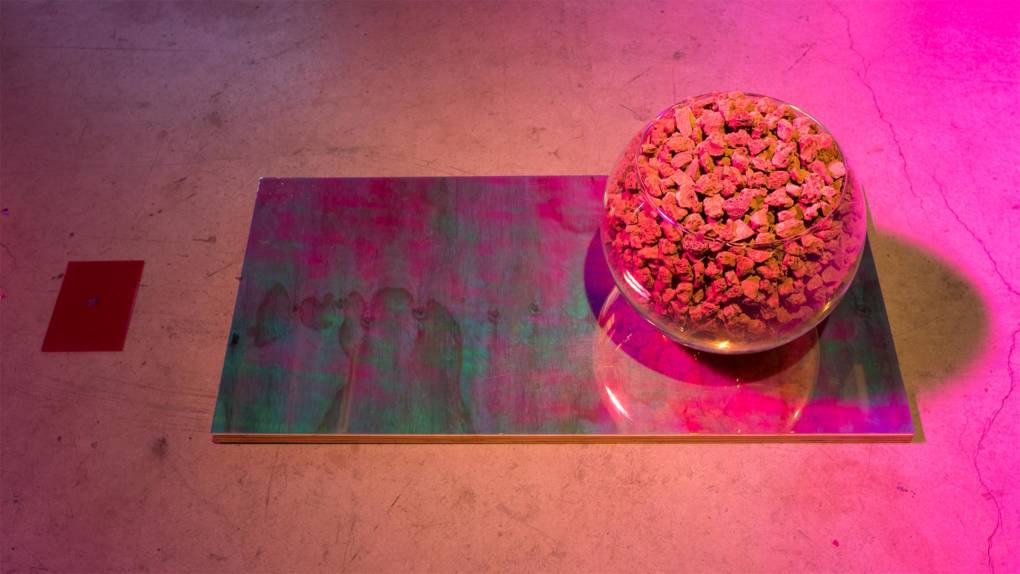
"caption": "Lisa Jonas Taylor, 'Portal,' 2018, plexiglass, vinyl, confetti, plywood, carpet, floor lamp, red bulb (detail). Installation view from 'Spirited Probabilities' at Southern Exposure in San Francisco.",
"description": "Lisa Jonas Taylor, Portal, 2018, plexiglass, vinyl, confetti, plywood, carpet, floor lamp, red bulb (detail). Installation view from 'Spirited Probabilities' at Southern Exposure in San Francisco.",
"title": "LJT_0776",
"credit": "Photo: Mik Gaspay",
"status": "inherit",
"isLoading": false,
"fetchFailed": false
},
"arts_13825682": {
"type": "attachments",
"id": "arts_13825682",
"meta": {
"index": "attachments_1716263798",
"site": "arts",
"id": "13825682",
"found": true
},
"parent": 13825649,
"imgSizes": {
"small": {
"file": "https://ww2.kqed.org/app/uploads/sites/2/2018/02/PhelanAvenue-520x293.jpg",
"width": 520,
"mimeType": "image/jpeg",
"height": 293
},
"thumbnail": {
"file": "https://ww2.kqed.org/app/uploads/sites/2/2018/02/PhelanAvenue-160x90.jpg",
"width": 160,
"mimeType": "image/jpeg",
"height": 90
},
"post-thumbnail": {
"file": "https://ww2.kqed.org/app/uploads/sites/2/2018/02/PhelanAvenue-672x372.jpg",
"width": 672,
"mimeType": "image/jpeg",
"height": 372
},
"xsmall": {
"file": "https://ww2.kqed.org/app/uploads/sites/2/2018/02/PhelanAvenue-375x211.jpg",
"width": 375,
"mimeType": "image/jpeg",
"height": 211
},
"kqedFullSize": {
"file": "https://ww2.kqed.org/app/uploads/sites/2/2018/02/PhelanAvenue.jpg",
"width": 876,
"height": 493
},
"guest-author-50": {
"file": "https://ww2.kqed.org/app/uploads/sites/2/2018/02/PhelanAvenue-50x50.jpg",
"width": 50,
"mimeType": "image/jpeg",
"height": 50
},
"guest-author-96": {
"file": "https://ww2.kqed.org/app/uploads/sites/2/2018/02/PhelanAvenue-96x96.jpg",
"width": 96,
"mimeType": "image/jpeg",
"height": 96
},
"medium": {
"file": "https://ww2.kqed.org/app/uploads/sites/2/2018/02/PhelanAvenue-800x450.jpg",
"width": 800,
"mimeType": "image/jpeg",
"height": 450
},
"guest-author-64": {
"file": "https://ww2.kqed.org/app/uploads/sites/2/2018/02/PhelanAvenue-64x64.jpg",
"width": 64,
"mimeType": "image/jpeg",
"height": 64
},
"guest-author-32": {
"file": "https://ww2.kqed.org/app/uploads/sites/2/2018/02/PhelanAvenue-32x32.jpg",
"width": 32,
"mimeType": "image/jpeg",
"height": 32
},
"detail": {
"file": "https://ww2.kqed.org/app/uploads/sites/2/2018/02/PhelanAvenue-150x150.jpg",
"width": 150,
"mimeType": "image/jpeg",
"height": 150
},
"medium_large": {
"file": "https://ww2.kqed.org/app/uploads/sites/2/2018/02/PhelanAvenue-768x432.jpg",
"width": 768,
"mimeType": "image/jpeg",
"height": 432
},
"guest-author-128": {
"file": "https://ww2.kqed.org/app/uploads/sites/2/2018/02/PhelanAvenue-128x128.jpg",
"width": 128,
"mimeType": "image/jpeg",
"height": 128
},
"xxsmall": {
"file": "https://ww2.kqed.org/app/uploads/sites/2/2018/02/PhelanAvenue-240x135.jpg",
"width": 240,
"mimeType": "image/jpeg",
"height": 135
}
},
"publishDate": 1519687150,
"modified": 1519687331,
"caption": "Phelan Avenue in 2017",
"description": "Phelan Avenue in 2017",
"title": "PhelanAvenue",
"credit": "via Google Maps",
"status": "inherit",
"isLoading": false,
"fetchFailed": false
},
"arts_12250241": {
"type": "attachments",
"id": "arts_12250241",
"meta": {
"index": "attachments_1716263798",
"site": "arts",
"id": "12250241",
"found": true
},
"parent": 12250031,
"imgSizes": {
"small": {
"file": "https://ww2.kqed.org/app/uploads/sites/2/2016/10/art1-520x347.jpg",
"width": 520,
"mimeType": "image/jpeg",
"height": 347
},
"twentyfourteen-full-width": {
"file": "https://ww2.kqed.org/app/uploads/sites/2/2016/10/art1-1038x576.jpg",
"width": 1038,
"mimeType": "image/jpeg",
"height": 576
},
"thumbnail": {
"file": "https://ww2.kqed.org/app/uploads/sites/2/2016/10/art1-160x107.jpg",
"width": 160,
"mimeType": "image/jpeg",
"height": 107
},
"fd-sm": {
"file": "https://ww2.kqed.org/app/uploads/sites/2/2016/10/art1-960x640.jpg",
"width": 960,
"mimeType": "image/jpeg",
"height": 640
},
"post-thumbnail": {
"file": "https://ww2.kqed.org/app/uploads/sites/2/2016/10/art1-672x372.jpg",
"width": 672,
"mimeType": "image/jpeg",
"height": 372
},
"xsmall": {
"file": "https://ww2.kqed.org/app/uploads/sites/2/2016/10/art1-375x250.jpg",
"width": 375,
"mimeType": "image/jpeg",
"height": 250
},
"kqedFullSize": {
"file": "https://ww2.kqed.org/app/uploads/sites/2/2016/10/art1.jpg",
"width": 1140,
"height": 760
},
"large": {
"file": "https://ww2.kqed.org/app/uploads/sites/2/2016/10/art1-1020x680.jpg",
"width": 1020,
"mimeType": "image/jpeg",
"height": 680
},
"guest-author-50": {
"file": "https://ww2.kqed.org/app/uploads/sites/2/2016/10/art1-50x50.jpg",
"width": 50,
"mimeType": "image/jpeg",
"height": 50
},
"guest-author-96": {
"file": "https://ww2.kqed.org/app/uploads/sites/2/2016/10/art1-96x96.jpg",
"width": 96,
"mimeType": "image/jpeg",
"height": 96
},
"medium": {
"file": "https://ww2.kqed.org/app/uploads/sites/2/2016/10/art1-800x533.jpg",
"width": 800,
"mimeType": "image/jpeg",
"height": 533
},
"guest-author-64": {
"file": "https://ww2.kqed.org/app/uploads/sites/2/2016/10/art1-64x64.jpg",
"width": 64,
"mimeType": "image/jpeg",
"height": 64
},
"guest-author-32": {
"file": "https://ww2.kqed.org/app/uploads/sites/2/2016/10/art1-32x32.jpg",
"width": 32,
"mimeType": "image/jpeg",
"height": 32
},
"detail": {
"file": "https://ww2.kqed.org/app/uploads/sites/2/2016/10/art1-150x150.jpg",
"width": 150,
"mimeType": "image/jpeg",
"height": 150
},
"medium_large": {
"file": "https://ww2.kqed.org/app/uploads/sites/2/2016/10/art1-768x512.jpg",
"width": 768,
"mimeType": "image/jpeg",
"height": 512
},
"guest-author-128": {
"file": "https://ww2.kqed.org/app/uploads/sites/2/2016/10/art1-128x128.jpg",
"width": 128,
"mimeType": "image/jpeg",
"height": 128
},
"xxsmall": {
"file": "https://ww2.kqed.org/app/uploads/sites/2/2016/10/art1-240x160.jpg",
"width": 240,
"mimeType": "image/jpeg",
"height": 160
}
},
"publishDate": 1477331955,
"modified": 1518808437,
"caption": "BayviewLIVE in Hunters Point, Oct. 22, 2016. ",
"description": "BayviewLIVE in Hunters Point, Oct. 22, 2016. ",
"title": "art1",
"credit": "L. Herrada-Rios for KQED",
"status": "inherit",
"isLoading": false,
"fetchFailed": false
},
"arts_13824794": {
"type": "attachments",
"id": "arts_13824794",
"meta": {
"index": "attachments_1716263798",
"site": "arts",
"id": "13824794",
"found": true
},
"parent": 13824790,
"imgSizes": {
"small": {
"file": "https://ww2.kqed.org/app/uploads/sites/2/2018/02/Kerry-Tribe_Standardized-Patient_COVER-520x293.jpg",
"width": 520,
"mimeType": "image/jpeg",
"height": 293
},
"twentyfourteen-full-width": {
"file": "https://ww2.kqed.org/app/uploads/sites/2/2018/02/Kerry-Tribe_Standardized-Patient_COVER-1038x576.jpg",
"width": 1038,
"mimeType": "image/jpeg",
"height": 576
},
"thumbnail": {
"file": "https://ww2.kqed.org/app/uploads/sites/2/2018/02/Kerry-Tribe_Standardized-Patient_COVER-160x90.jpg",
"width": 160,
"mimeType": "image/jpeg",
"height": 90
},
"fd-sm": {
"file": "https://ww2.kqed.org/app/uploads/sites/2/2018/02/Kerry-Tribe_Standardized-Patient_COVER-960x540.jpg",
"width": 960,
"mimeType": "image/jpeg",
"height": 540
},
"post-thumbnail": {
"file": "https://ww2.kqed.org/app/uploads/sites/2/2018/02/Kerry-Tribe_Standardized-Patient_COVER-672x372.jpg",
"width": 672,
"mimeType": "image/jpeg",
"height": 372
},
"xsmall": {
"file": "https://ww2.kqed.org/app/uploads/sites/2/2018/02/Kerry-Tribe_Standardized-Patient_COVER-375x211.jpg",
"width": 375,
"mimeType": "image/jpeg",
"height": 211
},
"kqedFullSize": {
"file": "https://ww2.kqed.org/app/uploads/sites/2/2018/02/Kerry-Tribe_Standardized-Patient_COVER.jpg",
"width": 1920,
"height": 1080
},
"large": {
"file": "https://ww2.kqed.org/app/uploads/sites/2/2018/02/Kerry-Tribe_Standardized-Patient_COVER-1020x574.jpg",
"width": 1020,
"mimeType": "image/jpeg",
"height": 574
},
"xlarge": {
"file": "https://ww2.kqed.org/app/uploads/sites/2/2018/02/Kerry-Tribe_Standardized-Patient_COVER-1180x664.jpg",
"width": 1180,
"mimeType": "image/jpeg",
"height": 664
},
"guest-author-50": {
"file": "https://ww2.kqed.org/app/uploads/sites/2/2018/02/Kerry-Tribe_Standardized-Patient_COVER-50x50.jpg",
"width": 50,
"mimeType": "image/jpeg",
"height": 50
},
"guest-author-96": {
"file": "https://ww2.kqed.org/app/uploads/sites/2/2018/02/Kerry-Tribe_Standardized-Patient_COVER-96x96.jpg",
"width": 96,
"mimeType": "image/jpeg",
"height": 96
},
"medium": {
"file": "https://ww2.kqed.org/app/uploads/sites/2/2018/02/Kerry-Tribe_Standardized-Patient_COVER-800x450.jpg",
"width": 800,
"mimeType": "image/jpeg",
"height": 450
},
"guest-author-64": {
"file": "https://ww2.kqed.org/app/uploads/sites/2/2018/02/Kerry-Tribe_Standardized-Patient_COVER-64x64.jpg",
"width": 64,
"mimeType": "image/jpeg",
"height": 64
},
"guest-author-32": {
"file": "https://ww2.kqed.org/app/uploads/sites/2/2018/02/Kerry-Tribe_Standardized-Patient_COVER-32x32.jpg",
"width": 32,
"mimeType": "image/jpeg",
"height": 32
},
"fd-lrg": {
"file": "https://ww2.kqed.org/app/uploads/sites/2/2018/02/Kerry-Tribe_Standardized-Patient_COVER-1920x1080.jpg",
"width": 1920,
"mimeType": "image/jpeg",
"height": 1080
},
"fd-med": {
"file": "https://ww2.kqed.org/app/uploads/sites/2/2018/02/Kerry-Tribe_Standardized-Patient_COVER-1180x664.jpg",
"width": 1180,
"mimeType": "image/jpeg",
"height": 664
},
"full-width": {
"file": "https://ww2.kqed.org/app/uploads/sites/2/2018/02/Kerry-Tribe_Standardized-Patient_COVER-1920x1080.jpg",
"width": 1920,
"mimeType": "image/jpeg",
"height": 1080
},
"detail": {
"file": "https://ww2.kqed.org/app/uploads/sites/2/2018/02/Kerry-Tribe_Standardized-Patient_COVER-150x150.jpg",
"width": 150,
"mimeType": "image/jpeg",
"height": 150
},
"medium_large": {
"file": "https://ww2.kqed.org/app/uploads/sites/2/2018/02/Kerry-Tribe_Standardized-Patient_COVER-768x432.jpg",
"width": 768,
"mimeType": "image/jpeg",
"height": 432
},
"guest-author-128": {
"file": "https://ww2.kqed.org/app/uploads/sites/2/2018/02/Kerry-Tribe_Standardized-Patient_COVER-128x128.jpg",
"width": 128,
"mimeType": "image/jpeg",
"height": 128
},
"xxsmall": {
"file": "https://ww2.kqed.org/app/uploads/sites/2/2018/02/Kerry-Tribe_Standardized-Patient_COVER-240x135.jpg",
"width": 240,
"mimeType": "image/jpeg",
"height": 135
}
},
"publishDate": 1518743831,
"modified": 1518743944,
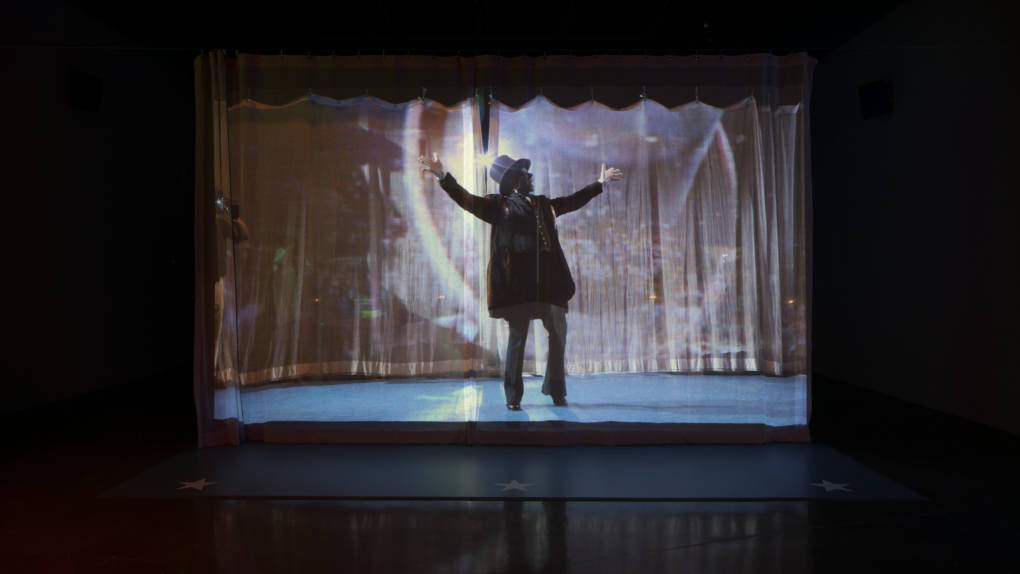
"caption": "Kerry Tribe, 'Standardized Patient' (production still), 2017; Commissioned by SFMOMA.",
"description": "Kerry Tribe, 'Standardized Patient' (production still), 2017; Commissioned by SFMOMA.",
"title": "Kerry Tribe_Standardized Patient_COVER",
"credit": "Courtesy of the artist and 1301PE, Los Angles; Photo by Katherine Du Tiel",
"status": "inherit",
"isLoading": false,
"fetchFailed": false
},
"arts_13824774": {
"type": "attachments",
"id": "arts_13824774",
"meta": {
"index": "attachments_1716263798",
"site": "arts",
"id": "13824774",
"found": true
},
"parent": 13824762,
"imgSizes": {
"small": {
"file": "https://ww2.kqed.org/app/uploads/sites/2/2018/02/Fontana_Pier-2_COVER-1-520x293.jpg",
"width": 520,
"mimeType": "image/jpeg",
"height": 293
},
"twentyfourteen-full-width": {
"file": "https://ww2.kqed.org/app/uploads/sites/2/2018/02/Fontana_Pier-2_COVER-1-1038x576.jpg",
"width": 1038,
"mimeType": "image/jpeg",
"height": 576
},
"thumbnail": {
"file": "https://ww2.kqed.org/app/uploads/sites/2/2018/02/Fontana_Pier-2_COVER-1-160x90.jpg",
"width": 160,
"mimeType": "image/jpeg",
"height": 90
},
"fd-sm": {
"file": "https://ww2.kqed.org/app/uploads/sites/2/2018/02/Fontana_Pier-2_COVER-1-960x540.jpg",
"width": 960,
"mimeType": "image/jpeg",
"height": 540
},
"post-thumbnail": {
"file": "https://ww2.kqed.org/app/uploads/sites/2/2018/02/Fontana_Pier-2_COVER-1-672x372.jpg",
"width": 672,
"mimeType": "image/jpeg",
"height": 372
},
"xsmall": {
"file": "https://ww2.kqed.org/app/uploads/sites/2/2018/02/Fontana_Pier-2_COVER-1-375x211.jpg",
"width": 375,
"mimeType": "image/jpeg",
"height": 211
},
"kqedFullSize": {
"file": "https://ww2.kqed.org/app/uploads/sites/2/2018/02/Fontana_Pier-2_COVER-1.jpg",
"width": 1920,
"height": 1080
},
"large": {
"file": "https://ww2.kqed.org/app/uploads/sites/2/2018/02/Fontana_Pier-2_COVER-1-1020x574.jpg",
"width": 1020,
"mimeType": "image/jpeg",
"height": 574
},
"xlarge": {
"file": "https://ww2.kqed.org/app/uploads/sites/2/2018/02/Fontana_Pier-2_COVER-1-1180x664.jpg",
"width": 1180,
"mimeType": "image/jpeg",
"height": 664
},
"guest-author-50": {
"file": "https://ww2.kqed.org/app/uploads/sites/2/2018/02/Fontana_Pier-2_COVER-1-50x50.jpg",
"width": 50,
"mimeType": "image/jpeg",
"height": 50
},
"guest-author-96": {
"file": "https://ww2.kqed.org/app/uploads/sites/2/2018/02/Fontana_Pier-2_COVER-1-96x96.jpg",
"width": 96,
"mimeType": "image/jpeg",
"height": 96
},
"medium": {
"file": "https://ww2.kqed.org/app/uploads/sites/2/2018/02/Fontana_Pier-2_COVER-1-800x450.jpg",
"width": 800,
"mimeType": "image/jpeg",
"height": 450
},
"guest-author-64": {
"file": "https://ww2.kqed.org/app/uploads/sites/2/2018/02/Fontana_Pier-2_COVER-1-64x64.jpg",
"width": 64,
"mimeType": "image/jpeg",
"height": 64
},
"guest-author-32": {
"file": "https://ww2.kqed.org/app/uploads/sites/2/2018/02/Fontana_Pier-2_COVER-1-32x32.jpg",
"width": 32,
"mimeType": "image/jpeg",
"height": 32
},
"fd-lrg": {
"file": "https://ww2.kqed.org/app/uploads/sites/2/2018/02/Fontana_Pier-2_COVER-1-1920x1080.jpg",
"width": 1920,
"mimeType": "image/jpeg",
"height": 1080
},
"fd-med": {
"file": "https://ww2.kqed.org/app/uploads/sites/2/2018/02/Fontana_Pier-2_COVER-1-1180x664.jpg",
"width": 1180,
"mimeType": "image/jpeg",
"height": 664
},
"full-width": {
"file": "https://ww2.kqed.org/app/uploads/sites/2/2018/02/Fontana_Pier-2_COVER-1-1920x1080.jpg",
"width": 1920,
"mimeType": "image/jpeg",
"height": 1080
},
"detail": {
"file": "https://ww2.kqed.org/app/uploads/sites/2/2018/02/Fontana_Pier-2_COVER-1-150x150.jpg",
"width": 150,
"mimeType": "image/jpeg",
"height": 150
},
"medium_large": {
"file": "https://ww2.kqed.org/app/uploads/sites/2/2018/02/Fontana_Pier-2_COVER-1-768x432.jpg",
"width": 768,
"mimeType": "image/jpeg",
"height": 432
},
"guest-author-128": {
"file": "https://ww2.kqed.org/app/uploads/sites/2/2018/02/Fontana_Pier-2_COVER-1-128x128.jpg",
"width": 128,
"mimeType": "image/jpeg",
"height": 128
},
"xxsmall": {
"file": "https://ww2.kqed.org/app/uploads/sites/2/2018/02/Fontana_Pier-2_COVER-1-240x135.jpg",
"width": 240,
"mimeType": "image/jpeg",
"height": 135
}
},
"publishDate": 1518740264,
"modified": 1518740361,
"caption": "Bill Fontana, Installation view of 'Landscape Sculpture with Foghorns,' 1981.",
"description": "Bill Fontana, Installation view of 'Landscape Sculpture with Foghorns,' 1981.",
"title": "Fontana_Pier-2_COVER",
"credit": "Photo by Bill Fontana",
"status": "inherit",
"isLoading": false,
"fetchFailed": false
},
"arts_13824872": {
"type": "attachments",
"id": "arts_13824872",
"meta": {
"index": "attachments_1716263798",
"site": "arts",
"id": "13824872",
"found": true
},
"parent": 13824871,
"imgSizes": {
"small": {
"file": "https://ww2.kqed.org/app/uploads/sites/2/2018/02/mld-01496_r-7c2625eac504651b9129d8dc20eb9198c8976acb-520x390.jpg",
"width": 520,
"mimeType": "image/jpeg",
"height": 390
},
"twentyfourteen-full-width": {
"file": "https://ww2.kqed.org/app/uploads/sites/2/2018/02/mld-01496_r-7c2625eac504651b9129d8dc20eb9198c8976acb-1038x576.jpg",
"width": 1038,
"mimeType": "image/jpeg",
"height": 576
},
"thumbnail": {
"file": "https://ww2.kqed.org/app/uploads/sites/2/2018/02/mld-01496_r-7c2625eac504651b9129d8dc20eb9198c8976acb-160x120.jpg",
"width": 160,
"mimeType": "image/jpeg",
"height": 120
},
"fd-sm": {
"file": "https://ww2.kqed.org/app/uploads/sites/2/2018/02/mld-01496_r-7c2625eac504651b9129d8dc20eb9198c8976acb-960x720.jpg",
"width": 960,
"mimeType": "image/jpeg",
"height": 720
},
"post-thumbnail": {
"file": "https://ww2.kqed.org/app/uploads/sites/2/2018/02/mld-01496_r-7c2625eac504651b9129d8dc20eb9198c8976acb-672x372.jpg",
"width": 672,
"mimeType": "image/jpeg",
"height": 372
},
"xsmall": {
"file": "https://ww2.kqed.org/app/uploads/sites/2/2018/02/mld-01496_r-7c2625eac504651b9129d8dc20eb9198c8976acb-375x281.jpg",
"width": 375,
"mimeType": "image/jpeg",
"height": 281
},
"kqedFullSize": {
"file": "https://ww2.kqed.org/app/uploads/sites/2/2018/02/mld-01496_r-7c2625eac504651b9129d8dc20eb9198c8976acb.jpg",
"width": 2048,
"height": 1536
},
"large": {
"file": "https://ww2.kqed.org/app/uploads/sites/2/2018/02/mld-01496_r-7c2625eac504651b9129d8dc20eb9198c8976acb-1020x765.jpg",
"width": 1020,
"mimeType": "image/jpeg",
"height": 765
},
"xlarge": {
"file": "https://ww2.kqed.org/app/uploads/sites/2/2018/02/mld-01496_r-7c2625eac504651b9129d8dc20eb9198c8976acb-1180x885.jpg",
"width": 1180,
"mimeType": "image/jpeg",
"height": 885
},
"guest-author-50": {
"file": "https://ww2.kqed.org/app/uploads/sites/2/2018/02/mld-01496_r-7c2625eac504651b9129d8dc20eb9198c8976acb-50x50.jpg",
"width": 50,
"mimeType": "image/jpeg",
"height": 50
},
"guest-author-96": {
"file": "https://ww2.kqed.org/app/uploads/sites/2/2018/02/mld-01496_r-7c2625eac504651b9129d8dc20eb9198c8976acb-96x96.jpg",
"width": 96,
"mimeType": "image/jpeg",
"height": 96
},
"medium": {
"file": "https://ww2.kqed.org/app/uploads/sites/2/2018/02/mld-01496_r-7c2625eac504651b9129d8dc20eb9198c8976acb-800x600.jpg",
"width": 800,
"mimeType": "image/jpeg",
"height": 600
},
"guest-author-64": {
"file": "https://ww2.kqed.org/app/uploads/sites/2/2018/02/mld-01496_r-7c2625eac504651b9129d8dc20eb9198c8976acb-64x64.jpg",
"width": 64,
"mimeType": "image/jpeg",
"height": 64
},
"guest-author-32": {
"file": "https://ww2.kqed.org/app/uploads/sites/2/2018/02/mld-01496_r-7c2625eac504651b9129d8dc20eb9198c8976acb-32x32.jpg",
"width": 32,
"mimeType": "image/jpeg",
"height": 32
},
"fd-lrg": {
"file": "https://ww2.kqed.org/app/uploads/sites/2/2018/02/mld-01496_r-7c2625eac504651b9129d8dc20eb9198c8976acb-1920x1440.jpg",
"width": 1920,
"mimeType": "image/jpeg",
"height": 1440
},
"fd-med": {
"file": "https://ww2.kqed.org/app/uploads/sites/2/2018/02/mld-01496_r-7c2625eac504651b9129d8dc20eb9198c8976acb-1180x885.jpg",
"width": 1180,
"mimeType": "image/jpeg",
"height": 885
},
"full-width": {
"file": "https://ww2.kqed.org/app/uploads/sites/2/2018/02/mld-01496_r-7c2625eac504651b9129d8dc20eb9198c8976acb-1920x1440.jpg",
"width": 1920,
"mimeType": "image/jpeg",
"height": 1440
},
"detail": {
"file": "https://ww2.kqed.org/app/uploads/sites/2/2018/02/mld-01496_r-7c2625eac504651b9129d8dc20eb9198c8976acb-150x150.jpg",
"width": 150,
"mimeType": "image/jpeg",
"height": 150
},
"medium_large": {
"file": "https://ww2.kqed.org/app/uploads/sites/2/2018/02/mld-01496_r-7c2625eac504651b9129d8dc20eb9198c8976acb-768x576.jpg",
"width": 768,
"mimeType": "image/jpeg",
"height": 576
},
"guest-author-128": {
"file": "https://ww2.kqed.org/app/uploads/sites/2/2018/02/mld-01496_r-7c2625eac504651b9129d8dc20eb9198c8976acb-128x128.jpg",
"width": 128,
"mimeType": "image/jpeg",
"height": 128
},
"xxsmall": {
"file": "https://ww2.kqed.org/app/uploads/sites/2/2018/02/mld-01496_r-7c2625eac504651b9129d8dc20eb9198c8976acb-240x180.jpg",
"width": 240,
"mimeType": "image/jpeg",
"height": 180
}
},
"publishDate": 1518816936,
"modified": 1518817829,
"caption": "The triangular patterns visible in Chadwick Boseman's Black Panther suit reflect what costume designer Ruth Carter calls \"the sacred geometry of Africa.\"",
"description": "The triangular patterns visible in Chadwick Boseman's Black Panther suit reflect what costume designer Ruth Carter calls \"the sacred geometry of Africa.\"",
"title": "The triangular patterns visible in Chadwick Boseman's Black Panther suit reflect what costume designer Ruth Carter calls \"the sacred geometry of Africa.\"",
"credit": "Matt Kennedy/Marvel Studios",
"status": "inherit",
"isLoading": false,
"fetchFailed": false
},
"arts_13824807": {
"type": "attachments",
"id": "arts_13824807",
"meta": {
"index": "attachments_1716263798",
"site": "arts",
"id": "13824807",
"found": true
},
"parent": 13824746,
"imgSizes": {
"small": {
"file": "https://ww2.kqed.org/app/uploads/sites/2/2018/02/DestinyforKQED-520x293.jpg",
"width": 520,
"mimeType": "image/jpeg",
"height": 293
},
"twentyfourteen-full-width": {
"file": "https://ww2.kqed.org/app/uploads/sites/2/2018/02/DestinyforKQED-1038x576.jpg",
"width": 1038,
"mimeType": "image/jpeg",
"height": 576
},
"thumbnail": {
"file": "https://ww2.kqed.org/app/uploads/sites/2/2018/02/DestinyforKQED-160x90.jpg",
"width": 160,
"mimeType": "image/jpeg",
"height": 90
},
"fd-sm": {
"file": "https://ww2.kqed.org/app/uploads/sites/2/2018/02/DestinyforKQED-960x540.jpg",
"width": 960,
"mimeType": "image/jpeg",
"height": 540
},
"post-thumbnail": {
"file": "https://ww2.kqed.org/app/uploads/sites/2/2018/02/DestinyforKQED-672x372.jpg",
"width": 672,
"mimeType": "image/jpeg",
"height": 372
},
"xsmall": {
"file": "https://ww2.kqed.org/app/uploads/sites/2/2018/02/DestinyforKQED-375x211.jpg",
"width": 375,
"mimeType": "image/jpeg",
"height": 211
},
"kqedFullSize": {
"file": "https://ww2.kqed.org/app/uploads/sites/2/2018/02/DestinyforKQED.jpg",
"width": 1920,
"height": 1080
},
"large": {
"file": "https://ww2.kqed.org/app/uploads/sites/2/2018/02/DestinyforKQED-1020x574.jpg",
"width": 1020,
"mimeType": "image/jpeg",
"height": 574
},
"xlarge": {
"file": "https://ww2.kqed.org/app/uploads/sites/2/2018/02/DestinyforKQED-1180x664.jpg",
"width": 1180,
"mimeType": "image/jpeg",
"height": 664
},
"guest-author-50": {
"file": "https://ww2.kqed.org/app/uploads/sites/2/2018/02/DestinyforKQED-50x50.jpg",
"width": 50,
"mimeType": "image/jpeg",
"height": 50
},
"guest-author-96": {
"file": "https://ww2.kqed.org/app/uploads/sites/2/2018/02/DestinyforKQED-96x96.jpg",
"width": 96,
"mimeType": "image/jpeg",
"height": 96
},
"medium": {
"file": "https://ww2.kqed.org/app/uploads/sites/2/2018/02/DestinyforKQED-800x450.jpg",
"width": 800,
"mimeType": "image/jpeg",
"height": 450
},
"guest-author-64": {
"file": "https://ww2.kqed.org/app/uploads/sites/2/2018/02/DestinyforKQED-64x64.jpg",
"width": 64,
"mimeType": "image/jpeg",
"height": 64
},
"guest-author-32": {
"file": "https://ww2.kqed.org/app/uploads/sites/2/2018/02/DestinyforKQED-32x32.jpg",
"width": 32,
"mimeType": "image/jpeg",
"height": 32
},
"fd-lrg": {
"file": "https://ww2.kqed.org/app/uploads/sites/2/2018/02/DestinyforKQED-1920x1080.jpg",
"width": 1920,
"mimeType": "image/jpeg",
"height": 1080
},
"fd-med": {
"file": "https://ww2.kqed.org/app/uploads/sites/2/2018/02/DestinyforKQED-1180x664.jpg",
"width": 1180,
"mimeType": "image/jpeg",
"height": 664
},
"full-width": {
"file": "https://ww2.kqed.org/app/uploads/sites/2/2018/02/DestinyforKQED-1920x1080.jpg",
"width": 1920,
"mimeType": "image/jpeg",
"height": 1080
},
"detail": {
"file": "https://ww2.kqed.org/app/uploads/sites/2/2018/02/DestinyforKQED-150x150.jpg",
"width": 150,
"mimeType": "image/jpeg",
"height": 150
},
"medium_large": {
"file": "https://ww2.kqed.org/app/uploads/sites/2/2018/02/DestinyforKQED-768x432.jpg",
"width": 768,
"mimeType": "image/jpeg",
"height": 432
},
"guest-author-128": {
"file": "https://ww2.kqed.org/app/uploads/sites/2/2018/02/DestinyforKQED-128x128.jpg",
"width": 128,
"mimeType": "image/jpeg",
"height": 128
},
"xxsmall": {
"file": "https://ww2.kqed.org/app/uploads/sites/2/2018/02/DestinyforKQED-240x135.jpg",
"width": 240,
"mimeType": "image/jpeg",
"height": 135
}
},
"publishDate": 1518748691,
"modified": 1518748739,
"caption": null,
"description": "Destiny Johnson, student artist with the Oakland Super Heroes Mural Project",
"title": "DestinyforKQED",
"credit": null,
"status": "inherit",
"isLoading": false,
"fetchFailed": false
},
"arts_13824692": {
"type": "attachments",
"id": "arts_13824692",
"meta": {
"index": "attachments_1716263798",
"site": "arts",
"id": "13824692",
"found": true
},
"parent": 13824683,
"imgSizes": {
"small": {
"file": "https://ww2.kqed.org/app/uploads/sites/2/2018/02/Undocujoy_COVER-520x293.jpg",
"width": 520,
"mimeType": "image/jpeg",
"height": 293
},
"twentyfourteen-full-width": {
"file": "https://ww2.kqed.org/app/uploads/sites/2/2018/02/Undocujoy_COVER-1038x576.jpg",
"width": 1038,
"mimeType": "image/jpeg",
"height": 576
},
"thumbnail": {
"file": "https://ww2.kqed.org/app/uploads/sites/2/2018/02/Undocujoy_COVER-160x90.jpg",
"width": 160,
"mimeType": "image/jpeg",
"height": 90
},
"fd-sm": {
"file": "https://ww2.kqed.org/app/uploads/sites/2/2018/02/Undocujoy_COVER-960x540.jpg",
"width": 960,
"mimeType": "image/jpeg",
"height": 540
},
"post-thumbnail": {
"file": "https://ww2.kqed.org/app/uploads/sites/2/2018/02/Undocujoy_COVER-672x372.jpg",
"width": 672,
"mimeType": "image/jpeg",
"height": 372
},
"xsmall": {
"file": "https://ww2.kqed.org/app/uploads/sites/2/2018/02/Undocujoy_COVER-375x211.jpg",
"width": 375,
"mimeType": "image/jpeg",
"height": 211
},
"kqedFullSize": {
"file": "https://ww2.kqed.org/app/uploads/sites/2/2018/02/Undocujoy_COVER.jpg",
"width": 1920,
"height": 1080
},
"large": {
"file": "https://ww2.kqed.org/app/uploads/sites/2/2018/02/Undocujoy_COVER-1020x574.jpg",
"width": 1020,
"mimeType": "image/jpeg",
"height": 574
},
"xlarge": {
"file": "https://ww2.kqed.org/app/uploads/sites/2/2018/02/Undocujoy_COVER-1180x664.jpg",
"width": 1180,
"mimeType": "image/jpeg",
"height": 664
},
"guest-author-50": {
"file": "https://ww2.kqed.org/app/uploads/sites/2/2018/02/Undocujoy_COVER-50x50.jpg",
"width": 50,
"mimeType": "image/jpeg",
"height": 50
},
"guest-author-96": {
"file": "https://ww2.kqed.org/app/uploads/sites/2/2018/02/Undocujoy_COVER-96x96.jpg",
"width": 96,
"mimeType": "image/jpeg",
"height": 96
},
"medium": {
"file": "https://ww2.kqed.org/app/uploads/sites/2/2018/02/Undocujoy_COVER-800x450.jpg",
"width": 800,
"mimeType": "image/jpeg",
"height": 450
},
"guest-author-64": {
"file": "https://ww2.kqed.org/app/uploads/sites/2/2018/02/Undocujoy_COVER-64x64.jpg",
"width": 64,
"mimeType": "image/jpeg",
"height": 64
},
"guest-author-32": {
"file": "https://ww2.kqed.org/app/uploads/sites/2/2018/02/Undocujoy_COVER-32x32.jpg",
"width": 32,
"mimeType": "image/jpeg",
"height": 32
},
"fd-lrg": {
"file": "https://ww2.kqed.org/app/uploads/sites/2/2018/02/Undocujoy_COVER-1920x1080.jpg",
"width": 1920,
"mimeType": "image/jpeg",
"height": 1080
},
"fd-med": {
"file": "https://ww2.kqed.org/app/uploads/sites/2/2018/02/Undocujoy_COVER-1180x664.jpg",
"width": 1180,
"mimeType": "image/jpeg",
"height": 664
},
"full-width": {
"file": "https://ww2.kqed.org/app/uploads/sites/2/2018/02/Undocujoy_COVER-1920x1080.jpg",
"width": 1920,
"mimeType": "image/jpeg",
"height": 1080
},
"detail": {
"file": "https://ww2.kqed.org/app/uploads/sites/2/2018/02/Undocujoy_COVER-150x150.jpg",
"width": 150,
"mimeType": "image/jpeg",
"height": 150
},
"medium_large": {
"file": "https://ww2.kqed.org/app/uploads/sites/2/2018/02/Undocujoy_COVER-768x432.jpg",
"width": 768,
"mimeType": "image/jpeg",
"height": 432
},
"guest-author-128": {
"file": "https://ww2.kqed.org/app/uploads/sites/2/2018/02/Undocujoy_COVER-128x128.jpg",
"width": 128,
"mimeType": "image/jpeg",
"height": 128
},
"xxsmall": {
"file": "https://ww2.kqed.org/app/uploads/sites/2/2018/02/Undocujoy_COVER-240x135.jpg",
"width": 240,
"mimeType": "image/jpeg",
"height": 135
}
},
"publishDate": 1518716680,
"modified": 1518721274,
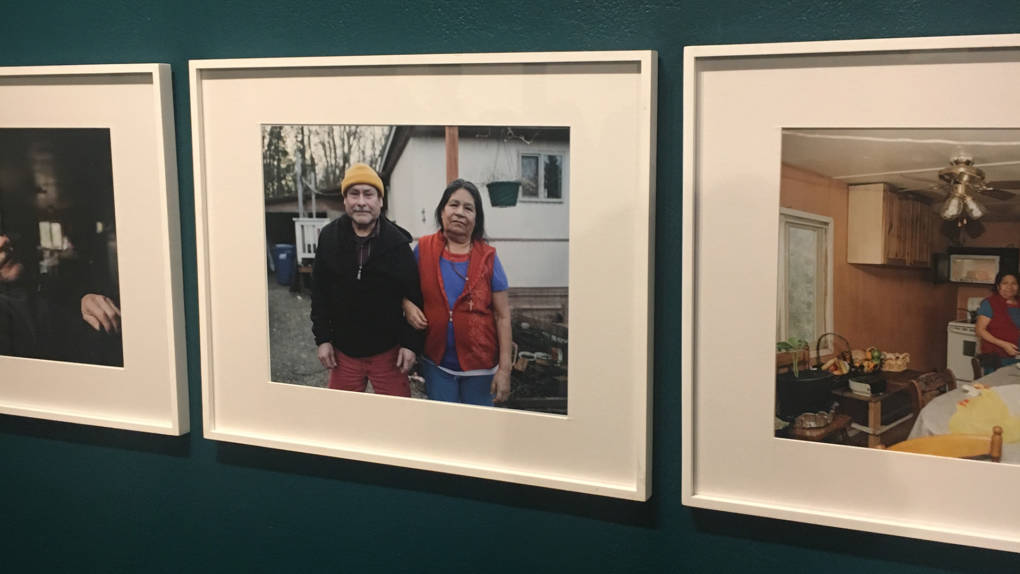
"caption": "Photography by Leo Carmona on view in '#UndocuJoy' at Galería de la Raza.",
"description": "Photography by Leo Carmona on view in '#UndocuJoy' at Galería de la Raza.",
"title": "Undocujoy_COVER",
"credit": "Courtesy of Define American",
"status": "inherit",
"isLoading": false,
"fetchFailed": false
},
"arts_13824374": {
"type": "attachments",
"id": "arts_13824374",
"meta": {
"index": "attachments_1716263798",
"site": "arts",
"id": "13824374",
"found": true
},
"parent": 0,
"imgSizes": {
"small": {
"file": "https://ww2.kqed.org/app/uploads/sites/2/2018/02/Arceneaux-Until-1-e1518635998952-520x293.jpeg",
"width": 520,
"mimeType": "image/jpeg",
"height": 293
},
"twentyfourteen-full-width": {
"file": "https://ww2.kqed.org/app/uploads/sites/2/2018/02/Arceneaux-Until-1-e1518635998952-1038x576.jpeg",
"width": 1038,
"mimeType": "image/jpeg",
"height": 576
},
"thumbnail": {
"file": "https://ww2.kqed.org/app/uploads/sites/2/2018/02/Arceneaux-Until-1-e1518635998952-160x90.jpeg",
"width": 160,
"mimeType": "image/jpeg",
"height": 90
},
"fd-sm": {
"file": "https://ww2.kqed.org/app/uploads/sites/2/2018/02/Arceneaux-Until-1-e1518635998952-960x540.jpeg",
"width": 960,
"mimeType": "image/jpeg",
"height": 540
},
"post-thumbnail": {
"file": "https://ww2.kqed.org/app/uploads/sites/2/2018/02/Arceneaux-Until-1-e1518635998952-672x372.jpeg",
"width": 672,
"mimeType": "image/jpeg",
"height": 372
},
"xsmall": {
"file": "https://ww2.kqed.org/app/uploads/sites/2/2018/02/Arceneaux-Until-1-e1518635998952-375x211.jpeg",
"width": 375,
"mimeType": "image/jpeg",
"height": 211
},
"kqedFullSize": {
"file": "https://ww2.kqed.org/app/uploads/sites/2/2018/02/Arceneaux-Until-1-e1518635998952.jpeg",
"width": 2048,
"height": 1152
},
"large": {
"file": "https://ww2.kqed.org/app/uploads/sites/2/2018/02/Arceneaux-Until-1-e1518635998952-1020x574.jpeg",
"width": 1020,
"mimeType": "image/jpeg",
"height": 574
},
"xlarge": {
"file": "https://ww2.kqed.org/app/uploads/sites/2/2018/02/Arceneaux-Until-1-e1518635998952-1180x664.jpeg",
"width": 1180,
"mimeType": "image/jpeg",
"height": 664
},
"guest-author-50": {
"file": "https://ww2.kqed.org/app/uploads/sites/2/2018/02/Arceneaux-Until-1-e1518635998952-50x50.jpeg",
"width": 50,
"mimeType": "image/jpeg",
"height": 50
},
"guest-author-96": {
"file": "https://ww2.kqed.org/app/uploads/sites/2/2018/02/Arceneaux-Until-1-e1518635998952-96x96.jpeg",
"width": 96,
"mimeType": "image/jpeg",
"height": 96
},
"medium": {
"file": "https://ww2.kqed.org/app/uploads/sites/2/2018/02/Arceneaux-Until-1-e1518635998952-800x450.jpeg",
"width": 800,
"mimeType": "image/jpeg",
"height": 450
},
"guest-author-64": {
"file": "https://ww2.kqed.org/app/uploads/sites/2/2018/02/Arceneaux-Until-1-e1518635998952-64x64.jpeg",
"width": 64,
"mimeType": "image/jpeg",
"height": 64
},
"guest-author-32": {
"file": "https://ww2.kqed.org/app/uploads/sites/2/2018/02/Arceneaux-Until-1-e1518635998952-32x32.jpeg",
"width": 32,
"mimeType": "image/jpeg",
"height": 32
},
"fd-lrg": {
"file": "https://ww2.kqed.org/app/uploads/sites/2/2018/02/Arceneaux-Until-1-e1518635998952-1920x1080.jpeg",
"width": 1920,
"mimeType": "image/jpeg",
"height": 1080
},
"fd-med": {
"file": "https://ww2.kqed.org/app/uploads/sites/2/2018/02/Arceneaux-Until-1-e1518635998952-1180x664.jpeg",
"width": 1180,
"mimeType": "image/jpeg",
"height": 664
},
"full-width": {
"file": "https://ww2.kqed.org/app/uploads/sites/2/2018/02/Arceneaux-Until-1-e1518635998952-1920x1080.jpeg",
"width": 1920,
"mimeType": "image/jpeg",
"height": 1080
},
"detail": {
"file": "https://ww2.kqed.org/app/uploads/sites/2/2018/02/Arceneaux-Until-1-e1518635998952-150x150.jpeg",
"width": 150,
"mimeType": "image/jpeg",
"height": 150
},
"medium_large": {
"file": "https://ww2.kqed.org/app/uploads/sites/2/2018/02/Arceneaux-Until-1-e1518635998952-768x432.jpeg",
"width": 768,
"mimeType": "image/jpeg",
"height": 432
},
"guest-author-128": {
"file": "https://ww2.kqed.org/app/uploads/sites/2/2018/02/Arceneaux-Until-1-e1518635998952-128x128.jpeg",
"width": 128,
"mimeType": "image/jpeg",
"height": 128
},
"xxsmall": {
"file": "https://ww2.kqed.org/app/uploads/sites/2/2018/02/Arceneaux-Until-1-e1518635998952-240x135.jpeg",
"width": 240,
"mimeType": "image/jpeg",
"height": 135
}
},
"publishDate": 1518551234,
"modified": 1518551520,
"caption": "An image from Edgar Arecenaux's exhibit 'Until, Until Until...'at the Yerba Buena Center for the Arts",
"description": "An image from Edgar Arecenaux's exhibit 'Until, Until Until...'at the Yerba Buena Center for the Arts",
"title": "An image from Edgar Arecenaux's exhibit 'Until, Until Until...'at the Yerba Buena Center for the Arts",
"credit": "Photo:Robert Wedemeyer/Courtesy the artist and Susanne Vielmetter Los Angeles Projects",
"status": "inherit",
"isLoading": false,
"fetchFailed": false
},
"arts_13824609": {
"type": "attachments",
"id": "arts_13824609",
"meta": {
"index": "attachments_1716263798",
"site": "arts",
"id": "13824609",
"found": true
},
"parent": 13824599,
"imgSizes": {
"small": {
"file": "https://ww2.kqed.org/app/uploads/sites/2/2018/02/ForSiteFoundation_Sanctuary_Install_1-e1518650419992-520x292.jpg",
"width": 520,
"mimeType": "image/jpeg",
"height": 292
},
"twentyfourteen-full-width": {
"file": "https://ww2.kqed.org/app/uploads/sites/2/2018/02/ForSiteFoundation_Sanctuary_Install_1-e1518650419992-1038x576.jpg",
"width": 1038,
"mimeType": "image/jpeg",
"height": 576
},
"thumbnail": {
"file": "https://ww2.kqed.org/app/uploads/sites/2/2018/02/ForSiteFoundation_Sanctuary_Install_1-e1518650419992-160x90.jpg",
"width": 160,
"mimeType": "image/jpeg",
"height": 90
},
"fd-sm": {
"file": "https://ww2.kqed.org/app/uploads/sites/2/2018/02/ForSiteFoundation_Sanctuary_Install_1-e1518650419992-960x539.jpg",
"width": 960,
"mimeType": "image/jpeg",
"height": 539
},
"post-thumbnail": {
"file": "https://ww2.kqed.org/app/uploads/sites/2/2018/02/ForSiteFoundation_Sanctuary_Install_1-e1518650419992-672x372.jpg",
"width": 672,
"mimeType": "image/jpeg",
"height": 372
},
"xsmall": {
"file": "https://ww2.kqed.org/app/uploads/sites/2/2018/02/ForSiteFoundation_Sanctuary_Install_1-e1518650419992-375x211.jpg",
"width": 375,
"mimeType": "image/jpeg",
"height": 211
},
"kqedFullSize": {
"file": "https://ww2.kqed.org/app/uploads/sites/2/2018/02/ForSiteFoundation_Sanctuary_Install_1-e1518650419992.jpg",
"width": 2048,
"height": 1150
},
"large": {
"file": "https://ww2.kqed.org/app/uploads/sites/2/2018/02/ForSiteFoundation_Sanctuary_Install_1-e1518650419992-1020x573.jpg",
"width": 1020,
"mimeType": "image/jpeg",
"height": 573
},
"xlarge": {
"file": "https://ww2.kqed.org/app/uploads/sites/2/2018/02/ForSiteFoundation_Sanctuary_Install_1-e1518650419992-1180x663.jpg",
"width": 1180,
"mimeType": "image/jpeg",
"height": 663
},
"guest-author-50": {
"file": "https://ww2.kqed.org/app/uploads/sites/2/2018/02/ForSiteFoundation_Sanctuary_Install_1-e1518650419992-50x50.jpg",
"width": 50,
"mimeType": "image/jpeg",
"height": 50
},
"guest-author-96": {
"file": "https://ww2.kqed.org/app/uploads/sites/2/2018/02/ForSiteFoundation_Sanctuary_Install_1-e1518650419992-96x96.jpg",
"width": 96,
"mimeType": "image/jpeg",
"height": 96
},
"medium": {
"file": "https://ww2.kqed.org/app/uploads/sites/2/2018/02/ForSiteFoundation_Sanctuary_Install_1-e1518650419992-800x449.jpg",
"width": 800,
"mimeType": "image/jpeg",
"height": 449
},
"guest-author-64": {
"file": "https://ww2.kqed.org/app/uploads/sites/2/2018/02/ForSiteFoundation_Sanctuary_Install_1-e1518650419992-64x64.jpg",
"width": 64,
"mimeType": "image/jpeg",
"height": 64
},
"guest-author-32": {
"file": "https://ww2.kqed.org/app/uploads/sites/2/2018/02/ForSiteFoundation_Sanctuary_Install_1-e1518650419992-32x32.jpg",
"width": 32,
"mimeType": "image/jpeg",
"height": 32
},
"fd-lrg": {
"file": "https://ww2.kqed.org/app/uploads/sites/2/2018/02/ForSiteFoundation_Sanctuary_Install_1-e1518650419992-1920x1078.jpg",
"width": 1920,
"mimeType": "image/jpeg",
"height": 1078
},
"fd-med": {
"file": "https://ww2.kqed.org/app/uploads/sites/2/2018/02/ForSiteFoundation_Sanctuary_Install_1-e1518650419992-1180x663.jpg",
"width": 1180,
"mimeType": "image/jpeg",
"height": 663
},
"full-width": {
"file": "https://ww2.kqed.org/app/uploads/sites/2/2018/02/ForSiteFoundation_Sanctuary_Install_1-e1518650419992-1920x1078.jpg",
"width": 1920,
"mimeType": "image/jpeg",
"height": 1078
},
"detail": {
"file": "https://ww2.kqed.org/app/uploads/sites/2/2018/02/ForSiteFoundation_Sanctuary_Install_1-e1518650419992-150x150.jpg",
"width": 150,
"mimeType": "image/jpeg",
"height": 150
},
"medium_large": {
"file": "https://ww2.kqed.org/app/uploads/sites/2/2018/02/ForSiteFoundation_Sanctuary_Install_1-e1518650419992-768x431.jpg",
"width": 768,
"mimeType": "image/jpeg",
"height": 431
},
"guest-author-128": {
"file": "https://ww2.kqed.org/app/uploads/sites/2/2018/02/ForSiteFoundation_Sanctuary_Install_1-e1518650419992-128x128.jpg",
"width": 128,
"mimeType": "image/jpeg",
"height": 128
},
"xxsmall": {
"file": "https://ww2.kqed.org/app/uploads/sites/2/2018/02/ForSiteFoundation_Sanctuary_Install_1-e1518650419992-240x135.jpg",
"width": 240,
"mimeType": "image/jpeg",
"height": 135
}
},
"publishDate": 1518650324,
"modified": 1518650459,
"caption": "Sanctuary installation view; photo: Robert Divers Herrick, courtesy FOR-SITE Foundation",
"description": null,
"title": null,
"credit": null,
"status": "inherit",
"isLoading": false,
"fetchFailed": false
}
},
"audioPlayerReducer": {
"postId": "stream_live",
"isPaused": true,
"isPlaying": false,
"pfsActive": false,
"pledgeModalIsOpen": true,
"playerDrawerIsOpen": false,
"liveAudioPlayStartedAt": 0,
"liveAudioPlayContext": ""
},
"authorsReducer": {
"byline_arts_13824790": {
"type": "authors",
"id": "byline_arts_13824790",
"meta": {
"override": true
},
"slug": "byline_arts_13824790",
"name": "Calder Yates",
"isLoading": false
},
"byline_arts_13824871": {
"type": "authors",
"id": "byline_arts_13824871",
"meta": {
"override": true
},
"slug": "byline_arts_13824871",
"name": "Mallory Yu",
"isLoading": false
},
"cmusiker": {
"type": "authors",
"id": "32",
"meta": {
"index": "authors_1716337520",
"id": "32",
"found": true
},
"name": "Cy Musiker",
"firstName": "Cy",
"lastName": "Musiker",
"slug": "cmusiker",
"email": "cmusiker@kqed.org",
"display_author_email": false,
"staff_mastheads": [],
"title": "KQED Contributor",
"bio": "Cy Musiker is a former co-host of The Do List and a former reporter covering the arts for KQED News and The California Report. He loves live performance, especially great theater, jazz, roots music, anything by Mahler. Cy has an MJ from UC Berkeley's School of Journalism, and got his BA from Hampshire College. His work has been recognized by the Society for Professional Journalists with their Sigma Delta Chi Award for Public Service in Journalism. When he can, Cy likes to swim in Tomales Bay, run with his dog in the East Bay Hills, and hike the Sierra.",
"avatar": "https://secure.gravatar.com/avatar/05eaba5c5696ce8f062e4ea2df428a43?s=600&d=blank&r=g",
"twitter": null,
"facebook": null,
"instagram": null,
"linkedin": null,
"sites": [
{
"site": "arts",
"roles": [
"Contributor",
"subscriber"
]
},
{
"site": "news",
"roles": [
"author"
]
},
{
"site": "bayareabites",
"roles": [
"contributor"
]
}
],
"headData": {
"title": "Cy Musiker | KQED",
"description": "KQED Contributor",
"ogImgSrc": "https://secure.gravatar.com/avatar/05eaba5c5696ce8f062e4ea2df428a43?s=600&d=blank&r=g",
"twImgSrc": "https://secure.gravatar.com/avatar/05eaba5c5696ce8f062e4ea2df428a43?s=600&d=blank&r=g"
},
"isLoading": false,
"link": "/author/cmusiker"
},
"shotchkiss": {
"type": "authors",
"id": "61",
"meta": {
"index": "authors_1716337520",
"id": "61",
"found": true
},
"name": "Sarah Hotchkiss",
"firstName": "Sarah",
"lastName": "Hotchkiss",
"slug": "shotchkiss",
"email": "shotchkiss@kqed.org",
"display_author_email": true,
"staff_mastheads": [
"arts"
],
"title": "Senior Editor",
"bio": "Sarah Hotchkiss is a San Francisco \u003ca href=\"http://www.sarahhotchkiss.com\">artist\u003c/a> and arts writer. In 2019, she received the Dorothea & Leo Rabkin Foundation grant for visual art journalism and in 2020 she received a Society of Professional Journalists, Northern California award for excellence in arts and culture reporting.",
"avatar": "https://secure.gravatar.com/avatar/bc662df144b3d27fd8b1b6f1c2a420d34e91e53154d411bb7ad353cc8b6cea8d?s=600&d=blank&r=g",
"twitter": null,
"bluesky": null,
"facebook": null,
"instagram": null,
"linkedin": null,
"sites": [
{
"site": "",
"roles": [
"editor"
]
},
{
"site": "arts",
"roles": [
"Contributor",
"administrator"
]
},
{
"site": "artschool",
"roles": [
"administrator"
]
},
{
"site": "news",
"roles": [
"editor"
]
},
{
"site": "pop",
"roles": [
"administrator"
]
},
{
"site": "bayareabites",
"roles": [
"editor"
]
},
{
"site": "spark",
"roles": [
"editor"
]
},
{
"site": "checkplease",
"roles": [
"editor"
]
}
],
"headData": {
"title": "Sarah Hotchkiss | KQED",
"description": "Senior Editor",
"ogImgSrc": "https://secure.gravatar.com/avatar/bc662df144b3d27fd8b1b6f1c2a420d34e91e53154d411bb7ad353cc8b6cea8d?s=600&d=blank&r=g",
"twImgSrc": "https://secure.gravatar.com/avatar/bc662df144b3d27fd8b1b6f1c2a420d34e91e53154d411bb7ad353cc8b6cea8d?s=600&d=blank&r=g"
},
"isLoading": false,
"link": "/author/shotchkiss"
},
"kjones": {
"type": "authors",
"id": "93",
"meta": {
"index": "authors_1716337520",
"id": "93",
"found": true
},
"name": "Kevin L. Jones",
"firstName": "Kevin",
"lastName": "Jones",
"slug": "kjones",
"email": "kjones@kqed.org",
"display_author_email": false,
"staff_mastheads": [],
"title": null,
"bio": null,
"avatar": "https://secure.gravatar.com/avatar/12c65b5633ed39d0a59bb7f497eff645?s=600&d=blank&r=g",
"twitter": null,
"facebook": null,
"instagram": null,
"linkedin": null,
"sites": [
{
"site": "arts",
"roles": [
"subscriber"
]
},
{
"site": "styleguide",
"roles": [
"contributor"
]
},
{
"site": "artschool",
"roles": [
"subscriber"
]
},
{
"site": "news",
"roles": [
"subscriber"
]
},
{
"site": "pop",
"roles": [
"subscriber"
]
}
],
"headData": {
"title": "Kevin L. Jones | KQED",
"description": null,
"ogImgSrc": "https://secure.gravatar.com/avatar/12c65b5633ed39d0a59bb7f497eff645?s=600&d=blank&r=g",
"twImgSrc": "https://secure.gravatar.com/avatar/12c65b5633ed39d0a59bb7f497eff645?s=600&d=blank&r=g"
},
"isLoading": false,
"link": "/author/kjones"
},
"kwhalen": {
"type": "authors",
"id": "3248",
"meta": {
"index": "authors_1716337520",
"id": "3248",
"found": true
},
"name": "Kelly Whalen",
"firstName": "Kelly",
"lastName": "Whalen",
"slug": "kwhalen",
"email": "kwhalen@kqed.org",
"display_author_email": false,
"staff_mastheads": [],
"title": "Senior Video Producer",
"bio": "Kelly Whalen is a filmmaker and educator who directs and produces social justice documentaries and award-winning arts and culture web series. She is the creator of KQED Arts’ three-time Webby Award-winning YouTube series \u003cem>If Cities Could Dance\u003c/em>, featuring dancers across the country representing their cities’ signature moves, and the director of \u003cem>When the Waters Get Deep\u003c/em>, a documentary about Oakland-based artists SOL Development and their work toward healing their communities’ trauma from gun violence.",
"avatar": "https://secure.gravatar.com/avatar/1a2b57e8a13abdcfc3d4966d9c0e1512?s=600&d=blank&r=g",
"twitter": "kellyfilmmaker",
"facebook": null,
"instagram": null,
"linkedin": null,
"sites": [
{
"site": "arts",
"roles": [
"subscriber"
]
}
],
"headData": {
"title": "Kelly Whalen | KQED",
"description": "Senior Video Producer",
"ogImgSrc": "https://secure.gravatar.com/avatar/1a2b57e8a13abdcfc3d4966d9c0e1512?s=600&d=blank&r=g",
"twImgSrc": "https://secure.gravatar.com/avatar/1a2b57e8a13abdcfc3d4966d9c0e1512?s=600&d=blank&r=g"
},
"isLoading": false,
"link": "/author/kwhalen"
},
"nyohannes": {
"type": "authors",
"id": "11396",
"meta": {
"index": "authors_1716337520",
"id": "11396",
"found": true
},
"name": "Neyat Yohannes",
"firstName": "Neyat",
"lastName": "Yohannes",
"slug": "nyohannes",
"email": "neyat.yohannes@gmail.com",
"display_author_email": false,
"staff_mastheads": [],
"title": null,
"bio": "Neyat Yohannes is a \u003ca href=\"https://neyatyohannes.contently.com/\">writer\u003c/a>. Mostly of tardy slips for Oakland school kids. Follow her at \u003ca href=\"https://twitter.com/rhymeswithcat\">@rhymeswithcat.\u003c/a>",
"avatar": "https://secure.gravatar.com/avatar/e57033862ae722163a7ca587e38080a3?s=600&d=blank&r=g",
"twitter": null,
"facebook": null,
"instagram": null,
"linkedin": null,
"sites": [
{
"site": "arts",
"roles": [
"contributor"
]
}
],
"headData": {
"title": "Neyat Yohannes | KQED",
"description": null,
"ogImgSrc": "https://secure.gravatar.com/avatar/e57033862ae722163a7ca587e38080a3?s=600&d=blank&r=g",
"twImgSrc": "https://secure.gravatar.com/avatar/e57033862ae722163a7ca587e38080a3?s=600&d=blank&r=g"
},
"isLoading": false,
"link": "/author/nyohannes"
},
"azucenarasilla": {
"type": "authors",
"id": "11624",
"meta": {
"index": "authors_1716337520",
"id": "11624",
"found": true
},
"name": "Azucena Rasilla",
"firstName": "Azucena",
"lastName": "Rasilla",
"slug": "azucenarasilla",
"email": "azucena.rasilla@gmail.com",
"display_author_email": false,
"staff_mastheads": [],
"title": null,
"bio": "Freelance Journalist I former East Bay Express I DM/email music/arts/culture tips that I can turn into stories I azucena.rasilla@gmail.com",
"avatar": "https://secure.gravatar.com/avatar/451ecba09a36b5e0f6fbb13210621eea?s=600&d=blank&r=g",
"twitter": "chroniclesofazu",
"facebook": null,
"instagram": null,
"linkedin": null,
"sites": [
{
"site": "arts",
"roles": [
"contributor"
]
},
{
"site": "bayareabites",
"roles": [
"contributor"
]
}
],
"headData": {
"title": "Azucena Rasilla | KQED",
"description": null,
"ogImgSrc": "https://secure.gravatar.com/avatar/451ecba09a36b5e0f6fbb13210621eea?s=600&d=blank&r=g",
"twImgSrc": "https://secure.gravatar.com/avatar/451ecba09a36b5e0f6fbb13210621eea?s=600&d=blank&r=g"
},
"isLoading": false,
"link": "/author/azucenarasilla"
}
},
"pagesReducer": {
"arts_category_visualarts": {
"type": "terms",
"id": "arts_70",
"meta": {
"index": "terms_1716263798",
"site": "arts",
"id": "70",
"score": 14.4072075
},
"featImg": null,
"name": "Visual Arts",
"description": null,
"taxonomy": "category",
"headData": {
"twImgId": null,
"twTitle": null,
"ogTitle": null,
"ogImgId": null,
"twDescription": null,
"description": null,
"title": "Visual Arts Archives | KQED Arts",
"ogDescription": null
},
"ttid": 71,
"slug": "visualarts",
"isLoading": false,
"title": "Visual Arts",
"pageMeta": {
"site": "arts",
"WpPageTemplate": "page-topic-editorial",
"currentPage": 85
},
"blocks": [
{
"blockName": "kqed/post-list",
"attrs": {
"layout": "cardArticle2",
"query": "posts/arts?category=visualarts",
"seeMore": false,
"paginated": true,
"page": 85
}
},
{
"blockName": "kqed/ad"
}
]
}
},
"pfsSessionReducer": {},
"postsReducer": {
"stream_live": {
"type": "live",
"id": "stream_live",
"audioUrl": "https://streams.kqed.org/kqedradio",
"title": "Live Stream",
"excerpt": "Live Stream information currently unavailable.",
"link": "/radio",
"featImg": "",
"label": {
"name": "KQED Live",
"link": "/"
}
},
"stream_kqedNewscast": {
"type": "posts",
"id": "stream_kqedNewscast",
"audioUrl": "https://www.kqed.org/.stream/anon/radio/RDnews/newscast.mp3?_=1",
"title": "KQED Newscast",
"featImg": "",
"label": {
"name": "88.5 FM",
"link": "/"
}
},
"arts_13826145": {
"type": "posts",
"id": "arts_13826145",
"meta": {
"index": "posts_1716263798",
"site": "arts",
"id": "13826145",
"score": null,
"sort": [
1520290812000
]
},
"parent": 0,
"labelTerm": {
"site": "arts",
"term": 140
},
"blocks": [],
"publishDate": 1520290812,
"format": "standard",
"title": "At Santa Clara's tmoro projects, Still Lifes Enter Other Dimensions",
"headTitle": "At Santa Clara’s tmoro projects, Still Lifes Enter Other Dimensions | KQED",
"content": "\u003cp>In the garage and side yard of his small Santa Clara home, artist Takeshi Moro runs \u003ca href=\"http://www.tmoroprojects.org/\" rel=\"noopener\" target=\"_blank\">tmoro projects\u003c/a>, a nonprofit gallery space boasting two to four shows a year. Because of its location, far from the busy streets of San Francisco, openings are the thing at tmoro — and if it’s the right season, Moro serves orange wedges from the tree in his front yard.\u003c/p>\n\u003cp>Opening March 10 is a two-person show by Bay Area artists \u003ca href=\"https://www.marcelapardo.com/\" rel=\"noopener\" target=\"_blank\">Marcela Pardo Ariza\u003c/a> and Conrad Guevara (one-third of \u003ca href=\"http://bonanzallc.co/\" rel=\"noopener\" target=\"_blank\">Bonanza\u003c/a>) inspired by the still lifes of Fernando Botero (the Colombian painter famous for his rotund figures). In \u003ca href=\"https://www.google.com/search?q=botero+still+life&source=lnms&tbm=isch&sa=X&ved=0ahUKEwixnKfJ5c7ZAhVV32MKHZhDAK0Q_AUICigB&biw=1920&bih=900\" rel=\"noopener\" target=\"_blank\">those paintings\u003c/a>, watermelons, oranges and baskets of bread sit innocuously, cartoonishly, on wooden tables. \u003c/p>\n\u003cp>In \u003ci>Burn Notice\u003c/i>, both artists set out to liberate the objects in Botero’s paintings from their traditional form and conservative interpretations. Pardo Ariza’s photographs replace Botero’s shapes with fiery collages, turning once tranquil scenes into violently blazing infernos. And Guevara’s graceful mobiles of everyday objects and painted surfaces are anything but still. \u003c/p>\n\u003cp>To find out if there’s a connection between the exhibition and espionage (the term “burn notice,” perhaps most recognizable as the title of the late-aughts USA Network show, refers to a note of dismissal by an intelligence agency), you’ll have to show up in Santa Clara. As it turns out, this is the end of an era for tmoro projects: \u003ci>Burn Notice\u003c/i> marks the last show before Moro moves his home and gallery to the Bayview neighborhood of San Francisco.\u003c/p>\n\u003cp>\u003cimg loading=\"lazy\" decoding=\"async\" src=\"https://ww2.kqed.org/arts/wp-content/uploads/sites/2/2016/09/Q.Logo_.Break_.jpg\" alt=\"\" width=\"800\" height=\"78\" class=\"aligncenter size-full wp-image-12127869\" srcset=\"https://cdn.kqed.org/wp-content/uploads/sites/2/2016/09/Q.Logo_.Break_.jpg 800w, https://cdn.kqed.org/wp-content/uploads/sites/2/2016/09/Q.Logo_.Break_-400x39.jpg 400w, https://cdn.kqed.org/wp-content/uploads/sites/2/2016/09/Q.Logo_.Break_-768x75.jpg 768w\" sizes=\"(max-width: 800px) 100vw, 800px\">\u003c/p>\n\u003cp>[ad fullwidth]\u003c/p>\n\u003cp>\u003c/p>\n\u003cp>\u003ci>‘Burn Notice’ is on view at tmoro projects in Santa Clara (1046 Sherman Street) March 10—April 7, 2018. For more information, \u003ca href=\"http://www.tmoroprojects.org/\" rel=\"noopener\" target=\"_blank\">click here\u003c/a>.\u003c/i>\u003c/p>\n\n",
"stats": {
"hasVideo": false,
"hasChartOrMap": false,
"hasAudio": false,
"hasPolis": false,
"wordCount": 296,
"hasGoogleForm": false,
"hasGallery": false,
"hasHearkenModule": false,
"iframeSrcs": [],
"paragraphCount": 8
},
"modified": 1705028342,
"excerpt": "Marcela Pardo Ariza and Conrad Guevara's two-person show draws inspiration from an unlikely source: Fernando Botero's bulbous paintings. ",
"headData": {
"twImgId": "",
"twTitle": "",
"ogTitle": "",
"ogImgId": "",
"twDescription": "",
"description": "Marcela Pardo Ariza and Conrad Guevara's two-person show draws inspiration from an unlikely source: Fernando Botero's bulbous paintings. ",
"title": "At Santa Clara's tmoro projects, Still Lifes Enter Other Dimensions | KQED",
"ogDescription": "",
"schema": {
"@context": "https://schema.org",
"@type": "Article",
"headline": "At Santa Clara's tmoro projects, Still Lifes Enter Other Dimensions",
"datePublished": "2018-03-05T15:00:12-08:00",
"dateModified": "2024-01-11T18:59:02-08:00",
"image": "https://cdn.kqed.org/wp-content/uploads/2020/02/KQED-OG-Image@1x.png"
}
},
"guestAuthors": [],
"slug": "at-santa-claras-tmoro-projects-still-lifes-enter-other-dimensions",
"status": "publish",
"sticky": false,
"path": "/arts/13826145/at-santa-claras-tmoro-projects-still-lifes-enter-other-dimensions",
"audioTrackLength": null,
"parsedContent": [
{
"type": "contentString",
"content": "\u003cdiv class=\"post-body\">\u003cp>\u003cp>In the garage and side yard of his small Santa Clara home, artist Takeshi Moro runs \u003ca href=\"http://www.tmoroprojects.org/\" rel=\"noopener\" target=\"_blank\">tmoro projects\u003c/a>, a nonprofit gallery space boasting two to four shows a year. Because of its location, far from the busy streets of San Francisco, openings are the thing at tmoro — and if it’s the right season, Moro serves orange wedges from the tree in his front yard.\u003c/p>\n\u003cp>Opening March 10 is a two-person show by Bay Area artists \u003ca href=\"https://www.marcelapardo.com/\" rel=\"noopener\" target=\"_blank\">Marcela Pardo Ariza\u003c/a> and Conrad Guevara (one-third of \u003ca href=\"http://bonanzallc.co/\" rel=\"noopener\" target=\"_blank\">Bonanza\u003c/a>) inspired by the still lifes of Fernando Botero (the Colombian painter famous for his rotund figures). In \u003ca href=\"https://www.google.com/search?q=botero+still+life&source=lnms&tbm=isch&sa=X&ved=0ahUKEwixnKfJ5c7ZAhVV32MKHZhDAK0Q_AUICigB&biw=1920&bih=900\" rel=\"noopener\" target=\"_blank\">those paintings\u003c/a>, watermelons, oranges and baskets of bread sit innocuously, cartoonishly, on wooden tables. \u003c/p>\n\u003cp>In \u003ci>Burn Notice\u003c/i>, both artists set out to liberate the objects in Botero’s paintings from their traditional form and conservative interpretations. Pardo Ariza’s photographs replace Botero’s shapes with fiery collages, turning once tranquil scenes into violently blazing infernos. And Guevara’s graceful mobiles of everyday objects and painted surfaces are anything but still. \u003c/p>\n\u003cp>To find out if there’s a connection between the exhibition and espionage (the term “burn notice,” perhaps most recognizable as the title of the late-aughts USA Network show, refers to a note of dismissal by an intelligence agency), you’ll have to show up in Santa Clara. As it turns out, this is the end of an era for tmoro projects: \u003ci>Burn Notice\u003c/i> marks the last show before Moro moves his home and gallery to the Bayview neighborhood of San Francisco.\u003c/p>\n\u003cp>\u003cimg loading=\"lazy\" decoding=\"async\" src=\"https://ww2.kqed.org/arts/wp-content/uploads/sites/2/2016/09/Q.Logo_.Break_.jpg\" alt=\"\" width=\"800\" height=\"78\" class=\"aligncenter size-full wp-image-12127869\" srcset=\"https://cdn.kqed.org/wp-content/uploads/sites/2/2016/09/Q.Logo_.Break_.jpg 800w, https://cdn.kqed.org/wp-content/uploads/sites/2/2016/09/Q.Logo_.Break_-400x39.jpg 400w, https://cdn.kqed.org/wp-content/uploads/sites/2/2016/09/Q.Logo_.Break_-768x75.jpg 768w\" sizes=\"(max-width: 800px) 100vw, 800px\">\u003c/p>\n\u003cp>\u003c/p>\u003c/div>",
"attributes": {
"named": {},
"numeric": []
}
},
{
"type": "component",
"content": "",
"name": "ad",
"attributes": {
"named": {
"label": "fullwidth"
},
"numeric": [
"fullwidth"
]
}
},
{
"type": "contentString",
"content": "\u003cdiv class=\"post-body\">\u003cp>\u003c/p>\n\u003cp>\u003c/p>\n\u003cp>\u003ci>‘Burn Notice’ is on view at tmoro projects in Santa Clara (1046 Sherman Street) March 10—April 7, 2018. For more information, \u003ca href=\"http://www.tmoroprojects.org/\" rel=\"noopener\" target=\"_blank\">click here\u003c/a>.\u003c/i>\u003c/p>\n\n\u003c/div>\u003c/p>",
"attributes": {
"named": {},
"numeric": []
}
}
],
"link": "/arts/13826145/at-santa-claras-tmoro-projects-still-lifes-enter-other-dimensions",
"authors": [
"61"
],
"programs": [
"arts_140"
],
"categories": [
"arts_70"
],
"tags": [
"arts_1118",
"arts_1006",
"arts_596"
],
"featImg": "arts_13826275",
"label": "arts_140"
},
"arts_13825965": {
"type": "posts",
"id": "arts_13825965",
"meta": {
"index": "posts_1716263798",
"site": "arts",
"id": "13825965",
"score": null,
"sort": [
1519934430000
]
},
"parent": 0,
"labelTerm": {
"site": "arts"
},
"blocks": [],
"publishDate": 1519934430,
"format": "standard",
"title": "Surprises Even at the Bathroom Sink in 'Spirited Probabilities'",
"headTitle": "Surprises Even at the Bathroom Sink in ‘Spirited Probabilities’ | KQED",
"content": "\u003cp>At \u003cem>Spirited Probabilities\u003c/em>, currently at Southern Exposure, curator Mik Gaspay has summoned a baker’s dozen of Bay Area artists for a group show in which careful consideration and “playful interventions” give way to chance encounters. Gaspay’s stated goal is to consider “the flexibility of institutional structures and their physical architectures”; the institutional structure with the starring role being Southern Exposure itself.\u003c/p>\n\u003cp>The artists use the space’s composition as a blueprint, but they don’t approach it as a limited, fixed premise. Instead, they employ all of its parts and leave no section of Southern Exposure’s available square footage undisturbed. Charlie Leese’s sculptural installation even extends into the restroom foyer in an investigation of “architectural hierarchies and overlapping physical and digital spaces.” Visitors can actually interact with Leese’s work while washing their hands at the bathroom sink.\u003c/p>\n\u003cfigure id=\"attachment_13825988\" class=\"wp-caption aligncenter\" style=\"max-width: 800px\">\u003cimg loading=\"lazy\" decoding=\"async\" class=\"wp-image-13825988 size-medium\" src=\"https://ww2.kqed.org/arts/wp-content/uploads/sites/2/2018/03/CL_JR_0859-800x533.jpg\" alt=\"Installation view of Charlie Leese's 'Internal Structure' from 'Spirited Probabilities' at Southern Exposure in San Francisco.\" width=\"800\" height=\"533\" srcset=\"https://cdn.kqed.org/wp-content/uploads/sites/2/2018/03/CL_JR_0859-800x533.jpg 800w, https://cdn.kqed.org/wp-content/uploads/sites/2/2018/03/CL_JR_0859-160x107.jpg 160w, https://cdn.kqed.org/wp-content/uploads/sites/2/2018/03/CL_JR_0859-768x512.jpg 768w, https://cdn.kqed.org/wp-content/uploads/sites/2/2018/03/CL_JR_0859-1020x680.jpg 1020w, https://cdn.kqed.org/wp-content/uploads/sites/2/2018/03/CL_JR_0859.jpg 1920w, https://cdn.kqed.org/wp-content/uploads/sites/2/2018/03/CL_JR_0859-1180x787.jpg 1180w, https://cdn.kqed.org/wp-content/uploads/sites/2/2018/03/CL_JR_0859-960x640.jpg 960w, https://cdn.kqed.org/wp-content/uploads/sites/2/2018/03/CL_JR_0859-240x160.jpg 240w, https://cdn.kqed.org/wp-content/uploads/sites/2/2018/03/CL_JR_0859-375x250.jpg 375w, https://cdn.kqed.org/wp-content/uploads/sites/2/2018/03/CL_JR_0859-520x347.jpg 520w\" sizes=\"(max-width: 800px) 100vw, 800px\">\u003cfigcaption class=\"wp-caption-text\">Installation view of Charlie Leese’s ‘Internal Structure’ from ‘Spirited Probabilities’ at Southern Exposure in San Francisco. \u003ccite>(Photo: Mik Gaspay)\u003c/cite>\u003c/figcaption>\u003c/figure>\n\u003cp>Lisa Jonas Taylor’s piece \u003ci>Portal\u003c/i> confronts visitors as they enter the center of the exhibition. At once, folks are greeted by an obstacle course of shiny sculptures and an array of materials (Plexiglas, vinyl, gravel, confetti, plywood, and carpet) accumulated in judicious piles on the floor. Colored flood lights illuminate various parts of Taylor’s work.\u003c/p>\n\u003cp>Following the idea of a boundary-less institution, Simone Bailey stakes claim over the grand picture window facing Alabama Street. The untitled stained glass work is composed of a mixture that includes a raw form of lanolin, paprika, and activated charcoal. This piece is best witnessed in the afternoon as it manipulates the natural light that enters the space during the day. Nature’s elements, too, lend a hand in the planned happenstance of \u003cem>Spirited Probabilities\u003c/em>.\u003c/p>\n\u003cfigure id=\"attachment_13825990\" class=\"wp-caption aligncenter\" style=\"max-width: 800px\">\u003cimg loading=\"lazy\" decoding=\"async\" class=\"size-medium wp-image-13825990\" src=\"https://ww2.kqed.org/arts/wp-content/uploads/sites/2/2018/03/LA_0794-800x533.jpg\" alt=\"Luca Antonucci, Contraction and release, 2018, video loop on CRT monitor. Installation view from 'Spirited Probabilities' at Southern Exposure in San Francisco.\" width=\"800\" height=\"533\" srcset=\"https://cdn.kqed.org/wp-content/uploads/sites/2/2018/03/LA_0794-800x533.jpg 800w, https://cdn.kqed.org/wp-content/uploads/sites/2/2018/03/LA_0794-160x107.jpg 160w, https://cdn.kqed.org/wp-content/uploads/sites/2/2018/03/LA_0794-768x512.jpg 768w, https://cdn.kqed.org/wp-content/uploads/sites/2/2018/03/LA_0794-1020x680.jpg 1020w, https://cdn.kqed.org/wp-content/uploads/sites/2/2018/03/LA_0794.jpg 1920w, https://cdn.kqed.org/wp-content/uploads/sites/2/2018/03/LA_0794-1180x787.jpg 1180w, https://cdn.kqed.org/wp-content/uploads/sites/2/2018/03/LA_0794-960x640.jpg 960w, https://cdn.kqed.org/wp-content/uploads/sites/2/2018/03/LA_0794-240x160.jpg 240w, https://cdn.kqed.org/wp-content/uploads/sites/2/2018/03/LA_0794-375x250.jpg 375w, https://cdn.kqed.org/wp-content/uploads/sites/2/2018/03/LA_0794-520x347.jpg 520w\" sizes=\"(max-width: 800px) 100vw, 800px\">\u003cfigcaption class=\"wp-caption-text\">Luca Antonucci, ‘Contraction and release,’ 2018, video loop on CRT monitor. Installation view from ‘Spirited Probabilities’ at Southern Exposure in San Francisco. \u003ccite>(Photo: Mik Gaspay)\u003c/cite>\u003c/figcaption>\u003c/figure>\n\u003cp>Luca Antonucci offers up four of his works for the show, but \u003cem>Here we are again, running out of time\u003c/em> is especially memorable for its meta quality — it is a meditation on spaces within an exhibition that meditates space. Copies of the 112-page softcover book rest within and on top of a bookshelf made of wood and neon Plexiglas. The makeshift library creates the sensibility of a hideaway nook, inviting visitors to indulge in a bit of respite and flip through a book of images procured from San Francisco-based narrative films (as well as locations scouted for their ability to serve as stand-ins for San Francisco).\u003c/p>\n\u003cp>[ad fullwidth]\u003c/p>\n\u003cp>George Pfau also caters to nook-loving, alcove-seeking individuals. Resting unassumingly in a darkened corner — save for a reading light — of Southern Exposure’s front entrance, a small rectangular white table and stool invite intimate parties to sit and flip through a hefty book of black-and-white drawings of dreamscapes and imaginary settings. Each page explores how “black lines can be used to circumscribe boundaries between things; in particular, the porousness between bodies and their environment.” Viewers can see meticulous illustrations of people physically melting in the workplace or against anonymous palatial backdrops. In other drawings, Dalmatians frolic alongside whales and bears. Pfau presents a potpourri of curious, clashing surroundings that interrupt understood notions of environmental borderlines.\u003c/p>\n\u003cfigure id=\"attachment_13825991\" class=\"wp-caption aligncenter\" style=\"max-width: 800px\">\u003cimg loading=\"lazy\" decoding=\"async\" class=\"wp-image-13825991 size-medium\" src=\"https://ww2.kqed.org/arts/wp-content/uploads/sites/2/2018/03/Main_Gallery_B_0808-800x450.jpg\" alt=\"Installation view from Maria Guzmán Capron’s 'Amadora' in 'Spirited Probabilities' at Southern Exposure in San Francisco.\" width=\"800\" height=\"450\" srcset=\"https://cdn.kqed.org/wp-content/uploads/sites/2/2018/03/Main_Gallery_B_0808-800x450.jpg 800w, https://cdn.kqed.org/wp-content/uploads/sites/2/2018/03/Main_Gallery_B_0808-160x90.jpg 160w, https://cdn.kqed.org/wp-content/uploads/sites/2/2018/03/Main_Gallery_B_0808-768x432.jpg 768w, https://cdn.kqed.org/wp-content/uploads/sites/2/2018/03/Main_Gallery_B_0808-1020x574.jpg 1020w, https://cdn.kqed.org/wp-content/uploads/sites/2/2018/03/Main_Gallery_B_0808.jpg 1920w, https://cdn.kqed.org/wp-content/uploads/sites/2/2018/03/Main_Gallery_B_0808-1180x664.jpg 1180w, https://cdn.kqed.org/wp-content/uploads/sites/2/2018/03/Main_Gallery_B_0808-960x540.jpg 960w, https://cdn.kqed.org/wp-content/uploads/sites/2/2018/03/Main_Gallery_B_0808-240x135.jpg 240w, https://cdn.kqed.org/wp-content/uploads/sites/2/2018/03/Main_Gallery_B_0808-375x211.jpg 375w, https://cdn.kqed.org/wp-content/uploads/sites/2/2018/03/Main_Gallery_B_0808-520x293.jpg 520w\" sizes=\"(max-width: 800px) 100vw, 800px\">\u003cfigcaption class=\"wp-caption-text\">Installation view from Maria Guzmán Capron’s ‘Amadora’ in ‘Spirited Probabilities’ at Southern Exposure in San Francisco. \u003ccite>(Photo: Mik Gaspay)\u003c/cite>\u003c/figcaption>\u003c/figure>\n\u003cp>Maria Guzmán Capron’s \u003ci>Amadora\u003c/i>, scales the length of a large column at the center of the space. And in terms of vantage points, the playfully imposing textile sculpture wins in that it can be seen from just about every corner of the room. The figure, made of a colorful patchwork of fabric, batting, stuffing, and wire appears to be upside down, but grips the column in a comfortable manner that suggests it is an agile creature. A sort of elephant in the room, this work joins in on the enthusiastic pursuit of testing out unexpected locations in a larger-than-life way. What was once a nondescript structural fixture, a column, is transformed into one of the main focal points of the building’s interior.\u003c/p>\n\u003cp>\u003cem>Spirited Probabilities\u003c/em>’ exuberant probing at the possibilities of space is contagious. Once they get the hang of it, visitors become super sleuths, determined to detect even the most inconspicuous works in the show.\u003c/p>\n\u003cp>\u003cimg loading=\"lazy\" decoding=\"async\" class=\"aligncenter size-medium wp-image-12127869\" src=\"https://ww2.kqed.org/arts/wp-content/uploads/sites/2/2016/09/Q.Logo_.Break_-800x78.jpg\" alt=\"\" width=\"800\" height=\"78\" srcset=\"https://cdn.kqed.org/wp-content/uploads/sites/2/2016/09/Q.Logo_.Break_.jpg 800w, https://cdn.kqed.org/wp-content/uploads/sites/2/2016/09/Q.Logo_.Break_-400x39.jpg 400w, https://cdn.kqed.org/wp-content/uploads/sites/2/2016/09/Q.Logo_.Break_-768x75.jpg 768w\" sizes=\"(max-width: 800px) 100vw, 800px\">\u003c/p>\n\u003cp>\u003c/p>\n\u003cp>\u003cem>‘Spirited Probabilities’ is on view through March 31 at Southern Exposure in San Francisco. \u003ca href=\"https://www.soex.org/projects-exhibitions/spirited-probabilities\" target=\"_blank\" rel=\"noopener\">Details here\u003c/a>.\u003c/em>\u003c/p>\n\n",
"stats": {
"hasVideo": false,
"hasChartOrMap": false,
"hasAudio": false,
"hasPolis": false,
"wordCount": 790,
"hasGoogleForm": false,
"hasGallery": false,
"hasHearkenModule": false,
"iframeSrcs": [],
"paragraphCount": 12
},
"modified": 1705028370,
"excerpt": "Mik Gaspay asks Bay Area artists — and Southern Exposure visitors — to entertain the possibilities of space.",
"headData": {
"twImgId": "",
"twTitle": "",
"ogTitle": "",
"ogImgId": "",
"twDescription": "",
"description": "Mik Gaspay asks Bay Area artists — and Southern Exposure visitors — to entertain the possibilities of space.",
"title": "Surprises Even at the Bathroom Sink in 'Spirited Probabilities' | KQED",
"ogDescription": "",
"schema": {
"@context": "https://schema.org",
"@type": "Article",
"headline": "Surprises Even at the Bathroom Sink in 'Spirited Probabilities'",
"datePublished": "2018-03-01T12:00:30-08:00",
"dateModified": "2024-01-11T18:59:30-08:00",
"image": "https://cdn.kqed.org/wp-content/uploads/2020/02/KQED-OG-Image@1x.png"
}
},
"guestAuthors": [],
"slug": "surprises-even-at-the-bathroom-sink-in-spirited-probabilities",
"status": "publish",
"sticky": false,
"path": "/arts/13825965/surprises-even-at-the-bathroom-sink-in-spirited-probabilities",
"audioTrackLength": null,
"parsedContent": [
{
"type": "contentString",
"content": "\u003cdiv class=\"post-body\">\u003cp>\u003cp>At \u003cem>Spirited Probabilities\u003c/em>, currently at Southern Exposure, curator Mik Gaspay has summoned a baker’s dozen of Bay Area artists for a group show in which careful consideration and “playful interventions” give way to chance encounters. Gaspay’s stated goal is to consider “the flexibility of institutional structures and their physical architectures”; the institutional structure with the starring role being Southern Exposure itself.\u003c/p>\n\u003cp>The artists use the space’s composition as a blueprint, but they don’t approach it as a limited, fixed premise. Instead, they employ all of its parts and leave no section of Southern Exposure’s available square footage undisturbed. Charlie Leese’s sculptural installation even extends into the restroom foyer in an investigation of “architectural hierarchies and overlapping physical and digital spaces.” Visitors can actually interact with Leese’s work while washing their hands at the bathroom sink.\u003c/p>\n\u003cfigure id=\"attachment_13825988\" class=\"wp-caption aligncenter\" style=\"max-width: 800px\">\u003cimg loading=\"lazy\" decoding=\"async\" class=\"wp-image-13825988 size-medium\" src=\"https://ww2.kqed.org/arts/wp-content/uploads/sites/2/2018/03/CL_JR_0859-800x533.jpg\" alt=\"Installation view of Charlie Leese's 'Internal Structure' from 'Spirited Probabilities' at Southern Exposure in San Francisco.\" width=\"800\" height=\"533\" srcset=\"https://cdn.kqed.org/wp-content/uploads/sites/2/2018/03/CL_JR_0859-800x533.jpg 800w, https://cdn.kqed.org/wp-content/uploads/sites/2/2018/03/CL_JR_0859-160x107.jpg 160w, https://cdn.kqed.org/wp-content/uploads/sites/2/2018/03/CL_JR_0859-768x512.jpg 768w, https://cdn.kqed.org/wp-content/uploads/sites/2/2018/03/CL_JR_0859-1020x680.jpg 1020w, https://cdn.kqed.org/wp-content/uploads/sites/2/2018/03/CL_JR_0859.jpg 1920w, https://cdn.kqed.org/wp-content/uploads/sites/2/2018/03/CL_JR_0859-1180x787.jpg 1180w, https://cdn.kqed.org/wp-content/uploads/sites/2/2018/03/CL_JR_0859-960x640.jpg 960w, https://cdn.kqed.org/wp-content/uploads/sites/2/2018/03/CL_JR_0859-240x160.jpg 240w, https://cdn.kqed.org/wp-content/uploads/sites/2/2018/03/CL_JR_0859-375x250.jpg 375w, https://cdn.kqed.org/wp-content/uploads/sites/2/2018/03/CL_JR_0859-520x347.jpg 520w\" sizes=\"(max-width: 800px) 100vw, 800px\">\u003cfigcaption class=\"wp-caption-text\">Installation view of Charlie Leese’s ‘Internal Structure’ from ‘Spirited Probabilities’ at Southern Exposure in San Francisco. \u003ccite>(Photo: Mik Gaspay)\u003c/cite>\u003c/figcaption>\u003c/figure>\n\u003cp>Lisa Jonas Taylor’s piece \u003ci>Portal\u003c/i> confronts visitors as they enter the center of the exhibition. At once, folks are greeted by an obstacle course of shiny sculptures and an array of materials (Plexiglas, vinyl, gravel, confetti, plywood, and carpet) accumulated in judicious piles on the floor. Colored flood lights illuminate various parts of Taylor’s work.\u003c/p>\n\u003cp>Following the idea of a boundary-less institution, Simone Bailey stakes claim over the grand picture window facing Alabama Street. The untitled stained glass work is composed of a mixture that includes a raw form of lanolin, paprika, and activated charcoal. This piece is best witnessed in the afternoon as it manipulates the natural light that enters the space during the day. Nature’s elements, too, lend a hand in the planned happenstance of \u003cem>Spirited Probabilities\u003c/em>.\u003c/p>\n\u003cfigure id=\"attachment_13825990\" class=\"wp-caption aligncenter\" style=\"max-width: 800px\">\u003cimg loading=\"lazy\" decoding=\"async\" class=\"size-medium wp-image-13825990\" src=\"https://ww2.kqed.org/arts/wp-content/uploads/sites/2/2018/03/LA_0794-800x533.jpg\" alt=\"Luca Antonucci, Contraction and release, 2018, video loop on CRT monitor. Installation view from 'Spirited Probabilities' at Southern Exposure in San Francisco.\" width=\"800\" height=\"533\" srcset=\"https://cdn.kqed.org/wp-content/uploads/sites/2/2018/03/LA_0794-800x533.jpg 800w, https://cdn.kqed.org/wp-content/uploads/sites/2/2018/03/LA_0794-160x107.jpg 160w, https://cdn.kqed.org/wp-content/uploads/sites/2/2018/03/LA_0794-768x512.jpg 768w, https://cdn.kqed.org/wp-content/uploads/sites/2/2018/03/LA_0794-1020x680.jpg 1020w, https://cdn.kqed.org/wp-content/uploads/sites/2/2018/03/LA_0794.jpg 1920w, https://cdn.kqed.org/wp-content/uploads/sites/2/2018/03/LA_0794-1180x787.jpg 1180w, https://cdn.kqed.org/wp-content/uploads/sites/2/2018/03/LA_0794-960x640.jpg 960w, https://cdn.kqed.org/wp-content/uploads/sites/2/2018/03/LA_0794-240x160.jpg 240w, https://cdn.kqed.org/wp-content/uploads/sites/2/2018/03/LA_0794-375x250.jpg 375w, https://cdn.kqed.org/wp-content/uploads/sites/2/2018/03/LA_0794-520x347.jpg 520w\" sizes=\"(max-width: 800px) 100vw, 800px\">\u003cfigcaption class=\"wp-caption-text\">Luca Antonucci, ‘Contraction and release,’ 2018, video loop on CRT monitor. Installation view from ‘Spirited Probabilities’ at Southern Exposure in San Francisco. \u003ccite>(Photo: Mik Gaspay)\u003c/cite>\u003c/figcaption>\u003c/figure>\n\u003cp>Luca Antonucci offers up four of his works for the show, but \u003cem>Here we are again, running out of time\u003c/em> is especially memorable for its meta quality — it is a meditation on spaces within an exhibition that meditates space. Copies of the 112-page softcover book rest within and on top of a bookshelf made of wood and neon Plexiglas. The makeshift library creates the sensibility of a hideaway nook, inviting visitors to indulge in a bit of respite and flip through a book of images procured from San Francisco-based narrative films (as well as locations scouted for their ability to serve as stand-ins for San Francisco).\u003c/p>\n\u003cp>\u003c/p>\u003c/div>",
"attributes": {
"named": {},
"numeric": []
}
},
{
"type": "component",
"content": "",
"name": "ad",
"attributes": {
"named": {
"label": "fullwidth"
},
"numeric": [
"fullwidth"
]
}
},
{
"type": "contentString",
"content": "\u003cdiv class=\"post-body\">\u003cp>\u003c/p>\n\u003cp>George Pfau also caters to nook-loving, alcove-seeking individuals. Resting unassumingly in a darkened corner — save for a reading light — of Southern Exposure’s front entrance, a small rectangular white table and stool invite intimate parties to sit and flip through a hefty book of black-and-white drawings of dreamscapes and imaginary settings. Each page explores how “black lines can be used to circumscribe boundaries between things; in particular, the porousness between bodies and their environment.” Viewers can see meticulous illustrations of people physically melting in the workplace or against anonymous palatial backdrops. In other drawings, Dalmatians frolic alongside whales and bears. Pfau presents a potpourri of curious, clashing surroundings that interrupt understood notions of environmental borderlines.\u003c/p>\n\u003cfigure id=\"attachment_13825991\" class=\"wp-caption aligncenter\" style=\"max-width: 800px\">\u003cimg loading=\"lazy\" decoding=\"async\" class=\"wp-image-13825991 size-medium\" src=\"https://ww2.kqed.org/arts/wp-content/uploads/sites/2/2018/03/Main_Gallery_B_0808-800x450.jpg\" alt=\"Installation view from Maria Guzmán Capron’s 'Amadora' in 'Spirited Probabilities' at Southern Exposure in San Francisco.\" width=\"800\" height=\"450\" srcset=\"https://cdn.kqed.org/wp-content/uploads/sites/2/2018/03/Main_Gallery_B_0808-800x450.jpg 800w, https://cdn.kqed.org/wp-content/uploads/sites/2/2018/03/Main_Gallery_B_0808-160x90.jpg 160w, https://cdn.kqed.org/wp-content/uploads/sites/2/2018/03/Main_Gallery_B_0808-768x432.jpg 768w, https://cdn.kqed.org/wp-content/uploads/sites/2/2018/03/Main_Gallery_B_0808-1020x574.jpg 1020w, https://cdn.kqed.org/wp-content/uploads/sites/2/2018/03/Main_Gallery_B_0808.jpg 1920w, https://cdn.kqed.org/wp-content/uploads/sites/2/2018/03/Main_Gallery_B_0808-1180x664.jpg 1180w, https://cdn.kqed.org/wp-content/uploads/sites/2/2018/03/Main_Gallery_B_0808-960x540.jpg 960w, https://cdn.kqed.org/wp-content/uploads/sites/2/2018/03/Main_Gallery_B_0808-240x135.jpg 240w, https://cdn.kqed.org/wp-content/uploads/sites/2/2018/03/Main_Gallery_B_0808-375x211.jpg 375w, https://cdn.kqed.org/wp-content/uploads/sites/2/2018/03/Main_Gallery_B_0808-520x293.jpg 520w\" sizes=\"(max-width: 800px) 100vw, 800px\">\u003cfigcaption class=\"wp-caption-text\">Installation view from Maria Guzmán Capron’s ‘Amadora’ in ‘Spirited Probabilities’ at Southern Exposure in San Francisco. \u003ccite>(Photo: Mik Gaspay)\u003c/cite>\u003c/figcaption>\u003c/figure>\n\u003cp>Maria Guzmán Capron’s \u003ci>Amadora\u003c/i>, scales the length of a large column at the center of the space. And in terms of vantage points, the playfully imposing textile sculpture wins in that it can be seen from just about every corner of the room. The figure, made of a colorful patchwork of fabric, batting, stuffing, and wire appears to be upside down, but grips the column in a comfortable manner that suggests it is an agile creature. A sort of elephant in the room, this work joins in on the enthusiastic pursuit of testing out unexpected locations in a larger-than-life way. What was once a nondescript structural fixture, a column, is transformed into one of the main focal points of the building’s interior.\u003c/p>\n\u003cp>\u003cem>Spirited Probabilities\u003c/em>’ exuberant probing at the possibilities of space is contagious. Once they get the hang of it, visitors become super sleuths, determined to detect even the most inconspicuous works in the show.\u003c/p>\n\u003cp>\u003cimg loading=\"lazy\" decoding=\"async\" class=\"aligncenter size-medium wp-image-12127869\" src=\"https://ww2.kqed.org/arts/wp-content/uploads/sites/2/2016/09/Q.Logo_.Break_-800x78.jpg\" alt=\"\" width=\"800\" height=\"78\" srcset=\"https://cdn.kqed.org/wp-content/uploads/sites/2/2016/09/Q.Logo_.Break_.jpg 800w, https://cdn.kqed.org/wp-content/uploads/sites/2/2016/09/Q.Logo_.Break_-400x39.jpg 400w, https://cdn.kqed.org/wp-content/uploads/sites/2/2016/09/Q.Logo_.Break_-768x75.jpg 768w\" sizes=\"(max-width: 800px) 100vw, 800px\">\u003c/p>\n\u003cp>\u003c/p>\n\u003cp>\u003cem>‘Spirited Probabilities’ is on view through March 31 at Southern Exposure in San Francisco. \u003ca href=\"https://www.soex.org/projects-exhibitions/spirited-probabilities\" target=\"_blank\" rel=\"noopener\">Details here\u003c/a>.\u003c/em>\u003c/p>\n\n\u003c/div>\u003c/p>",
"attributes": {
"named": {},
"numeric": []
}
}
],
"link": "/arts/13825965/surprises-even-at-the-bathroom-sink-in-spirited-probabilities",
"authors": [
"11396"
],
"categories": [
"arts_70"
],
"tags": [
"arts_1118",
"arts_596",
"arts_769",
"arts_2887"
],
"featImg": "arts_13825989",
"label": "arts"
},
"arts_13825649": {
"type": "posts",
"id": "arts_13825649",
"meta": {
"index": "posts_1716263798",
"site": "arts",
"id": "13825649",
"score": null,
"sort": [
1519826412000
]
},
"guestAuthors": [],
"slug": "san-francisco-street-could-be-renamed-frida-kahlo-way",
"title": "SF Street With Racist Connotations to be Renamed Frida Kahlo Way [UPDATE]",
"publishDate": 1519826412,
"format": "standard",
"headTitle": "SF Street With Racist Connotations to be Renamed Frida Kahlo Way [UPDATE] | KQED",
"labelTerm": {
"site": "arts"
},
"content": "\u003cp>\u003cb>UPDATE June 20, 2018:\u003c/b> At the San Francisco Board of Supervisors meeting Tuesday, the board unanimously approved legislation changing the name of Phelan Way to Frida Kahlo Way. On Wednesday, San Francisco Mayor Mark Farrell told KQED he planned to sign the bill soon. \u003c/p>\n\u003cp>“San Francisco needs to be a place and has to be a place where everyone feels welcome and included,” Farell said. \u003c/p>\n\u003cp>\u003cb>UPDATE April 5, 2018:\u003c/b> On Tuesday, Supervisor Norman Yee announced that residents who live near City College of San Francisco voted to change the name from Phelan Avenue to Frida Kahlo Way. \u003c/p>\n\u003cp>“I think its important for city leadership to promote whats reflective of our culture today, and not allow for what happened in the past to dictate the future for us,” Yee said when announcing the results.\u003c/p>\n\u003cp>The name change is expected to go before the full San Francisco Board of Supervisors by the end of the year. \u003c/p>\n\u003cp>[ad fullwidth]\u003c/p>\n\u003cp>\u003cb>Original Post:\u003c/b> \u003c/p>\n\u003cp>A street in San Francisco named after a controversial figure could become Frida Kahlo Way by next year.\u003c/p>\n\u003cp>Phelan Avenue, which shares its namesake with former San Francisco Mayor James D. Phelan, will be renamed in the next two weeks due to the efforts of Supervisor Norman Yee, the City College of San Francisco and local residents. Last Thursday, City College’s board of trustees voted to support renaming the road Frida Kahlo Way, after the influential Mexican artist. \u003c/p>\n\u003cp>“At a time when the country is rethinking who deserves to have statues and parks named after them, [having] a street that an institution like City College is on named after someone whose family left a legacy of racism, doesn’t reflect [our] values,” City College English professor Alisa Messer told the \u003ca href=\"http://www.sfexaminer.com/phelan-avenue-poised-lose-name-racist-legacy/\" rel=\"noopener\" target=\"_blank\">\u003cem>San Francisco Examiner\u003c/em> last week\u003c/a>. \u003c/p>\n\u003cp>Phelan, a former U.S. senator who lived from 1861 to 1931, has been described as a multimillionaire philanthropist revered by San Franciscans for his \u003ca href=\"https://www.mercurynews.com/2017/06/14/matters-historical-philanthropist-james-phelan-had-a-deep-streak-of-racism/\" rel=\"noopener\" target=\"_blank\">support of the arts.\u003c/a> His will included a provision that after his death, his 175-acre estate in Saratoga called Villa Montalvo was to be used as a space to foster writers and artists. It continues to provide a popular artist-in-residency program.\u003c/p>\n\u003cp>But Phelan also had a serious racist streak. When he campaigned to be re-elected to the senate, his slogan was “Keep California White.” He was also a staunch opponent of Asians immigrating into California. He detailed his beliefs in a 1901 essay titled “\u003ca href=\"http://www.americanyawp.com/reader/19-american-empire/james-d-phelan-why-the-chinese-should-be-excluded-1901/\" rel=\"noopener\" target=\"_blank\">Why the Chinese Should Be Excluded\u003c/a>.” From the essay:\u003c/p>\n\u003cblockquote>\u003cp> If the Chinese are admitted, whence are the ranks of the free population to be recruited? Who shall preserve our civilization and who shall fight our battles? The Chinese may be good laborers, but they are not good citizens. They may in small numbers benefit individual employers, but they breed the germs of a national disease, which spreads as they spread, and grows as they grow.\u003c/p>\u003c/blockquote>\n\u003cp>The movement to strip Phelan’s name from the street began as early as 2000, when local activists tried to rename it \u003ca href=\"https://www.sfgate.com/politics/article/Long-Ago-Mayor-Branded-a-Racist-Move-in-S-F-to-3238405.php\" rel=\"noopener\" target=\"_blank\">after local Filipino activist Violeta “Bullet” Marasigan\u003c/a>. Those efforts failed, but the campaign started up again last year when University of San Francisco students protested to remove \u003ca href=\"http://www.sfexaminer.com/usf-drops-former-sf-mayors-name-dorms-racist-views/\" rel=\"noopener\" target=\"_blank\">Phelan’s name from a dormitory and succeeded\u003c/a>. \u003c/p>\n\u003cfigure id=\"attachment_13825831\" class=\"wp-caption aligncenter\" style=\"max-width: 800px\">\u003cimg loading=\"lazy\" decoding=\"async\" src=\"https://ww2.kqed.org/arts/wp-content/uploads/sites/2/2018/02/PanamericanUnity-800x239.jpg\" alt=\"Pan American Unity mural by Diego Rivera\" width=\"800\" height=\"239\" class=\"size-medium wp-image-13825831\" srcset=\"https://cdn.kqed.org/wp-content/uploads/sites/2/2018/02/PanamericanUnity-800x239.jpg 800w, https://cdn.kqed.org/wp-content/uploads/sites/2/2018/02/PanamericanUnity-160x48.jpg 160w, https://cdn.kqed.org/wp-content/uploads/sites/2/2018/02/PanamericanUnity-768x229.jpg 768w, https://cdn.kqed.org/wp-content/uploads/sites/2/2018/02/PanamericanUnity-1020x304.jpg 1020w, https://cdn.kqed.org/wp-content/uploads/sites/2/2018/02/PanamericanUnity-1920x573.jpg 1920w, https://cdn.kqed.org/wp-content/uploads/sites/2/2018/02/PanamericanUnity-1180x352.jpg 1180w, https://cdn.kqed.org/wp-content/uploads/sites/2/2018/02/PanamericanUnity-960x286.jpg 960w, https://cdn.kqed.org/wp-content/uploads/sites/2/2018/02/PanamericanUnity-240x72.jpg 240w, https://cdn.kqed.org/wp-content/uploads/sites/2/2018/02/PanamericanUnity-375x112.jpg 375w, https://cdn.kqed.org/wp-content/uploads/sites/2/2018/02/PanamericanUnity-520x155.jpg 520w, https://cdn.kqed.org/wp-content/uploads/sites/2/2018/02/PanamericanUnity.jpg 2048w\" sizes=\"(max-width: 800px) 100vw, 800px\">\u003cfigcaption class=\"wp-caption-text\">‘Pan American Unity’ by Diego Rivera. \u003ccite>(Courtesy of City College of San Francisco)\u003c/cite>\u003c/figcaption>\u003c/figure>\n\u003cp>Supervisor Yee told the \u003cem>Examiner\u003c/em> that he was recently contemplating the name change after learning about Phelan’s past. Though the roadway is reportedly named after Phelan’s father, banker James Phelan, supporters of the name change say the family tie is reason enough to make the switch.\u003c/p>\n\u003cp>When Yee heard that City College of San Francisco was also working on renaming the street, Yee worked to open up the process to the public. A Phelan Renaming Committee, made up of college representatives and neighborhood residents, is considering several options. Other suggestions include writer Thelma Johnson Streat and Chinese American historian Him Mark Lai.\u003c/p>\n\u003cp>A public vote on the new name is expected in two weeks. Yee will then take the winning suggestion to the San Francisco Board of Supervisors for approval. A spokesperson for Yee said the new name will become official in about a year.\u003c/p>\n\u003cp>Last Thursday, City College’s trustees voted in support of the name Frida Kahlo Way because her image is included in Diego Rivera’s \u003cem>Pan American Unity\u003c/em> mural on the \u003ca href=\"http://www.ccsf.edu/Info/Map/theatre.shtml#5\" rel=\"noopener\" target=\"_blank\">campus theater\u003c/a>. Trustee Tom Temprano said that the board saw the street’s renaming as a perfect opportunity to honor an artist who, in recent years, finally received the recognition that Diego, her husband, enjoyed for decades.\u003c/p>\n\u003cp>\u003c/p>\n\u003cp>“[The renaming] certainly won’t be an insignificant cost to the college. It will take time to change our website and all of our documents,” Temprano said. “But it’s about sending a strong message to our community, our staff and our faculty about what our values are.”\u003c/p>\n\n",
"blocks": [],
"excerpt": "City College of San Francisco supports renaming Phelan Avenue after the influential Mexican artist.",
"status": "publish",
"parent": 0,
"modified": 1726771223,
"stats": {
"hasAudio": false,
"hasVideo": false,
"hasChartOrMap": false,
"iframeSrcs": [],
"hasGoogleForm": false,
"hasGallery": false,
"hasHearkenModule": false,
"hasPolis": false,
"paragraphCount": 20,
"wordCount": 843
},
"headData": {
"title": "SF Street With Racist Connotations to be Renamed Frida Kahlo Way [UPDATE] | KQED",
"description": "City College of San Francisco supports renaming Phelan Avenue after the influential Mexican artist.",
"ogTitle": "",
"ogDescription": "",
"ogImgId": "",
"twTitle": "",
"twDescription": "",
"twImgId": "",
"schema": {
"@context": "https://schema.org",
"@type": "Article",
"headline": "SF Street With Racist Connotations to be Renamed Frida Kahlo Way [UPDATE]",
"datePublished": "2018-02-28T06:00:12-08:00",
"dateModified": "2024-09-19T11:40:23-07:00",
"image": "https://cdn.kqed.org/wp-content/uploads/2020/02/KQED-OG-Image@1x.png"
}
},
"sticky": false,
"path": "/arts/13825649/san-francisco-street-could-be-renamed-frida-kahlo-way",
"audioTrackLength": null,
"parsedContent": [
{
"type": "contentString",
"content": "\u003cdiv class=\"post-body\">\u003cp>\u003cp>\u003cb>UPDATE June 20, 2018:\u003c/b> At the San Francisco Board of Supervisors meeting Tuesday, the board unanimously approved legislation changing the name of Phelan Way to Frida Kahlo Way. On Wednesday, San Francisco Mayor Mark Farrell told KQED he planned to sign the bill soon. \u003c/p>\n\u003cp>“San Francisco needs to be a place and has to be a place where everyone feels welcome and included,” Farell said. \u003c/p>\n\u003cp>\u003cb>UPDATE April 5, 2018:\u003c/b> On Tuesday, Supervisor Norman Yee announced that residents who live near City College of San Francisco voted to change the name from Phelan Avenue to Frida Kahlo Way. \u003c/p>\n\u003cp>“I think its important for city leadership to promote whats reflective of our culture today, and not allow for what happened in the past to dictate the future for us,” Yee said when announcing the results.\u003c/p>\n\u003cp>The name change is expected to go before the full San Francisco Board of Supervisors by the end of the year. \u003c/p>\n\u003cp>\u003c/p>\u003c/div>",
"attributes": {
"named": {},
"numeric": []
}
},
{
"type": "component",
"content": "",
"name": "ad",
"attributes": {
"named": {
"label": "fullwidth"
},
"numeric": [
"fullwidth"
]
}
},
{
"type": "contentString",
"content": "\u003cdiv class=\"post-body\">\u003cp>\u003c/p>\n\u003cp>\u003cb>Original Post:\u003c/b> \u003c/p>\n\u003cp>A street in San Francisco named after a controversial figure could become Frida Kahlo Way by next year.\u003c/p>\n\u003cp>Phelan Avenue, which shares its namesake with former San Francisco Mayor James D. Phelan, will be renamed in the next two weeks due to the efforts of Supervisor Norman Yee, the City College of San Francisco and local residents. Last Thursday, City College’s board of trustees voted to support renaming the road Frida Kahlo Way, after the influential Mexican artist. \u003c/p>\n\u003cp>“At a time when the country is rethinking who deserves to have statues and parks named after them, [having] a street that an institution like City College is on named after someone whose family left a legacy of racism, doesn’t reflect [our] values,” City College English professor Alisa Messer told the \u003ca href=\"http://www.sfexaminer.com/phelan-avenue-poised-lose-name-racist-legacy/\" rel=\"noopener\" target=\"_blank\">\u003cem>San Francisco Examiner\u003c/em> last week\u003c/a>. \u003c/p>\n\u003cp>Phelan, a former U.S. senator who lived from 1861 to 1931, has been described as a multimillionaire philanthropist revered by San Franciscans for his \u003ca href=\"https://www.mercurynews.com/2017/06/14/matters-historical-philanthropist-james-phelan-had-a-deep-streak-of-racism/\" rel=\"noopener\" target=\"_blank\">support of the arts.\u003c/a> His will included a provision that after his death, his 175-acre estate in Saratoga called Villa Montalvo was to be used as a space to foster writers and artists. It continues to provide a popular artist-in-residency program.\u003c/p>\n\u003cp>But Phelan also had a serious racist streak. When he campaigned to be re-elected to the senate, his slogan was “Keep California White.” He was also a staunch opponent of Asians immigrating into California. He detailed his beliefs in a 1901 essay titled “\u003ca href=\"http://www.americanyawp.com/reader/19-american-empire/james-d-phelan-why-the-chinese-should-be-excluded-1901/\" rel=\"noopener\" target=\"_blank\">Why the Chinese Should Be Excluded\u003c/a>.” From the essay:\u003c/p>\n\u003cblockquote>\u003cp> If the Chinese are admitted, whence are the ranks of the free population to be recruited? Who shall preserve our civilization and who shall fight our battles? The Chinese may be good laborers, but they are not good citizens. They may in small numbers benefit individual employers, but they breed the germs of a national disease, which spreads as they spread, and grows as they grow.\u003c/p>\u003c/blockquote>\n\u003cp>The movement to strip Phelan’s name from the street began as early as 2000, when local activists tried to rename it \u003ca href=\"https://www.sfgate.com/politics/article/Long-Ago-Mayor-Branded-a-Racist-Move-in-S-F-to-3238405.php\" rel=\"noopener\" target=\"_blank\">after local Filipino activist Violeta “Bullet” Marasigan\u003c/a>. Those efforts failed, but the campaign started up again last year when University of San Francisco students protested to remove \u003ca href=\"http://www.sfexaminer.com/usf-drops-former-sf-mayors-name-dorms-racist-views/\" rel=\"noopener\" target=\"_blank\">Phelan’s name from a dormitory and succeeded\u003c/a>. \u003c/p>\n\u003cfigure id=\"attachment_13825831\" class=\"wp-caption aligncenter\" style=\"max-width: 800px\">\u003cimg loading=\"lazy\" decoding=\"async\" src=\"https://ww2.kqed.org/arts/wp-content/uploads/sites/2/2018/02/PanamericanUnity-800x239.jpg\" alt=\"Pan American Unity mural by Diego Rivera\" width=\"800\" height=\"239\" class=\"size-medium wp-image-13825831\" srcset=\"https://cdn.kqed.org/wp-content/uploads/sites/2/2018/02/PanamericanUnity-800x239.jpg 800w, https://cdn.kqed.org/wp-content/uploads/sites/2/2018/02/PanamericanUnity-160x48.jpg 160w, https://cdn.kqed.org/wp-content/uploads/sites/2/2018/02/PanamericanUnity-768x229.jpg 768w, https://cdn.kqed.org/wp-content/uploads/sites/2/2018/02/PanamericanUnity-1020x304.jpg 1020w, https://cdn.kqed.org/wp-content/uploads/sites/2/2018/02/PanamericanUnity-1920x573.jpg 1920w, https://cdn.kqed.org/wp-content/uploads/sites/2/2018/02/PanamericanUnity-1180x352.jpg 1180w, https://cdn.kqed.org/wp-content/uploads/sites/2/2018/02/PanamericanUnity-960x286.jpg 960w, https://cdn.kqed.org/wp-content/uploads/sites/2/2018/02/PanamericanUnity-240x72.jpg 240w, https://cdn.kqed.org/wp-content/uploads/sites/2/2018/02/PanamericanUnity-375x112.jpg 375w, https://cdn.kqed.org/wp-content/uploads/sites/2/2018/02/PanamericanUnity-520x155.jpg 520w, https://cdn.kqed.org/wp-content/uploads/sites/2/2018/02/PanamericanUnity.jpg 2048w\" sizes=\"(max-width: 800px) 100vw, 800px\">\u003cfigcaption class=\"wp-caption-text\">‘Pan American Unity’ by Diego Rivera. \u003ccite>(Courtesy of City College of San Francisco)\u003c/cite>\u003c/figcaption>\u003c/figure>\n\u003cp>Supervisor Yee told the \u003cem>Examiner\u003c/em> that he was recently contemplating the name change after learning about Phelan’s past. Though the roadway is reportedly named after Phelan’s father, banker James Phelan, supporters of the name change say the family tie is reason enough to make the switch.\u003c/p>\n\u003cp>When Yee heard that City College of San Francisco was also working on renaming the street, Yee worked to open up the process to the public. A Phelan Renaming Committee, made up of college representatives and neighborhood residents, is considering several options. Other suggestions include writer Thelma Johnson Streat and Chinese American historian Him Mark Lai.\u003c/p>\n\u003cp>A public vote on the new name is expected in two weeks. Yee will then take the winning suggestion to the San Francisco Board of Supervisors for approval. A spokesperson for Yee said the new name will become official in about a year.\u003c/p>\n\u003cp>Last Thursday, City College’s trustees voted in support of the name Frida Kahlo Way because her image is included in Diego Rivera’s \u003cem>Pan American Unity\u003c/em> mural on the \u003ca href=\"http://www.ccsf.edu/Info/Map/theatre.shtml#5\" rel=\"noopener\" target=\"_blank\">campus theater\u003c/a>. Trustee Tom Temprano said that the board saw the street’s renaming as a perfect opportunity to honor an artist who, in recent years, finally received the recognition that Diego, her husband, enjoyed for decades.\u003c/p>\n\u003cp>\u003c/p>\n\u003cp>“[The renaming] certainly won’t be an insignificant cost to the college. It will take time to change our website and all of our documents,” Temprano said. “But it’s about sending a strong message to our community, our staff and our faculty about what our values are.”\u003c/p>\n\n\u003c/div>\u003c/p>",
"attributes": {
"named": {},
"numeric": []
}
}
],
"link": "/arts/13825649/san-francisco-street-could-be-renamed-frida-kahlo-way",
"authors": [
"93"
],
"categories": [
"arts_235",
"arts_70"
],
"tags": [
"arts_1448",
"arts_2647",
"arts_4083",
"arts_596"
],
"featImg": "arts_13825682",
"label": "arts"
},
"arts_13824650": {
"type": "posts",
"id": "arts_13824650",
"meta": {
"index": "posts_1716263798",
"site": "arts",
"id": "13824650",
"score": null,
"sort": [
1519161000000
]
},
"guestAuthors": [],
"slug": "sf-arts-commission-registering-artists-for-bayview-projects",
"title": "SF Arts Commission Registering Artists for Bayview Projects",
"publishDate": 1519161000,
"format": "standard",
"headTitle": "SF Arts Commission Registering Artists for Bayview Projects | KQED",
"labelTerm": {
"site": "arts"
},
"content": "\u003cp>The San Francisco Arts Commission (SFAC) has put out a call for artists for a series of public art projects planned in the Bayview neighborhood.\u003c/p>\n\u003cp>The \u003ca href=\"http://www.sfartscommission.org/find-opportunities/calls-for-artists/2018-bayview-artist-registry\" rel=\"noopener\" target=\"_blank\">2018 Bayview Artist Registry\u003c/a> will be used to commission artists for a three-year beautification project in the Bayview. Artists who register will be considered for a series of permanent public works with budgets up to $1 million. \u003c/p>\n\u003cp>Among the structures considered for artistic treatment are the Southeast Wastewater Treatment Plant’s smokestack, the Southeast Health Center and the community facility on Oakdale Avenue. \u003c/p>\n\u003cp>The SFAC encourages artists with “meaningful connections” to the Bayview, such as those living or who have lived in the area. \u003c/p>\n\u003cp>Though the commission requests that artists refrain from pitching specific concepts with their registration, there are deadlines to apply for the bigger projects. For the Southeast Health Center project, artists must register by April 4; for the Southeast Wastewater Treatment Plant and community facility, it’s May 9.\u003c/p>\n\u003cp>[ad fullwidth]\u003c/p>\n\u003cp>The Bayview-Hunters Point already hosts several notable murals, including the iconic painting on the \u003ca href=\"http://bayviewci.org/\" rel=\"noopener\" target=\"_blank\">Bayview Hunters Point Foundation\u003c/a> building, in place since the 1980s, and the more recent \u003ca href=\"https://blog.americansforthearts.org/by-program/networks-and-councils/public-art-network/public-art-year-in-review-database/bayview-rise\" rel=\"noopener\" target=\"_blank\">Bayview Rise\u003c/a> mural (2011) on a 187-foot grain elevator that lights up at night.\u003c/p>\n\u003cp>The SFAC is also currently surveying San Francisco artists for an artist census. Kate Patterson-Murphy, SFAC’s director of communications, says that the primary purpose of the census is to obtain “a better understanding of the demographics and household income of artists and cultural workers in San Francisco.” \u003c/p>\n\u003cp>“This survey is legally required to gather demographic data (household income, race, ethnicity, etc) of artists and culture workers so that we can move forward with an artist preference in inclusionary housing,” Patterson-Murphy said. “We need to show that our artists and cultural worker population mirrors other communities also seeking affordable housing. But we also just want to better understand the demographics of the cultural community as a whole so that we can ensure equitable distribution of resources. ”\u003c/p>\n\u003cp>The commission has conducted artist surveys before, which it used to determine housing issues for the city’s creative class. A survey of artists facing housing issues in 2015 found that of the 600 artists that responded, \u003ca href=\"https://ww2.kqed.org/arts/2015/09/16/survey-confirms-market-forces-pushing-artists-out-of-san-francisco/\" rel=\"noopener\" target=\"_blank\">70 percent had moved out of the city\u003c/a> or were being forced out due to market forces. \u003c/p>\n\u003cp>According to the U.S. census, \u003ca href=\"https://qz.com/1113019/the-us-cities-with-the-highest-concentrations-of-working-artists/\" rel=\"noopener\" target=\"_blank\">San Francisco is second in the nation\u003c/a> in its concentration of resident artists. (New York City is No. 1.)\u003c/p>\n\u003cp>If you are an artist who lived or used to live in San Francisco, the \u003ca href=\"https://www.surveymonkey.com/r/artsworkforcesurvey\" rel=\"noopener\" target=\"_blank\">survey is here\u003c/a>.\u003c/p>\n\u003cp>\u003cimg loading=\"lazy\" decoding=\"async\" src=\"https://ww2.kqed.org/arts/wp-content/uploads/sites/2/2016/09/Q.Logo_.Break_-800x78.jpg\" alt=\"\" width=\"800\" height=\"78\" class=\"aligncenter size-medium wp-image-12127869\" srcset=\"https://cdn.kqed.org/wp-content/uploads/sites/2/2016/09/Q.Logo_.Break_.jpg 800w, https://cdn.kqed.org/wp-content/uploads/sites/2/2016/09/Q.Logo_.Break_-400x39.jpg 400w, https://cdn.kqed.org/wp-content/uploads/sites/2/2016/09/Q.Logo_.Break_-768x75.jpg 768w\" sizes=\"(max-width: 800px) 100vw, 800px\">\u003c/p>\n\u003cp>\u003c/p>\n\u003cp>\u003cb>CORRECTION:\u003c/b> \u003ci>This article previously described the SFAC census as being a continuation of its artist surveys, which was incorrect. The artist census is separate from other surveys the commission has conducted.\u003c/i>\u003c/p>\n\n",
"blocks": [],
"excerpt": "Artists who register will be considered for several large-scale projects planned for the Bayview neighborhood.",
"status": "publish",
"parent": 0,
"modified": 1726706712,
"stats": {
"hasAudio": false,
"hasVideo": false,
"hasChartOrMap": false,
"iframeSrcs": [],
"hasGoogleForm": false,
"hasGallery": false,
"hasHearkenModule": false,
"hasPolis": false,
"paragraphCount": 15,
"wordCount": 473
},
"headData": {
"title": "SF Arts Commission Registering Artists for Bayview Projects | KQED",
"description": "Artists who register will be considered for several large-scale projects planned for the Bayview neighborhood.",
"ogTitle": "",
"ogDescription": "",
"ogImgId": "",
"twTitle": "",
"twDescription": "",
"twImgId": "",
"schema": {
"@context": "https://schema.org",
"@type": "Article",
"headline": "SF Arts Commission Registering Artists for Bayview Projects",
"datePublished": "2018-02-20T13:10:00-08:00",
"dateModified": "2024-09-18T17:45:12-07:00",
"image": "https://cdn.kqed.org/wp-content/uploads/2020/02/KQED-OG-Image@1x.png"
}
},
"sticky": false,
"path": "/arts/13824650/sf-arts-commission-registering-artists-for-bayview-projects",
"audioTrackLength": null,
"parsedContent": [
{
"type": "contentString",
"content": "\u003cdiv class=\"post-body\">\u003cp>\u003cp>The San Francisco Arts Commission (SFAC) has put out a call for artists for a series of public art projects planned in the Bayview neighborhood.\u003c/p>\n\u003cp>The \u003ca href=\"http://www.sfartscommission.org/find-opportunities/calls-for-artists/2018-bayview-artist-registry\" rel=\"noopener\" target=\"_blank\">2018 Bayview Artist Registry\u003c/a> will be used to commission artists for a three-year beautification project in the Bayview. Artists who register will be considered for a series of permanent public works with budgets up to $1 million. \u003c/p>\n\u003cp>Among the structures considered for artistic treatment are the Southeast Wastewater Treatment Plant’s smokestack, the Southeast Health Center and the community facility on Oakdale Avenue. \u003c/p>\n\u003cp>The SFAC encourages artists with “meaningful connections” to the Bayview, such as those living or who have lived in the area. \u003c/p>\n\u003cp>Though the commission requests that artists refrain from pitching specific concepts with their registration, there are deadlines to apply for the bigger projects. For the Southeast Health Center project, artists must register by April 4; for the Southeast Wastewater Treatment Plant and community facility, it’s May 9.\u003c/p>\n\u003cp>\u003c/p>\u003c/div>",
"attributes": {
"named": {},
"numeric": []
}
},
{
"type": "component",
"content": "",
"name": "ad",
"attributes": {
"named": {
"label": "fullwidth"
},
"numeric": [
"fullwidth"
]
}
},
{
"type": "contentString",
"content": "\u003cdiv class=\"post-body\">\u003cp>\u003c/p>\n\u003cp>The Bayview-Hunters Point already hosts several notable murals, including the iconic painting on the \u003ca href=\"http://bayviewci.org/\" rel=\"noopener\" target=\"_blank\">Bayview Hunters Point Foundation\u003c/a> building, in place since the 1980s, and the more recent \u003ca href=\"https://blog.americansforthearts.org/by-program/networks-and-councils/public-art-network/public-art-year-in-review-database/bayview-rise\" rel=\"noopener\" target=\"_blank\">Bayview Rise\u003c/a> mural (2011) on a 187-foot grain elevator that lights up at night.\u003c/p>\n\u003cp>The SFAC is also currently surveying San Francisco artists for an artist census. Kate Patterson-Murphy, SFAC’s director of communications, says that the primary purpose of the census is to obtain “a better understanding of the demographics and household income of artists and cultural workers in San Francisco.” \u003c/p>\n\u003cp>“This survey is legally required to gather demographic data (household income, race, ethnicity, etc) of artists and culture workers so that we can move forward with an artist preference in inclusionary housing,” Patterson-Murphy said. “We need to show that our artists and cultural worker population mirrors other communities also seeking affordable housing. But we also just want to better understand the demographics of the cultural community as a whole so that we can ensure equitable distribution of resources. ”\u003c/p>\n\u003cp>The commission has conducted artist surveys before, which it used to determine housing issues for the city’s creative class. A survey of artists facing housing issues in 2015 found that of the 600 artists that responded, \u003ca href=\"https://ww2.kqed.org/arts/2015/09/16/survey-confirms-market-forces-pushing-artists-out-of-san-francisco/\" rel=\"noopener\" target=\"_blank\">70 percent had moved out of the city\u003c/a> or were being forced out due to market forces. \u003c/p>\n\u003cp>According to the U.S. census, \u003ca href=\"https://qz.com/1113019/the-us-cities-with-the-highest-concentrations-of-working-artists/\" rel=\"noopener\" target=\"_blank\">San Francisco is second in the nation\u003c/a> in its concentration of resident artists. (New York City is No. 1.)\u003c/p>\n\u003cp>If you are an artist who lived or used to live in San Francisco, the \u003ca href=\"https://www.surveymonkey.com/r/artsworkforcesurvey\" rel=\"noopener\" target=\"_blank\">survey is here\u003c/a>.\u003c/p>\n\u003cp>\u003cimg loading=\"lazy\" decoding=\"async\" src=\"https://ww2.kqed.org/arts/wp-content/uploads/sites/2/2016/09/Q.Logo_.Break_-800x78.jpg\" alt=\"\" width=\"800\" height=\"78\" class=\"aligncenter size-medium wp-image-12127869\" srcset=\"https://cdn.kqed.org/wp-content/uploads/sites/2/2016/09/Q.Logo_.Break_.jpg 800w, https://cdn.kqed.org/wp-content/uploads/sites/2/2016/09/Q.Logo_.Break_-400x39.jpg 400w, https://cdn.kqed.org/wp-content/uploads/sites/2/2016/09/Q.Logo_.Break_-768x75.jpg 768w\" sizes=\"(max-width: 800px) 100vw, 800px\">\u003c/p>\n\u003cp>\u003c/p>\n\u003cp>\u003cb>CORRECTION:\u003c/b> \u003ci>This article previously described the SFAC census as being a continuation of its artist surveys, which was incorrect. The artist census is separate from other surveys the commission has conducted.\u003c/i>\u003c/p>\n\n\u003c/div>\u003c/p>",
"attributes": {
"named": {},
"numeric": []
}
}
],
"link": "/arts/13824650/sf-arts-commission-registering-artists-for-bayview-projects",
"authors": [
"93"
],
"categories": [
"arts_235",
"arts_70"
],
"tags": [
"arts_1448",
"arts_4018",
"arts_4017",
"arts_1737",
"arts_596",
"arts_1879"
],
"featImg": "arts_12250241",
"label": "arts"
},
"arts_13824790": {
"type": "posts",
"id": "arts_13824790",
"meta": {
"index": "posts_1716263798",
"site": "arts",
"id": "13824790",
"score": null,
"sort": [
1519056007000
]
},
"parent": 0,
"labelTerm": {
"site": "arts"
},
"blocks": [],
"publishDate": 1519056007,
"format": "standard",
"title": "Video Installation of Medical Training Breaks Down Art and Science Divide",
"headTitle": "Video Installation of Medical Training Breaks Down Art and Science Divide | KQED",
"content": "\u003cp>Among its many characters, Los Angeles-based artist \u003ca href=\"http://www.kerrytribe.com/\" target=\"_blank\" rel=\"noopener\">Kerry Tribe\u003c/a>’s sharp and riveting video at SFMOMA, \u003cem>\u003ca href=\"https://www.sfmoma.org/exhibition/new-work-kerry-tribe/\" target=\"_blank\" rel=\"noopener\">Standardized Patient\u003c/a>\u003c/em>, features a woman in a doctor’s office who isn’t quite sure why she’s there.\u003c/p>\n\u003cp>The woman, Judy, says with soft, upturned eyes to the doctor, “My daughter wanted me to come in… she says I’m a little forgetful.” Judy is older, she has brown hair that hovers above her peach cardigan. She laughs sweetly at her own absentmindedness. Sometimes she gets lost, and admits to having left the stove on for too long, but “only once,” she insists. Though it will eventually become obvious why, it’s hard not to become irritated that Judy’s daughter sent her unaccompanied to the doctor. Judy’s initial curiosity fades into concern as the evaluation persists. The doctor asks Judy to spell the word “world” backwards. Judy, cautious and seemingly unsuspecting, complies: “D-R-L-W.”\u003c/p>\n\u003cp>Medicine and science, to the extent that they concern themselves with the individual, tend to do so from on high. They tend to analyze, to treat the phenomenon, to explain. Judy’s doctor falls into this trap — one that Judy has, in fact, expertly set.\u003c/p>\n\u003cp>\u003cem>Standardized Patient\u003c/em> tracks doctors-in-training interacting with “standardized patients”: actors portraying characters with specific motivations, family backgrounds, personalities, and sets of symptoms. The camera follows the doctors as they discern the actor-patients’ ailments and communicate a treatment plan. After Judy’s misspelling, her doctor, as if ordering a cheeseburger from the drive-thru window, flatly states: “So Judy, some of these signs and symptoms could be consistent with the initial stages of Alzheimer’s or dementia.”\u003c/p>\n\u003cfigure id=\"attachment_13824797\" class=\"wp-caption aligncenter\" style=\"max-width: 1200px\">\u003cimg loading=\"lazy\" decoding=\"async\" class=\"size-full wp-image-13824797\" src=\"https://ww2.kqed.org/arts/wp-content/uploads/sites/2/2018/02/5.-New-Work-Kerry-Tribe-2017-installation-view-SFMOMA-photo-Katherine-Du-Tiel_1200.jpg\" alt=\"Kerry Tribe, 'Standardized Patient' (installation view), 2017; Commissioned by SFMOMA.\" width=\"1200\" height=\"858\" srcset=\"https://cdn.kqed.org/wp-content/uploads/sites/2/2018/02/5.-New-Work-Kerry-Tribe-2017-installation-view-SFMOMA-photo-Katherine-Du-Tiel_1200.jpg 1200w, https://cdn.kqed.org/wp-content/uploads/sites/2/2018/02/5.-New-Work-Kerry-Tribe-2017-installation-view-SFMOMA-photo-Katherine-Du-Tiel_1200-160x114.jpg 160w, https://cdn.kqed.org/wp-content/uploads/sites/2/2018/02/5.-New-Work-Kerry-Tribe-2017-installation-view-SFMOMA-photo-Katherine-Du-Tiel_1200-800x572.jpg 800w, https://cdn.kqed.org/wp-content/uploads/sites/2/2018/02/5.-New-Work-Kerry-Tribe-2017-installation-view-SFMOMA-photo-Katherine-Du-Tiel_1200-768x549.jpg 768w, https://cdn.kqed.org/wp-content/uploads/sites/2/2018/02/5.-New-Work-Kerry-Tribe-2017-installation-view-SFMOMA-photo-Katherine-Du-Tiel_1200-1020x729.jpg 1020w, https://cdn.kqed.org/wp-content/uploads/sites/2/2018/02/5.-New-Work-Kerry-Tribe-2017-installation-view-SFMOMA-photo-Katherine-Du-Tiel_1200-1180x844.jpg 1180w, https://cdn.kqed.org/wp-content/uploads/sites/2/2018/02/5.-New-Work-Kerry-Tribe-2017-installation-view-SFMOMA-photo-Katherine-Du-Tiel_1200-960x686.jpg 960w, https://cdn.kqed.org/wp-content/uploads/sites/2/2018/02/5.-New-Work-Kerry-Tribe-2017-installation-view-SFMOMA-photo-Katherine-Du-Tiel_1200-240x172.jpg 240w, https://cdn.kqed.org/wp-content/uploads/sites/2/2018/02/5.-New-Work-Kerry-Tribe-2017-installation-view-SFMOMA-photo-Katherine-Du-Tiel_1200-375x268.jpg 375w, https://cdn.kqed.org/wp-content/uploads/sites/2/2018/02/5.-New-Work-Kerry-Tribe-2017-installation-view-SFMOMA-photo-Katherine-Du-Tiel_1200-520x372.jpg 520w\" sizes=\"(max-width: 1200px) 100vw, 1200px\">\u003cfigcaption class=\"wp-caption-text\">Kerry Tribe, ‘Standardized Patient’ (installation view), 2017; Commissioned by SFMOMA. \u003ccite>(Courtesy of the artist and 1301PE, Los Angles; Photo by Katherine Du Tiel)\u003c/cite>\u003c/figcaption>\u003c/figure>\n\u003cdiv class=\"mceTemp\">\u003c/div>\n\u003cdiv class=\"mceTemp\">\u003c/div>\n\u003cp>Judy cuts her off: “Alzheimer’s? You think I could have Alzheimer’s?”\u003c/p>\n\u003cp>[ad fullwidth]\u003c/p>\n\u003cp>The doctor realizes her mistake. She vigorously shakes her head, backtracking on her indifferent delivery, “Oh n–no. I’m not saying you do have, at the moment — at all. I’m just saying…”\u003c/p>\n\u003cp>Judy goes in for the kill. She stares back and quotes the doctor: “\u003cem>at the moment\u003c/em>?”\u003c/p>\n\u003cp>Tribe’s video is a two-channel installation. On one channel, viewers watch a straightforward narrative of these doctors-to-be either succeed or, in some cases, fail miserably (like Judy’s practitioner). Other doctors rise to the occasion, like one who stays with a distraught teenager through a herpes diagnosis: “I can be there to talk to him with you. Or if you want to tell someone else, I can be there with you if you need that. My job is just to be here for you.”\u003c/p>\n\u003cp>The second channel projects onto the backside of the same screen. It consists of an assemblage of documentation, charts, transcripts, and closed circuit video footage of the interactions between the doctors and standardized patients. Every utterance and action by the medical student and standardized patient is described, recorded, and cataloged. This parallel video gives the viewer a peek behind the curtain at the abstracted and mechanical nature of medical bureaucracy and efficiencies. Indeed, the collage of roles, scripts and documentation escalates into an exciting confusion. Who is actually acting and from where is the direction coming?\u003c/p>\n\u003cfigure id=\"attachment_13824795\" class=\"wp-caption aligncenter\" style=\"max-width: 1200px\">\u003cimg loading=\"lazy\" decoding=\"async\" class=\"size-full wp-image-13824795\" src=\"https://ww2.kqed.org/arts/wp-content/uploads/sites/2/2018/02/3.-New-Work-Kerry-Tribe-2017-installation-view-SFMOMA-photo-Katherine-Du-Tiel_1200.jpg\" alt=\"Kerry Tribe, 'Standardized Patient' (installation view), 2017; Commissioned by SFMOMA.\" width=\"1200\" height=\"899\" srcset=\"https://cdn.kqed.org/wp-content/uploads/sites/2/2018/02/3.-New-Work-Kerry-Tribe-2017-installation-view-SFMOMA-photo-Katherine-Du-Tiel_1200.jpg 1200w, https://cdn.kqed.org/wp-content/uploads/sites/2/2018/02/3.-New-Work-Kerry-Tribe-2017-installation-view-SFMOMA-photo-Katherine-Du-Tiel_1200-160x120.jpg 160w, https://cdn.kqed.org/wp-content/uploads/sites/2/2018/02/3.-New-Work-Kerry-Tribe-2017-installation-view-SFMOMA-photo-Katherine-Du-Tiel_1200-800x599.jpg 800w, https://cdn.kqed.org/wp-content/uploads/sites/2/2018/02/3.-New-Work-Kerry-Tribe-2017-installation-view-SFMOMA-photo-Katherine-Du-Tiel_1200-768x575.jpg 768w, https://cdn.kqed.org/wp-content/uploads/sites/2/2018/02/3.-New-Work-Kerry-Tribe-2017-installation-view-SFMOMA-photo-Katherine-Du-Tiel_1200-1020x764.jpg 1020w, https://cdn.kqed.org/wp-content/uploads/sites/2/2018/02/3.-New-Work-Kerry-Tribe-2017-installation-view-SFMOMA-photo-Katherine-Du-Tiel_1200-1180x884.jpg 1180w, https://cdn.kqed.org/wp-content/uploads/sites/2/2018/02/3.-New-Work-Kerry-Tribe-2017-installation-view-SFMOMA-photo-Katherine-Du-Tiel_1200-960x719.jpg 960w, https://cdn.kqed.org/wp-content/uploads/sites/2/2018/02/3.-New-Work-Kerry-Tribe-2017-installation-view-SFMOMA-photo-Katherine-Du-Tiel_1200-240x180.jpg 240w, https://cdn.kqed.org/wp-content/uploads/sites/2/2018/02/3.-New-Work-Kerry-Tribe-2017-installation-view-SFMOMA-photo-Katherine-Du-Tiel_1200-375x281.jpg 375w, https://cdn.kqed.org/wp-content/uploads/sites/2/2018/02/3.-New-Work-Kerry-Tribe-2017-installation-view-SFMOMA-photo-Katherine-Du-Tiel_1200-520x390.jpg 520w\" sizes=\"(max-width: 1200px) 100vw, 1200px\">\u003cfigcaption class=\"wp-caption-text\">Kerry Tribe, ‘Standardized Patient’ (installation view), 2017; Commissioned by SFMOMA. \u003ccite>(Courtesy of the artist and 1301PE, Los Angles; Photo by Katherine Du Tiel)\u003c/cite>\u003c/figcaption>\u003c/figure>\n\u003cp>Tribe’s \u003cem>Standardized Patient\u003c/em> represents her most recent entry into an ongoing study of various medical worlds and their characters. That work includes 2009’s \u003cem>H.M.\u003c/em>, about “Patient H.M.,” a famous amnesiac who had only 20 seconds of memory recall, and a 2015 collaboration with a group afflicted with aphasia that led to the redoubtable video, \u003cem>The Aphasia Poetry Club\u003c/em>.\u003c/p>\n\u003cp>\u003cem>Standardized Patient\u003c/em> is that rare artwork that is unconcerned with itself, an installation that transcends the status of mere gesture among an art world in-crowd. Instead, it demonstrates how medical technologies have organized us — doctors and patients alike — into what the scientist and novelist C.P. Snow famously described as the “two cultures,” humanities and science. Viewers of \u003cem>Standardized Patient\u003c/em> see directly into that chasm: again and again, the actors draw out a painful realism, while many medical students choose to be right without being considerate.\u003c/p>\n\u003cp>Recently, artist and writer Bean Gilsdorf \u003ca href=\"https://openspace.sfmoma.org/2018/01/palliative-care/\" target=\"_blank\" rel=\"noopener\">wrote powerfully\u003c/a> of her own experience with the medical world. At one point, deep into the onerous journey of her mother’s acute myeloid leukemia, an attending physician condescendingly said to her mother, “Now, I know that’s a big word…” Gilsdorf remembers at that moment it was “as though my mother’s physical wasting was an outward sign of mental incapacity,” an arrogant misdiagnosis by the attending.\u003c/p>\n\u003cfigure id=\"attachment_13824796\" class=\"wp-caption aligncenter\" style=\"max-width: 1200px\">\u003cimg loading=\"lazy\" decoding=\"async\" class=\"size-full wp-image-13824796\" src=\"https://ww2.kqed.org/arts/wp-content/uploads/sites/2/2018/02/4.-New-Work-Kerry-Tribe-2017-installation-view-SFMOMA-photo-Katherine-Du-Tiel_1200.jpg\" alt=\"Kerry Tribe, 'Standardized Patient' (installation view), 2017; Commissioned by SFMOMA.\" width=\"1200\" height=\"841\" srcset=\"https://cdn.kqed.org/wp-content/uploads/sites/2/2018/02/4.-New-Work-Kerry-Tribe-2017-installation-view-SFMOMA-photo-Katherine-Du-Tiel_1200.jpg 1200w, https://cdn.kqed.org/wp-content/uploads/sites/2/2018/02/4.-New-Work-Kerry-Tribe-2017-installation-view-SFMOMA-photo-Katherine-Du-Tiel_1200-160x112.jpg 160w, https://cdn.kqed.org/wp-content/uploads/sites/2/2018/02/4.-New-Work-Kerry-Tribe-2017-installation-view-SFMOMA-photo-Katherine-Du-Tiel_1200-800x561.jpg 800w, https://cdn.kqed.org/wp-content/uploads/sites/2/2018/02/4.-New-Work-Kerry-Tribe-2017-installation-view-SFMOMA-photo-Katherine-Du-Tiel_1200-768x538.jpg 768w, https://cdn.kqed.org/wp-content/uploads/sites/2/2018/02/4.-New-Work-Kerry-Tribe-2017-installation-view-SFMOMA-photo-Katherine-Du-Tiel_1200-1020x715.jpg 1020w, https://cdn.kqed.org/wp-content/uploads/sites/2/2018/02/4.-New-Work-Kerry-Tribe-2017-installation-view-SFMOMA-photo-Katherine-Du-Tiel_1200-1180x827.jpg 1180w, https://cdn.kqed.org/wp-content/uploads/sites/2/2018/02/4.-New-Work-Kerry-Tribe-2017-installation-view-SFMOMA-photo-Katherine-Du-Tiel_1200-960x673.jpg 960w, https://cdn.kqed.org/wp-content/uploads/sites/2/2018/02/4.-New-Work-Kerry-Tribe-2017-installation-view-SFMOMA-photo-Katherine-Du-Tiel_1200-240x168.jpg 240w, https://cdn.kqed.org/wp-content/uploads/sites/2/2018/02/4.-New-Work-Kerry-Tribe-2017-installation-view-SFMOMA-photo-Katherine-Du-Tiel_1200-375x263.jpg 375w, https://cdn.kqed.org/wp-content/uploads/sites/2/2018/02/4.-New-Work-Kerry-Tribe-2017-installation-view-SFMOMA-photo-Katherine-Du-Tiel_1200-520x364.jpg 520w\" sizes=\"(max-width: 1200px) 100vw, 1200px\">\u003cfigcaption class=\"wp-caption-text\">Kerry Tribe, ‘Standardized Patient’ (installation view), 2017; Commissioned by SFMOMA. \u003ccite>(Courtesy of the artist and 1301PE, Los Angles; Photo by Katherine Du Tiel)\u003c/cite>\u003c/figcaption>\u003c/figure>\n\u003cp>A medical student in \u003cem>Standardized Patient\u003c/em> employs a similar eminence and absence of self-awareness. When speaking to an actor ostensibly near death, the student begins evangelizing, “I believe in heaven and hell and I believe in God and that Jesus died on the cross for me. I plan to go to heaven and live my life the best that I can.” The observing faculty member gently intervenes before the medical student can go on.\u003c/p>\n\u003cp>Medical education requires doctors to spend years looking at human beings as matter and mechanism. It shouldn’t be a surprise when they articulate this perspective out loud. And, unfortunately, their job is not always to “just be here for you,” as one student in the video reassuringly says. Yet, it doesn’t have to be this way.\u003c/p>\n\u003cp>By dint of its very existence, \u003cem>Standardized Patient\u003c/em> epitomizes art’s necessity in a society that prioritizes the STEM fields. The medical students in the videos will eventually become doctors somewhere. Some will be extremely fluent in specific deductive strategies. They will summon the pertinent swaths of medical knowledge. But when examining an anxious patient, will they also summon a capacity for patience and compassion? Will they push back against the structural forces that privilege efficiency over empathy? And will they recognize the need to be with their patients, rather than knowingly explain the patient’s world to them?\u003c/p>\n\u003cp>\u003cimg loading=\"lazy\" decoding=\"async\" class=\"aligncenter size-full wp-image-12127869\" src=\"https://ww2.kqed.org/arts/wp-content/uploads/sites/2/2016/09/Q.Logo_.Break_.jpg\" alt=\"\" width=\"800\" height=\"78\" srcset=\"https://cdn.kqed.org/wp-content/uploads/sites/2/2016/09/Q.Logo_.Break_.jpg 800w, https://cdn.kqed.org/wp-content/uploads/sites/2/2016/09/Q.Logo_.Break_-400x39.jpg 400w, https://cdn.kqed.org/wp-content/uploads/sites/2/2016/09/Q.Logo_.Break_-768x75.jpg 768w\" sizes=\"(max-width: 800px) 100vw, 800px\">\u003c/p>\n\u003cp>[ad floatright]\u003c/p>\n\u003cp>\u003ci>‘New Work: Kerry Tribe’ featuring the video piece ‘Standardized Patient’ is on view at the San Francisco Museum of Modern Art through Feb. 25, 2018. For more information, \u003ca href=\"https://www.sfmoma.org/exhibition/new-work-kerry-tribe/\" target=\"_blank\" rel=\"noopener\">click here\u003c/a>.\u003c/i>\u003c/p>\n\n",
"stats": {
"hasVideo": false,
"hasChartOrMap": false,
"hasAudio": false,
"hasPolis": false,
"wordCount": 1161,
"hasGoogleForm": false,
"hasGallery": false,
"hasHearkenModule": false,
"iframeSrcs": [],
"paragraphCount": 19
},
"modified": 1705028467,
"excerpt": "At SFMOMA, doctors-in-training interact with actors playing patients in Kerry Tribe's 'Standardized Patient.'",
"headData": {
"twImgId": "",
"twTitle": "",
"ogTitle": "",
"ogImgId": "",
"twDescription": "",
"description": "At SFMOMA, doctors-in-training interact with actors playing patients in Kerry Tribe's 'Standardized Patient.'",
"title": "Video Installation of Medical Training Breaks Down Art and Science Divide | KQED",
"ogDescription": "",
"schema": {
"@context": "https://schema.org",
"@type": "Article",
"headline": "Video Installation of Medical Training Breaks Down Art and Science Divide",
"datePublished": "2018-02-19T08:00:07-08:00",
"dateModified": "2024-01-11T19:01:07-08:00",
"image": "https://cdn.kqed.org/wp-content/uploads/2020/02/KQED-OG-Image@1x.png"
}
},
"guestAuthors": [],
"slug": "video-of-medical-training-breaks-down-art-and-science-divide",
"status": "publish",
"nprByline": "Calder Yates",
"sticky": false,
"path": "/arts/13824790/video-of-medical-training-breaks-down-art-and-science-divide",
"audioTrackLength": null,
"parsedContent": [
{
"type": "contentString",
"content": "\u003cdiv class=\"post-body\">\u003cp>\u003cp>Among its many characters, Los Angeles-based artist \u003ca href=\"http://www.kerrytribe.com/\" target=\"_blank\" rel=\"noopener\">Kerry Tribe\u003c/a>’s sharp and riveting video at SFMOMA, \u003cem>\u003ca href=\"https://www.sfmoma.org/exhibition/new-work-kerry-tribe/\" target=\"_blank\" rel=\"noopener\">Standardized Patient\u003c/a>\u003c/em>, features a woman in a doctor’s office who isn’t quite sure why she’s there.\u003c/p>\n\u003cp>The woman, Judy, says with soft, upturned eyes to the doctor, “My daughter wanted me to come in… she says I’m a little forgetful.” Judy is older, she has brown hair that hovers above her peach cardigan. She laughs sweetly at her own absentmindedness. Sometimes she gets lost, and admits to having left the stove on for too long, but “only once,” she insists. Though it will eventually become obvious why, it’s hard not to become irritated that Judy’s daughter sent her unaccompanied to the doctor. Judy’s initial curiosity fades into concern as the evaluation persists. The doctor asks Judy to spell the word “world” backwards. Judy, cautious and seemingly unsuspecting, complies: “D-R-L-W.”\u003c/p>\n\u003cp>Medicine and science, to the extent that they concern themselves with the individual, tend to do so from on high. They tend to analyze, to treat the phenomenon, to explain. Judy’s doctor falls into this trap — one that Judy has, in fact, expertly set.\u003c/p>\n\u003cp>\u003cem>Standardized Patient\u003c/em> tracks doctors-in-training interacting with “standardized patients”: actors portraying characters with specific motivations, family backgrounds, personalities, and sets of symptoms. The camera follows the doctors as they discern the actor-patients’ ailments and communicate a treatment plan. After Judy’s misspelling, her doctor, as if ordering a cheeseburger from the drive-thru window, flatly states: “So Judy, some of these signs and symptoms could be consistent with the initial stages of Alzheimer’s or dementia.”\u003c/p>\n\u003cfigure id=\"attachment_13824797\" class=\"wp-caption aligncenter\" style=\"max-width: 1200px\">\u003cimg loading=\"lazy\" decoding=\"async\" class=\"size-full wp-image-13824797\" src=\"https://ww2.kqed.org/arts/wp-content/uploads/sites/2/2018/02/5.-New-Work-Kerry-Tribe-2017-installation-view-SFMOMA-photo-Katherine-Du-Tiel_1200.jpg\" alt=\"Kerry Tribe, 'Standardized Patient' (installation view), 2017; Commissioned by SFMOMA.\" width=\"1200\" height=\"858\" srcset=\"https://cdn.kqed.org/wp-content/uploads/sites/2/2018/02/5.-New-Work-Kerry-Tribe-2017-installation-view-SFMOMA-photo-Katherine-Du-Tiel_1200.jpg 1200w, https://cdn.kqed.org/wp-content/uploads/sites/2/2018/02/5.-New-Work-Kerry-Tribe-2017-installation-view-SFMOMA-photo-Katherine-Du-Tiel_1200-160x114.jpg 160w, https://cdn.kqed.org/wp-content/uploads/sites/2/2018/02/5.-New-Work-Kerry-Tribe-2017-installation-view-SFMOMA-photo-Katherine-Du-Tiel_1200-800x572.jpg 800w, https://cdn.kqed.org/wp-content/uploads/sites/2/2018/02/5.-New-Work-Kerry-Tribe-2017-installation-view-SFMOMA-photo-Katherine-Du-Tiel_1200-768x549.jpg 768w, https://cdn.kqed.org/wp-content/uploads/sites/2/2018/02/5.-New-Work-Kerry-Tribe-2017-installation-view-SFMOMA-photo-Katherine-Du-Tiel_1200-1020x729.jpg 1020w, https://cdn.kqed.org/wp-content/uploads/sites/2/2018/02/5.-New-Work-Kerry-Tribe-2017-installation-view-SFMOMA-photo-Katherine-Du-Tiel_1200-1180x844.jpg 1180w, https://cdn.kqed.org/wp-content/uploads/sites/2/2018/02/5.-New-Work-Kerry-Tribe-2017-installation-view-SFMOMA-photo-Katherine-Du-Tiel_1200-960x686.jpg 960w, https://cdn.kqed.org/wp-content/uploads/sites/2/2018/02/5.-New-Work-Kerry-Tribe-2017-installation-view-SFMOMA-photo-Katherine-Du-Tiel_1200-240x172.jpg 240w, https://cdn.kqed.org/wp-content/uploads/sites/2/2018/02/5.-New-Work-Kerry-Tribe-2017-installation-view-SFMOMA-photo-Katherine-Du-Tiel_1200-375x268.jpg 375w, https://cdn.kqed.org/wp-content/uploads/sites/2/2018/02/5.-New-Work-Kerry-Tribe-2017-installation-view-SFMOMA-photo-Katherine-Du-Tiel_1200-520x372.jpg 520w\" sizes=\"(max-width: 1200px) 100vw, 1200px\">\u003cfigcaption class=\"wp-caption-text\">Kerry Tribe, ‘Standardized Patient’ (installation view), 2017; Commissioned by SFMOMA. \u003ccite>(Courtesy of the artist and 1301PE, Los Angles; Photo by Katherine Du Tiel)\u003c/cite>\u003c/figcaption>\u003c/figure>\n\u003cdiv class=\"mceTemp\">\u003c/div>\n\u003cdiv class=\"mceTemp\">\u003c/div>\n\u003cp>Judy cuts her off: “Alzheimer’s? You think I could have Alzheimer’s?”\u003c/p>\n\u003cp>\u003c/p>\u003c/div>",
"attributes": {
"named": {},
"numeric": []
}
},
{
"type": "component",
"content": "",
"name": "ad",
"attributes": {
"named": {
"label": "fullwidth"
},
"numeric": [
"fullwidth"
]
}
},
{
"type": "contentString",
"content": "\u003cdiv class=\"post-body\">\u003cp>\u003c/p>\n\u003cp>The doctor realizes her mistake. She vigorously shakes her head, backtracking on her indifferent delivery, “Oh n–no. I’m not saying you do have, at the moment — at all. I’m just saying…”\u003c/p>\n\u003cp>Judy goes in for the kill. She stares back and quotes the doctor: “\u003cem>at the moment\u003c/em>?”\u003c/p>\n\u003cp>Tribe’s video is a two-channel installation. On one channel, viewers watch a straightforward narrative of these doctors-to-be either succeed or, in some cases, fail miserably (like Judy’s practitioner). Other doctors rise to the occasion, like one who stays with a distraught teenager through a herpes diagnosis: “I can be there to talk to him with you. Or if you want to tell someone else, I can be there with you if you need that. My job is just to be here for you.”\u003c/p>\n\u003cp>The second channel projects onto the backside of the same screen. It consists of an assemblage of documentation, charts, transcripts, and closed circuit video footage of the interactions between the doctors and standardized patients. Every utterance and action by the medical student and standardized patient is described, recorded, and cataloged. This parallel video gives the viewer a peek behind the curtain at the abstracted and mechanical nature of medical bureaucracy and efficiencies. Indeed, the collage of roles, scripts and documentation escalates into an exciting confusion. Who is actually acting and from where is the direction coming?\u003c/p>\n\u003cfigure id=\"attachment_13824795\" class=\"wp-caption aligncenter\" style=\"max-width: 1200px\">\u003cimg loading=\"lazy\" decoding=\"async\" class=\"size-full wp-image-13824795\" src=\"https://ww2.kqed.org/arts/wp-content/uploads/sites/2/2018/02/3.-New-Work-Kerry-Tribe-2017-installation-view-SFMOMA-photo-Katherine-Du-Tiel_1200.jpg\" alt=\"Kerry Tribe, 'Standardized Patient' (installation view), 2017; Commissioned by SFMOMA.\" width=\"1200\" height=\"899\" srcset=\"https://cdn.kqed.org/wp-content/uploads/sites/2/2018/02/3.-New-Work-Kerry-Tribe-2017-installation-view-SFMOMA-photo-Katherine-Du-Tiel_1200.jpg 1200w, https://cdn.kqed.org/wp-content/uploads/sites/2/2018/02/3.-New-Work-Kerry-Tribe-2017-installation-view-SFMOMA-photo-Katherine-Du-Tiel_1200-160x120.jpg 160w, https://cdn.kqed.org/wp-content/uploads/sites/2/2018/02/3.-New-Work-Kerry-Tribe-2017-installation-view-SFMOMA-photo-Katherine-Du-Tiel_1200-800x599.jpg 800w, https://cdn.kqed.org/wp-content/uploads/sites/2/2018/02/3.-New-Work-Kerry-Tribe-2017-installation-view-SFMOMA-photo-Katherine-Du-Tiel_1200-768x575.jpg 768w, https://cdn.kqed.org/wp-content/uploads/sites/2/2018/02/3.-New-Work-Kerry-Tribe-2017-installation-view-SFMOMA-photo-Katherine-Du-Tiel_1200-1020x764.jpg 1020w, https://cdn.kqed.org/wp-content/uploads/sites/2/2018/02/3.-New-Work-Kerry-Tribe-2017-installation-view-SFMOMA-photo-Katherine-Du-Tiel_1200-1180x884.jpg 1180w, https://cdn.kqed.org/wp-content/uploads/sites/2/2018/02/3.-New-Work-Kerry-Tribe-2017-installation-view-SFMOMA-photo-Katherine-Du-Tiel_1200-960x719.jpg 960w, https://cdn.kqed.org/wp-content/uploads/sites/2/2018/02/3.-New-Work-Kerry-Tribe-2017-installation-view-SFMOMA-photo-Katherine-Du-Tiel_1200-240x180.jpg 240w, https://cdn.kqed.org/wp-content/uploads/sites/2/2018/02/3.-New-Work-Kerry-Tribe-2017-installation-view-SFMOMA-photo-Katherine-Du-Tiel_1200-375x281.jpg 375w, https://cdn.kqed.org/wp-content/uploads/sites/2/2018/02/3.-New-Work-Kerry-Tribe-2017-installation-view-SFMOMA-photo-Katherine-Du-Tiel_1200-520x390.jpg 520w\" sizes=\"(max-width: 1200px) 100vw, 1200px\">\u003cfigcaption class=\"wp-caption-text\">Kerry Tribe, ‘Standardized Patient’ (installation view), 2017; Commissioned by SFMOMA. \u003ccite>(Courtesy of the artist and 1301PE, Los Angles; Photo by Katherine Du Tiel)\u003c/cite>\u003c/figcaption>\u003c/figure>\n\u003cp>Tribe’s \u003cem>Standardized Patient\u003c/em> represents her most recent entry into an ongoing study of various medical worlds and their characters. That work includes 2009’s \u003cem>H.M.\u003c/em>, about “Patient H.M.,” a famous amnesiac who had only 20 seconds of memory recall, and a 2015 collaboration with a group afflicted with aphasia that led to the redoubtable video, \u003cem>The Aphasia Poetry Club\u003c/em>.\u003c/p>\n\u003cp>\u003cem>Standardized Patient\u003c/em> is that rare artwork that is unconcerned with itself, an installation that transcends the status of mere gesture among an art world in-crowd. Instead, it demonstrates how medical technologies have organized us — doctors and patients alike — into what the scientist and novelist C.P. Snow famously described as the “two cultures,” humanities and science. Viewers of \u003cem>Standardized Patient\u003c/em> see directly into that chasm: again and again, the actors draw out a painful realism, while many medical students choose to be right without being considerate.\u003c/p>\n\u003cp>Recently, artist and writer Bean Gilsdorf \u003ca href=\"https://openspace.sfmoma.org/2018/01/palliative-care/\" target=\"_blank\" rel=\"noopener\">wrote powerfully\u003c/a> of her own experience with the medical world. At one point, deep into the onerous journey of her mother’s acute myeloid leukemia, an attending physician condescendingly said to her mother, “Now, I know that’s a big word…” Gilsdorf remembers at that moment it was “as though my mother’s physical wasting was an outward sign of mental incapacity,” an arrogant misdiagnosis by the attending.\u003c/p>\n\u003cfigure id=\"attachment_13824796\" class=\"wp-caption aligncenter\" style=\"max-width: 1200px\">\u003cimg loading=\"lazy\" decoding=\"async\" class=\"size-full wp-image-13824796\" src=\"https://ww2.kqed.org/arts/wp-content/uploads/sites/2/2018/02/4.-New-Work-Kerry-Tribe-2017-installation-view-SFMOMA-photo-Katherine-Du-Tiel_1200.jpg\" alt=\"Kerry Tribe, 'Standardized Patient' (installation view), 2017; Commissioned by SFMOMA.\" width=\"1200\" height=\"841\" srcset=\"https://cdn.kqed.org/wp-content/uploads/sites/2/2018/02/4.-New-Work-Kerry-Tribe-2017-installation-view-SFMOMA-photo-Katherine-Du-Tiel_1200.jpg 1200w, https://cdn.kqed.org/wp-content/uploads/sites/2/2018/02/4.-New-Work-Kerry-Tribe-2017-installation-view-SFMOMA-photo-Katherine-Du-Tiel_1200-160x112.jpg 160w, https://cdn.kqed.org/wp-content/uploads/sites/2/2018/02/4.-New-Work-Kerry-Tribe-2017-installation-view-SFMOMA-photo-Katherine-Du-Tiel_1200-800x561.jpg 800w, https://cdn.kqed.org/wp-content/uploads/sites/2/2018/02/4.-New-Work-Kerry-Tribe-2017-installation-view-SFMOMA-photo-Katherine-Du-Tiel_1200-768x538.jpg 768w, https://cdn.kqed.org/wp-content/uploads/sites/2/2018/02/4.-New-Work-Kerry-Tribe-2017-installation-view-SFMOMA-photo-Katherine-Du-Tiel_1200-1020x715.jpg 1020w, https://cdn.kqed.org/wp-content/uploads/sites/2/2018/02/4.-New-Work-Kerry-Tribe-2017-installation-view-SFMOMA-photo-Katherine-Du-Tiel_1200-1180x827.jpg 1180w, https://cdn.kqed.org/wp-content/uploads/sites/2/2018/02/4.-New-Work-Kerry-Tribe-2017-installation-view-SFMOMA-photo-Katherine-Du-Tiel_1200-960x673.jpg 960w, https://cdn.kqed.org/wp-content/uploads/sites/2/2018/02/4.-New-Work-Kerry-Tribe-2017-installation-view-SFMOMA-photo-Katherine-Du-Tiel_1200-240x168.jpg 240w, https://cdn.kqed.org/wp-content/uploads/sites/2/2018/02/4.-New-Work-Kerry-Tribe-2017-installation-view-SFMOMA-photo-Katherine-Du-Tiel_1200-375x263.jpg 375w, https://cdn.kqed.org/wp-content/uploads/sites/2/2018/02/4.-New-Work-Kerry-Tribe-2017-installation-view-SFMOMA-photo-Katherine-Du-Tiel_1200-520x364.jpg 520w\" sizes=\"(max-width: 1200px) 100vw, 1200px\">\u003cfigcaption class=\"wp-caption-text\">Kerry Tribe, ‘Standardized Patient’ (installation view), 2017; Commissioned by SFMOMA. \u003ccite>(Courtesy of the artist and 1301PE, Los Angles; Photo by Katherine Du Tiel)\u003c/cite>\u003c/figcaption>\u003c/figure>\n\u003cp>A medical student in \u003cem>Standardized Patient\u003c/em> employs a similar eminence and absence of self-awareness. When speaking to an actor ostensibly near death, the student begins evangelizing, “I believe in heaven and hell and I believe in God and that Jesus died on the cross for me. I plan to go to heaven and live my life the best that I can.” The observing faculty member gently intervenes before the medical student can go on.\u003c/p>\n\u003cp>Medical education requires doctors to spend years looking at human beings as matter and mechanism. It shouldn’t be a surprise when they articulate this perspective out loud. And, unfortunately, their job is not always to “just be here for you,” as one student in the video reassuringly says. Yet, it doesn’t have to be this way.\u003c/p>\n\u003cp>By dint of its very existence, \u003cem>Standardized Patient\u003c/em> epitomizes art’s necessity in a society that prioritizes the STEM fields. The medical students in the videos will eventually become doctors somewhere. Some will be extremely fluent in specific deductive strategies. They will summon the pertinent swaths of medical knowledge. But when examining an anxious patient, will they also summon a capacity for patience and compassion? Will they push back against the structural forces that privilege efficiency over empathy? And will they recognize the need to be with their patients, rather than knowingly explain the patient’s world to them?\u003c/p>\n\u003cp>\u003cimg loading=\"lazy\" decoding=\"async\" class=\"aligncenter size-full wp-image-12127869\" src=\"https://ww2.kqed.org/arts/wp-content/uploads/sites/2/2016/09/Q.Logo_.Break_.jpg\" alt=\"\" width=\"800\" height=\"78\" srcset=\"https://cdn.kqed.org/wp-content/uploads/sites/2/2016/09/Q.Logo_.Break_.jpg 800w, https://cdn.kqed.org/wp-content/uploads/sites/2/2016/09/Q.Logo_.Break_-400x39.jpg 400w, https://cdn.kqed.org/wp-content/uploads/sites/2/2016/09/Q.Logo_.Break_-768x75.jpg 768w\" sizes=\"(max-width: 800px) 100vw, 800px\">\u003c/p>\n\u003cp>\u003c/p>\u003c/div>",
"attributes": {
"named": {},
"numeric": []
}
},
{
"type": "component",
"content": "",
"name": "ad",
"attributes": {
"named": {
"label": "floatright"
},
"numeric": [
"floatright"
]
}
},
{
"type": "contentString",
"content": "\u003cdiv class=\"post-body\">\u003cp>\u003c/p>\n\u003cp>\u003ci>‘New Work: Kerry Tribe’ featuring the video piece ‘Standardized Patient’ is on view at the San Francisco Museum of Modern Art through Feb. 25, 2018. For more information, \u003ca href=\"https://www.sfmoma.org/exhibition/new-work-kerry-tribe/\" target=\"_blank\" rel=\"noopener\">click here\u003c/a>.\u003c/i>\u003c/p>\n\n\u003c/div>\u003c/p>",
"attributes": {
"named": {},
"numeric": []
}
}
],
"link": "/arts/13824790/video-of-medical-training-breaks-down-art-and-science-divide",
"authors": [
"byline_arts_13824790"
],
"categories": [
"arts_70"
],
"tags": [
"arts_1118",
"arts_596",
"arts_769",
"arts_1381"
],
"featImg": "arts_13824794",
"label": "arts"
},
"arts_13824762": {
"type": "posts",
"id": "arts_13824762",
"meta": {
"index": "posts_1716263798",
"site": "arts",
"id": "13824762",
"score": null,
"sort": [
1518969620000
]
},
"parent": 0,
"labelTerm": {
"site": "arts"
},
"blocks": [],
"publishDate": 1518969620,
"format": "image",
"title": "Why Are You Hearing Foghorns on a Sunny Day?",
"headTitle": "Why Are You Hearing Foghorns on a Sunny Day? | KQED",
"content": "\u003cp>It’s not every day you get to travel through time — but a carefully arranged group of audio speakers along the San Francisco waterfront allows visitors to do just that.\u003c/p>\n\u003cp>The centerpiece of \u003ca href=\"http://resoundings.org/\" rel=\"noopener\" target=\"_blank\">Bill Fontana\u003c/a>’s three-month-long installation at SFAI’s Fort Mason Campus, \u003ci>Landscape Sculpture with Foghorns\u003c/i>, transports its audiences through time — but not space — to 1981. It was then that Fontana participated in the \u003ca href=\"https://en.wikipedia.org/wiki/List_of_New_Music_America_performances\" rel=\"noopener\" target=\"_blank\">New Music America festival\u003c/a>, a week-long gathering of experimental sound and music luminaries in the Bay Area.\u003c/p>\n\u003cfigure id=\"attachment_13824768\" class=\"wp-caption aligncenter\" style=\"max-width: 2048px\">\u003cimg loading=\"lazy\" decoding=\"async\" src=\"https://ww2.kqed.org/arts/wp-content/uploads/sites/2/2018/02/Bill-Fontana_Landscape-Sculpture-with-Fog-Horns_Map-image_Reduced.jpg\" alt=\"Project ephemera from 'Landscape Sculpture with Foghorns,' June 1981; Design by Catherine Caldwell.\" width=\"2048\" height=\"1263\" class=\"size-full wp-image-13824768\" srcset=\"https://cdn.kqed.org/wp-content/uploads/sites/2/2018/02/Bill-Fontana_Landscape-Sculpture-with-Fog-Horns_Map-image_Reduced.jpg 2048w, https://cdn.kqed.org/wp-content/uploads/sites/2/2018/02/Bill-Fontana_Landscape-Sculpture-with-Fog-Horns_Map-image_Reduced-160x99.jpg 160w, https://cdn.kqed.org/wp-content/uploads/sites/2/2018/02/Bill-Fontana_Landscape-Sculpture-with-Fog-Horns_Map-image_Reduced-800x493.jpg 800w, https://cdn.kqed.org/wp-content/uploads/sites/2/2018/02/Bill-Fontana_Landscape-Sculpture-with-Fog-Horns_Map-image_Reduced-768x474.jpg 768w, https://cdn.kqed.org/wp-content/uploads/sites/2/2018/02/Bill-Fontana_Landscape-Sculpture-with-Fog-Horns_Map-image_Reduced-1020x629.jpg 1020w, https://cdn.kqed.org/wp-content/uploads/sites/2/2018/02/Bill-Fontana_Landscape-Sculpture-with-Fog-Horns_Map-image_Reduced-1920x1184.jpg 1920w, https://cdn.kqed.org/wp-content/uploads/sites/2/2018/02/Bill-Fontana_Landscape-Sculpture-with-Fog-Horns_Map-image_Reduced-1180x728.jpg 1180w, https://cdn.kqed.org/wp-content/uploads/sites/2/2018/02/Bill-Fontana_Landscape-Sculpture-with-Fog-Horns_Map-image_Reduced-960x592.jpg 960w, https://cdn.kqed.org/wp-content/uploads/sites/2/2018/02/Bill-Fontana_Landscape-Sculpture-with-Fog-Horns_Map-image_Reduced-240x148.jpg 240w, https://cdn.kqed.org/wp-content/uploads/sites/2/2018/02/Bill-Fontana_Landscape-Sculpture-with-Fog-Horns_Map-image_Reduced-375x231.jpg 375w, https://cdn.kqed.org/wp-content/uploads/sites/2/2018/02/Bill-Fontana_Landscape-Sculpture-with-Fog-Horns_Map-image_Reduced-520x321.jpg 520w\" sizes=\"(max-width: 2048px) 100vw, 2048px\">\u003cfigcaption class=\"wp-caption-text\">Project ephemera from ‘Landscape Sculpture with Foghorns,’ June 1981; Design by Catherine Caldwell. \u003ccite>(Courtesy of the artist)\u003c/cite>\u003c/figcaption>\u003c/figure>\n\u003cp>During that festival, Brian Eno performed “Music for Museums” at the Berkeley Art Museum. Pauline Oliveros performed “Travelling Companions” in the Marx Meadow of Golden Gate Park. And Fontana, still early in his career as a composer and sound artist, installed eight microphones at points throughout the San Francisco Bay to pick up the sounds of foghorns in the foggy first weeks of June. (As much as the built landscape and demographics of San Francisco change, perhaps there is comfort in the fact that it will always be foggy in June.)\u003c/p>\n\u003cp>\u003ci>Landscape Sculpture with Foghorns\u003c/i> was such a mammoth project — with microphones positioned on Treasure Island, Alcatraz, Angel Island, the Golden Gate Bridge, the Marin Headlands and elsewhere — that it attracted the attention of KQED, who partnered with Fontana to release a \u003ca href=\"https://www.discogs.com/Bill-Fontana-Landscape-Sculpture-With-Fog-Horns/release/1719702\" rel=\"noopener\" target=\"_blank\">now sought-after long-playing LP\u003c/a> of Fontana’s recordings of the bay.\u003c/p>\n\u003cp>For the current reinstallation, eight speakers mounted along the eastern wall of Pier 2 broadcast the same ambient sounds heard by listeners in 1981: wind, waves, foghorns, the occasional automobile and seagulls. Mingling with the nearly identical sounds of 2018, the only clue that \u003ci>Landscape Sculpture with Foghorns\u003c/i> is temporally out of place is the fact that it can be heard on a perfectly sunny day.\u003c/p>\n\u003cfigure id=\"attachment_13824772\" class=\"wp-caption aligncenter\" style=\"max-width: 1200px\">\u003cimg loading=\"lazy\" decoding=\"async\" src=\"https://ww2.kqed.org/arts/wp-content/uploads/sites/2/2018/02/Fort-Mason-Black-Sea-Study_Bill-Fontana_Still1_1200.jpg\" alt=\"Bill Fontana, Video still from 'Black Sea Study,' 2014.\" width=\"1200\" height=\"899\" class=\"size-full wp-image-13824772\" srcset=\"https://cdn.kqed.org/wp-content/uploads/sites/2/2018/02/Fort-Mason-Black-Sea-Study_Bill-Fontana_Still1_1200.jpg 1200w, https://cdn.kqed.org/wp-content/uploads/sites/2/2018/02/Fort-Mason-Black-Sea-Study_Bill-Fontana_Still1_1200-160x120.jpg 160w, https://cdn.kqed.org/wp-content/uploads/sites/2/2018/02/Fort-Mason-Black-Sea-Study_Bill-Fontana_Still1_1200-800x599.jpg 800w, https://cdn.kqed.org/wp-content/uploads/sites/2/2018/02/Fort-Mason-Black-Sea-Study_Bill-Fontana_Still1_1200-768x575.jpg 768w, https://cdn.kqed.org/wp-content/uploads/sites/2/2018/02/Fort-Mason-Black-Sea-Study_Bill-Fontana_Still1_1200-1020x764.jpg 1020w, https://cdn.kqed.org/wp-content/uploads/sites/2/2018/02/Fort-Mason-Black-Sea-Study_Bill-Fontana_Still1_1200-1180x884.jpg 1180w, https://cdn.kqed.org/wp-content/uploads/sites/2/2018/02/Fort-Mason-Black-Sea-Study_Bill-Fontana_Still1_1200-960x719.jpg 960w, https://cdn.kqed.org/wp-content/uploads/sites/2/2018/02/Fort-Mason-Black-Sea-Study_Bill-Fontana_Still1_1200-240x180.jpg 240w, https://cdn.kqed.org/wp-content/uploads/sites/2/2018/02/Fort-Mason-Black-Sea-Study_Bill-Fontana_Still1_1200-375x281.jpg 375w, https://cdn.kqed.org/wp-content/uploads/sites/2/2018/02/Fort-Mason-Black-Sea-Study_Bill-Fontana_Still1_1200-520x390.jpg 520w\" sizes=\"(max-width: 1200px) 100vw, 1200px\">\u003cfigcaption class=\"wp-caption-text\">Bill Fontana, Video still from ‘Black Sea Study,’ 2014. \u003ccite>(Courtesy of the artist)\u003c/cite>\u003c/figcaption>\u003c/figure>\n\u003cp>Complementing this “sound sculpture” — as Fontana terms such work — is a group of video pieces inside SFAI’s exhibition space. Three screens play \u003ci>Space Voyage\u003c/i>, studies of sound and moving image Fontana recently made around the Fort Mason waterfront. On one, a split pier piling moves hypnotically with the motion of the water beneath it, a glug-glug sound mingling with other watery noises. For those prone to motion sickness, gripping the cushioned bench provided may help. \u003c/p>\n\u003cp>[ad fullwidth]\u003c/p>\n\u003cp>Around the corner in the Gray Box Gallery (previously home to \u003ca href=\"https://ww2.kqed.org/arts/2017/12/12/dont-let-its-title-confuse-you-playtime-isnt-all-fun-and-games/\" rel=\"noopener\" target=\"_blank\">Isaac Julien\u003c/a>’s \u003ci>Better Life (Ten Thousand Waves)\u003c/i>), Fontana shows a newly created diptych from two recordings made years and thousands of miles apart. Attaching seismic accelerometers to a bell used in New York’s MetLife Tower and a temple bell in Kyoto, Fontana recorded the internal resonance of the bells at rest, capturing sounds imperceptible to the human ear. A technologically aided form of “deep listening,” Fontana describes the process as capturing the bells’ “acoustic energy.” \u003c/p>\n\u003cfigure id=\"attachment_13824773\" class=\"wp-caption aligncenter\" style=\"max-width: 1200px\">\u003cimg loading=\"lazy\" decoding=\"async\" src=\"https://ww2.kqed.org/arts/wp-content/uploads/sites/2/2018/02/Resonant-Silences_South-facing-Bell_Bill-Fontana_Still1_1200.jpg\" alt=\"Bill Fontana, Video still from 'Resonant Silences (Southern facing bell, MetLife Tower, New York),' 2015.\" width=\"1200\" height=\"714\" class=\"size-full wp-image-13824773\" srcset=\"https://cdn.kqed.org/wp-content/uploads/sites/2/2018/02/Resonant-Silences_South-facing-Bell_Bill-Fontana_Still1_1200.jpg 1200w, https://cdn.kqed.org/wp-content/uploads/sites/2/2018/02/Resonant-Silences_South-facing-Bell_Bill-Fontana_Still1_1200-160x95.jpg 160w, https://cdn.kqed.org/wp-content/uploads/sites/2/2018/02/Resonant-Silences_South-facing-Bell_Bill-Fontana_Still1_1200-800x476.jpg 800w, https://cdn.kqed.org/wp-content/uploads/sites/2/2018/02/Resonant-Silences_South-facing-Bell_Bill-Fontana_Still1_1200-768x457.jpg 768w, https://cdn.kqed.org/wp-content/uploads/sites/2/2018/02/Resonant-Silences_South-facing-Bell_Bill-Fontana_Still1_1200-1020x607.jpg 1020w, https://cdn.kqed.org/wp-content/uploads/sites/2/2018/02/Resonant-Silences_South-facing-Bell_Bill-Fontana_Still1_1200-1180x702.jpg 1180w, https://cdn.kqed.org/wp-content/uploads/sites/2/2018/02/Resonant-Silences_South-facing-Bell_Bill-Fontana_Still1_1200-960x571.jpg 960w, https://cdn.kqed.org/wp-content/uploads/sites/2/2018/02/Resonant-Silences_South-facing-Bell_Bill-Fontana_Still1_1200-240x143.jpg 240w, https://cdn.kqed.org/wp-content/uploads/sites/2/2018/02/Resonant-Silences_South-facing-Bell_Bill-Fontana_Still1_1200-375x223.jpg 375w, https://cdn.kqed.org/wp-content/uploads/sites/2/2018/02/Resonant-Silences_South-facing-Bell_Bill-Fontana_Still1_1200-520x309.jpg 520w\" sizes=\"(max-width: 1200px) 100vw, 1200px\">\u003cfigcaption class=\"wp-caption-text\">Bill Fontana, Video still from ‘Resonant Silences (Southern facing bell, MetLife Tower, New York),’ 2015. \u003ccite>(Courtesy of the artist)\u003c/cite>\u003c/figcaption>\u003c/figure>\n\u003cp>In addition to that internal resonance, Fontana’s equipment picks up the sounds each bell “hears,” depending on its location: city life, New York weather, chirping birds, footsteps on gravel. As Fontana says: “The bell is always listening.”\u003c/p>\n\u003cp>If it’s daunting to dwell too long on the magnitude of what humans cannot hear, the sonic space created by \u003ci>Landscape Sculpture with Foghorns\u003c/i> offers something a bit more soothing, despite its eerie displacement in time. As a foghorn blares on one speaker, another location picks up the same blast a bit later, creating a deep call and response that sounds symphonic.\u003c/p>\n\u003cp>I found myself walking away from Fort Mason listening intently. How long could I hear the foghorns fading behind me? What was that new gurgling sound coming from under the sidewalk? From its outset, \u003ci>Landscape Sculpture with Foghorns\u003c/i> asks if deep looking and listening can change the way we experience the world. Thankfully, even nearly four decades later — it can.\u003c/p>\n\u003cp>\u003cimg loading=\"lazy\" decoding=\"async\" src=\"https://ww2.kqed.org/arts/wp-content/uploads/sites/2/2016/09/Q.Logo_.Break_.jpg\" alt=\"\" width=\"800\" height=\"78\" class=\"aligncenter size-full wp-image-12127869\" srcset=\"https://cdn.kqed.org/wp-content/uploads/sites/2/2016/09/Q.Logo_.Break_.jpg 800w, https://cdn.kqed.org/wp-content/uploads/sites/2/2016/09/Q.Logo_.Break_-400x39.jpg 400w, https://cdn.kqed.org/wp-content/uploads/sites/2/2016/09/Q.Logo_.Break_-768x75.jpg 768w\" sizes=\"(max-width: 800px) 100vw, 800px\">\u003c/p>\n\u003cp>\u003c/p>\n\u003cp>\u003ci>‘Bill Fontana: Landscape Sculpture with Foghorns’ is on view at the San Francisco Art Institute’s Fort Mason Campus through April 22, 2018. For more information, \u003ca href=\"http://www.sfai.edu/exhibitions-public-events/detail/bill-fontana\" rel=\"noopener\" target=\"_blank\">click here\u003c/a>.\u003c/i>\u003c/p>\n\n",
"stats": {
"hasVideo": false,
"hasChartOrMap": false,
"hasAudio": false,
"hasPolis": false,
"wordCount": 744,
"hasGoogleForm": false,
"hasGallery": false,
"hasHearkenModule": false,
"iframeSrcs": [],
"paragraphCount": 14
},
"modified": 1705028469,
"excerpt": "SFAI reinstalls a 1981 project by Bill Fontana on a Fort Mason pier, mingling the past and present sounds of the San Francisco Bay.",
"headData": {
"twImgId": "",
"twTitle": "",
"ogTitle": "",
"ogImgId": "",
"twDescription": "",
"description": "SFAI reinstalls a 1981 project by Bill Fontana on a Fort Mason pier, mingling the past and present sounds of the San Francisco Bay.",
"title": "Why Are You Hearing Foghorns on a Sunny Day? | KQED",
"ogDescription": "",
"schema": {
"@context": "https://schema.org",
"@type": "Article",
"headline": "Why Are You Hearing Foghorns on a Sunny Day?",
"datePublished": "2018-02-18T08:00:20-08:00",
"dateModified": "2024-01-11T19:01:09-08:00",
"image": "https://cdn.kqed.org/wp-content/uploads/2020/02/KQED-OG-Image@1x.png"
}
},
"guestAuthors": [],
"slug": "bill-fontana-landscape-sculpture-with-foghorns",
"status": "publish",
"sticky": false,
"path": "/arts/13824762/bill-fontana-landscape-sculpture-with-foghorns",
"audioTrackLength": null,
"parsedContent": [
{
"type": "contentString",
"content": "\u003cdiv class=\"post-body\">\u003cp>\u003cp>It’s not every day you get to travel through time — but a carefully arranged group of audio speakers along the San Francisco waterfront allows visitors to do just that.\u003c/p>\n\u003cp>The centerpiece of \u003ca href=\"http://resoundings.org/\" rel=\"noopener\" target=\"_blank\">Bill Fontana\u003c/a>’s three-month-long installation at SFAI’s Fort Mason Campus, \u003ci>Landscape Sculpture with Foghorns\u003c/i>, transports its audiences through time — but not space — to 1981. It was then that Fontana participated in the \u003ca href=\"https://en.wikipedia.org/wiki/List_of_New_Music_America_performances\" rel=\"noopener\" target=\"_blank\">New Music America festival\u003c/a>, a week-long gathering of experimental sound and music luminaries in the Bay Area.\u003c/p>\n\u003cfigure id=\"attachment_13824768\" class=\"wp-caption aligncenter\" style=\"max-width: 2048px\">\u003cimg loading=\"lazy\" decoding=\"async\" src=\"https://ww2.kqed.org/arts/wp-content/uploads/sites/2/2018/02/Bill-Fontana_Landscape-Sculpture-with-Fog-Horns_Map-image_Reduced.jpg\" alt=\"Project ephemera from 'Landscape Sculpture with Foghorns,' June 1981; Design by Catherine Caldwell.\" width=\"2048\" height=\"1263\" class=\"size-full wp-image-13824768\" srcset=\"https://cdn.kqed.org/wp-content/uploads/sites/2/2018/02/Bill-Fontana_Landscape-Sculpture-with-Fog-Horns_Map-image_Reduced.jpg 2048w, https://cdn.kqed.org/wp-content/uploads/sites/2/2018/02/Bill-Fontana_Landscape-Sculpture-with-Fog-Horns_Map-image_Reduced-160x99.jpg 160w, https://cdn.kqed.org/wp-content/uploads/sites/2/2018/02/Bill-Fontana_Landscape-Sculpture-with-Fog-Horns_Map-image_Reduced-800x493.jpg 800w, https://cdn.kqed.org/wp-content/uploads/sites/2/2018/02/Bill-Fontana_Landscape-Sculpture-with-Fog-Horns_Map-image_Reduced-768x474.jpg 768w, https://cdn.kqed.org/wp-content/uploads/sites/2/2018/02/Bill-Fontana_Landscape-Sculpture-with-Fog-Horns_Map-image_Reduced-1020x629.jpg 1020w, https://cdn.kqed.org/wp-content/uploads/sites/2/2018/02/Bill-Fontana_Landscape-Sculpture-with-Fog-Horns_Map-image_Reduced-1920x1184.jpg 1920w, https://cdn.kqed.org/wp-content/uploads/sites/2/2018/02/Bill-Fontana_Landscape-Sculpture-with-Fog-Horns_Map-image_Reduced-1180x728.jpg 1180w, https://cdn.kqed.org/wp-content/uploads/sites/2/2018/02/Bill-Fontana_Landscape-Sculpture-with-Fog-Horns_Map-image_Reduced-960x592.jpg 960w, https://cdn.kqed.org/wp-content/uploads/sites/2/2018/02/Bill-Fontana_Landscape-Sculpture-with-Fog-Horns_Map-image_Reduced-240x148.jpg 240w, https://cdn.kqed.org/wp-content/uploads/sites/2/2018/02/Bill-Fontana_Landscape-Sculpture-with-Fog-Horns_Map-image_Reduced-375x231.jpg 375w, https://cdn.kqed.org/wp-content/uploads/sites/2/2018/02/Bill-Fontana_Landscape-Sculpture-with-Fog-Horns_Map-image_Reduced-520x321.jpg 520w\" sizes=\"(max-width: 2048px) 100vw, 2048px\">\u003cfigcaption class=\"wp-caption-text\">Project ephemera from ‘Landscape Sculpture with Foghorns,’ June 1981; Design by Catherine Caldwell. \u003ccite>(Courtesy of the artist)\u003c/cite>\u003c/figcaption>\u003c/figure>\n\u003cp>During that festival, Brian Eno performed “Music for Museums” at the Berkeley Art Museum. Pauline Oliveros performed “Travelling Companions” in the Marx Meadow of Golden Gate Park. And Fontana, still early in his career as a composer and sound artist, installed eight microphones at points throughout the San Francisco Bay to pick up the sounds of foghorns in the foggy first weeks of June. (As much as the built landscape and demographics of San Francisco change, perhaps there is comfort in the fact that it will always be foggy in June.)\u003c/p>\n\u003cp>\u003ci>Landscape Sculpture with Foghorns\u003c/i> was such a mammoth project — with microphones positioned on Treasure Island, Alcatraz, Angel Island, the Golden Gate Bridge, the Marin Headlands and elsewhere — that it attracted the attention of KQED, who partnered with Fontana to release a \u003ca href=\"https://www.discogs.com/Bill-Fontana-Landscape-Sculpture-With-Fog-Horns/release/1719702\" rel=\"noopener\" target=\"_blank\">now sought-after long-playing LP\u003c/a> of Fontana’s recordings of the bay.\u003c/p>\n\u003cp>For the current reinstallation, eight speakers mounted along the eastern wall of Pier 2 broadcast the same ambient sounds heard by listeners in 1981: wind, waves, foghorns, the occasional automobile and seagulls. Mingling with the nearly identical sounds of 2018, the only clue that \u003ci>Landscape Sculpture with Foghorns\u003c/i> is temporally out of place is the fact that it can be heard on a perfectly sunny day.\u003c/p>\n\u003cfigure id=\"attachment_13824772\" class=\"wp-caption aligncenter\" style=\"max-width: 1200px\">\u003cimg loading=\"lazy\" decoding=\"async\" src=\"https://ww2.kqed.org/arts/wp-content/uploads/sites/2/2018/02/Fort-Mason-Black-Sea-Study_Bill-Fontana_Still1_1200.jpg\" alt=\"Bill Fontana, Video still from 'Black Sea Study,' 2014.\" width=\"1200\" height=\"899\" class=\"size-full wp-image-13824772\" srcset=\"https://cdn.kqed.org/wp-content/uploads/sites/2/2018/02/Fort-Mason-Black-Sea-Study_Bill-Fontana_Still1_1200.jpg 1200w, https://cdn.kqed.org/wp-content/uploads/sites/2/2018/02/Fort-Mason-Black-Sea-Study_Bill-Fontana_Still1_1200-160x120.jpg 160w, https://cdn.kqed.org/wp-content/uploads/sites/2/2018/02/Fort-Mason-Black-Sea-Study_Bill-Fontana_Still1_1200-800x599.jpg 800w, https://cdn.kqed.org/wp-content/uploads/sites/2/2018/02/Fort-Mason-Black-Sea-Study_Bill-Fontana_Still1_1200-768x575.jpg 768w, https://cdn.kqed.org/wp-content/uploads/sites/2/2018/02/Fort-Mason-Black-Sea-Study_Bill-Fontana_Still1_1200-1020x764.jpg 1020w, https://cdn.kqed.org/wp-content/uploads/sites/2/2018/02/Fort-Mason-Black-Sea-Study_Bill-Fontana_Still1_1200-1180x884.jpg 1180w, https://cdn.kqed.org/wp-content/uploads/sites/2/2018/02/Fort-Mason-Black-Sea-Study_Bill-Fontana_Still1_1200-960x719.jpg 960w, https://cdn.kqed.org/wp-content/uploads/sites/2/2018/02/Fort-Mason-Black-Sea-Study_Bill-Fontana_Still1_1200-240x180.jpg 240w, https://cdn.kqed.org/wp-content/uploads/sites/2/2018/02/Fort-Mason-Black-Sea-Study_Bill-Fontana_Still1_1200-375x281.jpg 375w, https://cdn.kqed.org/wp-content/uploads/sites/2/2018/02/Fort-Mason-Black-Sea-Study_Bill-Fontana_Still1_1200-520x390.jpg 520w\" sizes=\"(max-width: 1200px) 100vw, 1200px\">\u003cfigcaption class=\"wp-caption-text\">Bill Fontana, Video still from ‘Black Sea Study,’ 2014. \u003ccite>(Courtesy of the artist)\u003c/cite>\u003c/figcaption>\u003c/figure>\n\u003cp>Complementing this “sound sculpture” — as Fontana terms such work — is a group of video pieces inside SFAI’s exhibition space. Three screens play \u003ci>Space Voyage\u003c/i>, studies of sound and moving image Fontana recently made around the Fort Mason waterfront. On one, a split pier piling moves hypnotically with the motion of the water beneath it, a glug-glug sound mingling with other watery noises. For those prone to motion sickness, gripping the cushioned bench provided may help. \u003c/p>\n\u003cp>\u003c/p>\u003c/div>",
"attributes": {
"named": {},
"numeric": []
}
},
{
"type": "component",
"content": "",
"name": "ad",
"attributes": {
"named": {
"label": "fullwidth"
},
"numeric": [
"fullwidth"
]
}
},
{
"type": "contentString",
"content": "\u003cdiv class=\"post-body\">\u003cp>\u003c/p>\n\u003cp>Around the corner in the Gray Box Gallery (previously home to \u003ca href=\"https://ww2.kqed.org/arts/2017/12/12/dont-let-its-title-confuse-you-playtime-isnt-all-fun-and-games/\" rel=\"noopener\" target=\"_blank\">Isaac Julien\u003c/a>’s \u003ci>Better Life (Ten Thousand Waves)\u003c/i>), Fontana shows a newly created diptych from two recordings made years and thousands of miles apart. Attaching seismic accelerometers to a bell used in New York’s MetLife Tower and a temple bell in Kyoto, Fontana recorded the internal resonance of the bells at rest, capturing sounds imperceptible to the human ear. A technologically aided form of “deep listening,” Fontana describes the process as capturing the bells’ “acoustic energy.” \u003c/p>\n\u003cfigure id=\"attachment_13824773\" class=\"wp-caption aligncenter\" style=\"max-width: 1200px\">\u003cimg loading=\"lazy\" decoding=\"async\" src=\"https://ww2.kqed.org/arts/wp-content/uploads/sites/2/2018/02/Resonant-Silences_South-facing-Bell_Bill-Fontana_Still1_1200.jpg\" alt=\"Bill Fontana, Video still from 'Resonant Silences (Southern facing bell, MetLife Tower, New York),' 2015.\" width=\"1200\" height=\"714\" class=\"size-full wp-image-13824773\" srcset=\"https://cdn.kqed.org/wp-content/uploads/sites/2/2018/02/Resonant-Silences_South-facing-Bell_Bill-Fontana_Still1_1200.jpg 1200w, https://cdn.kqed.org/wp-content/uploads/sites/2/2018/02/Resonant-Silences_South-facing-Bell_Bill-Fontana_Still1_1200-160x95.jpg 160w, https://cdn.kqed.org/wp-content/uploads/sites/2/2018/02/Resonant-Silences_South-facing-Bell_Bill-Fontana_Still1_1200-800x476.jpg 800w, https://cdn.kqed.org/wp-content/uploads/sites/2/2018/02/Resonant-Silences_South-facing-Bell_Bill-Fontana_Still1_1200-768x457.jpg 768w, https://cdn.kqed.org/wp-content/uploads/sites/2/2018/02/Resonant-Silences_South-facing-Bell_Bill-Fontana_Still1_1200-1020x607.jpg 1020w, https://cdn.kqed.org/wp-content/uploads/sites/2/2018/02/Resonant-Silences_South-facing-Bell_Bill-Fontana_Still1_1200-1180x702.jpg 1180w, https://cdn.kqed.org/wp-content/uploads/sites/2/2018/02/Resonant-Silences_South-facing-Bell_Bill-Fontana_Still1_1200-960x571.jpg 960w, https://cdn.kqed.org/wp-content/uploads/sites/2/2018/02/Resonant-Silences_South-facing-Bell_Bill-Fontana_Still1_1200-240x143.jpg 240w, https://cdn.kqed.org/wp-content/uploads/sites/2/2018/02/Resonant-Silences_South-facing-Bell_Bill-Fontana_Still1_1200-375x223.jpg 375w, https://cdn.kqed.org/wp-content/uploads/sites/2/2018/02/Resonant-Silences_South-facing-Bell_Bill-Fontana_Still1_1200-520x309.jpg 520w\" sizes=\"(max-width: 1200px) 100vw, 1200px\">\u003cfigcaption class=\"wp-caption-text\">Bill Fontana, Video still from ‘Resonant Silences (Southern facing bell, MetLife Tower, New York),’ 2015. \u003ccite>(Courtesy of the artist)\u003c/cite>\u003c/figcaption>\u003c/figure>\n\u003cp>In addition to that internal resonance, Fontana’s equipment picks up the sounds each bell “hears,” depending on its location: city life, New York weather, chirping birds, footsteps on gravel. As Fontana says: “The bell is always listening.”\u003c/p>\n\u003cp>If it’s daunting to dwell too long on the magnitude of what humans cannot hear, the sonic space created by \u003ci>Landscape Sculpture with Foghorns\u003c/i> offers something a bit more soothing, despite its eerie displacement in time. As a foghorn blares on one speaker, another location picks up the same blast a bit later, creating a deep call and response that sounds symphonic.\u003c/p>\n\u003cp>I found myself walking away from Fort Mason listening intently. How long could I hear the foghorns fading behind me? What was that new gurgling sound coming from under the sidewalk? From its outset, \u003ci>Landscape Sculpture with Foghorns\u003c/i> asks if deep looking and listening can change the way we experience the world. Thankfully, even nearly four decades later — it can.\u003c/p>\n\u003cp>\u003cimg loading=\"lazy\" decoding=\"async\" src=\"https://ww2.kqed.org/arts/wp-content/uploads/sites/2/2016/09/Q.Logo_.Break_.jpg\" alt=\"\" width=\"800\" height=\"78\" class=\"aligncenter size-full wp-image-12127869\" srcset=\"https://cdn.kqed.org/wp-content/uploads/sites/2/2016/09/Q.Logo_.Break_.jpg 800w, https://cdn.kqed.org/wp-content/uploads/sites/2/2016/09/Q.Logo_.Break_-400x39.jpg 400w, https://cdn.kqed.org/wp-content/uploads/sites/2/2016/09/Q.Logo_.Break_-768x75.jpg 768w\" sizes=\"(max-width: 800px) 100vw, 800px\">\u003c/p>\n\u003cp>\u003c/p>\n\u003cp>\u003ci>‘Bill Fontana: Landscape Sculpture with Foghorns’ is on view at the San Francisco Art Institute’s Fort Mason Campus through April 22, 2018. For more information, \u003ca href=\"http://www.sfai.edu/exhibitions-public-events/detail/bill-fontana\" rel=\"noopener\" target=\"_blank\">click here\u003c/a>.\u003c/i>\u003c/p>\n\n\u003c/div>\u003c/p>",
"attributes": {
"named": {},
"numeric": []
}
}
],
"link": "/arts/13824762/bill-fontana-landscape-sculpture-with-foghorns",
"authors": [
"61"
],
"categories": [
"arts_70"
],
"tags": [
"arts_1118",
"arts_3978",
"arts_596",
"arts_769",
"arts_3992",
"arts_3993"
],
"featImg": "arts_13824774",
"label": "arts"
},
"arts_13824871": {
"type": "posts",
"id": "arts_13824871",
"meta": {
"index": "posts_1716263798",
"site": "arts",
"id": "13824871",
"score": null,
"sort": [
1518817899000
]
},
"guestAuthors": [],
"slug": "black-panther-costume-designer-draws-on-the-sacred-geometry-of-africa",
"title": "'Black Panther' Costume Designer Draws on 'the Sacred Geometry of Africa'",
"publishDate": 1518817899,
"format": "standard",
"headTitle": "‘Black Panther’ Costume Designer Draws on ‘the Sacred Geometry of Africa’ | KQED",
"labelTerm": {
"site": "arts"
},
"content": "\u003cp>\u003cem>Black Panther\u003c/em> is the latest offering from Marvel and Disney — if you don’t already know the story, here’s quick synopsis: It’s about T’Challa, the superhero Black Panther and the king of Wakanda, an isolated, technologically advanced African country that sits upon a rich deposit of the metal vibranium, the strongest substance in the Marvel world.\u003c/p>\n\u003cp>When you see the movie, you’ll notice quickly how Wakanda looks like the future: It’s full of details like healing tables and hovercraft, all powered by vibranium. But if you look at the costumes, you can see that that Wakanda’s Afro-futurism is grounded in the past.\u003c/p>\n\u003cp>Designer Ruth Carter — whose previous films include \u003cem>Selma\u003c/em>, \u003cem>Malcolm X\u003c/em> and \u003cem>Roots\u003c/em> — pulled colors, shapes, jewelry, and textures from tribes all over Africa. She says she wanted to tell a story “of brilliance, royalty, intrigue — you name it. I feel that you can tell a story through clothing.”\u003c/p>\n\u003cp>One detail Carter particularly likes is in the Black Panther suit worn by Chadwick Boseman, who plays T’Challa. The suit was created by Marvel character designer Ryan Meinerding, but the fabric has a triangular surface pattern that’s all Carter.\u003c/p>\n\u003cp>“That triangle is the sacred geometry of Africa,” Carter says. “I call that pattern the ‘Okavango’ pattern. I felt that it made his suit have this character that would, in the wide shots, make him this superhero but in the close-up, you see this beautiful pattern that is consistent with a lot of the art of Africa and would turn him into this African king.”\u003c/p>\n\u003cp>[ad fullwidth]\u003c/p>\n\u003cp>Carter’s costumes needed to evoke an African country that had never been colonized, one that looked toward the future but was based on a real past. So she found inspiration from African art and craft, and indigenous tribal wear from all over the continent. Then she and her team worked to create group drawings of the various groups in Wakanda.\u003c/p>\n\u003cfigure id=\"attachment_13824873\" class=\"wp-caption alignright\" style=\"max-width: 800px\">\u003cimg loading=\"lazy\" decoding=\"async\" src=\"https://ww2.kqed.org/arts/wp-content/uploads/sites/2/2018/02/ml_doramilaje_d2_afrancisco_091616_custom-aba06086cde7367d700541099ea8ad0aab41fb03-800x1006.jpg\" alt=\"The armor worn by the Dora Milaje -- Wakanda's elite female guard -- draws on traditions from Kenya, South Africa and Namibia.\" width=\"800\" height=\"1006\" class=\"size-medium wp-image-13824873\" srcset=\"https://cdn.kqed.org/wp-content/uploads/sites/2/2018/02/ml_doramilaje_d2_afrancisco_091616_custom-aba06086cde7367d700541099ea8ad0aab41fb03-800x1006.jpg 800w, https://cdn.kqed.org/wp-content/uploads/sites/2/2018/02/ml_doramilaje_d2_afrancisco_091616_custom-aba06086cde7367d700541099ea8ad0aab41fb03-160x201.jpg 160w, https://cdn.kqed.org/wp-content/uploads/sites/2/2018/02/ml_doramilaje_d2_afrancisco_091616_custom-aba06086cde7367d700541099ea8ad0aab41fb03-768x965.jpg 768w, https://cdn.kqed.org/wp-content/uploads/sites/2/2018/02/ml_doramilaje_d2_afrancisco_091616_custom-aba06086cde7367d700541099ea8ad0aab41fb03-1020x1282.jpg 1020w, https://cdn.kqed.org/wp-content/uploads/sites/2/2018/02/ml_doramilaje_d2_afrancisco_091616_custom-aba06086cde7367d700541099ea8ad0aab41fb03-1920x2413.jpg 1920w, https://cdn.kqed.org/wp-content/uploads/sites/2/2018/02/ml_doramilaje_d2_afrancisco_091616_custom-aba06086cde7367d700541099ea8ad0aab41fb03-1180x1483.jpg 1180w, https://cdn.kqed.org/wp-content/uploads/sites/2/2018/02/ml_doramilaje_d2_afrancisco_091616_custom-aba06086cde7367d700541099ea8ad0aab41fb03-960x1207.jpg 960w, https://cdn.kqed.org/wp-content/uploads/sites/2/2018/02/ml_doramilaje_d2_afrancisco_091616_custom-aba06086cde7367d700541099ea8ad0aab41fb03-240x302.jpg 240w, https://cdn.kqed.org/wp-content/uploads/sites/2/2018/02/ml_doramilaje_d2_afrancisco_091616_custom-aba06086cde7367d700541099ea8ad0aab41fb03-375x471.jpg 375w, https://cdn.kqed.org/wp-content/uploads/sites/2/2018/02/ml_doramilaje_d2_afrancisco_091616_custom-aba06086cde7367d700541099ea8ad0aab41fb03-520x654.jpg 520w, https://cdn.kqed.org/wp-content/uploads/sites/2/2018/02/ml_doramilaje_d2_afrancisco_091616_custom-aba06086cde7367d700541099ea8ad0aab41fb03.jpg 1629w\" sizes=\"(max-width: 800px) 100vw, 800px\">\u003cfigcaption class=\"wp-caption-text\">The armor worn by the Dora Milaje — Wakanda’s elite female guard — draws on traditions from Kenya, South Africa and Namibia. \u003ccite>(Ryan Meinderding, Anthony Francisco/Marvel Studios)\u003c/cite>\u003c/figcaption>\u003c/figure>\n\u003cp>“And we did them as they were centuries ago,” she says. “Then, it was a process of deciding how we go from there in the past, to where Wakanda would be in the future.” For Carter and her team, that meant using the same color palette, the same headdresses or beadwork but with more modern sillhouettes. The Dora Milaje, for example, are Wakanda’s elite team of female warriors, and they wear bright red military uniforms, a leather harness and beaded tabard, and metal neck rings and armor. It’s a striking look that Carter created “based on some of the beloved practices of many indiginous tribes” like the Maasai of Kenya, the Ndebele of South Africa, the Himba people of Namibia.\u003c/p>\n\u003cp>The bright red color comes from those tribes in Kenya. The Dora Milaje’s leather harnesses were crafted in the way of South African leathersmiths — woven together with a big heavy stitch. Their tabards feature intricate beading, a nod to the beadwork found throughout Africa. Even their tights are patterned with the same triangular pattern you can see on the Black Panther suit.\u003c/p>\n\u003cp>“I really wanted this to have a feeling that if you were an aspiring Dora Milaje and you were granted permission to be a member, you would be presented with this beautiful honor and this beautiful uniform that was exclusively yours and handsmade by craftsmen.”\u003c/p>\n\u003cp>But where Carter stayed closer to traditional tribal wear for the Dora Milaje, an institution in Wakanda, Carter looked further into the future with another character, Shuri. She’s T’Challa’s younger sister and the resident tech genius — her lab is a science fiction dream and she creates and builds all of Wakanda’s technology, including the Black Panther suit. For Shuri, Carter was guided by one scene in the film: Representatives from each tribe have gathered for the King’s Challenge — anyone wishing to take the throne must challenge T’Challa to a fight. Shuri wears a traditional costume, including a corset inspired by the Dinka people, and she shouts at one point, “Can we get a move on? This corset is uncomfortable.\u003c/p>\n\u003cp>“So she told us right away that that’s not where she comes from, that’s not where she wants to be mentally,” Carter says. From there on out, Shuri dresses in clothes with modern sillhouettes and fabrics — Carter chose youthful, vibrant colors overlaid with mesh fabrics or bold outlines. But Carter says the shape of her clothing still holds meaning.\u003c/p>\n\u003cfigure id=\"attachment_13824874\" class=\"wp-caption alignright\" style=\"max-width: 800px\">\u003cimg loading=\"lazy\" decoding=\"async\" src=\"https://ww2.kqed.org/arts/wp-content/uploads/sites/2/2018/02/shuri_silver-dress_custom-91772dba2c35b9cc11f1ccb9bd29eb08ff61534a-800x1700.jpg\" alt=\"T'Challa's sister Shuri wears a more modern silhouette.\" width=\"800\" height=\"1700\" class=\"size-medium wp-image-13824874\" srcset=\"https://cdn.kqed.org/wp-content/uploads/sites/2/2018/02/shuri_silver-dress_custom-91772dba2c35b9cc11f1ccb9bd29eb08ff61534a-800x1700.jpg 800w, https://cdn.kqed.org/wp-content/uploads/sites/2/2018/02/shuri_silver-dress_custom-91772dba2c35b9cc11f1ccb9bd29eb08ff61534a-160x340.jpg 160w, https://cdn.kqed.org/wp-content/uploads/sites/2/2018/02/shuri_silver-dress_custom-91772dba2c35b9cc11f1ccb9bd29eb08ff61534a-768x1632.jpg 768w, https://cdn.kqed.org/wp-content/uploads/sites/2/2018/02/shuri_silver-dress_custom-91772dba2c35b9cc11f1ccb9bd29eb08ff61534a-1020x2167.jpg 1020w, https://cdn.kqed.org/wp-content/uploads/sites/2/2018/02/shuri_silver-dress_custom-91772dba2c35b9cc11f1ccb9bd29eb08ff61534a-1920x4079.jpg 1920w, https://cdn.kqed.org/wp-content/uploads/sites/2/2018/02/shuri_silver-dress_custom-91772dba2c35b9cc11f1ccb9bd29eb08ff61534a-1180x2507.jpg 1180w, https://cdn.kqed.org/wp-content/uploads/sites/2/2018/02/shuri_silver-dress_custom-91772dba2c35b9cc11f1ccb9bd29eb08ff61534a-960x2040.jpg 960w, https://cdn.kqed.org/wp-content/uploads/sites/2/2018/02/shuri_silver-dress_custom-91772dba2c35b9cc11f1ccb9bd29eb08ff61534a-240x510.jpg 240w, https://cdn.kqed.org/wp-content/uploads/sites/2/2018/02/shuri_silver-dress_custom-91772dba2c35b9cc11f1ccb9bd29eb08ff61534a-375x797.jpg 375w, https://cdn.kqed.org/wp-content/uploads/sites/2/2018/02/shuri_silver-dress_custom-91772dba2c35b9cc11f1ccb9bd29eb08ff61534a-520x1105.jpg 520w, https://cdn.kqed.org/wp-content/uploads/sites/2/2018/02/shuri_silver-dress_custom-91772dba2c35b9cc11f1ccb9bd29eb08ff61534a.jpg 964w\" sizes=\"(max-width: 800px) 100vw, 800px\">\u003cfigcaption class=\"wp-caption-text\">T’Challa’s sister Shuri wears a more modern silhouette. \u003ccite>(Ruth Carter/Marvel Studios)\u003c/cite>\u003c/figcaption>\u003c/figure>\n\u003cp>“Her first dress is a white dress and we created the front of it to be this cylindrical round shape — and I was trying to connect shapes within Wakanda so you see them repeat. It’s the language of Wakanda.”\u003c/p>\n\u003cp>Carter knows a lot about the world of Wakanda now, but when she was first asked to interview for Black Panther, she thought it was a simple superhero film. “I knew about him as a superhero, but I didn’t know that he lived in a secret place called Wakanda — I knew he was from Africa, but I didn’t know that they weren’t colonized and they had all different types of tribes within their little hidden country.”\u003c/p>\n\u003cp>Carter says the more she understood about Black Panther and the people of Wakanda, she began to get scared. “This is [a character] that’s gone back fifty years and I’m going to be given the task to create this world on camera for the fans!”\u003c/p>\n\u003cp>[ad floatright]\u003c/p>\n\u003cp>But she got over her fear and set about creating a rich tapestry of color and texture. She says her experience on the film underscored how costume design is art. “I learned that I was an artist, that I could communicate and tell stories through this wonderful medium of adornment. The adornment of Africa has always been a part of their beauty from scarification to beadwork to woodwork, and I fell in love with it even more.” \u003c/p>\n\u003cdiv class=\"fullattribution\">Copyright 2018 NPR. To see more, visit http://www.npr.org/.\u003cimg decoding=\"async\" src=\"https://www.google-analytics.com/__utm.gif?utmac=UA-5828686-4&utmdt=%27Black+Panther%27+Costume+Designer+Draws+On+%27The+Sacred+Geometry+Of+Africa%27&utme=8(APIKey)9(MDAxOTAwOTE4MDEyMTkxMDAzNjczZDljZA004)\">\u003c/div>\n\n",
"blocks": [],
"excerpt": "Ruth Carter is the costume designer for the Marvel's \u003cem>Black Panther\u003c/em> movie. She talks about how she grounded the movie's futuristic look in the history and traditions of tribes from all over Africa.",
"status": "publish",
"parent": 0,
"modified": 1726706714,
"stats": {
"hasAudio": false,
"hasVideo": false,
"hasChartOrMap": false,
"iframeSrcs": [],
"hasGoogleForm": false,
"hasGallery": false,
"hasHearkenModule": false,
"hasPolis": false,
"paragraphCount": 17,
"wordCount": 1109
},
"headData": {
"title": "'Black Panther' Costume Designer Draws on 'the Sacred Geometry of Africa' | KQED",
"description": "Ruth Carter is the costume designer for the Marvel's Black Panther movie. She talks about how she grounded the movie's futuristic look in the history and traditions of tribes from all over Africa.",
"ogTitle": "",
"ogDescription": "",
"ogImgId": "",
"twTitle": "",
"twDescription": "",
"twImgId": "",
"schema": {
"@context": "https://schema.org",
"@type": "Article",
"headline": "'Black Panther' Costume Designer Draws on 'the Sacred Geometry of Africa'",
"datePublished": "2018-02-16T13:51:39-08:00",
"dateModified": "2024-09-18T17:45:14-07:00",
"image": "https://cdn.kqed.org/wp-content/uploads/2020/02/KQED-OG-Image@1x.png"
}
},
"sticky": false,
"nprImageCredit": "Matt Kennedy",
"nprByline": "Mallory Yu",
"nprImageAgency": "Marvel Studios",
"nprStoryId": "586513016",
"nprApiLink": "http://api.npr.org/query?id=586513016&apiKey=MDAxOTAwOTE4MDEyMTkxMDAzNjczZDljZA004",
"nprHtmlLink": "https://www.npr.org/2018/02/16/586513016/black-panther-costume-designer-draws-on-the-sacred-geometry-of-africa?ft=nprml&f=586513016",
"nprRetrievedStory": "1",
"nprPubDate": "Fri, 16 Feb 2018 16:21:00 -0500",
"nprStoryDate": "Fri, 16 Feb 2018 16:21:12 -0500",
"nprLastModifiedDate": "Fri, 16 Feb 2018 16:21:12 -0500",
"path": "/arts/13824871/black-panther-costume-designer-draws-on-the-sacred-geometry-of-africa",
"audioTrackLength": null,
"parsedContent": [
{
"type": "contentString",
"content": "\u003cdiv class=\"post-body\">\u003cp>\u003cp>\u003cem>Black Panther\u003c/em> is the latest offering from Marvel and Disney — if you don’t already know the story, here’s quick synopsis: It’s about T’Challa, the superhero Black Panther and the king of Wakanda, an isolated, technologically advanced African country that sits upon a rich deposit of the metal vibranium, the strongest substance in the Marvel world.\u003c/p>\n\u003cp>When you see the movie, you’ll notice quickly how Wakanda looks like the future: It’s full of details like healing tables and hovercraft, all powered by vibranium. But if you look at the costumes, you can see that that Wakanda’s Afro-futurism is grounded in the past.\u003c/p>\n\u003cp>Designer Ruth Carter — whose previous films include \u003cem>Selma\u003c/em>, \u003cem>Malcolm X\u003c/em> and \u003cem>Roots\u003c/em> — pulled colors, shapes, jewelry, and textures from tribes all over Africa. She says she wanted to tell a story “of brilliance, royalty, intrigue — you name it. I feel that you can tell a story through clothing.”\u003c/p>\n\u003cp>One detail Carter particularly likes is in the Black Panther suit worn by Chadwick Boseman, who plays T’Challa. The suit was created by Marvel character designer Ryan Meinerding, but the fabric has a triangular surface pattern that’s all Carter.\u003c/p>\n\u003cp>“That triangle is the sacred geometry of Africa,” Carter says. “I call that pattern the ‘Okavango’ pattern. I felt that it made his suit have this character that would, in the wide shots, make him this superhero but in the close-up, you see this beautiful pattern that is consistent with a lot of the art of Africa and would turn him into this African king.”\u003c/p>\n\u003cp>\u003c/p>\u003c/div>",
"attributes": {
"named": {},
"numeric": []
}
},
{
"type": "component",
"content": "",
"name": "ad",
"attributes": {
"named": {
"label": "fullwidth"
},
"numeric": [
"fullwidth"
]
}
},
{
"type": "contentString",
"content": "\u003cdiv class=\"post-body\">\u003cp>\u003c/p>\n\u003cp>Carter’s costumes needed to evoke an African country that had never been colonized, one that looked toward the future but was based on a real past. So she found inspiration from African art and craft, and indigenous tribal wear from all over the continent. Then she and her team worked to create group drawings of the various groups in Wakanda.\u003c/p>\n\u003cfigure id=\"attachment_13824873\" class=\"wp-caption alignright\" style=\"max-width: 800px\">\u003cimg loading=\"lazy\" decoding=\"async\" src=\"https://ww2.kqed.org/arts/wp-content/uploads/sites/2/2018/02/ml_doramilaje_d2_afrancisco_091616_custom-aba06086cde7367d700541099ea8ad0aab41fb03-800x1006.jpg\" alt=\"The armor worn by the Dora Milaje -- Wakanda's elite female guard -- draws on traditions from Kenya, South Africa and Namibia.\" width=\"800\" height=\"1006\" class=\"size-medium wp-image-13824873\" srcset=\"https://cdn.kqed.org/wp-content/uploads/sites/2/2018/02/ml_doramilaje_d2_afrancisco_091616_custom-aba06086cde7367d700541099ea8ad0aab41fb03-800x1006.jpg 800w, https://cdn.kqed.org/wp-content/uploads/sites/2/2018/02/ml_doramilaje_d2_afrancisco_091616_custom-aba06086cde7367d700541099ea8ad0aab41fb03-160x201.jpg 160w, https://cdn.kqed.org/wp-content/uploads/sites/2/2018/02/ml_doramilaje_d2_afrancisco_091616_custom-aba06086cde7367d700541099ea8ad0aab41fb03-768x965.jpg 768w, https://cdn.kqed.org/wp-content/uploads/sites/2/2018/02/ml_doramilaje_d2_afrancisco_091616_custom-aba06086cde7367d700541099ea8ad0aab41fb03-1020x1282.jpg 1020w, https://cdn.kqed.org/wp-content/uploads/sites/2/2018/02/ml_doramilaje_d2_afrancisco_091616_custom-aba06086cde7367d700541099ea8ad0aab41fb03-1920x2413.jpg 1920w, https://cdn.kqed.org/wp-content/uploads/sites/2/2018/02/ml_doramilaje_d2_afrancisco_091616_custom-aba06086cde7367d700541099ea8ad0aab41fb03-1180x1483.jpg 1180w, https://cdn.kqed.org/wp-content/uploads/sites/2/2018/02/ml_doramilaje_d2_afrancisco_091616_custom-aba06086cde7367d700541099ea8ad0aab41fb03-960x1207.jpg 960w, https://cdn.kqed.org/wp-content/uploads/sites/2/2018/02/ml_doramilaje_d2_afrancisco_091616_custom-aba06086cde7367d700541099ea8ad0aab41fb03-240x302.jpg 240w, https://cdn.kqed.org/wp-content/uploads/sites/2/2018/02/ml_doramilaje_d2_afrancisco_091616_custom-aba06086cde7367d700541099ea8ad0aab41fb03-375x471.jpg 375w, https://cdn.kqed.org/wp-content/uploads/sites/2/2018/02/ml_doramilaje_d2_afrancisco_091616_custom-aba06086cde7367d700541099ea8ad0aab41fb03-520x654.jpg 520w, https://cdn.kqed.org/wp-content/uploads/sites/2/2018/02/ml_doramilaje_d2_afrancisco_091616_custom-aba06086cde7367d700541099ea8ad0aab41fb03.jpg 1629w\" sizes=\"(max-width: 800px) 100vw, 800px\">\u003cfigcaption class=\"wp-caption-text\">The armor worn by the Dora Milaje — Wakanda’s elite female guard — draws on traditions from Kenya, South Africa and Namibia. \u003ccite>(Ryan Meinderding, Anthony Francisco/Marvel Studios)\u003c/cite>\u003c/figcaption>\u003c/figure>\n\u003cp>“And we did them as they were centuries ago,” she says. “Then, it was a process of deciding how we go from there in the past, to where Wakanda would be in the future.” For Carter and her team, that meant using the same color palette, the same headdresses or beadwork but with more modern sillhouettes. The Dora Milaje, for example, are Wakanda’s elite team of female warriors, and they wear bright red military uniforms, a leather harness and beaded tabard, and metal neck rings and armor. It’s a striking look that Carter created “based on some of the beloved practices of many indiginous tribes” like the Maasai of Kenya, the Ndebele of South Africa, the Himba people of Namibia.\u003c/p>\n\u003cp>The bright red color comes from those tribes in Kenya. The Dora Milaje’s leather harnesses were crafted in the way of South African leathersmiths — woven together with a big heavy stitch. Their tabards feature intricate beading, a nod to the beadwork found throughout Africa. Even their tights are patterned with the same triangular pattern you can see on the Black Panther suit.\u003c/p>\n\u003cp>“I really wanted this to have a feeling that if you were an aspiring Dora Milaje and you were granted permission to be a member, you would be presented with this beautiful honor and this beautiful uniform that was exclusively yours and handsmade by craftsmen.”\u003c/p>\n\u003cp>But where Carter stayed closer to traditional tribal wear for the Dora Milaje, an institution in Wakanda, Carter looked further into the future with another character, Shuri. She’s T’Challa’s younger sister and the resident tech genius — her lab is a science fiction dream and she creates and builds all of Wakanda’s technology, including the Black Panther suit. For Shuri, Carter was guided by one scene in the film: Representatives from each tribe have gathered for the King’s Challenge — anyone wishing to take the throne must challenge T’Challa to a fight. Shuri wears a traditional costume, including a corset inspired by the Dinka people, and she shouts at one point, “Can we get a move on? This corset is uncomfortable.\u003c/p>\n\u003cp>“So she told us right away that that’s not where she comes from, that’s not where she wants to be mentally,” Carter says. From there on out, Shuri dresses in clothes with modern sillhouettes and fabrics — Carter chose youthful, vibrant colors overlaid with mesh fabrics or bold outlines. But Carter says the shape of her clothing still holds meaning.\u003c/p>\n\u003cfigure id=\"attachment_13824874\" class=\"wp-caption alignright\" style=\"max-width: 800px\">\u003cimg loading=\"lazy\" decoding=\"async\" src=\"https://ww2.kqed.org/arts/wp-content/uploads/sites/2/2018/02/shuri_silver-dress_custom-91772dba2c35b9cc11f1ccb9bd29eb08ff61534a-800x1700.jpg\" alt=\"T'Challa's sister Shuri wears a more modern silhouette.\" width=\"800\" height=\"1700\" class=\"size-medium wp-image-13824874\" srcset=\"https://cdn.kqed.org/wp-content/uploads/sites/2/2018/02/shuri_silver-dress_custom-91772dba2c35b9cc11f1ccb9bd29eb08ff61534a-800x1700.jpg 800w, https://cdn.kqed.org/wp-content/uploads/sites/2/2018/02/shuri_silver-dress_custom-91772dba2c35b9cc11f1ccb9bd29eb08ff61534a-160x340.jpg 160w, https://cdn.kqed.org/wp-content/uploads/sites/2/2018/02/shuri_silver-dress_custom-91772dba2c35b9cc11f1ccb9bd29eb08ff61534a-768x1632.jpg 768w, https://cdn.kqed.org/wp-content/uploads/sites/2/2018/02/shuri_silver-dress_custom-91772dba2c35b9cc11f1ccb9bd29eb08ff61534a-1020x2167.jpg 1020w, https://cdn.kqed.org/wp-content/uploads/sites/2/2018/02/shuri_silver-dress_custom-91772dba2c35b9cc11f1ccb9bd29eb08ff61534a-1920x4079.jpg 1920w, https://cdn.kqed.org/wp-content/uploads/sites/2/2018/02/shuri_silver-dress_custom-91772dba2c35b9cc11f1ccb9bd29eb08ff61534a-1180x2507.jpg 1180w, https://cdn.kqed.org/wp-content/uploads/sites/2/2018/02/shuri_silver-dress_custom-91772dba2c35b9cc11f1ccb9bd29eb08ff61534a-960x2040.jpg 960w, https://cdn.kqed.org/wp-content/uploads/sites/2/2018/02/shuri_silver-dress_custom-91772dba2c35b9cc11f1ccb9bd29eb08ff61534a-240x510.jpg 240w, https://cdn.kqed.org/wp-content/uploads/sites/2/2018/02/shuri_silver-dress_custom-91772dba2c35b9cc11f1ccb9bd29eb08ff61534a-375x797.jpg 375w, https://cdn.kqed.org/wp-content/uploads/sites/2/2018/02/shuri_silver-dress_custom-91772dba2c35b9cc11f1ccb9bd29eb08ff61534a-520x1105.jpg 520w, https://cdn.kqed.org/wp-content/uploads/sites/2/2018/02/shuri_silver-dress_custom-91772dba2c35b9cc11f1ccb9bd29eb08ff61534a.jpg 964w\" sizes=\"(max-width: 800px) 100vw, 800px\">\u003cfigcaption class=\"wp-caption-text\">T’Challa’s sister Shuri wears a more modern silhouette. \u003ccite>(Ruth Carter/Marvel Studios)\u003c/cite>\u003c/figcaption>\u003c/figure>\n\u003cp>“Her first dress is a white dress and we created the front of it to be this cylindrical round shape — and I was trying to connect shapes within Wakanda so you see them repeat. It’s the language of Wakanda.”\u003c/p>\n\u003cp>Carter knows a lot about the world of Wakanda now, but when she was first asked to interview for Black Panther, she thought it was a simple superhero film. “I knew about him as a superhero, but I didn’t know that he lived in a secret place called Wakanda — I knew he was from Africa, but I didn’t know that they weren’t colonized and they had all different types of tribes within their little hidden country.”\u003c/p>\n\u003cp>Carter says the more she understood about Black Panther and the people of Wakanda, she began to get scared. “This is [a character] that’s gone back fifty years and I’m going to be given the task to create this world on camera for the fans!”\u003c/p>\n\u003cp>\u003c/p>\u003c/div>",
"attributes": {
"named": {},
"numeric": []
}
},
{
"type": "component",
"content": "",
"name": "ad",
"attributes": {
"named": {
"label": "floatright"
},
"numeric": [
"floatright"
]
}
},
{
"type": "contentString",
"content": "\u003cdiv class=\"post-body\">\u003cp>\u003c/p>\n\u003cp>But she got over her fear and set about creating a rich tapestry of color and texture. She says her experience on the film underscored how costume design is art. “I learned that I was an artist, that I could communicate and tell stories through this wonderful medium of adornment. The adornment of Africa has always been a part of their beauty from scarification to beadwork to woodwork, and I fell in love with it even more.” \u003c/p>\n\u003cdiv class=\"fullattribution\">Copyright 2018 NPR. To see more, visit http://www.npr.org/.\u003cimg decoding=\"async\" src=\"https://www.google-analytics.com/__utm.gif?utmac=UA-5828686-4&utmdt=%27Black+Panther%27+Costume+Designer+Draws+On+%27The+Sacred+Geometry+Of+Africa%27&utme=8(APIKey)9(MDAxOTAwOTE4MDEyMTkxMDAzNjczZDljZA004)\">\u003c/div>\n\n\u003c/div>\u003c/p>",
"attributes": {
"named": {},
"numeric": []
}
}
],
"link": "/arts/13824871/black-panther-costume-designer-draws-on-the-sacred-geometry-of-africa",
"authors": [
"byline_arts_13824871"
],
"categories": [
"arts_74",
"arts_70"
],
"tags": [
"arts_3563",
"arts_596",
"arts_3961"
],
"featImg": "arts_13824872",
"label": "arts"
},
"arts_13824746": {
"type": "posts",
"id": "arts_13824746",
"meta": {
"index": "posts_1716263798",
"site": "arts",
"id": "13824746",
"score": null,
"sort": [
1518749139000
]
},
"parent": 0,
"labelTerm": {
"site": "arts"
},
"blocks": [],
"publishDate": 1518749139,
"format": "video",
"title": "Young Oakland Superheroes Fight for Their Mural",
"headTitle": "Young Oakland Superheroes Fight for Their Mural | KQED",
"content": "\u003cp>When the third and fourth graders of Oakland’s Hoover Elementary School started creating superheroes to creatively address the problems in their community, they had no idea they would have to become their own heroes — and fight a battle against Caltrans.\u003c/p>\n\u003cp>\u003ca href=\"http://oaklandmuralproject.com/\" target=\"_blank\" rel=\"noopener\">The Oakland Super Heroes Project\u003c/a>, a classroom curriculum and mural series led by \u003ca href=\"http://www.ahc-oakland.org/\" target=\"_blank\" rel=\"noopener\">Attitudinal Healing Connection\u003c/a>, worked with Hoover students to invent themselves as superheroes. Fantastic Girl has water powers to stop floods and fires and to clean the community; Lava Girl and Lava Boy melt guns with their lava vision; Golden Boy has an electric force field to fight crime; and D-Bow Jalapeño uses magical cheese to transform the community.\u003c/p>\n\u003cp>Even though the Hoover students’ design would be the project’s fourth \u003ca href=\"https://ww2.kqed.org/arts/2016/06/08/spirit-of-fallen-artist-rises-in-oakland-super-heroes-mural-project/\" target=\"_blank\" rel=\"noopener\">superheroes mural on a wall under an Oakland freeway overpass\u003c/a>, Caltrans suddenly required the artists to sign over the copyright, halting progress on the mural.\u003c/p>\n\u003cp>Unwilling to back down, the project curriculum expanded to include poster-making, letter writing, and protest chants. What would normally take about a year — from concepts to designs to completion — became a two-and-a-half year crash course in taking on the California Department of Transportation.\u003c/p>\n\u003cp>“I learned I can do anything I put my mind to,” says student artist Daijon Kelly. “Nobody can stop me.”\u003c/p>\n\u003cp>[ad fullwidth]\u003c/p>\n\u003cp>\u003c/p>\n\u003cp>Watch the now fifth and sixth graders of Hoover Elementary over the course of their unexpected journey to bring art and beauty into their community. – \u003cem>Text by Sarah Hotchkiss\u003c/em>\u003c/p>\n\n",
"stats": {
"hasVideo": false,
"hasChartOrMap": false,
"hasAudio": false,
"hasPolis": false,
"wordCount": 261,
"hasGoogleForm": false,
"hasGallery": false,
"hasHearkenModule": false,
"iframeSrcs": [],
"paragraphCount": 8
},
"modified": 1705028483,
"excerpt": "Watch Hoover Elementary students and their unexpected journey to bring art and beauty into their community ",
"headData": {
"twImgId": "",
"twTitle": "",
"ogTitle": "",
"ogImgId": "",
"twDescription": "",
"description": "Watch Hoover Elementary students and their unexpected journey to bring art and beauty into their community ",
"title": "Young Oakland Superheroes Fight for Their Mural | KQED",
"ogDescription": "",
"schema": {
"@context": "https://schema.org",
"@type": "Article",
"headline": "Young Oakland Superheroes Fight for Their Mural",
"datePublished": "2018-02-15T18:45:39-08:00",
"dateModified": "2024-01-11T19:01:23-08:00",
"image": "https://cdn.kqed.org/wp-content/uploads/2020/02/KQED-OG-Image@1x.png"
}
},
"guestAuthors": [],
"slug": "young-oakland-superheroes-fight-for-their-mural",
"status": "publish",
"videoEmbed": "https://www.youtube.com/watch?v=kwE2vks7hxM",
"sticky": false,
"path": "/arts/13824746/young-oakland-superheroes-fight-for-their-mural",
"audioTrackLength": null,
"parsedContent": [
{
"type": "contentString",
"content": "\u003cdiv class=\"post-body\">\u003cp>\u003cp>When the third and fourth graders of Oakland’s Hoover Elementary School started creating superheroes to creatively address the problems in their community, they had no idea they would have to become their own heroes — and fight a battle against Caltrans.\u003c/p>\n\u003cp>\u003ca href=\"http://oaklandmuralproject.com/\" target=\"_blank\" rel=\"noopener\">The Oakland Super Heroes Project\u003c/a>, a classroom curriculum and mural series led by \u003ca href=\"http://www.ahc-oakland.org/\" target=\"_blank\" rel=\"noopener\">Attitudinal Healing Connection\u003c/a>, worked with Hoover students to invent themselves as superheroes. Fantastic Girl has water powers to stop floods and fires and to clean the community; Lava Girl and Lava Boy melt guns with their lava vision; Golden Boy has an electric force field to fight crime; and D-Bow Jalapeño uses magical cheese to transform the community.\u003c/p>\n\u003cp>Even though the Hoover students’ design would be the project’s fourth \u003ca href=\"https://ww2.kqed.org/arts/2016/06/08/spirit-of-fallen-artist-rises-in-oakland-super-heroes-mural-project/\" target=\"_blank\" rel=\"noopener\">superheroes mural on a wall under an Oakland freeway overpass\u003c/a>, Caltrans suddenly required the artists to sign over the copyright, halting progress on the mural.\u003c/p>\n\u003cp>Unwilling to back down, the project curriculum expanded to include poster-making, letter writing, and protest chants. What would normally take about a year — from concepts to designs to completion — became a two-and-a-half year crash course in taking on the California Department of Transportation.\u003c/p>\n\u003cp>“I learned I can do anything I put my mind to,” says student artist Daijon Kelly. “Nobody can stop me.”\u003c/p>\n\u003cp>\u003c/p>\u003c/div>",
"attributes": {
"named": {},
"numeric": []
}
},
{
"type": "component",
"content": "",
"name": "ad",
"attributes": {
"named": {
"label": "fullwidth"
},
"numeric": [
"fullwidth"
]
}
},
{
"type": "contentString",
"content": "\u003cdiv class=\"post-body\">\u003cp>\u003c/p>\n\u003cp>\u003c/p>\n\u003cp>Watch the now fifth and sixth graders of Hoover Elementary over the course of their unexpected journey to bring art and beauty into their community. – \u003cem>Text by Sarah Hotchkiss\u003c/em>\u003c/p>\n\n\u003c/div>\u003c/p>",
"attributes": {
"named": {},
"numeric": []
}
}
],
"link": "/arts/13824746/young-oakland-superheroes-fight-for-their-mural",
"authors": [
"3248"
],
"categories": [
"arts_70"
],
"tags": [
"arts_1118",
"arts_903",
"arts_4205",
"arts_1737",
"arts_596",
"arts_1143",
"arts_3126",
"arts_4204",
"arts_1007"
],
"featImg": "arts_13824807",
"label": "arts"
},
"arts_13824683": {
"type": "posts",
"id": "arts_13824683",
"meta": {
"index": "posts_1716263798",
"site": "arts",
"id": "13824683",
"score": null,
"sort": [
1518717456000
]
},
"guestAuthors": [],
"slug": "undocujoy-galeria-de-la-raza",
"title": "Flipping the Narrative of the Undocumented from Pain to Joy",
"publishDate": 1518717456,
"format": "standard",
"headTitle": "Flipping the Narrative of the Undocumented from Pain to Joy | KQED",
"labelTerm": {
"site": "arts"
},
"content": "\u003cp>In the year since Donald Trump took over the White House, administrative arrests by ICE rose by 30 percent. The fear and uncertainty felt by the undocumented community are palpable across the United States, but one thing many seem to forget is that underneath these feelings, there are regular people going about their daily lives: parents who work hard to raise their families, students who stress over getting good grades in school, doctors saving lives and artists crafting their next projects.\u003c/p>\n\u003cp>The \u003cem>#UndocuJoy\u003c/em> exhibit currently on display at San Francisco’s \u003ca href=\"http://www.galeriadelaraza.org/\" target=\"_blank\" rel=\"noopener noreferrer\">Galería de la Raza\u003c/a> reminds viewers of exactly that, showcasing the undocumented community as more than just activists or people living in fear — the only narratives most mainstream media tends to portray.\u003c/p>\n\u003cfigure id=\"attachment_13824691\" class=\"wp-caption alignright\" style=\"max-width: 640px\">\u003cimg loading=\"lazy\" decoding=\"async\" class=\"size-full wp-image-13824691\" src=\"https://ww2.kqed.org/arts/wp-content/uploads/sites/2/2018/02/NicolasGonzalez_640.jpg\" alt=\"Work by Nicolas Gonzalez at the opening of '#UndocuJoy.'\" width=\"640\" height=\"853\" srcset=\"https://cdn.kqed.org/wp-content/uploads/sites/2/2018/02/NicolasGonzalez_640.jpg 640w, https://cdn.kqed.org/wp-content/uploads/sites/2/2018/02/NicolasGonzalez_640-160x213.jpg 160w, https://cdn.kqed.org/wp-content/uploads/sites/2/2018/02/NicolasGonzalez_640-240x320.jpg 240w, https://cdn.kqed.org/wp-content/uploads/sites/2/2018/02/NicolasGonzalez_640-375x500.jpg 375w, https://cdn.kqed.org/wp-content/uploads/sites/2/2018/02/NicolasGonzalez_640-520x693.jpg 520w\" sizes=\"(max-width: 640px) 100vw, 640px\">\u003cfigcaption class=\"wp-caption-text\">Work by Nicolas Gonzalez at the opening of ‘#UndocuJoy.’ \u003ccite>(Courtesy of Define American)\u003c/cite>\u003c/figcaption>\u003c/figure>\n\u003cp>\u003cem>#UndocuJoy\u003c/em> includes the work of 14 talented artists, undocumented and formerly undocumented. As visitors walk through the gallery, the art ranges from textiles, sculptures, photography, painting, and video.\u003c/p>\n\u003cp>The show was curated by Yosimar Reyes, a poet and artist-in-residence at \u003ca href=\"https://defineamerican.com/\" target=\"_blank\" rel=\"noopener noreferrer\">Define American\u003c/a>, a nonprofit media and culture organization dedicated to shifting the conversation around immigration and the ever-changing landscape of America.\u003c/p>\n\u003cp>“In the mainstream media, we are not viewed as strategists, as thinkers, as artists, we are only viewed as subjects,” Reyes says, “not necessarily as someone articulate enough to propose an analysis of what is happening.”\u003c/p>\n\u003cp>[ad fullwidth]\u003c/p>\n\u003cp>The exhibit at Galería de la Raza is not the first effort for Reyes, who lives in Los Angeles — back home, he curated two other similar projects. The first one in Boyle Heights was called \u003cem>\u003ca href=\"http://www.latimes.com/local/california/la-me-ln-immigration-20170005-story.html\" target=\"_blank\" rel=\"noopener noreferrer\">We Never Needed Papers to Thrive\u003c/a>\u003c/em>, the second installment was \u003cem>No Ban, No Wall\u003c/em>, a joint effort with the Muslim community in Southern California. These exhibitions showcased the work solely of undocumented artists as a celebration of strength and resilience.\u003c/p>\n\u003cfigure id=\"attachment_13824690\" class=\"wp-caption aligncenter\" style=\"max-width: 1200px\">\u003cimg loading=\"lazy\" decoding=\"async\" class=\"size-full wp-image-13824690\" src=\"https://ww2.kqed.org/arts/wp-content/uploads/sites/2/2018/02/FeiHernandez_1200.jpg\" alt=\"Work by Féi Hernandez at the opening of '#UndocuJoy.'\" width=\"1200\" height=\"1092\" srcset=\"https://cdn.kqed.org/wp-content/uploads/sites/2/2018/02/FeiHernandez_1200.jpg 1200w, https://cdn.kqed.org/wp-content/uploads/sites/2/2018/02/FeiHernandez_1200-160x146.jpg 160w, https://cdn.kqed.org/wp-content/uploads/sites/2/2018/02/FeiHernandez_1200-800x728.jpg 800w, https://cdn.kqed.org/wp-content/uploads/sites/2/2018/02/FeiHernandez_1200-768x699.jpg 768w, https://cdn.kqed.org/wp-content/uploads/sites/2/2018/02/FeiHernandez_1200-1020x928.jpg 1020w, https://cdn.kqed.org/wp-content/uploads/sites/2/2018/02/FeiHernandez_1200-1180x1074.jpg 1180w, https://cdn.kqed.org/wp-content/uploads/sites/2/2018/02/FeiHernandez_1200-960x874.jpg 960w, https://cdn.kqed.org/wp-content/uploads/sites/2/2018/02/FeiHernandez_1200-240x218.jpg 240w, https://cdn.kqed.org/wp-content/uploads/sites/2/2018/02/FeiHernandez_1200-375x341.jpg 375w, https://cdn.kqed.org/wp-content/uploads/sites/2/2018/02/FeiHernandez_1200-520x473.jpg 520w\" sizes=\"(max-width: 1200px) 100vw, 1200px\">\u003cfigcaption class=\"wp-caption-text\">Work by Féi Hernandez at the opening of ‘#UndocuJoy.’ \u003ccite>(Courtesy of Define American)\u003c/cite>\u003c/figcaption>\u003c/figure>\n\u003cp>“When people talk about the undocumented community, they talk about fear, and I didn’t want to do that with the exhibit,” Reyes says, “I wanted it to be about joy.”\u003c/p>\n\u003cp>Ani Rivera, executive director at Galería de la Raza, was one of Reyes’ most fervent supporters in the effort to bring this exhibit to San Francisco. “It’s a moment to celebrate and flip the narrative,” says Rivera. “The exhibition brings these folks together to a space that has been historically about organizing social justice, and [shows] how art can change and transform lives.”\u003c/p>\n\u003cfigure id=\"attachment_13824686\" class=\"wp-caption alignright\" style=\"max-width: 640px\">\u003cimg loading=\"lazy\" decoding=\"async\" class=\"size-full wp-image-13824686\" src=\"https://ww2.kqed.org/arts/wp-content/uploads/sites/2/2018/02/AlexanderHernandez.jpg\" alt=\"Alexander Hernandez, 'Nopal,' 2017.\" width=\"640\" height=\"838\" srcset=\"https://cdn.kqed.org/wp-content/uploads/sites/2/2018/02/AlexanderHernandez.jpg 640w, https://cdn.kqed.org/wp-content/uploads/sites/2/2018/02/AlexanderHernandez-160x210.jpg 160w, https://cdn.kqed.org/wp-content/uploads/sites/2/2018/02/AlexanderHernandez-240x314.jpg 240w, https://cdn.kqed.org/wp-content/uploads/sites/2/2018/02/AlexanderHernandez-375x491.jpg 375w, https://cdn.kqed.org/wp-content/uploads/sites/2/2018/02/AlexanderHernandez-520x681.jpg 520w\" sizes=\"(max-width: 640px) 100vw, 640px\">\u003cfigcaption class=\"wp-caption-text\">Alexander Hernandez, ‘Nopal,’ 2017. \u003ccite>(Courtesy of Define American)\u003c/cite>\u003c/figcaption>\u003c/figure>\n\u003cp>Reyes emphasizes that \u003cem>#UndocuJoy\u003c/em> is not about educating the masses on the complexity of immigration, or the years of fighting to pass the DREAM Act. “We put the burden on undocumented people to constantly be educating, and constantly bare everything, to relive their trauma,” Reyes says. “The audience for this is actual undocumented people, but we are opening it to everyone — the theme of trying to thrive is universal.”\u003c/p>\n\u003cp>Some of the participants in the show might not necessarily self-identify as artists, but trusted Reyes’ vision enough to bring out their artwork. “Maybe 15 percent of them identify as artists,” says Rivera, “they are day-to-day people who are living and thriving as undocumented in a way that is humane.”\u003c/p>\n\u003cp>Reyes did a national call for submissions to select those who would ultimately be part of this exhibit. The response was overwhelming, and while he expected a significant portion of the work to be about the fight for the DREAM Act, most of the art he received honored parents and grandparents.\u003c/p>\n\u003cfigure id=\"attachment_13824687\" class=\"wp-caption aligncenter\" style=\"max-width: 1200px\">\u003cimg loading=\"lazy\" decoding=\"async\" class=\"size-full wp-image-13824687\" src=\"https://ww2.kqed.org/arts/wp-content/uploads/sites/2/2018/02/AliciaMartinez_1200.jpg\" alt=\"Alicia Martinez, 'Angelinos: Rosalina,' 2017.\" width=\"1200\" height=\"1038\" srcset=\"https://cdn.kqed.org/wp-content/uploads/sites/2/2018/02/AliciaMartinez_1200.jpg 1200w, https://cdn.kqed.org/wp-content/uploads/sites/2/2018/02/AliciaMartinez_1200-160x138.jpg 160w, https://cdn.kqed.org/wp-content/uploads/sites/2/2018/02/AliciaMartinez_1200-800x692.jpg 800w, https://cdn.kqed.org/wp-content/uploads/sites/2/2018/02/AliciaMartinez_1200-768x664.jpg 768w, https://cdn.kqed.org/wp-content/uploads/sites/2/2018/02/AliciaMartinez_1200-1020x882.jpg 1020w, https://cdn.kqed.org/wp-content/uploads/sites/2/2018/02/AliciaMartinez_1200-1180x1021.jpg 1180w, https://cdn.kqed.org/wp-content/uploads/sites/2/2018/02/AliciaMartinez_1200-960x830.jpg 960w, https://cdn.kqed.org/wp-content/uploads/sites/2/2018/02/AliciaMartinez_1200-240x208.jpg 240w, https://cdn.kqed.org/wp-content/uploads/sites/2/2018/02/AliciaMartinez_1200-375x324.jpg 375w, https://cdn.kqed.org/wp-content/uploads/sites/2/2018/02/AliciaMartinez_1200-520x450.jpg 520w\" sizes=\"(max-width: 1200px) 100vw, 1200px\">\u003cfigcaption class=\"wp-caption-text\">Alicia Martinez, ‘Angelinos: Rosalina,’ 2017. \u003ccite>(Courtesy of Define American)\u003c/cite>\u003c/figcaption>\u003c/figure>\n\u003cp>Intersectionality is also a crucial part of the exhibit —being undocuqueer (openly undocumented and queer) is not often part of the conversation around immigration. The work of \u003ca href=\"https://www.feihernandez.com/\" target=\"_blank\" rel=\"noopener noreferrer\">Féi Hernandez\u003c/a>, \u003ca href=\"http://juliosalgadoart.com/\" target=\"_blank\" rel=\"noopener noreferrer\">Julio Salgado\u003c/a>, \u003ca href=\"https://www.instagram.com/chelinski.art/\" target=\"_blank\" rel=\"noopener noreferrer\">Chela Chelisnki\u003c/a>, and \u003ca href=\"https://www.hernalex.com/\" target=\"_blank\" rel=\"noopener noreferrer\">Alexander Hernandez\u003c/a> reflect this duality.\u003c/p>\n\u003cp>The most striking piece in the show is a video by \u003ca href=\"https://www.keniaguillen.com/\" target=\"_blank\" rel=\"noopener noreferrer\">Kenia Guillen\u003c/a>, who documented a trip back to El Salvador, combining old VHS tapes from her childhood with the new footage. Before the DACA program was rescinded, Dreamers were able to apply for a temporary permit to travel out of the country. (As of now, Dreamers are no longer able to apply for this permit.) The video is a powerful visual reminder of what is like for someone to return to the land where they were born years, sometimes decades, after leaving for the United States.\u003c/p>\n\u003cp>“This is such a global experience, loss, transition, migration,” Rivera says, “how do other people not see it?”\u003c/p>\n\u003cp>While Dreamers are as American as the rest of us, they cannot negate the pride and joy they feel for the country they once called home.\u003c/p>\n\u003cp>\u003cimg loading=\"lazy\" decoding=\"async\" class=\"aligncenter size-full wp-image-12127869\" src=\"https://ww2.kqed.org/arts/wp-content/uploads/sites/2/2016/09/Q.Logo_.Break_.jpg\" alt=\"\" width=\"800\" height=\"78\" srcset=\"https://cdn.kqed.org/wp-content/uploads/sites/2/2016/09/Q.Logo_.Break_.jpg 800w, https://cdn.kqed.org/wp-content/uploads/sites/2/2016/09/Q.Logo_.Break_-400x39.jpg 400w, https://cdn.kqed.org/wp-content/uploads/sites/2/2016/09/Q.Logo_.Break_-768x75.jpg 768w\" sizes=\"(max-width: 800px) 100vw, 800px\">\u003c/p>\n\u003cp>\u003c/p>\n\u003cp>\u003ci>‘#UndocuJoy: Unfathomable Strength’ is on view through May 12, 2018 at Galería de la Raza in San Francisco (2857 24th Street). For more information, \u003ca href=\"http://www.galeriadelaraza.org/eng/events/index.php?op=view&id=7191\" target=\"_blank\" rel=\"noopener noreferrer\">click here\u003c/a>.\u003c/i>\u003c/p>\n\n",
"blocks": [],
"excerpt": "At Galería de la Raza, '#UndocuJoy' celebrates the undocumented community's resilience and strength through the power of art. \r\n",
"status": "publish",
"parent": 0,
"modified": 1729112011,
"stats": {
"hasAudio": false,
"hasVideo": false,
"hasChartOrMap": false,
"iframeSrcs": [],
"hasGoogleForm": false,
"hasGallery": false,
"hasHearkenModule": false,
"hasPolis": false,
"paragraphCount": 19,
"wordCount": 872
},
"headData": {
"title": "Flipping the Narrative of the Undocumented from Pain to Joy | KQED",
"description": "At Galería de la Raza, '#UndocuJoy' celebrates the undocumented community's resilience and strength through the power of art. \r\n",
"ogTitle": "",
"ogDescription": "",
"ogImgId": "",
"twTitle": "",
"twDescription": "",
"twImgId": "",
"schema": {
"@context": "https://schema.org",
"@type": "Article",
"headline": "Flipping the Narrative of the Undocumented from Pain to Joy",
"datePublished": "2018-02-15T09:57:36-08:00",
"dateModified": "2024-10-16T13:53:31-07:00",
"image": "https://cdn.kqed.org/wp-content/uploads/2020/02/KQED-OG-Image@1x.png"
}
},
"sticky": false,
"path": "/arts/13824683/undocujoy-galeria-de-la-raza",
"audioTrackLength": null,
"parsedContent": [
{
"type": "contentString",
"content": "\u003cdiv class=\"post-body\">\u003cp>\u003cp>In the year since Donald Trump took over the White House, administrative arrests by ICE rose by 30 percent. The fear and uncertainty felt by the undocumented community are palpable across the United States, but one thing many seem to forget is that underneath these feelings, there are regular people going about their daily lives: parents who work hard to raise their families, students who stress over getting good grades in school, doctors saving lives and artists crafting their next projects.\u003c/p>\n\u003cp>The \u003cem>#UndocuJoy\u003c/em> exhibit currently on display at San Francisco’s \u003ca href=\"http://www.galeriadelaraza.org/\" target=\"_blank\" rel=\"noopener noreferrer\">Galería de la Raza\u003c/a> reminds viewers of exactly that, showcasing the undocumented community as more than just activists or people living in fear — the only narratives most mainstream media tends to portray.\u003c/p>\n\u003cfigure id=\"attachment_13824691\" class=\"wp-caption alignright\" style=\"max-width: 640px\">\u003cimg loading=\"lazy\" decoding=\"async\" class=\"size-full wp-image-13824691\" src=\"https://ww2.kqed.org/arts/wp-content/uploads/sites/2/2018/02/NicolasGonzalez_640.jpg\" alt=\"Work by Nicolas Gonzalez at the opening of '#UndocuJoy.'\" width=\"640\" height=\"853\" srcset=\"https://cdn.kqed.org/wp-content/uploads/sites/2/2018/02/NicolasGonzalez_640.jpg 640w, https://cdn.kqed.org/wp-content/uploads/sites/2/2018/02/NicolasGonzalez_640-160x213.jpg 160w, https://cdn.kqed.org/wp-content/uploads/sites/2/2018/02/NicolasGonzalez_640-240x320.jpg 240w, https://cdn.kqed.org/wp-content/uploads/sites/2/2018/02/NicolasGonzalez_640-375x500.jpg 375w, https://cdn.kqed.org/wp-content/uploads/sites/2/2018/02/NicolasGonzalez_640-520x693.jpg 520w\" sizes=\"(max-width: 640px) 100vw, 640px\">\u003cfigcaption class=\"wp-caption-text\">Work by Nicolas Gonzalez at the opening of ‘#UndocuJoy.’ \u003ccite>(Courtesy of Define American)\u003c/cite>\u003c/figcaption>\u003c/figure>\n\u003cp>\u003cem>#UndocuJoy\u003c/em> includes the work of 14 talented artists, undocumented and formerly undocumented. As visitors walk through the gallery, the art ranges from textiles, sculptures, photography, painting, and video.\u003c/p>\n\u003cp>The show was curated by Yosimar Reyes, a poet and artist-in-residence at \u003ca href=\"https://defineamerican.com/\" target=\"_blank\" rel=\"noopener noreferrer\">Define American\u003c/a>, a nonprofit media and culture organization dedicated to shifting the conversation around immigration and the ever-changing landscape of America.\u003c/p>\n\u003cp>“In the mainstream media, we are not viewed as strategists, as thinkers, as artists, we are only viewed as subjects,” Reyes says, “not necessarily as someone articulate enough to propose an analysis of what is happening.”\u003c/p>\n\u003cp>\u003c/p>\u003c/div>",
"attributes": {
"named": {},
"numeric": []
}
},
{
"type": "component",
"content": "",
"name": "ad",
"attributes": {
"named": {
"label": "fullwidth"
},
"numeric": [
"fullwidth"
]
}
},
{
"type": "contentString",
"content": "\u003cdiv class=\"post-body\">\u003cp>\u003c/p>\n\u003cp>The exhibit at Galería de la Raza is not the first effort for Reyes, who lives in Los Angeles — back home, he curated two other similar projects. The first one in Boyle Heights was called \u003cem>\u003ca href=\"http://www.latimes.com/local/california/la-me-ln-immigration-20170005-story.html\" target=\"_blank\" rel=\"noopener noreferrer\">We Never Needed Papers to Thrive\u003c/a>\u003c/em>, the second installment was \u003cem>No Ban, No Wall\u003c/em>, a joint effort with the Muslim community in Southern California. These exhibitions showcased the work solely of undocumented artists as a celebration of strength and resilience.\u003c/p>\n\u003cfigure id=\"attachment_13824690\" class=\"wp-caption aligncenter\" style=\"max-width: 1200px\">\u003cimg loading=\"lazy\" decoding=\"async\" class=\"size-full wp-image-13824690\" src=\"https://ww2.kqed.org/arts/wp-content/uploads/sites/2/2018/02/FeiHernandez_1200.jpg\" alt=\"Work by Féi Hernandez at the opening of '#UndocuJoy.'\" width=\"1200\" height=\"1092\" srcset=\"https://cdn.kqed.org/wp-content/uploads/sites/2/2018/02/FeiHernandez_1200.jpg 1200w, https://cdn.kqed.org/wp-content/uploads/sites/2/2018/02/FeiHernandez_1200-160x146.jpg 160w, https://cdn.kqed.org/wp-content/uploads/sites/2/2018/02/FeiHernandez_1200-800x728.jpg 800w, https://cdn.kqed.org/wp-content/uploads/sites/2/2018/02/FeiHernandez_1200-768x699.jpg 768w, https://cdn.kqed.org/wp-content/uploads/sites/2/2018/02/FeiHernandez_1200-1020x928.jpg 1020w, https://cdn.kqed.org/wp-content/uploads/sites/2/2018/02/FeiHernandez_1200-1180x1074.jpg 1180w, https://cdn.kqed.org/wp-content/uploads/sites/2/2018/02/FeiHernandez_1200-960x874.jpg 960w, https://cdn.kqed.org/wp-content/uploads/sites/2/2018/02/FeiHernandez_1200-240x218.jpg 240w, https://cdn.kqed.org/wp-content/uploads/sites/2/2018/02/FeiHernandez_1200-375x341.jpg 375w, https://cdn.kqed.org/wp-content/uploads/sites/2/2018/02/FeiHernandez_1200-520x473.jpg 520w\" sizes=\"(max-width: 1200px) 100vw, 1200px\">\u003cfigcaption class=\"wp-caption-text\">Work by Féi Hernandez at the opening of ‘#UndocuJoy.’ \u003ccite>(Courtesy of Define American)\u003c/cite>\u003c/figcaption>\u003c/figure>\n\u003cp>“When people talk about the undocumented community, they talk about fear, and I didn’t want to do that with the exhibit,” Reyes says, “I wanted it to be about joy.”\u003c/p>\n\u003cp>Ani Rivera, executive director at Galería de la Raza, was one of Reyes’ most fervent supporters in the effort to bring this exhibit to San Francisco. “It’s a moment to celebrate and flip the narrative,” says Rivera. “The exhibition brings these folks together to a space that has been historically about organizing social justice, and [shows] how art can change and transform lives.”\u003c/p>\n\u003cfigure id=\"attachment_13824686\" class=\"wp-caption alignright\" style=\"max-width: 640px\">\u003cimg loading=\"lazy\" decoding=\"async\" class=\"size-full wp-image-13824686\" src=\"https://ww2.kqed.org/arts/wp-content/uploads/sites/2/2018/02/AlexanderHernandez.jpg\" alt=\"Alexander Hernandez, 'Nopal,' 2017.\" width=\"640\" height=\"838\" srcset=\"https://cdn.kqed.org/wp-content/uploads/sites/2/2018/02/AlexanderHernandez.jpg 640w, https://cdn.kqed.org/wp-content/uploads/sites/2/2018/02/AlexanderHernandez-160x210.jpg 160w, https://cdn.kqed.org/wp-content/uploads/sites/2/2018/02/AlexanderHernandez-240x314.jpg 240w, https://cdn.kqed.org/wp-content/uploads/sites/2/2018/02/AlexanderHernandez-375x491.jpg 375w, https://cdn.kqed.org/wp-content/uploads/sites/2/2018/02/AlexanderHernandez-520x681.jpg 520w\" sizes=\"(max-width: 640px) 100vw, 640px\">\u003cfigcaption class=\"wp-caption-text\">Alexander Hernandez, ‘Nopal,’ 2017. \u003ccite>(Courtesy of Define American)\u003c/cite>\u003c/figcaption>\u003c/figure>\n\u003cp>Reyes emphasizes that \u003cem>#UndocuJoy\u003c/em> is not about educating the masses on the complexity of immigration, or the years of fighting to pass the DREAM Act. “We put the burden on undocumented people to constantly be educating, and constantly bare everything, to relive their trauma,” Reyes says. “The audience for this is actual undocumented people, but we are opening it to everyone — the theme of trying to thrive is universal.”\u003c/p>\n\u003cp>Some of the participants in the show might not necessarily self-identify as artists, but trusted Reyes’ vision enough to bring out their artwork. “Maybe 15 percent of them identify as artists,” says Rivera, “they are day-to-day people who are living and thriving as undocumented in a way that is humane.”\u003c/p>\n\u003cp>Reyes did a national call for submissions to select those who would ultimately be part of this exhibit. The response was overwhelming, and while he expected a significant portion of the work to be about the fight for the DREAM Act, most of the art he received honored parents and grandparents.\u003c/p>\n\u003cfigure id=\"attachment_13824687\" class=\"wp-caption aligncenter\" style=\"max-width: 1200px\">\u003cimg loading=\"lazy\" decoding=\"async\" class=\"size-full wp-image-13824687\" src=\"https://ww2.kqed.org/arts/wp-content/uploads/sites/2/2018/02/AliciaMartinez_1200.jpg\" alt=\"Alicia Martinez, 'Angelinos: Rosalina,' 2017.\" width=\"1200\" height=\"1038\" srcset=\"https://cdn.kqed.org/wp-content/uploads/sites/2/2018/02/AliciaMartinez_1200.jpg 1200w, https://cdn.kqed.org/wp-content/uploads/sites/2/2018/02/AliciaMartinez_1200-160x138.jpg 160w, https://cdn.kqed.org/wp-content/uploads/sites/2/2018/02/AliciaMartinez_1200-800x692.jpg 800w, https://cdn.kqed.org/wp-content/uploads/sites/2/2018/02/AliciaMartinez_1200-768x664.jpg 768w, https://cdn.kqed.org/wp-content/uploads/sites/2/2018/02/AliciaMartinez_1200-1020x882.jpg 1020w, https://cdn.kqed.org/wp-content/uploads/sites/2/2018/02/AliciaMartinez_1200-1180x1021.jpg 1180w, https://cdn.kqed.org/wp-content/uploads/sites/2/2018/02/AliciaMartinez_1200-960x830.jpg 960w, https://cdn.kqed.org/wp-content/uploads/sites/2/2018/02/AliciaMartinez_1200-240x208.jpg 240w, https://cdn.kqed.org/wp-content/uploads/sites/2/2018/02/AliciaMartinez_1200-375x324.jpg 375w, https://cdn.kqed.org/wp-content/uploads/sites/2/2018/02/AliciaMartinez_1200-520x450.jpg 520w\" sizes=\"(max-width: 1200px) 100vw, 1200px\">\u003cfigcaption class=\"wp-caption-text\">Alicia Martinez, ‘Angelinos: Rosalina,’ 2017. \u003ccite>(Courtesy of Define American)\u003c/cite>\u003c/figcaption>\u003c/figure>\n\u003cp>Intersectionality is also a crucial part of the exhibit —being undocuqueer (openly undocumented and queer) is not often part of the conversation around immigration. The work of \u003ca href=\"https://www.feihernandez.com/\" target=\"_blank\" rel=\"noopener noreferrer\">Féi Hernandez\u003c/a>, \u003ca href=\"http://juliosalgadoart.com/\" target=\"_blank\" rel=\"noopener noreferrer\">Julio Salgado\u003c/a>, \u003ca href=\"https://www.instagram.com/chelinski.art/\" target=\"_blank\" rel=\"noopener noreferrer\">Chela Chelisnki\u003c/a>, and \u003ca href=\"https://www.hernalex.com/\" target=\"_blank\" rel=\"noopener noreferrer\">Alexander Hernandez\u003c/a> reflect this duality.\u003c/p>\n\u003cp>The most striking piece in the show is a video by \u003ca href=\"https://www.keniaguillen.com/\" target=\"_blank\" rel=\"noopener noreferrer\">Kenia Guillen\u003c/a>, who documented a trip back to El Salvador, combining old VHS tapes from her childhood with the new footage. Before the DACA program was rescinded, Dreamers were able to apply for a temporary permit to travel out of the country. (As of now, Dreamers are no longer able to apply for this permit.) The video is a powerful visual reminder of what is like for someone to return to the land where they were born years, sometimes decades, after leaving for the United States.\u003c/p>\n\u003cp>“This is such a global experience, loss, transition, migration,” Rivera says, “how do other people not see it?”\u003c/p>\n\u003cp>While Dreamers are as American as the rest of us, they cannot negate the pride and joy they feel for the country they once called home.\u003c/p>\n\u003cp>\u003cimg loading=\"lazy\" decoding=\"async\" class=\"aligncenter size-full wp-image-12127869\" src=\"https://ww2.kqed.org/arts/wp-content/uploads/sites/2/2016/09/Q.Logo_.Break_.jpg\" alt=\"\" width=\"800\" height=\"78\" srcset=\"https://cdn.kqed.org/wp-content/uploads/sites/2/2016/09/Q.Logo_.Break_.jpg 800w, https://cdn.kqed.org/wp-content/uploads/sites/2/2016/09/Q.Logo_.Break_-400x39.jpg 400w, https://cdn.kqed.org/wp-content/uploads/sites/2/2016/09/Q.Logo_.Break_-768x75.jpg 768w\" sizes=\"(max-width: 800px) 100vw, 800px\">\u003c/p>\n\u003cp>\u003c/p>\n\u003cp>\u003ci>‘#UndocuJoy: Unfathomable Strength’ is on view through May 12, 2018 at Galería de la Raza in San Francisco (2857 24th Street). For more information, \u003ca href=\"http://www.galeriadelaraza.org/eng/events/index.php?op=view&id=7191\" target=\"_blank\" rel=\"noopener noreferrer\">click here\u003c/a>.\u003c/i>\u003c/p>\n\n\u003c/div>\u003c/p>",
"attributes": {
"named": {},
"numeric": []
}
}
],
"link": "/arts/13824683/undocujoy-galeria-de-la-raza",
"authors": [
"11624"
],
"categories": [
"arts_22352",
"arts_70"
],
"tags": [
"arts_2370",
"arts_1118",
"arts_3447",
"arts_1773",
"arts_596",
"arts_769"
],
"featImg": "arts_13824692",
"label": "arts"
},
"arts_13824660": {
"type": "posts",
"id": "arts_13824660",
"meta": {
"index": "posts_1716263798",
"site": "arts",
"id": "13824660",
"score": null,
"sort": [
1518662103000
]
},
"guestAuthors": [],
"slug": "on-the-air-cy-and-jamedras-do-list-picks-for-feb-16-2018",
"title": "On the Air: Cy And Jamedra’s Do List Picks for Feb. 16, 2018",
"publishDate": 1518662103,
"format": "audio",
"headTitle": "On the Air: Cy And Jamedra’s Do List Picks for Feb. 16, 2018 | KQED",
"labelTerm": {
"term": 140,
"site": "arts"
},
"content": "\u003cp>Jamedra Brown Fleischman is back as co-host this week, with her twins adding to the fun, watching from the control room of the studio. The picks this week are a reminder that we’re deep into Black History Month, but every month should feature such deeply intriguing and emotionally satisfying music and theater. Take a listen.\u003c/p>\n\u003cp>\u003cstrong>Feb. 22-24: \u003c/strong>\u003ca href=\"https://ww2.kqed.org/arts/2018/02/14/what-viewers-didnt-see-changed-everything/\" target=\"_blank\" rel=\"noopener\">A musical performance about the troubling history of blackface, Ben Vereen and the 1981 Reagan Inauguration\u003c/a>.\u003c/p>\n\u003cp>\u003cstrong>Feb. 14-17:\u003c/strong>\u003ca href=\"https://ww2.kqed.org/arts/2018/02/14/the-effortlessly-hip-comedy-of-zainab-johnson/\" target=\"_blank\" rel=\"noopener\"> The effortlessly funny hipness of Zainab Johnson\u003c/a>.\u003c/p>\n\u003cp>\u003cstrong>Feb. 22-24:\u003c/strong> \u003ca href=\"https://ww2.kqed.org/arts/wp-admin/post.php?post=13824549&action=edit\" target=\"_blank\" rel=\"noopener\">The long pauses of funnyman Ron Funches\u003c/a>.\u003c/p>\n\u003cp>\u003cstrong>Feb. 22 and 28\u003c/strong>:\u003ca href=\"https://ww2.kqed.org/arts/2018/02/14/rapper-caleborate-is-still-a-real-person-despite-his-success/\" target=\"_blank\" rel=\"noopener\"> Rapper Caleborate still a “real person,” despite success\u003c/a>.\u003c/p>\n\u003cp>[ad fullwidth]\u003c/p>\n\u003cp>\u003cstrong>Feb. 25: \u003c/strong>\u003ca href=\"https://ww2.kqed.org/arts/2018/02/14/all-welcome-at-a-parade-of-black-joy-in-oakland/\" target=\"_blank\" rel=\"noopener\">A parade and street fair promise an afternoon of black joy\u003c/a>.\u003c/p>\n\u003cp>\u003cstrong>Oct. 17-March 11: \u003c/strong>\u003ca href=\"https://ww2.kqed.org/arts/2018/02/14/tales-of-seeking-sanctuary-woven-into-36-rugs-at-fort-mason/\" target=\"_blank\" rel=\"noopener\">For-Site gathers an exhibition of beautiful rugs on the theme of sanctuary for refugees\u003c/a>.\u003c/p>\n\u003cp>\u003cstrong>Feb. 19 and 26: \u003c/strong>\u003ca href=\"https://ww2.kqed.org/arts/2018/02/14/garage-rock-band-the-coathangers-have-plenty-to-be-pissed-off-about/\" target=\"_blank\" rel=\"noopener\">The Coathangers rock out with songs about men and other irritants\u003c/a>.\u003c/p>\n\u003cp>\u003cstrong>Feb 19, 22, and 23: \u003c/strong>\u003ca href=\"http://www.leeannwomack.com/p/tour-dates\" target=\"_blank\" rel=\"noopener\">Lee Ann Womack brings her earthy Texas country rock to the Bay Area\u003c/a>.\u003c/p>\n\u003cp>\u003c/p>\n\u003cp>\u003cstrong>Feb. 18:\u003c/strong> \u003ca href=\"https://www.belovedoakland.org/\" target=\"_blank\" rel=\"noopener\">Beloved Oakland is a chance to celebrate The Town and some of its civic and artistic leaders at the Paramount\u003c/a>.\u003c/p>\n\u003cfigure id=\"attachment_13824627\" class=\"wp-caption aligncenter\" style=\"max-width: 800px\">\u003cimg loading=\"lazy\" decoding=\"async\" class=\"size-medium wp-image-13824627\" src=\"https://ww2.kqed.org/arts/wp-content/uploads/sites/2/2018/02/ForSiteFoundation_Sanctuary_Al-Beik-1-800x601.jpg\" alt=\"\" width=\"800\" height=\"601\" srcset=\"https://cdn.kqed.org/wp-content/uploads/sites/2/2018/02/ForSiteFoundation_Sanctuary_Al-Beik-1-800x601.jpg 800w, https://cdn.kqed.org/wp-content/uploads/sites/2/2018/02/ForSiteFoundation_Sanctuary_Al-Beik-1-160x120.jpg 160w, https://cdn.kqed.org/wp-content/uploads/sites/2/2018/02/ForSiteFoundation_Sanctuary_Al-Beik-1-768x577.jpg 768w, https://cdn.kqed.org/wp-content/uploads/sites/2/2018/02/ForSiteFoundation_Sanctuary_Al-Beik-1-1020x766.jpg 1020w, https://cdn.kqed.org/wp-content/uploads/sites/2/2018/02/ForSiteFoundation_Sanctuary_Al-Beik-1-1920x1442.jpg 1920w, https://cdn.kqed.org/wp-content/uploads/sites/2/2018/02/ForSiteFoundation_Sanctuary_Al-Beik-1-1180x886.jpg 1180w, https://cdn.kqed.org/wp-content/uploads/sites/2/2018/02/ForSiteFoundation_Sanctuary_Al-Beik-1-960x721.jpg 960w, https://cdn.kqed.org/wp-content/uploads/sites/2/2018/02/ForSiteFoundation_Sanctuary_Al-Beik-1-240x180.jpg 240w, https://cdn.kqed.org/wp-content/uploads/sites/2/2018/02/ForSiteFoundation_Sanctuary_Al-Beik-1-375x282.jpg 375w, https://cdn.kqed.org/wp-content/uploads/sites/2/2018/02/ForSiteFoundation_Sanctuary_Al-Beik-1-520x391.jpg 520w, https://cdn.kqed.org/wp-content/uploads/sites/2/2018/02/ForSiteFoundation_Sanctuary_Al-Beik-1.jpg 2048w\" sizes=\"auto, (max-width: 800px) 100vw, 800px\">\u003cfigcaption class=\"wp-caption-text\">A rug designed by Ammar al-Beik in For-Site’s show ‘Sanctuary’ at the Fort Mason Chapel \u003ccite>(Photo: Robert Divers Herrick/For-Site Foundation)\u003c/cite>\u003c/figcaption>\u003c/figure>\n\n",
"blocks": [],
"excerpt": "The Do List this week features a show about Ben Vereen’s ill-fated blackface performance, and a chance to celebrate black joy.",
"status": "publish",
"parent": 0,
"modified": 1777324360,
"stats": {
"hasAudio": false,
"hasVideo": false,
"hasChartOrMap": false,
"iframeSrcs": [],
"hasGoogleForm": false,
"hasGallery": false,
"hasHearkenModule": false,
"hasPolis": false,
"paragraphCount": 12,
"wordCount": 228
},
"headData": {
"title": "On the Air: Cy And Jamedra’s Do List Picks for Feb. 16, 2018 | KQED",
"description": "The Do List this week features a show about Ben Vereen’s ill-fated blackface performance, and a chance to celebrate black joy.",
"ogTitle": "",
"ogDescription": "",
"ogImgId": "",
"twTitle": "",
"twDescription": "",
"twImgId": "",
"schema": {
"@context": "https://schema.org",
"@type": "Article",
"headline": "On the Air: Cy And Jamedra’s Do List Picks for Feb. 16, 2018",
"datePublished": "2018-02-14T18:35:03-08:00",
"dateModified": "2026-04-27T14:12:40-07:00",
"image": "https://cdn.kqed.org/wp-content/uploads/2020/02/KQED-OG-Image@1x.png"
}
},
"primaryCategory": {
"termId": 1,
"slug": "arts",
"name": "Arts"
},
"audioUrl": "https://www.kqed.org/.stream/anon/radio/thedolist/2018/02/TDL20180216.mp3",
"sticky": false,
"path": "/arts/13824660/on-the-air-cy-and-jamedras-do-list-picks-for-feb-16-2018",
"audioTrackLength": null,
"parsedContent": [
{
"type": "contentString",
"content": "\u003cdiv class=\"post-body\">\u003cp>\u003cp>Jamedra Brown Fleischman is back as co-host this week, with her twins adding to the fun, watching from the control room of the studio. The picks this week are a reminder that we’re deep into Black History Month, but every month should feature such deeply intriguing and emotionally satisfying music and theater. Take a listen.\u003c/p>\n\u003cp>\u003cstrong>Feb. 22-24: \u003c/strong>\u003ca href=\"https://ww2.kqed.org/arts/2018/02/14/what-viewers-didnt-see-changed-everything/\" target=\"_blank\" rel=\"noopener\">A musical performance about the troubling history of blackface, Ben Vereen and the 1981 Reagan Inauguration\u003c/a>.\u003c/p>\n\u003cp>\u003cstrong>Feb. 14-17:\u003c/strong>\u003ca href=\"https://ww2.kqed.org/arts/2018/02/14/the-effortlessly-hip-comedy-of-zainab-johnson/\" target=\"_blank\" rel=\"noopener\"> The effortlessly funny hipness of Zainab Johnson\u003c/a>.\u003c/p>\n\u003cp>\u003cstrong>Feb. 22-24:\u003c/strong> \u003ca href=\"https://ww2.kqed.org/arts/wp-admin/post.php?post=13824549&action=edit\" target=\"_blank\" rel=\"noopener\">The long pauses of funnyman Ron Funches\u003c/a>.\u003c/p>\n\u003cp>\u003cstrong>Feb. 22 and 28\u003c/strong>:\u003ca href=\"https://ww2.kqed.org/arts/2018/02/14/rapper-caleborate-is-still-a-real-person-despite-his-success/\" target=\"_blank\" rel=\"noopener\"> Rapper Caleborate still a “real person,” despite success\u003c/a>.\u003c/p>\n\u003cp>\u003c/p>\u003c/div>",
"attributes": {
"named": {},
"numeric": []
}
},
{
"type": "component",
"content": "",
"name": "ad",
"attributes": {
"named": {
"label": "fullwidth"
},
"numeric": [
"fullwidth"
]
}
},
{
"type": "contentString",
"content": "\u003cdiv class=\"post-body\">\u003cp>\u003c/p>\n\u003cp>\u003cstrong>Feb. 25: \u003c/strong>\u003ca href=\"https://ww2.kqed.org/arts/2018/02/14/all-welcome-at-a-parade-of-black-joy-in-oakland/\" target=\"_blank\" rel=\"noopener\">A parade and street fair promise an afternoon of black joy\u003c/a>.\u003c/p>\n\u003cp>\u003cstrong>Oct. 17-March 11: \u003c/strong>\u003ca href=\"https://ww2.kqed.org/arts/2018/02/14/tales-of-seeking-sanctuary-woven-into-36-rugs-at-fort-mason/\" target=\"_blank\" rel=\"noopener\">For-Site gathers an exhibition of beautiful rugs on the theme of sanctuary for refugees\u003c/a>.\u003c/p>\n\u003cp>\u003cstrong>Feb. 19 and 26: \u003c/strong>\u003ca href=\"https://ww2.kqed.org/arts/2018/02/14/garage-rock-band-the-coathangers-have-plenty-to-be-pissed-off-about/\" target=\"_blank\" rel=\"noopener\">The Coathangers rock out with songs about men and other irritants\u003c/a>.\u003c/p>\n\u003cp>\u003cstrong>Feb 19, 22, and 23: \u003c/strong>\u003ca href=\"http://www.leeannwomack.com/p/tour-dates\" target=\"_blank\" rel=\"noopener\">Lee Ann Womack brings her earthy Texas country rock to the Bay Area\u003c/a>.\u003c/p>\n\u003cp>\u003c/p>\n\u003cp>\u003cstrong>Feb. 18:\u003c/strong> \u003ca href=\"https://www.belovedoakland.org/\" target=\"_blank\" rel=\"noopener\">Beloved Oakland is a chance to celebrate The Town and some of its civic and artistic leaders at the Paramount\u003c/a>.\u003c/p>\n\u003cfigure id=\"attachment_13824627\" class=\"wp-caption aligncenter\" style=\"max-width: 800px\">\u003cimg loading=\"lazy\" decoding=\"async\" class=\"size-medium wp-image-13824627\" src=\"https://ww2.kqed.org/arts/wp-content/uploads/sites/2/2018/02/ForSiteFoundation_Sanctuary_Al-Beik-1-800x601.jpg\" alt=\"\" width=\"800\" height=\"601\" srcset=\"https://cdn.kqed.org/wp-content/uploads/sites/2/2018/02/ForSiteFoundation_Sanctuary_Al-Beik-1-800x601.jpg 800w, https://cdn.kqed.org/wp-content/uploads/sites/2/2018/02/ForSiteFoundation_Sanctuary_Al-Beik-1-160x120.jpg 160w, https://cdn.kqed.org/wp-content/uploads/sites/2/2018/02/ForSiteFoundation_Sanctuary_Al-Beik-1-768x577.jpg 768w, https://cdn.kqed.org/wp-content/uploads/sites/2/2018/02/ForSiteFoundation_Sanctuary_Al-Beik-1-1020x766.jpg 1020w, https://cdn.kqed.org/wp-content/uploads/sites/2/2018/02/ForSiteFoundation_Sanctuary_Al-Beik-1-1920x1442.jpg 1920w, https://cdn.kqed.org/wp-content/uploads/sites/2/2018/02/ForSiteFoundation_Sanctuary_Al-Beik-1-1180x886.jpg 1180w, https://cdn.kqed.org/wp-content/uploads/sites/2/2018/02/ForSiteFoundation_Sanctuary_Al-Beik-1-960x721.jpg 960w, https://cdn.kqed.org/wp-content/uploads/sites/2/2018/02/ForSiteFoundation_Sanctuary_Al-Beik-1-240x180.jpg 240w, https://cdn.kqed.org/wp-content/uploads/sites/2/2018/02/ForSiteFoundation_Sanctuary_Al-Beik-1-375x282.jpg 375w, https://cdn.kqed.org/wp-content/uploads/sites/2/2018/02/ForSiteFoundation_Sanctuary_Al-Beik-1-520x391.jpg 520w, https://cdn.kqed.org/wp-content/uploads/sites/2/2018/02/ForSiteFoundation_Sanctuary_Al-Beik-1.jpg 2048w\" sizes=\"auto, (max-width: 800px) 100vw, 800px\">\u003cfigcaption class=\"wp-caption-text\">A rug designed by Ammar al-Beik in For-Site’s show ‘Sanctuary’ at the Fort Mason Chapel \u003ccite>(Photo: Robert Divers Herrick/For-Site Foundation)\u003c/cite>\u003c/figcaption>\u003c/figure>\n\n\u003c/div>\u003c/p>",
"attributes": {
"named": {},
"numeric": []
}
}
],
"link": "/arts/13824660/on-the-air-cy-and-jamedras-do-list-picks-for-feb-16-2018",
"authors": [
"32"
],
"programs": [
"arts_140"
],
"categories": [
"arts_1",
"arts_968",
"arts_69",
"arts_235",
"arts_75",
"arts_967",
"arts_990",
"arts_70"
],
"tags": [
"arts_1604",
"arts_549",
"arts_3972",
"arts_1118",
"arts_1006",
"arts_6387",
"arts_596",
"arts_3986",
"arts_1111",
"arts_626",
"arts_1040",
"arts_1955"
],
"featImg": "arts_13824374",
"label": "arts_140"
},
"arts_13824599": {
"type": "posts",
"id": "arts_13824599",
"meta": {
"index": "posts_1716263798",
"site": "arts",
"id": "13824599",
"score": null,
"sort": [
1518654486000
]
},
"parent": 0,
"labelTerm": {
"site": "arts",
"term": 140
},
"blocks": [],
"publishDate": 1518654486,
"format": "standard",
"title": "Tales of Seeking Sanctuary Woven into 36 Rugs at Fort Mason",
"headTitle": "Tales of Seeking Sanctuary Woven into 36 Rugs at Fort Mason | KQED",
"content": "\u003cp>The For-Site Foundation, which oversaw the provocative @\u003cem>Large: Ai Weiwei on Alcatraz\u003c/em> exhibition in 2014, is back with an equally thoughtful and troubling show about the idea of sanctuary as a basic human right. The concept dates back to biblical times, but the topic is certainly timely. Tens of millions of refugees currently struggle to find a temporary safe haven while countries (like the US) that once welcomed them now try to keep them out. \u003c/p>\n\u003cp>The exhibition is called \u003cem>Sanctuary\u003c/em>, and it’s a collection of 36 colorful rugs, hand made in Pakistan, and designed by artists from around the world. Many of the artists are from Arab countries listed in President Trump’s travel ban. \u003c/p>\n\u003cfigure id=\"attachment_13824627\" class=\"wp-caption aligncenter\" style=\"max-width: 800px\">\u003cimg loading=\"lazy\" decoding=\"async\" class=\"size-medium wp-image-13824627\" src=\"https://ww2.kqed.org/arts/wp-content/uploads/sites/2/2018/02/ForSiteFoundation_Sanctuary_Al-Beik-1-800x601.jpg\" alt=\"The rug designed by Ammar al-Beik in For-Sites show 'Sanctuary' at the Fort Mason Chapel\" width=\"800\" height=\"601\" srcset=\"https://cdn.kqed.org/wp-content/uploads/sites/2/2018/02/ForSiteFoundation_Sanctuary_Al-Beik-1-800x601.jpg 800w, https://cdn.kqed.org/wp-content/uploads/sites/2/2018/02/ForSiteFoundation_Sanctuary_Al-Beik-1-160x120.jpg 160w, https://cdn.kqed.org/wp-content/uploads/sites/2/2018/02/ForSiteFoundation_Sanctuary_Al-Beik-1-768x577.jpg 768w, https://cdn.kqed.org/wp-content/uploads/sites/2/2018/02/ForSiteFoundation_Sanctuary_Al-Beik-1-1020x766.jpg 1020w, https://cdn.kqed.org/wp-content/uploads/sites/2/2018/02/ForSiteFoundation_Sanctuary_Al-Beik-1-1920x1442.jpg 1920w, https://cdn.kqed.org/wp-content/uploads/sites/2/2018/02/ForSiteFoundation_Sanctuary_Al-Beik-1-1180x886.jpg 1180w, https://cdn.kqed.org/wp-content/uploads/sites/2/2018/02/ForSiteFoundation_Sanctuary_Al-Beik-1-960x721.jpg 960w, https://cdn.kqed.org/wp-content/uploads/sites/2/2018/02/ForSiteFoundation_Sanctuary_Al-Beik-1-240x180.jpg 240w, https://cdn.kqed.org/wp-content/uploads/sites/2/2018/02/ForSiteFoundation_Sanctuary_Al-Beik-1-375x282.jpg 375w, https://cdn.kqed.org/wp-content/uploads/sites/2/2018/02/ForSiteFoundation_Sanctuary_Al-Beik-1-520x391.jpg 520w, https://cdn.kqed.org/wp-content/uploads/sites/2/2018/02/ForSiteFoundation_Sanctuary_Al-Beik-1.jpg 2048w\" sizes=\"(max-width: 800px) 100vw, 800px\">\u003cfigcaption class=\"wp-caption-text\">The rug designed by Ammar al-Beik in For-Sites show ‘Sanctuary’ at the Fort Mason Chapel \u003ccite>(Photo: Robert Divers Herrick/For-Site Foundation)\u003c/cite>\u003c/figcaption>\u003c/figure>\n\u003cp>You can walk on the rugs with your shoes off, even though they’re valuable works of art. I did so with curator and For-Site Founding Director Cheryl Haines. She pointed out one rug by Ammar al-Beik featuring chilling portraits of Donald Trump and Bashar Al Assad, facing each other under a chemical bomb, set like a frond of mistletoe between them.\u003c/p>\n\u003cfigure id=\"attachment_13824641\" class=\"wp-caption aligncenter\" style=\"max-width: 800px\">\u003cimg loading=\"lazy\" decoding=\"async\" class=\"size-medium wp-image-13824641\" src=\"https://ww2.kqed.org/arts/wp-content/uploads/sites/2/2018/02/ForSiteFoundation_Sanctuary_Mazinani-1-800x601.jpg\" alt=\"The rug designed by Sanaz Mazinani in For-Site's show 'Sanctuary' at the Fort Mason Chapel\" width=\"800\" height=\"601\" srcset=\"https://cdn.kqed.org/wp-content/uploads/sites/2/2018/02/ForSiteFoundation_Sanctuary_Mazinani-1-800x601.jpg 800w, https://cdn.kqed.org/wp-content/uploads/sites/2/2018/02/ForSiteFoundation_Sanctuary_Mazinani-1-160x120.jpg 160w, https://cdn.kqed.org/wp-content/uploads/sites/2/2018/02/ForSiteFoundation_Sanctuary_Mazinani-1-768x577.jpg 768w, https://cdn.kqed.org/wp-content/uploads/sites/2/2018/02/ForSiteFoundation_Sanctuary_Mazinani-1-1020x766.jpg 1020w, https://cdn.kqed.org/wp-content/uploads/sites/2/2018/02/ForSiteFoundation_Sanctuary_Mazinani-1-1920x1442.jpg 1920w, https://cdn.kqed.org/wp-content/uploads/sites/2/2018/02/ForSiteFoundation_Sanctuary_Mazinani-1-1180x886.jpg 1180w, https://cdn.kqed.org/wp-content/uploads/sites/2/2018/02/ForSiteFoundation_Sanctuary_Mazinani-1-960x721.jpg 960w, https://cdn.kqed.org/wp-content/uploads/sites/2/2018/02/ForSiteFoundation_Sanctuary_Mazinani-1-240x180.jpg 240w, https://cdn.kqed.org/wp-content/uploads/sites/2/2018/02/ForSiteFoundation_Sanctuary_Mazinani-1-375x282.jpg 375w, https://cdn.kqed.org/wp-content/uploads/sites/2/2018/02/ForSiteFoundation_Sanctuary_Mazinani-1-520x391.jpg 520w, https://cdn.kqed.org/wp-content/uploads/sites/2/2018/02/ForSiteFoundation_Sanctuary_Mazinani-1.jpg 2048w\" sizes=\"(max-width: 800px) 100vw, 800px\">\u003cfigcaption class=\"wp-caption-text\">The rug designed by Sanaz Mazinani in For-Site’s show ‘Sanctuary’ at the Fort Mason Chapel \u003ccite>(Photo: Robert Divers Herrick/For-Site Foundation)\u003c/cite>\u003c/figcaption>\u003c/figure>\n\u003cp>Many of the rugs are lovely to look at but reveal a troubled narrative of war and displacement. Haines pointed to one by Sanaz Mazinani, an Iranian-born artist now living in the Bay Area. “If you look across the field of these rugs, at first many appear to be abstraction only, but as you take a closer look, [at this one by] Sanaz Mazinani, [it features] beautiful kaleidoscopic imagery, but what it really is exploding bombs.”\u003c/p>\n\u003cp>Details for the exhibition \u003cem>Sanctuary \u003c/em>through March 11 at the Fort Mason Chapel, including upcoming lectures and concerts, \u003ca href=\"https://www.for-site.org/project/sanctuary/\" target=\"_blank\" rel=\"noopener\">are here.\u003c/a>\u003c/p>\n\u003cp>[ad fullwidth]\u003c/p>\u003cp>\u003c/p>\n",
"stats": {
"hasVideo": false,
"hasChartOrMap": false,
"hasAudio": false,
"hasPolis": false,
"wordCount": 339,
"hasGoogleForm": false,
"hasGallery": false,
"hasHearkenModule": false,
"iframeSrcs": [],
"paragraphCount": 7
},
"modified": 1705028493,
"excerpt": "An exhibition of beautiful hand knotted rugs offer narratives of displacement and loss ",
"headData": {
"twImgId": "",
"twTitle": "",
"ogTitle": "",
"ogImgId": "",
"twDescription": "",
"description": "An exhibition of beautiful hand knotted rugs offer narratives of displacement and loss ",
"title": "Tales of Seeking Sanctuary Woven into 36 Rugs at Fort Mason | KQED",
"ogDescription": "",
"schema": {
"@context": "https://schema.org",
"@type": "Article",
"headline": "Tales of Seeking Sanctuary Woven into 36 Rugs at Fort Mason",
"datePublished": "2018-02-14T16:28:06-08:00",
"dateModified": "2024-01-11T19:01:33-08:00",
"image": "https://cdn.kqed.org/wp-content/uploads/2020/02/KQED-OG-Image@1x.png"
}
},
"guestAuthors": [],
"slug": "tales-of-seeking-sanctuary-woven-into-36-rugs-at-fort-mason",
"status": "publish",
"sticky": false,
"path": "/arts/13824599/tales-of-seeking-sanctuary-woven-into-36-rugs-at-fort-mason",
"audioTrackLength": null,
"parsedContent": [
{
"type": "contentString",
"content": "\u003cdiv class=\"post-body\">\u003cp>\u003cp>The For-Site Foundation, which oversaw the provocative @\u003cem>Large: Ai Weiwei on Alcatraz\u003c/em> exhibition in 2014, is back with an equally thoughtful and troubling show about the idea of sanctuary as a basic human right. The concept dates back to biblical times, but the topic is certainly timely. Tens of millions of refugees currently struggle to find a temporary safe haven while countries (like the US) that once welcomed them now try to keep them out. \u003c/p>\n\u003cp>The exhibition is called \u003cem>Sanctuary\u003c/em>, and it’s a collection of 36 colorful rugs, hand made in Pakistan, and designed by artists from around the world. Many of the artists are from Arab countries listed in President Trump’s travel ban. \u003c/p>\n\u003cfigure id=\"attachment_13824627\" class=\"wp-caption aligncenter\" style=\"max-width: 800px\">\u003cimg loading=\"lazy\" decoding=\"async\" class=\"size-medium wp-image-13824627\" src=\"https://ww2.kqed.org/arts/wp-content/uploads/sites/2/2018/02/ForSiteFoundation_Sanctuary_Al-Beik-1-800x601.jpg\" alt=\"The rug designed by Ammar al-Beik in For-Sites show 'Sanctuary' at the Fort Mason Chapel\" width=\"800\" height=\"601\" srcset=\"https://cdn.kqed.org/wp-content/uploads/sites/2/2018/02/ForSiteFoundation_Sanctuary_Al-Beik-1-800x601.jpg 800w, https://cdn.kqed.org/wp-content/uploads/sites/2/2018/02/ForSiteFoundation_Sanctuary_Al-Beik-1-160x120.jpg 160w, https://cdn.kqed.org/wp-content/uploads/sites/2/2018/02/ForSiteFoundation_Sanctuary_Al-Beik-1-768x577.jpg 768w, https://cdn.kqed.org/wp-content/uploads/sites/2/2018/02/ForSiteFoundation_Sanctuary_Al-Beik-1-1020x766.jpg 1020w, https://cdn.kqed.org/wp-content/uploads/sites/2/2018/02/ForSiteFoundation_Sanctuary_Al-Beik-1-1920x1442.jpg 1920w, https://cdn.kqed.org/wp-content/uploads/sites/2/2018/02/ForSiteFoundation_Sanctuary_Al-Beik-1-1180x886.jpg 1180w, https://cdn.kqed.org/wp-content/uploads/sites/2/2018/02/ForSiteFoundation_Sanctuary_Al-Beik-1-960x721.jpg 960w, https://cdn.kqed.org/wp-content/uploads/sites/2/2018/02/ForSiteFoundation_Sanctuary_Al-Beik-1-240x180.jpg 240w, https://cdn.kqed.org/wp-content/uploads/sites/2/2018/02/ForSiteFoundation_Sanctuary_Al-Beik-1-375x282.jpg 375w, https://cdn.kqed.org/wp-content/uploads/sites/2/2018/02/ForSiteFoundation_Sanctuary_Al-Beik-1-520x391.jpg 520w, https://cdn.kqed.org/wp-content/uploads/sites/2/2018/02/ForSiteFoundation_Sanctuary_Al-Beik-1.jpg 2048w\" sizes=\"(max-width: 800px) 100vw, 800px\">\u003cfigcaption class=\"wp-caption-text\">The rug designed by Ammar al-Beik in For-Sites show ‘Sanctuary’ at the Fort Mason Chapel \u003ccite>(Photo: Robert Divers Herrick/For-Site Foundation)\u003c/cite>\u003c/figcaption>\u003c/figure>\n\u003cp>You can walk on the rugs with your shoes off, even though they’re valuable works of art. I did so with curator and For-Site Founding Director Cheryl Haines. She pointed out one rug by Ammar al-Beik featuring chilling portraits of Donald Trump and Bashar Al Assad, facing each other under a chemical bomb, set like a frond of mistletoe between them.\u003c/p>\n\u003cfigure id=\"attachment_13824641\" class=\"wp-caption aligncenter\" style=\"max-width: 800px\">\u003cimg loading=\"lazy\" decoding=\"async\" class=\"size-medium wp-image-13824641\" src=\"https://ww2.kqed.org/arts/wp-content/uploads/sites/2/2018/02/ForSiteFoundation_Sanctuary_Mazinani-1-800x601.jpg\" alt=\"The rug designed by Sanaz Mazinani in For-Site's show 'Sanctuary' at the Fort Mason Chapel\" width=\"800\" height=\"601\" srcset=\"https://cdn.kqed.org/wp-content/uploads/sites/2/2018/02/ForSiteFoundation_Sanctuary_Mazinani-1-800x601.jpg 800w, https://cdn.kqed.org/wp-content/uploads/sites/2/2018/02/ForSiteFoundation_Sanctuary_Mazinani-1-160x120.jpg 160w, https://cdn.kqed.org/wp-content/uploads/sites/2/2018/02/ForSiteFoundation_Sanctuary_Mazinani-1-768x577.jpg 768w, https://cdn.kqed.org/wp-content/uploads/sites/2/2018/02/ForSiteFoundation_Sanctuary_Mazinani-1-1020x766.jpg 1020w, https://cdn.kqed.org/wp-content/uploads/sites/2/2018/02/ForSiteFoundation_Sanctuary_Mazinani-1-1920x1442.jpg 1920w, https://cdn.kqed.org/wp-content/uploads/sites/2/2018/02/ForSiteFoundation_Sanctuary_Mazinani-1-1180x886.jpg 1180w, https://cdn.kqed.org/wp-content/uploads/sites/2/2018/02/ForSiteFoundation_Sanctuary_Mazinani-1-960x721.jpg 960w, https://cdn.kqed.org/wp-content/uploads/sites/2/2018/02/ForSiteFoundation_Sanctuary_Mazinani-1-240x180.jpg 240w, https://cdn.kqed.org/wp-content/uploads/sites/2/2018/02/ForSiteFoundation_Sanctuary_Mazinani-1-375x282.jpg 375w, https://cdn.kqed.org/wp-content/uploads/sites/2/2018/02/ForSiteFoundation_Sanctuary_Mazinani-1-520x391.jpg 520w, https://cdn.kqed.org/wp-content/uploads/sites/2/2018/02/ForSiteFoundation_Sanctuary_Mazinani-1.jpg 2048w\" sizes=\"(max-width: 800px) 100vw, 800px\">\u003cfigcaption class=\"wp-caption-text\">The rug designed by Sanaz Mazinani in For-Site’s show ‘Sanctuary’ at the Fort Mason Chapel \u003ccite>(Photo: Robert Divers Herrick/For-Site Foundation)\u003c/cite>\u003c/figcaption>\u003c/figure>\n\u003cp>Many of the rugs are lovely to look at but reveal a troubled narrative of war and displacement. Haines pointed to one by Sanaz Mazinani, an Iranian-born artist now living in the Bay Area. “If you look across the field of these rugs, at first many appear to be abstraction only, but as you take a closer look, [at this one by] Sanaz Mazinani, [it features] beautiful kaleidoscopic imagery, but what it really is exploding bombs.”\u003c/p>\n\u003cp>Details for the exhibition \u003cem>Sanctuary \u003c/em>through March 11 at the Fort Mason Chapel, including upcoming lectures and concerts, \u003ca href=\"https://www.for-site.org/project/sanctuary/\" target=\"_blank\" rel=\"noopener\">are here.\u003c/a>\u003c/p>\n\u003cp>\u003c/p>\u003c/div>",
"attributes": {
"named": {},
"numeric": []
}
},
{
"type": "component",
"content": "",
"name": "ad",
"attributes": {
"named": {
"label": "fullwidth"
},
"numeric": [
"fullwidth"
]
}
},
{
"type": "contentString",
"content": "\u003cdiv class=\"post-body\">\u003cp>\u003c/p>\u003cp>\u003c/p>\n\u003c/div>\u003c/p>",
"attributes": {
"named": {},
"numeric": []
}
}
],
"link": "/arts/13824599/tales-of-seeking-sanctuary-woven-into-36-rugs-at-fort-mason",
"authors": [
"32"
],
"programs": [
"arts_140"
],
"categories": [
"arts_1",
"arts_835",
"arts_235",
"arts_70"
],
"tags": [
"arts_1753",
"arts_3978",
"arts_1006",
"arts_596"
],
"featImg": "arts_13824609",
"label": "arts_140"
},
"arts_13824539": {
"type": "posts",
"id": "arts_13824539",
"meta": {
"index": "posts_1716263798",
"site": "arts",
"id": "13824539",
"score": null,
"sort": [
1518644664000
]
},
"guestAuthors": [],
"slug": "what-viewers-didnt-see-changed-everything",
"title": "What Viewers Didn't See Changed Everything for Ben Vereen",
"publishDate": 1518644664,
"format": "standard",
"headTitle": "What Viewers Didn’t See Changed Everything for Ben Vereen | KQED",
"labelTerm": {
"term": 140,
"site": "arts"
},
"content": "\u003cp>Bert Williams was one of the great black vaudevillians, but like most black performers of the era, he had to perform in blackface before white audiences. Thirty seven years ago the Broadway star Ben Vereen (\u003cem>Pippin\u003c/em>) did a tribute to Williams at the inauguration gala for President Ronald Reagan, a performance that was broadcast live on television. Viewers saw the first half with Vereen in black face, strutting and singing the Williams hit “Waiting for the Robert E. Lee.”\u003c/p>\n\u003cp>https://www.youtube.com/watch?v=MvDpz1EJb_M\u003c/p>\n\u003cp>For black audiences watching the inaugural, it seemed as though Vereen, who a few years earlier had been celebrated for his role as “Chicken George” in the landmark miniseries \u003cem>Roots, \u003c/em> had shamed himself and the black community before a crowd of white conservatives.\u003c/p>\n\u003cp>Now there’s a musical play and art exhibition, \u003cem>Until, Until, Until…\u003c/em> by video artist Edgar Arceaux about that performance, its impact on Vereen’s career, and America’s racist heritage. \u003c/p>\n\u003cp>“When history presents itself so forcefully,” Arceneaux says, “you ask what does it mean.”\u003c/p>\n\u003cp>[ad fullwidth]\u003c/p>\n\u003cp>What TV viewers didn’t see, Arceneaux explains, was the second part of the performance, in which Vereen mimicked being refused service because of his color while trying to buy the Republican elite a congratulatory drink. \u003c/p>\n\u003cp>“So he’s essentially talking to the audience, “Arceneaux says, “who stands in as the bartender who denies him a drink, after practically giving him a standing ovation.”\u003c/p>\n\u003cp>So Vereen’s performance was meant as a critique of Republican civil rights policies. But the TV audience didn’t see that.\u003c/p>\n\u003cp>“You can imagine how hurtful it would be to do this performance in front of Republicans putting your career at risk for your community,” Arceneaux explained in a phone conversation last week. “Then they’re the ones who turn against him the most. He got death threats. People spit in his face.”\u003c/p>\n\u003cp>Details about Edgar Arceneaux’s ongoing art exhibition about Vereen, blackface, and the Reagan inaugural (through March 24), are \u003ca href=\"https://www.ybca.org/whats-on/edgar-arceneaux-until-until-until\" rel=\"noopener\" target=\"_blank\">here\u003c/a>. And details for the Feb. 22-24 musical performance \u003cem>Until, Until, Until…\u003c/em> \u003ca href=\"https://www.ybca.org/whats-on/edgar-arceneaux-until-until-until\" target=\"_blank\" rel=\"noopener\">are here. \u003c/a>\u003c/p>\n\u003cp>\u003c/p>\n\u003cp>https://www.youtube.com/watch?v=v2_Z3496jj8\u003c/p>\n\n",
"blocks": [],
"excerpt": "A play and exhibition explore the real meaning of a blackface performance at a Republican inaugural",
"status": "publish",
"parent": 0,
"modified": 1777324365,
"stats": {
"hasAudio": false,
"hasVideo": true,
"hasChartOrMap": false,
"iframeSrcs": [],
"hasGoogleForm": false,
"hasGallery": false,
"hasHearkenModule": false,
"hasPolis": false,
"paragraphCount": 11,
"wordCount": 388
},
"headData": {
"title": "What Viewers Didn't See Changed Everything for Ben Vereen | KQED",
"description": "A play and exhibition explore the real meaning of a blackface performance at a Republican inaugural",
"ogTitle": "",
"ogDescription": "",
"ogImgId": "",
"twTitle": "",
"twDescription": "",
"twImgId": "",
"schema": {
"@context": "https://schema.org",
"@type": "Article",
"headline": "What Viewers Didn't See Changed Everything for Ben Vereen",
"datePublished": "2018-02-14T13:44:24-08:00",
"dateModified": "2026-04-27T14:12:45-07:00",
"image": "https://cdn.kqed.org/wp-content/uploads/2020/02/KQED-OG-Image@1x.png"
}
},
"primaryCategory": {
"termId": 70,
"slug": "visualarts",
"name": "Visual Arts"
},
"sticky": false,
"path": "/arts/13824539/what-viewers-didnt-see-changed-everything",
"audioTrackLength": null,
"parsedContent": [
{
"type": "contentString",
"content": "\u003cdiv class=\"post-body\">\u003cp>\u003cp>Bert Williams was one of the great black vaudevillians, but like most black performers of the era, he had to perform in blackface before white audiences. Thirty seven years ago the Broadway star Ben Vereen (\u003cem>Pippin\u003c/em>) did a tribute to Williams at the inauguration gala for President Ronald Reagan, a performance that was broadcast live on television. Viewers saw the first half with Vereen in black face, strutting and singing the Williams hit “Waiting for the Robert E. Lee.”\u003c/p>\u003c/p>\u003cp>\u003cspan class='utils-parseShortcode-shortcodes-__youtubeShortcode__embedYoutube'>\n \u003cspan class='utils-parseShortcode-shortcodes-__youtubeShortcode__embedYoutubeInside'>\n \u003ciframe\n loading='lazy'\n class='utils-parseShortcode-shortcodes-__youtubeShortcode__youtubePlayer'\n type='text/html'\n src='//www.youtube.com/embed/MvDpz1EJb_M'\n title='//www.youtube.com/embed/MvDpz1EJb_M'\n allowfullscreen='true'\n style='border:0;'>\u003c/iframe>\n \u003c/span>\n \u003c/span>\u003c/p>\u003cp>\u003cp>For black audiences watching the inaugural, it seemed as though Vereen, who a few years earlier had been celebrated for his role as “Chicken George” in the landmark miniseries \u003cem>Roots, \u003c/em> had shamed himself and the black community before a crowd of white conservatives.\u003c/p>\n\u003cp>Now there’s a musical play and art exhibition, \u003cem>Until, Until, Until…\u003c/em> by video artist Edgar Arceaux about that performance, its impact on Vereen’s career, and America’s racist heritage. \u003c/p>\n\u003cp>“When history presents itself so forcefully,” Arceneaux says, “you ask what does it mean.”\u003c/p>\n\u003cp>\u003c/p>\u003c/div>",
"attributes": {
"named": {},
"numeric": []
}
},
{
"type": "component",
"content": "",
"name": "ad",
"attributes": {
"named": {
"label": "fullwidth"
},
"numeric": [
"fullwidth"
]
}
},
{
"type": "contentString",
"content": "\u003cdiv class=\"post-body\">\u003cp>\u003c/p>\n\u003cp>What TV viewers didn’t see, Arceneaux explains, was the second part of the performance, in which Vereen mimicked being refused service because of his color while trying to buy the Republican elite a congratulatory drink. \u003c/p>\n\u003cp>“So he’s essentially talking to the audience, “Arceneaux says, “who stands in as the bartender who denies him a drink, after practically giving him a standing ovation.”\u003c/p>\n\u003cp>So Vereen’s performance was meant as a critique of Republican civil rights policies. But the TV audience didn’t see that.\u003c/p>\n\u003cp>“You can imagine how hurtful it would be to do this performance in front of Republicans putting your career at risk for your community,” Arceneaux explained in a phone conversation last week. “Then they’re the ones who turn against him the most. He got death threats. People spit in his face.”\u003c/p>\n\u003cp>Details about Edgar Arceneaux’s ongoing art exhibition about Vereen, blackface, and the Reagan inaugural (through March 24), are \u003ca href=\"https://www.ybca.org/whats-on/edgar-arceneaux-until-until-until\" rel=\"noopener\" target=\"_blank\">here\u003c/a>. And details for the Feb. 22-24 musical performance \u003cem>Until, Until, Until…\u003c/em> \u003ca href=\"https://www.ybca.org/whats-on/edgar-arceneaux-until-until-until\" target=\"_blank\" rel=\"noopener\">are here. \u003c/a>\u003c/p>\n\u003cp>\u003c/p>\u003c/p>\u003cp>\u003cspan class='utils-parseShortcode-shortcodes-__youtubeShortcode__embedYoutube'>\n \u003cspan class='utils-parseShortcode-shortcodes-__youtubeShortcode__embedYoutubeInside'>\n \u003ciframe\n loading='lazy'\n class='utils-parseShortcode-shortcodes-__youtubeShortcode__youtubePlayer'\n type='text/html'\n src='//www.youtube.com/embed/v2_Z3496jj8'\n title='//www.youtube.com/embed/v2_Z3496jj8'\n allowfullscreen='true'\n style='border:0;'>\u003c/iframe>\n \u003c/span>\n \u003c/span>\u003c/p>\u003cp>\n\u003c/div>\u003c/p>",
"attributes": {
"named": {},
"numeric": []
}
}
],
"link": "/arts/13824539/what-viewers-didnt-see-changed-everything",
"authors": [
"32"
],
"programs": [
"arts_140"
],
"categories": [
"arts_70"
],
"tags": [
"arts_1006",
"arts_596",
"arts_1040",
"arts_1955"
],
"featImg": "arts_13824374",
"label": "arts_140"
}
},
"podcastsReducer": {
"isFetching": false,
"fetchFailed": false,
"hasFetched": false,
"podcasts": {}
},
"radioProgramsReducer": {
"isFetching": false,
"fetchFailed": false,
"hasFetched": false,
"radioPrograms": {}
},
"radioSearchSegmentsReducer": {},
"programsReducer": {
"all-things-considered": {
"id": "all-things-considered",
"title": "All Things Considered",
"info": "Every weekday, \u003cem>All Things Considered\u003c/em> hosts Robert Siegel, Audie Cornish, Ari Shapiro, and Kelly McEvers present the program's trademark mix of news, interviews, commentaries, reviews, and offbeat features. Michel Martin hosts on the weekends.",
"airtime": "MON-FRI 1pm-2pm, 4:30pm-6:30pm\u003cbr />SAT-SUN 5pm-6pm",
"imageSrc": "https://cdn.kqed.org/wp-content/uploads/2024/04/All-Things-Considered-Podcast-Tile-360x360-1.jpg",
"officialWebsiteLink": "https://www.npr.org/programs/all-things-considered/",
"meta": {
"site": "news",
"source": "npr"
},
"link": "/radio/program/all-things-considered"
},
"american-suburb-podcast": {
"id": "american-suburb-podcast",
"title": "American Suburb: The Podcast",
"tagline": "The flip side of gentrification, told through one town",
"info": "Gentrification is changing cities across America, forcing people from neighborhoods they have long called home. Call them the displaced. Now those priced out of the Bay Area are looking for a better life in an unlikely place. American Suburb follows this migration to one California town along the Delta, 45 miles from San Francisco. But is this once sleepy suburb ready for them?",
"imageSrc": "https://cdn.kqed.org/wp-content/uploads/2024/04/American-Suburb-Podcast-Tile-703x703-1.jpg",
"officialWebsiteLink": "/news/series/american-suburb-podcast",
"meta": {
"site": "news",
"source": "kqed",
"order": 19
},
"link": "/news/series/american-suburb-podcast/",
"subscribe": {
"npr": "https://rpb3r.app.goo.gl/RBrW",
"apple": "https://itunes.apple.com/WebObjects/MZStore.woa/wa/viewPodcast?mt=2&id=1287748328",
"tuneIn": "https://tunein.com/radio/American-Suburb-p1086805/",
"rss": "https://ww2.kqed.org/news/series/american-suburb-podcast/feed/podcast",
"google": "https://podcasts.google.com/feed/aHR0cHM6Ly9mZWVkcy5tZWdhcGhvbmUuZm0vS1FJTkMzMDExODgxNjA5"
}
},
"baycurious": {
"id": "baycurious",
"title": "Bay Curious",
"tagline": "Exploring the Bay Area, one question at a time",
"info": "KQED’s new podcast, Bay Curious, gets to the bottom of the mysteries — both profound and peculiar — that give the Bay Area its unique identity. And we’ll do it with your help! You ask the questions. You decide what Bay Curious investigates. And you join us on the journey to find the answers.",
"imageSrc": "https://cdn.kqed.org/wp-content/uploads/2024/04/Bay-Curious-Podcast-Tile-703x703-1.jpg",
"imageAlt": "KQED Bay Curious",
"officialWebsiteLink": "/news/series/baycurious",
"meta": {
"site": "news",
"source": "kqed",
"order": 3
},
"link": "/podcasts/baycurious",
"subscribe": {
"apple": "https://podcasts.apple.com/us/podcast/bay-curious/id1172473406",
"npr": "https://www.npr.org/podcasts/500557090/bay-curious",
"rss": "https://ww2.kqed.org/news/category/bay-curious-podcast/feed/podcast",
"amazon": "https://music.amazon.com/podcasts/9a90d476-aa04-455d-9a4c-0871ed6216d4/bay-curious",
"stitcher": "https://www.stitcher.com/podcast/kqed/bay-curious",
"spotify": "https://open.spotify.com/show/6O76IdmhixfijmhTZLIJ8k"
}
},
"bbc-world-service": {
"id": "bbc-world-service",
"title": "BBC World Service",
"info": "The day's top stories from BBC News compiled twice daily in the week, once at weekends.",
"airtime": "MON-FRI 9pm-10pm, TUE-FRI 1am-2am",
"imageSrc": "https://cdn.kqed.org/wp-content/uploads/2024/04/BBC-World-Service-Podcast-Tile-360x360-1.jpg",
"officialWebsiteLink": "https://www.bbc.co.uk/sounds/play/live:bbc_world_service",
"meta": {
"site": "news",
"source": "BBC World Service"
},
"link": "/radio/program/bbc-world-service",
"subscribe": {
"apple": "https://itunes.apple.com/us/podcast/global-news-podcast/id135067274?mt=2",
"tuneIn": "https://tunein.com/radio/BBC-World-Service-p455581/",
"rss": "https://podcasts.files.bbci.co.uk/p02nq0gn.rss"
}
},
"californiareport": {
"id": "californiareport",
"title": "The California Report",
"tagline": "California, day by day",
"info": "KQED’s statewide radio news program providing daily coverage of issues, trends and public policy decisions.",
"imageSrc": "https://cdn.kqed.org/wp-content/uploads/2024/04/The-California-Report-Podcast-Tile-703x703-1.jpg",
"imageAlt": "KQED The California Report",
"officialWebsiteLink": "/californiareport",
"meta": {
"site": "news",
"source": "kqed",
"order": 8
},
"link": "/californiareport",
"subscribe": {
"apple": "https://podcasts.apple.com/us/podcast/kqeds-the-california-report/id79681292",
"amazon": "https://music.amazon.com/podcasts/26099305-72af-4542-9dde-ac1807fe36d5/kqed-s-the-california-report",
"npr": "https://www.npr.org/podcasts/432285393/the-california-report",
"stitcher": "https://www.stitcher.com/podcast/kqedfm-kqeds-the-california-report-podcast-8838",
"rss": "https://ww2.kqed.org/news/tag/tcram/feed/podcast"
}
},
"californiareportmagazine": {
"id": "californiareportmagazine",
"title": "The California Report Magazine",
"tagline": "Your state, your stories",
"info": "Every week, The California Report Magazine takes you on a road trip for the ears: to visit the places and meet the people who make California unique. The in-depth storytelling podcast from the California Report.",
"airtime": "FRI 4:30pm-5pm, 6:30pm-7pm, 11pm-11:30pm",
"imageSrc": "https://cdn.kqed.org/wp-content/uploads/2024/04/The-California-Report-Magazine-Podcast-Tile-703x703-1.jpg",
"imageAlt": "KQED The California Report Magazine",
"officialWebsiteLink": "/californiareportmagazine",
"meta": {
"site": "news",
"source": "kqed",
"order": 10
},
"link": "/californiareportmagazine",
"subscribe": {
"apple": "https://podcasts.apple.com/us/podcast/the-california-report-magazine/id1314750545",
"google": "https://podcasts.google.com/feed/aHR0cHM6Ly9mZWVkcy5tZWdhcGhvbmUuZm0vS1FJTkM3NjkwNjk1OTAz",
"npr": "https://www.npr.org/podcasts/564733126/the-california-report-magazine",
"stitcher": "https://www.stitcher.com/podcast/kqed/the-california-report-magazine",
"rss": "https://ww2.kqed.org/news/tag/tcrmag/feed/podcast"
}
},
"city-arts": {
"id": "city-arts",
"title": "City Arts & Lectures",
"info": "A one-hour radio program to hear celebrated writers, artists and thinkers address contemporary ideas and values, often discussing the creative process. Please note: tapes or transcripts are not available",
"imageSrc": "https://ww2.kqed.org/radio/wp-content/uploads/sites/50/2018/05/cityartsandlecture-300x300.jpg",
"officialWebsiteLink": "https://www.cityarts.net/",
"airtime": "SUN 1pm-2pm, TUE 10pm, WED 1am",
"meta": {
"site": "news",
"source": "City Arts & Lectures"
},
"link": "https://www.cityarts.net",
"subscribe": {
"tuneIn": "https://tunein.com/radio/City-Arts-and-Lectures-p692/",
"rss": "https://www.cityarts.net/feed/"
}
},
"closealltabs": {
"id": "closealltabs",
"title": "Close All Tabs",
"tagline": "Your irreverent guide to the trends redefining our world",
"info": "Close All Tabs breaks down how digital culture shapes our world through thoughtful insights and irreverent humor.",
"imageSrc": "https://cdn.kqed.org/wp-content/uploads/2025/02/CAT_2_Tile-scaled.jpg",
"imageAlt": "KQED Close All Tabs",
"officialWebsiteLink": "/podcasts/closealltabs",
"meta": {
"site": "news",
"source": "kqed",
"order": 1
},
"link": "/podcasts/closealltabs",
"subscribe": {
"apple": "https://podcasts.apple.com/us/podcast/close-all-tabs/id214663465",
"rss": "https://feeds.megaphone.fm/KQINC6993880386",
"amazon": "https://music.amazon.com/podcasts/92d9d4ac-67a3-4eed-b10a-fb45d45b1ef2/close-all-tabs",
"spotify": "https://open.spotify.com/show/6LAJFHnGK1pYXYzv6SIol6?si=deb0cae19813417c"
}
},
"code-switch-life-kit": {
"id": "code-switch-life-kit",
"title": "Code Switch / Life Kit",
"info": "\u003cem>Code Switch\u003c/em>, which listeners will hear in the first part of the hour, has fearless and much-needed conversations about race. Hosted by journalists of color, the show tackles the subject of race head-on, exploring how it impacts every part of society — from politics and pop culture to history, sports and more.\u003cbr />\u003cbr />\u003cem>Life Kit\u003c/em>, which will be in the second part of the hour, guides you through spaces and feelings no one prepares you for — from finances to mental health, from workplace microaggressions to imposter syndrome, from relationships to parenting. The show features experts with real world experience and shares their knowledge. Because everyone needs a little help being human.\u003cbr />\u003cbr />\u003ca href=\"https://www.npr.org/podcasts/510312/codeswitch\">\u003cem>Code Switch\u003c/em> offical site and podcast\u003c/a>\u003cbr />\u003ca href=\"https://www.npr.org/lifekit\">\u003cem>Life Kit\u003c/em> offical site and podcast\u003c/a>\u003cbr />",
"airtime": "SUN 9pm-10pm",
"imageSrc": "https://cdn.kqed.org/wp-content/uploads/2024/04/Code-Switch-Life-Kit-Podcast-Tile-360x360-1.jpg",
"meta": {
"site": "radio",
"source": "npr"
},
"link": "/radio/program/code-switch-life-kit",
"subscribe": {
"apple": "https://podcasts.apple.com/podcast/1112190608?mt=2&at=11l79Y&ct=nprdirectory",
"google": "https://podcasts.google.com/feed/aHR0cHM6Ly93d3cubnByLm9yZy9yc3MvcG9kY2FzdC5waHA_aWQ9NTEwMzEy",
"spotify": "https://open.spotify.com/show/3bExJ9JQpkwNhoHvaIIuyV",
"rss": "https://feeds.npr.org/510312/podcast.xml"
}
},
"commonwealth-club": {
"id": "commonwealth-club",
"title": "Commonwealth Club of California Podcast",
"info": "The Commonwealth Club of California is the nation's oldest and largest public affairs forum. As a non-partisan forum, The Club brings to the public airwaves diverse viewpoints on important topics. The Club's weekly radio broadcast - the oldest in the U.S., dating back to 1924 - is carried across the nation on public radio stations and is now podcasting. Our website archive features audio of our recent programs, as well as selected speeches from our long and distinguished history. This podcast feed is usually updated twice a week and is always un-edited.",
"airtime": "THU 10pm, FRI 1am",
"imageSrc": "https://cdn.kqed.org/wp-content/uploads/2024/04/Commonwealth-Club-Podcast-Tile-360x360-1.jpg",
"officialWebsiteLink": "https://www.commonwealthclub.org/podcasts",
"meta": {
"site": "news",
"source": "Commonwealth Club of California"
},
"link": "/radio/program/commonwealth-club",
"subscribe": {
"apple": "https://itunes.apple.com/us/podcast/commonwealth-club-of-california-podcast/id976334034?mt=2",
"google": "https://podcasts.google.com/feed/aHR0cDovL3d3dy5jb21tb253ZWFsdGhjbHViLm9yZy9hdWRpby9wb2RjYXN0L3dlZWtseS54bWw",
"tuneIn": "https://tunein.com/radio/Commonwealth-Club-of-California-p1060/"
}
},
"forum": {
"id": "forum",
"title": "Forum",
"tagline": "The conversation starts here",
"info": "KQED’s live call-in program discussing local, state, national and international issues, as well as in-depth interviews.",
"airtime": "MON-FRI 9am-11am, 10pm-11pm",
"imageSrc": "https://cdn.kqed.org/wp-content/uploads/2024/04/Forum-Podcast-Tile-703x703-1.jpg",
"imageAlt": "KQED Forum with Mina Kim and Alexis Madrigal",
"officialWebsiteLink": "/forum",
"meta": {
"site": "news",
"source": "kqed",
"order": 9
},
"link": "/forum",
"subscribe": {
"apple": "https://podcasts.apple.com/us/podcast/kqeds-forum/id73329719",
"google": "https://podcasts.google.com/feed/aHR0cHM6Ly9mZWVkcy5tZWdhcGhvbmUuZm0vS1FJTkM5NTU3MzgxNjMz",
"npr": "https://www.npr.org/podcasts/432307980/forum",
"stitcher": "https://www.stitcher.com/podcast/kqedfm-kqeds-forum-podcast",
"rss": "https://feeds.megaphone.fm/KQINC9557381633"
}
},
"freakonomics-radio": {
"id": "freakonomics-radio",
"title": "Freakonomics Radio",
"info": "Freakonomics Radio is a one-hour award-winning podcast and public-radio project hosted by Stephen Dubner, with co-author Steve Levitt as a regular guest. It is produced in partnership with WNYC.",
"imageSrc": "https://ww2.kqed.org/news/wp-content/uploads/sites/10/2018/05/freakonomicsRadio.png",
"officialWebsiteLink": "http://freakonomics.com/",
"airtime": "SUN 1am-2am, SAT 3pm-4pm",
"meta": {
"site": "radio",
"source": "WNYC"
},
"link": "/radio/program/freakonomics-radio",
"subscribe": {
"npr": "https://rpb3r.app.goo.gl/4s8b",
"apple": "https://itunes.apple.com/us/podcast/freakonomics-radio/id354668519",
"tuneIn": "https://tunein.com/podcasts/WNYC-Podcasts/Freakonomics-Radio-p272293/",
"rss": "https://feeds.feedburner.com/freakonomicsradio"
}
},
"fresh-air": {
"id": "fresh-air",
"title": "Fresh Air",
"info": "Hosted by Terry Gross, \u003cem>Fresh Air from WHYY\u003c/em> is the Peabody Award-winning weekday magazine of contemporary arts and issues. One of public radio's most popular programs, Fresh Air features intimate conversations with today's biggest luminaries.",
"airtime": "MON-FRI 7pm-8pm",
"imageSrc": "https://cdn.kqed.org/wp-content/uploads/2024/04/Fresh-Air-Podcast-Tile-360x360-1.jpg",
"officialWebsiteLink": "https://www.npr.org/programs/fresh-air/",
"meta": {
"site": "radio",
"source": "npr"
},
"link": "/radio/program/fresh-air",
"subscribe": {
"npr": "https://rpb3r.app.goo.gl/4s8b",
"apple": "https://itunes.apple.com/WebObjects/MZStore.woa/wa/viewPodcast?s=143441&mt=2&id=214089682&at=11l79Y&ct=nprdirectory",
"tuneIn": "https://tunein.com/radio/Fresh-Air-p17/",
"rss": "https://feeds.npr.org/381444908/podcast.xml"
}
},
"here-and-now": {
"id": "here-and-now",
"title": "Here & Now",
"info": "A live production of NPR and WBUR Boston, in collaboration with stations across the country, Here & Now reflects the fluid world of news as it's happening in the middle of the day, with timely, in-depth news, interviews and conversation. Hosted by Robin Young, Jeremy Hobson and Tonya Mosley.",
"airtime": "MON-THU 11am-12pm",
"imageSrc": "https://cdn.kqed.org/wp-content/uploads/2024/04/Here-And-Now-Podcast-Tile-360x360-1.jpg",
"officialWebsiteLink": "http://www.wbur.org/hereandnow",
"meta": {
"site": "news",
"source": "npr"
},
"link": "/radio/program/here-and-now",
"subsdcribe": {
"apple": "https://itunes.apple.com/WebObjects/MZStore.woa/wa/viewPodcast?mt=2&id=426698661",
"tuneIn": "https://tunein.com/radio/Here--Now-p211/",
"rss": "https://feeds.npr.org/510051/podcast.xml"
}
},
"hidden-brain": {
"id": "hidden-brain",
"title": "Hidden Brain",
"info": "Shankar Vedantam uses science and storytelling to reveal the unconscious patterns that drive human behavior, shape our choices and direct our relationships.",
"imageSrc": "https://ww2.kqed.org/radio/wp-content/uploads/sites/50/2018/05/hiddenbrain.jpg",
"officialWebsiteLink": "https://www.npr.org/series/423302056/hidden-brain",
"airtime": "SUN 7pm-8pm",
"meta": {
"site": "news",
"source": "NPR"
},
"link": "/radio/program/hidden-brain",
"subscribe": {
"apple": "https://itunes.apple.com/us/podcast/hidden-brain/id1028908750?mt=2",
"tuneIn": "https://tunein.com/podcasts/Science-Podcasts/Hidden-Brain-p787503/",
"rss": "https://feeds.npr.org/510308/podcast.xml"
}
},
"how-i-built-this": {
"id": "how-i-built-this",
"title": "How I Built This with Guy Raz",
"info": "Guy Raz dives into the stories behind some of the world's best known companies. How I Built This weaves a narrative journey about innovators, entrepreneurs and idealists—and the movements they built.",
"imageSrc": "https://ww2.kqed.org/news/wp-content/uploads/sites/10/2018/05/howIBuiltThis.png",
"officialWebsiteLink": "https://www.npr.org/podcasts/510313/how-i-built-this",
"airtime": "SUN 7:30pm-8pm",
"meta": {
"site": "news",
"source": "npr"
},
"link": "/radio/program/how-i-built-this",
"subscribe": {
"npr": "https://rpb3r.app.goo.gl/3zxy",
"apple": "https://itunes.apple.com/us/podcast/how-i-built-this-with-guy-raz/id1150510297?mt=2",
"tuneIn": "https://tunein.com/podcasts/Arts--Culture-Podcasts/How-I-Built-This-p910896/",
"rss": "https://feeds.npr.org/510313/podcast.xml"
}
},
"hyphenacion": {
"id": "hyphenacion",
"title": "Hyphenación",
"tagline": "Where conversation and cultura meet",
"info": "What kind of no sabo word is Hyphenación? For us, it’s about living within a hyphenation. Like being a third-gen Mexican-American from the Texas border now living that Bay Area Chicano life. Like Xorje! Each week we bring together a couple of hyphenated Latinos to talk all about personal life choices: family, careers, relationships, belonging … everything is on the table. ",
"imageSrc": "https://cdn.kqed.org/wp-content/uploads/2025/03/Hyphenacion_FinalAssets_PodcastTile.png",
"imageAlt": "KQED Hyphenación",
"officialWebsiteLink": "/podcasts/hyphenacion",
"meta": {
"site": "news",
"source": "kqed",
"order": 15
},
"link": "/podcasts/hyphenacion",
"subscribe": {
"apple": "https://podcasts.apple.com/us/podcast/hyphenaci%C3%B3n/id1191591838",
"spotify": "https://open.spotify.com/show/2p3Fifq96nw9BPcmFdIq0o?si=39209f7b25774f38",
"youtube": "https://www.youtube.com/c/kqedarts",
"amazon": "https://music.amazon.com/podcasts/6c3dd23c-93fb-4aab-97ba-1725fa6315f1/hyphenaci%C3%B3n",
"rss": "https://feeds.megaphone.fm/KQINC2275451163"
}
},
"jerrybrown": {
"id": "jerrybrown",
"title": "The Political Mind of Jerry Brown",
"tagline": "Lessons from a lifetime in politics",
"info": "The Political Mind of Jerry Brown brings listeners the wisdom of the former Governor, Mayor, and presidential candidate. Scott Shafer interviewed Brown for more than 40 hours, covering the former governor's life and half-century in the political game – and Brown has some lessons he'd like to share. ",
"imageSrc": "https://cdn.kqed.org/wp-content/uploads/2024/04/The-Political-Mind-of-Jerry-Brown-Podcast-Tile-703x703-1.jpg",
"imageAlt": "KQED The Political Mind of Jerry Brown",
"officialWebsiteLink": "/podcasts/jerrybrown",
"meta": {
"site": "news",
"source": "kqed",
"order": 18
},
"link": "/podcasts/jerrybrown",
"subscribe": {
"npr": "https://www.npr.org/podcasts/790253322/the-political-mind-of-jerry-brown",
"apple": "https://itunes.apple.com/us/podcast/id1492194549",
"rss": "https://ww2.kqed.org/news/series/jerrybrown/feed/podcast/",
"tuneIn": "http://tun.in/pjGcK",
"stitcher": "https://www.stitcher.com/podcast/kqed/the-political-mind-of-jerry-brown",
"spotify": "https://open.spotify.com/show/54C1dmuyFyKMFttY6X2j6r?si=K8SgRCoISNK6ZbjpXrX5-w",
"amazon": "https://music.amazon.com/podcasts/44420f75-3b0e-4301-ab3b-16da6b09e543/the-political-mind-of-jerry-brown"
}
},
"latino-usa": {
"id": "latino-usa",
"title": "Latino USA",
"airtime": "MON 1am-2am, SUN 6pm-7pm",
"info": "Latino USA, the radio journal of news and culture, is the only national, English-language radio program produced from a Latino perspective.",
"imageSrc": "https://ww2.kqed.org/radio/wp-content/uploads/sites/50/2018/04/latinoUsa.jpg",
"officialWebsiteLink": "http://latinousa.org/",
"meta": {
"site": "news",
"source": "npr"
},
"link": "/radio/program/latino-usa",
"subscribe": {
"npr": "https://rpb3r.app.goo.gl/xtTd",
"apple": "https://itunes.apple.com/WebObjects/MZStore.woa/wa/viewPodcast?s=143441&mt=2&id=79681317&at=11l79Y&ct=nprdirectory",
"tuneIn": "https://tunein.com/radio/Latino-USA-p621/",
"rss": "https://feeds.npr.org/510016/podcast.xml"
}
},
"marketplace": {
"id": "marketplace",
"title": "Marketplace",
"info": "Our flagship program, helmed by Kai Ryssdal, examines what the day in money delivered, through stories, conversations, newsworthy numbers and more. Updated Monday through Friday at about 3:30 p.m. PT.",
"airtime": "MON-FRI 4pm-4:30pm, MON-WED 6:30pm-7pm",
"imageSrc": "https://cdn.kqed.org/wp-content/uploads/2024/04/Marketplace-Podcast-Tile-360x360-1.jpg",
"officialWebsiteLink": "https://www.marketplace.org/",
"meta": {
"site": "news",
"source": "American Public Media"
},
"link": "/radio/program/marketplace",
"subscribe": {
"apple": "https://itunes.apple.com/WebObjects/MZStore.woa/wa/viewPodcast?s=143441&mt=2&id=201853034&at=11l79Y&ct=nprdirectory",
"tuneIn": "https://tunein.com/radio/APM-Marketplace-p88/",
"rss": "https://feeds.publicradio.org/public_feeds/marketplace-pm/rss/rss"
}
},
"masters-of-scale": {
"id": "masters-of-scale",
"title": "Masters of Scale",
"info": "Masters of Scale is an original podcast in which LinkedIn co-founder and Greylock Partner Reid Hoffman sets out to describe and prove theories that explain how great entrepreneurs take their companies from zero to a gazillion in ingenious fashion.",
"airtime": "Every other Wednesday June 12 through October 16 at 8pm (repeats Thursdays at 2am)",
"imageSrc": "https://cdn.kqed.org/wp-content/uploads/2024/04/Masters-of-Scale-Podcast-Tile-360x360-1.jpg",
"officialWebsiteLink": "https://mastersofscale.com/",
"meta": {
"site": "radio",
"source": "WaitWhat"
},
"link": "/radio/program/masters-of-scale",
"subscribe": {
"apple": "http://mastersofscale.app.link/",
"rss": "https://rss.art19.com/masters-of-scale"
}
},
"mindshift": {
"id": "mindshift",
"title": "MindShift",
"tagline": "A podcast about the future of learning and how we raise our kids",
"info": "The MindShift podcast explores the innovations in education that are shaping how kids learn. Hosts Ki Sung and Katrina Schwartz introduce listeners to educators, researchers, parents and students who are developing effective ways to improve how kids learn. We cover topics like how fed-up administrators are developing surprising tactics to deal with classroom disruptions; how listening to podcasts are helping kids develop reading skills; the consequences of overparenting; and why interdisciplinary learning can engage students on all ends of the traditional achievement spectrum. This podcast is part of the MindShift education site, a division of KQED News. KQED is an NPR/PBS member station based in San Francisco. You can also visit the MindShift website for episodes and supplemental blog posts or tweet us \u003ca href=\"https://twitter.com/MindShiftKQED\">@MindShiftKQED\u003c/a> or visit us at \u003ca href=\"/mindshift\">MindShift.KQED.org\u003c/a>",
"imageSrc": "https://cdn.kqed.org/wp-content/uploads/2024/04/Mindshift-Podcast-Tile-703x703-1.jpg",
"imageAlt": "KQED MindShift: How We Will Learn",
"officialWebsiteLink": "/mindshift/",
"meta": {
"site": "news",
"source": "kqed",
"order": 12
},
"link": "/podcasts/mindshift",
"subscribe": {
"apple": "https://podcasts.apple.com/us/podcast/mindshift-podcast/id1078765985",
"google": "https://podcasts.google.com/feed/aHR0cHM6Ly9mZWVkcy5tZWdhcGhvbmUuZm0vS1FJTkM1NzY0NjAwNDI5",
"npr": "https://www.npr.org/podcasts/464615685/mind-shift-podcast",
"stitcher": "https://www.stitcher.com/podcast/kqed/stories-teachers-share",
"spotify": "https://open.spotify.com/show/0MxSpNYZKNprFLCl7eEtyx"
}
},
"morning-edition": {
"id": "morning-edition",
"title": "Morning Edition",
"info": "\u003cem>Morning Edition\u003c/em> takes listeners around the country and the world with multi-faceted stories and commentaries every weekday. Hosts Steve Inskeep, David Greene and Rachel Martin bring you the latest breaking news and features to prepare you for the day.",
"airtime": "MON-FRI 3am-9am",
"imageSrc": "https://cdn.kqed.org/wp-content/uploads/2024/04/Morning-Edition-Podcast-Tile-360x360-1.jpg",
"officialWebsiteLink": "https://www.npr.org/programs/morning-edition/",
"meta": {
"site": "news",
"source": "npr"
},
"link": "/radio/program/morning-edition"
},
"onourwatch": {
"id": "onourwatch",
"title": "On Our Watch",
"tagline": "Deeply-reported investigative journalism",
"info": "For decades, the process for how police police themselves has been inconsistent – if not opaque. In some states, like California, these proceedings were completely hidden. After a new police transparency law unsealed scores of internal affairs files, our reporters set out to examine these cases and the shadow world of police discipline. On Our Watch brings listeners into the rooms where officers are questioned and witnesses are interrogated to find out who this system is really protecting. Is it the officers, or the public they've sworn to serve?",
"imageSrc": "https://cdn.kqed.org/wp-content/uploads/2024/04/On-Our-Watch-Podcast-Tile-703x703-1.jpg",
"imageAlt": "On Our Watch from NPR and KQED",
"officialWebsiteLink": "/podcasts/onourwatch",
"meta": {
"site": "news",
"source": "kqed",
"order": 11
},
"link": "/podcasts/onourwatch",
"subscribe": {
"apple": "https://podcasts.apple.com/podcast/id1567098962",
"google": "https://podcasts.google.com/feed/aHR0cHM6Ly9mZWVkcy5ucHIub3JnLzUxMDM2MC9wb2RjYXN0LnhtbD9zYz1nb29nbGVwb2RjYXN0cw",
"npr": "https://rpb3r.app.goo.gl/onourwatch",
"spotify": "https://open.spotify.com/show/0OLWoyizopu6tY1XiuX70x",
"tuneIn": "https://tunein.com/radio/On-Our-Watch-p1436229/",
"stitcher": "https://www.stitcher.com/show/on-our-watch",
"rss": "https://feeds.npr.org/510360/podcast.xml"
}
},
"on-the-media": {
"id": "on-the-media",
"title": "On The Media",
"info": "Our weekly podcast explores how the media 'sausage' is made, casts an incisive eye on fluctuations in the marketplace of ideas, and examines threats to the freedom of information and expression in America and abroad. For one hour a week, the show tries to lift the veil from the process of \"making media,\" especially news media, because it's through that lens that we see the world and the world sees us",
"airtime": "SUN 2pm-3pm, MON 12am-1am",
"imageSrc": "https://ww2.kqed.org/radio/wp-content/uploads/sites/50/2018/04/onTheMedia.png",
"officialWebsiteLink": "https://www.wnycstudios.org/shows/otm",
"meta": {
"site": "news",
"source": "wnyc"
},
"link": "/radio/program/on-the-media",
"subscribe": {
"apple": "https://itunes.apple.com/us/podcast/on-the-media/id73330715?mt=2",
"tuneIn": "https://tunein.com/radio/On-the-Media-p69/",
"rss": "http://feeds.wnyc.org/onthemedia"
}
},
"pbs-newshour": {
"id": "pbs-newshour",
"title": "PBS NewsHour",
"info": "Analysis, background reports and updates from the PBS NewsHour putting today's news in context.",
"airtime": "MON-FRI 3pm-4pm",
"imageSrc": "https://cdn.kqed.org/wp-content/uploads/2024/04/PBS-News-Hour-Podcast-Tile-360x360-1.jpg",
"officialWebsiteLink": "https://www.pbs.org/newshour/",
"meta": {
"site": "news",
"source": "pbs"
},
"link": "/radio/program/pbs-newshour",
"subscribe": {
"apple": "https://itunes.apple.com/us/podcast/pbs-newshour-full-show/id394432287?mt=2",
"tuneIn": "https://tunein.com/radio/PBS-NewsHour---Full-Show-p425698/",
"rss": "https://www.pbs.org/newshour/feeds/rss/podcasts/show"
}
},
"perspectives": {
"id": "perspectives",
"title": "Perspectives",
"tagline": "KQED's series of daily listener commentaries since 1991",
"info": "KQED's series of daily listener commentaries since 1991.",
"imageSrc": "https://cdn.kqed.org/wp-content/uploads/2025/01/Perspectives_Tile_Final.jpg",
"imageAlt": "KQED Perspectives",
"officialWebsiteLink": "/perspectives/",
"meta": {
"site": "radio",
"source": "kqed",
"order": 14
},
"link": "/perspectives",
"subscribe": {
"apple": "https://podcasts.apple.com/us/podcast/id73801135",
"npr": "https://www.npr.org/podcasts/432309616/perspectives",
"rss": "https://ww2.kqed.org/perspectives/category/perspectives/feed/",
"google": "https://podcasts.google.com/feed/aHR0cHM6Ly93dzIua3FlZC5vcmcvcGVyc3BlY3RpdmVzL2NhdGVnb3J5L3BlcnNwZWN0aXZlcy9mZWVkLw"
}
},
"planet-money": {
"id": "planet-money",
"title": "Planet Money",
"info": "The economy explained. Imagine you could call up a friend and say, Meet me at the bar and tell me what's going on with the economy. Now imagine that's actually a fun evening.",
"airtime": "SUN 3pm-4pm",
"imageSrc": "https://ww2.kqed.org/radio/wp-content/uploads/sites/50/2018/04/planetmoney.jpg",
"officialWebsiteLink": "https://www.npr.org/sections/money/",
"meta": {
"site": "news",
"source": "npr"
},
"link": "/radio/program/planet-money",
"subscribe": {
"npr": "https://rpb3r.app.goo.gl/M4f5",
"apple": "https://itunes.apple.com/us/podcast/planet-money/id290783428?mt=2",
"tuneIn": "https://tunein.com/podcasts/Business--Economics-Podcasts/Planet-Money-p164680/",
"rss": "https://feeds.npr.org/510289/podcast.xml"
}
},
"politicalbreakdown": {
"id": "politicalbreakdown",
"title": "Political Breakdown",
"tagline": "Politics from a personal perspective",
"info": "Political Breakdown is a new series that explores the political intersection of California and the nation. Each week hosts Scott Shafer and Marisa Lagos are joined with a new special guest to unpack politics -- with personality — and offer an insider’s glimpse at how politics happens.",
"airtime": "THU 6:30pm-7pm",
"imageSrc": "https://cdn.kqed.org/wp-content/uploads/2024/04/Political-Breakdown-2024-Podcast-Tile-703x703-1.jpg",
"imageAlt": "KQED Political Breakdown",
"officialWebsiteLink": "/podcasts/politicalbreakdown",
"meta": {
"site": "radio",
"source": "kqed",
"order": 5
},
"link": "/podcasts/politicalbreakdown",
"subscribe": {
"apple": "https://podcasts.apple.com/us/podcast/political-breakdown/id1327641087",
"amazon": "https://music.amazon.com/podcasts/e0c2d153-ad36-4c8d-901d-f1da6a724824/political-breakdown",
"npr": "https://www.npr.org/podcasts/572155894/political-breakdown",
"stitcher": "https://www.stitcher.com/podcast/kqed/political-breakdown",
"spotify": "https://open.spotify.com/show/07RVyIjIdk2WDuVehvBMoN",
"rss": "https://ww2.kqed.org/news/tag/political-breakdown/feed/podcast"
}
},
"possible": {
"id": "possible",
"title": "Possible",
"info": "Possible is hosted by entrepreneur Reid Hoffman and writer Aria Finger. Together in Possible, Hoffman and Finger lead enlightening discussions about building a brighter collective future. The show features interviews with visionary guests like Trevor Noah, Sam Altman and Janette Sadik-Khan. Possible paints an optimistic portrait of the world we can create through science, policy, business, art and our shared humanity. It asks: What if everything goes right for once? How can we get there? Each episode also includes a short fiction story generated by advanced AI GPT-4, serving as a thought-provoking springboard to speculate how humanity could leverage technology for good.",
"airtime": "SUN 2pm",
"imageSrc": "https://cdn.kqed.org/wp-content/uploads/2024/04/Possible-Podcast-Tile-360x360-1.jpg",
"officialWebsiteLink": "https://www.possible.fm/",
"meta": {
"site": "news",
"source": "Possible"
},
"link": "/radio/program/possible",
"subscribe": {
"apple": "https://podcasts.apple.com/us/podcast/possible/id1677184070",
"spotify": "https://open.spotify.com/show/730YpdUSNlMyPQwNnyjp4k"
}
},
"pri-the-world": {
"id": "pri-the-world",
"title": "PRI's The World: Latest Edition",
"info": "Each weekday, host Marco Werman and his team of producers bring you the world's most interesting stories in an hour of radio that reminds us just how small our planet really is.",
"airtime": "MON-FRI 2pm-3pm",
"imageSrc": "https://cdn.kqed.org/wp-content/uploads/2024/04/The-World-Podcast-Tile-360x360-1.jpg",
"officialWebsiteLink": "https://www.pri.org/programs/the-world",
"meta": {
"site": "news",
"source": "PRI"
},
"link": "/radio/program/pri-the-world",
"subscribe": {
"apple": "https://itunes.apple.com/us/podcast/pris-the-world-latest-edition/id278196007?mt=2",
"tuneIn": "https://tunein.com/podcasts/News--Politics-Podcasts/PRIs-The-World-p24/",
"rss": "http://feeds.feedburner.com/pri/theworld"
}
},
"radiolab": {
"id": "radiolab",
"title": "Radiolab",
"info": "A two-time Peabody Award-winner, Radiolab is an investigation told through sounds and stories, and centered around one big idea. In the Radiolab world, information sounds like music and science and culture collide. Hosted by Jad Abumrad and Robert Krulwich, the show is designed for listeners who demand skepticism, but appreciate wonder. WNYC Studios is the producer of other leading podcasts including Freakonomics Radio, Death, Sex & Money, On the Media and many more.",
"airtime": "SUN 12am-1am, SAT 2pm-3pm",
"imageSrc": "https://ww2.kqed.org/radio/wp-content/uploads/sites/50/2018/04/radiolab1400.png",
"officialWebsiteLink": "https://www.wnycstudios.org/shows/radiolab/",
"meta": {
"site": "science",
"source": "WNYC"
},
"link": "/radio/program/radiolab",
"subscribe": {
"apple": "https://itunes.apple.com/us/podcast/radiolab/id152249110?mt=2",
"tuneIn": "https://tunein.com/radio/RadioLab-p68032/",
"rss": "https://feeds.wnyc.org/radiolab"
}
},
"reveal": {
"id": "reveal",
"title": "Reveal",
"info": "Created by The Center for Investigative Reporting and PRX, Reveal is public radios first one-hour weekly radio show and podcast dedicated to investigative reporting. Credible, fact based and without a partisan agenda, Reveal combines the power and artistry of driveway moment storytelling with data-rich reporting on critically important issues. The result is stories that inform and inspire, arming our listeners with information to right injustices, hold the powerful accountable and improve lives.Reveal is hosted by Al Letson and showcases the award-winning work of CIR and newsrooms large and small across the nation. In a radio and podcast market crowded with choices, Reveal focuses on important and often surprising stories that illuminate the world for our listeners.",
"airtime": "SAT 4pm-5pm",
"imageSrc": "https://ww2.kqed.org/radio/wp-content/uploads/sites/50/2018/04/reveal300px.png",
"officialWebsiteLink": "https://www.revealnews.org/episodes/",
"meta": {
"site": "news",
"source": "npr"
},
"link": "/radio/program/reveal",
"subscribe": {
"apple": "https://itunes.apple.com/us/podcast/reveal/id886009669",
"tuneIn": "https://tunein.com/radio/Reveal-p679597/",
"rss": "http://feeds.revealradio.org/revealpodcast"
}
},
"rightnowish": {
"id": "rightnowish",
"title": "Rightnowish",
"tagline": "Art is where you find it",
"info": "Rightnowish digs into life in the Bay Area right now… ish. Journalist Pendarvis Harshaw takes us to galleries painted on the sides of liquor stores in West Oakland. We'll dance in warehouses in the Bayview, make smoothies with kids in South Berkeley, and listen to classical music in a 1984 Cutlass Supreme in Richmond. Every week, Pen talks to movers and shakers about how the Bay Area shapes what they create, and how they shape the place we call home.",
"imageSrc": "https://cdn.kqed.org/wp-content/uploads/2024/04/Rightnowish-Podcast-Tile-500x500-1.jpg",
"imageAlt": "KQED Rightnowish with Pendarvis Harshaw",
"officialWebsiteLink": "/podcasts/rightnowish",
"meta": {
"site": "arts",
"source": "kqed",
"order": 16
},
"link": "/podcasts/rightnowish",
"subscribe": {
"npr": "https://www.npr.org/podcasts/721590300/rightnowish",
"rss": "https://ww2.kqed.org/arts/programs/rightnowish/feed/podcast",
"apple": "https://podcasts.apple.com/us/podcast/rightnowish/id1482187648",
"stitcher": "https://www.stitcher.com/podcast/kqed/rightnowish",
"google": "https://podcasts.google.com/feed/aHR0cHM6Ly9mZWVkcy5tZWdhcGhvbmUuZm0vS1FJTkMxMjU5MTY3NDc4",
"spotify": "https://open.spotify.com/show/7kEJuafTzTVan7B78ttz1I"
}
},
"science-friday": {
"id": "science-friday",
"title": "Science Friday",
"info": "Science Friday is a weekly science talk show, broadcast live over public radio stations nationwide. Each week, the show focuses on science topics that are in the news and tries to bring an educated, balanced discussion to bear on the scientific issues at hand. Panels of expert guests join host Ira Flatow, a veteran science journalist, to discuss science and to take questions from listeners during the call-in portion of the program.",
"airtime": "FRI 11am-1pm",
"imageSrc": "https://cdn.kqed.org/wp-content/uploads/2024/04/Science-Friday-Podcast-Tile-360x360-1.jpg",
"officialWebsiteLink": "https://www.wnycstudios.org/shows/science-friday",
"meta": {
"site": "news",
"source": "npr"
},
"link": "/radio/program/science-friday",
"subscribe": {
"apple": "https://itunes.apple.com/WebObjects/MZStore.woa/wa/viewPodcast?s=143441&mt=2&id=73329284&at=11l79Y&ct=nprdirectory",
"tuneIn": "https://tunein.com/radio/Science-Friday-p394/",
"rss": "http://feeds.wnyc.org/science-friday"
}
},
"snap-judgment": {
"id": "snap-judgment",
"title": "Snap Judgment",
"tagline": "Real stories with killer beats",
"info": "The Snap Judgment radio show and podcast mixes real stories with killer beats to produce cinematic, dramatic radio. Snap's musical brand of storytelling dares listeners to see the world through the eyes of another. This is storytelling... with a BEAT!! Snap first aired on public radio stations nationwide in July 2010. Today, Snap Judgment airs on over 450 public radio stations and is brought to the airwaves by KQED & PRX.",
"airtime": "SAT 1pm-2pm, 9pm-10pm",
"imageSrc": "https://cdn.kqed.org/wp-content/uploads/2024/05/Snap-Judgment-Podcast-Tile-703x703-1.jpg",
"imageAlt": "KQED Snap Judgment",
"officialWebsiteLink": "https://snapjudgment.org",
"meta": {
"site": "arts",
"source": "kqed",
"order": 4
},
"link": "https://snapjudgment.org",
"subscribe": {
"apple": "https://podcasts.apple.com/us/podcast/snap-judgment/id283657561",
"npr": "https://www.npr.org/podcasts/449018144/snap-judgment",
"stitcher": "https://www.pandora.com/podcast/snap-judgment/PC:241?source=stitcher-sunset",
"spotify": "https://open.spotify.com/show/3Cct7ZWmxHNAtLgBTqjC5v",
"rss": "https://snap.feed.snapjudgment.org/"
}
},
"soldout": {
"id": "soldout",
"title": "SOLD OUT: Rethinking Housing in America",
"tagline": "A new future for housing",
"info": "Sold Out: Rethinking Housing in America",
"imageSrc": "https://cdn.kqed.org/wp-content/uploads/2024/04/Sold-Out-Podcast-Tile-703x703-1.jpg",
"imageAlt": "KQED Sold Out: Rethinking Housing in America",
"officialWebsiteLink": "/podcasts/soldout",
"meta": {
"site": "news",
"source": "kqed",
"order": 13
},
"link": "/podcasts/soldout",
"subscribe": {
"npr": "https://www.npr.org/podcasts/911586047/s-o-l-d-o-u-t-a-new-future-for-housing",
"apple": "https://podcasts.apple.com/us/podcast/introducing-sold-out-rethinking-housing-in-america/id1531354937",
"rss": "https://feeds.megaphone.fm/soldout",
"spotify": "https://open.spotify.com/show/38dTBSk2ISFoPiyYNoKn1X",
"stitcher": "https://www.stitcher.com/podcast/kqed/sold-out-rethinking-housing-in-america",
"tunein": "https://tunein.com/radio/SOLD-OUT-Rethinking-Housing-in-America-p1365871/"
}
},
"spooked": {
"id": "spooked",
"title": "Spooked",
"tagline": "True-life supernatural stories",
"info": "",
"imageSrc": "https://cdn.kqed.org/wp-content/uploads/2024/10/Spooked-Podcast-Tile-703x703-1.jpg",
"imageAlt": "KQED Spooked",
"officialWebsiteLink": "https://spookedpodcast.org/",
"meta": {
"site": "news",
"source": "kqed",
"order": 7
},
"link": "https://spookedpodcast.org/",
"subscribe": {
"apple": "https://podcasts.apple.com/us/podcast/spooked/id1279361017",
"npr": "https://www.npr.org/podcasts/549547848/snap-judgment-presents-spooked",
"spotify": "https://open.spotify.com/show/76571Rfl3m7PLJQZKQIGCT",
"rss": "https://feeds.simplecast.com/TBotaapn"
}
},
"tech-nation": {
"id": "tech-nation",
"title": "Tech Nation Radio Podcast",
"info": "Tech Nation is a weekly public radio program, hosted by Dr. Moira Gunn. Founded in 1993, it has grown from a simple interview show to a multi-faceted production, featuring conversations with noted technology and science leaders, and a weekly science and technology-related commentary.",
"airtime": "FRI 10pm",
"imageSrc": "https://cdn.kqed.org/wp-content/uploads/2024/04/Tech-Nation-Radio-Podcast-Tile-360x360-1.jpg",
"officialWebsiteLink": "http://technation.podomatic.com/",
"meta": {
"site": "science",
"source": "Tech Nation Media"
},
"link": "/radio/program/tech-nation",
"subscribe": {
"rss": "https://technation.podomatic.com/rss2.xml"
}
},
"ted-radio-hour": {
"id": "ted-radio-hour",
"title": "TED Radio Hour",
"info": "The TED Radio Hour is a journey through fascinating ideas, astonishing inventions, fresh approaches to old problems, and new ways to think and create.",
"airtime": "SUN 3pm-4pm, SAT 10pm-11pm",
"imageSrc": "https://ww2.kqed.org/radio/wp-content/uploads/sites/50/2018/04/tedRadioHour.jpg",
"officialWebsiteLink": "https://www.npr.org/programs/ted-radio-hour/?showDate=2018-06-22",
"meta": {
"site": "news",
"source": "npr"
},
"link": "/radio/program/ted-radio-hour",
"subscribe": {
"npr": "https://rpb3r.app.goo.gl/8vsS",
"apple": "https://itunes.apple.com/WebObjects/MZStore.woa/wa/viewPodcast?s=143441&mt=2&id=523121474&at=11l79Y&ct=nprdirectory",
"tuneIn": "https://tunein.com/radio/TED-Radio-Hour-p418021/",
"rss": "https://feeds.npr.org/510298/podcast.xml"
}
},
"thebay": {
"id": "thebay",
"title": "The Bay",
"tagline": "Local news to keep you rooted",
"info": "Host Devin Katayama walks you through the biggest story of the day with reporters and newsmakers.",
"imageSrc": "https://cdn.kqed.org/wp-content/uploads/2024/04/The-Bay-Podcast-Tile-703x703-1.jpg",
"imageAlt": "KQED The Bay",
"officialWebsiteLink": "/podcasts/thebay",
"meta": {
"site": "radio",
"source": "kqed",
"order": 2
},
"link": "/podcasts/thebay",
"subscribe": {
"apple": "https://podcasts.apple.com/us/podcast/the-bay/id1350043452",
"amazon": "https://music.amazon.com/podcasts/d800ea4c-7a2c-42f2-b861-edaf78a5db0b/the-bay",
"npr": "https://www.npr.org/podcasts/586725995/the-bay",
"stitcher": "https://www.stitcher.com/podcast/kqed/the-bay",
"spotify": "https://open.spotify.com/show/4BIKBKIujizLHlIlBNaAqQ",
"rss": "https://feeds.megaphone.fm/KQINC8259786327"
}
},
"thelatest": {
"id": "thelatest",
"title": "The Latest",
"tagline": "Trusted local news in real time",
"info": "",
"imageSrc": "https://cdn.kqed.org/wp-content/uploads/2025/05/The-Latest-2025-Podcast-Tile-703x703-1.jpg",
"imageAlt": "KQED The Latest",
"officialWebsiteLink": "/thelatest",
"meta": {
"site": "news",
"source": "kqed",
"order": 6
},
"link": "/thelatest",
"subscribe": {
"apple": "https://podcasts.apple.com/us/podcast/the-latest-from-kqed/id1197721799",
"npr": "https://www.npr.org/podcasts/1257949365/the-latest-from-k-q-e-d",
"spotify": "https://open.spotify.com/show/5KIIXMgM9GTi5AepwOYvIZ?si=bd3053fec7244dba",
"rss": "https://feeds.megaphone.fm/KQINC9137121918"
}
},
"theleap": {
"id": "theleap",
"title": "The Leap",
"tagline": "What if you closed your eyes, and jumped?",
"info": "Stories about people making dramatic, risky changes, told by award-winning public radio reporter Judy Campbell.",
"imageSrc": "https://cdn.kqed.org/wp-content/uploads/2024/04/The-Leap-Podcast-Tile-703x703-1.jpg",
"imageAlt": "KQED The Leap",
"officialWebsiteLink": "/podcasts/theleap",
"meta": {
"site": "news",
"source": "kqed",
"order": 17
},
"link": "/podcasts/theleap",
"subscribe": {
"apple": "https://podcasts.apple.com/us/podcast/the-leap/id1046668171",
"npr": "https://www.npr.org/podcasts/447248267/the-leap",
"stitcher": "https://www.stitcher.com/podcast/kqed/the-leap",
"spotify": "https://open.spotify.com/show/3sSlVHHzU0ytLwuGs1SD1U",
"rss": "https://ww2.kqed.org/news/programs/the-leap/feed/podcast"
}
},
"the-moth-radio-hour": {
"id": "the-moth-radio-hour",
"title": "The Moth Radio Hour",
"info": "Since its launch in 1997, The Moth has presented thousands of true stories, told live and without notes, to standing-room-only crowds worldwide. Moth storytellers stand alone, under a spotlight, with only a microphone and a roomful of strangers. The storyteller and the audience embark on a high-wire act of shared experience which is both terrifying and exhilarating. Since 2008, The Moth podcast has featured many of our favorite stories told live on Moth stages around the country. For information on all of our programs and live events, visit themoth.org.",
"airtime": "SAT 8pm-9pm and SUN 11am-12pm",
"imageSrc": "https://ww2.kqed.org/radio/wp-content/uploads/sites/50/2018/04/theMoth.jpg",
"officialWebsiteLink": "https://themoth.org/",
"meta": {
"site": "arts",
"source": "prx"
},
"link": "/radio/program/the-moth-radio-hour",
"subscribe": {
"apple": "https://itunes.apple.com/us/podcast/the-moth-podcast/id275699983?mt=2",
"tuneIn": "https://tunein.com/radio/The-Moth-p273888/",
"rss": "http://feeds.themoth.org/themothpodcast"
}
},
"the-new-yorker-radio-hour": {
"id": "the-new-yorker-radio-hour",
"title": "The New Yorker Radio Hour",
"info": "The New Yorker Radio Hour is a weekly program presented by the magazine's editor, David Remnick, and produced by WNYC Studios and The New Yorker. Each episode features a diverse mix of interviews, profiles, storytelling, and an occasional burst of humor inspired by the magazine, and shaped by its writers, artists, and editors. This isn't a radio version of a magazine, but something all its own, reflecting the rich possibilities of audio storytelling and conversation. Theme music for the show was composed and performed by Merrill Garbus of tUnE-YArDs.",
"airtime": "SAT 10am-11am",
"imageSrc": "https://cdn.kqed.org/wp-content/uploads/2024/04/The-New-Yorker-Podcast-Tile-360x360-1.jpg",
"officialWebsiteLink": "https://www.wnycstudios.org/shows/tnyradiohour",
"meta": {
"site": "arts",
"source": "WNYC"
},
"link": "/radio/program/the-new-yorker-radio-hour",
"subscribe": {
"apple": "https://itunes.apple.com/us/podcast/id1050430296",
"tuneIn": "https://tunein.com/podcasts/WNYC-Podcasts/New-Yorker-Radio-Hour-p803804/",
"rss": "https://feeds.feedburner.com/newyorkerradiohour"
}
},
"the-sam-sanders-show": {
"id": "the-sam-sanders-show",
"title": "The Sam Sanders Show",
"info": "One of public radio's most dynamic voices, Sam Sanders helped launch The NPR Politics Podcast and hosted NPR's hit show It's Been A Minute. Now, the award-winning host returns with something brand new, The Sam Sanders Show. Every week, Sam Sanders and friends dig into the culture that shapes our lives: what's driving the biggest trends, how artists really think, and even the memes you can't stop scrolling past. Sam is beloved for his way of unpacking the world and bringing you up close to fresh currents and engaging conversations. The Sam Sanders Show is smart, funny and always a good time.",
"airtime": "FRI 12-1pm AND SAT 11am-12pm",
"imageSrc": "https://cdn.kqed.org/wp-content/uploads/2025/11/The-Sam-Sanders-Show-Podcast-Tile-400x400-1.jpg",
"officialWebsiteLink": "https://www.kcrw.com/shows/the-sam-sanders-show/latest",
"meta": {
"site": "arts",
"source": "KCRW"
},
"link": "https://www.kcrw.com/shows/the-sam-sanders-show/latest",
"subscribe": {
"rss": "https://feed.cdnstream1.com/zjb/feed/download/ac/28/59/ac28594c-e1d0-4231-8728-61865cdc80e8.xml"
}
},
"the-splendid-table": {
"id": "the-splendid-table",
"title": "The Splendid Table",
"info": "\u003cem>The Splendid Table\u003c/em> hosts our nation's conversations about cooking, sustainability and food culture.",
"imageSrc": "https://cdn.kqed.org/wp-content/uploads/2024/04/The-Splendid-Table-Podcast-Tile-360x360-1.jpg",
"officialWebsiteLink": "https://www.splendidtable.org/",
"airtime": "SUN 10-11 pm",
"meta": {
"site": "radio",
"source": "npr"
},
"link": "/radio/program/the-splendid-table"
},
"this-american-life": {
"id": "this-american-life",
"title": "This American Life",
"info": "This American Life is a weekly public radio show, heard by 2.2 million people on more than 500 stations. Another 2.5 million people download the weekly podcast. It is hosted by Ira Glass, produced in collaboration with Chicago Public Media, delivered to stations by PRX The Public Radio Exchange, and has won all of the major broadcasting awards.",
"airtime": "SAT 12pm-1pm, 7pm-8pm",
"imageSrc": "https://ww2.kqed.org/radio/wp-content/uploads/sites/50/2018/04/thisAmericanLife.png",
"officialWebsiteLink": "https://www.thisamericanlife.org/",
"meta": {
"site": "news",
"source": "wbez"
},
"link": "/radio/program/this-american-life",
"subscribe": {
"apple": "https://itunes.apple.com/WebObjects/MZStore.woa/wa/viewPodcast?s=143441&mt=2&id=201671138&at=11l79Y&ct=nprdirectory",
"rss": "https://www.thisamericanlife.org/podcast/rss.xml"
}
},
"tinydeskradio": {
"id": "tinydeskradio",
"title": "Tiny Desk Radio",
"info": "We're bringing the best of Tiny Desk to the airwaves, only on public radio.",
"airtime": "SUN 8pm and SAT 9pm",
"imageSrc": "https://cdn.kqed.org/wp-content/uploads/2025/04/300x300-For-Member-Station-Logo-Tiny-Desk-Radio-@2x.png",
"officialWebsiteLink": "https://www.npr.org/series/g-s1-52030/tiny-desk-radio",
"meta": {
"site": "news",
"source": "npr"
},
"link": "/radio/program/tinydeskradio",
"subscribe": {
"rss": "https://feeds.npr.org/g-s1-52030/rss.xml"
}
},
"wait-wait-dont-tell-me": {
"id": "wait-wait-dont-tell-me",
"title": "Wait Wait... Don't Tell Me!",
"info": "Peter Sagal and Bill Kurtis host the weekly NPR News quiz show alongside some of the best and brightest news and entertainment personalities.",
"airtime": "SUN 10am-11am, SAT 11am-12pm, SAT 6pm-7pm",
"imageSrc": "https://cdn.kqed.org/wp-content/uploads/2024/04/Wait-Wait-Podcast-Tile-300x300-1.jpg",
"officialWebsiteLink": "https://www.npr.org/programs/wait-wait-dont-tell-me/",
"meta": {
"site": "news",
"source": "npr"
},
"link": "/radio/program/wait-wait-dont-tell-me",
"subscribe": {
"npr": "https://rpb3r.app.goo.gl/Xogv",
"apple": "https://itunes.apple.com/WebObjects/MZStore.woa/wa/viewPodcast?s=143441&mt=2&id=121493804&at=11l79Y&ct=nprdirectory",
"tuneIn": "https://tunein.com/radio/Wait-Wait-Dont-Tell-Me-p46/",
"rss": "https://feeds.npr.org/344098539/podcast.xml"
}
},
"weekend-edition-saturday": {
"id": "weekend-edition-saturday",
"title": "Weekend Edition Saturday",
"info": "Weekend Edition Saturday wraps up the week's news and offers a mix of analysis and features on a wide range of topics, including arts, sports, entertainment, and human interest stories. The two-hour program is hosted by NPR's Peabody Award-winning Scott Simon.",
"airtime": "SAT 5am-10am",
"imageSrc": "https://cdn.kqed.org/wp-content/uploads/2024/04/Weekend-Edition-Podcast-Tile-360x360-1.jpg",
"officialWebsiteLink": "https://www.npr.org/programs/weekend-edition-saturday/",
"meta": {
"site": "news",
"source": "npr"
},
"link": "/radio/program/weekend-edition-saturday"
},
"weekend-edition-sunday": {
"id": "weekend-edition-sunday",
"title": "Weekend Edition Sunday",
"info": "Weekend Edition Sunday features interviews with newsmakers, artists, scientists, politicians, musicians, writers, theologians and historians. The program has covered news events from Nelson Mandela's 1990 release from a South African prison to the capture of Saddam Hussein.",
"airtime": "SUN 5am-10am",
"imageSrc": "https://cdn.kqed.org/wp-content/uploads/2024/04/Weekend-Edition-Podcast-Tile-360x360-1.jpg",
"officialWebsiteLink": "https://www.npr.org/programs/weekend-edition-sunday/",
"meta": {
"site": "news",
"source": "npr"
},
"link": "/radio/program/weekend-edition-sunday"
}
},
"racesReducer": {},
"racesGenElectionReducer": {},
"racesGenElection2026Reducer": {},
"racesGenElection2026PresidentialReducer": {},
"radioSchedulesReducer": {},
"listsReducer": {
"posts/arts?category=visualarts": {
"isFetching": false,
"latestQuery": {
"from": 1008,
"size": 12
},
"vitalsOnly": false,
"totalRequested": 12,
"isLoading": false,
"isLoadingMore": true,
"total": {
"value": 2494,
"relation": "eq"
},
"items": [
"arts_13826145",
"arts_13825965",
"arts_13825649",
"arts_13824650",
"arts_13824790",
"arts_13824762",
"arts_13824871",
"arts_13824746",
"arts_13824683",
"arts_13824660",
"arts_13824599",
"arts_13824539"
],
"complete": true
}
},
"recallGuideReducer": {
"intros": {},
"policy": {},
"candidates": {}
},
"savedArticleReducer": {
"articles": [],
"status": {}
},
"newslettersReducer": {
"isFetching": false,
"fetchFailed": false,
"hasFetched": false,
"newsletters": {},
"isSubscribing": false,
"isUnsubscribing": false,
"subscribedNewsletters": {}
},
"termsReducer": {
"about": {
"name": "About",
"type": "terms",
"id": "about",
"slug": "about",
"link": "/about",
"taxonomy": "site"
},
"arts": {
"name": "Arts & Culture",
"grouping": [
"arts",
"pop",
"trulyca"
],
"description": "KQED Arts provides daily in-depth coverage of the Bay Area's music, art, film, performing arts, literature and arts news, as well as cultural commentary and criticism.",
"type": "terms",
"id": "arts",
"slug": "arts",
"link": "/arts",
"taxonomy": "site"
},
"artschool": {
"name": "Art School",
"parent": "arts",
"type": "terms",
"id": "artschool",
"slug": "artschool",
"link": "/artschool",
"taxonomy": "site"
},
"bayareabites": {
"name": "KQED food",
"grouping": [
"food",
"bayareabites",
"checkplease"
],
"parent": "food",
"type": "terms",
"id": "bayareabites",
"slug": "bayareabites",
"link": "/food",
"taxonomy": "site"
},
"bayareahiphop": {
"name": "Bay Area Hiphop",
"type": "terms",
"id": "bayareahiphop",
"slug": "bayareahiphop",
"link": "/bayareahiphop",
"taxonomy": "site"
},
"campaign21": {
"name": "Campaign 21",
"type": "terms",
"id": "campaign21",
"slug": "campaign21",
"link": "/campaign21",
"taxonomy": "site"
},
"careers": {
"name": "Careers",
"type": "terms",
"id": "careers",
"slug": "careers",
"link": "/careers",
"taxonomy": "site"
},
"checkplease": {
"name": "KQED food",
"grouping": [
"food",
"bayareabites",
"checkplease"
],
"parent": "food",
"type": "terms",
"id": "checkplease",
"slug": "checkplease",
"link": "/food",
"taxonomy": "site"
},
"education": {
"name": "Education",
"grouping": [
"education"
],
"type": "terms",
"id": "education",
"slug": "education",
"link": "/education",
"taxonomy": "site"
},
"elections": {
"name": "Elections",
"type": "terms",
"id": "elections",
"slug": "elections",
"link": "/elections",
"taxonomy": "site"
},
"events": {
"name": "Events",
"type": "terms",
"id": "events",
"slug": "events",
"link": "/events",
"taxonomy": "site"
},
"event": {
"name": "Event",
"alias": "events",
"type": "terms",
"id": "event",
"slug": "event",
"link": "/event",
"taxonomy": "site"
},
"filmschoolshorts": {
"name": "Film School Shorts",
"type": "terms",
"id": "filmschoolshorts",
"slug": "filmschoolshorts",
"link": "/filmschoolshorts",
"taxonomy": "site"
},
"food": {
"name": "KQED food",
"grouping": [
"food",
"bayareabites",
"checkplease"
],
"type": "terms",
"id": "food",
"slug": "food",
"link": "/food",
"taxonomy": "site"
},
"forum": {
"name": "Forum",
"relatedContentQuery": "posts/forum?",
"parent": "news",
"type": "terms",
"id": "forum",
"slug": "forum",
"link": "/forum",
"taxonomy": "site"
},
"futureofyou": {
"name": "Future of You",
"grouping": [
"science",
"futureofyou"
],
"parent": "science",
"type": "terms",
"id": "futureofyou",
"slug": "futureofyou",
"link": "/futureofyou",
"taxonomy": "site"
},
"jpepinheart": {
"name": "KQED food",
"relatedContentQuery": "posts/food,bayareabites,checkplease",
"parent": "food",
"type": "terms",
"id": "jpepinheart",
"slug": "jpepinheart",
"link": "/food",
"taxonomy": "site"
},
"liveblog": {
"name": "Live Blog",
"type": "terms",
"id": "liveblog",
"slug": "liveblog",
"link": "/liveblog",
"taxonomy": "site"
},
"livetv": {
"name": "Live TV",
"parent": "tv",
"type": "terms",
"id": "livetv",
"slug": "livetv",
"link": "/livetv",
"taxonomy": "site"
},
"lowdown": {
"name": "The Lowdown",
"relatedContentQuery": "posts/lowdown?",
"parent": "news",
"type": "terms",
"id": "lowdown",
"slug": "lowdown",
"link": "/lowdown",
"taxonomy": "site"
},
"mindshift": {
"name": "Mindshift",
"parent": "news",
"description": "MindShift explores the future of education by highlighting the innovative – and sometimes counterintuitive – ways educators and parents are helping all children succeed.",
"type": "terms",
"id": "mindshift",
"slug": "mindshift",
"link": "/mindshift",
"taxonomy": "site"
},
"news": {
"name": "News",
"grouping": [
"news",
"forum"
],
"type": "terms",
"id": "news",
"slug": "news",
"link": "/news",
"taxonomy": "site"
},
"newsletters": {
"name": "newsletters",
"type": "terms",
"id": "newsletters",
"slug": "newsletters",
"link": "/newsletters",
"taxonomy": "site"
},
"perspectives": {
"name": "Perspectives",
"parent": "radio",
"type": "terms",
"id": "perspectives",
"slug": "perspectives",
"link": "/perspectives",
"taxonomy": "site"
},
"podcasts": {
"name": "Podcasts",
"type": "terms",
"id": "podcasts",
"slug": "podcasts",
"link": "/podcasts",
"taxonomy": "site"
},
"pop": {
"name": "Pop",
"parent": "arts",
"type": "terms",
"id": "pop",
"slug": "pop",
"link": "/pop",
"taxonomy": "site"
},
"pressroom": {
"name": "Pressroom",
"type": "terms",
"id": "pressroom",
"slug": "pressroom",
"link": "/pressroom",
"taxonomy": "site"
},
"quest": {
"name": "Quest",
"parent": "science",
"type": "terms",
"id": "quest",
"slug": "quest",
"link": "/quest",
"taxonomy": "site"
},
"radio": {
"name": "Radio",
"grouping": [
"forum",
"perspectives"
],
"description": "Listen to KQED Public Radio – home of Forum and The California Report – on 88.5 FM in San Francisco, 89.3 FM in Sacramento, 88.3 FM in Santa Rosa and 88.1 FM in Martinez.",
"type": "terms",
"id": "radio",
"slug": "radio",
"link": "/radio",
"taxonomy": "site"
},
"root": {
"name": "KQED",
"image": "https://ww2.kqed.org/app/uploads/2020/02/KQED-OG-Image@1x.png",
"imageWidth": 1200,
"imageHeight": 630,
"headData": {
"title": "KQED | News, Radio, Podcasts, TV | Public Media for Northern California",
"description": "KQED provides public radio, television, and independent reporting on issues that matter to the Bay Area. We’re the NPR and PBS member station for Northern California."
},
"type": "terms",
"id": "root",
"slug": "root",
"link": "/root",
"taxonomy": "site"
},
"science": {
"name": "Science",
"grouping": [
"science",
"futureofyou"
],
"description": "KQED Science brings you award-winning science and environment coverage from the Bay Area and beyond.",
"type": "terms",
"id": "science",
"slug": "science",
"link": "/science",
"taxonomy": "site"
},
"stateofhealth": {
"name": "State of Health",
"parent": "science",
"type": "terms",
"id": "stateofhealth",
"slug": "stateofhealth",
"link": "/stateofhealth",
"taxonomy": "site"
},
"support": {
"name": "Support",
"type": "terms",
"id": "support",
"slug": "support",
"link": "/support",
"taxonomy": "site"
},
"thedolist": {
"name": "The Do List",
"parent": "arts",
"type": "terms",
"id": "thedolist",
"slug": "thedolist",
"link": "/thedolist",
"taxonomy": "site"
},
"trulyca": {
"name": "Truly CA",
"grouping": [
"arts",
"pop",
"trulyca"
],
"parent": "arts",
"type": "terms",
"id": "trulyca",
"slug": "trulyca",
"link": "/trulyca",
"taxonomy": "site"
},
"tv": {
"name": "TV",
"type": "terms",
"id": "tv",
"slug": "tv",
"link": "/tv",
"taxonomy": "site"
},
"voterguide": {
"name": "Voter Guide",
"parent": "elections",
"alias": "elections",
"type": "terms",
"id": "voterguide",
"slug": "voterguide",
"link": "/voterguide",
"taxonomy": "site"
},
"guiaelectoral": {
"name": "Guia Electoral",
"parent": "elections",
"alias": "elections",
"type": "terms",
"id": "guiaelectoral",
"slug": "guiaelectoral",
"link": "/guiaelectoral",
"taxonomy": "site"
},
"arts_category_visualarts": {
"isLoading": true
},
"arts_70": {
"type": "terms",
"id": "arts_70",
"meta": {
"index": "terms_1716263798",
"site": "arts",
"id": "70",
"found": true
},
"relationships": {},
"featImg": null,
"name": "Visual Arts",
"description": null,
"taxonomy": "category",
"headData": {
"twImgId": null,
"twTitle": null,
"ogTitle": null,
"ogImgId": null,
"twDescription": null,
"description": null,
"title": "Visual Arts Archives | KQED Arts",
"ogDescription": null
},
"ttid": 71,
"slug": "visualarts",
"isLoading": false,
"link": "/arts/category/visualarts"
},
"arts_140": {
"type": "terms",
"id": "arts_140",
"meta": {
"index": "terms_1716263798",
"site": "arts",
"id": "140",
"found": true
},
"relationships": {},
"name": "The Do List",
"slug": "the-do-list",
"taxonomy": "program",
"description": null,
"featImg": "https://cdn.kqed.org/wp-content/uploads/sites/2/2015/11/The-Do-LIst-logo-2014-horizontal-015.png",
"headData": {
"title": "The Do List Archives | KQED Arts",
"description": null,
"ogTitle": null,
"ogDescription": null,
"ogImgId": null,
"twTitle": null,
"twDescription": null,
"twImgId": null
},
"ttid": 141,
"isLoading": false,
"link": "/arts/program/the-do-list"
},
"arts_1118": {
"type": "terms",
"id": "arts_1118",
"meta": {
"index": "terms_1716263798",
"site": "arts",
"id": "1118",
"found": true
},
"relationships": {},
"featImg": null,
"name": "featured",
"description": null,
"taxonomy": "tag",
"headData": {
"twImgId": null,
"twTitle": null,
"ogTitle": null,
"ogImgId": null,
"twDescription": null,
"description": null,
"title": "featured Archives | KQED Arts",
"ogDescription": null
},
"ttid": 1135,
"slug": "featured",
"isLoading": false,
"link": "/arts/tag/featured"
},
"arts_1006": {
"type": "terms",
"id": "arts_1006",
"meta": {
"index": "terms_1716263798",
"site": "arts",
"id": "1006",
"found": true
},
"relationships": {},
"featImg": null,
"name": "guide",
"description": null,
"taxonomy": "tag",
"headData": {
"twImgId": null,
"twTitle": null,
"ogTitle": null,
"ogImgId": null,
"twDescription": null,
"description": null,
"title": "guide Archives | KQED Arts",
"ogDescription": null
},
"ttid": 1023,
"slug": "guide",
"isLoading": false,
"link": "/arts/tag/guide"
},
"arts_596": {
"type": "terms",
"id": "arts_596",
"meta": {
"index": "terms_1716263798",
"site": "arts",
"id": "596",
"found": true
},
"relationships": {},
"featImg": null,
"name": "ntv",
"description": null,
"taxonomy": "tag",
"headData": {
"twImgId": null,
"twTitle": null,
"ogTitle": null,
"ogImgId": null,
"twDescription": null,
"description": null,
"title": "ntv Archives | KQED Arts",
"ogDescription": null
},
"ttid": 602,
"slug": "ntv",
"isLoading": false,
"link": "/arts/tag/ntv"
},
"arts_769": {
"type": "terms",
"id": "arts_769",
"meta": {
"index": "terms_1716263798",
"site": "arts",
"id": "769",
"found": true
},
"relationships": {},
"featImg": null,
"name": "review",
"description": null,
"taxonomy": "tag",
"headData": {
"twImgId": null,
"twTitle": null,
"ogTitle": null,
"ogImgId": null,
"twDescription": null,
"description": null,
"title": "review Archives | KQED Arts",
"ogDescription": null
},
"ttid": 787,
"slug": "review",
"isLoading": false,
"link": "/arts/tag/review"
},
"arts_2887": {
"type": "terms",
"id": "arts_2887",
"meta": {
"index": "terms_1716263798",
"site": "arts",
"id": "2887",
"found": true
},
"relationships": {},
"featImg": null,
"name": "southern exposure",
"description": null,
"taxonomy": "tag",
"headData": {
"twImgId": null,
"twTitle": null,
"ogTitle": null,
"ogImgId": null,
"twDescription": null,
"description": null,
"title": "southern exposure Archives | KQED Arts",
"ogDescription": null
},
"ttid": 2899,
"slug": "southern-exposure",
"isLoading": false,
"link": "/arts/tag/southern-exposure"
},
"arts_235": {
"type": "terms",
"id": "arts_235",
"meta": {
"index": "terms_1716263798",
"site": "arts",
"id": "235",
"found": true
},
"relationships": {},
"featImg": null,
"name": "News",
"description": null,
"taxonomy": "category",
"headData": {
"twImgId": null,
"twTitle": null,
"ogTitle": null,
"ogImgId": null,
"twDescription": null,
"description": null,
"title": "News Archives | KQED Arts",
"ogDescription": null
},
"ttid": 236,
"slug": "news",
"isLoading": false,
"link": "/arts/category/news"
},
"arts_1448": {
"type": "terms",
"id": "arts_1448",
"meta": {
"index": "terms_1716263798",
"site": "arts",
"id": "1448",
"found": true
},
"relationships": {},
"featImg": null,
"name": "art wire",
"description": null,
"taxonomy": "tag",
"headData": {
"twImgId": null,
"twTitle": null,
"ogTitle": null,
"ogImgId": null,
"twDescription": null,
"description": null,
"title": "art wire Archives | KQED Arts",
"ogDescription": null
},
"ttid": 1460,
"slug": "art-wire",
"isLoading": false,
"link": "/arts/tag/art-wire"
},
"arts_2647": {
"type": "terms",
"id": "arts_2647",
"meta": {
"index": "terms_1716263798",
"site": "arts",
"id": "2647",
"found": true
},
"relationships": {},
"featImg": null,
"name": "Diego Rivera",
"description": null,
"taxonomy": "tag",
"headData": {
"twImgId": null,
"twTitle": null,
"ogTitle": null,
"ogImgId": null,
"twDescription": null,
"description": null,
"title": "Diego Rivera Archives | KQED Arts",
"ogDescription": null
},
"ttid": 2659,
"slug": "diego-rivera",
"isLoading": false,
"link": "/arts/tag/diego-rivera"
},
"arts_4083": {
"type": "terms",
"id": "arts_4083",
"meta": {
"index": "terms_1716263798",
"site": "arts",
"id": "4083",
"found": true
},
"relationships": {},
"featImg": null,
"name": "Frida Kahlo",
"description": null,
"taxonomy": "tag",
"headData": {
"twImgId": null,
"twTitle": null,
"ogTitle": null,
"ogImgId": null,
"twDescription": null,
"description": null,
"title": "Frida Kahlo Archives | KQED Arts",
"ogDescription": null
},
"ttid": 4095,
"slug": "frida-kahlo",
"isLoading": false,
"link": "/arts/tag/frida-kahlo"
},
"arts_4018": {
"type": "terms",
"id": "arts_4018",
"meta": {
"index": "terms_1716263798",
"site": "arts",
"id": "4018",
"found": true
},
"relationships": {},
"featImg": null,
"name": "bayview",
"description": null,
"taxonomy": "tag",
"headData": {
"twImgId": null,
"twTitle": null,
"ogTitle": null,
"ogImgId": null,
"twDescription": null,
"description": null,
"title": "bayview Archives | KQED Arts",
"ogDescription": null
},
"ttid": 4030,
"slug": "bayview",
"isLoading": false,
"link": "/arts/tag/bayview"
},
"arts_4017": {
"type": "terms",
"id": "arts_4017",
"meta": {
"index": "terms_1716263798",
"site": "arts",
"id": "4017",
"found": true
},
"relationships": {},
"featImg": null,
"name": "hunters point",
"description": null,
"taxonomy": "tag",
"headData": {
"twImgId": null,
"twTitle": null,
"ogTitle": null,
"ogImgId": null,
"twDescription": null,
"description": null,
"title": "hunters point Archives | KQED Arts",
"ogDescription": null
},
"ttid": 4029,
"slug": "hunters-point",
"isLoading": false,
"link": "/arts/tag/hunters-point"
},
"arts_1737": {
"type": "terms",
"id": "arts_1737",
"meta": {
"index": "terms_1716263798",
"site": "arts",
"id": "1737",
"found": true
},
"relationships": {},
"featImg": null,
"name": "murals",
"description": null,
"taxonomy": "tag",
"headData": {
"twImgId": null,
"twTitle": null,
"ogTitle": null,
"ogImgId": null,
"twDescription": null,
"description": null,
"title": "murals Archives | KQED Arts",
"ogDescription": null
},
"ttid": 1749,
"slug": "murals",
"isLoading": false,
"link": "/arts/tag/murals"
},
"arts_1879": {
"type": "terms",
"id": "arts_1879",
"meta": {
"index": "terms_1716263798",
"site": "arts",
"id": "1879",
"found": true
},
"relationships": {},
"featImg": null,
"name": "sfac",
"description": null,
"taxonomy": "tag",
"headData": {
"twImgId": null,
"twTitle": null,
"ogTitle": null,
"ogImgId": null,
"twDescription": null,
"description": null,
"title": "sfac Archives | KQED Arts",
"ogDescription": null
},
"ttid": 1891,
"slug": "sfac",
"isLoading": false,
"link": "/arts/tag/sfac"
},
"arts_1381": {
"type": "terms",
"id": "arts_1381",
"meta": {
"index": "terms_1716263798",
"site": "arts",
"id": "1381",
"found": true
},
"relationships": {},
"featImg": null,
"name": "SFMOMA",
"description": null,
"taxonomy": "tag",
"headData": {
"twImgId": null,
"twTitle": null,
"ogTitle": null,
"ogImgId": null,
"twDescription": null,
"description": null,
"title": "SFMOMA Archives | KQED Arts",
"ogDescription": null
},
"ttid": 1393,
"slug": "sfmoma",
"isLoading": false,
"link": "/arts/tag/sfmoma"
},
"arts_3978": {
"type": "terms",
"id": "arts_3978",
"meta": {
"index": "terms_1716263798",
"site": "arts",
"id": "3978",
"found": true
},
"relationships": {},
"featImg": null,
"name": "Fort Mason",
"description": null,
"taxonomy": "tag",
"headData": {
"twImgId": null,
"twTitle": null,
"ogTitle": null,
"ogImgId": null,
"twDescription": null,
"description": null,
"title": "Fort Mason Archives | KQED Arts",
"ogDescription": null
},
"ttid": 3990,
"slug": "fort-mason",
"isLoading": false,
"link": "/arts/tag/fort-mason"
},
"arts_3992": {
"type": "terms",
"id": "arts_3992",
"meta": {
"index": "terms_1716263798",
"site": "arts",
"id": "3992",
"found": true
},
"relationships": {},
"featImg": null,
"name": "SFAI",
"description": null,
"taxonomy": "tag",
"headData": {
"twImgId": null,
"twTitle": null,
"ogTitle": null,
"ogImgId": null,
"twDescription": null,
"description": null,
"title": "SFAI Archives | KQED Arts",
"ogDescription": null
},
"ttid": 4004,
"slug": "sfai",
"isLoading": false,
"link": "/arts/tag/sfai"
},
"arts_3993": {
"type": "terms",
"id": "arts_3993",
"meta": {
"index": "terms_1716263798",
"site": "arts",
"id": "3993",
"found": true
},
"relationships": {},
"featImg": null,
"name": "sound art",
"description": null,
"taxonomy": "tag",
"headData": {
"twImgId": null,
"twTitle": null,
"ogTitle": null,
"ogImgId": null,
"twDescription": null,
"description": null,
"title": "sound art Archives | KQED Arts",
"ogDescription": null
},
"ttid": 4005,
"slug": "sound-art",
"isLoading": false,
"link": "/arts/tag/sound-art"
},
"arts_74": {
"type": "terms",
"id": "arts_74",
"meta": {
"index": "terms_1716263798",
"site": "arts",
"id": "74",
"found": true
},
"relationships": {},
"featImg": null,
"name": "Movies",
"description": null,
"taxonomy": "category",
"headData": {
"twImgId": null,
"twTitle": null,
"ogTitle": null,
"ogImgId": null,
"twDescription": null,
"description": null,
"title": "Movies Archives | KQED Arts",
"ogDescription": null
},
"ttid": 75,
"slug": "movies",
"isLoading": false,
"link": "/arts/category/movies"
},
"arts_3563": {
"type": "terms",
"id": "arts_3563",
"meta": {
"index": "terms_1716263798",
"site": "arts",
"id": "3563",
"found": true
},
"relationships": {},
"featImg": null,
"name": "Black Panther",
"description": null,
"taxonomy": "tag",
"headData": {
"twImgId": null,
"twTitle": null,
"ogTitle": null,
"ogImgId": null,
"twDescription": null,
"description": null,
"title": "Black Panther Archives | KQED Arts",
"ogDescription": null
},
"ttid": 3575,
"slug": "black-panther",
"isLoading": false,
"link": "/arts/tag/black-panther"
},
"arts_3961": {
"type": "terms",
"id": "arts_3961",
"meta": {
"index": "terms_1716263798",
"site": "arts",
"id": "3961",
"found": true
},
"relationships": {},
"featImg": null,
"name": "Ryan Coogler",
"description": null,
"taxonomy": "tag",
"headData": {
"twImgId": null,
"twTitle": null,
"ogTitle": null,
"ogImgId": null,
"twDescription": null,
"description": null,
"title": "Ryan Coogler Archives | KQED Arts",
"ogDescription": null
},
"ttid": 3973,
"slug": "ryan-coogler",
"isLoading": false,
"link": "/arts/tag/ryan-coogler"
},
"arts_903": {
"type": "terms",
"id": "arts_903",
"meta": {
"index": "terms_1716263798",
"site": "arts",
"id": "903",
"found": true
},
"relationships": {},
"featImg": null,
"name": "graffiti",
"description": null,
"taxonomy": "tag",
"headData": {
"twImgId": null,
"twTitle": null,
"ogTitle": null,
"ogImgId": null,
"twDescription": null,
"description": null,
"title": "graffiti Archives | KQED Arts",
"ogDescription": null
},
"ttid": 921,
"slug": "graffiti",
"isLoading": false,
"link": "/arts/tag/graffiti"
},
"arts_4205": {
"type": "terms",
"id": "arts_4205",
"meta": {
"index": "terms_1716263798",
"site": "arts",
"id": "4205",
"found": true
},
"relationships": {},
"featImg": null,
"name": "latest video",
"description": null,
"taxonomy": "tag",
"headData": {
"twImgId": null,
"twTitle": null,
"ogTitle": null,
"ogImgId": null,
"twDescription": null,
"description": null,
"title": "latest video Archives | KQED Arts",
"ogDescription": null
},
"ttid": 4217,
"slug": "latest-video",
"isLoading": false,
"link": "/arts/tag/latest-video"
},
"arts_1143": {
"type": "terms",
"id": "arts_1143",
"meta": {
"index": "terms_1716263798",
"site": "arts",
"id": "1143",
"found": true
},
"relationships": {},
"featImg": null,
"name": "Oakland",
"description": null,
"taxonomy": "tag",
"headData": {
"twImgId": null,
"twTitle": null,
"ogTitle": null,
"ogImgId": null,
"twDescription": null,
"description": null,
"title": "Oakland Archives | KQED Arts",
"ogDescription": null
},
"ttid": 692,
"slug": "oakland",
"isLoading": false,
"link": "/arts/tag/oakland"
},
"arts_3126": {
"type": "terms",
"id": "arts_3126",
"meta": {
"index": "terms_1716263798",
"site": "arts",
"id": "3126",
"found": true
},
"relationships": {},
"featImg": null,
"name": "represent",
"description": null,
"taxonomy": "tag",
"headData": {
"twImgId": null,
"twTitle": null,
"ogTitle": null,
"ogImgId": null,
"twDescription": null,
"description": null,
"title": "represent Archives | KQED Arts",
"ogDescription": null
},
"ttid": 3138,
"slug": "represent",
"isLoading": false,
"link": "/arts/tag/represent"
},
"arts_4204": {
"type": "terms",
"id": "arts_4204",
"meta": {
"index": "terms_1716263798",
"site": "arts",
"id": "4204",
"found": true
},
"relationships": {},
"featImg": null,
"name": "top video",
"description": null,
"taxonomy": "tag",
"headData": {
"twImgId": null,
"twTitle": null,
"ogTitle": null,
"ogImgId": null,
"twDescription": null,
"description": null,
"title": "top video Archives | KQED Arts",
"ogDescription": null
},
"ttid": 4216,
"slug": "top-video",
"isLoading": false,
"link": "/arts/tag/top-video"
},
"arts_1007": {
"type": "terms",
"id": "arts_1007",
"meta": {
"index": "terms_1716263798",
"site": "arts",
"id": "1007",
"found": true
},
"relationships": {},
"featImg": null,
"name": "video",
"description": null,
"taxonomy": "tag",
"headData": {
"twImgId": null,
"twTitle": null,
"ogTitle": null,
"ogImgId": null,
"twDescription": null,
"description": null,
"title": "video Archives | KQED Arts",
"ogDescription": null
},
"ttid": 1024,
"slug": "video",
"isLoading": false,
"link": "/arts/tag/video"
},
"arts_22352": {
"type": "terms",
"id": "arts_22352",
"meta": {
"index": "terms_1716263798",
"site": "arts",
"id": "22352",
"found": true
},
"relationships": {},
"name": "Immigration",
"slug": "immigration",
"taxonomy": "category",
"description": null,
"featImg": null,
"headData": {
"title": "Immigration | KQED Arts",
"description": null,
"ogTitle": null,
"ogDescription": null,
"ogImgId": null,
"twTitle": null,
"twDescription": null,
"twImgId": null
},
"ttid": 22364,
"isLoading": false,
"link": "/arts/category/immigration"
},
"arts_2370": {
"type": "terms",
"id": "arts_2370",
"meta": {
"index": "terms_1716263798",
"site": "arts",
"id": "2370",
"found": true
},
"relationships": {},
"featImg": null,
"name": "daca",
"description": null,
"taxonomy": "tag",
"headData": {
"twImgId": null,
"twTitle": null,
"ogTitle": null,
"ogImgId": null,
"twDescription": null,
"description": null,
"title": "daca Archives | KQED Arts",
"ogDescription": null
},
"ttid": 2382,
"slug": "daca",
"isLoading": false,
"link": "/arts/tag/daca"
},
"arts_3447": {
"type": "terms",
"id": "arts_3447",
"meta": {
"index": "terms_1716263798",
"site": "arts",
"id": "3447",
"found": true
},
"relationships": {},
"featImg": null,
"name": "galeria de la raza",
"description": null,
"taxonomy": "tag",
"headData": {
"twImgId": null,
"twTitle": null,
"ogTitle": null,
"ogImgId": null,
"twDescription": null,
"description": null,
"title": "galeria de la raza Archives | KQED Arts",
"ogDescription": null
},
"ttid": 3459,
"slug": "galeria-de-la-raza",
"isLoading": false,
"link": "/arts/tag/galeria-de-la-raza"
},
"arts_1773": {
"type": "terms",
"id": "arts_1773",
"meta": {
"index": "terms_1716263798",
"site": "arts",
"id": "1773",
"found": true
},
"relationships": {},
"featImg": null,
"name": "immigration",
"description": null,
"taxonomy": "tag",
"headData": {
"twImgId": null,
"twTitle": null,
"ogTitle": null,
"ogImgId": null,
"twDescription": null,
"description": null,
"title": "immigration Archives | KQED Arts",
"ogDescription": null
},
"ttid": 1785,
"slug": "immigration",
"isLoading": false,
"link": "/arts/tag/immigration"
},
"arts_1": {
"type": "terms",
"id": "arts_1",
"meta": {
"index": "terms_1716263798",
"site": "arts",
"id": "1",
"found": true
},
"relationships": {},
"featImg": null,
"name": "Arts",
"description": null,
"taxonomy": "category",
"headData": {
"twImgId": null,
"twTitle": null,
"ogTitle": null,
"ogImgId": null,
"twDescription": null,
"description": null,
"title": "Arts Archives | KQED Arts",
"ogDescription": null
},
"ttid": 1,
"slug": "arts",
"isLoading": false,
"link": "/arts/category/arts"
},
"arts_968": {
"type": "terms",
"id": "arts_968",
"meta": {
"index": "terms_1716263798",
"site": "arts",
"id": "968",
"found": true
},
"relationships": {},
"featImg": null,
"name": "Comedy",
"description": null,
"taxonomy": "category",
"headData": {
"twImgId": null,
"twTitle": null,
"ogTitle": null,
"ogImgId": null,
"twDescription": null,
"description": null,
"title": "Comedy Archives | KQED Arts",
"ogDescription": null
},
"ttid": 986,
"slug": "comedy",
"isLoading": false,
"link": "/arts/category/comedy"
},
"arts_69": {
"type": "terms",
"id": "arts_69",
"meta": {
"index": "terms_1716263798",
"site": "arts",
"id": "69",
"found": true
},
"relationships": {},
"featImg": null,
"name": "Music",
"description": null,
"taxonomy": "category",
"headData": {
"twImgId": null,
"twTitle": null,
"ogTitle": null,
"ogImgId": null,
"twDescription": null,
"description": null,
"title": "Music Archives | KQED Arts",
"ogDescription": null
},
"ttid": 70,
"slug": "music",
"isLoading": false,
"link": "/arts/category/music"
},
"arts_75": {
"type": "terms",
"id": "arts_75",
"meta": {
"index": "terms_1716263798",
"site": "arts",
"id": "75",
"found": true
},
"relationships": {},
"featImg": null,
"name": "Pop Culture",
"description": null,
"taxonomy": "category",
"headData": {
"twImgId": null,
"twTitle": null,
"ogTitle": null,
"ogImgId": null,
"twDescription": null,
"description": null,
"title": "Pop Culture Archives | KQED Arts",
"ogDescription": null
},
"ttid": 76,
"slug": "popculture",
"isLoading": false,
"link": "/arts/category/popculture"
},
"arts_967": {
"type": "terms",
"id": "arts_967",
"meta": {
"index": "terms_1716263798",
"site": "arts",
"id": "967",
"found": true
},
"relationships": {},
"featImg": null,
"name": "Theater",
"description": null,
"taxonomy": "category",
"headData": {
"twImgId": null,
"twTitle": null,
"ogTitle": null,
"ogImgId": null,
"twDescription": null,
"description": null,
"title": "Theater Archives | KQED Arts",
"ogDescription": null
},
"ttid": 985,
"slug": "theater",
"isLoading": false,
"link": "/arts/category/theater"
},
"arts_990": {
"type": "terms",
"id": "arts_990",
"meta": {
"index": "terms_1716263798",
"site": "arts",
"id": "990",
"found": true
},
"relationships": {},
"featImg": null,
"name": "TV",
"description": null,
"taxonomy": "category",
"headData": {
"twImgId": null,
"twTitle": null,
"ogTitle": null,
"ogImgId": null,
"twDescription": null,
"description": null,
"title": "TV Archives | KQED Arts",
"ogDescription": null
},
"ttid": 1008,
"slug": "tv",
"isLoading": false,
"link": "/arts/category/tv"
},
"arts_1604": {
"type": "terms",
"id": "arts_1604",
"meta": {
"index": "terms_1716263798",
"site": "arts",
"id": "1604",
"found": true
},
"relationships": {},
"featImg": null,
"name": "caleborate",
"description": null,
"taxonomy": "tag",
"headData": {
"twImgId": null,
"twTitle": null,
"ogTitle": null,
"ogImgId": null,
"twDescription": null,
"description": null,
"title": "caleborate Archives | KQED Arts",
"ogDescription": null
},
"ttid": 1616,
"slug": "caleborate",
"isLoading": false,
"link": "/arts/tag/caleborate"
},
"arts_549": {
"type": "terms",
"id": "arts_549",
"meta": {
"index": "terms_1716263798",
"site": "arts",
"id": "549",
"found": true
},
"relationships": {},
"featImg": null,
"name": "comedy",
"description": null,
"taxonomy": "tag",
"headData": {
"twImgId": null,
"twTitle": null,
"ogTitle": null,
"ogImgId": null,
"twDescription": null,
"description": null,
"title": "comedy Archives | KQED Arts",
"ogDescription": null
},
"ttid": 550,
"slug": "comedy",
"isLoading": false,
"link": "/arts/tag/comedy"
},
"arts_3972": {
"type": "terms",
"id": "arts_3972",
"meta": {
"index": "terms_1716263798",
"site": "arts",
"id": "3972",
"found": true
},
"relationships": {},
"featImg": null,
"name": "Elisha Greenwell",
"description": null,
"taxonomy": "tag",
"headData": {
"twImgId": null,
"twTitle": null,
"ogTitle": null,
"ogImgId": null,
"twDescription": null,
"description": null,
"title": "Elisha Greenwell Archives | KQED Arts",
"ogDescription": null
},
"ttid": 3984,
"slug": "elisha-greenwell",
"isLoading": false,
"link": "/arts/tag/elisha-greenwell"
},
"arts_6387": {
"type": "terms",
"id": "arts_6387",
"meta": {
"index": "terms_1716263798",
"site": "arts",
"id": "6387",
"found": true
},
"relationships": {},
"featImg": null,
"name": "music venues",
"description": null,
"taxonomy": "tag",
"headData": {
"twImgId": null,
"twTitle": null,
"ogTitle": null,
"ogImgId": null,
"twDescription": null,
"description": null,
"title": "music venues Archives | KQED Arts",
"ogDescription": null
},
"ttid": 6399,
"slug": "music-venues",
"isLoading": false,
"link": "/arts/tag/music-venues"
},
"arts_3986": {
"type": "terms",
"id": "arts_3986",
"meta": {
"index": "terms_1716263798",
"site": "arts",
"id": "3986",
"found": true
},
"relationships": {},
"featImg": null,
"name": "Punchline San Francisco",
"description": null,
"taxonomy": "tag",
"headData": {
"twImgId": null,
"twTitle": null,
"ogTitle": null,
"ogImgId": null,
"twDescription": null,
"description": null,
"title": "Punchline San Francisco Archives | KQED Arts",
"ogDescription": null
},
"ttid": 3998,
"slug": "punchline-san-francisco",
"isLoading": false,
"link": "/arts/tag/punchline-san-francisco"
},
"arts_1111": {
"type": "terms",
"id": "arts_1111",
"meta": {
"index": "terms_1716263798",
"site": "arts",
"id": "1111",
"found": true
},
"relationships": {},
"featImg": null,
"name": "The Independent",
"description": null,
"taxonomy": "tag",
"headData": {
"twImgId": null,
"twTitle": null,
"ogTitle": null,
"ogImgId": null,
"twDescription": null,
"description": null,
"title": "The Independent Archives | KQED Arts",
"ogDescription": null
},
"ttid": 1128,
"slug": "the-independent",
"isLoading": false,
"link": "/arts/tag/the-independent"
},
"arts_626": {
"type": "terms",
"id": "arts_626",
"meta": {
"index": "terms_1716263798",
"site": "arts",
"id": "626",
"found": true
},
"relationships": {},
"featImg": null,
"name": "the-do-list-featured",
"description": null,
"taxonomy": "tag",
"headData": {
"twImgId": null,
"twTitle": null,
"ogTitle": null,
"ogImgId": null,
"twDescription": null,
"description": null,
"title": "the-do-list-featured Archives | KQED Arts",
"ogDescription": null
},
"ttid": 634,
"slug": "the-do-list-featured",
"isLoading": false,
"link": "/arts/tag/the-do-list-featured"
},
"arts_1040": {
"type": "terms",
"id": "arts_1040",
"meta": {
"index": "terms_1716263798",
"site": "arts",
"id": "1040",
"found": true
},
"relationships": {},
"featImg": null,
"name": "YBCA",
"description": null,
"taxonomy": "tag",
"headData": {
"twImgId": null,
"twTitle": null,
"ogTitle": null,
"ogImgId": null,
"twDescription": null,
"description": null,
"title": "YBCA Archives | KQED Arts",
"ogDescription": null
},
"ttid": 1057,
"slug": "ybca",
"isLoading": false,
"link": "/arts/tag/ybca"
},
"arts_1955": {
"type": "terms",
"id": "arts_1955",
"meta": {
"index": "terms_1716263798",
"site": "arts",
"id": "1955",
"found": true
},
"relationships": {},
"featImg": null,
"name": "Yerba Buena Center for the Arts",
"description": null,
"taxonomy": "tag",
"headData": {
"twImgId": null,
"twTitle": null,
"ogTitle": null,
"ogImgId": null,
"twDescription": null,
"description": null,
"title": "Yerba Buena Center for the Arts Archives | KQED Arts",
"ogDescription": null
},
"ttid": 1967,
"slug": "yerba-buena-center-for-the-arts",
"isLoading": false,
"link": "/arts/tag/yerba-buena-center-for-the-arts"
},
"arts_1753": {
"type": "terms",
"id": "arts_1753",
"meta": {
"index": "terms_1716263798",
"site": "arts",
"id": "1753",
"found": true
},
"relationships": {},
"featImg": null,
"name": "Donald Trump",
"description": null,
"taxonomy": "tag",
"headData": {
"twImgId": null,
"twTitle": null,
"ogTitle": null,
"ogImgId": null,
"twDescription": null,
"description": null,
"title": "Donald Trump Archives | KQED Arts",
"ogDescription": null
},
"ttid": 1765,
"slug": "donald-trump",
"isLoading": false,
"link": "/arts/tag/donald-trump"
}
},
"userPermissionsReducer": {
"wpLoggedIn": false
},
"eventsReducer": {},
"fssReducer": {},
"tvDailyScheduleReducer": {},
"tvWeeklyScheduleReducer": {},
"tvPrimetimeScheduleReducer": {},
"tvMonthlyScheduleReducer": {},
"userAccountReducer": {
"user": {
"email": null,
"emailStatus": "EMAIL_UNVALIDATED",
"loggedStatus": "LOGGED_OUT",
"loggingChecked": false,
"articles": [],
"firstName": null,
"lastName": null,
"phoneNumber": null,
"fetchingMembership": false,
"membershipError": false,
"memberships": [
{
"id": null,
"startDate": null,
"firstName": null,
"lastName": null,
"familyNumber": null,
"memberNumber": null,
"memberSince": null,
"expirationDate": null,
"pfsEligible": false,
"isSustaining": false,
"membershipLevel": "Prospect",
"membershipStatus": "Non Member",
"lastGiftDate": null,
"renewalDate": null,
"lastDonationAmount": null
}
]
},
"authModal": {
"isOpen": false,
"view": "LANDING_VIEW"
},
"error": null
},
"youthMediaReducer": {},
"checkPleaseReducer": {
"filterData": {
"region": {
"key": "Restaurant Region",
"filters": [
"Any Region"
]
},
"cuisine": {
"key": "Restaurant Cuisine",
"filters": [
"Any Cuisine"
]
}
},
"restaurantDataById": {},
"restaurantIdsSorted": [],
"error": null
},
"userAgentReducer": {
"userAgent": "Mozilla/5.0 AppleWebKit/537.36 (KHTML, like Gecko; compatible; ClaudeBot/1.0; +claudebot@anthropic.com)",
"isBot": true
},
"requestOutcomesReducer": {
"notFound": []
}
}