window.__IS_SSR__=true
window.__INITIAL_STATE__={
"attachmentsReducer": {
"audio_0": {
"type": "attachments",
"id": "audio_0",
"imgSizes": {
"kqedFullSize": {
"file": "https://ww2.kqed.org/news/wp-content/themes/KQED-unified/img/audio_bgs/background0.jpg"
}
}
},
"audio_1": {
"type": "attachments",
"id": "audio_1",
"imgSizes": {
"kqedFullSize": {
"file": "https://ww2.kqed.org/news/wp-content/themes/KQED-unified/img/audio_bgs/background1.jpg"
}
}
},
"audio_2": {
"type": "attachments",
"id": "audio_2",
"imgSizes": {
"kqedFullSize": {
"file": "https://ww2.kqed.org/news/wp-content/themes/KQED-unified/img/audio_bgs/background2.jpg"
}
}
},
"audio_3": {
"type": "attachments",
"id": "audio_3",
"imgSizes": {
"kqedFullSize": {
"file": "https://ww2.kqed.org/news/wp-content/themes/KQED-unified/img/audio_bgs/background3.jpg"
}
}
},
"audio_4": {
"type": "attachments",
"id": "audio_4",
"imgSizes": {
"kqedFullSize": {
"file": "https://ww2.kqed.org/news/wp-content/themes/KQED-unified/img/audio_bgs/background4.jpg"
}
}
},
"placeholder": {
"type": "attachments",
"id": "placeholder",
"imgSizes": {
"thumbnail": {
"file": "https://cdn.kqed.org/wp-content/uploads/2024/12/KQED-Default-Image-816638274-2000x1333-1-160x107.jpg",
"width": 160,
"height": 107,
"mimeType": "image/jpeg"
},
"medium": {
"file": "https://cdn.kqed.org/wp-content/uploads/2024/12/KQED-Default-Image-816638274-2000x1333-1-800x533.jpg",
"width": 800,
"height": 533,
"mimeType": "image/jpeg"
},
"medium_large": {
"file": "https://cdn.kqed.org/wp-content/uploads/2024/12/KQED-Default-Image-816638274-2000x1333-1-768x512.jpg",
"width": 768,
"height": 512,
"mimeType": "image/jpeg"
},
"large": {
"file": "https://cdn.kqed.org/wp-content/uploads/2024/12/KQED-Default-Image-816638274-2000x1333-1-1020x680.jpg",
"width": 1020,
"height": 680,
"mimeType": "image/jpeg"
},
"1536x1536": {
"file": "https://cdn.kqed.org/wp-content/uploads/2024/12/KQED-Default-Image-816638274-2000x1333-1-1536x1024.jpg",
"width": 1536,
"height": 1024,
"mimeType": "image/jpeg"
},
"fd-lrg": {
"file": "https://cdn.kqed.org/wp-content/uploads/2024/12/KQED-Default-Image-816638274-2000x1333-1-1536x1024.jpg",
"width": 1536,
"height": 1024,
"mimeType": "image/jpeg"
},
"fd-med": {
"file": "https://cdn.kqed.org/wp-content/uploads/2024/12/KQED-Default-Image-816638274-2000x1333-1-1020x680.jpg",
"width": 1020,
"height": 680,
"mimeType": "image/jpeg"
},
"fd-sm": {
"file": "https://cdn.kqed.org/wp-content/uploads/2024/12/KQED-Default-Image-816638274-2000x1333-1-800x533.jpg",
"width": 800,
"height": 533,
"mimeType": "image/jpeg"
},
"post-thumbnail": {
"file": "https://cdn.kqed.org/wp-content/uploads/2024/12/KQED-Default-Image-816638274-2000x1333-1-672x372.jpg",
"width": 672,
"height": 372,
"mimeType": "image/jpeg"
},
"twentyfourteen-full-width": {
"file": "https://cdn.kqed.org/wp-content/uploads/2024/12/KQED-Default-Image-816638274-2000x1333-1-1038x576.jpg",
"width": 1038,
"height": 576,
"mimeType": "image/jpeg"
},
"xxsmall": {
"file": "https://cdn.kqed.org/wp-content/uploads/2024/12/KQED-Default-Image-816638274-2000x1333-1-160x107.jpg",
"width": 160,
"height": 107,
"mimeType": "image/jpeg"
},
"xsmall": {
"file": "https://cdn.kqed.org/wp-content/uploads/2024/12/KQED-Default-Image-816638274-2000x1333-1-672x372.jpg",
"width": 672,
"height": 372,
"mimeType": "image/jpeg"
},
"small": {
"file": "https://cdn.kqed.org/wp-content/uploads/2024/12/KQED-Default-Image-816638274-2000x1333-1-672x372.jpg",
"width": 672,
"height": 372,
"mimeType": "image/jpeg"
},
"xlarge": {
"file": "https://cdn.kqed.org/wp-content/uploads/2024/12/KQED-Default-Image-816638274-2000x1333-1-1020x680.jpg",
"width": 1020,
"height": 680,
"mimeType": "image/jpeg"
},
"full-width": {
"file": "https://cdn.kqed.org/wp-content/uploads/2024/12/KQED-Default-Image-816638274-2000x1333-1-1920x1280.jpg",
"width": 1920,
"height": 1280,
"mimeType": "image/jpeg"
},
"guest-author-32": {
"file": "https://cdn.kqed.org/wp-content/uploads/2025/01/KQED-Default-Image-816638274-1333x1333-1-160x160.jpg",
"width": 32,
"height": 32,
"mimeType": "image/jpeg"
},
"guest-author-50": {
"file": "https://cdn.kqed.org/wp-content/uploads/2025/01/KQED-Default-Image-816638274-1333x1333-1-160x160.jpg",
"width": 50,
"height": 50,
"mimeType": "image/jpeg"
},
"guest-author-64": {
"file": "https://cdn.kqed.org/wp-content/uploads/2025/01/KQED-Default-Image-816638274-1333x1333-1-160x160.jpg",
"width": 64,
"height": 64,
"mimeType": "image/jpeg"
},
"guest-author-96": {
"file": "https://cdn.kqed.org/wp-content/uploads/2025/01/KQED-Default-Image-816638274-1333x1333-1-160x160.jpg",
"width": 96,
"height": 96,
"mimeType": "image/jpeg"
},
"guest-author-128": {
"file": "https://cdn.kqed.org/wp-content/uploads/2025/01/KQED-Default-Image-816638274-1333x1333-1-160x160.jpg",
"width": 128,
"height": 128,
"mimeType": "image/jpeg"
},
"detail": {
"file": "https://cdn.kqed.org/wp-content/uploads/2025/01/KQED-Default-Image-816638274-1333x1333-1-160x160.jpg",
"width": 160,
"height": 160,
"mimeType": "image/jpeg"
},
"kqedFullSize": {
"file": "https://cdn.kqed.org/wp-content/uploads/2024/12/KQED-Default-Image-816638274-2000x1333-1.jpg",
"width": 2000,
"height": 1333
}
}
},
"arts_10144489": {
"type": "attachments",
"id": "arts_10144489",
"meta": {
"index": "attachments_1716263798",
"site": "arts",
"id": "10144489",
"found": true
},
"parent": 10144488,
"imgSizes": {
"thumbnail": {
"file": "https://ww2.kqed.org/app/uploads/sites/2/2014/10/AllysonMitchell_AlienShe-400x225.jpg",
"width": 400,
"mimeType": "image/jpeg",
"height": 225
},
"post-thumbnail": {
"file": "https://ww2.kqed.org/app/uploads/sites/2/2014/10/AllysonMitchell_AlienShe-672x372.jpg",
"width": 672,
"mimeType": "image/jpeg",
"height": 372
},
"kqedFullSize": {
"file": "https://ww2.kqed.org/app/uploads/sites/2/2014/10/AllysonMitchell_AlienShe.jpg",
"width": 798,
"height": 450
},
"guest-author-96": {
"file": "https://ww2.kqed.org/app/uploads/sites/2/2014/10/AllysonMitchell_AlienShe-96x96.jpg",
"width": 96,
"mimeType": "image/jpeg",
"height": 96
},
"guest-author-64": {
"file": "https://ww2.kqed.org/app/uploads/sites/2/2014/10/AllysonMitchell_AlienShe-64x64.jpg",
"width": 64,
"mimeType": "image/jpeg",
"height": 64
},
"detail": {
"file": "https://ww2.kqed.org/app/uploads/sites/2/2014/10/AllysonMitchell_AlienShe-75x75.jpg",
"width": 75,
"mimeType": "image/jpeg",
"height": 75
},
"guest-author-32": {
"file": "https://ww2.kqed.org/app/uploads/sites/2/2014/10/AllysonMitchell_AlienShe-32x32.jpg",
"width": 32,
"mimeType": "image/jpeg",
"height": 32
},
"guest-author-128": {
"file": "https://ww2.kqed.org/app/uploads/sites/2/2014/10/AllysonMitchell_AlienShe-128x128.jpg",
"width": 128,
"mimeType": "image/jpeg",
"height": 128
}
},
"publishDate": 1414369080,
"modified": 1414369080,
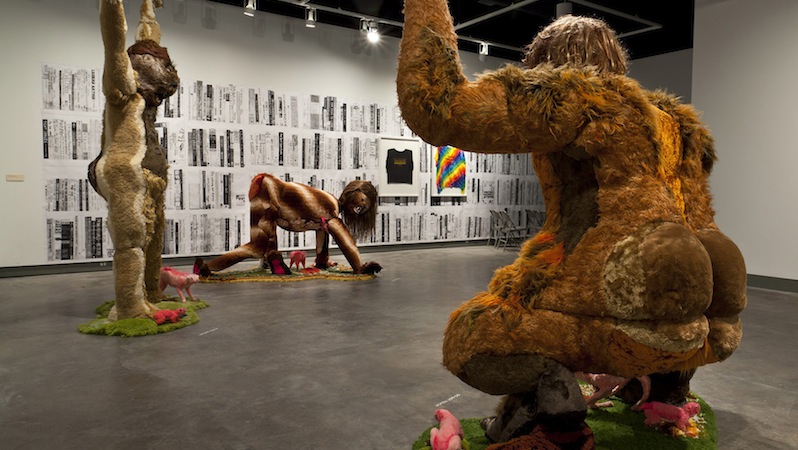
"caption": "Allyson Mitchell. \u003ci>Ladies Sasquatch\u003c/i>, 2006-2010. Courtesy of the artist and Katharine Mulherin Gallery, Toronto.",
"description": "Allyson Mitchell. \u003ci>Ladies Sasquatch\u003c/i>, 2006-2010. Courtesy of the artist and Katharine Mulherin Gallery, Toronto.",
"title": "AllysonMitchell_AlienShe",
"credit": null,
"status": "inherit",
"isLoading": false,
"fetchFailed": false
},
"arts_10144727": {
"type": "attachments",
"id": "arts_10144727",
"meta": {
"index": "attachments_1716263798",
"site": "arts",
"id": "10144727",
"found": true
},
"parent": 10144717,
"imgSizes": {
"thumbnail": {
"file": "https://ww2.kqed.org/app/uploads/sites/2/2014/10/MargotEdithLeBeau-400x258.jpg",
"width": 400,
"mimeType": "image/jpeg",
"height": 258
},
"post-thumbnail": {
"file": "https://ww2.kqed.org/app/uploads/sites/2/2014/10/MargotEdithLeBeau-672x372.jpg",
"width": 672,
"mimeType": "image/jpeg",
"height": 372
},
"kqedFullSize": {
"file": "https://ww2.kqed.org/app/uploads/sites/2/2014/10/MargotEdithLeBeau.jpg",
"width": 800,
"height": 517
},
"guest-author-96": {
"file": "https://ww2.kqed.org/app/uploads/sites/2/2014/10/MargotEdithLeBeau-96x96.jpg",
"width": 96,
"mimeType": "image/jpeg",
"height": 96
},
"guest-author-64": {
"file": "https://ww2.kqed.org/app/uploads/sites/2/2014/10/MargotEdithLeBeau-64x64.jpg",
"width": 64,
"mimeType": "image/jpeg",
"height": 64
},
"detail": {
"file": "https://ww2.kqed.org/app/uploads/sites/2/2014/10/MargotEdithLeBeau-75x75.jpg",
"width": 75,
"mimeType": "image/jpeg",
"height": 75
},
"guest-author-32": {
"file": "https://ww2.kqed.org/app/uploads/sites/2/2014/10/MargotEdithLeBeau-32x32.jpg",
"width": 32,
"mimeType": "image/jpeg",
"height": 32
},
"guest-author-128": {
"file": "https://ww2.kqed.org/app/uploads/sites/2/2014/10/MargotEdithLeBeau-128x128.jpg",
"width": 128,
"mimeType": "image/jpeg",
"height": 128
}
},
"publishDate": 1414610165,
"modified": 1414610177,
"caption": null,
"description": null,
"title": "MargotEdithLeBeau",
"credit": "Edith LeBeau",
"status": "inherit",
"isLoading": false,
"fetchFailed": false
},
"arts_10144507": {
"type": "attachments",
"id": "arts_10144507",
"meta": {
"index": "attachments_1716263798",
"site": "arts",
"id": "10144507",
"found": true
},
"parent": 10144506,
"imgSizes": {
"twentyfourteen-full-width": {
"file": "https://ww2.kqed.org/app/uploads/sites/2/2014/10/KQEDCover800x450-1038x576.jpg",
"width": 1038,
"mimeType": "image/jpeg",
"height": 576
},
"thumbnail": {
"file": "https://ww2.kqed.org/app/uploads/sites/2/2014/10/KQEDCover800x450-400x224.jpg",
"width": 400,
"mimeType": "image/jpeg",
"height": 224
},
"post-thumbnail": {
"file": "https://ww2.kqed.org/app/uploads/sites/2/2014/10/KQEDCover800x450-672x372.jpg",
"width": 672,
"mimeType": "image/jpeg",
"height": 372
},
"kqedFullSize": {
"file": "https://ww2.kqed.org/app/uploads/sites/2/2014/10/KQEDCover800x450.jpg",
"width": 2026,
"height": 1139
},
"large": {
"file": "https://ww2.kqed.org/app/uploads/sites/2/2014/10/KQEDCover800x450-1180x663.jpg",
"width": 1180,
"mimeType": "image/jpeg",
"height": 663
},
"guest-author-96": {
"file": "https://ww2.kqed.org/app/uploads/sites/2/2014/10/KQEDCover800x450-96x96.jpg",
"width": 96,
"mimeType": "image/jpeg",
"height": 96
},
"medium": {
"file": "https://ww2.kqed.org/app/uploads/sites/2/2014/10/KQEDCover800x450-800x449.jpg",
"width": 800,
"mimeType": "image/jpeg",
"height": 449
},
"guest-author-64": {
"file": "https://ww2.kqed.org/app/uploads/sites/2/2014/10/KQEDCover800x450-64x64.jpg",
"width": 64,
"mimeType": "image/jpeg",
"height": 64
},
"detail": {
"file": "https://ww2.kqed.org/app/uploads/sites/2/2014/10/KQEDCover800x450-75x75.jpg",
"width": 75,
"mimeType": "image/jpeg",
"height": 75
},
"guest-author-32": {
"file": "https://ww2.kqed.org/app/uploads/sites/2/2014/10/KQEDCover800x450-32x32.jpg",
"width": 32,
"mimeType": "image/jpeg",
"height": 32
},
"guest-author-128": {
"file": "https://ww2.kqed.org/app/uploads/sites/2/2014/10/KQEDCover800x450-128x128.jpg",
"width": 128,
"mimeType": "image/jpeg",
"height": 128
}
},
"publishDate": 1414385040,
"modified": 1414385040,
"caption": "\u003ci>Artists & Editions\u003c/i>, RITE EDITIONS, 2012; Photo by Ian Reeves",
"description": null,
"title": "KQEDCover800x450",
"credit": null,
"status": "inherit",
"isLoading": false,
"fetchFailed": false
},
"arts_10144475": {
"type": "attachments",
"id": "arts_10144475",
"meta": {
"index": "attachments_1716263798",
"site": "arts",
"id": "10144475",
"found": true
},
"parent": 10144473,
"imgSizes": {
"twentyfourteen-full-width": {
"file": "https://ww2.kqed.org/app/uploads/sites/2/2014/10/foxesEnlarged-1038x576.jpg",
"width": 1038,
"mimeType": "image/jpeg",
"height": 576
},
"thumbnail": {
"file": "https://ww2.kqed.org/app/uploads/sites/2/2014/10/foxesEnlarged-400x267.jpg",
"width": 400,
"mimeType": "image/jpeg",
"height": 267
},
"post-thumbnail": {
"file": "https://ww2.kqed.org/app/uploads/sites/2/2014/10/foxesEnlarged-672x372.jpg",
"width": 672,
"mimeType": "image/jpeg",
"height": 372
},
"kqedFullSize": {
"file": "https://ww2.kqed.org/app/uploads/sites/2/2014/10/foxesEnlarged.jpg",
"width": 1440,
"height": 963
},
"large": {
"file": "https://ww2.kqed.org/app/uploads/sites/2/2014/10/foxesEnlarged-1180x789.jpg",
"width": 1180,
"mimeType": "image/jpeg",
"height": 789
},
"guest-author-96": {
"file": "https://ww2.kqed.org/app/uploads/sites/2/2014/10/foxesEnlarged-96x96.jpg",
"width": 96,
"mimeType": "image/jpeg",
"height": 96
},
"medium": {
"file": "https://ww2.kqed.org/app/uploads/sites/2/2014/10/foxesEnlarged-800x535.jpg",
"width": 800,
"mimeType": "image/jpeg",
"height": 535
},
"guest-author-64": {
"file": "https://ww2.kqed.org/app/uploads/sites/2/2014/10/foxesEnlarged-64x64.jpg",
"width": 64,
"mimeType": "image/jpeg",
"height": 64
},
"detail": {
"file": "https://ww2.kqed.org/app/uploads/sites/2/2014/10/foxesEnlarged-75x75.jpg",
"width": 75,
"mimeType": "image/jpeg",
"height": 75
},
"guest-author-32": {
"file": "https://ww2.kqed.org/app/uploads/sites/2/2014/10/foxesEnlarged-32x32.jpg",
"width": 32,
"mimeType": "image/jpeg",
"height": 32
},
"guest-author-128": {
"file": "https://ww2.kqed.org/app/uploads/sites/2/2014/10/foxesEnlarged-128x128.jpg",
"width": 128,
"mimeType": "image/jpeg",
"height": 128
}
},
"publishDate": 1414187751,
"modified": 1414187751,
"caption": "(Far left) \u003ci>Revolution Kid (Fox)\u003c/i> by Yinka Shonibare MBE, 2012. (Upper left) \u003ci>Red Fox\u003c/i> by Carl Runglus, 1933\n",
"description": "(Far left) \u003ci>Revolution Kid (Fox)\u003c/i> by Yinka Shonibare MBE, 2012. (Upper left) \u003ci>Red Fox\u003c/i> by Carl Runglus, 1933",
"title": "foxesEnlarged",
"credit": "Sherri Devine",
"status": "inherit",
"isLoading": false,
"fetchFailed": false
},
"arts_10144413": {
"type": "attachments",
"id": "arts_10144413",
"meta": {
"index": "attachments_1716263798",
"site": "arts",
"id": "10144413",
"found": true
},
"parent": 10144393,
"imgSizes": {
"thumbnail": {
"file": "https://ww2.kqed.org/app/uploads/sites/2/2014/10/casey-nocket-crater-art-400x220.jpg",
"width": 400,
"mimeType": "image/jpeg",
"height": 220
},
"post-thumbnail": {
"file": "https://ww2.kqed.org/app/uploads/sites/2/2014/10/casey-nocket-crater-art-672x372.jpg",
"width": 672,
"mimeType": "image/jpeg",
"height": 372
},
"kqedFullSize": {
"file": "https://ww2.kqed.org/app/uploads/sites/2/2014/10/casey-nocket-crater-art.jpg",
"width": 800,
"height": 441
},
"guest-author-96": {
"file": "https://ww2.kqed.org/app/uploads/sites/2/2014/10/casey-nocket-crater-art-96x96.jpg",
"width": 96,
"mimeType": "image/jpeg",
"height": 96
},
"guest-author-64": {
"file": "https://ww2.kqed.org/app/uploads/sites/2/2014/10/casey-nocket-crater-art-64x64.jpg",
"width": 64,
"mimeType": "image/jpeg",
"height": 64
},
"detail": {
"file": "https://ww2.kqed.org/app/uploads/sites/2/2014/10/casey-nocket-crater-art-75x75.jpg",
"width": 75,
"mimeType": "image/jpeg",
"height": 75
},
"guest-author-32": {
"file": "https://ww2.kqed.org/app/uploads/sites/2/2014/10/casey-nocket-crater-art-32x32.jpg",
"width": 32,
"mimeType": "image/jpeg",
"height": 32
},
"guest-author-128": {
"file": "https://ww2.kqed.org/app/uploads/sites/2/2014/10/casey-nocket-crater-art-128x128.jpg",
"width": 128,
"mimeType": "image/jpeg",
"height": 128
}
},
"publishDate": 1414101664,
"modified": 1414101664,
"caption": "Casey Nocket's acrylic painting near Oregon's Crater Lake. SFist took this screenshot of her Instagram account before it was removed.",
"description": "Casey Nocket's acrylic painting near Oregon's Crater Lake. SFist took this screenshot of her Instagram account before it was removed.",
"title": "casey-nocket-crater-art",
"credit": null,
"status": "inherit",
"isLoading": false,
"fetchFailed": false
},
"arts_10144378": {
"type": "attachments",
"id": "arts_10144378",
"meta": {
"index": "attachments_1716263798",
"site": "arts",
"id": "10144378",
"found": true
},
"parent": 10144359,
"imgSizes": {
"thumbnail": {
"file": "https://ww2.kqed.org/app/uploads/sites/2/2014/10/keats-400x268.jpg",
"width": 400,
"mimeType": "image/jpeg",
"height": 268
},
"post-thumbnail": {
"file": "https://ww2.kqed.org/app/uploads/sites/2/2014/10/keats-672x372.jpg",
"width": 672,
"mimeType": "image/jpeg",
"height": 372
},
"kqedFullSize": {
"file": "https://ww2.kqed.org/app/uploads/sites/2/2014/10/keats.jpg",
"width": 800,
"height": 536
},
"guest-author-96": {
"file": "https://ww2.kqed.org/app/uploads/sites/2/2014/10/keats-96x96.jpg",
"width": 96,
"mimeType": "image/jpeg",
"height": 96
},
"guest-author-64": {
"file": "https://ww2.kqed.org/app/uploads/sites/2/2014/10/keats-64x64.jpg",
"width": 64,
"mimeType": "image/jpeg",
"height": 64
},
"detail": {
"file": "https://ww2.kqed.org/app/uploads/sites/2/2014/10/keats-75x75.jpg",
"width": 75,
"mimeType": "image/jpeg",
"height": 75
},
"guest-author-32": {
"file": "https://ww2.kqed.org/app/uploads/sites/2/2014/10/keats-32x32.jpg",
"width": 32,
"mimeType": "image/jpeg",
"height": 32
},
"guest-author-128": {
"file": "https://ww2.kqed.org/app/uploads/sites/2/2014/10/keats-128x128.jpg",
"width": 128,
"mimeType": "image/jpeg",
"height": 128
}
},
"publishDate": 1414094315,
"modified": 1414094315,
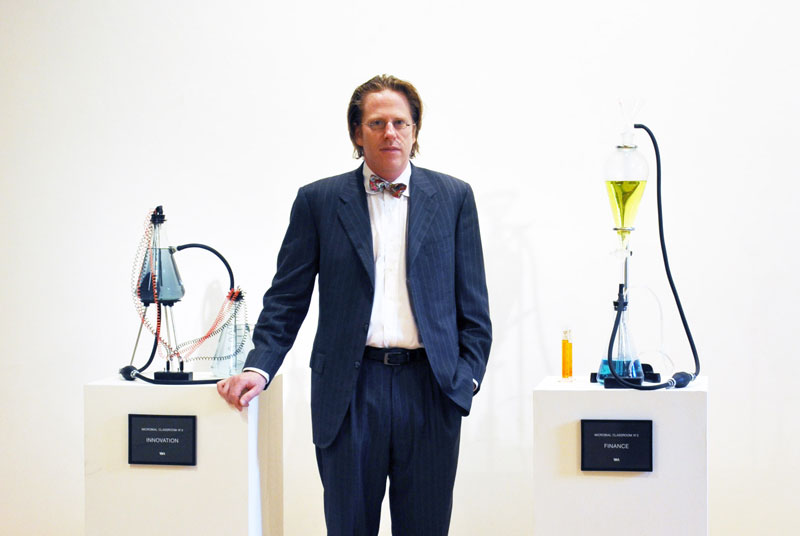
"caption": "Jonathan Keats, Managing Director, \u003ci>Microbial Associates\u003c/i>; Photo by Chrissy Hughes, Courtesy of Modernism Gallery, San Francisco",
"description": null,
"title": "keats",
"credit": null,
"status": "inherit",
"isLoading": false,
"fetchFailed": false
},
"arts_10144269": {
"type": "attachments",
"id": "arts_10144269",
"meta": {
"index": "attachments_1716263798",
"site": "arts",
"id": "10144269",
"found": true
},
"parent": 10144187,
"imgSizes": {
"thumbnail": {
"file": "https://ww2.kqed.org/app/uploads/sites/2/2014/10/usedartists-400x225.jpg",
"width": 400,
"mimeType": "image/jpeg",
"height": 225
},
"post-thumbnail": {
"file": "https://ww2.kqed.org/app/uploads/sites/2/2014/10/usedartists-672x372.jpg",
"width": 672,
"mimeType": "image/jpeg",
"height": 372
},
"kqedFullSize": {
"file": "https://ww2.kqed.org/app/uploads/sites/2/2014/10/usedartists.jpg",
"width": 800,
"height": 450
},
"guest-author-96": {
"file": "https://ww2.kqed.org/app/uploads/sites/2/2014/10/usedartists-96x96.jpg",
"width": 96,
"mimeType": "image/jpeg",
"height": 96
},
"guest-author-64": {
"file": "https://ww2.kqed.org/app/uploads/sites/2/2014/10/usedartists-64x64.jpg",
"width": 64,
"mimeType": "image/jpeg",
"height": 64
},
"detail": {
"file": "https://ww2.kqed.org/app/uploads/sites/2/2014/10/usedartists-75x75.jpg",
"width": 75,
"mimeType": "image/jpeg",
"height": 75
},
"guest-author-32": {
"file": "https://ww2.kqed.org/app/uploads/sites/2/2014/10/usedartists-32x32.jpg",
"width": 32,
"mimeType": "image/jpeg",
"height": 32
},
"guest-author-128": {
"file": "https://ww2.kqed.org/app/uploads/sites/2/2014/10/usedartists-128x128.jpg",
"width": 128,
"mimeType": "image/jpeg",
"height": 128
}
},
"publishDate": 1413928759,
"modified": 1413928759,
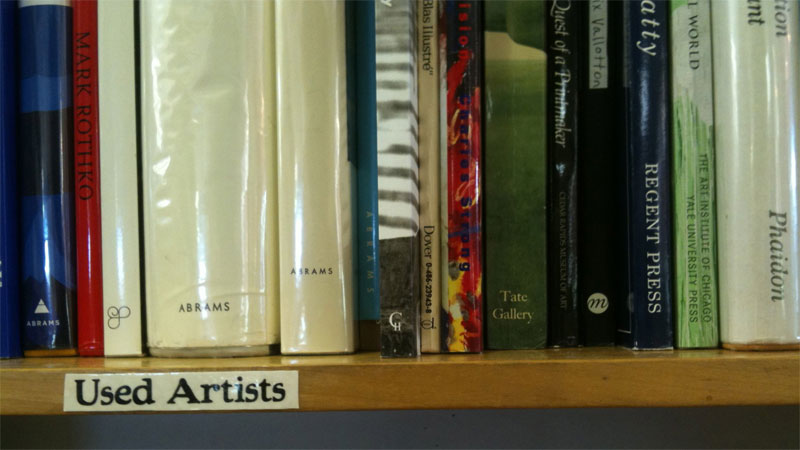
"caption": "Photo by Christian Frock",
"description": null,
"title": "usedartists",
"credit": null,
"status": "inherit",
"isLoading": false,
"fetchFailed": false
},
"arts_10144028": {
"type": "attachments",
"id": "arts_10144028",
"meta": {
"index": "attachments_1716263798",
"site": "arts",
"id": "10144028",
"found": true
},
"parent": 10142186,
"imgSizes": {
"twentyfourteen-full-width": {
"file": "https://ww2.kqed.org/app/uploads/sites/2/2014/09/warehouse-1038x576.jpg",
"width": 1038,
"mimeType": "image/jpeg",
"height": 576
},
"thumbnail": {
"file": "https://ww2.kqed.org/app/uploads/sites/2/2014/09/warehouse-400x266.jpg",
"width": 400,
"mimeType": "image/jpeg",
"height": 266
},
"post-thumbnail": {
"file": "https://ww2.kqed.org/app/uploads/sites/2/2014/09/warehouse-672x372.jpg",
"width": 672,
"mimeType": "image/jpeg",
"height": 372
},
"kqedFullSize": {
"file": "https://ww2.kqed.org/app/uploads/sites/2/2014/09/warehouse-e1413500104205.jpg",
"width": 800,
"height": 533
},
"large": {
"file": "https://ww2.kqed.org/app/uploads/sites/2/2014/09/warehouse-1180x786.jpg",
"width": 1180,
"mimeType": "image/jpeg",
"height": 786
},
"guest-author-96": {
"file": "https://ww2.kqed.org/app/uploads/sites/2/2014/09/warehouse-96x96.jpg",
"width": 96,
"mimeType": "image/jpeg",
"height": 96
},
"medium": {
"file": "https://ww2.kqed.org/app/uploads/sites/2/2014/09/warehouse-800x533.jpg",
"width": 800,
"mimeType": "image/jpeg",
"height": 533
},
"guest-author-64": {
"file": "https://ww2.kqed.org/app/uploads/sites/2/2014/09/warehouse-64x64.jpg",
"width": 64,
"mimeType": "image/jpeg",
"height": 64
},
"detail": {
"file": "https://ww2.kqed.org/app/uploads/sites/2/2014/09/warehouse-75x75.jpg",
"width": 75,
"mimeType": "image/jpeg",
"height": 75
},
"guest-author-32": {
"file": "https://ww2.kqed.org/app/uploads/sites/2/2014/09/warehouse-32x32.jpg",
"width": 32,
"mimeType": "image/jpeg",
"height": 32
},
"guest-author-128": {
"file": "https://ww2.kqed.org/app/uploads/sites/2/2014/09/warehouse-128x128.jpg",
"width": 128,
"mimeType": "image/jpeg",
"height": 128
}
},
"publishDate": 1413499849,
"modified": 1413499849,
"caption": "Photo by John Coyne",
"description": null,
"title": "warehouse",
"credit": null,
"status": "inherit",
"isLoading": false,
"fetchFailed": false
},
"arts_10144070": {
"type": "attachments",
"id": "arts_10144070",
"meta": {
"index": "attachments_1716263798",
"site": "arts",
"id": "10144070",
"found": true
},
"parent": 10144066,
"imgSizes": {
"twentyfourteen-full-width": {
"file": "https://ww2.kqed.org/app/uploads/sites/2/2014/10/Double-Indemnity-still-1083_-800x576.jpg",
"width": 800,
"mimeType": "image/jpeg",
"height": 576
},
"thumbnail": {
"file": "https://ww2.kqed.org/app/uploads/sites/2/2014/10/Double-Indemnity-still-1083_-e1413571714998-400x307.jpg",
"width": 400,
"mimeType": "image/jpeg",
"height": 307
},
"post-thumbnail": {
"file": "https://ww2.kqed.org/app/uploads/sites/2/2014/10/Double-Indemnity-still-1083_-e1413571714998-672x372.jpg",
"width": 672,
"mimeType": "image/jpeg",
"height": 372
},
"kqedFullSize": {
"file": "https://ww2.kqed.org/app/uploads/sites/2/2014/10/Double-Indemnity-still-1083_-e1413571714998.jpg",
"width": 740,
"height": 569
},
"guest-author-96": {
"file": "https://ww2.kqed.org/app/uploads/sites/2/2014/10/Double-Indemnity-still-1083_-e1413571714998-96x96.jpg",
"width": 96,
"mimeType": "image/jpeg",
"height": 96
},
"medium": {
"file": "https://ww2.kqed.org/app/uploads/sites/2/2014/10/Double-Indemnity-still-1083_-733x600.jpg",
"width": 733,
"mimeType": "image/jpeg",
"height": 600
},
"guest-author-64": {
"file": "https://ww2.kqed.org/app/uploads/sites/2/2014/10/Double-Indemnity-still-1083_-e1413571714998-64x64.jpg",
"width": 64,
"mimeType": "image/jpeg",
"height": 64
},
"detail": {
"file": "https://ww2.kqed.org/app/uploads/sites/2/2014/10/Double-Indemnity-still-1083_-e1413571714998-75x75.jpg",
"width": 75,
"mimeType": "image/jpeg",
"height": 75
},
"guest-author-32": {
"file": "https://ww2.kqed.org/app/uploads/sites/2/2014/10/Double-Indemnity-still-1083_-e1413571714998-32x32.jpg",
"width": 32,
"mimeType": "image/jpeg",
"height": 32
},
"guest-author-128": {
"file": "https://ww2.kqed.org/app/uploads/sites/2/2014/10/Double-Indemnity-still-1083_-e1413571714998-128x128.jpg",
"width": 128,
"mimeType": "image/jpeg",
"height": 128
}
},
"publishDate": 1413569873,
"modified": 1413569873,
"caption": "Promotional photo for \u003ci>Double Indemnity\u003c/i>",
"description": null,
"title": "Double Indemnity still 1083_",
"credit": null,
"status": "inherit",
"isLoading": false,
"fetchFailed": false
},
"arts_10143760": {
"type": "attachments",
"id": "arts_10143760",
"meta": {
"index": "attachments_1716263798",
"site": "arts",
"id": "10143760",
"found": true
},
"parent": 10143758,
"imgSizes": {
"thumbnail": {
"file": "https://ww2.kqed.org/app/uploads/sites/2/2014/10/GLOW_LightFireFestival-400x230.jpg",
"width": 400,
"mimeType": "image/jpeg",
"height": 230
},
"post-thumbnail": {
"file": "https://ww2.kqed.org/app/uploads/sites/2/2014/10/GLOW_LightFireFestival-672x372.jpg",
"width": 672,
"mimeType": "image/jpeg",
"height": 372
},
"kqedFullSize": {
"file": "https://ww2.kqed.org/app/uploads/sites/2/2014/10/GLOW_LightFireFestival.jpg",
"width": 800,
"height": 461
},
"guest-author-96": {
"file": "https://ww2.kqed.org/app/uploads/sites/2/2014/10/GLOW_LightFireFestival-96x96.jpg",
"width": 96,
"mimeType": "image/jpeg",
"height": 96
},
"guest-author-64": {
"file": "https://ww2.kqed.org/app/uploads/sites/2/2014/10/GLOW_LightFireFestival-64x64.jpg",
"width": 64,
"mimeType": "image/jpeg",
"height": 64
},
"detail": {
"file": "https://ww2.kqed.org/app/uploads/sites/2/2014/10/GLOW_LightFireFestival-75x75.jpg",
"width": 75,
"mimeType": "image/jpeg",
"height": 75
},
"guest-author-32": {
"file": "https://ww2.kqed.org/app/uploads/sites/2/2014/10/GLOW_LightFireFestival-32x32.jpg",
"width": 32,
"mimeType": "image/jpeg",
"height": 32
},
"guest-author-128": {
"file": "https://ww2.kqed.org/app/uploads/sites/2/2014/10/GLOW_LightFireFestival-128x128.jpg",
"width": 128,
"mimeType": "image/jpeg",
"height": 128
}
},
"publishDate": 1412976706,
"modified": 1412976706,
"caption": null,
"description": null,
"title": "GLOW: A Festival of Fire and Light",
"credit": null,
"status": "inherit",
"isLoading": false,
"fetchFailed": false
},
"artschool_479": {
"type": "attachments",
"id": "artschool_479",
"meta": {
"index": "attachments_1716263798",
"site": "artschool",
"id": "479",
"found": true
},
"parent": 478,
"imgSizes": {
"thumbnail": {
"file": "https://ww2.kqed.org/app/uploads/sites/4/2014/10/aakash-nihalani-800x450-400x225.png",
"width": 400,
"mimeType": "image/png",
"height": 225
},
"post-thumbnail": {
"file": "https://ww2.kqed.org/app/uploads/sites/4/2014/10/aakash-nihalani-800x450-672x372.png",
"width": 672,
"mimeType": "image/png",
"height": 372
},
"kqedFullSize": {
"file": "https://ww2.kqed.org/app/uploads/sites/4/2014/10/aakash-nihalani-800x450.png",
"width": 800,
"height": 450
},
"guest-author-96": {
"file": "https://ww2.kqed.org/app/uploads/sites/4/2014/10/aakash-nihalani-800x450-96x96.png",
"width": 96,
"mimeType": "image/png",
"height": 96
},
"guest-author-64": {
"file": "https://ww2.kqed.org/app/uploads/sites/4/2014/10/aakash-nihalani-800x450-64x64.png",
"width": 64,
"mimeType": "image/png",
"height": 64
},
"detail": {
"file": "https://ww2.kqed.org/app/uploads/sites/4/2014/10/aakash-nihalani-800x450-75x75.png",
"width": 75,
"mimeType": "image/png",
"height": 75
},
"guest-author-32": {
"file": "https://ww2.kqed.org/app/uploads/sites/4/2014/10/aakash-nihalani-800x450-32x32.png",
"width": 32,
"mimeType": "image/png",
"height": 32
},
"guest-author-128": {
"file": "https://ww2.kqed.org/app/uploads/sites/4/2014/10/aakash-nihalani-800x450-128x128.png",
"width": 128,
"mimeType": "image/png",
"height": 128
}
},
"publishDate": 1413271232,
"modified": 1413271232,
"caption": null,
"description": null,
"title": "Aakash Nihalani",
"credit": "Aakash Nihalani",
"status": "inherit",
"isLoading": false,
"fetchFailed": false
},
"arts_10143181": {
"type": "attachments",
"id": "arts_10143181",
"meta": {
"index": "attachments_1716263798",
"site": "arts",
"id": "10143181",
"found": true
},
"parent": 10143165,
"imgSizes": {
"thumbnail": {
"file": "https://ww2.kqed.org/app/uploads/sites/2/2014/10/pioneerhall-400x225.jpg",
"width": 400,
"mimeType": "image/jpeg",
"height": 225
},
"post-thumbnail": {
"file": "https://ww2.kqed.org/app/uploads/sites/2/2014/10/pioneerhall-672x372.jpg",
"width": 672,
"mimeType": "image/jpeg",
"height": 372
},
"kqedFullSize": {
"file": "https://ww2.kqed.org/app/uploads/sites/2/2014/10/pioneerhall.jpg",
"width": 800,
"height": 450
},
"guest-author-96": {
"file": "https://ww2.kqed.org/app/uploads/sites/2/2014/10/pioneerhall-96x96.jpg",
"width": 96,
"mimeType": "image/jpeg",
"height": 96
},
"guest-author-64": {
"file": "https://ww2.kqed.org/app/uploads/sites/2/2014/10/pioneerhall-64x64.jpg",
"width": 64,
"mimeType": "image/jpeg",
"height": 64
},
"detail": {
"file": "https://ww2.kqed.org/app/uploads/sites/2/2014/10/pioneerhall-75x75.jpg",
"width": 75,
"mimeType": "image/jpeg",
"height": 75
},
"guest-author-32": {
"file": "https://ww2.kqed.org/app/uploads/sites/2/2014/10/pioneerhall-32x32.jpg",
"width": 32,
"mimeType": "image/jpeg",
"height": 32
},
"guest-author-128": {
"file": "https://ww2.kqed.org/app/uploads/sites/2/2014/10/pioneerhall-128x128.jpg",
"width": 128,
"mimeType": "image/jpeg",
"height": 128
}
},
"publishDate": 1412184709,
"modified": 1412184709,
"caption": "The Society of California Pioneers' new location at San Francisco's Presidio: Pioneer Hall",
"description": "Courtesy the Society of California Pioneers",
"title": "pioneerhall",
"credit": null,
"status": "inherit",
"isLoading": false,
"fetchFailed": false
}
},
"audioPlayerReducer": {
"postId": "stream_live",
"isPaused": true,
"isPlaying": false,
"pfsActive": false,
"pledgeModalIsOpen": true,
"playerDrawerIsOpen": false,
"liveAudioPlayStartedAt": 0,
"liveAudioPlayContext": ""
},
"authorsReducer": {
"byline_arts_10144473": {
"type": "authors",
"id": "byline_arts_10144473",
"meta": {
"override": true
},
"slug": "byline_arts_10144473",
"name": "Sherri Devine",
"isLoading": false
},
"byline_arts_10144066": {
"type": "authors",
"id": "byline_arts_10144066",
"meta": {
"override": true
},
"slug": "byline_arts_10144066",
"name": "Avishay Artsy",
"isLoading": false
},
"kfarr": {
"type": "authors",
"id": "16",
"meta": {
"index": "authors_1716337520",
"id": "16",
"found": true
},
"name": "Kristin Farr",
"firstName": "Kristin",
"lastName": "Farr",
"slug": "kfarr",
"email": "kfarr@kqed.org",
"display_author_email": false,
"staff_mastheads": [],
"title": null,
"bio": "Kristin Farr is the creator and producer of KQED's Emmy Award-winning web video series, Art School, and she is also a contributing editor for Juxtapoz magazine. Her artwork has been exhibited at galleries around the Bay Area including YBCA, Fifty24SF, Anno Domini and The Bedford Gallery. Her FarrOut art app for iOS was released in 2013. She lives in the East Bay and her favorite color is all of them.",
"avatar": "https://secure.gravatar.com/avatar/96aae7842c46004b98e00051e9e0d71f?s=600&d=blank&r=g",
"twitter": "kristinfarr",
"facebook": null,
"instagram": null,
"linkedin": null,
"sites": [
{
"site": "arts",
"roles": [
"Contributor",
"contributor"
]
},
{
"site": "artschool",
"roles": [
"subscriber"
]
}
],
"headData": {
"title": "Kristin Farr | KQED",
"description": null,
"ogImgSrc": "https://secure.gravatar.com/avatar/96aae7842c46004b98e00051e9e0d71f?s=600&d=blank&r=g",
"twImgSrc": "https://secure.gravatar.com/avatar/96aae7842c46004b98e00051e9e0d71f?s=600&d=blank&r=g"
},
"isLoading": false,
"link": "/author/kfarr"
},
"cfrock": {
"type": "authors",
"id": "58",
"meta": {
"index": "authors_1716337520",
"id": "58",
"found": true
},
"name": "Christian L. Frock",
"firstName": "Christian L.",
"lastName": "Frock",
"slug": "cfrock",
"email": "christian@invisiblevenue.com",
"display_author_email": false,
"staff_mastheads": [
"arts"
],
"title": "KQED Contributor",
"bio": null,
"avatar": "https://secure.gravatar.com/avatar/da93aa5c1bc6f6561a99d5073186102c?s=600&d=blank&r=g",
"twitter": null,
"facebook": null,
"instagram": null,
"linkedin": null,
"sites": [
{
"site": "arts",
"roles": [
"Contributor",
"contributor"
]
}
],
"headData": {
"title": "Christian L. Frock | KQED",
"description": "KQED Contributor",
"ogImgSrc": "https://secure.gravatar.com/avatar/da93aa5c1bc6f6561a99d5073186102c?s=600&d=blank&r=g",
"twImgSrc": "https://secure.gravatar.com/avatar/da93aa5c1bc6f6561a99d5073186102c?s=600&d=blank&r=g"
},
"isLoading": false,
"link": "/author/cfrock"
},
"shotchkiss": {
"type": "authors",
"id": "61",
"meta": {
"index": "authors_1716337520",
"id": "61",
"found": true
},
"name": "Sarah Hotchkiss",
"firstName": "Sarah",
"lastName": "Hotchkiss",
"slug": "shotchkiss",
"email": "shotchkiss@kqed.org",
"display_author_email": true,
"staff_mastheads": [
"arts"
],
"title": "Senior Editor",
"bio": "Sarah Hotchkiss is a San Francisco \u003ca href=\"http://www.sarahhotchkiss.com\">artist\u003c/a> and arts writer. In 2019, she received the Dorothea & Leo Rabkin Foundation grant for visual art journalism and in 2020 she received a Society of Professional Journalists, Northern California award for excellence in arts and culture reporting.",
"avatar": "https://secure.gravatar.com/avatar/bc662df144b3d27fd8b1b6f1c2a420d34e91e53154d411bb7ad353cc8b6cea8d?s=600&d=blank&r=g",
"twitter": null,
"bluesky": null,
"facebook": null,
"instagram": null,
"linkedin": null,
"sites": [
{
"site": "",
"roles": [
"editor"
]
},
{
"site": "arts",
"roles": [
"Contributor",
"administrator"
]
},
{
"site": "artschool",
"roles": [
"administrator"
]
},
{
"site": "news",
"roles": [
"editor"
]
},
{
"site": "pop",
"roles": [
"administrator"
]
},
{
"site": "bayareabites",
"roles": [
"editor"
]
},
{
"site": "spark",
"roles": [
"editor"
]
},
{
"site": "checkplease",
"roles": [
"editor"
]
}
],
"headData": {
"title": "Sarah Hotchkiss | KQED",
"description": "Senior Editor",
"ogImgSrc": "https://secure.gravatar.com/avatar/bc662df144b3d27fd8b1b6f1c2a420d34e91e53154d411bb7ad353cc8b6cea8d?s=600&d=blank&r=g",
"twImgSrc": "https://secure.gravatar.com/avatar/bc662df144b3d27fd8b1b6f1c2a420d34e91e53154d411bb7ad353cc8b6cea8d?s=600&d=blank&r=g"
},
"isLoading": false,
"link": "/author/shotchkiss"
},
"ablaine": {
"type": "authors",
"id": "72",
"meta": {
"index": "authors_1716337520",
"id": "72",
"found": true
},
"name": "Adrienne Blaine",
"firstName": "Adrienne",
"lastName": "Blaine",
"slug": "ablaine",
"email": "adrienneblaine@hotmail.com",
"display_author_email": false,
"staff_mastheads": [],
"title": null,
"bio": "Adrienne Blaine is a Millennial writer from the South Bay. She has a BA in Comparative Literary and Cultural Studies combined with Communications and Media Studies from Franklin University Switzerland. Living in Switzerland for four years and traveling from Morocco to Iceland introduced her to diverse art, culture and food. She currently lives in San Francisco and writes about these topics.",
"avatar": "https://secure.gravatar.com/avatar/10d0a10a2189067e5e3f6fc9fc4ebdf2?s=600&d=blank&r=g",
"twitter": null,
"facebook": null,
"instagram": null,
"linkedin": null,
"sites": [
{
"site": "arts",
"roles": [
"Contributor",
"contributor"
]
},
{
"site": "bayareabites",
"roles": [
"contributor"
]
},
{
"site": "food",
"roles": [
"contributor"
]
}
],
"headData": {
"title": "Adrienne Blaine | KQED",
"description": null,
"ogImgSrc": "https://secure.gravatar.com/avatar/10d0a10a2189067e5e3f6fc9fc4ebdf2?s=600&d=blank&r=g",
"twImgSrc": "https://secure.gravatar.com/avatar/10d0a10a2189067e5e3f6fc9fc4ebdf2?s=600&d=blank&r=g"
},
"isLoading": false,
"link": "/author/ablaine"
},
"kjones": {
"type": "authors",
"id": "93",
"meta": {
"index": "authors_1716337520",
"id": "93",
"found": true
},
"name": "Kevin L. Jones",
"firstName": "Kevin",
"lastName": "Jones",
"slug": "kjones",
"email": "kjones@kqed.org",
"display_author_email": false,
"staff_mastheads": [],
"title": null,
"bio": null,
"avatar": "https://secure.gravatar.com/avatar/12c65b5633ed39d0a59bb7f497eff645?s=600&d=blank&r=g",
"twitter": null,
"facebook": null,
"instagram": null,
"linkedin": null,
"sites": [
{
"site": "arts",
"roles": [
"subscriber"
]
},
{
"site": "styleguide",
"roles": [
"contributor"
]
},
{
"site": "artschool",
"roles": [
"subscriber"
]
},
{
"site": "news",
"roles": [
"subscriber"
]
},
{
"site": "pop",
"roles": [
"subscriber"
]
}
],
"headData": {
"title": "Kevin L. Jones | KQED",
"description": null,
"ogImgSrc": "https://secure.gravatar.com/avatar/12c65b5633ed39d0a59bb7f497eff645?s=600&d=blank&r=g",
"twImgSrc": "https://secure.gravatar.com/avatar/12c65b5633ed39d0a59bb7f497eff645?s=600&d=blank&r=g"
},
"isLoading": false,
"link": "/author/kjones"
},
"jwanek": {
"type": "authors",
"id": "97",
"meta": {
"index": "authors_1716337520",
"id": "97",
"found": true
},
"name": "Joel Wanek",
"firstName": "Joel",
"lastName": "Wanek",
"slug": "jwanek",
"email": "jwanek@kqed.org",
"display_author_email": false,
"staff_mastheads": [],
"title": "KQED Contributor",
"bio": null,
"avatar": "https://secure.gravatar.com/avatar/d2a3949750a996b6d9f110582a5259711c707df009b12dc2179084c5349f542b?s=600&d=blank&r=g",
"twitter": null,
"bluesky": null,
"facebook": null,
"instagram": null,
"linkedin": null,
"sites": [
{
"site": "arts",
"roles": [
"subscriber"
]
},
{
"site": "artschool",
"roles": [
"subscriber"
]
}
],
"headData": {
"title": "Joel Wanek | KQED",
"description": "KQED Contributor",
"ogImgSrc": "https://secure.gravatar.com/avatar/d2a3949750a996b6d9f110582a5259711c707df009b12dc2179084c5349f542b?s=600&d=blank&r=g",
"twImgSrc": "https://secure.gravatar.com/avatar/d2a3949750a996b6d9f110582a5259711c707df009b12dc2179084c5349f542b?s=600&d=blank&r=g"
},
"isLoading": false,
"link": "/author/jwanek"
},
"gmeline": {
"type": "authors",
"id": "185",
"meta": {
"index": "authors_1716337520",
"id": "185",
"found": true
},
"name": "Gabe Meline",
"firstName": "Gabe",
"lastName": "Meline",
"slug": "gmeline",
"email": "gmeline@kqed.org",
"display_author_email": true,
"staff_mastheads": [
"arts"
],
"title": "Senior Editor, KQED Arts & Culture",
"bio": "Gabe Meline entered journalism at age 15 making photocopied zines, and has since earned awards from the Edward R. Murrow Awards, the Society for Professional Journalists, the Online Journalism Awards, the Association of Alternative Newsweeklies and the California Newspaper Publishers Association. Prior to KQED, he was the editor of the \u003cem>North Bay Bohemian\u003c/em> and a touring musician. He lives with his wife and daughter in his hometown of Santa Rosa, CA.",
"avatar": "https://secure.gravatar.com/avatar/5bebe57be0d8bc2dd318934feb47299e2d2d10cba28d09d8d7afb389a2ce2bdd?s=600&d=blank&r=g",
"twitter": null,
"bluesky": null,
"facebook": null,
"instagram": null,
"linkedin": null,
"sites": [
{
"site": "",
"roles": [
"editor"
]
},
{
"site": "arts",
"roles": [
"administrator"
]
},
{
"site": "artschool",
"roles": [
"editor"
]
},
{
"site": "news",
"roles": [
"author"
]
},
{
"site": "pop",
"roles": [
"editor"
]
},
{
"site": "bayareabites",
"roles": [
"editor"
]
},
{
"site": "food",
"roles": [
"editor"
]
},
{
"site": "forum",
"roles": [
"administrator"
]
},
{
"site": "liveblog",
"roles": [
"editor"
]
},
{
"site": "hiphop",
"roles": [
"editor"
]
}
],
"headData": {
"title": "Gabe Meline | KQED",
"description": "Senior Editor, KQED Arts & Culture",
"ogImgSrc": "https://secure.gravatar.com/avatar/5bebe57be0d8bc2dd318934feb47299e2d2d10cba28d09d8d7afb389a2ce2bdd?s=600&d=blank&r=g",
"twImgSrc": "https://secure.gravatar.com/avatar/5bebe57be0d8bc2dd318934feb47299e2d2d10cba28d09d8d7afb389a2ce2bdd?s=600&d=blank&r=g"
},
"isLoading": false,
"link": "/author/gmeline"
},
"mtedford": {
"type": "authors",
"id": "187",
"meta": {
"index": "authors_1716337520",
"id": "187",
"found": true
},
"name": "Matthew Harrison Tedford",
"firstName": "Matthew Harrison",
"lastName": "Tedford",
"slug": "mtedford",
"email": "mhtedford@gmail.com",
"display_author_email": false,
"staff_mastheads": [],
"title": null,
"bio": "\u003ca href=\"http://www.mhtedford.com\">Matthew Harrison Tedford\u003c/a> is a writer whose work focuses on contemporary art, film, and California history. His writing has appeared in \u003cem id=\"yui_3_17_2_1_1403197832753_7692\">Art Practical\u003c/em>, \u003cem>Daily Serving\u003c/em>, \u003cem>Glance\u003c/em> (California College of the Arts), the \u003cem>Huffington Post\u003c/em>, \u003cem>Oakland Standard\u003c/em> (Oakland Museum of California), \u003cem>Open Space\u003c/em> (SFMOMA), \u003cem>Poor Taste Magazine\u003c/em>, \u003cem>SF Weekly\u003c/em>, and \u003cem>Wilder Quarterly\u003c/em>.",
"avatar": "https://secure.gravatar.com/avatar/f6ae15e4c10b73a2ee9215e669ca0328?s=600&d=blank&r=g",
"twitter": null,
"facebook": null,
"instagram": null,
"linkedin": null,
"sites": [
{
"site": "arts",
"roles": [
"contributor"
]
}
],
"headData": {
"title": "Matthew Harrison Tedford | KQED",
"description": null,
"ogImgSrc": "https://secure.gravatar.com/avatar/f6ae15e4c10b73a2ee9215e669ca0328?s=600&d=blank&r=g",
"twImgSrc": "https://secure.gravatar.com/avatar/f6ae15e4c10b73a2ee9215e669ca0328?s=600&d=blank&r=g"
},
"isLoading": false,
"link": "/author/mtedford"
},
"clakey": {
"type": "authors",
"id": "191",
"meta": {
"index": "authors_1716337520",
"id": "191",
"found": true
},
"name": "Cherri Lakey",
"firstName": "Cherri",
"lastName": "Lakey",
"slug": "clakey",
"email": "cherri@galleryad.com",
"display_author_email": false,
"staff_mastheads": [],
"title": "KQED Contributor",
"bio": "Co-owner/curator of urban contemporary art and culture gallery \u003ca href=\"http://www.galleryAD.com\">ANNO DOMINI\u003c/a> // the second coming of Art & Design and producer of a bunch of other cool projects with partner \u003ca href=\"http://ww2.kqed.org/arts/author/beder/\" target=\"_blank\">Brian Eder.\u003c/a> \u003ca href=\"https://twitter.com/astrogirl\">Follow @astrogirl\u003c/a>\r\n// ",
"avatar": "https://secure.gravatar.com/avatar/29642fbd8e9eef623a3f07213c5b739fbbfe7e1efe98571b1093fabcaade6f08?s=600&d=blank&r=g",
"twitter": null,
"bluesky": null,
"facebook": null,
"instagram": null,
"linkedin": null,
"sites": [
{
"site": "arts",
"roles": [
"subscriber"
]
}
],
"headData": {
"title": "Cherri Lakey | KQED",
"description": "KQED Contributor",
"ogImgSrc": "https://secure.gravatar.com/avatar/29642fbd8e9eef623a3f07213c5b739fbbfe7e1efe98571b1093fabcaade6f08?s=600&d=blank&r=g",
"twImgSrc": "https://secure.gravatar.com/avatar/29642fbd8e9eef623a3f07213c5b739fbbfe7e1efe98571b1093fabcaade6f08?s=600&d=blank&r=g"
},
"isLoading": false,
"link": "/author/clakey"
},
"jcarstensen": {
"type": "authors",
"id": "2597",
"meta": {
"index": "authors_1716337520",
"id": "2597",
"found": true
},
"name": "Jeanne Carstensen",
"firstName": "Jeanne",
"lastName": "Carstensen",
"slug": "jcarstensen",
"email": "jeanne.carstensen@gmail.com",
"display_author_email": false,
"staff_mastheads": [],
"title": null,
"bio": null,
"avatar": "https://secure.gravatar.com/avatar/6e425ab6a3c7b1e4cbbc03b457fb6812?s=600&d=blank&r=g",
"twitter": null,
"facebook": null,
"instagram": null,
"linkedin": null,
"sites": [
{
"site": "arts",
"roles": [
"contributor"
]
},
{
"site": "news",
"roles": [
"contributor"
]
}
],
"headData": {
"title": "Jeanne Carstensen | KQED",
"description": null,
"ogImgSrc": "https://secure.gravatar.com/avatar/6e425ab6a3c7b1e4cbbc03b457fb6812?s=600&d=blank&r=g",
"twImgSrc": "https://secure.gravatar.com/avatar/6e425ab6a3c7b1e4cbbc03b457fb6812?s=600&d=blank&r=g"
},
"isLoading": false,
"link": "/author/jcarstensen"
}
},
"pagesReducer": {
"arts_category_visualarts": {
"type": "terms",
"id": "arts_70",
"meta": {
"index": "terms_1716263798",
"site": "arts",
"id": "70",
"score": 14.407927
},
"featImg": null,
"name": "Visual Arts",
"description": null,
"taxonomy": "category",
"headData": {
"twImgId": null,
"twTitle": null,
"ogTitle": null,
"ogImgId": null,
"twDescription": null,
"description": null,
"title": "Visual Arts Archives | KQED Arts",
"ogDescription": null
},
"ttid": 71,
"slug": "visualarts",
"isLoading": false,
"title": "Visual Arts",
"pageMeta": {
"site": "arts",
"WpPageTemplate": "page-topic-editorial",
"currentPage": 161
},
"blocks": [
{
"blockName": "kqed/post-list",
"attrs": {
"layout": "cardArticle2",
"query": "posts/arts?category=visualarts",
"seeMore": false,
"paginated": true,
"page": 161
}
},
{
"blockName": "kqed/ad"
}
]
}
},
"pfsSessionReducer": {},
"postsReducer": {
"stream_live": {
"type": "live",
"id": "stream_live",
"audioUrl": "https://streams.kqed.org/kqedradio",
"title": "Live Stream",
"excerpt": "Live Stream information currently unavailable.",
"link": "/radio",
"featImg": "",
"label": {
"name": "KQED Live",
"link": "/"
}
},
"stream_kqedNewscast": {
"type": "posts",
"id": "stream_kqedNewscast",
"audioUrl": "https://www.kqed.org/.stream/anon/radio/RDnews/newscast.mp3?_=1",
"title": "KQED Newscast",
"featImg": "",
"label": {
"name": "88.5 FM",
"link": "/"
}
},
"arts_10144488": {
"type": "posts",
"id": "arts_10144488",
"meta": {
"index": "posts_1716263798",
"site": "arts",
"id": "10144488",
"score": null,
"sort": [
1414674029000
]
},
"parent": 0,
"labelTerm": {},
"blocks": [],
"publishDate": 1414674029,
"format": "standard",
"title": "'Alien She' Exhibit Explores the Connection Between Punk Rock and Fine Art",
"headTitle": "‘Alien She’ Exhibit Explores the Connection Between Punk Rock and Fine Art | KQED",
"content": "\u003caside class=\"event-info alignright\">\n\u003cfigure>\u003ca href=\"http://ww2.kqed.org/arts/programs/the-do-list/\">\u003cimg decoding=\"async\" src=\"http://ww2.kqed.org/wp-content/themes/KQED-unified/img/thedolist_icon.png\" alt=\"\" width=\"100\">\u003c/a>\u003c/figure>\n\u003ch3>\u003ca href=\"http://ww2.kqed.org/events/pick/alien-she/\">\u003cbr>\nEvent Information\u003c/a>\u003c/h3>\n\u003ch4>‘Alien She’\u003c/h4>\n\u003cdiv class=\"event-desc\">Exhibition on riot grrrl’s impact.\u003c/div>\n\u003cdiv class=\"event-dates\">\n\u003ch4>Oct. 24, 2014-Jan. 25, 2015\u003c/h4>\n\u003c/div>\n\u003cdiv class=\"event-venue\">Yerba Buena Center for the Arts\u003c/div>\n\u003cul>\n\u003cli>\u003ca href=\"http://ww2.kqed.org/events/pick/alien-she/\">Details and tickets\u003c/a>\u003c/li>\n\u003c/ul>\n\u003c/aside>\n\u003cp>Even with icons like Lydia Lunch, Crass’ Eve Libertine and Chumbawamba’s Alice Nutter (among many others), the rebellious genre of punk rock was due for its own feminist revolt by the late 1980s. The machismo of Glenn Danzig, Henry Rollins and GG Allin still defined much of the punk scene, but the misty Pacific Northwest offered an antidote in the form of the burgeoning riot grrrl movement. Olympia-based Bikini Kill has become the most well known band from this era, but their predecessors date from the early days of punk and their contemporaries stretched across the globe.\u003c/p>\n\u003cp>The influence of riot grrrl is far reaching throughout both subcultures and popular society. Feminist and queer politics, DIY, zine making, and other forms of democratic and radical expression were at the core of riot grrrl and offered an outlet or a new way of thinking for many who came of age in the 1990s and later. \u003cstrong>Alien She\u003c/strong>, on view at the Yerba Buena Center for the Arts, explores the relationship between riot grrrl and seven active visual artists: Tammy Rae Carland, Miranda July, Faythe Levine, Allyson Mitchell, L.J. Roberts, Stephanie Syjuco, and Ginger Brooks Takashi.\u003c/p>\n\u003cfigure id=\"attachment_10144490\" class=\"wp-caption alignright\" style=\"max-width: 640px\">\u003ca href=\"http://ww2.kqed.org/arts/wp-content/uploads/sites/2/2014/10/FREETEXTSStephanieSyjuco_AlienShe.jpg\">\u003cimg loading=\"lazy\" decoding=\"async\" class=\"size-full wp-image-10144490\" src=\"http://ww2.kqed.org/arts/wp-content/uploads/sites/2/2014/10/FREETEXTSStephanieSyjuco_AlienShe.jpg\" alt=\"Stephanie Syjuco. <i>FREE TEXTS</i>, 2011-2012, updated 2013; free downloadable PDF files of texts found online and tear-off tab flyers. Courtesy of the artist and Catharine Clark Gallery.\" width=\"640\" height=\"431\" srcset=\"https://cdn.kqed.org/wp-content/uploads/sites/2/2014/10/FREETEXTSStephanieSyjuco_AlienShe.jpg 640w, https://cdn.kqed.org/wp-content/uploads/sites/2/2014/10/FREETEXTSStephanieSyjuco_AlienShe-400x269.jpg 400w\" sizes=\"(max-width: 640px) 100vw, 640px\">\u003c/a>\u003cfigcaption class=\"wp-caption-text\">Stephanie Syjuco. \u003ci>FREE TEXTS\u003c/i>, 2011-2012, updated 2013. Courtesy of the artist and Catharine Clark Gallery.\u003c/figcaption>\u003c/figure>\n\u003cp>Bay Area artist Stephanie Syjuco’s piece \u003cem>FREE TEXTS\u003c/em> (2011-12, updated 2013) is a wall of hundreds of black and white flyers with pull off tabs. Rather than peddling baby or dog sitting services, as such flyers commonly do, the tabs provide links to unauthorized PDF downloads of texts from authors such as Andrea Fraser, Noam Chomsky, and the San Francisco Diggers. The iteration on view in \u003cstrong>Alien She\u003c/strong> includes texts from authors that are important to the practices of the other artists in the exhibit.\u003c/p>\n\u003cp>Though clearly referencing informal neighborhood economies, the work shares a visual style with musicians-wanted ads and the simplest of show flyers. Importantly, the work itself participates in free culture and literary piracy. With the exception of those providing works that may not have copyright protection, such as Guy Debord’s “Theory of the Dérive,” each of these flyers represents a criminal act, though they are in the service of radical politics. And like all works that seem to beckon viewers to touch them without explicitly condoning it, \u003cem>FREE TEXTS\u003c/em> flaunts its mischievousness when viewers self-consciously debate whether they’re allowed to engage with the work and take a tab. Through the piece, Syjuco toys with the entire concept of a punk rock museum exhibit.\u003c/p>\n\u003cfigure id=\"attachment_10144491\" class=\"wp-caption alignright\" style=\"max-width: 640px\">\u003ca href=\"http://ww2.kqed.org/arts/wp-content/uploads/sites/2/2014/10/CounterfeitCrochetProjectStephanieSyjuco_AlienShe.jpg\">\u003cimg loading=\"lazy\" decoding=\"async\" class=\"size-full wp-image-10144491\" src=\"http://ww2.kqed.org/arts/wp-content/uploads/sites/2/2014/10/CounterfeitCrochetProjectStephanieSyjuco_AlienShe.jpg\" alt=\"Stephanie Syjuco. <i>The Counterfeit Crochet Project (Critique of a PoliticalEconomy)</i>, 2006-ongoing. Courtesy of the artist and Catharine Clark Gallery.\" width=\"640\" height=\"427\" srcset=\"https://cdn.kqed.org/wp-content/uploads/sites/2/2014/10/CounterfeitCrochetProjectStephanieSyjuco_AlienShe.jpg 640w, https://cdn.kqed.org/wp-content/uploads/sites/2/2014/10/CounterfeitCrochetProjectStephanieSyjuco_AlienShe-400x266.jpg 400w\" sizes=\"(max-width: 640px) 100vw, 640px\">\u003c/a>\u003cfigcaption class=\"wp-caption-text\">Stephanie Syjuco. \u003ci>The Counterfeit Crochet Project (Critique of a PoliticalEconomy)\u003c/i>, 2006-ongoing. Courtesy of the artist and Catharine Clark Gallery.\u003c/figcaption>\u003c/figure>\n\u003cp>And yet, Syjuco’s \u003cem>The Counterfeit Crochet Project (Critique of a Political Economy)\u003c/em> (2006-ongoing) is accompanied by a sign warning viewers to keep their hands to themselves, as is museum tradition. The piece is comprised of several crocheted knockoffs of designer handbags, scarves, and accessories that Syjuco commissioned from various crafters. Though the objects are clearly forgeries, the ability to mimic the qualities that give these items monetary value in the marketplace is made clear. The absurdity of a $1,000 Burberry scarf is hard to ignore when confronted with the open secret that the color scheme and designs that give them so much social capital can be easily replicated.\u003c/p>\n\u003cp>[ad fullwidth]\u003c/p>\n\u003cp>Bay Area photographer Tammy Rae Carland attended The Evergreen State University in Olympia during the birth of the riot grrrl movement and was involved from the beginning. In the late 1980s, Carland formed a band with future Bikini Kill singer Kathleen Hannah and Heidi Arbogast, now a museum educator in Spokane. The band, Amy Carter, took its name from the former president’s activist daughter and was immortalized by Carland’s zine \u003cem>I (heart) Amy Carter\u003c/em>.\u003c/p>\n\u003cfigure id=\"attachment_10144496\" class=\"wp-caption alignright\" style=\"max-width: 375px\">\u003ca href=\"http://ww2.kqed.org/arts/wp-content/uploads/sites/2/2014/10/LesbianBed6.jpg\">\u003cimg loading=\"lazy\" decoding=\"async\" class=\"size-full wp-image-10144496\" src=\"http://ww2.kqed.org/arts/wp-content/uploads/sites/2/2014/10/LesbianBed6.jpg\" alt=\"Tammy Rae Carland. <i>Untitled (Lesbian Bed #6)</i>, 2002. Courtesy of the artist and Jessica Silverman Gallery.\" width=\"375\" height=\"470\">\u003c/a>\u003cfigcaption class=\"wp-caption-text\">Tammy Rae Carland. \u003ci>Untitled (Lesbian Bed #6)\u003c/i>, 2002. Courtesy of the artist and Jessica Silverman Gallery.\u003c/figcaption>\u003c/figure>\n\u003cp>Carland, who left Olympia to pursue an MFA at the University of California, Irvine, offers several photographic projects in \u003cstrong>Alien She\u003c/strong>. \u003cem>Untitled (Lesbian Beds)\u003c/em> (2002) is a series of portraits of lesbian couples that present only their unmade beds. The individual subjects remain unseen in each photo, but documentation of one of their most intimate spaces discloses much about them, while excluding even more. One bed is adorned with a \u003cem>Star Wars\u003c/em> comforter, a Woody Woodpecker pillow, and a \u003cem>Wizard of Oz\u003c/em> pillow. A copy of the comic \u003cem>Hothead Paisan: Homicidal Lesbian Terrorist\u003c/em> sits idly above the sea of Stormtroopers, waiting patiently for its owner to return to bed. The image suggests a couple that is playful and quite fond of popular culture. But viewers are denied many details of this couple’s life together. Their professions, their ages, their races, even their temperaments (love of Woody Woodpecker notwithstanding) are indiscernible. Viewers may see in this photo, if they chose to, a couple that is ordinary and down to earth, but as complex as any other. Whatever stereotypes might be suggested by the kitschy bedcovers — or the dirty athletic sock and Gertrude Stein book in another photo — are always out of reach, and always without confirmation or denial.\u003c/p>\n\u003cp>The work of Toronto-based Allyson Mitchell and Brooklyn-based L.J. Roberts dominate the exhibition’s main gallery. Three giant sculptures of found textiles lord over the museum in Mitchell’s installation \u003cem>Ladies Sasquatch\u003c/em> (2006-10). The big, burly sasquatches are imposing but also comical. The brawniest of the three seems to roar loudly as she squats over several adorable pink forest creatures that look slightly extraterrestrial. \u003cem>Ladies Sasquatch\u003c/em>, as with other work of Mitchell’s, is concerned with the representation of the female body and sexuality and point to a different ethos and aesthetic than mainstream consumer culture.\u003c/p>\n\u003cfigure id=\"attachment_10144492\" class=\"wp-caption alignright\" style=\"max-width: 640px\">\u003ca href=\"http://ww2.kqed.org/arts/wp-content/uploads/sites/2/2014/10/LJRoberts_FaytheLevine_AlienShe.jpg\">\u003cimg loading=\"lazy\" decoding=\"async\" class=\"size-full wp-image-10144492\" src=\"http://ww2.kqed.org/arts/wp-content/uploads/sites/2/2014/10/LJRoberts_FaytheLevine_AlienShe.jpg\" alt=\"Installation shot: Foreground: L.J. Roberts. <i>We Couldn’t Get In. We Couldn’t Get Out.</i>, 2006-2007. Midground: <i>Gay Bashers Come And Get It</i>, 2011. Courtesy of the artist.\" width=\"640\" height=\"427\" srcset=\"https://cdn.kqed.org/wp-content/uploads/sites/2/2014/10/LJRoberts_FaytheLevine_AlienShe.jpg 640w, https://cdn.kqed.org/wp-content/uploads/sites/2/2014/10/LJRoberts_FaytheLevine_AlienShe-400x266.jpg 400w\" sizes=\"(max-width: 640px) 100vw, 640px\">\u003c/a>\u003cfigcaption class=\"wp-caption-text\">Installation shot: Foreground: L.J. Roberts. \u003ci>We Couldn’t Get In. We Couldn’t Get Out.\u003c/i>, 2006-2007. Midground: \u003ci>Gay Bashers Come And Get It\u003c/i>, 2011. Courtesy of the artist.\u003c/figcaption>\u003c/figure>\n\u003cp>\u003cem>Ladies Sasquatch\u003c/em> shares the room with several large knit textiles and a fence made of pink yarn from Roberts. Behind the fence, weaved and knit copies of protest banners hang on the wall, such as \u003cem>Gay Bashers Come And Get It\u003c/em> (2011), which appropriates a poster designed by Matt Height. The black and white image features a subject in a long coat confidently and defiantly holding a rifle amidst what looks like a historical protest or insurrection.\u003c/p>\n\u003cfigure id=\"attachment_10144493\" class=\"wp-caption alignright\" style=\"max-width: 391px\">\u003ca href=\"http://ww2.kqed.org/arts/wp-content/uploads/sites/2/2014/10/momknowsnow.jpg\">\u003cimg loading=\"lazy\" decoding=\"async\" class=\"size-medium wp-image-10144493\" src=\"http://ww2.kqed.org/arts/wp-content/uploads/sites/2/2014/10/momknowsnow-391x600.jpg\" alt=\"L.J. Roberts. Mom Knows Now, 2003. Courtesy of the artist.\" width=\"391\" height=\"600\" srcset=\"https://cdn.kqed.org/wp-content/uploads/sites/2/2014/10/momknowsnow-391x600.jpg 391w, https://cdn.kqed.org/wp-content/uploads/sites/2/2014/10/momknowsnow-400x613.jpg 400w, https://cdn.kqed.org/wp-content/uploads/sites/2/2014/10/momknowsnow.jpg 640w\" sizes=\"(max-width: 391px) 100vw, 391px\">\u003c/a>\u003cfigcaption class=\"wp-caption-text\">L.J. Roberts. \u003ci>Mom Knows Now\u003c/i>, 2003. Courtesy of the artist.\u003c/figcaption>\u003c/figure>\n\u003cp>\u003cem>Mom Knows Now\u003c/em> (2003) is a ten-by-fifteen foot hand-knit pink triangle emblazoned with the words “mom knows now.” In 2003, Roberts hung the banner from the chapel steeple at the University of Vermont, the artist’s undergraduate alma mater. Though younger than other artists in \u003cstrong>Alien She\u003c/strong>, and never directly involved with the riot grrrl movement, Roberts claims inspiration from the DIY and feminist ethics, as well as from Carland, who was a graduate school mentor.\u003c/p>\n\u003cp>The artwork in \u003cstrong>Alien She\u003c/strong> is accompanied with a room full of riot grrrl flyers, hundreds of zines, and a listening station. But this historical documentation is physically segregated from the artists’ work, and the two realms feel detached. The works in the exhibit deal with DIY culture as well as feminist and queer politics, but such an exhibit could exist on its own terms without the riot grrrl foundation. I don’t suggest that the curators should have abandoned the connection between the artists and riot grrrl, but I would have appreciated a deeper exploration of that connection and a more natural integration of the material culture of the movement with the fine art on display.\u003c/p>\n\u003cfigure id=\"attachment_10144495\" class=\"wp-caption alignright\" style=\"max-width: 640px\">\u003ca href=\"http://ww2.kqed.org/arts/wp-content/uploads/sites/2/2014/10/ZineShelves_AlienShe_archives.jpg\">\u003cimg loading=\"lazy\" decoding=\"async\" class=\"size-full wp-image-10144495\" src=\"http://ww2.kqed.org/arts/wp-content/uploads/sites/2/2014/10/ZineShelves_AlienShe_archives.jpg\" alt=\"A sampling of zines and distribution catalogues (1991-2013) primarily from the original riot grrrl movement.\" width=\"640\" height=\"433\" srcset=\"https://cdn.kqed.org/wp-content/uploads/sites/2/2014/10/ZineShelves_AlienShe_archives.jpg 640w, https://cdn.kqed.org/wp-content/uploads/sites/2/2014/10/ZineShelves_AlienShe_archives-400x270.jpg 400w\" sizes=\"(max-width: 640px) 100vw, 640px\">\u003c/a>\u003cfigcaption class=\"wp-caption-text\">A sampling of zines and distribution catalogues (1991-2013) primarily from the original riot grrrl movement.\u003c/figcaption>\u003c/figure>\n\u003cp>I suspect I will always feel ambivalent about punk rock’s entrée into the world of museums. While the exhibit’s listening station of curated riot grrrl playlists is fantastic, the display of zines seemed antithetical to their own democratic politics. Behind protective glass, most of the zines, save for a selection of reproductions, were out of reach for viewers and their contents concealed. This is understandable from a conservation standpoint, but therein lies an inherent contradiction with the institutionalization of an anti-institutional and iconoclastic subculture. As punk continues to age, these issues will only become more common. And I certainly appreciate the preservation and analysis of such an important historical movement. I can offer no immediate solutions to this paradox, but by emphasizing the impact of riot grrrl on artists creating radical and subversive work, \u003cstrong>Alien She\u003c/strong> does justice to the movement and honors its ethos.\u003c/p>\n\u003cp>\u003cstrong>Alien She\u003c/strong> runs through January 25, 2015 at the Yerba Buena Center for the Arts in San Francisco. For \u003ca href=\"http://www.ybca.org/alien-she\">more information\u003c/a> visit ybca.org.\u003c/p>\n\u003cp>[ad floatright]\u003c/p>\n\u003cp>\u003cb>Editor’s Note: We modified this story to reflect that some of the zines have been reproduced so that they could be handled and viewed.\u003c/b>\u003c/p>\n\n",
"stats": {
"hasVideo": false,
"hasChartOrMap": false,
"hasAudio": false,
"hasPolis": false,
"wordCount": 1548,
"hasGoogleForm": false,
"hasGallery": false,
"hasHearkenModule": false,
"iframeSrcs": [],
"paragraphCount": 16
},
"modified": 1705048051,
"excerpt": "The new exhibit at the Yerba Buena Center for the Arts is a fantastic collection of feminist, queer, and subversive works from seven artists, including participants of the original riot grrrl movement of the 1990s.",
"headData": {
"twImgId": "",
"twTitle": "",
"ogTitle": "",
"ogImgId": "",
"twDescription": "",
"description": "The new exhibit at the Yerba Buena Center for the Arts is a fantastic collection of feminist, queer, and subversive works from seven artists, including participants of the original riot grrrl movement of the 1990s.",
"title": "'Alien She' Exhibit Explores the Connection Between Punk Rock and Fine Art | KQED",
"ogDescription": "",
"schema": {
"@context": "https://schema.org",
"@type": "Article",
"headline": "'Alien She' Exhibit Explores the Connection Between Punk Rock and Fine Art",
"datePublished": "2014-10-30T06:00:29-07:00",
"dateModified": "2024-01-12T00:27:31-08:00",
"image": "https://cdn.kqed.org/wp-content/uploads/2020/02/KQED-OG-Image@1x.png"
}
},
"guestAuthors": [],
"slug": "alien-she-exhibit-explores-the-connection-between-punk-rock-and-fine-art",
"status": "publish",
"sourceUrl": "http://ww2.kqed.org/arts/category/visualarts/visualarts-event/",
"sticky": false,
"source": "Visual Arts: Event",
"path": "/arts/10144488/alien-she-exhibit-explores-the-connection-between-punk-rock-and-fine-art",
"audioTrackLength": null,
"parsedContent": [
{
"type": "contentString",
"content": "\u003cdiv class=\"post-body\">\u003cp>\u003caside class=\"event-info alignright\">\n\u003cfigure>\u003ca href=\"http://ww2.kqed.org/arts/programs/the-do-list/\">\u003cimg decoding=\"async\" src=\"http://ww2.kqed.org/wp-content/themes/KQED-unified/img/thedolist_icon.png\" alt=\"\" width=\"100\">\u003c/a>\u003c/figure>\n\u003ch3>\u003ca href=\"http://ww2.kqed.org/events/pick/alien-she/\">\u003cbr>\nEvent Information\u003c/a>\u003c/h3>\n\u003ch4>‘Alien She’\u003c/h4>\n\u003cdiv class=\"event-desc\">Exhibition on riot grrrl’s impact.\u003c/div>\n\u003cdiv class=\"event-dates\">\n\u003ch4>Oct. 24, 2014-Jan. 25, 2015\u003c/h4>\n\u003c/div>\n\u003cdiv class=\"event-venue\">Yerba Buena Center for the Arts\u003c/div>\n\u003cul>\n\u003cli>\u003ca href=\"http://ww2.kqed.org/events/pick/alien-she/\">Details and tickets\u003c/a>\u003c/li>\n\u003c/ul>\n\u003c/aside>\n\u003cp>Even with icons like Lydia Lunch, Crass’ Eve Libertine and Chumbawamba’s Alice Nutter (among many others), the rebellious genre of punk rock was due for its own feminist revolt by the late 1980s. The machismo of Glenn Danzig, Henry Rollins and GG Allin still defined much of the punk scene, but the misty Pacific Northwest offered an antidote in the form of the burgeoning riot grrrl movement. Olympia-based Bikini Kill has become the most well known band from this era, but their predecessors date from the early days of punk and their contemporaries stretched across the globe.\u003c/p>\n\u003cp>The influence of riot grrrl is far reaching throughout both subcultures and popular society. Feminist and queer politics, DIY, zine making, and other forms of democratic and radical expression were at the core of riot grrrl and offered an outlet or a new way of thinking for many who came of age in the 1990s and later. \u003cstrong>Alien She\u003c/strong>, on view at the Yerba Buena Center for the Arts, explores the relationship between riot grrrl and seven active visual artists: Tammy Rae Carland, Miranda July, Faythe Levine, Allyson Mitchell, L.J. Roberts, Stephanie Syjuco, and Ginger Brooks Takashi.\u003c/p>\n\u003cfigure id=\"attachment_10144490\" class=\"wp-caption alignright\" style=\"max-width: 640px\">\u003ca href=\"http://ww2.kqed.org/arts/wp-content/uploads/sites/2/2014/10/FREETEXTSStephanieSyjuco_AlienShe.jpg\">\u003cimg loading=\"lazy\" decoding=\"async\" class=\"size-full wp-image-10144490\" src=\"http://ww2.kqed.org/arts/wp-content/uploads/sites/2/2014/10/FREETEXTSStephanieSyjuco_AlienShe.jpg\" alt=\"Stephanie Syjuco. <i>FREE TEXTS</i>, 2011-2012, updated 2013; free downloadable PDF files of texts found online and tear-off tab flyers. Courtesy of the artist and Catharine Clark Gallery.\" width=\"640\" height=\"431\" srcset=\"https://cdn.kqed.org/wp-content/uploads/sites/2/2014/10/FREETEXTSStephanieSyjuco_AlienShe.jpg 640w, https://cdn.kqed.org/wp-content/uploads/sites/2/2014/10/FREETEXTSStephanieSyjuco_AlienShe-400x269.jpg 400w\" sizes=\"(max-width: 640px) 100vw, 640px\">\u003c/a>\u003cfigcaption class=\"wp-caption-text\">Stephanie Syjuco. \u003ci>FREE TEXTS\u003c/i>, 2011-2012, updated 2013. Courtesy of the artist and Catharine Clark Gallery.\u003c/figcaption>\u003c/figure>\n\u003cp>Bay Area artist Stephanie Syjuco’s piece \u003cem>FREE TEXTS\u003c/em> (2011-12, updated 2013) is a wall of hundreds of black and white flyers with pull off tabs. Rather than peddling baby or dog sitting services, as such flyers commonly do, the tabs provide links to unauthorized PDF downloads of texts from authors such as Andrea Fraser, Noam Chomsky, and the San Francisco Diggers. The iteration on view in \u003cstrong>Alien She\u003c/strong> includes texts from authors that are important to the practices of the other artists in the exhibit.\u003c/p>\n\u003cp>Though clearly referencing informal neighborhood economies, the work shares a visual style with musicians-wanted ads and the simplest of show flyers. Importantly, the work itself participates in free culture and literary piracy. With the exception of those providing works that may not have copyright protection, such as Guy Debord’s “Theory of the Dérive,” each of these flyers represents a criminal act, though they are in the service of radical politics. And like all works that seem to beckon viewers to touch them without explicitly condoning it, \u003cem>FREE TEXTS\u003c/em> flaunts its mischievousness when viewers self-consciously debate whether they’re allowed to engage with the work and take a tab. Through the piece, Syjuco toys with the entire concept of a punk rock museum exhibit.\u003c/p>\n\u003cfigure id=\"attachment_10144491\" class=\"wp-caption alignright\" style=\"max-width: 640px\">\u003ca href=\"http://ww2.kqed.org/arts/wp-content/uploads/sites/2/2014/10/CounterfeitCrochetProjectStephanieSyjuco_AlienShe.jpg\">\u003cimg loading=\"lazy\" decoding=\"async\" class=\"size-full wp-image-10144491\" src=\"http://ww2.kqed.org/arts/wp-content/uploads/sites/2/2014/10/CounterfeitCrochetProjectStephanieSyjuco_AlienShe.jpg\" alt=\"Stephanie Syjuco. <i>The Counterfeit Crochet Project (Critique of a PoliticalEconomy)</i>, 2006-ongoing. Courtesy of the artist and Catharine Clark Gallery.\" width=\"640\" height=\"427\" srcset=\"https://cdn.kqed.org/wp-content/uploads/sites/2/2014/10/CounterfeitCrochetProjectStephanieSyjuco_AlienShe.jpg 640w, https://cdn.kqed.org/wp-content/uploads/sites/2/2014/10/CounterfeitCrochetProjectStephanieSyjuco_AlienShe-400x266.jpg 400w\" sizes=\"(max-width: 640px) 100vw, 640px\">\u003c/a>\u003cfigcaption class=\"wp-caption-text\">Stephanie Syjuco. \u003ci>The Counterfeit Crochet Project (Critique of a PoliticalEconomy)\u003c/i>, 2006-ongoing. Courtesy of the artist and Catharine Clark Gallery.\u003c/figcaption>\u003c/figure>\n\u003cp>And yet, Syjuco’s \u003cem>The Counterfeit Crochet Project (Critique of a Political Economy)\u003c/em> (2006-ongoing) is accompanied by a sign warning viewers to keep their hands to themselves, as is museum tradition. The piece is comprised of several crocheted knockoffs of designer handbags, scarves, and accessories that Syjuco commissioned from various crafters. Though the objects are clearly forgeries, the ability to mimic the qualities that give these items monetary value in the marketplace is made clear. The absurdity of a $1,000 Burberry scarf is hard to ignore when confronted with the open secret that the color scheme and designs that give them so much social capital can be easily replicated.\u003c/p>\n\u003cp>\u003c/p>\u003c/div>",
"attributes": {
"named": {},
"numeric": []
}
},
{
"type": "component",
"content": "",
"name": "ad",
"attributes": {
"named": {
"label": "fullwidth"
},
"numeric": [
"fullwidth"
]
}
},
{
"type": "contentString",
"content": "\u003cdiv class=\"post-body\">\u003cp>\u003c/p>\n\u003cp>Bay Area photographer Tammy Rae Carland attended The Evergreen State University in Olympia during the birth of the riot grrrl movement and was involved from the beginning. In the late 1980s, Carland formed a band with future Bikini Kill singer Kathleen Hannah and Heidi Arbogast, now a museum educator in Spokane. The band, Amy Carter, took its name from the former president’s activist daughter and was immortalized by Carland’s zine \u003cem>I (heart) Amy Carter\u003c/em>.\u003c/p>\n\u003cfigure id=\"attachment_10144496\" class=\"wp-caption alignright\" style=\"max-width: 375px\">\u003ca href=\"http://ww2.kqed.org/arts/wp-content/uploads/sites/2/2014/10/LesbianBed6.jpg\">\u003cimg loading=\"lazy\" decoding=\"async\" class=\"size-full wp-image-10144496\" src=\"http://ww2.kqed.org/arts/wp-content/uploads/sites/2/2014/10/LesbianBed6.jpg\" alt=\"Tammy Rae Carland. <i>Untitled (Lesbian Bed #6)</i>, 2002. Courtesy of the artist and Jessica Silverman Gallery.\" width=\"375\" height=\"470\">\u003c/a>\u003cfigcaption class=\"wp-caption-text\">Tammy Rae Carland. \u003ci>Untitled (Lesbian Bed #6)\u003c/i>, 2002. Courtesy of the artist and Jessica Silverman Gallery.\u003c/figcaption>\u003c/figure>\n\u003cp>Carland, who left Olympia to pursue an MFA at the University of California, Irvine, offers several photographic projects in \u003cstrong>Alien She\u003c/strong>. \u003cem>Untitled (Lesbian Beds)\u003c/em> (2002) is a series of portraits of lesbian couples that present only their unmade beds. The individual subjects remain unseen in each photo, but documentation of one of their most intimate spaces discloses much about them, while excluding even more. One bed is adorned with a \u003cem>Star Wars\u003c/em> comforter, a Woody Woodpecker pillow, and a \u003cem>Wizard of Oz\u003c/em> pillow. A copy of the comic \u003cem>Hothead Paisan: Homicidal Lesbian Terrorist\u003c/em> sits idly above the sea of Stormtroopers, waiting patiently for its owner to return to bed. The image suggests a couple that is playful and quite fond of popular culture. But viewers are denied many details of this couple’s life together. Their professions, their ages, their races, even their temperaments (love of Woody Woodpecker notwithstanding) are indiscernible. Viewers may see in this photo, if they chose to, a couple that is ordinary and down to earth, but as complex as any other. Whatever stereotypes might be suggested by the kitschy bedcovers — or the dirty athletic sock and Gertrude Stein book in another photo — are always out of reach, and always without confirmation or denial.\u003c/p>\n\u003cp>The work of Toronto-based Allyson Mitchell and Brooklyn-based L.J. Roberts dominate the exhibition’s main gallery. Three giant sculptures of found textiles lord over the museum in Mitchell’s installation \u003cem>Ladies Sasquatch\u003c/em> (2006-10). The big, burly sasquatches are imposing but also comical. The brawniest of the three seems to roar loudly as she squats over several adorable pink forest creatures that look slightly extraterrestrial. \u003cem>Ladies Sasquatch\u003c/em>, as with other work of Mitchell’s, is concerned with the representation of the female body and sexuality and point to a different ethos and aesthetic than mainstream consumer culture.\u003c/p>\n\u003cfigure id=\"attachment_10144492\" class=\"wp-caption alignright\" style=\"max-width: 640px\">\u003ca href=\"http://ww2.kqed.org/arts/wp-content/uploads/sites/2/2014/10/LJRoberts_FaytheLevine_AlienShe.jpg\">\u003cimg loading=\"lazy\" decoding=\"async\" class=\"size-full wp-image-10144492\" src=\"http://ww2.kqed.org/arts/wp-content/uploads/sites/2/2014/10/LJRoberts_FaytheLevine_AlienShe.jpg\" alt=\"Installation shot: Foreground: L.J. Roberts. <i>We Couldn’t Get In. We Couldn’t Get Out.</i>, 2006-2007. Midground: <i>Gay Bashers Come And Get It</i>, 2011. Courtesy of the artist.\" width=\"640\" height=\"427\" srcset=\"https://cdn.kqed.org/wp-content/uploads/sites/2/2014/10/LJRoberts_FaytheLevine_AlienShe.jpg 640w, https://cdn.kqed.org/wp-content/uploads/sites/2/2014/10/LJRoberts_FaytheLevine_AlienShe-400x266.jpg 400w\" sizes=\"(max-width: 640px) 100vw, 640px\">\u003c/a>\u003cfigcaption class=\"wp-caption-text\">Installation shot: Foreground: L.J. Roberts. \u003ci>We Couldn’t Get In. We Couldn’t Get Out.\u003c/i>, 2006-2007. Midground: \u003ci>Gay Bashers Come And Get It\u003c/i>, 2011. Courtesy of the artist.\u003c/figcaption>\u003c/figure>\n\u003cp>\u003cem>Ladies Sasquatch\u003c/em> shares the room with several large knit textiles and a fence made of pink yarn from Roberts. Behind the fence, weaved and knit copies of protest banners hang on the wall, such as \u003cem>Gay Bashers Come And Get It\u003c/em> (2011), which appropriates a poster designed by Matt Height. The black and white image features a subject in a long coat confidently and defiantly holding a rifle amidst what looks like a historical protest or insurrection.\u003c/p>\n\u003cfigure id=\"attachment_10144493\" class=\"wp-caption alignright\" style=\"max-width: 391px\">\u003ca href=\"http://ww2.kqed.org/arts/wp-content/uploads/sites/2/2014/10/momknowsnow.jpg\">\u003cimg loading=\"lazy\" decoding=\"async\" class=\"size-medium wp-image-10144493\" src=\"http://ww2.kqed.org/arts/wp-content/uploads/sites/2/2014/10/momknowsnow-391x600.jpg\" alt=\"L.J. Roberts. Mom Knows Now, 2003. Courtesy of the artist.\" width=\"391\" height=\"600\" srcset=\"https://cdn.kqed.org/wp-content/uploads/sites/2/2014/10/momknowsnow-391x600.jpg 391w, https://cdn.kqed.org/wp-content/uploads/sites/2/2014/10/momknowsnow-400x613.jpg 400w, https://cdn.kqed.org/wp-content/uploads/sites/2/2014/10/momknowsnow.jpg 640w\" sizes=\"(max-width: 391px) 100vw, 391px\">\u003c/a>\u003cfigcaption class=\"wp-caption-text\">L.J. Roberts. \u003ci>Mom Knows Now\u003c/i>, 2003. Courtesy of the artist.\u003c/figcaption>\u003c/figure>\n\u003cp>\u003cem>Mom Knows Now\u003c/em> (2003) is a ten-by-fifteen foot hand-knit pink triangle emblazoned with the words “mom knows now.” In 2003, Roberts hung the banner from the chapel steeple at the University of Vermont, the artist’s undergraduate alma mater. Though younger than other artists in \u003cstrong>Alien She\u003c/strong>, and never directly involved with the riot grrrl movement, Roberts claims inspiration from the DIY and feminist ethics, as well as from Carland, who was a graduate school mentor.\u003c/p>\n\u003cp>The artwork in \u003cstrong>Alien She\u003c/strong> is accompanied with a room full of riot grrrl flyers, hundreds of zines, and a listening station. But this historical documentation is physically segregated from the artists’ work, and the two realms feel detached. The works in the exhibit deal with DIY culture as well as feminist and queer politics, but such an exhibit could exist on its own terms without the riot grrrl foundation. I don’t suggest that the curators should have abandoned the connection between the artists and riot grrrl, but I would have appreciated a deeper exploration of that connection and a more natural integration of the material culture of the movement with the fine art on display.\u003c/p>\n\u003cfigure id=\"attachment_10144495\" class=\"wp-caption alignright\" style=\"max-width: 640px\">\u003ca href=\"http://ww2.kqed.org/arts/wp-content/uploads/sites/2/2014/10/ZineShelves_AlienShe_archives.jpg\">\u003cimg loading=\"lazy\" decoding=\"async\" class=\"size-full wp-image-10144495\" src=\"http://ww2.kqed.org/arts/wp-content/uploads/sites/2/2014/10/ZineShelves_AlienShe_archives.jpg\" alt=\"A sampling of zines and distribution catalogues (1991-2013) primarily from the original riot grrrl movement.\" width=\"640\" height=\"433\" srcset=\"https://cdn.kqed.org/wp-content/uploads/sites/2/2014/10/ZineShelves_AlienShe_archives.jpg 640w, https://cdn.kqed.org/wp-content/uploads/sites/2/2014/10/ZineShelves_AlienShe_archives-400x270.jpg 400w\" sizes=\"(max-width: 640px) 100vw, 640px\">\u003c/a>\u003cfigcaption class=\"wp-caption-text\">A sampling of zines and distribution catalogues (1991-2013) primarily from the original riot grrrl movement.\u003c/figcaption>\u003c/figure>\n\u003cp>I suspect I will always feel ambivalent about punk rock’s entrée into the world of museums. While the exhibit’s listening station of curated riot grrrl playlists is fantastic, the display of zines seemed antithetical to their own democratic politics. Behind protective glass, most of the zines, save for a selection of reproductions, were out of reach for viewers and their contents concealed. This is understandable from a conservation standpoint, but therein lies an inherent contradiction with the institutionalization of an anti-institutional and iconoclastic subculture. As punk continues to age, these issues will only become more common. And I certainly appreciate the preservation and analysis of such an important historical movement. I can offer no immediate solutions to this paradox, but by emphasizing the impact of riot grrrl on artists creating radical and subversive work, \u003cstrong>Alien She\u003c/strong> does justice to the movement and honors its ethos.\u003c/p>\n\u003cp>\u003cstrong>Alien She\u003c/strong> runs through January 25, 2015 at the Yerba Buena Center for the Arts in San Francisco. For \u003ca href=\"http://www.ybca.org/alien-she\">more information\u003c/a> visit ybca.org.\u003c/p>\n\u003cp>\u003c/p>\u003c/div>",
"attributes": {
"named": {},
"numeric": []
}
},
{
"type": "component",
"content": "",
"name": "ad",
"attributes": {
"named": {
"label": "floatright"
},
"numeric": [
"floatright"
]
}
},
{
"type": "contentString",
"content": "\u003cdiv class=\"post-body\">\u003cp>\u003c/p>\n\u003cp>\u003cb>Editor’s Note: We modified this story to reflect that some of the zines have been reproduced so that they could be handled and viewed.\u003c/b>\u003c/p>\n\n\u003c/div>\u003c/p>",
"attributes": {
"named": {},
"numeric": []
}
}
],
"link": "/arts/10144488/alien-she-exhibit-explores-the-connection-between-punk-rock-and-fine-art",
"authors": [
"187"
],
"programs": [
"arts_140"
],
"categories": [
"arts_70"
],
"tags": [
"arts_596"
],
"featImg": "arts_10144489",
"label": "source_arts_10144488"
},
"arts_10144717": {
"type": "posts",
"id": "arts_10144717",
"meta": {
"index": "posts_1716263798",
"site": "arts",
"id": "10144717",
"score": null,
"sort": [
1414612843000
]
},
"parent": 0,
"labelTerm": {
"site": "arts",
"term": 140
},
"blocks": [],
"publishDate": 1414612843,
"format": "standard",
"title": "Spoke Art's Wes Anderson Tribute Returns",
"headTitle": "Spoke Art’s Wes Anderson Tribute Returns | KQED",
"content": "\u003caside class=\"event-info alignright\">\n\u003cfigure>\u003ca href=\"http://ww2.kqed.org/arts/programs/the-do-list/\">\u003cimg decoding=\"async\" src=\"http://ww2.kqed.org/wp-content/themes/KQED-unified/img/thedolist_icon.png\" alt=\"\" width=\"100\">\u003c/a>\u003c/figure>\n\u003ch3>\u003ca href=\"http://ww2.kqed.org/arts/the-do-list/bad-dads-v-an-art-show-tribute-to-wes-anderson/\">\u003cbr>\nEvent Information\u003c/a>\u003c/h3>\n\u003ch4>‘Bad Dads’\u003c/h4>\n\u003cdiv class=\"event-desc\">Annual art show tribute to Wes Anderson.\u003c/div>\n\u003cdiv class=\"event-dates\">\n\u003ch4>Oct. 29-Nov. 22, 2014\u003c/h4>\n\u003c/div>\n\u003cdiv class=\"event-venue\">Spoke Art\u003c/div>\n\u003cul>\n\u003cli>\u003ca href=\"http://ww2.kqed.org/arts/the-do-list/bad-dads-v-an-art-show-tribute-to-wes-anderson/\">Details and tickets\u003c/a>\u003c/li>\n\u003c/ul>\n\u003c/aside>\n\u003cp>If you’re an artist who’s been inspired by Anjelica Huston or Bill Murray navigating a dysfunctional family or plunging into a deep sea, interspersed with long tracking shots and quiet stills of perfect symmetry, well, you’re not alone.\u003c/p>\n\u003cp>For five years now, Spoke Art has hosted \u003cem>Bad Dads\u003c/em>, an annual show of dozens of artists working with one assigned theme: the films of celebrated director Wes Anderson. The latest opens this week at the gallery on Sutter, and no Anderson fan will want to miss it.\u003c/p>\n\u003cp>Clear aficionados of cultural phenomena, Spoke Art has also hosted art show tributes \u003ca href=\"http://store.spoke-art.com/collections/scorsese-an-art-show-tribute\" target=\"_blank\" rel=\"noopener noreferrer\">to Martin Scorsese\u003c/a> and, perhaps most virally, \u003ca href=\"http://store.spoke-art.com/collections/lil-bub-art-show-original-paintings\" target=\"_blank\" rel=\"noopener noreferrer\">the lovable jaw-challenged cat Lil’ Bub\u003c/a>. But Anderson seems to bring out the best in participants, as evidenced by last year’s image of Margot Tenenbaum by artist Edith LeBeau (pictured above), or \u003ca href=\"http://store.spoke-art.com/collections/bad-dads\" target=\"_blank\" rel=\"noopener noreferrer\">its online gallery\u003c/a> of past submissions. This year, there’s a whole new well of inspiration in \u003cem>The Grand Budapest Hotel\u003c/em>, but expect plenty of work based on classics like \u003cem>Rushmore\u003c/em>, \u003cem>The Royal Tenenbaums\u003c/em>, \u003cem>The Life Aquatic With Steve Zissou \u003c/em>and more\u003cem>.\u003c/em>\u003c/p>\n\u003cp>The show runs through Nov. 22, and for the opening, dust off that scuba gear you’ve got tucked away in your attic: a two-night reception welcomes costumed attendees, from 6pm-10pm, on both Oct. 31 and Nov. 1.\u003c/p>\n\u003cp>[youtube http://www.youtube.com/watch?v=4XI1lxybo0Q]\u003c/p>\n\u003cp>[ad fullwidth]\u003c/p>\u003cp>\u003c/p>\n",
"stats": {
"hasVideo": true,
"hasChartOrMap": false,
"hasAudio": false,
"hasPolis": false,
"wordCount": 265,
"hasGoogleForm": false,
"hasGallery": false,
"hasHearkenModule": false,
"iframeSrcs": [],
"paragraphCount": 7
},
"modified": 1705048053,
"excerpt": "Spoke Art returns with 'Bad Dads,' an annual show of dozens of artists working with one assigned theme: the films of celebrated director Wes Anderson. ",
"headData": {
"twImgId": "",
"twTitle": "",
"ogTitle": "",
"ogImgId": "",
"twDescription": "",
"description": "Spoke Art returns with 'Bad Dads,' an annual show of dozens of artists working with one assigned theme: the films of celebrated director Wes Anderson. ",
"title": "Spoke Art's Wes Anderson Tribute Returns | KQED",
"ogDescription": "",
"schema": {
"@context": "https://schema.org",
"@type": "Article",
"headline": "Spoke Art's Wes Anderson Tribute Returns",
"datePublished": "2014-10-29T13:00:43-07:00",
"dateModified": "2024-01-12T00:27:33-08:00",
"image": "https://cdn.kqed.org/wp-content/uploads/2020/02/KQED-OG-Image@1x.png"
}
},
"guestAuthors": [],
"slug": "spoke-art-wes-anderson-tribute",
"status": "publish",
"templateType": "standard",
"featuredImageType": "standard",
"sticky": false,
"path": "/arts/10144717/spoke-art-wes-anderson-tribute",
"audioTrackLength": null,
"parsedContent": [
{
"type": "contentString",
"content": "\u003cdiv class=\"post-body\">\u003cp>\u003caside class=\"event-info alignright\">\n\u003cfigure>\u003ca href=\"http://ww2.kqed.org/arts/programs/the-do-list/\">\u003cimg decoding=\"async\" src=\"http://ww2.kqed.org/wp-content/themes/KQED-unified/img/thedolist_icon.png\" alt=\"\" width=\"100\">\u003c/a>\u003c/figure>\n\u003ch3>\u003ca href=\"http://ww2.kqed.org/arts/the-do-list/bad-dads-v-an-art-show-tribute-to-wes-anderson/\">\u003cbr>\nEvent Information\u003c/a>\u003c/h3>\n\u003ch4>‘Bad Dads’\u003c/h4>\n\u003cdiv class=\"event-desc\">Annual art show tribute to Wes Anderson.\u003c/div>\n\u003cdiv class=\"event-dates\">\n\u003ch4>Oct. 29-Nov. 22, 2014\u003c/h4>\n\u003c/div>\n\u003cdiv class=\"event-venue\">Spoke Art\u003c/div>\n\u003cul>\n\u003cli>\u003ca href=\"http://ww2.kqed.org/arts/the-do-list/bad-dads-v-an-art-show-tribute-to-wes-anderson/\">Details and tickets\u003c/a>\u003c/li>\n\u003c/ul>\n\u003c/aside>\n\u003cp>If you’re an artist who’s been inspired by Anjelica Huston or Bill Murray navigating a dysfunctional family or plunging into a deep sea, interspersed with long tracking shots and quiet stills of perfect symmetry, well, you’re not alone.\u003c/p>\n\u003cp>For five years now, Spoke Art has hosted \u003cem>Bad Dads\u003c/em>, an annual show of dozens of artists working with one assigned theme: the films of celebrated director Wes Anderson. The latest opens this week at the gallery on Sutter, and no Anderson fan will want to miss it.\u003c/p>\n\u003cp>Clear aficionados of cultural phenomena, Spoke Art has also hosted art show tributes \u003ca href=\"http://store.spoke-art.com/collections/scorsese-an-art-show-tribute\" target=\"_blank\" rel=\"noopener noreferrer\">to Martin Scorsese\u003c/a> and, perhaps most virally, \u003ca href=\"http://store.spoke-art.com/collections/lil-bub-art-show-original-paintings\" target=\"_blank\" rel=\"noopener noreferrer\">the lovable jaw-challenged cat Lil’ Bub\u003c/a>. But Anderson seems to bring out the best in participants, as evidenced by last year’s image of Margot Tenenbaum by artist Edith LeBeau (pictured above), or \u003ca href=\"http://store.spoke-art.com/collections/bad-dads\" target=\"_blank\" rel=\"noopener noreferrer\">its online gallery\u003c/a> of past submissions. This year, there’s a whole new well of inspiration in \u003cem>The Grand Budapest Hotel\u003c/em>, but expect plenty of work based on classics like \u003cem>Rushmore\u003c/em>, \u003cem>The Royal Tenenbaums\u003c/em>, \u003cem>The Life Aquatic With Steve Zissou \u003c/em>and more\u003cem>.\u003c/em>\u003c/p>\n\u003cp>The show runs through Nov. 22, and for the opening, dust off that scuba gear you’ve got tucked away in your attic: a two-night reception welcomes costumed attendees, from 6pm-10pm, on both Oct. 31 and Nov. 1.\u003c/p>\n\u003cp>\u003c/p>\u003cp>\u003cspan class='utils-parseShortcode-shortcodes-__youtubeShortcode__embedYoutube'>\n \u003cspan class='utils-parseShortcode-shortcodes-__youtubeShortcode__embedYoutubeInside'>\n \u003ciframe\n loading='lazy'\n class='utils-parseShortcode-shortcodes-__youtubeShortcode__youtubePlayer'\n type='text/html'\n src='//www.youtube.com/embed/4XI1lxybo0Q'\n title='//www.youtube.com/embed/4XI1lxybo0Q'\n allowfullscreen='true'\n style='border:0;'>\u003c/iframe>\n \u003c/span>\n \u003c/span>\u003c/p>\u003cp>\u003c/p>\n\u003cp>\u003c/p>\u003c/div>",
"attributes": {
"named": {},
"numeric": []
}
},
{
"type": "component",
"content": "",
"name": "ad",
"attributes": {
"named": {
"label": "fullwidth"
},
"numeric": [
"fullwidth"
]
}
},
{
"type": "contentString",
"content": "\u003cdiv class=\"post-body\">\u003cp>\u003c/p>\u003cp>\u003c/p>\n\u003c/div>\u003c/p>",
"attributes": {
"named": {},
"numeric": []
}
}
],
"link": "/arts/10144717/spoke-art-wes-anderson-tribute",
"authors": [
"185"
],
"programs": [
"arts_140"
],
"categories": [
"arts_70"
],
"tags": [
"arts_596"
],
"featImg": "arts_10144727",
"label": "arts_140"
},
"arts_10144506": {
"type": "posts",
"id": "arts_10144506",
"meta": {
"index": "posts_1716263798",
"site": "arts",
"id": "10144506",
"score": null,
"sort": [
1414594852000
]
},
"parent": 0,
"labelTerm": {
"site": "arts"
},
"blocks": [],
"publishDate": 1414594852,
"format": "standard",
"title": "The Expansive Influence of an Archive: New Publication Honors Steven Leiber",
"headTitle": "The Expansive Influence of an Archive: New Publication Honors Steven Leiber | KQED",
"content": "\u003cp>Much has already been written of \u003ca href=\"http://www.nytimes.com/2012/02/06/arts/design/steven-leiber-dealer-in-artists-ephemera-dies-at-54.html\" target=\"_blank\" rel=\"noopener\">Steven Leiber\u003c/a>’s unique contribution to the artistic landscape of the Bay Area — from the collection and dissemination of arts-related ephemera, as an educator at California College of the Arts and as a generous tour guide of his own basement archive. For those of us who didn’t have the luck of forging a personal relationship to Leiber before he passed away in 2012, a recent publication attempts to give form to his wide-ranging influence and enduring legacy.\u003c/p>\n\u003cp>RITE EDITIONS, founded in 2007 by Leiber and Robin Wright, works closely with artists to make editioned objects ranging from vinyl records to glossy monographs full of blank pages. In memory of her late business partner, Wright has gathered new works from fourteen artists as one boxed edition, \u003cem>Artists & Editions\u003c/em>, an homage to one of Leiber’s favorite publications in his own collection, the 1970 set \u003cem>Artists & Photographs\u003c/em> by Multiples Inc.\u003c/p>\n\u003cfigure id=\"attachment_10144520\" class=\"wp-caption alignright\" style=\"max-width: 640px\">\u003cimg loading=\"lazy\" decoding=\"async\" src=\"http://ww2.kqed.org/arts/wp-content/uploads/sites/2/2014/10/Box640.jpg\" alt=\"<i>Artists & Editions</i>, RITE EDITIONS, 2012; Photo by Ian Reeves\" width=\"640\" height=\"515\" class=\"size-full wp-image-10144520\" srcset=\"https://cdn.kqed.org/wp-content/uploads/sites/2/2014/10/Box640.jpg 640w, https://cdn.kqed.org/wp-content/uploads/sites/2/2014/10/Box640-400x321.jpg 400w\" sizes=\"(max-width: 640px) 100vw, 640px\">\u003cfigcaption class=\"wp-caption-text\">\u003ci>Artists & Editions\u003c/i>, RITE EDITIONS, 2012; Photo by Ian Reeves\u003c/figcaption>\u003c/figure>\n\u003cp>If you don’t have $12,500 on hand to explore the publication yourself, thankfully Frances Bowes donated a copy to the Legion of Honor, where it is now on view in the mellowly-lit Reva and David Logan Gallery of Illustrated Books. The exhibition, titled \u003cstrong>Artists & Editions: A Publication in Memory of Steven Leiber (1957–2012)\u003c/strong> does it best to showcase works that are intrinsically tactile. I tried to get closer a number of times, only to gently bump some part of my face on the display case glass.\u003c/p>\n\u003cp>The contributions to \u003cem>Artists & Editions\u003c/em> are wide ranging, as the edition’s descriptive text enumerates: “five prints (three silkscreens, one edition variée and one etching), four artist generated archival publications, two three-dimensional paper pieces, two posters, a painting, a drawing, a coupon for redeeming a record, an artist’s book, a metal stencil, a weaving, a sewn canvas work and an edition catalog.”\u003c/p>\n\u003cp>Let’s start with the three-dimensional paper pieces. Tauba Auerbach’s \u003cem>Filing system\u003c/em>, a pop-up made from digitally trimmed manila file folders, nods to the filing system Leiber used to organize his own reference material on the artists in his collection. Auerbach visited Leiber’s archive while researching alternative construction methods for her own books, and the simple elegance of her contribution, contained neatly within an unassuming and familiar shape, acts like a note of thanks.\u003c/p>\n\u003cfigure id=\"attachment_10144510\" class=\"wp-caption alignright\" style=\"max-width: 640px\">\u003cimg loading=\"lazy\" decoding=\"async\" class=\"size-full wp-image-10144510\" src=\"http://ww2.kqed.org/arts/wp-content/uploads/sites/2/2014/10/Closky640.jpg\" alt=\"Claude Closky, <i>Easy-Difficult</i>, 2012; Image courtesy Fine Arts Museums of San Francisco\" width=\"640\" height=\"233\" srcset=\"https://cdn.kqed.org/wp-content/uploads/sites/2/2014/10/Closky640.jpg 640w, https://cdn.kqed.org/wp-content/uploads/sites/2/2014/10/Closky640-400x145.jpg 400w\" sizes=\"(max-width: 640px) 100vw, 640px\">\u003cfigcaption class=\"wp-caption-text\">Claude Closky, \u003ci>Easy-Difficult\u003c/i>, 2012; Image courtesy Fine Arts Museums of San Francisco\u003c/figcaption>\u003c/figure>\n\u003cp>While many of the contributors to \u003cem>Artists & Editions\u003c/em> are emerging Bay Area artists and Leiber’s former students, his community extends beyond his role as a mentor. Claude Closky, an established French artist, is responsible for the second 3D work: \u003cem>Easy-Difficult\u003c/em>, a single piece of thick paper folded in half. On one side, an illustration depicts the “easy” way to view the piece, propped on its two edges. On the verso, the “hard” way, balanced on its single folded edge. Self-consciously, the Legion of Honor display identifies itself as a “failed” installation.\u003c/p>\n\u003cp>[ad fullwidth]\u003c/p>\n\u003cp>Some of the most tantalizing elements of the edition are also the most personal. Colter Jacobsen’s conjoined double volume \u003cem>Leben Lernen Lieben / Live Learn Love\u003c/em>, includes a bookmark listing the concealed contents, made abstract without access to the images that accompany them. Two phrases on the spines come from a Ted Berrigan poem “The Fiend,” reading: “And you tremble at the boots upon the earth / As my strength and I walk out and look for you.”\u003c/p>\n\u003cfigure id=\"attachment_10144512\" class=\"wp-caption alignright\" style=\"max-width: 491px\">\u003cimg loading=\"lazy\" decoding=\"async\" class=\"size-full wp-image-10144512\" src=\"http://ww2.kqed.org/arts/wp-content/uploads/sites/2/2014/10/Laskey640.jpg\" alt=\"Ruth Laskey, <i>Untitled (S for Steven)</i>, 2005/12; Photo by Ian Reeves\" width=\"491\" height=\"640\" srcset=\"https://cdn.kqed.org/wp-content/uploads/sites/2/2014/10/Laskey640.jpg 491w, https://cdn.kqed.org/wp-content/uploads/sites/2/2014/10/Laskey640-400x521.jpg 400w, https://cdn.kqed.org/wp-content/uploads/sites/2/2014/10/Laskey640-460x600.jpg 460w\" sizes=\"(max-width: 491px) 100vw, 491px\">\u003cfigcaption class=\"wp-caption-text\">Ruth Laskey, \u003ci>Untitled (S for Steven)\u003c/i>, 2005/12; Photo by Ian Reeves\u003c/figcaption>\u003c/figure>\n\u003cp>Of equal understatedness and beauty is Ruth Laskey’s \u003cem>Untitled (S for Steven)\u003c/em>. The hand-woven linen in a card envelop looks like a delicate monogrammed handkerchief. The design comes from a group of sketches Laskey made the same year she met Steven. One of those sketches was meant to be an undefined shape but resembled an S, so it remained unrealized. She states in the RITE EDITIONS catalog, “Every time I looked back at it in the years to come, I thought of Steven. Now here it is, the weaving of S for Steven.”\u003c/p>\n\u003cp>Scattered throughout these moving tributes are more lighthearted contributions that speak to Leiber’s sense of humor. Luke Butler’s \u003cem>Archive of Printed Material\u003c/em> documents a collection of magazines, food cartons, and toy boxes, rendered as 35 graphite drawings (one for each edition of \u003cem>Artists & Editions\u003c/em>). An illustrated master list accompanies each drawing, providing a taste of the archive as a whole. This list is far from impartial — item #2, which appears to be a drawing of a lined notebook, is classified under “Reading and Writing,” and described as “Classic design, limitless possibilities for notation, documentation and self-expression.”\u003c/p>\n\u003cfigure id=\"attachment_10144511\" class=\"wp-caption alignright\" style=\"max-width: 640px\">\u003cimg loading=\"lazy\" decoding=\"async\" class=\"size-full wp-image-10144511\" src=\"http://ww2.kqed.org/arts/wp-content/uploads/sites/2/2014/10/Danish640.jpg\" alt=\"Dina Danish, <i>Back in 9 Minutes</i>, 2012; Image courtesy Fine Arts Museums of San Francisco\" width=\"640\" height=\"394\" srcset=\"https://cdn.kqed.org/wp-content/uploads/sites/2/2014/10/Danish640.jpg 640w, https://cdn.kqed.org/wp-content/uploads/sites/2/2014/10/Danish640-400x246.jpg 400w\" sizes=\"(max-width: 640px) 100vw, 640px\">\u003cfigcaption class=\"wp-caption-text\">Dina Danish, \u003ci>Back in 9 Minutes\u003c/i>, 2012; Image courtesy Fine Arts Museums of San Francisco\u003c/figcaption>\u003c/figure>\n\u003cp>Similarly, Dina Danish plays with the conventions of the archive and the well-documented artist edition with a unique painting for each box. An rendering of an oversize Post-it reads “Back in x minutes,” where x equals the edition number. Included in a custom box with the painting is a certificate of authenticity, a photograph showing how everything should be displayed, and a sheet of paper announcing the presence of both the certificate and the photograph. The whole arrangement forms an infinite mirror effect, a never-ending proof of its own existence.\u003cbr>\nThe entirety of \u003cem>Artists & Editions\u003c/em> is enclosed in a box designed by Elisheva Biernoff, who also contributed three screenprints to the publication. It shows the doors of Leiber’s garage, which were the entrance to his basement archive. In this cardboard version, they open onto a collection of ephemera he likely would have embraced, unpacked and spoken to visitors about at length.\u003c/p>\n\u003cp>\u003c/p>\n\u003cp>\u003cb>Artists & Editions: A Publication in Memory of Steven Leiber (1957–2012)\u003c/b> is on view at the Legion of Honor through March 29, 2015. For more information on the exhibition visit \u003ca href=\"//legionofhonor.famsf.org/exhibitions/artists-editions-publication-memory-steven-leiber-1957-2012\" target=\"_blank\" rel=\"noopener\">legionofhonor.famsf.org\u003c/a>. For more information about the publication visit \u003ca href=\"//riteeditions.com/artists-and-editions-2013\" target=\"_blank\" rel=\"noopener\">riteeditions.com\u003c/a>.\u003c/p>\n\n",
"stats": {
"hasVideo": false,
"hasChartOrMap": false,
"hasAudio": false,
"hasPolis": false,
"wordCount": 1054,
"hasGoogleForm": false,
"hasGallery": false,
"hasHearkenModule": false,
"iframeSrcs": [],
"paragraphCount": 13
},
"modified": 1705048054,
"excerpt": "For those of us who didn’t have the luck of forging a personal relationship to noted local art dealer and collector Steven Leiber before he passed away in 2012, a recent publication attempts to give form to his wide-ranging influence and enduring legacy.",
"headData": {
"twImgId": "",
"twTitle": "",
"ogTitle": "",
"ogImgId": "",
"twDescription": "",
"description": "For those of us who didn’t have the luck of forging a personal relationship to noted local art dealer and collector Steven Leiber before he passed away in 2012, a recent publication attempts to give form to his wide-ranging influence and enduring legacy.",
"title": "The Expansive Influence of an Archive: New Publication Honors Steven Leiber | KQED",
"ogDescription": "",
"schema": {
"@context": "https://schema.org",
"@type": "Article",
"headline": "The Expansive Influence of an Archive: New Publication Honors Steven Leiber",
"datePublished": "2014-10-29T08:00:52-07:00",
"dateModified": "2024-01-12T00:27:34-08:00",
"image": "https://cdn.kqed.org/wp-content/uploads/2020/02/KQED-OG-Image@1x.png"
}
},
"guestAuthors": [],
"slug": "the-expansive-influence-of-an-archive-new-publication-honors-stephen-leiber",
"status": "publish",
"sticky": false,
"path": "/arts/10144506/the-expansive-influence-of-an-archive-new-publication-honors-stephen-leiber",
"audioTrackLength": null,
"parsedContent": [
{
"type": "contentString",
"content": "\u003cdiv class=\"post-body\">\u003cp>\u003cp>Much has already been written of \u003ca href=\"http://www.nytimes.com/2012/02/06/arts/design/steven-leiber-dealer-in-artists-ephemera-dies-at-54.html\" target=\"_blank\" rel=\"noopener\">Steven Leiber\u003c/a>’s unique contribution to the artistic landscape of the Bay Area — from the collection and dissemination of arts-related ephemera, as an educator at California College of the Arts and as a generous tour guide of his own basement archive. For those of us who didn’t have the luck of forging a personal relationship to Leiber before he passed away in 2012, a recent publication attempts to give form to his wide-ranging influence and enduring legacy.\u003c/p>\n\u003cp>RITE EDITIONS, founded in 2007 by Leiber and Robin Wright, works closely with artists to make editioned objects ranging from vinyl records to glossy monographs full of blank pages. In memory of her late business partner, Wright has gathered new works from fourteen artists as one boxed edition, \u003cem>Artists & Editions\u003c/em>, an homage to one of Leiber’s favorite publications in his own collection, the 1970 set \u003cem>Artists & Photographs\u003c/em> by Multiples Inc.\u003c/p>\n\u003cfigure id=\"attachment_10144520\" class=\"wp-caption alignright\" style=\"max-width: 640px\">\u003cimg loading=\"lazy\" decoding=\"async\" src=\"http://ww2.kqed.org/arts/wp-content/uploads/sites/2/2014/10/Box640.jpg\" alt=\"<i>Artists & Editions</i>, RITE EDITIONS, 2012; Photo by Ian Reeves\" width=\"640\" height=\"515\" class=\"size-full wp-image-10144520\" srcset=\"https://cdn.kqed.org/wp-content/uploads/sites/2/2014/10/Box640.jpg 640w, https://cdn.kqed.org/wp-content/uploads/sites/2/2014/10/Box640-400x321.jpg 400w\" sizes=\"(max-width: 640px) 100vw, 640px\">\u003cfigcaption class=\"wp-caption-text\">\u003ci>Artists & Editions\u003c/i>, RITE EDITIONS, 2012; Photo by Ian Reeves\u003c/figcaption>\u003c/figure>\n\u003cp>If you don’t have $12,500 on hand to explore the publication yourself, thankfully Frances Bowes donated a copy to the Legion of Honor, where it is now on view in the mellowly-lit Reva and David Logan Gallery of Illustrated Books. The exhibition, titled \u003cstrong>Artists & Editions: A Publication in Memory of Steven Leiber (1957–2012)\u003c/strong> does it best to showcase works that are intrinsically tactile. I tried to get closer a number of times, only to gently bump some part of my face on the display case glass.\u003c/p>\n\u003cp>The contributions to \u003cem>Artists & Editions\u003c/em> are wide ranging, as the edition’s descriptive text enumerates: “five prints (three silkscreens, one edition variée and one etching), four artist generated archival publications, two three-dimensional paper pieces, two posters, a painting, a drawing, a coupon for redeeming a record, an artist’s book, a metal stencil, a weaving, a sewn canvas work and an edition catalog.”\u003c/p>\n\u003cp>Let’s start with the three-dimensional paper pieces. Tauba Auerbach’s \u003cem>Filing system\u003c/em>, a pop-up made from digitally trimmed manila file folders, nods to the filing system Leiber used to organize his own reference material on the artists in his collection. Auerbach visited Leiber’s archive while researching alternative construction methods for her own books, and the simple elegance of her contribution, contained neatly within an unassuming and familiar shape, acts like a note of thanks.\u003c/p>\n\u003cfigure id=\"attachment_10144510\" class=\"wp-caption alignright\" style=\"max-width: 640px\">\u003cimg loading=\"lazy\" decoding=\"async\" class=\"size-full wp-image-10144510\" src=\"http://ww2.kqed.org/arts/wp-content/uploads/sites/2/2014/10/Closky640.jpg\" alt=\"Claude Closky, <i>Easy-Difficult</i>, 2012; Image courtesy Fine Arts Museums of San Francisco\" width=\"640\" height=\"233\" srcset=\"https://cdn.kqed.org/wp-content/uploads/sites/2/2014/10/Closky640.jpg 640w, https://cdn.kqed.org/wp-content/uploads/sites/2/2014/10/Closky640-400x145.jpg 400w\" sizes=\"(max-width: 640px) 100vw, 640px\">\u003cfigcaption class=\"wp-caption-text\">Claude Closky, \u003ci>Easy-Difficult\u003c/i>, 2012; Image courtesy Fine Arts Museums of San Francisco\u003c/figcaption>\u003c/figure>\n\u003cp>While many of the contributors to \u003cem>Artists & Editions\u003c/em> are emerging Bay Area artists and Leiber’s former students, his community extends beyond his role as a mentor. Claude Closky, an established French artist, is responsible for the second 3D work: \u003cem>Easy-Difficult\u003c/em>, a single piece of thick paper folded in half. On one side, an illustration depicts the “easy” way to view the piece, propped on its two edges. On the verso, the “hard” way, balanced on its single folded edge. Self-consciously, the Legion of Honor display identifies itself as a “failed” installation.\u003c/p>\n\u003cp>\u003c/p>\u003c/div>",
"attributes": {
"named": {},
"numeric": []
}
},
{
"type": "component",
"content": "",
"name": "ad",
"attributes": {
"named": {
"label": "fullwidth"
},
"numeric": [
"fullwidth"
]
}
},
{
"type": "contentString",
"content": "\u003cdiv class=\"post-body\">\u003cp>\u003c/p>\n\u003cp>Some of the most tantalizing elements of the edition are also the most personal. Colter Jacobsen’s conjoined double volume \u003cem>Leben Lernen Lieben / Live Learn Love\u003c/em>, includes a bookmark listing the concealed contents, made abstract without access to the images that accompany them. Two phrases on the spines come from a Ted Berrigan poem “The Fiend,” reading: “And you tremble at the boots upon the earth / As my strength and I walk out and look for you.”\u003c/p>\n\u003cfigure id=\"attachment_10144512\" class=\"wp-caption alignright\" style=\"max-width: 491px\">\u003cimg loading=\"lazy\" decoding=\"async\" class=\"size-full wp-image-10144512\" src=\"http://ww2.kqed.org/arts/wp-content/uploads/sites/2/2014/10/Laskey640.jpg\" alt=\"Ruth Laskey, <i>Untitled (S for Steven)</i>, 2005/12; Photo by Ian Reeves\" width=\"491\" height=\"640\" srcset=\"https://cdn.kqed.org/wp-content/uploads/sites/2/2014/10/Laskey640.jpg 491w, https://cdn.kqed.org/wp-content/uploads/sites/2/2014/10/Laskey640-400x521.jpg 400w, https://cdn.kqed.org/wp-content/uploads/sites/2/2014/10/Laskey640-460x600.jpg 460w\" sizes=\"(max-width: 491px) 100vw, 491px\">\u003cfigcaption class=\"wp-caption-text\">Ruth Laskey, \u003ci>Untitled (S for Steven)\u003c/i>, 2005/12; Photo by Ian Reeves\u003c/figcaption>\u003c/figure>\n\u003cp>Of equal understatedness and beauty is Ruth Laskey’s \u003cem>Untitled (S for Steven)\u003c/em>. The hand-woven linen in a card envelop looks like a delicate monogrammed handkerchief. The design comes from a group of sketches Laskey made the same year she met Steven. One of those sketches was meant to be an undefined shape but resembled an S, so it remained unrealized. She states in the RITE EDITIONS catalog, “Every time I looked back at it in the years to come, I thought of Steven. Now here it is, the weaving of S for Steven.”\u003c/p>\n\u003cp>Scattered throughout these moving tributes are more lighthearted contributions that speak to Leiber’s sense of humor. Luke Butler’s \u003cem>Archive of Printed Material\u003c/em> documents a collection of magazines, food cartons, and toy boxes, rendered as 35 graphite drawings (one for each edition of \u003cem>Artists & Editions\u003c/em>). An illustrated master list accompanies each drawing, providing a taste of the archive as a whole. This list is far from impartial — item #2, which appears to be a drawing of a lined notebook, is classified under “Reading and Writing,” and described as “Classic design, limitless possibilities for notation, documentation and self-expression.”\u003c/p>\n\u003cfigure id=\"attachment_10144511\" class=\"wp-caption alignright\" style=\"max-width: 640px\">\u003cimg loading=\"lazy\" decoding=\"async\" class=\"size-full wp-image-10144511\" src=\"http://ww2.kqed.org/arts/wp-content/uploads/sites/2/2014/10/Danish640.jpg\" alt=\"Dina Danish, <i>Back in 9 Minutes</i>, 2012; Image courtesy Fine Arts Museums of San Francisco\" width=\"640\" height=\"394\" srcset=\"https://cdn.kqed.org/wp-content/uploads/sites/2/2014/10/Danish640.jpg 640w, https://cdn.kqed.org/wp-content/uploads/sites/2/2014/10/Danish640-400x246.jpg 400w\" sizes=\"(max-width: 640px) 100vw, 640px\">\u003cfigcaption class=\"wp-caption-text\">Dina Danish, \u003ci>Back in 9 Minutes\u003c/i>, 2012; Image courtesy Fine Arts Museums of San Francisco\u003c/figcaption>\u003c/figure>\n\u003cp>Similarly, Dina Danish plays with the conventions of the archive and the well-documented artist edition with a unique painting for each box. An rendering of an oversize Post-it reads “Back in x minutes,” where x equals the edition number. Included in a custom box with the painting is a certificate of authenticity, a photograph showing how everything should be displayed, and a sheet of paper announcing the presence of both the certificate and the photograph. The whole arrangement forms an infinite mirror effect, a never-ending proof of its own existence.\u003cbr>\nThe entirety of \u003cem>Artists & Editions\u003c/em> is enclosed in a box designed by Elisheva Biernoff, who also contributed three screenprints to the publication. It shows the doors of Leiber’s garage, which were the entrance to his basement archive. In this cardboard version, they open onto a collection of ephemera he likely would have embraced, unpacked and spoken to visitors about at length.\u003c/p>\n\u003cp>\u003c/p>\n\u003cp>\u003cb>Artists & Editions: A Publication in Memory of Steven Leiber (1957–2012)\u003c/b> is on view at the Legion of Honor through March 29, 2015. For more information on the exhibition visit \u003ca href=\"//legionofhonor.famsf.org/exhibitions/artists-editions-publication-memory-steven-leiber-1957-2012\" target=\"_blank\" rel=\"noopener\">legionofhonor.famsf.org\u003c/a>. For more information about the publication visit \u003ca href=\"//riteeditions.com/artists-and-editions-2013\" target=\"_blank\" rel=\"noopener\">riteeditions.com\u003c/a>.\u003c/p>\n\n\u003c/div>\u003c/p>",
"attributes": {
"named": {},
"numeric": []
}
}
],
"link": "/arts/10144506/the-expansive-influence-of-an-archive-new-publication-honors-stephen-leiber",
"authors": [
"61"
],
"categories": [
"arts_70"
],
"tags": [
"arts_596"
],
"featImg": "arts_10144507",
"label": "arts"
},
"arts_10144473": {
"type": "posts",
"id": "arts_10144473",
"meta": {
"index": "posts_1716263798",
"site": "arts",
"id": "10144473",
"score": null,
"sort": [
1414335657000
]
},
"parent": 0,
"labelTerm": {
"site": "arts"
},
"blocks": [],
"publishDate": 1414335657,
"format": "standard",
"title": "Animal Magnetism: Examining the Beauty of Beasts, in Reno",
"headTitle": "Animal Magnetism: Examining the Beauty of Beasts, in Reno | KQED",
"content": "\u003cp>There’s a small museum in Reno that’s having a global impact on the arts. Five years ago, the Nevada Museum of Art, the only fully accredited art museum in the state, created the Center for Art + Environment, which has become internationally recognized as a leader in the research and study of how humans interact with their natural surroundings. Today, they maintain the world’s archive for materials related to the subject, and have the works of over 400 artists from every continent.\u003c/p>\n\u003cp>Every three years, the museum hosts an \u003ca href=\"http://www.nevadaart.org/conference2014/\" target=\"_blank\" rel=\"noopener\">Art + Environment Conference\u003c/a>, attended by people from literally everywhere, and sells out almost as soon as it’s announced. This year’s theme was built around the \u003ca href=\"http://www.nevadaart.org/exhibitions/detail?eid=280\" target=\"_blank\" rel=\"noopener\">\u003cstrong>Late Harvest\u003c/strong>\u003c/a> exhibition, currently on view at the museum and open to the public until January 18th, 2015. \u003c/p>\n\u003cfigure id=\"attachment_10144480\" class=\"wp-caption alignright\" style=\"max-width: 640px\">\u003cimg loading=\"lazy\" decoding=\"async\" src=\"http://ww2.kqed.org/arts/wp-content/uploads/sites/2/2014/10/george-frederik-rotig-crop.jpg\" alt=\"Fighting Stags by Moonlight by George Frederic Rotig, 1900\" width=\"640\" height=\"428\" class=\"size-full wp-image-10144480\" srcset=\"https://cdn.kqed.org/wp-content/uploads/sites/2/2014/10/george-frederik-rotig-crop.jpg 640w, https://cdn.kqed.org/wp-content/uploads/sites/2/2014/10/george-frederik-rotig-crop-400x267.jpg 400w\" sizes=\"(max-width: 640px) 100vw, 640px\">\u003cfigcaption class=\"wp-caption-text\">\u003ci>Fighting Stags by Moonlight \u003c/i> by George Frederic Rotig, 1900 \u003ccite>(Sherri Devine)\u003c/cite>\u003c/figcaption>\u003c/figure>\n\u003cp>I’m no art expert or critic by any stretch, but I do love me some art, and was completely intrigued by the promotions for the conference. What followed were three of the most curious, confounding, and thought provoking days I’ve spent, both touring the exhibits and listening to the speakers, many of them featured artists in the galleries. Their talks ranged from 15 to 60 minutes, but the distances and subject matter covered were immense.\u003c/p>\n\u003cp>Since the conference won’t happen again for three years, here’s just a taste of what you can still experience if you feel like taking a drive through the mountains to Reno this fall.\u003c/p>\n\u003cp>First, the curious part: the juxtaposition of wildlife masterpieces (on loan from the National Museum of Wildlife Art) with some very unusual and highly interpretive works of taxidermy. How did they manage to do this without being farcical? Beats me, but the results are actually rich, with magnificent oil paintings in contrast to peacocks in formal wear, some kind of large hoofed animal with a human face and antlers, and sculptures composed of feather/animal/textile/hair with surprises tucked into the details. The effects are magical, at times humorous, occasionally creepy, and completely unexpected. It struck me while I was walking around that I’ve never given any thought to what actually goes into curating an exhibition, and the complexity of that task. I can’t even begin to fathom the discussions that went on when choosing the works displayed here.\u003c/p>\n\u003cfigure id=\"attachment_10144483\" class=\"wp-caption alignright\" style=\"max-width: 640px\">\u003cimg loading=\"lazy\" decoding=\"async\" src=\"http://ww2.kqed.org/arts/wp-content/uploads/sites/2/2014/10/petah-coyne-crop.jpg\" alt=\"<i>Untitled #927 (BZ + CD + Put-Put) </i> by Petra Coyne, 1997-1998\" width=\"640\" height=\"428\" class=\"size-full wp-image-10144483\" srcset=\"https://cdn.kqed.org/wp-content/uploads/sites/2/2014/10/petah-coyne-crop.jpg 640w, https://cdn.kqed.org/wp-content/uploads/sites/2/2014/10/petah-coyne-crop-400x267.jpg 400w\" sizes=\"(max-width: 640px) 100vw, 640px\">\u003cfigcaption class=\"wp-caption-text\">\u003ci>Untitled #927 (BZ + CD + Put-Put) \u003c/i> by Petra Coyne, 1997-1998 \u003ccite>(Sherri Devine)\u003c/cite>\u003c/figcaption>\u003c/figure>\n\u003cp>What confounded me was that someone actually had the idea to create an art installation in Antarctica (a portion of which is recreated at the museum). Who does that? Sculptures that show us not what is there to be seen but rather what is missing. Think about that: three-dimensional representations of what amounts to negative space. While it makes conceptual sense that the world of art and environment—which can include pretty much anything that represents human relationships to the natural, constructed, or virtual world—has limitless potential and scope, it’s something else all together to begin to feel that vast scope as you gaze at what’s on display in the galleries.\u003c/p>\n\u003cp>[ad fullwidth]\u003c/p>\n\u003cp>As for thought provoking, well, for starters, I get to expand my vocabulary with words like geoaesthetics and post humanism, which I can figure out from their word roots, but thanks to the show’s vivid visual representations, I can actually pick up on some of the nuances and their connection to artistic endeavors. Or solastalgia, a form of psychic or existential distress caused by environmental change. This idea is at the heart of an Aboriginal art display from the Paruku region of Western Australia. The area is both remote and ravaged, and in danger of losing its cultural identity. This project ends up being a combination of environmental and artistic reclamation—an idea that is central to A+E. \u003c/p>\n\u003cfigure id=\"attachment_10144482\" class=\"wp-caption alignright\" style=\"max-width: 640px\">\u003cimg loading=\"lazy\" decoding=\"async\" src=\"http://ww2.kqed.org/arts/wp-content/uploads/sites/2/2014/10/kate-clark-detailCrop.jpg\" alt=\"<i>Licking the Plate </i> by Kate Clark, 2014\" width=\"640\" height=\"956\" class=\"size-full wp-image-10144482\" srcset=\"https://cdn.kqed.org/wp-content/uploads/sites/2/2014/10/kate-clark-detailCrop.jpg 640w, https://cdn.kqed.org/wp-content/uploads/sites/2/2014/10/kate-clark-detailCrop-400x597.jpg 400w, https://cdn.kqed.org/wp-content/uploads/sites/2/2014/10/kate-clark-detailCrop-401x600.jpg 401w\" sizes=\"(max-width: 640px) 100vw, 640px\">\u003cfigcaption class=\"wp-caption-text\">\u003ci>Licking the Plate \u003c/i> by Kate Clark, 2014 \u003ccite>(Sherri Devine)\u003c/cite>\u003c/figcaption>\u003c/figure>\n\u003cp>What, you may ask, is my understanding of “art and environment,” after all this? \u003c/p>\n\u003cp>\u003c/p>\n\u003cp>Still tenuous, at best. But, this point of view, this movement—and all the artists associated with it—is something I have the deepest respect, admiration, and appreciation for. I’ll be going back at least a couple more times to see \u003cstrong>Late Harvest\u003c/strong>. And, thankfully, the Nevada Museum of Art has published a book to go along with the conference and exhibition. I’m not one to flack book sales, but if detailed and thoughtful explanations on the connections between the artists, their art, the A+E discipline, peak your curiosity, consider checking it out. It’s quite beautiful in its own right, and will be available soon through the \u003ca href=\"http://www.nevadaart.org/shop/store\" target=\"_blank\" rel=\"noopener\">museum’s store\u003c/a>. At the very least, consider a jaunt up to Reno. No, there’s no snow yet, and yes, the ride through the Sierras is glorious as always. And no, the experience of the Nevada Museum of Art and the truly provocative Late Harvest is not something you will soon forget.\u003c/p>\n\n",
"stats": {
"hasVideo": false,
"hasChartOrMap": false,
"hasAudio": false,
"hasPolis": false,
"wordCount": 864,
"hasGoogleForm": false,
"hasGallery": false,
"hasHearkenModule": false,
"iframeSrcs": [],
"paragraphCount": 11
},
"modified": 1705048070,
"excerpt": "Every three years, the Nevada Museum of Art hosts an \u003ca href=\"http://www.nevadaart.org/conference2014/\" target=\"_blank\" rel=\"noopener\">Art + Environment Conference\u003c/a>, attended by people from literally everywhere, and sells out almost as soon as it’s announced.",
"headData": {
"twImgId": "",
"twTitle": "",
"ogTitle": "",
"ogImgId": "",
"twDescription": "",
"description": "Every three years, the Nevada Museum of Art hosts an Art + Environment Conference, attended by people from literally everywhere, and sells out almost as soon as it’s announced.",
"title": "Animal Magnetism: Examining the Beauty of Beasts, in Reno | KQED",
"ogDescription": "",
"schema": {
"@context": "https://schema.org",
"@type": "Article",
"headline": "Animal Magnetism: Examining the Beauty of Beasts, in Reno",
"datePublished": "2014-10-26T08:00:57-07:00",
"dateModified": "2024-01-12T00:27:50-08:00",
"image": "https://cdn.kqed.org/wp-content/uploads/2020/02/KQED-OG-Image@1x.png"
}
},
"guestAuthors": [],
"slug": "animal-magnetism-examining-the-beauty-of-beasts-in-reno",
"status": "publish",
"nprByline": "Sherri Devine",
"sticky": false,
"path": "/arts/10144473/animal-magnetism-examining-the-beauty-of-beasts-in-reno",
"audioTrackLength": null,
"parsedContent": [
{
"type": "contentString",
"content": "\u003cdiv class=\"post-body\">\u003cp>\u003cp>There’s a small museum in Reno that’s having a global impact on the arts. Five years ago, the Nevada Museum of Art, the only fully accredited art museum in the state, created the Center for Art + Environment, which has become internationally recognized as a leader in the research and study of how humans interact with their natural surroundings. Today, they maintain the world’s archive for materials related to the subject, and have the works of over 400 artists from every continent.\u003c/p>\n\u003cp>Every three years, the museum hosts an \u003ca href=\"http://www.nevadaart.org/conference2014/\" target=\"_blank\" rel=\"noopener\">Art + Environment Conference\u003c/a>, attended by people from literally everywhere, and sells out almost as soon as it’s announced. This year’s theme was built around the \u003ca href=\"http://www.nevadaart.org/exhibitions/detail?eid=280\" target=\"_blank\" rel=\"noopener\">\u003cstrong>Late Harvest\u003c/strong>\u003c/a> exhibition, currently on view at the museum and open to the public until January 18th, 2015. \u003c/p>\n\u003cfigure id=\"attachment_10144480\" class=\"wp-caption alignright\" style=\"max-width: 640px\">\u003cimg loading=\"lazy\" decoding=\"async\" src=\"http://ww2.kqed.org/arts/wp-content/uploads/sites/2/2014/10/george-frederik-rotig-crop.jpg\" alt=\"Fighting Stags by Moonlight by George Frederic Rotig, 1900\" width=\"640\" height=\"428\" class=\"size-full wp-image-10144480\" srcset=\"https://cdn.kqed.org/wp-content/uploads/sites/2/2014/10/george-frederik-rotig-crop.jpg 640w, https://cdn.kqed.org/wp-content/uploads/sites/2/2014/10/george-frederik-rotig-crop-400x267.jpg 400w\" sizes=\"(max-width: 640px) 100vw, 640px\">\u003cfigcaption class=\"wp-caption-text\">\u003ci>Fighting Stags by Moonlight \u003c/i> by George Frederic Rotig, 1900 \u003ccite>(Sherri Devine)\u003c/cite>\u003c/figcaption>\u003c/figure>\n\u003cp>I’m no art expert or critic by any stretch, but I do love me some art, and was completely intrigued by the promotions for the conference. What followed were three of the most curious, confounding, and thought provoking days I’ve spent, both touring the exhibits and listening to the speakers, many of them featured artists in the galleries. Their talks ranged from 15 to 60 minutes, but the distances and subject matter covered were immense.\u003c/p>\n\u003cp>Since the conference won’t happen again for three years, here’s just a taste of what you can still experience if you feel like taking a drive through the mountains to Reno this fall.\u003c/p>\n\u003cp>First, the curious part: the juxtaposition of wildlife masterpieces (on loan from the National Museum of Wildlife Art) with some very unusual and highly interpretive works of taxidermy. How did they manage to do this without being farcical? Beats me, but the results are actually rich, with magnificent oil paintings in contrast to peacocks in formal wear, some kind of large hoofed animal with a human face and antlers, and sculptures composed of feather/animal/textile/hair with surprises tucked into the details. The effects are magical, at times humorous, occasionally creepy, and completely unexpected. It struck me while I was walking around that I’ve never given any thought to what actually goes into curating an exhibition, and the complexity of that task. I can’t even begin to fathom the discussions that went on when choosing the works displayed here.\u003c/p>\n\u003cfigure id=\"attachment_10144483\" class=\"wp-caption alignright\" style=\"max-width: 640px\">\u003cimg loading=\"lazy\" decoding=\"async\" src=\"http://ww2.kqed.org/arts/wp-content/uploads/sites/2/2014/10/petah-coyne-crop.jpg\" alt=\"<i>Untitled #927 (BZ + CD + Put-Put) </i> by Petra Coyne, 1997-1998\" width=\"640\" height=\"428\" class=\"size-full wp-image-10144483\" srcset=\"https://cdn.kqed.org/wp-content/uploads/sites/2/2014/10/petah-coyne-crop.jpg 640w, https://cdn.kqed.org/wp-content/uploads/sites/2/2014/10/petah-coyne-crop-400x267.jpg 400w\" sizes=\"(max-width: 640px) 100vw, 640px\">\u003cfigcaption class=\"wp-caption-text\">\u003ci>Untitled #927 (BZ + CD + Put-Put) \u003c/i> by Petra Coyne, 1997-1998 \u003ccite>(Sherri Devine)\u003c/cite>\u003c/figcaption>\u003c/figure>\n\u003cp>What confounded me was that someone actually had the idea to create an art installation in Antarctica (a portion of which is recreated at the museum). Who does that? Sculptures that show us not what is there to be seen but rather what is missing. Think about that: three-dimensional representations of what amounts to negative space. While it makes conceptual sense that the world of art and environment—which can include pretty much anything that represents human relationships to the natural, constructed, or virtual world—has limitless potential and scope, it’s something else all together to begin to feel that vast scope as you gaze at what’s on display in the galleries.\u003c/p>\n\u003cp>\u003c/p>\u003c/div>",
"attributes": {
"named": {},
"numeric": []
}
},
{
"type": "component",
"content": "",
"name": "ad",
"attributes": {
"named": {
"label": "fullwidth"
},
"numeric": [
"fullwidth"
]
}
},
{
"type": "contentString",
"content": "\u003cdiv class=\"post-body\">\u003cp>\u003c/p>\n\u003cp>As for thought provoking, well, for starters, I get to expand my vocabulary with words like geoaesthetics and post humanism, which I can figure out from their word roots, but thanks to the show’s vivid visual representations, I can actually pick up on some of the nuances and their connection to artistic endeavors. Or solastalgia, a form of psychic or existential distress caused by environmental change. This idea is at the heart of an Aboriginal art display from the Paruku region of Western Australia. The area is both remote and ravaged, and in danger of losing its cultural identity. This project ends up being a combination of environmental and artistic reclamation—an idea that is central to A+E. \u003c/p>\n\u003cfigure id=\"attachment_10144482\" class=\"wp-caption alignright\" style=\"max-width: 640px\">\u003cimg loading=\"lazy\" decoding=\"async\" src=\"http://ww2.kqed.org/arts/wp-content/uploads/sites/2/2014/10/kate-clark-detailCrop.jpg\" alt=\"<i>Licking the Plate </i> by Kate Clark, 2014\" width=\"640\" height=\"956\" class=\"size-full wp-image-10144482\" srcset=\"https://cdn.kqed.org/wp-content/uploads/sites/2/2014/10/kate-clark-detailCrop.jpg 640w, https://cdn.kqed.org/wp-content/uploads/sites/2/2014/10/kate-clark-detailCrop-400x597.jpg 400w, https://cdn.kqed.org/wp-content/uploads/sites/2/2014/10/kate-clark-detailCrop-401x600.jpg 401w\" sizes=\"(max-width: 640px) 100vw, 640px\">\u003cfigcaption class=\"wp-caption-text\">\u003ci>Licking the Plate \u003c/i> by Kate Clark, 2014 \u003ccite>(Sherri Devine)\u003c/cite>\u003c/figcaption>\u003c/figure>\n\u003cp>What, you may ask, is my understanding of “art and environment,” after all this? \u003c/p>\n\u003cp>\u003c/p>\n\u003cp>Still tenuous, at best. But, this point of view, this movement—and all the artists associated with it—is something I have the deepest respect, admiration, and appreciation for. I’ll be going back at least a couple more times to see \u003cstrong>Late Harvest\u003c/strong>. And, thankfully, the Nevada Museum of Art has published a book to go along with the conference and exhibition. I’m not one to flack book sales, but if detailed and thoughtful explanations on the connections between the artists, their art, the A+E discipline, peak your curiosity, consider checking it out. It’s quite beautiful in its own right, and will be available soon through the \u003ca href=\"http://www.nevadaart.org/shop/store\" target=\"_blank\" rel=\"noopener\">museum’s store\u003c/a>. At the very least, consider a jaunt up to Reno. No, there’s no snow yet, and yes, the ride through the Sierras is glorious as always. And no, the experience of the Nevada Museum of Art and the truly provocative Late Harvest is not something you will soon forget.\u003c/p>\n\n\u003c/div>\u003c/p>",
"attributes": {
"named": {},
"numeric": []
}
}
],
"link": "/arts/10144473/animal-magnetism-examining-the-beauty-of-beasts-in-reno",
"authors": [
"byline_arts_10144473"
],
"categories": [
"arts_70"
],
"featImg": "arts_10144475",
"label": "arts"
},
"arts_10144393": {
"type": "posts",
"id": "arts_10144393",
"meta": {
"index": "posts_1716263798",
"site": "arts",
"id": "10144393",
"score": null,
"sort": [
1414105584000
]
},
"parent": 0,
"labelTerm": {
"site": "arts"
},
"blocks": [],
"publishDate": 1414105584,
"format": "standard",
"title": "Berkeley Resident Petitions Authorities to Punish Park Vandal",
"headTitle": "Berkeley Resident Petitions Authorities to Punish Park Vandal | KQED",
"content": "\u003cp>A Berkeley resident filed a petition on Whitehouse.gov Wednesday requesting that authorities pursue charges and the maximum punishment allowed for a New York artist who vandalized at least 10 national parks.\u003c/p>\n\u003cp>\u003ca href=\"https://petitions.whitehouse.gov/petition/press-charges-casey-nocket-finesmax-community-servicejail-timeetc-httpgooglhy4yqj-defacing-np-nm/1y8xJBGm\" target=\"_blank\" rel=\"noopener\">The petition\u003c/a>, which has garnered over 2,300 signatures as of 3 p.m. Thursday, states that a graffiti artist named Casey Nocket has traveled to several national parks and defaced them with her own acrylic paintings.\u003c/p>\n\u003cp>“Please don’t allow her to receive a slap. Please pursue the most serious of charges for these offenses,” reads the petition.\u003c/p>\n\u003cfigure id=\"attachment_10144442\" class=\"wp-caption alignright\" style=\"max-width: 400px\">\u003ca href=\"http://ww2.kqed.org/arts/wp-content/uploads/sites/2/2014/10/creepytings_canyonlands.jpg\">\u003cimg loading=\"lazy\" decoding=\"async\" class=\"wp-image-10144442 size-thumbnail\" src=\"http://ww2.kqed.org/arts/wp-content/uploads/sites/2/2014/10/creepytings_canyonlands-400x576.jpg\" alt=\"The SFIst took several screenshots of the creepytings Instagram account before it was removed.\" width=\"400\" height=\"576\" srcset=\"https://cdn.kqed.org/wp-content/uploads/sites/2/2014/10/creepytings_canyonlands-400x576.jpg 400w, https://cdn.kqed.org/wp-content/uploads/sites/2/2014/10/creepytings_canyonlands-416x600.jpg 416w, https://cdn.kqed.org/wp-content/uploads/sites/2/2014/10/creepytings_canyonlands.jpg 450w\" sizes=\"(max-width: 400px) 100vw, 400px\">\u003c/a>\u003cfigcaption class=\"wp-caption-text\">The SFIst took several screenshots of the creepytings Instagram account before it was removed. \u003ccite>(SFist)\u003c/cite>\u003c/figcaption>\u003c/figure>\n\u003cp>The news of Nocket’s activities — and they are crimes, according to the \u003ca href=\"http://home.nps.gov/news/release.htm?id=1649\" target=\"_blank\" rel=\"noopener\">National Parks Service\u003c/a> — was broken by two hiking blogs, \u003ca href=\"http://www.modernhiker.com/2014/10/21/instagram-artist-defaces-national-parks/\" target=\"_blank\" rel=\"noopener\">Modern Hiker\u003c/a> and \u003ca href=\"http://calipidder.com/wp/2014/10/tracking-serial-vandal-national-parks/\" target=\"_blank\" rel=\"noopener\">Calipidder.com\u003c/a>, after Nocket’s Instagram feed was posted on \u003ca href=\"http://www.reddit.com/r/Yosemite/comments/2jvbst/graffiti_artist_with_no_regard_for_her_actions/\" target=\"_blank\" rel=\"noopener\">Reddit\u003c/a>.\u003c/p>\n\u003cp>Before she made her Instagram account “creepytings” private, Nocket had posted several photos of her “works” at notable national parks such as Yosemite, Joshua Tree and Death Valley. On one of her Instagram posts, she admitted that she was using acrylic paint (and not chalk), later stating in the same thread, “I know I’m a bad person.”\u003c/p>\n\u003cp>[ad fullwidth]\u003c/p>\n\u003cp>After the news of her vandalism spread across the Internet, Nocket shut down her Facebook and Tumblr pages, which she used to share her Instagram photos of her graffiti. Her Tumblr account has \u003ca href=\"http://creepytings.tumblr.com/\" target=\"_blank\" rel=\"noopener\">since been reactivated\u003c/a> and after first posting “i dun fucked uuuuuuup,” the feed has since been populated with snarky responses to her critics, including one post that reads, “IT’S ART NOT VANDALISM. I AM AN ARTIST”\u003c/p>\n\u003cp>Is what Nocket doing to these beautiful landscapes art? Under the headline, “\u003ca href=\"http://news.artnet.com/in-brief/street-art-comes-to-national-parks-is-it-vandalism-141998\" target=\"_blank\" rel=\"noopener\">Street Art Comes to National Parks—Is It Vandalism?\u003c/a>” art market newswire \u003ca href=\"http://news.artnet.com/\" target=\"_blank\" rel=\"noopener\">artnet News\u003c/a> has described Nocket’s actions as having “left her unwanted graffiti art in at least 10 national parks” and stating that “Graffiti isn’t just for the urban landscape anymore.” But unlike notable artists such as \u003ca href=\"http://ww2.kqed.org/arts/2014/04/17/andres-amadors-earthscapes-art-that-goes-out-with-the-tide/\" target=\"_blank\" rel=\"noopener\">Andres Amador\u003c/a> and \u003ca href=\"http://www.morning-earth.org/ARTISTNATURALISTS/AN_Goldsworthy.html\" target=\"_blank\" rel=\"noopener\">Andy Goldsworthy\u003c/a>, both of whom use nature as their canvas, Nocket’s work is permanent and, well, not good.\u003c/p>\n\u003cp>Our question to our readers: Would you be on Nocket’s side if the work was actually good?\u003c/p>\n\u003cp>\u003c/p>\n\u003cp>\u003ci>Thank you SFist for use of the images in this story. Read their post from Wednesday \u003ca href=\"http://sfist.com/2014/10/22/despicable_new_york_woman_defaces_y.php\" target=\"_blank\" rel=\"noopener\">here\u003c/a>.\u003c/i>\u003c/p>\n\n",
"stats": {
"hasVideo": false,
"hasChartOrMap": false,
"hasAudio": false,
"hasPolis": false,
"wordCount": 421,
"hasGoogleForm": false,
"hasGallery": false,
"hasHearkenModule": false,
"iframeSrcs": [],
"paragraphCount": 11
},
"modified": 1705048081,
"excerpt": "A Berkeley resident filed a petition on Whitehouse.gov Wednesday requesting that authorities pursue charges and the maximum punishment allowed for a New York artist who vandalized at least 10 national parks.",
"headData": {
"twImgId": "",
"twTitle": "",
"ogTitle": "",
"ogImgId": "",
"twDescription": "",
"description": "A Berkeley resident filed a petition on Whitehouse.gov Wednesday requesting that authorities pursue charges and the maximum punishment allowed for a New York artist who vandalized at least 10 national parks.",
"title": "Berkeley Resident Petitions Authorities to Punish Park Vandal | KQED",
"ogDescription": "",
"schema": {
"@context": "https://schema.org",
"@type": "Article",
"headline": "Berkeley Resident Petitions Authorities to Punish Park Vandal",
"datePublished": "2014-10-23T16:06:24-07:00",
"dateModified": "2024-01-12T00:28:01-08:00",
"image": "https://cdn.kqed.org/wp-content/uploads/2020/02/KQED-OG-Image@1x.png"
}
},
"guestAuthors": [],
"slug": "berkeley-resident-petitions-authorities-to-punish-park-vandal",
"status": "publish",
"sticky": false,
"path": "/arts/10144393/berkeley-resident-petitions-authorities-to-punish-park-vandal",
"audioTrackLength": null,
"parsedContent": [
{
"type": "contentString",
"content": "\u003cdiv class=\"post-body\">\u003cp>\u003cp>A Berkeley resident filed a petition on Whitehouse.gov Wednesday requesting that authorities pursue charges and the maximum punishment allowed for a New York artist who vandalized at least 10 national parks.\u003c/p>\n\u003cp>\u003ca href=\"https://petitions.whitehouse.gov/petition/press-charges-casey-nocket-finesmax-community-servicejail-timeetc-httpgooglhy4yqj-defacing-np-nm/1y8xJBGm\" target=\"_blank\" rel=\"noopener\">The petition\u003c/a>, which has garnered over 2,300 signatures as of 3 p.m. Thursday, states that a graffiti artist named Casey Nocket has traveled to several national parks and defaced them with her own acrylic paintings.\u003c/p>\n\u003cp>“Please don’t allow her to receive a slap. Please pursue the most serious of charges for these offenses,” reads the petition.\u003c/p>\n\u003cfigure id=\"attachment_10144442\" class=\"wp-caption alignright\" style=\"max-width: 400px\">\u003ca href=\"http://ww2.kqed.org/arts/wp-content/uploads/sites/2/2014/10/creepytings_canyonlands.jpg\">\u003cimg loading=\"lazy\" decoding=\"async\" class=\"wp-image-10144442 size-thumbnail\" src=\"http://ww2.kqed.org/arts/wp-content/uploads/sites/2/2014/10/creepytings_canyonlands-400x576.jpg\" alt=\"The SFIst took several screenshots of the creepytings Instagram account before it was removed.\" width=\"400\" height=\"576\" srcset=\"https://cdn.kqed.org/wp-content/uploads/sites/2/2014/10/creepytings_canyonlands-400x576.jpg 400w, https://cdn.kqed.org/wp-content/uploads/sites/2/2014/10/creepytings_canyonlands-416x600.jpg 416w, https://cdn.kqed.org/wp-content/uploads/sites/2/2014/10/creepytings_canyonlands.jpg 450w\" sizes=\"(max-width: 400px) 100vw, 400px\">\u003c/a>\u003cfigcaption class=\"wp-caption-text\">The SFIst took several screenshots of the creepytings Instagram account before it was removed. \u003ccite>(SFist)\u003c/cite>\u003c/figcaption>\u003c/figure>\n\u003cp>The news of Nocket’s activities — and they are crimes, according to the \u003ca href=\"http://home.nps.gov/news/release.htm?id=1649\" target=\"_blank\" rel=\"noopener\">National Parks Service\u003c/a> — was broken by two hiking blogs, \u003ca href=\"http://www.modernhiker.com/2014/10/21/instagram-artist-defaces-national-parks/\" target=\"_blank\" rel=\"noopener\">Modern Hiker\u003c/a> and \u003ca href=\"http://calipidder.com/wp/2014/10/tracking-serial-vandal-national-parks/\" target=\"_blank\" rel=\"noopener\">Calipidder.com\u003c/a>, after Nocket’s Instagram feed was posted on \u003ca href=\"http://www.reddit.com/r/Yosemite/comments/2jvbst/graffiti_artist_with_no_regard_for_her_actions/\" target=\"_blank\" rel=\"noopener\">Reddit\u003c/a>.\u003c/p>\n\u003cp>Before she made her Instagram account “creepytings” private, Nocket had posted several photos of her “works” at notable national parks such as Yosemite, Joshua Tree and Death Valley. On one of her Instagram posts, she admitted that she was using acrylic paint (and not chalk), later stating in the same thread, “I know I’m a bad person.”\u003c/p>\n\u003cp>\u003c/p>\u003c/div>",
"attributes": {
"named": {},
"numeric": []
}
},
{
"type": "component",
"content": "",
"name": "ad",
"attributes": {
"named": {
"label": "fullwidth"
},
"numeric": [
"fullwidth"
]
}
},
{
"type": "contentString",
"content": "\u003cdiv class=\"post-body\">\u003cp>\u003c/p>\n\u003cp>After the news of her vandalism spread across the Internet, Nocket shut down her Facebook and Tumblr pages, which she used to share her Instagram photos of her graffiti. Her Tumblr account has \u003ca href=\"http://creepytings.tumblr.com/\" target=\"_blank\" rel=\"noopener\">since been reactivated\u003c/a> and after first posting “i dun fucked uuuuuuup,” the feed has since been populated with snarky responses to her critics, including one post that reads, “IT’S ART NOT VANDALISM. I AM AN ARTIST”\u003c/p>\n\u003cp>Is what Nocket doing to these beautiful landscapes art? Under the headline, “\u003ca href=\"http://news.artnet.com/in-brief/street-art-comes-to-national-parks-is-it-vandalism-141998\" target=\"_blank\" rel=\"noopener\">Street Art Comes to National Parks—Is It Vandalism?\u003c/a>” art market newswire \u003ca href=\"http://news.artnet.com/\" target=\"_blank\" rel=\"noopener\">artnet News\u003c/a> has described Nocket’s actions as having “left her unwanted graffiti art in at least 10 national parks” and stating that “Graffiti isn’t just for the urban landscape anymore.” But unlike notable artists such as \u003ca href=\"http://ww2.kqed.org/arts/2014/04/17/andres-amadors-earthscapes-art-that-goes-out-with-the-tide/\" target=\"_blank\" rel=\"noopener\">Andres Amador\u003c/a> and \u003ca href=\"http://www.morning-earth.org/ARTISTNATURALISTS/AN_Goldsworthy.html\" target=\"_blank\" rel=\"noopener\">Andy Goldsworthy\u003c/a>, both of whom use nature as their canvas, Nocket’s work is permanent and, well, not good.\u003c/p>\n\u003cp>Our question to our readers: Would you be on Nocket’s side if the work was actually good?\u003c/p>\n\u003cp>\u003c/p>\n\u003cp>\u003ci>Thank you SFist for use of the images in this story. Read their post from Wednesday \u003ca href=\"http://sfist.com/2014/10/22/despicable_new_york_woman_defaces_y.php\" target=\"_blank\" rel=\"noopener\">here\u003c/a>.\u003c/i>\u003c/p>\n\n\u003c/div>\u003c/p>",
"attributes": {
"named": {},
"numeric": []
}
}
],
"link": "/arts/10144393/berkeley-resident-petitions-authorities-to-punish-park-vandal",
"authors": [
"93"
],
"categories": [
"arts_235",
"arts_70"
],
"tags": [
"arts_596"
],
"featImg": "arts_10144413",
"label": "arts"
},
"arts_10144359": {
"type": "posts",
"id": "arts_10144359",
"meta": {
"index": "posts_1716263798",
"site": "arts",
"id": "10144359",
"score": null,
"sort": [
1414094519000
]
},
"parent": 0,
"labelTerm": {
"site": "arts"
},
"blocks": [],
"publishDate": 1414094519,
"format": "standard",
"title": "Job Fair for Bacteria at Modernism Gallery",
"headTitle": "Job Fair for Bacteria at Modernism Gallery | KQED",
"content": "\u003cp>It wasn’t clear that Mark Zuckerberg was going to show up, but Jonathon Keats was hopeful. Tuesday night was the launch of \u003ci>Microbial Associates\u003c/i>, the world’s first corporate training academy for microbes. \u003c/p>\n\u003cp>With Silicon Valley companies struggling to add diversity to their workforce and otherwise stay competitive in the rapidly evolving global marketplace, Keats saw an opening. The industry is hungry for disruptive technologies, so why not train and certify bacteria to join the workforce and bring their skill set to the corporate environment?\u003c/p>\n\u003cp>After all, “2.3 billion years ago they fundamentally changed the composition of the atmosphere,” Keats, who is the founder and managing director, explained. “Oxygenation. It doesn’t get any more disruptive than that.”\u003c/p>\n\u003cfigure id=\"attachment_10144379\" class=\"wp-caption alignright\" style=\"max-width: 640px\">\u003ca href=\"http://ww2.kqed.org/arts/wp-content/uploads/sites/2/2014/10/microbial.jpg\">\u003cimg loading=\"lazy\" decoding=\"async\" src=\"http://ww2.kqed.org/arts/wp-content/uploads/sites/2/2014/10/microbial.jpg\" alt=\"Courtesy of Jonathon Keats and Modernism Gallery, San Francisco\" width=\"640\" height=\"512\" class=\"size-full wp-image-10144379\" srcset=\"https://cdn.kqed.org/wp-content/uploads/sites/2/2014/10/microbial.jpg 640w, https://cdn.kqed.org/wp-content/uploads/sites/2/2014/10/microbial-400x320.jpg 400w\" sizes=\"(max-width: 640px) 100vw, 640px\">\u003c/a>\u003cfigcaption class=\"wp-caption-text\">Courtesy of Jonathon Keats and Modernism Gallery, San Francisco\u003c/figcaption>\u003c/figure>\n\u003cp>This isn’t the first business that Keats has launched at Modernism Gallery. The experimental philosopher, artist and writer also created \u003ca href=\"https://www.modernisminc.com/artists/Jonathon_KEATS/SPECULATIONS.html\">a real estate investment company offering properties in extra dimensions\u003c/a> and a start-up that tried to \u003ca href=\"//www.sfgate.com/entertainment/article/Project-Aims-At-Genetically-Engineered-God-SF-3237252.php\">genetically engineer god\u003c/a>, among other endeavors.\u003c/p>\n\u003cp>When I arrived there was a small crowd clustered around three assemblages of Pyrex beakers with lots of tubes and wires sticking out of them. Keats was off to the side completing his first sale — an aluminum vial of a guaranteed 100 million bacteria from Lloyd Lake in Golden Gate Park that had been trained and certified in management. Other bacteria specialize in finance or innovation.\u003c/p>\n\u003cp>[ad fullwidth]\u003c/p>\n\u003cp>“These are your employees,” Keats told the man, who looked more like an art critic than a corporate recruiter. “Treat them well. I hope they come with new ideas to help you improve your business, whatever that is.”\u003c/p>\n\u003cfigure id=\"attachment_10144360\" class=\"wp-caption alignright\" style=\"max-width: 453px\">\u003ca href=\"http://ww2.kqed.org/arts/wp-content/uploads/sites/2/2014/10/microbial.install.10.21.2.lo_.jpg\">\u003cimg loading=\"lazy\" decoding=\"async\" src=\"http://ww2.kqed.org/arts/wp-content/uploads/sites/2/2014/10/microbial.install.10.21.2.lo_-453x600.jpg\" alt=\"Courtesy of Jonathon Keats and Modernism Gallery, San Francisco.\" width=\"453\" height=\"600\" class=\"size-medium wp-image-10144360\" srcset=\"https://cdn.kqed.org/wp-content/uploads/sites/2/2014/10/microbial.install.10.21.2.lo_-453x600.jpg 453w, https://cdn.kqed.org/wp-content/uploads/sites/2/2014/10/microbial.install.10.21.2.lo_-400x529.jpg 400w, https://cdn.kqed.org/wp-content/uploads/sites/2/2014/10/microbial.install.10.21.2.lo_-891x1180.jpg 891w\" sizes=\"(max-width: 453px) 100vw, 453px\">\u003c/a>\u003cfigcaption class=\"wp-caption-text\">Courtesy of Jonathon Keats and Modernism Gallery, San Francisco.\u003c/figcaption>\u003c/figure>\n\u003cp>Meanwhile the crowd had a lot of questions for Keats regarding how the education process worked and how the introduction of bacteria could help their businesses. Keats pointed to the beakers and explained that Microbial Associates could train billions of bacteria at a time in their three state-of-the-art classrooms, far more than even the largest \u003ca href=\"http://en.wikipedia.org/wiki/Massive_open_online_course\" target=\"_blank\" rel=\"noopener\">MOOC\u003c/a>, or online course, which might only have 100,000 students.\u003c/p>\n\u003cp>The challenge, pedagogically speaking, is to speak a language the bacteria will understand. “We do not anthropomorphize here.”\u003c/p>\n\u003cp>So for the management course, Keats uses galvanotaxis and chemotaxis, ways bacteria sense their environment. As he explains in the course materials, “By modulating the flow of chemicals and electricity in vitro, we can demonstrate essential principles such as supply and demand and strategic planning. For instance, bacteria learn about supply curves by being pumped in and out of equilibrium, giving them the direct experience of a concept CEOs only grasp in the abstract.”\u003c/p>\n\u003cp>Another obvious advantage to incorporating bacteria into your workforce according to Keats is that they will inevitably be a force of innovation because of their rapid mutation via horizontal gene transfer.\u003c/p>\n\u003cp>“When a new antibiotic comes along the bacteria can quickly get around that,” Keats marveled. “That takes design innovation genius on their part. They do it by being able to swap entire functional genes and large parts of their DNA, large enough that they can functionally take on other skill sets. If we were to emulate them in terms of corporate structure, it would involve constant swapping of skills in this highly promiscuous way that would result for any given employee a set of unique skills.”\u003c/p>\n\u003cp>A few people seemed to be convinced, or at least amused, by this argument and decided to purchase a vial for $10 dollars.\u003c/p>\n\u003cp>The contract specifies that the bacteria must be returned to Lloyd Lake after five business days. Microbial Associates takes a 50-50 split of the $10, which Keats justifies as necessary to cover the expense of training billions of bacteria. As for the microbes, they don’t care about a $5 dollar bill — “except for occasional transportation purposes” — so Keats will donate their share to the San Francisco Parks and Recreation Department. “What matters to them is their environment.”\u003c/p>\n\u003cp>Another issue is respect. Certification is the way Keats hopes that corporate workers will accept the unique qualities of bacteria. “They might take them as colleagues rather than filth.”\u003c/p>\n\u003cp>\u003c/p>\n\u003cp>\u003cstrong>Microbial Associates\u003c/strong> is available to view by appointment at Modernism Gallery. For \u003ca href=\"https://www.modernisminc.com/exhibitions/Jonathon_KEATS--Microbial_Associates/\" target=\"_blank\" rel=\"noopener\">more information\u003c/a>, visit modernisminc.com.\u003c/p>\n\n",
"stats": {
"hasVideo": false,
"hasChartOrMap": false,
"hasAudio": false,
"hasPolis": false,
"wordCount": 745,
"hasGoogleForm": false,
"hasGallery": false,
"hasHearkenModule": false,
"iframeSrcs": [],
"paragraphCount": 17
},
"modified": 1705048082,
"excerpt": "Tuesday night marked the launch of Jonathan Keats' \u003ci>Microbial Associates\u003c/i>, the world’s first corporate training academy for microbes. \r\n",
"headData": {
"twImgId": "",
"twTitle": "",
"ogTitle": "",
"ogImgId": "",
"twDescription": "",
"description": "Tuesday night marked the launch of Jonathan Keats' Microbial Associates, the world’s first corporate training academy for microbes. \r\n",
"title": "Job Fair for Bacteria at Modernism Gallery | KQED",
"ogDescription": "",
"schema": {
"@context": "https://schema.org",
"@type": "Article",
"headline": "Job Fair for Bacteria at Modernism Gallery",
"datePublished": "2014-10-23T13:01:59-07:00",
"dateModified": "2024-01-12T00:28:02-08:00",
"image": "https://cdn.kqed.org/wp-content/uploads/2020/02/KQED-OG-Image@1x.png"
}
},
"guestAuthors": [],
"slug": "job-fair-for-bacteria-at-modernism-gallery",
"status": "publish",
"sticky": false,
"path": "/arts/10144359/job-fair-for-bacteria-at-modernism-gallery",
"audioTrackLength": null,
"parsedContent": [
{
"type": "contentString",
"content": "\u003cdiv class=\"post-body\">\u003cp>\u003cp>It wasn’t clear that Mark Zuckerberg was going to show up, but Jonathon Keats was hopeful. Tuesday night was the launch of \u003ci>Microbial Associates\u003c/i>, the world’s first corporate training academy for microbes. \u003c/p>\n\u003cp>With Silicon Valley companies struggling to add diversity to their workforce and otherwise stay competitive in the rapidly evolving global marketplace, Keats saw an opening. The industry is hungry for disruptive technologies, so why not train and certify bacteria to join the workforce and bring their skill set to the corporate environment?\u003c/p>\n\u003cp>After all, “2.3 billion years ago they fundamentally changed the composition of the atmosphere,” Keats, who is the founder and managing director, explained. “Oxygenation. It doesn’t get any more disruptive than that.”\u003c/p>\n\u003cfigure id=\"attachment_10144379\" class=\"wp-caption alignright\" style=\"max-width: 640px\">\u003ca href=\"http://ww2.kqed.org/arts/wp-content/uploads/sites/2/2014/10/microbial.jpg\">\u003cimg loading=\"lazy\" decoding=\"async\" src=\"http://ww2.kqed.org/arts/wp-content/uploads/sites/2/2014/10/microbial.jpg\" alt=\"Courtesy of Jonathon Keats and Modernism Gallery, San Francisco\" width=\"640\" height=\"512\" class=\"size-full wp-image-10144379\" srcset=\"https://cdn.kqed.org/wp-content/uploads/sites/2/2014/10/microbial.jpg 640w, https://cdn.kqed.org/wp-content/uploads/sites/2/2014/10/microbial-400x320.jpg 400w\" sizes=\"(max-width: 640px) 100vw, 640px\">\u003c/a>\u003cfigcaption class=\"wp-caption-text\">Courtesy of Jonathon Keats and Modernism Gallery, San Francisco\u003c/figcaption>\u003c/figure>\n\u003cp>This isn’t the first business that Keats has launched at Modernism Gallery. The experimental philosopher, artist and writer also created \u003ca href=\"https://www.modernisminc.com/artists/Jonathon_KEATS/SPECULATIONS.html\">a real estate investment company offering properties in extra dimensions\u003c/a> and a start-up that tried to \u003ca href=\"//www.sfgate.com/entertainment/article/Project-Aims-At-Genetically-Engineered-God-SF-3237252.php\">genetically engineer god\u003c/a>, among other endeavors.\u003c/p>\n\u003cp>When I arrived there was a small crowd clustered around three assemblages of Pyrex beakers with lots of tubes and wires sticking out of them. Keats was off to the side completing his first sale — an aluminum vial of a guaranteed 100 million bacteria from Lloyd Lake in Golden Gate Park that had been trained and certified in management. Other bacteria specialize in finance or innovation.\u003c/p>\n\u003cp>\u003c/p>\u003c/div>",
"attributes": {
"named": {},
"numeric": []
}
},
{
"type": "component",
"content": "",
"name": "ad",
"attributes": {
"named": {
"label": "fullwidth"
},
"numeric": [
"fullwidth"
]
}
},
{
"type": "contentString",
"content": "\u003cdiv class=\"post-body\">\u003cp>\u003c/p>\n\u003cp>“These are your employees,” Keats told the man, who looked more like an art critic than a corporate recruiter. “Treat them well. I hope they come with new ideas to help you improve your business, whatever that is.”\u003c/p>\n\u003cfigure id=\"attachment_10144360\" class=\"wp-caption alignright\" style=\"max-width: 453px\">\u003ca href=\"http://ww2.kqed.org/arts/wp-content/uploads/sites/2/2014/10/microbial.install.10.21.2.lo_.jpg\">\u003cimg loading=\"lazy\" decoding=\"async\" src=\"http://ww2.kqed.org/arts/wp-content/uploads/sites/2/2014/10/microbial.install.10.21.2.lo_-453x600.jpg\" alt=\"Courtesy of Jonathon Keats and Modernism Gallery, San Francisco.\" width=\"453\" height=\"600\" class=\"size-medium wp-image-10144360\" srcset=\"https://cdn.kqed.org/wp-content/uploads/sites/2/2014/10/microbial.install.10.21.2.lo_-453x600.jpg 453w, https://cdn.kqed.org/wp-content/uploads/sites/2/2014/10/microbial.install.10.21.2.lo_-400x529.jpg 400w, https://cdn.kqed.org/wp-content/uploads/sites/2/2014/10/microbial.install.10.21.2.lo_-891x1180.jpg 891w\" sizes=\"(max-width: 453px) 100vw, 453px\">\u003c/a>\u003cfigcaption class=\"wp-caption-text\">Courtesy of Jonathon Keats and Modernism Gallery, San Francisco.\u003c/figcaption>\u003c/figure>\n\u003cp>Meanwhile the crowd had a lot of questions for Keats regarding how the education process worked and how the introduction of bacteria could help their businesses. Keats pointed to the beakers and explained that Microbial Associates could train billions of bacteria at a time in their three state-of-the-art classrooms, far more than even the largest \u003ca href=\"http://en.wikipedia.org/wiki/Massive_open_online_course\" target=\"_blank\" rel=\"noopener\">MOOC\u003c/a>, or online course, which might only have 100,000 students.\u003c/p>\n\u003cp>The challenge, pedagogically speaking, is to speak a language the bacteria will understand. “We do not anthropomorphize here.”\u003c/p>\n\u003cp>So for the management course, Keats uses galvanotaxis and chemotaxis, ways bacteria sense their environment. As he explains in the course materials, “By modulating the flow of chemicals and electricity in vitro, we can demonstrate essential principles such as supply and demand and strategic planning. For instance, bacteria learn about supply curves by being pumped in and out of equilibrium, giving them the direct experience of a concept CEOs only grasp in the abstract.”\u003c/p>\n\u003cp>Another obvious advantage to incorporating bacteria into your workforce according to Keats is that they will inevitably be a force of innovation because of their rapid mutation via horizontal gene transfer.\u003c/p>\n\u003cp>“When a new antibiotic comes along the bacteria can quickly get around that,” Keats marveled. “That takes design innovation genius on their part. They do it by being able to swap entire functional genes and large parts of their DNA, large enough that they can functionally take on other skill sets. If we were to emulate them in terms of corporate structure, it would involve constant swapping of skills in this highly promiscuous way that would result for any given employee a set of unique skills.”\u003c/p>\n\u003cp>A few people seemed to be convinced, or at least amused, by this argument and decided to purchase a vial for $10 dollars.\u003c/p>\n\u003cp>The contract specifies that the bacteria must be returned to Lloyd Lake after five business days. Microbial Associates takes a 50-50 split of the $10, which Keats justifies as necessary to cover the expense of training billions of bacteria. As for the microbes, they don’t care about a $5 dollar bill — “except for occasional transportation purposes” — so Keats will donate their share to the San Francisco Parks and Recreation Department. “What matters to them is their environment.”\u003c/p>\n\u003cp>Another issue is respect. Certification is the way Keats hopes that corporate workers will accept the unique qualities of bacteria. “They might take them as colleagues rather than filth.”\u003c/p>\n\u003cp>\u003c/p>\n\u003cp>\u003cstrong>Microbial Associates\u003c/strong> is available to view by appointment at Modernism Gallery. For \u003ca href=\"https://www.modernisminc.com/exhibitions/Jonathon_KEATS--Microbial_Associates/\" target=\"_blank\" rel=\"noopener\">more information\u003c/a>, visit modernisminc.com.\u003c/p>\n\n\u003c/div>\u003c/p>",
"attributes": {
"named": {},
"numeric": []
}
}
],
"link": "/arts/10144359/job-fair-for-bacteria-at-modernism-gallery",
"authors": [
"2597"
],
"categories": [
"arts_70"
],
"tags": [
"arts_596"
],
"featImg": "arts_10144378",
"label": "arts"
},
"arts_10144187": {
"type": "posts",
"id": "arts_10144187",
"meta": {
"index": "posts_1716263798",
"site": "arts",
"id": "10144187",
"score": null,
"sort": [
1413982843000
]
},
"guestAuthors": [],
"slug": "w-a-g-e-against-the-machine-art-and-the-business-of-gettin-paid",
"title": "W. A. G. E. Against the Machine: Art and the Business of Gettin’ Paid",
"publishDate": 1413982843,
"format": "standard",
"headTitle": "W. A. G. E. Against the Machine: Art and the Business of Gettin’ Paid | KQED",
"labelTerm": {
"site": "arts"
},
"content": "\u003cp>If you can read this, you are complicit in determining the value of artists. Perhaps you are an artist who has given your work away for free — and/or a writer, \u003cem>mea culpa\u003c/em> — or a curator/editor/producer who has solicited free labor or a consumer who has enjoyed the fruits of unpaid efforts. Everyone is complicit. The upside, of course, is that there are also enough of us to create change.\u003c/p>\n\u003cp>Recently New York-based activist group W. A. G. E. (Working Artists and the Greater Economy), an advocacy collective focused on establishing best practices for artist remuneration, debuted the \u003ca href=\"http://wageforwork.com/calculator/\" target=\"_blank\" rel=\"noopener\">W. A. G. E. Certification Fee Calculator\u003c/a>, an interactive resource for determining fair compensation for artists participating in various activities, including exhibitions, talks and screenings. Calculations are based on a sliding scale, determined by institutional operating budgets of varying size.\u003c/p>\n\u003cp>W. A. G. E. also offers certification for organizations that voluntarily provide documentation that meets their standards for fair pay for artists’ work. These initiatives don’t offer a blanket solution to the question of getting paid, but they do advance the conversation.\u003c/p>\n\u003cp>The impetus behind the collective organizing of W. A. G. E. dovetails with several recent local movements, as talk around the value of labor in the arts has escalated this year. Progress has been concrete in some arenas, specifically with the movement to unionize adjunct professors at several local private art schools. When \u003ca href=\"http://ww2.kqed.org/arts/2014/04/28/yay-or-nay-the-push-to-unionize-visiting-faculty-at-bay-area-art-schools/\">I wrote about the union push\u003c/a> last spring it was unclear how things would proceed; in recent months Mills College, San Francisco Art Institute and California College of the Arts have all voted to create unions for adjunct faculty. Of these unionizing efforts, artist and organizer Christian Nagler said by email, “The generations of art students coming up need to know that artists don’t have to work in competitive isolation; our creativity can accomplish things collectively; aesthetic innovation can further the goals of equity and labor rights, and vice versa.”\u003c/p>\n\u003cfigure id=\"attachment_10144272\" class=\"wp-caption alignright\" style=\"max-width: 640px\">\u003ca href=\"http://ww2.kqed.org/arts/wp-content/uploads/sites/2/2014/10/life.jpg\">\u003cimg loading=\"lazy\" decoding=\"async\" src=\"http://ww2.kqed.org/arts/wp-content/uploads/sites/2/2014/10/life.jpg\" alt=\"Photo by Christian Frock\" width=\"640\" height=\"480\" class=\"size-full wp-image-10144272\" srcset=\"https://cdn.kqed.org/wp-content/uploads/sites/2/2014/10/life.jpg 640w, https://cdn.kqed.org/wp-content/uploads/sites/2/2014/10/life-400x300.jpg 400w\" sizes=\"(max-width: 640px) 100vw, 640px\">\u003c/a>\u003cfigcaption class=\"wp-caption-text\">Photo by Christian Frock\u003c/figcaption>\u003c/figure>\n\u003cp>At the national level, New York-based working group \u003ca href=\"http://artsandlabor.org/\" target=\"_blank\" rel=\"noopener\">OWS Arts & Labor\u003c/a>, an outgrowth of Occupy Wall Street, is predicated on a similar ethos, collectively organizing to address intern labor rights, alternative economies and urban place-making and gentrification policies.\u003c/p>\n\u003cp>[ad fullwidth]\u003c/p>\n\u003cp>Another shift was evident in the inclusion of the Bay Area Art Workers Alliance (BAWAA) as featured artists in this year’s Bay Area Now at Yerba Buena Center for the Arts, a triennial exhibition that has historically served as a significant survey of relevant movements in the Bay Area art community. BAWAA’s contribution, titled \u003ci>Invisible Labor\u003c/i>, presented a collaborative project engaging more than 100 of its members in the production of installations that alluded to the often-unrecognized manual labor of art workers behind the scenes.\u003c/p>\n\u003cp>Collective bargaining in the arts is gaining prominence at a time when a number of high profile projects dependent upon unpaid labor are also on the rise, promising the uncertain collateral of “exposure,” “experience,” and “community building.” Last month I wrote about \u003ca href=\"http://ww2.kqed.org/arts/2014/09/26/postcard-from-the-rock-a-review-of-ai-weiwei-on-alcatraz/\">the call for volunteer production labor\u003c/a> involved in For-Site Foundation’s $3.6M budget project with blue chip Chinese artist Ai Weiwei on Alcatraz. \u003c/p>\n\u003cp>This summer San Francisco also saw the debut of \u003cb>Way Out West\u003c/b>, a series of billboard and bus ad interventions by local artists produced by \u003ca href=\"http://helloartcity.com/\" target=\"_blank\" rel=\"noopener\">The Art City Project\u003c/a>, a newly launched public art presenter-cum-corporate art consulting firm aimed at technology companies. (See KQED Arts’ \u003ca href=\"http://ww2.kqed.org/arts/2014/07/17/group-takes-over-billboards-bus-stops-for-art/\">overview of the project\u003c/a> for more details.) Though \u003cb>Way Out West\u003c/b> garnered high-profile press for its striking urban images, likely driving healthy interest to The Art City Project’s \u003ca href=\"http://helloartcity.com/on-site\" target=\"_blank\" rel=\"noopener\">consulting arm\u003c/a>, none of the participating artists were paid, according to organizers. As corporate interest in artistic “product” becomes more visible within and beyond the Bay Area, the need to establish best practices around getting paid becomes more pronounced.\u003c/p>\n\u003cp>Though there is a historical precedent for this kind of self-regulatory activity in the arts, the W. A. G. E. fee calculator is one of the most recent sets of guidelines based on the current economy. In 1971 the visionary curator Seth Seigelaub worked with then-lawyer Robert Projanksy to create \u003ca href=\"http://www.tenstakonsthall.se/uploads/58-Seth-Siegelaub-The-Artists-Reserved-Rights-Transfer-And-Sale-Agreement.pdf\" target=\"_blank\" rel=\"noopener\">The Artist’s Reserved Rights Transfer and Sale Agreement\u003c/a>, an open source document “to remedy some generally acknowledged inequities in the art world, particularly artists’ lack of control over the use of their work and participation in its economics after they no longer own it.” This document is still widely used by many artists in major institutions around the world.\u003c/p>\n\u003cp>In creating its fee calculator, W. A. G. E. is responding to the need to recognize the intrinsic value of artists as contributors to popular culture. The challenges facing artists in asking to get paid are numerous: there are no standard fees, the art world is opaque when it comes to money and, because competition is fierce, transparency is rare. Often the suggestion of being a “supportive community member” is leveraged to get artists to work for low or no pay, but this argument only really holds true if \u003cem>everyone\u003c/em> is participating as a supportive community member. The “community” argument falls apart when some are paid and some aren’t, as does the promise of exposure.\u003c/p>\n\u003cp>“I’ve been working as a professional artist for almost 20 years; I can’t tell you how many times the promise of ‘exposure’ has been held out to me as a reason to participate in an exhibition in lieu of any payment or honoria,” said Anthony Discenza in a conversation about his participation in \u003cb>Way Out West\u003c/b>. “It’s a meaningless promise — it’s just what institutions like to tell artists who have the temerity to ask for compensation. In some ways, it functions more like a veiled threat: Play ball or be left out. But unfortunately, exposure doesn’t pay your rent.”\u003c/p>\n\u003cp>For the W. A. G. E. payment scale to work a number of factors need to also happen: Artists need to stop working for free and need to have frank conversations about remuneration. Administrators, curators, editors, et al need to actively participate in advocating for better fees \u003cem>constantly\u003c/em>, while simultaneously reconsidering the best ways to expend a budget. Everyone needs to become more comfortable with talking about and negotiating fees. It should be considered a straightforward conversation, not a personal attack on values just because someone asks to be paid. Case in point: \u003cb>Way Out West\u003c/b> featured projects on 18 paid advertising sites — what if fewer artists had been involved but they, like the billboard and bus shelter ad space owners, had been paid?\u003c/p>\n\u003cfigure id=\"attachment_10144273\" class=\"wp-caption alignright\" style=\"max-width: 640px\">\u003ca href=\"http://ww2.kqed.org/arts/wp-content/uploads/sites/2/2014/10/sellhopes.jpg\">\u003cimg loading=\"lazy\" decoding=\"async\" src=\"http://ww2.kqed.org/arts/wp-content/uploads/sites/2/2014/10/sellhopes.jpg\" alt=\"Anthony Discenza's billboard featured in Way Out West\" width=\"640\" height=\"481\" class=\"size-full wp-image-10144273\" srcset=\"https://cdn.kqed.org/wp-content/uploads/sites/2/2014/10/sellhopes.jpg 640w, https://cdn.kqed.org/wp-content/uploads/sites/2/2014/10/sellhopes-400x300.jpg 400w\" sizes=\"(max-width: 640px) 100vw, 640px\">\u003c/a>\u003cfigcaption class=\"wp-caption-text\">Anthony Discenza’s billboard featured in \u003cb>Way Out West\u003c/b>; Courtesy of the artist\u003c/figcaption>\u003c/figure>\n\u003cp>Sometimes in the arts there simply isn’t much money to be had and opportunities might be few and far between, then it makes sense to consider other factors. Discenza, for example, concedes that while he did not get paid for \u003cb>Way Out West\u003c/b>, being provided access to a 50′ billboard represented an unusual opportunity to create a large-scale public work, something that he would not pursue on his own. Ultimately, this was why he accepted the invitation, despite having serious concerns about the project’s failure to provide any compensation for participating artists. In keeping with his dry humor, Discenza’s commentary about the nature of such invitations is self-evident in his billboard contribution.\u003c/p>\n\u003cp>Illustrator and designer Jessica Hische’s online diagram \u003ca href=\"http://www.shouldiworkforfree.com\" target=\"_blank\" rel=\"noopener\">\u003cem>Should I Work For Free?\u003c/em>\u003c/a> provides pathways for determining the best course of action in a variety of scenarios with or without pay. An artist-centric version of this diagram was adapted by artist Helena Keeffe in her publication about art and labor titled \u003cem>Standard Deviation\u003c/em>, \u003ca href=\"http://www.artpractical.com/uploads/v1/4.17_Standard%20Deviation_layout.pdf\" target=\"_blank\" rel=\"noopener\">available to download on \u003cem>Art Practical; \u003c/em>\u003c/a>earlier this year, Keeffe also organized a symposium in collaboration with the \u003ca href=\"http://arts.berkeley.edu/\">Arts Research Center at UC Berkeley\u003c/a> titled “Valuing Labor in the Arts.” In \u003cem>Standard Deviation, \u003c/em>Keeffe additionally suggests artists consider and budget for volunteer and unpaid labor as a matter of practice. Artist Christine Wong Yap also provides a self-designed \u003cem>Decision Table\u003c/em> \u003ca href=\"http://blog.christinewongyap.com/2013/09/14/to-exhibit-or-not-to-exhibit-try-a-decision-table/\" target=\"_blank\" rel=\"noopener\">on her website\u003c/a> to help rank and consider exhibition opportunities based on various factors, including financial resources.\u003c/p>\n\u003cp>None of these tools, including the W. A. G. E. fee calculator, are comprehensive or definitive. Each offers a place to consider the value of art labor in monetary terms and a way to begin the conversation around valuing artists. Art isn’t always a product, but there is a whole business built around art — and in business, as it is widely known, you don’t get what you deserve, you get what you negotiate. As businesses increasingly call on artists to produce content aimed towards making money for someone, somewhere down the line, the first challenge for artists is to recognize their own value and ask to be paid in kind. Or as my father, a brass knuckled businessman if there ever was one, has always said, “Save the praise, where’s the raise?”\u003c/p>\n\u003cp>[ad floatright]\u003c/p>\n\u003cp>[Editor’s Note: This post was modified at 8:15am on Oct. 22. The number of \u003cb>Way Out West\u003c/b> billboards was changed from 19 to 18, the name of The Art City Project was corrected. The Art City Project responded to our questions late last night, so a note reflecting lack of comment was also removed.] \u003c/p>\n\n",
"blocks": [],
"excerpt": "Art isn’t always a product, but there is a whole business built around art -- and in business, as it is widely known, you don’t get what you deserve, you get what you negotiate.",
"status": "publish",
"parent": 0,
"modified": 1726700962,
"stats": {
"hasAudio": false,
"hasVideo": false,
"hasChartOrMap": false,
"iframeSrcs": [],
"hasGoogleForm": false,
"hasGallery": false,
"hasHearkenModule": false,
"hasPolis": false,
"paragraphCount": 18,
"wordCount": 1615
},
"headData": {
"title": "W. A. G. E. Against the Machine: Art and the Business of Gettin’ Paid | KQED",
"description": "Art isn’t always a product, but there is a whole business built around art -- and in business, as it is widely known, you don’t get what you deserve, you get what you negotiate.",
"ogTitle": "",
"ogDescription": "",
"ogImgId": "",
"twTitle": "",
"twDescription": "",
"twImgId": "",
"schema": {
"@context": "https://schema.org",
"@type": "Article",
"headline": "W. A. G. E. Against the Machine: Art and the Business of Gettin’ Paid",
"datePublished": "2014-10-22T06:00:43-07:00",
"dateModified": "2024-09-18T16:09:22-07:00",
"image": "https://cdn.kqed.org/wp-content/uploads/2020/02/KQED-OG-Image@1x.png"
}
},
"sticky": false,
"path": "/arts/10144187/w-a-g-e-against-the-machine-art-and-the-business-of-gettin-paid",
"audioTrackLength": null,
"parsedContent": [
{
"type": "contentString",
"content": "\u003cdiv class=\"post-body\">\u003cp>\u003cp>If you can read this, you are complicit in determining the value of artists. Perhaps you are an artist who has given your work away for free — and/or a writer, \u003cem>mea culpa\u003c/em> — or a curator/editor/producer who has solicited free labor or a consumer who has enjoyed the fruits of unpaid efforts. Everyone is complicit. The upside, of course, is that there are also enough of us to create change.\u003c/p>\n\u003cp>Recently New York-based activist group W. A. G. E. (Working Artists and the Greater Economy), an advocacy collective focused on establishing best practices for artist remuneration, debuted the \u003ca href=\"http://wageforwork.com/calculator/\" target=\"_blank\" rel=\"noopener\">W. A. G. E. Certification Fee Calculator\u003c/a>, an interactive resource for determining fair compensation for artists participating in various activities, including exhibitions, talks and screenings. Calculations are based on a sliding scale, determined by institutional operating budgets of varying size.\u003c/p>\n\u003cp>W. A. G. E. also offers certification for organizations that voluntarily provide documentation that meets their standards for fair pay for artists’ work. These initiatives don’t offer a blanket solution to the question of getting paid, but they do advance the conversation.\u003c/p>\n\u003cp>The impetus behind the collective organizing of W. A. G. E. dovetails with several recent local movements, as talk around the value of labor in the arts has escalated this year. Progress has been concrete in some arenas, specifically with the movement to unionize adjunct professors at several local private art schools. When \u003ca href=\"http://ww2.kqed.org/arts/2014/04/28/yay-or-nay-the-push-to-unionize-visiting-faculty-at-bay-area-art-schools/\">I wrote about the union push\u003c/a> last spring it was unclear how things would proceed; in recent months Mills College, San Francisco Art Institute and California College of the Arts have all voted to create unions for adjunct faculty. Of these unionizing efforts, artist and organizer Christian Nagler said by email, “The generations of art students coming up need to know that artists don’t have to work in competitive isolation; our creativity can accomplish things collectively; aesthetic innovation can further the goals of equity and labor rights, and vice versa.”\u003c/p>\n\u003cfigure id=\"attachment_10144272\" class=\"wp-caption alignright\" style=\"max-width: 640px\">\u003ca href=\"http://ww2.kqed.org/arts/wp-content/uploads/sites/2/2014/10/life.jpg\">\u003cimg loading=\"lazy\" decoding=\"async\" src=\"http://ww2.kqed.org/arts/wp-content/uploads/sites/2/2014/10/life.jpg\" alt=\"Photo by Christian Frock\" width=\"640\" height=\"480\" class=\"size-full wp-image-10144272\" srcset=\"https://cdn.kqed.org/wp-content/uploads/sites/2/2014/10/life.jpg 640w, https://cdn.kqed.org/wp-content/uploads/sites/2/2014/10/life-400x300.jpg 400w\" sizes=\"(max-width: 640px) 100vw, 640px\">\u003c/a>\u003cfigcaption class=\"wp-caption-text\">Photo by Christian Frock\u003c/figcaption>\u003c/figure>\n\u003cp>At the national level, New York-based working group \u003ca href=\"http://artsandlabor.org/\" target=\"_blank\" rel=\"noopener\">OWS Arts & Labor\u003c/a>, an outgrowth of Occupy Wall Street, is predicated on a similar ethos, collectively organizing to address intern labor rights, alternative economies and urban place-making and gentrification policies.\u003c/p>\n\u003cp>\u003c/p>\u003c/div>",
"attributes": {
"named": {},
"numeric": []
}
},
{
"type": "component",
"content": "",
"name": "ad",
"attributes": {
"named": {
"label": "fullwidth"
},
"numeric": [
"fullwidth"
]
}
},
{
"type": "contentString",
"content": "\u003cdiv class=\"post-body\">\u003cp>\u003c/p>\n\u003cp>Another shift was evident in the inclusion of the Bay Area Art Workers Alliance (BAWAA) as featured artists in this year’s Bay Area Now at Yerba Buena Center for the Arts, a triennial exhibition that has historically served as a significant survey of relevant movements in the Bay Area art community. BAWAA’s contribution, titled \u003ci>Invisible Labor\u003c/i>, presented a collaborative project engaging more than 100 of its members in the production of installations that alluded to the often-unrecognized manual labor of art workers behind the scenes.\u003c/p>\n\u003cp>Collective bargaining in the arts is gaining prominence at a time when a number of high profile projects dependent upon unpaid labor are also on the rise, promising the uncertain collateral of “exposure,” “experience,” and “community building.” Last month I wrote about \u003ca href=\"http://ww2.kqed.org/arts/2014/09/26/postcard-from-the-rock-a-review-of-ai-weiwei-on-alcatraz/\">the call for volunteer production labor\u003c/a> involved in For-Site Foundation’s $3.6M budget project with blue chip Chinese artist Ai Weiwei on Alcatraz. \u003c/p>\n\u003cp>This summer San Francisco also saw the debut of \u003cb>Way Out West\u003c/b>, a series of billboard and bus ad interventions by local artists produced by \u003ca href=\"http://helloartcity.com/\" target=\"_blank\" rel=\"noopener\">The Art City Project\u003c/a>, a newly launched public art presenter-cum-corporate art consulting firm aimed at technology companies. (See KQED Arts’ \u003ca href=\"http://ww2.kqed.org/arts/2014/07/17/group-takes-over-billboards-bus-stops-for-art/\">overview of the project\u003c/a> for more details.) Though \u003cb>Way Out West\u003c/b> garnered high-profile press for its striking urban images, likely driving healthy interest to The Art City Project’s \u003ca href=\"http://helloartcity.com/on-site\" target=\"_blank\" rel=\"noopener\">consulting arm\u003c/a>, none of the participating artists were paid, according to organizers. As corporate interest in artistic “product” becomes more visible within and beyond the Bay Area, the need to establish best practices around getting paid becomes more pronounced.\u003c/p>\n\u003cp>Though there is a historical precedent for this kind of self-regulatory activity in the arts, the W. A. G. E. fee calculator is one of the most recent sets of guidelines based on the current economy. In 1971 the visionary curator Seth Seigelaub worked with then-lawyer Robert Projanksy to create \u003ca href=\"http://www.tenstakonsthall.se/uploads/58-Seth-Siegelaub-The-Artists-Reserved-Rights-Transfer-And-Sale-Agreement.pdf\" target=\"_blank\" rel=\"noopener\">The Artist’s Reserved Rights Transfer and Sale Agreement\u003c/a>, an open source document “to remedy some generally acknowledged inequities in the art world, particularly artists’ lack of control over the use of their work and participation in its economics after they no longer own it.” This document is still widely used by many artists in major institutions around the world.\u003c/p>\n\u003cp>In creating its fee calculator, W. A. G. E. is responding to the need to recognize the intrinsic value of artists as contributors to popular culture. The challenges facing artists in asking to get paid are numerous: there are no standard fees, the art world is opaque when it comes to money and, because competition is fierce, transparency is rare. Often the suggestion of being a “supportive community member” is leveraged to get artists to work for low or no pay, but this argument only really holds true if \u003cem>everyone\u003c/em> is participating as a supportive community member. The “community” argument falls apart when some are paid and some aren’t, as does the promise of exposure.\u003c/p>\n\u003cp>“I’ve been working as a professional artist for almost 20 years; I can’t tell you how many times the promise of ‘exposure’ has been held out to me as a reason to participate in an exhibition in lieu of any payment or honoria,” said Anthony Discenza in a conversation about his participation in \u003cb>Way Out West\u003c/b>. “It’s a meaningless promise — it’s just what institutions like to tell artists who have the temerity to ask for compensation. In some ways, it functions more like a veiled threat: Play ball or be left out. But unfortunately, exposure doesn’t pay your rent.”\u003c/p>\n\u003cp>For the W. A. G. E. payment scale to work a number of factors need to also happen: Artists need to stop working for free and need to have frank conversations about remuneration. Administrators, curators, editors, et al need to actively participate in advocating for better fees \u003cem>constantly\u003c/em>, while simultaneously reconsidering the best ways to expend a budget. Everyone needs to become more comfortable with talking about and negotiating fees. It should be considered a straightforward conversation, not a personal attack on values just because someone asks to be paid. Case in point: \u003cb>Way Out West\u003c/b> featured projects on 18 paid advertising sites — what if fewer artists had been involved but they, like the billboard and bus shelter ad space owners, had been paid?\u003c/p>\n\u003cfigure id=\"attachment_10144273\" class=\"wp-caption alignright\" style=\"max-width: 640px\">\u003ca href=\"http://ww2.kqed.org/arts/wp-content/uploads/sites/2/2014/10/sellhopes.jpg\">\u003cimg loading=\"lazy\" decoding=\"async\" src=\"http://ww2.kqed.org/arts/wp-content/uploads/sites/2/2014/10/sellhopes.jpg\" alt=\"Anthony Discenza's billboard featured in Way Out West\" width=\"640\" height=\"481\" class=\"size-full wp-image-10144273\" srcset=\"https://cdn.kqed.org/wp-content/uploads/sites/2/2014/10/sellhopes.jpg 640w, https://cdn.kqed.org/wp-content/uploads/sites/2/2014/10/sellhopes-400x300.jpg 400w\" sizes=\"(max-width: 640px) 100vw, 640px\">\u003c/a>\u003cfigcaption class=\"wp-caption-text\">Anthony Discenza’s billboard featured in \u003cb>Way Out West\u003c/b>; Courtesy of the artist\u003c/figcaption>\u003c/figure>\n\u003cp>Sometimes in the arts there simply isn’t much money to be had and opportunities might be few and far between, then it makes sense to consider other factors. Discenza, for example, concedes that while he did not get paid for \u003cb>Way Out West\u003c/b>, being provided access to a 50′ billboard represented an unusual opportunity to create a large-scale public work, something that he would not pursue on his own. Ultimately, this was why he accepted the invitation, despite having serious concerns about the project’s failure to provide any compensation for participating artists. In keeping with his dry humor, Discenza’s commentary about the nature of such invitations is self-evident in his billboard contribution.\u003c/p>\n\u003cp>Illustrator and designer Jessica Hische’s online diagram \u003ca href=\"http://www.shouldiworkforfree.com\" target=\"_blank\" rel=\"noopener\">\u003cem>Should I Work For Free?\u003c/em>\u003c/a> provides pathways for determining the best course of action in a variety of scenarios with or without pay. An artist-centric version of this diagram was adapted by artist Helena Keeffe in her publication about art and labor titled \u003cem>Standard Deviation\u003c/em>, \u003ca href=\"http://www.artpractical.com/uploads/v1/4.17_Standard%20Deviation_layout.pdf\" target=\"_blank\" rel=\"noopener\">available to download on \u003cem>Art Practical; \u003c/em>\u003c/a>earlier this year, Keeffe also organized a symposium in collaboration with the \u003ca href=\"http://arts.berkeley.edu/\">Arts Research Center at UC Berkeley\u003c/a> titled “Valuing Labor in the Arts.” In \u003cem>Standard Deviation, \u003c/em>Keeffe additionally suggests artists consider and budget for volunteer and unpaid labor as a matter of practice. Artist Christine Wong Yap also provides a self-designed \u003cem>Decision Table\u003c/em> \u003ca href=\"http://blog.christinewongyap.com/2013/09/14/to-exhibit-or-not-to-exhibit-try-a-decision-table/\" target=\"_blank\" rel=\"noopener\">on her website\u003c/a> to help rank and consider exhibition opportunities based on various factors, including financial resources.\u003c/p>\n\u003cp>None of these tools, including the W. A. G. E. fee calculator, are comprehensive or definitive. Each offers a place to consider the value of art labor in monetary terms and a way to begin the conversation around valuing artists. Art isn’t always a product, but there is a whole business built around art — and in business, as it is widely known, you don’t get what you deserve, you get what you negotiate. As businesses increasingly call on artists to produce content aimed towards making money for someone, somewhere down the line, the first challenge for artists is to recognize their own value and ask to be paid in kind. Or as my father, a brass knuckled businessman if there ever was one, has always said, “Save the praise, where’s the raise?”\u003c/p>\n\u003cp>\u003c/p>\u003c/div>",
"attributes": {
"named": {},
"numeric": []
}
},
{
"type": "component",
"content": "",
"name": "ad",
"attributes": {
"named": {
"label": "floatright"
},
"numeric": [
"floatright"
]
}
},
{
"type": "contentString",
"content": "\u003cdiv class=\"post-body\">\u003cp>\u003c/p>\n\u003cp>[Editor’s Note: This post was modified at 8:15am on Oct. 22. The number of \u003cb>Way Out West\u003c/b> billboards was changed from 19 to 18, the name of The Art City Project was corrected. The Art City Project responded to our questions late last night, so a note reflecting lack of comment was also removed.] \u003c/p>\n\n\u003c/div>\u003c/p>",
"attributes": {
"named": {},
"numeric": []
}
}
],
"link": "/arts/10144187/w-a-g-e-against-the-machine-art-and-the-business-of-gettin-paid",
"authors": [
"58"
],
"categories": [
"arts_70"
],
"tags": [
"arts_991",
"arts_596"
],
"featImg": "arts_10144269",
"label": "arts"
},
"arts_10142186": {
"type": "posts",
"id": "arts_10142186",
"meta": {
"index": "posts_1716263798",
"site": "arts",
"id": "10142186",
"score": null,
"sort": [
1413835209000
]
},
"parent": 0,
"labelTerm": {
"site": "arts"
},
"blocks": [],
"publishDate": 1413835209,
"format": "standard",
"title": "Ephemeral Graffiti in Demolished Alameda Warehouse",
"headTitle": "Ephemeral Graffiti in Demolished Alameda Warehouse | KQED",
"content": "\u003cp>When we heard there was a huge, abandoned warehouse with wall-to-wall graffiti in Alameda that was about to be demolished, we were chomping at the bit to get pictures and find out which Bay Area artists had created pieces in the space. But were unable to secure access. Two years later, we were finally given permission to publish photos of this mysterious warehouse, which was reduced to a pile of colorful rubble. This situation is not rare, but it’s lucky when the owner of a warehouse recognizes the value of the unsanctioned art that took place inside of their building. In fact, one business owner even allowed a huge installation of graffiti by many different artists inside his warehouse before converting it into his business in \u003ca href=\"http://ww2.kqed.org/arts/2012/10/18/an_endless_canvas_of_bay_area_graffiti/\">2012’s Endless Canvas exhibition\u003c/a>.\u003c/p>\n\u003cp>The graff-covered warehouse in Alameda that was demolished was owned by Catellus Development Corporation, which is working with the city to build \u003ca href=\"http://alamedalanding.com/\">Alameda Landing\u003c/a>, described as a “mixed-use development plan that will include both retail and residential features” by Sarah Wilson, Catellus’ Public Information Specialist. Built in 1942, the now-demolished warehouse housed supplies for the Navy’s fleet during World War II. The warehouse had been abandoned for many years, and according to Wilson, once it was determined that it would be razed, “de-construction coordinators felt the artwork deserved to be documented,” and they hired photographer John Coyne to shoot it. Below, you can see the art that no longer exists in Coyne’s thorough, never-before-seen photographs. Do you recognize any of the artists? If so, let us know in the comments. And check out our KQED \u003ci>Art School\u003c/i> video, \u003ca href=\"http://ww2.kqed.org/artschool/2014/03/31/bay-area-graffiti-the-early-days/\">\u003ci>Bay Area Graffiti: The Early Days\u003c/i>\u003c/a>, to study up on local graff styles and pioneers.\u003c/p>\n\u003caside class=\"aligncenter\">[gallery type=\"rectangular\" link=\"file\" ids=\"10144027,10144026,10144025,10144024,10144023,10144022,10144021,10144014,10144015,10144016,10144017,10144018,10144019,10144020\"]\u003ccite>Photos by John Coyne; Courtesy Catellus Development Corporation\u003c/cite>\u003c/aside>\n\u003cp>[ad fullwidth]\u003c/p>\u003cp>\u003c/p>\n",
"stats": {
"hasVideo": false,
"hasChartOrMap": false,
"hasAudio": false,
"hasPolis": false,
"wordCount": 334,
"hasGoogleForm": false,
"hasGallery": true,
"hasHearkenModule": false,
"iframeSrcs": [],
"paragraphCount": 4
},
"modified": 1705048103,
"excerpt": " A couple years back, we heard there was a warehouse full of graffiti about to be razed in Alameda. At the time we were denied access, but were recently provided photos of the building by the property's developers, who documented the art before demolition.",
"headData": {
"twImgId": "",
"twTitle": "",
"ogTitle": "",
"ogImgId": "",
"twDescription": "",
"description": " A couple years back, we heard there was a warehouse full of graffiti about to be razed in Alameda. At the time we were denied access, but were recently provided photos of the building by the property's developers, who documented the art before demolition.",
"title": "Ephemeral Graffiti in Demolished Alameda Warehouse | KQED",
"ogDescription": "",
"schema": {
"@context": "https://schema.org",
"@type": "Article",
"headline": "Ephemeral Graffiti in Demolished Alameda Warehouse",
"datePublished": "2014-10-20T13:00:09-07:00",
"dateModified": "2024-01-12T00:28:23-08:00",
"image": "https://cdn.kqed.org/wp-content/uploads/2020/02/KQED-OG-Image@1x.png"
}
},
"guestAuthors": [],
"slug": "ephemeral-graffiti-in-demolished-alameda-warehouse",
"status": "publish",
"sticky": false,
"path": "/arts/10142186/ephemeral-graffiti-in-demolished-alameda-warehouse",
"audioTrackLength": null,
"parsedContent": [
{
"type": "contentString",
"content": "\u003cdiv class=\"post-body\">\u003cp>\u003cp>When we heard there was a huge, abandoned warehouse with wall-to-wall graffiti in Alameda that was about to be demolished, we were chomping at the bit to get pictures and find out which Bay Area artists had created pieces in the space. But were unable to secure access. Two years later, we were finally given permission to publish photos of this mysterious warehouse, which was reduced to a pile of colorful rubble. This situation is not rare, but it’s lucky when the owner of a warehouse recognizes the value of the unsanctioned art that took place inside of their building. In fact, one business owner even allowed a huge installation of graffiti by many different artists inside his warehouse before converting it into his business in \u003ca href=\"http://ww2.kqed.org/arts/2012/10/18/an_endless_canvas_of_bay_area_graffiti/\">2012’s Endless Canvas exhibition\u003c/a>.\u003c/p>\n\u003cp>The graff-covered warehouse in Alameda that was demolished was owned by Catellus Development Corporation, which is working with the city to build \u003ca href=\"http://alamedalanding.com/\">Alameda Landing\u003c/a>, described as a “mixed-use development plan that will include both retail and residential features” by Sarah Wilson, Catellus’ Public Information Specialist. Built in 1942, the now-demolished warehouse housed supplies for the Navy’s fleet during World War II. The warehouse had been abandoned for many years, and according to Wilson, once it was determined that it would be razed, “de-construction coordinators felt the artwork deserved to be documented,” and they hired photographer John Coyne to shoot it. Below, you can see the art that no longer exists in Coyne’s thorough, never-before-seen photographs. Do you recognize any of the artists? If so, let us know in the comments. And check out our KQED \u003ci>Art School\u003c/i> video, \u003ca href=\"http://ww2.kqed.org/artschool/2014/03/31/bay-area-graffiti-the-early-days/\">\u003ci>Bay Area Graffiti: The Early Days\u003c/i>\u003c/a>, to study up on local graff styles and pioneers.\u003c/p>\n\u003caside class=\"aligncenter\">\u003c/p>\u003c/div>",
"attributes": {
"named": {},
"numeric": []
}
},
{
"type": "component",
"content": "",
"name": "gallery",
"attributes": {
"named": {
"type": "rectangular",
"link": "file",
"ids": "10144027,10144026,10144025,10144024,10144023,10144022,10144021,10144014,10144015,10144016,10144017,10144018,10144019,10144020",
"label": ""
},
"numeric": []
}
},
{
"type": "contentString",
"content": "\u003cdiv class=\"post-body\">\u003cp>\u003ccite>Photos by John Coyne; Courtesy Catellus Development Corporation\u003c/cite>\u003c/aside>\n\u003cp>\u003c/p>\u003c/div>",
"attributes": {
"named": {},
"numeric": []
}
},
{
"type": "component",
"content": "",
"name": "ad",
"attributes": {
"named": {
"label": "fullwidth"
},
"numeric": [
"fullwidth"
]
}
},
{
"type": "contentString",
"content": "\u003cdiv class=\"post-body\">\u003cp>\u003c/p>\u003cp>\u003c/p>\n\u003c/div>\u003c/p>",
"attributes": {
"named": {},
"numeric": []
}
}
],
"link": "/arts/10142186/ephemeral-graffiti-in-demolished-alameda-warehouse",
"authors": [
"16"
],
"categories": [
"arts_70"
],
"tags": [
"arts_596"
],
"featImg": "arts_10144028",
"label": "arts"
},
"arts_10144066": {
"type": "posts",
"id": "arts_10144066",
"meta": {
"index": "posts_1716263798",
"site": "arts",
"id": "10144066",
"score": null,
"sort": [
1413576017000
]
},
"parent": 0,
"labelTerm": {
"site": "arts"
},
"blocks": [],
"publishDate": 1413576017,
"format": "standard",
"title": "How Jewish Émigrés Impacted the Birth of Film Noir",
"headTitle": "How Jewish Émigrés Impacted the Birth of Film Noir | KQED",
"content": "\u003caside class=\"aligncenter\">\n\u003ch4>Listen to Avishay Artsy’s report on the ongoing exhibits demonstrating the impact of Jewish émigrés on Hollywood during the ’40s:\u003c/h4>\n\u003cp>http://www.kqed.org/.stream/anon/radio/tcrmag/2014/10/2014-10-17c-tcrmag.mp3\u003cbr>\n\u003c/p>\u003c/aside>\n\u003cp>The 1942 classic \u003cem>Casablanca\u003c/em> follows a complicated love story between two star-crossed lovers, played by Humphrey Bogart and Ingrid Bergman. But it’s also about refugees fleeing their home country for safety. It’s an apt metaphor for the experience of Jews escaping Nazi Germany, and that’s no coincidence, as almost everyone who worked on the film was an immigrant.\u003c/p>\n\u003cp>“It’s as much an exile film as it is a romantic drama,” said Doris Berger, curator of \u003cb>Light & Noir: Exiles and Émigrés in Hollywood, 1933-1950\u003c/b>, on display at the Skirball Cultural Center from Oct. 23 to March 1. “In Rick’s Café, where everyone comes to but everyone leaves and has to go someplace else, it’s a transitory space in itself.”\u003c/p>\n\u003cp>\u003cem>Casablanca\u003c/em> is among the better-known films included in the exhibition, which begins with the rise of Nazis in Germany and ends with the congressional anti-communist hearings and the Hollywood blacklist. \u003c/p>\n\u003cp>Jews held prominent positions in Germany’s film industry when the Nazis came to power. Their stories are described in a concurrent show at the Los Angeles County Museum of Art (LACMA) called \u003cb>Haunted Screens\u003c/b>. German Expressionist films such as Robert Wiene’s \u003cem>The Cabinet of Dr. Caligari\u003c/em> and Fritz Lang’s \u003cem>Metropolis\u003c/em> employed strange camera angles, dark shadows and mythical figures, the visual touchstones of what became film noir. The Skirball exhibit tells the story using film footage, photographs, props, costumes, memorabilia — even furniture from the set of Rick’s Café in \u003cem>Casablanca\u003c/em>.\u003c/p>\n\u003cp>\u003ca href=\"http://ww2.kqed.org/arts/wp-content/uploads/sites/2/2014/10/Major_Minor-rogers-milland_LO.jpg\">\u003cimg loading=\"lazy\" decoding=\"async\" src=\"http://ww2.kqed.org/arts/wp-content/uploads/sites/2/2014/10/Major_Minor-rogers-milland_LO.jpg\" alt=\"Major_Minor rogers milland_LO\" width=\"640\" height=\"511\" class=\"alignright size-full wp-image-10144075\" srcset=\"https://cdn.kqed.org/wp-content/uploads/sites/2/2014/10/Major_Minor-rogers-milland_LO.jpg 640w, https://cdn.kqed.org/wp-content/uploads/sites/2/2014/10/Major_Minor-rogers-milland_LO-400x319.jpg 400w\" sizes=\"(max-width: 640px) 100vw, 640px\">\u003c/a>\u003c/p>\n\u003cp>[ad fullwidth]\u003c/p>\n\u003cp>“Since our show focuses on the 1920s and the years leading up to the rise of national socialism and World War II, we’re really thrilled that the Skirball exhibition will pick up right where we leave off, and trace the achievements of émigré filmmakers here in Hollywood and show some of those aesthetic connections, but also those biographical links,” said Britt Salvesen, curator of the LACMA show.\u003c/p>\n\u003cp>“One of the films we feature with some drawings and photographs and posters is \u003cem>The Blue Angel\u003c/em>, which is one of Marlene Dietrich’s breakout roles, directed by Josef von Sternberg, and they both emigrated to Hollywood shortly after that film was made,” Salvesen said. “We can look at it now as kind of their final statement on German soil. And then of course they went on to have new chapters in their career once they came here.”\u003c/p>\n\u003cp>The Nazis forbid Jews to work in the movie business. Prolific comedy director Henry Koster left Berlin for Budapest, where there was still a German-speaking film market. Billy Wilder went to Paris, and Lang absconded to London. Many went directly to the United States.\u003c/p>\n\u003cp>An estimated 800 German-speaking Jews emigrated and worked in Hollywood during World War II, from below-the-line crew, like tailors and prop designers. They were assisted by Jews in Hollywood, like director Ernst Lubitsch and talent agent Paul Kohner, who created the European Film Fund.\u003c/p>\n\u003cp>“Those who were already here and established, contributed money to a fund, to help get not only visas and affidavits, but established bank accounts and guaranteed work for European Jews who were fleeing Hitler’s regime,” said Pancho Kohner, Paul Kohner’s son.\u003c/p>\n\u003cp>One room of the exhibit recreates Kohner’s office, with letters and advertisements he wrote, trying to convince producers to hire European Jews.\u003c/p>\n\u003cfigure id=\"attachment_10144078\" class=\"wp-caption alignright\" style=\"max-width: 640px\">\u003ca href=\"http://ww2.kqed.org/arts/wp-content/uploads/sites/2/2014/10/MarleneDietrich_DeclarationIntention_LO.jpg\">\u003cimg loading=\"lazy\" decoding=\"async\" src=\"http://ww2.kqed.org/arts/wp-content/uploads/sites/2/2014/10/MarleneDietrich_DeclarationIntention_LO.jpg\" alt=\"Marlene Dietrich's declaration of intention\" width=\"640\" height=\"801\" class=\"size-full wp-image-10144078\" srcset=\"https://cdn.kqed.org/wp-content/uploads/sites/2/2014/10/MarleneDietrich_DeclarationIntention_LO.jpg 640w, https://cdn.kqed.org/wp-content/uploads/sites/2/2014/10/MarleneDietrich_DeclarationIntention_LO-400x500.jpg 400w, https://cdn.kqed.org/wp-content/uploads/sites/2/2014/10/MarleneDietrich_DeclarationIntention_LO-479x600.jpg 479w\" sizes=\"(max-width: 640px) 100vw, 640px\">\u003c/a>\u003cfigcaption class=\"wp-caption-text\">Marlene Dietrich’s declaration of intention\u003c/figcaption>\u003c/figure>\n\u003cp>The Skirball exhibition highlights one film genre specific to the time: the anti-Nazi film. It wasn’t until well into the war and the systematic genocide of Jews in Europe that a strong Nazi critique became apparent in American cinema.\u003c/p>\n\u003cp>“Some studios, like Warner Bros., really tried to make films that were critical toward the Nazis, since 1934, but couldn’t get it through the censorship board for five years,” Berger said. “So it took them until 1939 to make the first anti-Nazi film.”\u003c/p>\n\u003cp>The chief censor of the Hollywood film industry in the late 1930s was Joseph Breen, a notorious anti-Semite. Breen specifically warned Hollywood producers to avoid tackling the Nazi mistreatment of Jews altogether, saying at the time: “There is a strong pro-German and anti-Semitic feeling in this country … and while those who are likely to approve of an anti-Hitler picture may think well of such an enterprise, they should keep in mind that millions of Americans might think otherwise.”\u003c/p>\n\u003cp>One side effect of the censors was that directors had to discreetly slip in risqué jokes. The phrase “the Lubitsch touch” is used to describe the Jewish director’s very subtle style of comedy. \u003c/p>\n\u003cp>“You heard things behind the doors,” Berger said. “You didn’t see them, but you could imagine them.”\u003c/p>\n\u003cp>A strange irony is that one of the few roles available for German immigrant actors, because of their strong accents, was as a Nazi soldier. Martin Kosleck was not Jewish but was strongly opposed to the Nazis, yet he portrayed an SS trooper and a concentration camp officer, and played the role of Joseph Goebbels, Adolf Hitler’s propaganda minister, in five films.\u003c/p>\n\u003cfigure id=\"attachment_10144076\" class=\"wp-caption alignright\" style=\"max-width: 640px\">\u003ca href=\"http://ww2.kqed.org/arts/wp-content/uploads/sites/2/2014/10/Sunset_Blvd-Holden-Swanson_LO.jpg\">\u003cimg loading=\"lazy\" decoding=\"async\" src=\"http://ww2.kqed.org/arts/wp-content/uploads/sites/2/2014/10/Sunset_Blvd-Holden-Swanson_LO.jpg\" alt=\"Promotional picture for Sunset Boulevard (1950) Directed by Billy Wilder Shown from left: William Holden, Gloria Swanson\" width=\"640\" height=\"536\" class=\"size-full wp-image-10144076\" srcset=\"https://cdn.kqed.org/wp-content/uploads/sites/2/2014/10/Sunset_Blvd-Holden-Swanson_LO.jpg 640w, https://cdn.kqed.org/wp-content/uploads/sites/2/2014/10/Sunset_Blvd-Holden-Swanson_LO-400x335.jpg 400w\" sizes=\"(max-width: 640px) 100vw, 640px\">\u003c/a>\u003cfigcaption class=\"wp-caption-text\">Promotional picture for \u003ci>Sunset Boulevard\u003c/i> (1950) Directed by Billy Wilder\u003cbr>Shown from left: William Holden, Gloria Swanson\u003c/figcaption>\u003c/figure>\n\u003cp>The first anti-Nazi movie, \u003cem>Confessions of a Nazi Spy\u003c/em>, an example of film noir, is contrasted in the Skirball exhibit with Lubitsch’s comedic satire \u003cem>To Be or Not to Be\u003c/em>. The Jewish émigré sensibility, combining humor and sorrow, molded the comedy films of that time. \u003c/p>\n\u003cp>“They are funny, but they’re not only funny,” Berger said. “Sometimes you don’t know whether to laugh or cry about something. It kind of sticks in your throat.”\u003c/p>\n\u003cp>Wilder’s 1948 romantic comedy, \u003cem>A Foreign Affair\u003c/em>, stars Marlene Dietrich as an ex-Nazi cabaret singer struggling to survive in the rubble of Berlin. Dietrich chose to wear the same dress in the movie that she wore while entertaining U.S. troops overseas, another subtle act of resistance. That original dress is featured in the exhibition, alongside photos of her wearing it for American soldiers.\u003c/p>\n\u003cp>Hollywood Jews socialized together, in salons organized at various movie moguls’ homes, where they would discuss current events of the U.S. and Europe. But not all émigrés had a rosy relationship. Director Lang collaborated with poet Bertolt Brecht on “Hangmen Also Die!” but they clashed over Brecht’s struggle to write for the screen. It was his first, and final, script for a Hollywood film.\u003c/p>\n\u003cp>The Skirball also examines the cultural assimilation of Jews in Hollywood. Kohner sent Christmas cards every year to his associates, including fellow Jews. Nicola Lubitsch, who was interviewed for the show, remembers her father as a completely non-practicing Jew. \u003c/p>\n\u003cp>“It was part of his identity, but it was never spoken of,” said Lubitsch.\u003c/p>\n\u003cfigure id=\"attachment_10144074\" class=\"wp-caption alignright\" style=\"max-width: 640px\">\u003ca href=\"http://ww2.kqed.org/arts/wp-content/uploads/sites/2/2014/10/Foreign-Affair-marlene-sings-Copy.jpeg\">\u003cimg loading=\"lazy\" decoding=\"async\" src=\"http://ww2.kqed.org/arts/wp-content/uploads/sites/2/2014/10/Foreign-Affair-marlene-sings-Copy.jpeg\" alt=\"A scene from Foreign Affair, where Marlene Dietrich sings\" width=\"640\" height=\"504\" class=\"size-full wp-image-10144074\" srcset=\"https://cdn.kqed.org/wp-content/uploads/sites/2/2014/10/Foreign-Affair-marlene-sings-Copy.jpeg 640w, https://cdn.kqed.org/wp-content/uploads/sites/2/2014/10/Foreign-Affair-marlene-sings-Copy-400x315.jpeg 400w\" sizes=\"(max-width: 640px) 100vw, 640px\">\u003c/a>\u003cfigcaption class=\"wp-caption-text\">A scene from \u003ci>Foreign Affair\u003c/i>, where Marlene Dietrich sings\u003c/figcaption>\u003c/figure>\n\u003cp>In Rick’s Café in \u003cem>Casablanca\u003c/em>, the camera focuses on the tears in the immigrant actors’ eyes — an example of reality and fiction merging together. Hollywood – which has always been a vehicle for exporting American culture to the rest of the world – became a way for Jewish immigrants to project their own outlook of the world – a view influenced by their experiences in Europe.\u003c/p>\n\u003cp>“Hollywood films, until World War II, are still very optimistic and positive, and you don’t get the kind of ambiguous characters, you don’t get these shades of grey between good and evil, that you do suddenly find in these film noirs,” said Jan-Christopher Horak, director of the UCLA Film & Television Archive.\u003c/p>\n\u003cp>A second exhibition at the Skirball Cultural Center, \u003cstrong>The Noir Effect\u003c/strong>, examines the cultural influence of film noir on the following decades of American culture, from films such as \u003ci>Blade Runner,\u003c/i> \u003ci>Chinatown\u003c/i> and \u003ci>L.A. Confidential,\u003c/i> to photographer Cindy Sherman, painter Ed Ruscha and the imagery of graphic novels, children’s books and video games such as \u003cem>L.A. Noire\u003c/em>. It’s further proof that the legacy of Hollywood’s Jewish émigrés continues, decades later.\u003c/p>\n\u003cp>\u003cstrong>Light & Noir: Exiles and Émigrés in Hollywood, 1933-1950,\u003c/strong> and \u003cstrong>The Noir Effect\u003c/strong>, both run at the Skirball Cultural Center in Los Angeles from Oct. 23-March 1. \u003ca href=\"http://www.skirball.org/exhibitions/light-noir\" target=\"_blank\" rel=\"noopener\">For more information,\u003c/a> visit skirball.org.\u003c/p>\n\u003cp>[ad floatright]\u003c/p>\n\u003cp>\u003cstrong>Haunted Scenes: German Cinema in the 1920s\u003c/strong> is currently running at the Los Angeles County Museum of Art until June 4, 2015. \u003ca href=\"http://unframed.lacma.org/2014/10/15/haunted-screens-german-cinema-1920s\" target=\"_blank\" rel=\"noopener\">For more information\u003c/a>, visit lacma.org.\u003c/p>\n\n",
"stats": {
"hasVideo": false,
"hasChartOrMap": false,
"hasAudio": true,
"hasPolis": false,
"wordCount": 1530,
"hasGoogleForm": false,
"hasGallery": false,
"hasHearkenModule": false,
"iframeSrcs": [],
"paragraphCount": 30
},
"modified": 1705048111,
"excerpt": "In the 1930s, as the National Socialist Party gained power in Germany, people around the world did what they could to help Jews escape the Nazi threat. Many Jewish filmmakers and producers found refuge in Hollywood, and their contributions forever changed American cinema and culture. ",
"headData": {
"twImgId": "",
"twTitle": "",
"ogTitle": "",
"ogImgId": "",
"twDescription": "",
"description": "In the 1930s, as the National Socialist Party gained power in Germany, people around the world did what they could to help Jews escape the Nazi threat. Many Jewish filmmakers and producers found refuge in Hollywood, and their contributions forever changed American cinema and culture. ",
"title": "How Jewish Émigrés Impacted the Birth of Film Noir | KQED",
"ogDescription": "",
"schema": {
"@context": "https://schema.org",
"@type": "Article",
"headline": "How Jewish Émigrés Impacted the Birth of Film Noir",
"datePublished": "2014-10-17T13:00:17-07:00",
"dateModified": "2024-01-12T00:28:31-08:00",
"image": "https://cdn.kqed.org/wp-content/uploads/2020/02/KQED-OG-Image@1x.png"
}
},
"guestAuthors": [],
"slug": "how-jewish-emigres-impacted-the-birth-of-film-noir",
"status": "publish",
"nprByline": "Avishay Artsy",
"sticky": false,
"path": "/arts/10144066/how-jewish-emigres-impacted-the-birth-of-film-noir",
"audioUrl": "http://www.kqed.org/.stream/anon/radio/tcrmag/2014/10/2014-10-17c-tcrmag.mp3",
"audioDuration": null,
"audioTrackLength": null,
"parsedContent": [
{
"type": "contentString",
"content": "\u003cdiv class=\"post-body\">\u003cp>\u003caside class=\"aligncenter\">\n\u003ch4>Listen to Avishay Artsy’s report on the ongoing exhibits demonstrating the impact of Jewish émigrés on Hollywood during the ’40s:\u003c/h4>\n\u003cp>http://www.kqed.org/.stream/anon/radio/tcrmag/2014/10/2014-10-17c-tcrmag.mp3\u003cbr>\n\u003c/p>\u003c/aside>\n\u003cp>The 1942 classic \u003cem>Casablanca\u003c/em> follows a complicated love story between two star-crossed lovers, played by Humphrey Bogart and Ingrid Bergman. But it’s also about refugees fleeing their home country for safety. It’s an apt metaphor for the experience of Jews escaping Nazi Germany, and that’s no coincidence, as almost everyone who worked on the film was an immigrant.\u003c/p>\n\u003cp>“It’s as much an exile film as it is a romantic drama,” said Doris Berger, curator of \u003cb>Light & Noir: Exiles and Émigrés in Hollywood, 1933-1950\u003c/b>, on display at the Skirball Cultural Center from Oct. 23 to March 1. “In Rick’s Café, where everyone comes to but everyone leaves and has to go someplace else, it’s a transitory space in itself.”\u003c/p>\n\u003cp>\u003cem>Casablanca\u003c/em> is among the better-known films included in the exhibition, which begins with the rise of Nazis in Germany and ends with the congressional anti-communist hearings and the Hollywood blacklist. \u003c/p>\n\u003cp>Jews held prominent positions in Germany’s film industry when the Nazis came to power. Their stories are described in a concurrent show at the Los Angeles County Museum of Art (LACMA) called \u003cb>Haunted Screens\u003c/b>. German Expressionist films such as Robert Wiene’s \u003cem>The Cabinet of Dr. Caligari\u003c/em> and Fritz Lang’s \u003cem>Metropolis\u003c/em> employed strange camera angles, dark shadows and mythical figures, the visual touchstones of what became film noir. The Skirball exhibit tells the story using film footage, photographs, props, costumes, memorabilia — even furniture from the set of Rick’s Café in \u003cem>Casablanca\u003c/em>.\u003c/p>\n\u003cp>\u003ca href=\"http://ww2.kqed.org/arts/wp-content/uploads/sites/2/2014/10/Major_Minor-rogers-milland_LO.jpg\">\u003cimg loading=\"lazy\" decoding=\"async\" src=\"http://ww2.kqed.org/arts/wp-content/uploads/sites/2/2014/10/Major_Minor-rogers-milland_LO.jpg\" alt=\"Major_Minor rogers milland_LO\" width=\"640\" height=\"511\" class=\"alignright size-full wp-image-10144075\" srcset=\"https://cdn.kqed.org/wp-content/uploads/sites/2/2014/10/Major_Minor-rogers-milland_LO.jpg 640w, https://cdn.kqed.org/wp-content/uploads/sites/2/2014/10/Major_Minor-rogers-milland_LO-400x319.jpg 400w\" sizes=\"(max-width: 640px) 100vw, 640px\">\u003c/a>\u003c/p>\n\u003cp>\u003c/p>\u003c/div>",
"attributes": {
"named": {},
"numeric": []
}
},
{
"type": "component",
"content": "",
"name": "ad",
"attributes": {
"named": {
"label": "fullwidth"
},
"numeric": [
"fullwidth"
]
}
},
{
"type": "contentString",
"content": "\u003cdiv class=\"post-body\">\u003cp>\u003c/p>\n\u003cp>“Since our show focuses on the 1920s and the years leading up to the rise of national socialism and World War II, we’re really thrilled that the Skirball exhibition will pick up right where we leave off, and trace the achievements of émigré filmmakers here in Hollywood and show some of those aesthetic connections, but also those biographical links,” said Britt Salvesen, curator of the LACMA show.\u003c/p>\n\u003cp>“One of the films we feature with some drawings and photographs and posters is \u003cem>The Blue Angel\u003c/em>, which is one of Marlene Dietrich’s breakout roles, directed by Josef von Sternberg, and they both emigrated to Hollywood shortly after that film was made,” Salvesen said. “We can look at it now as kind of their final statement on German soil. And then of course they went on to have new chapters in their career once they came here.”\u003c/p>\n\u003cp>The Nazis forbid Jews to work in the movie business. Prolific comedy director Henry Koster left Berlin for Budapest, where there was still a German-speaking film market. Billy Wilder went to Paris, and Lang absconded to London. Many went directly to the United States.\u003c/p>\n\u003cp>An estimated 800 German-speaking Jews emigrated and worked in Hollywood during World War II, from below-the-line crew, like tailors and prop designers. They were assisted by Jews in Hollywood, like director Ernst Lubitsch and talent agent Paul Kohner, who created the European Film Fund.\u003c/p>\n\u003cp>“Those who were already here and established, contributed money to a fund, to help get not only visas and affidavits, but established bank accounts and guaranteed work for European Jews who were fleeing Hitler’s regime,” said Pancho Kohner, Paul Kohner’s son.\u003c/p>\n\u003cp>One room of the exhibit recreates Kohner’s office, with letters and advertisements he wrote, trying to convince producers to hire European Jews.\u003c/p>\n\u003cfigure id=\"attachment_10144078\" class=\"wp-caption alignright\" style=\"max-width: 640px\">\u003ca href=\"http://ww2.kqed.org/arts/wp-content/uploads/sites/2/2014/10/MarleneDietrich_DeclarationIntention_LO.jpg\">\u003cimg loading=\"lazy\" decoding=\"async\" src=\"http://ww2.kqed.org/arts/wp-content/uploads/sites/2/2014/10/MarleneDietrich_DeclarationIntention_LO.jpg\" alt=\"Marlene Dietrich's declaration of intention\" width=\"640\" height=\"801\" class=\"size-full wp-image-10144078\" srcset=\"https://cdn.kqed.org/wp-content/uploads/sites/2/2014/10/MarleneDietrich_DeclarationIntention_LO.jpg 640w, https://cdn.kqed.org/wp-content/uploads/sites/2/2014/10/MarleneDietrich_DeclarationIntention_LO-400x500.jpg 400w, https://cdn.kqed.org/wp-content/uploads/sites/2/2014/10/MarleneDietrich_DeclarationIntention_LO-479x600.jpg 479w\" sizes=\"(max-width: 640px) 100vw, 640px\">\u003c/a>\u003cfigcaption class=\"wp-caption-text\">Marlene Dietrich’s declaration of intention\u003c/figcaption>\u003c/figure>\n\u003cp>The Skirball exhibition highlights one film genre specific to the time: the anti-Nazi film. It wasn’t until well into the war and the systematic genocide of Jews in Europe that a strong Nazi critique became apparent in American cinema.\u003c/p>\n\u003cp>“Some studios, like Warner Bros., really tried to make films that were critical toward the Nazis, since 1934, but couldn’t get it through the censorship board for five years,” Berger said. “So it took them until 1939 to make the first anti-Nazi film.”\u003c/p>\n\u003cp>The chief censor of the Hollywood film industry in the late 1930s was Joseph Breen, a notorious anti-Semite. Breen specifically warned Hollywood producers to avoid tackling the Nazi mistreatment of Jews altogether, saying at the time: “There is a strong pro-German and anti-Semitic feeling in this country … and while those who are likely to approve of an anti-Hitler picture may think well of such an enterprise, they should keep in mind that millions of Americans might think otherwise.”\u003c/p>\n\u003cp>One side effect of the censors was that directors had to discreetly slip in risqué jokes. The phrase “the Lubitsch touch” is used to describe the Jewish director’s very subtle style of comedy. \u003c/p>\n\u003cp>“You heard things behind the doors,” Berger said. “You didn’t see them, but you could imagine them.”\u003c/p>\n\u003cp>A strange irony is that one of the few roles available for German immigrant actors, because of their strong accents, was as a Nazi soldier. Martin Kosleck was not Jewish but was strongly opposed to the Nazis, yet he portrayed an SS trooper and a concentration camp officer, and played the role of Joseph Goebbels, Adolf Hitler’s propaganda minister, in five films.\u003c/p>\n\u003cfigure id=\"attachment_10144076\" class=\"wp-caption alignright\" style=\"max-width: 640px\">\u003ca href=\"http://ww2.kqed.org/arts/wp-content/uploads/sites/2/2014/10/Sunset_Blvd-Holden-Swanson_LO.jpg\">\u003cimg loading=\"lazy\" decoding=\"async\" src=\"http://ww2.kqed.org/arts/wp-content/uploads/sites/2/2014/10/Sunset_Blvd-Holden-Swanson_LO.jpg\" alt=\"Promotional picture for Sunset Boulevard (1950) Directed by Billy Wilder Shown from left: William Holden, Gloria Swanson\" width=\"640\" height=\"536\" class=\"size-full wp-image-10144076\" srcset=\"https://cdn.kqed.org/wp-content/uploads/sites/2/2014/10/Sunset_Blvd-Holden-Swanson_LO.jpg 640w, https://cdn.kqed.org/wp-content/uploads/sites/2/2014/10/Sunset_Blvd-Holden-Swanson_LO-400x335.jpg 400w\" sizes=\"(max-width: 640px) 100vw, 640px\">\u003c/a>\u003cfigcaption class=\"wp-caption-text\">Promotional picture for \u003ci>Sunset Boulevard\u003c/i> (1950) Directed by Billy Wilder\u003cbr>Shown from left: William Holden, Gloria Swanson\u003c/figcaption>\u003c/figure>\n\u003cp>The first anti-Nazi movie, \u003cem>Confessions of a Nazi Spy\u003c/em>, an example of film noir, is contrasted in the Skirball exhibit with Lubitsch’s comedic satire \u003cem>To Be or Not to Be\u003c/em>. The Jewish émigré sensibility, combining humor and sorrow, molded the comedy films of that time. \u003c/p>\n\u003cp>“They are funny, but they’re not only funny,” Berger said. “Sometimes you don’t know whether to laugh or cry about something. It kind of sticks in your throat.”\u003c/p>\n\u003cp>Wilder’s 1948 romantic comedy, \u003cem>A Foreign Affair\u003c/em>, stars Marlene Dietrich as an ex-Nazi cabaret singer struggling to survive in the rubble of Berlin. Dietrich chose to wear the same dress in the movie that she wore while entertaining U.S. troops overseas, another subtle act of resistance. That original dress is featured in the exhibition, alongside photos of her wearing it for American soldiers.\u003c/p>\n\u003cp>Hollywood Jews socialized together, in salons organized at various movie moguls’ homes, where they would discuss current events of the U.S. and Europe. But not all émigrés had a rosy relationship. Director Lang collaborated with poet Bertolt Brecht on “Hangmen Also Die!” but they clashed over Brecht’s struggle to write for the screen. It was his first, and final, script for a Hollywood film.\u003c/p>\n\u003cp>The Skirball also examines the cultural assimilation of Jews in Hollywood. Kohner sent Christmas cards every year to his associates, including fellow Jews. Nicola Lubitsch, who was interviewed for the show, remembers her father as a completely non-practicing Jew. \u003c/p>\n\u003cp>“It was part of his identity, but it was never spoken of,” said Lubitsch.\u003c/p>\n\u003cfigure id=\"attachment_10144074\" class=\"wp-caption alignright\" style=\"max-width: 640px\">\u003ca href=\"http://ww2.kqed.org/arts/wp-content/uploads/sites/2/2014/10/Foreign-Affair-marlene-sings-Copy.jpeg\">\u003cimg loading=\"lazy\" decoding=\"async\" src=\"http://ww2.kqed.org/arts/wp-content/uploads/sites/2/2014/10/Foreign-Affair-marlene-sings-Copy.jpeg\" alt=\"A scene from Foreign Affair, where Marlene Dietrich sings\" width=\"640\" height=\"504\" class=\"size-full wp-image-10144074\" srcset=\"https://cdn.kqed.org/wp-content/uploads/sites/2/2014/10/Foreign-Affair-marlene-sings-Copy.jpeg 640w, https://cdn.kqed.org/wp-content/uploads/sites/2/2014/10/Foreign-Affair-marlene-sings-Copy-400x315.jpeg 400w\" sizes=\"(max-width: 640px) 100vw, 640px\">\u003c/a>\u003cfigcaption class=\"wp-caption-text\">A scene from \u003ci>Foreign Affair\u003c/i>, where Marlene Dietrich sings\u003c/figcaption>\u003c/figure>\n\u003cp>In Rick’s Café in \u003cem>Casablanca\u003c/em>, the camera focuses on the tears in the immigrant actors’ eyes — an example of reality and fiction merging together. Hollywood – which has always been a vehicle for exporting American culture to the rest of the world – became a way for Jewish immigrants to project their own outlook of the world – a view influenced by their experiences in Europe.\u003c/p>\n\u003cp>“Hollywood films, until World War II, are still very optimistic and positive, and you don’t get the kind of ambiguous characters, you don’t get these shades of grey between good and evil, that you do suddenly find in these film noirs,” said Jan-Christopher Horak, director of the UCLA Film & Television Archive.\u003c/p>\n\u003cp>A second exhibition at the Skirball Cultural Center, \u003cstrong>The Noir Effect\u003c/strong>, examines the cultural influence of film noir on the following decades of American culture, from films such as \u003ci>Blade Runner,\u003c/i> \u003ci>Chinatown\u003c/i> and \u003ci>L.A. Confidential,\u003c/i> to photographer Cindy Sherman, painter Ed Ruscha and the imagery of graphic novels, children’s books and video games such as \u003cem>L.A. Noire\u003c/em>. It’s further proof that the legacy of Hollywood’s Jewish émigrés continues, decades later.\u003c/p>\n\u003cp>\u003cstrong>Light & Noir: Exiles and Émigrés in Hollywood, 1933-1950,\u003c/strong> and \u003cstrong>The Noir Effect\u003c/strong>, both run at the Skirball Cultural Center in Los Angeles from Oct. 23-March 1. \u003ca href=\"http://www.skirball.org/exhibitions/light-noir\" target=\"_blank\" rel=\"noopener\">For more information,\u003c/a> visit skirball.org.\u003c/p>\n\u003cp>\u003c/p>\u003c/div>",
"attributes": {
"named": {},
"numeric": []
}
},
{
"type": "component",
"content": "",
"name": "ad",
"attributes": {
"named": {
"label": "floatright"
},
"numeric": [
"floatright"
]
}
},
{
"type": "contentString",
"content": "\u003cdiv class=\"post-body\">\u003cp>\u003c/p>\n\u003cp>\u003cstrong>Haunted Scenes: German Cinema in the 1920s\u003c/strong> is currently running at the Los Angeles County Museum of Art until June 4, 2015. \u003ca href=\"http://unframed.lacma.org/2014/10/15/haunted-screens-german-cinema-1920s\" target=\"_blank\" rel=\"noopener\">For more information\u003c/a>, visit lacma.org.\u003c/p>\n\n\u003c/div>\u003c/p>",
"attributes": {
"named": {},
"numeric": []
}
}
],
"link": "/arts/10144066/how-jewish-emigres-impacted-the-birth-of-film-noir",
"authors": [
"byline_arts_10144066"
],
"categories": [
"arts_74",
"arts_70"
],
"featImg": "arts_10144070",
"label": "arts"
},
"arts_10143758": {
"type": "posts",
"id": "arts_10143758",
"meta": {
"index": "posts_1716263798",
"site": "arts",
"id": "10143758",
"score": null,
"sort": [
1413403254000
]
},
"parent": 0,
"labelTerm": {},
"blocks": [],
"publishDate": 1413403254,
"format": "standard",
"title": "Artists Set Santa Cruz Aglow with 'Light and Fire'",
"headTitle": "Artists Set Santa Cruz Aglow with ‘Light and Fire’ | KQED",
"content": "\u003caside class=\"event-info alignright\">\n\u003cfigure>\u003ca href=\"http://ww2.kqed.org/arts/programs/the-do-list/\">\u003cimg decoding=\"async\" src=\"http://ww2.kqed.org/wp-content/themes/KQED-unified/img/thedolist_icon.png\" alt=\"\" width=\"100\">\u003c/a>\u003c/figure>\n\u003ch3>\u003ca href=\"http://ww2.kqed.org/events/pick/glow-a-festival-of-fire-light/\">Event Information\u003c/a>\u003c/h3>\n\u003ch4>‘Glow: A Festival of Light & Fire’\u003c/h4>\n\u003cdiv class=\"event-desc\">Luminous street festival.\u003c/div>\n\u003cdiv class=\"event-dates\">\n\u003ch4>Oct. 17-18, 2014\u003c/h4>\n\u003c/div>\n\u003cdiv class=\"event-venue\">Santa Cruz Museum of Art & History\u003c/div>\n\u003cul>\n\u003cli>\u003ca href=\"http://ww2.kqed.org/events/pick/glow-a-festival-of-fire-light/\">Details and tickets\u003c/a>\u003c/li>\n\u003c/ul>\n\u003c/aside>\n\u003cp>Suffering from Post-Burn Blues? The GLOW Light and Fire Festival might help. The two-night event is spearheaded by local artists Steve Cooper and Drew Detweiler. Cooper brings the \u003ci>Fire\u003c/i>, curating his Burner friends’ art for locals who didn’t make it to the Playa. Detweiller, a full-time video projection and installation artist, brings the \u003cem>Light\u003c/em> component through his network of friends who are more on the tech side of things. Turns out there was so much interest from artists wanting to participate and the huge crowd that showed up (literally like moths to flames) the event had to be split into two evenings.\u003c/p>\n\u003cp>A dizzying array of visuals, sounds and performances are packed into the relatively small Santa Cruz Museum of Art & History, but the museum’s willingness to partner with artists and creatives is a big win for the community. The venue provides space and resources while keeping the artists at the helm, which ensures an authentic experience — for a place like Santa Cruz, this is crucial.\u003c/p>\n\u003cp>“The Santa Cruz audience is awesome because they’re so open and playful and ready to experiment. They’re willing to try new interfaces and experiences,” says Detweiller.\u003c/p>\n\u003cfigure id=\"attachment_10143774\" class=\"wp-caption alignright\" style=\"max-width: 800px\">\u003ca href=\"http://ww2.kqed.org/arts/wp-content/uploads/sites/2/2014/10/SpacePalette.jpg\">\u003cimg loading=\"lazy\" decoding=\"async\" class=\"size-full wp-image-10143774\" src=\"http://ww2.kqed.org/arts/wp-content/uploads/sites/2/2014/10/SpacePalette.jpg\" alt=\"Tim Thompson, Space Palette\" width=\"800\" height=\"533\" srcset=\"https://cdn.kqed.org/wp-content/uploads/sites/2/2014/10/SpacePalette.jpg 800w, https://cdn.kqed.org/wp-content/uploads/sites/2/2014/10/SpacePalette-400x266.jpg 400w\" sizes=\"(max-width: 800px) 100vw, 800px\">\u003c/a>\u003cfigcaption class=\"wp-caption-text\">Tim Thompson, Space Palette\u003c/figcaption>\u003c/figure>\n\u003cp>Of the hundred participating artists, many are well known and respected in art circles, but what really stands out is how gifted many of them are at turning mere spectators into active, creative participants. Take for example Tim Thompson’s \u003cem>Space Palette\u003c/em>, featured during the \u003ci>Light\u003c/i> night at the fest. An easy thrust of the hands through a self-standing wood frame produces a haunting melody and projects psychedelic patterns on the wall — simple enough, but actually highly engineered. Thompson is right there to geek out if you care to delve into the inner workings of his machine. The \u003cem>Fire\u003c/em> night is not quite so hands on (understandably so), but exciting none the less due to our primal answering of the call for heat and illumination in the chill of an autumn night. Spectacular fire belching sculptures, musical instruments set ablaze and Brazilian circus performers create a frenzied energy, while accompanying electro-beats inspire dancing in the street.\u003c/p>\n\u003cp>GLOW: A Festival of Fire and Light is October 17 & 18, 2014 at the Santa Cruz Museum of Art & History. For \u003ca href=\"http://www.santacruzmah.org/glow/\">tickets and information\u003c/a>, visit www.santacruzmah.org\u003c/p>\n\u003cp>[ad fullwidth]\u003c/p>\u003cp>\u003c/p>\n",
"stats": {
"hasVideo": false,
"hasChartOrMap": false,
"hasAudio": false,
"hasPolis": false,
"wordCount": 432,
"hasGoogleForm": false,
"hasGallery": false,
"hasHearkenModule": false,
"iframeSrcs": [],
"paragraphCount": 7
},
"modified": 1705048120,
"excerpt": null,
"headData": {
"twImgId": "",
"twTitle": "",
"ogTitle": "",
"ogImgId": "",
"twDescription": "",
"description": "Event Information 'Glow: A Festival of Light & Fire' Luminous street festival. Oct. 17-18, 2014 Santa Cruz Museum of Art & History Details and tickets Suffering from Post-Burn Blues? The GLOW Light and Fire Festival might help. The two-night event is spearheaded by local artists Steve Cooper and Drew Detweiler. Cooper brings the Fire, curating",
"title": "Artists Set Santa Cruz Aglow with 'Light and Fire' | KQED",
"ogDescription": "",
"schema": {
"@context": "https://schema.org",
"@type": "Article",
"headline": "Artists Set Santa Cruz Aglow with 'Light and Fire'",
"datePublished": "2014-10-15T13:00:54-07:00",
"dateModified": "2024-01-12T00:28:40-08:00",
"image": "https://cdn.kqed.org/wp-content/uploads/2020/02/KQED-OG-Image@1x.png"
}
},
"guestAuthors": [],
"slug": "artists-set-santa-cruz-aglow-with-light-and-fire",
"status": "publish",
"sourceUrl": "http://ww2.kqed.org/arts/category/visualarts/visualarts-event/",
"templateType": "standard",
"featuredImageType": "standard",
"sticky": false,
"source": "Visual Arts: Event",
"path": "/arts/10143758/artists-set-santa-cruz-aglow-with-light-and-fire",
"audioTrackLength": null,
"parsedContent": [
{
"type": "contentString",
"content": "\u003cdiv class=\"post-body\">\u003cp>\u003caside class=\"event-info alignright\">\n\u003cfigure>\u003ca href=\"http://ww2.kqed.org/arts/programs/the-do-list/\">\u003cimg decoding=\"async\" src=\"http://ww2.kqed.org/wp-content/themes/KQED-unified/img/thedolist_icon.png\" alt=\"\" width=\"100\">\u003c/a>\u003c/figure>\n\u003ch3>\u003ca href=\"http://ww2.kqed.org/events/pick/glow-a-festival-of-fire-light/\">Event Information\u003c/a>\u003c/h3>\n\u003ch4>‘Glow: A Festival of Light & Fire’\u003c/h4>\n\u003cdiv class=\"event-desc\">Luminous street festival.\u003c/div>\n\u003cdiv class=\"event-dates\">\n\u003ch4>Oct. 17-18, 2014\u003c/h4>\n\u003c/div>\n\u003cdiv class=\"event-venue\">Santa Cruz Museum of Art & History\u003c/div>\n\u003cul>\n\u003cli>\u003ca href=\"http://ww2.kqed.org/events/pick/glow-a-festival-of-fire-light/\">Details and tickets\u003c/a>\u003c/li>\n\u003c/ul>\n\u003c/aside>\n\u003cp>Suffering from Post-Burn Blues? The GLOW Light and Fire Festival might help. The two-night event is spearheaded by local artists Steve Cooper and Drew Detweiler. Cooper brings the \u003ci>Fire\u003c/i>, curating his Burner friends’ art for locals who didn’t make it to the Playa. Detweiller, a full-time video projection and installation artist, brings the \u003cem>Light\u003c/em> component through his network of friends who are more on the tech side of things. Turns out there was so much interest from artists wanting to participate and the huge crowd that showed up (literally like moths to flames) the event had to be split into two evenings.\u003c/p>\n\u003cp>A dizzying array of visuals, sounds and performances are packed into the relatively small Santa Cruz Museum of Art & History, but the museum’s willingness to partner with artists and creatives is a big win for the community. The venue provides space and resources while keeping the artists at the helm, which ensures an authentic experience — for a place like Santa Cruz, this is crucial.\u003c/p>\n\u003cp>“The Santa Cruz audience is awesome because they’re so open and playful and ready to experiment. They’re willing to try new interfaces and experiences,” says Detweiller.\u003c/p>\n\u003cfigure id=\"attachment_10143774\" class=\"wp-caption alignright\" style=\"max-width: 800px\">\u003ca href=\"http://ww2.kqed.org/arts/wp-content/uploads/sites/2/2014/10/SpacePalette.jpg\">\u003cimg loading=\"lazy\" decoding=\"async\" class=\"size-full wp-image-10143774\" src=\"http://ww2.kqed.org/arts/wp-content/uploads/sites/2/2014/10/SpacePalette.jpg\" alt=\"Tim Thompson, Space Palette\" width=\"800\" height=\"533\" srcset=\"https://cdn.kqed.org/wp-content/uploads/sites/2/2014/10/SpacePalette.jpg 800w, https://cdn.kqed.org/wp-content/uploads/sites/2/2014/10/SpacePalette-400x266.jpg 400w\" sizes=\"(max-width: 800px) 100vw, 800px\">\u003c/a>\u003cfigcaption class=\"wp-caption-text\">Tim Thompson, Space Palette\u003c/figcaption>\u003c/figure>\n\u003cp>Of the hundred participating artists, many are well known and respected in art circles, but what really stands out is how gifted many of them are at turning mere spectators into active, creative participants. Take for example Tim Thompson’s \u003cem>Space Palette\u003c/em>, featured during the \u003ci>Light\u003c/i> night at the fest. An easy thrust of the hands through a self-standing wood frame produces a haunting melody and projects psychedelic patterns on the wall — simple enough, but actually highly engineered. Thompson is right there to geek out if you care to delve into the inner workings of his machine. The \u003cem>Fire\u003c/em> night is not quite so hands on (understandably so), but exciting none the less due to our primal answering of the call for heat and illumination in the chill of an autumn night. Spectacular fire belching sculptures, musical instruments set ablaze and Brazilian circus performers create a frenzied energy, while accompanying electro-beats inspire dancing in the street.\u003c/p>\n\u003cp>GLOW: A Festival of Fire and Light is October 17 & 18, 2014 at the Santa Cruz Museum of Art & History. For \u003ca href=\"http://www.santacruzmah.org/glow/\">tickets and information\u003c/a>, visit www.santacruzmah.org\u003c/p>\n\u003cp>\u003c/p>\u003c/div>",
"attributes": {
"named": {},
"numeric": []
}
},
{
"type": "component",
"content": "",
"name": "ad",
"attributes": {
"named": {
"label": "fullwidth"
},
"numeric": [
"fullwidth"
]
}
},
{
"type": "contentString",
"content": "\u003cdiv class=\"post-body\">\u003cp>\u003c/p>\u003cp>\u003c/p>\n\u003c/div>\u003c/p>",
"attributes": {
"named": {},
"numeric": []
}
}
],
"link": "/arts/10143758/artists-set-santa-cruz-aglow-with-light-and-fire",
"authors": [
"191"
],
"programs": [
"arts_140"
],
"categories": [
"arts_70"
],
"tags": [
"arts_596"
],
"featImg": "arts_10143760",
"label": "source_arts_10143758"
},
"artschool_478": {
"type": "posts",
"id": "artschool_478",
"meta": {
"index": "posts_1716263798",
"site": "artschool",
"id": "478",
"score": null,
"sort": [
1413286232000
]
},
"parent": 0,
"labelTerm": {
"site": "artschool"
},
"blocks": [],
"publishDate": 1413286232,
"format": "video",
"disqusTitle": "Elements of Art: Form",
"title": "Elements of Art: Form",
"headTitle": "KQED Art School | KQED Arts",
"content": "\u003cp>Study up on the different ways visual artists create form in the third installment of our \u003cem>\u003ca title=\"Elements of Art \" href=\"http://www.youtube.com/playlist?list=PLiOil1qP-cMURN_8baOr3QWfySmIjqKIj\" target=\"_blank\">Elements of Art\u003c/a>\u003c/em> series. Through the eye-fooling genre of Trompe L'oeil, we look at a variety of techniques artists use to transform shapes into forms and give their art depth and dimension.\u003c/p>\n\u003cp>[ad fullwidth]\u003c/p>\u003cp>\u003c/p>\n",
"disqusIdentifier": "478 http://ww2.kqed.org/artschool/?p=478",
"disqusUrl": "https://ww2.kqed.org/artschool/2014/10/14/elements-of-art-form/",
"stats": {
"hasVideo": false,
"hasChartOrMap": false,
"hasAudio": false,
"hasPolis": false,
"wordCount": 52,
"hasGoogleForm": false,
"hasGallery": false,
"hasHearkenModule": false,
"iframeSrcs": [],
"paragraphCount": 3
},
"modified": 1414554023,
"excerpt": "Study up on the different ways visual artists create Form in the third installment of our Elements of Art series. Through the eye-fooling genre of Trompe L'oeil, we look at a variety of techniques artists use to transform shapes into forms.",
"headData": {
"twImgId": "",
"twTitle": "",
"ogTitle": "",
"ogImgId": "",
"twDescription": "",
"description": "Study up on the different ways visual artists create Form in the third installment of our Elements of Art series. Through the eye-fooling genre of Trompe L'oeil, we look at a variety of techniques artists use to transform shapes into forms.",
"title": "Elements of Art: Form | KQED",
"ogDescription": "",
"schema": {
"@context": "https://schema.org",
"@type": "Article",
"headline": "Elements of Art: Form",
"datePublished": "2014-10-14T04:30:32-07:00",
"dateModified": "2014-10-28T20:40:23-07:00",
"image": "https://cdn.kqed.org/wp-content/uploads/2020/02/KQED-OG-Image@1x.png"
}
},
"guestAuthors": [],
"slug": "elements-of-art-form",
"status": "publish",
"videoEmbed": "https://www.youtube.com/watch?v=9DIPs3T2dQk",
"path": "/artschool/478/elements-of-art-form",
"audioTrackLength": null,
"parsedContent": [
{
"type": "contentString",
"content": "\u003cdiv class=\"post-body\">\u003cp>\u003cp>Study up on the different ways visual artists create form in the third installment of our \u003cem>\u003ca title=\"Elements of Art \" href=\"http://www.youtube.com/playlist?list=PLiOil1qP-cMURN_8baOr3QWfySmIjqKIj\" target=\"_blank\">Elements of Art\u003c/a>\u003c/em> series. Through the eye-fooling genre of Trompe L'oeil, we look at a variety of techniques artists use to transform shapes into forms and give their art depth and dimension.\u003c/p>\n\u003cp>\u003c/p>\u003c/div>",
"attributes": {
"named": {},
"numeric": []
}
},
{
"type": "component",
"content": "",
"name": "ad",
"attributes": {
"named": {
"label": "fullwidth"
},
"numeric": [
"fullwidth"
]
}
},
{
"type": "contentString",
"content": "\u003cdiv class=\"post-body\">\u003cp>\u003c/p>\u003cp>\u003c/p>\n\u003c/div>\u003c/p>",
"attributes": {
"named": {},
"numeric": []
}
}
],
"link": "/artschool/478/elements-of-art-form",
"authors": [
"97"
],
"categories": [
"artschool_21"
],
"tags": [
"artschool_11"
],
"featImg": "artschool_479",
"label": "artschool"
},
"arts_10143165": {
"type": "posts",
"id": "arts_10143165",
"meta": {
"index": "posts_1716263798",
"site": "arts",
"id": "10143165",
"score": null,
"sort": [
1413032442000
]
},
"parent": 0,
"labelTerm": {},
"blocks": [],
"publishDate": 1413032442,
"format": "standard",
"title": "The Society of California Pioneers Shares 'Treasures from the Archive' at New Presidio Location",
"headTitle": "The Society of California Pioneers Shares ‘Treasures from the Archive’ at New Presidio Location | KQED",
"content": "\u003caside class=\"event-info alignright\">\n\u003cfigure>\u003ca href=\"http://ww2.kqed.org/arts/programs/the-do-list/\">\u003cimg decoding=\"async\" src=\"http://ww2.kqed.org/wp-content/themes/KQED-unified/img/thedolist_icon.png\" alt=\"\" width=\"100\">\u003c/a>\u003c/figure>\n\u003ch3>\u003ca href=\"http://ww2.kqed.org/events/pick/circa-1849-treasures-from-the-archives/\">Event Information\u003c/a>\u003c/h3>\n\u003ch4>‘Treasures from the Archives’\u003c/h4>\n\u003cdiv class=\"event-desc\">Artifacts from Bay Area history\u003c/div>\n\u003cdiv class=\"event-dates\">\n\u003ch4>Oct. 4 – Dec 31, 2014\u003c/h4>\n\u003c/div>\n\u003cdiv class=\"event-venue\">Pioneer Hall\u003c/div>\n\u003cul>\n\u003cli>\u003ca href=\"http://ww2.kqed.org/events/pick/circa-1849-treasures-from-the-archives/\">Details\u003c/a>\u003c/li>\n\u003c/ul>\n\u003c/aside>\n\u003cp>“Everyone comes to California for the same four reasons,” explains John Hogan, the Education & Gallery Manager of the Presidio’s new Pioneer Hall. “To get rich, to become famous, to be around people who think the same way, and for the weather.” Hogan identifies as a proud California transplant, but his employer, \u003ca href=\"http://www.californiapioneers.org/home/history/\" target=\"_blank\" rel=\"noopener\">the Society of California Pioneers\u003c/a>, would never grant him membership. The Society only accepts “direct descendants of pioneers who arrived in California prior to January 1, 1850.” And while it dawns on me that my family might qualify for membership, I will never know as much about California’s history as Hogan or his colleagues.\u003c/p>\n\u003cp>In spite of its exclusivity, The Society of California Pioneers will share its 165-year history with the public at its new location in San Francisco’s historic Presidio. This space houses the \u003ca href=\"http://www.californiapioneers.org/museum/\" target=\"_blank\" rel=\"noopener\">Pioneer Hall museum\u003c/a> and \u003ca href=\"http://www.californiapioneers.org/library/\" target=\"_blank\" rel=\"noopener\">the Alice Phelan Sullivan Research Library\u003c/a>. The Society offers free educational programs to school-aged children and access to the research library is available by appointment.\u003c/p>\n\u003cfigure id=\"attachment_10143175\" class=\"wp-caption aligncenter\" style=\"max-width: 1100px\">\u003ca href=\"http://ww2.kqed.org/arts/wp-content/uploads/sites/2/2014/10/Pioneers2.jpg\">\u003cimg loading=\"lazy\" decoding=\"async\" src=\"http://ww2.kqed.org/arts/wp-content/uploads/sites/2/2014/10/Pioneers2.jpg\" alt=\"Card catalogue of members in the Society of California Pioneers' research library\" width=\"1100\" height=\"732\" class=\"size-full wp-image-10143175\" srcset=\"https://cdn.kqed.org/wp-content/uploads/sites/2/2014/10/Pioneers2.jpg 1100w, https://cdn.kqed.org/wp-content/uploads/sites/2/2014/10/Pioneers2-400x266.jpg 400w, https://cdn.kqed.org/wp-content/uploads/sites/2/2014/10/Pioneers2-800x532.jpg 800w\" sizes=\"(max-width: 1100px) 100vw, 1100px\">\u003c/a>\u003cfigcaption class=\"wp-caption-text\">Card catalogue of members in the Society of California Pioneers’ research library \u003ccite>(Adrienne Blaine)\u003c/cite>\u003c/figcaption>\u003c/figure>\n\u003cp>As Hogan gives me a preview of the new location’s debut exhibit, \u003cb>Treasures from the Archive\u003c/b>, he points out the pioneer staples that most visitors would expect to find: Gold Rush ephemera from \u003ca href=\"http://en.wikipedia.org/wiki/Sutter%27s_Mill\" target=\"_blank\" rel=\"noopener\">Sutter’s Mill\u003c/a>, antique rifles and photographs of Yosemite. As we circulate among partially installed displays, the construction of pioneer history takes shape in my mind.\u003c/p>\n\u003cp>Just as the Society of California Pioneers originally wanted to keep the “Johnny-come-latelies” out of their gentleman’s drinking club in the 1850s, there are still those who would like to exclude today’s newcomers. Tech is the new gold, but for those who have been “roughing it” in San Francisco for years, the rush feels the same.\u003c/p>\n\u003cfigure id=\"attachment_10143183\" class=\"wp-caption alignright\" style=\"max-width: 500px\">\u003ca href=\"http://ww2.kqed.org/arts/wp-content/uploads/sites/2/2014/10/pioneers4.jpg\">\u003cimg loading=\"lazy\" decoding=\"async\" src=\"http://ww2.kqed.org/arts/wp-content/uploads/sites/2/2014/10/pioneers4.jpg\" alt=\"Membership certificate from the Society of California Pioneers\" width=\"500\" height=\"636\" class=\"size-full wp-image-10143183\" srcset=\"https://cdn.kqed.org/wp-content/uploads/sites/2/2014/10/pioneers4.jpg 500w, https://cdn.kqed.org/wp-content/uploads/sites/2/2014/10/pioneers4-400x508.jpg 400w, https://cdn.kqed.org/wp-content/uploads/sites/2/2014/10/pioneers4-471x600.jpg 471w\" sizes=\"(max-width: 500px) 100vw, 500px\">\u003c/a>\u003cfigcaption class=\"wp-caption-text\">Membership certificate from the Society of California Pioneers\u003c/figcaption>\u003c/figure>\n\u003cp>When \u003ca href=\"http://en.wikipedia.org/wiki/James_W._Marshall\">James W. Marshall\u003c/a> discovered gold on \u003ca href=\"http://en.wikipedia.org/wiki/John_Sutter\" target=\"_blank\" rel=\"noopener\">John Sutter’s\u003c/a> property, they both anticipated “unheard-of wealth – millions and millions of dollars, in fact,” according to Sutter’s account displayed at Pioneer Hall. In the end, neither was able to strike it rich. Hogan explains that Marshall spent the latter part of his life wandering the streets hoping to exchange his story and signature for a dollar.\u003c/p>\n\u003cp>[ad fullwidth]\u003c/p>\n\u003cp>Billion may be the new million but income inequality has been a driving force throughout California’s brief history. The exhibit pointedly contrasts the opulence of the original one-percenters and the struggles of those left destitute: with objects such as a solid gold toothpick on one side of the hall and a crude amputation kit on the other.\u003c/p>\n\u003cp>Discovery without struggle does not make for a compelling narrative, historical or otherwise. Pioneering can be just as controversial as the newly coined term, \u003ca href=\"http://www.npr.org/blogs/codeswitch/2014/07/06/328466757/columbusing-the-art-of-discovering-something-that-is-not-new\" target=\"_blank\" rel=\"noopener\">“Columbusing,”\u003c/a> which describes the attitude that a place does not exist until a white person “discovers” it. Although our relationships to pioneers throughout history may be conflicted, both “day-ones” and new arrivals shape our romantic views of California by constantly rediscovering this place we call home. \u003c/p>\n\u003cp>That being said . . . let the record show that I was here first.\u003c/p>\n\u003cp>\u003c/p>\n\u003cp>\u003cb>Treasures from the Archive\u003c/b> runs through December 31, 2014. For \u003ca href=\"http://www.californiapioneers.org/\" target=\"_blank\" rel=\"noopener\">more information\u003c/a>, visit californiapioneers.org.\u003c/p>\n\n",
"stats": {
"hasVideo": false,
"hasChartOrMap": false,
"hasAudio": false,
"hasPolis": false,
"wordCount": 591,
"hasGoogleForm": false,
"hasGallery": false,
"hasHearkenModule": false,
"iframeSrcs": [],
"paragraphCount": 11
},
"modified": 1705048137,
"excerpt": "The Society only accepts “direct descendants of pioneers who arrived in California prior to January 1, 1850,\" but shares its rich 165-year history with the public at its new location in SF's historic Presidio.",
"headData": {
"twImgId": "",
"twTitle": "",
"ogTitle": "",
"ogImgId": "",
"twDescription": "",
"description": "The Society only accepts “direct descendants of pioneers who arrived in California prior to January 1, 1850," but shares its rich 165-year history with the public at its new location in SF's historic Presidio.",
"title": "The Society of California Pioneers Shares 'Treasures from the Archive' at New Presidio Location | KQED",
"ogDescription": "",
"schema": {
"@context": "https://schema.org",
"@type": "Article",
"headline": "The Society of California Pioneers Shares 'Treasures from the Archive' at New Presidio Location",
"datePublished": "2014-10-11T06:00:42-07:00",
"dateModified": "2024-01-12T00:28:57-08:00",
"image": "https://cdn.kqed.org/wp-content/uploads/2020/02/KQED-OG-Image@1x.png"
}
},
"guestAuthors": [],
"slug": "the-society-of-california-pioneers-shares-treasures-from-the-archive-at-new-presidio-location",
"status": "publish",
"sourceUrl": "http://ww2.kqed.org/arts/category/visualarts/",
"sticky": false,
"source": "Visual Arts",
"path": "/arts/10143165/the-society-of-california-pioneers-shares-treasures-from-the-archive-at-new-presidio-location",
"audioTrackLength": null,
"parsedContent": [
{
"type": "contentString",
"content": "\u003cdiv class=\"post-body\">\u003cp>\u003caside class=\"event-info alignright\">\n\u003cfigure>\u003ca href=\"http://ww2.kqed.org/arts/programs/the-do-list/\">\u003cimg decoding=\"async\" src=\"http://ww2.kqed.org/wp-content/themes/KQED-unified/img/thedolist_icon.png\" alt=\"\" width=\"100\">\u003c/a>\u003c/figure>\n\u003ch3>\u003ca href=\"http://ww2.kqed.org/events/pick/circa-1849-treasures-from-the-archives/\">Event Information\u003c/a>\u003c/h3>\n\u003ch4>‘Treasures from the Archives’\u003c/h4>\n\u003cdiv class=\"event-desc\">Artifacts from Bay Area history\u003c/div>\n\u003cdiv class=\"event-dates\">\n\u003ch4>Oct. 4 – Dec 31, 2014\u003c/h4>\n\u003c/div>\n\u003cdiv class=\"event-venue\">Pioneer Hall\u003c/div>\n\u003cul>\n\u003cli>\u003ca href=\"http://ww2.kqed.org/events/pick/circa-1849-treasures-from-the-archives/\">Details\u003c/a>\u003c/li>\n\u003c/ul>\n\u003c/aside>\n\u003cp>“Everyone comes to California for the same four reasons,” explains John Hogan, the Education & Gallery Manager of the Presidio’s new Pioneer Hall. “To get rich, to become famous, to be around people who think the same way, and for the weather.” Hogan identifies as a proud California transplant, but his employer, \u003ca href=\"http://www.californiapioneers.org/home/history/\" target=\"_blank\" rel=\"noopener\">the Society of California Pioneers\u003c/a>, would never grant him membership. The Society only accepts “direct descendants of pioneers who arrived in California prior to January 1, 1850.” And while it dawns on me that my family might qualify for membership, I will never know as much about California’s history as Hogan or his colleagues.\u003c/p>\n\u003cp>In spite of its exclusivity, The Society of California Pioneers will share its 165-year history with the public at its new location in San Francisco’s historic Presidio. This space houses the \u003ca href=\"http://www.californiapioneers.org/museum/\" target=\"_blank\" rel=\"noopener\">Pioneer Hall museum\u003c/a> and \u003ca href=\"http://www.californiapioneers.org/library/\" target=\"_blank\" rel=\"noopener\">the Alice Phelan Sullivan Research Library\u003c/a>. The Society offers free educational programs to school-aged children and access to the research library is available by appointment.\u003c/p>\n\u003cfigure id=\"attachment_10143175\" class=\"wp-caption aligncenter\" style=\"max-width: 1100px\">\u003ca href=\"http://ww2.kqed.org/arts/wp-content/uploads/sites/2/2014/10/Pioneers2.jpg\">\u003cimg loading=\"lazy\" decoding=\"async\" src=\"http://ww2.kqed.org/arts/wp-content/uploads/sites/2/2014/10/Pioneers2.jpg\" alt=\"Card catalogue of members in the Society of California Pioneers' research library\" width=\"1100\" height=\"732\" class=\"size-full wp-image-10143175\" srcset=\"https://cdn.kqed.org/wp-content/uploads/sites/2/2014/10/Pioneers2.jpg 1100w, https://cdn.kqed.org/wp-content/uploads/sites/2/2014/10/Pioneers2-400x266.jpg 400w, https://cdn.kqed.org/wp-content/uploads/sites/2/2014/10/Pioneers2-800x532.jpg 800w\" sizes=\"(max-width: 1100px) 100vw, 1100px\">\u003c/a>\u003cfigcaption class=\"wp-caption-text\">Card catalogue of members in the Society of California Pioneers’ research library \u003ccite>(Adrienne Blaine)\u003c/cite>\u003c/figcaption>\u003c/figure>\n\u003cp>As Hogan gives me a preview of the new location’s debut exhibit, \u003cb>Treasures from the Archive\u003c/b>, he points out the pioneer staples that most visitors would expect to find: Gold Rush ephemera from \u003ca href=\"http://en.wikipedia.org/wiki/Sutter%27s_Mill\" target=\"_blank\" rel=\"noopener\">Sutter’s Mill\u003c/a>, antique rifles and photographs of Yosemite. As we circulate among partially installed displays, the construction of pioneer history takes shape in my mind.\u003c/p>\n\u003cp>Just as the Society of California Pioneers originally wanted to keep the “Johnny-come-latelies” out of their gentleman’s drinking club in the 1850s, there are still those who would like to exclude today’s newcomers. Tech is the new gold, but for those who have been “roughing it” in San Francisco for years, the rush feels the same.\u003c/p>\n\u003cfigure id=\"attachment_10143183\" class=\"wp-caption alignright\" style=\"max-width: 500px\">\u003ca href=\"http://ww2.kqed.org/arts/wp-content/uploads/sites/2/2014/10/pioneers4.jpg\">\u003cimg loading=\"lazy\" decoding=\"async\" src=\"http://ww2.kqed.org/arts/wp-content/uploads/sites/2/2014/10/pioneers4.jpg\" alt=\"Membership certificate from the Society of California Pioneers\" width=\"500\" height=\"636\" class=\"size-full wp-image-10143183\" srcset=\"https://cdn.kqed.org/wp-content/uploads/sites/2/2014/10/pioneers4.jpg 500w, https://cdn.kqed.org/wp-content/uploads/sites/2/2014/10/pioneers4-400x508.jpg 400w, https://cdn.kqed.org/wp-content/uploads/sites/2/2014/10/pioneers4-471x600.jpg 471w\" sizes=\"(max-width: 500px) 100vw, 500px\">\u003c/a>\u003cfigcaption class=\"wp-caption-text\">Membership certificate from the Society of California Pioneers\u003c/figcaption>\u003c/figure>\n\u003cp>When \u003ca href=\"http://en.wikipedia.org/wiki/James_W._Marshall\">James W. Marshall\u003c/a> discovered gold on \u003ca href=\"http://en.wikipedia.org/wiki/John_Sutter\" target=\"_blank\" rel=\"noopener\">John Sutter’s\u003c/a> property, they both anticipated “unheard-of wealth – millions and millions of dollars, in fact,” according to Sutter’s account displayed at Pioneer Hall. In the end, neither was able to strike it rich. Hogan explains that Marshall spent the latter part of his life wandering the streets hoping to exchange his story and signature for a dollar.\u003c/p>\n\u003cp>\u003c/p>\u003c/div>",
"attributes": {
"named": {},
"numeric": []
}
},
{
"type": "component",
"content": "",
"name": "ad",
"attributes": {
"named": {
"label": "fullwidth"
},
"numeric": [
"fullwidth"
]
}
},
{
"type": "contentString",
"content": "\u003cdiv class=\"post-body\">\u003cp>\u003c/p>\n\u003cp>Billion may be the new million but income inequality has been a driving force throughout California’s brief history. The exhibit pointedly contrasts the opulence of the original one-percenters and the struggles of those left destitute: with objects such as a solid gold toothpick on one side of the hall and a crude amputation kit on the other.\u003c/p>\n\u003cp>Discovery without struggle does not make for a compelling narrative, historical or otherwise. Pioneering can be just as controversial as the newly coined term, \u003ca href=\"http://www.npr.org/blogs/codeswitch/2014/07/06/328466757/columbusing-the-art-of-discovering-something-that-is-not-new\" target=\"_blank\" rel=\"noopener\">“Columbusing,”\u003c/a> which describes the attitude that a place does not exist until a white person “discovers” it. Although our relationships to pioneers throughout history may be conflicted, both “day-ones” and new arrivals shape our romantic views of California by constantly rediscovering this place we call home. \u003c/p>\n\u003cp>That being said . . . let the record show that I was here first.\u003c/p>\n\u003cp>\u003c/p>\n\u003cp>\u003cb>Treasures from the Archive\u003c/b> runs through December 31, 2014. For \u003ca href=\"http://www.californiapioneers.org/\" target=\"_blank\" rel=\"noopener\">more information\u003c/a>, visit californiapioneers.org.\u003c/p>\n\n\u003c/div>\u003c/p>",
"attributes": {
"named": {},
"numeric": []
}
}
],
"link": "/arts/10143165/the-society-of-california-pioneers-shares-treasures-from-the-archive-at-new-presidio-location",
"authors": [
"72"
],
"programs": [
"arts_140"
],
"categories": [
"arts_70"
],
"tags": [
"arts_596"
],
"featImg": "arts_10143181",
"label": "source_arts_10143165"
}
},
"podcastsReducer": {
"isFetching": false,
"fetchFailed": false,
"hasFetched": false,
"podcasts": {}
},
"radioProgramsReducer": {
"isFetching": false,
"fetchFailed": false,
"hasFetched": false,
"radioPrograms": {}
},
"radioSearchSegmentsReducer": {},
"programsReducer": {
"all-things-considered": {
"id": "all-things-considered",
"title": "All Things Considered",
"info": "Every weekday, \u003cem>All Things Considered\u003c/em> hosts Robert Siegel, Audie Cornish, Ari Shapiro, and Kelly McEvers present the program's trademark mix of news, interviews, commentaries, reviews, and offbeat features. Michel Martin hosts on the weekends.",
"airtime": "MON-FRI 1pm-2pm, 4:30pm-6:30pm\u003cbr />SAT-SUN 5pm-6pm",
"imageSrc": "https://cdn.kqed.org/wp-content/uploads/2024/04/All-Things-Considered-Podcast-Tile-360x360-1.jpg",
"officialWebsiteLink": "https://www.npr.org/programs/all-things-considered/",
"meta": {
"site": "news",
"source": "npr"
},
"link": "/radio/program/all-things-considered"
},
"american-suburb-podcast": {
"id": "american-suburb-podcast",
"title": "American Suburb: The Podcast",
"tagline": "The flip side of gentrification, told through one town",
"info": "Gentrification is changing cities across America, forcing people from neighborhoods they have long called home. Call them the displaced. Now those priced out of the Bay Area are looking for a better life in an unlikely place. American Suburb follows this migration to one California town along the Delta, 45 miles from San Francisco. But is this once sleepy suburb ready for them?",
"imageSrc": "https://cdn.kqed.org/wp-content/uploads/2024/04/American-Suburb-Podcast-Tile-703x703-1.jpg",
"officialWebsiteLink": "/news/series/american-suburb-podcast",
"meta": {
"site": "news",
"source": "kqed",
"order": 19
},
"link": "/news/series/american-suburb-podcast/",
"subscribe": {
"npr": "https://rpb3r.app.goo.gl/RBrW",
"apple": "https://itunes.apple.com/WebObjects/MZStore.woa/wa/viewPodcast?mt=2&id=1287748328",
"tuneIn": "https://tunein.com/radio/American-Suburb-p1086805/",
"rss": "https://ww2.kqed.org/news/series/american-suburb-podcast/feed/podcast",
"google": "https://podcasts.google.com/feed/aHR0cHM6Ly9mZWVkcy5tZWdhcGhvbmUuZm0vS1FJTkMzMDExODgxNjA5"
}
},
"baycurious": {
"id": "baycurious",
"title": "Bay Curious",
"tagline": "Exploring the Bay Area, one question at a time",
"info": "KQED’s new podcast, Bay Curious, gets to the bottom of the mysteries — both profound and peculiar — that give the Bay Area its unique identity. And we’ll do it with your help! You ask the questions. You decide what Bay Curious investigates. And you join us on the journey to find the answers.",
"imageSrc": "https://cdn.kqed.org/wp-content/uploads/2024/04/Bay-Curious-Podcast-Tile-703x703-1.jpg",
"imageAlt": "KQED Bay Curious",
"officialWebsiteLink": "/news/series/baycurious",
"meta": {
"site": "news",
"source": "kqed",
"order": 3
},
"link": "/podcasts/baycurious",
"subscribe": {
"apple": "https://podcasts.apple.com/us/podcast/bay-curious/id1172473406",
"npr": "https://www.npr.org/podcasts/500557090/bay-curious",
"rss": "https://ww2.kqed.org/news/category/bay-curious-podcast/feed/podcast",
"amazon": "https://music.amazon.com/podcasts/9a90d476-aa04-455d-9a4c-0871ed6216d4/bay-curious",
"stitcher": "https://www.stitcher.com/podcast/kqed/bay-curious",
"spotify": "https://open.spotify.com/show/6O76IdmhixfijmhTZLIJ8k"
}
},
"bbc-world-service": {
"id": "bbc-world-service",
"title": "BBC World Service",
"info": "The day's top stories from BBC News compiled twice daily in the week, once at weekends.",
"airtime": "MON-FRI 9pm-10pm, TUE-FRI 1am-2am",
"imageSrc": "https://cdn.kqed.org/wp-content/uploads/2024/04/BBC-World-Service-Podcast-Tile-360x360-1.jpg",
"officialWebsiteLink": "https://www.bbc.co.uk/sounds/play/live:bbc_world_service",
"meta": {
"site": "news",
"source": "BBC World Service"
},
"link": "/radio/program/bbc-world-service",
"subscribe": {
"apple": "https://itunes.apple.com/us/podcast/global-news-podcast/id135067274?mt=2",
"tuneIn": "https://tunein.com/radio/BBC-World-Service-p455581/",
"rss": "https://podcasts.files.bbci.co.uk/p02nq0gn.rss"
}
},
"californiareport": {
"id": "californiareport",
"title": "The California Report",
"tagline": "California, day by day",
"info": "KQED’s statewide radio news program providing daily coverage of issues, trends and public policy decisions.",
"imageSrc": "https://cdn.kqed.org/wp-content/uploads/2024/04/The-California-Report-Podcast-Tile-703x703-1.jpg",
"imageAlt": "KQED The California Report",
"officialWebsiteLink": "/californiareport",
"meta": {
"site": "news",
"source": "kqed",
"order": 8
},
"link": "/californiareport",
"subscribe": {
"apple": "https://podcasts.apple.com/us/podcast/kqeds-the-california-report/id79681292",
"amazon": "https://music.amazon.com/podcasts/26099305-72af-4542-9dde-ac1807fe36d5/kqed-s-the-california-report",
"npr": "https://www.npr.org/podcasts/432285393/the-california-report",
"stitcher": "https://www.stitcher.com/podcast/kqedfm-kqeds-the-california-report-podcast-8838",
"rss": "https://ww2.kqed.org/news/tag/tcram/feed/podcast"
}
},
"californiareportmagazine": {
"id": "californiareportmagazine",
"title": "The California Report Magazine",
"tagline": "Your state, your stories",
"info": "Every week, The California Report Magazine takes you on a road trip for the ears: to visit the places and meet the people who make California unique. The in-depth storytelling podcast from the California Report.",
"airtime": "FRI 4:30pm-5pm, 6:30pm-7pm, 11pm-11:30pm",
"imageSrc": "https://cdn.kqed.org/wp-content/uploads/2024/04/The-California-Report-Magazine-Podcast-Tile-703x703-1.jpg",
"imageAlt": "KQED The California Report Magazine",
"officialWebsiteLink": "/californiareportmagazine",
"meta": {
"site": "news",
"source": "kqed",
"order": 10
},
"link": "/californiareportmagazine",
"subscribe": {
"apple": "https://podcasts.apple.com/us/podcast/the-california-report-magazine/id1314750545",
"google": "https://podcasts.google.com/feed/aHR0cHM6Ly9mZWVkcy5tZWdhcGhvbmUuZm0vS1FJTkM3NjkwNjk1OTAz",
"npr": "https://www.npr.org/podcasts/564733126/the-california-report-magazine",
"stitcher": "https://www.stitcher.com/podcast/kqed/the-california-report-magazine",
"rss": "https://ww2.kqed.org/news/tag/tcrmag/feed/podcast"
}
},
"city-arts": {
"id": "city-arts",
"title": "City Arts & Lectures",
"info": "A one-hour radio program to hear celebrated writers, artists and thinkers address contemporary ideas and values, often discussing the creative process. Please note: tapes or transcripts are not available",
"imageSrc": "https://ww2.kqed.org/radio/wp-content/uploads/sites/50/2018/05/cityartsandlecture-300x300.jpg",
"officialWebsiteLink": "https://www.cityarts.net/",
"airtime": "SUN 1pm-2pm, TUE 10pm, WED 1am",
"meta": {
"site": "news",
"source": "City Arts & Lectures"
},
"link": "https://www.cityarts.net",
"subscribe": {
"tuneIn": "https://tunein.com/radio/City-Arts-and-Lectures-p692/",
"rss": "https://www.cityarts.net/feed/"
}
},
"closealltabs": {
"id": "closealltabs",
"title": "Close All Tabs",
"tagline": "Your irreverent guide to the trends redefining our world",
"info": "Close All Tabs breaks down how digital culture shapes our world through thoughtful insights and irreverent humor.",
"imageSrc": "https://cdn.kqed.org/wp-content/uploads/2025/02/CAT_2_Tile-scaled.jpg",
"imageAlt": "KQED Close All Tabs",
"officialWebsiteLink": "/podcasts/closealltabs",
"meta": {
"site": "news",
"source": "kqed",
"order": 1
},
"link": "/podcasts/closealltabs",
"subscribe": {
"apple": "https://podcasts.apple.com/us/podcast/close-all-tabs/id214663465",
"rss": "https://feeds.megaphone.fm/KQINC6993880386",
"amazon": "https://music.amazon.com/podcasts/92d9d4ac-67a3-4eed-b10a-fb45d45b1ef2/close-all-tabs",
"spotify": "https://open.spotify.com/show/6LAJFHnGK1pYXYzv6SIol6?si=deb0cae19813417c"
}
},
"code-switch-life-kit": {
"id": "code-switch-life-kit",
"title": "Code Switch / Life Kit",
"info": "\u003cem>Code Switch\u003c/em>, which listeners will hear in the first part of the hour, has fearless and much-needed conversations about race. Hosted by journalists of color, the show tackles the subject of race head-on, exploring how it impacts every part of society — from politics and pop culture to history, sports and more.\u003cbr />\u003cbr />\u003cem>Life Kit\u003c/em>, which will be in the second part of the hour, guides you through spaces and feelings no one prepares you for — from finances to mental health, from workplace microaggressions to imposter syndrome, from relationships to parenting. The show features experts with real world experience and shares their knowledge. Because everyone needs a little help being human.\u003cbr />\u003cbr />\u003ca href=\"https://www.npr.org/podcasts/510312/codeswitch\">\u003cem>Code Switch\u003c/em> offical site and podcast\u003c/a>\u003cbr />\u003ca href=\"https://www.npr.org/lifekit\">\u003cem>Life Kit\u003c/em> offical site and podcast\u003c/a>\u003cbr />",
"airtime": "SUN 9pm-10pm",
"imageSrc": "https://cdn.kqed.org/wp-content/uploads/2024/04/Code-Switch-Life-Kit-Podcast-Tile-360x360-1.jpg",
"meta": {
"site": "radio",
"source": "npr"
},
"link": "/radio/program/code-switch-life-kit",
"subscribe": {
"apple": "https://podcasts.apple.com/podcast/1112190608?mt=2&at=11l79Y&ct=nprdirectory",
"google": "https://podcasts.google.com/feed/aHR0cHM6Ly93d3cubnByLm9yZy9yc3MvcG9kY2FzdC5waHA_aWQ9NTEwMzEy",
"spotify": "https://open.spotify.com/show/3bExJ9JQpkwNhoHvaIIuyV",
"rss": "https://feeds.npr.org/510312/podcast.xml"
}
},
"commonwealth-club": {
"id": "commonwealth-club",
"title": "Commonwealth Club of California Podcast",
"info": "The Commonwealth Club of California is the nation's oldest and largest public affairs forum. As a non-partisan forum, The Club brings to the public airwaves diverse viewpoints on important topics. The Club's weekly radio broadcast - the oldest in the U.S., dating back to 1924 - is carried across the nation on public radio stations and is now podcasting. Our website archive features audio of our recent programs, as well as selected speeches from our long and distinguished history. This podcast feed is usually updated twice a week and is always un-edited.",
"airtime": "THU 10pm, FRI 1am",
"imageSrc": "https://cdn.kqed.org/wp-content/uploads/2024/04/Commonwealth-Club-Podcast-Tile-360x360-1.jpg",
"officialWebsiteLink": "https://www.commonwealthclub.org/podcasts",
"meta": {
"site": "news",
"source": "Commonwealth Club of California"
},
"link": "/radio/program/commonwealth-club",
"subscribe": {
"apple": "https://itunes.apple.com/us/podcast/commonwealth-club-of-california-podcast/id976334034?mt=2",
"google": "https://podcasts.google.com/feed/aHR0cDovL3d3dy5jb21tb253ZWFsdGhjbHViLm9yZy9hdWRpby9wb2RjYXN0L3dlZWtseS54bWw",
"tuneIn": "https://tunein.com/radio/Commonwealth-Club-of-California-p1060/"
}
},
"forum": {
"id": "forum",
"title": "Forum",
"tagline": "The conversation starts here",
"info": "KQED’s live call-in program discussing local, state, national and international issues, as well as in-depth interviews.",
"airtime": "MON-FRI 9am-11am, 10pm-11pm",
"imageSrc": "https://cdn.kqed.org/wp-content/uploads/2024/04/Forum-Podcast-Tile-703x703-1.jpg",
"imageAlt": "KQED Forum with Mina Kim and Alexis Madrigal",
"officialWebsiteLink": "/forum",
"meta": {
"site": "news",
"source": "kqed",
"order": 9
},
"link": "/forum",
"subscribe": {
"apple": "https://podcasts.apple.com/us/podcast/kqeds-forum/id73329719",
"google": "https://podcasts.google.com/feed/aHR0cHM6Ly9mZWVkcy5tZWdhcGhvbmUuZm0vS1FJTkM5NTU3MzgxNjMz",
"npr": "https://www.npr.org/podcasts/432307980/forum",
"stitcher": "https://www.stitcher.com/podcast/kqedfm-kqeds-forum-podcast",
"rss": "https://feeds.megaphone.fm/KQINC9557381633"
}
},
"freakonomics-radio": {
"id": "freakonomics-radio",
"title": "Freakonomics Radio",
"info": "Freakonomics Radio is a one-hour award-winning podcast and public-radio project hosted by Stephen Dubner, with co-author Steve Levitt as a regular guest. It is produced in partnership with WNYC.",
"imageSrc": "https://ww2.kqed.org/news/wp-content/uploads/sites/10/2018/05/freakonomicsRadio.png",
"officialWebsiteLink": "http://freakonomics.com/",
"airtime": "SUN 1am-2am, SAT 3pm-4pm",
"meta": {
"site": "radio",
"source": "WNYC"
},
"link": "/radio/program/freakonomics-radio",
"subscribe": {
"npr": "https://rpb3r.app.goo.gl/4s8b",
"apple": "https://itunes.apple.com/us/podcast/freakonomics-radio/id354668519",
"tuneIn": "https://tunein.com/podcasts/WNYC-Podcasts/Freakonomics-Radio-p272293/",
"rss": "https://feeds.feedburner.com/freakonomicsradio"
}
},
"fresh-air": {
"id": "fresh-air",
"title": "Fresh Air",
"info": "Hosted by Terry Gross, \u003cem>Fresh Air from WHYY\u003c/em> is the Peabody Award-winning weekday magazine of contemporary arts and issues. One of public radio's most popular programs, Fresh Air features intimate conversations with today's biggest luminaries.",
"airtime": "MON-FRI 7pm-8pm",
"imageSrc": "https://cdn.kqed.org/wp-content/uploads/2024/04/Fresh-Air-Podcast-Tile-360x360-1.jpg",
"officialWebsiteLink": "https://www.npr.org/programs/fresh-air/",
"meta": {
"site": "radio",
"source": "npr"
},
"link": "/radio/program/fresh-air",
"subscribe": {
"npr": "https://rpb3r.app.goo.gl/4s8b",
"apple": "https://itunes.apple.com/WebObjects/MZStore.woa/wa/viewPodcast?s=143441&mt=2&id=214089682&at=11l79Y&ct=nprdirectory",
"tuneIn": "https://tunein.com/radio/Fresh-Air-p17/",
"rss": "https://feeds.npr.org/381444908/podcast.xml"
}
},
"here-and-now": {
"id": "here-and-now",
"title": "Here & Now",
"info": "A live production of NPR and WBUR Boston, in collaboration with stations across the country, Here & Now reflects the fluid world of news as it's happening in the middle of the day, with timely, in-depth news, interviews and conversation. Hosted by Robin Young, Jeremy Hobson and Tonya Mosley.",
"airtime": "MON-THU 11am-12pm",
"imageSrc": "https://cdn.kqed.org/wp-content/uploads/2024/04/Here-And-Now-Podcast-Tile-360x360-1.jpg",
"officialWebsiteLink": "http://www.wbur.org/hereandnow",
"meta": {
"site": "news",
"source": "npr"
},
"link": "/radio/program/here-and-now",
"subsdcribe": {
"apple": "https://itunes.apple.com/WebObjects/MZStore.woa/wa/viewPodcast?mt=2&id=426698661",
"tuneIn": "https://tunein.com/radio/Here--Now-p211/",
"rss": "https://feeds.npr.org/510051/podcast.xml"
}
},
"hidden-brain": {
"id": "hidden-brain",
"title": "Hidden Brain",
"info": "Shankar Vedantam uses science and storytelling to reveal the unconscious patterns that drive human behavior, shape our choices and direct our relationships.",
"imageSrc": "https://ww2.kqed.org/radio/wp-content/uploads/sites/50/2018/05/hiddenbrain.jpg",
"officialWebsiteLink": "https://www.npr.org/series/423302056/hidden-brain",
"airtime": "SUN 7pm-8pm",
"meta": {
"site": "news",
"source": "NPR"
},
"link": "/radio/program/hidden-brain",
"subscribe": {
"apple": "https://itunes.apple.com/us/podcast/hidden-brain/id1028908750?mt=2",
"tuneIn": "https://tunein.com/podcasts/Science-Podcasts/Hidden-Brain-p787503/",
"rss": "https://feeds.npr.org/510308/podcast.xml"
}
},
"how-i-built-this": {
"id": "how-i-built-this",
"title": "How I Built This with Guy Raz",
"info": "Guy Raz dives into the stories behind some of the world's best known companies. How I Built This weaves a narrative journey about innovators, entrepreneurs and idealists—and the movements they built.",
"imageSrc": "https://ww2.kqed.org/news/wp-content/uploads/sites/10/2018/05/howIBuiltThis.png",
"officialWebsiteLink": "https://www.npr.org/podcasts/510313/how-i-built-this",
"airtime": "SUN 7:30pm-8pm",
"meta": {
"site": "news",
"source": "npr"
},
"link": "/radio/program/how-i-built-this",
"subscribe": {
"npr": "https://rpb3r.app.goo.gl/3zxy",
"apple": "https://itunes.apple.com/us/podcast/how-i-built-this-with-guy-raz/id1150510297?mt=2",
"tuneIn": "https://tunein.com/podcasts/Arts--Culture-Podcasts/How-I-Built-This-p910896/",
"rss": "https://feeds.npr.org/510313/podcast.xml"
}
},
"hyphenacion": {
"id": "hyphenacion",
"title": "Hyphenación",
"tagline": "Where conversation and cultura meet",
"info": "What kind of no sabo word is Hyphenación? For us, it’s about living within a hyphenation. Like being a third-gen Mexican-American from the Texas border now living that Bay Area Chicano life. Like Xorje! Each week we bring together a couple of hyphenated Latinos to talk all about personal life choices: family, careers, relationships, belonging … everything is on the table. ",
"imageSrc": "https://cdn.kqed.org/wp-content/uploads/2025/03/Hyphenacion_FinalAssets_PodcastTile.png",
"imageAlt": "KQED Hyphenación",
"officialWebsiteLink": "/podcasts/hyphenacion",
"meta": {
"site": "news",
"source": "kqed",
"order": 15
},
"link": "/podcasts/hyphenacion",
"subscribe": {
"apple": "https://podcasts.apple.com/us/podcast/hyphenaci%C3%B3n/id1191591838",
"spotify": "https://open.spotify.com/show/2p3Fifq96nw9BPcmFdIq0o?si=39209f7b25774f38",
"youtube": "https://www.youtube.com/c/kqedarts",
"amazon": "https://music.amazon.com/podcasts/6c3dd23c-93fb-4aab-97ba-1725fa6315f1/hyphenaci%C3%B3n",
"rss": "https://feeds.megaphone.fm/KQINC2275451163"
}
},
"jerrybrown": {
"id": "jerrybrown",
"title": "The Political Mind of Jerry Brown",
"tagline": "Lessons from a lifetime in politics",
"info": "The Political Mind of Jerry Brown brings listeners the wisdom of the former Governor, Mayor, and presidential candidate. Scott Shafer interviewed Brown for more than 40 hours, covering the former governor's life and half-century in the political game – and Brown has some lessons he'd like to share. ",
"imageSrc": "https://cdn.kqed.org/wp-content/uploads/2024/04/The-Political-Mind-of-Jerry-Brown-Podcast-Tile-703x703-1.jpg",
"imageAlt": "KQED The Political Mind of Jerry Brown",
"officialWebsiteLink": "/podcasts/jerrybrown",
"meta": {
"site": "news",
"source": "kqed",
"order": 18
},
"link": "/podcasts/jerrybrown",
"subscribe": {
"npr": "https://www.npr.org/podcasts/790253322/the-political-mind-of-jerry-brown",
"apple": "https://itunes.apple.com/us/podcast/id1492194549",
"rss": "https://ww2.kqed.org/news/series/jerrybrown/feed/podcast/",
"tuneIn": "http://tun.in/pjGcK",
"stitcher": "https://www.stitcher.com/podcast/kqed/the-political-mind-of-jerry-brown",
"spotify": "https://open.spotify.com/show/54C1dmuyFyKMFttY6X2j6r?si=K8SgRCoISNK6ZbjpXrX5-w",
"amazon": "https://music.amazon.com/podcasts/44420f75-3b0e-4301-ab3b-16da6b09e543/the-political-mind-of-jerry-brown"
}
},
"latino-usa": {
"id": "latino-usa",
"title": "Latino USA",
"airtime": "MON 1am-2am, SUN 6pm-7pm",
"info": "Latino USA, the radio journal of news and culture, is the only national, English-language radio program produced from a Latino perspective.",
"imageSrc": "https://ww2.kqed.org/radio/wp-content/uploads/sites/50/2018/04/latinoUsa.jpg",
"officialWebsiteLink": "http://latinousa.org/",
"meta": {
"site": "news",
"source": "npr"
},
"link": "/radio/program/latino-usa",
"subscribe": {
"npr": "https://rpb3r.app.goo.gl/xtTd",
"apple": "https://itunes.apple.com/WebObjects/MZStore.woa/wa/viewPodcast?s=143441&mt=2&id=79681317&at=11l79Y&ct=nprdirectory",
"tuneIn": "https://tunein.com/radio/Latino-USA-p621/",
"rss": "https://feeds.npr.org/510016/podcast.xml"
}
},
"marketplace": {
"id": "marketplace",
"title": "Marketplace",
"info": "Our flagship program, helmed by Kai Ryssdal, examines what the day in money delivered, through stories, conversations, newsworthy numbers and more. Updated Monday through Friday at about 3:30 p.m. PT.",
"airtime": "MON-FRI 4pm-4:30pm, MON-WED 6:30pm-7pm",
"imageSrc": "https://cdn.kqed.org/wp-content/uploads/2024/04/Marketplace-Podcast-Tile-360x360-1.jpg",
"officialWebsiteLink": "https://www.marketplace.org/",
"meta": {
"site": "news",
"source": "American Public Media"
},
"link": "/radio/program/marketplace",
"subscribe": {
"apple": "https://itunes.apple.com/WebObjects/MZStore.woa/wa/viewPodcast?s=143441&mt=2&id=201853034&at=11l79Y&ct=nprdirectory",
"tuneIn": "https://tunein.com/radio/APM-Marketplace-p88/",
"rss": "https://feeds.publicradio.org/public_feeds/marketplace-pm/rss/rss"
}
},
"masters-of-scale": {
"id": "masters-of-scale",
"title": "Masters of Scale",
"info": "Masters of Scale is an original podcast in which LinkedIn co-founder and Greylock Partner Reid Hoffman sets out to describe and prove theories that explain how great entrepreneurs take their companies from zero to a gazillion in ingenious fashion.",
"airtime": "Every other Wednesday June 12 through October 16 at 8pm (repeats Thursdays at 2am)",
"imageSrc": "https://cdn.kqed.org/wp-content/uploads/2024/04/Masters-of-Scale-Podcast-Tile-360x360-1.jpg",
"officialWebsiteLink": "https://mastersofscale.com/",
"meta": {
"site": "radio",
"source": "WaitWhat"
},
"link": "/radio/program/masters-of-scale",
"subscribe": {
"apple": "http://mastersofscale.app.link/",
"rss": "https://rss.art19.com/masters-of-scale"
}
},
"mindshift": {
"id": "mindshift",
"title": "MindShift",
"tagline": "A podcast about the future of learning and how we raise our kids",
"info": "The MindShift podcast explores the innovations in education that are shaping how kids learn. Hosts Ki Sung and Katrina Schwartz introduce listeners to educators, researchers, parents and students who are developing effective ways to improve how kids learn. We cover topics like how fed-up administrators are developing surprising tactics to deal with classroom disruptions; how listening to podcasts are helping kids develop reading skills; the consequences of overparenting; and why interdisciplinary learning can engage students on all ends of the traditional achievement spectrum. This podcast is part of the MindShift education site, a division of KQED News. KQED is an NPR/PBS member station based in San Francisco. You can also visit the MindShift website for episodes and supplemental blog posts or tweet us \u003ca href=\"https://twitter.com/MindShiftKQED\">@MindShiftKQED\u003c/a> or visit us at \u003ca href=\"/mindshift\">MindShift.KQED.org\u003c/a>",
"imageSrc": "https://cdn.kqed.org/wp-content/uploads/2024/04/Mindshift-Podcast-Tile-703x703-1.jpg",
"imageAlt": "KQED MindShift: How We Will Learn",
"officialWebsiteLink": "/mindshift/",
"meta": {
"site": "news",
"source": "kqed",
"order": 12
},
"link": "/podcasts/mindshift",
"subscribe": {
"apple": "https://podcasts.apple.com/us/podcast/mindshift-podcast/id1078765985",
"google": "https://podcasts.google.com/feed/aHR0cHM6Ly9mZWVkcy5tZWdhcGhvbmUuZm0vS1FJTkM1NzY0NjAwNDI5",
"npr": "https://www.npr.org/podcasts/464615685/mind-shift-podcast",
"stitcher": "https://www.stitcher.com/podcast/kqed/stories-teachers-share",
"spotify": "https://open.spotify.com/show/0MxSpNYZKNprFLCl7eEtyx"
}
},
"morning-edition": {
"id": "morning-edition",
"title": "Morning Edition",
"info": "\u003cem>Morning Edition\u003c/em> takes listeners around the country and the world with multi-faceted stories and commentaries every weekday. Hosts Steve Inskeep, David Greene and Rachel Martin bring you the latest breaking news and features to prepare you for the day.",
"airtime": "MON-FRI 3am-9am",
"imageSrc": "https://cdn.kqed.org/wp-content/uploads/2024/04/Morning-Edition-Podcast-Tile-360x360-1.jpg",
"officialWebsiteLink": "https://www.npr.org/programs/morning-edition/",
"meta": {
"site": "news",
"source": "npr"
},
"link": "/radio/program/morning-edition"
},
"onourwatch": {
"id": "onourwatch",
"title": "On Our Watch",
"tagline": "Deeply-reported investigative journalism",
"info": "For decades, the process for how police police themselves has been inconsistent – if not opaque. In some states, like California, these proceedings were completely hidden. After a new police transparency law unsealed scores of internal affairs files, our reporters set out to examine these cases and the shadow world of police discipline. On Our Watch brings listeners into the rooms where officers are questioned and witnesses are interrogated to find out who this system is really protecting. Is it the officers, or the public they've sworn to serve?",
"imageSrc": "https://cdn.kqed.org/wp-content/uploads/2024/04/On-Our-Watch-Podcast-Tile-703x703-1.jpg",
"imageAlt": "On Our Watch from NPR and KQED",
"officialWebsiteLink": "/podcasts/onourwatch",
"meta": {
"site": "news",
"source": "kqed",
"order": 11
},
"link": "/podcasts/onourwatch",
"subscribe": {
"apple": "https://podcasts.apple.com/podcast/id1567098962",
"google": "https://podcasts.google.com/feed/aHR0cHM6Ly9mZWVkcy5ucHIub3JnLzUxMDM2MC9wb2RjYXN0LnhtbD9zYz1nb29nbGVwb2RjYXN0cw",
"npr": "https://rpb3r.app.goo.gl/onourwatch",
"spotify": "https://open.spotify.com/show/0OLWoyizopu6tY1XiuX70x",
"tuneIn": "https://tunein.com/radio/On-Our-Watch-p1436229/",
"stitcher": "https://www.stitcher.com/show/on-our-watch",
"rss": "https://feeds.npr.org/510360/podcast.xml"
}
},
"on-the-media": {
"id": "on-the-media",
"title": "On The Media",
"info": "Our weekly podcast explores how the media 'sausage' is made, casts an incisive eye on fluctuations in the marketplace of ideas, and examines threats to the freedom of information and expression in America and abroad. For one hour a week, the show tries to lift the veil from the process of \"making media,\" especially news media, because it's through that lens that we see the world and the world sees us",
"airtime": "SUN 2pm-3pm, MON 12am-1am",
"imageSrc": "https://ww2.kqed.org/radio/wp-content/uploads/sites/50/2018/04/onTheMedia.png",
"officialWebsiteLink": "https://www.wnycstudios.org/shows/otm",
"meta": {
"site": "news",
"source": "wnyc"
},
"link": "/radio/program/on-the-media",
"subscribe": {
"apple": "https://itunes.apple.com/us/podcast/on-the-media/id73330715?mt=2",
"tuneIn": "https://tunein.com/radio/On-the-Media-p69/",
"rss": "http://feeds.wnyc.org/onthemedia"
}
},
"pbs-newshour": {
"id": "pbs-newshour",
"title": "PBS NewsHour",
"info": "Analysis, background reports and updates from the PBS NewsHour putting today's news in context.",
"airtime": "MON-FRI 3pm-4pm",
"imageSrc": "https://cdn.kqed.org/wp-content/uploads/2024/04/PBS-News-Hour-Podcast-Tile-360x360-1.jpg",
"officialWebsiteLink": "https://www.pbs.org/newshour/",
"meta": {
"site": "news",
"source": "pbs"
},
"link": "/radio/program/pbs-newshour",
"subscribe": {
"apple": "https://itunes.apple.com/us/podcast/pbs-newshour-full-show/id394432287?mt=2",
"tuneIn": "https://tunein.com/radio/PBS-NewsHour---Full-Show-p425698/",
"rss": "https://www.pbs.org/newshour/feeds/rss/podcasts/show"
}
},
"perspectives": {
"id": "perspectives",
"title": "Perspectives",
"tagline": "KQED's series of daily listener commentaries since 1991",
"info": "KQED's series of daily listener commentaries since 1991.",
"imageSrc": "https://cdn.kqed.org/wp-content/uploads/2025/01/Perspectives_Tile_Final.jpg",
"imageAlt": "KQED Perspectives",
"officialWebsiteLink": "/perspectives/",
"meta": {
"site": "radio",
"source": "kqed",
"order": 14
},
"link": "/perspectives",
"subscribe": {
"apple": "https://podcasts.apple.com/us/podcast/id73801135",
"npr": "https://www.npr.org/podcasts/432309616/perspectives",
"rss": "https://ww2.kqed.org/perspectives/category/perspectives/feed/",
"google": "https://podcasts.google.com/feed/aHR0cHM6Ly93dzIua3FlZC5vcmcvcGVyc3BlY3RpdmVzL2NhdGVnb3J5L3BlcnNwZWN0aXZlcy9mZWVkLw"
}
},
"planet-money": {
"id": "planet-money",
"title": "Planet Money",
"info": "The economy explained. Imagine you could call up a friend and say, Meet me at the bar and tell me what's going on with the economy. Now imagine that's actually a fun evening.",
"airtime": "SUN 3pm-4pm",
"imageSrc": "https://ww2.kqed.org/radio/wp-content/uploads/sites/50/2018/04/planetmoney.jpg",
"officialWebsiteLink": "https://www.npr.org/sections/money/",
"meta": {
"site": "news",
"source": "npr"
},
"link": "/radio/program/planet-money",
"subscribe": {
"npr": "https://rpb3r.app.goo.gl/M4f5",
"apple": "https://itunes.apple.com/us/podcast/planet-money/id290783428?mt=2",
"tuneIn": "https://tunein.com/podcasts/Business--Economics-Podcasts/Planet-Money-p164680/",
"rss": "https://feeds.npr.org/510289/podcast.xml"
}
},
"politicalbreakdown": {
"id": "politicalbreakdown",
"title": "Political Breakdown",
"tagline": "Politics from a personal perspective",
"info": "Political Breakdown is a new series that explores the political intersection of California and the nation. Each week hosts Scott Shafer and Marisa Lagos are joined with a new special guest to unpack politics -- with personality — and offer an insider’s glimpse at how politics happens.",
"airtime": "THU 6:30pm-7pm",
"imageSrc": "https://cdn.kqed.org/wp-content/uploads/2024/04/Political-Breakdown-2024-Podcast-Tile-703x703-1.jpg",
"imageAlt": "KQED Political Breakdown",
"officialWebsiteLink": "/podcasts/politicalbreakdown",
"meta": {
"site": "radio",
"source": "kqed",
"order": 5
},
"link": "/podcasts/politicalbreakdown",
"subscribe": {
"apple": "https://podcasts.apple.com/us/podcast/political-breakdown/id1327641087",
"amazon": "https://music.amazon.com/podcasts/e0c2d153-ad36-4c8d-901d-f1da6a724824/political-breakdown",
"npr": "https://www.npr.org/podcasts/572155894/political-breakdown",
"stitcher": "https://www.stitcher.com/podcast/kqed/political-breakdown",
"spotify": "https://open.spotify.com/show/07RVyIjIdk2WDuVehvBMoN",
"rss": "https://ww2.kqed.org/news/tag/political-breakdown/feed/podcast"
}
},
"possible": {
"id": "possible",
"title": "Possible",
"info": "Possible is hosted by entrepreneur Reid Hoffman and writer Aria Finger. Together in Possible, Hoffman and Finger lead enlightening discussions about building a brighter collective future. The show features interviews with visionary guests like Trevor Noah, Sam Altman and Janette Sadik-Khan. Possible paints an optimistic portrait of the world we can create through science, policy, business, art and our shared humanity. It asks: What if everything goes right for once? How can we get there? Each episode also includes a short fiction story generated by advanced AI GPT-4, serving as a thought-provoking springboard to speculate how humanity could leverage technology for good.",
"airtime": "SUN 2pm",
"imageSrc": "https://cdn.kqed.org/wp-content/uploads/2024/04/Possible-Podcast-Tile-360x360-1.jpg",
"officialWebsiteLink": "https://www.possible.fm/",
"meta": {
"site": "news",
"source": "Possible"
},
"link": "/radio/program/possible",
"subscribe": {
"apple": "https://podcasts.apple.com/us/podcast/possible/id1677184070",
"spotify": "https://open.spotify.com/show/730YpdUSNlMyPQwNnyjp4k"
}
},
"pri-the-world": {
"id": "pri-the-world",
"title": "PRI's The World: Latest Edition",
"info": "Each weekday, host Marco Werman and his team of producers bring you the world's most interesting stories in an hour of radio that reminds us just how small our planet really is.",
"airtime": "MON-FRI 2pm-3pm",
"imageSrc": "https://cdn.kqed.org/wp-content/uploads/2024/04/The-World-Podcast-Tile-360x360-1.jpg",
"officialWebsiteLink": "https://www.pri.org/programs/the-world",
"meta": {
"site": "news",
"source": "PRI"
},
"link": "/radio/program/pri-the-world",
"subscribe": {
"apple": "https://itunes.apple.com/us/podcast/pris-the-world-latest-edition/id278196007?mt=2",
"tuneIn": "https://tunein.com/podcasts/News--Politics-Podcasts/PRIs-The-World-p24/",
"rss": "http://feeds.feedburner.com/pri/theworld"
}
},
"radiolab": {
"id": "radiolab",
"title": "Radiolab",
"info": "A two-time Peabody Award-winner, Radiolab is an investigation told through sounds and stories, and centered around one big idea. In the Radiolab world, information sounds like music and science and culture collide. Hosted by Jad Abumrad and Robert Krulwich, the show is designed for listeners who demand skepticism, but appreciate wonder. WNYC Studios is the producer of other leading podcasts including Freakonomics Radio, Death, Sex & Money, On the Media and many more.",
"airtime": "SUN 12am-1am, SAT 2pm-3pm",
"imageSrc": "https://ww2.kqed.org/radio/wp-content/uploads/sites/50/2018/04/radiolab1400.png",
"officialWebsiteLink": "https://www.wnycstudios.org/shows/radiolab/",
"meta": {
"site": "science",
"source": "WNYC"
},
"link": "/radio/program/radiolab",
"subscribe": {
"apple": "https://itunes.apple.com/us/podcast/radiolab/id152249110?mt=2",
"tuneIn": "https://tunein.com/radio/RadioLab-p68032/",
"rss": "https://feeds.wnyc.org/radiolab"
}
},
"reveal": {
"id": "reveal",
"title": "Reveal",
"info": "Created by The Center for Investigative Reporting and PRX, Reveal is public radios first one-hour weekly radio show and podcast dedicated to investigative reporting. Credible, fact based and without a partisan agenda, Reveal combines the power and artistry of driveway moment storytelling with data-rich reporting on critically important issues. The result is stories that inform and inspire, arming our listeners with information to right injustices, hold the powerful accountable and improve lives.Reveal is hosted by Al Letson and showcases the award-winning work of CIR and newsrooms large and small across the nation. In a radio and podcast market crowded with choices, Reveal focuses on important and often surprising stories that illuminate the world for our listeners.",
"airtime": "SAT 4pm-5pm",
"imageSrc": "https://ww2.kqed.org/radio/wp-content/uploads/sites/50/2018/04/reveal300px.png",
"officialWebsiteLink": "https://www.revealnews.org/episodes/",
"meta": {
"site": "news",
"source": "npr"
},
"link": "/radio/program/reveal",
"subscribe": {
"apple": "https://itunes.apple.com/us/podcast/reveal/id886009669",
"tuneIn": "https://tunein.com/radio/Reveal-p679597/",
"rss": "http://feeds.revealradio.org/revealpodcast"
}
},
"rightnowish": {
"id": "rightnowish",
"title": "Rightnowish",
"tagline": "Art is where you find it",
"info": "Rightnowish digs into life in the Bay Area right now… ish. Journalist Pendarvis Harshaw takes us to galleries painted on the sides of liquor stores in West Oakland. We'll dance in warehouses in the Bayview, make smoothies with kids in South Berkeley, and listen to classical music in a 1984 Cutlass Supreme in Richmond. Every week, Pen talks to movers and shakers about how the Bay Area shapes what they create, and how they shape the place we call home.",
"imageSrc": "https://cdn.kqed.org/wp-content/uploads/2024/04/Rightnowish-Podcast-Tile-500x500-1.jpg",
"imageAlt": "KQED Rightnowish with Pendarvis Harshaw",
"officialWebsiteLink": "/podcasts/rightnowish",
"meta": {
"site": "arts",
"source": "kqed",
"order": 16
},
"link": "/podcasts/rightnowish",
"subscribe": {
"npr": "https://www.npr.org/podcasts/721590300/rightnowish",
"rss": "https://ww2.kqed.org/arts/programs/rightnowish/feed/podcast",
"apple": "https://podcasts.apple.com/us/podcast/rightnowish/id1482187648",
"stitcher": "https://www.stitcher.com/podcast/kqed/rightnowish",
"google": "https://podcasts.google.com/feed/aHR0cHM6Ly9mZWVkcy5tZWdhcGhvbmUuZm0vS1FJTkMxMjU5MTY3NDc4",
"spotify": "https://open.spotify.com/show/7kEJuafTzTVan7B78ttz1I"
}
},
"science-friday": {
"id": "science-friday",
"title": "Science Friday",
"info": "Science Friday is a weekly science talk show, broadcast live over public radio stations nationwide. Each week, the show focuses on science topics that are in the news and tries to bring an educated, balanced discussion to bear on the scientific issues at hand. Panels of expert guests join host Ira Flatow, a veteran science journalist, to discuss science and to take questions from listeners during the call-in portion of the program.",
"airtime": "FRI 11am-1pm",
"imageSrc": "https://cdn.kqed.org/wp-content/uploads/2024/04/Science-Friday-Podcast-Tile-360x360-1.jpg",
"officialWebsiteLink": "https://www.wnycstudios.org/shows/science-friday",
"meta": {
"site": "news",
"source": "npr"
},
"link": "/radio/program/science-friday",
"subscribe": {
"apple": "https://itunes.apple.com/WebObjects/MZStore.woa/wa/viewPodcast?s=143441&mt=2&id=73329284&at=11l79Y&ct=nprdirectory",
"tuneIn": "https://tunein.com/radio/Science-Friday-p394/",
"rss": "http://feeds.wnyc.org/science-friday"
}
},
"snap-judgment": {
"id": "snap-judgment",
"title": "Snap Judgment",
"tagline": "Real stories with killer beats",
"info": "The Snap Judgment radio show and podcast mixes real stories with killer beats to produce cinematic, dramatic radio. Snap's musical brand of storytelling dares listeners to see the world through the eyes of another. This is storytelling... with a BEAT!! Snap first aired on public radio stations nationwide in July 2010. Today, Snap Judgment airs on over 450 public radio stations and is brought to the airwaves by KQED & PRX.",
"airtime": "SAT 1pm-2pm, 9pm-10pm",
"imageSrc": "https://cdn.kqed.org/wp-content/uploads/2024/05/Snap-Judgment-Podcast-Tile-703x703-1.jpg",
"imageAlt": "KQED Snap Judgment",
"officialWebsiteLink": "https://snapjudgment.org",
"meta": {
"site": "arts",
"source": "kqed",
"order": 4
},
"link": "https://snapjudgment.org",
"subscribe": {
"apple": "https://podcasts.apple.com/us/podcast/snap-judgment/id283657561",
"npr": "https://www.npr.org/podcasts/449018144/snap-judgment",
"stitcher": "https://www.pandora.com/podcast/snap-judgment/PC:241?source=stitcher-sunset",
"spotify": "https://open.spotify.com/show/3Cct7ZWmxHNAtLgBTqjC5v",
"rss": "https://snap.feed.snapjudgment.org/"
}
},
"soldout": {
"id": "soldout",
"title": "SOLD OUT: Rethinking Housing in America",
"tagline": "A new future for housing",
"info": "Sold Out: Rethinking Housing in America",
"imageSrc": "https://cdn.kqed.org/wp-content/uploads/2024/04/Sold-Out-Podcast-Tile-703x703-1.jpg",
"imageAlt": "KQED Sold Out: Rethinking Housing in America",
"officialWebsiteLink": "/podcasts/soldout",
"meta": {
"site": "news",
"source": "kqed",
"order": 13
},
"link": "/podcasts/soldout",
"subscribe": {
"npr": "https://www.npr.org/podcasts/911586047/s-o-l-d-o-u-t-a-new-future-for-housing",
"apple": "https://podcasts.apple.com/us/podcast/introducing-sold-out-rethinking-housing-in-america/id1531354937",
"rss": "https://feeds.megaphone.fm/soldout",
"spotify": "https://open.spotify.com/show/38dTBSk2ISFoPiyYNoKn1X",
"stitcher": "https://www.stitcher.com/podcast/kqed/sold-out-rethinking-housing-in-america",
"tunein": "https://tunein.com/radio/SOLD-OUT-Rethinking-Housing-in-America-p1365871/"
}
},
"spooked": {
"id": "spooked",
"title": "Spooked",
"tagline": "True-life supernatural stories",
"info": "",
"imageSrc": "https://cdn.kqed.org/wp-content/uploads/2024/10/Spooked-Podcast-Tile-703x703-1.jpg",
"imageAlt": "KQED Spooked",
"officialWebsiteLink": "https://spookedpodcast.org/",
"meta": {
"site": "news",
"source": "kqed",
"order": 7
},
"link": "https://spookedpodcast.org/",
"subscribe": {
"apple": "https://podcasts.apple.com/us/podcast/spooked/id1279361017",
"npr": "https://www.npr.org/podcasts/549547848/snap-judgment-presents-spooked",
"spotify": "https://open.spotify.com/show/76571Rfl3m7PLJQZKQIGCT",
"rss": "https://feeds.simplecast.com/TBotaapn"
}
},
"tech-nation": {
"id": "tech-nation",
"title": "Tech Nation Radio Podcast",
"info": "Tech Nation is a weekly public radio program, hosted by Dr. Moira Gunn. Founded in 1993, it has grown from a simple interview show to a multi-faceted production, featuring conversations with noted technology and science leaders, and a weekly science and technology-related commentary.",
"airtime": "FRI 10pm",
"imageSrc": "https://cdn.kqed.org/wp-content/uploads/2024/04/Tech-Nation-Radio-Podcast-Tile-360x360-1.jpg",
"officialWebsiteLink": "http://technation.podomatic.com/",
"meta": {
"site": "science",
"source": "Tech Nation Media"
},
"link": "/radio/program/tech-nation",
"subscribe": {
"rss": "https://technation.podomatic.com/rss2.xml"
}
},
"ted-radio-hour": {
"id": "ted-radio-hour",
"title": "TED Radio Hour",
"info": "The TED Radio Hour is a journey through fascinating ideas, astonishing inventions, fresh approaches to old problems, and new ways to think and create.",
"airtime": "SUN 3pm-4pm, SAT 10pm-11pm",
"imageSrc": "https://ww2.kqed.org/radio/wp-content/uploads/sites/50/2018/04/tedRadioHour.jpg",
"officialWebsiteLink": "https://www.npr.org/programs/ted-radio-hour/?showDate=2018-06-22",
"meta": {
"site": "news",
"source": "npr"
},
"link": "/radio/program/ted-radio-hour",
"subscribe": {
"npr": "https://rpb3r.app.goo.gl/8vsS",
"apple": "https://itunes.apple.com/WebObjects/MZStore.woa/wa/viewPodcast?s=143441&mt=2&id=523121474&at=11l79Y&ct=nprdirectory",
"tuneIn": "https://tunein.com/radio/TED-Radio-Hour-p418021/",
"rss": "https://feeds.npr.org/510298/podcast.xml"
}
},
"thebay": {
"id": "thebay",
"title": "The Bay",
"tagline": "Local news to keep you rooted",
"info": "Host Devin Katayama walks you through the biggest story of the day with reporters and newsmakers.",
"imageSrc": "https://cdn.kqed.org/wp-content/uploads/2024/04/The-Bay-Podcast-Tile-703x703-1.jpg",
"imageAlt": "KQED The Bay",
"officialWebsiteLink": "/podcasts/thebay",
"meta": {
"site": "radio",
"source": "kqed",
"order": 2
},
"link": "/podcasts/thebay",
"subscribe": {
"apple": "https://podcasts.apple.com/us/podcast/the-bay/id1350043452",
"amazon": "https://music.amazon.com/podcasts/d800ea4c-7a2c-42f2-b861-edaf78a5db0b/the-bay",
"npr": "https://www.npr.org/podcasts/586725995/the-bay",
"stitcher": "https://www.stitcher.com/podcast/kqed/the-bay",
"spotify": "https://open.spotify.com/show/4BIKBKIujizLHlIlBNaAqQ",
"rss": "https://feeds.megaphone.fm/KQINC8259786327"
}
},
"thelatest": {
"id": "thelatest",
"title": "The Latest",
"tagline": "Trusted local news in real time",
"info": "",
"imageSrc": "https://cdn.kqed.org/wp-content/uploads/2025/05/The-Latest-2025-Podcast-Tile-703x703-1.jpg",
"imageAlt": "KQED The Latest",
"officialWebsiteLink": "/thelatest",
"meta": {
"site": "news",
"source": "kqed",
"order": 6
},
"link": "/thelatest",
"subscribe": {
"apple": "https://podcasts.apple.com/us/podcast/the-latest-from-kqed/id1197721799",
"npr": "https://www.npr.org/podcasts/1257949365/the-latest-from-k-q-e-d",
"spotify": "https://open.spotify.com/show/5KIIXMgM9GTi5AepwOYvIZ?si=bd3053fec7244dba",
"rss": "https://feeds.megaphone.fm/KQINC9137121918"
}
},
"theleap": {
"id": "theleap",
"title": "The Leap",
"tagline": "What if you closed your eyes, and jumped?",
"info": "Stories about people making dramatic, risky changes, told by award-winning public radio reporter Judy Campbell.",
"imageSrc": "https://cdn.kqed.org/wp-content/uploads/2024/04/The-Leap-Podcast-Tile-703x703-1.jpg",
"imageAlt": "KQED The Leap",
"officialWebsiteLink": "/podcasts/theleap",
"meta": {
"site": "news",
"source": "kqed",
"order": 17
},
"link": "/podcasts/theleap",
"subscribe": {
"apple": "https://podcasts.apple.com/us/podcast/the-leap/id1046668171",
"npr": "https://www.npr.org/podcasts/447248267/the-leap",
"stitcher": "https://www.stitcher.com/podcast/kqed/the-leap",
"spotify": "https://open.spotify.com/show/3sSlVHHzU0ytLwuGs1SD1U",
"rss": "https://ww2.kqed.org/news/programs/the-leap/feed/podcast"
}
},
"the-moth-radio-hour": {
"id": "the-moth-radio-hour",
"title": "The Moth Radio Hour",
"info": "Since its launch in 1997, The Moth has presented thousands of true stories, told live and without notes, to standing-room-only crowds worldwide. Moth storytellers stand alone, under a spotlight, with only a microphone and a roomful of strangers. The storyteller and the audience embark on a high-wire act of shared experience which is both terrifying and exhilarating. Since 2008, The Moth podcast has featured many of our favorite stories told live on Moth stages around the country. For information on all of our programs and live events, visit themoth.org.",
"airtime": "SAT 8pm-9pm and SUN 11am-12pm",
"imageSrc": "https://ww2.kqed.org/radio/wp-content/uploads/sites/50/2018/04/theMoth.jpg",
"officialWebsiteLink": "https://themoth.org/",
"meta": {
"site": "arts",
"source": "prx"
},
"link": "/radio/program/the-moth-radio-hour",
"subscribe": {
"apple": "https://itunes.apple.com/us/podcast/the-moth-podcast/id275699983?mt=2",
"tuneIn": "https://tunein.com/radio/The-Moth-p273888/",
"rss": "http://feeds.themoth.org/themothpodcast"
}
},
"the-new-yorker-radio-hour": {
"id": "the-new-yorker-radio-hour",
"title": "The New Yorker Radio Hour",
"info": "The New Yorker Radio Hour is a weekly program presented by the magazine's editor, David Remnick, and produced by WNYC Studios and The New Yorker. Each episode features a diverse mix of interviews, profiles, storytelling, and an occasional burst of humor inspired by the magazine, and shaped by its writers, artists, and editors. This isn't a radio version of a magazine, but something all its own, reflecting the rich possibilities of audio storytelling and conversation. Theme music for the show was composed and performed by Merrill Garbus of tUnE-YArDs.",
"airtime": "SAT 10am-11am",
"imageSrc": "https://cdn.kqed.org/wp-content/uploads/2024/04/The-New-Yorker-Podcast-Tile-360x360-1.jpg",
"officialWebsiteLink": "https://www.wnycstudios.org/shows/tnyradiohour",
"meta": {
"site": "arts",
"source": "WNYC"
},
"link": "/radio/program/the-new-yorker-radio-hour",
"subscribe": {
"apple": "https://itunes.apple.com/us/podcast/id1050430296",
"tuneIn": "https://tunein.com/podcasts/WNYC-Podcasts/New-Yorker-Radio-Hour-p803804/",
"rss": "https://feeds.feedburner.com/newyorkerradiohour"
}
},
"the-sam-sanders-show": {
"id": "the-sam-sanders-show",
"title": "The Sam Sanders Show",
"info": "One of public radio's most dynamic voices, Sam Sanders helped launch The NPR Politics Podcast and hosted NPR's hit show It's Been A Minute. Now, the award-winning host returns with something brand new, The Sam Sanders Show. Every week, Sam Sanders and friends dig into the culture that shapes our lives: what's driving the biggest trends, how artists really think, and even the memes you can't stop scrolling past. Sam is beloved for his way of unpacking the world and bringing you up close to fresh currents and engaging conversations. The Sam Sanders Show is smart, funny and always a good time.",
"airtime": "FRI 12-1pm AND SAT 11am-12pm",
"imageSrc": "https://cdn.kqed.org/wp-content/uploads/2025/11/The-Sam-Sanders-Show-Podcast-Tile-400x400-1.jpg",
"officialWebsiteLink": "https://www.kcrw.com/shows/the-sam-sanders-show/latest",
"meta": {
"site": "arts",
"source": "KCRW"
},
"link": "https://www.kcrw.com/shows/the-sam-sanders-show/latest",
"subscribe": {
"rss": "https://feed.cdnstream1.com/zjb/feed/download/ac/28/59/ac28594c-e1d0-4231-8728-61865cdc80e8.xml"
}
},
"the-splendid-table": {
"id": "the-splendid-table",
"title": "The Splendid Table",
"info": "\u003cem>The Splendid Table\u003c/em> hosts our nation's conversations about cooking, sustainability and food culture.",
"imageSrc": "https://cdn.kqed.org/wp-content/uploads/2024/04/The-Splendid-Table-Podcast-Tile-360x360-1.jpg",
"officialWebsiteLink": "https://www.splendidtable.org/",
"airtime": "SUN 10-11 pm",
"meta": {
"site": "radio",
"source": "npr"
},
"link": "/radio/program/the-splendid-table"
},
"this-american-life": {
"id": "this-american-life",
"title": "This American Life",
"info": "This American Life is a weekly public radio show, heard by 2.2 million people on more than 500 stations. Another 2.5 million people download the weekly podcast. It is hosted by Ira Glass, produced in collaboration with Chicago Public Media, delivered to stations by PRX The Public Radio Exchange, and has won all of the major broadcasting awards.",
"airtime": "SAT 12pm-1pm, 7pm-8pm",
"imageSrc": "https://ww2.kqed.org/radio/wp-content/uploads/sites/50/2018/04/thisAmericanLife.png",
"officialWebsiteLink": "https://www.thisamericanlife.org/",
"meta": {
"site": "news",
"source": "wbez"
},
"link": "/radio/program/this-american-life",
"subscribe": {
"apple": "https://itunes.apple.com/WebObjects/MZStore.woa/wa/viewPodcast?s=143441&mt=2&id=201671138&at=11l79Y&ct=nprdirectory",
"rss": "https://www.thisamericanlife.org/podcast/rss.xml"
}
},
"tinydeskradio": {
"id": "tinydeskradio",
"title": "Tiny Desk Radio",
"info": "We're bringing the best of Tiny Desk to the airwaves, only on public radio.",
"airtime": "SUN 8pm and SAT 9pm",
"imageSrc": "https://cdn.kqed.org/wp-content/uploads/2025/04/300x300-For-Member-Station-Logo-Tiny-Desk-Radio-@2x.png",
"officialWebsiteLink": "https://www.npr.org/series/g-s1-52030/tiny-desk-radio",
"meta": {
"site": "news",
"source": "npr"
},
"link": "/radio/program/tinydeskradio",
"subscribe": {
"rss": "https://feeds.npr.org/g-s1-52030/rss.xml"
}
},
"wait-wait-dont-tell-me": {
"id": "wait-wait-dont-tell-me",
"title": "Wait Wait... Don't Tell Me!",
"info": "Peter Sagal and Bill Kurtis host the weekly NPR News quiz show alongside some of the best and brightest news and entertainment personalities.",
"airtime": "SUN 10am-11am, SAT 11am-12pm, SAT 6pm-7pm",
"imageSrc": "https://cdn.kqed.org/wp-content/uploads/2024/04/Wait-Wait-Podcast-Tile-300x300-1.jpg",
"officialWebsiteLink": "https://www.npr.org/programs/wait-wait-dont-tell-me/",
"meta": {
"site": "news",
"source": "npr"
},
"link": "/radio/program/wait-wait-dont-tell-me",
"subscribe": {
"npr": "https://rpb3r.app.goo.gl/Xogv",
"apple": "https://itunes.apple.com/WebObjects/MZStore.woa/wa/viewPodcast?s=143441&mt=2&id=121493804&at=11l79Y&ct=nprdirectory",
"tuneIn": "https://tunein.com/radio/Wait-Wait-Dont-Tell-Me-p46/",
"rss": "https://feeds.npr.org/344098539/podcast.xml"
}
},
"weekend-edition-saturday": {
"id": "weekend-edition-saturday",
"title": "Weekend Edition Saturday",
"info": "Weekend Edition Saturday wraps up the week's news and offers a mix of analysis and features on a wide range of topics, including arts, sports, entertainment, and human interest stories. The two-hour program is hosted by NPR's Peabody Award-winning Scott Simon.",
"airtime": "SAT 5am-10am",
"imageSrc": "https://cdn.kqed.org/wp-content/uploads/2024/04/Weekend-Edition-Podcast-Tile-360x360-1.jpg",
"officialWebsiteLink": "https://www.npr.org/programs/weekend-edition-saturday/",
"meta": {
"site": "news",
"source": "npr"
},
"link": "/radio/program/weekend-edition-saturday"
},
"weekend-edition-sunday": {
"id": "weekend-edition-sunday",
"title": "Weekend Edition Sunday",
"info": "Weekend Edition Sunday features interviews with newsmakers, artists, scientists, politicians, musicians, writers, theologians and historians. The program has covered news events from Nelson Mandela's 1990 release from a South African prison to the capture of Saddam Hussein.",
"airtime": "SUN 5am-10am",
"imageSrc": "https://cdn.kqed.org/wp-content/uploads/2024/04/Weekend-Edition-Podcast-Tile-360x360-1.jpg",
"officialWebsiteLink": "https://www.npr.org/programs/weekend-edition-sunday/",
"meta": {
"site": "news",
"source": "npr"
},
"link": "/radio/program/weekend-edition-sunday"
}
},
"racesReducer": {},
"racesGenElectionReducer": {},
"racesGenElection2026Reducer": {},
"racesGenElection2026PresidentialReducer": {},
"radioSchedulesReducer": {},
"listsReducer": {
"posts/arts?category=visualarts": {
"isFetching": false,
"latestQuery": {
"from": 1920,
"size": 12
},
"vitalsOnly": false,
"totalRequested": 12,
"isLoading": false,
"isLoadingMore": true,
"total": {
"value": 2494,
"relation": "eq"
},
"items": [
"arts_10144488",
"arts_10144717",
"arts_10144506",
"arts_10144473",
"arts_10144393",
"arts_10144359",
"arts_10144187",
"arts_10142186",
"arts_10144066",
"arts_10143758",
"artschool_478",
"arts_10143165"
],
"complete": true
}
},
"recallGuideReducer": {
"intros": {},
"policy": {},
"candidates": {}
},
"savedArticleReducer": {
"articles": [],
"status": {}
},
"newslettersReducer": {
"isFetching": false,
"fetchFailed": false,
"hasFetched": false,
"newsletters": {},
"isSubscribing": false,
"isUnsubscribing": false,
"subscribedNewsletters": {}
},
"termsReducer": {
"about": {
"name": "About",
"type": "terms",
"id": "about",
"slug": "about",
"link": "/about",
"taxonomy": "site"
},
"arts": {
"name": "Arts & Culture",
"grouping": [
"arts",
"pop",
"trulyca"
],
"description": "KQED Arts provides daily in-depth coverage of the Bay Area's music, art, film, performing arts, literature and arts news, as well as cultural commentary and criticism.",
"type": "terms",
"id": "arts",
"slug": "arts",
"link": "/arts",
"taxonomy": "site"
},
"artschool": {
"name": "Art School",
"parent": "arts",
"type": "terms",
"id": "artschool",
"slug": "artschool",
"link": "/artschool",
"taxonomy": "site"
},
"bayareabites": {
"name": "KQED food",
"grouping": [
"food",
"bayareabites",
"checkplease"
],
"parent": "food",
"type": "terms",
"id": "bayareabites",
"slug": "bayareabites",
"link": "/food",
"taxonomy": "site"
},
"bayareahiphop": {
"name": "Bay Area Hiphop",
"type": "terms",
"id": "bayareahiphop",
"slug": "bayareahiphop",
"link": "/bayareahiphop",
"taxonomy": "site"
},
"campaign21": {
"name": "Campaign 21",
"type": "terms",
"id": "campaign21",
"slug": "campaign21",
"link": "/campaign21",
"taxonomy": "site"
},
"careers": {
"name": "Careers",
"type": "terms",
"id": "careers",
"slug": "careers",
"link": "/careers",
"taxonomy": "site"
},
"checkplease": {
"name": "KQED food",
"grouping": [
"food",
"bayareabites",
"checkplease"
],
"parent": "food",
"type": "terms",
"id": "checkplease",
"slug": "checkplease",
"link": "/food",
"taxonomy": "site"
},
"education": {
"name": "Education",
"grouping": [
"education"
],
"type": "terms",
"id": "education",
"slug": "education",
"link": "/education",
"taxonomy": "site"
},
"elections": {
"name": "Elections",
"type": "terms",
"id": "elections",
"slug": "elections",
"link": "/elections",
"taxonomy": "site"
},
"events": {
"name": "Events",
"type": "terms",
"id": "events",
"slug": "events",
"link": "/events",
"taxonomy": "site"
},
"event": {
"name": "Event",
"alias": "events",
"type": "terms",
"id": "event",
"slug": "event",
"link": "/event",
"taxonomy": "site"
},
"filmschoolshorts": {
"name": "Film School Shorts",
"type": "terms",
"id": "filmschoolshorts",
"slug": "filmschoolshorts",
"link": "/filmschoolshorts",
"taxonomy": "site"
},
"food": {
"name": "KQED food",
"grouping": [
"food",
"bayareabites",
"checkplease"
],
"type": "terms",
"id": "food",
"slug": "food",
"link": "/food",
"taxonomy": "site"
},
"forum": {
"name": "Forum",
"relatedContentQuery": "posts/forum?",
"parent": "news",
"type": "terms",
"id": "forum",
"slug": "forum",
"link": "/forum",
"taxonomy": "site"
},
"futureofyou": {
"name": "Future of You",
"grouping": [
"science",
"futureofyou"
],
"parent": "science",
"type": "terms",
"id": "futureofyou",
"slug": "futureofyou",
"link": "/futureofyou",
"taxonomy": "site"
},
"jpepinheart": {
"name": "KQED food",
"relatedContentQuery": "posts/food,bayareabites,checkplease",
"parent": "food",
"type": "terms",
"id": "jpepinheart",
"slug": "jpepinheart",
"link": "/food",
"taxonomy": "site"
},
"liveblog": {
"name": "Live Blog",
"type": "terms",
"id": "liveblog",
"slug": "liveblog",
"link": "/liveblog",
"taxonomy": "site"
},
"livetv": {
"name": "Live TV",
"parent": "tv",
"type": "terms",
"id": "livetv",
"slug": "livetv",
"link": "/livetv",
"taxonomy": "site"
},
"lowdown": {
"name": "The Lowdown",
"relatedContentQuery": "posts/lowdown?",
"parent": "news",
"type": "terms",
"id": "lowdown",
"slug": "lowdown",
"link": "/lowdown",
"taxonomy": "site"
},
"mindshift": {
"name": "Mindshift",
"parent": "news",
"description": "MindShift explores the future of education by highlighting the innovative – and sometimes counterintuitive – ways educators and parents are helping all children succeed.",
"type": "terms",
"id": "mindshift",
"slug": "mindshift",
"link": "/mindshift",
"taxonomy": "site"
},
"news": {
"name": "News",
"grouping": [
"news",
"forum"
],
"type": "terms",
"id": "news",
"slug": "news",
"link": "/news",
"taxonomy": "site"
},
"newsletters": {
"name": "newsletters",
"type": "terms",
"id": "newsletters",
"slug": "newsletters",
"link": "/newsletters",
"taxonomy": "site"
},
"perspectives": {
"name": "Perspectives",
"parent": "radio",
"type": "terms",
"id": "perspectives",
"slug": "perspectives",
"link": "/perspectives",
"taxonomy": "site"
},
"podcasts": {
"name": "Podcasts",
"type": "terms",
"id": "podcasts",
"slug": "podcasts",
"link": "/podcasts",
"taxonomy": "site"
},
"pop": {
"name": "Pop",
"parent": "arts",
"type": "terms",
"id": "pop",
"slug": "pop",
"link": "/pop",
"taxonomy": "site"
},
"pressroom": {
"name": "Pressroom",
"type": "terms",
"id": "pressroom",
"slug": "pressroom",
"link": "/pressroom",
"taxonomy": "site"
},
"quest": {
"name": "Quest",
"parent": "science",
"type": "terms",
"id": "quest",
"slug": "quest",
"link": "/quest",
"taxonomy": "site"
},
"radio": {
"name": "Radio",
"grouping": [
"forum",
"perspectives"
],
"description": "Listen to KQED Public Radio – home of Forum and The California Report – on 88.5 FM in San Francisco, 89.3 FM in Sacramento, 88.3 FM in Santa Rosa and 88.1 FM in Martinez.",
"type": "terms",
"id": "radio",
"slug": "radio",
"link": "/radio",
"taxonomy": "site"
},
"root": {
"name": "KQED",
"image": "https://ww2.kqed.org/app/uploads/2020/02/KQED-OG-Image@1x.png",
"imageWidth": 1200,
"imageHeight": 630,
"headData": {
"title": "KQED | News, Radio, Podcasts, TV | Public Media for Northern California",
"description": "KQED provides public radio, television, and independent reporting on issues that matter to the Bay Area. We’re the NPR and PBS member station for Northern California."
},
"type": "terms",
"id": "root",
"slug": "root",
"link": "/root",
"taxonomy": "site"
},
"science": {
"name": "Science",
"grouping": [
"science",
"futureofyou"
],
"description": "KQED Science brings you award-winning science and environment coverage from the Bay Area and beyond.",
"type": "terms",
"id": "science",
"slug": "science",
"link": "/science",
"taxonomy": "site"
},
"stateofhealth": {
"name": "State of Health",
"parent": "science",
"type": "terms",
"id": "stateofhealth",
"slug": "stateofhealth",
"link": "/stateofhealth",
"taxonomy": "site"
},
"support": {
"name": "Support",
"type": "terms",
"id": "support",
"slug": "support",
"link": "/support",
"taxonomy": "site"
},
"thedolist": {
"name": "The Do List",
"parent": "arts",
"type": "terms",
"id": "thedolist",
"slug": "thedolist",
"link": "/thedolist",
"taxonomy": "site"
},
"trulyca": {
"name": "Truly CA",
"grouping": [
"arts",
"pop",
"trulyca"
],
"parent": "arts",
"type": "terms",
"id": "trulyca",
"slug": "trulyca",
"link": "/trulyca",
"taxonomy": "site"
},
"tv": {
"name": "TV",
"type": "terms",
"id": "tv",
"slug": "tv",
"link": "/tv",
"taxonomy": "site"
},
"voterguide": {
"name": "Voter Guide",
"parent": "elections",
"alias": "elections",
"type": "terms",
"id": "voterguide",
"slug": "voterguide",
"link": "/voterguide",
"taxonomy": "site"
},
"guiaelectoral": {
"name": "Guia Electoral",
"parent": "elections",
"alias": "elections",
"type": "terms",
"id": "guiaelectoral",
"slug": "guiaelectoral",
"link": "/guiaelectoral",
"taxonomy": "site"
},
"arts_category_visualarts": {
"isLoading": true
},
"arts_70": {
"type": "terms",
"id": "arts_70",
"meta": {
"index": "terms_1716263798",
"site": "arts",
"id": "70",
"found": true
},
"relationships": {},
"featImg": null,
"name": "Visual Arts",
"description": null,
"taxonomy": "category",
"headData": {
"twImgId": null,
"twTitle": null,
"ogTitle": null,
"ogImgId": null,
"twDescription": null,
"description": null,
"title": "Visual Arts Archives | KQED Arts",
"ogDescription": null
},
"ttid": 71,
"slug": "visualarts",
"isLoading": false,
"link": "/arts/category/visualarts"
},
"source_arts_10144488": {
"type": "terms",
"id": "source_arts_10144488",
"meta": {
"override": true
},
"name": "Visual Arts: Event",
"link": "http://ww2.kqed.org/arts/category/visualarts/visualarts-event/",
"isLoading": false
},
"source_arts_10143758": {
"type": "terms",
"id": "source_arts_10143758",
"meta": {
"override": true
},
"name": "Visual Arts: Event",
"link": "http://ww2.kqed.org/arts/category/visualarts/visualarts-event/",
"isLoading": false
},
"source_arts_10143165": {
"type": "terms",
"id": "source_arts_10143165",
"meta": {
"override": true
},
"name": "Visual Arts",
"link": "http://ww2.kqed.org/arts/category/visualarts/",
"isLoading": false
},
"arts_140": {
"type": "terms",
"id": "arts_140",
"meta": {
"index": "terms_1716263798",
"site": "arts",
"id": "140",
"found": true
},
"relationships": {},
"name": "The Do List",
"slug": "the-do-list",
"taxonomy": "program",
"description": null,
"featImg": "https://cdn.kqed.org/wp-content/uploads/sites/2/2015/11/The-Do-LIst-logo-2014-horizontal-015.png",
"headData": {
"title": "The Do List Archives | KQED Arts",
"description": null,
"ogTitle": null,
"ogDescription": null,
"ogImgId": null,
"twTitle": null,
"twDescription": null,
"twImgId": null
},
"ttid": 141,
"isLoading": false,
"link": "/arts/program/the-do-list"
},
"arts_596": {
"type": "terms",
"id": "arts_596",
"meta": {
"index": "terms_1716263798",
"site": "arts",
"id": "596",
"found": true
},
"relationships": {},
"featImg": null,
"name": "ntv",
"description": null,
"taxonomy": "tag",
"headData": {
"twImgId": null,
"twTitle": null,
"ogTitle": null,
"ogImgId": null,
"twDescription": null,
"description": null,
"title": "ntv Archives | KQED Arts",
"ogDescription": null
},
"ttid": 602,
"slug": "ntv",
"isLoading": false,
"link": "/arts/tag/ntv"
},
"arts_235": {
"type": "terms",
"id": "arts_235",
"meta": {
"index": "terms_1716263798",
"site": "arts",
"id": "235",
"found": true
},
"relationships": {},
"featImg": null,
"name": "News",
"description": null,
"taxonomy": "category",
"headData": {
"twImgId": null,
"twTitle": null,
"ogTitle": null,
"ogImgId": null,
"twDescription": null,
"description": null,
"title": "News Archives | KQED Arts",
"ogDescription": null
},
"ttid": 236,
"slug": "news",
"isLoading": false,
"link": "/arts/category/news"
},
"arts_991": {
"type": "terms",
"id": "arts_991",
"meta": {
"index": "terms_1716263798",
"site": "arts",
"id": "991",
"found": true
},
"relationships": {},
"featImg": null,
"name": "Essay",
"description": null,
"taxonomy": "tag",
"headData": {
"twImgId": null,
"twTitle": null,
"ogTitle": null,
"ogImgId": null,
"twDescription": null,
"description": null,
"title": "Essay Archives | KQED Arts",
"ogDescription": null
},
"ttid": 1009,
"slug": "essay",
"isLoading": false,
"link": "/arts/tag/essay"
},
"arts_74": {
"type": "terms",
"id": "arts_74",
"meta": {
"index": "terms_1716263798",
"site": "arts",
"id": "74",
"found": true
},
"relationships": {},
"featImg": null,
"name": "Movies",
"description": null,
"taxonomy": "category",
"headData": {
"twImgId": null,
"twTitle": null,
"ogTitle": null,
"ogImgId": null,
"twDescription": null,
"description": null,
"title": "Movies Archives | KQED Arts",
"ogDescription": null
},
"ttid": 75,
"slug": "movies",
"isLoading": false,
"link": "/arts/category/movies"
},
"artschool_21": {
"type": "terms",
"id": "artschool_21",
"meta": {
"index": "terms_1716263798",
"site": "artschool",
"id": "21",
"found": true
},
"relationships": {},
"featImg": null,
"name": "Visual Arts",
"description": null,
"taxonomy": "category",
"headData": {
"twImgId": null,
"twTitle": null,
"ogTitle": null,
"ogImgId": null,
"twDescription": null,
"description": null,
"title": "Visual Arts Archives | KQED Arts",
"ogDescription": null
},
"ttid": 21,
"slug": "visual-arts",
"isLoading": false,
"link": "/artschool/category/visual-arts"
},
"artschool_11": {
"type": "terms",
"id": "artschool_11",
"meta": {
"index": "terms_1716263798",
"site": "artschool",
"id": "11",
"found": true
},
"relationships": {},
"featImg": null,
"name": "featured",
"description": null,
"taxonomy": "tag",
"headData": {
"twImgId": null,
"twTitle": null,
"ogTitle": null,
"ogImgId": null,
"twDescription": null,
"description": null,
"title": "featured Archives | KQED Arts",
"ogDescription": null
},
"ttid": 11,
"slug": "featured",
"isLoading": false,
"link": "/artschool/tag/featured"
}
},
"userPermissionsReducer": {
"wpLoggedIn": false
},
"eventsReducer": {},
"fssReducer": {},
"tvDailyScheduleReducer": {},
"tvWeeklyScheduleReducer": {},
"tvPrimetimeScheduleReducer": {},
"tvMonthlyScheduleReducer": {},
"userAccountReducer": {
"user": {
"email": null,
"emailStatus": "EMAIL_UNVALIDATED",
"loggedStatus": "LOGGED_OUT",
"loggingChecked": false,
"articles": [],
"firstName": null,
"lastName": null,
"phoneNumber": null,
"fetchingMembership": false,
"membershipError": false,
"memberships": [
{
"id": null,
"startDate": null,
"firstName": null,
"lastName": null,
"familyNumber": null,
"memberNumber": null,
"memberSince": null,
"expirationDate": null,
"pfsEligible": false,
"isSustaining": false,
"membershipLevel": "Prospect",
"membershipStatus": "Non Member",
"lastGiftDate": null,
"renewalDate": null,
"lastDonationAmount": null
}
]
},
"authModal": {
"isOpen": false,
"view": "LANDING_VIEW"
},
"error": null
},
"youthMediaReducer": {},
"checkPleaseReducer": {
"filterData": {
"region": {
"key": "Restaurant Region",
"filters": [
"Any Region"
]
},
"cuisine": {
"key": "Restaurant Cuisine",
"filters": [
"Any Cuisine"
]
}
},
"restaurantDataById": {},
"restaurantIdsSorted": [],
"error": null
},
"userAgentReducer": {
"userAgent": "Mozilla/5.0 AppleWebKit/537.36 (KHTML, like Gecko; compatible; ClaudeBot/1.0; +claudebot@anthropic.com)",
"isBot": true
},
"requestOutcomesReducer": {
"notFound": []
}
}