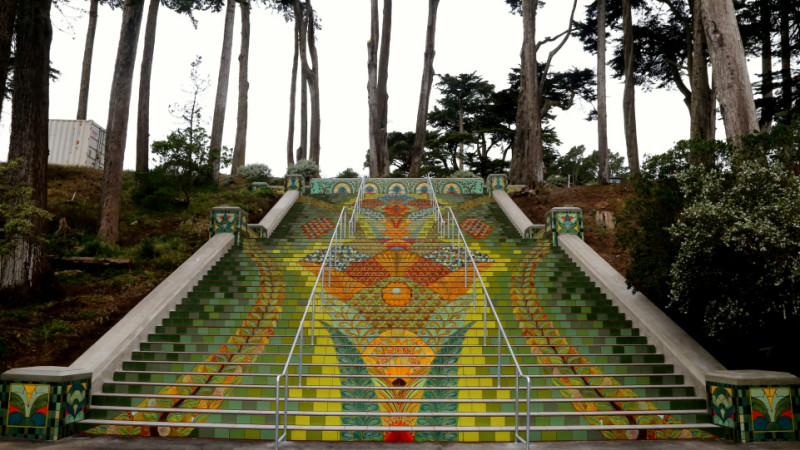
window.__IS_SSR__=true
window.__INITIAL_STATE__={
"attachmentsReducer": {
"audio_0": {
"type": "attachments",
"id": "audio_0",
"imgSizes": {
"kqedFullSize": {
"file": "https://ww2.kqed.org/news/wp-content/themes/KQED-unified/img/audio_bgs/background0.jpg"
}
}
},
"audio_1": {
"type": "attachments",
"id": "audio_1",
"imgSizes": {
"kqedFullSize": {
"file": "https://ww2.kqed.org/news/wp-content/themes/KQED-unified/img/audio_bgs/background1.jpg"
}
}
},
"audio_2": {
"type": "attachments",
"id": "audio_2",
"imgSizes": {
"kqedFullSize": {
"file": "https://ww2.kqed.org/news/wp-content/themes/KQED-unified/img/audio_bgs/background2.jpg"
}
}
},
"audio_3": {
"type": "attachments",
"id": "audio_3",
"imgSizes": {
"kqedFullSize": {
"file": "https://ww2.kqed.org/news/wp-content/themes/KQED-unified/img/audio_bgs/background3.jpg"
}
}
},
"audio_4": {
"type": "attachments",
"id": "audio_4",
"imgSizes": {
"kqedFullSize": {
"file": "https://ww2.kqed.org/news/wp-content/themes/KQED-unified/img/audio_bgs/background4.jpg"
}
}
},
"placeholder": {
"type": "attachments",
"id": "placeholder",
"imgSizes": {
"thumbnail": {
"file": "https://cdn.kqed.org/wp-content/uploads/2024/12/KQED-Default-Image-816638274-2000x1333-1-160x107.jpg",
"width": 160,
"height": 107,
"mimeType": "image/jpeg"
},
"medium": {
"file": "https://cdn.kqed.org/wp-content/uploads/2024/12/KQED-Default-Image-816638274-2000x1333-1-800x533.jpg",
"width": 800,
"height": 533,
"mimeType": "image/jpeg"
},
"medium_large": {
"file": "https://cdn.kqed.org/wp-content/uploads/2024/12/KQED-Default-Image-816638274-2000x1333-1-768x512.jpg",
"width": 768,
"height": 512,
"mimeType": "image/jpeg"
},
"large": {
"file": "https://cdn.kqed.org/wp-content/uploads/2024/12/KQED-Default-Image-816638274-2000x1333-1-1020x680.jpg",
"width": 1020,
"height": 680,
"mimeType": "image/jpeg"
},
"1536x1536": {
"file": "https://cdn.kqed.org/wp-content/uploads/2024/12/KQED-Default-Image-816638274-2000x1333-1-1536x1024.jpg",
"width": 1536,
"height": 1024,
"mimeType": "image/jpeg"
},
"fd-lrg": {
"file": "https://cdn.kqed.org/wp-content/uploads/2024/12/KQED-Default-Image-816638274-2000x1333-1-1536x1024.jpg",
"width": 1536,
"height": 1024,
"mimeType": "image/jpeg"
},
"fd-med": {
"file": "https://cdn.kqed.org/wp-content/uploads/2024/12/KQED-Default-Image-816638274-2000x1333-1-1020x680.jpg",
"width": 1020,
"height": 680,
"mimeType": "image/jpeg"
},
"fd-sm": {
"file": "https://cdn.kqed.org/wp-content/uploads/2024/12/KQED-Default-Image-816638274-2000x1333-1-800x533.jpg",
"width": 800,
"height": 533,
"mimeType": "image/jpeg"
},
"post-thumbnail": {
"file": "https://cdn.kqed.org/wp-content/uploads/2024/12/KQED-Default-Image-816638274-2000x1333-1-672x372.jpg",
"width": 672,
"height": 372,
"mimeType": "image/jpeg"
},
"twentyfourteen-full-width": {
"file": "https://cdn.kqed.org/wp-content/uploads/2024/12/KQED-Default-Image-816638274-2000x1333-1-1038x576.jpg",
"width": 1038,
"height": 576,
"mimeType": "image/jpeg"
},
"xxsmall": {
"file": "https://cdn.kqed.org/wp-content/uploads/2024/12/KQED-Default-Image-816638274-2000x1333-1-160x107.jpg",
"width": 160,
"height": 107,
"mimeType": "image/jpeg"
},
"xsmall": {
"file": "https://cdn.kqed.org/wp-content/uploads/2024/12/KQED-Default-Image-816638274-2000x1333-1-672x372.jpg",
"width": 672,
"height": 372,
"mimeType": "image/jpeg"
},
"small": {
"file": "https://cdn.kqed.org/wp-content/uploads/2024/12/KQED-Default-Image-816638274-2000x1333-1-672x372.jpg",
"width": 672,
"height": 372,
"mimeType": "image/jpeg"
},
"xlarge": {
"file": "https://cdn.kqed.org/wp-content/uploads/2024/12/KQED-Default-Image-816638274-2000x1333-1-1020x680.jpg",
"width": 1020,
"height": 680,
"mimeType": "image/jpeg"
},
"full-width": {
"file": "https://cdn.kqed.org/wp-content/uploads/2024/12/KQED-Default-Image-816638274-2000x1333-1-1920x1280.jpg",
"width": 1920,
"height": 1280,
"mimeType": "image/jpeg"
},
"guest-author-32": {
"file": "https://cdn.kqed.org/wp-content/uploads/2025/01/KQED-Default-Image-816638274-1333x1333-1-160x160.jpg",
"width": 32,
"height": 32,
"mimeType": "image/jpeg"
},
"guest-author-50": {
"file": "https://cdn.kqed.org/wp-content/uploads/2025/01/KQED-Default-Image-816638274-1333x1333-1-160x160.jpg",
"width": 50,
"height": 50,
"mimeType": "image/jpeg"
},
"guest-author-64": {
"file": "https://cdn.kqed.org/wp-content/uploads/2025/01/KQED-Default-Image-816638274-1333x1333-1-160x160.jpg",
"width": 64,
"height": 64,
"mimeType": "image/jpeg"
},
"guest-author-96": {
"file": "https://cdn.kqed.org/wp-content/uploads/2025/01/KQED-Default-Image-816638274-1333x1333-1-160x160.jpg",
"width": 96,
"height": 96,
"mimeType": "image/jpeg"
},
"guest-author-128": {
"file": "https://cdn.kqed.org/wp-content/uploads/2025/01/KQED-Default-Image-816638274-1333x1333-1-160x160.jpg",
"width": 128,
"height": 128,
"mimeType": "image/jpeg"
},
"detail": {
"file": "https://cdn.kqed.org/wp-content/uploads/2025/01/KQED-Default-Image-816638274-1333x1333-1-160x160.jpg",
"width": 160,
"height": 160,
"mimeType": "image/jpeg"
},
"kqedFullSize": {
"file": "https://cdn.kqed.org/wp-content/uploads/2024/12/KQED-Default-Image-816638274-2000x1333-1.jpg",
"width": 2000,
"height": 1333
}
}
},
"arts_10706847": {
"type": "attachments",
"id": "arts_10706847",
"meta": {
"index": "attachments_1716263798",
"site": "arts",
"id": "10706847",
"found": true
},
"parent": 10706558,
"imgSizes": {
"thumbnail": {
"file": "https://ww2.kqed.org/app/uploads/sites/2/2015/05/LPS-400x225.jpg",
"width": 400,
"mimeType": "image/jpeg",
"height": 225
},
"fd-sm": {
"file": "https://ww2.kqed.org/app/uploads/sites/2/2015/05/LPS-960x540.jpg",
"width": 960,
"mimeType": "image/jpeg",
"height": 540
},
"post-thumbnail": {
"file": "https://ww2.kqed.org/app/uploads/sites/2/2015/05/LPS-672x372.jpg",
"width": 672,
"mimeType": "image/jpeg",
"height": 372
},
"kqedFullSize": {
"file": "https://ww2.kqed.org/app/uploads/sites/2/2015/05/LPS.jpg",
"width": 961,
"height": 541
},
"guest-author-96": {
"file": "https://ww2.kqed.org/app/uploads/sites/2/2015/05/LPS-96x96.jpg",
"width": 96,
"mimeType": "image/jpeg",
"height": 96
},
"medium": {
"file": "https://ww2.kqed.org/app/uploads/sites/2/2015/05/LPS-800x450.jpg",
"width": 800,
"mimeType": "image/jpeg",
"height": 450
},
"guest-author-64": {
"file": "https://ww2.kqed.org/app/uploads/sites/2/2015/05/LPS-64x64.jpg",
"width": 64,
"mimeType": "image/jpeg",
"height": 64
},
"detail": {
"file": "https://ww2.kqed.org/app/uploads/sites/2/2015/05/LPS-75x75.jpg",
"width": 75,
"mimeType": "image/jpeg",
"height": 75
},
"guest-author-32": {
"file": "https://ww2.kqed.org/app/uploads/sites/2/2015/05/LPS-32x32.jpg",
"width": 32,
"mimeType": "image/jpeg",
"height": 32
},
"guest-author-128": {
"file": "https://ww2.kqed.org/app/uploads/sites/2/2015/05/LPS-128x128.jpg",
"width": 128,
"mimeType": "image/jpeg",
"height": 128
}
},
"publishDate": 1432875745,
"modified": 1432875772,
"caption": "The new Lincoln Park Steps. (Courtesy of Friends of Lincoln Park)",
"description": null,
"title": "LPS",
"credit": null,
"status": "inherit",
"isLoading": false,
"fetchFailed": false
},
"arts_10702829": {
"type": "attachments",
"id": "arts_10702829",
"meta": {
"index": "attachments_1716263798",
"site": "arts",
"id": "10702829",
"found": true
},
"parent": 10702680,
"imgSizes": {
"twentyfourteen-full-width": {
"file": "https://ww2.kqed.org/app/uploads/sites/2/2015/05/EbbFlow_1-1038x576.jpg",
"width": 1038,
"mimeType": "image/jpeg",
"height": 576
},
"thumbnail": {
"file": "https://ww2.kqed.org/app/uploads/sites/2/2015/05/EbbFlow_1-400x209.jpg",
"width": 400,
"mimeType": "image/jpeg",
"height": 209
},
"fd-sm": {
"file": "https://ww2.kqed.org/app/uploads/sites/2/2015/05/EbbFlow_1-960x501.jpg",
"width": 960,
"mimeType": "image/jpeg",
"height": 501
},
"post-thumbnail": {
"file": "https://ww2.kqed.org/app/uploads/sites/2/2015/05/EbbFlow_1-672x372.jpg",
"width": 672,
"mimeType": "image/jpeg",
"height": 372
},
"kqedFullSize": {
"file": "https://ww2.kqed.org/app/uploads/sites/2/2015/05/EbbFlow_1-e1443832156528.jpg",
"width": 1200,
"height": 626
},
"large": {
"file": "https://ww2.kqed.org/app/uploads/sites/2/2015/05/EbbFlow_1-1180x616.jpg",
"width": 1180,
"mimeType": "image/jpeg",
"height": 616
},
"guest-author-96": {
"file": "https://ww2.kqed.org/app/uploads/sites/2/2015/05/EbbFlow_1-96x96.jpg",
"width": 96,
"mimeType": "image/jpeg",
"height": 96
},
"medium": {
"file": "https://ww2.kqed.org/app/uploads/sites/2/2015/05/EbbFlow_1-800x417.jpg",
"width": 800,
"mimeType": "image/jpeg",
"height": 417
},
"guest-author-64": {
"file": "https://ww2.kqed.org/app/uploads/sites/2/2015/05/EbbFlow_1-64x64.jpg",
"width": 64,
"mimeType": "image/jpeg",
"height": 64
},
"guest-author-32": {
"file": "https://ww2.kqed.org/app/uploads/sites/2/2015/05/EbbFlow_1-32x32.jpg",
"width": 32,
"mimeType": "image/jpeg",
"height": 32
},
"fd-med": {
"file": "https://ww2.kqed.org/app/uploads/sites/2/2015/05/EbbFlow_1-1180x616.jpg",
"width": 1180,
"mimeType": "image/jpeg",
"height": 616
},
"detail": {
"file": "https://ww2.kqed.org/app/uploads/sites/2/2015/05/EbbFlow_1-75x75.jpg",
"width": 75,
"mimeType": "image/jpeg",
"height": 75
},
"guest-author-128": {
"file": "https://ww2.kqed.org/app/uploads/sites/2/2015/05/EbbFlow_1-128x128.jpg",
"width": 128,
"mimeType": "image/jpeg",
"height": 128
}
},
"publishDate": 1432778733,
"modified": 1432778823,
"caption": "Installation view of \u003ci>Ebb / Flow, Selections by Cesar Garcia and Naima J. Keith\u003c/i>, 2015. (Courtesy of Pro Arts)",
"description": null,
"title": "EbbFlow_1",
"credit": null,
"status": "inherit",
"isLoading": false,
"fetchFailed": false
},
"arts_10695731": {
"type": "attachments",
"id": "arts_10695731",
"meta": {
"index": "attachments_1716263798",
"site": "arts",
"id": "10695731",
"found": true
},
"parent": 10695729,
"imgSizes": {
"twentyfourteen-full-width": {
"file": "https://ww2.kqed.org/app/uploads/sites/2/2015/05/KingCover-1038x576.jpg",
"width": 1038,
"mimeType": "image/jpeg",
"height": 576
},
"thumbnail": {
"file": "https://ww2.kqed.org/app/uploads/sites/2/2015/05/KingCover-400x225.jpg",
"width": 400,
"mimeType": "image/jpeg",
"height": 225
},
"fd-sm": {
"file": "https://ww2.kqed.org/app/uploads/sites/2/2015/05/KingCover-960x540.jpg",
"width": 960,
"mimeType": "image/jpeg",
"height": 540
},
"post-thumbnail": {
"file": "https://ww2.kqed.org/app/uploads/sites/2/2015/05/KingCover-672x372.jpg",
"width": 672,
"mimeType": "image/jpeg",
"height": 372
},
"kqedFullSize": {
"file": "https://ww2.kqed.org/app/uploads/sites/2/2015/05/KingCover.jpg",
"width": 1920,
"height": 1080
},
"large": {
"file": "https://ww2.kqed.org/app/uploads/sites/2/2015/05/KingCover-1180x664.jpg",
"width": 1180,
"mimeType": "image/jpeg",
"height": 664
},
"guest-author-96": {
"file": "https://ww2.kqed.org/app/uploads/sites/2/2015/05/KingCover-96x96.jpg",
"width": 96,
"mimeType": "image/jpeg",
"height": 96
},
"medium": {
"file": "https://ww2.kqed.org/app/uploads/sites/2/2015/05/KingCover-800x450.jpg",
"width": 800,
"mimeType": "image/jpeg",
"height": 450
},
"guest-author-64": {
"file": "https://ww2.kqed.org/app/uploads/sites/2/2015/05/KingCover-64x64.jpg",
"width": 64,
"mimeType": "image/jpeg",
"height": 64
},
"guest-author-32": {
"file": "https://ww2.kqed.org/app/uploads/sites/2/2015/05/KingCover-32x32.jpg",
"width": 32,
"mimeType": "image/jpeg",
"height": 32
},
"fd-med": {
"file": "https://ww2.kqed.org/app/uploads/sites/2/2015/05/KingCover-1180x664.jpg",
"width": 1180,
"mimeType": "image/jpeg",
"height": 664
},
"detail": {
"file": "https://ww2.kqed.org/app/uploads/sites/2/2015/05/KingCover-75x75.jpg",
"width": 75,
"mimeType": "image/jpeg",
"height": 75
},
"guest-author-128": {
"file": "https://ww2.kqed.org/app/uploads/sites/2/2015/05/KingCover-128x128.jpg",
"width": 128,
"mimeType": "image/jpeg",
"height": 128
}
},
"publishDate": 1432602271,
"modified": 1432744868,
"caption": "Virgie Tovar, Nia King, Magnoliah Black and Ryka Aoki. (Photo by Penn Harshaw)",
"description": null,
"title": "KingCover",
"credit": null,
"status": "inherit",
"isLoading": false,
"fetchFailed": false
},
"arts_10698907": {
"type": "attachments",
"id": "arts_10698907",
"meta": {
"index": "attachments_1716263798",
"site": "arts",
"id": "10698907",
"found": true
},
"parent": 10698900,
"imgSizes": {
"twentyfourteen-full-width": {
"file": "https://ww2.kqed.org/app/uploads/sites/2/2015/05/ap951497737835_slide-ff570962a55f8c145ac64bd005c254b0e1c24028-1038x576.jpg",
"width": 1038,
"mimeType": "image/jpeg",
"height": 576
},
"thumbnail": {
"file": "https://ww2.kqed.org/app/uploads/sites/2/2015/05/ap951497737835_slide-ff570962a55f8c145ac64bd005c254b0e1c24028-400x267.jpg",
"width": 400,
"mimeType": "image/jpeg",
"height": 267
},
"fd-sm": {
"file": "https://ww2.kqed.org/app/uploads/sites/2/2015/05/ap951497737835_slide-ff570962a55f8c145ac64bd005c254b0e1c24028-960x640.jpg",
"width": 960,
"mimeType": "image/jpeg",
"height": 640
},
"post-thumbnail": {
"file": "https://ww2.kqed.org/app/uploads/sites/2/2015/05/ap951497737835_slide-ff570962a55f8c145ac64bd005c254b0e1c24028-672x372.jpg",
"width": 672,
"mimeType": "image/jpeg",
"height": 372
},
"kqedFullSize": {
"file": "https://ww2.kqed.org/app/uploads/sites/2/2015/05/ap951497737835_slide-ff570962a55f8c145ac64bd005c254b0e1c24028.jpg",
"width": 4627,
"height": 3084
},
"large": {
"file": "https://ww2.kqed.org/app/uploads/sites/2/2015/05/ap951497737835_slide-ff570962a55f8c145ac64bd005c254b0e1c24028-1180x786.jpg",
"width": 1180,
"mimeType": "image/jpeg",
"height": 786
},
"guest-author-96": {
"file": "https://ww2.kqed.org/app/uploads/sites/2/2015/05/ap951497737835_slide-ff570962a55f8c145ac64bd005c254b0e1c24028-96x96.jpg",
"width": 96,
"mimeType": "image/jpeg",
"height": 96
},
"medium": {
"file": "https://ww2.kqed.org/app/uploads/sites/2/2015/05/ap951497737835_slide-ff570962a55f8c145ac64bd005c254b0e1c24028-800x533.jpg",
"width": 800,
"mimeType": "image/jpeg",
"height": 533
},
"guest-author-64": {
"file": "https://ww2.kqed.org/app/uploads/sites/2/2015/05/ap951497737835_slide-ff570962a55f8c145ac64bd005c254b0e1c24028-64x64.jpg",
"width": 64,
"mimeType": "image/jpeg",
"height": 64
},
"guest-author-32": {
"file": "https://ww2.kqed.org/app/uploads/sites/2/2015/05/ap951497737835_slide-ff570962a55f8c145ac64bd005c254b0e1c24028-32x32.jpg",
"width": 32,
"mimeType": "image/jpeg",
"height": 32
},
"fd-med": {
"file": "https://ww2.kqed.org/app/uploads/sites/2/2015/05/ap951497737835_slide-ff570962a55f8c145ac64bd005c254b0e1c24028-1180x786.jpg",
"width": 1180,
"mimeType": "image/jpeg",
"height": 786
},
"detail": {
"file": "https://ww2.kqed.org/app/uploads/sites/2/2015/05/ap951497737835_slide-ff570962a55f8c145ac64bd005c254b0e1c24028-75x75.jpg",
"width": 75,
"mimeType": "image/jpeg",
"height": 75
},
"guest-author-128": {
"file": "https://ww2.kqed.org/app/uploads/sites/2/2015/05/ap951497737835_slide-ff570962a55f8c145ac64bd005c254b0e1c24028-128x128.jpg",
"width": 128,
"mimeType": "image/jpeg",
"height": 128
}
},
"publishDate": 1432680357,
"modified": 1432680357,
"caption": null,
"description": "Photographer Mary Ellen Mark attends the Leica Los Angeles grand opening on June 20, 2013. Mark died Monday. She was 75.",
"title": "Photographer Mary Ellen Mark attends the Leica Los Angeles grand opening on June 20, 2013. Mark died Monday. She was 75.",
"credit": null,
"status": "inherit",
"isLoading": false,
"fetchFailed": false
},
"arts_10684405": {
"type": "attachments",
"id": "arts_10684405",
"meta": {
"index": "attachments_1716263798",
"site": "arts",
"id": "10684405",
"found": true
},
"parent": 10684403,
"imgSizes": {
"twentyfourteen-full-width": {
"file": "https://ww2.kqed.org/app/uploads/sites/2/2015/05/muraldancesposterimage-1038x576.jpg",
"width": 1038,
"mimeType": "image/jpeg",
"height": 576
},
"thumbnail": {
"file": "https://ww2.kqed.org/app/uploads/sites/2/2015/05/muraldancesposterimage-400x225.jpg",
"width": 400,
"mimeType": "image/jpeg",
"height": 225
},
"fd-sm": {
"file": "https://ww2.kqed.org/app/uploads/sites/2/2015/05/muraldancesposterimage-960x540.jpg",
"width": 960,
"mimeType": "image/jpeg",
"height": 540
},
"post-thumbnail": {
"file": "https://ww2.kqed.org/app/uploads/sites/2/2015/05/muraldancesposterimage-672x372.jpg",
"width": 672,
"mimeType": "image/jpeg",
"height": 372
},
"kqedFullSize": {
"file": "https://ww2.kqed.org/app/uploads/sites/2/2015/05/muraldancesposterimage.jpg",
"width": 1920,
"height": 1080
},
"large": {
"file": "https://ww2.kqed.org/app/uploads/sites/2/2015/05/muraldancesposterimage-1180x664.jpg",
"width": 1180,
"mimeType": "image/jpeg",
"height": 664
},
"guest-author-96": {
"file": "https://ww2.kqed.org/app/uploads/sites/2/2015/05/muraldancesposterimage-96x96.jpg",
"width": 96,
"mimeType": "image/jpeg",
"height": 96
},
"medium": {
"file": "https://ww2.kqed.org/app/uploads/sites/2/2015/05/muraldancesposterimage-800x450.jpg",
"width": 800,
"mimeType": "image/jpeg",
"height": 450
},
"guest-author-64": {
"file": "https://ww2.kqed.org/app/uploads/sites/2/2015/05/muraldancesposterimage-64x64.jpg",
"width": 64,
"mimeType": "image/jpeg",
"height": 64
},
"guest-author-32": {
"file": "https://ww2.kqed.org/app/uploads/sites/2/2015/05/muraldancesposterimage-32x32.jpg",
"width": 32,
"mimeType": "image/jpeg",
"height": 32
},
"fd-med": {
"file": "https://ww2.kqed.org/app/uploads/sites/2/2015/05/muraldancesposterimage-1180x664.jpg",
"width": 1180,
"mimeType": "image/jpeg",
"height": 664
},
"detail": {
"file": "https://ww2.kqed.org/app/uploads/sites/2/2015/05/muraldancesposterimage-75x75.jpg",
"width": 75,
"mimeType": "image/jpeg",
"height": 75
},
"guest-author-128": {
"file": "https://ww2.kqed.org/app/uploads/sites/2/2015/05/muraldancesposterimage-128x128.jpg",
"width": 128,
"mimeType": "image/jpeg",
"height": 128
}
},
"publishDate": 1432316578,
"modified": 1432316578,
"caption": null,
"description": null,
"title": "muraldancesposterimage",
"credit": null,
"status": "inherit",
"isLoading": false,
"fetchFailed": false
},
"arts_10303074": {
"type": "attachments",
"id": "arts_10303074",
"meta": {
"index": "attachments_1716263798",
"site": "arts",
"id": "10303074",
"found": true
},
"parent": 10303072,
"imgSizes": {
"thumbnail": {
"file": "https://ww2.kqed.org/app/uploads/sites/2/2015/01/dirosa-e1432105148566-400x225.jpg",
"width": 400,
"mimeType": "image/jpeg",
"height": 225
},
"post-thumbnail": {
"file": "https://ww2.kqed.org/app/uploads/sites/2/2015/01/dirosa-e1432105148566-672x372.jpg",
"width": 672,
"mimeType": "image/jpeg",
"height": 372
},
"kqedFullSize": {
"file": "https://ww2.kqed.org/app/uploads/sites/2/2015/01/dirosa-e1432105148566.jpg",
"width": 800,
"height": 450
},
"guest-author-96": {
"file": "https://ww2.kqed.org/app/uploads/sites/2/2015/01/dirosa-e1432105148566-96x96.jpg",
"width": 96,
"mimeType": "image/jpeg",
"height": 96
},
"guest-author-64": {
"file": "https://ww2.kqed.org/app/uploads/sites/2/2015/01/dirosa-e1432105148566-64x64.jpg",
"width": 64,
"mimeType": "image/jpeg",
"height": 64
},
"detail": {
"file": "https://ww2.kqed.org/app/uploads/sites/2/2015/01/dirosa-e1432105148566-75x75.jpg",
"width": 75,
"mimeType": "image/jpeg",
"height": 75
},
"medium": {
"file": "https://ww2.kqed.org/app/uploads/sites/2/2015/01/dirosa-e1432105148566-800x450.jpg",
"width": 800,
"mimeType": "image/jpeg",
"height": 450
},
"guest-author-32": {
"file": "https://ww2.kqed.org/app/uploads/sites/2/2015/01/dirosa-e1432105148566-32x32.jpg",
"width": 32,
"mimeType": "image/jpeg",
"height": 32
},
"guest-author-128": {
"file": "https://ww2.kqed.org/app/uploads/sites/2/2015/01/dirosa-e1432105148566-128x128.jpg",
"width": 128,
"mimeType": "image/jpeg",
"height": 128
}
},
"publishDate": 1421274265,
"modified": 1432084471,
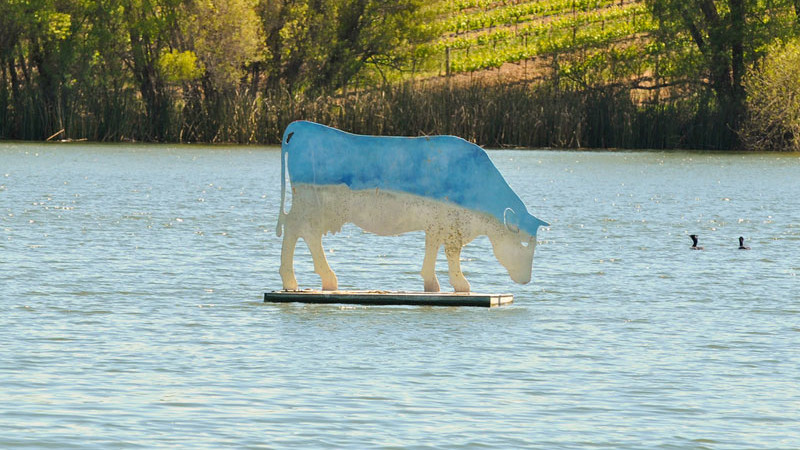
"caption": "An example of art installation at di Rosa (Courtesy of di Rosa)",
"description": "An example of art installation at di Rosa (Courtesy of di Rosa)",
"title": "dirosa",
"credit": null,
"status": "inherit",
"isLoading": false,
"fetchFailed": false
},
"arts_10674883": {
"type": "attachments",
"id": "arts_10674883",
"meta": {
"index": "attachments_1716263798",
"site": "arts",
"id": "10674883",
"found": true
},
"parent": 10674882,
"imgSizes": {
"twentyfourteen-full-width": {
"file": "https://ww2.kqed.org/app/uploads/sites/2/2015/05/luz-hebdo_wide-a94f9cecbf37200b587f0b45b993088acd9c3365-1038x576.jpg",
"width": 1038,
"mimeType": "image/jpeg",
"height": 576
},
"thumbnail": {
"file": "https://ww2.kqed.org/app/uploads/sites/2/2015/05/luz-hebdo_wide-a94f9cecbf37200b587f0b45b993088acd9c3365-400x225.jpg",
"width": 400,
"mimeType": "image/jpeg",
"height": 225
},
"fd-sm": {
"file": "https://ww2.kqed.org/app/uploads/sites/2/2015/05/luz-hebdo_wide-a94f9cecbf37200b587f0b45b993088acd9c3365-960x540.jpg",
"width": 960,
"mimeType": "image/jpeg",
"height": 540
},
"post-thumbnail": {
"file": "https://ww2.kqed.org/app/uploads/sites/2/2015/05/luz-hebdo_wide-a94f9cecbf37200b587f0b45b993088acd9c3365-672x372.jpg",
"width": 672,
"mimeType": "image/jpeg",
"height": 372
},
"kqedFullSize": {
"file": "https://ww2.kqed.org/app/uploads/sites/2/2015/05/luz-hebdo_wide-a94f9cecbf37200b587f0b45b993088acd9c3365.jpg",
"width": 3627,
"height": 2040
},
"large": {
"file": "https://ww2.kqed.org/app/uploads/sites/2/2015/05/luz-hebdo_wide-a94f9cecbf37200b587f0b45b993088acd9c3365-1180x664.jpg",
"width": 1180,
"mimeType": "image/jpeg",
"height": 664
},
"guest-author-96": {
"file": "https://ww2.kqed.org/app/uploads/sites/2/2015/05/luz-hebdo_wide-a94f9cecbf37200b587f0b45b993088acd9c3365-96x96.jpg",
"width": 96,
"mimeType": "image/jpeg",
"height": 96
},
"medium": {
"file": "https://ww2.kqed.org/app/uploads/sites/2/2015/05/luz-hebdo_wide-a94f9cecbf37200b587f0b45b993088acd9c3365-800x450.jpg",
"width": 800,
"mimeType": "image/jpeg",
"height": 450
},
"guest-author-64": {
"file": "https://ww2.kqed.org/app/uploads/sites/2/2015/05/luz-hebdo_wide-a94f9cecbf37200b587f0b45b993088acd9c3365-64x64.jpg",
"width": 64,
"mimeType": "image/jpeg",
"height": 64
},
"guest-author-32": {
"file": "https://ww2.kqed.org/app/uploads/sites/2/2015/05/luz-hebdo_wide-a94f9cecbf37200b587f0b45b993088acd9c3365-32x32.jpg",
"width": 32,
"mimeType": "image/jpeg",
"height": 32
},
"fd-med": {
"file": "https://ww2.kqed.org/app/uploads/sites/2/2015/05/luz-hebdo_wide-a94f9cecbf37200b587f0b45b993088acd9c3365-1180x664.jpg",
"width": 1180,
"mimeType": "image/jpeg",
"height": 664
},
"detail": {
"file": "https://ww2.kqed.org/app/uploads/sites/2/2015/05/luz-hebdo_wide-a94f9cecbf37200b587f0b45b993088acd9c3365-75x75.jpg",
"width": 75,
"mimeType": "image/jpeg",
"height": 75
},
"guest-author-128": {
"file": "https://ww2.kqed.org/app/uploads/sites/2/2015/05/luz-hebdo_wide-a94f9cecbf37200b587f0b45b993088acd9c3365-128x128.jpg",
"width": 128,
"mimeType": "image/jpeg",
"height": 128
}
},
"publishDate": 1432078710,
"modified": 1432078710,
"caption": null,
"description": "French cartoonist Luz, seen here in January, says he will leave the satirical magazine \u003cem>Charlie Hebdo\u003c/em> this fall.",
"title": "French cartoonist Luz, seen here in January, says he will leave the satirical magazine Charlie Hebdo this fall.",
"credit": null,
"status": "inherit",
"isLoading": false,
"fetchFailed": false
},
"arts_10685309": {
"type": "attachments",
"id": "arts_10685309",
"meta": {
"index": "attachments_1716263798",
"site": "arts",
"id": "10685309",
"found": true
},
"parent": 10670290,
"imgSizes": {
"thumbnail": {
"file": "https://ww2.kqed.org/app/uploads/sites/2/2015/05/KQED_Arts-400x213.jpg",
"width": 400,
"mimeType": "image/jpeg",
"height": 213
},
"post-thumbnail": {
"file": "https://ww2.kqed.org/app/uploads/sites/2/2015/05/KQED_Arts-672x372.jpg",
"width": 672,
"mimeType": "image/jpeg",
"height": 372
},
"kqedFullSize": {
"file": "https://ww2.kqed.org/app/uploads/sites/2/2015/05/KQED_Arts.jpg",
"width": 800,
"height": 426
},
"guest-author-96": {
"file": "https://ww2.kqed.org/app/uploads/sites/2/2015/05/KQED_Arts-96x96.jpg",
"width": 96,
"mimeType": "image/jpeg",
"height": 96
},
"medium": {
"file": "https://ww2.kqed.org/app/uploads/sites/2/2015/05/KQED_Arts-800x426.jpg",
"width": 800,
"mimeType": "image/jpeg",
"height": 426
},
"guest-author-64": {
"file": "https://ww2.kqed.org/app/uploads/sites/2/2015/05/KQED_Arts-64x64.jpg",
"width": 64,
"mimeType": "image/jpeg",
"height": 64
},
"detail": {
"file": "https://ww2.kqed.org/app/uploads/sites/2/2015/05/KQED_Arts-75x75.jpg",
"width": 75,
"mimeType": "image/jpeg",
"height": 75
},
"guest-author-32": {
"file": "https://ww2.kqed.org/app/uploads/sites/2/2015/05/KQED_Arts-32x32.jpg",
"width": 32,
"mimeType": "image/jpeg",
"height": 32
},
"guest-author-128": {
"file": "https://ww2.kqed.org/app/uploads/sites/2/2015/05/KQED_Arts-128x128.jpg",
"width": 128,
"mimeType": "image/jpeg",
"height": 128
}
},
"publishDate": 1432337067,
"modified": 1432337076,
"caption": "KQED Arts logo",
"description": "KQED Arts logo",
"title": "KQED_Q_content_areas_system",
"credit": null,
"status": "inherit",
"isLoading": false,
"fetchFailed": false
},
"arts_10656928": {
"type": "attachments",
"id": "arts_10656928",
"meta": {
"index": "attachments_1716263798",
"site": "arts",
"id": "10656928",
"found": true
},
"parent": 10654176,
"imgSizes": {
"thumbnail": {
"file": "https://ww2.kqed.org/app/uploads/sites/2/2015/05/Presidio-Learning-Center-400x225.jpg",
"width": 400,
"mimeType": "image/jpeg",
"height": 225
},
"post-thumbnail": {
"file": "https://ww2.kqed.org/app/uploads/sites/2/2015/05/Presidio-Learning-Center-672x372.jpg",
"width": 672,
"mimeType": "image/jpeg",
"height": 372
},
"kqedFullSize": {
"file": "https://ww2.kqed.org/app/uploads/sites/2/2015/05/Presidio-Learning-Center.jpg",
"width": 800,
"height": 450
},
"guest-author-96": {
"file": "https://ww2.kqed.org/app/uploads/sites/2/2015/05/Presidio-Learning-Center-96x96.jpg",
"width": 96,
"mimeType": "image/jpeg",
"height": 96
},
"medium": {
"file": "https://ww2.kqed.org/app/uploads/sites/2/2015/05/Presidio-Learning-Center-800x450.jpg",
"width": 800,
"mimeType": "image/jpeg",
"height": 450
},
"guest-author-64": {
"file": "https://ww2.kqed.org/app/uploads/sites/2/2015/05/Presidio-Learning-Center-64x64.jpg",
"width": 64,
"mimeType": "image/jpeg",
"height": 64
},
"detail": {
"file": "https://ww2.kqed.org/app/uploads/sites/2/2015/05/Presidio-Learning-Center-75x75.jpg",
"width": 75,
"mimeType": "image/jpeg",
"height": 75
},
"guest-author-32": {
"file": "https://ww2.kqed.org/app/uploads/sites/2/2015/05/Presidio-Learning-Center-32x32.jpg",
"width": 32,
"mimeType": "image/jpeg",
"height": 32
},
"guest-author-128": {
"file": "https://ww2.kqed.org/app/uploads/sites/2/2015/05/Presidio-Learning-Center-128x128.jpg",
"width": 128,
"mimeType": "image/jpeg",
"height": 128
}
},
"publishDate": 1431634303,
"modified": 1431634412,
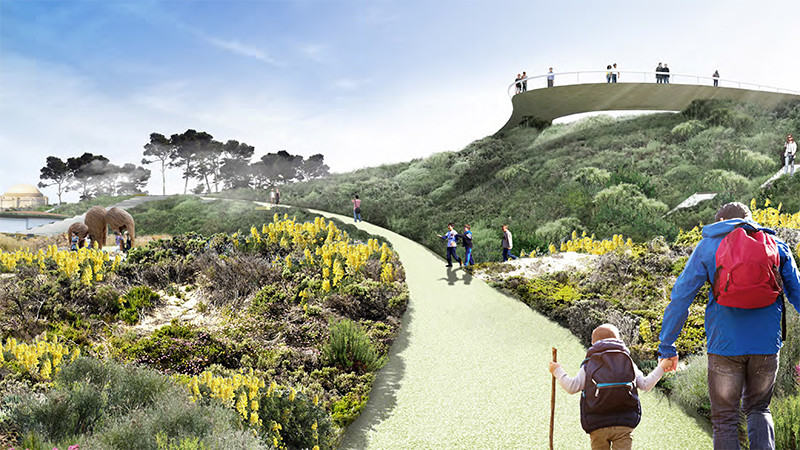
"caption": "Image of the Presidio Parklands' proposed learning center (Courtesy of The Presidio Trust)",
"description": "Image of the Presidio Parklands' proposed learning center (Courtesy of The Presidio Trust)",
"title": "Presidio Learning Center",
"credit": null,
"status": "inherit",
"isLoading": false,
"fetchFailed": false
},
"arts_10657249": {
"type": "attachments",
"id": "arts_10657249",
"meta": {
"index": "attachments_1716263798",
"site": "arts",
"id": "10657249",
"found": true
},
"parent": 10657240,
"imgSizes": {
"thumbnail": {
"file": "https://ww2.kqed.org/app/uploads/sites/2/2015/05/garcia-400x225.jpg",
"width": 400,
"mimeType": "image/jpeg",
"height": 225
},
"post-thumbnail": {
"file": "https://ww2.kqed.org/app/uploads/sites/2/2015/05/garcia-672x372.jpg",
"width": 672,
"mimeType": "image/jpeg",
"height": 372
},
"kqedFullSize": {
"file": "https://ww2.kqed.org/app/uploads/sites/2/2015/05/garcia.jpg",
"width": 850,
"height": 478
},
"guest-author-96": {
"file": "https://ww2.kqed.org/app/uploads/sites/2/2015/05/garcia-96x96.jpg",
"width": 96,
"mimeType": "image/jpeg",
"height": 96
},
"medium": {
"file": "https://ww2.kqed.org/app/uploads/sites/2/2015/05/garcia-800x450.jpg",
"width": 800,
"mimeType": "image/jpeg",
"height": 450
},
"guest-author-64": {
"file": "https://ww2.kqed.org/app/uploads/sites/2/2015/05/garcia-64x64.jpg",
"width": 64,
"mimeType": "image/jpeg",
"height": 64
},
"detail": {
"file": "https://ww2.kqed.org/app/uploads/sites/2/2015/05/garcia-75x75.jpg",
"width": 75,
"mimeType": "image/jpeg",
"height": 75
},
"guest-author-32": {
"file": "https://ww2.kqed.org/app/uploads/sites/2/2015/05/garcia-32x32.jpg",
"width": 32,
"mimeType": "image/jpeg",
"height": 32
},
"guest-author-128": {
"file": "https://ww2.kqed.org/app/uploads/sites/2/2015/05/garcia-128x128.jpg",
"width": 128,
"mimeType": "image/jpeg",
"height": 128
}
},
"publishDate": 1431640161,
"modified": 1431640224,
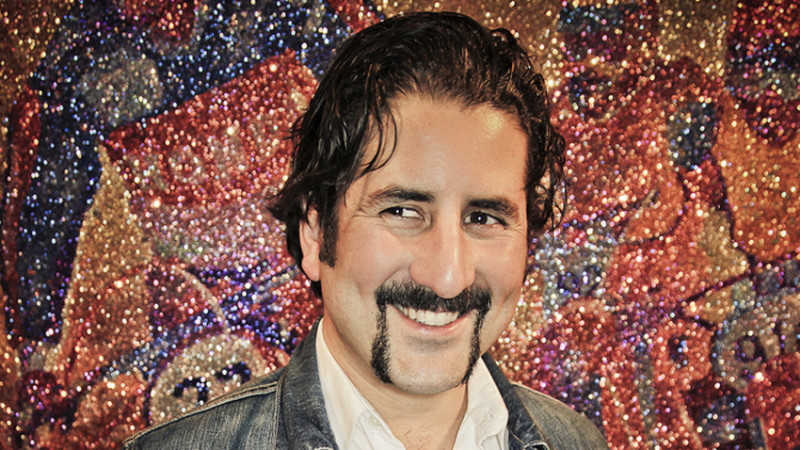
"caption": "René Garcia Jr. in 2012. (Photo by Michael Cuffe)",
"description": null,
"title": "garcia",
"credit": null,
"status": "inherit",
"isLoading": false,
"fetchFailed": false
},
"arts_10626489": {
"type": "attachments",
"id": "arts_10626489",
"meta": {
"index": "attachments_1716263798",
"site": "arts",
"id": "10626489",
"found": true
},
"parent": 10623723,
"imgSizes": {
"thumbnail": {
"file": "https://ww2.kqed.org/app/uploads/sites/2/2015/05/ArtMarketCover-400x225.jpg",
"width": 400,
"mimeType": "image/jpeg",
"height": 225
},
"post-thumbnail": {
"file": "https://ww2.kqed.org/app/uploads/sites/2/2015/05/ArtMarketCover-672x372.jpg",
"width": 672,
"mimeType": "image/jpeg",
"height": 372
},
"kqedFullSize": {
"file": "https://ww2.kqed.org/app/uploads/sites/2/2015/05/ArtMarketCover.jpg",
"width": 900,
"height": 506
},
"guest-author-96": {
"file": "https://ww2.kqed.org/app/uploads/sites/2/2015/05/ArtMarketCover-96x96.jpg",
"width": 96,
"mimeType": "image/jpeg",
"height": 96
},
"medium": {
"file": "https://ww2.kqed.org/app/uploads/sites/2/2015/05/ArtMarketCover-800x450.jpg",
"width": 800,
"mimeType": "image/jpeg",
"height": 450
},
"guest-author-64": {
"file": "https://ww2.kqed.org/app/uploads/sites/2/2015/05/ArtMarketCover-64x64.jpg",
"width": 64,
"mimeType": "image/jpeg",
"height": 64
},
"detail": {
"file": "https://ww2.kqed.org/app/uploads/sites/2/2015/05/ArtMarketCover-75x75.jpg",
"width": 75,
"mimeType": "image/jpeg",
"height": 75
},
"guest-author-32": {
"file": "https://ww2.kqed.org/app/uploads/sites/2/2015/05/ArtMarketCover-32x32.jpg",
"width": 32,
"mimeType": "image/jpeg",
"height": 32
},
"guest-author-128": {
"file": "https://ww2.kqed.org/app/uploads/sites/2/2015/05/ArtMarketCover-128x128.jpg",
"width": 128,
"mimeType": "image/jpeg",
"height": 128
}
},
"publishDate": 1430869922,
"modified": 1430869925,
"caption": "Kathryn Arnold, \u003ci>Winter Wind\u003c/i>, 2012. (Courtesy of Sandra Lee Gallery)",
"description": null,
"title": "ArtMarketCover",
"credit": null,
"status": "inherit",
"isLoading": false,
"fetchFailed": false
},
"arts_10630698": {
"type": "attachments",
"id": "arts_10630698",
"meta": {
"index": "attachments_1716263798",
"site": "arts",
"id": "10630698",
"found": true
},
"parent": 10628462,
"imgSizes": {
"twentyfourteen-full-width": {
"file": "https://ww2.kqed.org/app/uploads/sites/2/2015/05/TerraICover-1038x576.jpg",
"width": 1038,
"mimeType": "image/jpeg",
"height": 576
},
"thumbnail": {
"file": "https://ww2.kqed.org/app/uploads/sites/2/2015/05/TerraICover-400x225.jpg",
"width": 400,
"mimeType": "image/jpeg",
"height": 225
},
"fd-sm": {
"file": "https://ww2.kqed.org/app/uploads/sites/2/2015/05/TerraICover-960x540.jpg",
"width": 960,
"mimeType": "image/jpeg",
"height": 540
},
"post-thumbnail": {
"file": "https://ww2.kqed.org/app/uploads/sites/2/2015/05/TerraICover-672x372.jpg",
"width": 672,
"mimeType": "image/jpeg",
"height": 372
},
"kqedFullSize": {
"file": "https://ww2.kqed.org/app/uploads/sites/2/2015/05/TerraICover.jpg",
"width": 1920,
"height": 1080
},
"large": {
"file": "https://ww2.kqed.org/app/uploads/sites/2/2015/05/TerraICover-1180x664.jpg",
"width": 1180,
"mimeType": "image/jpeg",
"height": 664
},
"guest-author-96": {
"file": "https://ww2.kqed.org/app/uploads/sites/2/2015/05/TerraICover-96x96.jpg",
"width": 96,
"mimeType": "image/jpeg",
"height": 96
},
"medium": {
"file": "https://ww2.kqed.org/app/uploads/sites/2/2015/05/TerraICover-800x450.jpg",
"width": 800,
"mimeType": "image/jpeg",
"height": 450
},
"guest-author-64": {
"file": "https://ww2.kqed.org/app/uploads/sites/2/2015/05/TerraICover-64x64.jpg",
"width": 64,
"mimeType": "image/jpeg",
"height": 64
},
"guest-author-32": {
"file": "https://ww2.kqed.org/app/uploads/sites/2/2015/05/TerraICover-32x32.jpg",
"width": 32,
"mimeType": "image/jpeg",
"height": 32
},
"fd-med": {
"file": "https://ww2.kqed.org/app/uploads/sites/2/2015/05/TerraICover-1180x664.jpg",
"width": 1180,
"mimeType": "image/jpeg",
"height": 664
},
"detail": {
"file": "https://ww2.kqed.org/app/uploads/sites/2/2015/05/TerraICover-75x75.jpg",
"width": 75,
"mimeType": "image/jpeg",
"height": 75
},
"guest-author-128": {
"file": "https://ww2.kqed.org/app/uploads/sites/2/2015/05/TerraICover-128x128.jpg",
"width": 128,
"mimeType": "image/jpeg",
"height": 128
}
},
"publishDate": 1430973892,
"modified": 1430974027,
"caption": "\u003ci>Terra Incognita\u003c/i>. (Photo by Frances Ancheta)",
"description": null,
"title": "TerraICover",
"credit": null,
"status": "inherit",
"isLoading": false,
"fetchFailed": false
}
},
"audioPlayerReducer": {
"postId": "stream_live",
"isPaused": true,
"isPlaying": false,
"pfsActive": false,
"pledgeModalIsOpen": true,
"playerDrawerIsOpen": false,
"liveAudioPlayStartedAt": 0,
"liveAudioPlayContext": ""
},
"authorsReducer": {
"byline_arts_10695729": {
"type": "authors",
"id": "byline_arts_10695729",
"meta": {
"override": true
},
"slug": "byline_arts_10695729",
"name": "Emily K. Holmes",
"isLoading": false
},
"byline_arts_10698900": {
"type": "authors",
"id": "byline_arts_10698900",
"meta": {
"override": true
},
"slug": "byline_arts_10698900",
"name": "Krishnadev Calamur",
"isLoading": false
},
"byline_arts_10674882": {
"type": "authors",
"id": "byline_arts_10674882",
"meta": {
"override": true
},
"slug": "byline_arts_10674882",
"name": "Bill Chappell",
"isLoading": false
},
"cfrock": {
"type": "authors",
"id": "58",
"meta": {
"index": "authors_1716337520",
"id": "58",
"found": true
},
"name": "Christian L. Frock",
"firstName": "Christian L.",
"lastName": "Frock",
"slug": "cfrock",
"email": "christian@invisiblevenue.com",
"display_author_email": false,
"staff_mastheads": [
"arts"
],
"title": "KQED Contributor",
"bio": null,
"avatar": "https://secure.gravatar.com/avatar/da93aa5c1bc6f6561a99d5073186102c?s=600&d=blank&r=g",
"twitter": null,
"facebook": null,
"instagram": null,
"linkedin": null,
"sites": [
{
"site": "arts",
"roles": [
"Contributor",
"contributor"
]
}
],
"headData": {
"title": "Christian L. Frock | KQED",
"description": "KQED Contributor",
"ogImgSrc": "https://secure.gravatar.com/avatar/da93aa5c1bc6f6561a99d5073186102c?s=600&d=blank&r=g",
"twImgSrc": "https://secure.gravatar.com/avatar/da93aa5c1bc6f6561a99d5073186102c?s=600&d=blank&r=g"
},
"isLoading": false,
"link": "/author/cfrock"
},
"shotchkiss": {
"type": "authors",
"id": "61",
"meta": {
"index": "authors_1716337520",
"id": "61",
"found": true
},
"name": "Sarah Hotchkiss",
"firstName": "Sarah",
"lastName": "Hotchkiss",
"slug": "shotchkiss",
"email": "shotchkiss@kqed.org",
"display_author_email": true,
"staff_mastheads": [
"arts"
],
"title": "Senior Editor",
"bio": "Sarah Hotchkiss is a San Francisco \u003ca href=\"http://www.sarahhotchkiss.com\">artist\u003c/a> and arts writer. In 2019, she received the Dorothea & Leo Rabkin Foundation grant for visual art journalism and in 2020 she received a Society of Professional Journalists, Northern California award for excellence in arts and culture reporting.",
"avatar": "https://secure.gravatar.com/avatar/bc662df144b3d27fd8b1b6f1c2a420d34e91e53154d411bb7ad353cc8b6cea8d?s=600&d=blank&r=g",
"twitter": null,
"bluesky": null,
"facebook": null,
"instagram": null,
"linkedin": null,
"sites": [
{
"site": "",
"roles": [
"editor"
]
},
{
"site": "arts",
"roles": [
"Contributor",
"administrator"
]
},
{
"site": "artschool",
"roles": [
"administrator"
]
},
{
"site": "news",
"roles": [
"editor"
]
},
{
"site": "pop",
"roles": [
"administrator"
]
},
{
"site": "bayareabites",
"roles": [
"editor"
]
},
{
"site": "spark",
"roles": [
"editor"
]
},
{
"site": "checkplease",
"roles": [
"editor"
]
}
],
"headData": {
"title": "Sarah Hotchkiss | KQED",
"description": "Senior Editor",
"ogImgSrc": "https://secure.gravatar.com/avatar/bc662df144b3d27fd8b1b6f1c2a420d34e91e53154d411bb7ad353cc8b6cea8d?s=600&d=blank&r=g",
"twImgSrc": "https://secure.gravatar.com/avatar/bc662df144b3d27fd8b1b6f1c2a420d34e91e53154d411bb7ad353cc8b6cea8d?s=600&d=blank&r=g"
},
"isLoading": false,
"link": "/author/shotchkiss"
},
"ablaine": {
"type": "authors",
"id": "72",
"meta": {
"index": "authors_1716337520",
"id": "72",
"found": true
},
"name": "Adrienne Blaine",
"firstName": "Adrienne",
"lastName": "Blaine",
"slug": "ablaine",
"email": "adrienneblaine@hotmail.com",
"display_author_email": false,
"staff_mastheads": [],
"title": null,
"bio": "Adrienne Blaine is a Millennial writer from the South Bay. She has a BA in Comparative Literary and Cultural Studies combined with Communications and Media Studies from Franklin University Switzerland. Living in Switzerland for four years and traveling from Morocco to Iceland introduced her to diverse art, culture and food. She currently lives in San Francisco and writes about these topics.",
"avatar": "https://secure.gravatar.com/avatar/10d0a10a2189067e5e3f6fc9fc4ebdf2?s=600&d=blank&r=g",
"twitter": null,
"facebook": null,
"instagram": null,
"linkedin": null,
"sites": [
{
"site": "arts",
"roles": [
"Contributor",
"contributor"
]
},
{
"site": "bayareabites",
"roles": [
"contributor"
]
},
{
"site": "food",
"roles": [
"contributor"
]
}
],
"headData": {
"title": "Adrienne Blaine | KQED",
"description": null,
"ogImgSrc": "https://secure.gravatar.com/avatar/10d0a10a2189067e5e3f6fc9fc4ebdf2?s=600&d=blank&r=g",
"twImgSrc": "https://secure.gravatar.com/avatar/10d0a10a2189067e5e3f6fc9fc4ebdf2?s=600&d=blank&r=g"
},
"isLoading": false,
"link": "/author/ablaine"
},
"kqedarts": {
"type": "authors",
"id": "92",
"meta": {
"index": "authors_1716337520",
"id": "92",
"found": true
},
"name": "KQED Arts",
"firstName": "KQED",
"lastName": "Arts",
"slug": "kqedarts",
"email": "arts@kqed.org",
"display_author_email": false,
"staff_mastheads": [],
"title": "KQED Staff",
"bio": null,
"avatar": "https://secure.gravatar.com/avatar/321c9ebfeb7736f9e55366a6d3399ab0?s=600&d=blank&r=g",
"twitter": null,
"facebook": null,
"instagram": "https://www.instagram.com/kqed_arts/",
"linkedin": null,
"sites": [
{
"site": "arts",
"roles": [
"contributor"
]
},
{
"site": "pop",
"roles": [
"contributor"
]
},
{
"site": "science",
"roles": [
"author"
]
},
{
"site": "food",
"roles": [
"contributor"
]
}
],
"headData": {
"title": "KQED Arts | KQED",
"description": "KQED Staff",
"ogImgSrc": "https://secure.gravatar.com/avatar/321c9ebfeb7736f9e55366a6d3399ab0?s=600&d=blank&r=g",
"twImgSrc": "https://secure.gravatar.com/avatar/321c9ebfeb7736f9e55366a6d3399ab0?s=600&d=blank&r=g"
},
"isLoading": false,
"link": "/author/kqedarts"
},
"kjones": {
"type": "authors",
"id": "93",
"meta": {
"index": "authors_1716337520",
"id": "93",
"found": true
},
"name": "Kevin L. Jones",
"firstName": "Kevin",
"lastName": "Jones",
"slug": "kjones",
"email": "kjones@kqed.org",
"display_author_email": false,
"staff_mastheads": [],
"title": null,
"bio": null,
"avatar": "https://secure.gravatar.com/avatar/12c65b5633ed39d0a59bb7f497eff645?s=600&d=blank&r=g",
"twitter": null,
"facebook": null,
"instagram": null,
"linkedin": null,
"sites": [
{
"site": "arts",
"roles": [
"subscriber"
]
},
{
"site": "styleguide",
"roles": [
"contributor"
]
},
{
"site": "artschool",
"roles": [
"subscriber"
]
},
{
"site": "news",
"roles": [
"subscriber"
]
},
{
"site": "pop",
"roles": [
"subscriber"
]
}
],
"headData": {
"title": "Kevin L. Jones | KQED",
"description": null,
"ogImgSrc": "https://secure.gravatar.com/avatar/12c65b5633ed39d0a59bb7f497eff645?s=600&d=blank&r=g",
"twImgSrc": "https://secure.gravatar.com/avatar/12c65b5633ed39d0a59bb7f497eff645?s=600&d=blank&r=g"
},
"isLoading": false,
"link": "/author/kjones"
},
"aeghan": {
"type": "authors",
"id": "195",
"meta": {
"index": "authors_1716337520",
"id": "195",
"found": true
},
"name": "Adizah Eghan",
"firstName": "Adizah",
"lastName": "Eghan",
"slug": "aeghan",
"email": "adizah.e@gmail.com",
"display_author_email": false,
"staff_mastheads": [],
"title": "KQED Contributor",
"bio": "Adizah Eghan is a former reporter at KQED News and writer for KQED Arts. She caught the radio bug as an intern for PRI's The World and landed in KQED's newsroom after a stint teaching English in India. She covers culture, the arts, and global music in the Bay Area. This is where she tweets: \u003ca class=\"ProfileHeaderCard-screennameLink u-linkComplex js-nav\" style=\"color: #8899a6;\" href=\"https://twitter.com/Adizah_E\">@\u003cspan class=\"u-linkComplex-target\">Adizah_E\u003c/span>\u003c/a>",
"avatar": "https://secure.gravatar.com/avatar/d6e30ed9ca504243b4d8ee5d7ca32324?s=600&d=blank&r=g",
"twitter": "Adizah_E",
"facebook": null,
"instagram": null,
"linkedin": null,
"sites": [
{
"site": "arts",
"roles": [
"contributor"
]
},
{
"site": "news",
"roles": [
"subscriber"
]
},
{
"site": "stateofhealth",
"roles": [
"author"
]
}
],
"headData": {
"title": "Adizah Eghan | KQED",
"description": "KQED Contributor",
"ogImgSrc": "https://secure.gravatar.com/avatar/d6e30ed9ca504243b4d8ee5d7ca32324?s=600&d=blank&r=g",
"twImgSrc": "https://secure.gravatar.com/avatar/d6e30ed9ca504243b4d8ee5d7ca32324?s=600&d=blank&r=g"
},
"isLoading": false,
"link": "/author/aeghan"
},
"kwhalen": {
"type": "authors",
"id": "3248",
"meta": {
"index": "authors_1716337520",
"id": "3248",
"found": true
},
"name": "Kelly Whalen",
"firstName": "Kelly",
"lastName": "Whalen",
"slug": "kwhalen",
"email": "kwhalen@kqed.org",
"display_author_email": false,
"staff_mastheads": [],
"title": "Senior Video Producer",
"bio": "Kelly Whalen is a filmmaker and educator who directs and produces social justice documentaries and award-winning arts and culture web series. She is the creator of KQED Arts’ three-time Webby Award-winning YouTube series \u003cem>If Cities Could Dance\u003c/em>, featuring dancers across the country representing their cities’ signature moves, and the director of \u003cem>When the Waters Get Deep\u003c/em>, a documentary about Oakland-based artists SOL Development and their work toward healing their communities’ trauma from gun violence.",
"avatar": "https://secure.gravatar.com/avatar/1a2b57e8a13abdcfc3d4966d9c0e1512?s=600&d=blank&r=g",
"twitter": "kellyfilmmaker",
"facebook": null,
"instagram": null,
"linkedin": null,
"sites": [
{
"site": "arts",
"roles": [
"subscriber"
]
}
],
"headData": {
"title": "Kelly Whalen | KQED",
"description": "Senior Video Producer",
"ogImgSrc": "https://secure.gravatar.com/avatar/1a2b57e8a13abdcfc3d4966d9c0e1512?s=600&d=blank&r=g",
"twImgSrc": "https://secure.gravatar.com/avatar/1a2b57e8a13abdcfc3d4966d9c0e1512?s=600&d=blank&r=g"
},
"isLoading": false,
"link": "/author/kwhalen"
}
},
"pagesReducer": {
"arts_category_visualarts": {
"type": "terms",
"id": "arts_70",
"meta": {
"index": "terms_1716263798",
"site": "arts",
"id": "70",
"score": 14.407927
},
"featImg": null,
"name": "Visual Arts",
"description": null,
"taxonomy": "category",
"headData": {
"twImgId": null,
"twTitle": null,
"ogTitle": null,
"ogImgId": null,
"twDescription": null,
"description": null,
"title": "Visual Arts Archives | KQED Arts",
"ogDescription": null
},
"ttid": 71,
"slug": "visualarts",
"isLoading": false,
"title": "Visual Arts",
"pageMeta": {
"site": "arts",
"WpPageTemplate": "page-topic-editorial",
"currentPage": 155
},
"blocks": [
{
"blockName": "kqed/post-list",
"attrs": {
"layout": "cardArticle2",
"query": "posts/arts?category=visualarts",
"seeMore": false,
"paginated": true,
"page": 155
}
},
{
"blockName": "kqed/ad"
}
]
}
},
"pfsSessionReducer": {},
"postsReducer": {
"stream_live": {
"type": "live",
"id": "stream_live",
"audioUrl": "https://streams.kqed.org/kqedradio",
"title": "Live Stream",
"excerpt": "Live Stream information currently unavailable.",
"link": "/radio",
"featImg": "",
"label": {
"name": "KQED Live",
"link": "/"
}
},
"stream_kqedNewscast": {
"type": "posts",
"id": "stream_kqedNewscast",
"audioUrl": "https://www.kqed.org/.stream/anon/radio/RDnews/newscast.mp3?_=1",
"title": "KQED Newscast",
"featImg": "",
"label": {
"name": "88.5 FM",
"link": "/"
}
},
"arts_10706558": {
"type": "posts",
"id": "arts_10706558",
"meta": {
"index": "posts_1716263798",
"site": "arts",
"id": "10706558",
"score": null,
"sort": [
1432936844000
]
},
"parent": 0,
"labelTerm": {
"site": "arts"
},
"blocks": [],
"publishDate": 1432936844,
"format": "standard",
"title": "Lincoln Park Steps Reopen Grandly with Artist-Designed Tiles",
"headTitle": "Lincoln Park Steps Reopen Grandly with Artist-Designed Tiles | KQED",
"content": "\u003cp>At the western end of San Francisco’s California Street, a splendidly refurbished staircase designed by tile artist \u003ca href=\"http://www.aileenbarrtile.com/\" target=\"_blank\" rel=\"noopener\">Aileen Barr\u003c/a> now marks the entryway to 100 acres of public park. On May 28, neighbors, city representatives and more than a few plaid-clad girls from next-door’s Katherine Delmar Burke School celebrated a ribbon-cutting ceremony for the new \u003ca href=\"http://www.lincolnparksteps.org/\" target=\"_blank\" rel=\"noopener\">Lincoln Park Steps\u003c/a>.\u003c/p>\n\u003cp>The event marked the culmination of eight years of planning, organizing and fundraising by Friends of Lincoln Park, led by Anna Yatroussis and Meg Autry.\u003c/p>\n\u003cp>“I would walk to school down these steps when I was a child,” Yatroussis said at the ceremony, “and much later I would walk my children down these steps. But by then, unfortunately, we were stepping over broken glass and broken steps, graffiti and garbage.”\u003c/p>\n\u003cp>[gallery type=\"square\" link=\"none\" ids=\"10708584,10708585,10708582,10708583,10708581,10706847\"]\u003c/p>\n\u003cp>Today the steps are covered in sparkling new tile, with a cascading design of jewel-toned botanical and beaux-arts motifs on the step risers, benches and short pillars.\u003c/p>\n\u003cp>[ad fullwidth]\u003c/p>\n\u003cp>“The first thing that came to my mind was faded grandeur,” Barr told the crowd. “My vision was to capture a sense of splendor.” (Barr’s colorful tile work graces a number of locations around San Francisco, including the Sunset’s \u003ca href=\"http://www.tiledsteps.org/\" target=\"_blank\" rel=\"noopener\">16th Avenue steps\u003c/a>.)\u003c/p>\n\u003cp>The tiles, stamped periodically with the names of the project’s donors and sponsors, came from Fireclay Tile in San Jose and San Francisco’s Heath Ceramics.\u003c/p>\n\u003cp>“This is a lot of tile!” said Steve Schweigerdt of the San Francisco Parks Alliance, as he gestured to the 52 very wide steps. “How many of you have done a tile project in your house?”\u003c/p>\n\u003cp>Friends of Lincoln Park led the project through city approvals, grant applications, private fundraising, contract negotiations and construction delays before the prototypically gray and windy day of the ribbon cutting.\u003c/p>\n\u003cp>“It’s such a great blend of art with community,” said Supervisor Eric Mar, likening the steps to San Francisco’s WPA murals as the crowd murmured in agreement.\u003c/p>\n\u003cp>San Francisco Recreation and Parks General Manager Phil Ginsberg applauded the steps as a gateway to Lincoln Park’s precious open space. “We are welcoming more and more and more people to this city, which is a wonderful thing,” he said, “but our parks really matter now.”\u003c/p>\n\u003cp>\u003c/p>\n\u003cp>At the ceremony’s close, a pair of novelty-sized golden scissors emerged from behind a Recreation and Parks banner. Turns out those aren’t truly functional. A small army of Burke’s students wielding more conventionally-sized scissors counted down from ten to one and quickly snipped the ceremonial ribbon to bits. The stairs are open!\u003c/p>\n\n",
"stats": {
"hasVideo": false,
"hasChartOrMap": false,
"hasAudio": false,
"hasPolis": false,
"wordCount": 485,
"hasGoogleForm": false,
"hasGallery": true,
"hasHearkenModule": false,
"iframeSrcs": [],
"paragraphCount": 14
},
"modified": 1705047041,
"excerpt": "Eight years in the making, the stairs reopen with an elegant and colorful design by tile artist Aileen Barr.",
"headData": {
"twImgId": "",
"twTitle": "",
"ogTitle": "",
"ogImgId": "",
"twDescription": "",
"description": "Eight years in the making, the stairs reopen with an elegant and colorful design by tile artist Aileen Barr.",
"title": "Lincoln Park Steps Reopen Grandly with Artist-Designed Tiles | KQED",
"ogDescription": "",
"schema": {
"@context": "https://schema.org",
"@type": "Article",
"headline": "Lincoln Park Steps Reopen Grandly with Artist-Designed Tiles",
"datePublished": "2015-05-29T15:00:44-07:00",
"dateModified": "2024-01-12T00:10:41-08:00",
"image": "https://cdn.kqed.org/wp-content/uploads/2020/02/KQED-OG-Image@1x.png"
}
},
"guestAuthors": [],
"slug": "lincoln-park-steps-reopen-grandly-with-artist-designed-tiles",
"status": "publish",
"sticky": false,
"path": "/arts/10706558/lincoln-park-steps-reopen-grandly-with-artist-designed-tiles",
"audioTrackLength": null,
"parsedContent": [
{
"type": "contentString",
"content": "\u003cdiv class=\"post-body\">\u003cp>\u003cp>At the western end of San Francisco’s California Street, a splendidly refurbished staircase designed by tile artist \u003ca href=\"http://www.aileenbarrtile.com/\" target=\"_blank\" rel=\"noopener\">Aileen Barr\u003c/a> now marks the entryway to 100 acres of public park. On May 28, neighbors, city representatives and more than a few plaid-clad girls from next-door’s Katherine Delmar Burke School celebrated a ribbon-cutting ceremony for the new \u003ca href=\"http://www.lincolnparksteps.org/\" target=\"_blank\" rel=\"noopener\">Lincoln Park Steps\u003c/a>.\u003c/p>\n\u003cp>The event marked the culmination of eight years of planning, organizing and fundraising by Friends of Lincoln Park, led by Anna Yatroussis and Meg Autry.\u003c/p>\n\u003cp>“I would walk to school down these steps when I was a child,” Yatroussis said at the ceremony, “and much later I would walk my children down these steps. But by then, unfortunately, we were stepping over broken glass and broken steps, graffiti and garbage.”\u003c/p>\n\u003cp>\u003c/p>\u003c/div>",
"attributes": {
"named": {},
"numeric": []
}
},
{
"type": "component",
"content": "",
"name": "gallery",
"attributes": {
"named": {
"type": "square",
"link": "none",
"ids": "10708584,10708585,10708582,10708583,10708581,10706847",
"label": ""
},
"numeric": []
}
},
{
"type": "contentString",
"content": "\u003cdiv class=\"post-body\">\u003cp>\u003c/p>\n\u003cp>Today the steps are covered in sparkling new tile, with a cascading design of jewel-toned botanical and beaux-arts motifs on the step risers, benches and short pillars.\u003c/p>\n\u003cp>\u003c/p>\u003c/div>",
"attributes": {
"named": {},
"numeric": []
}
},
{
"type": "component",
"content": "",
"name": "ad",
"attributes": {
"named": {
"label": "fullwidth"
},
"numeric": [
"fullwidth"
]
}
},
{
"type": "contentString",
"content": "\u003cdiv class=\"post-body\">\u003cp>\u003c/p>\n\u003cp>“The first thing that came to my mind was faded grandeur,” Barr told the crowd. “My vision was to capture a sense of splendor.” (Barr’s colorful tile work graces a number of locations around San Francisco, including the Sunset’s \u003ca href=\"http://www.tiledsteps.org/\" target=\"_blank\" rel=\"noopener\">16th Avenue steps\u003c/a>.)\u003c/p>\n\u003cp>The tiles, stamped periodically with the names of the project’s donors and sponsors, came from Fireclay Tile in San Jose and San Francisco’s Heath Ceramics.\u003c/p>\n\u003cp>“This is a lot of tile!” said Steve Schweigerdt of the San Francisco Parks Alliance, as he gestured to the 52 very wide steps. “How many of you have done a tile project in your house?”\u003c/p>\n\u003cp>Friends of Lincoln Park led the project through city approvals, grant applications, private fundraising, contract negotiations and construction delays before the prototypically gray and windy day of the ribbon cutting.\u003c/p>\n\u003cp>“It’s such a great blend of art with community,” said Supervisor Eric Mar, likening the steps to San Francisco’s WPA murals as the crowd murmured in agreement.\u003c/p>\n\u003cp>San Francisco Recreation and Parks General Manager Phil Ginsberg applauded the steps as a gateway to Lincoln Park’s precious open space. “We are welcoming more and more and more people to this city, which is a wonderful thing,” he said, “but our parks really matter now.”\u003c/p>\n\u003cp>\u003c/p>\n\u003cp>At the ceremony’s close, a pair of novelty-sized golden scissors emerged from behind a Recreation and Parks banner. Turns out those aren’t truly functional. A small army of Burke’s students wielding more conventionally-sized scissors counted down from ten to one and quickly snipped the ceremonial ribbon to bits. The stairs are open!\u003c/p>\n\n\u003c/div>\u003c/p>",
"attributes": {
"named": {},
"numeric": []
}
}
],
"link": "/arts/10706558/lincoln-park-steps-reopen-grandly-with-artist-designed-tiles",
"authors": [
"61"
],
"categories": [
"arts_70"
],
"tags": [
"arts_596"
],
"featImg": "arts_10706847",
"label": "arts"
},
"arts_10702680": {
"type": "posts",
"id": "arts_10702680",
"meta": {
"index": "posts_1716263798",
"site": "arts",
"id": "10702680",
"score": null,
"sort": [
1432789865000
]
},
"parent": 0,
"labelTerm": {
"site": "arts"
},
"blocks": [],
"publishDate": 1432789865,
"format": "standard",
"title": "Pro Arts’ Executive Director Steps Down, Latest in Wave of Recent Art World Departures",
"headTitle": "Pro Arts’ Executive Director Steps Down, Latest in Wave of Recent Art World Departures | KQED",
"content": "\u003cp>The Oakland visual arts nonprofit Pro Arts announced Wednesday Executive Director Margo Dunlap is stepping down after eleven years at the organization. This news comes just two weeks after Executive Director Lex Leifheit announced her departure from San Francisco’s SOMArts and two months after di Rosa Executive Director Kathryn Reasoner announced the end of her ten-year tenure at the Napa institution.\u003c/p>\n\u003cp>In an email announcement, the Pro Arts Board of Directors thanked Dunlap “for her tenacious work serving the arts community.” According to the email, Pro Arts nearly doubled its annual budget, expanded its educational youth arts programs in the Oakland Unified School District and initiated the \u003cem>2 x 2 Solos\u003c/em> exhibition series, a coveted showcase for emerging Bay Area artists and curators, during Dunlap’s tenure.\u003c/p>\n\u003cp>Despite these accomplishments, Dunlap’s departure is sudden — her name is already absent from the Pro Arts website and her LinkedIn profile now identifies her as an “Independent Management Contractor.” Board member Helene Fried declined to comment on why Dunlap stepped down, citing the former executive director’s privacy in what Fried termed a “personnel matter.”\u003c/p>\n\u003cp>The details of these three recent departures are very different. But together they point to gaps in nonprofit leadership at a time when many Bay Area arts organizations are struggling to remain afloat.\u003c/p>\n\u003cp>Leifheit, who joined SOMArts as executive director in 2008, leaves her position for a newly-created role in the Mayor’s Office Of Economic and Workforce Development. Reasoner departs to “pursue independent projects,” according to a Feb. 18 press release from di Rosa. Both Leifheit and Reasoner remain in their positions through the end of May. SOMArts and di Rosa have not yet announced their searches for new executive directors.\u003c/p>\n\u003cp>[ad fullwidth]\u003c/p>\n\u003cp>\u003c/p>\n\u003cp>Meanwhile at Pro Arts, Nancy Gonchar, board member and former Deputy Director of the San Francisco Arts Commission, will serve as Interim Executive Director while the board begins a search for Dunlap’s replacement.\u003c/p>\n\n",
"stats": {
"hasVideo": false,
"hasChartOrMap": false,
"hasAudio": false,
"hasPolis": false,
"wordCount": 343,
"hasGoogleForm": false,
"hasGallery": false,
"hasHearkenModule": false,
"iframeSrcs": [],
"paragraphCount": 8
},
"modified": 1705047051,
"excerpt": "The departure of Executive Director Margo Dunlap follows similar announcements from SOMArts and di Rosa.",
"headData": {
"twImgId": "",
"twTitle": "",
"ogTitle": "",
"ogImgId": "",
"twDescription": "",
"description": "The departure of Executive Director Margo Dunlap follows similar announcements from SOMArts and di Rosa.",
"title": "Pro Arts’ Executive Director Steps Down, Latest in Wave of Recent Art World Departures | KQED",
"ogDescription": "",
"schema": {
"@context": "https://schema.org",
"@type": "Article",
"headline": "Pro Arts’ Executive Director Steps Down, Latest in Wave of Recent Art World Departures",
"datePublished": "2015-05-27T22:11:05-07:00",
"dateModified": "2024-01-12T00:10:51-08:00",
"image": "https://cdn.kqed.org/wp-content/uploads/2020/02/KQED-OG-Image@1x.png"
}
},
"guestAuthors": [],
"slug": "pro-arts-executive-director-steps-down-latest-in-wave-of-recent-art-world-departures",
"status": "publish",
"sticky": false,
"path": "/arts/10702680/pro-arts-executive-director-steps-down-latest-in-wave-of-recent-art-world-departures",
"audioTrackLength": null,
"parsedContent": [
{
"type": "contentString",
"content": "\u003cdiv class=\"post-body\">\u003cp>\u003cp>The Oakland visual arts nonprofit Pro Arts announced Wednesday Executive Director Margo Dunlap is stepping down after eleven years at the organization. This news comes just two weeks after Executive Director Lex Leifheit announced her departure from San Francisco’s SOMArts and two months after di Rosa Executive Director Kathryn Reasoner announced the end of her ten-year tenure at the Napa institution.\u003c/p>\n\u003cp>In an email announcement, the Pro Arts Board of Directors thanked Dunlap “for her tenacious work serving the arts community.” According to the email, Pro Arts nearly doubled its annual budget, expanded its educational youth arts programs in the Oakland Unified School District and initiated the \u003cem>2 x 2 Solos\u003c/em> exhibition series, a coveted showcase for emerging Bay Area artists and curators, during Dunlap’s tenure.\u003c/p>\n\u003cp>Despite these accomplishments, Dunlap’s departure is sudden — her name is already absent from the Pro Arts website and her LinkedIn profile now identifies her as an “Independent Management Contractor.” Board member Helene Fried declined to comment on why Dunlap stepped down, citing the former executive director’s privacy in what Fried termed a “personnel matter.”\u003c/p>\n\u003cp>The details of these three recent departures are very different. But together they point to gaps in nonprofit leadership at a time when many Bay Area arts organizations are struggling to remain afloat.\u003c/p>\n\u003cp>Leifheit, who joined SOMArts as executive director in 2008, leaves her position for a newly-created role in the Mayor’s Office Of Economic and Workforce Development. Reasoner departs to “pursue independent projects,” according to a Feb. 18 press release from di Rosa. Both Leifheit and Reasoner remain in their positions through the end of May. SOMArts and di Rosa have not yet announced their searches for new executive directors.\u003c/p>\n\u003cp>\u003c/p>\u003c/div>",
"attributes": {
"named": {},
"numeric": []
}
},
{
"type": "component",
"content": "",
"name": "ad",
"attributes": {
"named": {
"label": "fullwidth"
},
"numeric": [
"fullwidth"
]
}
},
{
"type": "contentString",
"content": "\u003cdiv class=\"post-body\">\u003cp>\u003c/p>\n\u003cp>\u003c/p>\n\u003cp>Meanwhile at Pro Arts, Nancy Gonchar, board member and former Deputy Director of the San Francisco Arts Commission, will serve as Interim Executive Director while the board begins a search for Dunlap’s replacement.\u003c/p>\n\n\u003c/div>\u003c/p>",
"attributes": {
"named": {},
"numeric": []
}
}
],
"link": "/arts/10702680/pro-arts-executive-director-steps-down-latest-in-wave-of-recent-art-world-departures",
"authors": [
"61"
],
"categories": [
"arts_235",
"arts_70"
],
"tags": [
"arts_596"
],
"featImg": "arts_10702829",
"label": "arts"
},
"arts_10695729": {
"type": "posts",
"id": "arts_10695729",
"meta": {
"index": "posts_1716263798",
"site": "arts",
"id": "10695729",
"score": null,
"sort": [
1432764029000
]
},
"guestAuthors": [],
"slug": "nia-kings-urgent-message-we-were-here-and-our-lives-matter",
"title": "Nia King's Urgent Message: \"We Were Here and Our Lives Matter\"",
"publishDate": 1432764029,
"format": "standard",
"headTitle": "Nia King’s Urgent Message: “We Were Here and Our Lives Matter” | KQED",
"labelTerm": {
"site": "arts"
},
"content": "\u003cp>How do you make it as an artist? After \u003ca href=\"http://www.artactivistnia.com/\" target=\"_blank\" rel=\"noopener\">Nia King\u003c/a> left a full-time job to be an artist, she wanted to hear other people’s success stories, particularly those with the most marginalized voices — queer and trans people of color.\u003c/p>\n\u003cfigure id=\"attachment_10696301\" class=\"wp-caption alignright\" style=\"max-width: 480px\">\u003cimg loading=\"lazy\" decoding=\"async\" class=\"size-full wp-image-10696301\" src=\"http://ww2.kqed.org/arts/wp-content/uploads/sites/2/2015/05/King640.jpg\" alt=\"Nia King. (Photo by Myles L.)\" width=\"480\" height=\"640\" srcset=\"https://cdn.kqed.org/wp-content/uploads/sites/2/2015/05/King640.jpg 480w, https://cdn.kqed.org/wp-content/uploads/sites/2/2015/05/King640-400x533.jpg 400w, https://cdn.kqed.org/wp-content/uploads/sites/2/2015/05/King640-450x600.jpg 450w\" sizes=\"(max-width: 480px) 100vw, 480px\">\u003cfigcaption class=\"wp-caption-text\">Nia King. (Photo by Myles L.)\u003c/figcaption>\u003c/figure>\n\u003cp>King produces the podcast \u003cem>\u003ca href=\"http://www.artactivistnia.com/podcast.html\" target=\"_blank\" rel=\"noopener\">We Want the Airwaves\u003c/a>\u003c/em>, in which she interviews artists of all disciplines in her ongoing search for the key to “making it” as an artist. In 2014 King self-published a collection of the podcast interviews in the book \u003cem>Queer and Trans Artists of Color: Some of Our Stories\u003c/em>. The transcribed interviews, much like the podcast, relay the artists’ experiences with refreshing honesty and surprising amounts of humor. The artists share candid and vulnerable tales of life, many about using art as tool against oppression.\u003c/p>\n\u003cp>King’s interviews serve not only to document the existence of marginalized cultural creators, but assert the power and vibrancy of queer and trans artists working today. Only one year later, King is self-publishing a second volume of \u003cem>Queer and Trans Artists of Color\u003c/em>. I sat down with her to ask how the podcast got started, what she learned about making it as an artist, and why this work remains important to her.\u003c/p>\n\u003cp>\u003cstrong>How did the idea for your podcast come about?\u003c/strong>\u003c/p>\n\u003cp>It stemmed partially from growing up in punk rock and activist communities, having the DIY ethic to go make something on your own. Before the podcast, I made zines. Most of my early zines were about race and my experiences being mixed.\u003c/p>\n\u003cp>[ad fullwidth]\u003c/p>\n\u003cp>After I graduated from Mills College, my focus changed from personal stories to what it meant to make a living as an artist. I knew I wanted to create a platform for other artists who were not getting the attention they deserved, like queer and trans people of color.\u003c/p>\n\u003cp>\u003cstrong>How did you go from zines to the podcast?\u003c/strong>\u003c/p>\n\u003cp>I went through the \u003ca href=\"http://www.qwocmap.org/\" target=\"_blank\" rel=\"noopener\">Queer Women of Color Media Arts Project\u003c/a> and learned how to edit video. I had the idea to do a podcast, but wasn’t sure what it would be about yet. After interning at \u003ca href=\"http://www.colorlines.com/\" target=\"_blank\" rel=\"noopener\">Colorlines\u003c/a>, I realized I wanted to talk to artists I saw as successful — to find out how they did it. Specifically, I wanted to talk to artists who were queer and trans people of color (QTPOC), because the advice my white male mentor at the time gave me didn’t feel applicable to my life as a queer woman of color.\u003c/p>\n\u003cp>\u003cstrong>Where did you get the title, \u003cem>We Want the Airwaves\u003c/em>?\u003c/strong>\u003c/p>\n\u003cp>It’s from a Ramones song, which goes back to my punk rock roots. It’s also a demand for access to the media and an insistence on the right for marginalized people to take up space.\u003c/p>\n\u003cfigure id=\"attachment_10696300\" class=\"wp-caption alignright\" style=\"max-width: 640px\">\u003cimg loading=\"lazy\" decoding=\"async\" class=\"size-full wp-image-10696300\" src=\"http://ww2.kqed.org/arts/wp-content/uploads/sites/2/2015/05/Book640.jpg\" alt=\"<i>Queer and Trans Artists of Color</i>. (Photo by Penn Harshaw)\" width=\"640\" height=\"427\" srcset=\"https://cdn.kqed.org/wp-content/uploads/sites/2/2015/05/Book640.jpg 640w, https://cdn.kqed.org/wp-content/uploads/sites/2/2015/05/Book640-400x267.jpg 400w\" sizes=\"(max-width: 640px) 100vw, 640px\">\u003cfigcaption class=\"wp-caption-text\">\u003ci>Queer and Trans Artists of Color\u003c/i>. (Photo by Penn Harshaw)\u003c/figcaption>\u003c/figure>\n\u003cp>\u003cstrong>What was the process of self-publishing like?\u003c/strong>\u003c/p>\n\u003cp>The few presses I approached either rejected it or didn’t get back to me. I didn’t want to wait around for someone to say that it was good enough to be published. It comes back to punk and DIY. I just wanted to go do it. I’ve never received a grant for any of my work. It’s all been self-funded or crowd-funded.\u003c/p>\n\u003cp>\u003cstrong>What does “making it” as an artist mean?\u003c/strong>\u003c/p>\n\u003cp>I wanted to ask, “What’s the secret?” to unlock the code to making it as an artist. But I learned that there’s no single “trick” to making it. Art school is supposed to help, but I work with a lot of art school grads at my minimum wage day job.\u003c/p>\n\u003cp>The formula for success is some combination of hard work, talent, hustle, privilege and luck. The ratios are different for everyone.\u003c/p>\n\u003cp>\u003cstrong>What are the common threads throughout the interviews?\u003c/strong>\u003c/p>\n\u003cp>Many queer and trans artists of color have day jobs, many do low-wage labor, or sex work. Sometimes a combination of both.\u003c/p>\n\u003cp>People love to say that if you work hard and put your nose down on the grindstone and make good work, eventually you’ll get discovered. But first of all, what does “getting discovered” even mean anymore? I used to think that you only hustle until you get your big break, but now I realize you hustle until you die.\u003c/p>\n\u003cp>\u003cstrong>How do you select the artists for your podcast?\u003c/strong>\u003c/p>\n\u003cp>It began with who I knew. My first interview was with \u003ca href=\"http://www.virgietovar.com/\" target=\"_blank\" rel=\"noopener\">Virgie Tovar\u003c/a>, who I met back in 2013 when we both performed in Berkeley for Michelle Tea’s \u003ca href=\"http://www.radarproductions.org/\" target=\"_blank\" rel=\"noopener\">RADAR Productions\u003c/a>. I was impressed with Virgie’s work and asked, “Hey, can I interview you for this podcast that doesn’t exist yet?” After that, whenever I saw work that impressed me, I reached out to the artist.\u003c/p>\n\u003cp>I want the podcast to represent the full diversity of the QTPOC community. Sometimes I notice a specific demographic is underrepresented in my podcast… I use social media to ask my friends involved in queer and trans artists of color communities, “Who is making good work right now?”\u003c/p>\n\u003cp>\u003cstrong>Is there anything you’ll do differently for the second volume of \u003cem>Queer and Trans Artists of Color\u003c/em>?\u003c/strong>\u003c/p>\n\u003cp>Last time, I gave the artists three chances to approve their interviews before the book went to press. This time they will sign off only at the final stage to reduce the workload.\u003c/p>\n\u003cp>I do the same with every interview for the podcast. The artists get a chance to listen to their own interview before it airs. If they want me to change anything, I will. I think about how this content is going to be out there forever. It’s about protecting my community. When traditional media turns an eye on marginalized communities, it tends to be exploitive. My goal is to not reproduce that kind of hurtful stuff.\u003c/p>\n\u003cp>\u003cstrong>What’s at stake for you in producing the podcast and books?\u003c/strong>\u003c/p>\n\u003cp>This past year put everything in perspective for me, with all the anti-Black police violence and so many murders of trans women of color. With QTPOC, there is a high risk of violence, murder and suicide. There are also the things that kill us slowly, like not having access to safe housing, jobs and health care.\u003c/p>\n\u003cp>In my book introduction, I wrote that this archive was important because I was worried about folks going broke and not making work anymore. But it’s also because their lives might end. I feel lucky that all of the artists in the first book are still alive today.\u003c/p>\n\u003cp>[ad floatright]\u003c/p>\n\u003cp>Art is a political necessity for marginalized people. We have an urgent message to get across, which is that we were here and that our lives matter.\u003c/p>\n\n",
"blocks": [],
"excerpt": "The podcaster behind \u003ci>We Want the Airwaves\u003c/i> interviews queer and trans artists of color on \"making it.\"",
"status": "publish",
"parent": 0,
"modified": 1726700296,
"stats": {
"hasAudio": false,
"hasVideo": false,
"hasChartOrMap": false,
"iframeSrcs": [],
"hasGoogleForm": false,
"hasGallery": false,
"hasHearkenModule": false,
"hasPolis": false,
"paragraphCount": 30,
"wordCount": 1164
},
"headData": {
"title": "Nia King's Urgent Message: \"We Were Here and Our Lives Matter\" | KQED",
"description": "The podcaster behind We Want the Airwaves interviews queer and trans artists of color on "making it."",
"ogTitle": "",
"ogDescription": "",
"ogImgId": "",
"twTitle": "",
"twDescription": "",
"twImgId": "",
"schema": {
"@context": "https://schema.org",
"@type": "Article",
"headline": "Nia King's Urgent Message: \"We Were Here and Our Lives Matter\"",
"datePublished": "2015-05-27T15:00:29-07:00",
"dateModified": "2024-09-18T15:58:16-07:00",
"image": "https://cdn.kqed.org/wp-content/uploads/2020/02/KQED-OG-Image@1x.png"
}
},
"sticky": false,
"nprByline": "Emily K. Holmes",
"path": "/arts/10695729/nia-kings-urgent-message-we-were-here-and-our-lives-matter",
"audioTrackLength": null,
"parsedContent": [
{
"type": "contentString",
"content": "\u003cdiv class=\"post-body\">\u003cp>\u003cp>How do you make it as an artist? After \u003ca href=\"http://www.artactivistnia.com/\" target=\"_blank\" rel=\"noopener\">Nia King\u003c/a> left a full-time job to be an artist, she wanted to hear other people’s success stories, particularly those with the most marginalized voices — queer and trans people of color.\u003c/p>\n\u003cfigure id=\"attachment_10696301\" class=\"wp-caption alignright\" style=\"max-width: 480px\">\u003cimg loading=\"lazy\" decoding=\"async\" class=\"size-full wp-image-10696301\" src=\"http://ww2.kqed.org/arts/wp-content/uploads/sites/2/2015/05/King640.jpg\" alt=\"Nia King. (Photo by Myles L.)\" width=\"480\" height=\"640\" srcset=\"https://cdn.kqed.org/wp-content/uploads/sites/2/2015/05/King640.jpg 480w, https://cdn.kqed.org/wp-content/uploads/sites/2/2015/05/King640-400x533.jpg 400w, https://cdn.kqed.org/wp-content/uploads/sites/2/2015/05/King640-450x600.jpg 450w\" sizes=\"(max-width: 480px) 100vw, 480px\">\u003cfigcaption class=\"wp-caption-text\">Nia King. (Photo by Myles L.)\u003c/figcaption>\u003c/figure>\n\u003cp>King produces the podcast \u003cem>\u003ca href=\"http://www.artactivistnia.com/podcast.html\" target=\"_blank\" rel=\"noopener\">We Want the Airwaves\u003c/a>\u003c/em>, in which she interviews artists of all disciplines in her ongoing search for the key to “making it” as an artist. In 2014 King self-published a collection of the podcast interviews in the book \u003cem>Queer and Trans Artists of Color: Some of Our Stories\u003c/em>. The transcribed interviews, much like the podcast, relay the artists’ experiences with refreshing honesty and surprising amounts of humor. The artists share candid and vulnerable tales of life, many about using art as tool against oppression.\u003c/p>\n\u003cp>King’s interviews serve not only to document the existence of marginalized cultural creators, but assert the power and vibrancy of queer and trans artists working today. Only one year later, King is self-publishing a second volume of \u003cem>Queer and Trans Artists of Color\u003c/em>. I sat down with her to ask how the podcast got started, what she learned about making it as an artist, and why this work remains important to her.\u003c/p>\n\u003cp>\u003cstrong>How did the idea for your podcast come about?\u003c/strong>\u003c/p>\n\u003cp>It stemmed partially from growing up in punk rock and activist communities, having the DIY ethic to go make something on your own. Before the podcast, I made zines. Most of my early zines were about race and my experiences being mixed.\u003c/p>\n\u003cp>\u003c/p>\u003c/div>",
"attributes": {
"named": {},
"numeric": []
}
},
{
"type": "component",
"content": "",
"name": "ad",
"attributes": {
"named": {
"label": "fullwidth"
},
"numeric": [
"fullwidth"
]
}
},
{
"type": "contentString",
"content": "\u003cdiv class=\"post-body\">\u003cp>\u003c/p>\n\u003cp>After I graduated from Mills College, my focus changed from personal stories to what it meant to make a living as an artist. I knew I wanted to create a platform for other artists who were not getting the attention they deserved, like queer and trans people of color.\u003c/p>\n\u003cp>\u003cstrong>How did you go from zines to the podcast?\u003c/strong>\u003c/p>\n\u003cp>I went through the \u003ca href=\"http://www.qwocmap.org/\" target=\"_blank\" rel=\"noopener\">Queer Women of Color Media Arts Project\u003c/a> and learned how to edit video. I had the idea to do a podcast, but wasn’t sure what it would be about yet. After interning at \u003ca href=\"http://www.colorlines.com/\" target=\"_blank\" rel=\"noopener\">Colorlines\u003c/a>, I realized I wanted to talk to artists I saw as successful — to find out how they did it. Specifically, I wanted to talk to artists who were queer and trans people of color (QTPOC), because the advice my white male mentor at the time gave me didn’t feel applicable to my life as a queer woman of color.\u003c/p>\n\u003cp>\u003cstrong>Where did you get the title, \u003cem>We Want the Airwaves\u003c/em>?\u003c/strong>\u003c/p>\n\u003cp>It’s from a Ramones song, which goes back to my punk rock roots. It’s also a demand for access to the media and an insistence on the right for marginalized people to take up space.\u003c/p>\n\u003cfigure id=\"attachment_10696300\" class=\"wp-caption alignright\" style=\"max-width: 640px\">\u003cimg loading=\"lazy\" decoding=\"async\" class=\"size-full wp-image-10696300\" src=\"http://ww2.kqed.org/arts/wp-content/uploads/sites/2/2015/05/Book640.jpg\" alt=\"<i>Queer and Trans Artists of Color</i>. (Photo by Penn Harshaw)\" width=\"640\" height=\"427\" srcset=\"https://cdn.kqed.org/wp-content/uploads/sites/2/2015/05/Book640.jpg 640w, https://cdn.kqed.org/wp-content/uploads/sites/2/2015/05/Book640-400x267.jpg 400w\" sizes=\"(max-width: 640px) 100vw, 640px\">\u003cfigcaption class=\"wp-caption-text\">\u003ci>Queer and Trans Artists of Color\u003c/i>. (Photo by Penn Harshaw)\u003c/figcaption>\u003c/figure>\n\u003cp>\u003cstrong>What was the process of self-publishing like?\u003c/strong>\u003c/p>\n\u003cp>The few presses I approached either rejected it or didn’t get back to me. I didn’t want to wait around for someone to say that it was good enough to be published. It comes back to punk and DIY. I just wanted to go do it. I’ve never received a grant for any of my work. It’s all been self-funded or crowd-funded.\u003c/p>\n\u003cp>\u003cstrong>What does “making it” as an artist mean?\u003c/strong>\u003c/p>\n\u003cp>I wanted to ask, “What’s the secret?” to unlock the code to making it as an artist. But I learned that there’s no single “trick” to making it. Art school is supposed to help, but I work with a lot of art school grads at my minimum wage day job.\u003c/p>\n\u003cp>The formula for success is some combination of hard work, talent, hustle, privilege and luck. The ratios are different for everyone.\u003c/p>\n\u003cp>\u003cstrong>What are the common threads throughout the interviews?\u003c/strong>\u003c/p>\n\u003cp>Many queer and trans artists of color have day jobs, many do low-wage labor, or sex work. Sometimes a combination of both.\u003c/p>\n\u003cp>People love to say that if you work hard and put your nose down on the grindstone and make good work, eventually you’ll get discovered. But first of all, what does “getting discovered” even mean anymore? I used to think that you only hustle until you get your big break, but now I realize you hustle until you die.\u003c/p>\n\u003cp>\u003cstrong>How do you select the artists for your podcast?\u003c/strong>\u003c/p>\n\u003cp>It began with who I knew. My first interview was with \u003ca href=\"http://www.virgietovar.com/\" target=\"_blank\" rel=\"noopener\">Virgie Tovar\u003c/a>, who I met back in 2013 when we both performed in Berkeley for Michelle Tea’s \u003ca href=\"http://www.radarproductions.org/\" target=\"_blank\" rel=\"noopener\">RADAR Productions\u003c/a>. I was impressed with Virgie’s work and asked, “Hey, can I interview you for this podcast that doesn’t exist yet?” After that, whenever I saw work that impressed me, I reached out to the artist.\u003c/p>\n\u003cp>I want the podcast to represent the full diversity of the QTPOC community. Sometimes I notice a specific demographic is underrepresented in my podcast… I use social media to ask my friends involved in queer and trans artists of color communities, “Who is making good work right now?”\u003c/p>\n\u003cp>\u003cstrong>Is there anything you’ll do differently for the second volume of \u003cem>Queer and Trans Artists of Color\u003c/em>?\u003c/strong>\u003c/p>\n\u003cp>Last time, I gave the artists three chances to approve their interviews before the book went to press. This time they will sign off only at the final stage to reduce the workload.\u003c/p>\n\u003cp>I do the same with every interview for the podcast. The artists get a chance to listen to their own interview before it airs. If they want me to change anything, I will. I think about how this content is going to be out there forever. It’s about protecting my community. When traditional media turns an eye on marginalized communities, it tends to be exploitive. My goal is to not reproduce that kind of hurtful stuff.\u003c/p>\n\u003cp>\u003cstrong>What’s at stake for you in producing the podcast and books?\u003c/strong>\u003c/p>\n\u003cp>This past year put everything in perspective for me, with all the anti-Black police violence and so many murders of trans women of color. With QTPOC, there is a high risk of violence, murder and suicide. There are also the things that kill us slowly, like not having access to safe housing, jobs and health care.\u003c/p>\n\u003cp>In my book introduction, I wrote that this archive was important because I was worried about folks going broke and not making work anymore. But it’s also because their lives might end. I feel lucky that all of the artists in the first book are still alive today.\u003c/p>\n\u003cp>\u003c/p>\u003c/div>",
"attributes": {
"named": {},
"numeric": []
}
},
{
"type": "component",
"content": "",
"name": "ad",
"attributes": {
"named": {
"label": "floatright"
},
"numeric": [
"floatright"
]
}
},
{
"type": "contentString",
"content": "\u003cdiv class=\"post-body\">\u003cp>\u003c/p>\n\u003cp>Art is a political necessity for marginalized people. We have an urgent message to get across, which is that we were here and that our lives matter.\u003c/p>\n\n\u003c/div>\u003c/p>",
"attributes": {
"named": {},
"numeric": []
}
}
],
"link": "/arts/10695729/nia-kings-urgent-message-we-were-here-and-our-lives-matter",
"authors": [
"byline_arts_10695729"
],
"categories": [
"arts_70"
],
"tags": [
"arts_596"
],
"featImg": "arts_10695731",
"label": "arts"
},
"arts_10698900": {
"type": "posts",
"id": "arts_10698900",
"meta": {
"index": "posts_1716263798",
"site": "arts",
"id": "10698900",
"score": null,
"sort": [
1432680784000
]
},
"parent": 0,
"labelTerm": {
"site": "arts",
"term": 137
},
"blocks": [],
"publishDate": 1432680784,
"format": "standard",
"title": "Photographer Mary Ellen Mark Dies At 75",
"headTitle": "Photographer Mary Ellen Mark Dies At 75 | KQED",
"content": "\u003cp>Mary Ellen Mark, the influential photographer known mostly for her humanist work, has died. She was 75.\u003c/p>\n\u003cp>Mark died Monday, a representative said Tuesday. The \u003cem>Philadelphia Inquirer\u003c/em> reported that she died in New York.\u003c/p>\n\u003cp>Mark’s work appeared in \u003cem>Life\u003c/em>, \u003cem>New York Times Magazine\u003c/em>, \u003cem>Rolling Stone\u003c/em> and \u003cem>Vanity Fair\u003c/em>. Her photo essay on runaway children in Seattle became the basis of \u003cem>Streetwise,\u003c/em> an Academy Award-nominated film that was directed by her husband, Martin Bell.\u003c/p>\n\u003cp>In a 1988 interview with the \u003ca href=\"http://www.philly.com/philly/blogs/entertainment/fine_arts/Legendary-Philadelphia-photographer-Mary-Ellen-Mark-dies-75.html\" target=\"_blank\" rel=\"noopener\">Philadelphia Inquirer\u003c/a>, Mark said she got her break while working for a Penn alumni magazine. On assignment, she met Pat Carbine, who then was managing editor of \u003cem>Look. \u003c/em>Carbine\u003cem> \u003c/em>later took Mark’s pitch to photograph London drug clinics.\u003c/p>\n\u003cp>“From the very first moment I took pictures [on the streets of Philadelphia], I loved it,” \u003ca href=\"http://articles.philly.com/1988-06-14/news/26266003_1_magazine-loft-photography\" target=\"_blank\" rel=\"noopener\">she told the\u003c/a> \u003cem>Inquirer\u003c/em>. “The thrill was the idea of just being on a street, turning a corner and looking for something to see. It was just an amazing feeling. … Photography became my obsession. … In a way it’s not so different when I go out to work now. It’s just that now I have years of experience in knowing how to use that little machine in front of me — at least better than I used it then. When it’s good and interesting it’s still that feeling of being on the street and wondering — God, I love this! — what’s going to happen next?”\u003c/p>\n\u003cp>[ad fullwidth]\u003c/p>\n\u003cp>NPR, \u003ca href=\"http://www.npr.org/templates/story/story.php?storyId=5020651\" target=\"_blank\" rel=\"noopener\">in a 2005 review of her work\u003c/a>, called her “a brilliant and fearless artist,” adding: “Mark’s highly celebrated work is sad, spectacular, desperate, disturbing and so much who we are.”\u003c/p>\n\u003cp>In 2012, Mark spoke to NPR about her book \u003cem>Prom\u003c/em>, a collection of 127 portraits from 13 schools across the country, shot between 2006 and 2009. You can listen to that interview \u003ca href=\"http://www.npr.org/sections/pictureshow/2012/04/06/150057877/not-your-average-prom-portraits\" target=\"_blank\" rel=\"noopener\">here\u003c/a>:\u003c/p>\n\u003cp>\u003ciframe loading=\"lazy\" src=\"http://www.npr.org/player/embed/150057877/150149088\" width=\"100%\" height=\"290\" frameborder=\"0\" scrolling=\"no\" title=\"NPR embedded audio player\">\u003c/iframe>\u003c/p>\n\u003cp>\u003cem>See more of Mark’s work in this \u003ca href=\"http://www.pbs.org/newshour/rundown/mary-ellen-mark/\" target=\"_blank\" rel=\"noopener\">PBS Newshour article\u003c/a> about her career.\u003c/em>\u003c/p>\n\u003cp>\u003c/p>\n\u003cp>NPR’s Neda Ulaby is reporting on Mark’s legacy on Wednesday’s \u003ca href=\"../programs/morning-edition/\" target=\"_blank\" rel=\"noopener\">Morning Edition\u003c/a>. Please tune in to your local public radio station to listen. \u003c/p>\n\u003cdiv class=\"fullattribution\">Copyright 2015 NPR. To see more, visit http://www.npr.org/.\u003cimg decoding=\"async\" src=\"http://www.google-analytics.com/__utm.gif?utmac=UA-5828686-4&utmdt=Photographer+Mary+Ellen+Mark+Dies+At+75&utme=8(APIKey)9(MDAxOTAwOTE4MDEyMTkxMDAzNjczZDljZA004)\">\u003c/div>\n\n",
"stats": {
"hasVideo": false,
"hasChartOrMap": false,
"hasAudio": false,
"hasPolis": false,
"wordCount": 386,
"hasGoogleForm": false,
"hasGallery": false,
"hasHearkenModule": false,
"iframeSrcs": [],
"paragraphCount": 12
},
"modified": 1705047057,
"excerpt": "The influential photographer was known mostly for her humanist work.",
"headData": {
"twImgId": "",
"twTitle": "",
"ogTitle": "",
"ogImgId": "",
"twDescription": "",
"description": "The influential photographer was known mostly for her humanist work.",
"title": "Photographer Mary Ellen Mark Dies At 75 | KQED",
"ogDescription": "",
"schema": {
"@context": "https://schema.org",
"@type": "Article",
"headline": "Photographer Mary Ellen Mark Dies At 75",
"datePublished": "2015-05-26T15:53:04-07:00",
"dateModified": "2024-01-12T00:10:57-08:00",
"image": "https://cdn.kqed.org/wp-content/uploads/2020/02/KQED-OG-Image@1x.png"
}
},
"guestAuthors": [],
"slug": "photographer-mary-ellen-mark-dies-at-75",
"status": "publish",
"nprApiLink": "http://api.npr.org/query?id=409806219&apiKey=MDAxOTAwOTE4MDEyMTkxMDAzNjczZDljZA004",
"nprByline": "Krishnadev Calamur",
"nprStoryDate": "Tue, 26 May 2015 16:10:00 -0400",
"nprLastModifiedDate": "Tue, 26 May 2015 17:53:14 -0400",
"sticky": false,
"nprHtmlLink": "http://www.npr.org/sections/thetwo-way/2015/05/26/409806219/photographer-mary-ellen-mark-dies-at-75?ft=nprml&f=409806219",
"nprStoryId": "409806219",
"nprRetrievedStory": "1",
"nprPubDate": "Tue, 26 May 2015 17:53:00 -0400",
"path": "/arts/10698900/photographer-mary-ellen-mark-dies-at-75",
"audioTrackLength": null,
"parsedContent": [
{
"type": "contentString",
"content": "\u003cdiv class=\"post-body\">\u003cp>\u003cp>Mary Ellen Mark, the influential photographer known mostly for her humanist work, has died. She was 75.\u003c/p>\n\u003cp>Mark died Monday, a representative said Tuesday. The \u003cem>Philadelphia Inquirer\u003c/em> reported that she died in New York.\u003c/p>\n\u003cp>Mark’s work appeared in \u003cem>Life\u003c/em>, \u003cem>New York Times Magazine\u003c/em>, \u003cem>Rolling Stone\u003c/em> and \u003cem>Vanity Fair\u003c/em>. Her photo essay on runaway children in Seattle became the basis of \u003cem>Streetwise,\u003c/em> an Academy Award-nominated film that was directed by her husband, Martin Bell.\u003c/p>\n\u003cp>In a 1988 interview with the \u003ca href=\"http://www.philly.com/philly/blogs/entertainment/fine_arts/Legendary-Philadelphia-photographer-Mary-Ellen-Mark-dies-75.html\" target=\"_blank\" rel=\"noopener\">Philadelphia Inquirer\u003c/a>, Mark said she got her break while working for a Penn alumni magazine. On assignment, she met Pat Carbine, who then was managing editor of \u003cem>Look. \u003c/em>Carbine\u003cem> \u003c/em>later took Mark’s pitch to photograph London drug clinics.\u003c/p>\n\u003cp>“From the very first moment I took pictures [on the streets of Philadelphia], I loved it,” \u003ca href=\"http://articles.philly.com/1988-06-14/news/26266003_1_magazine-loft-photography\" target=\"_blank\" rel=\"noopener\">she told the\u003c/a> \u003cem>Inquirer\u003c/em>. “The thrill was the idea of just being on a street, turning a corner and looking for something to see. It was just an amazing feeling. … Photography became my obsession. … In a way it’s not so different when I go out to work now. It’s just that now I have years of experience in knowing how to use that little machine in front of me — at least better than I used it then. When it’s good and interesting it’s still that feeling of being on the street and wondering — God, I love this! — what’s going to happen next?”\u003c/p>\n\u003cp>\u003c/p>\u003c/div>",
"attributes": {
"named": {},
"numeric": []
}
},
{
"type": "component",
"content": "",
"name": "ad",
"attributes": {
"named": {
"label": "fullwidth"
},
"numeric": [
"fullwidth"
]
}
},
{
"type": "contentString",
"content": "\u003cdiv class=\"post-body\">\u003cp>\u003c/p>\n\u003cp>NPR, \u003ca href=\"http://www.npr.org/templates/story/story.php?storyId=5020651\" target=\"_blank\" rel=\"noopener\">in a 2005 review of her work\u003c/a>, called her “a brilliant and fearless artist,” adding: “Mark’s highly celebrated work is sad, spectacular, desperate, disturbing and so much who we are.”\u003c/p>\n\u003cp>In 2012, Mark spoke to NPR about her book \u003cem>Prom\u003c/em>, a collection of 127 portraits from 13 schools across the country, shot between 2006 and 2009. You can listen to that interview \u003ca href=\"http://www.npr.org/sections/pictureshow/2012/04/06/150057877/not-your-average-prom-portraits\" target=\"_blank\" rel=\"noopener\">here\u003c/a>:\u003c/p>\n\u003cp>\u003ciframe loading=\"lazy\" src=\"http://www.npr.org/player/embed/150057877/150149088\" width=\"100%\" height=\"290\" frameborder=\"0\" scrolling=\"no\" title=\"NPR embedded audio player\">\u003c/iframe>\u003c/p>\n\u003cp>\u003cem>See more of Mark’s work in this \u003ca href=\"http://www.pbs.org/newshour/rundown/mary-ellen-mark/\" target=\"_blank\" rel=\"noopener\">PBS Newshour article\u003c/a> about her career.\u003c/em>\u003c/p>\n\u003cp>\u003c/p>\n\u003cp>NPR’s Neda Ulaby is reporting on Mark’s legacy on Wednesday’s \u003ca href=\"../programs/morning-edition/\" target=\"_blank\" rel=\"noopener\">Morning Edition\u003c/a>. Please tune in to your local public radio station to listen. \u003c/p>\n\u003cdiv class=\"fullattribution\">Copyright 2015 NPR. To see more, visit http://www.npr.org/.\u003cimg decoding=\"async\" src=\"http://www.google-analytics.com/__utm.gif?utmac=UA-5828686-4&utmdt=Photographer+Mary+Ellen+Mark+Dies+At+75&utme=8(APIKey)9(MDAxOTAwOTE4MDEyMTkxMDAzNjczZDljZA004)\">\u003c/div>\n\n\u003c/div>\u003c/p>",
"attributes": {
"named": {},
"numeric": []
}
}
],
"link": "/arts/10698900/photographer-mary-ellen-mark-dies-at-75",
"authors": [
"byline_arts_10698900"
],
"categories": [
"arts_70"
],
"affiliates": [
"arts_137"
],
"featImg": "arts_10698907",
"label": "arts_137"
},
"arts_10684403": {
"type": "posts",
"id": "arts_10684403",
"meta": {
"index": "posts_1716263798",
"site": "arts",
"id": "10684403",
"score": null,
"sort": [
1432321232000
]
},
"guestAuthors": [],
"slug": "dancing-in-the-streets-brings-mission-murals-to-life",
"title": "Dancing in the Streets Brings Mission Murals to Life",
"publishDate": 1432321232,
"format": "video",
"headTitle": "Dancing in the Streets Brings Mission Murals to Life | KQED",
"labelTerm": {
"site": "arts"
},
"content": "\u003cp>For decades, the hundreds of murals in San Francisco’s Mission District have served as a visual history of the neighborhood’s diverse Latin American roots.\u003c/p>\n\u003cp>But in recent years, the cultural landscape of the Mission has radically changed. According to the Mission Economic Development Association, 8,000 Latino residents were displaced from the Mission between 2000 and 2013.\u003c/p>\n\u003cp>When local Latino dancers and choreographers staged performances May 3, 2015, in front of several murals along 24th Street, the act of reclaiming the area’s rich cultural past was as much on display as the street choreography.\u003c/p>\n\u003cp>\u003ca href=\"http://calle24sf.org/cultural-arts-district/\" target=\"_blank\" rel=\"noopener\">Calle 24 Latino Cultural District’s Arts Consortium\u003c/a> presented \u003cem>Baile en la Calle\u003c/em>: \u003cem>The Mural Dances\u003c/em>.\u003c/p>\n\u003cp>“We started these mural dances to bring attention to losing the visibility to the culture that created the Mission,” says Susan Cervantes, founder of \u003ca href=\"http://www.precitaeyes.org\" target=\"_blank\" rel=\"noopener\">Precita Eyes Muralists\u003c/a> and a pioneer in the city’s community mural art movement. “So there’s better understanding and more respect.”\u003c/p>\n\u003cp>[ad fullwidth]\u003c/p>\n\u003cp>Street performances represented Aztec, Mexican folk, and bomba dance traditions. They also drew attention to a collection of murals at the Florida and 24th Street intersection, including the treasured “500 Years Of Resistance” by El Salvadorean muralist Isaias Mata.\u003c/p>\n\u003cp>Event organizers also unveiled a recently restored mural in the 24th Street mini-park and re-dedicated the work to Ralph Maradiaga, a Chicano arts activist who co-founded \u003ca href=\"http://www.galeriadelaraza.org\" target=\"_blank\" rel=\"noopener\">Galería de la Raza\u003c/a> in 1970 as a place for Mexican American and other Latino artists to show their work.\u003c/p>\n\u003cp>“For new generations, it’s important to have cultural icons that speak to that legacy,” says Ani Rivera, director of Galería de la Raza.\u003c/p>\n\u003cp>Galería de la Raza, \u003ca href=\"http://www.missionculturalcenter.org\" target=\"_blank\" rel=\"noopener\">Mission Cultural Center for Latino Arts\u003c/a>, \u003ca href=\"http://www.brava.org\" target=\"_blank\" rel=\"noopener\">Brava Theater Center\u003c/a>, and \u003ca href=\"http://accionlatina.org\" target=\"_blank\" rel=\"noopener\">Accion Latina\u003c/a> are among several arts organizations located in the 14 blocks around 24th street. Last year, the San Francisco Board of Supervisors designated the area as the Calle 24 Latino Cultural District .\u003c/p>\n\u003cp>While \u003ca href=\"http://www.sfbos.org/ftp/uploadedfiles/bdsupvrs/committees/materials/LU051914_140421.pdf\" target=\"_blank\" rel=\"noopener\">the resolution\u003c/a> was largely symbolic, it’s a first step for the coalition of arts, business and community leaders working together to preserve the area’s long history of Latino arts and culture.\u003c/p>\n\u003cp>This summer, the Calle 24 Latino Cultural District leaders plan to seek special use status for the corridor which could help protect the neighborhood against rapid development.\u003c/p>\n\u003cp>\u003c/p>\n\u003cp>\u003cem>For more about the Mission’s street art scene and history, check out our recent \u003ca href=\"http://ww2.kqed.org/news/2015/05/19/why-dont-murals-get-covered-by-graffiti-in-the-mission\" target=\"_blank\" rel=\"noopener\">Bay Curious piece on murals in the Mission\u003c/a> and this KQED Arts \u003ca href=\"http://www.kqed.org/arts/programs/spark/profile.jsp?essid=29274\">SPARK episode\u003c/a>.\u003c/em>\u003c/p>\n\n",
"blocks": [],
"excerpt": "Dancers draw attention to the recent displacement of thousands of Latino residents in one of San Francisco's most street art-rich neighborhoods.",
"status": "publish",
"parent": 0,
"modified": 1726788446,
"stats": {
"hasAudio": false,
"hasVideo": false,
"hasChartOrMap": false,
"iframeSrcs": [],
"hasGoogleForm": false,
"hasGallery": false,
"hasHearkenModule": false,
"hasPolis": false,
"paragraphCount": 14,
"wordCount": 449
},
"headData": {
"title": "Dancing in the Streets Brings Mission Murals to Life | KQED",
"description": "Dancers draw attention to the recent displacement of thousands of Latino residents in one of San Francisco's most street art-rich neighborhoods.",
"ogTitle": "",
"ogDescription": "",
"ogImgId": "",
"twTitle": "",
"twDescription": "",
"twImgId": "",
"schema": {
"@context": "https://schema.org",
"@type": "Article",
"headline": "Dancing in the Streets Brings Mission Murals to Life",
"datePublished": "2015-05-22T12:00:32-07:00",
"dateModified": "2024-09-19T16:27:26-07:00",
"image": "https://cdn.kqed.org/wp-content/uploads/2020/02/KQED-OG-Image@1x.png"
}
},
"videoEmbed": "https://www.youtube.com/watch?v=NyBWFkdH1yw&feature=youtu.be",
"sticky": false,
"path": "/arts/10684403/dancing-in-the-streets-brings-mission-murals-to-life",
"audioTrackLength": null,
"parsedContent": [
{
"type": "contentString",
"content": "\u003cdiv class=\"post-body\">\u003cp>\u003cp>For decades, the hundreds of murals in San Francisco’s Mission District have served as a visual history of the neighborhood’s diverse Latin American roots.\u003c/p>\n\u003cp>But in recent years, the cultural landscape of the Mission has radically changed. According to the Mission Economic Development Association, 8,000 Latino residents were displaced from the Mission between 2000 and 2013.\u003c/p>\n\u003cp>When local Latino dancers and choreographers staged performances May 3, 2015, in front of several murals along 24th Street, the act of reclaiming the area’s rich cultural past was as much on display as the street choreography.\u003c/p>\n\u003cp>\u003ca href=\"http://calle24sf.org/cultural-arts-district/\" target=\"_blank\" rel=\"noopener\">Calle 24 Latino Cultural District’s Arts Consortium\u003c/a> presented \u003cem>Baile en la Calle\u003c/em>: \u003cem>The Mural Dances\u003c/em>.\u003c/p>\n\u003cp>“We started these mural dances to bring attention to losing the visibility to the culture that created the Mission,” says Susan Cervantes, founder of \u003ca href=\"http://www.precitaeyes.org\" target=\"_blank\" rel=\"noopener\">Precita Eyes Muralists\u003c/a> and a pioneer in the city’s community mural art movement. “So there’s better understanding and more respect.”\u003c/p>\n\u003cp>\u003c/p>\u003c/div>",
"attributes": {
"named": {},
"numeric": []
}
},
{
"type": "component",
"content": "",
"name": "ad",
"attributes": {
"named": {
"label": "fullwidth"
},
"numeric": [
"fullwidth"
]
}
},
{
"type": "contentString",
"content": "\u003cdiv class=\"post-body\">\u003cp>\u003c/p>\n\u003cp>Street performances represented Aztec, Mexican folk, and bomba dance traditions. They also drew attention to a collection of murals at the Florida and 24th Street intersection, including the treasured “500 Years Of Resistance” by El Salvadorean muralist Isaias Mata.\u003c/p>\n\u003cp>Event organizers also unveiled a recently restored mural in the 24th Street mini-park and re-dedicated the work to Ralph Maradiaga, a Chicano arts activist who co-founded \u003ca href=\"http://www.galeriadelaraza.org\" target=\"_blank\" rel=\"noopener\">Galería de la Raza\u003c/a> in 1970 as a place for Mexican American and other Latino artists to show their work.\u003c/p>\n\u003cp>“For new generations, it’s important to have cultural icons that speak to that legacy,” says Ani Rivera, director of Galería de la Raza.\u003c/p>\n\u003cp>Galería de la Raza, \u003ca href=\"http://www.missionculturalcenter.org\" target=\"_blank\" rel=\"noopener\">Mission Cultural Center for Latino Arts\u003c/a>, \u003ca href=\"http://www.brava.org\" target=\"_blank\" rel=\"noopener\">Brava Theater Center\u003c/a>, and \u003ca href=\"http://accionlatina.org\" target=\"_blank\" rel=\"noopener\">Accion Latina\u003c/a> are among several arts organizations located in the 14 blocks around 24th street. Last year, the San Francisco Board of Supervisors designated the area as the Calle 24 Latino Cultural District .\u003c/p>\n\u003cp>While \u003ca href=\"http://www.sfbos.org/ftp/uploadedfiles/bdsupvrs/committees/materials/LU051914_140421.pdf\" target=\"_blank\" rel=\"noopener\">the resolution\u003c/a> was largely symbolic, it’s a first step for the coalition of arts, business and community leaders working together to preserve the area’s long history of Latino arts and culture.\u003c/p>\n\u003cp>This summer, the Calle 24 Latino Cultural District leaders plan to seek special use status for the corridor which could help protect the neighborhood against rapid development.\u003c/p>\n\u003cp>\u003c/p>\n\u003cp>\u003cem>For more about the Mission’s street art scene and history, check out our recent \u003ca href=\"http://ww2.kqed.org/news/2015/05/19/why-dont-murals-get-covered-by-graffiti-in-the-mission\" target=\"_blank\" rel=\"noopener\">Bay Curious piece on murals in the Mission\u003c/a> and this KQED Arts \u003ca href=\"http://www.kqed.org/arts/programs/spark/profile.jsp?essid=29274\">SPARK episode\u003c/a>.\u003c/em>\u003c/p>\n\n\u003c/div>\u003c/p>",
"attributes": {
"named": {},
"numeric": []
}
}
],
"link": "/arts/10684403/dancing-in-the-streets-brings-mission-murals-to-life",
"authors": [
"3248"
],
"categories": [
"arts_70"
],
"tags": [
"arts_596"
],
"featImg": "arts_10684405",
"label": "arts"
},
"arts_10656607": {
"type": "posts",
"id": "arts_10656607",
"meta": {
"index": "posts_1716263798",
"site": "arts",
"id": "10656607",
"score": null,
"sort": [
1432159218000
]
},
"guestAuthors": [],
"slug": "day-trippin-summer-art-destinations-around-the-bay-area",
"title": "Day Trippin’: Summer Art Destinations Around the Bay Area",
"publishDate": 1432159218,
"format": "standard",
"headTitle": "Day Trippin’: Summer Art Destinations Around the Bay Area | KQED",
"labelTerm": {
"site": "arts"
},
"content": "\u003cp>“The coldest winter I ever spent was a summer in San Francisco,” Mark Twain once said, according to urban legend. Whether or not he said it hardly matters, so let’s not dwell on it — we all know the city can be miserable in the summer, so the timing is perfect for day trips elsewhere around the Bay Area to get your art fix and expand your horizons.\u003c/p>\n\u003cp>\u003ca href=\"http://ww2.kqed.org/arts/series/summer-arts-guide-2015\">\u003cimg loading=\"lazy\" decoding=\"async\" class=\"alignright size-thumbnail wp-image-10671038\" src=\"http://ww2.kqed.org/arts/wp-content/uploads/sites/2/2015/05/SummerArtsGuide-2015-400x400-1-400x400.png\" alt=\"SummerArtsGuide-2015-400x400-1\" width=\"300\" height=\"300\" srcset=\"https://cdn.kqed.org/wp-content/uploads/sites/2/2015/05/SummerArtsGuide-2015-400x400-1.png 400w, https://cdn.kqed.org/wp-content/uploads/sites/2/2015/05/SummerArtsGuide-2015-400x400-1-32x32.png 32w, https://cdn.kqed.org/wp-content/uploads/sites/2/2015/05/SummerArtsGuide-2015-400x400-1-64x64.png 64w, https://cdn.kqed.org/wp-content/uploads/sites/2/2015/05/SummerArtsGuide-2015-400x400-1-96x96.png 96w, https://cdn.kqed.org/wp-content/uploads/sites/2/2015/05/SummerArtsGuide-2015-400x400-1-128x128.png 128w, https://cdn.kqed.org/wp-content/uploads/sites/2/2015/05/SummerArtsGuide-2015-400x400-1-75x75.png 75w\" sizes=\"(max-width: 300px) 100vw, 300px\">\u003c/a>\u003c/p>\n\u003cp>Each of these five spots promise a whole host of great things to see and do – and yes, eat (if you are from the Bay Area, I know where your priorities lie, don’t worry) – so plan to make it a sunny day of exploration. But before we start, a word to the wise if you actually live in the city: You’ll be heading to the best weather the region has to offer, so feel free to leave your fleece at home and prepare to have fun.\u003c/p>\n\u003cdiv class=\"callout noborder\">\n\u003cfigure id=\"attachment_10675760\" class=\"wp-caption alignleft\" style=\"max-width: 400px\">\u003cimg loading=\"lazy\" decoding=\"async\" src=\"http://ww2.kqed.org/arts/wp-content/uploads/sites/2/2015/05/Overfelt-bedford-e1432100191730-400x241.jpg\" alt='\"Untitled\" by Guy Overfelt, 1999. (Courtesy of Bedford Gallery)' width=\"400\" height=\"241\" class=\"size-thumbnail wp-image-10675760\" srcset=\"https://cdn.kqed.org/wp-content/uploads/sites/2/2015/05/Overfelt-bedford-e1432100191730-400x241.jpg 400w, https://cdn.kqed.org/wp-content/uploads/sites/2/2015/05/Overfelt-bedford-e1432100191730.jpg 550w\" sizes=\"(max-width: 400px) 100vw, 400px\">\u003cfigcaption class=\"wp-caption-text\">“Untitled” by Guy Overfelt, 1999. (Courtesy of Bedford Gallery)\u003c/figcaption>\u003c/figure>\n\u003ch3>Blow Up\u003c/h3>\n\u003ch5>Through June 21\u003cbr>\n\u003ca href=\"http://www.bedfordgallery.org\" target=\"_blank\">Bedford Gallery\u003c/a>\u003cbr>\n1601 Civic Drive, Walnut Creek\u003c/h5>\n\u003cdiv class=\"inside text\" style=\"width: 700px;float: left\">\n\u003cp class=\"p1\">Putting this one right up front as it closes at the end of June – so make it a priority because I think this might end up being one of the best shows of the summer. \u003cem>Plus\u003c/em> kids will love it, making it a great choice for families. This summer’s group exhibition, \u003cem>Blow Up\u003c/em>, organized by longtime Bedford curator Carrie Lederer, features large-scale inflatable sculptures by a wild range of artists. From Warhol’s silver balloons to Momoyo Torimitsu’s giant carnival bunnies to Guy Overfelt’s blow up hot rod, there is something for every kid ages 1 – 111 to marvel at in wonder. Just three blocks from BART, so take the train and keep it simple.\u003c/p>\n\u003c/div>\n\u003c/div>\n\u003cdiv class=\"callout noborder\">\n\u003cfigure id=\"attachment_10675762\" class=\"wp-caption alignleft\" style=\"max-width: 400px\">\u003cimg loading=\"lazy\" decoding=\"async\" src=\"http://ww2.kqed.org/arts/wp-content/uploads/sites/2/2015/05/Smoke_Screen-500x375-400x300.jpg\" alt='\"Smoke Screen\" by Tammy Rae Carland, 2013. (Courtesy of of the artist and Jessica Silverman Gallery)' width=\"400\" height=\"300\" class=\"size-thumbnail wp-image-10675762\" srcset=\"https://cdn.kqed.org/wp-content/uploads/sites/2/2015/05/Smoke_Screen-500x375-400x300.jpg 400w, https://cdn.kqed.org/wp-content/uploads/sites/2/2015/05/Smoke_Screen-500x375.jpg 500w\" sizes=\"(max-width: 400px) 100vw, 400px\">\u003cfigcaption class=\"wp-caption-text\">“Smoke Screen” by Tammy Rae Carland, 2013. (Courtesy of of the artist and Jessica Silverman Gallery)\u003c/figcaption>\u003c/figure>\n\u003ch3>Tongue-in-Cheek\u003c/h3>\n\u003ch5>Through July 19\u003cbr>\n\u003ca href=\"http://www.dirosaart.org/\" target=\"_blank\" rel=\"noopener\">di rosa\u003c/a>\u003cbr>\n5200 Sonoma Hwy, Napa\u003c/h5>\n\u003cdiv class=\"inside text\" style=\"width: 700px;float: left\">\n\u003cp class=\"p1\">Nestled amidst rolling green hills, grapevines and a picturesque lake, di Rosa is an extraordinary Northern California art destination. Founded by the late collectors extraordinaire Rene and Veronica di Rosa, di Rosa is widely considered the most significant collection of Bay Area artists in the world, featuring works by Robert Arneson, Enrique Chagoya, Raymond Saunders, Allan Rath and Mildred Howard, among some 800 artists. The Gatehouse Gallery features rotating exhibitions, including this summer’s group show, \u003cem>Tongue-in-Cheek\u003c/em>, which focuses on disarmingly funny — and dare I say quirky? — Bay Area artists including Tammy Rae Carland, Jonn Herschend and Kate Rhoades, among others. Explore Napa for the day \u003cem>and\u003c/em> see the work of great Bay Area artists? Win, win.\u003c/p>\n\u003c/div>\n\u003c/div>\n\u003cdiv class=\"callout noborder\">\n\u003cfigure id=\"attachment_10675765\" class=\"wp-caption alignleft\" style=\"max-width: 400px\">\u003cimg loading=\"lazy\" decoding=\"async\" src=\"http://ww2.kqed.org/arts/wp-content/uploads/sites/2/2015/05/Amy-Ho-400x177.jpg\" alt='\"Red Rooms\" by Amy M. Ho, 2014. (Courtesy of the Artist and Chandra Cerrito Contemporary)' width=\"400\" height=\"177\" class=\"size-thumbnail wp-image-10675765\" srcset=\"https://cdn.kqed.org/wp-content/uploads/sites/2/2015/05/Amy-Ho-400x177.jpg 400w, https://cdn.kqed.org/wp-content/uploads/sites/2/2015/05/Amy-Ho-800x355.jpg 800w, https://cdn.kqed.org/wp-content/uploads/sites/2/2015/05/Amy-Ho.jpg 952w\" sizes=\"(max-width: 400px) 100vw, 400px\">\u003cfigcaption class=\"wp-caption-text\">“Red Rooms” by Amy M. Ho, 2014. (Courtesy of the Artist and Chandra Cerrito Contemporary)\u003c/figcaption>\u003c/figure>\n\u003ch3>Amy M. Ho: Red Rooms\u003c/h3>\n\u003ch5>Through Sept. 12\u003cbr>\n\u003ca href=\"http://www.sjica.org\" target=\"_blank\" rel=\"noopener\">San Jose Institute of Contemporary Art\u003c/a>\u003cbr>\n560 South First Street, San Jose\u003c/h5>\n\u003cdiv class=\"inside text\" style=\"width: 700px;float: left\">\n\u003cp class=\"p1\">Okay, the cat’s outta the bag: San Jose has the best weather in the Bay Area. Plus it has the ICA, which presents some of the best exhibitions and programs around. (Yes, I went there.) This summer, the ICA presents an immersive light and video installation by the amazing Amy M. Ho, one of my personal favorites, alongside exhibitions of work by the excellent Rebecca Haseltine, Cassandra Staubing, Naomie Kremer, and Sophia Allison and Leanne Lee. If I was you, I would dovetail my visit with a trip to the Winchester Mystery House – because, mystery – and hit up Falafel Drive In on Stevens Creek along the way for a falafel and a banana milkshake, just sayin’.\u003c/p>\n\u003c/div>\n\u003c/div>\n\u003cdiv class=\"callout noborder\">\n\u003cfigure id=\"attachment_10675905\" class=\"wp-caption alignleft\" style=\"max-width: 400px\">\u003cimg loading=\"lazy\" decoding=\"async\" src=\"http://ww2.kqed.org/arts/wp-content/uploads/sites/2/2015/05/Screen-Shot-2015-05-19-at-11.14.57-PM-400x269.png\" alt=\"Pace Gallery's current exhibit (Courtesy of Pace Gallery)\" width=\"400\" height=\"269\" class=\"size-thumbnail wp-image-10675905\" srcset=\"https://cdn.kqed.org/wp-content/uploads/sites/2/2015/05/Screen-Shot-2015-05-19-at-11.14.57-PM-400x269.png 400w, https://cdn.kqed.org/wp-content/uploads/sites/2/2015/05/Screen-Shot-2015-05-19-at-11.14.57-PM.png 712w\" sizes=\"(max-width: 400px) 100vw, 400px\">\u003cfigcaption class=\"wp-caption-text\">Pace Gallery’s current exhibit (Courtesy of Pace Gallery)\u003c/figcaption>\u003c/figure>\n\u003ch3>Group Exhibition (By Appointment Only)\u003c/h3>\n\u003ch5>Through August 22\u003cbr>\n\u003ca href=\"http://www.pacegallery.com/menlopark\" target=\"_blank\" rel=\"noopener\">Pace Gallery\u003c/a>\u003cbr>\n300 El Camino Real, Menlo Park\u003c/h5>\n\u003cdiv class=\"inside text\" style=\"width: 700px;float: left\">\n\u003cp class=\"p1\">Last summer New York powerhouse gallery PACE “Manhattanized” the Peninsula with a cool West coast outpost in a former Tesla dealership on El Camino Real. This unusual pop-up was only supposed to last just through the end of last year, but the gallery has quietly stayed on. Presently it offers a spectacular group show featuring works by Chuck Close and other international art stars. The gallery and exhibition is available to view by appointment only, so remember to call ahead before you go.\u003c/p>\n\u003c/div>\n\u003c/div>\n\u003cdiv class=\"callout noborder\">\n\u003cfigure id=\"attachment_10675908\" class=\"wp-caption alignleft\" style=\"max-width: 335px\">\u003cimg loading=\"lazy\" decoding=\"async\" src=\"http://ww2.kqed.org/arts/wp-content/uploads/sites/2/2015/05/broken-wing.jpg\" alt='\"Broken Wing\" by David Middlebrook, 2004. (Photo by Donna Guldimann)' width=\"335\" height=\"310\" class=\"size-thumbnail wp-image-10675908\">\u003cfigcaption class=\"wp-caption-text\">“Broken Wing” by David Middlebrook, 2004. (Photo by Donna Guldimann)\u003c/figcaption>\u003c/figure>\n\u003ch3>Art on the Grounds\u003c/h3>\n\u003ch5>Permanent installations – ongoing\u003cbr>\n\u003ca href=\"http://www.montalvoarts.org\" target=\"_blank\" rel=\"noopener\">Montalvo Arts Center\u003c/a>\u003cbr>\n15400 Montalvo Road, Saratoga\u003c/h5>\n\u003cdiv class=\"inside text\" style=\"width: 700px;float: left\">\n\u003cp class=\"p1\">Tucked away in a quiet residential area filled with jaw-dropping historic homes and estates, the Montalvo Arts Center is an oasis away from the Bay Area’s noisy hustle and traffic. In addition to an annual series of three rotating-group exhibitions featuring the work of artists-in-residence, the grounds at Montalvo also host temporary outdoor installations, as well as a number of permanent installations throughout its 175-acre property. This summer sees the temporary installation of five bronze sculptures by Stephen De Staebler, as well as the permanent installation of \u003cem>A Healing Walk\u003c/em> by the late Susan O’Malley. O’Malley’s walk, true to the nature of healing, is no simple task and leads visitors straight up hill. Those who endure are rewarded with some of the most extraordinary vistas the Bay Area has to offer, so don’t miss it.\u003c/p>\n\u003c/div>\n\u003c/div>\n\u003cp>[ad fullwidth]\u003c/p>\u003cp>\u003c/p>\n",
"blocks": [],
"excerpt": "San Francisco can be brutally cold in the summer, so why not get away for a day and enjoy some wonderful art at these five destinations?",
"status": "publish",
"parent": 0,
"modified": 1726702836,
"stats": {
"hasAudio": false,
"hasVideo": false,
"hasChartOrMap": false,
"iframeSrcs": [],
"hasGoogleForm": false,
"hasGallery": false,
"hasHearkenModule": false,
"hasPolis": false,
"paragraphCount": 5,
"wordCount": 914
},
"headData": {
"title": "Day Trippin’: Summer Art Destinations Around the Bay Area | KQED",
"description": "San Francisco can be brutally cold in the summer, so why not get away for a day and enjoy some wonderful art at these five destinations?",
"ogTitle": "",
"ogDescription": "",
"ogImgId": "",
"twTitle": "",
"twDescription": "",
"twImgId": "",
"schema": {
"@context": "https://schema.org",
"@type": "Article",
"headline": "Day Trippin’: Summer Art Destinations Around the Bay Area",
"datePublished": "2015-05-20T15:00:18-07:00",
"dateModified": "2024-09-18T16:40:36-07:00",
"image": "https://cdn.kqed.org/wp-content/uploads/2020/02/KQED-OG-Image@1x.png"
}
},
"sticky": false,
"path": "/arts/10656607/day-trippin-summer-art-destinations-around-the-bay-area",
"audioTrackLength": null,
"parsedContent": [
{
"type": "contentString",
"content": "\u003cdiv class=\"post-body\">\u003cp>\u003cp>“The coldest winter I ever spent was a summer in San Francisco,” Mark Twain once said, according to urban legend. Whether or not he said it hardly matters, so let’s not dwell on it — we all know the city can be miserable in the summer, so the timing is perfect for day trips elsewhere around the Bay Area to get your art fix and expand your horizons.\u003c/p>\n\u003cp>\u003ca href=\"http://ww2.kqed.org/arts/series/summer-arts-guide-2015\">\u003cimg loading=\"lazy\" decoding=\"async\" class=\"alignright size-thumbnail wp-image-10671038\" src=\"http://ww2.kqed.org/arts/wp-content/uploads/sites/2/2015/05/SummerArtsGuide-2015-400x400-1-400x400.png\" alt=\"SummerArtsGuide-2015-400x400-1\" width=\"300\" height=\"300\" srcset=\"https://cdn.kqed.org/wp-content/uploads/sites/2/2015/05/SummerArtsGuide-2015-400x400-1.png 400w, https://cdn.kqed.org/wp-content/uploads/sites/2/2015/05/SummerArtsGuide-2015-400x400-1-32x32.png 32w, https://cdn.kqed.org/wp-content/uploads/sites/2/2015/05/SummerArtsGuide-2015-400x400-1-64x64.png 64w, https://cdn.kqed.org/wp-content/uploads/sites/2/2015/05/SummerArtsGuide-2015-400x400-1-96x96.png 96w, https://cdn.kqed.org/wp-content/uploads/sites/2/2015/05/SummerArtsGuide-2015-400x400-1-128x128.png 128w, https://cdn.kqed.org/wp-content/uploads/sites/2/2015/05/SummerArtsGuide-2015-400x400-1-75x75.png 75w\" sizes=\"(max-width: 300px) 100vw, 300px\">\u003c/a>\u003c/p>\n\u003cp>Each of these five spots promise a whole host of great things to see and do – and yes, eat (if you are from the Bay Area, I know where your priorities lie, don’t worry) – so plan to make it a sunny day of exploration. But before we start, a word to the wise if you actually live in the city: You’ll be heading to the best weather the region has to offer, so feel free to leave your fleece at home and prepare to have fun.\u003c/p>\n\u003cdiv class=\"callout noborder\">\n\u003cfigure id=\"attachment_10675760\" class=\"wp-caption alignleft\" style=\"max-width: 400px\">\u003cimg loading=\"lazy\" decoding=\"async\" src=\"http://ww2.kqed.org/arts/wp-content/uploads/sites/2/2015/05/Overfelt-bedford-e1432100191730-400x241.jpg\" alt='\"Untitled\" by Guy Overfelt, 1999. (Courtesy of Bedford Gallery)' width=\"400\" height=\"241\" class=\"size-thumbnail wp-image-10675760\" srcset=\"https://cdn.kqed.org/wp-content/uploads/sites/2/2015/05/Overfelt-bedford-e1432100191730-400x241.jpg 400w, https://cdn.kqed.org/wp-content/uploads/sites/2/2015/05/Overfelt-bedford-e1432100191730.jpg 550w\" sizes=\"(max-width: 400px) 100vw, 400px\">\u003cfigcaption class=\"wp-caption-text\">“Untitled” by Guy Overfelt, 1999. (Courtesy of Bedford Gallery)\u003c/figcaption>\u003c/figure>\n\u003ch3>Blow Up\u003c/h3>\n\u003ch5>Through June 21\u003cbr>\n\u003ca href=\"http://www.bedfordgallery.org\" target=\"_blank\">Bedford Gallery\u003c/a>\u003cbr>\n1601 Civic Drive, Walnut Creek\u003c/h5>\n\u003cdiv class=\"inside text\" style=\"width: 700px;float: left\">\n\u003cp class=\"p1\">Putting this one right up front as it closes at the end of June – so make it a priority because I think this might end up being one of the best shows of the summer. \u003cem>Plus\u003c/em> kids will love it, making it a great choice for families. This summer’s group exhibition, \u003cem>Blow Up\u003c/em>, organized by longtime Bedford curator Carrie Lederer, features large-scale inflatable sculptures by a wild range of artists. From Warhol’s silver balloons to Momoyo Torimitsu’s giant carnival bunnies to Guy Overfelt’s blow up hot rod, there is something for every kid ages 1 – 111 to marvel at in wonder. Just three blocks from BART, so take the train and keep it simple.\u003c/p>\n\u003c/div>\n\u003c/div>\n\u003cdiv class=\"callout noborder\">\n\u003cfigure id=\"attachment_10675762\" class=\"wp-caption alignleft\" style=\"max-width: 400px\">\u003cimg loading=\"lazy\" decoding=\"async\" src=\"http://ww2.kqed.org/arts/wp-content/uploads/sites/2/2015/05/Smoke_Screen-500x375-400x300.jpg\" alt='\"Smoke Screen\" by Tammy Rae Carland, 2013. (Courtesy of of the artist and Jessica Silverman Gallery)' width=\"400\" height=\"300\" class=\"size-thumbnail wp-image-10675762\" srcset=\"https://cdn.kqed.org/wp-content/uploads/sites/2/2015/05/Smoke_Screen-500x375-400x300.jpg 400w, https://cdn.kqed.org/wp-content/uploads/sites/2/2015/05/Smoke_Screen-500x375.jpg 500w\" sizes=\"(max-width: 400px) 100vw, 400px\">\u003cfigcaption class=\"wp-caption-text\">“Smoke Screen” by Tammy Rae Carland, 2013. (Courtesy of of the artist and Jessica Silverman Gallery)\u003c/figcaption>\u003c/figure>\n\u003ch3>Tongue-in-Cheek\u003c/h3>\n\u003ch5>Through July 19\u003cbr>\n\u003ca href=\"http://www.dirosaart.org/\" target=\"_blank\" rel=\"noopener\">di rosa\u003c/a>\u003cbr>\n5200 Sonoma Hwy, Napa\u003c/h5>\n\u003cdiv class=\"inside text\" style=\"width: 700px;float: left\">\n\u003cp class=\"p1\">Nestled amidst rolling green hills, grapevines and a picturesque lake, di Rosa is an extraordinary Northern California art destination. Founded by the late collectors extraordinaire Rene and Veronica di Rosa, di Rosa is widely considered the most significant collection of Bay Area artists in the world, featuring works by Robert Arneson, Enrique Chagoya, Raymond Saunders, Allan Rath and Mildred Howard, among some 800 artists. The Gatehouse Gallery features rotating exhibitions, including this summer’s group show, \u003cem>Tongue-in-Cheek\u003c/em>, which focuses on disarmingly funny — and dare I say quirky? — Bay Area artists including Tammy Rae Carland, Jonn Herschend and Kate Rhoades, among others. Explore Napa for the day \u003cem>and\u003c/em> see the work of great Bay Area artists? Win, win.\u003c/p>\n\u003c/div>\n\u003c/div>\n\u003cdiv class=\"callout noborder\">\n\u003cfigure id=\"attachment_10675765\" class=\"wp-caption alignleft\" style=\"max-width: 400px\">\u003cimg loading=\"lazy\" decoding=\"async\" src=\"http://ww2.kqed.org/arts/wp-content/uploads/sites/2/2015/05/Amy-Ho-400x177.jpg\" alt='\"Red Rooms\" by Amy M. Ho, 2014. (Courtesy of the Artist and Chandra Cerrito Contemporary)' width=\"400\" height=\"177\" class=\"size-thumbnail wp-image-10675765\" srcset=\"https://cdn.kqed.org/wp-content/uploads/sites/2/2015/05/Amy-Ho-400x177.jpg 400w, https://cdn.kqed.org/wp-content/uploads/sites/2/2015/05/Amy-Ho-800x355.jpg 800w, https://cdn.kqed.org/wp-content/uploads/sites/2/2015/05/Amy-Ho.jpg 952w\" sizes=\"(max-width: 400px) 100vw, 400px\">\u003cfigcaption class=\"wp-caption-text\">“Red Rooms” by Amy M. Ho, 2014. (Courtesy of the Artist and Chandra Cerrito Contemporary)\u003c/figcaption>\u003c/figure>\n\u003ch3>Amy M. Ho: Red Rooms\u003c/h3>\n\u003ch5>Through Sept. 12\u003cbr>\n\u003ca href=\"http://www.sjica.org\" target=\"_blank\" rel=\"noopener\">San Jose Institute of Contemporary Art\u003c/a>\u003cbr>\n560 South First Street, San Jose\u003c/h5>\n\u003cdiv class=\"inside text\" style=\"width: 700px;float: left\">\n\u003cp class=\"p1\">Okay, the cat’s outta the bag: San Jose has the best weather in the Bay Area. Plus it has the ICA, which presents some of the best exhibitions and programs around. (Yes, I went there.) This summer, the ICA presents an immersive light and video installation by the amazing Amy M. Ho, one of my personal favorites, alongside exhibitions of work by the excellent Rebecca Haseltine, Cassandra Staubing, Naomie Kremer, and Sophia Allison and Leanne Lee. If I was you, I would dovetail my visit with a trip to the Winchester Mystery House – because, mystery – and hit up Falafel Drive In on Stevens Creek along the way for a falafel and a banana milkshake, just sayin’.\u003c/p>\n\u003c/div>\n\u003c/div>\n\u003cdiv class=\"callout noborder\">\n\u003cfigure id=\"attachment_10675905\" class=\"wp-caption alignleft\" style=\"max-width: 400px\">\u003cimg loading=\"lazy\" decoding=\"async\" src=\"http://ww2.kqed.org/arts/wp-content/uploads/sites/2/2015/05/Screen-Shot-2015-05-19-at-11.14.57-PM-400x269.png\" alt=\"Pace Gallery's current exhibit (Courtesy of Pace Gallery)\" width=\"400\" height=\"269\" class=\"size-thumbnail wp-image-10675905\" srcset=\"https://cdn.kqed.org/wp-content/uploads/sites/2/2015/05/Screen-Shot-2015-05-19-at-11.14.57-PM-400x269.png 400w, https://cdn.kqed.org/wp-content/uploads/sites/2/2015/05/Screen-Shot-2015-05-19-at-11.14.57-PM.png 712w\" sizes=\"(max-width: 400px) 100vw, 400px\">\u003cfigcaption class=\"wp-caption-text\">Pace Gallery’s current exhibit (Courtesy of Pace Gallery)\u003c/figcaption>\u003c/figure>\n\u003ch3>Group Exhibition (By Appointment Only)\u003c/h3>\n\u003ch5>Through August 22\u003cbr>\n\u003ca href=\"http://www.pacegallery.com/menlopark\" target=\"_blank\" rel=\"noopener\">Pace Gallery\u003c/a>\u003cbr>\n300 El Camino Real, Menlo Park\u003c/h5>\n\u003cdiv class=\"inside text\" style=\"width: 700px;float: left\">\n\u003cp class=\"p1\">Last summer New York powerhouse gallery PACE “Manhattanized” the Peninsula with a cool West coast outpost in a former Tesla dealership on El Camino Real. This unusual pop-up was only supposed to last just through the end of last year, but the gallery has quietly stayed on. Presently it offers a spectacular group show featuring works by Chuck Close and other international art stars. The gallery and exhibition is available to view by appointment only, so remember to call ahead before you go.\u003c/p>\n\u003c/div>\n\u003c/div>\n\u003cdiv class=\"callout noborder\">\n\u003cfigure id=\"attachment_10675908\" class=\"wp-caption alignleft\" style=\"max-width: 335px\">\u003cimg loading=\"lazy\" decoding=\"async\" src=\"http://ww2.kqed.org/arts/wp-content/uploads/sites/2/2015/05/broken-wing.jpg\" alt='\"Broken Wing\" by David Middlebrook, 2004. (Photo by Donna Guldimann)' width=\"335\" height=\"310\" class=\"size-thumbnail wp-image-10675908\">\u003cfigcaption class=\"wp-caption-text\">“Broken Wing” by David Middlebrook, 2004. (Photo by Donna Guldimann)\u003c/figcaption>\u003c/figure>\n\u003ch3>Art on the Grounds\u003c/h3>\n\u003ch5>Permanent installations – ongoing\u003cbr>\n\u003ca href=\"http://www.montalvoarts.org\" target=\"_blank\" rel=\"noopener\">Montalvo Arts Center\u003c/a>\u003cbr>\n15400 Montalvo Road, Saratoga\u003c/h5>\n\u003cdiv class=\"inside text\" style=\"width: 700px;float: left\">\n\u003cp class=\"p1\">Tucked away in a quiet residential area filled with jaw-dropping historic homes and estates, the Montalvo Arts Center is an oasis away from the Bay Area’s noisy hustle and traffic. In addition to an annual series of three rotating-group exhibitions featuring the work of artists-in-residence, the grounds at Montalvo also host temporary outdoor installations, as well as a number of permanent installations throughout its 175-acre property. This summer sees the temporary installation of five bronze sculptures by Stephen De Staebler, as well as the permanent installation of \u003cem>A Healing Walk\u003c/em> by the late Susan O’Malley. O’Malley’s walk, true to the nature of healing, is no simple task and leads visitors straight up hill. Those who endure are rewarded with some of the most extraordinary vistas the Bay Area has to offer, so don’t miss it.\u003c/p>\n\u003c/div>\n\u003c/div>\n\u003cp>\u003c/p>\u003c/div>",
"attributes": {
"named": {},
"numeric": []
}
},
{
"type": "component",
"content": "",
"name": "ad",
"attributes": {
"named": {
"label": "fullwidth"
},
"numeric": [
"fullwidth"
]
}
},
{
"type": "contentString",
"content": "\u003cdiv class=\"post-body\">\u003cp>\u003c/p>\u003cp>\u003c/p>\n\u003c/div>\u003c/p>",
"attributes": {
"named": {},
"numeric": []
}
}
],
"link": "/arts/10656607/day-trippin-summer-art-destinations-around-the-bay-area",
"authors": [
"58"
],
"categories": [
"arts_70"
],
"tags": [
"arts_596"
],
"featImg": "arts_10303074",
"label": "arts"
},
"arts_10674882": {
"type": "posts",
"id": "arts_10674882",
"meta": {
"index": "posts_1716263798",
"site": "arts",
"id": "10674882",
"score": null,
"sort": [
1432078840000
]
},
"parent": 0,
"labelTerm": {
"site": "arts",
"term": 137
},
"blocks": [],
"publishDate": 1432078840,
"format": "standard",
"title": "Longtime 'Charlie Hebdo' Cartoonist Announces He's Quitting",
"headTitle": "Longtime ‘Charlie Hebdo’ Cartoonist Announces He’s Quitting | KQED",
"content": "\u003cp>The cartoonist who drew the image of the Prophet Muhammad that appeared on the comeback issue of \u003cem>Charlie Hebdo\u003c/em> is leaving the satirical magazine, citing stress and a lack of inspiration. The cartoonist, Luz, was one of the few artists who survived January’s attack on the magazine’s office in Paris.\u003c/p>\n\u003cp>“I will no longer be \u003cem>Charlie Hebdo\u003c/em>, but I will always be Charlie,” said Luz.\u003c/p>\n\u003cp>The cartoonist, whose name is Renald Luzier and who joined the weekly magazine in 1992, says he’ll leave in September. He made his departure official in an interview with the newspaper \u003cem>Liberation\u003c/em>.\u003c/p>\n\u003cp>“It’s a very personal choice,” Luz tells \u003ca href=\"http://ecrans.liberation.fr/ecrans/2015/05/18/luz-je-ne-serai-plus-charlie-hebdo-mais-je-serai-toujours-charlie_1311812\">Liberation\u003c/a>. He later added, “It became one of my obsessions after all this craziness to rebuild myself, to retake control of myself.”\u003c/p>\n\u003cp>Luz also said he has spent sleepless nights wondering about the work that his dead colleagues would have produced. Five cartoonists were among the 12 people \u003cem>\u003c/em>who died in the Jan. 7 attack on \u003cem>Charlie Hebdo\u003c/em>.\u003c/p>\n\u003cp>[ad fullwidth]\u003c/p>\n\u003cp>One week after the assault, a new issue of \u003cem>Charlie Hebdo\u003c/em> became an international sensation, depicting the Prophet Muhammad shedding a tear and holding a sign reading: “Je Suis Charlie.” Above him, the headline announced: “Tout Est Pardonné” (All Is Forgiven).\u003c/p>\n\u003cp>Many people have urged him to keep working at the magazine, Luz told \u003cem>Liberation\u003c/em>, “but they forget that the worry is the inspiration.” Without it, he said, there can be no originality.\u003c/p>\n\u003cp>\u003c/p>\n\u003cp>This week, the cartoonist is also releasing \u003ca href=\"http://www.futuropolis.fr/fiche_titre.php?id_article=790502\">Catharsis\u003c/a>, a “therapeutic book” that compiles his drawings and thoughts from the days and weeks after the attack. \u003c/p>\n\u003cdiv class=\"fullattribution\">Copyright 2015 NPR. To see more, visit http://www.npr.org/.\u003cimg decoding=\"async\" src=\"http://www.google-analytics.com/__utm.gif?utmac=UA-5828686-4&utmdt=Longtime+%27Charlie+Hebdo%27+Cartoonist+Announces+He%27s+Quitting&utme=8(APIKey)9(MDAxOTAwOTE4MDEyMTkxMDAzNjczZDljZA004)\">\u003c/div>\n\n",
"stats": {
"hasVideo": false,
"hasChartOrMap": false,
"hasAudio": false,
"hasPolis": false,
"wordCount": 296,
"hasGoogleForm": false,
"hasGallery": false,
"hasHearkenModule": false,
"iframeSrcs": [],
"paragraphCount": 10
},
"modified": 1705047093,
"excerpt": "\"I will no longer be \u003cem>Charlie Hebdo\u003c/em>, but I will always be Charlie,\" says Renald Luzier, the cartoonist known as Luz.",
"headData": {
"twImgId": "",
"twTitle": "",
"ogTitle": "",
"ogImgId": "",
"twDescription": "",
"description": ""I will no longer be Charlie Hebdo, but I will always be Charlie," says Renald Luzier, the cartoonist known as Luz.",
"title": "Longtime 'Charlie Hebdo' Cartoonist Announces He's Quitting | KQED",
"ogDescription": "",
"schema": {
"@context": "https://schema.org",
"@type": "Article",
"headline": "Longtime 'Charlie Hebdo' Cartoonist Announces He's Quitting",
"datePublished": "2015-05-19T16:40:40-07:00",
"dateModified": "2024-01-12T00:11:33-08:00",
"image": "https://cdn.kqed.org/wp-content/uploads/2020/02/KQED-OG-Image@1x.png"
}
},
"guestAuthors": [],
"slug": "longtime-charlie-hebdo-cartoonist-announces-hes-quitting",
"status": "publish",
"nprApiLink": "http://api.npr.org/query?id=407933746&apiKey=MDAxOTAwOTE4MDEyMTkxMDAzNjczZDljZA004",
"nprByline": "Bill Chappell",
"nprStoryDate": "Tue, 19 May 2015 09:33:00 -0400",
"nprLastModifiedDate": "Tue, 19 May 2015 10:49:16 -0400",
"sticky": false,
"nprHtmlLink": "http://www.npr.org/sections/thetwo-way/2015/05/19/407933746/longtime-charlie-hebdo-cartoonist-announces-he-s-quitting?ft=nprml&f=407933746",
"nprStoryId": "407933746",
"nprRetrievedStory": "1",
"nprPubDate": "Tue, 19 May 2015 10:49:00 -0400",
"path": "/arts/10674882/longtime-charlie-hebdo-cartoonist-announces-hes-quitting",
"audioTrackLength": null,
"parsedContent": [
{
"type": "contentString",
"content": "\u003cdiv class=\"post-body\">\u003cp>\u003cp>The cartoonist who drew the image of the Prophet Muhammad that appeared on the comeback issue of \u003cem>Charlie Hebdo\u003c/em> is leaving the satirical magazine, citing stress and a lack of inspiration. The cartoonist, Luz, was one of the few artists who survived January’s attack on the magazine’s office in Paris.\u003c/p>\n\u003cp>“I will no longer be \u003cem>Charlie Hebdo\u003c/em>, but I will always be Charlie,” said Luz.\u003c/p>\n\u003cp>The cartoonist, whose name is Renald Luzier and who joined the weekly magazine in 1992, says he’ll leave in September. He made his departure official in an interview with the newspaper \u003cem>Liberation\u003c/em>.\u003c/p>\n\u003cp>“It’s a very personal choice,” Luz tells \u003ca href=\"http://ecrans.liberation.fr/ecrans/2015/05/18/luz-je-ne-serai-plus-charlie-hebdo-mais-je-serai-toujours-charlie_1311812\">Liberation\u003c/a>. He later added, “It became one of my obsessions after all this craziness to rebuild myself, to retake control of myself.”\u003c/p>\n\u003cp>Luz also said he has spent sleepless nights wondering about the work that his dead colleagues would have produced. Five cartoonists were among the 12 people \u003cem>\u003c/em>who died in the Jan. 7 attack on \u003cem>Charlie Hebdo\u003c/em>.\u003c/p>\n\u003cp>\u003c/p>\u003c/div>",
"attributes": {
"named": {},
"numeric": []
}
},
{
"type": "component",
"content": "",
"name": "ad",
"attributes": {
"named": {
"label": "fullwidth"
},
"numeric": [
"fullwidth"
]
}
},
{
"type": "contentString",
"content": "\u003cdiv class=\"post-body\">\u003cp>\u003c/p>\n\u003cp>One week after the assault, a new issue of \u003cem>Charlie Hebdo\u003c/em> became an international sensation, depicting the Prophet Muhammad shedding a tear and holding a sign reading: “Je Suis Charlie.” Above him, the headline announced: “Tout Est Pardonné” (All Is Forgiven).\u003c/p>\n\u003cp>Many people have urged him to keep working at the magazine, Luz told \u003cem>Liberation\u003c/em>, “but they forget that the worry is the inspiration.” Without it, he said, there can be no originality.\u003c/p>\n\u003cp>\u003c/p>\n\u003cp>This week, the cartoonist is also releasing \u003ca href=\"http://www.futuropolis.fr/fiche_titre.php?id_article=790502\">Catharsis\u003c/a>, a “therapeutic book” that compiles his drawings and thoughts from the days and weeks after the attack. \u003c/p>\n\u003cdiv class=\"fullattribution\">Copyright 2015 NPR. To see more, visit http://www.npr.org/.\u003cimg decoding=\"async\" src=\"http://www.google-analytics.com/__utm.gif?utmac=UA-5828686-4&utmdt=Longtime+%27Charlie+Hebdo%27+Cartoonist+Announces+He%27s+Quitting&utme=8(APIKey)9(MDAxOTAwOTE4MDEyMTkxMDAzNjczZDljZA004)\">\u003c/div>\n\n\u003c/div>\u003c/p>",
"attributes": {
"named": {},
"numeric": []
}
}
],
"link": "/arts/10674882/longtime-charlie-hebdo-cartoonist-announces-hes-quitting",
"authors": [
"byline_arts_10674882"
],
"categories": [
"arts_235",
"arts_70"
],
"tags": [
"arts_596"
],
"affiliates": [
"arts_137"
],
"featImg": "arts_10674883",
"label": "arts_137"
},
"arts_10670290": {
"type": "posts",
"id": "arts_10670290",
"meta": {
"index": "posts_1716263798",
"site": "arts",
"id": "10670290",
"score": null,
"sort": [
1432047600000
]
},
"parent": 0,
"labelTerm": {
"site": "arts"
},
"blocks": [],
"publishDate": 1432047600,
"format": "standard",
"title": "RETRACTION: SFMOMA's 'Portraits' at MoAD",
"headTitle": "RETRACTION: SFMOMA’s ‘Portraits’ at MoAD | KQED",
"content": "\u003cp>\u003cstrong>May 22, 2015: \u003c/strong>The original article, “A Lost Opportunity: SFMOMA’S ‘Portraits’ at MoAD,” was removed from KQED’s website. After posting the article on May 19, we learned that certain assertions in the piece were either incomplete or inaccurate. These statements formed the basis for some of the article’s author Roula Seikaly’s conclusions about the exhibition. After investigating further, we concluded that Seikaly’s reporting did not accurately portray the partnership between the San Francisco Museum of Modern Art (SFMOMA) and the Museum of the African Diaspora (MoAD) leading up to the exhibition \u003cem>Portraits and Other Likenesses from SFMOMA\u003c/em>. It’s our job to make sure the information we publish is true. KQED Arts regrets posting an article that was not properly reported.\u003c/p>\n\u003cp>In the story, Seikaly criticized what she saw as an unequal working relationship between the curators at the two partner institutions. The writer’s opinions of that relationship were based on an interview with curator Lizzetta LeFalle-Collins, who was contracted as an independent curator at MoAD for the exhibition. LeFalle-Collins repeatedly asserted (in person and by email correspondence) that she was forbidden by both SFMOMA and MoAD employees to contact the artists included in the exhibition while she was trying to craft her exhibition texts.\u003c/p>\n\u003cp>SFMOMA curator Caitlin Haskell, \u003cem>On the Go\u003c/em> program director Janet Bishop and MoAD director Linda Harrison all directly contradicted LeFalle-Collins’ statements via emails to Seikaly. But in the story that ran, Seikaly chose to focus exclusively on LeFalle-Collins’ perspective, leading to an unbalanced critique.\u003c/p>\n\u003cp>Realizing the piece contained an incomplete version of events, KQED Arts removed the story from the KQED Arts site for two days to undergo further investigation into the claims of both parties.\u003c/p>\n\u003cp>SFMOMA provided us with three email headers dated from Nov. 4, 2014 through Apr. 1, 2015, so we know that LeFalle-Collins, SFMOMA employees and at least one artist exchanged correspondence at various points in the exhibition-making process. The actual content of those correspondences is confidential. As SFMOMA explains, “Out of respect for the privacy and confidential business practices of our artists, museum partners and curatorial staff, we do not share the contents of correspondence relating to their exhibitions with the media.”\u003c/p>\n\u003cp>[ad fullwidth]\u003c/p>\n\u003cp>\u003c/p>\n\u003cp>KQED Arts takes full responsibility for the original publication and later retraction of the article.\u003c/p>\n\n",
"stats": {
"hasVideo": false,
"hasChartOrMap": false,
"hasAudio": false,
"hasPolis": false,
"wordCount": 406,
"hasGoogleForm": false,
"hasGallery": false,
"hasHearkenModule": false,
"iframeSrcs": [],
"paragraphCount": 8
},
"modified": 1705047097,
"excerpt": "The final \u003ci>On the Go\u003c/i> exhibition puts great work on display, but fails to fully realize potential of partnership.",
"headData": {
"twImgId": "",
"twTitle": "",
"ogTitle": "",
"ogImgId": "",
"twDescription": "",
"description": "The final On the Go exhibition puts great work on display, but fails to fully realize potential of partnership.",
"title": "RETRACTION: SFMOMA's 'Portraits' at MoAD | KQED",
"ogDescription": "",
"schema": {
"@context": "https://schema.org",
"@type": "Article",
"headline": "RETRACTION: SFMOMA's 'Portraits' at MoAD",
"datePublished": "2015-05-19T08:00:00-07:00",
"dateModified": "2024-01-12T00:11:37-08:00",
"image": "https://cdn.kqed.org/wp-content/uploads/2020/02/KQED-OG-Image@1x.png"
}
},
"guestAuthors": [],
"slug": "a-lost-opportunity-sfmomas-portraits-at-moad",
"status": "publish",
"sticky": false,
"path": "/arts/10670290/a-lost-opportunity-sfmomas-portraits-at-moad",
"audioTrackLength": null,
"parsedContent": [
{
"type": "contentString",
"content": "\u003cdiv class=\"post-body\">\u003cp>\u003cp>\u003cstrong>May 22, 2015: \u003c/strong>The original article, “A Lost Opportunity: SFMOMA’S ‘Portraits’ at MoAD,” was removed from KQED’s website. After posting the article on May 19, we learned that certain assertions in the piece were either incomplete or inaccurate. These statements formed the basis for some of the article’s author Roula Seikaly’s conclusions about the exhibition. After investigating further, we concluded that Seikaly’s reporting did not accurately portray the partnership between the San Francisco Museum of Modern Art (SFMOMA) and the Museum of the African Diaspora (MoAD) leading up to the exhibition \u003cem>Portraits and Other Likenesses from SFMOMA\u003c/em>. It’s our job to make sure the information we publish is true. KQED Arts regrets posting an article that was not properly reported.\u003c/p>\n\u003cp>In the story, Seikaly criticized what she saw as an unequal working relationship between the curators at the two partner institutions. The writer’s opinions of that relationship were based on an interview with curator Lizzetta LeFalle-Collins, who was contracted as an independent curator at MoAD for the exhibition. LeFalle-Collins repeatedly asserted (in person and by email correspondence) that she was forbidden by both SFMOMA and MoAD employees to contact the artists included in the exhibition while she was trying to craft her exhibition texts.\u003c/p>\n\u003cp>SFMOMA curator Caitlin Haskell, \u003cem>On the Go\u003c/em> program director Janet Bishop and MoAD director Linda Harrison all directly contradicted LeFalle-Collins’ statements via emails to Seikaly. But in the story that ran, Seikaly chose to focus exclusively on LeFalle-Collins’ perspective, leading to an unbalanced critique.\u003c/p>\n\u003cp>Realizing the piece contained an incomplete version of events, KQED Arts removed the story from the KQED Arts site for two days to undergo further investigation into the claims of both parties.\u003c/p>\n\u003cp>SFMOMA provided us with three email headers dated from Nov. 4, 2014 through Apr. 1, 2015, so we know that LeFalle-Collins, SFMOMA employees and at least one artist exchanged correspondence at various points in the exhibition-making process. The actual content of those correspondences is confidential. As SFMOMA explains, “Out of respect for the privacy and confidential business practices of our artists, museum partners and curatorial staff, we do not share the contents of correspondence relating to their exhibitions with the media.”\u003c/p>\n\u003cp>\u003c/p>\u003c/div>",
"attributes": {
"named": {},
"numeric": []
}
},
{
"type": "component",
"content": "",
"name": "ad",
"attributes": {
"named": {
"label": "fullwidth"
},
"numeric": [
"fullwidth"
]
}
},
{
"type": "contentString",
"content": "\u003cdiv class=\"post-body\">\u003cp>\u003c/p>\n\u003cp>\u003c/p>\n\u003cp>KQED Arts takes full responsibility for the original publication and later retraction of the article.\u003c/p>\n\n\u003c/div>\u003c/p>",
"attributes": {
"named": {},
"numeric": []
}
}
],
"link": "/arts/10670290/a-lost-opportunity-sfmomas-portraits-at-moad",
"authors": [
"92"
],
"categories": [
"arts_70"
],
"tags": [
"arts_596"
],
"featImg": "arts_10685309",
"label": "arts"
},
"arts_10654176": {
"type": "posts",
"id": "arts_10654176",
"meta": {
"index": "posts_1716263798",
"site": "arts",
"id": "10654176",
"score": null,
"sort": [
1431647945000
]
},
"parent": 0,
"labelTerm": {
"site": "arts"
},
"blocks": [],
"publishDate": 1431647945,
"format": "standard",
"title": "New Plan for Presidio Park Includes Ideal Spot for Star-Gazing",
"headTitle": "New Plan for Presidio Park Includes Ideal Spot for Star-Gazing | KQED",
"content": "\u003cp>The Presidio Trust, the federal corporation in charge of San Francisco’s Presidio, released its latest plan for a major waterfront park project Wednesday, taking one more step towards a 2018 completion date.\u003c/p>\n\u003cp>The new \u003ca href=\"http://newpresidioparklands.org/wp-content/uploads/2015/03/11x17-pdfs-REDUCED.pdf\" target=\"_blank\" rel=\"noopener\">proposed conceptual design\u003c/a> for the Presidio Parklands Project shows where all the paths through the park will run and the panoramic views to which visitors will be treated when the project is finished.\u003c/p>\n\u003cp>One of the key features of the latest round of plans is a reworking of the design for the site’s communal meeting place, known as a “Zocalo.” The reworked design now includes a fire pit for such activities as late night talks by park employees and star-gazing. With its 360-degree view that will include the San Francisco Bay, the city and the redeveloped Presidio park, Trust representatives predict the Zocalo will be popular with the public.\u003c/p>\n\u003cp>“We’ve created a place for the community where they would want to hang out,” Michael Boland, chief of planning, projects and programming for the Presidio Trust, says.\u003c/p>\n\u003cfigure id=\"attachment_10656929\" class=\"wp-caption alignright\" style=\"max-width: 800px\">\u003ca href=\"http://ww2.kqed.org/arts/wp-content/uploads/sites/2/2015/05/Zocalo-Presidio-image.jpg\">\u003cimg loading=\"lazy\" decoding=\"async\" class=\"size-full wp-image-10656929\" src=\"http://ww2.kqed.org/arts/wp-content/uploads/sites/2/2015/05/Zocalo-Presidio-image.jpg\" alt=\"A drawing of the Presidio's Zocalo (Courtesy of the Presidio Trust)\" width=\"800\" height=\"450\" srcset=\"https://cdn.kqed.org/wp-content/uploads/sites/2/2015/05/Zocalo-Presidio-image.jpg 800w, https://cdn.kqed.org/wp-content/uploads/sites/2/2015/05/Zocalo-Presidio-image-400x225.jpg 400w\" sizes=\"(max-width: 800px) 100vw, 800px\">\u003c/a>\u003cfigcaption class=\"wp-caption-text\">A drawing of the Presidio’s Zocalo (Courtesy of the Presidio Trust)\u003c/figcaption>\u003c/figure>\n\u003cp>The Zocalo looks like it might be an ideal spot for weddings and parties, but Boland says the space will not be made available for private events.\u003c/p>\n\u003cp>[ad fullwidth]\u003c/p>\n\u003cp>“So many people are going to be at the park, we don’t feel like we can really close off pieces of it from the public,” Boland says.\u003c/p>\n\u003cp>The release of the conceptual design comes the day before the project’s third public feedback meeting, which takes place Thursday evening at the Presidio Observation Post. The project has scheduled through the end of July a total of five meetings for residents to provide their input.\u003c/p>\n\u003cp>Boland says that this project is generating more public feedback than any project he has ever witnessed to date.\u003c/p>\n\u003cp>“We wanted to have the public deeply involved in the project because we wanted it to be relevant to a broad cross-section of people in our community,” Boland says. “The only way you can make that happen is to actually talk to them.”\u003c/p>\n\u003cfigure id=\"attachment_10656927\" class=\"wp-caption alignright\" style=\"max-width: 800px\">\u003ca href=\"http://ww2.kqed.org/arts/wp-content/uploads/sites/2/2015/05/Presidio-Learning-Center2.jpg\">\u003cimg loading=\"lazy\" decoding=\"async\" class=\"size-full wp-image-10656927\" src=\"http://ww2.kqed.org/arts/wp-content/uploads/sites/2/2015/05/Presidio-Learning-Center2.jpg\" alt=\"Another view of the Presidio's proposed Learning Center (Courtesy of the Presidio Trust)\" width=\"800\" height=\"450\" srcset=\"https://cdn.kqed.org/wp-content/uploads/sites/2/2015/05/Presidio-Learning-Center2.jpg 800w, https://cdn.kqed.org/wp-content/uploads/sites/2/2015/05/Presidio-Learning-Center2-400x225.jpg 400w\" sizes=\"(max-width: 800px) 100vw, 800px\">\u003c/a>\u003cfigcaption class=\"wp-caption-text\">Another view of the Presidio’s proposed Learning Center (Courtesy of the Presidio Trust)\u003c/figcaption>\u003c/figure>\n\u003cp>All this input has been beneficial for the design, Boland says.\u003c/p>\n\u003cp>The Presidio project architect firm, \u003ca href=\"http://newpresidioparklands.org/the-teams/james-corner-field-operations/\" target=\"_blank\" rel=\"noopener\">James Corner Field Operations,\u003c/a> incorporated an extensive public feedback process when the firm worked on New York City’s beloved High Line park, which was built on an elevated, disused section of the New York Central Railroad system.\u003c/p>\n\u003cp>And the firm is taking feedback on the Presidio development equally seriously. So far, notes from the Bay Area community have lead to such changes to park plans as reducing the amount of grass and incorporating an installation honoring the Presidio’s military past.\u003c/p>\n\u003cp>After Thursday night’s \u003ca href=\"http://www.presidio.gov/Calendar/Pages/Public-Board-Meeting-and-Presentation---Conceptual-Design-May-14.aspx\" target=\"_blank\" rel=\"noopener\">public board meeting\u003c/a>, The Presidio’s field operations team will start to explore the design in more depth. They will work out such details as the exact measurements of pathways and structures, and estimated total construction costs.\u003c/p>\n\u003cp>\u003c/p>\n\u003cp>Though Boland was unable to provide a potential price tag for the project Thursday, the Trust has given itself a fundraising goal of $49 million, $35 million of which has already been raised.\u003c/p>\n\n",
"stats": {
"hasVideo": false,
"hasChartOrMap": false,
"hasAudio": false,
"hasPolis": false,
"wordCount": 578,
"hasGoogleForm": false,
"hasGallery": false,
"hasHearkenModule": false,
"iframeSrcs": [],
"paragraphCount": 16
},
"modified": 1705047113,
"excerpt": "The Presidio Trust has released its latest plans for a massive waterfront beautification project near the Golden Gate Bridge.",
"headData": {
"twImgId": "",
"twTitle": "",
"ogTitle": "",
"ogImgId": "",
"twDescription": "",
"description": "The Presidio Trust has released its latest plans for a massive waterfront beautification project near the Golden Gate Bridge.",
"title": "New Plan for Presidio Park Includes Ideal Spot for Star-Gazing | KQED",
"ogDescription": "",
"schema": {
"@context": "https://schema.org",
"@type": "Article",
"headline": "New Plan for Presidio Park Includes Ideal Spot for Star-Gazing",
"datePublished": "2015-05-14T16:59:05-07:00",
"dateModified": "2024-01-12T00:11:53-08:00",
"image": "https://cdn.kqed.org/wp-content/uploads/2020/02/KQED-OG-Image@1x.png"
}
},
"guestAuthors": [],
"slug": "new-plans-for-presidio-park-includes-reworked-meeting-space",
"status": "publish",
"sticky": false,
"path": "/arts/10654176/new-plans-for-presidio-park-includes-reworked-meeting-space",
"audioTrackLength": null,
"parsedContent": [
{
"type": "contentString",
"content": "\u003cdiv class=\"post-body\">\u003cp>\u003cp>The Presidio Trust, the federal corporation in charge of San Francisco’s Presidio, released its latest plan for a major waterfront park project Wednesday, taking one more step towards a 2018 completion date.\u003c/p>\n\u003cp>The new \u003ca href=\"http://newpresidioparklands.org/wp-content/uploads/2015/03/11x17-pdfs-REDUCED.pdf\" target=\"_blank\" rel=\"noopener\">proposed conceptual design\u003c/a> for the Presidio Parklands Project shows where all the paths through the park will run and the panoramic views to which visitors will be treated when the project is finished.\u003c/p>\n\u003cp>One of the key features of the latest round of plans is a reworking of the design for the site’s communal meeting place, known as a “Zocalo.” The reworked design now includes a fire pit for such activities as late night talks by park employees and star-gazing. With its 360-degree view that will include the San Francisco Bay, the city and the redeveloped Presidio park, Trust representatives predict the Zocalo will be popular with the public.\u003c/p>\n\u003cp>“We’ve created a place for the community where they would want to hang out,” Michael Boland, chief of planning, projects and programming for the Presidio Trust, says.\u003c/p>\n\u003cfigure id=\"attachment_10656929\" class=\"wp-caption alignright\" style=\"max-width: 800px\">\u003ca href=\"http://ww2.kqed.org/arts/wp-content/uploads/sites/2/2015/05/Zocalo-Presidio-image.jpg\">\u003cimg loading=\"lazy\" decoding=\"async\" class=\"size-full wp-image-10656929\" src=\"http://ww2.kqed.org/arts/wp-content/uploads/sites/2/2015/05/Zocalo-Presidio-image.jpg\" alt=\"A drawing of the Presidio's Zocalo (Courtesy of the Presidio Trust)\" width=\"800\" height=\"450\" srcset=\"https://cdn.kqed.org/wp-content/uploads/sites/2/2015/05/Zocalo-Presidio-image.jpg 800w, https://cdn.kqed.org/wp-content/uploads/sites/2/2015/05/Zocalo-Presidio-image-400x225.jpg 400w\" sizes=\"(max-width: 800px) 100vw, 800px\">\u003c/a>\u003cfigcaption class=\"wp-caption-text\">A drawing of the Presidio’s Zocalo (Courtesy of the Presidio Trust)\u003c/figcaption>\u003c/figure>\n\u003cp>The Zocalo looks like it might be an ideal spot for weddings and parties, but Boland says the space will not be made available for private events.\u003c/p>\n\u003cp>\u003c/p>\u003c/div>",
"attributes": {
"named": {},
"numeric": []
}
},
{
"type": "component",
"content": "",
"name": "ad",
"attributes": {
"named": {
"label": "fullwidth"
},
"numeric": [
"fullwidth"
]
}
},
{
"type": "contentString",
"content": "\u003cdiv class=\"post-body\">\u003cp>\u003c/p>\n\u003cp>“So many people are going to be at the park, we don’t feel like we can really close off pieces of it from the public,” Boland says.\u003c/p>\n\u003cp>The release of the conceptual design comes the day before the project’s third public feedback meeting, which takes place Thursday evening at the Presidio Observation Post. The project has scheduled through the end of July a total of five meetings for residents to provide their input.\u003c/p>\n\u003cp>Boland says that this project is generating more public feedback than any project he has ever witnessed to date.\u003c/p>\n\u003cp>“We wanted to have the public deeply involved in the project because we wanted it to be relevant to a broad cross-section of people in our community,” Boland says. “The only way you can make that happen is to actually talk to them.”\u003c/p>\n\u003cfigure id=\"attachment_10656927\" class=\"wp-caption alignright\" style=\"max-width: 800px\">\u003ca href=\"http://ww2.kqed.org/arts/wp-content/uploads/sites/2/2015/05/Presidio-Learning-Center2.jpg\">\u003cimg loading=\"lazy\" decoding=\"async\" class=\"size-full wp-image-10656927\" src=\"http://ww2.kqed.org/arts/wp-content/uploads/sites/2/2015/05/Presidio-Learning-Center2.jpg\" alt=\"Another view of the Presidio's proposed Learning Center (Courtesy of the Presidio Trust)\" width=\"800\" height=\"450\" srcset=\"https://cdn.kqed.org/wp-content/uploads/sites/2/2015/05/Presidio-Learning-Center2.jpg 800w, https://cdn.kqed.org/wp-content/uploads/sites/2/2015/05/Presidio-Learning-Center2-400x225.jpg 400w\" sizes=\"(max-width: 800px) 100vw, 800px\">\u003c/a>\u003cfigcaption class=\"wp-caption-text\">Another view of the Presidio’s proposed Learning Center (Courtesy of the Presidio Trust)\u003c/figcaption>\u003c/figure>\n\u003cp>All this input has been beneficial for the design, Boland says.\u003c/p>\n\u003cp>The Presidio project architect firm, \u003ca href=\"http://newpresidioparklands.org/the-teams/james-corner-field-operations/\" target=\"_blank\" rel=\"noopener\">James Corner Field Operations,\u003c/a> incorporated an extensive public feedback process when the firm worked on New York City’s beloved High Line park, which was built on an elevated, disused section of the New York Central Railroad system.\u003c/p>\n\u003cp>And the firm is taking feedback on the Presidio development equally seriously. So far, notes from the Bay Area community have lead to such changes to park plans as reducing the amount of grass and incorporating an installation honoring the Presidio’s military past.\u003c/p>\n\u003cp>After Thursday night’s \u003ca href=\"http://www.presidio.gov/Calendar/Pages/Public-Board-Meeting-and-Presentation---Conceptual-Design-May-14.aspx\" target=\"_blank\" rel=\"noopener\">public board meeting\u003c/a>, The Presidio’s field operations team will start to explore the design in more depth. They will work out such details as the exact measurements of pathways and structures, and estimated total construction costs.\u003c/p>\n\u003cp>\u003c/p>\n\u003cp>Though Boland was unable to provide a potential price tag for the project Thursday, the Trust has given itself a fundraising goal of $49 million, $35 million of which has already been raised.\u003c/p>\n\n\u003c/div>\u003c/p>",
"attributes": {
"named": {},
"numeric": []
}
}
],
"link": "/arts/10654176/new-plans-for-presidio-park-includes-reworked-meeting-space",
"authors": [
"93"
],
"categories": [
"arts_235",
"arts_70"
],
"tags": [
"arts_596"
],
"featImg": "arts_10656928",
"label": "arts"
},
"arts_10657240": {
"type": "posts",
"id": "arts_10657240",
"meta": {
"index": "posts_1716263798",
"site": "arts",
"id": "10657240",
"score": null,
"sort": [
1431641567000
]
},
"parent": 0,
"labelTerm": {},
"blocks": [],
"publishDate": 1431641567,
"format": "standard",
"title": "Bay Area Glitter Artist René Garcia Jr. Dies at 41 (1973–2015)",
"headTitle": "Bay Area Glitter Artist René Garcia Jr. Dies at 41 (1973–2015) | KQED",
"content": "\u003cp>\u003ca href=\"http://www.renegarciajr.com/\" target=\"_blank\" rel=\"noopener\">René Garcia Jr.\u003c/a>, local artist known for his dazzling glitter paintings of pop culture iconography, died of natural causes on May 8 while vacationing in Orlando, Fla. He was 41.\u003c/p>\n\u003cfigure id=\"attachment_10657242\" class=\"wp-caption alignright\" style=\"max-width: 640px\">\u003cimg loading=\"lazy\" decoding=\"async\" class=\"size-full wp-image-10657242\" src=\"http://ww2.kqed.org/arts/wp-content/uploads/sites/2/2015/05/beachpicnic-e1431639722801.jpg\" alt=\"René Garcia Jr., <i>Beach Picnic</i>, 2011. (Courtesy of the artist's website)\" width=\"640\" height=\"432\">\u003cfigcaption class=\"wp-caption-text\">René Garcia Jr., \u003ci>Beach Picnic\u003c/i>, 2011. (Courtesy of the artist’s website)\u003c/figcaption>\u003c/figure>\n\u003cp>A talented artist who worked across media — including painting, photography, illustration and installation — Garcia’s work was included in exhibitions across the U.S. He received regular commissions from individuals and organizations, most often for his large-scale glitter paintings, featuring everything from motorcycle-riding babes to big cats on beaches.\u003c/p>\n\u003cp>These paintings, constructed with simple “kindergarten” tools of Elmer’s glue and glitter shakers, are both decadent and optimistic.\u003c/p>\n\u003cp>In a \u003ca href=\"http://www.kqed.org/arts/programs/spark/profile.jsp?essid=14701\" target=\"_blank\" rel=\"noopener\">2007 interview for KQED’s Spark\u003c/a>, Garcia admitted cheerfully, “I’ve been saying I’ll be done with glitter almost since I started, but the thing is people like it and I like it.”\u003c/p>\n\u003cp>https://www.youtube.com/watch?v=cc_90t2LGzs\u003c/p>\n\u003cp>[ad fullwidth]\u003c/p>\n\u003cp>According to those who knew him, Garcia’s high spirits were contagious. Artist Ryan de la Hoz, who worked at Project One, where Garcia showed on multiple occasions, says, “The joy felt by all on opening nights was palpable. His work exuded an energy that is increasingly rare in today’s creative sphere. You didn’t just glance at his work, you were captivated by it.”\u003c/p>\n\u003cfigure id=\"attachment_10657252\" class=\"wp-caption alignright\" style=\"max-width: 640px\">\u003cimg loading=\"lazy\" decoding=\"async\" class=\"size-full wp-image-10657252\" src=\"http://ww2.kqed.org/arts/wp-content/uploads/sites/2/2015/05/dragster-e1431640374764.jpg\" alt=\"René Garcia Jr. Dragster, 2012. (Courtesy of the artist's website)\" width=\"640\" height=\"319\">\u003cfigcaption class=\"wp-caption-text\">René Garcia Jr. \u003ci>Dragster\u003c/i>, 2012. (Courtesy of the artist’s website)\u003c/figcaption>\u003c/figure>\n\u003cp>In addition to his studio practice, Garcia volunteered at the San Francisco Friends School and Pacific Primary and as an art teacher at San Quentin State Prison as part of the \u003ca href=\"http://williamjamesassociation.org/prison_arts/\" target=\"_blank\" rel=\"noopener\">Prison Arts Project\u003c/a>. He grew up outside of Riverside, Calif., where he practiced his drawing skills on his bedroom walls and began a lifelong infatuation with the pop culture that would fill his artwork: Star Wars, science fiction, pop music, Amazonian ladies, demolition derbies and racing of all kinds. He studied film and literature at the University of California, Santa Cruz before moving to San Francisco in the mid-1990s, where his art career began in animation at the children’s video company Wild Brain.\u003c/p>\n\u003cp>\u003c/p>\n\u003cp>Garcia is survived by his wife, Holly Rhodes, his children, Renecito and Della, his mother, Julie Garcia, and his sisters, Kristina Draper and Catalina Patton. The family is accepting donations the René Garcia Jr. Memorial Fund at \u003ca href=\"http://www.youcaring.com/memorial-fundraiser/ren-garcia-jr-memorial-fund-for-holly-renecito-della/352359\" target=\"_blank\" rel=\"noopener\">youcaring.com\u003c/a>. A retrospective exhibition of his works is planned for late summer in San Francisco.\u003c/p>\n\n",
"stats": {
"hasVideo": true,
"hasChartOrMap": false,
"hasAudio": false,
"hasPolis": false,
"wordCount": 437,
"hasGoogleForm": false,
"hasGallery": false,
"hasHearkenModule": false,
"iframeSrcs": [],
"paragraphCount": 9
},
"modified": 1705047115,
"excerpt": "René Garcia Jr., Bay Area artist known for his dazzling glitter paintings of pop culture iconography, died of natural causes on May 8, 2015 at age 41 while vacationing in Orlando, Fla.",
"headData": {
"twImgId": "",
"twTitle": "",
"ogTitle": "",
"ogImgId": "",
"twDescription": "",
"description": "René Garcia Jr., Bay Area artist known for his dazzling glitter paintings of pop culture iconography, died of natural causes on May 8, 2015 at age 41 while vacationing in Orlando, Fla.",
"title": "Bay Area Glitter Artist René Garcia Jr. Dies at 41 (1973–2015) | KQED",
"ogDescription": "",
"schema": {
"@context": "https://schema.org",
"@type": "Article",
"headline": "Bay Area Glitter Artist René Garcia Jr. Dies at 41 (1973–2015)",
"datePublished": "2015-05-14T15:12:47-07:00",
"dateModified": "2024-01-12T00:11:55-08:00",
"image": "https://cdn.kqed.org/wp-content/uploads/2020/02/KQED-OG-Image@1x.png"
}
},
"guestAuthors": [],
"slug": "bay-area-glitter-artist-rene-garcia-jr-dies-at-41-1973-2015",
"status": "publish",
"sticky": false,
"source": "Remembrance",
"path": "/arts/10657240/bay-area-glitter-artist-rene-garcia-jr-dies-at-41-1973-2015",
"audioTrackLength": null,
"parsedContent": [
{
"type": "contentString",
"content": "\u003cdiv class=\"post-body\">\u003cp>\u003cp>\u003ca href=\"http://www.renegarciajr.com/\" target=\"_blank\" rel=\"noopener\">René Garcia Jr.\u003c/a>, local artist known for his dazzling glitter paintings of pop culture iconography, died of natural causes on May 8 while vacationing in Orlando, Fla. He was 41.\u003c/p>\n\u003cfigure id=\"attachment_10657242\" class=\"wp-caption alignright\" style=\"max-width: 640px\">\u003cimg loading=\"lazy\" decoding=\"async\" class=\"size-full wp-image-10657242\" src=\"http://ww2.kqed.org/arts/wp-content/uploads/sites/2/2015/05/beachpicnic-e1431639722801.jpg\" alt=\"René Garcia Jr., <i>Beach Picnic</i>, 2011. (Courtesy of the artist's website)\" width=\"640\" height=\"432\">\u003cfigcaption class=\"wp-caption-text\">René Garcia Jr., \u003ci>Beach Picnic\u003c/i>, 2011. (Courtesy of the artist’s website)\u003c/figcaption>\u003c/figure>\n\u003cp>A talented artist who worked across media — including painting, photography, illustration and installation — Garcia’s work was included in exhibitions across the U.S. He received regular commissions from individuals and organizations, most often for his large-scale glitter paintings, featuring everything from motorcycle-riding babes to big cats on beaches.\u003c/p>\n\u003cp>These paintings, constructed with simple “kindergarten” tools of Elmer’s glue and glitter shakers, are both decadent and optimistic.\u003c/p>\n\u003cp>In a \u003ca href=\"http://www.kqed.org/arts/programs/spark/profile.jsp?essid=14701\" target=\"_blank\" rel=\"noopener\">2007 interview for KQED’s Spark\u003c/a>, Garcia admitted cheerfully, “I’ve been saying I’ll be done with glitter almost since I started, but the thing is people like it and I like it.”\u003c/p>\u003c/p>\u003cp>\u003cspan class='utils-parseShortcode-shortcodes-__youtubeShortcode__embedYoutube'>\n \u003cspan class='utils-parseShortcode-shortcodes-__youtubeShortcode__embedYoutubeInside'>\n \u003ciframe\n loading='lazy'\n class='utils-parseShortcode-shortcodes-__youtubeShortcode__youtubePlayer'\n type='text/html'\n src='//www.youtube.com/embed/cc_90t2LGzs'\n title='//www.youtube.com/embed/cc_90t2LGzs'\n allowfullscreen='true'\n style='border:0;'>\u003c/iframe>\n \u003c/span>\n \u003c/span>\u003c/p>\u003cp>\u003cp>\u003c/p>\u003c/div>",
"attributes": {
"named": {},
"numeric": []
}
},
{
"type": "component",
"content": "",
"name": "ad",
"attributes": {
"named": {
"label": "fullwidth"
},
"numeric": [
"fullwidth"
]
}
},
{
"type": "contentString",
"content": "\u003cdiv class=\"post-body\">\u003cp>\u003c/p>\n\u003cp>According to those who knew him, Garcia’s high spirits were contagious. Artist Ryan de la Hoz, who worked at Project One, where Garcia showed on multiple occasions, says, “The joy felt by all on opening nights was palpable. His work exuded an energy that is increasingly rare in today’s creative sphere. You didn’t just glance at his work, you were captivated by it.”\u003c/p>\n\u003cfigure id=\"attachment_10657252\" class=\"wp-caption alignright\" style=\"max-width: 640px\">\u003cimg loading=\"lazy\" decoding=\"async\" class=\"size-full wp-image-10657252\" src=\"http://ww2.kqed.org/arts/wp-content/uploads/sites/2/2015/05/dragster-e1431640374764.jpg\" alt=\"René Garcia Jr. Dragster, 2012. (Courtesy of the artist's website)\" width=\"640\" height=\"319\">\u003cfigcaption class=\"wp-caption-text\">René Garcia Jr. \u003ci>Dragster\u003c/i>, 2012. (Courtesy of the artist’s website)\u003c/figcaption>\u003c/figure>\n\u003cp>In addition to his studio practice, Garcia volunteered at the San Francisco Friends School and Pacific Primary and as an art teacher at San Quentin State Prison as part of the \u003ca href=\"http://williamjamesassociation.org/prison_arts/\" target=\"_blank\" rel=\"noopener\">Prison Arts Project\u003c/a>. He grew up outside of Riverside, Calif., where he practiced his drawing skills on his bedroom walls and began a lifelong infatuation with the pop culture that would fill his artwork: Star Wars, science fiction, pop music, Amazonian ladies, demolition derbies and racing of all kinds. He studied film and literature at the University of California, Santa Cruz before moving to San Francisco in the mid-1990s, where his art career began in animation at the children’s video company Wild Brain.\u003c/p>\n\u003cp>\u003c/p>\n\u003cp>Garcia is survived by his wife, Holly Rhodes, his children, Renecito and Della, his mother, Julie Garcia, and his sisters, Kristina Draper and Catalina Patton. The family is accepting donations the René Garcia Jr. Memorial Fund at \u003ca href=\"http://www.youcaring.com/memorial-fundraiser/ren-garcia-jr-memorial-fund-for-holly-renecito-della/352359\" target=\"_blank\" rel=\"noopener\">youcaring.com\u003c/a>. A retrospective exhibition of his works is planned for late summer in San Francisco.\u003c/p>\n\n\u003c/div>\u003c/p>",
"attributes": {
"named": {},
"numeric": []
}
}
],
"link": "/arts/10657240/bay-area-glitter-artist-rene-garcia-jr-dies-at-41-1973-2015",
"authors": [
"61"
],
"categories": [
"arts_235",
"arts_70"
],
"tags": [
"arts_596"
],
"featImg": "arts_10657249",
"label": "source_arts_10657240"
},
"arts_10623723": {
"type": "posts",
"id": "arts_10623723",
"meta": {
"index": "posts_1716263798",
"site": "arts",
"id": "10623723",
"score": null,
"sort": [
1431036009000
]
},
"parent": 0,
"labelTerm": {
"site": "arts"
},
"blocks": [],
"publishDate": 1431036009,
"format": "standard",
"title": "Art Fairs of All Kinds: Art Market and Parking Lots",
"headTitle": "Art Fairs of All Kinds: Art Market and Parking Lots | KQED",
"content": "\u003cp>The San Francisco art world is banding together to preserve what’s left of its community in a city that seems to increasingly seek to push the arts away: rents are sky high, evictions and displacement are common, but gallery owners and artists persevere. \u003c/p>\n\u003cp>Last week marked the fifth year of \u003ca href=\"http://artmarketsf.com/\" target=\"_blank\" rel=\"noopener\">Art Market San Francisco\u003c/a>, held at Fort Mason Center. With 25,000 people in attendance, Kelly Freeman of Art Market says it was a strong year, “Bay Area collectors have grown accustomed to art fairs and the galleries keep coming back.” The contemporary and modern art fair is the last still standing of the trio that once marked this season (ArtPadSF and the San Francisco Fine Art Fair are no more), but it was joined by two brand new fairs (\u003ca href=\"http://www.startupartfair.com/\" target=\"_blank\" rel=\"noopener\">stARTup Art Fair \u003c/a> and the rogue \u003ca href=\"http://parkinglotartfair.tumblr.com/\" target=\"_blank\" rel=\"noopener\">Parking Lot Art Fair\u003c/a>) in their place.\u003c/p>\n\u003cp>Though often over-stimulating and overwhelming for the viewer, art fairs continue to grow in popularity. Galleries pay tens of thousands of dollars to pack and ship works, fly their staff around the world and set up shop at fairs — in addition to paying rent at their brick and mortar locations. In a city like San Francisco where real estate is already costly, it’s not the best combination of expenses, but a necessary move. \u003c/p>\n\u003cp>Mark Pinsukanjana, co-owner of \u003ca href=\"http://themesandprojects.com/\" target=\"_blank\" rel=\"noopener\">Themes + Projects\u003c/a> gallery, says it’s difficult to survive solely off an exhibition space like he could ten years ago, “Times have changed… When you don’t have a brick and mortar, the art fair organizer won’t take you seriously.” Visitors pay the price, too. Admission into Art Market was $25.\u003c/p>\n\u003cfigure id=\"attachment_10625570\" class=\"wp-caption alignright\" style=\"max-width: 500px\">\u003cimg loading=\"lazy\" decoding=\"async\" class=\"wp-image-10625570 size-full\" src=\"http://ww2.kqed.org/arts/wp-content/uploads/sites/2/2015/05/Amory-Hashimoto-Contemporary.jpg\" alt=\"Brett Armory Waiting #230\" width=\"500\" height=\"499\" srcset=\"https://cdn.kqed.org/wp-content/uploads/sites/2/2015/05/Amory-Hashimoto-Contemporary.jpg 500w, https://cdn.kqed.org/wp-content/uploads/sites/2/2015/05/Amory-Hashimoto-Contemporary-400x399.jpg 400w, https://cdn.kqed.org/wp-content/uploads/sites/2/2015/05/Amory-Hashimoto-Contemporary-32x32.jpg 32w, https://cdn.kqed.org/wp-content/uploads/sites/2/2015/05/Amory-Hashimoto-Contemporary-64x64.jpg 64w, https://cdn.kqed.org/wp-content/uploads/sites/2/2015/05/Amory-Hashimoto-Contemporary-96x96.jpg 96w, https://cdn.kqed.org/wp-content/uploads/sites/2/2015/05/Amory-Hashimoto-Contemporary-128x128.jpg 128w, https://cdn.kqed.org/wp-content/uploads/sites/2/2015/05/Amory-Hashimoto-Contemporary-75x75.jpg 75w\" sizes=\"(max-width: 500px) 100vw, 500px\">\u003cfigcaption class=\"wp-caption-text\">Brett Armory, \u003ci>Waiting #230\u003c/i>. (Courtesy of Hashimoto Contemporary)\u003c/figcaption>\u003c/figure>\n\u003cp>Ken Harman is the owner of \u003ca href=\"http://www.hashimotocontemporary.com/\" target=\"”_blank”\" rel=\"noopener\">Hashimoto Contemporary\u003c/a> and \u003ca href=\"http://www.spoke-art.com/\" target=\"”_blank”\" rel=\"noopener\">Spoke Art\u003c/a>, two San Francisco galleries. Artists on display in the Hashimoto booth included GATS, John Wentz, Joel Daniel Phillips and Brett Amory. It’s Harman’s fourth year at Art Market and he says it’s absolutely worth the booth cost, “The galleries are on Sutter Street and while they get a fair amount of foot traffic, this type of event really is where you get to meet collectors from all over the city and in some instances, from all over the state.”\u003c/p>\n\u003cp>[ad fullwidth]\u003c/p>\n\u003cp>The same is true for galleries from across the Bay. Dasha Matsuura of Oakland’s \u003ca href=\"http://www.chandracerritocontemporary.com/\" target=\"_blank\" rel=\"noopener\">Chandra Cerrito Contemporary\u003c/a> says, “A lot of times San Francisco folks might not be as aware of Oakland galleries.” She admits that finding a good space is difficult in the Bay Area but she also adds, “I’ve never seen the amount of community, within galleries, that I’ve seen in Oakland.”\u003c/p>\n\u003cp>Maintaining a physical location with the right community is a struggle. Themes + Projects, a photography-based gallery and publisher, opened in 1999 as a bookstore in Palo Alto and was, until recently, among the tenants at 49 Geary. They are now slated to join a roster of galleries in the \u003ca href=\"http://www.minnesotastreetproject.com/\" target=\"_blank\" rel=\"noopener\">Minnesota Street Project\u003c/a>, opening in 2016 in San Francisco’s Dogpatch neighborhood. Until then, Themes + Projects is an appointment-only operation.\u003c/p>\n\u003cp>For Pinsukanjana this move is about more than rent prices, “We truly believe in what they are doing at Minnesota.” The complex, led by art-world patrons Deborah and Andy Rappaport, is committed to maintaining San Francisco’s arts scene by providing affordable spaces for galleries and education programs for art lovers.\u003c/p>\n\u003cp>It’s an exciting development for a few lucky tenants, but for most galleries, it’s unclear what the future holds. Ken Harman says time will tell, “A lot of my artists, especially in the last three years, have begun to relocate from San Francisco, some are moving to L.A., some are moving to Oakland or the East Bay. It’s definitely affecting us personally.”\u003c/p>\n\u003cfigure id=\"attachment_10629819\" class=\"wp-caption alignright\" style=\"max-width: 640px\">\u003cimg loading=\"lazy\" decoding=\"async\" src=\"http://ww2.kqed.org/arts/wp-content/uploads/sites/2/2015/05/PLAF_Davies.jpg\" alt=\"Davies' "booth" at the Parking Lot Art Fair. (Courtesy of the artist)\" width=\"640\" height=\"640\" class=\"size-full wp-image-10629819\" srcset=\"https://cdn.kqed.org/wp-content/uploads/sites/2/2015/05/PLAF_Davies.jpg 640w, https://cdn.kqed.org/wp-content/uploads/sites/2/2015/05/PLAF_Davies-400x400.jpg 400w, https://cdn.kqed.org/wp-content/uploads/sites/2/2015/05/PLAF_Davies-600x600.jpg 600w, https://cdn.kqed.org/wp-content/uploads/sites/2/2015/05/PLAF_Davies-32x32.jpg 32w, https://cdn.kqed.org/wp-content/uploads/sites/2/2015/05/PLAF_Davies-64x64.jpg 64w, https://cdn.kqed.org/wp-content/uploads/sites/2/2015/05/PLAF_Davies-96x96.jpg 96w, https://cdn.kqed.org/wp-content/uploads/sites/2/2015/05/PLAF_Davies-128x128.jpg 128w, https://cdn.kqed.org/wp-content/uploads/sites/2/2015/05/PLAF_Davies-75x75.jpg 75w\" sizes=\"(max-width: 640px) 100vw, 640px\">\u003cfigcaption class=\"wp-caption-text\">Davies’ “booth” at the Parking Lot Art Fair. (Courtesy of the artist)\u003c/figcaption>\u003c/figure>\n\u003cp>\u003ca href=\"http://dictiondavies.com/home.html\" target=\"_blank\" rel=\"noopener\">Christian Davies\u003c/a>, artist and co-director of \u003ca href=\"http://www.adobebackroomgallery.com/\">Adobe Books Backroom Gallery\u003c/a>, relocated to Oakland to find affordable live/work space after 12 years in San Francisco. “I don’t think I want to get on the whole ‘it sucks’ bandwagon because it is what it is,” he says. “Artists are going to find their way. We’re going to do things like show up in a parking lot and have an art fair in response to art fair fees.”\u003c/p>\n\u003cp>Which is exactly what they did.\u003c/p>\n\u003cp>Davies filled his station wagon with paintings and showed up outside Fort Mason at 6:30am on Saturday morning for the Parking Lot Art Fair, a DIY event organized by Emily Reynolds and Jenny Sharaf. “It was kind of like a company picnic, if that company was art,” Davies reports. The participating artists gathered to share and appreciate one another’s work — free of charge — in direct response to the weekend’s ‘official’ art fairs. “It cost me a quarter tank of gas and a sandwich and some beer,” Davies boasted.\u003c/p>\n\u003cp>Davies was accompanied by friend \u003ca href=\"http://www.seramac.net/\" target=\"_blank\" rel=\"noopener\">Sera Mac\u003c/a>, a San Francisco artist and \u003ca href=\"http://seramac.blogspot.com\" target=\"_blank\" rel=\"noopener\">writer\u003c/a>. Compared to the slick, pristine scene inside Art Market, Mac says, “[The Parking Lot Art Fair] was a little irreverent, and more messy and raw.”\u003c/p>\n\u003cp>\u003c/p>\n\u003cp>The whimsical experience of the Parking Lot Art Fair was far from Art Market’s smart and polished environment, where price tags started in the low thousands and went upwards of six figures. The two represent very different arts economies — one based on trade and mutual support, the other on the commercial art market — yet both are necessary to a healthy art scene in the Bay Area, and, perhaps hopefully, both were well attended, often by the same crowds of art appreciators and supporters.\u003c/p>\n\n",
"stats": {
"hasVideo": false,
"hasChartOrMap": false,
"hasAudio": false,
"hasPolis": false,
"wordCount": 1004,
"hasGoogleForm": false,
"hasGallery": false,
"hasHearkenModule": false,
"iframeSrcs": [],
"paragraphCount": 16
},
"modified": 1705047153,
"excerpt": "Galleries return to a traditional art fair while artists strike out on their own.",
"headData": {
"twImgId": "",
"twTitle": "",
"ogTitle": "",
"ogImgId": "",
"twDescription": "",
"description": "Galleries return to a traditional art fair while artists strike out on their own.",
"title": "Art Fairs of All Kinds: Art Market and Parking Lots | KQED",
"ogDescription": "",
"schema": {
"@context": "https://schema.org",
"@type": "Article",
"headline": "Art Fairs of All Kinds: Art Market and Parking Lots",
"datePublished": "2015-05-07T15:00:09-07:00",
"dateModified": "2024-01-12T00:12:33-08:00",
"image": "https://cdn.kqed.org/wp-content/uploads/2020/02/KQED-OG-Image@1x.png"
}
},
"guestAuthors": [],
"slug": "art-fairs-of-all-kinds-art-market-and-parking-lots",
"status": "publish",
"sticky": false,
"path": "/arts/10623723/art-fairs-of-all-kinds-art-market-and-parking-lots",
"audioTrackLength": null,
"parsedContent": [
{
"type": "contentString",
"content": "\u003cdiv class=\"post-body\">\u003cp>\u003cp>The San Francisco art world is banding together to preserve what’s left of its community in a city that seems to increasingly seek to push the arts away: rents are sky high, evictions and displacement are common, but gallery owners and artists persevere. \u003c/p>\n\u003cp>Last week marked the fifth year of \u003ca href=\"http://artmarketsf.com/\" target=\"_blank\" rel=\"noopener\">Art Market San Francisco\u003c/a>, held at Fort Mason Center. With 25,000 people in attendance, Kelly Freeman of Art Market says it was a strong year, “Bay Area collectors have grown accustomed to art fairs and the galleries keep coming back.” The contemporary and modern art fair is the last still standing of the trio that once marked this season (ArtPadSF and the San Francisco Fine Art Fair are no more), but it was joined by two brand new fairs (\u003ca href=\"http://www.startupartfair.com/\" target=\"_blank\" rel=\"noopener\">stARTup Art Fair \u003c/a> and the rogue \u003ca href=\"http://parkinglotartfair.tumblr.com/\" target=\"_blank\" rel=\"noopener\">Parking Lot Art Fair\u003c/a>) in their place.\u003c/p>\n\u003cp>Though often over-stimulating and overwhelming for the viewer, art fairs continue to grow in popularity. Galleries pay tens of thousands of dollars to pack and ship works, fly their staff around the world and set up shop at fairs — in addition to paying rent at their brick and mortar locations. In a city like San Francisco where real estate is already costly, it’s not the best combination of expenses, but a necessary move. \u003c/p>\n\u003cp>Mark Pinsukanjana, co-owner of \u003ca href=\"http://themesandprojects.com/\" target=\"_blank\" rel=\"noopener\">Themes + Projects\u003c/a> gallery, says it’s difficult to survive solely off an exhibition space like he could ten years ago, “Times have changed… When you don’t have a brick and mortar, the art fair organizer won’t take you seriously.” Visitors pay the price, too. Admission into Art Market was $25.\u003c/p>\n\u003cfigure id=\"attachment_10625570\" class=\"wp-caption alignright\" style=\"max-width: 500px\">\u003cimg loading=\"lazy\" decoding=\"async\" class=\"wp-image-10625570 size-full\" src=\"http://ww2.kqed.org/arts/wp-content/uploads/sites/2/2015/05/Amory-Hashimoto-Contemporary.jpg\" alt=\"Brett Armory Waiting #230\" width=\"500\" height=\"499\" srcset=\"https://cdn.kqed.org/wp-content/uploads/sites/2/2015/05/Amory-Hashimoto-Contemporary.jpg 500w, https://cdn.kqed.org/wp-content/uploads/sites/2/2015/05/Amory-Hashimoto-Contemporary-400x399.jpg 400w, https://cdn.kqed.org/wp-content/uploads/sites/2/2015/05/Amory-Hashimoto-Contemporary-32x32.jpg 32w, https://cdn.kqed.org/wp-content/uploads/sites/2/2015/05/Amory-Hashimoto-Contemporary-64x64.jpg 64w, https://cdn.kqed.org/wp-content/uploads/sites/2/2015/05/Amory-Hashimoto-Contemporary-96x96.jpg 96w, https://cdn.kqed.org/wp-content/uploads/sites/2/2015/05/Amory-Hashimoto-Contemporary-128x128.jpg 128w, https://cdn.kqed.org/wp-content/uploads/sites/2/2015/05/Amory-Hashimoto-Contemporary-75x75.jpg 75w\" sizes=\"(max-width: 500px) 100vw, 500px\">\u003cfigcaption class=\"wp-caption-text\">Brett Armory, \u003ci>Waiting #230\u003c/i>. (Courtesy of Hashimoto Contemporary)\u003c/figcaption>\u003c/figure>\n\u003cp>Ken Harman is the owner of \u003ca href=\"http://www.hashimotocontemporary.com/\" target=\"”_blank”\" rel=\"noopener\">Hashimoto Contemporary\u003c/a> and \u003ca href=\"http://www.spoke-art.com/\" target=\"”_blank”\" rel=\"noopener\">Spoke Art\u003c/a>, two San Francisco galleries. Artists on display in the Hashimoto booth included GATS, John Wentz, Joel Daniel Phillips and Brett Amory. It’s Harman’s fourth year at Art Market and he says it’s absolutely worth the booth cost, “The galleries are on Sutter Street and while they get a fair amount of foot traffic, this type of event really is where you get to meet collectors from all over the city and in some instances, from all over the state.”\u003c/p>\n\u003cp>\u003c/p>\u003c/div>",
"attributes": {
"named": {},
"numeric": []
}
},
{
"type": "component",
"content": "",
"name": "ad",
"attributes": {
"named": {
"label": "fullwidth"
},
"numeric": [
"fullwidth"
]
}
},
{
"type": "contentString",
"content": "\u003cdiv class=\"post-body\">\u003cp>\u003c/p>\n\u003cp>The same is true for galleries from across the Bay. Dasha Matsuura of Oakland’s \u003ca href=\"http://www.chandracerritocontemporary.com/\" target=\"_blank\" rel=\"noopener\">Chandra Cerrito Contemporary\u003c/a> says, “A lot of times San Francisco folks might not be as aware of Oakland galleries.” She admits that finding a good space is difficult in the Bay Area but she also adds, “I’ve never seen the amount of community, within galleries, that I’ve seen in Oakland.”\u003c/p>\n\u003cp>Maintaining a physical location with the right community is a struggle. Themes + Projects, a photography-based gallery and publisher, opened in 1999 as a bookstore in Palo Alto and was, until recently, among the tenants at 49 Geary. They are now slated to join a roster of galleries in the \u003ca href=\"http://www.minnesotastreetproject.com/\" target=\"_blank\" rel=\"noopener\">Minnesota Street Project\u003c/a>, opening in 2016 in San Francisco’s Dogpatch neighborhood. Until then, Themes + Projects is an appointment-only operation.\u003c/p>\n\u003cp>For Pinsukanjana this move is about more than rent prices, “We truly believe in what they are doing at Minnesota.” The complex, led by art-world patrons Deborah and Andy Rappaport, is committed to maintaining San Francisco’s arts scene by providing affordable spaces for galleries and education programs for art lovers.\u003c/p>\n\u003cp>It’s an exciting development for a few lucky tenants, but for most galleries, it’s unclear what the future holds. Ken Harman says time will tell, “A lot of my artists, especially in the last three years, have begun to relocate from San Francisco, some are moving to L.A., some are moving to Oakland or the East Bay. It’s definitely affecting us personally.”\u003c/p>\n\u003cfigure id=\"attachment_10629819\" class=\"wp-caption alignright\" style=\"max-width: 640px\">\u003cimg loading=\"lazy\" decoding=\"async\" src=\"http://ww2.kqed.org/arts/wp-content/uploads/sites/2/2015/05/PLAF_Davies.jpg\" alt=\"Davies' "booth" at the Parking Lot Art Fair. (Courtesy of the artist)\" width=\"640\" height=\"640\" class=\"size-full wp-image-10629819\" srcset=\"https://cdn.kqed.org/wp-content/uploads/sites/2/2015/05/PLAF_Davies.jpg 640w, https://cdn.kqed.org/wp-content/uploads/sites/2/2015/05/PLAF_Davies-400x400.jpg 400w, https://cdn.kqed.org/wp-content/uploads/sites/2/2015/05/PLAF_Davies-600x600.jpg 600w, https://cdn.kqed.org/wp-content/uploads/sites/2/2015/05/PLAF_Davies-32x32.jpg 32w, https://cdn.kqed.org/wp-content/uploads/sites/2/2015/05/PLAF_Davies-64x64.jpg 64w, https://cdn.kqed.org/wp-content/uploads/sites/2/2015/05/PLAF_Davies-96x96.jpg 96w, https://cdn.kqed.org/wp-content/uploads/sites/2/2015/05/PLAF_Davies-128x128.jpg 128w, https://cdn.kqed.org/wp-content/uploads/sites/2/2015/05/PLAF_Davies-75x75.jpg 75w\" sizes=\"(max-width: 640px) 100vw, 640px\">\u003cfigcaption class=\"wp-caption-text\">Davies’ “booth” at the Parking Lot Art Fair. (Courtesy of the artist)\u003c/figcaption>\u003c/figure>\n\u003cp>\u003ca href=\"http://dictiondavies.com/home.html\" target=\"_blank\" rel=\"noopener\">Christian Davies\u003c/a>, artist and co-director of \u003ca href=\"http://www.adobebackroomgallery.com/\">Adobe Books Backroom Gallery\u003c/a>, relocated to Oakland to find affordable live/work space after 12 years in San Francisco. “I don’t think I want to get on the whole ‘it sucks’ bandwagon because it is what it is,” he says. “Artists are going to find their way. We’re going to do things like show up in a parking lot and have an art fair in response to art fair fees.”\u003c/p>\n\u003cp>Which is exactly what they did.\u003c/p>\n\u003cp>Davies filled his station wagon with paintings and showed up outside Fort Mason at 6:30am on Saturday morning for the Parking Lot Art Fair, a DIY event organized by Emily Reynolds and Jenny Sharaf. “It was kind of like a company picnic, if that company was art,” Davies reports. The participating artists gathered to share and appreciate one another’s work — free of charge — in direct response to the weekend’s ‘official’ art fairs. “It cost me a quarter tank of gas and a sandwich and some beer,” Davies boasted.\u003c/p>\n\u003cp>Davies was accompanied by friend \u003ca href=\"http://www.seramac.net/\" target=\"_blank\" rel=\"noopener\">Sera Mac\u003c/a>, a San Francisco artist and \u003ca href=\"http://seramac.blogspot.com\" target=\"_blank\" rel=\"noopener\">writer\u003c/a>. Compared to the slick, pristine scene inside Art Market, Mac says, “[The Parking Lot Art Fair] was a little irreverent, and more messy and raw.”\u003c/p>\n\u003cp>\u003c/p>\n\u003cp>The whimsical experience of the Parking Lot Art Fair was far from Art Market’s smart and polished environment, where price tags started in the low thousands and went upwards of six figures. The two represent very different arts economies — one based on trade and mutual support, the other on the commercial art market — yet both are necessary to a healthy art scene in the Bay Area, and, perhaps hopefully, both were well attended, often by the same crowds of art appreciators and supporters.\u003c/p>\n\n\u003c/div>\u003c/p>",
"attributes": {
"named": {},
"numeric": []
}
}
],
"link": "/arts/10623723/art-fairs-of-all-kinds-art-market-and-parking-lots",
"authors": [
"195"
],
"categories": [
"arts_70"
],
"tags": [
"arts_596"
],
"featImg": "arts_10626489",
"label": "arts"
},
"arts_10628462": {
"type": "posts",
"id": "arts_10628462",
"meta": {
"index": "posts_1716263798",
"site": "arts",
"id": "10628462",
"score": null,
"sort": [
1431010846000
]
},
"parent": 0,
"labelTerm": {
"site": "arts",
"term": 140
},
"blocks": [],
"publishDate": 1431010846,
"format": "standard",
"title": "Discover Art, Music, Food (and a Forest) in the Tenderloin",
"headTitle": "Discover Art, Music, Food (and a Forest) in the Tenderloin | KQED",
"content": "\u003caside class=\"event-info alignright\">\n\u003cfigure>\u003ca href=\"http://ww2.kqed.org/arts/programs/the-do-list/\">\u003cimg decoding=\"async\" src=\"http://ww2.kqed.org/wp-content/themes/KQED-unified/img/thedolist_icon.png\" alt=\"\" width=\"100\">\u003c/a>\u003c/figure>\n\u003ch3>\u003ca href=\"http://ww2.kqed.org/arts/the-do-list/terra-incognita/\" target=\"_blank\" rel=\"noopener\">Event Information\u003c/a>\u003c/h3>\n\u003ch2>Terra Incognita\u003c/h2>\n\u003cdiv class=\"event-desc\">An outdoor event of art, music and food.\u003c/div>\n\u003cdiv class=\"event-dates\">\n\u003ch4>May 9, 2015\u003c/h4>\n\u003c/div>\n\u003cdiv class=\"event-venue\">Tenderloin National Forest\u003c/div>\n\u003cul>\n\u003cli>\u003ca href=\"http://ww2.kqed.org/arts/the-do-list/terra-incognita/\" target=\"_blank\" rel=\"noopener\">Details\u003c/a>\u003c/li>\n\u003c/ul>\n\u003c/aside>\n\u003cp>“Terra incognita” is a term used by cartographers to describe uncharted territory. On Saturday, May 9, art, music and food converge on the Tenderloin National Forest for visitors with a sense of adventure in the Luggage Store’s free one-night event, \u003ci>Terra Incognita.\u003c/i>\u003c/p>\n\u003cp>The Tenderloin may seem like an unlikely place for a forest, but for the past 15 years the small glade dubbed the \u003ca href=\"http://www.luggagestoregallery.org/tnf/\" target=\"_blank\" rel=\"noopener\">Tenderloin National Forest\u003c/a> has flourished in Cohen Alley at 509 Ellis Street in San Francisco. Created by a team of artists, volunteers and members of the \u003ca href=\"http://www.luggagestoregallery.org/\" target=\"_blank\" rel=\"noopener\">Luggage Store\u003c/a> to celebrate the diversity and beauty of the neighborhood, the space represents a vital and active community effort to transform an unused alley into a communal gathering place.\u003c/p>\n\u003cfigure id=\"attachment_10630697\" class=\"wp-caption alignright\" style=\"max-width: 640px\">\u003cimg loading=\"lazy\" decoding=\"async\" class=\"wp-image-10630697 size-full\" src=\"http://ww2.kqed.org/arts/wp-content/uploads/sites/2/2015/05/TERRA-GIF-LOOP1.gif\" alt=\"TERRA-GIF-LOOP\" width=\"640\" height=\"359\">\u003cfigcaption class=\"wp-caption-text\">The artists behind \u003ci>Terra Incognita\u003c/i>. (Photo by Frances Ancheta)\u003c/figcaption>\u003c/figure>\n\u003cp>While the Tenderloin National Forest is usually open to the public 11am to 3pm, Wednesday through Saturday, the alley will keep its gates open 7-10pm on May 9 for \u003ca href=\"http://www.luggagestoregallery.org/2015/04/terra-incocnita/\" target=\"_blank\" rel=\"noopener\">\u003ci>Terra Incognita\u003c/i>\u003c/a>.\u003c/p>\n\u003cp>Combining the varied talents of visual artists \u003ca href=\"http://robinbirdd.com/\" target=\"_blank\" rel=\"noopener\">Robin Birdd\u003c/a> and \u003ca href=\"https://blabberbytes.wordpress.com/\" target=\"_blank\" rel=\"noopener\">Jeffrey Yip\u003c/a>, musicians \u003ca href=\"http://trillionsmusic.com/\" target=\"_blank\" rel=\"noopener\">The Trillions\u003c/a> and \u003ca href=\"https://soundcloud.com/plzpassthepie\" target=\"_blank\" rel=\"noopener\">Salty Sherilyn\u003c/a> and food by Chef Eman G, visitors can expect treats for all of their senses. As the sun sets, projections and installations will illuminate paper animals nestled among the foliage, a bit of wildlife in a forest bounded by bricks and concrete. The night’s custom menu is inspired by the notion of terra incognita: flavors waiting to be discovered.\u003c/p>\n\u003cp>\u003cem>For a preview of the night’s musical performances, download \u003ca href=\"https://soundcloud.com/joogmac/joog-x-saltysherilyn-sounds-of-terra-incognita\" target=\"_blank\" rel=\"noopener\">a mix\u003c/a> made by Joog Mac of the Trillions and Salty Sherilyn:\u003c/em>\u003c/p>\n\u003cp>[ad fullwidth]\u003c/p>\n\u003cp>\u003c/p>\n\u003cp>[soundcloud url=”https://api.soundcloud.com/tracks/203812075″ params=”auto_play=false&hide_related=false&show_comments=true&show_user=true&show_reposts=false&visual=true” width=”100%” height=”450″ iframe=”true” /]\u003c/p>\n\n",
"stats": {
"hasVideo": false,
"hasChartOrMap": false,
"hasAudio": false,
"hasPolis": false,
"wordCount": 350,
"hasGoogleForm": false,
"hasGallery": false,
"hasHearkenModule": false,
"iframeSrcs": [],
"paragraphCount": 8
},
"modified": 1705047157,
"excerpt": "The Luggage Store hosts \u003ci>Terra Incognita\u003c/i>, a night of art, food and music in the Tenderloin's own National Forest.",
"headData": {
"twImgId": "",
"twTitle": "",
"ogTitle": "",
"ogImgId": "",
"twDescription": "",
"description": "The Luggage Store hosts Terra Incognita, a night of art, food and music in the Tenderloin's own National Forest.",
"title": "Discover Art, Music, Food (and a Forest) in the Tenderloin | KQED",
"ogDescription": "",
"schema": {
"@context": "https://schema.org",
"@type": "Article",
"headline": "Discover Art, Music, Food (and a Forest) in the Tenderloin",
"datePublished": "2015-05-07T08:00:46-07:00",
"dateModified": "2024-01-12T00:12:37-08:00",
"image": "https://cdn.kqed.org/wp-content/uploads/2020/02/KQED-OG-Image@1x.png"
}
},
"guestAuthors": [],
"slug": "a-night-of-art-food-and-music-in-the-tenderloin",
"status": "publish",
"sticky": false,
"path": "/arts/10628462/a-night-of-art-food-and-music-in-the-tenderloin",
"audioTrackLength": null,
"parsedContent": [
{
"type": "contentString",
"content": "\u003cdiv class=\"post-body\">\u003cp>\u003caside class=\"event-info alignright\">\n\u003cfigure>\u003ca href=\"http://ww2.kqed.org/arts/programs/the-do-list/\">\u003cimg decoding=\"async\" src=\"http://ww2.kqed.org/wp-content/themes/KQED-unified/img/thedolist_icon.png\" alt=\"\" width=\"100\">\u003c/a>\u003c/figure>\n\u003ch3>\u003ca href=\"http://ww2.kqed.org/arts/the-do-list/terra-incognita/\" target=\"_blank\" rel=\"noopener\">Event Information\u003c/a>\u003c/h3>\n\u003ch2>Terra Incognita\u003c/h2>\n\u003cdiv class=\"event-desc\">An outdoor event of art, music and food.\u003c/div>\n\u003cdiv class=\"event-dates\">\n\u003ch4>May 9, 2015\u003c/h4>\n\u003c/div>\n\u003cdiv class=\"event-venue\">Tenderloin National Forest\u003c/div>\n\u003cul>\n\u003cli>\u003ca href=\"http://ww2.kqed.org/arts/the-do-list/terra-incognita/\" target=\"_blank\" rel=\"noopener\">Details\u003c/a>\u003c/li>\n\u003c/ul>\n\u003c/aside>\n\u003cp>“Terra incognita” is a term used by cartographers to describe uncharted territory. On Saturday, May 9, art, music and food converge on the Tenderloin National Forest for visitors with a sense of adventure in the Luggage Store’s free one-night event, \u003ci>Terra Incognita.\u003c/i>\u003c/p>\n\u003cp>The Tenderloin may seem like an unlikely place for a forest, but for the past 15 years the small glade dubbed the \u003ca href=\"http://www.luggagestoregallery.org/tnf/\" target=\"_blank\" rel=\"noopener\">Tenderloin National Forest\u003c/a> has flourished in Cohen Alley at 509 Ellis Street in San Francisco. Created by a team of artists, volunteers and members of the \u003ca href=\"http://www.luggagestoregallery.org/\" target=\"_blank\" rel=\"noopener\">Luggage Store\u003c/a> to celebrate the diversity and beauty of the neighborhood, the space represents a vital and active community effort to transform an unused alley into a communal gathering place.\u003c/p>\n\u003cfigure id=\"attachment_10630697\" class=\"wp-caption alignright\" style=\"max-width: 640px\">\u003cimg loading=\"lazy\" decoding=\"async\" class=\"wp-image-10630697 size-full\" src=\"http://ww2.kqed.org/arts/wp-content/uploads/sites/2/2015/05/TERRA-GIF-LOOP1.gif\" alt=\"TERRA-GIF-LOOP\" width=\"640\" height=\"359\">\u003cfigcaption class=\"wp-caption-text\">The artists behind \u003ci>Terra Incognita\u003c/i>. (Photo by Frances Ancheta)\u003c/figcaption>\u003c/figure>\n\u003cp>While the Tenderloin National Forest is usually open to the public 11am to 3pm, Wednesday through Saturday, the alley will keep its gates open 7-10pm on May 9 for \u003ca href=\"http://www.luggagestoregallery.org/2015/04/terra-incocnita/\" target=\"_blank\" rel=\"noopener\">\u003ci>Terra Incognita\u003c/i>\u003c/a>.\u003c/p>\n\u003cp>Combining the varied talents of visual artists \u003ca href=\"http://robinbirdd.com/\" target=\"_blank\" rel=\"noopener\">Robin Birdd\u003c/a> and \u003ca href=\"https://blabberbytes.wordpress.com/\" target=\"_blank\" rel=\"noopener\">Jeffrey Yip\u003c/a>, musicians \u003ca href=\"http://trillionsmusic.com/\" target=\"_blank\" rel=\"noopener\">The Trillions\u003c/a> and \u003ca href=\"https://soundcloud.com/plzpassthepie\" target=\"_blank\" rel=\"noopener\">Salty Sherilyn\u003c/a> and food by Chef Eman G, visitors can expect treats for all of their senses. As the sun sets, projections and installations will illuminate paper animals nestled among the foliage, a bit of wildlife in a forest bounded by bricks and concrete. The night’s custom menu is inspired by the notion of terra incognita: flavors waiting to be discovered.\u003c/p>\n\u003cp>\u003cem>For a preview of the night’s musical performances, download \u003ca href=\"https://soundcloud.com/joogmac/joog-x-saltysherilyn-sounds-of-terra-incognita\" target=\"_blank\" rel=\"noopener\">a mix\u003c/a> made by Joog Mac of the Trillions and Salty Sherilyn:\u003c/em>\u003c/p>\n\u003cp>\u003c/p>\u003c/div>",
"attributes": {
"named": {},
"numeric": []
}
},
{
"type": "component",
"content": "",
"name": "ad",
"attributes": {
"named": {
"label": "fullwidth"
},
"numeric": [
"fullwidth"
]
}
},
{
"type": "contentString",
"content": "\u003cdiv class=\"post-body\">\u003cp>\u003c/p>\n\u003cp>\u003c/p>\n\u003cp>\u003c/p>\u003cp>\u003cdiv class='utils-parseShortcode-shortcodes-__shortcodes__shortcodeWrapper'>\n \u003ciframe width='”100%”' height='”450″'\n scrolling='no' frameborder='no'\n src='https://w.soundcloud.com/player/?url=”https://api.soundcloud.com/tracks/203812075″&visual=true&”auto_play=false&hide_related=false&show_comments=true&show_user=true&show_reposts=false&visual=true”'\n title='”https://api.soundcloud.com/tracks/203812075″'>\n \u003c/iframe>\n \u003c/div>\u003c/p>\u003cp>\u003c/p>\n\n\u003c/div>\u003c/p>",
"attributes": {
"named": {},
"numeric": []
}
}
],
"link": "/arts/10628462/a-night-of-art-food-and-music-in-the-tenderloin",
"authors": [
"72"
],
"programs": [
"arts_140"
],
"categories": [
"arts_69",
"arts_70"
],
"tags": [
"arts_596"
],
"featImg": "arts_10630698",
"label": "arts_140"
}
},
"podcastsReducer": {
"isFetching": false,
"fetchFailed": false,
"hasFetched": false,
"podcasts": {}
},
"radioProgramsReducer": {
"isFetching": false,
"fetchFailed": false,
"hasFetched": false,
"radioPrograms": {}
},
"radioSearchSegmentsReducer": {},
"programsReducer": {
"all-things-considered": {
"id": "all-things-considered",
"title": "All Things Considered",
"info": "Every weekday, \u003cem>All Things Considered\u003c/em> hosts Robert Siegel, Audie Cornish, Ari Shapiro, and Kelly McEvers present the program's trademark mix of news, interviews, commentaries, reviews, and offbeat features. Michel Martin hosts on the weekends.",
"airtime": "MON-FRI 1pm-2pm, 4:30pm-6:30pm\u003cbr />SAT-SUN 5pm-6pm",
"imageSrc": "https://cdn.kqed.org/wp-content/uploads/2024/04/All-Things-Considered-Podcast-Tile-360x360-1.jpg",
"officialWebsiteLink": "https://www.npr.org/programs/all-things-considered/",
"meta": {
"site": "news",
"source": "npr"
},
"link": "/radio/program/all-things-considered"
},
"american-suburb-podcast": {
"id": "american-suburb-podcast",
"title": "American Suburb: The Podcast",
"tagline": "The flip side of gentrification, told through one town",
"info": "Gentrification is changing cities across America, forcing people from neighborhoods they have long called home. Call them the displaced. Now those priced out of the Bay Area are looking for a better life in an unlikely place. American Suburb follows this migration to one California town along the Delta, 45 miles from San Francisco. But is this once sleepy suburb ready for them?",
"imageSrc": "https://cdn.kqed.org/wp-content/uploads/2024/04/American-Suburb-Podcast-Tile-703x703-1.jpg",
"officialWebsiteLink": "/news/series/american-suburb-podcast",
"meta": {
"site": "news",
"source": "kqed",
"order": 19
},
"link": "/news/series/american-suburb-podcast/",
"subscribe": {
"npr": "https://rpb3r.app.goo.gl/RBrW",
"apple": "https://itunes.apple.com/WebObjects/MZStore.woa/wa/viewPodcast?mt=2&id=1287748328",
"tuneIn": "https://tunein.com/radio/American-Suburb-p1086805/",
"rss": "https://ww2.kqed.org/news/series/american-suburb-podcast/feed/podcast",
"google": "https://podcasts.google.com/feed/aHR0cHM6Ly9mZWVkcy5tZWdhcGhvbmUuZm0vS1FJTkMzMDExODgxNjA5"
}
},
"baycurious": {
"id": "baycurious",
"title": "Bay Curious",
"tagline": "Exploring the Bay Area, one question at a time",
"info": "KQED’s new podcast, Bay Curious, gets to the bottom of the mysteries — both profound and peculiar — that give the Bay Area its unique identity. And we’ll do it with your help! You ask the questions. You decide what Bay Curious investigates. And you join us on the journey to find the answers.",
"imageSrc": "https://cdn.kqed.org/wp-content/uploads/2024/04/Bay-Curious-Podcast-Tile-703x703-1.jpg",
"imageAlt": "KQED Bay Curious",
"officialWebsiteLink": "/news/series/baycurious",
"meta": {
"site": "news",
"source": "kqed",
"order": 3
},
"link": "/podcasts/baycurious",
"subscribe": {
"apple": "https://podcasts.apple.com/us/podcast/bay-curious/id1172473406",
"npr": "https://www.npr.org/podcasts/500557090/bay-curious",
"rss": "https://ww2.kqed.org/news/category/bay-curious-podcast/feed/podcast",
"amazon": "https://music.amazon.com/podcasts/9a90d476-aa04-455d-9a4c-0871ed6216d4/bay-curious",
"stitcher": "https://www.stitcher.com/podcast/kqed/bay-curious",
"spotify": "https://open.spotify.com/show/6O76IdmhixfijmhTZLIJ8k"
}
},
"bbc-world-service": {
"id": "bbc-world-service",
"title": "BBC World Service",
"info": "The day's top stories from BBC News compiled twice daily in the week, once at weekends.",
"airtime": "MON-FRI 9pm-10pm, TUE-FRI 1am-2am",
"imageSrc": "https://cdn.kqed.org/wp-content/uploads/2024/04/BBC-World-Service-Podcast-Tile-360x360-1.jpg",
"officialWebsiteLink": "https://www.bbc.co.uk/sounds/play/live:bbc_world_service",
"meta": {
"site": "news",
"source": "BBC World Service"
},
"link": "/radio/program/bbc-world-service",
"subscribe": {
"apple": "https://itunes.apple.com/us/podcast/global-news-podcast/id135067274?mt=2",
"tuneIn": "https://tunein.com/radio/BBC-World-Service-p455581/",
"rss": "https://podcasts.files.bbci.co.uk/p02nq0gn.rss"
}
},
"californiareport": {
"id": "californiareport",
"title": "The California Report",
"tagline": "California, day by day",
"info": "KQED’s statewide radio news program providing daily coverage of issues, trends and public policy decisions.",
"imageSrc": "https://cdn.kqed.org/wp-content/uploads/2024/04/The-California-Report-Podcast-Tile-703x703-1.jpg",
"imageAlt": "KQED The California Report",
"officialWebsiteLink": "/californiareport",
"meta": {
"site": "news",
"source": "kqed",
"order": 8
},
"link": "/californiareport",
"subscribe": {
"apple": "https://podcasts.apple.com/us/podcast/kqeds-the-california-report/id79681292",
"amazon": "https://music.amazon.com/podcasts/26099305-72af-4542-9dde-ac1807fe36d5/kqed-s-the-california-report",
"npr": "https://www.npr.org/podcasts/432285393/the-california-report",
"stitcher": "https://www.stitcher.com/podcast/kqedfm-kqeds-the-california-report-podcast-8838",
"rss": "https://ww2.kqed.org/news/tag/tcram/feed/podcast"
}
},
"californiareportmagazine": {
"id": "californiareportmagazine",
"title": "The California Report Magazine",
"tagline": "Your state, your stories",
"info": "Every week, The California Report Magazine takes you on a road trip for the ears: to visit the places and meet the people who make California unique. The in-depth storytelling podcast from the California Report.",
"airtime": "FRI 4:30pm-5pm, 6:30pm-7pm, 11pm-11:30pm",
"imageSrc": "https://cdn.kqed.org/wp-content/uploads/2024/04/The-California-Report-Magazine-Podcast-Tile-703x703-1.jpg",
"imageAlt": "KQED The California Report Magazine",
"officialWebsiteLink": "/californiareportmagazine",
"meta": {
"site": "news",
"source": "kqed",
"order": 10
},
"link": "/californiareportmagazine",
"subscribe": {
"apple": "https://podcasts.apple.com/us/podcast/the-california-report-magazine/id1314750545",
"google": "https://podcasts.google.com/feed/aHR0cHM6Ly9mZWVkcy5tZWdhcGhvbmUuZm0vS1FJTkM3NjkwNjk1OTAz",
"npr": "https://www.npr.org/podcasts/564733126/the-california-report-magazine",
"stitcher": "https://www.stitcher.com/podcast/kqed/the-california-report-magazine",
"rss": "https://ww2.kqed.org/news/tag/tcrmag/feed/podcast"
}
},
"city-arts": {
"id": "city-arts",
"title": "City Arts & Lectures",
"info": "A one-hour radio program to hear celebrated writers, artists and thinkers address contemporary ideas and values, often discussing the creative process. Please note: tapes or transcripts are not available",
"imageSrc": "https://ww2.kqed.org/radio/wp-content/uploads/sites/50/2018/05/cityartsandlecture-300x300.jpg",
"officialWebsiteLink": "https://www.cityarts.net/",
"airtime": "SUN 1pm-2pm, TUE 10pm, WED 1am",
"meta": {
"site": "news",
"source": "City Arts & Lectures"
},
"link": "https://www.cityarts.net",
"subscribe": {
"tuneIn": "https://tunein.com/radio/City-Arts-and-Lectures-p692/",
"rss": "https://www.cityarts.net/feed/"
}
},
"closealltabs": {
"id": "closealltabs",
"title": "Close All Tabs",
"tagline": "Your irreverent guide to the trends redefining our world",
"info": "Close All Tabs breaks down how digital culture shapes our world through thoughtful insights and irreverent humor.",
"imageSrc": "https://cdn.kqed.org/wp-content/uploads/2025/02/CAT_2_Tile-scaled.jpg",
"imageAlt": "KQED Close All Tabs",
"officialWebsiteLink": "/podcasts/closealltabs",
"meta": {
"site": "news",
"source": "kqed",
"order": 1
},
"link": "/podcasts/closealltabs",
"subscribe": {
"apple": "https://podcasts.apple.com/us/podcast/close-all-tabs/id214663465",
"rss": "https://feeds.megaphone.fm/KQINC6993880386",
"amazon": "https://music.amazon.com/podcasts/92d9d4ac-67a3-4eed-b10a-fb45d45b1ef2/close-all-tabs",
"spotify": "https://open.spotify.com/show/6LAJFHnGK1pYXYzv6SIol6?si=deb0cae19813417c"
}
},
"code-switch-life-kit": {
"id": "code-switch-life-kit",
"title": "Code Switch / Life Kit",
"info": "\u003cem>Code Switch\u003c/em>, which listeners will hear in the first part of the hour, has fearless and much-needed conversations about race. Hosted by journalists of color, the show tackles the subject of race head-on, exploring how it impacts every part of society — from politics and pop culture to history, sports and more.\u003cbr />\u003cbr />\u003cem>Life Kit\u003c/em>, which will be in the second part of the hour, guides you through spaces and feelings no one prepares you for — from finances to mental health, from workplace microaggressions to imposter syndrome, from relationships to parenting. The show features experts with real world experience and shares their knowledge. Because everyone needs a little help being human.\u003cbr />\u003cbr />\u003ca href=\"https://www.npr.org/podcasts/510312/codeswitch\">\u003cem>Code Switch\u003c/em> offical site and podcast\u003c/a>\u003cbr />\u003ca href=\"https://www.npr.org/lifekit\">\u003cem>Life Kit\u003c/em> offical site and podcast\u003c/a>\u003cbr />",
"airtime": "SUN 9pm-10pm",
"imageSrc": "https://cdn.kqed.org/wp-content/uploads/2024/04/Code-Switch-Life-Kit-Podcast-Tile-360x360-1.jpg",
"meta": {
"site": "radio",
"source": "npr"
},
"link": "/radio/program/code-switch-life-kit",
"subscribe": {
"apple": "https://podcasts.apple.com/podcast/1112190608?mt=2&at=11l79Y&ct=nprdirectory",
"google": "https://podcasts.google.com/feed/aHR0cHM6Ly93d3cubnByLm9yZy9yc3MvcG9kY2FzdC5waHA_aWQ9NTEwMzEy",
"spotify": "https://open.spotify.com/show/3bExJ9JQpkwNhoHvaIIuyV",
"rss": "https://feeds.npr.org/510312/podcast.xml"
}
},
"commonwealth-club": {
"id": "commonwealth-club",
"title": "Commonwealth Club of California Podcast",
"info": "The Commonwealth Club of California is the nation's oldest and largest public affairs forum. As a non-partisan forum, The Club brings to the public airwaves diverse viewpoints on important topics. The Club's weekly radio broadcast - the oldest in the U.S., dating back to 1924 - is carried across the nation on public radio stations and is now podcasting. Our website archive features audio of our recent programs, as well as selected speeches from our long and distinguished history. This podcast feed is usually updated twice a week and is always un-edited.",
"airtime": "THU 10pm, FRI 1am",
"imageSrc": "https://cdn.kqed.org/wp-content/uploads/2024/04/Commonwealth-Club-Podcast-Tile-360x360-1.jpg",
"officialWebsiteLink": "https://www.commonwealthclub.org/podcasts",
"meta": {
"site": "news",
"source": "Commonwealth Club of California"
},
"link": "/radio/program/commonwealth-club",
"subscribe": {
"apple": "https://itunes.apple.com/us/podcast/commonwealth-club-of-california-podcast/id976334034?mt=2",
"google": "https://podcasts.google.com/feed/aHR0cDovL3d3dy5jb21tb253ZWFsdGhjbHViLm9yZy9hdWRpby9wb2RjYXN0L3dlZWtseS54bWw",
"tuneIn": "https://tunein.com/radio/Commonwealth-Club-of-California-p1060/"
}
},
"forum": {
"id": "forum",
"title": "Forum",
"tagline": "The conversation starts here",
"info": "KQED’s live call-in program discussing local, state, national and international issues, as well as in-depth interviews.",
"airtime": "MON-FRI 9am-11am, 10pm-11pm",
"imageSrc": "https://cdn.kqed.org/wp-content/uploads/2024/04/Forum-Podcast-Tile-703x703-1.jpg",
"imageAlt": "KQED Forum with Mina Kim and Alexis Madrigal",
"officialWebsiteLink": "/forum",
"meta": {
"site": "news",
"source": "kqed",
"order": 9
},
"link": "/forum",
"subscribe": {
"apple": "https://podcasts.apple.com/us/podcast/kqeds-forum/id73329719",
"google": "https://podcasts.google.com/feed/aHR0cHM6Ly9mZWVkcy5tZWdhcGhvbmUuZm0vS1FJTkM5NTU3MzgxNjMz",
"npr": "https://www.npr.org/podcasts/432307980/forum",
"stitcher": "https://www.stitcher.com/podcast/kqedfm-kqeds-forum-podcast",
"rss": "https://feeds.megaphone.fm/KQINC9557381633"
}
},
"freakonomics-radio": {
"id": "freakonomics-radio",
"title": "Freakonomics Radio",
"info": "Freakonomics Radio is a one-hour award-winning podcast and public-radio project hosted by Stephen Dubner, with co-author Steve Levitt as a regular guest. It is produced in partnership with WNYC.",
"imageSrc": "https://ww2.kqed.org/news/wp-content/uploads/sites/10/2018/05/freakonomicsRadio.png",
"officialWebsiteLink": "http://freakonomics.com/",
"airtime": "SUN 1am-2am, SAT 3pm-4pm",
"meta": {
"site": "radio",
"source": "WNYC"
},
"link": "/radio/program/freakonomics-radio",
"subscribe": {
"npr": "https://rpb3r.app.goo.gl/4s8b",
"apple": "https://itunes.apple.com/us/podcast/freakonomics-radio/id354668519",
"tuneIn": "https://tunein.com/podcasts/WNYC-Podcasts/Freakonomics-Radio-p272293/",
"rss": "https://feeds.feedburner.com/freakonomicsradio"
}
},
"fresh-air": {
"id": "fresh-air",
"title": "Fresh Air",
"info": "Hosted by Terry Gross, \u003cem>Fresh Air from WHYY\u003c/em> is the Peabody Award-winning weekday magazine of contemporary arts and issues. One of public radio's most popular programs, Fresh Air features intimate conversations with today's biggest luminaries.",
"airtime": "MON-FRI 7pm-8pm",
"imageSrc": "https://cdn.kqed.org/wp-content/uploads/2024/04/Fresh-Air-Podcast-Tile-360x360-1.jpg",
"officialWebsiteLink": "https://www.npr.org/programs/fresh-air/",
"meta": {
"site": "radio",
"source": "npr"
},
"link": "/radio/program/fresh-air",
"subscribe": {
"npr": "https://rpb3r.app.goo.gl/4s8b",
"apple": "https://itunes.apple.com/WebObjects/MZStore.woa/wa/viewPodcast?s=143441&mt=2&id=214089682&at=11l79Y&ct=nprdirectory",
"tuneIn": "https://tunein.com/radio/Fresh-Air-p17/",
"rss": "https://feeds.npr.org/381444908/podcast.xml"
}
},
"here-and-now": {
"id": "here-and-now",
"title": "Here & Now",
"info": "A live production of NPR and WBUR Boston, in collaboration with stations across the country, Here & Now reflects the fluid world of news as it's happening in the middle of the day, with timely, in-depth news, interviews and conversation. Hosted by Robin Young, Jeremy Hobson and Tonya Mosley.",
"airtime": "MON-THU 11am-12pm",
"imageSrc": "https://cdn.kqed.org/wp-content/uploads/2024/04/Here-And-Now-Podcast-Tile-360x360-1.jpg",
"officialWebsiteLink": "http://www.wbur.org/hereandnow",
"meta": {
"site": "news",
"source": "npr"
},
"link": "/radio/program/here-and-now",
"subsdcribe": {
"apple": "https://itunes.apple.com/WebObjects/MZStore.woa/wa/viewPodcast?mt=2&id=426698661",
"tuneIn": "https://tunein.com/radio/Here--Now-p211/",
"rss": "https://feeds.npr.org/510051/podcast.xml"
}
},
"hidden-brain": {
"id": "hidden-brain",
"title": "Hidden Brain",
"info": "Shankar Vedantam uses science and storytelling to reveal the unconscious patterns that drive human behavior, shape our choices and direct our relationships.",
"imageSrc": "https://ww2.kqed.org/radio/wp-content/uploads/sites/50/2018/05/hiddenbrain.jpg",
"officialWebsiteLink": "https://www.npr.org/series/423302056/hidden-brain",
"airtime": "SUN 7pm-8pm",
"meta": {
"site": "news",
"source": "NPR"
},
"link": "/radio/program/hidden-brain",
"subscribe": {
"apple": "https://itunes.apple.com/us/podcast/hidden-brain/id1028908750?mt=2",
"tuneIn": "https://tunein.com/podcasts/Science-Podcasts/Hidden-Brain-p787503/",
"rss": "https://feeds.npr.org/510308/podcast.xml"
}
},
"how-i-built-this": {
"id": "how-i-built-this",
"title": "How I Built This with Guy Raz",
"info": "Guy Raz dives into the stories behind some of the world's best known companies. How I Built This weaves a narrative journey about innovators, entrepreneurs and idealists—and the movements they built.",
"imageSrc": "https://ww2.kqed.org/news/wp-content/uploads/sites/10/2018/05/howIBuiltThis.png",
"officialWebsiteLink": "https://www.npr.org/podcasts/510313/how-i-built-this",
"airtime": "SUN 7:30pm-8pm",
"meta": {
"site": "news",
"source": "npr"
},
"link": "/radio/program/how-i-built-this",
"subscribe": {
"npr": "https://rpb3r.app.goo.gl/3zxy",
"apple": "https://itunes.apple.com/us/podcast/how-i-built-this-with-guy-raz/id1150510297?mt=2",
"tuneIn": "https://tunein.com/podcasts/Arts--Culture-Podcasts/How-I-Built-This-p910896/",
"rss": "https://feeds.npr.org/510313/podcast.xml"
}
},
"hyphenacion": {
"id": "hyphenacion",
"title": "Hyphenación",
"tagline": "Where conversation and cultura meet",
"info": "What kind of no sabo word is Hyphenación? For us, it’s about living within a hyphenation. Like being a third-gen Mexican-American from the Texas border now living that Bay Area Chicano life. Like Xorje! Each week we bring together a couple of hyphenated Latinos to talk all about personal life choices: family, careers, relationships, belonging … everything is on the table. ",
"imageSrc": "https://cdn.kqed.org/wp-content/uploads/2025/03/Hyphenacion_FinalAssets_PodcastTile.png",
"imageAlt": "KQED Hyphenación",
"officialWebsiteLink": "/podcasts/hyphenacion",
"meta": {
"site": "news",
"source": "kqed",
"order": 15
},
"link": "/podcasts/hyphenacion",
"subscribe": {
"apple": "https://podcasts.apple.com/us/podcast/hyphenaci%C3%B3n/id1191591838",
"spotify": "https://open.spotify.com/show/2p3Fifq96nw9BPcmFdIq0o?si=39209f7b25774f38",
"youtube": "https://www.youtube.com/c/kqedarts",
"amazon": "https://music.amazon.com/podcasts/6c3dd23c-93fb-4aab-97ba-1725fa6315f1/hyphenaci%C3%B3n",
"rss": "https://feeds.megaphone.fm/KQINC2275451163"
}
},
"jerrybrown": {
"id": "jerrybrown",
"title": "The Political Mind of Jerry Brown",
"tagline": "Lessons from a lifetime in politics",
"info": "The Political Mind of Jerry Brown brings listeners the wisdom of the former Governor, Mayor, and presidential candidate. Scott Shafer interviewed Brown for more than 40 hours, covering the former governor's life and half-century in the political game – and Brown has some lessons he'd like to share. ",
"imageSrc": "https://cdn.kqed.org/wp-content/uploads/2024/04/The-Political-Mind-of-Jerry-Brown-Podcast-Tile-703x703-1.jpg",
"imageAlt": "KQED The Political Mind of Jerry Brown",
"officialWebsiteLink": "/podcasts/jerrybrown",
"meta": {
"site": "news",
"source": "kqed",
"order": 18
},
"link": "/podcasts/jerrybrown",
"subscribe": {
"npr": "https://www.npr.org/podcasts/790253322/the-political-mind-of-jerry-brown",
"apple": "https://itunes.apple.com/us/podcast/id1492194549",
"rss": "https://ww2.kqed.org/news/series/jerrybrown/feed/podcast/",
"tuneIn": "http://tun.in/pjGcK",
"stitcher": "https://www.stitcher.com/podcast/kqed/the-political-mind-of-jerry-brown",
"spotify": "https://open.spotify.com/show/54C1dmuyFyKMFttY6X2j6r?si=K8SgRCoISNK6ZbjpXrX5-w",
"amazon": "https://music.amazon.com/podcasts/44420f75-3b0e-4301-ab3b-16da6b09e543/the-political-mind-of-jerry-brown"
}
},
"latino-usa": {
"id": "latino-usa",
"title": "Latino USA",
"airtime": "MON 1am-2am, SUN 6pm-7pm",
"info": "Latino USA, the radio journal of news and culture, is the only national, English-language radio program produced from a Latino perspective.",
"imageSrc": "https://ww2.kqed.org/radio/wp-content/uploads/sites/50/2018/04/latinoUsa.jpg",
"officialWebsiteLink": "http://latinousa.org/",
"meta": {
"site": "news",
"source": "npr"
},
"link": "/radio/program/latino-usa",
"subscribe": {
"npr": "https://rpb3r.app.goo.gl/xtTd",
"apple": "https://itunes.apple.com/WebObjects/MZStore.woa/wa/viewPodcast?s=143441&mt=2&id=79681317&at=11l79Y&ct=nprdirectory",
"tuneIn": "https://tunein.com/radio/Latino-USA-p621/",
"rss": "https://feeds.npr.org/510016/podcast.xml"
}
},
"marketplace": {
"id": "marketplace",
"title": "Marketplace",
"info": "Our flagship program, helmed by Kai Ryssdal, examines what the day in money delivered, through stories, conversations, newsworthy numbers and more. Updated Monday through Friday at about 3:30 p.m. PT.",
"airtime": "MON-FRI 4pm-4:30pm, MON-WED 6:30pm-7pm",
"imageSrc": "https://cdn.kqed.org/wp-content/uploads/2024/04/Marketplace-Podcast-Tile-360x360-1.jpg",
"officialWebsiteLink": "https://www.marketplace.org/",
"meta": {
"site": "news",
"source": "American Public Media"
},
"link": "/radio/program/marketplace",
"subscribe": {
"apple": "https://itunes.apple.com/WebObjects/MZStore.woa/wa/viewPodcast?s=143441&mt=2&id=201853034&at=11l79Y&ct=nprdirectory",
"tuneIn": "https://tunein.com/radio/APM-Marketplace-p88/",
"rss": "https://feeds.publicradio.org/public_feeds/marketplace-pm/rss/rss"
}
},
"masters-of-scale": {
"id": "masters-of-scale",
"title": "Masters of Scale",
"info": "Masters of Scale is an original podcast in which LinkedIn co-founder and Greylock Partner Reid Hoffman sets out to describe and prove theories that explain how great entrepreneurs take their companies from zero to a gazillion in ingenious fashion.",
"airtime": "Every other Wednesday June 12 through October 16 at 8pm (repeats Thursdays at 2am)",
"imageSrc": "https://cdn.kqed.org/wp-content/uploads/2024/04/Masters-of-Scale-Podcast-Tile-360x360-1.jpg",
"officialWebsiteLink": "https://mastersofscale.com/",
"meta": {
"site": "radio",
"source": "WaitWhat"
},
"link": "/radio/program/masters-of-scale",
"subscribe": {
"apple": "http://mastersofscale.app.link/",
"rss": "https://rss.art19.com/masters-of-scale"
}
},
"mindshift": {
"id": "mindshift",
"title": "MindShift",
"tagline": "A podcast about the future of learning and how we raise our kids",
"info": "The MindShift podcast explores the innovations in education that are shaping how kids learn. Hosts Ki Sung and Katrina Schwartz introduce listeners to educators, researchers, parents and students who are developing effective ways to improve how kids learn. We cover topics like how fed-up administrators are developing surprising tactics to deal with classroom disruptions; how listening to podcasts are helping kids develop reading skills; the consequences of overparenting; and why interdisciplinary learning can engage students on all ends of the traditional achievement spectrum. This podcast is part of the MindShift education site, a division of KQED News. KQED is an NPR/PBS member station based in San Francisco. You can also visit the MindShift website for episodes and supplemental blog posts or tweet us \u003ca href=\"https://twitter.com/MindShiftKQED\">@MindShiftKQED\u003c/a> or visit us at \u003ca href=\"/mindshift\">MindShift.KQED.org\u003c/a>",
"imageSrc": "https://cdn.kqed.org/wp-content/uploads/2024/04/Mindshift-Podcast-Tile-703x703-1.jpg",
"imageAlt": "KQED MindShift: How We Will Learn",
"officialWebsiteLink": "/mindshift/",
"meta": {
"site": "news",
"source": "kqed",
"order": 12
},
"link": "/podcasts/mindshift",
"subscribe": {
"apple": "https://podcasts.apple.com/us/podcast/mindshift-podcast/id1078765985",
"google": "https://podcasts.google.com/feed/aHR0cHM6Ly9mZWVkcy5tZWdhcGhvbmUuZm0vS1FJTkM1NzY0NjAwNDI5",
"npr": "https://www.npr.org/podcasts/464615685/mind-shift-podcast",
"stitcher": "https://www.stitcher.com/podcast/kqed/stories-teachers-share",
"spotify": "https://open.spotify.com/show/0MxSpNYZKNprFLCl7eEtyx"
}
},
"morning-edition": {
"id": "morning-edition",
"title": "Morning Edition",
"info": "\u003cem>Morning Edition\u003c/em> takes listeners around the country and the world with multi-faceted stories and commentaries every weekday. Hosts Steve Inskeep, David Greene and Rachel Martin bring you the latest breaking news and features to prepare you for the day.",
"airtime": "MON-FRI 3am-9am",
"imageSrc": "https://cdn.kqed.org/wp-content/uploads/2024/04/Morning-Edition-Podcast-Tile-360x360-1.jpg",
"officialWebsiteLink": "https://www.npr.org/programs/morning-edition/",
"meta": {
"site": "news",
"source": "npr"
},
"link": "/radio/program/morning-edition"
},
"onourwatch": {
"id": "onourwatch",
"title": "On Our Watch",
"tagline": "Deeply-reported investigative journalism",
"info": "For decades, the process for how police police themselves has been inconsistent – if not opaque. In some states, like California, these proceedings were completely hidden. After a new police transparency law unsealed scores of internal affairs files, our reporters set out to examine these cases and the shadow world of police discipline. On Our Watch brings listeners into the rooms where officers are questioned and witnesses are interrogated to find out who this system is really protecting. Is it the officers, or the public they've sworn to serve?",
"imageSrc": "https://cdn.kqed.org/wp-content/uploads/2024/04/On-Our-Watch-Podcast-Tile-703x703-1.jpg",
"imageAlt": "On Our Watch from NPR and KQED",
"officialWebsiteLink": "/podcasts/onourwatch",
"meta": {
"site": "news",
"source": "kqed",
"order": 11
},
"link": "/podcasts/onourwatch",
"subscribe": {
"apple": "https://podcasts.apple.com/podcast/id1567098962",
"google": "https://podcasts.google.com/feed/aHR0cHM6Ly9mZWVkcy5ucHIub3JnLzUxMDM2MC9wb2RjYXN0LnhtbD9zYz1nb29nbGVwb2RjYXN0cw",
"npr": "https://rpb3r.app.goo.gl/onourwatch",
"spotify": "https://open.spotify.com/show/0OLWoyizopu6tY1XiuX70x",
"tuneIn": "https://tunein.com/radio/On-Our-Watch-p1436229/",
"stitcher": "https://www.stitcher.com/show/on-our-watch",
"rss": "https://feeds.npr.org/510360/podcast.xml"
}
},
"on-the-media": {
"id": "on-the-media",
"title": "On The Media",
"info": "Our weekly podcast explores how the media 'sausage' is made, casts an incisive eye on fluctuations in the marketplace of ideas, and examines threats to the freedom of information and expression in America and abroad. For one hour a week, the show tries to lift the veil from the process of \"making media,\" especially news media, because it's through that lens that we see the world and the world sees us",
"airtime": "SUN 2pm-3pm, MON 12am-1am",
"imageSrc": "https://ww2.kqed.org/radio/wp-content/uploads/sites/50/2018/04/onTheMedia.png",
"officialWebsiteLink": "https://www.wnycstudios.org/shows/otm",
"meta": {
"site": "news",
"source": "wnyc"
},
"link": "/radio/program/on-the-media",
"subscribe": {
"apple": "https://itunes.apple.com/us/podcast/on-the-media/id73330715?mt=2",
"tuneIn": "https://tunein.com/radio/On-the-Media-p69/",
"rss": "http://feeds.wnyc.org/onthemedia"
}
},
"pbs-newshour": {
"id": "pbs-newshour",
"title": "PBS NewsHour",
"info": "Analysis, background reports and updates from the PBS NewsHour putting today's news in context.",
"airtime": "MON-FRI 3pm-4pm",
"imageSrc": "https://cdn.kqed.org/wp-content/uploads/2024/04/PBS-News-Hour-Podcast-Tile-360x360-1.jpg",
"officialWebsiteLink": "https://www.pbs.org/newshour/",
"meta": {
"site": "news",
"source": "pbs"
},
"link": "/radio/program/pbs-newshour",
"subscribe": {
"apple": "https://itunes.apple.com/us/podcast/pbs-newshour-full-show/id394432287?mt=2",
"tuneIn": "https://tunein.com/radio/PBS-NewsHour---Full-Show-p425698/",
"rss": "https://www.pbs.org/newshour/feeds/rss/podcasts/show"
}
},
"perspectives": {
"id": "perspectives",
"title": "Perspectives",
"tagline": "KQED's series of daily listener commentaries since 1991",
"info": "KQED's series of daily listener commentaries since 1991.",
"imageSrc": "https://cdn.kqed.org/wp-content/uploads/2025/01/Perspectives_Tile_Final.jpg",
"imageAlt": "KQED Perspectives",
"officialWebsiteLink": "/perspectives/",
"meta": {
"site": "radio",
"source": "kqed",
"order": 14
},
"link": "/perspectives",
"subscribe": {
"apple": "https://podcasts.apple.com/us/podcast/id73801135",
"npr": "https://www.npr.org/podcasts/432309616/perspectives",
"rss": "https://ww2.kqed.org/perspectives/category/perspectives/feed/",
"google": "https://podcasts.google.com/feed/aHR0cHM6Ly93dzIua3FlZC5vcmcvcGVyc3BlY3RpdmVzL2NhdGVnb3J5L3BlcnNwZWN0aXZlcy9mZWVkLw"
}
},
"planet-money": {
"id": "planet-money",
"title": "Planet Money",
"info": "The economy explained. Imagine you could call up a friend and say, Meet me at the bar and tell me what's going on with the economy. Now imagine that's actually a fun evening.",
"airtime": "SUN 3pm-4pm",
"imageSrc": "https://ww2.kqed.org/radio/wp-content/uploads/sites/50/2018/04/planetmoney.jpg",
"officialWebsiteLink": "https://www.npr.org/sections/money/",
"meta": {
"site": "news",
"source": "npr"
},
"link": "/radio/program/planet-money",
"subscribe": {
"npr": "https://rpb3r.app.goo.gl/M4f5",
"apple": "https://itunes.apple.com/us/podcast/planet-money/id290783428?mt=2",
"tuneIn": "https://tunein.com/podcasts/Business--Economics-Podcasts/Planet-Money-p164680/",
"rss": "https://feeds.npr.org/510289/podcast.xml"
}
},
"politicalbreakdown": {
"id": "politicalbreakdown",
"title": "Political Breakdown",
"tagline": "Politics from a personal perspective",
"info": "Political Breakdown is a new series that explores the political intersection of California and the nation. Each week hosts Scott Shafer and Marisa Lagos are joined with a new special guest to unpack politics -- with personality — and offer an insider’s glimpse at how politics happens.",
"airtime": "THU 6:30pm-7pm",
"imageSrc": "https://cdn.kqed.org/wp-content/uploads/2024/04/Political-Breakdown-2024-Podcast-Tile-703x703-1.jpg",
"imageAlt": "KQED Political Breakdown",
"officialWebsiteLink": "/podcasts/politicalbreakdown",
"meta": {
"site": "radio",
"source": "kqed",
"order": 5
},
"link": "/podcasts/politicalbreakdown",
"subscribe": {
"apple": "https://podcasts.apple.com/us/podcast/political-breakdown/id1327641087",
"amazon": "https://music.amazon.com/podcasts/e0c2d153-ad36-4c8d-901d-f1da6a724824/political-breakdown",
"npr": "https://www.npr.org/podcasts/572155894/political-breakdown",
"stitcher": "https://www.stitcher.com/podcast/kqed/political-breakdown",
"spotify": "https://open.spotify.com/show/07RVyIjIdk2WDuVehvBMoN",
"rss": "https://ww2.kqed.org/news/tag/political-breakdown/feed/podcast"
}
},
"possible": {
"id": "possible",
"title": "Possible",
"info": "Possible is hosted by entrepreneur Reid Hoffman and writer Aria Finger. Together in Possible, Hoffman and Finger lead enlightening discussions about building a brighter collective future. The show features interviews with visionary guests like Trevor Noah, Sam Altman and Janette Sadik-Khan. Possible paints an optimistic portrait of the world we can create through science, policy, business, art and our shared humanity. It asks: What if everything goes right for once? How can we get there? Each episode also includes a short fiction story generated by advanced AI GPT-4, serving as a thought-provoking springboard to speculate how humanity could leverage technology for good.",
"airtime": "SUN 2pm",
"imageSrc": "https://cdn.kqed.org/wp-content/uploads/2024/04/Possible-Podcast-Tile-360x360-1.jpg",
"officialWebsiteLink": "https://www.possible.fm/",
"meta": {
"site": "news",
"source": "Possible"
},
"link": "/radio/program/possible",
"subscribe": {
"apple": "https://podcasts.apple.com/us/podcast/possible/id1677184070",
"spotify": "https://open.spotify.com/show/730YpdUSNlMyPQwNnyjp4k"
}
},
"pri-the-world": {
"id": "pri-the-world",
"title": "PRI's The World: Latest Edition",
"info": "Each weekday, host Marco Werman and his team of producers bring you the world's most interesting stories in an hour of radio that reminds us just how small our planet really is.",
"airtime": "MON-FRI 2pm-3pm",
"imageSrc": "https://cdn.kqed.org/wp-content/uploads/2024/04/The-World-Podcast-Tile-360x360-1.jpg",
"officialWebsiteLink": "https://www.pri.org/programs/the-world",
"meta": {
"site": "news",
"source": "PRI"
},
"link": "/radio/program/pri-the-world",
"subscribe": {
"apple": "https://itunes.apple.com/us/podcast/pris-the-world-latest-edition/id278196007?mt=2",
"tuneIn": "https://tunein.com/podcasts/News--Politics-Podcasts/PRIs-The-World-p24/",
"rss": "http://feeds.feedburner.com/pri/theworld"
}
},
"radiolab": {
"id": "radiolab",
"title": "Radiolab",
"info": "A two-time Peabody Award-winner, Radiolab is an investigation told through sounds and stories, and centered around one big idea. In the Radiolab world, information sounds like music and science and culture collide. Hosted by Jad Abumrad and Robert Krulwich, the show is designed for listeners who demand skepticism, but appreciate wonder. WNYC Studios is the producer of other leading podcasts including Freakonomics Radio, Death, Sex & Money, On the Media and many more.",
"airtime": "SUN 12am-1am, SAT 2pm-3pm",
"imageSrc": "https://ww2.kqed.org/radio/wp-content/uploads/sites/50/2018/04/radiolab1400.png",
"officialWebsiteLink": "https://www.wnycstudios.org/shows/radiolab/",
"meta": {
"site": "science",
"source": "WNYC"
},
"link": "/radio/program/radiolab",
"subscribe": {
"apple": "https://itunes.apple.com/us/podcast/radiolab/id152249110?mt=2",
"tuneIn": "https://tunein.com/radio/RadioLab-p68032/",
"rss": "https://feeds.wnyc.org/radiolab"
}
},
"reveal": {
"id": "reveal",
"title": "Reveal",
"info": "Created by The Center for Investigative Reporting and PRX, Reveal is public radios first one-hour weekly radio show and podcast dedicated to investigative reporting. Credible, fact based and without a partisan agenda, Reveal combines the power and artistry of driveway moment storytelling with data-rich reporting on critically important issues. The result is stories that inform and inspire, arming our listeners with information to right injustices, hold the powerful accountable and improve lives.Reveal is hosted by Al Letson and showcases the award-winning work of CIR and newsrooms large and small across the nation. In a radio and podcast market crowded with choices, Reveal focuses on important and often surprising stories that illuminate the world for our listeners.",
"airtime": "SAT 4pm-5pm",
"imageSrc": "https://ww2.kqed.org/radio/wp-content/uploads/sites/50/2018/04/reveal300px.png",
"officialWebsiteLink": "https://www.revealnews.org/episodes/",
"meta": {
"site": "news",
"source": "npr"
},
"link": "/radio/program/reveal",
"subscribe": {
"apple": "https://itunes.apple.com/us/podcast/reveal/id886009669",
"tuneIn": "https://tunein.com/radio/Reveal-p679597/",
"rss": "http://feeds.revealradio.org/revealpodcast"
}
},
"rightnowish": {
"id": "rightnowish",
"title": "Rightnowish",
"tagline": "Art is where you find it",
"info": "Rightnowish digs into life in the Bay Area right now… ish. Journalist Pendarvis Harshaw takes us to galleries painted on the sides of liquor stores in West Oakland. We'll dance in warehouses in the Bayview, make smoothies with kids in South Berkeley, and listen to classical music in a 1984 Cutlass Supreme in Richmond. Every week, Pen talks to movers and shakers about how the Bay Area shapes what they create, and how they shape the place we call home.",
"imageSrc": "https://cdn.kqed.org/wp-content/uploads/2024/04/Rightnowish-Podcast-Tile-500x500-1.jpg",
"imageAlt": "KQED Rightnowish with Pendarvis Harshaw",
"officialWebsiteLink": "/podcasts/rightnowish",
"meta": {
"site": "arts",
"source": "kqed",
"order": 16
},
"link": "/podcasts/rightnowish",
"subscribe": {
"npr": "https://www.npr.org/podcasts/721590300/rightnowish",
"rss": "https://ww2.kqed.org/arts/programs/rightnowish/feed/podcast",
"apple": "https://podcasts.apple.com/us/podcast/rightnowish/id1482187648",
"stitcher": "https://www.stitcher.com/podcast/kqed/rightnowish",
"google": "https://podcasts.google.com/feed/aHR0cHM6Ly9mZWVkcy5tZWdhcGhvbmUuZm0vS1FJTkMxMjU5MTY3NDc4",
"spotify": "https://open.spotify.com/show/7kEJuafTzTVan7B78ttz1I"
}
},
"science-friday": {
"id": "science-friday",
"title": "Science Friday",
"info": "Science Friday is a weekly science talk show, broadcast live over public radio stations nationwide. Each week, the show focuses on science topics that are in the news and tries to bring an educated, balanced discussion to bear on the scientific issues at hand. Panels of expert guests join host Ira Flatow, a veteran science journalist, to discuss science and to take questions from listeners during the call-in portion of the program.",
"airtime": "FRI 11am-1pm",
"imageSrc": "https://cdn.kqed.org/wp-content/uploads/2024/04/Science-Friday-Podcast-Tile-360x360-1.jpg",
"officialWebsiteLink": "https://www.wnycstudios.org/shows/science-friday",
"meta": {
"site": "news",
"source": "npr"
},
"link": "/radio/program/science-friday",
"subscribe": {
"apple": "https://itunes.apple.com/WebObjects/MZStore.woa/wa/viewPodcast?s=143441&mt=2&id=73329284&at=11l79Y&ct=nprdirectory",
"tuneIn": "https://tunein.com/radio/Science-Friday-p394/",
"rss": "http://feeds.wnyc.org/science-friday"
}
},
"snap-judgment": {
"id": "snap-judgment",
"title": "Snap Judgment",
"tagline": "Real stories with killer beats",
"info": "The Snap Judgment radio show and podcast mixes real stories with killer beats to produce cinematic, dramatic radio. Snap's musical brand of storytelling dares listeners to see the world through the eyes of another. This is storytelling... with a BEAT!! Snap first aired on public radio stations nationwide in July 2010. Today, Snap Judgment airs on over 450 public radio stations and is brought to the airwaves by KQED & PRX.",
"airtime": "SAT 1pm-2pm, 9pm-10pm",
"imageSrc": "https://cdn.kqed.org/wp-content/uploads/2024/05/Snap-Judgment-Podcast-Tile-703x703-1.jpg",
"imageAlt": "KQED Snap Judgment",
"officialWebsiteLink": "https://snapjudgment.org",
"meta": {
"site": "arts",
"source": "kqed",
"order": 4
},
"link": "https://snapjudgment.org",
"subscribe": {
"apple": "https://podcasts.apple.com/us/podcast/snap-judgment/id283657561",
"npr": "https://www.npr.org/podcasts/449018144/snap-judgment",
"stitcher": "https://www.pandora.com/podcast/snap-judgment/PC:241?source=stitcher-sunset",
"spotify": "https://open.spotify.com/show/3Cct7ZWmxHNAtLgBTqjC5v",
"rss": "https://snap.feed.snapjudgment.org/"
}
},
"soldout": {
"id": "soldout",
"title": "SOLD OUT: Rethinking Housing in America",
"tagline": "A new future for housing",
"info": "Sold Out: Rethinking Housing in America",
"imageSrc": "https://cdn.kqed.org/wp-content/uploads/2024/04/Sold-Out-Podcast-Tile-703x703-1.jpg",
"imageAlt": "KQED Sold Out: Rethinking Housing in America",
"officialWebsiteLink": "/podcasts/soldout",
"meta": {
"site": "news",
"source": "kqed",
"order": 13
},
"link": "/podcasts/soldout",
"subscribe": {
"npr": "https://www.npr.org/podcasts/911586047/s-o-l-d-o-u-t-a-new-future-for-housing",
"apple": "https://podcasts.apple.com/us/podcast/introducing-sold-out-rethinking-housing-in-america/id1531354937",
"rss": "https://feeds.megaphone.fm/soldout",
"spotify": "https://open.spotify.com/show/38dTBSk2ISFoPiyYNoKn1X",
"stitcher": "https://www.stitcher.com/podcast/kqed/sold-out-rethinking-housing-in-america",
"tunein": "https://tunein.com/radio/SOLD-OUT-Rethinking-Housing-in-America-p1365871/"
}
},
"spooked": {
"id": "spooked",
"title": "Spooked",
"tagline": "True-life supernatural stories",
"info": "",
"imageSrc": "https://cdn.kqed.org/wp-content/uploads/2024/10/Spooked-Podcast-Tile-703x703-1.jpg",
"imageAlt": "KQED Spooked",
"officialWebsiteLink": "https://spookedpodcast.org/",
"meta": {
"site": "news",
"source": "kqed",
"order": 7
},
"link": "https://spookedpodcast.org/",
"subscribe": {
"apple": "https://podcasts.apple.com/us/podcast/spooked/id1279361017",
"npr": "https://www.npr.org/podcasts/549547848/snap-judgment-presents-spooked",
"spotify": "https://open.spotify.com/show/76571Rfl3m7PLJQZKQIGCT",
"rss": "https://feeds.simplecast.com/TBotaapn"
}
},
"tech-nation": {
"id": "tech-nation",
"title": "Tech Nation Radio Podcast",
"info": "Tech Nation is a weekly public radio program, hosted by Dr. Moira Gunn. Founded in 1993, it has grown from a simple interview show to a multi-faceted production, featuring conversations with noted technology and science leaders, and a weekly science and technology-related commentary.",
"airtime": "FRI 10pm",
"imageSrc": "https://cdn.kqed.org/wp-content/uploads/2024/04/Tech-Nation-Radio-Podcast-Tile-360x360-1.jpg",
"officialWebsiteLink": "http://technation.podomatic.com/",
"meta": {
"site": "science",
"source": "Tech Nation Media"
},
"link": "/radio/program/tech-nation",
"subscribe": {
"rss": "https://technation.podomatic.com/rss2.xml"
}
},
"ted-radio-hour": {
"id": "ted-radio-hour",
"title": "TED Radio Hour",
"info": "The TED Radio Hour is a journey through fascinating ideas, astonishing inventions, fresh approaches to old problems, and new ways to think and create.",
"airtime": "SUN 3pm-4pm, SAT 10pm-11pm",
"imageSrc": "https://ww2.kqed.org/radio/wp-content/uploads/sites/50/2018/04/tedRadioHour.jpg",
"officialWebsiteLink": "https://www.npr.org/programs/ted-radio-hour/?showDate=2018-06-22",
"meta": {
"site": "news",
"source": "npr"
},
"link": "/radio/program/ted-radio-hour",
"subscribe": {
"npr": "https://rpb3r.app.goo.gl/8vsS",
"apple": "https://itunes.apple.com/WebObjects/MZStore.woa/wa/viewPodcast?s=143441&mt=2&id=523121474&at=11l79Y&ct=nprdirectory",
"tuneIn": "https://tunein.com/radio/TED-Radio-Hour-p418021/",
"rss": "https://feeds.npr.org/510298/podcast.xml"
}
},
"thebay": {
"id": "thebay",
"title": "The Bay",
"tagline": "Local news to keep you rooted",
"info": "Host Devin Katayama walks you through the biggest story of the day with reporters and newsmakers.",
"imageSrc": "https://cdn.kqed.org/wp-content/uploads/2024/04/The-Bay-Podcast-Tile-703x703-1.jpg",
"imageAlt": "KQED The Bay",
"officialWebsiteLink": "/podcasts/thebay",
"meta": {
"site": "radio",
"source": "kqed",
"order": 2
},
"link": "/podcasts/thebay",
"subscribe": {
"apple": "https://podcasts.apple.com/us/podcast/the-bay/id1350043452",
"amazon": "https://music.amazon.com/podcasts/d800ea4c-7a2c-42f2-b861-edaf78a5db0b/the-bay",
"npr": "https://www.npr.org/podcasts/586725995/the-bay",
"stitcher": "https://www.stitcher.com/podcast/kqed/the-bay",
"spotify": "https://open.spotify.com/show/4BIKBKIujizLHlIlBNaAqQ",
"rss": "https://feeds.megaphone.fm/KQINC8259786327"
}
},
"thelatest": {
"id": "thelatest",
"title": "The Latest",
"tagline": "Trusted local news in real time",
"info": "",
"imageSrc": "https://cdn.kqed.org/wp-content/uploads/2025/05/The-Latest-2025-Podcast-Tile-703x703-1.jpg",
"imageAlt": "KQED The Latest",
"officialWebsiteLink": "/thelatest",
"meta": {
"site": "news",
"source": "kqed",
"order": 6
},
"link": "/thelatest",
"subscribe": {
"apple": "https://podcasts.apple.com/us/podcast/the-latest-from-kqed/id1197721799",
"npr": "https://www.npr.org/podcasts/1257949365/the-latest-from-k-q-e-d",
"spotify": "https://open.spotify.com/show/5KIIXMgM9GTi5AepwOYvIZ?si=bd3053fec7244dba",
"rss": "https://feeds.megaphone.fm/KQINC9137121918"
}
},
"theleap": {
"id": "theleap",
"title": "The Leap",
"tagline": "What if you closed your eyes, and jumped?",
"info": "Stories about people making dramatic, risky changes, told by award-winning public radio reporter Judy Campbell.",
"imageSrc": "https://cdn.kqed.org/wp-content/uploads/2024/04/The-Leap-Podcast-Tile-703x703-1.jpg",
"imageAlt": "KQED The Leap",
"officialWebsiteLink": "/podcasts/theleap",
"meta": {
"site": "news",
"source": "kqed",
"order": 17
},
"link": "/podcasts/theleap",
"subscribe": {
"apple": "https://podcasts.apple.com/us/podcast/the-leap/id1046668171",
"npr": "https://www.npr.org/podcasts/447248267/the-leap",
"stitcher": "https://www.stitcher.com/podcast/kqed/the-leap",
"spotify": "https://open.spotify.com/show/3sSlVHHzU0ytLwuGs1SD1U",
"rss": "https://ww2.kqed.org/news/programs/the-leap/feed/podcast"
}
},
"the-moth-radio-hour": {
"id": "the-moth-radio-hour",
"title": "The Moth Radio Hour",
"info": "Since its launch in 1997, The Moth has presented thousands of true stories, told live and without notes, to standing-room-only crowds worldwide. Moth storytellers stand alone, under a spotlight, with only a microphone and a roomful of strangers. The storyteller and the audience embark on a high-wire act of shared experience which is both terrifying and exhilarating. Since 2008, The Moth podcast has featured many of our favorite stories told live on Moth stages around the country. For information on all of our programs and live events, visit themoth.org.",
"airtime": "SAT 8pm-9pm and SUN 11am-12pm",
"imageSrc": "https://ww2.kqed.org/radio/wp-content/uploads/sites/50/2018/04/theMoth.jpg",
"officialWebsiteLink": "https://themoth.org/",
"meta": {
"site": "arts",
"source": "prx"
},
"link": "/radio/program/the-moth-radio-hour",
"subscribe": {
"apple": "https://itunes.apple.com/us/podcast/the-moth-podcast/id275699983?mt=2",
"tuneIn": "https://tunein.com/radio/The-Moth-p273888/",
"rss": "http://feeds.themoth.org/themothpodcast"
}
},
"the-new-yorker-radio-hour": {
"id": "the-new-yorker-radio-hour",
"title": "The New Yorker Radio Hour",
"info": "The New Yorker Radio Hour is a weekly program presented by the magazine's editor, David Remnick, and produced by WNYC Studios and The New Yorker. Each episode features a diverse mix of interviews, profiles, storytelling, and an occasional burst of humor inspired by the magazine, and shaped by its writers, artists, and editors. This isn't a radio version of a magazine, but something all its own, reflecting the rich possibilities of audio storytelling and conversation. Theme music for the show was composed and performed by Merrill Garbus of tUnE-YArDs.",
"airtime": "SAT 10am-11am",
"imageSrc": "https://cdn.kqed.org/wp-content/uploads/2024/04/The-New-Yorker-Podcast-Tile-360x360-1.jpg",
"officialWebsiteLink": "https://www.wnycstudios.org/shows/tnyradiohour",
"meta": {
"site": "arts",
"source": "WNYC"
},
"link": "/radio/program/the-new-yorker-radio-hour",
"subscribe": {
"apple": "https://itunes.apple.com/us/podcast/id1050430296",
"tuneIn": "https://tunein.com/podcasts/WNYC-Podcasts/New-Yorker-Radio-Hour-p803804/",
"rss": "https://feeds.feedburner.com/newyorkerradiohour"
}
},
"the-sam-sanders-show": {
"id": "the-sam-sanders-show",
"title": "The Sam Sanders Show",
"info": "One of public radio's most dynamic voices, Sam Sanders helped launch The NPR Politics Podcast and hosted NPR's hit show It's Been A Minute. Now, the award-winning host returns with something brand new, The Sam Sanders Show. Every week, Sam Sanders and friends dig into the culture that shapes our lives: what's driving the biggest trends, how artists really think, and even the memes you can't stop scrolling past. Sam is beloved for his way of unpacking the world and bringing you up close to fresh currents and engaging conversations. The Sam Sanders Show is smart, funny and always a good time.",
"airtime": "FRI 12-1pm AND SAT 11am-12pm",
"imageSrc": "https://cdn.kqed.org/wp-content/uploads/2025/11/The-Sam-Sanders-Show-Podcast-Tile-400x400-1.jpg",
"officialWebsiteLink": "https://www.kcrw.com/shows/the-sam-sanders-show/latest",
"meta": {
"site": "arts",
"source": "KCRW"
},
"link": "https://www.kcrw.com/shows/the-sam-sanders-show/latest",
"subscribe": {
"rss": "https://feed.cdnstream1.com/zjb/feed/download/ac/28/59/ac28594c-e1d0-4231-8728-61865cdc80e8.xml"
}
},
"the-splendid-table": {
"id": "the-splendid-table",
"title": "The Splendid Table",
"info": "\u003cem>The Splendid Table\u003c/em> hosts our nation's conversations about cooking, sustainability and food culture.",
"imageSrc": "https://cdn.kqed.org/wp-content/uploads/2024/04/The-Splendid-Table-Podcast-Tile-360x360-1.jpg",
"officialWebsiteLink": "https://www.splendidtable.org/",
"airtime": "SUN 10-11 pm",
"meta": {
"site": "radio",
"source": "npr"
},
"link": "/radio/program/the-splendid-table"
},
"this-american-life": {
"id": "this-american-life",
"title": "This American Life",
"info": "This American Life is a weekly public radio show, heard by 2.2 million people on more than 500 stations. Another 2.5 million people download the weekly podcast. It is hosted by Ira Glass, produced in collaboration with Chicago Public Media, delivered to stations by PRX The Public Radio Exchange, and has won all of the major broadcasting awards.",
"airtime": "SAT 12pm-1pm, 7pm-8pm",
"imageSrc": "https://ww2.kqed.org/radio/wp-content/uploads/sites/50/2018/04/thisAmericanLife.png",
"officialWebsiteLink": "https://www.thisamericanlife.org/",
"meta": {
"site": "news",
"source": "wbez"
},
"link": "/radio/program/this-american-life",
"subscribe": {
"apple": "https://itunes.apple.com/WebObjects/MZStore.woa/wa/viewPodcast?s=143441&mt=2&id=201671138&at=11l79Y&ct=nprdirectory",
"rss": "https://www.thisamericanlife.org/podcast/rss.xml"
}
},
"tinydeskradio": {
"id": "tinydeskradio",
"title": "Tiny Desk Radio",
"info": "We're bringing the best of Tiny Desk to the airwaves, only on public radio.",
"airtime": "SUN 8pm and SAT 9pm",
"imageSrc": "https://cdn.kqed.org/wp-content/uploads/2025/04/300x300-For-Member-Station-Logo-Tiny-Desk-Radio-@2x.png",
"officialWebsiteLink": "https://www.npr.org/series/g-s1-52030/tiny-desk-radio",
"meta": {
"site": "news",
"source": "npr"
},
"link": "/radio/program/tinydeskradio",
"subscribe": {
"rss": "https://feeds.npr.org/g-s1-52030/rss.xml"
}
},
"wait-wait-dont-tell-me": {
"id": "wait-wait-dont-tell-me",
"title": "Wait Wait... Don't Tell Me!",
"info": "Peter Sagal and Bill Kurtis host the weekly NPR News quiz show alongside some of the best and brightest news and entertainment personalities.",
"airtime": "SUN 10am-11am, SAT 11am-12pm, SAT 6pm-7pm",
"imageSrc": "https://cdn.kqed.org/wp-content/uploads/2024/04/Wait-Wait-Podcast-Tile-300x300-1.jpg",
"officialWebsiteLink": "https://www.npr.org/programs/wait-wait-dont-tell-me/",
"meta": {
"site": "news",
"source": "npr"
},
"link": "/radio/program/wait-wait-dont-tell-me",
"subscribe": {
"npr": "https://rpb3r.app.goo.gl/Xogv",
"apple": "https://itunes.apple.com/WebObjects/MZStore.woa/wa/viewPodcast?s=143441&mt=2&id=121493804&at=11l79Y&ct=nprdirectory",
"tuneIn": "https://tunein.com/radio/Wait-Wait-Dont-Tell-Me-p46/",
"rss": "https://feeds.npr.org/344098539/podcast.xml"
}
},
"weekend-edition-saturday": {
"id": "weekend-edition-saturday",
"title": "Weekend Edition Saturday",
"info": "Weekend Edition Saturday wraps up the week's news and offers a mix of analysis and features on a wide range of topics, including arts, sports, entertainment, and human interest stories. The two-hour program is hosted by NPR's Peabody Award-winning Scott Simon.",
"airtime": "SAT 5am-10am",
"imageSrc": "https://cdn.kqed.org/wp-content/uploads/2024/04/Weekend-Edition-Podcast-Tile-360x360-1.jpg",
"officialWebsiteLink": "https://www.npr.org/programs/weekend-edition-saturday/",
"meta": {
"site": "news",
"source": "npr"
},
"link": "/radio/program/weekend-edition-saturday"
},
"weekend-edition-sunday": {
"id": "weekend-edition-sunday",
"title": "Weekend Edition Sunday",
"info": "Weekend Edition Sunday features interviews with newsmakers, artists, scientists, politicians, musicians, writers, theologians and historians. The program has covered news events from Nelson Mandela's 1990 release from a South African prison to the capture of Saddam Hussein.",
"airtime": "SUN 5am-10am",
"imageSrc": "https://cdn.kqed.org/wp-content/uploads/2024/04/Weekend-Edition-Podcast-Tile-360x360-1.jpg",
"officialWebsiteLink": "https://www.npr.org/programs/weekend-edition-sunday/",
"meta": {
"site": "news",
"source": "npr"
},
"link": "/radio/program/weekend-edition-sunday"
}
},
"racesReducer": {},
"racesGenElectionReducer": {},
"racesGenElection2026Reducer": {},
"racesGenElection2026PresidentialReducer": {},
"radioSchedulesReducer": {},
"listsReducer": {
"posts/arts?category=visualarts": {
"isFetching": false,
"latestQuery": {
"from": 1848,
"size": 12
},
"vitalsOnly": false,
"totalRequested": 12,
"isLoading": false,
"isLoadingMore": true,
"total": {
"value": 2494,
"relation": "eq"
},
"items": [
"arts_10706558",
"arts_10702680",
"arts_10695729",
"arts_10698900",
"arts_10684403",
"arts_10656607",
"arts_10674882",
"arts_10670290",
"arts_10654176",
"arts_10657240",
"arts_10623723",
"arts_10628462"
],
"complete": true
}
},
"recallGuideReducer": {
"intros": {},
"policy": {},
"candidates": {}
},
"savedArticleReducer": {
"articles": [],
"status": {}
},
"newslettersReducer": {
"isFetching": false,
"fetchFailed": false,
"hasFetched": false,
"newsletters": {},
"isSubscribing": false,
"isUnsubscribing": false,
"subscribedNewsletters": {}
},
"termsReducer": {
"about": {
"name": "About",
"type": "terms",
"id": "about",
"slug": "about",
"link": "/about",
"taxonomy": "site"
},
"arts": {
"name": "Arts & Culture",
"grouping": [
"arts",
"pop",
"trulyca"
],
"description": "KQED Arts provides daily in-depth coverage of the Bay Area's music, art, film, performing arts, literature and arts news, as well as cultural commentary and criticism.",
"type": "terms",
"id": "arts",
"slug": "arts",
"link": "/arts",
"taxonomy": "site"
},
"artschool": {
"name": "Art School",
"parent": "arts",
"type": "terms",
"id": "artschool",
"slug": "artschool",
"link": "/artschool",
"taxonomy": "site"
},
"bayareabites": {
"name": "KQED food",
"grouping": [
"food",
"bayareabites",
"checkplease"
],
"parent": "food",
"type": "terms",
"id": "bayareabites",
"slug": "bayareabites",
"link": "/food",
"taxonomy": "site"
},
"bayareahiphop": {
"name": "Bay Area Hiphop",
"type": "terms",
"id": "bayareahiphop",
"slug": "bayareahiphop",
"link": "/bayareahiphop",
"taxonomy": "site"
},
"campaign21": {
"name": "Campaign 21",
"type": "terms",
"id": "campaign21",
"slug": "campaign21",
"link": "/campaign21",
"taxonomy": "site"
},
"careers": {
"name": "Careers",
"type": "terms",
"id": "careers",
"slug": "careers",
"link": "/careers",
"taxonomy": "site"
},
"checkplease": {
"name": "KQED food",
"grouping": [
"food",
"bayareabites",
"checkplease"
],
"parent": "food",
"type": "terms",
"id": "checkplease",
"slug": "checkplease",
"link": "/food",
"taxonomy": "site"
},
"education": {
"name": "Education",
"grouping": [
"education"
],
"type": "terms",
"id": "education",
"slug": "education",
"link": "/education",
"taxonomy": "site"
},
"elections": {
"name": "Elections",
"type": "terms",
"id": "elections",
"slug": "elections",
"link": "/elections",
"taxonomy": "site"
},
"events": {
"name": "Events",
"type": "terms",
"id": "events",
"slug": "events",
"link": "/events",
"taxonomy": "site"
},
"event": {
"name": "Event",
"alias": "events",
"type": "terms",
"id": "event",
"slug": "event",
"link": "/event",
"taxonomy": "site"
},
"filmschoolshorts": {
"name": "Film School Shorts",
"type": "terms",
"id": "filmschoolshorts",
"slug": "filmschoolshorts",
"link": "/filmschoolshorts",
"taxonomy": "site"
},
"food": {
"name": "KQED food",
"grouping": [
"food",
"bayareabites",
"checkplease"
],
"type": "terms",
"id": "food",
"slug": "food",
"link": "/food",
"taxonomy": "site"
},
"forum": {
"name": "Forum",
"relatedContentQuery": "posts/forum?",
"parent": "news",
"type": "terms",
"id": "forum",
"slug": "forum",
"link": "/forum",
"taxonomy": "site"
},
"futureofyou": {
"name": "Future of You",
"grouping": [
"science",
"futureofyou"
],
"parent": "science",
"type": "terms",
"id": "futureofyou",
"slug": "futureofyou",
"link": "/futureofyou",
"taxonomy": "site"
},
"jpepinheart": {
"name": "KQED food",
"relatedContentQuery": "posts/food,bayareabites,checkplease",
"parent": "food",
"type": "terms",
"id": "jpepinheart",
"slug": "jpepinheart",
"link": "/food",
"taxonomy": "site"
},
"liveblog": {
"name": "Live Blog",
"type": "terms",
"id": "liveblog",
"slug": "liveblog",
"link": "/liveblog",
"taxonomy": "site"
},
"livetv": {
"name": "Live TV",
"parent": "tv",
"type": "terms",
"id": "livetv",
"slug": "livetv",
"link": "/livetv",
"taxonomy": "site"
},
"lowdown": {
"name": "The Lowdown",
"relatedContentQuery": "posts/lowdown?",
"parent": "news",
"type": "terms",
"id": "lowdown",
"slug": "lowdown",
"link": "/lowdown",
"taxonomy": "site"
},
"mindshift": {
"name": "Mindshift",
"parent": "news",
"description": "MindShift explores the future of education by highlighting the innovative – and sometimes counterintuitive – ways educators and parents are helping all children succeed.",
"type": "terms",
"id": "mindshift",
"slug": "mindshift",
"link": "/mindshift",
"taxonomy": "site"
},
"news": {
"name": "News",
"grouping": [
"news",
"forum"
],
"type": "terms",
"id": "news",
"slug": "news",
"link": "/news",
"taxonomy": "site"
},
"newsletters": {
"name": "newsletters",
"type": "terms",
"id": "newsletters",
"slug": "newsletters",
"link": "/newsletters",
"taxonomy": "site"
},
"perspectives": {
"name": "Perspectives",
"parent": "radio",
"type": "terms",
"id": "perspectives",
"slug": "perspectives",
"link": "/perspectives",
"taxonomy": "site"
},
"podcasts": {
"name": "Podcasts",
"type": "terms",
"id": "podcasts",
"slug": "podcasts",
"link": "/podcasts",
"taxonomy": "site"
},
"pop": {
"name": "Pop",
"parent": "arts",
"type": "terms",
"id": "pop",
"slug": "pop",
"link": "/pop",
"taxonomy": "site"
},
"pressroom": {
"name": "Pressroom",
"type": "terms",
"id": "pressroom",
"slug": "pressroom",
"link": "/pressroom",
"taxonomy": "site"
},
"quest": {
"name": "Quest",
"parent": "science",
"type": "terms",
"id": "quest",
"slug": "quest",
"link": "/quest",
"taxonomy": "site"
},
"radio": {
"name": "Radio",
"grouping": [
"forum",
"perspectives"
],
"description": "Listen to KQED Public Radio – home of Forum and The California Report – on 88.5 FM in San Francisco, 89.3 FM in Sacramento, 88.3 FM in Santa Rosa and 88.1 FM in Martinez.",
"type": "terms",
"id": "radio",
"slug": "radio",
"link": "/radio",
"taxonomy": "site"
},
"root": {
"name": "KQED",
"image": "https://ww2.kqed.org/app/uploads/2020/02/KQED-OG-Image@1x.png",
"imageWidth": 1200,
"imageHeight": 630,
"headData": {
"title": "KQED | News, Radio, Podcasts, TV | Public Media for Northern California",
"description": "KQED provides public radio, television, and independent reporting on issues that matter to the Bay Area. We’re the NPR and PBS member station for Northern California."
},
"type": "terms",
"id": "root",
"slug": "root",
"link": "/root",
"taxonomy": "site"
},
"science": {
"name": "Science",
"grouping": [
"science",
"futureofyou"
],
"description": "KQED Science brings you award-winning science and environment coverage from the Bay Area and beyond.",
"type": "terms",
"id": "science",
"slug": "science",
"link": "/science",
"taxonomy": "site"
},
"stateofhealth": {
"name": "State of Health",
"parent": "science",
"type": "terms",
"id": "stateofhealth",
"slug": "stateofhealth",
"link": "/stateofhealth",
"taxonomy": "site"
},
"support": {
"name": "Support",
"type": "terms",
"id": "support",
"slug": "support",
"link": "/support",
"taxonomy": "site"
},
"thedolist": {
"name": "The Do List",
"parent": "arts",
"type": "terms",
"id": "thedolist",
"slug": "thedolist",
"link": "/thedolist",
"taxonomy": "site"
},
"trulyca": {
"name": "Truly CA",
"grouping": [
"arts",
"pop",
"trulyca"
],
"parent": "arts",
"type": "terms",
"id": "trulyca",
"slug": "trulyca",
"link": "/trulyca",
"taxonomy": "site"
},
"tv": {
"name": "TV",
"type": "terms",
"id": "tv",
"slug": "tv",
"link": "/tv",
"taxonomy": "site"
},
"voterguide": {
"name": "Voter Guide",
"parent": "elections",
"alias": "elections",
"type": "terms",
"id": "voterguide",
"slug": "voterguide",
"link": "/voterguide",
"taxonomy": "site"
},
"guiaelectoral": {
"name": "Guia Electoral",
"parent": "elections",
"alias": "elections",
"type": "terms",
"id": "guiaelectoral",
"slug": "guiaelectoral",
"link": "/guiaelectoral",
"taxonomy": "site"
},
"arts_category_visualarts": {
"isLoading": true
},
"arts_70": {
"type": "terms",
"id": "arts_70",
"meta": {
"index": "terms_1716263798",
"site": "arts",
"id": "70",
"found": true
},
"relationships": {},
"featImg": null,
"name": "Visual Arts",
"description": null,
"taxonomy": "category",
"headData": {
"twImgId": null,
"twTitle": null,
"ogTitle": null,
"ogImgId": null,
"twDescription": null,
"description": null,
"title": "Visual Arts Archives | KQED Arts",
"ogDescription": null
},
"ttid": 71,
"slug": "visualarts",
"isLoading": false,
"link": "/arts/category/visualarts"
},
"source_arts_10657240": {
"type": "terms",
"id": "source_arts_10657240",
"meta": {
"override": true
},
"name": "Remembrance",
"isLoading": false
},
"arts_596": {
"type": "terms",
"id": "arts_596",
"meta": {
"index": "terms_1716263798",
"site": "arts",
"id": "596",
"found": true
},
"relationships": {},
"featImg": null,
"name": "ntv",
"description": null,
"taxonomy": "tag",
"headData": {
"twImgId": null,
"twTitle": null,
"ogTitle": null,
"ogImgId": null,
"twDescription": null,
"description": null,
"title": "ntv Archives | KQED Arts",
"ogDescription": null
},
"ttid": 602,
"slug": "ntv",
"isLoading": false,
"link": "/arts/tag/ntv"
},
"arts_235": {
"type": "terms",
"id": "arts_235",
"meta": {
"index": "terms_1716263798",
"site": "arts",
"id": "235",
"found": true
},
"relationships": {},
"featImg": null,
"name": "News",
"description": null,
"taxonomy": "category",
"headData": {
"twImgId": null,
"twTitle": null,
"ogTitle": null,
"ogImgId": null,
"twDescription": null,
"description": null,
"title": "News Archives | KQED Arts",
"ogDescription": null
},
"ttid": 236,
"slug": "news",
"isLoading": false,
"link": "/arts/category/news"
},
"arts_137": {
"type": "terms",
"id": "arts_137",
"meta": {
"index": "terms_1716263798",
"site": "arts",
"id": "137",
"found": true
},
"relationships": {},
"featImg": "https://ww2.kqed.org/app/uploads/sites/2/2014/04/logo-npr-lg1.png",
"name": "NPR",
"description": null,
"taxonomy": "affiliate",
"headData": {
"twImgId": null,
"twTitle": null,
"ogTitle": null,
"ogImgId": null,
"twDescription": null,
"description": null,
"title": "NPR Archives | KQED Arts",
"ogDescription": null
},
"ttid": 138,
"slug": "npr",
"isLoading": false,
"link": "/arts/affiliate/npr"
},
"arts_140": {
"type": "terms",
"id": "arts_140",
"meta": {
"index": "terms_1716263798",
"site": "arts",
"id": "140",
"found": true
},
"relationships": {},
"name": "The Do List",
"slug": "the-do-list",
"taxonomy": "program",
"description": null,
"featImg": "https://cdn.kqed.org/wp-content/uploads/sites/2/2015/11/The-Do-LIst-logo-2014-horizontal-015.png",
"headData": {
"title": "The Do List Archives | KQED Arts",
"description": null,
"ogTitle": null,
"ogDescription": null,
"ogImgId": null,
"twTitle": null,
"twDescription": null,
"twImgId": null
},
"ttid": 141,
"isLoading": false,
"link": "/arts/program/the-do-list"
},
"arts_69": {
"type": "terms",
"id": "arts_69",
"meta": {
"index": "terms_1716263798",
"site": "arts",
"id": "69",
"found": true
},
"relationships": {},
"featImg": null,
"name": "Music",
"description": null,
"taxonomy": "category",
"headData": {
"twImgId": null,
"twTitle": null,
"ogTitle": null,
"ogImgId": null,
"twDescription": null,
"description": null,
"title": "Music Archives | KQED Arts",
"ogDescription": null
},
"ttid": 70,
"slug": "music",
"isLoading": false,
"link": "/arts/category/music"
}
},
"userPermissionsReducer": {
"wpLoggedIn": false
},
"eventsReducer": {},
"fssReducer": {},
"tvDailyScheduleReducer": {},
"tvWeeklyScheduleReducer": {},
"tvPrimetimeScheduleReducer": {},
"tvMonthlyScheduleReducer": {},
"userAccountReducer": {
"user": {
"email": null,
"emailStatus": "EMAIL_UNVALIDATED",
"loggedStatus": "LOGGED_OUT",
"loggingChecked": false,
"articles": [],
"firstName": null,
"lastName": null,
"phoneNumber": null,
"fetchingMembership": false,
"membershipError": false,
"memberships": [
{
"id": null,
"startDate": null,
"firstName": null,
"lastName": null,
"familyNumber": null,
"memberNumber": null,
"memberSince": null,
"expirationDate": null,
"pfsEligible": false,
"isSustaining": false,
"membershipLevel": "Prospect",
"membershipStatus": "Non Member",
"lastGiftDate": null,
"renewalDate": null,
"lastDonationAmount": null
}
]
},
"authModal": {
"isOpen": false,
"view": "LANDING_VIEW"
},
"error": null
},
"youthMediaReducer": {},
"checkPleaseReducer": {
"filterData": {
"region": {
"key": "Restaurant Region",
"filters": [
"Any Region"
]
},
"cuisine": {
"key": "Restaurant Cuisine",
"filters": [
"Any Cuisine"
]
}
},
"restaurantDataById": {},
"restaurantIdsSorted": [],
"error": null
},
"userAgentReducer": {
"userAgent": "Mozilla/5.0 AppleWebKit/537.36 (KHTML, like Gecko; compatible; ClaudeBot/1.0; +claudebot@anthropic.com)",
"isBot": true
},
"requestOutcomesReducer": {
"notFound": []
}
}