window.__IS_SSR__=true
window.__INITIAL_STATE__={
"attachmentsReducer": {
"audio_0": {
"type": "attachments",
"id": "audio_0",
"imgSizes": {
"kqedFullSize": {
"file": "https://ww2.kqed.org/news/wp-content/themes/KQED-unified/img/audio_bgs/background0.jpg"
}
}
},
"audio_1": {
"type": "attachments",
"id": "audio_1",
"imgSizes": {
"kqedFullSize": {
"file": "https://ww2.kqed.org/news/wp-content/themes/KQED-unified/img/audio_bgs/background1.jpg"
}
}
},
"audio_2": {
"type": "attachments",
"id": "audio_2",
"imgSizes": {
"kqedFullSize": {
"file": "https://ww2.kqed.org/news/wp-content/themes/KQED-unified/img/audio_bgs/background2.jpg"
}
}
},
"audio_3": {
"type": "attachments",
"id": "audio_3",
"imgSizes": {
"kqedFullSize": {
"file": "https://ww2.kqed.org/news/wp-content/themes/KQED-unified/img/audio_bgs/background3.jpg"
}
}
},
"audio_4": {
"type": "attachments",
"id": "audio_4",
"imgSizes": {
"kqedFullSize": {
"file": "https://ww2.kqed.org/news/wp-content/themes/KQED-unified/img/audio_bgs/background4.jpg"
}
}
},
"placeholder": {
"type": "attachments",
"id": "placeholder",
"imgSizes": {
"thumbnail": {
"file": "https://cdn.kqed.org/wp-content/uploads/2024/12/KQED-Default-Image-816638274-2000x1333-1-160x107.jpg",
"width": 160,
"height": 107,
"mimeType": "image/jpeg"
},
"medium": {
"file": "https://cdn.kqed.org/wp-content/uploads/2024/12/KQED-Default-Image-816638274-2000x1333-1-800x533.jpg",
"width": 800,
"height": 533,
"mimeType": "image/jpeg"
},
"medium_large": {
"file": "https://cdn.kqed.org/wp-content/uploads/2024/12/KQED-Default-Image-816638274-2000x1333-1-768x512.jpg",
"width": 768,
"height": 512,
"mimeType": "image/jpeg"
},
"large": {
"file": "https://cdn.kqed.org/wp-content/uploads/2024/12/KQED-Default-Image-816638274-2000x1333-1-1020x680.jpg",
"width": 1020,
"height": 680,
"mimeType": "image/jpeg"
},
"1536x1536": {
"file": "https://cdn.kqed.org/wp-content/uploads/2024/12/KQED-Default-Image-816638274-2000x1333-1-1536x1024.jpg",
"width": 1536,
"height": 1024,
"mimeType": "image/jpeg"
},
"fd-lrg": {
"file": "https://cdn.kqed.org/wp-content/uploads/2024/12/KQED-Default-Image-816638274-2000x1333-1-1536x1024.jpg",
"width": 1536,
"height": 1024,
"mimeType": "image/jpeg"
},
"fd-med": {
"file": "https://cdn.kqed.org/wp-content/uploads/2024/12/KQED-Default-Image-816638274-2000x1333-1-1020x680.jpg",
"width": 1020,
"height": 680,
"mimeType": "image/jpeg"
},
"fd-sm": {
"file": "https://cdn.kqed.org/wp-content/uploads/2024/12/KQED-Default-Image-816638274-2000x1333-1-800x533.jpg",
"width": 800,
"height": 533,
"mimeType": "image/jpeg"
},
"post-thumbnail": {
"file": "https://cdn.kqed.org/wp-content/uploads/2024/12/KQED-Default-Image-816638274-2000x1333-1-672x372.jpg",
"width": 672,
"height": 372,
"mimeType": "image/jpeg"
},
"twentyfourteen-full-width": {
"file": "https://cdn.kqed.org/wp-content/uploads/2024/12/KQED-Default-Image-816638274-2000x1333-1-1038x576.jpg",
"width": 1038,
"height": 576,
"mimeType": "image/jpeg"
},
"xxsmall": {
"file": "https://cdn.kqed.org/wp-content/uploads/2024/12/KQED-Default-Image-816638274-2000x1333-1-160x107.jpg",
"width": 160,
"height": 107,
"mimeType": "image/jpeg"
},
"xsmall": {
"file": "https://cdn.kqed.org/wp-content/uploads/2024/12/KQED-Default-Image-816638274-2000x1333-1-672x372.jpg",
"width": 672,
"height": 372,
"mimeType": "image/jpeg"
},
"small": {
"file": "https://cdn.kqed.org/wp-content/uploads/2024/12/KQED-Default-Image-816638274-2000x1333-1-672x372.jpg",
"width": 672,
"height": 372,
"mimeType": "image/jpeg"
},
"xlarge": {
"file": "https://cdn.kqed.org/wp-content/uploads/2024/12/KQED-Default-Image-816638274-2000x1333-1-1020x680.jpg",
"width": 1020,
"height": 680,
"mimeType": "image/jpeg"
},
"full-width": {
"file": "https://cdn.kqed.org/wp-content/uploads/2024/12/KQED-Default-Image-816638274-2000x1333-1-1920x1280.jpg",
"width": 1920,
"height": 1280,
"mimeType": "image/jpeg"
},
"guest-author-32": {
"file": "https://cdn.kqed.org/wp-content/uploads/2025/01/KQED-Default-Image-816638274-1333x1333-1-160x160.jpg",
"width": 32,
"height": 32,
"mimeType": "image/jpeg"
},
"guest-author-50": {
"file": "https://cdn.kqed.org/wp-content/uploads/2025/01/KQED-Default-Image-816638274-1333x1333-1-160x160.jpg",
"width": 50,
"height": 50,
"mimeType": "image/jpeg"
},
"guest-author-64": {
"file": "https://cdn.kqed.org/wp-content/uploads/2025/01/KQED-Default-Image-816638274-1333x1333-1-160x160.jpg",
"width": 64,
"height": 64,
"mimeType": "image/jpeg"
},
"guest-author-96": {
"file": "https://cdn.kqed.org/wp-content/uploads/2025/01/KQED-Default-Image-816638274-1333x1333-1-160x160.jpg",
"width": 96,
"height": 96,
"mimeType": "image/jpeg"
},
"guest-author-128": {
"file": "https://cdn.kqed.org/wp-content/uploads/2025/01/KQED-Default-Image-816638274-1333x1333-1-160x160.jpg",
"width": 128,
"height": 128,
"mimeType": "image/jpeg"
},
"detail": {
"file": "https://cdn.kqed.org/wp-content/uploads/2025/01/KQED-Default-Image-816638274-1333x1333-1-160x160.jpg",
"width": 160,
"height": 160,
"mimeType": "image/jpeg"
},
"kqedFullSize": {
"file": "https://cdn.kqed.org/wp-content/uploads/2024/12/KQED-Default-Image-816638274-2000x1333-1.jpg",
"width": 2000,
"height": 1333
}
}
},
"arts_10858200": {
"type": "attachments",
"id": "arts_10858200",
"meta": {
"index": "attachments_1716263798",
"site": "arts",
"id": "10858200",
"found": true
},
"parent": 10857951,
"imgSizes": {
"twentyfourteen-full-width": {
"file": "https://ww2.kqed.org/app/uploads/sites/2/2015/07/SEXXXCoverWeb-1038x576.jpg",
"width": 1038,
"mimeType": "image/jpeg",
"height": 576
},
"thumbnail": {
"file": "https://ww2.kqed.org/app/uploads/sites/2/2015/07/SEXXXCoverWeb-400x225.jpg",
"width": 400,
"mimeType": "image/jpeg",
"height": 225
},
"fd-sm": {
"file": "https://ww2.kqed.org/app/uploads/sites/2/2015/07/SEXXXCoverWeb-960x540.jpg",
"width": 960,
"mimeType": "image/jpeg",
"height": 540
},
"post-thumbnail": {
"file": "https://ww2.kqed.org/app/uploads/sites/2/2015/07/SEXXXCoverWeb-672x372.jpg",
"width": 672,
"mimeType": "image/jpeg",
"height": 372
},
"kqedFullSize": {
"file": "https://ww2.kqed.org/app/uploads/sites/2/2015/07/SEXXXCoverWeb.jpg",
"width": 1920,
"height": 1080
},
"large": {
"file": "https://ww2.kqed.org/app/uploads/sites/2/2015/07/SEXXXCoverWeb-1180x664.jpg",
"width": 1180,
"mimeType": "image/jpeg",
"height": 664
},
"guest-author-96": {
"file": "https://ww2.kqed.org/app/uploads/sites/2/2015/07/SEXXXCoverWeb-96x96.jpg",
"width": 96,
"mimeType": "image/jpeg",
"height": 96
},
"medium": {
"file": "https://ww2.kqed.org/app/uploads/sites/2/2015/07/SEXXXCoverWeb-800x450.jpg",
"width": 800,
"mimeType": "image/jpeg",
"height": 450
},
"guest-author-64": {
"file": "https://ww2.kqed.org/app/uploads/sites/2/2015/07/SEXXXCoverWeb-64x64.jpg",
"width": 64,
"mimeType": "image/jpeg",
"height": 64
},
"guest-author-32": {
"file": "https://ww2.kqed.org/app/uploads/sites/2/2015/07/SEXXXCoverWeb-32x32.jpg",
"width": 32,
"mimeType": "image/jpeg",
"height": 32
},
"fd-lrg": {
"file": "https://ww2.kqed.org/app/uploads/sites/2/2015/07/SEXXXCoverWeb-1400x788.jpg",
"width": 1400,
"mimeType": "image/jpeg",
"height": 788
},
"fd-med": {
"file": "https://ww2.kqed.org/app/uploads/sites/2/2015/07/SEXXXCoverWeb-1180x664.jpg",
"width": 1180,
"mimeType": "image/jpeg",
"height": 664
},
"detail": {
"file": "https://ww2.kqed.org/app/uploads/sites/2/2015/07/SEXXXCoverWeb-75x75.jpg",
"width": 75,
"mimeType": "image/jpeg",
"height": 75
},
"guest-author-128": {
"file": "https://ww2.kqed.org/app/uploads/sites/2/2015/07/SEXXXCoverWeb-128x128.jpg",
"width": 128,
"mimeType": "image/jpeg",
"height": 128
}
},
"publishDate": 1437766215,
"modified": 1437791915,
"caption": "Install view of 'SEXXXITECTURE' (Photo: CULT)",
"description": null,
"title": "SEXXXCoverWeb",
"credit": null,
"status": "inherit",
"isLoading": false,
"fetchFailed": false
},
"arts_10863016": {
"type": "attachments",
"id": "arts_10863016",
"meta": {
"index": "attachments_1716263798",
"site": "arts",
"id": "10863016",
"found": true
},
"parent": 10862436,
"imgSizes": {
"twentyfourteen-full-width": {
"file": "https://ww2.kqed.org/app/uploads/sites/2/2015/07/PPIEMuralCover-1038x576.jpg",
"width": 1038,
"mimeType": "image/jpeg",
"height": 576
},
"thumbnail": {
"file": "https://ww2.kqed.org/app/uploads/sites/2/2015/07/PPIEMuralCover-400x225.jpg",
"width": 400,
"mimeType": "image/jpeg",
"height": 225
},
"fd-sm": {
"file": "https://ww2.kqed.org/app/uploads/sites/2/2015/07/PPIEMuralCover-960x540.jpg",
"width": 960,
"mimeType": "image/jpeg",
"height": 540
},
"post-thumbnail": {
"file": "https://ww2.kqed.org/app/uploads/sites/2/2015/07/PPIEMuralCover-672x372.jpg",
"width": 672,
"mimeType": "image/jpeg",
"height": 372
},
"kqedFullSize": {
"file": "https://ww2.kqed.org/app/uploads/sites/2/2015/07/PPIEMuralCover.jpg",
"width": 1920,
"height": 1080
},
"large": {
"file": "https://ww2.kqed.org/app/uploads/sites/2/2015/07/PPIEMuralCover-1180x664.jpg",
"width": 1180,
"mimeType": "image/jpeg",
"height": 664
},
"guest-author-96": {
"file": "https://ww2.kqed.org/app/uploads/sites/2/2015/07/PPIEMuralCover-96x96.jpg",
"width": 96,
"mimeType": "image/jpeg",
"height": 96
},
"medium": {
"file": "https://ww2.kqed.org/app/uploads/sites/2/2015/07/PPIEMuralCover-800x450.jpg",
"width": 800,
"mimeType": "image/jpeg",
"height": 450
},
"guest-author-64": {
"file": "https://ww2.kqed.org/app/uploads/sites/2/2015/07/PPIEMuralCover-64x64.jpg",
"width": 64,
"mimeType": "image/jpeg",
"height": 64
},
"guest-author-32": {
"file": "https://ww2.kqed.org/app/uploads/sites/2/2015/07/PPIEMuralCover-32x32.jpg",
"width": 32,
"mimeType": "image/jpeg",
"height": 32
},
"fd-lrg": {
"file": "https://ww2.kqed.org/app/uploads/sites/2/2015/07/PPIEMuralCover-1400x788.jpg",
"width": 1400,
"mimeType": "image/jpeg",
"height": 788
},
"fd-med": {
"file": "https://ww2.kqed.org/app/uploads/sites/2/2015/07/PPIEMuralCover-1180x664.jpg",
"width": 1180,
"mimeType": "image/jpeg",
"height": 664
},
"detail": {
"file": "https://ww2.kqed.org/app/uploads/sites/2/2015/07/PPIEMuralCover-75x75.jpg",
"width": 75,
"mimeType": "image/jpeg",
"height": 75
},
"guest-author-128": {
"file": "https://ww2.kqed.org/app/uploads/sites/2/2015/07/PPIEMuralCover-128x128.jpg",
"width": 128,
"mimeType": "image/jpeg",
"height": 128
}
},
"publishDate": 1438005311,
"modified": 1438005348,
"caption": "Installation view of 'Atlantic and Pacific' in the de Young's lobby. (Photo: Jessica Placzek/KQED)",
"description": null,
"title": "PPIEMuralCover",
"credit": null,
"status": "inherit",
"isLoading": false,
"fetchFailed": false
},
"arts_10858379": {
"type": "attachments",
"id": "arts_10858379",
"meta": {
"index": "attachments_1716263798",
"site": "arts",
"id": "10858379",
"found": true
},
"parent": 10858301,
"imgSizes": {
"twentyfourteen-full-width": {
"file": "https://ww2.kqed.org/app/uploads/sites/2/2015/07/RS12190_dragon-long-1038x576.jpeg",
"width": 1038,
"mimeType": "image/jpeg",
"height": 576
},
"thumbnail": {
"file": "https://ww2.kqed.org/app/uploads/sites/2/2015/07/RS12190_dragon-long-400x266.jpeg",
"width": 400,
"mimeType": "image/jpeg",
"height": 266
},
"fd-sm": {
"file": "https://ww2.kqed.org/app/uploads/sites/2/2015/07/RS12190_dragon-long-960x639.jpeg",
"width": 960,
"mimeType": "image/jpeg",
"height": 639
},
"post-thumbnail": {
"file": "https://ww2.kqed.org/app/uploads/sites/2/2015/07/RS12190_dragon-long-672x372.jpeg",
"width": 672,
"mimeType": "image/jpeg",
"height": 372
},
"kqedFullSize": {
"file": "https://ww2.kqed.org/app/uploads/sites/2/2015/07/RS12190_dragon-long.jpeg",
"width": 4256,
"height": 2832
},
"large": {
"file": "https://ww2.kqed.org/app/uploads/sites/2/2015/07/RS12190_dragon-long-1180x785.jpeg",
"width": 1180,
"mimeType": "image/jpeg",
"height": 785
},
"guest-author-96": {
"file": "https://ww2.kqed.org/app/uploads/sites/2/2015/07/RS12190_dragon-long-96x96.jpeg",
"width": 96,
"mimeType": "image/jpeg",
"height": 96
},
"medium": {
"file": "https://ww2.kqed.org/app/uploads/sites/2/2015/07/RS12190_dragon-long-800x532.jpeg",
"width": 800,
"mimeType": "image/jpeg",
"height": 532
},
"guest-author-64": {
"file": "https://ww2.kqed.org/app/uploads/sites/2/2015/07/RS12190_dragon-long-64x64.jpeg",
"width": 64,
"mimeType": "image/jpeg",
"height": 64
},
"guest-author-32": {
"file": "https://ww2.kqed.org/app/uploads/sites/2/2015/07/RS12190_dragon-long-32x32.jpeg",
"width": 32,
"mimeType": "image/jpeg",
"height": 32
},
"fd-lrg": {
"file": "https://ww2.kqed.org/app/uploads/sites/2/2015/07/RS12190_dragon-long-1400x932.jpeg",
"width": 1400,
"mimeType": "image/jpeg",
"height": 932
},
"fd-med": {
"file": "https://ww2.kqed.org/app/uploads/sites/2/2015/07/RS12190_dragon-long-1180x785.jpeg",
"width": 1180,
"mimeType": "image/jpeg",
"height": 785
},
"detail": {
"file": "https://ww2.kqed.org/app/uploads/sites/2/2015/07/RS12190_dragon-long-75x75.jpeg",
"width": 75,
"mimeType": "image/jpeg",
"height": 75
},
"guest-author-128": {
"file": "https://ww2.kqed.org/app/uploads/sites/2/2015/07/RS12190_dragon-long-128x128.jpeg",
"width": 128,
"mimeType": "image/jpeg",
"height": 128
}
},
"publishDate": 1437772925,
"modified": 1437772981,
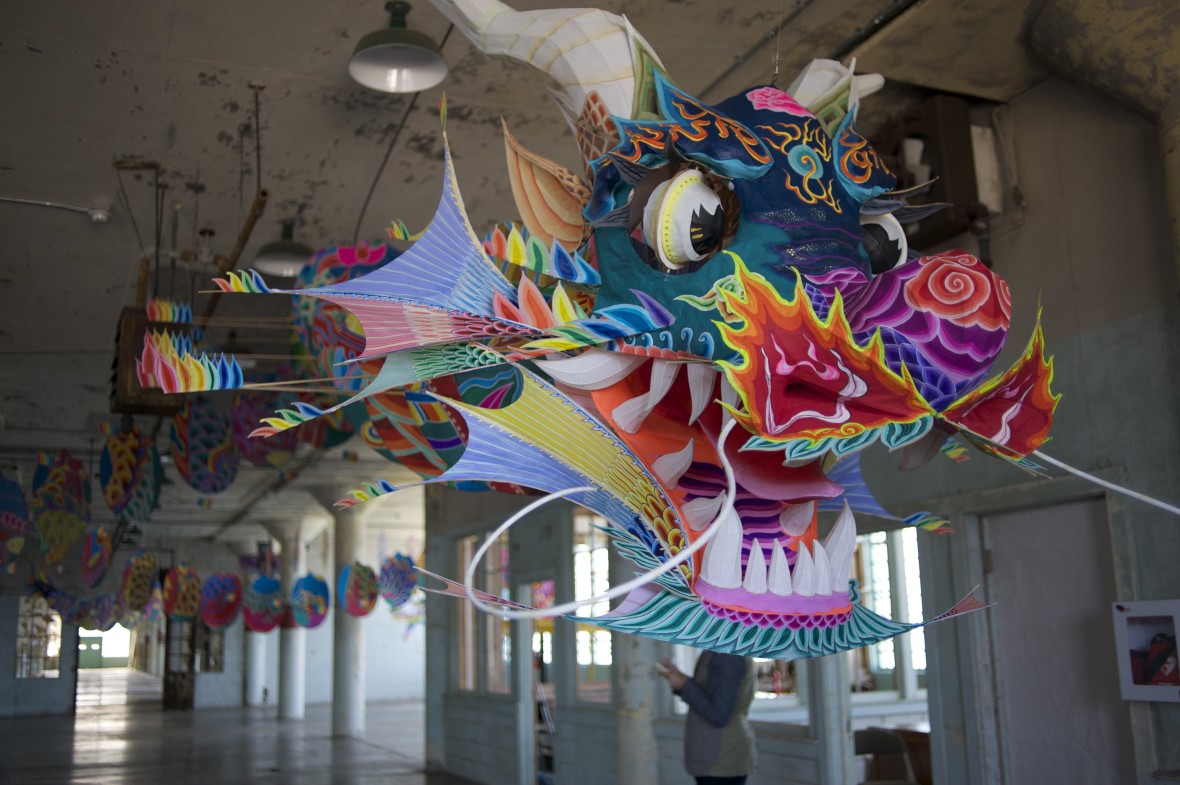
"caption": "Ai Weiwei's exhibit on Alcatraz that ended this year drew nearly 900,000 visitors.",
"description": null,
"title": "RS12190_dragon long",
"credit": "Monica Lam/KQED",
"status": "inherit",
"isLoading": false,
"fetchFailed": false
},
"news_10614433": {
"type": "attachments",
"id": "news_10614433",
"meta": {
"index": "attachments_1716263798",
"site": "news",
"id": "10614433",
"found": true
},
"parent": 10614426,
"imgSizes": {
"twentyfourteen-full-width": {
"file": "https://ww2.kqed.org/app/uploads/sites/10/2015/07/berryessafire-1038x576.png",
"width": 1038,
"mimeType": "image/png",
"height": 576
},
"thumbnail": {
"file": "https://ww2.kqed.org/app/uploads/sites/10/2015/07/berryessafire-400x247.png",
"width": 400,
"mimeType": "image/png",
"height": 247
},
"fd-sm": {
"file": "https://ww2.kqed.org/app/uploads/sites/10/2015/07/berryessafire-960x594.png",
"width": 960,
"mimeType": "image/png",
"height": 594
},
"post-thumbnail": {
"file": "https://ww2.kqed.org/app/uploads/sites/10/2015/07/berryessafire-672x372.png",
"width": 672,
"mimeType": "image/png",
"height": 372
},
"kqedFullSize": {
"file": "https://ww2.kqed.org/app/uploads/sites/10/2015/07/berryessafire.png",
"width": 1744,
"height": 1079
},
"large": {
"file": "https://ww2.kqed.org/app/uploads/sites/10/2015/07/berryessafire-1440x891.png",
"width": 1440,
"mimeType": "image/png",
"height": 891
},
"guest-author-96": {
"file": "https://ww2.kqed.org/app/uploads/sites/10/2015/07/berryessafire-96x96.png",
"width": 96,
"mimeType": "image/png",
"height": 96
},
"medium": {
"file": "https://ww2.kqed.org/app/uploads/sites/10/2015/07/berryessafire-800x495.png",
"width": 800,
"mimeType": "image/png",
"height": 495
},
"guest-author-64": {
"file": "https://ww2.kqed.org/app/uploads/sites/10/2015/07/berryessafire-64x64.png",
"width": 64,
"mimeType": "image/png",
"height": 64
},
"guest-author-32": {
"file": "https://ww2.kqed.org/app/uploads/sites/10/2015/07/berryessafire-32x32.png",
"width": 32,
"mimeType": "image/png",
"height": 32
},
"jmtc-small-thumb": {
"file": "https://ww2.kqed.org/app/uploads/sites/10/2015/07/berryessafire-280x150.png",
"width": 280,
"mimeType": "image/png",
"height": 150
},
"fd-lrg": {
"file": "https://ww2.kqed.org/app/uploads/sites/10/2015/07/berryessafire-1400x866.png",
"width": 1400,
"mimeType": "image/png",
"height": 866
},
"fd-med": {
"file": "https://ww2.kqed.org/app/uploads/sites/10/2015/07/berryessafire-1180x730.png",
"width": 1180,
"mimeType": "image/png",
"height": 730
},
"detail": {
"file": "https://ww2.kqed.org/app/uploads/sites/10/2015/07/berryessafire-75x75.png",
"width": 75,
"mimeType": "image/png",
"height": 75
},
"guest-author-128": {
"file": "https://ww2.kqed.org/app/uploads/sites/10/2015/07/berryessafire-128x128.png",
"width": 128,
"mimeType": "image/png",
"height": 128
}
},
"publishDate": 1437772631,
"modified": 1437772746,
"caption": "The title image for Justin Majeczky's timelapse of the Wragg Fire, near Lake Berryessa. ",
"description": null,
"title": "Berryessa-Wragg Fire",
"credit": "\u003ca href=\"https://vimeo.com/134351601\" target=\"_blank\">Varient3.com\u003c/a>",
"status": "inherit",
"isLoading": false,
"fetchFailed": false
},
"arts_10826873": {
"type": "attachments",
"id": "arts_10826873",
"meta": {
"index": "attachments_1716263798",
"site": "arts",
"id": "10826873",
"found": true
},
"parent": 10826872,
"imgSizes": {
"twentyfourteen-full-width": {
"file": "https://ww2.kqed.org/app/uploads/sites/2/2015/07/TreasureIslandCover-1038x576.jpg",
"width": 1038,
"mimeType": "image/jpeg",
"height": 576
},
"thumbnail": {
"file": "https://ww2.kqed.org/app/uploads/sites/2/2015/07/TreasureIslandCover-400x225.jpg",
"width": 400,
"mimeType": "image/jpeg",
"height": 225
},
"fd-sm": {
"file": "https://ww2.kqed.org/app/uploads/sites/2/2015/07/TreasureIslandCover-960x540.jpg",
"width": 960,
"mimeType": "image/jpeg",
"height": 540
},
"post-thumbnail": {
"file": "https://ww2.kqed.org/app/uploads/sites/2/2015/07/TreasureIslandCover-672x372.jpg",
"width": 672,
"mimeType": "image/jpeg",
"height": 372
},
"kqedFullSize": {
"file": "https://ww2.kqed.org/app/uploads/sites/2/2015/07/TreasureIslandCover.jpg",
"width": 1152,
"height": 648
},
"guest-author-96": {
"file": "https://ww2.kqed.org/app/uploads/sites/2/2015/07/TreasureIslandCover-96x96.jpg",
"width": 96,
"mimeType": "image/jpeg",
"height": 96
},
"medium": {
"file": "https://ww2.kqed.org/app/uploads/sites/2/2015/07/TreasureIslandCover-800x450.jpg",
"width": 800,
"mimeType": "image/jpeg",
"height": 450
},
"guest-author-64": {
"file": "https://ww2.kqed.org/app/uploads/sites/2/2015/07/TreasureIslandCover-64x64.jpg",
"width": 64,
"mimeType": "image/jpeg",
"height": 64
},
"detail": {
"file": "https://ww2.kqed.org/app/uploads/sites/2/2015/07/TreasureIslandCover-75x75.jpg",
"width": 75,
"mimeType": "image/jpeg",
"height": 75
},
"guest-author-32": {
"file": "https://ww2.kqed.org/app/uploads/sites/2/2015/07/TreasureIslandCover-32x32.jpg",
"width": 32,
"mimeType": "image/jpeg",
"height": 32
},
"guest-author-128": {
"file": "https://ww2.kqed.org/app/uploads/sites/2/2015/07/TreasureIslandCover-128x128.jpg",
"width": 128,
"mimeType": "image/jpeg",
"height": 128
}
},
"publishDate": 1436396542,
"modified": 1436398473,
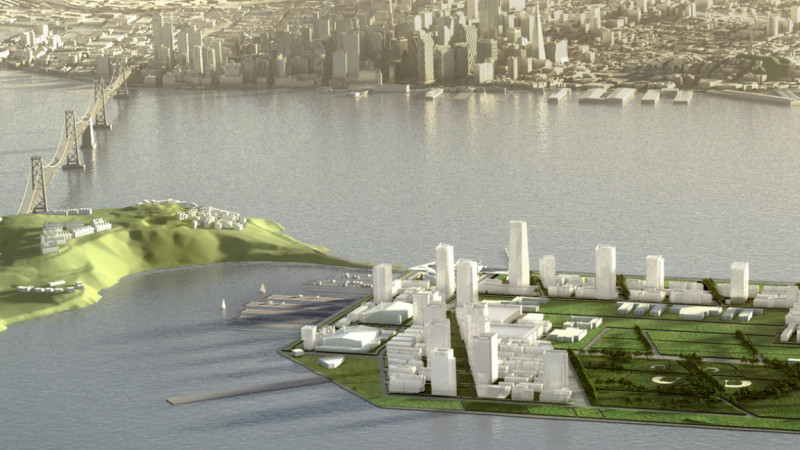
"caption": "Rendering from 'Treasure Island and Yerba Buena Island Design for Development' (Photo: Treasure Island Development Authority)",
"description": null,
"title": "TreasureIslandCover",
"credit": null,
"status": "inherit",
"isLoading": false,
"fetchFailed": false
},
"arts_10840901": {
"type": "attachments",
"id": "arts_10840901",
"meta": {
"index": "attachments_1716263798",
"site": "arts",
"id": "10840901",
"found": true
},
"parent": 10840900,
"imgSizes": {
"twentyfourteen-full-width": {
"file": "https://ww2.kqed.org/app/uploads/sites/2/2015/07/IMG_0391-1038x576.jpg",
"width": 1038,
"mimeType": "image/jpeg",
"height": 576
},
"thumbnail": {
"file": "https://ww2.kqed.org/app/uploads/sites/2/2015/07/IMG_0391-400x225.jpg",
"width": 400,
"mimeType": "image/jpeg",
"height": 225
},
"fd-sm": {
"file": "https://ww2.kqed.org/app/uploads/sites/2/2015/07/IMG_0391-960x539.jpg",
"width": 960,
"mimeType": "image/jpeg",
"height": 539
},
"post-thumbnail": {
"file": "https://ww2.kqed.org/app/uploads/sites/2/2015/07/IMG_0391-672x372.jpg",
"width": 672,
"mimeType": "image/jpeg",
"height": 372
},
"kqedFullSize": {
"file": "https://ww2.kqed.org/app/uploads/sites/2/2015/07/IMG_0391.jpg",
"width": 3648,
"height": 2048
},
"large": {
"file": "https://ww2.kqed.org/app/uploads/sites/2/2015/07/IMG_0391-1180x662.jpg",
"width": 1180,
"mimeType": "image/jpeg",
"height": 662
},
"guest-author-96": {
"file": "https://ww2.kqed.org/app/uploads/sites/2/2015/07/IMG_0391-96x96.jpg",
"width": 96,
"mimeType": "image/jpeg",
"height": 96
},
"medium": {
"file": "https://ww2.kqed.org/app/uploads/sites/2/2015/07/IMG_0391-800x449.jpg",
"width": 800,
"mimeType": "image/jpeg",
"height": 449
},
"guest-author-64": {
"file": "https://ww2.kqed.org/app/uploads/sites/2/2015/07/IMG_0391-64x64.jpg",
"width": 64,
"mimeType": "image/jpeg",
"height": 64
},
"guest-author-32": {
"file": "https://ww2.kqed.org/app/uploads/sites/2/2015/07/IMG_0391-32x32.jpg",
"width": 32,
"mimeType": "image/jpeg",
"height": 32
},
"fd-lrg": {
"file": "https://ww2.kqed.org/app/uploads/sites/2/2015/07/IMG_0391-1400x786.jpg",
"width": 1400,
"mimeType": "image/jpeg",
"height": 786
},
"fd-med": {
"file": "https://ww2.kqed.org/app/uploads/sites/2/2015/07/IMG_0391-1180x662.jpg",
"width": 1180,
"mimeType": "image/jpeg",
"height": 662
},
"detail": {
"file": "https://ww2.kqed.org/app/uploads/sites/2/2015/07/IMG_0391-75x75.jpg",
"width": 75,
"mimeType": "image/jpeg",
"height": 75
},
"guest-author-128": {
"file": "https://ww2.kqed.org/app/uploads/sites/2/2015/07/IMG_0391-128x128.jpg",
"width": 128,
"mimeType": "image/jpeg",
"height": 128
}
},
"publishDate": 1437025745,
"modified": 1437025745,
"caption": null,
"description": null,
"title": "IMG_0391",
"credit": null,
"status": "inherit",
"isLoading": false,
"fetchFailed": false
},
"arts_10840392": {
"type": "attachments",
"id": "arts_10840392",
"meta": {
"index": "attachments_1716263798",
"site": "arts",
"id": "10840392",
"found": true
},
"parent": 10840011,
"imgSizes": {
"thumbnail": {
"file": "https://ww2.kqed.org/app/uploads/sites/2/2015/07/SoExCover-400x225.jpg",
"width": 400,
"mimeType": "image/jpeg",
"height": 225
},
"kqedFullSize": {
"file": "https://ww2.kqed.org/app/uploads/sites/2/2015/07/SoExCover.jpg",
"width": 640,
"height": 360
},
"guest-author-96": {
"file": "https://ww2.kqed.org/app/uploads/sites/2/2015/07/SoExCover-96x96.jpg",
"width": 96,
"mimeType": "image/jpeg",
"height": 96
},
"guest-author-64": {
"file": "https://ww2.kqed.org/app/uploads/sites/2/2015/07/SoExCover-64x64.jpg",
"width": 64,
"mimeType": "image/jpeg",
"height": 64
},
"detail": {
"file": "https://ww2.kqed.org/app/uploads/sites/2/2015/07/SoExCover-75x75.jpg",
"width": 75,
"mimeType": "image/jpeg",
"height": 75
},
"guest-author-32": {
"file": "https://ww2.kqed.org/app/uploads/sites/2/2015/07/SoExCover-32x32.jpg",
"width": 32,
"mimeType": "image/jpeg",
"height": 32
},
"guest-author-128": {
"file": "https://ww2.kqed.org/app/uploads/sites/2/2015/07/SoExCover-128x128.jpg",
"width": 128,
"mimeType": "image/jpeg",
"height": 128
}
},
"publishDate": 1437004121,
"modified": 1437004125,
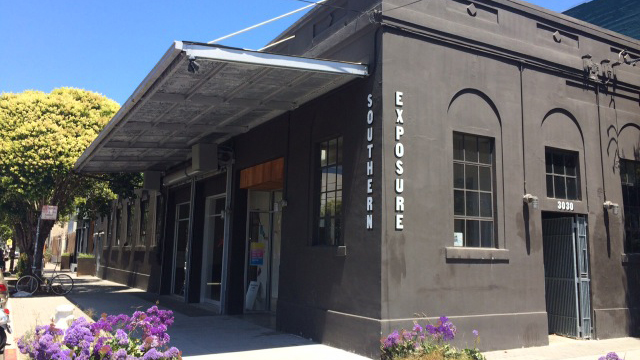
"caption": "(Photo: Southern Exposure)",
"description": null,
"title": "SoExCover",
"credit": null,
"status": "inherit",
"isLoading": false,
"fetchFailed": false
},
"arts_10837881": {
"type": "attachments",
"id": "arts_10837881",
"meta": {
"index": "attachments_1716263798",
"site": "arts",
"id": "10837881",
"found": true
},
"parent": 10837879,
"imgSizes": {
"twentyfourteen-full-width": {
"file": "https://ww2.kqed.org/app/uploads/sites/2/2015/07/RPSCBest-e1436896453538-1038x576.jpg",
"width": 1038,
"mimeType": "image/jpeg",
"height": 576
},
"thumbnail": {
"file": "https://ww2.kqed.org/app/uploads/sites/2/2015/07/RPSCBest-e1436896453538-400x225.jpg",
"width": 400,
"mimeType": "image/jpeg",
"height": 225
},
"fd-sm": {
"file": "https://ww2.kqed.org/app/uploads/sites/2/2015/07/RPSCBest-e1436896453538-960x540.jpg",
"width": 960,
"mimeType": "image/jpeg",
"height": 540
},
"post-thumbnail": {
"file": "https://ww2.kqed.org/app/uploads/sites/2/2015/07/RPSCBest-e1436896453538-672x372.jpg",
"width": 672,
"mimeType": "image/jpeg",
"height": 372
},
"kqedFullSize": {
"file": "https://ww2.kqed.org/app/uploads/sites/2/2015/07/RPSCBest-e1436896453538.jpg",
"width": 1600,
"height": 900
},
"large": {
"file": "https://ww2.kqed.org/app/uploads/sites/2/2015/07/RPSCBest-e1436896453538-1180x664.jpg",
"width": 1180,
"mimeType": "image/jpeg",
"height": 664
},
"guest-author-96": {
"file": "https://ww2.kqed.org/app/uploads/sites/2/2015/07/RPSCBest-e1436896453538-96x96.jpg",
"width": 96,
"mimeType": "image/jpeg",
"height": 96
},
"medium": {
"file": "https://ww2.kqed.org/app/uploads/sites/2/2015/07/RPSCBest-e1436896453538-800x450.jpg",
"width": 800,
"mimeType": "image/jpeg",
"height": 450
},
"guest-author-64": {
"file": "https://ww2.kqed.org/app/uploads/sites/2/2015/07/RPSCBest-e1436896453538-64x64.jpg",
"width": 64,
"mimeType": "image/jpeg",
"height": 64
},
"guest-author-32": {
"file": "https://ww2.kqed.org/app/uploads/sites/2/2015/07/RPSCBest-e1436896453538-32x32.jpg",
"width": 32,
"mimeType": "image/jpeg",
"height": 32
},
"fd-med": {
"file": "https://ww2.kqed.org/app/uploads/sites/2/2015/07/RPSCBest-e1436896453538-1180x664.jpg",
"width": 1180,
"mimeType": "image/jpeg",
"height": 664
},
"detail": {
"file": "https://ww2.kqed.org/app/uploads/sites/2/2015/07/RPSCBest-e1436896453538-75x75.jpg",
"width": 75,
"mimeType": "image/jpeg",
"height": 75
},
"guest-author-128": {
"file": "https://ww2.kqed.org/app/uploads/sites/2/2015/07/RPSCBest-e1436896453538-128x128.jpg",
"width": 128,
"mimeType": "image/jpeg",
"height": 128
}
},
"publishDate": 1436896402,
"modified": 1528411714,
"caption": "The former storefront of Rock Paper Scissors Collective, before it relocated to Warehouse 416 in downtown Oakland.",
"description": "The former storefront of Rock Paper Scissors Collective, before it relocated to Warehouse 416 in downtown Oakland.",
"title": "RPSCBest",
"credit": "Courtesy of RSPC Facebook Page",
"status": "inherit",
"isLoading": false,
"fetchFailed": false
},
"arts_10825146": {
"type": "attachments",
"id": "arts_10825146",
"meta": {
"index": "attachments_1716263798",
"site": "arts",
"id": "10825146",
"found": true
},
"parent": 10825144,
"imgSizes": {
"twentyfourteen-full-width": {
"file": "https://ww2.kqed.org/app/uploads/sites/2/2015/07/n77a8221-9_custom-86d245933b94430c201865a76246c0dfef4658cc-e1436319636812-1038x576.jpg",
"width": 1038,
"mimeType": "image/jpeg",
"height": 576
},
"thumbnail": {
"file": "https://ww2.kqed.org/app/uploads/sites/2/2015/07/n77a8221-9_custom-86d245933b94430c201865a76246c0dfef4658cc-e1436319636812-400x225.jpg",
"width": 400,
"mimeType": "image/jpeg",
"height": 225
},
"fd-sm": {
"file": "https://ww2.kqed.org/app/uploads/sites/2/2015/07/n77a8221-9_custom-86d245933b94430c201865a76246c0dfef4658cc-e1436319636812-960x540.jpg",
"width": 960,
"mimeType": "image/jpeg",
"height": 540
},
"post-thumbnail": {
"file": "https://ww2.kqed.org/app/uploads/sites/2/2015/07/n77a8221-9_custom-86d245933b94430c201865a76246c0dfef4658cc-e1436319636812-672x372.jpg",
"width": 672,
"mimeType": "image/jpeg",
"height": 372
},
"kqedFullSize": {
"file": "https://ww2.kqed.org/app/uploads/sites/2/2015/07/n77a8221-9_custom-86d245933b94430c201865a76246c0dfef4658cc-e1436319636812.jpg",
"width": 1497,
"height": 842
},
"large": {
"file": "https://ww2.kqed.org/app/uploads/sites/2/2015/07/n77a8221-9_custom-86d245933b94430c201865a76246c0dfef4658cc-e1436319636812-1180x664.jpg",
"width": 1180,
"mimeType": "image/jpeg",
"height": 664
},
"guest-author-96": {
"file": "https://ww2.kqed.org/app/uploads/sites/2/2015/07/n77a8221-9_custom-86d245933b94430c201865a76246c0dfef4658cc-e1436319636812-96x96.jpg",
"width": 96,
"mimeType": "image/jpeg",
"height": 96
},
"medium": {
"file": "https://ww2.kqed.org/app/uploads/sites/2/2015/07/n77a8221-9_custom-86d245933b94430c201865a76246c0dfef4658cc-e1436319636812-800x450.jpg",
"width": 800,
"mimeType": "image/jpeg",
"height": 450
},
"guest-author-64": {
"file": "https://ww2.kqed.org/app/uploads/sites/2/2015/07/n77a8221-9_custom-86d245933b94430c201865a76246c0dfef4658cc-e1436319636812-64x64.jpg",
"width": 64,
"mimeType": "image/jpeg",
"height": 64
},
"guest-author-32": {
"file": "https://ww2.kqed.org/app/uploads/sites/2/2015/07/n77a8221-9_custom-86d245933b94430c201865a76246c0dfef4658cc-e1436319636812-32x32.jpg",
"width": 32,
"mimeType": "image/jpeg",
"height": 32
},
"fd-med": {
"file": "https://ww2.kqed.org/app/uploads/sites/2/2015/07/n77a8221-9_custom-86d245933b94430c201865a76246c0dfef4658cc-e1436319636812-1180x664.jpg",
"width": 1180,
"mimeType": "image/jpeg",
"height": 664
},
"detail": {
"file": "https://ww2.kqed.org/app/uploads/sites/2/2015/07/n77a8221-9_custom-86d245933b94430c201865a76246c0dfef4658cc-e1436319636812-75x75.jpg",
"width": 75,
"mimeType": "image/jpeg",
"height": 75
},
"guest-author-128": {
"file": "https://ww2.kqed.org/app/uploads/sites/2/2015/07/n77a8221-9_custom-86d245933b94430c201865a76246c0dfef4658cc-e1436319636812-128x128.jpg",
"width": 128,
"mimeType": "image/jpeg",
"height": 128
}
},
"publishDate": 1436318226,
"modified": 1436319610,
"caption": "Pedro \"Monky\" Rojas brings chicha art to the streets of Peru. (Photo by Joshua Cogan/Courtesy of Ralph Rinzler Folklife Archives, Smithsonian Institution)",
"description": "Pedro \"Monky\" Rojas brings chicha art to the streets of Peru.",
"title": "Pedro \"Monky\" Rojas brings chicha art to the streets of Peru.",
"credit": null,
"status": "inherit",
"isLoading": false,
"fetchFailed": false
},
"arts_10824429": {
"type": "attachments",
"id": "arts_10824429",
"meta": {
"index": "attachments_1716263798",
"site": "arts",
"id": "10824429",
"found": true
},
"parent": 10824428,
"imgSizes": {
"twentyfourteen-full-width": {
"file": "https://ww2.kqed.org/app/uploads/sites/2/2015/07/maisel-frame-1038x576.jpg",
"width": 1038,
"mimeType": "image/jpeg",
"height": 576
},
"thumbnail": {
"file": "https://ww2.kqed.org/app/uploads/sites/2/2015/07/maisel-frame-400x223.jpg",
"width": 400,
"mimeType": "image/jpeg",
"height": 223
},
"fd-sm": {
"file": "https://ww2.kqed.org/app/uploads/sites/2/2015/07/maisel-frame-960x535.jpg",
"width": 960,
"mimeType": "image/jpeg",
"height": 535
},
"post-thumbnail": {
"file": "https://ww2.kqed.org/app/uploads/sites/2/2015/07/maisel-frame-672x372.jpg",
"width": 672,
"mimeType": "image/jpeg",
"height": 372
},
"kqedFullSize": {
"file": "https://ww2.kqed.org/app/uploads/sites/2/2015/07/maisel-frame.jpg",
"width": 2664,
"height": 1486
},
"large": {
"file": "https://ww2.kqed.org/app/uploads/sites/2/2015/07/maisel-frame-1180x658.jpg",
"width": 1180,
"mimeType": "image/jpeg",
"height": 658
},
"guest-author-96": {
"file": "https://ww2.kqed.org/app/uploads/sites/2/2015/07/maisel-frame-96x96.jpg",
"width": 96,
"mimeType": "image/jpeg",
"height": 96
},
"medium": {
"file": "https://ww2.kqed.org/app/uploads/sites/2/2015/07/maisel-frame-800x446.jpg",
"width": 800,
"mimeType": "image/jpeg",
"height": 446
},
"guest-author-64": {
"file": "https://ww2.kqed.org/app/uploads/sites/2/2015/07/maisel-frame-64x64.jpg",
"width": 64,
"mimeType": "image/jpeg",
"height": 64
},
"guest-author-32": {
"file": "https://ww2.kqed.org/app/uploads/sites/2/2015/07/maisel-frame-32x32.jpg",
"width": 32,
"mimeType": "image/jpeg",
"height": 32
},
"fd-med": {
"file": "https://ww2.kqed.org/app/uploads/sites/2/2015/07/maisel-frame-1180x658.jpg",
"width": 1180,
"mimeType": "image/jpeg",
"height": 658
},
"detail": {
"file": "https://ww2.kqed.org/app/uploads/sites/2/2015/07/maisel-frame-75x75.jpg",
"width": 75,
"mimeType": "image/jpeg",
"height": 75
},
"guest-author-128": {
"file": "https://ww2.kqed.org/app/uploads/sites/2/2015/07/maisel-frame-128x128.jpg",
"width": 128,
"mimeType": "image/jpeg",
"height": 128
}
},
"publishDate": 1436290732,
"modified": 1522970951,
"caption": "Photographer David Maisel at work",
"description": "Photographer David Maisel at work",
"title": "maisel frame",
"credit": "Spark/KQED",
"status": "inherit",
"isLoading": false,
"fetchFailed": false
},
"arts_10813800": {
"type": "attachments",
"id": "arts_10813800",
"meta": {
"index": "attachments_1716263798",
"site": "arts",
"id": "10813800",
"found": true
},
"parent": 10813798,
"imgSizes": {
"twentyfourteen-full-width": {
"file": "https://ww2.kqed.org/app/uploads/sites/2/2015/07/IMG_4188-e1435859510856-1038x576.jpg",
"width": 1038,
"mimeType": "image/jpeg",
"height": 576
},
"thumbnail": {
"file": "https://ww2.kqed.org/app/uploads/sites/2/2015/07/IMG_4188-e1435859510856-400x225.jpg",
"width": 400,
"mimeType": "image/jpeg",
"height": 225
},
"fd-sm": {
"file": "https://ww2.kqed.org/app/uploads/sites/2/2015/07/IMG_4188-e1435859510856-960x540.jpg",
"width": 960,
"mimeType": "image/jpeg",
"height": 540
},
"post-thumbnail": {
"file": "https://ww2.kqed.org/app/uploads/sites/2/2015/07/IMG_4188-e1435859510856-672x372.jpg",
"width": 672,
"mimeType": "image/jpeg",
"height": 372
},
"kqedFullSize": {
"file": "https://ww2.kqed.org/app/uploads/sites/2/2015/07/IMG_4188-e1435859510856.jpg",
"width": 5184,
"height": 2916
},
"large": {
"file": "https://ww2.kqed.org/app/uploads/sites/2/2015/07/IMG_4188-e1435859510856-1180x664.jpg",
"width": 1180,
"mimeType": "image/jpeg",
"height": 664
},
"guest-author-96": {
"file": "https://ww2.kqed.org/app/uploads/sites/2/2015/07/IMG_4188-e1435859510856-96x96.jpg",
"width": 96,
"mimeType": "image/jpeg",
"height": 96
},
"medium": {
"file": "https://ww2.kqed.org/app/uploads/sites/2/2015/07/IMG_4188-e1435859510856-800x450.jpg",
"width": 800,
"mimeType": "image/jpeg",
"height": 450
},
"guest-author-64": {
"file": "https://ww2.kqed.org/app/uploads/sites/2/2015/07/IMG_4188-e1435859510856-64x64.jpg",
"width": 64,
"mimeType": "image/jpeg",
"height": 64
},
"guest-author-32": {
"file": "https://ww2.kqed.org/app/uploads/sites/2/2015/07/IMG_4188-e1435859510856-32x32.jpg",
"width": 32,
"mimeType": "image/jpeg",
"height": 32
},
"fd-med": {
"file": "https://ww2.kqed.org/app/uploads/sites/2/2015/07/IMG_4188-e1435859510856-1180x664.jpg",
"width": 1180,
"mimeType": "image/jpeg",
"height": 664
},
"detail": {
"file": "https://ww2.kqed.org/app/uploads/sites/2/2015/07/IMG_4188-e1435859510856-75x75.jpg",
"width": 75,
"mimeType": "image/jpeg",
"height": 75
},
"guest-author-128": {
"file": "https://ww2.kqed.org/app/uploads/sites/2/2015/07/IMG_4188-e1435859510856-128x128.jpg",
"width": 128,
"mimeType": "image/jpeg",
"height": 128
}
},
"publishDate": 1435819507,
"modified": 1435859576,
"caption": "San Francisco Supervisor David Campos stands in front of the vandalized mural. (Photo by Jessica Placzek)",
"description": "San Francisco Supervisor David Campos stands in front of the vandalized mural. (Photo by Jessica Placzek)",
"title": "Supervisor David Campos",
"credit": null,
"status": "inherit",
"isLoading": false,
"fetchFailed": false
},
"arts_10787050": {
"type": "attachments",
"id": "arts_10787050",
"meta": {
"index": "attachments_1716263798",
"site": "arts",
"id": "10787050",
"found": true
},
"parent": 10786889,
"imgSizes": {
"twentyfourteen-full-width": {
"file": "https://ww2.kqed.org/app/uploads/sites/2/2015/06/CrossoverCover-1038x576.jpg",
"width": 1038,
"mimeType": "image/jpeg",
"height": 576
},
"thumbnail": {
"file": "https://ww2.kqed.org/app/uploads/sites/2/2015/06/CrossoverCover-400x225.jpg",
"width": 400,
"mimeType": "image/jpeg",
"height": 225
},
"fd-sm": {
"file": "https://ww2.kqed.org/app/uploads/sites/2/2015/06/CrossoverCover-960x540.jpg",
"width": 960,
"mimeType": "image/jpeg",
"height": 540
},
"post-thumbnail": {
"file": "https://ww2.kqed.org/app/uploads/sites/2/2015/06/CrossoverCover-672x372.jpg",
"width": 672,
"mimeType": "image/jpeg",
"height": 372
},
"kqedFullSize": {
"file": "https://ww2.kqed.org/app/uploads/sites/2/2015/06/CrossoverCover.jpg",
"width": 1920,
"height": 1079
},
"large": {
"file": "https://ww2.kqed.org/app/uploads/sites/2/2015/06/CrossoverCover-1180x663.jpg",
"width": 1180,
"mimeType": "image/jpeg",
"height": 663
},
"guest-author-96": {
"file": "https://ww2.kqed.org/app/uploads/sites/2/2015/06/CrossoverCover-96x96.jpg",
"width": 96,
"mimeType": "image/jpeg",
"height": 96
},
"medium": {
"file": "https://ww2.kqed.org/app/uploads/sites/2/2015/06/CrossoverCover-800x450.jpg",
"width": 800,
"mimeType": "image/jpeg",
"height": 450
},
"guest-author-64": {
"file": "https://ww2.kqed.org/app/uploads/sites/2/2015/06/CrossoverCover-64x64.jpg",
"width": 64,
"mimeType": "image/jpeg",
"height": 64
},
"guest-author-32": {
"file": "https://ww2.kqed.org/app/uploads/sites/2/2015/06/CrossoverCover-32x32.jpg",
"width": 32,
"mimeType": "image/jpeg",
"height": 32
},
"fd-med": {
"file": "https://ww2.kqed.org/app/uploads/sites/2/2015/06/CrossoverCover-1180x663.jpg",
"width": 1180,
"mimeType": "image/jpeg",
"height": 663
},
"detail": {
"file": "https://ww2.kqed.org/app/uploads/sites/2/2015/06/CrossoverCover-75x75.jpg",
"width": 75,
"mimeType": "image/jpeg",
"height": 75
},
"guest-author-128": {
"file": "https://ww2.kqed.org/app/uploads/sites/2/2015/06/CrossoverCover-128x128.jpg",
"width": 128,
"mimeType": "image/jpeg",
"height": 128
}
},
"publishDate": 1434930764,
"modified": 1434930784,
"caption": "Alia Shawkat, 'grodin cast.' (Courtesy of the artist)",
"description": null,
"title": "CrossoverCover",
"credit": null,
"status": "inherit",
"isLoading": false,
"fetchFailed": false
}
},
"audioPlayerReducer": {
"postId": "stream_live",
"isPaused": true,
"isPlaying": false,
"pfsActive": false,
"pledgeModalIsOpen": true,
"playerDrawerIsOpen": false,
"liveAudioPlayStartedAt": 0,
"liveAudioPlayContext": ""
},
"authorsReducer": {
"128593": {
"type": "authors",
"id": "128593",
"meta": {
"override": true
},
"slug": "128593",
"name": "Lori Halloran",
"firstName": "Lori",
"lastName": "Halloran",
"bio": "",
"email": "lhalloran@KQED.org",
"isLoading": false
},
"byline_arts_10825144": {
"type": "authors",
"id": "byline_arts_10825144",
"meta": {
"override": true
},
"slug": "byline_arts_10825144",
"name": "Ina Yang",
"isLoading": false
},
"shotchkiss": {
"type": "authors",
"id": "61",
"meta": {
"index": "authors_1716337520",
"id": "61",
"found": true
},
"name": "Sarah Hotchkiss",
"firstName": "Sarah",
"lastName": "Hotchkiss",
"slug": "shotchkiss",
"email": "shotchkiss@kqed.org",
"display_author_email": true,
"staff_mastheads": [
"arts"
],
"title": "Senior Editor",
"bio": "Sarah Hotchkiss is a San Francisco \u003ca href=\"http://www.sarahhotchkiss.com\">artist\u003c/a> and arts writer. In 2019, she received the Dorothea & Leo Rabkin Foundation grant for visual art journalism and in 2020 she received a Society of Professional Journalists, Northern California award for excellence in arts and culture reporting.",
"avatar": "https://secure.gravatar.com/avatar/bc662df144b3d27fd8b1b6f1c2a420d34e91e53154d411bb7ad353cc8b6cea8d?s=600&d=blank&r=g",
"twitter": null,
"bluesky": null,
"facebook": null,
"instagram": null,
"linkedin": null,
"sites": [
{
"site": "",
"roles": [
"editor"
]
},
{
"site": "arts",
"roles": [
"Contributor",
"administrator"
]
},
{
"site": "artschool",
"roles": [
"administrator"
]
},
{
"site": "news",
"roles": [
"editor"
]
},
{
"site": "pop",
"roles": [
"administrator"
]
},
{
"site": "bayareabites",
"roles": [
"editor"
]
},
{
"site": "spark",
"roles": [
"editor"
]
},
{
"site": "checkplease",
"roles": [
"editor"
]
}
],
"headData": {
"title": "Sarah Hotchkiss | KQED",
"description": "Senior Editor",
"ogImgSrc": "https://secure.gravatar.com/avatar/bc662df144b3d27fd8b1b6f1c2a420d34e91e53154d411bb7ad353cc8b6cea8d?s=600&d=blank&r=g",
"twImgSrc": "https://secure.gravatar.com/avatar/bc662df144b3d27fd8b1b6f1c2a420d34e91e53154d411bb7ad353cc8b6cea8d?s=600&d=blank&r=g"
},
"isLoading": false,
"link": "/author/shotchkiss"
},
"kjones": {
"type": "authors",
"id": "93",
"meta": {
"index": "authors_1716337520",
"id": "93",
"found": true
},
"name": "Kevin L. Jones",
"firstName": "Kevin",
"lastName": "Jones",
"slug": "kjones",
"email": "kjones@kqed.org",
"display_author_email": false,
"staff_mastheads": [],
"title": null,
"bio": null,
"avatar": "https://secure.gravatar.com/avatar/12c65b5633ed39d0a59bb7f497eff645?s=600&d=blank&r=g",
"twitter": null,
"facebook": null,
"instagram": null,
"linkedin": null,
"sites": [
{
"site": "arts",
"roles": [
"subscriber"
]
},
{
"site": "styleguide",
"roles": [
"contributor"
]
},
{
"site": "artschool",
"roles": [
"subscriber"
]
},
{
"site": "news",
"roles": [
"subscriber"
]
},
{
"site": "pop",
"roles": [
"subscriber"
]
}
],
"headData": {
"title": "Kevin L. Jones | KQED",
"description": null,
"ogImgSrc": "https://secure.gravatar.com/avatar/12c65b5633ed39d0a59bb7f497eff645?s=600&d=blank&r=g",
"twImgSrc": "https://secure.gravatar.com/avatar/12c65b5633ed39d0a59bb7f497eff645?s=600&d=blank&r=g"
},
"isLoading": false,
"link": "/author/kjones"
},
"danbrekke": {
"type": "authors",
"id": "222",
"meta": {
"index": "authors_1716337520",
"id": "222",
"found": true
},
"name": "Dan Brekke",
"firstName": "Dan",
"lastName": "Brekke",
"slug": "danbrekke",
"email": "dbrekke@kqed.org",
"display_author_email": true,
"staff_mastheads": [
"news",
"science"
],
"title": "KQED Editor and Reporter",
"bio": "Dan Brekke is a reporter and editor for KQED News, responsible for coverage of topics ranging from California water issues to the Bay Area's transportation challenges. In a newsroom career that began in Chicago in 1972, Dan has worked for \u003cem>The San Francisco Examiner,\u003c/em> Wired and TechTV and has been published in The New York Times, The New York Times Magazine, Business 2.0, Salon and elsewhere.\r\n\r\nSince joining KQED in 2007, Dan has reported, edited and produced both radio and online features and breaking news pieces. He has shared as both editor and reporter in four Society of Professional Journalists Norcal Excellence in Journalism awards and one Edward R. Murrow regional award. He was chosen for a spring 2017 residency at the Mesa Refuge to advance his research on California salmon.\r\n\r\nEmail Dan at: \u003ca href=\"mailto:dbrekke@kqed.org\">dbrekke@kqed.org\u003c/a>\r\n\r\n\u003cstrong>Twitter:\u003c/strong> \u003ca href=\"https://twitter.com/danbrekke\" rel=\"noopener noreferrer\">twitter.com/danbrekke\u003c/a>\r\n\u003cstrong>Facebook:\u003c/strong> \u003ca href=\"https://www.facebook.com/danbrekke\" rel=\"noopener noreferrer\">www.facebook.com/danbrekke\u003c/a>\r\n\u003cstrong>LinkedIn:\u003c/strong> \u003ca href=\"https://www.linkedin.com/in/danbrekke\" rel=\"noopener noreferrer\">www.linkedin.com/in/danbrekke\u003c/a>",
"avatar": "https://secure.gravatar.com/avatar/8f1f0d2a978fb3b23426c922c7e2af558fa36905b49c4ce76a97dc3c72d27226?s=600&d=mm&r=g",
"twitter": "danbrekke",
"bluesky": null,
"facebook": null,
"instagram": "https://www.instagram.com/dan.brekke/",
"linkedin": "https://www.linkedin.com/in/danbrekke/",
"sites": [
{
"site": "news",
"roles": [
"administrator",
"create_posts"
]
},
{
"site": "stateofhealth",
"roles": [
"editor"
]
},
{
"site": "science",
"roles": [
"editor"
]
},
{
"site": "quest",
"roles": [
"contributor"
]
},
{
"site": "food",
"roles": [
"contributor"
]
},
{
"site": "forum",
"roles": [
"contributor"
]
},
{
"site": "elections",
"roles": [
"editor"
]
},
{
"site": "liveblog",
"roles": [
"editor"
]
}
],
"headData": {
"title": "Dan Brekke | KQED",
"description": "KQED Editor and Reporter",
"ogImgSrc": "https://secure.gravatar.com/avatar/8f1f0d2a978fb3b23426c922c7e2af558fa36905b49c4ce76a97dc3c72d27226?s=600&d=mm&r=g",
"twImgSrc": "https://secure.gravatar.com/avatar/8f1f0d2a978fb3b23426c922c7e2af558fa36905b49c4ce76a97dc3c72d27226?s=600&d=mm&r=g"
},
"isLoading": false,
"link": "/author/danbrekke"
},
"dkatayama": {
"type": "authors",
"id": "7240",
"meta": {
"index": "authors_1716337520",
"id": "7240",
"found": true
},
"name": "Devin Katayama",
"firstName": "Devin",
"lastName": "Katayama",
"slug": "dkatayama",
"email": "dkatayama@kqed.org",
"display_author_email": true,
"staff_mastheads": [
"news"
],
"title": "Editor of Talent and Development",
"bio": "Devin Katayama is former Editor of Talent and Development for KQED. He supported our internship program and on-call staff by looking for equitable opportunities to improve the newsroom.\r\n\r\nHe previously hosted The Bay and American Suburb podcasts from KQED News. Prior to returning to the Bay Area in 2015, Devin was the education reporter for WFPL in Louisville and worked as a producer with radio stations in Chicago and Portland, OR. His work has appeared on NPR’s \u003cem>Morning Edition, All Things Considered, The Takeaway\u003c/em> and \u003cem>Here and Now.\u003c/em>\r\n\r\nDevin earned his MA in Journalism from Columbia College Chicago, where he was a Follett Fellow and the recipient of the 2011 Studs Terkel Community Media Workshop Scholarship for his story on Chicago's homeless youth. He won WBUR's 2014 Daniel Schorr award and a regional RTNDA Edward R. Murrow Award for his documentary \"At Risk\" that looked at issues facing some of Louisville's students. Devin has also received numerous local awards from the Associated Press and the Society of Professional Journalists.",
"avatar": "https://secure.gravatar.com/avatar/d0d2978a31002fb2de107921a8e18405?s=600&d=blank&r=g",
"twitter": "RadioDevin",
"facebook": null,
"instagram": null,
"linkedin": null,
"sites": [
{
"site": "arts",
"roles": []
},
{
"site": "news",
"roles": [
"author"
]
},
{
"site": "stateofhealth",
"roles": [
"author"
]
},
{
"site": "forum",
"roles": [
"editor"
]
},
{
"site": "perspectives",
"roles": [
"editor"
]
}
],
"headData": {
"title": "Devin Katayama | KQED",
"description": "Editor of Talent and Development",
"ogImgSrc": "https://secure.gravatar.com/avatar/d0d2978a31002fb2de107921a8e18405?s=600&d=blank&r=g",
"twImgSrc": "https://secure.gravatar.com/avatar/d0d2978a31002fb2de107921a8e18405?s=600&d=blank&r=g"
},
"isLoading": false,
"link": "/author/dkatayama"
},
"jplaczek": {
"type": "authors",
"id": "8606",
"meta": {
"index": "authors_1716337520",
"id": "8606",
"found": true
},
"name": "Jessica Placzek",
"firstName": "Jessica",
"lastName": "Placzek",
"slug": "jplaczek",
"email": "jessicalplaczek@gmail.com",
"display_author_email": false,
"staff_mastheads": [
"news"
],
"title": "KQED Contributor",
"bio": "Jessica Placzek is a former senior editor of podcasts at KQED where she served as the editorial lead of the podcast department. She worked with shows like MindShift, Rightnowish, Consider This, SOLD OUT, Bay Curious and The Bay. She’s also been a reporter and audio producer at KQED, KPFA, and KALW. She taught audio production to men incarcerated at California State Prison Solano and edited pieces they produced for the Uncuffed podcast through KALW. In 2018 she co-hosted and produced the third season of Raw Material for SFMOMA. In New Orleans she wrote for the Nola Defender. Her work has also appeared on Marketplace, All Things Considered, The California Report, and Vice. You can find more at jessicaplaczek.com",
"avatar": "https://secure.gravatar.com/avatar/5ead103b5880f672eceb84ce75eecd1b4b6f74a47edc457684a73ad5b8b158e9?s=600&d=blank&r=g",
"twitter": null,
"bluesky": null,
"facebook": null,
"instagram": null,
"linkedin": null,
"sites": [
{
"site": "arts",
"roles": [
"subscriber"
]
},
{
"site": "news",
"roles": [
"subscriber"
]
},
{
"site": "stateofhealth",
"roles": [
"editor"
]
},
{
"site": "forum",
"roles": [
"editor"
]
}
],
"headData": {
"title": "Jessica Placzek | KQED",
"description": "KQED Contributor",
"ogImgSrc": "https://secure.gravatar.com/avatar/5ead103b5880f672eceb84ce75eecd1b4b6f74a47edc457684a73ad5b8b158e9?s=600&d=blank&r=g",
"twImgSrc": "https://secure.gravatar.com/avatar/5ead103b5880f672eceb84ce75eecd1b4b6f74a47edc457684a73ad5b8b158e9?s=600&d=blank&r=g"
},
"isLoading": false,
"link": "/author/jplaczek"
},
"lrose": {
"type": "authors",
"id": "8651",
"meta": {
"index": "authors_1716337520",
"id": "8651",
"found": true
},
"name": "Leah Rose",
"firstName": "Leah",
"lastName": "Rose",
"slug": "lrose",
"email": "lrose@kqed.org",
"display_author_email": false,
"staff_mastheads": [],
"title": "KQED Contributor",
"bio": null,
"avatar": "https://secure.gravatar.com/avatar/e1bd0a8e865fa457c846908b9202aed81878dbd8dcd3ac01945aae4cc48e4e5a?s=600&d=blank&r=g",
"twitter": "leahrosita",
"bluesky": null,
"facebook": null,
"instagram": null,
"linkedin": null,
"sites": [
{
"site": "arts",
"roles": [
"subscriber"
]
}
],
"headData": {
"title": "Leah Rose | KQED",
"description": "KQED Contributor",
"ogImgSrc": "https://secure.gravatar.com/avatar/e1bd0a8e865fa457c846908b9202aed81878dbd8dcd3ac01945aae4cc48e4e5a?s=600&d=blank&r=g",
"twImgSrc": "https://secure.gravatar.com/avatar/e1bd0a8e865fa457c846908b9202aed81878dbd8dcd3ac01945aae4cc48e4e5a?s=600&d=blank&r=g"
},
"isLoading": false,
"link": "/author/lrose"
}
},
"pagesReducer": {
"arts_category_visualarts": {
"type": "terms",
"id": "arts_70",
"meta": {
"index": "terms_1716263798",
"site": "arts",
"id": "70",
"score": 14.4079685
},
"featImg": null,
"name": "Visual Arts",
"description": null,
"taxonomy": "category",
"headData": {
"twImgId": null,
"twTitle": null,
"ogTitle": null,
"ogImgId": null,
"twDescription": null,
"description": null,
"title": "Visual Arts Archives | KQED Arts",
"ogDescription": null
},
"ttid": 71,
"slug": "visualarts",
"isLoading": false,
"title": "Visual Arts",
"pageMeta": {
"site": "arts",
"WpPageTemplate": "page-topic-editorial",
"currentPage": 153
},
"blocks": [
{
"blockName": "kqed/post-list",
"attrs": {
"layout": "cardArticle2",
"query": "posts/arts?category=visualarts",
"seeMore": false,
"paginated": true,
"page": 153
}
},
{
"blockName": "kqed/ad"
}
]
}
},
"pfsSessionReducer": {},
"postsReducer": {
"stream_live": {
"type": "live",
"id": "stream_live",
"audioUrl": "https://streams.kqed.org/kqedradio",
"title": "Live Stream",
"excerpt": "Live Stream information currently unavailable.",
"link": "/radio",
"featImg": "",
"label": {
"name": "KQED Live",
"link": "/"
}
},
"stream_kqedNewscast": {
"type": "posts",
"id": "stream_kqedNewscast",
"audioUrl": "https://www.kqed.org/.stream/anon/radio/RDnews/newscast.mp3?_=1",
"title": "KQED Newscast",
"featImg": "",
"label": {
"name": "88.5 FM",
"link": "/"
}
},
"arts_10857951": {
"type": "posts",
"id": "arts_10857951",
"meta": {
"index": "posts_1716263798",
"site": "arts",
"id": "10857951",
"score": null,
"sort": [
1438034428000
]
},
"parent": 0,
"labelTerm": {
"site": "arts"
},
"blocks": [],
"publishDate": 1438034428,
"format": "standard",
"title": "Sexy Sculpture Fills CULT’s Summer Group Show [NSFW]",
"headTitle": "Sexy Sculpture Fills CULT’s Summer Group Show [NSFW] | KQED",
"content": "\u003cp>\u003cem>\u003cb>WARNING:\u003c/b> This article contains a sexually-explicit image.\u003c/em>\u003c/p>\n\u003cp>Once you figure out how to pronounce it, \u003ci>SEXXXITECTURE\u003c/i> begins to sound like a lifestyle blog pairing sensuous spiral staircases with trails of lingerie. While this image isn’t entirely inaccurate (and a possible avenue for future internet domination), the title refers to a cheeky group exhibition of works by Alejandro Almanza Pereda, Daniel Gerwin, Rebekah Goldstein, Roman Liška, Max Maslansky, May Wilson and Jake Ziemann at the Mission Street gallery CULT | Aimee Friberg Exhibitions.\u003c/p>\n\u003cp>In keeping with the traditions of interior design, the gallery’s two rooms are color-coordinated. Facing the street, it’s all cool blues and whites. In the back gallery, fleshy pinks rule. Some of the work is quite large — and there’s a lot of it — so the imposing qualities often associated with modern architecture are here transferred to paintings, dominating the arrangement of wall works and sculpture.\u003c/p>\n\u003cfigure id=\"attachment_10862090\" class=\"wp-caption alignright\" style=\"max-width: 486px\">\u003cimg loading=\"lazy\" decoding=\"async\" class=\"size-full wp-image-10862090\" src=\"http://ww2.kqed.org/arts/wp-content/uploads/sites/2/2015/07/Maslansky640.jpg\" alt=\"Max Maslansky, 'Interior Storybook (Queen bed),' 2014. (Photo: CULT)\" width=\"486\" height=\"640\" srcset=\"https://cdn.kqed.org/wp-content/uploads/sites/2/2015/07/Maslansky640.jpg 486w, https://cdn.kqed.org/wp-content/uploads/sites/2/2015/07/Maslansky640-400x527.jpg 400w, https://cdn.kqed.org/wp-content/uploads/sites/2/2015/07/Maslansky640-456x600.jpg 456w\" sizes=\"(max-width: 486px) 100vw, 486px\">\u003cfigcaption class=\"wp-caption-text\">Max Maslansky, ‘Interior Storybook (Queen bed),’ 2014. (Photo: CULT)\u003c/figcaption>\u003c/figure>\n\u003cp>The first work the visitor encounters, by Max Maslansky, sets the exhibition’s sultry tone fairly explicitly. The artist paints colorful scenes culled from 1970s and ‘80s porn stills on bedsheets and pillowcases, linking his materials to a postcoital tangle of limbs and sheets, the expected result of the scenes he depicts. \u003ci>Interior Storybook (Queen bed)\u003c/i> shows a woman in blue high heels and a garter belt pulling her clothes over her head for the benefit of the man seated splayed-legged before her. The setting is close and domestic, signaling that \u003ci>SEXXXITECTURE\u003c/i> is more about interior than exterior spaces.\u003c/p>\n\u003cp>The exhibition’s sculptural work better captures the immediacy and physicality of sex.\u003cb> \u003c/b>May Wilson’s tubular and droopy sculptures blend formalism and anthropomorphism. The suggestively-titled \u003cem>Hung1 (white)\u003c/em> hangs from the gallery ceiling off an ordinary hardware store ratchet, a contrast to its austere pearlescent vinyl casing, stuffed tight with sand.\u003c/p>\n\u003cfigure id=\"attachment_10862091\" class=\"wp-caption alignright\" style=\"max-width: 427px\">\u003cimg loading=\"lazy\" decoding=\"async\" class=\"size-full wp-image-10862091\" src=\"http://ww2.kqed.org/arts/wp-content/uploads/sites/2/2015/07/Ziemann640.jpg\" alt=\"Jake Ziemann, 'wont you come down and put it down on me,' 2014. (Photo: CULT)\" width=\"427\" height=\"640\" srcset=\"https://cdn.kqed.org/wp-content/uploads/sites/2/2015/07/Ziemann640.jpg 427w, https://cdn.kqed.org/wp-content/uploads/sites/2/2015/07/Ziemann640-400x600.jpg 400w\" sizes=\"(max-width: 427px) 100vw, 427px\">\u003cfigcaption class=\"wp-caption-text\">Jake Ziemann, ‘wont you come down and put it down on me,’ 2014. (Photo: CULT)\u003c/figcaption>\u003c/figure>\n\u003cp>Just below Wilson’s gently swaying sculpture, Jake Ziemann’s \u003cem>wont you come down and put it down on me\u003c/em> is a delicate wooden frame supporting a flopped ceramic oval on its top edge. All precarious balance and taut placement, Ziemann’s piece captures the tension and exhaustion of physical attraction.\u003c/p>\n\u003cp>[ad fullwidth]\u003c/p>\n\u003cp>Also in the front room, Alejandro Almaza Pereda’s \u003cem>If you say something see something\u003c/em> features a manila rope frozen in the outlines of the shapes it once encircled. The piece conjures images of rope play and bondage, albeit with geometric shapes rather than human bodies.\u003c/p>\n\u003cp>Pereda’s accompanying wall installation, exhaustively titled \u003cem>the only known complete protection from this event would be to prevent its occurrence, part III, \u003c/em>is a precarious balancing act of bending chipboard shelves, water and found objects. The artist custom built the arrangement for the exhibition and it’s more than a little anxiety-inducing, here conjuring images of both shoddy construction and relationships holding on by a thread.\u003c/p>\n\u003cp>\u003c/p>\n\u003cp>In this exhibition, the sculptural works, with their roundness, heft and built-in humor, carry the show’s theme to the place of actual emotion. In the blending of architecture and sensuality, the two-dimensional pieces take on the appearance of wall-dressings, despite their aesthetic appeal. A titillating gallery experience complete with nervous chuckles and innuendo-filled titles, \u003cem>SEXXXITECTURE\u003c/em> is a summer fling worth pursuing.\u003c/p>\n\n",
"stats": {
"hasVideo": false,
"hasChartOrMap": false,
"hasAudio": false,
"hasPolis": false,
"wordCount": 600,
"hasGoogleForm": false,
"hasGallery": false,
"hasHearkenModule": false,
"iframeSrcs": [],
"paragraphCount": 11
},
"modified": 1705046693,
"excerpt": "A cheeky exhibition in the Mission riffs on the anxiety of sexual attraction and minimalist architecture.",
"headData": {
"twImgId": "",
"twTitle": "",
"ogTitle": "",
"ogImgId": "",
"twDescription": "",
"description": "A cheeky exhibition in the Mission riffs on the anxiety of sexual attraction and minimalist architecture.",
"title": "Sexy Sculpture Fills CULT’s Summer Group Show [NSFW] | KQED",
"ogDescription": "",
"schema": {
"@context": "https://schema.org",
"@type": "Article",
"headline": "Sexy Sculpture Fills CULT’s Summer Group Show [NSFW]",
"datePublished": "2015-07-27T15:00:28-07:00",
"dateModified": "2024-01-12T00:04:53-08:00",
"image": "https://cdn.kqed.org/wp-content/uploads/2020/02/KQED-OG-Image@1x.png"
}
},
"guestAuthors": [],
"slug": "sensual-melds-with-structural-in-cults-summer-group-show",
"status": "publish",
"sticky": false,
"path": "/arts/10857951/sensual-melds-with-structural-in-cults-summer-group-show",
"audioTrackLength": null,
"parsedContent": [
{
"type": "contentString",
"content": "\u003cdiv class=\"post-body\">\u003cp>\u003cp>\u003cem>\u003cb>WARNING:\u003c/b> This article contains a sexually-explicit image.\u003c/em>\u003c/p>\n\u003cp>Once you figure out how to pronounce it, \u003ci>SEXXXITECTURE\u003c/i> begins to sound like a lifestyle blog pairing sensuous spiral staircases with trails of lingerie. While this image isn’t entirely inaccurate (and a possible avenue for future internet domination), the title refers to a cheeky group exhibition of works by Alejandro Almanza Pereda, Daniel Gerwin, Rebekah Goldstein, Roman Liška, Max Maslansky, May Wilson and Jake Ziemann at the Mission Street gallery CULT | Aimee Friberg Exhibitions.\u003c/p>\n\u003cp>In keeping with the traditions of interior design, the gallery’s two rooms are color-coordinated. Facing the street, it’s all cool blues and whites. In the back gallery, fleshy pinks rule. Some of the work is quite large — and there’s a lot of it — so the imposing qualities often associated with modern architecture are here transferred to paintings, dominating the arrangement of wall works and sculpture.\u003c/p>\n\u003cfigure id=\"attachment_10862090\" class=\"wp-caption alignright\" style=\"max-width: 486px\">\u003cimg loading=\"lazy\" decoding=\"async\" class=\"size-full wp-image-10862090\" src=\"http://ww2.kqed.org/arts/wp-content/uploads/sites/2/2015/07/Maslansky640.jpg\" alt=\"Max Maslansky, 'Interior Storybook (Queen bed),' 2014. (Photo: CULT)\" width=\"486\" height=\"640\" srcset=\"https://cdn.kqed.org/wp-content/uploads/sites/2/2015/07/Maslansky640.jpg 486w, https://cdn.kqed.org/wp-content/uploads/sites/2/2015/07/Maslansky640-400x527.jpg 400w, https://cdn.kqed.org/wp-content/uploads/sites/2/2015/07/Maslansky640-456x600.jpg 456w\" sizes=\"(max-width: 486px) 100vw, 486px\">\u003cfigcaption class=\"wp-caption-text\">Max Maslansky, ‘Interior Storybook (Queen bed),’ 2014. (Photo: CULT)\u003c/figcaption>\u003c/figure>\n\u003cp>The first work the visitor encounters, by Max Maslansky, sets the exhibition’s sultry tone fairly explicitly. The artist paints colorful scenes culled from 1970s and ‘80s porn stills on bedsheets and pillowcases, linking his materials to a postcoital tangle of limbs and sheets, the expected result of the scenes he depicts. \u003ci>Interior Storybook (Queen bed)\u003c/i> shows a woman in blue high heels and a garter belt pulling her clothes over her head for the benefit of the man seated splayed-legged before her. The setting is close and domestic, signaling that \u003ci>SEXXXITECTURE\u003c/i> is more about interior than exterior spaces.\u003c/p>\n\u003cp>The exhibition’s sculptural work better captures the immediacy and physicality of sex.\u003cb> \u003c/b>May Wilson’s tubular and droopy sculptures blend formalism and anthropomorphism. The suggestively-titled \u003cem>Hung1 (white)\u003c/em> hangs from the gallery ceiling off an ordinary hardware store ratchet, a contrast to its austere pearlescent vinyl casing, stuffed tight with sand.\u003c/p>\n\u003cfigure id=\"attachment_10862091\" class=\"wp-caption alignright\" style=\"max-width: 427px\">\u003cimg loading=\"lazy\" decoding=\"async\" class=\"size-full wp-image-10862091\" src=\"http://ww2.kqed.org/arts/wp-content/uploads/sites/2/2015/07/Ziemann640.jpg\" alt=\"Jake Ziemann, 'wont you come down and put it down on me,' 2014. (Photo: CULT)\" width=\"427\" height=\"640\" srcset=\"https://cdn.kqed.org/wp-content/uploads/sites/2/2015/07/Ziemann640.jpg 427w, https://cdn.kqed.org/wp-content/uploads/sites/2/2015/07/Ziemann640-400x600.jpg 400w\" sizes=\"(max-width: 427px) 100vw, 427px\">\u003cfigcaption class=\"wp-caption-text\">Jake Ziemann, ‘wont you come down and put it down on me,’ 2014. (Photo: CULT)\u003c/figcaption>\u003c/figure>\n\u003cp>Just below Wilson’s gently swaying sculpture, Jake Ziemann’s \u003cem>wont you come down and put it down on me\u003c/em> is a delicate wooden frame supporting a flopped ceramic oval on its top edge. All precarious balance and taut placement, Ziemann’s piece captures the tension and exhaustion of physical attraction.\u003c/p>\n\u003cp>\u003c/p>\u003c/div>",
"attributes": {
"named": {},
"numeric": []
}
},
{
"type": "component",
"content": "",
"name": "ad",
"attributes": {
"named": {
"label": "fullwidth"
},
"numeric": [
"fullwidth"
]
}
},
{
"type": "contentString",
"content": "\u003cdiv class=\"post-body\">\u003cp>\u003c/p>\n\u003cp>Also in the front room, Alejandro Almaza Pereda’s \u003cem>If you say something see something\u003c/em> features a manila rope frozen in the outlines of the shapes it once encircled. The piece conjures images of rope play and bondage, albeit with geometric shapes rather than human bodies.\u003c/p>\n\u003cp>Pereda’s accompanying wall installation, exhaustively titled \u003cem>the only known complete protection from this event would be to prevent its occurrence, part III, \u003c/em>is a precarious balancing act of bending chipboard shelves, water and found objects. The artist custom built the arrangement for the exhibition and it’s more than a little anxiety-inducing, here conjuring images of both shoddy construction and relationships holding on by a thread.\u003c/p>\n\u003cp>\u003c/p>\n\u003cp>In this exhibition, the sculptural works, with their roundness, heft and built-in humor, carry the show’s theme to the place of actual emotion. In the blending of architecture and sensuality, the two-dimensional pieces take on the appearance of wall-dressings, despite their aesthetic appeal. A titillating gallery experience complete with nervous chuckles and innuendo-filled titles, \u003cem>SEXXXITECTURE\u003c/em> is a summer fling worth pursuing.\u003c/p>\n\n\u003c/div>\u003c/p>",
"attributes": {
"named": {},
"numeric": []
}
}
],
"link": "/arts/10857951/sensual-melds-with-structural-in-cults-summer-group-show",
"authors": [
"61"
],
"categories": [
"arts_70"
],
"tags": [
"arts_596",
"arts_769"
],
"featImg": "arts_10858200",
"label": "arts"
},
"arts_10862436": {
"type": "posts",
"id": "arts_10862436",
"meta": {
"index": "posts_1716263798",
"site": "arts",
"id": "10862436",
"score": null,
"sort": [
1438009218000
]
},
"parent": 0,
"labelTerm": {
"site": "arts"
},
"blocks": [],
"publishDate": 1438009218,
"format": "standard",
"title": "Giant 100-Year Old Mural Unveiled at de Young",
"headTitle": "Giant 100-Year Old Mural Unveiled at de Young | KQED",
"content": "\u003cp>Last week, the de Young museum \u003ca href=\"http://deyoung.famsf.org/atlantic-and-pacific-mural-willam-de-leftwich-dodge\" target=\"_blank\" rel=\"noopener\">installed a mural in its lobby\u003c/a>, unseen by the public for nearly 100 years. The massive beaux-arts painting is the work of William de Leftwich Dodge, one of the most famous muralists of the early 20th century.\u003c/p>\n\u003cp>The piece, titled \u003cem>Atlantic and Pacific\u003c/em>, was a commission for the 1915 Panama-Pacific International Exposition (PPIE). It stood as the centerpiece of a triptych in the Tower of Jewels, a building covered in 102,000 sparkling crystal gems.\u003c/p>\n\u003cfigure id=\"attachment_10863084\" class=\"wp-caption alignright\" style=\"max-width: 405px\">\u003cimg loading=\"lazy\" decoding=\"async\" class=\"size-full wp-image-10863084\" src=\"http://ww2.kqed.org/arts/wp-content/uploads/sites/2/2015/07/Tower640.jpg\" alt=\"Tower of Jewels postcard. (Photo: LCDM Universal History Archive/Getty Images)\" width=\"405\" height=\"640\" srcset=\"https://cdn.kqed.org/wp-content/uploads/sites/2/2015/07/Tower640.jpg 405w, https://cdn.kqed.org/wp-content/uploads/sites/2/2015/07/Tower640-400x632.jpg 400w, https://cdn.kqed.org/wp-content/uploads/sites/2/2015/07/Tower640-380x600.jpg 380w\" sizes=\"(max-width: 405px) 100vw, 405px\">\u003cfigcaption class=\"wp-caption-text\">Tower of Jewels postcard. (Photo: LCDM Universal History Archive/Getty Images)\u003c/figcaption>\u003c/figure>\n\u003cp>About 19 million people saw the mural during its tenure at the PPIE, but after the fair ended, it rolled into storage in the San Francisco War Memorial building. Few people have laid eyes on it since.\u003c/p>\n\u003cp>Logistics kept the piece in storage — even with a suitable wall available, its size makes it difficult to display. The mural is over 12 feet tall and 46 feet wide. It weighs about 130 pounds and took art handlers months of planning to install. The museum used rare earth magnets, metallic strips and Velcro tabs to hang the mural.\u003c/p>\n\u003cp>“In 1915 they got up on scaffolding and nailed it to the building. We can’t do that. What we do is reversible,” says Jim Ganz, lead curator of \u003ci>Jewel City\u003c/i>, an upcoming exhibition of PPIE artworks at the de Young.\u003c/p>\n\u003cp>[ad fullwidth]\u003c/p>\n\u003cp>\u003cb>Atlantic and Pacific\u003c/b>\u003c/p>\n\u003cp>The painting is dedicated to the completion of the Panama Canal, which opened in 1914. The faster trade route to the East Coast and Atlantic Ocean was a huge boon to the West Coast economy and brought the region’s goods into more global markets.\u003c/p>\n\u003cp>“It was an important moment in America’s history, where it was defining itself as a world power,” says Anthea Hartig, director of the California Historical Society.\u003c/p>\n\u003cp>At the center of the oil on canvas mural, a Herculean man rises out of the water. Ganz believes he is meant to represent the Panama Canal or the labor that produced it. He supports an ethereal couple, emblematic of the Atlantic and Pacific Oceans. “It’s the marriage of the seas,” says Ganz.\u003c/p>\n\u003cp>The figures populating the right and left sides of the painting represent the East and West. Dodge’s depictions of both are typical of his time. The eastern figures wear colorful costumes, carry bright flags and lead an elephant. The west is made up of workers, farmers, miners and oxen.\u003c/p>\n\u003cp>The one discordant note in the whole painting is a figure with his back turned to the viewer and his arms held up in the air. The western oxen seems about to push him into the canal.\u003c/p>\n\u003cp>“He represents Native American culture, which was essentially being wiped out with westward expansion. That is also one of the themes of the PPIE and one of the darker themes of Manifest Destiny,” says Ganz.\u003c/p>\n\u003cp>\u003cb>The International Exposition\u003c/b>\u003c/p>\n\u003cp>Before the internet — people had fairs. Fairs brought the wonders of the world to the people. And at the turn of the 20th century, it was a monumental undertaking to bring international innovations, arts and culture together.\u003c/p>\n\u003cp>In 1904, when Congress announced a competition to host the Panama Pacific International Exposition, San Francisco officials jumped on the opportunity. But just two years later, the 1906 earthquake and fire razed the city.\u003c/p>\n\u003cp>“The city was still smoldering when [San Francisco officials] held a dinner and recommitted themselves to winning the fair. And they did. They poured all this civic, entrepreneurial and collective energy into both raising money and designing the fair,” says Hartig.\u003c/p>\n\u003cp>Hartig credits the fair with helping San Francisco recover after the devastation of 1906.\u003c/p>\n\u003cp>The fairgrounds extended from Crissy Field to Fort Mason, covering around 635 acres. Preparing for the exposition created an abundance of work in a variety of fields, from construction to the arts, advertising to publishing, carnival rides and brothels.\u003c/p>\n\u003cp>“This fair’s monumentality was marked in my mind as a historian because it was so thoroughly modern,” says Hartig.\u003c/p>\n\u003cp>New technologies were on display. The fair featured planes, cross-country telephone lines and a fully functional Ford Model T assembly line.\u003c/p>\n\u003cp>Today at the de Young, the mural provides a glimpse into the mindset of PPIE fairgoers 100 years ago; as they viewed Dodge’s painting, they stood among the newly-constructed buildings of their recently-devastated city, celebrated a momentous feat of engineering and marveled at the possibilities this union of Atlantic and Pacific might bring to San Francisco.\u003c/p>\n\u003cp>\u003c/p>\n\u003cp>For more about San Francisco’s year-long celebration of the Panama-Pacific International Exposition, visit\u003cem> \u003c/em>\u003ca href=\"http://www.ppie100.org/\" target=\"_blank\" rel=\"noopener\">ppie100.org\u003c/a>.\u003c/p>\n\n",
"stats": {
"hasVideo": false,
"hasChartOrMap": false,
"hasAudio": false,
"hasPolis": false,
"wordCount": 818,
"hasGoogleForm": false,
"hasGallery": false,
"hasHearkenModule": false,
"iframeSrcs": [],
"paragraphCount": 24
},
"modified": 1705046695,
"excerpt": "Rolled in storage since the 1915 world's fair, a mural gets a new audience in the museum's lobby.",
"headData": {
"twImgId": "",
"twTitle": "",
"ogTitle": "",
"ogImgId": "",
"twDescription": "",
"description": "Rolled in storage since the 1915 world's fair, a mural gets a new audience in the museum's lobby.",
"title": "Giant 100-Year Old Mural Unveiled at de Young | KQED",
"ogDescription": "",
"schema": {
"@context": "https://schema.org",
"@type": "Article",
"headline": "Giant 100-Year Old Mural Unveiled at de Young",
"datePublished": "2015-07-27T08:00:18-07:00",
"dateModified": "2024-01-12T00:04:55-08:00",
"image": "https://cdn.kqed.org/wp-content/uploads/2020/02/KQED-OG-Image@1x.png"
}
},
"guestAuthors": [],
"slug": "giant-100-year-old-mural-unveiled-at-de-young",
"status": "publish",
"sticky": false,
"path": "/arts/10862436/giant-100-year-old-mural-unveiled-at-de-young",
"audioTrackLength": null,
"parsedContent": [
{
"type": "contentString",
"content": "\u003cdiv class=\"post-body\">\u003cp>\u003cp>Last week, the de Young museum \u003ca href=\"http://deyoung.famsf.org/atlantic-and-pacific-mural-willam-de-leftwich-dodge\" target=\"_blank\" rel=\"noopener\">installed a mural in its lobby\u003c/a>, unseen by the public for nearly 100 years. The massive beaux-arts painting is the work of William de Leftwich Dodge, one of the most famous muralists of the early 20th century.\u003c/p>\n\u003cp>The piece, titled \u003cem>Atlantic and Pacific\u003c/em>, was a commission for the 1915 Panama-Pacific International Exposition (PPIE). It stood as the centerpiece of a triptych in the Tower of Jewels, a building covered in 102,000 sparkling crystal gems.\u003c/p>\n\u003cfigure id=\"attachment_10863084\" class=\"wp-caption alignright\" style=\"max-width: 405px\">\u003cimg loading=\"lazy\" decoding=\"async\" class=\"size-full wp-image-10863084\" src=\"http://ww2.kqed.org/arts/wp-content/uploads/sites/2/2015/07/Tower640.jpg\" alt=\"Tower of Jewels postcard. (Photo: LCDM Universal History Archive/Getty Images)\" width=\"405\" height=\"640\" srcset=\"https://cdn.kqed.org/wp-content/uploads/sites/2/2015/07/Tower640.jpg 405w, https://cdn.kqed.org/wp-content/uploads/sites/2/2015/07/Tower640-400x632.jpg 400w, https://cdn.kqed.org/wp-content/uploads/sites/2/2015/07/Tower640-380x600.jpg 380w\" sizes=\"(max-width: 405px) 100vw, 405px\">\u003cfigcaption class=\"wp-caption-text\">Tower of Jewels postcard. (Photo: LCDM Universal History Archive/Getty Images)\u003c/figcaption>\u003c/figure>\n\u003cp>About 19 million people saw the mural during its tenure at the PPIE, but after the fair ended, it rolled into storage in the San Francisco War Memorial building. Few people have laid eyes on it since.\u003c/p>\n\u003cp>Logistics kept the piece in storage — even with a suitable wall available, its size makes it difficult to display. The mural is over 12 feet tall and 46 feet wide. It weighs about 130 pounds and took art handlers months of planning to install. The museum used rare earth magnets, metallic strips and Velcro tabs to hang the mural.\u003c/p>\n\u003cp>“In 1915 they got up on scaffolding and nailed it to the building. We can’t do that. What we do is reversible,” says Jim Ganz, lead curator of \u003ci>Jewel City\u003c/i>, an upcoming exhibition of PPIE artworks at the de Young.\u003c/p>\n\u003cp>\u003c/p>\u003c/div>",
"attributes": {
"named": {},
"numeric": []
}
},
{
"type": "component",
"content": "",
"name": "ad",
"attributes": {
"named": {
"label": "fullwidth"
},
"numeric": [
"fullwidth"
]
}
},
{
"type": "contentString",
"content": "\u003cdiv class=\"post-body\">\u003cp>\u003c/p>\n\u003cp>\u003cb>Atlantic and Pacific\u003c/b>\u003c/p>\n\u003cp>The painting is dedicated to the completion of the Panama Canal, which opened in 1914. The faster trade route to the East Coast and Atlantic Ocean was a huge boon to the West Coast economy and brought the region’s goods into more global markets.\u003c/p>\n\u003cp>“It was an important moment in America’s history, where it was defining itself as a world power,” says Anthea Hartig, director of the California Historical Society.\u003c/p>\n\u003cp>At the center of the oil on canvas mural, a Herculean man rises out of the water. Ganz believes he is meant to represent the Panama Canal or the labor that produced it. He supports an ethereal couple, emblematic of the Atlantic and Pacific Oceans. “It’s the marriage of the seas,” says Ganz.\u003c/p>\n\u003cp>The figures populating the right and left sides of the painting represent the East and West. Dodge’s depictions of both are typical of his time. The eastern figures wear colorful costumes, carry bright flags and lead an elephant. The west is made up of workers, farmers, miners and oxen.\u003c/p>\n\u003cp>The one discordant note in the whole painting is a figure with his back turned to the viewer and his arms held up in the air. The western oxen seems about to push him into the canal.\u003c/p>\n\u003cp>“He represents Native American culture, which was essentially being wiped out with westward expansion. That is also one of the themes of the PPIE and one of the darker themes of Manifest Destiny,” says Ganz.\u003c/p>\n\u003cp>\u003cb>The International Exposition\u003c/b>\u003c/p>\n\u003cp>Before the internet — people had fairs. Fairs brought the wonders of the world to the people. And at the turn of the 20th century, it was a monumental undertaking to bring international innovations, arts and culture together.\u003c/p>\n\u003cp>In 1904, when Congress announced a competition to host the Panama Pacific International Exposition, San Francisco officials jumped on the opportunity. But just two years later, the 1906 earthquake and fire razed the city.\u003c/p>\n\u003cp>“The city was still smoldering when [San Francisco officials] held a dinner and recommitted themselves to winning the fair. And they did. They poured all this civic, entrepreneurial and collective energy into both raising money and designing the fair,” says Hartig.\u003c/p>\n\u003cp>Hartig credits the fair with helping San Francisco recover after the devastation of 1906.\u003c/p>\n\u003cp>The fairgrounds extended from Crissy Field to Fort Mason, covering around 635 acres. Preparing for the exposition created an abundance of work in a variety of fields, from construction to the arts, advertising to publishing, carnival rides and brothels.\u003c/p>\n\u003cp>“This fair’s monumentality was marked in my mind as a historian because it was so thoroughly modern,” says Hartig.\u003c/p>\n\u003cp>New technologies were on display. The fair featured planes, cross-country telephone lines and a fully functional Ford Model T assembly line.\u003c/p>\n\u003cp>Today at the de Young, the mural provides a glimpse into the mindset of PPIE fairgoers 100 years ago; as they viewed Dodge’s painting, they stood among the newly-constructed buildings of their recently-devastated city, celebrated a momentous feat of engineering and marveled at the possibilities this union of Atlantic and Pacific might bring to San Francisco.\u003c/p>\n\u003cp>\u003c/p>\n\u003cp>For more about San Francisco’s year-long celebration of the Panama-Pacific International Exposition, visit\u003cem> \u003c/em>\u003ca href=\"http://www.ppie100.org/\" target=\"_blank\" rel=\"noopener\">ppie100.org\u003c/a>.\u003c/p>\n\n\u003c/div>\u003c/p>",
"attributes": {
"named": {},
"numeric": []
}
}
],
"link": "/arts/10862436/giant-100-year-old-mural-unveiled-at-de-young",
"authors": [
"8606"
],
"categories": [
"arts_70"
],
"tags": [
"arts_596"
],
"featImg": "arts_10863016",
"label": "arts"
},
"arts_10858301": {
"type": "posts",
"id": "arts_10858301",
"meta": {
"index": "posts_1716263798",
"site": "arts",
"id": "10858301",
"score": null,
"sort": [
1437782881000
]
},
"guestAuthors": [],
"slug": "what-ai-wei-weis-new-passport-means-for-the-artists-career",
"title": "What Ai Weiwei's New Passport Means for the Artist's Career",
"publishDate": 1437782881,
"format": "standard",
"headTitle": "What Ai Weiwei’s New Passport Means for the Artist’s Career | KQED",
"labelTerm": {
"site": "arts"
},
"content": "\u003cp>After being jailed by the Chinese government in 2011, and his work censored in the country, the dissident artist Ai Weiwei received\u003ca href=\"http://www.npr.org/sections/thetwo-way/2015/07/22/425231907/after-four-years-chinese-dissident-artist-ai-weiwei-gets-his-passport-back\"> his passport back\u003c/a> this week.\u003c/p>\n\u003cp>“My heart is at peace,” the artist said in an \u003ca href=\"http://www.cnn.com/2015/07/23/asia/china-ai-weiwei-watson-interview/\">interview with CNN\u003c/a>. “I feel quite released.”\u003c/p>\n\u003cp>Although unable to travel abroad, Ai, who is known for contemporary art that asserts free speech and human rights, still managed to mount a major exhibition in San Francisco without ever setting foot in the city. \u003cem>\u003ca href=\"http://ww2.kqed.org/arts/2014/09/25/exploring-freedom-and-confinement-on-alcatraz/\">@ Large: Ai Weiwei on Alcatraz\u003c/a> \u003c/em>was curated by Cheryl Haines, founder of the For-Site Foundation located in San Francisco, and a friend of Ai. Haines spoke with KQED about her remote collaboration with the artist on \u003cem>@Large\u003c/em> and the significance of Ai’s ability to travel freely again.\u003c/p>\n\u003cp>[soundcloud url=”https://api.soundcloud.com/tracks/216223313″]\u003c/p>\n\u003cp>Alcatraz saw nearly 900,000 visitors, many of them Bay Area residents, during the exhibition’s run from Sep. 27, 2014 to Apr. 26, 2015, Haines said.\u003c/p>\n\u003cp>[ad fullwidth]\u003c/p>\n\u003cp>[youtube https://www.youtube.com/watch?v=W_UkcNhY0IM]\u003c/p>\n\u003cp>In one of the show’s installations, \u003cem>Yours Truly\u003c/em>, visitors could send postcards addressed to dissidents in 30 nations, Haines said.\u003c/p>\n\u003cp>“Some of the individuals, particularly the children, I found, sent the most beautiful messages. Some of them very simple. Others way more emotionally complex and mature than their years might suggest,” she said.\u003c/p>\n\u003cp>Haines remembers one response from a “very serious” looking six-year-old. When the boy left, she picked up his card and read it.\u003c/p>\n\u003cp>“Dear Prisoner, I don’t know what your day is like,” Haines said, reciting the words on the card. “I’m not even sure what you did. But I’m very sorry and I hope that you get out soon. And if you don’t, please try to find some joy, some happiness everyday.”\u003c/p>\n\u003cp>\u003c/p>\n\u003cp>Haines said she is working on a documentary called \u003cem>Yours Truly\u003c/em>.\u003c/p>\n\n",
"blocks": [],
"excerpt": "KQED chats with gallerist Cheryl Haines about the rehabilitation of the famous dissident Chinese artist, whose immensely popular recent '@Large' exhibition on Alcatraz was put together without the artist setting foot in San Francisco.",
"status": "publish",
"parent": 0,
"modified": 1726701422,
"stats": {
"hasAudio": false,
"hasVideo": true,
"hasChartOrMap": false,
"iframeSrcs": [],
"hasGoogleForm": false,
"hasGallery": false,
"hasHearkenModule": false,
"hasPolis": false,
"paragraphCount": 13,
"wordCount": 350
},
"headData": {
"title": "What Ai Weiwei's New Passport Means for the Artist's Career | KQED",
"description": "KQED chats with gallerist Cheryl Haines about the rehabilitation of the famous dissident Chinese artist, whose immensely popular recent '@Large' exhibition on Alcatraz was put together without the artist setting foot in San Francisco.",
"ogTitle": "",
"ogDescription": "",
"ogImgId": "",
"twTitle": "",
"twDescription": "",
"twImgId": "",
"schema": {
"@context": "https://schema.org",
"@type": "Article",
"headline": "What Ai Weiwei's New Passport Means for the Artist's Career",
"datePublished": "2015-07-24T17:08:01-07:00",
"dateModified": "2024-09-18T16:17:02-07:00",
"image": "https://cdn.kqed.org/wp-content/uploads/2020/02/KQED-OG-Image@1x.png"
}
},
"sticky": false,
"path": "/arts/10858301/what-ai-wei-weis-new-passport-means-for-the-artists-career",
"audioTrackLength": null,
"parsedContent": [
{
"type": "contentString",
"content": "\u003cdiv class=\"post-body\">\u003cp>\u003cp>After being jailed by the Chinese government in 2011, and his work censored in the country, the dissident artist Ai Weiwei received\u003ca href=\"http://www.npr.org/sections/thetwo-way/2015/07/22/425231907/after-four-years-chinese-dissident-artist-ai-weiwei-gets-his-passport-back\"> his passport back\u003c/a> this week.\u003c/p>\n\u003cp>“My heart is at peace,” the artist said in an \u003ca href=\"http://www.cnn.com/2015/07/23/asia/china-ai-weiwei-watson-interview/\">interview with CNN\u003c/a>. “I feel quite released.”\u003c/p>\n\u003cp>Although unable to travel abroad, Ai, who is known for contemporary art that asserts free speech and human rights, still managed to mount a major exhibition in San Francisco without ever setting foot in the city. \u003cem>\u003ca href=\"http://ww2.kqed.org/arts/2014/09/25/exploring-freedom-and-confinement-on-alcatraz/\">@ Large: Ai Weiwei on Alcatraz\u003c/a> \u003c/em>was curated by Cheryl Haines, founder of the For-Site Foundation located in San Francisco, and a friend of Ai. Haines spoke with KQED about her remote collaboration with the artist on \u003cem>@Large\u003c/em> and the significance of Ai’s ability to travel freely again.\u003c/p>\n\u003cp>\u003c/p>\u003cp>\u003cdiv class='utils-parseShortcode-shortcodes-__shortcodes__shortcodeWrapper'>\n \u003ciframe width='undefined' height='undefined'\n scrolling='no' frameborder='no'\n src='https://w.soundcloud.com/player/?url=”https://api.soundcloud.com/tracks/216223313″&visual=true&undefined'\n title='”https://api.soundcloud.com/tracks/216223313″'>\n \u003c/iframe>\n \u003c/div>\u003c/p>\u003cp>\u003c/p>\n\u003cp>Alcatraz saw nearly 900,000 visitors, many of them Bay Area residents, during the exhibition’s run from Sep. 27, 2014 to Apr. 26, 2015, Haines said.\u003c/p>\n\u003cp>\u003c/p>\u003c/div>",
"attributes": {
"named": {},
"numeric": []
}
},
{
"type": "component",
"content": "",
"name": "ad",
"attributes": {
"named": {
"label": "fullwidth"
},
"numeric": [
"fullwidth"
]
}
},
{
"type": "contentString",
"content": "\u003cdiv class=\"post-body\">\u003cp>\u003c/p>\n\u003cp>\u003c/p>\u003cp>\u003cspan class='utils-parseShortcode-shortcodes-__youtubeShortcode__embedYoutube'>\n \u003cspan class='utils-parseShortcode-shortcodes-__youtubeShortcode__embedYoutubeInside'>\n \u003ciframe\n loading='lazy'\n class='utils-parseShortcode-shortcodes-__youtubeShortcode__youtubePlayer'\n type='text/html'\n src='//www.youtube.com/embed/W_UkcNhY0IM'\n title='//www.youtube.com/embed/W_UkcNhY0IM'\n allowfullscreen='true'\n style='border:0;'>\u003c/iframe>\n \u003c/span>\n \u003c/span>\u003c/p>\u003cp>\u003c/p>\n\u003cp>In one of the show’s installations, \u003cem>Yours Truly\u003c/em>, visitors could send postcards addressed to dissidents in 30 nations, Haines said.\u003c/p>\n\u003cp>“Some of the individuals, particularly the children, I found, sent the most beautiful messages. Some of them very simple. Others way more emotionally complex and mature than their years might suggest,” she said.\u003c/p>\n\u003cp>Haines remembers one response from a “very serious” looking six-year-old. When the boy left, she picked up his card and read it.\u003c/p>\n\u003cp>“Dear Prisoner, I don’t know what your day is like,” Haines said, reciting the words on the card. “I’m not even sure what you did. But I’m very sorry and I hope that you get out soon. And if you don’t, please try to find some joy, some happiness everyday.”\u003c/p>\n\u003cp>\u003c/p>\n\u003cp>Haines said she is working on a documentary called \u003cem>Yours Truly\u003c/em>.\u003c/p>\n\n\u003c/div>\u003c/p>",
"attributes": {
"named": {},
"numeric": []
}
}
],
"link": "/arts/10858301/what-ai-wei-weis-new-passport-means-for-the-artists-career",
"authors": [
"7240"
],
"categories": [
"arts_235",
"arts_70"
],
"tags": [
"arts_596",
"arts_901"
],
"featImg": "arts_10858379",
"label": "arts"
},
"news_10614426": {
"type": "posts",
"id": "news_10614426",
"meta": {
"index": "posts_1716263798",
"site": "news",
"id": "10614426",
"score": null,
"sort": [
1437773409000
]
},
"parent": 0,
"labelTerm": {
"site": "news",
"term": 6944
},
"blocks": [],
"publishDate": 1437773409,
"format": "aside",
"disqusTitle": "Lake Berryessa Fire Timelapse: Poetry of Smoke and Light",
"title": "Lake Berryessa Fire Timelapse: Poetry of Smoke and Light",
"headTitle": "News Fix | KQED News",
"content": "\u003cp>\u003c!-- iframe plugin v.4.3 wordpress.org/plugins/iframe/ -->\u003cbr>\n\u003ciframe src=\"https://player.vimeo.com/video/134351601\" width=\"800\" height=\"449\" frameborder=\"0\" scrolling=\"yes\" class=\"iframe-class\">\u003c/iframe>\u003c/p>\n\u003cp>Justin Majeczky, a photographer who specializes in timelapses, was at home in the Yolo County town of Woodland on Wednesday when he saw smoke to the west. He was seeing the early stages of the Wragg Fire, which has burned nearly 7,000 acres at the southeast end of Lake Berryessa.\u003c/p>\n\u003cp>Majeczky, 27, grabbed his timelapse equipment -- two Sony cameras and a pair of tripods -- and headed across the western edge of the Sacramento Valley toward the mountains where the fire was burning. What he captured was, well, poetic. The video, above, speaks for itself.\u003c/p>\n\u003cp>The images also illustrate a less poetic reality: In its early hours especially, the fire was generating large volumes of smoke and ash that caused air-quality concerns east into Winters, Davis, Sacramento and north as far as Redding.\u003c/p>\n\u003cp>Majeczky says he began putting timelapses together when he was 16. \"I started shooting when I was 13, and then the timelapses were something fun to do,\" he says.\u003c/p>\n\u003cp>[ad fullwidth]\u003c/p>\n\u003cp>\u003c/p>\n\u003cp>He's now in the timelapse business. His small production company, Varient3.com, took off after he posted a piece on Sacramento last year, and he's done work for commercial clients, including camera maker Canon and Home and Garden Television.\u003c/p>\n\n",
"disqusIdentifier": "10614426 http://ww2.kqed.org/news/?p=10614426",
"disqusUrl": "https://ww2.kqed.org/news/2015/07/24/lake-berryessa-fire-timelapse-poetry-of-smoke-and-light/",
"stats": {
"hasVideo": true,
"hasChartOrMap": false,
"hasAudio": false,
"hasPolis": false,
"wordCount": 206,
"hasGoogleForm": false,
"hasGallery": false,
"hasHearkenModule": false,
"iframeSrcs": [],
"paragraphCount": 8
},
"modified": 1437784283,
"excerpt": "Woodland-based photographer scrambled to capture early hours of fire in mountains north of Vacaville. ",
"headData": {
"twImgId": "",
"twTitle": "",
"ogTitle": "",
"ogImgId": "",
"twDescription": "",
"description": "Woodland-based photographer scrambled to capture early hours of fire in mountains north of Vacaville. ",
"title": "Lake Berryessa Fire Timelapse: Poetry of Smoke and Light | KQED",
"ogDescription": "",
"schema": {
"@context": "https://schema.org",
"@type": "NewsArticle",
"headline": "Lake Berryessa Fire Timelapse: Poetry of Smoke and Light",
"datePublished": "2015-07-24T14:30:09-07:00",
"dateModified": "2015-07-24T17:31:23-07:00",
"image": "https://cdn.kqed.org/wp-content/uploads/2020/02/KQED-OG-Image@1x.png",
"isAccessibleForFree": "True",
"publisher": {
"@type": "NewsMediaOrganization",
"@id": "https://www.kqed.org/#organization",
"name": "KQED",
"logo": "https://cdn.kqed.org/wp-content/uploads/2020/02/KQED-OG-Image@1x.png",
"url": "https://www.kqed.org",
"sameAs": [
"https://www.facebook.com/KQED",
"https://twitter.com/KQED",
"https://www.instagram.com/kqed/",
"https://www.tiktok.com/@kqedofficial",
"https://www.linkedin.com/company/kqed",
"https://www.youtube.com/channel/UCeC0IOo7i1P_61zVUWbJ4nw"
]
}
}
},
"guestAuthors": [],
"slug": "lake-berryessa-fire-timelapse-poetry-of-smoke-and-light",
"status": "publish",
"path": "/news/10614426/lake-berryessa-fire-timelapse-poetry-of-smoke-and-light",
"audioTrackLength": null,
"parsedContent": [
{
"type": "contentString",
"content": "\u003cdiv class=\"post-body\">\u003cp>\u003cp>\u003c!-- iframe plugin v.4.3 wordpress.org/plugins/iframe/ -->\u003cbr>\n\u003ciframe src=\"https://player.vimeo.com/video/134351601\" width=\"800\" height=\"449\" frameborder=\"0\" scrolling=\"yes\" class=\"iframe-class\">\u003c/iframe>\u003c/p>\n\u003cp>Justin Majeczky, a photographer who specializes in timelapses, was at home in the Yolo County town of Woodland on Wednesday when he saw smoke to the west. He was seeing the early stages of the Wragg Fire, which has burned nearly 7,000 acres at the southeast end of Lake Berryessa.\u003c/p>\n\u003cp>Majeczky, 27, grabbed his timelapse equipment -- two Sony cameras and a pair of tripods -- and headed across the western edge of the Sacramento Valley toward the mountains where the fire was burning. What he captured was, well, poetic. The video, above, speaks for itself.\u003c/p>\n\u003cp>The images also illustrate a less poetic reality: In its early hours especially, the fire was generating large volumes of smoke and ash that caused air-quality concerns east into Winters, Davis, Sacramento and north as far as Redding.\u003c/p>\n\u003cp>Majeczky says he began putting timelapses together when he was 16. \"I started shooting when I was 13, and then the timelapses were something fun to do,\" he says.\u003c/p>\n\u003cp>\u003c/p>\u003c/div>",
"attributes": {
"named": {},
"numeric": []
}
},
{
"type": "component",
"content": "",
"name": "ad",
"attributes": {
"named": {
"label": "fullwidth"
},
"numeric": [
"fullwidth"
]
}
},
{
"type": "contentString",
"content": "\u003cdiv class=\"post-body\">\u003cp>\u003c/p>\n\u003cp>\u003c/p>\n\u003cp>He's now in the timelapse business. His small production company, Varient3.com, took off after he posted a piece on Sacramento last year, and he's done work for commercial clients, including camera maker Canon and Home and Garden Television.\u003c/p>\n\n\u003c/div>\u003c/p>",
"attributes": {
"named": {},
"numeric": []
}
}
],
"link": "/news/10614426/lake-berryessa-fire-timelapse-poetry-of-smoke-and-light",
"authors": [
"222"
],
"programs": [
"news_6944"
],
"categories": [
"news_223",
"news_356"
],
"tags": [
"news_4463",
"news_18363"
],
"featImg": "news_10614433",
"label": "news_6944"
},
"arts_10826872": {
"type": "posts",
"id": "arts_10826872",
"meta": {
"index": "posts_1716263798",
"site": "arts",
"id": "10826872",
"score": null,
"sort": [
1437505244000
]
},
"parent": 0,
"labelTerm": {
"site": "arts"
},
"blocks": [],
"publishDate": 1437505244,
"format": "standard",
"title": "City Plans to Transform Treasure Island with $50 Million for Public Art",
"headTitle": "City Plans to Transform Treasure Island with $50 Million for Public Art | KQED",
"content": "\u003cp>In an art-themed version of the movie axiom, “if you build it, they will come,” the San Francisco Arts Commission (SFAC) hopes to draw locals and tourists alike to Treasure Island — and not just for its views.\u003c/p>\n\u003cp>Over the next 20 years, the man-made tract of land will undergo a massive transformation, on par with its historical shift from world’s fair site to Navy base in 1941. Its population will swell from about 2,000 residents to an estimated 19,000, it will gain a ferry station, up to 500 hotel rooms, and, perhaps most remarkably, $50 million in public art.\u003c/p>\n\u003cfigure id=\"attachment_10826953\" class=\"wp-caption alignright\" style=\"max-width: 640px\">\u003cimg loading=\"lazy\" decoding=\"async\" class=\"size-full wp-image-10826953\" src=\"http://ww2.kqed.org/arts/wp-content/uploads/sites/2/2015/07/IslandCenter-e1436399349906.jpg\" alt=\"Rendering from 'Treasure Island and Yerba Buena Island Design for Development' (Photo: TIDA)\" width=\"640\" height=\"400\">\u003cfigcaption class=\"wp-caption-text\">Rendering from ‘Treasure Island and Yerba Buena Island Design for Development’ (Photo: TIDA) \u003ccite>(Photo: Courtesy of Treasure Island Development Authority)\u003c/cite>\u003c/figcaption>\u003c/figure>\n\u003cp>As the housing crisis continues in San Francisco and East Bay prices rise to match, the promise of 8,000 new units on Treasure Island (25 percent at below-market rates) could be incentive enough to make people pay attention to a part of the city often left off the maps. But Treasure Island’s future includes more than just housing. And the SFAC’s arts master plan, expected by March 2016, seeks to make the spot an art-world destination.\u003c/p>\n\u003cp>The cause is led by Jill Manton, director of the SFAC’s Public Art Trust and Special Initiatives, who met with the mayor’s office ten years ago to make sure public art wasn’t neglected in Treasure Island’s long-term development plans. The SFAC will manage pooled funds from the development’s one percent for art fee, the city’s mandate that a building project expend one percent of the construction cost towards public art.\u003c/p>\n\u003cp>What does this mean for a part of the city currently and conspicuously lacking any public art? Instead of a smattering of monolithic entryway sculptures, the likes of which can be seen in many of San Francisco’s towering new condominiums, Treasure Island will host a deeply considered and generously budgeted public art program, all sited on publicly accessible open space.\u003c/p>\n\u003cp>[ad fullwidth]\u003c/p>\n\u003cp>Think island-wide treasure hunts, dance performances, light displays, wind-activated art and sculpture gardens. Increasingly for the SFAC, public art is more than just graffiti-resistant plaza sculpture. Treasure Island is an opportunity for expansive definitions of public art to be put to the test on an unprecedented scale for the Bay Area.\u003c/p>\n\u003cfigure id=\"attachment_10826955\" class=\"wp-caption alignright\" style=\"max-width: 594px\">\u003cimg loading=\"lazy\" decoding=\"async\" class=\"size-full wp-image-10826955\" src=\"http://ww2.kqed.org/arts/wp-content/uploads/sites/2/2015/07/142627758.jpg\" alt=\"View from the Bay Bridge of the 1939 Golden Gate International Exposition, 1939. (Photo: Underwood Archives/Getty Images)\" width=\"594\" height=\"463\" srcset=\"https://cdn.kqed.org/wp-content/uploads/sites/2/2015/07/142627758.jpg 594w, https://cdn.kqed.org/wp-content/uploads/sites/2/2015/07/142627758-400x312.jpg 400w\" sizes=\"(max-width: 594px) 100vw, 594px\">\u003cfigcaption class=\"wp-caption-text\">View from the Bay Bridge of the 1939 Golden Gate International Exposition, 1939. (Photo: Underwood Archives/Getty Images)\u003c/figcaption>\u003c/figure>\n\u003cp>Built for the 1939 Golden Gate International Exposition, Treasure Island soon abandoned such frivolity for a Navy station, which remained active until 1997. Today, the site is home to a small, but diverse community, including a Job Corps outpost, the Treasure Island Homeless Development Initiative (providing support and housing for people seeking to exit homelessness) and a single grocery store.\u003c/p>\n\u003cp>May 29, 2015 marked the first major transfer of 270 acres from the Navy to the city of San Francisco, beginning the long-awaited development process of the “Magic Isle” under the direction of the Treasure Island Development Authority (TIDA).\u003c/p>\n\u003cp>In addition to homes and hotels, the development plan includes basic infrastructure updates to Treasure Island’s streets, landscaping, an urban agricultural park and a new area of natural habitat called “The Wilds.” Land transfers will continue over the next seven years.\u003c/p>\n\u003cp>Becky Hogue, a member of TIDA’s Citizen Advisory Board (CAB) and a Treasure Island resident, says she currently knows more about the proposed trees and paving than the public art plan. She hopes the SFAC bucks a trend of excluding residents from the activities going on in their own backyard.\u003c/p>\n\u003cp>“There are a lot of big events on the great lawn,” Hogue says, pointing to Oracle’s annual OpenWorld “appreciation event” and the Treasure Island Music Festival. “But the residents aren’t part of them.”\u003c/p>\n\u003cfigure id=\"attachment_10826961\" class=\"wp-caption alignright\" style=\"max-width: 640px\">\u003cimg loading=\"lazy\" decoding=\"async\" class=\"size-full wp-image-10826961\" src=\"http://ww2.kqed.org/arts/wp-content/uploads/sites/2/2015/07/14533842461_9dbb9d456b_z.jpg\" alt=\"Benjamin Jones, 'Treehouse,' 2014 (Photo: Alex Taferner/figmentNYC)\" width=\"640\" height=\"424\" srcset=\"https://cdn.kqed.org/wp-content/uploads/sites/2/2015/07/14533842461_9dbb9d456b_z.jpg 640w, https://cdn.kqed.org/wp-content/uploads/sites/2/2015/07/14533842461_9dbb9d456b_z-400x265.jpg 400w\" sizes=\"(max-width: 640px) 100vw, 640px\">\u003cfigcaption class=\"wp-caption-text\">Benjamin Jones, ‘Treehouse,’ 2014 (Photo: Alex Taferner/figmentNYC)\u003c/figcaption>\u003c/figure>\n\u003cp>In an effort to be more inclusive, Manton is considering ways in which to democratize the curatorial process of a designated open space, a so-called “free zone.” The idea is similar to that of \u003ca href=\"http://newyork.figmentproject.org/\" target=\"_blank\" rel=\"noopener\">FIGMENT,\u003c/a> a weekend-long participatory art event that takes place in a number of cities around the country.\u003c/p>\n\u003cp>“We are often approached by artists about displaying their work in the city and it often does not work out for various reasons and logistics — aesthetic quality being one of the primary factors,” Manton says. FIGMENT is open to submissions from “anyone who can bring their project by their own means and de-install it when the event is over.”\u003c/p>\n\u003cp>The Oakland Museum’s \u003ca href=\"http://www.museumca.org/bay-bridge-steel\" target=\"_blank\" rel=\"noopener\">Bay Bridge Steel project\u003c/a> may provide another possibility for increased public collaboration. The program intends to make salvaged parts of the old bridge available to artists as material for public art projects. Could Treasure Island be one such destination for the transformed spans? Manton says it makes perfect sense: “What could be more site specific?”\u003c/p>\n\u003cp>Kathrin Moore, a CAB member since the group’s inception in 2001, is enthusiastic about the SFAC’s involvement. Moore thinks Treasure Island’s public art program, if curated correctly, could gain international recognition, likening the large-scale use of open space to \u003cem>\u003ca href=\"https://en.wikipedia.org/wiki/Documenta\" target=\"_blank\" rel=\"noopener\">documenta\u003c/a>, \u003c/em>held every five years in Kassel, Germany.\u003c/p>\n\u003cp>“It’s interesting to talk about these large ideas when the project hasn’t even started,” Moore says. “It’s a way to think about art as a form of civic dialogue ahead of just using art as a way to furnish places.”\u003c/p>\n\u003cfigure id=\"attachment_10826954\" class=\"wp-caption alignright\" style=\"max-width: 640px\">\u003cimg loading=\"lazy\" decoding=\"async\" class=\"size-large wp-image-10826954\" src=\"http://ww2.kqed.org/arts/wp-content/uploads/sites/2/2015/07/TreasureIslandOverview-1180x911.jpg\" alt=\"Overview from 'Treasure Island and Yerba Buena Island Design for Development' (Photo: TIDA)\" width=\"640\" height=\"494\" srcset=\"https://cdn.kqed.org/wp-content/uploads/sites/2/2015/07/TreasureIslandOverview-1180x911.jpg 1180w, https://cdn.kqed.org/wp-content/uploads/sites/2/2015/07/TreasureIslandOverview-400x309.jpg 400w, https://cdn.kqed.org/wp-content/uploads/sites/2/2015/07/TreasureIslandOverview-777x600.jpg 777w, https://cdn.kqed.org/wp-content/uploads/sites/2/2015/07/TreasureIslandOverview-960x741.jpg 960w, https://cdn.kqed.org/wp-content/uploads/sites/2/2015/07/TreasureIslandOverview.jpg 1224w\" sizes=\"(max-width: 640px) 100vw, 640px\">\u003cfigcaption class=\"wp-caption-text\">Overview from ‘Treasure Island and Yerba Buena Island Design for Development’ (Photo: TIDA)\u003c/figcaption>\u003c/figure>\n\u003cp>As the SFAC develops its plans, it looks to other island-based art projects for inspiration, especially New York City’s \u003ca href=\"http://govisland.com/\" target=\"_blank\" rel=\"noopener\">Governors Island\u003c/a>. Another former military base, Governors Island transferred to the city in 2003 and now hosts a summer-long series of concerts, art events, open studios, family activity days and site-specific projects, including an iteration of FIGMENT.\u003c/p>\n\u003cp>For Tom DeCaigny, the SFAC’s director of cultural affairs, the Treasure Island development project isn’t just about “placemaking” — a buzzword in the world of urban planning — but, rather, “placekeeping.” That is, honoring Treasure Island’s past and the communities that have shaped it, while recognizing the incredible alterations it will undergo in the years ahead. “As San Francisco is changing, this is really an investment in the role of artists in San Francisco and the artists who have made this city so great,” DeCaigny says.\u003c/p>\n\u003cp>Working collaboratively with TIDA, the architects and designers behind the development, Treasure Island residents and the San Francisco art community, the SFAC’s arts master plan will pinpoint sites for activation and detail a three-year schedule to jump-start a longer-term process. “Arts plans tend to be dry and rote,” Manton says. “I want this to be a dynamic and inspiring document, full of experimentation.”\u003c/p>\n\u003cp>[ad floatright]\u003c/p>\n\u003cp>While the physical realization of this plan is still years away, the city’s decision to consider public art alongside street parking and building setbacks represents a very different understanding of what it takes to build a thriving urban community. In this context, public art is cultural cachet for residents, tourists and the city itself. And for Treasure Island, it means yet another costume change in its eight decade history — this time, from being in the wings to taking center stage.\u003c/p>\n\n",
"stats": {
"hasVideo": false,
"hasChartOrMap": false,
"hasAudio": false,
"hasPolis": false,
"wordCount": 1340,
"hasGoogleForm": false,
"hasGallery": false,
"hasHearkenModule": false,
"iframeSrcs": [],
"paragraphCount": 22
},
"modified": 1705046736,
"excerpt": "SFAC looks ahead to enrich Treasure Island's open space with an unprecedented budget for public art.",
"headData": {
"twImgId": "",
"twTitle": "",
"ogTitle": "",
"ogImgId": "",
"twDescription": "",
"description": "SFAC looks ahead to enrich Treasure Island's open space with an unprecedented budget for public art.",
"title": "City Plans to Transform Treasure Island with $50 Million for Public Art | KQED",
"ogDescription": "",
"schema": {
"@context": "https://schema.org",
"@type": "Article",
"headline": "City Plans to Transform Treasure Island with $50 Million for Public Art",
"datePublished": "2015-07-21T12:00:44-07:00",
"dateModified": "2024-01-12T00:05:36-08:00",
"image": "https://cdn.kqed.org/wp-content/uploads/2020/02/KQED-OG-Image@1x.png"
}
},
"guestAuthors": [],
"slug": "city-plans-to-transform-treasure-island-with-50-million-for-public-art",
"status": "publish",
"sticky": false,
"path": "/arts/10826872/city-plans-to-transform-treasure-island-with-50-million-for-public-art",
"audioTrackLength": null,
"parsedContent": [
{
"type": "contentString",
"content": "\u003cdiv class=\"post-body\">\u003cp>\u003cp>In an art-themed version of the movie axiom, “if you build it, they will come,” the San Francisco Arts Commission (SFAC) hopes to draw locals and tourists alike to Treasure Island — and not just for its views.\u003c/p>\n\u003cp>Over the next 20 years, the man-made tract of land will undergo a massive transformation, on par with its historical shift from world’s fair site to Navy base in 1941. Its population will swell from about 2,000 residents to an estimated 19,000, it will gain a ferry station, up to 500 hotel rooms, and, perhaps most remarkably, $50 million in public art.\u003c/p>\n\u003cfigure id=\"attachment_10826953\" class=\"wp-caption alignright\" style=\"max-width: 640px\">\u003cimg loading=\"lazy\" decoding=\"async\" class=\"size-full wp-image-10826953\" src=\"http://ww2.kqed.org/arts/wp-content/uploads/sites/2/2015/07/IslandCenter-e1436399349906.jpg\" alt=\"Rendering from 'Treasure Island and Yerba Buena Island Design for Development' (Photo: TIDA)\" width=\"640\" height=\"400\">\u003cfigcaption class=\"wp-caption-text\">Rendering from ‘Treasure Island and Yerba Buena Island Design for Development’ (Photo: TIDA) \u003ccite>(Photo: Courtesy of Treasure Island Development Authority)\u003c/cite>\u003c/figcaption>\u003c/figure>\n\u003cp>As the housing crisis continues in San Francisco and East Bay prices rise to match, the promise of 8,000 new units on Treasure Island (25 percent at below-market rates) could be incentive enough to make people pay attention to a part of the city often left off the maps. But Treasure Island’s future includes more than just housing. And the SFAC’s arts master plan, expected by March 2016, seeks to make the spot an art-world destination.\u003c/p>\n\u003cp>The cause is led by Jill Manton, director of the SFAC’s Public Art Trust and Special Initiatives, who met with the mayor’s office ten years ago to make sure public art wasn’t neglected in Treasure Island’s long-term development plans. The SFAC will manage pooled funds from the development’s one percent for art fee, the city’s mandate that a building project expend one percent of the construction cost towards public art.\u003c/p>\n\u003cp>What does this mean for a part of the city currently and conspicuously lacking any public art? Instead of a smattering of monolithic entryway sculptures, the likes of which can be seen in many of San Francisco’s towering new condominiums, Treasure Island will host a deeply considered and generously budgeted public art program, all sited on publicly accessible open space.\u003c/p>\n\u003cp>\u003c/p>\u003c/div>",
"attributes": {
"named": {},
"numeric": []
}
},
{
"type": "component",
"content": "",
"name": "ad",
"attributes": {
"named": {
"label": "fullwidth"
},
"numeric": [
"fullwidth"
]
}
},
{
"type": "contentString",
"content": "\u003cdiv class=\"post-body\">\u003cp>\u003c/p>\n\u003cp>Think island-wide treasure hunts, dance performances, light displays, wind-activated art and sculpture gardens. Increasingly for the SFAC, public art is more than just graffiti-resistant plaza sculpture. Treasure Island is an opportunity for expansive definitions of public art to be put to the test on an unprecedented scale for the Bay Area.\u003c/p>\n\u003cfigure id=\"attachment_10826955\" class=\"wp-caption alignright\" style=\"max-width: 594px\">\u003cimg loading=\"lazy\" decoding=\"async\" class=\"size-full wp-image-10826955\" src=\"http://ww2.kqed.org/arts/wp-content/uploads/sites/2/2015/07/142627758.jpg\" alt=\"View from the Bay Bridge of the 1939 Golden Gate International Exposition, 1939. (Photo: Underwood Archives/Getty Images)\" width=\"594\" height=\"463\" srcset=\"https://cdn.kqed.org/wp-content/uploads/sites/2/2015/07/142627758.jpg 594w, https://cdn.kqed.org/wp-content/uploads/sites/2/2015/07/142627758-400x312.jpg 400w\" sizes=\"(max-width: 594px) 100vw, 594px\">\u003cfigcaption class=\"wp-caption-text\">View from the Bay Bridge of the 1939 Golden Gate International Exposition, 1939. (Photo: Underwood Archives/Getty Images)\u003c/figcaption>\u003c/figure>\n\u003cp>Built for the 1939 Golden Gate International Exposition, Treasure Island soon abandoned such frivolity for a Navy station, which remained active until 1997. Today, the site is home to a small, but diverse community, including a Job Corps outpost, the Treasure Island Homeless Development Initiative (providing support and housing for people seeking to exit homelessness) and a single grocery store.\u003c/p>\n\u003cp>May 29, 2015 marked the first major transfer of 270 acres from the Navy to the city of San Francisco, beginning the long-awaited development process of the “Magic Isle” under the direction of the Treasure Island Development Authority (TIDA).\u003c/p>\n\u003cp>In addition to homes and hotels, the development plan includes basic infrastructure updates to Treasure Island’s streets, landscaping, an urban agricultural park and a new area of natural habitat called “The Wilds.” Land transfers will continue over the next seven years.\u003c/p>\n\u003cp>Becky Hogue, a member of TIDA’s Citizen Advisory Board (CAB) and a Treasure Island resident, says she currently knows more about the proposed trees and paving than the public art plan. She hopes the SFAC bucks a trend of excluding residents from the activities going on in their own backyard.\u003c/p>\n\u003cp>“There are a lot of big events on the great lawn,” Hogue says, pointing to Oracle’s annual OpenWorld “appreciation event” and the Treasure Island Music Festival. “But the residents aren’t part of them.”\u003c/p>\n\u003cfigure id=\"attachment_10826961\" class=\"wp-caption alignright\" style=\"max-width: 640px\">\u003cimg loading=\"lazy\" decoding=\"async\" class=\"size-full wp-image-10826961\" src=\"http://ww2.kqed.org/arts/wp-content/uploads/sites/2/2015/07/14533842461_9dbb9d456b_z.jpg\" alt=\"Benjamin Jones, 'Treehouse,' 2014 (Photo: Alex Taferner/figmentNYC)\" width=\"640\" height=\"424\" srcset=\"https://cdn.kqed.org/wp-content/uploads/sites/2/2015/07/14533842461_9dbb9d456b_z.jpg 640w, https://cdn.kqed.org/wp-content/uploads/sites/2/2015/07/14533842461_9dbb9d456b_z-400x265.jpg 400w\" sizes=\"(max-width: 640px) 100vw, 640px\">\u003cfigcaption class=\"wp-caption-text\">Benjamin Jones, ‘Treehouse,’ 2014 (Photo: Alex Taferner/figmentNYC)\u003c/figcaption>\u003c/figure>\n\u003cp>In an effort to be more inclusive, Manton is considering ways in which to democratize the curatorial process of a designated open space, a so-called “free zone.” The idea is similar to that of \u003ca href=\"http://newyork.figmentproject.org/\" target=\"_blank\" rel=\"noopener\">FIGMENT,\u003c/a> a weekend-long participatory art event that takes place in a number of cities around the country.\u003c/p>\n\u003cp>“We are often approached by artists about displaying their work in the city and it often does not work out for various reasons and logistics — aesthetic quality being one of the primary factors,” Manton says. FIGMENT is open to submissions from “anyone who can bring their project by their own means and de-install it when the event is over.”\u003c/p>\n\u003cp>The Oakland Museum’s \u003ca href=\"http://www.museumca.org/bay-bridge-steel\" target=\"_blank\" rel=\"noopener\">Bay Bridge Steel project\u003c/a> may provide another possibility for increased public collaboration. The program intends to make salvaged parts of the old bridge available to artists as material for public art projects. Could Treasure Island be one such destination for the transformed spans? Manton says it makes perfect sense: “What could be more site specific?”\u003c/p>\n\u003cp>Kathrin Moore, a CAB member since the group’s inception in 2001, is enthusiastic about the SFAC’s involvement. Moore thinks Treasure Island’s public art program, if curated correctly, could gain international recognition, likening the large-scale use of open space to \u003cem>\u003ca href=\"https://en.wikipedia.org/wiki/Documenta\" target=\"_blank\" rel=\"noopener\">documenta\u003c/a>, \u003c/em>held every five years in Kassel, Germany.\u003c/p>\n\u003cp>“It’s interesting to talk about these large ideas when the project hasn’t even started,” Moore says. “It’s a way to think about art as a form of civic dialogue ahead of just using art as a way to furnish places.”\u003c/p>\n\u003cfigure id=\"attachment_10826954\" class=\"wp-caption alignright\" style=\"max-width: 640px\">\u003cimg loading=\"lazy\" decoding=\"async\" class=\"size-large wp-image-10826954\" src=\"http://ww2.kqed.org/arts/wp-content/uploads/sites/2/2015/07/TreasureIslandOverview-1180x911.jpg\" alt=\"Overview from 'Treasure Island and Yerba Buena Island Design for Development' (Photo: TIDA)\" width=\"640\" height=\"494\" srcset=\"https://cdn.kqed.org/wp-content/uploads/sites/2/2015/07/TreasureIslandOverview-1180x911.jpg 1180w, https://cdn.kqed.org/wp-content/uploads/sites/2/2015/07/TreasureIslandOverview-400x309.jpg 400w, https://cdn.kqed.org/wp-content/uploads/sites/2/2015/07/TreasureIslandOverview-777x600.jpg 777w, https://cdn.kqed.org/wp-content/uploads/sites/2/2015/07/TreasureIslandOverview-960x741.jpg 960w, https://cdn.kqed.org/wp-content/uploads/sites/2/2015/07/TreasureIslandOverview.jpg 1224w\" sizes=\"(max-width: 640px) 100vw, 640px\">\u003cfigcaption class=\"wp-caption-text\">Overview from ‘Treasure Island and Yerba Buena Island Design for Development’ (Photo: TIDA)\u003c/figcaption>\u003c/figure>\n\u003cp>As the SFAC develops its plans, it looks to other island-based art projects for inspiration, especially New York City’s \u003ca href=\"http://govisland.com/\" target=\"_blank\" rel=\"noopener\">Governors Island\u003c/a>. Another former military base, Governors Island transferred to the city in 2003 and now hosts a summer-long series of concerts, art events, open studios, family activity days and site-specific projects, including an iteration of FIGMENT.\u003c/p>\n\u003cp>For Tom DeCaigny, the SFAC’s director of cultural affairs, the Treasure Island development project isn’t just about “placemaking” — a buzzword in the world of urban planning — but, rather, “placekeeping.” That is, honoring Treasure Island’s past and the communities that have shaped it, while recognizing the incredible alterations it will undergo in the years ahead. “As San Francisco is changing, this is really an investment in the role of artists in San Francisco and the artists who have made this city so great,” DeCaigny says.\u003c/p>\n\u003cp>Working collaboratively with TIDA, the architects and designers behind the development, Treasure Island residents and the San Francisco art community, the SFAC’s arts master plan will pinpoint sites for activation and detail a three-year schedule to jump-start a longer-term process. “Arts plans tend to be dry and rote,” Manton says. “I want this to be a dynamic and inspiring document, full of experimentation.”\u003c/p>\n\u003cp>\u003c/p>\u003c/div>",
"attributes": {
"named": {},
"numeric": []
}
},
{
"type": "component",
"content": "",
"name": "ad",
"attributes": {
"named": {
"label": "floatright"
},
"numeric": [
"floatright"
]
}
},
{
"type": "contentString",
"content": "\u003cdiv class=\"post-body\">\u003cp>\u003c/p>\n\u003cp>While the physical realization of this plan is still years away, the city’s decision to consider public art alongside street parking and building setbacks represents a very different understanding of what it takes to build a thriving urban community. In this context, public art is cultural cachet for residents, tourists and the city itself. And for Treasure Island, it means yet another costume change in its eight decade history — this time, from being in the wings to taking center stage.\u003c/p>\n\n\u003c/div>\u003c/p>",
"attributes": {
"named": {},
"numeric": []
}
}
],
"link": "/arts/10826872/city-plans-to-transform-treasure-island-with-50-million-for-public-art",
"authors": [
"61"
],
"categories": [
"arts_235",
"arts_70"
],
"tags": [
"arts_1310",
"arts_1119",
"arts_596"
],
"featImg": "arts_10826873",
"label": "arts"
},
"arts_10840900": {
"type": "posts",
"id": "arts_10840900",
"meta": {
"index": "posts_1716263798",
"site": "arts",
"id": "10840900",
"score": null,
"sort": [
1437066066000
]
},
"parent": 0,
"labelTerm": {
"site": "arts"
},
"blocks": [],
"publishDate": 1437066066,
"format": "standard",
"title": "A New Museum in a Changing Tenderloin",
"headTitle": "A New Museum in a Changing Tenderloin | KQED",
"content": "\u003cp>[soundcloud url=”https://api.soundcloud.com/tracks/215048940″ params=”color=ff5500&auto_play=false&hide_related=false&show_comments=true&show_user=true&show_reposts=false” width=”100%” height=”166″ iframe=”true” /]\u003c/p>\n\u003cp>A new museum opened Thursday in downtown San Francisco.\u003c/p>\n\u003cp>The Tenderloin Museum sits on the corner of Eddy and Leavenworth Street in the middle of one of San Francisco’s most economically and socially challenged neighborhoods. The airy new 3,200 square foot museum cost $3.5 million to build. It stands out against the backdrop of Single Resident Occupancy (SRO) hotels and drug rehabilitation clinics.\u003c/p>\n\u003cp>\u003ca href=\"http://www.kqed.org/a/forum/R201506021000\">Randy Shaw\u003c/a>, the director of the neighborhood community development organizations Tenderloin Housing Clinic and Uptown Tenderloin, helped to spearhead the development of the new museum. Shaw hopes the institution will help change negative perceptions of the area, bring pride to residents and make the Tenderloin a more desirable neighborhood in which to live.\u003c/p>\n\u003cp>“The Tenderloin has a perception problem,” Shaw says . “We have the highest percent of children of any neighborhood in San Francisco. We have over 409 historic buildings and it’s a walkable neighborhood and a very diverse neighborhood.”\u003c/p>\n\u003cp>[ad fullwidth]\u003c/p>\n\u003cp>The museum focuses on the Tenderloin’s influence on counterculture going all the way back to the 1906 earthquake. It has exhibits on the neighborhood’s ties to Lesbian, Gay, Transgender and Bisexual (LGBT) movements, housing activism and gambling.\u003c/p>\n\u003cp>“If you wanted to gamble, the Tenderloin was where you came,” Shaw says. “We were the gambling capital of the bay area.” He attributes the fall of the Tenderloin to gambling being outlawed. “After that, we had no economic purpose,” Shaw says.\u003c/p>\n\u003cp>The museum also offers walking tours of the Tenderloin. Along the way, guides will point out architectural gems, infamous bars and places where historic events occurred, like the location where the Grateful Dead recorded the seminal album \u003cem>American Beauty\u003c/em>.\u003c/p>\n\u003cp>As rents rise in San Francisco, those who once avoided the neighborhood are edging in. Technology companies like Twitter have been quick to snatch up properties along Market Street. Cultural institutions are also getting closer. The American Conservatory Theater launched its new performance venue, The Strand, on the fringes of the neighborhood last month. Galleries have also been popping up in the area and more are on the way.\u003c/p>\n\u003cp>Although he is attempting to make the neighborhood a desirable place to live, Shaw believes that the Tenderloin will remain a low-income neighborhood.\u003c/p>\n\u003cp>“We have so much property off the speculative market,” Shaw says. “Nearly a third is either owned by non profits or privately subsidized. We don’t have Ellis Act evictions or owner move in evictions. This community has a history of activism battling the establishment and we’ve passed so many laws to protect all of our housing.”\u003c/p>\n\u003cp>Elvin Padilla, a Tenderloin community organizer and economic development consultant, hopes the extra foot traffic will help clean up the neighborhood.\u003c/p>\n\u003cp>“The city uses the neighborhood as its containment zone,” Padilla says. “If it’s no longer a containment zone because other people are coming in to do positive things, like going to a theater show or a museum, then the city is forced to pay more attention to public safety considerations.”\u003c/p>\n\u003cp>But not everyone sees the appearance of the new museum in such a positive light.\u003c/p>\n\u003cp>“You know, me and my roommates, we joke about it, like, oh what are they going to do, have a big picture of a needle?” Tenderloin resident Chloe Brubaker says.\u003c/p>\n\u003cp>Shaw and his team are working to change such impressions.\u003c/p>\n\u003cp>The Museum will be free to Tenderloin residents once a month. It has also hired guides who live in the local SROs to lead the walking tours.\u003c/p>\n\u003cp>\u003c/p>\n\u003cp>The Tenderloin Museum is open to the public 10-5 Tuesday through Sunday.\u003c/p>\n\n",
"stats": {
"hasVideo": false,
"hasChartOrMap": false,
"hasAudio": false,
"hasPolis": false,
"wordCount": 683,
"hasGoogleForm": false,
"hasGallery": false,
"hasHearkenModule": false,
"iframeSrcs": [],
"paragraphCount": 20
},
"modified": 1705046760,
"excerpt": "The Tenderloin Museum aims to shift perceptions of the neighborhood through exhibits and walking tours relating to the area's cultural and social history. ",
"headData": {
"twImgId": "",
"twTitle": "",
"ogTitle": "",
"ogImgId": "",
"twDescription": "",
"description": "The Tenderloin Museum aims to shift perceptions of the neighborhood through exhibits and walking tours relating to the area's cultural and social history. ",
"title": "A New Museum in a Changing Tenderloin | KQED",
"ogDescription": "",
"schema": {
"@context": "https://schema.org",
"@type": "Article",
"headline": "A New Museum in a Changing Tenderloin",
"datePublished": "2015-07-16T10:01:06-07:00",
"dateModified": "2024-01-12T00:06:00-08:00",
"image": "https://cdn.kqed.org/wp-content/uploads/2020/02/KQED-OG-Image@1x.png"
}
},
"guestAuthors": [],
"slug": "a-new-museum-in-a-changing-tenderloin",
"status": "publish",
"sticky": false,
"path": "/arts/10840900/a-new-museum-in-a-changing-tenderloin",
"audioTrackLength": null,
"parsedContent": [
{
"type": "contentString",
"content": "\u003cdiv class=\"post-body\">\u003cp>\u003cp>\u003c/p>\u003cp>\u003cdiv class='utils-parseShortcode-shortcodes-__shortcodes__shortcodeWrapper'>\n \u003ciframe width='”100%”' height='”166″'\n scrolling='no' frameborder='no'\n src='https://w.soundcloud.com/player/?url=”https://api.soundcloud.com/tracks/215048940″&visual=true&”color=ff5500&auto_play=false&hide_related=false&show_comments=true&show_user=true&show_reposts=false”'\n title='”https://api.soundcloud.com/tracks/215048940″'>\n \u003c/iframe>\n \u003c/div>\u003c/p>\u003cp>\u003c/p>\n\u003cp>A new museum opened Thursday in downtown San Francisco.\u003c/p>\n\u003cp>The Tenderloin Museum sits on the corner of Eddy and Leavenworth Street in the middle of one of San Francisco’s most economically and socially challenged neighborhoods. The airy new 3,200 square foot museum cost $3.5 million to build. It stands out against the backdrop of Single Resident Occupancy (SRO) hotels and drug rehabilitation clinics.\u003c/p>\n\u003cp>\u003ca href=\"http://www.kqed.org/a/forum/R201506021000\">Randy Shaw\u003c/a>, the director of the neighborhood community development organizations Tenderloin Housing Clinic and Uptown Tenderloin, helped to spearhead the development of the new museum. Shaw hopes the institution will help change negative perceptions of the area, bring pride to residents and make the Tenderloin a more desirable neighborhood in which to live.\u003c/p>\n\u003cp>“The Tenderloin has a perception problem,” Shaw says . “We have the highest percent of children of any neighborhood in San Francisco. We have over 409 historic buildings and it’s a walkable neighborhood and a very diverse neighborhood.”\u003c/p>\n\u003cp>\u003c/p>\u003c/div>",
"attributes": {
"named": {},
"numeric": []
}
},
{
"type": "component",
"content": "",
"name": "ad",
"attributes": {
"named": {
"label": "fullwidth"
},
"numeric": [
"fullwidth"
]
}
},
{
"type": "contentString",
"content": "\u003cdiv class=\"post-body\">\u003cp>\u003c/p>\n\u003cp>The museum focuses on the Tenderloin’s influence on counterculture going all the way back to the 1906 earthquake. It has exhibits on the neighborhood’s ties to Lesbian, Gay, Transgender and Bisexual (LGBT) movements, housing activism and gambling.\u003c/p>\n\u003cp>“If you wanted to gamble, the Tenderloin was where you came,” Shaw says. “We were the gambling capital of the bay area.” He attributes the fall of the Tenderloin to gambling being outlawed. “After that, we had no economic purpose,” Shaw says.\u003c/p>\n\u003cp>The museum also offers walking tours of the Tenderloin. Along the way, guides will point out architectural gems, infamous bars and places where historic events occurred, like the location where the Grateful Dead recorded the seminal album \u003cem>American Beauty\u003c/em>.\u003c/p>\n\u003cp>As rents rise in San Francisco, those who once avoided the neighborhood are edging in. Technology companies like Twitter have been quick to snatch up properties along Market Street. Cultural institutions are also getting closer. The American Conservatory Theater launched its new performance venue, The Strand, on the fringes of the neighborhood last month. Galleries have also been popping up in the area and more are on the way.\u003c/p>\n\u003cp>Although he is attempting to make the neighborhood a desirable place to live, Shaw believes that the Tenderloin will remain a low-income neighborhood.\u003c/p>\n\u003cp>“We have so much property off the speculative market,” Shaw says. “Nearly a third is either owned by non profits or privately subsidized. We don’t have Ellis Act evictions or owner move in evictions. This community has a history of activism battling the establishment and we’ve passed so many laws to protect all of our housing.”\u003c/p>\n\u003cp>Elvin Padilla, a Tenderloin community organizer and economic development consultant, hopes the extra foot traffic will help clean up the neighborhood.\u003c/p>\n\u003cp>“The city uses the neighborhood as its containment zone,” Padilla says. “If it’s no longer a containment zone because other people are coming in to do positive things, like going to a theater show or a museum, then the city is forced to pay more attention to public safety considerations.”\u003c/p>\n\u003cp>But not everyone sees the appearance of the new museum in such a positive light.\u003c/p>\n\u003cp>“You know, me and my roommates, we joke about it, like, oh what are they going to do, have a big picture of a needle?” Tenderloin resident Chloe Brubaker says.\u003c/p>\n\u003cp>Shaw and his team are working to change such impressions.\u003c/p>\n\u003cp>The Museum will be free to Tenderloin residents once a month. It has also hired guides who live in the local SROs to lead the walking tours.\u003c/p>\n\u003cp>\u003c/p>\n\u003cp>The Tenderloin Museum is open to the public 10-5 Tuesday through Sunday.\u003c/p>\n\n\u003c/div>\u003c/p>",
"attributes": {
"named": {},
"numeric": []
}
}
],
"link": "/arts/10840900/a-new-museum-in-a-changing-tenderloin",
"authors": [
"8606"
],
"categories": [
"arts_235",
"arts_70"
],
"tags": [
"arts_596"
],
"featImg": "arts_10840901",
"label": "arts"
},
"arts_10840011": {
"type": "posts",
"id": "arts_10840011",
"meta": {
"index": "posts_1716263798",
"site": "arts",
"id": "10840011",
"score": null,
"sort": [
1436992794000
]
},
"parent": 0,
"labelTerm": {
"site": "arts"
},
"blocks": [],
"publishDate": 1436992794,
"format": "standard",
"title": "Arts Shake Up: Longtime Executive Director Leaves Southern Exposure",
"headTitle": "Arts Shake Up: Longtime Executive Director Leaves Southern Exposure | KQED",
"content": "\u003cp>The San Francisco-based visual arts organization \u003ca href=\"https://www.soex.org/index.php\" target=\"_blank\" rel=\"noopener\">Southern Exposure\u003c/a> announced on Tuesday that its Executive Director Courtney Fink will step down after 13 years.\u003c/p>\n\u003cp>Fink’s exit marks the \u003ca href=\"http://ww2.kqed.org/arts/2015/05/27/pro-arts-executive-director-steps-down-latest-in-wave-of-recent-art-world-departures/\" target=\"_blank\" rel=\"noopener\">fourth such departure\u003c/a> from a Bay Area visual arts nonprofit this year, a trend she says is merely part of a natural progression rather than an indication that local support for the arts is dwindling.\u003c/p>\n\u003cp>“Historically change does seem to happen in waves and that’s normal,” Fink says. “I think that means progress for the Bay Area. Change is what keeps things interesting and moving forward.”\u003c/p>\n\u003cp>Fink joined Southern Exposure in 2003 and has steadily built what she describes as a “very diverse base of support” for non-commercial experimental arts programming. She instituted \u003ca href=\"https://www.soex.org/alternative-exposure\" target=\"_blank\" rel=\"noopener\">Alternative Exposure\u003c/a>, a re-granting initiative with major support from the Andy Warhol Foundation for the Visual Arts, awarding nearly $500,000 to 135 independently-run spaces and projects over the past nine years.\u003c/p>\n\u003cp>“Transitions can be very challenging times for a lot of nonprofits so I always wanted Southern Exposure to be in a really strong place during the change and that time really felt like now,” Fink says.\u003c/p>\n\u003cp>[ad fullwidth]\u003c/p>\n\u003cp>Fink’s departure is something she says Southern Exposure’s staff and board have been discussing for two months. They are currently in the final stages of naming an interim executive director and will begin their search for Fink’s permanent replacement in September. She will continue in her role through August.\u003c/p>\n\u003cp>“I don’t have any plans to leave the nonprofit world,” says Fink. “I’m excited to continue my lifelong commitment to advocating for artists. I don’t know what it will look like next but I have no plans to leave the Bay Area. Who knows what will happen?”\u003c/p>\n\u003cp>\u003c/p>\n\u003cp>Back at Southern Exposure, programming continues full steam ahead. The ninth round of Alternative Exposure is now open to applications, the organization’s free three-week summer intensive for youth artists, \u003ca href=\"https://www.soex.org/artists-education-program/mission-voices-summer-2015\" target=\"_blank\" rel=\"noopener\">Mission Voices Summer\u003c/a>, is underway, and Los Angeles-based artist Robby Herbst hosts \u003ca href=\"https://www.soex.org/events/mapping-californian-ideology\" target=\"_blank\" rel=\"noopener\">a group discussion\u003c/a> on “California ideology” on July 18.\u003c/p>\n\n",
"stats": {
"hasVideo": false,
"hasChartOrMap": false,
"hasAudio": false,
"hasPolis": false,
"wordCount": 375,
"hasGoogleForm": false,
"hasGallery": false,
"hasHearkenModule": false,
"iframeSrcs": [],
"paragraphCount": 10
},
"modified": 1705046766,
"excerpt": "After 13 years at the nonprofit organization, Courtney Fink will step down at the end of August. ",
"headData": {
"twImgId": "",
"twTitle": "",
"ogTitle": "",
"ogImgId": "",
"twDescription": "",
"description": "After 13 years at the nonprofit organization, Courtney Fink will step down at the end of August. ",
"title": "Arts Shake Up: Longtime Executive Director Leaves Southern Exposure | KQED",
"ogDescription": "",
"schema": {
"@context": "https://schema.org",
"@type": "Article",
"headline": "Arts Shake Up: Longtime Executive Director Leaves Southern Exposure",
"datePublished": "2015-07-15T13:39:54-07:00",
"dateModified": "2024-01-12T00:06:06-08:00",
"image": "https://cdn.kqed.org/wp-content/uploads/2020/02/KQED-OG-Image@1x.png"
}
},
"guestAuthors": [],
"slug": "arts-shake-up-longtime-executive-director-leaves-southern-exposure",
"status": "publish",
"sticky": false,
"path": "/arts/10840011/arts-shake-up-longtime-executive-director-leaves-southern-exposure",
"audioTrackLength": null,
"parsedContent": [
{
"type": "contentString",
"content": "\u003cdiv class=\"post-body\">\u003cp>\u003cp>The San Francisco-based visual arts organization \u003ca href=\"https://www.soex.org/index.php\" target=\"_blank\" rel=\"noopener\">Southern Exposure\u003c/a> announced on Tuesday that its Executive Director Courtney Fink will step down after 13 years.\u003c/p>\n\u003cp>Fink’s exit marks the \u003ca href=\"http://ww2.kqed.org/arts/2015/05/27/pro-arts-executive-director-steps-down-latest-in-wave-of-recent-art-world-departures/\" target=\"_blank\" rel=\"noopener\">fourth such departure\u003c/a> from a Bay Area visual arts nonprofit this year, a trend she says is merely part of a natural progression rather than an indication that local support for the arts is dwindling.\u003c/p>\n\u003cp>“Historically change does seem to happen in waves and that’s normal,” Fink says. “I think that means progress for the Bay Area. Change is what keeps things interesting and moving forward.”\u003c/p>\n\u003cp>Fink joined Southern Exposure in 2003 and has steadily built what she describes as a “very diverse base of support” for non-commercial experimental arts programming. She instituted \u003ca href=\"https://www.soex.org/alternative-exposure\" target=\"_blank\" rel=\"noopener\">Alternative Exposure\u003c/a>, a re-granting initiative with major support from the Andy Warhol Foundation for the Visual Arts, awarding nearly $500,000 to 135 independently-run spaces and projects over the past nine years.\u003c/p>\n\u003cp>“Transitions can be very challenging times for a lot of nonprofits so I always wanted Southern Exposure to be in a really strong place during the change and that time really felt like now,” Fink says.\u003c/p>\n\u003cp>\u003c/p>\u003c/div>",
"attributes": {
"named": {},
"numeric": []
}
},
{
"type": "component",
"content": "",
"name": "ad",
"attributes": {
"named": {
"label": "fullwidth"
},
"numeric": [
"fullwidth"
]
}
},
{
"type": "contentString",
"content": "\u003cdiv class=\"post-body\">\u003cp>\u003c/p>\n\u003cp>Fink’s departure is something she says Southern Exposure’s staff and board have been discussing for two months. They are currently in the final stages of naming an interim executive director and will begin their search for Fink’s permanent replacement in September. She will continue in her role through August.\u003c/p>\n\u003cp>“I don’t have any plans to leave the nonprofit world,” says Fink. “I’m excited to continue my lifelong commitment to advocating for artists. I don’t know what it will look like next but I have no plans to leave the Bay Area. Who knows what will happen?”\u003c/p>\n\u003cp>\u003c/p>\n\u003cp>Back at Southern Exposure, programming continues full steam ahead. The ninth round of Alternative Exposure is now open to applications, the organization’s free three-week summer intensive for youth artists, \u003ca href=\"https://www.soex.org/artists-education-program/mission-voices-summer-2015\" target=\"_blank\" rel=\"noopener\">Mission Voices Summer\u003c/a>, is underway, and Los Angeles-based artist Robby Herbst hosts \u003ca href=\"https://www.soex.org/events/mapping-californian-ideology\" target=\"_blank\" rel=\"noopener\">a group discussion\u003c/a> on “California ideology” on July 18.\u003c/p>\n\n\u003c/div>\u003c/p>",
"attributes": {
"named": {},
"numeric": []
}
}
],
"link": "/arts/10840011/arts-shake-up-longtime-executive-director-leaves-southern-exposure",
"authors": [
"8651"
],
"categories": [
"arts_235",
"arts_70"
],
"tags": [
"arts_596"
],
"featImg": "arts_10840392",
"label": "arts"
},
"arts_10837879": {
"type": "posts",
"id": "arts_10837879",
"meta": {
"index": "posts_1716263798",
"site": "arts",
"id": "10837879",
"score": null,
"sort": [
1436905358000
]
},
"guestAuthors": [],
"slug": "after-11-years-oakland-artist-collective-forced-to-find-new-home",
"title": "After 11 Years, Oakland Artist Collective Forced To Find New Home",
"publishDate": 1436905358,
"format": "standard",
"headTitle": "After 11 Years, Oakland Artist Collective Forced To Find New Home | KQED",
"labelTerm": {
"site": "arts"
},
"content": "\u003cp>The Rock Papers Scissors Collective (RPSC), a volunteer-run communal artist space in Oakland, announced this week that it is losing its lease on the Telegraph Ave. storefront it has called home for the past 11 years. The group must relocate by Aug. 31.\u003c/p>\n\u003cp>The collective, which hosts gallery shows and other events, as well as workshops and other resources for local artists of all ages, is the last remnant from the original group of founders of the\u003ca href=\"http://oaklandfirstfridays.org/ABOUT\" target=\"_blank\" rel=\"noopener\"> Oakland Art Murmur and First Friday\u003c/a> events remaining in uptown Oakland. Both the Murmur and the monthly First Fridays have been credited with revitalizing the \u003ca href=\"http://oaklandlocal.com/2014/03/oakulture-betti-ono-first-fridays-and-the-booming-state-of-oaklands-cultural-arts/\" target=\"_blank\" rel=\"noopener\">city’s cultural arts scene\u003c/a>. \u003c/p>\n\u003cp>In a \u003ca href=\"http://rpscollective.org/rps-is-moving/\" target=\"_blank\" rel=\"noopener\">statement released July 10\u003c/a> and signed by the RSPC, it’s revealed that the buildings longtime landlord wants to charge market value for the space, which the collective, a non-profit, cannot afford. \u003c/p>\n\u003cp>“Eleven years ago we could afford market value for the space, but thanks to our success in building a vibrant community in downtown, market rate is now far out of reach,” said the statement.\u003c/p>\n\u003cp>The forced relocation has been on the horizon for the RSPC since February, when it started an \u003ca href=\"https://www.indiegogo.com/projects/save-rock-paper-scissors-collective#/story\" target=\"_blank\" rel=\"noopener\">IndieGoGo campaign\u003c/a> to raise $25,000 for operating costs. Sadly, after a month, the campaign managed to raise just under $10,000.\u003c/p>\n\u003cp>[ad fullwidth]\u003c/p>\n\u003cp>\u003c/p>\n\u003cp>\u003ci>This story will be updated when new details are learned.\u003c/i> \u003c/p>\n\n",
"blocks": [],
"excerpt": "Rising market values are forcing the Oakland artist collective Rock Paper Scissors to move out of the storefront it's called home since its start 11 years ago.",
"status": "publish",
"parent": 0,
"modified": 1726700932,
"stats": {
"hasAudio": false,
"hasVideo": false,
"hasChartOrMap": false,
"iframeSrcs": [],
"hasGoogleForm": false,
"hasGallery": false,
"hasHearkenModule": false,
"hasPolis": false,
"paragraphCount": 8,
"wordCount": 232
},
"headData": {
"title": "After 11 Years, Oakland Artist Collective Forced To Find New Home | KQED",
"description": "Rising market values are forcing the Oakland artist collective Rock Paper Scissors to move out of the storefront it's called home since its start 11 years ago.",
"ogTitle": "",
"ogDescription": "",
"ogImgId": "",
"twTitle": "",
"twDescription": "",
"twImgId": "",
"schema": {
"@context": "https://schema.org",
"@type": "Article",
"headline": "After 11 Years, Oakland Artist Collective Forced To Find New Home",
"datePublished": "2015-07-14T13:22:38-07:00",
"dateModified": "2024-09-18T16:08:52-07:00",
"image": "https://cdn.kqed.org/wp-content/uploads/2020/02/KQED-OG-Image@1x.png"
}
},
"sticky": false,
"nprStoryId": "464727887",
"path": "/arts/10837879/after-11-years-oakland-artist-collective-forced-to-find-new-home",
"audioTrackLength": null,
"parsedContent": [
{
"type": "contentString",
"content": "\u003cdiv class=\"post-body\">\u003cp>\u003cp>The Rock Papers Scissors Collective (RPSC), a volunteer-run communal artist space in Oakland, announced this week that it is losing its lease on the Telegraph Ave. storefront it has called home for the past 11 years. The group must relocate by Aug. 31.\u003c/p>\n\u003cp>The collective, which hosts gallery shows and other events, as well as workshops and other resources for local artists of all ages, is the last remnant from the original group of founders of the\u003ca href=\"http://oaklandfirstfridays.org/ABOUT\" target=\"_blank\" rel=\"noopener\"> Oakland Art Murmur and First Friday\u003c/a> events remaining in uptown Oakland. Both the Murmur and the monthly First Fridays have been credited with revitalizing the \u003ca href=\"http://oaklandlocal.com/2014/03/oakulture-betti-ono-first-fridays-and-the-booming-state-of-oaklands-cultural-arts/\" target=\"_blank\" rel=\"noopener\">city’s cultural arts scene\u003c/a>. \u003c/p>\n\u003cp>In a \u003ca href=\"http://rpscollective.org/rps-is-moving/\" target=\"_blank\" rel=\"noopener\">statement released July 10\u003c/a> and signed by the RSPC, it’s revealed that the buildings longtime landlord wants to charge market value for the space, which the collective, a non-profit, cannot afford. \u003c/p>\n\u003cp>“Eleven years ago we could afford market value for the space, but thanks to our success in building a vibrant community in downtown, market rate is now far out of reach,” said the statement.\u003c/p>\n\u003cp>The forced relocation has been on the horizon for the RSPC since February, when it started an \u003ca href=\"https://www.indiegogo.com/projects/save-rock-paper-scissors-collective#/story\" target=\"_blank\" rel=\"noopener\">IndieGoGo campaign\u003c/a> to raise $25,000 for operating costs. Sadly, after a month, the campaign managed to raise just under $10,000.\u003c/p>\n\u003cp>\u003c/p>\u003c/div>",
"attributes": {
"named": {},
"numeric": []
}
},
{
"type": "component",
"content": "",
"name": "ad",
"attributes": {
"named": {
"label": "fullwidth"
},
"numeric": [
"fullwidth"
]
}
},
{
"type": "contentString",
"content": "\u003cdiv class=\"post-body\">\u003cp>\u003c/p>\n\u003cp>\u003c/p>\n\u003cp>\u003ci>This story will be updated when new details are learned.\u003c/i> \u003c/p>\n\n\u003c/div>\u003c/p>",
"attributes": {
"named": {},
"numeric": []
}
}
],
"link": "/arts/10837879/after-11-years-oakland-artist-collective-forced-to-find-new-home",
"authors": [
"93"
],
"categories": [
"arts_235",
"arts_70"
],
"tags": [
"arts_596"
],
"featImg": "arts_10837881",
"label": "arts"
},
"arts_10825144": {
"type": "posts",
"id": "arts_10825144",
"meta": {
"index": "posts_1716263798",
"site": "arts",
"id": "10825144",
"score": null,
"sort": [
1436367608000
]
},
"parent": 0,
"labelTerm": {
"site": "arts",
"term": 137
},
"blocks": [],
"publishDate": 1436367608,
"format": "standard",
"title": "Peruvians Love Their Chicha Street Art. The Government ... Not So Much",
"headTitle": "Peruvians Love Their Chicha Street Art. The Government … Not So Much | KQED",
"content": "\u003cp>Elliot Tupac is bringing the street art of Peru to Washington, D.C.\u003c/p>\n\u003cp>A brush in one hand, a can of spray paint in the other, a tanned \u003ca href=\"http://www.elliottupac.com/\" target=\"_blank\" rel=\"noopener\">Tupac\u003c/a> is emblazoning the word “Libertad” — Spanish for freedom — in big bold letters. Their neon colors are so intense they could practically glow in the dark.\u003c/p>\n\u003cp>The art he’s creating is called chicha. It’s definitely fun to look at it. And it turns out to be a bit controversial as well. In March, the government of Peru painted over a Tupac mural with the words “Antes sonaba” (I used to dream) and many other street murals in a historic district in Lima. The reasons are unclear; the government reportedly says it was trying to preserve the historic district.\u003c/p>\n\u003cp>As for Tupac, he just keeps on making chicha-style murals. That’s why the \u003ca href=\"http://www.festival.si.edu/2015/peru/performing-and-visual-arts/urban-art-and-music/smithsonian\" target=\"_blank\" rel=\"noopener\">Smithsonian Folklife Festival\u003c/a> brought him to town for its celebration of Peruvian culture.\u003c/p>\n\u003cp>If you’ve not been to Peru (or the festival), you may be wondering: What exactly is chicha?\u003c/p>\n\u003cp>[ad fullwidth]\u003c/p>\n\u003cp>The word itself has a murky origin. In Latin America, most people use it to refer to a popular fermented corn \u003ca href=\"http://www.festival.si.edu/2015/peru/foodways/smithsonian\" target=\"_blank\" rel=\"noopener\">drink\u003c/a>. Some say it’s derived from the word for maize (\u003cem>chichab\u003c/em> in Kuna, a Colombian language) or fermented water (\u003cem>chichiatl\u003c/em> in Nahutl, an Aztec language).\u003c/p>\n\u003cp>But in Peru, chicha is more than just a drink. It’s a \u003ca href=\"http://www.festival.si.edu/2015/peru/performing-and-visual-arts/urban-art-and-music/smithsonian\" target=\"_blank\" rel=\"noopener\">music\u003c/a> genre that uses rock ‘n’ roll instruments like \u003ca href=\"http://www.npr.org/templates/story/story.php?storyId=15400402\" target=\"_blank\" rel=\"noopener\">electric guitars\u003c/a> and synthesizers to rock out funky beats and folk melodies.\u003c/p>\n\u003cp>https://www.youtube.com/watch?v=Ow_OjkSLZDI\u003c/p>\n\u003cp>“Chicha started out as a music movement in the ’60s,” says Cristina Díaz-Carrera, co-curator of the 2015 Smithsonian Folklife Festival. It sprang from Cumbia, a “catchy” dance music that started out in Colombia. Peruvians added local rhythms, instruments, melodies and dance moves and renamed it “chicha.” In the ’90s, says Diaz-Carrera, the Ministry of Culture in Peru recognized chicha as a valid art form.\u003c/p>\n\u003cp>Alfredo Villar, a Peruvian art historian and a participant at the festival, called chicha “the contemporary baroque.”\u003c/p>\n\u003cp>“It’s overloaded with information. It’s an explosion of color and sound,” Villar says of the music, “It’s like a carnival.”\u003c/p>\n\u003cp>Many of the fans are migrants from the central Andean valley regions of Peru — the Huancayo, who’d flocked to cities like Lima as a result of the \u003ca href=\"https://books.google.com/books?id=UA84AAAAIAAJ&pg=PA26&lpg=PA26&dq=huancayo+land+reform&source=bl&ots=ez78l7XcFv&sig=hkm6MfR0REIRUqV3Z4YRg0izjWk&hl=en&sa=X&ei=uIqVVY_hGMK5ggSLv7vYBw&ved=0CCgQ6AEwBA#v=onepage&q=huancayo%20land%20reform&f=false\" target=\"_blank\" rel=\"noopener\">land reform\u003c/a> in the 1940s.\u003c/p>\n\u003cp>With the music came the art — first posters advertising concerts, then murals with a message.\u003c/p>\n\u003cp>The look of chicha is credited to Los Shapis, an ’80s band, which wore brightly colored outfits inspired by embroidery from their native Huancayo region. Other groups loved the look. And bands began working with street artists to create posters that captured their essence and style with \u003ca href=\"http://www.festival.si.edu/blog/2015/chicha-art-ancestral-colors-modern-designs/\" target=\"_blank\" rel=\"noopener\">neon\u003c/a>-bright colors and big letters.\u003c/p>\n\u003cp>But not everyone in Peru approved of the music and the street art it spawned.\u003c/p>\n\u003cp>“Chicha was actually a disparaging word in the beginning. The lower class listens to this music,” Díaz-Carrera says, “the art and everything associated with it, if you’re in the upper class you didn’t want it on your street.”\u003c/p>\n\u003cp>These class tensions remain.\u003c/p>\n\u003cp>“The elite don’t like chicha art, especially when it’s in the streets,” Villar says. “They’re changing a little bit, but I don’t think there’s sincere change.”\u003c/p>\n\u003cp>The murals offer these communities a way to express themselves, to communicate with each other, and appreciate art outside of the museum setting, says Alexia Fawcett, community engagement manager for the Folklife Festival.\u003c/p>\n\u003cfigure id=\"attachment_10825145\" class=\"wp-caption alignright\" style=\"max-width: 800px\">\u003cimg loading=\"lazy\" decoding=\"async\" src=\"http://ww2.kqed.org/arts/wp-content/uploads/sites/2/2015/07/n77a8474-9_custom-c88d0627f5549702c8dc173cbe3ed99916a83768-800x533.jpg\" alt=\""Monky" silk screens posters for some of Peru's top chicha bands. (Photo by Joshua Cogan)\" width=\"800\" height=\"533\" class=\"size-medium wp-image-10825145\" srcset=\"https://cdn.kqed.org/wp-content/uploads/sites/2/2015/07/n77a8474-9_custom-c88d0627f5549702c8dc173cbe3ed99916a83768-800x533.jpg 800w, https://cdn.kqed.org/wp-content/uploads/sites/2/2015/07/n77a8474-9_custom-c88d0627f5549702c8dc173cbe3ed99916a83768-400x266.jpg 400w, https://cdn.kqed.org/wp-content/uploads/sites/2/2015/07/n77a8474-9_custom-c88d0627f5549702c8dc173cbe3ed99916a83768-1180x786.jpg 1180w, https://cdn.kqed.org/wp-content/uploads/sites/2/2015/07/n77a8474-9_custom-c88d0627f5549702c8dc173cbe3ed99916a83768-960x639.jpg 960w, https://cdn.kqed.org/wp-content/uploads/sites/2/2015/07/n77a8474-9_custom-c88d0627f5549702c8dc173cbe3ed99916a83768.jpg 1500w\" sizes=\"(max-width: 800px) 100vw, 800px\">\u003cfigcaption class=\"wp-caption-text\">“Monky” silk screens posters for some of Peru’s top chicha bands. (Photo by Joshua Cogan)\u003c/figcaption>\u003c/figure>\n\u003cp>So naturally there was an uproar when the government erased the murals earlier this year. The people of Lima responded on social media with hashtags \u003ca href=\"https://twitter.com/search?q=%23SalvemosLosMurales&src=typd\" target=\"_blank\" rel=\"noopener\">#SalvemosLosMurales\u003c/a> (save the murals) and \u003ca href=\"https://twitter.com/search?q=%23BorraronUnoPintaremosMil&src=typd\" target=\"_blank\" rel=\"noopener\">#BorraronUnoPintaremosMil\u003c/a> (they erased one, we’ll paint a thousand) as well as staged protests.\u003c/p>\n\u003cp>Meanwhile, chicha is finding a global audience. “In other countries we have love and support; they let us do the work we do on the walls,” says Pedro “Monky” Rojas, a chicha pioneer who was also part of the Folklife contingent.\u003c/p>\n\u003cp>Tupac has brought his brightly colored artwork to the walls of many countries — Chile, Tunisia and even the United Kingdom a couple of weeks ago. The art is mainly in the streets — “that’s where it has to be,” Tupac says — but he also offers lettering workshops.\u003c/p>\n\u003cp>And despite the Peruvian government’s recent action, chicha continues to flourish in the streets where it was born.\u003c/p>\n\u003cp>\u003c/p>\n\u003cp>“You can go to Lima, go to the northern coast, the southern coast,” says Diaz-Carrera. “Chicha is everywhere.” \u003c/p>\n\u003cdiv class=\"fullattribution\">Copyright 2015 NPR. To see more, visit http://www.npr.org/.\u003cimg decoding=\"async\" src=\"http://www.google-analytics.com/__utm.gif?utmac=UA-5828686-4&utmdt=Peruvians+Love+Their+Chicha+Street+Art.+The+Government+...+Not+So+Much&utme=8(APIKey)9(MDAxOTAwOTE4MDEyMTkxMDAzNjczZDljZA004)\">\u003c/div>\n\n",
"stats": {
"hasVideo": true,
"hasChartOrMap": false,
"hasAudio": false,
"hasPolis": false,
"wordCount": 866,
"hasGoogleForm": false,
"hasGallery": false,
"hasHearkenModule": false,
"iframeSrcs": [],
"paragraphCount": 25
},
"modified": 1705046812,
"excerpt": "Walk down a street in Peru and you'll likely see an example of the glow-in-the-dark posters and murals. Lots of people love them. But the upper crust — and the government — aren't impressed.",
"headData": {
"twImgId": "",
"twTitle": "",
"ogTitle": "",
"ogImgId": "",
"twDescription": "",
"description": "Walk down a street in Peru and you'll likely see an example of the glow-in-the-dark posters and murals. Lots of people love them. But the upper crust — and the government — aren't impressed.",
"title": "Peruvians Love Their Chicha Street Art. The Government ... Not So Much | KQED",
"ogDescription": "",
"schema": {
"@context": "https://schema.org",
"@type": "Article",
"headline": "Peruvians Love Their Chicha Street Art. The Government ... Not So Much",
"datePublished": "2015-07-08T08:00:08-07:00",
"dateModified": "2024-01-12T00:06:52-08:00",
"image": "https://cdn.kqed.org/wp-content/uploads/2020/02/KQED-OG-Image@1x.png"
}
},
"guestAuthors": [],
"slug": "peruvians-love-their-chicha-street-art-the-government-not-so-much",
"status": "publish",
"nprApiLink": "http://api.npr.org/query?id=420267088&apiKey=MDAxOTAwOTE4MDEyMTkxMDAzNjczZDljZA004",
"nprByline": "Ina Yang",
"nprStoryDate": "Tue, 07 Jul 2015 16:46:00 -0400",
"nprLastModifiedDate": "Tue, 07 Jul 2015 18:36:37 -0400",
"sticky": false,
"nprHtmlLink": "http://www.npr.org/sections/goatsandsoda/2015/07/07/420267088/peruvians-love-their-chicha-street-art-the-government-not-so-much?ft=nprml&f=420267088",
"nprStoryId": "420267088",
"nprRetrievedStory": "1",
"nprPubDate": "Tue, 07 Jul 2015 18:36:00 -0400",
"path": "/arts/10825144/peruvians-love-their-chicha-street-art-the-government-not-so-much",
"audioTrackLength": null,
"parsedContent": [
{
"type": "contentString",
"content": "\u003cdiv class=\"post-body\">\u003cp>\u003cp>Elliot Tupac is bringing the street art of Peru to Washington, D.C.\u003c/p>\n\u003cp>A brush in one hand, a can of spray paint in the other, a tanned \u003ca href=\"http://www.elliottupac.com/\" target=\"_blank\" rel=\"noopener\">Tupac\u003c/a> is emblazoning the word “Libertad” — Spanish for freedom — in big bold letters. Their neon colors are so intense they could practically glow in the dark.\u003c/p>\n\u003cp>The art he’s creating is called chicha. It’s definitely fun to look at it. And it turns out to be a bit controversial as well. In March, the government of Peru painted over a Tupac mural with the words “Antes sonaba” (I used to dream) and many other street murals in a historic district in Lima. The reasons are unclear; the government reportedly says it was trying to preserve the historic district.\u003c/p>\n\u003cp>As for Tupac, he just keeps on making chicha-style murals. That’s why the \u003ca href=\"http://www.festival.si.edu/2015/peru/performing-and-visual-arts/urban-art-and-music/smithsonian\" target=\"_blank\" rel=\"noopener\">Smithsonian Folklife Festival\u003c/a> brought him to town for its celebration of Peruvian culture.\u003c/p>\n\u003cp>If you’ve not been to Peru (or the festival), you may be wondering: What exactly is chicha?\u003c/p>\n\u003cp>\u003c/p>\u003c/div>",
"attributes": {
"named": {},
"numeric": []
}
},
{
"type": "component",
"content": "",
"name": "ad",
"attributes": {
"named": {
"label": "fullwidth"
},
"numeric": [
"fullwidth"
]
}
},
{
"type": "contentString",
"content": "\u003cdiv class=\"post-body\">\u003cp>\u003c/p>\n\u003cp>The word itself has a murky origin. In Latin America, most people use it to refer to a popular fermented corn \u003ca href=\"http://www.festival.si.edu/2015/peru/foodways/smithsonian\" target=\"_blank\" rel=\"noopener\">drink\u003c/a>. Some say it’s derived from the word for maize (\u003cem>chichab\u003c/em> in Kuna, a Colombian language) or fermented water (\u003cem>chichiatl\u003c/em> in Nahutl, an Aztec language).\u003c/p>\n\u003cp>But in Peru, chicha is more than just a drink. It’s a \u003ca href=\"http://www.festival.si.edu/2015/peru/performing-and-visual-arts/urban-art-and-music/smithsonian\" target=\"_blank\" rel=\"noopener\">music\u003c/a> genre that uses rock ‘n’ roll instruments like \u003ca href=\"http://www.npr.org/templates/story/story.php?storyId=15400402\" target=\"_blank\" rel=\"noopener\">electric guitars\u003c/a> and synthesizers to rock out funky beats and folk melodies.\u003c/p>\u003c/p>\u003cp>\u003cspan class='utils-parseShortcode-shortcodes-__youtubeShortcode__embedYoutube'>\n \u003cspan class='utils-parseShortcode-shortcodes-__youtubeShortcode__embedYoutubeInside'>\n \u003ciframe\n loading='lazy'\n class='utils-parseShortcode-shortcodes-__youtubeShortcode__youtubePlayer'\n type='text/html'\n src='//www.youtube.com/embed/Ow_OjkSLZDI'\n title='//www.youtube.com/embed/Ow_OjkSLZDI'\n allowfullscreen='true'\n style='border:0;'>\u003c/iframe>\n \u003c/span>\n \u003c/span>\u003c/p>\u003cp>\u003cp>“Chicha started out as a music movement in the ’60s,” says Cristina Díaz-Carrera, co-curator of the 2015 Smithsonian Folklife Festival. It sprang from Cumbia, a “catchy” dance music that started out in Colombia. Peruvians added local rhythms, instruments, melodies and dance moves and renamed it “chicha.” In the ’90s, says Diaz-Carrera, the Ministry of Culture in Peru recognized chicha as a valid art form.\u003c/p>\n\u003cp>Alfredo Villar, a Peruvian art historian and a participant at the festival, called chicha “the contemporary baroque.”\u003c/p>\n\u003cp>“It’s overloaded with information. It’s an explosion of color and sound,” Villar says of the music, “It’s like a carnival.”\u003c/p>\n\u003cp>Many of the fans are migrants from the central Andean valley regions of Peru — the Huancayo, who’d flocked to cities like Lima as a result of the \u003ca href=\"https://books.google.com/books?id=UA84AAAAIAAJ&pg=PA26&lpg=PA26&dq=huancayo+land+reform&source=bl&ots=ez78l7XcFv&sig=hkm6MfR0REIRUqV3Z4YRg0izjWk&hl=en&sa=X&ei=uIqVVY_hGMK5ggSLv7vYBw&ved=0CCgQ6AEwBA#v=onepage&q=huancayo%20land%20reform&f=false\" target=\"_blank\" rel=\"noopener\">land reform\u003c/a> in the 1940s.\u003c/p>\n\u003cp>With the music came the art — first posters advertising concerts, then murals with a message.\u003c/p>\n\u003cp>The look of chicha is credited to Los Shapis, an ’80s band, which wore brightly colored outfits inspired by embroidery from their native Huancayo region. Other groups loved the look. And bands began working with street artists to create posters that captured their essence and style with \u003ca href=\"http://www.festival.si.edu/blog/2015/chicha-art-ancestral-colors-modern-designs/\" target=\"_blank\" rel=\"noopener\">neon\u003c/a>-bright colors and big letters.\u003c/p>\n\u003cp>But not everyone in Peru approved of the music and the street art it spawned.\u003c/p>\n\u003cp>“Chicha was actually a disparaging word in the beginning. The lower class listens to this music,” Díaz-Carrera says, “the art and everything associated with it, if you’re in the upper class you didn’t want it on your street.”\u003c/p>\n\u003cp>These class tensions remain.\u003c/p>\n\u003cp>“The elite don’t like chicha art, especially when it’s in the streets,” Villar says. “They’re changing a little bit, but I don’t think there’s sincere change.”\u003c/p>\n\u003cp>The murals offer these communities a way to express themselves, to communicate with each other, and appreciate art outside of the museum setting, says Alexia Fawcett, community engagement manager for the Folklife Festival.\u003c/p>\n\u003cfigure id=\"attachment_10825145\" class=\"wp-caption alignright\" style=\"max-width: 800px\">\u003cimg loading=\"lazy\" decoding=\"async\" src=\"http://ww2.kqed.org/arts/wp-content/uploads/sites/2/2015/07/n77a8474-9_custom-c88d0627f5549702c8dc173cbe3ed99916a83768-800x533.jpg\" alt=\""Monky" silk screens posters for some of Peru's top chicha bands. (Photo by Joshua Cogan)\" width=\"800\" height=\"533\" class=\"size-medium wp-image-10825145\" srcset=\"https://cdn.kqed.org/wp-content/uploads/sites/2/2015/07/n77a8474-9_custom-c88d0627f5549702c8dc173cbe3ed99916a83768-800x533.jpg 800w, https://cdn.kqed.org/wp-content/uploads/sites/2/2015/07/n77a8474-9_custom-c88d0627f5549702c8dc173cbe3ed99916a83768-400x266.jpg 400w, https://cdn.kqed.org/wp-content/uploads/sites/2/2015/07/n77a8474-9_custom-c88d0627f5549702c8dc173cbe3ed99916a83768-1180x786.jpg 1180w, https://cdn.kqed.org/wp-content/uploads/sites/2/2015/07/n77a8474-9_custom-c88d0627f5549702c8dc173cbe3ed99916a83768-960x639.jpg 960w, https://cdn.kqed.org/wp-content/uploads/sites/2/2015/07/n77a8474-9_custom-c88d0627f5549702c8dc173cbe3ed99916a83768.jpg 1500w\" sizes=\"(max-width: 800px) 100vw, 800px\">\u003cfigcaption class=\"wp-caption-text\">“Monky” silk screens posters for some of Peru’s top chicha bands. (Photo by Joshua Cogan)\u003c/figcaption>\u003c/figure>\n\u003cp>So naturally there was an uproar when the government erased the murals earlier this year. The people of Lima responded on social media with hashtags \u003ca href=\"https://twitter.com/search?q=%23SalvemosLosMurales&src=typd\" target=\"_blank\" rel=\"noopener\">#SalvemosLosMurales\u003c/a> (save the murals) and \u003ca href=\"https://twitter.com/search?q=%23BorraronUnoPintaremosMil&src=typd\" target=\"_blank\" rel=\"noopener\">#BorraronUnoPintaremosMil\u003c/a> (they erased one, we’ll paint a thousand) as well as staged protests.\u003c/p>\n\u003cp>Meanwhile, chicha is finding a global audience. “In other countries we have love and support; they let us do the work we do on the walls,” says Pedro “Monky” Rojas, a chicha pioneer who was also part of the Folklife contingent.\u003c/p>\n\u003cp>Tupac has brought his brightly colored artwork to the walls of many countries — Chile, Tunisia and even the United Kingdom a couple of weeks ago. The art is mainly in the streets — “that’s where it has to be,” Tupac says — but he also offers lettering workshops.\u003c/p>\n\u003cp>And despite the Peruvian government’s recent action, chicha continues to flourish in the streets where it was born.\u003c/p>\n\u003cp>\u003c/p>\n\u003cp>“You can go to Lima, go to the northern coast, the southern coast,” says Diaz-Carrera. “Chicha is everywhere.” \u003c/p>\n\u003cdiv class=\"fullattribution\">Copyright 2015 NPR. To see more, visit http://www.npr.org/.\u003cimg decoding=\"async\" src=\"http://www.google-analytics.com/__utm.gif?utmac=UA-5828686-4&utmdt=Peruvians+Love+Their+Chicha+Street+Art.+The+Government+...+Not+So+Much&utme=8(APIKey)9(MDAxOTAwOTE4MDEyMTkxMDAzNjczZDljZA004)\">\u003c/div>\n\n\u003c/div>\u003c/p>",
"attributes": {
"named": {},
"numeric": []
}
}
],
"link": "/arts/10825144/peruvians-love-their-chicha-street-art-the-government-not-so-much",
"authors": [
"byline_arts_10825144"
],
"categories": [
"arts_70"
],
"tags": [
"arts_596"
],
"affiliates": [
"arts_137"
],
"featImg": "arts_10825146",
"label": "arts_137"
},
"arts_10824428": {
"type": "posts",
"id": "arts_10824428",
"meta": {
"index": "posts_1716263798",
"site": "arts",
"id": "10824428",
"score": null,
"sort": [
1436306455000
]
},
"parent": 0,
"labelTerm": {
"site": "arts"
},
"blocks": [],
"publishDate": 1436306455,
"format": "video",
"title": "David Maisel's Surreal Aerial Photos Reveal Scars on the American West",
"headTitle": "David Maisel’s Surreal Aerial Photos Reveal Scars on the American West | KQED",
"content": "\u003cp>In 2001, during a flight in the tiny Cessna he’d chartered, photographer \u003ca href=\"http://davidmaisel.com\" target=\"_blank\" rel=\"noopener\">David Maisel\u003c/a> felt his fingers grow so numb from the cold that he began to lose dexterity operating his medium-format camera. When Maisel told the pilot, the man laughed. It’s not the cold, the pilot explained, it’s your brain. \u003c/p>\n\u003cp>[contextly_auto_sidebar id=”umUhcWIaUnJ6tPVb6f8FEvqgMJdx9GSf”]\u003c/p>\n\u003cp>The pilot had soared up to 10,000 feet, circling and banking the plane for hours at a time, and Maisel’s brain was indeed starved of oxygen. Loss of dexterity, extreme cold and heat, and cramped conditions are all challenges the photographer must endure as he uses altitude to compose his stunning images. \u003c/p>\n\u003cp>“Shooting from the air gives me a perspective that’s not usual. It also allows for gathering information that you ordinarily wouldn’t be able to see,” Maisel said. “It also allows for a graphic intensity to the images. When you’re removing the sky and most sense of scale from the frame, the images become abstract.”\u003c/p>\n\u003cp>The results from that day’s flight, titled \u003ca href=\"http://davidmaisel.com/portfolio-item/the-lake-project/#1\" target=\"_blank\" rel=\"noopener\">The Lake Project\u003c/a>, are a series of surreal and otherworldly pictures of salt flats that are all that remain of what was once California’s biggest natural lake. \u003c/p>\n\u003cp>[ad fullwidth]\u003c/p>\n\u003cp>For more than three decades, David Maisel has been making aerial photographs of Western lands that have suffered “traumatic” interventions by human beings. These include \u003ca href=\"http://davidmaisel.com/portfolio-item/american-mine/#1\" target=\"_blank\" rel=\"noopener\">open pit mines\u003c/a>, large swaths of \u003ca href=\"http://davidmaisel.com/portfolio-item/the-forest/#1\" target=\"_blank\" rel=\"noopener\">clear-cut forests\u003c/a> and \u003ca href=\"http://davidmaisel.com/portfolio-item/oblivion/#1\" target=\"_blank\" rel=\"noopener\">over-developed urban areas\u003c/a>.\u003c/p>\n\u003cp>“I don’t consider myself an environmental photographer,” Maisel said. “I don’t even consider myself a landscape photographer…the pictures are a starting point to seeing how traumatic these sites are and how natural resource collection is incredibly damaging.” \u003c/p>\n\u003cp>In May, the KQED Arts crew hit the road to follow the Marin County- based photographer as he returned to Owens Lake, located on the eastern side of the Sierra Nevada, about 200 miles north of Los Angeles. In 1913 the City of Los Angeles diverted the Owens River, the sole source of water to the lake, to flow into the newly constructed L.A. Aqueduct. Within ten years, the lake had completely dried up, exposing the soils and minerals to high winds, creating toxic dust storms. \u003c/p>\n\u003caside class=\"pullquote alignright\">\nShooting from the air gives me a perspective that’s not usual… When you’re removing the sky and most sense of scale from the frame, the images become abstract.\u003cbr>\n\u003ccite>David Maisel\u003c/cite>\u003cbr>\n\u003c/aside>\n\u003cp>The Los Angeles Department of Water and Power has tried over the years to keep down the dust by irrigating the lake, covering it with gravel, and planting vegetation to recreate natural habitat. The massive engineering project has changed the way Owens Lake appears from outer space, providing incredible shapes, forms and colors that fascinate Maisel. \u003c/p>\n\u003cp>\u003c/p>\n\u003cp>Maisel’s next series is focused on Dugway Proving Ground in Utah, a military site larger than the state of Rhode Island, where the U.S. government tests and develops defense systems against chemical and biological weapons. It took him more than a decade to obtain permission from the U.S. military to photograph the site from both the ground and the air. Maisel plans to include the Dugway images, along with his latest Owens Lake photographs, in a new exhibition opening Jan. 7, 2016 at \u003ca href=\"http://www.hainesgallery.com\" target=\"_blank\" rel=\"noopener\">the Haines Gallery\u003c/a> in San Francisco.\u003c/p>\n\n",
"stats": {
"hasVideo": false,
"hasChartOrMap": false,
"hasAudio": false,
"hasPolis": false,
"wordCount": 581,
"hasGoogleForm": false,
"hasGallery": false,
"hasHearkenModule": false,
"iframeSrcs": [],
"paragraphCount": 12
},
"modified": 1705046816,
"excerpt": "David Maisel’s unique perspective exposes us to hidden landscapes. As seen from the air, the brilliant colors and forms created by chemicals leaching into water, salt-seeking bacteria and industrial development are astounding. ",
"headData": {
"twImgId": "",
"twTitle": "",
"ogTitle": "",
"ogImgId": "",
"twDescription": "",
"description": "David Maisel’s unique perspective exposes us to hidden landscapes. As seen from the air, the brilliant colors and forms created by chemicals leaching into water, salt-seeking bacteria and industrial development are astounding. ",
"title": "David Maisel's Surreal Aerial Photos Reveal Scars on the American West | KQED",
"ogDescription": "",
"schema": {
"@context": "https://schema.org",
"@type": "Article",
"headline": "David Maisel's Surreal Aerial Photos Reveal Scars on the American West",
"datePublished": "2015-07-07T15:00:55-07:00",
"dateModified": "2024-01-12T00:06:56-08:00",
"image": "https://cdn.kqed.org/wp-content/uploads/2020/02/KQED-OG-Image@1x.png"
}
},
"guestAuthors": [
{
"userLogin": "lhalloran",
"firstName": "Lori",
"lastName": "Halloran",
"website": "",
"displayName": "Lori Halloran",
"linkedAccount": "lhalloran",
"nickname": "",
"description": "",
"userEmail": "lhalloran@KQED.org",
"ID": "128593",
"type": "guest-author",
"userNicename": "lhalloran"
}
],
"slug": "david-maisels-aerial-photos-reveal-scars-on-the-american-west",
"status": "publish",
"videoEmbed": "https://www.youtube.com/watch?v=tXcdUs1_f0w",
"sticky": false,
"path": "/arts/10824428/david-maisels-aerial-photos-reveal-scars-on-the-american-west",
"audioTrackLength": null,
"parsedContent": [
{
"type": "contentString",
"content": "\u003cdiv class=\"post-body\">\u003cp>\u003cp>In 2001, during a flight in the tiny Cessna he’d chartered, photographer \u003ca href=\"http://davidmaisel.com\" target=\"_blank\" rel=\"noopener\">David Maisel\u003c/a> felt his fingers grow so numb from the cold that he began to lose dexterity operating his medium-format camera. When Maisel told the pilot, the man laughed. It’s not the cold, the pilot explained, it’s your brain. \u003c/p>\n\u003cp>[contextly_auto_sidebar id=”umUhcWIaUnJ6tPVb6f8FEvqgMJdx9GSf”]\u003c/p>\n\u003cp>The pilot had soared up to 10,000 feet, circling and banking the plane for hours at a time, and Maisel’s brain was indeed starved of oxygen. Loss of dexterity, extreme cold and heat, and cramped conditions are all challenges the photographer must endure as he uses altitude to compose his stunning images. \u003c/p>\n\u003cp>“Shooting from the air gives me a perspective that’s not usual. It also allows for gathering information that you ordinarily wouldn’t be able to see,” Maisel said. “It also allows for a graphic intensity to the images. When you’re removing the sky and most sense of scale from the frame, the images become abstract.”\u003c/p>\n\u003cp>The results from that day’s flight, titled \u003ca href=\"http://davidmaisel.com/portfolio-item/the-lake-project/#1\" target=\"_blank\" rel=\"noopener\">The Lake Project\u003c/a>, are a series of surreal and otherworldly pictures of salt flats that are all that remain of what was once California’s biggest natural lake. \u003c/p>\n\u003cp>\u003c/p>\u003c/div>",
"attributes": {
"named": {},
"numeric": []
}
},
{
"type": "component",
"content": "",
"name": "ad",
"attributes": {
"named": {
"label": "fullwidth"
},
"numeric": [
"fullwidth"
]
}
},
{
"type": "contentString",
"content": "\u003cdiv class=\"post-body\">\u003cp>\u003c/p>\n\u003cp>For more than three decades, David Maisel has been making aerial photographs of Western lands that have suffered “traumatic” interventions by human beings. These include \u003ca href=\"http://davidmaisel.com/portfolio-item/american-mine/#1\" target=\"_blank\" rel=\"noopener\">open pit mines\u003c/a>, large swaths of \u003ca href=\"http://davidmaisel.com/portfolio-item/the-forest/#1\" target=\"_blank\" rel=\"noopener\">clear-cut forests\u003c/a> and \u003ca href=\"http://davidmaisel.com/portfolio-item/oblivion/#1\" target=\"_blank\" rel=\"noopener\">over-developed urban areas\u003c/a>.\u003c/p>\n\u003cp>“I don’t consider myself an environmental photographer,” Maisel said. “I don’t even consider myself a landscape photographer…the pictures are a starting point to seeing how traumatic these sites are and how natural resource collection is incredibly damaging.” \u003c/p>\n\u003cp>In May, the KQED Arts crew hit the road to follow the Marin County- based photographer as he returned to Owens Lake, located on the eastern side of the Sierra Nevada, about 200 miles north of Los Angeles. In 1913 the City of Los Angeles diverted the Owens River, the sole source of water to the lake, to flow into the newly constructed L.A. Aqueduct. Within ten years, the lake had completely dried up, exposing the soils and minerals to high winds, creating toxic dust storms. \u003c/p>\n\u003caside class=\"pullquote alignright\">\nShooting from the air gives me a perspective that’s not usual… When you’re removing the sky and most sense of scale from the frame, the images become abstract.\u003cbr>\n\u003ccite>David Maisel\u003c/cite>\u003cbr>\n\u003c/aside>\n\u003cp>The Los Angeles Department of Water and Power has tried over the years to keep down the dust by irrigating the lake, covering it with gravel, and planting vegetation to recreate natural habitat. The massive engineering project has changed the way Owens Lake appears from outer space, providing incredible shapes, forms and colors that fascinate Maisel. \u003c/p>\n\u003cp>\u003c/p>\n\u003cp>Maisel’s next series is focused on Dugway Proving Ground in Utah, a military site larger than the state of Rhode Island, where the U.S. government tests and develops defense systems against chemical and biological weapons. It took him more than a decade to obtain permission from the U.S. military to photograph the site from both the ground and the air. Maisel plans to include the Dugway images, along with his latest Owens Lake photographs, in a new exhibition opening Jan. 7, 2016 at \u003ca href=\"http://www.hainesgallery.com\" target=\"_blank\" rel=\"noopener\">the Haines Gallery\u003c/a> in San Francisco.\u003c/p>\n\n\u003c/div>\u003c/p>",
"attributes": {
"named": {},
"numeric": []
}
}
],
"link": "/arts/10824428/david-maisels-aerial-photos-reveal-scars-on-the-american-west",
"authors": [
"128593"
],
"categories": [
"arts_235",
"arts_70"
],
"tags": [
"arts_1310",
"arts_596",
"arts_973"
],
"featImg": "arts_10824429",
"label": "arts"
},
"arts_10813798": {
"type": "posts",
"id": "arts_10813798",
"meta": {
"index": "posts_1716263798",
"site": "arts",
"id": "10813798",
"score": null,
"sort": [
1435843578000
]
},
"guestAuthors": [],
"slug": "mission-residents-unite-over-defaced-lgbtq-mural",
"title": "Mission Residents Unite Over Defaced LGBTQ Mural",
"publishDate": 1435843578,
"format": "standard",
"headTitle": "Mission Residents Unite Over Defaced LGBTQ Mural | KQED",
"labelTerm": {
"site": "arts"
},
"content": "\u003cp>Hundreds of people gathered in San Francisco’s Mission District on Wednesday to rally in support of a vandalized mural that celebrates Latino LGBTQ.\u003c/p>\n\u003cp>The rally featured speakers, dancers and poets.\u003c/p>\n\u003cfigure id=\"attachment_10813803\" class=\"wp-caption alignright\" style=\"max-width: 800px\">\u003cimg loading=\"lazy\" decoding=\"async\" class=\"size-medium wp-image-10813803\" src=\"http://ww2.kqed.org/arts/wp-content/uploads/sites/2/2015/07/IMG_4184-800x533.jpg\" alt=\"The crowd at the Galeria de la Raza rally. (Photo by Jessica Placzek)\" width=\"800\" height=\"533\" srcset=\"https://cdn.kqed.org/wp-content/uploads/sites/2/2015/07/IMG_4184-800x533.jpg 800w, https://cdn.kqed.org/wp-content/uploads/sites/2/2015/07/IMG_4184-400x267.jpg 400w, https://cdn.kqed.org/wp-content/uploads/sites/2/2015/07/IMG_4184-1180x787.jpg 1180w, https://cdn.kqed.org/wp-content/uploads/sites/2/2015/07/IMG_4184-960x640.jpg 960w\" sizes=\"(max-width: 800px) 100vw, 800px\">\u003cfigcaption class=\"wp-caption-text\">The crowd at the Galeria de la Raza rally. (Photo by Jessica Placzek) \u003ccite>(Photo: Jessica Placzek)\u003c/cite>\u003c/figcaption>\u003c/figure>\n\u003cp>Manuel Paul’s mural, “Por Vida,” has been defaced four times since it was put up for Pride month by Galería de la Raza, an art gallery located at the corner of 24th and Bryant Street.\u003c/p>\n\u003cp>The mural depicts two gay couples and a trans man.\u003c/p>\n\u003cp>San Francisco Supervisor David Campos, an openly gay Latino, helped organize the event along with Galería de la Raza.\u003c/p>\n\u003cp>[ad fullwidth]\u003c/p>\n\u003cp>“After such a beautiful and historic Pride weekend, it was heartbreaking to wake up to the news that a mural that celebrates Latino/Chicano LGBT culture in the Mission was destroyed yet again, this time by arson,” Campos said.\u003c/p>\n\u003cp>The mural was defaced with spray paint repeatedly during the month of June. It costs the gallery about $3000 to replace the mural. Gallery staff eventually had the mural printed on vinyl, enabling them to scrub off any spray paint.\u003c/p>\n\u003cp>But a determined arsonist or group of arsonists destroyed the mural again on Monday.\u003c/p>\n\u003cp>“They could have set fire not just to the mural, but to the building,” Campos said. “I think it’s important to call it out for what it is. It’s an act of hate.”\u003c/p>\n\u003cp>The San Francisco Police Department is investigating the case as a hate crime. Investigators are currently reviewing video footage of this and previous attacks captured by surveillance cameras.\u003c/p>\n\u003cp>Speakers at the rally emphasized nonviolence, compassion and love. “In the face of violence, the response is healing,” Estela Reyes Garcia, executive director of the Latino health services organization Instituto Familiar de la Raza, said. “We want to rise to the idea of restorative justice.”\u003c/p>\n\u003cp>Luciano Sagastume, a trans community organizer, lives three blocks from the mural. Sagastume said the mural is personally important because he hardly ever sees depictions of Latino trans men.\u003c/p>\n\u003cp>When he first saw it, he didn’t believe it.\u003c/p>\n\u003cp>“The first time I walked by, I told my friend ‘I really like how those thorns on that chest kind of look like they could be my surgery scars. That’s so cool, like, I’m kind of there,'” Sagastume said. “And my friend turned to me and she says, ‘Luciano, that is a Latino trans man up there. That is you.’”\u003c/p>\n\u003cfigure id=\"attachment_11791662\" class=\"wp-caption alignright\" style=\"max-width: 400px\">\u003cimg loading=\"lazy\" decoding=\"async\" src=\"http://ww2.kqed.org/arts/wp-content/uploads/sites/2/2015/07/LGBTQ-mural-rally-1.jpg\" alt=\"Luciano Sagastume, a transgender community organizer.\" width=\"400\" height=\"600\" class=\"size-full wp-image-11791662\">\u003cfigcaption class=\"wp-caption-text\">Luciano Sagastume, a transgender community organizer. \u003ccite>(Photo: Jessica Placzek)\u003c/cite>\u003c/figcaption>\u003c/figure>\n\u003cp>Henry Pacheco, communications coordinator for Galería de la Raza, said the gallery and mural artist Paul have been subjected to homophobic violent threats on social media.\u003c/p>\n\u003cp>The gallery does not plan to replace the mural again. Pacheco said leaving the burnt mural standing makes a more powerful statement.\u003c/p>\n\u003cp>Pacheco said the gallery is grateful for all the support it has received from the community.\u003c/p>\n\u003cp>“Tonight we are feeling happy and exited that the community came out to support galleria and LGBTQ people,” Pacheco said. “Love is always going to conquer hate.”\u003c/p>\n\u003cp>Galería de la Raza plans to host a community forum on July 18 to further explore the issues surrounding the events of the past few weeks.\u003c/p>\n\u003cp>\u003ci>Watch this video from KQED’s Wendy Goodfriend of Luciano Sagastume speaking at the rally:\u003c/i>\u003c/p>\n\u003cp>\u003c/p>\n\u003cp>https://www.youtube.com/watch?v=4tTCitYoi2o\u003c/p>\n\n",
"blocks": [],
"excerpt": "Manuel Paul’s mural, \"Por Vida,\" has been defaced numerous times since it was put up for Pride month by Mission art gallery Galeria de la Raza. The San Francisco Police Department is investigating the case as a hate crime. ",
"status": "publish",
"parent": 0,
"modified": 1726788421,
"stats": {
"hasAudio": false,
"hasVideo": true,
"hasChartOrMap": false,
"iframeSrcs": [],
"hasGoogleForm": false,
"hasGallery": false,
"hasHearkenModule": false,
"hasPolis": false,
"paragraphCount": 22,
"wordCount": 625
},
"headData": {
"title": "Mission Residents Unite Over Defaced LGBTQ Mural | KQED",
"description": "Manuel Paul’s mural, "Por Vida," has been defaced numerous times since it was put up for Pride month by Mission art gallery Galeria de la Raza. The San Francisco Police Department is investigating the case as a hate crime. ",
"ogTitle": "",
"ogDescription": "",
"ogImgId": "",
"twTitle": "",
"twDescription": "",
"twImgId": "",
"schema": {
"@context": "https://schema.org",
"@type": "Article",
"headline": "Mission Residents Unite Over Defaced LGBTQ Mural",
"datePublished": "2015-07-02T06:26:18-07:00",
"dateModified": "2024-09-19T16:27:01-07:00",
"image": "https://cdn.kqed.org/wp-content/uploads/2020/02/KQED-OG-Image@1x.png"
}
},
"sticky": false,
"path": "/arts/10813798/mission-residents-unite-over-defaced-lgbtq-mural",
"audioTrackLength": null,
"parsedContent": [
{
"type": "contentString",
"content": "\u003cdiv class=\"post-body\">\u003cp>\u003cp>Hundreds of people gathered in San Francisco’s Mission District on Wednesday to rally in support of a vandalized mural that celebrates Latino LGBTQ.\u003c/p>\n\u003cp>The rally featured speakers, dancers and poets.\u003c/p>\n\u003cfigure id=\"attachment_10813803\" class=\"wp-caption alignright\" style=\"max-width: 800px\">\u003cimg loading=\"lazy\" decoding=\"async\" class=\"size-medium wp-image-10813803\" src=\"http://ww2.kqed.org/arts/wp-content/uploads/sites/2/2015/07/IMG_4184-800x533.jpg\" alt=\"The crowd at the Galeria de la Raza rally. (Photo by Jessica Placzek)\" width=\"800\" height=\"533\" srcset=\"https://cdn.kqed.org/wp-content/uploads/sites/2/2015/07/IMG_4184-800x533.jpg 800w, https://cdn.kqed.org/wp-content/uploads/sites/2/2015/07/IMG_4184-400x267.jpg 400w, https://cdn.kqed.org/wp-content/uploads/sites/2/2015/07/IMG_4184-1180x787.jpg 1180w, https://cdn.kqed.org/wp-content/uploads/sites/2/2015/07/IMG_4184-960x640.jpg 960w\" sizes=\"(max-width: 800px) 100vw, 800px\">\u003cfigcaption class=\"wp-caption-text\">The crowd at the Galeria de la Raza rally. (Photo by Jessica Placzek) \u003ccite>(Photo: Jessica Placzek)\u003c/cite>\u003c/figcaption>\u003c/figure>\n\u003cp>Manuel Paul’s mural, “Por Vida,” has been defaced four times since it was put up for Pride month by Galería de la Raza, an art gallery located at the corner of 24th and Bryant Street.\u003c/p>\n\u003cp>The mural depicts two gay couples and a trans man.\u003c/p>\n\u003cp>San Francisco Supervisor David Campos, an openly gay Latino, helped organize the event along with Galería de la Raza.\u003c/p>\n\u003cp>\u003c/p>\u003c/div>",
"attributes": {
"named": {},
"numeric": []
}
},
{
"type": "component",
"content": "",
"name": "ad",
"attributes": {
"named": {
"label": "fullwidth"
},
"numeric": [
"fullwidth"
]
}
},
{
"type": "contentString",
"content": "\u003cdiv class=\"post-body\">\u003cp>\u003c/p>\n\u003cp>“After such a beautiful and historic Pride weekend, it was heartbreaking to wake up to the news that a mural that celebrates Latino/Chicano LGBT culture in the Mission was destroyed yet again, this time by arson,” Campos said.\u003c/p>\n\u003cp>The mural was defaced with spray paint repeatedly during the month of June. It costs the gallery about $3000 to replace the mural. Gallery staff eventually had the mural printed on vinyl, enabling them to scrub off any spray paint.\u003c/p>\n\u003cp>But a determined arsonist or group of arsonists destroyed the mural again on Monday.\u003c/p>\n\u003cp>“They could have set fire not just to the mural, but to the building,” Campos said. “I think it’s important to call it out for what it is. It’s an act of hate.”\u003c/p>\n\u003cp>The San Francisco Police Department is investigating the case as a hate crime. Investigators are currently reviewing video footage of this and previous attacks captured by surveillance cameras.\u003c/p>\n\u003cp>Speakers at the rally emphasized nonviolence, compassion and love. “In the face of violence, the response is healing,” Estela Reyes Garcia, executive director of the Latino health services organization Instituto Familiar de la Raza, said. “We want to rise to the idea of restorative justice.”\u003c/p>\n\u003cp>Luciano Sagastume, a trans community organizer, lives three blocks from the mural. Sagastume said the mural is personally important because he hardly ever sees depictions of Latino trans men.\u003c/p>\n\u003cp>When he first saw it, he didn’t believe it.\u003c/p>\n\u003cp>“The first time I walked by, I told my friend ‘I really like how those thorns on that chest kind of look like they could be my surgery scars. That’s so cool, like, I’m kind of there,'” Sagastume said. “And my friend turned to me and she says, ‘Luciano, that is a Latino trans man up there. That is you.’”\u003c/p>\n\u003cfigure id=\"attachment_11791662\" class=\"wp-caption alignright\" style=\"max-width: 400px\">\u003cimg loading=\"lazy\" decoding=\"async\" src=\"http://ww2.kqed.org/arts/wp-content/uploads/sites/2/2015/07/LGBTQ-mural-rally-1.jpg\" alt=\"Luciano Sagastume, a transgender community organizer.\" width=\"400\" height=\"600\" class=\"size-full wp-image-11791662\">\u003cfigcaption class=\"wp-caption-text\">Luciano Sagastume, a transgender community organizer. \u003ccite>(Photo: Jessica Placzek)\u003c/cite>\u003c/figcaption>\u003c/figure>\n\u003cp>Henry Pacheco, communications coordinator for Galería de la Raza, said the gallery and mural artist Paul have been subjected to homophobic violent threats on social media.\u003c/p>\n\u003cp>The gallery does not plan to replace the mural again. Pacheco said leaving the burnt mural standing makes a more powerful statement.\u003c/p>\n\u003cp>Pacheco said the gallery is grateful for all the support it has received from the community.\u003c/p>\n\u003cp>“Tonight we are feeling happy and exited that the community came out to support galleria and LGBTQ people,” Pacheco said. “Love is always going to conquer hate.”\u003c/p>\n\u003cp>Galería de la Raza plans to host a community forum on July 18 to further explore the issues surrounding the events of the past few weeks.\u003c/p>\n\u003cp>\u003ci>Watch this video from KQED’s Wendy Goodfriend of Luciano Sagastume speaking at the rally:\u003c/i>\u003c/p>\n\u003cp>\u003c/p>\u003c/p>\u003cp>\u003cspan class='utils-parseShortcode-shortcodes-__youtubeShortcode__embedYoutube'>\n \u003cspan class='utils-parseShortcode-shortcodes-__youtubeShortcode__embedYoutubeInside'>\n \u003ciframe\n loading='lazy'\n class='utils-parseShortcode-shortcodes-__youtubeShortcode__youtubePlayer'\n type='text/html'\n src='//www.youtube.com/embed/4tTCitYoi2o'\n title='//www.youtube.com/embed/4tTCitYoi2o'\n allowfullscreen='true'\n style='border:0;'>\u003c/iframe>\n \u003c/span>\n \u003c/span>\u003c/p>\u003cp>\n\u003c/div>\u003c/p>",
"attributes": {
"named": {},
"numeric": []
}
}
],
"link": "/arts/10813798/mission-residents-unite-over-defaced-lgbtq-mural",
"authors": [
"8606"
],
"categories": [
"arts_235",
"arts_70"
],
"tags": [
"arts_596"
],
"featImg": "arts_10813800",
"label": "arts"
},
"arts_10786889": {
"type": "posts",
"id": "arts_10786889",
"meta": {
"index": "posts_1716263798",
"site": "arts",
"id": "10786889",
"score": null,
"sort": [
1435777227000
]
},
"parent": 0,
"labelTerm": {
"site": "arts"
},
"blocks": [],
"publishDate": 1435777227,
"format": "standard",
"title": "Celebrities Try on Their Artist Hats, Find Not All Berets Fit",
"headTitle": "Celebrities Try on Their Artist Hats, Find Not All Berets Fit | KQED",
"content": "\u003cp>Celebrities aren’t just at the checkout aisle at the supermarket anymore. They’ve infiltrated the art world.\u003c/p>\n\u003cp>Just a few weeks ago, MoMA’s \u003ca href=\"http://www.newyorker.com/culture/cultural-comment/moma-embarrassing-bjork-crush\" target=\"_blank\" rel=\"noopener\">“embarrassing”\u003c/a> Björk show closed. Two years before, actress Tilda Swinton \u003ca href=\"http://www.vulture.com/2013/03/jerry-saltz-moma-sleeping-tilda-swinton.html\" target=\"_blank\" rel=\"noopener\">slept in a glass case\u003c/a> in the museum’s atrium, \u003ca href=\"http://www.serpentinegalleries.org/exhibitions-events/maybe\" target=\"_blank\" rel=\"noopener\">reprising a similar stunt\u003c/a> the actress pulled off at The Serpentine Gallery in London back in the mid-1990s. And now San Francisco’s Contemporary Jewish Museum opens \u003cem>\u003ca href=\"http://www.thecjm.org/on-view/upcoming/amy-winehouse-a-family-portrait/about\" target=\"_blank\" rel=\"noopener\">Amy Winehouse: A Family Portrait\u003c/a>\u003c/em> at the end of July, though to be fair, the exhibition is more about the late British pop star’s life and legacy than any serious attempt to classify her as a visual artist.\u003c/p>\n\u003cp>Art history is filled with multi-talented individuals who float effortlessly through the artistic disciplines. But it is also filled with dilettantes.\u003c/p>\n\u003cp>Here are seven chameleons (or crossover artists, if you will) who shifted from stage or screen to the white cube — to mixed results.\u003c/p>\n\u003cdiv class=\"callout noborder\">\n\u003cfigure id=\"attachment_10786891\" class=\"wp-caption alignleft\" style=\"max-width: 400px\">\u003cimg loading=\"lazy\" decoding=\"async\" class=\"wp-image-10786891 size-thumbnail\" src=\"http://ww2.kqed.org/arts/wp-content/uploads/sites/2/2015/06/Franco400-400x264.jpg\" alt=\"James Franco, 'New Film Still #42,' 2013. (Courtesy of Pace Gallery)\" width=\"400\" height=\"264\">\u003cfigcaption class=\"wp-caption-text\">James Franco, ‘New Film Still #42,’ 2013. (Courtesy of Pace Gallery)\u003c/figcaption>\u003c/figure>\n\u003ch3>James Franco\u003c/h3>\n\u003cp>Where hasn’t this man dabbled? It’s hard to keep track of all his side projects, let alone separate the spoofs from the serious offerings. The most glaring of the latter was a much-maligned 2014 exhibition of photographs at New York’s Pace Gallery. \u003cem>\u003ca href=\"http://www.pacegallery.com/newyork/exhibitions/12662/new-film-stills\" target=\"_blank\" rel=\"noopener\">New Film Stills\u003c/a>\u003c/em> recreated images from Cindy Sherman’s seminal series \u003cem>Untitled Film Series\u003c/em> — with Franco posing in drag as the young Sherman. The artist statement had something to do with role-reversal — Sherman, an artist, looked to film; Franco, an actor, looks to art. But the final word came from Sherman herself. In \u003ca href=\"http://observer.com/2014/04/cindy-sherman-on-james-francos-new-show-i-dont-know-that-i-can-say-its-art/\" target=\"_blank\" rel=\"noopener\">a candid moment\u003c/a> with the \u003cem>Observer\u003c/em> she said, “I don’t know that I can say it’s art.”\u003c/p>\n\u003c/div>\n\u003cdiv class=\"callout noborder\">\n\u003cfigure id=\"attachment_10786892\" class=\"wp-caption alignleft\" style=\"max-width: 400px\">\u003cimg loading=\"lazy\" decoding=\"async\" class=\"wp-image-10786892 size-thumbnail\" src=\"http://ww2.kqed.org/arts/wp-content/uploads/sites/2/2015/06/Gordon400-400x300.jpg\" alt=\"Kim Gordon, 'Chelsea Enclave,' 2015. (Courtesy of 303 Gallery)\" width=\"400\" height=\"300\">\u003cfigcaption class=\"wp-caption-text\">Kim Gordon, ‘Chelsea Enclave,’ 2015. (Courtesy of 303 Gallery)\u003c/figcaption>\u003c/figure>\n\u003ch3>Kim Gordon\u003c/h3>\n\u003cp>This might be a little known fact, but Kim Gordon has always been an artist. Before Sonic Youth, before her fashion line, before moving to New York, Gordon studied art. She works in painting and sculpture, with a messy, punk-rock aesthetic of splatters and drips, silver spray paint and glitter. In her current solo show at 303 Gallery, \u003ca href=\"http://www.303gallery.com/exhibition/index.php?exhid=277&p=images\" target=\"_blank\" rel=\"noopener\">\u003cem>Design Office: The City is a Garden\u003c/em>\u003c/a>, crumpled resin-covered canvases hold their shape like fake rocks, their surfaces covered with black text that takes jabs at New York’s highly manicured and antiseptic redevelopment.\u003c/p>\n\u003c/div>\n\u003cdiv class=\"callout noborder\">\n\u003cfigure id=\"attachment_10786902\" class=\"wp-caption alignleft\" style=\"max-width: 400px\">\u003cimg loading=\"lazy\" decoding=\"async\" class=\"wp-image-10786902 size-thumbnail\" src=\"http://ww2.kqed.org/arts/wp-content/uploads/sites/2/2015/06/Picasso400-400x225.jpg\" alt=\"'Picasso Baby: A Performance Art Film,' 2013. (Courtesy of HBO Films)\" width=\"400\" height=\"225\">\u003cfigcaption class=\"wp-caption-text\">‘Picasso Baby: A Performance Art Film,’ 2013. (Courtesy of HBO Films)\u003c/figcaption>\u003c/figure>\n\u003ch3>Jay-Z\u003c/h3>\n\u003cp>Jay-Z aired his first \u003ca href=\"https://vimeo.com/80930630\" target=\"_blank\" rel=\"noopener\">“performance art video”\u003c/a> on HBO, a ten-minute version of a six-hour performance at Pace Gallery in 2013. The artwork doubles as a music video for “Picasso Baby” — a song about living large with expensive art. Inside the gallery, Jay-Z raps for a celebrity audience, some of whom take turns sitting on a bench to gaze at the performer. The event was “explicitly inspired” by Marina Abramović’s \u003cem>The Artist Is Present\u003c/em>, and Abramović herself makes an appearance. Jay-Z likens the event to a concert in a different setting, ignoring the strange blend of celebrity cameos, adoring fans and armchair philosophizing. “We’re artists, we’re alike, we’re cousins,” he says.\u003c/p>\n\u003c/div>\n\u003cdiv class=\"callout noborder\">\n\u003cfigure id=\"attachment_10787048\" class=\"wp-caption alignleft\" style=\"max-width: 400px\">\u003cimg loading=\"lazy\" decoding=\"async\" class=\"wp-image-10787048 size-thumbnail\" src=\"http://ww2.kqed.org/arts/wp-content/uploads/sites/2/2015/06/Cyrus400-400x277.jpg\" alt=\"Miley Cyrus artwork on view at Miami Basel, 2014. (Photo by V Magazine)\" width=\"400\" height=\"277\">\u003cfigcaption class=\"wp-caption-text\">Miley Cyrus’ artwork on view at Miami Basel, 2014. (Photo by V Magazine)\u003c/figcaption>\u003c/figure>\n\u003ch3>Miley Cyrus\u003c/h3>\n\u003cp>The child star turned tongue-waggling pop figure who brought us “Wrecking Ball,” also produces readymade sculpture. As Cyrus puts it in her \u003ca href=\"https://news.artnet.com/people/miley-cyrus-makes-erotic-sculptures-95337\" target=\"_blank\" rel=\"noopener\">artist statement\u003c/a>, courtesy of artnet News: “I had a bunch of f**king junk and s**t, and so instead of letting it be junk and s**t, I turned it into something that made me happy.” The pieces, over-the-top assemblages of cheap toys, craft materials, drug paraphernalia and plastic beads, appeared at Art Basel Miami in 2014 thanks to former Los Angeles Museum of Contemporary Art director Jeffrey Deitch.\u003c/p>\n\u003c/div>\n\u003cdiv class=\"callout noborder\">\n\u003cfigure id=\"attachment_10786894\" class=\"wp-caption alignleft\" style=\"max-width: 400px\">\u003cimg loading=\"lazy\" decoding=\"async\" class=\"wp-image-10786894 size-thumbnail\" src=\"http://ww2.kqed.org/arts/wp-content/uploads/sites/2/2015/06/LaBoeuf400-400x269.jpg\" alt=\"LaBeouf, Rönkkö & Turner, '#iamsorry,' 2014. (Courtesy of the artists)\" width=\"400\" height=\"269\">\u003cfigcaption class=\"wp-caption-text\">LaBeouf, Rönkkö & Turner, ‘#iamsorry,’ 2014. (Courtesy of the artists)\u003c/figcaption>\u003c/figure>\n\u003ch3>Shia LaBeouf\u003c/h3>\n\u003cp>Like Cyrus, Shia LaBeouf is another grown up child star who decided he could do it all. LaBeouf’s career as a performance artist can be traced back to the “existential crisis” he suffered after Oakland cartoonist Daniel Clowes accused him of plagiarism in 2013. \u003ca href=\"http://thecampaignbook.com/\" target=\"_blank\" rel=\"noopener\">Collaborating\u003c/a> with artists Nastja Säde Rönkkö and Luke Turner, LaBeouf wore a paper bag over his head proclaiming “I AM NOT FAMOUS ANYMORE,” commissioned some skywriting, staged an endurance performance at Los Angeles’ Cohen Gallery and overall, showed himself to have an amazing talent for appropriating and regurgitating the words and work of others.\u003c/p>\n\u003c/div>\n\u003cdiv class=\"callout noborder\">\n\u003cfigure id=\"attachment_10787051\" class=\"wp-caption alignleft\" style=\"max-width: 400px\">\u003cimg loading=\"lazy\" decoding=\"async\" class=\"wp-image-10787051 size-thumbnail\" src=\"http://ww2.kqed.org/arts/wp-content/uploads/sites/2/2015/06/Shawkat400b-e1434931096580-400x327.jpg\" alt=\"Alia Shawkat, 'bin laden.' (Courtesy of the artist)\" width=\"400\" height=\"327\">\u003cfigcaption class=\"wp-caption-text\">Alia Shawkat, ‘bin laden.’ (Courtesy of the artist)\u003c/figcaption>\u003c/figure>\n\u003ch3>Alia Shawkat\u003c/h3>\n\u003cp>Remember Maeby Fünke from television’s \u003cem>Arrested Development\u003c/em>? She makes art now! Alia Shawkat, the actress behind the con artist character and other screen projects, creates mixed media works on paper. Her pieces (for sale on \u003ca href=\"http://mutantalia.com/\" target=\"_blank\" rel=\"noopener\">her website\u003c/a>) are full of strange cartoonish characters, Raymond Pettibon-like comics and surreal scenes of human and nonhuman intermingling. Watch Shawkat host a series of \u003ca href=\"https://www.youtube.com/watch?v=W7KAymZOsLI&list=PLLdkjkOBv9VRyBdiN3jUUxpalpB9t108y\" target=\"_blank\" rel=\"noopener\">artist interviews for MOCAtv\u003c/a> and revel in her endearingly awkward giggle.\u003c/p>\n\u003c/div>\n\u003cdiv class=\"callout noborder\">\n\u003cfigure id=\"attachment_10786896\" class=\"wp-caption alignleft\" style=\"max-width: 400px\">\u003cimg loading=\"lazy\" decoding=\"async\" class=\"wp-image-10786896 size-thumbnail\" src=\"http://ww2.kqed.org/arts/wp-content/uploads/sites/2/2015/06/Sly400-400x339.jpg\" alt=\"Stallone at his museum opening in Nice, 2015. (Courtesy of the artist)\" width=\"400\" height=\"339\">\u003cfigcaption class=\"wp-caption-text\">Stallone at his museum opening in Nice, 2015. (Courtesy of the artist)\u003c/figcaption>\u003c/figure>\n\u003ch3>Sylvester Stallone\u003c/h3>\n\u003cp>Yes, Sly is a painter. \u003cem>Real Love: Paintings 1975-2015\u003c/em>, his recent retrospective at the Galerie Contemporaine du Musée de Nice, spanned four decades and charted the film actor’s development as an artist from figurative works to large abstract canvases. Stallone’s paintings are expressionistic, full of bright colors, heavy brushstrokes, fellow celebrities and recurring images of clocks. No word yet on an American museum retrospective. But like Rocky and Apollo Creed, I believe “America is the land of opportunity.”\u003c/p>\n\u003c/div>\n\u003ch3>The list goes on…\u003c/h3>\n\u003cp>Dennis Hopper was an \u003ca href=\"http://dennishopper.com/art/\" target=\"_blank\" rel=\"noopener\">accomplished photographer\u003c/a>. Mark Mothersbaugh returned to his visual roots with a \u003ca href=\"http://mcadenver.org/myopia.php\" target=\"_blank\" rel=\"noopener\">solo museum exhibition\u003c/a>. Director \u003ca href=\"http://www.gagosian.com/exhibitions/february-26-2011--james-franco--gus-van-sant\" target=\"_blank\" rel=\"noopener\">Gus Van Sant paints\u003c/a>. Pierce Brosnan, Viggo Mortensen and Johnny Depp dabble in oils. Lucy Liu has some pretty interesting work and a \u003ca href=\"http://lucyliu.net/\" target=\"_blank\" rel=\"noopener\">really nice website\u003c/a>. And \u003ca href=\"http://moby-photography.com/\" target=\"_blank\" rel=\"noopener\">Moby takes pictures\u003c/a> of his concert crowds.\u003c/p>\n\u003cp>[ad fullwidth]\u003c/p>\n\u003cp>\u003c/p>\n\u003cp>\u003cem>Other suggestions for artists leaping off the magazine racks? Leave ’em in the comments.\u003c/em>\u003c/p>\n\n",
"stats": {
"hasVideo": false,
"hasChartOrMap": false,
"hasAudio": false,
"hasPolis": false,
"wordCount": 1099,
"hasGoogleForm": false,
"hasGallery": false,
"hasHearkenModule": false,
"iframeSrcs": [],
"paragraphCount": 15
},
"modified": 1705046856,
"excerpt": "When high-profile actors and musicians shift their attention to visual art, the results range from quality to disaster.",
"headData": {
"twImgId": "",
"twTitle": "",
"ogTitle": "",
"ogImgId": "",
"twDescription": "",
"description": "When high-profile actors and musicians shift their attention to visual art, the results range from quality to disaster.",
"title": "Celebrities Try on Their Artist Hats, Find Not All Berets Fit | KQED",
"ogDescription": "",
"schema": {
"@context": "https://schema.org",
"@type": "Article",
"headline": "Celebrities Try on Their Artist Hats, Find Not All Berets Fit",
"datePublished": "2015-07-01T12:00:27-07:00",
"dateModified": "2024-01-12T00:07:36-08:00",
"image": "https://cdn.kqed.org/wp-content/uploads/2020/02/KQED-OG-Image@1x.png"
}
},
"guestAuthors": [],
"slug": "celebrities-try-on-their-artist-hats-find-not-all-berets-fit",
"status": "publish",
"sticky": false,
"path": "/arts/10786889/celebrities-try-on-their-artist-hats-find-not-all-berets-fit",
"audioTrackLength": null,
"parsedContent": [
{
"type": "contentString",
"content": "\u003cdiv class=\"post-body\">\u003cp>\u003cp>Celebrities aren’t just at the checkout aisle at the supermarket anymore. They’ve infiltrated the art world.\u003c/p>\n\u003cp>Just a few weeks ago, MoMA’s \u003ca href=\"http://www.newyorker.com/culture/cultural-comment/moma-embarrassing-bjork-crush\" target=\"_blank\" rel=\"noopener\">“embarrassing”\u003c/a> Björk show closed. Two years before, actress Tilda Swinton \u003ca href=\"http://www.vulture.com/2013/03/jerry-saltz-moma-sleeping-tilda-swinton.html\" target=\"_blank\" rel=\"noopener\">slept in a glass case\u003c/a> in the museum’s atrium, \u003ca href=\"http://www.serpentinegalleries.org/exhibitions-events/maybe\" target=\"_blank\" rel=\"noopener\">reprising a similar stunt\u003c/a> the actress pulled off at The Serpentine Gallery in London back in the mid-1990s. And now San Francisco’s Contemporary Jewish Museum opens \u003cem>\u003ca href=\"http://www.thecjm.org/on-view/upcoming/amy-winehouse-a-family-portrait/about\" target=\"_blank\" rel=\"noopener\">Amy Winehouse: A Family Portrait\u003c/a>\u003c/em> at the end of July, though to be fair, the exhibition is more about the late British pop star’s life and legacy than any serious attempt to classify her as a visual artist.\u003c/p>\n\u003cp>Art history is filled with multi-talented individuals who float effortlessly through the artistic disciplines. But it is also filled with dilettantes.\u003c/p>\n\u003cp>Here are seven chameleons (or crossover artists, if you will) who shifted from stage or screen to the white cube — to mixed results.\u003c/p>\n\u003cdiv class=\"callout noborder\">\n\u003cfigure id=\"attachment_10786891\" class=\"wp-caption alignleft\" style=\"max-width: 400px\">\u003cimg loading=\"lazy\" decoding=\"async\" class=\"wp-image-10786891 size-thumbnail\" src=\"http://ww2.kqed.org/arts/wp-content/uploads/sites/2/2015/06/Franco400-400x264.jpg\" alt=\"James Franco, 'New Film Still #42,' 2013. (Courtesy of Pace Gallery)\" width=\"400\" height=\"264\">\u003cfigcaption class=\"wp-caption-text\">James Franco, ‘New Film Still #42,’ 2013. (Courtesy of Pace Gallery)\u003c/figcaption>\u003c/figure>\n\u003ch3>James Franco\u003c/h3>\n\u003cp>Where hasn’t this man dabbled? It’s hard to keep track of all his side projects, let alone separate the spoofs from the serious offerings. The most glaring of the latter was a much-maligned 2014 exhibition of photographs at New York’s Pace Gallery. \u003cem>\u003ca href=\"http://www.pacegallery.com/newyork/exhibitions/12662/new-film-stills\" target=\"_blank\" rel=\"noopener\">New Film Stills\u003c/a>\u003c/em> recreated images from Cindy Sherman’s seminal series \u003cem>Untitled Film Series\u003c/em> — with Franco posing in drag as the young Sherman. The artist statement had something to do with role-reversal — Sherman, an artist, looked to film; Franco, an actor, looks to art. But the final word came from Sherman herself. In \u003ca href=\"http://observer.com/2014/04/cindy-sherman-on-james-francos-new-show-i-dont-know-that-i-can-say-its-art/\" target=\"_blank\" rel=\"noopener\">a candid moment\u003c/a> with the \u003cem>Observer\u003c/em> she said, “I don’t know that I can say it’s art.”\u003c/p>\n\u003c/div>\n\u003cdiv class=\"callout noborder\">\n\u003cfigure id=\"attachment_10786892\" class=\"wp-caption alignleft\" style=\"max-width: 400px\">\u003cimg loading=\"lazy\" decoding=\"async\" class=\"wp-image-10786892 size-thumbnail\" src=\"http://ww2.kqed.org/arts/wp-content/uploads/sites/2/2015/06/Gordon400-400x300.jpg\" alt=\"Kim Gordon, 'Chelsea Enclave,' 2015. (Courtesy of 303 Gallery)\" width=\"400\" height=\"300\">\u003cfigcaption class=\"wp-caption-text\">Kim Gordon, ‘Chelsea Enclave,’ 2015. (Courtesy of 303 Gallery)\u003c/figcaption>\u003c/figure>\n\u003ch3>Kim Gordon\u003c/h3>\n\u003cp>This might be a little known fact, but Kim Gordon has always been an artist. Before Sonic Youth, before her fashion line, before moving to New York, Gordon studied art. She works in painting and sculpture, with a messy, punk-rock aesthetic of splatters and drips, silver spray paint and glitter. In her current solo show at 303 Gallery, \u003ca href=\"http://www.303gallery.com/exhibition/index.php?exhid=277&p=images\" target=\"_blank\" rel=\"noopener\">\u003cem>Design Office: The City is a Garden\u003c/em>\u003c/a>, crumpled resin-covered canvases hold their shape like fake rocks, their surfaces covered with black text that takes jabs at New York’s highly manicured and antiseptic redevelopment.\u003c/p>\n\u003c/div>\n\u003cdiv class=\"callout noborder\">\n\u003cfigure id=\"attachment_10786902\" class=\"wp-caption alignleft\" style=\"max-width: 400px\">\u003cimg loading=\"lazy\" decoding=\"async\" class=\"wp-image-10786902 size-thumbnail\" src=\"http://ww2.kqed.org/arts/wp-content/uploads/sites/2/2015/06/Picasso400-400x225.jpg\" alt=\"'Picasso Baby: A Performance Art Film,' 2013. (Courtesy of HBO Films)\" width=\"400\" height=\"225\">\u003cfigcaption class=\"wp-caption-text\">‘Picasso Baby: A Performance Art Film,’ 2013. (Courtesy of HBO Films)\u003c/figcaption>\u003c/figure>\n\u003ch3>Jay-Z\u003c/h3>\n\u003cp>Jay-Z aired his first \u003ca href=\"https://vimeo.com/80930630\" target=\"_blank\" rel=\"noopener\">“performance art video”\u003c/a> on HBO, a ten-minute version of a six-hour performance at Pace Gallery in 2013. The artwork doubles as a music video for “Picasso Baby” — a song about living large with expensive art. Inside the gallery, Jay-Z raps for a celebrity audience, some of whom take turns sitting on a bench to gaze at the performer. The event was “explicitly inspired” by Marina Abramović’s \u003cem>The Artist Is Present\u003c/em>, and Abramović herself makes an appearance. Jay-Z likens the event to a concert in a different setting, ignoring the strange blend of celebrity cameos, adoring fans and armchair philosophizing. “We’re artists, we’re alike, we’re cousins,” he says.\u003c/p>\n\u003c/div>\n\u003cdiv class=\"callout noborder\">\n\u003cfigure id=\"attachment_10787048\" class=\"wp-caption alignleft\" style=\"max-width: 400px\">\u003cimg loading=\"lazy\" decoding=\"async\" class=\"wp-image-10787048 size-thumbnail\" src=\"http://ww2.kqed.org/arts/wp-content/uploads/sites/2/2015/06/Cyrus400-400x277.jpg\" alt=\"Miley Cyrus artwork on view at Miami Basel, 2014. (Photo by V Magazine)\" width=\"400\" height=\"277\">\u003cfigcaption class=\"wp-caption-text\">Miley Cyrus’ artwork on view at Miami Basel, 2014. (Photo by V Magazine)\u003c/figcaption>\u003c/figure>\n\u003ch3>Miley Cyrus\u003c/h3>\n\u003cp>The child star turned tongue-waggling pop figure who brought us “Wrecking Ball,” also produces readymade sculpture. As Cyrus puts it in her \u003ca href=\"https://news.artnet.com/people/miley-cyrus-makes-erotic-sculptures-95337\" target=\"_blank\" rel=\"noopener\">artist statement\u003c/a>, courtesy of artnet News: “I had a bunch of f**king junk and s**t, and so instead of letting it be junk and s**t, I turned it into something that made me happy.” The pieces, over-the-top assemblages of cheap toys, craft materials, drug paraphernalia and plastic beads, appeared at Art Basel Miami in 2014 thanks to former Los Angeles Museum of Contemporary Art director Jeffrey Deitch.\u003c/p>\n\u003c/div>\n\u003cdiv class=\"callout noborder\">\n\u003cfigure id=\"attachment_10786894\" class=\"wp-caption alignleft\" style=\"max-width: 400px\">\u003cimg loading=\"lazy\" decoding=\"async\" class=\"wp-image-10786894 size-thumbnail\" src=\"http://ww2.kqed.org/arts/wp-content/uploads/sites/2/2015/06/LaBoeuf400-400x269.jpg\" alt=\"LaBeouf, Rönkkö & Turner, '#iamsorry,' 2014. (Courtesy of the artists)\" width=\"400\" height=\"269\">\u003cfigcaption class=\"wp-caption-text\">LaBeouf, Rönkkö & Turner, ‘#iamsorry,’ 2014. (Courtesy of the artists)\u003c/figcaption>\u003c/figure>\n\u003ch3>Shia LaBeouf\u003c/h3>\n\u003cp>Like Cyrus, Shia LaBeouf is another grown up child star who decided he could do it all. LaBeouf’s career as a performance artist can be traced back to the “existential crisis” he suffered after Oakland cartoonist Daniel Clowes accused him of plagiarism in 2013. \u003ca href=\"http://thecampaignbook.com/\" target=\"_blank\" rel=\"noopener\">Collaborating\u003c/a> with artists Nastja Säde Rönkkö and Luke Turner, LaBeouf wore a paper bag over his head proclaiming “I AM NOT FAMOUS ANYMORE,” commissioned some skywriting, staged an endurance performance at Los Angeles’ Cohen Gallery and overall, showed himself to have an amazing talent for appropriating and regurgitating the words and work of others.\u003c/p>\n\u003c/div>\n\u003cdiv class=\"callout noborder\">\n\u003cfigure id=\"attachment_10787051\" class=\"wp-caption alignleft\" style=\"max-width: 400px\">\u003cimg loading=\"lazy\" decoding=\"async\" class=\"wp-image-10787051 size-thumbnail\" src=\"http://ww2.kqed.org/arts/wp-content/uploads/sites/2/2015/06/Shawkat400b-e1434931096580-400x327.jpg\" alt=\"Alia Shawkat, 'bin laden.' (Courtesy of the artist)\" width=\"400\" height=\"327\">\u003cfigcaption class=\"wp-caption-text\">Alia Shawkat, ‘bin laden.’ (Courtesy of the artist)\u003c/figcaption>\u003c/figure>\n\u003ch3>Alia Shawkat\u003c/h3>\n\u003cp>Remember Maeby Fünke from television’s \u003cem>Arrested Development\u003c/em>? She makes art now! Alia Shawkat, the actress behind the con artist character and other screen projects, creates mixed media works on paper. Her pieces (for sale on \u003ca href=\"http://mutantalia.com/\" target=\"_blank\" rel=\"noopener\">her website\u003c/a>) are full of strange cartoonish characters, Raymond Pettibon-like comics and surreal scenes of human and nonhuman intermingling. Watch Shawkat host a series of \u003ca href=\"https://www.youtube.com/watch?v=W7KAymZOsLI&list=PLLdkjkOBv9VRyBdiN3jUUxpalpB9t108y\" target=\"_blank\" rel=\"noopener\">artist interviews for MOCAtv\u003c/a> and revel in her endearingly awkward giggle.\u003c/p>\n\u003c/div>\n\u003cdiv class=\"callout noborder\">\n\u003cfigure id=\"attachment_10786896\" class=\"wp-caption alignleft\" style=\"max-width: 400px\">\u003cimg loading=\"lazy\" decoding=\"async\" class=\"wp-image-10786896 size-thumbnail\" src=\"http://ww2.kqed.org/arts/wp-content/uploads/sites/2/2015/06/Sly400-400x339.jpg\" alt=\"Stallone at his museum opening in Nice, 2015. (Courtesy of the artist)\" width=\"400\" height=\"339\">\u003cfigcaption class=\"wp-caption-text\">Stallone at his museum opening in Nice, 2015. (Courtesy of the artist)\u003c/figcaption>\u003c/figure>\n\u003ch3>Sylvester Stallone\u003c/h3>\n\u003cp>Yes, Sly is a painter. \u003cem>Real Love: Paintings 1975-2015\u003c/em>, his recent retrospective at the Galerie Contemporaine du Musée de Nice, spanned four decades and charted the film actor’s development as an artist from figurative works to large abstract canvases. Stallone’s paintings are expressionistic, full of bright colors, heavy brushstrokes, fellow celebrities and recurring images of clocks. No word yet on an American museum retrospective. But like Rocky and Apollo Creed, I believe “America is the land of opportunity.”\u003c/p>\n\u003c/div>\n\u003ch3>The list goes on…\u003c/h3>\n\u003cp>Dennis Hopper was an \u003ca href=\"http://dennishopper.com/art/\" target=\"_blank\" rel=\"noopener\">accomplished photographer\u003c/a>. Mark Mothersbaugh returned to his visual roots with a \u003ca href=\"http://mcadenver.org/myopia.php\" target=\"_blank\" rel=\"noopener\">solo museum exhibition\u003c/a>. Director \u003ca href=\"http://www.gagosian.com/exhibitions/february-26-2011--james-franco--gus-van-sant\" target=\"_blank\" rel=\"noopener\">Gus Van Sant paints\u003c/a>. Pierce Brosnan, Viggo Mortensen and Johnny Depp dabble in oils. Lucy Liu has some pretty interesting work and a \u003ca href=\"http://lucyliu.net/\" target=\"_blank\" rel=\"noopener\">really nice website\u003c/a>. And \u003ca href=\"http://moby-photography.com/\" target=\"_blank\" rel=\"noopener\">Moby takes pictures\u003c/a> of his concert crowds.\u003c/p>\n\u003cp>\u003c/p>\u003c/div>",
"attributes": {
"named": {},
"numeric": []
}
},
{
"type": "component",
"content": "",
"name": "ad",
"attributes": {
"named": {
"label": "fullwidth"
},
"numeric": [
"fullwidth"
]
}
},
{
"type": "contentString",
"content": "\u003cdiv class=\"post-body\">\u003cp>\u003c/p>\n\u003cp>\u003c/p>\n\u003cp>\u003cem>Other suggestions for artists leaping off the magazine racks? Leave ’em in the comments.\u003c/em>\u003c/p>\n\n\u003c/div>\u003c/p>",
"attributes": {
"named": {},
"numeric": []
}
}
],
"link": "/arts/10786889/celebrities-try-on-their-artist-hats-find-not-all-berets-fit",
"authors": [
"61"
],
"categories": [
"arts_75",
"arts_70"
],
"tags": [
"arts_596"
],
"featImg": "arts_10787050",
"label": "arts"
}
},
"podcastsReducer": {
"isFetching": false,
"fetchFailed": false,
"hasFetched": false,
"podcasts": {}
},
"radioProgramsReducer": {
"isFetching": false,
"fetchFailed": false,
"hasFetched": false,
"radioPrograms": {}
},
"radioSearchSegmentsReducer": {},
"programsReducer": {
"all-things-considered": {
"id": "all-things-considered",
"title": "All Things Considered",
"info": "Every weekday, \u003cem>All Things Considered\u003c/em> hosts Robert Siegel, Audie Cornish, Ari Shapiro, and Kelly McEvers present the program's trademark mix of news, interviews, commentaries, reviews, and offbeat features. Michel Martin hosts on the weekends.",
"airtime": "MON-FRI 1pm-2pm, 4:30pm-6:30pm\u003cbr />SAT-SUN 5pm-6pm",
"imageSrc": "https://cdn.kqed.org/wp-content/uploads/2024/04/All-Things-Considered-Podcast-Tile-360x360-1.jpg",
"officialWebsiteLink": "https://www.npr.org/programs/all-things-considered/",
"meta": {
"site": "news",
"source": "npr"
},
"link": "/radio/program/all-things-considered"
},
"american-suburb-podcast": {
"id": "american-suburb-podcast",
"title": "American Suburb: The Podcast",
"tagline": "The flip side of gentrification, told through one town",
"info": "Gentrification is changing cities across America, forcing people from neighborhoods they have long called home. Call them the displaced. Now those priced out of the Bay Area are looking for a better life in an unlikely place. American Suburb follows this migration to one California town along the Delta, 45 miles from San Francisco. But is this once sleepy suburb ready for them?",
"imageSrc": "https://cdn.kqed.org/wp-content/uploads/2024/04/American-Suburb-Podcast-Tile-703x703-1.jpg",
"officialWebsiteLink": "/news/series/american-suburb-podcast",
"meta": {
"site": "news",
"source": "kqed",
"order": 19
},
"link": "/news/series/american-suburb-podcast/",
"subscribe": {
"npr": "https://rpb3r.app.goo.gl/RBrW",
"apple": "https://itunes.apple.com/WebObjects/MZStore.woa/wa/viewPodcast?mt=2&id=1287748328",
"tuneIn": "https://tunein.com/radio/American-Suburb-p1086805/",
"rss": "https://ww2.kqed.org/news/series/american-suburb-podcast/feed/podcast",
"google": "https://podcasts.google.com/feed/aHR0cHM6Ly9mZWVkcy5tZWdhcGhvbmUuZm0vS1FJTkMzMDExODgxNjA5"
}
},
"baycurious": {
"id": "baycurious",
"title": "Bay Curious",
"tagline": "Exploring the Bay Area, one question at a time",
"info": "KQED’s new podcast, Bay Curious, gets to the bottom of the mysteries — both profound and peculiar — that give the Bay Area its unique identity. And we’ll do it with your help! You ask the questions. You decide what Bay Curious investigates. And you join us on the journey to find the answers.",
"imageSrc": "https://cdn.kqed.org/wp-content/uploads/2024/04/Bay-Curious-Podcast-Tile-703x703-1.jpg",
"imageAlt": "KQED Bay Curious",
"officialWebsiteLink": "/news/series/baycurious",
"meta": {
"site": "news",
"source": "kqed",
"order": 3
},
"link": "/podcasts/baycurious",
"subscribe": {
"apple": "https://podcasts.apple.com/us/podcast/bay-curious/id1172473406",
"npr": "https://www.npr.org/podcasts/500557090/bay-curious",
"rss": "https://ww2.kqed.org/news/category/bay-curious-podcast/feed/podcast",
"amazon": "https://music.amazon.com/podcasts/9a90d476-aa04-455d-9a4c-0871ed6216d4/bay-curious",
"stitcher": "https://www.stitcher.com/podcast/kqed/bay-curious",
"spotify": "https://open.spotify.com/show/6O76IdmhixfijmhTZLIJ8k"
}
},
"bbc-world-service": {
"id": "bbc-world-service",
"title": "BBC World Service",
"info": "The day's top stories from BBC News compiled twice daily in the week, once at weekends.",
"airtime": "MON-FRI 9pm-10pm, TUE-FRI 1am-2am",
"imageSrc": "https://cdn.kqed.org/wp-content/uploads/2024/04/BBC-World-Service-Podcast-Tile-360x360-1.jpg",
"officialWebsiteLink": "https://www.bbc.co.uk/sounds/play/live:bbc_world_service",
"meta": {
"site": "news",
"source": "BBC World Service"
},
"link": "/radio/program/bbc-world-service",
"subscribe": {
"apple": "https://itunes.apple.com/us/podcast/global-news-podcast/id135067274?mt=2",
"tuneIn": "https://tunein.com/radio/BBC-World-Service-p455581/",
"rss": "https://podcasts.files.bbci.co.uk/p02nq0gn.rss"
}
},
"californiareport": {
"id": "californiareport",
"title": "The California Report",
"tagline": "California, day by day",
"info": "KQED’s statewide radio news program providing daily coverage of issues, trends and public policy decisions.",
"imageSrc": "https://cdn.kqed.org/wp-content/uploads/2024/04/The-California-Report-Podcast-Tile-703x703-1.jpg",
"imageAlt": "KQED The California Report",
"officialWebsiteLink": "/californiareport",
"meta": {
"site": "news",
"source": "kqed",
"order": 8
},
"link": "/californiareport",
"subscribe": {
"apple": "https://podcasts.apple.com/us/podcast/kqeds-the-california-report/id79681292",
"amazon": "https://music.amazon.com/podcasts/26099305-72af-4542-9dde-ac1807fe36d5/kqed-s-the-california-report",
"npr": "https://www.npr.org/podcasts/432285393/the-california-report",
"stitcher": "https://www.stitcher.com/podcast/kqedfm-kqeds-the-california-report-podcast-8838",
"rss": "https://ww2.kqed.org/news/tag/tcram/feed/podcast"
}
},
"californiareportmagazine": {
"id": "californiareportmagazine",
"title": "The California Report Magazine",
"tagline": "Your state, your stories",
"info": "Every week, The California Report Magazine takes you on a road trip for the ears: to visit the places and meet the people who make California unique. The in-depth storytelling podcast from the California Report.",
"airtime": "FRI 4:30pm-5pm, 6:30pm-7pm, 11pm-11:30pm",
"imageSrc": "https://cdn.kqed.org/wp-content/uploads/2024/04/The-California-Report-Magazine-Podcast-Tile-703x703-1.jpg",
"imageAlt": "KQED The California Report Magazine",
"officialWebsiteLink": "/californiareportmagazine",
"meta": {
"site": "news",
"source": "kqed",
"order": 10
},
"link": "/californiareportmagazine",
"subscribe": {
"apple": "https://podcasts.apple.com/us/podcast/the-california-report-magazine/id1314750545",
"google": "https://podcasts.google.com/feed/aHR0cHM6Ly9mZWVkcy5tZWdhcGhvbmUuZm0vS1FJTkM3NjkwNjk1OTAz",
"npr": "https://www.npr.org/podcasts/564733126/the-california-report-magazine",
"stitcher": "https://www.stitcher.com/podcast/kqed/the-california-report-magazine",
"rss": "https://ww2.kqed.org/news/tag/tcrmag/feed/podcast"
}
},
"city-arts": {
"id": "city-arts",
"title": "City Arts & Lectures",
"info": "A one-hour radio program to hear celebrated writers, artists and thinkers address contemporary ideas and values, often discussing the creative process. Please note: tapes or transcripts are not available",
"imageSrc": "https://ww2.kqed.org/radio/wp-content/uploads/sites/50/2018/05/cityartsandlecture-300x300.jpg",
"officialWebsiteLink": "https://www.cityarts.net/",
"airtime": "SUN 1pm-2pm, TUE 10pm, WED 1am",
"meta": {
"site": "news",
"source": "City Arts & Lectures"
},
"link": "https://www.cityarts.net",
"subscribe": {
"tuneIn": "https://tunein.com/radio/City-Arts-and-Lectures-p692/",
"rss": "https://www.cityarts.net/feed/"
}
},
"closealltabs": {
"id": "closealltabs",
"title": "Close All Tabs",
"tagline": "Your irreverent guide to the trends redefining our world",
"info": "Close All Tabs breaks down how digital culture shapes our world through thoughtful insights and irreverent humor.",
"imageSrc": "https://cdn.kqed.org/wp-content/uploads/2025/02/CAT_2_Tile-scaled.jpg",
"imageAlt": "KQED Close All Tabs",
"officialWebsiteLink": "/podcasts/closealltabs",
"meta": {
"site": "news",
"source": "kqed",
"order": 1
},
"link": "/podcasts/closealltabs",
"subscribe": {
"apple": "https://podcasts.apple.com/us/podcast/close-all-tabs/id214663465",
"rss": "https://feeds.megaphone.fm/KQINC6993880386",
"amazon": "https://music.amazon.com/podcasts/92d9d4ac-67a3-4eed-b10a-fb45d45b1ef2/close-all-tabs",
"spotify": "https://open.spotify.com/show/6LAJFHnGK1pYXYzv6SIol6?si=deb0cae19813417c"
}
},
"code-switch-life-kit": {
"id": "code-switch-life-kit",
"title": "Code Switch / Life Kit",
"info": "\u003cem>Code Switch\u003c/em>, which listeners will hear in the first part of the hour, has fearless and much-needed conversations about race. Hosted by journalists of color, the show tackles the subject of race head-on, exploring how it impacts every part of society — from politics and pop culture to history, sports and more.\u003cbr />\u003cbr />\u003cem>Life Kit\u003c/em>, which will be in the second part of the hour, guides you through spaces and feelings no one prepares you for — from finances to mental health, from workplace microaggressions to imposter syndrome, from relationships to parenting. The show features experts with real world experience and shares their knowledge. Because everyone needs a little help being human.\u003cbr />\u003cbr />\u003ca href=\"https://www.npr.org/podcasts/510312/codeswitch\">\u003cem>Code Switch\u003c/em> offical site and podcast\u003c/a>\u003cbr />\u003ca href=\"https://www.npr.org/lifekit\">\u003cem>Life Kit\u003c/em> offical site and podcast\u003c/a>\u003cbr />",
"airtime": "SUN 9pm-10pm",
"imageSrc": "https://cdn.kqed.org/wp-content/uploads/2024/04/Code-Switch-Life-Kit-Podcast-Tile-360x360-1.jpg",
"meta": {
"site": "radio",
"source": "npr"
},
"link": "/radio/program/code-switch-life-kit",
"subscribe": {
"apple": "https://podcasts.apple.com/podcast/1112190608?mt=2&at=11l79Y&ct=nprdirectory",
"google": "https://podcasts.google.com/feed/aHR0cHM6Ly93d3cubnByLm9yZy9yc3MvcG9kY2FzdC5waHA_aWQ9NTEwMzEy",
"spotify": "https://open.spotify.com/show/3bExJ9JQpkwNhoHvaIIuyV",
"rss": "https://feeds.npr.org/510312/podcast.xml"
}
},
"commonwealth-club": {
"id": "commonwealth-club",
"title": "Commonwealth Club of California Podcast",
"info": "The Commonwealth Club of California is the nation's oldest and largest public affairs forum. As a non-partisan forum, The Club brings to the public airwaves diverse viewpoints on important topics. The Club's weekly radio broadcast - the oldest in the U.S., dating back to 1924 - is carried across the nation on public radio stations and is now podcasting. Our website archive features audio of our recent programs, as well as selected speeches from our long and distinguished history. This podcast feed is usually updated twice a week and is always un-edited.",
"airtime": "THU 10pm, FRI 1am",
"imageSrc": "https://cdn.kqed.org/wp-content/uploads/2024/04/Commonwealth-Club-Podcast-Tile-360x360-1.jpg",
"officialWebsiteLink": "https://www.commonwealthclub.org/podcasts",
"meta": {
"site": "news",
"source": "Commonwealth Club of California"
},
"link": "/radio/program/commonwealth-club",
"subscribe": {
"apple": "https://itunes.apple.com/us/podcast/commonwealth-club-of-california-podcast/id976334034?mt=2",
"google": "https://podcasts.google.com/feed/aHR0cDovL3d3dy5jb21tb253ZWFsdGhjbHViLm9yZy9hdWRpby9wb2RjYXN0L3dlZWtseS54bWw",
"tuneIn": "https://tunein.com/radio/Commonwealth-Club-of-California-p1060/"
}
},
"forum": {
"id": "forum",
"title": "Forum",
"tagline": "The conversation starts here",
"info": "KQED’s live call-in program discussing local, state, national and international issues, as well as in-depth interviews.",
"airtime": "MON-FRI 9am-11am, 10pm-11pm",
"imageSrc": "https://cdn.kqed.org/wp-content/uploads/2024/04/Forum-Podcast-Tile-703x703-1.jpg",
"imageAlt": "KQED Forum with Mina Kim and Alexis Madrigal",
"officialWebsiteLink": "/forum",
"meta": {
"site": "news",
"source": "kqed",
"order": 9
},
"link": "/forum",
"subscribe": {
"apple": "https://podcasts.apple.com/us/podcast/kqeds-forum/id73329719",
"google": "https://podcasts.google.com/feed/aHR0cHM6Ly9mZWVkcy5tZWdhcGhvbmUuZm0vS1FJTkM5NTU3MzgxNjMz",
"npr": "https://www.npr.org/podcasts/432307980/forum",
"stitcher": "https://www.stitcher.com/podcast/kqedfm-kqeds-forum-podcast",
"rss": "https://feeds.megaphone.fm/KQINC9557381633"
}
},
"freakonomics-radio": {
"id": "freakonomics-radio",
"title": "Freakonomics Radio",
"info": "Freakonomics Radio is a one-hour award-winning podcast and public-radio project hosted by Stephen Dubner, with co-author Steve Levitt as a regular guest. It is produced in partnership with WNYC.",
"imageSrc": "https://ww2.kqed.org/news/wp-content/uploads/sites/10/2018/05/freakonomicsRadio.png",
"officialWebsiteLink": "http://freakonomics.com/",
"airtime": "SUN 1am-2am, SAT 3pm-4pm",
"meta": {
"site": "radio",
"source": "WNYC"
},
"link": "/radio/program/freakonomics-radio",
"subscribe": {
"npr": "https://rpb3r.app.goo.gl/4s8b",
"apple": "https://itunes.apple.com/us/podcast/freakonomics-radio/id354668519",
"tuneIn": "https://tunein.com/podcasts/WNYC-Podcasts/Freakonomics-Radio-p272293/",
"rss": "https://feeds.feedburner.com/freakonomicsradio"
}
},
"fresh-air": {
"id": "fresh-air",
"title": "Fresh Air",
"info": "Hosted by Terry Gross, \u003cem>Fresh Air from WHYY\u003c/em> is the Peabody Award-winning weekday magazine of contemporary arts and issues. One of public radio's most popular programs, Fresh Air features intimate conversations with today's biggest luminaries.",
"airtime": "MON-FRI 7pm-8pm",
"imageSrc": "https://cdn.kqed.org/wp-content/uploads/2024/04/Fresh-Air-Podcast-Tile-360x360-1.jpg",
"officialWebsiteLink": "https://www.npr.org/programs/fresh-air/",
"meta": {
"site": "radio",
"source": "npr"
},
"link": "/radio/program/fresh-air",
"subscribe": {
"npr": "https://rpb3r.app.goo.gl/4s8b",
"apple": "https://itunes.apple.com/WebObjects/MZStore.woa/wa/viewPodcast?s=143441&mt=2&id=214089682&at=11l79Y&ct=nprdirectory",
"tuneIn": "https://tunein.com/radio/Fresh-Air-p17/",
"rss": "https://feeds.npr.org/381444908/podcast.xml"
}
},
"here-and-now": {
"id": "here-and-now",
"title": "Here & Now",
"info": "A live production of NPR and WBUR Boston, in collaboration with stations across the country, Here & Now reflects the fluid world of news as it's happening in the middle of the day, with timely, in-depth news, interviews and conversation. Hosted by Robin Young, Jeremy Hobson and Tonya Mosley.",
"airtime": "MON-THU 11am-12pm",
"imageSrc": "https://cdn.kqed.org/wp-content/uploads/2024/04/Here-And-Now-Podcast-Tile-360x360-1.jpg",
"officialWebsiteLink": "http://www.wbur.org/hereandnow",
"meta": {
"site": "news",
"source": "npr"
},
"link": "/radio/program/here-and-now",
"subsdcribe": {
"apple": "https://itunes.apple.com/WebObjects/MZStore.woa/wa/viewPodcast?mt=2&id=426698661",
"tuneIn": "https://tunein.com/radio/Here--Now-p211/",
"rss": "https://feeds.npr.org/510051/podcast.xml"
}
},
"hidden-brain": {
"id": "hidden-brain",
"title": "Hidden Brain",
"info": "Shankar Vedantam uses science and storytelling to reveal the unconscious patterns that drive human behavior, shape our choices and direct our relationships.",
"imageSrc": "https://ww2.kqed.org/radio/wp-content/uploads/sites/50/2018/05/hiddenbrain.jpg",
"officialWebsiteLink": "https://www.npr.org/series/423302056/hidden-brain",
"airtime": "SUN 7pm-8pm",
"meta": {
"site": "news",
"source": "NPR"
},
"link": "/radio/program/hidden-brain",
"subscribe": {
"apple": "https://itunes.apple.com/us/podcast/hidden-brain/id1028908750?mt=2",
"tuneIn": "https://tunein.com/podcasts/Science-Podcasts/Hidden-Brain-p787503/",
"rss": "https://feeds.npr.org/510308/podcast.xml"
}
},
"how-i-built-this": {
"id": "how-i-built-this",
"title": "How I Built This with Guy Raz",
"info": "Guy Raz dives into the stories behind some of the world's best known companies. How I Built This weaves a narrative journey about innovators, entrepreneurs and idealists—and the movements they built.",
"imageSrc": "https://ww2.kqed.org/news/wp-content/uploads/sites/10/2018/05/howIBuiltThis.png",
"officialWebsiteLink": "https://www.npr.org/podcasts/510313/how-i-built-this",
"airtime": "SUN 7:30pm-8pm",
"meta": {
"site": "news",
"source": "npr"
},
"link": "/radio/program/how-i-built-this",
"subscribe": {
"npr": "https://rpb3r.app.goo.gl/3zxy",
"apple": "https://itunes.apple.com/us/podcast/how-i-built-this-with-guy-raz/id1150510297?mt=2",
"tuneIn": "https://tunein.com/podcasts/Arts--Culture-Podcasts/How-I-Built-This-p910896/",
"rss": "https://feeds.npr.org/510313/podcast.xml"
}
},
"hyphenacion": {
"id": "hyphenacion",
"title": "Hyphenación",
"tagline": "Where conversation and cultura meet",
"info": "What kind of no sabo word is Hyphenación? For us, it’s about living within a hyphenation. Like being a third-gen Mexican-American from the Texas border now living that Bay Area Chicano life. Like Xorje! Each week we bring together a couple of hyphenated Latinos to talk all about personal life choices: family, careers, relationships, belonging … everything is on the table. ",
"imageSrc": "https://cdn.kqed.org/wp-content/uploads/2025/03/Hyphenacion_FinalAssets_PodcastTile.png",
"imageAlt": "KQED Hyphenación",
"officialWebsiteLink": "/podcasts/hyphenacion",
"meta": {
"site": "news",
"source": "kqed",
"order": 15
},
"link": "/podcasts/hyphenacion",
"subscribe": {
"apple": "https://podcasts.apple.com/us/podcast/hyphenaci%C3%B3n/id1191591838",
"spotify": "https://open.spotify.com/show/2p3Fifq96nw9BPcmFdIq0o?si=39209f7b25774f38",
"youtube": "https://www.youtube.com/c/kqedarts",
"amazon": "https://music.amazon.com/podcasts/6c3dd23c-93fb-4aab-97ba-1725fa6315f1/hyphenaci%C3%B3n",
"rss": "https://feeds.megaphone.fm/KQINC2275451163"
}
},
"jerrybrown": {
"id": "jerrybrown",
"title": "The Political Mind of Jerry Brown",
"tagline": "Lessons from a lifetime in politics",
"info": "The Political Mind of Jerry Brown brings listeners the wisdom of the former Governor, Mayor, and presidential candidate. Scott Shafer interviewed Brown for more than 40 hours, covering the former governor's life and half-century in the political game – and Brown has some lessons he'd like to share. ",
"imageSrc": "https://cdn.kqed.org/wp-content/uploads/2024/04/The-Political-Mind-of-Jerry-Brown-Podcast-Tile-703x703-1.jpg",
"imageAlt": "KQED The Political Mind of Jerry Brown",
"officialWebsiteLink": "/podcasts/jerrybrown",
"meta": {
"site": "news",
"source": "kqed",
"order": 18
},
"link": "/podcasts/jerrybrown",
"subscribe": {
"npr": "https://www.npr.org/podcasts/790253322/the-political-mind-of-jerry-brown",
"apple": "https://itunes.apple.com/us/podcast/id1492194549",
"rss": "https://ww2.kqed.org/news/series/jerrybrown/feed/podcast/",
"tuneIn": "http://tun.in/pjGcK",
"stitcher": "https://www.stitcher.com/podcast/kqed/the-political-mind-of-jerry-brown",
"spotify": "https://open.spotify.com/show/54C1dmuyFyKMFttY6X2j6r?si=K8SgRCoISNK6ZbjpXrX5-w",
"amazon": "https://music.amazon.com/podcasts/44420f75-3b0e-4301-ab3b-16da6b09e543/the-political-mind-of-jerry-brown"
}
},
"latino-usa": {
"id": "latino-usa",
"title": "Latino USA",
"airtime": "MON 1am-2am, SUN 6pm-7pm",
"info": "Latino USA, the radio journal of news and culture, is the only national, English-language radio program produced from a Latino perspective.",
"imageSrc": "https://ww2.kqed.org/radio/wp-content/uploads/sites/50/2018/04/latinoUsa.jpg",
"officialWebsiteLink": "http://latinousa.org/",
"meta": {
"site": "news",
"source": "npr"
},
"link": "/radio/program/latino-usa",
"subscribe": {
"npr": "https://rpb3r.app.goo.gl/xtTd",
"apple": "https://itunes.apple.com/WebObjects/MZStore.woa/wa/viewPodcast?s=143441&mt=2&id=79681317&at=11l79Y&ct=nprdirectory",
"tuneIn": "https://tunein.com/radio/Latino-USA-p621/",
"rss": "https://feeds.npr.org/510016/podcast.xml"
}
},
"marketplace": {
"id": "marketplace",
"title": "Marketplace",
"info": "Our flagship program, helmed by Kai Ryssdal, examines what the day in money delivered, through stories, conversations, newsworthy numbers and more. Updated Monday through Friday at about 3:30 p.m. PT.",
"airtime": "MON-FRI 4pm-4:30pm, MON-WED 6:30pm-7pm",
"imageSrc": "https://cdn.kqed.org/wp-content/uploads/2024/04/Marketplace-Podcast-Tile-360x360-1.jpg",
"officialWebsiteLink": "https://www.marketplace.org/",
"meta": {
"site": "news",
"source": "American Public Media"
},
"link": "/radio/program/marketplace",
"subscribe": {
"apple": "https://itunes.apple.com/WebObjects/MZStore.woa/wa/viewPodcast?s=143441&mt=2&id=201853034&at=11l79Y&ct=nprdirectory",
"tuneIn": "https://tunein.com/radio/APM-Marketplace-p88/",
"rss": "https://feeds.publicradio.org/public_feeds/marketplace-pm/rss/rss"
}
},
"masters-of-scale": {
"id": "masters-of-scale",
"title": "Masters of Scale",
"info": "Masters of Scale is an original podcast in which LinkedIn co-founder and Greylock Partner Reid Hoffman sets out to describe and prove theories that explain how great entrepreneurs take their companies from zero to a gazillion in ingenious fashion.",
"airtime": "Every other Wednesday June 12 through October 16 at 8pm (repeats Thursdays at 2am)",
"imageSrc": "https://cdn.kqed.org/wp-content/uploads/2024/04/Masters-of-Scale-Podcast-Tile-360x360-1.jpg",
"officialWebsiteLink": "https://mastersofscale.com/",
"meta": {
"site": "radio",
"source": "WaitWhat"
},
"link": "/radio/program/masters-of-scale",
"subscribe": {
"apple": "http://mastersofscale.app.link/",
"rss": "https://rss.art19.com/masters-of-scale"
}
},
"mindshift": {
"id": "mindshift",
"title": "MindShift",
"tagline": "A podcast about the future of learning and how we raise our kids",
"info": "The MindShift podcast explores the innovations in education that are shaping how kids learn. Hosts Ki Sung and Katrina Schwartz introduce listeners to educators, researchers, parents and students who are developing effective ways to improve how kids learn. We cover topics like how fed-up administrators are developing surprising tactics to deal with classroom disruptions; how listening to podcasts are helping kids develop reading skills; the consequences of overparenting; and why interdisciplinary learning can engage students on all ends of the traditional achievement spectrum. This podcast is part of the MindShift education site, a division of KQED News. KQED is an NPR/PBS member station based in San Francisco. You can also visit the MindShift website for episodes and supplemental blog posts or tweet us \u003ca href=\"https://twitter.com/MindShiftKQED\">@MindShiftKQED\u003c/a> or visit us at \u003ca href=\"/mindshift\">MindShift.KQED.org\u003c/a>",
"imageSrc": "https://cdn.kqed.org/wp-content/uploads/2024/04/Mindshift-Podcast-Tile-703x703-1.jpg",
"imageAlt": "KQED MindShift: How We Will Learn",
"officialWebsiteLink": "/mindshift/",
"meta": {
"site": "news",
"source": "kqed",
"order": 12
},
"link": "/podcasts/mindshift",
"subscribe": {
"apple": "https://podcasts.apple.com/us/podcast/mindshift-podcast/id1078765985",
"google": "https://podcasts.google.com/feed/aHR0cHM6Ly9mZWVkcy5tZWdhcGhvbmUuZm0vS1FJTkM1NzY0NjAwNDI5",
"npr": "https://www.npr.org/podcasts/464615685/mind-shift-podcast",
"stitcher": "https://www.stitcher.com/podcast/kqed/stories-teachers-share",
"spotify": "https://open.spotify.com/show/0MxSpNYZKNprFLCl7eEtyx"
}
},
"morning-edition": {
"id": "morning-edition",
"title": "Morning Edition",
"info": "\u003cem>Morning Edition\u003c/em> takes listeners around the country and the world with multi-faceted stories and commentaries every weekday. Hosts Steve Inskeep, David Greene and Rachel Martin bring you the latest breaking news and features to prepare you for the day.",
"airtime": "MON-FRI 3am-9am",
"imageSrc": "https://cdn.kqed.org/wp-content/uploads/2024/04/Morning-Edition-Podcast-Tile-360x360-1.jpg",
"officialWebsiteLink": "https://www.npr.org/programs/morning-edition/",
"meta": {
"site": "news",
"source": "npr"
},
"link": "/radio/program/morning-edition"
},
"onourwatch": {
"id": "onourwatch",
"title": "On Our Watch",
"tagline": "Deeply-reported investigative journalism",
"info": "For decades, the process for how police police themselves has been inconsistent – if not opaque. In some states, like California, these proceedings were completely hidden. After a new police transparency law unsealed scores of internal affairs files, our reporters set out to examine these cases and the shadow world of police discipline. On Our Watch brings listeners into the rooms where officers are questioned and witnesses are interrogated to find out who this system is really protecting. Is it the officers, or the public they've sworn to serve?",
"imageSrc": "https://cdn.kqed.org/wp-content/uploads/2024/04/On-Our-Watch-Podcast-Tile-703x703-1.jpg",
"imageAlt": "On Our Watch from NPR and KQED",
"officialWebsiteLink": "/podcasts/onourwatch",
"meta": {
"site": "news",
"source": "kqed",
"order": 11
},
"link": "/podcasts/onourwatch",
"subscribe": {
"apple": "https://podcasts.apple.com/podcast/id1567098962",
"google": "https://podcasts.google.com/feed/aHR0cHM6Ly9mZWVkcy5ucHIub3JnLzUxMDM2MC9wb2RjYXN0LnhtbD9zYz1nb29nbGVwb2RjYXN0cw",
"npr": "https://rpb3r.app.goo.gl/onourwatch",
"spotify": "https://open.spotify.com/show/0OLWoyizopu6tY1XiuX70x",
"tuneIn": "https://tunein.com/radio/On-Our-Watch-p1436229/",
"stitcher": "https://www.stitcher.com/show/on-our-watch",
"rss": "https://feeds.npr.org/510360/podcast.xml"
}
},
"on-the-media": {
"id": "on-the-media",
"title": "On The Media",
"info": "Our weekly podcast explores how the media 'sausage' is made, casts an incisive eye on fluctuations in the marketplace of ideas, and examines threats to the freedom of information and expression in America and abroad. For one hour a week, the show tries to lift the veil from the process of \"making media,\" especially news media, because it's through that lens that we see the world and the world sees us",
"airtime": "SUN 2pm-3pm, MON 12am-1am",
"imageSrc": "https://ww2.kqed.org/radio/wp-content/uploads/sites/50/2018/04/onTheMedia.png",
"officialWebsiteLink": "https://www.wnycstudios.org/shows/otm",
"meta": {
"site": "news",
"source": "wnyc"
},
"link": "/radio/program/on-the-media",
"subscribe": {
"apple": "https://itunes.apple.com/us/podcast/on-the-media/id73330715?mt=2",
"tuneIn": "https://tunein.com/radio/On-the-Media-p69/",
"rss": "http://feeds.wnyc.org/onthemedia"
}
},
"pbs-newshour": {
"id": "pbs-newshour",
"title": "PBS NewsHour",
"info": "Analysis, background reports and updates from the PBS NewsHour putting today's news in context.",
"airtime": "MON-FRI 3pm-4pm",
"imageSrc": "https://cdn.kqed.org/wp-content/uploads/2024/04/PBS-News-Hour-Podcast-Tile-360x360-1.jpg",
"officialWebsiteLink": "https://www.pbs.org/newshour/",
"meta": {
"site": "news",
"source": "pbs"
},
"link": "/radio/program/pbs-newshour",
"subscribe": {
"apple": "https://itunes.apple.com/us/podcast/pbs-newshour-full-show/id394432287?mt=2",
"tuneIn": "https://tunein.com/radio/PBS-NewsHour---Full-Show-p425698/",
"rss": "https://www.pbs.org/newshour/feeds/rss/podcasts/show"
}
},
"perspectives": {
"id": "perspectives",
"title": "Perspectives",
"tagline": "KQED's series of daily listener commentaries since 1991",
"info": "KQED's series of daily listener commentaries since 1991.",
"imageSrc": "https://cdn.kqed.org/wp-content/uploads/2025/01/Perspectives_Tile_Final.jpg",
"imageAlt": "KQED Perspectives",
"officialWebsiteLink": "/perspectives/",
"meta": {
"site": "radio",
"source": "kqed",
"order": 14
},
"link": "/perspectives",
"subscribe": {
"apple": "https://podcasts.apple.com/us/podcast/id73801135",
"npr": "https://www.npr.org/podcasts/432309616/perspectives",
"rss": "https://ww2.kqed.org/perspectives/category/perspectives/feed/",
"google": "https://podcasts.google.com/feed/aHR0cHM6Ly93dzIua3FlZC5vcmcvcGVyc3BlY3RpdmVzL2NhdGVnb3J5L3BlcnNwZWN0aXZlcy9mZWVkLw"
}
},
"planet-money": {
"id": "planet-money",
"title": "Planet Money",
"info": "The economy explained. Imagine you could call up a friend and say, Meet me at the bar and tell me what's going on with the economy. Now imagine that's actually a fun evening.",
"airtime": "SUN 3pm-4pm",
"imageSrc": "https://ww2.kqed.org/radio/wp-content/uploads/sites/50/2018/04/planetmoney.jpg",
"officialWebsiteLink": "https://www.npr.org/sections/money/",
"meta": {
"site": "news",
"source": "npr"
},
"link": "/radio/program/planet-money",
"subscribe": {
"npr": "https://rpb3r.app.goo.gl/M4f5",
"apple": "https://itunes.apple.com/us/podcast/planet-money/id290783428?mt=2",
"tuneIn": "https://tunein.com/podcasts/Business--Economics-Podcasts/Planet-Money-p164680/",
"rss": "https://feeds.npr.org/510289/podcast.xml"
}
},
"politicalbreakdown": {
"id": "politicalbreakdown",
"title": "Political Breakdown",
"tagline": "Politics from a personal perspective",
"info": "Political Breakdown is a new series that explores the political intersection of California and the nation. Each week hosts Scott Shafer and Marisa Lagos are joined with a new special guest to unpack politics -- with personality — and offer an insider’s glimpse at how politics happens.",
"airtime": "THU 6:30pm-7pm",
"imageSrc": "https://cdn.kqed.org/wp-content/uploads/2024/04/Political-Breakdown-2024-Podcast-Tile-703x703-1.jpg",
"imageAlt": "KQED Political Breakdown",
"officialWebsiteLink": "/podcasts/politicalbreakdown",
"meta": {
"site": "radio",
"source": "kqed",
"order": 5
},
"link": "/podcasts/politicalbreakdown",
"subscribe": {
"apple": "https://podcasts.apple.com/us/podcast/political-breakdown/id1327641087",
"amazon": "https://music.amazon.com/podcasts/e0c2d153-ad36-4c8d-901d-f1da6a724824/political-breakdown",
"npr": "https://www.npr.org/podcasts/572155894/political-breakdown",
"stitcher": "https://www.stitcher.com/podcast/kqed/political-breakdown",
"spotify": "https://open.spotify.com/show/07RVyIjIdk2WDuVehvBMoN",
"rss": "https://ww2.kqed.org/news/tag/political-breakdown/feed/podcast"
}
},
"possible": {
"id": "possible",
"title": "Possible",
"info": "Possible is hosted by entrepreneur Reid Hoffman and writer Aria Finger. Together in Possible, Hoffman and Finger lead enlightening discussions about building a brighter collective future. The show features interviews with visionary guests like Trevor Noah, Sam Altman and Janette Sadik-Khan. Possible paints an optimistic portrait of the world we can create through science, policy, business, art and our shared humanity. It asks: What if everything goes right for once? How can we get there? Each episode also includes a short fiction story generated by advanced AI GPT-4, serving as a thought-provoking springboard to speculate how humanity could leverage technology for good.",
"airtime": "SUN 2pm",
"imageSrc": "https://cdn.kqed.org/wp-content/uploads/2024/04/Possible-Podcast-Tile-360x360-1.jpg",
"officialWebsiteLink": "https://www.possible.fm/",
"meta": {
"site": "news",
"source": "Possible"
},
"link": "/radio/program/possible",
"subscribe": {
"apple": "https://podcasts.apple.com/us/podcast/possible/id1677184070",
"spotify": "https://open.spotify.com/show/730YpdUSNlMyPQwNnyjp4k"
}
},
"pri-the-world": {
"id": "pri-the-world",
"title": "PRI's The World: Latest Edition",
"info": "Each weekday, host Marco Werman and his team of producers bring you the world's most interesting stories in an hour of radio that reminds us just how small our planet really is.",
"airtime": "MON-FRI 2pm-3pm",
"imageSrc": "https://cdn.kqed.org/wp-content/uploads/2024/04/The-World-Podcast-Tile-360x360-1.jpg",
"officialWebsiteLink": "https://www.pri.org/programs/the-world",
"meta": {
"site": "news",
"source": "PRI"
},
"link": "/radio/program/pri-the-world",
"subscribe": {
"apple": "https://itunes.apple.com/us/podcast/pris-the-world-latest-edition/id278196007?mt=2",
"tuneIn": "https://tunein.com/podcasts/News--Politics-Podcasts/PRIs-The-World-p24/",
"rss": "http://feeds.feedburner.com/pri/theworld"
}
},
"radiolab": {
"id": "radiolab",
"title": "Radiolab",
"info": "A two-time Peabody Award-winner, Radiolab is an investigation told through sounds and stories, and centered around one big idea. In the Radiolab world, information sounds like music and science and culture collide. Hosted by Jad Abumrad and Robert Krulwich, the show is designed for listeners who demand skepticism, but appreciate wonder. WNYC Studios is the producer of other leading podcasts including Freakonomics Radio, Death, Sex & Money, On the Media and many more.",
"airtime": "SUN 12am-1am, SAT 2pm-3pm",
"imageSrc": "https://ww2.kqed.org/radio/wp-content/uploads/sites/50/2018/04/radiolab1400.png",
"officialWebsiteLink": "https://www.wnycstudios.org/shows/radiolab/",
"meta": {
"site": "science",
"source": "WNYC"
},
"link": "/radio/program/radiolab",
"subscribe": {
"apple": "https://itunes.apple.com/us/podcast/radiolab/id152249110?mt=2",
"tuneIn": "https://tunein.com/radio/RadioLab-p68032/",
"rss": "https://feeds.wnyc.org/radiolab"
}
},
"reveal": {
"id": "reveal",
"title": "Reveal",
"info": "Created by The Center for Investigative Reporting and PRX, Reveal is public radios first one-hour weekly radio show and podcast dedicated to investigative reporting. Credible, fact based and without a partisan agenda, Reveal combines the power and artistry of driveway moment storytelling with data-rich reporting on critically important issues. The result is stories that inform and inspire, arming our listeners with information to right injustices, hold the powerful accountable and improve lives.Reveal is hosted by Al Letson and showcases the award-winning work of CIR and newsrooms large and small across the nation. In a radio and podcast market crowded with choices, Reveal focuses on important and often surprising stories that illuminate the world for our listeners.",
"airtime": "SAT 4pm-5pm",
"imageSrc": "https://ww2.kqed.org/radio/wp-content/uploads/sites/50/2018/04/reveal300px.png",
"officialWebsiteLink": "https://www.revealnews.org/episodes/",
"meta": {
"site": "news",
"source": "npr"
},
"link": "/radio/program/reveal",
"subscribe": {
"apple": "https://itunes.apple.com/us/podcast/reveal/id886009669",
"tuneIn": "https://tunein.com/radio/Reveal-p679597/",
"rss": "http://feeds.revealradio.org/revealpodcast"
}
},
"rightnowish": {
"id": "rightnowish",
"title": "Rightnowish",
"tagline": "Art is where you find it",
"info": "Rightnowish digs into life in the Bay Area right now… ish. Journalist Pendarvis Harshaw takes us to galleries painted on the sides of liquor stores in West Oakland. We'll dance in warehouses in the Bayview, make smoothies with kids in South Berkeley, and listen to classical music in a 1984 Cutlass Supreme in Richmond. Every week, Pen talks to movers and shakers about how the Bay Area shapes what they create, and how they shape the place we call home.",
"imageSrc": "https://cdn.kqed.org/wp-content/uploads/2024/04/Rightnowish-Podcast-Tile-500x500-1.jpg",
"imageAlt": "KQED Rightnowish with Pendarvis Harshaw",
"officialWebsiteLink": "/podcasts/rightnowish",
"meta": {
"site": "arts",
"source": "kqed",
"order": 16
},
"link": "/podcasts/rightnowish",
"subscribe": {
"npr": "https://www.npr.org/podcasts/721590300/rightnowish",
"rss": "https://ww2.kqed.org/arts/programs/rightnowish/feed/podcast",
"apple": "https://podcasts.apple.com/us/podcast/rightnowish/id1482187648",
"stitcher": "https://www.stitcher.com/podcast/kqed/rightnowish",
"google": "https://podcasts.google.com/feed/aHR0cHM6Ly9mZWVkcy5tZWdhcGhvbmUuZm0vS1FJTkMxMjU5MTY3NDc4",
"spotify": "https://open.spotify.com/show/7kEJuafTzTVan7B78ttz1I"
}
},
"science-friday": {
"id": "science-friday",
"title": "Science Friday",
"info": "Science Friday is a weekly science talk show, broadcast live over public radio stations nationwide. Each week, the show focuses on science topics that are in the news and tries to bring an educated, balanced discussion to bear on the scientific issues at hand. Panels of expert guests join host Ira Flatow, a veteran science journalist, to discuss science and to take questions from listeners during the call-in portion of the program.",
"airtime": "FRI 11am-1pm",
"imageSrc": "https://cdn.kqed.org/wp-content/uploads/2024/04/Science-Friday-Podcast-Tile-360x360-1.jpg",
"officialWebsiteLink": "https://www.wnycstudios.org/shows/science-friday",
"meta": {
"site": "news",
"source": "npr"
},
"link": "/radio/program/science-friday",
"subscribe": {
"apple": "https://itunes.apple.com/WebObjects/MZStore.woa/wa/viewPodcast?s=143441&mt=2&id=73329284&at=11l79Y&ct=nprdirectory",
"tuneIn": "https://tunein.com/radio/Science-Friday-p394/",
"rss": "http://feeds.wnyc.org/science-friday"
}
},
"snap-judgment": {
"id": "snap-judgment",
"title": "Snap Judgment",
"tagline": "Real stories with killer beats",
"info": "The Snap Judgment radio show and podcast mixes real stories with killer beats to produce cinematic, dramatic radio. Snap's musical brand of storytelling dares listeners to see the world through the eyes of another. This is storytelling... with a BEAT!! Snap first aired on public radio stations nationwide in July 2010. Today, Snap Judgment airs on over 450 public radio stations and is brought to the airwaves by KQED & PRX.",
"airtime": "SAT 1pm-2pm, 9pm-10pm",
"imageSrc": "https://cdn.kqed.org/wp-content/uploads/2024/05/Snap-Judgment-Podcast-Tile-703x703-1.jpg",
"imageAlt": "KQED Snap Judgment",
"officialWebsiteLink": "https://snapjudgment.org",
"meta": {
"site": "arts",
"source": "kqed",
"order": 4
},
"link": "https://snapjudgment.org",
"subscribe": {
"apple": "https://podcasts.apple.com/us/podcast/snap-judgment/id283657561",
"npr": "https://www.npr.org/podcasts/449018144/snap-judgment",
"stitcher": "https://www.pandora.com/podcast/snap-judgment/PC:241?source=stitcher-sunset",
"spotify": "https://open.spotify.com/show/3Cct7ZWmxHNAtLgBTqjC5v",
"rss": "https://snap.feed.snapjudgment.org/"
}
},
"soldout": {
"id": "soldout",
"title": "SOLD OUT: Rethinking Housing in America",
"tagline": "A new future for housing",
"info": "Sold Out: Rethinking Housing in America",
"imageSrc": "https://cdn.kqed.org/wp-content/uploads/2024/04/Sold-Out-Podcast-Tile-703x703-1.jpg",
"imageAlt": "KQED Sold Out: Rethinking Housing in America",
"officialWebsiteLink": "/podcasts/soldout",
"meta": {
"site": "news",
"source": "kqed",
"order": 13
},
"link": "/podcasts/soldout",
"subscribe": {
"npr": "https://www.npr.org/podcasts/911586047/s-o-l-d-o-u-t-a-new-future-for-housing",
"apple": "https://podcasts.apple.com/us/podcast/introducing-sold-out-rethinking-housing-in-america/id1531354937",
"rss": "https://feeds.megaphone.fm/soldout",
"spotify": "https://open.spotify.com/show/38dTBSk2ISFoPiyYNoKn1X",
"stitcher": "https://www.stitcher.com/podcast/kqed/sold-out-rethinking-housing-in-america",
"tunein": "https://tunein.com/radio/SOLD-OUT-Rethinking-Housing-in-America-p1365871/"
}
},
"spooked": {
"id": "spooked",
"title": "Spooked",
"tagline": "True-life supernatural stories",
"info": "",
"imageSrc": "https://cdn.kqed.org/wp-content/uploads/2024/10/Spooked-Podcast-Tile-703x703-1.jpg",
"imageAlt": "KQED Spooked",
"officialWebsiteLink": "https://spookedpodcast.org/",
"meta": {
"site": "news",
"source": "kqed",
"order": 7
},
"link": "https://spookedpodcast.org/",
"subscribe": {
"apple": "https://podcasts.apple.com/us/podcast/spooked/id1279361017",
"npr": "https://www.npr.org/podcasts/549547848/snap-judgment-presents-spooked",
"spotify": "https://open.spotify.com/show/76571Rfl3m7PLJQZKQIGCT",
"rss": "https://feeds.simplecast.com/TBotaapn"
}
},
"tech-nation": {
"id": "tech-nation",
"title": "Tech Nation Radio Podcast",
"info": "Tech Nation is a weekly public radio program, hosted by Dr. Moira Gunn. Founded in 1993, it has grown from a simple interview show to a multi-faceted production, featuring conversations with noted technology and science leaders, and a weekly science and technology-related commentary.",
"airtime": "FRI 10pm",
"imageSrc": "https://cdn.kqed.org/wp-content/uploads/2024/04/Tech-Nation-Radio-Podcast-Tile-360x360-1.jpg",
"officialWebsiteLink": "http://technation.podomatic.com/",
"meta": {
"site": "science",
"source": "Tech Nation Media"
},
"link": "/radio/program/tech-nation",
"subscribe": {
"rss": "https://technation.podomatic.com/rss2.xml"
}
},
"ted-radio-hour": {
"id": "ted-radio-hour",
"title": "TED Radio Hour",
"info": "The TED Radio Hour is a journey through fascinating ideas, astonishing inventions, fresh approaches to old problems, and new ways to think and create.",
"airtime": "SUN 3pm-4pm, SAT 10pm-11pm",
"imageSrc": "https://ww2.kqed.org/radio/wp-content/uploads/sites/50/2018/04/tedRadioHour.jpg",
"officialWebsiteLink": "https://www.npr.org/programs/ted-radio-hour/?showDate=2018-06-22",
"meta": {
"site": "news",
"source": "npr"
},
"link": "/radio/program/ted-radio-hour",
"subscribe": {
"npr": "https://rpb3r.app.goo.gl/8vsS",
"apple": "https://itunes.apple.com/WebObjects/MZStore.woa/wa/viewPodcast?s=143441&mt=2&id=523121474&at=11l79Y&ct=nprdirectory",
"tuneIn": "https://tunein.com/radio/TED-Radio-Hour-p418021/",
"rss": "https://feeds.npr.org/510298/podcast.xml"
}
},
"thebay": {
"id": "thebay",
"title": "The Bay",
"tagline": "Local news to keep you rooted",
"info": "Host Devin Katayama walks you through the biggest story of the day with reporters and newsmakers.",
"imageSrc": "https://cdn.kqed.org/wp-content/uploads/2024/04/The-Bay-Podcast-Tile-703x703-1.jpg",
"imageAlt": "KQED The Bay",
"officialWebsiteLink": "/podcasts/thebay",
"meta": {
"site": "radio",
"source": "kqed",
"order": 2
},
"link": "/podcasts/thebay",
"subscribe": {
"apple": "https://podcasts.apple.com/us/podcast/the-bay/id1350043452",
"amazon": "https://music.amazon.com/podcasts/d800ea4c-7a2c-42f2-b861-edaf78a5db0b/the-bay",
"npr": "https://www.npr.org/podcasts/586725995/the-bay",
"stitcher": "https://www.stitcher.com/podcast/kqed/the-bay",
"spotify": "https://open.spotify.com/show/4BIKBKIujizLHlIlBNaAqQ",
"rss": "https://feeds.megaphone.fm/KQINC8259786327"
}
},
"thelatest": {
"id": "thelatest",
"title": "The Latest",
"tagline": "Trusted local news in real time",
"info": "",
"imageSrc": "https://cdn.kqed.org/wp-content/uploads/2025/05/The-Latest-2025-Podcast-Tile-703x703-1.jpg",
"imageAlt": "KQED The Latest",
"officialWebsiteLink": "/thelatest",
"meta": {
"site": "news",
"source": "kqed",
"order": 6
},
"link": "/thelatest",
"subscribe": {
"apple": "https://podcasts.apple.com/us/podcast/the-latest-from-kqed/id1197721799",
"npr": "https://www.npr.org/podcasts/1257949365/the-latest-from-k-q-e-d",
"spotify": "https://open.spotify.com/show/5KIIXMgM9GTi5AepwOYvIZ?si=bd3053fec7244dba",
"rss": "https://feeds.megaphone.fm/KQINC9137121918"
}
},
"theleap": {
"id": "theleap",
"title": "The Leap",
"tagline": "What if you closed your eyes, and jumped?",
"info": "Stories about people making dramatic, risky changes, told by award-winning public radio reporter Judy Campbell.",
"imageSrc": "https://cdn.kqed.org/wp-content/uploads/2024/04/The-Leap-Podcast-Tile-703x703-1.jpg",
"imageAlt": "KQED The Leap",
"officialWebsiteLink": "/podcasts/theleap",
"meta": {
"site": "news",
"source": "kqed",
"order": 17
},
"link": "/podcasts/theleap",
"subscribe": {
"apple": "https://podcasts.apple.com/us/podcast/the-leap/id1046668171",
"npr": "https://www.npr.org/podcasts/447248267/the-leap",
"stitcher": "https://www.stitcher.com/podcast/kqed/the-leap",
"spotify": "https://open.spotify.com/show/3sSlVHHzU0ytLwuGs1SD1U",
"rss": "https://ww2.kqed.org/news/programs/the-leap/feed/podcast"
}
},
"the-moth-radio-hour": {
"id": "the-moth-radio-hour",
"title": "The Moth Radio Hour",
"info": "Since its launch in 1997, The Moth has presented thousands of true stories, told live and without notes, to standing-room-only crowds worldwide. Moth storytellers stand alone, under a spotlight, with only a microphone and a roomful of strangers. The storyteller and the audience embark on a high-wire act of shared experience which is both terrifying and exhilarating. Since 2008, The Moth podcast has featured many of our favorite stories told live on Moth stages around the country. For information on all of our programs and live events, visit themoth.org.",
"airtime": "SAT 8pm-9pm and SUN 11am-12pm",
"imageSrc": "https://ww2.kqed.org/radio/wp-content/uploads/sites/50/2018/04/theMoth.jpg",
"officialWebsiteLink": "https://themoth.org/",
"meta": {
"site": "arts",
"source": "prx"
},
"link": "/radio/program/the-moth-radio-hour",
"subscribe": {
"apple": "https://itunes.apple.com/us/podcast/the-moth-podcast/id275699983?mt=2",
"tuneIn": "https://tunein.com/radio/The-Moth-p273888/",
"rss": "http://feeds.themoth.org/themothpodcast"
}
},
"the-new-yorker-radio-hour": {
"id": "the-new-yorker-radio-hour",
"title": "The New Yorker Radio Hour",
"info": "The New Yorker Radio Hour is a weekly program presented by the magazine's editor, David Remnick, and produced by WNYC Studios and The New Yorker. Each episode features a diverse mix of interviews, profiles, storytelling, and an occasional burst of humor inspired by the magazine, and shaped by its writers, artists, and editors. This isn't a radio version of a magazine, but something all its own, reflecting the rich possibilities of audio storytelling and conversation. Theme music for the show was composed and performed by Merrill Garbus of tUnE-YArDs.",
"airtime": "SAT 10am-11am",
"imageSrc": "https://cdn.kqed.org/wp-content/uploads/2024/04/The-New-Yorker-Podcast-Tile-360x360-1.jpg",
"officialWebsiteLink": "https://www.wnycstudios.org/shows/tnyradiohour",
"meta": {
"site": "arts",
"source": "WNYC"
},
"link": "/radio/program/the-new-yorker-radio-hour",
"subscribe": {
"apple": "https://itunes.apple.com/us/podcast/id1050430296",
"tuneIn": "https://tunein.com/podcasts/WNYC-Podcasts/New-Yorker-Radio-Hour-p803804/",
"rss": "https://feeds.feedburner.com/newyorkerradiohour"
}
},
"the-sam-sanders-show": {
"id": "the-sam-sanders-show",
"title": "The Sam Sanders Show",
"info": "One of public radio's most dynamic voices, Sam Sanders helped launch The NPR Politics Podcast and hosted NPR's hit show It's Been A Minute. Now, the award-winning host returns with something brand new, The Sam Sanders Show. Every week, Sam Sanders and friends dig into the culture that shapes our lives: what's driving the biggest trends, how artists really think, and even the memes you can't stop scrolling past. Sam is beloved for his way of unpacking the world and bringing you up close to fresh currents and engaging conversations. The Sam Sanders Show is smart, funny and always a good time.",
"airtime": "FRI 12-1pm AND SAT 11am-12pm",
"imageSrc": "https://cdn.kqed.org/wp-content/uploads/2025/11/The-Sam-Sanders-Show-Podcast-Tile-400x400-1.jpg",
"officialWebsiteLink": "https://www.kcrw.com/shows/the-sam-sanders-show/latest",
"meta": {
"site": "arts",
"source": "KCRW"
},
"link": "https://www.kcrw.com/shows/the-sam-sanders-show/latest",
"subscribe": {
"rss": "https://feed.cdnstream1.com/zjb/feed/download/ac/28/59/ac28594c-e1d0-4231-8728-61865cdc80e8.xml"
}
},
"the-splendid-table": {
"id": "the-splendid-table",
"title": "The Splendid Table",
"info": "\u003cem>The Splendid Table\u003c/em> hosts our nation's conversations about cooking, sustainability and food culture.",
"imageSrc": "https://cdn.kqed.org/wp-content/uploads/2024/04/The-Splendid-Table-Podcast-Tile-360x360-1.jpg",
"officialWebsiteLink": "https://www.splendidtable.org/",
"airtime": "SUN 10-11 pm",
"meta": {
"site": "radio",
"source": "npr"
},
"link": "/radio/program/the-splendid-table"
},
"this-american-life": {
"id": "this-american-life",
"title": "This American Life",
"info": "This American Life is a weekly public radio show, heard by 2.2 million people on more than 500 stations. Another 2.5 million people download the weekly podcast. It is hosted by Ira Glass, produced in collaboration with Chicago Public Media, delivered to stations by PRX The Public Radio Exchange, and has won all of the major broadcasting awards.",
"airtime": "SAT 12pm-1pm, 7pm-8pm",
"imageSrc": "https://ww2.kqed.org/radio/wp-content/uploads/sites/50/2018/04/thisAmericanLife.png",
"officialWebsiteLink": "https://www.thisamericanlife.org/",
"meta": {
"site": "news",
"source": "wbez"
},
"link": "/radio/program/this-american-life",
"subscribe": {
"apple": "https://itunes.apple.com/WebObjects/MZStore.woa/wa/viewPodcast?s=143441&mt=2&id=201671138&at=11l79Y&ct=nprdirectory",
"rss": "https://www.thisamericanlife.org/podcast/rss.xml"
}
},
"tinydeskradio": {
"id": "tinydeskradio",
"title": "Tiny Desk Radio",
"info": "We're bringing the best of Tiny Desk to the airwaves, only on public radio.",
"airtime": "SUN 8pm and SAT 9pm",
"imageSrc": "https://cdn.kqed.org/wp-content/uploads/2025/04/300x300-For-Member-Station-Logo-Tiny-Desk-Radio-@2x.png",
"officialWebsiteLink": "https://www.npr.org/series/g-s1-52030/tiny-desk-radio",
"meta": {
"site": "news",
"source": "npr"
},
"link": "/radio/program/tinydeskradio",
"subscribe": {
"rss": "https://feeds.npr.org/g-s1-52030/rss.xml"
}
},
"wait-wait-dont-tell-me": {
"id": "wait-wait-dont-tell-me",
"title": "Wait Wait... Don't Tell Me!",
"info": "Peter Sagal and Bill Kurtis host the weekly NPR News quiz show alongside some of the best and brightest news and entertainment personalities.",
"airtime": "SUN 10am-11am, SAT 11am-12pm, SAT 6pm-7pm",
"imageSrc": "https://cdn.kqed.org/wp-content/uploads/2024/04/Wait-Wait-Podcast-Tile-300x300-1.jpg",
"officialWebsiteLink": "https://www.npr.org/programs/wait-wait-dont-tell-me/",
"meta": {
"site": "news",
"source": "npr"
},
"link": "/radio/program/wait-wait-dont-tell-me",
"subscribe": {
"npr": "https://rpb3r.app.goo.gl/Xogv",
"apple": "https://itunes.apple.com/WebObjects/MZStore.woa/wa/viewPodcast?s=143441&mt=2&id=121493804&at=11l79Y&ct=nprdirectory",
"tuneIn": "https://tunein.com/radio/Wait-Wait-Dont-Tell-Me-p46/",
"rss": "https://feeds.npr.org/344098539/podcast.xml"
}
},
"weekend-edition-saturday": {
"id": "weekend-edition-saturday",
"title": "Weekend Edition Saturday",
"info": "Weekend Edition Saturday wraps up the week's news and offers a mix of analysis and features on a wide range of topics, including arts, sports, entertainment, and human interest stories. The two-hour program is hosted by NPR's Peabody Award-winning Scott Simon.",
"airtime": "SAT 5am-10am",
"imageSrc": "https://cdn.kqed.org/wp-content/uploads/2024/04/Weekend-Edition-Podcast-Tile-360x360-1.jpg",
"officialWebsiteLink": "https://www.npr.org/programs/weekend-edition-saturday/",
"meta": {
"site": "news",
"source": "npr"
},
"link": "/radio/program/weekend-edition-saturday"
},
"weekend-edition-sunday": {
"id": "weekend-edition-sunday",
"title": "Weekend Edition Sunday",
"info": "Weekend Edition Sunday features interviews with newsmakers, artists, scientists, politicians, musicians, writers, theologians and historians. The program has covered news events from Nelson Mandela's 1990 release from a South African prison to the capture of Saddam Hussein.",
"airtime": "SUN 5am-10am",
"imageSrc": "https://cdn.kqed.org/wp-content/uploads/2024/04/Weekend-Edition-Podcast-Tile-360x360-1.jpg",
"officialWebsiteLink": "https://www.npr.org/programs/weekend-edition-sunday/",
"meta": {
"site": "news",
"source": "npr"
},
"link": "/radio/program/weekend-edition-sunday"
}
},
"racesReducer": {},
"racesGenElectionReducer": {},
"racesGenElection2026Reducer": {},
"racesGenElection2026PresidentialReducer": {},
"radioSchedulesReducer": {},
"listsReducer": {
"posts/arts?category=visualarts": {
"isFetching": false,
"latestQuery": {
"from": 1824,
"size": 12
},
"vitalsOnly": false,
"totalRequested": 12,
"isLoading": false,
"isLoadingMore": true,
"total": {
"value": 2494,
"relation": "eq"
},
"items": [
"arts_10857951",
"arts_10862436",
"arts_10858301",
"news_10614426",
"arts_10826872",
"arts_10840900",
"arts_10840011",
"arts_10837879",
"arts_10825144",
"arts_10824428",
"arts_10813798",
"arts_10786889"
],
"complete": true
}
},
"recallGuideReducer": {
"intros": {},
"policy": {},
"candidates": {}
},
"savedArticleReducer": {
"articles": [],
"status": {}
},
"newslettersReducer": {
"isFetching": false,
"fetchFailed": false,
"hasFetched": false,
"newsletters": {},
"isSubscribing": false,
"isUnsubscribing": false,
"subscribedNewsletters": {}
},
"termsReducer": {
"about": {
"name": "About",
"type": "terms",
"id": "about",
"slug": "about",
"link": "/about",
"taxonomy": "site"
},
"arts": {
"name": "Arts & Culture",
"grouping": [
"arts",
"pop",
"trulyca"
],
"description": "KQED Arts provides daily in-depth coverage of the Bay Area's music, art, film, performing arts, literature and arts news, as well as cultural commentary and criticism.",
"type": "terms",
"id": "arts",
"slug": "arts",
"link": "/arts",
"taxonomy": "site"
},
"artschool": {
"name": "Art School",
"parent": "arts",
"type": "terms",
"id": "artschool",
"slug": "artschool",
"link": "/artschool",
"taxonomy": "site"
},
"bayareabites": {
"name": "KQED food",
"grouping": [
"food",
"bayareabites",
"checkplease"
],
"parent": "food",
"type": "terms",
"id": "bayareabites",
"slug": "bayareabites",
"link": "/food",
"taxonomy": "site"
},
"bayareahiphop": {
"name": "Bay Area Hiphop",
"type": "terms",
"id": "bayareahiphop",
"slug": "bayareahiphop",
"link": "/bayareahiphop",
"taxonomy": "site"
},
"campaign21": {
"name": "Campaign 21",
"type": "terms",
"id": "campaign21",
"slug": "campaign21",
"link": "/campaign21",
"taxonomy": "site"
},
"careers": {
"name": "Careers",
"type": "terms",
"id": "careers",
"slug": "careers",
"link": "/careers",
"taxonomy": "site"
},
"checkplease": {
"name": "KQED food",
"grouping": [
"food",
"bayareabites",
"checkplease"
],
"parent": "food",
"type": "terms",
"id": "checkplease",
"slug": "checkplease",
"link": "/food",
"taxonomy": "site"
},
"education": {
"name": "Education",
"grouping": [
"education"
],
"type": "terms",
"id": "education",
"slug": "education",
"link": "/education",
"taxonomy": "site"
},
"elections": {
"name": "Elections",
"type": "terms",
"id": "elections",
"slug": "elections",
"link": "/elections",
"taxonomy": "site"
},
"events": {
"name": "Events",
"type": "terms",
"id": "events",
"slug": "events",
"link": "/events",
"taxonomy": "site"
},
"event": {
"name": "Event",
"alias": "events",
"type": "terms",
"id": "event",
"slug": "event",
"link": "/event",
"taxonomy": "site"
},
"filmschoolshorts": {
"name": "Film School Shorts",
"type": "terms",
"id": "filmschoolshorts",
"slug": "filmschoolshorts",
"link": "/filmschoolshorts",
"taxonomy": "site"
},
"food": {
"name": "KQED food",
"grouping": [
"food",
"bayareabites",
"checkplease"
],
"type": "terms",
"id": "food",
"slug": "food",
"link": "/food",
"taxonomy": "site"
},
"forum": {
"name": "Forum",
"relatedContentQuery": "posts/forum?",
"parent": "news",
"type": "terms",
"id": "forum",
"slug": "forum",
"link": "/forum",
"taxonomy": "site"
},
"futureofyou": {
"name": "Future of You",
"grouping": [
"science",
"futureofyou"
],
"parent": "science",
"type": "terms",
"id": "futureofyou",
"slug": "futureofyou",
"link": "/futureofyou",
"taxonomy": "site"
},
"jpepinheart": {
"name": "KQED food",
"relatedContentQuery": "posts/food,bayareabites,checkplease",
"parent": "food",
"type": "terms",
"id": "jpepinheart",
"slug": "jpepinheart",
"link": "/food",
"taxonomy": "site"
},
"liveblog": {
"name": "Live Blog",
"type": "terms",
"id": "liveblog",
"slug": "liveblog",
"link": "/liveblog",
"taxonomy": "site"
},
"livetv": {
"name": "Live TV",
"parent": "tv",
"type": "terms",
"id": "livetv",
"slug": "livetv",
"link": "/livetv",
"taxonomy": "site"
},
"lowdown": {
"name": "The Lowdown",
"relatedContentQuery": "posts/lowdown?",
"parent": "news",
"type": "terms",
"id": "lowdown",
"slug": "lowdown",
"link": "/lowdown",
"taxonomy": "site"
},
"mindshift": {
"name": "Mindshift",
"parent": "news",
"description": "MindShift explores the future of education by highlighting the innovative – and sometimes counterintuitive – ways educators and parents are helping all children succeed.",
"type": "terms",
"id": "mindshift",
"slug": "mindshift",
"link": "/mindshift",
"taxonomy": "site"
},
"news": {
"name": "News",
"grouping": [
"news",
"forum"
],
"type": "terms",
"id": "news",
"slug": "news",
"link": "/news",
"taxonomy": "site"
},
"newsletters": {
"name": "newsletters",
"type": "terms",
"id": "newsletters",
"slug": "newsletters",
"link": "/newsletters",
"taxonomy": "site"
},
"perspectives": {
"name": "Perspectives",
"parent": "radio",
"type": "terms",
"id": "perspectives",
"slug": "perspectives",
"link": "/perspectives",
"taxonomy": "site"
},
"podcasts": {
"name": "Podcasts",
"type": "terms",
"id": "podcasts",
"slug": "podcasts",
"link": "/podcasts",
"taxonomy": "site"
},
"pop": {
"name": "Pop",
"parent": "arts",
"type": "terms",
"id": "pop",
"slug": "pop",
"link": "/pop",
"taxonomy": "site"
},
"pressroom": {
"name": "Pressroom",
"type": "terms",
"id": "pressroom",
"slug": "pressroom",
"link": "/pressroom",
"taxonomy": "site"
},
"quest": {
"name": "Quest",
"parent": "science",
"type": "terms",
"id": "quest",
"slug": "quest",
"link": "/quest",
"taxonomy": "site"
},
"radio": {
"name": "Radio",
"grouping": [
"forum",
"perspectives"
],
"description": "Listen to KQED Public Radio – home of Forum and The California Report – on 88.5 FM in San Francisco, 89.3 FM in Sacramento, 88.3 FM in Santa Rosa and 88.1 FM in Martinez.",
"type": "terms",
"id": "radio",
"slug": "radio",
"link": "/radio",
"taxonomy": "site"
},
"root": {
"name": "KQED",
"image": "https://ww2.kqed.org/app/uploads/2020/02/KQED-OG-Image@1x.png",
"imageWidth": 1200,
"imageHeight": 630,
"headData": {
"title": "KQED | News, Radio, Podcasts, TV | Public Media for Northern California",
"description": "KQED provides public radio, television, and independent reporting on issues that matter to the Bay Area. We’re the NPR and PBS member station for Northern California."
},
"type": "terms",
"id": "root",
"slug": "root",
"link": "/root",
"taxonomy": "site"
},
"science": {
"name": "Science",
"grouping": [
"science",
"futureofyou"
],
"description": "KQED Science brings you award-winning science and environment coverage from the Bay Area and beyond.",
"type": "terms",
"id": "science",
"slug": "science",
"link": "/science",
"taxonomy": "site"
},
"stateofhealth": {
"name": "State of Health",
"parent": "science",
"type": "terms",
"id": "stateofhealth",
"slug": "stateofhealth",
"link": "/stateofhealth",
"taxonomy": "site"
},
"support": {
"name": "Support",
"type": "terms",
"id": "support",
"slug": "support",
"link": "/support",
"taxonomy": "site"
},
"thedolist": {
"name": "The Do List",
"parent": "arts",
"type": "terms",
"id": "thedolist",
"slug": "thedolist",
"link": "/thedolist",
"taxonomy": "site"
},
"trulyca": {
"name": "Truly CA",
"grouping": [
"arts",
"pop",
"trulyca"
],
"parent": "arts",
"type": "terms",
"id": "trulyca",
"slug": "trulyca",
"link": "/trulyca",
"taxonomy": "site"
},
"tv": {
"name": "TV",
"type": "terms",
"id": "tv",
"slug": "tv",
"link": "/tv",
"taxonomy": "site"
},
"voterguide": {
"name": "Voter Guide",
"parent": "elections",
"alias": "elections",
"type": "terms",
"id": "voterguide",
"slug": "voterguide",
"link": "/voterguide",
"taxonomy": "site"
},
"guiaelectoral": {
"name": "Guia Electoral",
"parent": "elections",
"alias": "elections",
"type": "terms",
"id": "guiaelectoral",
"slug": "guiaelectoral",
"link": "/guiaelectoral",
"taxonomy": "site"
},
"arts_category_visualarts": {
"isLoading": true
},
"arts_70": {
"type": "terms",
"id": "arts_70",
"meta": {
"index": "terms_1716263798",
"site": "arts",
"id": "70",
"found": true
},
"relationships": {},
"featImg": null,
"name": "Visual Arts",
"description": null,
"taxonomy": "category",
"headData": {
"twImgId": null,
"twTitle": null,
"ogTitle": null,
"ogImgId": null,
"twDescription": null,
"description": null,
"title": "Visual Arts Archives | KQED Arts",
"ogDescription": null
},
"ttid": 71,
"slug": "visualarts",
"isLoading": false,
"link": "/arts/category/visualarts"
},
"arts_596": {
"type": "terms",
"id": "arts_596",
"meta": {
"index": "terms_1716263798",
"site": "arts",
"id": "596",
"found": true
},
"relationships": {},
"featImg": null,
"name": "ntv",
"description": null,
"taxonomy": "tag",
"headData": {
"twImgId": null,
"twTitle": null,
"ogTitle": null,
"ogImgId": null,
"twDescription": null,
"description": null,
"title": "ntv Archives | KQED Arts",
"ogDescription": null
},
"ttid": 602,
"slug": "ntv",
"isLoading": false,
"link": "/arts/tag/ntv"
},
"arts_769": {
"type": "terms",
"id": "arts_769",
"meta": {
"index": "terms_1716263798",
"site": "arts",
"id": "769",
"found": true
},
"relationships": {},
"featImg": null,
"name": "review",
"description": null,
"taxonomy": "tag",
"headData": {
"twImgId": null,
"twTitle": null,
"ogTitle": null,
"ogImgId": null,
"twDescription": null,
"description": null,
"title": "review Archives | KQED Arts",
"ogDescription": null
},
"ttid": 787,
"slug": "review",
"isLoading": false,
"link": "/arts/tag/review"
},
"arts_235": {
"type": "terms",
"id": "arts_235",
"meta": {
"index": "terms_1716263798",
"site": "arts",
"id": "235",
"found": true
},
"relationships": {},
"featImg": null,
"name": "News",
"description": null,
"taxonomy": "category",
"headData": {
"twImgId": null,
"twTitle": null,
"ogTitle": null,
"ogImgId": null,
"twDescription": null,
"description": null,
"title": "News Archives | KQED Arts",
"ogDescription": null
},
"ttid": 236,
"slug": "news",
"isLoading": false,
"link": "/arts/category/news"
},
"arts_901": {
"type": "terms",
"id": "arts_901",
"meta": {
"index": "terms_1716263798",
"site": "arts",
"id": "901",
"found": true
},
"relationships": {},
"featImg": null,
"name": "visual art",
"description": null,
"taxonomy": "tag",
"headData": {
"twImgId": null,
"twTitle": null,
"ogTitle": null,
"ogImgId": null,
"twDescription": null,
"description": null,
"title": "visual art Archives | KQED Arts",
"ogDescription": null
},
"ttid": 919,
"slug": "visual-art",
"isLoading": false,
"link": "/arts/tag/visual-art"
},
"news_6944": {
"type": "terms",
"id": "news_6944",
"meta": {
"index": "terms_1716263798",
"site": "news",
"id": "6944",
"found": true
},
"relationships": {},
"featImg": "https://ww2.kqed.org/app/uploads/sites/10/2014/10/News-Fix-Logo-Web-Banners-04.png",
"name": "News Fix",
"description": null,
"taxonomy": "program",
"headData": {
"twImgId": null,
"twTitle": null,
"ogTitle": null,
"ogImgId": null,
"twDescription": null,
"description": "The News Fix is a daily news podcast from KQED that breaks down the latest headlines and provides in-depth analysis of the stories that matter to the Bay Area.",
"title": "News Fix - Daily Dose of Bay Area News | KQED",
"ogDescription": null
},
"ttid": 6968,
"slug": "news-fix",
"isLoading": false,
"link": "/news/program/news-fix"
},
"news_223": {
"type": "terms",
"id": "news_223",
"meta": {
"index": "terms_1716263798",
"site": "news",
"id": "223",
"found": true
},
"relationships": {},
"featImg": null,
"name": "Arts and Culture",
"description": null,
"taxonomy": "category",
"headData": {
"twImgId": null,
"twTitle": null,
"ogTitle": null,
"ogImgId": null,
"twDescription": null,
"description": null,
"title": "Arts and Culture Archives | KQED News",
"ogDescription": null
},
"ttid": 231,
"slug": "arts-and-culture",
"isLoading": false,
"link": "/news/category/arts-and-culture"
},
"news_356": {
"type": "terms",
"id": "news_356",
"meta": {
"index": "terms_1716263798",
"site": "news",
"id": "356",
"found": true
},
"relationships": {},
"featImg": null,
"name": "Science",
"description": null,
"taxonomy": "category",
"headData": {
"twImgId": null,
"twTitle": null,
"ogTitle": null,
"ogImgId": null,
"twDescription": null,
"description": null,
"title": "Science Archives | KQED News",
"ogDescription": null
},
"ttid": 364,
"slug": "science",
"isLoading": false,
"link": "/news/category/science"
},
"news_4463": {
"type": "terms",
"id": "news_4463",
"meta": {
"index": "terms_1716263798",
"site": "news",
"id": "4463",
"found": true
},
"relationships": {},
"featImg": null,
"name": "wildfires",
"description": null,
"taxonomy": "tag",
"headData": {
"twImgId": null,
"twTitle": null,
"ogTitle": null,
"ogImgId": null,
"twDescription": null,
"description": null,
"title": "wildfires Archives | KQED News",
"ogDescription": null
},
"ttid": 4482,
"slug": "wildfires",
"isLoading": false,
"link": "/news/tag/wildfires"
},
"news_18363": {
"type": "terms",
"id": "news_18363",
"meta": {
"index": "terms_1716263798",
"site": "news",
"id": "18363",
"found": true
},
"relationships": {},
"name": "Wragg Fire",
"slug": "wragg-fire",
"taxonomy": "tag",
"description": null,
"featImg": null,
"headData": {
"title": "Wragg Fire | KQED News",
"description": null,
"ogTitle": null,
"ogDescription": null,
"ogImgId": null,
"twTitle": null,
"twDescription": null,
"twImgId": null,
"metaRobotsNoIndex": "noindex"
},
"ttid": 18397,
"isLoading": false,
"link": "/news/tag/wragg-fire"
},
"arts_1310": {
"type": "terms",
"id": "arts_1310",
"meta": {
"index": "terms_1716263798",
"site": "arts",
"id": "1310",
"found": true
},
"relationships": {},
"featImg": null,
"name": "Art in the Open",
"description": null,
"taxonomy": "tag",
"headData": {
"twImgId": null,
"twTitle": null,
"ogTitle": null,
"ogImgId": null,
"twDescription": null,
"description": null,
"title": "Art in the Open Archives | KQED Arts",
"ogDescription": null
},
"ttid": 1322,
"slug": "art-in-the-open",
"isLoading": false,
"link": "/arts/tag/art-in-the-open"
},
"arts_1119": {
"type": "terms",
"id": "arts_1119",
"meta": {
"index": "terms_1716263798",
"site": "arts",
"id": "1119",
"found": true
},
"relationships": {},
"featImg": null,
"name": "feature",
"description": null,
"taxonomy": "tag",
"headData": {
"twImgId": null,
"twTitle": null,
"ogTitle": null,
"ogImgId": null,
"twDescription": null,
"description": null,
"title": "feature Archives | KQED Arts",
"ogDescription": null
},
"ttid": 1136,
"slug": "feature",
"isLoading": false,
"link": "/arts/tag/feature"
},
"arts_137": {
"type": "terms",
"id": "arts_137",
"meta": {
"index": "terms_1716263798",
"site": "arts",
"id": "137",
"found": true
},
"relationships": {},
"featImg": "https://ww2.kqed.org/app/uploads/sites/2/2014/04/logo-npr-lg1.png",
"name": "NPR",
"description": null,
"taxonomy": "affiliate",
"headData": {
"twImgId": null,
"twTitle": null,
"ogTitle": null,
"ogImgId": null,
"twDescription": null,
"description": null,
"title": "NPR Archives | KQED Arts",
"ogDescription": null
},
"ttid": 138,
"slug": "npr",
"isLoading": false,
"link": "/arts/affiliate/npr"
},
"arts_973": {
"type": "terms",
"id": "arts_973",
"meta": {
"index": "terms_1716263798",
"site": "arts",
"id": "973",
"found": true
},
"relationships": {},
"featImg": null,
"name": "science",
"description": null,
"taxonomy": "tag",
"headData": {
"twImgId": null,
"twTitle": null,
"ogTitle": null,
"ogImgId": null,
"twDescription": null,
"description": null,
"title": "science Archives | KQED Arts",
"ogDescription": null
},
"ttid": 991,
"slug": "science",
"isLoading": false,
"link": "/arts/tag/science"
},
"arts_75": {
"type": "terms",
"id": "arts_75",
"meta": {
"index": "terms_1716263798",
"site": "arts",
"id": "75",
"found": true
},
"relationships": {},
"featImg": null,
"name": "Pop Culture",
"description": null,
"taxonomy": "category",
"headData": {
"twImgId": null,
"twTitle": null,
"ogTitle": null,
"ogImgId": null,
"twDescription": null,
"description": null,
"title": "Pop Culture Archives | KQED Arts",
"ogDescription": null
},
"ttid": 76,
"slug": "popculture",
"isLoading": false,
"link": "/arts/category/popculture"
}
},
"userPermissionsReducer": {
"wpLoggedIn": false
},
"eventsReducer": {},
"fssReducer": {},
"tvDailyScheduleReducer": {},
"tvWeeklyScheduleReducer": {},
"tvPrimetimeScheduleReducer": {},
"tvMonthlyScheduleReducer": {},
"userAccountReducer": {
"user": {
"email": null,
"emailStatus": "EMAIL_UNVALIDATED",
"loggedStatus": "LOGGED_OUT",
"loggingChecked": false,
"articles": [],
"firstName": null,
"lastName": null,
"phoneNumber": null,
"fetchingMembership": false,
"membershipError": false,
"memberships": [
{
"id": null,
"startDate": null,
"firstName": null,
"lastName": null,
"familyNumber": null,
"memberNumber": null,
"memberSince": null,
"expirationDate": null,
"pfsEligible": false,
"isSustaining": false,
"membershipLevel": "Prospect",
"membershipStatus": "Non Member",
"lastGiftDate": null,
"renewalDate": null,
"lastDonationAmount": null
}
]
},
"authModal": {
"isOpen": false,
"view": "LANDING_VIEW"
},
"error": null
},
"youthMediaReducer": {},
"checkPleaseReducer": {
"filterData": {
"region": {
"key": "Restaurant Region",
"filters": [
"Any Region"
]
},
"cuisine": {
"key": "Restaurant Cuisine",
"filters": [
"Any Cuisine"
]
}
},
"restaurantDataById": {},
"restaurantIdsSorted": [],
"error": null
},
"userAgentReducer": {
"userAgent": "Mozilla/5.0 AppleWebKit/537.36 (KHTML, like Gecko; compatible; ClaudeBot/1.0; +claudebot@anthropic.com)",
"isBot": true
},
"requestOutcomesReducer": {
"notFound": []
}
}