window.__IS_SSR__=true
window.__INITIAL_STATE__={
"attachmentsReducer": {
"audio_0": {
"type": "attachments",
"id": "audio_0",
"imgSizes": {
"kqedFullSize": {
"file": "https://ww2.kqed.org/news/wp-content/themes/KQED-unified/img/audio_bgs/background0.jpg"
}
}
},
"audio_1": {
"type": "attachments",
"id": "audio_1",
"imgSizes": {
"kqedFullSize": {
"file": "https://ww2.kqed.org/news/wp-content/themes/KQED-unified/img/audio_bgs/background1.jpg"
}
}
},
"audio_2": {
"type": "attachments",
"id": "audio_2",
"imgSizes": {
"kqedFullSize": {
"file": "https://ww2.kqed.org/news/wp-content/themes/KQED-unified/img/audio_bgs/background2.jpg"
}
}
},
"audio_3": {
"type": "attachments",
"id": "audio_3",
"imgSizes": {
"kqedFullSize": {
"file": "https://ww2.kqed.org/news/wp-content/themes/KQED-unified/img/audio_bgs/background3.jpg"
}
}
},
"audio_4": {
"type": "attachments",
"id": "audio_4",
"imgSizes": {
"kqedFullSize": {
"file": "https://ww2.kqed.org/news/wp-content/themes/KQED-unified/img/audio_bgs/background4.jpg"
}
}
},
"placeholder": {
"type": "attachments",
"id": "placeholder",
"imgSizes": {
"thumbnail": {
"file": "https://cdn.kqed.org/wp-content/uploads/2024/12/KQED-Default-Image-816638274-2000x1333-1-160x107.jpg",
"width": 160,
"height": 107,
"mimeType": "image/jpeg"
},
"medium": {
"file": "https://cdn.kqed.org/wp-content/uploads/2024/12/KQED-Default-Image-816638274-2000x1333-1-800x533.jpg",
"width": 800,
"height": 533,
"mimeType": "image/jpeg"
},
"medium_large": {
"file": "https://cdn.kqed.org/wp-content/uploads/2024/12/KQED-Default-Image-816638274-2000x1333-1-768x512.jpg",
"width": 768,
"height": 512,
"mimeType": "image/jpeg"
},
"large": {
"file": "https://cdn.kqed.org/wp-content/uploads/2024/12/KQED-Default-Image-816638274-2000x1333-1-1020x680.jpg",
"width": 1020,
"height": 680,
"mimeType": "image/jpeg"
},
"1536x1536": {
"file": "https://cdn.kqed.org/wp-content/uploads/2024/12/KQED-Default-Image-816638274-2000x1333-1-1536x1024.jpg",
"width": 1536,
"height": 1024,
"mimeType": "image/jpeg"
},
"fd-lrg": {
"file": "https://cdn.kqed.org/wp-content/uploads/2024/12/KQED-Default-Image-816638274-2000x1333-1-1536x1024.jpg",
"width": 1536,
"height": 1024,
"mimeType": "image/jpeg"
},
"fd-med": {
"file": "https://cdn.kqed.org/wp-content/uploads/2024/12/KQED-Default-Image-816638274-2000x1333-1-1020x680.jpg",
"width": 1020,
"height": 680,
"mimeType": "image/jpeg"
},
"fd-sm": {
"file": "https://cdn.kqed.org/wp-content/uploads/2024/12/KQED-Default-Image-816638274-2000x1333-1-800x533.jpg",
"width": 800,
"height": 533,
"mimeType": "image/jpeg"
},
"post-thumbnail": {
"file": "https://cdn.kqed.org/wp-content/uploads/2024/12/KQED-Default-Image-816638274-2000x1333-1-672x372.jpg",
"width": 672,
"height": 372,
"mimeType": "image/jpeg"
},
"twentyfourteen-full-width": {
"file": "https://cdn.kqed.org/wp-content/uploads/2024/12/KQED-Default-Image-816638274-2000x1333-1-1038x576.jpg",
"width": 1038,
"height": 576,
"mimeType": "image/jpeg"
},
"xxsmall": {
"file": "https://cdn.kqed.org/wp-content/uploads/2024/12/KQED-Default-Image-816638274-2000x1333-1-160x107.jpg",
"width": 160,
"height": 107,
"mimeType": "image/jpeg"
},
"xsmall": {
"file": "https://cdn.kqed.org/wp-content/uploads/2024/12/KQED-Default-Image-816638274-2000x1333-1-672x372.jpg",
"width": 672,
"height": 372,
"mimeType": "image/jpeg"
},
"small": {
"file": "https://cdn.kqed.org/wp-content/uploads/2024/12/KQED-Default-Image-816638274-2000x1333-1-672x372.jpg",
"width": 672,
"height": 372,
"mimeType": "image/jpeg"
},
"xlarge": {
"file": "https://cdn.kqed.org/wp-content/uploads/2024/12/KQED-Default-Image-816638274-2000x1333-1-1020x680.jpg",
"width": 1020,
"height": 680,
"mimeType": "image/jpeg"
},
"full-width": {
"file": "https://cdn.kqed.org/wp-content/uploads/2024/12/KQED-Default-Image-816638274-2000x1333-1-1920x1280.jpg",
"width": 1920,
"height": 1280,
"mimeType": "image/jpeg"
},
"guest-author-32": {
"file": "https://cdn.kqed.org/wp-content/uploads/2025/01/KQED-Default-Image-816638274-1333x1333-1-160x160.jpg",
"width": 32,
"height": 32,
"mimeType": "image/jpeg"
},
"guest-author-50": {
"file": "https://cdn.kqed.org/wp-content/uploads/2025/01/KQED-Default-Image-816638274-1333x1333-1-160x160.jpg",
"width": 50,
"height": 50,
"mimeType": "image/jpeg"
},
"guest-author-64": {
"file": "https://cdn.kqed.org/wp-content/uploads/2025/01/KQED-Default-Image-816638274-1333x1333-1-160x160.jpg",
"width": 64,
"height": 64,
"mimeType": "image/jpeg"
},
"guest-author-96": {
"file": "https://cdn.kqed.org/wp-content/uploads/2025/01/KQED-Default-Image-816638274-1333x1333-1-160x160.jpg",
"width": 96,
"height": 96,
"mimeType": "image/jpeg"
},
"guest-author-128": {
"file": "https://cdn.kqed.org/wp-content/uploads/2025/01/KQED-Default-Image-816638274-1333x1333-1-160x160.jpg",
"width": 128,
"height": 128,
"mimeType": "image/jpeg"
},
"detail": {
"file": "https://cdn.kqed.org/wp-content/uploads/2025/01/KQED-Default-Image-816638274-1333x1333-1-160x160.jpg",
"width": 160,
"height": 160,
"mimeType": "image/jpeg"
},
"kqedFullSize": {
"file": "https://cdn.kqed.org/wp-content/uploads/2024/12/KQED-Default-Image-816638274-2000x1333-1.jpg",
"width": 2000,
"height": 1333
}
}
},
"arts_10907590": {
"type": "attachments",
"id": "arts_10907590",
"meta": {
"index": "attachments_1716263798",
"site": "arts",
"id": "10907590",
"found": true
},
"parent": 10907503,
"imgSizes": {
"twentyfourteen-full-width": {
"file": "https://ww2.kqed.org/app/uploads/sites/2/2015/08/Redlick-1180x664-1038x576.jpg",
"width": 1038,
"mimeType": "image/jpeg",
"height": 576
},
"thumbnail": {
"file": "https://ww2.kqed.org/app/uploads/sites/2/2015/08/Redlick-1180x664-400x225.jpg",
"width": 400,
"mimeType": "image/jpeg",
"height": 225
},
"fd-sm": {
"file": "https://ww2.kqed.org/app/uploads/sites/2/2015/08/Redlick-1180x664-960x540.jpg",
"width": 960,
"mimeType": "image/jpeg",
"height": 540
},
"post-thumbnail": {
"file": "https://ww2.kqed.org/app/uploads/sites/2/2015/08/Redlick-1180x664-672x372.jpg",
"width": 672,
"mimeType": "image/jpeg",
"height": 372
},
"kqedFullSize": {
"file": "https://ww2.kqed.org/app/uploads/sites/2/2015/08/Redlick-1180x664.jpg",
"width": 1180,
"height": 664
},
"large": {
"file": "https://ww2.kqed.org/app/uploads/sites/2/2015/08/Redlick-1180x664-1180x664.jpg",
"width": 1180,
"mimeType": "image/jpeg",
"height": 664
},
"guest-author-96": {
"file": "https://ww2.kqed.org/app/uploads/sites/2/2015/08/Redlick-1180x664-96x96.jpg",
"width": 96,
"mimeType": "image/jpeg",
"height": 96
},
"medium": {
"file": "https://ww2.kqed.org/app/uploads/sites/2/2015/08/Redlick-1180x664-800x450.jpg",
"width": 800,
"mimeType": "image/jpeg",
"height": 450
},
"guest-author-64": {
"file": "https://ww2.kqed.org/app/uploads/sites/2/2015/08/Redlick-1180x664-64x64.jpg",
"width": 64,
"mimeType": "image/jpeg",
"height": 64
},
"guest-author-32": {
"file": "https://ww2.kqed.org/app/uploads/sites/2/2015/08/Redlick-1180x664-32x32.jpg",
"width": 32,
"mimeType": "image/jpeg",
"height": 32
},
"fd-med": {
"file": "https://ww2.kqed.org/app/uploads/sites/2/2015/08/Redlick-1180x664-1180x664.jpg",
"width": 1180,
"mimeType": "image/jpeg",
"height": 664
},
"detail": {
"file": "https://ww2.kqed.org/app/uploads/sites/2/2015/08/Redlick-1180x664-75x75.jpg",
"width": 75,
"mimeType": "image/jpeg",
"height": 75
},
"guest-author-128": {
"file": "https://ww2.kqed.org/app/uploads/sites/2/2015/08/Redlick-1180x664-128x128.jpg",
"width": 128,
"mimeType": "image/jpeg",
"height": 128
}
},
"publishDate": 1440105844,
"modified": 1440448746,
"caption": "The Redlick Building at 17th and Mission. ",
"description": "The Redlick Building at 17th and Mission. ",
"title": "Redlick-1180x664",
"credit": "Photo by Studio 17",
"status": "inherit",
"isLoading": false,
"fetchFailed": false
},
"arts_10903963": {
"type": "attachments",
"id": "arts_10903963",
"meta": {
"index": "attachments_1716263798",
"site": "arts",
"id": "10903963",
"found": true
},
"parent": 10903962,
"imgSizes": {
"thumbnail": {
"file": "https://ww2.kqed.org/app/uploads/sites/2/2015/08/Still_Tortillera-1-400x225.jpg",
"width": 400,
"mimeType": "image/jpeg",
"height": 225
},
"post-thumbnail": {
"file": "https://ww2.kqed.org/app/uploads/sites/2/2015/08/Still_Tortillera-1-672x372.jpg",
"width": 672,
"mimeType": "image/jpeg",
"height": 372
},
"kqedFullSize": {
"file": "https://ww2.kqed.org/app/uploads/sites/2/2015/08/Still_Tortillera-1.jpg",
"width": 800,
"height": 449
},
"guest-author-96": {
"file": "https://ww2.kqed.org/app/uploads/sites/2/2015/08/Still_Tortillera-1-96x96.jpg",
"width": 96,
"mimeType": "image/jpeg",
"height": 96
},
"medium": {
"file": "https://ww2.kqed.org/app/uploads/sites/2/2015/08/Still_Tortillera-1-800x449.jpg",
"width": 800,
"mimeType": "image/jpeg",
"height": 449
},
"guest-author-64": {
"file": "https://ww2.kqed.org/app/uploads/sites/2/2015/08/Still_Tortillera-1-64x64.jpg",
"width": 64,
"mimeType": "image/jpeg",
"height": 64
},
"detail": {
"file": "https://ww2.kqed.org/app/uploads/sites/2/2015/08/Still_Tortillera-1-75x75.jpg",
"width": 75,
"mimeType": "image/jpeg",
"height": 75
},
"guest-author-32": {
"file": "https://ww2.kqed.org/app/uploads/sites/2/2015/08/Still_Tortillera-1-32x32.jpg",
"width": 32,
"mimeType": "image/jpeg",
"height": 32
},
"guest-author-128": {
"file": "https://ww2.kqed.org/app/uploads/sites/2/2015/08/Still_Tortillera-1-128x128.jpg",
"width": 128,
"mimeType": "image/jpeg",
"height": 128
}
},
"publishDate": 1439948195,
"modified": 1440180161,
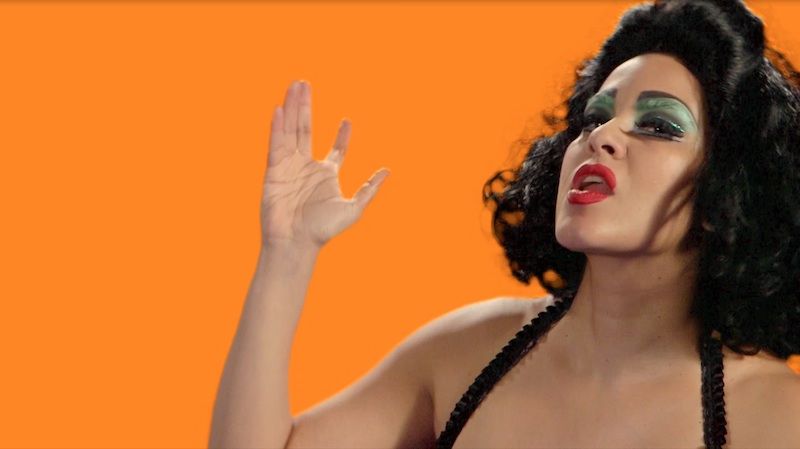
"caption": "Xandra Ibarra, 'Spictacle II: Tortillera' (still), 2015. (Photo: the artist)",
"description": null,
"title": "Still_Tortillera 1",
"credit": null,
"status": "inherit",
"isLoading": false,
"fetchFailed": false
},
"arts_10903521": {
"type": "attachments",
"id": "arts_10903521",
"meta": {
"index": "attachments_1716263798",
"site": "arts",
"id": "10903521",
"found": true
},
"parent": 10899912,
"imgSizes": {
"twentyfourteen-full-width": {
"file": "https://ww2.kqed.org/app/uploads/sites/2/2015/08/Visions-Zeke-PeñaCover-1038x576.jpg",
"width": 1038,
"mimeType": "image/jpeg",
"height": 576
},
"thumbnail": {
"file": "https://ww2.kqed.org/app/uploads/sites/2/2015/08/Visions-Zeke-PeñaCover-400x225.jpg",
"width": 400,
"mimeType": "image/jpeg",
"height": 225
},
"fd-sm": {
"file": "https://ww2.kqed.org/app/uploads/sites/2/2015/08/Visions-Zeke-PeñaCover-960x540.jpg",
"width": 960,
"mimeType": "image/jpeg",
"height": 540
},
"post-thumbnail": {
"file": "https://ww2.kqed.org/app/uploads/sites/2/2015/08/Visions-Zeke-PeñaCover-672x372.jpg",
"width": 672,
"mimeType": "image/jpeg",
"height": 372
},
"kqedFullSize": {
"file": "https://ww2.kqed.org/app/uploads/sites/2/2015/08/Visions-Zeke-PeñaCover.jpg",
"width": 1152,
"height": 648
},
"guest-author-96": {
"file": "https://ww2.kqed.org/app/uploads/sites/2/2015/08/Visions-Zeke-PeñaCover-96x96.jpg",
"width": 96,
"mimeType": "image/jpeg",
"height": 96
},
"medium": {
"file": "https://ww2.kqed.org/app/uploads/sites/2/2015/08/Visions-Zeke-PeñaCover-800x450.jpg",
"width": 800,
"mimeType": "image/jpeg",
"height": 450
},
"guest-author-64": {
"file": "https://ww2.kqed.org/app/uploads/sites/2/2015/08/Visions-Zeke-PeñaCover-64x64.jpg",
"width": 64,
"mimeType": "image/jpeg",
"height": 64
},
"detail": {
"file": "https://ww2.kqed.org/app/uploads/sites/2/2015/08/Visions-Zeke-PeñaCover-75x75.jpg",
"width": 75,
"mimeType": "image/jpeg",
"height": 75
},
"guest-author-32": {
"file": "https://ww2.kqed.org/app/uploads/sites/2/2015/08/Visions-Zeke-PeñaCover-32x32.jpg",
"width": 32,
"mimeType": "image/jpeg",
"height": 32
},
"guest-author-128": {
"file": "https://ww2.kqed.org/app/uploads/sites/2/2015/08/Visions-Zeke-PeñaCover-128x128.jpg",
"width": 128,
"mimeType": "image/jpeg",
"height": 128
}
},
"publishDate": 1439929077,
"modified": 1439929089,
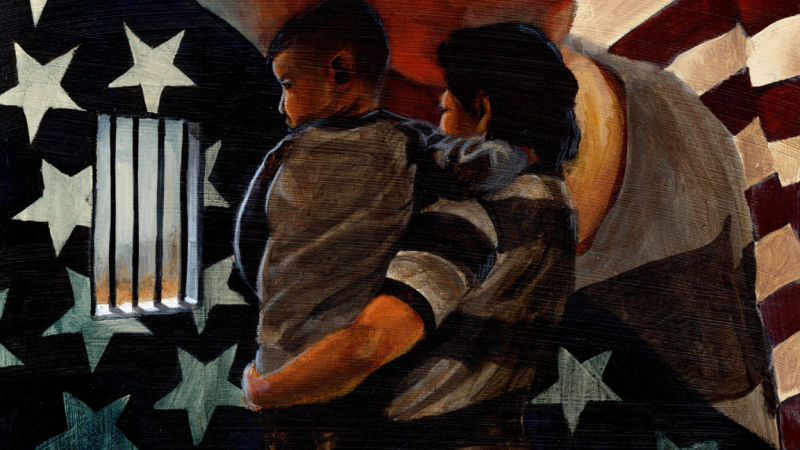
"caption": "Zeke Peña. (Photo: Visions from the Inside)",
"description": null,
"title": "Visions-Zeke-PeñaCover",
"credit": null,
"status": "inherit",
"isLoading": false,
"fetchFailed": false
},
"news_10650255": {
"type": "attachments",
"id": "news_10650255",
"meta": {
"index": "attachments_1716263798",
"site": "news",
"id": "10650255",
"found": true
},
"parent": 10650203,
"imgSizes": {
"twentyfourteen-full-width": {
"file": "https://ww2.kqed.org/app/uploads/sites/10/2015/08/AAU-1038x576.jpg",
"width": 1038,
"mimeType": "image/jpeg",
"height": 576
},
"thumbnail": {
"file": "https://ww2.kqed.org/app/uploads/sites/10/2015/08/AAU-400x237.jpg",
"width": 400,
"mimeType": "image/jpeg",
"height": 237
},
"fd-sm": {
"file": "https://ww2.kqed.org/app/uploads/sites/10/2015/08/AAU-960x570.jpg",
"width": 960,
"mimeType": "image/jpeg",
"height": 570
},
"post-thumbnail": {
"file": "https://ww2.kqed.org/app/uploads/sites/10/2015/08/AAU-672x372.jpg",
"width": 672,
"mimeType": "image/jpeg",
"height": 372
},
"kqedFullSize": {
"file": "https://ww2.kqed.org/app/uploads/sites/10/2015/08/AAU.jpg",
"width": 1920,
"height": 1139
},
"large": {
"file": "https://ww2.kqed.org/app/uploads/sites/10/2015/08/AAU-1440x854.jpg",
"width": 1440,
"mimeType": "image/jpeg",
"height": 854
},
"guest-author-96": {
"file": "https://ww2.kqed.org/app/uploads/sites/10/2015/08/AAU-96x96.jpg",
"width": 96,
"mimeType": "image/jpeg",
"height": 96
},
"medium": {
"file": "https://ww2.kqed.org/app/uploads/sites/10/2015/08/AAU-800x475.jpg",
"width": 800,
"mimeType": "image/jpeg",
"height": 475
},
"guest-author-64": {
"file": "https://ww2.kqed.org/app/uploads/sites/10/2015/08/AAU-64x64.jpg",
"width": 64,
"mimeType": "image/jpeg",
"height": 64
},
"guest-author-32": {
"file": "https://ww2.kqed.org/app/uploads/sites/10/2015/08/AAU-32x32.jpg",
"width": 32,
"mimeType": "image/jpeg",
"height": 32
},
"jmtc-small-thumb": {
"file": "https://ww2.kqed.org/app/uploads/sites/10/2015/08/AAU-280x150.jpg",
"width": 280,
"mimeType": "image/jpeg",
"height": 150
},
"fd-lrg": {
"file": "https://ww2.kqed.org/app/uploads/sites/10/2015/08/AAU-1920x1139.jpg",
"width": 1920,
"mimeType": "image/jpeg",
"height": 1139
},
"fd-med": {
"file": "https://ww2.kqed.org/app/uploads/sites/10/2015/08/AAU-1180x700.jpg",
"width": 1180,
"mimeType": "image/jpeg",
"height": 700
},
"detail": {
"file": "https://ww2.kqed.org/app/uploads/sites/10/2015/08/AAU-75x75.jpg",
"width": 75,
"mimeType": "image/jpeg",
"height": 75
},
"guest-author-128": {
"file": "https://ww2.kqed.org/app/uploads/sites/10/2015/08/AAU-128x128.jpg",
"width": 128,
"mimeType": "image/jpeg",
"height": 128
}
},
"publishDate": 1440034563,
"modified": 1440110609,
"caption": "The Academy of Art University in San Francisco is the country's biggest private art college.",
"description": "The exterior of an Academy of Art University in downtown San Francisco .",
"title": "AAU",
"credit": "Wikimedia Commons",
"status": "inherit",
"isLoading": false,
"fetchFailed": false
},
"arts_10899512": {
"type": "attachments",
"id": "arts_10899512",
"meta": {
"index": "attachments_1716263798",
"site": "arts",
"id": "10899512",
"found": true
},
"parent": 10899511,
"imgSizes": {
"thumbnail": {
"file": "https://ww2.kqed.org/app/uploads/sites/2/2015/08/Shimmer_ND_NYC_Install-400x225.jpg",
"width": 400,
"mimeType": "image/jpeg",
"height": 225
},
"post-thumbnail": {
"file": "https://ww2.kqed.org/app/uploads/sites/2/2015/08/Shimmer_ND_NYC_Install-672x372.jpg",
"width": 672,
"mimeType": "image/jpeg",
"height": 372
},
"kqedFullSize": {
"file": "https://ww2.kqed.org/app/uploads/sites/2/2015/08/Shimmer_ND_NYC_Install.jpg",
"width": 800,
"height": 450
},
"guest-author-96": {
"file": "https://ww2.kqed.org/app/uploads/sites/2/2015/08/Shimmer_ND_NYC_Install-96x96.jpg",
"width": 96,
"mimeType": "image/jpeg",
"height": 96
},
"medium": {
"file": "https://ww2.kqed.org/app/uploads/sites/2/2015/08/Shimmer_ND_NYC_Install-800x450.jpg",
"width": 800,
"mimeType": "image/jpeg",
"height": 450
},
"guest-author-64": {
"file": "https://ww2.kqed.org/app/uploads/sites/2/2015/08/Shimmer_ND_NYC_Install-64x64.jpg",
"width": 64,
"mimeType": "image/jpeg",
"height": 64
},
"detail": {
"file": "https://ww2.kqed.org/app/uploads/sites/2/2015/08/Shimmer_ND_NYC_Install-75x75.jpg",
"width": 75,
"mimeType": "image/jpeg",
"height": 75
},
"guest-author-32": {
"file": "https://ww2.kqed.org/app/uploads/sites/2/2015/08/Shimmer_ND_NYC_Install-32x32.jpg",
"width": 32,
"mimeType": "image/jpeg",
"height": 32
},
"guest-author-128": {
"file": "https://ww2.kqed.org/app/uploads/sites/2/2015/08/Shimmer_ND_NYC_Install-128x128.jpg",
"width": 128,
"mimeType": "image/jpeg",
"height": 128
}
},
"publishDate": 1439748082,
"modified": 1439941745,
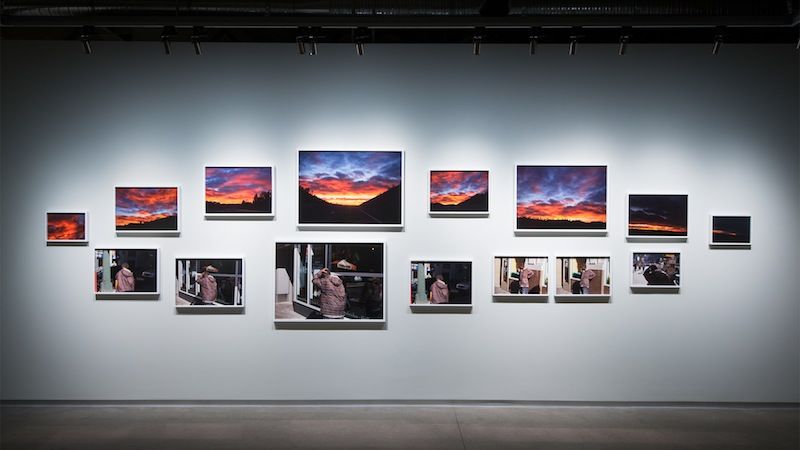
"caption": "Paul Graham, Installation view of 'The Whiteness of the Whale,' 2015..\n(Photo: Pier 24 Photography, San Francisco)\n",
"description": null,
"title": "Shimmer_ND_NYC_Install",
"credit": null,
"status": "inherit",
"isLoading": false,
"fetchFailed": false
},
"news_10634776": {
"type": "attachments",
"id": "news_10634776",
"meta": {
"index": "attachments_1716263798",
"site": "news",
"id": "10634776",
"found": true
},
"parent": 10634303,
"imgSizes": {
"jmtc-small-thumb": {
"file": "https://ww2.kqed.org/app/uploads/sites/10/2015/08/RS16293_main_image_1-qut-280x150.jpg",
"width": 280,
"mimeType": "image/jpeg",
"height": 150
},
"thumbnail": {
"file": "https://ww2.kqed.org/app/uploads/sites/10/2015/08/RS16293_main_image_1-qut-400x183.jpg",
"width": 400,
"mimeType": "image/jpeg",
"height": 183
},
"fd-sm": {
"file": "https://ww2.kqed.org/app/uploads/sites/10/2015/08/RS16293_main_image_1-qut-960x438.jpg",
"width": 960,
"mimeType": "image/jpeg",
"height": 438
},
"post-thumbnail": {
"file": "https://ww2.kqed.org/app/uploads/sites/10/2015/08/RS16293_main_image_1-qut-672x372.jpg",
"width": 672,
"mimeType": "image/jpeg",
"height": 372
},
"kqedFullSize": {
"file": "https://ww2.kqed.org/app/uploads/sites/10/2015/08/RS16293_main_image_1-qut.jpg",
"width": 960,
"height": 438
},
"guest-author-96": {
"file": "https://ww2.kqed.org/app/uploads/sites/10/2015/08/RS16293_main_image_1-qut-96x96.jpg",
"width": 96,
"mimeType": "image/jpeg",
"height": 96
},
"medium": {
"file": "https://ww2.kqed.org/app/uploads/sites/10/2015/08/RS16293_main_image_1-qut-800x365.jpg",
"width": 800,
"mimeType": "image/jpeg",
"height": 365
},
"guest-author-64": {
"file": "https://ww2.kqed.org/app/uploads/sites/10/2015/08/RS16293_main_image_1-qut-64x64.jpg",
"width": 64,
"mimeType": "image/jpeg",
"height": 64
},
"detail": {
"file": "https://ww2.kqed.org/app/uploads/sites/10/2015/08/RS16293_main_image_1-qut-75x75.jpg",
"width": 75,
"mimeType": "image/jpeg",
"height": 75
},
"guest-author-32": {
"file": "https://ww2.kqed.org/app/uploads/sites/10/2015/08/RS16293_main_image_1-qut-32x32.jpg",
"width": 32,
"mimeType": "image/jpeg",
"height": 32
},
"guest-author-128": {
"file": "https://ww2.kqed.org/app/uploads/sites/10/2015/08/RS16293_main_image_1-qut-128x128.jpg",
"width": 128,
"mimeType": "image/jpeg",
"height": 128
}
},
"publishDate": 1439011538,
"modified": 1439155429,
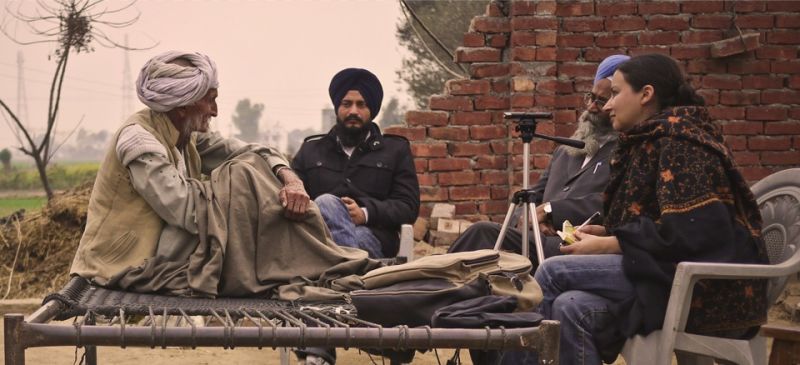
"caption": "Volunteers called citizen historians interview and record the experiences of those who witnessed the partition of British India in 1947.",
"description": "Volunteers called citizen historians interview and record the experiences of those who witnessed the partition of British India in 1947.",
"title": "RS16293_main_image_1-qut",
"credit": "Courtesy of 1947 Partition Archive",
"status": "inherit",
"isLoading": false,
"fetchFailed": false
},
"arts_10896058": {
"type": "attachments",
"id": "arts_10896058",
"meta": {
"index": "attachments_1716263798",
"site": "arts",
"id": "10896058",
"found": true
},
"parent": 10895983,
"imgSizes": {
"twentyfourteen-full-width": {
"file": "https://ww2.kqed.org/app/uploads/sites/2/2015/08/Charlene.KariOrvikTintypes-1038x576.jpg",
"width": 1038,
"mimeType": "image/jpeg",
"height": 576
},
"thumbnail": {
"file": "https://ww2.kqed.org/app/uploads/sites/2/2015/08/Charlene.KariOrvikTintypes-400x225.jpg",
"width": 400,
"mimeType": "image/jpeg",
"height": 225
},
"fd-sm": {
"file": "https://ww2.kqed.org/app/uploads/sites/2/2015/08/Charlene.KariOrvikTintypes-960x540.jpg",
"width": 960,
"mimeType": "image/jpeg",
"height": 540
},
"post-thumbnail": {
"file": "https://ww2.kqed.org/app/uploads/sites/2/2015/08/Charlene.KariOrvikTintypes-672x372.jpg",
"width": 672,
"mimeType": "image/jpeg",
"height": 372
},
"kqedFullSize": {
"file": "https://ww2.kqed.org/app/uploads/sites/2/2015/08/Charlene.KariOrvikTintypes.jpg",
"width": 1100,
"height": 619
},
"guest-author-96": {
"file": "https://ww2.kqed.org/app/uploads/sites/2/2015/08/Charlene.KariOrvikTintypes-96x96.jpg",
"width": 96,
"mimeType": "image/jpeg",
"height": 96
},
"medium": {
"file": "https://ww2.kqed.org/app/uploads/sites/2/2015/08/Charlene.KariOrvikTintypes-800x450.jpg",
"width": 800,
"mimeType": "image/jpeg",
"height": 450
},
"guest-author-64": {
"file": "https://ww2.kqed.org/app/uploads/sites/2/2015/08/Charlene.KariOrvikTintypes-64x64.jpg",
"width": 64,
"mimeType": "image/jpeg",
"height": 64
},
"detail": {
"file": "https://ww2.kqed.org/app/uploads/sites/2/2015/08/Charlene.KariOrvikTintypes-75x75.jpg",
"width": 75,
"mimeType": "image/jpeg",
"height": 75
},
"guest-author-32": {
"file": "https://ww2.kqed.org/app/uploads/sites/2/2015/08/Charlene.KariOrvikTintypes-32x32.jpg",
"width": 32,
"mimeType": "image/jpeg",
"height": 32
},
"guest-author-128": {
"file": "https://ww2.kqed.org/app/uploads/sites/2/2015/08/Charlene.KariOrvikTintypes-128x128.jpg",
"width": 128,
"mimeType": "image/jpeg",
"height": 128
}
},
"publishDate": 1439583107,
"modified": 1439583201,
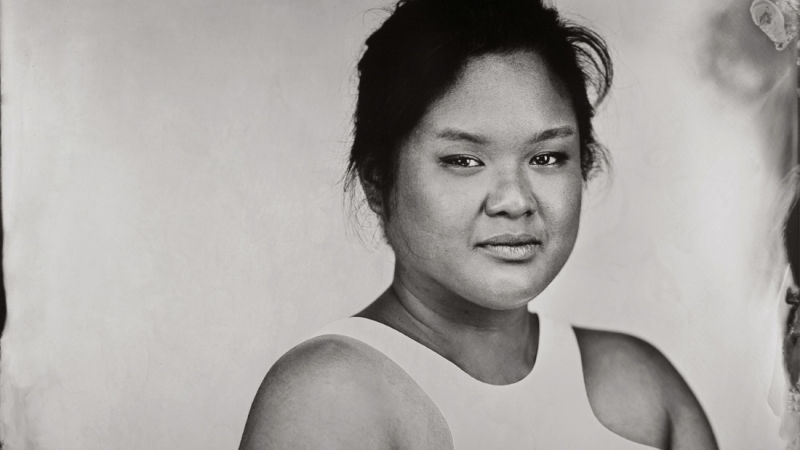
"caption": "Charlene Tan, photographed in tintype by \u003ca href=\"http://www.kariorviktintypestudio.com/\">Kari Orvik Tintype Studio\u003c/a>. (Photo: Kari Orvik)",
"description": "Charlene Tan, photographed in tintype by \u003ca href=\"http://www.kariorviktintypestudio.com/\">Kari Orvik Tintype Studio\u003c/a>. (Photo: Kari Orvik)",
"title": "Charlene.KariOrvikTintypes",
"credit": null,
"status": "inherit",
"isLoading": false,
"fetchFailed": false
},
"news_10643249": {
"type": "attachments",
"id": "news_10643249",
"meta": {
"index": "attachments_1716263798",
"site": "news",
"id": "10643249",
"found": true
},
"parent": 10643026,
"imgSizes": {
"twentyfourteen-full-width": {
"file": "https://ww2.kqed.org/app/uploads/sites/10/2015/08/RS16355_Ships_MenuFront-LDLApg045-qut_RESIZED-1038x576.jpg",
"width": 1038,
"mimeType": "image/jpeg",
"height": 576
},
"thumbnail": {
"file": "https://ww2.kqed.org/app/uploads/sites/10/2015/08/RS16355_Ships_MenuFront-LDLApg045-qut_RESIZED-400x267.jpg",
"width": 400,
"mimeType": "image/jpeg",
"height": 267
},
"fd-sm": {
"file": "https://ww2.kqed.org/app/uploads/sites/10/2015/08/RS16355_Ships_MenuFront-LDLApg045-qut_RESIZED-960x641.jpg",
"width": 960,
"mimeType": "image/jpeg",
"height": 641
},
"post-thumbnail": {
"file": "https://ww2.kqed.org/app/uploads/sites/10/2015/08/RS16355_Ships_MenuFront-LDLApg045-qut_RESIZED-672x372.jpg",
"width": 672,
"mimeType": "image/jpeg",
"height": 372
},
"kqedFullSize": {
"file": "https://ww2.kqed.org/app/uploads/sites/10/2015/08/RS16355_Ships_MenuFront-LDLApg045-qut_RESIZED.jpg",
"width": 1920,
"height": 1282
},
"large": {
"file": "https://ww2.kqed.org/app/uploads/sites/10/2015/08/RS16355_Ships_MenuFront-LDLApg045-qut_RESIZED-1440x962.jpg",
"width": 1440,
"mimeType": "image/jpeg",
"height": 962
},
"guest-author-96": {
"file": "https://ww2.kqed.org/app/uploads/sites/10/2015/08/RS16355_Ships_MenuFront-LDLApg045-qut_RESIZED-96x96.jpg",
"width": 96,
"mimeType": "image/jpeg",
"height": 96
},
"medium": {
"file": "https://ww2.kqed.org/app/uploads/sites/10/2015/08/RS16355_Ships_MenuFront-LDLApg045-qut_RESIZED-800x534.jpg",
"width": 800,
"mimeType": "image/jpeg",
"height": 534
},
"guest-author-64": {
"file": "https://ww2.kqed.org/app/uploads/sites/10/2015/08/RS16355_Ships_MenuFront-LDLApg045-qut_RESIZED-64x64.jpg",
"width": 64,
"mimeType": "image/jpeg",
"height": 64
},
"guest-author-32": {
"file": "https://ww2.kqed.org/app/uploads/sites/10/2015/08/RS16355_Ships_MenuFront-LDLApg045-qut_RESIZED-32x32.jpg",
"width": 32,
"mimeType": "image/jpeg",
"height": 32
},
"jmtc-small-thumb": {
"file": "https://ww2.kqed.org/app/uploads/sites/10/2015/08/RS16355_Ships_MenuFront-LDLApg045-qut_RESIZED-280x150.jpg",
"width": 280,
"mimeType": "image/jpeg",
"height": 150
},
"fd-lrg": {
"file": "https://ww2.kqed.org/app/uploads/sites/10/2015/08/RS16355_Ships_MenuFront-LDLApg045-qut_RESIZED-1920x1282.jpg",
"width": 1920,
"mimeType": "image/jpeg",
"height": 1282
},
"fd-med": {
"file": "https://ww2.kqed.org/app/uploads/sites/10/2015/08/RS16355_Ships_MenuFront-LDLApg045-qut_RESIZED-1180x788.jpg",
"width": 1180,
"mimeType": "image/jpeg",
"height": 788
},
"detail": {
"file": "https://ww2.kqed.org/app/uploads/sites/10/2015/08/RS16355_Ships_MenuFront-LDLApg045-qut_RESIZED-75x75.jpg",
"width": 75,
"mimeType": "image/jpeg",
"height": 75
},
"guest-author-128": {
"file": "https://ww2.kqed.org/app/uploads/sites/10/2015/08/RS16355_Ships_MenuFront-LDLApg045-qut_RESIZED-128x128.jpg",
"width": 128,
"mimeType": "image/jpeg",
"height": 128
}
},
"publishDate": 1439585777,
"modified": 1439585889,
"caption": "The 50 menus on display were pulled from the LA Public Library’s collection of 12,000 menus, including this one from Ships Coffee Shop.",
"description": null,
"title": "RS16355_Ships_MenuFront-LDLApg045-qut_RESIZED",
"credit": "The Library Foundation of Los Angeles",
"status": "inherit",
"isLoading": false,
"fetchFailed": false
},
"arts_10892683": {
"type": "attachments",
"id": "arts_10892683",
"meta": {
"index": "attachments_1716263798",
"site": "arts",
"id": "10892683",
"found": true
},
"parent": 10892361,
"imgSizes": {
"twentyfourteen-full-width": {
"file": "https://ww2.kqed.org/app/uploads/sites/2/2015/08/JB_FreshK_062015_2-e1439420686446-1038x576.jpg",
"width": 1038,
"mimeType": "image/jpeg",
"height": 576
},
"thumbnail": {
"file": "https://ww2.kqed.org/app/uploads/sites/2/2015/08/JB_FreshK_062015_2-e1439420686446-400x225.jpg",
"width": 400,
"mimeType": "image/jpeg",
"height": 225
},
"fd-sm": {
"file": "https://ww2.kqed.org/app/uploads/sites/2/2015/08/JB_FreshK_062015_2-e1439420686446-960x540.jpg",
"width": 960,
"mimeType": "image/jpeg",
"height": 540
},
"post-thumbnail": {
"file": "https://ww2.kqed.org/app/uploads/sites/2/2015/08/JB_FreshK_062015_2-e1439420686446-672x372.jpg",
"width": 672,
"mimeType": "image/jpeg",
"height": 372
},
"kqedFullSize": {
"file": "https://ww2.kqed.org/app/uploads/sites/2/2015/08/JB_FreshK_062015_2-e1439420686446.jpg",
"width": 1439,
"height": 809
},
"large": {
"file": "https://ww2.kqed.org/app/uploads/sites/2/2015/08/JB_FreshK_062015_2-e1439420686446-1180x663.jpg",
"width": 1180,
"mimeType": "image/jpeg",
"height": 663
},
"guest-author-96": {
"file": "https://ww2.kqed.org/app/uploads/sites/2/2015/08/JB_FreshK_062015_2-e1439420686446-96x96.jpg",
"width": 96,
"mimeType": "image/jpeg",
"height": 96
},
"medium": {
"file": "https://ww2.kqed.org/app/uploads/sites/2/2015/08/JB_FreshK_062015_2-e1439420686446-800x450.jpg",
"width": 800,
"mimeType": "image/jpeg",
"height": 450
},
"guest-author-64": {
"file": "https://ww2.kqed.org/app/uploads/sites/2/2015/08/JB_FreshK_062015_2-e1439420686446-64x64.jpg",
"width": 64,
"mimeType": "image/jpeg",
"height": 64
},
"guest-author-32": {
"file": "https://ww2.kqed.org/app/uploads/sites/2/2015/08/JB_FreshK_062015_2-e1439420686446-32x32.jpg",
"width": 32,
"mimeType": "image/jpeg",
"height": 32
},
"fd-lrg": {
"file": "https://ww2.kqed.org/app/uploads/sites/2/2015/08/JB_FreshK_062015_2-1920x1272.jpg",
"width": 1920,
"mimeType": "image/jpeg",
"height": 1272
},
"fd-med": {
"file": "https://ww2.kqed.org/app/uploads/sites/2/2015/08/JB_FreshK_062015_2-e1439420686446-1180x663.jpg",
"width": 1180,
"mimeType": "image/jpeg",
"height": 663
},
"detail": {
"file": "https://ww2.kqed.org/app/uploads/sites/2/2015/08/JB_FreshK_062015_2-e1439420686446-75x75.jpg",
"width": 75,
"mimeType": "image/jpeg",
"height": 75
},
"guest-author-128": {
"file": "https://ww2.kqed.org/app/uploads/sites/2/2015/08/JB_FreshK_062015_2-e1439420686446-128x128.jpg",
"width": 128,
"mimeType": "image/jpeg",
"height": 128
}
},
"publishDate": 1439420371,
"modified": 1439420863,
"caption": "Artist and fashion designer Joonbug",
"description": "Artist and fashion designer Joonbug",
"title": "JB_FreshK_062015_2",
"credit": null,
"status": "inherit",
"isLoading": false,
"fetchFailed": false
},
"arts_10892829": {
"type": "attachments",
"id": "arts_10892829",
"meta": {
"index": "attachments_1716263798",
"site": "arts",
"id": "10892829",
"found": true
},
"parent": 10892828,
"imgSizes": {
"twentyfourteen-full-width": {
"file": "https://ww2.kqed.org/app/uploads/sites/2/2015/08/animals_wide-d868544ea312936403fc1fd7335fddda022801af-1038x576.jpg",
"width": 1038,
"mimeType": "image/jpeg",
"height": 576
},
"thumbnail": {
"file": "https://ww2.kqed.org/app/uploads/sites/2/2015/08/animals_wide-d868544ea312936403fc1fd7335fddda022801af-400x225.jpg",
"width": 400,
"mimeType": "image/jpeg",
"height": 225
},
"fd-sm": {
"file": "https://ww2.kqed.org/app/uploads/sites/2/2015/08/animals_wide-d868544ea312936403fc1fd7335fddda022801af-960x539.jpg",
"width": 960,
"mimeType": "image/jpeg",
"height": 539
},
"post-thumbnail": {
"file": "https://ww2.kqed.org/app/uploads/sites/2/2015/08/animals_wide-d868544ea312936403fc1fd7335fddda022801af-672x372.jpg",
"width": 672,
"mimeType": "image/jpeg",
"height": 372
},
"kqedFullSize": {
"file": "https://ww2.kqed.org/app/uploads/sites/2/2015/08/animals_wide-d868544ea312936403fc1fd7335fddda022801af.jpg",
"width": 1194,
"height": 671
},
"large": {
"file": "https://ww2.kqed.org/app/uploads/sites/2/2015/08/animals_wide-d868544ea312936403fc1fd7335fddda022801af-1180x663.jpg",
"width": 1180,
"mimeType": "image/jpeg",
"height": 663
},
"guest-author-96": {
"file": "https://ww2.kqed.org/app/uploads/sites/2/2015/08/animals_wide-d868544ea312936403fc1fd7335fddda022801af-96x96.jpg",
"width": 96,
"mimeType": "image/jpeg",
"height": 96
},
"medium": {
"file": "https://ww2.kqed.org/app/uploads/sites/2/2015/08/animals_wide-d868544ea312936403fc1fd7335fddda022801af-800x450.jpg",
"width": 800,
"mimeType": "image/jpeg",
"height": 450
},
"guest-author-64": {
"file": "https://ww2.kqed.org/app/uploads/sites/2/2015/08/animals_wide-d868544ea312936403fc1fd7335fddda022801af-64x64.jpg",
"width": 64,
"mimeType": "image/jpeg",
"height": 64
},
"guest-author-32": {
"file": "https://ww2.kqed.org/app/uploads/sites/2/2015/08/animals_wide-d868544ea312936403fc1fd7335fddda022801af-32x32.jpg",
"width": 32,
"mimeType": "image/jpeg",
"height": 32
},
"fd-med": {
"file": "https://ww2.kqed.org/app/uploads/sites/2/2015/08/animals_wide-d868544ea312936403fc1fd7335fddda022801af-1180x663.jpg",
"width": 1180,
"mimeType": "image/jpeg",
"height": 663
},
"detail": {
"file": "https://ww2.kqed.org/app/uploads/sites/2/2015/08/animals_wide-d868544ea312936403fc1fd7335fddda022801af-75x75.jpg",
"width": 75,
"mimeType": "image/jpeg",
"height": 75
},
"guest-author-128": {
"file": "https://ww2.kqed.org/app/uploads/sites/2/2015/08/animals_wide-d868544ea312936403fc1fd7335fddda022801af-128x128.jpg",
"width": 128,
"mimeType": "image/jpeg",
"height": 128
}
},
"publishDate": 1439426776,
"modified": 1439426776,
"caption": null,
"description": "In 16th century Italy, the nobility began decorating their tables with \"triumphs\" made entirely from folded napkins. The art form had pretty much died out by the time artist Joan Sallas began studying centuries-old illustrations and taught himself how to re-create them. Photo from \u003cem>The Beauty of the Fold: A Conversation With Joan Sallas.\u003c/em>",
"title": "In 16th century Italy, the nobility began decorating their tables with \"triumphs\" made entirely from folded napkins. The art form had pretty much died out by the time artist Joan Sallas began studying centuries-old illustrations and taught himself how to re-create them. Photo from The Beauty of the Fold: A Conversation With Joan Sallas.",
"credit": null,
"status": "inherit",
"isLoading": false,
"fetchFailed": false
},
"arts_10892756": {
"type": "attachments",
"id": "arts_10892756",
"meta": {
"index": "attachments_1716263798",
"site": "arts",
"id": "10892756",
"found": true
},
"parent": 10892436,
"imgSizes": {
"twentyfourteen-full-width": {
"file": "https://ww2.kqed.org/app/uploads/sites/2/2015/08/Google-Map-image-of-Mural2-1920x10561-1038x576.png",
"width": 1038,
"mimeType": "image/png",
"height": 576
},
"thumbnail": {
"file": "https://ww2.kqed.org/app/uploads/sites/2/2015/08/Google-Map-image-of-Mural2-1920x10561-400x225.png",
"width": 400,
"mimeType": "image/png",
"height": 225
},
"fd-sm": {
"file": "https://ww2.kqed.org/app/uploads/sites/2/2015/08/Google-Map-image-of-Mural2-1920x10561-960x540.png",
"width": 960,
"mimeType": "image/png",
"height": 540
},
"post-thumbnail": {
"file": "https://ww2.kqed.org/app/uploads/sites/2/2015/08/Google-Map-image-of-Mural2-1920x10561-672x372.png",
"width": 672,
"mimeType": "image/png",
"height": 372
},
"kqedFullSize": {
"file": "https://ww2.kqed.org/app/uploads/sites/2/2015/08/Google-Map-image-of-Mural2-1920x10561.png",
"width": 1442,
"height": 811
},
"large": {
"file": "https://ww2.kqed.org/app/uploads/sites/2/2015/08/Google-Map-image-of-Mural2-1920x10561-1180x664.png",
"width": 1180,
"mimeType": "image/png",
"height": 664
},
"guest-author-96": {
"file": "https://ww2.kqed.org/app/uploads/sites/2/2015/08/Google-Map-image-of-Mural2-1920x10561-96x96.png",
"width": 96,
"mimeType": "image/png",
"height": 96
},
"medium": {
"file": "https://ww2.kqed.org/app/uploads/sites/2/2015/08/Google-Map-image-of-Mural2-1920x10561-800x450.png",
"width": 800,
"mimeType": "image/png",
"height": 450
},
"guest-author-64": {
"file": "https://ww2.kqed.org/app/uploads/sites/2/2015/08/Google-Map-image-of-Mural2-1920x10561-64x64.png",
"width": 64,
"mimeType": "image/png",
"height": 64
},
"guest-author-32": {
"file": "https://ww2.kqed.org/app/uploads/sites/2/2015/08/Google-Map-image-of-Mural2-1920x10561-32x32.png",
"width": 32,
"mimeType": "image/png",
"height": 32
},
"fd-med": {
"file": "https://ww2.kqed.org/app/uploads/sites/2/2015/08/Google-Map-image-of-Mural2-1920x10561-1180x664.png",
"width": 1180,
"mimeType": "image/png",
"height": 664
},
"detail": {
"file": "https://ww2.kqed.org/app/uploads/sites/2/2015/08/Google-Map-image-of-Mural2-1920x10561-75x75.png",
"width": 75,
"mimeType": "image/png",
"height": 75
},
"guest-author-128": {
"file": "https://ww2.kqed.org/app/uploads/sites/2/2015/08/Google-Map-image-of-Mural2-1920x10561-128x128.png",
"width": 128,
"mimeType": "image/png",
"height": 128
}
},
"publishDate": 1439421842,
"modified": 1439484542,
"caption": "Google Maps image of Dan Fontes' Lake Merritt Mural.",
"description": "Google Maps image of Dan Fontes' Lake Merritt Mural.",
"title": "Google-Map-image-of-Mural2-1920x1056",
"credit": null,
"status": "inherit",
"isLoading": false,
"fetchFailed": false
},
"arts_10891502": {
"type": "attachments",
"id": "arts_10891502",
"meta": {
"index": "attachments_1716263798",
"site": "arts",
"id": "10891502",
"found": true
},
"parent": 10887624,
"imgSizes": {
"thumbnail": {
"file": "https://ww2.kqed.org/app/uploads/sites/2/2015/08/NileSunsetAnnexCover-400x225.jpg",
"width": 400,
"mimeType": "image/jpeg",
"height": 225
},
"post-thumbnail": {
"file": "https://ww2.kqed.org/app/uploads/sites/2/2015/08/NileSunsetAnnexCover-672x372.jpg",
"width": 672,
"mimeType": "image/jpeg",
"height": 372
},
"kqedFullSize": {
"file": "https://ww2.kqed.org/app/uploads/sites/2/2015/08/NileSunsetAnnexCover.jpg",
"width": 850,
"height": 478
},
"guest-author-96": {
"file": "https://ww2.kqed.org/app/uploads/sites/2/2015/08/NileSunsetAnnexCover-96x96.jpg",
"width": 96,
"mimeType": "image/jpeg",
"height": 96
},
"medium": {
"file": "https://ww2.kqed.org/app/uploads/sites/2/2015/08/NileSunsetAnnexCover-800x450.jpg",
"width": 800,
"mimeType": "image/jpeg",
"height": 450
},
"guest-author-64": {
"file": "https://ww2.kqed.org/app/uploads/sites/2/2015/08/NileSunsetAnnexCover-64x64.jpg",
"width": 64,
"mimeType": "image/jpeg",
"height": 64
},
"detail": {
"file": "https://ww2.kqed.org/app/uploads/sites/2/2015/08/NileSunsetAnnexCover-75x75.jpg",
"width": 75,
"mimeType": "image/jpeg",
"height": 75
},
"guest-author-32": {
"file": "https://ww2.kqed.org/app/uploads/sites/2/2015/08/NileSunsetAnnexCover-32x32.jpg",
"width": 32,
"mimeType": "image/jpeg",
"height": 32
},
"guest-author-128": {
"file": "https://ww2.kqed.org/app/uploads/sites/2/2015/08/NileSunsetAnnexCover-128x128.jpg",
"width": 128,
"mimeType": "image/jpeg",
"height": 128
}
},
"publishDate": 1439360789,
"modified": 1439360822,
"caption": "Installation view of 'Nile Sunset Annex: The Many Hats,' 2015. (Photo: Haines Gallery)",
"description": null,
"title": "NileSunsetAnnexCover",
"credit": null,
"status": "inherit",
"isLoading": false,
"fetchFailed": false
}
},
"audioPlayerReducer": {
"postId": "stream_live",
"isPaused": true,
"isPlaying": false,
"pfsActive": false,
"pledgeModalIsOpen": true,
"playerDrawerIsOpen": false,
"liveAudioPlayStartedAt": 0,
"liveAudioPlayContext": ""
},
"authorsReducer": {
"byline_news_10650203": {
"type": "authors",
"id": "byline_news_10650203",
"meta": {
"override": true
},
"slug": "byline_news_10650203",
"name": "\u003cstrong>Natalie Yemenidjian\u003c/strong>",
"isLoading": false
},
"byline_news_10643026": {
"type": "authors",
"id": "byline_news_10643026",
"meta": {
"override": true
},
"slug": "byline_news_10643026",
"name": "Avishay Artsy",
"isLoading": false
},
"byline_arts_10892361": {
"type": "authors",
"id": "byline_arts_10892361",
"meta": {
"override": true
},
"slug": "byline_arts_10892361",
"name": "Alex Frantz Ghassan",
"isLoading": false
},
"byline_arts_10892828": {
"type": "authors",
"id": "byline_arts_10892828",
"meta": {
"override": true
},
"slug": "byline_arts_10892828",
"name": "Tove K. Danovich",
"isLoading": false
},
"cmusiker": {
"type": "authors",
"id": "32",
"meta": {
"index": "authors_1716337520",
"id": "32",
"found": true
},
"name": "Cy Musiker",
"firstName": "Cy",
"lastName": "Musiker",
"slug": "cmusiker",
"email": "cmusiker@kqed.org",
"display_author_email": false,
"staff_mastheads": [],
"title": "KQED Contributor",
"bio": "Cy Musiker is a former co-host of The Do List and a former reporter covering the arts for KQED News and The California Report. He loves live performance, especially great theater, jazz, roots music, anything by Mahler. Cy has an MJ from UC Berkeley's School of Journalism, and got his BA from Hampshire College. His work has been recognized by the Society for Professional Journalists with their Sigma Delta Chi Award for Public Service in Journalism. When he can, Cy likes to swim in Tomales Bay, run with his dog in the East Bay Hills, and hike the Sierra.",
"avatar": "https://secure.gravatar.com/avatar/05eaba5c5696ce8f062e4ea2df428a43?s=600&d=blank&r=g",
"twitter": null,
"facebook": null,
"instagram": null,
"linkedin": null,
"sites": [
{
"site": "arts",
"roles": [
"Contributor",
"subscriber"
]
},
{
"site": "news",
"roles": [
"author"
]
},
{
"site": "bayareabites",
"roles": [
"contributor"
]
}
],
"headData": {
"title": "Cy Musiker | KQED",
"description": "KQED Contributor",
"ogImgSrc": "https://secure.gravatar.com/avatar/05eaba5c5696ce8f062e4ea2df428a43?s=600&d=blank&r=g",
"twImgSrc": "https://secure.gravatar.com/avatar/05eaba5c5696ce8f062e4ea2df428a43?s=600&d=blank&r=g"
},
"isLoading": false,
"link": "/author/cmusiker"
},
"shotchkiss": {
"type": "authors",
"id": "61",
"meta": {
"index": "authors_1716337520",
"id": "61",
"found": true
},
"name": "Sarah Hotchkiss",
"firstName": "Sarah",
"lastName": "Hotchkiss",
"slug": "shotchkiss",
"email": "shotchkiss@kqed.org",
"display_author_email": true,
"staff_mastheads": [
"arts"
],
"title": "Senior Editor",
"bio": "Sarah Hotchkiss is a San Francisco \u003ca href=\"http://www.sarahhotchkiss.com\">artist\u003c/a> and arts writer. In 2019, she received the Dorothea & Leo Rabkin Foundation grant for visual art journalism and in 2020 she received a Society of Professional Journalists, Northern California award for excellence in arts and culture reporting.",
"avatar": "https://secure.gravatar.com/avatar/bc662df144b3d27fd8b1b6f1c2a420d34e91e53154d411bb7ad353cc8b6cea8d?s=600&d=blank&r=g",
"twitter": null,
"bluesky": null,
"facebook": null,
"instagram": null,
"linkedin": null,
"sites": [
{
"site": "",
"roles": [
"editor"
]
},
{
"site": "arts",
"roles": [
"Contributor",
"administrator"
]
},
{
"site": "artschool",
"roles": [
"administrator"
]
},
{
"site": "news",
"roles": [
"editor"
]
},
{
"site": "pop",
"roles": [
"administrator"
]
},
{
"site": "bayareabites",
"roles": [
"editor"
]
},
{
"site": "spark",
"roles": [
"editor"
]
},
{
"site": "checkplease",
"roles": [
"editor"
]
}
],
"headData": {
"title": "Sarah Hotchkiss | KQED",
"description": "Senior Editor",
"ogImgSrc": "https://secure.gravatar.com/avatar/bc662df144b3d27fd8b1b6f1c2a420d34e91e53154d411bb7ad353cc8b6cea8d?s=600&d=blank&r=g",
"twImgSrc": "https://secure.gravatar.com/avatar/bc662df144b3d27fd8b1b6f1c2a420d34e91e53154d411bb7ad353cc8b6cea8d?s=600&d=blank&r=g"
},
"isLoading": false,
"link": "/author/shotchkiss"
},
"mtedford": {
"type": "authors",
"id": "187",
"meta": {
"index": "authors_1716337520",
"id": "187",
"found": true
},
"name": "Matthew Harrison Tedford",
"firstName": "Matthew Harrison",
"lastName": "Tedford",
"slug": "mtedford",
"email": "mhtedford@gmail.com",
"display_author_email": false,
"staff_mastheads": [],
"title": null,
"bio": "\u003ca href=\"http://www.mhtedford.com\">Matthew Harrison Tedford\u003c/a> is a writer whose work focuses on contemporary art, film, and California history. His writing has appeared in \u003cem id=\"yui_3_17_2_1_1403197832753_7692\">Art Practical\u003c/em>, \u003cem>Daily Serving\u003c/em>, \u003cem>Glance\u003c/em> (California College of the Arts), the \u003cem>Huffington Post\u003c/em>, \u003cem>Oakland Standard\u003c/em> (Oakland Museum of California), \u003cem>Open Space\u003c/em> (SFMOMA), \u003cem>Poor Taste Magazine\u003c/em>, \u003cem>SF Weekly\u003c/em>, and \u003cem>Wilder Quarterly\u003c/em>.",
"avatar": "https://secure.gravatar.com/avatar/f6ae15e4c10b73a2ee9215e669ca0328?s=600&d=blank&r=g",
"twitter": null,
"facebook": null,
"instagram": null,
"linkedin": null,
"sites": [
{
"site": "arts",
"roles": [
"contributor"
]
}
],
"headData": {
"title": "Matthew Harrison Tedford | KQED",
"description": null,
"ogImgSrc": "https://secure.gravatar.com/avatar/f6ae15e4c10b73a2ee9215e669ca0328?s=600&d=blank&r=g",
"twImgSrc": "https://secure.gravatar.com/avatar/f6ae15e4c10b73a2ee9215e669ca0328?s=600&d=blank&r=g"
},
"isLoading": false,
"link": "/author/mtedford"
},
"dburlison": {
"type": "authors",
"id": "3216",
"meta": {
"index": "authors_1716337520",
"id": "3216",
"found": true
},
"name": "Dani Burlison",
"firstName": "Dani",
"lastName": "Burlison",
"slug": "dburlison",
"email": "danisavestheworld@yahoo.com",
"display_author_email": false,
"staff_mastheads": [],
"title": null,
"bio": "\u003cb id=\"yui_3_16_0_1_1416414652499_5365\" class=\"yiv3033141065\">Dani Burlison\u003c/b> is an award-winning writer, teacher and North Bay resident with a special interest in California's fascinating subcultures. You can find her commentary on writing, feminism, social justice and life with two teen daughters on Twitter at @DaniBurlison.",
"avatar": "https://secure.gravatar.com/avatar/c0b371463a220978c947a5c4ce2da294?s=600&d=blank&r=g",
"twitter": null,
"facebook": null,
"instagram": null,
"linkedin": null,
"sites": [
{
"site": "arts",
"roles": [
"contributor"
]
}
],
"headData": {
"title": "Dani Burlison | KQED",
"description": null,
"ogImgSrc": "https://secure.gravatar.com/avatar/c0b371463a220978c947a5c4ce2da294?s=600&d=blank&r=g",
"twImgSrc": "https://secure.gravatar.com/avatar/c0b371463a220978c947a5c4ce2da294?s=600&d=blank&r=g"
},
"isLoading": false,
"link": "/author/dburlison"
},
"pzaveri": {
"type": "authors",
"id": "7609",
"meta": {
"index": "authors_1716337520",
"id": "7609",
"found": true
},
"name": "Paayal Zaveri",
"firstName": "Paayal",
"lastName": "Zaveri",
"slug": "pzaveri",
"email": "paayalz2010@gmail.com",
"display_author_email": false,
"staff_mastheads": [],
"title": null,
"bio": "Paayal Zaveri is a journalist based in the San Francisco Bay Area and currently attends UC Berkeley's Graduate School of Journalism. She also contributes to KQED's The California Report and previously interned for them. Previously, she wrote for The California Aggie, the student newspaper at the University of California, Davis, the San Francisco Public Press and other publications. Find her on Twitter \u003ca href=\"https://twitter.com/paayalzaveri\" target=\"_blank\">@paayalzaveri\u003c/a>.",
"avatar": "https://secure.gravatar.com/avatar/96bd6bf064aa0929fe44bd2947473069?s=600&d=blank&r=g",
"twitter": null,
"facebook": null,
"instagram": null,
"linkedin": null,
"sites": [
{
"site": "news",
"roles": [
"author"
]
}
],
"headData": {
"title": "Paayal Zaveri | KQED",
"description": null,
"ogImgSrc": "https://secure.gravatar.com/avatar/96bd6bf064aa0929fe44bd2947473069?s=600&d=blank&r=g",
"twImgSrc": "https://secure.gravatar.com/avatar/96bd6bf064aa0929fe44bd2947473069?s=600&d=blank&r=g"
},
"isLoading": false,
"link": "/author/pzaveri"
},
"hswanhuyser": {
"type": "authors",
"id": "8641",
"meta": {
"index": "authors_1716337520",
"id": "8641",
"found": true
},
"name": "Hiya Swanhuyser",
"firstName": "Hiya",
"lastName": "Swanhuyser",
"slug": "hswanhuyser",
"email": "hiya.swanhuyser@gmail.com",
"display_author_email": false,
"staff_mastheads": [],
"title": null,
"bio": null,
"avatar": "https://secure.gravatar.com/avatar/ac82519cf874a4b89d7bb4486ab403ef?s=600&d=blank&r=g",
"twitter": null,
"facebook": null,
"instagram": null,
"linkedin": null,
"sites": [
{
"site": "arts",
"roles": [
"contributor"
]
}
],
"headData": {
"title": "Hiya Swanhuyser | KQED",
"description": null,
"ogImgSrc": "https://secure.gravatar.com/avatar/ac82519cf874a4b89d7bb4486ab403ef?s=600&d=blank&r=g",
"twImgSrc": "https://secure.gravatar.com/avatar/ac82519cf874a4b89d7bb4486ab403ef?s=600&d=blank&r=g"
},
"isLoading": false,
"link": "/author/hswanhuyser"
}
},
"pagesReducer": {
"arts_category_visualarts": {
"type": "terms",
"id": "arts_70",
"meta": {
"index": "terms_1716263798",
"site": "arts",
"id": "70",
"score": 14.407927
},
"featImg": null,
"name": "Visual Arts",
"description": null,
"taxonomy": "category",
"headData": {
"twImgId": null,
"twTitle": null,
"ogTitle": null,
"ogImgId": null,
"twDescription": null,
"description": null,
"title": "Visual Arts Archives | KQED Arts",
"ogDescription": null
},
"ttid": 71,
"slug": "visualarts",
"isLoading": false,
"title": "Visual Arts",
"pageMeta": {
"site": "arts",
"WpPageTemplate": "page-topic-editorial",
"currentPage": 151
},
"blocks": [
{
"blockName": "kqed/post-list",
"attrs": {
"layout": "cardArticle2",
"query": "posts/arts?category=visualarts",
"seeMore": false,
"paginated": true,
"page": 151
}
},
{
"blockName": "kqed/ad"
}
]
}
},
"pfsSessionReducer": {},
"postsReducer": {
"stream_live": {
"type": "live",
"id": "stream_live",
"audioUrl": "https://streams.kqed.org/kqedradio",
"title": "Live Stream",
"excerpt": "Live Stream information currently unavailable.",
"link": "/radio",
"featImg": "",
"label": {
"name": "KQED Live",
"link": "/"
}
},
"stream_kqedNewscast": {
"type": "posts",
"id": "stream_kqedNewscast",
"audioUrl": "https://www.kqed.org/.stream/anon/radio/RDnews/newscast.mp3?_=1",
"title": "KQED Newscast",
"featImg": "",
"label": {
"name": "88.5 FM",
"link": "/"
}
},
"arts_10907503": {
"type": "posts",
"id": "arts_10907503",
"meta": {
"index": "posts_1716263798",
"site": "arts",
"id": "10907503",
"score": null,
"sort": [
1440428400000
]
},
"guestAuthors": [],
"slug": "after-displacement-redlick-artists-rally-against-changing-mission",
"title": "After Displacement, Redlick Artists Rally Against Changing Mission",
"publishDate": 1440428400,
"format": "standard",
"headTitle": "After Displacement, Redlick Artists Rally Against Changing Mission | KQED",
"labelTerm": {
"site": "arts"
},
"content": "\u003cp>Nearly every week we hear of another beloved Bay Area business closing, another cultural space threatened by rising rents and changing tastes. But what happens after an eviction notice, after a lease isn’t renewed, after displacement?\u003c/p>\n\u003cp>For the tenants of Studio 17, a 21,000 square foot studio space on the fourth floor of the historic Redlick Building in San Francisco, this question is answered. As detailed in \u003ca href=\"http://ww2.kqed.org/arts/2015/04/17/without-a-renewed-lease-studio-17-artists-face-unsure-future-in-redlick-building/\" target=\"_blank\" rel=\"noopener\">our April coverage\u003c/a>, approximately 70 artists who rented studios in the Redlick could not secure new leases within the building. At the end of June, the owners provided moving services for over a dozen artists who still remained, transporting their studio contents to new work spaces, storage facilities or, for many, their living rooms.\u003c/p>\n\u003cfigure id=\"attachment_10909408\" class=\"wp-caption alignright\" style=\"max-width: 640px\">\u003cimg loading=\"lazy\" decoding=\"async\" class=\"wp-image-10909408 size-full\" src=\"http://ww2.kqed.org/arts/wp-content/uploads/sites/2/2015/08/AdamBarryHearing.jpg\" alt=\"In the foreground, former Studio 17 tenant Adam Barry at City Hall for the Aug. 6 Planning Commission hearing; In the background, the building owners and their supporters. (Photo: Dan Lichtenberg)\" width=\"640\" height=\"429\" srcset=\"https://cdn.kqed.org/wp-content/uploads/sites/2/2015/08/AdamBarryHearing.jpg 640w, https://cdn.kqed.org/wp-content/uploads/sites/2/2015/08/AdamBarryHearing-400x268.jpg 400w\" sizes=\"(max-width: 640px) 100vw, 640px\">\u003cfigcaption class=\"wp-caption-text\">In the foreground, former Studio 17 tenant Adam Barry at City Hall for the Aug. 6 Planning Commission hearing; in the background, the building owners and their supporters. (Photo: Dan Lichtenberg)\u003c/figcaption>\u003c/figure>\n\u003cp>Those studios, which occupied the top floor of the Mission district building (also home to the Thrift Town and Fabric Outlet stores), are now empty, awaiting a Sept. 3 decision from the San Francisco Planning Commission about zoning within the building.\u003c/p>\n\u003cp>The building owners, Rick Holman and Toby Levy, seek conditional use permits to legalize office space on the Redlick’s fourth and third floors, with approximately 16,000 square feet set aside on the third, second and ground floors for “trade shop” use — planning department-speak for artist studios and a storefront gallery.\u003c/p>\n\u003cp>After Studio 17’s lease expired on June 30, a handful of the displaced artists moved to the building’s second floor, where the building owners offered nine studios at a below-market rate of $2 a square foot.\u003c/p>\n\u003cp>[ad fullwidth]\u003c/p>\n\u003cp>\u003ca href=\"http://www.katenicholsstudio.com/\" target=\"_blank\" rel=\"noopener\">Kate Nichols\u003c/a>, a former Studio 17 tenant, compares the second floor to \u003ca href=\"https://www.youtube.com/watch?v=T2Y7oo3iB40\" target=\"_blank\" rel=\"noopener\">\u003ci>Being John Malkovich\u003c/i>’s floor 7 ½\u003c/a>, where workers move through their office space hunched under absurdly low ceilings. In reality, the second floor maxes out at a more reasonable 7 feet, 6 inches — still a far cry from the fourth floor’s lofty ceilings and gigantic windows overlooking the Mission.\u003c/p>\n\u003cp>One of the transplanted second floor tenants, who prefers to remain anonymous to maintain her relationship with the building owners, says the space isn’t suitable for all practices, citing the low ceilings, limited natural light, no ventilation, walls that don’t fully block sound and no mess sink. But she is thankful to have a studio at all. “Space for artists is diminishing in the Mission, and quite honestly we couldn’t find any other space in our price range anywhere else,” she says.\u003c/p>\n\u003cp>Steven Vettel, lawyer for the building owners, spoke in favor of the proposed rezoning at the Aug. 6 planning hearing: “Those artist rent subsidies, the remaining 16,000 square feet of non-artist trade shop use, retention of Thrift Town and Fabric Outlet at affordable rents and the substantial cost to seismically upgrade the building only works if some of the building is legalized as office space.”\u003c/p>\n\u003cp>In other words, market-rate office space will subsidize below-market artist space. But the \u003ca href=\"http://www.culturalactionnetwork.org/\" target=\"_blank\" rel=\"noopener\">Cultural Action Network\u003c/a> (CAN), activists seeking to protect artists, cultural organizations and their spaces, have another proposal: reserve the low-ceilinged second floor for offices, give the more spacious third floor to artists and let the fourth floor be even more lucrative office space.\u003c/p>\n\u003cfigure id=\"attachment_10909406\" class=\"wp-caption alignright\" style=\"max-width: 640px\">\u003cimg loading=\"lazy\" decoding=\"async\" class=\"size-full wp-image-10909406\" src=\"http://ww2.kqed.org/arts/wp-content/uploads/sites/2/2015/08/Garrett.jpg\" alt=\"Mark Garrett, 'Overview,' 2015. (Photo: the artist)\" width=\"640\" height=\"486\" srcset=\"https://cdn.kqed.org/wp-content/uploads/sites/2/2015/08/Garrett.jpg 640w, https://cdn.kqed.org/wp-content/uploads/sites/2/2015/08/Garrett-400x304.jpg 400w\" sizes=\"(max-width: 640px) 100vw, 640px\">\u003cfigcaption class=\"wp-caption-text\">Mark Garrett, ‘Overview,’ 2015. (Photo: the artist)\u003c/figcaption>\u003c/figure>\n\u003cp>CAN’s \u003ca href=\"https://www.change.org/p/board-of-supervisors-sfgov-org-planning-rodneyfong-com-cwu-planning-gmail-com-wordweaver21-aol-com-richhillissf-yahoo-com-christine-d-johnson-sfgov-org-mooreurban-aol-com-dennis-richards-sfg-support-the-alternative-proposal-for-mission-s-redlick-buil\" target=\"_blank\" rel=\"noopener\">alternative proposal\u003c/a> is supported by nearly 3,000 online signatures. At the Aug. 6 hearing, Gabriel Medina, policy manager at the \u003ca href=\"http://medasf.org/\" target=\"_blank\" rel=\"noopener\">Mission Economic Development Agency\u003c/a> and Erick Arguello, member of \u003ca href=\"http://calle24sf.org/en/\" target=\"_blank\" rel=\"noopener\">Calle 24\u003c/a>, the 24th Street cultural heritage and merchant’s association, spoke in support of CAN’s proposal, along with a group of displaced Studio 17 artists wearing shirts printed with the message: “Artists stand with the Mission community.”\u003c/p>\n\u003cp>While current tenants and owners await the Planning Commission’s next hearing, former Studio 17 members adapt to their new surroundings. After five years in the Redlick building, artist \u003ca href=\"http://markmgarrett.com/\" target=\"_blank\" rel=\"noopener\">Mark Garrett\u003c/a> managed to find a smaller space in San Francisco’s Dogpatch neighborhood. “The effect has been profound,” Garrett says of the move. “This has been so disruptive to my work and my concentration.” Garrett’s studio practice is his livelihood, and Garrett’s work space is integral to his productivity. Unhappy with his new space, but unsure as to whether he’ll be able to find something more suitable, the artist is reluctant to unpack, settle in or start working on anything substantial.\u003c/p>\n\u003cfigure id=\"attachment_10909407\" class=\"wp-caption alignright\" style=\"max-width: 640px\">\u003cimg loading=\"lazy\" decoding=\"async\" class=\"size-full wp-image-10909407\" src=\"http://ww2.kqed.org/arts/wp-content/uploads/sites/2/2015/08/BandR.jpg\" alt=\"Installation view of Stephanie Rohlfs' work in 'Powers of Ten' at Bass & Reiner, Feb. 2015. (Photo: Bass & Reiner)\" width=\"640\" height=\"487\" srcset=\"https://cdn.kqed.org/wp-content/uploads/sites/2/2015/08/BandR.jpg 640w, https://cdn.kqed.org/wp-content/uploads/sites/2/2015/08/BandR-400x304.jpg 400w\" sizes=\"(max-width: 640px) 100vw, 640px\">\u003cfigcaption class=\"wp-caption-text\">Installation view of Stephanie Rohlfs’ work in ‘Powers of Ten’ at Bass & Reiner, Feb. 2015. (Photo: Bass & Reiner)\u003c/figcaption>\u003c/figure>\n\u003cp>But not all of the ex-Studio 17 tenants are feeling as pessimistic about the future. \u003ca href=\"http://www.bassandreiner.com/\" target=\"_blank\" rel=\"noopener\">Bass & Reiner\u003c/a>, a gallery that operated within Studio 17 for eight months, will join the \u003ca href=\"http://www.minnesotastreetproject.com/\" target=\"_blank\" rel=\"noopener\">Minnesota Street Project\u003c/a>, a 35,000 square foot arts facility in the Dogpatch. “Minnesota Street feels like it will be a place to nurture and grow a gallery like ours, which is still really in its infancy,” says Bass & Reiner co-director Chris Grunder. The gallery’s new space will be smaller, but possibly more sustainable. “Less space seems like a negative at first,” Grunder says. “But for us, less rent and less shipping costs to fill the space are going to give us a chance to really establish a sound business model.”\u003c/p>\n\u003cp>\u003c/p>\n\u003cp>For many of the displaced artists, the loss of their work space was a call to action. \u003ca href=\"http://gnourtnart.com/home.html\" target=\"_blank\" rel=\"noopener\">Truong Tran\u003c/a>, a mixed media artist who worked in Studio 17 for four years, wants to make sure other considerations aren’t forgotten in the arguments about square footage, ceiling height and tech versus art. “In this particular case, the developer has a platform to say look at what I’m doing for the good of the arts community,” Tran said at the Aug. 6 Planning Commission hearing. “What is not being addressed is the displacement of the working class and people of color. This is erasure of culture and communities. This is gentrification.”\u003c/p>\n\n",
"blocks": [],
"excerpt": "Months after losing their lease, the Studio 17 artists organize against proposed zoning changes.",
"status": "publish",
"parent": 0,
"modified": 1726700908,
"stats": {
"hasAudio": false,
"hasVideo": false,
"hasChartOrMap": false,
"iframeSrcs": [],
"hasGoogleForm": false,
"hasGallery": false,
"hasHearkenModule": false,
"hasPolis": false,
"paragraphCount": 15,
"wordCount": 1079
},
"headData": {
"title": "After Displacement, Redlick Artists Rally Against Changing Mission | KQED",
"description": "Months after losing their lease, the Studio 17 artists organize against proposed zoning changes.",
"ogTitle": "",
"ogDescription": "",
"ogImgId": "",
"twTitle": "",
"twDescription": "",
"twImgId": "",
"schema": {
"@context": "https://schema.org",
"@type": "Article",
"headline": "After Displacement, Redlick Artists Rally Against Changing Mission",
"datePublished": "2015-08-24T08:00:00-07:00",
"dateModified": "2024-09-18T16:08:28-07:00",
"image": "https://cdn.kqed.org/wp-content/uploads/2020/02/KQED-OG-Image@1x.png"
}
},
"sticky": false,
"path": "/arts/10907503/after-displacement-redlick-artists-rally-against-changing-mission",
"audioTrackLength": null,
"parsedContent": [
{
"type": "contentString",
"content": "\u003cdiv class=\"post-body\">\u003cp>\u003cp>Nearly every week we hear of another beloved Bay Area business closing, another cultural space threatened by rising rents and changing tastes. But what happens after an eviction notice, after a lease isn’t renewed, after displacement?\u003c/p>\n\u003cp>For the tenants of Studio 17, a 21,000 square foot studio space on the fourth floor of the historic Redlick Building in San Francisco, this question is answered. As detailed in \u003ca href=\"http://ww2.kqed.org/arts/2015/04/17/without-a-renewed-lease-studio-17-artists-face-unsure-future-in-redlick-building/\" target=\"_blank\" rel=\"noopener\">our April coverage\u003c/a>, approximately 70 artists who rented studios in the Redlick could not secure new leases within the building. At the end of June, the owners provided moving services for over a dozen artists who still remained, transporting their studio contents to new work spaces, storage facilities or, for many, their living rooms.\u003c/p>\n\u003cfigure id=\"attachment_10909408\" class=\"wp-caption alignright\" style=\"max-width: 640px\">\u003cimg loading=\"lazy\" decoding=\"async\" class=\"wp-image-10909408 size-full\" src=\"http://ww2.kqed.org/arts/wp-content/uploads/sites/2/2015/08/AdamBarryHearing.jpg\" alt=\"In the foreground, former Studio 17 tenant Adam Barry at City Hall for the Aug. 6 Planning Commission hearing; In the background, the building owners and their supporters. (Photo: Dan Lichtenberg)\" width=\"640\" height=\"429\" srcset=\"https://cdn.kqed.org/wp-content/uploads/sites/2/2015/08/AdamBarryHearing.jpg 640w, https://cdn.kqed.org/wp-content/uploads/sites/2/2015/08/AdamBarryHearing-400x268.jpg 400w\" sizes=\"(max-width: 640px) 100vw, 640px\">\u003cfigcaption class=\"wp-caption-text\">In the foreground, former Studio 17 tenant Adam Barry at City Hall for the Aug. 6 Planning Commission hearing; in the background, the building owners and their supporters. (Photo: Dan Lichtenberg)\u003c/figcaption>\u003c/figure>\n\u003cp>Those studios, which occupied the top floor of the Mission district building (also home to the Thrift Town and Fabric Outlet stores), are now empty, awaiting a Sept. 3 decision from the San Francisco Planning Commission about zoning within the building.\u003c/p>\n\u003cp>The building owners, Rick Holman and Toby Levy, seek conditional use permits to legalize office space on the Redlick’s fourth and third floors, with approximately 16,000 square feet set aside on the third, second and ground floors for “trade shop” use — planning department-speak for artist studios and a storefront gallery.\u003c/p>\n\u003cp>After Studio 17’s lease expired on June 30, a handful of the displaced artists moved to the building’s second floor, where the building owners offered nine studios at a below-market rate of $2 a square foot.\u003c/p>\n\u003cp>\u003c/p>\u003c/div>",
"attributes": {
"named": {},
"numeric": []
}
},
{
"type": "component",
"content": "",
"name": "ad",
"attributes": {
"named": {
"label": "fullwidth"
},
"numeric": [
"fullwidth"
]
}
},
{
"type": "contentString",
"content": "\u003cdiv class=\"post-body\">\u003cp>\u003c/p>\n\u003cp>\u003ca href=\"http://www.katenicholsstudio.com/\" target=\"_blank\" rel=\"noopener\">Kate Nichols\u003c/a>, a former Studio 17 tenant, compares the second floor to \u003ca href=\"https://www.youtube.com/watch?v=T2Y7oo3iB40\" target=\"_blank\" rel=\"noopener\">\u003ci>Being John Malkovich\u003c/i>’s floor 7 ½\u003c/a>, where workers move through their office space hunched under absurdly low ceilings. In reality, the second floor maxes out at a more reasonable 7 feet, 6 inches — still a far cry from the fourth floor’s lofty ceilings and gigantic windows overlooking the Mission.\u003c/p>\n\u003cp>One of the transplanted second floor tenants, who prefers to remain anonymous to maintain her relationship with the building owners, says the space isn’t suitable for all practices, citing the low ceilings, limited natural light, no ventilation, walls that don’t fully block sound and no mess sink. But she is thankful to have a studio at all. “Space for artists is diminishing in the Mission, and quite honestly we couldn’t find any other space in our price range anywhere else,” she says.\u003c/p>\n\u003cp>Steven Vettel, lawyer for the building owners, spoke in favor of the proposed rezoning at the Aug. 6 planning hearing: “Those artist rent subsidies, the remaining 16,000 square feet of non-artist trade shop use, retention of Thrift Town and Fabric Outlet at affordable rents and the substantial cost to seismically upgrade the building only works if some of the building is legalized as office space.”\u003c/p>\n\u003cp>In other words, market-rate office space will subsidize below-market artist space. But the \u003ca href=\"http://www.culturalactionnetwork.org/\" target=\"_blank\" rel=\"noopener\">Cultural Action Network\u003c/a> (CAN), activists seeking to protect artists, cultural organizations and their spaces, have another proposal: reserve the low-ceilinged second floor for offices, give the more spacious third floor to artists and let the fourth floor be even more lucrative office space.\u003c/p>\n\u003cfigure id=\"attachment_10909406\" class=\"wp-caption alignright\" style=\"max-width: 640px\">\u003cimg loading=\"lazy\" decoding=\"async\" class=\"size-full wp-image-10909406\" src=\"http://ww2.kqed.org/arts/wp-content/uploads/sites/2/2015/08/Garrett.jpg\" alt=\"Mark Garrett, 'Overview,' 2015. (Photo: the artist)\" width=\"640\" height=\"486\" srcset=\"https://cdn.kqed.org/wp-content/uploads/sites/2/2015/08/Garrett.jpg 640w, https://cdn.kqed.org/wp-content/uploads/sites/2/2015/08/Garrett-400x304.jpg 400w\" sizes=\"(max-width: 640px) 100vw, 640px\">\u003cfigcaption class=\"wp-caption-text\">Mark Garrett, ‘Overview,’ 2015. (Photo: the artist)\u003c/figcaption>\u003c/figure>\n\u003cp>CAN’s \u003ca href=\"https://www.change.org/p/board-of-supervisors-sfgov-org-planning-rodneyfong-com-cwu-planning-gmail-com-wordweaver21-aol-com-richhillissf-yahoo-com-christine-d-johnson-sfgov-org-mooreurban-aol-com-dennis-richards-sfg-support-the-alternative-proposal-for-mission-s-redlick-buil\" target=\"_blank\" rel=\"noopener\">alternative proposal\u003c/a> is supported by nearly 3,000 online signatures. At the Aug. 6 hearing, Gabriel Medina, policy manager at the \u003ca href=\"http://medasf.org/\" target=\"_blank\" rel=\"noopener\">Mission Economic Development Agency\u003c/a> and Erick Arguello, member of \u003ca href=\"http://calle24sf.org/en/\" target=\"_blank\" rel=\"noopener\">Calle 24\u003c/a>, the 24th Street cultural heritage and merchant’s association, spoke in support of CAN’s proposal, along with a group of displaced Studio 17 artists wearing shirts printed with the message: “Artists stand with the Mission community.”\u003c/p>\n\u003cp>While current tenants and owners await the Planning Commission’s next hearing, former Studio 17 members adapt to their new surroundings. After five years in the Redlick building, artist \u003ca href=\"http://markmgarrett.com/\" target=\"_blank\" rel=\"noopener\">Mark Garrett\u003c/a> managed to find a smaller space in San Francisco’s Dogpatch neighborhood. “The effect has been profound,” Garrett says of the move. “This has been so disruptive to my work and my concentration.” Garrett’s studio practice is his livelihood, and Garrett’s work space is integral to his productivity. Unhappy with his new space, but unsure as to whether he’ll be able to find something more suitable, the artist is reluctant to unpack, settle in or start working on anything substantial.\u003c/p>\n\u003cfigure id=\"attachment_10909407\" class=\"wp-caption alignright\" style=\"max-width: 640px\">\u003cimg loading=\"lazy\" decoding=\"async\" class=\"size-full wp-image-10909407\" src=\"http://ww2.kqed.org/arts/wp-content/uploads/sites/2/2015/08/BandR.jpg\" alt=\"Installation view of Stephanie Rohlfs' work in 'Powers of Ten' at Bass & Reiner, Feb. 2015. (Photo: Bass & Reiner)\" width=\"640\" height=\"487\" srcset=\"https://cdn.kqed.org/wp-content/uploads/sites/2/2015/08/BandR.jpg 640w, https://cdn.kqed.org/wp-content/uploads/sites/2/2015/08/BandR-400x304.jpg 400w\" sizes=\"(max-width: 640px) 100vw, 640px\">\u003cfigcaption class=\"wp-caption-text\">Installation view of Stephanie Rohlfs’ work in ‘Powers of Ten’ at Bass & Reiner, Feb. 2015. (Photo: Bass & Reiner)\u003c/figcaption>\u003c/figure>\n\u003cp>But not all of the ex-Studio 17 tenants are feeling as pessimistic about the future. \u003ca href=\"http://www.bassandreiner.com/\" target=\"_blank\" rel=\"noopener\">Bass & Reiner\u003c/a>, a gallery that operated within Studio 17 for eight months, will join the \u003ca href=\"http://www.minnesotastreetproject.com/\" target=\"_blank\" rel=\"noopener\">Minnesota Street Project\u003c/a>, a 35,000 square foot arts facility in the Dogpatch. “Minnesota Street feels like it will be a place to nurture and grow a gallery like ours, which is still really in its infancy,” says Bass & Reiner co-director Chris Grunder. The gallery’s new space will be smaller, but possibly more sustainable. “Less space seems like a negative at first,” Grunder says. “But for us, less rent and less shipping costs to fill the space are going to give us a chance to really establish a sound business model.”\u003c/p>\n\u003cp>\u003c/p>\n\u003cp>For many of the displaced artists, the loss of their work space was a call to action. \u003ca href=\"http://gnourtnart.com/home.html\" target=\"_blank\" rel=\"noopener\">Truong Tran\u003c/a>, a mixed media artist who worked in Studio 17 for four years, wants to make sure other considerations aren’t forgotten in the arguments about square footage, ceiling height and tech versus art. “In this particular case, the developer has a platform to say look at what I’m doing for the good of the arts community,” Tran said at the Aug. 6 Planning Commission hearing. “What is not being addressed is the displacement of the working class and people of color. This is erasure of culture and communities. This is gentrification.”\u003c/p>\n\n\u003c/div>\u003c/p>",
"attributes": {
"named": {},
"numeric": []
}
}
],
"link": "/arts/10907503/after-displacement-redlick-artists-rally-against-changing-mission",
"authors": [
"61"
],
"categories": [
"arts_235",
"arts_70"
],
"tags": [
"arts_991",
"arts_596"
],
"featImg": "arts_10907590",
"label": "arts"
},
"arts_10903962": {
"type": "posts",
"id": "arts_10903962",
"meta": {
"index": "posts_1716263798",
"site": "arts",
"id": "10903962",
"score": null,
"sort": [
1440183623000
]
},
"parent": 0,
"labelTerm": {
"site": "arts",
"term": 140
},
"blocks": [],
"publishDate": 1440183623,
"format": "standard",
"title": "Xandra Ibarra Parodies Stereotypes with Playful Burlesque",
"headTitle": "Xandra Ibarra Parodies Stereotypes with Playful Burlesque | KQED",
"content": "\u003caside class=\"event-info alignright\">\n\u003cfigure>\u003ca href=\"http://ww2.kqed.org/arts/programs/the-do-list/\">\u003cimg decoding=\"async\" src=\"http://ww2.kqed.org/wp-content/themes/KQED-unified/img/thedolist_icon.png\" alt=\"\" width=\"100\">\u003c/a>\u003c/figure>\n\u003ch3>\u003ca target=\"_blank\" rel=\"noopener\">Event Information\u003c/a>\u003c/h3>\n\u003ch2>‘Ecdysis: The Molting of a Cucarachica’\u003c/h2>\n\u003cdiv class=\"event-desc\">Xandra Ibarra playfully challenges stereotypes.\u003c/div>\n\u003cdiv class=\"event-dates\">\n\u003ch4>Through Sept. 6, 2015\u003c/h4>\n\u003c/div>\n\u003cdiv class=\"event-venue\">Galería de la Raza\u003c/div>\n\u003cul>\n\u003cli>\u003ca href=\"http://ww2.kqed.org/arts/the-do-list/ecdysis-the-molting-of-a-cucarachica/\" target=\"_blank\" rel=\"noopener\">Details\u003c/a>\u003c/li>\n\u003c/ul>\n\u003c/aside>\n\u003cp>A giant \u003ci>cucaracha\u003c/i> (cockroach), made of velvet, glitter and synthetic fur, inhabits the center of Galería de la Raza for \u003ca href=\"http://www.lachicaboom.com/\" target=\"_blank\" rel=\"noopener\">Xandra Ibarra\u003c/a>’s solo exhibition \u003ci>Ecdysis: The Molting of a Cucarachica\u003c/i>. The \u003ci>cucaracha\u003c/i>, and its inclination towards metamorphosis, symbolizes the transformations, hidden personas and double meanings found in Ibarra’s work, which bluntly and humorously addresses racial stereotypes and their overt sexualization.\u003c/p>\n\u003cp>A number of videos in the exhibition draw on Ibarra’s burlesque alias La Chica Boom. \u003ci>Spictacle II: Tortillera\u003c/i> (2015) features a woman in a traditional Mexican dress who dances for the camera while flipping corn tortillas. A \u003ci>tortillera\u003c/i> is a person who makes and sells tortillas, but it is also slang for a lesbian. And as the woman sheds her bulky dress, she dispenses with the restrained persona of the tortilla maker. Using layers of her own undergarments, she makes a taco with black lingerie and another with Mexican flag underwear. The woman strips further to reveal an unorthodox repurposing of a hot sauce bottle (rebranded “Tapatía”), used in a final ritualistic action over the decidedly inedible tacos.\u003c/p>\n\u003cfigure id=\"attachment_10903967\" class=\"wp-caption alignright\" style=\"max-width: 640px\">\u003cimg loading=\"lazy\" decoding=\"async\" class=\"wp-image-10903967 size-full\" src=\"http://ww2.kqed.org/arts/wp-content/uploads/sites/2/2015/08/xandra-ibarra-spic-jouissance-label.jpg\" alt=\"Xandra Ibarra, 'Spic Jouissance' (label), 2015. (Photo: the artist)\" width=\"640\" height=\"384\" srcset=\"https://cdn.kqed.org/wp-content/uploads/sites/2/2015/08/xandra-ibarra-spic-jouissance-label.jpg 640w, https://cdn.kqed.org/wp-content/uploads/sites/2/2015/08/xandra-ibarra-spic-jouissance-label-400x240.jpg 400w\" sizes=\"(max-width: 640px) 100vw, 640px\">\u003cfigcaption class=\"wp-caption-text\">Xandra Ibarra, ‘Spic Jouissance’ (label), 2015. (Photo: the artist)\u003c/figcaption>\u003c/figure>\n\u003cp>Forgoing the iconic sombrero-wearing gentleman of Tapatío, the corporate mascot on Ibarra’s bottle is modeled after La Chica Boom, with blue hair and eyeshadow and a teeth-baring grin. Several dozen bottles of this sauce are installed on wooden shelves throughout the gallery. The label seems to caution against using the hot sauce, as it allegedly includes ingredients such as “commodified negation” and toilet water. However, with “cucaracha logic” as a preservative and 60% of the daily recommended serving of pleasure, maybe a little taste wouldn’t hurt.\u003c/p>\n\u003cfigure id=\"attachment_10903964\" class=\"wp-caption alignright\" style=\"max-width: 640px\">\u003cimg loading=\"lazy\" decoding=\"async\" class=\"wp-image-10903964 size-full\" src=\"http://ww2.kqed.org/arts/wp-content/uploads/sites/2/2015/08/peepbox.jpg\" alt=\"Xandra Ibarra and Amber Hawk Swanson, 'Untitled F**king' (installation), 2013. (Photo: the artist)\" width=\"640\" height=\"426\" srcset=\"https://cdn.kqed.org/wp-content/uploads/sites/2/2015/08/peepbox.jpg 640w, https://cdn.kqed.org/wp-content/uploads/sites/2/2015/08/peepbox-400x266.jpg 400w\" sizes=\"(max-width: 640px) 100vw, 640px\">\u003cfigcaption class=\"wp-caption-text\">Xandra Ibarra and Amber Hawk Swanson, ‘Untitled F**king’ (installation), 2013. (Photo: the artist)\u003c/figcaption>\u003c/figure>\n\u003cp>A peepshow next to the hot sauce array features a video piece called \u003ci>Untitled F**king\u003c/i> (2013) made in collaboration with artist Amber Hawk Swanson. Set up like a webcam shoot, Ibarra wears her Tapatía bottle while positioned behind Swanson, who lays on a bed repeating, “Feminism? That’s deep. I think I need a minute to think about that, so… I don’t know.” The 15-minute video uses what Ibarra calls “queer sexual vocabulary” to probe and poke at the limitations and conflicts within feminism, including the relationship between white feminists and feminists of color.\u003c/p>\n\u003cfigure id=\"attachment_10903965\" class=\"wp-caption alignright\" style=\"max-width: 640px\">\u003cimg loading=\"lazy\" decoding=\"async\" class=\"wp-image-10903965 size-full\" src=\"http://ww2.kqed.org/arts/wp-content/uploads/sites/2/2015/08/Still_LaCorrida_ibarra.jpg\" alt=\"Xandra Ibarra, 'La Corrida' (still), 2012. (Photo: the artist)\" width=\"640\" height=\"360\" srcset=\"https://cdn.kqed.org/wp-content/uploads/sites/2/2015/08/Still_LaCorrida_ibarra.jpg 640w, https://cdn.kqed.org/wp-content/uploads/sites/2/2015/08/Still_LaCorrida_ibarra-400x225.jpg 400w\" sizes=\"(max-width: 640px) 100vw, 640px\">\u003cfigcaption class=\"wp-caption-text\">Xandra Ibarra, ‘La Corrida’ (still), 2012. (Photo: the artist)\u003c/figcaption>\u003c/figure>\n\u003cp>The three-minute video \u003ci>La Corrida\u003c/i> (2012) is activated by viewers running on a treadmill in front of a projection screen. In the piece, Ibarra wears black leather boots, lingerie and pasties while jogging on streets and through dirt. She runs with an intensity and sense of purpose that suggest something other than exercise, but she does not appear to be frightened or fleeing. Her trail is the Juárez–El Paso border, a site infamous for decades of violence against women, as well as a symbol of NAFTA and free trade. With resilience, Ibarra tackles this contentious, sun-soaked terrain.\u003c/p>\n\u003cp>[ad fullwidth]\u003c/p>\n\u003cp>\u003c/p>\n\u003cp>The \u003ci>cucaracha\u003c/i> is seen in some photographs, jewelry and installations, but it is not always explicitly present, appearing only in ideas and interpretations. Though the insect is almost universally loathed, it is — in this exhibition — a noble creature. Its strength and perseverance are enviable, and its constant rebirth might just be an example worth following. Ibarra channels these attributes playfully — possibly the only way to channel the \u003ci>cucaracha\u003c/i> — but she does so incisively and critically.\u003c/p>\n\n",
"stats": {
"hasVideo": false,
"hasChartOrMap": false,
"hasAudio": false,
"hasPolis": false,
"wordCount": 642,
"hasGoogleForm": false,
"hasGallery": false,
"hasHearkenModule": false,
"iframeSrcs": [],
"paragraphCount": 8
},
"modified": 1705046512,
"excerpt": "The Oakland-based artist playfully channels the 'cucaracha' to confront racial stereotypes at Galeria de la Raza.",
"headData": {
"twImgId": "",
"twTitle": "",
"ogTitle": "",
"ogImgId": "",
"twDescription": "",
"description": "The Oakland-based artist playfully channels the 'cucaracha' to confront racial stereotypes at Galeria de la Raza.",
"title": "Xandra Ibarra Parodies Stereotypes with Playful Burlesque | KQED",
"ogDescription": "",
"schema": {
"@context": "https://schema.org",
"@type": "Article",
"headline": "Xandra Ibarra Parodies Stereotypes with Playful Burlesque",
"datePublished": "2015-08-21T12:00:23-07:00",
"dateModified": "2024-01-12T00:01:52-08:00",
"image": "https://cdn.kqed.org/wp-content/uploads/2020/02/KQED-OG-Image@1x.png"
}
},
"guestAuthors": [],
"slug": "xandra-ibarras-burlesque-and-performance-art-challenge-stereotypes",
"status": "publish",
"sticky": false,
"path": "/arts/10903962/xandra-ibarras-burlesque-and-performance-art-challenge-stereotypes",
"audioTrackLength": null,
"parsedContent": [
{
"type": "contentString",
"content": "\u003cdiv class=\"post-body\">\u003cp>\u003caside class=\"event-info alignright\">\n\u003cfigure>\u003ca href=\"http://ww2.kqed.org/arts/programs/the-do-list/\">\u003cimg decoding=\"async\" src=\"http://ww2.kqed.org/wp-content/themes/KQED-unified/img/thedolist_icon.png\" alt=\"\" width=\"100\">\u003c/a>\u003c/figure>\n\u003ch3>\u003ca target=\"_blank\" rel=\"noopener\">Event Information\u003c/a>\u003c/h3>\n\u003ch2>‘Ecdysis: The Molting of a Cucarachica’\u003c/h2>\n\u003cdiv class=\"event-desc\">Xandra Ibarra playfully challenges stereotypes.\u003c/div>\n\u003cdiv class=\"event-dates\">\n\u003ch4>Through Sept. 6, 2015\u003c/h4>\n\u003c/div>\n\u003cdiv class=\"event-venue\">Galería de la Raza\u003c/div>\n\u003cul>\n\u003cli>\u003ca href=\"http://ww2.kqed.org/arts/the-do-list/ecdysis-the-molting-of-a-cucarachica/\" target=\"_blank\" rel=\"noopener\">Details\u003c/a>\u003c/li>\n\u003c/ul>\n\u003c/aside>\n\u003cp>A giant \u003ci>cucaracha\u003c/i> (cockroach), made of velvet, glitter and synthetic fur, inhabits the center of Galería de la Raza for \u003ca href=\"http://www.lachicaboom.com/\" target=\"_blank\" rel=\"noopener\">Xandra Ibarra\u003c/a>’s solo exhibition \u003ci>Ecdysis: The Molting of a Cucarachica\u003c/i>. The \u003ci>cucaracha\u003c/i>, and its inclination towards metamorphosis, symbolizes the transformations, hidden personas and double meanings found in Ibarra’s work, which bluntly and humorously addresses racial stereotypes and their overt sexualization.\u003c/p>\n\u003cp>A number of videos in the exhibition draw on Ibarra’s burlesque alias La Chica Boom. \u003ci>Spictacle II: Tortillera\u003c/i> (2015) features a woman in a traditional Mexican dress who dances for the camera while flipping corn tortillas. A \u003ci>tortillera\u003c/i> is a person who makes and sells tortillas, but it is also slang for a lesbian. And as the woman sheds her bulky dress, she dispenses with the restrained persona of the tortilla maker. Using layers of her own undergarments, she makes a taco with black lingerie and another with Mexican flag underwear. The woman strips further to reveal an unorthodox repurposing of a hot sauce bottle (rebranded “Tapatía”), used in a final ritualistic action over the decidedly inedible tacos.\u003c/p>\n\u003cfigure id=\"attachment_10903967\" class=\"wp-caption alignright\" style=\"max-width: 640px\">\u003cimg loading=\"lazy\" decoding=\"async\" class=\"wp-image-10903967 size-full\" src=\"http://ww2.kqed.org/arts/wp-content/uploads/sites/2/2015/08/xandra-ibarra-spic-jouissance-label.jpg\" alt=\"Xandra Ibarra, 'Spic Jouissance' (label), 2015. (Photo: the artist)\" width=\"640\" height=\"384\" srcset=\"https://cdn.kqed.org/wp-content/uploads/sites/2/2015/08/xandra-ibarra-spic-jouissance-label.jpg 640w, https://cdn.kqed.org/wp-content/uploads/sites/2/2015/08/xandra-ibarra-spic-jouissance-label-400x240.jpg 400w\" sizes=\"(max-width: 640px) 100vw, 640px\">\u003cfigcaption class=\"wp-caption-text\">Xandra Ibarra, ‘Spic Jouissance’ (label), 2015. (Photo: the artist)\u003c/figcaption>\u003c/figure>\n\u003cp>Forgoing the iconic sombrero-wearing gentleman of Tapatío, the corporate mascot on Ibarra’s bottle is modeled after La Chica Boom, with blue hair and eyeshadow and a teeth-baring grin. Several dozen bottles of this sauce are installed on wooden shelves throughout the gallery. The label seems to caution against using the hot sauce, as it allegedly includes ingredients such as “commodified negation” and toilet water. However, with “cucaracha logic” as a preservative and 60% of the daily recommended serving of pleasure, maybe a little taste wouldn’t hurt.\u003c/p>\n\u003cfigure id=\"attachment_10903964\" class=\"wp-caption alignright\" style=\"max-width: 640px\">\u003cimg loading=\"lazy\" decoding=\"async\" class=\"wp-image-10903964 size-full\" src=\"http://ww2.kqed.org/arts/wp-content/uploads/sites/2/2015/08/peepbox.jpg\" alt=\"Xandra Ibarra and Amber Hawk Swanson, 'Untitled F**king' (installation), 2013. (Photo: the artist)\" width=\"640\" height=\"426\" srcset=\"https://cdn.kqed.org/wp-content/uploads/sites/2/2015/08/peepbox.jpg 640w, https://cdn.kqed.org/wp-content/uploads/sites/2/2015/08/peepbox-400x266.jpg 400w\" sizes=\"(max-width: 640px) 100vw, 640px\">\u003cfigcaption class=\"wp-caption-text\">Xandra Ibarra and Amber Hawk Swanson, ‘Untitled F**king’ (installation), 2013. (Photo: the artist)\u003c/figcaption>\u003c/figure>\n\u003cp>A peepshow next to the hot sauce array features a video piece called \u003ci>Untitled F**king\u003c/i> (2013) made in collaboration with artist Amber Hawk Swanson. Set up like a webcam shoot, Ibarra wears her Tapatía bottle while positioned behind Swanson, who lays on a bed repeating, “Feminism? That’s deep. I think I need a minute to think about that, so… I don’t know.” The 15-minute video uses what Ibarra calls “queer sexual vocabulary” to probe and poke at the limitations and conflicts within feminism, including the relationship between white feminists and feminists of color.\u003c/p>\n\u003cfigure id=\"attachment_10903965\" class=\"wp-caption alignright\" style=\"max-width: 640px\">\u003cimg loading=\"lazy\" decoding=\"async\" class=\"wp-image-10903965 size-full\" src=\"http://ww2.kqed.org/arts/wp-content/uploads/sites/2/2015/08/Still_LaCorrida_ibarra.jpg\" alt=\"Xandra Ibarra, 'La Corrida' (still), 2012. (Photo: the artist)\" width=\"640\" height=\"360\" srcset=\"https://cdn.kqed.org/wp-content/uploads/sites/2/2015/08/Still_LaCorrida_ibarra.jpg 640w, https://cdn.kqed.org/wp-content/uploads/sites/2/2015/08/Still_LaCorrida_ibarra-400x225.jpg 400w\" sizes=\"(max-width: 640px) 100vw, 640px\">\u003cfigcaption class=\"wp-caption-text\">Xandra Ibarra, ‘La Corrida’ (still), 2012. (Photo: the artist)\u003c/figcaption>\u003c/figure>\n\u003cp>The three-minute video \u003ci>La Corrida\u003c/i> (2012) is activated by viewers running on a treadmill in front of a projection screen. In the piece, Ibarra wears black leather boots, lingerie and pasties while jogging on streets and through dirt. She runs with an intensity and sense of purpose that suggest something other than exercise, but she does not appear to be frightened or fleeing. Her trail is the Juárez–El Paso border, a site infamous for decades of violence against women, as well as a symbol of NAFTA and free trade. With resilience, Ibarra tackles this contentious, sun-soaked terrain.\u003c/p>\n\u003cp>\u003c/p>\u003c/div>",
"attributes": {
"named": {},
"numeric": []
}
},
{
"type": "component",
"content": "",
"name": "ad",
"attributes": {
"named": {
"label": "fullwidth"
},
"numeric": [
"fullwidth"
]
}
},
{
"type": "contentString",
"content": "\u003cdiv class=\"post-body\">\u003cp>\u003c/p>\n\u003cp>\u003c/p>\n\u003cp>The \u003ci>cucaracha\u003c/i> is seen in some photographs, jewelry and installations, but it is not always explicitly present, appearing only in ideas and interpretations. Though the insect is almost universally loathed, it is — in this exhibition — a noble creature. Its strength and perseverance are enviable, and its constant rebirth might just be an example worth following. Ibarra channels these attributes playfully — possibly the only way to channel the \u003ci>cucaracha\u003c/i> — but she does so incisively and critically.\u003c/p>\n\n\u003c/div>\u003c/p>",
"attributes": {
"named": {},
"numeric": []
}
}
],
"link": "/arts/10903962/xandra-ibarras-burlesque-and-performance-art-challenge-stereotypes",
"authors": [
"187"
],
"programs": [
"arts_140"
],
"categories": [
"arts_70"
],
"tags": [
"arts_596",
"arts_769"
],
"featImg": "arts_10903963",
"label": "arts_140"
},
"arts_10899912": {
"type": "posts",
"id": "arts_10899912",
"meta": {
"index": "posts_1716263798",
"site": "arts",
"id": "10899912",
"score": null,
"sort": [
1440082844000
]
},
"guestAuthors": [],
"slug": "web-based-art-project-reveals-heart-of-the-migrant-struggle",
"title": "Web-Based Art Project Reveals Heart of the Migrant Struggle",
"publishDate": 1440082844,
"format": "standard",
"headTitle": "Web-Based Art Project Reveals Heart of the Migrant Struggle | KQED",
"labelTerm": {
"site": "arts"
},
"content": "\u003cp>With the issue of immigration so hotly contested, it seems everyone has opinions about who and why and what continues to bring thousands of immigrants into the United States each year. Often overlooked in this debate are the personal stories of those immigrants and the horrors many face while detained along the U.S.-Mexico border.\u003c/p>\n\u003cp>\u003cem>\u003ca href=\"http://visionsfromtheinside.tumblr.com/\" target=\"_blank\" rel=\"noopener\">Visions from the Inside\u003c/a>\u003c/em>, a new collaborative project between \u003ca href=\"http://culturestrike.org/\" target=\"_blank\" rel=\"noopener\">CultureStrike\u003c/a>, \u003ca href=\"http://mariposassinfronteras.org/\" target=\"_blank\" rel=\"noopener\">Mariposas Sin Fronteras\u003c/a>, \u003ca href=\"http://endfamilydetention.com/category/blog/letters-from-inside/\" target=\"_blank\" rel=\"noopener\">End Family Detention\u003c/a> and detainees at the Karnes Detention Center, highlights these narratives. Fifteen artists transform letters written by women and children in the detention center into visual art.\u003c/p>\n\u003cp>From July 27 through Aug. 14, the project posted a new piece of art and a letter excerpt on its Tumblr, spreading the stories across social media platforms to raise awareness and humanize the migrant experience.\u003c/p>\n\u003cp>The pieces are heavy. The fear and isolation — as well as the resilience and hope — are felt in each one.\u003c/p>\n\u003cfigure id=\"attachment_10899914\" class=\"wp-caption alignright\" style=\"max-width: 640px\">\u003cimg loading=\"lazy\" decoding=\"async\" class=\"wp-image-10899914 size-large\" src=\"http://ww2.kqed.org/arts/wp-content/uploads/sites/2/2015/08/Visions-Mata-Ruda-1180x1180.jpg\" alt=\"Mata Ruda. (Photo: Visions from the Inside)\" width=\"640\" height=\"640\" srcset=\"https://cdn.kqed.org/wp-content/uploads/sites/2/2015/08/Visions-Mata-Ruda-1180x1180.jpg 1180w, https://cdn.kqed.org/wp-content/uploads/sites/2/2015/08/Visions-Mata-Ruda-400x400.jpg 400w, https://cdn.kqed.org/wp-content/uploads/sites/2/2015/08/Visions-Mata-Ruda-600x600.jpg 600w, https://cdn.kqed.org/wp-content/uploads/sites/2/2015/08/Visions-Mata-Ruda-960x960.jpg 960w, https://cdn.kqed.org/wp-content/uploads/sites/2/2015/08/Visions-Mata-Ruda-32x32.jpg 32w, https://cdn.kqed.org/wp-content/uploads/sites/2/2015/08/Visions-Mata-Ruda-64x64.jpg 64w, https://cdn.kqed.org/wp-content/uploads/sites/2/2015/08/Visions-Mata-Ruda-96x96.jpg 96w, https://cdn.kqed.org/wp-content/uploads/sites/2/2015/08/Visions-Mata-Ruda-128x128.jpg 128w, https://cdn.kqed.org/wp-content/uploads/sites/2/2015/08/Visions-Mata-Ruda-75x75.jpg 75w, https://cdn.kqed.org/wp-content/uploads/sites/2/2015/08/Visions-Mata-Ruda.jpg 1280w\" sizes=\"(max-width: 640px) 100vw, 640px\">\u003cfigcaption class=\"wp-caption-text\">Mata Ruda. (Photo: Visions from the Inside)\u003c/figcaption>\u003c/figure>\n\u003cp>Many of the works depict the stress and fear of parenting behind bars. Mata Ruda’s black and white composition expresses this beautifully by incorporating an excerpt and a drawing of a broken heart from a detainee’s letter: “Me siento frustrada, desesperada, y preocupada.” (I feel frustrated, desperate, and worried.)\u003c/p>\n\u003cp>[ad fullwidth]\u003c/p>\n\u003cp>Jess X Chen’s piece embodies the pain a Honduran woman experiences while separated from family members just across the border in Los Angeles. “I am trusting my God who will quickly end this nightmare,” the letter excerpt reads. The painting exudes grief; the mother and children reach out across the sky for one another.\u003c/p>\n\u003cfigure id=\"attachment_10899990\" class=\"wp-caption alignright\" style=\"max-width: 640px\">\u003cimg loading=\"lazy\" decoding=\"async\" class=\"wp-image-10899990 size-large\" src=\"http://ww2.kqed.org/arts/wp-content/uploads/sites/2/2015/08/Visions-Jess-X-Chen-1180x1180.jpg\" alt=\"Jess X Chen. (Photo: Visions from the Inside)\" width=\"640\" height=\"640\" srcset=\"https://cdn.kqed.org/wp-content/uploads/sites/2/2015/08/Visions-Jess-X-Chen-1180x1180.jpg 1180w, https://cdn.kqed.org/wp-content/uploads/sites/2/2015/08/Visions-Jess-X-Chen-400x400.jpg 400w, https://cdn.kqed.org/wp-content/uploads/sites/2/2015/08/Visions-Jess-X-Chen-600x600.jpg 600w, https://cdn.kqed.org/wp-content/uploads/sites/2/2015/08/Visions-Jess-X-Chen-960x960.jpg 960w, https://cdn.kqed.org/wp-content/uploads/sites/2/2015/08/Visions-Jess-X-Chen-32x32.jpg 32w, https://cdn.kqed.org/wp-content/uploads/sites/2/2015/08/Visions-Jess-X-Chen-64x64.jpg 64w, https://cdn.kqed.org/wp-content/uploads/sites/2/2015/08/Visions-Jess-X-Chen-96x96.jpg 96w, https://cdn.kqed.org/wp-content/uploads/sites/2/2015/08/Visions-Jess-X-Chen-128x128.jpg 128w, https://cdn.kqed.org/wp-content/uploads/sites/2/2015/08/Visions-Jess-X-Chen-75x75.jpg 75w, https://cdn.kqed.org/wp-content/uploads/sites/2/2015/08/Visions-Jess-X-Chen.jpg 1280w\" sizes=\"(max-width: 640px) 100vw, 640px\">\u003cfigcaption class=\"wp-caption-text\">Jess X Chen. (Photo: Visions from the Inside)\u003c/figcaption>\u003c/figure>\n\u003cp>The painting with perhaps the strongest impact is Zeke Peña’s image of an imprisoned mother and child gazing through a jail cell window surrounded by the American flag. The accompanying letter excerpt reads: “I do not think it is fair to see my son incarcerated here when he could be free…”\u003c/p>\n\u003cp>And the stories go on.\u003c/p>\n\u003cp>Last year an estimated 60,000 women with children made the harrowing journey from Mexico and Central America across the U.S. border. Several thousand additional minors unaccompanied by adult family members also made their way to the U.S. This influx in immigration prompted the Obama administration to expand the family detention programs largely disbanded in 2009; since July 1, 2015 at least 2,600 women and children have been detained at immigration centers in Texas alone.\u003c/p>\n\u003cp>These detention centers — like the Karnes County Residential Center, where several women have filed complaints of sexual abuse — are run by private prison contractors. Recently, a number of the centers have come under \u003ca href=\"http://www.nytimes.com/2015/07/26/us/detained-immigrant-children-judge-dolly-gee-ruling.html?_r=0\" target=\"_blank\" rel=\"noopener\">harsh scrutiny\u003c/a> for potential human rights violations. The Obama administration was recently given 90 days to release the detainees at these centers or to show “just cause” in order to keep holding them.\u003c/p>\n\u003cfigure id=\"attachment_10899991\" class=\"wp-caption alignright\" style=\"max-width: 640px\">\u003cimg loading=\"lazy\" decoding=\"async\" class=\"wp-image-10899991 size-large\" src=\"http://ww2.kqed.org/arts/wp-content/uploads/sites/2/2015/08/Visions-Rommy-Torrico-1180x1180.jpg\" alt=\"Rommy Torrico. (Photo: Visions from the Inside)\" width=\"640\" height=\"640\" srcset=\"https://cdn.kqed.org/wp-content/uploads/sites/2/2015/08/Visions-Rommy-Torrico-1180x1180.jpg 1180w, https://cdn.kqed.org/wp-content/uploads/sites/2/2015/08/Visions-Rommy-Torrico-400x400.jpg 400w, https://cdn.kqed.org/wp-content/uploads/sites/2/2015/08/Visions-Rommy-Torrico-600x600.jpg 600w, https://cdn.kqed.org/wp-content/uploads/sites/2/2015/08/Visions-Rommy-Torrico-960x960.jpg 960w, https://cdn.kqed.org/wp-content/uploads/sites/2/2015/08/Visions-Rommy-Torrico-32x32.jpg 32w, https://cdn.kqed.org/wp-content/uploads/sites/2/2015/08/Visions-Rommy-Torrico-64x64.jpg 64w, https://cdn.kqed.org/wp-content/uploads/sites/2/2015/08/Visions-Rommy-Torrico-96x96.jpg 96w, https://cdn.kqed.org/wp-content/uploads/sites/2/2015/08/Visions-Rommy-Torrico-128x128.jpg 128w, https://cdn.kqed.org/wp-content/uploads/sites/2/2015/08/Visions-Rommy-Torrico-75x75.jpg 75w, https://cdn.kqed.org/wp-content/uploads/sites/2/2015/08/Visions-Rommy-Torrico.jpg 1280w\" sizes=\"(max-width: 640px) 100vw, 640px\">\u003cfigcaption class=\"wp-caption-text\">Rommy Torrico. (Photo: Visions from the Inside)\u003c/figcaption>\u003c/figure>\n\u003cp>Despite the harsh conditions the women live under while in detention, \u003cem>Visions from the Inside\u003c/em>, an important and critical collection of artwork, represents them as remarkably strong. They are shown with the strength to fight for their children, to endure dangerous journeys most of us couldn’t dream of and to risk everything for their families’ futures — aspects of immigration that should be spoken of more often. \u003cem>Visions from the Inside\u003c/em> opens the doors to this necessary conversation and gives the viewer real life stories of the human beings who are all too often viewed as statistics.\u003c/p>\n\u003cp>\u003c/p>\n\u003cp>A banner across a painting by Breena Nuñez reads: “We are human, just like you.” This simple, yet poignant statement embodies the heart of this project.\u003c/p>\n\n",
"blocks": [],
"excerpt": "'Visions from the Inside' illustrates often-untold stories of immigrant women and children in a U.S. detention center.",
"status": "publish",
"parent": 0,
"modified": 1726700221,
"stats": {
"hasAudio": false,
"hasVideo": false,
"hasChartOrMap": false,
"iframeSrcs": [],
"hasGoogleForm": false,
"hasGallery": false,
"hasHearkenModule": false,
"hasPolis": false,
"paragraphCount": 14,
"wordCount": 656
},
"headData": {
"title": "Web-Based Art Project Reveals Heart of the Migrant Struggle | KQED",
"description": "'Visions from the Inside' illustrates often-untold stories of immigrant women and children in a U.S. detention center.",
"ogTitle": "",
"ogDescription": "",
"ogImgId": "",
"twTitle": "",
"twDescription": "",
"twImgId": "",
"schema": {
"@context": "https://schema.org",
"@type": "Article",
"headline": "Web-Based Art Project Reveals Heart of the Migrant Struggle",
"datePublished": "2015-08-20T08:00:44-07:00",
"dateModified": "2024-09-18T15:57:01-07:00",
"image": "https://cdn.kqed.org/wp-content/uploads/2020/02/KQED-OG-Image@1x.png"
}
},
"sticky": false,
"path": "/arts/10899912/web-based-art-project-reveals-heart-of-the-migrant-struggle",
"audioTrackLength": null,
"parsedContent": [
{
"type": "contentString",
"content": "\u003cdiv class=\"post-body\">\u003cp>\u003cp>With the issue of immigration so hotly contested, it seems everyone has opinions about who and why and what continues to bring thousands of immigrants into the United States each year. Often overlooked in this debate are the personal stories of those immigrants and the horrors many face while detained along the U.S.-Mexico border.\u003c/p>\n\u003cp>\u003cem>\u003ca href=\"http://visionsfromtheinside.tumblr.com/\" target=\"_blank\" rel=\"noopener\">Visions from the Inside\u003c/a>\u003c/em>, a new collaborative project between \u003ca href=\"http://culturestrike.org/\" target=\"_blank\" rel=\"noopener\">CultureStrike\u003c/a>, \u003ca href=\"http://mariposassinfronteras.org/\" target=\"_blank\" rel=\"noopener\">Mariposas Sin Fronteras\u003c/a>, \u003ca href=\"http://endfamilydetention.com/category/blog/letters-from-inside/\" target=\"_blank\" rel=\"noopener\">End Family Detention\u003c/a> and detainees at the Karnes Detention Center, highlights these narratives. Fifteen artists transform letters written by women and children in the detention center into visual art.\u003c/p>\n\u003cp>From July 27 through Aug. 14, the project posted a new piece of art and a letter excerpt on its Tumblr, spreading the stories across social media platforms to raise awareness and humanize the migrant experience.\u003c/p>\n\u003cp>The pieces are heavy. The fear and isolation — as well as the resilience and hope — are felt in each one.\u003c/p>\n\u003cfigure id=\"attachment_10899914\" class=\"wp-caption alignright\" style=\"max-width: 640px\">\u003cimg loading=\"lazy\" decoding=\"async\" class=\"wp-image-10899914 size-large\" src=\"http://ww2.kqed.org/arts/wp-content/uploads/sites/2/2015/08/Visions-Mata-Ruda-1180x1180.jpg\" alt=\"Mata Ruda. (Photo: Visions from the Inside)\" width=\"640\" height=\"640\" srcset=\"https://cdn.kqed.org/wp-content/uploads/sites/2/2015/08/Visions-Mata-Ruda-1180x1180.jpg 1180w, https://cdn.kqed.org/wp-content/uploads/sites/2/2015/08/Visions-Mata-Ruda-400x400.jpg 400w, https://cdn.kqed.org/wp-content/uploads/sites/2/2015/08/Visions-Mata-Ruda-600x600.jpg 600w, https://cdn.kqed.org/wp-content/uploads/sites/2/2015/08/Visions-Mata-Ruda-960x960.jpg 960w, https://cdn.kqed.org/wp-content/uploads/sites/2/2015/08/Visions-Mata-Ruda-32x32.jpg 32w, https://cdn.kqed.org/wp-content/uploads/sites/2/2015/08/Visions-Mata-Ruda-64x64.jpg 64w, https://cdn.kqed.org/wp-content/uploads/sites/2/2015/08/Visions-Mata-Ruda-96x96.jpg 96w, https://cdn.kqed.org/wp-content/uploads/sites/2/2015/08/Visions-Mata-Ruda-128x128.jpg 128w, https://cdn.kqed.org/wp-content/uploads/sites/2/2015/08/Visions-Mata-Ruda-75x75.jpg 75w, https://cdn.kqed.org/wp-content/uploads/sites/2/2015/08/Visions-Mata-Ruda.jpg 1280w\" sizes=\"(max-width: 640px) 100vw, 640px\">\u003cfigcaption class=\"wp-caption-text\">Mata Ruda. (Photo: Visions from the Inside)\u003c/figcaption>\u003c/figure>\n\u003cp>Many of the works depict the stress and fear of parenting behind bars. Mata Ruda’s black and white composition expresses this beautifully by incorporating an excerpt and a drawing of a broken heart from a detainee’s letter: “Me siento frustrada, desesperada, y preocupada.” (I feel frustrated, desperate, and worried.)\u003c/p>\n\u003cp>\u003c/p>\u003c/div>",
"attributes": {
"named": {},
"numeric": []
}
},
{
"type": "component",
"content": "",
"name": "ad",
"attributes": {
"named": {
"label": "fullwidth"
},
"numeric": [
"fullwidth"
]
}
},
{
"type": "contentString",
"content": "\u003cdiv class=\"post-body\">\u003cp>\u003c/p>\n\u003cp>Jess X Chen’s piece embodies the pain a Honduran woman experiences while separated from family members just across the border in Los Angeles. “I am trusting my God who will quickly end this nightmare,” the letter excerpt reads. The painting exudes grief; the mother and children reach out across the sky for one another.\u003c/p>\n\u003cfigure id=\"attachment_10899990\" class=\"wp-caption alignright\" style=\"max-width: 640px\">\u003cimg loading=\"lazy\" decoding=\"async\" class=\"wp-image-10899990 size-large\" src=\"http://ww2.kqed.org/arts/wp-content/uploads/sites/2/2015/08/Visions-Jess-X-Chen-1180x1180.jpg\" alt=\"Jess X Chen. (Photo: Visions from the Inside)\" width=\"640\" height=\"640\" srcset=\"https://cdn.kqed.org/wp-content/uploads/sites/2/2015/08/Visions-Jess-X-Chen-1180x1180.jpg 1180w, https://cdn.kqed.org/wp-content/uploads/sites/2/2015/08/Visions-Jess-X-Chen-400x400.jpg 400w, https://cdn.kqed.org/wp-content/uploads/sites/2/2015/08/Visions-Jess-X-Chen-600x600.jpg 600w, https://cdn.kqed.org/wp-content/uploads/sites/2/2015/08/Visions-Jess-X-Chen-960x960.jpg 960w, https://cdn.kqed.org/wp-content/uploads/sites/2/2015/08/Visions-Jess-X-Chen-32x32.jpg 32w, https://cdn.kqed.org/wp-content/uploads/sites/2/2015/08/Visions-Jess-X-Chen-64x64.jpg 64w, https://cdn.kqed.org/wp-content/uploads/sites/2/2015/08/Visions-Jess-X-Chen-96x96.jpg 96w, https://cdn.kqed.org/wp-content/uploads/sites/2/2015/08/Visions-Jess-X-Chen-128x128.jpg 128w, https://cdn.kqed.org/wp-content/uploads/sites/2/2015/08/Visions-Jess-X-Chen-75x75.jpg 75w, https://cdn.kqed.org/wp-content/uploads/sites/2/2015/08/Visions-Jess-X-Chen.jpg 1280w\" sizes=\"(max-width: 640px) 100vw, 640px\">\u003cfigcaption class=\"wp-caption-text\">Jess X Chen. (Photo: Visions from the Inside)\u003c/figcaption>\u003c/figure>\n\u003cp>The painting with perhaps the strongest impact is Zeke Peña’s image of an imprisoned mother and child gazing through a jail cell window surrounded by the American flag. The accompanying letter excerpt reads: “I do not think it is fair to see my son incarcerated here when he could be free…”\u003c/p>\n\u003cp>And the stories go on.\u003c/p>\n\u003cp>Last year an estimated 60,000 women with children made the harrowing journey from Mexico and Central America across the U.S. border. Several thousand additional minors unaccompanied by adult family members also made their way to the U.S. This influx in immigration prompted the Obama administration to expand the family detention programs largely disbanded in 2009; since July 1, 2015 at least 2,600 women and children have been detained at immigration centers in Texas alone.\u003c/p>\n\u003cp>These detention centers — like the Karnes County Residential Center, where several women have filed complaints of sexual abuse — are run by private prison contractors. Recently, a number of the centers have come under \u003ca href=\"http://www.nytimes.com/2015/07/26/us/detained-immigrant-children-judge-dolly-gee-ruling.html?_r=0\" target=\"_blank\" rel=\"noopener\">harsh scrutiny\u003c/a> for potential human rights violations. The Obama administration was recently given 90 days to release the detainees at these centers or to show “just cause” in order to keep holding them.\u003c/p>\n\u003cfigure id=\"attachment_10899991\" class=\"wp-caption alignright\" style=\"max-width: 640px\">\u003cimg loading=\"lazy\" decoding=\"async\" class=\"wp-image-10899991 size-large\" src=\"http://ww2.kqed.org/arts/wp-content/uploads/sites/2/2015/08/Visions-Rommy-Torrico-1180x1180.jpg\" alt=\"Rommy Torrico. (Photo: Visions from the Inside)\" width=\"640\" height=\"640\" srcset=\"https://cdn.kqed.org/wp-content/uploads/sites/2/2015/08/Visions-Rommy-Torrico-1180x1180.jpg 1180w, https://cdn.kqed.org/wp-content/uploads/sites/2/2015/08/Visions-Rommy-Torrico-400x400.jpg 400w, https://cdn.kqed.org/wp-content/uploads/sites/2/2015/08/Visions-Rommy-Torrico-600x600.jpg 600w, https://cdn.kqed.org/wp-content/uploads/sites/2/2015/08/Visions-Rommy-Torrico-960x960.jpg 960w, https://cdn.kqed.org/wp-content/uploads/sites/2/2015/08/Visions-Rommy-Torrico-32x32.jpg 32w, https://cdn.kqed.org/wp-content/uploads/sites/2/2015/08/Visions-Rommy-Torrico-64x64.jpg 64w, https://cdn.kqed.org/wp-content/uploads/sites/2/2015/08/Visions-Rommy-Torrico-96x96.jpg 96w, https://cdn.kqed.org/wp-content/uploads/sites/2/2015/08/Visions-Rommy-Torrico-128x128.jpg 128w, https://cdn.kqed.org/wp-content/uploads/sites/2/2015/08/Visions-Rommy-Torrico-75x75.jpg 75w, https://cdn.kqed.org/wp-content/uploads/sites/2/2015/08/Visions-Rommy-Torrico.jpg 1280w\" sizes=\"(max-width: 640px) 100vw, 640px\">\u003cfigcaption class=\"wp-caption-text\">Rommy Torrico. (Photo: Visions from the Inside)\u003c/figcaption>\u003c/figure>\n\u003cp>Despite the harsh conditions the women live under while in detention, \u003cem>Visions from the Inside\u003c/em>, an important and critical collection of artwork, represents them as remarkably strong. They are shown with the strength to fight for their children, to endure dangerous journeys most of us couldn’t dream of and to risk everything for their families’ futures — aspects of immigration that should be spoken of more often. \u003cem>Visions from the Inside\u003c/em> opens the doors to this necessary conversation and gives the viewer real life stories of the human beings who are all too often viewed as statistics.\u003c/p>\n\u003cp>\u003c/p>\n\u003cp>A banner across a painting by Breena Nuñez reads: “We are human, just like you.” This simple, yet poignant statement embodies the heart of this project.\u003c/p>\n\n\u003c/div>\u003c/p>",
"attributes": {
"named": {},
"numeric": []
}
}
],
"link": "/arts/10899912/web-based-art-project-reveals-heart-of-the-migrant-struggle",
"authors": [
"3216"
],
"categories": [
"arts_70"
],
"tags": [
"arts_596",
"arts_769"
],
"featImg": "arts_10903521",
"label": "arts"
},
"news_10650203": {
"type": "posts",
"id": "news_10650203",
"meta": {
"index": "posts_1716263798",
"site": "news",
"id": "10650203",
"score": null,
"sort": [
1440085116000
]
},
"parent": 0,
"labelTerm": {
"site": "news",
"term": 6944
},
"blocks": [],
"publishDate": 1440085116,
"format": "standard",
"disqusTitle": "Forbes Report: S.F.'s Academy of Art Beset by Low Grad Rates, Code Violations",
"title": "Forbes Report: S.F.'s Academy of Art Beset by Low Grad Rates, Code Violations",
"headTitle": "News Fix | KQED News",
"content": "\u003cp>\u003cem>Editor's Note: This post has been updated to include a response from Dr. Elisa Stephens, president of Academy of Art University, as well as audio from a related episode of KQED's Forum. \u003c/em>\u003c/p>\n\u003cp>San Francisco’s Academy of Art University, an institution that's been operating for 86 years, is the nation's biggest private art college. But only 32 percent of its full-time students graduate in six years -- compared with 59 percent for colleges nationally and as high as 90 percent for top-of-the-line art colleges like the Rhode Island School of Design.\u003c/p>\n\u003cp>The September issue of Forbes magazine calls out the for-profit Academy of Art in two investigative reports for having \u003ca href=\"http://www.forbes.com/sites/katiasavchuk/2015/08/19/black-arts-the-800-million-family-selling-art-degrees-and-false-hopes/\" target=\"_blank\">low graduation rates\u003c/a>, nondisclosure of job placements and a student body that's burdened with debt. Forbes also discloses that the Stephens family, which owns the college, has outstanding \u003ca href=\"http://www.forbes.com/sites/katiasavchuk/2015/08/19/how-a-for-profit-university-flouts-san-franciscos-land-use-laws/\" target=\"_blank\">planning code violations\u003c/a> for 31 of 40 buildings it owns throughout the city.\u003c/p>\n\u003cp>In an email response to the Forbes stories, the Academy of Art University said: “We are disappointed that the reporter neglected to interview our successful students and alumni, or spend time in our classrooms. We are very proud of our instructors, our students and the caliber of arts education we provide.”\u003c/p>\n\u003cp>On Monday, August 24, a representative for the university sent a \"formal letter of response\" written by Dr. Elisa Stephens, president of Academy of Art University, to KQED. The letter is addressed to the Forbes' editors.\u003c/p>\n\u003cp>[ad fullwidth]\u003c/p>\n\u003cp>[scribd id=275910004 key=key-BpncYXZTpX68RWdVeCw4 mode=scroll]\u003c/p>\n\u003cp>Forbes reporter Katia Savchuk discussed her investigation in an interview Wednesday, August 20 with KQED's Tara Siler.\u003c/p>\n\u003cp>[soundcloud url=\"https://api.soundcloud.com/tracks/220029135\" params=\"color=ff5500&auto_play=false&hide_related=false&show_comments=true&show_user=true&show_reposts=false\" width=\"100%\" height=\"166\" iframe=\"true\" /]\u003c/p>\n\u003cp>Savchuk and Sue Rowley, executive vice president for educational services at \u003ca href=\"http://info.academyart.edu/programs?network=s&cid=81730026791&campaignid=267052751&adgroupid=21893257031&match=e&k=academy%20of%20art%20university&placement=&device=c&authkey=fa262b34-61e7-4654-ba10-1ee9358c979e&pmcode=GSGEN&adposition=1t1&gclid=Cj0KEQjwmNuuBRDTu5rDjr2kxJsBEiQAWlm6UjQdvA9faYwxj3vDp19umfMrQ5712uGhzTQq4z3n6jYaAkZj8P8HAQ\" target=\"_blank\">Academy of Art University\u003c/a> joined \u003ca href=\"http://www.kqed.org/a/forum/R201508200930\" target=\"_blank\">KQED's Forum\u003c/a> on Thursday, August 21. You can listen to that discussion here:\u003c/p>\n\u003cp>\u003c/p>\n\u003cp>[soundcloud url=\"https://api.soundcloud.com/tracks/220149910\" params=\"color=ff5500&auto_play=false&hide_related=false&show_comments=true&show_user=true&show_reposts=false\" width=\"100%\" height=\"166\" iframe=\"true\" /]\u003c/p>\n\n",
"disqusIdentifier": "10650203 http://ww2.kqed.org/news/?p=10650203",
"disqusUrl": "https://ww2.kqed.org/news/2015/08/20/forbes-report-s-f-s-academy-of-art-beset-by-low-grad-rates-code-violations/",
"stats": {
"hasVideo": false,
"hasChartOrMap": false,
"hasAudio": false,
"hasPolis": false,
"wordCount": 374,
"hasGoogleForm": false,
"hasGallery": false,
"hasHearkenModule": false,
"iframeSrcs": [],
"paragraphCount": 12
},
"modified": 1440445903,
"excerpt": "Magazine's investigation questions students' high debt load and college's property practices.",
"headData": {
"twImgId": "",
"twTitle": "",
"ogTitle": "",
"ogImgId": "",
"twDescription": "",
"description": "Magazine's investigation questions students' high debt load and college's property practices.",
"title": "Forbes Report: S.F.'s Academy of Art Beset by Low Grad Rates, Code Violations | KQED",
"ogDescription": "",
"schema": {
"@context": "https://schema.org",
"@type": "NewsArticle",
"headline": "Forbes Report: S.F.'s Academy of Art Beset by Low Grad Rates, Code Violations",
"datePublished": "2015-08-20T08:38:36-07:00",
"dateModified": "2015-08-24T12:51:43-07:00",
"image": "https://cdn.kqed.org/wp-content/uploads/2020/02/KQED-OG-Image@1x.png",
"isAccessibleForFree": "True",
"publisher": {
"@type": "NewsMediaOrganization",
"@id": "https://www.kqed.org/#organization",
"name": "KQED",
"logo": "https://cdn.kqed.org/wp-content/uploads/2020/02/KQED-OG-Image@1x.png",
"url": "https://www.kqed.org",
"sameAs": [
"https://www.facebook.com/KQED",
"https://twitter.com/KQED",
"https://www.instagram.com/kqed/",
"https://www.tiktok.com/@kqedofficial",
"https://www.linkedin.com/company/kqed",
"https://www.youtube.com/channel/UCeC0IOo7i1P_61zVUWbJ4nw"
]
}
}
},
"guestAuthors": [],
"slug": "forbes-report-s-f-s-academy-of-art-beset-by-low-grad-rates-code-violations",
"status": "publish",
"nprByline": "\u003cstrong>Natalie Yemenidjian\u003c/strong>",
"path": "/news/10650203/forbes-report-s-f-s-academy-of-art-beset-by-low-grad-rates-code-violations",
"audioTrackLength": null,
"parsedContent": [
{
"type": "contentString",
"content": "\u003cdiv class=\"post-body\">\u003cp>\u003cp>\u003cem>Editor's Note: This post has been updated to include a response from Dr. Elisa Stephens, president of Academy of Art University, as well as audio from a related episode of KQED's Forum. \u003c/em>\u003c/p>\n\u003cp>San Francisco’s Academy of Art University, an institution that's been operating for 86 years, is the nation's biggest private art college. But only 32 percent of its full-time students graduate in six years -- compared with 59 percent for colleges nationally and as high as 90 percent for top-of-the-line art colleges like the Rhode Island School of Design.\u003c/p>\n\u003cp>The September issue of Forbes magazine calls out the for-profit Academy of Art in two investigative reports for having \u003ca href=\"http://www.forbes.com/sites/katiasavchuk/2015/08/19/black-arts-the-800-million-family-selling-art-degrees-and-false-hopes/\" target=\"_blank\">low graduation rates\u003c/a>, nondisclosure of job placements and a student body that's burdened with debt. Forbes also discloses that the Stephens family, which owns the college, has outstanding \u003ca href=\"http://www.forbes.com/sites/katiasavchuk/2015/08/19/how-a-for-profit-university-flouts-san-franciscos-land-use-laws/\" target=\"_blank\">planning code violations\u003c/a> for 31 of 40 buildings it owns throughout the city.\u003c/p>\n\u003cp>In an email response to the Forbes stories, the Academy of Art University said: “We are disappointed that the reporter neglected to interview our successful students and alumni, or spend time in our classrooms. We are very proud of our instructors, our students and the caliber of arts education we provide.”\u003c/p>\n\u003cp>On Monday, August 24, a representative for the university sent a \"formal letter of response\" written by Dr. Elisa Stephens, president of Academy of Art University, to KQED. The letter is addressed to the Forbes' editors.\u003c/p>\n\u003cp>\u003c/p>\u003c/div>",
"attributes": {
"named": {},
"numeric": []
}
},
{
"type": "component",
"content": "",
"name": "ad",
"attributes": {
"named": {
"label": "fullwidth"
},
"numeric": [
"fullwidth"
]
}
},
{
"type": "contentString",
"content": "\u003cdiv class=\"post-body\">\u003cp>\u003c/p>\n\u003cp>\u003c/p>\u003cp>\u003ciframe\n class=\"scribd_iframe_embed\"\n src=\"//www.scribd.com/embeds/275910004/content?start_page=1&view_mode=&access_key=key-BpncYXZTpX68RWdVeCw4\"\n title=\"http://www.scribd.com/doc/275910004\"\n data-auto-height=\"true\" scrolling=\"no\" id=\"scribd_275910004\"\n width=\"100%\" height=\"500\" frameborder=\"0\">\u003c/iframe>\n \u003ca class=\"utils-parseShortcode-shortcodes-__scribdShortcode__scribd_footer\"\n href=\"http://www.scribd.com/doc/275910004\"\n target=\"_blank\" rel=\"noopener noreferrer\">View this document on Scribd\u003c/a>\u003c/p>\u003cp>\u003c/p>\n\u003cp>Forbes reporter Katia Savchuk discussed her investigation in an interview Wednesday, August 20 with KQED's Tara Siler.\u003c/p>\n\u003cp>\u003c/p>\u003cp>\u003cdiv class='utils-parseShortcode-shortcodes-__shortcodes__shortcodeWrapper'>\n \u003ciframe width='100%' height='166'\n scrolling='no' frameborder='no'\n src='https://w.soundcloud.com/player/?url=https://api.soundcloud.com/tracks/220029135&visual=true&color=ff5500&auto_play=false&hide_related=false&show_comments=true&show_user=true&show_reposts=false'\n title='https://api.soundcloud.com/tracks/220029135'>\n \u003c/iframe>\n \u003c/div>\u003c/p>\u003cp>\u003c/p>\n\u003cp>Savchuk and Sue Rowley, executive vice president for educational services at \u003ca href=\"http://info.academyart.edu/programs?network=s&cid=81730026791&campaignid=267052751&adgroupid=21893257031&match=e&k=academy%20of%20art%20university&placement=&device=c&authkey=fa262b34-61e7-4654-ba10-1ee9358c979e&pmcode=GSGEN&adposition=1t1&gclid=Cj0KEQjwmNuuBRDTu5rDjr2kxJsBEiQAWlm6UjQdvA9faYwxj3vDp19umfMrQ5712uGhzTQq4z3n6jYaAkZj8P8HAQ\" target=\"_blank\">Academy of Art University\u003c/a> joined \u003ca href=\"http://www.kqed.org/a/forum/R201508200930\" target=\"_blank\">KQED's Forum\u003c/a> on Thursday, August 21. You can listen to that discussion here:\u003c/p>\n\u003cp>\u003c/p>\n\u003cp>\u003c/p>\u003cp>\u003cdiv class='utils-parseShortcode-shortcodes-__shortcodes__shortcodeWrapper'>\n \u003ciframe width='100%' height='166'\n scrolling='no' frameborder='no'\n src='https://w.soundcloud.com/player/?url=https://api.soundcloud.com/tracks/220149910&visual=true&color=ff5500&auto_play=false&hide_related=false&show_comments=true&show_user=true&show_reposts=false'\n title='https://api.soundcloud.com/tracks/220149910'>\n \u003c/iframe>\n \u003c/div>\u003c/p>\u003cp>\u003c/p>\n\n\u003c/div>\u003c/p>",
"attributes": {
"named": {},
"numeric": []
}
}
],
"link": "/news/10650203/forbes-report-s-f-s-academy-of-art-beset-by-low-grad-rates-code-violations",
"authors": [
"byline_news_10650203"
],
"programs": [
"news_6944"
],
"categories": [
"news_223",
"news_18540"
],
"tags": [
"news_38"
],
"featImg": "news_10650255",
"label": "news_6944"
},
"arts_10899511": {
"type": "posts",
"id": "arts_10899511",
"meta": {
"index": "posts_1716263798",
"site": "arts",
"id": "10899511",
"score": null,
"sort": [
1439996410000
]
},
"parent": 0,
"labelTerm": {
"site": "arts"
},
"blocks": [],
"publishDate": 1439996410,
"format": "standard",
"title": "Paul Graham's Photos Tell Expansive Story of Everyday America",
"headTitle": "Paul Graham’s Photos Tell Expansive Story of Everyday America | KQED",
"content": "\u003caside class=\"event-info alignright\">\n\u003cfigure>\u003ca href=\"http://ww2.kqed.org/arts/programs/the-do-list/\">\u003cimg decoding=\"async\" src=\"http://ww2.kqed.org/wp-content/themes/KQED-unified/img/thedolist_icon.png\" alt=\"\" width=\"100\">\u003c/a>\u003c/figure>\n\u003ch3>\u003ca href=\"http://ww2.kqed.org/arts/the-do-list/paul-graham-the-whiteness-of-the-whale/\" target=\"_blank\" rel=\"noopener\">Event Information\u003c/a>\u003c/h3>\n\u003ch2>‘Paul Graham: The Whiteness of the Whale’\u003c/h2>\n\u003cdiv class=\"event-desc\">Over a decade of work by the New York-based photographer.\u003c/div>\n\u003cdiv class=\"event-dates\">\n\u003ch4>Through Feb. 29, 2016\u003c/h4>\n\u003c/div>\n\u003cdiv class=\"event-venue\">Pier 24 Photography\u003c/div>\n\u003cul>\n\u003cli>\u003ca href=\"http://ww2.kqed.org/arts/the-do-list/paul-graham-the-whiteness-of-the-whale/\" target=\"_blank\" rel=\"noopener\">Details and tickets\u003c/a>\u003c/li>\n\u003c/ul>\n\u003c/aside>\n\u003cp>At Pier 24 Photography, three series of works taken by British photograph Paul Graham across the United States since 1998 come together in \u003cem>The Whiteness of the Whale\u003c/em>.\u003cem> \u003c/em>Each series utilizes the mechanics of photography to address issues of perception and observation. In Graham’s work, the formal functions of photography stand in for light, awareness and time to link with depictions of racial inequity, despair, everyday struggle and the mundane.\u003c/p>\n\u003cp>The series\u003ci> American Night\u003c/i> (1998-2002) grapples with light as a metaphor for what is hidden and what is highlighted in society. Crisp and colorful photographs document McMansions around the U.S. and the shiny SUVs parked in front of them. Interspersed throughout the gallery are nearly-whited-out photographs of distressed urban outskirts in places like Detroit, Memphis and Los Angeles. The light erases detail — though parking lots, golden arches and power lines can be made out, often with a single figure dwarfed by his or her surroundings and circumstances.\u003c/p>\n\u003cfigure id=\"attachment_10899514\" class=\"wp-caption alignright\" style=\"max-width: 640px\">\u003cimg loading=\"lazy\" decoding=\"async\" class=\"wp-image-10899514 size-full\" src=\"http://ww2.kqed.org/arts/wp-content/uploads/sites/2/2015/08/American_Night_03.jpg\" alt=\"Paul Graham, Installation view of 'The Whiteness of the Whale,' 2015. (Photo: Pier 24 Photography, San Francisco)\" width=\"640\" height=\"427\" srcset=\"https://cdn.kqed.org/wp-content/uploads/sites/2/2015/08/American_Night_03.jpg 640w, https://cdn.kqed.org/wp-content/uploads/sites/2/2015/08/American_Night_03-400x267.jpg 400w\" sizes=\"(max-width: 640px) 100vw, 640px\">\u003cfigcaption class=\"wp-caption-text\">Paul Graham, Installation view of ‘The Whiteness of the Whale,’ 2015. (Photo: Pier 24 Photography, San Francisco)\u003c/figcaption>\u003c/figure>\n\u003cp>A number of sequences of commonplace moments comprise \u003ci>a shimmer of possibility\u003c/i> (2004-06), depicting the passage of time created by the camera’s shutter. In \u003ci>California\u003c/i> (2005-06) a homeless man rifles through his belongings in front of a Jack in the Box. The sequence is paired with a young girl traveling down a sidewalk before abruptly stopping, spreading out her own belongings, and eating a fast food meal. Both subjects are seen carrying their possessions in public, thinly connected to each other by the thread of fast food.\u003c/p>\n\u003cp>\u003ci>New York & North Dakota\u003c/i> (2005) brings together two even more dissimilar scenes. An array of photos follows a woman through a brief, but seemingly trying, moment in her life. She is first seen walking with a slight hunch on a sidewalk before grasping her head as if to cope with some stressful situation. She stops in front of a building to smoke a cigarette, and in the final shot she is back on a busy sidewalk, clasping her head.\u003c/p>\n\u003cfigure id=\"attachment_10899521\" class=\"wp-caption alignright\" style=\"max-width: 640px\">\u003cimg loading=\"lazy\" decoding=\"async\" class=\"wp-image-10899521 size-full\" src=\"http://ww2.kqed.org/arts/wp-content/uploads/sites/2/2015/08/Shimmer_ND_NYC_Detail_02.jpg\" alt=\"Paul Graham, 'New York & North Dakota' (detail) from the series 'a shimmer of possibility,' 2005 (Photo: Pace and Pace/MacGill Gallery, New York)\" width=\"640\" height=\"457\" srcset=\"https://cdn.kqed.org/wp-content/uploads/sites/2/2015/08/Shimmer_ND_NYC_Detail_02.jpg 640w, https://cdn.kqed.org/wp-content/uploads/sites/2/2015/08/Shimmer_ND_NYC_Detail_02-400x286.jpg 400w\" sizes=\"(max-width: 640px) 100vw, 640px\">\u003cfigcaption class=\"wp-caption-text\">Paul Graham, ‘New York & North Dakota’ (detail) from the series ‘a shimmer of possibility,’ 2005 (Photo: Pace and Pace/MacGill Gallery, New York)\u003c/figcaption>\u003c/figure>\n\u003cp>Above this sequence is a series documenting a beautiful North Dakota sunset. Peaceful orange, purple and blue clouds hang over the New York woman’s head, clashing with her anxiety.\u003c/p>\n\u003cp>[ad fullwidth]\u003c/p>\n\u003cp>\u003ci>The Present\u003c/i> (2009-11) was shot entirely in New York City, Graham’s adopted hometown. In this body of street photographs, focus serves as a tool for exploring awareness. Each piece is composed of two or three photographs taken seconds apart. By focusing on different subjects, objects or locations, two images of an almost identical time and place conjure strikingly distinct stories.\u003c/p>\n\u003cp>One memorable piece first focuses on a crying woman in a pink shirt emblazoned with a winking smiley face. A number of pedestrians surround her, but her anguish commands the viewer’s attention. Seconds later a group of three individuals emerge from out-of-focus obscurity; their self-confident saunter, raised heads and sunglasses render the scene casual and leisurely. These conflicting moments share time and space without interacting, their cohabitation made jarring by the photographer’s selective focus.\u003c/p>\n\u003cfigure id=\"attachment_10899513\" class=\"wp-caption aligncenter\" style=\"max-width: 640px\">\u003cimg loading=\"lazy\" decoding=\"async\" class=\"wp-image-10899513 size-full\" src=\"http://ww2.kqed.org/arts/wp-content/uploads/sites/2/2015/08/The_Present_34th-Street.jpg\" alt=\"Paul Graham, '34th Street, 4th June 2010, 3.12.58 pm' from the series 'The Present,' 2010. (Photo: Pace and Pace/MacGill Gallery, New York)\" width=\"640\" height=\"236\" srcset=\"https://cdn.kqed.org/wp-content/uploads/sites/2/2015/08/The_Present_34th-Street.jpg 640w, https://cdn.kqed.org/wp-content/uploads/sites/2/2015/08/The_Present_34th-Street-400x148.jpg 400w\" sizes=\"(max-width: 640px) 100vw, 640px\">\u003cfigcaption class=\"wp-caption-text\">Paul Graham, ’34th Street, 4th June 2010, 3.12.58 pm’ from the series ‘The Present,’ 2010. (Photo: Pace and Pace/MacGill Gallery, New York)\u003c/figcaption>\u003c/figure>\n\u003cp>\u003c/p>\n\u003cp>Graham’s three bodies of work document very different places in America with very different conceptual and formal approaches. But even within the enormity of \u003cem>The Whiteness of the Whale\u003c/em>, the works collaborate to create a cohesive decade-long travelogue. Graham’s depiction of America is not comprehensive — perspectives and stories are notably absent — but of the perspectives he chooses to examine, his photographs bring life to those stories.\u003c/p>\n\n",
"stats": {
"hasVideo": false,
"hasChartOrMap": false,
"hasAudio": false,
"hasPolis": false,
"wordCount": 717,
"hasGoogleForm": false,
"hasGallery": false,
"hasHearkenModule": false,
"iframeSrcs": [],
"paragraphCount": 10
},
"modified": 1705046536,
"excerpt": "At Pier 24, a decade of documentary and street photography explores the American condition.",
"headData": {
"twImgId": "",
"twTitle": "",
"ogTitle": "",
"ogImgId": "",
"twDescription": "",
"description": "At Pier 24, a decade of documentary and street photography explores the American condition.",
"title": "Paul Graham's Photos Tell Expansive Story of Everyday America | KQED",
"ogDescription": "",
"schema": {
"@context": "https://schema.org",
"@type": "Article",
"headline": "Paul Graham's Photos Tell Expansive Story of Everyday America",
"datePublished": "2015-08-19T08:00:10-07:00",
"dateModified": "2024-01-12T00:02:16-08:00",
"image": "https://cdn.kqed.org/wp-content/uploads/2020/02/KQED-OG-Image@1x.png"
}
},
"guestAuthors": [],
"slug": "photographers-decade-of-travel-tells-stories-from-everyday-america",
"status": "publish",
"sticky": false,
"path": "/arts/10899511/photographers-decade-of-travel-tells-stories-from-everyday-america",
"audioTrackLength": null,
"parsedContent": [
{
"type": "contentString",
"content": "\u003cdiv class=\"post-body\">\u003cp>\u003caside class=\"event-info alignright\">\n\u003cfigure>\u003ca href=\"http://ww2.kqed.org/arts/programs/the-do-list/\">\u003cimg decoding=\"async\" src=\"http://ww2.kqed.org/wp-content/themes/KQED-unified/img/thedolist_icon.png\" alt=\"\" width=\"100\">\u003c/a>\u003c/figure>\n\u003ch3>\u003ca href=\"http://ww2.kqed.org/arts/the-do-list/paul-graham-the-whiteness-of-the-whale/\" target=\"_blank\" rel=\"noopener\">Event Information\u003c/a>\u003c/h3>\n\u003ch2>‘Paul Graham: The Whiteness of the Whale’\u003c/h2>\n\u003cdiv class=\"event-desc\">Over a decade of work by the New York-based photographer.\u003c/div>\n\u003cdiv class=\"event-dates\">\n\u003ch4>Through Feb. 29, 2016\u003c/h4>\n\u003c/div>\n\u003cdiv class=\"event-venue\">Pier 24 Photography\u003c/div>\n\u003cul>\n\u003cli>\u003ca href=\"http://ww2.kqed.org/arts/the-do-list/paul-graham-the-whiteness-of-the-whale/\" target=\"_blank\" rel=\"noopener\">Details and tickets\u003c/a>\u003c/li>\n\u003c/ul>\n\u003c/aside>\n\u003cp>At Pier 24 Photography, three series of works taken by British photograph Paul Graham across the United States since 1998 come together in \u003cem>The Whiteness of the Whale\u003c/em>.\u003cem> \u003c/em>Each series utilizes the mechanics of photography to address issues of perception and observation. In Graham’s work, the formal functions of photography stand in for light, awareness and time to link with depictions of racial inequity, despair, everyday struggle and the mundane.\u003c/p>\n\u003cp>The series\u003ci> American Night\u003c/i> (1998-2002) grapples with light as a metaphor for what is hidden and what is highlighted in society. Crisp and colorful photographs document McMansions around the U.S. and the shiny SUVs parked in front of them. Interspersed throughout the gallery are nearly-whited-out photographs of distressed urban outskirts in places like Detroit, Memphis and Los Angeles. The light erases detail — though parking lots, golden arches and power lines can be made out, often with a single figure dwarfed by his or her surroundings and circumstances.\u003c/p>\n\u003cfigure id=\"attachment_10899514\" class=\"wp-caption alignright\" style=\"max-width: 640px\">\u003cimg loading=\"lazy\" decoding=\"async\" class=\"wp-image-10899514 size-full\" src=\"http://ww2.kqed.org/arts/wp-content/uploads/sites/2/2015/08/American_Night_03.jpg\" alt=\"Paul Graham, Installation view of 'The Whiteness of the Whale,' 2015. (Photo: Pier 24 Photography, San Francisco)\" width=\"640\" height=\"427\" srcset=\"https://cdn.kqed.org/wp-content/uploads/sites/2/2015/08/American_Night_03.jpg 640w, https://cdn.kqed.org/wp-content/uploads/sites/2/2015/08/American_Night_03-400x267.jpg 400w\" sizes=\"(max-width: 640px) 100vw, 640px\">\u003cfigcaption class=\"wp-caption-text\">Paul Graham, Installation view of ‘The Whiteness of the Whale,’ 2015. (Photo: Pier 24 Photography, San Francisco)\u003c/figcaption>\u003c/figure>\n\u003cp>A number of sequences of commonplace moments comprise \u003ci>a shimmer of possibility\u003c/i> (2004-06), depicting the passage of time created by the camera’s shutter. In \u003ci>California\u003c/i> (2005-06) a homeless man rifles through his belongings in front of a Jack in the Box. The sequence is paired with a young girl traveling down a sidewalk before abruptly stopping, spreading out her own belongings, and eating a fast food meal. Both subjects are seen carrying their possessions in public, thinly connected to each other by the thread of fast food.\u003c/p>\n\u003cp>\u003ci>New York & North Dakota\u003c/i> (2005) brings together two even more dissimilar scenes. An array of photos follows a woman through a brief, but seemingly trying, moment in her life. She is first seen walking with a slight hunch on a sidewalk before grasping her head as if to cope with some stressful situation. She stops in front of a building to smoke a cigarette, and in the final shot she is back on a busy sidewalk, clasping her head.\u003c/p>\n\u003cfigure id=\"attachment_10899521\" class=\"wp-caption alignright\" style=\"max-width: 640px\">\u003cimg loading=\"lazy\" decoding=\"async\" class=\"wp-image-10899521 size-full\" src=\"http://ww2.kqed.org/arts/wp-content/uploads/sites/2/2015/08/Shimmer_ND_NYC_Detail_02.jpg\" alt=\"Paul Graham, 'New York & North Dakota' (detail) from the series 'a shimmer of possibility,' 2005 (Photo: Pace and Pace/MacGill Gallery, New York)\" width=\"640\" height=\"457\" srcset=\"https://cdn.kqed.org/wp-content/uploads/sites/2/2015/08/Shimmer_ND_NYC_Detail_02.jpg 640w, https://cdn.kqed.org/wp-content/uploads/sites/2/2015/08/Shimmer_ND_NYC_Detail_02-400x286.jpg 400w\" sizes=\"(max-width: 640px) 100vw, 640px\">\u003cfigcaption class=\"wp-caption-text\">Paul Graham, ‘New York & North Dakota’ (detail) from the series ‘a shimmer of possibility,’ 2005 (Photo: Pace and Pace/MacGill Gallery, New York)\u003c/figcaption>\u003c/figure>\n\u003cp>Above this sequence is a series documenting a beautiful North Dakota sunset. Peaceful orange, purple and blue clouds hang over the New York woman’s head, clashing with her anxiety.\u003c/p>\n\u003cp>\u003c/p>\u003c/div>",
"attributes": {
"named": {},
"numeric": []
}
},
{
"type": "component",
"content": "",
"name": "ad",
"attributes": {
"named": {
"label": "fullwidth"
},
"numeric": [
"fullwidth"
]
}
},
{
"type": "contentString",
"content": "\u003cdiv class=\"post-body\">\u003cp>\u003c/p>\n\u003cp>\u003ci>The Present\u003c/i> (2009-11) was shot entirely in New York City, Graham’s adopted hometown. In this body of street photographs, focus serves as a tool for exploring awareness. Each piece is composed of two or three photographs taken seconds apart. By focusing on different subjects, objects or locations, two images of an almost identical time and place conjure strikingly distinct stories.\u003c/p>\n\u003cp>One memorable piece first focuses on a crying woman in a pink shirt emblazoned with a winking smiley face. A number of pedestrians surround her, but her anguish commands the viewer’s attention. Seconds later a group of three individuals emerge from out-of-focus obscurity; their self-confident saunter, raised heads and sunglasses render the scene casual and leisurely. These conflicting moments share time and space without interacting, their cohabitation made jarring by the photographer’s selective focus.\u003c/p>\n\u003cfigure id=\"attachment_10899513\" class=\"wp-caption aligncenter\" style=\"max-width: 640px\">\u003cimg loading=\"lazy\" decoding=\"async\" class=\"wp-image-10899513 size-full\" src=\"http://ww2.kqed.org/arts/wp-content/uploads/sites/2/2015/08/The_Present_34th-Street.jpg\" alt=\"Paul Graham, '34th Street, 4th June 2010, 3.12.58 pm' from the series 'The Present,' 2010. (Photo: Pace and Pace/MacGill Gallery, New York)\" width=\"640\" height=\"236\" srcset=\"https://cdn.kqed.org/wp-content/uploads/sites/2/2015/08/The_Present_34th-Street.jpg 640w, https://cdn.kqed.org/wp-content/uploads/sites/2/2015/08/The_Present_34th-Street-400x148.jpg 400w\" sizes=\"(max-width: 640px) 100vw, 640px\">\u003cfigcaption class=\"wp-caption-text\">Paul Graham, ’34th Street, 4th June 2010, 3.12.58 pm’ from the series ‘The Present,’ 2010. (Photo: Pace and Pace/MacGill Gallery, New York)\u003c/figcaption>\u003c/figure>\n\u003cp>\u003c/p>\n\u003cp>Graham’s three bodies of work document very different places in America with very different conceptual and formal approaches. But even within the enormity of \u003cem>The Whiteness of the Whale\u003c/em>, the works collaborate to create a cohesive decade-long travelogue. Graham’s depiction of America is not comprehensive — perspectives and stories are notably absent — but of the perspectives he chooses to examine, his photographs bring life to those stories.\u003c/p>\n\n\u003c/div>\u003c/p>",
"attributes": {
"named": {},
"numeric": []
}
}
],
"link": "/arts/10899511/photographers-decade-of-travel-tells-stories-from-everyday-america",
"authors": [
"187"
],
"categories": [
"arts_70"
],
"tags": [
"arts_596",
"arts_769"
],
"featImg": "arts_10899512",
"label": "arts"
},
"news_10634303": {
"type": "posts",
"id": "news_10634303",
"meta": {
"index": "posts_1716263798",
"site": "news",
"id": "10634303",
"score": null,
"sort": [
1439739514000
]
},
"parent": 0,
"labelTerm": {
"site": "news",
"term": 72
},
"blocks": [],
"publishDate": 1439739514,
"format": "standard",
"disqusTitle": "Archive Preserves People’s Memories of South Asia’s Partition",
"title": "Archive Preserves People’s Memories of South Asia’s Partition",
"headTitle": "The California Report | KQED News",
"content": "\u003cp>This weekend, Indians and Pakistanis around the world celebrate their country’s respective independence days. It’s been 68 years since the subcontinent was hastily divided along religious lines into \u003ca href=\"http://newsvote.bbc.co.uk/2/hi/south_asia/6924732.stm\" target=\"_blank\">two countries\u003c/a>.\u003c/p>\n\u003cp>People on both sides of the border share traumatic memories of partition. Now a new archive, located in Berkeley, is collecting the stories of people who lived through the partition.\u003c/p>\n\u003cp>[soundcloud url=\"https://api.soundcloud.com/tracks/219660768\" params=\"color=ff5500&auto_play=false&hide_related=false&show_comments=true&show_user=true&show_reposts=false\" width=\"100%\" height=\"166\" iframe=\"true\" /]\u003c/p>\n\u003cp>\u003ca href=\"https://www.youtube.com/watch?v=_5dyEjkzs_U\" target=\"_blank\">Ravi Chopra\u003c/a> shared his story as part of the archive. He says those kind of memories never fade away.\u003c/p>\n\u003cp>“You have played with them, you have lived with them, you have eaten together! And the same people [are] coming and burning your houses and killing you and looting everything,” Chopra says about the riots he witnessed in 1947.\u003c/p>\n\u003cp>[ad fullwidth]\u003c/p>\n\u003cp>Guneeta Singh Bhalla, founder of the \u003ca href=\"http://www.1947partitionarchive.org/\" target=\"_blank\">1947 Partition Archive\u003c/a>, says she grew up listening to her grandparents’ frightening tales of partition.\u003c/p>\n\u003cp>“My grandmother had told me harrowing stories of the train rides that they took to come to India,” Bhalla says. “Also at one point how [she said] she was in a jeep with her brother and they literally were having to drive over dead bodies.”\u003c/p>\n\u003cfigure id=\"attachment_10637014\" class=\"wp-caption aligncenter\" style=\"max-width: 924px\">\u003ca href=\"http://ww2.kqed.org/news/wp-content/uploads/sites/10/2015/08/RS16297_Refugees_en_route_to_Pakistan-qut.jpg\">\u003cimg class=\"size-full wp-image-10637014\" src=\"http://ww2.kqed.org/news/wp-content/uploads/sites/10/2015/08/RS16297_Refugees_en_route_to_Pakistan-qut.jpg\" alt=\"Millions of people were displaced from their ancestral homes as partition divided South Asia along religious lines. Many refugees took the harrowing journey via train.\" width=\"924\" height=\"690\" srcset=\"https://ww2.kqed.org/app/uploads/sites/10/2015/08/RS16297_Refugees_en_route_to_Pakistan-qut.jpg 924w, https://ww2.kqed.org/app/uploads/sites/10/2015/08/RS16297_Refugees_en_route_to_Pakistan-qut-400x299.jpg 400w, https://ww2.kqed.org/app/uploads/sites/10/2015/08/RS16297_Refugees_en_route_to_Pakistan-qut-800x597.jpg 800w\" sizes=\"(max-width: 924px) 100vw, 924px\">\u003c/a>\u003cfigcaption class=\"wp-caption-text\">Millions of people were displaced from their ancestral homes as partition divided South Asia along religious lines. Many refugees took the harrowing journey via train. \u003ccite>(Wikimedia Commons)\u003c/cite>\u003c/figcaption>\u003c/figure>\n\u003cp>About 15 million people were displaced during the partition, the largest mass migration of the 20th century. But at the time, western media praised it as a triumph of democracy.\u003c/p>\n\u003cp>Bhalla says she never even learned about partition in her high school history class. Years later, she took a trip to Hiroshima that inspired her.\u003c/p>\n\u003cp>“I saw the oral testimony archives there,” she explains. “For me it was sort of that moment, it clicked. It was like OH. Wow. \u003ci>This\u003c/i> is what we need to do. My grandmother needs to tell her own story.”\u003c/p>\n\u003cp>So she created the 1947 Partition Archive, in a small office in downtown Berkeley. In the last 4 years they’ve collected about 2,000 video and audio testimonies.They plan to publish them in a few years. Some people are telling their story for the first time, like \u003ca href=\"https://www.youtube.com/watch?v=Lcx6O2Fltrc\" target=\"_blank\">Ali Shan\u003c/a>.\u003c/p>\n\u003cp>He was 6 years old in 1947. His life changed when a mob attacked his ancestral town, near the newly created India/Pakistan border. In his video testimony as he struggles to tell his story, its evident that the memories still haunt him.\u003c/p>\n\u003cp>“I was standing there not knowing what's happening. He, the gunman, was only about 10 feet away,” Shan says, with a shake in his voice. “You know, he shot at me few times. Every time he missed. So I start running.”\u003c/p>\n\u003cp>During that attack, Shan saw his mother and brother murdered and he was orphaned. It was months before he was reunited with some distant relatives. They already crossed the border into Pakistan.\u003c/p>\n\u003cfigure id=\"attachment_10637015\" class=\"wp-caption alignright\" style=\"max-width: 923px\">\u003ca href=\"http://ww2.kqed.org/news/wp-content/uploads/sites/10/2015/08/RS16298_Lord_Mountbatten_visits_Punjabi_riot_scenes-qut.jpg\">\u003cimg class=\"size-full wp-image-10637015\" src=\"http://ww2.kqed.org/news/wp-content/uploads/sites/10/2015/08/RS16298_Lord_Mountbatten_visits_Punjabi_riot_scenes-qut.jpg\" alt=\"British officials visit a scene from the Punjab riots. The province of Punjab was split in two during partition and in the aftermath had some of the most violent riots.\" width=\"923\" height=\"784\" srcset=\"https://ww2.kqed.org/app/uploads/sites/10/2015/08/RS16298_Lord_Mountbatten_visits_Punjabi_riot_scenes-qut.jpg 923w, https://ww2.kqed.org/app/uploads/sites/10/2015/08/RS16298_Lord_Mountbatten_visits_Punjabi_riot_scenes-qut-400x340.jpg 400w, https://ww2.kqed.org/app/uploads/sites/10/2015/08/RS16298_Lord_Mountbatten_visits_Punjabi_riot_scenes-qut-800x680.jpg 800w\" sizes=\"(max-width: 923px) 100vw, 923px\">\u003c/a>\u003cfigcaption class=\"wp-caption-text\">British officials visit a scene from the Punjab riots. The province of Punjab was split in two during partition and in the aftermath had some of the most violent riots. \u003ccite>(Wikimedia Commons)\u003c/cite>\u003c/figcaption>\u003c/figure>\n\u003cp>“When you don’t have a mother, father, and your own home and family, all the relatives are there to help you, but its not the same, it never was,” Shan says.\u003c/p>\n\u003cp>The archive has dispatched volunteers, called citizen historians, to record these stories. Most stories come from people in India, Pakistan and Bangladesh. But many come from South Asians living in the U.S.\u003c/p>\n\u003cp>An event at Santa Clara University spread the word about the archive among the South Asian community here. As witnesses told their stories, a packed audience hung on their every word.\u003c/p>\n\u003cp>Bhalla says hearing these first hand accounts inspires others to share their stories.\u003c/p>\n\u003cp>“Because partition has been at the crux of so much politics in South Asia and even war that a lot of that memory has been sort of shoved under the carpet,” she says. “Maybe not on purpose, maybe that's just been the circumstance. But yeah, the people haven't had an opportunity to share their stories and that's the gap that we're trying to fill.”\u003c/p>\n\u003cp>Bhalla says she regrets that she never got the chance to record her grandmother’s story. And time is running out for other survivors.\u003c/p>\n\u003cp>“Those who experienced partition as teenagers are in their 80s today. And those who were young adults are in their 90s and over 100,” Bhalla says. “So there's a really huge urgency in getting these stories recorded as fast as possible.”\u003c/p>\n\u003cp>\u003c/p>\n\u003cp>The archive wants 8,000 more stories recorded by 2017, the 70th anniversary of partition, while witnesses are still alive.\u003c/p>\n\n",
"disqusIdentifier": "10634303 http://ww2.kqed.org/news/?p=10634303",
"disqusUrl": "https://ww2.kqed.org/news/2015/08/16/archive-preserves-peoples-memories-of-south-asias-partition/",
"stats": {
"hasVideo": false,
"hasChartOrMap": false,
"hasAudio": false,
"hasPolis": false,
"wordCount": 835,
"hasGoogleForm": false,
"hasGallery": false,
"hasHearkenModule": false,
"iframeSrcs": [],
"paragraphCount": 24
},
"modified": 1439842797,
"excerpt": null,
"headData": {
"twImgId": "",
"twTitle": "",
"ogTitle": "",
"ogImgId": "",
"twDescription": "",
"description": "This weekend, Indians and Pakistanis around the world celebrate their country’s respective independence days. It’s been 68 years since the subcontinent was hastily divided along religious lines into two countries. People on both sides of the border share traumatic memories of partition. Now a new archive, located in Berkeley, is collecting the stories of people who",
"title": "Archive Preserves People’s Memories of South Asia’s Partition | KQED",
"ogDescription": "",
"schema": {
"@context": "https://schema.org",
"@type": "NewsArticle",
"headline": "Archive Preserves People’s Memories of South Asia’s Partition",
"datePublished": "2015-08-16T08:38:34-07:00",
"dateModified": "2015-08-17T13:19:57-07:00",
"image": "https://cdn.kqed.org/wp-content/uploads/2020/02/KQED-OG-Image@1x.png",
"isAccessibleForFree": "True",
"publisher": {
"@type": "NewsMediaOrganization",
"@id": "https://www.kqed.org/#organization",
"name": "KQED",
"logo": "https://cdn.kqed.org/wp-content/uploads/2020/02/KQED-OG-Image@1x.png",
"url": "https://www.kqed.org",
"sameAs": [
"https://www.facebook.com/KQED",
"https://twitter.com/KQED",
"https://www.instagram.com/kqed/",
"https://www.tiktok.com/@kqedofficial",
"https://www.linkedin.com/company/kqed",
"https://www.youtube.com/channel/UCeC0IOo7i1P_61zVUWbJ4nw"
]
}
}
},
"guestAuthors": [],
"slug": "archive-preserves-peoples-memories-of-south-asias-partition",
"status": "publish",
"path": "/news/10634303/archive-preserves-peoples-memories-of-south-asias-partition",
"audioTrackLength": null,
"parsedContent": [
{
"type": "contentString",
"content": "\u003cdiv class=\"post-body\">\u003cp>\u003cp>This weekend, Indians and Pakistanis around the world celebrate their country’s respective independence days. It’s been 68 years since the subcontinent was hastily divided along religious lines into \u003ca href=\"http://newsvote.bbc.co.uk/2/hi/south_asia/6924732.stm\" target=\"_blank\">two countries\u003c/a>.\u003c/p>\n\u003cp>People on both sides of the border share traumatic memories of partition. Now a new archive, located in Berkeley, is collecting the stories of people who lived through the partition.\u003c/p>\n\u003cp>\u003c/p>\u003cp>\u003cdiv class='utils-parseShortcode-shortcodes-__shortcodes__shortcodeWrapper'>\n \u003ciframe width='100%' height='166'\n scrolling='no' frameborder='no'\n src='https://w.soundcloud.com/player/?url=https://api.soundcloud.com/tracks/219660768&visual=true&color=ff5500&auto_play=false&hide_related=false&show_comments=true&show_user=true&show_reposts=false'\n title='https://api.soundcloud.com/tracks/219660768'>\n \u003c/iframe>\n \u003c/div>\u003c/p>\u003cp>\u003c/p>\n\u003cp>\u003ca href=\"https://www.youtube.com/watch?v=_5dyEjkzs_U\" target=\"_blank\">Ravi Chopra\u003c/a> shared his story as part of the archive. He says those kind of memories never fade away.\u003c/p>\n\u003cp>“You have played with them, you have lived with them, you have eaten together! And the same people [are] coming and burning your houses and killing you and looting everything,” Chopra says about the riots he witnessed in 1947.\u003c/p>\n\u003cp>\u003c/p>\u003c/div>",
"attributes": {
"named": {},
"numeric": []
}
},
{
"type": "component",
"content": "",
"name": "ad",
"attributes": {
"named": {
"label": "fullwidth"
},
"numeric": [
"fullwidth"
]
}
},
{
"type": "contentString",
"content": "\u003cdiv class=\"post-body\">\u003cp>\u003c/p>\n\u003cp>Guneeta Singh Bhalla, founder of the \u003ca href=\"http://www.1947partitionarchive.org/\" target=\"_blank\">1947 Partition Archive\u003c/a>, says she grew up listening to her grandparents’ frightening tales of partition.\u003c/p>\n\u003cp>“My grandmother had told me harrowing stories of the train rides that they took to come to India,” Bhalla says. “Also at one point how [she said] she was in a jeep with her brother and they literally were having to drive over dead bodies.”\u003c/p>\n\u003cfigure id=\"attachment_10637014\" class=\"wp-caption aligncenter\" style=\"max-width: 924px\">\u003ca href=\"http://ww2.kqed.org/news/wp-content/uploads/sites/10/2015/08/RS16297_Refugees_en_route_to_Pakistan-qut.jpg\">\u003cimg class=\"size-full wp-image-10637014\" src=\"http://ww2.kqed.org/news/wp-content/uploads/sites/10/2015/08/RS16297_Refugees_en_route_to_Pakistan-qut.jpg\" alt=\"Millions of people were displaced from their ancestral homes as partition divided South Asia along religious lines. Many refugees took the harrowing journey via train.\" width=\"924\" height=\"690\" srcset=\"https://ww2.kqed.org/app/uploads/sites/10/2015/08/RS16297_Refugees_en_route_to_Pakistan-qut.jpg 924w, https://ww2.kqed.org/app/uploads/sites/10/2015/08/RS16297_Refugees_en_route_to_Pakistan-qut-400x299.jpg 400w, https://ww2.kqed.org/app/uploads/sites/10/2015/08/RS16297_Refugees_en_route_to_Pakistan-qut-800x597.jpg 800w\" sizes=\"(max-width: 924px) 100vw, 924px\">\u003c/a>\u003cfigcaption class=\"wp-caption-text\">Millions of people were displaced from their ancestral homes as partition divided South Asia along religious lines. Many refugees took the harrowing journey via train. \u003ccite>(Wikimedia Commons)\u003c/cite>\u003c/figcaption>\u003c/figure>\n\u003cp>About 15 million people were displaced during the partition, the largest mass migration of the 20th century. But at the time, western media praised it as a triumph of democracy.\u003c/p>\n\u003cp>Bhalla says she never even learned about partition in her high school history class. Years later, she took a trip to Hiroshima that inspired her.\u003c/p>\n\u003cp>“I saw the oral testimony archives there,” she explains. “For me it was sort of that moment, it clicked. It was like OH. Wow. \u003ci>This\u003c/i> is what we need to do. My grandmother needs to tell her own story.”\u003c/p>\n\u003cp>So she created the 1947 Partition Archive, in a small office in downtown Berkeley. In the last 4 years they’ve collected about 2,000 video and audio testimonies.They plan to publish them in a few years. Some people are telling their story for the first time, like \u003ca href=\"https://www.youtube.com/watch?v=Lcx6O2Fltrc\" target=\"_blank\">Ali Shan\u003c/a>.\u003c/p>\n\u003cp>He was 6 years old in 1947. His life changed when a mob attacked his ancestral town, near the newly created India/Pakistan border. In his video testimony as he struggles to tell his story, its evident that the memories still haunt him.\u003c/p>\n\u003cp>“I was standing there not knowing what's happening. He, the gunman, was only about 10 feet away,” Shan says, with a shake in his voice. “You know, he shot at me few times. Every time he missed. So I start running.”\u003c/p>\n\u003cp>During that attack, Shan saw his mother and brother murdered and he was orphaned. It was months before he was reunited with some distant relatives. They already crossed the border into Pakistan.\u003c/p>\n\u003cfigure id=\"attachment_10637015\" class=\"wp-caption alignright\" style=\"max-width: 923px\">\u003ca href=\"http://ww2.kqed.org/news/wp-content/uploads/sites/10/2015/08/RS16298_Lord_Mountbatten_visits_Punjabi_riot_scenes-qut.jpg\">\u003cimg class=\"size-full wp-image-10637015\" src=\"http://ww2.kqed.org/news/wp-content/uploads/sites/10/2015/08/RS16298_Lord_Mountbatten_visits_Punjabi_riot_scenes-qut.jpg\" alt=\"British officials visit a scene from the Punjab riots. The province of Punjab was split in two during partition and in the aftermath had some of the most violent riots.\" width=\"923\" height=\"784\" srcset=\"https://ww2.kqed.org/app/uploads/sites/10/2015/08/RS16298_Lord_Mountbatten_visits_Punjabi_riot_scenes-qut.jpg 923w, https://ww2.kqed.org/app/uploads/sites/10/2015/08/RS16298_Lord_Mountbatten_visits_Punjabi_riot_scenes-qut-400x340.jpg 400w, https://ww2.kqed.org/app/uploads/sites/10/2015/08/RS16298_Lord_Mountbatten_visits_Punjabi_riot_scenes-qut-800x680.jpg 800w\" sizes=\"(max-width: 923px) 100vw, 923px\">\u003c/a>\u003cfigcaption class=\"wp-caption-text\">British officials visit a scene from the Punjab riots. The province of Punjab was split in two during partition and in the aftermath had some of the most violent riots. \u003ccite>(Wikimedia Commons)\u003c/cite>\u003c/figcaption>\u003c/figure>\n\u003cp>“When you don’t have a mother, father, and your own home and family, all the relatives are there to help you, but its not the same, it never was,” Shan says.\u003c/p>\n\u003cp>The archive has dispatched volunteers, called citizen historians, to record these stories. Most stories come from people in India, Pakistan and Bangladesh. But many come from South Asians living in the U.S.\u003c/p>\n\u003cp>An event at Santa Clara University spread the word about the archive among the South Asian community here. As witnesses told their stories, a packed audience hung on their every word.\u003c/p>\n\u003cp>Bhalla says hearing these first hand accounts inspires others to share their stories.\u003c/p>\n\u003cp>“Because partition has been at the crux of so much politics in South Asia and even war that a lot of that memory has been sort of shoved under the carpet,” she says. “Maybe not on purpose, maybe that's just been the circumstance. But yeah, the people haven't had an opportunity to share their stories and that's the gap that we're trying to fill.”\u003c/p>\n\u003cp>Bhalla says she regrets that she never got the chance to record her grandmother’s story. And time is running out for other survivors.\u003c/p>\n\u003cp>“Those who experienced partition as teenagers are in their 80s today. And those who were young adults are in their 90s and over 100,” Bhalla says. “So there's a really huge urgency in getting these stories recorded as fast as possible.”\u003c/p>\n\u003cp>\u003c/p>\n\u003cp>The archive wants 8,000 more stories recorded by 2017, the 70th anniversary of partition, while witnesses are still alive.\u003c/p>\n\n\u003c/div>\u003c/p>",
"attributes": {
"named": {},
"numeric": []
}
}
],
"link": "/news/10634303/archive-preserves-peoples-memories-of-south-asias-partition",
"authors": [
"7609"
],
"programs": [
"news_72"
],
"categories": [
"news_223",
"news_8"
],
"tags": [
"news_18436",
"news_17286"
],
"featImg": "news_10634776",
"label": "news_72"
},
"arts_10895983": {
"type": "posts",
"id": "arts_10895983",
"meta": {
"index": "posts_1716263798",
"site": "arts",
"id": "10895983",
"score": null,
"sort": [
1439650851000
]
},
"guestAuthors": [],
"slug": "backstage-heroes-charlene-tan-art-preparator",
"title": "Backstage Heroes: Charlene Tan and the Art Preparator's Multifaceted Role",
"publishDate": 1439650851,
"format": "standard",
"headTitle": "Backstage Heroes: Charlene Tan and the Art Preparator’s Multifaceted Role | KQED",
"labelTerm": {
"site": "arts"
},
"content": "\u003cp>\u003cem>Editor’s Note: ‘Backstage Heroes’ spotlights the many movers and shakers working behind the arts scenes to make magic happen in the Bay Area. Guiding us is \u003ca href=\"http://ww2.kqed.org/arts/author/hswanhuyser/\" target=\"_blank\" rel=\"noopener\">Hiya Swanhuyser\u003c/a>, a veteran fan and all-around culture vulture who for nearly a decade helmed calendar duties for the \u003c/em>SF Weekly\u003cem>, giving her rare personal insight into those toiling in the wings, but rarely in the spotlight.\u003c/em>\u003c/p>\n\u003cp>You never see them. They’re like janitors, or stagehands, or elves. And Charlene Tan is one of them.\u003c/p>\n\u003cp>Tan is an art preparator — she physically hangs art on museum walls. Among many, many other duties, that is, and in addition to her own art practice. Like many working artists, the SF Art Institute graduate handles other people’s art as her day job, creating by hand the experiences that allow viewers to focus on the art, not the wall. And then she disappears.\u003c/p>\n\u003cp>“We actually have to scurry!” she says, laughing. “During the install, curators or artists come in, we place something, and then we have to get away, visually. Literally, like ‘shoosh!’” She mimes a hand waving critters away. “We’re like glamorous art cockroaches.” \u003c/p>\n\u003cp>The element of art preparatorship that captures my attention is that Tan gets to \u003cem>touch\u003c/em> the art. For most of us, it’s just the opposite. “When you see artwork, it’s very static. It doesn’t move, and you’re not supposed to touch it,” Tan tells me as we make our way carefully through the half-finished \u003ca href=\"http://www.dirosaart.org/body-talk/\" target=\"_blank\" rel=\"noopener\">\u003cem>Body Talk\u003c/em>\u003c/a> exhibition in the Gatehouse Gallery at \u003ca href=\"http://www.dirosaart.org/\" target=\"_blank\" rel=\"noopener\">di Rosa\u003c/a>, the immense art preserve between Sonoma and Napa.\u003c/p>\n\u003cp>[ad fullwidth]\u003c/p>\n\u003cp>A group show featuring several Bay Area artists, \u003cem>Body Talk\u003c/em> looks good, but of course it’s hard to tell, mid-installation. A large salmon-colored woven fabric piece is partially unraveled on the floor with a blue packing blanket beneath it, and several wall works have wads of plastic bag protecting the white paint beneath them. Amy Owen, the curator, greets us and asks Tan to check on the video art again. From inside the space’s video room, Tan monitors the screen. “How about now?” Owen asks from the main room. “Nope, still nothing,” Tan says, futzing with a control console. \u003c/p>\n\u003cp>As a curator, Owen knows Tan’s multifaceted role well. “Preparators assist in the handling and installation of works of art,” Owen says, “including a wide range of varied tasks: general preparation of the gallery space — spackling, sanding, painting — packing and unpacking objects, hanging and deinstalling artworks, fabricating exhibition furniture, installing exhibition graphics and labels, lighting, cleaning, and generally working directly with artists and curators to realize their vision in the exhibition space.”\u003c/p>\n\u003cp>It also includes troubleshooting video installations like this one, “Shoulder Babies,” a new commissioned work by brothers Christian and Kevin Nagler that eventually flickers to life. “The pool of skilled preparators in the Bay Area is primarily based in the city center,” Owen says. “So we’re always grateful to establish relationships with folks who are willing and able to make the journey to get involved in bringing our projects to life.”\u003c/p>\n\u003cfigure id=\"attachment_10896134\" class=\"wp-caption alignright\" style=\"max-width: 640px\">\u003cimg loading=\"lazy\" decoding=\"async\" src=\"http://ww2.kqed.org/arts/wp-content/uploads/sites/2/2015/08/CharleneTanEmbed-1180x791.jpg\" alt=\"Charlene Tan, right, assesses a Cindy Sherman install at SFMOMA. (Photo courtesy SFMOMA)\" width=\"640\" height=\"429\" class=\"size-large wp-image-10896134\" srcset=\"https://cdn.kqed.org/wp-content/uploads/sites/2/2015/08/CharleneTanEmbed-1180x791.jpg 1180w, https://cdn.kqed.org/wp-content/uploads/sites/2/2015/08/CharleneTanEmbed-400x268.jpg 400w, https://cdn.kqed.org/wp-content/uploads/sites/2/2015/08/CharleneTanEmbed-800x536.jpg 800w, https://cdn.kqed.org/wp-content/uploads/sites/2/2015/08/CharleneTanEmbed-960x643.jpg 960w, https://cdn.kqed.org/wp-content/uploads/sites/2/2015/08/CharleneTanEmbed.jpg 1200w\" sizes=\"(max-width: 640px) 100vw, 640px\">\u003cfigcaption class=\"wp-caption-text\">Charlene Tan, right, assesses a Cindy Sherman install at SFMOMA. (Photo courtesy SFMOMA)\u003c/figcaption>\u003c/figure>\n\u003cp>Tan is a tall, dramatic woman, and today sports a chic white minidress and enormous sunglasses. It’s a hot day in Napa County’s Carneros valley, in the hundred-degree range. “I’m installing art in a dress,” Tan texted me earlier. “Never happens.”\u003c/p>\n\u003cp>But even if she’s not in her usual costume, she retains a sense of control and ease among the chaos. I wonder if that confidence flows automatically from getting to touch the art. \u003c/p>\n\u003cp>“I’ll drive you up to the residence,” she says. As we leave the gallery, I notice a tour group led by a woman in a visor hat around the center, 200 acres of rolling hills dotted with giant outdoor pieces: ceramics, a giant portal made of poured concrete, an actual glass house. That’s in addition to this Gatehouse space, the Main Gallery complex, and the Historic Residence. The founder, Rene di Rosa, bought art as a hobby when he tired of winemaking, and Tan leads us through his original home, pointing out particular pieces. His taste runs to busy, figurative, and whimsical.\u003c/p>\n\u003cp>“This is my favorite,” she says of a malachite-colored jacuzzi tub filled with black bowling balls, each etched with the word “Me.” And as we move through the house, Tan describes her work here (“I re-installed this area, suggested we replace the old mattresses with a pedestal bed, did some ‘baby conservation.’”) I notice that as we go, she’s constantly rearranging, adjusting, testing. She’s touching the art; it’s her job. Maybe I’m jealous, or maybe I’m just reflexively alarmed; you’re not supposed to touch it. \u003c/p>\n\u003cp>At lunchtime we sip iced coffees at the Carneros Inn, just up Sonoma Highway. I want to know about touching all that delicate or valuable material — is it more stressful, or more awesome? \u003c/p>\n\u003cp>“I started out at Yerba Buena Center for the Arts,” she says, thinking back to 2003. Another local artist, Michael Arcega, had been her studio neighbor at the time, and advised her to volunteer at non-profit galleries and local museums. She essentially never left, and remembers those years as “kind of a glory time. It was like a little community of fellow artists and musicians who were installing art and playing great music while we were doing it.” (Today, she’s playing \u003ca href=\"http://www.leralynn.com/\" target=\"_blank\" rel=\"noopener\">Lera Lynn\u003c/a> in her car as we drive up the hill to the residence.) She explains that the YBCA was intensely professional in its handling practices, but had a certain casual, informal element, as well. Her definition of “casual” isn’t what I expect, to put it mildly.\u003c/p>\n\u003cp>“It was living artists, and emerging artists,” she says, “so nothing was really worth over a million dollars.” She breaks up laughing, loudly, at my reaction — I’ve made a bizarre expression, but at the same time, I just got an insight into this kind of work: It’s exactly equal parts stressful and awesome. \u003c/p>\n\u003cp>After the YBCA, Tan went to work at the San Francisco Museum of Modern Art, installing shows by \u003ca href=\"http://www.sfmoma.org/exhib_events/exhibitions/459\" target=\"_blank\" rel=\"noopener\">Rafael Lozano-Hemmer\u003c/a>, \u003ca href=\"http://www.sfmoma.org/exhib_events/exhibitions/420\" target=\"_blank\" rel=\"noopener\">Sharon Lockhart\u003c/a>, \u003ca href=\"http://www.sfmoma.org/exhib_events/exhibitions/416\" target=\"_blank\" rel=\"noopener\">Bill Fontana\u003c/a>, and her favorite yet, \u003ca href=\"http://ww2.kqed.org/arts/2013/04/06/telling-time-with-christian-marclays-the-clock/?essid=118979\" target=\"_blank\" rel=\"noopener\">Christian Marclay’s \u003cem>The Clock\u003c/em>\u003c/a>, a 24-hour–long piece of film art showing every minute in a day as cribbed from cinema, for which she and a team constructed an entire theater space to the artist’s specifications.\u003c/p>\n\u003cp>At SFMOMA, the work she handled wasn’t piddly million-dollar Tinker-Toy stuff. Tan follows public art auctions, and art sales of world-class museum-quality art, so when it came time to dig into SFMOMA’s permanent collection, for example, she was well aware of what she had in her hands. “When I held a Picasso in a frame, I knew the price of it.” \u003c/p>\n\u003cp>Inside, I panic when she says “Picasso.” What if it broke? What if you fell over? Tan answers with another revelation, something I’d never thought about before: when a young woman is in a room, moving a Picasso from one place to another, “There’s the registrar, and the conservation team, and you have more than enough [preparators] on hand. Sometimes the insurance people are there. There’s a kind of grace to it.” \u003c/p>\n\u003cp>She has plenty of stories, like the time her team spent months playing their favorite music over the MOMA’s half-million-dollar sound system after hours, or how cool it was to work with great artists she’d only read about, or how it was being obliged to work with the assistants of said artists, or about bonding with Arcega about being Filipino-American artists. Or the story about the time a certain artist — she won’t name names — demanded a very specific radio tower, and had been trying to find it for months. With only days to go before the exhibition’s opening, Tan found it in three hours. She’s just that way. “I know how to build, I know materials, I know people who can get it done… Or, you know, there’s always Google on your phone. Which I’ve done. In the dark. Under an installation, on my back.” \u003c/p>\n\u003cp>It’s hard physical work. Tan weathered a bike injury not too long ago, and had to shift into project manager mode, instead of getting her hands dirty and building crates. She’s now recovered, but realizes that it’s easy to devalue skills aimed at erasing their own existence. It can be misunderstood as grunt work. In reality, she explains, it’s highly skilled labor. “You can tell when you’re handling art with people who haven’t done it before, and it’s actually kind of scary,” she says. “You worry.” \u003c/p>\n\u003cp>Tan talks a lot about crates, since building and opening them is actually her most important and elf-like activity. Preparators build crates around every piece of art you’ve ever seen, essentially, and this can be fairly creative in its own right. It’s an engineering triumph, a logic problem, and a security question; it’s also one of the best parts of the job. \u003c/p>\n\u003cp>“Sometimes it feels like I’m finding treasure. Because I’m opening this crate, like (woodworking Formalist sculptor) Martin Puryear, when you open his crates, you’re just like ‘Oh my god, this sculpture is literally floating in the crate with ratchet straps.’ And then it’s a whole orchestra to drop it down, move these pieces around.” \u003c/p>\n\u003cp>So you don’t see them, but if you look closely, you’ll see their work, or maybe just feel it, sensing the echoes of their tiny feet receding in the distance.\u003c/p>\n\u003cp>[ad floatright]\u003c/p>\n\u003cp>“It’s like how ballerinas are supposed to be graceful — you’re not supposed to know that they’re working hard,” Tan tells me. “It’s supposed to look like it’s just miraculously there.” \u003c/p>\n\n",
"blocks": [],
"excerpt": "As an art preparator, Charlene Tan has a unique job: she handles million-dollar artwork, crates or uncrates it, hangs it -- and then gets out of the way.",
"status": "publish",
"parent": 0,
"modified": 1726702311,
"stats": {
"hasAudio": false,
"hasVideo": false,
"hasChartOrMap": false,
"iframeSrcs": [],
"hasGoogleForm": false,
"hasGallery": false,
"hasHearkenModule": false,
"hasPolis": false,
"paragraphCount": 26,
"wordCount": 1821
},
"headData": {
"title": "Backstage Heroes: Charlene Tan and the Art Preparator's Multifaceted Role | KQED",
"description": "As an art preparator, Charlene Tan has a unique job: she handles million-dollar artwork, crates or uncrates it, hangs it -- and then gets out of the way.",
"ogTitle": "",
"ogDescription": "",
"ogImgId": "",
"twTitle": "",
"twDescription": "",
"twImgId": "",
"schema": {
"@context": "https://schema.org",
"@type": "Article",
"headline": "Backstage Heroes: Charlene Tan and the Art Preparator's Multifaceted Role",
"datePublished": "2015-08-15T08:00:51-07:00",
"dateModified": "2024-09-18T16:31:51-07:00",
"image": "https://cdn.kqed.org/wp-content/uploads/2020/02/KQED-OG-Image@1x.png"
}
},
"sticky": false,
"path": "/arts/10895983/backstage-heroes-charlene-tan-art-preparator",
"audioTrackLength": null,
"parsedContent": [
{
"type": "contentString",
"content": "\u003cdiv class=\"post-body\">\u003cp>\u003cp>\u003cem>Editor’s Note: ‘Backstage Heroes’ spotlights the many movers and shakers working behind the arts scenes to make magic happen in the Bay Area. Guiding us is \u003ca href=\"http://ww2.kqed.org/arts/author/hswanhuyser/\" target=\"_blank\" rel=\"noopener\">Hiya Swanhuyser\u003c/a>, a veteran fan and all-around culture vulture who for nearly a decade helmed calendar duties for the \u003c/em>SF Weekly\u003cem>, giving her rare personal insight into those toiling in the wings, but rarely in the spotlight.\u003c/em>\u003c/p>\n\u003cp>You never see them. They’re like janitors, or stagehands, or elves. And Charlene Tan is one of them.\u003c/p>\n\u003cp>Tan is an art preparator — she physically hangs art on museum walls. Among many, many other duties, that is, and in addition to her own art practice. Like many working artists, the SF Art Institute graduate handles other people’s art as her day job, creating by hand the experiences that allow viewers to focus on the art, not the wall. And then she disappears.\u003c/p>\n\u003cp>“We actually have to scurry!” she says, laughing. “During the install, curators or artists come in, we place something, and then we have to get away, visually. Literally, like ‘shoosh!’” She mimes a hand waving critters away. “We’re like glamorous art cockroaches.” \u003c/p>\n\u003cp>The element of art preparatorship that captures my attention is that Tan gets to \u003cem>touch\u003c/em> the art. For most of us, it’s just the opposite. “When you see artwork, it’s very static. It doesn’t move, and you’re not supposed to touch it,” Tan tells me as we make our way carefully through the half-finished \u003ca href=\"http://www.dirosaart.org/body-talk/\" target=\"_blank\" rel=\"noopener\">\u003cem>Body Talk\u003c/em>\u003c/a> exhibition in the Gatehouse Gallery at \u003ca href=\"http://www.dirosaart.org/\" target=\"_blank\" rel=\"noopener\">di Rosa\u003c/a>, the immense art preserve between Sonoma and Napa.\u003c/p>\n\u003cp>\u003c/p>\u003c/div>",
"attributes": {
"named": {},
"numeric": []
}
},
{
"type": "component",
"content": "",
"name": "ad",
"attributes": {
"named": {
"label": "fullwidth"
},
"numeric": [
"fullwidth"
]
}
},
{
"type": "contentString",
"content": "\u003cdiv class=\"post-body\">\u003cp>\u003c/p>\n\u003cp>A group show featuring several Bay Area artists, \u003cem>Body Talk\u003c/em> looks good, but of course it’s hard to tell, mid-installation. A large salmon-colored woven fabric piece is partially unraveled on the floor with a blue packing blanket beneath it, and several wall works have wads of plastic bag protecting the white paint beneath them. Amy Owen, the curator, greets us and asks Tan to check on the video art again. From inside the space’s video room, Tan monitors the screen. “How about now?” Owen asks from the main room. “Nope, still nothing,” Tan says, futzing with a control console. \u003c/p>\n\u003cp>As a curator, Owen knows Tan’s multifaceted role well. “Preparators assist in the handling and installation of works of art,” Owen says, “including a wide range of varied tasks: general preparation of the gallery space — spackling, sanding, painting — packing and unpacking objects, hanging and deinstalling artworks, fabricating exhibition furniture, installing exhibition graphics and labels, lighting, cleaning, and generally working directly with artists and curators to realize their vision in the exhibition space.”\u003c/p>\n\u003cp>It also includes troubleshooting video installations like this one, “Shoulder Babies,” a new commissioned work by brothers Christian and Kevin Nagler that eventually flickers to life. “The pool of skilled preparators in the Bay Area is primarily based in the city center,” Owen says. “So we’re always grateful to establish relationships with folks who are willing and able to make the journey to get involved in bringing our projects to life.”\u003c/p>\n\u003cfigure id=\"attachment_10896134\" class=\"wp-caption alignright\" style=\"max-width: 640px\">\u003cimg loading=\"lazy\" decoding=\"async\" src=\"http://ww2.kqed.org/arts/wp-content/uploads/sites/2/2015/08/CharleneTanEmbed-1180x791.jpg\" alt=\"Charlene Tan, right, assesses a Cindy Sherman install at SFMOMA. (Photo courtesy SFMOMA)\" width=\"640\" height=\"429\" class=\"size-large wp-image-10896134\" srcset=\"https://cdn.kqed.org/wp-content/uploads/sites/2/2015/08/CharleneTanEmbed-1180x791.jpg 1180w, https://cdn.kqed.org/wp-content/uploads/sites/2/2015/08/CharleneTanEmbed-400x268.jpg 400w, https://cdn.kqed.org/wp-content/uploads/sites/2/2015/08/CharleneTanEmbed-800x536.jpg 800w, https://cdn.kqed.org/wp-content/uploads/sites/2/2015/08/CharleneTanEmbed-960x643.jpg 960w, https://cdn.kqed.org/wp-content/uploads/sites/2/2015/08/CharleneTanEmbed.jpg 1200w\" sizes=\"(max-width: 640px) 100vw, 640px\">\u003cfigcaption class=\"wp-caption-text\">Charlene Tan, right, assesses a Cindy Sherman install at SFMOMA. (Photo courtesy SFMOMA)\u003c/figcaption>\u003c/figure>\n\u003cp>Tan is a tall, dramatic woman, and today sports a chic white minidress and enormous sunglasses. It’s a hot day in Napa County’s Carneros valley, in the hundred-degree range. “I’m installing art in a dress,” Tan texted me earlier. “Never happens.”\u003c/p>\n\u003cp>But even if she’s not in her usual costume, she retains a sense of control and ease among the chaos. I wonder if that confidence flows automatically from getting to touch the art. \u003c/p>\n\u003cp>“I’ll drive you up to the residence,” she says. As we leave the gallery, I notice a tour group led by a woman in a visor hat around the center, 200 acres of rolling hills dotted with giant outdoor pieces: ceramics, a giant portal made of poured concrete, an actual glass house. That’s in addition to this Gatehouse space, the Main Gallery complex, and the Historic Residence. The founder, Rene di Rosa, bought art as a hobby when he tired of winemaking, and Tan leads us through his original home, pointing out particular pieces. His taste runs to busy, figurative, and whimsical.\u003c/p>\n\u003cp>“This is my favorite,” she says of a malachite-colored jacuzzi tub filled with black bowling balls, each etched with the word “Me.” And as we move through the house, Tan describes her work here (“I re-installed this area, suggested we replace the old mattresses with a pedestal bed, did some ‘baby conservation.’”) I notice that as we go, she’s constantly rearranging, adjusting, testing. She’s touching the art; it’s her job. Maybe I’m jealous, or maybe I’m just reflexively alarmed; you’re not supposed to touch it. \u003c/p>\n\u003cp>At lunchtime we sip iced coffees at the Carneros Inn, just up Sonoma Highway. I want to know about touching all that delicate or valuable material — is it more stressful, or more awesome? \u003c/p>\n\u003cp>“I started out at Yerba Buena Center for the Arts,” she says, thinking back to 2003. Another local artist, Michael Arcega, had been her studio neighbor at the time, and advised her to volunteer at non-profit galleries and local museums. She essentially never left, and remembers those years as “kind of a glory time. It was like a little community of fellow artists and musicians who were installing art and playing great music while we were doing it.” (Today, she’s playing \u003ca href=\"http://www.leralynn.com/\" target=\"_blank\" rel=\"noopener\">Lera Lynn\u003c/a> in her car as we drive up the hill to the residence.) She explains that the YBCA was intensely professional in its handling practices, but had a certain casual, informal element, as well. Her definition of “casual” isn’t what I expect, to put it mildly.\u003c/p>\n\u003cp>“It was living artists, and emerging artists,” she says, “so nothing was really worth over a million dollars.” She breaks up laughing, loudly, at my reaction — I’ve made a bizarre expression, but at the same time, I just got an insight into this kind of work: It’s exactly equal parts stressful and awesome. \u003c/p>\n\u003cp>After the YBCA, Tan went to work at the San Francisco Museum of Modern Art, installing shows by \u003ca href=\"http://www.sfmoma.org/exhib_events/exhibitions/459\" target=\"_blank\" rel=\"noopener\">Rafael Lozano-Hemmer\u003c/a>, \u003ca href=\"http://www.sfmoma.org/exhib_events/exhibitions/420\" target=\"_blank\" rel=\"noopener\">Sharon Lockhart\u003c/a>, \u003ca href=\"http://www.sfmoma.org/exhib_events/exhibitions/416\" target=\"_blank\" rel=\"noopener\">Bill Fontana\u003c/a>, and her favorite yet, \u003ca href=\"http://ww2.kqed.org/arts/2013/04/06/telling-time-with-christian-marclays-the-clock/?essid=118979\" target=\"_blank\" rel=\"noopener\">Christian Marclay’s \u003cem>The Clock\u003c/em>\u003c/a>, a 24-hour–long piece of film art showing every minute in a day as cribbed from cinema, for which she and a team constructed an entire theater space to the artist’s specifications.\u003c/p>\n\u003cp>At SFMOMA, the work she handled wasn’t piddly million-dollar Tinker-Toy stuff. Tan follows public art auctions, and art sales of world-class museum-quality art, so when it came time to dig into SFMOMA’s permanent collection, for example, she was well aware of what she had in her hands. “When I held a Picasso in a frame, I knew the price of it.” \u003c/p>\n\u003cp>Inside, I panic when she says “Picasso.” What if it broke? What if you fell over? Tan answers with another revelation, something I’d never thought about before: when a young woman is in a room, moving a Picasso from one place to another, “There’s the registrar, and the conservation team, and you have more than enough [preparators] on hand. Sometimes the insurance people are there. There’s a kind of grace to it.” \u003c/p>\n\u003cp>She has plenty of stories, like the time her team spent months playing their favorite music over the MOMA’s half-million-dollar sound system after hours, or how cool it was to work with great artists she’d only read about, or how it was being obliged to work with the assistants of said artists, or about bonding with Arcega about being Filipino-American artists. Or the story about the time a certain artist — she won’t name names — demanded a very specific radio tower, and had been trying to find it for months. With only days to go before the exhibition’s opening, Tan found it in three hours. She’s just that way. “I know how to build, I know materials, I know people who can get it done… Or, you know, there’s always Google on your phone. Which I’ve done. In the dark. Under an installation, on my back.” \u003c/p>\n\u003cp>It’s hard physical work. Tan weathered a bike injury not too long ago, and had to shift into project manager mode, instead of getting her hands dirty and building crates. She’s now recovered, but realizes that it’s easy to devalue skills aimed at erasing their own existence. It can be misunderstood as grunt work. In reality, she explains, it’s highly skilled labor. “You can tell when you’re handling art with people who haven’t done it before, and it’s actually kind of scary,” she says. “You worry.” \u003c/p>\n\u003cp>Tan talks a lot about crates, since building and opening them is actually her most important and elf-like activity. Preparators build crates around every piece of art you’ve ever seen, essentially, and this can be fairly creative in its own right. It’s an engineering triumph, a logic problem, and a security question; it’s also one of the best parts of the job. \u003c/p>\n\u003cp>“Sometimes it feels like I’m finding treasure. Because I’m opening this crate, like (woodworking Formalist sculptor) Martin Puryear, when you open his crates, you’re just like ‘Oh my god, this sculpture is literally floating in the crate with ratchet straps.’ And then it’s a whole orchestra to drop it down, move these pieces around.” \u003c/p>\n\u003cp>So you don’t see them, but if you look closely, you’ll see their work, or maybe just feel it, sensing the echoes of their tiny feet receding in the distance.\u003c/p>\n\u003cp>\u003c/p>\u003c/div>",
"attributes": {
"named": {},
"numeric": []
}
},
{
"type": "component",
"content": "",
"name": "ad",
"attributes": {
"named": {
"label": "floatright"
},
"numeric": [
"floatright"
]
}
},
{
"type": "contentString",
"content": "\u003cdiv class=\"post-body\">\u003cp>\u003c/p>\n\u003cp>“It’s like how ballerinas are supposed to be graceful — you’re not supposed to know that they’re working hard,” Tan tells me. “It’s supposed to look like it’s just miraculously there.” \u003c/p>\n\n\u003c/div>\u003c/p>",
"attributes": {
"named": {},
"numeric": []
}
}
],
"link": "/arts/10895983/backstage-heroes-charlene-tan-art-preparator",
"authors": [
"8641"
],
"categories": [
"arts_70"
],
"tags": [
"arts_596"
],
"featImg": "arts_10896058",
"label": "arts"
},
"news_10643026": {
"type": "posts",
"id": "news_10643026",
"meta": {
"index": "posts_1716263798",
"site": "news",
"id": "10643026",
"score": null,
"sort": [
1439643612000
]
},
"parent": 0,
"labelTerm": {
"site": "news",
"term": 72
},
"blocks": [],
"publishDate": 1439643612,
"format": "standard",
"disqusTitle": "Rediscovering L.A. Through Old Restaurant Menus",
"title": "Rediscovering L.A. Through Old Restaurant Menus",
"headTitle": "The California Report | KQED News",
"content": "\u003cp>Los Angeles has a rich culinary history, due to the waves of immigrants who settled in Southern California and brought their food traditions with them. The restaurants they opened can tell us a lot about how people use food to shape their own identities of community, culture and class. A new book and exhibit of old LA restaurant menus reveals how the city has evolved, through food.\u003c/p>\n\u003cp>[soundcloud url=\"https://api.soundcloud.com/tracks/219661319\" params=\"color=ff5500&auto_play=false&hide_related=false&show_comments=true&show_user=true&show_reposts=false\" width=\"100%\" height=\"166\" iframe=\"true\" /]\u003c/p>\n\u003cp>The Library Foundation of Los Angeles is presenting the exhibit, called “\u003ca href=\"http://toliveanddinela.com/\">To Live and Dine in L.A.: Menus and the Making of the Modern City\u003c/a>,” in the Getty Gallery at the Los Angeles Central Library until Nov. 13. There’s also a new coffee table book of the same name. It’s written by \u003ca href=\"http://annenberg.usc.edu/faculty/communication-journalism/josh-kun\">Josh Kun\u003c/a>, an associate professor at the University of Southern California.\u003c/p>\n\u003cp>“So much of what we try to do in the book is use restaurants as a way to think about the kind of layered histories of Los Angeles,\" Kun says, \"what’s been built over constantly, whose stories have been erased to build new stories on top of those, how every single space that we enter bears the traces of all the spaces that came before it.\"\u003c/p>\n\u003cfigure id=\"attachment_10643254\" class=\"wp-caption aligncenter\" style=\"max-width: 1920px\">\u003ca href=\"http://ww2.kqed.org/news/wp-content/uploads/sites/10/2015/08/RS16358_GoldenPagoda_MenuFront-LDLApg159-qut-1_RESIZED.jpg\">\u003cimg class=\"size-full wp-image-10643254\" src=\"http://ww2.kqed.org/news/wp-content/uploads/sites/10/2015/08/RS16358_GoldenPagoda_MenuFront-LDLApg159-qut-1_RESIZED.jpg\" alt=\"Menu cover from the Golden Pagoda restaurant.\" width=\"1920\" height=\"3015\" srcset=\"https://ww2.kqed.org/app/uploads/sites/10/2015/08/RS16358_GoldenPagoda_MenuFront-LDLApg159-qut-1_RESIZED.jpg 1920w, https://ww2.kqed.org/app/uploads/sites/10/2015/08/RS16358_GoldenPagoda_MenuFront-LDLApg159-qut-1_RESIZED-400x628.jpg 400w, https://ww2.kqed.org/app/uploads/sites/10/2015/08/RS16358_GoldenPagoda_MenuFront-LDLApg159-qut-1_RESIZED-800x1256.jpg 800w, https://ww2.kqed.org/app/uploads/sites/10/2015/08/RS16358_GoldenPagoda_MenuFront-LDLApg159-qut-1_RESIZED-1440x2261.jpg 1440w, https://ww2.kqed.org/app/uploads/sites/10/2015/08/RS16358_GoldenPagoda_MenuFront-LDLApg159-qut-1_RESIZED-1180x1853.jpg 1180w, https://ww2.kqed.org/app/uploads/sites/10/2015/08/RS16358_GoldenPagoda_MenuFront-LDLApg159-qut-1_RESIZED-960x1508.jpg 960w\" sizes=\"(max-width: 1920px) 100vw, 1920px\">\u003c/a>\u003cfigcaption class=\"wp-caption-text\">Menu cover from the Golden Pagoda restaurant. \u003ccite>(The Library Foundation of Los Angeles)\u003c/cite>\u003c/figcaption>\u003c/figure>\n\u003cfigure id=\"attachment_10643259\" class=\"wp-caption aligncenter\" style=\"max-width: 1920px\">\u003ca href=\"http://ww2.kqed.org/news/wp-content/uploads/sites/10/2015/08/RS16356_GoldenPagoda_MenuInteriorAutographs-LDLA-qut_RESIZED.jpg\">\u003cimg class=\"wp-image-10643259 size-full\" src=\"http://ww2.kqed.org/news/wp-content/uploads/sites/10/2015/08/RS16356_GoldenPagoda_MenuInteriorAutographs-LDLA-qut_RESIZED.jpg\" alt=\"RS16356_GoldenPagoda_MenuInteriorAutographs-LDLA-qut_RESIZED\" width=\"1920\" height=\"1512\" srcset=\"https://ww2.kqed.org/app/uploads/sites/10/2015/08/RS16356_GoldenPagoda_MenuInteriorAutographs-LDLA-qut_RESIZED.jpg 1920w, https://ww2.kqed.org/app/uploads/sites/10/2015/08/RS16356_GoldenPagoda_MenuInteriorAutographs-LDLA-qut_RESIZED-400x315.jpg 400w, https://ww2.kqed.org/app/uploads/sites/10/2015/08/RS16356_GoldenPagoda_MenuInteriorAutographs-LDLA-qut_RESIZED-800x630.jpg 800w, https://ww2.kqed.org/app/uploads/sites/10/2015/08/RS16356_GoldenPagoda_MenuInteriorAutographs-LDLA-qut_RESIZED-1440x1134.jpg 1440w, https://ww2.kqed.org/app/uploads/sites/10/2015/08/RS16356_GoldenPagoda_MenuInteriorAutographs-LDLA-qut_RESIZED-1180x929.jpg 1180w, https://ww2.kqed.org/app/uploads/sites/10/2015/08/RS16356_GoldenPagoda_MenuInteriorAutographs-LDLA-qut_RESIZED-960x756.jpg 960w\" sizes=\"(max-width: 1920px) 100vw, 1920px\">\u003c/a>\u003cfigcaption class=\"wp-caption-text\">Autographs fill the Golden Pagoda menu. \u003ccite>(The Library Foundation of Los Angeles)\u003c/cite>\u003c/figcaption>\u003c/figure>\n\u003cp>Evan Kleiman, a chef and the host of KCRW’s weekly radio show \u003ca href=\"http://www.kcrw.com/news-culture/shows/good-food\">Good Food\u003c/a>, remembers one such restaurant from her childhood.\u003c/p>\n\u003cp>[ad fullwidth]\u003c/p>\n\u003cp>“It was called \u003ca href=\"http://www.ebay.com/itm/Matchbook-Cover-Casa-De-Ibarra-Los-Angeles-CA-Mexican-Food/400970592084?_trksid=p2047675.c100011.m1850&_trkparms=aid%3D222007%26algo%3DSIC.MBE%26ao%3D1%26asc%3D29981%26meid%3D0c126acd1eb4490aa684a12653694f2a%26pid%3D100011%26rk%3D2%26rkt%3D10%26sd%3D121690843142\">Casa de Ibarra\u003c/a>,\" she recalls. \"And it was the place where I learned how to tuck my leftover food into a flour tortilla and roll it up. One of the waiters there taught me.\"\u003c/p>\n\u003cp>Now it’s a hipster taqueria called \u003ca href=\"http://www.diablotaco.com/\">Diablo Urban Taco Fabricator\u003c/a>.\u003c/p>\n\u003cp>“And before that, when I was a teenager, it was a place called Temple of the Rainbow, where I learned how to make carrot smoothies and bake bread that weighed 20 pounds per loaf,” Kleiman says.\u003c/p>\n\u003cp>Photos from the library’s archives of old LA restaurants line the walls of the exhibit. The photos include fancy French restaurants and taco trucks, and such establishments as Forbidden Palace Chinese Food, Daddy Grants Old Time Pit Barbecue, and Don the Beachcomber’s tiki bar.\u003c/p>\n\u003cp>The menus are a feast for the eyes. There are about 50 of them housed in glass display cases, and about 200 in the book. They have old-timey letterpress fonts, vintage illustrations, and list offerings like avocado filled with fresh seafood and Thousand Island dressing. They were pulled from the LA Public Library’s collection of 12,000 menus.\u003c/p>\n\u003cp>“Menus tell a story of a city,\" says John Szabo, the city librarian of the Los Angeles Public Library. \"And to know LA, you need to know food in LA, and you need to know about dining in LA, and that’s one of the things that our menu collection does.\"\u003c/p>\n\u003cp>At the outset, Kun reached out to chefs to collaborate on the project, including \u003ca href=\"http://kogibbq.com/\">Kogi\u003c/a> founder Roy Choi. The exhibit includes video screens playing interviews with some of those chefs, including Bricia Lopez of Guelaguetza, and Cynthia Hawkins, owner of Hawkins House of Burgers in Watts.\u003c/p>\n\u003cp>“There’s not that many places you can eat really good quality food in Watts. I’m just being honest with you,” Hawkins \u003ca href=\"https://vimeo.com/130594078\">says in the video\u003c/a>. “Maybe a good restaurant would come here, but it’s really sad to say that there’s not that many places in Watts that people can eat really good, quality food, and that’s so sad.”\u003c/p>\n\u003cp>That’s one of the themes of the project: food inequality. Los Angeles County has more people who lack access to healthy food than \u003ca href=\"http://www.publichealth.lacounty.gov/ha/reports/LAHealthBrief2011/FoodInsecurity/Food_Insecurity_2015Fs.pdf\">any other county\u003c/a> in the U.S. And as rising rent prices push immigrant families out of some neighborhoods, Kun says new restaurants mark those changes.\u003c/p>\n\u003cp>“If a restaurant can open up in a working class neighborhood with $25 appetizers and survive, what does that mean?\" Kun asks. \"It sends a message that, like, hey, it’s OK, come on in, water’s warm, and opens the floodgates in a lot of ways.”\u003c/p>\n\u003cp>Take Grand Central Market in downtown LA. It’s a food court where \u003ca href=\"http://www.laweekly.com/restaurants/at-grand-central-market-a-new-wave-of-vendors-is-changing-up-an-la-mainstay-5016013\">a lot of upscale places\u003c/a> are opening up, including a juice bar, an oyster bar and a fancy cheese shop.\u003c/p>\n\u003cp>“You know, I don’t really like to call it gentrified because I don’t think that’s what it is. It’s not coming to a neighborhood that didn’t have this kind of history,” says Micah Wexler, owner of Wexler’s Deli. “Downtown was at one time a very vibrant, celebrated place, and we’re trying to bring it back to that.”\u003c/p>\n\u003cfigure id=\"attachment_10643427\" class=\"wp-caption aligncenter\" style=\"max-width: 1920px\">\u003ca href=\"http://ww2.kqed.org/news/wp-content/uploads/sites/10/2015/08/RS16359_BrownDerby_LuncheonMenu-LDLApg068-qut_RESIZED1.jpg\">\u003cimg class=\"size-full wp-image-10643427\" src=\"http://ww2.kqed.org/news/wp-content/uploads/sites/10/2015/08/RS16359_BrownDerby_LuncheonMenu-LDLApg068-qut_RESIZED1.jpg\" alt=\"Menu cover from the Brown Derby restaurant.\" width=\"1920\" height=\"2504\" srcset=\"https://ww2.kqed.org/app/uploads/sites/10/2015/08/RS16359_BrownDerby_LuncheonMenu-LDLApg068-qut_RESIZED1.jpg 1920w, https://ww2.kqed.org/app/uploads/sites/10/2015/08/RS16359_BrownDerby_LuncheonMenu-LDLApg068-qut_RESIZED1-400x522.jpg 400w, https://ww2.kqed.org/app/uploads/sites/10/2015/08/RS16359_BrownDerby_LuncheonMenu-LDLApg068-qut_RESIZED1-800x1043.jpg 800w, https://ww2.kqed.org/app/uploads/sites/10/2015/08/RS16359_BrownDerby_LuncheonMenu-LDLApg068-qut_RESIZED1-1440x1878.jpg 1440w, https://ww2.kqed.org/app/uploads/sites/10/2015/08/RS16359_BrownDerby_LuncheonMenu-LDLApg068-qut_RESIZED1-1180x1539.jpg 1180w, https://ww2.kqed.org/app/uploads/sites/10/2015/08/RS16359_BrownDerby_LuncheonMenu-LDLApg068-qut_RESIZED1-960x1252.jpg 960w\" sizes=\"(max-width: 1920px) 100vw, 1920px\">\u003c/a>\u003cfigcaption class=\"wp-caption-text\">Menu cover from the Brown Derby restaurant. \u003ccite>(The Library Foundation of Los Angeles)\u003c/cite>\u003c/figcaption>\u003c/figure>\n\u003cfigure id=\"attachment_10643429\" class=\"wp-caption aligncenter\" style=\"max-width: 1920px\">\u003ca href=\"http://ww2.kqed.org/news/wp-content/uploads/sites/10/2015/08/RS16360_BrownDerby_17Sep1953-LDLApg021-qut_RESIZED.jpg\">\u003cimg class=\"size-full wp-image-10643429\" src=\"http://ww2.kqed.org/news/wp-content/uploads/sites/10/2015/08/RS16360_BrownDerby_17Sep1953-LDLApg021-qut_RESIZED.jpg\" alt=\"A Brown Derby menu from September 1953.\" width=\"1920\" height=\"1230\" srcset=\"https://ww2.kqed.org/app/uploads/sites/10/2015/08/RS16360_BrownDerby_17Sep1953-LDLApg021-qut_RESIZED.jpg 1920w, https://ww2.kqed.org/app/uploads/sites/10/2015/08/RS16360_BrownDerby_17Sep1953-LDLApg021-qut_RESIZED-400x256.jpg 400w, https://ww2.kqed.org/app/uploads/sites/10/2015/08/RS16360_BrownDerby_17Sep1953-LDLApg021-qut_RESIZED-800x513.jpg 800w, https://ww2.kqed.org/app/uploads/sites/10/2015/08/RS16360_BrownDerby_17Sep1953-LDLApg021-qut_RESIZED-1440x923.jpg 1440w, https://ww2.kqed.org/app/uploads/sites/10/2015/08/RS16360_BrownDerby_17Sep1953-LDLApg021-qut_RESIZED-1180x756.jpg 1180w, https://ww2.kqed.org/app/uploads/sites/10/2015/08/RS16360_BrownDerby_17Sep1953-LDLApg021-qut_RESIZED-960x615.jpg 960w\" sizes=\"(max-width: 1920px) 100vw, 1920px\">\u003c/a>\u003cfigcaption class=\"wp-caption-text\">A Brown Derby menu from September 1953. \u003ccite>(The Library Foundation of Los Angeles)\u003c/cite>\u003c/figcaption>\u003c/figure>\n\u003cp>For the book, Kun invited chefs to “remix” old menus and give them a modern spin. Wexler chose the menu for a 1931 banquet to honor Albert Einstein at the Ambassador Hotel, featuring an item called “Chicken Saute Ambassador.” Wexler had to research how such a dish would have been prepared. Turns out, it was served in a white wine cream sauce.\u003c/p>\n\u003cp>\u003c/p>\n\u003cp>In the exhibit there’s also a pile of blank menus on which visitors can describe their version of Los Angeles in a meal. Kun says he knew that given the scope of this project, it would be impossible to represent every story in the history of food in LA. These crowd-sourced menus are his effort to let people of all backgrounds leave their own mark on this story. And it shows that the food of LA continues to evolve, just like the city itself.\u003c/p>\n\n",
"disqusIdentifier": "10643026 http://ww2.kqed.org/news/?p=10643026",
"disqusUrl": "https://ww2.kqed.org/news/2015/08/15/rediscovering-l-a-through-old-restaurant-menus/",
"stats": {
"hasVideo": false,
"hasChartOrMap": false,
"hasAudio": false,
"hasPolis": false,
"wordCount": 1048,
"hasGoogleForm": false,
"hasGallery": false,
"hasHearkenModule": false,
"iframeSrcs": [],
"paragraphCount": 21
},
"modified": 1439842595,
"excerpt": "“Menus tell a story of a city. And to know LA, you need to know food in LA.\"",
"headData": {
"twImgId": "",
"twTitle": "",
"ogTitle": "",
"ogImgId": "",
"twDescription": "",
"description": "“Menus tell a story of a city. And to know LA, you need to know food in LA."",
"title": "Rediscovering L.A. Through Old Restaurant Menus | KQED",
"ogDescription": "",
"schema": {
"@context": "https://schema.org",
"@type": "NewsArticle",
"headline": "Rediscovering L.A. Through Old Restaurant Menus",
"datePublished": "2015-08-15T06:00:12-07:00",
"dateModified": "2015-08-17T13:16:35-07:00",
"image": "https://cdn.kqed.org/wp-content/uploads/2020/02/KQED-OG-Image@1x.png",
"isAccessibleForFree": "True",
"publisher": {
"@type": "NewsMediaOrganization",
"@id": "https://www.kqed.org/#organization",
"name": "KQED",
"logo": "https://cdn.kqed.org/wp-content/uploads/2020/02/KQED-OG-Image@1x.png",
"url": "https://www.kqed.org",
"sameAs": [
"https://www.facebook.com/KQED",
"https://twitter.com/KQED",
"https://www.instagram.com/kqed/",
"https://www.tiktok.com/@kqedofficial",
"https://www.linkedin.com/company/kqed",
"https://www.youtube.com/channel/UCeC0IOo7i1P_61zVUWbJ4nw"
]
}
}
},
"guestAuthors": [],
"slug": "rediscovering-l-a-through-old-restaurant-menus",
"status": "publish",
"nprByline": "Avishay Artsy",
"path": "/news/10643026/rediscovering-l-a-through-old-restaurant-menus",
"audioTrackLength": null,
"parsedContent": [
{
"type": "contentString",
"content": "\u003cdiv class=\"post-body\">\u003cp>\u003cp>Los Angeles has a rich culinary history, due to the waves of immigrants who settled in Southern California and brought their food traditions with them. The restaurants they opened can tell us a lot about how people use food to shape their own identities of community, culture and class. A new book and exhibit of old LA restaurant menus reveals how the city has evolved, through food.\u003c/p>\n\u003cp>\u003c/p>\u003cp>\u003cdiv class='utils-parseShortcode-shortcodes-__shortcodes__shortcodeWrapper'>\n \u003ciframe width='100%' height='166'\n scrolling='no' frameborder='no'\n src='https://w.soundcloud.com/player/?url=https://api.soundcloud.com/tracks/219661319&visual=true&color=ff5500&auto_play=false&hide_related=false&show_comments=true&show_user=true&show_reposts=false'\n title='https://api.soundcloud.com/tracks/219661319'>\n \u003c/iframe>\n \u003c/div>\u003c/p>\u003cp>\u003c/p>\n\u003cp>The Library Foundation of Los Angeles is presenting the exhibit, called “\u003ca href=\"http://toliveanddinela.com/\">To Live and Dine in L.A.: Menus and the Making of the Modern City\u003c/a>,” in the Getty Gallery at the Los Angeles Central Library until Nov. 13. There’s also a new coffee table book of the same name. It’s written by \u003ca href=\"http://annenberg.usc.edu/faculty/communication-journalism/josh-kun\">Josh Kun\u003c/a>, an associate professor at the University of Southern California.\u003c/p>\n\u003cp>“So much of what we try to do in the book is use restaurants as a way to think about the kind of layered histories of Los Angeles,\" Kun says, \"what’s been built over constantly, whose stories have been erased to build new stories on top of those, how every single space that we enter bears the traces of all the spaces that came before it.\"\u003c/p>\n\u003cfigure id=\"attachment_10643254\" class=\"wp-caption aligncenter\" style=\"max-width: 1920px\">\u003ca href=\"http://ww2.kqed.org/news/wp-content/uploads/sites/10/2015/08/RS16358_GoldenPagoda_MenuFront-LDLApg159-qut-1_RESIZED.jpg\">\u003cimg class=\"size-full wp-image-10643254\" src=\"http://ww2.kqed.org/news/wp-content/uploads/sites/10/2015/08/RS16358_GoldenPagoda_MenuFront-LDLApg159-qut-1_RESIZED.jpg\" alt=\"Menu cover from the Golden Pagoda restaurant.\" width=\"1920\" height=\"3015\" srcset=\"https://ww2.kqed.org/app/uploads/sites/10/2015/08/RS16358_GoldenPagoda_MenuFront-LDLApg159-qut-1_RESIZED.jpg 1920w, https://ww2.kqed.org/app/uploads/sites/10/2015/08/RS16358_GoldenPagoda_MenuFront-LDLApg159-qut-1_RESIZED-400x628.jpg 400w, https://ww2.kqed.org/app/uploads/sites/10/2015/08/RS16358_GoldenPagoda_MenuFront-LDLApg159-qut-1_RESIZED-800x1256.jpg 800w, https://ww2.kqed.org/app/uploads/sites/10/2015/08/RS16358_GoldenPagoda_MenuFront-LDLApg159-qut-1_RESIZED-1440x2261.jpg 1440w, https://ww2.kqed.org/app/uploads/sites/10/2015/08/RS16358_GoldenPagoda_MenuFront-LDLApg159-qut-1_RESIZED-1180x1853.jpg 1180w, https://ww2.kqed.org/app/uploads/sites/10/2015/08/RS16358_GoldenPagoda_MenuFront-LDLApg159-qut-1_RESIZED-960x1508.jpg 960w\" sizes=\"(max-width: 1920px) 100vw, 1920px\">\u003c/a>\u003cfigcaption class=\"wp-caption-text\">Menu cover from the Golden Pagoda restaurant. \u003ccite>(The Library Foundation of Los Angeles)\u003c/cite>\u003c/figcaption>\u003c/figure>\n\u003cfigure id=\"attachment_10643259\" class=\"wp-caption aligncenter\" style=\"max-width: 1920px\">\u003ca href=\"http://ww2.kqed.org/news/wp-content/uploads/sites/10/2015/08/RS16356_GoldenPagoda_MenuInteriorAutographs-LDLA-qut_RESIZED.jpg\">\u003cimg class=\"wp-image-10643259 size-full\" src=\"http://ww2.kqed.org/news/wp-content/uploads/sites/10/2015/08/RS16356_GoldenPagoda_MenuInteriorAutographs-LDLA-qut_RESIZED.jpg\" alt=\"RS16356_GoldenPagoda_MenuInteriorAutographs-LDLA-qut_RESIZED\" width=\"1920\" height=\"1512\" srcset=\"https://ww2.kqed.org/app/uploads/sites/10/2015/08/RS16356_GoldenPagoda_MenuInteriorAutographs-LDLA-qut_RESIZED.jpg 1920w, https://ww2.kqed.org/app/uploads/sites/10/2015/08/RS16356_GoldenPagoda_MenuInteriorAutographs-LDLA-qut_RESIZED-400x315.jpg 400w, https://ww2.kqed.org/app/uploads/sites/10/2015/08/RS16356_GoldenPagoda_MenuInteriorAutographs-LDLA-qut_RESIZED-800x630.jpg 800w, https://ww2.kqed.org/app/uploads/sites/10/2015/08/RS16356_GoldenPagoda_MenuInteriorAutographs-LDLA-qut_RESIZED-1440x1134.jpg 1440w, https://ww2.kqed.org/app/uploads/sites/10/2015/08/RS16356_GoldenPagoda_MenuInteriorAutographs-LDLA-qut_RESIZED-1180x929.jpg 1180w, https://ww2.kqed.org/app/uploads/sites/10/2015/08/RS16356_GoldenPagoda_MenuInteriorAutographs-LDLA-qut_RESIZED-960x756.jpg 960w\" sizes=\"(max-width: 1920px) 100vw, 1920px\">\u003c/a>\u003cfigcaption class=\"wp-caption-text\">Autographs fill the Golden Pagoda menu. \u003ccite>(The Library Foundation of Los Angeles)\u003c/cite>\u003c/figcaption>\u003c/figure>\n\u003cp>Evan Kleiman, a chef and the host of KCRW’s weekly radio show \u003ca href=\"http://www.kcrw.com/news-culture/shows/good-food\">Good Food\u003c/a>, remembers one such restaurant from her childhood.\u003c/p>\n\u003cp>\u003c/p>\u003c/div>",
"attributes": {
"named": {},
"numeric": []
}
},
{
"type": "component",
"content": "",
"name": "ad",
"attributes": {
"named": {
"label": "fullwidth"
},
"numeric": [
"fullwidth"
]
}
},
{
"type": "contentString",
"content": "\u003cdiv class=\"post-body\">\u003cp>\u003c/p>\n\u003cp>“It was called \u003ca href=\"http://www.ebay.com/itm/Matchbook-Cover-Casa-De-Ibarra-Los-Angeles-CA-Mexican-Food/400970592084?_trksid=p2047675.c100011.m1850&_trkparms=aid%3D222007%26algo%3DSIC.MBE%26ao%3D1%26asc%3D29981%26meid%3D0c126acd1eb4490aa684a12653694f2a%26pid%3D100011%26rk%3D2%26rkt%3D10%26sd%3D121690843142\">Casa de Ibarra\u003c/a>,\" she recalls. \"And it was the place where I learned how to tuck my leftover food into a flour tortilla and roll it up. One of the waiters there taught me.\"\u003c/p>\n\u003cp>Now it’s a hipster taqueria called \u003ca href=\"http://www.diablotaco.com/\">Diablo Urban Taco Fabricator\u003c/a>.\u003c/p>\n\u003cp>“And before that, when I was a teenager, it was a place called Temple of the Rainbow, where I learned how to make carrot smoothies and bake bread that weighed 20 pounds per loaf,” Kleiman says.\u003c/p>\n\u003cp>Photos from the library’s archives of old LA restaurants line the walls of the exhibit. The photos include fancy French restaurants and taco trucks, and such establishments as Forbidden Palace Chinese Food, Daddy Grants Old Time Pit Barbecue, and Don the Beachcomber’s tiki bar.\u003c/p>\n\u003cp>The menus are a feast for the eyes. There are about 50 of them housed in glass display cases, and about 200 in the book. They have old-timey letterpress fonts, vintage illustrations, and list offerings like avocado filled with fresh seafood and Thousand Island dressing. They were pulled from the LA Public Library’s collection of 12,000 menus.\u003c/p>\n\u003cp>“Menus tell a story of a city,\" says John Szabo, the city librarian of the Los Angeles Public Library. \"And to know LA, you need to know food in LA, and you need to know about dining in LA, and that’s one of the things that our menu collection does.\"\u003c/p>\n\u003cp>At the outset, Kun reached out to chefs to collaborate on the project, including \u003ca href=\"http://kogibbq.com/\">Kogi\u003c/a> founder Roy Choi. The exhibit includes video screens playing interviews with some of those chefs, including Bricia Lopez of Guelaguetza, and Cynthia Hawkins, owner of Hawkins House of Burgers in Watts.\u003c/p>\n\u003cp>“There’s not that many places you can eat really good quality food in Watts. I’m just being honest with you,” Hawkins \u003ca href=\"https://vimeo.com/130594078\">says in the video\u003c/a>. “Maybe a good restaurant would come here, but it’s really sad to say that there’s not that many places in Watts that people can eat really good, quality food, and that’s so sad.”\u003c/p>\n\u003cp>That’s one of the themes of the project: food inequality. Los Angeles County has more people who lack access to healthy food than \u003ca href=\"http://www.publichealth.lacounty.gov/ha/reports/LAHealthBrief2011/FoodInsecurity/Food_Insecurity_2015Fs.pdf\">any other county\u003c/a> in the U.S. And as rising rent prices push immigrant families out of some neighborhoods, Kun says new restaurants mark those changes.\u003c/p>\n\u003cp>“If a restaurant can open up in a working class neighborhood with $25 appetizers and survive, what does that mean?\" Kun asks. \"It sends a message that, like, hey, it’s OK, come on in, water’s warm, and opens the floodgates in a lot of ways.”\u003c/p>\n\u003cp>Take Grand Central Market in downtown LA. It’s a food court where \u003ca href=\"http://www.laweekly.com/restaurants/at-grand-central-market-a-new-wave-of-vendors-is-changing-up-an-la-mainstay-5016013\">a lot of upscale places\u003c/a> are opening up, including a juice bar, an oyster bar and a fancy cheese shop.\u003c/p>\n\u003cp>“You know, I don’t really like to call it gentrified because I don’t think that’s what it is. It’s not coming to a neighborhood that didn’t have this kind of history,” says Micah Wexler, owner of Wexler’s Deli. “Downtown was at one time a very vibrant, celebrated place, and we’re trying to bring it back to that.”\u003c/p>\n\u003cfigure id=\"attachment_10643427\" class=\"wp-caption aligncenter\" style=\"max-width: 1920px\">\u003ca href=\"http://ww2.kqed.org/news/wp-content/uploads/sites/10/2015/08/RS16359_BrownDerby_LuncheonMenu-LDLApg068-qut_RESIZED1.jpg\">\u003cimg class=\"size-full wp-image-10643427\" src=\"http://ww2.kqed.org/news/wp-content/uploads/sites/10/2015/08/RS16359_BrownDerby_LuncheonMenu-LDLApg068-qut_RESIZED1.jpg\" alt=\"Menu cover from the Brown Derby restaurant.\" width=\"1920\" height=\"2504\" srcset=\"https://ww2.kqed.org/app/uploads/sites/10/2015/08/RS16359_BrownDerby_LuncheonMenu-LDLApg068-qut_RESIZED1.jpg 1920w, https://ww2.kqed.org/app/uploads/sites/10/2015/08/RS16359_BrownDerby_LuncheonMenu-LDLApg068-qut_RESIZED1-400x522.jpg 400w, https://ww2.kqed.org/app/uploads/sites/10/2015/08/RS16359_BrownDerby_LuncheonMenu-LDLApg068-qut_RESIZED1-800x1043.jpg 800w, https://ww2.kqed.org/app/uploads/sites/10/2015/08/RS16359_BrownDerby_LuncheonMenu-LDLApg068-qut_RESIZED1-1440x1878.jpg 1440w, https://ww2.kqed.org/app/uploads/sites/10/2015/08/RS16359_BrownDerby_LuncheonMenu-LDLApg068-qut_RESIZED1-1180x1539.jpg 1180w, https://ww2.kqed.org/app/uploads/sites/10/2015/08/RS16359_BrownDerby_LuncheonMenu-LDLApg068-qut_RESIZED1-960x1252.jpg 960w\" sizes=\"(max-width: 1920px) 100vw, 1920px\">\u003c/a>\u003cfigcaption class=\"wp-caption-text\">Menu cover from the Brown Derby restaurant. \u003ccite>(The Library Foundation of Los Angeles)\u003c/cite>\u003c/figcaption>\u003c/figure>\n\u003cfigure id=\"attachment_10643429\" class=\"wp-caption aligncenter\" style=\"max-width: 1920px\">\u003ca href=\"http://ww2.kqed.org/news/wp-content/uploads/sites/10/2015/08/RS16360_BrownDerby_17Sep1953-LDLApg021-qut_RESIZED.jpg\">\u003cimg class=\"size-full wp-image-10643429\" src=\"http://ww2.kqed.org/news/wp-content/uploads/sites/10/2015/08/RS16360_BrownDerby_17Sep1953-LDLApg021-qut_RESIZED.jpg\" alt=\"A Brown Derby menu from September 1953.\" width=\"1920\" height=\"1230\" srcset=\"https://ww2.kqed.org/app/uploads/sites/10/2015/08/RS16360_BrownDerby_17Sep1953-LDLApg021-qut_RESIZED.jpg 1920w, https://ww2.kqed.org/app/uploads/sites/10/2015/08/RS16360_BrownDerby_17Sep1953-LDLApg021-qut_RESIZED-400x256.jpg 400w, https://ww2.kqed.org/app/uploads/sites/10/2015/08/RS16360_BrownDerby_17Sep1953-LDLApg021-qut_RESIZED-800x513.jpg 800w, https://ww2.kqed.org/app/uploads/sites/10/2015/08/RS16360_BrownDerby_17Sep1953-LDLApg021-qut_RESIZED-1440x923.jpg 1440w, https://ww2.kqed.org/app/uploads/sites/10/2015/08/RS16360_BrownDerby_17Sep1953-LDLApg021-qut_RESIZED-1180x756.jpg 1180w, https://ww2.kqed.org/app/uploads/sites/10/2015/08/RS16360_BrownDerby_17Sep1953-LDLApg021-qut_RESIZED-960x615.jpg 960w\" sizes=\"(max-width: 1920px) 100vw, 1920px\">\u003c/a>\u003cfigcaption class=\"wp-caption-text\">A Brown Derby menu from September 1953. \u003ccite>(The Library Foundation of Los Angeles)\u003c/cite>\u003c/figcaption>\u003c/figure>\n\u003cp>For the book, Kun invited chefs to “remix” old menus and give them a modern spin. Wexler chose the menu for a 1931 banquet to honor Albert Einstein at the Ambassador Hotel, featuring an item called “Chicken Saute Ambassador.” Wexler had to research how such a dish would have been prepared. Turns out, it was served in a white wine cream sauce.\u003c/p>\n\u003cp>\u003c/p>\n\u003cp>In the exhibit there’s also a pile of blank menus on which visitors can describe their version of Los Angeles in a meal. Kun says he knew that given the scope of this project, it would be impossible to represent every story in the history of food in LA. These crowd-sourced menus are his effort to let people of all backgrounds leave their own mark on this story. And it shows that the food of LA continues to evolve, just like the city itself.\u003c/p>\n\n\u003c/div>\u003c/p>",
"attributes": {
"named": {},
"numeric": []
}
}
],
"link": "/news/10643026/rediscovering-l-a-through-old-restaurant-menus",
"authors": [
"byline_news_10643026"
],
"programs": [
"news_72"
],
"categories": [
"news_223",
"news_8"
],
"tags": [
"news_333",
"news_4"
],
"featImg": "news_10643249",
"label": "news_72"
},
"arts_10892361": {
"type": "posts",
"id": "arts_10892361",
"meta": {
"index": "posts_1716263798",
"site": "arts",
"id": "10892361",
"score": null,
"sort": [
1439492443000
]
},
"parent": 0,
"labelTerm": {
"site": "arts"
},
"blocks": [],
"publishDate": 1439492443,
"format": "video",
"title": "From Jamaica to the Bay, Joonbug’s Illustrated Journey",
"headTitle": "From Jamaica to the Bay, Joonbug’s Illustrated Journey | KQED",
"content": "\u003cp>Imagine a little boy at play in the fields near his home in rural Jamaica. He’s alone, watching the clouds and the trees and the wildlife around him. Silently, he catalogs the scenes in his imagination. \u003c/p>\n\u003cp>One day his uncle, an artist who lives on a farm nearby, observes him drawing on a piece of paper. The man tells him he has the talent to be an artist and hands him a sketchbook. At age four, the boy — his name is Lenworth McIntosh — begins to draw and those visions from the fields pour out onto the pages. Month by month, year by year, the sketchbooks begin to pile up. \u003c/p>\n\u003cp>Fast forward 23 years to San Francisco, 2014. Lenworth has just arrived from Dallas, where he has been living for the last three years. He’s been to high school and art school and taken a new name: Joonbug. He’s determined to make it as a commercial artist in the Bay Area. He has brought with him a brand label called \u003ca href=\"http://www.bugs87.com/\" target=\"_blank\" rel=\"noopener\">Bugs 87\u003c/a>, a comic book project called \u003cem>Bean Boy\u003c/em>, and apparel enterprise called Fresh Kaufee Clothing Co. He’s also got his sketchbooks, which he presents to prospective clients as he patrols the streets and storefronts in search of business as an illustrator and brand consultant.\u003c/p>\n\u003cp>No one knows the ingredients for artistic success in a creative marketplace as competitive and economically unforgiving as the Bay Area. But observing Joonbug, sketchbooks in hand, you genuinely believe he has a shot. There is a stalwart confidence about him. For all the miles and cultures he’s traversed, he still seems rooted in the fields of his boyhood. It’s hard to say what his Bay Area future holds, but it’s easy to see it will be another compelling chapter in a most unlikely journey.\u003c/p>\n\u003cp>\u003cem>— Benjamin Michel\u003c/em>\u003c/p>\n\u003cp>[ad fullwidth]\u003c/p>\u003cp>\u003c/p>\n",
"stats": {
"hasVideo": false,
"hasChartOrMap": false,
"hasAudio": false,
"hasPolis": false,
"wordCount": 320,
"hasGoogleForm": false,
"hasGallery": false,
"hasHearkenModule": false,
"iframeSrcs": [],
"paragraphCount": 7
},
"modified": 1705046570,
"excerpt": "With sketchbooks in tow, Lenworth \"Joonbug\" McIntosh embarks on making it as an illustrator in the Bay Area.",
"headData": {
"twImgId": "",
"twTitle": "",
"ogTitle": "",
"ogImgId": "",
"twDescription": "",
"description": "With sketchbooks in tow, Lenworth "Joonbug" McIntosh embarks on making it as an illustrator in the Bay Area.",
"title": "From Jamaica to the Bay, Joonbug’s Illustrated Journey | KQED",
"ogDescription": "",
"schema": {
"@context": "https://schema.org",
"@type": "Article",
"headline": "From Jamaica to the Bay, Joonbug’s Illustrated Journey",
"datePublished": "2015-08-13T12:00:43-07:00",
"dateModified": "2024-01-12T00:02:50-08:00",
"image": "https://cdn.kqed.org/wp-content/uploads/2020/02/KQED-OG-Image@1x.png"
}
},
"guestAuthors": [],
"slug": "from-jamaica-to-the-bay-joonbugs-illustrated-journey",
"status": "publish",
"videoEmbed": "https://www.youtube.com/watch?v=vCxRYIwS2bE",
"nprByline": "Alex Frantz Ghassan",
"sticky": false,
"path": "/arts/10892361/from-jamaica-to-the-bay-joonbugs-illustrated-journey",
"audioTrackLength": null,
"parsedContent": [
{
"type": "contentString",
"content": "\u003cdiv class=\"post-body\">\u003cp>\u003cp>Imagine a little boy at play in the fields near his home in rural Jamaica. He’s alone, watching the clouds and the trees and the wildlife around him. Silently, he catalogs the scenes in his imagination. \u003c/p>\n\u003cp>One day his uncle, an artist who lives on a farm nearby, observes him drawing on a piece of paper. The man tells him he has the talent to be an artist and hands him a sketchbook. At age four, the boy — his name is Lenworth McIntosh — begins to draw and those visions from the fields pour out onto the pages. Month by month, year by year, the sketchbooks begin to pile up. \u003c/p>\n\u003cp>Fast forward 23 years to San Francisco, 2014. Lenworth has just arrived from Dallas, where he has been living for the last three years. He’s been to high school and art school and taken a new name: Joonbug. He’s determined to make it as a commercial artist in the Bay Area. He has brought with him a brand label called \u003ca href=\"http://www.bugs87.com/\" target=\"_blank\" rel=\"noopener\">Bugs 87\u003c/a>, a comic book project called \u003cem>Bean Boy\u003c/em>, and apparel enterprise called Fresh Kaufee Clothing Co. He’s also got his sketchbooks, which he presents to prospective clients as he patrols the streets and storefronts in search of business as an illustrator and brand consultant.\u003c/p>\n\u003cp>No one knows the ingredients for artistic success in a creative marketplace as competitive and economically unforgiving as the Bay Area. But observing Joonbug, sketchbooks in hand, you genuinely believe he has a shot. There is a stalwart confidence about him. For all the miles and cultures he’s traversed, he still seems rooted in the fields of his boyhood. It’s hard to say what his Bay Area future holds, but it’s easy to see it will be another compelling chapter in a most unlikely journey.\u003c/p>\n\u003cp>\u003cem>— Benjamin Michel\u003c/em>\u003c/p>\n\u003cp>\u003c/p>\u003c/div>",
"attributes": {
"named": {},
"numeric": []
}
},
{
"type": "component",
"content": "",
"name": "ad",
"attributes": {
"named": {
"label": "fullwidth"
},
"numeric": [
"fullwidth"
]
}
},
{
"type": "contentString",
"content": "\u003cdiv class=\"post-body\">\u003cp>\u003c/p>\u003cp>\u003c/p>\n\u003c/div>\u003c/p>",
"attributes": {
"named": {},
"numeric": []
}
}
],
"link": "/arts/10892361/from-jamaica-to-the-bay-joonbugs-illustrated-journey",
"authors": [
"byline_arts_10892361"
],
"categories": [
"arts_70"
],
"tags": [
"arts_596",
"arts_1007"
],
"featImg": "arts_10892683",
"label": "arts"
},
"arts_10892828": {
"type": "posts",
"id": "arts_10892828",
"meta": {
"index": "posts_1716263798",
"site": "arts",
"id": "10892828",
"score": null,
"sort": [
1439478007000
]
},
"parent": 0,
"labelTerm": {
"site": "arts"
},
"blocks": [],
"publishDate": 1439478007,
"format": "standard",
"title": "Unfolding The History Of Napkin Art",
"headTitle": "Unfolding The History Of Napkin Art | KQED",
"content": "\u003cp>Napkins today are mundane and practical, made from paper or cheap factory cloth and folded, if at all, hastily into a rectangle. In the past, napkins weren’t just for wiping hands or protecting clothing — they were works of art.\u003c/p>\n\u003cp>Charlotte Birnbaum, who along with folding artist Joan Sallas co-created a history of napkin art in the book \u003ca href=\"http://www.sternberg-press.com/index.php?pageId=1362&\">The Beauty of the Fold\u003c/a>, says the change from “folded cloth to folded art” occurred in 16th century Florence, Italy. It had become fashionable for the wealthy to wear voluminous clothing and ballooned sleeves.\u003c/p>\n\u003cfigure id=\"attachment_10892835\" class=\"wp-caption alignright\" style=\"max-width: 400px\">\u003cimg loading=\"lazy\" decoding=\"async\" src=\"http://ww2.kqed.org/arts/wp-content/uploads/sites/2/2015/08/Napkin-art-2.jpg\" alt=\"Intricately folded designs could depict anything from mythical beasts to castles or trees.\" width=\"400\" height=\"601\" class=\"size-full wp-image-10892835\" srcset=\"https://cdn.kqed.org/wp-content/uploads/sites/2/2015/08/Napkin-art-2.jpg 400w, https://cdn.kqed.org/wp-content/uploads/sites/2/2015/08/Napkin-art-2-399x600.jpg 399w\" sizes=\"(max-width: 400px) 100vw, 400px\">\u003cfigcaption class=\"wp-caption-text\">Intricately folded designs could depict anything from mythical beasts to castles or trees. \u003ccite>(Courtesy of Joan Sallas)\u003c/cite>\u003c/figcaption>\u003c/figure>\n\u003cp>That bigger and more extravagant thinking soon spread to table linens, too. Napkins became bigger and bigger and, instead of putting a big pile of cloth like a bed sheet on the plate in front of guests, Birnbaum says, “they started to fold it.”\u003c/p>\n\u003cp>Starched linens were pleated into large table centerpieces known as “triumphs.” They depicted real or mythical animals, natural elements such as trees and architectural shapes that resembled castles or fountains. In addition to being a display of wealth, there was meaning hidden inside the folds.\u003c/p>\n\u003cp>“At wedding banquets, each guest received a personal napkin,” says Sallas. “The model reflected whether you were the bride, the groom, a man or woman and so on.” Folded napkins today simply make the table setting look nicer, Sallas laments.\u003c/p>\n\u003cp>[ad fullwidth]\u003c/p>\n\u003cp>Soon these detailed napkin sculptures spread throughout European courts, explains Birnbaum. They became status symbols, and the depth of their artistry became an ongoing competition among hosts. Butlers were sent to Rome and Florence to learn the latest techniques.\u003c/p>\n\u003cp>The first important how-to book was \u003cem>Li Tre Trattati\u003c/em>, written by German-born Matthia Geiger in 1639. Birnbaum credits his “German thoroughness and methodical mind” for creating one of the few texts that has allowed scholars to trace the development of napkin-folding throughout the Renaissance and has allowed artists like Sallas to re-create such works.\u003c/p>\n\u003cfigure id=\"attachment_10892836\" class=\"wp-caption alignright\" style=\"max-width: 555px\">\u003cimg loading=\"lazy\" decoding=\"async\" src=\"http://ww2.kqed.org/arts/wp-content/uploads/sites/2/2015/08/Napkin-art.jpg\" alt=\"Though today we see these folded sculptures as simple decoration, 16th century guests would have been well aware of the symbolism behind each choice. These examples of napkin art were on display at Hampton Court Palace outside London in 2014\" width=\"555\" height=\"370\" class=\"size-full wp-image-10892836\" srcset=\"https://cdn.kqed.org/wp-content/uploads/sites/2/2015/08/Napkin-art.jpg 555w, https://cdn.kqed.org/wp-content/uploads/sites/2/2015/08/Napkin-art-400x267.jpg 400w\" sizes=\"(max-width: 555px) 100vw, 555px\">\u003cfigcaption class=\"wp-caption-text\">Though today we see these folded sculptures as simple decoration, 16th century guests would have been well aware of the symbolism behind each choice. These examples of napkin art were on display at Hampton Court Palace outside London in 2014 \u003ccite>(Courtesy of Joan Sallas)\u003c/cite>\u003c/figcaption>\u003c/figure>\n\u003cp>The era of the grand folded napkin came to an end during the 18th century. “The folded napkins started as an aristocratic phenomenon and finished with the guillotining of aristocrats during the French Revolution,” Sallas explains. However, a more modest variation survives in the form of individual napkins.\u003c/p>\n\u003cp>Of course, the first thing guests do when sitting at a table is unfold their napkins. “The life of a folded napkin is extremely short,” says Sallas. This is why none of these intricate creations has survived in museums; the only way for people to see them again is if they are re-created.\u003c/p>\n\u003cp>This is exactly what Sallas has spent the past 15 years of his life researching and practicing. However, there is one element he has been unable to replicate: the fine quality linen. Some of these old linens (unfolded) have been conserved in museums, allowing him to see and feel their high quality.\u003c/p>\n\u003cp>“I have found no fabrics as fine as those produced by any factory today,” Sallas says. \u003c/p>\n\u003cp>\u003c/p>\n\u003cp>https://vimeo.com/68075616\u003c/p>\n\u003cdiv class=\"fullattribution\">Copyright 2015 NPR. To see more, visit http://www.npr.org/.\u003cimg decoding=\"async\" src=\"http://www.google-analytics.com/__utm.gif?utmac=UA-5828686-4&utmdt=Unfolding+The+History+Of+Napkin+Art&utme=8(APIKey)9(MDAxOTAwOTE4MDEyMTkxMDAzNjczZDljZA004)\">\u003c/div>\n\n",
"stats": {
"hasVideo": false,
"hasChartOrMap": false,
"hasAudio": false,
"hasPolis": false,
"wordCount": 588,
"hasGoogleForm": false,
"hasGallery": false,
"hasHearkenModule": false,
"iframeSrcs": [],
"paragraphCount": 13
},
"modified": 1705046572,
"excerpt": "The simple napkin has a surprisingly complex history. The masterful table centerpieces of the Renaissance were rich in status and meaning.",
"headData": {
"twImgId": "",
"twTitle": "",
"ogTitle": "",
"ogImgId": "",
"twDescription": "",
"description": "The simple napkin has a surprisingly complex history. The masterful table centerpieces of the Renaissance were rich in status and meaning.",
"title": "Unfolding The History Of Napkin Art | KQED",
"ogDescription": "",
"schema": {
"@context": "https://schema.org",
"@type": "Article",
"headline": "Unfolding The History Of Napkin Art",
"datePublished": "2015-08-13T08:00:07-07:00",
"dateModified": "2024-01-12T00:02:52-08:00",
"image": "https://cdn.kqed.org/wp-content/uploads/2020/02/KQED-OG-Image@1x.png"
}
},
"guestAuthors": [],
"slug": "unfolding-the-history-of-napkin-art",
"status": "publish",
"nprApiLink": "http://api.npr.org/query?id=431271509&apiKey=MDAxOTAwOTE4MDEyMTkxMDAzNjczZDljZA004",
"nprByline": "Tove K. Danovich",
"nprStoryDate": "Wed, 12 Aug 2015 07:03:00 -0400",
"nprLastModifiedDate": "Wed, 12 Aug 2015 17:35:00 -0400",
"sticky": false,
"nprHtmlLink": "http://www.npr.org/sections/thesalt/2015/08/12/431271509/unfolding-the-history-of-napkin-art?ft=nprml&f=431271509",
"nprStoryId": "431271509",
"nprRetrievedStory": "1",
"nprPubDate": "Wed, 12 Aug 2015 17:35:00 -0400",
"path": "/arts/10892828/unfolding-the-history-of-napkin-art",
"audioTrackLength": null,
"parsedContent": [
{
"type": "contentString",
"content": "\u003cdiv class=\"post-body\">\u003cp>\u003cp>Napkins today are mundane and practical, made from paper or cheap factory cloth and folded, if at all, hastily into a rectangle. In the past, napkins weren’t just for wiping hands or protecting clothing — they were works of art.\u003c/p>\n\u003cp>Charlotte Birnbaum, who along with folding artist Joan Sallas co-created a history of napkin art in the book \u003ca href=\"http://www.sternberg-press.com/index.php?pageId=1362&\">The Beauty of the Fold\u003c/a>, says the change from “folded cloth to folded art” occurred in 16th century Florence, Italy. It had become fashionable for the wealthy to wear voluminous clothing and ballooned sleeves.\u003c/p>\n\u003cfigure id=\"attachment_10892835\" class=\"wp-caption alignright\" style=\"max-width: 400px\">\u003cimg loading=\"lazy\" decoding=\"async\" src=\"http://ww2.kqed.org/arts/wp-content/uploads/sites/2/2015/08/Napkin-art-2.jpg\" alt=\"Intricately folded designs could depict anything from mythical beasts to castles or trees.\" width=\"400\" height=\"601\" class=\"size-full wp-image-10892835\" srcset=\"https://cdn.kqed.org/wp-content/uploads/sites/2/2015/08/Napkin-art-2.jpg 400w, https://cdn.kqed.org/wp-content/uploads/sites/2/2015/08/Napkin-art-2-399x600.jpg 399w\" sizes=\"(max-width: 400px) 100vw, 400px\">\u003cfigcaption class=\"wp-caption-text\">Intricately folded designs could depict anything from mythical beasts to castles or trees. \u003ccite>(Courtesy of Joan Sallas)\u003c/cite>\u003c/figcaption>\u003c/figure>\n\u003cp>That bigger and more extravagant thinking soon spread to table linens, too. Napkins became bigger and bigger and, instead of putting a big pile of cloth like a bed sheet on the plate in front of guests, Birnbaum says, “they started to fold it.”\u003c/p>\n\u003cp>Starched linens were pleated into large table centerpieces known as “triumphs.” They depicted real or mythical animals, natural elements such as trees and architectural shapes that resembled castles or fountains. In addition to being a display of wealth, there was meaning hidden inside the folds.\u003c/p>\n\u003cp>“At wedding banquets, each guest received a personal napkin,” says Sallas. “The model reflected whether you were the bride, the groom, a man or woman and so on.” Folded napkins today simply make the table setting look nicer, Sallas laments.\u003c/p>\n\u003cp>\u003c/p>\u003c/div>",
"attributes": {
"named": {},
"numeric": []
}
},
{
"type": "component",
"content": "",
"name": "ad",
"attributes": {
"named": {
"label": "fullwidth"
},
"numeric": [
"fullwidth"
]
}
},
{
"type": "contentString",
"content": "\u003cdiv class=\"post-body\">\u003cp>\u003c/p>\n\u003cp>Soon these detailed napkin sculptures spread throughout European courts, explains Birnbaum. They became status symbols, and the depth of their artistry became an ongoing competition among hosts. Butlers were sent to Rome and Florence to learn the latest techniques.\u003c/p>\n\u003cp>The first important how-to book was \u003cem>Li Tre Trattati\u003c/em>, written by German-born Matthia Geiger in 1639. Birnbaum credits his “German thoroughness and methodical mind” for creating one of the few texts that has allowed scholars to trace the development of napkin-folding throughout the Renaissance and has allowed artists like Sallas to re-create such works.\u003c/p>\n\u003cfigure id=\"attachment_10892836\" class=\"wp-caption alignright\" style=\"max-width: 555px\">\u003cimg loading=\"lazy\" decoding=\"async\" src=\"http://ww2.kqed.org/arts/wp-content/uploads/sites/2/2015/08/Napkin-art.jpg\" alt=\"Though today we see these folded sculptures as simple decoration, 16th century guests would have been well aware of the symbolism behind each choice. These examples of napkin art were on display at Hampton Court Palace outside London in 2014\" width=\"555\" height=\"370\" class=\"size-full wp-image-10892836\" srcset=\"https://cdn.kqed.org/wp-content/uploads/sites/2/2015/08/Napkin-art.jpg 555w, https://cdn.kqed.org/wp-content/uploads/sites/2/2015/08/Napkin-art-400x267.jpg 400w\" sizes=\"(max-width: 555px) 100vw, 555px\">\u003cfigcaption class=\"wp-caption-text\">Though today we see these folded sculptures as simple decoration, 16th century guests would have been well aware of the symbolism behind each choice. These examples of napkin art were on display at Hampton Court Palace outside London in 2014 \u003ccite>(Courtesy of Joan Sallas)\u003c/cite>\u003c/figcaption>\u003c/figure>\n\u003cp>The era of the grand folded napkin came to an end during the 18th century. “The folded napkins started as an aristocratic phenomenon and finished with the guillotining of aristocrats during the French Revolution,” Sallas explains. However, a more modest variation survives in the form of individual napkins.\u003c/p>\n\u003cp>Of course, the first thing guests do when sitting at a table is unfold their napkins. “The life of a folded napkin is extremely short,” says Sallas. This is why none of these intricate creations has survived in museums; the only way for people to see them again is if they are re-created.\u003c/p>\n\u003cp>This is exactly what Sallas has spent the past 15 years of his life researching and practicing. However, there is one element he has been unable to replicate: the fine quality linen. Some of these old linens (unfolded) have been conserved in museums, allowing him to see and feel their high quality.\u003c/p>\n\u003cp>“I have found no fabrics as fine as those produced by any factory today,” Sallas says. \u003c/p>\n\u003cp>\u003c/p>\u003c/p>\u003c/div>",
"attributes": {
"named": {},
"numeric": []
}
},
{
"type": "component",
"content": "",
"name": "vimeoLink",
"attributes": {
"named": {
"vimeoId": "68075616"
},
"numeric": []
}
},
{
"type": "contentString",
"content": "\u003cdiv class=\"post-body\">\u003cp>\u003cdiv class=\"fullattribution\">Copyright 2015 NPR. To see more, visit http://www.npr.org/.\u003cimg decoding=\"async\" src=\"http://www.google-analytics.com/__utm.gif?utmac=UA-5828686-4&utmdt=Unfolding+The+History+Of+Napkin+Art&utme=8(APIKey)9(MDAxOTAwOTE4MDEyMTkxMDAzNjczZDljZA004)\">\u003c/div>\n\n\u003c/div>\u003c/p>",
"attributes": {
"named": {},
"numeric": []
}
}
],
"link": "/arts/10892828/unfolding-the-history-of-napkin-art",
"authors": [
"byline_arts_10892828"
],
"categories": [
"arts_70"
],
"tags": [
"arts_991"
],
"featImg": "arts_10892829",
"label": "arts"
},
"arts_10892436": {
"type": "posts",
"id": "arts_10892436",
"meta": {
"index": "posts_1716263798",
"site": "arts",
"id": "10892436",
"score": null,
"sort": [
1439420423000
]
},
"parent": 0,
"labelTerm": {
"site": "arts"
},
"blocks": [],
"publishDate": 1439420423,
"format": "standard",
"title": "Artist Sues Oakland Auto Dealer Over Mural's Removal",
"headTitle": "Artist Sues Oakland Auto Dealer Over Mural’s Removal | KQED",
"content": "\u003cp>[soundcloud url=”https://api.soundcloud.com/tracks/219125229″ params=”color=ff5500&auto_play=false&hide_related=false&show_comments=true&show_user=true&show_reposts=false” width=”100%” height=”166″ iframe=”true” /]\u003c/p>\n\u003cp>Who controls the fate of a mural decades after its painted? What happens if the building’s renter completely covers it with white paint, but only after the art has been badly tagged by graffiti?\u003c/p>\n\u003cp>The answers to those questions may be provided by a federal court if muralist \u003ca href=\"https://www.facebook.com/dan.fontes.5\" target=\"_blank\" rel=\"noopener\">Dan Fontes \u003c/a>has his way. Fontes is seeking $400,000 in damages from the current and former operators of \u003ca href=\"http://www.autocomnissanofoakland.com/?gclid=CL7OyuempMcCFViRfgodIgIG5w\" target=\"_blank\" rel=\"noopener\">Autocom Nissan \u003c/a>at Broadway and 27th Streets in Oakland.\u003c/p>\n\u003cp>Fontes finished painting the mural in 1987, after receiving a $35,000 commission. It was eye-catching. Almost 90 feet long and more than 20 feet tall, the piece showed an idyllic Oakland landscape—puffy clouds in a blue sky, reflected in a blue Lake Merritt, ruffled by the wind.\u003c/p>\n\u003cp>“This is Dan Fontes’ baby,” said intellectual property attorney \u003ca href=\"http://www.50balmy.com/about/brooke-oliver/\" target=\"_blank\" rel=\"noopener\">Brooke Oliver\u003c/a>, who represents Fontes in the lawsuit. “It’s his best work. And it’s hard to imagine how anyone can look at a piece of art like that and just want to paint it out.”\u003c/p>\n\u003cfigure id=\"attachment_10892445\" class=\"wp-caption aligncenter\" style=\"max-width: 640px\">\u003ca href=\"http://ww2.kqed.org/arts/wp-content/uploads/sites/2/2015/08/IMG_461007193.jpg\">\u003cimg loading=\"lazy\" decoding=\"async\" class=\"wp-image-10892445 size-large\" src=\"http://ww2.kqed.org/arts/wp-content/uploads/sites/2/2015/08/IMG_461007193-1180x885.jpg\" alt=\"The white wall where the mural used to be at Autocom Nissan in Oakland.\" width=\"640\" height=\"480\" srcset=\"https://cdn.kqed.org/wp-content/uploads/sites/2/2015/08/IMG_461007193-1180x885.jpg 1180w, https://cdn.kqed.org/wp-content/uploads/sites/2/2015/08/IMG_461007193-400x300.jpg 400w, https://cdn.kqed.org/wp-content/uploads/sites/2/2015/08/IMG_461007193-800x600.jpg 800w, https://cdn.kqed.org/wp-content/uploads/sites/2/2015/08/IMG_461007193-1920x1440.jpg 1920w, https://cdn.kqed.org/wp-content/uploads/sites/2/2015/08/IMG_461007193-960x720.jpg 960w\" sizes=\"(max-width: 640px) 100vw, 640px\">\u003c/a>\u003cfigcaption class=\"wp-caption-text\">The white wall where the mural used to be at Autocom Nissan in Oakland. \u003ccite>(Cy Musiker)\u003c/cite>\u003c/figcaption>\u003c/figure>\n\u003cp>Oliver argues that when the dealership painted over the mural in 2013, they violated the \u003ca href=\"https://www.law.cornell.edu/uscode/text/17/106A\" target=\"_blank\" rel=\"noopener\">U.S. Visual Artist Rights Act (VARA)\u003c/a>, a law dating back to 1990. Among other things, the law requires a building owner to give an artist a 90-day notice before the mural is removed or painted over, so the artist can take back or at least document the work.\u003c/p>\n\u003cp>[ad fullwidth]\u003c/p>\n\u003cp>Managers at the dealership had no comment Tuesday. But Jose Perez, an officer of the dealership, wrote a letter to Oliver more than a year ago explaining why he decided to whitewash the wall.\u003c/p>\n\u003cp>Perez wrote that he told the landlord, the former dealership owner, and the city of Oakland of his intention to paint over the mural, and that the three failed to tell him of any legal obligation to inform Fontes of his plans. Perez also wrote that he decided to paint over the mural because it was “in bad shape… desecrated by graffiti,” with “only a fragment of the mural” still visible.\u003c/p>\n\u003cp>Perez also wrote that he is “saddened by the loss of the ‘Lake Merritt Mural,’ and my condolences go out to Mr. Fontes.”\u003c/p>\n\u003cp>But Oliver said Fontes had anticipated that the mural might get tagged, and had used special hundred year paints that would stand up to cleanings and repair.\u003c/p>\n\u003cp>Under VARA, Oliver says Fontes has “a strong claim for negligent conservation of the mural. When a work of fine art is tagged or damaged, the appropriate and legal duty of the building owner is to conserve it properly using a conservator. It doesn’t include just painting it over.”\u003c/p>\n\u003cp>VARA clearly protects artwork done after 1990, when the law was passed. Oliver recently won a \u003ca href=\"http://www.santacruzsentinel.com/arts-and-entertainment/20150807/santa-cruz-owes-30k-apology-in-beach-flats-mural-whitewashing-suit\" target=\"_blank\" rel=\"noopener\">$30,000 settlement and an apology from the city of Santa Cruz for artist Victor Cervantes\u003c/a>, after the city painted over a mural he did in 1993 at a Beach Flats public park.\u003c/p>\n\u003cp>Fontes’ Lake Merritt mural was finished in 1987, before VARA was passed. But Oliver argues VARA protects older murals where title has never been transferred by the artist to anyone else.\u003c/p>\n\u003cp>\u003c/p>\n\u003cp>“And this mural,” she said, “has never been sold.”\u003c/p>\n\n",
"stats": {
"hasVideo": false,
"hasChartOrMap": false,
"hasAudio": false,
"hasPolis": false,
"wordCount": 621,
"hasGoogleForm": false,
"hasGallery": false,
"hasHearkenModule": false,
"iframeSrcs": [],
"paragraphCount": 16
},
"modified": 1705046574,
"excerpt": "Local artist Dan Fontes is suing an Oakland car dealership for painting over his Lake Merritt mural without any warning.",
"headData": {
"twImgId": "",
"twTitle": "",
"ogTitle": "",
"ogImgId": "",
"twDescription": "",
"description": "Local artist Dan Fontes is suing an Oakland car dealership for painting over his Lake Merritt mural without any warning.",
"title": "Artist Sues Oakland Auto Dealer Over Mural's Removal | KQED",
"ogDescription": "",
"schema": {
"@context": "https://schema.org",
"@type": "Article",
"headline": "Artist Sues Oakland Auto Dealer Over Mural's Removal",
"datePublished": "2015-08-12T16:00:23-07:00",
"dateModified": "2024-01-12T00:02:54-08:00",
"image": "https://cdn.kqed.org/wp-content/uploads/2020/02/KQED-OG-Image@1x.png"
}
},
"guestAuthors": [],
"slug": "artist-sues-oakland-auto-dealer-over-murals-removal",
"status": "publish",
"sticky": false,
"path": "/arts/10892436/artist-sues-oakland-auto-dealer-over-murals-removal",
"audioTrackLength": null,
"parsedContent": [
{
"type": "contentString",
"content": "\u003cdiv class=\"post-body\">\u003cp>\u003cp>\u003c/p>\u003cp>\u003cdiv class='utils-parseShortcode-shortcodes-__shortcodes__shortcodeWrapper'>\n \u003ciframe width='”100%”' height='”166″'\n scrolling='no' frameborder='no'\n src='https://w.soundcloud.com/player/?url=”https://api.soundcloud.com/tracks/219125229″&visual=true&”color=ff5500&auto_play=false&hide_related=false&show_comments=true&show_user=true&show_reposts=false”'\n title='”https://api.soundcloud.com/tracks/219125229″'>\n \u003c/iframe>\n \u003c/div>\u003c/p>\u003cp>\u003c/p>\n\u003cp>Who controls the fate of a mural decades after its painted? What happens if the building’s renter completely covers it with white paint, but only after the art has been badly tagged by graffiti?\u003c/p>\n\u003cp>The answers to those questions may be provided by a federal court if muralist \u003ca href=\"https://www.facebook.com/dan.fontes.5\" target=\"_blank\" rel=\"noopener\">Dan Fontes \u003c/a>has his way. Fontes is seeking $400,000 in damages from the current and former operators of \u003ca href=\"http://www.autocomnissanofoakland.com/?gclid=CL7OyuempMcCFViRfgodIgIG5w\" target=\"_blank\" rel=\"noopener\">Autocom Nissan \u003c/a>at Broadway and 27th Streets in Oakland.\u003c/p>\n\u003cp>Fontes finished painting the mural in 1987, after receiving a $35,000 commission. It was eye-catching. Almost 90 feet long and more than 20 feet tall, the piece showed an idyllic Oakland landscape—puffy clouds in a blue sky, reflected in a blue Lake Merritt, ruffled by the wind.\u003c/p>\n\u003cp>“This is Dan Fontes’ baby,” said intellectual property attorney \u003ca href=\"http://www.50balmy.com/about/brooke-oliver/\" target=\"_blank\" rel=\"noopener\">Brooke Oliver\u003c/a>, who represents Fontes in the lawsuit. “It’s his best work. And it’s hard to imagine how anyone can look at a piece of art like that and just want to paint it out.”\u003c/p>\n\u003cfigure id=\"attachment_10892445\" class=\"wp-caption aligncenter\" style=\"max-width: 640px\">\u003ca href=\"http://ww2.kqed.org/arts/wp-content/uploads/sites/2/2015/08/IMG_461007193.jpg\">\u003cimg loading=\"lazy\" decoding=\"async\" class=\"wp-image-10892445 size-large\" src=\"http://ww2.kqed.org/arts/wp-content/uploads/sites/2/2015/08/IMG_461007193-1180x885.jpg\" alt=\"The white wall where the mural used to be at Autocom Nissan in Oakland.\" width=\"640\" height=\"480\" srcset=\"https://cdn.kqed.org/wp-content/uploads/sites/2/2015/08/IMG_461007193-1180x885.jpg 1180w, https://cdn.kqed.org/wp-content/uploads/sites/2/2015/08/IMG_461007193-400x300.jpg 400w, https://cdn.kqed.org/wp-content/uploads/sites/2/2015/08/IMG_461007193-800x600.jpg 800w, https://cdn.kqed.org/wp-content/uploads/sites/2/2015/08/IMG_461007193-1920x1440.jpg 1920w, https://cdn.kqed.org/wp-content/uploads/sites/2/2015/08/IMG_461007193-960x720.jpg 960w\" sizes=\"(max-width: 640px) 100vw, 640px\">\u003c/a>\u003cfigcaption class=\"wp-caption-text\">The white wall where the mural used to be at Autocom Nissan in Oakland. \u003ccite>(Cy Musiker)\u003c/cite>\u003c/figcaption>\u003c/figure>\n\u003cp>Oliver argues that when the dealership painted over the mural in 2013, they violated the \u003ca href=\"https://www.law.cornell.edu/uscode/text/17/106A\" target=\"_blank\" rel=\"noopener\">U.S. Visual Artist Rights Act (VARA)\u003c/a>, a law dating back to 1990. Among other things, the law requires a building owner to give an artist a 90-day notice before the mural is removed or painted over, so the artist can take back or at least document the work.\u003c/p>\n\u003cp>\u003c/p>\u003c/div>",
"attributes": {
"named": {},
"numeric": []
}
},
{
"type": "component",
"content": "",
"name": "ad",
"attributes": {
"named": {
"label": "fullwidth"
},
"numeric": [
"fullwidth"
]
}
},
{
"type": "contentString",
"content": "\u003cdiv class=\"post-body\">\u003cp>\u003c/p>\n\u003cp>Managers at the dealership had no comment Tuesday. But Jose Perez, an officer of the dealership, wrote a letter to Oliver more than a year ago explaining why he decided to whitewash the wall.\u003c/p>\n\u003cp>Perez wrote that he told the landlord, the former dealership owner, and the city of Oakland of his intention to paint over the mural, and that the three failed to tell him of any legal obligation to inform Fontes of his plans. Perez also wrote that he decided to paint over the mural because it was “in bad shape… desecrated by graffiti,” with “only a fragment of the mural” still visible.\u003c/p>\n\u003cp>Perez also wrote that he is “saddened by the loss of the ‘Lake Merritt Mural,’ and my condolences go out to Mr. Fontes.”\u003c/p>\n\u003cp>But Oliver said Fontes had anticipated that the mural might get tagged, and had used special hundred year paints that would stand up to cleanings and repair.\u003c/p>\n\u003cp>Under VARA, Oliver says Fontes has “a strong claim for negligent conservation of the mural. When a work of fine art is tagged or damaged, the appropriate and legal duty of the building owner is to conserve it properly using a conservator. It doesn’t include just painting it over.”\u003c/p>\n\u003cp>VARA clearly protects artwork done after 1990, when the law was passed. Oliver recently won a \u003ca href=\"http://www.santacruzsentinel.com/arts-and-entertainment/20150807/santa-cruz-owes-30k-apology-in-beach-flats-mural-whitewashing-suit\" target=\"_blank\" rel=\"noopener\">$30,000 settlement and an apology from the city of Santa Cruz for artist Victor Cervantes\u003c/a>, after the city painted over a mural he did in 1993 at a Beach Flats public park.\u003c/p>\n\u003cp>Fontes’ Lake Merritt mural was finished in 1987, before VARA was passed. But Oliver argues VARA protects older murals where title has never been transferred by the artist to anyone else.\u003c/p>\n\u003cp>\u003c/p>\n\u003cp>“And this mural,” she said, “has never been sold.”\u003c/p>\n\n\u003c/div>\u003c/p>",
"attributes": {
"named": {},
"numeric": []
}
}
],
"link": "/arts/10892436/artist-sues-oakland-auto-dealer-over-murals-removal",
"authors": [
"32"
],
"categories": [
"arts_235",
"arts_70"
],
"tags": [
"arts_1310",
"arts_1119",
"arts_596"
],
"featImg": "arts_10892756",
"label": "arts"
},
"arts_10887624": {
"type": "posts",
"id": "arts_10887624",
"meta": {
"index": "posts_1716263798",
"site": "arts",
"id": "10887624",
"score": null,
"sort": [
1439391638000
]
},
"parent": 0,
"labelTerm": {
"site": "arts",
"term": 140
},
"blocks": [],
"publishDate": 1439391638,
"format": "standard",
"title": "Artists Become ‘Collectors’ in Two Shows at Haines Gallery",
"headTitle": "Artists Become ‘Collectors’ in Two Shows at Haines Gallery | KQED",
"content": "\u003caside class=\"event-info alignright\">\n\u003cfigure>\u003ca href=\"http://ww2.kqed.org/arts/programs/the-do-list/\">\u003cimg decoding=\"async\" src=\"http://ww2.kqed.org/wp-content/themes/KQED-unified/img/thedolist_icon.png\" alt=\"\" width=\"100\">\u003c/a>\u003c/figure>\n\u003ch3>\u003ca href=\"http://ww2.kqed.org/arts/the-do-list/the-collectors-nile-sunset-annex-the-many-hats/\" target=\"_blank\" rel=\"noopener\">Event Information\u003c/a>\u003c/h3>\n\u003ch2>‘The Collectors’ & ‘Nile Sunset Annex: The Many Hats’\u003c/h2>\n\u003cdiv class=\"event-desc\">Two exhibitions showcase artists’ collections.\u003c/div>\n\u003cdiv class=\"event-dates\">\n\u003ch4>Through Aug. 29\u003c/h4>\n\u003c/div>\n\u003cdiv class=\"event-venue\">Haines Gallery\u003c/div>\n\u003cul>\n\u003cli>\u003ca href=\"http://ww2.kqed.org/arts/the-do-list/the-collectors-nile-sunset-annex-the-many-hats/\" target=\"_blank\" rel=\"noopener\">Details\u003c/a>\u003c/li>\n\u003c/ul>\n\u003c/aside>\n\u003cp>The act of collecting is sometimes driven by an impulse to acquire, a reluctance to forfeit, or a desire to preserve. Whatever the impetus, every collection is more than the sum of its parts, divulging information about a person, a place, or time past. The exhibitions \u003ci>The Collectors\u003c/i> and \u003ci>Nile Sunset Annex: The Many Hats\u003c/i>, at Haines Gallery in San Francisco, explore a variety of collections, the intentions behind them and the stories they tell.\u003c/p>\n\u003cp>\u003ci>The Collectors\u003c/i> showcases three artists whose practices rely on archiving and accumulating. Nigel Poor’s series of photographs, \u003ci>Found\u003c/i> (1998), toes the line between eerie and mundane with snapshots of the streets of San Francisco in the late-1990s. A wall of framed black-and-white images document objects found while walking the city’s streets, each one labeled with the date and location of its discovery. A headless plastic doll found at Precita and Shotwell lays face down in a gutter, discarded by a child and waiting for someone new to confer significance upon it.\u003c/p>\n\u003cfigure id=\"attachment_10887627\" class=\"wp-caption alignright\" style=\"max-width: 480px\">\u003cimg loading=\"lazy\" decoding=\"async\" class=\"wp-image-10887627\" src=\"http://ww2.kqed.org/arts/wp-content/uploads/sites/2/2015/08/Rob-Craigie-Rozel-Point.jpg\" alt=\"Rob Craigie, 'This Is It,' 2004. (Photo: Haines Gallery)\" width=\"480\" height=\"640\" srcset=\"https://cdn.kqed.org/wp-content/uploads/sites/2/2015/08/Rob-Craigie-Rozel-Point.jpg 640w, https://cdn.kqed.org/wp-content/uploads/sites/2/2015/08/Rob-Craigie-Rozel-Point-400x533.jpg 400w, https://cdn.kqed.org/wp-content/uploads/sites/2/2015/08/Rob-Craigie-Rozel-Point-450x600.jpg 450w\" sizes=\"(max-width: 480px) 100vw, 480px\">\u003cfigcaption class=\"wp-caption-text\">Rob Craigie, ‘This Is It,’ 2004. (Photo: Haines Gallery)\u003c/figcaption>\u003c/figure>\n\u003cp>Rob Craigie’s installation displays some of the artist’s personal collections of found materials, from marbles to Tuvaluan stamps. A collection of Robert Smithson–related objects includes a poster of one of the late artist’s works, a 1970 VHS tape about the Smithson’s \u003ci>Spiral Jetty\u003c/i>, and a map of Rozel Point, \u003ci>Spiral Jetty\u003c/i>’s location on the Great Salt Lake. A large jar of salt crystals, presumably gathered near the famous earthwork, sits atop the map. One who has never visited \u003ci>Spiral Jetty\u003c/i> can imagine the contours of the lake’s coastline and the salt crystals that compose the work. This collections offers the viewer far more than a single photograph might.\u003c/p>\n\u003cp>\u003ci>Stockpile\u003c/i> (2011) is Allison Smith’s enormous, precariously stacked pyramid of unfinished wood furniture and objects. Unlike Poor and Craigie, Smith’s assemblage is not comprised of objects found randomly or collected organically. The furniture, barrels and spinning wheels were created with intention by the artist and are meant to evoke craftwork of colonial America. This imposing piece shows collections need not accumulate over time, but can be manufactured and guided from the outset.\u003c/p>\n\u003cfigure id=\"attachment_10887626\" class=\"wp-caption alignright\" style=\"max-width: 520px\">\u003cimg loading=\"lazy\" decoding=\"async\" class=\"wp-image-10887626\" src=\"http://ww2.kqed.org/arts/wp-content/uploads/sites/2/2015/08/Nigel-Poor-Precita-Shotwell-400x493.jpg\" alt=\"Nigel Poor, 'Precita & Shotwell, SF, CA, 9/11/98,' 1998. (Photo: Haines Gallery)\" width=\"520\" height=\"640\" srcset=\"https://cdn.kqed.org/wp-content/uploads/sites/2/2015/08/Nigel-Poor-Precita-Shotwell-400x493.jpg 400w, https://cdn.kqed.org/wp-content/uploads/sites/2/2015/08/Nigel-Poor-Precita-Shotwell-487x600.jpg 487w, https://cdn.kqed.org/wp-content/uploads/sites/2/2015/08/Nigel-Poor-Precita-Shotwell.jpg 640w\" sizes=\"(max-width: 520px) 100vw, 520px\">\u003cfigcaption class=\"wp-caption-text\">Nigel Poor, ‘Precita & Shotwell, SF, CA, 9/11/98,’ 1998. (Photo: Haines Gallery)\u003c/figcaption>\u003c/figure>\n\u003cp>Artists Taha Belal and Jenifer Evans run Nile Sunset Annex, a contemporary art space inside an apartment in a leafy Cairo neighborhood. Since 2013, Nile Sunset Annex has invited a dozen artists, from Egypt and abroad, to exhibit in this spare-room gallery. Belal and Evans acquire one piece of work from each exhibition, constituting what they call Cairo’s only public contemporary art collection.\u003c/p>\n\u003cp>[ad fullwidth]\u003c/p>\n\u003cp>With \u003ci>Nile Sunset Annex: The Many Hats\u003c/i>, Belal and Evans bring the Annex to the back room of Haines Gallery, representing their exhibitions with 1:5-scale versions of the pieces in their collection. Each work is displayed on a shelf alongside exhibition documentation, ranging from postcards to vinyl records, printed publications to websites.\u003c/p>\n\u003cp>A frowning Raggedy Ann–like doll slumps on one of these shelves next to a postcard depicting the original 15-foot fabric and leather sculpture by Paul Simon Richards, crammed into the Nile Sunset Annex. Walid Elsawi’s two-foot-long lightbox painted with the words “I don’t care about the concept” is rendered so small the text is indelicately scrawled in with a marker.\u003c/p>\n\u003cp>\u003c/p>\n\u003cp>Individual artworks are not the subject of this exhibition, but the space and community they depict are. In this way, \u003ci>The Many Hats\u003c/i> is like \u003ci>The Collectors\u003c/i>; the specific objects that make up each collection are of some interest, but they are overshadowed by the people, places and stories they represent.\u003c/p>\n\n",
"stats": {
"hasVideo": false,
"hasChartOrMap": false,
"hasAudio": false,
"hasPolis": false,
"wordCount": 669,
"hasGoogleForm": false,
"hasGallery": false,
"hasHearkenModule": false,
"iframeSrcs": [],
"paragraphCount": 10
},
"modified": 1705046579,
"excerpt": "Archives, objects and a project space in miniature give shape to narratives, communities and places.",
"headData": {
"twImgId": "",
"twTitle": "",
"ogTitle": "",
"ogImgId": "",
"twDescription": "",
"description": "Archives, objects and a project space in miniature give shape to narratives, communities and places.",
"title": "Artists Become ‘Collectors’ in Two Shows at Haines Gallery | KQED",
"ogDescription": "",
"schema": {
"@context": "https://schema.org",
"@type": "Article",
"headline": "Artists Become ‘Collectors’ in Two Shows at Haines Gallery",
"datePublished": "2015-08-12T08:00:38-07:00",
"dateModified": "2024-01-12T00:02:59-08:00",
"image": "https://cdn.kqed.org/wp-content/uploads/2020/02/KQED-OG-Image@1x.png"
}
},
"guestAuthors": [],
"slug": "from-marbles-to-sculptures-the-art-of-collecting-on-display-at-haines-gallery",
"status": "publish",
"sticky": false,
"path": "/arts/10887624/from-marbles-to-sculptures-the-art-of-collecting-on-display-at-haines-gallery",
"audioTrackLength": null,
"parsedContent": [
{
"type": "contentString",
"content": "\u003cdiv class=\"post-body\">\u003cp>\u003caside class=\"event-info alignright\">\n\u003cfigure>\u003ca href=\"http://ww2.kqed.org/arts/programs/the-do-list/\">\u003cimg decoding=\"async\" src=\"http://ww2.kqed.org/wp-content/themes/KQED-unified/img/thedolist_icon.png\" alt=\"\" width=\"100\">\u003c/a>\u003c/figure>\n\u003ch3>\u003ca href=\"http://ww2.kqed.org/arts/the-do-list/the-collectors-nile-sunset-annex-the-many-hats/\" target=\"_blank\" rel=\"noopener\">Event Information\u003c/a>\u003c/h3>\n\u003ch2>‘The Collectors’ & ‘Nile Sunset Annex: The Many Hats’\u003c/h2>\n\u003cdiv class=\"event-desc\">Two exhibitions showcase artists’ collections.\u003c/div>\n\u003cdiv class=\"event-dates\">\n\u003ch4>Through Aug. 29\u003c/h4>\n\u003c/div>\n\u003cdiv class=\"event-venue\">Haines Gallery\u003c/div>\n\u003cul>\n\u003cli>\u003ca href=\"http://ww2.kqed.org/arts/the-do-list/the-collectors-nile-sunset-annex-the-many-hats/\" target=\"_blank\" rel=\"noopener\">Details\u003c/a>\u003c/li>\n\u003c/ul>\n\u003c/aside>\n\u003cp>The act of collecting is sometimes driven by an impulse to acquire, a reluctance to forfeit, or a desire to preserve. Whatever the impetus, every collection is more than the sum of its parts, divulging information about a person, a place, or time past. The exhibitions \u003ci>The Collectors\u003c/i> and \u003ci>Nile Sunset Annex: The Many Hats\u003c/i>, at Haines Gallery in San Francisco, explore a variety of collections, the intentions behind them and the stories they tell.\u003c/p>\n\u003cp>\u003ci>The Collectors\u003c/i> showcases three artists whose practices rely on archiving and accumulating. Nigel Poor’s series of photographs, \u003ci>Found\u003c/i> (1998), toes the line between eerie and mundane with snapshots of the streets of San Francisco in the late-1990s. A wall of framed black-and-white images document objects found while walking the city’s streets, each one labeled with the date and location of its discovery. A headless plastic doll found at Precita and Shotwell lays face down in a gutter, discarded by a child and waiting for someone new to confer significance upon it.\u003c/p>\n\u003cfigure id=\"attachment_10887627\" class=\"wp-caption alignright\" style=\"max-width: 480px\">\u003cimg loading=\"lazy\" decoding=\"async\" class=\"wp-image-10887627\" src=\"http://ww2.kqed.org/arts/wp-content/uploads/sites/2/2015/08/Rob-Craigie-Rozel-Point.jpg\" alt=\"Rob Craigie, 'This Is It,' 2004. (Photo: Haines Gallery)\" width=\"480\" height=\"640\" srcset=\"https://cdn.kqed.org/wp-content/uploads/sites/2/2015/08/Rob-Craigie-Rozel-Point.jpg 640w, https://cdn.kqed.org/wp-content/uploads/sites/2/2015/08/Rob-Craigie-Rozel-Point-400x533.jpg 400w, https://cdn.kqed.org/wp-content/uploads/sites/2/2015/08/Rob-Craigie-Rozel-Point-450x600.jpg 450w\" sizes=\"(max-width: 480px) 100vw, 480px\">\u003cfigcaption class=\"wp-caption-text\">Rob Craigie, ‘This Is It,’ 2004. (Photo: Haines Gallery)\u003c/figcaption>\u003c/figure>\n\u003cp>Rob Craigie’s installation displays some of the artist’s personal collections of found materials, from marbles to Tuvaluan stamps. A collection of Robert Smithson–related objects includes a poster of one of the late artist’s works, a 1970 VHS tape about the Smithson’s \u003ci>Spiral Jetty\u003c/i>, and a map of Rozel Point, \u003ci>Spiral Jetty\u003c/i>’s location on the Great Salt Lake. A large jar of salt crystals, presumably gathered near the famous earthwork, sits atop the map. One who has never visited \u003ci>Spiral Jetty\u003c/i> can imagine the contours of the lake’s coastline and the salt crystals that compose the work. This collections offers the viewer far more than a single photograph might.\u003c/p>\n\u003cp>\u003ci>Stockpile\u003c/i> (2011) is Allison Smith’s enormous, precariously stacked pyramid of unfinished wood furniture and objects. Unlike Poor and Craigie, Smith’s assemblage is not comprised of objects found randomly or collected organically. The furniture, barrels and spinning wheels were created with intention by the artist and are meant to evoke craftwork of colonial America. This imposing piece shows collections need not accumulate over time, but can be manufactured and guided from the outset.\u003c/p>\n\u003cfigure id=\"attachment_10887626\" class=\"wp-caption alignright\" style=\"max-width: 520px\">\u003cimg loading=\"lazy\" decoding=\"async\" class=\"wp-image-10887626\" src=\"http://ww2.kqed.org/arts/wp-content/uploads/sites/2/2015/08/Nigel-Poor-Precita-Shotwell-400x493.jpg\" alt=\"Nigel Poor, 'Precita & Shotwell, SF, CA, 9/11/98,' 1998. (Photo: Haines Gallery)\" width=\"520\" height=\"640\" srcset=\"https://cdn.kqed.org/wp-content/uploads/sites/2/2015/08/Nigel-Poor-Precita-Shotwell-400x493.jpg 400w, https://cdn.kqed.org/wp-content/uploads/sites/2/2015/08/Nigel-Poor-Precita-Shotwell-487x600.jpg 487w, https://cdn.kqed.org/wp-content/uploads/sites/2/2015/08/Nigel-Poor-Precita-Shotwell.jpg 640w\" sizes=\"(max-width: 520px) 100vw, 520px\">\u003cfigcaption class=\"wp-caption-text\">Nigel Poor, ‘Precita & Shotwell, SF, CA, 9/11/98,’ 1998. (Photo: Haines Gallery)\u003c/figcaption>\u003c/figure>\n\u003cp>Artists Taha Belal and Jenifer Evans run Nile Sunset Annex, a contemporary art space inside an apartment in a leafy Cairo neighborhood. Since 2013, Nile Sunset Annex has invited a dozen artists, from Egypt and abroad, to exhibit in this spare-room gallery. Belal and Evans acquire one piece of work from each exhibition, constituting what they call Cairo’s only public contemporary art collection.\u003c/p>\n\u003cp>\u003c/p>\u003c/div>",
"attributes": {
"named": {},
"numeric": []
}
},
{
"type": "component",
"content": "",
"name": "ad",
"attributes": {
"named": {
"label": "fullwidth"
},
"numeric": [
"fullwidth"
]
}
},
{
"type": "contentString",
"content": "\u003cdiv class=\"post-body\">\u003cp>\u003c/p>\n\u003cp>With \u003ci>Nile Sunset Annex: The Many Hats\u003c/i>, Belal and Evans bring the Annex to the back room of Haines Gallery, representing their exhibitions with 1:5-scale versions of the pieces in their collection. Each work is displayed on a shelf alongside exhibition documentation, ranging from postcards to vinyl records, printed publications to websites.\u003c/p>\n\u003cp>A frowning Raggedy Ann–like doll slumps on one of these shelves next to a postcard depicting the original 15-foot fabric and leather sculpture by Paul Simon Richards, crammed into the Nile Sunset Annex. Walid Elsawi’s two-foot-long lightbox painted with the words “I don’t care about the concept” is rendered so small the text is indelicately scrawled in with a marker.\u003c/p>\n\u003cp>\u003c/p>\n\u003cp>Individual artworks are not the subject of this exhibition, but the space and community they depict are. In this way, \u003ci>The Many Hats\u003c/i> is like \u003ci>The Collectors\u003c/i>; the specific objects that make up each collection are of some interest, but they are overshadowed by the people, places and stories they represent.\u003c/p>\n\n\u003c/div>\u003c/p>",
"attributes": {
"named": {},
"numeric": []
}
}
],
"link": "/arts/10887624/from-marbles-to-sculptures-the-art-of-collecting-on-display-at-haines-gallery",
"authors": [
"187"
],
"programs": [
"arts_140"
],
"categories": [
"arts_70"
],
"tags": [
"arts_596",
"arts_769"
],
"featImg": "arts_10891502",
"label": "arts_140"
}
},
"podcastsReducer": {
"isFetching": false,
"fetchFailed": false,
"hasFetched": false,
"podcasts": {}
},
"radioProgramsReducer": {
"isFetching": false,
"fetchFailed": false,
"hasFetched": false,
"radioPrograms": {}
},
"radioSearchSegmentsReducer": {},
"programsReducer": {
"all-things-considered": {
"id": "all-things-considered",
"title": "All Things Considered",
"info": "Every weekday, \u003cem>All Things Considered\u003c/em> hosts Robert Siegel, Audie Cornish, Ari Shapiro, and Kelly McEvers present the program's trademark mix of news, interviews, commentaries, reviews, and offbeat features. Michel Martin hosts on the weekends.",
"airtime": "MON-FRI 1pm-2pm, 4:30pm-6:30pm\u003cbr />SAT-SUN 5pm-6pm",
"imageSrc": "https://cdn.kqed.org/wp-content/uploads/2024/04/All-Things-Considered-Podcast-Tile-360x360-1.jpg",
"officialWebsiteLink": "https://www.npr.org/programs/all-things-considered/",
"meta": {
"site": "news",
"source": "npr"
},
"link": "/radio/program/all-things-considered"
},
"american-suburb-podcast": {
"id": "american-suburb-podcast",
"title": "American Suburb: The Podcast",
"tagline": "The flip side of gentrification, told through one town",
"info": "Gentrification is changing cities across America, forcing people from neighborhoods they have long called home. Call them the displaced. Now those priced out of the Bay Area are looking for a better life in an unlikely place. American Suburb follows this migration to one California town along the Delta, 45 miles from San Francisco. But is this once sleepy suburb ready for them?",
"imageSrc": "https://cdn.kqed.org/wp-content/uploads/2024/04/American-Suburb-Podcast-Tile-703x703-1.jpg",
"officialWebsiteLink": "/news/series/american-suburb-podcast",
"meta": {
"site": "news",
"source": "kqed",
"order": 19
},
"link": "/news/series/american-suburb-podcast/",
"subscribe": {
"npr": "https://rpb3r.app.goo.gl/RBrW",
"apple": "https://itunes.apple.com/WebObjects/MZStore.woa/wa/viewPodcast?mt=2&id=1287748328",
"tuneIn": "https://tunein.com/radio/American-Suburb-p1086805/",
"rss": "https://ww2.kqed.org/news/series/american-suburb-podcast/feed/podcast",
"google": "https://podcasts.google.com/feed/aHR0cHM6Ly9mZWVkcy5tZWdhcGhvbmUuZm0vS1FJTkMzMDExODgxNjA5"
}
},
"baycurious": {
"id": "baycurious",
"title": "Bay Curious",
"tagline": "Exploring the Bay Area, one question at a time",
"info": "KQED’s new podcast, Bay Curious, gets to the bottom of the mysteries — both profound and peculiar — that give the Bay Area its unique identity. And we’ll do it with your help! You ask the questions. You decide what Bay Curious investigates. And you join us on the journey to find the answers.",
"imageSrc": "https://cdn.kqed.org/wp-content/uploads/2024/04/Bay-Curious-Podcast-Tile-703x703-1.jpg",
"imageAlt": "KQED Bay Curious",
"officialWebsiteLink": "/news/series/baycurious",
"meta": {
"site": "news",
"source": "kqed",
"order": 3
},
"link": "/podcasts/baycurious",
"subscribe": {
"apple": "https://podcasts.apple.com/us/podcast/bay-curious/id1172473406",
"npr": "https://www.npr.org/podcasts/500557090/bay-curious",
"rss": "https://ww2.kqed.org/news/category/bay-curious-podcast/feed/podcast",
"amazon": "https://music.amazon.com/podcasts/9a90d476-aa04-455d-9a4c-0871ed6216d4/bay-curious",
"stitcher": "https://www.stitcher.com/podcast/kqed/bay-curious",
"spotify": "https://open.spotify.com/show/6O76IdmhixfijmhTZLIJ8k"
}
},
"bbc-world-service": {
"id": "bbc-world-service",
"title": "BBC World Service",
"info": "The day's top stories from BBC News compiled twice daily in the week, once at weekends.",
"airtime": "MON-FRI 9pm-10pm, TUE-FRI 1am-2am",
"imageSrc": "https://cdn.kqed.org/wp-content/uploads/2024/04/BBC-World-Service-Podcast-Tile-360x360-1.jpg",
"officialWebsiteLink": "https://www.bbc.co.uk/sounds/play/live:bbc_world_service",
"meta": {
"site": "news",
"source": "BBC World Service"
},
"link": "/radio/program/bbc-world-service",
"subscribe": {
"apple": "https://itunes.apple.com/us/podcast/global-news-podcast/id135067274?mt=2",
"tuneIn": "https://tunein.com/radio/BBC-World-Service-p455581/",
"rss": "https://podcasts.files.bbci.co.uk/p02nq0gn.rss"
}
},
"californiareport": {
"id": "californiareport",
"title": "The California Report",
"tagline": "California, day by day",
"info": "KQED’s statewide radio news program providing daily coverage of issues, trends and public policy decisions.",
"imageSrc": "https://cdn.kqed.org/wp-content/uploads/2024/04/The-California-Report-Podcast-Tile-703x703-1.jpg",
"imageAlt": "KQED The California Report",
"officialWebsiteLink": "/californiareport",
"meta": {
"site": "news",
"source": "kqed",
"order": 8
},
"link": "/californiareport",
"subscribe": {
"apple": "https://podcasts.apple.com/us/podcast/kqeds-the-california-report/id79681292",
"amazon": "https://music.amazon.com/podcasts/26099305-72af-4542-9dde-ac1807fe36d5/kqed-s-the-california-report",
"npr": "https://www.npr.org/podcasts/432285393/the-california-report",
"stitcher": "https://www.stitcher.com/podcast/kqedfm-kqeds-the-california-report-podcast-8838",
"rss": "https://ww2.kqed.org/news/tag/tcram/feed/podcast"
}
},
"californiareportmagazine": {
"id": "californiareportmagazine",
"title": "The California Report Magazine",
"tagline": "Your state, your stories",
"info": "Every week, The California Report Magazine takes you on a road trip for the ears: to visit the places and meet the people who make California unique. The in-depth storytelling podcast from the California Report.",
"airtime": "FRI 4:30pm-5pm, 6:30pm-7pm, 11pm-11:30pm",
"imageSrc": "https://cdn.kqed.org/wp-content/uploads/2024/04/The-California-Report-Magazine-Podcast-Tile-703x703-1.jpg",
"imageAlt": "KQED The California Report Magazine",
"officialWebsiteLink": "/californiareportmagazine",
"meta": {
"site": "news",
"source": "kqed",
"order": 10
},
"link": "/californiareportmagazine",
"subscribe": {
"apple": "https://podcasts.apple.com/us/podcast/the-california-report-magazine/id1314750545",
"google": "https://podcasts.google.com/feed/aHR0cHM6Ly9mZWVkcy5tZWdhcGhvbmUuZm0vS1FJTkM3NjkwNjk1OTAz",
"npr": "https://www.npr.org/podcasts/564733126/the-california-report-magazine",
"stitcher": "https://www.stitcher.com/podcast/kqed/the-california-report-magazine",
"rss": "https://ww2.kqed.org/news/tag/tcrmag/feed/podcast"
}
},
"city-arts": {
"id": "city-arts",
"title": "City Arts & Lectures",
"info": "A one-hour radio program to hear celebrated writers, artists and thinkers address contemporary ideas and values, often discussing the creative process. Please note: tapes or transcripts are not available",
"imageSrc": "https://ww2.kqed.org/radio/wp-content/uploads/sites/50/2018/05/cityartsandlecture-300x300.jpg",
"officialWebsiteLink": "https://www.cityarts.net/",
"airtime": "SUN 1pm-2pm, TUE 10pm, WED 1am",
"meta": {
"site": "news",
"source": "City Arts & Lectures"
},
"link": "https://www.cityarts.net",
"subscribe": {
"tuneIn": "https://tunein.com/radio/City-Arts-and-Lectures-p692/",
"rss": "https://www.cityarts.net/feed/"
}
},
"closealltabs": {
"id": "closealltabs",
"title": "Close All Tabs",
"tagline": "Your irreverent guide to the trends redefining our world",
"info": "Close All Tabs breaks down how digital culture shapes our world through thoughtful insights and irreverent humor.",
"imageSrc": "https://cdn.kqed.org/wp-content/uploads/2025/02/CAT_2_Tile-scaled.jpg",
"imageAlt": "KQED Close All Tabs",
"officialWebsiteLink": "/podcasts/closealltabs",
"meta": {
"site": "news",
"source": "kqed",
"order": 1
},
"link": "/podcasts/closealltabs",
"subscribe": {
"apple": "https://podcasts.apple.com/us/podcast/close-all-tabs/id214663465",
"rss": "https://feeds.megaphone.fm/KQINC6993880386",
"amazon": "https://music.amazon.com/podcasts/92d9d4ac-67a3-4eed-b10a-fb45d45b1ef2/close-all-tabs",
"spotify": "https://open.spotify.com/show/6LAJFHnGK1pYXYzv6SIol6?si=deb0cae19813417c"
}
},
"code-switch-life-kit": {
"id": "code-switch-life-kit",
"title": "Code Switch / Life Kit",
"info": "\u003cem>Code Switch\u003c/em>, which listeners will hear in the first part of the hour, has fearless and much-needed conversations about race. Hosted by journalists of color, the show tackles the subject of race head-on, exploring how it impacts every part of society — from politics and pop culture to history, sports and more.\u003cbr />\u003cbr />\u003cem>Life Kit\u003c/em>, which will be in the second part of the hour, guides you through spaces and feelings no one prepares you for — from finances to mental health, from workplace microaggressions to imposter syndrome, from relationships to parenting. The show features experts with real world experience and shares their knowledge. Because everyone needs a little help being human.\u003cbr />\u003cbr />\u003ca href=\"https://www.npr.org/podcasts/510312/codeswitch\">\u003cem>Code Switch\u003c/em> offical site and podcast\u003c/a>\u003cbr />\u003ca href=\"https://www.npr.org/lifekit\">\u003cem>Life Kit\u003c/em> offical site and podcast\u003c/a>\u003cbr />",
"airtime": "SUN 9pm-10pm",
"imageSrc": "https://cdn.kqed.org/wp-content/uploads/2024/04/Code-Switch-Life-Kit-Podcast-Tile-360x360-1.jpg",
"meta": {
"site": "radio",
"source": "npr"
},
"link": "/radio/program/code-switch-life-kit",
"subscribe": {
"apple": "https://podcasts.apple.com/podcast/1112190608?mt=2&at=11l79Y&ct=nprdirectory",
"google": "https://podcasts.google.com/feed/aHR0cHM6Ly93d3cubnByLm9yZy9yc3MvcG9kY2FzdC5waHA_aWQ9NTEwMzEy",
"spotify": "https://open.spotify.com/show/3bExJ9JQpkwNhoHvaIIuyV",
"rss": "https://feeds.npr.org/510312/podcast.xml"
}
},
"commonwealth-club": {
"id": "commonwealth-club",
"title": "Commonwealth Club of California Podcast",
"info": "The Commonwealth Club of California is the nation's oldest and largest public affairs forum. As a non-partisan forum, The Club brings to the public airwaves diverse viewpoints on important topics. The Club's weekly radio broadcast - the oldest in the U.S., dating back to 1924 - is carried across the nation on public radio stations and is now podcasting. Our website archive features audio of our recent programs, as well as selected speeches from our long and distinguished history. This podcast feed is usually updated twice a week and is always un-edited.",
"airtime": "THU 10pm, FRI 1am",
"imageSrc": "https://cdn.kqed.org/wp-content/uploads/2024/04/Commonwealth-Club-Podcast-Tile-360x360-1.jpg",
"officialWebsiteLink": "https://www.commonwealthclub.org/podcasts",
"meta": {
"site": "news",
"source": "Commonwealth Club of California"
},
"link": "/radio/program/commonwealth-club",
"subscribe": {
"apple": "https://itunes.apple.com/us/podcast/commonwealth-club-of-california-podcast/id976334034?mt=2",
"google": "https://podcasts.google.com/feed/aHR0cDovL3d3dy5jb21tb253ZWFsdGhjbHViLm9yZy9hdWRpby9wb2RjYXN0L3dlZWtseS54bWw",
"tuneIn": "https://tunein.com/radio/Commonwealth-Club-of-California-p1060/"
}
},
"forum": {
"id": "forum",
"title": "Forum",
"tagline": "The conversation starts here",
"info": "KQED’s live call-in program discussing local, state, national and international issues, as well as in-depth interviews.",
"airtime": "MON-FRI 9am-11am, 10pm-11pm",
"imageSrc": "https://cdn.kqed.org/wp-content/uploads/2024/04/Forum-Podcast-Tile-703x703-1.jpg",
"imageAlt": "KQED Forum with Mina Kim and Alexis Madrigal",
"officialWebsiteLink": "/forum",
"meta": {
"site": "news",
"source": "kqed",
"order": 9
},
"link": "/forum",
"subscribe": {
"apple": "https://podcasts.apple.com/us/podcast/kqeds-forum/id73329719",
"google": "https://podcasts.google.com/feed/aHR0cHM6Ly9mZWVkcy5tZWdhcGhvbmUuZm0vS1FJTkM5NTU3MzgxNjMz",
"npr": "https://www.npr.org/podcasts/432307980/forum",
"stitcher": "https://www.stitcher.com/podcast/kqedfm-kqeds-forum-podcast",
"rss": "https://feeds.megaphone.fm/KQINC9557381633"
}
},
"freakonomics-radio": {
"id": "freakonomics-radio",
"title": "Freakonomics Radio",
"info": "Freakonomics Radio is a one-hour award-winning podcast and public-radio project hosted by Stephen Dubner, with co-author Steve Levitt as a regular guest. It is produced in partnership with WNYC.",
"imageSrc": "https://ww2.kqed.org/news/wp-content/uploads/sites/10/2018/05/freakonomicsRadio.png",
"officialWebsiteLink": "http://freakonomics.com/",
"airtime": "SUN 1am-2am, SAT 3pm-4pm",
"meta": {
"site": "radio",
"source": "WNYC"
},
"link": "/radio/program/freakonomics-radio",
"subscribe": {
"npr": "https://rpb3r.app.goo.gl/4s8b",
"apple": "https://itunes.apple.com/us/podcast/freakonomics-radio/id354668519",
"tuneIn": "https://tunein.com/podcasts/WNYC-Podcasts/Freakonomics-Radio-p272293/",
"rss": "https://feeds.feedburner.com/freakonomicsradio"
}
},
"fresh-air": {
"id": "fresh-air",
"title": "Fresh Air",
"info": "Hosted by Terry Gross, \u003cem>Fresh Air from WHYY\u003c/em> is the Peabody Award-winning weekday magazine of contemporary arts and issues. One of public radio's most popular programs, Fresh Air features intimate conversations with today's biggest luminaries.",
"airtime": "MON-FRI 7pm-8pm",
"imageSrc": "https://cdn.kqed.org/wp-content/uploads/2024/04/Fresh-Air-Podcast-Tile-360x360-1.jpg",
"officialWebsiteLink": "https://www.npr.org/programs/fresh-air/",
"meta": {
"site": "radio",
"source": "npr"
},
"link": "/radio/program/fresh-air",
"subscribe": {
"npr": "https://rpb3r.app.goo.gl/4s8b",
"apple": "https://itunes.apple.com/WebObjects/MZStore.woa/wa/viewPodcast?s=143441&mt=2&id=214089682&at=11l79Y&ct=nprdirectory",
"tuneIn": "https://tunein.com/radio/Fresh-Air-p17/",
"rss": "https://feeds.npr.org/381444908/podcast.xml"
}
},
"here-and-now": {
"id": "here-and-now",
"title": "Here & Now",
"info": "A live production of NPR and WBUR Boston, in collaboration with stations across the country, Here & Now reflects the fluid world of news as it's happening in the middle of the day, with timely, in-depth news, interviews and conversation. Hosted by Robin Young, Jeremy Hobson and Tonya Mosley.",
"airtime": "MON-THU 11am-12pm",
"imageSrc": "https://cdn.kqed.org/wp-content/uploads/2024/04/Here-And-Now-Podcast-Tile-360x360-1.jpg",
"officialWebsiteLink": "http://www.wbur.org/hereandnow",
"meta": {
"site": "news",
"source": "npr"
},
"link": "/radio/program/here-and-now",
"subsdcribe": {
"apple": "https://itunes.apple.com/WebObjects/MZStore.woa/wa/viewPodcast?mt=2&id=426698661",
"tuneIn": "https://tunein.com/radio/Here--Now-p211/",
"rss": "https://feeds.npr.org/510051/podcast.xml"
}
},
"hidden-brain": {
"id": "hidden-brain",
"title": "Hidden Brain",
"info": "Shankar Vedantam uses science and storytelling to reveal the unconscious patterns that drive human behavior, shape our choices and direct our relationships.",
"imageSrc": "https://ww2.kqed.org/radio/wp-content/uploads/sites/50/2018/05/hiddenbrain.jpg",
"officialWebsiteLink": "https://www.npr.org/series/423302056/hidden-brain",
"airtime": "SUN 7pm-8pm",
"meta": {
"site": "news",
"source": "NPR"
},
"link": "/radio/program/hidden-brain",
"subscribe": {
"apple": "https://itunes.apple.com/us/podcast/hidden-brain/id1028908750?mt=2",
"tuneIn": "https://tunein.com/podcasts/Science-Podcasts/Hidden-Brain-p787503/",
"rss": "https://feeds.npr.org/510308/podcast.xml"
}
},
"how-i-built-this": {
"id": "how-i-built-this",
"title": "How I Built This with Guy Raz",
"info": "Guy Raz dives into the stories behind some of the world's best known companies. How I Built This weaves a narrative journey about innovators, entrepreneurs and idealists—and the movements they built.",
"imageSrc": "https://ww2.kqed.org/news/wp-content/uploads/sites/10/2018/05/howIBuiltThis.png",
"officialWebsiteLink": "https://www.npr.org/podcasts/510313/how-i-built-this",
"airtime": "SUN 7:30pm-8pm",
"meta": {
"site": "news",
"source": "npr"
},
"link": "/radio/program/how-i-built-this",
"subscribe": {
"npr": "https://rpb3r.app.goo.gl/3zxy",
"apple": "https://itunes.apple.com/us/podcast/how-i-built-this-with-guy-raz/id1150510297?mt=2",
"tuneIn": "https://tunein.com/podcasts/Arts--Culture-Podcasts/How-I-Built-This-p910896/",
"rss": "https://feeds.npr.org/510313/podcast.xml"
}
},
"hyphenacion": {
"id": "hyphenacion",
"title": "Hyphenación",
"tagline": "Where conversation and cultura meet",
"info": "What kind of no sabo word is Hyphenación? For us, it’s about living within a hyphenation. Like being a third-gen Mexican-American from the Texas border now living that Bay Area Chicano life. Like Xorje! Each week we bring together a couple of hyphenated Latinos to talk all about personal life choices: family, careers, relationships, belonging … everything is on the table. ",
"imageSrc": "https://cdn.kqed.org/wp-content/uploads/2025/03/Hyphenacion_FinalAssets_PodcastTile.png",
"imageAlt": "KQED Hyphenación",
"officialWebsiteLink": "/podcasts/hyphenacion",
"meta": {
"site": "news",
"source": "kqed",
"order": 15
},
"link": "/podcasts/hyphenacion",
"subscribe": {
"apple": "https://podcasts.apple.com/us/podcast/hyphenaci%C3%B3n/id1191591838",
"spotify": "https://open.spotify.com/show/2p3Fifq96nw9BPcmFdIq0o?si=39209f7b25774f38",
"youtube": "https://www.youtube.com/c/kqedarts",
"amazon": "https://music.amazon.com/podcasts/6c3dd23c-93fb-4aab-97ba-1725fa6315f1/hyphenaci%C3%B3n",
"rss": "https://feeds.megaphone.fm/KQINC2275451163"
}
},
"jerrybrown": {
"id": "jerrybrown",
"title": "The Political Mind of Jerry Brown",
"tagline": "Lessons from a lifetime in politics",
"info": "The Political Mind of Jerry Brown brings listeners the wisdom of the former Governor, Mayor, and presidential candidate. Scott Shafer interviewed Brown for more than 40 hours, covering the former governor's life and half-century in the political game – and Brown has some lessons he'd like to share. ",
"imageSrc": "https://cdn.kqed.org/wp-content/uploads/2024/04/The-Political-Mind-of-Jerry-Brown-Podcast-Tile-703x703-1.jpg",
"imageAlt": "KQED The Political Mind of Jerry Brown",
"officialWebsiteLink": "/podcasts/jerrybrown",
"meta": {
"site": "news",
"source": "kqed",
"order": 18
},
"link": "/podcasts/jerrybrown",
"subscribe": {
"npr": "https://www.npr.org/podcasts/790253322/the-political-mind-of-jerry-brown",
"apple": "https://itunes.apple.com/us/podcast/id1492194549",
"rss": "https://ww2.kqed.org/news/series/jerrybrown/feed/podcast/",
"tuneIn": "http://tun.in/pjGcK",
"stitcher": "https://www.stitcher.com/podcast/kqed/the-political-mind-of-jerry-brown",
"spotify": "https://open.spotify.com/show/54C1dmuyFyKMFttY6X2j6r?si=K8SgRCoISNK6ZbjpXrX5-w",
"amazon": "https://music.amazon.com/podcasts/44420f75-3b0e-4301-ab3b-16da6b09e543/the-political-mind-of-jerry-brown"
}
},
"latino-usa": {
"id": "latino-usa",
"title": "Latino USA",
"airtime": "MON 1am-2am, SUN 6pm-7pm",
"info": "Latino USA, the radio journal of news and culture, is the only national, English-language radio program produced from a Latino perspective.",
"imageSrc": "https://ww2.kqed.org/radio/wp-content/uploads/sites/50/2018/04/latinoUsa.jpg",
"officialWebsiteLink": "http://latinousa.org/",
"meta": {
"site": "news",
"source": "npr"
},
"link": "/radio/program/latino-usa",
"subscribe": {
"npr": "https://rpb3r.app.goo.gl/xtTd",
"apple": "https://itunes.apple.com/WebObjects/MZStore.woa/wa/viewPodcast?s=143441&mt=2&id=79681317&at=11l79Y&ct=nprdirectory",
"tuneIn": "https://tunein.com/radio/Latino-USA-p621/",
"rss": "https://feeds.npr.org/510016/podcast.xml"
}
},
"marketplace": {
"id": "marketplace",
"title": "Marketplace",
"info": "Our flagship program, helmed by Kai Ryssdal, examines what the day in money delivered, through stories, conversations, newsworthy numbers and more. Updated Monday through Friday at about 3:30 p.m. PT.",
"airtime": "MON-FRI 4pm-4:30pm, MON-WED 6:30pm-7pm",
"imageSrc": "https://cdn.kqed.org/wp-content/uploads/2024/04/Marketplace-Podcast-Tile-360x360-1.jpg",
"officialWebsiteLink": "https://www.marketplace.org/",
"meta": {
"site": "news",
"source": "American Public Media"
},
"link": "/radio/program/marketplace",
"subscribe": {
"apple": "https://itunes.apple.com/WebObjects/MZStore.woa/wa/viewPodcast?s=143441&mt=2&id=201853034&at=11l79Y&ct=nprdirectory",
"tuneIn": "https://tunein.com/radio/APM-Marketplace-p88/",
"rss": "https://feeds.publicradio.org/public_feeds/marketplace-pm/rss/rss"
}
},
"masters-of-scale": {
"id": "masters-of-scale",
"title": "Masters of Scale",
"info": "Masters of Scale is an original podcast in which LinkedIn co-founder and Greylock Partner Reid Hoffman sets out to describe and prove theories that explain how great entrepreneurs take their companies from zero to a gazillion in ingenious fashion.",
"airtime": "Every other Wednesday June 12 through October 16 at 8pm (repeats Thursdays at 2am)",
"imageSrc": "https://cdn.kqed.org/wp-content/uploads/2024/04/Masters-of-Scale-Podcast-Tile-360x360-1.jpg",
"officialWebsiteLink": "https://mastersofscale.com/",
"meta": {
"site": "radio",
"source": "WaitWhat"
},
"link": "/radio/program/masters-of-scale",
"subscribe": {
"apple": "http://mastersofscale.app.link/",
"rss": "https://rss.art19.com/masters-of-scale"
}
},
"mindshift": {
"id": "mindshift",
"title": "MindShift",
"tagline": "A podcast about the future of learning and how we raise our kids",
"info": "The MindShift podcast explores the innovations in education that are shaping how kids learn. Hosts Ki Sung and Katrina Schwartz introduce listeners to educators, researchers, parents and students who are developing effective ways to improve how kids learn. We cover topics like how fed-up administrators are developing surprising tactics to deal with classroom disruptions; how listening to podcasts are helping kids develop reading skills; the consequences of overparenting; and why interdisciplinary learning can engage students on all ends of the traditional achievement spectrum. This podcast is part of the MindShift education site, a division of KQED News. KQED is an NPR/PBS member station based in San Francisco. You can also visit the MindShift website for episodes and supplemental blog posts or tweet us \u003ca href=\"https://twitter.com/MindShiftKQED\">@MindShiftKQED\u003c/a> or visit us at \u003ca href=\"/mindshift\">MindShift.KQED.org\u003c/a>",
"imageSrc": "https://cdn.kqed.org/wp-content/uploads/2024/04/Mindshift-Podcast-Tile-703x703-1.jpg",
"imageAlt": "KQED MindShift: How We Will Learn",
"officialWebsiteLink": "/mindshift/",
"meta": {
"site": "news",
"source": "kqed",
"order": 12
},
"link": "/podcasts/mindshift",
"subscribe": {
"apple": "https://podcasts.apple.com/us/podcast/mindshift-podcast/id1078765985",
"google": "https://podcasts.google.com/feed/aHR0cHM6Ly9mZWVkcy5tZWdhcGhvbmUuZm0vS1FJTkM1NzY0NjAwNDI5",
"npr": "https://www.npr.org/podcasts/464615685/mind-shift-podcast",
"stitcher": "https://www.stitcher.com/podcast/kqed/stories-teachers-share",
"spotify": "https://open.spotify.com/show/0MxSpNYZKNprFLCl7eEtyx"
}
},
"morning-edition": {
"id": "morning-edition",
"title": "Morning Edition",
"info": "\u003cem>Morning Edition\u003c/em> takes listeners around the country and the world with multi-faceted stories and commentaries every weekday. Hosts Steve Inskeep, David Greene and Rachel Martin bring you the latest breaking news and features to prepare you for the day.",
"airtime": "MON-FRI 3am-9am",
"imageSrc": "https://cdn.kqed.org/wp-content/uploads/2024/04/Morning-Edition-Podcast-Tile-360x360-1.jpg",
"officialWebsiteLink": "https://www.npr.org/programs/morning-edition/",
"meta": {
"site": "news",
"source": "npr"
},
"link": "/radio/program/morning-edition"
},
"onourwatch": {
"id": "onourwatch",
"title": "On Our Watch",
"tagline": "Deeply-reported investigative journalism",
"info": "For decades, the process for how police police themselves has been inconsistent – if not opaque. In some states, like California, these proceedings were completely hidden. After a new police transparency law unsealed scores of internal affairs files, our reporters set out to examine these cases and the shadow world of police discipline. On Our Watch brings listeners into the rooms where officers are questioned and witnesses are interrogated to find out who this system is really protecting. Is it the officers, or the public they've sworn to serve?",
"imageSrc": "https://cdn.kqed.org/wp-content/uploads/2024/04/On-Our-Watch-Podcast-Tile-703x703-1.jpg",
"imageAlt": "On Our Watch from NPR and KQED",
"officialWebsiteLink": "/podcasts/onourwatch",
"meta": {
"site": "news",
"source": "kqed",
"order": 11
},
"link": "/podcasts/onourwatch",
"subscribe": {
"apple": "https://podcasts.apple.com/podcast/id1567098962",
"google": "https://podcasts.google.com/feed/aHR0cHM6Ly9mZWVkcy5ucHIub3JnLzUxMDM2MC9wb2RjYXN0LnhtbD9zYz1nb29nbGVwb2RjYXN0cw",
"npr": "https://rpb3r.app.goo.gl/onourwatch",
"spotify": "https://open.spotify.com/show/0OLWoyizopu6tY1XiuX70x",
"tuneIn": "https://tunein.com/radio/On-Our-Watch-p1436229/",
"stitcher": "https://www.stitcher.com/show/on-our-watch",
"rss": "https://feeds.npr.org/510360/podcast.xml"
}
},
"on-the-media": {
"id": "on-the-media",
"title": "On The Media",
"info": "Our weekly podcast explores how the media 'sausage' is made, casts an incisive eye on fluctuations in the marketplace of ideas, and examines threats to the freedom of information and expression in America and abroad. For one hour a week, the show tries to lift the veil from the process of \"making media,\" especially news media, because it's through that lens that we see the world and the world sees us",
"airtime": "SUN 2pm-3pm, MON 12am-1am",
"imageSrc": "https://ww2.kqed.org/radio/wp-content/uploads/sites/50/2018/04/onTheMedia.png",
"officialWebsiteLink": "https://www.wnycstudios.org/shows/otm",
"meta": {
"site": "news",
"source": "wnyc"
},
"link": "/radio/program/on-the-media",
"subscribe": {
"apple": "https://itunes.apple.com/us/podcast/on-the-media/id73330715?mt=2",
"tuneIn": "https://tunein.com/radio/On-the-Media-p69/",
"rss": "http://feeds.wnyc.org/onthemedia"
}
},
"pbs-newshour": {
"id": "pbs-newshour",
"title": "PBS NewsHour",
"info": "Analysis, background reports and updates from the PBS NewsHour putting today's news in context.",
"airtime": "MON-FRI 3pm-4pm",
"imageSrc": "https://cdn.kqed.org/wp-content/uploads/2024/04/PBS-News-Hour-Podcast-Tile-360x360-1.jpg",
"officialWebsiteLink": "https://www.pbs.org/newshour/",
"meta": {
"site": "news",
"source": "pbs"
},
"link": "/radio/program/pbs-newshour",
"subscribe": {
"apple": "https://itunes.apple.com/us/podcast/pbs-newshour-full-show/id394432287?mt=2",
"tuneIn": "https://tunein.com/radio/PBS-NewsHour---Full-Show-p425698/",
"rss": "https://www.pbs.org/newshour/feeds/rss/podcasts/show"
}
},
"perspectives": {
"id": "perspectives",
"title": "Perspectives",
"tagline": "KQED's series of daily listener commentaries since 1991",
"info": "KQED's series of daily listener commentaries since 1991.",
"imageSrc": "https://cdn.kqed.org/wp-content/uploads/2025/01/Perspectives_Tile_Final.jpg",
"imageAlt": "KQED Perspectives",
"officialWebsiteLink": "/perspectives/",
"meta": {
"site": "radio",
"source": "kqed",
"order": 14
},
"link": "/perspectives",
"subscribe": {
"apple": "https://podcasts.apple.com/us/podcast/id73801135",
"npr": "https://www.npr.org/podcasts/432309616/perspectives",
"rss": "https://ww2.kqed.org/perspectives/category/perspectives/feed/",
"google": "https://podcasts.google.com/feed/aHR0cHM6Ly93dzIua3FlZC5vcmcvcGVyc3BlY3RpdmVzL2NhdGVnb3J5L3BlcnNwZWN0aXZlcy9mZWVkLw"
}
},
"planet-money": {
"id": "planet-money",
"title": "Planet Money",
"info": "The economy explained. Imagine you could call up a friend and say, Meet me at the bar and tell me what's going on with the economy. Now imagine that's actually a fun evening.",
"airtime": "SUN 3pm-4pm",
"imageSrc": "https://ww2.kqed.org/radio/wp-content/uploads/sites/50/2018/04/planetmoney.jpg",
"officialWebsiteLink": "https://www.npr.org/sections/money/",
"meta": {
"site": "news",
"source": "npr"
},
"link": "/radio/program/planet-money",
"subscribe": {
"npr": "https://rpb3r.app.goo.gl/M4f5",
"apple": "https://itunes.apple.com/us/podcast/planet-money/id290783428?mt=2",
"tuneIn": "https://tunein.com/podcasts/Business--Economics-Podcasts/Planet-Money-p164680/",
"rss": "https://feeds.npr.org/510289/podcast.xml"
}
},
"politicalbreakdown": {
"id": "politicalbreakdown",
"title": "Political Breakdown",
"tagline": "Politics from a personal perspective",
"info": "Political Breakdown is a new series that explores the political intersection of California and the nation. Each week hosts Scott Shafer and Marisa Lagos are joined with a new special guest to unpack politics -- with personality — and offer an insider’s glimpse at how politics happens.",
"airtime": "THU 6:30pm-7pm",
"imageSrc": "https://cdn.kqed.org/wp-content/uploads/2024/04/Political-Breakdown-2024-Podcast-Tile-703x703-1.jpg",
"imageAlt": "KQED Political Breakdown",
"officialWebsiteLink": "/podcasts/politicalbreakdown",
"meta": {
"site": "radio",
"source": "kqed",
"order": 5
},
"link": "/podcasts/politicalbreakdown",
"subscribe": {
"apple": "https://podcasts.apple.com/us/podcast/political-breakdown/id1327641087",
"amazon": "https://music.amazon.com/podcasts/e0c2d153-ad36-4c8d-901d-f1da6a724824/political-breakdown",
"npr": "https://www.npr.org/podcasts/572155894/political-breakdown",
"stitcher": "https://www.stitcher.com/podcast/kqed/political-breakdown",
"spotify": "https://open.spotify.com/show/07RVyIjIdk2WDuVehvBMoN",
"rss": "https://ww2.kqed.org/news/tag/political-breakdown/feed/podcast"
}
},
"possible": {
"id": "possible",
"title": "Possible",
"info": "Possible is hosted by entrepreneur Reid Hoffman and writer Aria Finger. Together in Possible, Hoffman and Finger lead enlightening discussions about building a brighter collective future. The show features interviews with visionary guests like Trevor Noah, Sam Altman and Janette Sadik-Khan. Possible paints an optimistic portrait of the world we can create through science, policy, business, art and our shared humanity. It asks: What if everything goes right for once? How can we get there? Each episode also includes a short fiction story generated by advanced AI GPT-4, serving as a thought-provoking springboard to speculate how humanity could leverage technology for good.",
"airtime": "SUN 2pm",
"imageSrc": "https://cdn.kqed.org/wp-content/uploads/2024/04/Possible-Podcast-Tile-360x360-1.jpg",
"officialWebsiteLink": "https://www.possible.fm/",
"meta": {
"site": "news",
"source": "Possible"
},
"link": "/radio/program/possible",
"subscribe": {
"apple": "https://podcasts.apple.com/us/podcast/possible/id1677184070",
"spotify": "https://open.spotify.com/show/730YpdUSNlMyPQwNnyjp4k"
}
},
"pri-the-world": {
"id": "pri-the-world",
"title": "PRI's The World: Latest Edition",
"info": "Each weekday, host Marco Werman and his team of producers bring you the world's most interesting stories in an hour of radio that reminds us just how small our planet really is.",
"airtime": "MON-FRI 2pm-3pm",
"imageSrc": "https://cdn.kqed.org/wp-content/uploads/2024/04/The-World-Podcast-Tile-360x360-1.jpg",
"officialWebsiteLink": "https://www.pri.org/programs/the-world",
"meta": {
"site": "news",
"source": "PRI"
},
"link": "/radio/program/pri-the-world",
"subscribe": {
"apple": "https://itunes.apple.com/us/podcast/pris-the-world-latest-edition/id278196007?mt=2",
"tuneIn": "https://tunein.com/podcasts/News--Politics-Podcasts/PRIs-The-World-p24/",
"rss": "http://feeds.feedburner.com/pri/theworld"
}
},
"radiolab": {
"id": "radiolab",
"title": "Radiolab",
"info": "A two-time Peabody Award-winner, Radiolab is an investigation told through sounds and stories, and centered around one big idea. In the Radiolab world, information sounds like music and science and culture collide. Hosted by Jad Abumrad and Robert Krulwich, the show is designed for listeners who demand skepticism, but appreciate wonder. WNYC Studios is the producer of other leading podcasts including Freakonomics Radio, Death, Sex & Money, On the Media and many more.",
"airtime": "SUN 12am-1am, SAT 2pm-3pm",
"imageSrc": "https://ww2.kqed.org/radio/wp-content/uploads/sites/50/2018/04/radiolab1400.png",
"officialWebsiteLink": "https://www.wnycstudios.org/shows/radiolab/",
"meta": {
"site": "science",
"source": "WNYC"
},
"link": "/radio/program/radiolab",
"subscribe": {
"apple": "https://itunes.apple.com/us/podcast/radiolab/id152249110?mt=2",
"tuneIn": "https://tunein.com/radio/RadioLab-p68032/",
"rss": "https://feeds.wnyc.org/radiolab"
}
},
"reveal": {
"id": "reveal",
"title": "Reveal",
"info": "Created by The Center for Investigative Reporting and PRX, Reveal is public radios first one-hour weekly radio show and podcast dedicated to investigative reporting. Credible, fact based and without a partisan agenda, Reveal combines the power and artistry of driveway moment storytelling with data-rich reporting on critically important issues. The result is stories that inform and inspire, arming our listeners with information to right injustices, hold the powerful accountable and improve lives.Reveal is hosted by Al Letson and showcases the award-winning work of CIR and newsrooms large and small across the nation. In a radio and podcast market crowded with choices, Reveal focuses on important and often surprising stories that illuminate the world for our listeners.",
"airtime": "SAT 4pm-5pm",
"imageSrc": "https://ww2.kqed.org/radio/wp-content/uploads/sites/50/2018/04/reveal300px.png",
"officialWebsiteLink": "https://www.revealnews.org/episodes/",
"meta": {
"site": "news",
"source": "npr"
},
"link": "/radio/program/reveal",
"subscribe": {
"apple": "https://itunes.apple.com/us/podcast/reveal/id886009669",
"tuneIn": "https://tunein.com/radio/Reveal-p679597/",
"rss": "http://feeds.revealradio.org/revealpodcast"
}
},
"rightnowish": {
"id": "rightnowish",
"title": "Rightnowish",
"tagline": "Art is where you find it",
"info": "Rightnowish digs into life in the Bay Area right now… ish. Journalist Pendarvis Harshaw takes us to galleries painted on the sides of liquor stores in West Oakland. We'll dance in warehouses in the Bayview, make smoothies with kids in South Berkeley, and listen to classical music in a 1984 Cutlass Supreme in Richmond. Every week, Pen talks to movers and shakers about how the Bay Area shapes what they create, and how they shape the place we call home.",
"imageSrc": "https://cdn.kqed.org/wp-content/uploads/2024/04/Rightnowish-Podcast-Tile-500x500-1.jpg",
"imageAlt": "KQED Rightnowish with Pendarvis Harshaw",
"officialWebsiteLink": "/podcasts/rightnowish",
"meta": {
"site": "arts",
"source": "kqed",
"order": 16
},
"link": "/podcasts/rightnowish",
"subscribe": {
"npr": "https://www.npr.org/podcasts/721590300/rightnowish",
"rss": "https://ww2.kqed.org/arts/programs/rightnowish/feed/podcast",
"apple": "https://podcasts.apple.com/us/podcast/rightnowish/id1482187648",
"stitcher": "https://www.stitcher.com/podcast/kqed/rightnowish",
"google": "https://podcasts.google.com/feed/aHR0cHM6Ly9mZWVkcy5tZWdhcGhvbmUuZm0vS1FJTkMxMjU5MTY3NDc4",
"spotify": "https://open.spotify.com/show/7kEJuafTzTVan7B78ttz1I"
}
},
"science-friday": {
"id": "science-friday",
"title": "Science Friday",
"info": "Science Friday is a weekly science talk show, broadcast live over public radio stations nationwide. Each week, the show focuses on science topics that are in the news and tries to bring an educated, balanced discussion to bear on the scientific issues at hand. Panels of expert guests join host Ira Flatow, a veteran science journalist, to discuss science and to take questions from listeners during the call-in portion of the program.",
"airtime": "FRI 11am-1pm",
"imageSrc": "https://cdn.kqed.org/wp-content/uploads/2024/04/Science-Friday-Podcast-Tile-360x360-1.jpg",
"officialWebsiteLink": "https://www.wnycstudios.org/shows/science-friday",
"meta": {
"site": "news",
"source": "npr"
},
"link": "/radio/program/science-friday",
"subscribe": {
"apple": "https://itunes.apple.com/WebObjects/MZStore.woa/wa/viewPodcast?s=143441&mt=2&id=73329284&at=11l79Y&ct=nprdirectory",
"tuneIn": "https://tunein.com/radio/Science-Friday-p394/",
"rss": "http://feeds.wnyc.org/science-friday"
}
},
"snap-judgment": {
"id": "snap-judgment",
"title": "Snap Judgment",
"tagline": "Real stories with killer beats",
"info": "The Snap Judgment radio show and podcast mixes real stories with killer beats to produce cinematic, dramatic radio. Snap's musical brand of storytelling dares listeners to see the world through the eyes of another. This is storytelling... with a BEAT!! Snap first aired on public radio stations nationwide in July 2010. Today, Snap Judgment airs on over 450 public radio stations and is brought to the airwaves by KQED & PRX.",
"airtime": "SAT 1pm-2pm, 9pm-10pm",
"imageSrc": "https://cdn.kqed.org/wp-content/uploads/2024/05/Snap-Judgment-Podcast-Tile-703x703-1.jpg",
"imageAlt": "KQED Snap Judgment",
"officialWebsiteLink": "https://snapjudgment.org",
"meta": {
"site": "arts",
"source": "kqed",
"order": 4
},
"link": "https://snapjudgment.org",
"subscribe": {
"apple": "https://podcasts.apple.com/us/podcast/snap-judgment/id283657561",
"npr": "https://www.npr.org/podcasts/449018144/snap-judgment",
"stitcher": "https://www.pandora.com/podcast/snap-judgment/PC:241?source=stitcher-sunset",
"spotify": "https://open.spotify.com/show/3Cct7ZWmxHNAtLgBTqjC5v",
"rss": "https://snap.feed.snapjudgment.org/"
}
},
"soldout": {
"id": "soldout",
"title": "SOLD OUT: Rethinking Housing in America",
"tagline": "A new future for housing",
"info": "Sold Out: Rethinking Housing in America",
"imageSrc": "https://cdn.kqed.org/wp-content/uploads/2024/04/Sold-Out-Podcast-Tile-703x703-1.jpg",
"imageAlt": "KQED Sold Out: Rethinking Housing in America",
"officialWebsiteLink": "/podcasts/soldout",
"meta": {
"site": "news",
"source": "kqed",
"order": 13
},
"link": "/podcasts/soldout",
"subscribe": {
"npr": "https://www.npr.org/podcasts/911586047/s-o-l-d-o-u-t-a-new-future-for-housing",
"apple": "https://podcasts.apple.com/us/podcast/introducing-sold-out-rethinking-housing-in-america/id1531354937",
"rss": "https://feeds.megaphone.fm/soldout",
"spotify": "https://open.spotify.com/show/38dTBSk2ISFoPiyYNoKn1X",
"stitcher": "https://www.stitcher.com/podcast/kqed/sold-out-rethinking-housing-in-america",
"tunein": "https://tunein.com/radio/SOLD-OUT-Rethinking-Housing-in-America-p1365871/"
}
},
"spooked": {
"id": "spooked",
"title": "Spooked",
"tagline": "True-life supernatural stories",
"info": "",
"imageSrc": "https://cdn.kqed.org/wp-content/uploads/2024/10/Spooked-Podcast-Tile-703x703-1.jpg",
"imageAlt": "KQED Spooked",
"officialWebsiteLink": "https://spookedpodcast.org/",
"meta": {
"site": "news",
"source": "kqed",
"order": 7
},
"link": "https://spookedpodcast.org/",
"subscribe": {
"apple": "https://podcasts.apple.com/us/podcast/spooked/id1279361017",
"npr": "https://www.npr.org/podcasts/549547848/snap-judgment-presents-spooked",
"spotify": "https://open.spotify.com/show/76571Rfl3m7PLJQZKQIGCT",
"rss": "https://feeds.simplecast.com/TBotaapn"
}
},
"tech-nation": {
"id": "tech-nation",
"title": "Tech Nation Radio Podcast",
"info": "Tech Nation is a weekly public radio program, hosted by Dr. Moira Gunn. Founded in 1993, it has grown from a simple interview show to a multi-faceted production, featuring conversations with noted technology and science leaders, and a weekly science and technology-related commentary.",
"airtime": "FRI 10pm",
"imageSrc": "https://cdn.kqed.org/wp-content/uploads/2024/04/Tech-Nation-Radio-Podcast-Tile-360x360-1.jpg",
"officialWebsiteLink": "http://technation.podomatic.com/",
"meta": {
"site": "science",
"source": "Tech Nation Media"
},
"link": "/radio/program/tech-nation",
"subscribe": {
"rss": "https://technation.podomatic.com/rss2.xml"
}
},
"ted-radio-hour": {
"id": "ted-radio-hour",
"title": "TED Radio Hour",
"info": "The TED Radio Hour is a journey through fascinating ideas, astonishing inventions, fresh approaches to old problems, and new ways to think and create.",
"airtime": "SUN 3pm-4pm, SAT 10pm-11pm",
"imageSrc": "https://ww2.kqed.org/radio/wp-content/uploads/sites/50/2018/04/tedRadioHour.jpg",
"officialWebsiteLink": "https://www.npr.org/programs/ted-radio-hour/?showDate=2018-06-22",
"meta": {
"site": "news",
"source": "npr"
},
"link": "/radio/program/ted-radio-hour",
"subscribe": {
"npr": "https://rpb3r.app.goo.gl/8vsS",
"apple": "https://itunes.apple.com/WebObjects/MZStore.woa/wa/viewPodcast?s=143441&mt=2&id=523121474&at=11l79Y&ct=nprdirectory",
"tuneIn": "https://tunein.com/radio/TED-Radio-Hour-p418021/",
"rss": "https://feeds.npr.org/510298/podcast.xml"
}
},
"thebay": {
"id": "thebay",
"title": "The Bay",
"tagline": "Local news to keep you rooted",
"info": "Host Devin Katayama walks you through the biggest story of the day with reporters and newsmakers.",
"imageSrc": "https://cdn.kqed.org/wp-content/uploads/2024/04/The-Bay-Podcast-Tile-703x703-1.jpg",
"imageAlt": "KQED The Bay",
"officialWebsiteLink": "/podcasts/thebay",
"meta": {
"site": "radio",
"source": "kqed",
"order": 2
},
"link": "/podcasts/thebay",
"subscribe": {
"apple": "https://podcasts.apple.com/us/podcast/the-bay/id1350043452",
"amazon": "https://music.amazon.com/podcasts/d800ea4c-7a2c-42f2-b861-edaf78a5db0b/the-bay",
"npr": "https://www.npr.org/podcasts/586725995/the-bay",
"stitcher": "https://www.stitcher.com/podcast/kqed/the-bay",
"spotify": "https://open.spotify.com/show/4BIKBKIujizLHlIlBNaAqQ",
"rss": "https://feeds.megaphone.fm/KQINC8259786327"
}
},
"thelatest": {
"id": "thelatest",
"title": "The Latest",
"tagline": "Trusted local news in real time",
"info": "",
"imageSrc": "https://cdn.kqed.org/wp-content/uploads/2025/05/The-Latest-2025-Podcast-Tile-703x703-1.jpg",
"imageAlt": "KQED The Latest",
"officialWebsiteLink": "/thelatest",
"meta": {
"site": "news",
"source": "kqed",
"order": 6
},
"link": "/thelatest",
"subscribe": {
"apple": "https://podcasts.apple.com/us/podcast/the-latest-from-kqed/id1197721799",
"npr": "https://www.npr.org/podcasts/1257949365/the-latest-from-k-q-e-d",
"spotify": "https://open.spotify.com/show/5KIIXMgM9GTi5AepwOYvIZ?si=bd3053fec7244dba",
"rss": "https://feeds.megaphone.fm/KQINC9137121918"
}
},
"theleap": {
"id": "theleap",
"title": "The Leap",
"tagline": "What if you closed your eyes, and jumped?",
"info": "Stories about people making dramatic, risky changes, told by award-winning public radio reporter Judy Campbell.",
"imageSrc": "https://cdn.kqed.org/wp-content/uploads/2024/04/The-Leap-Podcast-Tile-703x703-1.jpg",
"imageAlt": "KQED The Leap",
"officialWebsiteLink": "/podcasts/theleap",
"meta": {
"site": "news",
"source": "kqed",
"order": 17
},
"link": "/podcasts/theleap",
"subscribe": {
"apple": "https://podcasts.apple.com/us/podcast/the-leap/id1046668171",
"npr": "https://www.npr.org/podcasts/447248267/the-leap",
"stitcher": "https://www.stitcher.com/podcast/kqed/the-leap",
"spotify": "https://open.spotify.com/show/3sSlVHHzU0ytLwuGs1SD1U",
"rss": "https://ww2.kqed.org/news/programs/the-leap/feed/podcast"
}
},
"the-moth-radio-hour": {
"id": "the-moth-radio-hour",
"title": "The Moth Radio Hour",
"info": "Since its launch in 1997, The Moth has presented thousands of true stories, told live and without notes, to standing-room-only crowds worldwide. Moth storytellers stand alone, under a spotlight, with only a microphone and a roomful of strangers. The storyteller and the audience embark on a high-wire act of shared experience which is both terrifying and exhilarating. Since 2008, The Moth podcast has featured many of our favorite stories told live on Moth stages around the country. For information on all of our programs and live events, visit themoth.org.",
"airtime": "SAT 8pm-9pm and SUN 11am-12pm",
"imageSrc": "https://ww2.kqed.org/radio/wp-content/uploads/sites/50/2018/04/theMoth.jpg",
"officialWebsiteLink": "https://themoth.org/",
"meta": {
"site": "arts",
"source": "prx"
},
"link": "/radio/program/the-moth-radio-hour",
"subscribe": {
"apple": "https://itunes.apple.com/us/podcast/the-moth-podcast/id275699983?mt=2",
"tuneIn": "https://tunein.com/radio/The-Moth-p273888/",
"rss": "http://feeds.themoth.org/themothpodcast"
}
},
"the-new-yorker-radio-hour": {
"id": "the-new-yorker-radio-hour",
"title": "The New Yorker Radio Hour",
"info": "The New Yorker Radio Hour is a weekly program presented by the magazine's editor, David Remnick, and produced by WNYC Studios and The New Yorker. Each episode features a diverse mix of interviews, profiles, storytelling, and an occasional burst of humor inspired by the magazine, and shaped by its writers, artists, and editors. This isn't a radio version of a magazine, but something all its own, reflecting the rich possibilities of audio storytelling and conversation. Theme music for the show was composed and performed by Merrill Garbus of tUnE-YArDs.",
"airtime": "SAT 10am-11am",
"imageSrc": "https://cdn.kqed.org/wp-content/uploads/2024/04/The-New-Yorker-Podcast-Tile-360x360-1.jpg",
"officialWebsiteLink": "https://www.wnycstudios.org/shows/tnyradiohour",
"meta": {
"site": "arts",
"source": "WNYC"
},
"link": "/radio/program/the-new-yorker-radio-hour",
"subscribe": {
"apple": "https://itunes.apple.com/us/podcast/id1050430296",
"tuneIn": "https://tunein.com/podcasts/WNYC-Podcasts/New-Yorker-Radio-Hour-p803804/",
"rss": "https://feeds.feedburner.com/newyorkerradiohour"
}
},
"the-sam-sanders-show": {
"id": "the-sam-sanders-show",
"title": "The Sam Sanders Show",
"info": "One of public radio's most dynamic voices, Sam Sanders helped launch The NPR Politics Podcast and hosted NPR's hit show It's Been A Minute. Now, the award-winning host returns with something brand new, The Sam Sanders Show. Every week, Sam Sanders and friends dig into the culture that shapes our lives: what's driving the biggest trends, how artists really think, and even the memes you can't stop scrolling past. Sam is beloved for his way of unpacking the world and bringing you up close to fresh currents and engaging conversations. The Sam Sanders Show is smart, funny and always a good time.",
"airtime": "FRI 12-1pm AND SAT 11am-12pm",
"imageSrc": "https://cdn.kqed.org/wp-content/uploads/2025/11/The-Sam-Sanders-Show-Podcast-Tile-400x400-1.jpg",
"officialWebsiteLink": "https://www.kcrw.com/shows/the-sam-sanders-show/latest",
"meta": {
"site": "arts",
"source": "KCRW"
},
"link": "https://www.kcrw.com/shows/the-sam-sanders-show/latest",
"subscribe": {
"rss": "https://feed.cdnstream1.com/zjb/feed/download/ac/28/59/ac28594c-e1d0-4231-8728-61865cdc80e8.xml"
}
},
"the-splendid-table": {
"id": "the-splendid-table",
"title": "The Splendid Table",
"info": "\u003cem>The Splendid Table\u003c/em> hosts our nation's conversations about cooking, sustainability and food culture.",
"imageSrc": "https://cdn.kqed.org/wp-content/uploads/2024/04/The-Splendid-Table-Podcast-Tile-360x360-1.jpg",
"officialWebsiteLink": "https://www.splendidtable.org/",
"airtime": "SUN 10-11 pm",
"meta": {
"site": "radio",
"source": "npr"
},
"link": "/radio/program/the-splendid-table"
},
"this-american-life": {
"id": "this-american-life",
"title": "This American Life",
"info": "This American Life is a weekly public radio show, heard by 2.2 million people on more than 500 stations. Another 2.5 million people download the weekly podcast. It is hosted by Ira Glass, produced in collaboration with Chicago Public Media, delivered to stations by PRX The Public Radio Exchange, and has won all of the major broadcasting awards.",
"airtime": "SAT 12pm-1pm, 7pm-8pm",
"imageSrc": "https://ww2.kqed.org/radio/wp-content/uploads/sites/50/2018/04/thisAmericanLife.png",
"officialWebsiteLink": "https://www.thisamericanlife.org/",
"meta": {
"site": "news",
"source": "wbez"
},
"link": "/radio/program/this-american-life",
"subscribe": {
"apple": "https://itunes.apple.com/WebObjects/MZStore.woa/wa/viewPodcast?s=143441&mt=2&id=201671138&at=11l79Y&ct=nprdirectory",
"rss": "https://www.thisamericanlife.org/podcast/rss.xml"
}
},
"tinydeskradio": {
"id": "tinydeskradio",
"title": "Tiny Desk Radio",
"info": "We're bringing the best of Tiny Desk to the airwaves, only on public radio.",
"airtime": "SUN 8pm and SAT 9pm",
"imageSrc": "https://cdn.kqed.org/wp-content/uploads/2025/04/300x300-For-Member-Station-Logo-Tiny-Desk-Radio-@2x.png",
"officialWebsiteLink": "https://www.npr.org/series/g-s1-52030/tiny-desk-radio",
"meta": {
"site": "news",
"source": "npr"
},
"link": "/radio/program/tinydeskradio",
"subscribe": {
"rss": "https://feeds.npr.org/g-s1-52030/rss.xml"
}
},
"wait-wait-dont-tell-me": {
"id": "wait-wait-dont-tell-me",
"title": "Wait Wait... Don't Tell Me!",
"info": "Peter Sagal and Bill Kurtis host the weekly NPR News quiz show alongside some of the best and brightest news and entertainment personalities.",
"airtime": "SUN 10am-11am, SAT 11am-12pm, SAT 6pm-7pm",
"imageSrc": "https://cdn.kqed.org/wp-content/uploads/2024/04/Wait-Wait-Podcast-Tile-300x300-1.jpg",
"officialWebsiteLink": "https://www.npr.org/programs/wait-wait-dont-tell-me/",
"meta": {
"site": "news",
"source": "npr"
},
"link": "/radio/program/wait-wait-dont-tell-me",
"subscribe": {
"npr": "https://rpb3r.app.goo.gl/Xogv",
"apple": "https://itunes.apple.com/WebObjects/MZStore.woa/wa/viewPodcast?s=143441&mt=2&id=121493804&at=11l79Y&ct=nprdirectory",
"tuneIn": "https://tunein.com/radio/Wait-Wait-Dont-Tell-Me-p46/",
"rss": "https://feeds.npr.org/344098539/podcast.xml"
}
},
"weekend-edition-saturday": {
"id": "weekend-edition-saturday",
"title": "Weekend Edition Saturday",
"info": "Weekend Edition Saturday wraps up the week's news and offers a mix of analysis and features on a wide range of topics, including arts, sports, entertainment, and human interest stories. The two-hour program is hosted by NPR's Peabody Award-winning Scott Simon.",
"airtime": "SAT 5am-10am",
"imageSrc": "https://cdn.kqed.org/wp-content/uploads/2024/04/Weekend-Edition-Podcast-Tile-360x360-1.jpg",
"officialWebsiteLink": "https://www.npr.org/programs/weekend-edition-saturday/",
"meta": {
"site": "news",
"source": "npr"
},
"link": "/radio/program/weekend-edition-saturday"
},
"weekend-edition-sunday": {
"id": "weekend-edition-sunday",
"title": "Weekend Edition Sunday",
"info": "Weekend Edition Sunday features interviews with newsmakers, artists, scientists, politicians, musicians, writers, theologians and historians. The program has covered news events from Nelson Mandela's 1990 release from a South African prison to the capture of Saddam Hussein.",
"airtime": "SUN 5am-10am",
"imageSrc": "https://cdn.kqed.org/wp-content/uploads/2024/04/Weekend-Edition-Podcast-Tile-360x360-1.jpg",
"officialWebsiteLink": "https://www.npr.org/programs/weekend-edition-sunday/",
"meta": {
"site": "news",
"source": "npr"
},
"link": "/radio/program/weekend-edition-sunday"
}
},
"racesReducer": {},
"racesGenElectionReducer": {},
"racesGenElection2026Reducer": {},
"racesGenElection2026PresidentialReducer": {},
"radioSchedulesReducer": {},
"listsReducer": {
"posts/arts?category=visualarts": {
"isFetching": false,
"latestQuery": {
"from": 1800,
"size": 12
},
"vitalsOnly": false,
"totalRequested": 12,
"isLoading": false,
"isLoadingMore": true,
"total": {
"value": 2494,
"relation": "eq"
},
"items": [
"arts_10907503",
"arts_10903962",
"arts_10899912",
"news_10650203",
"arts_10899511",
"news_10634303",
"arts_10895983",
"news_10643026",
"arts_10892361",
"arts_10892828",
"arts_10892436",
"arts_10887624"
],
"complete": true
}
},
"recallGuideReducer": {
"intros": {},
"policy": {},
"candidates": {}
},
"savedArticleReducer": {
"articles": [],
"status": {}
},
"newslettersReducer": {
"isFetching": false,
"fetchFailed": false,
"hasFetched": false,
"newsletters": {},
"isSubscribing": false,
"isUnsubscribing": false,
"subscribedNewsletters": {}
},
"termsReducer": {
"about": {
"name": "About",
"type": "terms",
"id": "about",
"slug": "about",
"link": "/about",
"taxonomy": "site"
},
"arts": {
"name": "Arts & Culture",
"grouping": [
"arts",
"pop",
"trulyca"
],
"description": "KQED Arts provides daily in-depth coverage of the Bay Area's music, art, film, performing arts, literature and arts news, as well as cultural commentary and criticism.",
"type": "terms",
"id": "arts",
"slug": "arts",
"link": "/arts",
"taxonomy": "site"
},
"artschool": {
"name": "Art School",
"parent": "arts",
"type": "terms",
"id": "artschool",
"slug": "artschool",
"link": "/artschool",
"taxonomy": "site"
},
"bayareabites": {
"name": "KQED food",
"grouping": [
"food",
"bayareabites",
"checkplease"
],
"parent": "food",
"type": "terms",
"id": "bayareabites",
"slug": "bayareabites",
"link": "/food",
"taxonomy": "site"
},
"bayareahiphop": {
"name": "Bay Area Hiphop",
"type": "terms",
"id": "bayareahiphop",
"slug": "bayareahiphop",
"link": "/bayareahiphop",
"taxonomy": "site"
},
"campaign21": {
"name": "Campaign 21",
"type": "terms",
"id": "campaign21",
"slug": "campaign21",
"link": "/campaign21",
"taxonomy": "site"
},
"careers": {
"name": "Careers",
"type": "terms",
"id": "careers",
"slug": "careers",
"link": "/careers",
"taxonomy": "site"
},
"checkplease": {
"name": "KQED food",
"grouping": [
"food",
"bayareabites",
"checkplease"
],
"parent": "food",
"type": "terms",
"id": "checkplease",
"slug": "checkplease",
"link": "/food",
"taxonomy": "site"
},
"education": {
"name": "Education",
"grouping": [
"education"
],
"type": "terms",
"id": "education",
"slug": "education",
"link": "/education",
"taxonomy": "site"
},
"elections": {
"name": "Elections",
"type": "terms",
"id": "elections",
"slug": "elections",
"link": "/elections",
"taxonomy": "site"
},
"events": {
"name": "Events",
"type": "terms",
"id": "events",
"slug": "events",
"link": "/events",
"taxonomy": "site"
},
"event": {
"name": "Event",
"alias": "events",
"type": "terms",
"id": "event",
"slug": "event",
"link": "/event",
"taxonomy": "site"
},
"filmschoolshorts": {
"name": "Film School Shorts",
"type": "terms",
"id": "filmschoolshorts",
"slug": "filmschoolshorts",
"link": "/filmschoolshorts",
"taxonomy": "site"
},
"food": {
"name": "KQED food",
"grouping": [
"food",
"bayareabites",
"checkplease"
],
"type": "terms",
"id": "food",
"slug": "food",
"link": "/food",
"taxonomy": "site"
},
"forum": {
"name": "Forum",
"relatedContentQuery": "posts/forum?",
"parent": "news",
"type": "terms",
"id": "forum",
"slug": "forum",
"link": "/forum",
"taxonomy": "site"
},
"futureofyou": {
"name": "Future of You",
"grouping": [
"science",
"futureofyou"
],
"parent": "science",
"type": "terms",
"id": "futureofyou",
"slug": "futureofyou",
"link": "/futureofyou",
"taxonomy": "site"
},
"jpepinheart": {
"name": "KQED food",
"relatedContentQuery": "posts/food,bayareabites,checkplease",
"parent": "food",
"type": "terms",
"id": "jpepinheart",
"slug": "jpepinheart",
"link": "/food",
"taxonomy": "site"
},
"liveblog": {
"name": "Live Blog",
"type": "terms",
"id": "liveblog",
"slug": "liveblog",
"link": "/liveblog",
"taxonomy": "site"
},
"livetv": {
"name": "Live TV",
"parent": "tv",
"type": "terms",
"id": "livetv",
"slug": "livetv",
"link": "/livetv",
"taxonomy": "site"
},
"lowdown": {
"name": "The Lowdown",
"relatedContentQuery": "posts/lowdown?",
"parent": "news",
"type": "terms",
"id": "lowdown",
"slug": "lowdown",
"link": "/lowdown",
"taxonomy": "site"
},
"mindshift": {
"name": "Mindshift",
"parent": "news",
"description": "MindShift explores the future of education by highlighting the innovative – and sometimes counterintuitive – ways educators and parents are helping all children succeed.",
"type": "terms",
"id": "mindshift",
"slug": "mindshift",
"link": "/mindshift",
"taxonomy": "site"
},
"news": {
"name": "News",
"grouping": [
"news",
"forum"
],
"type": "terms",
"id": "news",
"slug": "news",
"link": "/news",
"taxonomy": "site"
},
"newsletters": {
"name": "newsletters",
"type": "terms",
"id": "newsletters",
"slug": "newsletters",
"link": "/newsletters",
"taxonomy": "site"
},
"perspectives": {
"name": "Perspectives",
"parent": "radio",
"type": "terms",
"id": "perspectives",
"slug": "perspectives",
"link": "/perspectives",
"taxonomy": "site"
},
"podcasts": {
"name": "Podcasts",
"type": "terms",
"id": "podcasts",
"slug": "podcasts",
"link": "/podcasts",
"taxonomy": "site"
},
"pop": {
"name": "Pop",
"parent": "arts",
"type": "terms",
"id": "pop",
"slug": "pop",
"link": "/pop",
"taxonomy": "site"
},
"pressroom": {
"name": "Pressroom",
"type": "terms",
"id": "pressroom",
"slug": "pressroom",
"link": "/pressroom",
"taxonomy": "site"
},
"quest": {
"name": "Quest",
"parent": "science",
"type": "terms",
"id": "quest",
"slug": "quest",
"link": "/quest",
"taxonomy": "site"
},
"radio": {
"name": "Radio",
"grouping": [
"forum",
"perspectives"
],
"description": "Listen to KQED Public Radio – home of Forum and The California Report – on 88.5 FM in San Francisco, 89.3 FM in Sacramento, 88.3 FM in Santa Rosa and 88.1 FM in Martinez.",
"type": "terms",
"id": "radio",
"slug": "radio",
"link": "/radio",
"taxonomy": "site"
},
"root": {
"name": "KQED",
"image": "https://ww2.kqed.org/app/uploads/2020/02/KQED-OG-Image@1x.png",
"imageWidth": 1200,
"imageHeight": 630,
"headData": {
"title": "KQED | News, Radio, Podcasts, TV | Public Media for Northern California",
"description": "KQED provides public radio, television, and independent reporting on issues that matter to the Bay Area. We’re the NPR and PBS member station for Northern California."
},
"type": "terms",
"id": "root",
"slug": "root",
"link": "/root",
"taxonomy": "site"
},
"science": {
"name": "Science",
"grouping": [
"science",
"futureofyou"
],
"description": "KQED Science brings you award-winning science and environment coverage from the Bay Area and beyond.",
"type": "terms",
"id": "science",
"slug": "science",
"link": "/science",
"taxonomy": "site"
},
"stateofhealth": {
"name": "State of Health",
"parent": "science",
"type": "terms",
"id": "stateofhealth",
"slug": "stateofhealth",
"link": "/stateofhealth",
"taxonomy": "site"
},
"support": {
"name": "Support",
"type": "terms",
"id": "support",
"slug": "support",
"link": "/support",
"taxonomy": "site"
},
"thedolist": {
"name": "The Do List",
"parent": "arts",
"type": "terms",
"id": "thedolist",
"slug": "thedolist",
"link": "/thedolist",
"taxonomy": "site"
},
"trulyca": {
"name": "Truly CA",
"grouping": [
"arts",
"pop",
"trulyca"
],
"parent": "arts",
"type": "terms",
"id": "trulyca",
"slug": "trulyca",
"link": "/trulyca",
"taxonomy": "site"
},
"tv": {
"name": "TV",
"type": "terms",
"id": "tv",
"slug": "tv",
"link": "/tv",
"taxonomy": "site"
},
"voterguide": {
"name": "Voter Guide",
"parent": "elections",
"alias": "elections",
"type": "terms",
"id": "voterguide",
"slug": "voterguide",
"link": "/voterguide",
"taxonomy": "site"
},
"guiaelectoral": {
"name": "Guia Electoral",
"parent": "elections",
"alias": "elections",
"type": "terms",
"id": "guiaelectoral",
"slug": "guiaelectoral",
"link": "/guiaelectoral",
"taxonomy": "site"
},
"arts_category_visualarts": {
"isLoading": true
},
"arts_70": {
"type": "terms",
"id": "arts_70",
"meta": {
"index": "terms_1716263798",
"site": "arts",
"id": "70",
"found": true
},
"relationships": {},
"featImg": null,
"name": "Visual Arts",
"description": null,
"taxonomy": "category",
"headData": {
"twImgId": null,
"twTitle": null,
"ogTitle": null,
"ogImgId": null,
"twDescription": null,
"description": null,
"title": "Visual Arts Archives | KQED Arts",
"ogDescription": null
},
"ttid": 71,
"slug": "visualarts",
"isLoading": false,
"link": "/arts/category/visualarts"
},
"arts_235": {
"type": "terms",
"id": "arts_235",
"meta": {
"index": "terms_1716263798",
"site": "arts",
"id": "235",
"found": true
},
"relationships": {},
"featImg": null,
"name": "News",
"description": null,
"taxonomy": "category",
"headData": {
"twImgId": null,
"twTitle": null,
"ogTitle": null,
"ogImgId": null,
"twDescription": null,
"description": null,
"title": "News Archives | KQED Arts",
"ogDescription": null
},
"ttid": 236,
"slug": "news",
"isLoading": false,
"link": "/arts/category/news"
},
"arts_991": {
"type": "terms",
"id": "arts_991",
"meta": {
"index": "terms_1716263798",
"site": "arts",
"id": "991",
"found": true
},
"relationships": {},
"featImg": null,
"name": "Essay",
"description": null,
"taxonomy": "tag",
"headData": {
"twImgId": null,
"twTitle": null,
"ogTitle": null,
"ogImgId": null,
"twDescription": null,
"description": null,
"title": "Essay Archives | KQED Arts",
"ogDescription": null
},
"ttid": 1009,
"slug": "essay",
"isLoading": false,
"link": "/arts/tag/essay"
},
"arts_596": {
"type": "terms",
"id": "arts_596",
"meta": {
"index": "terms_1716263798",
"site": "arts",
"id": "596",
"found": true
},
"relationships": {},
"featImg": null,
"name": "ntv",
"description": null,
"taxonomy": "tag",
"headData": {
"twImgId": null,
"twTitle": null,
"ogTitle": null,
"ogImgId": null,
"twDescription": null,
"description": null,
"title": "ntv Archives | KQED Arts",
"ogDescription": null
},
"ttid": 602,
"slug": "ntv",
"isLoading": false,
"link": "/arts/tag/ntv"
},
"arts_140": {
"type": "terms",
"id": "arts_140",
"meta": {
"index": "terms_1716263798",
"site": "arts",
"id": "140",
"found": true
},
"relationships": {},
"name": "The Do List",
"slug": "the-do-list",
"taxonomy": "program",
"description": null,
"featImg": "https://cdn.kqed.org/wp-content/uploads/sites/2/2015/11/The-Do-LIst-logo-2014-horizontal-015.png",
"headData": {
"title": "The Do List Archives | KQED Arts",
"description": null,
"ogTitle": null,
"ogDescription": null,
"ogImgId": null,
"twTitle": null,
"twDescription": null,
"twImgId": null
},
"ttid": 141,
"isLoading": false,
"link": "/arts/program/the-do-list"
},
"arts_769": {
"type": "terms",
"id": "arts_769",
"meta": {
"index": "terms_1716263798",
"site": "arts",
"id": "769",
"found": true
},
"relationships": {},
"featImg": null,
"name": "review",
"description": null,
"taxonomy": "tag",
"headData": {
"twImgId": null,
"twTitle": null,
"ogTitle": null,
"ogImgId": null,
"twDescription": null,
"description": null,
"title": "review Archives | KQED Arts",
"ogDescription": null
},
"ttid": 787,
"slug": "review",
"isLoading": false,
"link": "/arts/tag/review"
},
"news_6944": {
"type": "terms",
"id": "news_6944",
"meta": {
"index": "terms_1716263798",
"site": "news",
"id": "6944",
"found": true
},
"relationships": {},
"featImg": "https://ww2.kqed.org/app/uploads/sites/10/2014/10/News-Fix-Logo-Web-Banners-04.png",
"name": "News Fix",
"description": null,
"taxonomy": "program",
"headData": {
"twImgId": null,
"twTitle": null,
"ogTitle": null,
"ogImgId": null,
"twDescription": null,
"description": "The News Fix is a daily news podcast from KQED that breaks down the latest headlines and provides in-depth analysis of the stories that matter to the Bay Area.",
"title": "News Fix - Daily Dose of Bay Area News | KQED",
"ogDescription": null
},
"ttid": 6968,
"slug": "news-fix",
"isLoading": false,
"link": "/news/program/news-fix"
},
"news_223": {
"type": "terms",
"id": "news_223",
"meta": {
"index": "terms_1716263798",
"site": "news",
"id": "223",
"found": true
},
"relationships": {},
"featImg": null,
"name": "Arts and Culture",
"description": null,
"taxonomy": "category",
"headData": {
"twImgId": null,
"twTitle": null,
"ogTitle": null,
"ogImgId": null,
"twDescription": null,
"description": null,
"title": "Arts and Culture Archives | KQED News",
"ogDescription": null
},
"ttid": 231,
"slug": "arts-and-culture",
"isLoading": false,
"link": "/news/category/arts-and-culture"
},
"news_18540": {
"type": "terms",
"id": "news_18540",
"meta": {
"index": "terms_1716263798",
"site": "news",
"id": "18540",
"found": true
},
"relationships": {},
"featImg": null,
"name": "Education",
"description": null,
"taxonomy": "category",
"headData": {
"twImgId": null,
"twTitle": null,
"ogTitle": null,
"ogImgId": null,
"twDescription": null,
"description": null,
"title": "Education Archives | KQED News",
"ogDescription": null
},
"ttid": 2595,
"slug": "education",
"isLoading": false,
"link": "/news/category/education"
},
"news_38": {
"type": "terms",
"id": "news_38",
"meta": {
"index": "terms_1716263798",
"site": "news",
"id": "38",
"found": true
},
"relationships": {},
"featImg": null,
"name": "San Francisco",
"description": null,
"taxonomy": "tag",
"headData": {
"twImgId": null,
"twTitle": null,
"ogTitle": null,
"ogImgId": null,
"twDescription": null,
"description": null,
"title": "San Francisco Archives | KQED News",
"ogDescription": null
},
"ttid": 58,
"slug": "san-francisco",
"isLoading": false,
"link": "/news/tag/san-francisco"
},
"news_72": {
"type": "terms",
"id": "news_72",
"meta": {
"index": "terms_1716263798",
"site": "news",
"id": "72",
"found": true
},
"relationships": {},
"featImg": "https://ww2.kqed.org/app/uploads/sites/10/2014/10/TCR-2-Logo-Web-Banners-03.png",
"name": "The California Report",
"description": null,
"taxonomy": "program",
"headData": {
"twImgId": null,
"twTitle": null,
"ogTitle": null,
"ogImgId": null,
"twDescription": null,
"description": null,
"title": "The California Report Archives | KQED News",
"ogDescription": null
},
"ttid": 6969,
"slug": "the-california-report",
"isLoading": false,
"link": "/news/program/the-california-report"
},
"news_8": {
"type": "terms",
"id": "news_8",
"meta": {
"index": "terms_1716263798",
"site": "news",
"id": "8",
"found": true
},
"relationships": {},
"featImg": null,
"name": "News",
"description": null,
"taxonomy": "category",
"headData": {
"twImgId": null,
"twTitle": null,
"ogTitle": null,
"ogImgId": null,
"twDescription": null,
"description": null,
"title": "News Archives | KQED News",
"ogDescription": null
},
"ttid": 8,
"slug": "news",
"isLoading": false,
"link": "/news/category/news"
},
"news_18436": {
"type": "terms",
"id": "news_18436",
"meta": {
"index": "terms_1716263798",
"site": "news",
"id": "18436",
"found": true
},
"relationships": {},
"featImg": null,
"name": "India",
"description": null,
"taxonomy": "tag",
"headData": {
"twImgId": null,
"twTitle": null,
"ogTitle": null,
"ogImgId": null,
"twDescription": null,
"description": null,
"title": "India Archives | KQED News",
"ogDescription": null
},
"ttid": 18470,
"slug": "india",
"isLoading": false,
"link": "/news/tag/india"
},
"news_17286": {
"type": "terms",
"id": "news_17286",
"meta": {
"index": "terms_1716263798",
"site": "news",
"id": "17286",
"found": true
},
"relationships": {},
"featImg": null,
"name": "tcr",
"description": null,
"taxonomy": "tag",
"headData": {
"twImgId": null,
"twTitle": null,
"ogTitle": null,
"ogImgId": null,
"twDescription": null,
"description": null,
"title": "tcr Archives | KQED News",
"ogDescription": null
},
"ttid": 17318,
"slug": "tcr",
"isLoading": false,
"link": "/news/tag/tcr"
},
"news_333": {
"type": "terms",
"id": "news_333",
"meta": {
"index": "terms_1716263798",
"site": "news",
"id": "333",
"found": true
},
"relationships": {},
"featImg": null,
"name": "Food",
"description": null,
"taxonomy": "tag",
"headData": {
"twImgId": null,
"twTitle": null,
"ogTitle": null,
"ogImgId": null,
"twDescription": null,
"description": null,
"title": "Food Archives | KQED News",
"ogDescription": null
},
"ttid": 341,
"slug": "food",
"isLoading": false,
"link": "/news/tag/food"
},
"news_4": {
"type": "terms",
"id": "news_4",
"meta": {
"index": "terms_1716263798",
"site": "news",
"id": "4",
"found": true
},
"relationships": {},
"featImg": null,
"name": "los angeles",
"description": null,
"taxonomy": "tag",
"headData": {
"twImgId": null,
"twTitle": null,
"ogTitle": null,
"ogImgId": null,
"twDescription": null,
"description": null,
"title": "los angeles Archives | KQED News",
"ogDescription": null
},
"ttid": 4,
"slug": "los-angeles",
"isLoading": false,
"link": "/news/tag/los-angeles"
},
"arts_1007": {
"type": "terms",
"id": "arts_1007",
"meta": {
"index": "terms_1716263798",
"site": "arts",
"id": "1007",
"found": true
},
"relationships": {},
"featImg": null,
"name": "video",
"description": null,
"taxonomy": "tag",
"headData": {
"twImgId": null,
"twTitle": null,
"ogTitle": null,
"ogImgId": null,
"twDescription": null,
"description": null,
"title": "video Archives | KQED Arts",
"ogDescription": null
},
"ttid": 1024,
"slug": "video",
"isLoading": false,
"link": "/arts/tag/video"
},
"arts_1310": {
"type": "terms",
"id": "arts_1310",
"meta": {
"index": "terms_1716263798",
"site": "arts",
"id": "1310",
"found": true
},
"relationships": {},
"featImg": null,
"name": "Art in the Open",
"description": null,
"taxonomy": "tag",
"headData": {
"twImgId": null,
"twTitle": null,
"ogTitle": null,
"ogImgId": null,
"twDescription": null,
"description": null,
"title": "Art in the Open Archives | KQED Arts",
"ogDescription": null
},
"ttid": 1322,
"slug": "art-in-the-open",
"isLoading": false,
"link": "/arts/tag/art-in-the-open"
},
"arts_1119": {
"type": "terms",
"id": "arts_1119",
"meta": {
"index": "terms_1716263798",
"site": "arts",
"id": "1119",
"found": true
},
"relationships": {},
"featImg": null,
"name": "feature",
"description": null,
"taxonomy": "tag",
"headData": {
"twImgId": null,
"twTitle": null,
"ogTitle": null,
"ogImgId": null,
"twDescription": null,
"description": null,
"title": "feature Archives | KQED Arts",
"ogDescription": null
},
"ttid": 1136,
"slug": "feature",
"isLoading": false,
"link": "/arts/tag/feature"
}
},
"userPermissionsReducer": {
"wpLoggedIn": false
},
"eventsReducer": {},
"fssReducer": {},
"tvDailyScheduleReducer": {},
"tvWeeklyScheduleReducer": {},
"tvPrimetimeScheduleReducer": {},
"tvMonthlyScheduleReducer": {},
"userAccountReducer": {
"user": {
"email": null,
"emailStatus": "EMAIL_UNVALIDATED",
"loggedStatus": "LOGGED_OUT",
"loggingChecked": false,
"articles": [],
"firstName": null,
"lastName": null,
"phoneNumber": null,
"fetchingMembership": false,
"membershipError": false,
"memberships": [
{
"id": null,
"startDate": null,
"firstName": null,
"lastName": null,
"familyNumber": null,
"memberNumber": null,
"memberSince": null,
"expirationDate": null,
"pfsEligible": false,
"isSustaining": false,
"membershipLevel": "Prospect",
"membershipStatus": "Non Member",
"lastGiftDate": null,
"renewalDate": null,
"lastDonationAmount": null
}
]
},
"authModal": {
"isOpen": false,
"view": "LANDING_VIEW"
},
"error": null
},
"youthMediaReducer": {},
"checkPleaseReducer": {
"filterData": {
"region": {
"key": "Restaurant Region",
"filters": [
"Any Region"
]
},
"cuisine": {
"key": "Restaurant Cuisine",
"filters": [
"Any Cuisine"
]
}
},
"restaurantDataById": {},
"restaurantIdsSorted": [],
"error": null
},
"userAgentReducer": {
"userAgent": "Mozilla/5.0 AppleWebKit/537.36 (KHTML, like Gecko; compatible; ClaudeBot/1.0; +claudebot@anthropic.com)",
"isBot": true
},
"requestOutcomesReducer": {
"notFound": []
}
}