window.__IS_SSR__=true
window.__INITIAL_STATE__={
"attachmentsReducer": {
"audio_0": {
"type": "attachments",
"id": "audio_0",
"imgSizes": {
"kqedFullSize": {
"file": "https://ww2.kqed.org/news/wp-content/themes/KQED-unified/img/audio_bgs/background0.jpg"
}
}
},
"audio_1": {
"type": "attachments",
"id": "audio_1",
"imgSizes": {
"kqedFullSize": {
"file": "https://ww2.kqed.org/news/wp-content/themes/KQED-unified/img/audio_bgs/background1.jpg"
}
}
},
"audio_2": {
"type": "attachments",
"id": "audio_2",
"imgSizes": {
"kqedFullSize": {
"file": "https://ww2.kqed.org/news/wp-content/themes/KQED-unified/img/audio_bgs/background2.jpg"
}
}
},
"audio_3": {
"type": "attachments",
"id": "audio_3",
"imgSizes": {
"kqedFullSize": {
"file": "https://ww2.kqed.org/news/wp-content/themes/KQED-unified/img/audio_bgs/background3.jpg"
}
}
},
"audio_4": {
"type": "attachments",
"id": "audio_4",
"imgSizes": {
"kqedFullSize": {
"file": "https://ww2.kqed.org/news/wp-content/themes/KQED-unified/img/audio_bgs/background4.jpg"
}
}
},
"placeholder": {
"type": "attachments",
"id": "placeholder",
"imgSizes": {
"thumbnail": {
"file": "https://cdn.kqed.org/wp-content/uploads/2024/12/KQED-Default-Image-816638274-2000x1333-1-160x107.jpg",
"width": 160,
"height": 107,
"mimeType": "image/jpeg"
},
"medium": {
"file": "https://cdn.kqed.org/wp-content/uploads/2024/12/KQED-Default-Image-816638274-2000x1333-1-800x533.jpg",
"width": 800,
"height": 533,
"mimeType": "image/jpeg"
},
"medium_large": {
"file": "https://cdn.kqed.org/wp-content/uploads/2024/12/KQED-Default-Image-816638274-2000x1333-1-768x512.jpg",
"width": 768,
"height": 512,
"mimeType": "image/jpeg"
},
"large": {
"file": "https://cdn.kqed.org/wp-content/uploads/2024/12/KQED-Default-Image-816638274-2000x1333-1-1020x680.jpg",
"width": 1020,
"height": 680,
"mimeType": "image/jpeg"
},
"1536x1536": {
"file": "https://cdn.kqed.org/wp-content/uploads/2024/12/KQED-Default-Image-816638274-2000x1333-1-1536x1024.jpg",
"width": 1536,
"height": 1024,
"mimeType": "image/jpeg"
},
"fd-lrg": {
"file": "https://cdn.kqed.org/wp-content/uploads/2024/12/KQED-Default-Image-816638274-2000x1333-1-1536x1024.jpg",
"width": 1536,
"height": 1024,
"mimeType": "image/jpeg"
},
"fd-med": {
"file": "https://cdn.kqed.org/wp-content/uploads/2024/12/KQED-Default-Image-816638274-2000x1333-1-1020x680.jpg",
"width": 1020,
"height": 680,
"mimeType": "image/jpeg"
},
"fd-sm": {
"file": "https://cdn.kqed.org/wp-content/uploads/2024/12/KQED-Default-Image-816638274-2000x1333-1-800x533.jpg",
"width": 800,
"height": 533,
"mimeType": "image/jpeg"
},
"post-thumbnail": {
"file": "https://cdn.kqed.org/wp-content/uploads/2024/12/KQED-Default-Image-816638274-2000x1333-1-672x372.jpg",
"width": 672,
"height": 372,
"mimeType": "image/jpeg"
},
"twentyfourteen-full-width": {
"file": "https://cdn.kqed.org/wp-content/uploads/2024/12/KQED-Default-Image-816638274-2000x1333-1-1038x576.jpg",
"width": 1038,
"height": 576,
"mimeType": "image/jpeg"
},
"xxsmall": {
"file": "https://cdn.kqed.org/wp-content/uploads/2024/12/KQED-Default-Image-816638274-2000x1333-1-160x107.jpg",
"width": 160,
"height": 107,
"mimeType": "image/jpeg"
},
"xsmall": {
"file": "https://cdn.kqed.org/wp-content/uploads/2024/12/KQED-Default-Image-816638274-2000x1333-1-672x372.jpg",
"width": 672,
"height": 372,
"mimeType": "image/jpeg"
},
"small": {
"file": "https://cdn.kqed.org/wp-content/uploads/2024/12/KQED-Default-Image-816638274-2000x1333-1-672x372.jpg",
"width": 672,
"height": 372,
"mimeType": "image/jpeg"
},
"xlarge": {
"file": "https://cdn.kqed.org/wp-content/uploads/2024/12/KQED-Default-Image-816638274-2000x1333-1-1020x680.jpg",
"width": 1020,
"height": 680,
"mimeType": "image/jpeg"
},
"full-width": {
"file": "https://cdn.kqed.org/wp-content/uploads/2024/12/KQED-Default-Image-816638274-2000x1333-1-1920x1280.jpg",
"width": 1920,
"height": 1280,
"mimeType": "image/jpeg"
},
"guest-author-32": {
"file": "https://cdn.kqed.org/wp-content/uploads/2025/01/KQED-Default-Image-816638274-1333x1333-1-160x160.jpg",
"width": 32,
"height": 32,
"mimeType": "image/jpeg"
},
"guest-author-50": {
"file": "https://cdn.kqed.org/wp-content/uploads/2025/01/KQED-Default-Image-816638274-1333x1333-1-160x160.jpg",
"width": 50,
"height": 50,
"mimeType": "image/jpeg"
},
"guest-author-64": {
"file": "https://cdn.kqed.org/wp-content/uploads/2025/01/KQED-Default-Image-816638274-1333x1333-1-160x160.jpg",
"width": 64,
"height": 64,
"mimeType": "image/jpeg"
},
"guest-author-96": {
"file": "https://cdn.kqed.org/wp-content/uploads/2025/01/KQED-Default-Image-816638274-1333x1333-1-160x160.jpg",
"width": 96,
"height": 96,
"mimeType": "image/jpeg"
},
"guest-author-128": {
"file": "https://cdn.kqed.org/wp-content/uploads/2025/01/KQED-Default-Image-816638274-1333x1333-1-160x160.jpg",
"width": 128,
"height": 128,
"mimeType": "image/jpeg"
},
"detail": {
"file": "https://cdn.kqed.org/wp-content/uploads/2025/01/KQED-Default-Image-816638274-1333x1333-1-160x160.jpg",
"width": 160,
"height": 160,
"mimeType": "image/jpeg"
},
"kqedFullSize": {
"file": "https://cdn.kqed.org/wp-content/uploads/2024/12/KQED-Default-Image-816638274-2000x1333-1.jpg",
"width": 2000,
"height": 1333
}
}
},
"pop_22213": {
"type": "attachments",
"id": "pop_22213",
"meta": {
"index": "attachments_1716263798",
"site": "pop",
"id": "22213",
"found": true
},
"parent": 22085,
"imgSizes": {
"twentyfourteen-full-width": {
"file": "https://ww2.kqed.org/app/uploads/sites/12/2016/04/Babe-cover-1038x576.jpg",
"width": 1038,
"mimeType": "image/jpeg",
"height": 576
},
"thumbnail": {
"file": "https://ww2.kqed.org/app/uploads/sites/12/2016/04/Babe-cover-400x278.jpg",
"width": 400,
"mimeType": "image/jpeg",
"height": 278
},
"fd-sm": {
"file": "https://ww2.kqed.org/app/uploads/sites/12/2016/04/Babe-cover-960x667.jpg",
"width": 960,
"mimeType": "image/jpeg",
"height": 667
},
"post-thumbnail": {
"file": "https://ww2.kqed.org/app/uploads/sites/12/2016/04/Babe-cover-672x372.jpg",
"width": 672,
"mimeType": "image/jpeg",
"height": 372
},
"kqedFullSize": {
"file": "https://ww2.kqed.org/app/uploads/sites/12/2016/04/Babe-cover.jpg",
"width": 1094,
"height": 760
},
"guest-author-96": {
"file": "https://ww2.kqed.org/app/uploads/sites/12/2016/04/Babe-cover-96x96.jpg",
"width": 96,
"mimeType": "image/jpeg",
"height": 96
},
"medium": {
"file": "https://ww2.kqed.org/app/uploads/sites/12/2016/04/Babe-cover-800x556.jpg",
"width": 800,
"mimeType": "image/jpeg",
"height": 556
},
"guest-author-64": {
"file": "https://ww2.kqed.org/app/uploads/sites/12/2016/04/Babe-cover-64x64.jpg",
"width": 64,
"mimeType": "image/jpeg",
"height": 64
},
"detail": {
"file": "https://ww2.kqed.org/app/uploads/sites/12/2016/04/Babe-cover-75x75.jpg",
"width": 75,
"mimeType": "image/jpeg",
"height": 75
},
"guest-author-32": {
"file": "https://ww2.kqed.org/app/uploads/sites/12/2016/04/Babe-cover-32x32.jpg",
"width": 32,
"mimeType": "image/jpeg",
"height": 32
},
"medium_large": {
"file": "https://ww2.kqed.org/app/uploads/sites/12/2016/04/Babe-cover-768x534.jpg",
"width": 768,
"mimeType": "image/jpeg",
"height": 534
},
"guest-author-128": {
"file": "https://ww2.kqed.org/app/uploads/sites/12/2016/04/Babe-cover-128x128.jpg",
"width": 128,
"mimeType": "image/jpeg",
"height": 128
}
},
"publishDate": 1460347732,
"modified": 1460347783,
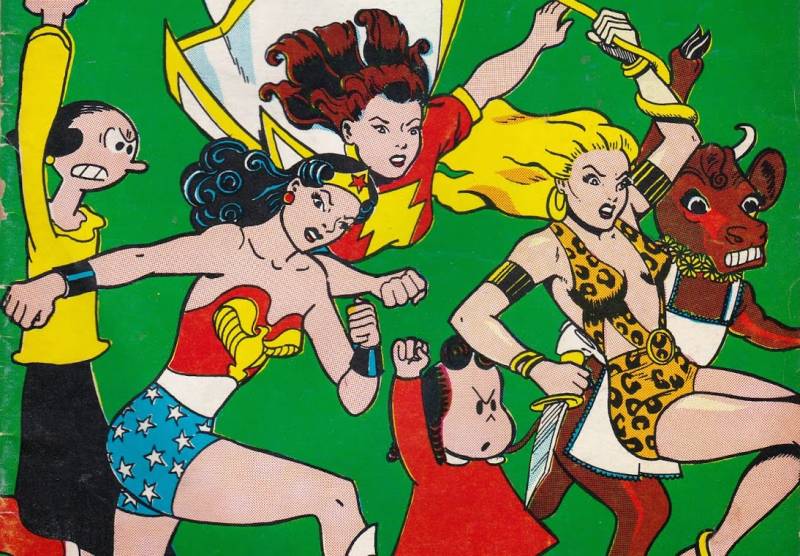
"caption": "From the cover of the Last Gasp one-shot \"It Aint Me Babe,\" by Trina Robbins",
"description": null,
"title": "Babe cover",
"credit": null,
"status": "inherit",
"isLoading": false,
"fetchFailed": false
},
"arts_11477476": {
"type": "attachments",
"id": "arts_11477476",
"meta": {
"index": "attachments_1716263798",
"site": "arts",
"id": "11477476",
"found": true
},
"parent": 11476095,
"imgSizes": {
"thumbnail": {
"file": "https://ww2.kqed.org/app/uploads/sites/2/2016/04/NewsTodayCover-400x225.jpg",
"width": 400,
"mimeType": "image/jpeg",
"height": 225
},
"post-thumbnail": {
"file": "https://ww2.kqed.org/app/uploads/sites/2/2016/04/NewsTodayCover-672x372.jpg",
"width": 672,
"mimeType": "image/jpeg",
"height": 372
},
"kqedFullSize": {
"file": "https://ww2.kqed.org/app/uploads/sites/2/2016/04/NewsTodayCover.jpg",
"width": 850,
"height": 478
},
"guest-author-96": {
"file": "https://ww2.kqed.org/app/uploads/sites/2/2016/04/NewsTodayCover-96x96.jpg",
"width": 96,
"mimeType": "image/jpeg",
"height": 96
},
"medium": {
"file": "https://ww2.kqed.org/app/uploads/sites/2/2016/04/NewsTodayCover-800x450.jpg",
"width": 800,
"mimeType": "image/jpeg",
"height": 450
},
"guest-author-64": {
"file": "https://ww2.kqed.org/app/uploads/sites/2/2016/04/NewsTodayCover-64x64.jpg",
"width": 64,
"mimeType": "image/jpeg",
"height": 64
},
"detail": {
"file": "https://ww2.kqed.org/app/uploads/sites/2/2016/04/NewsTodayCover-75x75.jpg",
"width": 75,
"mimeType": "image/jpeg",
"height": 75
},
"guest-author-32": {
"file": "https://ww2.kqed.org/app/uploads/sites/2/2016/04/NewsTodayCover-32x32.jpg",
"width": 32,
"mimeType": "image/jpeg",
"height": 32
},
"medium_large": {
"file": "https://ww2.kqed.org/app/uploads/sites/2/2016/04/NewsTodayCover-768x432.jpg",
"width": 768,
"mimeType": "image/jpeg",
"height": 432
},
"guest-author-128": {
"file": "https://ww2.kqed.org/app/uploads/sites/2/2016/04/NewsTodayCover-128x128.jpg",
"width": 128,
"mimeType": "image/jpeg",
"height": 128
}
},
"publishDate": 1460180554,
"modified": 1460180756,
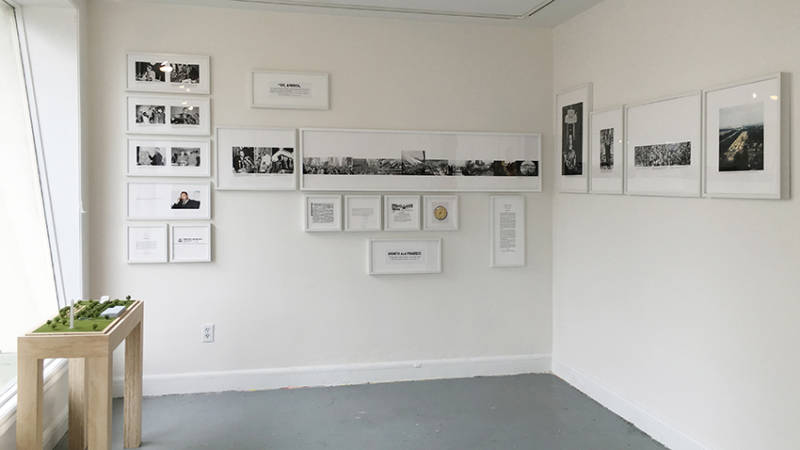
"caption": "Kate Haug, Install view of 'News Today.'",
"description": null,
"title": "NewsTodayCover",
"credit": "Courtesy of the artist and Irving Street Projects",
"status": "inherit",
"isLoading": false,
"fetchFailed": false
},
"arts_10582942": {
"type": "attachments",
"id": "arts_10582942",
"meta": {
"index": "attachments_1716263798",
"site": "arts",
"id": "10582942",
"found": true
},
"parent": 10576807,
"imgSizes": {
"twentyfourteen-full-width": {
"file": "https://ww2.kqed.org/app/uploads/sites/2/2015/04/ResidentsCover-1038x576.jpg",
"width": 1038,
"mimeType": "image/jpeg",
"height": 576
},
"thumbnail": {
"file": "https://ww2.kqed.org/app/uploads/sites/2/2015/04/ResidentsCover-400x225.jpg",
"width": 400,
"mimeType": "image/jpeg",
"height": 225
},
"fd-sm": {
"file": "https://ww2.kqed.org/app/uploads/sites/2/2015/04/ResidentsCover-960x540.jpg",
"width": 960,
"mimeType": "image/jpeg",
"height": 540
},
"post-thumbnail": {
"file": "https://ww2.kqed.org/app/uploads/sites/2/2015/04/ResidentsCover-672x372.jpg",
"width": 672,
"mimeType": "image/jpeg",
"height": 372
},
"kqedFullSize": {
"file": "https://ww2.kqed.org/app/uploads/sites/2/2015/04/ResidentsCover.jpg",
"width": 1152,
"height": 648
},
"guest-author-96": {
"file": "https://ww2.kqed.org/app/uploads/sites/2/2015/04/ResidentsCover-96x96.jpg",
"width": 96,
"mimeType": "image/jpeg",
"height": 96
},
"medium": {
"file": "https://ww2.kqed.org/app/uploads/sites/2/2015/04/ResidentsCover-800x450.jpg",
"width": 800,
"mimeType": "image/jpeg",
"height": 450
},
"guest-author-64": {
"file": "https://ww2.kqed.org/app/uploads/sites/2/2015/04/ResidentsCover-64x64.jpg",
"width": 64,
"mimeType": "image/jpeg",
"height": 64
},
"detail": {
"file": "https://ww2.kqed.org/app/uploads/sites/2/2015/04/ResidentsCover-75x75.jpg",
"width": 75,
"mimeType": "image/jpeg",
"height": 75
},
"guest-author-32": {
"file": "https://ww2.kqed.org/app/uploads/sites/2/2015/04/ResidentsCover-32x32.jpg",
"width": 32,
"mimeType": "image/jpeg",
"height": 32
},
"guest-author-128": {
"file": "https://ww2.kqed.org/app/uploads/sites/2/2015/04/ResidentsCover-128x128.jpg",
"width": 128,
"mimeType": "image/jpeg",
"height": 128
}
},
"publishDate": 1429723926,
"modified": 1429724663,
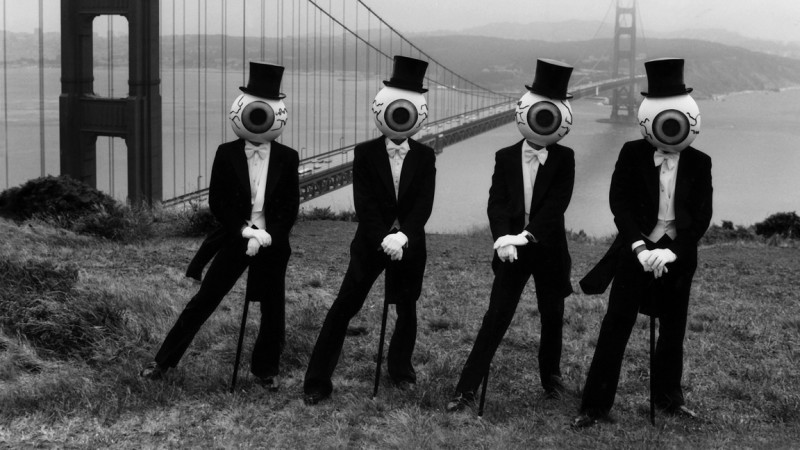
"caption": "A scene from Don Hardy's \u003ci>Theory of Obscurity: a film about the Residents\u003c/i>. (Courtesy of the San Francisco International Film Festival)",
"description": null,
"title": "ResidentsCover",
"credit": null,
"status": "inherit",
"isLoading": false,
"fetchFailed": false
},
"arts_11474028": {
"type": "attachments",
"id": "arts_11474028",
"meta": {
"index": "attachments_1716263798",
"site": "arts",
"id": "11474028",
"found": true
},
"parent": 11464818,
"imgSizes": {
"twentyfourteen-full-width": {
"file": "https://ww2.kqed.org/app/uploads/sites/2/2016/04/Erasure-1-performance-documentation_email-1038x576.png",
"width": 1038,
"mimeType": "image/png",
"height": 576
},
"thumbnail": {
"file": "https://ww2.kqed.org/app/uploads/sites/2/2016/04/Erasure-1-performance-documentation_email-400x225.png",
"width": 400,
"mimeType": "image/png",
"height": 225
},
"fd-sm": {
"file": "https://ww2.kqed.org/app/uploads/sites/2/2016/04/Erasure-1-performance-documentation_email-960x540.png",
"width": 960,
"mimeType": "image/png",
"height": 540
},
"post-thumbnail": {
"file": "https://ww2.kqed.org/app/uploads/sites/2/2016/04/Erasure-1-performance-documentation_email-672x372.png",
"width": 672,
"mimeType": "image/png",
"height": 372
},
"kqedFullSize": {
"file": "https://ww2.kqed.org/app/uploads/sites/2/2016/04/Erasure-1-performance-documentation_email.png",
"width": 1875,
"height": 1055
},
"large": {
"file": "https://ww2.kqed.org/app/uploads/sites/2/2016/04/Erasure-1-performance-documentation_email-1180x664.png",
"width": 1180,
"mimeType": "image/png",
"height": 664
},
"guest-author-96": {
"file": "https://ww2.kqed.org/app/uploads/sites/2/2016/04/Erasure-1-performance-documentation_email-96x96.png",
"width": 96,
"mimeType": "image/png",
"height": 96
},
"medium": {
"file": "https://ww2.kqed.org/app/uploads/sites/2/2016/04/Erasure-1-performance-documentation_email-800x450.png",
"width": 800,
"mimeType": "image/png",
"height": 450
},
"guest-author-64": {
"file": "https://ww2.kqed.org/app/uploads/sites/2/2016/04/Erasure-1-performance-documentation_email-64x64.png",
"width": 64,
"mimeType": "image/png",
"height": 64
},
"guest-author-32": {
"file": "https://ww2.kqed.org/app/uploads/sites/2/2016/04/Erasure-1-performance-documentation_email-32x32.png",
"width": 32,
"mimeType": "image/png",
"height": 32
},
"fd-med": {
"file": "https://ww2.kqed.org/app/uploads/sites/2/2016/04/Erasure-1-performance-documentation_email-1180x664.png",
"width": 1180,
"mimeType": "image/png",
"height": 664
},
"detail": {
"file": "https://ww2.kqed.org/app/uploads/sites/2/2016/04/Erasure-1-performance-documentation_email-75x75.png",
"width": 75,
"mimeType": "image/png",
"height": 75
},
"medium_large": {
"file": "https://ww2.kqed.org/app/uploads/sites/2/2016/04/Erasure-1-performance-documentation_email-768x432.png",
"width": 768,
"mimeType": "image/png",
"height": 432
},
"guest-author-128": {
"file": "https://ww2.kqed.org/app/uploads/sites/2/2016/04/Erasure-1-performance-documentation_email-128x128.png",
"width": 128,
"mimeType": "image/png",
"height": 128
}
},
"publishDate": 1460078638,
"modified": 1460078660,
"caption": "\"Erasure 3\" (performance documentation) Oil on canvas",
"description": null,
"title": "Erasure-1-(performance-documentation)_email",
"credit": "Courtesy of Gallery Wendi Norris",
"status": "inherit",
"isLoading": false,
"fetchFailed": false
},
"artschool_918": {
"type": "attachments",
"id": "artschool_918",
"meta": {
"index": "attachments_1716263798",
"site": "artschool",
"id": "918",
"found": true
},
"parent": 913,
"imgSizes": {
"twentyfourteen-full-width": {
"file": "https://ww2.kqed.org/app/uploads/sites/4/2016/04/PoliTico-ELEMENTS-KRISTIN.00_00_47_19.Still012-1038x576.jpg",
"width": 1038,
"mimeType": "image/jpeg",
"height": 576
},
"thumbnail": {
"file": "https://ww2.kqed.org/app/uploads/sites/4/2016/04/PoliTico-ELEMENTS-KRISTIN.00_00_47_19.Still012-400x225.jpg",
"width": 400,
"mimeType": "image/jpeg",
"height": 225
},
"fd-sm": {
"file": "https://ww2.kqed.org/app/uploads/sites/4/2016/04/PoliTico-ELEMENTS-KRISTIN.00_00_47_19.Still012-960x540.jpg",
"width": 960,
"mimeType": "image/jpeg",
"height": 540
},
"post-thumbnail": {
"file": "https://ww2.kqed.org/app/uploads/sites/4/2016/04/PoliTico-ELEMENTS-KRISTIN.00_00_47_19.Still012-672x372.jpg",
"width": 672,
"mimeType": "image/jpeg",
"height": 372
},
"kqedFullSize": {
"file": "https://ww2.kqed.org/app/uploads/sites/4/2016/04/PoliTico-ELEMENTS-KRISTIN.00_00_47_19.Still012.jpg",
"width": 1920,
"height": 1080
},
"large": {
"file": "https://ww2.kqed.org/app/uploads/sites/4/2016/04/PoliTico-ELEMENTS-KRISTIN.00_00_47_19.Still012-1180x664.jpg",
"width": 1180,
"mimeType": "image/jpeg",
"height": 664
},
"guest-author-96": {
"file": "https://ww2.kqed.org/app/uploads/sites/4/2016/04/PoliTico-ELEMENTS-KRISTIN.00_00_47_19.Still012-96x96.jpg",
"width": 96,
"mimeType": "image/jpeg",
"height": 96
},
"medium": {
"file": "https://ww2.kqed.org/app/uploads/sites/4/2016/04/PoliTico-ELEMENTS-KRISTIN.00_00_47_19.Still012-800x450.jpg",
"width": 800,
"mimeType": "image/jpeg",
"height": 450
},
"guest-author-64": {
"file": "https://ww2.kqed.org/app/uploads/sites/4/2016/04/PoliTico-ELEMENTS-KRISTIN.00_00_47_19.Still012-64x64.jpg",
"width": 64,
"mimeType": "image/jpeg",
"height": 64
},
"guest-author-32": {
"file": "https://ww2.kqed.org/app/uploads/sites/4/2016/04/PoliTico-ELEMENTS-KRISTIN.00_00_47_19.Still012-32x32.jpg",
"width": 32,
"mimeType": "image/jpeg",
"height": 32
},
"fd-lrg": {
"file": "https://ww2.kqed.org/app/uploads/sites/4/2016/04/PoliTico-ELEMENTS-KRISTIN.00_00_47_19.Still012-1920x1080.jpg",
"width": 1920,
"mimeType": "image/jpeg",
"height": 1080
},
"fd-med": {
"file": "https://ww2.kqed.org/app/uploads/sites/4/2016/04/PoliTico-ELEMENTS-KRISTIN.00_00_47_19.Still012-1180x664.jpg",
"width": 1180,
"mimeType": "image/jpeg",
"height": 664
},
"detail": {
"file": "https://ww2.kqed.org/app/uploads/sites/4/2016/04/PoliTico-ELEMENTS-KRISTIN.00_00_47_19.Still012-75x75.jpg",
"width": 75,
"mimeType": "image/jpeg",
"height": 75
},
"medium_large": {
"file": "https://ww2.kqed.org/app/uploads/sites/4/2016/04/PoliTico-ELEMENTS-KRISTIN.00_00_47_19.Still012-768x432.jpg",
"width": 768,
"mimeType": "image/jpeg",
"height": 432
},
"guest-author-128": {
"file": "https://ww2.kqed.org/app/uploads/sites/4/2016/04/PoliTico-ELEMENTS-KRISTIN.00_00_47_19.Still012-128x128.jpg",
"width": 128,
"mimeType": "image/jpeg",
"height": 128
}
},
"publishDate": 1459990515,
"modified": 1459990606,
"caption": null,
"description": null,
"title": "PoliTico (ELEMENTS) KRISTIN.00_00_47_19.Still012",
"credit": "Jon Brown/KQED",
"status": "inherit",
"isLoading": false,
"fetchFailed": false
},
"arts_11470164": {
"type": "attachments",
"id": "arts_11470164",
"meta": {
"index": "attachments_1716263798",
"site": "arts",
"id": "11470164",
"found": true
},
"parent": 11464326,
"imgSizes": {
"twentyfourteen-full-width": {
"file": "https://ww2.kqed.org/app/uploads/sites/2/2016/04/SofieRamosCOVER-1038x576.jpg",
"width": 1038,
"mimeType": "image/jpeg",
"height": 576
},
"thumbnail": {
"file": "https://ww2.kqed.org/app/uploads/sites/2/2016/04/SofieRamosCOVER-400x225.jpg",
"width": 400,
"mimeType": "image/jpeg",
"height": 225
},
"fd-sm": {
"file": "https://ww2.kqed.org/app/uploads/sites/2/2016/04/SofieRamosCOVER-960x540.jpg",
"width": 960,
"mimeType": "image/jpeg",
"height": 540
},
"post-thumbnail": {
"file": "https://ww2.kqed.org/app/uploads/sites/2/2016/04/SofieRamosCOVER-672x372.jpg",
"width": 672,
"mimeType": "image/jpeg",
"height": 372
},
"kqedFullSize": {
"file": "https://ww2.kqed.org/app/uploads/sites/2/2016/04/SofieRamosCOVER.jpg",
"width": 1893,
"height": 1064
},
"large": {
"file": "https://ww2.kqed.org/app/uploads/sites/2/2016/04/SofieRamosCOVER-1180x663.jpg",
"width": 1180,
"mimeType": "image/jpeg",
"height": 663
},
"guest-author-96": {
"file": "https://ww2.kqed.org/app/uploads/sites/2/2016/04/SofieRamosCOVER-96x96.jpg",
"width": 96,
"mimeType": "image/jpeg",
"height": 96
},
"medium": {
"file": "https://ww2.kqed.org/app/uploads/sites/2/2016/04/SofieRamosCOVER-800x450.jpg",
"width": 800,
"mimeType": "image/jpeg",
"height": 450
},
"guest-author-64": {
"file": "https://ww2.kqed.org/app/uploads/sites/2/2016/04/SofieRamosCOVER-64x64.jpg",
"width": 64,
"mimeType": "image/jpeg",
"height": 64
},
"guest-author-32": {
"file": "https://ww2.kqed.org/app/uploads/sites/2/2016/04/SofieRamosCOVER-32x32.jpg",
"width": 32,
"mimeType": "image/jpeg",
"height": 32
},
"fd-med": {
"file": "https://ww2.kqed.org/app/uploads/sites/2/2016/04/SofieRamosCOVER-1180x663.jpg",
"width": 1180,
"mimeType": "image/jpeg",
"height": 663
},
"detail": {
"file": "https://ww2.kqed.org/app/uploads/sites/2/2016/04/SofieRamosCOVER-75x75.jpg",
"width": 75,
"mimeType": "image/jpeg",
"height": 75
},
"medium_large": {
"file": "https://ww2.kqed.org/app/uploads/sites/2/2016/04/SofieRamosCOVER-768x432.jpg",
"width": 768,
"mimeType": "image/jpeg",
"height": 432
},
"guest-author-128": {
"file": "https://ww2.kqed.org/app/uploads/sites/2/2016/04/SofieRamosCOVER-128x128.jpg",
"width": 128,
"mimeType": "image/jpeg",
"height": 128
}
},
"publishDate": 1459969436,
"modified": 1459969455,
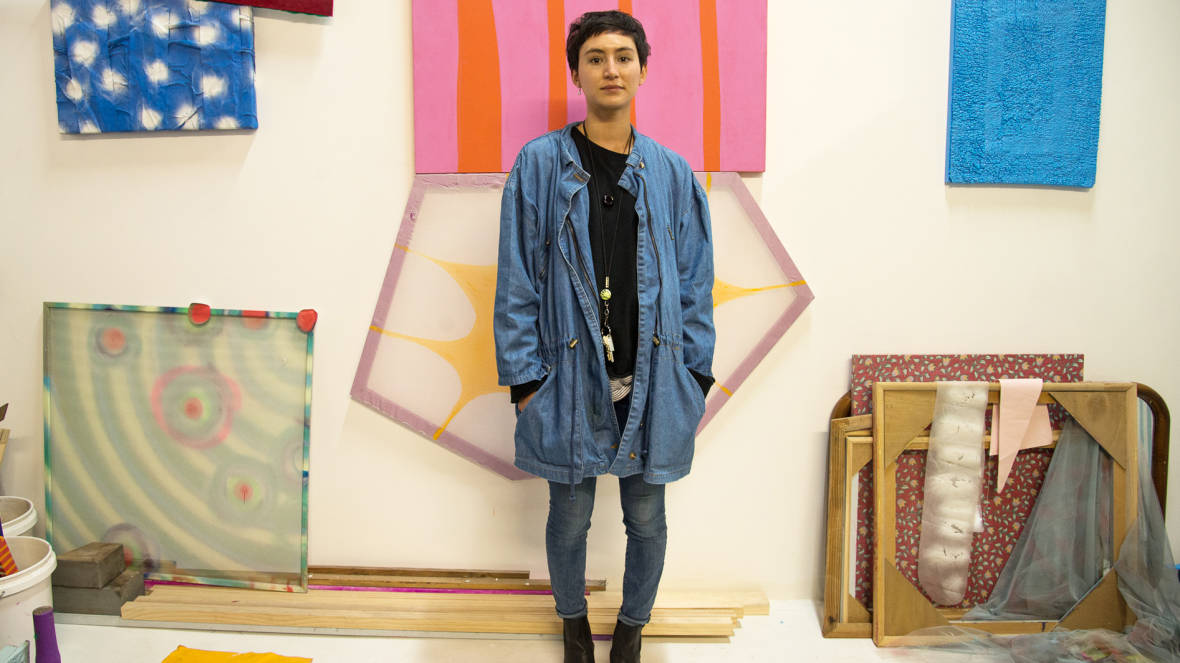
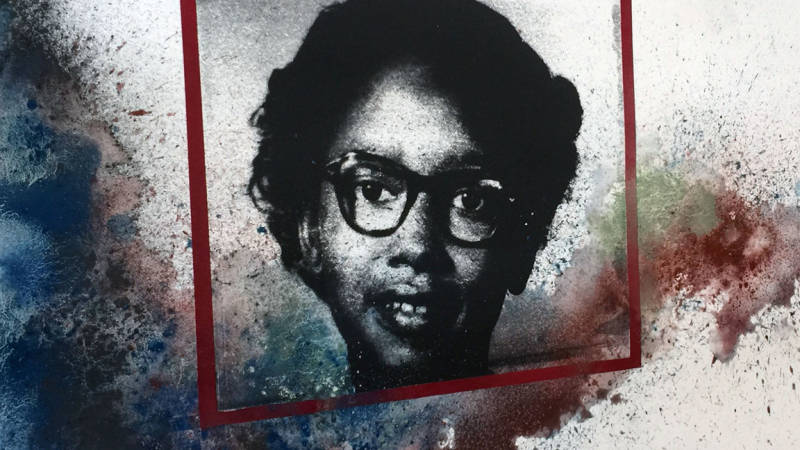
"caption": "Sofie Ramos in her West Oakland studio.",
"description": null,
"title": "SofieRamosCOVER",
"credit": "Photo: Graham Holoch / KQED",
"status": "inherit",
"isLoading": false,
"fetchFailed": false
},
"arts_11467951": {
"type": "attachments",
"id": "arts_11467951",
"meta": {
"index": "attachments_1716263798",
"site": "arts",
"id": "11467951",
"found": true
},
"parent": 11467937,
"imgSizes": {
"twentyfourteen-full-width": {
"file": "https://ww2.kqed.org/app/uploads/sites/2/2016/04/Ewing_PassengerClaudette-Colvin_COVER-1038x576.jpg",
"width": 1038,
"mimeType": "image/jpeg",
"height": 576
},
"thumbnail": {
"file": "https://ww2.kqed.org/app/uploads/sites/2/2016/04/Ewing_PassengerClaudette-Colvin_COVER-400x225.jpg",
"width": 400,
"mimeType": "image/jpeg",
"height": 225
},
"fd-sm": {
"file": "https://ww2.kqed.org/app/uploads/sites/2/2016/04/Ewing_PassengerClaudette-Colvin_COVER-960x540.jpg",
"width": 960,
"mimeType": "image/jpeg",
"height": 540
},
"post-thumbnail": {
"file": "https://ww2.kqed.org/app/uploads/sites/2/2016/04/Ewing_PassengerClaudette-Colvin_COVER-672x372.jpg",
"width": 672,
"mimeType": "image/jpeg",
"height": 372
},
"kqedFullSize": {
"file": "https://ww2.kqed.org/app/uploads/sites/2/2016/04/Ewing_PassengerClaudette-Colvin_COVER.jpg",
"width": 1152,
"height": 648
},
"guest-author-96": {
"file": "https://ww2.kqed.org/app/uploads/sites/2/2016/04/Ewing_PassengerClaudette-Colvin_COVER-96x96.jpg",
"width": 96,
"mimeType": "image/jpeg",
"height": 96
},
"medium": {
"file": "https://ww2.kqed.org/app/uploads/sites/2/2016/04/Ewing_PassengerClaudette-Colvin_COVER-800x450.jpg",
"width": 800,
"mimeType": "image/jpeg",
"height": 450
},
"guest-author-64": {
"file": "https://ww2.kqed.org/app/uploads/sites/2/2016/04/Ewing_PassengerClaudette-Colvin_COVER-64x64.jpg",
"width": 64,
"mimeType": "image/jpeg",
"height": 64
},
"detail": {
"file": "https://ww2.kqed.org/app/uploads/sites/2/2016/04/Ewing_PassengerClaudette-Colvin_COVER-75x75.jpg",
"width": 75,
"mimeType": "image/jpeg",
"height": 75
},
"guest-author-32": {
"file": "https://ww2.kqed.org/app/uploads/sites/2/2016/04/Ewing_PassengerClaudette-Colvin_COVER-32x32.jpg",
"width": 32,
"mimeType": "image/jpeg",
"height": 32
},
"medium_large": {
"file": "https://ww2.kqed.org/app/uploads/sites/2/2016/04/Ewing_PassengerClaudette-Colvin_COVER-768x432.jpg",
"width": 768,
"mimeType": "image/jpeg",
"height": 432
},
"guest-author-128": {
"file": "https://ww2.kqed.org/app/uploads/sites/2/2016/04/Ewing_PassengerClaudette-Colvin_COVER-128x128.jpg",
"width": 128,
"mimeType": "image/jpeg",
"height": 128
}
},
"publishDate": 1459904150,
"modified": 1459904263,
"caption": "Rodney Ewing, 'Passenger, (Claudette Colvin)' with text from Ashraf Fayadh’s \"The Last Line of Refugee Descendants,\" 2016.",
"description": null,
"title": "Ewing_Passenger(Claudette Colvin)_COVER",
"credit": "Courtesy of the artist and Berkeley Art Center",
"status": "inherit",
"isLoading": false,
"fetchFailed": false
},
"arts_11467808": {
"type": "attachments",
"id": "arts_11467808",
"meta": {
"index": "attachments_1716263798",
"site": "arts",
"id": "11467808",
"found": true
},
"parent": 11467806,
"imgSizes": {
"twentyfourteen-full-width": {
"file": "https://ww2.kqed.org/app/uploads/sites/2/2016/04/BayAreaBallerina-1920x1080-e1459966459743-1038x576.jpg",
"width": 1038,
"mimeType": "image/jpeg",
"height": 576
},
"thumbnail": {
"file": "https://ww2.kqed.org/app/uploads/sites/2/2016/04/BayAreaBallerina-1920x1080-e1459966459743-400x201.jpg",
"width": 400,
"mimeType": "image/jpeg",
"height": 201
},
"fd-sm": {
"file": "https://ww2.kqed.org/app/uploads/sites/2/2016/04/BayAreaBallerina-1920x1080-e1459966459743-960x482.jpg",
"width": 960,
"mimeType": "image/jpeg",
"height": 482
},
"post-thumbnail": {
"file": "https://ww2.kqed.org/app/uploads/sites/2/2016/04/BayAreaBallerina-1920x1080-e1459966459743-672x372.jpg",
"width": 672,
"mimeType": "image/jpeg",
"height": 372
},
"kqedFullSize": {
"file": "https://ww2.kqed.org/app/uploads/sites/2/2016/04/BayAreaBallerina-1920x1080-e1459966459743.jpg",
"width": 1920,
"height": 964
},
"large": {
"file": "https://ww2.kqed.org/app/uploads/sites/2/2016/04/BayAreaBallerina-1920x1080-e1459966459743-1180x592.jpg",
"width": 1180,
"mimeType": "image/jpeg",
"height": 592
},
"guest-author-96": {
"file": "https://ww2.kqed.org/app/uploads/sites/2/2016/04/BayAreaBallerina-1920x1080-e1459966459743-96x96.jpg",
"width": 96,
"mimeType": "image/jpeg",
"height": 96
},
"medium": {
"file": "https://ww2.kqed.org/app/uploads/sites/2/2016/04/BayAreaBallerina-1920x1080-e1459966459743-800x402.jpg",
"width": 800,
"mimeType": "image/jpeg",
"height": 402
},
"guest-author-64": {
"file": "https://ww2.kqed.org/app/uploads/sites/2/2016/04/BayAreaBallerina-1920x1080-e1459966459743-64x64.jpg",
"width": 64,
"mimeType": "image/jpeg",
"height": 64
},
"guest-author-32": {
"file": "https://ww2.kqed.org/app/uploads/sites/2/2016/04/BayAreaBallerina-1920x1080-e1459966459743-32x32.jpg",
"width": 32,
"mimeType": "image/jpeg",
"height": 32
},
"fd-lrg": {
"file": "https://ww2.kqed.org/app/uploads/sites/2/2016/04/BayAreaBallerina-1920x1080-e1459966459743-1920x964.jpg",
"width": 1920,
"mimeType": "image/jpeg",
"height": 964
},
"fd-med": {
"file": "https://ww2.kqed.org/app/uploads/sites/2/2016/04/BayAreaBallerina-1920x1080-e1459966459743-1180x592.jpg",
"width": 1180,
"mimeType": "image/jpeg",
"height": 592
},
"detail": {
"file": "https://ww2.kqed.org/app/uploads/sites/2/2016/04/BayAreaBallerina-1920x1080-e1459966459743-75x75.jpg",
"width": 75,
"mimeType": "image/jpeg",
"height": 75
},
"medium_large": {
"file": "https://ww2.kqed.org/app/uploads/sites/2/2016/04/BayAreaBallerina-1920x1080-e1459966459743-768x386.jpg",
"width": 768,
"mimeType": "image/jpeg",
"height": 386
},
"guest-author-128": {
"file": "https://ww2.kqed.org/app/uploads/sites/2/2016/04/BayAreaBallerina-1920x1080-e1459966459743-128x128.jpg",
"width": 128,
"mimeType": "image/jpeg",
"height": 128
}
},
"publishDate": 1459900828,
"modified": 1459904101,
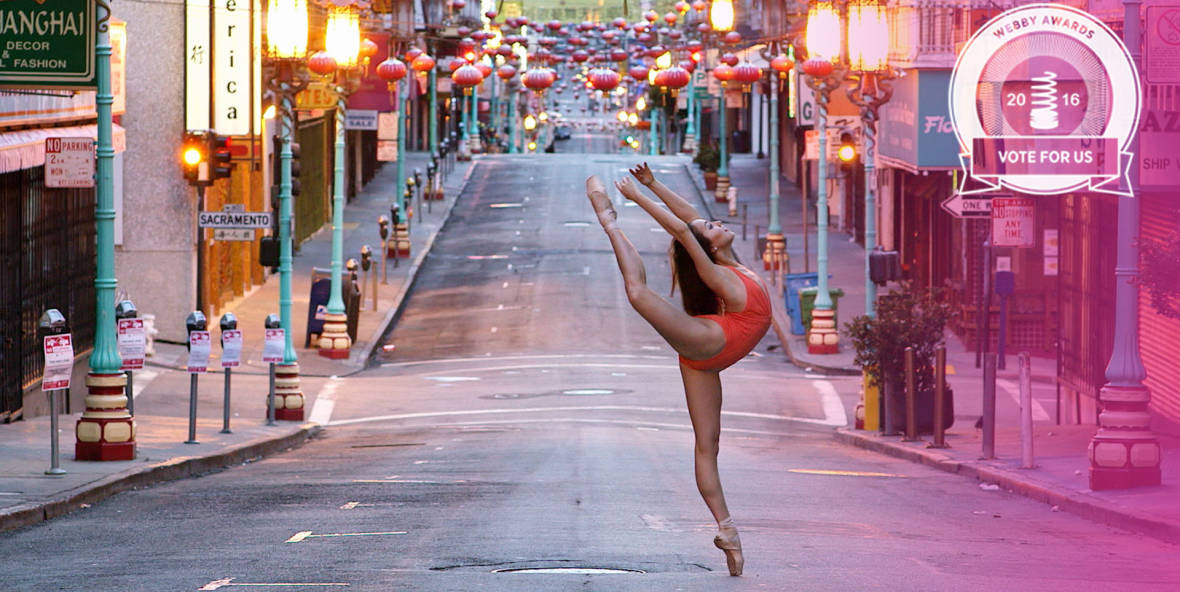
"caption": "Ballerina Miko Fogarty in San Francisco's Chinatown ",
"description": "Ballerina Miko Fogarty in San Francisco's Chinatown ",
"title": "BayAreaBallerina-1920x1080",
"credit": "Abhi Sing",
"status": "inherit",
"isLoading": false,
"fetchFailed": false
},
"bayareabites_108334": {
"type": "attachments",
"id": "bayareabites_108334",
"meta": {
"index": "attachments_1716263798",
"site": "bayareabites",
"id": "108334",
"found": true
},
"parent": 108333,
"imgSizes": {
"twentyfourteen-full-width": {
"file": "https://ww2.kqed.org/app/uploads/sites/24/2016/04/florida-skim-milk-mary-lou-wesselhoeft-ifj_8964_enl-37f737ccd22efac8c5f3e112f6cba522f9c3e269-1038x576.jpg",
"width": 1038,
"mimeType": "image/jpeg",
"height": 576
},
"thumbnail": {
"file": "https://ww2.kqed.org/app/uploads/sites/24/2016/04/florida-skim-milk-mary-lou-wesselhoeft-ifj_8964_enl-37f737ccd22efac8c5f3e112f6cba522f9c3e269-400x266.jpg",
"width": 400,
"mimeType": "image/jpeg",
"height": 266
},
"fd-sm": {
"file": "https://ww2.kqed.org/app/uploads/sites/24/2016/04/florida-skim-milk-mary-lou-wesselhoeft-ifj_8964_enl-37f737ccd22efac8c5f3e112f6cba522f9c3e269-960x639.jpg",
"width": 960,
"mimeType": "image/jpeg",
"height": 639
},
"post-thumbnail": {
"file": "https://ww2.kqed.org/app/uploads/sites/24/2016/04/florida-skim-milk-mary-lou-wesselhoeft-ifj_8964_enl-37f737ccd22efac8c5f3e112f6cba522f9c3e269-672x372.jpg",
"width": 672,
"mimeType": "image/jpeg",
"height": 372
},
"kqedFullSize": {
"file": "https://ww2.kqed.org/app/uploads/sites/24/2016/04/florida-skim-milk-mary-lou-wesselhoeft-ifj_8964_enl-37f737ccd22efac8c5f3e112f6cba522f9c3e269.jpg",
"width": 2000,
"height": 1332
},
"large": {
"file": "https://ww2.kqed.org/app/uploads/sites/24/2016/04/florida-skim-milk-mary-lou-wesselhoeft-ifj_8964_enl-37f737ccd22efac8c5f3e112f6cba522f9c3e269-1440x959.jpg",
"width": 1440,
"mimeType": "image/jpeg",
"height": 959
},
"guest-author-96": {
"file": "https://ww2.kqed.org/app/uploads/sites/24/2016/04/florida-skim-milk-mary-lou-wesselhoeft-ifj_8964_enl-37f737ccd22efac8c5f3e112f6cba522f9c3e269-96x96.jpg",
"width": 96,
"mimeType": "image/jpeg",
"height": 96
},
"medium": {
"file": "https://ww2.kqed.org/app/uploads/sites/24/2016/04/florida-skim-milk-mary-lou-wesselhoeft-ifj_8964_enl-37f737ccd22efac8c5f3e112f6cba522f9c3e269-800x533.jpg",
"width": 800,
"mimeType": "image/jpeg",
"height": 533
},
"guest-author-64": {
"file": "https://ww2.kqed.org/app/uploads/sites/24/2016/04/florida-skim-milk-mary-lou-wesselhoeft-ifj_8964_enl-37f737ccd22efac8c5f3e112f6cba522f9c3e269-64x64.jpg",
"width": 64,
"mimeType": "image/jpeg",
"height": 64
},
"guest-author-32": {
"file": "https://ww2.kqed.org/app/uploads/sites/24/2016/04/florida-skim-milk-mary-lou-wesselhoeft-ifj_8964_enl-37f737ccd22efac8c5f3e112f6cba522f9c3e269-32x32.jpg",
"width": 32,
"mimeType": "image/jpeg",
"height": 32
},
"cat_post_thumb_sizecategory-posts-2": {
"file": "https://ww2.kqed.org/app/uploads/sites/24/2016/04/florida-skim-milk-mary-lou-wesselhoeft-ifj_8964_enl-37f737ccd22efac8c5f3e112f6cba522f9c3e269-150x150.jpg",
"width": 150,
"mimeType": "image/jpeg",
"height": 150
},
"fd-lrg": {
"file": "https://ww2.kqed.org/app/uploads/sites/24/2016/04/florida-skim-milk-mary-lou-wesselhoeft-ifj_8964_enl-37f737ccd22efac8c5f3e112f6cba522f9c3e269-1920x1279.jpg",
"width": 1920,
"mimeType": "image/jpeg",
"height": 1279
},
"fd-med": {
"file": "https://ww2.kqed.org/app/uploads/sites/24/2016/04/florida-skim-milk-mary-lou-wesselhoeft-ifj_8964_enl-37f737ccd22efac8c5f3e112f6cba522f9c3e269-1180x786.jpg",
"width": 1180,
"mimeType": "image/jpeg",
"height": 786
},
"detail": {
"file": "https://ww2.kqed.org/app/uploads/sites/24/2016/04/florida-skim-milk-mary-lou-wesselhoeft-ifj_8964_enl-37f737ccd22efac8c5f3e112f6cba522f9c3e269-75x75.jpg",
"width": 75,
"mimeType": "image/jpeg",
"height": 75
},
"medium_large": {
"file": "https://ww2.kqed.org/app/uploads/sites/24/2016/04/florida-skim-milk-mary-lou-wesselhoeft-ifj_8964_enl-37f737ccd22efac8c5f3e112f6cba522f9c3e269-768x511.jpg",
"width": 768,
"mimeType": "image/jpeg",
"height": 511
},
"guest-author-128": {
"file": "https://ww2.kqed.org/app/uploads/sites/24/2016/04/florida-skim-milk-mary-lou-wesselhoeft-ifj_8964_enl-37f737ccd22efac8c5f3e112f6cba522f9c3e269-128x128.jpg",
"width": 128,
"mimeType": "image/jpeg",
"height": 128
}
},
"publishDate": 1459981995,
"modified": 1459985063,
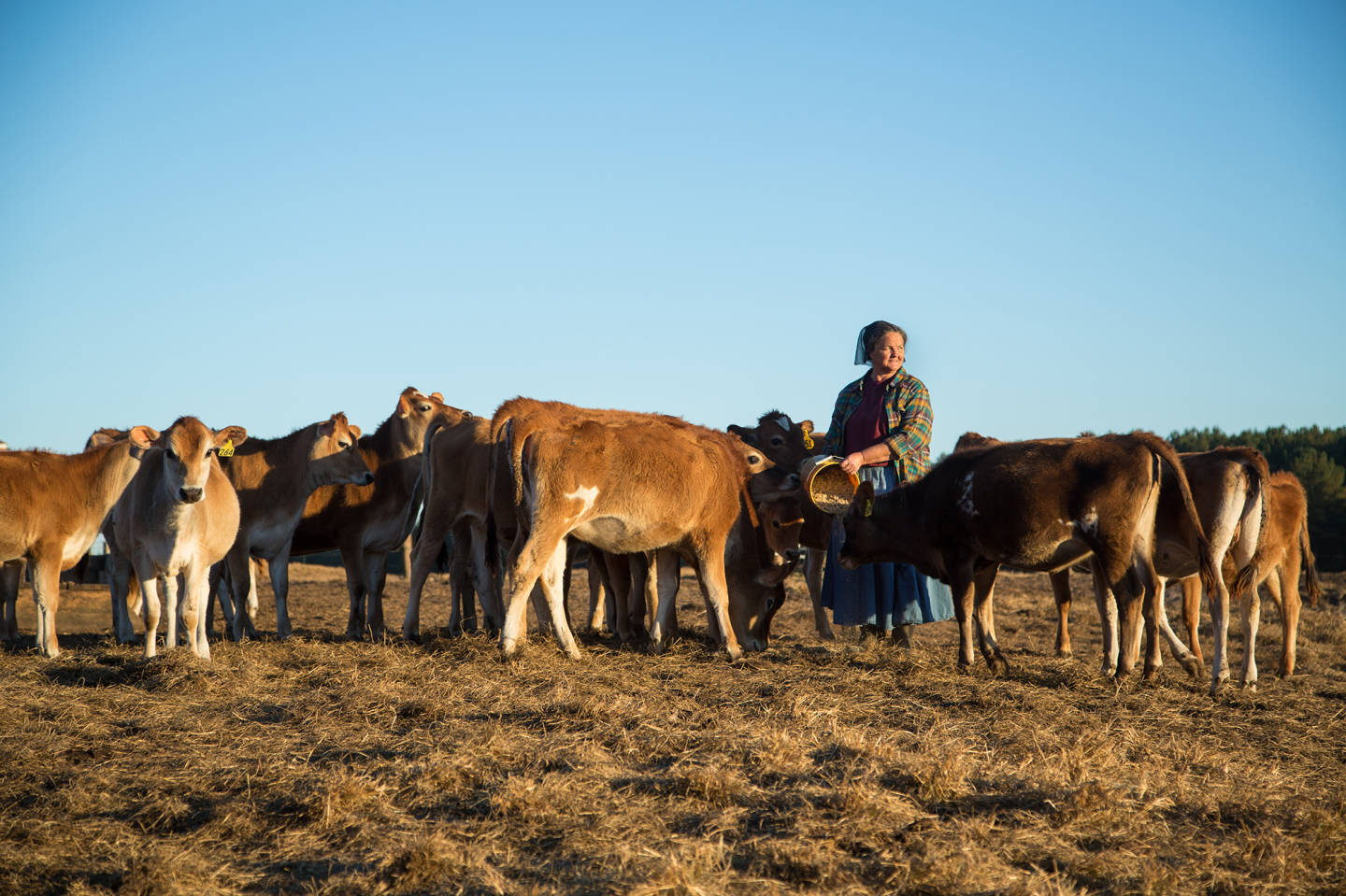
"caption": "Mary Lou Wesselhoeft is a dairy farmer in the Florida Panhandle. Her Ocheesee Creamery pasteurized skim milk has nothing added — and that's the problem. According to regulations, without added vitamins, it can only be sold as \"imitation skim milk.\"",
"description": "Mary Lou Wesselhoeft is a dairy farmer in the Florida Panhandle. Her Ocheesee Creamery pasteurized skim milk has nothing added -- and that's the problem. According to regulations, without added vitamins, it can only be sold as \"imitation skim m",
"title": "Mary Lou Wesselhoeft is a dairy farmer in the Florida Panhandle. Her Ocheesee Creamery pasteurized skim milk has nothing added — and that's the problem. According to regulations, without added vitamins, it can only be sold as \"imitation skim milk.\"",
"credit": "Courtesy of Institute for Justice",
"status": "inherit",
"isLoading": false,
"fetchFailed": false
},
"arts_11467414": {
"type": "attachments",
"id": "arts_11467414",
"meta": {
"index": "attachments_1716263798",
"site": "arts",
"id": "11467414",
"found": true
},
"parent": 11455870,
"imgSizes": {
"twentyfourteen-full-width": {
"file": "https://ww2.kqed.org/app/uploads/sites/2/2016/04/Deb-Soaking-Wet-Tuolumne-River-Modesto-CA-2013COVER-1038x576.jpg",
"width": 1038,
"mimeType": "image/jpeg",
"height": 576
},
"thumbnail": {
"file": "https://ww2.kqed.org/app/uploads/sites/2/2016/04/Deb-Soaking-Wet-Tuolumne-River-Modesto-CA-2013COVER-400x225.jpg",
"width": 400,
"mimeType": "image/jpeg",
"height": 225
},
"fd-sm": {
"file": "https://ww2.kqed.org/app/uploads/sites/2/2016/04/Deb-Soaking-Wet-Tuolumne-River-Modesto-CA-2013COVER-960x540.jpg",
"width": 960,
"mimeType": "image/jpeg",
"height": 540
},
"post-thumbnail": {
"file": "https://ww2.kqed.org/app/uploads/sites/2/2016/04/Deb-Soaking-Wet-Tuolumne-River-Modesto-CA-2013COVER-672x372.jpg",
"width": 672,
"mimeType": "image/jpeg",
"height": 372
},
"kqedFullSize": {
"file": "https://ww2.kqed.org/app/uploads/sites/2/2016/04/Deb-Soaking-Wet-Tuolumne-River-Modesto-CA-2013COVER.jpg",
"width": 1920,
"height": 1080
},
"large": {
"file": "https://ww2.kqed.org/app/uploads/sites/2/2016/04/Deb-Soaking-Wet-Tuolumne-River-Modesto-CA-2013COVER-1180x664.jpg",
"width": 1180,
"mimeType": "image/jpeg",
"height": 664
},
"guest-author-96": {
"file": "https://ww2.kqed.org/app/uploads/sites/2/2016/04/Deb-Soaking-Wet-Tuolumne-River-Modesto-CA-2013COVER-96x96.jpg",
"width": 96,
"mimeType": "image/jpeg",
"height": 96
},
"medium": {
"file": "https://ww2.kqed.org/app/uploads/sites/2/2016/04/Deb-Soaking-Wet-Tuolumne-River-Modesto-CA-2013COVER-800x450.jpg",
"width": 800,
"mimeType": "image/jpeg",
"height": 450
},
"guest-author-64": {
"file": "https://ww2.kqed.org/app/uploads/sites/2/2016/04/Deb-Soaking-Wet-Tuolumne-River-Modesto-CA-2013COVER-64x64.jpg",
"width": 64,
"mimeType": "image/jpeg",
"height": 64
},
"guest-author-32": {
"file": "https://ww2.kqed.org/app/uploads/sites/2/2016/04/Deb-Soaking-Wet-Tuolumne-River-Modesto-CA-2013COVER-32x32.jpg",
"width": 32,
"mimeType": "image/jpeg",
"height": 32
},
"fd-lrg": {
"file": "https://ww2.kqed.org/app/uploads/sites/2/2016/04/Deb-Soaking-Wet-Tuolumne-River-Modesto-CA-2013COVER-1920x1080.jpg",
"width": 1920,
"mimeType": "image/jpeg",
"height": 1080
},
"fd-med": {
"file": "https://ww2.kqed.org/app/uploads/sites/2/2016/04/Deb-Soaking-Wet-Tuolumne-River-Modesto-CA-2013COVER-1180x664.jpg",
"width": 1180,
"mimeType": "image/jpeg",
"height": 664
},
"detail": {
"file": "https://ww2.kqed.org/app/uploads/sites/2/2016/04/Deb-Soaking-Wet-Tuolumne-River-Modesto-CA-2013COVER-75x75.jpg",
"width": 75,
"mimeType": "image/jpeg",
"height": 75
},
"medium_large": {
"file": "https://ww2.kqed.org/app/uploads/sites/2/2016/04/Deb-Soaking-Wet-Tuolumne-River-Modesto-CA-2013COVER-768x432.jpg",
"width": 768,
"mimeType": "image/jpeg",
"height": 432
},
"guest-author-128": {
"file": "https://ww2.kqed.org/app/uploads/sites/2/2016/04/Deb-Soaking-Wet-Tuolumne-River-Modesto-CA-2013COVER-128x128.jpg",
"width": 128,
"mimeType": "image/jpeg",
"height": 128
}
},
"publishDate": 1459889438,
"modified": 1459889493,
"caption": "Katy Grannan, 'Deb Soaking Wet, Tuolumne River, Modesto, CA,' from the series 'The Nine,' 2013.",
"description": null,
"title": "Deb-Soaking-Wet-Tuolumne-River-Modesto-CA-2013COVER",
"credit": "Courtesy of the artist",
"status": "inherit",
"isLoading": false,
"fetchFailed": false
},
"arts_11461994": {
"type": "attachments",
"id": "arts_11461994",
"meta": {
"index": "attachments_1716263798",
"site": "arts",
"id": "11461994",
"found": true
},
"parent": 11461989,
"imgSizes": {
"twentyfourteen-full-width": {
"file": "https://ww2.kqed.org/app/uploads/sites/2/2016/04/blabberlab-alphabet-for-KQED-1038x576.jpg",
"width": 1038,
"mimeType": "image/jpeg",
"height": 576
},
"thumbnail": {
"file": "https://ww2.kqed.org/app/uploads/sites/2/2016/04/blabberlab-alphabet-for-KQED-400x225.jpg",
"width": 400,
"mimeType": "image/jpeg",
"height": 225
},
"fd-sm": {
"file": "https://ww2.kqed.org/app/uploads/sites/2/2016/04/blabberlab-alphabet-for-KQED-960x540.jpg",
"width": 960,
"mimeType": "image/jpeg",
"height": 540
},
"post-thumbnail": {
"file": "https://ww2.kqed.org/app/uploads/sites/2/2016/04/blabberlab-alphabet-for-KQED-672x372.jpg",
"width": 672,
"mimeType": "image/jpeg",
"height": 372
},
"kqedFullSize": {
"file": "https://ww2.kqed.org/app/uploads/sites/2/2016/04/blabberlab-alphabet-for-KQED.jpg",
"width": 1550,
"height": 872
},
"large": {
"file": "https://ww2.kqed.org/app/uploads/sites/2/2016/04/blabberlab-alphabet-for-KQED-1180x664.jpg",
"width": 1180,
"mimeType": "image/jpeg",
"height": 664
},
"guest-author-96": {
"file": "https://ww2.kqed.org/app/uploads/sites/2/2016/04/blabberlab-alphabet-for-KQED-96x96.jpg",
"width": 96,
"mimeType": "image/jpeg",
"height": 96
},
"medium": {
"file": "https://ww2.kqed.org/app/uploads/sites/2/2016/04/blabberlab-alphabet-for-KQED-800x450.jpg",
"width": 800,
"mimeType": "image/jpeg",
"height": 450
},
"guest-author-64": {
"file": "https://ww2.kqed.org/app/uploads/sites/2/2016/04/blabberlab-alphabet-for-KQED-64x64.jpg",
"width": 64,
"mimeType": "image/jpeg",
"height": 64
},
"guest-author-32": {
"file": "https://ww2.kqed.org/app/uploads/sites/2/2016/04/blabberlab-alphabet-for-KQED-32x32.jpg",
"width": 32,
"mimeType": "image/jpeg",
"height": 32
},
"fd-med": {
"file": "https://ww2.kqed.org/app/uploads/sites/2/2016/04/blabberlab-alphabet-for-KQED-1180x664.jpg",
"width": 1180,
"mimeType": "image/jpeg",
"height": 664
},
"detail": {
"file": "https://ww2.kqed.org/app/uploads/sites/2/2016/04/blabberlab-alphabet-for-KQED-75x75.jpg",
"width": 75,
"mimeType": "image/jpeg",
"height": 75
},
"medium_large": {
"file": "https://ww2.kqed.org/app/uploads/sites/2/2016/04/blabberlab-alphabet-for-KQED-768x432.jpg",
"width": 768,
"mimeType": "image/jpeg",
"height": 432
},
"guest-author-128": {
"file": "https://ww2.kqed.org/app/uploads/sites/2/2016/04/blabberlab-alphabet-for-KQED-128x128.jpg",
"width": 128,
"mimeType": "image/jpeg",
"height": 128
}
},
"publishDate": 1459723659,
"modified": 1459725891,
"caption": "A body part rebus alphabet.",
"description": null,
"title": "blabberlab-alphabet-for-KQED",
"credit": "Courtesy of BlabberLab",
"status": "inherit",
"isLoading": false,
"fetchFailed": false
},
"arts_11448180": {
"type": "attachments",
"id": "arts_11448180",
"meta": {
"index": "attachments_1716263798",
"site": "arts",
"id": "11448180",
"found": true
},
"parent": 11447815,
"imgSizes": {
"twentyfourteen-full-width": {
"file": "https://ww2.kqed.org/app/uploads/sites/2/2016/04/DSC1855-e1459803404723-1038x576.jpg",
"width": 1038,
"mimeType": "image/jpeg",
"height": 576
},
"thumbnail": {
"file": "https://ww2.kqed.org/app/uploads/sites/2/2016/04/DSC1855-e1459803404723-400x225.jpg",
"width": 400,
"mimeType": "image/jpeg",
"height": 225
},
"fd-sm": {
"file": "https://ww2.kqed.org/app/uploads/sites/2/2016/04/DSC1855-e1459803404723-960x540.jpg",
"width": 960,
"mimeType": "image/jpeg",
"height": 540
},
"post-thumbnail": {
"file": "https://ww2.kqed.org/app/uploads/sites/2/2016/04/DSC1855-e1459803404723-672x372.jpg",
"width": 672,
"mimeType": "image/jpeg",
"height": 372
},
"kqedFullSize": {
"file": "https://ww2.kqed.org/app/uploads/sites/2/2016/04/DSC1855-e1459803404723.jpg",
"width": 5759,
"height": 3239
},
"large": {
"file": "https://ww2.kqed.org/app/uploads/sites/2/2016/04/DSC1855-e1459803404723-1180x664.jpg",
"width": 1180,
"mimeType": "image/jpeg",
"height": 664
},
"guest-author-96": {
"file": "https://ww2.kqed.org/app/uploads/sites/2/2016/04/DSC1855-e1459803404723-96x96.jpg",
"width": 96,
"mimeType": "image/jpeg",
"height": 96
},
"medium": {
"file": "https://ww2.kqed.org/app/uploads/sites/2/2016/04/DSC1855-e1459803404723-800x450.jpg",
"width": 800,
"mimeType": "image/jpeg",
"height": 450
},
"guest-author-64": {
"file": "https://ww2.kqed.org/app/uploads/sites/2/2016/04/DSC1855-e1459803404723-64x64.jpg",
"width": 64,
"mimeType": "image/jpeg",
"height": 64
},
"guest-author-32": {
"file": "https://ww2.kqed.org/app/uploads/sites/2/2016/04/DSC1855-e1459803404723-32x32.jpg",
"width": 32,
"mimeType": "image/jpeg",
"height": 32
},
"fd-lrg": {
"file": "https://ww2.kqed.org/app/uploads/sites/2/2016/04/DSC1855-e1459803404723-1920x1080.jpg",
"width": 1920,
"mimeType": "image/jpeg",
"height": 1080
},
"fd-med": {
"file": "https://ww2.kqed.org/app/uploads/sites/2/2016/04/DSC1855-e1459803404723-1180x664.jpg",
"width": 1180,
"mimeType": "image/jpeg",
"height": 664
},
"detail": {
"file": "https://ww2.kqed.org/app/uploads/sites/2/2016/04/DSC1855-e1459803404723-75x75.jpg",
"width": 75,
"mimeType": "image/jpeg",
"height": 75
},
"medium_large": {
"file": "https://ww2.kqed.org/app/uploads/sites/2/2016/04/DSC1855-e1459803404723-768x432.jpg",
"width": 768,
"mimeType": "image/jpeg",
"height": 432
},
"guest-author-128": {
"file": "https://ww2.kqed.org/app/uploads/sites/2/2016/04/DSC1855-e1459803404723-128x128.jpg",
"width": 128,
"mimeType": "image/jpeg",
"height": 128
}
},
"publishDate": 1459300486,
"modified": 1459300617,
"caption": "Saskia Lane (L) and Julian Crouch (r) with one of the creations in 'Birdheart'\n",
"description": "Saskia Lane (L) and Julian Crouch (r) with one of the creations in 'Birdheart'",
"title": "BIRDHEART - Duke Theater",
"credit": "Photo: Jill Steinberg",
"status": "inherit",
"isLoading": false,
"fetchFailed": false
}
},
"audioPlayerReducer": {
"postId": "stream_live",
"isPaused": true,
"isPlaying": false,
"pfsActive": false,
"pledgeModalIsOpen": true,
"playerDrawerIsOpen": false,
"liveAudioPlayStartedAt": 0,
"liveAudioPlayContext": ""
},
"authorsReducer": {
"byline_bayareabites_108333": {
"type": "authors",
"id": "byline_bayareabites_108333",
"meta": {
"override": true
},
"slug": "byline_bayareabites_108333",
"name": "Clare Leschin-Hoar, \u003ca href=\"https://ww2.kqed.org/bayareabites/author/nprfood/\">NPR Food\u003c/a>",
"isLoading": false
},
"kfarr": {
"type": "authors",
"id": "16",
"meta": {
"index": "authors_1716337520",
"id": "16",
"found": true
},
"name": "Kristin Farr",
"firstName": "Kristin",
"lastName": "Farr",
"slug": "kfarr",
"email": "kfarr@kqed.org",
"display_author_email": false,
"staff_mastheads": [],
"title": null,
"bio": "Kristin Farr is the creator and producer of KQED's Emmy Award-winning web video series, Art School, and she is also a contributing editor for Juxtapoz magazine. Her artwork has been exhibited at galleries around the Bay Area including YBCA, Fifty24SF, Anno Domini and The Bedford Gallery. Her FarrOut art app for iOS was released in 2013. She lives in the East Bay and her favorite color is all of them.",
"avatar": "https://secure.gravatar.com/avatar/96aae7842c46004b98e00051e9e0d71f?s=600&d=blank&r=g",
"twitter": "kristinfarr",
"facebook": null,
"instagram": null,
"linkedin": null,
"sites": [
{
"site": "arts",
"roles": [
"Contributor",
"contributor"
]
},
{
"site": "artschool",
"roles": [
"subscriber"
]
}
],
"headData": {
"title": "Kristin Farr | KQED",
"description": null,
"ogImgSrc": "https://secure.gravatar.com/avatar/96aae7842c46004b98e00051e9e0d71f?s=600&d=blank&r=g",
"twImgSrc": "https://secure.gravatar.com/avatar/96aae7842c46004b98e00051e9e0d71f?s=600&d=blank&r=g"
},
"isLoading": false,
"link": "/author/kfarr"
},
"cmusiker": {
"type": "authors",
"id": "32",
"meta": {
"index": "authors_1716337520",
"id": "32",
"found": true
},
"name": "Cy Musiker",
"firstName": "Cy",
"lastName": "Musiker",
"slug": "cmusiker",
"email": "cmusiker@kqed.org",
"display_author_email": false,
"staff_mastheads": [],
"title": "KQED Contributor",
"bio": "Cy Musiker is a former co-host of The Do List and a former reporter covering the arts for KQED News and The California Report. He loves live performance, especially great theater, jazz, roots music, anything by Mahler. Cy has an MJ from UC Berkeley's School of Journalism, and got his BA from Hampshire College. His work has been recognized by the Society for Professional Journalists with their Sigma Delta Chi Award for Public Service in Journalism. When he can, Cy likes to swim in Tomales Bay, run with his dog in the East Bay Hills, and hike the Sierra.",
"avatar": "https://secure.gravatar.com/avatar/05eaba5c5696ce8f062e4ea2df428a43?s=600&d=blank&r=g",
"twitter": null,
"facebook": null,
"instagram": null,
"linkedin": null,
"sites": [
{
"site": "arts",
"roles": [
"Contributor",
"subscriber"
]
},
{
"site": "news",
"roles": [
"author"
]
},
{
"site": "bayareabites",
"roles": [
"contributor"
]
}
],
"headData": {
"title": "Cy Musiker | KQED",
"description": "KQED Contributor",
"ogImgSrc": "https://secure.gravatar.com/avatar/05eaba5c5696ce8f062e4ea2df428a43?s=600&d=blank&r=g",
"twImgSrc": "https://secure.gravatar.com/avatar/05eaba5c5696ce8f062e4ea2df428a43?s=600&d=blank&r=g"
},
"isLoading": false,
"link": "/author/cmusiker"
},
"shotchkiss": {
"type": "authors",
"id": "61",
"meta": {
"index": "authors_1716337520",
"id": "61",
"found": true
},
"name": "Sarah Hotchkiss",
"firstName": "Sarah",
"lastName": "Hotchkiss",
"slug": "shotchkiss",
"email": "shotchkiss@kqed.org",
"display_author_email": true,
"staff_mastheads": [
"arts"
],
"title": "Senior Editor",
"bio": "Sarah Hotchkiss is a San Francisco \u003ca href=\"http://www.sarahhotchkiss.com\">artist\u003c/a> and arts writer. In 2019, she received the Dorothea & Leo Rabkin Foundation grant for visual art journalism and in 2020 she received a Society of Professional Journalists, Northern California award for excellence in arts and culture reporting.",
"avatar": "https://secure.gravatar.com/avatar/bc662df144b3d27fd8b1b6f1c2a420d34e91e53154d411bb7ad353cc8b6cea8d?s=600&d=blank&r=g",
"twitter": null,
"bluesky": null,
"facebook": null,
"instagram": null,
"linkedin": null,
"sites": [
{
"site": "",
"roles": [
"editor"
]
},
{
"site": "arts",
"roles": [
"Contributor",
"administrator"
]
},
{
"site": "artschool",
"roles": [
"administrator"
]
},
{
"site": "news",
"roles": [
"editor"
]
},
{
"site": "pop",
"roles": [
"administrator"
]
},
{
"site": "bayareabites",
"roles": [
"editor"
]
},
{
"site": "spark",
"roles": [
"editor"
]
},
{
"site": "checkplease",
"roles": [
"editor"
]
}
],
"headData": {
"title": "Sarah Hotchkiss | KQED",
"description": "Senior Editor",
"ogImgSrc": "https://secure.gravatar.com/avatar/bc662df144b3d27fd8b1b6f1c2a420d34e91e53154d411bb7ad353cc8b6cea8d?s=600&d=blank&r=g",
"twImgSrc": "https://secure.gravatar.com/avatar/bc662df144b3d27fd8b1b6f1c2a420d34e91e53154d411bb7ad353cc8b6cea8d?s=600&d=blank&r=g"
},
"isLoading": false,
"link": "/author/shotchkiss"
},
"rseikaly": {
"type": "authors",
"id": "77",
"meta": {
"index": "authors_1716337520",
"id": "77",
"found": true
},
"name": "Roula Seikaly",
"firstName": "Roula",
"lastName": "Seikaly",
"slug": "rseikaly",
"email": "roula@roulaseikaly.com",
"display_author_email": false,
"staff_mastheads": [],
"title": "KQED Contributor",
"bio": "Roula Seikaly in an independent writer and curator based in Berkeley, California, and Senior Editor at \u003ca href=\"http://hafny.org/\">Humble Arts Foundation\u003c/a>. She has curated exhibitions at Colorado Photographic Arts Center, Filter Photo Festival, Blue Sky Gallery, SF Camerawork, SOMArts, and the Utah Museum of Arts. She is a regular contributor to Photograph, Hyerallergic, BOMB Magazine, and KQED Arts.",
"avatar": "https://secure.gravatar.com/avatar/771cde409896af1326a07050f2e4e489?s=600&d=blank&r=g",
"twitter": null,
"facebook": null,
"instagram": null,
"linkedin": null,
"sites": [
{
"site": "arts",
"roles": [
"Contributor",
"contributor"
]
}
],
"headData": {
"title": "Roula Seikaly | KQED",
"description": "KQED Contributor",
"ogImgSrc": "https://secure.gravatar.com/avatar/771cde409896af1326a07050f2e4e489?s=600&d=blank&r=g",
"twImgSrc": "https://secure.gravatar.com/avatar/771cde409896af1326a07050f2e4e489?s=600&d=blank&r=g"
},
"isLoading": false,
"link": "/author/rseikaly"
},
"lakshmi": {
"type": "authors",
"id": "3245",
"meta": {
"index": "authors_1716337520",
"id": "3245",
"found": true
},
"name": "Lakshmi Sarah",
"firstName": "Lakshmi",
"lastName": "Sarah",
"slug": "lakshmi",
"email": "lakisarah@gmail.com",
"display_author_email": false,
"staff_mastheads": [],
"title": null,
"bio": "Born and raised in California, Lakshmi is an educator and journalist with a focus on South Asia, gender, race and the arts. Over the past few years, she has worked with newspapers, radio and magazines from Botswana to Los Angeles. She has written and produced for various audiences, including Mic, Global Voices, Al Jazeera Online, AJ+ and KQED Arts. Lakshmi is a graduate of Pitzer College where she studied Global Communications and Studio Arts.",
"avatar": "https://secure.gravatar.com/avatar/30f520a9238d29ba9187c2a405e0f85d?s=600&d=blank&r=g",
"twitter": "lakitalki",
"facebook": null,
"instagram": null,
"linkedin": null,
"sites": [
{
"site": "arts",
"roles": [
"editor"
]
},
{
"site": "pop",
"roles": [
"contributor"
]
},
{
"site": "science",
"roles": [
"editor"
]
}
],
"headData": {
"title": "Lakshmi Sarah | KQED",
"description": null,
"ogImgSrc": "https://secure.gravatar.com/avatar/30f520a9238d29ba9187c2a405e0f85d?s=600&d=blank&r=g",
"twImgSrc": "https://secure.gravatar.com/avatar/30f520a9238d29ba9187c2a405e0f85d?s=600&d=blank&r=g"
},
"isLoading": false,
"link": "/author/lakshmi"
},
"esilvers": {
"type": "authors",
"id": "7237",
"meta": {
"index": "authors_1716337520",
"id": "7237",
"found": true
},
"name": "Emma Silvers",
"firstName": "Emma",
"lastName": "Silvers",
"slug": "esilvers",
"email": "esilvers@kqed.org",
"display_author_email": false,
"staff_mastheads": [],
"title": "KQED Contributor",
"bio": "Emma Silvers is an editor at KQED Arts and a former digital producer at KQED News. Born and raised in the Bay Area, she has previously been an arts and entertainment editor at the \u003cem>San Francisco Chronicle\u003c/em>, \u003cem>SF Weekly\u003c/em> and the \u003cem>San Francisco Bay Guardian.\u003c/em> \u003ca href=\"https://www.emmasilvers.com\">Her work\u003c/a> has also appeared in \u003cem>Rolling Stone\u003c/em>, Pitchfork and \u003cem>Mother Jones\u003c/em>. In 2017 she was the recipient of the Society of Professional Journalists-Northern California's award for arts and culture reporting. In 1993 she \u003ca href=\"https://www.kqed.org/pop/16759/wait-what-my-coworker-was-a-voice-over-hyperventilator-for-jurassic-park\">hyperventilated in \u003cem>Jurassic Park\u003c/em>\u003c/a>.",
"avatar": "https://secure.gravatar.com/avatar/247beada39b88ea5759db1f51dba05cf?s=600&d=blank&r=g",
"twitter": "emmaruthless",
"facebook": null,
"instagram": null,
"linkedin": null,
"sites": [
{
"site": "arts",
"roles": [
"editor"
]
},
{
"site": "news",
"roles": [
"editor"
]
},
{
"site": "pop",
"roles": [
"contributor"
]
},
{
"site": "bayareabites",
"roles": [
"editor"
]
},
{
"site": "food",
"roles": [
"contributor"
]
},
{
"site": "liveblog",
"roles": [
"editor"
]
}
],
"headData": {
"title": "Emma Silvers | KQED",
"description": "KQED Contributor",
"ogImgSrc": "https://secure.gravatar.com/avatar/247beada39b88ea5759db1f51dba05cf?s=600&d=blank&r=g",
"twImgSrc": "https://secure.gravatar.com/avatar/247beada39b88ea5759db1f51dba05cf?s=600&d=blank&r=g"
},
"isLoading": false,
"link": "/author/esilvers"
},
"cveltman": {
"type": "authors",
"id": "8608",
"meta": {
"index": "authors_1716337520",
"id": "8608",
"found": true
},
"name": "Chloe Veltman",
"firstName": "Chloe",
"lastName": "Veltman",
"slug": "cveltman",
"email": "cveltman@kqed.org",
"display_author_email": true,
"staff_mastheads": [],
"title": "Arts and Culture Reporter",
"bio": "Chloe Veltman is a former arts and culture reporter for KQED. Prior to joining the organization, she launched and led the arts bureau at Colorado Public Radio, served as the Bay Area's culture columnist for the New York Times, and was the founder, host and executive producer of VoiceBox, a national award-winning weekly podcast/radio show and live events series all about the human voice. Chloe is the recipient of numerous prizes, grants and fellowships including a Webby Award for her work on interactive storytelling, both the John S Knight Journalism Fellowship and Humanities Center Fellowship at Stanford University, the Sundance Arts Writing Fellowship and a Library of Congress Research Fellowship. She is the author of the book \"On Acting\" and has appeared as a guest lecturer at Yale University and the San Francisco Conservatory of Music among other institutions. She holds a BA in english literature from King's College, Cambridge, and a Masters in Dramaturgy from the Central School of Speech and Drama/Harvard Institute for Advanced Theater Training.\r\n\u003ca href=\"https://www.chloeveltman.com\">www.chloeveltman.com\u003c/a>",
"avatar": "https://secure.gravatar.com/avatar/55403394b00a1ddab683952c2eb2cf85?s=600&d=blank&r=g",
"twitter": "chloeveltman",
"facebook": null,
"instagram": null,
"linkedin": null,
"sites": [
{
"site": "arts",
"roles": []
},
{
"site": "news",
"roles": [
"author"
]
},
{
"site": "pop",
"roles": [
"editor"
]
},
{
"site": "science",
"roles": []
}
],
"headData": {
"title": "Chloe Veltman | KQED",
"description": "Arts and Culture Reporter",
"ogImgSrc": "https://secure.gravatar.com/avatar/55403394b00a1ddab683952c2eb2cf85?s=600&d=blank&r=g",
"twImgSrc": "https://secure.gravatar.com/avatar/55403394b00a1ddab683952c2eb2cf85?s=600&d=blank&r=g"
},
"isLoading": false,
"link": "/author/cveltman"
},
"bbrown": {
"type": "authors",
"id": "8622",
"meta": {
"index": "authors_1716337520",
"id": "8622",
"found": true
},
"name": "Brandon Brown",
"firstName": "Brandon",
"lastName": "Brown",
"slug": "bbrown",
"email": "bbrown4535@gmail.com",
"display_author_email": false,
"staff_mastheads": [],
"title": null,
"bio": "Brandon Brown is the author of four books of poetry, most recently \u003cem>Top 40 \u003c/em>and \u003cem>Flowering Mall, \u003c/em>both from Roof. He writes about art and culture for \u003cem>Art Practical,\u003c/em> \u003cem>Open Space, \u003c/em>and KQED. He is a co-editor at Krupskaya Books and occasionally publishes small press materials under the imprint OMG! He is currently working on a monograph about Gregg Araki's \u003cem>Smiley Face \u003c/em>and stoner comedies.\r\n\r\n \r\n\r\n ",
"avatar": "https://secure.gravatar.com/avatar/02c5f4be0476bb267ab02994a77e9e4e?s=600&d=blank&r=g",
"twitter": null,
"facebook": null,
"instagram": null,
"linkedin": null,
"sites": [
{
"site": "arts",
"roles": [
"contributor"
]
}
],
"headData": {
"title": "Brandon Brown | KQED",
"description": null,
"ogImgSrc": "https://secure.gravatar.com/avatar/02c5f4be0476bb267ab02994a77e9e4e?s=600&d=blank&r=g",
"twImgSrc": "https://secure.gravatar.com/avatar/02c5f4be0476bb267ab02994a77e9e4e?s=600&d=blank&r=g"
},
"isLoading": false,
"link": "/author/bbrown"
},
"jdbrown": {
"type": "authors",
"id": "8643",
"meta": {
"index": "authors_1716337520",
"id": "8643",
"found": true
},
"name": "Jon Brown",
"firstName": "Jon",
"lastName": "Brown",
"slug": "jdbrown",
"email": "jdbrown@kqed.org",
"display_author_email": false,
"staff_mastheads": [],
"title": null,
"bio": "Jon Brown makes videos for KQED's \u003cem>Art School! \u003c/em>",
"avatar": "https://secure.gravatar.com/avatar/171d6e49f41177668ece88b6924a239f?s=600&d=blank&r=g",
"twitter": null,
"facebook": null,
"instagram": null,
"linkedin": null,
"sites": [
{
"site": "arts",
"roles": [
"contributor"
]
},
{
"site": "artschool",
"roles": [
"administrator"
]
},
{
"site": "quest",
"roles": [
"administrator"
]
}
],
"headData": {
"title": "Jon Brown | KQED",
"description": null,
"ogImgSrc": "https://secure.gravatar.com/avatar/171d6e49f41177668ece88b6924a239f?s=600&d=blank&r=g",
"twImgSrc": "https://secure.gravatar.com/avatar/171d6e49f41177668ece88b6924a239f?s=600&d=blank&r=g"
},
"isLoading": false,
"link": "/author/jdbrown"
},
"jamedra": {
"type": "authors",
"id": "8661",
"meta": {
"index": "authors_1716337520",
"id": "8661",
"found": true
},
"name": "Jamedra Brown Fleischman",
"firstName": "Jamedra",
"lastName": "Brown Fleischman",
"slug": "jamedra",
"email": "jbrown@kqed.org",
"display_author_email": false,
"staff_mastheads": [],
"title": "KQED Contributor",
"bio": "Jamedra Brown Fleischman is the Social Media & Distribution Specialist for KQED Arts. In her spare time she enjoys most things mommyhood, fashion and pop culture.",
"avatar": "https://secure.gravatar.com/avatar/374f4a7f5b0565e3c4ef33664ec089eefcff922fee4f4d8c6d784e84f35d2558?s=600&d=blank&r=g",
"twitter": null,
"bluesky": null,
"facebook": null,
"instagram": null,
"linkedin": null,
"sites": [
{
"site": "arts",
"roles": [
"subscriber"
]
},
{
"site": "pop",
"roles": [
"subscriber"
]
},
{
"site": "about",
"roles": [
"subscriber"
]
},
{
"site": "education",
"roles": []
}
],
"headData": {
"title": "Jamedra Brown Fleischman | KQED",
"description": "KQED Contributor",
"ogImgSrc": "https://secure.gravatar.com/avatar/374f4a7f5b0565e3c4ef33664ec089eefcff922fee4f4d8c6d784e84f35d2558?s=600&d=blank&r=g",
"twImgSrc": "https://secure.gravatar.com/avatar/374f4a7f5b0565e3c4ef33664ec089eefcff922fee4f4d8c6d784e84f35d2558?s=600&d=blank&r=g"
},
"isLoading": false,
"link": "/author/jamedra"
}
},
"pagesReducer": {
"arts_category_visualarts": {
"type": "terms",
"id": "arts_70",
"meta": {
"index": "terms_1716263798",
"site": "arts",
"id": "70",
"score": 14.407251
},
"featImg": null,
"name": "Visual Arts",
"description": null,
"taxonomy": "category",
"headData": {
"twImgId": null,
"twTitle": null,
"ogTitle": null,
"ogImgId": null,
"twDescription": null,
"description": null,
"title": "Visual Arts Archives | KQED Arts",
"ogDescription": null
},
"ttid": 71,
"slug": "visualarts",
"isLoading": false,
"title": "Visual Arts",
"pageMeta": {
"site": "arts",
"WpPageTemplate": "page-topic-editorial",
"currentPage": 133
},
"blocks": [
{
"blockName": "kqed/post-list",
"attrs": {
"layout": "cardArticle2",
"query": "posts/arts?category=visualarts",
"seeMore": false,
"paginated": true,
"page": 133
}
},
{
"blockName": "kqed/ad"
}
]
}
},
"pfsSessionReducer": {},
"postsReducer": {
"stream_live": {
"type": "live",
"id": "stream_live",
"audioUrl": "https://streams.kqed.org/kqedradio",
"title": "Live Stream",
"excerpt": "Live Stream information currently unavailable.",
"link": "/radio",
"featImg": "",
"label": {
"name": "KQED Live",
"link": "/"
}
},
"stream_kqedNewscast": {
"type": "posts",
"id": "stream_kqedNewscast",
"audioUrl": "https://www.kqed.org/.stream/anon/radio/RDnews/newscast.mp3?_=1",
"title": "KQED Newscast",
"featImg": "",
"label": {
"name": "88.5 FM",
"link": "/"
}
},
"pop_22085": {
"type": "posts",
"id": "pop_22085",
"meta": {
"index": "posts_1716263798",
"site": "pop",
"id": "22085",
"score": null,
"sort": [
1460386813000
]
},
"parent": 0,
"labelTerm": {
"site": "pop"
},
"blocks": [],
"publishDate": 1460386813,
"format": "standard",
"title": "Sex, Drugs, and Equal Pay: ‘Wimmen’s Comix’ Get Their Due",
"headTitle": "KQED Pop | KQED Arts",
"content": "\u003cp>Underground comics enjoyed a golden age in the late ‘60s and early ‘70s, and the heady, weed-scented thrum of San Francisco was its heartbeat. R. Crumb’s gleefully filthy \u003cem>Zap Comix\u003c/em> premiered in 1968 with a sensibility that worshiped free love, satire and irreverence, and cartoonists like \u003cem>The Fabulous Furry Freak Brothers\u003c/em>’ Gilbert Shelton decided to move west to join in on the fun.\u003c/p>\n\u003cp>Trina Robbins, then a young cartoonist who’d already established herself in New York while drawing comics for underground newspapers, had no sense that her path should be any different when she arrived in the Bay Area in 1970.\u003c/p>\n\u003cfigure id=\"attachment_22252\" class=\"wp-caption aligncenter\" style=\"max-width: 800px\">\u003cimg decoding=\"async\" loading=\"lazy\" class=\"wp-image-22252 size-medium\" src=\"http://ww2.kqed.org/pop/wp-content/uploads/sites/12/2016/04/trina-edit-800x600.gif\" alt=\"trina-edit\" width=\"800\" height=\"600\" srcset=\"https://ww2.kqed.org/app/uploads/sites/12/2016/04/trina-edit-800x600.gif 800w, https://ww2.kqed.org/app/uploads/sites/12/2016/04/trina-edit-400x300.gif 400w, https://ww2.kqed.org/app/uploads/sites/12/2016/04/trina-edit-768x576.gif 768w\" sizes=\"(max-width: 800px) 100vw, 800px\">\u003cfigcaption class=\"wp-caption-text\">Trina Robbins at home in San Francisco.\u003c/figcaption>\u003c/figure>\n\u003cp>“It was all so new and exciting. San Francisco was the mecca of the new underground comics scene,” recalls Robbins, now 77, during an interview at the artwork-filled Duboce Triangle home where she’s lived since 1975. “Unfortunately, when I got here, I discovered that the underground comics scene was a boys’ club.”\u003c/p>\n\u003cp>Her male contemporaries were polite in person, she says, but never quite invited her to their parties -- let alone asked her to collaborate on books with them. “It was ‘no girls allowed.’ I had to do something.”\u003c/p>\n\u003cp>So Robbins rounded up every female artist she could find in the Bay Area, and together, they threw their own damn party.\u003c/p>\n\u003cp>[ad fullwidth]\u003c/p>\n\u003cp>\u003cimg decoding=\"async\" loading=\"lazy\" class=\"aligncenter size-full wp-image-22087\" src=\"http://ww2.kqed.org/pop/wp-content/uploads/sites/12/2016/04/Screen-Shot-2016-04-08-at-9.02.42-PM.png\" alt=\"Screen Shot 2016-04-08 at 9.02.42 PM\" width=\"497\" height=\"714\" srcset=\"https://ww2.kqed.org/app/uploads/sites/12/2016/04/Screen-Shot-2016-04-08-at-9.02.42-PM.png 497w, https://ww2.kqed.org/app/uploads/sites/12/2016/04/Screen-Shot-2016-04-08-at-9.02.42-PM-400x575.png 400w\" sizes=\"(max-width: 497px) 100vw, 497px\">\u003c/p>\n\u003cp>\u003cem>It Ain’t Me, Babe\u003c/em>, published in July of 1970 by Ron Turner's Last Gasp imprint, was the first collection of comics entirely by women -- some of them women who had never drawn professionally before.\u003c/p>\n\u003cp>Nearly 50 years later, that pioneering 50-cent comic book full of stories about women, for women -- a comic book that helped upend the myth that “girls don’t like comics,” after it sold 40,000 copies in three printings -- serves as the perfect kickoff to \u003cem>The Complete Wimmen’s Comix\u003c/em>, a hefty new two-volume, full-color tome published in January by Fantagraphics.\u003c/p>\n\u003cfigure id=\"attachment_22099\" class=\"wp-caption aligncenter\" style=\"max-width: 800px\">\u003cimg decoding=\"async\" loading=\"lazy\" class=\"size-medium wp-image-22099\" src=\"http://ww2.kqed.org/pop/wp-content/uploads/sites/12/2016/04/the-wimmen-1975-800x794.jpg\" alt=\"The women of Wimmen's Comix at a gallery show of their work in 1975, with Last Gasp publisher Ron Turner.\" width=\"800\" height=\"794\" srcset=\"https://ww2.kqed.org/app/uploads/sites/12/2016/04/the-wimmen-1975-800x794.jpg 800w, https://ww2.kqed.org/app/uploads/sites/12/2016/04/the-wimmen-1975-400x397.jpg 400w, https://ww2.kqed.org/app/uploads/sites/12/2016/04/the-wimmen-1975-768x762.jpg 768w, https://ww2.kqed.org/app/uploads/sites/12/2016/04/the-wimmen-1975-1180x1171.jpg 1180w, https://ww2.kqed.org/app/uploads/sites/12/2016/04/the-wimmen-1975-960x953.jpg 960w, https://ww2.kqed.org/app/uploads/sites/12/2016/04/the-wimmen-1975-32x32.jpg 32w, https://ww2.kqed.org/app/uploads/sites/12/2016/04/the-wimmen-1975-64x64.jpg 64w, https://ww2.kqed.org/app/uploads/sites/12/2016/04/the-wimmen-1975-96x96.jpg 96w, https://ww2.kqed.org/app/uploads/sites/12/2016/04/the-wimmen-1975-128x128.jpg 128w, https://ww2.kqed.org/app/uploads/sites/12/2016/04/the-wimmen-1975-75x75.jpg 75w, https://ww2.kqed.org/app/uploads/sites/12/2016/04/the-wimmen-1975.jpg 1353w\" sizes=\"(max-width: 800px) 100vw, 800px\">\u003cfigcaption class=\"wp-caption-text\">The women of Wimmen's Comix at a gallery show of their work in 1975, with Last Gasp publisher Ron Turner.\u003c/figcaption>\u003c/figure>\n\u003cp>The anthology contains all 17 issues of \u003cem>Wimmen’s Comix\u003c/em>, a serialized collection of comics that grew out of \u003cem>It Ain’t Me, Babe\u003c/em> and ran from 1972 to 1992, with a group of 10 women artists in the Bay Area taking turns as editor. Most of these issues have been out of print for decades, so this anthology will actually give them a second life.\u003c/p>\n\u003cp>Robbins, who penned the book's introduction, will appear at Green Apple Books on the Park in San Francisco this Tuesday, April 12 alongside fellow founding artists Lee Marrs, Sharon Rudahl, Caryn Leschen and Kay Rudin to discuss the book, their work, and its impact.\u003c/p>\n\u003cp>\u003cimg decoding=\"async\" loading=\"lazy\" class=\"aligncenter size-medium wp-image-22090\" src=\"http://ww2.kqed.org/pop/wp-content/uploads/sites/12/2016/04/teenage-abortion-800x721.jpg\" alt=\"teenage-abortion\" width=\"800\" height=\"721\" srcset=\"https://ww2.kqed.org/app/uploads/sites/12/2016/04/teenage-abortion-800x721.jpg 800w, https://ww2.kqed.org/app/uploads/sites/12/2016/04/teenage-abortion-400x361.jpg 400w, https://ww2.kqed.org/app/uploads/sites/12/2016/04/teenage-abortion-768x693.jpg 768w, https://ww2.kqed.org/app/uploads/sites/12/2016/04/teenage-abortion-1440x1299.jpg 1440w, https://ww2.kqed.org/app/uploads/sites/12/2016/04/teenage-abortion-1920x1731.jpg 1920w, https://ww2.kqed.org/app/uploads/sites/12/2016/04/teenage-abortion-1180x1064.jpg 1180w, https://ww2.kqed.org/app/uploads/sites/12/2016/04/teenage-abortion-960x866.jpg 960w\" sizes=\"(max-width: 800px) 100vw, 800px\">\u003c/p>\n\u003cp>“We dealt with topics the guys would never, ever deal with,” says Robbins, pointing to first-person stories about back-alley abortions, domestic violence, and equal pay at work. Of course, the women characters of \u003cem>Wimmen’s Comix\u003c/em> have their share of happily casual sex, drugs, and rock ‘n’ roll as well. Conspicuously absent: the preposterously proportioned, overly sexualized and ornamental women so often found in comics by men.\u003c/p>\n\u003cp>“In the early ‘70s, many of the guys’ comics were very misogynistic,” says Robbins. “When I would criticize [their comics] depicting rape as funny, they'd say 'Oh, you just don't have a sense of humor.' So much of our [inspiration] was just saying, ‘Women have to have a voice.’ We have to be able to speak out if we want things to improve.”\u003c/p>\n\u003cfigure id=\"attachment_22207\" class=\"wp-caption aligncenter\" style=\"max-width: 800px\">\u003cimg decoding=\"async\" loading=\"lazy\" class=\"size-medium wp-image-22207\" src=\"http://ww2.kqed.org/pop/wp-content/uploads/sites/12/2016/04/wimmens-comix-no-3-1-800x1135.jpg\" alt=\"Lee Marrs\" width=\"800\" height=\"1135\" srcset=\"https://ww2.kqed.org/app/uploads/sites/12/2016/04/wimmens-comix-no-3-1-800x1135.jpg 800w, https://ww2.kqed.org/app/uploads/sites/12/2016/04/wimmens-comix-no-3-1-400x568.jpg 400w, https://ww2.kqed.org/app/uploads/sites/12/2016/04/wimmens-comix-no-3-1-768x1090.jpg 768w, https://ww2.kqed.org/app/uploads/sites/12/2016/04/wimmens-comix-no-3-1.jpg 874w\" sizes=\"(max-width: 800px) 100vw, 800px\">\u003cfigcaption class=\"wp-caption-text\">Lee Marrs\u003c/figcaption>\u003c/figure>\n\u003cp>Founding artist Lee Marrs would become well-known for her character and series \u003cem>\u003ca href=\"http://comixjoint.com/pudgegirlblimp.html\" target=\"_blank\" rel=\"noopener\">Pudge, Girl Blimp\u003c/a> -- \u003c/em>in which our protagonist is an awkward, overweight teenage runaway from the Midwest who lands in San Francisco and begins experimenting with drugs, sex, and commune life. Marrs often drew her happily gorging on food.\u003c/p>\n\u003cp>\u003cspan style=\"font-weight: 400\">\"You could draw anything you wanted, you could write anything you wanted. It was a liberating experience -- underground comics seemed wonderful,\" says Marrs, whom Robbins introduced to the underground scene around 1971. \"The fact that there was absolutely no money in it wasn't really clear yet.\"\u003c/span>\u003c/p>\n\u003cfigure id=\"attachment_22091\" class=\"wp-caption aligncenter\" style=\"max-width: 800px\">\u003cimg decoding=\"async\" loading=\"lazy\" class=\"size-medium wp-image-22091\" src=\"http://ww2.kqed.org/pop/wp-content/uploads/sites/12/2016/04/lee-marrs-wimmens-comix-800x1162.jpg\" alt=\""All In a Day's Work," by Lee Marrs.\" width=\"800\" height=\"1162\" srcset=\"https://ww2.kqed.org/app/uploads/sites/12/2016/04/lee-marrs-wimmens-comix.jpg 800w, https://ww2.kqed.org/app/uploads/sites/12/2016/04/lee-marrs-wimmens-comix-400x581.jpg 400w, https://ww2.kqed.org/app/uploads/sites/12/2016/04/lee-marrs-wimmens-comix-768x1116.jpg 768w\" sizes=\"(max-width: 800px) 100vw, 800px\">\u003cfigcaption class=\"wp-caption-text\">\"All In a Day's Work,\" by Lee Marrs.\u003c/figcaption>\u003c/figure>\n\u003cp>\u003cspan style=\"font-weight: 400\">Originally a political cartoonist who aspired to work for a major newspaper, Marrs found fairly soon after college that not one editor would return her calls. She did graphics work instead, and helped found Berkeley's independent journalism organization the Alternative Feature Service. But \"there were just no women political cartoonists in the United States,\" recalls Marrs, now 70, adding that she chalks her freelance successes in that arena up to \"having an ambisexual name.\"\u003c/span>\u003c/p>\n\u003cp>With \u003cem>Wimmen's Comix\u003c/em>, there were no cliques, no unspoken rules: Each issue had a loose theme (Outlaws, The Occult, Disastrous Relationships -- even a 3-D edition.) In each issue, roughly half the book was reserved for any woman who wanted in; the collective solicited contributions on the back page. And every month the editors would meet at someone's house to sift through the submissions.\u003c/p>\n\u003cp>\"It was a lot of work,\" recalls Marrs. \"But \u003cem>Wimmen's Comix\u003c/em> meetings were also where I was introduced to getting stoned [from] brownies. Those made the meetings go really quickly.\"\u003c/p>\n\u003cp>\u003cimg decoding=\"async\" loading=\"lazy\" class=\"aligncenter size-full wp-image-22086\" src=\"http://ww2.kqed.org/pop/wp-content/uploads/sites/12/2016/04/Screen-Shot-2016-04-08-at-9.00.09-PM.png\" alt=\"Screen Shot 2016-04-08 at 9.00.09 PM\" width=\"508\" height=\"711\" srcset=\"https://ww2.kqed.org/app/uploads/sites/12/2016/04/Screen-Shot-2016-04-08-at-9.00.09-PM.png 508w, https://ww2.kqed.org/app/uploads/sites/12/2016/04/Screen-Shot-2016-04-08-at-9.00.09-PM-400x560.png 400w\" sizes=\"(max-width: 508px) 100vw, 508px\">\u003c/p>\n\u003cp>Of course, the collective had barely published three issues before they started getting pushback -- from all sides. Alongside commentary from the comics’ creators, the anthology contains excerpts of brutally hilarious hate mail the women received at their P.O. box in Berkeley.\u003c/p>\n\u003cp>“Dear FBI,” begins one letter. “You can’t fool us. Who are you kidding? We see thru your trying to undermine the women’s/Lesbian Movement. We expose you for the dirty filthy infiltrators you are.” There were those in the women’s lib movement who were angry at the spelling of “Wimmen,” Robbins explains -- they wanted the word “men” out of it entirely. (That particular letter was signed “Moonbeam, Labyris [and] Sparkling Star.”)\u003c/p>\n\u003cfigure id=\"attachment_22201\" class=\"wp-caption aligncenter\" style=\"max-width: 786px\">\u003cimg decoding=\"async\" loading=\"lazy\" class=\"size-full wp-image-22201\" src=\"http://ww2.kqed.org/pop/wp-content/uploads/sites/12/2016/04/wimmenscomix.png\" alt=\"Self-portraits of the founding members of Wimmen's Comix, as appeared in issue #1.\" width=\"786\" height=\"604\" srcset=\"https://ww2.kqed.org/app/uploads/sites/12/2016/04/wimmenscomix.png 786w, https://ww2.kqed.org/app/uploads/sites/12/2016/04/wimmenscomix-400x307.png 400w, https://ww2.kqed.org/app/uploads/sites/12/2016/04/wimmenscomix-768x590.png 768w\" sizes=\"(max-width: 786px) 100vw, 786px\">\u003cfigcaption class=\"wp-caption-text\">Self-portraits of the founding members of Wimmen's Comix, as they appeared in issue #1.\u003c/figcaption>\u003c/figure>\n\u003cp>Then there were more concrete hurdles, like the 1973 Supreme Court obscenity ruling that left some booksellers fearful of comics that could be interpreted as pornography, and led \u003cem>Ms. Magazine\u003c/em> to reject \u003cem>Wimmen’s Comix\u003c/em> bid for ad space entirely.\u003c/p>\n\u003cp>In short, the anthology is more than a snapshot of a marginalized community demanding acknowledgment. It’s documentation of a dynamic, often messy movement -- missteps, growing pains and all.\u003c/p>\n\u003cp>The lack of diversity among editors and contributors, for example, is tough to ignore in 2016. “It was all straight, white women,” admits Robbins matter-of-factly. While the submissions became distinctly more professional with each passing year, their creators were still by and large homogenous.\u003c/p>\n\u003cp>“We were called hetero-sexists because we didn’t have any lesbians...until Roberta Gregory sent something in 1974,\" says Robbins, recalling that milestone issue.\u003c/p>\n\u003cp>\"But, \" she insists, \"we just never got any submissions from women of color.” Edna Jundis, a Filipina woman whose work appeared in a handful of issues and drew one cover, was the lone exception Robbins could recall.\u003c/p>\n\u003cfigure id=\"attachment_22193\" class=\"wp-caption aligncenter\" style=\"max-width: 300px\">\u003cimg decoding=\"async\" loading=\"lazy\" class=\"size-full wp-image-22193\" src=\"http://ww2.kqed.org/pop/wp-content/uploads/sites/12/2016/04/Wimmenscomics02.jpg\" alt=\"Wimmen's Comix cover art by Edna Jundis.\" width=\"300\" height=\"432\">\u003cfigcaption class=\"wp-caption-text\">Wimmen's Comix cover art by Edna Jundis.\u003c/figcaption>\u003c/figure>\n\u003cp>As comics grew into the mainstream as an art form over the course of the '90s and early aughts, so did female artists' representation in the field.\u003c/p>\n\u003cp>After a second wave of editors took the lead, later editions of \u003cem>Wimmen's Comix\u003c/em> featured work by a young \u003ca href=\"https://www.drawnandquarterly.com/author/lynda-barry\" target=\"_blank\" rel=\"noopener\">Lynda Barry\u003c/a>; Alison Bechdel, whose graphic memoir \u003cem>Fun Home\u003c/em> is currently a smash-hit Broadway show touted as the first mainstream musical about a lesbian; and Phoebe Gloeckner, whose semi-autobiographical novel \u003cem>The Diary of a Teenage Girl\u003c/em> was made into a critically acclaimed film last year.\u003c/p>\n\u003cfigure id=\"attachment_22204\" class=\"wp-caption aligncenter\" style=\"max-width: 800px\">\u003cimg decoding=\"async\" loading=\"lazy\" class=\"size-medium wp-image-22204\" src=\"http://ww2.kqed.org/pop/wp-content/uploads/sites/12/2016/04/landscape-1457739015-wimmens-comix431bechdel-800x400.jpg\" alt=\"Long before 'Fun Home,' Alison Bechdel penned the strip 'Dykes to Watch Out For.'\" width=\"800\" height=\"400\" srcset=\"https://ww2.kqed.org/app/uploads/sites/12/2016/04/landscape-1457739015-wimmens-comix431bechdel-800x400.jpg 800w, https://ww2.kqed.org/app/uploads/sites/12/2016/04/landscape-1457739015-wimmens-comix431bechdel-400x200.jpg 400w, https://ww2.kqed.org/app/uploads/sites/12/2016/04/landscape-1457739015-wimmens-comix431bechdel-768x384.jpg 768w, https://ww2.kqed.org/app/uploads/sites/12/2016/04/landscape-1457739015-wimmens-comix431bechdel-1440x720.jpg 1440w, https://ww2.kqed.org/app/uploads/sites/12/2016/04/landscape-1457739015-wimmens-comix431bechdel-1180x590.jpg 1180w, https://ww2.kqed.org/app/uploads/sites/12/2016/04/landscape-1457739015-wimmens-comix431bechdel-960x480.jpg 960w, https://ww2.kqed.org/app/uploads/sites/12/2016/04/landscape-1457739015-wimmens-comix431bechdel.jpg 1600w\" sizes=\"(max-width: 800px) 100vw, 800px\">\u003cfigcaption class=\"wp-caption-text\">Long before 'Fun Home,' Alison Bechdel penned the strip 'Dykes to Watch Out For.'\u003c/figcaption>\u003c/figure>\n\u003cp>Then, of course, there are the young women artists still on their way up -- women who frequently contact Trina Robbins and Lee Marrs via email and Facebook, who travel to meet them at comics conventions.\u003c/p>\n\u003cp>\"It's\u003cspan style=\"font-weight: 400\"> been really inspiring over the years,\" says Marrs. \"To hear that they’ve been inspired to actually do this work by things they saw us do first -- it really gives you a lift on the low days, when you’re thinking about the presidential campaigns and whatnot.\"\u003c/span>\u003c/p>\n\u003cfigure id=\"attachment_22095\" class=\"wp-caption aligncenter\" style=\"max-width: 600px\">\u003cimg decoding=\"async\" loading=\"lazy\" class=\"size-full wp-image-22095\" src=\"http://ww2.kqed.org/pop/wp-content/uploads/sites/12/2016/04/CVlWrPkXAAAsv7V.jpg\" alt='\"Men,\" by Carol Tyler' width=\"600\" height=\"600\" srcset=\"https://ww2.kqed.org/app/uploads/sites/12/2016/04/CVlWrPkXAAAsv7V.jpg 600w, https://ww2.kqed.org/app/uploads/sites/12/2016/04/CVlWrPkXAAAsv7V-400x400.jpg 400w, https://ww2.kqed.org/app/uploads/sites/12/2016/04/CVlWrPkXAAAsv7V-32x32.jpg 32w, https://ww2.kqed.org/app/uploads/sites/12/2016/04/CVlWrPkXAAAsv7V-64x64.jpg 64w, https://ww2.kqed.org/app/uploads/sites/12/2016/04/CVlWrPkXAAAsv7V-96x96.jpg 96w, https://ww2.kqed.org/app/uploads/sites/12/2016/04/CVlWrPkXAAAsv7V-128x128.jpg 128w, https://ww2.kqed.org/app/uploads/sites/12/2016/04/CVlWrPkXAAAsv7V-75x75.jpg 75w\" sizes=\"(max-width: 600px) 100vw, 600px\">\u003cfigcaption class=\"wp-caption-text\">\"Men,\" by Carol Tyler\u003c/figcaption>\u003c/figure>\n\u003cp>And on days like the one earlier this year, when the Angoulême International Comics Festival announced its 30 nominees for the grand prize, the highest honor in comics, and \u003ca href=\"http://ww2.kqed.org/arts/2016/01/06/daniel-clowes-boycotting-comic-award-contest-bereft-of-female-nominees/\" target=\"_blank\" rel=\"noopener\">not one of them was a woman?\u003c/a> (Festival CEO Franck Bondoux said, by way of explanation, that \"there are few women in the history of comics art.\")\u003c/p>\n\u003cp>\"Unbelievable nonsense. It's like they're wearing blinders. The Angoulême guys are Neanderthals,\" says Robbins. \"Actually, Neanderthals do have some intelligence. They're dinosaurs.\"\u003c/p>\n\u003cp>And, like dinosaurs, she points out, the old men currently in charge of that prize won't be around forever. Unfortunately, neither will she. \"I don't know if I'll live to see a day when they're all gone and I'm cackling, still surviving.\"\u003c/p>\n\u003cp>\u003cimg decoding=\"async\" loading=\"lazy\" class=\"aligncenter size-full wp-image-22197\" src=\"http://ww2.kqed.org/pop/wp-content/uploads/sites/12/2016/04/wimminslipcase.png\" alt=\"wimminslipcase\" width=\"400\" height=\"547\">\u003c/p>\n\u003cp>In the meantime: \u003ca href=\"http://www.trinarobbins.com/Trina_Robbins/Welcome.html\" target=\"_blank\" rel=\"noopener\">From her blog\u003c/a> to the books she's penned about \u003ca href=\"http://www.trinarobbins.com/Trina_Robbins/Lily_Ren%C3%A9e.html\" target=\"_blank\" rel=\"noopener\">other comics pioneers\u003c/a>, Robbins has devoted her life to celebrating the talented and successful women in her field -- loudly. There are just so many, says the artist, adding that she hopes this anthology will be studied in university classrooms long after she's gone.\u003c/p>\n\u003cp>And if anyone had told Trina Robbins what the next 45 years would bring, on that day in 1970 when she got fed up with the boys' club and decided to call a bunch of girls up instead?\u003c/p>\n\u003cp>\"I would be stunned.\"\u003c/p>\n\u003cp>[ad floatright]\u003c/p>\n\u003cp>\u003cem>Artists Trina Robbins, Sharon Rudahl, Lee Marrs, Caryn Leschen, and Kay Rudin will discuss\u003c/em> The Complete Wimmen's Comix\u003cem> at \u003ca href=\"http://www.greenapplebooks.com/event/9th-ave-complete-wimmens-comix\" target=\"_blank\" rel=\"noopener\">Green Apple Books on the Park\u003c/a> in San Francisco this Tuesday, April 12 at 7:30 pm. \u003ca href=\"https://www.facebook.com/events/1691317574418205/\" target=\"_blank\" rel=\"noopener\">Details here\u003c/a>. \u003c/em>\u003c/p>\n\n",
"stats": {
"hasVideo": false,
"hasChartOrMap": false,
"hasAudio": false,
"hasPolis": false,
"wordCount": 1762,
"hasGoogleForm": false,
"hasGallery": false,
"hasHearkenModule": false,
"iframeSrcs": [],
"paragraphCount": 40
},
"modified": 1680635260,
"excerpt": "With a new anthology and an appearance at Green Apple Books on the Park, San Francisco's pioneers of underground feminist comics celebrate 45 years of bucking the boys' club.",
"headData": {
"twImgId": "",
"twTitle": "",
"ogTitle": "",
"ogImgId": "",
"twDescription": "",
"description": "With a new anthology and an appearance at Green Apple Books on the Park, San Francisco's pioneers of underground feminist comics celebrate 45 years of bucking the boys' club.",
"title": "Sex, Drugs, and Equal Pay: ‘Wimmen’s Comix’ Get Their Due | KQED",
"ogDescription": "",
"schema": {
"@context": "https://schema.org",
"@type": "Article",
"headline": "Sex, Drugs, and Equal Pay: ‘Wimmen’s Comix’ Get Their Due",
"datePublished": "2016-04-11T08:00:13-07:00",
"dateModified": "2023-04-04T12:07:40-07:00",
"image": "https://cdn.kqed.org/wp-content/uploads/2020/02/KQED-OG-Image@1x.png"
}
},
"guestAuthors": [],
"slug": "sex-drugs-and-equal-pay-wimmens-comix-get-their-due",
"status": "publish",
"templateType": "standard",
"excludeFromSiteSearch": "Include",
"featuredImageType": "standard",
"articleAge": "0",
"path": "/pop/22085/sex-drugs-and-equal-pay-wimmens-comix-get-their-due",
"audioTrackLength": null,
"parsedContent": [
{
"type": "contentString",
"content": "\u003cdiv class=\"post-body\">\u003cp>\u003cp>Underground comics enjoyed a golden age in the late ‘60s and early ‘70s, and the heady, weed-scented thrum of San Francisco was its heartbeat. R. Crumb’s gleefully filthy \u003cem>Zap Comix\u003c/em> premiered in 1968 with a sensibility that worshiped free love, satire and irreverence, and cartoonists like \u003cem>The Fabulous Furry Freak Brothers\u003c/em>’ Gilbert Shelton decided to move west to join in on the fun.\u003c/p>\n\u003cp>Trina Robbins, then a young cartoonist who’d already established herself in New York while drawing comics for underground newspapers, had no sense that her path should be any different when she arrived in the Bay Area in 1970.\u003c/p>\n\u003cfigure id=\"attachment_22252\" class=\"wp-caption aligncenter\" style=\"max-width: 800px\">\u003cimg decoding=\"async\" loading=\"lazy\" class=\"wp-image-22252 size-medium\" src=\"http://ww2.kqed.org/pop/wp-content/uploads/sites/12/2016/04/trina-edit-800x600.gif\" alt=\"trina-edit\" width=\"800\" height=\"600\" srcset=\"https://ww2.kqed.org/app/uploads/sites/12/2016/04/trina-edit-800x600.gif 800w, https://ww2.kqed.org/app/uploads/sites/12/2016/04/trina-edit-400x300.gif 400w, https://ww2.kqed.org/app/uploads/sites/12/2016/04/trina-edit-768x576.gif 768w\" sizes=\"(max-width: 800px) 100vw, 800px\">\u003cfigcaption class=\"wp-caption-text\">Trina Robbins at home in San Francisco.\u003c/figcaption>\u003c/figure>\n\u003cp>“It was all so new and exciting. San Francisco was the mecca of the new underground comics scene,” recalls Robbins, now 77, during an interview at the artwork-filled Duboce Triangle home where she’s lived since 1975. “Unfortunately, when I got here, I discovered that the underground comics scene was a boys’ club.”\u003c/p>\n\u003cp>Her male contemporaries were polite in person, she says, but never quite invited her to their parties -- let alone asked her to collaborate on books with them. “It was ‘no girls allowed.’ I had to do something.”\u003c/p>\n\u003cp>So Robbins rounded up every female artist she could find in the Bay Area, and together, they threw their own damn party.\u003c/p>\n\u003cp>\u003c/p>\u003c/div>",
"attributes": {
"named": {},
"numeric": []
}
},
{
"type": "component",
"content": "",
"name": "ad",
"attributes": {
"named": {
"label": "fullwidth"
},
"numeric": [
"fullwidth"
]
}
},
{
"type": "contentString",
"content": "\u003cdiv class=\"post-body\">\u003cp>\u003c/p>\n\u003cp>\u003cimg decoding=\"async\" loading=\"lazy\" class=\"aligncenter size-full wp-image-22087\" src=\"http://ww2.kqed.org/pop/wp-content/uploads/sites/12/2016/04/Screen-Shot-2016-04-08-at-9.02.42-PM.png\" alt=\"Screen Shot 2016-04-08 at 9.02.42 PM\" width=\"497\" height=\"714\" srcset=\"https://ww2.kqed.org/app/uploads/sites/12/2016/04/Screen-Shot-2016-04-08-at-9.02.42-PM.png 497w, https://ww2.kqed.org/app/uploads/sites/12/2016/04/Screen-Shot-2016-04-08-at-9.02.42-PM-400x575.png 400w\" sizes=\"(max-width: 497px) 100vw, 497px\">\u003c/p>\n\u003cp>\u003cem>It Ain’t Me, Babe\u003c/em>, published in July of 1970 by Ron Turner's Last Gasp imprint, was the first collection of comics entirely by women -- some of them women who had never drawn professionally before.\u003c/p>\n\u003cp>Nearly 50 years later, that pioneering 50-cent comic book full of stories about women, for women -- a comic book that helped upend the myth that “girls don’t like comics,” after it sold 40,000 copies in three printings -- serves as the perfect kickoff to \u003cem>The Complete Wimmen’s Comix\u003c/em>, a hefty new two-volume, full-color tome published in January by Fantagraphics.\u003c/p>\n\u003cfigure id=\"attachment_22099\" class=\"wp-caption aligncenter\" style=\"max-width: 800px\">\u003cimg decoding=\"async\" loading=\"lazy\" class=\"size-medium wp-image-22099\" src=\"http://ww2.kqed.org/pop/wp-content/uploads/sites/12/2016/04/the-wimmen-1975-800x794.jpg\" alt=\"The women of Wimmen's Comix at a gallery show of their work in 1975, with Last Gasp publisher Ron Turner.\" width=\"800\" height=\"794\" srcset=\"https://ww2.kqed.org/app/uploads/sites/12/2016/04/the-wimmen-1975-800x794.jpg 800w, https://ww2.kqed.org/app/uploads/sites/12/2016/04/the-wimmen-1975-400x397.jpg 400w, https://ww2.kqed.org/app/uploads/sites/12/2016/04/the-wimmen-1975-768x762.jpg 768w, https://ww2.kqed.org/app/uploads/sites/12/2016/04/the-wimmen-1975-1180x1171.jpg 1180w, https://ww2.kqed.org/app/uploads/sites/12/2016/04/the-wimmen-1975-960x953.jpg 960w, https://ww2.kqed.org/app/uploads/sites/12/2016/04/the-wimmen-1975-32x32.jpg 32w, https://ww2.kqed.org/app/uploads/sites/12/2016/04/the-wimmen-1975-64x64.jpg 64w, https://ww2.kqed.org/app/uploads/sites/12/2016/04/the-wimmen-1975-96x96.jpg 96w, https://ww2.kqed.org/app/uploads/sites/12/2016/04/the-wimmen-1975-128x128.jpg 128w, https://ww2.kqed.org/app/uploads/sites/12/2016/04/the-wimmen-1975-75x75.jpg 75w, https://ww2.kqed.org/app/uploads/sites/12/2016/04/the-wimmen-1975.jpg 1353w\" sizes=\"(max-width: 800px) 100vw, 800px\">\u003cfigcaption class=\"wp-caption-text\">The women of Wimmen's Comix at a gallery show of their work in 1975, with Last Gasp publisher Ron Turner.\u003c/figcaption>\u003c/figure>\n\u003cp>The anthology contains all 17 issues of \u003cem>Wimmen’s Comix\u003c/em>, a serialized collection of comics that grew out of \u003cem>It Ain’t Me, Babe\u003c/em> and ran from 1972 to 1992, with a group of 10 women artists in the Bay Area taking turns as editor. Most of these issues have been out of print for decades, so this anthology will actually give them a second life.\u003c/p>\n\u003cp>Robbins, who penned the book's introduction, will appear at Green Apple Books on the Park in San Francisco this Tuesday, April 12 alongside fellow founding artists Lee Marrs, Sharon Rudahl, Caryn Leschen and Kay Rudin to discuss the book, their work, and its impact.\u003c/p>\n\u003cp>\u003cimg decoding=\"async\" loading=\"lazy\" class=\"aligncenter size-medium wp-image-22090\" src=\"http://ww2.kqed.org/pop/wp-content/uploads/sites/12/2016/04/teenage-abortion-800x721.jpg\" alt=\"teenage-abortion\" width=\"800\" height=\"721\" srcset=\"https://ww2.kqed.org/app/uploads/sites/12/2016/04/teenage-abortion-800x721.jpg 800w, https://ww2.kqed.org/app/uploads/sites/12/2016/04/teenage-abortion-400x361.jpg 400w, https://ww2.kqed.org/app/uploads/sites/12/2016/04/teenage-abortion-768x693.jpg 768w, https://ww2.kqed.org/app/uploads/sites/12/2016/04/teenage-abortion-1440x1299.jpg 1440w, https://ww2.kqed.org/app/uploads/sites/12/2016/04/teenage-abortion-1920x1731.jpg 1920w, https://ww2.kqed.org/app/uploads/sites/12/2016/04/teenage-abortion-1180x1064.jpg 1180w, https://ww2.kqed.org/app/uploads/sites/12/2016/04/teenage-abortion-960x866.jpg 960w\" sizes=\"(max-width: 800px) 100vw, 800px\">\u003c/p>\n\u003cp>“We dealt with topics the guys would never, ever deal with,” says Robbins, pointing to first-person stories about back-alley abortions, domestic violence, and equal pay at work. Of course, the women characters of \u003cem>Wimmen’s Comix\u003c/em> have their share of happily casual sex, drugs, and rock ‘n’ roll as well. Conspicuously absent: the preposterously proportioned, overly sexualized and ornamental women so often found in comics by men.\u003c/p>\n\u003cp>“In the early ‘70s, many of the guys’ comics were very misogynistic,” says Robbins. “When I would criticize [their comics] depicting rape as funny, they'd say 'Oh, you just don't have a sense of humor.' So much of our [inspiration] was just saying, ‘Women have to have a voice.’ We have to be able to speak out if we want things to improve.”\u003c/p>\n\u003cfigure id=\"attachment_22207\" class=\"wp-caption aligncenter\" style=\"max-width: 800px\">\u003cimg decoding=\"async\" loading=\"lazy\" class=\"size-medium wp-image-22207\" src=\"http://ww2.kqed.org/pop/wp-content/uploads/sites/12/2016/04/wimmens-comix-no-3-1-800x1135.jpg\" alt=\"Lee Marrs\" width=\"800\" height=\"1135\" srcset=\"https://ww2.kqed.org/app/uploads/sites/12/2016/04/wimmens-comix-no-3-1-800x1135.jpg 800w, https://ww2.kqed.org/app/uploads/sites/12/2016/04/wimmens-comix-no-3-1-400x568.jpg 400w, https://ww2.kqed.org/app/uploads/sites/12/2016/04/wimmens-comix-no-3-1-768x1090.jpg 768w, https://ww2.kqed.org/app/uploads/sites/12/2016/04/wimmens-comix-no-3-1.jpg 874w\" sizes=\"(max-width: 800px) 100vw, 800px\">\u003cfigcaption class=\"wp-caption-text\">Lee Marrs\u003c/figcaption>\u003c/figure>\n\u003cp>Founding artist Lee Marrs would become well-known for her character and series \u003cem>\u003ca href=\"http://comixjoint.com/pudgegirlblimp.html\" target=\"_blank\" rel=\"noopener\">Pudge, Girl Blimp\u003c/a> -- \u003c/em>in which our protagonist is an awkward, overweight teenage runaway from the Midwest who lands in San Francisco and begins experimenting with drugs, sex, and commune life. Marrs often drew her happily gorging on food.\u003c/p>\n\u003cp>\u003cspan style=\"font-weight: 400\">\"You could draw anything you wanted, you could write anything you wanted. It was a liberating experience -- underground comics seemed wonderful,\" says Marrs, whom Robbins introduced to the underground scene around 1971. \"The fact that there was absolutely no money in it wasn't really clear yet.\"\u003c/span>\u003c/p>\n\u003cfigure id=\"attachment_22091\" class=\"wp-caption aligncenter\" style=\"max-width: 800px\">\u003cimg decoding=\"async\" loading=\"lazy\" class=\"size-medium wp-image-22091\" src=\"http://ww2.kqed.org/pop/wp-content/uploads/sites/12/2016/04/lee-marrs-wimmens-comix-800x1162.jpg\" alt=\""All In a Day's Work," by Lee Marrs.\" width=\"800\" height=\"1162\" srcset=\"https://ww2.kqed.org/app/uploads/sites/12/2016/04/lee-marrs-wimmens-comix.jpg 800w, https://ww2.kqed.org/app/uploads/sites/12/2016/04/lee-marrs-wimmens-comix-400x581.jpg 400w, https://ww2.kqed.org/app/uploads/sites/12/2016/04/lee-marrs-wimmens-comix-768x1116.jpg 768w\" sizes=\"(max-width: 800px) 100vw, 800px\">\u003cfigcaption class=\"wp-caption-text\">\"All In a Day's Work,\" by Lee Marrs.\u003c/figcaption>\u003c/figure>\n\u003cp>\u003cspan style=\"font-weight: 400\">Originally a political cartoonist who aspired to work for a major newspaper, Marrs found fairly soon after college that not one editor would return her calls. She did graphics work instead, and helped found Berkeley's independent journalism organization the Alternative Feature Service. But \"there were just no women political cartoonists in the United States,\" recalls Marrs, now 70, adding that she chalks her freelance successes in that arena up to \"having an ambisexual name.\"\u003c/span>\u003c/p>\n\u003cp>With \u003cem>Wimmen's Comix\u003c/em>, there were no cliques, no unspoken rules: Each issue had a loose theme (Outlaws, The Occult, Disastrous Relationships -- even a 3-D edition.) In each issue, roughly half the book was reserved for any woman who wanted in; the collective solicited contributions on the back page. And every month the editors would meet at someone's house to sift through the submissions.\u003c/p>\n\u003cp>\"It was a lot of work,\" recalls Marrs. \"But \u003cem>Wimmen's Comix\u003c/em> meetings were also where I was introduced to getting stoned [from] brownies. Those made the meetings go really quickly.\"\u003c/p>\n\u003cp>\u003cimg decoding=\"async\" loading=\"lazy\" class=\"aligncenter size-full wp-image-22086\" src=\"http://ww2.kqed.org/pop/wp-content/uploads/sites/12/2016/04/Screen-Shot-2016-04-08-at-9.00.09-PM.png\" alt=\"Screen Shot 2016-04-08 at 9.00.09 PM\" width=\"508\" height=\"711\" srcset=\"https://ww2.kqed.org/app/uploads/sites/12/2016/04/Screen-Shot-2016-04-08-at-9.00.09-PM.png 508w, https://ww2.kqed.org/app/uploads/sites/12/2016/04/Screen-Shot-2016-04-08-at-9.00.09-PM-400x560.png 400w\" sizes=\"(max-width: 508px) 100vw, 508px\">\u003c/p>\n\u003cp>Of course, the collective had barely published three issues before they started getting pushback -- from all sides. Alongside commentary from the comics’ creators, the anthology contains excerpts of brutally hilarious hate mail the women received at their P.O. box in Berkeley.\u003c/p>\n\u003cp>“Dear FBI,” begins one letter. “You can’t fool us. Who are you kidding? We see thru your trying to undermine the women’s/Lesbian Movement. We expose you for the dirty filthy infiltrators you are.” There were those in the women’s lib movement who were angry at the spelling of “Wimmen,” Robbins explains -- they wanted the word “men” out of it entirely. (That particular letter was signed “Moonbeam, Labyris [and] Sparkling Star.”)\u003c/p>\n\u003cfigure id=\"attachment_22201\" class=\"wp-caption aligncenter\" style=\"max-width: 786px\">\u003cimg decoding=\"async\" loading=\"lazy\" class=\"size-full wp-image-22201\" src=\"http://ww2.kqed.org/pop/wp-content/uploads/sites/12/2016/04/wimmenscomix.png\" alt=\"Self-portraits of the founding members of Wimmen's Comix, as appeared in issue #1.\" width=\"786\" height=\"604\" srcset=\"https://ww2.kqed.org/app/uploads/sites/12/2016/04/wimmenscomix.png 786w, https://ww2.kqed.org/app/uploads/sites/12/2016/04/wimmenscomix-400x307.png 400w, https://ww2.kqed.org/app/uploads/sites/12/2016/04/wimmenscomix-768x590.png 768w\" sizes=\"(max-width: 786px) 100vw, 786px\">\u003cfigcaption class=\"wp-caption-text\">Self-portraits of the founding members of Wimmen's Comix, as they appeared in issue #1.\u003c/figcaption>\u003c/figure>\n\u003cp>Then there were more concrete hurdles, like the 1973 Supreme Court obscenity ruling that left some booksellers fearful of comics that could be interpreted as pornography, and led \u003cem>Ms. Magazine\u003c/em> to reject \u003cem>Wimmen’s Comix\u003c/em> bid for ad space entirely.\u003c/p>\n\u003cp>In short, the anthology is more than a snapshot of a marginalized community demanding acknowledgment. It’s documentation of a dynamic, often messy movement -- missteps, growing pains and all.\u003c/p>\n\u003cp>The lack of diversity among editors and contributors, for example, is tough to ignore in 2016. “It was all straight, white women,” admits Robbins matter-of-factly. While the submissions became distinctly more professional with each passing year, their creators were still by and large homogenous.\u003c/p>\n\u003cp>“We were called hetero-sexists because we didn’t have any lesbians...until Roberta Gregory sent something in 1974,\" says Robbins, recalling that milestone issue.\u003c/p>\n\u003cp>\"But, \" she insists, \"we just never got any submissions from women of color.” Edna Jundis, a Filipina woman whose work appeared in a handful of issues and drew one cover, was the lone exception Robbins could recall.\u003c/p>\n\u003cfigure id=\"attachment_22193\" class=\"wp-caption aligncenter\" style=\"max-width: 300px\">\u003cimg decoding=\"async\" loading=\"lazy\" class=\"size-full wp-image-22193\" src=\"http://ww2.kqed.org/pop/wp-content/uploads/sites/12/2016/04/Wimmenscomics02.jpg\" alt=\"Wimmen's Comix cover art by Edna Jundis.\" width=\"300\" height=\"432\">\u003cfigcaption class=\"wp-caption-text\">Wimmen's Comix cover art by Edna Jundis.\u003c/figcaption>\u003c/figure>\n\u003cp>As comics grew into the mainstream as an art form over the course of the '90s and early aughts, so did female artists' representation in the field.\u003c/p>\n\u003cp>After a second wave of editors took the lead, later editions of \u003cem>Wimmen's Comix\u003c/em> featured work by a young \u003ca href=\"https://www.drawnandquarterly.com/author/lynda-barry\" target=\"_blank\" rel=\"noopener\">Lynda Barry\u003c/a>; Alison Bechdel, whose graphic memoir \u003cem>Fun Home\u003c/em> is currently a smash-hit Broadway show touted as the first mainstream musical about a lesbian; and Phoebe Gloeckner, whose semi-autobiographical novel \u003cem>The Diary of a Teenage Girl\u003c/em> was made into a critically acclaimed film last year.\u003c/p>\n\u003cfigure id=\"attachment_22204\" class=\"wp-caption aligncenter\" style=\"max-width: 800px\">\u003cimg decoding=\"async\" loading=\"lazy\" class=\"size-medium wp-image-22204\" src=\"http://ww2.kqed.org/pop/wp-content/uploads/sites/12/2016/04/landscape-1457739015-wimmens-comix431bechdel-800x400.jpg\" alt=\"Long before 'Fun Home,' Alison Bechdel penned the strip 'Dykes to Watch Out For.'\" width=\"800\" height=\"400\" srcset=\"https://ww2.kqed.org/app/uploads/sites/12/2016/04/landscape-1457739015-wimmens-comix431bechdel-800x400.jpg 800w, https://ww2.kqed.org/app/uploads/sites/12/2016/04/landscape-1457739015-wimmens-comix431bechdel-400x200.jpg 400w, https://ww2.kqed.org/app/uploads/sites/12/2016/04/landscape-1457739015-wimmens-comix431bechdel-768x384.jpg 768w, https://ww2.kqed.org/app/uploads/sites/12/2016/04/landscape-1457739015-wimmens-comix431bechdel-1440x720.jpg 1440w, https://ww2.kqed.org/app/uploads/sites/12/2016/04/landscape-1457739015-wimmens-comix431bechdel-1180x590.jpg 1180w, https://ww2.kqed.org/app/uploads/sites/12/2016/04/landscape-1457739015-wimmens-comix431bechdel-960x480.jpg 960w, https://ww2.kqed.org/app/uploads/sites/12/2016/04/landscape-1457739015-wimmens-comix431bechdel.jpg 1600w\" sizes=\"(max-width: 800px) 100vw, 800px\">\u003cfigcaption class=\"wp-caption-text\">Long before 'Fun Home,' Alison Bechdel penned the strip 'Dykes to Watch Out For.'\u003c/figcaption>\u003c/figure>\n\u003cp>Then, of course, there are the young women artists still on their way up -- women who frequently contact Trina Robbins and Lee Marrs via email and Facebook, who travel to meet them at comics conventions.\u003c/p>\n\u003cp>\"It's\u003cspan style=\"font-weight: 400\"> been really inspiring over the years,\" says Marrs. \"To hear that they’ve been inspired to actually do this work by things they saw us do first -- it really gives you a lift on the low days, when you’re thinking about the presidential campaigns and whatnot.\"\u003c/span>\u003c/p>\n\u003cfigure id=\"attachment_22095\" class=\"wp-caption aligncenter\" style=\"max-width: 600px\">\u003cimg decoding=\"async\" loading=\"lazy\" class=\"size-full wp-image-22095\" src=\"http://ww2.kqed.org/pop/wp-content/uploads/sites/12/2016/04/CVlWrPkXAAAsv7V.jpg\" alt='\"Men,\" by Carol Tyler' width=\"600\" height=\"600\" srcset=\"https://ww2.kqed.org/app/uploads/sites/12/2016/04/CVlWrPkXAAAsv7V.jpg 600w, https://ww2.kqed.org/app/uploads/sites/12/2016/04/CVlWrPkXAAAsv7V-400x400.jpg 400w, https://ww2.kqed.org/app/uploads/sites/12/2016/04/CVlWrPkXAAAsv7V-32x32.jpg 32w, https://ww2.kqed.org/app/uploads/sites/12/2016/04/CVlWrPkXAAAsv7V-64x64.jpg 64w, https://ww2.kqed.org/app/uploads/sites/12/2016/04/CVlWrPkXAAAsv7V-96x96.jpg 96w, https://ww2.kqed.org/app/uploads/sites/12/2016/04/CVlWrPkXAAAsv7V-128x128.jpg 128w, https://ww2.kqed.org/app/uploads/sites/12/2016/04/CVlWrPkXAAAsv7V-75x75.jpg 75w\" sizes=\"(max-width: 600px) 100vw, 600px\">\u003cfigcaption class=\"wp-caption-text\">\"Men,\" by Carol Tyler\u003c/figcaption>\u003c/figure>\n\u003cp>And on days like the one earlier this year, when the Angoulême International Comics Festival announced its 30 nominees for the grand prize, the highest honor in comics, and \u003ca href=\"http://ww2.kqed.org/arts/2016/01/06/daniel-clowes-boycotting-comic-award-contest-bereft-of-female-nominees/\" target=\"_blank\" rel=\"noopener\">not one of them was a woman?\u003c/a> (Festival CEO Franck Bondoux said, by way of explanation, that \"there are few women in the history of comics art.\")\u003c/p>\n\u003cp>\"Unbelievable nonsense. It's like they're wearing blinders. The Angoulême guys are Neanderthals,\" says Robbins. \"Actually, Neanderthals do have some intelligence. They're dinosaurs.\"\u003c/p>\n\u003cp>And, like dinosaurs, she points out, the old men currently in charge of that prize won't be around forever. Unfortunately, neither will she. \"I don't know if I'll live to see a day when they're all gone and I'm cackling, still surviving.\"\u003c/p>\n\u003cp>\u003cimg decoding=\"async\" loading=\"lazy\" class=\"aligncenter size-full wp-image-22197\" src=\"http://ww2.kqed.org/pop/wp-content/uploads/sites/12/2016/04/wimminslipcase.png\" alt=\"wimminslipcase\" width=\"400\" height=\"547\">\u003c/p>\n\u003cp>In the meantime: \u003ca href=\"http://www.trinarobbins.com/Trina_Robbins/Welcome.html\" target=\"_blank\" rel=\"noopener\">From her blog\u003c/a> to the books she's penned about \u003ca href=\"http://www.trinarobbins.com/Trina_Robbins/Lily_Ren%C3%A9e.html\" target=\"_blank\" rel=\"noopener\">other comics pioneers\u003c/a>, Robbins has devoted her life to celebrating the talented and successful women in her field -- loudly. There are just so many, says the artist, adding that she hopes this anthology will be studied in university classrooms long after she's gone.\u003c/p>\n\u003cp>And if anyone had told Trina Robbins what the next 45 years would bring, on that day in 1970 when she got fed up with the boys' club and decided to call a bunch of girls up instead?\u003c/p>\n\u003cp>\"I would be stunned.\"\u003c/p>\n\u003cp>\u003c/p>\u003c/div>",
"attributes": {
"named": {},
"numeric": []
}
},
{
"type": "component",
"content": "",
"name": "ad",
"attributes": {
"named": {
"label": "floatright"
},
"numeric": [
"floatright"
]
}
},
{
"type": "contentString",
"content": "\u003cdiv class=\"post-body\">\u003cp>\u003c/p>\n\u003cp>\u003cem>Artists Trina Robbins, Sharon Rudahl, Lee Marrs, Caryn Leschen, and Kay Rudin will discuss\u003c/em> The Complete Wimmen's Comix\u003cem> at \u003ca href=\"http://www.greenapplebooks.com/event/9th-ave-complete-wimmens-comix\" target=\"_blank\" rel=\"noopener\">Green Apple Books on the Park\u003c/a> in San Francisco this Tuesday, April 12 at 7:30 pm. \u003ca href=\"https://www.facebook.com/events/1691317574418205/\" target=\"_blank\" rel=\"noopener\">Details here\u003c/a>. \u003c/em>\u003c/p>\n\n\u003c/div>\u003c/p>",
"attributes": {
"named": {},
"numeric": []
}
}
],
"link": "/pop/22085/sex-drugs-and-equal-pay-wimmens-comix-get-their-due",
"authors": [
"7237"
],
"categories": [
"pop_1548"
],
"tags": [
"pop_2840"
],
"featImg": "pop_22213",
"label": "pop"
},
"arts_11476095": {
"type": "posts",
"id": "arts_11476095",
"meta": {
"index": "posts_1716263798",
"site": "arts",
"id": "11476095",
"score": null,
"sort": [
1460214050000
]
},
"parent": 0,
"labelTerm": {
"site": "arts"
},
"blocks": [],
"publishDate": 1460214050,
"format": "standard",
"title": "Kate Haug Unearths History of Poor People's Campaign in ‘News Today’",
"headTitle": "Kate Haug Unearths History of Poor People’s Campaign in ‘News Today’ | KQED",
"content": "\u003cp>Forty-eight years ago today, on April 9, 1968, Martin Luther King, Jr.’s casket made a three-mile journey from Ebenezer Baptist Church in Atlanta, Georgia to a public service at Morehouse College. The \u003ca href=\"https://en.wikipedia.org/wiki/Poor_People%27s_Campaign\" target=\"_blank\" rel=\"noopener\">Poor People’s Campaign\u003c/a>, his unfinished project to unite the nation’s poor across racial lines, was about to begin.\u003c/p>\n\u003cp>In King’s absence, planning and organizing for the PPC continued under the leadership of Rev. Ralph Abernathy, but this movement for economic justice — a little-known aspect of King’s legacy — now sits on a forgotten shelf of history, relegated to memento sales on eBay.\u003c/p>\n\u003cp>Artist and filmmaker Kate Haug wants to refresh our collective memory.\u003c/p>\n\u003cfigure id=\"attachment_11477478\" class=\"wp-caption aligncenter\" style=\"max-width: 1200px\">\u003cimg loading=\"lazy\" decoding=\"async\" src=\"http://ww2.kqed.org/arts/wp-content/uploads/sites/2/2016/04/newstoday_catalog_1200.jpg\" alt=\"Kate Haug, Catalog produced for 'News Today.'\" width=\"1200\" height=\"1178\" class=\"size-full wp-image-11477478\" srcset=\"https://cdn.kqed.org/wp-content/uploads/sites/2/2016/04/newstoday_catalog_1200.jpg 1200w, https://cdn.kqed.org/wp-content/uploads/sites/2/2016/04/newstoday_catalog_1200-400x393.jpg 400w, https://cdn.kqed.org/wp-content/uploads/sites/2/2016/04/newstoday_catalog_1200-611x600.jpg 611w, https://cdn.kqed.org/wp-content/uploads/sites/2/2016/04/newstoday_catalog_1200-768x754.jpg 768w, https://cdn.kqed.org/wp-content/uploads/sites/2/2016/04/newstoday_catalog_1200-1180x1158.jpg 1180w, https://cdn.kqed.org/wp-content/uploads/sites/2/2016/04/newstoday_catalog_1200-960x942.jpg 960w, https://cdn.kqed.org/wp-content/uploads/sites/2/2016/04/newstoday_catalog_1200-32x32.jpg 32w, https://cdn.kqed.org/wp-content/uploads/sites/2/2016/04/newstoday_catalog_1200-64x64.jpg 64w, https://cdn.kqed.org/wp-content/uploads/sites/2/2016/04/newstoday_catalog_1200-75x75.jpg 75w\" sizes=\"(max-width: 1200px) 100vw, 1200px\">\u003cfigcaption class=\"wp-caption-text\">Kate Haug, Catalog produced for ‘News Today.’ \u003ccite>(Courtesy of the artist and Irving Street Projects)\u003c/cite>\u003c/figcaption>\u003c/figure>\n\u003cp>From April 9 to June 24, Haug’s project \u003ci>News Today: A History of the Poor People’s Campaign in Real Time\u003c/i> occupies the Outer Sunset storefront space \u003ca href=\"http://www.irvingstreetprojects.org/\" target=\"_blank\" rel=\"noopener\">Irving Street Projects\u003c/a> in the form of a deeply researched exhibition of historical visual materials. The small room is filled with framed documents, AP photos, models and reproductions tied to Resurrection City, the massive culmination of the PPC, a 3000-person, six-week-long encampment on the Washington Mall.\u003c/p>\n\u003cp>“My whole goal for the show is to reintroduce this information and recirculate it,” Haug says. She wants the PPC’s tactics and demands — for fair wages, access to health care and education and for the government’s attention to its most vulnerable population instead of a costly overseas war (Vietnam) — to show us the issues our nation faces today are part of an ongoing struggle.\u003c/p>\n\u003cp>[ad fullwidth]\u003c/p>\n\u003cp>“I find the images super inspiring because it makes me feel connected,” Haug says. “It makes me feel like this has been a project that people have been trying to work on and address for decades.”\u003c/p>\n\u003cfigure id=\"attachment_11477479\" class=\"wp-caption aligncenter\" style=\"max-width: 1200px\">\u003cimg loading=\"lazy\" decoding=\"async\" src=\"http://ww2.kqed.org/arts/wp-content/uploads/sites/2/2016/04/haug_newstoday_installdetail_1200.jpg\" alt=\"Kate Haug, Install view of 'News Today' with model of Resurrection City on the Washington Mall.\" width=\"1200\" height=\"953\" class=\"size-full wp-image-11477479\" srcset=\"https://cdn.kqed.org/wp-content/uploads/sites/2/2016/04/haug_newstoday_installdetail_1200.jpg 1200w, https://cdn.kqed.org/wp-content/uploads/sites/2/2016/04/haug_newstoday_installdetail_1200-400x318.jpg 400w, https://cdn.kqed.org/wp-content/uploads/sites/2/2016/04/haug_newstoday_installdetail_1200-756x600.jpg 756w, https://cdn.kqed.org/wp-content/uploads/sites/2/2016/04/haug_newstoday_installdetail_1200-768x610.jpg 768w, https://cdn.kqed.org/wp-content/uploads/sites/2/2016/04/haug_newstoday_installdetail_1200-1180x937.jpg 1180w, https://cdn.kqed.org/wp-content/uploads/sites/2/2016/04/haug_newstoday_installdetail_1200-960x762.jpg 960w\" sizes=\"(max-width: 1200px) 100vw, 1200px\">\u003cfigcaption class=\"wp-caption-text\">Kate Haug, Install view of ‘News Today’ with model of Resurrection City on the Washington Mall. \u003ccite>(Courtesy of the artist and Irving Street Projects)\u003c/cite>\u003c/figcaption>\u003c/figure>\n\u003cp>\u003ci>News Today\u003c/i> functions as a visual timeline of the PPC — beginning with a black and white photograph of \u003ca href=\"https://en.wikipedia.org/wiki/Marian_Wright_Edelman\" target=\"_blank\" rel=\"noopener\">Marion Wright\u003c/a> testifying in 1967 about anti-poverty programs and ending with images of Resurrection City being bulldozed in 1968. Beneath each image in the show, Haug’s precise captions clearly detail the significance of a given historical moment.\u003c/p>\n\u003cp>“I’ve taken a lot of different texts from different sources to underline King’s message,” Haug says. “A lot of his economic message hasn’t been absorbed by general culture and I think it’s a real disservice to his legacy.”\u003c/p>\n\u003cp>The “people” of the campaign, recruited and trained in nonviolent protest by the \u003ca href=\"https://en.wikipedia.org/wiki/Southern_Christian_Leadership_Conference\" target=\"_blank\" rel=\"noopener\">Southern Christian Leadership Conference\u003c/a> (SCLC), came from the poorest parts of the US, many journeying by symbolic mule-led wagons to Washington, D.C.\u003c/p>\n\u003cfigure id=\"attachment_11477481\" class=\"wp-caption alignright\" style=\"max-width: 470px\">\u003cimg loading=\"lazy\" decoding=\"async\" src=\"http://ww2.kqed.org/arts/wp-content/uploads/sites/2/2016/04/newstoday_postcard_1200.jpg\" alt=\"'News Today' exhibition postcard.\" width=\"470\" height=\"640\" class=\"size-full wp-image-11477481\" srcset=\"https://cdn.kqed.org/wp-content/uploads/sites/2/2016/04/newstoday_postcard_1200.jpg 470w, https://cdn.kqed.org/wp-content/uploads/sites/2/2016/04/newstoday_postcard_1200-400x545.jpg 400w, https://cdn.kqed.org/wp-content/uploads/sites/2/2016/04/newstoday_postcard_1200-441x600.jpg 441w\" sizes=\"(max-width: 470px) 100vw, 470px\">\u003cfigcaption class=\"wp-caption-text\">‘News Today’ exhibition postcard. \u003ccite>(Courtesy of the artist and Irving Street Projects)\u003c/cite>\u003c/figcaption>\u003c/figure>\n\u003cp>There, the PPC established 15 acres of plywood and tent housing, a town hall, a food program and sanitation and health facilities beside the Lincoln Memorial Reflecting Pool. Plagued by days of nonstop rain and muddy, damp conditions, the adults journeyed each day without fail to Capitol Hill, the agriculture and welfare departments, to lobby for their economic rights.\u003c/p>\n\u003cp>“We’re all in Washington to make ourselves visible to an America which denies that we exist,” said one white organizer in a June 13, 1968 \u003ci>Jet\u003c/i> magazine article.\u003c/p>\n\u003cp>Haug pays particular attention to the ways in which popular media depicted Resurrection City. A 1968 \u003ci>LIFE\u003c/i> magazine article called the encampment a “scar on the picture-postcard beauty of downtown Washington, D.C.”\u003c/p>\n\u003cp>This and other opinions of the day are available to exhibition visitors in faithful reproductions of \u003ci>Jet\u003c/i>, \u003ci>LIFE\u003c/i> and \u003ci>Look\u003c/i> magazines, printed by artist Raphael Villet for distribution at Haug’s show.\u003c/p>\n\u003cfigure id=\"attachment_11477480\" class=\"wp-caption aligncenter\" style=\"max-width: 1200px\">\u003cimg loading=\"lazy\" decoding=\"async\" src=\"http://ww2.kqed.org/arts/wp-content/uploads/sites/2/2016/04/haug_newstoday_installdetail2_1200.jpg\" alt=\"Kate Haug, Install view of 'News Today' with model of Resurrection City on the Washington Mall.\" width=\"1200\" height=\"841\" class=\"size-full wp-image-11477480\" srcset=\"https://cdn.kqed.org/wp-content/uploads/sites/2/2016/04/haug_newstoday_installdetail2_1200.jpg 1200w, https://cdn.kqed.org/wp-content/uploads/sites/2/2016/04/haug_newstoday_installdetail2_1200-400x280.jpg 400w, https://cdn.kqed.org/wp-content/uploads/sites/2/2016/04/haug_newstoday_installdetail2_1200-800x561.jpg 800w, https://cdn.kqed.org/wp-content/uploads/sites/2/2016/04/haug_newstoday_installdetail2_1200-768x538.jpg 768w, https://cdn.kqed.org/wp-content/uploads/sites/2/2016/04/haug_newstoday_installdetail2_1200-1180x827.jpg 1180w, https://cdn.kqed.org/wp-content/uploads/sites/2/2016/04/haug_newstoday_installdetail2_1200-960x673.jpg 960w\" sizes=\"(max-width: 1200px) 100vw, 1200px\">\u003cfigcaption class=\"wp-caption-text\">Kate Haug, Install view of ‘News Today’ with model of Resurrection City on the Washington Mall. \u003ccite>(Courtesy of the artist and Irving Street Projects)\u003c/cite>\u003c/figcaption>\u003c/figure>\n\u003cp>In Haug’s retelling of the PPC, the emotional high point (positioned opposite a panoramic retelling of the emotional and physical devastation following King’s assassination) was Solidarity Day, held on June 19, 1968. Between 50,000 and 100,000 people gathered on the Washington Mall for talks by SCLC leaders, Native American activist Martha Grass and politician Eugene McCarthy.\u003c/p>\n\u003cp>Like any images of a mass social justice gathering, the pictures of Solidarity Day are powerfully optimistic, even today. But five days later, the demonstration’s National Park Service permit expired and Resurrection City “got bulldozed and forgotten,” says Haug. Certain gains were made by the campaign, but nothing at the scale and impact King intended with his “economic bill of rights.”\u003c/p>\n\u003cp>The artist hopes \u003ci>News Today\u003c/i>, filled to the brim with hours of reading material and hundreds of carefully selected images, will inspire visitors to become as passionate about this moment in history as she is. “Because so many people don’t know anything about this, I just wanted to have a forum for people to come in and read these texts,” say Haug.\u003c/p>\n\u003cp>She has no sense of ownership over the material she spend the last year gathering. “Take this information,” she says. “Please.”\u003c/p>\n\u003cp> \u003c/p>\n\u003cp>\u003c/p>\n\u003cp>\u003ci>\u003cb>News Today: A History of the Poor People’s Campaign in Real Time\u003c/b> opens April 9, 2-4pm and is on view through June 25 on Saturdays 1-5pm, and by appointment. For more information about a series of talks during the exhibition visit \u003ca href=\"http://www.irvingstreetprojects.org/current/\" target=\"_blank\" rel=\"noopener\">irvingstreetprojects.org\u003c/a>.\u003c/i>\u003c/p>\n\n",
"stats": {
"hasVideo": false,
"hasChartOrMap": false,
"hasAudio": false,
"hasPolis": false,
"wordCount": 971,
"hasGoogleForm": false,
"hasGallery": false,
"hasHearkenModule": false,
"iframeSrcs": [],
"paragraphCount": 20
},
"modified": 1705044626,
"excerpt": "An exhibition charts a little-known aspect of Martin Luther King's legacy, a campaign for economic justice that took over the Washington Mall exactly 48 years ago.",
"headData": {
"twImgId": "",
"twTitle": "",
"ogTitle": "",
"ogImgId": "",
"twDescription": "",
"description": "An exhibition charts a little-known aspect of Martin Luther King's legacy, a campaign for economic justice that took over the Washington Mall exactly 48 years ago.",
"title": "Kate Haug Unearths History of Poor People's Campaign in ‘News Today’ | KQED",
"ogDescription": "",
"schema": {
"@context": "https://schema.org",
"@type": "Article",
"headline": "Kate Haug Unearths History of Poor People's Campaign in ‘News Today’",
"datePublished": "2016-04-09T08:00:50-07:00",
"dateModified": "2024-01-11T23:30:26-08:00",
"image": "https://cdn.kqed.org/wp-content/uploads/2020/02/KQED-OG-Image@1x.png"
}
},
"guestAuthors": [],
"slug": "kate-haug-unearths-history-of-poor-peoples-campaign-in-news-today",
"status": "publish",
"sticky": false,
"path": "/arts/11476095/kate-haug-unearths-history-of-poor-peoples-campaign-in-news-today",
"audioTrackLength": null,
"parsedContent": [
{
"type": "contentString",
"content": "\u003cdiv class=\"post-body\">\u003cp>\u003cp>Forty-eight years ago today, on April 9, 1968, Martin Luther King, Jr.’s casket made a three-mile journey from Ebenezer Baptist Church in Atlanta, Georgia to a public service at Morehouse College. The \u003ca href=\"https://en.wikipedia.org/wiki/Poor_People%27s_Campaign\" target=\"_blank\" rel=\"noopener\">Poor People’s Campaign\u003c/a>, his unfinished project to unite the nation’s poor across racial lines, was about to begin.\u003c/p>\n\u003cp>In King’s absence, planning and organizing for the PPC continued under the leadership of Rev. Ralph Abernathy, but this movement for economic justice — a little-known aspect of King’s legacy — now sits on a forgotten shelf of history, relegated to memento sales on eBay.\u003c/p>\n\u003cp>Artist and filmmaker Kate Haug wants to refresh our collective memory.\u003c/p>\n\u003cfigure id=\"attachment_11477478\" class=\"wp-caption aligncenter\" style=\"max-width: 1200px\">\u003cimg loading=\"lazy\" decoding=\"async\" src=\"http://ww2.kqed.org/arts/wp-content/uploads/sites/2/2016/04/newstoday_catalog_1200.jpg\" alt=\"Kate Haug, Catalog produced for 'News Today.'\" width=\"1200\" height=\"1178\" class=\"size-full wp-image-11477478\" srcset=\"https://cdn.kqed.org/wp-content/uploads/sites/2/2016/04/newstoday_catalog_1200.jpg 1200w, https://cdn.kqed.org/wp-content/uploads/sites/2/2016/04/newstoday_catalog_1200-400x393.jpg 400w, https://cdn.kqed.org/wp-content/uploads/sites/2/2016/04/newstoday_catalog_1200-611x600.jpg 611w, https://cdn.kqed.org/wp-content/uploads/sites/2/2016/04/newstoday_catalog_1200-768x754.jpg 768w, https://cdn.kqed.org/wp-content/uploads/sites/2/2016/04/newstoday_catalog_1200-1180x1158.jpg 1180w, https://cdn.kqed.org/wp-content/uploads/sites/2/2016/04/newstoday_catalog_1200-960x942.jpg 960w, https://cdn.kqed.org/wp-content/uploads/sites/2/2016/04/newstoday_catalog_1200-32x32.jpg 32w, https://cdn.kqed.org/wp-content/uploads/sites/2/2016/04/newstoday_catalog_1200-64x64.jpg 64w, https://cdn.kqed.org/wp-content/uploads/sites/2/2016/04/newstoday_catalog_1200-75x75.jpg 75w\" sizes=\"(max-width: 1200px) 100vw, 1200px\">\u003cfigcaption class=\"wp-caption-text\">Kate Haug, Catalog produced for ‘News Today.’ \u003ccite>(Courtesy of the artist and Irving Street Projects)\u003c/cite>\u003c/figcaption>\u003c/figure>\n\u003cp>From April 9 to June 24, Haug’s project \u003ci>News Today: A History of the Poor People’s Campaign in Real Time\u003c/i> occupies the Outer Sunset storefront space \u003ca href=\"http://www.irvingstreetprojects.org/\" target=\"_blank\" rel=\"noopener\">Irving Street Projects\u003c/a> in the form of a deeply researched exhibition of historical visual materials. The small room is filled with framed documents, AP photos, models and reproductions tied to Resurrection City, the massive culmination of the PPC, a 3000-person, six-week-long encampment on the Washington Mall.\u003c/p>\n\u003cp>“My whole goal for the show is to reintroduce this information and recirculate it,” Haug says. She wants the PPC’s tactics and demands — for fair wages, access to health care and education and for the government’s attention to its most vulnerable population instead of a costly overseas war (Vietnam) — to show us the issues our nation faces today are part of an ongoing struggle.\u003c/p>\n\u003cp>\u003c/p>\u003c/div>",
"attributes": {
"named": {},
"numeric": []
}
},
{
"type": "component",
"content": "",
"name": "ad",
"attributes": {
"named": {
"label": "fullwidth"
},
"numeric": [
"fullwidth"
]
}
},
{
"type": "contentString",
"content": "\u003cdiv class=\"post-body\">\u003cp>\u003c/p>\n\u003cp>“I find the images super inspiring because it makes me feel connected,” Haug says. “It makes me feel like this has been a project that people have been trying to work on and address for decades.”\u003c/p>\n\u003cfigure id=\"attachment_11477479\" class=\"wp-caption aligncenter\" style=\"max-width: 1200px\">\u003cimg loading=\"lazy\" decoding=\"async\" src=\"http://ww2.kqed.org/arts/wp-content/uploads/sites/2/2016/04/haug_newstoday_installdetail_1200.jpg\" alt=\"Kate Haug, Install view of 'News Today' with model of Resurrection City on the Washington Mall.\" width=\"1200\" height=\"953\" class=\"size-full wp-image-11477479\" srcset=\"https://cdn.kqed.org/wp-content/uploads/sites/2/2016/04/haug_newstoday_installdetail_1200.jpg 1200w, https://cdn.kqed.org/wp-content/uploads/sites/2/2016/04/haug_newstoday_installdetail_1200-400x318.jpg 400w, https://cdn.kqed.org/wp-content/uploads/sites/2/2016/04/haug_newstoday_installdetail_1200-756x600.jpg 756w, https://cdn.kqed.org/wp-content/uploads/sites/2/2016/04/haug_newstoday_installdetail_1200-768x610.jpg 768w, https://cdn.kqed.org/wp-content/uploads/sites/2/2016/04/haug_newstoday_installdetail_1200-1180x937.jpg 1180w, https://cdn.kqed.org/wp-content/uploads/sites/2/2016/04/haug_newstoday_installdetail_1200-960x762.jpg 960w\" sizes=\"(max-width: 1200px) 100vw, 1200px\">\u003cfigcaption class=\"wp-caption-text\">Kate Haug, Install view of ‘News Today’ with model of Resurrection City on the Washington Mall. \u003ccite>(Courtesy of the artist and Irving Street Projects)\u003c/cite>\u003c/figcaption>\u003c/figure>\n\u003cp>\u003ci>News Today\u003c/i> functions as a visual timeline of the PPC — beginning with a black and white photograph of \u003ca href=\"https://en.wikipedia.org/wiki/Marian_Wright_Edelman\" target=\"_blank\" rel=\"noopener\">Marion Wright\u003c/a> testifying in 1967 about anti-poverty programs and ending with images of Resurrection City being bulldozed in 1968. Beneath each image in the show, Haug’s precise captions clearly detail the significance of a given historical moment.\u003c/p>\n\u003cp>“I’ve taken a lot of different texts from different sources to underline King’s message,” Haug says. “A lot of his economic message hasn’t been absorbed by general culture and I think it’s a real disservice to his legacy.”\u003c/p>\n\u003cp>The “people” of the campaign, recruited and trained in nonviolent protest by the \u003ca href=\"https://en.wikipedia.org/wiki/Southern_Christian_Leadership_Conference\" target=\"_blank\" rel=\"noopener\">Southern Christian Leadership Conference\u003c/a> (SCLC), came from the poorest parts of the US, many journeying by symbolic mule-led wagons to Washington, D.C.\u003c/p>\n\u003cfigure id=\"attachment_11477481\" class=\"wp-caption alignright\" style=\"max-width: 470px\">\u003cimg loading=\"lazy\" decoding=\"async\" src=\"http://ww2.kqed.org/arts/wp-content/uploads/sites/2/2016/04/newstoday_postcard_1200.jpg\" alt=\"'News Today' exhibition postcard.\" width=\"470\" height=\"640\" class=\"size-full wp-image-11477481\" srcset=\"https://cdn.kqed.org/wp-content/uploads/sites/2/2016/04/newstoday_postcard_1200.jpg 470w, https://cdn.kqed.org/wp-content/uploads/sites/2/2016/04/newstoday_postcard_1200-400x545.jpg 400w, https://cdn.kqed.org/wp-content/uploads/sites/2/2016/04/newstoday_postcard_1200-441x600.jpg 441w\" sizes=\"(max-width: 470px) 100vw, 470px\">\u003cfigcaption class=\"wp-caption-text\">‘News Today’ exhibition postcard. \u003ccite>(Courtesy of the artist and Irving Street Projects)\u003c/cite>\u003c/figcaption>\u003c/figure>\n\u003cp>There, the PPC established 15 acres of plywood and tent housing, a town hall, a food program and sanitation and health facilities beside the Lincoln Memorial Reflecting Pool. Plagued by days of nonstop rain and muddy, damp conditions, the adults journeyed each day without fail to Capitol Hill, the agriculture and welfare departments, to lobby for their economic rights.\u003c/p>\n\u003cp>“We’re all in Washington to make ourselves visible to an America which denies that we exist,” said one white organizer in a June 13, 1968 \u003ci>Jet\u003c/i> magazine article.\u003c/p>\n\u003cp>Haug pays particular attention to the ways in which popular media depicted Resurrection City. A 1968 \u003ci>LIFE\u003c/i> magazine article called the encampment a “scar on the picture-postcard beauty of downtown Washington, D.C.”\u003c/p>\n\u003cp>This and other opinions of the day are available to exhibition visitors in faithful reproductions of \u003ci>Jet\u003c/i>, \u003ci>LIFE\u003c/i> and \u003ci>Look\u003c/i> magazines, printed by artist Raphael Villet for distribution at Haug’s show.\u003c/p>\n\u003cfigure id=\"attachment_11477480\" class=\"wp-caption aligncenter\" style=\"max-width: 1200px\">\u003cimg loading=\"lazy\" decoding=\"async\" src=\"http://ww2.kqed.org/arts/wp-content/uploads/sites/2/2016/04/haug_newstoday_installdetail2_1200.jpg\" alt=\"Kate Haug, Install view of 'News Today' with model of Resurrection City on the Washington Mall.\" width=\"1200\" height=\"841\" class=\"size-full wp-image-11477480\" srcset=\"https://cdn.kqed.org/wp-content/uploads/sites/2/2016/04/haug_newstoday_installdetail2_1200.jpg 1200w, https://cdn.kqed.org/wp-content/uploads/sites/2/2016/04/haug_newstoday_installdetail2_1200-400x280.jpg 400w, https://cdn.kqed.org/wp-content/uploads/sites/2/2016/04/haug_newstoday_installdetail2_1200-800x561.jpg 800w, https://cdn.kqed.org/wp-content/uploads/sites/2/2016/04/haug_newstoday_installdetail2_1200-768x538.jpg 768w, https://cdn.kqed.org/wp-content/uploads/sites/2/2016/04/haug_newstoday_installdetail2_1200-1180x827.jpg 1180w, https://cdn.kqed.org/wp-content/uploads/sites/2/2016/04/haug_newstoday_installdetail2_1200-960x673.jpg 960w\" sizes=\"(max-width: 1200px) 100vw, 1200px\">\u003cfigcaption class=\"wp-caption-text\">Kate Haug, Install view of ‘News Today’ with model of Resurrection City on the Washington Mall. \u003ccite>(Courtesy of the artist and Irving Street Projects)\u003c/cite>\u003c/figcaption>\u003c/figure>\n\u003cp>In Haug’s retelling of the PPC, the emotional high point (positioned opposite a panoramic retelling of the emotional and physical devastation following King’s assassination) was Solidarity Day, held on June 19, 1968. Between 50,000 and 100,000 people gathered on the Washington Mall for talks by SCLC leaders, Native American activist Martha Grass and politician Eugene McCarthy.\u003c/p>\n\u003cp>Like any images of a mass social justice gathering, the pictures of Solidarity Day are powerfully optimistic, even today. But five days later, the demonstration’s National Park Service permit expired and Resurrection City “got bulldozed and forgotten,” says Haug. Certain gains were made by the campaign, but nothing at the scale and impact King intended with his “economic bill of rights.”\u003c/p>\n\u003cp>The artist hopes \u003ci>News Today\u003c/i>, filled to the brim with hours of reading material and hundreds of carefully selected images, will inspire visitors to become as passionate about this moment in history as she is. “Because so many people don’t know anything about this, I just wanted to have a forum for people to come in and read these texts,” say Haug.\u003c/p>\n\u003cp>She has no sense of ownership over the material she spend the last year gathering. “Take this information,” she says. “Please.”\u003c/p>\n\u003cp> \u003c/p>\n\u003cp>\u003c/p>\n\u003cp>\u003ci>\u003cb>News Today: A History of the Poor People’s Campaign in Real Time\u003c/b> opens April 9, 2-4pm and is on view through June 25 on Saturdays 1-5pm, and by appointment. For more information about a series of talks during the exhibition visit \u003ca href=\"http://www.irvingstreetprojects.org/current/\" target=\"_blank\" rel=\"noopener\">irvingstreetprojects.org\u003c/a>.\u003c/i>\u003c/p>\n\n\u003c/div>\u003c/p>",
"attributes": {
"named": {},
"numeric": []
}
}
],
"link": "/arts/11476095/kate-haug-unearths-history-of-poor-peoples-campaign-in-news-today",
"authors": [
"61"
],
"categories": [
"arts_235",
"arts_70"
],
"tags": [
"arts_1119",
"arts_1118",
"arts_596"
],
"featImg": "arts_11477476",
"label": "arts"
},
"arts_11473782": {
"type": "posts",
"id": "arts_11473782",
"meta": {
"index": "posts_1716263798",
"site": "arts",
"id": "11473782",
"score": null,
"sort": [
1460080369000
]
},
"guestAuthors": [],
"slug": "cy-and-davids-picks-the-racial-politics-of-sugar-a-magic-dragon-and-the-residents-return",
"title": "Cy and David's Picks: The Racial Politics of Sugar, a Magic Dragon, and The Residents Return",
"publishDate": 1460080369,
"format": "standard",
"headTitle": "Cy and David’s Picks: The Racial Politics of Sugar, a Magic Dragon, and The Residents Return | KQED",
"labelTerm": {
"term": 140,
"site": "arts"
},
"content": "\u003caside class=\"aligncenter\">\n\u003ch4>KQED’s Cy Musiker and David Wiegand share their picks for great events around the Bay Area this week.\u003c/h4>\n\u003cp>http://www.kqed.org/.stream/anon/radio/thedolist/2016/04/TDL20160408.mp3\u003cbr>\n\u003c/p>\u003c/aside>\n\u003cp>https://www.youtube.com/watch?v=V1MOH_o7_fE&nohtml5=False\u003c/p>\n\u003cp>\u003cstrong>April 8 & 9:\u003c/strong> Both David and I are a little embarassed to say we both love John Van der Putt, a London born comic and magician, who was a finalist on America’s Got Talent in 2015. His thing is that he wears a really dopey dragon suit, and works under the name Piff the Magic Dragon, with a sidekick — a chihuahua in a matching dragon costume. That’s the embarrassing part. But he has a dry wit and does mind-boggling closeup magic as good as anything Ricky Jay — \u003ca href=\"http://www.pbs.org/wnet/americanmasters/ricky-jay-about-deceptive-practice/3577/\" target=\"_blank\" rel=\"noopener\">an American Master\u003c/a> — has done . It’s also worth checking out his early routines in the British troupe \u003ca href=\"https://vimeo.com/14915804\" target=\"_blank\" rel=\"noopener\">standnotamazed.\u003c/a>\u003c/p>\n\u003cfigure id=\"attachment_11473904\" class=\"wp-caption aligncenter\" style=\"max-width: 387px\">\u003cimg loading=\"lazy\" decoding=\"async\" class=\"size-full wp-image-11473904\" src=\"http://ww2.kqed.org/arts/wp-content/uploads/sites/2/2016/04/db50ce_7614ed8677274151a59968deaffb4676-e1460076647368.png\" alt=\"Ensemble Alcatraz\" width=\"387\" height=\"300\">\u003cfigcaption class=\"wp-caption-text\">Ensemble Alcatraz \u003ccite>(Photo: Courtesy of Ensemble Alcatraz)\u003c/cite>\u003c/figcaption>\u003c/figure>\n\u003cp>\u003cstrong>April 9:\u003c/strong> Ensemble Alcatraz is reuniting. This quintet of medieval music specialists named for the San Francisco Bay Island and the albatross of Iberian folklore was born in the early ’80s, and helped make the Bay Area a center for scholarship in early music. Oh, and they play and sing beautifully. This concert will draw on two sources from the medieval Iberian peninsula: \u003cem>The Cantigas de Santa Maria of Alfonso El Sabio\u003c/em> and \u003cem>The Cantigas de Amigo\u003c/em>. They’re basically folk songs from the troubadour traditions of Iberia about an erotic relationship with the divine, among other things. Harpist Cheryl Ann Fulton says the acoustics are exceptional at the space used for the always wonderful \u003ca href=\"http://liveatmissionblue.com/\" target=\"_blank\" rel=\"noopener\">Live at Mission Blue Series \u003c/a>in Brisbane. Details \u003ca href=\"http://liveatmissionblue.com/alcatraz/\" target=\"_blank\" rel=\"noopener\">here.\u003c/a>\u003c/p>\n\u003caside class=\"aligncenter\">\n\u003cp>[vimeo 109534009 w=640&h=360]\u003c/p>\n\u003c/aside>\n\u003cp>\u003cstrong>April 14-23:\u003c/strong> Benoît Charest wrote the “gypsy jazz” score for the \u003cem>Triplets of Belleville\u003c/em>, a French animated film that was a pretty big hit back in 2003 — as much for the music as the wacky story, about an elderly woman rescuing her Tour de France riding grandson from the French Mafia. Now Charest will lead what he calls Le Terrible Orchestre de Belleville in a performance of the music at the SF Opera Lab with live sound effects as the film plays. A bicycle wheel apparently plays an important role in the music, so all you Bay Area bicycle commuters should make time for the show. Details \u003ca href=\"http://sfopera.com/sfoperalab/season-one/triplets/#!\" target=\"_blank\" rel=\"noopener\">here.\u003c/a>\u003c/p>\n\u003cfigure id=\"attachment_11473908\" class=\"wp-caption aligncenter\" style=\"max-width: 377px\">\u003cimg loading=\"lazy\" decoding=\"async\" class=\" wp-image-11473908\" src=\"http://ww2.kqed.org/arts/wp-content/uploads/sites/2/2016/04/The-anti-Saccharrites.jpg\" alt=\"The Anti-Saccharrites by James Gillray\" width=\"377\" height=\"285\">\u003cfigcaption class=\"wp-caption-text\">The Anti-Saccharrites by James Gillray \u003ccite>(Photo: Courtesy The Cantor Museum)\u003c/cite>\u003c/figcaption>\u003c/figure>\n\u003cp>\u003cstrong>Continuing through August 15:\u003c/strong> \u003cem>Blood in the Sugar Bowl\u003c/em> is a show at the Cantor Museum about the about the racial politics of sugar in the 17th and 18th centuries. Sugar cane fields in the Caribbean were worked by slaves; a part of the rum, sugar and slave trade that built the New England economy. Graduate students at Stanford put this show together with materials from the Cantor’s collection, including drawings, paintings, and sugar bowls that may never look quite as elegant once you read the story of how the sugar got there. Details for this free show at the Cantor on the Stanford Univ. campus are \u003ca href=\"https://museum.stanford.edu/view/exhibition_sched_new.html\" target=\"_blank\" rel=\"noopener\">here.\u003c/a>\u003c/p>\n\u003cp>[ad fullwidth]\u003c/p>\n\u003cp>https://www.youtube.com/watch?v=youCXyaSlNQ\u003c/p>\n\u003cp>\u003c/p>\n\u003cp>\u003cstrong>April 10:\u003c/strong> \u003cem>Shadowland\u003c/em> is the third installment in a rock-opera trilogy of sorts, by\u003ca href=\"https://www.facebook.com/TheOfficialResidents/\" target=\"_blank\" rel=\"noopener\"> the Residents\u003c/a>, that trio of anonymous avant-garde performers who defy all categories. This final installment of the \u003cem>Randy, Chuck & Bob Trilogy\u003c/em> is about birth and reincarnation, but over its 40 years together The Residents and their music have always defied labels easy or complex. A screening of a documentary about The Residents, \u003cem>The Theory of Obscurity,\u003c/em> precedes the concert at the Regency Ballroom in San Francisco, which you’ll details on \u003ca href=\"http://www.theregencyballroom.com/events/detail/306214\" target=\"_blank\" rel=\"noopener\">here.\u003c/a>\u003c/p>\n\n",
"blocks": [],
"excerpt": "A pithy magician who dresses like a dragon, an art show about the dark side of sugar and an animated film score make up this week's Do List.",
"status": "publish",
"parent": 0,
"modified": 1726788102,
"stats": {
"hasAudio": true,
"hasVideo": true,
"hasChartOrMap": false,
"iframeSrcs": [],
"hasGoogleForm": false,
"hasGallery": false,
"hasHearkenModule": false,
"hasPolis": false,
"paragraphCount": 8,
"wordCount": 654
},
"headData": {
"title": "Cy and David's Picks: The Racial Politics of Sugar, a Magic Dragon, and The Residents Return | KQED",
"description": "A pithy magician who dresses like a dragon, an art show about the dark side of sugar and an animated film score make up this week's Do List.",
"ogTitle": "",
"ogDescription": "",
"ogImgId": "",
"twTitle": "",
"twDescription": "",
"twImgId": "",
"schema": {
"@context": "https://schema.org",
"@type": "Article",
"headline": "Cy and David's Picks: The Racial Politics of Sugar, a Magic Dragon, and The Residents Return",
"datePublished": "2016-04-07T18:52:49-07:00",
"dateModified": "2024-09-19T16:21:42-07:00",
"image": "https://cdn.kqed.org/wp-content/uploads/2020/02/KQED-OG-Image@1x.png"
}
},
"sticky": false,
"path": "/arts/11473782/cy-and-davids-picks-the-racial-politics-of-sugar-a-magic-dragon-and-the-residents-return",
"audioUrl": "http://www.kqed.org/.stream/anon/radio/thedolist/2016/04/TDL20160408.mp3",
"audioDuration": null,
"audioTrackLength": null,
"parsedContent": [
{
"type": "contentString",
"content": "\u003cdiv class=\"post-body\">\u003cp>\u003caside class=\"aligncenter\">\n\u003ch4>KQED’s Cy Musiker and David Wiegand share their picks for great events around the Bay Area this week.\u003c/h4>\n\u003cp>http://www.kqed.org/.stream/anon/radio/thedolist/2016/04/TDL20160408.mp3\u003cbr>\n\u003c/p>\u003c/aside>\u003c/p>\u003cp>\u003cspan class='utils-parseShortcode-shortcodes-__youtubeShortcode__embedYoutube'>\n \u003cspan class='utils-parseShortcode-shortcodes-__youtubeShortcode__embedYoutubeInside'>\n \u003ciframe\n loading='lazy'\n class='utils-parseShortcode-shortcodes-__youtubeShortcode__youtubePlayer'\n type='text/html'\n src='//www.youtube.com/embed/V1MOH_o7_fE'\n title='//www.youtube.com/embed/V1MOH_o7_fE'\n allowfullscreen='true'\n style='border:0;'>\u003c/iframe>\n \u003c/span>\n \u003c/span>\u003c/p>\u003cp>\u003cp>\u003cstrong>April 8 & 9:\u003c/strong> Both David and I are a little embarassed to say we both love John Van der Putt, a London born comic and magician, who was a finalist on America’s Got Talent in 2015. His thing is that he wears a really dopey dragon suit, and works under the name Piff the Magic Dragon, with a sidekick — a chihuahua in a matching dragon costume. That’s the embarrassing part. But he has a dry wit and does mind-boggling closeup magic as good as anything Ricky Jay — \u003ca href=\"http://www.pbs.org/wnet/americanmasters/ricky-jay-about-deceptive-practice/3577/\" target=\"_blank\" rel=\"noopener\">an American Master\u003c/a> — has done . It’s also worth checking out his early routines in the British troupe \u003ca href=\"https://vimeo.com/14915804\" target=\"_blank\" rel=\"noopener\">standnotamazed.\u003c/a>\u003c/p>\n\u003cfigure id=\"attachment_11473904\" class=\"wp-caption aligncenter\" style=\"max-width: 387px\">\u003cimg loading=\"lazy\" decoding=\"async\" class=\"size-full wp-image-11473904\" src=\"http://ww2.kqed.org/arts/wp-content/uploads/sites/2/2016/04/db50ce_7614ed8677274151a59968deaffb4676-e1460076647368.png\" alt=\"Ensemble Alcatraz\" width=\"387\" height=\"300\">\u003cfigcaption class=\"wp-caption-text\">Ensemble Alcatraz \u003ccite>(Photo: Courtesy of Ensemble Alcatraz)\u003c/cite>\u003c/figcaption>\u003c/figure>\n\u003cp>\u003cstrong>April 9:\u003c/strong> Ensemble Alcatraz is reuniting. This quintet of medieval music specialists named for the San Francisco Bay Island and the albatross of Iberian folklore was born in the early ’80s, and helped make the Bay Area a center for scholarship in early music. Oh, and they play and sing beautifully. This concert will draw on two sources from the medieval Iberian peninsula: \u003cem>The Cantigas de Santa Maria of Alfonso El Sabio\u003c/em> and \u003cem>The Cantigas de Amigo\u003c/em>. They’re basically folk songs from the troubadour traditions of Iberia about an erotic relationship with the divine, among other things. Harpist Cheryl Ann Fulton says the acoustics are exceptional at the space used for the always wonderful \u003ca href=\"http://liveatmissionblue.com/\" target=\"_blank\" rel=\"noopener\">Live at Mission Blue Series \u003c/a>in Brisbane. Details \u003ca href=\"http://liveatmissionblue.com/alcatraz/\" target=\"_blank\" rel=\"noopener\">here.\u003c/a>\u003c/p>\n\u003caside class=\"aligncenter\">\n\u003cp>\u003c/p>\u003c/div>",
"attributes": {
"named": {},
"numeric": []
}
},
{
"type": "component",
"content": "",
"name": "vimeo",
"attributes": {
"named": {
"w": "640&h=360",
"label": "109534009"
},
"numeric": [
"109534009"
]
}
},
{
"type": "contentString",
"content": "\u003cdiv class=\"post-body\">\u003cp>\u003c/p>\n\u003c/aside>\n\u003cp>\u003cstrong>April 14-23:\u003c/strong> Benoît Charest wrote the “gypsy jazz” score for the \u003cem>Triplets of Belleville\u003c/em>, a French animated film that was a pretty big hit back in 2003 — as much for the music as the wacky story, about an elderly woman rescuing her Tour de France riding grandson from the French Mafia. Now Charest will lead what he calls Le Terrible Orchestre de Belleville in a performance of the music at the SF Opera Lab with live sound effects as the film plays. A bicycle wheel apparently plays an important role in the music, so all you Bay Area bicycle commuters should make time for the show. Details \u003ca href=\"http://sfopera.com/sfoperalab/season-one/triplets/#!\" target=\"_blank\" rel=\"noopener\">here.\u003c/a>\u003c/p>\n\u003cfigure id=\"attachment_11473908\" class=\"wp-caption aligncenter\" style=\"max-width: 377px\">\u003cimg loading=\"lazy\" decoding=\"async\" class=\" wp-image-11473908\" src=\"http://ww2.kqed.org/arts/wp-content/uploads/sites/2/2016/04/The-anti-Saccharrites.jpg\" alt=\"The Anti-Saccharrites by James Gillray\" width=\"377\" height=\"285\">\u003cfigcaption class=\"wp-caption-text\">The Anti-Saccharrites by James Gillray \u003ccite>(Photo: Courtesy The Cantor Museum)\u003c/cite>\u003c/figcaption>\u003c/figure>\n\u003cp>\u003cstrong>Continuing through August 15:\u003c/strong> \u003cem>Blood in the Sugar Bowl\u003c/em> is a show at the Cantor Museum about the about the racial politics of sugar in the 17th and 18th centuries. Sugar cane fields in the Caribbean were worked by slaves; a part of the rum, sugar and slave trade that built the New England economy. Graduate students at Stanford put this show together with materials from the Cantor’s collection, including drawings, paintings, and sugar bowls that may never look quite as elegant once you read the story of how the sugar got there. Details for this free show at the Cantor on the Stanford Univ. campus are \u003ca href=\"https://museum.stanford.edu/view/exhibition_sched_new.html\" target=\"_blank\" rel=\"noopener\">here.\u003c/a>\u003c/p>\n\u003cp>\u003c/p>\u003c/div>",
"attributes": {
"named": {},
"numeric": []
}
},
{
"type": "component",
"content": "",
"name": "ad",
"attributes": {
"named": {
"label": "fullwidth"
},
"numeric": [
"fullwidth"
]
}
},
{
"type": "contentString",
"content": "\u003cdiv class=\"post-body\">\u003cp>\u003c/p>\u003c/p>\u003cp>\u003cspan class='utils-parseShortcode-shortcodes-__youtubeShortcode__embedYoutube'>\n \u003cspan class='utils-parseShortcode-shortcodes-__youtubeShortcode__embedYoutubeInside'>\n \u003ciframe\n loading='lazy'\n class='utils-parseShortcode-shortcodes-__youtubeShortcode__youtubePlayer'\n type='text/html'\n src='//www.youtube.com/embed/youCXyaSlNQ'\n title='//www.youtube.com/embed/youCXyaSlNQ'\n allowfullscreen='true'\n style='border:0;'>\u003c/iframe>\n \u003c/span>\n \u003c/span>\u003c/p>\u003cp>\u003cp>\u003c/p>\n\u003cp>\u003cstrong>April 10:\u003c/strong> \u003cem>Shadowland\u003c/em> is the third installment in a rock-opera trilogy of sorts, by\u003ca href=\"https://www.facebook.com/TheOfficialResidents/\" target=\"_blank\" rel=\"noopener\"> the Residents\u003c/a>, that trio of anonymous avant-garde performers who defy all categories. This final installment of the \u003cem>Randy, Chuck & Bob Trilogy\u003c/em> is about birth and reincarnation, but over its 40 years together The Residents and their music have always defied labels easy or complex. A screening of a documentary about The Residents, \u003cem>The Theory of Obscurity,\u003c/em> precedes the concert at the Regency Ballroom in San Francisco, which you’ll details on \u003ca href=\"http://www.theregencyballroom.com/events/detail/306214\" target=\"_blank\" rel=\"noopener\">here.\u003c/a>\u003c/p>\n\n\u003c/div>\u003c/p>",
"attributes": {
"named": {},
"numeric": []
}
}
],
"link": "/arts/11473782/cy-and-davids-picks-the-racial-politics-of-sugar-a-magic-dragon-and-the-residents-return",
"authors": [
"32"
],
"programs": [
"arts_140"
],
"categories": [
"arts_968",
"arts_69",
"arts_75",
"arts_70"
],
"tags": [
"arts_1118",
"arts_596",
"arts_1334",
"arts_626"
],
"featImg": "arts_10582942",
"label": "arts_140"
},
"arts_11464818": {
"type": "posts",
"id": "arts_11464818",
"meta": {
"index": "posts_1716263798",
"site": "arts",
"id": "11464818",
"score": null,
"sort": [
1460066434000
]
},
"guestAuthors": [],
"slug": "can-one-artists-work-prompt-conversations-about-border-politics",
"title": "Can One Artist’s Work Prompt Conversations About Border Politics?",
"publishDate": 1460066434,
"format": "standard",
"headTitle": "Can One Artist’s Work Prompt Conversations About Border Politics? | KQED",
"labelTerm": {
"site": "arts"
},
"content": "\u003cp>Called a “Mexican terrorist” after a recent show in Arizona, Ana Teresa Fernández’s work is powerful in its command of artistic practice as well as the themes she chooses to tackle.\u003c/p>\n\u003cp>Born in Mexico, Fernández comes from a long line of political activists, “I think it is in my DNA,” she says. Her mother worked as a documentary photographer along the border and her grandfather was incarcerated for taking a political stance. “They influenced the way that I look at the world,” she says.\u003c/p>\n\u003cp>She was recruited to attend the San Francisco Art Institute, where people told her: “You are such a weird creature, how can you not think about going to art school?” Fernández moved to San Francisco a week before 9/11 and found a place she belonged.\u003c/p>\n\u003cfigure id=\"attachment_11468434\" class=\"wp-caption alignnone\" style=\"max-width: 800px\">\u003cimg loading=\"lazy\" decoding=\"async\" class=\"size-medium wp-image-11468434\" src=\"http://ww2.kqed.org/arts/wp-content/uploads/sites/2/2016/04/Ana-Teresa3-800x533.jpg\" alt='\"Espina\" is meant to symbolize Mexican laborers in the United States who remain outside of the mainstream discourse.' width=\"800\" height=\"533\" srcset=\"https://cdn.kqed.org/wp-content/uploads/sites/2/2016/04/Ana-Teresa3-800x533.jpg 800w, https://cdn.kqed.org/wp-content/uploads/sites/2/2016/04/Ana-Teresa3-400x267.jpg 400w, https://cdn.kqed.org/wp-content/uploads/sites/2/2016/04/Ana-Teresa3-768x512.jpg 768w, https://cdn.kqed.org/wp-content/uploads/sites/2/2016/04/Ana-Teresa3-1180x787.jpg 1180w, https://cdn.kqed.org/wp-content/uploads/sites/2/2016/04/Ana-Teresa3-1920x1280.jpg 1920w, https://cdn.kqed.org/wp-content/uploads/sites/2/2016/04/Ana-Teresa3-960x640.jpg 960w\" sizes=\"(max-width: 800px) 100vw, 800px\">\u003cfigcaption class=\"wp-caption-text\">“Espina” is meant to symbolize Mexican laborers in the United States who remain outside of the mainstream discourse. \u003ccite>(Lakshmi Sarah)\u003c/cite>\u003c/figcaption>\u003c/figure>\n\u003cp>Fernández remembers walking down the hall on her first visit and feeling mesmerized. “The energy of people being allowed to be themselves,” she says, “that was what really got me so excited.”\u003c/p>\n\u003cp>In a performance art piece called \u003ca href=\"http://anateresafernandez.com/borrando-la-barda-tijuana-mexico/borrando06/\" target=\"_blank\" rel=\"noopener\">\u003cem>Erasing the Border\u003c/em>\u003c/a> she asks, “What would the U.S.-Mexico border fence look like painted sky blue?” The result is an uncanny illusion in which the fence looks like it has been erased.\u003c/p>\n\u003cp>[ad fullwidth]\u003c/p>\n\u003cp>“My work is not overtly political,” Fernández says. “I try and think of ways I can use myself as a vehicle for expression and try and disseminate the information.” She tells me how she approaches the world from a position of inquiry.\u003c/p>\n\u003cfigure id=\"attachment_11473909\" class=\"wp-caption alignnone\" style=\"max-width: 790px\">\u003cimg loading=\"lazy\" decoding=\"async\" class=\"wp-image-11473909 size-medium\" src=\"http://ww2.kqed.org/arts/wp-content/uploads/sites/2/2016/04/Erasure-3-performance-documentation--790x600.jpg\" alt=\"\" width=\"790\" height=\"600\" srcset=\"https://cdn.kqed.org/wp-content/uploads/sites/2/2016/04/Erasure-3-performance-documentation--790x600.jpg 790w, https://cdn.kqed.org/wp-content/uploads/sites/2/2016/04/Erasure-3-performance-documentation--400x304.jpg 400w, https://cdn.kqed.org/wp-content/uploads/sites/2/2016/04/Erasure-3-performance-documentation--768x583.jpg 768w, https://cdn.kqed.org/wp-content/uploads/sites/2/2016/04/Erasure-3-performance-documentation--1180x896.jpg 1180w, https://cdn.kqed.org/wp-content/uploads/sites/2/2016/04/Erasure-3-performance-documentation--960x729.jpg 960w, https://cdn.kqed.org/wp-content/uploads/sites/2/2016/04/Erasure-3-performance-documentation-.jpg 1800w\" sizes=\"(max-width: 790px) 100vw, 790px\">\u003cfigcaption class=\"wp-caption-text\">This piece “Erasure 3” (performance documentation) Oil on canvas is based on the artist’s performance art video. \u003ccite>(Courtesy of Gallery Wendi Norris )\u003c/cite>\u003c/figcaption>\u003c/figure>\n\u003cp>The inspiration for \u003ca href=\"http://gallerywendinorris.com/exhibitions/\" target=\"_blank\" rel=\"noopener\">\u003cem>Erasure\u003c/em>\u003c/a> her latest series at Gallery Wendi Norris, is the 2014 disappearance of 43 students in Ayotzinapa, Mexico. \u003cem>Erasure\u003c/em> combines painting, short film and sculpture. The paintings show various parts of a figure painted black and a wooden sculpture at the center of the exhibit is meant to look like a traditional Mexican ladder symbolizing the lack of power and stability many Mexican laborers in the United States face.\u003c/p>\n\u003cp>In an attempt to create dialogue, she looks for opportunities to foster open conversation. “What is this discussion that we need to have about how government treats marginalized communities?” she asks. “Whose voices get pronounced and whose voices are muted?”\u003c/p>\n\u003cp>Since moving to San Francisco, she says hasn’t stopped creating. “I have been working the hustle for many years.” And as an avid surfer, she thrives by the water. “I need to stay level headed about what is important in my life,” she says.\u003c/p>\n\u003cp>Fernández stays afloat by teaching, grant writing, creating art and tango dancing. Her work has been shown internationally at the Tijuana Biennial in Mexico as well as locally at the Yerba Buena Center for the Arts and the Oakland Art Museum.\u003c/p>\n\u003cp>\u003c/p>\n\u003cp>Despite the fact that she feels San Francisco has been “usurped” and is now an economic landscape beyond reach, every time she travels, she feels lucky to come home to the Bay Area. “I am always getting pushed in terms of my level of acceptance,” she says. “It pushes and challenges me to stay open and aware.”\u003c/p>\n\n",
"blocks": [],
"excerpt": "Ana Teresa Fernández, once called a \"Mexican Terrorist,\" is fearless with her work, though she says it's not overtly political.",
"status": "publish",
"parent": 0,
"modified": 1726704855,
"stats": {
"hasAudio": false,
"hasVideo": false,
"hasChartOrMap": false,
"iframeSrcs": [],
"hasGoogleForm": false,
"hasGallery": false,
"hasHearkenModule": false,
"hasPolis": false,
"paragraphCount": 13,
"wordCount": 598
},
"headData": {
"title": "Can One Artist’s Work Prompt Conversations About Border Politics? | KQED",
"description": "Ana Teresa Fernández, once called a "Mexican Terrorist," is fearless with her work, though she says it's not overtly political.",
"ogTitle": "",
"ogDescription": "",
"ogImgId": "",
"twTitle": "",
"twDescription": "",
"twImgId": "",
"schema": {
"@context": "https://schema.org",
"@type": "Article",
"headline": "Can One Artist’s Work Prompt Conversations About Border Politics?",
"datePublished": "2016-04-07T15:00:34-07:00",
"dateModified": "2024-09-18T17:14:15-07:00",
"image": "https://cdn.kqed.org/wp-content/uploads/2020/02/KQED-OG-Image@1x.png"
}
},
"sticky": false,
"path": "/arts/11464818/can-one-artists-work-prompt-conversations-about-border-politics",
"audioTrackLength": null,
"parsedContent": [
{
"type": "contentString",
"content": "\u003cdiv class=\"post-body\">\u003cp>\u003cp>Called a “Mexican terrorist” after a recent show in Arizona, Ana Teresa Fernández’s work is powerful in its command of artistic practice as well as the themes she chooses to tackle.\u003c/p>\n\u003cp>Born in Mexico, Fernández comes from a long line of political activists, “I think it is in my DNA,” she says. Her mother worked as a documentary photographer along the border and her grandfather was incarcerated for taking a political stance. “They influenced the way that I look at the world,” she says.\u003c/p>\n\u003cp>She was recruited to attend the San Francisco Art Institute, where people told her: “You are such a weird creature, how can you not think about going to art school?” Fernández moved to San Francisco a week before 9/11 and found a place she belonged.\u003c/p>\n\u003cfigure id=\"attachment_11468434\" class=\"wp-caption alignnone\" style=\"max-width: 800px\">\u003cimg loading=\"lazy\" decoding=\"async\" class=\"size-medium wp-image-11468434\" src=\"http://ww2.kqed.org/arts/wp-content/uploads/sites/2/2016/04/Ana-Teresa3-800x533.jpg\" alt='\"Espina\" is meant to symbolize Mexican laborers in the United States who remain outside of the mainstream discourse.' width=\"800\" height=\"533\" srcset=\"https://cdn.kqed.org/wp-content/uploads/sites/2/2016/04/Ana-Teresa3-800x533.jpg 800w, https://cdn.kqed.org/wp-content/uploads/sites/2/2016/04/Ana-Teresa3-400x267.jpg 400w, https://cdn.kqed.org/wp-content/uploads/sites/2/2016/04/Ana-Teresa3-768x512.jpg 768w, https://cdn.kqed.org/wp-content/uploads/sites/2/2016/04/Ana-Teresa3-1180x787.jpg 1180w, https://cdn.kqed.org/wp-content/uploads/sites/2/2016/04/Ana-Teresa3-1920x1280.jpg 1920w, https://cdn.kqed.org/wp-content/uploads/sites/2/2016/04/Ana-Teresa3-960x640.jpg 960w\" sizes=\"(max-width: 800px) 100vw, 800px\">\u003cfigcaption class=\"wp-caption-text\">“Espina” is meant to symbolize Mexican laborers in the United States who remain outside of the mainstream discourse. \u003ccite>(Lakshmi Sarah)\u003c/cite>\u003c/figcaption>\u003c/figure>\n\u003cp>Fernández remembers walking down the hall on her first visit and feeling mesmerized. “The energy of people being allowed to be themselves,” she says, “that was what really got me so excited.”\u003c/p>\n\u003cp>In a performance art piece called \u003ca href=\"http://anateresafernandez.com/borrando-la-barda-tijuana-mexico/borrando06/\" target=\"_blank\" rel=\"noopener\">\u003cem>Erasing the Border\u003c/em>\u003c/a> she asks, “What would the U.S.-Mexico border fence look like painted sky blue?” The result is an uncanny illusion in which the fence looks like it has been erased.\u003c/p>\n\u003cp>\u003c/p>\u003c/div>",
"attributes": {
"named": {},
"numeric": []
}
},
{
"type": "component",
"content": "",
"name": "ad",
"attributes": {
"named": {
"label": "fullwidth"
},
"numeric": [
"fullwidth"
]
}
},
{
"type": "contentString",
"content": "\u003cdiv class=\"post-body\">\u003cp>\u003c/p>\n\u003cp>“My work is not overtly political,” Fernández says. “I try and think of ways I can use myself as a vehicle for expression and try and disseminate the information.” She tells me how she approaches the world from a position of inquiry.\u003c/p>\n\u003cfigure id=\"attachment_11473909\" class=\"wp-caption alignnone\" style=\"max-width: 790px\">\u003cimg loading=\"lazy\" decoding=\"async\" class=\"wp-image-11473909 size-medium\" src=\"http://ww2.kqed.org/arts/wp-content/uploads/sites/2/2016/04/Erasure-3-performance-documentation--790x600.jpg\" alt=\"\" width=\"790\" height=\"600\" srcset=\"https://cdn.kqed.org/wp-content/uploads/sites/2/2016/04/Erasure-3-performance-documentation--790x600.jpg 790w, https://cdn.kqed.org/wp-content/uploads/sites/2/2016/04/Erasure-3-performance-documentation--400x304.jpg 400w, https://cdn.kqed.org/wp-content/uploads/sites/2/2016/04/Erasure-3-performance-documentation--768x583.jpg 768w, https://cdn.kqed.org/wp-content/uploads/sites/2/2016/04/Erasure-3-performance-documentation--1180x896.jpg 1180w, https://cdn.kqed.org/wp-content/uploads/sites/2/2016/04/Erasure-3-performance-documentation--960x729.jpg 960w, https://cdn.kqed.org/wp-content/uploads/sites/2/2016/04/Erasure-3-performance-documentation-.jpg 1800w\" sizes=\"(max-width: 790px) 100vw, 790px\">\u003cfigcaption class=\"wp-caption-text\">This piece “Erasure 3” (performance documentation) Oil on canvas is based on the artist’s performance art video. \u003ccite>(Courtesy of Gallery Wendi Norris )\u003c/cite>\u003c/figcaption>\u003c/figure>\n\u003cp>The inspiration for \u003ca href=\"http://gallerywendinorris.com/exhibitions/\" target=\"_blank\" rel=\"noopener\">\u003cem>Erasure\u003c/em>\u003c/a> her latest series at Gallery Wendi Norris, is the 2014 disappearance of 43 students in Ayotzinapa, Mexico. \u003cem>Erasure\u003c/em> combines painting, short film and sculpture. The paintings show various parts of a figure painted black and a wooden sculpture at the center of the exhibit is meant to look like a traditional Mexican ladder symbolizing the lack of power and stability many Mexican laborers in the United States face.\u003c/p>\n\u003cp>In an attempt to create dialogue, she looks for opportunities to foster open conversation. “What is this discussion that we need to have about how government treats marginalized communities?” she asks. “Whose voices get pronounced and whose voices are muted?”\u003c/p>\n\u003cp>Since moving to San Francisco, she says hasn’t stopped creating. “I have been working the hustle for many years.” And as an avid surfer, she thrives by the water. “I need to stay level headed about what is important in my life,” she says.\u003c/p>\n\u003cp>Fernández stays afloat by teaching, grant writing, creating art and tango dancing. Her work has been shown internationally at the Tijuana Biennial in Mexico as well as locally at the Yerba Buena Center for the Arts and the Oakland Art Museum.\u003c/p>\n\u003cp>\u003c/p>\n\u003cp>Despite the fact that she feels San Francisco has been “usurped” and is now an economic landscape beyond reach, every time she travels, she feels lucky to come home to the Bay Area. “I am always getting pushed in terms of my level of acceptance,” she says. “It pushes and challenges me to stay open and aware.”\u003c/p>\n\n\u003c/div>\u003c/p>",
"attributes": {
"named": {},
"numeric": []
}
}
],
"link": "/arts/11464818/can-one-artists-work-prompt-conversations-about-border-politics",
"authors": [
"3245"
],
"categories": [
"arts_70"
],
"tags": [
"arts_1118",
"arts_596",
"arts_1401"
],
"featImg": "arts_11474028",
"label": "arts"
},
"artschool_913": {
"type": "posts",
"id": "artschool_913",
"meta": {
"index": "posts_1716263798",
"site": "artschool",
"id": "913",
"score": null,
"sort": [
1460041586000
]
},
"parent": 0,
"labelTerm": {
"site": "artschool"
},
"blocks": [],
"publishDate": 1460041586,
"format": "video",
"disqusTitle": "Make Your Own Political Art in 5 Easy Steps",
"title": "Make Your Own Political Art in 5 Easy Steps",
"headTitle": "KQED Art School | KQED Arts",
"content": "\u003cp class=\"p1\" style=\"text-align: left\">\u003cspan class=\"s1\">For hundreds of years, artists have used their work to spread messages about important issues. Eye-catching artworks can help start a dialogue about social justice, as well as raise awareness for political candidates, activists, and others who see room for improvement in their community and beyond. Our newest video details a formula for making political art in five easy steps by offering examples of successful projects from high profile artists Banksy, Corita Kent, Emory Douglas, Ai Wei Wei, Shepard Fairey and Barbara Kruger. Boldness, accessibility, visibility and reproducibility are just a few of the qualities that help make political art stand out and reach new audiences. Follow these five steps to create your own political art, and let your work shout a message from the rooftops! \u003c/span>\u003c/p>\n\u003cp class=\"p1\" style=\"text-align: left\">\u003ciframe src=\"https://player.vimeo.com/video/226210721\" width=\"640\" height=\"360\" frameborder=\"0\" title=\"Printing For The Movement, A Love Story\" webkitallowfullscreen mozallowfullscreen allowfullscreen>\u003c/iframe>\u003c/p>\n\u003cp class=\"p1\">See this example of how to make posters that inspire, organize and illustrate a social movement. KQED Arts profiles printmakers Melanie Cervantes and Jesus Barraza of Oakland-based @DignidadRebelde.\u003c/p>\n\u003cp>[ad fullwidth]\u003c/p>\u003cp>\u003c/p>\n",
"disqusIdentifier": "913 http://ww2.kqed.org/artschool/?p=913",
"disqusUrl": "https://ww2.kqed.org/artschool/2016/04/07/make-your-own-political-art-in-5-easy-steps/",
"stats": {
"hasVideo": true,
"hasChartOrMap": false,
"hasAudio": false,
"hasPolis": false,
"wordCount": 159,
"hasGoogleForm": false,
"hasGallery": false,
"hasHearkenModule": false,
"iframeSrcs": [],
"paragraphCount": 2
},
"modified": 1501000768,
"excerpt": "Take these five steps to create your own political art, and let your work shout a message from the rooftops!",
"headData": {
"twImgId": "",
"twTitle": "",
"ogTitle": "",
"ogImgId": "",
"twDescription": "",
"description": "Take these five steps to create your own political art, and let your work shout a message from the rooftops!",
"title": "Make Your Own Political Art in 5 Easy Steps | KQED",
"ogDescription": "",
"schema": {
"@context": "https://schema.org",
"@type": "Article",
"headline": "Make Your Own Political Art in 5 Easy Steps",
"datePublished": "2016-04-07T08:06:26-07:00",
"dateModified": "2017-07-25T09:39:28-07:00",
"image": "https://cdn.kqed.org/wp-content/uploads/2020/02/KQED-OG-Image@1x.png"
}
},
"guestAuthors": [],
"slug": "make-your-own-political-art-in-5-easy-steps",
"status": "publish",
"videoEmbed": "https://youtu.be/JMVd5k2a2IM",
"path": "/artschool/913/make-your-own-political-art-in-5-easy-steps",
"audioTrackLength": null,
"parsedContent": [
{
"type": "contentString",
"content": "\u003cdiv class=\"post-body\">\u003cp>\u003cp class=\"p1\" style=\"text-align: left\">\u003cspan class=\"s1\">For hundreds of years, artists have used their work to spread messages about important issues. Eye-catching artworks can help start a dialogue about social justice, as well as raise awareness for political candidates, activists, and others who see room for improvement in their community and beyond. Our newest video details a formula for making political art in five easy steps by offering examples of successful projects from high profile artists Banksy, Corita Kent, Emory Douglas, Ai Wei Wei, Shepard Fairey and Barbara Kruger. Boldness, accessibility, visibility and reproducibility are just a few of the qualities that help make political art stand out and reach new audiences. Follow these five steps to create your own political art, and let your work shout a message from the rooftops! \u003c/span>\u003c/p>\n\u003cp class=\"p1\" style=\"text-align: left\">\u003ciframe src=\"https://player.vimeo.com/video/226210721\" width=\"640\" height=\"360\" frameborder=\"0\" title=\"Printing For The Movement, A Love Story\" webkitallowfullscreen mozallowfullscreen allowfullscreen>\u003c/iframe>\u003c/p>\n\u003cp class=\"p1\">See this example of how to make posters that inspire, organize and illustrate a social movement. KQED Arts profiles printmakers Melanie Cervantes and Jesus Barraza of Oakland-based @DignidadRebelde.\u003c/p>\n\u003cp>\u003c/p>\u003c/div>",
"attributes": {
"named": {},
"numeric": []
}
},
{
"type": "component",
"content": "",
"name": "ad",
"attributes": {
"named": {
"label": "fullwidth"
},
"numeric": [
"fullwidth"
]
}
},
{
"type": "contentString",
"content": "\u003cdiv class=\"post-body\">\u003cp>\u003c/p>\u003cp>\u003c/p>\n\u003c/div>\u003c/p>",
"attributes": {
"named": {},
"numeric": []
}
}
],
"link": "/artschool/913/make-your-own-political-art-in-5-easy-steps",
"authors": [
"8643",
"16"
],
"categories": [
"artschool_4",
"artschool_22",
"artschool_7",
"artschool_6",
"artschool_2",
"artschool_5",
"artschool_21"
],
"tags": [
"artschool_11",
"artschool_40"
],
"featImg": "artschool_918",
"label": "artschool"
},
"arts_11464326": {
"type": "posts",
"id": "arts_11464326",
"meta": {
"index": "posts_1716263798",
"site": "arts",
"id": "11464326",
"score": null,
"sort": [
1460041252000
]
},
"guestAuthors": [],
"slug": "bay-area-painting-right-now-sofie-ramos-is-never-quite-finished",
"title": "Bay Area Painting Right Now: Sofie Ramos Is Never Quite Finished",
"publishDate": 1460041252,
"format": "image",
"headTitle": "Bay Area Painting Right Now: Sofie Ramos Is Never Quite Finished | KQED",
"labelTerm": {
"site": "arts"
},
"content": "\u003cp>In February, a couple days after making a date to visit Oakland painter \u003ca href=\"http://www.sofieramos.com/SOFIE_RAMOS_ART/SOFIE_RAMOS_ART.html\" target=\"_blank\" rel=\"noopener\">Sofie Ramos\u003c/a>’ studio, I went to a poetry reading at \u003ca href=\"http://www.thelab.org/\" target=\"_blank\" rel=\"noopener\">The Lab\u003c/a>. I sat next to \u003ca href=\"http://epc.buffalo.edu/authors/hejinian/\" target=\"_blank\" rel=\"noopener\">Lyn Hejinian\u003c/a>, who read that evening, and saw that she held in her hands galleys of her newest book, \u003cem>\u003ca href=\"http://www.omnidawn.com/products-page/current-books-no-upcoming-books/the-unfollowinglyn-hejinian/\" target=\"_blank\" rel=\"noopener\">The Unfollowing\u003c/a>\u003c/em>.\u003c/p>\n\u003cp>Greedy, I asked if I could see it — and was immediately drawn to the cover: a wild collage with rich texture and vibrant pastels. “Who did this cover?” I asked. Lyn told me, “An artist named Sofie Ramos.” I sighed and smiled at the same time, in love with the world for being so stupidly coherent.\u003c/p>\n\u003cp>But this wasn’t actually just coincidence, I found when I visited Ramos in her West Oakland studio inside the \u003ca href=\"http://ctrlshftcollective.com/\" target=\"_blank\" rel=\"noopener\">CTRL+SHFT\u003c/a> collective. I mentioned my encounter with Hejinian, and Ramos eagerly referenced her book \u003cem>The Language of Inquiry\u003c/em> and one of its key texts, \u003ca href=\"https://books.google.com/books?id=DjybgBhPtF0C&lpg=PP1&pg=PA87#v=onepage&q&f=false\" target=\"_blank\" rel=\"noopener\">“Rejection of Closure.”\u003c/a>\u003c/p>\n\u003cfigure id=\"attachment_11470987\" class=\"wp-caption aligncenter\" style=\"max-width: 1200px\">\u003cimg loading=\"lazy\" decoding=\"async\" class=\"size-full wp-image-11470987\" src=\"http://ww2.kqed.org/arts/wp-content/uploads/sites/2/2016/04/SofieRamos_16_1200.jpg\" alt=\"Collage materials in Sofie Ramos' studio.\" width=\"1200\" height=\"801\" srcset=\"https://cdn.kqed.org/wp-content/uploads/sites/2/2016/04/SofieRamos_16_1200.jpg 1200w, https://cdn.kqed.org/wp-content/uploads/sites/2/2016/04/SofieRamos_16_1200-400x267.jpg 400w, https://cdn.kqed.org/wp-content/uploads/sites/2/2016/04/SofieRamos_16_1200-800x534.jpg 800w, https://cdn.kqed.org/wp-content/uploads/sites/2/2016/04/SofieRamos_16_1200-768x513.jpg 768w, https://cdn.kqed.org/wp-content/uploads/sites/2/2016/04/SofieRamos_16_1200-1180x788.jpg 1180w, https://cdn.kqed.org/wp-content/uploads/sites/2/2016/04/SofieRamos_16_1200-960x641.jpg 960w\" sizes=\"(max-width: 1200px) 100vw, 1200px\">\u003cfigcaption class=\"wp-caption-text\">Collage materials in Sofie Ramos’ studio. \u003ccite>(Photo: Graham Holoch / KQED)\u003c/cite>\u003c/figcaption>\u003c/figure>\n\u003cp>“Rejection of Closure” is a classic argument against the conventional shape of a certain kind of mainstream poem (Hejinian calls them “smug lyric poems”). The poet in these “smug lyric poems,” shares a couple of sentiments, has an epiphany and finishes by tying the string on the whole sequence with a pat ending. The gravitas in such moments is optional but inevitably banal.\u003c/p>\n\u003cp>In Hejinian’s essay, works are praised, on the other hand, for their resistance to easily determined meanings. Open texts invite participation and reject the hierarchical scenario by which a reader comes to the text to experience a series of meaningful propositions.\u003c/p>\n\u003cp>[ad fullwidth]\u003c/p>\n\u003cp>\u003c!-- iframe plugin v.4.3 wordpress.org/plugins/iframe/ -->\u003cbr>\n\u003ciframe loading=\"lazy\" src=\"https://player.vimeo.com/video/128521321?color=ffffff&portrait=0\" width=\"800\" height=\"533\" frameborder=\"0\" scrolling=\"yes\" class=\"iframe-class\">\u003c/iframe>\u003c/p>\n\u003cp>Indeed, even the hierarchy of a work being “finished” is contested: “the implication (correct) is that the words and the ideas… continue beyond the work. One has simply stopped because one has run out of units or minutes, and not because a conclusion has been reached nor everything said.”\u003c/p>\n\u003cp>In Ramos’ practice, process is emphasized over progress. That is, her paintings, collages and installations don’t seem to be ever quite finished, not even when they move from the walls of the studio (where artworks are supposed to live until they enter the exhibition space) to the walls of the gallery (where they are supposed to become a commodity.)\u003c/p>\n\u003cp>In her studio, we watch a stop-motion video Ramos made using footage from her MFA thesis exhibition. The swiftly moving video shows the transformations Ramos made to the installation over the duration of the show. The individual elements in the installation are constantly in flux, as is the overall arrangement of the paintings and collages inside it.\u003c/p>\n\u003cfigure id=\"attachment_11470994\" class=\"wp-caption aligncenter\" style=\"max-width: 1200px\">\u003cimg loading=\"lazy\" decoding=\"async\" class=\"size-full wp-image-11470994\" src=\"http://ww2.kqed.org/arts/wp-content/uploads/sites/2/2016/04/SofieRamos_PartyHat.jpg\" alt=\"Sofie Ramos' materials at left and 'party hat' at right.\" width=\"1200\" height=\"889\" srcset=\"https://cdn.kqed.org/wp-content/uploads/sites/2/2016/04/SofieRamos_PartyHat.jpg 1200w, https://cdn.kqed.org/wp-content/uploads/sites/2/2016/04/SofieRamos_PartyHat-400x296.jpg 400w, https://cdn.kqed.org/wp-content/uploads/sites/2/2016/04/SofieRamos_PartyHat-800x593.jpg 800w, https://cdn.kqed.org/wp-content/uploads/sites/2/2016/04/SofieRamos_PartyHat-768x569.jpg 768w, https://cdn.kqed.org/wp-content/uploads/sites/2/2016/04/SofieRamos_PartyHat-1180x874.jpg 1180w, https://cdn.kqed.org/wp-content/uploads/sites/2/2016/04/SofieRamos_PartyHat-960x711.jpg 960w\" sizes=\"(max-width: 1200px) 100vw, 1200px\">\u003cfigcaption class=\"wp-caption-text\">Sofie Ramos’ materials at left and ‘pipe cleaner painting’ at right. \u003ccite>(Photo: Graham Holoch / KQED)\u003c/cite>\u003c/figcaption>\u003c/figure>\n\u003cp>To further underscore the emphasis on the unfinished in Ramos’ work, she explains that her titles are always working titles, and frequently change. Her titles also eschew capitalization. She explains that lower-case titles “point to the transient and transformative nature of both the title and the work, and also to try to keep them in the realm of everyday objects rather than elevating them as proper nouns.” It’s as if the proper noun is the emblem of a fine art market, a domain her strident devotion to contingency and changing contexts refuses.\u003c/p>\n\u003cp>While the “closure” of traditional narrative and forms of meaning-making are rejected in Ramos’ work, her paintings are enormously expressive — they include not only a lot of information but a lot of play. In what is now known as \u003cem>pipe cleaner painting\u003c/em>, two canvases are affixed to each other. The minimal and austere lines of the top painting are countered by its bright pink and red colors, subtle variations in the thickness of the lines and the rings atop the canvas which Ramos says, that day, read as “eyelashes.” As we talk, I begin to see how the two paintings do suggest a funny and gruesome face.\u003c/p>\n\u003cfigure id=\"attachment_11470995\" class=\"wp-caption aligncenter\" style=\"max-width: 1200px\">\u003cimg loading=\"lazy\" decoding=\"async\" class=\"size-full wp-image-11470995\" src=\"http://ww2.kqed.org/arts/wp-content/uploads/sites/2/2016/04/SofieRamos_10_1200.jpg\" alt=\"Sofie Ramos, 'party hat painting' at left and untitled painting at right.\" width=\"1200\" height=\"801\" srcset=\"https://cdn.kqed.org/wp-content/uploads/sites/2/2016/04/SofieRamos_10_1200.jpg 1200w, https://cdn.kqed.org/wp-content/uploads/sites/2/2016/04/SofieRamos_10_1200-400x267.jpg 400w, https://cdn.kqed.org/wp-content/uploads/sites/2/2016/04/SofieRamos_10_1200-800x534.jpg 800w, https://cdn.kqed.org/wp-content/uploads/sites/2/2016/04/SofieRamos_10_1200-768x513.jpg 768w, https://cdn.kqed.org/wp-content/uploads/sites/2/2016/04/SofieRamos_10_1200-1180x788.jpg 1180w, https://cdn.kqed.org/wp-content/uploads/sites/2/2016/04/SofieRamos_10_1200-960x641.jpg 960w\" sizes=\"(max-width: 1200px) 100vw, 1200px\">\u003cfigcaption class=\"wp-caption-text\">Sofie Ramos, ‘party hat painting’ at left and untitled painting at right. \u003ccite>(Photo: Graham Holoch / KQED)\u003c/cite>\u003c/figcaption>\u003c/figure>\n\u003cp>In \u003cem>party hat painting\u003c/em>, Ramos has affixed three separate canvases to each other. The largest grounds the succession of canvasses, which form an awkward, rhythmic column. Each canvas has a totally distinct compositional field. Bright circles against dark green suggest polka dots. In the middle, a more textured and rich blue background is crossed by intersecting yellow lines — it’s a change in mood as much as a departure into a distinct geometry. Finally, a triangle-shaped canvas crowns the composition — the party hat! This smaller canvas is partially covered with the pattern of a standard red and white tablecloth, a material both familiar and, in Ramos’ pictorial economy, quite strange.\u003c/p>\n\u003cp>Like \u003cem>Bay Area Painting Right Now\u003c/em> alum \u003ca href=\"http://ww2.kqed.org/arts/2016/03/07/bay-area-painting-right-now-sam-spanos-blissful-interiors/\" target=\"_blank\" rel=\"noopener\">Sam Spano\u003c/a>, Ramos invests in the “domestic” as a trope in her work. But where Spano conceived of a new palette derived from gustatory pleasure, and symbolic animal avatars for his changing moods, Ramos’ paintings approach the economy of “home” more literally. For one, her paintings are often made with acrylic house paint. Capitalizing on the thinness of such paint, Ramos accrues layer after layer, the thin material gaining density while embedding the repetition of her brush.\u003c/p>\n\u003cfigure id=\"attachment_11470990\" class=\"wp-caption aligncenter\" style=\"max-width: 1200px\">\u003cimg loading=\"lazy\" decoding=\"async\" class=\"size-full wp-image-11470990\" src=\"http://ww2.kqed.org/arts/wp-content/uploads/sites/2/2016/04/SofieRamos_BathMat.jpg\" alt=\"Sofie Ramos, 'bath mat painting,' 2016.\" width=\"1200\" height=\"889\" srcset=\"https://cdn.kqed.org/wp-content/uploads/sites/2/2016/04/SofieRamos_BathMat.jpg 1200w, https://cdn.kqed.org/wp-content/uploads/sites/2/2016/04/SofieRamos_BathMat-400x296.jpg 400w, https://cdn.kqed.org/wp-content/uploads/sites/2/2016/04/SofieRamos_BathMat-800x593.jpg 800w, https://cdn.kqed.org/wp-content/uploads/sites/2/2016/04/SofieRamos_BathMat-768x569.jpg 768w, https://cdn.kqed.org/wp-content/uploads/sites/2/2016/04/SofieRamos_BathMat-1180x874.jpg 1180w, https://cdn.kqed.org/wp-content/uploads/sites/2/2016/04/SofieRamos_BathMat-960x711.jpg 960w\" sizes=\"(max-width: 1200px) 100vw, 1200px\">\u003cfigcaption class=\"wp-caption-text\">Sofie Ramos, ‘bath mat painting,’ 2016. \u003ccite>(Photo: Graham Holoch / KQED)\u003c/cite>\u003c/figcaption>\u003c/figure>\n\u003cp>One painting in progress, which Ramos tentatively titles \u003cem>bath mat painting\u003c/em>, literally appropriates a household object: an ordinary bath mat, which Ramos paints with successive layers of bold blue house paint. The effect is a richly textured painting, the materials hearkening to something so ordinary it’s finally quite strange.\u003c/p>\n\u003cp>Together, we talked about lived spaces and the weird way that they “have” history, a history that isn’t as much narrative as it is accretion over the years, like the successive layers of blue paint on the bathmat. No one has ever said, probably, “If this bath mat could talk…” but this is the extended meaning of Ramos’ use of such objects.\u003c/p>\n\u003cp>[ad floatright]\u003c/p>\n\u003cp>History, like the poem, like the painting, seduces us with a promise of coherence we have to negotiate as artists or readers. Turning to face Sofie Ramos’ works is not an encounter with the smug, pat shape of a normal poem, a normal story. Her works are nimble, moving and open.\u003c/p>\n\n",
"blocks": [],
"excerpt": "For the final installment of \"Bay Area Painting Right Now,\" we visit the West Oakland studio of Sofie Ramos.",
"status": "publish",
"parent": 0,
"modified": 1726703230,
"stats": {
"hasAudio": false,
"hasVideo": true,
"hasChartOrMap": false,
"iframeSrcs": [],
"hasGoogleForm": false,
"hasGallery": false,
"hasHearkenModule": false,
"hasPolis": false,
"paragraphCount": 18,
"wordCount": 1122
},
"headData": {
"title": "Bay Area Painting Right Now: Sofie Ramos Is Never Quite Finished | KQED",
"description": "For the final installment of "Bay Area Painting Right Now," we visit the West Oakland studio of Sofie Ramos.",
"ogTitle": "",
"ogDescription": "",
"ogImgId": "",
"twTitle": "",
"twDescription": "",
"twImgId": "",
"schema": {
"@context": "https://schema.org",
"@type": "Article",
"headline": "Bay Area Painting Right Now: Sofie Ramos Is Never Quite Finished",
"datePublished": "2016-04-07T08:00:52-07:00",
"dateModified": "2024-09-18T16:47:10-07:00",
"image": "https://cdn.kqed.org/wp-content/uploads/2020/02/KQED-OG-Image@1x.png"
}
},
"sticky": false,
"path": "/arts/11464326/bay-area-painting-right-now-sofie-ramos-is-never-quite-finished",
"audioTrackLength": null,
"parsedContent": [
{
"type": "contentString",
"content": "\u003cdiv class=\"post-body\">\u003cp>\u003cp>In February, a couple days after making a date to visit Oakland painter \u003ca href=\"http://www.sofieramos.com/SOFIE_RAMOS_ART/SOFIE_RAMOS_ART.html\" target=\"_blank\" rel=\"noopener\">Sofie Ramos\u003c/a>’ studio, I went to a poetry reading at \u003ca href=\"http://www.thelab.org/\" target=\"_blank\" rel=\"noopener\">The Lab\u003c/a>. I sat next to \u003ca href=\"http://epc.buffalo.edu/authors/hejinian/\" target=\"_blank\" rel=\"noopener\">Lyn Hejinian\u003c/a>, who read that evening, and saw that she held in her hands galleys of her newest book, \u003cem>\u003ca href=\"http://www.omnidawn.com/products-page/current-books-no-upcoming-books/the-unfollowinglyn-hejinian/\" target=\"_blank\" rel=\"noopener\">The Unfollowing\u003c/a>\u003c/em>.\u003c/p>\n\u003cp>Greedy, I asked if I could see it — and was immediately drawn to the cover: a wild collage with rich texture and vibrant pastels. “Who did this cover?” I asked. Lyn told me, “An artist named Sofie Ramos.” I sighed and smiled at the same time, in love with the world for being so stupidly coherent.\u003c/p>\n\u003cp>But this wasn’t actually just coincidence, I found when I visited Ramos in her West Oakland studio inside the \u003ca href=\"http://ctrlshftcollective.com/\" target=\"_blank\" rel=\"noopener\">CTRL+SHFT\u003c/a> collective. I mentioned my encounter with Hejinian, and Ramos eagerly referenced her book \u003cem>The Language of Inquiry\u003c/em> and one of its key texts, \u003ca href=\"https://books.google.com/books?id=DjybgBhPtF0C&lpg=PP1&pg=PA87#v=onepage&q&f=false\" target=\"_blank\" rel=\"noopener\">“Rejection of Closure.”\u003c/a>\u003c/p>\n\u003cfigure id=\"attachment_11470987\" class=\"wp-caption aligncenter\" style=\"max-width: 1200px\">\u003cimg loading=\"lazy\" decoding=\"async\" class=\"size-full wp-image-11470987\" src=\"http://ww2.kqed.org/arts/wp-content/uploads/sites/2/2016/04/SofieRamos_16_1200.jpg\" alt=\"Collage materials in Sofie Ramos' studio.\" width=\"1200\" height=\"801\" srcset=\"https://cdn.kqed.org/wp-content/uploads/sites/2/2016/04/SofieRamos_16_1200.jpg 1200w, https://cdn.kqed.org/wp-content/uploads/sites/2/2016/04/SofieRamos_16_1200-400x267.jpg 400w, https://cdn.kqed.org/wp-content/uploads/sites/2/2016/04/SofieRamos_16_1200-800x534.jpg 800w, https://cdn.kqed.org/wp-content/uploads/sites/2/2016/04/SofieRamos_16_1200-768x513.jpg 768w, https://cdn.kqed.org/wp-content/uploads/sites/2/2016/04/SofieRamos_16_1200-1180x788.jpg 1180w, https://cdn.kqed.org/wp-content/uploads/sites/2/2016/04/SofieRamos_16_1200-960x641.jpg 960w\" sizes=\"(max-width: 1200px) 100vw, 1200px\">\u003cfigcaption class=\"wp-caption-text\">Collage materials in Sofie Ramos’ studio. \u003ccite>(Photo: Graham Holoch / KQED)\u003c/cite>\u003c/figcaption>\u003c/figure>\n\u003cp>“Rejection of Closure” is a classic argument against the conventional shape of a certain kind of mainstream poem (Hejinian calls them “smug lyric poems”). The poet in these “smug lyric poems,” shares a couple of sentiments, has an epiphany and finishes by tying the string on the whole sequence with a pat ending. The gravitas in such moments is optional but inevitably banal.\u003c/p>\n\u003cp>In Hejinian’s essay, works are praised, on the other hand, for their resistance to easily determined meanings. Open texts invite participation and reject the hierarchical scenario by which a reader comes to the text to experience a series of meaningful propositions.\u003c/p>\n\u003cp>\u003c/p>\u003c/div>",
"attributes": {
"named": {},
"numeric": []
}
},
{
"type": "component",
"content": "",
"name": "ad",
"attributes": {
"named": {
"label": "fullwidth"
},
"numeric": [
"fullwidth"
]
}
},
{
"type": "contentString",
"content": "\u003cdiv class=\"post-body\">\u003cp>\u003c/p>\n\u003cp>\u003c!-- iframe plugin v.4.3 wordpress.org/plugins/iframe/ -->\u003cbr>\n\u003ciframe loading=\"lazy\" src=\"https://player.vimeo.com/video/128521321?color=ffffff&portrait=0\" width=\"800\" height=\"533\" frameborder=\"0\" scrolling=\"yes\" class=\"iframe-class\">\u003c/iframe>\u003c/p>\n\u003cp>Indeed, even the hierarchy of a work being “finished” is contested: “the implication (correct) is that the words and the ideas… continue beyond the work. One has simply stopped because one has run out of units or minutes, and not because a conclusion has been reached nor everything said.”\u003c/p>\n\u003cp>In Ramos’ practice, process is emphasized over progress. That is, her paintings, collages and installations don’t seem to be ever quite finished, not even when they move from the walls of the studio (where artworks are supposed to live until they enter the exhibition space) to the walls of the gallery (where they are supposed to become a commodity.)\u003c/p>\n\u003cp>In her studio, we watch a stop-motion video Ramos made using footage from her MFA thesis exhibition. The swiftly moving video shows the transformations Ramos made to the installation over the duration of the show. The individual elements in the installation are constantly in flux, as is the overall arrangement of the paintings and collages inside it.\u003c/p>\n\u003cfigure id=\"attachment_11470994\" class=\"wp-caption aligncenter\" style=\"max-width: 1200px\">\u003cimg loading=\"lazy\" decoding=\"async\" class=\"size-full wp-image-11470994\" src=\"http://ww2.kqed.org/arts/wp-content/uploads/sites/2/2016/04/SofieRamos_PartyHat.jpg\" alt=\"Sofie Ramos' materials at left and 'party hat' at right.\" width=\"1200\" height=\"889\" srcset=\"https://cdn.kqed.org/wp-content/uploads/sites/2/2016/04/SofieRamos_PartyHat.jpg 1200w, https://cdn.kqed.org/wp-content/uploads/sites/2/2016/04/SofieRamos_PartyHat-400x296.jpg 400w, https://cdn.kqed.org/wp-content/uploads/sites/2/2016/04/SofieRamos_PartyHat-800x593.jpg 800w, https://cdn.kqed.org/wp-content/uploads/sites/2/2016/04/SofieRamos_PartyHat-768x569.jpg 768w, https://cdn.kqed.org/wp-content/uploads/sites/2/2016/04/SofieRamos_PartyHat-1180x874.jpg 1180w, https://cdn.kqed.org/wp-content/uploads/sites/2/2016/04/SofieRamos_PartyHat-960x711.jpg 960w\" sizes=\"(max-width: 1200px) 100vw, 1200px\">\u003cfigcaption class=\"wp-caption-text\">Sofie Ramos’ materials at left and ‘pipe cleaner painting’ at right. \u003ccite>(Photo: Graham Holoch / KQED)\u003c/cite>\u003c/figcaption>\u003c/figure>\n\u003cp>To further underscore the emphasis on the unfinished in Ramos’ work, she explains that her titles are always working titles, and frequently change. Her titles also eschew capitalization. She explains that lower-case titles “point to the transient and transformative nature of both the title and the work, and also to try to keep them in the realm of everyday objects rather than elevating them as proper nouns.” It’s as if the proper noun is the emblem of a fine art market, a domain her strident devotion to contingency and changing contexts refuses.\u003c/p>\n\u003cp>While the “closure” of traditional narrative and forms of meaning-making are rejected in Ramos’ work, her paintings are enormously expressive — they include not only a lot of information but a lot of play. In what is now known as \u003cem>pipe cleaner painting\u003c/em>, two canvases are affixed to each other. The minimal and austere lines of the top painting are countered by its bright pink and red colors, subtle variations in the thickness of the lines and the rings atop the canvas which Ramos says, that day, read as “eyelashes.” As we talk, I begin to see how the two paintings do suggest a funny and gruesome face.\u003c/p>\n\u003cfigure id=\"attachment_11470995\" class=\"wp-caption aligncenter\" style=\"max-width: 1200px\">\u003cimg loading=\"lazy\" decoding=\"async\" class=\"size-full wp-image-11470995\" src=\"http://ww2.kqed.org/arts/wp-content/uploads/sites/2/2016/04/SofieRamos_10_1200.jpg\" alt=\"Sofie Ramos, 'party hat painting' at left and untitled painting at right.\" width=\"1200\" height=\"801\" srcset=\"https://cdn.kqed.org/wp-content/uploads/sites/2/2016/04/SofieRamos_10_1200.jpg 1200w, https://cdn.kqed.org/wp-content/uploads/sites/2/2016/04/SofieRamos_10_1200-400x267.jpg 400w, https://cdn.kqed.org/wp-content/uploads/sites/2/2016/04/SofieRamos_10_1200-800x534.jpg 800w, https://cdn.kqed.org/wp-content/uploads/sites/2/2016/04/SofieRamos_10_1200-768x513.jpg 768w, https://cdn.kqed.org/wp-content/uploads/sites/2/2016/04/SofieRamos_10_1200-1180x788.jpg 1180w, https://cdn.kqed.org/wp-content/uploads/sites/2/2016/04/SofieRamos_10_1200-960x641.jpg 960w\" sizes=\"(max-width: 1200px) 100vw, 1200px\">\u003cfigcaption class=\"wp-caption-text\">Sofie Ramos, ‘party hat painting’ at left and untitled painting at right. \u003ccite>(Photo: Graham Holoch / KQED)\u003c/cite>\u003c/figcaption>\u003c/figure>\n\u003cp>In \u003cem>party hat painting\u003c/em>, Ramos has affixed three separate canvases to each other. The largest grounds the succession of canvasses, which form an awkward, rhythmic column. Each canvas has a totally distinct compositional field. Bright circles against dark green suggest polka dots. In the middle, a more textured and rich blue background is crossed by intersecting yellow lines — it’s a change in mood as much as a departure into a distinct geometry. Finally, a triangle-shaped canvas crowns the composition — the party hat! This smaller canvas is partially covered with the pattern of a standard red and white tablecloth, a material both familiar and, in Ramos’ pictorial economy, quite strange.\u003c/p>\n\u003cp>Like \u003cem>Bay Area Painting Right Now\u003c/em> alum \u003ca href=\"http://ww2.kqed.org/arts/2016/03/07/bay-area-painting-right-now-sam-spanos-blissful-interiors/\" target=\"_blank\" rel=\"noopener\">Sam Spano\u003c/a>, Ramos invests in the “domestic” as a trope in her work. But where Spano conceived of a new palette derived from gustatory pleasure, and symbolic animal avatars for his changing moods, Ramos’ paintings approach the economy of “home” more literally. For one, her paintings are often made with acrylic house paint. Capitalizing on the thinness of such paint, Ramos accrues layer after layer, the thin material gaining density while embedding the repetition of her brush.\u003c/p>\n\u003cfigure id=\"attachment_11470990\" class=\"wp-caption aligncenter\" style=\"max-width: 1200px\">\u003cimg loading=\"lazy\" decoding=\"async\" class=\"size-full wp-image-11470990\" src=\"http://ww2.kqed.org/arts/wp-content/uploads/sites/2/2016/04/SofieRamos_BathMat.jpg\" alt=\"Sofie Ramos, 'bath mat painting,' 2016.\" width=\"1200\" height=\"889\" srcset=\"https://cdn.kqed.org/wp-content/uploads/sites/2/2016/04/SofieRamos_BathMat.jpg 1200w, https://cdn.kqed.org/wp-content/uploads/sites/2/2016/04/SofieRamos_BathMat-400x296.jpg 400w, https://cdn.kqed.org/wp-content/uploads/sites/2/2016/04/SofieRamos_BathMat-800x593.jpg 800w, https://cdn.kqed.org/wp-content/uploads/sites/2/2016/04/SofieRamos_BathMat-768x569.jpg 768w, https://cdn.kqed.org/wp-content/uploads/sites/2/2016/04/SofieRamos_BathMat-1180x874.jpg 1180w, https://cdn.kqed.org/wp-content/uploads/sites/2/2016/04/SofieRamos_BathMat-960x711.jpg 960w\" sizes=\"(max-width: 1200px) 100vw, 1200px\">\u003cfigcaption class=\"wp-caption-text\">Sofie Ramos, ‘bath mat painting,’ 2016. \u003ccite>(Photo: Graham Holoch / KQED)\u003c/cite>\u003c/figcaption>\u003c/figure>\n\u003cp>One painting in progress, which Ramos tentatively titles \u003cem>bath mat painting\u003c/em>, literally appropriates a household object: an ordinary bath mat, which Ramos paints with successive layers of bold blue house paint. The effect is a richly textured painting, the materials hearkening to something so ordinary it’s finally quite strange.\u003c/p>\n\u003cp>Together, we talked about lived spaces and the weird way that they “have” history, a history that isn’t as much narrative as it is accretion over the years, like the successive layers of blue paint on the bathmat. No one has ever said, probably, “If this bath mat could talk…” but this is the extended meaning of Ramos’ use of such objects.\u003c/p>\n\u003cp>\u003c/p>\u003c/div>",
"attributes": {
"named": {},
"numeric": []
}
},
{
"type": "component",
"content": "",
"name": "ad",
"attributes": {
"named": {
"label": "floatright"
},
"numeric": [
"floatright"
]
}
},
{
"type": "contentString",
"content": "\u003cdiv class=\"post-body\">\u003cp>\u003c/p>\n\u003cp>History, like the poem, like the painting, seduces us with a promise of coherence we have to negotiate as artists or readers. Turning to face Sofie Ramos’ works is not an encounter with the smug, pat shape of a normal poem, a normal story. Her works are nimble, moving and open.\u003c/p>\n\n\u003c/div>\u003c/p>",
"attributes": {
"named": {},
"numeric": []
}
}
],
"link": "/arts/11464326/bay-area-painting-right-now-sofie-ramos-is-never-quite-finished",
"authors": [
"8622"
],
"categories": [
"arts_70"
],
"tags": [
"arts_1119",
"arts_1118",
"arts_596"
],
"featImg": "arts_11470164",
"label": "arts"
},
"arts_11467937": {
"type": "posts",
"id": "arts_11467937",
"meta": {
"index": "posts_1716263798",
"site": "arts",
"id": "11467937",
"score": null,
"sort": [
1459980000000
]
},
"parent": 0,
"labelTerm": {
"site": "arts"
},
"blocks": [],
"publishDate": 1459980000,
"format": "standard",
"title": "Berkeley Art Center's Agility Projects Support Daring Reflections on Identity",
"headTitle": "Berkeley Art Center’s Agility Projects Support Daring Reflections on Identity | KQED",
"content": "\u003cp>Tucked into a grove of redwood trees, the Berkeley Art Center resembles a yoga studio far more than a contemporary arts venue. But if you enter the heptagonal building expecting to find asanas and sun salutations, \u003ca href=\"http://www.rodneyewing.com/\" target=\"_blank\" rel=\"noopener\">Rodney Ewing\u003c/a> and \u003ca href=\"http://www.jamilhellu.net/\" target=\"_blank\" rel=\"noopener\">Jamil Hellu\u003c/a>’s simultaneous solo exhibitions (despite being part of an ongoing series called “Agility Projects”) will provide you with none.\u003c/p>\n\u003cfigure id=\"attachment_11467955\" class=\"wp-caption alignright\" style=\"max-width: 640px\">\u003cimg loading=\"lazy\" decoding=\"async\" src=\"http://ww2.kqed.org/arts/wp-content/uploads/sites/2/2016/04/Ewing_ResurrectionHenrietta-Lacks_640.jpg\" alt=\"Rodney Ewing, 'Resurrection, (Henrietta Lacks)' with text from Milton’s 'Paradise Lost,' 2016.\" width=\"640\" height=\"640\" class=\"size-full wp-image-11467955\" srcset=\"https://cdn.kqed.org/wp-content/uploads/sites/2/2016/04/Ewing_ResurrectionHenrietta-Lacks_640.jpg 640w, https://cdn.kqed.org/wp-content/uploads/sites/2/2016/04/Ewing_ResurrectionHenrietta-Lacks_640-400x400.jpg 400w, https://cdn.kqed.org/wp-content/uploads/sites/2/2016/04/Ewing_ResurrectionHenrietta-Lacks_640-600x600.jpg 600w, https://cdn.kqed.org/wp-content/uploads/sites/2/2016/04/Ewing_ResurrectionHenrietta-Lacks_640-32x32.jpg 32w, https://cdn.kqed.org/wp-content/uploads/sites/2/2016/04/Ewing_ResurrectionHenrietta-Lacks_640-64x64.jpg 64w, https://cdn.kqed.org/wp-content/uploads/sites/2/2016/04/Ewing_ResurrectionHenrietta-Lacks_640-96x96.jpg 96w, https://cdn.kqed.org/wp-content/uploads/sites/2/2016/04/Ewing_ResurrectionHenrietta-Lacks_640-128x128.jpg 128w, https://cdn.kqed.org/wp-content/uploads/sites/2/2016/04/Ewing_ResurrectionHenrietta-Lacks_640-75x75.jpg 75w\" sizes=\"(max-width: 640px) 100vw, 640px\">\u003cfigcaption class=\"wp-caption-text\">Rodney Ewing, ‘Resurrection, (Henrietta Lacks)’ with text from Milton’s ‘Paradise Lost,’ 2016. \u003ccite>(Courtesy of the artist and Berkeley Art Center)\u003c/cite>\u003c/figcaption>\u003c/figure>\n\u003cp>Rather than stretches, the Berkeley Art Center’s Agility Projects commission new works from local emerging artists. In this two-part presentation, Ewing’s projects \u003ci>Fact & Fiction\u003c/i> and \u003ci>Cloud Jar\u003c/i> occupy the left half of the gallery, and Hellu’s \u003ci>Present Tense\u003c/i> occupies the right. Both are personal reflections on issues of cultural identity — tales told through works on paper, sculptural installation, photography and video.\u003c/p>\n\u003cp>Ewing’s \u003ci>Fact & Fiction\u003c/i> is a series of eight works on paper that pairs images of important figures in Black American history with transcribed passages from works of fiction. In most, an abstract flow and pooling of pigment underlays the screenprinted faces and text. The colors splatter in large washes across the paper, connoting violence, sudden movement and irrevocable decisions. Ewing’s pairings are full of famous figures and little-known histories, bringing unexpected references into shared and powerful narrative combinations. \u003c/p>\n\u003cfigure id=\"attachment_11467954\" class=\"wp-caption alignright\" style=\"max-width: 576px\">\u003cimg loading=\"lazy\" decoding=\"async\" src=\"http://ww2.kqed.org/arts/wp-content/uploads/sites/2/2016/04/Ewing_Cloud-Jars-Rituals-of-Water_lowres.jpg\" alt=\"Rodney Ewing, 'Cloud Jars / Rituals of Water,' 2013-16.\" width=\"576\" height=\"430\" class=\"size-full wp-image-11467954\" srcset=\"https://cdn.kqed.org/wp-content/uploads/sites/2/2016/04/Ewing_Cloud-Jars-Rituals-of-Water_lowres.jpg 576w, https://cdn.kqed.org/wp-content/uploads/sites/2/2016/04/Ewing_Cloud-Jars-Rituals-of-Water_lowres-400x299.jpg 400w\" sizes=\"(max-width: 576px) 100vw, 576px\">\u003cfigcaption class=\"wp-caption-text\">Rodney Ewing, ‘Cloud Jars / Rituals of Water,’ 2013-16. \u003ccite>(Courtesy of the artist and Berkeley Art Center)\u003c/cite>\u003c/figcaption>\u003c/figure>\n\u003cp>For Ewing, the juxtaposition of fact and fiction is an opportunity for the audience to gain a better understanding of his subjects. “These classic tales of the imagination are tools that frame these individuals as human beings who made decisions and may have been forced into events that we would all find challenging,” Ewing writes in a description of the series. “The fiction is meant to establish empathy and invite introspection upon the actions of these persons.”\u003c/p>\n\u003cp>His installation \u003ci>Cloud Jars / Rituals of Water\u003c/i>, a hanging collection of mason jars filled with varying levels of not-always-clear water, traces the presence and absence of the substance throughout the African diaspora. From the Atlantic slave trade to droughts in Africa to the current crisis in Flint, Michigan, photo transfers wrapped around the jars’ exteriors provide ghostly references to a far-flung community’s complicated relationship to water.\u003c/p>\n\u003cfigure id=\"attachment_11467956\" class=\"wp-caption alignright\" style=\"max-width: 600px\">\u003cimg loading=\"lazy\" decoding=\"async\" src=\"http://ww2.kqed.org/arts/wp-content/uploads/sites/2/2016/04/Google.jpg\" alt=\"Jamil Hellu, Still from 'The Day I Googled “Homemade Bomb”,' 2015.\" width=\"600\" height=\"400\" class=\"size-full wp-image-11467956\" srcset=\"https://cdn.kqed.org/wp-content/uploads/sites/2/2016/04/Google.jpg 600w, https://cdn.kqed.org/wp-content/uploads/sites/2/2016/04/Google-400x267.jpg 400w\" sizes=\"(max-width: 600px) 100vw, 600px\">\u003cfigcaption class=\"wp-caption-text\">Jamil Hellu, Still from ‘The Day I Googled “Homemade Bomb”,’ 2015. \u003ccite>(Courtesy of the artist)\u003c/cite>\u003c/figcaption>\u003c/figure>\n\u003cp>Leaving \u003ci>Cloud Jars\u003c/i>, Hellu’s exhibition begins with a projected video tucked behind a short wall. In \u003ci>The Day I Googled “Homemade Bomb”\u003c/i>, Hellu appears with a plethora of household chemicals (Pine Sol, Aqua Net) taped around his head as he holds a bunch of lit sparklers, the “fuse” to his homemade bomb. \u003c/p>\n\u003cp>[ad fullwidth]\u003c/p>\n\u003cp>The visual is striking — and the rest of \u003ci>Present Tense\u003c/i> follows suit. Examining his own place in contemporary society as a gay man of Syrian descent, Hellu covers his body in various ways — from bondage leather to paper shroud to kaffiyeh headscarf — using the diptych (and even more snazzily, the lenticular print) to propose a series of dichotomies. Before, after. Above, below. Arab, gay. \u003c/p>\n\u003cfigure id=\"attachment_11467957\" class=\"wp-caption aligncenter\" style=\"max-width: 1200px\">\u003cimg loading=\"lazy\" decoding=\"async\" src=\"http://ww2.kqed.org/arts/wp-content/uploads/sites/2/2016/04/Hellu_Wraps.jpg\" alt=\"Jamil Hellu, 'Present Tense (diptych),' 2015.\" width=\"1200\" height=\"873\" class=\"size-full wp-image-11467957\" srcset=\"https://cdn.kqed.org/wp-content/uploads/sites/2/2016/04/Hellu_Wraps.jpg 1200w, https://cdn.kqed.org/wp-content/uploads/sites/2/2016/04/Hellu_Wraps-400x291.jpg 400w, https://cdn.kqed.org/wp-content/uploads/sites/2/2016/04/Hellu_Wraps-800x582.jpg 800w, https://cdn.kqed.org/wp-content/uploads/sites/2/2016/04/Hellu_Wraps-768x559.jpg 768w, https://cdn.kqed.org/wp-content/uploads/sites/2/2016/04/Hellu_Wraps-1180x858.jpg 1180w, https://cdn.kqed.org/wp-content/uploads/sites/2/2016/04/Hellu_Wraps-960x698.jpg 960w\" sizes=\"(max-width: 1200px) 100vw, 1200px\">\u003cfigcaption class=\"wp-caption-text\">Jamil Hellu, ‘Present Tense (diptych),’ 2015. \u003ccite>(Courtesy of the artist and Berkeley Art Center)\u003c/cite>\u003c/figcaption>\u003c/figure>\n\u003cp>Two tiny moving image works draw the viewer into Hellu’s scenes with eerie visual effects. \u003ci>Shift\u003c/i> shows Hellu positioned barefoot in a sandy cave, arms raised in stony-faced triumph. The background of the digital animation vibrates with red and blue distortions — features that jump into 3D relief when the viewer puts on a supplied pair of 3D glasses.\u003c/p>\n\u003cfigure id=\"attachment_11470150\" class=\"wp-caption alignright\" style=\"max-width: 427px\">\u003cimg loading=\"lazy\" decoding=\"async\" src=\"http://ww2.kqed.org/arts/wp-content/uploads/sites/2/2016/04/Shift.gif\" alt=\"Jamil Hellu, 'Shift,' 2015.\" width=\"427\" height=\"640\" class=\"size-full wp-image-11470150\">\u003cfigcaption class=\"wp-caption-text\">Jamil Hellu, ‘Shift,’ 2015. \u003ccite>(Courtesy of the artist)\u003c/cite>\u003c/figcaption>\u003c/figure>\n\u003cp>The other small-scale gem is \u003ci>Once Upon a Time\u003c/i>, a jerky video piece playing behind a brass peephole in a lovely walnut box atop a pedestal. Bending at the waist, viewers can put an eye up to the tiny opening for a glimpse of Hellu on horseback, parading in a circle with the rainbow-striped pride flag draped over his shoulder. The experience of looking feels elicit, but the subject matter — in the context of Berkeley, Calif. — is not. \u003c/p>\n\u003cp>In a meta-sense, the most exciting aspect of Ewing and Hellu’s solo shows is the institutional support provided to create a space for such shows. And if this excites you as much as it does me, stay tuned for \u003ca href=\"http://www.berkeleyartcenter.org/#/upcoming-exhibitions-programs/\" target=\"_blank\" rel=\"noopener\">the rest of this year’s Agility Projects\u003c/a>, group shows \u003ci>I Look for Clues in Your Dreams\u003c/i> and \u003ci>Later, Tennis\u003c/i> and a Kathy Aoki solo exhibition. \u003c/p>\n\u003chr>\n\u003cp>\u003c/p>\n\u003cp>\u003ci>\u003cb>Rodney Ewing: Fact & Fiction / Cloud Jar\u003c/b> and \u003cb>Jamil Hellu: Present Tense\u003c/b> are on view at the Berkeley Art Center in Berkeley through May 8, 2016. The artists will be in conversation with Rhiannon Evans MacFadyen on Thursday, April 14 at 6pm. For more information visit \u003ca href=\"http://www.berkeleyartcenter.org/#/agility-projects/\" target=\"_blank\" rel=\"noopener\">berkeleyartcenter.org\u003c/a>.\u003c/i>\u003c/p>\n\n",
"stats": {
"hasVideo": false,
"hasChartOrMap": false,
"hasAudio": false,
"hasPolis": false,
"wordCount": 848,
"hasGoogleForm": false,
"hasGallery": false,
"hasHearkenModule": false,
"iframeSrcs": [],
"paragraphCount": 13
},
"modified": 1705044652,
"excerpt": "Rodney Ewing and Jamil Hellu's simultaneous solo exhibitions fill the Berkeley Art Center with works on paper, installation, photo and video work. ",
"headData": {
"twImgId": "",
"twTitle": "",
"ogTitle": "",
"ogImgId": "",
"twDescription": "",
"description": "Rodney Ewing and Jamil Hellu's simultaneous solo exhibitions fill the Berkeley Art Center with works on paper, installation, photo and video work. ",
"title": "Berkeley Art Center's Agility Projects Support Daring Reflections on Identity | KQED",
"ogDescription": "",
"schema": {
"@context": "https://schema.org",
"@type": "Article",
"headline": "Berkeley Art Center's Agility Projects Support Daring Reflections on Identity",
"datePublished": "2016-04-06T15:00:00-07:00",
"dateModified": "2024-01-11T23:30:52-08:00",
"image": "https://cdn.kqed.org/wp-content/uploads/2020/02/KQED-OG-Image@1x.png"
}
},
"guestAuthors": [],
"slug": "berkeley-art-centers-agility-projects-allow-for-daring-reflections-on-cultural-identity",
"status": "publish",
"sticky": false,
"path": "/arts/11467937/berkeley-art-centers-agility-projects-allow-for-daring-reflections-on-cultural-identity",
"audioTrackLength": null,
"parsedContent": [
{
"type": "contentString",
"content": "\u003cdiv class=\"post-body\">\u003cp>\u003cp>Tucked into a grove of redwood trees, the Berkeley Art Center resembles a yoga studio far more than a contemporary arts venue. But if you enter the heptagonal building expecting to find asanas and sun salutations, \u003ca href=\"http://www.rodneyewing.com/\" target=\"_blank\" rel=\"noopener\">Rodney Ewing\u003c/a> and \u003ca href=\"http://www.jamilhellu.net/\" target=\"_blank\" rel=\"noopener\">Jamil Hellu\u003c/a>’s simultaneous solo exhibitions (despite being part of an ongoing series called “Agility Projects”) will provide you with none.\u003c/p>\n\u003cfigure id=\"attachment_11467955\" class=\"wp-caption alignright\" style=\"max-width: 640px\">\u003cimg loading=\"lazy\" decoding=\"async\" src=\"http://ww2.kqed.org/arts/wp-content/uploads/sites/2/2016/04/Ewing_ResurrectionHenrietta-Lacks_640.jpg\" alt=\"Rodney Ewing, 'Resurrection, (Henrietta Lacks)' with text from Milton’s 'Paradise Lost,' 2016.\" width=\"640\" height=\"640\" class=\"size-full wp-image-11467955\" srcset=\"https://cdn.kqed.org/wp-content/uploads/sites/2/2016/04/Ewing_ResurrectionHenrietta-Lacks_640.jpg 640w, https://cdn.kqed.org/wp-content/uploads/sites/2/2016/04/Ewing_ResurrectionHenrietta-Lacks_640-400x400.jpg 400w, https://cdn.kqed.org/wp-content/uploads/sites/2/2016/04/Ewing_ResurrectionHenrietta-Lacks_640-600x600.jpg 600w, https://cdn.kqed.org/wp-content/uploads/sites/2/2016/04/Ewing_ResurrectionHenrietta-Lacks_640-32x32.jpg 32w, https://cdn.kqed.org/wp-content/uploads/sites/2/2016/04/Ewing_ResurrectionHenrietta-Lacks_640-64x64.jpg 64w, https://cdn.kqed.org/wp-content/uploads/sites/2/2016/04/Ewing_ResurrectionHenrietta-Lacks_640-96x96.jpg 96w, https://cdn.kqed.org/wp-content/uploads/sites/2/2016/04/Ewing_ResurrectionHenrietta-Lacks_640-128x128.jpg 128w, https://cdn.kqed.org/wp-content/uploads/sites/2/2016/04/Ewing_ResurrectionHenrietta-Lacks_640-75x75.jpg 75w\" sizes=\"(max-width: 640px) 100vw, 640px\">\u003cfigcaption class=\"wp-caption-text\">Rodney Ewing, ‘Resurrection, (Henrietta Lacks)’ with text from Milton’s ‘Paradise Lost,’ 2016. \u003ccite>(Courtesy of the artist and Berkeley Art Center)\u003c/cite>\u003c/figcaption>\u003c/figure>\n\u003cp>Rather than stretches, the Berkeley Art Center’s Agility Projects commission new works from local emerging artists. In this two-part presentation, Ewing’s projects \u003ci>Fact & Fiction\u003c/i> and \u003ci>Cloud Jar\u003c/i> occupy the left half of the gallery, and Hellu’s \u003ci>Present Tense\u003c/i> occupies the right. Both are personal reflections on issues of cultural identity — tales told through works on paper, sculptural installation, photography and video.\u003c/p>\n\u003cp>Ewing’s \u003ci>Fact & Fiction\u003c/i> is a series of eight works on paper that pairs images of important figures in Black American history with transcribed passages from works of fiction. In most, an abstract flow and pooling of pigment underlays the screenprinted faces and text. The colors splatter in large washes across the paper, connoting violence, sudden movement and irrevocable decisions. Ewing’s pairings are full of famous figures and little-known histories, bringing unexpected references into shared and powerful narrative combinations. \u003c/p>\n\u003cfigure id=\"attachment_11467954\" class=\"wp-caption alignright\" style=\"max-width: 576px\">\u003cimg loading=\"lazy\" decoding=\"async\" src=\"http://ww2.kqed.org/arts/wp-content/uploads/sites/2/2016/04/Ewing_Cloud-Jars-Rituals-of-Water_lowres.jpg\" alt=\"Rodney Ewing, 'Cloud Jars / Rituals of Water,' 2013-16.\" width=\"576\" height=\"430\" class=\"size-full wp-image-11467954\" srcset=\"https://cdn.kqed.org/wp-content/uploads/sites/2/2016/04/Ewing_Cloud-Jars-Rituals-of-Water_lowres.jpg 576w, https://cdn.kqed.org/wp-content/uploads/sites/2/2016/04/Ewing_Cloud-Jars-Rituals-of-Water_lowres-400x299.jpg 400w\" sizes=\"(max-width: 576px) 100vw, 576px\">\u003cfigcaption class=\"wp-caption-text\">Rodney Ewing, ‘Cloud Jars / Rituals of Water,’ 2013-16. \u003ccite>(Courtesy of the artist and Berkeley Art Center)\u003c/cite>\u003c/figcaption>\u003c/figure>\n\u003cp>For Ewing, the juxtaposition of fact and fiction is an opportunity for the audience to gain a better understanding of his subjects. “These classic tales of the imagination are tools that frame these individuals as human beings who made decisions and may have been forced into events that we would all find challenging,” Ewing writes in a description of the series. “The fiction is meant to establish empathy and invite introspection upon the actions of these persons.”\u003c/p>\n\u003cp>His installation \u003ci>Cloud Jars / Rituals of Water\u003c/i>, a hanging collection of mason jars filled with varying levels of not-always-clear water, traces the presence and absence of the substance throughout the African diaspora. From the Atlantic slave trade to droughts in Africa to the current crisis in Flint, Michigan, photo transfers wrapped around the jars’ exteriors provide ghostly references to a far-flung community’s complicated relationship to water.\u003c/p>\n\u003cfigure id=\"attachment_11467956\" class=\"wp-caption alignright\" style=\"max-width: 600px\">\u003cimg loading=\"lazy\" decoding=\"async\" src=\"http://ww2.kqed.org/arts/wp-content/uploads/sites/2/2016/04/Google.jpg\" alt=\"Jamil Hellu, Still from 'The Day I Googled “Homemade Bomb”,' 2015.\" width=\"600\" height=\"400\" class=\"size-full wp-image-11467956\" srcset=\"https://cdn.kqed.org/wp-content/uploads/sites/2/2016/04/Google.jpg 600w, https://cdn.kqed.org/wp-content/uploads/sites/2/2016/04/Google-400x267.jpg 400w\" sizes=\"(max-width: 600px) 100vw, 600px\">\u003cfigcaption class=\"wp-caption-text\">Jamil Hellu, Still from ‘The Day I Googled “Homemade Bomb”,’ 2015. \u003ccite>(Courtesy of the artist)\u003c/cite>\u003c/figcaption>\u003c/figure>\n\u003cp>Leaving \u003ci>Cloud Jars\u003c/i>, Hellu’s exhibition begins with a projected video tucked behind a short wall. In \u003ci>The Day I Googled “Homemade Bomb”\u003c/i>, Hellu appears with a plethora of household chemicals (Pine Sol, Aqua Net) taped around his head as he holds a bunch of lit sparklers, the “fuse” to his homemade bomb. \u003c/p>\n\u003cp>\u003c/p>\u003c/div>",
"attributes": {
"named": {},
"numeric": []
}
},
{
"type": "component",
"content": "",
"name": "ad",
"attributes": {
"named": {
"label": "fullwidth"
},
"numeric": [
"fullwidth"
]
}
},
{
"type": "contentString",
"content": "\u003cdiv class=\"post-body\">\u003cp>\u003c/p>\n\u003cp>The visual is striking — and the rest of \u003ci>Present Tense\u003c/i> follows suit. Examining his own place in contemporary society as a gay man of Syrian descent, Hellu covers his body in various ways — from bondage leather to paper shroud to kaffiyeh headscarf — using the diptych (and even more snazzily, the lenticular print) to propose a series of dichotomies. Before, after. Above, below. Arab, gay. \u003c/p>\n\u003cfigure id=\"attachment_11467957\" class=\"wp-caption aligncenter\" style=\"max-width: 1200px\">\u003cimg loading=\"lazy\" decoding=\"async\" src=\"http://ww2.kqed.org/arts/wp-content/uploads/sites/2/2016/04/Hellu_Wraps.jpg\" alt=\"Jamil Hellu, 'Present Tense (diptych),' 2015.\" width=\"1200\" height=\"873\" class=\"size-full wp-image-11467957\" srcset=\"https://cdn.kqed.org/wp-content/uploads/sites/2/2016/04/Hellu_Wraps.jpg 1200w, https://cdn.kqed.org/wp-content/uploads/sites/2/2016/04/Hellu_Wraps-400x291.jpg 400w, https://cdn.kqed.org/wp-content/uploads/sites/2/2016/04/Hellu_Wraps-800x582.jpg 800w, https://cdn.kqed.org/wp-content/uploads/sites/2/2016/04/Hellu_Wraps-768x559.jpg 768w, https://cdn.kqed.org/wp-content/uploads/sites/2/2016/04/Hellu_Wraps-1180x858.jpg 1180w, https://cdn.kqed.org/wp-content/uploads/sites/2/2016/04/Hellu_Wraps-960x698.jpg 960w\" sizes=\"(max-width: 1200px) 100vw, 1200px\">\u003cfigcaption class=\"wp-caption-text\">Jamil Hellu, ‘Present Tense (diptych),’ 2015. \u003ccite>(Courtesy of the artist and Berkeley Art Center)\u003c/cite>\u003c/figcaption>\u003c/figure>\n\u003cp>Two tiny moving image works draw the viewer into Hellu’s scenes with eerie visual effects. \u003ci>Shift\u003c/i> shows Hellu positioned barefoot in a sandy cave, arms raised in stony-faced triumph. The background of the digital animation vibrates with red and blue distortions — features that jump into 3D relief when the viewer puts on a supplied pair of 3D glasses.\u003c/p>\n\u003cfigure id=\"attachment_11470150\" class=\"wp-caption alignright\" style=\"max-width: 427px\">\u003cimg loading=\"lazy\" decoding=\"async\" src=\"http://ww2.kqed.org/arts/wp-content/uploads/sites/2/2016/04/Shift.gif\" alt=\"Jamil Hellu, 'Shift,' 2015.\" width=\"427\" height=\"640\" class=\"size-full wp-image-11470150\">\u003cfigcaption class=\"wp-caption-text\">Jamil Hellu, ‘Shift,’ 2015. \u003ccite>(Courtesy of the artist)\u003c/cite>\u003c/figcaption>\u003c/figure>\n\u003cp>The other small-scale gem is \u003ci>Once Upon a Time\u003c/i>, a jerky video piece playing behind a brass peephole in a lovely walnut box atop a pedestal. Bending at the waist, viewers can put an eye up to the tiny opening for a glimpse of Hellu on horseback, parading in a circle with the rainbow-striped pride flag draped over his shoulder. The experience of looking feels elicit, but the subject matter — in the context of Berkeley, Calif. — is not. \u003c/p>\n\u003cp>In a meta-sense, the most exciting aspect of Ewing and Hellu’s solo shows is the institutional support provided to create a space for such shows. And if this excites you as much as it does me, stay tuned for \u003ca href=\"http://www.berkeleyartcenter.org/#/upcoming-exhibitions-programs/\" target=\"_blank\" rel=\"noopener\">the rest of this year’s Agility Projects\u003c/a>, group shows \u003ci>I Look for Clues in Your Dreams\u003c/i> and \u003ci>Later, Tennis\u003c/i> and a Kathy Aoki solo exhibition. \u003c/p>\n\u003chr>\n\u003cp>\u003c/p>\n\u003cp>\u003ci>\u003cb>Rodney Ewing: Fact & Fiction / Cloud Jar\u003c/b> and \u003cb>Jamil Hellu: Present Tense\u003c/b> are on view at the Berkeley Art Center in Berkeley through May 8, 2016. The artists will be in conversation with Rhiannon Evans MacFadyen on Thursday, April 14 at 6pm. For more information visit \u003ca href=\"http://www.berkeleyartcenter.org/#/agility-projects/\" target=\"_blank\" rel=\"noopener\">berkeleyartcenter.org\u003c/a>.\u003c/i>\u003c/p>\n\n\u003c/div>\u003c/p>",
"attributes": {
"named": {},
"numeric": []
}
}
],
"link": "/arts/11467937/berkeley-art-centers-agility-projects-allow-for-daring-reflections-on-cultural-identity",
"authors": [
"61"
],
"categories": [
"arts_70"
],
"tags": [
"arts_1118",
"arts_596",
"arts_769"
],
"featImg": "arts_11467951",
"label": "arts"
},
"arts_11467806": {
"type": "posts",
"id": "arts_11467806",
"meta": {
"index": "posts_1716263798",
"site": "arts",
"id": "11467806",
"score": null,
"sort": [
1459966647000
]
},
"guestAuthors": [],
"slug": "cast-your-vote-help-kqed-and-ballet-win-a-webby-award",
"title": "Cast Your Vote: Help KQED and Ballet Win a Webby Award",
"publishDate": 1459966647,
"format": "image",
"headTitle": "Cast Your Vote: Help KQED and Ballet Win a Webby Award | KQED",
"labelTerm": {
"site": "arts"
},
"content": "\u003cp>Public media and ballet fans unite! The KQED Arts video \u003cem>A Ballerina Comes of Age \u003c/em>has been nominated in the 20\u003csup>th\u003c/sup> Annual Webby Awards – the Oscars of the Internet. \u003cstrong>\u003ca href=\"https://pv.webbyawards.com/2016/online-film-video/general-film/reality\" target=\"_blank\" rel=\"noopener\">Cast your vote\u003c/a>\u003c/strong> and help us win a Webby for public media and ballet!\u003c/p>\n\u003cp>\u003cstrong>\u003cspan style=\"color: #ff0000\">\u003ca href=\"https://pv.webbyawards.com/2016/online-film-video/general-film/reality\">CLICK HERE TO VOTE!\u003c/a>\u003c/span>\u003c/strong>\u003c/p>\n\u003cp>\u003cem>\u003ca href=\"https://www.youtube.com/watch?v=qdSSzJl-PUM\" target=\"_blank\" rel=\"noopener\">A Ballerina Comes of Age\u003c/a>, \u003c/em>directed and photographed by San Francisco-based filmmaker Abhi Singh, follows the graceful moves of then 18-year-old \u003ca href=\"http://www.mikofogarty.com/\" target=\"_blank\" rel=\"noopener\">Miko Fogarty\u003c/a> throughout picturesque Bay Area locales from the eerily-deserted streets of San Francisco’s Chinatown to the Sutro Baths. This intimate 3-minute film captures Fogarty on the cusp of the biggest transition of her life: a 5,000-mile move to the United Kingdom. Like famed American Ballet Theatre principal dancer, \u003ca href=\"http://www.pbs.org/independentlens/videos/a-ballerinas-tale-trailer/\" target=\"_blank\" rel=\"noopener\">Misty Copeland\u003c/a>, Miko is of mixed race — her father is English, her mother Japanese — and her dream is to pursue a career as a professional ballerina for the prestigious \u003ca href=\"https://www.brb.org.uk/\" target=\"_blank\" rel=\"noopener\">Birmingham Royal Ballet\u003c/a>.\u003c/p>\n\u003cfigure id=\"attachment_21918\" class=\"wp-caption aligncenter\" style=\"max-width: 640px\">\u003cimg loading=\"lazy\" decoding=\"async\" class=\"wp-image-21918 size-large\" src=\"http://ww2.kqed.org/pop/wp-content/uploads/sites/12/2016/04/MikoBeach-gradient-3-1440x810.jpg\" alt=\"MikoBeach\" width=\"640\" height=\"360\">\u003cfigcaption class=\"wp-caption-text\">Miko Fogarty at Sutro Baths\u003c/figcaption>\u003c/figure>\n\u003cp>[contextly_sidebar id=”i5X6Lkny0kqPf4ZFnqBhh54Y1gLoQ1Jh”]\u003c/p>\n\u003cp>A Stanford University MFA graduate and KQED Arts on call producer, Abhi Singh’s work has screened at several international film festivals including Sheffield Doc/Fest (UK), FIPA – Festival International de Programmes Audiovisuels (France), Sehsüchte International Film Festival (Germany), Big Sky Documentary Film Festival, Sebastapol Documentary Film Festival, Independent Film Festival Boston, and the Indian Film Festival of Los Angeles. Notable projects include his work on the Academy Award-nominated short \u003cem>White Earth\u003c/em>.\u003c/p>\n\u003cp>[ad fullwidth]\u003c/p>\n\u003cp>Want to see public media and ballet triumph on that Webbys stage? \u003cstrong>\u003ca href=\"https://pv.webbyawards.com/2016/online-film-video/general-film/reality\">Cast your vote now\u003c/a>\u003c/strong>! Deadline to enter is \u003cstrong>April 21\u003c/strong>.\u003c/p>\n\u003cp>\u003c/p>\n\u003cp>https://www.youtube.com/watch?v=qdSSzJl-PUM\u003c/p>\n\n",
"blocks": [],
"excerpt": null,
"status": "publish",
"parent": 0,
"modified": 1726771209,
"stats": {
"hasAudio": false,
"hasVideo": true,
"hasChartOrMap": false,
"iframeSrcs": [],
"hasGoogleForm": false,
"hasGallery": false,
"hasHearkenModule": false,
"hasPolis": false,
"paragraphCount": 8,
"wordCount": 288
},
"headData": {
"title": "Cast Your Vote: Help KQED and Ballet Win a Webby Award | KQED",
"description": "Public media and ballet fans unite! The KQED Arts video A Ballerina Comes of Age has been nominated in the 20th Annual Webby Awards – the Oscars of the Internet. Cast your vote and help us win a Webby for public media and ballet! CLICK HERE TO VOTE! A Ballerina Comes of Age, directed and photographed by San Francisco-based filmmaker Abhi Singh, follows the graceful moves of then 18-year-old Miko Fogarty throughout picturesque Bay Area locales from the eerily-deserted streets of San Francisco’s Chinatown to the Sutro Baths. This intimate 3-minute film captures Fogarty on the cusp of the biggest transition of her life: a",
"ogTitle": "",
"ogDescription": "",
"ogImgId": "",
"twTitle": "",
"twDescription": "",
"twImgId": "",
"schema": {
"@context": "https://schema.org",
"@type": "Article",
"headline": "Cast Your Vote: Help KQED and Ballet Win a Webby Award",
"datePublished": "2016-04-06T11:17:27-07:00",
"dateModified": "2024-09-19T11:40:09-07:00",
"image": "https://cdn.kqed.org/wp-content/uploads/2020/02/KQED-OG-Image@1x.png"
}
},
"sticky": false,
"path": "/arts/11467806/cast-your-vote-help-kqed-and-ballet-win-a-webby-award",
"audioTrackLength": null,
"parsedContent": [
{
"type": "contentString",
"content": "\u003cdiv class=\"post-body\">\u003cp>\u003cp>Public media and ballet fans unite! The KQED Arts video \u003cem>A Ballerina Comes of Age \u003c/em>has been nominated in the 20\u003csup>th\u003c/sup> Annual Webby Awards – the Oscars of the Internet. \u003cstrong>\u003ca href=\"https://pv.webbyawards.com/2016/online-film-video/general-film/reality\" target=\"_blank\" rel=\"noopener\">Cast your vote\u003c/a>\u003c/strong> and help us win a Webby for public media and ballet!\u003c/p>\n\u003cp>\u003cstrong>\u003cspan style=\"color: #ff0000\">\u003ca href=\"https://pv.webbyawards.com/2016/online-film-video/general-film/reality\">CLICK HERE TO VOTE!\u003c/a>\u003c/span>\u003c/strong>\u003c/p>\n\u003cp>\u003cem>\u003ca href=\"https://www.youtube.com/watch?v=qdSSzJl-PUM\" target=\"_blank\" rel=\"noopener\">A Ballerina Comes of Age\u003c/a>, \u003c/em>directed and photographed by San Francisco-based filmmaker Abhi Singh, follows the graceful moves of then 18-year-old \u003ca href=\"http://www.mikofogarty.com/\" target=\"_blank\" rel=\"noopener\">Miko Fogarty\u003c/a> throughout picturesque Bay Area locales from the eerily-deserted streets of San Francisco’s Chinatown to the Sutro Baths. This intimate 3-minute film captures Fogarty on the cusp of the biggest transition of her life: a 5,000-mile move to the United Kingdom. Like famed American Ballet Theatre principal dancer, \u003ca href=\"http://www.pbs.org/independentlens/videos/a-ballerinas-tale-trailer/\" target=\"_blank\" rel=\"noopener\">Misty Copeland\u003c/a>, Miko is of mixed race — her father is English, her mother Japanese — and her dream is to pursue a career as a professional ballerina for the prestigious \u003ca href=\"https://www.brb.org.uk/\" target=\"_blank\" rel=\"noopener\">Birmingham Royal Ballet\u003c/a>.\u003c/p>\n\u003cfigure id=\"attachment_21918\" class=\"wp-caption aligncenter\" style=\"max-width: 640px\">\u003cimg loading=\"lazy\" decoding=\"async\" class=\"wp-image-21918 size-large\" src=\"http://ww2.kqed.org/pop/wp-content/uploads/sites/12/2016/04/MikoBeach-gradient-3-1440x810.jpg\" alt=\"MikoBeach\" width=\"640\" height=\"360\">\u003cfigcaption class=\"wp-caption-text\">Miko Fogarty at Sutro Baths\u003c/figcaption>\u003c/figure>\n\u003cp>\u003c/p>\u003cp>\u003c/p>\u003cp>\u003c/p>\n\u003cp>A Stanford University MFA graduate and KQED Arts on call producer, Abhi Singh’s work has screened at several international film festivals including Sheffield Doc/Fest (UK), FIPA – Festival International de Programmes Audiovisuels (France), Sehsüchte International Film Festival (Germany), Big Sky Documentary Film Festival, Sebastapol Documentary Film Festival, Independent Film Festival Boston, and the Indian Film Festival of Los Angeles. Notable projects include his work on the Academy Award-nominated short \u003cem>White Earth\u003c/em>.\u003c/p>\n\u003cp>\u003c/p>\u003c/div>",
"attributes": {
"named": {},
"numeric": []
}
},
{
"type": "component",
"content": "",
"name": "ad",
"attributes": {
"named": {
"label": "fullwidth"
},
"numeric": [
"fullwidth"
]
}
},
{
"type": "contentString",
"content": "\u003cdiv class=\"post-body\">\u003cp>\u003c/p>\n\u003cp>Want to see public media and ballet triumph on that Webbys stage? \u003cstrong>\u003ca href=\"https://pv.webbyawards.com/2016/online-film-video/general-film/reality\">Cast your vote now\u003c/a>\u003c/strong>! Deadline to enter is \u003cstrong>April 21\u003c/strong>.\u003c/p>\n\u003cp>\u003c/p>\u003c/p>\u003cp>\u003cspan class='utils-parseShortcode-shortcodes-__youtubeShortcode__embedYoutube'>\n \u003cspan class='utils-parseShortcode-shortcodes-__youtubeShortcode__embedYoutubeInside'>\n \u003ciframe\n loading='lazy'\n class='utils-parseShortcode-shortcodes-__youtubeShortcode__youtubePlayer'\n type='text/html'\n src='//www.youtube.com/embed/qdSSzJl-PUM'\n title='//www.youtube.com/embed/qdSSzJl-PUM'\n allowfullscreen='true'\n style='border:0;'>\u003c/iframe>\n \u003c/span>\n \u003c/span>\u003c/p>\u003cp>\n\u003c/div>\u003c/p>",
"attributes": {
"named": {},
"numeric": []
}
}
],
"link": "/arts/11467806/cast-your-vote-help-kqed-and-ballet-win-a-webby-award",
"authors": [
"8661"
],
"categories": [
"arts_966",
"arts_70"
],
"tags": [
"arts_596"
],
"featImg": "arts_11467808",
"label": "arts"
},
"bayareabites_108333": {
"type": "posts",
"id": "bayareabites_108333",
"meta": {
"index": "posts_1716263798",
"site": "bayareabites",
"id": "108333",
"score": null,
"sort": [
1459986788000
]
},
"parent": 0,
"labelTerm": {
"site": "bayareabites"
},
"blocks": [],
"publishDate": 1459986788,
"format": "standard",
"disqusTitle": "All-Natural But Still 'Imitation'? The Strange Case Of The Skim Milk Label",
"title": "All-Natural But Still 'Imitation'? The Strange Case Of The Skim Milk Label",
"headTitle": "Bay Area Bites | KQED Food",
"content": "\u003cp>For three years, Mary Lou Wesselhoeft, a 61-year-old Florida Panhandle dairy farmer, had been selling milk at nearby farmers markets and health food stores in an effort to keep her dairy farm afloat. The last thing she was trying to do was to dupe customers who went out of their way to score a cold bottle of her \u003ca href=\"http://www.ocheeseecreamery.com/\">Ocheesee Creamery\u003c/a> pasteurized skim milk.\u003c/p>\n\u003cp>But Florida authorities saw it differently.\u003c/p>\n\u003cp>Because Wesselhoeft doesn't add vitamins back in once the fat is removed, officials say her skim milk is considered an \"imitation milk product\" and in 2012 insisted that she begin labeling it \"Non-Grade 'A' Milk Product, Natural Milk Vitamins Removed\" — wording Wesselhoeft is dead set against adding.\u003c/p>\n\u003cp>\"They want it to be called imitation milk, but it isn't,\" she says. \"We just want to be able to tell the truth about our milk. We never claimed there was vitamin A in there,\" Wesselhoeft says.\u003c/p>\n\u003cp>She's still skimming her milk — the fat and vitamins that go with it are used to make butter, ice cream and whole milk products she sells. But, with the exception of a small amount that she is allowed to use in yogurt, she's been forced to dump hundreds of gallons of her skim milk ever since. Unfortunately, it looks like the dumping will have to continue.*\u003c/p>\n\u003cp>[ad fullwidth]\u003c/p>\n\u003cp>Last week, a federal judge ruled that state officials are perfectly within their rights to require added vitamins as part of \u003ca href=\"http://www.fda.gov/Food/GuidanceRegulation/GuidanceDocumentsRegulatoryInformation/Milk/ucm055772.htm\">nutritional standards for milk\u003c/a>. Indeed, the Food, Drug & Cosmetic Act, implemented by the FDA, has developed standards of identity for hundreds of foods besides skim milk. For example, that's why jars labeled \"jam\" are made from whole fruit, while \"jelly\" is made from fruit juice.\u003c/p>\n\u003cp>As we're seeing in the ongoing fight over \u003ca href=\"http://www.npr.org/sections/thesalt/2016/03/04/469245418/action-on-a-national-gmo-labeling-measure-heats-up-on-capitol-hill\">GMO labeling\u003c/a>, or in arguments being made against marketing terms like \"\u003ca href=\"http://www.npr.org/sections/thesalt/2014/06/24/325189610/natural-food-sounds-good-but-doesnt-mean-much\">all natural\u003c/a>,\" there's a lot riding on the precise words companies use to sell Americans food.\u003c/p>\n\u003cp>For Wesselhoeft and her attorney, Justin Pearson at the Institute for Justice, a libertarian public interest law firm, the fight over Ocheesee Creamery's skim milk isn't just a labeling issue. They're\u003ca href=\"http://www.ij.org/images/pdf_folder/first_amendment/florida-skim-milk/florida-skim-milk-complaint-exhibits-11-18-14.pdf\"> framing it as First Amendment challenge\u003c/a> and are now planning to appeal last week's ruling.\u003c/p>\n\u003cp>\"Nowhere in the Constitution does it give the government the right to dictate what Americans can buy or eat. That's why this is a First Amendment argument. No governor or president has the authority to say you cannot buy milk without vitamins,\" says Wesselhoeft.\u003c/p>\n\u003cfigure id=\"attachment_108340\" class=\"wp-caption aligncenter\" style=\"max-width: 800px\">\u003cimg src=\"http://ww2.kqed.org/bayareabites/wp-content/uploads/sites/24/2016/04/florida-skim-milk-bottles.jpg\" alt=\"Bottles of pasteurized milk from the Ocheesee Creamery\" width=\"800\" height=\"532\" class=\"size-full wp-image-108340\" srcset=\"https://ww2.kqed.org/app/uploads/sites/24/2016/04/florida-skim-milk-bottles.jpg 800w, https://ww2.kqed.org/app/uploads/sites/24/2016/04/florida-skim-milk-bottles-400x266.jpg 400w, https://ww2.kqed.org/app/uploads/sites/24/2016/04/florida-skim-milk-bottles-768x511.jpg 768w\" sizes=\"(max-width: 800px) 100vw, 800px\">\u003cfigcaption class=\"wp-caption-text\">Bottles of pasteurized milk from the Ocheesee Creamery \u003ccite>(Courtesy of Institute for Justice)\u003c/cite>\u003c/figcaption>\u003c/figure>\n\u003cp>Part of the heel-digging stems from the dairy being allowed to sell its skim milk for several years without challenge.\u003c/p>\n\u003cp>\"They were selling the milk for three years with the state's knowledge and the state inspecting it every month,\" says Pearson. \"Then, out of the blue, after three years with no complaints or confusion, the state realized it didn't meet the definition of skim milk and told Mary Lou she would have to inject vitamin A into the skim milk or call it something else.\"\u003c/p>\n\u003cp>Wesselhoeft says it was a new commissioner and a change in dairy inspectors that prompted the state's actions. Officials from the Florida Department of Agriculture did not answer questions on staffing changes, saying only, \"We are pleased with the judge's ruling, as this case has always been about ensuring that consumers are aware of the nutritional value of the products they purchase and feed to their families.\"\u003c/p>\n\u003cp>Pearson says Wesselhoeft tried to resolve the issue, approaching officials with a number of labeling alternatives for her skim milk. All were denied.\u003c/p>\n\u003cp>\"They said she could change the label as long as she doesn't call it skim. ... Mary Lou would have to call it imitation skim milk. It violates her principles,\" he says.\u003c/p>\n\u003cp>Susan Schneider, director of the postgraduate degree program in agricultural and food law at the University of Arkansas, says the judge's ruling was correct. Under federal and Florida state law, skim milk must have the nutrients added back in, or it runs contrary to long-established milk labeling laws, industry practices, and consumer expectations.\u003c/p>\n\u003cp>\"It cannot be nutritionally inferior and still be called milk,\" Schneider told us via email. \"Here the dairy wishes to sell a product with the nutrients stripped out, promoting it as a natural product to consumers who have always assumed that skim milk had all the same nutrients, without the fat.\"\u003c/p>\n\u003cp>In some ways, the case has parallels to claims that Hampton Creek's Just Mayo was \u003ca href=\"http://www.npr.org/sections/thesalt/2015/09/03/437213511/how-big-egg-tried-to-bring-down-little-mayo-and-failed\">misleading consumers\u003c/a> because it was made without eggs. Pearson notes that those charges were led by the egg industry, which saw Just Mayo as a threat. But in this case, he says, none of Wesselhoeft's customers complained that her skim milk lacked the vitamins found in Ocheesee's whole milk products. Schneider says the difference is that Hampton Creek didn't try to challenge the requirement that its product be nutritionally equivalent.\u003c/p>\n\u003cp>\"We are now only beginning to appreciate the links between diet and health. There are compelling arguments to protect the nutritional integrity of the foods we eat,\" she says. \"If a manufacturer takes nutrients out of food through processing and still wants to use the common name of the food, the nutrients have to go back in so that the nutritional value of the food is preserved.\"\u003c/p>\n\u003cp>Her advice for milk drinkers?\u003c/p>\n\u003cp>\"If you drink milk and are seeking natural 'real food', just drink whole milk, organic preferred.\"\u003c/p>\n\u003cp>After all, in recent years research \u003ca href=\"http://www.npr.org/sections/thesalt/2014/02/12/275376259/the-full-fat-paradox-whole-milk-may-keep-us-lean\">has suggested\u003c/a> that whole milk may actually be better for waistlines anyway.\u003c/p>\n\u003cp>\u003cem>* Wesselhoeft's lawyer says his client can't donate her skim milk to food pantries or shelters — she'd have to get the label approved first.\u003c/em>\u003c/p>\n\u003chr>\n\u003cp>\u003ca href=\"http://www.leschin-hoar.com/\">Clare Leschin-Hoar\u003c/a>\u003cem> is a journalist based in San Diego who covers food policy and sustainability issues.\u003c/em>\u003c/p>\n\u003cp>\u003c/p>\n\u003cp>\u003cem>Copyright 2016 \u003ca href=\"http://www.npr.org/\" target=\"_blank\">NPR\u003c/a>.\u003c/em> \u003c/p>\n\n",
"disqusIdentifier": "108333 http://ww2.kqed.org/bayareabites/?p=108333",
"disqusUrl": "https://ww2.kqed.org/bayareabites/2016/04/06/all-natural-but-still-imitation-the-strange-case-of-the-skim-milk-label/",
"stats": {
"hasVideo": false,
"hasChartOrMap": false,
"hasAudio": false,
"hasPolis": false,
"wordCount": 1003,
"hasGoogleForm": false,
"hasGallery": false,
"hasHearkenModule": false,
"iframeSrcs": [],
"paragraphCount": 26
},
"modified": 1459986788,
"excerpt": "A Florida dairy farmer has had to dump hundreds of gallons of skim milk from her creamery because she doesn't add vitamins back in. Legally, that makes it an \"imitation milk product.\"",
"headData": {
"twImgId": "",
"twTitle": "",
"ogTitle": "",
"ogImgId": "",
"twDescription": "",
"description": "A Florida dairy farmer has had to dump hundreds of gallons of skim milk from her creamery because she doesn't add vitamins back in. Legally, that makes it an "imitation milk product."",
"title": "All-Natural But Still 'Imitation'? The Strange Case Of The Skim Milk Label | KQED",
"ogDescription": "",
"schema": {
"@context": "https://schema.org",
"@type": "Article",
"headline": "All-Natural But Still 'Imitation'? The Strange Case Of The Skim Milk Label",
"datePublished": "2016-04-06T16:53:08-07:00",
"dateModified": "2016-04-06T16:53:08-07:00",
"image": "https://cdn.kqed.org/wp-content/uploads/2020/02/KQED-OG-Image@1x.png"
}
},
"guestAuthors": [],
"slug": "all-natural-but-still-imitation-the-strange-case-of-the-skim-milk-label",
"status": "publish",
"nprApiLink": "http://api.npr.org/query?id=473144005&apiKey=MDAxOTAwOTE4MDEyMTkxMDAzNjczZDljZA004",
"nprByline": "Clare Leschin-Hoar, \u003ca href=\"https://ww2.kqed.org/bayareabites/author/nprfood/\">NPR Food\u003c/a>",
"nprStoryDate": "Wed, 06 Apr 2016 12:00:00 -0400",
"nprLastModifiedDate": "Wed, 06 Apr 2016 13:37:48 -0400",
"nprHtmlLink": "http://www.npr.org/sections/thesalt/2016/04/06/473144005/all-natural-but-still-imitation-the-strange-case-of-the-skim-milk-label?ft=nprml&f=473144005",
"nprImageAgency": "Courtesy of Institute for Justice",
"nprStoryId": "473144005",
"nprRetrievedStory": "1",
"nprPubDate": "Wed, 06 Apr 2016 13:37:00 -0400",
"path": "/bayareabites/108333/all-natural-but-still-imitation-the-strange-case-of-the-skim-milk-label",
"audioTrackLength": null,
"parsedContent": [
{
"type": "contentString",
"content": "\u003cdiv class=\"post-body\">\u003cp>\u003cp>For three years, Mary Lou Wesselhoeft, a 61-year-old Florida Panhandle dairy farmer, had been selling milk at nearby farmers markets and health food stores in an effort to keep her dairy farm afloat. The last thing she was trying to do was to dupe customers who went out of their way to score a cold bottle of her \u003ca href=\"http://www.ocheeseecreamery.com/\">Ocheesee Creamery\u003c/a> pasteurized skim milk.\u003c/p>\n\u003cp>But Florida authorities saw it differently.\u003c/p>\n\u003cp>Because Wesselhoeft doesn't add vitamins back in once the fat is removed, officials say her skim milk is considered an \"imitation milk product\" and in 2012 insisted that she begin labeling it \"Non-Grade 'A' Milk Product, Natural Milk Vitamins Removed\" — wording Wesselhoeft is dead set against adding.\u003c/p>\n\u003cp>\"They want it to be called imitation milk, but it isn't,\" she says. \"We just want to be able to tell the truth about our milk. We never claimed there was vitamin A in there,\" Wesselhoeft says.\u003c/p>\n\u003cp>She's still skimming her milk — the fat and vitamins that go with it are used to make butter, ice cream and whole milk products she sells. But, with the exception of a small amount that she is allowed to use in yogurt, she's been forced to dump hundreds of gallons of her skim milk ever since. Unfortunately, it looks like the dumping will have to continue.*\u003c/p>\n\u003cp>\u003c/p>\u003c/div>",
"attributes": {
"named": {},
"numeric": []
}
},
{
"type": "component",
"content": "",
"name": "ad",
"attributes": {
"named": {
"label": "fullwidth"
},
"numeric": [
"fullwidth"
]
}
},
{
"type": "contentString",
"content": "\u003cdiv class=\"post-body\">\u003cp>\u003c/p>\n\u003cp>Last week, a federal judge ruled that state officials are perfectly within their rights to require added vitamins as part of \u003ca href=\"http://www.fda.gov/Food/GuidanceRegulation/GuidanceDocumentsRegulatoryInformation/Milk/ucm055772.htm\">nutritional standards for milk\u003c/a>. Indeed, the Food, Drug & Cosmetic Act, implemented by the FDA, has developed standards of identity for hundreds of foods besides skim milk. For example, that's why jars labeled \"jam\" are made from whole fruit, while \"jelly\" is made from fruit juice.\u003c/p>\n\u003cp>As we're seeing in the ongoing fight over \u003ca href=\"http://www.npr.org/sections/thesalt/2016/03/04/469245418/action-on-a-national-gmo-labeling-measure-heats-up-on-capitol-hill\">GMO labeling\u003c/a>, or in arguments being made against marketing terms like \"\u003ca href=\"http://www.npr.org/sections/thesalt/2014/06/24/325189610/natural-food-sounds-good-but-doesnt-mean-much\">all natural\u003c/a>,\" there's a lot riding on the precise words companies use to sell Americans food.\u003c/p>\n\u003cp>For Wesselhoeft and her attorney, Justin Pearson at the Institute for Justice, a libertarian public interest law firm, the fight over Ocheesee Creamery's skim milk isn't just a labeling issue. They're\u003ca href=\"http://www.ij.org/images/pdf_folder/first_amendment/florida-skim-milk/florida-skim-milk-complaint-exhibits-11-18-14.pdf\"> framing it as First Amendment challenge\u003c/a> and are now planning to appeal last week's ruling.\u003c/p>\n\u003cp>\"Nowhere in the Constitution does it give the government the right to dictate what Americans can buy or eat. That's why this is a First Amendment argument. No governor or president has the authority to say you cannot buy milk without vitamins,\" says Wesselhoeft.\u003c/p>\n\u003cfigure id=\"attachment_108340\" class=\"wp-caption aligncenter\" style=\"max-width: 800px\">\u003cimg src=\"http://ww2.kqed.org/bayareabites/wp-content/uploads/sites/24/2016/04/florida-skim-milk-bottles.jpg\" alt=\"Bottles of pasteurized milk from the Ocheesee Creamery\" width=\"800\" height=\"532\" class=\"size-full wp-image-108340\" srcset=\"https://ww2.kqed.org/app/uploads/sites/24/2016/04/florida-skim-milk-bottles.jpg 800w, https://ww2.kqed.org/app/uploads/sites/24/2016/04/florida-skim-milk-bottles-400x266.jpg 400w, https://ww2.kqed.org/app/uploads/sites/24/2016/04/florida-skim-milk-bottles-768x511.jpg 768w\" sizes=\"(max-width: 800px) 100vw, 800px\">\u003cfigcaption class=\"wp-caption-text\">Bottles of pasteurized milk from the Ocheesee Creamery \u003ccite>(Courtesy of Institute for Justice)\u003c/cite>\u003c/figcaption>\u003c/figure>\n\u003cp>Part of the heel-digging stems from the dairy being allowed to sell its skim milk for several years without challenge.\u003c/p>\n\u003cp>\"They were selling the milk for three years with the state's knowledge and the state inspecting it every month,\" says Pearson. \"Then, out of the blue, after three years with no complaints or confusion, the state realized it didn't meet the definition of skim milk and told Mary Lou she would have to inject vitamin A into the skim milk or call it something else.\"\u003c/p>\n\u003cp>Wesselhoeft says it was a new commissioner and a change in dairy inspectors that prompted the state's actions. Officials from the Florida Department of Agriculture did not answer questions on staffing changes, saying only, \"We are pleased with the judge's ruling, as this case has always been about ensuring that consumers are aware of the nutritional value of the products they purchase and feed to their families.\"\u003c/p>\n\u003cp>Pearson says Wesselhoeft tried to resolve the issue, approaching officials with a number of labeling alternatives for her skim milk. All were denied.\u003c/p>\n\u003cp>\"They said she could change the label as long as she doesn't call it skim. ... Mary Lou would have to call it imitation skim milk. It violates her principles,\" he says.\u003c/p>\n\u003cp>Susan Schneider, director of the postgraduate degree program in agricultural and food law at the University of Arkansas, says the judge's ruling was correct. Under federal and Florida state law, skim milk must have the nutrients added back in, or it runs contrary to long-established milk labeling laws, industry practices, and consumer expectations.\u003c/p>\n\u003cp>\"It cannot be nutritionally inferior and still be called milk,\" Schneider told us via email. \"Here the dairy wishes to sell a product with the nutrients stripped out, promoting it as a natural product to consumers who have always assumed that skim milk had all the same nutrients, without the fat.\"\u003c/p>\n\u003cp>In some ways, the case has parallels to claims that Hampton Creek's Just Mayo was \u003ca href=\"http://www.npr.org/sections/thesalt/2015/09/03/437213511/how-big-egg-tried-to-bring-down-little-mayo-and-failed\">misleading consumers\u003c/a> because it was made without eggs. Pearson notes that those charges were led by the egg industry, which saw Just Mayo as a threat. But in this case, he says, none of Wesselhoeft's customers complained that her skim milk lacked the vitamins found in Ocheesee's whole milk products. Schneider says the difference is that Hampton Creek didn't try to challenge the requirement that its product be nutritionally equivalent.\u003c/p>\n\u003cp>\"We are now only beginning to appreciate the links between diet and health. There are compelling arguments to protect the nutritional integrity of the foods we eat,\" she says. \"If a manufacturer takes nutrients out of food through processing and still wants to use the common name of the food, the nutrients have to go back in so that the nutritional value of the food is preserved.\"\u003c/p>\n\u003cp>Her advice for milk drinkers?\u003c/p>\n\u003cp>\"If you drink milk and are seeking natural 'real food', just drink whole milk, organic preferred.\"\u003c/p>\n\u003cp>After all, in recent years research \u003ca href=\"http://www.npr.org/sections/thesalt/2014/02/12/275376259/the-full-fat-paradox-whole-milk-may-keep-us-lean\">has suggested\u003c/a> that whole milk may actually be better for waistlines anyway.\u003c/p>\n\u003cp>\u003cem>* Wesselhoeft's lawyer says his client can't donate her skim milk to food pantries or shelters — she'd have to get the label approved first.\u003c/em>\u003c/p>\n\u003chr>\n\u003cp>\u003ca href=\"http://www.leschin-hoar.com/\">Clare Leschin-Hoar\u003c/a>\u003cem> is a journalist based in San Diego who covers food policy and sustainability issues.\u003c/em>\u003c/p>\n\u003cp>\u003c/p>\n\u003cp>\u003cem>Copyright 2016 \u003ca href=\"http://www.npr.org/\" target=\"_blank\">NPR\u003c/a>.\u003c/em> \u003c/p>\n\n\u003c/div>\u003c/p>",
"attributes": {
"named": {},
"numeric": []
}
}
],
"link": "/bayareabites/108333/all-natural-but-still-imitation-the-strange-case-of-the-skim-milk-label",
"authors": [
"byline_bayareabites_108333"
],
"categories": [
"bayareabites_2035"
],
"tags": [
"bayareabites_10774",
"bayareabites_1621",
"bayareabites_11420"
],
"featImg": "bayareabites_108334",
"label": "bayareabites"
},
"arts_11455870": {
"type": "posts",
"id": "arts_11455870",
"meta": {
"index": "posts_1716263798",
"site": "arts",
"id": "11455870",
"score": null,
"sort": [
1459954803000
]
},
"parent": 0,
"labelTerm": {
"site": "arts"
},
"blocks": [],
"publishDate": 1459954803,
"format": "standard",
"title": "Katy Grannan’s First Film Documents Hope and Regret in Modesto",
"headTitle": "Katy Grannan’s First Film Documents Hope and Regret in Modesto | KQED",
"content": "\u003cp>Berkeley-based photographer Katy Grannan’s first foray into filmmaking focuses on Kiki, a charming but deeply troubled drifter who lives in the ravaged community of Modesto’s South Ninth Street. Five years in the making, \u003ca href=\"http://theninefilm.com/\" target=\"_blank\" rel=\"noopener\">\u003ci>THE NINE\u003c/i>\u003c/a> builds on Grannan’s photographic series \u003ca href=\"http://www.phaidon.com/agenda/photography/articles/2012/may/03/katy-grannans-street-people/\" target=\"_blank\" rel=\"noopener\">Boulevard\u003c/a>, \u003ca href=\"http://www.artbook.com/9781881337386.html\" target=\"_blank\" rel=\"noopener\">The Nine\u003c/a>, and \u003ca href=\"http://www.artbook.com/blog-featured-image-katy-grannan.html\" target=\"_blank\" rel=\"noopener\">The Ninety Nine\u003c/a>, quiet elegies to those living on the ragged edges of society. \u003c/p>\n\u003cp>KQED Arts caught up with Grannan, who will speak about her work in a round of \u003ca href=\"http://popupmagazine.com/\" target=\"_blank\" rel=\"noopener\">Pop-Up Magazine\u003c/a> appearances at venues in Brooklyn, Los Angeles, San Francisco (sold out), and Oakland (tickets still available) this month. And for those with frequent flyer miles to burn, \u003ci>THE NINE\u003c/i> debuts April 20 at \u003ca href=\"https://www.visionsdureel.ch/en/film/film/the-nine\" target=\"_blank\" rel=\"noopener\">Visions du Réel\u003c/a> in Switzerland.\u003c/p>\n\u003cfigure id=\"attachment_11467415\" class=\"wp-caption aligncenter\" style=\"max-width: 1200px\">\u003cimg loading=\"lazy\" decoding=\"async\" src=\"http://ww2.kqed.org/arts/wp-content/uploads/sites/2/2016/04/Inessa-Waits-near-South-9th-Street-Modesto-CA-2012_1200.jpg\" alt=\"Katy Grannan, 'Inessa Waits near South 9th Street, Modesto, CA,' from the series 'The Nine,' 2012.\" width=\"1200\" height=\"899\" class=\"size-full wp-image-11467415\" srcset=\"https://cdn.kqed.org/wp-content/uploads/sites/2/2016/04/Inessa-Waits-near-South-9th-Street-Modesto-CA-2012_1200.jpg 1200w, https://cdn.kqed.org/wp-content/uploads/sites/2/2016/04/Inessa-Waits-near-South-9th-Street-Modesto-CA-2012_1200-400x300.jpg 400w, https://cdn.kqed.org/wp-content/uploads/sites/2/2016/04/Inessa-Waits-near-South-9th-Street-Modesto-CA-2012_1200-800x600.jpg 800w, https://cdn.kqed.org/wp-content/uploads/sites/2/2016/04/Inessa-Waits-near-South-9th-Street-Modesto-CA-2012_1200-768x575.jpg 768w, https://cdn.kqed.org/wp-content/uploads/sites/2/2016/04/Inessa-Waits-near-South-9th-Street-Modesto-CA-2012_1200-1180x884.jpg 1180w, https://cdn.kqed.org/wp-content/uploads/sites/2/2016/04/Inessa-Waits-near-South-9th-Street-Modesto-CA-2012_1200-960x719.jpg 960w\" sizes=\"(max-width: 1200px) 100vw, 1200px\">\u003cfigcaption class=\"wp-caption-text\">Katy Grannan, ‘Inessa Waits near South 9th Street, Modesto, CA,’ from the series ‘The Nine,’ 2012. \u003ccite>(Courtesy of the artist)\u003c/cite>\u003c/figcaption>\u003c/figure>\n\u003cp>\u003cb>What motivated you to explore this subject in a film context? What made that the next creative choice?\u003c/b>\u003c/p>\n\u003cp>I’ve been making photographs for a long time, and the photographs function on many levels. What they can’t do is convey context of the conversations, exchanges, experiences, and energy of what was often meeting someone for the first time. I want the photographs and the film to live on their own. \u003c/p>\n\u003cp>The film had been in the back of my mind for a while, and I was feeling like I need to do something new and to challenge myself. I kept revisiting this one neighborhood in Modesto, one that is its own contained universe despite being just a few short blocks. It’s basically where people go to check out. The more time I spent there, and the more I got to know people living there, it felt like a situation and space I wanted to know better.\u003c/p>\n\u003cp>[ad fullwidth]\u003c/p>\n\u003cp>\u003c!-- iframe plugin v.4.3 wordpress.org/plugins/iframe/ -->\u003cbr>\n\u003ciframe loading=\"lazy\" src=\"https://player.vimeo.com/video/152511501?color=ffffff&portrait=0\" width=\"800\" height=\"450\" frameborder=\"0\" scrolling=\"yes\" class=\"iframe-class\">\u003c/iframe>\u003c/p>\n\u003cp>\u003cb>You’ve committed considerable time to these photographic and cinematic projects, and in the process seen much of California’s interior and those who live there. Could you describe the process of getting to know the population you’ve worked with?\u003c/b>\u003c/p>\n\u003cp>As a bit of context, I photographed a woman for many years and when she disappeared, I started looking for her. The series started with me searching for her in the Mission and the Tenderloin, in SROs and alleys. I started photographing people along the way, people who are otherwise completely ignored. Previously, I put ads in the paper and met people through that, and it was uncomfortable. \u003c/p>\n\u003cfigure id=\"attachment_11456352\" class=\"wp-caption alignright\" style=\"max-width: 450px\">\u003cimg loading=\"lazy\" decoding=\"async\" src=\"http://ww2.kqed.org/arts/wp-content/uploads/sites/2/2016/04/Anonymous-Modesto-CA-2012_2-450x600.jpg\" alt=\"Katy Grannan, 'Anonymous, Modesto, CA,' from the series 'The Ninety Nine,' 2012.\" width=\"450\" height=\"600\" class=\"size-medium wp-image-11456352\" srcset=\"https://cdn.kqed.org/wp-content/uploads/sites/2/2016/04/Anonymous-Modesto-CA-2012_2-450x600.jpg 450w, https://cdn.kqed.org/wp-content/uploads/sites/2/2016/04/Anonymous-Modesto-CA-2012_2-400x534.jpg 400w, https://cdn.kqed.org/wp-content/uploads/sites/2/2016/04/Anonymous-Modesto-CA-2012_2-768x1025.jpg 768w, https://cdn.kqed.org/wp-content/uploads/sites/2/2016/04/Anonymous-Modesto-CA-2012_2-884x1180.jpg 884w, https://cdn.kqed.org/wp-content/uploads/sites/2/2016/04/Anonymous-Modesto-CA-2012_2-1920x2562.jpg 1920w, https://cdn.kqed.org/wp-content/uploads/sites/2/2016/04/Anonymous-Modesto-CA-2012_2-1180x1575.jpg 1180w, https://cdn.kqed.org/wp-content/uploads/sites/2/2016/04/Anonymous-Modesto-CA-2012_2-960x1281.jpg 960w\" sizes=\"(max-width: 450px) 100vw, 450px\">\u003cfigcaption class=\"wp-caption-text\">Katy Grannan, ‘Anonymous, Modesto, CA,’ from the series ‘The Ninety Nine,’ 2012. \u003ccite>(Courtesy of the artist)\u003c/cite>\u003c/figcaption>\u003c/figure>\n\u003cp>This way, approaching people on the street, seemed to be a reasonable midpoint. The whole process turned into a street studio of sorts. We’d look for a white wall, something on the fly and very simple, amidst a busy city. I found that it required someone, as subject, to be generous or not embarrassed to go through the process with me. I met several people like that, and I think part of that willingness comes from feeling ignored otherwise.\u003c/p>\n\u003cp>Over time, the people I got to know on the Nine, which is local speak for that block of South Ninth Street in Modesto, got to know me and a few details about my past including a cousin and childhood friend who both succumbed to drug use. They recognized me as someone who wasn’t interested in exploiting their misery for personal or aesthetic gain, but rather someone who wanted to get close to a reality that, on the whole, our society doesn’t want to acknowledge.\u003c/p>\n\u003cp>We’d rather not think of ourselves as capable of making the kinds of mistakes that lead to living in conditions or a place like the Nine. I wasn’t interested in depicting prostitution or drug abuse or the ever-present violence. We’ve seen those movies and know those stories, and over time, we disconnect. I wanted to portray what life is like most of the time, which involves conversations about ambition, hope and regret.\u003c/p>\n\u003cfigure id=\"attachment_11456351\" class=\"wp-caption alignright\" style=\"max-width: 450px\">\u003cimg loading=\"lazy\" decoding=\"async\" src=\"http://ww2.kqed.org/arts/wp-content/uploads/sites/2/2016/04/Anonymous-Modesto-CA-2012-450x600.jpg\" alt=\"Katy Grannan, 'Anonymous, Modesto, CA,' from the series 'The Ninety Nine,' 2012.\" width=\"450\" height=\"600\" class=\"size-medium wp-image-11456351\" srcset=\"https://cdn.kqed.org/wp-content/uploads/sites/2/2016/04/Anonymous-Modesto-CA-2012-450x600.jpg 450w, https://cdn.kqed.org/wp-content/uploads/sites/2/2016/04/Anonymous-Modesto-CA-2012-400x534.jpg 400w, https://cdn.kqed.org/wp-content/uploads/sites/2/2016/04/Anonymous-Modesto-CA-2012-768x1025.jpg 768w, https://cdn.kqed.org/wp-content/uploads/sites/2/2016/04/Anonymous-Modesto-CA-2012-884x1180.jpg 884w, https://cdn.kqed.org/wp-content/uploads/sites/2/2016/04/Anonymous-Modesto-CA-2012-1920x2562.jpg 1920w, https://cdn.kqed.org/wp-content/uploads/sites/2/2016/04/Anonymous-Modesto-CA-2012-1180x1575.jpg 1180w, https://cdn.kqed.org/wp-content/uploads/sites/2/2016/04/Anonymous-Modesto-CA-2012-960x1281.jpg 960w\" sizes=\"(max-width: 450px) 100vw, 450px\">\u003cfigcaption class=\"wp-caption-text\">Katy Grannan, ‘Anonymous, Modesto, CA,’ from the series ‘The Ninety Nine,’ 2012. \u003ccite>(Courtesy of the artist)\u003c/cite>\u003c/figcaption>\u003c/figure>\n\u003cp>\u003cb>You worked with your studio manager, photographer and assistant director Hannah Hughes. That’s two people who, as you described, started from scratch as filmmakers. Can you describe that experience?\u003c/b>\u003c/p>\n\u003cp>Up until very recently, you’re right, we were a two-woman crew. I can’t stand working with too many people because it draws my focus away from whom I’m interacting with. Also, to bring a big crew into a space like the Nine would be disrespectful, and it sends all the wrong message about our motivation. In truth, we made every amateur hour mistake. Of course, we know how to make pictures, but approaching a scene with a photographer’s sensibility as far as framing and content and interjecting into the scene was just wrong. As Hannah said recently, we just went through the equivalent of five years of film school. From that perspective, I’m looking forward to photographing again, but I’m also excited to make another film based on all that we’ve learned from this experience.\u003c/p>\n\u003cfigure id=\"attachment_11467416\" class=\"wp-caption aligncenter\" style=\"max-width: 1200px\">\u003cimg loading=\"lazy\" decoding=\"async\" src=\"http://ww2.kqed.org/arts/wp-content/uploads/sites/2/2016/04/Joe-Talks-on-Phone-Budget-Inn-Courtyard-Modesto-CA-2012_1200.jpg\" alt=\"Katy Grannan, 'Joe Talks on Phone, Budget Inn Courtyard, Modesto, CA,' from the series 'The Nine,' 2012.\" width=\"1200\" height=\"899\" class=\"size-full wp-image-11467416\" srcset=\"https://cdn.kqed.org/wp-content/uploads/sites/2/2016/04/Joe-Talks-on-Phone-Budget-Inn-Courtyard-Modesto-CA-2012_1200.jpg 1200w, https://cdn.kqed.org/wp-content/uploads/sites/2/2016/04/Joe-Talks-on-Phone-Budget-Inn-Courtyard-Modesto-CA-2012_1200-400x300.jpg 400w, https://cdn.kqed.org/wp-content/uploads/sites/2/2016/04/Joe-Talks-on-Phone-Budget-Inn-Courtyard-Modesto-CA-2012_1200-800x600.jpg 800w, https://cdn.kqed.org/wp-content/uploads/sites/2/2016/04/Joe-Talks-on-Phone-Budget-Inn-Courtyard-Modesto-CA-2012_1200-768x575.jpg 768w, https://cdn.kqed.org/wp-content/uploads/sites/2/2016/04/Joe-Talks-on-Phone-Budget-Inn-Courtyard-Modesto-CA-2012_1200-1180x884.jpg 1180w, https://cdn.kqed.org/wp-content/uploads/sites/2/2016/04/Joe-Talks-on-Phone-Budget-Inn-Courtyard-Modesto-CA-2012_1200-960x719.jpg 960w\" sizes=\"(max-width: 1200px) 100vw, 1200px\">\u003cfigcaption class=\"wp-caption-text\">Katy Grannan, ‘Joe Talks on Phone, Budget Inn Courtyard, Modesto, CA,’ from the series ‘The Nine,’ 2012. \u003ccite>(Courtesy of the artist)\u003c/cite>\u003c/figcaption>\u003c/figure>\n\u003cp>\u003cb>What are your thoughts on the Pop-Up Magazine events? You’ll be speaking to an audience that, by best guess, has never experienced the raw end of life exemplified by those you got to know on the Nine. Do you want to narrow that experiential gap?\u003c/b>\u003c/p>\n\u003cp>This is a first for me. I’ve only heard about Pop-Up Magazine and how much people love the events. I’m actually really nervous about being a big bummer. There will be all these witty writers and people who are accustomed to storytelling, and I’ll be the one who drags it all down. But, I think that people respond to candor, to authenticity, to talking about experiences. I created something especially for Pop-Up that involves photography and some conversation clips about the film. But it’s also about our experience, it’s personalized, and I hope that people understand the shared humanity that’s captured in the film.\u003c/p>\n\u003cp> \u003c/p>\n\u003cp>[ad floatright]\u003c/p>\n\u003cp>\u003cem>This interview has been edited for length and clarity.\u003c/em>\u003c/p>\n\n",
"stats": {
"hasVideo": true,
"hasChartOrMap": false,
"hasAudio": false,
"hasPolis": false,
"wordCount": 1098,
"hasGoogleForm": false,
"hasGallery": false,
"hasHearkenModule": false,
"iframeSrcs": [],
"paragraphCount": 18
},
"modified": 1705044660,
"excerpt": "The Berkeley-based photographer brings five years on Modesto's ravaged South Ninth Street to screen and stage this month with 'THE NINE.'",
"headData": {
"twImgId": "",
"twTitle": "",
"ogTitle": "",
"ogImgId": "",
"twDescription": "",
"description": "The Berkeley-based photographer brings five years on Modesto's ravaged South Ninth Street to screen and stage this month with 'THE NINE.'",
"title": "Katy Grannan’s First Film Documents Hope and Regret in Modesto | KQED",
"ogDescription": "",
"schema": {
"@context": "https://schema.org",
"@type": "Article",
"headline": "Katy Grannan’s First Film Documents Hope and Regret in Modesto",
"datePublished": "2016-04-06T08:00:03-07:00",
"dateModified": "2024-01-11T23:31:00-08:00",
"image": "https://cdn.kqed.org/wp-content/uploads/2020/02/KQED-OG-Image@1x.png"
}
},
"guestAuthors": [],
"slug": "katy-grannans-first-film-documents-hope-and-regret-in-modesto",
"status": "publish",
"sticky": false,
"path": "/arts/11455870/katy-grannans-first-film-documents-hope-and-regret-in-modesto",
"audioTrackLength": null,
"parsedContent": [
{
"type": "contentString",
"content": "\u003cdiv class=\"post-body\">\u003cp>\u003cp>Berkeley-based photographer Katy Grannan’s first foray into filmmaking focuses on Kiki, a charming but deeply troubled drifter who lives in the ravaged community of Modesto’s South Ninth Street. Five years in the making, \u003ca href=\"http://theninefilm.com/\" target=\"_blank\" rel=\"noopener\">\u003ci>THE NINE\u003c/i>\u003c/a> builds on Grannan’s photographic series \u003ca href=\"http://www.phaidon.com/agenda/photography/articles/2012/may/03/katy-grannans-street-people/\" target=\"_blank\" rel=\"noopener\">Boulevard\u003c/a>, \u003ca href=\"http://www.artbook.com/9781881337386.html\" target=\"_blank\" rel=\"noopener\">The Nine\u003c/a>, and \u003ca href=\"http://www.artbook.com/blog-featured-image-katy-grannan.html\" target=\"_blank\" rel=\"noopener\">The Ninety Nine\u003c/a>, quiet elegies to those living on the ragged edges of society. \u003c/p>\n\u003cp>KQED Arts caught up with Grannan, who will speak about her work in a round of \u003ca href=\"http://popupmagazine.com/\" target=\"_blank\" rel=\"noopener\">Pop-Up Magazine\u003c/a> appearances at venues in Brooklyn, Los Angeles, San Francisco (sold out), and Oakland (tickets still available) this month. And for those with frequent flyer miles to burn, \u003ci>THE NINE\u003c/i> debuts April 20 at \u003ca href=\"https://www.visionsdureel.ch/en/film/film/the-nine\" target=\"_blank\" rel=\"noopener\">Visions du Réel\u003c/a> in Switzerland.\u003c/p>\n\u003cfigure id=\"attachment_11467415\" class=\"wp-caption aligncenter\" style=\"max-width: 1200px\">\u003cimg loading=\"lazy\" decoding=\"async\" src=\"http://ww2.kqed.org/arts/wp-content/uploads/sites/2/2016/04/Inessa-Waits-near-South-9th-Street-Modesto-CA-2012_1200.jpg\" alt=\"Katy Grannan, 'Inessa Waits near South 9th Street, Modesto, CA,' from the series 'The Nine,' 2012.\" width=\"1200\" height=\"899\" class=\"size-full wp-image-11467415\" srcset=\"https://cdn.kqed.org/wp-content/uploads/sites/2/2016/04/Inessa-Waits-near-South-9th-Street-Modesto-CA-2012_1200.jpg 1200w, https://cdn.kqed.org/wp-content/uploads/sites/2/2016/04/Inessa-Waits-near-South-9th-Street-Modesto-CA-2012_1200-400x300.jpg 400w, https://cdn.kqed.org/wp-content/uploads/sites/2/2016/04/Inessa-Waits-near-South-9th-Street-Modesto-CA-2012_1200-800x600.jpg 800w, https://cdn.kqed.org/wp-content/uploads/sites/2/2016/04/Inessa-Waits-near-South-9th-Street-Modesto-CA-2012_1200-768x575.jpg 768w, https://cdn.kqed.org/wp-content/uploads/sites/2/2016/04/Inessa-Waits-near-South-9th-Street-Modesto-CA-2012_1200-1180x884.jpg 1180w, https://cdn.kqed.org/wp-content/uploads/sites/2/2016/04/Inessa-Waits-near-South-9th-Street-Modesto-CA-2012_1200-960x719.jpg 960w\" sizes=\"(max-width: 1200px) 100vw, 1200px\">\u003cfigcaption class=\"wp-caption-text\">Katy Grannan, ‘Inessa Waits near South 9th Street, Modesto, CA,’ from the series ‘The Nine,’ 2012. \u003ccite>(Courtesy of the artist)\u003c/cite>\u003c/figcaption>\u003c/figure>\n\u003cp>\u003cb>What motivated you to explore this subject in a film context? What made that the next creative choice?\u003c/b>\u003c/p>\n\u003cp>I’ve been making photographs for a long time, and the photographs function on many levels. What they can’t do is convey context of the conversations, exchanges, experiences, and energy of what was often meeting someone for the first time. I want the photographs and the film to live on their own. \u003c/p>\n\u003cp>The film had been in the back of my mind for a while, and I was feeling like I need to do something new and to challenge myself. I kept revisiting this one neighborhood in Modesto, one that is its own contained universe despite being just a few short blocks. It’s basically where people go to check out. The more time I spent there, and the more I got to know people living there, it felt like a situation and space I wanted to know better.\u003c/p>\n\u003cp>\u003c/p>\u003c/div>",
"attributes": {
"named": {},
"numeric": []
}
},
{
"type": "component",
"content": "",
"name": "ad",
"attributes": {
"named": {
"label": "fullwidth"
},
"numeric": [
"fullwidth"
]
}
},
{
"type": "contentString",
"content": "\u003cdiv class=\"post-body\">\u003cp>\u003c/p>\n\u003cp>\u003c!-- iframe plugin v.4.3 wordpress.org/plugins/iframe/ -->\u003cbr>\n\u003ciframe loading=\"lazy\" src=\"https://player.vimeo.com/video/152511501?color=ffffff&portrait=0\" width=\"800\" height=\"450\" frameborder=\"0\" scrolling=\"yes\" class=\"iframe-class\">\u003c/iframe>\u003c/p>\n\u003cp>\u003cb>You’ve committed considerable time to these photographic and cinematic projects, and in the process seen much of California’s interior and those who live there. Could you describe the process of getting to know the population you’ve worked with?\u003c/b>\u003c/p>\n\u003cp>As a bit of context, I photographed a woman for many years and when she disappeared, I started looking for her. The series started with me searching for her in the Mission and the Tenderloin, in SROs and alleys. I started photographing people along the way, people who are otherwise completely ignored. Previously, I put ads in the paper and met people through that, and it was uncomfortable. \u003c/p>\n\u003cfigure id=\"attachment_11456352\" class=\"wp-caption alignright\" style=\"max-width: 450px\">\u003cimg loading=\"lazy\" decoding=\"async\" src=\"http://ww2.kqed.org/arts/wp-content/uploads/sites/2/2016/04/Anonymous-Modesto-CA-2012_2-450x600.jpg\" alt=\"Katy Grannan, 'Anonymous, Modesto, CA,' from the series 'The Ninety Nine,' 2012.\" width=\"450\" height=\"600\" class=\"size-medium wp-image-11456352\" srcset=\"https://cdn.kqed.org/wp-content/uploads/sites/2/2016/04/Anonymous-Modesto-CA-2012_2-450x600.jpg 450w, https://cdn.kqed.org/wp-content/uploads/sites/2/2016/04/Anonymous-Modesto-CA-2012_2-400x534.jpg 400w, https://cdn.kqed.org/wp-content/uploads/sites/2/2016/04/Anonymous-Modesto-CA-2012_2-768x1025.jpg 768w, https://cdn.kqed.org/wp-content/uploads/sites/2/2016/04/Anonymous-Modesto-CA-2012_2-884x1180.jpg 884w, https://cdn.kqed.org/wp-content/uploads/sites/2/2016/04/Anonymous-Modesto-CA-2012_2-1920x2562.jpg 1920w, https://cdn.kqed.org/wp-content/uploads/sites/2/2016/04/Anonymous-Modesto-CA-2012_2-1180x1575.jpg 1180w, https://cdn.kqed.org/wp-content/uploads/sites/2/2016/04/Anonymous-Modesto-CA-2012_2-960x1281.jpg 960w\" sizes=\"(max-width: 450px) 100vw, 450px\">\u003cfigcaption class=\"wp-caption-text\">Katy Grannan, ‘Anonymous, Modesto, CA,’ from the series ‘The Ninety Nine,’ 2012. \u003ccite>(Courtesy of the artist)\u003c/cite>\u003c/figcaption>\u003c/figure>\n\u003cp>This way, approaching people on the street, seemed to be a reasonable midpoint. The whole process turned into a street studio of sorts. We’d look for a white wall, something on the fly and very simple, amidst a busy city. I found that it required someone, as subject, to be generous or not embarrassed to go through the process with me. I met several people like that, and I think part of that willingness comes from feeling ignored otherwise.\u003c/p>\n\u003cp>Over time, the people I got to know on the Nine, which is local speak for that block of South Ninth Street in Modesto, got to know me and a few details about my past including a cousin and childhood friend who both succumbed to drug use. They recognized me as someone who wasn’t interested in exploiting their misery for personal or aesthetic gain, but rather someone who wanted to get close to a reality that, on the whole, our society doesn’t want to acknowledge.\u003c/p>\n\u003cp>We’d rather not think of ourselves as capable of making the kinds of mistakes that lead to living in conditions or a place like the Nine. I wasn’t interested in depicting prostitution or drug abuse or the ever-present violence. We’ve seen those movies and know those stories, and over time, we disconnect. I wanted to portray what life is like most of the time, which involves conversations about ambition, hope and regret.\u003c/p>\n\u003cfigure id=\"attachment_11456351\" class=\"wp-caption alignright\" style=\"max-width: 450px\">\u003cimg loading=\"lazy\" decoding=\"async\" src=\"http://ww2.kqed.org/arts/wp-content/uploads/sites/2/2016/04/Anonymous-Modesto-CA-2012-450x600.jpg\" alt=\"Katy Grannan, 'Anonymous, Modesto, CA,' from the series 'The Ninety Nine,' 2012.\" width=\"450\" height=\"600\" class=\"size-medium wp-image-11456351\" srcset=\"https://cdn.kqed.org/wp-content/uploads/sites/2/2016/04/Anonymous-Modesto-CA-2012-450x600.jpg 450w, https://cdn.kqed.org/wp-content/uploads/sites/2/2016/04/Anonymous-Modesto-CA-2012-400x534.jpg 400w, https://cdn.kqed.org/wp-content/uploads/sites/2/2016/04/Anonymous-Modesto-CA-2012-768x1025.jpg 768w, https://cdn.kqed.org/wp-content/uploads/sites/2/2016/04/Anonymous-Modesto-CA-2012-884x1180.jpg 884w, https://cdn.kqed.org/wp-content/uploads/sites/2/2016/04/Anonymous-Modesto-CA-2012-1920x2562.jpg 1920w, https://cdn.kqed.org/wp-content/uploads/sites/2/2016/04/Anonymous-Modesto-CA-2012-1180x1575.jpg 1180w, https://cdn.kqed.org/wp-content/uploads/sites/2/2016/04/Anonymous-Modesto-CA-2012-960x1281.jpg 960w\" sizes=\"(max-width: 450px) 100vw, 450px\">\u003cfigcaption class=\"wp-caption-text\">Katy Grannan, ‘Anonymous, Modesto, CA,’ from the series ‘The Ninety Nine,’ 2012. \u003ccite>(Courtesy of the artist)\u003c/cite>\u003c/figcaption>\u003c/figure>\n\u003cp>\u003cb>You worked with your studio manager, photographer and assistant director Hannah Hughes. That’s two people who, as you described, started from scratch as filmmakers. Can you describe that experience?\u003c/b>\u003c/p>\n\u003cp>Up until very recently, you’re right, we were a two-woman crew. I can’t stand working with too many people because it draws my focus away from whom I’m interacting with. Also, to bring a big crew into a space like the Nine would be disrespectful, and it sends all the wrong message about our motivation. In truth, we made every amateur hour mistake. Of course, we know how to make pictures, but approaching a scene with a photographer’s sensibility as far as framing and content and interjecting into the scene was just wrong. As Hannah said recently, we just went through the equivalent of five years of film school. From that perspective, I’m looking forward to photographing again, but I’m also excited to make another film based on all that we’ve learned from this experience.\u003c/p>\n\u003cfigure id=\"attachment_11467416\" class=\"wp-caption aligncenter\" style=\"max-width: 1200px\">\u003cimg loading=\"lazy\" decoding=\"async\" src=\"http://ww2.kqed.org/arts/wp-content/uploads/sites/2/2016/04/Joe-Talks-on-Phone-Budget-Inn-Courtyard-Modesto-CA-2012_1200.jpg\" alt=\"Katy Grannan, 'Joe Talks on Phone, Budget Inn Courtyard, Modesto, CA,' from the series 'The Nine,' 2012.\" width=\"1200\" height=\"899\" class=\"size-full wp-image-11467416\" srcset=\"https://cdn.kqed.org/wp-content/uploads/sites/2/2016/04/Joe-Talks-on-Phone-Budget-Inn-Courtyard-Modesto-CA-2012_1200.jpg 1200w, https://cdn.kqed.org/wp-content/uploads/sites/2/2016/04/Joe-Talks-on-Phone-Budget-Inn-Courtyard-Modesto-CA-2012_1200-400x300.jpg 400w, https://cdn.kqed.org/wp-content/uploads/sites/2/2016/04/Joe-Talks-on-Phone-Budget-Inn-Courtyard-Modesto-CA-2012_1200-800x600.jpg 800w, https://cdn.kqed.org/wp-content/uploads/sites/2/2016/04/Joe-Talks-on-Phone-Budget-Inn-Courtyard-Modesto-CA-2012_1200-768x575.jpg 768w, https://cdn.kqed.org/wp-content/uploads/sites/2/2016/04/Joe-Talks-on-Phone-Budget-Inn-Courtyard-Modesto-CA-2012_1200-1180x884.jpg 1180w, https://cdn.kqed.org/wp-content/uploads/sites/2/2016/04/Joe-Talks-on-Phone-Budget-Inn-Courtyard-Modesto-CA-2012_1200-960x719.jpg 960w\" sizes=\"(max-width: 1200px) 100vw, 1200px\">\u003cfigcaption class=\"wp-caption-text\">Katy Grannan, ‘Joe Talks on Phone, Budget Inn Courtyard, Modesto, CA,’ from the series ‘The Nine,’ 2012. \u003ccite>(Courtesy of the artist)\u003c/cite>\u003c/figcaption>\u003c/figure>\n\u003cp>\u003cb>What are your thoughts on the Pop-Up Magazine events? You’ll be speaking to an audience that, by best guess, has never experienced the raw end of life exemplified by those you got to know on the Nine. Do you want to narrow that experiential gap?\u003c/b>\u003c/p>\n\u003cp>This is a first for me. I’ve only heard about Pop-Up Magazine and how much people love the events. I’m actually really nervous about being a big bummer. There will be all these witty writers and people who are accustomed to storytelling, and I’ll be the one who drags it all down. But, I think that people respond to candor, to authenticity, to talking about experiences. I created something especially for Pop-Up that involves photography and some conversation clips about the film. But it’s also about our experience, it’s personalized, and I hope that people understand the shared humanity that’s captured in the film.\u003c/p>\n\u003cp> \u003c/p>\n\u003cp>\u003c/p>\u003c/div>",
"attributes": {
"named": {},
"numeric": []
}
},
{
"type": "component",
"content": "",
"name": "ad",
"attributes": {
"named": {
"label": "floatright"
},
"numeric": [
"floatright"
]
}
},
{
"type": "contentString",
"content": "\u003cdiv class=\"post-body\">\u003cp>\u003c/p>\n\u003cp>\u003cem>This interview has been edited for length and clarity.\u003c/em>\u003c/p>\n\n\u003c/div>\u003c/p>",
"attributes": {
"named": {},
"numeric": []
}
}
],
"link": "/arts/11455870/katy-grannans-first-film-documents-hope-and-regret-in-modesto",
"authors": [
"77"
],
"categories": [
"arts_74",
"arts_235",
"arts_70"
],
"tags": [
"arts_1118",
"arts_596",
"arts_989"
],
"featImg": "arts_11467414",
"label": "arts"
},
"arts_11461989": {
"type": "posts",
"id": "arts_11461989",
"meta": {
"index": "posts_1716263798",
"site": "arts",
"id": "11461989",
"score": null,
"sort": [
1459868404000
]
},
"guestAuthors": [],
"slug": "artist-made-app-finds-the-hidden-body-language-in-words",
"title": "Artist-Made App Finds the Hidden Body Language in Words",
"publishDate": 1459868404,
"format": "standard",
"headTitle": "Artist-Made App Finds the Hidden Body Language in Words | KQED",
"labelTerm": {
"site": "arts"
},
"content": "\u003cp>Ever wonder how certain words came into being? Why are there “ears” in wears, “hips” in ships, and “abs” in jabs? Karma, flips, climbs and shine — the English language is full of words containing body parts that seemingly have nothing to do with those arms, lips, limbs or shins. \u003c/p>\n\u003cp>Leaving those questions for the etymologists, Los Angeles-based poet \u003ca href=\"https://tomcomitta.com/\" target=\"_blank\" rel=\"noopener\">Tom Comitta\u003c/a> and San Francisco-based artist \u003ca href=\"http://www.georgepfau.com/\" target=\"_blank\" rel=\"noopener\">George Pfau\u003c/a> instead chose to focus on the opportunity for wordplay within this found “body language.” And rebuses — puzzles where words are represented by combinations of letters and pictures — prove an ideal format for their collaborative interest in word and image.\u003c/p>\n\u003cp>https://youtu.be/zP0vitlTGC0\u003c/p>\n\u003cp>With the help of app developer \u003ca href=\"http://ww2.kqed.org/artschool/2014/06/27/app-art-with-franky-aguilar-2/\" target=\"_blank\" rel=\"noopener\">Franky Aguilar\u003c/a>, Comitta and Pfau created \u003ca href=\"http://blabberlab.com/\" target=\"_blank\" rel=\"noopener\">BlabberLab\u003c/a>, available Tuesday in \u003ca href=\"https://goo.gl/HTUJ5k\" target=\"_blank\" rel=\"noopener\">Apple’s App Store\u003c/a>. Its functionality should be familiar to anyone who’s used a sticker app before: toggle through two sliding bars of rebus options, then position, resize and select their colors, and publish the finished product via social media or a messaging service of your choice.\u003c/p>\n\u003cfigure id=\"attachment_11461995\" class=\"wp-caption alignright\" style=\"max-width: 300px\">\u003cimg loading=\"lazy\" decoding=\"async\" src=\"http://ww2.kqed.org/arts/wp-content/uploads/sites/2/2016/04/UI0-hey-animation.gif\" alt=\"How it works.\" width=\"300\" height=\"533\" class=\"size-full wp-image-11461995\">\u003cfigcaption class=\"wp-caption-text\">How it works. \u003ccite>(Courtesy of BlabberLab)\u003c/cite>\u003c/figcaption>\u003c/figure>\n\u003cp>The resulting “BlabberLabs,” as the two creators call them, are visual and linguistic puzzles, strange attempts at communication with a limited vocabulary of about 400 hand-drawn symbols. The graphic elements of each design — the opportunity for surprising color choices, humorous photo overlays and nonsensical combinations — make the app as much about art as it is about language. \u003c/p>\n\u003cp>[ad fullwidth]\u003c/p>\n\u003cp>This combination of image and text is a direct result of Comitta and Pfau’s individual interests. “When we came into this project,” Comitta says, “I’d been studying visual poetry for like six years and George had been studying zombies.”\u003c/p>\n\u003cp>For Pfau, zombie-focused narratives show us a society’s fears, whether they are based on race, infection, or the separation between individual and collective identity. Zombies represent a permeability that often makes us uncomfortable; they wear their insides on their outsides. (And they eat brains.)\u003c/p>\n\u003cfigure id=\"attachment_11462112\" class=\"wp-caption aligncenter\" style=\"max-width: 1350px\">\u003cimg loading=\"lazy\" decoding=\"async\" src=\"http://ww2.kqed.org/arts/wp-content/uploads/sites/2/2016/04/blab-eyeglass-splashes-copy.jpg\" alt='Example BlabberLabs. Note \"climb\" heading up the stairs at right.' width=\"1350\" height=\"656\" class=\"size-full wp-image-11462112\" srcset=\"https://cdn.kqed.org/wp-content/uploads/sites/2/2016/04/blab-eyeglass-splashes-copy.jpg 1350w, https://cdn.kqed.org/wp-content/uploads/sites/2/2016/04/blab-eyeglass-splashes-copy-400x194.jpg 400w, https://cdn.kqed.org/wp-content/uploads/sites/2/2016/04/blab-eyeglass-splashes-copy-800x389.jpg 800w, https://cdn.kqed.org/wp-content/uploads/sites/2/2016/04/blab-eyeglass-splashes-copy-768x373.jpg 768w, https://cdn.kqed.org/wp-content/uploads/sites/2/2016/04/blab-eyeglass-splashes-copy-1180x573.jpg 1180w, https://cdn.kqed.org/wp-content/uploads/sites/2/2016/04/blab-eyeglass-splashes-copy-960x466.jpg 960w\" sizes=\"(max-width: 1350px) 100vw, 1350px\">\u003cfigcaption class=\"wp-caption-text\">Example BlabberLabs. Note “climb” heading up the stairs at right. \u003ccite>(Courtesy of BlabberLab)\u003c/cite>\u003c/figcaption>\u003c/figure>\n\u003cp>Similarly, BlabberLab rebuses show not just ears and eyes, but drawings of colons, veins and layers of skin. It makes sense that Comitta and Pfau met in a California College of the Arts graduate course on the grotesque.\u003c/p>\n\u003cp>“All this grotesque stuff is about being more comfortable with your body,” Comitta says.\u003c/p>\n\u003cfigure id=\"attachment_11462113\" class=\"wp-caption alignright\" style=\"max-width: 596px\">\u003cimg loading=\"lazy\" decoding=\"async\" src=\"http://ww2.kqed.org/arts/wp-content/uploads/sites/2/2016/04/blab-mass-army-596x600.jpg\" alt='\"Mass army eyed napalm nosy backer warms cellar\"' width=\"596\" height=\"600\" class=\"size-medium wp-image-11462113\" srcset=\"https://cdn.kqed.org/wp-content/uploads/sites/2/2016/04/blab-mass-army-596x600.jpg 596w, https://cdn.kqed.org/wp-content/uploads/sites/2/2016/04/blab-mass-army-400x403.jpg 400w, https://cdn.kqed.org/wp-content/uploads/sites/2/2016/04/blab-mass-army-768x773.jpg 768w, https://cdn.kqed.org/wp-content/uploads/sites/2/2016/04/blab-mass-army-960x966.jpg 960w, https://cdn.kqed.org/wp-content/uploads/sites/2/2016/04/blab-mass-army-32x32.jpg 32w, https://cdn.kqed.org/wp-content/uploads/sites/2/2016/04/blab-mass-army-64x64.jpg 64w, https://cdn.kqed.org/wp-content/uploads/sites/2/2016/04/blab-mass-army-96x96.jpg 96w, https://cdn.kqed.org/wp-content/uploads/sites/2/2016/04/blab-mass-army-128x128.jpg 128w, https://cdn.kqed.org/wp-content/uploads/sites/2/2016/04/blab-mass-army-75x75.jpg 75w, https://cdn.kqed.org/wp-content/uploads/sites/2/2016/04/blab-mass-army.jpg 1100w\" sizes=\"(max-width: 596px) 100vw, 596px\">\u003cfigcaption class=\"wp-caption-text\">“Mass army eyed napalm nosy backer warms cellar” \u003ccite>(Courtesy of BlabberLab)\u003c/cite>\u003c/figcaption>\u003c/figure>\n\u003cp>This point is ironic considering the setbacks the collaborators faced when trying to get their app into Apple’s store. “We hit a little bump in the road regarding nudity when we uploaded a beta test,” Pfau wrote in an email. “They objected to our attempt to be all-inclusive body-wise in our rebus vocabulary.” \u003c/p>\n\u003cp>So Pfau, who drew each of the rebuses, went back to the drawing board to add various forms of underwear to the offending body parts. Now, especially compared to something like Kimoji, the Kim Kardashian-themed emoji app, BlabberLab’s rumps and butts (for words like “trump,” “frump” and “butter”) are chastely covered.\u003c/p>\n\u003cfigure id=\"attachment_11462115\" class=\"wp-caption aligncenter\" style=\"max-width: 1350px\">\u003cimg loading=\"lazy\" decoding=\"async\" src=\"http://ww2.kqed.org/arts/wp-content/uploads/sites/2/2016/04/blab-yeshair.jpg\" alt='\"Army scare nobody\" and \"chair.\"' width=\"1350\" height=\"656\" class=\"size-full wp-image-11462115\" srcset=\"https://cdn.kqed.org/wp-content/uploads/sites/2/2016/04/blab-yeshair.jpg 1350w, https://cdn.kqed.org/wp-content/uploads/sites/2/2016/04/blab-yeshair-400x194.jpg 400w, https://cdn.kqed.org/wp-content/uploads/sites/2/2016/04/blab-yeshair-800x389.jpg 800w, https://cdn.kqed.org/wp-content/uploads/sites/2/2016/04/blab-yeshair-768x373.jpg 768w, https://cdn.kqed.org/wp-content/uploads/sites/2/2016/04/blab-yeshair-1180x573.jpg 1180w, https://cdn.kqed.org/wp-content/uploads/sites/2/2016/04/blab-yeshair-960x466.jpg 960w\" sizes=\"(max-width: 1350px) 100vw, 1350px\">\u003cfigcaption class=\"wp-caption-text\">“Army scare nobody” and “chair.” \u003ccite>(Courtesy of BlabberLab)\u003c/cite>\u003c/figcaption>\u003c/figure>\n\u003cp>Pfau and Comitta laugh about the changes, but the retouched BlabberLab becomes available at a time when conversations about bodies, art and censorship are in the spotlight. Last November, Stephen Colbert had some fun poking holes in CBS’ standards for displaying nudity in fine artworks on \u003ci>\u003ca href=\"https://youtu.be/YkJS0IzZREk\" target=\"_blank\" rel=\"noopener\">The Late Show\u003c/a>\u003c/i>. And in February, Illma Gore’s \u003ca href=\"http://ww2.kqed.org/arts/2016/03/29/license-to-illma-naked-trump-portrait-gets-artist-banned-from-facebook-ebay/\" target=\"_blank\" rel=\"noopener\">pastel portrait of a nude Donald Trump\u003c/a> got the artist banned from both Facebook and eBay. \u003c/p>\n\u003cp>Now that BlabberLab is safely ensconced in the App Store, Pfau and Comitta are excited to see how other people use it. “It makes writing much stranger than how we usually do it. If you’re texting, you have this set keyboard provided to you by Apple or Android,” Comitta says. “I just hope people will expand their way of expressing themselves verbally.”\u003c/p>\n\u003chr>\n\u003cp>\u003c/p>\n\u003cp>\u003cem>\u003cstrong>BlabberLab\u003c/strong> is available for free in the Apple Store. For more information visit \u003ca href=\"http://blabberlab.com/\" target=\"_blank\" rel=\"noopener\">blabberlab.com\u003c/a>.\u003c/em>\u003c/p>\n\n",
"blocks": [],
"excerpt": "Tom Comitta and George Pfau want to change the way you communicate with BlabberLab, a language of rebuses made from body parts.",
"status": "publish",
"parent": 0,
"modified": 1726771211,
"stats": {
"hasAudio": false,
"hasVideo": false,
"hasChartOrMap": false,
"iframeSrcs": [],
"hasGoogleForm": false,
"hasGallery": false,
"hasHearkenModule": false,
"hasPolis": false,
"paragraphCount": 15,
"wordCount": 723
},
"headData": {
"title": "Artist-Made App Finds the Hidden Body Language in Words | KQED",
"description": "Tom Comitta and George Pfau want to change the way you communicate with BlabberLab, a language of rebuses made from body parts.",
"ogTitle": "",
"ogDescription": "",
"ogImgId": "",
"twTitle": "",
"twDescription": "",
"twImgId": "",
"schema": {
"@context": "https://schema.org",
"@type": "Article",
"headline": "Artist-Made App Finds the Hidden Body Language in Words",
"datePublished": "2016-04-05T08:00:04-07:00",
"dateModified": "2024-09-19T11:40:11-07:00",
"image": "https://cdn.kqed.org/wp-content/uploads/2020/02/KQED-OG-Image@1x.png"
}
},
"sticky": false,
"path": "/arts/11461989/artist-made-app-finds-the-hidden-body-language-in-words",
"audioTrackLength": null,
"parsedContent": [
{
"type": "contentString",
"content": "\u003cdiv class=\"post-body\">\u003cp>\u003cp>Ever wonder how certain words came into being? Why are there “ears” in wears, “hips” in ships, and “abs” in jabs? Karma, flips, climbs and shine — the English language is full of words containing body parts that seemingly have nothing to do with those arms, lips, limbs or shins. \u003c/p>\n\u003cp>Leaving those questions for the etymologists, Los Angeles-based poet \u003ca href=\"https://tomcomitta.com/\" target=\"_blank\" rel=\"noopener\">Tom Comitta\u003c/a> and San Francisco-based artist \u003ca href=\"http://www.georgepfau.com/\" target=\"_blank\" rel=\"noopener\">George Pfau\u003c/a> instead chose to focus on the opportunity for wordplay within this found “body language.” And rebuses — puzzles where words are represented by combinations of letters and pictures — prove an ideal format for their collaborative interest in word and image.\u003c/p>\u003c/p>\u003cp>\u003cspan class='utils-parseShortcode-shortcodes-__youtubeShortcode__embedYoutube'>\n \u003cspan class='utils-parseShortcode-shortcodes-__youtubeShortcode__embedYoutubeInside'>\n \u003ciframe\n loading='lazy'\n class='utils-parseShortcode-shortcodes-__youtubeShortcode__youtubePlayer'\n type='text/html'\n src='//www.youtube.com/embed/zP0vitlTGC0'\n title='//www.youtube.com/embed/zP0vitlTGC0'\n allowfullscreen='true'\n style='border:0;'>\u003c/iframe>\n \u003c/span>\n \u003c/span>\u003c/p>\u003cp>\u003cp>With the help of app developer \u003ca href=\"http://ww2.kqed.org/artschool/2014/06/27/app-art-with-franky-aguilar-2/\" target=\"_blank\" rel=\"noopener\">Franky Aguilar\u003c/a>, Comitta and Pfau created \u003ca href=\"http://blabberlab.com/\" target=\"_blank\" rel=\"noopener\">BlabberLab\u003c/a>, available Tuesday in \u003ca href=\"https://goo.gl/HTUJ5k\" target=\"_blank\" rel=\"noopener\">Apple’s App Store\u003c/a>. Its functionality should be familiar to anyone who’s used a sticker app before: toggle through two sliding bars of rebus options, then position, resize and select their colors, and publish the finished product via social media or a messaging service of your choice.\u003c/p>\n\u003cfigure id=\"attachment_11461995\" class=\"wp-caption alignright\" style=\"max-width: 300px\">\u003cimg loading=\"lazy\" decoding=\"async\" src=\"http://ww2.kqed.org/arts/wp-content/uploads/sites/2/2016/04/UI0-hey-animation.gif\" alt=\"How it works.\" width=\"300\" height=\"533\" class=\"size-full wp-image-11461995\">\u003cfigcaption class=\"wp-caption-text\">How it works. \u003ccite>(Courtesy of BlabberLab)\u003c/cite>\u003c/figcaption>\u003c/figure>\n\u003cp>The resulting “BlabberLabs,” as the two creators call them, are visual and linguistic puzzles, strange attempts at communication with a limited vocabulary of about 400 hand-drawn symbols. The graphic elements of each design — the opportunity for surprising color choices, humorous photo overlays and nonsensical combinations — make the app as much about art as it is about language. \u003c/p>\n\u003cp>\u003c/p>\u003c/div>",
"attributes": {
"named": {},
"numeric": []
}
},
{
"type": "component",
"content": "",
"name": "ad",
"attributes": {
"named": {
"label": "fullwidth"
},
"numeric": [
"fullwidth"
]
}
},
{
"type": "contentString",
"content": "\u003cdiv class=\"post-body\">\u003cp>\u003c/p>\n\u003cp>This combination of image and text is a direct result of Comitta and Pfau’s individual interests. “When we came into this project,” Comitta says, “I’d been studying visual poetry for like six years and George had been studying zombies.”\u003c/p>\n\u003cp>For Pfau, zombie-focused narratives show us a society’s fears, whether they are based on race, infection, or the separation between individual and collective identity. Zombies represent a permeability that often makes us uncomfortable; they wear their insides on their outsides. (And they eat brains.)\u003c/p>\n\u003cfigure id=\"attachment_11462112\" class=\"wp-caption aligncenter\" style=\"max-width: 1350px\">\u003cimg loading=\"lazy\" decoding=\"async\" src=\"http://ww2.kqed.org/arts/wp-content/uploads/sites/2/2016/04/blab-eyeglass-splashes-copy.jpg\" alt='Example BlabberLabs. Note \"climb\" heading up the stairs at right.' width=\"1350\" height=\"656\" class=\"size-full wp-image-11462112\" srcset=\"https://cdn.kqed.org/wp-content/uploads/sites/2/2016/04/blab-eyeglass-splashes-copy.jpg 1350w, https://cdn.kqed.org/wp-content/uploads/sites/2/2016/04/blab-eyeglass-splashes-copy-400x194.jpg 400w, https://cdn.kqed.org/wp-content/uploads/sites/2/2016/04/blab-eyeglass-splashes-copy-800x389.jpg 800w, https://cdn.kqed.org/wp-content/uploads/sites/2/2016/04/blab-eyeglass-splashes-copy-768x373.jpg 768w, https://cdn.kqed.org/wp-content/uploads/sites/2/2016/04/blab-eyeglass-splashes-copy-1180x573.jpg 1180w, https://cdn.kqed.org/wp-content/uploads/sites/2/2016/04/blab-eyeglass-splashes-copy-960x466.jpg 960w\" sizes=\"(max-width: 1350px) 100vw, 1350px\">\u003cfigcaption class=\"wp-caption-text\">Example BlabberLabs. Note “climb” heading up the stairs at right. \u003ccite>(Courtesy of BlabberLab)\u003c/cite>\u003c/figcaption>\u003c/figure>\n\u003cp>Similarly, BlabberLab rebuses show not just ears and eyes, but drawings of colons, veins and layers of skin. It makes sense that Comitta and Pfau met in a California College of the Arts graduate course on the grotesque.\u003c/p>\n\u003cp>“All this grotesque stuff is about being more comfortable with your body,” Comitta says.\u003c/p>\n\u003cfigure id=\"attachment_11462113\" class=\"wp-caption alignright\" style=\"max-width: 596px\">\u003cimg loading=\"lazy\" decoding=\"async\" src=\"http://ww2.kqed.org/arts/wp-content/uploads/sites/2/2016/04/blab-mass-army-596x600.jpg\" alt='\"Mass army eyed napalm nosy backer warms cellar\"' width=\"596\" height=\"600\" class=\"size-medium wp-image-11462113\" srcset=\"https://cdn.kqed.org/wp-content/uploads/sites/2/2016/04/blab-mass-army-596x600.jpg 596w, https://cdn.kqed.org/wp-content/uploads/sites/2/2016/04/blab-mass-army-400x403.jpg 400w, https://cdn.kqed.org/wp-content/uploads/sites/2/2016/04/blab-mass-army-768x773.jpg 768w, https://cdn.kqed.org/wp-content/uploads/sites/2/2016/04/blab-mass-army-960x966.jpg 960w, https://cdn.kqed.org/wp-content/uploads/sites/2/2016/04/blab-mass-army-32x32.jpg 32w, https://cdn.kqed.org/wp-content/uploads/sites/2/2016/04/blab-mass-army-64x64.jpg 64w, https://cdn.kqed.org/wp-content/uploads/sites/2/2016/04/blab-mass-army-96x96.jpg 96w, https://cdn.kqed.org/wp-content/uploads/sites/2/2016/04/blab-mass-army-128x128.jpg 128w, https://cdn.kqed.org/wp-content/uploads/sites/2/2016/04/blab-mass-army-75x75.jpg 75w, https://cdn.kqed.org/wp-content/uploads/sites/2/2016/04/blab-mass-army.jpg 1100w\" sizes=\"(max-width: 596px) 100vw, 596px\">\u003cfigcaption class=\"wp-caption-text\">“Mass army eyed napalm nosy backer warms cellar” \u003ccite>(Courtesy of BlabberLab)\u003c/cite>\u003c/figcaption>\u003c/figure>\n\u003cp>This point is ironic considering the setbacks the collaborators faced when trying to get their app into Apple’s store. “We hit a little bump in the road regarding nudity when we uploaded a beta test,” Pfau wrote in an email. “They objected to our attempt to be all-inclusive body-wise in our rebus vocabulary.” \u003c/p>\n\u003cp>So Pfau, who drew each of the rebuses, went back to the drawing board to add various forms of underwear to the offending body parts. Now, especially compared to something like Kimoji, the Kim Kardashian-themed emoji app, BlabberLab’s rumps and butts (for words like “trump,” “frump” and “butter”) are chastely covered.\u003c/p>\n\u003cfigure id=\"attachment_11462115\" class=\"wp-caption aligncenter\" style=\"max-width: 1350px\">\u003cimg loading=\"lazy\" decoding=\"async\" src=\"http://ww2.kqed.org/arts/wp-content/uploads/sites/2/2016/04/blab-yeshair.jpg\" alt='\"Army scare nobody\" and \"chair.\"' width=\"1350\" height=\"656\" class=\"size-full wp-image-11462115\" srcset=\"https://cdn.kqed.org/wp-content/uploads/sites/2/2016/04/blab-yeshair.jpg 1350w, https://cdn.kqed.org/wp-content/uploads/sites/2/2016/04/blab-yeshair-400x194.jpg 400w, https://cdn.kqed.org/wp-content/uploads/sites/2/2016/04/blab-yeshair-800x389.jpg 800w, https://cdn.kqed.org/wp-content/uploads/sites/2/2016/04/blab-yeshair-768x373.jpg 768w, https://cdn.kqed.org/wp-content/uploads/sites/2/2016/04/blab-yeshair-1180x573.jpg 1180w, https://cdn.kqed.org/wp-content/uploads/sites/2/2016/04/blab-yeshair-960x466.jpg 960w\" sizes=\"(max-width: 1350px) 100vw, 1350px\">\u003cfigcaption class=\"wp-caption-text\">“Army scare nobody” and “chair.” \u003ccite>(Courtesy of BlabberLab)\u003c/cite>\u003c/figcaption>\u003c/figure>\n\u003cp>Pfau and Comitta laugh about the changes, but the retouched BlabberLab becomes available at a time when conversations about bodies, art and censorship are in the spotlight. Last November, Stephen Colbert had some fun poking holes in CBS’ standards for displaying nudity in fine artworks on \u003ci>\u003ca href=\"https://youtu.be/YkJS0IzZREk\" target=\"_blank\" rel=\"noopener\">The Late Show\u003c/a>\u003c/i>. And in February, Illma Gore’s \u003ca href=\"http://ww2.kqed.org/arts/2016/03/29/license-to-illma-naked-trump-portrait-gets-artist-banned-from-facebook-ebay/\" target=\"_blank\" rel=\"noopener\">pastel portrait of a nude Donald Trump\u003c/a> got the artist banned from both Facebook and eBay. \u003c/p>\n\u003cp>Now that BlabberLab is safely ensconced in the App Store, Pfau and Comitta are excited to see how other people use it. “It makes writing much stranger than how we usually do it. If you’re texting, you have this set keyboard provided to you by Apple or Android,” Comitta says. “I just hope people will expand their way of expressing themselves verbally.”\u003c/p>\n\u003chr>\n\u003cp>\u003c/p>\n\u003cp>\u003cem>\u003cstrong>BlabberLab\u003c/strong> is available for free in the Apple Store. For more information visit \u003ca href=\"http://blabberlab.com/\" target=\"_blank\" rel=\"noopener\">blabberlab.com\u003c/a>.\u003c/em>\u003c/p>\n\n\u003c/div>\u003c/p>",
"attributes": {
"named": {},
"numeric": []
}
}
],
"link": "/arts/11461989/artist-made-app-finds-the-hidden-body-language-in-words",
"authors": [
"61"
],
"categories": [
"arts_70"
],
"tags": [
"arts_1119",
"arts_1118",
"arts_596"
],
"featImg": "arts_11461994",
"label": "arts"
},
"arts_11447815": {
"type": "posts",
"id": "arts_11447815",
"meta": {
"index": "posts_1716263798",
"site": "arts",
"id": "11447815",
"score": null,
"sort": [
1459814456000
]
},
"guestAuthors": [],
"slug": "video-sneak-peak-at-jay-z-beyonce-collaborators-puppet-show-more",
"title": "VIDEO: Sneak Peek at Jay Z & Beyonce Collaborator's Puppet Show, More",
"publishDate": 1459814456,
"format": "standard",
"headTitle": "VIDEO: Sneak Peek at Jay Z & Beyonce Collaborator’s Puppet Show, More | KQED",
"labelTerm": {
"term": 140,
"site": "arts"
},
"content": "\u003cp>\u003cb>Now through Saturday, Apr. 23: \u003cem>\u003ca href=\"http://zspace.org/new-work/house-tour\" target=\"_blank\" rel=\"noopener\">A House Tour of the Infamous Porter Family Mansion with Tour Guide Ludlow Londonderry\u003c/a> at \u003c/em>\u003c/b>\u003cstrong>Z Space, San Francisco\u003c/strong>\u003cbr>\nThe world premiere of a surreal, interactive comedy by national award-winning San Francisco playwright Peter Sinn Nachtrieb inspired in part by tours of kitsch historic mansions like Hearst Castle and the Winchester Mystery House. Stars Danny Scheie in a role written specifically for the Bay Area veteran actor.\u003c/p>\n\u003cp>\u003cstrong>Also at Z Space, Wednesday, Apr. 6 – Tuesday, Apr. 12: \u003cem>\u003ca href=\"http://zspace.org/new-work/birdheart\" target=\"_blank\" rel=\"noopener\">Birdheart\u003c/a>\u003c/em>\u003c/strong>\u003cbr>\nMaster puppeteer Julian Crouch \u003cspan style=\"font-weight: 400\">(who did the \u003c/span>\u003cspan style=\"font-weight: 400\">Tony-nominated scenic design for \u003c/span>\u003ci>\u003cspan style=\"font-weight: 400\">Hedwig and the Angry Inch\u003c/span>\u003c/i>\u003cspan style=\"font-weight: 400\">)\u003c/span>\u003cspan style=\"font-weight: 400\"> and Lascivious Biddies rock band member, SF native, and Jay Z/Beyonce collaborator Saskia Lane join forces for a \u003c/span>\u003cspan style=\"font-weight: 400\">quirky table-top puppet show that weaves a beautiful story \u003c/span>\u003cspan style=\"font-weight: 400\">from ordinary things: crumpled brown paper, found objects, shadows and a mound of sand.\u003c/span>\u003c/p>\n\u003cp>https://www.youtube.com/watch?v=ESHFuipJsUM\u003c/p>\n\u003cp>\u003cb>Now through Sunday, Apr. 10: Capacitor presents \u003cem>\u003ca href=\"http://www.capacitor.org/when-we-were-small/\" target=\"_blank\" rel=\"noopener\">When We Were Small\u003c/a>\u003c/em>\u003c/b> \u003cstrong>at\u003c/strong> \u003cb>Fort Mason Center for Arts & Culture, San Francisco\u003cbr>\n\u003c/b>The Bay Area-based performing arts company presents a new show at the intersection of dance and circus arts looking at what it’s like to experience the world when you’re two years old.\u003c/p>\n\u003cp>\u003cb>Now through Saturday,\u003c/b>\u003cb> Dec. 31: History San Jose presents \u003cem>\u003ca href=\"http://historysanjose.org/wp/event/tattooed-tenacious-inked-women-in-californias-history-exhibit/\" target=\"_blank\" rel=\"noopener\">Tattooed & Tenacious: Inked Women in California’s History\u003c/a> \u003c/em>\u003c/b>\u003cb>at the Pasetta House, History Park, San Jose\u003cbr>\n\u003c/b>A quirky and fascinating exhibition of photos, art work and artifacts relating to the little-known culture of female tattoo wearers and artists in the Golden State.\u003c/p>\n\u003cp>[ad fullwidth]\u003c/p>\n\u003cp>\u003cstrong>Saturday, Apr. 9 and Sunday, Apr. 10: Early music supergroups from England — \u003ca href=\"http://calperformances.org/performances/2015-16/early-music/tallis-scholars.php\" target=\"_blank\" rel=\"noopener\">The Tallis Scholars\u003c/a> and \u003ca href=\"http://sfems.org/?page_id=7325\" target=\"_blank\" rel=\"noopener\">Stile Antico\u003c/a>, First Congregational Church, Berkeley\u003c/strong>\u003cbr>\nBinge out on Renaissance hits over a single weekend with a pair of concerts by two of the world’s foremost early music ensembles: Cal Performances presents the august British vocal ensemble The Tallis Scholars (Apr. 9) and the San Francisco Early Music Society hosts a visit from hip, young Stile Antico, also from England (Apr. 10).\u003c/p>\n\u003cp>\u003cstrong>Tuesday, Apr. 5: \u003c/strong>\u003cb>\u003ca href=\"http://www.sfartscommission.org/event/celebration-honoring-2016-mayors-art-award-recipient-armistead-maupin/\" target=\"_blank\" rel=\"noopener\">Armistead Maupin in conversation with Jewelle Gomez\u003c/a> at Herbst Theatre, San Francisco\u003cbr>\n\u003c/b>\u003cspan style=\"font-weight: 400\">The \u003ci>Tales of the City\u003c/i>\u003c/span>\u003cspan style=\"font-weight: 400\"> author appears in conversation with writer Jewelle Gomez to celebrate his receipt of the \u003c/span>\u003cspan style=\"font-weight: 400\">\u003ca href=\"http://www.sfartscommission.org/2016/02/mayor-lee-announces-armistead-maupin-as-recipient-of-2016-mayors-art-award/\">2016 Mayor’s Art Award\u003c/a>, \u003c/span>\u003cspan style=\"font-weight: 400\">San Francisco’s highest artistic prize. Maupin is the first author to win this accolade. The event is free.\u003c/span>\u003c/p>\n\u003cp>\u003c/p>\n\u003cp>\u003cb> \u003c/b>\u003c/p>\n\n",
"blocks": [],
"excerpt": "KQED Newsroom host Scott Shafer and senior arts editor Chloe Veltman look at upcoming cultural happenings around the Bay Area.",
"status": "publish",
"parent": 0,
"modified": 1726788106,
"stats": {
"hasAudio": false,
"hasVideo": true,
"hasChartOrMap": false,
"iframeSrcs": [],
"hasGoogleForm": false,
"hasGallery": false,
"hasHearkenModule": false,
"hasPolis": false,
"paragraphCount": 8,
"wordCount": 435
},
"headData": {
"title": "VIDEO: Sneak Peek at Jay Z & Beyonce Collaborator's Puppet Show, More | KQED",
"description": "KQED Newsroom host Scott Shafer and senior arts editor Chloe Veltman look at upcoming cultural happenings around the Bay Area.",
"ogTitle": "",
"ogDescription": "",
"ogImgId": "",
"twTitle": "",
"twDescription": "",
"twImgId": "",
"schema": {
"@context": "https://schema.org",
"@type": "Article",
"headline": "VIDEO: Sneak Peek at Jay Z & Beyonce Collaborator's Puppet Show, More",
"datePublished": "2016-04-04T17:00:56-07:00",
"dateModified": "2024-09-19T16:21:46-07:00",
"image": "https://cdn.kqed.org/wp-content/uploads/2020/02/KQED-OG-Image@1x.png"
}
},
"sticky": false,
"path": "/arts/11447815/video-sneak-peak-at-jay-z-beyonce-collaborators-puppet-show-more",
"audioTrackLength": null,
"parsedContent": [
{
"type": "contentString",
"content": "\u003cdiv class=\"post-body\">\u003cp>\u003cp>\u003cb>Now through Saturday, Apr. 23: \u003cem>\u003ca href=\"http://zspace.org/new-work/house-tour\" target=\"_blank\" rel=\"noopener\">A House Tour of the Infamous Porter Family Mansion with Tour Guide Ludlow Londonderry\u003c/a> at \u003c/em>\u003c/b>\u003cstrong>Z Space, San Francisco\u003c/strong>\u003cbr>\nThe world premiere of a surreal, interactive comedy by national award-winning San Francisco playwright Peter Sinn Nachtrieb inspired in part by tours of kitsch historic mansions like Hearst Castle and the Winchester Mystery House. Stars Danny Scheie in a role written specifically for the Bay Area veteran actor.\u003c/p>\n\u003cp>\u003cstrong>Also at Z Space, Wednesday, Apr. 6 – Tuesday, Apr. 12: \u003cem>\u003ca href=\"http://zspace.org/new-work/birdheart\" target=\"_blank\" rel=\"noopener\">Birdheart\u003c/a>\u003c/em>\u003c/strong>\u003cbr>\nMaster puppeteer Julian Crouch \u003cspan style=\"font-weight: 400\">(who did the \u003c/span>\u003cspan style=\"font-weight: 400\">Tony-nominated scenic design for \u003c/span>\u003ci>\u003cspan style=\"font-weight: 400\">Hedwig and the Angry Inch\u003c/span>\u003c/i>\u003cspan style=\"font-weight: 400\">)\u003c/span>\u003cspan style=\"font-weight: 400\"> and Lascivious Biddies rock band member, SF native, and Jay Z/Beyonce collaborator Saskia Lane join forces for a \u003c/span>\u003cspan style=\"font-weight: 400\">quirky table-top puppet show that weaves a beautiful story \u003c/span>\u003cspan style=\"font-weight: 400\">from ordinary things: crumpled brown paper, found objects, shadows and a mound of sand.\u003c/span>\u003c/p>\u003c/p>\u003cp>\u003cspan class='utils-parseShortcode-shortcodes-__youtubeShortcode__embedYoutube'>\n \u003cspan class='utils-parseShortcode-shortcodes-__youtubeShortcode__embedYoutubeInside'>\n \u003ciframe\n loading='lazy'\n class='utils-parseShortcode-shortcodes-__youtubeShortcode__youtubePlayer'\n type='text/html'\n src='//www.youtube.com/embed/ESHFuipJsUM'\n title='//www.youtube.com/embed/ESHFuipJsUM'\n allowfullscreen='true'\n style='border:0;'>\u003c/iframe>\n \u003c/span>\n \u003c/span>\u003c/p>\u003cp>\u003cp>\u003cb>Now through Sunday, Apr. 10: Capacitor presents \u003cem>\u003ca href=\"http://www.capacitor.org/when-we-were-small/\" target=\"_blank\" rel=\"noopener\">When We Were Small\u003c/a>\u003c/em>\u003c/b> \u003cstrong>at\u003c/strong> \u003cb>Fort Mason Center for Arts & Culture, San Francisco\u003cbr>\n\u003c/b>The Bay Area-based performing arts company presents a new show at the intersection of dance and circus arts looking at what it’s like to experience the world when you’re two years old.\u003c/p>\n\u003cp>\u003cb>Now through Saturday,\u003c/b>\u003cb> Dec. 31: History San Jose presents \u003cem>\u003ca href=\"http://historysanjose.org/wp/event/tattooed-tenacious-inked-women-in-californias-history-exhibit/\" target=\"_blank\" rel=\"noopener\">Tattooed & Tenacious: Inked Women in California’s History\u003c/a> \u003c/em>\u003c/b>\u003cb>at the Pasetta House, History Park, San Jose\u003cbr>\n\u003c/b>A quirky and fascinating exhibition of photos, art work and artifacts relating to the little-known culture of female tattoo wearers and artists in the Golden State.\u003c/p>\n\u003cp>\u003c/p>\u003c/div>",
"attributes": {
"named": {},
"numeric": []
}
},
{
"type": "component",
"content": "",
"name": "ad",
"attributes": {
"named": {
"label": "fullwidth"
},
"numeric": [
"fullwidth"
]
}
},
{
"type": "contentString",
"content": "\u003cdiv class=\"post-body\">\u003cp>\u003c/p>\n\u003cp>\u003cstrong>Saturday, Apr. 9 and Sunday, Apr. 10: Early music supergroups from England — \u003ca href=\"http://calperformances.org/performances/2015-16/early-music/tallis-scholars.php\" target=\"_blank\" rel=\"noopener\">The Tallis Scholars\u003c/a> and \u003ca href=\"http://sfems.org/?page_id=7325\" target=\"_blank\" rel=\"noopener\">Stile Antico\u003c/a>, First Congregational Church, Berkeley\u003c/strong>\u003cbr>\nBinge out on Renaissance hits over a single weekend with a pair of concerts by two of the world’s foremost early music ensembles: Cal Performances presents the august British vocal ensemble The Tallis Scholars (Apr. 9) and the San Francisco Early Music Society hosts a visit from hip, young Stile Antico, also from England (Apr. 10).\u003c/p>\n\u003cp>\u003cstrong>Tuesday, Apr. 5: \u003c/strong>\u003cb>\u003ca href=\"http://www.sfartscommission.org/event/celebration-honoring-2016-mayors-art-award-recipient-armistead-maupin/\" target=\"_blank\" rel=\"noopener\">Armistead Maupin in conversation with Jewelle Gomez\u003c/a> at Herbst Theatre, San Francisco\u003cbr>\n\u003c/b>\u003cspan style=\"font-weight: 400\">The \u003ci>Tales of the City\u003c/i>\u003c/span>\u003cspan style=\"font-weight: 400\"> author appears in conversation with writer Jewelle Gomez to celebrate his receipt of the \u003c/span>\u003cspan style=\"font-weight: 400\">\u003ca href=\"http://www.sfartscommission.org/2016/02/mayor-lee-announces-armistead-maupin-as-recipient-of-2016-mayors-art-award/\">2016 Mayor’s Art Award\u003c/a>, \u003c/span>\u003cspan style=\"font-weight: 400\">San Francisco’s highest artistic prize. Maupin is the first author to win this accolade. The event is free.\u003c/span>\u003c/p>\n\u003cp>\u003c/p>\n\u003cp>\u003cb> \u003c/b>\u003c/p>\n\n\u003c/div>\u003c/p>",
"attributes": {
"named": {},
"numeric": []
}
}
],
"link": "/arts/11447815/video-sneak-peak-at-jay-z-beyonce-collaborators-puppet-show-more",
"authors": [
"8608"
],
"programs": [
"arts_140"
],
"categories": [
"arts_73",
"arts_968",
"arts_966",
"arts_69",
"arts_75",
"arts_967",
"arts_70"
],
"tags": [
"arts_1118",
"arts_1006",
"arts_596"
],
"featImg": "arts_11448180",
"label": "arts_140"
}
},
"podcastsReducer": {
"isFetching": false,
"fetchFailed": false,
"hasFetched": false,
"podcasts": {}
},
"radioProgramsReducer": {
"isFetching": false,
"fetchFailed": false,
"hasFetched": false,
"radioPrograms": {}
},
"radioSearchSegmentsReducer": {},
"programsReducer": {
"all-things-considered": {
"id": "all-things-considered",
"title": "All Things Considered",
"info": "Every weekday, \u003cem>All Things Considered\u003c/em> hosts Robert Siegel, Audie Cornish, Ari Shapiro, and Kelly McEvers present the program's trademark mix of news, interviews, commentaries, reviews, and offbeat features. Michel Martin hosts on the weekends.",
"airtime": "MON-FRI 1pm-2pm, 4:30pm-6:30pm\u003cbr />SAT-SUN 5pm-6pm",
"imageSrc": "https://cdn.kqed.org/wp-content/uploads/2024/04/All-Things-Considered-Podcast-Tile-360x360-1.jpg",
"officialWebsiteLink": "https://www.npr.org/programs/all-things-considered/",
"meta": {
"site": "news",
"source": "npr"
},
"link": "/radio/program/all-things-considered"
},
"american-suburb-podcast": {
"id": "american-suburb-podcast",
"title": "American Suburb: The Podcast",
"tagline": "The flip side of gentrification, told through one town",
"info": "Gentrification is changing cities across America, forcing people from neighborhoods they have long called home. Call them the displaced. Now those priced out of the Bay Area are looking for a better life in an unlikely place. American Suburb follows this migration to one California town along the Delta, 45 miles from San Francisco. But is this once sleepy suburb ready for them?",
"imageSrc": "https://cdn.kqed.org/wp-content/uploads/2024/04/American-Suburb-Podcast-Tile-703x703-1.jpg",
"officialWebsiteLink": "/news/series/american-suburb-podcast",
"meta": {
"site": "news",
"source": "kqed",
"order": 19
},
"link": "/news/series/american-suburb-podcast/",
"subscribe": {
"npr": "https://rpb3r.app.goo.gl/RBrW",
"apple": "https://itunes.apple.com/WebObjects/MZStore.woa/wa/viewPodcast?mt=2&id=1287748328",
"tuneIn": "https://tunein.com/radio/American-Suburb-p1086805/",
"rss": "https://ww2.kqed.org/news/series/american-suburb-podcast/feed/podcast",
"google": "https://podcasts.google.com/feed/aHR0cHM6Ly9mZWVkcy5tZWdhcGhvbmUuZm0vS1FJTkMzMDExODgxNjA5"
}
},
"baycurious": {
"id": "baycurious",
"title": "Bay Curious",
"tagline": "Exploring the Bay Area, one question at a time",
"info": "KQED’s new podcast, Bay Curious, gets to the bottom of the mysteries — both profound and peculiar — that give the Bay Area its unique identity. And we’ll do it with your help! You ask the questions. You decide what Bay Curious investigates. And you join us on the journey to find the answers.",
"imageSrc": "https://cdn.kqed.org/wp-content/uploads/2024/04/Bay-Curious-Podcast-Tile-703x703-1.jpg",
"imageAlt": "KQED Bay Curious",
"officialWebsiteLink": "/news/series/baycurious",
"meta": {
"site": "news",
"source": "kqed",
"order": 3
},
"link": "/podcasts/baycurious",
"subscribe": {
"apple": "https://podcasts.apple.com/us/podcast/bay-curious/id1172473406",
"npr": "https://www.npr.org/podcasts/500557090/bay-curious",
"rss": "https://ww2.kqed.org/news/category/bay-curious-podcast/feed/podcast",
"amazon": "https://music.amazon.com/podcasts/9a90d476-aa04-455d-9a4c-0871ed6216d4/bay-curious",
"stitcher": "https://www.stitcher.com/podcast/kqed/bay-curious",
"spotify": "https://open.spotify.com/show/6O76IdmhixfijmhTZLIJ8k"
}
},
"bbc-world-service": {
"id": "bbc-world-service",
"title": "BBC World Service",
"info": "The day's top stories from BBC News compiled twice daily in the week, once at weekends.",
"airtime": "MON-FRI 9pm-10pm, TUE-FRI 1am-2am",
"imageSrc": "https://cdn.kqed.org/wp-content/uploads/2024/04/BBC-World-Service-Podcast-Tile-360x360-1.jpg",
"officialWebsiteLink": "https://www.bbc.co.uk/sounds/play/live:bbc_world_service",
"meta": {
"site": "news",
"source": "BBC World Service"
},
"link": "/radio/program/bbc-world-service",
"subscribe": {
"apple": "https://itunes.apple.com/us/podcast/global-news-podcast/id135067274?mt=2",
"tuneIn": "https://tunein.com/radio/BBC-World-Service-p455581/",
"rss": "https://podcasts.files.bbci.co.uk/p02nq0gn.rss"
}
},
"californiareport": {
"id": "californiareport",
"title": "The California Report",
"tagline": "California, day by day",
"info": "KQED’s statewide radio news program providing daily coverage of issues, trends and public policy decisions.",
"imageSrc": "https://cdn.kqed.org/wp-content/uploads/2024/04/The-California-Report-Podcast-Tile-703x703-1.jpg",
"imageAlt": "KQED The California Report",
"officialWebsiteLink": "/californiareport",
"meta": {
"site": "news",
"source": "kqed",
"order": 8
},
"link": "/californiareport",
"subscribe": {
"apple": "https://podcasts.apple.com/us/podcast/kqeds-the-california-report/id79681292",
"amazon": "https://music.amazon.com/podcasts/26099305-72af-4542-9dde-ac1807fe36d5/kqed-s-the-california-report",
"npr": "https://www.npr.org/podcasts/432285393/the-california-report",
"stitcher": "https://www.stitcher.com/podcast/kqedfm-kqeds-the-california-report-podcast-8838",
"rss": "https://ww2.kqed.org/news/tag/tcram/feed/podcast"
}
},
"californiareportmagazine": {
"id": "californiareportmagazine",
"title": "The California Report Magazine",
"tagline": "Your state, your stories",
"info": "Every week, The California Report Magazine takes you on a road trip for the ears: to visit the places and meet the people who make California unique. The in-depth storytelling podcast from the California Report.",
"airtime": "FRI 4:30pm-5pm, 6:30pm-7pm, 11pm-11:30pm",
"imageSrc": "https://cdn.kqed.org/wp-content/uploads/2024/04/The-California-Report-Magazine-Podcast-Tile-703x703-1.jpg",
"imageAlt": "KQED The California Report Magazine",
"officialWebsiteLink": "/californiareportmagazine",
"meta": {
"site": "news",
"source": "kqed",
"order": 10
},
"link": "/californiareportmagazine",
"subscribe": {
"apple": "https://podcasts.apple.com/us/podcast/the-california-report-magazine/id1314750545",
"google": "https://podcasts.google.com/feed/aHR0cHM6Ly9mZWVkcy5tZWdhcGhvbmUuZm0vS1FJTkM3NjkwNjk1OTAz",
"npr": "https://www.npr.org/podcasts/564733126/the-california-report-magazine",
"stitcher": "https://www.stitcher.com/podcast/kqed/the-california-report-magazine",
"rss": "https://ww2.kqed.org/news/tag/tcrmag/feed/podcast"
}
},
"city-arts": {
"id": "city-arts",
"title": "City Arts & Lectures",
"info": "A one-hour radio program to hear celebrated writers, artists and thinkers address contemporary ideas and values, often discussing the creative process. Please note: tapes or transcripts are not available",
"imageSrc": "https://ww2.kqed.org/radio/wp-content/uploads/sites/50/2018/05/cityartsandlecture-300x300.jpg",
"officialWebsiteLink": "https://www.cityarts.net/",
"airtime": "SUN 1pm-2pm, TUE 10pm, WED 1am",
"meta": {
"site": "news",
"source": "City Arts & Lectures"
},
"link": "https://www.cityarts.net",
"subscribe": {
"tuneIn": "https://tunein.com/radio/City-Arts-and-Lectures-p692/",
"rss": "https://www.cityarts.net/feed/"
}
},
"closealltabs": {
"id": "closealltabs",
"title": "Close All Tabs",
"tagline": "Your irreverent guide to the trends redefining our world",
"info": "Close All Tabs breaks down how digital culture shapes our world through thoughtful insights and irreverent humor.",
"imageSrc": "https://cdn.kqed.org/wp-content/uploads/2025/02/CAT_2_Tile-scaled.jpg",
"imageAlt": "KQED Close All Tabs",
"officialWebsiteLink": "/podcasts/closealltabs",
"meta": {
"site": "news",
"source": "kqed",
"order": 1
},
"link": "/podcasts/closealltabs",
"subscribe": {
"apple": "https://podcasts.apple.com/us/podcast/close-all-tabs/id214663465",
"rss": "https://feeds.megaphone.fm/KQINC6993880386",
"amazon": "https://music.amazon.com/podcasts/92d9d4ac-67a3-4eed-b10a-fb45d45b1ef2/close-all-tabs",
"spotify": "https://open.spotify.com/show/6LAJFHnGK1pYXYzv6SIol6?si=deb0cae19813417c"
}
},
"code-switch-life-kit": {
"id": "code-switch-life-kit",
"title": "Code Switch / Life Kit",
"info": "\u003cem>Code Switch\u003c/em>, which listeners will hear in the first part of the hour, has fearless and much-needed conversations about race. Hosted by journalists of color, the show tackles the subject of race head-on, exploring how it impacts every part of society — from politics and pop culture to history, sports and more.\u003cbr />\u003cbr />\u003cem>Life Kit\u003c/em>, which will be in the second part of the hour, guides you through spaces and feelings no one prepares you for — from finances to mental health, from workplace microaggressions to imposter syndrome, from relationships to parenting. The show features experts with real world experience and shares their knowledge. Because everyone needs a little help being human.\u003cbr />\u003cbr />\u003ca href=\"https://www.npr.org/podcasts/510312/codeswitch\">\u003cem>Code Switch\u003c/em> offical site and podcast\u003c/a>\u003cbr />\u003ca href=\"https://www.npr.org/lifekit\">\u003cem>Life Kit\u003c/em> offical site and podcast\u003c/a>\u003cbr />",
"airtime": "SUN 9pm-10pm",
"imageSrc": "https://cdn.kqed.org/wp-content/uploads/2024/04/Code-Switch-Life-Kit-Podcast-Tile-360x360-1.jpg",
"meta": {
"site": "radio",
"source": "npr"
},
"link": "/radio/program/code-switch-life-kit",
"subscribe": {
"apple": "https://podcasts.apple.com/podcast/1112190608?mt=2&at=11l79Y&ct=nprdirectory",
"google": "https://podcasts.google.com/feed/aHR0cHM6Ly93d3cubnByLm9yZy9yc3MvcG9kY2FzdC5waHA_aWQ9NTEwMzEy",
"spotify": "https://open.spotify.com/show/3bExJ9JQpkwNhoHvaIIuyV",
"rss": "https://feeds.npr.org/510312/podcast.xml"
}
},
"commonwealth-club": {
"id": "commonwealth-club",
"title": "Commonwealth Club of California Podcast",
"info": "The Commonwealth Club of California is the nation's oldest and largest public affairs forum. As a non-partisan forum, The Club brings to the public airwaves diverse viewpoints on important topics. The Club's weekly radio broadcast - the oldest in the U.S., dating back to 1924 - is carried across the nation on public radio stations and is now podcasting. Our website archive features audio of our recent programs, as well as selected speeches from our long and distinguished history. This podcast feed is usually updated twice a week and is always un-edited.",
"airtime": "THU 10pm, FRI 1am",
"imageSrc": "https://cdn.kqed.org/wp-content/uploads/2024/04/Commonwealth-Club-Podcast-Tile-360x360-1.jpg",
"officialWebsiteLink": "https://www.commonwealthclub.org/podcasts",
"meta": {
"site": "news",
"source": "Commonwealth Club of California"
},
"link": "/radio/program/commonwealth-club",
"subscribe": {
"apple": "https://itunes.apple.com/us/podcast/commonwealth-club-of-california-podcast/id976334034?mt=2",
"google": "https://podcasts.google.com/feed/aHR0cDovL3d3dy5jb21tb253ZWFsdGhjbHViLm9yZy9hdWRpby9wb2RjYXN0L3dlZWtseS54bWw",
"tuneIn": "https://tunein.com/radio/Commonwealth-Club-of-California-p1060/"
}
},
"forum": {
"id": "forum",
"title": "Forum",
"tagline": "The conversation starts here",
"info": "KQED’s live call-in program discussing local, state, national and international issues, as well as in-depth interviews.",
"airtime": "MON-FRI 9am-11am, 10pm-11pm",
"imageSrc": "https://cdn.kqed.org/wp-content/uploads/2024/04/Forum-Podcast-Tile-703x703-1.jpg",
"imageAlt": "KQED Forum with Mina Kim and Alexis Madrigal",
"officialWebsiteLink": "/forum",
"meta": {
"site": "news",
"source": "kqed",
"order": 9
},
"link": "/forum",
"subscribe": {
"apple": "https://podcasts.apple.com/us/podcast/kqeds-forum/id73329719",
"google": "https://podcasts.google.com/feed/aHR0cHM6Ly9mZWVkcy5tZWdhcGhvbmUuZm0vS1FJTkM5NTU3MzgxNjMz",
"npr": "https://www.npr.org/podcasts/432307980/forum",
"stitcher": "https://www.stitcher.com/podcast/kqedfm-kqeds-forum-podcast",
"rss": "https://feeds.megaphone.fm/KQINC9557381633"
}
},
"freakonomics-radio": {
"id": "freakonomics-radio",
"title": "Freakonomics Radio",
"info": "Freakonomics Radio is a one-hour award-winning podcast and public-radio project hosted by Stephen Dubner, with co-author Steve Levitt as a regular guest. It is produced in partnership with WNYC.",
"imageSrc": "https://ww2.kqed.org/news/wp-content/uploads/sites/10/2018/05/freakonomicsRadio.png",
"officialWebsiteLink": "http://freakonomics.com/",
"airtime": "SUN 1am-2am, SAT 3pm-4pm",
"meta": {
"site": "radio",
"source": "WNYC"
},
"link": "/radio/program/freakonomics-radio",
"subscribe": {
"npr": "https://rpb3r.app.goo.gl/4s8b",
"apple": "https://itunes.apple.com/us/podcast/freakonomics-radio/id354668519",
"tuneIn": "https://tunein.com/podcasts/WNYC-Podcasts/Freakonomics-Radio-p272293/",
"rss": "https://feeds.feedburner.com/freakonomicsradio"
}
},
"fresh-air": {
"id": "fresh-air",
"title": "Fresh Air",
"info": "Hosted by Terry Gross, \u003cem>Fresh Air from WHYY\u003c/em> is the Peabody Award-winning weekday magazine of contemporary arts and issues. One of public radio's most popular programs, Fresh Air features intimate conversations with today's biggest luminaries.",
"airtime": "MON-FRI 7pm-8pm",
"imageSrc": "https://cdn.kqed.org/wp-content/uploads/2024/04/Fresh-Air-Podcast-Tile-360x360-1.jpg",
"officialWebsiteLink": "https://www.npr.org/programs/fresh-air/",
"meta": {
"site": "radio",
"source": "npr"
},
"link": "/radio/program/fresh-air",
"subscribe": {
"npr": "https://rpb3r.app.goo.gl/4s8b",
"apple": "https://itunes.apple.com/WebObjects/MZStore.woa/wa/viewPodcast?s=143441&mt=2&id=214089682&at=11l79Y&ct=nprdirectory",
"tuneIn": "https://tunein.com/radio/Fresh-Air-p17/",
"rss": "https://feeds.npr.org/381444908/podcast.xml"
}
},
"here-and-now": {
"id": "here-and-now",
"title": "Here & Now",
"info": "A live production of NPR and WBUR Boston, in collaboration with stations across the country, Here & Now reflects the fluid world of news as it's happening in the middle of the day, with timely, in-depth news, interviews and conversation. Hosted by Robin Young, Jeremy Hobson and Tonya Mosley.",
"airtime": "MON-THU 11am-12pm",
"imageSrc": "https://cdn.kqed.org/wp-content/uploads/2024/04/Here-And-Now-Podcast-Tile-360x360-1.jpg",
"officialWebsiteLink": "http://www.wbur.org/hereandnow",
"meta": {
"site": "news",
"source": "npr"
},
"link": "/radio/program/here-and-now",
"subsdcribe": {
"apple": "https://itunes.apple.com/WebObjects/MZStore.woa/wa/viewPodcast?mt=2&id=426698661",
"tuneIn": "https://tunein.com/radio/Here--Now-p211/",
"rss": "https://feeds.npr.org/510051/podcast.xml"
}
},
"hidden-brain": {
"id": "hidden-brain",
"title": "Hidden Brain",
"info": "Shankar Vedantam uses science and storytelling to reveal the unconscious patterns that drive human behavior, shape our choices and direct our relationships.",
"imageSrc": "https://ww2.kqed.org/radio/wp-content/uploads/sites/50/2018/05/hiddenbrain.jpg",
"officialWebsiteLink": "https://www.npr.org/series/423302056/hidden-brain",
"airtime": "SUN 7pm-8pm",
"meta": {
"site": "news",
"source": "NPR"
},
"link": "/radio/program/hidden-brain",
"subscribe": {
"apple": "https://itunes.apple.com/us/podcast/hidden-brain/id1028908750?mt=2",
"tuneIn": "https://tunein.com/podcasts/Science-Podcasts/Hidden-Brain-p787503/",
"rss": "https://feeds.npr.org/510308/podcast.xml"
}
},
"how-i-built-this": {
"id": "how-i-built-this",
"title": "How I Built This with Guy Raz",
"info": "Guy Raz dives into the stories behind some of the world's best known companies. How I Built This weaves a narrative journey about innovators, entrepreneurs and idealists—and the movements they built.",
"imageSrc": "https://ww2.kqed.org/news/wp-content/uploads/sites/10/2018/05/howIBuiltThis.png",
"officialWebsiteLink": "https://www.npr.org/podcasts/510313/how-i-built-this",
"airtime": "SUN 7:30pm-8pm",
"meta": {
"site": "news",
"source": "npr"
},
"link": "/radio/program/how-i-built-this",
"subscribe": {
"npr": "https://rpb3r.app.goo.gl/3zxy",
"apple": "https://itunes.apple.com/us/podcast/how-i-built-this-with-guy-raz/id1150510297?mt=2",
"tuneIn": "https://tunein.com/podcasts/Arts--Culture-Podcasts/How-I-Built-This-p910896/",
"rss": "https://feeds.npr.org/510313/podcast.xml"
}
},
"hyphenacion": {
"id": "hyphenacion",
"title": "Hyphenación",
"tagline": "Where conversation and cultura meet",
"info": "What kind of no sabo word is Hyphenación? For us, it’s about living within a hyphenation. Like being a third-gen Mexican-American from the Texas border now living that Bay Area Chicano life. Like Xorje! Each week we bring together a couple of hyphenated Latinos to talk all about personal life choices: family, careers, relationships, belonging … everything is on the table. ",
"imageSrc": "https://cdn.kqed.org/wp-content/uploads/2025/03/Hyphenacion_FinalAssets_PodcastTile.png",
"imageAlt": "KQED Hyphenación",
"officialWebsiteLink": "/podcasts/hyphenacion",
"meta": {
"site": "news",
"source": "kqed",
"order": 15
},
"link": "/podcasts/hyphenacion",
"subscribe": {
"apple": "https://podcasts.apple.com/us/podcast/hyphenaci%C3%B3n/id1191591838",
"spotify": "https://open.spotify.com/show/2p3Fifq96nw9BPcmFdIq0o?si=39209f7b25774f38",
"youtube": "https://www.youtube.com/c/kqedarts",
"amazon": "https://music.amazon.com/podcasts/6c3dd23c-93fb-4aab-97ba-1725fa6315f1/hyphenaci%C3%B3n",
"rss": "https://feeds.megaphone.fm/KQINC2275451163"
}
},
"jerrybrown": {
"id": "jerrybrown",
"title": "The Political Mind of Jerry Brown",
"tagline": "Lessons from a lifetime in politics",
"info": "The Political Mind of Jerry Brown brings listeners the wisdom of the former Governor, Mayor, and presidential candidate. Scott Shafer interviewed Brown for more than 40 hours, covering the former governor's life and half-century in the political game – and Brown has some lessons he'd like to share. ",
"imageSrc": "https://cdn.kqed.org/wp-content/uploads/2024/04/The-Political-Mind-of-Jerry-Brown-Podcast-Tile-703x703-1.jpg",
"imageAlt": "KQED The Political Mind of Jerry Brown",
"officialWebsiteLink": "/podcasts/jerrybrown",
"meta": {
"site": "news",
"source": "kqed",
"order": 18
},
"link": "/podcasts/jerrybrown",
"subscribe": {
"npr": "https://www.npr.org/podcasts/790253322/the-political-mind-of-jerry-brown",
"apple": "https://itunes.apple.com/us/podcast/id1492194549",
"rss": "https://ww2.kqed.org/news/series/jerrybrown/feed/podcast/",
"tuneIn": "http://tun.in/pjGcK",
"stitcher": "https://www.stitcher.com/podcast/kqed/the-political-mind-of-jerry-brown",
"spotify": "https://open.spotify.com/show/54C1dmuyFyKMFttY6X2j6r?si=K8SgRCoISNK6ZbjpXrX5-w",
"amazon": "https://music.amazon.com/podcasts/44420f75-3b0e-4301-ab3b-16da6b09e543/the-political-mind-of-jerry-brown"
}
},
"latino-usa": {
"id": "latino-usa",
"title": "Latino USA",
"airtime": "MON 1am-2am, SUN 6pm-7pm",
"info": "Latino USA, the radio journal of news and culture, is the only national, English-language radio program produced from a Latino perspective.",
"imageSrc": "https://ww2.kqed.org/radio/wp-content/uploads/sites/50/2018/04/latinoUsa.jpg",
"officialWebsiteLink": "http://latinousa.org/",
"meta": {
"site": "news",
"source": "npr"
},
"link": "/radio/program/latino-usa",
"subscribe": {
"npr": "https://rpb3r.app.goo.gl/xtTd",
"apple": "https://itunes.apple.com/WebObjects/MZStore.woa/wa/viewPodcast?s=143441&mt=2&id=79681317&at=11l79Y&ct=nprdirectory",
"tuneIn": "https://tunein.com/radio/Latino-USA-p621/",
"rss": "https://feeds.npr.org/510016/podcast.xml"
}
},
"marketplace": {
"id": "marketplace",
"title": "Marketplace",
"info": "Our flagship program, helmed by Kai Ryssdal, examines what the day in money delivered, through stories, conversations, newsworthy numbers and more. Updated Monday through Friday at about 3:30 p.m. PT.",
"airtime": "MON-FRI 4pm-4:30pm, MON-WED 6:30pm-7pm",
"imageSrc": "https://cdn.kqed.org/wp-content/uploads/2024/04/Marketplace-Podcast-Tile-360x360-1.jpg",
"officialWebsiteLink": "https://www.marketplace.org/",
"meta": {
"site": "news",
"source": "American Public Media"
},
"link": "/radio/program/marketplace",
"subscribe": {
"apple": "https://itunes.apple.com/WebObjects/MZStore.woa/wa/viewPodcast?s=143441&mt=2&id=201853034&at=11l79Y&ct=nprdirectory",
"tuneIn": "https://tunein.com/radio/APM-Marketplace-p88/",
"rss": "https://feeds.publicradio.org/public_feeds/marketplace-pm/rss/rss"
}
},
"masters-of-scale": {
"id": "masters-of-scale",
"title": "Masters of Scale",
"info": "Masters of Scale is an original podcast in which LinkedIn co-founder and Greylock Partner Reid Hoffman sets out to describe and prove theories that explain how great entrepreneurs take their companies from zero to a gazillion in ingenious fashion.",
"airtime": "Every other Wednesday June 12 through October 16 at 8pm (repeats Thursdays at 2am)",
"imageSrc": "https://cdn.kqed.org/wp-content/uploads/2024/04/Masters-of-Scale-Podcast-Tile-360x360-1.jpg",
"officialWebsiteLink": "https://mastersofscale.com/",
"meta": {
"site": "radio",
"source": "WaitWhat"
},
"link": "/radio/program/masters-of-scale",
"subscribe": {
"apple": "http://mastersofscale.app.link/",
"rss": "https://rss.art19.com/masters-of-scale"
}
},
"mindshift": {
"id": "mindshift",
"title": "MindShift",
"tagline": "A podcast about the future of learning and how we raise our kids",
"info": "The MindShift podcast explores the innovations in education that are shaping how kids learn. Hosts Ki Sung and Katrina Schwartz introduce listeners to educators, researchers, parents and students who are developing effective ways to improve how kids learn. We cover topics like how fed-up administrators are developing surprising tactics to deal with classroom disruptions; how listening to podcasts are helping kids develop reading skills; the consequences of overparenting; and why interdisciplinary learning can engage students on all ends of the traditional achievement spectrum. This podcast is part of the MindShift education site, a division of KQED News. KQED is an NPR/PBS member station based in San Francisco. You can also visit the MindShift website for episodes and supplemental blog posts or tweet us \u003ca href=\"https://twitter.com/MindShiftKQED\">@MindShiftKQED\u003c/a> or visit us at \u003ca href=\"/mindshift\">MindShift.KQED.org\u003c/a>",
"imageSrc": "https://cdn.kqed.org/wp-content/uploads/2024/04/Mindshift-Podcast-Tile-703x703-1.jpg",
"imageAlt": "KQED MindShift: How We Will Learn",
"officialWebsiteLink": "/mindshift/",
"meta": {
"site": "news",
"source": "kqed",
"order": 12
},
"link": "/podcasts/mindshift",
"subscribe": {
"apple": "https://podcasts.apple.com/us/podcast/mindshift-podcast/id1078765985",
"google": "https://podcasts.google.com/feed/aHR0cHM6Ly9mZWVkcy5tZWdhcGhvbmUuZm0vS1FJTkM1NzY0NjAwNDI5",
"npr": "https://www.npr.org/podcasts/464615685/mind-shift-podcast",
"stitcher": "https://www.stitcher.com/podcast/kqed/stories-teachers-share",
"spotify": "https://open.spotify.com/show/0MxSpNYZKNprFLCl7eEtyx"
}
},
"morning-edition": {
"id": "morning-edition",
"title": "Morning Edition",
"info": "\u003cem>Morning Edition\u003c/em> takes listeners around the country and the world with multi-faceted stories and commentaries every weekday. Hosts Steve Inskeep, David Greene and Rachel Martin bring you the latest breaking news and features to prepare you for the day.",
"airtime": "MON-FRI 3am-9am",
"imageSrc": "https://cdn.kqed.org/wp-content/uploads/2024/04/Morning-Edition-Podcast-Tile-360x360-1.jpg",
"officialWebsiteLink": "https://www.npr.org/programs/morning-edition/",
"meta": {
"site": "news",
"source": "npr"
},
"link": "/radio/program/morning-edition"
},
"onourwatch": {
"id": "onourwatch",
"title": "On Our Watch",
"tagline": "Deeply-reported investigative journalism",
"info": "For decades, the process for how police police themselves has been inconsistent – if not opaque. In some states, like California, these proceedings were completely hidden. After a new police transparency law unsealed scores of internal affairs files, our reporters set out to examine these cases and the shadow world of police discipline. On Our Watch brings listeners into the rooms where officers are questioned and witnesses are interrogated to find out who this system is really protecting. Is it the officers, or the public they've sworn to serve?",
"imageSrc": "https://cdn.kqed.org/wp-content/uploads/2024/04/On-Our-Watch-Podcast-Tile-703x703-1.jpg",
"imageAlt": "On Our Watch from NPR and KQED",
"officialWebsiteLink": "/podcasts/onourwatch",
"meta": {
"site": "news",
"source": "kqed",
"order": 11
},
"link": "/podcasts/onourwatch",
"subscribe": {
"apple": "https://podcasts.apple.com/podcast/id1567098962",
"google": "https://podcasts.google.com/feed/aHR0cHM6Ly9mZWVkcy5ucHIub3JnLzUxMDM2MC9wb2RjYXN0LnhtbD9zYz1nb29nbGVwb2RjYXN0cw",
"npr": "https://rpb3r.app.goo.gl/onourwatch",
"spotify": "https://open.spotify.com/show/0OLWoyizopu6tY1XiuX70x",
"tuneIn": "https://tunein.com/radio/On-Our-Watch-p1436229/",
"stitcher": "https://www.stitcher.com/show/on-our-watch",
"rss": "https://feeds.npr.org/510360/podcast.xml"
}
},
"on-the-media": {
"id": "on-the-media",
"title": "On The Media",
"info": "Our weekly podcast explores how the media 'sausage' is made, casts an incisive eye on fluctuations in the marketplace of ideas, and examines threats to the freedom of information and expression in America and abroad. For one hour a week, the show tries to lift the veil from the process of \"making media,\" especially news media, because it's through that lens that we see the world and the world sees us",
"airtime": "SUN 2pm-3pm, MON 12am-1am",
"imageSrc": "https://ww2.kqed.org/radio/wp-content/uploads/sites/50/2018/04/onTheMedia.png",
"officialWebsiteLink": "https://www.wnycstudios.org/shows/otm",
"meta": {
"site": "news",
"source": "wnyc"
},
"link": "/radio/program/on-the-media",
"subscribe": {
"apple": "https://itunes.apple.com/us/podcast/on-the-media/id73330715?mt=2",
"tuneIn": "https://tunein.com/radio/On-the-Media-p69/",
"rss": "http://feeds.wnyc.org/onthemedia"
}
},
"pbs-newshour": {
"id": "pbs-newshour",
"title": "PBS NewsHour",
"info": "Analysis, background reports and updates from the PBS NewsHour putting today's news in context.",
"airtime": "MON-FRI 3pm-4pm",
"imageSrc": "https://cdn.kqed.org/wp-content/uploads/2024/04/PBS-News-Hour-Podcast-Tile-360x360-1.jpg",
"officialWebsiteLink": "https://www.pbs.org/newshour/",
"meta": {
"site": "news",
"source": "pbs"
},
"link": "/radio/program/pbs-newshour",
"subscribe": {
"apple": "https://itunes.apple.com/us/podcast/pbs-newshour-full-show/id394432287?mt=2",
"tuneIn": "https://tunein.com/radio/PBS-NewsHour---Full-Show-p425698/",
"rss": "https://www.pbs.org/newshour/feeds/rss/podcasts/show"
}
},
"perspectives": {
"id": "perspectives",
"title": "Perspectives",
"tagline": "KQED's series of daily listener commentaries since 1991",
"info": "KQED's series of daily listener commentaries since 1991.",
"imageSrc": "https://cdn.kqed.org/wp-content/uploads/2025/01/Perspectives_Tile_Final.jpg",
"imageAlt": "KQED Perspectives",
"officialWebsiteLink": "/perspectives/",
"meta": {
"site": "radio",
"source": "kqed",
"order": 14
},
"link": "/perspectives",
"subscribe": {
"apple": "https://podcasts.apple.com/us/podcast/id73801135",
"npr": "https://www.npr.org/podcasts/432309616/perspectives",
"rss": "https://ww2.kqed.org/perspectives/category/perspectives/feed/",
"google": "https://podcasts.google.com/feed/aHR0cHM6Ly93dzIua3FlZC5vcmcvcGVyc3BlY3RpdmVzL2NhdGVnb3J5L3BlcnNwZWN0aXZlcy9mZWVkLw"
}
},
"planet-money": {
"id": "planet-money",
"title": "Planet Money",
"info": "The economy explained. Imagine you could call up a friend and say, Meet me at the bar and tell me what's going on with the economy. Now imagine that's actually a fun evening.",
"airtime": "SUN 3pm-4pm",
"imageSrc": "https://ww2.kqed.org/radio/wp-content/uploads/sites/50/2018/04/planetmoney.jpg",
"officialWebsiteLink": "https://www.npr.org/sections/money/",
"meta": {
"site": "news",
"source": "npr"
},
"link": "/radio/program/planet-money",
"subscribe": {
"npr": "https://rpb3r.app.goo.gl/M4f5",
"apple": "https://itunes.apple.com/us/podcast/planet-money/id290783428?mt=2",
"tuneIn": "https://tunein.com/podcasts/Business--Economics-Podcasts/Planet-Money-p164680/",
"rss": "https://feeds.npr.org/510289/podcast.xml"
}
},
"politicalbreakdown": {
"id": "politicalbreakdown",
"title": "Political Breakdown",
"tagline": "Politics from a personal perspective",
"info": "Political Breakdown is a new series that explores the political intersection of California and the nation. Each week hosts Scott Shafer and Marisa Lagos are joined with a new special guest to unpack politics -- with personality — and offer an insider’s glimpse at how politics happens.",
"airtime": "THU 6:30pm-7pm",
"imageSrc": "https://cdn.kqed.org/wp-content/uploads/2024/04/Political-Breakdown-2024-Podcast-Tile-703x703-1.jpg",
"imageAlt": "KQED Political Breakdown",
"officialWebsiteLink": "/podcasts/politicalbreakdown",
"meta": {
"site": "radio",
"source": "kqed",
"order": 5
},
"link": "/podcasts/politicalbreakdown",
"subscribe": {
"apple": "https://podcasts.apple.com/us/podcast/political-breakdown/id1327641087",
"amazon": "https://music.amazon.com/podcasts/e0c2d153-ad36-4c8d-901d-f1da6a724824/political-breakdown",
"npr": "https://www.npr.org/podcasts/572155894/political-breakdown",
"stitcher": "https://www.stitcher.com/podcast/kqed/political-breakdown",
"spotify": "https://open.spotify.com/show/07RVyIjIdk2WDuVehvBMoN",
"rss": "https://ww2.kqed.org/news/tag/political-breakdown/feed/podcast"
}
},
"possible": {
"id": "possible",
"title": "Possible",
"info": "Possible is hosted by entrepreneur Reid Hoffman and writer Aria Finger. Together in Possible, Hoffman and Finger lead enlightening discussions about building a brighter collective future. The show features interviews with visionary guests like Trevor Noah, Sam Altman and Janette Sadik-Khan. Possible paints an optimistic portrait of the world we can create through science, policy, business, art and our shared humanity. It asks: What if everything goes right for once? How can we get there? Each episode also includes a short fiction story generated by advanced AI GPT-4, serving as a thought-provoking springboard to speculate how humanity could leverage technology for good.",
"airtime": "SUN 2pm",
"imageSrc": "https://cdn.kqed.org/wp-content/uploads/2024/04/Possible-Podcast-Tile-360x360-1.jpg",
"officialWebsiteLink": "https://www.possible.fm/",
"meta": {
"site": "news",
"source": "Possible"
},
"link": "/radio/program/possible",
"subscribe": {
"apple": "https://podcasts.apple.com/us/podcast/possible/id1677184070",
"spotify": "https://open.spotify.com/show/730YpdUSNlMyPQwNnyjp4k"
}
},
"pri-the-world": {
"id": "pri-the-world",
"title": "PRI's The World: Latest Edition",
"info": "Each weekday, host Marco Werman and his team of producers bring you the world's most interesting stories in an hour of radio that reminds us just how small our planet really is.",
"airtime": "MON-FRI 2pm-3pm",
"imageSrc": "https://cdn.kqed.org/wp-content/uploads/2024/04/The-World-Podcast-Tile-360x360-1.jpg",
"officialWebsiteLink": "https://www.pri.org/programs/the-world",
"meta": {
"site": "news",
"source": "PRI"
},
"link": "/radio/program/pri-the-world",
"subscribe": {
"apple": "https://itunes.apple.com/us/podcast/pris-the-world-latest-edition/id278196007?mt=2",
"tuneIn": "https://tunein.com/podcasts/News--Politics-Podcasts/PRIs-The-World-p24/",
"rss": "http://feeds.feedburner.com/pri/theworld"
}
},
"radiolab": {
"id": "radiolab",
"title": "Radiolab",
"info": "A two-time Peabody Award-winner, Radiolab is an investigation told through sounds and stories, and centered around one big idea. In the Radiolab world, information sounds like music and science and culture collide. Hosted by Jad Abumrad and Robert Krulwich, the show is designed for listeners who demand skepticism, but appreciate wonder. WNYC Studios is the producer of other leading podcasts including Freakonomics Radio, Death, Sex & Money, On the Media and many more.",
"airtime": "SUN 12am-1am, SAT 2pm-3pm",
"imageSrc": "https://ww2.kqed.org/radio/wp-content/uploads/sites/50/2018/04/radiolab1400.png",
"officialWebsiteLink": "https://www.wnycstudios.org/shows/radiolab/",
"meta": {
"site": "science",
"source": "WNYC"
},
"link": "/radio/program/radiolab",
"subscribe": {
"apple": "https://itunes.apple.com/us/podcast/radiolab/id152249110?mt=2",
"tuneIn": "https://tunein.com/radio/RadioLab-p68032/",
"rss": "https://feeds.wnyc.org/radiolab"
}
},
"reveal": {
"id": "reveal",
"title": "Reveal",
"info": "Created by The Center for Investigative Reporting and PRX, Reveal is public radios first one-hour weekly radio show and podcast dedicated to investigative reporting. Credible, fact based and without a partisan agenda, Reveal combines the power and artistry of driveway moment storytelling with data-rich reporting on critically important issues. The result is stories that inform and inspire, arming our listeners with information to right injustices, hold the powerful accountable and improve lives.Reveal is hosted by Al Letson and showcases the award-winning work of CIR and newsrooms large and small across the nation. In a radio and podcast market crowded with choices, Reveal focuses on important and often surprising stories that illuminate the world for our listeners.",
"airtime": "SAT 4pm-5pm",
"imageSrc": "https://ww2.kqed.org/radio/wp-content/uploads/sites/50/2018/04/reveal300px.png",
"officialWebsiteLink": "https://www.revealnews.org/episodes/",
"meta": {
"site": "news",
"source": "npr"
},
"link": "/radio/program/reveal",
"subscribe": {
"apple": "https://itunes.apple.com/us/podcast/reveal/id886009669",
"tuneIn": "https://tunein.com/radio/Reveal-p679597/",
"rss": "http://feeds.revealradio.org/revealpodcast"
}
},
"rightnowish": {
"id": "rightnowish",
"title": "Rightnowish",
"tagline": "Art is where you find it",
"info": "Rightnowish digs into life in the Bay Area right now… ish. Journalist Pendarvis Harshaw takes us to galleries painted on the sides of liquor stores in West Oakland. We'll dance in warehouses in the Bayview, make smoothies with kids in South Berkeley, and listen to classical music in a 1984 Cutlass Supreme in Richmond. Every week, Pen talks to movers and shakers about how the Bay Area shapes what they create, and how they shape the place we call home.",
"imageSrc": "https://cdn.kqed.org/wp-content/uploads/2024/04/Rightnowish-Podcast-Tile-500x500-1.jpg",
"imageAlt": "KQED Rightnowish with Pendarvis Harshaw",
"officialWebsiteLink": "/podcasts/rightnowish",
"meta": {
"site": "arts",
"source": "kqed",
"order": 16
},
"link": "/podcasts/rightnowish",
"subscribe": {
"npr": "https://www.npr.org/podcasts/721590300/rightnowish",
"rss": "https://ww2.kqed.org/arts/programs/rightnowish/feed/podcast",
"apple": "https://podcasts.apple.com/us/podcast/rightnowish/id1482187648",
"stitcher": "https://www.stitcher.com/podcast/kqed/rightnowish",
"google": "https://podcasts.google.com/feed/aHR0cHM6Ly9mZWVkcy5tZWdhcGhvbmUuZm0vS1FJTkMxMjU5MTY3NDc4",
"spotify": "https://open.spotify.com/show/7kEJuafTzTVan7B78ttz1I"
}
},
"science-friday": {
"id": "science-friday",
"title": "Science Friday",
"info": "Science Friday is a weekly science talk show, broadcast live over public radio stations nationwide. Each week, the show focuses on science topics that are in the news and tries to bring an educated, balanced discussion to bear on the scientific issues at hand. Panels of expert guests join host Ira Flatow, a veteran science journalist, to discuss science and to take questions from listeners during the call-in portion of the program.",
"airtime": "FRI 11am-1pm",
"imageSrc": "https://cdn.kqed.org/wp-content/uploads/2024/04/Science-Friday-Podcast-Tile-360x360-1.jpg",
"officialWebsiteLink": "https://www.wnycstudios.org/shows/science-friday",
"meta": {
"site": "news",
"source": "npr"
},
"link": "/radio/program/science-friday",
"subscribe": {
"apple": "https://itunes.apple.com/WebObjects/MZStore.woa/wa/viewPodcast?s=143441&mt=2&id=73329284&at=11l79Y&ct=nprdirectory",
"tuneIn": "https://tunein.com/radio/Science-Friday-p394/",
"rss": "http://feeds.wnyc.org/science-friday"
}
},
"snap-judgment": {
"id": "snap-judgment",
"title": "Snap Judgment",
"tagline": "Real stories with killer beats",
"info": "The Snap Judgment radio show and podcast mixes real stories with killer beats to produce cinematic, dramatic radio. Snap's musical brand of storytelling dares listeners to see the world through the eyes of another. This is storytelling... with a BEAT!! Snap first aired on public radio stations nationwide in July 2010. Today, Snap Judgment airs on over 450 public radio stations and is brought to the airwaves by KQED & PRX.",
"airtime": "SAT 1pm-2pm, 9pm-10pm",
"imageSrc": "https://cdn.kqed.org/wp-content/uploads/2024/05/Snap-Judgment-Podcast-Tile-703x703-1.jpg",
"imageAlt": "KQED Snap Judgment",
"officialWebsiteLink": "https://snapjudgment.org",
"meta": {
"site": "arts",
"source": "kqed",
"order": 4
},
"link": "https://snapjudgment.org",
"subscribe": {
"apple": "https://podcasts.apple.com/us/podcast/snap-judgment/id283657561",
"npr": "https://www.npr.org/podcasts/449018144/snap-judgment",
"stitcher": "https://www.pandora.com/podcast/snap-judgment/PC:241?source=stitcher-sunset",
"spotify": "https://open.spotify.com/show/3Cct7ZWmxHNAtLgBTqjC5v",
"rss": "https://snap.feed.snapjudgment.org/"
}
},
"soldout": {
"id": "soldout",
"title": "SOLD OUT: Rethinking Housing in America",
"tagline": "A new future for housing",
"info": "Sold Out: Rethinking Housing in America",
"imageSrc": "https://cdn.kqed.org/wp-content/uploads/2024/04/Sold-Out-Podcast-Tile-703x703-1.jpg",
"imageAlt": "KQED Sold Out: Rethinking Housing in America",
"officialWebsiteLink": "/podcasts/soldout",
"meta": {
"site": "news",
"source": "kqed",
"order": 13
},
"link": "/podcasts/soldout",
"subscribe": {
"npr": "https://www.npr.org/podcasts/911586047/s-o-l-d-o-u-t-a-new-future-for-housing",
"apple": "https://podcasts.apple.com/us/podcast/introducing-sold-out-rethinking-housing-in-america/id1531354937",
"rss": "https://feeds.megaphone.fm/soldout",
"spotify": "https://open.spotify.com/show/38dTBSk2ISFoPiyYNoKn1X",
"stitcher": "https://www.stitcher.com/podcast/kqed/sold-out-rethinking-housing-in-america",
"tunein": "https://tunein.com/radio/SOLD-OUT-Rethinking-Housing-in-America-p1365871/"
}
},
"spooked": {
"id": "spooked",
"title": "Spooked",
"tagline": "True-life supernatural stories",
"info": "",
"imageSrc": "https://cdn.kqed.org/wp-content/uploads/2024/10/Spooked-Podcast-Tile-703x703-1.jpg",
"imageAlt": "KQED Spooked",
"officialWebsiteLink": "https://spookedpodcast.org/",
"meta": {
"site": "news",
"source": "kqed",
"order": 7
},
"link": "https://spookedpodcast.org/",
"subscribe": {
"apple": "https://podcasts.apple.com/us/podcast/spooked/id1279361017",
"npr": "https://www.npr.org/podcasts/549547848/snap-judgment-presents-spooked",
"spotify": "https://open.spotify.com/show/76571Rfl3m7PLJQZKQIGCT",
"rss": "https://feeds.simplecast.com/TBotaapn"
}
},
"tech-nation": {
"id": "tech-nation",
"title": "Tech Nation Radio Podcast",
"info": "Tech Nation is a weekly public radio program, hosted by Dr. Moira Gunn. Founded in 1993, it has grown from a simple interview show to a multi-faceted production, featuring conversations with noted technology and science leaders, and a weekly science and technology-related commentary.",
"airtime": "FRI 10pm",
"imageSrc": "https://cdn.kqed.org/wp-content/uploads/2024/04/Tech-Nation-Radio-Podcast-Tile-360x360-1.jpg",
"officialWebsiteLink": "http://technation.podomatic.com/",
"meta": {
"site": "science",
"source": "Tech Nation Media"
},
"link": "/radio/program/tech-nation",
"subscribe": {
"rss": "https://technation.podomatic.com/rss2.xml"
}
},
"ted-radio-hour": {
"id": "ted-radio-hour",
"title": "TED Radio Hour",
"info": "The TED Radio Hour is a journey through fascinating ideas, astonishing inventions, fresh approaches to old problems, and new ways to think and create.",
"airtime": "SUN 3pm-4pm, SAT 10pm-11pm",
"imageSrc": "https://ww2.kqed.org/radio/wp-content/uploads/sites/50/2018/04/tedRadioHour.jpg",
"officialWebsiteLink": "https://www.npr.org/programs/ted-radio-hour/?showDate=2018-06-22",
"meta": {
"site": "news",
"source": "npr"
},
"link": "/radio/program/ted-radio-hour",
"subscribe": {
"npr": "https://rpb3r.app.goo.gl/8vsS",
"apple": "https://itunes.apple.com/WebObjects/MZStore.woa/wa/viewPodcast?s=143441&mt=2&id=523121474&at=11l79Y&ct=nprdirectory",
"tuneIn": "https://tunein.com/radio/TED-Radio-Hour-p418021/",
"rss": "https://feeds.npr.org/510298/podcast.xml"
}
},
"thebay": {
"id": "thebay",
"title": "The Bay",
"tagline": "Local news to keep you rooted",
"info": "Host Devin Katayama walks you through the biggest story of the day with reporters and newsmakers.",
"imageSrc": "https://cdn.kqed.org/wp-content/uploads/2024/04/The-Bay-Podcast-Tile-703x703-1.jpg",
"imageAlt": "KQED The Bay",
"officialWebsiteLink": "/podcasts/thebay",
"meta": {
"site": "radio",
"source": "kqed",
"order": 2
},
"link": "/podcasts/thebay",
"subscribe": {
"apple": "https://podcasts.apple.com/us/podcast/the-bay/id1350043452",
"amazon": "https://music.amazon.com/podcasts/d800ea4c-7a2c-42f2-b861-edaf78a5db0b/the-bay",
"npr": "https://www.npr.org/podcasts/586725995/the-bay",
"stitcher": "https://www.stitcher.com/podcast/kqed/the-bay",
"spotify": "https://open.spotify.com/show/4BIKBKIujizLHlIlBNaAqQ",
"rss": "https://feeds.megaphone.fm/KQINC8259786327"
}
},
"thelatest": {
"id": "thelatest",
"title": "The Latest",
"tagline": "Trusted local news in real time",
"info": "",
"imageSrc": "https://cdn.kqed.org/wp-content/uploads/2025/05/The-Latest-2025-Podcast-Tile-703x703-1.jpg",
"imageAlt": "KQED The Latest",
"officialWebsiteLink": "/thelatest",
"meta": {
"site": "news",
"source": "kqed",
"order": 6
},
"link": "/thelatest",
"subscribe": {
"apple": "https://podcasts.apple.com/us/podcast/the-latest-from-kqed/id1197721799",
"npr": "https://www.npr.org/podcasts/1257949365/the-latest-from-k-q-e-d",
"spotify": "https://open.spotify.com/show/5KIIXMgM9GTi5AepwOYvIZ?si=bd3053fec7244dba",
"rss": "https://feeds.megaphone.fm/KQINC9137121918"
}
},
"theleap": {
"id": "theleap",
"title": "The Leap",
"tagline": "What if you closed your eyes, and jumped?",
"info": "Stories about people making dramatic, risky changes, told by award-winning public radio reporter Judy Campbell.",
"imageSrc": "https://cdn.kqed.org/wp-content/uploads/2024/04/The-Leap-Podcast-Tile-703x703-1.jpg",
"imageAlt": "KQED The Leap",
"officialWebsiteLink": "/podcasts/theleap",
"meta": {
"site": "news",
"source": "kqed",
"order": 17
},
"link": "/podcasts/theleap",
"subscribe": {
"apple": "https://podcasts.apple.com/us/podcast/the-leap/id1046668171",
"npr": "https://www.npr.org/podcasts/447248267/the-leap",
"stitcher": "https://www.stitcher.com/podcast/kqed/the-leap",
"spotify": "https://open.spotify.com/show/3sSlVHHzU0ytLwuGs1SD1U",
"rss": "https://ww2.kqed.org/news/programs/the-leap/feed/podcast"
}
},
"the-moth-radio-hour": {
"id": "the-moth-radio-hour",
"title": "The Moth Radio Hour",
"info": "Since its launch in 1997, The Moth has presented thousands of true stories, told live and without notes, to standing-room-only crowds worldwide. Moth storytellers stand alone, under a spotlight, with only a microphone and a roomful of strangers. The storyteller and the audience embark on a high-wire act of shared experience which is both terrifying and exhilarating. Since 2008, The Moth podcast has featured many of our favorite stories told live on Moth stages around the country. For information on all of our programs and live events, visit themoth.org.",
"airtime": "SAT 8pm-9pm and SUN 11am-12pm",
"imageSrc": "https://ww2.kqed.org/radio/wp-content/uploads/sites/50/2018/04/theMoth.jpg",
"officialWebsiteLink": "https://themoth.org/",
"meta": {
"site": "arts",
"source": "prx"
},
"link": "/radio/program/the-moth-radio-hour",
"subscribe": {
"apple": "https://itunes.apple.com/us/podcast/the-moth-podcast/id275699983?mt=2",
"tuneIn": "https://tunein.com/radio/The-Moth-p273888/",
"rss": "http://feeds.themoth.org/themothpodcast"
}
},
"the-new-yorker-radio-hour": {
"id": "the-new-yorker-radio-hour",
"title": "The New Yorker Radio Hour",
"info": "The New Yorker Radio Hour is a weekly program presented by the magazine's editor, David Remnick, and produced by WNYC Studios and The New Yorker. Each episode features a diverse mix of interviews, profiles, storytelling, and an occasional burst of humor inspired by the magazine, and shaped by its writers, artists, and editors. This isn't a radio version of a magazine, but something all its own, reflecting the rich possibilities of audio storytelling and conversation. Theme music for the show was composed and performed by Merrill Garbus of tUnE-YArDs.",
"airtime": "SAT 10am-11am",
"imageSrc": "https://cdn.kqed.org/wp-content/uploads/2024/04/The-New-Yorker-Podcast-Tile-360x360-1.jpg",
"officialWebsiteLink": "https://www.wnycstudios.org/shows/tnyradiohour",
"meta": {
"site": "arts",
"source": "WNYC"
},
"link": "/radio/program/the-new-yorker-radio-hour",
"subscribe": {
"apple": "https://itunes.apple.com/us/podcast/id1050430296",
"tuneIn": "https://tunein.com/podcasts/WNYC-Podcasts/New-Yorker-Radio-Hour-p803804/",
"rss": "https://feeds.feedburner.com/newyorkerradiohour"
}
},
"the-sam-sanders-show": {
"id": "the-sam-sanders-show",
"title": "The Sam Sanders Show",
"info": "One of public radio's most dynamic voices, Sam Sanders helped launch The NPR Politics Podcast and hosted NPR's hit show It's Been A Minute. Now, the award-winning host returns with something brand new, The Sam Sanders Show. Every week, Sam Sanders and friends dig into the culture that shapes our lives: what's driving the biggest trends, how artists really think, and even the memes you can't stop scrolling past. Sam is beloved for his way of unpacking the world and bringing you up close to fresh currents and engaging conversations. The Sam Sanders Show is smart, funny and always a good time.",
"airtime": "FRI 12-1pm AND SAT 11am-12pm",
"imageSrc": "https://cdn.kqed.org/wp-content/uploads/2025/11/The-Sam-Sanders-Show-Podcast-Tile-400x400-1.jpg",
"officialWebsiteLink": "https://www.kcrw.com/shows/the-sam-sanders-show/latest",
"meta": {
"site": "arts",
"source": "KCRW"
},
"link": "https://www.kcrw.com/shows/the-sam-sanders-show/latest",
"subscribe": {
"rss": "https://feed.cdnstream1.com/zjb/feed/download/ac/28/59/ac28594c-e1d0-4231-8728-61865cdc80e8.xml"
}
},
"the-splendid-table": {
"id": "the-splendid-table",
"title": "The Splendid Table",
"info": "\u003cem>The Splendid Table\u003c/em> hosts our nation's conversations about cooking, sustainability and food culture.",
"imageSrc": "https://cdn.kqed.org/wp-content/uploads/2024/04/The-Splendid-Table-Podcast-Tile-360x360-1.jpg",
"officialWebsiteLink": "https://www.splendidtable.org/",
"airtime": "SUN 10-11 pm",
"meta": {
"site": "radio",
"source": "npr"
},
"link": "/radio/program/the-splendid-table"
},
"this-american-life": {
"id": "this-american-life",
"title": "This American Life",
"info": "This American Life is a weekly public radio show, heard by 2.2 million people on more than 500 stations. Another 2.5 million people download the weekly podcast. It is hosted by Ira Glass, produced in collaboration with Chicago Public Media, delivered to stations by PRX The Public Radio Exchange, and has won all of the major broadcasting awards.",
"airtime": "SAT 12pm-1pm, 7pm-8pm",
"imageSrc": "https://ww2.kqed.org/radio/wp-content/uploads/sites/50/2018/04/thisAmericanLife.png",
"officialWebsiteLink": "https://www.thisamericanlife.org/",
"meta": {
"site": "news",
"source": "wbez"
},
"link": "/radio/program/this-american-life",
"subscribe": {
"apple": "https://itunes.apple.com/WebObjects/MZStore.woa/wa/viewPodcast?s=143441&mt=2&id=201671138&at=11l79Y&ct=nprdirectory",
"rss": "https://www.thisamericanlife.org/podcast/rss.xml"
}
},
"tinydeskradio": {
"id": "tinydeskradio",
"title": "Tiny Desk Radio",
"info": "We're bringing the best of Tiny Desk to the airwaves, only on public radio.",
"airtime": "SUN 8pm and SAT 9pm",
"imageSrc": "https://cdn.kqed.org/wp-content/uploads/2025/04/300x300-For-Member-Station-Logo-Tiny-Desk-Radio-@2x.png",
"officialWebsiteLink": "https://www.npr.org/series/g-s1-52030/tiny-desk-radio",
"meta": {
"site": "news",
"source": "npr"
},
"link": "/radio/program/tinydeskradio",
"subscribe": {
"rss": "https://feeds.npr.org/g-s1-52030/rss.xml"
}
},
"wait-wait-dont-tell-me": {
"id": "wait-wait-dont-tell-me",
"title": "Wait Wait... Don't Tell Me!",
"info": "Peter Sagal and Bill Kurtis host the weekly NPR News quiz show alongside some of the best and brightest news and entertainment personalities.",
"airtime": "SUN 10am-11am, SAT 11am-12pm, SAT 6pm-7pm",
"imageSrc": "https://cdn.kqed.org/wp-content/uploads/2024/04/Wait-Wait-Podcast-Tile-300x300-1.jpg",
"officialWebsiteLink": "https://www.npr.org/programs/wait-wait-dont-tell-me/",
"meta": {
"site": "news",
"source": "npr"
},
"link": "/radio/program/wait-wait-dont-tell-me",
"subscribe": {
"npr": "https://rpb3r.app.goo.gl/Xogv",
"apple": "https://itunes.apple.com/WebObjects/MZStore.woa/wa/viewPodcast?s=143441&mt=2&id=121493804&at=11l79Y&ct=nprdirectory",
"tuneIn": "https://tunein.com/radio/Wait-Wait-Dont-Tell-Me-p46/",
"rss": "https://feeds.npr.org/344098539/podcast.xml"
}
},
"weekend-edition-saturday": {
"id": "weekend-edition-saturday",
"title": "Weekend Edition Saturday",
"info": "Weekend Edition Saturday wraps up the week's news and offers a mix of analysis and features on a wide range of topics, including arts, sports, entertainment, and human interest stories. The two-hour program is hosted by NPR's Peabody Award-winning Scott Simon.",
"airtime": "SAT 5am-10am",
"imageSrc": "https://cdn.kqed.org/wp-content/uploads/2024/04/Weekend-Edition-Podcast-Tile-360x360-1.jpg",
"officialWebsiteLink": "https://www.npr.org/programs/weekend-edition-saturday/",
"meta": {
"site": "news",
"source": "npr"
},
"link": "/radio/program/weekend-edition-saturday"
},
"weekend-edition-sunday": {
"id": "weekend-edition-sunday",
"title": "Weekend Edition Sunday",
"info": "Weekend Edition Sunday features interviews with newsmakers, artists, scientists, politicians, musicians, writers, theologians and historians. The program has covered news events from Nelson Mandela's 1990 release from a South African prison to the capture of Saddam Hussein.",
"airtime": "SUN 5am-10am",
"imageSrc": "https://cdn.kqed.org/wp-content/uploads/2024/04/Weekend-Edition-Podcast-Tile-360x360-1.jpg",
"officialWebsiteLink": "https://www.npr.org/programs/weekend-edition-sunday/",
"meta": {
"site": "news",
"source": "npr"
},
"link": "/radio/program/weekend-edition-sunday"
}
},
"racesReducer": {},
"racesGenElectionReducer": {},
"racesGenElection2026Reducer": {},
"racesGenElection2026PresidentialReducer": {},
"radioSchedulesReducer": {},
"listsReducer": {
"posts/arts?category=visualarts": {
"isFetching": false,
"latestQuery": {
"from": 1584,
"size": 12
},
"vitalsOnly": false,
"totalRequested": 12,
"isLoading": false,
"isLoadingMore": true,
"total": {
"value": 2494,
"relation": "eq"
},
"items": [
"pop_22085",
"arts_11476095",
"arts_11473782",
"arts_11464818",
"artschool_913",
"arts_11464326",
"arts_11467937",
"arts_11467806",
"bayareabites_108333",
"arts_11455870",
"arts_11461989",
"arts_11447815"
],
"complete": true
}
},
"recallGuideReducer": {
"intros": {},
"policy": {},
"candidates": {}
},
"savedArticleReducer": {
"articles": [],
"status": {}
},
"newslettersReducer": {
"isFetching": false,
"fetchFailed": false,
"hasFetched": false,
"newsletters": {},
"isSubscribing": false,
"isUnsubscribing": false,
"subscribedNewsletters": {}
},
"termsReducer": {
"about": {
"name": "About",
"type": "terms",
"id": "about",
"slug": "about",
"link": "/about",
"taxonomy": "site"
},
"arts": {
"name": "Arts & Culture",
"grouping": [
"arts",
"pop",
"trulyca"
],
"description": "KQED Arts provides daily in-depth coverage of the Bay Area's music, art, film, performing arts, literature and arts news, as well as cultural commentary and criticism.",
"type": "terms",
"id": "arts",
"slug": "arts",
"link": "/arts",
"taxonomy": "site"
},
"artschool": {
"name": "Art School",
"parent": "arts",
"type": "terms",
"id": "artschool",
"slug": "artschool",
"link": "/artschool",
"taxonomy": "site"
},
"bayareabites": {
"name": "KQED food",
"grouping": [
"food",
"bayareabites",
"checkplease"
],
"parent": "food",
"type": "terms",
"id": "bayareabites",
"slug": "bayareabites",
"link": "/food",
"taxonomy": "site"
},
"bayareahiphop": {
"name": "Bay Area Hiphop",
"type": "terms",
"id": "bayareahiphop",
"slug": "bayareahiphop",
"link": "/bayareahiphop",
"taxonomy": "site"
},
"campaign21": {
"name": "Campaign 21",
"type": "terms",
"id": "campaign21",
"slug": "campaign21",
"link": "/campaign21",
"taxonomy": "site"
},
"careers": {
"name": "Careers",
"type": "terms",
"id": "careers",
"slug": "careers",
"link": "/careers",
"taxonomy": "site"
},
"checkplease": {
"name": "KQED food",
"grouping": [
"food",
"bayareabites",
"checkplease"
],
"parent": "food",
"type": "terms",
"id": "checkplease",
"slug": "checkplease",
"link": "/food",
"taxonomy": "site"
},
"education": {
"name": "Education",
"grouping": [
"education"
],
"type": "terms",
"id": "education",
"slug": "education",
"link": "/education",
"taxonomy": "site"
},
"elections": {
"name": "Elections",
"type": "terms",
"id": "elections",
"slug": "elections",
"link": "/elections",
"taxonomy": "site"
},
"events": {
"name": "Events",
"type": "terms",
"id": "events",
"slug": "events",
"link": "/events",
"taxonomy": "site"
},
"event": {
"name": "Event",
"alias": "events",
"type": "terms",
"id": "event",
"slug": "event",
"link": "/event",
"taxonomy": "site"
},
"filmschoolshorts": {
"name": "Film School Shorts",
"type": "terms",
"id": "filmschoolshorts",
"slug": "filmschoolshorts",
"link": "/filmschoolshorts",
"taxonomy": "site"
},
"food": {
"name": "KQED food",
"grouping": [
"food",
"bayareabites",
"checkplease"
],
"type": "terms",
"id": "food",
"slug": "food",
"link": "/food",
"taxonomy": "site"
},
"forum": {
"name": "Forum",
"relatedContentQuery": "posts/forum?",
"parent": "news",
"type": "terms",
"id": "forum",
"slug": "forum",
"link": "/forum",
"taxonomy": "site"
},
"futureofyou": {
"name": "Future of You",
"grouping": [
"science",
"futureofyou"
],
"parent": "science",
"type": "terms",
"id": "futureofyou",
"slug": "futureofyou",
"link": "/futureofyou",
"taxonomy": "site"
},
"jpepinheart": {
"name": "KQED food",
"relatedContentQuery": "posts/food,bayareabites,checkplease",
"parent": "food",
"type": "terms",
"id": "jpepinheart",
"slug": "jpepinheart",
"link": "/food",
"taxonomy": "site"
},
"liveblog": {
"name": "Live Blog",
"type": "terms",
"id": "liveblog",
"slug": "liveblog",
"link": "/liveblog",
"taxonomy": "site"
},
"livetv": {
"name": "Live TV",
"parent": "tv",
"type": "terms",
"id": "livetv",
"slug": "livetv",
"link": "/livetv",
"taxonomy": "site"
},
"lowdown": {
"name": "The Lowdown",
"relatedContentQuery": "posts/lowdown?",
"parent": "news",
"type": "terms",
"id": "lowdown",
"slug": "lowdown",
"link": "/lowdown",
"taxonomy": "site"
},
"mindshift": {
"name": "Mindshift",
"parent": "news",
"description": "MindShift explores the future of education by highlighting the innovative – and sometimes counterintuitive – ways educators and parents are helping all children succeed.",
"type": "terms",
"id": "mindshift",
"slug": "mindshift",
"link": "/mindshift",
"taxonomy": "site"
},
"news": {
"name": "News",
"grouping": [
"news",
"forum"
],
"type": "terms",
"id": "news",
"slug": "news",
"link": "/news",
"taxonomy": "site"
},
"newsletters": {
"name": "newsletters",
"type": "terms",
"id": "newsletters",
"slug": "newsletters",
"link": "/newsletters",
"taxonomy": "site"
},
"perspectives": {
"name": "Perspectives",
"parent": "radio",
"type": "terms",
"id": "perspectives",
"slug": "perspectives",
"link": "/perspectives",
"taxonomy": "site"
},
"podcasts": {
"name": "Podcasts",
"type": "terms",
"id": "podcasts",
"slug": "podcasts",
"link": "/podcasts",
"taxonomy": "site"
},
"pop": {
"name": "Pop",
"parent": "arts",
"type": "terms",
"id": "pop",
"slug": "pop",
"link": "/pop",
"taxonomy": "site"
},
"pressroom": {
"name": "Pressroom",
"type": "terms",
"id": "pressroom",
"slug": "pressroom",
"link": "/pressroom",
"taxonomy": "site"
},
"quest": {
"name": "Quest",
"parent": "science",
"type": "terms",
"id": "quest",
"slug": "quest",
"link": "/quest",
"taxonomy": "site"
},
"radio": {
"name": "Radio",
"grouping": [
"forum",
"perspectives"
],
"description": "Listen to KQED Public Radio – home of Forum and The California Report – on 88.5 FM in San Francisco, 89.3 FM in Sacramento, 88.3 FM in Santa Rosa and 88.1 FM in Martinez.",
"type": "terms",
"id": "radio",
"slug": "radio",
"link": "/radio",
"taxonomy": "site"
},
"root": {
"name": "KQED",
"image": "https://ww2.kqed.org/app/uploads/2020/02/KQED-OG-Image@1x.png",
"imageWidth": 1200,
"imageHeight": 630,
"headData": {
"title": "KQED | News, Radio, Podcasts, TV | Public Media for Northern California",
"description": "KQED provides public radio, television, and independent reporting on issues that matter to the Bay Area. We’re the NPR and PBS member station for Northern California."
},
"type": "terms",
"id": "root",
"slug": "root",
"link": "/root",
"taxonomy": "site"
},
"science": {
"name": "Science",
"grouping": [
"science",
"futureofyou"
],
"description": "KQED Science brings you award-winning science and environment coverage from the Bay Area and beyond.",
"type": "terms",
"id": "science",
"slug": "science",
"link": "/science",
"taxonomy": "site"
},
"stateofhealth": {
"name": "State of Health",
"parent": "science",
"type": "terms",
"id": "stateofhealth",
"slug": "stateofhealth",
"link": "/stateofhealth",
"taxonomy": "site"
},
"support": {
"name": "Support",
"type": "terms",
"id": "support",
"slug": "support",
"link": "/support",
"taxonomy": "site"
},
"thedolist": {
"name": "The Do List",
"parent": "arts",
"type": "terms",
"id": "thedolist",
"slug": "thedolist",
"link": "/thedolist",
"taxonomy": "site"
},
"trulyca": {
"name": "Truly CA",
"grouping": [
"arts",
"pop",
"trulyca"
],
"parent": "arts",
"type": "terms",
"id": "trulyca",
"slug": "trulyca",
"link": "/trulyca",
"taxonomy": "site"
},
"tv": {
"name": "TV",
"type": "terms",
"id": "tv",
"slug": "tv",
"link": "/tv",
"taxonomy": "site"
},
"voterguide": {
"name": "Voter Guide",
"parent": "elections",
"alias": "elections",
"type": "terms",
"id": "voterguide",
"slug": "voterguide",
"link": "/voterguide",
"taxonomy": "site"
},
"guiaelectoral": {
"name": "Guia Electoral",
"parent": "elections",
"alias": "elections",
"type": "terms",
"id": "guiaelectoral",
"slug": "guiaelectoral",
"link": "/guiaelectoral",
"taxonomy": "site"
},
"arts_category_visualarts": {
"isLoading": true
},
"arts_70": {
"type": "terms",
"id": "arts_70",
"meta": {
"index": "terms_1716263798",
"site": "arts",
"id": "70",
"found": true
},
"relationships": {},
"featImg": null,
"name": "Visual Arts",
"description": null,
"taxonomy": "category",
"headData": {
"twImgId": null,
"twTitle": null,
"ogTitle": null,
"ogImgId": null,
"twDescription": null,
"description": null,
"title": "Visual Arts Archives | KQED Arts",
"ogDescription": null
},
"ttid": 71,
"slug": "visualarts",
"isLoading": false,
"link": "/arts/category/visualarts"
},
"pop_1548": {
"type": "terms",
"id": "pop_1548",
"meta": {
"index": "terms_1716263798",
"site": "pop",
"id": "1548",
"found": true
},
"relationships": {},
"featImg": null,
"name": "Books",
"description": null,
"taxonomy": "category",
"headData": {
"twImgId": null,
"twTitle": null,
"ogTitle": null,
"ogImgId": null,
"twDescription": null,
"description": null,
"title": "Books Archives | KQED Arts",
"ogDescription": null
},
"ttid": 1552,
"slug": "books-2",
"isLoading": false,
"link": "/pop/category/books-2"
},
"pop_2840": {
"type": "terms",
"id": "pop_2840",
"meta": {
"index": "terms_1716263798",
"site": "pop",
"id": "2840",
"found": true
},
"relationships": {},
"featImg": null,
"name": "cheap date",
"description": null,
"taxonomy": "tag",
"headData": {
"twImgId": null,
"twTitle": null,
"ogTitle": null,
"ogImgId": null,
"twDescription": null,
"description": null,
"title": "cheap date Archives | KQED Arts",
"ogDescription": null
},
"ttid": 2840,
"slug": "cheap-date",
"isLoading": false,
"link": "/pop/tag/cheap-date"
},
"arts_235": {
"type": "terms",
"id": "arts_235",
"meta": {
"index": "terms_1716263798",
"site": "arts",
"id": "235",
"found": true
},
"relationships": {},
"featImg": null,
"name": "News",
"description": null,
"taxonomy": "category",
"headData": {
"twImgId": null,
"twTitle": null,
"ogTitle": null,
"ogImgId": null,
"twDescription": null,
"description": null,
"title": "News Archives | KQED Arts",
"ogDescription": null
},
"ttid": 236,
"slug": "news",
"isLoading": false,
"link": "/arts/category/news"
},
"arts_1119": {
"type": "terms",
"id": "arts_1119",
"meta": {
"index": "terms_1716263798",
"site": "arts",
"id": "1119",
"found": true
},
"relationships": {},
"featImg": null,
"name": "feature",
"description": null,
"taxonomy": "tag",
"headData": {
"twImgId": null,
"twTitle": null,
"ogTitle": null,
"ogImgId": null,
"twDescription": null,
"description": null,
"title": "feature Archives | KQED Arts",
"ogDescription": null
},
"ttid": 1136,
"slug": "feature",
"isLoading": false,
"link": "/arts/tag/feature"
},
"arts_1118": {
"type": "terms",
"id": "arts_1118",
"meta": {
"index": "terms_1716263798",
"site": "arts",
"id": "1118",
"found": true
},
"relationships": {},
"featImg": null,
"name": "featured",
"description": null,
"taxonomy": "tag",
"headData": {
"twImgId": null,
"twTitle": null,
"ogTitle": null,
"ogImgId": null,
"twDescription": null,
"description": null,
"title": "featured Archives | KQED Arts",
"ogDescription": null
},
"ttid": 1135,
"slug": "featured",
"isLoading": false,
"link": "/arts/tag/featured"
},
"arts_596": {
"type": "terms",
"id": "arts_596",
"meta": {
"index": "terms_1716263798",
"site": "arts",
"id": "596",
"found": true
},
"relationships": {},
"featImg": null,
"name": "ntv",
"description": null,
"taxonomy": "tag",
"headData": {
"twImgId": null,
"twTitle": null,
"ogTitle": null,
"ogImgId": null,
"twDescription": null,
"description": null,
"title": "ntv Archives | KQED Arts",
"ogDescription": null
},
"ttid": 602,
"slug": "ntv",
"isLoading": false,
"link": "/arts/tag/ntv"
},
"arts_140": {
"type": "terms",
"id": "arts_140",
"meta": {
"index": "terms_1716263798",
"site": "arts",
"id": "140",
"found": true
},
"relationships": {},
"name": "The Do List",
"slug": "the-do-list",
"taxonomy": "program",
"description": null,
"featImg": "https://cdn.kqed.org/wp-content/uploads/sites/2/2015/11/The-Do-LIst-logo-2014-horizontal-015.png",
"headData": {
"title": "The Do List Archives | KQED Arts",
"description": null,
"ogTitle": null,
"ogDescription": null,
"ogImgId": null,
"twTitle": null,
"twDescription": null,
"twImgId": null
},
"ttid": 141,
"isLoading": false,
"link": "/arts/program/the-do-list"
},
"arts_968": {
"type": "terms",
"id": "arts_968",
"meta": {
"index": "terms_1716263798",
"site": "arts",
"id": "968",
"found": true
},
"relationships": {},
"featImg": null,
"name": "Comedy",
"description": null,
"taxonomy": "category",
"headData": {
"twImgId": null,
"twTitle": null,
"ogTitle": null,
"ogImgId": null,
"twDescription": null,
"description": null,
"title": "Comedy Archives | KQED Arts",
"ogDescription": null
},
"ttid": 986,
"slug": "comedy",
"isLoading": false,
"link": "/arts/category/comedy"
},
"arts_69": {
"type": "terms",
"id": "arts_69",
"meta": {
"index": "terms_1716263798",
"site": "arts",
"id": "69",
"found": true
},
"relationships": {},
"featImg": null,
"name": "Music",
"description": null,
"taxonomy": "category",
"headData": {
"twImgId": null,
"twTitle": null,
"ogTitle": null,
"ogImgId": null,
"twDescription": null,
"description": null,
"title": "Music Archives | KQED Arts",
"ogDescription": null
},
"ttid": 70,
"slug": "music",
"isLoading": false,
"link": "/arts/category/music"
},
"arts_75": {
"type": "terms",
"id": "arts_75",
"meta": {
"index": "terms_1716263798",
"site": "arts",
"id": "75",
"found": true
},
"relationships": {},
"featImg": null,
"name": "Pop Culture",
"description": null,
"taxonomy": "category",
"headData": {
"twImgId": null,
"twTitle": null,
"ogTitle": null,
"ogImgId": null,
"twDescription": null,
"description": null,
"title": "Pop Culture Archives | KQED Arts",
"ogDescription": null
},
"ttid": 76,
"slug": "popculture",
"isLoading": false,
"link": "/arts/category/popculture"
},
"arts_1334": {
"type": "terms",
"id": "arts_1334",
"meta": {
"index": "terms_1716263798",
"site": "arts",
"id": "1334",
"found": true
},
"relationships": {},
"featImg": null,
"name": "the do list",
"description": null,
"taxonomy": "tag",
"headData": {
"twImgId": null,
"twTitle": null,
"ogTitle": null,
"ogImgId": null,
"twDescription": null,
"description": null,
"title": "the do list Archives | KQED Arts",
"ogDescription": null
},
"ttid": 1346,
"slug": "the-do-list",
"isLoading": false,
"link": "/arts/tag/the-do-list"
},
"arts_626": {
"type": "terms",
"id": "arts_626",
"meta": {
"index": "terms_1716263798",
"site": "arts",
"id": "626",
"found": true
},
"relationships": {},
"featImg": null,
"name": "the-do-list-featured",
"description": null,
"taxonomy": "tag",
"headData": {
"twImgId": null,
"twTitle": null,
"ogTitle": null,
"ogImgId": null,
"twDescription": null,
"description": null,
"title": "the-do-list-featured Archives | KQED Arts",
"ogDescription": null
},
"ttid": 634,
"slug": "the-do-list-featured",
"isLoading": false,
"link": "/arts/tag/the-do-list-featured"
},
"arts_1401": {
"type": "terms",
"id": "arts_1401",
"meta": {
"index": "terms_1716263798",
"site": "arts",
"id": "1401",
"found": true
},
"relationships": {},
"featImg": null,
"name": "profile",
"description": null,
"taxonomy": "tag",
"headData": {
"twImgId": null,
"twTitle": null,
"ogTitle": null,
"ogImgId": null,
"twDescription": null,
"description": null,
"title": "profile Archives | KQED Arts",
"ogDescription": null
},
"ttid": 1413,
"slug": "profile",
"isLoading": false,
"link": "/arts/tag/profile"
},
"artschool_4": {
"type": "terms",
"id": "artschool_4",
"meta": {
"index": "terms_1716263798",
"site": "artschool",
"id": "4",
"found": true
},
"relationships": {},
"featImg": null,
"name": "Illustration",
"description": null,
"taxonomy": "category",
"headData": {
"twImgId": null,
"twTitle": null,
"ogTitle": null,
"ogImgId": null,
"twDescription": null,
"description": null,
"title": "Illustration Archives | KQED Arts",
"ogDescription": null
},
"ttid": 4,
"slug": "illustration",
"isLoading": false,
"link": "/artschool/category/illustration"
},
"artschool_22": {
"type": "terms",
"id": "artschool_22",
"meta": {
"index": "terms_1716263798",
"site": "artschool",
"id": "22",
"found": true
},
"relationships": {},
"featImg": null,
"name": "Media/Digital",
"description": null,
"taxonomy": "category",
"headData": {
"twImgId": null,
"twTitle": null,
"ogTitle": null,
"ogImgId": null,
"twDescription": null,
"description": null,
"title": "Media/Digital Archives | KQED Arts",
"ogDescription": null
},
"ttid": 22,
"slug": "media-digital",
"isLoading": false,
"link": "/artschool/category/media-digital"
},
"artschool_7": {
"type": "terms",
"id": "artschool_7",
"meta": {
"index": "terms_1716263798",
"site": "artschool",
"id": "7",
"found": true
},
"relationships": {},
"featImg": null,
"name": "Multimedia",
"description": null,
"taxonomy": "category",
"headData": {
"twImgId": null,
"twTitle": null,
"ogTitle": null,
"ogImgId": null,
"twDescription": null,
"description": null,
"title": "Multimedia Archives | KQED Arts",
"ogDescription": null
},
"ttid": 7,
"slug": "multimedia",
"isLoading": false,
"link": "/artschool/category/multimedia"
},
"artschool_6": {
"type": "terms",
"id": "artschool_6",
"meta": {
"index": "terms_1716263798",
"site": "artschool",
"id": "6",
"found": true
},
"relationships": {},
"featImg": null,
"name": "Painting",
"description": null,
"taxonomy": "category",
"headData": {
"twImgId": null,
"twTitle": null,
"ogTitle": null,
"ogImgId": null,
"twDescription": null,
"description": null,
"title": "Painting Archives | KQED Arts",
"ogDescription": null
},
"ttid": 6,
"slug": "painting",
"isLoading": false,
"link": "/artschool/category/painting"
},
"artschool_2": {
"type": "terms",
"id": "artschool_2",
"meta": {
"index": "terms_1716263798",
"site": "artschool",
"id": "2",
"found": true
},
"relationships": {},
"featImg": null,
"name": "Performing Arts",
"description": null,
"taxonomy": "category",
"headData": {
"twImgId": null,
"twTitle": null,
"ogTitle": null,
"ogImgId": null,
"twDescription": null,
"description": null,
"title": "Performing Arts Archives | KQED Arts",
"ogDescription": null
},
"ttid": 2,
"slug": "performing-arts",
"isLoading": false,
"link": "/artschool/category/performing-arts"
},
"artschool_5": {
"type": "terms",
"id": "artschool_5",
"meta": {
"index": "terms_1716263798",
"site": "artschool",
"id": "5",
"found": true
},
"relationships": {},
"featImg": null,
"name": "Sculpture",
"description": null,
"taxonomy": "category",
"headData": {
"twImgId": null,
"twTitle": null,
"ogTitle": null,
"ogImgId": null,
"twDescription": null,
"description": null,
"title": "Sculpture Archives | KQED Arts",
"ogDescription": null
},
"ttid": 5,
"slug": "sculpture",
"isLoading": false,
"link": "/artschool/category/sculpture"
},
"artschool_21": {
"type": "terms",
"id": "artschool_21",
"meta": {
"index": "terms_1716263798",
"site": "artschool",
"id": "21",
"found": true
},
"relationships": {},
"featImg": null,
"name": "Visual Arts",
"description": null,
"taxonomy": "category",
"headData": {
"twImgId": null,
"twTitle": null,
"ogTitle": null,
"ogImgId": null,
"twDescription": null,
"description": null,
"title": "Visual Arts Archives | KQED Arts",
"ogDescription": null
},
"ttid": 21,
"slug": "visual-arts",
"isLoading": false,
"link": "/artschool/category/visual-arts"
},
"artschool_11": {
"type": "terms",
"id": "artschool_11",
"meta": {
"index": "terms_1716263798",
"site": "artschool",
"id": "11",
"found": true
},
"relationships": {},
"featImg": null,
"name": "featured",
"description": null,
"taxonomy": "tag",
"headData": {
"twImgId": null,
"twTitle": null,
"ogTitle": null,
"ogImgId": null,
"twDescription": null,
"description": null,
"title": "featured Archives | KQED Arts",
"ogDescription": null
},
"ttid": 11,
"slug": "featured",
"isLoading": false,
"link": "/artschool/tag/featured"
},
"artschool_40": {
"type": "terms",
"id": "artschool_40",
"meta": {
"index": "terms_1716263798",
"site": "artschool",
"id": "40",
"found": true
},
"relationships": {},
"featImg": null,
"name": "ntv",
"description": null,
"taxonomy": "tag",
"headData": {
"twImgId": null,
"twTitle": null,
"ogTitle": null,
"ogImgId": null,
"twDescription": null,
"description": null,
"title": "ntv Archives | KQED Arts",
"ogDescription": null
},
"ttid": 40,
"slug": "ntv",
"isLoading": false,
"link": "/artschool/tag/ntv"
},
"arts_769": {
"type": "terms",
"id": "arts_769",
"meta": {
"index": "terms_1716263798",
"site": "arts",
"id": "769",
"found": true
},
"relationships": {},
"featImg": null,
"name": "review",
"description": null,
"taxonomy": "tag",
"headData": {
"twImgId": null,
"twTitle": null,
"ogTitle": null,
"ogImgId": null,
"twDescription": null,
"description": null,
"title": "review Archives | KQED Arts",
"ogDescription": null
},
"ttid": 787,
"slug": "review",
"isLoading": false,
"link": "/arts/tag/review"
},
"arts_966": {
"type": "terms",
"id": "arts_966",
"meta": {
"index": "terms_1716263798",
"site": "arts",
"id": "966",
"found": true
},
"relationships": {},
"featImg": null,
"name": "Dance",
"description": null,
"taxonomy": "category",
"headData": {
"twImgId": null,
"twTitle": null,
"ogTitle": null,
"ogImgId": null,
"twDescription": null,
"description": null,
"title": "Dance Archives | KQED Arts",
"ogDescription": null
},
"ttid": 984,
"slug": "dance",
"isLoading": false,
"link": "/arts/category/dance"
},
"bayareabites_2035": {
"type": "terms",
"id": "bayareabites_2035",
"meta": {
"index": "terms_1716263798",
"site": "bayareabites",
"id": "2035",
"found": true
},
"relationships": {},
"featImg": null,
"name": "politics, activism, food safety",
"description": null,
"taxonomy": "category",
"headData": {
"twImgId": null,
"twTitle": null,
"ogTitle": null,
"ogImgId": null,
"twDescription": null,
"description": null,
"title": "politics, activism, food safety Archives | KQED Bay Area Bites",
"ogDescription": null
},
"ttid": 943,
"slug": "politics-activism-food-safety",
"isLoading": false,
"link": "/bayareabites/category/politics-activism-food-safety"
},
"bayareabites_10774": {
"type": "terms",
"id": "bayareabites_10774",
"meta": {
"index": "terms_1716263798",
"site": "bayareabites",
"id": "10774",
"found": true
},
"relationships": {},
"featImg": null,
"name": "labeling",
"description": null,
"taxonomy": "tag",
"headData": {
"twImgId": null,
"twTitle": null,
"ogTitle": null,
"ogImgId": null,
"twDescription": null,
"description": null,
"title": "labeling Archives | KQED Bay Area Bites",
"ogDescription": null
},
"ttid": 5228,
"slug": "labeling",
"isLoading": false,
"link": "/bayareabites/tag/labeling"
},
"bayareabites_1621": {
"type": "terms",
"id": "bayareabites_1621",
"meta": {
"index": "terms_1716263798",
"site": "bayareabites",
"id": "1621",
"found": true
},
"relationships": {},
"featImg": null,
"name": "milk",
"description": null,
"taxonomy": "tag",
"headData": {
"twImgId": null,
"twTitle": null,
"ogTitle": null,
"ogImgId": null,
"twDescription": null,
"description": null,
"title": "milk Archives | KQED Bay Area Bites",
"ogDescription": null
},
"ttid": 1320,
"slug": "milk",
"isLoading": false,
"link": "/bayareabites/tag/milk"
},
"bayareabites_11420": {
"type": "terms",
"id": "bayareabites_11420",
"meta": {
"index": "terms_1716263798",
"site": "bayareabites",
"id": "11420",
"found": true
},
"relationships": {},
"featImg": null,
"name": "skim milk",
"description": null,
"taxonomy": "tag",
"headData": {
"twImgId": null,
"twTitle": null,
"ogTitle": null,
"ogImgId": null,
"twDescription": null,
"description": null,
"title": "skim milk Archives | KQED Bay Area Bites",
"ogDescription": null
},
"ttid": 5880,
"slug": "skim-milk",
"isLoading": false,
"link": "/bayareabites/tag/skim-milk"
},
"arts_74": {
"type": "terms",
"id": "arts_74",
"meta": {
"index": "terms_1716263798",
"site": "arts",
"id": "74",
"found": true
},
"relationships": {},
"featImg": null,
"name": "Movies",
"description": null,
"taxonomy": "category",
"headData": {
"twImgId": null,
"twTitle": null,
"ogTitle": null,
"ogImgId": null,
"twDescription": null,
"description": null,
"title": "Movies Archives | KQED Arts",
"ogDescription": null
},
"ttid": 75,
"slug": "movies",
"isLoading": false,
"link": "/arts/category/movies"
},
"arts_989": {
"type": "terms",
"id": "arts_989",
"meta": {
"index": "terms_1716263798",
"site": "arts",
"id": "989",
"found": true
},
"relationships": {},
"featImg": null,
"name": "Q&A",
"description": null,
"taxonomy": "tag",
"headData": {
"twImgId": null,
"twTitle": null,
"ogTitle": null,
"ogImgId": null,
"twDescription": null,
"description": null,
"title": "Q&A Archives | KQED Arts",
"ogDescription": null
},
"ttid": 1007,
"slug": "qa",
"isLoading": false,
"link": "/arts/tag/qa"
},
"arts_73": {
"type": "terms",
"id": "arts_73",
"meta": {
"index": "terms_1716263798",
"site": "arts",
"id": "73",
"found": true
},
"relationships": {},
"featImg": null,
"name": "Books",
"description": null,
"taxonomy": "category",
"headData": {
"twImgId": null,
"twTitle": null,
"ogTitle": null,
"ogImgId": null,
"twDescription": null,
"description": null,
"title": "Books Archives | KQED Arts",
"ogDescription": null
},
"ttid": 74,
"slug": "literature",
"isLoading": false,
"link": "/arts/category/literature"
},
"arts_967": {
"type": "terms",
"id": "arts_967",
"meta": {
"index": "terms_1716263798",
"site": "arts",
"id": "967",
"found": true
},
"relationships": {},
"featImg": null,
"name": "Theater",
"description": null,
"taxonomy": "category",
"headData": {
"twImgId": null,
"twTitle": null,
"ogTitle": null,
"ogImgId": null,
"twDescription": null,
"description": null,
"title": "Theater Archives | KQED Arts",
"ogDescription": null
},
"ttid": 985,
"slug": "theater",
"isLoading": false,
"link": "/arts/category/theater"
},
"arts_1006": {
"type": "terms",
"id": "arts_1006",
"meta": {
"index": "terms_1716263798",
"site": "arts",
"id": "1006",
"found": true
},
"relationships": {},
"featImg": null,
"name": "guide",
"description": null,
"taxonomy": "tag",
"headData": {
"twImgId": null,
"twTitle": null,
"ogTitle": null,
"ogImgId": null,
"twDescription": null,
"description": null,
"title": "guide Archives | KQED Arts",
"ogDescription": null
},
"ttid": 1023,
"slug": "guide",
"isLoading": false,
"link": "/arts/tag/guide"
}
},
"userPermissionsReducer": {
"wpLoggedIn": false
},
"eventsReducer": {},
"fssReducer": {},
"tvDailyScheduleReducer": {},
"tvWeeklyScheduleReducer": {},
"tvPrimetimeScheduleReducer": {},
"tvMonthlyScheduleReducer": {},
"userAccountReducer": {
"user": {
"email": null,
"emailStatus": "EMAIL_UNVALIDATED",
"loggedStatus": "LOGGED_OUT",
"loggingChecked": false,
"articles": [],
"firstName": null,
"lastName": null,
"phoneNumber": null,
"fetchingMembership": false,
"membershipError": false,
"memberships": [
{
"id": null,
"startDate": null,
"firstName": null,
"lastName": null,
"familyNumber": null,
"memberNumber": null,
"memberSince": null,
"expirationDate": null,
"pfsEligible": false,
"isSustaining": false,
"membershipLevel": "Prospect",
"membershipStatus": "Non Member",
"lastGiftDate": null,
"renewalDate": null,
"lastDonationAmount": null
}
]
},
"authModal": {
"isOpen": false,
"view": "LANDING_VIEW"
},
"error": null
},
"youthMediaReducer": {},
"checkPleaseReducer": {
"filterData": {
"region": {
"key": "Restaurant Region",
"filters": [
"Any Region"
]
},
"cuisine": {
"key": "Restaurant Cuisine",
"filters": [
"Any Cuisine"
]
}
},
"restaurantDataById": {},
"restaurantIdsSorted": [],
"error": null
},
"userAgentReducer": {
"userAgent": "Mozilla/5.0 AppleWebKit/537.36 (KHTML, like Gecko; compatible; ClaudeBot/1.0; +claudebot@anthropic.com)",
"isBot": true
},
"requestOutcomesReducer": {
"notFound": []
}
}